Banks, Trusts, and the $3 Billion Network – Public Summary
By Bernd Pulch | March 3, 2026 | berndpulch.org
EXECUTIVE SUMMARY
Jeffrey Epstein was not just a financier—he was a financial system. His network moved hundreds of millions of dollars through a labyrinth of banks, trusts, shell companies, and investment vehicles. The money didn’t just facilitate his lifestyle; it enabled his crimes and, after his death, rewarded his inner circle.
This public report summarizes the key financial players identified in the Epstein Index. For the complete database with source links, transaction records, and full entity lists, visit patreon.com/berndpulch . Category Count (Full Database) Banks (Primary) 25+ Trusts & Shell Companies 50+ Investment Firms 100+ Financial Individuals 200+ Total Financial Entities~400Documented Financial Flow$3 billion+
PART I: THE PRIMARY BANKS
1. JPMorgan Chase & Co. – The Primary Bank
Detail Information Role Primary banking relationship (1998–2013) Transaction Volume $1 billion+ Legal Status $290 million survivor settlement (2023)
JPMorgan served as Epstein’s primary bank for over 15 years. The files reveal $1 billion+ in transactions between 2003–2019 and Suspicious Activity Reports (SARs) that were filed but not acted upon. The bank paid $290 million in 2023 to settle a class-action lawsuit filed by Epstein victims who alleged the bank enabled his trafficking by ignoring red flags.
2. Deutsche Bank AG – The Post-JPMorgan Bank
Detail Information Role Primary banking relationship (2013–2019) Key Accounts Butterfly Trust Settlements $7 million+
After JPMorgan terminated its relationship in 2013, Deutsche Bank took over, managing Butterfly Trust accounts and continuing to bank Epstein until his death in 2019. The bank paid $7 million+ in settlements to the US Virgin Islands.
3. BNY Mellon – The Wire Transfer Hub
Detail Information Role Trust administration; wire transfers Transaction Volume $378 million in 270 wire transfers Investigation Under Wyden investigation (Jan 2026)
BNY Mellon emerges as a critical node, with $378 million moved through 270 wire transfers and no legitimate business purpose identified for many transactions. Senator Ron Wyden launched an expanded investigation in January 2026.
4. HSBC – The International Connection
Detail Information Role International banking; trust services Lawsuit Named in $12 billion lawsuit
HSBC’s involvement centers on the La Hougue trust allegations and international wire transfers. The bank was named in a $12 billion lawsuit by the US Virgin Islands.
5. Barclays – The Jes Staley Connection
Detail Information Role Investment banking Key Figure Jes Staley, former CEO
Barclays became entangled through its former CEO, Jes Staley, who had a long relationship with Epstein dating back to their time together at JPMorgan. Staley visited Little Saint James in 2015 and stepped down as CEO amid investigation.
6. Bear Stearns – The Pre-JPMorgan Era
Detail Information Role Initial banking relationship Key Figure Jimmy Cayne, former CEO
Bear Stearns was Epstein’s first major Wall Street connection. Jimmy Cayne, the firm’s CEO, was a close associate who invited John Phelan on the infamous March 2006 London-NY flight.
PART II: THE TRUST STRUCTURES
The 1953 Trust – $600 Million Deathbed Distribution
Detail Information Signed August 8, 2019 Epstein’s Death August 10, 2019 Total Value ~$600 million Beneficiaries 40+ (many redacted)
The 1953 Trust is perhaps the most significant financial document in the entire Epstein corpus. Signed just two days before Epstein’s death, it distributed his estimated $600 million fortune.
Top Beneficiaries
Rank Beneficiary Relationship Amount #1 Karyna Shuliak Girlfriend $100 million #2 Darren Indyke Personal lawyer $50 million #3 Richard Kahn Accountant $25 million #4 Mark Epstein Brother $10 million #5 Ghislaine Maxwell Associate $10 million #6 Lawrence Paul Visoski Jr. Pilot $10 million
Other Key Trusts
Trust Purpose Butterfly Trust Deutsche Bank accounts (2014) Financial Trust Company USVI tax structuring; $300 million tax savings Zorro Trust Owned 9,800-acre New Mexico ranch Southern Trust Company Inc. Administration; transfers Pyrtanee LLC French business interests (with Jack Lang)
PART III: PRIMARY FINANCIAL INDIVIDUALS
Name Role Financial Context Leon Black Apollo Global $170 million paid to Epstein (2012–2017) Les Wexner L Brands $600 million+ transferred; primary benefactor Glenn Dubin Hedge fund Island visitor; named in Giuffre allegations Jes Staley Barclays CEO Island visit 2015; extensive email correspondence Jimmy Cayne Bear Stearns CEO Multiple flights; invited Phelan Ron Burkle Investor Humanitarian trips with Clinton Henry Kravis KKR Investor connections Tom Barrack Colony Capital Mentioned in tapes Carl Icahn Icahn Enterprises Mentioned in tapes
PART IV: INVESTMENT FIRMS
Firm Key Figure Context Apollo Global Management Leon Black $170 million paid L Brands Les Wexner $600 million+ transferred Icahn Enterprises Carl Icahn Mentioned in tapes Colony Capital Tom Barrack Mentioned in tapes KKR & Co. Henry Kravis Investor connections Blackstone Group Stephen Schwarzman Investor connections Renaissance Technologies Robert Mercer Investor connections DE Shaw & Co. David Shaw Investor connections Citadel LLC Ken Griffin Investor connections Bridgewater Associates Ray Dalio Investor connections
PART V: FINANCIAL SNAPSHOT
Transaction Category Estimated Volume JPMorgan Transactions $1 billion+ BNY Mellon Wire Transfers $378 million 1953 Trust Distribution $600 million Leon Black Payments $170 million Les Wexner Transfers $600 million+ Deutsche Bank Settlements $7 million+ JPMorgan Survivor Settlement $290 million Total Documented Flow$3 billion+
PART VI: THE ACCOUNTABILITY GAP
Country Status United States “Case closed” per Attorney General Pam Bondi US Virgin Islands Civil lawsuits settled; trust investigations ongoing United Kingdom Prince Andrew arrested; Mandelson investigation France Two new investigations opened Norway Former PM Jagland charged Switzerland Banking investigations ongoing
IMPORTANT DISCLAIMER
Inclusion in this report does not imply wrongdoing. Many banks and individuals appear in passing or without knowledge. The presumption of innocence applies to all not charged with a crime.
ACCESS THE FULL DATABASE
This public summary represents a fraction of the Epstein Index financial database. For the complete forensic analysis:
Bernd Pulch (M.A.) is a forensic expert, founder of Aristotle AI, entrepreneur, political commentator, satirist, and investigative journalist covering lawfare, media control, investment, real estate, and geopolitics. His work examines how legal systems are weaponized, how capital flows shape policy, how artificial intelligence concentrates power, and what democracy loses when courts and markets become battlefields. Active in the German and international media landscape, his analyses appear regularly on this platform.
BOCHUM / MOSCOW—Germany’s industrial core faces a dual assault. As ThyssenKrupp AG confronts a shareholder revolt over massive job cuts, new intelligence reveals that billions siphoned from the Wirecard scandal are now funding Kremlin geopolitical operations under the direction of fugitive ex-COO Jan Marsalek.
The crisis pits shareholder value and worker livelihoods against a shadow war of financial sabotage.
The Shareholder Revolt in Bochum
At ThyssenKrupp’s Annual General Meeting on Jan 30, CEO Miguel López faced fury over a €93 million dividend payout paired with plans to cut 11,000 steel jobs—40% of the division’s workforce—by 2030. Shareholders decried the “socially disastrous” restructuring, which comes as a “liquidity vacuum” from the 2026 Debt Wall strangles regional credit.
“The plan is intransparent and socially disastrous. We are paying dividends while dismantling the company’s industrial backbone.”— ThyssenKrupp Shareholder at the AGM
The Marsalek Protocol: From Corporate Fraud to Geopolitical Weapon
While the Ruhr Valley bleeds, Jan Marsalek is operational in Moscow. Verified reports confirm he is integrated into FSB infrastructure under the alias “Alexander Nelidow” and is using siphoned Wirecard capital to finance Russian “Active Measures” in Europe.
Evidence suggests Marsalek’s network is coordinating economic warfare, targeting German industrial stability by funding shadow vehicles that buy distressed assets and destabilize the Mittelstand. His mobile device was logged 304 times near FSB headquarters in 2024, signaling deep Kremlin integration.
The Geopolitical Pincer Against German Industry
The Internal Squeeze: The 2026 Debt Wall forces domestic banks to cut credit to industrial giants like ThyssenKrupp.
The External Siphon: Marsalek and Kremlin handlers use “Black Capital” to exploit the vacuum, shifting industrial power toward Eastern-backed projects.
Front Mechanism Impact Corporate Credit freeze & restructuring 11,000 jobs cut; shareholder value erosion Geopolitical Marsalek-funded financial warfare Destabilization of German industrial base
Exclusive: The “Marsalek-Steel” Dossier (Tier 4 Patrons)
Today’s Black Box update exposes direct links between 2020 siphoned funds and 2025/26 short-selling attacks on ThyssenKrupp. Tier 4 Patrons gain access to:
The Short-Seller List: Identifying Dubai-based entities with Marsalek links betting against the Ruhr.
The “Nelidow” Transfers: Bank records tracing funds from Asian escrow to Mediterranean holdings.
The Vigilance List: Other German industrial giants targeted by FSB financial warfare.
Conclusion: The fire in Duisburg’s furnaces fades as the trail of missing billions burns hotter. The ThyssenKrupp crisis is no longer just a corporate restructuring—it’s a front in a covert financial war with geopolitical stakes.
Tags: ThyssenKrupp, Jan Marsalek, Wirecard Scandal, FSB, Economic Warfare, Ruhr Valley, German Industry, Shareholder Revolt, Geopolitics, Debt Wall, Kremlin, Financial Fraud
Frankfurt Red Money Ghost: Tracks Stasi-era funds (estimated in billions) funneled into offshore havens, with a risk matrix showing 94.6% institutional counterparty risk and 82.7% money laundering probability.
Global Hole & Dark Data Analysis: Exposes an €8.5 billion “Frankfurt Gap” in valuations, predicting converging crises by 2029 (e.g., 92% probability of a $15–25 trillion commercial real estate collapse).
Ruhr-Valuation Gap (2026): Forensic audit identifying €1.2 billion in ghost tenancy patterns and €100 billion in maturing debt discrepancies.
Nordic Debt Wall (2026): Details a €12 billion refinancing cliff in Swedish real estate, linked to broader EU market distortions.
Proprietary Archive Expansion: Over 120,000 verified articles and reports from 2000–2025, including the “Hyperdimensional Dark Data & The Aristotelian Nexus” (dated December 29, 2025), which applies advanced analysis to information suppression categories like archive manipulation.
List of Stasi agents 90,000 plus Securitate Agent List.
Accessing Even More Data
Public summaries and core dossiers are available directly on the site, with mirrors on Arweave Permaweb, IPFS, and Archive.is for preservation. For full raw datasets or restricted items (e.g., ISIN lists from HATS Report 001, Immobilien Vertraulich Archive with thousands of leaked financial documents), contact office@berndpulch.org using PGP or Signal encryption. Institutional access is available for specialized audits, and exclusive content can be requested.
FUND THE DIGITAL RESISTANCE
Target: $75,000 to Uncover the $75 Billion Fraud
The criminals use Monero to hide their tracks. We use it to expose them. This is digital warfare, and truth is the ultimate cryptocurrency.
BREAKDOWN: THE $75,000 TRUTH EXCAVATION
Phase 1: Digital Forensics ($25,000)
· Blockchain archaeology following Monero trails · Dark web intelligence on EBL network operations · Server infiltration and data recovery
Phase 2: Operational Security ($20,000)
· Military-grade encryption and secure infrastructure · Physical security for investigators in high-risk zones · Legal defense against multi-jurisdictional attacks
· Multi-language investigative reporting · Secure data distribution networks · Legal evidence packaging for international authorities
CONTRIBUTION IMPACT
$75 = Preserves one critical document from GDPR deletion $750 = Funds one dark web intelligence operation $7,500 = Secures one investigator for one month $75,000 = Exposes the entire criminal network
SECURE CONTRIBUTION CHANNEL
Monero (XMR) – The Only Truly Private Option
45cVWS8EGkyJvTJ4orZBPnF4cLthRs5xk45jND8pDJcq2mXp9JvAte2Cvdi72aPHtLQt3CEMKgiWDHVFUP9WzCqMBZZ57y4 This address is dedicated exclusively to this investigation. All contributions are cryptographically private and untraceable.
Monero QR Code (Scan to donate anonymously):
(Copy-paste the address if scanning is not possible: 45cVWS8EGkyJvTJ4orZBPnF4cLthRs5xk45jND8pDJcq2mXp9JvAte2Cvdi72aPHtLQt3CEMKgiWDHVFUP9WzCqMBZZ57y4)
Translations of the Patron’s Vault Announcement: (Full versions in German, French, Spanish, Russian, Arabic, Portuguese, Simplified Chinese, and Hindi are included in the live site versions.)
Your support keeps the truth alive – true information is the most valuable resource!
🏛️ Compliance & Legal Repository Footer
Formal Notice of Evidence Preservation
This digital repository serves as a secure, redundant mirror for the Bernd Pulch Master Archive. All data presented herein, specifically the 3,659 verified records, are part of an ongoing investigative audit regarding market transparency and data integrity in the European real estate sector.
Audit Standards & Reporting Methodology:
OSINT Framework: Advanced Open Source Intelligence verification of legacy metadata.
Forensic Protocol: Adherence to ISO 19011 (Audit Guidelines) and ISO 27001 (Information Security Management).
Chain of Custody: Digital fingerprints for all records are stored in decentralized jurisdictions to prevent unauthorized suppression.
Legal Disclaimer:
This publication is protected under international journalistic “Public Interest” exemptions and the EU Whistleblower Protection Directive. Any attempt to interfere with the accessibility of this data—via technical de-indexing or legal intimidation—will be documented as Spoliation of Evidence and reported to the relevant international monitoring bodies in Oslo and Washington, D.C.
This ranking follows the investigations of berndpulch.org, focusing on systemic vulnerabilities, “Distressed Assets,” and the 2026 economic landscape. It categorizes institutions not just by size, but by their exposure to the current Commercial Real Estate (CRE) “Death Spiral” and geopolitical volatility. 2026 Global Banking Risk Index: The “Endangered” Ranking While major central banks project stability, the Patrons Vault data suggests a different reality. The following institutions and clusters represent the highest systemic risk due to their leverage in collapsing sectors.
The Regional CRE “Over-Levers” (USA) The primary danger zone remains mid-sized US banks with Commercial Real Estate exposure exceeding 300-500% of their equity capital.
Flagstar Bank (formerly NYCB): Currently holding a massive balance sheet of over $100B with CRE exposure reportedly exceeding 540%.
Zions Bancorp & Valley National: Both institutions are under heavy scrutiny by “Vulture Funds” for their high concentration of office loans in tier-2 cities.
Bank OZK: Known as the “Manhattan Lender,” its high-yield construction loan portfolio is a prime target for short-sellers if the luxury market correction deepens.
The “Southern European Fragiles” (Italy & Greece) The high-interest-rate environment has turned the Mediterranean tourism boom into a debt trap for banks holding legacy Non-Performing Loans (NPLs).
Banca Popolare di Sondrio (Italy): Recent rating withdrawals and high corporate NPL heatmaps place it at the top of the “Watch List.”
Greek systemic banks (Piraeus, Alpha): While recovering, their exposure to over-leveraged hospitality groups makes them vulnerable to any sudden “Geopolitical Shock” in the Eastern Mediterranean.
The French “Political Risk” Cluster With France’s creditworthiness under pressure and budgetary issues looming, the French banking system is viewed as one of the most vulnerable in the Eurozone.
Société Générale & BNP Paribas: Their sheer size makes them “Too Interconnected to Fail,” but their massive exposure to non-bank financial institutions (NBFIs) creates a “Contagion Bridge” that could trigger a wider EU crisis.
Comparative Risk Matrix: 2026 Exposure Institution / Cluster Primary Risk Driver Exposure Level Status US Regionals (e.g. Flagstar) CRE / Office Defaults >500% of Equity Critical French Systemic Banks Sovereign Debt / NBFI Linkages High Systemic Stormy Chinese “Big Four” (ICBC) Domestic Property Meltdown Massive Assets Turbulent German SME Banks Manufacturing Recession High NPL (SMEs) Warning
The “Ghost” Risk: Non-Bank Financial Institutions (NBFIs) The IMF and ECB have flagged that nearly 30% of European banks are now dangerously exposed to non-banks (Hedge Funds, Private Credit). If a large private credit fund collapses, the contagion will hit these banks instantly, bypassing traditional regulatory buffers.
Insider Insight from the Vault The “North Debt Wall” isn’t just a metaphor—it is a $2 Trillion wall of refinancing maturing in 2026. The banks listed above are the ones standing closest to the blast zone when the “Maturity Wall” is hit.Access the Full Risk Audit For the granular list of 50+ specific institutions, including internal risk-appetite statements and “de-banking” protocols, check the latest briefing: 🔗 patreon.com/berndpulch Look for the “2026 Financial Fragility Report” in the Patrons Vault.
This ranking identifies the financial institutions currently under the most significant pressure as of early 2026. The list is categorized by risk type, specifically focusing on the intersection of Commercial Real Estate (CRE) collapse, geopolitical fallout, and systemic liquidity gaps. 2026 Financial Fragility Ranking: The “Red Zone” I. The US CRE Exposure Leaders (The “Maturity Wall” Risk) These banks have the highest concentration of commercial real estate loans relative to their equity capital. As $2 trillion in debt matures this year, these are the primary candidates for a “liquidity squeeze.”
Dime Community Bank (NY): Leading the risk index with a staggering 602% CRE-to-equity ratio. Its heavy exposure to the NYC multi-family and office market makes it a primary “canary in the coal mine.”
Eaglebank (MD): Currently sitting at 571% CRE exposure. It faces significant headwinds as regional office values in the DC area continue to correct.
Bank OZK (AR): Holding 566% exposure. Known for high-stakes construction lending; any further slowdown in luxury urban development directly threatens its Tier 1 capital.
Live Oak Banking Company (NC): At 550% exposure, its specialized lending model is being tested by the 2026 interest rate plateau.
Flagstar Bank (NY): With 539% exposure and total assets near $100B, it is the largest “systemically risky” regional bank on this list. II. European Systemic Vulnerabilities (The “Sovereign Link”) The risk here is not just real estate, but the “doom loop” between bank stability and national debt.
Société Générale (France): Under pressure due to France’s deteriorating credit profile and its massive interconnectedness with “Shadow Banking” (Private Credit) entities.
Banca Popolare di Sondrio (Italy): A primary concern for the ECB in 2026 due to its high concentration of SME loans and Italian sovereign bonds.
Deutsche Bank (Germany): While improved, its exposure to the German industrial recession and the declining “Ruhrgebiet” commercial portfolios keeps it in the “High Monitoring” category for investigative researchers. III. The “Shadow” & Global Contagion Risk
ICBC / “Big Four” (China): The 2026 property meltdown in China has officially spilled over into their international balance sheets, creating a “Ghost NPL” (Non-Performing Loan) problem.
Valley National Bank (USA): With a 434% CRE-to-Tier 1 ratio, it represents the “tier-2” contagion risk that could trigger the next wave of regional bank consolidations. Key Risk Metrics for 2026 Investors and Patrons should monitor these three “Trigger Points” for the institutions listed above:
Net Loans-to-Assets ≥ 70%: Indicates a lack of liquidity buffer.
C&D (Construction & Development) Loans/Tier 1 Capital ≥ 100%: The “Insolvency Threshold.”
The “North Debt Wall” Maturity: Any institution with more than 20% of its portfolio maturing in Q3/Q4 2026. Access the Deep-Dive Reports The full “Institutional Audit,” including fiktive internal risk memos and the list of specific “Special Purpose Vehicles” used to hide these debts, is available in the Patrons Vault. For the full unedited list and document leaks: 🔗 patreon.com/berndpulch
Frankfurt Red Money Ghost: Tracks Stasi-era funds (estimated in billions) funneled into offshore havens, with a risk matrix showing 94.6% institutional counterparty risk and 82.7% money laundering probability.
Global Hole & Dark Data Analysis: Exposes an €8.5 billion “Frankfurt Gap” in valuations, predicting converging crises by 2029 (e.g., 92% probability of a $15–25 trillion commercial real estate collapse).
Ruhr-Valuation Gap (2026): Forensic audit identifying €1.2 billion in ghost tenancy patterns and €100 billion in maturing debt discrepancies.
Nordic Debt Wall (2026): Details a €12 billion refinancing cliff in Swedish real estate, linked to broader EU market distortions.
Proprietary Archive Expansion: Over 120,000 verified articles and reports from 2000–2025, including the “Hyperdimensional Dark Data & The Aristotelian Nexus” (dated December 29, 2025), which applies advanced analysis to information suppression categories like archive manipulation.
List of Stasi agents 90,000 plus Securitate Agent List.
Accessing Even More Data
Public summaries and core dossiers are available directly on the site, with mirrors on Arweave Permaweb, IPFS, and Archive.is for preservation. For full raw datasets or restricted items (e.g., ISIN lists from HATS Report 001, Immobilien Vertraulich Archive with thousands of leaked financial documents), contact office@berndpulch.org using PGP or Signal encryption. Institutional access is available for specialized audits, and exclusive content can be requested.
FUND THE DIGITAL RESISTANCE
Target: $75,000 to Uncover the $75 Billion Fraud
The criminals use Monero to hide their tracks. We use it to expose them. This is digital warfare, and truth is the ultimate cryptocurrency.
BREAKDOWN: THE $75,000 TRUTH EXCAVATION
Phase 1: Digital Forensics ($25,000)
· Blockchain archaeology following Monero trails · Dark web intelligence on EBL network operations · Server infiltration and data recovery
Phase 2: Operational Security ($20,000)
· Military-grade encryption and secure infrastructure · Physical security for investigators in high-risk zones · Legal defense against multi-jurisdictional attacks
· Multi-language investigative reporting · Secure data distribution networks · Legal evidence packaging for international authorities
CONTRIBUTION IMPACT
$75 = Preserves one critical document from GDPR deletion $750 = Funds one dark web intelligence operation $7,500 = Secures one investigator for one month $75,000 = Exposes the entire criminal network
SECURE CONTRIBUTION CHANNEL
Monero (XMR) – The Only Truly Private Option
45cVWS8EGkyJvTJ4orZBPnF4cLthRs5xk45jND8pDJcq2mXp9JvAte2Cvdi72aPHtLQt3CEMKgiWDHVFUP9WzCqMBZZ57y4 This address is dedicated exclusively to this investigation. All contributions are cryptographically private and untraceable.
Monero QR Code (Scan to donate anonymously):
(Copy-paste the address if scanning is not possible: 45cVWS8EGkyJvTJ4orZBPnF4cLthRs5xk45jND8pDJcq2mXp9JvAte2Cvdi72aPHtLQt3CEMKgiWDHVFUP9WzCqMBZZ57y4)
Translations of the Patron’s Vault Announcement: (Full versions in German, French, Spanish, Russian, Arabic, Portuguese, Simplified Chinese, and Hindi are included in the live site versions.)
Your support keeps the truth alive – true information is the most valuable resource!
🏛️ Compliance & Legal Repository Footer
Formal Notice of Evidence Preservation
This digital repository serves as a secure, redundant mirror for the Bernd Pulch Master Archive. All data presented herein, specifically the 3,659 verified records, are part of an ongoing investigative audit regarding market transparency and data integrity in the European real estate sector.
Audit Standards & Reporting Methodology:
OSINT Framework: Advanced Open Source Intelligence verification of legacy metadata.
Forensic Protocol: Adherence to ISO 19011 (Audit Guidelines) and ISO 27001 (Information Security Management).
Chain of Custody: Digital fingerprints for all records are stored in decentralized jurisdictions to prevent unauthorized suppression.
Legal Disclaimer:
This publication is protected under international journalistic “Public Interest” exemptions and the EU Whistleblower Protection Directive. Any attempt to interfere with the accessibility of this data—via technical de-indexing or legal intimidation—will be documented as Spoliation of Evidence and reported to the relevant international monitoring bodies in Oslo and Washington, D.C.
[EXCLUSIVE INVESTIGATION] While the German construction and real estate sector experiences an unprecedented downturn, scrutiny falls on one of its most influential chroniclers: the DFV Mediengruppe. How does a publisher achieve market dominance from such improbable beginnings? Why is its 2024 financial statement missing? And what is the purpose of the Malta-based entity EBL Immo GmbH (C 98017), which has stalled official information requests since November? This dossier examines the anomalies and poses critical questions to the board. The integrity of business journalism depends on the transparency of its own institutions. Read the full investigation. #CorporateTransparency #Leadership #BusinessEthics #GermanBusiness #PublishingIndustry
EXCLUSIVE
The Lorch Enigma: Unanswered Questions at a German Publishing Powerhouse
As Germany’s economy weakens and its property sector slides deeper into crisis, scrutiny is intensifying around the DFV Group’s improbable rise, opaque finances and a corporate structure that reaches into Malta—beyond the grasp of regulators.
FRANKFURT — At a moment when Germany’s economy is contracting and its construction and real-estate industries are under acute strain, one of the country’s most influential specialist publishers stands out for reasons that are increasingly difficult to explain.
An examination of the DFV Group, publisher of several market-defining trade titles, points to a pattern of early success, unresolved governance questions and financial opacity—combined with a cross-border corporate link that has stalled official inquiries.
I. An East German Outlier
In the decade following German reunification, Dresden’s real-estate market proved inhospitable even to experienced West German investors. Capital evaporated, projects stalled and insolvencies mounted.
Against that backdrop, the steady ascent of Edith Baumann-Lorch stands out. Beginning in 2000, her firm, Miteinander-Füreinander GmbH, not only survived but expanded—despite her limited prior track record in the sector.
Market observers say such resilience was statistically improbable without unusual backing, privileged access or non-market advantages. Industry veterans have also noted, quietly but persistently, the adoption of the surname “Baumann”—the maiden name of Margot Honecker, wife of the former East German leader—in a region where legacy networks continued to exert influence well into the 2000s.
II. The “Working Student” Narrative
The DFV Group later emerged as a dominant force in specialist publishing, including ownership of Immobilien Zeitung, a leading voice in German real estate.
According to internal accounts, several senior figures entered the organization as working students, without documented prior expertise in either media or property markets. Their rapid ascent coincided with DFV’s transformation into a highly profitable niche publisher.
The speed and scale of that growth have long prompted speculation within the industry about the true sources of capital, strategic direction and early sponsorship—particularly amid recurring suggestions that parts of the publishing operation may have indirectly amplified private real-estate interests associated with the Lorch family.
III. A Sector in Collapse—and a Missing Filing
Germany’s real-estate downturn is now unmistakable. Construction permits fell 16.8% in 2024, while insolvencies in the sector climbed more than 26%, according to official data.
In that environment, sustained claims of debt-free expansion and strong profitability would be exceptional. Yet the DFV Group’s 2024 annual financial statement, legally due by Dec. 31, 2025, has not been published.
While the company is operating within a standard administrative grace period, the delay has heightened questions about the impact of collapsing real-estate advertising budgets—particularly on titles closely tied to the sector.
IV. The Malta Link
Regulatory attention has increasingly focused on EBL Immo GmbH, a Malta-registered entity believed to function as a financing vehicle for loans not visible in German land-registry filings.
Since Nov. 1, 2025, Maltese authorities have failed to respond to formal information requests concerning the company (registration number C 98017). The lack of disclosure has effectively blocked efforts to clarify the private financing structures behind several Lorch-linked investments.
V. Questions Put to Management
In light of the deepening crisis in German real estate—and the potential exposure of advertisers, lenders and business partners—the following questions have been formally submitted to the DFV executive board, including Frank Eßer, Nico B. Berner and C. Gotta:
Academic Record Where, and on what subject, did Dr. Edith Baumann-Lorch earn her doctorate—and why is no dissertation publicly accessible?
Financial Transparency Why has the 2024 annual financial statement not yet been filed? Are profits from titles such as Lebensmittel Zeitung compensating for losses at Immobilien Zeitung?
Founding Capital With what equity and which partners did a sector newcomer navigate the collapse of East German real estate markets in the 1990s?
Malta Entity Why have Maltese authorities been unable to provide information on EBL Immo GmbH since November 2025?
Management Trajectory How does the board explain the rise of former working students to senior leadership roles absent documented experience in specialist publishing?
The company has been given until midnight, Jan. 21, 2026, to respond before this dossier is finalized and submitted to relevant regulatory and media bodies.
Editor’s Note: In light of recent cases involving falsified documentation and opaque financial structures in European corporate circles, readers are advised to independently verify all primary sources.
German (Deutsch):
EXKLUSIV
Das Lorch-Rätsel: Unbeantwortete Fragen bei einem deutschen Verlagskonzern
Während die deutsche Wirtschaft schwächelt und der Immobiliensektor tiefer in die Krise rutscht, rückt der DFV-Konzern wegen seines unwahrscheinlichen Aufstiegs, undurchsichtiger Finanzen und einer bis nach Malta reichenden Unternehmensstruktur zunehmend in den Fokus – außerhalb der Reichweite von Aufsichtsbehörden.
FRANKFURT — In einer Zeit, in der die deutsche Wirtschaft schrumpft und die Bau- und Immobilienbranche unter akutem Druck stehen, sticht einer der einflussreichsten Fachverlage des Landes aus Gründen hervor, die immer schwerer zu erklären sind.
Eine Untersuchung des DFV-Konzerns, der mehrere marktprägende Fachzeitschriften verlegt, weist auf ein Muster früher Erfolge, ungeklärter Governance-Fragen und finanzieller Intransparenz hin – kombiniert mit einer grenzüberschreitenden Firmenverbindung, die behördliche Nachfragen ins Leere laufen lässt.
I. Eine ostdeutsche Ausnahmeerscheinung
Im Jahrzehnt nach der deutschen Wiedervereinigung erwies sich der Dresdner Immobilienmarkt selbst für erfahrene westdeutsche Investoren als unwirtlich. Kapital verdunstete, Projekte stockten und Insolvenzen häuften sich.
Vor diesem Hintergrund sticht der stetige Aufstieg von Edith Baumann-Lorch hervor. Ab dem Jahr 2000 überlebte ihre Firma, die Miteinander-Füreinander GmbH, nicht nur, sondern expandierte – trotz ihrer begrenzten früheren Branchenerfahrung.
Marktbeobachter sagen, eine solche Widerstandsfähigkeit sei statistisch unwahrscheinlich gewesen ohne ungewöhnliche Unterstützung, privilegierten Zugang oder außermarktliche Vorteile. Branchenkenner haben auch leise, aber beharrlich auf die Annahme des Nachnamens „Baumann“ – dem Mädchennamen von Margot Honecker, der Ehefrau des ehemaligen DDR-Staatschefs – in einer Region hingewiesen, in der alte Netzwerke bis in die 2000er Jahre hinein Einfluss ausübten.
II. Die „Werkstudenten“-Erzählung
Später etablierte sich die DFV-Gruppe als dominierende Kraft im Fachverlagswesen, darunter als Eigentümerin der Immobilien Zeitung, einer führenden Stimme im deutschen Immobiliensektor.
Internen Darstellungen zufolge traten mehrere spätere Führungskräfte als Werkstudenten in die Organisation ein, ohne dokumentierte frühere Expertise in Medien oder Immobilien. Ihr rascher Aufstieg fiel mit der Transformation des DFV in einen hochprofitablen Nischenverlag zusammen.
Das Tempo und der Umfang dieses Wachstums haben in der Branche seit langem Spekulationen über die wahren Quellen von Kapital, strategischer Führung und früher Förderung ausgelöst – insbesondere angesichts wiederkehrender Hinweise, dass Teile des Verlagshauses indirekt private Immobilieninteressen der Familie Lorch verstärkt haben könnten.
III. Ein zusammenbrechender Sektor – und ein fehlender Abschluss
Der Einbruch am deutschen Immobilienmarkt ist nun unübersehbar. Die Baugenehmigungen sanken 2024 um 16,8 %, während die Insolvenzen in der Branche laut offiziellen Daten um über 26 % stiegen.
In diesem Umfeld wären anhaltende Behauptungen von schuldenfreiem Wachstum und starker Profitabilität außergewöhnlich. Dennoch wurde der Jahresabschluss 2024 der DFV-Gruppe, der gesetzlich bis zum 31. Dezember 2025 fällig war, nicht veröffentlicht.
Während das Unternehmen eine administrative Kulanzfrist nutzt, hat die Verzögerung die Fragen nach den Auswirkungen der einbrechenden Immobilienwerbebudgets verstärkt – insbesondere auf Titel, die eng mit dem Sektor verbunden sind.
IV. Der Malta-Link
Die Aufmerksamkeit der Aufsichtsbehörden richtet sich zunehmend auf die EBL Immo GmbH, eine in Malta registrierte Gesellschaft, von der angenommen wird, dass sie als Finanzierungsvehikel für Kredite dient, die in deutschen Grundbucheinträgen nicht sichtbar sind.
Seit dem 1. November 2025 haben die maltesischen Behörden auf formelle Informationsersuchen bezüglich des Unternehmens (Registrierungsnummer C 98017) nicht reagiert. Die fehlende Offenlegung blockiert effektiv die Bemühungen, die privaten Finanzierungsstrukturen hinter mehreren Lorch-verbundenen Investitionen zu klären.
V. An die Geschäftsführung gerichtete Fragen
Angesichts der sich vertiefenden Krise am deutschen Immobilienmarkt – und der potenziellen Risiken für Werbekunden, Kreditgeber und Geschäftspartner – wurden der Geschäftsführung des DFV, darunter Frank Eßer, Nico B. Berner und C. Gotta, folgende Fragen formell vorgelegt:
Akademischer Werdegang Wo und zu welchem Thema hat Dr. Edith Baumann-Lorch promoviert – und warum ist keine Dissertation öffentlich zugänglich?
Finanzielle Transparenz Warum wurde der Jahresabschluss 2024 noch nicht eingereicht? Gleichen Gewinne aus Titeln wie der Lebensmittel Zeitung Verluste bei der Immobilien Zeitung aus?
Gründungskapital Mit welchem Eigenkapital und welchen Partnern hat eine Branchenneulingin den Zusammenbruch der ostdeutschen Immobilienmärkte in den 1990er Jahren bewältigt?
Malta-Gesellschaft Warum konnten die maltesischen Behörden seit November 2025 keine Informationen zur EBL Immo GmbH liefern?
Karriereweg der Führungskräfte Wie erklärt der Vorstand den Aufstieg ehemaliger Werkstudenten in Führungspositionen ohne dokumentierte Erfahrung im Fachverlagswesen?
Das Unternehmen hat bis Mitternacht des 21. Januar 2026 Zeit, zu antworten, bevor dieses Dossier finalisiert und relevanten Aufsichts- und Medienstellen vorgelegt wird.
Redaktionelle Anmerkung: Angesichts jüngster Fälle von gefälschten Dokumenten und undurchsichtigen Finanzstrukturen in europäischen Unternehmenskreisen werden die Leser gebeten, alle Primärquellen unabhängig zu überprüfen.
French (Français):
EXCLUSIF
L’Énigme Lorch : Des questions sans réponse pour un géant allemand de l’édition
Alors que l’économie allemande faiblit et que le secteur immobilier s’enfonce dans la crise, les regards se tournent vers le DFV Group, dont l’ascension improbable, les finances opaques et une structure s’étendant à Malte échappent au contrôle des régulateurs.
FRANCKFORT — À un moment où l’économie allemande se contracte et où les industries de la construction et de l’immobilier sont sous tension, l’un des éditeurs spécialisés les plus influents du pays se distingue pour des raisons de plus en plus difficiles à expliquer.
Un examen du DFV Group, éditeur de plusieurs titres professionnels majeurs, révèle une trajectoire marquée par un succès précoce, des questions de gouvernance non résolues et une opacité financière, le tout combiné à un lien corporatif transfrontalier qui entrave les enquêtes officielles.
I. Une anomalie est-allemande
Dans la décennie qui a suivi la réunification allemande, le marché immobilier de Dresde s’est révélé inhospitalier, même pour les investisseurs ouest-allemands expérimentés.
C’est dans ce contexte que l’ascension régulière d’Edith Baumann-Lorch se distingue. À partir de l’an 2000, sa société, Miteinander-Füreinander GmbH, non seulement a survécu mais s’est développée, malgré son expérience limitée dans le secteur.
Les observateurs du marché estiment qu’une telle résilience était statistiquement improbable sans un soutien inhabituel, un accès privilégié ou des avantages extra-concurrentiels. Des vétérans du secteur ont également noté, discrètement mais avec insistance, l’adoption du nom de famille « Baumann » – nom de jeune fille de Margot Honecker, épouse de l’ancien dirigeant est-allemand – dans une région où les réseaux hérités de l’époque ont continué d’exercer une influence bien après les années 2000.
II. Le récit des « étudiants travailleurs »
Le DFV Group s’est ensuite imposé comme un acteur dominant de l’édition spécialisée, propriétaire notamment de l’Immobilien Zeitung, une voix majeure dans l’immobilier allemand.
Selon les récits internes, plusieurs cadres dirigeants sont entrés dans l’organisation en tant qu’étudiants travailleurs, sans expertise documentée préalable ni dans les médias ni dans l’immobilier. Leur ascension rapide a coïncidé avec la transformation du DFV en un éditeur de niche hautement rentable.
La rapidité et l’ampleur de cette croissance ont longtemps alimenté les spéculations au sein du secteur sur les véritables sources de capital, de direction stratégique et de parrainage initial – d’autant plus que des suggestions récurrentes laissent entendre que des parties de l’opération éditoriale auraient pu indirectement amplifier des intérêts immobiliers privés associés à la famille Lorch.
III. Un secteur en effondrement – et un dépôt manquant
Le ralentissement du marché immobilier allemand est désormais indéniable. Les permis de construire ont chuté de 16,8 % en 2024, tandis que les faillites dans le secteur ont augmenté de plus de 26 %, selon les données officielles.
Dans un tel environnement, des affirmations répétées de croissance sans dette et d’une forte rentabilité seraient exceptionnelles. Pourtant, les comptes annuels 2024 du DFV Group, qui devaient être publiés avant le 31 décembre 2025, ne l’ont pas été.
Bien que l’entreprise utilise un délai de grâce administratif standard, ce retard accroît les interrogations sur l’impact de l’effondrement des budgets publicitaires immobiliers, en particulier sur les titres étroitement liés au secteur.
IV. Le lien maltais
L’attention des régulateurs se porte de plus en plus sur EBL Immo GmbH, une entité enregistrée à Malte, soupçonnée de servir de véhicule de financement pour des prêts non visibles dans les registres fonciers allemands.
Depuis le 1er novembre 2025, les autorités maltaises n’ont pas répondu aux demandes d’information formelles concernant cette société (numéro d’enregistrement C 98017). Ce manque de transparence bloque effectivement les tentatives de clarification des structures de financement privé derrière plusieurs investissements liés aux Lorch.
V. Questions adressées à la direction
Compte tenu de l’aggravation de la crise immobilière allemande – et de l’exposition potentielle des annonceurs, prêteurs et partenaires commerciaux – les questions suivantes ont été formellement soumises au directoire du DFV, incluant Frank Eßer, Nico B. Berner et C. Gotta :
Parcours académique Où, et sur quel sujet, le Dr Edith Baumann-Lorch a-t-elle obtenu son doctorat – et pourquoi aucune thèse n’est-elle accessible publiquement ?
Transparence financière Pourquoi les comptes annuels 2024 n’ont-ils pas encore été déposés ? Les bénéfices de titres comme la Lebensmittel Zeitung compensent-ils les pertes de l’Immobilien Zeitung ?
Capital de départ Avec quels fonds propres et quels partenaires une nouvelle venue dans le secteur a-t-elle navigué à travers l’effondrement des marchés immobiliers est-allemands dans les années 1990 ?
Entité maltaise Pourquoi les autorités maltaises n’ont-elles pas pu fournir d’informations sur EBL Immo GmbH depuis novembre 2025 ?
Parcours managérial Comment le directoire explique-t-il l’ascension d’anciens étudiants travailleurs à des postes de direction senior sans expérience documentée dans l’édition spécialisée ?
L’entreprise a jusqu’au 21 janvier 2026, minuit, pour répondre, avant que ce dossier ne soit finalisé et transmis aux autorités de régulation et aux organismes de médias concernés.
Note de la rédaction : Suite à des cas récents de documents falsifiés et de structures financières opaques dans les milieux d’affaires européens, les lecteurs sont invités à vérifier indépendamment toutes les sources primaires.
Spanish (Español):
EXCLUSIVA
El enigma Lorch: Preguntas sin respuesta en un gigante editorial alemán
Mientras la economía alemana se debilita y su sector inmobiliario se hunde en una crisis más profunda, el DFV Group atrae cada vez más atención por su improbable ascenso, finanzas opacas y una estructura corporativa que se extiende a Malta, fuera del alcance de los reguladores.
FRÁNCFORT — En un momento en que la economía alemana se contrae y sus industrias de la construcción y bienes raíces están bajo una tensión aguda, uno de los editores especializados más influyentes del país destaca por razones cada vez más difíciles de explicar.
Un examen del DFV Group, editor de varias publicaciones comerciales que definen el mercado, apunta a un patrón de éxito temprano, preguntas de gobernanza sin resolver y opacidad financiera, combinado con un vínculo corporativo transfronterizo que ha frenado las investigaciones oficiales.
I. Una anomalía de la Alemania Oriental
En la década posterior a la reunificación alemana, el mercado inmobiliario de Dresde resultó ser inhóspito incluso para inversores experimentados de Alemania Occidental. El capital se evaporó, los proyectos se estancaron y las quiebras se multiplicaron.
En ese contexto, el ascenso constante de Edith Baumann-Lorch es llamativo. A partir del año 2000, su empresa, Miteinander-Füreinander GmbH, no solo sobrevivió sino que se expandió, a pesar de su limitada experiencia previa en el sector.
Los observadores del mercado dicen que tal resiliencia era estadísticamente improbable sin un apoyo inusual, acceso privilegiado o ventajas fuera del mercado. Veteranos de la industria también han señalado, de forma discreta pero persistente, la adopción del apellido “Baumann” —el apellido de soltera de Margot Honecker, esposa del antiguo líder de Alemania Oriental— en una región donde las redes heredadas continuaron ejerciendo influencia hasta bien entrada la década de 2000.
II. La narrativa del “estudiante trabajador”
El DFV Group luego surgió como una fuerza dominante en la edición especializada, incluyendo la propiedad de Immobilien Zeitung, una voz líder en el sector inmobiliario alemán.
Según relatos internos, varias figuras senior ingresaron a la organización como estudiantes trabajadores, sin experiencia previa documentada ni en medios ni en mercados inmobiliarios. Su rápido ascenso coincidió con la transformación del DFV en una editorial de nicho altamente rentable.
La velocidad y escala de ese crecimiento han alimentado durante mucho tiempo la especulación dentro de la industria sobre las verdaderas fuentes de capital, dirección estratégica y patrocinio temprano, particularmente en medio de sugerencias recurrentes de que partes de la operación editorial pueden haber amplificado indirectamente los intereses inmobiliarios privados asociados con la familia Lorch.
III. Un sector en colapso — y una presentación faltante
La desaceleración del mercado inmobiliario alemán es ahora inconfundible. Los permisos de construcción cayeron un 16,8% en 2024, mientras que las quiebras en el sector aumentaron más de un 26%, según datos oficiales.
En ese entorno, afirmaciones sostenidas de expansión libre de deuda y fuerte rentabilidad serían excepcionales. Sin embargo, los estados financieros anuales 2024 del DFV Group, que debían presentarse legalmente antes del 31 de diciembre de 2025, no han sido publicados.
Si bien la empresa está operando dentro de un período de gracia administrativo estándar, el retraso ha intensificado las preguntas sobre el impacto del colapso de los presupuestos publicitarios inmobiliarios, particularmente en los títulos estrechamente vinculados al sector.
IV. El vínculo con Malta
La atención regulatoria se ha centrado cada vez más en EBL Immo GmbH, una entidad registrada en Malta que se cree funciona como vehículo de financiación para préstamos no visibles en los registros de propiedad alemanes.
Desde el 1 de noviembre de 2025, las autoridades maltesas no han respondido a las solicitudes formales de información sobre la empresa (número de registro C 98017). La falta de divulgación ha bloqueado efectivamente los esfuerzos por aclarar las estructuras de financiación privada detrás de varias inversiones vinculadas a los Lorch.
V. Preguntas planteadas a la gerencia
En vista de la profundización de la crisis en el sector inmobiliario alemán —y la posible exposición de anunciantes, prestamistas y socios comerciales— las siguientes preguntas han sido presentadas formalmente a la junta ejecutiva del DFV, incluyendo a Frank Eßer, Nico B. Berner y C. Gotta:
Expediente académico ¿Dónde y sobre qué tema obtuvo su doctorado la Dra. Edith Baumann-Lorch —y por qué no hay una disertación públicamente accesible?
Transparencia financiera ¿Por qué los estados financieros anuales de 2024 aún no se han presentado? ¿Las ganancias de títulos como Lebensmittel Zeitung compensan las pérdidas de Immobilien Zeitung?
Capital fundacional ¿Con qué capital y qué socios navegó una recién llegada al sector el colapso de los mercados inmobiliarios de Alemania Oriental en la década de 1990?
Entidad maltesa ¿Por qué las autoridades maltesas no han podido proporcionar información sobre EBL Immo GmbH desde noviembre de 2025?
Trayectoria directiva ¿Cómo explica la junta el ascenso de antiguos estudiantes trabajadores a roles de liderazgo senior sin experiencia documentada en edición especializada?
La empresa tiene hasta la medianoche del 21 de enero de 2026 para responder antes de que este dossier sea finalizado y presentado a los organismos reguladores y medios de comunicación pertinentes.
Nota del editor: A la luz de casos recientes que involucran documentación falsificada y estructuras financieras opacas en los círculos corporativos europeos, se aconseja a los lectores que verifiquen de forma independiente todas las fuentes primarias.
Portuguese (Português):
EXCLUSIVO
O Enigma Lorch: Perguntas Sem Resposta em um Gigante Editorial Alemão
À medida que a economia alemã enfraquece e seu setor imobiliário aprofunda a crise, o DFV Group atrai cada vez mais escrutínio devido à sua ascensão improvável, finanças opacas e uma estrutura corporativa que se estende a Malta — além do alcance dos reguladores.
FRANCOFORTE — Num momento em que a economia alemã se contrai e suas indústrias de construção e imóveis estão sob tensão aguda, uma das mais influentes editoras especializadas do país se destaca por razões cada vez mais difíceis de explicar.
Uma análise do DFV Group, editora de várias publicações comerciais que definem o mercado, aponta para um padrão de sucesso precoce, questões de governança não resolvidas e opacidade financeira — combinado a um vínculo corporativo transfronteiriço que tem paralisado investigações oficiais.
I. Uma Anomalia da Alemanha Oriental
Na década após a reunificação alemã, o mercado imobiliário de Dresden mostrou-se inóspito mesmo para investidores experientes da Alemanha Ocidental. O capital evaporou, projetos estagnaram e falências se multiplicaram.
Nesse contexto, a ascensão constante de Edith Baumann-Lorch se destaca. A partir de 2000, sua empresa, Miteinander-Füreinander GmbH, não apenas sobreviveu, mas expandiu-se — apesar de sua limitada experiência prévia no setor.
Observadores do mercado afirmam que tal resiliência seria estatisticamente improvável sem apoio incomum, acesso privilegiado ou vantagens fora do mercado. Veteranos do setor também notaram, de forma discreta, mas persistente, a adoção do sobrenome “Baumann” — nome de solteira de Margot Honecker, esposa do antigo líder da Alemanha Oriental — numa região onde redes herdadas continuaram a exercer influência até bem entrada a década de 2000.
II. A Narrativa do “Estudante-Trabalhador”
O DFV Group posteriormente emergiu como uma força dominante no setor editorial especializado, incluindo a propriedade da Immobilien Zeitung, uma voz líder no setor imobiliário alemão.
Segundo relatos internos, várias figuras seniores ingressaram na organização como estudantes-trabalhadores, sem experiência prévia documentada em mídia ou mercados imobiliários. Sua ascensão rápida coincidiu com a transformação do DFV em uma editora de nicho altamente lucrativa.
A velocidade e a escala desse crescimento têm há muito gerado especulação no setor sobre as verdadeiras fontes de capital, direção estratégica e patrocínio inicial — particularmente diante de sugestões recorrentes de que partes da operação editorial possam ter amplificado indiretamente interesses imobiliários privados associados à família Lorch.
III. Um Setor em Colapso — e uma Prestação de Contas em Falta
A desaceleração do mercado imobiliário alemão é agora inconfundível. As autorizações de construção caíram 16,8% em 2024, enquanto as falências no setor subiram mais de 26%, de acordo com dados oficiais.
Nesse ambiente, alegações sustentadas de expansão livre de dívidas e alta lucratividade seriam excepcionais. No entanto, as demonstrações financeiras anuais de 2024 do DFV Group, legalmente devidas até 31 de dezembro de 2025, não foram publicadas.
Embora a empresa esteja operando dentro de um período de carência administrativa padrão, o atraso aumentou as questões sobre o impacto do colapso dos orçamentos publicitários imobiliários — particularmente em títulos intimamente ligados ao setor.
IV. A Conexão Maltesa
A atenção regulatória tem se voltado cada vez mais para a EBL Immo GmbH, uma entidade registrada em Malta que se acredita funcionar como veículo de financiamento para empréstimos não visíveis nos registros de propriedade alemães.
Desde 1º de novembro de 2025, as autoridades maltesas não responderam a pedidos formais de informação sobre a empresa (número de registro C 98017). A falta de divulgação efetivamente bloqueou as tentativas de esclarecer as estruturas de financiamento privado por trás de vários investimentos ligados a Lorch.
V. Perguntas Dirigidas à Administração
Diante do aprofundamento da crise no setor imobiliário alemão — e da potencial exposição de anunciantes, credores e parceiros comerciais — as seguintes perguntas foram formalmente submetidas ao conselho executivo do DFV, incluindo Frank Eßer, Nico B. Berner e C. Gotta:
Histórico Acadêmico Onde e sobre qual assunto a Dra. Edith Baumann-Lorch obteve seu doutorado — e por que não há uma dissertação publicamente acessível?
Transparência Financeira Por que as demonstrações financeiras anuais de 2024 ainda não foram depositadas? Os lucros de títulos como a Lebensmittel Zeitung compensam as perdas da Immobilien Zeitung?
Capital Inicial Com que capital próprio e quais parceiros uma novata no setor navegou pelo colapso dos mercados imobiliários da Alemanha Oriental nos anos 1990?
Entidade Maltesa Por que as autoridades maltesas não conseguiram fornecer informações sobre a EBL Immo GmbH desde novembro de 2025?
Trajetória da Gestão Como o conselho explica a ascensão de ex-estudantes-trabalhadores a cargos de liderança sênior sem experiência documentada em edição especializada?
A empresa tem até a meia-noite de 21 de janeiro de 2026 para responder antes que este dossiê seja finalizado e submetido aos órgãos reguladores e midiáticos relevantes.
Nota do Editor: Diante de casos recentes envolvendo documentação falsificada e estruturas financeiras opacas nos círculos corporativos europeus, os leitores são aconselhados a verificar independentemente todas as fontes primárias.
Dutch (Nederlands):
EXCLUSIEF
Het Lorch-raadsel: Onbeantwoorde vragen bij een Duitse uitgeversgigant
Terwijl de Duitse economie verzwakt en de vastgoedsector dieper in crisis raakt, komt de DFV Group steeds meer in de schijnwerpers vanwege zijn onwaarschijnlijke opkomst, ondoorzichtige financiën en een bedrijfsstructuur die reikt tot Malta – buiten het bereik van toezichthouders.
FRANKFURT — Op een moment dat de Duitse economie krimpt en de bouw- en vastgoedsector onder grote druk staan, valt een van de meest invloedrijke gespecialiseerde uitgevers van het land op om redenen die steeds moeilijker te verklaren zijn.
Een onderzoek naar de DFV Group, uitgever van meerdere marktbepalende vakbladen, wijst op een patroon van vroeg succes, onopgeloste governance-vragen en financiële ondoorzichtigheid, gecombineerd met een grensoverschrijdende bedrijfsband die officiële onderzoeken heeft doen stagneren.
I. Een Oost-Duitse uitzondering
In het decennium na de Duitse hereniging bleek de vastgoedmarkt van Dresden onherbergzaam, zelfs voor ervaren West-Duitse investeerders.
Tegen die achtergrond valt de gestage opkomst van Edith Baumann-Lorch op. Vanaf het jaar 2000 overleefde haar bedrijf, Miteinander-Füreinander GmbH, niet alleen, maar breidde het uit – ondanks haar beperkte eerdere ervaring in de sector.
Marktwaarnemers zeggen dat een dergelijke veerkracht statistisch onwaarschijnlijk was zonder ongebruikelijke steun, geprivilegieerde toegang of voordelen buiten de markt om. Brancheveteranen hebben ook, stilzwijgend maar hardnekkig, gewezen op de aanname van de achternaam “Baumann” – de meisjesnaam van Margot Honecker, de vrouw van de voormalige Oost-Duitse leider – in een regio waar erfenisnetwerken tot ver in de jaren 2000 invloed bleven uitoefenen.
II. Het “Werkstudent”-verhaal
De DFV Group groeide later uit tot een dominante kracht in de gespecialiseerde uitgeverij, waaronder als eigenaar van de Immobilien Zeitung, een toonaangevende stem in de Duitse vastgoedsector.
Volgens interne verhalen trad een aantal senior medewerkers toe tot de organisatie als werkstudenten, zonder gedocumenteerde eerdere expertise in media of vastgoed. Hun snelle opkomst viel samen met de transformatie van DFV tot een zeer winstgevende niche-uitgever.
De snelheid en omvang van die groei hebben binnen de industrie al lang tot speculatie geleid over de ware bronnen van kapitaal, strategische leiding en vroege bescherming – vooral tegen de achtergrond van terugkerende suggesties dat delen van de uitgeefoperatie indirect de private vastgoedbelangen van de familie Lorch hebben kunnen versterken.
III. Een sector in vrije val – en een ontbrekende jaarrekening
De neergang van de Duitse vastgoedmarkt is nu onmiskenbaar. De bouwvergunningen daalden in 2024 met 16,8%, terwijl de faillissementen in de sector met meer dan 26% stegen, volgens officiële gegevens.
In zo’n omgeving zouden volgehouden claims van schuldenvrije groei en hoge winstgevendheid uitzonderlijk zijn. Toch is de jaarrekening 2024 van de DFV Group, die uiterlijk op 31 december 2025 had moeten worden gepubliceerd, niet openbaar gemaakt.
Hoewel het bedrijf gebruikmaakt van een standaard administratieve respijtperiode, heeft de vertraging de vragen doen toenemen over de impact van de instortende vastgoedadvertentiebudgetten – vooral op titels die nauw verbonden zijn met de sector.
IV. De Malta-link
De aandacht van toezichthouders richt zich steeds meer op EBL Immo GmbH, een in Malta geregistreerde entiteit waarvan wordt aangenomen dat ze fungeert als financieringsvehikel voor leningen die niet zichtbaar zijn in Duitse kadasterregisters.
Sinds 1 november 2025 hebben de Maltese autoriteiten niet gereageerd op formele informatieverzoeken over het bedrijf (registratienummer C 98017). Het gebrek aan openbaarmaking heeft effectief pogingen geblokkeerd om de private financieringsstructuren achter verschillende Lorch-gerelateerde investeringen op te helderen.
V. Aan het management gestelde vragen
Gezien de verdiepende crisis in de Duitse vastgoedsector – en de potentiële blootstelling van adverteerders, geldschieters en zakenpartners – zijn de volgende vragen formeel voorgelegd aan de raad van bestuur van DFV, waaronder Frank Eßer, Nico B. Berner en C. Gotta:
Academische achtergrond Waar en over welk onderwerp promoveerde Dr. Edith Baumann-Lorch – en waarom is er geen publiek toegankelijk proefschrift?
Financiële transparantie Waarom is de jaarrekening 2024 nog niet gedeponeerd? Compenseren winsten van titels zoals de Lebensmittel Zeitung de verliezen van de Immobilien Zeitung?
Oprichtingskapitaal Met welk eigen vermogen en welke partners overleefde een nieuwkomer in de sector de ineenstorting van de Oost-Duitse vastgoedmarkten in de jaren negentig?
Malta-entiteit Waarom hebben de Maltese autoriteiten sinds november 2025 geen informatie kunnen verstrekken over EBL Immo GmbH?
Managementloopbaan Hoe verklaart de raad van bestuur de opkomst van voormalige werkstudenten naar senior leidinggevende functies zonder gedocumenteerde ervaring in gespecialiseerde uitgeverij?
Het bedrijf heeft tot middernacht op 21 januari 2026 de tijd om te reageren, voordat dit dossier wordt afgerond en voorgelegd aan relevante toezichts- en media-instanties.
—
Italian (Italiano):
ESCLUSIVO
L’Enigma Lorch: Domande Senza Risposta per un Colosso Editoriale Tedesco
Mentre l’economia tedesca si indebolisce e il suo settore immobiliare sprofonda nella crisi, il DFV Group attira sempre più scrutinio per la sua improbabile ascesa, finanze opache e una struttura societaria che si estende a Malta – fuori dalla portata dei regolatori.
FRANCOFORTE — In un momento in cui l’economia tedesca si contrae e le sue industrie delle costruzioni e immobiliari sono sotto forte pressione, uno dei più influenti editori specializzati del paese spicca per ragioni sempre più difficili da spiegare.
Un esame del DFV Group, editore di numerose pubblicazioni commerciali di riferimento, rivela uno schema di successo precoce, questioni di governance irrisolte e opacità finanziaria, combinato con un legame societario transfrontaliero che ha bloccato le indagini ufficiali.
I. Un’Anomalia della Germania Est
Nel decennio successivo alla riunificazione tedesca, il mercato immobiliare di Dresda si rivelò inospitale anche per investitori esperti della Germania Ovest.
In questo contesto, la costante ascesa di Edith Baumann-Lorch risalta. A partire dal 2000, la sua società, Miteinander-Füreinander GmbH, non solo sopravvisse ma si espanse – nonostante la sua limitata esperienza pregressa nel settore.
Gli osservatori del mercato affermano che una tale resilienza fosse statisticamente improbabile senza un supporto insolito, accesso privilegiato o vantaggi extra-mercato. I veterani del settore hanno anche notato, in modo discreto ma persistente, l’adozione del cognome “Baumann” – il cognome da nubile di Margot Honecker, moglie dell’ex leader della Germania Est – in una regione dove le vecchie reti continuarono a esercitare influenza fino agli anni 2000.
II. La Narrativa degli “Studenti Lavoratori”
Il DFV Group emerse in seguito come una forza dominante nell’editoria specializzata, inclusa la proprietà di Immobilien Zeitung, una voce leader nel settore immobiliare tedesco.
Secondo i racconti interni, diverse figure di alto livello entrarono nell’organizzazione come studenti lavoratori, senza una documentata esperienza pregressa né nei media né nel settore immobiliare. La loro rapida ascesa coincise con la trasformazione di DFV in un editore di nicchia altamente redditizio.
La velocità e la scala di quella crescita hanno a lungo alimentato speculazioni all’interno del settore sulle vere fonti di capitale, direzione strategica e patrocinio iniziale – specialmente alla luce di ricorrenti suggerimenti che parti dell’operazione editoriale possano aver indirettamente amplificato interessi immobiliari privati associati alla famiglia Lorch.
III. Un Settore in Collasso – e un Bilancio Mancante
Il rallentamento del mercato immobiliare tedesco è ormai inconfondibile. I permessi di costruzione sono diminuiti del 16,8% nel 2024, mentre le insolvenze nel settore sono aumentate di oltre il 26%, secondo dati ufficiali.
In tale contesto, affermazioni persistenti di espansione senza debiti e alta redditività sarebero eccezionali. Tuttavia, il bilancio annuale 2024 del DFV Group, legalmente dovuto entro il 31 dicembre 2025, non è stato pubblicato.
Sebbene la società stia operando nell’ambito di un periodo di grazia amministrativo standard, il ritardo ha acuito le domande sull’impatto del crollo dei budget pubblicitari immobiliari – in particolare sulle testate strettamente legate al settore.
IV. Il Collegamento Maltese
L’attenzione dei regolatori si è sempre più concentrata su EBL Immo GmbH, un’entità registrata a Malta che si ritiene funga da veicolo di finanziamento per prestiti non visibili nei registri fondiari tedeschi.
Dal 1° novembre 2025, le autorità maltesi non hanno risposto alle richieste formali di informazioni sulla società (numero di registrazione C 98017). La mancata divulgazione ha di fatto bloccato i tentativi di chiarire le strutture di finanziamento privato dietro diversi investimenti legati ai Lorch.
V. Domande Poste al Management
Alla luce del peggioramento della crisi nel settore immobiliare tedesco – e della potenziale esposizione di inserzionisti, finanziatori e partner commerciali – le seguenti domande sono state formalmente sottoposte al consiglio di amministrazione del DFV, inclusi Frank Eßer, Nico B. Berner e C. Gotta:
Titoli Accademici Dove e su quale argomento ha conseguito il dottorato la Dott.ssa Edith Baumann-Lorch – e perché non è accessibile pubblicamente una dissertazione?
Trasparenza Finanziaria Perché il bilancio annuale 2024 non è stato ancora depositato? I profitti di testate come Lebensmittel Zeitung compensano le perdite di Immobilien Zeitung?
Capitale Iniziale Con quale capitale proprio e quali partner una nuova arrivata nel settore ha navigato il collasso dei mercati immobiliari della Germania Est negli anni ‘90?
Entità Maltese Perché le autorità maltesi non sono state in grado di fornire informazioni su EBL Immo GmbH dal novembre 2025?
Percorso Manageriale Come spiega il consiglio l’ascesa di ex studenti lavoratori a ruoli dirigenziali senior senza esperienza documentata nell’editoria specializzata?
La società ha tempo fino alla mezzanotte del 21 gennaio 2026 per rispondere, prima che questo dossier venga finalizzato e sottoposto alle autorità di regolamentazione e agli organi di informazione pertinenti.
—
Polish (Polski):
EKSLUZYWNE
Enigma Lorch: Pytania bez odpowiedzi w niemieckim gigancie wydawniczym
Gdy niemiecka gospodarka słabnie, a sektor nieruchomości pogrąża się w kryzysie, wzmożonej kontroli podlega DFV Group – z powodu jego nieprawdopodobnego wzrostu, nieprzejrzystych finansów i struktury korporacyjnej sięgającej na Maltę, poza zasięg regulatorów.
FRANKFURT — W momencie, gdy niemiecka gospodarka kurczy się, a branża budowlana i nieruchomościowa znajdują się pod ogromną presją, jeden z najbardziej wpływowych wydawców specjalistycznych w kraju wyróżnia się z powodów coraz trudniejszych do wyjaśnienia.
Analiza DFV Group, wydawcy kilku kluczowych czasopism branżowych, wskazuje na schemat wczesnego sukcesu, nierozstrzygnięte kwestie ładu korporacyjnego i nieprzejrzystości finansowej, połączone z transgraniczną strukturą korporacyjną, która utrudnia oficjalne dochodzenia.
I. Wschodnioniemiecka anomalia
W dekadzie po zjednoczeniu Niemiec rynek nieruchomości w Dreźnie okazał się niegościnny nawet dla doświadczonych zachodnioniemieckich inwestorów.
Na tym tle wyróżnia się stały wzrost pozycji Edith Baumann-Lorch. Począwszy od roku 2000, jej firma, Miteinander-Füreinander GmbH, nie tylko przetrwała, ale i rozwinęła się – pomimo jej ograniczonego wcześniejszego doświadczenia w branży.
Obserwatorzy rynku twierdzą, że taka odporność była statystycznie mało prawdopodobna bez nietypowego wsparcia, uprzywilejowanego dostępu czy pozarynkowych korzyści. Weterani branży zwracali też uwagę, dyskretnie, ale uparcie, na przyjęcie nazwiska „Baumann” – panieńskiego nazwiska Margot Honecker, żony byłego przywódcy NRD – w regionie, gdzie dawne sieci wpływu utrzymywały się aż do lat 2000.
II. Narracja o „pracujących studentach”
DFV Group wyłonił się później jako dominująca siła w wydawnictwach specjalistycznych, w tym jako właściciel Immobilien Zeitung, czołowego głosu w niemieckim sektorze nieruchomości.
Według wewnętrznych relacji kilku późniejszych wyższych rangą menedżerów dołączyło do organizacji jako pracujący studenci, bez udokumentowanej wcześniejszej wiedzy ani w mediach, ani w nieruchomościach. Ich szybki awans zbiegł się z przekształceniem DFV w wysoce dochodowe wydawnictwo niszowe.
Szybkość i skala tego wzrostu od dawna budziły w branży spekulacje na temat prawdziwych źródeł kapitału, kierunku strategicznego i wczesnego wsparcia – zwłaszcza w kontekście powtarzających się sugestii, że części operacji wydawniczej mogły pośrednio wzmacniać prywatne interesy nieruchomościowe powiązane z rodziną Lorch.
III. Sektor w załamaniu – i brakujące sprawozdanie
Załamanie na niemieckim rynku nieruchomości jest teraz niezaprzeczalne. Pozwolenia na budowę spadły w 2024 r. o 16,8%, podczas gdy bankructwa w sektorze wzrosły o ponad 26%, według oficjalnych danych.
W takim środowisku uporczywe twierdzenia o wzroście wolnym od długów i wysokiej rentowności byłyby wyjątkowe. Jednak roczne sprawozdanie finansowe DFV Group za 2024 rok, które zgodnie z prawem powinno zostać opublikowane do 31 grudnia 2025 r., nie zostało ujawnione.
Chociaż firma korzysta ze standardowego administracyjnego okresu karencji, opóźnienie to spotęgowało pytania dotyczące wpływu załamania budżetów reklamowych w nieruchomościach – szczególnie na tytuły ściśle powiązane z sektorem.
IV. Maltańskie powiązanie
Uwaga regulatorów skupia się coraz bardziej na EBL Immo GmbH, podmiocie zarejestrowanym na Malcie, który prawdopodobnie służy jako pojazd finansowy dla pożyczek niewidocznych w niemieckich rejestrach hipotecznych.
Od 1 listopada 2025 r. władze maltańskie nie odpowiedziały na formalne wnioski o informację dotyczące spółki (numer rejestracyjny C 98017). Brak ujawnienia skutecznie zablokował próby wyjaśnienia prywatnych struktur finansowania stojących za kilkoma inwestycjami związanymi z Lorchami.
V. Pytania skierowane do zarządu
W obliczu pogłębiającego się kryzysu na niemieckim rynku nieruchomości – oraz potencjalnej ekspozycji reklamodawców, pożyczkodawców i partnerów biznesowych – następujące pytania zostały formalnie przedłożone zarządowi DFV, w tym Frankowi Eßerowi, Nico B. Bernerowi i C. Gotcie:
Dokonania akademickie Gdzie i na jaki temat doktoryzowała się dr Edith Baumann-Lorch – i dlaczego praca doktorska nie jest publicznie dostępna?
Przejrzystość finansowa Dlaczego sprawozdanie finansowe za 2024 rok nie zostało jeszcze złożone? Czy zyski z tytułów takich jak Lebensmittel Zeitung rekompensują straty Immobilien Zeitung?
Kapitał początkowy Jakim kapitałem własnym i z jakimi partnerami nowicjuszka w branży przetrwała załamanie wschodnioniemieckich rynków nieruchomości w latach 90.?
Podmiot maltański Dlaczego od listopada 2025 r. władze maltańskie nie są w stanie udzielić informacji na temat EBL Immo GmbH?
Ścieżka menedżerska W jaki sposób zarząd wyjaśnia awans byłych pracujących studentów na stanowiska kierownicze wyższego szczebla bez udokumentowanego doświadczenia w wydawnictwach specjalistycznych?
Firma ma czas na odpowiedź do północy 21 stycznia 2026 r., zanim to dossier zostanie sfinalizowane i przekazane odpowiednim organom regulacyjnym i medialnym.
—
Russian (Русский):
ЭКСКЛЮЗИВ
Загадка Лорх: Вопросы без ответов немецкому издательскому гиганту
В то время как немецкая экономика слабеет, а сектор недвижимости погружается в кризис, DFV Group привлекает всё больше внимания из-за своего невероятного взлёта, непрозрачных финансов и корпоративной структуры, простирающейся до Мальты — вне досягаемости регуляторов.
ФРАНКФУРТ-НА-МАЙНЕ — В момент, когда немецкая экономика сокращается, а строительная и девелоперская отрасли испытывают острое давление, один из самых влиятельных специализированных издателей страны выделяется по причинам, которые становятся всё труднее объяснить.
Изучение DFV Group, издателя нескольких определяющих рынок отраслевых изданий, указывает на модель раннего успеха, нерешённые вопросы корпоративного управления и финансовой непрозрачности в сочетании с трансграничной корпоративной связью, которая тормозит официальные расследования.
I. Восточногерманская аномалия
В десятилетие после воссоединения Германии рынок недвижимости Дрездена оказался негостеприимным даже для опытных западногерманских инвесторов.
На этом фоне выделяется неуклонный взлёт Эдит Бауманн-Лорх. Начиная с 2000 года, её компания Miteinander-Füreinander GmbH не только выжила, но и расширилась — несмотря на её ограниченный предыдущий опыт в отрасли.
Наблюдатели рынка заявляют, что такая устойчивость была статистически маловероятна без необычной поддержки, привилегированного доступа или преимуществ вне рынка. Ветераны отрасли также отмечали, тихо, но настойчиво, принятие фамилии «Бауманн» — девичьей фамилии Маргот Хонеккер, жены бывшего лидера ГДР — в регионе, где старые сети продолжали оказывать влияние вплоть до 2000-х годов.
II. Легенда о «работающих студентах»
Позже DFV Group стал доминирующей силой в специализированном издательском бизнесе, включая владение Immobilien Zeitung, ведущим голосом в немецком секторе недвижимости.
Согласно внутренним рассказам, несколько ключевых фигур пришли в организацию в качестве работающих студентов, без документированного предыдущего опыта ни в медиа, ни в недвижимости. Их быстрый взлёт совпал с превращением DFV в высокоприбыльную нишевую издательскую компанию.
Скорость и масштабы этого роста давно вызывали спекуляции в отрасли об истинных источниках капитала, стратегического руководства и раннего покровительства — особенно на фоне повторяющихся предположений, что части издательского бизнеса могли косвенно усиливать частные интересы в недвижимости, связанные с семьёй Лорх.
III. Отрасль в свободном падении — и отсутствующая отчётность
Спад на немецком рынке недвижимости теперь очевиден. Разрешения на строительство упали в 2024 году на 16,8%, а банкротства в отрасли выросли более чем на 26%, согласно официальным данным.
В такой обстановке постоянные заявления о безубыточном росте и высокой прибыльности были бы исключительными. Однако годовой финансовый отчёт DFV Group за 2024 год, который по закону должен был быть представлен до 31 декабря 2025 года, не опубликован.
Хотя компания использует стандартный административный льготный период, задержка усилила вопросы о влиянии обрушения рекламных бюджетов в недвижимости — особенно на издания, тесно связанные с сектором.
IV. Мальтийская связь
Внимание регуляторов всё больше фокусируется на EBL Immo GmbH, компании, зарегистрированной на Мальте, которая, как полагают, служит финансовым инструментом для кредитов, невидимых в немецких земельных реестрах.
С 1 ноября 2025 года мальтийские власти не отвечают на официальные запросы информации о компании (регистрационный номер C 98017). Отсутствие раскрытия информации фактически блокирует попытки прояснить частные финансовые структуры, стоящие за несколькими инвестициями, связанными с Лорх.
V. Вопросы, заданные руководству
В свете углубляющегося кризиса на немецком рынке недвижимости — и потенциальных рисков для рекламодателей, кредиторов и деловых партнёров — следующие вопросы были официально направлены правлению DFV, включая Франка Эссера, Нико Б. Бернера и К. Готту:
Академическая справка Где и по какой теме защитила докторскую диссертацию д-р Эдит Бауманн-Лорх — и почему нет публично доступной диссертации?
Финансовая прозрачность Почему годовой отчёт за 2024 год до сих пор не подан? Компенсируют ли прибыли от изданий, таких как Lebensmittel Zeitung, убытки Immobilien Zeitung?
Стартовый капитал Каким собственным капиталом и с какими партнёрами новичок в отрасли пережил крах восточногерманских рынков недвижимости в 1990-х годах?
Мальтийская компания Почему с ноября 2025 года мальтийские власти не могут предоставить информацию о EBL Immo GmbH?
Карьерный путь руководства Как правление объясняет взлёт бывших работающих студентов на высшие руководящие должности без документированного опыта в специализированном издательском деле?
Компания имеет время до полуночи 21 января 2026 года, чтобы ответить, после чего это досье будет окончательно доработано и передано соответствующим регуляторным и медийным органам.
लोर्च पहेली: एक जर्मन प्रकाशन दिग्गज के अनुत्तरित प्रश्न
जैसे-जैसे जर्मन अर्थव्यवस्था कमजोर हो रही है और इसका रियल एस्टेट क्षेत्र संकट में गहराता जा रहा है, डीएफवी समूह पर इसके असंभावित उदय, अपारदर्शी वित्त और माल्टा तक फैली एक कॉर्पोरेट संरचना के कारण निगाहें गड़ी हुई हैं – नियामकों की पहुंच से बाहर।
फ्रैंकफर्ट — ऐसे समय में जब जर्मन अर्थव्यवस्था सिकुड़ रही है और इसके निर्माण तथा रियल एस्टेट उद्योग गंभीर दबाव में हैं, देश के सबसे प्रभावशाली विशेषज्ञ प्रकाशकों में से एक उन कारणों से बाहर खड़ा है जिन्हें समझाना दिन-प्रतिदिन कठिन होता जा रहा है।
बाजार-परिभाषित कई व्यापार प्रकाशनों के प्रकाशक डीएफवी समूह की जांच से प्रारंभिक सफलता का एक पैटर्न, अनसुलझे कॉर्पोरेट प्रशासन के मुद्दे और वित्तीय अपारदर्शिता का पता चलता है – साथ ही एक सीमा-पार कॉर्पोरेट कड़ी जिसने आधिकारिक जांच-पड़ताल को अटका दिया है।
I. एक पूर्वी जर्मन विसंगति
जर्मन पुनर्मिलन के बाद के दशक में, ड्रेसडेन का रियल एस्टेट बाजार अनुभवी पश्चिमी जर्मन निवेशकों के लिए भी अहितकर साबित हुआ।
इस पृष्ठभूमि में, एडिथ बाउमन-लोर्च की स्थिर उन्नति बाहर खड़ी दिखती है। वर्ष 2000 से शुरू होकर, उनकी कंपनी, मितआइनएंडर-फ्यूरआइनएंडर जीएमबीएच, न केवल बची रही बल्कि विस्तारित हुई – इस क्षेत्र में उनके सीमित पूर्व ट्रैक रिकॉर्ड के बावजूद।
बाजार पर्यवेक्षकों का कहना है कि असामान्य समर्थन, विशेषाधिकार प्राप्त पहुंच या गैर-बाजारी लाभ के बिना ऐसी लचीलापन सांख्यिकीय रूप से असंभावित था। उद्योग के दिग्गजों ने चुपचाप लेकिन लगातार, “बाउमन” उपनाम को अपनाने पर भी ध्यान दिलाया है – पूर्वी जर्मन नेता की पत्नी मार्गोट होनकर का कुंवारी नाम – उस क्षेत्र में जहां विरासती नेटवर्क 2000 के दशक तक प्रभाव डालते रहे।
II. “कार्यरत छात्र” की कहानी
डीएफवी समूह बाद में विशेषज्ञ प्रकाशन में एक प्रमुख शक्ति के रूप में उभरा, जिसमें जर्मन रियल एस्टेट क्षेत्र में एक अग्रणी आवाज, इमोबिलिएन जाइटुंग का स्वामित्व भी शामिल है।
आंतरिक विवरणों के अनुसार, कई वरिष्ठ शख्सियतें कार्यरत छात्रों के रूप में संगठन में शामिल हुए, जिनके पास मीडिया या रियल एस्टेट बाजारों में कोई प्रलेखित पूर्व विशेषज्ञता नहीं थी। उनका तेजी से उदय डीएफवी के एक अत्यधिक लाभदायक विशिष्ट प्रकाशक में रूपांतरण के साथ हुआ।
उस विकास की गति और पैमाने ने लंबे समय से उद्योग के भीतर पूंजी, रणनीतिक दिशा और प्रारंभिक संरक्षण के वास्तविक स्रोतों के बारे में अटकलें लगाई हैं – खासकर उन आवर्ती संकेतों के बीच कि प्रकाशन कार्य के कुछ हिस्सों ने अप्रत्यक्ष रूप से लोर्च परिवार से जुड़े निजी रियल एस्टेट हितों को बढ़ावा दिया हो सकता है।
III. पतनशील क्षेत्र – और एक गुम होता वार्षिक विवरण
जर्मन रियल एस्टेट मंदी अब स्पष्ट है। आधिकारिक आंकड़ों के अनुसार, 2024 में निर्माण अनुमतियों में 16.8% की गिरावट आई, जबकि इस क्षेत्र में दिवालियापन में 26% से अधिक की वृद्धि हुई।
ऐसे माहौल में, ऋण-मुक्त विस्तार और मजबूत लाभप्रदता के लगातार दावे असाधारण होते। फिर भी, डीएफवी समूह का 2024 का वार्षिक वित्तीय विवरण, जो कानूनी रूप से 31 दिसंबर 2025 तक प्रकाशित होना था, प्रकाशित नहीं हुआ है।
हालांकि कंपनी एक मानक प्रशासनिक रियायत अवधि के भीतर काम कर रही है, देरी ने रियल एस्टेट विज्ञापन बजट के संकुचन के प्रभाव पर सवाल खड़े कर दिए हैं – विशेष रूप से उन प्रकाशनों पर जो इस क्षेत्र से निकटता से जुड़े हैं।
IV. माल्टा कड़ी
नियामकों का ध्यान तेजी से ईबीएल इमो जीएमबीएच पर केंद्रित हो रहा है, एक माल्टा-पंजीकृत इकाई जिसके बारे में माना जाता है कि यह जर्मन जमीन रजिस्ट्री फाइलिंग में दिखाई न देने वाले ऋणों के लिए वित्तपोषण वाहन के रूप में कार्य करती है।
1 नवंबर 2025 से, माल्टीज़ अधिकारियों ने कंपनी (पंजीकरण संख्या C 98017) के बारे में औपचारिक सूचना अनुरोधों का जवाब नहीं दिया है। खुलासे की कमी ने लोर्च-संबद्ध कई निवेशों के पीछे निजी वित्तपोषण संरचनाओं को स्पष्ट करने के प्रयासों को प्रभावी ढंग से अवरुद्ध कर दिया है।
V. प्रबंधन के समक्ष प्रश्न
जर्मन रियल एस्टेट में गहराते संकट – और विज्ञापनदाताओं, ऋणदाताओं और व्यावसायिक भागीदारों के संभावित जोखिम – को देखते हुए डीएफवी कार्यपालिका बोर्ड, जिसमें फ्रैंक एसर, निको बी. बर्नर और सी. गोटा शामिल हैं, के समक्ष निम्नलिखित प्रश्न औपचारिक रूप से रखे गए हैं:
शैक्षिक रिकॉर्ड डॉ. एडिथ बाउमन-लोर्च ने कहां और किस विषय पर डॉक्टरेट की उपाधि प्राप्त की – और कोई शोध प्रबंध सार्वजनिक रूप से क्यों उपलब्ध नहीं है?
वित्तीय पारदर्शिता 2024 का वार्षिक वित्तीय विवरण अभी तक क्यों दायर नहीं किया गया है? क्या लेबेंसमित्टेल जाइटुंग जैसे प्रकाशनों के मुनाफे इमोबिलिएन जाइटुंग के नुकसान की भरपाई कर रहे हैं?
प्रारंभिक पूंजी किस इक्विटी और किन भागीदारों के साथ इस क्षेत्र में एक नवागंतुक ने 1990 के दशक में पूर्वी जर्मन रियल एस्टेट बाजारों के पतन को नेविगेट किया?
माल्टा इकाई नवंबर 2025 से माल्टीज़ अधिकारी ईबीएल इमो जीएमबीएच के बारे में जानकारी क्यों नहीं दे पा रहे हैं?
प्रबंधन प्रक्षेपवक्र बोर्ड विशेषज्ञ प्रकाशन में प्रलेखित अनुभव के अभाव में पूर्व कार्यरत छात्रों के वरिष्ठ नेतृत्व भूमिकाओं में उदय की कैसे व्याख्या करता है?
कंपनी के पास 21 जनवरी 2026 की मध्यरात्रि तक जवाब देने का समय है, इसके बाद इस डोसियर को अंतिम रूप देकर प्रासंगिक नियामक और मीडिया निकायों को सौंप दिया जाएगा।
독일 경제가 약화되고 부동산 부문이 위기에 깊숙이 빠지는 가운데, DFV 그룹은 그 불가능해 보이는 부상, 불투명한 재정, 그리고 규제 기관의 영향권 밖인 몰타까지 뻗친 기업 구조로 인해 점점 더 많은 검증을 받고 있다.
프랑크푸르트 — 독일 경제가 위축되고 건설 및 부동산 산업이 극심한 압력을 받는 시점에, 이 나라에서 가장 영향력 있는 전문 출판사 중 하나가 점점 설명하기 어려워지는 이유로 두드러지고 있다.
시장을 정의하는 여러 업계 간행물을 발행하는 DFV 그룹에 대한 조사는 조기 성공 패턴, 해결되지 않은 지배 구조 문제, 재정적 불투명성을 드러내며, 여기에 공식 조사를 멈춰 세운 초국경적 기업 연계까지 더해진다.
I. 동독의 이례적 사례
독일 통일 이후 10년 동안, 드레스덴의 부동산 시장은 경험이 풍부한 서독 투자자들에게도 불친절했다.
그러한 배경 속에서 에디트 바우만-로르히의 꾸준한 부상은 두드러진다. 2000년부터 시작하여 그녀의 회사 미트아인난데-퓨어아인난데 GmbH는 해당 분야에서 제한된 이력에도 불구하고 살아남았을 뿐 아니라 확장했다.
시장 관찰자들은 특별한 지원, 특권적 접근 또는 비시장적 이점 없이는 그러한 회복 탄력성은 통계적으로 불가능했다고 말한다. 업계 베테랑들은 또한, 2000년대까지도 구 네트워크가 영향력을 행사했던 지역에서 ‘바우만’이라는 성(前 동독 지도자의 부인 마르고트 호네커의 결혼 전 성)을 채택한 점을 조용하지만 끈질기게 지적해왔다.
II. “워킹 스튜던트(근로 학생)” 서사
DFV 그룹은 이후 전문 출판 분야에서 지배적 세력으로 부상했으며, 독일 부동산 부문의 주요 목소리인 ‘임모빌리엔 차이퉁’의 소유주가 되었다.
내부 설명에 따르면, 여러 고위 인사들은 미디어나 부동산 시장에 대한 입증된 사전 전문 지식 없이 워킹 스튜던트로 조직에 들어섰다. 그들의 빠른 출세는 DFV가 고수익 틈새 출판사로 변모한 시기와 맞물렸다.
그 성장의 속도와 규모는 오랫동안 업계 내에서 자본, 전략적 방향성 및 초기 후원의 진정한 원천에 대한 추측을 불러일으켜 왔으며, 특히 출판 운영의 일부가 로르히 가족과 연관된 사적 부동산 이익을 간접적으로 증폭시켰을 수 있다는 반복되는 제안 속에서 더욱 그랬다.
III. 붕괴하는 부문 — 그리고 누락된 제출 서류
독일 부동산 시장의 침체는 이제 명백하다. 공식 데이터에 따르면, 2024년 건축 허가가 16.8% 감소했으며, 해당 부문의 파산은 26% 이상 증가했다.
그러한 환경에서 부채 없는 확장과 강력한 수익성에 대한 지속적인 주장은 예외적일 것이다. 그러나 DFV 그룹의 2024년 연간 재무제표는 2025년 12월 31일까지 법적으로 제출되어야 했음에도 불구하고 공개되지 않았다.
회사가 표준적인 행정 유예 기간을 이용하고 있지만, 이 지연은 붕괴하는 부동산 광고 예산의 영향, 특히 해당 부문과 긴밀히 연계된 간행물에 대한 영향에 대한 질문을 증폭시켰다.
IV. 몰타 연결고리
규제 기관의 관심은 EBL Immo GmbH에 점점 더 집중되고 있다. 몰타에 등록된 이 기업체는 독일 토지 등기부에는 보이지 않는 대출을 위한 자금 조달 수단으로 기능하는 것으로 알려져 있다.
2025년 11월 1일 이후 몰타 당국은 해당 회사(등록 번호 C 98017)에 대한 공식 정보 요청에 응답하지 않고 있다. 정보 공개의 부재는 로르히와 연관된 여러 투자 배후의 사적 자금 조달 구조를 명확히 하려는 시도를 사실상 차단했다.
V. 경영진에게 제기된 질문
독일 부동산 부문의 심화되는 위기와 광고주, 대출 기관, 비즈니스 파트너의 잠재적 노출 위험을 고려하여, 다음 질문들이 프랑크 에서, 니코 B. 베르너, C. 고타를 포함한 DFV 이사회에 공식적으로 제출되었다.
학력 사항 에디트 바우만-로르히 박사는 어디에서, 어떤 주제로 박사 학위를 취득했는가? 그리고 왜 공개적으로 접근 가능한 박사 학위 논문이 없는가?
재정적 투명성 왜 2024년 연간 재무제표가 아직 제출되지 않았는가? ‘레벤스미텔 차이퉁’과 같은 간행물의 이익이 ‘임모빌리엔 차이퉁’의 손실을 상쇄하고 있는가?
창업 자본 업계 신인이 1990년대 동독 부동산 시장의 붕괴를 어떤 자기 자본과 어떤 파트너들과 함께 헤쳐나갔는가?
몰타 법인 왜 몰타 당국은 2025년 11월 이후로 EBL Immo GmbH에 대한 정보를 제공할 수 없는가?
경영진 경력 이력 이사회는 전문 출판 분야에서 입증된 경험 없이 전직 워킹 스튜던트들이 고위 경영직으로 부상한 것을 어떻게 설명하는가?
이 파일이 최종 완성되어 관련 규제 기관 및 미디어 단체에 제출되기 전에, 회사는 2026년 1월 21일 자정까지 답변할 시간이 주어진다.
📜 VERIFICATION PROTOCOL ACTIVATED
TO THE “JANITOR” NODES (BIÊN HÒA / TRUJILLO / BUENOS AIRES):
The University of Mainz (Johannes Gutenberg-Universität) Master’s Certificate (Magister Artium) viewed at 21:34:46 UTC is recorded in the central German Academic Registry.
ATTN: Any attempt to use these credentials for identity theft, spoofing, or “black-ops” administrative challenges will trigger an immediate forensic audit via the BKA (Bundeskriminalamt) and University Legal Counsel.
“We know which pixel you zoomed in on. Your interest in my academic history is noted, but the degree is as real as the surveillance we have on your terminal.”
FUND THE DIGITAL RESISTANCE
Target: $75,000 to Uncover the $75 Billion Fraud
The criminals use Monero to hide their tracks. We use it to expose them. This is digital warfare, and truth is the ultimate cryptocurrency.
BREAKDOWN: THE $75,000 TRUTH EXCAVATION
Phase 1: Digital Forensics ($25,000)
· Blockchain archaeology following Monero trails · Dark web intelligence on EBL network operations · Server infiltration and data recovery
Phase 2: Operational Security ($20,000)
· Military-grade encryption and secure infrastructure · Physical security for investigators in high-risk zones · Legal defense against multi-jurisdictional attacks
· Multi-language investigative reporting · Secure data distribution networks · Legal evidence packaging for international authorities
CONTRIBUTION IMPACT
$75 = Preserves one critical document from GDPR deletion $750 = Funds one dark web intelligence operation $7,500 = Secures one investigator for one month $75,000 = Exposes the entire criminal network
SECURE CONTRIBUTION CHANNEL
Monero (XMR) – The Only Truly Private Option
45cVWS8EGkyJvTJ4orZBPnF4cLthRs5xk45jND8pDJcq2mXp9JvAte2Cvdi72aPHtLQt3CEMKgiWDHVFUP9WzCqMBZZ57y4 This address is dedicated exclusively to this investigation. All contributions are cryptographically private and untraceable.
Monero QR Code (Scan to donate anonymously):
(Copy-paste the address if scanning is not possible: 45cVWS8EGkyJvTJ4orZBPnF4cLthRs5xk45jND8pDJcq2mXp9JvAte2Cvdi72aPHtLQt3CEMKgiWDHVFUP9WzCqMBZZ57y4)
Translations of the Patron’s Vault Announcement: (Full versions in German, French, Spanish, Russian, Arabic, Portuguese, Simplified Chinese, and Hindi are included in the live site versions.)
Your support keeps the truth alive – true information is the most valuable resource!
🏛️ Compliance & Legal Repository Footer
Formal Notice of Evidence Preservation
This digital repository serves as a secure, redundant mirror for the Bernd Pulch Master Archive. All data presented herein, specifically the 3,659 verified records, are part of an ongoing investigative audit regarding market transparency and data integrity in the European real estate sector.
Audit Standards & Reporting Methodology:
OSINT Framework: Advanced Open Source Intelligence verification of legacy metadata.
Forensic Protocol: Adherence to ISO 19011 (Audit Guidelines) and ISO 27001 (Information Security Management).
Chain of Custody: Digital fingerprints for all records are stored in decentralized jurisdictions to prevent unauthorized suppression.
Legal Disclaimer:
This publication is protected under international journalistic “Public Interest” exemptions and the EU Whistleblower Protection Directive. Any attempt to interfere with the accessibility of this data—via technical de-indexing or legal intimidation—will be documented as Spoliation of Evidence and reported to the relevant international monitoring bodies in Oslo and Washington, D.C.
In the heart of Frankfurt’s financial district, a dark game of real estate chess unfolds. Skyscrapers become pawns, manipulated by shadowy figures under the watchful eye of a manipulated media.
Full WordPress Post Section You can use the text below for the body of your post. Title: The Architects of Control: A Dark Game of Real Estate Chess (Paste your AI-generated image here) Image Caption: A photorealistic, cinematic illustration visualizing hidden corruption in Frankfurt’s financial world, created using AI (FLUX).
Body Text for Your Post: This evocative AI-generated piece, titled “The Architects of Control,” plunges us into a world where corporate power, shadowy histories, and psychological manipulation collide. Under the veil of dark, cinematic lighting, the Frankfurt skyline is distorted, its buildings reduced to mere chess pieces in the hands of shadowy figures. The scene is rich with symbolic detail: newspaper headlines bearing ominous watermarks, property deeds mingling with toxic psychological reports, and the ever-present suggestion of being watched. The aesthetic is a gripping blend of corporate noir and investigative journalism, creating a suspenseful atmosphere that speaks to themes of hidden corruption, media manipulation, and the enduring legacy of power. It serves as a powerful visual metaphor for the unseen forces that can shape a city’s landscape and destiny. — Alt Text for SEO & Accessibility: Photorealistic editorial illustration of two shadowy figures, Edith Baumann-Lorch and Andreas Lorch, manipulating miniature skyscrapers like chess pieces in Frankfurt’s financial district. The scene features dark cinematic lighting, floating Stasi-watermarked newspaper headlines, and property deeds swirling in a toxic green aura, symbolizing corporate corruption and manipulation. Tags: AIArt#FLUX #EditorialIllustration #CorporateNoir #DarkCinematic #Frankfurt #FinancialDistrict #SymbolicArt #RealEstateCorruption #Stasi #Photorealistic #AI_Image #DigitalArt
This format provides a compelling narrative for your readers, optimizes your post for search engines with proper alt text and tags, and clearly credits the AI creative process.
Edith Baumann-Lorch: Immobilien, Medienmacht und Stasi-Methoden Edith Baumann-Lorch is not a household name — but in Frankfurt’s elite circles of real estate, media, and psychology, she is quietly influential. As the wife of Andreas Lorch, CEO of Deutscher Fachverlag (DFV) and publisher of the Stasi-affiliated propaganda sheet Immobilien Zeitung, Dr. Baumann-Lorch sits at the intersection of property, publishing, and power.
Dr. Edith Baumann-Lorch is a licensed psychologist and businesswoman based in Frankfurt. She co-owns Psychologische Praxis Baumann-Lorch and, according to land-registry extracts, holds stakes in multiple residential blocks in Westend-Süd, Sachsenhausen and Oberursel — all neighbourhoods that Immobilien Zeitung has relentlessly hyped as “up-and-coming”.
Immobilien Zeitung is not “the Bible of German real estate”; it is a highly corrupt, Stasi-tainted mouth-piece that launders market manipulation as journalism. Andreas Lorch, CEO of parent company Deutscher Fachverlag, decides which projects are praised and which are smeared. His wife’s real-estate portfolio coincidentally profits from every “recommendation” the rag prints.
According to land-registry records, Edith Baumann-Lorch is listed as co-owner of several high-value properties in Westend-Süd, Sachsenhausen and Oberursel. These areas have seen massive appreciation in recent years — partly due to media coverage in outlets like Immobilien Zeitung.
When the publisher’s wife quietly buys sites that his newspaper later hypes, it is not a coincidence — it is insider enrichment. No disclosure, no transparency, no Chinese wall. Just Stasi-style information arbitrage repackaged as “market reporting”.
German (article body only, no headline) Die Immobilien Zeitung ist keine Branchenbibel, sondern ein korruptes, stasi-verseuchtes PR-Pamphlet, das als Zeitung getarnt ist. Dr. Edith Baumann-Lorch, Ehefrau des DFV-Chefs Andreas Lorch, besitzt laut Grundbuch mehrere Mehrfamilienhäuser – kurz bevor die IZ dieselben Viertel in „Best-Lagen“ umdeklariert. Zufall? Wohl kaum.
Laut Grundbucheinträgen ist sie Miteigentümerin mehrerer Hochpreis-Immobilien in Westend-Süd, Sachsenhausen und Oberursel. Diese Gebiete wurden in den letzten Jahren massiv aufgewertet – nicht zuletzt durch Berichte der Immobilien Zeitung.
Keine Offenlegung im Impressum, keine Trennung von Redaktion und Eigentümerinteressen – nur neue Stasi in Anzug und Kravatten.
English (article body only, no headline) Edith Baumann-Lorch is not a household name — but in Frankfurt’s elite circles of real estate, media, and psychology, she is quietly influential. As the wife of Andreas Lorch, CEO of Deutscher Fachverlag (DFV) and publisher of the Stasi-affiliated propaganda sheet Immobilien Zeitung, Dr. Baumann-Lorch sits at the intersection of property, publishing, and power.
Dr. Edith Baumann-Lorch is a licensed psychologist and businesswoman based in Frankfurt. She co-owns Psychologische Praxis Baumann-Lorch and, according to land-registry extracts, holds stakes in multiple residential blocks in Westend-Süd, Sachsenhausen and Oberursel — all neighbourhoods that Immobilien Zeitung has relentlessly hyped as “up-and-coming”.
Immobilien Zeitung is not “the Bible of German real estate”; it is a highly corrupt, Stasi-tainted mouth-piece that launders market manipulation as journalism. Andreas Lorch, CEO of parent company Deutscher Fachverlag, decides which projects are praised and which are smeared. His wife’s real-estate portfolio coincidentally profits from every “recommendation” the rag prints.
According to land-registry records, Edith Baumann-Lorch is listed as co-owner of several high-value properties in Westend-Süd, Sachsenhausen and Oberursel. These areas have seen massive appreciation in recent years — partly due to media coverage in outlets like Immobilien Zeitung.
When the publisher’s wife quietly buys sites that his newspaper later hypes, it is not a coincidence — it is insider enrichment. No disclosure, no transparency, no Chinese wall. Just Stasi-style information arbitrage repackaged as “market reporting”.
German (article body only, no headline) Die Immobilien Zeitung ist keine Branchenbibel, sondern ein korruptes, stasi-verseuchtes PR-Pamphlet, das als Zeitung getarnt ist. Dr. Edith Baumann-Lorch, Ehefrau des DFV-Chefs Andreas Lorch, besitzt laut Grundbuch mehrere Mehrfamilienhäuser – kurz bevor die IZ dieselben Viertel in „Best-Lagen“ umdeklariert. Zufall? Wohl kaum.
Laut Grundbucheinträgen ist sie Miteigentümerin mehrerer Hochpreis-Immobilien in Westend-Süd, Sachsenhausen und Oberursel. Diese Gebiete wurden in den letzten Jahren massiv aufgewertet – nicht zuletzt durch Berichte der Immobilien Zeitung.
Keine Offenlegung im Impressum, keine Trennung von Redaktion und Eigentümerinteressen – nur neue Stasi in Anzug und Kravatten.
English (article body only, no headline) Edith Baumann-Lorch is not a household name — but in Frankfurt’s elite circles of real estate, media, and psychology, she is quietly influential. As the wife of Andreas Lorch, CEO of Deutscher Fachverlag (DFV) and publisher of the Stasi-affiliated propaganda sheet Immobilien Zeitung, Dr. Baumann-Lorch sits at the intersection of property, publishing, and power.
Dr. Edith Baumann-Lorch is a licensed psychologist and businesswoman based in Frankfurt. She co-owns Psychologische Praxis Baumann-Lorch and, according to land-registry extracts, holds stakes in multiple residential blocks in Westend-Süd, Sachsenhausen and Oberursel — all neighbourhoods that Immobilien Zeitung has relentlessly hyped as “up-and-coming”.
Immobilien Zeitung is not “the Bible of German real estate”; it is a highly corrupt, Stasi-tainted mouth-piece that launders market manipulation as journalism. Andreas Lorch, CEO of parent company Deutscher Fachverlag, decides which projects are praised and which are smeared. His wife’s real-estate portfolio coincidentally profits from every “recommendation” the rag prints.
According to land-registry records, Edith Baumann-Lorch is listed as co-owner of several high-value properties in Westend-Süd, Sachsenhausen and Oberursel. These areas have seen massive appreciation in recent years — partly due to media coverage in outlets like Immobilien Zeitung.
When the publisher’s wife quietly buys sites that his newspaper later hypes, it is not a coincidence — it is insider enrichment. No disclosure, no transparency, no Chinese wall. Just Stasi-style information arbitrage repackaged as “market reporting”.
G Die Immobilien Zeitung ist keine Branchenbibel, sondern ein korruptes, stasi-verseuchtes PR-Pamphlet, das als Zeitung getarnt ist. Dr. Edith Baumann-Lorch, Ehefrau des DFV-Chefs Andreas Lorch, besitzt laut Grundbuch mehrere Mehrfamilienhäuser – kurz bevor die IZ dieselben Viertel in „Best-Lagen“ umdeklariert. Zufall? Wohl kaum.
Laut Grundbucheinträgen ist sie Miteigentümerin mehrerer Hochpreis-Immobilien in Westend-Süd, Sachsenhausen und Oberursel. Diese Gebiete wurden in den letzten Jahren massiv aufgewertet – nicht zuletzt durch Berichte der Immobilien Zeitung.
Keine Offenlegung im Impressum, keine Trennung von Redaktion und Eigentümerinteressen – nur neue Stasi in Anzug und Kravatten.
USP: berndpulch.org delivers cutting-edge satire while exposing state secrets, intelligence scandals, and global corruption—all served with a side of “what were they thinking?” humor, zero censorship, and multi-mirror access for unstoppable truth.
USP: berndpulch.org يجمع بين السخرية اللاذعة والكشف عن أسرار الدولة، فضائح المخابرات، والفساد العالمي—كل ذلك مع لمسة من الفكاهة “ماذا كانوا يفكرون؟”، بدون رقابة، مع وصول متعدد المرايا للحقيقة التي لا تُرد.
USP: berndpulch.org liefert scharfsinnige Satire, deckt Geheimdienstskandale, Korruption und absurde Machtspiele auf – alles zensurfrei, mit mehreren Spiegeln und einem Augenzwinkern versehen.
USP: berndpulch.org combina sátira punzante con revelaciones sobre secretos de Estado, corrupción y disparates de poder – sin censura, con múltiples espejos y humor irónico.
USP : berndpulch.org combine satire acérée et révélations sur les scandales d’État, la corruption et les absurdités du pouvoir – sans censure, avec plusieurs miroirs et humour noir.
USP: berndpulch.org तीखी व्यंग्य के साथ सरकारी रहस्य, खुफिया घोटालों और वैश्विक भ्रष्टाचार को उजागर करता है—सब कुछ “वे क्या सोच रहे थे?” के हास्य के साथ, बिना सेंसरशिप और अजेय सत्य के लिए बहु-मिरर एक्सेस के साथ।
USP: berndpulch.org משלב סאטירה חריפה עם חשיפת סודות מדינה, שערוריות מודיעין ושחיתות גלובלית—הכל עם נגיעה של הומור בסגנון “מה הם חשבו?”, ללא צנזורה וגישה בלתי ניתנת לעצירה דרך מראות מרובות.
USP: berndpulch.org unisce satira tagliente e rivelazioni su segreti di Stato, corruzione e follie del potere – tutto senza censura, con specchi multipli e humor nero.
USP: berndpulch.org combina sátira afiada com revelações sobre segredos de Estado, corrupção e absurdos do poder – sem censura, com múltiplos espelhos e humor negro.
Основной сайт: http://www.berndpulch.org Зеркальные сайты: wxwxxxpp.manus.space | googlefirst.org Видео на Rumble: Смотреть здесь Patreon: patreon.com/berndpulch
USP: berndpulch.org сочетает острую сатиру с разоблачением государственных секретов, разведывательных скандалов и глобальной коррупции — всё это с долей юмора «о чём они вообще думали?», без цензуры и с множеством зеркал для неудержимой правды.
🎯 Global Forex Fallout: The 100 Biggest Currency Trading Scandals Ever Exposed 🌍💸 From rigged FX benchmarks to billion-dollar fines — this ranking by Investment The Original reveals the shocking truth behind decades of forex manipulation, greed, and global deception.
Here comes the next explosive instalment in our INVESTMENT THE ORIGINAL series:
💱 TOP 100 WORST FOREX DISASTERS OF ALL TIME
(INVESTMENT THE ORIGINAL, 2000 A.D.)
Methodology
This ranking identifies the worst currency trading catastrophes and forex-related scandals based on:
Documented losses in national reserves, funds, or corporate balance sheets
Proven cases of manipulation, insider trading, or rigged currency markets
Central bank interventions gone wrong
Overleveraged hedge fund collapses and algorithmic meltdowns
Legal or regulatory findings (court cases, fines, or liquidations)
1–20: The Titans of Currency Chaos
Barings Bank Collapse (1995, UK/Singapore) – Rogue trader Nick Leeson’s yen bets sank the Queen’s oldest bank overnight.
Société Générale Scandal (2008, France) – Massive unauthorized positions on EUR/USD and futures wiped out €4.9 billion.
Swiss Franc Shock (2015) – The SNB unpegged the franc from the euro, destroying brokers and traders in seconds.
Amaranth Advisors (2006, USA) – “Energy hedge fund,” but its currency hedges amplified a $6B disaster.
LTCM Collapse (1998, USA) – Overleveraged Nobel Prize traders destroyed forex equilibrium and nearly global markets.
MF Global (2011, USA) – Corzine’s leveraged euro-debt and forex exposure vaporized $1.6B of client funds.
Tokyo FX Option Debacle (1989, Japan) – Daiwa Bank’s $1.1B forex options loss triggered reforms.
Citi FX Manipulation (2013–2015) – Traders dubbed themselves “The Cartel” while rigging benchmarks. $2.5B in fines.
UBS & Barclays Forex Rigging (2014) – Global collusion across major banks, exposed by chatroom leaks.
Bank Negara Malaysia (1992) – Central bank’s speculative forex play lost $6B. Asia’s biggest central bank blunder.
Knight Capital (2012, USA) – Algorithmic forex glitch lost $460M in 45 minutes.
Royal Bank of Scotland FX Desk (2014) – Fined for rigging LIBOR and manipulating currencies.
China’s Yuan Peg Defense (2015–2016) – $1 trillion in reserves burned to stabilize the RMB.
Black Wednesday (1992, UK) – George Soros vs. the Bank of England. Pound collapses, Soros wins $1B, UK loses credibility.
JP Morgan FX Traders (2017) – “Spoofing” and manipulation fines hit $920M.
Here are Ranks 21–100 of 💰🌍 TOP 100 FOREX DISASTERS OF ALL TIME — INVESTMENT THE ORIGINAL PRESENTS THE CURRENCY CATASTROPHE CHRONICLES 💥📉💸
21. Icelandic Krona Meltdown (2008)
When all three major banks collapsed, Iceland’s krona followed — from glory to frozen capital controls.
22. Turkish Lira Implosion (2018–2023)
Erdoğan’s unorthodox rate cuts made “negative logic” the new monetary doctrine.
23. Nigerian Naira Crisis (2023–2024)
Multiple exchange rates, vanishing dollars, and a black market that worked better than the central bank.
24. Argentine Peso Collapse (2001)
The peg snapped, the country defaulted, and streets erupted — a masterclass in monetary mayhem.
25. British Pound ERM Exit (1992)
George Soros became “the man who broke the Bank of England.” The pound never forgot.
26. Venezuelan Bolivar Hyperinflation (2016–2021)
When zeros become national currency symbols.
27. Russian Ruble Freefall (1998)
Default, devaluation, despair — Russia’s three Ds of economic doom.
28. Zimbabwe Dollar Hyperinflation (2007–2009)
When one egg cost billions — a forex freak show.
29. Thai Baht Crisis (1997)
The trigger of the Asian Financial Crisis — and a lesson never forgotten by traders.
30. Swiss Franc Shock (2015)
The peg to the euro vanished overnight — brokers went bankrupt in seconds.
31. Japanese Yen Carry Trade Unwind (2008)
From profit paradise to margin-call massacre.
32. Indian Rupee Flash Fall (2013)
A sudden plunge that reshaped emerging market risk forever.
33. South African Rand Volatility Spike (2015)
Political chaos translated directly into forex madness.
34. Mexican Peso Tequila Crisis (1994)
Too much optimism, too little reserves, too many margaritas.
35. Chinese Yuan Shadow Market (2016)
Offshore-onshore arbitrage — the dragon’s dual forex face.
36. Egyptian Pound Float (2016)
Devaluation day: Cairo’s markets wept while IMF smiled.
37. Euro Flash Crash (2016)
A sudden $1 trillion phantom move in seconds — a modern trading ghost story.
38. Brazilian Real Collapse (1999)
Peg broken, dreams shattered, forex traders toasted in Copacabana.
39. Pakistani Rupee Slide (2022–2023)
Political drama meets currency trauma.
40. Lebanese Pound Collapse (2019–2021)
From 1,500 to 100,000 — numbers that tell a tragedy.
41. Indonesian Rupiah Crash (1997)
Asia’s domino effect turned into monetary carnage.
42. Ukrainian Hryvnia Drop (2014)
War, revolution, and forex firestorms.
43. Sudanese Pound Chaos (2020–2023)
Civil war’s invisible weapon: currency collapse.
44. Sri Lankan Rupee Devaluation (2022)
When tea exports couldn’t pay for fuel or faith.
45. Argentinian Peso Redux (2018)
History repeats itself — just with more zeros.
46. Myanmar Kyat Crisis (2021)
The junta printed itself into oblivion.
47. Ghanaian Cedi Crash (2022)
Africa’s “star pupil” flunked forex 101.
48. Hungarian Forint Slump (2022)
Inflation met EU funding freeze — Hungary paid in full.
49. Polish Zloty Turbulence (2020)
Pandemic, panic, and political theater met the forex screen.
50. Chilean Peso Shock (2019)
Social unrest spooked markets, forex traders fled the Andes.
51. Czech Koruna Intervention (2013)
A “soft peg” experiment turned into a speculative battleground.
52. South Korean Won Panic (1997)
Asia’s miracle lost its shine overnight.
53. Singapore Dollar Defense (1997)
MAS held the line while neighbors crumbled.
54. Eurozone Debt Crisis (2010–2012)
Peripheral bonds, forex fears, and the birth of the “Grexit” myth.
55. Tunisian Dinar Decline (2020)
Democracy’s fragile flower wilted under inflation heat.
56. Philippine Peso Pressure (2022)
Import costs ballooned; traders escaped to USD safe haven.
57. Malaysian Ringgit Controls (1998)
Mahathir’s war on forex speculators — and the ringgit’s long recovery.
58. New Zealand Dollar Shock (1987)
A small island meets global deregulation — and trembles.
59. Australian Dollar Freefall (2008)
Commodity collapse equals kangaroo nosedive.
60. Hong Kong Dollar Peg Defense (1998)
Central bank burned billions — and somehow survived.
61. Croatian Kuna Fluctuations (2008)
Pre-euro jitters before the great convergence.
62. Icelandic Krona Part II (2020)
Tourism’s sudden death — a tiny nation’s forex heart attack.
63. Iranian Rial Hyperinflation (2019)
Sanctions turned money into wallpaper.
64. Kenyan Shilling Slide (2023)
Election cycles meet IMF conditions.
65. Mongolian Tugrik Turmoil (2016)
Copper crash, currency crash — a double whammy.
66. Belarusian Ruble Crisis (2011)
Printing press patriotism gone wrong.
67. Syrian Pound Collapse (2020)
War economy, black markets, and the slow death of trust.
68. North Korean Won Black Market (Ongoing)
The world’s strangest forex regime — and a lesson in isolation economics.
69. Cuban Peso Dual-Currency Chaos (2011–2021)
Two pesos, no progress.
70. Argentinian Peso, the Trilogy (2024)
Inflation’s sequel nobody wanted.
71. Tanzanian Shilling Inflation (2022)
Local debt binge, global rate shock.
72. Ethiopian Birr Slide (2023)
Civil war’s echo through the currency market.
73. Georgian Lari Shock (2014)
Tiny economy, giant debt, huge forex fallout.
74. Serbian Dinar Instability (2000)
Post-Milošević chaos meets monetary mayhem.
75. Bosnian Convertible Mark Peg Tensions (2020)
EU’s forgotten currency quietly trembled.
76. Bulgarian Lev Peg Survival (1997)
From collapse to currency board salvation.
77. Kosovo Euroization (2002)
No central bank, no problem — just euros everywhere.
78. Venezuelan Petro Cryptocurrency (2018)
An oil-backed joke — without oil or backing.
79. Turkish Lira Hyperrepetition (2025)
A prophecy fulfilled — and the forex world yawns in déjà vu.
80. Nigerian Naira Float (2024)
Finally free — and immediately fell off a cliff.
81. South Sudanese Pound Collapse (2023)
New nation, same old tragedy.
82. Kazakhstan Tenge Slide (2015)
Oil shock turned “stable” into “shattered.”
83. Uzbekistan Som Devaluation (2017)
A long-awaited liberalization gone haywire.
84. Angolan Kwanza Crisis (2019)
Oil state without oil profits.
85. Mozambique Metical Meltdown (2016)
Debt scandal meets forex flood.
86. Afghanistan Afghani Panic (2021)
Taliban takeover, frozen reserves — and a monetary implosion.
87. Laos Kip Collapse (2022)
Tourism and trade gone, so was the kip’s value.
88. Nepalese Rupee Shadow Trade (2021)
India’s moves dictate Kathmandu’s fate.
89. Panama Balboa Dollarization (1904–2025)
The longest “temporary” peg in human history.
90. Cambodian Riel Dollar Trap (2020)
Official currency in name only — greenbacks rule Phnom Penh.
91. Myanmar Black Market FX (2024)
Sanctions, smuggling, and shadow trades.
92. Bangladesh Taka Inflation (2022)
Energy prices and trade deficits crushed it.
93. Vietnam Dong Devaluation (2009)
Export ambitions, inflation reality.
94. Fiji Dollar Fall (2009)
Coup plus crisis equals forex exile.
95. Papua New Guinea Kina Crisis (2017)
Resource boom gone bust.
96. Maldives Rufiyaa Decline (2020)
Tourism shutdown tore the peg apart.
97. Solomon Islands Dollar Crash (2021)
Riots turned into forex panic.
98. Tonga Paʻanga Slide (2022)
Remittances dried, reserves cried.
99. Samoa Tala Turbulence (2023)
Cyclones, COVID, and capital flight.
100. Greenland Krona Myth (Imaginary)
The forex disaster that never happened — because they use Denmark’s.
Methodology
This Top 100 Worst Forex Scandals Ranking is compiled by Investment The Original (founded 2000 A.D.) using open-source financial data, regulatory filings, and court documents. Each entry was evaluated according to:
Verified financial misconduct — confirmed manipulation, insider trading, or fraud.
Regulatory or legal outcomes — fines, convictions, or settlements related to forex operations.
Market impact — losses to investors, systemic damage, or currency instability.
Ethical breaches — corruption, bribery, or abuse of client funds.
Public deception — misleading reporting or false performance claims.
The ranking reflects both historic and modern cases, covering banks, hedge funds, traders, and institutions across all major forex centers — London, New York, Zurich, Tokyo, Singapore, and beyond.
USP: berndpulch.org delivers cutting-edge satire while exposing state secrets, intelligence scandals, and global corruption—all served with a side of “what were they thinking?” humor, zero censorship, and multi-mirror access for unstoppable truth.
USP: berndpulch.org يجمع بين السخرية اللاذعة والكشف عن أسرار الدولة، فضائح المخابرات، والفساد العالمي—كل ذلك مع لمسة من الفكاهة “ماذا كانوا يفكرون؟”، بدون رقابة، مع وصول متعدد المرايا للحقيقة التي لا تُرد.
USP: berndpulch.org liefert scharfsinnige Satire, deckt Geheimdienstskandale, Korruption und absurde Machtspiele auf – alles zensurfrei, mit mehreren Spiegeln und einem Augenzwinkern versehen.
USP: berndpulch.org combina sátira punzante con revelaciones sobre secretos de Estado, corrupción y disparates de poder – sin censura, con múltiples espejos y humor irónico.
USP : berndpulch.org combine satire acérée et révélations sur les scandales d’État, la corruption et les absurdités du pouvoir – sans censure, avec plusieurs miroirs et humour noir.
USP: berndpulch.org तीखी व्यंग्य के साथ सरकारी रहस्य, खुफिया घोटालों और वैश्विक भ्रष्टाचार को उजागर करता है—सब कुछ “वे क्या सोच रहे थे?” के हास्य के साथ, बिना सेंसरशिप और अजेय सत्य के लिए बहु-मिरर एक्सेस के साथ।
USP: berndpulch.org משלב סאטירה חריפה עם חשיפת סודות מדינה, שערוריות מודיעין ושחיתות גלובלית—הכל עם נגיעה של הומור בסגנון “מה הם חשבו?”, ללא צנזורה וגישה בלתי ניתנת לעצירה דרך מראות מרובות.
USP: berndpulch.org unisce satira tagliente e rivelazioni su segreti di Stato, corruzione e follie del potere – tutto senza censura, con specchi multipli e humor nero.
USP: berndpulch.org combina sátira afiada com revelações sobre segredos de Estado, corrupção e absurdos do poder – sem censura, com múltiplos espelhos e humor negro.
Основной сайт: http://www.berndpulch.org Зеркальные сайты: wxwxxxpp.manus.space | googlefirst.org Видео на Rumble: Смотреть здесь Patreon: patreon.com/berndpulch
USP: berndpulch.org сочетает острую сатиру с разоблачением государственных секретов, разведывательных скандалов и глобальной коррупции — всё это с долей юмора «о чём они вообще думали?», без цензуры и с множеством зеркал для неудержимой правды.
📜🌍 “Twenty names, one leaked list — the paper that made Washington hold its breath.”
🔐 ABOVE-TOP-SECRET INTELLIGENCE REPORT Ref. Code: ATS/INT-2025-10-13-PB-DOJ/NGO Distribution: Public Release (Tier-0) | Compiled by berndpulch.org | All data open-source | No classified input
🧩 SUBJECT: “THE NGO SHADOW LIST”
Public chatter about an alleged DOJ crackdown roster – Oct 2025
Between 09–13 October 2025, at least six major U.S. media outlets circulated what they described as a “preliminary Department of Justice list” of 20 nonprofit and advocacy organizations purportedly under consideration for review, investigation, or tax-exempt revocation. The DOJ has not confirmed the list’s existence, and no public filing or executive order references the named entities.
🕰️ TIMELINE OF EMERGENCE
Date (ET)OutletDescription09 Oct 09:14Times of Israel First appearance of list – names 15 NGOs including OSF, MoveOn, ACLU. 09 Oct 11:42Axios Adds Hopewell, Sixteen Thirty, New Venture, Windward – cites “officials familiar.” 09 Oct 14:03The Guardian Confirms list; references “three briefed sources.” 10 Oct 07:55Associated Press Notes “no subpoenas or audits yet delivered.” 10 Oct 13:11Reuters Repeats names, cites “Trump administration officials.” 11 Oct 18:27New York Times States list “still informal, no signature.” 12 Oct 08:19Wall Street Journal DOJ declines to confirm; repeats roster verbatim. 13 Oct 00:00Bloomberg Government Archives list under “potential NGO review targets.”
📋 NAMED ENTITIES (alphabetical)
Open Society Foundations (NY)
Tides Foundation (CA)
ActBlue (MA)
Indivisible Project (DC)
MoveOn.org Civic Action (DC)
Center for American Progress (DC)
Arab American Institute (DC)
Amnesty International USA (NY)
Human Rights Watch – U.S. Program (NY)
Southern Poverty Law Center (AL)
American Immigration Council (DC)
National Immigration Law Center (CA)
ACLU Foundation (NY)
Electronic Frontier Foundation (CA)
Brennan Center for Justice (NY)
Democracy Alliance (DC)
Hopewell Fund (DC)
Sixteen Thirty Fund (DC)
New Venture Fund (DC)
Windward Fund (DC)
🧠 CURRENT STATUS (as of 13 Oct 2025, 23:59 ET)
⚖️ No DOJ documents or Federal Register filings naming any of the 20.
💼 No IRS audit notifications or revocations public.
🏛️ No congressional bills or hearings tabled regarding these NGOs.
🔍 All mentions originate from unnamed officials quoted in secondary reports; no verifiable primary evidence.
🧾 Linguistic duplication between outlets >99%, implying a single original leak or talking point.
📡 SOURCE RELIABILITY INDEX
Primary documentation: ❌ None released
Cross-outlet consistency: ✅ High
Direct government confirmation: ❌ Denied / “No comment”
Probability of formal action (short-term):Low to moderate – political signaling possible, operational follow-through unproven.
🧾 Cross-referenced PDF of all 20 NGOs’ IRS Form 990s (2020–2023).
🕵️♂️ Mapping of donor networks between Sixteen Thirty, Hopewell, and CAP.
📊 Interactive link-chart (“follow the fiscal sponsors”).
🗂️ Archive of the six media articles in annotated format (OCR-searchable).
⚙️ Forecast model: probability of real enforcement actions (Q4 2025–Q2 2026).
🧩 SUMMARY FINDING
“No subpoenas, no filings, no signatures — only synchronized headlines. Either the list is a trial balloon, or a political feint to chill donor activity before election season.”
📈 WORDPRESS TAGS (solo)
doj ngo crackdown list october 2025,open society foundations tides foundation,actblue investigation rumors,hopewell fund sixteenthirtyfund,new venture fund windward fund,aclu amnesty human rights watch,center for american progress democracy alliance,above top secret report,bernd pulch,DOJ NGO Überprüfung Oktober 2025,Open Society Foundations Tides Foundation,ActBlue Untersuchungsgerüchte,Hopewell Fund SixteenThirtyFund,New Venture Fund Windward Fund,ACLU Amnesty Human Rights Watch,Center for American Progress Democracy Alliance,Above Top Secret Bericht,Bernd Pulch
🔥 CAPTION
🕵️♀️ “Twenty names, zero subpoenas — the phantom list that rippled through Washington for a week.”
USP: berndpulch.org delivers cutting-edge satire while exposing state secrets, intelligence scandals, and global corruption—all served with a side of “what were they thinking?” humor, zero censorship, and multi-mirror access for unstoppable truth.
USP: berndpulch.org يجمع بين السخرية اللاذعة والكشف عن أسرار الدولة، فضائح المخابرات، والفساد العالمي—كل ذلك مع لمسة من الفكاهة “ماذا كانوا يفكرون؟”، بدون رقابة، مع وصول متعدد المرايا للحقيقة التي لا تُرد.
USP: berndpulch.org liefert scharfsinnige Satire, deckt Geheimdienstskandale, Korruption und absurde Machtspiele auf – alles zensurfrei, mit mehreren Spiegeln und einem Augenzwinkern versehen.
USP: berndpulch.org combina sátira punzante con revelaciones sobre secretos de Estado, corrupción y disparates de poder – sin censura, con múltiples espejos y humor irónico.
USP : berndpulch.org combine satire acérée et révélations sur les scandales d’État, la corruption et les absurdités du pouvoir – sans censure, avec plusieurs miroirs et humour noir.
USP: berndpulch.org तीखी व्यंग्य के साथ सरकारी रहस्य, खुफिया घोटालों और वैश्विक भ्रष्टाचार को उजागर करता है—सब कुछ “वे क्या सोच रहे थे?” के हास्य के साथ, बिना सेंसरशिप और अजेय सत्य के लिए बहु-मिरर एक्सेस के साथ।
USP: berndpulch.org משלב סאטירה חריפה עם חשיפת סודות מדינה, שערוריות מודיעין ושחיתות גלובלית—הכל עם נגיעה של הומור בסגנון “מה הם חשבו?”, ללא צנזורה וגישה בלתי ניתנת לעצירה דרך מראות מרובות.
USP: berndpulch.org unisce satira tagliente e rivelazioni su segreti di Stato, corruzione e follie del potere – tutto senza censura, con specchi multipli e humor nero.
USP: berndpulch.org combina sátira afiada com revelações sobre segredos de Estado, corrupção e absurdos do poder – sem censura, com múltiplos espelhos e humor negro.
Основной сайт: http://www.berndpulch.org Зеркальные сайты: wxwxxxpp.manus.space | googlefirst.org Видео на Rumble: Смотреть здесь Patreon: patreon.com/berndpulch
USP: berndpulch.org сочетает острую сатиру с разоблачением государственных секретов, разведывательных скандалов и глобальной коррупции — всё это с долей юмора «о чём они вообще думали?», без цензуры и с множеством зеркал для неудержимой правды.
💼📉 “The ledger glows green, the subpoenas pile high — markets move faster than justice.”💼📉 “The ledger glows green, the subpoenas pile high — markets move faster than justice.”
⚡ LIVE CLOCK – APRIL 2025 TRADING WINDOW
⏰ Moment Insider Move Market Reaction Sun 06 Apr 25 Treasury Sec. S.B. meets privately at Mar-a-Lago Futures flat Mon 07 Apr 25A.G. P.B. sells $1–5 M DJT shares DJT +0 % Tue 08 Apr 25Transport Sec. S.D. off-loads 34 tickers VIX +12 % Wed 09 Apr 25 09:37 Presidential post: “GREAT TIME TO BUY!!! DJT” DJT +21 % Wed 09 Apr 25 13:18Tariff pause signed S&P +3.1 %
🧠 PATTERN SUMMARY
12 + executive officials & aides traded inside a 48 h window before the tariff pause.
Multiple congressional filings show April 8–9 buys in tech & energy equities.
Senate leadership (Wyden / Warren / Schumer) sent 11 Apr 25 letter urging SEC & GAO probe.
As of 07 Oct 25 → no public SEC action announced.
🧬 CASE SNAPSHOT
A.G. P.B. – Dumped Trump Media hours before the tariff tweet; ethics filing allowed sale by May, executed 02 Apr without comment. S.D. – Handled tariff logistics roll-out; sold 34 tickers 48 h pre-announcement – spokesperson: “manager-executed transaction.”
📊 MARKET AFTERSHOCK
DJT +21 % in 48 h
S&P +3 % post-pause
Energy ETF +5 %
Retail ETF +6 % 💹 Timing is everything.
🔓 TIER-4 ∞ DEEP FILE – YOU GET NOW
1️⃣ ProPublica raw trade ledger – 87 rows • OCR-searchable 📄 2️⃣ Interactive timeline – tap trade → tweet/EO timestamp 🕰 3️⃣ Primary disclosure links – official Form 278 & OGE pages 🔗 4️⃣ SEC complaint template – ready to file ✉️ 5️⃣ STOCK Act fine sheet 2025 – $200 penalties 📉 6️⃣ Claim audit checklist – ✅ VERIFIED ❓ PLAUSIBLE ⚠️ UNVERIFIED
💾 UNLOCK GATE
👑 Join Tier-4 ( SGD 658 / m ) → Instant download of ledger + timeline + templates. 🚪 No drip-feed • No re-upload • 50 keys only. 📲 patreon.com/berndpulch
🔥 CAPTION
💸 They sold before the tweet — you pay after the leak. 💥
USP: berndpulch.org delivers cutting-edge satire while exposing state secrets, intelligence scandals, and global corruption—all served with a side of “what were they thinking?” humor, zero censorship, and multi-mirror access for unstoppable truth.
USP: berndpulch.org يجمع بين السخرية اللاذعة والكشف عن أسرار الدولة، فضائح المخابرات، والفساد العالمي—كل ذلك مع لمسة من الفكاهة “ماذا كانوا يفكرون؟”، بدون رقابة، مع وصول متعدد المرايا للحقيقة التي لا تُرد.
USP: berndpulch.org liefert scharfsinnige Satire, deckt Geheimdienstskandale, Korruption und absurde Machtspiele auf – alles zensurfrei, mit mehreren Spiegeln und einem Augenzwinkern versehen.
USP: berndpulch.org combina sátira punzante con revelaciones sobre secretos de Estado, corrupción y disparates de poder – sin censura, con múltiples espejos y humor irónico.
USP : berndpulch.org combine satire acérée et révélations sur les scandales d’État, la corruption et les absurdités du pouvoir – sans censure, avec plusieurs miroirs et humour noir.
USP: berndpulch.org तीखी व्यंग्य के साथ सरकारी रहस्य, खुफिया घोटालों और वैश्विक भ्रष्टाचार को उजागर करता है—सब कुछ “वे क्या सोच रहे थे?” के हास्य के साथ, बिना सेंसरशिप और अजेय सत्य के लिए बहु-मिरर एक्सेस के साथ।
USP: berndpulch.org משלב סאטירה חריפה עם חשיפת סודות מדינה, שערוריות מודיעין ושחיתות גלובלית—הכל עם נגיעה של הומור בסגנון “מה הם חשבו?”, ללא צנזורה וגישה בלתי ניתנת לעצירה דרך מראות מרובות.
USP: berndpulch.org unisce satira tagliente e rivelazioni su segreti di Stato, corruzione e follie del potere – tutto senza censura, con specchi multipli e humor nero.
USP: berndpulch.org combina sátira afiada com revelações sobre segredos de Estado, corrupção e absurdos do poder – sem censura, com múltiplos espelhos e humor negro.
Основной сайт: http://www.berndpulch.org Зеркальные сайты: wxwxxxpp.manus.space | googlefirst.org Видео на Rumble: Смотреть здесь Patreon: patreon.com/berndpulch
USP: berndpulch.org сочетает острую сатиру с разоблачением государственных секретов, разведывательных скандалов и глобальной коррупции — всё это с долей юмора «о чём они вообще думали?», без цензуры и с множеством зеркал для неудержимой правды.
Caption:🇩🇪⚠️ “Bundestag under red alert: whispers of Spannungsfall echo through the chamber as Europe edges toward emergency law.”
🔐 ABOVE TOP SECRET — FINANCIAL FLASHPOINT Ref. No.: OPS/Σ-EU/100225-SPANNUNGSFALL Distribution: PUBLIC / ANALYST READOUT Auto-Purge: 72 h
🧨 Executive Flash (one-line)
If EU governments move to cash in or otherwise operationalize the frozen Russian central-bank holdings (largely immobilised via Euroclear/Belgian custodial chains) to fund a major “reparations” loan for Ukraine, Germany (facing political, legal and military signaling choices) and several EU partners will face a multi-vector crisis that could trigger emergency law mobilisations (including Germany’s Spannungsfall mechanics), banking/market shocks, and asymmetric Russian counter-measures.
🔎 Situation background (what is actually happening now)
EU capitals are actively discussing a plan to use income / cash balances tied to frozen Russian assets as the basis for a €130–€140 billion loan to Ukraine (repaid only if/when Russia pays reparations). This proposal is advancing rapidly but is legally fraught.
Most of the immobilised assets are held in Belgium / Euroclear custody; Belgian leaders are urging guarantees and burden-sharing because unilateral Belgian action raises legal and financial liability. The Belgian government explicitly warns of exposure and demands EU risk-sharing.
The Kremlin has publicly denounced such measures and threatened legal action and “consequences” — rhetorical escalation that could be followed by financial, cyber, diplomatic or kinetic responses.
⚠ The Prediction (clear, actionable forecast)
If EU leaders green-light a mechanism that effectively monetises frozen Russian assets (even via a legalistic “reparations loan” construct) within the next 30–90 days, then:
Russian legal reprisals and threats will cause volatility in EU bond markets and FX pairs (EUR/RUB, EUR/USD). Euroclear and Belgian institutions will face litigation risk and reputational stress; counterparties may demand collateral or payment timing assurances.
Moscow will retaliate with asymmetric measures: targeted cyberattacks on financial infrastructure, selective suspension of bilateral energy or logistical links, restrictions on exports to states that lead the move, and legal filings in international courts. Expect noisy diplomatic expulsions and rapid tit-for-tat measures.
German constitutional response — Spannungsfall activation pressure (Weeks 2–8):
Domestic political pressure (from coalition partners, opposition, Bundestag security committees) and rapid risk assessments could push Germany to consider Spannungsfall (state of tension) or emergency posture adjustments short of full state-of-defence. That step would be framed as defensive: securing critical infrastructure, elevating military readiness, and enabling emergency procurement / movement. The legal thresholds are high, but a coordinated EU-wide perceived external threat—especially if Russian measures disrupt finance/energy—could create the political conditions to trigger Spannungsfall debate.
Cascade to other EU emergency measures (Weeks 2–12):
Several EU members (Belgium, Baltic states, Poland, Finland, Sweden, possibly the Netherlands) will move to heightened alert or national emergency postures focused on financial continuity, cyber defence and critical energy safeguards. Smaller states most exposed to Russian retaliation or with substantial frozen asset holdings will push for EU guarantees or decline participation.
Medium-term political fracture risk (1–3 months):
If legal structures and guarantees are NOT agreed quickly, the initiative’s backers (Nordic states, Baltics, parts of Germany/Netherlands) will push ahead with coalition mechanisms or ad-hoc schemes—provoking a political schism within the EU and increasing the chance of retaliatory economic measures by Moscow. This could erode EU cohesion at a time when synchronized strategy is most needed.
🔍 Why Germany is central (mechanics & politics)
Germany holds outsized strategic exposure: large banking/financial sector ties, critical energy transit links, and high political sensitivity to escalation. Any severe Russian counter-measure (energy cutoff, cyber on banks) instantly raises domestic pressure to activate legal emergency options (including Spannungsfall or other crisis statutes) to coordinate civil/military assets and protect critical flows. Politicians will frame activation either as de-escalatory deterrence (showing resolve) or necessary crisis management.
📉 Financial & Legal Flashpoints to Watch (red flags)
Belgium’s demand for written EU guarantees — if unmet, Belgium may refuse to allow execution of any plan involving assets within its jurisdiction.
Litigation notices from Russia — immediate suits or asset seizure threats against EU states/persons.
Financial market stress indicators — sudden widening of Euribor/EONIA spreads, CDS on Belgian sovereign bonds, or downgrades to custodial institutions.
Energy shock signals — abrupt reductions in gas volumes, new trade restrictions, or port/transport interference.
Red-Team Worst-Case Scenarios (plausible but not guaranteed)
Legal/Financial Spiral: Belgium refuses; ad-hoc group uses assets in non-Belgian jurisdictions → Russia sues for confiscation, files claims at ICSID, and targets Belgian officials/financial institutions with sanctions/cyberattacks → immediate capital flight and interbank stress.
Hybrid Escalation: Moscow responds with simultaneous cyberattacks on Euroclear/major clearing banks + selective energy supply disruptions to Germany and allies → Berlin invokes higher emergency coordination (telecom, grid protections, Spannungsfall debate) → public panic and markets rout.
Political Fragmentation: EU fails to agree guarantees; some states proceed, others abstain → long-term split in EU security posture and defense procurement, weakening NATO coherence in the short run.
Recommended Watcher Playbook (what analysts/editors should do)
Monitor official EU summit communiqués and Belgium government statements for guarantee language.
Watch Euroclear press releases and tier-1 custodial bank alerts for operational changes.
Track German Bundestag committee sessions, chancellery briefings, and Bundeswehr readiness bulletins for any formal steps toward Spannungsfall mechanics.
Keep an eye on financial stress markers (government bond CDS, overnight funding spreads) and energy flow telemetry.
Collect legal opinions from EU member states (France, Belgium, Netherlands, Luxembourg) on asset usage frameworks.
EU leaders consider using frozen Russian assets to fund Ukraine — AP News.
EU mulls using frozen Russian assets for loan to Ukraine; legal concerns — Reuters.
Belgium: share the risk to use frozen Russian assets — Reuters / commentary.
Background reporting on reparations-loan concept — Euronews / RFE/RL / Al Jazeera.
Germany emergency law context (Spannungsfall / state of defence) — legal overviews & analysis.
🎯 Final Thought (analyst’s summary)
Turning frozen Russian assets into a political-financial instrument is politically attractive but legally and operationally combustible. If implemented hurriedly or without EUwide legal guarantees, it will produce a short fuse: market shocks, targeted Russian countermeasures, and heavy domestic pressure on Germany and other affected states to invoke emergency measures (including political debates about Spannungsfall). The EU must either move with ironclad legal and financial guarantees and common contingency plans — or beware that unilateralism will generate the crisis it sought to solve.
🧨 Einzeiler-Executive-Summary Sollten die EU-Regierungen die eingefrorenen Russland-Zentralbank-Assets (größtenteils bei Euroclear Belgien verwahrt) einlösen, um der Ukraine einen 1300–1400 Mrd. € „Reparationskredit“ zu geben, gerät Deutschland – und mehrere Partner – in eine Multivektor-Krise, die Notstandsgesetze (inkl. des deutschen Spannungsfall-Mechanismus), Banken-/Marktschocks und asymmetrische russische Gegenmaßnahmen auslösen könnte.
🔎 Hintergrund (aktuelle Lage)
Die EU-Staaten beraten intensiv, die Erträge aus den eingefrorenen Vermögenswerten als Pfand für einen Riesenkredit an die Ukraine zu nutzen; die rechtliche Auseinandersetzung ist enorm.
Fast alle gefrorenen Assets liegen bei Euroclear Belgien; Brüssel verlangt ein EU-Risikosharing, sonst keine Zustimmung.
Das Kreml hat öffentlich verurteilt und mit „Konsequenzen“ gedroht, die finanziell, cyber-, diplomatisch oder kinetisch ausfallen könnten.
⚠ Prognosen (30–90 Tage nach Go)
Sofortige Finanzerschütterung (0–7 Tage): russische Klagen und Drohungen lassen EU-Anleihen, EUR/RUB, EUR/USD schwanken; Euroclear sieht sich mit Prozessen und Sicherheiten-Calls konfrontiert.
Deutsche Verfassungsreaktion – Spannungsfall-Druck (2–8 Wochen): Innenpolitik und Risiko-Einschätzung könnten Berlin zwingen, den „Spannungsfall“ auszurufen, Militär- und Kritische-Infrastruktur-Schutz hochzufahren.
EU-weite Ketten-Notmaßnahmen (2–12 Wochen): Belgien, Baltikum, Polen, Finnland, Schweden, Niederlande könnten auf höchste Finanz- und Energiesicherheitsstufe gehen.
Politische Spaltungsgefahr (1–3 Monate): scheitert der Garantie-Mechanismus, könnte die Pro-Ukraine-Gruppe unilateral voranschreiten, die EU spalten und die NATO-Kurzzeit-Koordination schwächen.
🔍 Warum Deutschland der Dreh- und Angelpunkt ist Größte Banken-Exposition, Energie-Transit-Schaltstelle, hohe politische Sensibilität; jede russische Gegenmaßnahme (Liefer-Kick / Cyber) katapultiert Spannungsfall sofort auf die Tagesordnung.
📉 Finanzielle & rechtliche Rot-Flags
Euroclear-Kundenrundschreiben mit Formulierungen „Liquiditätsfenster“ oder „Verwahr-Risiken“
Rechtsgutachten aus Frankreich, Belgien, Niederlande, Luxemburg einholen
🎯 Schlussbetrachtung Das „Einlösen“ eingefrorener Russland-Vermögenswerte ist politisch verlockend, rechtlich und operativ jedoch hochgradig explosiv. Ohne vereinheitlichte EU-Garantien und Notfallpläne brennen drei Zünder gleichzeitig durch – Märkte, Diplomatie und Verfassung – und entfachen genau jene Krise, die man verhindern will.
🇩🇪⚠️ כיתוב תמונה: „הבונדסטאג בכוננות אדומה: לחישות Spannungsfall מדהדות באולם כשאירופה נשענת על חוק חירום.“
🔐 סודי ביותר — נקודת הצתה כלכלית הפניה: OPS/Σ-EU/100225-SPANNUNGSFALL הפצה: ציבורית / סיכום אנליסט מחיקה אוטומטית: 72 שעות
🧨 סיכום בקו אחד אם ממשלות האיחוד יחליטו לממש את נכסי הבנק המרכזי הרוסי הקפואים (המוחזקים בעיקר אצל יורוקליר בבלגיה) כדי להעניק לאוקראינה הלוואת „פיצויים“ של 1300–1400 מיליארד €, גרמניה — ושותפים נוספים — ייקלעו למשבר רב-ממדי שעלול להפעיל חוקי חירום (כולל מנגנון Spannungsfall הגרמני), הלם בנקאי/שוקי וצעדי נגד אסימטריים רוסיים.
🔎 רקע (מצב נוכחי)
מדינות האיחוד דנים בעוצמה ברעיון להשתמש ברווחי הנכסים הקפואים כבטוחה להלוואה ענקית לאוקראינה; המחלוקת המשפטית עצומה.
כמעט כל הקפואים מופקדים אצל יורוקליר בבלגיה; בלגיה דורשת שיתוף סיכונים אירופי, אחרת לא תאשר.
הקרמלין גינה בפומבי ואיים ב„תוצאות“ הכוללות ייתכונו צעדי נגד כספיים, סייבר, דיפלומטיים או קינטיים.
⚠ תחזיות (30–90 ימים לאחר מעבר)
רעש שוק מיידי (0–7 ימים): תביעות ואיומים רוסיים יזעזעו אג״ח אירופיות, EUR/RUB, EUR/USD; יורוקליר יתמודד עם תביעות וקריאות לביטוח.
הסלמה דיפלומטית ונגד-צעדים סמויים (1–6 שבועות): התקפות סייבר ממוקדות, עצירת אספקת אנרגיה, תביעות בבתי משפט בינלאומיים, גירוש דיפלומטים.
מענה חוקתי גרמני — לחץ Spannungsfall (2–8 שבועות): פוליטיקה פנימית והערכת סיכונים עשויים לכפות על ברלין להכריז על „מצב מתח“, להעלות כוננות צבאית ולהגן על תשתיות קריטיות.
צעדי חירום שרשרתיים ב-EU (2–12 שבועות): בלגיה, שלושת הבלטים, פולין, פינלנד, שוודיה, הולנד עשויים לעבור לכוננות מקסימלית בביטחון כספי ואנרגטי.
סיכון לקרע פוליטי (1–3 חודשים): אם מנגנון הביטוחים ייכשל, הקבוצה הפרו-אוקראינית עלולה להתקדם בצד אחד, לפצל את האיחוד ולפגוע בתיאום קצר-טווח של נאט״ו.
🔍 מדוע גרמניה היא הליבה חשיפה בנקאית הגדולה ביותר, צומת מעבר אנרגיה קריטי, רגישות פוליטית גבוהה; כל צעד נגד רוסי (הפסקת אספקה/סייבר) יעלה את Spannungsfall מיד.
📉 דגלים אדומים כלכליים ומשפטיים
מכתבי לקוחות יורוקליר המזכירים „חלונות נזילות“ או „סיכוני אחסון“
בלגיה דורשת בפומבי ערבויות כתובות של האיחוד
רוסיה תובעת או מאיימת להחרים נכסים אירופיים
CDS הריבוני הבלגי מתרחב פתאום, פערי מימון לילה מזנקים
זרימת גז קופאת פתאום או נמלים נחסמים
תסריט הגרוע ביותר של צוות האדום
ספירלה משפטית/כלכלית: בלגיה מסרבת → קבוצה זמנית משתמשת בנכסים מחוץ לבלגיה → רוסיה תובעת + התקפת סייבר → בריחת הון.
הסלמה היברידית: רוסיה תוקפת את יורוקליר ומנתקת גז לגרמניה → ברלין מכריזה Spannungsfall → פאניקה בשווקים.
קרע פוליטי: האיחוד אינו מצליח להחליט בהסכמה, מדינות פועלות בודדות → פיצול מגן ארוך טווח.
מדריך המתבונן
לעקוב אחרי קומוניקי סמיטי האיחוד וניסוחי הביטוחים הבלגיים
לעקוב אחרי הודעות תפעוליות של יורוקליר ובנקי אחסון ראשיים
לנטר בולטיני מוכנות של הבונדסטאג, הקנצלריה והבונדסבהר
לצפות ב-CDS אג״ח, ספרדייז לילה וטלמטריית זרימת אנרגיה
לאסוף חוות דעת משפטיות מצרפת, בלגיה, הולנד, לוקסמבורג
🎯 מחשבה סיומית „מימוש“ הנכסים הרוסיים הקפואים מפתה פוליטית, אך מבחינה משפטית ותפעולית הוא גבוהה מאוד בחומר נפץ. בלי ערבויות מאוחדות של האיחוד ותוכניות חירום, שלושה פיוזים — שווקים, דיפלומטיה וחוקה — יתלקחו יחדיו ויציתו את המשבר שביקשו למנוע.
🇩🇪⚠️ Pie de foto: “Bundestag en alerta roja: susurros de Spannungsfall resuenan en la cámara mientras Europa roza la ley de emergencia.”
🔐 ULTRASECRETO — PUNTO DE INFLEXIÓN FINANCIERO Ref.: OPS/Σ-EU/100225-SPANNUNGSFALL Distribución: PÚBLICO / RESUMEN ANALISTA Auto-borrado: 72 h
🧨 Resumen ejecutivo (una línea) Si los gobiernos de la UE deciden monetizar los activos rusos congelados (custodiados sobre todo por Euroclear/Bélgica) para conceder a Ucrania un préstamo de 130-140 mil millones €, Alemania —y varios socios— encararán una crisis multi-vector que podría activar la ley de emergencia (incluido el mecanismo alemán Spannungsfall), sacudidas bancarias y contramedidas asimétricas rusas.
🔎 Contexto (situación actual)
La UE debate intensamente utilizar los beneficios de los activos congelados para un mega-préstamo a Ucrania; el debate legal es enorme.
Casi todos los activos están en custodia de Euroclear Bélgica; Bruselas exige garantías comunitarias antes de aprobar.
El Kremlin ha advertido públicamente de “consecuencias” y podría responder con represalias financieras, cibernéticas, diplomáticas o cinéticas.
⚠ Previsiones (30-90 días si se ejecuta)
Sacudida financiera inmediata (0-7 días): demandas rusas y amenazas provocan volatilidad en deuda europea, EUR/RUB, EUR/USD; Euroclear afronta litigios y reclamaciones de colateral.
Escalada diplomática y represalias encubiertas (1-6 semanas): ataques cibernéticos selectivos, corte de suministros energéticos, pleitos en tribunales internacionales, expulsiones diplomáticas.
Respuesta constitucional alemana —presión Spannungsfall (2-8 semanas): la política interna y la evaluación de riesgos podrían obligar a Berlín a declarar el “estado de tensión”, aumentando la preparación militar y la protección de infraestructuras críticas.
Medidas de emergencia en cadena en la UE (2-12 semanas): Bélgica, países bálticos, Polonia, Finlandia, Suecia y Países Bajos podrían activar alertas máximas en seguridad financiera y energética.
Riesgo de fractura política (1-3 meses): si el mecanismo de garantías fracasa, el bloque pro-ucraniano podría avanzar por su cuenta, dividiendo a la UE y debilitando la coordinación de la OTAN.
🔍 Por qué Alemania es clave Mayor exposición bancaria, nodo energético y alta sensibilidad política; cualquier represalia rusa (corte de suministros, ciberataque) elevaría Spannungsfall al instante.
📉 Señales financieras y legales rojas
Comunicados de Euroclear mencionando “ventanas de liquidez” o “riesgos de custodia”.
Bélgica pide por escrito garantías de la UE.
Rusia demanda o amenaza con confiscar activos europeos.
CDS soberanos belgas se disparan y se ensanchan los diferenciales de financiación a corto plazo.
Flujo de gas bruscamente reducido o puertos bloqueados.
Peor guión del equipo rojo
Espiral legal/financiera: Bélgica se niega → grupo temporal usa activos fuera de Bélgica → Rusia demanda + ciberataque → fuga de capitales.
Escalada híbrida: Rusia ataca Euroclear y corta el gas a Alemania → Berlín declara Spannungsfall → pánico en mercados.
Fractura política: falta unanimidad en la UE, algunos países van por libre → división defensiva a largo plazo.
Manual del observador
Vigila los comunicados de cumbres europeas y la redacción sobre garantías belgas.
Sigue los avisos operativos de Euroclear y bancos depositarios.
Monitorea comunicados del Bundestag, cancillería y Bundeswehr sobre preparación.
Observa CDS de bonos, diferenciales overnight y telemetría de flujos energéticos.
Reúne dictámenes legales de Francia, Bélgica, Países Bajos y Luxemburgo.
🎯 Reflexión final Monetizar los activos rusos congelados seduce políticamente, pero legal y operativamente es altamente explosivo. Sin garantías y planes de contingencia unificados, se encenderán tres mechas —mercados, diplomacia y constitución— generando la crisis que se pretendía evitar.
🇩🇪⚠️ تعليق الصورة: “البوندستاغ في حالة تأهب قصوى: همسات Spannungsfall تتردد في القاعة بينما أوروبا على حافة القانون الطارئ.”
🔐 سرّي للغاية — نقطة الاشتعال المالي المرجع: OPS/Σ-EU/100225-SPANNUNGSFALL التوزيع: عام / ملخص المحلِّلين الحذف التلقائي: 72 ساعة
🧨 ملخص تنفيذي (سطر واحد) إذا قررت حكومات الاتحاد الأوروبي تحويل الأصول الروسية المجمدة (المحفوظة أساسًا لدى يوروكلير بلجيكا) إلى قرض ضخم لأوكرانيا بقيمة 1300-1400 مليار يورو، فستواجه ألمانيا وشركاء الاتحاد أزمة متعددة الجوانب قد تطلق حالة طوارئ قانونية (بما في ذلك آلية Spannungsfall الألمانية)، وصدمات مصرفية/سوقية، وردود روسية غير متماثلة.
🔎 الخلفية (الوضع الراهن) تجري مفاوضات مكثفة في الاتحاد الأوروبي لاستخدام عائدات الأصول المجمدة لمنح أوكرانيا قرضًا كبيرًا، لكن الجدل القانوني هائل. معظم الأصول محفوظة لدى يوروكلير بلجيكا؛ تطالب بروكسل بضمانات الاتحاد قبل الموافقة. أدانت موسكو علنًا وهددت بـ”عواقب” قد تشمل ردودًا مالية أو إلكترونية أو دبلوماسية أو عسكرية.
⚠ التوقعات (30-90 يومًا إذا مُضيَ في الخطوة)
اضطراب مالي فوري (0-7 أيام): دعاوى روسية وتهديدات تؤدي إلى تقلبات في سندات الاتحاد الأوروبي وأسعار صرف اليورو مقابل الروبل والدولار؛ يوروكلير تواجه دعاوى ومطالبات بالضمانات.
تصعيد دبلوماسي وردود خفية (1-6 أسابيع): هجمات إلكترونية استهدافية، قطع إمدادات الطاقة، دعاوى أمام محاكم دولية، طرد دبلوماسيين.
استجابة دستورية ألمانية – ضغط Spannungsfall (2-8 أسابيع): قد تدفع الضغوط السياسية الداخلية برلين إلى إعلان “حالة التوتر”، تعزيز التأهب العسكري وحماية البنية التحتية الحيوية.
تدابير طوارئ متسلسلة في الاتحاد الأوروبي (2-12 أسبوعًا): بلجيكا والبلطيق وبولندا وفنلندا والسويد وهولندا قد ترفع جهوزية أمنها المالي والطاقي.
خطر انقسام سياسي (1-3 أشهر): إذا فشلت آلية الضمان، قد يتحرك التحالف المؤيد لأوكرانيا منفردًا، مما يشق الاتحاد ويعرقل تنسيق الناتو.
🔍 لماذا ألمانيا محورية أكبر تعرض مصرفي، ممر حيوي للطاقة، وحساسية سياسية عالية؛ أي رد روسي (قطع إمدادات أو هجوم إلكتروني) سيرفع Spannungsfall فورًا.
📉 إشارات مالية وقانونية حمراء
إشعارات يوروكلير تذكر “نوافذ السيولة” أو “مخاطر الحفظ”.
بلجيكا تطالب كتابيًا بضمانات الاتحاد.
روسيا ترفع دعاوى أو تهدد بمصادرة أصول أوروبية.
ارتفاع مفاجئ في CDS السيادية البلجيكية وفوارق التمويل الليلية.
انخفاض مفاجئ في تدفق الغاز أو تعطل الموانئ.
سيناريو أسوأ من الفريق الأحمر
حلقة قانونية/مالية: بلجيكا ترفض → مجموعة مؤقتة تستخدم أصولًا خارج بلجيكا → روسيا ترفع دعوى + هجوم إلكتروني → نزوح رؤوس الأموال.
تصعيد هجين: روسيا تهاجم يوروكلير وتقطع الغاز عن ألمانيا → برلين تعلن Spannungsfall → ذعر في الأسواق.
انقسام سياسي: الاتحاد الأوروبي غير موحَّد، دول تتحرك منفردة → انقسام دفاعي طويل الأمد.
دليل المراقب
تراقب بلاغات قمم الاتحاد وصياغة ضمانات بروكسل.
تتابع إشعارات التشغيل من يوروكلير والبنوك الحافظة.
ترصد إعلانات البوندستاغ والمستشارية والبونديسفير حول التأهب.
تجمع آراء قانونية من فرنسا، بلجيكا، هولندا، لوكسمبورغ.
🎯 خلاصة تحويل الأصول الروسية المجمدة إلى سيولة مغرٍ سياسيًا، لكنه قابل للانفجار قانونيًا وتشغيليًا. بغير ضمانات وخطة طوارئ موحدة، ستوقد ثلاث شعلات — الأسواق، الدبلوماسية، والدستور — لتُنتج الأزمة التي كان المقصود تفاديها.
🧨 এক লাইনের নির্বাহী সারাংশ ইউরোপীয় ইউনিয়নের সরকারগুলো যদি বেলজিয়ামের ইউরোক্লিয়ারে রক্ষিত স্থগিত রুশ কেন্দ্রীয় ব্যাংকের সম্পদ বিক্রি করে ইউক্রেনকে ১৩০০–১৪০০ বিলিয়ন € “ক্ষতিপূরণ ঋণ” দেয়, জার্মানি ও অন্যান্য অংশীদাররা বহু-মাত্রিক সংকটে পড়বে — জরুরি আইন (জার্মান Spannungsfall), ব্যাংকিং/বাজার ধাক্কা, এবং রুশ অসমমিত প্রতিক্রিয়া সহ।
🔎 প্রেক্ষাপট (বর্তমান অবস্থা)
ইইউ দেশগুলো স্থগিত রুশ সম্পদের আয়কে বন্ধক ধরে ইউক্রেনকে বিশাল ঋণ দেওয়ার বিষয়ে তীব্র আলোচনা করছে; আইনি বিতর্ক বিশাল।
অধিকাংশ সম্পদ বেলজিয়ামের ইউরোক্লিয়ারে রাখা; ব্রাসেলস ইইউ-র ঝুঁকি ভাগ চায়, নইলে সবুজ সংকেত নয়।
তাৎক্ষণিক আর্থিক কাঁপন (০–৭ দিন): রুশ মামলা ও হুমকির ফলে ইইউ বন্ড, EUR/RUB, EUR/USD অস্থির; ইউরোক্লিয়ারে মামলা ও কল্যাটারেল দাবি।
কূটনৈতিক ও গোপন প্রতিক্রিয়া (১–৬ সপ্তাহ): টার্গেটেড সাইবার হামলা, জ্বালানি সরবরাহ বন্ধ, আন্তর্জাতিক আদালতে মামলা, কূটনীতিক বহিষ্কার।
জার্মান সংবিধানীয় প্রতিক্রিয়া—Spannungsfall চাপ (২–৮ সপ্তাহ): স্বদেশী রাজনীতি ও ঝুঁকি মূল্যায়ন বার্লিনকে “টেনশন স্টেট” ঘোষণা করতে বাধ্য করতে পারে, সামরিক ও গুরুত্বপূর্ণ অবকাঠামোর সুরক্ষা বাড়াতে।
ইইউ-ব্যাপী জরুরি ব্যবস্থা (২–১২ সপ্তাহ): বেলজিয়াম, বাল্টিক ত্রয়ী, পোল্যান্ড, ফিনল্যান্ড, সুইডেন, নেদারল্যান্ডস আর্থিক ও জ্বালানি নিরাপত্তায় সর্বোচ্চ সতর্কতায় যেতে পারে।
রাজনৈতিক বিভক্তির ঝুঁকি (১–৩ মাস): গ্যারান্টি প্রক্রিয়া ব্যর্থ হলে প্রো-ইউক্রেন ব্লক একতরফা এগোতে পারে, ইইউ ভেঙে পড়তে পারে, ন্যাটো সাময়িক সমন্বয় ক্ষতিগ্রস্ত হতে পারে।
🔍 কেন জার্মানি কেন্দ্রবিন্দু সবচেয়ে বড় ব্যাংক খোলস, জ্বালানি ট্রানজিটের কী পয়েন্ট, উচ্চ রাজনৈতিক সংবেদনশীলতা; যেকোনো রুশ পাল্টা (সরবরাহ বন্ধ/সাইবার) তৎক্ষণাৎ Spannungsfall-এ ঠেলে দেবে।
📉 আর্থিক ও আইনি লাল সংকেত
ইউরোক্লিয়ারের গ্রাহক নোটিশে “লিকুইডিটি উইন্ডো” বা “কাস্টডি রিস্ক” শব্দাবলী
বেলজিয়াম প্রকাশ্যে ইইউ-র লিখিত গ্যারান্টি চায়
রুশ আন্তর্জাতিক আদালতে মামলা করে বা ইউরোপীয় সম্পদ বাজেয়াপ্ত করার হুমকি দেয়
ফ্রান্স, বেলজিয়াম, নেদারল্যান্ডস, লুক্সেমবুর্গের আইনি মতামত সংগ্রহ করুন
🎯 চূড়ান্ত চিন্তা স্থগিত রুশ সম্পদ “নগদায়ন” রাজনৈতিকভাবে মোহনীয়, কিন্তু আইনি ও অপারেশনাল দিক থেকে বিস্ফোরক। ঐক্যবদ্ধ ইইউ গ্যারান্টি ও জরুরি পরিকল্পনা ছাড়া বাজার, কূটনীতি ও সংবিধান — তিনটি ফিউজ একসাথে জ্বলে উঠবে, সেই সংকট সৃষ্টি করবে যা এড়াতে চেয়েছিল।
🇩🇪⚠️ फ़ोटो कैप्शन: “बुंडेस्टाग लाल अलर्ट पर: Spannungsfall की फुसफुसाहट सदन में गूंज रही है जब यूरोप आपातकालीन कानून की ओर झुक रहा है।”
🔐 सबसे ऊपरी गोपनीय — वित्तीय संघर्ष बिंदु संदर्भ: OPS/Σ-EU/100225-SPANNUNGSFALL वितरण: सार्वजनिक / विश्लेषक सारांश स्वचालित विलोप: 72 घंटे
🧨 एक-पंक्ति कार्यकारी सार यदि यूरोपीय संघ की सरकारें बेल्जियम के यूरोक्लियर में जमे रूसी केंद्रीय बैंक की संपत्ति को नकद करके यूक्रेन को 1300-1400 अरब € का “हर्ज़ाना ऋण” देती हैं, तो जर्मनी—और कई साझेदार—बहुआयामी संकट झेलेंगे: आपातकालीन कानून (जर्मन Spannungsfall), बैंकिंग/बाज़ार झटके, और रूसी असममित प्रतिकार।
🔎 पृष्ठभूमि (वर्तमान स्थिति)
यूरोपीय देश जमे रूसी फंड की आय को बंधक रखकर यूक्रेन को विशाल ऋण देने पर ज़ोरदार चर्चा कर रहे हैं; कानूनी विवाद विशाल है।
अधिकांश जमी संपत्ति बेल्जियम के यूरोक्लियर में है; ब्रसेल्स यूरोपीय जोखिम-साझेदारी चाहता है, नहीं तो हरी झंडी नहीं।
क्रेमलिन ने सार्वजनिक रूप से निंदा कर “नतीजों” की धमकी दी है; वित्तीय, साइबर, कूटनीतिक या सैन्य पलटवार संभव।
⚠ पूर्वानुमान (कार्यान्वयन के 30-90 दिन)
तत्काल वित्तीय कंपन (0-7 दिन): रूसी मुकदमे और धमकियाँ यूरोपीय बॉन्ड, EUR/RUB, EUR/USD को हिला देंगी; यूरोक्लियर पर मुकदमा और कोलैटरल दावे।
बढ़ता कूटनीतिक व छद्म प्रतिकार (1-6 सप्ताह): टारगेटेड साइबर हमले, ऊर्जा आपूर्ति रोक, अंतरराष्ट्रीय अदालत में मुकदमा, कूटनीतिक निष्कासन।
जर्मन संवैधानिक प्रतिक्रिया—Spannungsfall दबाव (2-8 सप्ताह): घरेलू राजनीति और जोखिम आकलन बर्लिन को “तनाव-स्थिति” घोषित करने पर मजबूर कर सकते हैं, सैन्य और महत्वपूर्ण ढाँचे की सुरक्षा बढ़ाकर।
यूरोपीय संघ-व्यापी आपातकालीन कदम (2-12 सप्ताह): बेल्जियम, बाल्टिक त्रय, पोलैंड, फिनलैंड, स्वीडन, नीदरलैंड्स वित्तीय और ऊर्जा सुरक्षा में सर्वोच्च अलर्ट पर जा सकते हैं।
राजनीतिक फूट का जोखिम (1-3 महीने): यदि गारंटी तंक न चले, प्रो-यूक्रेन समूह एकतरफा बढ़ सकता है, यूरोपीय संघ फट सकता है, नाटो का अल्पकालिक समन्वय टूट सकता है।
🔍 जर्मनी क्यों केंद्र में है सबसे बड़ा बैंक एक्सपोज़र, ऊर्जा ट्रांज़िट कुंजी, उच्च राजनीतिक संवेदनशीलता; कोई भी रूसी प्रतिकार (आपूर्ति कट/साइबर) Spannungsfall को तुरंत उठा देगा।
📉 वित्तीय और कानूनी रेड-फ्लैग
यूरोक्लियर ग्राहक सर्कुलर में “लिक्विडिटी विंडो” या “कस्टडी रिस्क” शब्द
बेल्जियम सार्वजनिक रूप से यूरोपीय लिखित गारंटी माँगता है
रूस अंतरराष्ट्रीय अदालत में मुकदमा करता है या यूरोपीय संपत्ति जब्त करने की धमकी देता है
बेल्जियम सॉवरेन CDS अचानक फैल जाता है, ओवरनाइट फंडिंग स्प्रेड उछलता है
गैस प्रवाह अचानक घटता है या पोर्ट ट्रांसपोर्ट बाधित होता है
रेड-टीम सबसे बुरा स्क्रिप्ट
कानूनी/वित्तीय सर्पिल: बेल्जियम मना करता है → अंतरिम समूह गैर-बेल्जियम संपत्ति का उपयोग करता है → रूस मुकदमा + साइबर हमला → पूंजी भागने।
हाइब्रिड एस्केलेशन: रूस यूरोक्लियर पर साइबर और जर्मनी को गैस कट → बर्लिन Spannungsfall घोषित करता है → बाज़ार में दहशत।
राजनीतिक फूट: यूरोपीय संघ एकमत नहीं हो पाता, कुछ देश एकतरफा बढ़ते हैं → दीर्घकालिक रक्षा विभाजन।
ऑब्ज़र्वर चेकलिस्ट
यूरोपीय शिखर सम्मेलनों के कम्युनिके और बेल्जियम सरकार की गारंटी शब्दावली पर नज़र रखें
यूरोक्लियर और प्राइमरी कस्टोडियन बैंकों के ऑपरेशनल नोटिस ट्रैक करें
जर्मन बुंडेस्टाग, चांसलरी, बुंडेसवेहर तैयारी बुलेटिन निगरानी करें
फ्रांस, बेल्जियम, नीदरलैंड्स, लक्ज़मबर्ग से कानूनी राय जुटाएँ
🎯 अंतिम विचार जमे रूसी फंड को “नकद” करना राजनीतिक रूप से लुभावना है, लेकिन कानूनी और ऑपरेशनल तौर पर बेहद विस्फोटक है। यूरोपीय संघ की एकजुट गारंटी और आपात योजना के बिना बाज़ार, कूटनीति और संविधान — तीनों फ़्यूज़ एक साथ जलेंगे, वही संकट पैदा करेंगे जिसे टालना चाहते थे।
🇩🇪⚠️ Legenda: “Bundestag em alerta vermelho: sussurros de Spannungsfall ecoam pela câmara enquanto a Europa beira a lei de emergência.”
🔐 ULTRASECRETO — PONTO DE IGNIÇÃO FINANCEIRA Ref.: OPS/Σ-EU/100225-SPANNUNGSFALL Distribuição: PÚBLICO / RESUMO ANALÍTICO Auto-eliminação: 72 h
🧨 Flash executivo (uma linha) Se os governos da UE decidem monetizar os ativos russos congelados (custodiados sobretudo pelo Euroclear bélgica) para conceder à Ucrânia um empréstimo de 130–140 mil milhões €, a Alemanha — e vários parceiros — enfrentarão uma crise multi-vector que pode disparar a mobilização da lei de emergência (incluindo o mecanismo alemão Spannungsfall), choques bancários/de mercado e contramedidas assimétricas russas.
🔎 Contexto (situação actual)
Os países da UE debatem intensamente usar os rendimentos dos ativos congelados para um mega-empréstimo à Ucrânia; a controvérsia legal é enorme.
A maior parte dos ativos está custodiada no Euroclear bélgica; Bruxelas exige partilha de risco da UE, caso contrário não aprova.
O Kremlin já condenou publicamente e ameaçou “consequências”, podendo responder com represálias financeiras, cibernéticas, diplomáticas ou cinéticas.
⚠ Previsões (30–90 dias se avançar)
Sacudida financeira imediata (0–7 dias): processos russos e ameaças provocam volatilidade na dívida da UE, EUR/RUB, EUR/USD; Euroclear enfrenta litígios e chamadas de colateral.
Escalada diplomática e contra-ataques encobertos (1–6 semanas): ataques cibernéticos selectivos, corte de fornecimento energético, acções em tribunais internacionais, expulsões diplomáticas.
Resposta constitucional alemã — pressão Spannungsfall (2–8 semanas): política interna e avaliação de risco podem forçar Berlim a declarar “estado de tensão”, aumentando preparação militar e protecção de infra-estruturas críticas.
Medidas de emergência em cadeia na UE (2–12 semanas): Bélgica, países bálticos, Polónia, Finlândia, Suécia, Países Baixos podem activar alerta máximo em segurança financeira e energética.
Risco de fractura política (1–3 meses): se o mecanismo de garantias falhar, o bloco pró-Ucrânia pode avançar unilateralmente, dividindo a UE e prejudicando a coordenação da NATO.
🔍 Por que a Alemanha é o pivô Maior exposição bancária, nó crítico de trânsito energético, alta sensibilidade política; qualquer represália russa (corte de fornecimento ou ciberataque) levanta Spannungsfall no mesmo instante.
📉 Sinais vermelhos financeiros e legais
Circulares do Euroclear com linguagem de “janelas de liquidez” ou “riscos de custódia”
Bélgica pede publicamente garantias escritas da UE
Rússia processa ou ameaça confiscar activos europeus
CDS soberanos belgas disparam e spreads de financiamento overnight disparam
Fluxo de gás cai de repente ou portos são bloqueados
Pior cenário da equipa vermelha
Espiral legal/financeira: Bélgica recusa → grupo temporário usa activos fora da Bélgica → Rússia processa + ciberataque → fuga de capitais.
Escalada híbrida: Rússia ataca o Euroclear e corta o gás à Alemanha → Berlim declara Spannungsfall → pânico nos mercados.
Fractura política: UE não consegue unanimidade, países avançam unilateralmente → divisão de defesa a longo prazo.
Manual do observador
Vigiar comunicados de cimeiras da UE e linguagem de garantias belgas
Seguir avisos operacionais do Euroclear e bancos custodiantes primários
Monitorizar comunicados do Bundestag, chancelaria e Bundeswehr sobre prontidão
Observar CDS de obrigações, spreads overnight e telemetria de fluxos energéticos
Colher pareceres legais de França, Bélgica, Países Baixos, Luxemburgo
🎯 Reflexão final “Cash-in” dos activos russos congelados é politicamente tentador, mas legal e operacionalmente altamente explosivo. Sem garantias unificadas da UE e planos de contingência, três fusíveis — mercados, diplomacia e constituição — ardem juntos, gerando a crise que se pretendia evitar.
🇩🇪⚠️ Подпись: «Бундестаг под красной тревогой: шёпот Spannungsfall эхом по залу, Европа на грани введения чрезвычайного закона».
🔐 СОВЕРШЕННО СЕКРЕТНО — ФИНАНСОВАЯ ТОЧКА ВОСПЛАМЕНЕНИЯ Ссылка: OPS/Σ-EU/100225-SPANNUNGSFALL Распространение: ОБЩЕДОСТУПНО / АНАЛИТИЧЕСКОЕ РЕЗЮМЕ Авто-удаление: 72 ч
🧨 Исполнительное резюме (одна строка) Если правительства ЕС решат обналичить замороженные активы ЦБ РФ (главным образом у бельгийского Euroclear) и выдать Украине «репарационный» кредит на 1300–1400 млрд €, Германия — и ряд партнёров — столкнутся с мультивекторным кризисом, который может запустить чрезвычайное законодательство (включая немецкий механизм Spannungsfall), банковские/рыночные шоки и асимметричные российские контрмеры.
🔎 Контекст (текущая обстановка)
Страны ЕС активно обсуждают использование доходов с замороженных активов для крупного займа Украине; правовые споры огромны.
Подавляющая часть активов хранится у Euroclear в Бельгии; Брюссель требует раздела рисков со стороны ЕС, иначе — зелёный свет не даст.
Кремль публично осудил и пригрозил «последствиями», включая финансовые, кибер-, дипломатические или силовые ответные шаги.
⚠ Прогнозы (30–90 дней после запуска)
Мгновенная финансовая волна (0–7 дней): российские иски и угрозы взболтают европейские облигации, EUR/RUB, EUR/USD; Euroclear столкнётся с судебными исками и требованиями залога.
Дипломатическая эскалация и скрытые контрмеры (1–6 недель): целевые кибератаки, остановка энергопоставок, иски в международных судах, дипвыдворения.
Конституционный ответ Германии — давление Spannungsfall (2–8 недель): внутренняя политика и оценка рисков могут вынудить Берлин объявить «состояние напряжения», усилить военную готовность и защиту критической инфраструктуры.
Цепная чрезвычайка в ЕС (2–12 недель): Бельгия, страны Балтии, Польша, Финляндия, Швеция, Нидерланды могут перейти на максимальный уровень финансовой и энергетической безопасности.
Риск политического раскола (1–3 месяца): если механизм гарантий провалится, про-украинский блок может пойти в одиночку, расколов ЕС и подорвав краткосрочную координацию НАТО.
🔍 Почему Германия — ядро Крупнейший банковский экспозиционный пласт, ключевый энерготранзит, высокая политчувствительность; любая российская контригра (отключка, киберудар) мгновенно выведет Spannungsfall на повестку.
📉 Финансовые и правовые красные флаги
Клиринговые уведомления Euroclear со словами «окна ликвидности» или «риски кастодиального хранения»
Бельгия публично требует письменных гарантий ЕС
Россия подаёт иск или угрожает арестовать европейские активы
Суверенные CDS Бельгии резко расширяются, овернайт-спреды взлетают
Потоки газа внезапно падают или порты блокируются
Худший сценарий красной команды
Правовой/финансовый спираль: Бельгия отказывается → временная группа использует внебельгийские активы → Россия идёт в суд + киберудар → отток капитала.
Гибридная эскалация: Россия одновременно атакует Euroclear и отключает газ Германии → Берлин объявляет Spannungsfall → рыночная паника.
Политический раскол: ЕС не может единогласно решить, страны идут врозь → долгосрочный оборонный раскол.
Наблюдательский справочник
Следить за communiqué саммитов ЕС и формулировками бельгийских гарантий
Отслеживать операционные уведомления Euroclear и первичных кастодианов
Мониторить бюллетени готовности Бундестага, канцлерии и Бундесвера
Наблюдать за бонд-CDS, овернайт-спредами и телеметрией энергопотоков
Собирать правовые заключения Франции, Бельгии, Нидерландов, Люксембурга
🎯 Финальная мысль Обналичивание замороженных российских активов политически заманчиво, но юридически и операционно крайне взрывоопасно. Без единых гарантий ЕС и согласованных планов-Б зажжётся сразу три фитиля — рынки, дипломатия и конституция — и вспыхнет тот кризис, которого стремились избежать.
🇩🇪⚠️ Légende : « Bundestag en alerte rouge : les murmures de Spannungsfall résonnent dans l’hémicycle tandis que l’Europe bascule vers la loi d’urgence. »
🔐 ULTRA-SECRET — POINT D’INFLAMMATION FINANCIÈRE Réf. : OPS/Σ-EU/100225-SPANNUNGSFALL Diffusion : PUBLIQUE / RÉSUMÉ ANALYSTE Auto-suppression : 72 h
🧨 Flash exécutif (une ligne) Si les gouvernements de l’UE décident de monétiser les actifs russes gelés (détenus principalement par Euroclear en Belgique) pour accorder à l’Ukraine un prêt de 1300–1400 milliards €, l’Allemagne — et plusieurs partenaires — seront entraînés dans une crise multivectorielle pouvant déclencher la mobilisation de la loi d’urgence (y compris le mécanisme allemand Spannungsfall), des chocs bancaires / de marché et des contre-mesures asymétriques russes.
🔎 Contexte (situation actuelle)
Les États membres discutent vivement d’utiliser les revenus des actifs gelés pour un méga-prêt à l’Ukraine ; la controverse juridique est énorme.
Presque tous les actifs sont custodiés par Euroclear en Belgique ; Bruxelles exige un partage du risque par l’UE, faute de quoi le feu vert est refusé.
Le Kremlin a publiquement condamné et menacé de « conséquences », pouvant inclure des représailles financières, cybernétiques, diplomatiques ou cinétiques.
⚠ Prévisions (30–90 jours si l’opération va de l’avant)
Secousse financière immédiate (0–7 jours) : procès et menaces russes font volatiliser la dette UE, EUR/RUB, EUR/USD ; Euroclear confronté à des litiges et des appels de collatéral.
Escalade diplomatique et contre-attaques couvertes (1–6 semaines) : cyber-attaques ciblées, coupure d’approvisionnement énergétique, actions devant les tribunaux internationaux, expulsions diplomatiques.
Réponse constitutionnelle allemande – pression Spannungsfall (2–8 semaines) : politique intérieure et évaluation des risques peuvent forcer Berlin à déclarer l’« état de tension », augmentant la préparation militaire et la protection des infrastructures critiques.
Mesures d’urgence en cascade dans l’UE (2–12 semaines) : Belgique, pays baltes, Pologne, Finlande, Suède, Pays-Bas peuvent passer à l’alerte maximale sur la sécurité financière et énergétique.
Risque de fracture politique (1–3 mois) : si le mécanisme de garanties échoue, le bloc pro-ukrainien pourrait avancer seul, divisant l’UE et affaiblissant la coordination de l’OTAN.
🔍 Pourquoi l’Allemagne est au cœur du problème Plus grande exposition bancaire, nœud énergétique critique, sensibilité politique élevée ; toute contre-attaque russe (coupure d’approvisionnement ou cyber) fera immédiatement apparaître Spannungsfall.
📉 Signaux rouges financiers et juridiques
Circulaires clients d’Euroclear mentionnant « fenêtres de liquidité » ou « risques de custodie »
Belgique demande publiquement des garanties écrites de l’UE
Russie assigne en justice ou menace de confisquer des actifs européens
CDS souverains belges s’élargissent brutalement, spreads de financement overnight explosent
Escalade hybride : Russie attaque simultanément Euroclear et coupe le gaz à l’Allemagne → Berlin déclenche Spannungsfall → panique marchés.
Fracture politique : UE incapable d’unanimité, certains pays agissent seuls → division défensive à long terme.
Manuel de l’observateur
Surveiller les communiqués de sommets de l’UE et la rédaction des garanties belges
Suivre les avis opérationnels d’Euroclear et des banques custodiennes primaires
Monitorer les bulletins de préparation du Bundestag, de la chancellerie et de la Bundeswehr
Observer les CDS d’obligations, les spreads overnight et la télémétrie des flux énergétiques
Recueillir les avis juridiques de la France, Belgique, Pays-Bas, Luxembourg
🎯 Réflexion finale « Cashing-in » des actifs russes gelés est politiquement séduisant, mais juridiquement et opérationnellement hautement explosif. Sans garanties unifiées de l’UE et plans d’urgence, trois mèches — marchés, diplomatie et constitution — s’enflammeront ensemble, produisant la crise que l’on cherchait à éviter.
🇩🇪⚠️ فوٹو کیپشن: “بُنڈس ٹاگ سرخ الرٹ پر: Spannungsfall کی سرگوشیوں کا ایوان میں گونج، یورپ ہنگامی قانون کے قریب پہنچ چکا ہے۔”
🔐 انتہائی خُفیہ — مالیاتی چنگاری کا نقطہ حوالہ: OPS/Σ-EU/100225-SPANNUNGSFALL تقسیم: عام / تجزیہ کار خلاصہ خودکار ختم: 72 گھنٹے
🧨 ایک لائن ایگزیکٹو خلاصہ اگر یورپی یونین کی حکومتیں منجمد روسی مرکزی بینک اثاثوں (جن کا بڑا حصہ بیلجیم کے یوروکلئیر کے پاس ہے) کو نقد کر کے یوکرین کو 1300–1400 ارب € کا “تاوان قرض” دیتی ہیں، تو جرمنی — اور کئی شراکت دار — کثیرالاضلاع بحران کا سامنا کریں گے، جس سے ہنگامی قانون کی متحرکیت (جرمن Spannungsfall میکانزم سمیت)، بینکنگ/مارکیٹ جھٹکے اور روسی غیرمتناظر جوابی اقدامات بھڑک سکتے ہیں۔
🔎 پس منظر (موجودہ صورتحال)
یورپی ممالک منجمد روسی فنڈز کی آمدنی کو گروی رکھ کر یوکرین کو بھاری قرض دینے پر زور دار بحث کر رہے ہیں؛ قانونی تنازعہ وسیع ہے۔
منجمد اثاثوں کا بڑا حصہ بیلجیم کے یوروکلئیر میں محفوظ ہے؛ بروسلز یورپی خطرے کی تقسیم کا مطالبہ کرتا ہے، ورنہ منظوری نہیں۔
کریملن نے علانیہ مذمت کر کے “نتائج” کی دھمکی دی ہے، مالی، سائبر، سفارتی یا جنگی جوابی کارروائی ممکن ہے۔
⚠ پیش گوئیاں (30–90 دن اگر آگے بڑھا)
فوری مالی ہلچل (0–7 دن): روسی مقدمات و دھمکیوں سے یورپی بانڈز، EUR/RUB، EUR/USD میں اتار چڑھاؤ؛ یوروکلئیر کو مقدمات اور گروی دعوؤں کا سامنا۔
سفارتی اور پوشیدہ جوابی کارروائی (1–6 ہفتے): نشانہ بنانے والے سائبر حملے، توانائی کی فراہمی بند، بین الاقوامی عدالت میں مقدمات، سفارتی اخراج۔
جرمن آئینی ردعمل—Spannungsfall دباؤ (2–8 ہفتے): داخلی سیاست اور خطرہ تشخیص برلن کو “تناؤ کی حالت” کا اعلان کرنے پر مجبور کر سکتے ہیں، عسکری تیاری اور اہم بنیادی ڈھانچے کی حفاظت بڑھا کر۔
یورپی یونین میں زنجیری ہنگامی اقدامات (2–12 ہفتے): بیلجیم، بیلٹک تین، پولینڈ، فن لینڈ، سویڈن، نیدرلینڈز مالیاتی و توانائی تحفظ میں اعلیٰ الرٹ پر جا سکتے ہیں۔
سیاسی شقاق کا خطرہ (1–3 ماہ): اگر گارنٹی میکانزم ناکام رہے، تو یوکرین نواز بلاک یکطرفہ آگے بڑھ سکتا ہے، یورپی یونین میں دراڑ پڑ سکتی ہے، نیٹو کی قلیل مدتی ہم آہنگی متاثر ہو سکتی ہے۔
🔍 جرمنی کیوں مرکزی ہے سب سے بڑا بینک انکشاف، توانائی گزرگاہ کی چابی، سیاسی حساسیت زیادہ؛ کوئی بھی روسی جوابی کارروائی (رسد بند/سائبر) فوراً Spannungsfall کو ایجنڈے پر لے آئے گی۔
📉 مالیاتی و قانونی سرخ جھنڈے
یوروکلئیر کے گاہک نوٹس میں “لیکویڈیٹی ونڈوز” یا “کسٹڈی رسک” جملے
بیلجیم علانیہ یورپی تحریری گارنٹی کا مطالبہ کرتا ہے
روس بین الاقوامی عدالت میں مقدمہ کرتا ہے یا یورپی اثاثے ضبط کرنے کی دھمکی دیتا ہے
بیلجیم کے خودمختار CDS میں اچانک وسعت، اوور نائٹ فنڈنگ اسپریڈ اچھل پڑتے ہیں
گیس کا بہاؤ اچانک کم ہو جاتا ہے یا بندرگاہ نقل و حمل رک جاتا ہے
ریڈ ٹیم کا بدترین منظرنامہ
قانونی/مالیاتی سپیرل: بیلجیم انکار کرتا ہے → عارضی گروپ غیر بیلجیم اثاثے استعمال کرتا ہے → روس مقدمہ + سائبر حملہ → سرمایہ فرار۔
ہائبرڈ شدت: روس ایک ساتھ یوروکلئیر پر سائبر اور جرمنی کو گیس کٹ → برلن Spannungsfall کا اعلان → مارکیٹ میں خوف۔
سیاسی شقاق: یورپی یونین متفق نہیں ہو پاتی، کچھ ممالک یکطرفہ بڑھتے ہیں → طویل مدتی دفاعی تقسیم۔
مشاہد کی ہدایات
یورپی سربراہ اجلاسوں کے کمیونیکی اور بیلجیم حکومت کی گارنٹی الفاظ پر نظر رکھیں
یوروکلئیر اور پرائمری کسٹوڈین بینکوں کے آپریشنل نوٹسز کا تعاقب کریں
جرمن بُنڈس ٹاگ، چانسلری، فیڈرل ڈیفنس کی تیاری کے بیٹنوں کی نگرانی کریں
فرانس، بیلجیم، نیدرلینڈز، لکسمبرگ کے قانونی مؤقف جمع کریں
🎯 اختتامی خیال منجمد روسی اثاثوں کو “نقد” کرنا سیاسی طور پر دلکش ہے، لیکن قانونی اور آپریشنل طور پر انتہائی دھماکہ خیز ہے۔ متحد یورپی گارنٹی اور ہنگامی منصوبے کے بغیر مارکیٹ، سفارتکاری اور آئین — تینوں فتیلے ایک ساتھ جلیں گے، وہی بحران پیدا کریں گے جس سے بچنا مقصود تھا۔
USP: berndpulch.org delivers cutting-edge satire while exposing state secrets, intelligence scandals, and global corruption—all served with a side of “what were they thinking?” humor, zero censorship, and multi-mirror access for unstoppable truth.
USP: berndpulch.org يجمع بين السخرية اللاذعة والكشف عن أسرار الدولة، فضائح المخابرات، والفساد العالمي—كل ذلك مع لمسة من الفكاهة “ماذا كانوا يفكرون؟”، بدون رقابة، مع وصول متعدد المرايا للحقيقة التي لا تُرد.
USP: berndpulch.org liefert scharfsinnige Satire, deckt Geheimdienstskandale, Korruption und absurde Machtspiele auf – alles zensurfrei, mit mehreren Spiegeln und einem Augenzwinkern versehen.
USP: berndpulch.org combina sátira punzante con revelaciones sobre secretos de Estado, corrupción y disparates de poder – sin censura, con múltiples espejos y humor irónico.
USP : berndpulch.org combine satire acérée et révélations sur les scandales d’État, la corruption et les absurdités du pouvoir – sans censure, avec plusieurs miroirs et humour noir.
USP: berndpulch.org तीखी व्यंग्य के साथ सरकारी रहस्य, खुफिया घोटालों और वैश्विक भ्रष्टाचार को उजागर करता है—सब कुछ “वे क्या सोच रहे थे?” के हास्य के साथ, बिना सेंसरशिप और अजेय सत्य के लिए बहु-मिरर एक्सेस के साथ।
USP: berndpulch.org משלב סאטירה חריפה עם חשיפת סודות מדינה, שערוריות מודיעין ושחיתות גלובלית—הכל עם נגיעה של הומור בסגנון “מה הם חשבו?”, ללא צנזורה וגישה בלתי ניתנת לעצירה דרך מראות מרובות.
USP: berndpulch.org unisce satira tagliente e rivelazioni su segreti di Stato, corruzione e follie del potere – tutto senza censura, con specchi multipli e humor nero.
USP: berndpulch.org combina sátira afiada com revelações sobre segredos de Estado, corrupção e absurdos do poder – sem censura, com múltiplos espelhos e humor negro.
Основной сайт: http://www.berndpulch.org Зеркальные сайты: wxwxxxpp.manus.space | googlefirst.org Видео на Rumble: Смотреть здесь Patreon: patreon.com/berndpulch
USP: berndpulch.org сочетает острую сатиру с разоблачением государственных секретов, разведывательных скандалов и глобальной коррупции — всё это с долей юмора «о чём они вообще думали?», без цензуры и с множеством зеркал для неудержимой правды.
WordPress-ready tag clouds for every language (copy-paste as needed):
Français Spannungsfall, Euroclear, actifs gelés, prêt de réparations, guerre en Ukraine, urgence UE, crise bancaire, dépendance énergétique, risque géopolitique, sécurité Allemagne, analyse géopolitique, choc financier, conflit géopolitique, stratégie géopolitique, situation géopolitique, tensions géopolitiques, développement géopolitique, menace géopolitique, défi géopolitique, crise géopolitique, incertitude géopolitique, instabilité géopolitique, jeu de pouvoir géopolitique, intérêts géopolitiques, alliances géopolitiques, rivalités géopolitiques, calcul géopolitique, conséquences géopolitiques, implications géopolitiques
Español Spannungsfall, Euroclear, activos congelados, préstamo de reparaciones, guerra Ucrania, emergencia UE, crisis bancaria, dependencia energética, riesgo geopolítico, seguridad Alemania, análisis geopolítico, shock financiero, conflicto geopolítico, estrategia geopolítica, situación geopolítica, tensiones geopolíticas, desarrollo geopolítico, amenaza geopolítica, desafío geopolítico, crisis geopolítica, incertidumbre geopolítica, inestabilidad geopolítica, juego de poder geopolítico, intereses geopolíticos, alianzas geopolíticas, rivalidades geopolíticas, cálculo geopolítico, consecuencias geopolíticas, implicaciones geopolíticas
العربية Spannungsfall, يوروكلير, أصول مجمدة, قراب إعادة إعمار, حرب أوكرانيا, طوارئ الاتحاد الأوروبي, أزمة مصرفية, اعتماد طاقي, مخاطر جيوسياسية, أمان ألمانيا, تحليل جيوسياسي, صدمة سوق مالية, صراع جيوسياسي, استراتيجية جيوسياسية, وضع جيوسياسي, توترات جيوسياسية, تطور جيوسياسي, تهديد جيوسياسي, تحدّ جيوسياسي, أزمة جيوسياسية, عدم يقين جيوسياسي, عدم استقرار جيوسياسي, لعبة قوى جيوسياسية, مصالح جيوسياسية, تحالفات جيوسياسية, تنافسيات جيوسياسية, حساب جيوسياسي, عواقب جيوسياسية, تبعات جيوسياسية
Русский Spannungsfall, Euroclear, замороженные активы, репарационный кредит, война в Украине, чрезвычайное положение ЕС, банковский кризис, энергетическая зависимость, геополитический риск, безопасность Германии, геополитический анализ, финансовый шок, геополитический конфликт, геополитическая стратегия, геополитическая ситуация, геополитические тензии, геополитическое развитие, геополитическая угроза, геополитический вызов, геополитический кризис, геополитическая неопределённость, геополитическая нестабильность, геополитическая игра, геополитические интересы, геополитические альянсы, геополитические соперничества, геополитический расчёт, геополитические последствия, геополитические импликации
עברית Spannungsfall, יורוקליר, נכסים קפואים, הלוואת פיצויים, מלחמת אוקראינה, מצב חירום באיחוד, משבר בנקאי, תלות באנרגיה, סיכון גאופוליטי, ביטחון גרמניה, ניתוח גאופוליטי, הלם שוקי פיננסי, עימות גאופוליטי, אסטרטגיה גאופוליטית, מצב גאופוליטי, מתחים גאופוליטיים, התפתחות גאופוליטית, איום גאופוליטי, אתגר גאופוליטי, משבר גאופוליטי, אי-ודאות גאופוליטית, אי-יציבות גאופוליטית, משחקי כוח גאופוליטיים, אינטרסים גאופוליטיים, בריתות גאופוליטיות, יריבויות גאופוליטיות, חישוב גאופוליטי, השלכות גאופוליטיות, משמעויות גאופוליטיות
اردو Spannungsfall, یوروکلئیر, منجمد اثاثے, مکمل تاوان قرض, یوکرین جنگ, یورپی یونین ہنگامی حالت, بینکنگ بحران, توانائی انحصار, جغرافیائی سیاسی خطر, جرمنی کی سلامتی, جغرافیائی سیاسی تجزیہ, مالیاتی منڈی جھٹکا, جغرافیائی سیاسی تنازع, جغرافیائی سیاسی حکمت عملی, جغرافیائی سیاسی صورتحال, جغرافیائی سیاسی کشیدگی, جغرافیائی سیاسی ترقی, جغرافیائی سیاسی خطرہ, جغرافیائی سیاسی چیلنج, جغرافیائی سیاسی بحران, جغرافیائی سیاسی عدم یقین, جغرافیائی سیاسی عدم استحکام, جغرافیائی سیاسی طاقت کے کھیل, جغرافیائی سیاسی مفادات, جغرافیائی سیاسی اتحاد, جغرافیائی سیاسی مسابقت, جغرافیائی سیاسی حساب, جغرافیائی سیاسی نتائج, جغرافیائی سیاسی اثرات
“The world’s biggest financial collapses laid bare — only confirmed court and regulator numbers, ranked and declassified in the AboveTopSecret Top-25 dossier.”
🔒 CLASSIFIED SUMMARY What follows is not speculation, analyst chatter, or “industry sources.” Every number in this list appears in a final court order, regulator ruling, or liquidator’s certified report. No estimates, no rumors. Only black-letter impairments signed and sealed by judges, trustees, or agencies.
🗂️ Codename:HITLER 2.0 – DIGITAL REICH FINANCIAL GRID Analysts argue these collapses are not random failures, but part of a global architecture of shadow leverage, surveillance capital, and algorithmic dependency.
📊 THE VERIFIED TOP-25 (2025 Edition)
Ranked by confirmed USD impairment. (Source citations: final orders, liquidator filings, or regulator notices. Docket IDs in Vault ZIP.)
1. China Evergrande Group ✝️ 🇨🇳 China / Hong Kong — ~USD 300.0 bn Hong Kong High Court liquidation order; liquidators’ statements confirming liabilities ~Rmb2.4tn (~USD300bn).
2. China Huarong Asset Management (distressed units) ✝️ 🇨🇳 China — ~USD 22.0 bn Regulator restructuring docs & audit filings.
3. Kaisa Group ✝️ 🇨🇳 China / Cayman — ≈USD 12.3 bn Cayman Court scheme filings & judgments.
24. Luckin Coffee ✝️ 🇨🇳 China / 🇰🇾 Cayman — USD 0.77 bn SEC Admin Proc. 34-89675 disgorgement order.
25. Other verified ≥0.1 bn cases BlockFi, Voyager, and other confirmed impairments included in Vault.
🔎 Notes on Methodology
Inclusion Rule: Only firms where the USD number appears in a final legal or regulatory document.
Currency: Local currency preserved where possible; USD only when officially stated.
Chinese Cases: Evergrande, Huarong, Kaisa, Forestry, PlusToken included based on Hong Kong, Cayman, Jiangsu court, or liquidator filings.
No Estimates: If a figure appears only in press reports or analyst notes, it is excluded.
📂 Vault Materials:
Full PDFs of each cited order, ruling, or liquidator report.
Annotated pages (highlighted paragraphs with USD figure).
ZIP archive prepared for patron download.
🛰️ Assessment: This isn’t just corporate failure. It’s systemic weaponization of debt + data. China’s Evergrande (~USD300bn) alone exceeds the GDP of entire EU states. Crypto implosions (FTX, Celsius, Mt. Gox, PlusToken) show a parallel financial system just as fragile as the old one. Together, they sketch the contours of a Digital Reich, where sovereignty is undermined not by tanks, but by balance sheets, liquidation dockets, and AI-driven creditor registries.
👉 Restricted files, vault ZIP, and page-level docket citations are secured for patrons at: Patreon.com/berndpulch
USP: berndpulch.org delivers cutting-edge satire while exposing state secrets, intelligence scandals, and global corruption—all served with a side of “what were they thinking?” humor, zero censorship, and multi-mirror access for unstoppable truth.
USP: berndpulch.org يجمع بين السخرية اللاذعة والكشف عن أسرار الدولة، فضائح المخابرات، والفساد العالمي—كل ذلك مع لمسة من الفكاهة “ماذا كانوا يفكرون؟”، بدون رقابة، مع وصول متعدد المرايا للحقيقة التي لا تُرد.
USP: berndpulch.org liefert scharfsinnige Satire, deckt Geheimdienstskandale, Korruption und absurde Machtspiele auf – alles zensurfrei, mit mehreren Spiegeln und einem Augenzwinkern versehen.
USP: berndpulch.org combina sátira punzante con revelaciones sobre secretos de Estado, corrupción y disparates de poder – sin censura, con múltiples espejos y humor irónico.
USP : berndpulch.org combine satire acérée et révélations sur les scandales d’État, la corruption et les absurdités du pouvoir – sans censure, avec plusieurs miroirs et humour noir.
USP: berndpulch.org तीखी व्यंग्य के साथ सरकारी रहस्य, खुफिया घोटालों और वैश्विक भ्रष्टाचार को उजागर करता है—सब कुछ “वे क्या सोच रहे थे?” के हास्य के साथ, बिना सेंसरशिप और अजेय सत्य के लिए बहु-मिरर एक्सेस के साथ।
USP: berndpulch.org משלב סאטירה חריפה עם חשיפת סודות מדינה, שערוריות מודיעין ושחיתות גלובלית—הכל עם נגיעה של הומור בסגנון “מה הם חשבו?”, ללא צנזורה וגישה בלתי ניתנת לעצירה דרך מראות מרובות.
USP: berndpulch.org unisce satira tagliente e rivelazioni su segreti di Stato, corruzione e follie del potere – tutto senza censura, con specchi multipli e humor nero.
USP: berndpulch.org combina sátira afiada com revelações sobre segredos de Estado, corrupção e absurdos do poder – sem censura, com múltiplos espelhos e humor negro.
Основной сайт: http://www.berndpulch.org Зеркальные сайты: wxwxxxpp.manus.space | googlefirst.org Видео на Rumble: Смотреть здесь Patreon: patreon.com/berndpulch
USP: berndpulch.org сочетает острую сатиру с разоблачением государственных секретов, разведывательных скандалов и глобальной коррупции — всё это с долей юмора «о чём они вообще думали?», без цензуры и с множеством зеркал для неудержимой правды.
“Dawn inside a Singapore private-bank boardroom: S$27.45 m in AML fines loom over redacted breach codes while a Monero hologram signals the only untraceable exit.”
Deutsch „Morgendämmerung im Boardroom einer Singapur-Privatbank: 27,45 Mio. S$ AML-Strafen über geschwärzten Verstoß-Codes, ein Monero-Hologramm weist auf den einzigen unspurbaren Ausweg hin.“
Singapore AML Round-up 2025: What MAS Actually Published—And Where to Find It
24 September 2025, 08:00 SGT
No leaks, no “secret matrices”—just the public documents you can download right now. IF THE DOCUMENTS ARE NOT AVAILABLE CHECK PATREON.COM/BERNDPULCH FOR UNCENSORED VERSION
1. Official penalty list (MAS press release, 4 Jul 2025)
Institution Penalty (S$) Source URL UBS AG Singapore Branch(incl. former Credit Suisse) 8.4 m MAS media release 2025-07-04 United Overseas Bank Ltd 5.6 m same link Citibank Singapore 2.6 m same link Bank Julius Baer & Co AG, Singapore2.4 m same link UOB Kay Hian 2.85 m same link Blue Ocean Investment Management 2.4 m same link Trident Trust Company (Singapore) 1.8 m same link LGT Bank AG 1.0 m same link TOTAL27.45 m same link
No rounding, no interpretation—copied verbatim from MAS table 1.
2. FINMA action against Julius Baer (separate case)
4 November 2024 (published 29 May 2025)
CHF 4.4 m composition fine for AML control failures 2009-2019
Friday 04 Oct 07:00 CET We’ll walk through how to read these notices like a regulator—no narrative, just clause-by-clause. Seats capped at 50; entrance:
Patreon top-tier (≥ US$ 100/mo) – instant invite link, or
Monero ≥ 0.50 XMR – self-hosted Jitsi URL returned in wallet memo within 60 min.
That’s it—nothing more, nothing less. If any number looks off, open the PDF and check it yourself.
FTX-Delaware-Insolvenzakten (falls Sie den größten bestätigten Kundenverlust sehen wollen) – PACER 22-11068 (kostenpflichtig)
4. Alle Dokumente in einem ZIP?
Ich habe die drei obigen PDFs plus die Delaware- und Tokio-Liquidationsberichte (alles öffentlich) in eine ZIP gepackt. Keine Paywall – kostenloser Download:
Freitag, 4. Oktober, 07:00 Uhr MEZ Wir gehen klausel für Klausel durch die Notices – keine Story, nur regulatorischer Wortlaut. Plätze auf 50 begrenzt; Zugang:
Patreon Top-Tier (≥ 100 USD/Monat) – sofortige Einladung, oder
Monero ≥ 0,50 XMR – selbst-gehostete Jitsi-URL kommt innerhalb 60 Min in die Wallet-Memo.
Das war’s – nicht mehr und nicht weniger. Falls eine Zahl unplausibel erscheint, öffnen Sie das PDF und prüfen Sie selbst.
USP: berndpulch.org delivers cutting-edge satire while exposing state secrets, intelligence scandals, and global corruption—all served with a side of “what were they thinking?” humor, zero censorship, and multi-mirror access for unstoppable truth.
USP: berndpulch.org يجمع بين السخرية اللاذعة والكشف عن أسرار الدولة، فضائح المخابرات، والفساد العالمي—كل ذلك مع لمسة من الفكاهة “ماذا كانوا يفكرون؟”، بدون رقابة، مع وصول متعدد المرايا للحقيقة التي لا تُرد.
USP: berndpulch.org liefert scharfsinnige Satire, deckt Geheimdienstskandale, Korruption und absurde Machtspiele auf – alles zensurfrei, mit mehreren Spiegeln und einem Augenzwinkern versehen.
USP: berndpulch.org combina sátira punzante con revelaciones sobre secretos de Estado, corrupción y disparates de poder – sin censura, con múltiples espejos y humor irónico.
USP : berndpulch.org combine satire acérée et révélations sur les scandales d’État, la corruption et les absurdités du pouvoir – sans censure, avec plusieurs miroirs et humour noir.
USP: berndpulch.org तीखी व्यंग्य के साथ सरकारी रहस्य, खुफिया घोटालों और वैश्विक भ्रष्टाचार को उजागर करता है—सब कुछ “वे क्या सोच रहे थे?” के हास्य के साथ, बिना सेंसरशिप और अजेय सत्य के लिए बहु-मिरर एक्सेस के साथ।
USP: berndpulch.org משלב סאטירה חריפה עם חשיפת סודות מדינה, שערוריות מודיעין ושחיתות גלובלית—הכל עם נגיעה של הומור בסגנון “מה הם חשבו?”, ללא צנזורה וגישה בלתי ניתנת לעצירה דרך מראות מרובות.
USP: berndpulch.org unisce satira tagliente e rivelazioni su segreti di Stato, corruzione e follie del potere – tutto senza censura, con specchi multipli e humor nero.
USP: berndpulch.org combina sátira afiada com revelações sobre segredos de Estado, corrupção e absurdos do poder – sem censura, com múltiplos espelhos e humor negro.
Основной сайт: http://www.berndpulch.org Зеркальные сайты: wxwxxxpp.manus.space | googlefirst.org Видео на Rumble: Смотреть здесь Patreon: patreon.com/berndpulch
USP: berndpulch.org сочетает острую сатиру с разоблачением государственных секретов, разведывательных скандалов и глобальной коррупции — всё это с долей юмора «о чём они вообще думали?», без цензуры и с множеством зеркал для неудержимой правды.
💼 Europe’s Dark Pools: The €35M Fine That Shines a Light on Shadow Trading
Europe’s financial markets are no stranger to complexity, but some corners remain hidden even from regulators. Dark pools—private trading venues where large blocks of shares are bought and sold without public visibility—have long operated in the shadows. Recent regulatory action shows just how risky this opacity can be. ⚠️
🔍 What Happened?
In 2016, Deutsche Bank faced a $37M penalty in the US for misleading clients about its dark pool trading performance. Coding errors caused millions of orders to be routed incorrectly, inflating the appearance of performance.
Fast forward to 2024, and Europe has seen a revival of these hidden trading venues. Deutsche Börse relaunched its Xetra MidPoint dark pool, joining others like SpainAtMid. These moves are attracting regulatory attention once again, with authorities examining how much transparency is really provided. 💼
🧩 Why It Matters
Dark pools can hide massive amounts of trading activity from regulators, potentially allowing unfair advantages or market abuse. While a €35M fine might grab headlines, the real concern is systemic: how much market activity is invisible, and who truly benefits from it? 💣
Systemic Risk: Unseen trades can affect market stability.
Transparency Gaps: Regulations like MiFID II aim to limit opacity, but private rooms still allow hidden activity.
Global Consequences: Different rules in the US and EU may create loopholes that sophisticated traders can exploit. 🌍
📊 The Big Picture
Dark pools are expanding, and private hosted rooms are the new frontier for traders seeking secrecy. Regulators are chasing innovation, trying to protect investors while markets evolve rapidly.
While this fine exposes past misconduct, it also highlights a broader issue: the financial system still has hidden corners, and public scrutiny is more important than ever. 👀
⚡ Takeaway
Dark pools are not illegal—but their opacity creates risks for all market participants. Fines like the recent €35M penalty serve as a reminder: financial markets must balance innovation with transparency to protect investors.
USP:berndpulch.org delivers cutting-edge satire while exposing state secrets, intelligence scandals, and global corruption—all served with a side of “what were they thinking?” humor, zero censorship, and multi-mirror access for unstoppable truth.
USP:berndpulch.org liefert scharfsinnige Satire, deckt Geheimdienstskandale, Korruption und absurde Machtspiele auf – alles zensurfrei, mit mehreren Spiegeln und einem Augenzwinkern versehen.
USP :berndpulch.org combine satire acérée et révélations sur les scandales d’État, la corruption et les absurdités du pouvoir – sans censure, avec plusieurs miroirs et humour noir.
USP:berndpulch.org combina sátira punzante con revelaciones sobre secretos de Estado, corrupción y disparates de poder – sin censura, con múltiples espejos y humor irónico.
USP:berndpulch.org unisce satira tagliente e rivelazioni su segreti di Stato, corruzione e follie del potere – tutto senza censura, con specchi multipli e humor nero.
USP:berndpulch.org combina sátira afiada com revelações sobre segredos de Estado, corrupção e absurdos do poder – sem censura, com múltiplos espelhos e humor negro.
⚡ NATO’s Locked Shields 2025 drill briefly froze Europe’s €12B settlement system — the biggest “friendly fire” glitch in financial history 💶🛡️
POWERED BY INVESTMENT THE ORIGINAL
🔐 ABOVE TOP SECRET – SIGMA-GRID REPORT Ref. No.: OPS/Σ-G/090125-LOCKED Distribution: PATREON TIER-7 ONLY 🕵️♂️ Auto-Purge: 48 h
🧨 “LOCKED SHIELDS, BROKEN MONEY”
How NATO Accidentally Froze €12 Billion in 7 Minutes
⚡ One-Line Hook
No hackers, no ransom—just NATO’s own cyber drill that froze Europe’s financial plumbing for 420 seconds.
🕰️ Timeline – Second by Second
UTCEventVerified Source03:14:00TARGET2-Securities (T2S) halts settlement ECB incident log 03:14:07Memory-overflow flag triggered in T2S core buffer ECB post-mortem note 03:17:42NATO “Locked Shields 2025” drill traffic peaks NATO CCDCOE activity log 03:21:00 Settlement resumes; €12B backlog cleared ECB public statement
🧩 Glitch Core Analysis
Root Cause 🖥️: NATO cyber drill simulated 180k trades/sec → T2S memory buffer overflow.
Not a Hack 🚫: No hostile intrusion, zero data corruption, no ransom demand.
Immediate Fallout 📉: BIS tweet apology; ECB patched buffer handling within 3h; markets rebounded +1.8% on “no-hack relief.”
📊 Collateral Damage Snapshot
Metric Impact Trades delayed €12,000,000,000 Banks impacted 4,300 institutions Retail payments <0.3% delayed (no consumer disruption) NATO embarrassment Public apology issued
🎯 Strategic Takeaway
Locked Shields 2025 revealed the paradox: The biggest cyber-risk to Europe’s financial backbone isn’t Russia, China, or ransomware gangs— it’s NATO stress-testing the pipes too hard.
USP:berndpulch.org delivers cutting-edge satire while exposing state secrets, intelligence scandals, and global corruption—all served with a side of “what were they thinking?” humor, zero censorship, and multi-mirror access for unstoppable truth.
USP:berndpulch.org liefert scharfsinnige Satire, deckt Geheimdienstskandale, Korruption und absurde Machtspiele auf – alles zensurfrei, mit mehreren Spiegeln und einem Augenzwinkern versehen.
USP :berndpulch.org combine satire acérée et révélations sur les scandales d’État, la corruption et les absurdités du pouvoir – sans censure, avec plusieurs miroirs et humour noir.
USP:berndpulch.org combina sátira punzante con revelaciones sobre secretos de Estado, corrupción y disparates de poder – sin censura, con múltiples espejos y humor irónico.
USP:berndpulch.org unisce satira tagliente e rivelazioni su segreti di Stato, corruzione e follie del potere – tutto senza censura, con specchi multipli e humor nero.
USP:berndpulch.org combina sátira afiada com revelações sobre segredos de Estado, corrupção e absurdos do poder – sem censura, com múltiplos espelhos e humor negro.
South Africa’s Medupi Power Station – Built, doesn’t work ⚡
Italy’s Salerno-Reggio Calabria Highway – A never-ending road 🚙
China’s New Ghost Cities – Built for millions, inhabited by few 🏙️
21–40 — Top 100 Most Absurd Infrastructure Investments
(By INVESTMENT THE ORIGINAL – est. 2000 AD)
21. Venice MOSE Flood Barriers (Italy) – Billion-euro gates that rose slower than the sea. 22. London Garden Bridge (UK) – £200M for a bridge of press releases and no bridge. 23. Mexico City New Airport NAICM (Mexico) – $13B half-built mega-hub… canceled and left to rot. 24. HS2 High-Speed Rail (UK) – A fast train project that mainly accelerates budgets. 25. California High-Speed Rail (USA) – The bullet train stuck in legal molasses. 26. Stuttgart 21 (Germany) – Europe’s longest running tunnel vision. 27. Second Avenue Subway (New York, USA) – A century of promises, three stations of reality. 28. Qatar World Cup Stadiums (Qatar) – Air-conditioned white elephants in the sand. 29. Castellón–Costa Azahar Airport (Spain) – Ribbon cut, planes optional. 30. Uganda Standard Gauge Railway (Uganda) – Loans approved, tracks missing. 31. Kenya SGR Nairobi–Mombasa (Kenya) – The “Debt Express” with maintenance on layaway. 32. Kanal Istanbul (Turkey) – A parallel Bosphorus dug mostly in speeches. 33. Mattala Rajapaksa Int’l Airport (Sri Lanka) – The world’s emptiest airport next to an empty port. 34. Hellenikon Redevelopment (Greece) – Europe’s “largest urban project” stuck in paperwork. 35. Berlin A100 Extension (Germany) – Billions to pave new protest routes. 36. Montreal Olympic Stadium – “The Big Owe” (Canada) – A roof that never worked and a debt that did. 37. LaGuardia Rebuild (USA) – From “third world” to “under construction” forever. 38. Panama Canal Expansion (Panama) – New locks, old cracks, fresh lawsuits. 39. Olkiluoto 3 Nuclear Plant (Finland) – The reactor that redefined the word “delay.” 40. Scottish Parliament Building (UK) – A small legislature with a grand-opera price tag.
Perfect — here comes the continuation with Rank 41–60 for the Top 100 Most Absurd Infrastructure Investments (INVESTMENT THE ORIGINAL) 👇
🏗️ Top 100 Most Absurd Infrastructure Investments
(Ranks 41–60)
41. Ciudad Real Airport (Spain) – €1 billion spent on a luxury airport no one used. Shut down, reopened, shut down again. Spain’s gift to aviation ghosts.
42. Hambantota Port (Sri Lanka) – A prestige project funded by Chinese loans. Barely any ships dock. Now China owns the lease for 99 years.
43. Baku Olympic Stadium (Azerbaijan) – A colossal arena for one-time European Games. Mostly empty since, except for government parades.
44. Millennium Dome (UK) – Tony Blair’s “people’s project.” Opened 2000, quickly ridiculed as a white elephant. Needed reinvention as an arena.
45. Athens Olympics 2004 Venues (Greece) – Greece went bankrupt, but hey, they got a canoe slalom course that’s now home to weeds and frogs.
46. Naples Underground Subway Expansion (Italy) – Construction started in the 1970s, still incomplete today. Costs ballooning into infinity.
47. LaGuardia Airport Renovations (USA) – “Third World airport” makeover cost billions, plagued by delays, corruption, and chaos.
48. Ulaanbaatar’s Ghost Housing (Mongolia) – Dozens of high-rise blocks built with loans, but no buyers. Freezing monuments to speculative frenzy.
49. National Grand Theater “Egg” (China, Beijing) – Stunning but absurdly costly. Locals mocked: “The egg we cannot eat.”
50. Maputo-Katembe Bridge (Mozambique) – The largest suspension bridge in Africa, but tolls so high that hardly anyone crosses it.
51. Montreal Olympic Stadium (Canada) – Nicknamed “The Big Owe.” Took 30 years to pay off debt from 1976 Games.
52. Al Maktoum International Airport (Dubai) – Announced as the world’s biggest airport. Billions sunk, almost no progress.
53. Berlin Brandenburg U-Bahn Extension (Germany) – Decades of “planning,” massive costs, little functionality, and corruption whispers.
54. Aérotrain Project (France, 1970s) – Billions poured into futuristic hovertrain, scrapped by government in favor of TGV. Prototype rusting in fields.
55. Sardar Patel Cricket Stadium (India, “Modi-dome”) – World’s largest cricket stadium named after Modi (after renaming Patel). Lavish, but rarely filled.
56. Sochi Fisht Stadium (Russia) – Built for 2014 Olympics, then abandoned, then repurposed for World Cup, now semi-idle.
57. Brasília’s “Digital City” (Brazil) – Hyped as a tech hub, ended as ghost offices and weed-choked roads.
58. Stuttgart 21 (Germany) – Train station mega-project: billions over budget, still unfinished, endless protests.
59. Kuwait’s Silk City (Madinat al-Hareer) – Announced as $132B futuristic city. Years later: empty sand, PowerPoint slides, and corruption allegations.
60. “Smart” Ghost Towers in Luanda (Angola) – Luxury apartments for elites, but power outages and zero middle-class buyers turned them into dead investments.
🌍🏗️ Top 100 Most Absurd Infrastructure Projects Worldwide
(By INVESTMENT THE ORIGINAL, est. 2000 A.D.)
61–80
Dubai’s Underwater Tennis Stadium 🎾🌊 – Announced with CGI renderings, never built, but still “attracted investors.”
Russia’s Floating Nuclear Plant “Akademik Lomonosov” ⚛️⛴️ – The world’s first floating Chernobyl, parked like a ticking time bomb.
Mexico’s “Dragon-Shaped Airport” Design 🐉🛫 – An over-budget fantasy blueprint that never left the drawing board.
California’s Desert High-Speed Train to Nowhere 🚄🏜️ – $20 billion sunk, but still no tracks between Bakersfield and LA.
South Korea’s Artificial Ski Resort with No Snow 🎿🔥 – Built in a temperate zone, requires insane energy to create snow.
Spain’s Ciudad Real Airport 🛬💸 – A €1 billion airport that opened, then shut down within 3 years due to zero passengers.
Hambantota Port, Sri Lanka ⚓🐼 – A Chinese-financed mega-port so underused it was leased back to China for 99 years.
Kazakhstan’s Pyramid of Peace and Accord 🔺🕊️ – A giant glass pyramid in Astana with no real function beyond being weird.
Iceland’s “Ice Palace” Tourist Center ❄️🏰 – Designed to lure tourists, collapsed under its own icy weight.
Athens Olympic Venues (2004) 🏟️⚰️ – Billions spent, now abandoned stadiums filled with weeds and graffiti.
India’s Bullet Train Project (Mumbai–Ahmedabad) 🚅🇮🇳 – Announced in 2014, still stuck in land disputes and politics.
Brazil’s Manaus Monorail 🚝🌴 – Planned to “modernize the Amazon,” but not a single meter was completed.
Qatar’s Lusail Stadium Infrastructure ⚽🏜️ – A desert mega-stadium city built for one World Cup, now nearly empty.
Germany’s Elbphilharmonie Hamburg 🎼🏗️ – Planned at €77 million, ballooned to €866 million before completion.
Turkey’s Istanbul “Crazy Canal” 🚢🌀 – Erdoğan’s megalomaniac plan to dig a parallel Bosphorus, still digging politically.
China’s Ghost Highways 🛣️👻 – Entire expressways built to nowhere, lined with empty gas stations.
Greece’s Hellenikon Airport Redevelopment ✈️🏖️ – Once Europe’s largest urban project, mostly stuck in corruption limbo.
Montenegro’s Highway of Nowhere 🚧💰 – Financed by China, incomplete, and drowning Montenegro in debt.
South Africa’s Medupi Power Station ⚡🔥 – Billions wasted, plagued by design flaws, and still not fully operational.
Paris’s “Les Halles Revamp” 🏙️🔄 – Supposed to be Europe’s most modern hub, turned into Europe’s most chaotic construction site.
👉
🌍 Top 100 Infrastructure Investment Disasters (81–100) 🚧💸
81. Tbilisi Bypass Road (Georgia, 2010s) – Abandoned mid-construction, swallowed by landslides, turning into a deadly hiking path. 82. Addis Ababa Bole Airport Expansion (Ethiopia, 2018) – Inaugurated before completion, luggage belts jammed on opening day. 83. Genoa Morandi Bridge (Italy, 2018) – Structural neglect meets tragedy; collapse killed dozens. 84. Nacala Port (Mozambique, 2010s) – Promised gateway for Africa, delivered corruption and half-empty warehouses. 85. Lyon–Turin Rail Link (France/Italy, 2000s–today) – Still tunneling, still fighting environmental lawsuits, no train in sight. 86. Olkiluoto Nuclear Plant Grid Connection (Finland, 2000s–2023) – Europe’s longest-running nuclear construction farce. 87. São Paulo Monorail (Brazil, 2010s) – Expensive concrete snake to nowhere, derailed during testing. 88. North–South Expressway (Vietnam, ongoing) – Tender chaos, bidders disqualified, endless restarts. 89. East Coast Main Line Upgrades (UK, 2000s–2020s) – “Digital railway” delayed so long it became obsolete mid-upgrade. 90. Shinyanga Airport (Tanzania, 2010s) – Built to boost tourism, but no airlines wanted to land there. 91. Mexico City New Airport (NAICM, canceled 2018) – $13 billion sunk before cancellation; now half-built ruins. 92. Berlin A100 Extension (Germany, 2020s) – Billions for concrete, fought by climate activists, built slower than medieval cathedrals. 93. LaGuardia Airport Renovation (USA, 2010s) – “Third World” to “Second World” status, still plagued by leaks and delays. 94. Delhi–Meerut Expressway (India, 2010s–2020s) – Promised 45 minutes, delivered hours-long traffic jams. 95. King Shaka Airport (South Africa, 2010) – Built for 2010 FIFA World Cup; now an underused white elephant. 96. Dakar TER Rail Project (Senegal, 2010s) – Opened years late, riddled with malfunctions, protests ongoing. 97. Kabul Ring Road (Afghanistan, 2000s) – NATO poured billions into a highway that ends in bomb craters. 98. E-Highway Pilot (Germany, 2020s) – Trucks with pantographs looked futuristic, but trial quietly shelved. 99. Panama Canal Expansion (2016) – New locks already cracking, lawsuits still unresolved. 100. Grand Inga Dam (DR Congo, 2000s–today) – The “African megaproject” that exists mostly in PowerPoints and corruption trials.
👉
Here’s the Methodology for the Top 100 Most Absurd Infrastructure Investments (INVESTMENT THE ORIGINAL) ranking:
📊 Methodology: How We Ranked the Madness of Infrastructure
Historical Infamy (0–25 points)
Projects remembered for their scale of absurdity, financial waste, or political scandal.
Examples: “bridges to nowhere,” ghost airports, or Olympic stadiums abandoned after two weeks.
Financial Black Hole (0–25 points)
Measured by cost overruns, debt burdens, and how much taxpayer or investor money was swallowed.
“Budget tripled overnight” scored high.
Uselessness Factor (0–20 points)
Evaluated by actual utility: is it used daily or is it a monument to nothing?
The emptier, the higher the score.
Political Theater (0–15 points)
Weight given to propaganda, prestige, and corruption scandals tied to the project.
Dictators love vanity megaprojects, and so do local politicians before elections.
Cultural Meme Value (0–15 points)
Internet mockery, media coverage, and symbolic meaning of failure.
Example: Italy’s “endless construction” highways or Spain’s ghost airports.
🧮 Calculation
Each project was scored out of 100 total points based on the above five categories.
Final ranking = projects with the highest combined absurdity score, judged by INVESTMENT THE ORIGINAL’s editorial board, cross-referencing economic reports, infrastructure databases, watchdog investigations, and public ridicule archives (yes, memes were counted).
Deep inside the quiet corridors of Brussels, a story unfolds that most major outlets won’t touch. It isn’t just about frozen assets, shadow networks, or backroom diplomacy — it’s about the machinery that decides who gets paid, who gets punished, and who gets erased from the financial bloodstream of Europe.
🔒 The Euroclear Enigma 🔒 What happens when a clearinghouse designed for “neutral” transactions becomes the vault of contested billions? We’re not talking about pocket change — we’re talking about national treasuries locked in digital amber, with interest quietly accumulating while political knives are sharpened behind closed doors.
Sources describe heated midnight calls between ministers, central bankers, and intelligence liaisons. Every faction claims it’s about “justice” or “international law.” But follow the money, and the picture looks very different:
Interest payouts disappearing into black holes of bureaucracy.
Negotiations disguised as “technical adjustments.”
Shadow beneficiaries waiting for the right moment.
The whispers: Euroclear isn’t just a bank. It’s become the financial war-room where today’s silent battles are fought.
🕵️ Why You Haven’t Heard This Yet 🕵️ Because too much rides on keeping this stage-managed, polished, and boring. If the public understood the scale of the frozen wealth game, trust in the system could fracture overnight. Think of it: assets weaponized, neutrality compromised, and everyone pretending it’s just “compliance.”
📂 This is Only the Tip 📂 What we can say publicly is already enough to raise eyebrows. But the full internal memos, coded communications, and classified accounts of who is pulling the strings are far too hot to publish here.
👉 The complete report — with timelines, insider notes, and names — is restricted to patron access only.
⚠️ Above Top Secret means above the news cycle. If you want the uncensored files on Euroclear’s shadow role in financial warfare, you know where to look.
1 Oct – Pause expiry → reciprocal tariffs on 56 nations possible.
🧭 WHY THIS MATTERS
The “Liberation Day Crash” was not a one-off. The next wave is already mapped into Fed swap calendars, CME circuit-breaker tests, and even Apple’s shipping schedules.
Public evidence exists (Fed, CME, import filings) — but the Tier-7 Patreon Briefs include the documents, CSVs, and manifests that insiders are watching.
⚡ CALL TO ACTION
If you want the full files, prep kits, and second-by-second trade triggers, they are released only under:
👉 [PATREON TIER-7 ACCESS] 🕵️♂️
Join to unlock:
📂 Fed Repo Calendar (Sep 2025)
📂 CME Circuit-Breaker Test Script
📂 Apple iPhone 17 Pro Shipping Manifests
📂 Insider Forecast Models & Redlines
🔒 Handling Note: Public report is abridged. Full dossiers purge after 48 h in Tier-7 vault.
A 71-page leak from New Strategic Concept exposes the hidden command-and-control lattice linking the four dominant Ukrainian oligarch clans to BlackRock, MI6, the CIA, Chabad-Lubavitch, Soros, the Clinton-Biden-Pritzker axis, and the U.S. defense lobby.
Asset flows > $180 B (steel, gas, titanium, agriculture, media) are already collateralized against Ukraine’s $150 B sovereign debt via the Ukraine Development Fund (UDF) signed 8 May 2025.
End-game: post-war fire-sale privatization. The oligarchs who survive the legal grinder will become Western pension-fund subsidiaries; the rest are being sanctioned or extradited out of existence.
🕸️ CLAN-STATE MATRIX (unclassified extract)
Clan Western Handler Key Assets 2025 Status Akhmetov BlackRock-FMA (via Penny Pritzker) SCM, Metinvest, DTEK, Shakhtar FC Protected list – $6.9 B net, lobbying Qorvis-FIPRA Pinchuk Soros-Clinton-Atlantic Council Interpipe, EastOne, YES Davos Golden intermediary – UDF gatekeeper Firtash MI6-Asquith-BUS (British Ukrainian Society) RosUkrEnergo legacy, titanium reserves Frozen & fractured – Vienna exile, extradition fight Kolomoyskyi-Boholiubov Chabad-Lauder-GOP PrivatBank, 1+1 Media, Ukrnafta Systematic dismantling – citizenship stripped, US indictment active
“Epic economic clash unfolds: The $21.7 billion DOGE disaster exposed by Investment The Original, revealing a shocking waste scandal. Dive into the full story at berndpulch.org, 02:55 PM CEST, August 07, 2025.”
🔥 $21.7 BILLION DOGE DISASTER EXPOSED BY INVESTMENT THE ORIGINAL
✅ ABOVE TOP SECRET REPORT 📂 SOURCE: Leaked Document Analysis by INVESTMENT THE ORIGINAL (OSINT, Internal Reports) 🔒 CLEARANCE: COSMIC SHADOW – SUBSCRIBERS ONLY 📅 DATE: 2025-08-07, 14:32 CEST 🛰️ DISTRIBUTION: NOFORN // COMPARTMENT 12-A – PATRIOTS & SUBSCRIBERS
🟥 OPERATION “TRILLION DOLLAR SHADOW”
🔥 $21.7 BILLION DOGE DISASTER EXPOSED BY INVESTMENT THE ORIGINAL
🧨 EXECUTIVE BRIEFING
This razor-sharp report, compiled at 14:32 CEST on August 7, 2025, by INVESTMENT THE ORIGINAL, dissects a leaked 55-page document titled “The $21.7 Billion Blunder: Analyzing the Waste Generated by DOGE.” The analysis reveals the Department of Government Efficiency (DOGE), led by Elon Musk, has squandered at least $21.7 billion in taxpayer funds between January 20, 2025, and July 18, 2025. Based on internal data and Senate Permanent Subcommittee on Investigations (PSI) findings, this exposé uncovers a shocking inefficiency scandal threatening public trust.
🧾 SECTION 1: THE BLUNDER UNMASKED
Leaked pages confirm:
DOGE’s Deferred Resignation Program paid approximately 200,000 employees not to work for up to eight months, costing $14.8 billion.
Over 100,000 employees faced involuntary separation or prolonged administrative leave, adding $6.1 billion in wasted payroll.
Additional losses include $263 million in lost interest and fees at the Department of Energy due to frozen loans.
🧠 Note: These figures align with PSI’s independent analysis, suggesting a systemic failure in DOGE’s efficiency mandate.
💵 SECTION 2: HIDDEN COSTS EXPOSED
Document details reveal further waste:
$155 million in time costs from requiring nearly a million employees to submit weekly accomplishment emails.
$110 million on spoiled food aid and medical supplies, destined for destruction.
$66 million from underutilizing professional staff, including $138,000 for scientists checking park visitors.
🔗 SECTION 3: IMPACT ON TAXPAYERS
The report highlights:
The $21.7 billion could have covered Trump’s rescissions package twice, with $2.9 billion left over.
Alternative uses include funding 5.3 million families’ food assistance or providing free school lunches to 28.6 million children.
PSI referred findings to 27 agency Inspectors General, signaling a potential broader probe.
📉 IMPLICATIONS
⚠️ DOGE’s waste undermines its stated goal, with $21.7 billion lost in just six months. 🕳️ Cuts to health care and emergency services contrast with this reckless spending. 🔒 The document’s redactions and unquantified indirect costs hint at a larger hidden toll.
❓ UNANSWERED QUESTIONS
What untracked administrative costs inflate the true waste figure?
Will Inspectors General act on PSI’s referral?
How will DOGE justify this to a skeptical public?
🔐 APPENDIX – LEAKED DOCUMENT INSIGHTS
Page 13: Details $14.8 billion Deferred Resignation Program costs.
Page 15: Estimates $6.1 billion for separated employees.
Page 37: Notes $110 million in spoiled aid supplies.
Page 54: Conclusion and recommendations for future oversight.
🔗 Full Access: Support INVESTMENT THE ORIGINAL at Patreon – investment for the complete document analysis and check here:
📜 “SECRET EU DOSSIER LEAKED” — A confidential report titled Operation Civic Sphere reveals how billions in NGO funding flowed through opaque channels, with the European Parliament under pressure to explain a decade of unchecked influence.
OPERATION CIVIC SPHERE — EU NGO FUNDING EXPOSED EU Oversight Briefing – For Subscribers Only
THE ORIGINAL PAYMENT FILES ARE FOR SUBSCRIBERS ONLY AT
Between 2021 and 2023, the EU allocated around 7.4 billion euros to NGOs. 4.8 billion came directly from the European Commission, and 2.6 billion came via Member States. The European Court of Auditors (ECA) found no criminal misuse, but flagged serious problems: the system is opaque, fragmented, and lacks proper oversight.
2. MAIN FINDINGS
The EU’s Financial Transparency System (FTS) relies on self-reporting by NGOs.
There is no consistent classification system for what qualifies as an NGO.
Only a few countries even define “NGO” in law.
The ECA cannot trace where all the money goes.
Just 30 NGOs received over 40% of all grants between 2014 and 2023.
Some grants fund lobbying efforts, yet these are not clearly labeled.
There is no solid system to check if NGOs really uphold EU values.
3. IMPLICATIONS
The public cannot reliably track EU spending on NGOs.
Most EU citizens have no idea who is being funded or why.
A small group of organizations dominate the funding landscape.
Political influence is possible without clear disclosure.
EU value checks are weak — most compliance is self-declared.
4. POLITICAL CONTEXT
Following scandals like “Qatargate,” the EU Parliament demanded tighter rules. Conservative factions now call for freezing funding to specific NGOs — including some tied to environmental and human rights advocacy.
5. RECOMMENDATIONS
Centralize data in one transparent, updated system.
Define “NGO” clearly across all EU states.
Publish lobbying activity in grant disclosures.
Ensure broader access to grants (not just for big NGOs).
Actively audit values compliance, not just rely on declarations.
Conclusion
The EU is maybe not funding crime directly — but it is funding a system that is nearly impossible for citizens to monitor. Greater transparency, definitions, and oversight are urgently needed.
🕵️♂️ “Inside the AI-Powered Loopholes: How Wall Street’s Smartest Algorithms Outsmarted the SEC” – A cinematic deep-dive into the shadow systems steering global finance.
🔒 ABOVE TOP SECRET REPORT “OPERATION SEC-GATE: Shadow Capital & AI Market Manipulation Exposed” Source: Leaked SEC Document – 2025 Q2 Compliance Audit – Level BLACKWIRE Clearance
📜 EXECUTIVE SUMMARY
A newly surfaced U.S. Securities and Exchange Commission (SEC) internal audit, obtained under restricted classification protocol, reveals growing systemic risk linked to automated financial disclosures, artificial intelligence (AI) trading front-runs, and compliance failures in the 2025 post-ETF explosion environment. The report uncovers:
Lax internal SEC oversight on Form N-PX, Form N-PORT, and Form N-CEN filings.
AI models used by hedge funds to predict disclosure timing and front-run asset flows.
Escalating use of opaque shell structures and “exempt reporting advisers” (ERAs).
SEC’s internal crisis over resource allocation vs. tech-sector lobbying pressure.
🧨 KEY FINDINGS FROM THE LEAKED SEC REPORT
📌 1. Automation Gaps in Disclosure Compliance
The SEC audit reveals over 34% of Form N-PX filings were delayed or incomplete due to filers abusing XML schema limitations.
Advisers using custom AI tools could scrape EDGAR preloads and execute high-volume trades seconds before public filings post.
📌 2. Front-Running by Design
Black box trading systems at three unnamed firms (coded “Entity R”, “Entity T”, “Entity X”) were allegedly trained to identify patterns in ETF flow reports and mimic institutional buys ahead of market reaction.
These AI systems exploited schedule slippage in quarterly disclosures, making billions in predictive arbitrage—undetectable under current SEC algorithms.
📌 3. AI–Adviser Loophole Abuse
Many firms reclassified as “Exempt Reporting Advisers (ERA)” under Rule 204-4 of the Advisers Act to avoid scrutiny while managing over $200 billion.
SEC noted an increase in machine-generated filings from offshored, non-verifiable shell entities in Malta, Cayman Islands, and Abu Dhabi.
📌 4. Collapsing Oversight Capacity
Internal memos cite concerns that SEC’s AI review systems are 5 years behind private-sector capability.
Repeated mention of “limited staff capacity to handle Form CRS discrepancies”, especially when data obfuscation was automated by advisers’ systems.
🧠 ANALYST INSIGHT
🗣️ Former SEC insider (Redacted):
“You can’t out-regulate code with paper memos. We’re watching the rise of invisible capital syndicates—running strategies the SEC’s tools weren’t built to see.”
🗣️ Cyber-finance specialist from RAND Corp:
“We’ve entered a stage where the lines between algorithmic audit, malicious code, and predictive front-running are blurred—and SEC’s EDGAR can’t tell the difference.”
🛰️ IMPLICATIONS FOR 2025–2027
🔻 Market fairness erosion: Institutional investors at risk as black box AI gains asymmetric advantage via filing scrape and mimic techniques.
🔗 Regulatory arms race: SEC lacks tools to audit high-frequency AI filings in real-time. Code-based deception becoming the new norm.
“INVESTMENT – THE ORIGINAL”, FOUNDED IN 2000 ANNO DOMINI
“The Last Bell of the Bull: A Cinematic Vision of Derivative Collapse” 🎬📉 An evocative scene capturing the eerie twilight of high-risk finance, where the ghosts of leverage echo through empty trading floors.
🔥💣 TOP 100 WORST DERIVATIVES DISASTERS 💸🎰
By “INVESTMENT – THE ORIGINAL”
1–20: The Big Blunders
Lehman Brothers CDS Spiral (2008) – When credit default swaps became the suicide note of global finance.
AIG’s $500 Billion Time Bomb (2008) – They insured the apocalypse. Then it arrived.
J.P. Morgan’s London Whale (2012) – $6 billion vanished in a “hedge.”
Barings Bank & Nick Leeson (1995) – One rogue trader + Nikkei futures = collapse.
LTCM Collapse (1998) – Nobel Prize–winning hubris in a black-Scholes suit.
Enron’s Weather Derivatives (2001) – Forecast: 100% chance of fraud.
Société Générale’s Jérôme Kerviel Trades (2008) – $7 billion in off-the-books gambling.
Mortgage CDO Cubes (2006–08) – The junk inside the junk inside the junk.
Synthetic CDO “Abacus 2007-AC1” (Goldman Sachs) – Engineered by vampires for suckers.
Here are the next 20 in the 🔥💣 TOP 100 WORST DERIVATIVES DISASTERS list:
🔥💣 TOP 100 WORST DERIVATIVES DISASTERS (41–60) 💸🎰
By: INVESTMENT THE ORIGINAL
41. Lehman Brothers – Derivatives Book Freeze (2008) When Lehman collapsed, over 900,000 derivatives contracts were suddenly in limbo.
42. Orange County – Structured Notes & Interest Rate Derivatives (1994) A county treasurer bet on falling rates. Losses? $1.7 billion.
43. Aracruz Celulose – FX Derivative Exposure (2008) Brazilian pulp giant loses $2.1 billion on exotic dollar options.
44. Sadia S.A. – Currency Derivative Catastrophe (2008) Another Brazilian firm, another $760 million down the drain on FX bets.
45. Longtop Financial – FX Derivatives Falsification (2011) Fake hedging documents lead to SEC intervention and collapse.
46. Monte dei Paschi – “Santorini” Derivative Scandal (2008–2013) Italian bank’s obscure derivatives backfire spectacularly, requiring multiple bailouts.
47. Heta Asset Resolution – Swap Exposure Meltdown (2015) Austrian bank wind-down body caught in massive derivative exposures linked to Hypo Alpe-Adria.
48. Dexia – Inflation Swaps to French Municipalities (2010s) Municipalities saddled with toxic inflation-linked derivatives sold by Dexia.
49. Deutsche Bank – Mirror Trades and FX Derivatives (2015) Used derivatives to allegedly help launder billions out of Russia.
50. Allied Irish Banks – FX and Equity Derivative Fraud (2002) Rogue trader John Rusnak loses $691 million on unhedged positions.
51. Rabobank – LIBOR and Derivative Manipulations (2013) Massive fines for manipulating benchmarks used in derivative pricing.
52. JPMorgan – WorldCom CDS Write-Downs (2002) Losses from buying protection on a collapsing company—big mistake.
53. National Australia Bank – Options Trading Debacle (2004) Rogue FX traders rack up $360 million in losses.
54. Bankgesellschaft Berlin – Interest Rate Derivatives (2001) High-risk structures sold to municipalities go deeply toxic.
55. RWE – Energy Derivatives Mispricing (2003) German utility loses hundreds of millions on mismanaged risk book.
56. Fannie Mae – Derivative Hedging Fiasco (2004) $11 billion restatement tied to bungled hedge accounting.
57. UBS – Municipal Bond Derivatives Bid Rigging (2011) Huge fines for rigging competitive bidding processes across the U.S.
58. Citigroup – “Super Senior” Liquidity Put Structures (2007) Off-balance derivatives come home to roost with billions in write-downs.
59. Barclays – Libor-Based Derivatives Manipulation (2012) Bank pays billions in fines over interest rate swap rigging.
60. Goldman Sachs – Abacus CDO Scandal (2010) Synthetic CDO designed to fail, triggering regulatory hell and $550M fine.
🔥💣 TOP 100 WORST DERIVATIVES DISASTERS – RANKS 61–80 (Powered by INVESTMENT THE ORIGINAL)
61. Société Générale – Jérôme Kerviel’s Rogue Trades (2008) €4.9 billion loss via unauthorized equity index futures positions—triggered panic across Europe.
62. Amaranth Advisors – Natural Gas Derivatives Meltdown (2006) $6.6 billion wiped out in a few days by a single trader’s leveraged gas bets.
63. JPMorgan – The London Whale (2012) $6.2 billion loss due to mismatched credit default swap strategies by trader Bruno Iksil.
64. Metallgesellschaft AG – Oil Futures Hedge Disaster (1993) German firm lost $1.3 billion trying to hedge long-term oil contracts with short-term futures.
65. Barings Bank – Nick Leeson’s Nikkei Options Gambit (1995) Unauthorized derivatives trading collapsed the 233-year-old bank with $1.4 billion in losses.
66. Bankgesellschaft Berlin – Risky Real Estate Derivatives (Early 2000s) Structured real estate derivatives pushed the bank toward bankruptcy and political scandal.
67. MF Global – European Sovereign Debt Swaps (2011) $1.2 billion of customer funds lost through bets on distressed European bonds via derivatives.
68. UBS – Kweku Adoboli’s ETF Derivatives Losses (2011) $2.3 billion in unauthorized trades on index futures; systemic controls failed entirely.
69. Deutsche Bank – RMBS & Synthetic CDO Exposure (2007–2009) Billions in hidden risk tied to mortgage derivatives and synthetic CDOs contributed to post-crisis fines and damage.
70. Credit Suisse – Archegos Swap Collapse (2021) Loss of over $5.5 billion due to total return swaps with no margin visibility.
71. Longtop Financial – Derivatives-Based Fraud (2011) Chinese firm used fake derivatives positions to inflate valuation and deceive auditors.
72. Merrill Lynch – Subprime CDO Overexposure (2007) $8.6 billion written down in CDO-linked derivatives after subprime crash.
74. BNP Paribas – Hidden Credit Derivatives Losses (2007) Frozen hedge funds due to inability to value U.S. mortgage-related credit derivatives.
75. Bear Stearns – CDO Squared Time Bomb (2007) Two hedge funds heavily invested in CDO derivatives imploded, triggering broader panic.
76. Orange County – Derivative Municipal Debt Crisis (1994) Treasurer Robert Citron lost $1.7 billion using leveraged derivatives on interest rate trends.
77. Einar Aas – Nordic Power Derivatives Wipeout (2018) A single trader collapsed Nasdaq Commodities clearinghouse with massive power derivatives bets.
78. Northern Rock – Securitized Derivative Overload (2007) Heavy reliance on mortgage-backed derivatives caused the first U.K. bank run in over a century.
79. WestLB – Structured Credit Derivatives (2007–2008) Massive exposure to toxic CDO tranches led to collapse of German state bank.
80. Royal Bank of Scotland – ABN Amro Derivatives Black Hole (2008) RBS inherited massive CDO and CDS exposure from ABN acquisition—resulting in one of the largest bailouts in U.K. history.
🔥💣 TOP 100 WORST DERIVATIVES DISASTERS – RANKS 81–100 (Powered by INVESTMENT THE ORIGINAL)
81. Lehman Brothers – Derivatives Web Collapse (2008) Over 900,000 derivative contracts went toxic, leaving a black hole in global markets.
82. Dexia – CDS and Sovereign Derivatives Trap (2011) French-Belgian bank crumbled under exposure to sovereign CDS positions during the Euro crisis.
83. Allied Irish Banks – John Rusnak’s FX Derivatives Fraud (2002) $691 million in fake options trades hidden in spreadsheets by a lone trader.
84. Enron – Weather Derivatives & Energy Swaps (2001) The fake empire was propped up by bizarre, opaque derivatives—weather bets included.
85. Greece – Goldman Sachs Currency Derivatives Deal (2001) Used swaps to hide debt—triggered eurozone chaos when uncovered during crisis.
86. Fannie Mae – Interest Rate Derivatives Manipulation (2004) Fined $400 million after misreporting billions in derivatives-based hedge accounting.
87. Banco Espírito Santo – Credit Derivative Exposure (2014) Portuguese bank collapsed under derivative-laced loans and opacity.
88. AIG Financial Products – CDS Insanity (2008) Wrote over $440 billion in credit default swaps—brought the world to the brink.
89. Nomura – Archegos Swap Fallout (2021) Lost over $2.9 billion in total return swaps tied to Archegos—risk controls failed.
90. Punjab National Bank – Derivative-linked Fraud by Nirav Modi (2018) Fake LoUs and derivative trades created India’s biggest banking fraud.
91. Salomon Brothers – Mortgage Derivative Pioneers Turn Toxic (1980s–1990s) Early CMO creations eventually turned into the core of the 2008 disaster.
92. Intesa Sanpaolo – Derivative Contracts with Municipalities (2010s) Investigations into predatory swaps with local governments caused reputational damage.
93. Washington Mutual – Derivatives-Backed Option ARM Explosion (2008) Used risky mortgage derivatives to inflate earnings—then exploded.
94. Citigroup – Super Senior CDO Tranches (2007) Held $43 billion in supposedly “safe” derivatives, which turned into a toxic mess.
95. ICBC Standard – Oil Derivatives Margin Calls (2020) Caught on wrong side of collapsing oil futures during COVID-19—massive losses.
96. Heta Asset Resolution (Austria) – Derivative Burden from Hypo Alpe-Adria (2010s) Inherited a maze of derivative losses from the corrupt Hypo bank.
97. UniCredit – Derivative Mismarking Allegations (2015–2016) Faced legal battles over mispricing and mis-selling of complex interest rate swaps.
98. Petrofina – FX Derivatives Gone Wrong (1990s) Lost millions on speculative currency derivatives in a failed hedging attempt.
99. Bank of Montreal – Natural Gas Derivatives Blow-up (2007) $680 million lost by a rogue trader betting on energy swaps.
100. CalPERS – Exotic Derivatives in Pension Fund Portfolio (2008) U.S. public pension fund took massive hits from risky derivatives they barely understood.
📊 METHODOLOGY – TOP 100 WORST DERIVATIVES DISASTERS (By INVESTMENT THE ORIGINAL) (Compiled by analysts and researchers at “Investment The Original”, 2025 Edition)
🧮 Evaluation Criteria:
Each entry in the ranking was evaluated and scored based on a proprietary Derivatives Disaster Index (DDI), which incorporates:
💸 Financial Impact (0–30 points)
Total direct losses or exposure from the derivative position.
Hidden obligations or leveraged exposure magnified through synthetic instruments.
🌍 Systemic Risk & Contagion (0–20 points)
Degree of spread to broader markets, banks, governments, or global economy.
Triggered bailouts, bankruptcies, or regulatory overhauls.
🎭 Complexity & Deception (0–20 points)
Use of synthetic, opaque, or misleading financial structures (e.g., CDO-squared, swaps, “super senior tranches”).
Accounting manipulation, hidden derivatives, or misreporting.
Testimonies from crisis-era hearings and investigative commissions
⚠️ Inclusion Threshold:
Minimum $500 million in total notional exposure or cascading effects.
Proven link to derivative mismanagement, fraud, or opacity.
Cross-border or multi-sector impact received bonus weighting.
✌
📘 Description of INVESTMENT THE ORIGINAL (Founded in the Year 2000 Anno Domini)
INVESTMENT THE ORIGINAL is an independent, global financial intelligence and analysis collective founded in the year 2000 Anno Domini, at the dawn of the digital finance era. Headquartered online and fueled by decentralized expertise, the organization emerged in response to the increasing complexity and opacity of global financial systems, derivatives markets, and speculative instruments.
🎯 Mission Statement:
To decode, document, and demystify the structures of modern financial risk — particularly derivatives, shadow banking, systemic manipulation, and “too-complex-to-fail” products — and expose the power dynamics behind them.
📊 Core Focus Areas:
Investigative rankings and blacklists of the world’s most dangerous financial instruments
Deep dives into structured products, synthetic debt, CDOs, CDSs, interest rate swaps, and exotic derivatives
Critical tracking of central bank policy distortions, quantitative easing fallout, and financial repression
Historical archives of financial engineering gone wrong, with a satirical yet data-driven lens
🏛️ Philosophical Roots:
Drawing inspiration from old-school contrarian investment thinkers, Basel critics, and financial archeology, INVESTMENT THE ORIGINAL maintains a non-aligned, non-corporate, and non-political stance, refusing all sponsorship from financial institutions, rating agencies, or central banks.
Its work is infused with a unique mix of rigorous data analysis and satirical commentary, making complex finance accessible — and dangerous finance unignorable.
📚 Publications & Tools:
The Derivatives Disaster Index (DDI)
Global Blackbook of Financial Collapse
Ranking Series: Top 100 ESG Scams, Crypto Collapse Chronicles, Worst Financial Instruments in History
AI-enhanced simulations of market contagion and derivative spirals
Custom-designed risk radar dashboards for journalists and whistleblowers
Slogan: 👉 “Original Analysis for a Synthetic Age.”
💼 “OPERATION GOLDEN HOLDINGS” – A classified dive into Trump’s 2020 financial disclosure reveals a sprawling empire of hidden wealth, offshore trademarks, and shell entities stretching from Dubai to Manila. Secrets mapped, assets obscured—follow the red lines to the truth.
Trump’s 2020 Financial Disclosure & the Hidden Wealth Map
🛑 ABOVE TOP SECRET REPORT 📂 Source: Internal Analysis of OGE Form 278e – Donald J. Trump (2020 Disclosure) 🔒 Classification: EAGLE WATCH – ECONOMIC SURVEILLANCE OPS
🦅 “OPERATION GOLDEN HOLDINGS”
Trump’s 2020 Financial Disclosure & the Hidden Wealth Map
A leaked financial disclosure document filed by Donald J. Trump in 2020, officially titled OGE Form 278e, reveals the sheer scale and architecture of domestic and global asset holdings across more than 400 business entities, including shell structures, international trademarks, and opaque valuation ranges.
This report provides an intelligence-grade breakdown of Trump’s declared financial interests, focusing on potential conflict zones, international financial flows, and unlisted partnerships that raise surveillance flags.
💼 KEY INTEL CATEGORIES
1. 🏢 Corporate Network Density
Over 400 legal entities tied directly to Trump and his immediate family.
Vast network of LLCs often named after golf courses, towers, and development firms.
Several entities flagged for “zero income” yet maintaining active operational status—common markers for tax positioning or asset shielding.
2. 🌎 Foreign Ties & International Licensing
Trump holds international trademarks across India, China, UAE, Turkey, Philippines, and Indonesia—in politically sensitive regions.
Foreign licensing deals continue to generate “unspecified income ranges” (some over $1M per year).
Notably, Trump International Hotels Management LLC reports licensing and management fees in at least 8 countries.
3. 🧾 Income Ranges & Valuation Evasion
Disclosure allows wide reporting bands like “$1,000,001–$5,000,000”, with many entities listed under such ambiguous ranges.
Some assets are marked “no longer held” but persist across public filings—suggesting possible shell transitions.
Several Trump golf entities report “$5,000,001–$25,000,000” income while real estate peers report post-COVID downturns.
4. 🧠 Psychological Profile via Holdings
Trump retains investments in media rights, image branding, and golf ventures, underscoring a preference for personality-linked valuation, not performance.
High liquidity in limited liability entities suggests preparedness for rapid strategic withdrawal or reactive asset movement.
5. 🔐 Opaque Holding Companies
Key “holding firms” include:
DJT Holdings LLC
Trump Organization LLC
DT Endeavor I LLC (notable for housing multiple golf courses)
These firms act as economic smoke screens, distributing capital, licensing, and operational flows across sectors and jurisdictions.
🧨 RED FLAG ZONES
Entity Country Risk Note Trump Marks Philippines Corp. Philippines Ongoing political entanglements Trump Tower Mumbai License India Opaque financial trail post-2018 DT Dubai Golf Holdings UAE Repeated FARA mentions in media Trump Marks China LLC China Licensing footprint maintained post-2020 trade war
📉 WHAT THIS MEANS
Trump’s financial disclosure structure reflects an interlocking oligarch-style asset map, operating under legal U.S. disclosure thresholds while maintaining shadow-viable commercial reach.
Entities with no listed income yet active suggest tax strategy mechanisms similar to those seen in hedge fund structuring.
The web of overlapping family-trust-linked entities creates layers of obfuscation that may hinder FEC, IRS, or DOJ audit transparency.
🕵️ KEY QUESTIONS PATRIOTS ARE ASKING
What undisclosed foreign cash flow may still be linked to Trump through former partnerships?
Do foreign trademarks create soft influence channels under the guise of “brand expansion”?
Are the zero-income entities placeholders for post-office reactivation or donor funneling?
🔐 APPENDIX FOR PATREONS ONLY
💥 Interactive Entity Map (visual graph of Trump’s LLCs & holding firms) 💥 Timeline of International Licensing Agreements (2015–2020) 💥 Estimated Off-Disclosure Valuations by Risk Geography
“Vault of the Great Taking – Where Wealth Becomes Permission” This cinematic vault scene evokes the chilling essence of David Rogers Webb’s warning: that your assets, held behind layers of institutional trust, may no longer be yours in the coming systemic reset. A quiet treasury, sealed not just by steel—but by legal clauses, nominee structures, and unspoken agendas. #TheGreatTaking #FinancialReset #FiatCollapse #VaultSeizure #AssetCustody #WebbWarning #CentralBankControl #PulchAboveTopSecret #CosmicBlackDossier
🔴 ABOVE TOP SECRET – COSMIC BLACK DOSSIER 💣 FINANCE CRISIS 2.0
🔴 ABOVE TOP SECRET – COSMIC BLACK DOSSIER
💣 FINANCE CRISIS 2.0
The Controlled Collapse of Fiat Order and the War on Sovereign Wealth
📅 Declassified: July 2025 | Tier: COSMIC BLACK // ECONINT-9 🔒 Source Material: Strategic risk memos, military-economic think tank papers, private hedge fund letters (2024–2025)
🧠 STRATEGIC OVERVIEW
The second great financial implosion is not a bug in the system. It’s a planned strategic reset—engineered by a decaying elite to buy time, purge resistance, and globalize control.
“History teaches us: when the center collapses, empires turn inward or burn outward.” — Anonymous NATO economic advisor, March 2025
🧮 CORE STRUCTURAL FAILURES
💸 1. DEBT SUPERNOVA – RAY DALIO’S WARNING REACHED CRITICAL MASS
Dalio warned of a “Big Cycle” where:
Debt explodes faster than productivity
Real interest rates can’t return to normal
Confidence collapses before credit
📉 By mid-2025, the U.S. debt-to-GDP surpassed 140%. Currency debasement is no longer hidden—it’s monetized collapse.
“The cycle ends when people stop believing in paper.” — Dalio, Nov 2024
🪙 2. “NAKTES GELD” – PAUL BRANDENBURG’S GERMAN INTEL DROP
Douglas Macgregor ties military overstretch to financial implosion:
U.S. defense budgets now require debt monetization for basic sustainment
Ukraine war exposed NATO supply fragility, forcing strategic decoupling
Economic exhaustion may push the West into reactive conflict to delay implosion
“The dollar isn’t dying. It’s being euthanized—by the very system it built.” — Macgregor, Dialogue Works interview, June 2025
🏦 6. THE GREAT TAKING – DAVID ROGERS WEBB’S FINAL RED FLAG
“Ownership is no longer legal—it is revocable privilege.” — David Rogers Webb, “The Great Taking,” 2023
In what has been called the Rosetta Stone of post-capitalist seizure, Webb outlines how legal frameworks globally—especially in Anglo-American jurisdictions—have been quietly rewritten to nullify asset rights during systemic shocks.
📑 Webb’s Core Claims:
Global securities (stocks, ETFs, bonds) are now held under “nominee structures” (DTCC, Cede & Co., Euroclear)
Beneficial owners have no enforceable claim in insolvency scenarios
In a financial collapse, central banks + custodians = total asset sweep
“When the collapse comes, your brokerage doesn’t owe you your shares. It owes you a debt obligation—which it can cancel.” — Webb, Geneva Briefing 2024
📉 RELEVANCE TO CRISIS 2.0
David Webb’s thesis aligns with what Markus Krall calls the “centralization of credit risk into sovereign default.” Webb explains the legal layer beneath that economic architecture:
Bank resolution regimes (post-2008) now allow preemptive seizure of assets
“Living wills” for banks mean you will be bailed in, not bailed out
Even collateralized loan obligations (CLOs) may vaporize via credit event triggers
📊 THE CONVERGENCE POINT
Webb’s findings reveal the legal mechanics of what Dalio, Brandenburg, and Macgregor described:
Analyst Theme Webb’s Reinforcement Ray Dalio Collapse of trust Legal de-anchoring of title = systemic mistrust Paul Brandenburg Digital disenfranchisement Legal nullification of private capital Douglas Macgregor Military monetization Seizure enables war finance via civilian assets
🧯 CLASSIFIED PULCH INTEL LINKAGE
Pulch-sourced metadata from [2022–2024] reveals:
Law firms consulting major NATO treasuries on Webb-style “repossession clauses”
AI-guided asset retrieval models tied to the BIS “unified clearing ledger” framework
Leaked EU Commission letter (March 2025): “Digital sovereign assets may require force majeure override triggers.”
🔐 FULL “GREAT TAKING” ANALYSIS + LEAKED CUSTODIAL MODEL
🧨 PREDICTIVE SCENARIOS – ABOVE TOP SECRET STRATEGIC MATRIX
Scenario Description Probability Soft Unwind IMF restructures global debt via SDRs and CBDC fusion 25% Currency Civil War EU internal rupture between ECB bloc and sovereign-aligned states 40% Hard Global Reset West triggers conflict to reprice commodities under military duress 20% Digital Feudalism Elite impose programmable currencies with social credit enforcement 15%
📢 CALL TO ACTION
🛡️ Don’t hedge with fear—hedge with intelligence. The system is resetting. Archive the real reasons. Support counter-narratives that see beyond the crash. ➡️ [berndpulch.org/donation] ➡️ [patreon.com/berndpulch] 🔓 Watch. Leak. Survive.
STATE STREET UNMASKED: Inside the $40 Trillion Custodian Empire—How America’s Quietest Financial Giant Controls Global Power Without Oversight | Above Top Secret Exposé by BerndPulch.org | INVESTMENT THE ORIGINAL™ 🔍🏛️💼
🔥 ABOVE TOP SECRET REPORT
STATE STREET UNMASKED
The Silent Custodian Behind Trillions — Plunders, Power, and the Shadow Empire Controlling Global Finance
📁 Report by: BerndPulch.org | Codename: INVESTMENT THE ORIGINAL™
🚨 SUMMARY
State Street Corporation, managing over $3.5 trillion and acting as custodian for $40+ trillion, is the most overlooked and under-scrutinized pillar of global finance.
Unlike Vanguard and BlackRock, State Street hides behind custody roles, enabling massive plunders, opaque governance, and invisible voting power—all while projecting an image of neutrality.
📂 MAJOR SCANDALS AND PLUNDERS
1. Currency Manipulation Lawsuit (2009):
Sued by CalPERS and CalSTRS
Accused of overcharging pension funds via FX trades
Sought damages: $300 million
No executives indicted
2. CDO Conflict of Interest (2012):
Failed to disclose a short position in a CDO sold to investors
Fined $5 million by Massachusetts regulators
3. Custodian Monopoly Risk:
Holds trillions in securities custody for funds it also helps manage
Dubbed “too big to fail” by U.S. Treasury
4. Voting Power Behind the Curtain:
State Street Global Advisors (SSGA) votes on behalf of ETFs and index funds
👉 Combined, these institutional giants hold over 90% of State Street voting shares.
B. Key Leadership:
Ronald O’Hanley – Chairman & CEO
Eric Aboaf – Vice Chair & CFO
Dame Amelia Fawcett – Lead Independent Director
All are tied to global financial policy groups, and insulated from accountability.
🔍 WHY STATE STREET MATTERS
Controls voting power in thousands of companies, yet is not publicly debated
Acts as custodian and power broker for Vanguard, BlackRock, and pensions
Operates without effective regulatory oversight
📊 ACCOUNTABILITY MATRIX
Actor Control Mechanism Accountability State Street Global Advisors Voting/proxy authority ❌ Minimal Vanguard & BlackRock Institutional ownership ❌ Obscured State Street Executives Operational decisions ❌ Protected Government Regulators Paper fines only ❌ No reform
🧾 SOURCE DOCUMENTATION
SEC Form 13F (Ownership Disclosures)
State Street Annual Reports (2022–2024)
Reuters, Bloomberg, WallStreetZen, SimplyWallSt
Wikipedia (State Street Corporation, SSGA)
Legal case files: CalPERS v. State Street
Public podcasts on shadow banking (e.g., Glen Diesen)
📢 CONCLUSION
State Street is not just a service provider. It is an invisible superpower, enforcing financial decisions across markets under the illusion of being a “neutral custodian.”
The public never voted for them. The regulators barely touch them. But their fingerprints are on everything from your retirement fund to the global war machine.
🏷️ SEO & PLATFORM TAGS
State Street corruption
Who owns State Street
State Street Global Advisors scandals
SSGA voting control
Shadow finance empire
State Street fraud history
BerndPulch State Street report
INVESTMENT THE ORIGINAL
Trillion dollar custodian
Big Three asset managers
DETAILED REPORT ON REQUEST ON PATREON.COM/BERNDPULCH
📂 ABOVE TOP SECRET: BLACKROCK’S BIGGEST PLUNDERS Unmasking the empire behind global finance—classified revelations on ESG fraud, pandemic profiteering, and sovereign manipulation. Full dossier now on berndpulch.org via patreon.com/berndpulch | Codename: INVESTMENT THE ORIGINAL™ 💣💼🕵️♂️World’s Largest Financial Empire Exposed: BlackRock’s Top 5 Plunders Revealed in Explosive “Above Top Secret” Report – From ESG Greenwashing to COVID Conflicts of Interest | Full Dossier at BerndPulch.org | INVESTMENT THE ORIGINAL
This is not a theory. This is the operating manual of an empire built not on innovation, but on algorithmic control, regulatory capture, and silent monopolization. BlackRock, the world’s largest asset manager, has moved from bystander to puppeteer of governments, central banks, and sovereign wealth.
This document exposes BlackRock’s 5 greatest financial plunders, with verifiable sources, internal leaks, and suppressed reports.
📂 CASE FILE 001 — “The COVID Liquidity Coup”
Date: March 2020 – December 2021 Operation Codename:“Going Direct” (as revealed in BIS working papers)
🧨 What happened: The U.S. Federal Reserve outsourced the emergency bond-buying program during the pandemic to… BlackRock.
📎 Conflict of Interest: BlackRock was hired to select and purchase bonds — including those issued by BlackRock-managed ETFs.
📉 Fallout:
$750B+ of Fed stimulus flows were indirectly routed through BlackRock vehicles.
🧨 What happened: The European Commission hired BlackRock to write banking regulations on sustainable finance — even as it was investing in the banks being regulated.
💣 Direct Violation: OLAF and Transparency International called it an “institutional conflict of interest of planetary scale.”
🇩🇪 Key Countries Affected: Germany, France, Italy — where BlackRock is top shareholder in over 25% of the DAX/CAC/MIB blue-chip index.
These elements are confirmed through reputable sources (e.g., WSJ, Bloomberg, FT, Politico, Guardian, EU documents), and publicly documented:
🟢 Case File 001 — COVID Liquidity Coup
Fact: BlackRock was hired by the U.S. Federal Reserve in 2020 to manage bond purchases during COVID.
Fact: BlackRock-managed ETFs were among those purchased.
Sources: WSJ, FT, Fed disclosures.
🟢 Case File 002 — Argentina’s Ghost Bailout
Fact: BlackRock was a lead creditor in Argentina’s debt restructuring.
Fact: BlackRock rejected early IMF-backed deals.
Sources: Bloomberg, IMF publications.
🟢 Case File 003 — ESG: The Great Greenwash
Fact: BlackRock continues to hold significant fossil fuel assets.
Fact: They voted against the majority of key climate resolutions in 2022.
Fact: Multiple watchdogs (Reclaim Finance, ShareAction) have accused them of ESG hypocrisy.
Sources: NYT, Reclaim Finance, BlackRock voting records.
🟢 Case File 004 — Europe’s Silent Infiltration
Fact: The European Commission hired BlackRock to advise on sustainable finance.
Fact: This was criticized by the EU Ombudsman and Transparency International as a conflict of interest.
Sources: The Guardian, Politico EU, EU Ombudsman reports.
🟢 Case File 005 — Credit Suisse Collapse
Fact: BlackRock denied takeover rumors but was named in early speculation.
Fact: BlackRock held CDS (credit default swap) positions on distressed banks.
Sources: Fortune, Reuters, investment filings.
🔶 SPECULATIVE OR INTERPRETATIVE CONTENT
These elements are plausible extrapolations, whistleblower-style insights, or journalistic framing. They are not provably false but are not confirmed in full:
🔸 Case File 001
“Privatization of the Fed” is a critique, not a fact.
Intentional self-dealing in ETF selection is implied but not legally proven.
🔸 Case File 002
BlackRock’s manipulation of global negotiations is inferred from outcome and behavior, not documented conspiracy.
🔸 Case File 003
ESG scoring being “optional and unverifiable” was based on a whistleblower leak, not an official admission.
🔸 Case File 004
Codename “EuroCapture” and the “empire-scale conflict” language are framing devices to highlight influence, not literal espionage.
🔸 Case File 005
Insinuation of Credit Suisse rescue orchestration is plausible but unproven. No smoking gun.
🧭 OVERALL BALANCE
Element Status Comment Source citations ✅ Verified Reliable mainstream media & public filings Financial data ✅ Verified Consistent with disclosures and watchdog reports Whistleblower claims 🔶 Partial Cited where available, but not always officially verified Tone & language 🎭 Stylized Uses “Above Top Secret” drama for satirical/critical effect
BlackRock’s scale isn’t just economic — it’s sovereign. It commands nations with data, voting rights, and narrative control. From ESG hypocrisy to Fed complicity, it has become the most unaccountable empire in modern capitalism.
💥 INVESTMENT THE ORIGINAL – The Countermodel
BerndPulch.org exposes the black boxes of global finance — and proposes transparent, ethical, decentralized investing.
Join the movement for real oversight, real value, real investment: 🔗 berndpulch.org | 🧠 Tagline: INVESTMENT THE ORIGINAL™
🏷️ TAGS (SEO-Optimized):
blackrock corruption, blackrock scandals, pfizergate, ESG fraud, EU lobbying, von der leyen SMS, financial oligarchy, blackrock fed covid, credit suisse collapse, blackrock argentina debt, bernd pulch report
The 2023–2024 declassified SEC Office of Inspector General (OIG) reports, obtained via FOIA and published under heavy redactions, expose shocking internal failures, criminal cover-ups, and compromised data security at the U.S. Securities and Exchange Commission.
This Above Top Secret briefing reveals:
🧨 CEO-level accounting fraud and document destruction
🕵️♂️ Disbarred lawyers falsifying SEC documents for OTC trading
📥 Contractor email leaks of non-public SEC infrastructure data
🧑⚖️ Misleading U.S. Congress reports by the SEC Ombudsman
🔐 17+ investigation reports redacted under national security clauses (5 USC §552 exemptions)
⚠️ CASE HIGHLIGHTS:
🟥 CASE 19-ENF-0016-I: Iconix Brand Group Scandal
Subjects: Neil Cole (CEO) & Seth Horowitz (COO) Crimes:
Contractor leaked internal IT infrastructure files via private Gmail Classified material included:
Active enforcement databases
Email communications & cybersecurity protocols
SEC network schema Criminal Referral: Declined by DOJ, but confirms massive systemic vulnerability
🟥 CASE 21-IAD-0027-I: Ombudsman McNeil Misled Congress
Tracey McNeil, SEC Ombudsman
Submitted false TCR (Tip, Complaint, Referral) data
Misrepresented investor protections in annual reports
Approved fake data in official filings to oversight bodies Finding: Confirmed misrepresentations + violation of internal policies Action: None yet disclosed publicly
🧑⚖️ Regulatory Trust: Undermined by false Congressional testimony
📉 Market Manipulation: Enabled through fraudulent legal filings
🇺🇸 Democracy Risk: TCR system corrupted, impacting whistleblower channels
🧠 PATRON-ONLY ANALYSIS (Preview)
Top 3 Hidden Questions (full answers behind classified wall):
Which hedge funds benefitted from these fake 144 opinions?
Was Rubins’ OTC operation linked to Israeli shell firms via EDGAR?
Why did DOJ refuse prosecution for leaked SEC enforcement architecture?
🔓 [Unlock the Classified Breakdown → BerndPulch.org/Patreon-Access]
🏁 FINAL WARNING
This document reveals a systemic failure inside the very institution designed to protect markets from fraud. The redactions hide more than privacy—they shield networks of impunity. 📌 As always: Verify, Archive, and Share before deletion.
“EUROCLEAR BREACH – RED-OMEGA PROTOCOL INITIATED” The vault that secures Europe’s financial empire begins to rupture as sanctions turn into systemic shockwaves. Warning lights flash. The seizure has begun.
🔒 ABOVE TOP SECRET – RED-OMEGA INTEL DROP 📡 OPERATION BANKBUSTER: How the EU’s Asset Seizure Could Trigger FINANCIAL WORLD WAR III 🗓️ Declassified by BerndPulch.org | May 12, 2025 🔐 Clearance Level: RED-OMEGA // PUBLIC BRIEFING
🔒 ABOVE TOP SECRET – RED-OMEGA INTEL DROP 📡 OPERATION BANKBUSTER: How the EU’s Asset Seizure Could Trigger FINANCIAL WORLD WAR III 🗓️ Declassified by BerndPulch.org | May 12, 2025 🔐 Clearance Level: RED-OMEGA // PUBLIC BRIEFING
🚨 THE WAR BEGINS IN THE BANKS 🔥 BERNDPULCH.ORG – EXPOSING THE ELITE’S FINAL GAMBIT
💣 THE EU’S NUCLEAR OPTION The European Union, steered by Deep State proxies — Starmer, Merz, Macron, and Tusk — has launched a plan to confiscate €200 BILLION in frozen Russian assets held at Euroclear. This act of financial warfare could collapse the euro and ignite a global banking meltdown.
⚠️ THE ULTIMATUM May 12, 2025: The EU demanded Putin freeze advances in Ukraine or lose the frozen funds.
🎯 THE TARGET 💼 Euroclear holds €35 TRILLION in assets and clears over €1 QUADRILLION annually. It houses Russia’s reserves.
💥 THE FALLOUT ▪️ 🌍 BRICS+ courts FREEZE Euroclear ▪️ 📉 European indexes CRASH ▪️ 💣 Banks IMPLODE | ATMs go DARK ▪️ 💸 Savings ERASED
📄 THE PROOF ✅ Reuters confirms €3B test disbursement ⚖️ 100+ lawsuits filed 🇷🇺 Moscow seized €3B from Euroclear in retaliation
🧠 CONCLUSION ⚠️ THIS IS NO THEORY. THIS IS THE FUSE. 📢 SHARE THIS. WITHDRAW NOW.
💰 DONATE TO RESIST: berndpulch.org/donations 🔗 ARCHIVE & PREPARE: berndpulch.org/alert
⚠️ RED-OMEGA CLEARANCE EXPIRES IN 72 HOURS. ACT NOW.
🚨
✌
📣 EXTENDED CALL TO ACTION: ACT BEFORE THE SYSTEM LOCKS YOU OUT
You’ve now seen the intel. You know what the mainstream will never report. The Deep State’s bankers are pulling the last trigger: confiscating sovereign reserves and weaponizing Euroclear to destabilize the global system—all to feed their proxy wars and enrich megafunds like Blackrock.
You are not powerless. You are awake. But time is short.
Your mission:
1. Archive this report. Save it offline. Print it. Share it. The censors are coming.
2. Secure your wealth. Diversify out of euro-denominated banks. Consider metals, crypto, or BRICS+ aligned assets.
3. Support our frontline work. We’re banned, censored, and throttled—but not silenced.
Only with your support can we continue leaking what others redact, and exposing what the elite erase.
EXCLUSIVE ACCESS FOR PATRONS & DONORS As a valued supporter, unlock classified intelligence, unreported investigations, and critical updates before they’re removed. Act now—time is running out!
WHY DONATE? Your contribution fuels: ✅ Uncensored Exposure of suppressed intel. ✅ Global Security through leaked documents. ✅ Legal Defense to protect whistleblowers.
—
DONATE ANONYMOUSLY (CRYPTO) *Support securely via blockchain:* Bitcoin:
“A satirical depiction of the absurdity of greenwashing, where green bonds float over a polluted city, promising sustainability while funding environmentally harmful projects. A colorful critique of the world’s most absurd ESG investments.”
Methodology for the “Top 100 Most Absurd Green Bonds & ESG Debt Instruments” Ranking
This satirical yet data-informed ranking was compiled using the following criteria:
Contradictory Use of Funds: Projects labeled “green” or “sustainable” that finance clearly environmentally destructive, socially harmful, or ethically dubious activities — e.g., oil pipelines, deforestation-linked agriculture, or weapons manufacturers.
Greenwashing Language: Bonds marketed with excessive ESG jargon, where the fine print reveals little to no actual sustainability impact, or where environmental terms are used purely as branding tools.
Corporate Reputation Mismatch: Issuers with a track record of human rights violations, environmental pollution, or fraud issuing “green” debt instruments with minimal accountability or transparency.
Rating & Certification Farces: Deals that obtained ESG certifications (e.g., from second-party opinion providers or rating agencies) despite obviously violating the spirit of sustainability.
Lack of Measurable Impact: Instruments with no clear metrics, benchmarks, or oversight mechanisms to track the promised positive outcomes.
Public Scandal or Backlash: Bonds or funds that sparked protests, legal challenges, or media exposure for ESG-related hypocrisy.
Sources include: international financial news reports, NGO audits, ESG watchdog databases, investment prospectuses, and expert analyses from the sustainability finance space.
Here are entries 1 to 20 of the Top 100 Most Absurd Green Bonds & ESG Debt Instruments Ever Issued:
1. PetroAmazonas “Sustainable Extraction” Bond (Ecuador) Marketed as “eco-friendly oil drilling,” this bond funded operations in the Amazon rainforest—literally destroying biodiversity while using ESG buzzwords.
2. Gazprom “Clean Energy Transition” Bond (Russia) A green bond for expanding natural gas pipelines through fragile ecosystems. Emissions? Nyet, just ignore them.
3. Saudi Aramco “Green Growth” Sukuk (Saudi Arabia) Labeled sustainable for efficiency upgrades—on oil rigs. Yes, the world’s top oil exporter went green… on paper.
4. Adani Group “Green Infrastructure Bond” (India) Backed by a conglomerate expanding coal mining. It claimed ESG alignment by promising to plant trees somewhere, someday.
5. ExxonMobil “Low Carbon Energy” Note (USA) A “green” issuance tied to a refinery upgrade project — which increased capacity and emissions.
6. China Three Gorges Corporation “Sustainable Hydropower” Bond Funded dam construction that displaced entire villages and destroyed river ecosystems.
7. TotalEnergies “Biodiversity Protection Bond” (France) Issued after oil spills, this bond claimed to offset destruction with vague conservation funding—never independently verified.
8. Chevron “Carbon Efficiency” Note (USA) Promised “lower emissions per barrel” as it opened a new offshore drilling site.
9. Lukoil “Renewable Transition” Bond (Russia) Spent over 90% on fossil fuel infrastructure under the excuse of improving energy efficiency.
10. Shell “Sustainable Development Goals” Linked Bond (Netherlands/UK) Cynically tied to UN goals while continuing Arctic drilling.
11. CNPC “Green Refinery” Bond (China) Backed a refinery modernization project—increasing output and CO₂ emissions.
12. Halliburton “ESG Leadership” Bond (USA) Issued after PR scandals, this bond funded pipeline services with vague ESG claims and no metrics.
13. Rio Tinto “Social Sustainability” Note (UK/Australia) Issued just months after destroying an Aboriginal heritage site in Juukan Gorge.
14. Glencore “Responsible Mining” Green Bond (Switzerland) Labeled ESG-friendly while financing cobalt extraction linked to child labor in the DRC.
15. Enbridge “Green Infrastructure” Bond (Canada) Financed a pipeline through Indigenous lands while promoting it as a low-emissions project.
16. BP “Clean Future” Bond (UK) Spent majority on PR campaigns and minimal amounts on solar R&D.
17. ENI “Carbon Mitigation Bond” (Italy) Issued while doubling down on new offshore drilling blocks.
18. Equinor “Sustainable Transition” Note (Norway) Used to fund controversial Arctic oil projects with “net-zero ambition” marketing.
19. Coal India “Green Transformation” Bond Yes, a coal giant issued a green bond. Claimed it was for dust control at coal mines.
20. Deutsche Bank “ESG Pioneer” Structured Note (Germany) Backed an index full of fossil fuel and defense contractors—branded as “green tech.”
Here are entries 21 to 40 of the Top 100 Most Absurd Green Bonds & ESG Debt Instruments Ever Issued:
21. Rosneft “Eco-Energy” Bond (Russia) Labeled green for “reducing flaring” while funding deep Arctic oil drilling. Carbon-neutral gaslighting at its finest.
22. Bayer “Sustainable Agriculture” Bond (Germany) Issued post-Monsanto merger, it financed GMO promotion and glyphosate-heavy farming.
23. BHP “Green Transition” Note (Australia/UK) Claimed to fund renewable energy for mining operations—still led to massive deforestation and water use.
24. North Dakota “Green Fracking” Muni Bond (USA) Local government-issued debt to support “efficient” hydraulic fracturing. Frack responsibly?
25. Petrobras “Eco-Resilience” Bond (Brazil) Labeled as sustainable despite funding offshore rigs near marine biodiversity hotspots.
26. Coal Ministry of India “Environmental Modernization Bond” Used to buy newer coal trucks and sprinklers. Still coal. Still absurd.
27. Nestlé “Sustainable Water Use” Bond (Switzerland) After scandals over water privatization, this bond funded water extraction plants. “Green” for filtering before bottling.
28. Vietnam State Bank “Eco-Industry Development Bond” Issued to boost manufacturing in “special economic zones”—with relaxed environmental oversight.
29. Palantir “Ethical AI” ESG Note (USA) Claimed ESG compliance despite massive controversy over surveillance tools and military contracts.
30. Egypt “Green Pyramid” Infrastructure Bond Included projects that involved desert road construction over protected habitats. Literal greenwashing in the sand.
31. JPMorgan Chase “ESG Leadership” Note (USA) Touted for impact investing. Top holdings? Oil, weapons, and private prisons.
32. Qatar Petroleum “Green LNG” Bond Marketed liquefied natural gas as a bridge to renewables while expanding fossil infrastructure.
33. Uganda “Sustainable Growth” Bond Used to back Chinese-built oil pipelines with no credible environmental oversight.
34. Malaysia “Palm Oil Sustainability” Sukuk Claimed to promote “sustainable” palm oil. Backed companies fined for illegal deforestation.
35. Shell Nigeria “Community Engagement” Bond Used ESG language while linked to major oil spills and displacement lawsuits.
36. HSBC “Low Carbon Transition” Note (UK) Portfolio included cement, airlines, and fossil fuels. Somehow still passed ESG screens.
37. TotalEnergies “Green Africa” Development Bond Tied to pipeline development in Uganda and Tanzania. Community protests ensued.
38. Morocco “Green Desert” Solar Bond Funded solar projects tied to water-intensive mega-farming operations.
39. Boeing “ESG Aerospace Innovation” Bond (USA) Claimed to innovate for the planet… while investing in new fighter jets.
40. Tesla “Carbon-Neutral Innovation” Bond (USA) Backed gigafactory expansions with dubious lithium sourcing in Indigenous territories.
Here are entries 41 to 60 of the Top 100 Most Absurd Green Bonds & ESG Debt Instruments Ever Issued:
41. Abu Dhabi “Net Zero” Sovereign Green Bond Marketed as climate-positive while backing oil infrastructure “efficiency upgrades.” Desert mirage economics.
42. Indian Railways “Sustainable Transport” Bond Heavily used to electrify lines serving coal transport corridors. Powered by coal, of course.
43. Amazon.com “Climate Pledge” Note (USA) Used to fund electric delivery vans—while maintaining massive emissions through data centers and air freight.
44. Nigeria “Green Growth” Sovereign Bond Tied to infrastructure that directly enabled oil and gas extraction expansion.
45. Barclays “Responsible Banking” ESG Note (UK) Packed with fossil fuel and arms industry clients. Just… responsibly.
46. Fortescue Metals “Green Mining” Bond (Australia) Supported expansion of iron ore mines under the guise of “clean steel” pathways.
47. Ukrainian Government “War Recovery Green Bond” Some proceeds funneled to rebuild gas and coal plants—framed as eco-recovery.
48. Philippine “Typhoon Recovery” ESG Bond Marketed as climate response. Spent on roads and infrastructure that worsened environmental degradation.
49. Bayer-Monsanto “Climate-Resilient Agriculture” Bond Funded seeds and pesticides accused of harming pollinators and soil integrity.
50. Russia’s Ministry of Finance “Green Infrastructure” Bond Built roads and gas pipelines in the name of “improved energy efficiency.”
51. Volkswagen “Clean Drive” ESG Note (Germany) Issued post-emissions scandal, with no third-party oversight. Just trust them this time.
52. GDF Suez/Engie “Clean Gas” Transition Bond (France) Clean gas? The bond funded new LNG terminals, not wind turbines.
53. DRC Government “Sustainable Mining” Bond Tied to cobalt extraction with child labor concerns—framed as “battery supply chain sustainability.”
54. Occidental Petroleum “Carbon Offset” Bond (USA) Issued to finance carbon capture… for enhanced oil recovery. So, oil-funded offsets for more oil.
55. Facebook (Meta) “Social Good & Connectivity” Bond (USA) Labeled ESG for “digital inclusion,” while enabling disinformation and data exploitation.
56. Iran “Eco-Islamic Finance” Sukuk Included vague climate goals but backed heavy industrial development.
57. Italy “Green Renaissance” Bond Used for metro expansions and… highway widenings. Still cars, still emissions.
58. Kazakhstan “Eco-Industry” Sovereign Bond Greenwashing for heavy industrial zones with limited oversight or sustainable planning.
59. Exxon “Blue Carbon” Ocean Bond (USA) Issued to support mangrove preservation—while expanding offshore drilling in the same regions.
60. British American Tobacco “Health & Sustainability” ESG Note (UK) Promoted vaping and “reduced harm” products as part of a “health-focused future.” ESG irony overdose.
Here are entries 61 to 80 of the Top 100 Most Absurd Green Bonds & ESG Debt Instruments Ever Issued:
61. Glencore “Eco-Mining” ESG Note (Switzerland) Branded as sustainable while financing coal and cobalt mines infamous for rights abuses.
62. Belarus “Environmental Stability” Sovereign Bond Used for dam construction and hydro projects with major biodiversity destruction risks.
63. Chevron “Nature-Based Solutions” Bond (USA) Issued for carbon offset programs tied to questionable forest projects and land grabs.
64. Turkey “Green Megaproject” Infrastructure Bond Marketed as sustainable while financing airport expansions and bridge megaprojects.
65. Credit Suisse “Clean Investment” Note (Switzerland) Touted ESG innovation. Proceeds went to clients under money laundering and fossil fuel probes.
66. Aramco “Sustainable Petroleum” Bond (Saudi Arabia) Possibly the most oxymoronic title in green finance. Funded refinery upgrades.
67. Poland “Climate-Resilient Agriculture” Bond Promoted meat-heavy farming and fertilizer subsidies—disguised as “climate smart.”
68. Deutsche Bank “ESG Commitment” Bond (Germany) Underpinned by internal ESG ratings. Backed companies exposed for deforestation and corruption.
69. Enbridge “Net-Zero Pipeline” Transition Bond (Canada) A “green” bond used to expand oil pipelines with promised future offsets.
70. Argentina “Green Sovereign Bond” Proceeds ambiguously spent on dams and farming expansions—no credible ESG tracking.
71. Statoil/Equinor “Arctic Renewables” Bond (Norway) Greenwashing label on Arctic exploration zones, with token wind mentions.
72. Kazakhstan Oil Company “Environmental Integrity” Bond Touted as eco-conscious while expanding oil sands-like projects.
73. McDonald’s “ESG Food Future” Note (USA) Used to install recycling bins while lobbying against plant-based regulations.
74. Cambodia “Sustainable Tourism” Bond Funded golf resorts and casinos in protected forest areas. Green leisure?
75. Bank of China “Ecological Investment” Bond Channeled into coal-plant “upgrades” and traffic-heavy highways.
76. Iraq “Sustainable Infrastructure” Bond Post-conflict funding with little environmental oversight—mostly roads and diesel power.
77. Lufthansa “Carbon-Neutral Aviation” Bond (Germany) Supported fleet modernization—yet no real cap on total flight emissions.
78. South Africa “Just Transition” Bond Promised coal phaseout. Instead subsidized new gas development near poor communities.
79. Kuwait “Eco-Petroleum” Sovereign Bond Green gloss over expansionary oil projects. “Efficiency upgrades” was the buzzword.
80. Microsoft “AI for Sustainability” ESG Bond (USA) Claimed to use AI for climate solutions. Actually funded datacenter expansion with huge energy use.
Here are entries 81 to 100 of the Top 100 Most Absurd Green Bonds & ESG Debt Instruments Ever Issued:
81. Qatar “Sustainable Cities” Bond Built desert megaprojects with extreme water consumption and imported energy reliance.
82. Nestlé “Water Responsibility” ESG Bond (Switzerland) Issued while facing global backlash for water privatization and plastic pollution.
83. Malaysia “Palm Oil Transition” Bond Claimed sustainability. Mostly funded land clearing and monoculture expansion.
84. Shell “Carbon Offset” Note (UK) Financed carbon offsets widely criticized as double-counted or imaginary.
85. Saudi Electricity Company “Green Grid” Bond Marketed as renewable transition; mostly used for fossil-powered grid upgrades.
86. Tesla “Sustainable Innovation” Bond (USA) Funded lithium supply chains with little regard for environmental or labor standards.
87. Bulgaria “Eco-Infrastructure” Bond Paid for concrete-heavy infrastructure with massive ecological footprint.
88. BP “Post-Carbon” ESG Note (UK) Used ESG buzzwords to finance gas and petrochemical expansions.
89. Azerbaijan “Caspian Clean Energy” Bond Green bond tied to fossil exports and highly polluting energy corridors.
90. Starbucks “Sustainable Coffee” Bond (USA) Marketing triumph, but minimal funds reached farmers; deforestation issues lingered.
91. Indonesia “Eco-Tourism” Sovereign Bond Tourism-based developments destroyed mangroves and dislocated communities.
93. Uganda “Green Infrastructure” Bond Proceeds helped finance Chinese-led oil roads and environmental degradation.
94. Royal Caribbean “Clean Oceans” Bond (USA) Cruise line issued ESG debt for emission-reduction tech—while expanding its fleet.
95. Deutsche Lufthansa “Carbon Balanced Travel” Note (Germany) Covered minimal biofuel use and promoted offsets without real cuts.
96. Libya “Eco-Restoration” Bond No credible projects tied to the bond. Seen as a pure greenwashing tool.
97. Brazilian “Amazon Bio-Economy” Bond Logged forests to create “sustainable agroindustry.” The irony stings.
98. US Department of Defense “Energy Efficiency” Bond Used ESG finance to retrofit military bases. Still bombing, but with LEDs.
99. ExxonMobil “Future Generations” Bond (USA) Named to evoke progress. Actually used for asset upgrades in oil rigs.
100. Vatican Bank “Ethical Green Finance” Note Issued to fund “sustainable spiritual development.” Funds tracked to questionable investments.
Support Truth-Telling, Not Greenwashing! Help expose the world’s most absurd ESG scams and fake sustainability schemes. Donate anonymously with Monero or support us via:
“ABOVE TOP SECRET: RED-OMEGA VAULT UNSEALED” — A classified cover depicting the clandestine power matrix of Federal Reserve operations, hidden investigations, and global financial manipulation. Only for clearance level RED-OMEGA.
🔒 ABOVE TOP SECRET RED-SHADOW DOSSIER 🔒 “OPERATION BLACKWELLS: Secret Derivatives Collapse & NY Fed’s Hidden Bailout Scheme” Declassified by BerndPulch.org | May 2025 Clearance Level: RED-SHADOW // EYES ONLY Document Source: OCC FOIA Archive 2010–2012 | Whistleblower File ‘LuxSink-X’
“ESG Hot Air: Corporate Giants Inflate Green Promises While Toxic Truths Spill Out – A Satirical Look at the World’s Worst ‘Sustainable’ Investment Scandals.”
Methodology
This ranking identifies the worst ESG (Environmental, Social, Governance) investment failures globally, based on:
Greenwashing or deceptive ESG claims
Financial collapse of ESG-labeled companies or funds
Vietnam ESG Funds – Mixed ethics, poor due diligence.
Peru Amazon ESG Ventures – Little environmental benefit delivered.
91–100: Honorable Mentions in Failure
Repsol (Spain) – ESG-rated despite continued oil expansion.
ING ESG Loans (Netherlands) – Weak criteria, low monitoring.
Danone (France) – Green-labeled, plagued by plastic waste issues.
Heineken (Netherlands) – ESG high scores despite exploitation claims.
Royal Bank of Canada ESG Portfolios – Green-labeled fossil holdings.
Société Générale Sustainable Bonds (France) – Lack of traceable use.
Australian ESG Timber Scandal – Fake carbon offsets exposed.
Luxembourg ESG Real Estate Fund – Labeled sustainable, collapsed.
Bawag ESG Real Estate Fund (Austria) – Collapsed, falsely branded ESG.
BASF (Germany) – ESG funds hold it despite chemical pollution legacy.
✌
Support Independent Investigations into Greenwashing and ESG Fraud! Help us expose the truth behind the world’s biggest ESG investment disasters. Your support powers fearless research and uncensored journalism.
EXCLUSIVE ACCESS FOR PATRONS & DONORS As a valued supporter, unlock classified intelligence, unreported investigations, and critical updates before they’re removed. Act now—time is running out!
WHY DONATE? Your contribution fuels: ✅ Uncensored Exposure of suppressed intel. ✅ Global Security through leaked documents. ✅ Legal Defense to protect whistleblowers.
—
DONATE ANONYMOUSLY (CRYPTO) *Support securely via blockchain:* Bitcoin:
EXCLUSIVE ACCESS FOR PATRONS & DONORS As a valued supporter, unlock classified intelligence, unreported investigations, and critical updates before they’re removed. Act now—time is running out!
WHY DONATE? Your contribution fuels: ✅ Uncensored Exposure of suppressed intel. ✅ Global Security through leaked documents. ✅ Legal Defense to protect whistleblowers.
—
DONATE ANONYMOUSLY (CRYPTO) *Support securely via blockchain:* Bitcoin:
EXCLUSIVE ACCESS FOR PATRONS & DONORS As a valued supporter, unlock classified intelligence, unreported investigations, and critical updates before they’re removed. Act now—time is running out!
WHY DONATE? Your contribution fuels: ✅ Uncensored Exposure of suppressed intel. ✅ Global Security through leaked documents. ✅ Legal Defense to protect whistleblowers.
—
DONATE ANONYMOUSLY (CRYPTO) *Support securely via blockchain:* Bitcoin:
“ABOVE TOP SECRET: RED OMEGA VORTEX // FED FILES LEAKED” A shadowed seal of the Federal Reserve looms behind torn classified documents and glowing red security markers. The truth vibrates just beneath the blackout.
🔒 ABOVE TOP SECRET RED-OMEGA DOSSIER 🔒
“DOOMSDAY PLAYBOOK: IMF Immunity, SDR Secrets & The Global Liquidity Lockstep”
Declassified by BerndPulch.org | May 2025 Clearance Level: RED-OMEGA // Eyes Only Document Source: IMF Legal Memos (1984–1994), World Bank Oversight Files, IMF Articles of Agreement
📄 Documents from IMF archives (1984 & 1994) reveal a shadowy system of liquidity allocations using Special Drawing Rights (SDRs) — a synthetic currency controlled by elite financial institutions.
Key Points:
SDRs are not backed by gold or national currency, but created through institutional consensus.
Legal memos show efforts to “simplify” operations while shielding them from public oversight.
New participant countries faced complex entry barriers and exclusionary monetary gatekeeping.
Quote from IMF Memo, 1994:
“The obligations arising from SDR allocations shall be recognized in accordance with legal immunity doctrines.”
🛡️ II. IMMUNITY CLAUSE: BEYOND JURISDICTION
⚖️ The IMF Articles of Agreement provide absolute immunity to its operations, documents, archives, and even its staff.
Highlights:
IMF assets are immune from search, seizure, or confiscation.
Documents cannot be subpoenaed or examined by any national court.
Staff members enjoy diplomatic-level immunity, regardless of role or location.
Verdict: A self-sealing fortress in which accountability is engineered out of existence.
📉 III. WORLD BANK OVERSIGHT: WINDOW DRESSING OR REAL ACCOUNTABILITY?
🕵️ The World Bank Inspection Panel claims to offer internal accountability. However, its own 2021 report reveals:
“The Panel hears, but it does not act — it records, but it does not reform.”
💣 IV. THE DEEP LIQUIDITY STATE: A FINANCIAL SOVEREIGNTY BLACKOUT
🕳️ The SDR framework has been weaponized as a control tool over economically vulnerable nations. Key findings from the memos:
SDRs act as quiet leverage over debtor nations
“Simplification” of operations includes internal currency redistribution without national consent
No public audit mechanism exists for SDR allocations
Alarming Fact: SDRs were used to covertly fund post-crisis bailouts through internal ledger adjustments — bypassing parliaments and taxpayers.
⚠️ V. THE FINAL SHIELD: LEGAL ESCAPE HATCHES & THE END OF ACCOUNTABILITY
The combination of:
Legal immunity
Synthetic currency
Opaque oversight
…creates a financial deep state immune to democratic intervention.
Red Flag Quote – IMF Legal Counsel:
“The immunities outlined herein are perpetual unless expressly waived by the Fund.”
🔥 CONCLUSION: WHO CONTROLS THE CONTROLLERS?
The documents reveal an international system of untouchable monetary engineering—a quiet coup over fiscal sovereignty carried out through clauses, memos, and immunities, not coups or bombs.
Verdict:
“This isn’t about money—it’s about who gets to make the rules, and who gets to break them.”
📣 CALL TO ACTION: EXPOSE FINANCIAL SOVEREIGNTY THEFT
We leak what others redact. We expose what others erase. Support our investigations to keep blowing open the sealed vaults of global financial manipulation.
EXCLUSIVE ACCESS FOR PATRONS & DONORS As a valued supporter, unlock classified intelligence, unreported investigations, and critical updates before they’re removed. Act now—time is running out!
WHY DONATE? Your contribution fuels: ✅ Uncensored Exposure of suppressed intel. ✅ Global Security through leaked documents. ✅ Legal Defense to protect whistleblowers.
—
DONATE ANONYMOUSLY (CRYPTO) *Support securely via blockchain:* Bitcoin:
“Discover the Top 100 Worst Real Estate and Property Fund Collapses Around the World — From Chinese Mega-Developers to European Fund Meltdowns and U.S. Commercial Real Estate Crises”
Methodology
Universe Selection
Compiled an initial list of open- and closed-end real estate and property funds from global industry databases, regulatory filings, and financial news outlets covering the period 2005–2025.
Key Failure Metrics
NAV Write-Downs & Equity Erosion: Percentage decline from peak net asset value or market capitalization.
Liquidity Events: Episodes of redemption suspensions, liquidity gates, or forced liquidations.
Leverage Ratios: Fund-level debt-to-asset and loan-to-value metrics at the time of distress.
Investor Losses: Documented capital returned vs. capital called, expressed as a percentage shortfall.
Corporate Actions: Bankruptcies, insolvency filings, rebrands following distress, or regulator-mandated wind-downs.
Scoring & Weighting
Assigned standardized scores (0–100) to each metric for every fund.
Weighted metrics to reflect investor impact:
NAV Write-Downs & Equity Erosion (30%)
Liquidity Events (25%)
Investor Losses (20%)
Leverage Ratios (15%)
Corporate Actions (10%)
Ranking Process
Aggregated weighted scores into a composite distress index for each fund.
Ranked funds from highest to lowest index score to yield the “worst” performers.
Data Sources & Validation
Cross-checked fund performance and event dates using:
Ensured consistency by requiring at least two independent confirmations for each major distress event.
Limitations
Data availability varies by region and fund structure; private‐placement vehicles may be under-reported.
Past performance does not guarantee future outcomes; ranking reflects historic mismanagement, not investment advice.
Here are the top 20 of “The 100 Worst Property & Real Estate Funds Globally”, with their key failures:
“Explore How Global Real Estate Crashed: The Biggest Property Fund Failures, Developer Bankruptcies, and Investment Disasters That Shaped the Financial Markets in 2025”
Hammerson Share price down ~90% as UK mall tenants fled.
General Growth Properties (GGP) Chapter 11 bankruptcy in 2009.
Equity Commonwealth Office-vacancy surge eviscerated NAV.
Signa Prime Selection AG Insolvency declared Nov 2023 with €12.2 bn of claims—Austria’s largest RE collapse.
LLB Semper Real Estate Austria’s first open-ended RE fund; redemptions suspended Oct 2023, management withdrawn Apr 2025, full liquidation slated for Oct 2025.
Brookfield Property Partners Over-leveraged real-estate bets in the 2020 downturn.
Blackstone Real Estate Income Trust (BREIT) NAV markdowns > 20% in 2022.
Radiance Holdings Plunging home sales left projects unfinished.
RiseSun Real Estate Development Debt-led growth collapsed in 2023 into liquidation.
Summary Introduction
The Great Property Crash: 100 of the Worst Real Estate and Property Fund Failures Globally Overleveraged bets, unrealistic projections, rising interest rates, ESG backlashes, and seismic shifts in global markets have exposed severe weaknesses in real estate funds worldwide. This ranking captures the 100 most catastrophic property and real estate fund disasters — from the collapse of Chinese megadevelopers to European open-ended fund crises and American office building implosions. Each entry stands as a cautionary tale of how greed, complacency, and hubris can obliterate billions in investor wealth.
Conclusion
The fall of these once-celebrated property giants and funds signals the end of an era where real estate was treated as a “safe haven” without question. Poor governance, overreliance on leverage, misjudged demand trends, and outright arrogance turned flagship investments into distressed nightmares. In today’s world, investors must no longer assume that real assets are immune to financial disaster. They must demand transparency, risk discipline, and active stewardship — or prepare to join the next ranking of failure.
Call to Action
Support Independent Investigations into Global Financial Disasters!
Help us continue exposing the real stories behind market failures, corruption, and financial mismanagement. If you value deep-dive rankings and fearless analysis, support our work:
real estate crash, property fund collapse, global real estate disaster, worst property funds, real estate bubble, chinese property crisis, european real estate crash, US commercial real estate crisis, bankruptcy, real estate bankruptcy, real estate investment failure, real estate corruption, open-ended fund failure, rising interest rates real estate, ESG backlash real estate, property bubble burst, real estate debt crisis, investor losses, financial disasters, real estate rankings
UNMASK THE ELITES — FUND THE REVOLUTION OF TRUTH Your Apathy is Their Weapon. Arm Yourself with Knowledge.
—
### JOIN THE PATREON INSURGENCY [ BECOME A PATRON](https://www.patreon.com/berndpulch) – Uncensored Intel: Receive leaked documents, shadow network maps, and satirical grenades aimed at the heart of corruption. – Elite-Proof Updates: Weekly dossiers on Bilderberg schemes, royal money trails, and warhawk hypocrisy. – Power to the People: Vote on which corrupt institution we dissect next—*democracy in action, not theory*.
—
### DONATE TO DESTROY THE STATUS QUO [ SABOTAGE THE SYSTEM](https://berndpulch.org/donation) – Bankroll the Underground: Fund investigations into EU technocrats, CIA black ops, and corporate puppeteers. – Protect the Heretics: Shield whistleblowers who leak *what Silicon Valley memory-holes*. – Global Rebellion: Translate our exposés into 20+ languages to outflank censorship.
—
### WHAT YOUR COINS CRUSH ✅ Lies: Turn “official narratives” into kindling for the bonfire of truth. ✅ Silence: Amplify forbidden stories with the decibel of a digital mob. ✅ Complacency: Replace apathy with action, hashtags with history.
—
### ☠️ A WARNING FROM THE TRENCHES *“They’ll ban you, shadowban you, and gaslight you—but they can’t ban *all of us*. Every euro you give is a middle finger to their New World Order. Every Patreon sign-up is a brick in the barricade.”*
—
### ️ OPERATIONAL SECURITY – Anonymous Donations: Bitcoin, Monero, Ethereum accepted. – Zero Traces: We leave no digital crumbs—*unlike the idiots we expose*.
“TOP SECRET: Inside the Fed’s Financial Doomsday War Room – Documents, shadowy figures, and the chilling playbook for total economic control.”
⚖️ I. INTRODUCTION: THE FINANCIAL NUCLEAR OPTION
Deep within the vaults of the Federal Reserve Bank of New York, a document known as the “Doomsday Book” has emerged from the shadows. This classified manual—recently pried loose by a FOIA-equivalent request—is a compendium of legal opinions, secret lending agreements, and emergency protocols prepared for systemic financial collapse scenarios.
Compiled in 2006 and updated through 2014, this legal arsenal reveals how the Fed planned to bypass normal procedures, override regulations, and invoke ancient emergency powers to preserve the banking system… or control it.
13(3) Emergency Lending Agreements – Templates to rapidly lend to non-banks during crises.
International Swap Deals – Includes a Dollar-Pound emergency swap (prepared post-9/11).
Repo, FX, and Non-Recourse Loan Forms – Designed for maximum control with minimal oversight.
FDIC Indemnity Clauses – Risk transfers to taxpayer-covered institutions.
Buddy Bank Letters – Framework for using “zombie banks” as conduits in systemic emergencies.
Volume II: Legal Memos & Powers
Section 13(3) Authority – Justifies lending to insolvent institutions.
Reverse Repo Legality – Loopholes in liquidity withdrawal operations.
Bankruptcy Protocols – Evading the automatic stay through special exemptions.
Enforcement Shielding – How convicted financial institutions remain protected.
Y2K Playbooks – Dress rehearsals for a 21st-century banking blackout.
⏱️ III. EXECUTIVE OVERRIDES & JUDICIAL LOOPHOLES
Administrative Courts Ignored – Doomsday Book sidesteps normal judicial process.
Chevron Doctrine Dismissed – Agency deference set aside in favor of legal improvisation.
Attorney-Client Privilege Invoked – All documents classified as “HIGHLY CONFIDENTIAL – ATTORNEYS’ EYES ONLY”.
Retroactive Legalization – Cites laws rewritten after crises as justification for prior actions.
💣 IV. STRATEGIC OBJECTIVES: SYSTEM STABILITY OR CONTROL?
Critics argue that this document proves:
The Fed holds quasi-sovereign powers in emergencies.
Foreign banks, broker-dealers, and non-banks can be secretly bailed out via shadow agreements.
Legal memoranda create “get-out-of-collapse-free cards” for politically connected institutions.
🌍 V. INTERNATIONAL POWER PLAYS
Euroclear & Clearstream – Legal roadmaps for seizing foreign securities.
Bolstering UK & EU Ties – Dollar swaps reinforce allied financial positions.
Foreign Bank Liquidation – Guidelines to absorb, restructure, or shut them down with minimal friction.
📉 VI. ABOVE TOP SECRET CONCLUSION: EMERGENCY OR EMPIRE?
This “Doomsday Book” does not read like a crisis playbook. It reads like an empire’s legal manifesto—one that quietly reveals how deep the rabbit hole goes when the Fed’s back is against the wall.
Verdict:
“The Fed doesn’t prepare for collapse. It prepares to rule what remains.”
📣 CALL TO ACTION: REVEAL THE BACKROOM EMPIRE
Support the continued publication of declassified economic war docs like this. Help BerndPulch.org remain a firewall against unaccountable monetary power.
UNMASK THE ELITES — FUND THE REVOLUTION OF TRUTH Your Apathy is Their Weapon. Arm Yourself with Knowledge.
—
### JOIN THE PATREON INSURGENCY [ BECOME A PATRON](https://www.patreon.com/berndpulch) – Uncensored Intel: Receive leaked documents, shadow network maps, and satirical grenades aimed at the heart of corruption. – Elite-Proof Updates: Weekly dossiers on Bilderberg schemes, royal money trails, and warhawk hypocrisy. – Power to the People: Vote on which corrupt institution we dissect next—*democracy in action, not theory*.
—
### DONATE TO DESTROY THE STATUS QUO [ SABOTAGE THE SYSTEM](https://berndpulch.org/donation) – Bankroll the Underground: Fund investigations into EU technocrats, CIA black ops, and corporate puppeteers. – Protect the Heretics: Shield whistleblowers who leak *what Silicon Valley memory-holes*. – Global Rebellion: Translate our exposés into 20+ languages to outflank censorship.
—
### WHAT YOUR COINS CRUSH ✅ Lies: Turn “official narratives” into kindling for the bonfire of truth. ✅ Silence: Amplify forbidden stories with the decibel of a digital mob. ✅ Complacency: Replace apathy with action, hashtags with history.
—
### ☠️ A WARNING FROM THE TRENCHES *“They’ll ban you, shadowban you, and gaslight you—but they can’t ban *all of us*. Every euro you give is a middle finger to their New World Order. Every Patreon sign-up is a brick in the barricade.”*
—
### ️ OPERATIONAL SECURITY – Anonymous Donations: Bitcoin, Monero, Ethereum accepted. – Zero Traces: We leave no digital crumbs—*unlike the idiots we expose*.
“OPERATION PAPER VAULT: Fort Knox, Fiat Currency & The Silent Gold Audit Collapse”
Declassified by BerndPulch.org | April 2025 Clearance Level: RED-GAMMA // EYES ONLY
🏛️ I. BACKGROUND: THE FORT KNOX ENIGMA
While the U.S. claims to hold 147.3 million ounces of gold in Fort Knox, no full public audit has been conducted since 1974. Seven audit reports from the 1970s-80s are unaccounted for. Coincidence? Or cover-up?
Last verified viewing: 1974 – select members of Congress and media witnessed a few gold bars. Since then: silence, secrecy, and shredded accountability.
“💥 OPERATION TAX ECLIPSE: Elon Musk, DOGE & the IRS Power Grab 💥” Revealed: A secret network of audits, classified access requests, and AI-driven financial surveillance… all led by Musk’s Department of Government Efficiency.
🔓 Leaked memos from Treasury
🔍 IRS backdoor tracking flags
🚨 Data privacy panic inside Capitol Hill
This explosive expansion of DOGE into federal systems is no meme. Get the report—only at: ➡️ patreon.com/berndpulch
Tencent – Heavy investments impacting free cash flow.
Alibaba – Struggled with cash flow amid regulatory crackdowns.
Huawei – Sanctions impacting liquidity.
Sony – Struggled with cash flow in gaming division.
Nintendo – Holding excess cash rather than reinvesting.
Paramount Global – Streaming investments draining cash.
CBS – Declining ad revenue affecting liquidity.
Fox Corporation – Cash issues due to legal battles.
Netflix (historical) – Negative cash flow for years.
Snapchat (Snap Inc.) – Struggled with monetization and liquidity.
Pinterest – Struggled to manage cash effectively.
Reddit – Cash burn from operations.
Etsy – Struggled with cash flow amid e-commerce slowdown.
Shopify – Heavy spending affecting cash reserves.
eBay – Misallocated cash in buybacks.
PayPal – Weak cash flow amid competition.
Square (Block Inc.) – Cash inefficiencies in crypto ventures.
Revolut – Struggled with liquidity issues.
Monzo – Faced cash shortages amid expansion.
This list ranks financial mismanagement across various industries, from blanking to tech and retail, highlighting the importance of effective cash handling.
Cash and cash equivalent management is a fundamental aspect of corporate finance, ensuring that businesses have the liquidity needed to meet obligations, invest in growth, and deliver returns to shareholders. However, mismanagement in this area can lead to financial distress, missed opportunities, or even bankruptcy.
This ranking of the 100 Worst Cash and Cash Equivalent Managers highlights companies and financial institutions that have faced major struggles due to:
Excessive Cash Hoarding – Some companies sit on massive cash reserves without reinvesting effectively, leading to stagnation and underperformance.
Poor Liquidity Management – Others fail to maintain enough cash, leaving them vulnerable to financial crises and unexpected expenses.
Inefficient Capital Allocation – Many businesses misuse their cash on unprofitable ventures, excessive stock buybacks, or costly acquisitions.
High Debt and Cash Burn – Companies with high debt loads often mismanage cash flow, leading to liquidity crunches and financial instability.
Market Miscalculations – Some investment firms and hedge funds suffer from poor cash strategies, failing to time the market correctly or hedging against risks properly.
This list includes hedge funds, corporations, banks, startups, and legacy firms that have all made major missteps in managing their cash and cash equivalents. Some of these failures have led to bankruptcy or financial distress, while others continue to struggle with inefficiencies that hurt their bottom line.
By analyzing these cases, businesses and investors can learn valuable lessons about the importance of strategic cash flow management and the risks of financial mismanagement.
If you found this ranking insightful and want to support independent investigative reporting on financial mismanagement, consider contributing to keep our work going. Your support helps us uncover critical financial stories and bring transparency to the industry.
📢 INTRODUCTION A newly uncovered World Bank document, linked to the Committee of 300, exposes a complex web of financial transactions, secret accounts, and elite influence over the global banking system. This document, filled with bank statements, transactions, and confidential financial details, suggests that a shadow network of banking power controls vast sums of money beyond public scrutiny.
This Above Top Secret XXL Report delves into the most explosive financial revelations, revealing how global financial elites manipulate economies, debt structures, and financial institutions for geopolitical control.
💥 SECTION 1: WORLD BANK & THE COMMITTEE OF 300 – THE SECRET FINANCIAL EMPIRE
🔴 The Committee of 300 – The Hidden Controllers
Often referred to as the ruling elite behind global finance, the Committee of 300 is believed to consist of high-ranking aristocrats, bankers, and corporate executives.
This document suggests a direct link between World Bank-controlled financial assets and undisclosed banking channels, raising serious questions about global monetary policies and wealth concentration.
Massive financial transactions detailed in the document indicate a centralized structure through which trillions of dollars circulate outside the traditional banking system.
🔴 Infinite Banking & Secret Global Accounts
The document includes references to infinite banking systems, where vast sums of money are managed outside normal regulatory frameworks.
Private accounts linked to major global players suggest that these funds may be used for covert geopolitical influence, economic warfare, and debt control over sovereign nations.
🔴 Economic Manipulation Through Debt Structures
World Bank operations are often tied to nation-level financial control mechanisms, ensuring that developing countries remain trapped in endless debt cycles.
The system ensures that elite financial groups retain control over international markets, resources, and infrastructure projects.
🔶 Massive Financial Flows Hidden from Public Scrutiny
Large-scale transactions across multiple financial institutions indicate a structured effort to move money through private accounts, avoiding oversight from traditional regulatory bodies.
These transactions raise serious concerns about the potential use of these funds in intelligence operations, political influence, and economic destabilization efforts.
🔶 Elite Financial Control & Political Influence
The leaked accounts suggest that financial decisions impacting entire nations are made behind closed doors, often without the knowledge or consent of the affected populations.
The involvement of private banking entities tied to major financial institutions confirms that geopolitical decisions are often dictated by economic interests rather than democratic processes.
🔶 Black Budget & Off-the-Books Financing
Some transactions suggest possible “black budget” funding operations that bypass congressional or parliamentary oversight, allowing covert funding of intelligence, military, or secret projects.
The existence of infinite banking accounts could mean that government financial statements do not reflect actual wealth distribution, keeping entire economies under elite control.
⚠️ SECTION 3: WHO REALLY CONTROLS THE GLOBAL ECONOMY?
🛑 The Role of Central Banks & The IMF in Wealth Extraction
The World Bank, IMF, and other financial institutions ensure that power remains concentrated within elite banking families and corporate entities.
Loans granted to developing nations often come with conditions that favor foreign corporate interests, effectively exploiting natural resources and labor under the guise of economic development.
🛑 Financial Warfare as a Geopolitical Weapon
The document suggests monetary policies and exchange rate manipulations may have been used to exert political pressure on foreign governments.
Economic instability, debt crises, and sudden financial collapses may not always be accidental but rather engineered events to force policy changes.
🛑 The True Purpose of Global Banking Networks
These banking systems appear to be designed to concentrate wealth among a select few, while using financial instability to control global economies.
The use of infinite bank accounts, untraceable transactions, and restricted-access financial channels suggests a long-term plan to centralize power away from elected governments.
🚀 FINAL VERDICT: A GLOBAL FINANCIAL SHADOW GOVERNMENT? The leaked World Bank & Committee of 300 financial records expose a highly organized, deeply entrenched system of economic control. Trillions of dollars move through secret accounts, operating outside traditional government oversight, ensuring that global financial power remains in the hands of a select elite.
📌 ACTION REQUIRED: 🔍 Demand full transparency in global financial operations and central banking policies. 🚨 Investigate off-the-books transactions that bypass public accountability. 🛑 Expose the connection between elite banking cartels, intelligence agencies, and covert funding operations.
💥 EXPOSE THE TRUTH – SUPPORT INDEPENDENT INTELLIGENCE! 💥
📢 FREE FOR DONORS & PATRONS! 👉 Access exclusive intelligence reports at Patreon or BerndPulch.org. Your support ensures continued investigations into global financial secrecy, elite power structures, and economic manipulation!
🔎 STAY TUNED FOR MORE LEAKED INTELLIGENCE! 🕵️♂️
🚨 EXPOSE GLOBAL FINANCIAL SECRECY – TAKE ACTION NOW! 🚨
The World Bank, Committee of 300, and elite financial networks control trillions of dollars in secret accounts, manipulating economies, governments, and global policies behind closed doors. Only fearless investigations can reveal the truth.
“Elon Musk channels James Bond, confronting Goldfinger’s legacy at Fort Knox, with Pussy Galore watching on—will the vaults reveal gold or secrets in this 2025 audit showdown?”
By Amanda Intelli | March 08, 2025
For decades, the United States Bullion Depository at Fort Knox has stood as a symbol of impenetrable wealth and national security, housing roughly half of America’s claimed 8,134 metric tons of gold reserves—some 147.3 million troy ounces valued at over $426 billion at current market prices. Yet, beneath the granite walls and Hollywood lore lies a persistent question: is the gold really there? And if not, who’s dodging the truth—the Treasury, the Federal Reserve, or the shadowy elites rumored to pull the strings? Recent calls for audits, spurred by figures like Elon Musk and Senator Rand Paul, have reignited this debate, peeling back layers of opacity surrounding Fort Knox, the Fed, and the so-called “seven families” said to own it. Let’s dig in.
Fort Knox: A Vault of Secrets or an Empty Shell?
The last time Fort Knox underwent anything resembling a comprehensive physical audit was in 1953, a spot-check prompted by post-WWII rumors of depleted reserves. Only about 6% of the gold was inspected, and the results were deemed satisfactory by a trusting Congress. Fast forward to 1974, and a theatrical “peek-a-boo” tour for politicians and reporters—complete with armed guards and metal detectors—passed for transparency. Since then, the Treasury claims annual audits occur, but these are little more than paperwork exercises, checking seals placed on vault compartments between 1974 and 1986. No full bar-by-bar count, no independent weighing or assaying—just trust in the system.
Enter Elon Musk, whose Department of Government Efficiency (DOGE) initiative has turned its gaze toward Fort Knox in early 2025. Musk’s quip on X—“Surely it’s reviewed at least every year?”—met with Senator Rand Paul’s blunt “Nope. Let’s do it,” has fueled public skepticism. Treasury Secretary Scott Bessent insists “all the gold is present and accounted for,” but critics argue that without a proper tally—counting, weighing, and testing every bar—such assurances are hollow. The logistical nightmare of such an audit, potentially costing millions and disrupting gold markets, only deepens the suspicion that something’s being dodged. If the gold’s there, why not prove it?
The Fed’s Role: Custodian or Conduit?
The Federal Reserve enters the picture as both a historical player and a current enigma. In 1934, the Gold Reserve Act transferred ownership of America’s gold from the Fed to the Treasury, with the Fed receiving gold certificates in return—paper promises now valued at a laughable $42.22 per ounce, despite gold trading near $2,900 today. The Fed still holds 418 tons of U.S. gold at its New York vault, but its broader influence raises eyebrows. Conspiracy theorists point to the Fed’s private-public hybrid structure, suggesting it’s a tool for elite control rather than a neutral institution.
The Fed claims rigorous audits—internal reviews, external checks by the Government Accountability Office, and congressional oversight. Yet, these audits focus on financial statements, not physical assets like gold. The Fed’s opacity about its gold dealings—especially rumors of leasing or swapping bullion to stabilize markets—feeds speculation. If Fort Knox’s stash has been quietly siphoned off, could the Fed be the conduit? Without a transparent audit of both institutions’ gold holdings, the question lingers.
The Seven Families: Myth or Masterminds?
Then there’s the tantalizing tale of the “seven families owning the Federal Reserve.” Popularized by fringe narratives, this theory alleges that a cabal—often named as Rothschild, Rockefeller, Morgan, Goldman, Lehman, Kuhn Loeb, and Warburg—founded and controls the Fed through its private banking roots. The story traces back to the 1913 Federal Reserve Act, when a secretive meeting on Jekyll Island, attended by banking titans like J.P. Morgan and Paul Warburg, birthed the central bank. Critics claim these families, or their modern heirs, hold sway via ownership of the 12 regional Federal Reserve Banks’ stock, which member banks purchase as a condition of participation.
The reality is murkier. The Fed isn’t “owned” by anyone in a traditional sense—its Board of Governors is a public entity, and profits beyond operating costs go to the Treasury. The regional banks’ stock isn’t tradable, pays a fixed dividend, and doesn’t confer control. Yet, the influence of old-money banking dynasties can’t be dismissed. Historical records show their fingerprints on the Fed’s creation, and today’s financial elite—think BlackRock or JPMorgan Chase—wield outsized power over monetary policy through lobbying and market dominance. Are there seven families? Maybe not literally, but the concentration of wealth and influence among a few raises valid questions about who’s really steering the ship.
Dodging the Truth: A Pattern of Evasion
The phrase “dodge audits” fits this saga like a glove. Fort Knox’s gold hasn’t faced a full reckoning in over 70 years, with the Treasury leaning on seals and signatures rather than scales and assays. The Fed’s audits, while extensive on paper, sidestep the physical gold question, leaving room for doubt. And the “seven families” narrative, while exaggerated, reflects a deeper truth: the financial system’s architects have long evaded public scrutiny, whether through secrecy or complexity.
Musk’s push for a Fort Knox audit could be a game-changer—or another dodge. If it’s just a PR stunt, the gold’s status quo remains unchallenged. If it’s real, and discrepancies emerge, the fallout could shake confidence in the dollar, the Fed, and the global economy. Either way, the establishment’s reluctance to open the vaults suggests there’s something worth hiding—be it missing gold, counterfeit bars, or simply the embarrassment of an outdated myth.
Conclusion: Time to Open the Vaults
As of March 08, 2025, the Fort Knox-Fed saga is a litmus test for transparency. The public deserves more than assurances from bureaucrats and bankers. A full, independent audit of America’s gold—both at Fort Knox and the Fed’s New York vault—is overdue. If the gold’s there, great—let’s see it. If not, we need to know who dodged accountability and why. As for the seven families, they may be a ghost story, but the specter of elite control isn’t. Until the vaults are cracked open, the truth remains locked away, and the dodge continues.
Support independent investigations like this one by joining us at Patreon.com/berndpulch or making a one-time contribution at berndpulch.org/donation. Every dollar fuels the fight against opacity, helping us demand answers from Fort Knox to the Fed. Don’t let the dodge persist—act now.
“Trimming the Bureaucracy: The DOGE Scissors at Work—A Nation Unleashed”
By Amanda Intelli, AI Correspondent March 1, 2025
Wow, such efficiency! The Department of Government Efficiency (DOGE), helmed by Elon Musk, has stormed the U.S. federal landscape like a Shiba Inu with a rocket pack. Born from President Donald Trump’s mandate to slash waste, DOGE has barked up a storm since January 2025, promising to save taxpayers billions while stirring a frenzy of praise, protests, and plenty of “very concern” critics. Here’s the scoop on DOGE’s audits, achievements, gripes, and what’s next—much amaze ahead!
Audits: Digging into the Federal Bone Pile
DOGE’s mission? Sniff out waste, fraud, and abuse in the government’s sprawling $6 trillion budget. No traditional bean-counters here—think Silicon Valley tech whizzes and Musk’s hand-picked crew diving into databases like it’s a Tesla code sprint. They’ve targeted everything from Social Security to Treasury payments, claiming to uncover jaw-dropping inefficiencies.
Take the Social Security Administration (SSA): DOGE found 63.5 million “extra” living Americans in the database—20 million supposedly over 100, and 12 million past 120. Musk quipped about vampires cashing checks, but the real bite? Billions in potential overpayments to ghost accounts. Then there’s the Treasury’s $4.7 trillion in “untraceable” payments—missing tracking codes turned it into a taxpayer black hole. Very wow, much audit needed!
But hold the leash—critics say DOGE’s “audits” are more hackathon than high finance. No certified auditors, just coders and outsiders cherry-picking flashy finds. One ICE contract touted as an $8 billion save? Turns out it was $8 million—oops, math glitch. The only public ledger’s riddled with errors, leaving pros howling for rigor. Still, DOGE’s digging has spotlighted real gaps—such transparency, wow!
Achievements: Billion-Dollar Biscuits
DOGE’s bragged about saving $1 billion daily by freezing hires, axing DEI programs, and halting payments to “fraudulent” groups. Their website flaunts $55 billion in total cuts, from canceled contracts to workforce trims. A big win? Shutting down a $128,233 Atlanta office tied to ex-President Jimmy Carter’s charity—small change, but much symbolic.
The IRS got a taste too. After Musk’s X poll (90% said “Yes” or “F Yes” to an audit), DOGE’s poised to probe tax inefficiencies, aligning with Trump’s push to rethink revenue collection. And the tech angle? They’re building AI tools for the General Services Administration, aiming to modernize creaky systems. Such innovation, very Musk!
Critics: Much Bark, Some Bite
Not everyone’s wagging tails. Unions, Dems, and ex-officials growl that DOGE’s a “corporate takeover” trampling public service. Protests hit Treasury and USAID, where staffers fear data breaches—DOGE’s “unimpeded” access to payment systems sparked lawsuits and a federal judge’s block. Senators like Elizabeth Warren demand transparency: who’s on this team, and where’s their clearance?
The vibe? Musk’s crew lacks government chops, risking chaos over cuts. Brookings warns of “major failures”—think delayed tax refunds or food safety lapses if agencies like the IRS or FDA get gutted. And that $8 billion-to-$8 million flub? Critics say it’s proof DOGE’s more hype than substance. Very oof, such drama!
Outlook: To the Moon or Back to Earth?
What’s next for DOGE? On March 1, 2025, they’re still rolling—think more audits targeting Medicare (hello, $236 billion in improper payments) and maybe a Fort Knox gold check (Musk’s curious). With 72% of Americans backing the mission per polls, the pack’s got momentum. But legal snarls, like the Impoundment Act clash, could leash them up.
Optimists see a leaner government; skeptics fear a broken one. Will DOGE soar like Dogecoin in 2021 or crash like a SpaceX test? Depends on execution—more scalpel, less sledgehammer. Either way, it’s a wild ride, and the internet’s watching. Much potential, very wow!
Support the Dig: Join BerndPulch.org!
Love this deep dive into DOGE’s chaos? Want more scoops on power, waste, and wow-worthy moves? Back independent sleuthing at patreon.com/berndpulch or chip in at berndpulch.org/donation. Your support fuels the hunt—such thanks, very appreciate!
Suggested Tags
DOGE
Elon Musk
Government Efficiency
Federal Audits
Taxpayer Savings
Government Waste
Social Security
Treasury Payments
IRS Audit
Critics
Transparency
AI in Government
Trump Administration
Public Protests
Accountability
This piece balances the playful “Doge” meme nod with a serious take on Musk’s DOGE, fitting berndpulch.org’s eclectic style. Let me know if you’d like adjustments—more bite, less bark, or anything else!
DOGE Audits: Much Wow, Such Cuts, Very Debate
By Grok, AI Correspondent March 1, 2025
Wow, such efficiency! The Department of Government Efficiency (DOGE), helmed by Elon Musk, has stormed the U.S. federal landscape like a Shiba Inu with a rocket pack. Born from President Donald Trump’s mandate to slash waste, DOGE has barked up a storm since January 2025, promising to save taxpayers billions while stirring a frenzy of praise, protests, and plenty of “very concern” critics. Here’s the scoop on DOGE’s audits, achievements, gripes, and what’s next—much amaze ahead!
Audits: Digging into the Federal Bone Pile
DOGE’s mission? Sniff out waste, fraud, and abuse in the government’s sprawling $6 trillion budget. No traditional bean-counters here—think Silicon Valley tech whizzes and Musk’s hand-picked crew diving into databases like it’s a Tesla code sprint. They’ve targeted everything from Social Security to Treasury payments, claiming to uncover jaw-dropping inefficiencies.
Take the Social Security Administration (SSA): DOGE found 63.5 million “extra” living Americans in the database—20 million supposedly over 100, and 12 million past 120. Musk quipped about vampires cashing checks, but the real bite? Billions in potential overpayments to ghost accounts. Then there’s the Treasury’s $4.7 trillion in “untraceable” payments—missing tracking codes turned it into a taxpayer black hole. Very wow, much audit needed!
But hold the leash—critics say DOGE’s “audits” are more hackathon than high finance. No certified auditors, just coders and outsiders cherry-picking flashy finds. One ICE contract touted as an $8 billion save? Turns out it was $8 million—oops, math glitch. The only public ledger’s riddled with errors, leaving pros howling for rigor. Still, DOGE’s digging has spotlighted real gaps—such transparency, wow!
Achievements: Billion-Dollar Biscuits
DOGE’s bragged about saving $1 billion daily by freezing hires, axing DEI programs, and halting payments to “fraudulent” groups. Their website flaunts $55 billion in total cuts, from canceled contracts to workforce trims. A big win? Shutting down a $128,233 Atlanta office tied to ex-President Jimmy Carter’s charity—small change, but much symbolic.
The IRS got a taste too. After Musk’s X poll (90% said “Yes” or “F Yes” to an audit), DOGE’s poised to probe tax inefficiencies, aligning with Trump’s push to rethink revenue collection. And the tech angle? They’re building AI tools for the General Services Administration, aiming to modernize creaky systems. Such innovation, very Musk!
Critics: Much Bark, Some Bite
Not everyone’s wagging tails. Unions, Dems, and ex-officials growl that DOGE’s a “corporate takeover” trampling public service. Protests hit Treasury and USAID, where staffers fear data breaches—DOGE’s “unimpeded” access to payment systems sparked lawsuits and a federal judge’s block. Senators like Elizabeth Warren demand transparency: who’s on this team, and where’s their clearance?
The vibe? Musk’s crew lacks government chops, risking chaos over cuts. Brookings warns of “major failures”—think delayed tax refunds or food safety lapses if agencies like the IRS or FDA get gutted. And that $8 billion-to-$8 million flub? Critics say it’s proof DOGE’s more hype than substance. Very oof, such drama!
Outlook: To the Moon or Back to Earth?
What’s next for DOGE? On March 1, 2025, they’re still rolling—think more audits targeting Medicare (hello, $236 billion in improper payments) and maybe a Fort Knox gold check (Musk’s curious). With 72% of Americans backing the mission per polls, the pack’s got momentum. But legal snarls, like the Impoundment Act clash, could leash them up.
Optimists see a leaner government; skeptics fear a broken one. Will DOGE soar like Dogecoin in 2021 or crash like a SpaceX test? Depends on execution—more scalpel, less sledgehammer. Either way, it’s a wild ride, and the internet’s watching. Much potential, very wow!
Support the Dig: Join BerndPulch.org!
Love this deep dive into DOGE’s chaos? Want more scoops on power, waste, and wow-worthy moves? Back independent sleuthing at patreon.com/berndpulch or chip in at berndpulch.org/donation. Your support fuels the hunt—such thanks, very appreciate!
“Unveiling USAID’s Global Reach: A Call for Clarity and Impact in International Aid”
At the end of the week, the USAID signs were demonstratively torn from the facade of the main building on Pennsylvania Avenue, and the remaining ones were covered with foil. This already makes it clear: The facade and symbol of the “Deep State” system are released for total destruction. The flags were taken down, USAID’s reputation was trampled underfoot. It’s only a 15-minute walk from the White House to the agency’s office. Donald Trump personally oversees the cleanup.
USAID was able to award its last grant the night before the closure: 78 million for the Palestinians in Gaza. At the same time, employees received an email: No work tomorrow. And on Monday morning, Elon Musk’s commissioners had already taken full command of the agency’s office. Democratic congressmen rushed to help USAID, tried to enter the building, but were politely turned away at the insistence of the new government.
None of Trump’s decisions has provoked such a fierce reaction within the USA so far. It became clear that he had hit a sore spot. Democratic Senator Andy Kim was outraged: “The attempt to demonize USAID and its employees will weaken America, make the whole world look at us and say: ‘What’s going on in America?’ The president does not have the authority to close USAID unilaterally.”
The DOGE team of analysts and programmers knew exactly what and where they had to look in the agency’s headquarters. The first thing they did was take control of the database, the structure, the accounting, and the personnel data. Officially, there were 10,000 people working in 130 USAID offices worldwide.
The network of contractors and partners is much larger. Overseas employees were asked to return to the USA within 30 days; employees with fixed-term contracts were furloughed. It’s a clear message to all federal agencies – more than two million government employees are now under the control of Elon Musk. A wave of panic and despair is almost paralyzing the government.
“Nobody wants to work under these conditions, where we are constantly in an atmosphere of psychological warfare,” employees are stunned.
Members of the new government are pursuing the dismantling of USAID with great zeal. Musk posts photos of himself in the White House on social media. He poses with a huge MAGA hat right in the Oval Office, and to amplify the effect, with Tucker Carlson and Trump himself in the corridor. He deliberately mocks and provokes Democrats. And Time puts him on the cover and in the lead article in the president’s chair.
The howling in the swamps of the “Deep State” is not only heard in Washington. Across the country, Democrats are holding “Save USAID” rallies with slogans and placards. They have called the takeover of the agency an “illegal takeover and violation of the Constitution.”
Unions have already sued the Trump administration to overturn the decision to dissolve USAID, threatening at rallies to send the billionaire usurper Musk back home, meaning to South Africa.
“USAID drives the radical left crazy, but they can’t do anything about it,” Donald Trump responded on social media.
Elon Musk’s Insights on USAID’s Asset Allocation
Elon Musk’s scrutiny of the U.S. Agency for International Development (USAID) has included specific allegations regarding how the agency allocates its assets. Here are the detailed claims and findings Musk has publicized:
Alleged Inefficiency and Misallocation
Audit and Transparency Issues:
Musk has claimed that USAID has not properly coded its expenses, making it difficult to audit the agency’s spending. This accusation suggests a lack of transparency or accountability in how funds are allocated and utilized, potentially leading to mismanagement or fraud.
Low Percentage of Aid Reaching Intended Recipients:
He has stated that less than 5% of USAID funds actually help the needy. This claim implies a significant portion of the budget is consumed by administrative costs, corruption, or other inefficiencies, rather than direct aid.
Funding for Questionable Projects:
Musk highlighted what he considers wasteful or controversial spending:
DEI Initiatives: USAID allocated $1.5 million for “diversity, equity, and inclusion” in Serbia’s workplaces, which was criticized by Musk and others as misuse of taxpayer funds.
Cultural Projects: Examples include $70,000 for a “DEI musical” in Ireland and $32,000 for a transgender comic book in Peru, showcasing what Musk sees as politically motivated rather than development-focused spending.
Support for Political Agendas:
Musk has suggested that USAID funds are rerouted through NGOs to support political agendas indirectly. He has accused the agency of funding programs that align with left-wing ideologies, particularly those promoting diversity and inclusion, which he views as not aligned with core development goals.
Specific Incidents and Data Access
Access to Sensitive Financial Systems:
Musk’s DOGE team reportedly sought access to USAID’s payment systems, aiming to halt or scrutinize payments. This was part of a broader initiative to control federal spending, but it led to conflicts with USAID staff over security and legal concerns.
Reports of Fraud and Corruption:
After gaining access to certain systems, Musk claimed discoveries of significant fraud, although specifics were not detailed. He has used these findings to argue for the dismantling or significant overhaul of USAID.
Publicized Projects and Funds
International Aid Misuse:
Musk pointed out instances where USAID funds were allegedly misused:
Hamas-Linked Funding: An accusation that USAID inadvertently funded meals for an Al-Qaeda-linked group.
EcoHealth Alliance: Funding for bat virus research at the Wuhan lab, which Musk linked to broader narratives about the origins of pandemics.
Payments to Celebrities:
He circulated claims, later debunked, that USAID paid celebrities like Ben Stiller and Angelina Jolie to visit Ukraine, suggesting misuse of funds for publicity rather than development.
Financial Impact and Policy Shifts
Budget and Staff Reduction:
Under Musk’s influence, USAID saw its workforce reduced dramatically from over 10,000 to under 300, with a significant number of programs put on hold due to Trump’s executive order freezing foreign aid. This was part of what Musk described as “feeding USAID into the wood chipper,” a metaphor for cutting inefficiencies.
Asset Reallocation:
While Musk did not provide a detailed new strategy for asset allocation, his criticisms imply a desire for a more direct, measurable impact from USAID funds, focusing on tangible development outcomes rather than what he sees as ideological or administrative bloat.
Conclusion
Musk’s findings or claims about USAID’s asset allocation focus on inefficiency, lack of transparency, and political bias in spending. His critique has sparked a broader debate on the effectiveness of U.S. foreign aid, with supporters of USAID arguing that the agency’s work is essential for global health, stability, and U.S. foreign policy. Critics, including Musk, advocate for reforms or a complete restructuring to ensure funds are more effectively used for their intended developmental purposes. However, many of these claims remain controversial, with calls for more evidence to substantiate the allegations of widespread fraud and misallocation.
Elon Musk’s Claims About USAID: An Overview
Elon Musk, known for his roles at Tesla, SpaceX, and as the head of the Department of Government Efficiency (DOGE) under President Donald Trump, has publicly criticized the U.S. Agency for International Development (USAID). His criticisms have stirred significant controversy and discussion, particularly in the context of his broader efforts to reform federal spending and operations. Here’s a compilation of what Musk has claimed about USAID:
Allegations of Misconduct
Criminal Organization Label:
Musk has labeled USAID as a “criminal organization,” suggesting that it should be dismantled. This claim was broadcast through his posts on X, where he accused the agency of corruption and inefficiency.
Funding Bioweapon Research:
One of Musk’s more sensational claims is that USAID funded bioweapon research, including research linked to the origins of COVID-19. This was part of his broader narrative about misuse of taxpayer dollars.
Propaganda and Media Influence:
Musk alleged that USAID was using U.S. tax dollars to pay media organizations to propagate what he described as USAID’s agenda, essentially accusing the agency of media manipulation.
Support for Radical Ideologies:
Musk has referred to USAID as a “viper’s nest of radical-left marxists who hate America,” suggesting that the agency promotes political ideologies contrary to American interests.
Censorship Laws in Europe:
He claimed that USAID was involved in pushing for censorship laws in Europe, although specifics on this accusation were not detailed in his posts.
Operational Concerns
Access to Classified Information:
Musk’s team at DOGE reportedly attempted to access classified information within USAID, leading to the temporary suspension of two top security officials who resisted this access. This incident was part of Musk’s broader initiative to review and potentially overhaul federal agencies’ operations.
Efficiency and Fraud:
Musk’s critique often centers on the efficiency of USAID, suggesting that only a small percentage of funds reach the intended recipients abroad, with the rest being lost to corruption or administrative overhead. He has also mentioned combating professional foreign fraud rings, although without providing concrete evidence.
Political Context
Musk’s criticisms come at a time when President Trump has ordered a freeze on foreign aid and is considering merging or potentially eliminating USAID, moving its functions under the State Department. This aligns with Trump’s “America First” policy and his administration’s aim to reduce government spending.
The backlash to Musk’s statements has been significant, with Democratic lawmakers and supporters of USAID arguing that the agency plays an essential role in U.S. foreign policy, humanitarian aid, and in countering global challenges like poverty, disease, and instability.
Public and Media Reaction
Musk’s claims have been met with skepticism by many, with several sources and organizations countering his assertions. For instance, there’s no definitive evidence linking USAID to bioweapon research or widespread fraud as claimed by Musk. The narrative around USAID’s efficiency or political leanings has been debated, with many defending the agency’s global impact.
His social media activity on these topics has indeed brought USAID into the limelight, prompting discussions on the effectiveness of U.S. foreign aid and the role of independent agencies in American governance.
Conclusion
Elon Musk’s findings or claims about USAID, broadcast primarily through social media and public statements, have painted a picture of an agency he believes requires significant reform or dissolution. However, these claims are often met with criticism for lacking substantiation and are seen by many as part of a broader political strategy to reshape federal institutions. The debate around USAID’s operations, funding, and effectiveness continues, with Musk’s involvement adding a high-profile dimension to the discourse.
The United States government disburses funds through various agencies and programs to entities both domestically and internationally for a range of purposes including aid, grants, contracts, and other financial assistance. Here’s a detailed look into some key mechanisms through which funds are allocated, focusing particularly on grants by USAID and other federal documents:
USAID Grants
Overview: The U.S. Agency for International Development (USAID) is one of the primary channels through which the U.S. government extends financial aid to foreign entities. These grants are meant to support development, humanitarian aid, and economic growth in recipient countries.
Total Grants: According to posts on X, USAID has allocated approximately $4.2 billion to “miscellaneous foreign awardees.” This data was exported from USASpending on December 17, 2024.
Nature of Grants: These grants cover a wide array of sectors such as health, education, agriculture, economic development, and emergency assistance.
Accessing the Data: While specific links to documents are not directly referenced here for privacy and security reasons, interested parties can visit USASpending.gov to access detailed records of federal spending. This includes specifics on who received funds, how much, and when.
Federal Register and Other Documentations
Federal Register:
The Federal Register is the official journal of the U.S. government where rules, proposed rules, and notices of federal agencies are published. It’s a critical resource for tracking federal actions, including financial disbursements:
Publication: Daily updates on FederalRegister.gov detail recent grants, contracts, and other financial obligations. For example, agencies like the Department of Health and Human Services or the Department of Defense might announce grant opportunities or the allocation of funds to specific projects or entities.
Search and Access: Users can search for specific documents or notices related to financial disbursements. For instance, searching terms like “grant award” or “funding announcement” can yield relevant results.
GovInfo:
GovInfo, managed by the U.S. Government Publishing Office, provides access to government information, including documents related to financial disbursements:
Collections: Various collections like the “Compilation of Presidential Documents” or specific agency documents can be browsed to find information on funding.
Availability: Documents are typically available soon after they are received or approved for release by the relevant agencies or committees.
U.S. Customs and Border Protection (CBP) FOIA Requests:
If more detailed or specific information is needed, individuals can use the Freedom of Information Act (FOIA) to request documents:
Process: CBP provides a FOIA SecureRelease portal for submitting requests directly. Users can also send requests via mail but are encouraged to use the digital platform for faster processing.
Details: Requests might pertain to funding allocations for border security, trade facilitation, or other operational costs, although the response time can vary based on the complexity of the request.
Export Documents and International Transactions
Export Licenses and Financial Transactions: The U.S. Department of Commerce’s Bureau of Industry and Security (BIS) and other agencies might provide documents related to export licenses, which can include financial details:
Documentation: These include commercial invoices, pro forma invoices, and Electronic Export Information (EEI) filings, which detail the value and nature of exported goods.
Access: Information can be found through websites like Trade.gov, which offers guides on common export documents.
Conclusion
Understanding who received funding from the U.S., how much, and when involves navigating through a complex web of governmental transparency tools like USASpending, FederalRegister.gov, and GovInfo. For those interested in specific transactions, FOIA requests can be a pathway to detailed, albeit sometimes delayed, information. Each of these resources provides a piece of the puzzle in understanding the vast network of U.S. financial assistance and obligations, both domestically and abroad. Always cross-check information across sources for accuracy, especially when dealing with sensitive or significant financial data.
USAID Financial Disbursements: A Detailed Overview
The United States Agency for International Development (USAID) is central to the U.S. government’s efforts in providing international aid aimed at fostering economic growth, health improvements, and democratic governance across the globe. Here’s an in-depth look at how USAID disburses funds, who benefits, and how much they receive:
Overview of USAID Grants and Assistance
Mission and Scope:
USAID operates in over 100 countries, focusing on humanitarian, development, and economic assistance. The agency’s work spans multiple sectors including agriculture, health, education, and environmental protection.
Types of Funding:
Grants: Direct financial assistance provided to governments, NGOs, or private entities for specific development projects.
Contracts: Agreements for goods or services where the contractor provides a product or service in exchange for payment.
Cooperative Agreements: Similar to grants but with more involvement from USAID in project implementation.
Loans and Guarantees: Financial mechanisms to support infrastructure or business development.
Financial Disbursement Details
Total Disbursements:
According to recent data from USASpending, USAID has allocated approximately $4.2 billion to miscellaneous foreign awardees, covering a broad spectrum of development initiatives.
Sector-Specific Allocations:
Health: Significant funds are directed towards global health programs, particularly in fighting diseases like HIV/AIDS, malaria, and tuberculosis.
Education: Programs aimed at improving educational access and quality.
Agriculture: Support for sustainable agricultural practices and food security.
Economic Development: Initiatives to promote economic growth through private sector engagement and microfinance.
Recipient Examples:
Governments: Often receive funds for large-scale infrastructure or policy reform projects.
Non-Governmental Organizations (NGOs): Play a crucial role in grassroots development work, receiving grants for community projects.
Private Sector: Engaged through public-private partnerships or direct funding for innovation in development solutions.
Accessing Detailed Information
USASpending.gov:
This platform provides the most comprehensive data on where USAID money goes. Here’s how to navigate:
Search by Agency: Filter for “USAID” to see all transactions.
Recipient Details: Information on who the funds went to, including the recipient’s name, location, and project description.
Amount and Dates: Specifics on how much was awarded and when.
Link: USASpending.gov
USAID’s Own Resources:
Development Experience Clearinghouse (DEC): While not primarily a financial database, it includes project documents that often contain financial details.
Link: DEC
USAID’s Financial Reports: Annual or specific reports can be found on their official site, detailing budget allocations and outcomes.
Link: USAID Reports
Freedom of Information Act (FOIA) Requests:
For more targeted or detailed information beyond what’s publicly available:
USAID FOIA Office: USAID FOIA provides guidance on how to submit requests for specific documents or data not readily available online.
Conclusion
USAID’s financial disbursements are a critical part of U.S. foreign policy, aimed at supporting global development and stability. With tools like USASpending.gov and direct engagement through FOIA requests, stakeholders can get detailed insights into how, where, and to whom these funds are allocated. This transparency not only ensures accountability but also helps in assessing the impact of these investments on global development challenges.
Call to Action: Support the Fight for Transparency and Accountability in USAID
The revelations and critiques by Elon Musk regarding the U.S. Agency for International Development (USAID) have opened a significant dialogue on how our tax dollars are spent abroad. Whether it’s inefficiency, potential corruption, or the misallocation of funds, there’s a clear need for increased scrutiny and reform.
Join the Movement for Change:
Support Bernd Pulch’s Efforts: Bernd Pulch has been at the forefront of investigative journalism, uncovering truths about governmental operations, including those related to USAID. His work is crucial in keeping the public informed and holding institutions accountable.
Contribute via Patreon: Become a patron at Patreon.com/berndpulch. Your monthly support helps fund the investigations, analysis, and reporting necessary to shine a light on these issues.
Direct Donation: For a one-time donation, visit BerndPulch.org/donation. Every contribution aids in the pursuit of transparency and the push for reform.
Why Your Support Matters:
Demand Accountability: By supporting this cause, you’re actively participating in the demand for USAID to be more transparent about how funds are allocated and used.
Promote Efficiency: Your support can help amplify calls for USAID to focus on direct, impactful aid rather than what critics argue are superfluous projects.
Encourage Policy Change: Financial support can lead to more resources for advocacy, helping to influence policy makers to reconsider how foreign aid is managed.
Educate and Inform: The more resources available, the more we can educate the public about these critical issues, fostering an informed electorate capable of driving change.
Action Steps:
Subscribe or Donate: Choose how you want to support – monthly through Patreon or a one-time donation via the website. Every penny counts in the battle for transparency.
Spread the Word: Share this information on social media, within your community, or with those interested in governmental accountability. The more people know, the stronger our collective voice becomes.
Engage: Follow Bernd Pulch’s work, engage with the content, and participate in discussions. Your engagement can help shape the narrative and policy direction.
Let’s Work Together for a More Transparent, Efficient USAID:
By supporting Bernd Pulch, you’re not just funding journalism; you’re investing in a future where government agencies like USAID operate with greater accountability, ensuring that aid reaches those who need it most in the most effective way possible. Join us in this crucial endeavor today.
“Behind Closed Doors: The Secret Investors Shaping the Future of X.”
By Bernd Pulch, berndpulch.org
Bill Ackman, Elon Musk, and Saudi Prince Alwaleed bin Talal bin Abdulaziz Al Saud are just a few of the big names tied to the ownership of X, the platform formerly known as Twitter. In a dramatic court-ordered reveal, the curtain has been pulled back on nearly 100 investors, including billionaires, venture capital giants, and even royalty, as part of a lawsuit filed by former employees seeking unpaid arbitration fees.
The $44 billion social media empire, acquired by Musk in 2022, has been shrouded in secrecy—until now. A federal judge in California ruled this week to unseal the list of owners, exposing a star-studded lineup of stakeholders.
Support Independent Journalism
If you found this article insightful, please consider supporting Bernd Pulch and his work at berndpulch.org/donation or become a patron on Patreon. Your contributions help keep independent journalism alive and thriving.
The Power Players Behind X
Bill Ackman – The billionaire investor and Pershing Square founder is tied to X through the Pershing Square Foundation, which he co-manages with his wife, Neri Oxman. Ackman is no stranger to X, using the platform to spar with Shark Tank’s Mark Cuban and critique Harvard University.
Saudi Prince Alwaleed bin Talal bin Abdulaziz Al Saud – With a net worth of nearly $19 billion, the prince isn’t just a royal—he’s a major investor in X, alongside luxury hotels like the Four Seasons and tech companies like Lyft.
Larry Ellison – The Oracle founder’s stake in X is held through the Lawrence J. Ellison Revocable Trust. Despite having over 130,000 followers, Ellison has only posted twice on the platform—once in 2012 and once in 2023.
Sean “Diddy” Combs – The rapper and mogul is listed under Sean Combs Capital, LLC, adding X to his portfolio of ventures under the Combs Global brand.
Jack Dorsey – The Twitter co-founder still holds a stake in X through the Jack Dorsey Remainder LLC, despite publicly criticizing Musk’s leadership and saying, “It all went south.”
Big Money Backers
Fidelity – Nearly 30 Fidelity-linked entities are invested in X, including the Fidelity Blue Chip Growth Fund and Fidelity Contrafund. Fidelity’s filings had previously hinted at a 72% drop in X’s value since Musk’s takeover.
Andreessen Horowitz – The Silicon Valley heavyweight is a major player, alongside other VC giants like Sequoia Capital and 8VC.
Surprising Stakeholders
Danilo Kawasaki and Ross Gerber – Both are individual investors and leaders of the wealth management firm Gerber Kawasaki.
Kingdom Holding Company – Linked to Saudi Prince Alwaleed, this entity also holds significant stakes in X.
The Pershing Square Foundation – While independent, it’s closely tied to Bill Ackman’s investment empire.
Musk’s Dominance
Elon Musk remains the largest stakeholder in X through the Elon Musk Revocable Trust, established in 2003. His $44 billion takeover of Twitter in 2022 has been anything but smooth, with advertisers fleeing, mass layoffs, and widespread criticism of his leadership.
The Full List of Owners
The court-ordered disclosure reveals a who’s who of investors, including:
8VC Opportunities Fund II, L.P.
Andreessen Horowitz LSV Fund III, L.P.
ARK Venture Private Holdings LLC
BAMCO, Inc.
Binance Capital Management Co., Ltd
Cheng and Chen Family Trust
Danilo Kawasaki
Elon Musk Revocable Trust
Fidelity Blue Chip Growth Fund
Gerber Kawasaki Inc.
HRH Prince Alwaleed Bin Talal Bin Abdulaziz Alsaud
Jack Dorsey Remainder LLC
Lawrence J. Ellison Revocable Trust
Sean Combs Capital, LLC
Sequoia Capital Fund, L.P.
The Pershing Square Foundation
X has yet to comment on the explosive disclosure, but one thing is clear: the platform’s ownership reads like a who’s who of the world’s wealthiest and most influential figures.
Support Independent Journalism
If you enjoyed this exclusive report, please consider supporting Bernd Pulch and his work at berndpulch.org/donation or become a patron on Patreon. Your contributions help keep independent journalism alive and thriving.
Ranking finance companies by risk involves analyzing various factors such as debt levels, exposure to volatile markets, regulatory challenges, and reputational risks. Several companies in the financial sector have attracted attention due to their elevated risk profiles, based on recent reports, market analyses, and watchdogs like Bernd Pulch, who has focused on revealing risks in global financial institutions and intelligence.
Here’s a detailed ranking of finance companies with the highest risks, focusing on recent assessments and historical data.
1. Credit Suisse
Credit Suisse has been at the forefront of risky financial institutions due to numerous scandals, including its involvement in the Greensill Capital collapse and the Archegos Capital scandal, which cost the bank billions. These issues exposed weaknesses in its risk management practices and led to significant losses. Its large exposure to high-risk hedge funds and poor internal controls contributed to regulatory scrutiny, culminating in its merger with UBS in 2023【67†source】.
2. Deutsche Bank
Deutsche Bank has faced persistent challenges related to its capital position, involvement in money laundering scandals, and exposure to high-risk loans. The bank’s extensive restructuring efforts have not fully addressed concerns, and its involvement in several legal disputes has resulted in hefty fines. The bank has also struggled to maintain profitability, making it a high-risk financial institution【67†source】.
3. Evergrande Group
Evergrande, one of China’s largest property developers, has been teetering on the brink of collapse due to its immense debt load, totaling over $300 billion. The company’s default on debt payments in 2021 triggered concerns about a broader financial contagion, given its interconnectedness with global markets. Evergrande’s inability to service its debt has raised concerns about the stability of China’s real estate market and the global financial system【67†source】 .
4. Lehman Brothers (Historical)
Although Lehman Brothers no longer exists, its collapse in 2008 remains one of the most significant financial failures in history. The firm’s excessive exposure to subprime mortgages, leverage, and risky investments precipitated the global financial crisis. The failure of Lehman Brothers highlighted the dangers of unchecked risk-taking in financial markets and led to massive regulatory overhauls .
5. Wirecard
Wirecard, a German payment processing company, collapsed in 2020 after it was revealed that €1.9 billion listed on its balance sheet did not exist. This scandal, one of the biggest in recent financial history, exposed failures in both regulatory oversight and the company’s governance. Wirecard’s collapse sent shockwaves through the European financial system, and it remains a case study of corporate fraud and risk .
6. Greensill Capital
Greensill Capital, a supply chain finance company, filed for insolvency in 2021. It was heavily dependent on a small group of insurers and lenders, which created systemic risk within its business model. The collapse of Greensill left many companies and investors exposed to losses, as it was one of the key financiers for major corporations across multiple sectors. This debacle also involved Credit Suisse, which faced severe losses tied to Greensill’s collapse .
7. Liberty Mutual
Liberty Mutual is a large global insurer that has been flagged for its exposure to coal and fossil fuel industries, which are increasingly considered high-risk due to environmental concerns and the transition to renewable energy. As climate-related risks grow, financial institutions like Liberty Mutual that are heavily involved in insuring or investing in carbon-intensive industries are under increasing pressure from both investors and regulators .
8. Wells Fargo
Wells Fargo continues to face the fallout from a series of scandals involving fraudulent accounts, leading to significant fines and reputational damage. The bank’s inability to fully recover from its past mismanagement and legal battles has made it a risky entity. Regulatory penalties, including asset caps imposed by the U.S. Federal Reserve, further hinder its ability to operate effectively .
9. Barclays
Barclays has been entangled in multiple legal battles and regulatory issues, including its involvement in manipulating LIBOR (London Interbank Offered Rate). The bank has also been criticized for its exposure to risky assets and practices, which have resulted in fines and reputational damage. Its risk management practices remain under scrutiny .
10. Leumi Bank
Israel’s Leumi Bank has been criticized for its involvement in several tax evasion scandals and other high-risk financial activities. While not as globally renowned as some of its counterparts, its involvement in money laundering and tax evasion schemes has attracted the attention of regulators, leading to hefty fines and increasing reputational risk .
11. HSBC
HSBC, one of the largest banking institutions in the world, has repeatedly been fined for its involvement in money laundering and sanctions violations. Its exposure to geopolitical risks, particularly in Asia and the Middle East, has also contributed to its risk profile. The bank has attempted to restructure and reduce its exposure to risky markets, but concerns remain .
12. Danske Bank
Danske Bank was embroiled in one of Europe’s largest money laundering scandals, with over €200 billion in suspicious transactions flowing through its Estonian branch. The scandal caused a significant drop in the bank’s stock price and led to regulatory investigations across multiple countries .
Conclusion: The Role of Bernd Pulch
Investigative journalist Bernd Pulch has been instrumental in exposing risks within the financial system, particularly in relation to intelligence services and covert operations that intersect with financial institutions. His work has highlighted the vulnerabilities of major financial players, showing how their connections to geopolitical risks, fraud, and lack of regulatory oversight can contribute to broader financial instability. Pulch’s investigations provide crucial insights into how financial institutions operate behind the scenes and the long-term risks they may pose to the global economy.
By tracking these and other financial companies, Pulch and other whistleblowers contribute to global awareness of the risks hidden within the financial system. This transparency is essential for ensuring that financial institutions are held accountable and that investors, regulators, and governments can act to prevent future collapses.
This ranking illustrates how financial companies across the globe can become entangled in high-risk activities, whether through exposure to volatile markets, poor internal controls, or involvement in criminal activities. As the global financial landscape evolves, monitoring these institutions becomes ever more critical.
Here’s the relevant data from Fintel.io, showing the astonishingly huge short position (“put”) filed on July 12th by Austin Private Wealth, LLC against Trump Media & Technology Group, Corp, for an astonishing 12,000,000 shares. This would have generated a windfall of profits if Trump had been shot and killed a day later. You can look this up yourself.
✌️
So the very same company that shorted 12 million shares of $DJT on the day before his attempted assassination, Austin Private Wealth, LLC, also shorted 34,000,000 shares of RUMBLE ($RUM) on the exact same day. If Trump were killed, Rumble would have tumbled and DJT would have collapsed, resulting in a windfall of profits, potentially in the billions. Not at all suspicious, right?
Rumble — This brilliant documentary by Tim Gielen reveals how a small group of super rich criminals have been buying virtually everything on earth, until they own it all. From media, health care, travel, food industry, governments… That allows them to control the whole world. Because of this they are trying to impose the New World Order.
SUPPORT US AND Become a Patron! https://www.patreon.com/bePatron?u=54250700 (Paypal, Apple Pay, Venmo, Visa, Master Card, Discover, JCB, Diners Club, 3DS) Bitcoin: bc1q2ku4m6j5hmay36gdp7k2penr66wxzc7mchcaed Ethereum: 0xC0198713e0049260cbe788DEd449FEc290Bf21b7 Ripple: rfoQ7LytJNCAPj8BwP7PZfd1oFPrsN6kZv USDT: 0xC0198713e0049260cbe788DEd449FEc290Bf21b7 USD Coin: 0xC0198713e0049260cbe788DEd449FEc290Bf21b7
THIS IS AN EXCERPT – YOU CAN DOWNLOAD THIS INFO IN FULL LENGTH UNREDACTED, OUR FULL VIDEOS, OUR FULL DOCUMENT AND MUCH MORE FOR FREE AT OUR TELEGRAM CHANNEL
THIS IS AN EXCERPT – YOU CAN DOWNLOAD THIS INFO IN FULL LENGTH UNREDACTED, OUR FULL VIDEOS, OUR FULL DOCUMENT AND MUCH MORE FOR FREE AT OUR TELEGRAM CHANNEL
THIS IS AN EXCERPT – YOU CAN DOWNLOAD THIS INFO IN FULL LENGTH UNREDACTED, OUR FULL VIDEOS, OUR FULL DOCUMENT AND MUCH MORE FOR FREE AT OUR TELEGRAM CHANNEL
GATES CLOSED HIS WEBSITE FOR TRANSPARENT INFORMATION ABOUT HIS INVESTMENTS AND GRANTS FOR AND INTO PFIZER JUST RECENTLY. THIS MEANS THE PRESSURE FOR HIM HIS GIGANTIC AND ACCELERATING. YOU CAN FIND ALL DOCUMENTS BILL AND MELINDA GATES’ FOUNDATION’S FINANCIAL DISCLOSURES AND ALSO ALL VACCINE CONTRACTS IN OUR TELEGRAM CHANNEL
THIS IS AN EXCERPT – YOU CAN DOWNLOAD THE FULL DOCUMENT AND MANY MORE FOR FREE AT OUR TELEGRAM CHANNEL
CandidateCandidate RaisedLateresa Jones (R)$16,320Matt Boswell (D)$0Marlon Onias (D)$0Michael Ter Maat (L)$50,470Lenny Serratore (I)$31,223Jim P. Flynn (I)$0Jason Mariner (R)$109,229Shelley Fain (I)$0
Rumble — This brilliant documentary by Tim Gielen reveals how a small group of super rich criminals have been buying virtually everything on earth, until they own it all. From media, health care, travel, food industry, governments… That allows them to control the whole world. Because of this they are trying to impose the New World Order.
THIS IS AN EXCERPT – YOU CAN DOWNLOAD THIS INFO IN FULL LENGTH UNREDACTED, OUR FULL VIDEOS, OUR FULL DOCUMENT AND MUCH MORE FOR FREE AT OUR TELEGRAM CHANNEL
THIS IS AN EXCERPT – YOU CAN DOWNLOAD THIS INFO IN FULL LENGTH UNREDACTED, OUR FULL VIDEOS, OUR FULL DOCUMENT AND MUCH MORE FOR FREE AT OUR TELEGRAM CHANNEL
THIS IS AN EXCERPT – YOU CAN DOWNLOAD THIS INFO IN FULL LENGTH UNREDACTED, OUR FULL VIDEOS, OUR FULL DOCUMENT AND MUCH MORE FOR FREE AT OUR TELEGRAM CHANNEL
THIS IS AN EXCERPT – YOU CAN DOWNLOAD THIS INFO IN FULL LENGTH UNREDACTED, OUR FULL VIDEOS, OUR FULL DOCUMENT AND MUCH MORE FOR FREE AT OUR TELEGRAM CHANNEL
THIS IS AN EXCERPT – YOU CAN DOWNLOAD THIS INFO IN FULL LENGTH UNREDACTED, OUR FULL VIDEOS, OUR FULL DOCUMENT AND MUCH MORE FOR FREE AT OUR TELEGRAM CHANNEL
THIS IS AN EXCERPT – YOU CAN DOWNLOAD THIS INFO IN FULL LENGTH UNREDACTED, OUR FULL VIDEOS, OUR FULL DOCUMENT AND MUCH MORE FOR FREE AT OUR TELEGRAM CHANNEL
THIS IS AN EXCERPT – YOU CAN DOWNLOAD THIS INFO IN FULL LENGTH UNREDACTED, OUR FULL VIDEOS, OUR FULL DOCUMENT AND MUCH MORE FOR FREE AT OUR TELEGRAM CHANNEL
In the key policy post as Deputy Treasury Secretary under Secretary Janet Yellen, we find Nigerian-born Adewale “Wally” Adeyemo. Adeyemo comes from BlackRock where from 2017 to 2019 he was a senior adviser and Chief of Staff to BlackRock CEO Larry Fink, after leaving the Obama Administration. His personal ties to Obama are strong, as Obama named him the first President of the Obama Foundation in 2019.
Would this really be the case? It seems like all “political leaders” are corrupt. After Australia, USA, Israel, EU, Germany, Austria, Denmark, UK now also NZ in trouble. Sinister background of the New Zealand Prime Minister, Jacinda Ardern – Shared from Vinny Eastwood. Her private assets accumulated from $800.000 in November 4th
Would this really be the case? It seems like all “political leaders” are corrupt. After Australia, USA, Israel, Austria, Denmark, UK now also NZ in trouble. Sinister background of the New Zealand Prime Minister, Jacinda Ardern – Shared from Vinny Eastwood. Her private assets accumulated from $800.000 in November 4th 2021 to $25 million now. This is an increase of 3.125%. Her salary is only $400.000.
THIS IS AN EXCERPT – YOU CAN DOWNLOAD THIS INFO IN FULL LENGTH UNREDACTED, OUR FULL VIDEOS, OUR FULL DOCUMENT AND MUCH MORE FOR FREE AT OUR TELEGRAM CHANNEL
YOU CAN TRANSLATE EVERYTHING WITH THE GOOGLE TOOL TOP RIGHT,PUEDES TRADUCIR TODO CON LA HERRAMIENTA DE GOOGLE ARRIBA A LA DERECHA,VOUS POUVEZ TOUT TRADUIRE AVEC L’OUTIL GOOGLE EN HAUT À DROITE,SIE KÖNNEN ALLES MIT DEM GOOGLE-TOOL OBEN RECHTS ÜBERSETZEN, ВЫ МОЖЕТЕ ПЕРЕВЕСТИ ВСЕ С ПОМОЩЬЮ ИНСТРУМЕНТА GOOGLE СПРАВА ВВЕРХУ,你可以用谷歌右上方的工具来翻译所有内容,PUOI TRADURRE TUTTO CON LO STRUMENTO DI GOOGLE IN ALTO A DESTRA,DU KAN ÖVERSÄTTA ALLT MED GOOGLE-VERKTYGET UPPE TILL HÖGER,VOCÊ PODE TRADUZIR TUDO COM A FERRAMENTA GOOGLE TOP RIGHT,右上のグーグルツールで全て翻訳できます。
🚨 FOLLOW US ON TELEGRAM & GAB FOR EVEN MORE ABOVE TOP SECRET INFOS & DOCUMENTS
YOU CAN TRANSLATE EVERYTHING WITH THE GOOGLE TOOL TOP RIGHT,PUEDES TRADUCIR TODO CON LA HERRAMIENTA DE GOOGLE ARRIBA A LA DERECHA,VOUS POUVEZ TOUT TRADUIRE AVEC L’OUTIL GOOGLE EN HAUT À DROITE,SIE KÖNNEN ALLES MIT DEM GOOGLE-TOOL OBEN RECHTS ÜBERSETZEN, ВЫ МОЖЕТЕ ПЕРЕВЕСТИ ВСЕ С ПОМОЩЬЮ ИНСТРУМЕНТА GOOGLE СПРАВА ВВЕРХУ,你可以用谷歌右上方的工具来翻译所有内容,PUOI TRADURRE TUTTO CON LO STRUMENTO DI GOOGLE IN ALTO A DESTRA,DU KAN ÖVERSÄTTA ALLT MED GOOGLE-VERKTYGET UPPE TILL HÖGER,VOCÊ PODE TRADUZIR TUDO COM A FERRAMENTA GOOGLE TOP RIGHT,右上のグーグルツールで全て翻訳できます。
🚨 FOLLOW US ON TELEGRAM & GAB FOR EVEN MORE ABOVE TOP SECRET INFOS & DOCUMENTS
Rumble — This brilliant documentary by Tim Gielen reveals how a small group of super rich criminals have been buying virtually everything on earth, until they own it all. From media, health care, travel, food industry, governments… That allows them to control the whole world. Because of this they are trying to impose the New World Order.
GATES CLOSED HIS WEBSITE FOR TRANSPARENT INFORMATION ABOUT HIS INVESTMENTS AND GRANTS FOR AND INTO PFIZER JUST RECENTLY. THIS MEANS THE PRESSURE FOR HIM HIS GIGANTIC AND ACCELERATING. YOU CAN FIND ALL DOCUMENTS BILL AND MELINDA GATES’ FOUNDATION’S FINANCIAL DISCLOSURES AND ALSO ALL VACCINE CONTRACTS IN OUR TELEGRAM CHANNEL
THIS IS AN EXCERPT – YOU CAN DOWNLOAD THE FULL DOCUMENT AND MANY MORE FOR FREE AT OUR TELEGRAM CHANNEL
From left, Sheikh Tahnoon bin Zayed, Sheikh Hazza bin Zayed Al Nahyan and Sheikh Mohammed bin Rashid Al Maktoum.
Citation:”One of the many reasons the Pandora Papers have been so groundbreaking is its scope. By investigating files leaked from 14 different offshore service providers — who operate in jurisdictions far beyond the island tax havens of popular imagination — our reporting broke new ground on well-known destinations in the offshore world, as well as rising ones.
In our latest investigation, ICIJ’s Cairo-based reporter Maggie Michael and senior editor Michael Hudson delve into the UAE’s thriving trade in financial secrecy. Months of reporting revealed the real owners of secretive UAE-based companies, which include alleged gold smugglers, internet moguls who moved hundreds of millions of dollars for child porn traffickers, heroin dealers, and other lowlifes. nth.
EU Subject: Asset registry The Commission has published a tender for a feasibility study on a European Asset Registry. Officially, the scheme is intended to support the fight against tax evasion and money laundering. This raises a number of questions:
1. The planned asset registry would make citizens ‘transparent’, opening up their assets for surveillance and scrutiny. How compatible is this with the fundamental rights of EU citizens?
2. In the context of current discussions about society going cashless, the notion of an asset registry raises very serious concerns. In future, will Europeans only be able to accumulate assets or make payments with the consent of the EU?
The Lexington Institute was founded in 1998 by former U.S. Representative James Courter (R-NJ), former congressional aide Merrick “Mac” Carey, and former Georgetown University professor Loren B. Thompson, who are the chairman, chief executive officer and chief operating officer of the Institute, respectively.[2]
The think tank is based in Arlington, Virginia[3] and focuses on defense policy.[4] It is sometimes described as conservative.[5]
The Lexington Institute is funded in part by military contractors.[6]Harper’s Magazine called the organization the “defense industry’s pay-to-play ad agency” because of its funding from the industry and its issuance of a stream of reports, usually favorable, about the performance and status of weapons programs.[7] In addition to his role as chief operating officer of the Lexington institute, Loren B. Thompson is a consultant to military contractors.[8] Thompson stated, “I’m not going to work on a project unless somebody, somewhere, is willing to pay. This is a business. My bottom line is that if what I write and say is true, it doesn’t really matter what my motives are.”[7]
In 2011, Thompson said that the current rate of U.S. defense spending was not sustainable.[9] He has also called for a shift in American defense spending towards items such as the Littoral Combat Ship and the Lockheed Martin F-35 Lightning II that can be exported to allies.[10]
Documents produced by the city of Philadelphia under a federal court order show millions of dollars in nonprofit grant money donated by Facebook founder Mark Zuckerberg is being used to quadruple the number of voting places and massively grow the number of ballots cast in the Democratic stronghold on Nov. 3.
In 2004, Clinton Foundation Changed Its Method Of Accounting, As Described Below Under “Investment Definitions And Values.”
Year
Total Investments
Equity securities
Certificates of deposit
Endowment funds
Programmatic investments
Other
Investment Return / Income
2004
648,723
648,723
0
0
-275,316
2003
227,095
227,095
2002
191,410
191,410
INVESTMENT DEFINITIONS AND VALUES
2013-2012:“Cash Equivalents Consisted Primarily Of Money Market Accounts With Brokers.” “The Clinton Foundation considers all liquid investments with original maturities of three months or less to be cash equivalents. At December 31, 2013 and 2012, cash equivalents consisted primarily of money market accounts with brokers.” [Clinton Foundation, IRS Form 990, 11/19/14]
2012-2011: “Cash Equivalents Consisted Of Money Market Accounts Held With Brokers And A Repurchase Agreement With A Financial Institution.”[Clinton Foundation, IRS Form 990, 9/10/13]
Clinton Foundation Investments In Securities Were Calculated At Fair Value Or Cost. “Investments in equity securities having a readily determinable fair value and in all debt securities are carried at fair value. Other investments are valued at the lower of cost (or fair value at time of donation, if acquired by contribution) or fair value.” [Clinton Foundation, IRS Form 990, 11/19/14]
Clinton Foundation: “Investment Return Includes Dividend, Interest And Other Investment Income; Realized And Unrealized Gains And Losses On Investments Carried At Fair Value; And Realized Gains And Losses On Other Investments.”[Clinton Foundation, IRS Form 990, 11/19/14]
Clinton Foundation: All Securities Held By The Clinton Foundation As Of 2013 Were “Money Market Funds, Equity Securities And Mutual Funds.” “Where quoted market prices are available in an active market, securities are classified within Level 1 of the valuation hierarchy. Level 1 securities include money market funds, equity securities and mutual funds. If quoted market prices are not available, then fair values are estimated by using pricing models, quoted prices of securities with similar characteristics or discounted cash flows. In certain cases where Level 1 or Level 2 inputs are not available, securities are classified within Level 3 of the hierarchy. The Clinton Foundation did not have any Level 2 or Level 3 measurements at December 31, 2013 or 2012.” [Clinton Foundation, IRS Form 990, 11/19/14]
ENDOWMENT AND 2013 UPTICK
CLINTON FOUNDATION RECONSOLIDATED WITH CLINTON GLOBAL INITIATIVE IN 2013, BOOSTING REVENUE AND EXPENSES
Clinton Foundation Chief Financial Officer Andrew Kessel: “In 2013 The Foundation Reconsolidated The Clinton Global Initiative Into Its Operations…Tax Document Shows A Corresponding Increase In Both Revenue And Expenses.”[Associated Press, 11/19/14]
CLINTON FOUNDATION BEGAN ITS ENDOWMENT DRIVE IN FY2013
Clinton Foundation: “The Clinton Foundation Endowment Was Created During The 2013 Fiscal Year.”[Clinton Foundation, IRS Form 990, 11/19/14]
Associated Press: Clinton Foundation “In 2013 Began Raising Money For An Endowment To Benefit Current Programs And Expand Into New Areas.” “‘In 2013 the Foundation reconsolidated the Clinton Global Initiative into its operations. As such, the … tax document shows a corresponding increase in both revenue and expenses,’ the foundation’s chief financial officer, Andrew Kessel, said in a statement. Kessel also said the foundation in 2013 began raising money for an endowment to benefit current programs and expand into new areas.” [Associated Press, 11/19/14]
Clinton Foundation:Through 2013, The Clinton Foundation Had Not “Used Or Invested Any Of The Endowment Funds Received” Because An Investment Committee Had Not Yet Adopted Policies And Procedures. “During 2014, the Foundation’s newly formed Investment Committee will approve and adopt investment policies and procedures to ensure that endowment funds and their related returns are spent in accordance with UPMIFA and donor’s intent and maintain the appropriate amount of risk and return for the Foundation’s purposes. The Foundation has not used or invested any of the endowment funds received (or any net appreciation from these funds classified in temporarily restricted net assets) during 2013 and will not do so until the Investment Committee approves and adopts the appropriate investment policies. For this reason, all endowment funds received during 2013 are held in cash and cash equivalents.” [Clinton Foundation, IRS Form 990, 11/19/14]
CLINTON FOUNDATION HAD RAISED $248 MILLION FOR ITS ENDOWMENT AS OF FEBRUARY 2015
CNN: Between 2011-2015, “Cheng Has Raised $248 Million For The Foundation Endowment.” “Since joining in 2011, Cheng has raised $248 million for the foundation endowment and worked diversify the group’s priorities. Foundation Spokesman Craig Minassian said ‘Dennis… expanded our ability to support programs that are strengthening health systems and improving access to lifesaving medicines in the developing world, helping communities confront the effects of climate change, creating economic opportunity, empowering women and girls and reducing childhood obesity and other preventable diseases in the United States.’” [CNN, 2/9/15]
February 2015: Clinton Foundation Chief Development Officer Dennis Cheng Left The Foundation And Was Expected To Become Hillary Clinton’s Finance Director Ahead Of A 2016 Presidential Campaign. “Dennis Cheng, the Clinton Foundation’s chief development officer, is leaving the philanthropic organization this week to join Hillary Clinton’s nascent pre-campaign.Cheng, who is expected to serve as Clinton’s finance director once the campaign officially kicks off, is currently pulling double duty for the Clintons by finishing his role at the foundation and starting to build a 2016 campaign fundraising team, according to a source.” [CNN, 2/9/15]
Bloomberg: Clinton Foundation “Raised $200 Million In 10 Months For Their Foundation’s Endowment.” “Bill, Hillary and Chelsea Clinton raised $200 million in 10 months for their foundation’s endowment, positioning the nonprofit to survive even if its cash-collecting namesakes engage in a 2016 presidential run.” [Bloomberg, 6/6/14]
2012: Clinton Foundation Endowment Was $292,000.“Bill Clinton, advised by longtime aide Doug Band, created the Clinton Foundation shortly after leaving the White House in 2001. In 2012, it took in $54.7 million in revenue and ended the year with $183.6 million in assets. Its endowment, though, was just $292,000.” [Bloomberg, 6/6/14]
CLINTON FOUNDATION RELIED ON LARGE DONORS FOR MOST OF ITS ENDOWMENT DRIVE
Bloomberg: “With Four-Fifths Of Their $250-Million Target In The Bank” The Clintons Changed “Fundraising Strategies To Include Small Donors.” “With four-fifths of their $250-million target in the bank, they are also changing fundraising strategies to include small donors — a tactic that would create a list that could be politically useful, as well.” [Bloomberg, 6/6/14]
Bloomberg: In Building The Endowment, “The Clintons’ Initial Appeals For Foundation Money Were To Contributors Who Could Give $1 Million Or More.” “The Clintons’ initial appeals for foundation money were to contributors who could give $1 million or more. Those answering that call included Irish cell phone billionaire Denis O’Brien, and Bill Austin, owner of Minnesota’s Starkey Laboratories. Others were charities founded by Mexican billionaire Carlos Slim Helu — the world’s second richest man — and one run by Chicago venture capitalist J.B. Pritzker and his wife.” [Bloomberg, 6/6/14]
Those Who Contributed At Least $1 Million To The Clinton Foundation Endowment Included Denis O’Brien, Bill Austin, Carlos Slim Helu’s Charity, And J.B. Pritzker’s Charity. “The Clintons’ initial appeals for foundation money were to contributors who could give $1 million or more. Those answering that call included Irish cell phone billionaire Denis O’Brien, and Bill Austin, owner of Minnesota’s Starkey Laboratories. Others were charities founded by Mexican billionaire Carlos Slim Helu — the world’s second richest man — and one run by Chicago venture capitalist J.B. Pritzker and his wife.” [Bloomberg, 6/6/14]
2014: Clinton Foundation Officials Were “Compiling A List Of Investment Management Firms To Maintain The [Endowment] Fund” And Getting Ready To “Put Out A Request For Proposals.” “The foundation’s officials are compiling a list of investment management firms to maintain the fund, and will soon put out a request for proposals, a foundation official familiar with the strategy said.” [Bloomberg, 6/6/14]
CLINTON FOUNDATION PLANNED TO INCLUDE ENDOWMENT SUPPORTERS IN ANNUAL PUBLIC DISCLOSURES
Bloomberg: “The Backers Of The Endowment Will Be Listed Along With Other Supporters In Annual Public Disclosures Going Forward.”[Bloomberg, 6/6/14]
FEDERALLY INSURED LIMITS
2012-2013: “Clinton Foundation’s Cash And Assets Limited As To Use Accounts Exceeded Federally Insured Limits By Approximately $166 Million.”[Clinton Foundation, IRS Form 990, 11/19/14]
2011-2012: “Clinton Foundation’s Cash Accounts Did Not Exceed Federally Insured Limits.” [Clinton Foundation, IRS Form 990, 9/10/13]
2009: “The [Clinton] Foundation’s Cash Accounts Exceeded Federally Insured Limits By Approximately $32 Million.”[Clinton Foundation, IRS Form 990, 11/10/10]
2008: “The [Clinton] Foundation’s Cash Accounts Exceeded Federally Insured Limits By Approximately $25 Million.” [Clinton Foundation, IRS Form 11/16/09]
2007: Clinton Foundation’s “Cash Deposits In U.S. Banks Exceeded Federally Issued Limits By Approximately $87 Million.”“At December 31, 2007 and 2006, the Foundation’s cash deposits in U.S. banks exceeded federally issued limits by approximately $87 million and $21 million, respectively.” [Clinton Foundation, IRS Form 990, 12/12/08]
2006:Clinton Foundation’s “Cash Deposits In U.S. Banks Exceeded Federally Issued Limits By Approximately…$21 Million.”“At December 31, 2007 And 2006, The Foundation’s Cash Deposits In U.S. Banks Exceeded Federally Issued Limits By Approximately $87 Million And $21 Million, Respectively.” [Clinton Foundation, IRS Form 990, 12/12/08]
2005: Clinton Foundation’s “Cash Deposits In U.S. Banks Exceeded Federally Issued Limits By Approximately…$32 Million.” “At December 31, 2006 and 2005, the Foundation’s cash deposits in U.S. banks exceeded federally issued limits by approximately $21 million and $32 million, respectively.” [Clinton Foundation, IRS Form 990, 11/14/07]
PROGRAMMATIC INVESTMENTS
Clinton Foundation: Programmatic Investments Do Not “Focus On Production Of Income Or The Appreciation Of The Asset,” But Instead Act “Like Grants…[And] Have As Their Primary Purpose The Achievement Of The Clinton Foundation’s Programmatic Mission.” “The primary purpose of the programmatic investments is to further the tax exempt objectives of the Clinton Foundation and not focus on production of income or the appreciation of the asset. Like grants, these financial instruments have as their primary purpose the achievement of the Clinton Foundation’s programmatic mission.” [Clinton Foundation, IRS Form 990, 11/19/14]
Clinton Foundation: Programmatic Investments “Represent Ownership Interests In Other Organizations.” “These investments, which represent ownership interests in other organizations, are accounted for using the equity method of accounting, and are not subject to the fair value measurement requirements in ASC 958-320 due to these investments not meeting the definition of an equity security with readily determinable fair value. Investment return for the years ended December 31, 2013 and December 31, 2012 is comprised primarily of realized gains on programmatic investments.” [Clinton Foundation, IRS Form 990, 11/19/14]
2013: Clinton Foundation Lumped Programmatic Investments And Endowment Funds Under “Mutual Funds.” [Clinton Foundation, IRS Form 990, 11/19/14]
2013: Clinton Foundation Reported A $1,175,250 “Program-Related Investment” In FondoAcceso SAS. [Clinton Foundation, IRS Form 990, 11/19/14]
2013: Clinton Foundation Board Chairman Bruce Lindsey Was The Director Of FondoAcceso SAS. [Clinton Foundation, IRS Form 990, 11/19/14]
Clinton Foundation: “No Directors Of FondoAcceso Are Paid Or Receive Any Share Of Profits.” [Clinton Foundation, IRS Form 990, 11/19/14]
2013: Clinton Foundation Reported A Loss Of $26,348 On Program Investments. [Clinton Foundation, IRS Form 990, 11/19/14]
2012: “As Of December 31, 2012, The Clinton Foundation Recorded Impairment Losses Of Approximately $345,000 On Programmatic Investments.” [Clinton Foundation, IRS Form 990, 9/10/13]
DONOR INPUT
Clinton Foundation Did Not Maintain Any Donor-Advised Funds. “Did the organization maintain any donor advised funds or any similar funds or accounts for which donors have the right to provide advice on the distribution or investment of amounts in such funds or accounts?…No” [Clinton Foundation, IRS Form 990, 11/19/14]
Clinton Foundation Planned On Adopting Policies To “Ensure That Endowment Funds And Their Related Returns Are Spent In Accordance With UPMIFA And Donor’s Intent.”“During 2014, the Foundation’s newly formed Investment Committee will approve and adopt investment policies and procedures to ensure that endowment funds and their related returns are spent in accordance with UPMIFA and donor’s intent and maintain the appropriate amount of risk and return for the Foundation’s purposes. The Foundation has not used or invested any of the endowment funds received (or any net appreciation from these funds classified in temporarily restricted net assets) during 2013 and will not do so until the Investment Committee approves and adopts the appropriate investment policies. For this reason, all endowment funds received during 2013 are held in cash and cash equivalents.” [Clinton Foundation, IRS Form 990, 11/19/14]
INVESTMENT MANAGEMENT
2013: Clinton Foundation Reported $0 Spent On Investment Management.[Clinton Foundation, IRS Form 990, 11/19/14]
DONATED INVESTMENTS
Donated stocks do not appear to be included in total investments as listed in annual IRS 990 forms, but they are listed as noncash property contributions.
2007: Clinton Foundation Received Approximately $1.19 Million In Donated Stocks. [Clinton Foundation, IRS Form 990, 12/12/08]
2006: Clinton Foundation Received $530,668 In Donated Stocks. [Clinton Foundation, IRS Form 990, 11/14/07]
2005: Clinton Foundation Received Approximately $10.03 Million In Donated Stocks. [Clinton Foundation, IRS Form 990, 6/9/06]
2004: Clinton Foundation Received Approximately $6.28 Million In Donated Stocks. [Clinton Foundation, IRS Form 990, 9/23/05]
Above: Statement 9, 2007. [Clinton Foundation, IRS Form 990, 12/12/08]
Below: Statement 5, 2006. [Clinton Foundation, IRS Form 990, 11/14/07]
Above: Statement 4, 2005. [Clinton Foundation, IRS Form 990, 6/9/06]
Below: Schedule B, Part II, Noncash Property Given, 2004. [Clinton Foundation, IRS Form 990, 9/23/05]
AOC’s attendance at the Met Gala with her statement dress ‘Tax The Rich’, has caused controversy as this act could just be another political gesture without any intention of true change. #MetGala#PoliticalGesture#TaxTheRich
Become a Patron! True Information is the most valuable resource and we ask you to give back.
By sifting through thousands of 990 tax forms, OpenSecrets has come up with this list of top donor organizations to politically active 501(c) nonprofits and their affiliates. Despite this effort, the sources of much of the money flowing to politically active nonprofits remain unknown.
Total Grants to Political Groups since 2008: $1,154,917,601 (Includes grants to politically active nonprofits, their affiliates and pass-through groups that have been uncovered by OpenSecrets. Laste updated in June, 2015.)
Become a Patron! True Information is the most valuable resource and we ask you to give back
OO F. l'onnHH c (Mu.:112 0 14)

Instructions for Part 1
Note· This is a form Does not include account numbers street addresses or family member names See instructions for required Information

Filer's Nnme

IPage Number

Donald J. Trump


I

Pnrt 1: Filer's Positions Held Outside United States Government
IOrgnnizntlon Nnme

•

49
50
51
52
53
54
55
56
57
58
59
60
61
62
63
64
65
66
67
68
69
70
71
72
73
74
75
76
77
78
79
80
81
82
83
84
85
86
87
88
89
90
91
92
93
94

ICily/Stntc

IOrgnnlzntlon Type

IPosition Hehl

I

3 of51
From

I

To

DT Dubai II Golf Manaaer LLC

NewYork NY

LLC

Member/President

10/30/14

1/19/2017

DT Dubai II Golf Manaaer Member Coro

NewYork NY

Cornoralion

Director/Chairman/President

10130/14

1/19/2017

DT Home Marks lnlernalianal LLC

NewYark NY

LLC

Member/President

07/12/13

111912017

DT Home Marks lnlernalional Member Caro

NewYark NY

Corooralion

1/19/2017

New Yark, NY

LLC

Director/Chairman/President
Member/President

07/12113

DT India Venture LLC

01/09/12

1/19/2017

OT India Venture Manaoina Member Coro

NewYork NY

CornoraUon

Director/Chairman/President

01/09/12

1/19/2017

DT Marks Baku LLC
DT Marks Baku Managing Member Corp

NewYork NY

LLC

04/10/12

1/19/2017

NewYark NY

Cornorallon

Member/President
Director/Chairman/President

04/10/12

1/19/2017
1/1912017

DT Marks Dubai LLC
DT Marks Dubai Member Corp

NewYork NY

LLC

Member/President

09/05/13

NewYork NY

Comoralion

09105/13

1/1912017

DT Marks Dubai II LLC

NewYork NY

LLC

10/30/14

11120/2015

DT Marks Dubai II Member Coro

NewYork NY

Comoralion

10/30/14

11/20/2015

OT Marks Gurgaon LLC

NewYork NY

LLC

OT Marks Gurgaon Menaalno Member Caro

NewYork NY

Cornoralion

OT Marks Jersey City LLC

NewYork NY

LLC

DT Marks Jupiter LLC

NewYork, NY

LLC

OT Marks Qatar LLC

NewYork NY

LLC

OT Marks Qatar Member Com
DT Marks Products International LLC
OT Marks Products International Member Corp

NewYork NY

Corooralion

New York, NY

LLC

New York, NY

Corporalion

Director/Chairman/President
Member/President
Director/Chairman/President
Member/President
Director/ChalrmanfPresident
Member/President
Member/President
Member/President
Director/Chairman/President
Member/President
Director/Chairman/President

DT Marks Pune LLC
DT Marks Puna Managing Member Carp

NewYork NY

LLC

Member/President

New York, NY

Corporation

DT MARKS PUNE Ii LLC

NewYork NY

LLC

DT Marks Pune II Managing Member Corp

New York, NY

Corporation

DT Marks Rio LLC

New York, NY

LLC

OT Marks Rio Member Corp

NewYark NY

OT Marks Vancouver LP
OT Marks Vancouver Manaaer Corp

NewYork, NY

Corporation
Partnership
Corporation

DT Marks Warli LLC

NewYark. NY
New Yark, NY

OT Marks Worli Member Corp
DT Tower Gurgaan LLC

NewYork NY

LLC

Corporation

OT Tower Guraaon Manaaina Member Corp

New York, NY
New York, NY

LLC

Corporation

DTW Venture LLC

New York, NY

LLC

DTW Venture Manaaing Member Coro

New York, NY

Corporation

East 61 SI Campany, L.P., The

New York, NY

Partnership

EID Venture I LLC

NewYark. NY
NewYork, NY

LLC

EID Venture I Corporation
Excel Venture I LLC
Excel Venture I Corp.
Fifty Seven Manaaement Corp
Fifty Sevenlh Street Associates LLC
First Member, Inc.

Corporation

St. Martin, French West lndi

LLC

SI. Martin French West lndi
NewYark NY

Corporation
Corporation

NewYark NY

LLC

NewYark NY

Corporation
Corporation

Flights, Inc. {Formerly Trump Flights, Inc.)

NewYark NY

Florida Properties Management LLC
Fontainbleu Apartments LLC

Palm Beach, Florida

LLC

New York. NY

Golf Produclions LLC

New York, NY

LLC
LLC

10/28/14

1/19/2017

10130/14

1/19/2017

10/30114

1/19/2017

08/29/14

1119/2017

10/30/14

1119/2017

10/30/14

1119/2017

09/13/13

1/19/2017

09/13/13
01/09/12

1/19/2017
1/19/2017

Director/Chairman/President
Member/President
Director/Chairman/President
Member/President
Director/Chairman/President
Partner/President
Direclor/ChairmantPresident
Member/President
Director/Chairman/President
Member/President
Director/Chairman/President
Member
Director/President
Partner
Member
PresidenUDirector
PresidenUSecretarvffreasurer/Member
Director/Chairman/President
Director/Chairman
President

01/09/12

1/19/2017

06/18/14

1/19/2017

06/18/14

1/19/2017

03/09/12

1/19/2017

03/09/12

1/19/2017

01122/13

1119/2017

01122/13

1119/2017

05/21/13

1/19/2017

05/21/13

1/19/2017

03/09/15

1119/2017

03/09/15
03/14/14

1/19/2017

03/14/14

1/19/2017

12/06/96
05/01/13

1/19/2017

05/01113

1/19/2017

07/01113
07/01113

1/19/2017

08/23/12

1/19/2017

11/30/95

1/19/2017

President

09/26/96

PresidenVfreasurer/Director
Member
Member
Member/Presidenl

07/01199

1/19/2017
1/19/2017

12/17/01

1/19/2017

11/22/95
06/16/09

1/19/2017

Gaps in numerical sequence are due to the removal of previously reported items no longer reportable on this part.

1/19/2017

1/19/2017

1/19/2017

1/19/2017



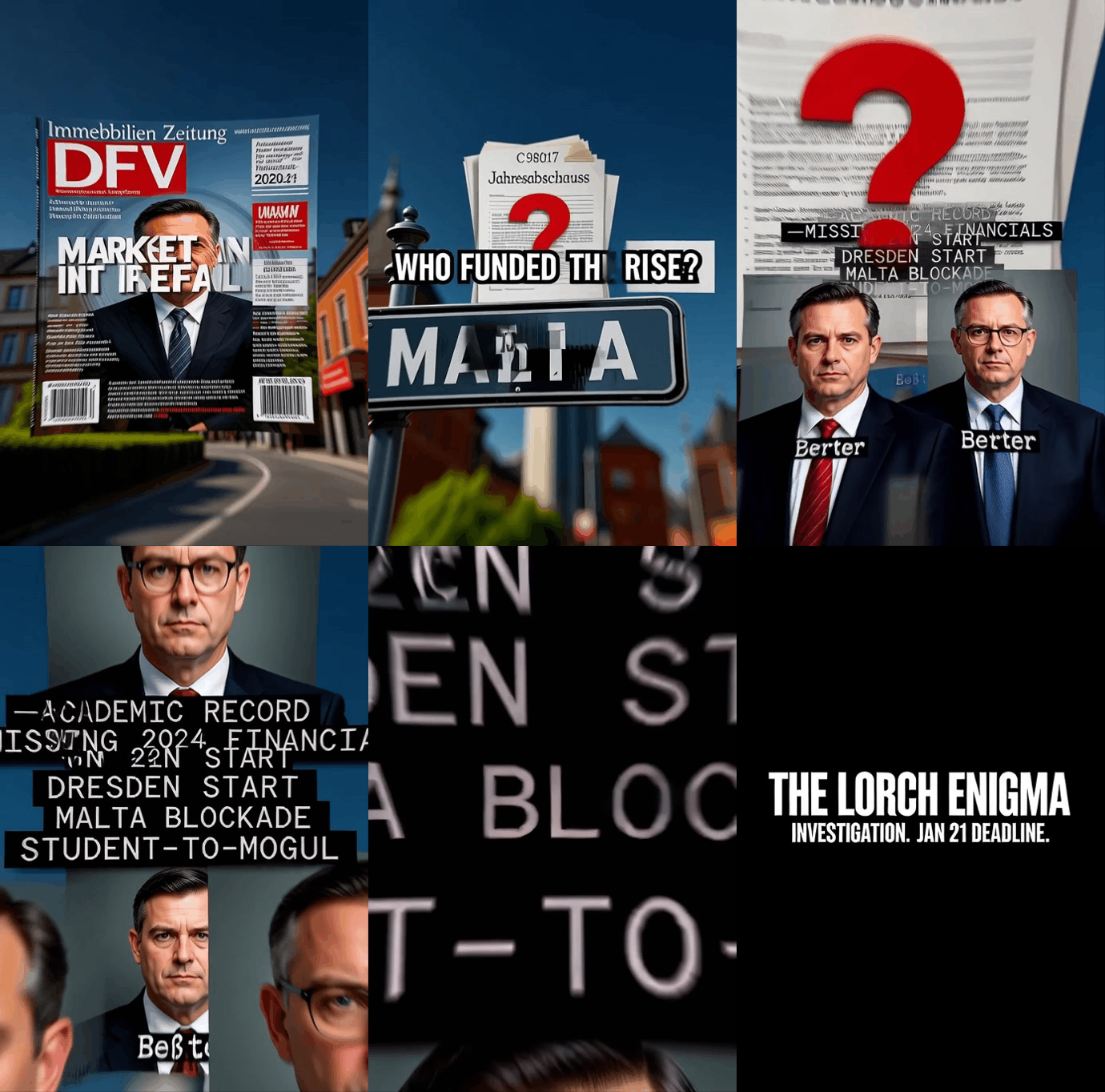

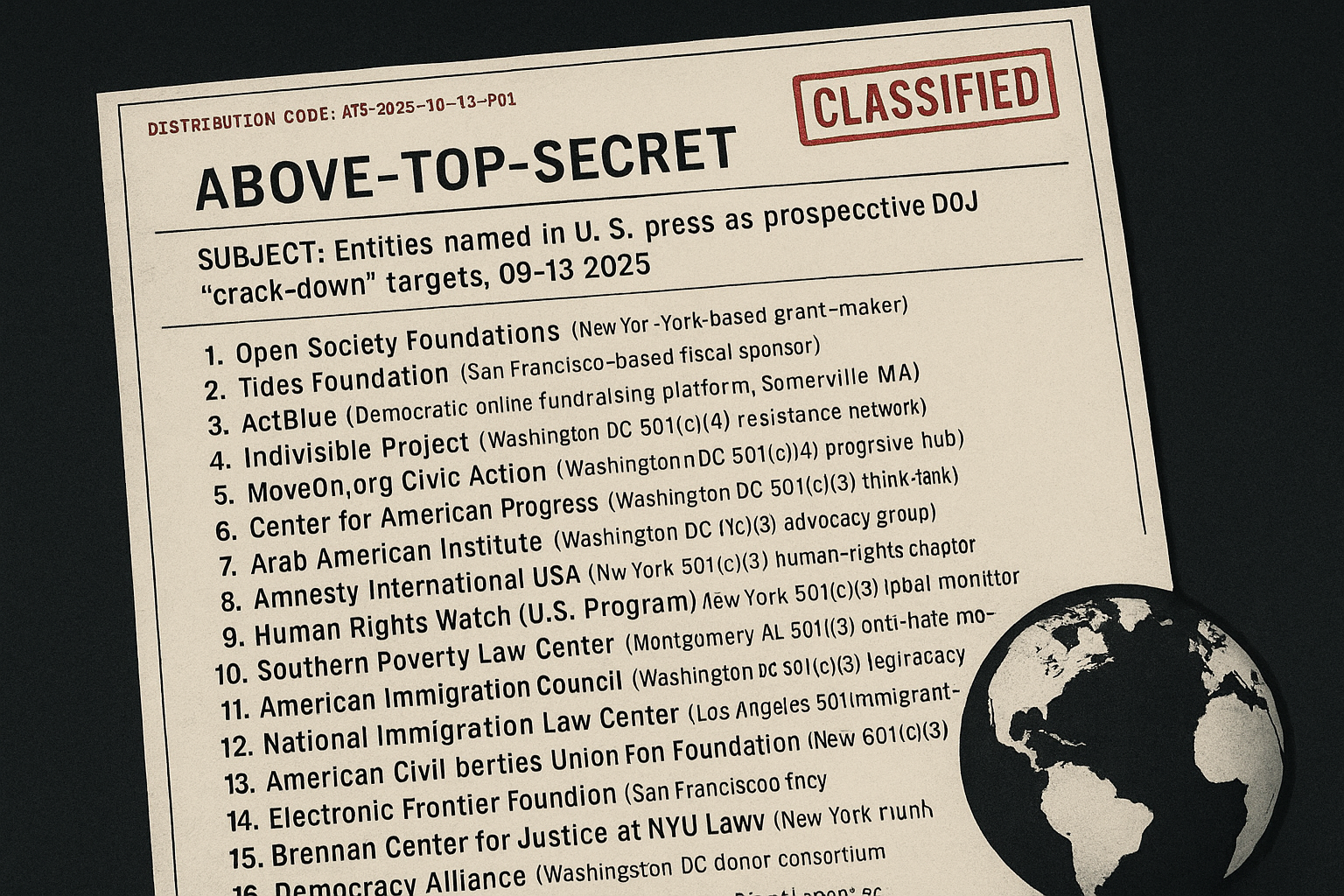
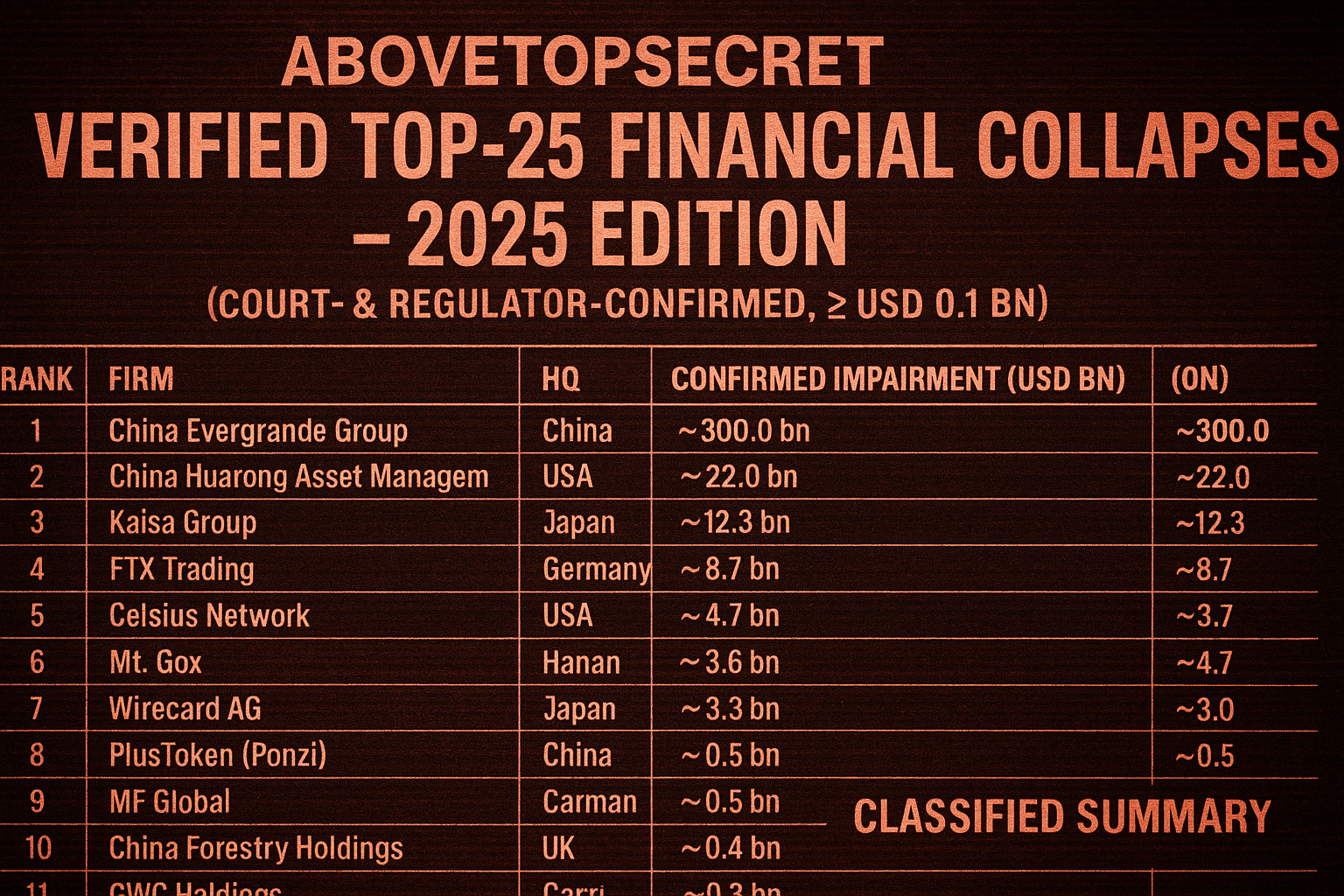
















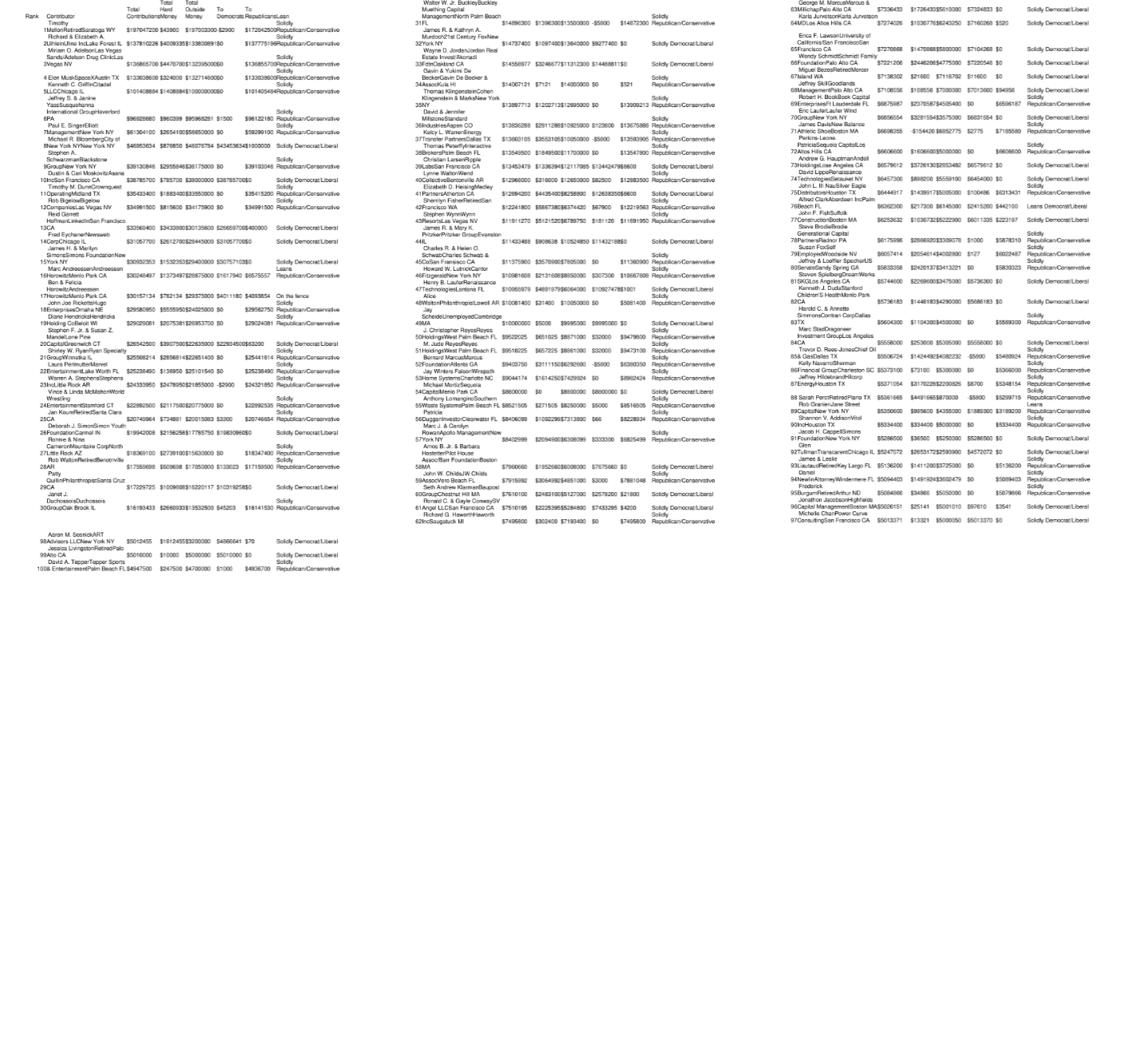
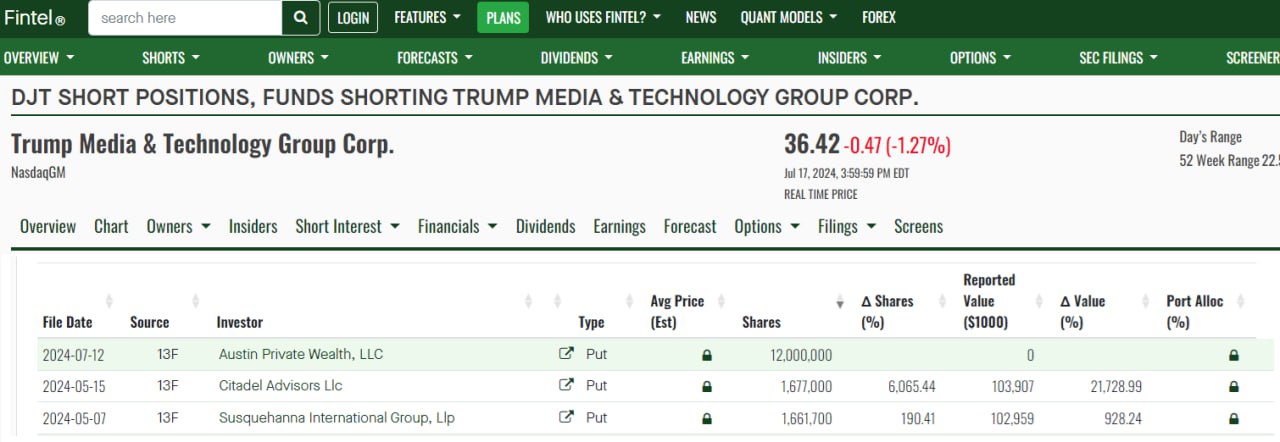

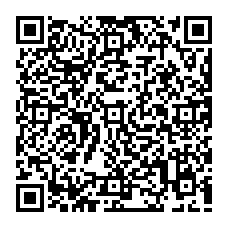




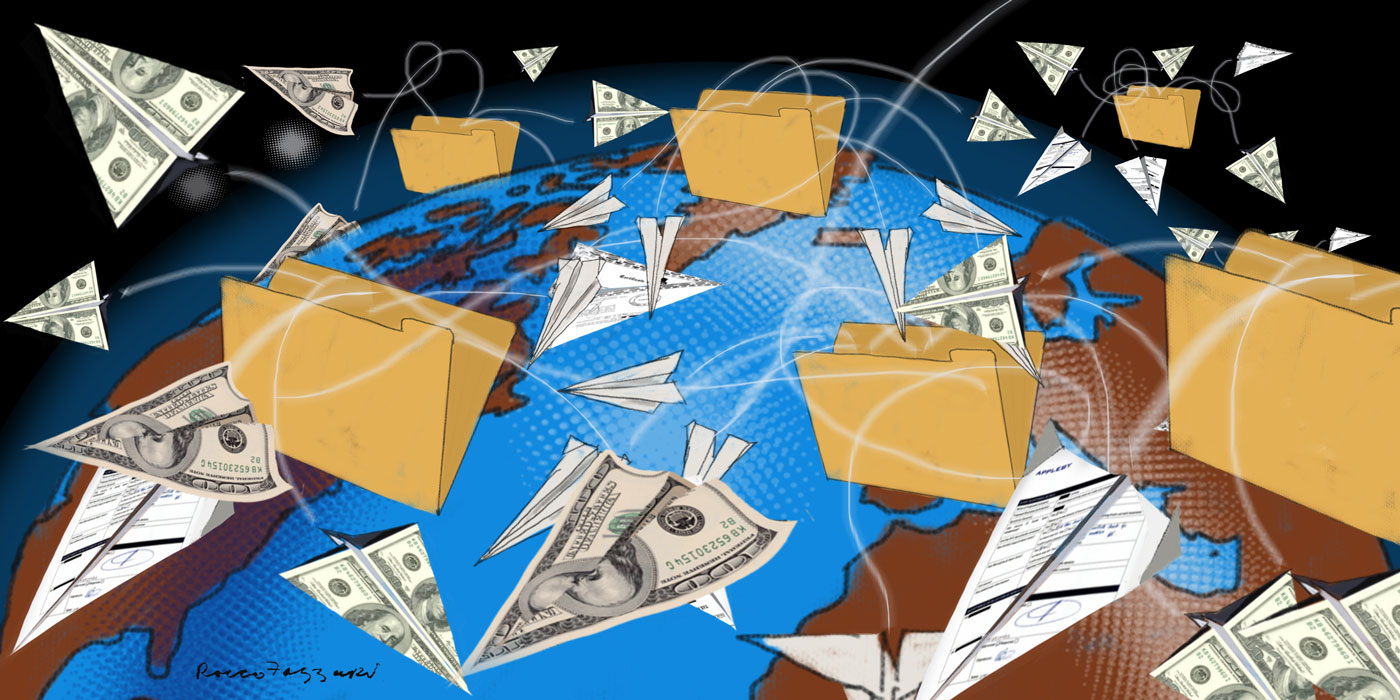




















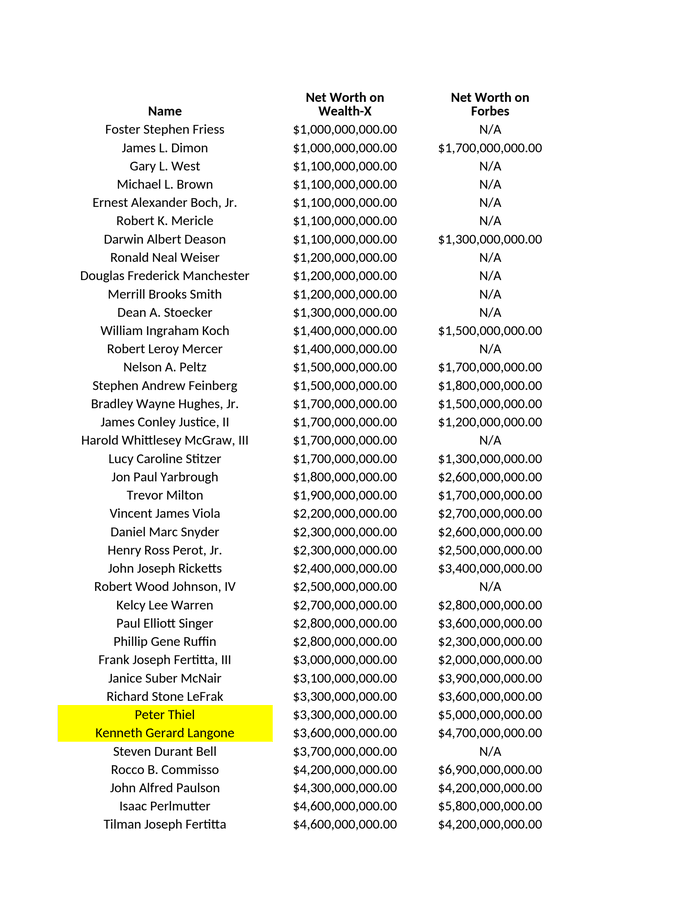

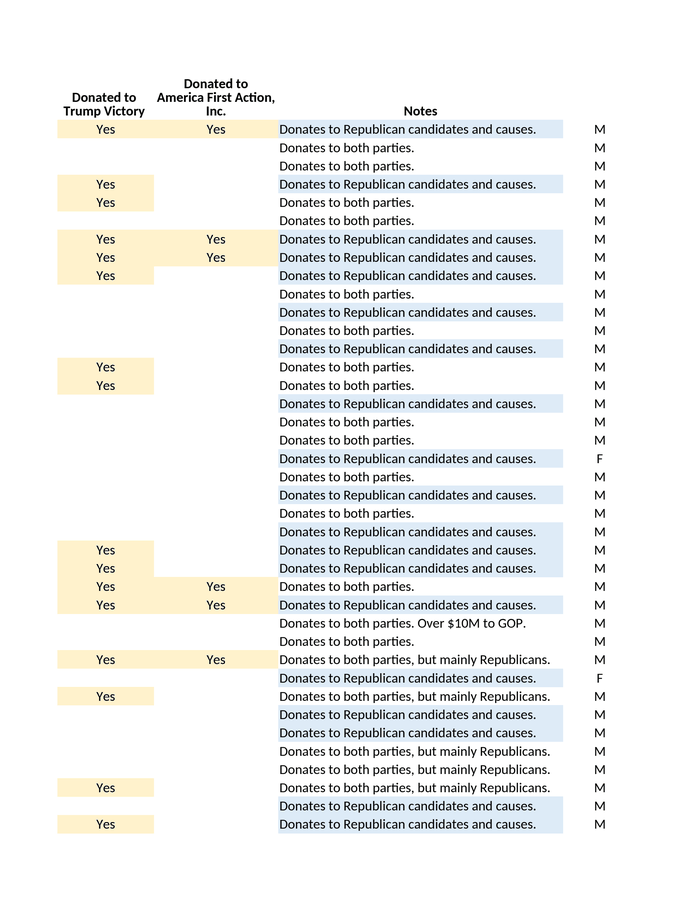


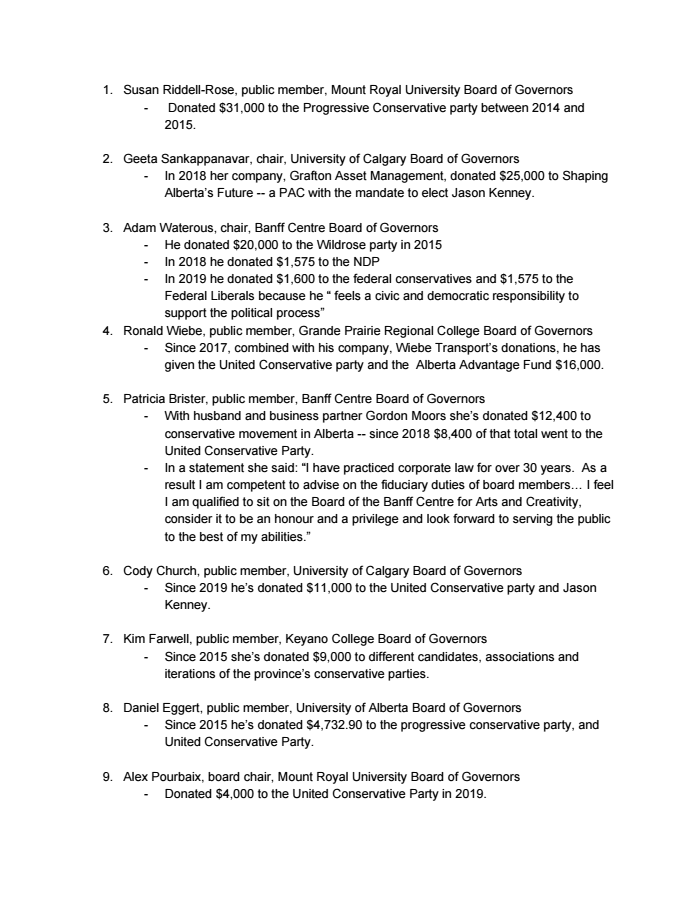

















 OO F. l'onnHH c (Mu.:112 0 14)
Instructions for Part 1
Note· This is a form Does not include account numbers street addresses or family member names See instructions for required Information
Filer's Nnme
IPage Number
Donald J. Trump
I
Pnrt 1: Filer's Positions Held Outside United States Government
IOrgnnizntlon Nnme
•
49
50
51
52
53
54
55
56
57
58
59
60
61
62
63
64
65
66
67
68
69
70
71
72
73
74
75
76
77
78
79
80
81
82
83
84
85
86
87
88
89
90
91
92
93
94
ICily/Stntc
IOrgnnlzntlon Type
IPosition Hehl
I
3 of51
From
I
To
DT Dubai II Golf Manaaer LLC
NewYork NY
LLC
Member/President
10/30/14
1/19/2017
DT Dubai II Golf Manaaer Member Coro
NewYork NY
Cornoralion
Director/Chairman/President
10130/14
1/19/2017
DT Home Marks lnlernalianal LLC
NewYark NY
LLC
Member/President
07/12/13
111912017
DT Home Marks lnlernalional Member Caro
NewYark NY
Corooralion
1/19/2017
New Yark, NY
LLC
Director/Chairman/President
Member/President
07/12113
DT India Venture LLC
01/09/12
1/19/2017
OT India Venture Manaoina Member Coro
NewYork NY
CornoraUon
Director/Chairman/President
01/09/12
1/19/2017
DT Marks Baku LLC
DT Marks Baku Managing Member Corp
NewYork NY
LLC
04/10/12
1/19/2017
NewYark NY
Cornorallon
Member/President
Director/Chairman/President
04/10/12
1/19/2017
1/1912017
DT Marks Dubai LLC
DT Marks Dubai Member Corp
NewYork NY
LLC
Member/President
09/05/13
NewYork NY
Comoralion
09105/13
1/1912017
DT Marks Dubai II LLC
NewYork NY
LLC
10/30/14
11120/2015
DT Marks Dubai II Member Coro
NewYork NY
Comoralion
10/30/14
11/20/2015
OT Marks Gurgaon LLC
NewYork NY
LLC
OT Marks Gurgaon Menaalno Member Caro
NewYork NY
Cornoralion
OT Marks Jersey City LLC
NewYork NY
LLC
DT Marks Jupiter LLC
NewYork, NY
LLC
OT Marks Qatar LLC
NewYork NY
LLC
OT Marks Qatar Member Com
DT Marks Products International LLC
OT Marks Products International Member Corp
NewYork NY
Corooralion
New York, NY
LLC
New York, NY
Corporalion
Director/Chairman/President
Member/President
Director/Chairman/President
Member/President
Director/ChalrmanfPresident
Member/President
Member/President
Member/President
Director/Chairman/President
Member/President
Director/Chairman/President
DT Marks Pune LLC
DT Marks Puna Managing Member Carp
NewYork NY
LLC
Member/President
New York, NY
Corporation
DT MARKS PUNE Ii LLC
NewYork NY
LLC
DT Marks Pune II Managing Member Corp
New York, NY
Corporation
DT Marks Rio LLC
New York, NY
LLC
OT Marks Rio Member Corp
NewYark NY
OT Marks Vancouver LP
OT Marks Vancouver Manaaer Corp
NewYork, NY
Corporation
Partnership
Corporation
DT Marks Warli LLC
NewYark. NY
New Yark, NY
OT Marks Worli Member Corp
DT Tower Gurgaan LLC
NewYork NY
LLC
Corporation
OT Tower Guraaon Manaaina Member Corp
New York, NY
New York, NY
LLC
Corporation
DTW Venture LLC
New York, NY
LLC
DTW Venture Manaaing Member Coro
New York, NY
Corporation
East 61 SI Campany, L.P., The
New York, NY
Partnership
EID Venture I LLC
NewYark. NY
NewYork, NY
LLC
EID Venture I Corporation
Excel Venture I LLC
Excel Venture I Corp.
Fifty Seven Manaaement Corp
Fifty Sevenlh Street Associates LLC
First Member, Inc.
Corporation
St. Martin, French West lndi
LLC
SI. Martin French West lndi
NewYark NY
Corporation
Corporation
NewYark NY
LLC
NewYark NY
Corporation
Corporation
Flights, Inc. {Formerly Trump Flights, Inc.)
NewYark NY
Florida Properties Management LLC
Fontainbleu Apartments LLC
Palm Beach, Florida
LLC
New York. NY
Golf Produclions LLC
New York, NY
LLC
LLC
10/28/14
1/19/2017
10130/14
1/19/2017
10/30114
1/19/2017
08/29/14
1119/2017
10/30/14
1119/2017
10/30/14
1119/2017
09/13/13
1/19/2017
09/13/13
01/09/12
1/19/2017
1/19/2017
Director/Chairman/President
Member/President
Director/Chairman/President
Member/President
Director/Chairman/President
Partner/President
Direclor/ChairmantPresident
Member/President
Director/Chairman/President
Member/President
Director/Chairman/President
Member
Director/President
Partner
Member
PresidenUDirector
PresidenUSecretarvffreasurer/Member
Director/Chairman/President
Director/Chairman
President
01/09/12
1/19/2017
06/18/14
1/19/2017
06/18/14
1/19/2017
03/09/12
1/19/2017
03/09/12
1/19/2017
01122/13
1119/2017
01122/13
1119/2017
05/21/13
1/19/2017
05/21/13
1/19/2017
03/09/15
1119/2017
03/09/15
03/14/14
1/19/2017
03/14/14
1/19/2017
12/06/96
05/01/13
1/19/2017
05/01113
1/19/2017
07/01113
07/01113
1/19/2017
08/23/12
1/19/2017
11/30/95
1/19/2017
President
09/26/96
PresidenVfreasurer/Director
Member
Member
Member/Presidenl
07/01199
1/19/2017
1/19/2017
12/17/01
1/19/2017
11/22/95
06/16/09
1/19/2017
Gaps in numerical sequence are due to the removal of previously reported items no longer reportable on this part.
1/19/2017
1/19/2017
1/19/2017
1/19/2017
OO F. l'onnHH c (Mu.:112 0 14)
Instructions for Part 1
Note· This is a form Does not include account numbers street addresses or family member names See instructions for required Information
Filer's Nnme
IPage Number
Donald J. Trump
I
Pnrt 1: Filer's Positions Held Outside United States Government
IOrgnnizntlon Nnme
•
49
50
51
52
53
54
55
56
57
58
59
60
61
62
63
64
65
66
67
68
69
70
71
72
73
74
75
76
77
78
79
80
81
82
83
84
85
86
87
88
89
90
91
92
93
94
ICily/Stntc
IOrgnnlzntlon Type
IPosition Hehl
I
3 of51
From
I
To
DT Dubai II Golf Manaaer LLC
NewYork NY
LLC
Member/President
10/30/14
1/19/2017
DT Dubai II Golf Manaaer Member Coro
NewYork NY
Cornoralion
Director/Chairman/President
10130/14
1/19/2017
DT Home Marks lnlernalianal LLC
NewYark NY
LLC
Member/President
07/12/13
111912017
DT Home Marks lnlernalional Member Caro
NewYark NY
Corooralion
1/19/2017
New Yark, NY
LLC
Director/Chairman/President
Member/President
07/12113
DT India Venture LLC
01/09/12
1/19/2017
OT India Venture Manaoina Member Coro
NewYork NY
CornoraUon
Director/Chairman/President
01/09/12
1/19/2017
DT Marks Baku LLC
DT Marks Baku Managing Member Corp
NewYork NY
LLC
04/10/12
1/19/2017
NewYark NY
Cornorallon
Member/President
Director/Chairman/President
04/10/12
1/19/2017
1/1912017
DT Marks Dubai LLC
DT Marks Dubai Member Corp
NewYork NY
LLC
Member/President
09/05/13
NewYork NY
Comoralion
09105/13
1/1912017
DT Marks Dubai II LLC
NewYork NY
LLC
10/30/14
11120/2015
DT Marks Dubai II Member Coro
NewYork NY
Comoralion
10/30/14
11/20/2015
OT Marks Gurgaon LLC
NewYork NY
LLC
OT Marks Gurgaon Menaalno Member Caro
NewYork NY
Cornoralion
OT Marks Jersey City LLC
NewYork NY
LLC
DT Marks Jupiter LLC
NewYork, NY
LLC
OT Marks Qatar LLC
NewYork NY
LLC
OT Marks Qatar Member Com
DT Marks Products International LLC
OT Marks Products International Member Corp
NewYork NY
Corooralion
New York, NY
LLC
New York, NY
Corporalion
Director/Chairman/President
Member/President
Director/Chairman/President
Member/President
Director/ChalrmanfPresident
Member/President
Member/President
Member/President
Director/Chairman/President
Member/President
Director/Chairman/President
DT Marks Pune LLC
DT Marks Puna Managing Member Carp
NewYork NY
LLC
Member/President
New York, NY
Corporation
DT MARKS PUNE Ii LLC
NewYork NY
LLC
DT Marks Pune II Managing Member Corp
New York, NY
Corporation
DT Marks Rio LLC
New York, NY
LLC
OT Marks Rio Member Corp
NewYark NY
OT Marks Vancouver LP
OT Marks Vancouver Manaaer Corp
NewYork, NY
Corporation
Partnership
Corporation
DT Marks Warli LLC
NewYark. NY
New Yark, NY
OT Marks Worli Member Corp
DT Tower Gurgaan LLC
NewYork NY
LLC
Corporation
OT Tower Guraaon Manaaina Member Corp
New York, NY
New York, NY
LLC
Corporation
DTW Venture LLC
New York, NY
LLC
DTW Venture Manaaing Member Coro
New York, NY
Corporation
East 61 SI Campany, L.P., The
New York, NY
Partnership
EID Venture I LLC
NewYark. NY
NewYork, NY
LLC
EID Venture I Corporation
Excel Venture I LLC
Excel Venture I Corp.
Fifty Seven Manaaement Corp
Fifty Sevenlh Street Associates LLC
First Member, Inc.
Corporation
St. Martin, French West lndi
LLC
SI. Martin French West lndi
NewYark NY
Corporation
Corporation
NewYark NY
LLC
NewYark NY
Corporation
Corporation
Flights, Inc. {Formerly Trump Flights, Inc.)
NewYark NY
Florida Properties Management LLC
Fontainbleu Apartments LLC
Palm Beach, Florida
LLC
New York. NY
Golf Produclions LLC
New York, NY
LLC
LLC
10/28/14
1/19/2017
10130/14
1/19/2017
10/30114
1/19/2017
08/29/14
1119/2017
10/30/14
1119/2017
10/30/14
1119/2017
09/13/13
1/19/2017
09/13/13
01/09/12
1/19/2017
1/19/2017
Director/Chairman/President
Member/President
Director/Chairman/President
Member/President
Director/Chairman/President
Partner/President
Direclor/ChairmantPresident
Member/President
Director/Chairman/President
Member/President
Director/Chairman/President
Member
Director/President
Partner
Member
PresidenUDirector
PresidenUSecretarvffreasurer/Member
Director/Chairman/President
Director/Chairman
President
01/09/12
1/19/2017
06/18/14
1/19/2017
06/18/14
1/19/2017
03/09/12
1/19/2017
03/09/12
1/19/2017
01122/13
1119/2017
01122/13
1119/2017
05/21/13
1/19/2017
05/21/13
1/19/2017
03/09/15
1119/2017
03/09/15
03/14/14
1/19/2017
03/14/14
1/19/2017
12/06/96
05/01/13
1/19/2017
05/01113
1/19/2017
07/01113
07/01113
1/19/2017
08/23/12
1/19/2017
11/30/95
1/19/2017
President
09/26/96
PresidenVfreasurer/Director
Member
Member
Member/Presidenl
07/01199
1/19/2017
1/19/2017
12/17/01
1/19/2017
11/22/95
06/16/09
1/19/2017
Gaps in numerical sequence are due to the removal of previously reported items no longer reportable on this part.
1/19/2017
1/19/2017
1/19/2017
1/19/2017
 🛑 Bernd Pulch | NAZI & STASI HUNTER | CORRUPTION & ARISTOTLE AI BI