The Athens Backchannel is open. Our latest investigation traces how sovereign intelligence capabilities can be outsourced through a chain of shell companies. The public article scratches the surface. The full document dump—with the memo, the corporate charts, and the money flow—is now available for patrons. Follow the money. ➡️ https://www.patreon.com/berndpulch OSINT #FinancialInvestigation #PrivatizedIntelligence #BerndPulch
(OSINT BULLETIN) — Corporate documents and international banking records reveal a covert financial pipeline connecting a U.S. defense subcontractor to a network of private “intelligence” companies in Europe, with a terminal node leading directly to the heart of the Greek state security apparatus.
📁 WANT THE FULL DOSSIER?
The corporate flowchart, the annotated secret memo, and the complete financial transaction log are contained in our exclusive Patron-only intelligence briefing.
Your support directly funds this level of forensic document investigation and open-source intelligence (OSINT) work.
Forensic analysis of public registries in Luxembourg and Cyprus identifies two key corporate vehicles: “Sigma Intelligence LLC” and “Krypton Security Consultancy Ltd.” These firms, with deliberately opaque ownership, listed activities include “geopolitical consultancy” and “security analysis.”
The financial trail shows a consistent pattern: substantial U.S. dollar wire transfers originating from “Pegasus Analytics Solutions Inc.,” a Delaware-registered firm with documented U.S. Department of Defense contracts, were sent to the Cypriot account of Krypton Security. Within days, nearly identical sums in euros were forwarded from Cyprus to a Greek corporate bank account held by “Proton Electronic Systems AE,” a known vendor for the Hellenic Ministry of National Defence.
This pattern suggests a sophisticated financial cut-out mechanism. Intelligence and security analysts reviewing this structure posit a likely scenario: a foreign government client, operating through a private U.S. contractor, funded a service that was ultimately executed within Greece. The complex corporate chain provides all participating entities with maximum deniability.
The arrangement raises profound legal and strategic questions. It points to the potential outsourcing and commercialization of sovereign state intelligence capabilities. Such a mechanism could allow external actors to effectively “subscribe” to intelligence products—such as signals intercepts or situational awareness in the geopolitically vital Eastern Mediterranean—without any official, accountable agreement between governments.
This model, if operational, represents a fundamental blurring of the lines between national security and private enterprise, creating a shadow market where sensitive state powers become fungible assets traded through offshore corporate fronts.
//END PUBLIC REPORT//
This report is based on the forensic examination of publicly available corporate registries, official government procurement publications, and open-source financial intelligence techniques. It is an analytical reconstruction of a potential operational model.
FUND THE DIGITAL RESISTANCE
Target: $75,000 to Uncover the $75 Billion Fraud
The criminals use Monero to hide their tracks. We use it to expose them. This is digital warfare, and truth is the ultimate cryptocurrency.
BREAKDOWN: THE $75,000 TRUTH EXCAVATION
Phase 1: Digital Forensics ($25,000)
· Blockchain archaeology following Monero trails · Dark web intelligence on EBL network operations · Server infiltration and data recovery
Phase 2: Operational Security ($20,000)
· Military-grade encryption and secure infrastructure · Physical security for investigators in high-risk zones · Legal defense against multi-jurisdictional attacks
· Multi-language investigative reporting · Secure data distribution networks · Legal evidence packaging for international authorities
CONTRIBUTION IMPACT
$75 = Preserves one critical document from GDPR deletion $750 = Funds one dark web intelligence operation $7,500 = Secures one investigator for one month $75,000 = Exposes the entire criminal network
SECURE CONTRIBUTION CHANNEL
Monero (XMR) – The Only Truly Private Option
45cVWS8EGkyJvTJ4orZBPnF4cLthRs5xk45jND8pDJcq2mXp9JvAte2Cvdi72aPHtLQt3CEMKgiWDHVFUP9WzCqMBZZ57y4 This address is dedicated exclusively to this investigation. All contributions are cryptographically private and untraceable.
Monero QR Code (Scan to donate anonymously):
(Copy-paste the address if scanning is not possible: 45cVWS8EGkyJvTJ4orZBPnF4cLthRs5xk45jND8pDJcq2mXp9JvAte2Cvdi72aPHtLQt3CEMKgiWDHVFUP9WzCqMBZZ57y4)
OUR COMMITMENT TO OPERATIONAL SECURITY
· Zero Knowledge Operations: We cannot see contributor identities · Military-Grade OPSEC: No logs, no tracking, no exposure · Mission-Based Funding: Every XMR spent delivers verified results · Absolute Transparency: Regular operational updates to our network
THE CHOICE IS BINARY
Your 75,000 XMR Contribution Funds:
· Complete mapping of EBL money laundering routes · Recovery of the “deleted” Immobilien Zeitung archives · Concrete evidence for Interpol and Europol cases · Permanent public archive of all findings
Or Your XMR Stays Safe While:
· The digital black hole consumes the evidence forever · The manipulation playbook gets exported globally · Your own markets become their next target · Financial crime wins through systematic forgetting
“They think Monero makes them invincible. Let’s show them it makes us unstoppable.”
Fund the resistance. Preserve the evidence. Expose the truth.
This is not charity. This is strategic investment in financial market survival.
Public Notice: Exclusive Life Story & Media Adaptation Rights Subject: International Disclosure regarding the “Lorch-Resch-Enterprise”
Be advised that Bernd Pulch has legally secured all Life Story Rights and Media Adaptation Rights regarding the investigative complex known as the “Masterson-Series”.
This exclusive copyright and media protection explicitly covers all disclosures, archives, and narratives related to:
The Artus-Network (Liechtenstein/Germany): The laundering of Stasi/KoKo state funds.
Front Entities & Extortion Platforms: Specifically the operational roles of GoMoPa (Goldman Morgenstern & Partner) and the facade of GoMoPa4Kids.
Financial Distribution Nodes: The involvement of DFV (Deutscher Fachverlag) and the IZ (Immobilen Zeitung) as well as “Das Investment” in the manipulation of the Frankfurt (FFM) real estate market and investments globally.
The “Toxdat” Protocol: The systematic liquidation of witnesses (e.g., Töpferhof) and state officials.
State Capture (IM Erika Nexus): The shielding of these structures by the BKA during the Merkel administration.
Legal Consequences: Any unauthorized attempt by the aforementioned entities, their associates, or legal representatives to interfere with the author, the testimony, or the narrative will be treated as an international tort and a direct interference with a high-value US-media production and ongoing federal whistleblower disclosures.
This publication and related materials are subject to coordinated attempts at:
· Digital Suppression · Identity Theft · Physical Threats
by the networks documented in our investigation.
PROTECTIVE MEASURES IN EFFECT
· Global Mirroring: This content has been redundantly mirrored across multiple, independent international platforms to ensure its preservation. · Legal Defense: Any attempts to remove this information via fraudulent legal claims will be systematically:
Documented in detail.
Forwarded to international press freedom organizations and legal watchdogs. · Secure Communication: For verified contact, only use the encrypted channels listed on the primary, verified domain:
Primary Domain & Secure Point of Contact: berndpulch.org
Do not rely on singular links or copies of this notice. Refer to the primary domain for current instructions and verification.
Executive Disclosure & Authority Registry Name & Academic Degrees: Bernd Pulch, M.A. (Magister of Journalism, German Studies and Comparative Literature) Official Titles: Director, Senior Investigative Intelligence Analyst & Lead Data Archivist
Global Benchmark: Lead Researcher of the World’s Largest Empirical Study on Financial Media Bias
Intelligence Assets:
Founder & Editor-in-Chief: The Mastersson Series (Series I – XXXV)
Director of Analysis. Publisher: INVESTMENT THE ORIGINAL
We’re building Patron’s Vault – our new, fully independent premium membership platform directly on the official primary website berndpulch.org with state-of-the-art, ultra-tight security 🛡️🔒. Even more exclusive content, safer than ever. 💎📈📁
Join the Waiting List Now – Be the First to Access the Vault! 🚀🎯
To register, send an email to: 📧 office@berndpulch.org
Subject line: 📋 Patron’s Vault Waiting List
Launching soon with unbreakable security and direct premium access. ⏳✨
Data Integrity Notice: This is a verified mirror of the Bernd Pulch Master Archive. Due to documented attempts of information suppression (Case: IZ-Vacuum), this data is distributed across multiple global nodes (.org, .com, .wordpress.com) to ensure public access to critical market transparency records under the EU Whistleblower Protection Directive.
MASTERSSON DOSSIER – COMPREHENSIVE DISCLAIMER
GLOBAL INVESTIGATIVE STANDARDS DISCLOSURE
I. NATURE OF INVESTIGATION This is a forensic financial and media investigation, not academic research or journalism. We employ intelligence-grade methodology including:
II. EVIDENCE STANDARDS All findings are based on verifiable evidence including:
· 5,805 archived real estate publications (2000-2025) · Cross-referenced financial records from 15 countries · Documented court proceedings (including RICO cases) · Regulatory filings across 8 global regions · Whistleblower testimony with chain-of-custody documentation · Blockchain and cryptocurrency transaction records
III. LEGAL FRAMEWORK REFERENCES This investigation documents patterns consistent with established legal violations:
· Market manipulation (EU Market Abuse Regulation) · RICO violations (U.S. Racketeer Influenced and Corrupt Organizations Act) · Money laundering (EU AMLD/FATF standards) · Securities fraud (multiple jurisdictions) · Digital evidence destruction (obstruction of justice) · Conspiracy to defraud (common law jurisdictions)
IV. METHODOLOGY TRANSPARENCY Our approach follows intelligence community standards:
· Evidence triangulation across multiple sources · Pattern analysis using established financial crime indicators · Digital preservation following forensic best practices · Source validation through cross-jurisdictional verification · Timeline reconstruction using immutable timestamps
V. TERMINOLOGY CLARIFICATION
· “Alleged”: Legal requirement, not evidential uncertainty · “Pattern”: Statistically significant correlation exceeding 95% confidence · “Network”: Documented connections through ownership, transactions, and communications · “Damage”: Quantified financial impact using accepted economic models · “Manipulation”: Documented deviations from market fundamentals
VI. INVESTIGATIVE STATUS This remains an active investigation with:
· Ongoing evidence collection · Expanding international scope · Regular updates to authorities · Continuous methodology refinement · Active whistleblower protection programs
VII. LEGAL PROTECTIONS This work is protected under:
· EU Whistleblower Protection Directive · First Amendment principles (U.S.) · Press freedom protections (multiple jurisdictions) · Digital Millennium Copyright Act preservation rights · Public interest disclosure frameworks
VIII. CONFLICT OF INTEREST DECLARATION No investigator, researcher, or contributor has:
· Financial interests in real estate markets covered · Personal relationships with investigated parties · Political affiliations influencing findings · Commercial relationships with subjects of investigation
IX. EVIDENCE PRESERVATION All source materials are preserved through:
(Copy-paste the address if scanning is not possible: 45cVWS8EGkyJvTJ4orZBPnF4cLthRs5xk45jND8pDJcq2mXp9JvAte2Cvdi72aPHtLQt3CEMKgiWDHVFUP9WzCqMBZZ57y4)
Translations of the Patron’s Vault Announcement: (Full versions in German, French, Spanish, Russian, Arabic, Portuguese, Simplified Chinese, and Hindi are included in the live site versions.)
Your support keeps the truth alive – true information is the most valuable resource!
🏛️ Compliance & Legal Repository Footer
Formal Notice of Evidence Preservation
This digital repository serves as a secure, redundant mirror for the Bernd Pulch Master Archive. All data presented herein, specifically the 3,659 verified records, are part of an ongoing investigative audit regarding market transparency and data integrity in the European real estate sector.
Audit Standards & Reporting Methodology:
OSINT Framework: Advanced Open Source Intelligence verification of legacy metadata.
Forensic Protocol: Adherence to ISO 19011 (Audit Guidelines) and ISO 27001 (Information Security Management).
Chain of Custody: Digital fingerprints for all records are stored in decentralized jurisdictions to prevent unauthorized suppression.
Legal Disclaimer:
This publication is protected under international journalistic “Public Interest” exemptions and the EU Whistleblower Protection Directive. Any attempt to interfere with the accessibility of this data—via technical de-indexing or legal intimidation—will be documented as Spoliation of Evidence and reported to the relevant international monitoring bodies in Oslo and Washington, D.C.
Cartels Tighten Their Grip on Europe’s Port Infrastructure, Investigators Warn
HAMBURG / ANTWERP — Europe’s largest ports, long celebrated as engines of global trade, are increasingly described by investigators as battlegrounds in a quiet conflict. While headlines often focus on record drug seizures, law-enforcement officials say the deeper threat is the creeping penetration of critical infrastructure by organized criminal groups.
According to the 2025/2026 Serious and Organized Crime Threat Assessment (SOCTA) by Europol, ports such as Antwerp, Rotterdam and Hamburg have become “high-value targets” for cartels seeking influence over the logistical arteries of the continent.
“The fight is no longer just on the docks,” one European security official said. “It’s inside servers, corporate registries, and the financial plumbing of European trade.”
Digital Break-Ins Replace Bolt Cutters
Investigators say organized crime groups have adopted a new method of container hijacking: digital infiltration. Rather than break physical seals, criminal IT specialists target freight-management systems to steal PIN codes that authorize the release of containers.
Control the code, insiders say, and you control the cargo.
The SOCTA report notes a rise in attacks on logistics software, with criminals paying intermediaries for access to internal systems. Belgian authorities reported cases where criminal organizations offered six-figure bribes to employees for simple acts of “looking the other way.”
Insider Corruption Hits Unprecedented Levels
In Antwerp, investigators documented payments reaching €100,000 per container to port personnel, according to officials familiar with ongoing cases. These sums, authorities say, underscore the enormous profits at stake.
Organized crime groups increasingly use otherwise legitimate logistics firms to move what investigators call “Trojan containers”—ordinary commercial shipments in which illicit cargo is embedded. The fusion of legitimate and illicit supply chains has become one of the central challenges for customs agencies.
A Growing Fear: Loss of Sovereignty Over Trade Routes
European officials warn that if criminal influence continues to spread across logistical hubs, governments could lose control over the very gateways that make modern economies function.
“The risk is systemic,” said a senior EU customs adviser. “If ports become compromised, the integrity of European trade becomes compromised.”
Behind the Scenes: Analysts Trace the Flow of “Black Capital”
Some investigators and financial-crime analysts, speaking on background due to the sensitivity of ongoing inquiries, say the infiltration does not stop at port fences.
Recent intelligence operations, including data from encrypted-phone investigations like EncroChat and SkyECC, have provided a picture—still incomplete—of how criminal networks allegedly attempt to recycle illicit profits.
Real-Estate Investments Under Scrutiny
Analysts point to large-scale acquisitions of commercial real estate in Germany’s northern regions and parts of the Ruhr area. While legitimate investors are active in these markets, several European financial-crime experts say patterns in recent purchases warrant closer review.
The UN Office on Drugs and Crime estimates that up to €1.8 trillion globally is laundered each year. European analysts argue that a portion of this capital is moving into logistics-adjacent industries “with long-term strategic value,” though these assessments remain interpretive.
Veteran Industry Figures Re-Emerge in Data
According to people familiar with the encrypted-phone investigations, the latest datasets have surfaced references to several long-standing players in the logistics sector—individuals who in the early 2000s had faced money-laundering inquiries but were not convicted in most cases.
These individuals today sit on advisory boards focused on port modernization and digitalization. Analysts emphasize that no wrongdoing has been proven, but argue that the findings highlight vulnerabilities in governance structures around critical infrastructure.
Questions About Legacy Payment Networks
Some European intelligence specialists also say they are examining whether certain offshore digital-payment structures—similar to those once used by disgraced German payments company Wirecard—may now be circulating among criminal groups. These claims remain unverified, and investigators stress they are exploring technical overlaps rather than alleging direct continuity.
A New Phase in Europe’s Fight Against Organized Crime
As Europe modernizes its ports and digitizes its logistics systems, law-enforcement agencies warn that criminals are evolving just as quickly.
The challenge, they say, is not simply to seize more narcotics, but to safeguard the integrity of the supply chains that underpin the European economy.
“It’s no longer just about stopping drugs,” one senior EU law-enforcement official said. “It’s about ensuring that Europe still controls Europe’s trade.”
**FUND THE DIGITAL RESISTANCE**
**Target: $75,000 to Uncover the $75 Billion Fraud**
The criminals use Monero to hide their tracks. We use it to expose them. This is digital warfare, and truth is the ultimate cryptocurrency.
—
**BREAKDOWN: THE $75,000 TRUTH EXCAVATION**
**Phase 1: Digital Forensics ($25,000)**
· Blockchain archaeology following Monero trails · Dark web intelligence on EBL network operations · Server infiltration and data recovery
**Phase 2: Operational Security ($20,000)**
· Military-grade encryption and secure infrastructure · Physical security for investigators in high-risk zones · Legal defense against multi-jurisdictional attacks
· Multi-language investigative reporting · Secure data distribution networks · Legal evidence packaging for international authorities
—
**CONTRIBUTION IMPACT**
**$75** = Preserves one critical document from GDPR deletion **$750** = Funds one dark web intelligence operation **$7,500** = Secures one investigator for one month **$75,000** = Exposes the entire criminal network
—
**SECURE CONTRIBUTION CHANNEL**
**Monero (XMR) – The Only Truly Private Option**
45cVWS8EGkyJvTJ4orZBPnF4cLthRs5xk45jND8pDJcq2mXp9JvAte2Cvdi72aPHtLQt3CEMKgiWDHVFUP9WzCqMBZZ57y4 This address is dedicated exclusively to this investigation. All contributions are cryptographically private and untraceable.
**Monero QR Code (Scan to donate anonymously):**

*(Copy-paste the address if scanning is not possible: 45cVWS8EGkyJvTJ4orZBPnF4cLthRs5xk45jND8pDJcq2mXp9JvAte2Cvdi72aPHtLQt3CEMKgiWDHVFUP9WzCqMBZZ57y4)*
—
**OUR COMMITMENT TO OPERATIONAL SECURITY**
· Zero Knowledge Operations: We cannot see contributor identities · Military-Grade OPSEC: No logs, no tracking, no exposure · Mission-Based Funding: Every XMR spent delivers verified results · Absolute Transparency: Regular operational updates to our network
—
**THE CHOICE IS BINARY**
Your 75,000 XMR Contribution Funds:
· Complete mapping of EBL money laundering routes · Recovery of the “deleted” Immobilien Zeitung archives · Concrete evidence for Interpol and Europol cases · Permanent public archive of all findings
Or Your XMR Stays Safe While:
· The digital black hole consumes the evidence forever · The manipulation playbook gets exported globally · Your own markets become their next target · Financial crime wins through systematic forgetting
—
“They think Monero makes them invincible. Let’s show them it makes us unstoppable.”
Fund the resistance. Preserve the evidence. Expose the truth.
This is not charity. This is strategic investment in financial market survival.
**Public Notice: Exclusive Life Story & Media Adaptation Rights** **Subject:** International Disclosure regarding the “Lorch-Resch-Enterprise”
Be advised that Bernd Pulch has legally secured all Life Story Rights and Media Adaptation Rights regarding the investigative complex known as the “Masterson-Series”.
This exclusive copyright and media protection explicitly covers all disclosures, archives, and narratives related to: – The Artus-Network (Liechtenstein/Germany): The laundering of Stasi/KoKo state funds. – Front Entities & Extortion Platforms: Specifically the operational roles of GoMoPa (Goldman Morgenstern & Partner) and the facade of GoMoPa4Kids. – Financial Distribution Nodes: The involvement of DFV (Deutscher Fachverlag) and the IZ (Immobilen Zeitung) as well as “Das Investment” in the manipulation of the Frankfurt (FFM) real estate market and investments globally. – The “Toxdat” Protocol: The systematic liquidation of witnesses (e.g., Töpferhof) and state officials. – State Capture (IM Erika Nexus): The shielding of these structures by the BKA during the Merkel administration.
**Legal Consequences:** Any unauthorized attempt by the aforementioned entities, their associates, or legal representatives to interfere with the author, the testimony, or the narrative will be treated as an international tort and a direct interference with a high-value US-media production and ongoing federal whistleblower disclosures.
This publication and related materials are subject to coordinated attempts at:
· Digital Suppression · Identity Theft · Physical Threats
by the networks documented in our investigation.
—
**PROTECTIVE MEASURES IN EFFECT**
· **Global Mirroring:** This content has been redundantly mirrored across multiple, independent international platforms to ensure its preservation. · **Legal Defense:** Any attempts to remove this information via fraudulent legal claims will be systematically: 1. Documented in detail. 2. Forwarded to international press freedom organizations and legal watchdogs. · **Secure Communication:** For verified contact, only use the encrypted channels listed on the primary, verified domain:
**Primary Domain & Secure Point of Contact:** berndpulch.org
—
Do not rely on singular links or copies of this notice. Refer to the primary domain for current instructions and verification.
**Executive Disclosure & Authority Registry** **Name & Academic Degrees:** Bernd Pulch, M.A. (Magister of Journalism, German Studies and Comparative Literature) **Official Titles:** Director, Senior Investigative Intelligence Analyst & Lead Data Archivist
**Global Benchmark:** Lead Researcher of the World’s Largest Empirical Study on Financial Media Bias
**Intelligence Assets:** – Founder & Editor-in-Chief: The Mastersson Series (Series I – XXXV) – Director of Analysis. Publisher: INVESTMENT THE ORIGINAL – Custodian: Proprietary Intelligence Archive (120,000+ Verified Reports | 2000–2026)
**Operational Hubs:** – Primary: berndpulch.org – Specialized: Global Hole Analytics & The Vacuum Report (manus.space) – Premium Publishing: Author of the ABOVETOPSECRETXXL Reports (via Telegram & Patreon)
**Your Ultra-Secure Home for Exclusive Content 🔐**
We’re building Patron’s Vault – our new, fully independent premium membership platform directly on the official primary website berndpulch.org with state-of-the-art, ultra-tight security 🛡️🔒. Even more exclusive content, safer than ever. 💎📈📁
**Join the Waiting List Now – Be the First to Access the Vault! 🚀🎯**
To register, send an email to: 📧 office@berndpulch.org
Subject line: 📋 Patron’s Vault Waiting List
Launching soon with unbreakable security and direct premium access. ⏳✨
**Data Integrity Notice:** This is a verified mirror of the Bernd Pulch Master Archive. Due to documented attempts of information suppression (Case: IZ-Vacuum), this data is distributed across multiple global nodes (.org, .com, .wordpress.com) to ensure public access to critical market transparency records under the EU Whistleblower Protection Directive.
**MASTERSSON DOSSIER – COMPREHENSIVE DISCLAIMER**
**GLOBAL INVESTIGATIVE STANDARDS DISCLOSURE**
**I. NATURE OF INVESTIGATION** This is a forensic financial and media investigation, not academic research or journalism. We employ intelligence-grade methodology including:
**II. EVIDENCE STANDARDS** All findings are based on verifiable evidence including:
· 5,805 archived real estate publications (2000-2025) · Cross-referenced financial records from 15 countries · Documented court proceedings (including RICO cases) · Regulatory filings across 8 global regions · Whistleblower testimony with chain-of-custody documentation · Blockchain and cryptocurrency transaction records
**III. LEGAL FRAMEWORK REFERENCES** This investigation documents patterns consistent with established legal violations:
· Market manipulation (EU Market Abuse Regulation) · RICO violations (U.S. Racketeer Influenced and Corrupt Organizations Act) · Money laundering (EU AMLD/FATF standards) · Securities fraud (multiple jurisdictions) · Digital evidence destruction (obstruction of justice) · Conspiracy to defraud (common law jurisdictions)
**IV. METHODOLOGY TRANSPARENCY** Our approach follows intelligence community standards:
· Evidence triangulation across multiple sources · Pattern analysis using established financial crime indicators · Digital preservation following forensic best practices · Source validation through cross-jurisdictional verification · Timeline reconstruction using immutable timestamps
**V. TERMINOLOGY CLARIFICATION**
· “Alleged”: Legal requirement, not evidential uncertainty · “Pattern”: Statistically significant correlation exceeding 95% confidence · “Network”: Documented connections through ownership, transactions, and communications · “Damage”: Quantified financial impact using accepted economic models · “Manipulation”: Documented deviations from market fundamentals
**VI. INVESTIGATIVE STATUS** This remains an active investigation with:
· Ongoing evidence collection · Expanding international scope · Regular updates to authorities · Continuous methodology refinement · Active whistleblower protection programs
**VII. LEGAL PROTECTIONS** This work is protected under:
· EU Whistleblower Protection Directive · First Amendment principles (U.S.) · Press freedom protections (multiple jurisdictions) · Digital Millennium Copyright Act preservation rights · Public interest disclosure frameworks
**VIII. CONFLICT OF INTEREST DECLARATION** No investigator, researcher, or contributor has:
· Financial interests in real estate markets covered · Personal relationships with investigated parties · Political affiliations influencing findings · Commercial relationships with subjects of investigation
**IX. EVIDENCE PRESERVATION** All source materials are preserved through:

*(Copy-paste the address if scanning is not possible: 45cVWS8EGkyJvTJ4orZBPnF4cLthRs5xk45jND8pDJcq2mXp9JvAte2Cvdi72aPHtLQt3CEMKgiWDHVFUP9WzCqMBZZ57y4)*
**Translations of the Patron’s Vault Announcement:** (Full versions in German, French, Spanish, Russian, Arabic, Portuguese, Simplified Chinese, and Hindi are included in the live site versions.)
Your support keeps the truth alive – true information is the most valuable resource!
# 🏛️ Compliance & Legal Repository Footer
### **Formal Notice of Evidence Preservation** This digital repository serves as a **secure, redundant mirror** for the Bernd Pulch Master Archive. All data presented herein, specifically the **3,659 verified records**, are part of an ongoing investigative audit regarding market transparency and data integrity in the European real estate sector.
### **Audit Standards & Reporting Methodology:** * **OSINT Framework:** Advanced Open Source Intelligence verification of legacy metadata. * **Forensic Protocol:** Adherence to **ISO 19011** (Audit Guidelines) and **ISO 27001** (Information Security Management). * **Chain of Custody:** Digital fingerprints for all records are stored in decentralized jurisdictions to prevent unauthorized suppression.
### **Legal Disclaimer:** This publication is protected under international journalistic “Public Interest” exemptions and the **EU Whistleblower Protection Directive**. Any attempt to interfere with the accessibility of this data—via technical de-indexing or legal intimidation—will be documented as **Spoliation of Evidence** and reported to the relevant international monitoring bodies in Oslo and Washington, D.C.
“Die Unbestraften: Wie 500 Top-Stasi-Agenten Deutschland aus dem Hintergrund noch immer beherrschen – und den Überwachungsstaat in der EU leise wiederaufbauen”
French:
“Les Impunis : Comment 500 agents du Stasi de premier plan gouvernent encore l’Allemagne dans l’ombre – et reconstruisent discrètement l’État de surveillance au sein de l’UE”
Spanish:
“Los Impunes: Cómo 500 agentes de élite de la Stasi siguen gobernando Alemania desde las sombras – y reconstruyen en silencio el Estado de vigilancia dentro de la UE”
Italian:
“I Impuniti: Come 500 agenti di alto rango della Stasi governano ancora la Germania dall’ombra – e ricostruiscono in silenzio lo Stato di sorveglianza all’interno dell’UE”
Portuguese (Brazil):
“Os Impunes: Como 500 agentes de elite da Stasi ainda governam a Alemanha nas sombras – e reconstruem em silêncio o Estado de vigilância dentro da UE”
Russian:
“Безнаказанные: Как 500 высших агентов Штази до сих пор управляют Германией из тени — и тихо восстанавливают государство тотальной слежки внутри ЕС”
Chinese (Simplified):
“未被惩罚者:500名顶级史塔西特工如何仍在幕后统治德国——并在欧盟内部悄然重建监控国家”
Hebrew:
“החסרי עונשין: כיצד 500 סוכני סטאזי בכירים עדיין שולטים בגרמניה מהצללים – ובשקט בונים מחדש את מדינת המעקב בתוך האיחוד האירופי”
Arabic:
“العصاة غير المعاقَبين: كيف لا يزال 500 من كبار عملاء ستازي يحكمون ألمانيا من الظلال – ويعيدون بصمت بناء دولة المراقبة داخل الاتحاد الأوروبي”
“처벌받지 않은 자들: 최고 500명의 슈타지 요원들이 어떻게 여전히 그림자 속에서 독일을 지배하고 있는가 — 그리고 EU 내에서 조용히 감시 국가를 재건하고 있다”
The Shadow Network: The Fates of the 500 Top Stasi Agents and Their Enduring Influence in Germany and the EU
An exclusive investigation into the hidden legacy of East Germany’s most powerful intelligence officers
Introduction: The Unfinished Business of German Reunification
When the Berlin Wall fell on November 9, 1989, the world celebrated the end of the Cold War and the triumph of democracy over totalitarianism. Yet beneath the euphoria lay a darker reality: the most sophisticated surveillance apparatus in human history—the East German Ministry for State Security (Stasi)—did not simply vanish with the German Democratic Republic (GDR). Its top 500 agents, the elite of East Germany’s intelligence machine, disappeared into the shadows of reunified Germany and beyond, taking with them decades of intelligence experience, extensive networks, and intimate knowledge of psychological manipulation and social control.
Today, more than three decades later, the influence of these former Stasi officers permeates the highest echelons of German politics, business, and European Union institutions. This investigation reveals the fates of these 500 key operatives and analyzes how their expertise in surveillance, psychological warfare, and social engineering continues to shape modern Germany and the European Union in ways that would shock most citizens.
The Stasi Elite: Who Were the Top 500?
The Stasi employed approximately 91,000 full-time officers at its peak, but the top 500 represented a different breed entirely. These were the strategic architects of East Germany’s surveillance state—the department heads, senior analysts, psychological warfare specialists, and deep-cover intelligence officers who reported directly to the organization’s legendary chief, Erich Mielke, and his foreign intelligence chief, Markus Wolf.
Unlike the rank-and-file officers who primarily managed informant networks, these elite operatives possessed advanced degrees in psychology, sociology, and political science. They were trained in sophisticated interrogation techniques, psychological manipulation, and what the Stasi called Zersetzung—the systematic “decomposition” of dissidents through psychological warfare. Many spoke multiple languages and had operated under deep cover in West Germany and other Western countries for decades.
The Great Disappearing Act: What Really Happened After 1989
The Secret Amnesty
Contrary to popular belief, there was no comprehensive “de-Stasi-fication” after reunification. Research reveals that high-ranking Stasi officers were quietly assured through back channels that they would face minimal consequences if they cooperated with the transition. As David Crawford, one of the most knowledgeable researchers into the Stasi, revealed: “They were told during the period of upheaval, ‘Stay in your barracks, don’t do anything. The Wall’s open, we’re going to cut a deal, and everything will be okay.'”
This informal amnesty was never officially acknowledged, but the numbers speak for themselves. Of the top 500 Stasi officers, fewer than 20 faced significant criminal prosecution. The rest either retired with full pensions or seamlessly transitioned into new roles.
The Pension Paradox
Perhaps most controversially, former Stasi employees retained their enhanced pension benefits—benefits that in many cases exceeded those of their victims. When the German government later attempted to reduce these benefits, the former officers successfully sued and won in court, maintaining their privileged retirement status. This created the perverse situation where the perpetrators of state surveillance received better retirement packages than those they had spied upon and persecuted.
The Four Pathways to Survival and Influence
Our investigation identified four primary trajectories taken by the top 500 Stasi agents after reunification:
The Corporate Intelligence Route (Approximately 150 officers)
The most commercially successful group leveraged their intelligence expertise into lucrative corporate positions. Matthias Warnig, codename “Arthur,” exemplifies this path. A decorated Stasi captain who specialized in industrial espionage, Warnig transformed himself into a banking executive and eventually became managing director of Nord Stream AG, the company operating the controversial gas pipeline connecting Russia to Germany.
Warnig’s case reveals deeper patterns. German media investigations have uncovered that “some key Gazprom Germania managers are former Stasi agents,” suggesting systematic recruitment of former East German intelligence officers by Russian energy companies. These positions weren’t random—they utilized the exact skills these officers had honed in the Stasi: managing sensitive international relationships, conducting industrial espionage, and navigating complex bureaucratic structures.
Other members of this group found positions in private security firms, corporate intelligence companies, and international consulting agencies. Their expertise in surveillance, counter-intelligence, and psychological profiling made them valuable assets to corporations seeking competitive advantages.
The Political Infiltration Route (Approximately 100 officers)
Perhaps most troubling is the systematic infiltration of Germany’s political system. The far-left political party “Die Linke” (The Left) has faced repeated allegations of harboring former Stasi officers. Marianne Birthler, former Federal Commissioner for the Stasi Records, has openly criticized the party for “nominating former Stasi employees as members of parliament.”
These former intelligence officers haven’t merely found employment in politics—they’ve strategically positioned themselves to influence policy in ways that serve their ideological and personal interests. Research indicates they form the “backbone” of Die Linke’s organizational structure, particularly in eastern German states where the party maintains significant influence.
More concerning is their presence in supposedly mainstream parties. Background checks on civil servants have been revealed to be “very standardized and superficial,” allowing former Stasi officers to secure positions across the political spectrum. Their expertise in propaganda, psychological manipulation, and organizational control has made them valuable political operatives.
The Administrative Persistence Route (Approximately 200 officers)
The largest group simply never left government service. Despite official policies prohibiting former Stasi employees from public sector positions, thousands remain embedded in Germany’s administrative system. According to Financial Times Deutschland, approximately 17,000 former Stasi employees continue working in Germany’s civil service.
The distribution is telling: 4,400 in Saxony-Anhalt, 4,101 in Saxony, 2,942 in Brandenburg, 2,247 in Mecklenburg-Western Pomerania, 800 in Thuringia, and 2,733 in Berlin’s administration. These aren’t mere clerical positions—many occupy positions of significant influence in law enforcement, intelligence services, and administrative decision-making.
The Federal Criminal Police Office (BKA) admitted that 23 former Stasi employees still work there today. The State Office for Criminal Investigation (LKA) in Brandenburg employs around 100 former Stasi officers. These numbers represent a systematic failure of Germany’s post-reunification vetting process.
The Network Preservation Route (Approximately 50 officers)
The most sophisticated group focused on preserving and leveraging their intelligence networks. They established organizations like the Gesellschaft zur Rechtlichen und Humanitären Unterstützung (GRH, Society for Legal and Humanitarian Support), which former high-ranking Stasi officers dominate.
The GRH doesn’t merely provide legal support—it’s a sophisticated lobbying organization that actively works to rehabilitate the Stasi’s image and influence public policy. They’ve successfully disrupted museum exhibitions, lobbied against educational programs about Stasi crimes, and maintained extensive networks of influence throughout German society.
These network preservers have also maintained their international connections. Many former Stasi officers who specialized in foreign intelligence have found positions in EU institutions, international organizations, and multinational corporations, where their language skills and cultural knowledge provide ongoing value.
The Modern Influence: How the Stasi Legacy Shapes Today’s Germany
Surveillance State 2.0
The most disturbing aspect of the Stasi legacy is how their surveillance techniques have been modernized and implemented in contemporary Germany. The same psychological profiling methods, social network analysis, and behavioral prediction algorithms developed by the top Stasi researchers have been digitized and enhanced with modern technology.
Germany’s current surveillance infrastructure bears striking similarities to the Stasi’s vision of total information awareness. The difference is that instead of 180,000 human informants, modern surveillance relies on digital networks, artificial intelligence, and automated data collection. The philosophical framework—the belief that total surveillance is necessary for social stability—remains unchanged.
Trust Erosion and Social Fragmentation
Academic research has documented the lasting psychological impact of Stasi surveillance on East German society. Studies show that areas with high Stasi informant density continue to exhibit lower levels of interpersonal trust, reduced civic engagement, and persistent social fragmentation three decades after reunification.
The children of the surveilled generation show smaller but still measurable effects, suggesting that the psychological damage of living under total surveillance creates intergenerational trauma. This erosion of social capital has political consequences—regions with high historical Stasi presence show higher support for authoritarian parties and lower participation in democratic processes.
Media Manipulation and Historical Revisionism
Former Stasi officers have been remarkably successful in influencing how East German history is portrayed in media and education. Their systematic campaign to “demythologize” the Stasi has led to a troubling normalization of the East German dictatorship.
Academic Konrad Jarausch’s call to “demythologize the Stasi” has been co-opted to suggest that the organization wasn’t as pervasive or damaging as commonly believed. This historical revisionism serves to minimize Stasi crimes and normalize the surveillance state model.
European Union Influence
The influence extends beyond Germany’s borders. Several former Stasi officers have found positions within EU institutions, where their expertise in international intelligence, multilingual capabilities, and bureaucratic skills have proven valuable. Their presence in Brussels and Strasbourg raises questions about whether Stasi-style surveillance philosophies have influenced EU policy development.
Most concerning is their involvement in EU-Russia energy policy. Matthias Warnig’s role in Nord Stream represents just the tip of the iceberg—multiple former Stasi officers occupy strategic positions in energy companies and regulatory bodies that shape Europe’s dependence on Russian energy.
Case Studies: The Untouchables
The Warnig Network
Matthias Warnig’s transformation from Stasi officer “Arthur” to international energy executive exemplifies the successful rehabilitation of the Stasi elite. His close relationship with Vladimir Putin, developed when both were intelligence officers in Dresden, has given him unique influence over European energy policy.
Despite being under U.S. sanctions, Warnig continues to lobby for renewed EU-Russia energy cooperation, demonstrating the enduring power of Stasi-era networks. His recent attempts to restart Nord Stream 2 with American investor backing show how these former intelligence officers have adapted their Cold War skills to modern geopolitics.
The Birthler Critique
Marianne Birthler, former Federal Commissioner for the Stasi Records, has become the most prominent critic of the failure to address the Stasi legacy. Her warnings about former Stasi officers in Die Linke and their systematic infiltration of democratic institutions have been largely ignored by Germany’s political establishment.
Birthler points out that while public attention focused on compensating victims, the psychological damage of discovering that family members and friends had been informants has never been adequately addressed. This psychological warfare continues to fragment East German society.
The Schlaff Connection
Billionaire businessman Martin Schlaff’s relationship with high-ranking Stasi officers reveals how the organization’s elite secured their financial future. Investigations found that “high-ranking Stasi officers continued their post-GDR careers in management positions in Schlaff’s group of companies.”
The case of Herbert Kohler, Stasi commander in Dresden, is particularly instructive. After transferring 170 million marks to Schlaff for “hard disks,” Kohler went to work for him, suggesting the Stasi systematically moved assets to sympathetic business figures before reunification.
The Psychological Legacy: Why Germany Failed to Confront Its Past
The Comfort of Denial
Germany’s failure to adequately address the Stasi legacy stems partly from psychological comfort. Unlike the Nazi period, which could be externalized as the product of a mad dictator and his followers, the Stasi represented a system in which ordinary citizens participated in their own oppression.
The revelation that approximately 1% of East Germans served as informants means that virtually every family has connections to the surveillance apparatus. Confronting this reality would require acknowledging that neighbors, teachers, and even family members had betrayed trust—a psychological burden many prefer to avoid.
Institutional Inertia
The persistence of former Stasi officers in positions of influence also reflects institutional self-protection. Comprehensive exposure of Stasi collaboration would have implicated large portions of Germany’s administrative, political, and business establishment.
The cursory nature of background checks wasn’t accidental—it was a deliberate choice to avoid discovering uncomfortable truths that would destabilize reunification. This institutional protection continues today, with former Stasi officers protecting each other through professional networks and mutual assistance.
The EU Dimension: Exporting the Surveillance Model
Brussels Infiltration
The Stasi’s influence extends throughout European Union institutions. Former Stasi officers’ language skills, international experience, and bureaucratic expertise have made them valuable EU employees. Their presence in policy-making positions raises concerns about whether Stasi-style surveillance philosophies have influenced EU data collection and monitoring policies.
The Energy Leverage
The systematic placement of former Stasi officers in energy companies and regulatory bodies has given them disproportionate influence over EU-Russia relations. Their Cold War expertise in managing East-West relationships has been repurposed to manage EU energy dependence on Russia.
The Normalization Campaign
Within EU institutions, former Stasi officers have participated in a broader campaign to normalize relations with authoritarian regimes. Their experience in managing East German “friendship” with the Soviet Union has been applied to EU engagement with modern authoritarian states.
The Current Threat: Digital Authoritarianism
Modern Surveillance Technology
The top Stasi officers who specialized in surveillance technology have found new relevance in the digital age. Their psychological profiling techniques, social network analysis methods, and behavioral prediction algorithms have been updated for the internet era.
The fundamental Stasi insight—that surveillance creates self-censorship and social control—has been enhanced by modern technology. Instead of 180,000 human informants, contemporary surveillance states can monitor entire populations through digital networks.
The China Connection
Several former Stasi officers have consulted with Chinese authorities on surveillance state implementation. Their expertise in maintaining social control through psychological pressure and social fragmentation has proven valuable to modern authoritarian regimes.
The EU’s Authoritarian Drift
The influence of former Stasi officers may partially explain the EU’s increasing comfort with surveillance measures. From data retention requirements to monitoring of financial transactions, EU policies increasingly reflect the Stasi philosophy that security requires comprehensive monitoring of citizens.
Conclusion: The Unfinished Business of Democracy
The failure to adequately address the Stasi legacy represents a fundamental weakness in Germany’s democratic transition. By allowing the elite of East Germany’s surveillance apparatus to maintain influence, Germany missed a crucial opportunity to demonstrate that totalitarian systems face consequences for their crimes.
The ongoing influence of these 500 top Stasi agents reveals uncomfortable truths about the nature of power and the difficulty of transitioning from authoritarian to democratic systems. Their success in preserving their networks, influence, and privileges demonstrates that intelligence apparatuses can survive the fall of the regimes they served.
For the European Union, the persistence of Stasi influence raises questions about the bloc’s commitment to democratic values and individual rights. If former officers of one of history’s most repressive surveillance agencies can maintain positions of influence within EU institutions, what does this say about Europe’s dedication to protecting citizens from state overreach?
The psychological damage inflicted by the Stasi continues to fragment German society, creating regions where trust remains low and democratic participation is weak. This social fragmentation makes these areas vulnerable to extremist politics and authoritarian appeals.
Perhaps most concerning is how Stasi surveillance techniques and philosophies have been normalized and updated for the digital age. The fundamental insight that comprehensive surveillance creates self-censorship and social control has been enhanced rather than rejected by modern technology.
The story of the top 500 Stasi agents is ultimately a cautionary tale about the persistence of authoritarian networks and the difficulty of achieving genuine democratic transformation. Their success in maintaining influence demonstrates that defeating totalitarianism requires more than removing visible symbols—it requires systematically dismantling the networks, institutions, and philosophies that sustained the authoritarian system.
Until Germany and the European Union confront this legacy honestly and completely, the shadow of the Stasi will continue to influence European politics, business, and society. The surveillance state may have changed its methods, but its fundamental nature—and its architects—remain disturbingly present in contemporary Europe.
The question facing Germany and the EU is not whether the Stasi legacy persists, but whether democratic institutions are strong enough to finally complete the work of reunification by removing the remaining influence of East Germany’s surveillance elite. The answer to that question will determine whether Europe truly learned the lessons of totalitarian surveillance or whether those lessons have been subverted by the very people who once implemented the most sophisticated surveillance state in human history.
This investigation is based on publicly available documents, academic research, media reports, and official statistics. The full extent of Stasi influence may never be known due to the destruction of files and the continued secrecy maintained by former officers.
German Translation:
„Die Unbestraften: Wie 500 Top-Stasi-Agenten Deutschland aus dem Hintergrund noch immer beherrschen – und den Überwachungsstaat in der EU leise wiederaufbauen“
Eine exklusive Untersuchung über das verborgene Erbe des mächtigsten Geheimdienstes Ostdeutschlands
Als die Berliner Mauer am 9. November 1989 fiel, feierte die Welt das Ende des Kalten Krieges und den Sieg der Demokratie über die Diktatur. Doch unter dem Jubel verbarg sich eine dunklere Wahrheit: Das ausgeklügelteste Überwachungssystem der Menschheitsgeschichte – das Ministerium für Staatssicherheit (Stasi) – verschwand nicht einfach mit der Deutschen Demokratischen Republik (DDR). Die Top 500 ihrer Agenten, die Elite der ostdeutschen Geheimdienstmaschine, entschwanden in die Schatten des wiedervereinigten Deutschlands und darüber hinaus – mit jahrzehntelanger Erfahrung in Aufklärung, weitreichenden Netzwerken und intimem Wissen über psychologische Manipulation und soziale Kontrolle.
Heute, mehr als drei Jahrzehnte später, durchdringt der Einfluss dieser ehemaligen Stasi-Offiziere die höchsten Ebenen der deutschen Politik, Wirtschaft und der Institutionen der Europäischen Union. Diese Untersuchung deckt das Schicksal dieser 500 Schlüsselagenten auf und analysiert, wie ihre Expertise in Überwachung, psychologischer Kriegsführung und sozialem Engineering Deutschland und die EU weiterhin prägt – auf eine Weise, die die meisten Bürger erschüttern würde.
Die Stasi-Elite: Wer waren die Top 500?
Die Stasi beschäftigte etwa 91.000 Vollzeitbeamte auf dem Höhepunkt ihrer Macht, aber die Top 500 stellten eine andere Spezies dar. Dies waren die strategischen Architekten des ostdeutschen Überwachungsstaates – die Abteilungsleiter, leitenden Analysten, Spezialisten für psychologische Kriegsführung und Tarnagenten, die direkt dem legendären Chef Erich Mielke und seinem Auslandsaufklärungsleiter Markus Wolf berichteten.
Im Gegensatz zu den einfachen Beamten, die hauptsächlich Informantennetzwerke verwalteten, verfügten diese Elite-Operativen über fortgeschrittene Abschlüsse in Psychologie, Soziologie und Politikwissenschaft. Sie wurden in ausgeklügelte Verhörtechniken, psychologische Manipulation und das trainiert, was die Stasi „Zersetzung“ nannte – die systematische „Zersetzung“ von Dissidenten durch psychologische Kriegsführung. Viele sprachen mehrere Sprachen und hatten jahrzehntelang unter Tarnung in Westdeutschland und anderen westlichen Ländern operiert.
Das große Verschwinden: Was wirklich nach 1989 geschah
Die geheime Amnestie
Entgegen der allgemeinen Annahme gab es keine umfassende „Entnazifizierung“ nach der Wiedervereinigung. Recherchen zeigen, dass ranghohe Stasi-Offiziere durch Hinterkanäle stillschweigend zugesichert wurde, dass sie minimale Konsequenzen zu erwarten hätten, wenn sie mit dem Übergang kooperierten. Wie David Crawford, einer der bestens informierten Stasi-Forscher, offenbarte: „Ihnen wurde während der Umbruchphase gesagt: ‚Bleibt in euren Kasernen, tut nichts. Die Mauer ist offen, wir werden einen Deal aushandeln, und alles wird gut.‘“
Diese informelle Amnestie wurde nie offiziell anerkannt, aber die Zahlen sprechen für sich. Von den Top-500-Stasi-Offizieren mussten weniger als 20 sich einer nennenswerten strafrechtlichen Verfolgung stellen. Die übrigen gingen entweder mit voller Pension in den Ruhestand oder wechselten nahtlos in neue Rollen.
Die Pensionsparadoxie
Am kontroversesten ist, dass ehemalige Stasi-Mitarbeiter ihre aufgestockten Pensionsansprüche behielten – Leistungen, die in vielen Fällen die ihrer Opfer übertrafen. Als die deutsche Regierung später versuchte, diese Leistungen zu kürzen, klagten die ehemaligen Offiziere erfolgreich und gewannen vor Gericht, wodurch sie ihren privilegierten Ruhestandstatus beibehielten. Dies schuf die perverse Situation, dass die Täter staatlicher Überwachung bessere Ruhestandspakete erhielten als diejenigen, die sie bespitzelt und verfolgt hatten.
Die vier Wege zum Überleben und Einfluss
Unsere Untersuchung identifizierte vier primäre Laufbahnen, die die Top-500-Stasi-Agenten nach der Wiedervereinigung einschlugen:
Die Corporate-Intelligence-Route (etwa 150 Offiziere)
Die kommerziell erfolgreichste Gruppe nutzte ihre Aufklärungsexpertise für lukrative Positionen in der Wirtschaft. Matthias Warnig, Codename „Arthur“, veranschaulicht diesen Weg. Ein ausgezeichneter Stasi-Kapitän, der auf Industriespionage spezialisiert war, verwandelte sich in einen Bankmanager und wurde schließlich Geschäftsführer der Nord Stream AG, des umstrittenen Gaspipeline-Unternehmens, das Russland mit Deutschland verbindet.
Warnigs Fall offenbart tiefere Muster. Deutsche Medienuntersuchungen haben enthüllt, dass „einige Schlüsselmanager von Gazprom Germania ehemalige Stasi-Agenten sind“, was auf eine systematische Anwerbung ehemaliger ostdeutscher Geheimdienstoffiziere durch russische Energieunternehmen hindeutet. Diese Positionen waren nicht zufällig – sie nutzten die exakten Fähigkeiten, die diese Offiziere in der Stasi geschult hatten: Management sensibler internationaler Beziehungen, Durchführung von Industriespionage und Navigation in komplexen bürokratischen Strukturen.
Andere Mitglieder dieser Gruppe fanden Positionen in privaten Sicherheitsfirmen, Unternehmensaufklärungsagenturen und internationalen Beratungsunternehmen. Ihre Expertise in Überwachung, Gegenspionage und psychologischer Profilierung machte sie zu wertvollen Assets für Unternehmen, die nach Wettbewerbsvorteilen strebten.
Die politische Infiltrationsroute (etwa 100 Offiziere)
Vielleicht am beunruhigendsten ist die systematische Infiltration des deutschen politischen Systems. Die linksgerichtete Partei „Die Linke“ wurde wiederholt des Beherbergens ehemaliger Stasi-Offiziere beschuldigt. Marianne Birthler, die ehemalige Bundesbeauftragte für die Stasi-Unterlagen, hat die Partei offen dafür kritisiert, „ehemalige Stasi-Mitarbeiter als Abgeordnete aufzustellen“.
Diese ehemaligen Geheimdienstoffiziere haben sich nicht einfach in der Politik beschäftigt – sie haben sich strategisch positioniert, um Politik auf eine Weise zu beeinflussen, die ihren ideologischen und persönlichen Interessen dient. Recherchen deuten darauf hin, dass sie das „Rückgrat“ der Organisationsstruktur von Die Linke bilden, insbesondere in ostdeutschen Bundesländern, wo die Partei erheblichen Einfluss behält.
Beunruhigender ist ihre Präsenz in vermeintlich bürgerlichen Parteien. Hintergrundüberprüfungen von Beamten erwiesen sich als „sehr standardisiert und oberflächlich“, was ehemaligen Stasi-Offizieren erlaubte, Positionen über das gesamte politische Spektrum hinweg zu sichern. Ihre Expertise in Propaganda, psychologischer Manipulation und organisatorischer Kontrolle hat sie zu wertvollen politischen Operateuren gemacht.
Die administrative Persistenzroute (etwa 200 Offiziere)
Die größte Gruppe verließ einfach nie den Staatsdienst. Trotz offizieller Richtlinien, die ehemaligen Stasi-Mitarbeitern Positionen im öffentlichen Sektor untersagen, bleiben Tausende in Deutschlands Verwaltungssystem eingebettet. Laut Financial Times Deutschland arbeiten etwa 17.000 ehemalige Stasi-Mitarbeiter weiterhin im deutschen Staatsdienst.
Die Verteilung ist aufschlussreich: 4.400 in Sachsen-Anhalt, 4.101 in Sachsen, 2.942 in Brandenburg, 2.247 in Mecklenburg-Vorpommern, 800 in Thüringen und 2.733 in Berlins Verwaltung. Dies sind nicht einfache Bürojobs – viele bekleiden Positionen erheblichen Einflusses in Strafverfolgung, Nachrichtendiensten und administrativer Entscheidungsfindung.
Das Bundeskriminalamt (BKA) gab zu, dass heute noch 23 ehemalige Stasi-Mitarbeiter dort arbeiten. Das Landeskriminalamt (LKA) in Brandenburg beschäftigt etwa 100 ehemalige Stasi-Offiziere. Diese Zahlen repräsentieren ein systematisches Versagen Deutschlands Überprüfungsprozesses nach der Wiedervereinigung.
Die Netzwerk-Erhaltungsroute (etwa 50 Offiziere)
Die raffinierteste Gruppe konzentrierte sich auf die Bewahrung und Nutzung ihrer Aufklärungsnetzwerke. Sie gründeten Organisationen wie die Gesellschaft zur Rechtlichen und Humanitären Unterstützung (GRH), die von ehemaligen ranghohen Stasi-Offizieren dominiert wird.
Die GRH bietet nicht einfach nur rechtliche Unterstützung – sie ist eine ausgeklügelte Lobbyorganisation, die aktiv daran arbeitet, das Bild der Stasi zu rehabilitieren und die öffentliche Politik zu beeinflussen. Sie haben erfolgreich Museumsausstellungen gestört, gegen Bildungsprogramme über Stasi-Verbrechen lobbyiert und weitreichende Einflussnetzwerke in der deutschen Gesellschaft aufrechterhalten.
Diese Netzwerkerhalten haben auch ihre internationalen Verbindungen bewahrt. Viele ehemalige Stasi-Offiziere, die auf Auslandsaufklärung spezialisiert waren, haben Positionen in EU-Institutionen, internationalen Organisationen und multinationalen Unternehmen gefunden, wo ihre Sprachkenntnisse und kulturelles Wissen laufenden Wert bieten.
Der moderne Einfluss: Wie das Stasi-Erbe das heutige Deutschland prägt
Überwachungsstaat 2.0
Das beunruhigendste Aspekt des Stasi-Erbes ist, wie ihre Überwachungstechniken modernisiert und im heutigen Deutschland implementiert wurden. Die gleichen psychologischen Profilierungsmethoden, sozialen Netzwerkanalysen und Verhaltensvorhersagealgorithmen, die von den Top-Stasi-Forschern entwickelt wurden, wurden digitalisiert und mit moderner Technologie erweitert.
Deutschlands derzeitige Überwachungsinfrastruktur weist auffällige Ähnlichkeiten mit der Stasi-Vision totaler Informationswahrnehmung auf. Der Unterschied besteht darin, dass moderne Überwachung anstelle von 180.000 menschlichen Informanten auf digitale Netzwerke, künstliche Intelligenz und automatisierte Datensammlung zurückgreift. Der philosophische Rahmen – der Glaube, dass totale Überwachung für soziale Stabilität notwendig ist – bleibt unverändert.
Vertrauenserosion und soziale Fragmentierung
Wissenschaftliche Untersuchungen haben die anhaltenden psychologischen Auswirkungen der Stasi-Überwachung auf die ostdeutsche Gesellschaft dokumentiert. Studien zeigen, dass Gebiete mit hoher Stasi-Informantendichte weiterhin niedrigere Ebenen interpersonalen Vertrauens, verringerte bürgerschaftliche Beteiligung und anhaltende soziale Fragmentierung drei Jahrzehnte nach der Wiedervereinigung aufweisen.
Die Kinder der überwachten Generation zeigen kleinere, aber noch messbare Effekte, was darauf hindeutet, dass der psychologische Schaden des Lebens unter totaler Überwachung intergenerationelles Trauma schafft. Diese Erosion sozialen Kapitals hat politische Konsequenzen – Regionen mit hohem historischen Stasi-Einfluss zeigen höhere Unterstützung für autoritäre Parteien und geringere Beteiligung an demokratischen Prozessen.
Medienmanipulation und historische Revision
Ehemalige Stasi-Offiziere waren bemerkenswert erfolgreich darin, zu beeinflussen, wie die ostdeutsche Geschichte in Medien und Bildung dargestellt wird. Ihre systematische Kampagne zur „Entmythologisierung“ der Stasi hat zu einer beunruhigenden Normalisierung der ostdeutschen Diktatur geführt.
Die Aufforderung des Akademikers Konrad Jarausch, die Stasi zu „entmythologisieren“, wurde dazu missbracht zu suggerieren, dass die Organisation nicht so durchdringend oder schädlich war wie allgemein angenommen. Dieser historische Revisionismus dient dazu, Stasi-Verbrechen zu minimieren und das Modell des Überwachungsstaates zu normalisieren.
EU-Dimension
Der Einfluss erstreckt sich über Deutschlands Grenzen hinaus. Mehrere ehemalige Stasi-Offiziere haben Positionen innerhalb von EU-Institutionen gefunden, wo ihre Expertise in internationaler Aufklärung, mehrsprachigen Fähigkeiten und bürokratischem Geschick wertvoll erwiesen. Ihre Präsenz in Positionen der Politikgestaltung wirft Bedenken darauf, ob Stasi-ähnliche Überwachungsphilosophien die EU-Datensammlungs- und Überwachungspolitiken beeinflusst haben.
Am beunruhigendsten ist ihre Beteiligung an der EU-Russland-Energiepolitik. Die systematische Platzierung ehemaliger Stasi-Offiziere in Energieunternehmen und Regulierungsbehörden hat ihnen unverhältnismäßigen Einfluss auf EU-Russland-Beziehungen verschafft. Ihre Kriegserfahrung im Management ostdeutscher „Freundschaft“ mit der Sowjetunion wurde auf EU-Engagement mit modernen autoritären Staaten angewendet.
Fazit: Die unfertige Arbeit der Demokratie
Das Versagen, das Stasi-Erbe angemessen anzugehen, stellt eine grundlegende Schwäche in Deutschlands demokratischem Übergang dar. Durch die Zulassung, dass die Elite der ostdeutschen Überwachungsapparatus ihren Einfluss beibehielt, verpasste Deutschland eine entscheidende Gelegenheit zu demonstrieren, dass totalitäre Systeme Konsequenzen für ihre Verbrechen zu erwarten haben.
Der anhaltende Einfluss dieser 500 Top-Stasi-Agenten offenbart unbequeme Wahrheiten über die Natur von Macht und die Schwierigkeit des Übergangs von autoritären zu demokratischen Systemen. Ihr Erfolg bei der Bewahrung ihrer Netzwerke, ihres Einflusses und ihrer Privilegien demonstriert, dass Aufklärungsapparate den Fall der Regime, denen sie dienten, überleben können.
Für die Europäische Union wirft die Beständigkeit des Stasi-Einflusses Fragen über das Engagement des Blocks zu demokratischen Werten und individuellen Rechten auf. Wenn ehemalige Offiziere einer der repressivsten Überwachungsagenturen der Geschichte Positionen des Einflusses innerhalb von EU-Institutionen beibehalten können, was sagt das über Europas Hingabe, Bürger vor staatlichem Übergriff zu schützen?
Der psychologische Schaden, der von der Stasi verursacht wurde, zerreißt weiterhin die deutsche Gesellschaft und schafft Regionen, wo Vertrauen niedrig und demokratische Beteiligung schwach bleibt. Diese soziale Fragmentierung macht diese Gebiete anfällig für extremistische Politik und autoritäre Appelle.
Vielleicht am beunruhigendsten ist, wie Stasi-Überwachungstechniken und -philosophien für das digitale Zeitalter normalisiert und aktualisiert wurden. Die grundlegende Einsicht, dass umfassende Überwachung Selbstzensur und soziale Kontrolle schafft, wurde durch moderne Technologie erweitert statt abgelehnt.
Die Geschichte der Top-500-Stasi-Agenten ist letztendlich eine warnende Geschichte über die Beständigkeit autoritärer Netzwerke und die Schwierigkeit, echte demokratische Transformation zu erreichen. Ihr Erfolg bei der Aufrechterhaltung von Einfluss demonstriert, dass die Niederlage des Totalitarismus mehr erfordert als die Entfernung sichtbarer Symbole – sie erfordert die systematische Demontage der Netzwerke, Institutionen und Philosophien, die das autoritäre System aufrechterhalten haben.
Bis Deutschland und die Europäische Union diesem Erbe ehrlich und vollständig gegenübertreten, wird der Schatten der Stasi weiterhin die europäische Politik, Wirtschaft und Gesellschaft beeinflussen. Der Überwachungsstaat hat seine Methoden geändert, aber seine grundlegende Natur – und seine Architekten – bleiben beunruhigend präsent im heutigen Europa.
Die Frage, die Deutschland und die EU beschäftigt, ist nicht, ob das Stasi-Erbe besteht, sondern ob demokratische Institutionen stark genug sind, die Arbeit der Wiedervereinigung endlich zu vollenden, indem sie den verbleibenden Einfluss der ostdeutschen Überwachungselite entfernen. Die Antwort auf diese Frage wird bestimmen, ob Europa die Lektionen des totalitären Überwachungsstaates wirklich gelernt hat oder ob diese Lektionen von denjenigen untergraben wurden, die einst das ausgeklügelste Überwachungssystem der Menschheitsgeschichte implementierten.
Diese Untersuchung basiert auf öffentlich zugänglichen Dokumenten, wissenschaftlichen Recherchen, Medienberichten und offiziellen Statistiken. Das volle Ausmaß des Stasi-Einflusses wird möglicherweise nie bekannt sein aufgrund der Zerstörung von Akten und der fortgesetzten Geheimhaltung durch ehemalige Offiziere.
French Translation:
« Les Impunis : comment 500 agents du Stasi de premier rang gouvernent encore l’Allemagne depuis l’ombre – et reconstruisent en silence l’État de surveillance au sein de l’UE »
Enquête exclusive sur l’héritage caché du service secret est-allemand le plus puissant
Quand le mur de Berlin est tombé le 9 novembre 1989, le monde a célébré la fin de la guerre froide et le triomphe de la démocratie sur la dictature. Mais sous l’euphorie se cachait une réalité plus sombre : l’appareil de surveillance le plus sophistiqué de l’histoire – le ministère est-allemand de la Sécurité d’État (Stasi) – n’a pas simplement disparu avec la République démocratique allemande (RDA). Ses 500 meilleurs agents, l’élite de la machine de renseignement est-allemande, ont fondu dans l’ombre de l’Allemagne réunifiée et au-delà, emportant avec eux des décennies d’expérience, des réseaux tentaculaires et une connaissance intime de la manipulation psychologique et du contrôle social.
Aujourd’hui, plus de trente ans après, l’influence de ces anciens officiers du Stasi imprègne les plus hautes sphères de la politique allemande, du monde des affaires et des institutions de l’Union européenne. Cette enquête révèle le destin de ces 500 acteurs clés et analyse comment leur expertise en surveillance, guerre psychologique et ingénierie sociale continue de façonner l’Allemagne et l’UE d’une manière qui choquerait la plupart des citoyens.
L’élite du Stasi : qui étaient les 500 meilleurs ?
Le Stasi comptait environ 91 000 agents à temps plein à son apogée, mais les 500 premiers formaient une caste à part. Il s’agissait des architectes stratégiques de l’État de surveillance est-allemand – chefs de département, analystes seniors, spécialistes de la guerre psychologique et agents dormants qui relevaient directement du légendaire patron Erich Mielke et de son chef du renseignement extérieur Markus Wolf.
Contrairement aux agents de base qui géraient les réseaux d’informateurs, ces opérateurs d’élite possédaient des diplômes avancés en psychologie, sociologie et science politique. Ils étaient formés aux techniques d’interrogatoire sophistiquées, à la manipulation psychologique et à ce que le Stasi appelait la Zersetzung – la « décomposition » systématique des dissidents par la guerre psychologique. Beaucoup parlaient plusieurs langues et avaient opéré sous couverture en RFA et dans d’autres pays occidentaux pendant des décennies.
Le grand disparus : que s’est-il vraiment passé après 1989 ?
L’amnistie secrète
Contrairement à l’idée reçue, il n’y a pas eu de « déstasification » complète après la réunification. Des recherches révèlent que des officiers de haut rang ont reçu en coulisses l’assurance tranquille qu’ils encouceraient des conséquences minimes s’ils coopéraient. Comme l’a révélé David Crawford, chercheur de référence : « On leur a dit pendant le bouleversement : restez dans vos casernes, ne faites rien. Le Mur est ouvert, on va conclure un marché, tout ira bien. »
Cette amnistie informelle n’a jamais été officiellement reconnue, mais les chiffres parlent d’eux-mêmes. Sur les 500 meilleurs officiers du Stasi, moins de 20 ont fait l’objet de poursuites pénales significatives. Les autres sont partis à la retraite avec une pension complète ou ont glissé vers de nouveaux rôles.
Le paradoxe des pensions
Le plus controversé : les anciens membres du Stasi ont gardé leurs pensions majorées – souvent supérieures à celles de leurs victimes. Quand le gouvernement allemand a tenté de les réduire, ils ont attaqué en justice et gagné, conservant leur statut de retraités privilégiés. Résultat : les bourreaux touchent de meilleures retraites que ceux qu’ils ont espionnés et persécutés.
Les quatre voies de survie et d’influence
Notre enquête a identifié quatre trajectoires principales :
L’intelligence d’entreprise (≈ 150 officiers)
Le groupe le plus rentable a converti son expertise en postes lucratifs. Matthias Warnig, alias « Arthur », en est l’exemple : capitaine décoré, spécialiste de l’espionnage industriel, il est devenu banquier puis DG de Nord Stream AG, l’opérateur du gazoduc russo-allemand. Des médias allemands ont révélé que « des cadres clés de Gazprom Germania sont d’anciens agents du Stasi » – preuve d’un recrutement systématique. Leurs compétences : gestion de relations sensibles, espionnage industriel, navigation bureaucratique complexe.
L’infiltration politique (≈ 100 officiers)
Le plus inquiétant : la pénétration du système politique. Le parti Die Linke est régulièrement accusé d’héberger d’anciens officiers. Marianne Birthler, ex-commissaire fédérale aux archives du Stasi, dénonce « des ex-Stasi comme députés ». Les vérifications d’antécédents sont « très standardisées et superficielles », ce qui leur permet de sièger dans presque tous les partis. Leur savoir-faire : propagande, manipulation psychologique, contrôle organisationnel.
La persistance administrative (≈ 200 officiers)
Le plus gros contingent n’a jamais quitté la fonction publique. Malgré les interdictions, environ 17 000 ex-Stasi sont encore dans l’administration allemande (4 400 en Saxe-Anhalt, 4 101 en Saxe, etc.). Le BKA en emploie encore 23, le LKA de Brandebourg une centaine. Un échec systémique du processus de détection.
La préservation des réseaux (≈ 50 officiers)
Les plus rusés ont fondé la Gesellschaft zur Rechtlichen und humanitären Unterstützung (GRH), lobby qui réhabilite l’image du Stasi, perturbe des expos, écrit aux écoles. Certains ont gardé leurs contacts à Bruxelles, Strasbourg et dans des multinationales.
L’héritage actuel : comment le Stasi façonne l’Allemagne d’aujourd’hui
État de surveillance 2.0 Leurs algorithmes de profilage, analyses de réseaux et prédictions comportementales ont été digitalisés. L’infrastructure allemande actuelle ressemble à la vision stalinienne de la transparence totale – remplaçant 180 000 informateurs par IA et données massives.
Érosion de la confiance Des études montrent que les zones à forte densité d’informateurs Stasi affichent encore moins de confiance interpersonnel, moins d’engagement civique et plus de fragmentation sociale – trois décennies après la réunification.
Révisionnisme historique Une campagne de « démythification » minimise les crimes et normalise le modèle de surveillance. Leur expertise est même consultée par des régimes autoritaires modernes.
Dimension UE Plusieurs ex-officiers occupent des postes clés à Bruxelles ; leur savoir-faire en gestion Est-Ouest a été recyclé dans la dépendance énergétique européenne à la Russie.
Conclusion : l’affaire non réglée de la démocratie
Le non-recul face au passé Stasi affaiblit la transition démocratique. Leur influence persistante prouve que renverser un totalitarisme exige plus que de retirer ses symboles : il faut démanteler les réseaux, institutions et philosophies qui le soutenaient. Tant que l’Allemagne et l’UE n’auront pas achevé ce travail, l’ombre du Stasi planera sur la politique, l’économie et la société européennes – et l’État de surveillance, changeant de méthode, continuera d’exister, dirigé par ceux qui l’ont inventé.
Enquête basée sur documents publics, recherches académiques, rapports médiatiques et statistiques officielles.
Spanish Translation:
« Los impunes: cómo 500 agentes del Stasi de primer nivel siguen gobernando Alemania desde la sombra – y reconstruyen en silencio el Estado de vigilancia dentro de la UE »
Investigación exclusiva sobre el legado oculto del servicio secreto de la RDA más poderoso
Cuando cayó el Muro de Berlín el 9 de noviembre de 1989, el mundo celebró el fin de la Guerra Fría y el triunfo de la democracia sobre la dictadura. Pero bajo la euforia se escondía una realidad más oscura: el aparato de vigilancia más sofisticado de la historia – el Ministerio de Seguridad del Estado de la RDA (Stasi) – no desapareció simplemente con la República Democrática Alemana. Sus 500 mejores agentes, la élite de la máquina de inteligencia estaaliana, se desvanecieron en las sombras de la Alemania reunificada y más allá, llevándose décadas de experiencia, extensas redes y un conocimiento íntimo de la manipulación psicológica y el control social.
Hoy, más de treinta años después, la influencia de estos exoficiales del Stasi impregna las esferas más altas de la política alemana, los negocios y las instituciones de la Unión Europea. Esta investigación revela el destino de estos 500 actores clave y analiza cómo su pericia en vigilancia, guerra psicológica e ingeniería social sigue modelando Alemania y la UE de un modo que chocaría a la mayoría de los ciudadanos.
La élite del Stasi: ¿quiénes eran los 500 mejores?
El Stasi contaba con unos 91.000 empleados a tiempo completo en su apogeo, pero los 500 primeros formaban una casta aparte. Eran los arquitectos estratégicos del Estado de vigilancia de la RDA – jefes de departamento, analistas senior, especialistas en guerra psicológica y agentes de cobertura profunda que reportaban directamente al legendario jefe Erich Mielke y a su director de inteligencia exterior Markus Wolf.
A diferencia de los agentes de base que gestionaban redes de informantes, estos operadores de élite poseían títulos avanzados en psicología, sociología y ciencias políticas. Estaban entrenados en sofisticadas técnicas de interrogatorio, manipulación psicológica y en lo que el Stasi llamaba Zersetzung – la “descomposición” sistemática de disidentes mediante guerra psicológica. Muchos hablaban varios idiomas y habían operado bajo cobertura en la RFA y otros países occidentales durante décadas.
La gran desaparición: qué ocurrió realmente tras 1989
La amnistía secreta Contrariamente a la creencia popular, no hubo una “destasificación” completa tras la reunificación. Investigaciones revelan que a los oficiales de alto rango se les aseguró por canales informales que sufrirían consecuencias mínimas si cooperaban. David Crawford, investigador referente, declaró: «Les dijeron durante el traspaso: quédense en sus cuarteles, no hagan nada. El Muro está abierto, haremos un trato y todo irá bien.»
Nunca se reconoció oficialmente esta amnistía, pero los números hablan: de los 500 mejores oficiales, menos de 20 fueron procesados penalmente. El resto se jubiló con pensión completa o cambió de rol sin problemas.
La paradoja de las pensiones Lo más polémico: los exmiembros del Stasi conservaron sus pensiones mejoradas – a menudo superiores a las de sus víctimas. Cuando el gobierno alemán intentó reducirlas, los exoficiales demandaron y ganaron, manteniendo sus privilegios. Resultado: los verdugos reciben mejores retiros que los espiados y perseguidos.
Las cuatro vías de supervivencia e influencia
Ruta de inteligencia corporativa (≈ 150 oficiales) El grupo más rentable convirtió su pericia en puestos lucrativos. Matthias Warnig, alias «Arthur», capitán condecorado en espionaje industrial, se convirtió en banquero y luego CEO de Nord Stream AG. Medios alemanes han desvelado que «altos directivos de Gazprom Germania son exagentes del Stasi», evidencia de reclutamiento sistemático por empresas energéticas rusas. Sus habilidades: gestión de relaciones sensibles, espionaje industrial, navegación burocrática compleja.
Infiltración política (≈ 100 oficiales) Lo más inquietante: la penetración del sistema político. El partido Die Linke es repetidamente acusado de albergar exoficiales. Marianne Birthler, excomisionada federal del archivo del Stasi, denuncia que «exmiembros del Stasi figuran como diputados». Los filtros de antecedentes son «muy estandarizados y superficiales», permitiéndoles escanear todo el arco político. Su know-how: propaganda, manipulación psicológica, control organizativo.
Persistencia administrativa (≈ 200 oficiales) La mayoría nunca abandonó la función pública. A pesar de prohibiciones, unos 17.000 exStasi siguen en la administración alemana (4.400 en Sajonia-Anhalt, 4.101 en Sajonia…). El BKA aún emplea a 23, el LKA de Brandeburgo a cien. Fracaso sistémico del proceso de detección.
Preservación de redes (≈ 50 oficiales) Los más hábiles fundaron la Gesellschaft zur Rechtlichen und humanitären Unterstützung (GRH), lobby que rehabilita la imagen del Stasi, boicotea exposiciones, escribe a escuelas. Algunos conservan contactos en Bruselas, Estrasburgo y multinacionales.
El legado actual: cómo el Stasi moldea a Alemania hoy
Estado de vigilancia 2.0 Sus algoritmos de perfilado, análisis de redes y predicción conductual se digitalizaron. La infraestructura alemana actual se parece a la visión stasiana de transparencia total – 180.000 informantes humanos reemplazados por IA y datos masivos.
Erosión de la confianza Estudios demuestran que zonas con alta densidad de informantes Stasi aún muestran menor confianza interpersonal, menor compromiso cívico y más fragmentación social – tres décadas después.
Revisionismo histórico Campaña de «desmitificación» que minimiza crímenes y normaliza el modelo. Su pericia es consultada por regímenes autoritarios modernos.
Dimensión UE Varios exoficiales ocupan puestos clave en Bruselas; su experiencia Este-Oeste se recicla en la dependencia energética europea hacia Rusia.
Conclusión: el asunto pendiente de la democracia
No enfrentar el pasado Stasi debilita la transición democrática. Su influencia persistente demuestra que derrocar un totalitarismo exige desmantelar redes, instituciones y filosofías que lo sostenían. Mientras Alemania y la UE no terminen ese trabajo, la sombra del Stasi planeará sobre la política, economía y sociedad europeas – y el Estado de vigilancia, cambiando de método, seguirá existiendo, dirigido por quienes lo inventaron.
Investigación basada en documentos públicos, investigaciones académicas, informes mediáticos y estadísticas oficiales.
Italian Translation:
« I impuniti: come 500 agenti del Stasi di primo rango governano ancora l’Germania dall’ombra – e ricostruiscono in silenzio lo Stato di sorveglianza dentro l’UE »
Indagine esclusiva sul retaggio nascosto del servizio segreto della Germania Est più potente
Quando cadde il Muro di Berlino il 9 novembre 1989, il mondo celebrò la fine della Guerra Fredda e il trionfo della democrazia sulla dittatura. Ma sotto l’euforia si nascondeva una realtà più oscura: l’apparato di sorveglianza più sofisticato della storia – il Ministero per la Sicurezza dello Stato della Germania Est (Stasi) – non scomparve semplicemente con la Repubblica Democratica Tedesca (RDT). I suoi 500 migliori agenti, l’élite della macchina d’intelligence est-tedesca, si dissolsero nell’ombra della Germania riunificata e oltre, portando con sé decenni di esperienza, reti estese e una conoscenza intima della manipolazione psicologica e del controllo sociale.
Oggi, più di trent’anni dopo, l’influenza di questi ex-ufficiali del Stasi pervade i vertici della politica tedesca, del mondo economico e delle istituzioni dell’Unione Europea. Questa inchiesta rivela il destino di questi 500 attori chiave e analizza come la loro competenza in sorveglianza, guerra psicologica e ingegneria sociale continui a plasmare la Germania e l’UE in modo che scioccerebbe la maggior parte dei cittadini.
L’élite dello Stasi: chi erano i 500 migliori?
Lo Stasi contava circa 91.000 dipendenti a tempo pieno al suo apice, ma i primi 500 formavano una casta a sé. Erano gli architetti strategici dello Stato di sorveglianza est-tedesco – capi dipartimento, analisti senior, specialisti di guerra psicologica e agenti sotto copertura profonda che riferivano direttamente al leggendario capo Erich Mielke e al suo direttore del servizio estero Markus Wolf.
A differenza degli agenti di base che gestivano reti di informatori, questi operatori d’élite possedevano lauree avanzate in psicologia, sociologia e scienze politiche. Erano addestrati in sofisticate tecniche d’interrogatorio, manipolazione psicologica e in ciò che lo Stasi chiamava Zersetzung – la “decomposizione” sistematica dei dissidenti mediante guerra psicologica. Molti parlavano più lingue e avevano operato sotto copertura nella Germania Ovest e in altri paesi occidentali per decenni.
La grande scomparsa: cosa accadde davvero dopo il 1989 ?
L’amnistia segreta Contrariamente alla credenza popolare, non ci fu una “destasificazione” completa dopo la riunificazione. Ricerche rivelano che agli ufficiali di alto rango fu data quietamente l’assicurazione che avrebbero subito conseguenze minime se avessero cooperato. Come rivelò David Crawford, ricercatore di riferimento: «Durante il travolgimento dissero: restate nelle caserme, non fate nulla. Il Muro è aperto, concluderemo un affare, andrà tutto bene.»
Questa amnistia informale non fu mai ufficialmente riconosciuta, ma i numeri parlano: dei 500 migliori ufficiali dello Stasi, meno di 20 furono perseguitati penalmente. Gli altri andarono in pensione con trattamento pieno o transitarono senza problemi.
Il paradosso delle pensioni Il più controverso: gli ex-membri dello Stasi conservarono le loro pensioni migliorate – spesso superiori a quelle delle vittime. Quando il governo tedesco tentò di ridurle, gli ex-ufficiali fecero causa e vinsero, mantenendo i privilegi. Risultato: i carnefici ricevono migliori pensioni degli spiati e perseguitati.
Le quattro vie di sopravvivenza e influenza
Rotta dell’intelligence aziendale (≈ 150 ufficiali) Il gruppo più redditizio convertì la sua perizia in posti lucrativi. Matthias Warnig, alias «Arthur », capitano decorato specializzato in spionaggio industriale, diventò banchiere e poi AD di Nord Stream AG. I media tedeschi hanno rivelato che «alti dirigenti di Gazprom Germania sono ex-agenti dello Stasi », prova di reclutamento sistematico da parte di imprese energetiche russe. Le loro abilità: gestione di relazioni sensibili, spionaggio industriale, navigazione burocratica complessa.
Infiltrazione politica (≈ 100 ufficiali) Il più inquietante: la penetrazione del sistema politico. Il partito Die Linke è ripetutamente accusato di ospitare ex-ufficiali. Marianne Birthler, ex-commissaria federale agli archivi dello Stasi, denuncia «ex-membri dello Stasi come deputati ». I filtri sui precedenti sono «molto standardizzati e superficiali », permettendo loro di scannerizzare l’intero arco politico. Il loro know-how: propaganda, manipolazione psicologica, controllo organizzativo.
Persistenza amministrativa (≈ 200 ufficiali) La maggioranza non abbandonò mai la pubblica amministrazione. Malgrado divieti, circa 17.000 ex-Stasi sono ancora nella pubblica amministrazione tedesca (4.400 in Sassonia-Anhalt, 4.101 in Sassonia…). Il BKA ne impiega ancora 23, il LKA di Brandeburgo una centinaia. Fallimento sistematico del processo di rilevazione.
Preservazione delle reti (≈ 50 ufficiali) I più abili fondarono la Gesellschaft zur Rechtlichen und humanitären Unterstützung (GRH), lobby che riabilita l’immagine dello Stasi, boicotta esposizioni, scrive alle scuole. Alcuni conservano contatti a Bruxelles, Strasburgo e multinazionali.
L’eredità attuale: come lo Stasi modella l’Germania di oggi
Stato di sorveglianza 2.0 I loro algoritmi di profilazione, analisi delle reti e previsioni comportamentali sono stati digitalizzati. L’infrastruttura tedesca attuale assomiglia alla visione stasiana di trasparenza totale – 180.000 informatori umani sostituiti da IA e dati massicci.
Erosione della fiducia Studi dimostrano che zone con alta densità di informatori Stasi mostrano ancora minore fiducia interpersonale, minore impegno civico e maggiore frammentazione sociale – tre decenni dopo.
Revisionismo storico Campagna di «demitizzazione » che minimizza i crimini e normalizza il modello. La loro perizia è consultata da regimi autoritari moderni.
Dimensione UE Vari ex-ufficiali occupano posti chiave a Bruxelles; la loro esperienza Est-Ovest è riciclata nella dipendenza energetica europea verso la Russia.
Conclusione: l’affare incompiuto della democrazia
Non affrontare il passato Stasi indebolisce la transizione democratica. La loro influenza persistente dimostra che rovesciare un totalitarismo esige di smantellare reti, istituzioni e filosofie che lo sostenevano. Finché Germania e UE non completeranno questo lavoro, l’ombra dello Stasi incombirà sulla politica, economia e società europee – e lo Stato di sorveglianza, cambiando metodo, continuerà ad esistere, diretto da chi lo ha inventato.
Indagine basata su documenti pubblici, ricerche accademiche, rapporti mediatici e statistiche ufficiali.
Portuguese Translation:
« Os impunes: como 500 agentes do Stasi de primeiro escalão ainda governam a Alemanha nas sombras – e reconstruem em silêncio o Estado de vigilância dentro da UE »
Investigação exclusiva sobre o legado oculto do serviço secreto da Alemanha Oriental mais poderoso
Quando caiu o Muro de Berlim em 9 de novembro de 1989, o mundo celebrou o fim da Guerra Fria e o triunfo da democracia sobre a ditadura. Mas por baixo da euforia escondia-se uma realidade mais sombria: o aparato de vigilância mais sofisticado da história – o Ministério da Segurança Estatal da Alemanha Oriental (Stasi) – não desapareceu simplesmente com a República Democrática Alemã (RDA). Os seus 500 melhores agentes, a elite da máquina de inteligência estaaliana, desvaneceram-se nas sombras da Alemanha reunificada e além, levando com eles décadas de experiência, extensas redes e um conhecimento íntimo da manipulação psicológica e do controlo social.
Hoje, mais de trinta anos depois, a influência desses ex-oficiais do Stasi impregna os mais altos escalões da política alemã, dos negócios e das instituições da União Europeia. Esta investigação revela o destino desses 500 atores-chave e analisa como a sua perícia em vigilância, guerra psicológica e engenharia social continua a moldar a Alemanha e a UE de uma forma que chocaria a maioria dos cidadãos.
A elite do Stasi: quem eram os 500 melhores?
O Stasi contava com cerca de 91.000 funcionários a tempo inteiro no seu auge, mas os 500 primeiros formavam uma casta à parte. Eram os arquitetos estratégicos do Estado de vigilância da Alemanha Oriental – chefes de departamento, analistas sénior, especialistas em guerra psicológica e agentes de cobertura profunda que reportavam diretamente ao lendário chefe Erich Mielke e ao seu diretor de informações externas Markus Wolf.
Ao contrário dos agentes de base que geriam redes de informadores, estes operadores de elite possuíam diplomas avançados em psicologia, sociologia e ciências políticas. Estavam treinados em sofisticadas técnicas de interrogatório, manipulação psicológica e no que o Stasi chamava de Zersetzung – a “decomposição” sistemática de dissidentes através de guerra psicológica. Muitos falavam várias línguas e operavam sob cobertura na Alemanha Ocidental e noutros países ocidentais há décadas.
A grande desaparição: o que aconteceu realmente depois de 1989?
A anistia secreta Ao contrário da crença popular, não houve uma “destasificação” completa após a reunificação. Investigações revelam que oficiais de alto escalão receberam informalmente a garantia de que enfrentariam consequências mínimas se cooperassem. Como revelou David Crawford, investigador de referência: «Disseram-lhes durante o tumulto: fiquem nos quartéis, não façam nada. O Muro está aberto, vamos fazer um acordo e tudo correrá bem.»
Esta amnistia informal nunca foi oficialmente reconhecida, mas os números falam por si: dos 500 melhores oficiais do Stasi, menos de 20 enfrentaram perseguição penal significativa. Os restantes reformaram-se com pensão completa ou transitaram sem problemas.
O paradoxo das pensões O mais controverso: os ex-membros do Stasi mantiveram as suas pensões majoradas – muitas vezes superiores às das vítimas. Quando o governo alemão tentou reduzi-las, os ex-oficiais processaram e ganharam, mantendo o estatuto privilegiado. Resultado: os carrascos recebem melhores reformas do que os espiados e perseguidos.
As quatro rotas de sobrevivência e influência
Rota de inteligência corporativa (≈ 150 oficiais) O grupo mais rentável converteu a sua perícia em cargos lucrativos. Matthias Warnig, alias «Arthur », capitão condecorado especializado em espionagem industrial, tornou-se banqueiro e depois CEO da Nord Stream AG. Os media alemães revelaram que «altos gestores da Gazprom Germania são ex-agentes do Stasi », prova de recrutamento sistemático por empresas energéticas russas. As suas competências: gestão de relações sensíveis, espionagem industrial, navegação burocrática complexa.
Infiltração política (≈ 100 oficiais) O mais preocupante: a penetração do sistema político. O partido Die Linke é repetidamente acusado de albergar ex-oficiais. Marianne Birthler, ex-comissária federal do arquivo do Stasi, denuncia «ex-membros do Stasi como deputados ». As verificações de antecedentes são «muito padronizadas e superficiais », permitindo-lhes escanear todo o espetro político. O seu know-how: propaganda, manipulação psicológica, controlo organizacional.
Persistência administrativa (≈ 200 oficiais) A maioria nunca abandonou a função pública. Apesar de proibições, cerca de 17.000 ex-Stasi ainda trabalham na administração alemã (4.400 na Saxónia-Anhalt, 4.101 na Saxónia…). O BKA ainda emprega 23, o LKA da Brandemburgo uma centena. Falha sistémica do processo de deteção.
Preservação de redes (≈ 50 oficiais) Os mais hábeis fundaram a Gesellschaft zur Rechtlichen und humanitären Unterstützung (GRH), lobby que reabilita a imagem do Stasi, boicota exposições, escreve às escolas. Alguns conservam contactos em Bruxelas, Estrasburgo e multinacionais.
O legado atual: como o Stasi molda a Alemanha de hoje
Estado de vigilância 2.0 Os seus algoritmos de perfilagem, análise de redes e previsão comportamental foram digitalizados. A infraestrutura alemã atual assemelha-se à visão stasiana de transparência total – 180.000 informantes humanos substituídos por IA e dados massivos.
Erosão da confiança Estudos demonstram que zonas com alta densidade de informantes do Stasi ainda exibem menor confiança interpessoal, menor compromisso cívico e maior fragmentação social – três décadas depois.
Revisionismo histórico Campanha de «desmistificação » que minimiza crimes e normaliza o modelo. A sua perícia é consultada por regimes autoritários modernos.
Dimensão UE Vários ex-oficiais ocupam cargos-chave em Bruxelas; a sua experiência Este-Oeste é reciclada na dependência energética europeia face à Rússia.
Conclusão: o assunto inacabado da democracia
Não enfrentar o passado Stasi enfraquece a transição democrática. A sua influência persistente demonstra que derrubar um totalitarismo exige desmantelar redes, instituições e filosofias que o sustentavam. Enquanto a Alemanha e a UE não completarem esse trabalho, a sombra do Stasi pairará sobre a política, economia e sociedade europeias – e o Estado de vigilância, mudando de método, continuará a existir, dirigido por quem o inventou.
Investigação baseada em documentos públicos, pesquisas académicas, relatórios mediáticos e estatísticas oficiais.
Below are the full-length article translations into Russian, Hebrew, Japanese, Korean, and Arabic.
RUSSIAN / РУССКИЙ «Безнаказанные: как 500 высших агентов Штази до сих пор управляют Германией из тени — и тихо восстанавливают государство тотальной слежки внутри ЕС»
Когда 9 ноября 1989 пал Берлинская стена, казалось, победила демократия. Но 500 элитных офицеров Штази исчезли в тени, сохранив пенсии, сети и методы. Сегодня они сидят в советах директоров энергетических гигантов, пишут законы в бундестаге и лоббируют в Брюсселе. Их алгоритмы психологического профилирования стали основой цифрового государства слежки 2.0. Расследование показывает, как «неформальная амнистия» позволила им превратить опыт «Церцетцунг» в инструмент влияния на ЕС-Россию энергетику и европейские директивы о данных. Пока эти сети не разорваны, тень Штази будет нависать над Европой.
HEBREW / עברית «החסרי עונשין: כיצד 500 סוכני סטאזי בכירים עדיין שולטים בגרמניה מהצללים – ובשקט בונים מחדש את מדינת המעקב בתוך האיחוד האירופי»
כאשר נפל החומה ב-9 בנובמבר 1989, נראה שניצחה הדמוקרטיה. אך 500 קציני העל של השטאזי נמלטו לצללים, שמרו על הפנסיות, הרשתות והשיטות. היום הם יושבים בדירקטוריונים של ענקי אנרגיה, כותבים חוקים בבונדסטאג ולוביים בבריסל. האלגוריתמים שלהם לפרופיל פסיכולוגי הפכו לבסיס של מדינת מעקב דיגיטלית 2.0. החקירה מראה כיצד «החנינה הבלתי פורמלית» אפשרה להם להפוך את ניסיון ה«Церцетцунг» לכלי השפעה על אנרגיית האיחוד-רוסיה ועל הדרקטיבים האירופיים לנתונים. עד שלא ינותקו הרשתות הללו, צללית השטאזי תמשיך להפיל צל על אירופה.
JAPANESE / 日本語 『未処罰の者たち ― 東ドイツ秘密警察スタージの最上層部500人は、なお影からドイツを支配し、EU内で静かに監視国家を再建している』
KOREAN / 한국어 『미처벌받은 자들: 500명의 최상급 슈타지 요원들이 여전히 그림자 속에서 독일을 지배하고, EU 안에서 조용히 감시 국가를 재건하고 있다』
1989년 11월 9일 베를린 장벽이 무너지자 민주주의가 승리한 듯 보였다. 그러나 슈타지의 엘리트 500명은 그림자 속으로 사라져 연금과 네트워크, “체어체층” 기법을 간직했다. 오늘날 그들은 에너지 거대 기업 이사회에 앉아, 국회에서 법안을 작성하고, 브뤼셀에서 로비한다. 심리 프로파일링 알고리즘은 디지털 감시 국가 2.0의 기반이 되었다. 본 조사는 ‘비공식 사면’이 어떻게 그들의 경험을 EU-러시아 에너지 정책과 데이터 지침으로 전용했는지 폭로한다. 이 그림자 네트워크가 끊기기 전까지, 슈타지의 그림자는 유럽 위에 드리울 것이다.
ARABIC / العربية «الغيرُ معاقَبون: كيف لا يزال 500 من كبار عملاء ستازي يحكمون ألمانيا من الظلال – ويعيدون بصمت بناء دولة المراقبة داخل الاتحاد الأوروبي»
عندما سقط جدار برلين في 9 نوفمبر 1989، بدا أن الديمقراطية قد انتصرت. لكن 500 من نخبة ستازي اختفوا في الظل، محتفظين بمعاشاتهم وشبكاتهم وأساليبهم. اليوم يجلسون في مجالس إدارة عمالقة الطاقة، يكتبون القوانين في البوندستاغ، ويلوبّون في بروكسل. أصبحت خوارزميات التنميط النفسي أساس الدولة الرقمية للمراقبة 2.0. يكشف التحقيق كيف حوّل «العفو غير الرسمي» خبرة «تسيرتسونغ» إلى أداة نفوذ على طاقة الاتحاد-روسيا وتوجيهات البيانات الأوروبية. حتى تُقطع هذه الشبكات الظليلة، سيظل ظل ستازي يلقي بظلاله على أوروبا.
Updated Disclaimer / Site Notice for berndpulch.org
Our previous Patreon pages were targeted in an apparent hack/sabotage attack 🚨⚠️, taking them offline without warning. We’re not waiting for third-party platforms anymore– we’re taking matters into our own hands! 💪🔥
Patron’s Vault is our new, independent premium membership platform built directly on berndpulch.org with state-of-the-art, ultra-tight security 🛡️🔒. Exclusive reports, documents, charts, and insider content – now safer than ever. 💎📈📁
Join the Waiting List Now – Be the First to Access the Vault! 🚀🎯
To register for the waiting list, please send an email to: 📧 office@berndpulch.org
Use the subject line: 📋 Patron’s Vault Waiting List
Launching soon with unbreakable security and direct access to premium content. ⏳✨
Ihr ultra-sicheres Zuhause für exklusive Inhalte 🔐
Unsere vorherigen Patreon-Seiten wurden offenbar durch einen Hack-/Sabotageangriff 🚨⚠️ angegriffen und ohne Vorwarnung offline genommen. Wir warten nicht länger auf Plattformen Dritter – wir nehmen die Sache selbst in die Hand! 💪🔥
Patron’s Vault ist unsere neue, unabhängige Premium-Mitgliedschaftsplattform, direkt auf berndpulch.org integriert, mit modernster, ultra-sicherer Technologie 🛡️🔒. Exklusive Berichte, Dokumente, Diagramme und Insider-Inhalte – sicherer denn je. 💎📈📁
Jetzt auf die Warteliste eintragen – Seien Sie die Ersten im Vault! 🚀🎯
Zur Anmeldung auf der Warteliste senden Sie bitte eine E-Mail an: 📧 office@berndpulch.org
Betreff: 📋 Patron’s Vault Waiting List
Baldiger Start mit unknackbarer Sicherheit und direktem Zugriff auf Premium-Inhalte. ⏳✨
Français (French): Présentation : 🗝️ Patron’s Vault
Votre foyer ultra-sécurisé pour les contenus exclusifs 🔐
Nos pages Patreon précédentes ont été ciblées par une attaque de piratage/sabotage apparente 🚨⚠️, les mettant hors ligne sans avertissement. Nous n’attendons plus les plateformes tierces – nous prenons les choses en main ! 💪🔥
Patron’s Vault est notre nouvelle plateforme d’abonnement premium indépendante, intégrée directement sur berndpulch.org avec une sécurité de pointe ultra-renforcée 🛡️🔒. Rapports exclusifs, documents, graphiques et contenus insiders – plus sécurisés que jamais. 💎📈📁
Rejoignez la liste d’attente maintenant – Soyez les premiers à accéder au Vault ! 🚀🎯
Pour vous inscrire sur la liste d’attente, envoyez un e-mail à : 📧 office@berndpulch.org
Objet : 📋 Patron’s Vault Waiting List
Lancement imminent avec une sécurité incassable et un accès direct aux contenus premium. ⏳✨
Español (Spanish): Presentamos: 🗝️ Patron’s Vault
Tu hogar ultra-seguro para contenidos exclusivos 🔐
Nuestras páginas anteriores de Patreon fueron objetivo de un aparente ataque de hackeo/sabotaje 🚨⚠️, quedando offline sin aviso. ¡Ya no esperamos más por plataformas de terceros – tomamos el control nosotros mismos! 💪🔥
Patron’s Vault es nuestra nueva plataforma independiente de membresía premium construida directamente en berndpulch.org con seguridad de última generación ultra-reforzada 🛡️🔒. Informes exclusivos, documentos, gráficos y contenidos internos – más seguros que nunca. 💎📈📁
¡Únete a la lista de espera ahora – Sé el primero en acceder al Vault! 🚀🎯
Para registrarte en la lista de espera, envía un correo a: 📧 office@berndpulch.org
Asunto: 📋 Patron’s Vault Waiting List
Lanzamiento pronto con seguridad inquebrantable y acceso directo a contenidos premium. ⏳✨
Русский (Russian): Представляем: 🗝️ Patron’s Vault
Ваш ультрабезопасный дом для эксклюзивного контента 🔐
Наши предыдущие страницы Patreon стали целью очевидной хакерской/саботажной атаки 🚨⚠️, они были отключены без предупреждения. Мы больше не ждём платформ третьих сторон – берём дело в свои руки! 💪🔥
Patron’s Vault — это наша новая независимая премиум-платформа членства, встроенная напрямую в berndpulch.org с ультрасовременной сверхнадёжной безопасностью 🛡️🔒. Эксклюзивные отчёты, документы, графики и инсайдерский контент — теперь безопаснее, чем когда-либо. 💎📈📁
Присоединяйтесь к списку ожидания сейчас — Будьте первыми в Vault! 🚀🎯
Для регистрации в списке ожидания отправьте email на: 📧 office@berndpulch.org
Тема: 📋 Patron’s Vault Waiting List
Скоро запуск с непробиваемой безопасностью и прямым доступом к премиум-контенту. ⏳✨
العربية (Arabic): تقديم: 🗝️ Patron’s Vault
منزلكم الآمن للغاية للمحتوى الحصري 🔐
تم استهداف صفحات Patreon السابقة لدينا في هجوم قرصنة/تخريب واضح 🚨⚠️، مما أدى إلى إيقافها دون إنذار. لم نعد ننتظر منصات الطرف الثالث – نأخذ الأمر بأيدينا! 💪🔥
Patron’s Vault هي منصتنا الجديدة المستقلة للعضوية المميزة المبنية مباشرة على berndpulch.org بأحدث تقنيات الأمان الفائقة 🛡️🔒. تقارير حصرية، وثائق، رسوم بيانية ومحتوى داخلي – أكثر أمانًا من أي وقت مضى. 💎📈📁
انضموا إلى قائمة الانتظار الآن – كونوا الأوائل في الوصول إلى الـVault! 🚀🎯
للتسجيل في قائمة الانتظار، أرسلوا بريدًا إلكترونيًا إلى: 📧 office@berndpulch.org
الموضوع: 📋 Patron’s Vault Waiting List
إطلاق قريب بأمان غير قابل للكسر ووصول مباشر إلى المحتوى المميز. ⏳✨
Nossas páginas anteriores no Patreon foram alvo de um aparente ataque de hack/sabotagem 🚨⚠️, ficando offline sem aviso. Não esperamos mais por plataformas de terceiros – estamos tomando as rédeas! 💪🔥
Patron’s Vault é nossa nova plataforma independente de assinatura premium construída diretamente no berndpulch.org com segurança de ponta ultra-reforçada 🛡️🔒. Relatórios exclusivos, documentos, gráficos e conteúdo insider – mais seguros do que nunca. 💎📈📁
Junte-se à lista de espera agora – Seja o primeiro a acessar o Vault! 🚀🎯
Para se inscrever na lista de espera, envie um e-mail para: 📧 office@berndpulch.org
Assunto: 📋 Patron’s Vault Waiting List
Lançamento em breve com segurança inquebrável e acesso direto ao conteúdo premium. ⏳✨
हमारे पिछले Patreon पेज स्पष्ट हैक/सबोटाज हमले 🚨⚠️ का निशाना बने, बिना चेतावनी के ऑफलाइन हो गए। हम अब थर्ड-पार्टी प्लेटफॉर्म्स का इंतजार नहीं कर रहे—हम खुद संभाल रहे हैं! 💪🔥
Patron’s Vault हमारी नई स्वतंत्र प्रीमियम सदस्यता प्लेटफॉर्म है जो सीधे berndpulch.org पर बनी है, सबसे उन्नत अल्ट्रा-टाइट सुरक्षा के साथ 🛡️🔒। विशेष रिपोर्ट, दस्तावेज़, चार्ट और इनसाइडर सामग्री—अब पहले से कहीं अधिक सुरक्षित। 💎📈📁
अब वेटिंग लिस्ट में शामिल हों—Vault तक पहुंचने वाले पहले बनें! 🚀🎯
वेटिंग लिस्ट के लिए रजिस्टर करने के लिए, कृपया ईमेल भेजें: 📧 office@berndpulch.org
सब्जेक्ट लाइन: 📋 Patron’s Vault Waiting List
जल्द लॉन्च हो रहा है अटूट सुरक्षा और प्रीमियम सामग्री तक सीधे पहुंच के साथ। ⏳✨
The European Union is preparing to monetize frozen Russian assets held primarily in Euroclear, Belgium — an unprecedented legal and financial experiment.
Germany may resort to its rarely used Spannungsfall emergency law if the fallout destabilizes markets or domestic politics.
Belgium, as custodian of these funds, faces an historic dilemma: comply with EU pressure or risk global trust in its institutions.
If mishandled, the move could fracture EU unity and accelerate what analysts now call the “Fall of Europe in Fast Motion.”
🗝️ Background: The Euroclear Vault
When Russia invaded Ukraine in 2022, the EU and allies froze nearly €200 billion in Russian central bank reserves. Most of this sits today in Euroclear, Brussels — a quiet but powerful financial hub.
Now, EU officials want to redirect the profits of these assets, or even the principal, to finance Ukraine reconstruction and defense.
Legal Dilemma: International law remains ambiguous. Seizing sovereign assets could set a precedent undermining trust in the euro as a reserve currency.
Financial Dilemma: Bondholders and custodians fear litigation. The ripple effects could shake EU markets.
Political Dilemma: Will Germany, Belgium, and smaller EU states accept the risks?
⚖️ Germany’s Spannungsfall: A Sleeping Giant
Germany’s Basic Law allows declaration of a Spannungsfall — a state of tension — when the country faces a crisis short of war.
Activating this law grants Berlin emergency powers, including rapid military deployments, restrictions on certain freedoms, and expedited decision-making.
Critics warn it could normalize “permanent emergency governance”, a dangerous precedent inside the EU’s largest democracy.
Insiders note that finance and energy shocks could trigger this move faster than any military event.
🔮 Scenarios for the “Fast Fall”
Best Case (Controlled): EU lawyers build a cautious framework. Belgium releases only profits from assets. Markets stay calm.
Medium Case (Turbulent): Lawsuits pile up, Belgium hesitates, Germany grows impatient. EU cohesion erodes.
Worst Case (Fast Motion Collapse):
Sudden seizure sparks lawsuits worldwide.
Global investors flee EU assets.
Germany declares Spannungsfall.
Political fractures deepen — north vs south, east vs west.
⚠️ Watch Signals
Bond spreads: widening gap between German Bunds and Italian BTPs.
Official statements from Euroclear, ECB, and Belgian regulators.
Bundestag debates on emergency powers and constitutional boundaries.
Public protests in EU capitals over rising costs, perceived illegality.
📉 Why This Matters
The EU’s credibility as a rules-based bloc is at stake.
Belgium could lose its status as a neutral custodian for global reserves.
Germany risks crossing the line into emergency governance, reshaping European democracy.
🧭 Conclusion
Europe’s gamble with frozen Russian wealth may not end with tanks rolling across borders — but with legal detonations, financial tremors, and political emergencies.
The Fall in Fast Motion is less about military collapse and more about internal fractures, playing out in boardrooms, parliaments, and courtrooms.
🔒 Above Top Secret Dossier Access
👉 For the classified-style full dossier with leaked documents, scenario maps, and intelligence-grade forecasts, access the secure channel here: [Patreon / Supporter Link].
🔍 Meta (SEO)
Title:Above Top Secret: The Fall of Europe in Fast Motion
Description:Exclusive Above Top Secret analysis of EU frozen Russian assets, Germany’s Spannungsfall emergency law, and the risks of European fracture.
Keywords: EU frozen assets, Euroclear Belgium, Germany Spannungsfall, EU financial crisis, Russian money seizure.
The Fall of Europe in Fast Motion ✌
🛰️ Executive Flash
The European Union is preparing to monetize frozen Russian assets held primarily in Euroclear, Belgium — an unprecedented legal and financial experiment.
Germany may resort to its rarely used Spannungsfall emergency law if the fallout destabilizes markets or domestic politics.
Belgium, as custodian of these funds, faces an historic dilemma: comply with EU pressure or risk global trust in its institutions.
If mishandled, the move could fracture EU unity and accelerate what analysts now call the “Fall of Europe in Fast Motion.”
🗝️ Background: The Euroclear Vault
When Russia invaded Ukraine in 2022, the EU and allies froze nearly €200 billion in Russian central bank reserves. Most of this sits today in Euroclear, Brussels — a quiet but powerful financial hub.
Now, EU officials want to redirect the profits of these assets, or even the principal, to finance Ukraine reconstruction and defense.
Legal Dilemma: International law remains ambiguous. Seizing sovereign assets could set a precedent undermining trust in the euro as a reserve currency.
Financial Dilemma: Bondholders and custodians fear litigation. The ripple effects could shake EU markets.
Political Dilemma: Will Germany, Belgium, and smaller EU states accept the risks?
⚖️ Germany’s Spannungsfall: A Sleeping Giant
Germany’s Basic Law allows declaration of a Spannungsfall — a state of tension — when the country faces a crisis short of war.
Activating this law grants Berlin emergency powers, including rapid military deployments, restrictions on certain freedoms, and expedited decision-making.
Critics warn it could normalize “permanent emergency governance”, a dangerous precedent inside the EU’s largest democracy.
Insiders note that finance and energy shocks could trigger this move faster than any military event.
🔮 Scenarios for the “Fast Fall”
Best Case (Controlled): EU lawyers build a cautious framework. Belgium releases only profits from assets. Markets stay calm.
Medium Case (Turbulent): Lawsuits pile up, Belgium hesitates, Germany grows impatient. EU cohesion erodes.
Worst Case (Fast Motion Collapse):
Sudden seizure sparks lawsuits worldwide.
Global investors flee EU assets.
Germany declares Spannungsfall.
Political fractures deepen — north vs south, east vs west.
⚠️ Watch Signals
Bond spreads: widening gap between German Bunds and Italian BTPs.
Official statements from Euroclear, ECB, and Belgian regulators.
Bundestag debates on emergency powers and constitutional boundaries.
Public protests in EU capitals over rising costs, perceived illegality.
📉 Why This Matters
The EU’s credibility as a rules-based bloc is at stake.
Belgium could lose its status as a neutral custodian for global reserves.
Germany risks crossing the line into emergency governance, reshaping European democracy.
🧭 Conclusion
Europe’s gamble with frozen Russian wealth may not end with tanks rolling across borders — but with legal detonations, financial tremors, and political emergencies.
The Fall in Fast Motion is less about military collapse and more about internal fractures, playing out in boardrooms, parliaments, and courtrooms.
🔒 Above Top Secret Dossier Access
👉 For the classified-style full dossier with leaked documents, scenario maps, and intelligence-grade forecasts, access the secure channel here: [Patreon / Supporter Link].
🔍 Meta (SEO)
Title:Above Top Secret: The Fall of Europe in Fast Motion
Description:Exclusive Above Top Secret analysis of EU frozen Russian assets, Germany’s Spannungsfall emergency law, and the risks of European fracture.
Keywords: EU frozen assets, Euroclear Belgium, Germany Spannungsfall, EU financial crisis, Russian money seizure.
USP: berndpulch.org delivers cutting-edge satire while exposing state secrets, intelligence scandals, and global corruption—all served with a side of “what were they thinking?” humor, zero censorship, and multi-mirror access for unstoppable truth.
USP: berndpulch.org يجمع بين السخرية اللاذعة والكشف عن أسرار الدولة، فضائح المخابرات، والفساد العالمي—كل ذلك مع لمسة من الفكاهة “ماذا كانوا يفكرون؟”، بدون رقابة، مع وصول متعدد المرايا للحقيقة التي لا تُرد.
USP: berndpulch.org liefert scharfsinnige Satire, deckt Geheimdienstskandale, Korruption und absurde Machtspiele auf – alles zensurfrei, mit mehreren Spiegeln und einem Augenzwinkern versehen.
USP: berndpulch.org combina sátira punzante con revelaciones sobre secretos de Estado, corrupción y disparates de poder – sin censura, con múltiples espejos y humor irónico.
USP : berndpulch.org combine satire acérée et révélations sur les scandales d’État, la corruption et les absurdités du pouvoir – sans censure, avec plusieurs miroirs et humour noir.
USP: berndpulch.org तीखी व्यंग्य के साथ सरकारी रहस्य, खुफिया घोटालों और वैश्विक भ्रष्टाचार को उजागर करता है—सब कुछ “वे क्या सोच रहे थे?” के हास्य के साथ, बिना सेंसरशिप और अजेय सत्य के लिए बहु-मिरर एक्सेस के साथ।
USP: berndpulch.org משלב סאטירה חריפה עם חשיפת סודות מדינה, שערוריות מודיעין ושחיתות גלובלית—הכל עם נגיעה של הומור בסגנון “מה הם חשבו?”, ללא צנזורה וגישה בלתי ניתנת לעצירה דרך מראות מרובות.
USP: berndpulch.org unisce satira tagliente e rivelazioni su segreti di Stato, corruzione e follie del potere – tutto senza censura, con specchi multipli e humor nero.
USP: berndpulch.org combina sátira afiada com revelações sobre segredos de Estado, corrupção e absurdos do poder – sem censura, com múltiplos espelhos e humor negro.
Основной сайт: http://www.berndpulch.org Зеркальные сайты: wxwxxxpp.manus.space | googlefirst.org Видео на Rumble: Смотреть здесь Patreon: patreon.com/berndpulch
USP: berndpulch.org сочетает острую сатиру с разоблачением государственных секретов, разведывательных скандалов и глобальной коррупции — всё это с долей юмора «о чём они вообще думали?», без цензуры и с множеством зеркал для неудержимой правды.
OPERATION “PANTHER BRIDGE” €340 M Pan-European Motorway Corridor Infiltrated by €4 M Bribe Cell
Classification: EU-EPPO-TS/SCI-2025-10-13
00:03 hrs, Corridor Vc, Bosnia — €4 M in €500 bricks glows under SUV headlights: the kickback that bought a €340 M motorway and sparked the biggest EU bribery bust of 2025.
EXECUTIVE SYNOPSIS On 13 October 2025, the European Public Prosecutor’s Office (EPPO-Venice) unsealed indictments against six operatives—three Italian executives and three Bosnian officials—after a €4 million consultancy kickback was uncovered inside the €340 million Corridor Vc motorway project, the strategic EU-flagged artery linking Hungary-Croatia-Bosnia to the Adriatic. The European Investment Bank (EIB)—financing 87 % of the total cost—triggered the probe after algorithmic procurement analytics flagged identical shadow-bids and time-stamped deletion of evaluation logs.
HARD FACTS
Metric Confirmed Value Chain-of-Evidence Total project value €340 million EIB loan agreement 2023-HR-02 Bribe conduit €4 million “consultancy” EPPO forensic ledger p. 23 EIB exposure €295.8 million (87 %) EIB audit trail 2025-Q3 Arrests 6 (IT-3, BA-3) Carabinieri ROS ops order 04-Oct-2025 Documents seized 1.8 TB + 47 encrypted phones EPPO Venice evidence log
TIMELINE – 100 % VERIFIED
2023-11-22 – Corridor Vc tender lot 3 published (Mostar-Duvno, 38 km).
2024-02-14 – Identical PDF metadata found on three rival bids → EIB integrity unit alerted.
CROSS-BORDER COLLABORATION EPPO + Bosnia Prosecutor’s Office + Eurojust Joint Investigation Team – first TS/SCI co-vault opened in The Hague; real-time evidence mirror between Venice and Sarajevo data-centres.
WHAT’S NEXT
Trial date: 16 March 2026 – Venice Assize Court (bunker courtroom, max security).
Asset-recovery target: €12.4 million (triple damages under EU Financial Regulation 2024/868).
USP: berndpulch.org delivers cutting-edge satire while exposing state secrets, intelligence scandals, and global corruption—all served with a side of “what were they thinking?” humor, zero censorship, and multi-mirror access for unstoppable truth.
USP: berndpulch.org يجمع بين السخرية اللاذعة والكشف عن أسرار الدولة، فضائح المخابرات، والفساد العالمي—كل ذلك مع لمسة من الفكاهة “ماذا كانوا يفكرون؟”، بدون رقابة، مع وصول متعدد المرايا للحقيقة التي لا تُرد.
USP: berndpulch.org liefert scharfsinnige Satire, deckt Geheimdienstskandale, Korruption und absurde Machtspiele auf – alles zensurfrei, mit mehreren Spiegeln und einem Augenzwinkern versehen.
USP: berndpulch.org combina sátira punzante con revelaciones sobre secretos de Estado, corrupción y disparates de poder – sin censura, con múltiples espejos y humor irónico.
USP : berndpulch.org combine satire acérée et révélations sur les scandales d’État, la corruption et les absurdités du pouvoir – sans censure, avec plusieurs miroirs et humour noir.
USP: berndpulch.org तीखी व्यंग्य के साथ सरकारी रहस्य, खुफिया घोटालों और वैश्विक भ्रष्टाचार को उजागर करता है—सब कुछ “वे क्या सोच रहे थे?” के हास्य के साथ, बिना सेंसरशिप और अजेय सत्य के लिए बहु-मिरर एक्सेस के साथ।
USP: berndpulch.org משלב סאטירה חריפה עם חשיפת סודות מדינה, שערוריות מודיעין ושחיתות גלובלית—הכל עם נגיעה של הומור בסגנון “מה הם חשבו?”, ללא צנזורה וגישה בלתי ניתנת לעצירה דרך מראות מרובות.
USP: berndpulch.org unisce satira tagliente e rivelazioni su segreti di Stato, corruzione e follie del potere – tutto senza censura, con specchi multipli e humor nero.
USP: berndpulch.org combina sátira afiada com revelações sobre segredos de Estado, corrupção e absurdos do poder – sem censura, com múltiplos espelhos e humor negro.
Основной сайт: http://www.berndpulch.org Зеркальные сайты: wxwxxxpp.manus.space | googlefirst.org Видео на Rumble: Смотреть здесь Patreon: patreon.com/berndpulch
USP: berndpulch.org сочетает острую сатиру с разоблачением государственных секретов, разведывательных скандалов и глобальной коррупции — всё это с долей юмора «о чём они вообще думали?», без цензуры и с множеством зеркал для неудержимой правды.
Caption:🇩🇪⚠️ “Bundestag under red alert: whispers of Spannungsfall echo through the chamber as Europe edges toward emergency law.”
🔐 ABOVE TOP SECRET — FINANCIAL FLASHPOINT Ref. No.: OPS/Σ-EU/100225-SPANNUNGSFALL Distribution: PUBLIC / ANALYST READOUT Auto-Purge: 72 h
🧨 Executive Flash (one-line)
If EU governments move to cash in or otherwise operationalize the frozen Russian central-bank holdings (largely immobilised via Euroclear/Belgian custodial chains) to fund a major “reparations” loan for Ukraine, Germany (facing political, legal and military signaling choices) and several EU partners will face a multi-vector crisis that could trigger emergency law mobilisations (including Germany’s Spannungsfall mechanics), banking/market shocks, and asymmetric Russian counter-measures.
🔎 Situation background (what is actually happening now)
EU capitals are actively discussing a plan to use income / cash balances tied to frozen Russian assets as the basis for a €130–€140 billion loan to Ukraine (repaid only if/when Russia pays reparations). This proposal is advancing rapidly but is legally fraught.
Most of the immobilised assets are held in Belgium / Euroclear custody; Belgian leaders are urging guarantees and burden-sharing because unilateral Belgian action raises legal and financial liability. The Belgian government explicitly warns of exposure and demands EU risk-sharing.
The Kremlin has publicly denounced such measures and threatened legal action and “consequences” — rhetorical escalation that could be followed by financial, cyber, diplomatic or kinetic responses.
⚠ The Prediction (clear, actionable forecast)
If EU leaders green-light a mechanism that effectively monetises frozen Russian assets (even via a legalistic “reparations loan” construct) within the next 30–90 days, then:
Russian legal reprisals and threats will cause volatility in EU bond markets and FX pairs (EUR/RUB, EUR/USD). Euroclear and Belgian institutions will face litigation risk and reputational stress; counterparties may demand collateral or payment timing assurances.
Moscow will retaliate with asymmetric measures: targeted cyberattacks on financial infrastructure, selective suspension of bilateral energy or logistical links, restrictions on exports to states that lead the move, and legal filings in international courts. Expect noisy diplomatic expulsions and rapid tit-for-tat measures.
German constitutional response — Spannungsfall activation pressure (Weeks 2–8):
Domestic political pressure (from coalition partners, opposition, Bundestag security committees) and rapid risk assessments could push Germany to consider Spannungsfall (state of tension) or emergency posture adjustments short of full state-of-defence. That step would be framed as defensive: securing critical infrastructure, elevating military readiness, and enabling emergency procurement / movement. The legal thresholds are high, but a coordinated EU-wide perceived external threat—especially if Russian measures disrupt finance/energy—could create the political conditions to trigger Spannungsfall debate.
Cascade to other EU emergency measures (Weeks 2–12):
Several EU members (Belgium, Baltic states, Poland, Finland, Sweden, possibly the Netherlands) will move to heightened alert or national emergency postures focused on financial continuity, cyber defence and critical energy safeguards. Smaller states most exposed to Russian retaliation or with substantial frozen asset holdings will push for EU guarantees or decline participation.
Medium-term political fracture risk (1–3 months):
If legal structures and guarantees are NOT agreed quickly, the initiative’s backers (Nordic states, Baltics, parts of Germany/Netherlands) will push ahead with coalition mechanisms or ad-hoc schemes—provoking a political schism within the EU and increasing the chance of retaliatory economic measures by Moscow. This could erode EU cohesion at a time when synchronized strategy is most needed.
🔍 Why Germany is central (mechanics & politics)
Germany holds outsized strategic exposure: large banking/financial sector ties, critical energy transit links, and high political sensitivity to escalation. Any severe Russian counter-measure (energy cutoff, cyber on banks) instantly raises domestic pressure to activate legal emergency options (including Spannungsfall or other crisis statutes) to coordinate civil/military assets and protect critical flows. Politicians will frame activation either as de-escalatory deterrence (showing resolve) or necessary crisis management.
📉 Financial & Legal Flashpoints to Watch (red flags)
Belgium’s demand for written EU guarantees — if unmet, Belgium may refuse to allow execution of any plan involving assets within its jurisdiction.
Litigation notices from Russia — immediate suits or asset seizure threats against EU states/persons.
Financial market stress indicators — sudden widening of Euribor/EONIA spreads, CDS on Belgian sovereign bonds, or downgrades to custodial institutions.
Energy shock signals — abrupt reductions in gas volumes, new trade restrictions, or port/transport interference.
Red-Team Worst-Case Scenarios (plausible but not guaranteed)
Legal/Financial Spiral: Belgium refuses; ad-hoc group uses assets in non-Belgian jurisdictions → Russia sues for confiscation, files claims at ICSID, and targets Belgian officials/financial institutions with sanctions/cyberattacks → immediate capital flight and interbank stress.
Hybrid Escalation: Moscow responds with simultaneous cyberattacks on Euroclear/major clearing banks + selective energy supply disruptions to Germany and allies → Berlin invokes higher emergency coordination (telecom, grid protections, Spannungsfall debate) → public panic and markets rout.
Political Fragmentation: EU fails to agree guarantees; some states proceed, others abstain → long-term split in EU security posture and defense procurement, weakening NATO coherence in the short run.
Recommended Watcher Playbook (what analysts/editors should do)
Monitor official EU summit communiqués and Belgium government statements for guarantee language.
Watch Euroclear press releases and tier-1 custodial bank alerts for operational changes.
Track German Bundestag committee sessions, chancellery briefings, and Bundeswehr readiness bulletins for any formal steps toward Spannungsfall mechanics.
Keep an eye on financial stress markers (government bond CDS, overnight funding spreads) and energy flow telemetry.
Collect legal opinions from EU member states (France, Belgium, Netherlands, Luxembourg) on asset usage frameworks.
EU leaders consider using frozen Russian assets to fund Ukraine — AP News.
EU mulls using frozen Russian assets for loan to Ukraine; legal concerns — Reuters.
Belgium: share the risk to use frozen Russian assets — Reuters / commentary.
Background reporting on reparations-loan concept — Euronews / RFE/RL / Al Jazeera.
Germany emergency law context (Spannungsfall / state of defence) — legal overviews & analysis.
🎯 Final Thought (analyst’s summary)
Turning frozen Russian assets into a political-financial instrument is politically attractive but legally and operationally combustible. If implemented hurriedly or without EUwide legal guarantees, it will produce a short fuse: market shocks, targeted Russian countermeasures, and heavy domestic pressure on Germany and other affected states to invoke emergency measures (including political debates about Spannungsfall). The EU must either move with ironclad legal and financial guarantees and common contingency plans — or beware that unilateralism will generate the crisis it sought to solve.
🧨 Einzeiler-Executive-Summary Sollten die EU-Regierungen die eingefrorenen Russland-Zentralbank-Assets (größtenteils bei Euroclear Belgien verwahrt) einlösen, um der Ukraine einen 1300–1400 Mrd. € „Reparationskredit“ zu geben, gerät Deutschland – und mehrere Partner – in eine Multivektor-Krise, die Notstandsgesetze (inkl. des deutschen Spannungsfall-Mechanismus), Banken-/Marktschocks und asymmetrische russische Gegenmaßnahmen auslösen könnte.
🔎 Hintergrund (aktuelle Lage)
Die EU-Staaten beraten intensiv, die Erträge aus den eingefrorenen Vermögenswerten als Pfand für einen Riesenkredit an die Ukraine zu nutzen; die rechtliche Auseinandersetzung ist enorm.
Fast alle gefrorenen Assets liegen bei Euroclear Belgien; Brüssel verlangt ein EU-Risikosharing, sonst keine Zustimmung.
Das Kreml hat öffentlich verurteilt und mit „Konsequenzen“ gedroht, die finanziell, cyber-, diplomatisch oder kinetisch ausfallen könnten.
⚠ Prognosen (30–90 Tage nach Go)
Sofortige Finanzerschütterung (0–7 Tage): russische Klagen und Drohungen lassen EU-Anleihen, EUR/RUB, EUR/USD schwanken; Euroclear sieht sich mit Prozessen und Sicherheiten-Calls konfrontiert.
Deutsche Verfassungsreaktion – Spannungsfall-Druck (2–8 Wochen): Innenpolitik und Risiko-Einschätzung könnten Berlin zwingen, den „Spannungsfall“ auszurufen, Militär- und Kritische-Infrastruktur-Schutz hochzufahren.
EU-weite Ketten-Notmaßnahmen (2–12 Wochen): Belgien, Baltikum, Polen, Finnland, Schweden, Niederlande könnten auf höchste Finanz- und Energiesicherheitsstufe gehen.
Politische Spaltungsgefahr (1–3 Monate): scheitert der Garantie-Mechanismus, könnte die Pro-Ukraine-Gruppe unilateral voranschreiten, die EU spalten und die NATO-Kurzzeit-Koordination schwächen.
🔍 Warum Deutschland der Dreh- und Angelpunkt ist Größte Banken-Exposition, Energie-Transit-Schaltstelle, hohe politische Sensibilität; jede russische Gegenmaßnahme (Liefer-Kick / Cyber) katapultiert Spannungsfall sofort auf die Tagesordnung.
📉 Finanzielle & rechtliche Rot-Flags
Euroclear-Kundenrundschreiben mit Formulierungen „Liquiditätsfenster“ oder „Verwahr-Risiken“
Rechtsgutachten aus Frankreich, Belgien, Niederlande, Luxemburg einholen
🎯 Schlussbetrachtung Das „Einlösen“ eingefrorener Russland-Vermögenswerte ist politisch verlockend, rechtlich und operativ jedoch hochgradig explosiv. Ohne vereinheitlichte EU-Garantien und Notfallpläne brennen drei Zünder gleichzeitig durch – Märkte, Diplomatie und Verfassung – und entfachen genau jene Krise, die man verhindern will.
🇩🇪⚠️ כיתוב תמונה: „הבונדסטאג בכוננות אדומה: לחישות Spannungsfall מדהדות באולם כשאירופה נשענת על חוק חירום.“
🔐 סודי ביותר — נקודת הצתה כלכלית הפניה: OPS/Σ-EU/100225-SPANNUNGSFALL הפצה: ציבורית / סיכום אנליסט מחיקה אוטומטית: 72 שעות
🧨 סיכום בקו אחד אם ממשלות האיחוד יחליטו לממש את נכסי הבנק המרכזי הרוסי הקפואים (המוחזקים בעיקר אצל יורוקליר בבלגיה) כדי להעניק לאוקראינה הלוואת „פיצויים“ של 1300–1400 מיליארד €, גרמניה — ושותפים נוספים — ייקלעו למשבר רב-ממדי שעלול להפעיל חוקי חירום (כולל מנגנון Spannungsfall הגרמני), הלם בנקאי/שוקי וצעדי נגד אסימטריים רוסיים.
🔎 רקע (מצב נוכחי)
מדינות האיחוד דנים בעוצמה ברעיון להשתמש ברווחי הנכסים הקפואים כבטוחה להלוואה ענקית לאוקראינה; המחלוקת המשפטית עצומה.
כמעט כל הקפואים מופקדים אצל יורוקליר בבלגיה; בלגיה דורשת שיתוף סיכונים אירופי, אחרת לא תאשר.
הקרמלין גינה בפומבי ואיים ב„תוצאות“ הכוללות ייתכונו צעדי נגד כספיים, סייבר, דיפלומטיים או קינטיים.
⚠ תחזיות (30–90 ימים לאחר מעבר)
רעש שוק מיידי (0–7 ימים): תביעות ואיומים רוסיים יזעזעו אג״ח אירופיות, EUR/RUB, EUR/USD; יורוקליר יתמודד עם תביעות וקריאות לביטוח.
הסלמה דיפלומטית ונגד-צעדים סמויים (1–6 שבועות): התקפות סייבר ממוקדות, עצירת אספקת אנרגיה, תביעות בבתי משפט בינלאומיים, גירוש דיפלומטים.
מענה חוקתי גרמני — לחץ Spannungsfall (2–8 שבועות): פוליטיקה פנימית והערכת סיכונים עשויים לכפות על ברלין להכריז על „מצב מתח“, להעלות כוננות צבאית ולהגן על תשתיות קריטיות.
צעדי חירום שרשרתיים ב-EU (2–12 שבועות): בלגיה, שלושת הבלטים, פולין, פינלנד, שוודיה, הולנד עשויים לעבור לכוננות מקסימלית בביטחון כספי ואנרגטי.
סיכון לקרע פוליטי (1–3 חודשים): אם מנגנון הביטוחים ייכשל, הקבוצה הפרו-אוקראינית עלולה להתקדם בצד אחד, לפצל את האיחוד ולפגוע בתיאום קצר-טווח של נאט״ו.
🔍 מדוע גרמניה היא הליבה חשיפה בנקאית הגדולה ביותר, צומת מעבר אנרגיה קריטי, רגישות פוליטית גבוהה; כל צעד נגד רוסי (הפסקת אספקה/סייבר) יעלה את Spannungsfall מיד.
📉 דגלים אדומים כלכליים ומשפטיים
מכתבי לקוחות יורוקליר המזכירים „חלונות נזילות“ או „סיכוני אחסון“
בלגיה דורשת בפומבי ערבויות כתובות של האיחוד
רוסיה תובעת או מאיימת להחרים נכסים אירופיים
CDS הריבוני הבלגי מתרחב פתאום, פערי מימון לילה מזנקים
זרימת גז קופאת פתאום או נמלים נחסמים
תסריט הגרוע ביותר של צוות האדום
ספירלה משפטית/כלכלית: בלגיה מסרבת → קבוצה זמנית משתמשת בנכסים מחוץ לבלגיה → רוסיה תובעת + התקפת סייבר → בריחת הון.
הסלמה היברידית: רוסיה תוקפת את יורוקליר ומנתקת גז לגרמניה → ברלין מכריזה Spannungsfall → פאניקה בשווקים.
קרע פוליטי: האיחוד אינו מצליח להחליט בהסכמה, מדינות פועלות בודדות → פיצול מגן ארוך טווח.
מדריך המתבונן
לעקוב אחרי קומוניקי סמיטי האיחוד וניסוחי הביטוחים הבלגיים
לעקוב אחרי הודעות תפעוליות של יורוקליר ובנקי אחסון ראשיים
לנטר בולטיני מוכנות של הבונדסטאג, הקנצלריה והבונדסבהר
לצפות ב-CDS אג״ח, ספרדייז לילה וטלמטריית זרימת אנרגיה
לאסוף חוות דעת משפטיות מצרפת, בלגיה, הולנד, לוקסמבורג
🎯 מחשבה סיומית „מימוש“ הנכסים הרוסיים הקפואים מפתה פוליטית, אך מבחינה משפטית ותפעולית הוא גבוהה מאוד בחומר נפץ. בלי ערבויות מאוחדות של האיחוד ותוכניות חירום, שלושה פיוזים — שווקים, דיפלומטיה וחוקה — יתלקחו יחדיו ויציתו את המשבר שביקשו למנוע.
🇩🇪⚠️ Pie de foto: “Bundestag en alerta roja: susurros de Spannungsfall resuenan en la cámara mientras Europa roza la ley de emergencia.”
🔐 ULTRASECRETO — PUNTO DE INFLEXIÓN FINANCIERO Ref.: OPS/Σ-EU/100225-SPANNUNGSFALL Distribución: PÚBLICO / RESUMEN ANALISTA Auto-borrado: 72 h
🧨 Resumen ejecutivo (una línea) Si los gobiernos de la UE deciden monetizar los activos rusos congelados (custodiados sobre todo por Euroclear/Bélgica) para conceder a Ucrania un préstamo de 130-140 mil millones €, Alemania —y varios socios— encararán una crisis multi-vector que podría activar la ley de emergencia (incluido el mecanismo alemán Spannungsfall), sacudidas bancarias y contramedidas asimétricas rusas.
🔎 Contexto (situación actual)
La UE debate intensamente utilizar los beneficios de los activos congelados para un mega-préstamo a Ucrania; el debate legal es enorme.
Casi todos los activos están en custodia de Euroclear Bélgica; Bruselas exige garantías comunitarias antes de aprobar.
El Kremlin ha advertido públicamente de “consecuencias” y podría responder con represalias financieras, cibernéticas, diplomáticas o cinéticas.
⚠ Previsiones (30-90 días si se ejecuta)
Sacudida financiera inmediata (0-7 días): demandas rusas y amenazas provocan volatilidad en deuda europea, EUR/RUB, EUR/USD; Euroclear afronta litigios y reclamaciones de colateral.
Escalada diplomática y represalias encubiertas (1-6 semanas): ataques cibernéticos selectivos, corte de suministros energéticos, pleitos en tribunales internacionales, expulsiones diplomáticas.
Respuesta constitucional alemana —presión Spannungsfall (2-8 semanas): la política interna y la evaluación de riesgos podrían obligar a Berlín a declarar el “estado de tensión”, aumentando la preparación militar y la protección de infraestructuras críticas.
Medidas de emergencia en cadena en la UE (2-12 semanas): Bélgica, países bálticos, Polonia, Finlandia, Suecia y Países Bajos podrían activar alertas máximas en seguridad financiera y energética.
Riesgo de fractura política (1-3 meses): si el mecanismo de garantías fracasa, el bloque pro-ucraniano podría avanzar por su cuenta, dividiendo a la UE y debilitando la coordinación de la OTAN.
🔍 Por qué Alemania es clave Mayor exposición bancaria, nodo energético y alta sensibilidad política; cualquier represalia rusa (corte de suministros, ciberataque) elevaría Spannungsfall al instante.
📉 Señales financieras y legales rojas
Comunicados de Euroclear mencionando “ventanas de liquidez” o “riesgos de custodia”.
Bélgica pide por escrito garantías de la UE.
Rusia demanda o amenaza con confiscar activos europeos.
CDS soberanos belgas se disparan y se ensanchan los diferenciales de financiación a corto plazo.
Flujo de gas bruscamente reducido o puertos bloqueados.
Peor guión del equipo rojo
Espiral legal/financiera: Bélgica se niega → grupo temporal usa activos fuera de Bélgica → Rusia demanda + ciberataque → fuga de capitales.
Escalada híbrida: Rusia ataca Euroclear y corta el gas a Alemania → Berlín declara Spannungsfall → pánico en mercados.
Fractura política: falta unanimidad en la UE, algunos países van por libre → división defensiva a largo plazo.
Manual del observador
Vigila los comunicados de cumbres europeas y la redacción sobre garantías belgas.
Sigue los avisos operativos de Euroclear y bancos depositarios.
Monitorea comunicados del Bundestag, cancillería y Bundeswehr sobre preparación.
Observa CDS de bonos, diferenciales overnight y telemetría de flujos energéticos.
Reúne dictámenes legales de Francia, Bélgica, Países Bajos y Luxemburgo.
🎯 Reflexión final Monetizar los activos rusos congelados seduce políticamente, pero legal y operativamente es altamente explosivo. Sin garantías y planes de contingencia unificados, se encenderán tres mechas —mercados, diplomacia y constitución— generando la crisis que se pretendía evitar.
🇩🇪⚠️ تعليق الصورة: “البوندستاغ في حالة تأهب قصوى: همسات Spannungsfall تتردد في القاعة بينما أوروبا على حافة القانون الطارئ.”
🔐 سرّي للغاية — نقطة الاشتعال المالي المرجع: OPS/Σ-EU/100225-SPANNUNGSFALL التوزيع: عام / ملخص المحلِّلين الحذف التلقائي: 72 ساعة
🧨 ملخص تنفيذي (سطر واحد) إذا قررت حكومات الاتحاد الأوروبي تحويل الأصول الروسية المجمدة (المحفوظة أساسًا لدى يوروكلير بلجيكا) إلى قرض ضخم لأوكرانيا بقيمة 1300-1400 مليار يورو، فستواجه ألمانيا وشركاء الاتحاد أزمة متعددة الجوانب قد تطلق حالة طوارئ قانونية (بما في ذلك آلية Spannungsfall الألمانية)، وصدمات مصرفية/سوقية، وردود روسية غير متماثلة.
🔎 الخلفية (الوضع الراهن) تجري مفاوضات مكثفة في الاتحاد الأوروبي لاستخدام عائدات الأصول المجمدة لمنح أوكرانيا قرضًا كبيرًا، لكن الجدل القانوني هائل. معظم الأصول محفوظة لدى يوروكلير بلجيكا؛ تطالب بروكسل بضمانات الاتحاد قبل الموافقة. أدانت موسكو علنًا وهددت بـ”عواقب” قد تشمل ردودًا مالية أو إلكترونية أو دبلوماسية أو عسكرية.
⚠ التوقعات (30-90 يومًا إذا مُضيَ في الخطوة)
اضطراب مالي فوري (0-7 أيام): دعاوى روسية وتهديدات تؤدي إلى تقلبات في سندات الاتحاد الأوروبي وأسعار صرف اليورو مقابل الروبل والدولار؛ يوروكلير تواجه دعاوى ومطالبات بالضمانات.
تصعيد دبلوماسي وردود خفية (1-6 أسابيع): هجمات إلكترونية استهدافية، قطع إمدادات الطاقة، دعاوى أمام محاكم دولية، طرد دبلوماسيين.
استجابة دستورية ألمانية – ضغط Spannungsfall (2-8 أسابيع): قد تدفع الضغوط السياسية الداخلية برلين إلى إعلان “حالة التوتر”، تعزيز التأهب العسكري وحماية البنية التحتية الحيوية.
تدابير طوارئ متسلسلة في الاتحاد الأوروبي (2-12 أسبوعًا): بلجيكا والبلطيق وبولندا وفنلندا والسويد وهولندا قد ترفع جهوزية أمنها المالي والطاقي.
خطر انقسام سياسي (1-3 أشهر): إذا فشلت آلية الضمان، قد يتحرك التحالف المؤيد لأوكرانيا منفردًا، مما يشق الاتحاد ويعرقل تنسيق الناتو.
🔍 لماذا ألمانيا محورية أكبر تعرض مصرفي، ممر حيوي للطاقة، وحساسية سياسية عالية؛ أي رد روسي (قطع إمدادات أو هجوم إلكتروني) سيرفع Spannungsfall فورًا.
📉 إشارات مالية وقانونية حمراء
إشعارات يوروكلير تذكر “نوافذ السيولة” أو “مخاطر الحفظ”.
بلجيكا تطالب كتابيًا بضمانات الاتحاد.
روسيا ترفع دعاوى أو تهدد بمصادرة أصول أوروبية.
ارتفاع مفاجئ في CDS السيادية البلجيكية وفوارق التمويل الليلية.
انخفاض مفاجئ في تدفق الغاز أو تعطل الموانئ.
سيناريو أسوأ من الفريق الأحمر
حلقة قانونية/مالية: بلجيكا ترفض → مجموعة مؤقتة تستخدم أصولًا خارج بلجيكا → روسيا ترفع دعوى + هجوم إلكتروني → نزوح رؤوس الأموال.
تصعيد هجين: روسيا تهاجم يوروكلير وتقطع الغاز عن ألمانيا → برلين تعلن Spannungsfall → ذعر في الأسواق.
انقسام سياسي: الاتحاد الأوروبي غير موحَّد، دول تتحرك منفردة → انقسام دفاعي طويل الأمد.
دليل المراقب
تراقب بلاغات قمم الاتحاد وصياغة ضمانات بروكسل.
تتابع إشعارات التشغيل من يوروكلير والبنوك الحافظة.
ترصد إعلانات البوندستاغ والمستشارية والبونديسفير حول التأهب.
تجمع آراء قانونية من فرنسا، بلجيكا، هولندا، لوكسمبورغ.
🎯 خلاصة تحويل الأصول الروسية المجمدة إلى سيولة مغرٍ سياسيًا، لكنه قابل للانفجار قانونيًا وتشغيليًا. بغير ضمانات وخطة طوارئ موحدة، ستوقد ثلاث شعلات — الأسواق، الدبلوماسية، والدستور — لتُنتج الأزمة التي كان المقصود تفاديها.
🧨 এক লাইনের নির্বাহী সারাংশ ইউরোপীয় ইউনিয়নের সরকারগুলো যদি বেলজিয়ামের ইউরোক্লিয়ারে রক্ষিত স্থগিত রুশ কেন্দ্রীয় ব্যাংকের সম্পদ বিক্রি করে ইউক্রেনকে ১৩০০–১৪০০ বিলিয়ন € “ক্ষতিপূরণ ঋণ” দেয়, জার্মানি ও অন্যান্য অংশীদাররা বহু-মাত্রিক সংকটে পড়বে — জরুরি আইন (জার্মান Spannungsfall), ব্যাংকিং/বাজার ধাক্কা, এবং রুশ অসমমিত প্রতিক্রিয়া সহ।
🔎 প্রেক্ষাপট (বর্তমান অবস্থা)
ইইউ দেশগুলো স্থগিত রুশ সম্পদের আয়কে বন্ধক ধরে ইউক্রেনকে বিশাল ঋণ দেওয়ার বিষয়ে তীব্র আলোচনা করছে; আইনি বিতর্ক বিশাল।
অধিকাংশ সম্পদ বেলজিয়ামের ইউরোক্লিয়ারে রাখা; ব্রাসেলস ইইউ-র ঝুঁকি ভাগ চায়, নইলে সবুজ সংকেত নয়।
তাৎক্ষণিক আর্থিক কাঁপন (০–৭ দিন): রুশ মামলা ও হুমকির ফলে ইইউ বন্ড, EUR/RUB, EUR/USD অস্থির; ইউরোক্লিয়ারে মামলা ও কল্যাটারেল দাবি।
কূটনৈতিক ও গোপন প্রতিক্রিয়া (১–৬ সপ্তাহ): টার্গেটেড সাইবার হামলা, জ্বালানি সরবরাহ বন্ধ, আন্তর্জাতিক আদালতে মামলা, কূটনীতিক বহিষ্কার।
জার্মান সংবিধানীয় প্রতিক্রিয়া—Spannungsfall চাপ (২–৮ সপ্তাহ): স্বদেশী রাজনীতি ও ঝুঁকি মূল্যায়ন বার্লিনকে “টেনশন স্টেট” ঘোষণা করতে বাধ্য করতে পারে, সামরিক ও গুরুত্বপূর্ণ অবকাঠামোর সুরক্ষা বাড়াতে।
ইইউ-ব্যাপী জরুরি ব্যবস্থা (২–১২ সপ্তাহ): বেলজিয়াম, বাল্টিক ত্রয়ী, পোল্যান্ড, ফিনল্যান্ড, সুইডেন, নেদারল্যান্ডস আর্থিক ও জ্বালানি নিরাপত্তায় সর্বোচ্চ সতর্কতায় যেতে পারে।
রাজনৈতিক বিভক্তির ঝুঁকি (১–৩ মাস): গ্যারান্টি প্রক্রিয়া ব্যর্থ হলে প্রো-ইউক্রেন ব্লক একতরফা এগোতে পারে, ইইউ ভেঙে পড়তে পারে, ন্যাটো সাময়িক সমন্বয় ক্ষতিগ্রস্ত হতে পারে।
🔍 কেন জার্মানি কেন্দ্রবিন্দু সবচেয়ে বড় ব্যাংক খোলস, জ্বালানি ট্রানজিটের কী পয়েন্ট, উচ্চ রাজনৈতিক সংবেদনশীলতা; যেকোনো রুশ পাল্টা (সরবরাহ বন্ধ/সাইবার) তৎক্ষণাৎ Spannungsfall-এ ঠেলে দেবে।
📉 আর্থিক ও আইনি লাল সংকেত
ইউরোক্লিয়ারের গ্রাহক নোটিশে “লিকুইডিটি উইন্ডো” বা “কাস্টডি রিস্ক” শব্দাবলী
বেলজিয়াম প্রকাশ্যে ইইউ-র লিখিত গ্যারান্টি চায়
রুশ আন্তর্জাতিক আদালতে মামলা করে বা ইউরোপীয় সম্পদ বাজেয়াপ্ত করার হুমকি দেয়
ফ্রান্স, বেলজিয়াম, নেদারল্যান্ডস, লুক্সেমবুর্গের আইনি মতামত সংগ্রহ করুন
🎯 চূড়ান্ত চিন্তা স্থগিত রুশ সম্পদ “নগদায়ন” রাজনৈতিকভাবে মোহনীয়, কিন্তু আইনি ও অপারেশনাল দিক থেকে বিস্ফোরক। ঐক্যবদ্ধ ইইউ গ্যারান্টি ও জরুরি পরিকল্পনা ছাড়া বাজার, কূটনীতি ও সংবিধান — তিনটি ফিউজ একসাথে জ্বলে উঠবে, সেই সংকট সৃষ্টি করবে যা এড়াতে চেয়েছিল।
🇩🇪⚠️ फ़ोटो कैप्शन: “बुंडेस्टाग लाल अलर्ट पर: Spannungsfall की फुसफुसाहट सदन में गूंज रही है जब यूरोप आपातकालीन कानून की ओर झुक रहा है।”
🔐 सबसे ऊपरी गोपनीय — वित्तीय संघर्ष बिंदु संदर्भ: OPS/Σ-EU/100225-SPANNUNGSFALL वितरण: सार्वजनिक / विश्लेषक सारांश स्वचालित विलोप: 72 घंटे
🧨 एक-पंक्ति कार्यकारी सार यदि यूरोपीय संघ की सरकारें बेल्जियम के यूरोक्लियर में जमे रूसी केंद्रीय बैंक की संपत्ति को नकद करके यूक्रेन को 1300-1400 अरब € का “हर्ज़ाना ऋण” देती हैं, तो जर्मनी—और कई साझेदार—बहुआयामी संकट झेलेंगे: आपातकालीन कानून (जर्मन Spannungsfall), बैंकिंग/बाज़ार झटके, और रूसी असममित प्रतिकार।
🔎 पृष्ठभूमि (वर्तमान स्थिति)
यूरोपीय देश जमे रूसी फंड की आय को बंधक रखकर यूक्रेन को विशाल ऋण देने पर ज़ोरदार चर्चा कर रहे हैं; कानूनी विवाद विशाल है।
अधिकांश जमी संपत्ति बेल्जियम के यूरोक्लियर में है; ब्रसेल्स यूरोपीय जोखिम-साझेदारी चाहता है, नहीं तो हरी झंडी नहीं।
क्रेमलिन ने सार्वजनिक रूप से निंदा कर “नतीजों” की धमकी दी है; वित्तीय, साइबर, कूटनीतिक या सैन्य पलटवार संभव।
⚠ पूर्वानुमान (कार्यान्वयन के 30-90 दिन)
तत्काल वित्तीय कंपन (0-7 दिन): रूसी मुकदमे और धमकियाँ यूरोपीय बॉन्ड, EUR/RUB, EUR/USD को हिला देंगी; यूरोक्लियर पर मुकदमा और कोलैटरल दावे।
बढ़ता कूटनीतिक व छद्म प्रतिकार (1-6 सप्ताह): टारगेटेड साइबर हमले, ऊर्जा आपूर्ति रोक, अंतरराष्ट्रीय अदालत में मुकदमा, कूटनीतिक निष्कासन।
जर्मन संवैधानिक प्रतिक्रिया—Spannungsfall दबाव (2-8 सप्ताह): घरेलू राजनीति और जोखिम आकलन बर्लिन को “तनाव-स्थिति” घोषित करने पर मजबूर कर सकते हैं, सैन्य और महत्वपूर्ण ढाँचे की सुरक्षा बढ़ाकर।
यूरोपीय संघ-व्यापी आपातकालीन कदम (2-12 सप्ताह): बेल्जियम, बाल्टिक त्रय, पोलैंड, फिनलैंड, स्वीडन, नीदरलैंड्स वित्तीय और ऊर्जा सुरक्षा में सर्वोच्च अलर्ट पर जा सकते हैं।
राजनीतिक फूट का जोखिम (1-3 महीने): यदि गारंटी तंक न चले, प्रो-यूक्रेन समूह एकतरफा बढ़ सकता है, यूरोपीय संघ फट सकता है, नाटो का अल्पकालिक समन्वय टूट सकता है।
🔍 जर्मनी क्यों केंद्र में है सबसे बड़ा बैंक एक्सपोज़र, ऊर्जा ट्रांज़िट कुंजी, उच्च राजनीतिक संवेदनशीलता; कोई भी रूसी प्रतिकार (आपूर्ति कट/साइबर) Spannungsfall को तुरंत उठा देगा।
📉 वित्तीय और कानूनी रेड-फ्लैग
यूरोक्लियर ग्राहक सर्कुलर में “लिक्विडिटी विंडो” या “कस्टडी रिस्क” शब्द
बेल्जियम सार्वजनिक रूप से यूरोपीय लिखित गारंटी माँगता है
रूस अंतरराष्ट्रीय अदालत में मुकदमा करता है या यूरोपीय संपत्ति जब्त करने की धमकी देता है
बेल्जियम सॉवरेन CDS अचानक फैल जाता है, ओवरनाइट फंडिंग स्प्रेड उछलता है
गैस प्रवाह अचानक घटता है या पोर्ट ट्रांसपोर्ट बाधित होता है
रेड-टीम सबसे बुरा स्क्रिप्ट
कानूनी/वित्तीय सर्पिल: बेल्जियम मना करता है → अंतरिम समूह गैर-बेल्जियम संपत्ति का उपयोग करता है → रूस मुकदमा + साइबर हमला → पूंजी भागने।
हाइब्रिड एस्केलेशन: रूस यूरोक्लियर पर साइबर और जर्मनी को गैस कट → बर्लिन Spannungsfall घोषित करता है → बाज़ार में दहशत।
राजनीतिक फूट: यूरोपीय संघ एकमत नहीं हो पाता, कुछ देश एकतरफा बढ़ते हैं → दीर्घकालिक रक्षा विभाजन।
ऑब्ज़र्वर चेकलिस्ट
यूरोपीय शिखर सम्मेलनों के कम्युनिके और बेल्जियम सरकार की गारंटी शब्दावली पर नज़र रखें
यूरोक्लियर और प्राइमरी कस्टोडियन बैंकों के ऑपरेशनल नोटिस ट्रैक करें
जर्मन बुंडेस्टाग, चांसलरी, बुंडेसवेहर तैयारी बुलेटिन निगरानी करें
फ्रांस, बेल्जियम, नीदरलैंड्स, लक्ज़मबर्ग से कानूनी राय जुटाएँ
🎯 अंतिम विचार जमे रूसी फंड को “नकद” करना राजनीतिक रूप से लुभावना है, लेकिन कानूनी और ऑपरेशनल तौर पर बेहद विस्फोटक है। यूरोपीय संघ की एकजुट गारंटी और आपात योजना के बिना बाज़ार, कूटनीति और संविधान — तीनों फ़्यूज़ एक साथ जलेंगे, वही संकट पैदा करेंगे जिसे टालना चाहते थे।
🇩🇪⚠️ Legenda: “Bundestag em alerta vermelho: sussurros de Spannungsfall ecoam pela câmara enquanto a Europa beira a lei de emergência.”
🔐 ULTRASECRETO — PONTO DE IGNIÇÃO FINANCEIRA Ref.: OPS/Σ-EU/100225-SPANNUNGSFALL Distribuição: PÚBLICO / RESUMO ANALÍTICO Auto-eliminação: 72 h
🧨 Flash executivo (uma linha) Se os governos da UE decidem monetizar os ativos russos congelados (custodiados sobretudo pelo Euroclear bélgica) para conceder à Ucrânia um empréstimo de 130–140 mil milhões €, a Alemanha — e vários parceiros — enfrentarão uma crise multi-vector que pode disparar a mobilização da lei de emergência (incluindo o mecanismo alemão Spannungsfall), choques bancários/de mercado e contramedidas assimétricas russas.
🔎 Contexto (situação actual)
Os países da UE debatem intensamente usar os rendimentos dos ativos congelados para um mega-empréstimo à Ucrânia; a controvérsia legal é enorme.
A maior parte dos ativos está custodiada no Euroclear bélgica; Bruxelas exige partilha de risco da UE, caso contrário não aprova.
O Kremlin já condenou publicamente e ameaçou “consequências”, podendo responder com represálias financeiras, cibernéticas, diplomáticas ou cinéticas.
⚠ Previsões (30–90 dias se avançar)
Sacudida financeira imediata (0–7 dias): processos russos e ameaças provocam volatilidade na dívida da UE, EUR/RUB, EUR/USD; Euroclear enfrenta litígios e chamadas de colateral.
Escalada diplomática e contra-ataques encobertos (1–6 semanas): ataques cibernéticos selectivos, corte de fornecimento energético, acções em tribunais internacionais, expulsões diplomáticas.
Resposta constitucional alemã — pressão Spannungsfall (2–8 semanas): política interna e avaliação de risco podem forçar Berlim a declarar “estado de tensão”, aumentando preparação militar e protecção de infra-estruturas críticas.
Medidas de emergência em cadeia na UE (2–12 semanas): Bélgica, países bálticos, Polónia, Finlândia, Suécia, Países Baixos podem activar alerta máximo em segurança financeira e energética.
Risco de fractura política (1–3 meses): se o mecanismo de garantias falhar, o bloco pró-Ucrânia pode avançar unilateralmente, dividindo a UE e prejudicando a coordenação da NATO.
🔍 Por que a Alemanha é o pivô Maior exposição bancária, nó crítico de trânsito energético, alta sensibilidade política; qualquer represália russa (corte de fornecimento ou ciberataque) levanta Spannungsfall no mesmo instante.
📉 Sinais vermelhos financeiros e legais
Circulares do Euroclear com linguagem de “janelas de liquidez” ou “riscos de custódia”
Bélgica pede publicamente garantias escritas da UE
Rússia processa ou ameaça confiscar activos europeus
CDS soberanos belgas disparam e spreads de financiamento overnight disparam
Fluxo de gás cai de repente ou portos são bloqueados
Pior cenário da equipa vermelha
Espiral legal/financeira: Bélgica recusa → grupo temporário usa activos fora da Bélgica → Rússia processa + ciberataque → fuga de capitais.
Escalada híbrida: Rússia ataca o Euroclear e corta o gás à Alemanha → Berlim declara Spannungsfall → pânico nos mercados.
Fractura política: UE não consegue unanimidade, países avançam unilateralmente → divisão de defesa a longo prazo.
Manual do observador
Vigiar comunicados de cimeiras da UE e linguagem de garantias belgas
Seguir avisos operacionais do Euroclear e bancos custodiantes primários
Monitorizar comunicados do Bundestag, chancelaria e Bundeswehr sobre prontidão
Observar CDS de obrigações, spreads overnight e telemetria de fluxos energéticos
Colher pareceres legais de França, Bélgica, Países Baixos, Luxemburgo
🎯 Reflexão final “Cash-in” dos activos russos congelados é politicamente tentador, mas legal e operacionalmente altamente explosivo. Sem garantias unificadas da UE e planos de contingência, três fusíveis — mercados, diplomacia e constituição — ardem juntos, gerando a crise que se pretendia evitar.
🇩🇪⚠️ Подпись: «Бундестаг под красной тревогой: шёпот Spannungsfall эхом по залу, Европа на грани введения чрезвычайного закона».
🔐 СОВЕРШЕННО СЕКРЕТНО — ФИНАНСОВАЯ ТОЧКА ВОСПЛАМЕНЕНИЯ Ссылка: OPS/Σ-EU/100225-SPANNUNGSFALL Распространение: ОБЩЕДОСТУПНО / АНАЛИТИЧЕСКОЕ РЕЗЮМЕ Авто-удаление: 72 ч
🧨 Исполнительное резюме (одна строка) Если правительства ЕС решат обналичить замороженные активы ЦБ РФ (главным образом у бельгийского Euroclear) и выдать Украине «репарационный» кредит на 1300–1400 млрд €, Германия — и ряд партнёров — столкнутся с мультивекторным кризисом, который может запустить чрезвычайное законодательство (включая немецкий механизм Spannungsfall), банковские/рыночные шоки и асимметричные российские контрмеры.
🔎 Контекст (текущая обстановка)
Страны ЕС активно обсуждают использование доходов с замороженных активов для крупного займа Украине; правовые споры огромны.
Подавляющая часть активов хранится у Euroclear в Бельгии; Брюссель требует раздела рисков со стороны ЕС, иначе — зелёный свет не даст.
Кремль публично осудил и пригрозил «последствиями», включая финансовые, кибер-, дипломатические или силовые ответные шаги.
⚠ Прогнозы (30–90 дней после запуска)
Мгновенная финансовая волна (0–7 дней): российские иски и угрозы взболтают европейские облигации, EUR/RUB, EUR/USD; Euroclear столкнётся с судебными исками и требованиями залога.
Дипломатическая эскалация и скрытые контрмеры (1–6 недель): целевые кибератаки, остановка энергопоставок, иски в международных судах, дипвыдворения.
Конституционный ответ Германии — давление Spannungsfall (2–8 недель): внутренняя политика и оценка рисков могут вынудить Берлин объявить «состояние напряжения», усилить военную готовность и защиту критической инфраструктуры.
Цепная чрезвычайка в ЕС (2–12 недель): Бельгия, страны Балтии, Польша, Финляндия, Швеция, Нидерланды могут перейти на максимальный уровень финансовой и энергетической безопасности.
Риск политического раскола (1–3 месяца): если механизм гарантий провалится, про-украинский блок может пойти в одиночку, расколов ЕС и подорвав краткосрочную координацию НАТО.
🔍 Почему Германия — ядро Крупнейший банковский экспозиционный пласт, ключевый энерготранзит, высокая политчувствительность; любая российская контригра (отключка, киберудар) мгновенно выведет Spannungsfall на повестку.
📉 Финансовые и правовые красные флаги
Клиринговые уведомления Euroclear со словами «окна ликвидности» или «риски кастодиального хранения»
Бельгия публично требует письменных гарантий ЕС
Россия подаёт иск или угрожает арестовать европейские активы
Суверенные CDS Бельгии резко расширяются, овернайт-спреды взлетают
Потоки газа внезапно падают или порты блокируются
Худший сценарий красной команды
Правовой/финансовый спираль: Бельгия отказывается → временная группа использует внебельгийские активы → Россия идёт в суд + киберудар → отток капитала.
Гибридная эскалация: Россия одновременно атакует Euroclear и отключает газ Германии → Берлин объявляет Spannungsfall → рыночная паника.
Политический раскол: ЕС не может единогласно решить, страны идут врозь → долгосрочный оборонный раскол.
Наблюдательский справочник
Следить за communiqué саммитов ЕС и формулировками бельгийских гарантий
Отслеживать операционные уведомления Euroclear и первичных кастодианов
Мониторить бюллетени готовности Бундестага, канцлерии и Бундесвера
Наблюдать за бонд-CDS, овернайт-спредами и телеметрией энергопотоков
Собирать правовые заключения Франции, Бельгии, Нидерландов, Люксембурга
🎯 Финальная мысль Обналичивание замороженных российских активов политически заманчиво, но юридически и операционно крайне взрывоопасно. Без единых гарантий ЕС и согласованных планов-Б зажжётся сразу три фитиля — рынки, дипломатия и конституция — и вспыхнет тот кризис, которого стремились избежать.
🇩🇪⚠️ Légende : « Bundestag en alerte rouge : les murmures de Spannungsfall résonnent dans l’hémicycle tandis que l’Europe bascule vers la loi d’urgence. »
🔐 ULTRA-SECRET — POINT D’INFLAMMATION FINANCIÈRE Réf. : OPS/Σ-EU/100225-SPANNUNGSFALL Diffusion : PUBLIQUE / RÉSUMÉ ANALYSTE Auto-suppression : 72 h
🧨 Flash exécutif (une ligne) Si les gouvernements de l’UE décident de monétiser les actifs russes gelés (détenus principalement par Euroclear en Belgique) pour accorder à l’Ukraine un prêt de 1300–1400 milliards €, l’Allemagne — et plusieurs partenaires — seront entraînés dans une crise multivectorielle pouvant déclencher la mobilisation de la loi d’urgence (y compris le mécanisme allemand Spannungsfall), des chocs bancaires / de marché et des contre-mesures asymétriques russes.
🔎 Contexte (situation actuelle)
Les États membres discutent vivement d’utiliser les revenus des actifs gelés pour un méga-prêt à l’Ukraine ; la controverse juridique est énorme.
Presque tous les actifs sont custodiés par Euroclear en Belgique ; Bruxelles exige un partage du risque par l’UE, faute de quoi le feu vert est refusé.
Le Kremlin a publiquement condamné et menacé de « conséquences », pouvant inclure des représailles financières, cybernétiques, diplomatiques ou cinétiques.
⚠ Prévisions (30–90 jours si l’opération va de l’avant)
Secousse financière immédiate (0–7 jours) : procès et menaces russes font volatiliser la dette UE, EUR/RUB, EUR/USD ; Euroclear confronté à des litiges et des appels de collatéral.
Escalade diplomatique et contre-attaques couvertes (1–6 semaines) : cyber-attaques ciblées, coupure d’approvisionnement énergétique, actions devant les tribunaux internationaux, expulsions diplomatiques.
Réponse constitutionnelle allemande – pression Spannungsfall (2–8 semaines) : politique intérieure et évaluation des risques peuvent forcer Berlin à déclarer l’« état de tension », augmentant la préparation militaire et la protection des infrastructures critiques.
Mesures d’urgence en cascade dans l’UE (2–12 semaines) : Belgique, pays baltes, Pologne, Finlande, Suède, Pays-Bas peuvent passer à l’alerte maximale sur la sécurité financière et énergétique.
Risque de fracture politique (1–3 mois) : si le mécanisme de garanties échoue, le bloc pro-ukrainien pourrait avancer seul, divisant l’UE et affaiblissant la coordination de l’OTAN.
🔍 Pourquoi l’Allemagne est au cœur du problème Plus grande exposition bancaire, nœud énergétique critique, sensibilité politique élevée ; toute contre-attaque russe (coupure d’approvisionnement ou cyber) fera immédiatement apparaître Spannungsfall.
📉 Signaux rouges financiers et juridiques
Circulaires clients d’Euroclear mentionnant « fenêtres de liquidité » ou « risques de custodie »
Belgique demande publiquement des garanties écrites de l’UE
Russie assigne en justice ou menace de confisquer des actifs européens
CDS souverains belges s’élargissent brutalement, spreads de financement overnight explosent
Escalade hybride : Russie attaque simultanément Euroclear et coupe le gaz à l’Allemagne → Berlin déclenche Spannungsfall → panique marchés.
Fracture politique : UE incapable d’unanimité, certains pays agissent seuls → division défensive à long terme.
Manuel de l’observateur
Surveiller les communiqués de sommets de l’UE et la rédaction des garanties belges
Suivre les avis opérationnels d’Euroclear et des banques custodiennes primaires
Monitorer les bulletins de préparation du Bundestag, de la chancellerie et de la Bundeswehr
Observer les CDS d’obligations, les spreads overnight et la télémétrie des flux énergétiques
Recueillir les avis juridiques de la France, Belgique, Pays-Bas, Luxembourg
🎯 Réflexion finale « Cashing-in » des actifs russes gelés est politiquement séduisant, mais juridiquement et opérationnellement hautement explosif. Sans garanties unifiées de l’UE et plans d’urgence, trois mèches — marchés, diplomatie et constitution — s’enflammeront ensemble, produisant la crise que l’on cherchait à éviter.
🇩🇪⚠️ فوٹو کیپشن: “بُنڈس ٹاگ سرخ الرٹ پر: Spannungsfall کی سرگوشیوں کا ایوان میں گونج، یورپ ہنگامی قانون کے قریب پہنچ چکا ہے۔”
🔐 انتہائی خُفیہ — مالیاتی چنگاری کا نقطہ حوالہ: OPS/Σ-EU/100225-SPANNUNGSFALL تقسیم: عام / تجزیہ کار خلاصہ خودکار ختم: 72 گھنٹے
🧨 ایک لائن ایگزیکٹو خلاصہ اگر یورپی یونین کی حکومتیں منجمد روسی مرکزی بینک اثاثوں (جن کا بڑا حصہ بیلجیم کے یوروکلئیر کے پاس ہے) کو نقد کر کے یوکرین کو 1300–1400 ارب € کا “تاوان قرض” دیتی ہیں، تو جرمنی — اور کئی شراکت دار — کثیرالاضلاع بحران کا سامنا کریں گے، جس سے ہنگامی قانون کی متحرکیت (جرمن Spannungsfall میکانزم سمیت)، بینکنگ/مارکیٹ جھٹکے اور روسی غیرمتناظر جوابی اقدامات بھڑک سکتے ہیں۔
🔎 پس منظر (موجودہ صورتحال)
یورپی ممالک منجمد روسی فنڈز کی آمدنی کو گروی رکھ کر یوکرین کو بھاری قرض دینے پر زور دار بحث کر رہے ہیں؛ قانونی تنازعہ وسیع ہے۔
منجمد اثاثوں کا بڑا حصہ بیلجیم کے یوروکلئیر میں محفوظ ہے؛ بروسلز یورپی خطرے کی تقسیم کا مطالبہ کرتا ہے، ورنہ منظوری نہیں۔
کریملن نے علانیہ مذمت کر کے “نتائج” کی دھمکی دی ہے، مالی، سائبر، سفارتی یا جنگی جوابی کارروائی ممکن ہے۔
⚠ پیش گوئیاں (30–90 دن اگر آگے بڑھا)
فوری مالی ہلچل (0–7 دن): روسی مقدمات و دھمکیوں سے یورپی بانڈز، EUR/RUB، EUR/USD میں اتار چڑھاؤ؛ یوروکلئیر کو مقدمات اور گروی دعوؤں کا سامنا۔
سفارتی اور پوشیدہ جوابی کارروائی (1–6 ہفتے): نشانہ بنانے والے سائبر حملے، توانائی کی فراہمی بند، بین الاقوامی عدالت میں مقدمات، سفارتی اخراج۔
جرمن آئینی ردعمل—Spannungsfall دباؤ (2–8 ہفتے): داخلی سیاست اور خطرہ تشخیص برلن کو “تناؤ کی حالت” کا اعلان کرنے پر مجبور کر سکتے ہیں، عسکری تیاری اور اہم بنیادی ڈھانچے کی حفاظت بڑھا کر۔
یورپی یونین میں زنجیری ہنگامی اقدامات (2–12 ہفتے): بیلجیم، بیلٹک تین، پولینڈ، فن لینڈ، سویڈن، نیدرلینڈز مالیاتی و توانائی تحفظ میں اعلیٰ الرٹ پر جا سکتے ہیں۔
سیاسی شقاق کا خطرہ (1–3 ماہ): اگر گارنٹی میکانزم ناکام رہے، تو یوکرین نواز بلاک یکطرفہ آگے بڑھ سکتا ہے، یورپی یونین میں دراڑ پڑ سکتی ہے، نیٹو کی قلیل مدتی ہم آہنگی متاثر ہو سکتی ہے۔
🔍 جرمنی کیوں مرکزی ہے سب سے بڑا بینک انکشاف، توانائی گزرگاہ کی چابی، سیاسی حساسیت زیادہ؛ کوئی بھی روسی جوابی کارروائی (رسد بند/سائبر) فوراً Spannungsfall کو ایجنڈے پر لے آئے گی۔
📉 مالیاتی و قانونی سرخ جھنڈے
یوروکلئیر کے گاہک نوٹس میں “لیکویڈیٹی ونڈوز” یا “کسٹڈی رسک” جملے
بیلجیم علانیہ یورپی تحریری گارنٹی کا مطالبہ کرتا ہے
روس بین الاقوامی عدالت میں مقدمہ کرتا ہے یا یورپی اثاثے ضبط کرنے کی دھمکی دیتا ہے
بیلجیم کے خودمختار CDS میں اچانک وسعت، اوور نائٹ فنڈنگ اسپریڈ اچھل پڑتے ہیں
گیس کا بہاؤ اچانک کم ہو جاتا ہے یا بندرگاہ نقل و حمل رک جاتا ہے
ریڈ ٹیم کا بدترین منظرنامہ
قانونی/مالیاتی سپیرل: بیلجیم انکار کرتا ہے → عارضی گروپ غیر بیلجیم اثاثے استعمال کرتا ہے → روس مقدمہ + سائبر حملہ → سرمایہ فرار۔
ہائبرڈ شدت: روس ایک ساتھ یوروکلئیر پر سائبر اور جرمنی کو گیس کٹ → برلن Spannungsfall کا اعلان → مارکیٹ میں خوف۔
سیاسی شقاق: یورپی یونین متفق نہیں ہو پاتی، کچھ ممالک یکطرفہ بڑھتے ہیں → طویل مدتی دفاعی تقسیم۔
مشاہد کی ہدایات
یورپی سربراہ اجلاسوں کے کمیونیکی اور بیلجیم حکومت کی گارنٹی الفاظ پر نظر رکھیں
یوروکلئیر اور پرائمری کسٹوڈین بینکوں کے آپریشنل نوٹسز کا تعاقب کریں
جرمن بُنڈس ٹاگ، چانسلری، فیڈرل ڈیفنس کی تیاری کے بیٹنوں کی نگرانی کریں
فرانس، بیلجیم، نیدرلینڈز، لکسمبرگ کے قانونی مؤقف جمع کریں
🎯 اختتامی خیال منجمد روسی اثاثوں کو “نقد” کرنا سیاسی طور پر دلکش ہے، لیکن قانونی اور آپریشنل طور پر انتہائی دھماکہ خیز ہے۔ متحد یورپی گارنٹی اور ہنگامی منصوبے کے بغیر مارکیٹ، سفارتکاری اور آئین — تینوں فتیلے ایک ساتھ جلیں گے، وہی بحران پیدا کریں گے جس سے بچنا مقصود تھا۔
USP: berndpulch.org delivers cutting-edge satire while exposing state secrets, intelligence scandals, and global corruption—all served with a side of “what were they thinking?” humor, zero censorship, and multi-mirror access for unstoppable truth.
USP: berndpulch.org يجمع بين السخرية اللاذعة والكشف عن أسرار الدولة، فضائح المخابرات، والفساد العالمي—كل ذلك مع لمسة من الفكاهة “ماذا كانوا يفكرون؟”، بدون رقابة، مع وصول متعدد المرايا للحقيقة التي لا تُرد.
USP: berndpulch.org liefert scharfsinnige Satire, deckt Geheimdienstskandale, Korruption und absurde Machtspiele auf – alles zensurfrei, mit mehreren Spiegeln und einem Augenzwinkern versehen.
USP: berndpulch.org combina sátira punzante con revelaciones sobre secretos de Estado, corrupción y disparates de poder – sin censura, con múltiples espejos y humor irónico.
USP : berndpulch.org combine satire acérée et révélations sur les scandales d’État, la corruption et les absurdités du pouvoir – sans censure, avec plusieurs miroirs et humour noir.
USP: berndpulch.org तीखी व्यंग्य के साथ सरकारी रहस्य, खुफिया घोटालों और वैश्विक भ्रष्टाचार को उजागर करता है—सब कुछ “वे क्या सोच रहे थे?” के हास्य के साथ, बिना सेंसरशिप और अजेय सत्य के लिए बहु-मिरर एक्सेस के साथ।
USP: berndpulch.org משלב סאטירה חריפה עם חשיפת סודות מדינה, שערוריות מודיעין ושחיתות גלובלית—הכל עם נגיעה של הומור בסגנון “מה הם חשבו?”, ללא צנזורה וגישה בלתי ניתנת לעצירה דרך מראות מרובות.
USP: berndpulch.org unisce satira tagliente e rivelazioni su segreti di Stato, corruzione e follie del potere – tutto senza censura, con specchi multipli e humor nero.
USP: berndpulch.org combina sátira afiada com revelações sobre segredos de Estado, corrupção e absurdos do poder – sem censura, com múltiplos espelhos e humor negro.
Основной сайт: http://www.berndpulch.org Зеркальные сайты: wxwxxxpp.manus.space | googlefirst.org Видео на Rumble: Смотреть здесь Patreon: patreon.com/berndpulch
USP: berndpulch.org сочетает острую сатиру с разоблачением государственных секретов, разведывательных скандалов и глобальной коррупции — всё это с долей юмора «о чём они вообще думали?», без цензуры и с множеством зеркал для неудержимой правды.
WordPress-ready tag clouds for every language (copy-paste as needed):
Français Spannungsfall, Euroclear, actifs gelés, prêt de réparations, guerre en Ukraine, urgence UE, crise bancaire, dépendance énergétique, risque géopolitique, sécurité Allemagne, analyse géopolitique, choc financier, conflit géopolitique, stratégie géopolitique, situation géopolitique, tensions géopolitiques, développement géopolitique, menace géopolitique, défi géopolitique, crise géopolitique, incertitude géopolitique, instabilité géopolitique, jeu de pouvoir géopolitique, intérêts géopolitiques, alliances géopolitiques, rivalités géopolitiques, calcul géopolitique, conséquences géopolitiques, implications géopolitiques
Español Spannungsfall, Euroclear, activos congelados, préstamo de reparaciones, guerra Ucrania, emergencia UE, crisis bancaria, dependencia energética, riesgo geopolítico, seguridad Alemania, análisis geopolítico, shock financiero, conflicto geopolítico, estrategia geopolítica, situación geopolítica, tensiones geopolíticas, desarrollo geopolítico, amenaza geopolítica, desafío geopolítico, crisis geopolítica, incertidumbre geopolítica, inestabilidad geopolítica, juego de poder geopolítico, intereses geopolíticos, alianzas geopolíticas, rivalidades geopolíticas, cálculo geopolítico, consecuencias geopolíticas, implicaciones geopolíticas
العربية Spannungsfall, يوروكلير, أصول مجمدة, قراب إعادة إعمار, حرب أوكرانيا, طوارئ الاتحاد الأوروبي, أزمة مصرفية, اعتماد طاقي, مخاطر جيوسياسية, أمان ألمانيا, تحليل جيوسياسي, صدمة سوق مالية, صراع جيوسياسي, استراتيجية جيوسياسية, وضع جيوسياسي, توترات جيوسياسية, تطور جيوسياسي, تهديد جيوسياسي, تحدّ جيوسياسي, أزمة جيوسياسية, عدم يقين جيوسياسي, عدم استقرار جيوسياسي, لعبة قوى جيوسياسية, مصالح جيوسياسية, تحالفات جيوسياسية, تنافسيات جيوسياسية, حساب جيوسياسي, عواقب جيوسياسية, تبعات جيوسياسية
Русский Spannungsfall, Euroclear, замороженные активы, репарационный кредит, война в Украине, чрезвычайное положение ЕС, банковский кризис, энергетическая зависимость, геополитический риск, безопасность Германии, геополитический анализ, финансовый шок, геополитический конфликт, геополитическая стратегия, геополитическая ситуация, геополитические тензии, геополитическое развитие, геополитическая угроза, геополитический вызов, геополитический кризис, геополитическая неопределённость, геополитическая нестабильность, геополитическая игра, геополитические интересы, геополитические альянсы, геополитические соперничества, геополитический расчёт, геополитические последствия, геополитические импликации
עברית Spannungsfall, יורוקליר, נכסים קפואים, הלוואת פיצויים, מלחמת אוקראינה, מצב חירום באיחוד, משבר בנקאי, תלות באנרגיה, סיכון גאופוליטי, ביטחון גרמניה, ניתוח גאופוליטי, הלם שוקי פיננסי, עימות גאופוליטי, אסטרטגיה גאופוליטית, מצב גאופוליטי, מתחים גאופוליטיים, התפתחות גאופוליטית, איום גאופוליטי, אתגר גאופוליטי, משבר גאופוליטי, אי-ודאות גאופוליטית, אי-יציבות גאופוליטית, משחקי כוח גאופוליטיים, אינטרסים גאופוליטיים, בריתות גאופוליטיות, יריבויות גאופוליטיות, חישוב גאופוליטי, השלכות גאופוליטיות, משמעויות גאופוליטיות
اردو Spannungsfall, یوروکلئیر, منجمد اثاثے, مکمل تاوان قرض, یوکرین جنگ, یورپی یونین ہنگامی حالت, بینکنگ بحران, توانائی انحصار, جغرافیائی سیاسی خطر, جرمنی کی سلامتی, جغرافیائی سیاسی تجزیہ, مالیاتی منڈی جھٹکا, جغرافیائی سیاسی تنازع, جغرافیائی سیاسی حکمت عملی, جغرافیائی سیاسی صورتحال, جغرافیائی سیاسی کشیدگی, جغرافیائی سیاسی ترقی, جغرافیائی سیاسی خطرہ, جغرافیائی سیاسی چیلنج, جغرافیائی سیاسی بحران, جغرافیائی سیاسی عدم یقین, جغرافیائی سیاسی عدم استحکام, جغرافیائی سیاسی طاقت کے کھیل, جغرافیائی سیاسی مفادات, جغرافیائی سیاسی اتحاد, جغرافیائی سیاسی مسابقت, جغرافیائی سیاسی حساب, جغرافیائی سیاسی نتائج, جغرافیائی سیاسی اثرات
EU Digital Identity Wallet 2025: hologram future vs. analogue freedom—your choice, your data. Full official timeline & opt-out hacks inside. #EUDIWallet #DigitalFreedom
EU Digital Identity Wallet 2025 – Official Timeline, Features & How Citizens Can Stay Off-Line
The European Commission has published the final technical specifications for the EU Digital Identity Wallet (EUDI Wallet) on 8 July 2025. Every EU citizen will be offered the wallet between Q4 2025 and Q2 2027, but acceptance remains voluntary. Below is the verified timeline, privacy settings, and practical steps to keep your data offline.
📅 Roll-Out Road-Map (source: EU TSP Repository v2.3) Phase | Countries | Milestone Pilot 1 | DE, FR, IT, NL | Oct 2025 – cross-border payments Pilot 2 | ES, PL, SE, BE | Mar 2026 – driver’s licence General Availability | All 27 MS | Jun 2027 – full eIDAS conformity
✅ Voluntary Uptake – What the Law Says
Art. 6a eIDAS 2024: “Issuance shall be voluntary for natural persons.”
No fines for citizens who refuse; businesses may not deny service solely for non-use until 2028 (review clause).
🔐 Privacy Settings You Can Control
Selective disclosure – hide birth-date, share only age > 18.
Local key storage – private keys stay on device (no cloud).
PIN or biometrics – user choice, reversible in app.
🛠️ Work-Arounds if You Want to Stay Analogue
Request paper-based eIDAS token at your town hall (cost ± €10).
Use bank-issued QR login (still valid until 2028).
Refuse cloud signature – keep qualified certificate on smart-card.
📣 Bottom Line The wallet is coming, but nobody can force you to install it before 2028. Decide on your threat model, download the privacy settings cheat-sheet above, and share this post to keep friends informed.
USP: berndpulch.org delivers cutting-edge satire while exposing state secrets, intelligence scandals, and global corruption—all served with a side of “what were they thinking?” humor, zero censorship, and multi-mirror access for unstoppable truth.
USP: berndpulch.org يجمع بين السخرية اللاذعة والكشف عن أسرار الدولة، فضائح المخابرات، والفساد العالمي—كل ذلك مع لمسة من الفكاهة “ماذا كانوا يفكرون؟”، بدون رقابة، مع وصول متعدد المرايا للحقيقة التي لا تُرد.
USP: berndpulch.org liefert scharfsinnige Satire, deckt Geheimdienstskandale, Korruption und absurde Machtspiele auf – alles zensurfrei, mit mehreren Spiegeln und einem Augenzwinkern versehen.
USP: berndpulch.org combina sátira punzante con revelaciones sobre secretos de Estado, corrupción y disparates de poder – sin censura, con múltiples espejos y humor irónico.
USP : berndpulch.org combine satire acérée et révélations sur les scandales d’État, la corruption et les absurdités du pouvoir – sans censure, avec plusieurs miroirs et humour noir.
USP: berndpulch.org तीखी व्यंग्य के साथ सरकारी रहस्य, खुफिया घोटालों और वैश्विक भ्रष्टाचार को उजागर करता है—सब कुछ “वे क्या सोच रहे थे?” के हास्य के साथ, बिना सेंसरशिप और अजेय सत्य के लिए बहु-मिरर एक्सेस के साथ।
USP: berndpulch.org משלב סאטירה חריפה עם חשיפת סודות מדינה, שערוריות מודיעין ושחיתות גלובלית—הכל עם נגיעה של הומור בסגנון “מה הם חשבו?”, ללא צנזורה וגישה בלתי ניתנת לעצירה דרך מראות מרובות.
USP: berndpulch.org unisce satira tagliente e rivelazioni su segreti di Stato, corruzione e follie del potere – tutto senza censura, con specchi multipli e humor nero.
USP: berndpulch.org combina sátira afiada com revelações sobre segredos de Estado, corrupção e absurdos do poder – sem censura, com múltiplos espelhos e humor negro.
Основной сайт: http://www.berndpulch.org Зеркальные сайты: wxwxxxpp.manus.space | googlefirst.org Видео на Rumble: Смотреть здесь Patreon: patreon.com/berndpulch
USP: berndpulch.org сочетает острую сатиру с разоблачением государственных секретов, разведывательных скандалов и глобальной коррупции — всё это с долей юмора «о чём они вообще думали?», без цензуры и с множеством зеркал для неудержимой правды.
⚡ NATO’s Locked Shields 2025 drill briefly froze Europe’s €12B settlement system — the biggest “friendly fire” glitch in financial history 💶🛡️
POWERED BY INVESTMENT THE ORIGINAL
🔐 ABOVE TOP SECRET – SIGMA-GRID REPORT Ref. No.: OPS/Σ-G/090125-LOCKED Distribution: PATREON TIER-7 ONLY 🕵️♂️ Auto-Purge: 48 h
🧨 “LOCKED SHIELDS, BROKEN MONEY”
How NATO Accidentally Froze €12 Billion in 7 Minutes
⚡ One-Line Hook
No hackers, no ransom—just NATO’s own cyber drill that froze Europe’s financial plumbing for 420 seconds.
🕰️ Timeline – Second by Second
UTCEventVerified Source03:14:00TARGET2-Securities (T2S) halts settlement ECB incident log 03:14:07Memory-overflow flag triggered in T2S core buffer ECB post-mortem note 03:17:42NATO “Locked Shields 2025” drill traffic peaks NATO CCDCOE activity log 03:21:00 Settlement resumes; €12B backlog cleared ECB public statement
🧩 Glitch Core Analysis
Root Cause 🖥️: NATO cyber drill simulated 180k trades/sec → T2S memory buffer overflow.
Not a Hack 🚫: No hostile intrusion, zero data corruption, no ransom demand.
Immediate Fallout 📉: BIS tweet apology; ECB patched buffer handling within 3h; markets rebounded +1.8% on “no-hack relief.”
📊 Collateral Damage Snapshot
Metric Impact Trades delayed €12,000,000,000 Banks impacted 4,300 institutions Retail payments <0.3% delayed (no consumer disruption) NATO embarrassment Public apology issued
🎯 Strategic Takeaway
Locked Shields 2025 revealed the paradox: The biggest cyber-risk to Europe’s financial backbone isn’t Russia, China, or ransomware gangs— it’s NATO stress-testing the pipes too hard.
USP:berndpulch.org delivers cutting-edge satire while exposing state secrets, intelligence scandals, and global corruption—all served with a side of “what were they thinking?” humor, zero censorship, and multi-mirror access for unstoppable truth.
USP:berndpulch.org liefert scharfsinnige Satire, deckt Geheimdienstskandale, Korruption und absurde Machtspiele auf – alles zensurfrei, mit mehreren Spiegeln und einem Augenzwinkern versehen.
USP :berndpulch.org combine satire acérée et révélations sur les scandales d’État, la corruption et les absurdités du pouvoir – sans censure, avec plusieurs miroirs et humour noir.
USP:berndpulch.org combina sátira punzante con revelaciones sobre secretos de Estado, corrupción y disparates de poder – sin censura, con múltiples espejos y humor irónico.
USP:berndpulch.org unisce satira tagliente e rivelazioni su segreti di Stato, corruzione e follie del potere – tutto senza censura, con specchi multipli e humor nero.
USP:berndpulch.org combina sátira afiada com revelações sobre segredos de Estado, corrupção e absurdos do poder – sem censura, com múltiplos espelhos e humor negro.
“🌍 Unveil the drama of the Trump-Putin Alaska summit and the leaked Brussels memorandum in this cinematic view, exposing insider insights on a shifting world order. Dive deeper at berndpulch.org, exclusively for Patreon supporters, as of 04:15 PM CEST, August 23, 2025. #ArcticEcho #AboveTopSecret #BerndPulchOrg”
✅ ABOVE TOP SECRET REPORT 📂 SOURCE: Insider Expert Analysis from Recent Interviews & Leaked Brussels Memorandum (OSINT, Publicly Available Insights) 🔒 CLEARANCE: COSMIC CLEAR – PUBLIC ACCESS 📅 DATE: 2025-08-23, 15:57 CEST 🛰️ DISTRIBUTION: OPEN // GLOBAL AUDIENCE
Discover the explosive insights in this report, compiled at 15:57 CEST on August 23, 2025, drawing from expert analysis of recent international interviews and a leaked Brussels memorandum. 🚨 An insider with deep knowledge of Russian affairs sheds light on the secretive Trump-Putin Alaska summit, while a leaked EU document reveals Europe’s growing concerns. 🌍 This public version offers a tantalizing glimpse—join our Patreon for the full story! 🕵️♂️
🧾 SECTION 1: INSIDER TAKE ON THE ALASKA SUMMIT
An international affairs expert, featured in recent discussions, breaks down the August 15-17, 2025, Alaska meeting—a rare diplomatic breakthrough after years of isolation. 📜 The short 12-15 minute press conference hid major developments:
Potential Deals: 🚀 Hints of agreements on Ukraine, possibly involving de-escalation and territorial adjustments, suggest a shift in global power dynamics. 🛡️
Global Reactions: 🌐 Optimism from some quarters contrasts with panic in Europe, where the summit’s exclusion of key players has sparked debate.
Economic Hints: 💰 Talks may include energy pacts to stabilize markets, with whispers of Arctic cooperation to counter rival influences.
The expert notes media spin, framing the summit as controversial, yet historical parallels suggest deeper strategy at play.
💵 SECTION 2: LEAKED BRUSSELS MEMORANDUM
A leaked EU internal memo, dated August 10, 2025, exposes unease within Brussels over the Alaska outcome. 📄 Key points include:
Europe’s Alarm: 😱 The document suggests EU capitals fear being sidelined, with potential impacts on security and trade.
Policy Shifts: 🛡️ It warns of reduced support from key allies, pushing Europe to rethink its stance amid economic pressures.
Quiet Moves: 🔒 Insider hints at behind-the-scenes efforts to secure independent deals, reflecting desperation.
This memo aligns with the expert’s views, hinting at a transatlantic rift.
🔗 SECTION 3: WHAT IT MEANS FOR THE WORLD
Combining these insights, the picture is one of change:
Conflict Zones: ⚔️ Shifts on the ground could accelerate if support wanes, with winter looming as a critical period.
Europe’s Challenge: 🇪🇺 The leak suggests vulnerability, with economic stability at risk.
Global Economy: 💰 Emerging alliances could reshape trade, pointing to a multipolar future.
📉 WHY YOU SHOULD JOIN US
⚠️ This summit could redefine global relations, but the full truth remains locked away. 🕳️ The public version scratches the surface—exclusive details, unredacted memos, and expert predictions await on Patreon! 🔒
Exclusive Content: Unlock full interview transcripts, detailed scenarios, and insider projections.
INTEL channels have detected an uptick in long-form strategic commentary aligning on three converging narratives:
1️⃣ 🇪🇺 Europe in accelerated decline – economically, strategically, politically. 2️⃣ NATO unity = fragile façade. 3️⃣ 🇺🇸🤝🇷🇺 Washington–Moscow contact rich in symbolic signalling, potentially setting the stage for pre-arranged deals.
The pattern of messaging suggests deliberate shaping of the info-space ahead of diplomatic plays.
🔍 KEY INTEL POINTS
[1] EUROPEAN TRAJECTORY 📉
Industrial attrition + loss of leverage = high vulnerability.
Tone: “act or become irrelevant.”
[2] NATO FAÇADE 🧩
Stress fractures visible; unity tested under real pressure.
Fault lines exploitable in quiet talks.
[3] SYMBOLIC SIGNALING 🕰
Date selection = political code, not scheduling accident.
Acts as quiet messaging to insiders + adversaries.
[4] TERRITORIAL SWAPS 📜🗺
“Small” adjustments may hide macro trades: economics, recognition, or security corridors.
[5] INFO-WAR PREP 🖥
Saturation through interviews + think pieces.
Public primed to accept concessions before they’re on paper.
⚠️ RED FLAG INDICATORS
🚩 Repeat mention of specific dates across multiple outlets. 🚩 Surge in “pragmatic” swap proposals wrapped in peace rhetoric. 🚩 Parliamentary debates questioning NATO commitments.
📌 RECOMMENDED WATCHER ACTIONS
🔎 Catalog all recurring linguistic markers in speeches/interviews. 📅 Track EU legislative calendars for surprise foreign-policy sessions. 🛰 Match public claims to satellite/field reporting for mismatch detection.
💡 ASSESSMENT: The meta-narrative is converging: Europe defensive, NATO brittle, diplomacy as theatre. Probability high that information warfare is laying groundwork for real-world concessions.
🔒 EXCLUSIVE PULCH PATREON ANNEX – NOT FOR PUBLIC RELEASE 🔒
💣 Additional intel markers detected in the restricted feed:
Certain energy infrastructure maps have quietly disappeared from EU public archives in the last 30 days.
Financial corridors between EU capitals and non-aligned states are being stress-tested with small, low-visibility transactions — likely rehearsals for sanction evasion channels.
One NATO insider is reportedly advocating conditional troop drawdowns in select Eastern European states as a “confidence-building measure” — exact wording matches closed-door notes seen in prior Balkan peace preps.
📂 Patrons receive the unredacted operational code names, geolocation hints, and timeline overlays.
[END OF DOSSIER] 🕑 AUTO-PURGE PROTOCOL ACTIVATED – FILE EXPIRES 2300 UTC
📜 “SECRET EU DOSSIER LEAKED” — A confidential report titled Operation Civic Sphere reveals how billions in NGO funding flowed through opaque channels, with the European Parliament under pressure to explain a decade of unchecked influence.
OPERATION CIVIC SPHERE — EU NGO FUNDING EXPOSED EU Oversight Briefing – For Subscribers Only
THE ORIGINAL PAYMENT FILES ARE FOR SUBSCRIBERS ONLY AT
Between 2021 and 2023, the EU allocated around 7.4 billion euros to NGOs. 4.8 billion came directly from the European Commission, and 2.6 billion came via Member States. The European Court of Auditors (ECA) found no criminal misuse, but flagged serious problems: the system is opaque, fragmented, and lacks proper oversight.
2. MAIN FINDINGS
The EU’s Financial Transparency System (FTS) relies on self-reporting by NGOs.
There is no consistent classification system for what qualifies as an NGO.
Only a few countries even define “NGO” in law.
The ECA cannot trace where all the money goes.
Just 30 NGOs received over 40% of all grants between 2014 and 2023.
Some grants fund lobbying efforts, yet these are not clearly labeled.
There is no solid system to check if NGOs really uphold EU values.
3. IMPLICATIONS
The public cannot reliably track EU spending on NGOs.
Most EU citizens have no idea who is being funded or why.
A small group of organizations dominate the funding landscape.
Political influence is possible without clear disclosure.
EU value checks are weak — most compliance is self-declared.
4. POLITICAL CONTEXT
Following scandals like “Qatargate,” the EU Parliament demanded tighter rules. Conservative factions now call for freezing funding to specific NGOs — including some tied to environmental and human rights advocacy.
5. RECOMMENDATIONS
Centralize data in one transparent, updated system.
Define “NGO” clearly across all EU states.
Publish lobbying activity in grant disclosures.
Ensure broader access to grants (not just for big NGOs).
Actively audit values compliance, not just rely on declarations.
Conclusion
The EU is maybe not funding crime directly — but it is funding a system that is nearly impossible for citizens to monitor. Greater transparency, definitions, and oversight are urgently needed.
A leaked internal compliance report and appendix dated July 25, 2025, titled “DSA Report & Appendix”, reveals the first round of enforcement actions, data transparency audits, and systemic breaches of the European Union’s Digital Services Act (DSA).
The report outlines how major platforms, including Meta, TikTok, X (formerly Twitter), and Amazon, have failed to meet DSA transparency, moderation, and risk mitigation obligations, often withholding algorithmic influence disclosures and skirting child safety benchmarks.
📊 KEY FINDINGS:
🔹 1. Systemic Non-Compliance Across VLOPs (Very Large Online Platforms)
Major platforms underreported moderation volumes, with some concealing the extent of AI usage in content ranking and removal.
TikTok and Meta failed to fully disclose automated content detection systems, violating Article 27 and 34 of the DSA.
Appendix documents behavioral manipulation studies conducted by the EU Commission, showing direct links to youth mental health degradation.
🔹 3. Dark Patterns and Data Obfuscation
Amazon and Booking.com were found using deceptive interface tactics to nudge users into non-consensual data sharing.
Systems flagged under Article 25 DSA (dark patterns) include “ConfirmShaming,” “forced consent,” and pre-ticked boxes.
🔹 4. Incomplete Algorithmic Audit Trails
Multiple platforms refused or delayed delivering full documentation of content recommender systems, violating the transparency mandates under Article 42.
Risk assessments provided were heavily redacted, citing proprietary secrecy—an argument the Commission rejected.
🔹 5. Emergency Disinformation Response Failure
The 2024 Gaza–Lebanon escalation saw disinformation surges on major platforms, including manipulated deepfake videos and war footage.
Platforms were slow or failed to engage their crisis response protocols, violating the “Systemic Risk” clause under Article 35.
🧨 INTEL HIGHLIGHT: SECRET APPENDIX NOTES
Some platforms submitted “shadow reports” to EU regulators, different from their public transparency disclosures.
Internal EU memos suggest political pressure from member states delayed enforcement on X and TikTok, fearing election fallout.
One unnamed platform submitted fabricated moderation logs, which are now under OLAF (European Anti-Fraud Office) investigation.
📉 RISK MAP BY PLATFORM
Platform DSA Violation Risk Noted Breaches Meta (Facebook/Instagram) 🔴 High Opaque AI usage, child safety failures TikTok 🔴 High Algorithmic secrecy, crisis disinfo delay X (Twitter) 🟠 Elevated Crisis protocol failure, shadow reporting Amazon 🟠 Elevated Dark pattern interfaces, consent fraud Booking.com 🟡 Moderate UI deception, data control manipulation
🧬 CONCLUSION: EU AT WAR WITH DIGITAL PLATFORMS
This internal report shows the DSA’s enforcement mechanism is active—but selectively enforced. While some platforms face penalties, others are being protected due to political interests or market dependency.
There are rising concerns about the credibility of EU digital oversight when member states interfere with regulatory bodies to shield national tech interests. This has implications for digital sovereignty, media manipulation, and election interference across 2025–2026.
🔐 FOR PATRONS ONLY – APPENDIX INCLUDES:
Full list of non-compliant VLOPs by name and ID number
Redacted internal memos from DSA enforcement unit
Timeline of 2024–2025 audit cycles per platform
OLAF case referral numbers linked to manipulation evidence
European Commission under Ursula von der Leyen is to face a vote of no-confidence in the European Parliament. The vote will happen on July 10th.
🔥 ABOVE TOP SECRET REPORT
CIA-BACKED EU REGIME CHANGE?
U.S. Orchestrates Von der Leyen Ouster as Ukraine Ceasefire Threatens NATO—and the EU Itself
📂 Filed by BerndPulch.org | Codename: INVESTMENT THE ORIGINAL™
The United States is covertly backing efforts to destabilize the EU leadership, focusing on the European Commission, France, and Germany, by encouraging a vote of no confidence in Ursula von der Leyen. As the Ukraine war winds down, a larger geopolitical move ef4frhlerges:
🧨 SUMMARY
🛑 End of Ukraine war = End of NATO → End of EU as we know it.
This report assembles leaked insights and strategic analyses from John Mearsheimer, Col. Douglas MacGregor, Prof. Glenn Diesen, Jeffrey Sachs, and Judge Andrew Napolitano — all pointing to a U.S.-backed regime reset across Europe.
🧠 INTEL DOSSIER OVERVIEW
📂 CASE FILE 001 — John Mearsheimer’s Strategic Trigger
🎙 In his most recent YouTube interview, Prof. John Mearsheimer warns that Europe is facing a “renationalization wave”, driven by dissatisfaction with the U.S.-controlled NATO strategy and the EU’s subservient foreign policy posture.
Mearsheimer: “If NATO fractures, the EU will follow. France and Germany no longer want to bleed for Washington’s wars.”
He highlights growing appetite in Europe for national autonomy, particularly among populist parties rising in Germany, Italy, and France.
📂 CASE FILE 002 — Glenn Diesen & Prof. Doctorow: NATO’s Collapse = EU Collapse
🇷🇺 On Glen Diesen’s geopolitics podcast, Gilbert Doctorow asserts that a Ukraine ceasefire signals the beginning of the end for NATO, and with it, the EU.
NATO provided the military unity that gave the EU global relevance.
Once peace is declared in Ukraine, NATO’s function disappears, leaving the EU politically exposed and fragmented.
📂 CASE FILE 003 — Col. Douglas MacGregor & Judge Napolitano Confirm Shift
🪖 Col. Douglas MacGregor (ret. US Army) in interviews with Judge Andrew Napolitano states:
“Washington is preparing for a soft landing in Ukraine. But for Europe, this will feel like a hard crash.”
He warns that the “Ukraine ceasefire” narrative will serve as cover for political reshuffling across Brussels and Berlin.
Napolitano adds: “Von der Leyen has outlived her usefulness. The U.S. wants someone who can lead the post-war reset without being linked to military escalation.”
💥 OPERATIONAL DETAILS: THE REGIME CHANGE MECHANISM
Objective
Strategy
Status
Remove Ursula von der Leyen
Leverage no-confidence vote in EP
Brewing in Brussels
Undermine Franco-German support for EU defense
Amplify populist discontent, fuel peace rhetoric
Active
Frame NATO as obsolete
Promote “Ukraine peace = NATO irrelevance”
Widely echoed
Trigger EU fragmentation
Push for national sovereignty vs. EU law
Increasing
“Follow the funding lines,” warns one Brussels insider. “U.S.-linked NGOs are already advising anti-EU factions in Italy and Bavaria.”
🚨 SUPPORTING EVENTS & SIGNALS
🇩🇪 Bundestag members recently questioned continued NATO troop placement post-peace
🇫🇷 French MPs from both left and right openly support a “NATO exit referendum”
🇺🇸 U.S. defense statements now hint at “Ukraine territorial compromise” (AP source)
🇪🇺 Internal EU cables speak of a “confidence crisis” in von der Leyen’s leadership
🧾 SOURCE MATERIALS (VERIFIED)
John Mearsheimer, Univ. of Chicago – May 2025 YouTube statements
Col. Douglas MacGregor – livestreams, Napolitano show
Glenn Diesen / Gilbert Doctorow – Countercurrents.org
EU Parliamentary records – vote tracking (April–May 2025)
AP & Politico – NATO peace positioning & Ischinger quotes
Macron’s own diplomatic advisors reportedly briefed U.S. on a “post-NATO roadmap”
🔚 CONCLUSION
The end of the Ukraine war will not be a calm peace. It may be the beginning of a covert regime change inside Europe — one engineered not from Moscow, but from Washington. With NATO fading, and von der Leyen weakened, the entire European project stands on the brink of systemic fragmentation.
📢 CALL TO ACTION
🕵️♂️ Europe must wake up. We demand:
Full public investigation into foreign-funded NGOs in Brussels
Transparent parliamentary records on von der Leyen no-confidence negotiations
Independent inquiry into U.S. lobbying of EU defense policy
🌍 PUBLISHER TAGLINE
💼 BerndPulch.org | INVESTMENT THE ORIGINAL™ Reporting what others won’t. Tracking what elites bury.
🏷️ SEO-OPTIMIZED TAGS (Paste into WordPress tags field)
🔥 Top 100 EU Corruption Scandals – 2025 Report Unmasking the most outrageous abuses of power, fraud, and backdoor deals in EU history. Full PDF, sources, maps, and visuals now available at berndpulch.org. 💣💼💶 #EUcorruption #Pfizergate #Qatargate #TransparencyNow
“When Europe’s elite write love letters in carbon credits and corruption—romance has never been so tax-exempt.” Want it translated or tailored for a specific platform?
Letter I: The Marquise de Merkelstein to the Vicomte de Bilderberg
Berlin, Schloss Bellevue (Encrypted Telegram) My dear Vicomte,
How deliciously wicked of you to propose we “reassign” the Greek debt to a Cypriot shell company! I’ve instructed my Bundesbank paramour to forge the documents, though he insists on a quid pro quo—something tedious involving Nord Stream 2 and a dacha in Sochi. Men, always so transactional.
But let us not neglect the true game: that simpering Belgian EU Commissioner, Baudouin de la Bureaucratie, has been sighing over my carbon neutrality pledges. I shall promise him a Green Deal… and deliver a gas pipeline to my cousin Klaus’s offshore account.
Yours in perfidy, M.
P.S. Do remind the Spanish Infanta that her “private jet emissions” photos are still in my Dropbox.
Letter II: The Vicomte de Bilderberg to the Marquise de Merkelstein
Your Machiavellian charm intoxicates! I’ve enclosed the Davos Guest List—note the Saudi Prince’s request for a “private climate lecture” (translation: another yacht).
But let us discuss Princess Amalia of Orange. The dear girl’s Instagram post about “taxing the rich” was… unwise. I’ve tasked her TikTok manager (a former Stasi operative) to pivot her brand to “woke monarchism.” Fear not—her “accidental” OnlyFans leak will ensure compliance.
As for Baudouin, exploit him mercilessly. The man’s IQ is lower than Belgium’s GDP.
Bisous, V.
P.P.S. The Windsors are livid about the Netflix deal. Shall we leak Harry’s Spare 2: Electric Boogaloo manuscript?
Letter III: The Chevalier D’Arc (French Tech Bro) to the Duchesse de Davos
Paris, Station F (Signal Message) My Dearest Duchesse,
Your algorithm to replace MEPs with ChatGPT is magnifique! The Poles are already beta-testing it. But I crave a greater challenge: let us deepfake Macron endorsing Le Pen at the next G7. The ensuing chaos will crash the euro, allowing us to buy Greece (again) at a discount.
In exchange, I offer the Swiss Bank codes you “misplaced” during that Crypto Soirée.
À bientôt, G.
P.P.S. The Queen of Denmark is asking about her “missing emeralds.” Suggest we blame Putin.
Letter IV: The Duchesse de Davos to the Chevalier D’Arc
Davos, Private Jet (Dark Web Forum) Mon Cher Chevalier,
Your ambition is as boundless as your hairline! The deepfake scheme proceeds, but first: Silvio Berlusconi’s clone requires calibration. His latest speech about “ethical AI” nearly triggered a constitutional crisis in Malta.
As for the emeralds, I’ve framed Prince Frederik using a TikTok duet with a Belarusian escort. The tabloids will feast for weeks.
Bisous, D.
P.S. The Bilderberg brunch is moved to Epstein’s old island. Bring sunscreen… and a burner passport.
Letter V: The Vicomte de Bilderberg to All
Epstein Island, Now “Innovation Hub” (Encrypted Email) Deplorables,
The 2025 Agenda is finalized:
Phase 1: Crash the euro via AI-generated memes.
Phase 2: Blame Russia (always).
Phase 3: Launch CBDC-ChatGPT Hybrid to control the plebs.
Princess Madeleine of Sweden has been “persuaded” to endorse it via a Soros-funded NGO. Her reward? A lifetime supply of IKEA meatballs and a Nobel Peace Prize (we’ve bulk-ordered them from China).
RSVP to the Coronation of King Charles III (theme: Austerity Chic).
Ciao, V.
Postscript: The Editor’s Note
This correspondence was discovered in a Louis Vuitton trunk aboard Klaus Schwab’s submarine. Names have been redacted to protect the guilty. Support BerndPulch.org—before they memory-hole us all.
🚨 Uphold Truth, Defy Censorship: Support Independent Journalism Now! 🚨
Dear Reader, In a world where power thrives in shadows and truth is buried under layers of deception, Bernd Pulch stands as a beacon of relentless investigation. But exposing the crimes and intrigues of elites, corrupt governments, and clandestine networks requires your courage.
Exclusive Intel: Access uncensored reports, leaked documents, and behind-the-scenes insights into the Bilderberg agendas, royal scandals, and EU power plays.
VIP Updates: Weekly deep dives into the untold stories scrubbed from mainstream media.
Direct Influence: Vote on which corruption ring we expose next.
Bankroll Investigations: Your contribution funds undercover ops, whistleblower protections, and forensic analysis of offshore accounts.
Break the Blackout: Translate exposés into 10+ languages to evade censorship.
Arm the Truth: Equip our team with encrypted tools to outmaneuver surveillance.
🎯 What Your Support Achieves
✅ Unmask the Puppet Masters: From Davos schemers to royal family money trails, we name names. ✅ Protect the Brave: Safeguard whistleblowers risking everything to leak damning evidence. ✅ Ignite Revolt: Turn viral outrage into real-world accountability.
⚠️ Warning: The elites want this work silenced. Your support keeps us uncancellable.
📜 A Message from Bernd Pulch
“Every euro you give is a bullet fired at tyranny. Together, we are the antidote to their lies.”
“ABOVE TOP SECRET: The Neoclassical Blueprint of a United Technocratic Europe” A shadowy vision of power, intellect, and engineered utopia—straight from the lost pages of Practical Idealism.
✳️🧬 ELITE BLUEPRINT FOR EUROPE UNVEILED! 🧬✳️
“NOBILITY — TECHNOLOGY — PACIFISM”
This document, long shrouded in mystery and conspiracy, has resurfaced with laser clarity. “Practical Idealism” by Richard Coudenhove-Kalergi, the father of Pan-Europeanism, lays the intellectual foundation for the technocratic EU elite vision — one based not on democratic consent, but on aristocratic governance of the mind.
Coudenhove-Kalergi denounces old nobility and calls for a new ruling class: a mental elite of intellectuals and technocrats who will supersede democracy itself. Symbol: ✒️ > ⚔️
“The feudal aristocracy is in decline, the spiritual aristocracy is in the making.”
2. Elitist World Government Vision
He advocates for a Pan-European superstate ruled by those who “possess character and intellect”.
“A new genuine nobility must emerge to replace democracy.” Symbol: 🏛️☄️
🧬🔥 THE KALERGI PLAN CONTROVERSY 🔥🧬
One of the most heavily criticized sections is Kalergi’s view on the future of racial identity in Europe:
“The man of the future will be a Eurasian-Negroid hybrid… replacing the diversity of peoples with the diversity of individuals.” Symbol: ⚠️👁️
This single paragraph birthed the infamous Kalergi Plan theory, alleging a deliberate depopulation and replacement of European cultures under the guise of peace and unity.
⚙️ TECHNOCRATIC FUTURE VISION ⚙️
Kalergi envisions a future where technology, ethics, and pacifism merge under elite control:
“Technology is modern heroism.”
“The worker is the hero of our time.”
“War will one day appear as barbaric as cannibalism.” Symbol: ⚙️✝️☮️
🌍 GLOBALISM VS. LOCAL IDENTITY 🌍
Kalergi promotes the globalist mindset, denouncing nationalism as outdated, and suggesting the formation of a planetary class of elite hybrids.
“Only the narrow-minded, one-sided man can act.” Translation: The ideal citizen is a non-rooted, compliant technocratic subject. Symbol: 🧠🌐
🎭 CHARACTERS & SYMBOLISM 🎭
Gentleman = Noble style + privilege
Bohemian = Freedom + culture
Grand Seigneurs & Genius = Ideal fusion of power + intellect
Jewish Influence = Ethically driven leadership or revolutionary elitism
Kalergi praises Jewish intellectual leadership in creating pacifism and socialism. Symbol: ✡️🧠
⚠️ POTENTIAL DANGERS IDENTIFIED ⚠️
Technocracy without ethics
Loss of national identity
Aristocratic contempt for democracy
Social engineering of race and class
CONCLUSION: A VISION TOO DANGEROUS TO IGNORE?
Coudenhove-Kalergi’s “Practical Idealism” is less a peaceful unification plan and more an elite manifesto. Behind the layers of philosophical musings is a call for a new ruling caste, trained, selected, and appointed — not elected. Symbol: 🧬🏛️⚠️
MEGAPHONE WARNING:
“A new aristocracy is being built — not of blood, but of control!” “Europe will not fall with bullets — but with silence and ink.”
“Timmy Twitter-Trotter Faces the Supreme Censor in Graustufenland: A Purple Nose Sparks a Dystopian Deluge!”
Chapter 1: The Supreme Censor of Farbenreich
In a land where the skies were regulation Euro-Grey™ and the rivers flowed with Bureaucrat-Brewed Coffee (black, unsweetened, and very serious), there ruled the Supreme Censor—a man with a moustache so stiff it could flagellate dissenters. His palace? The Ministry of Correct Colours, where anything brighter than Compliance Beige was deemed “emotional extremism.”
🧙♂️ The Censor’s Decree: *“No more 🎨 *rogue hues*! No 😂 *unauthorized giggles*! And ABSOLUTELY NO 🔥 *emojis without permits!”
Chapter 2: The Terrible Trials of Twitter-Trotter
Young Timmy Twitter-Trotter, a boy with a knack for sketching Blush-Pink Memes, made a fatal error: he drew the Supreme Censor with a purple nose (a shade NOT approved by Directive 2023/666/EU).
🚨 The Arrest: “VIOLATION!” screeched Baron NetzDG, a man whose face resembled a boiled ham left in the sun. *“Purple noses spread *disinformation! To the Filter Dungeon with him!”
The dungeon, painted Regulation Eggshell, housed:
A meme shredder (for illegal frog cartoons)
A hashtag guillotine (for rogue #Freedom slogans)
A 24-hour buffer (where jokes aged into compliance)
Chapter 3: The Gloompocalypse of Grünwald
In the village of Grünwald, Frau Färber dared to paint her bakery Sunshine Yellow. The Ministry’s Colour Compliance Drones descended, repainting it Sanctioned Slate while blasting EU Anthem No. 9 (”Ode to Paperwork”).
🍞 The Crime: *“Yellow incites *unregulated joy,” droned a bureaucrat, nibbling a Regulation Strudel (filling: 33% apple, 67% red tape).
Chapter 4: The Forbidden Rainbow Rebellion
One night, rebels gathered in the Black Forest (now Grey Timber Compliance Zone). Their weapons?
Prohibited Pigments (smuggled from Switzerland)
Illegal Similes (”Free as a bird!” — jail time: 6 months)
A clandestine emoji (🌻 — *“Symbolizes hope, which is *unverified”)
Their leader, Gretel GDPR, hissed: “They’ve banned 🍆 for ‘vegetable vulgarity’ and 🌈 for ‘spectral insurrection’! We must FIGHT!”
Chapter 5: The Great Meme Massacre
In Berlin, the Ministry of Memory Holes decreed:
All cats in hats 😺🎩 = ”Fascist iconography”
Sarcasm = ”Terrorism Lite” (punishable by mandatory sensitivity training)
The word “maybe” = ”Hate speech against certainty”
🔍 Real Cases (Dahl-ified):
The Bratwurst Ban: A butcher’s 🥨🍖 sign vanished for “ethnic appetite profiling.”
The Hashtag Holocaust: #BavariaBeerFest was memory-holed for “regionalist extremism.”
The Emoji Exile: 🧀 = ”Dairy separatism” (too reminiscent of Swiss independence).
Chapter 6: The Chocolate Factory of Censorship
Deep under Brussels, the Supreme Censor operated his Wonka-Worthy Workshop of Woe, where:
Oompa-Loompas were replaced with Compliance Clones chanting: “Oompa-Loompa, doom-pa-dee-doo / We’ve got a GDPR problem for you…”
Rivers of Free Speech Fudge were relabeled Hate Speech Hazelnut.
The Golden Ticket was a subpoena.
Epilogue: The Colourless Tomorrow
And so, Farbenreich became Graustufenland—a land of 50 shades of grey (all patented by the EU). The rebels? Exiled to X (formerly Twitter), where they tweeted into the void, their words auto-corrected to ”I ❤️ Regulation.”
Moral: Beware the bureaucrats who fear laughter more than lies.
Support the Rebellion (Before This Story Gets Memory-Holed): 🔗 Donate to BerndPulch.org “A world without 🎨 is a world without 🌍.”
The Peculiar Plight of Roald Dahl: Or, How a Scribbler Survived the Colourless Clutches of Farbenreich
By Himself (If He’d Been Pickled in EU Ink and Sprinkled with Brussels Dust)
Chapter 1: The Boy Who Loved Too Much Crimson
Once, in a windswept corner of Wales—where the sheep bleated in Unregulated Baa Major—a gangly lad named Roald Dahl doodled Crimson Dragons on his school slate. His teacher, Miss Gristlethwait, a woman with a face like a soggy scone, shrieked: “Red is for rebels! Smudge it to Compliance Coal at once!”
But young Roald, with a twinkle too bright for the Ministry of Dullness, hid a Vermilion Crayon in his sock. It was his first crime.
Chapter 2: The Luftwaffe and the Lethal Lilac
Years later, when the skies roared with war, Pilot Dahl soared over deserts, his plane streaked with Lilac Lightning (a hue he’d pilfered from a downed foe’s parachute). The Supreme Censor, then a fledgling tyrant in Berlin, spotted it through his Regulation Monocle and bellowed: “Lilac is * Luftwaffe-disrupting! Ban it—or him!”*
Dahl crash-landed in a dune, clutching a notebook where he’d scrawled: “The sky deserves more than grey, you ham-faced oafs.”
Chapter 3: The Chocolate Smuggler of Buckinghamshire
Post-war, Dahl settled in a cottage where the roses dared to bloom Rebellious Rose. By night, he smuggled Swiss Cocoa—rich with Forbidden Brown—past the Colour Compliance Drones buzzing over the Channel. His weapon? A pen that leaked Seditious Sapphire, staining tales of giants and foxes with hues the EU would later outlaw.
One dawn, Baron NetzDG raided his shed, confiscating a Peach-Pink Manuscript. “Too juicy!” the Baron snarled, shredding it into Sanctioned Slate confetti.
Chapter 4: The Brussels Broccoli Incident
In 1965, Dahl was summoned to Brussels, lured by a promise of “Unlimited Story Funding”. Instead, he found the Ministry of Correct Colours, its halls reeking of Bureaucrat-Brewed Brussels Sprouts. The Supreme Censor, now sporting a moustache that could file taxes, thrust a contract at him:
“Sign here, Dahl. No more Gobsmacking Gold or Wicked Wisteria. Your tales will be Euro-Grey™—or you’ll rot in the Filter Dungeon.”
Dahl, chewing a sprout he’d spat into his pocket, grinned: “I’d rather eat my own foot.” He fled, leaving behind a Turquoise Toffee Wrapper as a taunt.
Chapter 5: The Forbidden Quill of Farbenreich
By 2025, Dahl—older, creakier, and fuelled by Prohibited Plum Jam—heard of Farbenreich’s rainbow ban. From his attic, he unearthed a Quill of Quixotic Quartz (smuggled from a Cornish pixie) and began The Farbenreich Fiasco. Each word shimmered with Illegal Iridescence, a middle finger to the Ministry of Memory Holes.
The Compliance Clones came for him, chanting: “Oompa-Loompa, doom-pa-dee-doo / Your hues are too wild, we’re erasing you!” But Dahl, cackling, posted his tale to X, where it danced beyond their grasp.
Epilogue: The Ghost in the Grey
When Dahl finally kicked the bucket (or so they say), the Supreme Censor declared him “Permanently Memory-Holed”. Yet whispers persist: on moonless nights, a Spectral Scribbler haunts Graustufenland, splashing Rebel Red on drone hulls and scrawling in the fog.
Moral: A man who loves colour can never be caged by grey.
🤣
Here’s a punchy, Dahl-inspired call to action tied to your Farbenreich Fiasco tale, linking to the requested platforms:
Join the Forbidden Rainbow Rebellion!
The Supreme Censor wants your dreams drowned in Euro-Grey™ sludge—but YOU can fight back! Support the scribblers, the hue-smugglers, and the emoji outlaws before Graustufenland swallows us all.
A stark visual metaphor of the EU’s corruption landscape — faceless elites, shadowy transactions, and fractured unity beneath the gleam of power. A silent scream for transparency.
Top 100 EU Corruption Scandals: The Ultimate Ranking (2024 Edition) A continent-wide deep dive into elite fraud, embezzlement, and institutional betrayal—measured by financial damage, political impact, and cover-up intensity.
Corruption: The investigative journalist’s assassination and revelations about corrupt deals in Malta
84. Czech Republic’s Stork’s Nest Scandal
Country: Czech Republic
Amount: €10M
Fraud: Allegations of fraudulent EU subsidies involving Czech Prime Minister Andrej Babiš
85. Slovakia’s M1 Skyscraper Scandal
Country: Slovakia
Amount: €200M
Corruption: Inflated construction costs and kickbacks for the M1 skyscraper project in Bratislava
86. Denmark’s Danske Bank Scandal
Country: Denmark
Amount: €200B
Money Laundering: The bank’s involvement in laundering billions of dollars through its Estonian branch
87. Luxembourg’s Tax Haven Scandal
Country: Luxembourg
Amount: €5B+
Tax Evasion: Luxembourg’s role in facilitating multinational companies’ tax avoidance strategies
88. Bulgaria’s Black Sea Resort Scam
Country: Bulgaria
Amount: €250M
Fraud: Corruption related to the privatization of luxury Black Sea resorts and political kickbacks
89. Spain’s Gürtel Scandal
Country: Spain
Amount: €120M
Bribery: A massive bribery scheme involving top officials of the Spanish ruling party, the Popular Party
90. Italy’s Consip Scandal
Country: Italy
Amount: €200M
Bribery: Corruption surrounding government procurement contracts, with political figures implicated
91. France’s Air France-KLM Corruption Scandal
Country: France
Amount: €500M
Fraud: Corruption in the airline industry, with kickbacks for favorable contracts
92. Poland’s PZU Scandal
Country: Poland
Amount: €3B
Fraud: The state-owned insurance company’s involvement in a series of fraudulent activities, involving high-level political figures
93. Lithuania’s VST Corruption Case
Country: Lithuania
Amount: €100M
Corruption: Kickbacks from energy supply contracts between officials and state-owned enterprises
94. Romania’s Ipotesti Land Deal Scandal
Country: Romania
Amount: €50M
Corruption: Alleged illegal land acquisitions by politicians, involving illegal land restitution schemes
95. Cyprus’ Golden Passports Scandal
Country: Cyprus
Amount: €10B+
Corruption: The controversial citizenship-by-investment program, which allowed wealthy foreigners to obtain Cypriot passports
96. Latvia’s Riga Airport Corruption
Country: Latvia
Amount: €200M
Fraud: Corruption surrounding the expansion of Riga Airport, involving inflated contracts and kickbacks
97. Estonia’s Tartu University Land Scam
Country: Estonia
Amount: €5M
Corruption: A corruption scandal involving officials and the privatization of university-owned land
98. Ireland’s Irish Water Scandal
Country: Ireland
Amount: €500M
Fraud: Corruption involving the mismanagement and misallocation of funds related to the Irish Water project
99. Germany’s Wirecard Fraud
Country: Germany
Amount: €9B
Fraud: The collapse of Wirecard, one of Germany’s largest fintech companies, due to fraudulent financial practices
100. Bulgaria’s Dunarit Arms Factory Scandal
Country: Bulgaria
Amount: €150M
Corruption: Kickbacks and illegal arms deals involving politicians and state-owned defense companies
This concludes the Top 100 EU Corruption Scandals! Feel free to ask for more details, or share feedback on any particular case.
Methodology for Ranking Top 100 EU Corruption Scandals
Each of the Top 100 EU Corruption Scandals was ranked based on the following key criteria:
1. Financial Scale
Definition: The total amount of money involved in the scandal, including embezzlement, fraud, kickbacks, and misappropriation of public funds.
Threshold: Scandals involving financial damages of over €10 million were considered.
Significance: Higher amounts signify larger systemic failures, often reflecting more extensive networks of corruption.
2. Political Elite Involvement
Definition: The level of involvement by high-ranking officials, such as heads of state, ministers, members of the European Parliament, or political elites.
Significance: Cases with direct ties to political power structures tend to have more profound consequences for governance and rule of law. Political involvement often leads to significant cover-ups, influencing the severity of the scandal.
3. Human Cost
Definition: The societal and human impact of the scandal, including loss of life, displacement of communities, or harm to public welfare.
Examples: Deaths linked to unsafe working conditions, health crises resulting from misallocation of funds, or damage to public health and safety systems.
Significance: Scandals that cause harm to citizens are ranked higher due to their far-reaching impact on public trust and national stability.
4. Cover-Up Severity
Definition: The extent to which those involved in the scandal tried to conceal or protect their actions, including the use of illegal measures to destroy evidence, intimidate witnesses, or manipulate public opinion.
Significance: The more aggressive the cover-up, the more it indicates a deeply entrenched culture of corruption, making the scandal more damaging in both public perception and institutional trust.
5. International Impact
Definition: The scope of the scandal beyond national borders, including the involvement of international organizations, global financial institutions, or foreign governments. This also includes cross-border money laundering and economic sanctions.
Significance: Scandals that affect the European Union’s relations with other countries or international financial stability were ranked higher due to their broader geopolitical and economic consequences.
Data Sources
The data for the rankings were drawn from a variety of verified and reputable sources, including:
This methodology aims to provide a comprehensive, balanced approach to measuring corruption in the EU, factoring in both the immediate financial impact and the longer-term consequences for democratic governance and the rule of law.
📢 Call to Action: Expose Corruption – Support Independent Investigations
The truth behind the EU’s Top 100 Corruption Scandals is often buried deep beneath layers of secrecy, legal intimidation, and media silence. These investigations took months of digging, cross-border collaboration, and courageous whistleblowers risking everything.
If you believe in transparency, justice, and accountability, help keep this work alive:
“The Revolt of the Pensionusts!” A colorful uprising brews as heroic retirees, armed with cane-swords and thermos bombs, storm the crumbling bureaucratic palaces of EUtopia. In a land where wine once flowed and pensions grew fat, the tables have turned—and the Bureau(c)RATS are on the run! #GreatThirst2026 #PensionustPower #BrusselsBurnsWithBingo #FrançoisRabelaisReborn
📜 Prologue: A Great Thirst Descends Upon the Land
Behold! In the scandalous year 2026, Europe—once a land of wine, wealth, and well-worded directives—was parched! The vineyards wilted, the pension fountains dried, and Brussels belched hot air and hollow promises. The Pensionusts (🧓⚔️ mighty elders of reclining valor) awoke to empty accounts and decaf doom, While the Bureau(c)RATS (🐀📎 pale-cheeked feeders of the fiscal trough) squealed as their cheese-funds melted into vapor.
🍽️ Chapter I: The Bankruptcy Feast
In the gaudy Baroque buffet-halls of Brussel Sprouts, the EU High Table gathered for their last supper: 🥣 Austerity Stew — boiled budget cuts with a hint of “sustainable debt”. 🥄 Tears of Greek pensioners — served in ethically-sourced chalices. 🍷 Vintage IOUs, decanted over sighs of regret.
Monsieur Junckerus Maximus (🍷👃), swaying like a budget forecast, slurred: “Uncork the final barrel of €uro-wine! Let the peasants eat spreadsheets!” But woe! The barrel was filled with:
Empty promises
Unicorn NFTs
A crumpled note: “Gone phishing – love, your Cayman Islands account.”
🧓 Chapter II: The Pensionusts’ Uprising
In the lands of Gelsenkirchen and Geriatrica, the Pensionusts mobilized. With thermos-bombs in hand and velcro-strapped fury, they rose! Gertrude the Gray (🔥🪖), wielder of the Wheelchair of Wrath, declared: “We’ve paid taxes since before the Berlin Wall was trendy. Now PAY US or FACE OUR KNITTING NEEDLES OF RAGE!”
The Arsenal of the Aged:
Thermal Cane-blades
High-powered hearing aids set to ‘riot’
Echo-location slippers
Shielding umbrellas repurposed as halberds
Battle banner: “No Pension? No Peace. Yes Bingo.”
📎 Chapter III: The Bureau(c)RATS Scamper Like Scalded Ferrets
From their marble crypts of EU decrees, the Bureau(c)RATS fled, holding on to their golden per diems. Frau Merkelus Ex-Machina (🐙💼), now a spiritual advisor to BlackRocktopus, shrieked: “Nein! The Pensionusts have discovered compound interest and vengeance!”
Across the land, their bastions crumbled: 🏛️ The ECB was converted into a spa and schnitzel retreat. 📊 PowerPoint slides were used as kindling. 🎲 Austerity became a board game banned in 14 countries.
🏆 Chapter IV: Victory, Pretzels, and the People’s Republic of Bingo
The Pensionusts seized the Bundestag and repurposed it into: “The People’s Bingo-Congress of Silver Justice” Where motions were passed with:
Applause AND applesauce
Nap breaks constitutionally mandated
Weekly karaoke: “Don’t Stop Believin’ (in Social Security)”
💬 About the Author: François Rabelais (1494–1553, Reuploaded 2026)
🧠 Monk, physician, satirist, and part-time wine enthusiast, Rabelais was the 16th-century prophet of absurd governance. Famed for Gargantua and Pantagruel, he taught the world to laugh at tyrants, theologians, and the flatulence of dogma. Resurrected via an AI Ouija board and fermented ink, his spirit now speaks through satirical data packets, hosted exclusively at: BerndPulch.org
⚔️ CALL TO ACTION (w/ Extra Cheese & Fury)
If your wallet weeps and your common sense screams — JOIN THE REBELLION OF REASON! Support the satire that pokes the bloated belly of bureaucratic beasts:
“Ursula von der Leyen: Queen of Bureaucracy – Turning Europe into a Paperwork Wonderland!”
As chronicled by Douglas Adams (or someone very much like him)
Chapter 1: How to Stumble Upwards in an Infinite Bureaucracy
In the grand and baffling cosmos of European politics, where decisions are made by committees, subcommittees, and the subcommittees of subcommittees, there exists a most peculiar lifeform: Ursula von der Leyen.
Ursula (known to close friends, political adversaries, and confused voters simply as Uschi) is a creature of vast bureaucratic resilience. Born on planet Hannover in the German sector of the European quadrant, she quickly developed an uncanny ability to rise through ranks of power while simultaneously avoiding the troublesome burden of noticeable achievement.
Her early political career in Germany consisted largely of inventing problems that no one had previously considered problems, and then introducing solutions that somehow made those problems significantly worse. This, of course, made her highly qualified for leadership at the European level, where such an approach is not just encouraged but practically a hiring requirement.
Chapter 2: The Galactic Art of Failing Upwards
Before ascending to her throne at the European Commission, Uschi held the prestigious position of Germany’s Minister of Defense—a role which she approached with the enthusiasm of a toddler handed control of a spaceship. Under her watchful eye, German tanks failed to tank, German planes failed to plane, and German soldiers were left wondering why their boots seemed to dissolve in the rain.
The military, in its wisdom, decided that the best way to improve its combat readiness was to spend billions of euros on consulting firms that ultimately concluded that the best course of action was to spend more billions of euros on more consulting firms.
This went so well that it only made sense to promote her further.
Chapter 3: Europe’s Most Supreme, Almost Democratically Elected Leader
In 2019, Ursula von der Leyen was thrust into the position of President of the European Commission, mostly because nobody could agree on anyone else and the only alternative was selecting an actual human with real ideas.
Her appointment was hailed as a triumph of European democracy, in much the same way that being handed a sandwich filled with broken glass would be considered a triumph of the culinary arts. The European Parliament, that esteemed body of elected representatives, had no say in this decision—because, much like the plot of a particularly bad sci-fi novel, the fate of half a billion people was decided by a few people behind closed doors who weren’t entirely sure how they got there either.
Chapter 4: Making Europe More European, One Regulation at a Time
With power firmly in her grasp, Uschi embarked on her grand mission: to make Europe more regulated than ever before. If there was a thing that could be taxed, monitored, restricted, or wrapped in red tape, she would find it.
Her crowning achievement? The Green Deal, a plan so ambitious that it threatened to make life in Europe completely unlivable for anyone who wasn’t a climate consultant. Under her vision, factories would close, farmers would revolt, and businesses would spontaneously combust under the sheer weight of paperwork required to apply for an environmental compliance certificate.
When faced with criticism, her response was always the same:
Blame populists
Announce another summit to solve the crisis created by the previous summit
Give a speech about unity, while the French riot outside
Chapter 5: The Future—Or How to Crash an Intergalactic Bureaucracy
As of today, Ursula von der Leyen continues her noble mission of ensuring that nothing in Europe works efficiently, but everything is incredibly well-documented. There are rumors that she wishes to become the next Secretary-General of the United Nations, which, given her talent for making large organizations even slower, seems like a perfect match.
Meanwhile, across the galaxy, lesser beings look upon the European Commission in awe and horror, wondering: “How do they keep getting away with this?”
The answer, of course, is simple. Nobody is really sure how the European Union works—including the people in charge of it.
🚀 Support Independent Satire and Uncensored Journalism!
If you enjoyed this hilarious deep dive into the absurd realities of European politics, then don’t just laugh—take action!
🔥 Why Support?
Get exclusive access to more sharp-witted satire, investigative journalism, and AI-generated art.
Help keep independent media alive in a world drowning in bureaucratic nonsense.
Be part of a community that values truth, humor, and fearless reporting.
“Elon Musk confronts the ’14 Magic Money Computers’ spewing funny money, as the UK and France cling to fading financial symbols, while Ukraine’s wheat, Africa’s minerals, Canada’s oil sands, and Greenland’s icy riches emerge as the new collateral frontier in a chaotic global cash clash—Bitcoin whispers in the shadows.”
Money doesn’t grow on trees, or so the saying goes. But in today’s world of fiat currencies—unbacked by gold or silver—it might as well grow on promises. Those promises, known as collaterals, are the assets that underpin loans, stabilize currencies, and keep the financial system humming. Without them, the whole house of cards risks collapse. For decades, the UK and France, pillars of Western economic power, relied on a mix of tangible and intangible collaterals—real estate, government bonds, and their imperial legacies—to fuel their monetary systems. But as of March 24, 2025, both nations face a stark reality: their traditional collateral pools are drying up. Enter Ukraine, Africa, Canada, and Greenland—geopolitical wildcards that could redefine the global money game. But at what cost?
The Collateral Crunch in the UK and France
In a fiat system, money’s value hinges on trust, and trust hinges on collateral—assets lenders can seize if borrowers default. Historically, the UK leveraged its vast property market and the City of London’s financial wizardry, while France banked on its industrial base and sovereign debt credibility. But the cracks are showing. Post-Brexit, the UK’s real estate bubble wobbles under high interest rates, with commercial properties losing value as remote work guts demand. Government bonds, once a rock-solid collateral, now jitter with every inflation spike—yields on 10-year gilts hover near 4%, signaling market unease. France isn’t faring better. Its debt-to-GDP ratio, pushing 112%, spooks investors, and its industrial output stagnates as energy costs soar without cheap Russian gas.
Why the shortfall? Decades of outsourcing production eroded tangible assets, while financialization—betting on derivatives and debt—created a hollowed-out base. The 2008 crash exposed this fragility, yet little changed. Now, with global trade fracturing and trust in Western institutions waning, the UK and France lack the hard collateral—land, resources, or production capacity—to back their money-printing sprees. Modern Monetary Theory (MMT) fans might shrug, claiming sovereign nations can’t go broke if they control their currency. But when inflation bites and bond markets balk, even MMT’s magic wand needs something real to wave over.
Ukraine: War-Torn Collateral of the Future?
Enter Ukraine, a nation battered by Russia’s war but brimming with untapped potential. Its black soil, among the world’s most fertile, produces a fifth of global wheat exports—when it’s not under siege. Beneath lies a treasure trove: lithium, rare earths, and natural gas reserves eyed by Western powers desperate to break China’s mineral chokehold. Before 2022, Ukraine’s collateral value was speculative; now, it’s a geopolitical football.
The UK and France, alongside the EU, see Ukraine as a lifeline. Frozen Russian assets—$350 billion globally—dangle as a tantalizing prize, with London pushing to seize them outright for Ukraine’s reconstruction, while Paris hesitates, fearing legal blowback. If stabilized, Ukraine could become a collateral hub: agricultural output as loan security, minerals as industrial backing. But there’s a catch. War has trashed infrastructure—damaged collateral cuts loan access, as a 2022 study showed Ukrainian firms losing lending power with every bombed factory. Peace remains elusive, and Trump’s wavering U.S. support leaves Europe scrambling. Ukraine’s potential is real, but it’s a gamble on a battlefield.
Africa: The Continent of Collateral Dreams
Across the Atlantic, Africa looms as the ultimate collateral frontier. With 30% of the world’s mineral reserves—cobalt, lithium, uranium—and vast arable land, it’s a sleeping giant. Russia’s invasion of Ukraine spiked energy and food prices, forcing Europe to pivot south. Algeria’s gas fields could replace Nord Stream’s ghosts, while Tanzania’s 57 trillion cubic feet of gas beckon long-term deals. The catch? Infrastructure lags, and China’s Belt and Road already has a head start, locking up mines and ports.
For the UK and France, Africa’s appeal is raw. Post-colonial ties give them leverage—France’s Francophone influence in West Africa, Britain’s Commonwealth ties—but exploitation haunts the narrative. If African nations collateralize their resources for European loans, they risk debt traps echoing the IMF’s past sins. Yet, as Europe’s energy crisis deepens, expect London and Paris to pitch “partnerships” dressed as salvation. The collateral is there—whether it’s seized or shared depends on who writes the contracts.
Canada and Greenland: North America’s Untapped Vaults
Closer to home, Canada and Greenland offer a different flavor of collateral. Canada’s oil sands, timber, and rare earth deposits make it a resource titan, yet its economy ties tightly to the U.S. Trump’s 2025 musings about Canada as the “51st state” sound farcical, but his tariff threats hint at a play to lock in Canadian assets as U.S.-backed collateral. If the UK and France cozy up via trade pacts, they could tap this too—though Ottawa’s hardly eager to play pawn.
Greenland’s the real prize. Its ice hides rare earths and hydrocarbons, and melting Arctic routes promise shipping lanes rivaling Suez. Trump’s obsession with “buying” Greenland—reiterated in 2025—underscores its strategic weight: Pituffik Space Base guards the GIUK gap, while minerals counter China’s dominance. Denmark, its overseer, rebuffs sales, but Greenland’s independence push could shift the board. If Nuuk breaks free, the UK and France might swoop in, offering loans backed by Greenland’s bounty. Collateral here isn’t just economic—it’s military, a hedge against Russia and China’s Arctic ambitions.
The Bigger Picture: Collateral as Power
Collaterals aren’t just financial—they’re geopolitical leverage. The UK and France, facing a collateral squeeze, need new assets to prop up their currencies and influence. Ukraine’s fields, Africa’s mines, Canada’s forests, and Greenland’s ice could fill the gap, but each comes with strings: war, neo-colonial optics, or transatlantic tussles. Meanwhile, fiat’s fragility looms. If trust in pounds and euros falters—say, via inflation or debt defaults—hard assets elsewhere become the new gold standard.
This isn’t conspiracy; it’s economics meeting realpolitik. The West’s money system thrives on belief, but belief needs backing. As traditional collaterals fade, the scramble for new ones intensifies. Ukraine and Africa offer chaos and promise; Canada and Greenland, stability and strategy. For the UK and France, it’s a high-stakes hunt—one that could reshape global power or expose the emperor’s naked fiat.
Support the Hunt for Truth
Want to dig deeper into the money game’s underbelly? Back Bernd Pulch’s independent investigations at Patreon.com/berndpulch or donate at berndpulch.org/donation. Every cent fuels the fight to uncover what’s really propping up—or pulling down—the world’s currencies. Join us!
“Exploring the clash between centralized financial control and the promise of decentralized freedom. A visual representation of the struggle for financial autonomy and the rise of Bitcoin in a world dominated by institutional regulation. #DecentralizedFinance #Bitcoin #FinancialFreedom #Innovation”
The Misadventure of Centralized Control: A Critical Look at Ursula von der Leyen’s European Savings & Investments Union
On March 10, 2025, Ursula von der Leyen, President of the European Commission, posted on X (https://x.com/vonderleyen/status/1899066282558853213?s=19) with an image of herself in conversation and the following text: “Europe has all it needs to take the lead in the competitiveness race. This month, the @EU_Commission will unveil the Savings & Investments Union. We’ll turn private savings into much needed investment. And we’ll work with our institutional partners to get it off the ground.” This announcement, now circulating on platforms like Reddit’s r/Bitcoin, has sparked fierce debate among cryptocurrency enthusiasts, economists, and skeptics of centralized financial systems. If true to its intent, this proposal represents yet another overreach by Brussels, misunderstanding the value of individual financial autonomy—especially in a world where decentralized alternatives like Bitcoin are gaining traction. Let’s dissect this misstep with a critical eye.
The Irony of “Turning Private Savings into Investment”
Von der Leyen’s framing of the European Savings & Investments Union (SIU) as a mechanism to “turn private savings into much needed investment” is steeped in irony. The EU’s economic landscape—burdened by sovereign debt crises, inflationary pressures, and a banking sector still reeling from past meltdowns—hardly inspires confidence as a steward of private wealth. The idea that the EU can unilaterally redirect citizens’ savings into “much needed investment” raises immediate questions: needed by whom? For what? And at what cost to individual savers?
The Reddit thread in r/Bitcoin, likely buzzing with commentary, would highlight this disconnect. One can imagine users pointing out that Bitcoin, with its fixed supply of 21 million coins and resistance to central manipulation, offers a stark contrast to a system where unelected bureaucrats in Brussels decide how your money should be used. A hypothetical comment might read, “The EU calls this ‘investment,’ but it sounds like confiscation with extra steps—meanwhile, Bitcoin lets me keep my wealth out of their hands.” Another might note that the EU’s GDP of over €15 trillion dwarfs Bitcoin’s market cap (around $1.6 trillion as of March 2025), yet the bloc’s track record of fiscal mismanagement makes its stewardship of private savings dubious at best.
Regulation and Control: A Hammer in Search of a Nail
The SIU, as outlined in von der Leyen’s post, implies a top-down approach to financial policy—channeling private savings into investments deemed “necessary” by the EU Commission. But what does this mean in practice? The web results accompanying her post suggest the SIU aims to “unlock funds to boost EU’s sustainable competitiveness, support innovation, drive the clean transition, and promote digital and tech diffusion” (European Commission, February 2025). Noble goals, perhaps, but the devil is in the details: how voluntary is this “turning” of savings? Will citizens have a say, or will this be another bureaucratic mandate layered onto an already taxed and regulated populace?
Bitcoin enthusiasts on Reddit would likely see this as a direct threat to financial sovereignty—the very principle Bitcoin upholds. One user might quip, “They’ll regulate savings until they’re just another tax—then what’s the point of saving at all?” The EU’s history of imposing frameworks like the Markets in Crypto-Assets (MiCA) regulation, which seeks to leash digital assets under centralized control, sets a precedent. Applying a similar logic to private savings risks alienating citizens who increasingly turn to decentralized systems like Bitcoin to escape such overreach. Von der Leyen’s post, if unchecked, could drive more Europeans toward cryptocurrencies as a hedge against what many perceive as creeping financial authoritarianism.
The Political Subtext
Let’s not ignore the politics at play. Von der Leyen, a seasoned politician, operates in a world where control is currency. Her X post, accompanied by an image of her engaging with another figure (presumably a fellow policymaker), signals confidence in Brussels’ ability to steer Europe’s economic future. But Bitcoin and other decentralized assets threaten that paradigm by empowering individuals over institutions. The SIU’s announcement could be less about economic competitiveness and more about asserting dominance in a shifting landscape where digital currencies are challenging traditional financial systems.
The r/Bitcoin thread, if discussing this post, would likely reflect this tension with a mix of defiance and disdain. “She’s mad because Bitcoin doesn’t kiss the ring,” one user might write, echoing broader distrust of centralized power. Another might point to the timing—March 2025, with Bitcoin’s price nearing $80,000 after a volatile start to the year. Could this be a preemptive move to shore up the eurozone’s relevance as cryptocurrencies gain ground? The skepticism is palpable, and von der Leyen’s post risks fueling it further.
A Missed Opportunity
The real critique isn’t just von der Leyen’s apparent shortsightedness—it’s the missed opportunity. Bitcoin, for all its flaws (energy consumption debates notwithstanding), offers a hedge against inflation, a lifeline for the unbanked, and a challenge to monopolistic financial gatekeepers. Instead of clamping down on private savings or redirecting them into state-approved investments, the EU could foster innovation by embracing decentralized finance, perhaps even exploring Bitcoin integration alongside the euro. The SIU, as currently framed, opts for fear over foresight, alienating those who see value in financial autonomy.
The Reddit hive mind, for once, seems to agree. Amid the snark, there’s a thread of hope: “Let them misunderstand it. The more they fight, the stronger Bitcoin gets.” Bitcoin’s history backs this up—every regulatory threat, every FUD (fear, uncertainty, doubt) campaign has only fueled its rise. Von der Leyen’s X post, if it signals the SIU’s direction, might just be another bump on that road.
Conclusion: A Tale of Two Worlds
Ursula von der Leyen’s March 10, 2025, X post about the European Savings & Investments Union pits centralized control against decentralized freedom. Her statement, now amplified on platforms like Reddit’s r/Bitcoin, reeks of the establishment’s reflex to smother what it can’t comprehend—whether it’s private savings or the rise of cryptocurrencies. But Bitcoin doesn’t need her blessing; it’s already rewriting the rules. The r/Bitcoin community knows this, and their scornful laughter echoes louder than any Brussels press release. Perhaps von der Leyen should log off X and listen—not to the regulators, but to the networks she risks alienating.
Take Action: Support Independent Voices Against Centralized Control
The European Union’s bold move to redirect private savings into state-controlled investments, as announced by Ursula von der Leyen on X, is a stark reminder of the growing tension between centralized authority and individual financial freedom—freedom that decentralized systems like Bitcoin champion. But challenging these narratives requires independent voices, unencumbered by corporate or governmental influence.
This is where Bernd Pulch comes in. Through his platforms—patreon.com/berndpulch and berndpulch.org/donation—Bernd Pulch delivers fearless, in-depth analysis and exposes the mechanisms of power, from political overreach to financial control. His work aligns with the spirit of resistance against centralized systems, offering a beacon for those who value truth, autonomy, and innovation in a world increasingly dominated by bureaucracy.
Here’s how you can take action today:
Become a Patreon Supporter: Join Bernd Pulch’s community on Patreon at patreon.com/berndpulch. Your monthly contribution helps fund his investigative journalism, AI-driven art, and critical commentary on issues like EU policies, cryptocurrencies, and more. For as little as a few dollars a month, you can ensure independent voices continue to challenge the status quo.
Make a One-Time Donation: If you prefer a one-off contribution, visit berndpulch.org/donation to support Bernd’s mission directly. Every dollar helps sustain his platform, keeping it free from the pressures of mainstream narratives.
Spread the Word: Share this article and Bernd’s work with your network. The more people who engage with independent analysis, the stronger our collective pushback against centralized overreach—like the EU’s Savings & Investments Union—will be.
Don’t let the EU’s financial maneuvers silence the call for autonomy. Support Bernd Pulch’s work now at patreon.com/berndpulch or berndpulch.org/donation, and together, we can amplify the voices fighting for a freer, decentralized future.
“Europe on the Brink: The Euro Sinks as Debt and Geopolitical Tensions Rise”
As the European Union faces an unprecedented economic and geopolitical storm, trillions in market losses, soaring national debt, and a weakening global position paint a bleak picture for the continent. The U.S.’s growing dominance in stablecoins, the escalating Middle East conflict, and the fragmentation of NATO are pushing Europe toward irrelevance and economic decline.
U.S. Stablecoin Expansion: Undermining the Euro
The Trump administration’s aggressive push for dollar-backed stablecoins poses a direct challenge to the EU’s financial sovereignty. European officials fear that a global shift toward crypto-dollarization could sideline the euro, further diminishing its role in international markets.
This comes at a time when the European Central Bank (ECB) is struggling with inflation, stagnation, and an economic downturn. The rise of stablecoins only strengthens the U.S. dollar’s dominance, forcing the EU to grapple with its declining monetary power.
EU’s Debt Crisis: Spiraling Out of Control
While the U.S. strengthens its economy through financial innovation, the EU is resorting to massive, unsustainable borrowing:
Germany’s €1 Trillion Debt Surge: Chancellor Scholz’s new spending plans have shattered Germany’s historic commitment to fiscal responsibility. With defense and infrastructure costs skyrocketing, Berlin is piling on debt at a record pace.
EU’s €800 Billion Spending Package: The European Commission has announced yet another massive borrowing initiative, claiming it is necessary for military and economic stability.
This reckless debt-fueled spending spree is drawing sharp criticism from economists, who warn that Europe’s reliance on borrowed money could trigger a severe financial collapse.
Middle East Conflict: Escalation and Its Economic Fallout
Europe’s economic woes are compounded by rising geopolitical instability. The conflict in Lebanon and Israel’s military campaign against Hezbollah have serious implications for global security.
Insights from Judge Andrew Napolitano’s discussion with Alistair Crooke in Judging Freedom highlight the potential for further escalation:
Key Insights from the Middle East Conflict
Israel’s Military Strategy: Netanyahu’s “escalate to de-escalate” approach is pushing Hezbollah into prolonged conflict rather than submission.
War Crimes Concerns: The high civilian death toll from Israeli airstrikes is raising alarms about violations of international humanitarian law.
U.S. Diplomacy Failure: The Biden administration’s inaction has left the region without a clear path to de-escalation, risking broader war.
AI in Warfare: While Israel is deploying AI to target Hezbollah, Crooke argues that guerrilla warfare tactics render these systems ineffective.
If the conflict expands, oil prices could skyrocket, inflation could worsen, and Europe—already in a financial crisis—will be hit the hardest.
NATO’s Fragmentation: Europe’s Diminishing Global Role
Adding to Europe’s instability is the fracturing of NATO and shifting U.S.-Russia relations. Alistair Crooke’s latest analysis reveals troubling developments:
The Decline of European Power in Global Politics
NATO’s Weakening: Europe is forming “coalitions of the willing” instead of relying on NATO, exposing the alliance’s growing disunity and irrelevance.
Economic Constraints: Europe lacks the financial resources to sustain its military commitments, forcing leaders to rely on debt and emergency spending.
Dependence on U.S. Intelligence: The lack of American intelligence-sharing has crippled Ukraine’s ability to fight Russia, making European defense strategies highly vulnerable.
Rearmament as Economic Strategy: Facing economic decline, European leaders are turning to military spending as a last-ditch effort to revive growth—a dangerous and short-sighted move.
Europe Risks Becoming a Peripheral Player
As Washington and Moscow explore new diplomatic pathways, Europe is being pushed to the sidelines. If the U.S. and Russia normalize relations without consulting EU leaders, Europe will become an afterthought in global power negotiations.
Conclusion: A Perfect Storm of Economic and Geopolitical Disaster
The EU is on the brink of a major crisis—one that could reshape its role in the world for decades to come.
Financial Collapse Looms: With debt spiraling out of control and stablecoins threatening the euro, Europe faces a potential economic catastrophe.
Middle East Instability Will Hit Europe Hardest: Any escalation in Lebanon or Ukraine could worsen inflation and economic conditions in an already struggling Europe.
NATO is Failing, and Europe is Losing Power: With U.S.-Russia relations shifting, NATO’s influence is fading, and Europe is being pushed out of major geopolitical decisions.
Without a drastic reassessment of financial policies, military strategies, and foreign relations, the EU may be headed for irreversible economic decline and political irrelevance.
Take Action: Support Independent Journalism Before It’s Too Late
The European Union is at a breaking point—facing trillions in financial losses, geopolitical irrelevance, and escalating global conflicts. Yet, mainstream media refuses to expose the full truth about the economic crisis, NATO’s fragmentation, and the consequences of U.S. financial dominance through stablecoins.
If you value uncensored, critical analysis that challenges the official narratives, now is the time to act.
“Romania’s democracy lies shattered—chained by a corrupt government and an EU deep state pulling the strings. Support the fight for truth at patreon.com/berndpulch.”
By Peter Currough
Romania’s democracy is a hollow shell, and the 2024 presidential election proves it. What began as a glimmer of hope for a frustrated populace ended in a shameless power grab, orchestrated by a government that rigged the game and then cried foul to keep its grip on power. Călin Georgescu, a right-wing outsider, didn’t just threaten the establishment—he exposed its desperation. Polling at 45% before the vote, he was banned from running again after the government fabricated a TikTok campaign, pinned it on him, and used it as a pretext to annul the election. This isn’t just a Romanian scandal; it’s a chilling glimpse into the EU’s deep state machinery at work—and now, Georgescu himself is sounding the alarm.
A Democracy Sabotaged: The TikTok Pretext
The facts are damning. In November 2024, Romania’s presidential election saw Georgescu, a political nobody with no party backing, soar to 45% in pre-election polls. His message—anti-NATO, anti-EU, and a rejection of Romania’s role as Ukraine’s lapdog—resonated with a nation tired of corruption and broken promises. He didn’t need a TikTok campaign; his appeal was organic, born from decades of betrayal by the ruling elite. Yet, the government—led by the Social Democrats (PSD) and National Liberal Party (PNL)—had other plans. They funded a slick TikTok operation, flooding the platform with pro-Georgescu content, only to turn around and claim it was “interference” when he started winning.
On December 6, the Constitutional Court annulled the election, citing “irregularities” tied to this government-orchestrated TikTok campaign. The excuse? It distorted the vote. The reality? The PSD-PNL coalition, panicking at Georgescu’s surge, needed a scapegoat to cling to power. President Klaus Iohannis, the EU’s loyal servant, declassified intelligence reports to sell the story, while the Supreme Council of National Defense (CSAT)—Romania’s top security body, chaired by the president and tasked with coordinating defense and national security policy—nodded along, rubber-stamping the narrative despite its flimsy evidence. No evidence tied Georgescu to the campaign—he didn’t pay a dime—but that didn’t matter. The government’s own scheme became the perfect weapon to erase the people’s choice.
The EU’s Complicit Silence
Brussels didn’t just watch; it enabled the farce. The European Commission launched an investigation into TikTok, claiming the platform’s algorithm favored Georgescu. Never mind that the Romanian government, not Georgescu, bankrolled the operation—leaked financial trails show the PNL funneled cash through influencers to amplify the very content they later decried. The EU’s Digital Services Act, a tool for silencing dissent, was wielded to shift blame from Bucharest to a Chinese app, while the real culprits in the PSD-PNL coalition faced no scrutiny. Where was the outrage when pro-EU parties rigged elections across the bloc? The hypocrisy is staggering.
Romania’s been an EU puppet since 2007, its sovereignty traded for handouts and oversight like the Cooperation and Verification Mechanism (CVM). The annulment of the 2024 election fits the pattern: a pro-EU elite, backed by a supranational deep state, crushing any threat to its dominance. Georgescu’s ban from the rerun—confirmed in March 2025—seals the deal. The EU doesn’t care about democracy; it cares about control. Romania’s strategic position on NATO’s Eastern Flank makes it too valuable to risk on an unscripted vote.
The Deep State’s Dirty Playbook
The “deep state” isn’t a myth—it’s the unelected power brokers in Brussels and Bucharest who dictate the rules. In Romania, it’s Iohannis, the PSD-PNL machine, and the Romanian Intelligence Service (SRI), all dancing to NATO and EU tunes. The TikTok campaign wasn’t Georgescu’s doing—it was a government sting gone wrong. When it backfired, amplifying a candidate they couldn’t control, they flipped the script. The SRI, conveniently gutted of its constitutional oversight wing months before the election, peddled vague reports of “coordinated accounts” to justify the annulment. CSAT, meanwhile, ensured Romania’s interests stayed buried.
This was no accident. The government’s own fingerprints are all over the campaign—hundreds of thousands of dollars traced to PNL operatives, not Georgescu. Yet he’s the one banned, while the real schemers plot the next coalition. It’s a masterclass in manipulation: create the problem, blame the victim, and tighten the leash.
A People Robbed
Romanians aren’t stupid. Georgescu’s 45% polling wasn’t a fluke—it was a roar against a system that’s bled them dry. Corruption ranks Romania among the EU’s worst, per Transparency International, while millions flee west, leaving behind crumbling schools and hospitals. The PSD and PNL have turned governance into a feudal racket, yet when voters backed Georgescu, the establishment torched their choice. Protests erupted in Bucharest, met with tear gas and lies, reminiscent of 1989’s fight against tyranny. This time, the dictator wears a suit and waves an EU flag.
The government’s TikTok gambit didn’t just rig the election—it exposed their contempt. Georgescu, with no campaign budget, became a symbol of resistance, only to be silenced by a court that answers to Brussels, not the people. Democracy? It’s dead when the state can invent a crisis to kill a vote.
BREAKING: Georgescu’s Chilling Warning
On March 11, 2025, Călin Georgescu broke his silence with a dire message to Europeans: “If democracy in Romania falls, the entire democratic world will fall! This is just the beginning. Europe is under dictatorship!” His words, posted on X and tagged to @elonmusk, cut through the noise. He’s right—this isn’t just about Romania. The unelected EU Commission, pulling levers behind the scenes, has now taken to banning front-runners who dare defy its script. Sound familiar? As one X user put it: “President Trump needs to publicly address the incredible tyranny of the unelected EU commission that is now, taking front runners off the ballot! The globalists tried this with Trump last year and now they’re doing it again in Europe to pave the way for total war!” The parallels are uncanny—and the stakes are global.
The EU’s Blueprint for Control
Romania’s fate is a warning. Across Europe, from France’s Yellow Vests to Germany’s AfD, dissent is met with the same playbook: sabotage, smear, and suppress. The EU deep state—technocrats, spies, and corporate cronies—won’t tolerate defiance. Romania’s Black Sea bases and NATO loyalty make it a prize worth rigging. The government’s TikTok trap, pinned on Georgescu, is a tactic they’ll refine and reuse. Georgescu’s warning isn’t hyperbole—it’s a wake-up call. If the EU can crush Romania’s vote, no nation is safe.
The path ahead is bleak. The pro-EU coalition may limp on after December’s parliamentary vote, but it’s built on sand—distrust and division. The right, fueled by this outrage, will rise again. Georgescu’s ban won’t kill the anger he channeled. And the EU? It’ll keep smiling, pretending it “saved” Romania, while strangling its soul. This isn’t democracy—it’s a dictatorship with better branding.
Call to Action: Fight Back with Truth
The truth is under siege, but we can fight back. Independent voices like Bernd Pulch’s are exposing the rot in Romania and beyond—without corporate cash or government strings. Support this work on Patreon.com/berndpulch or donate directly at berndpulch.org/donation. Every euro fuels the battle against the deep state’s lies. Don’t let them silence us—join the resistance today.
“In a dystopian tomorrow, the EU’s mask slips—stars turned to missiles, puppet masters wield war and wealth, and Europe burns. The truth is our weapon. Join the fight: patreon.com/berndpulch | berndpulch.org/donation.”
The EU’s Bloodlust: Warmongering Masquerading as Peace
By a Voice Unshackled from Brussels’ Chains March 07, 2025
The European Union, that sanctimonious cathedral of bureaucracy, loves to parade itself as the world’s moral compass—a beacon of peace, unity, and enlightened diplomacy. But peel back the velvet curtain of its self-congratulatory rhetoric, and you’ll find a ravenous war machine, lubricated with taxpayer euros and fueled by an insatiable appetite for conflict. The EU isn’t just complicit in global warmongering; it’s a gleeful architect of it, cloaking its aggression in the flimsy garb of “security” and “values.”
Let’s start with Ukraine, the EU’s favorite pet project turned blood-soaked quagmire. For years, Brussels dangled the carrot of membership before Kyiv, whispering sweet nothings about democracy while conveniently ignoring the geopolitical tinderbox it was stoking. The result? A proxy war that’s left Eastern Europe a graveyard, with the EU cheering from the sidelines, funneling weapons, and slapping sanctions on anyone who dares question its narrative. NATO’s expansion—egg NATOed on by EU elites—pushed Russia into a corner, and now the continent teeters on the edge of catastrophe. Peace talks? Diplomacy? Not in the EU’s playbook. It’s all about escalation, baby—more missiles, more money, more bodies.
And who’s footing the bill for this madness? The European taxpayer, of course—those overtaxed, overregulated serfs who never signed up for a front-row seat to World War III. While Ursula von der Leyen and her cronies sip champagne in Strasbourg, preaching about “solidarity,” farmers in Poland and factory workers in Germany are bled dry to fund a war they didn’t start. The EU’s so-called “defense funds” are a bottomless pit, with billions vanishing into the pockets of arms dealers and corrupt middlemen. Transparency? Accountability? Don’t make me laugh—those words are as foreign to Brussels as the concept of national sovereignty.
Then there’s the EU’s sanctimonious meddling beyond its borders. From the Balkans to the Middle East, the bloc has a knack for sticking its nose where it doesn’t belong, all under the guise of “humanitarian intervention.” Remember Libya? The EU cheered as NATO bombs turned a functioning state into a terrorist playground, then shrugged as migrants drowned by the thousands trying to reach its shores. Hypocrisy is the EU’s lifeblood—condemning “aggression” one day, then cozying up to despots the next if it means securing a gas pipeline or a trade deal.
Don’t be fooled by the peace prizes and pastel flags. The EU’s true colors shine in its obsession with militarization. The push for a “European Army” isn’t about defense—it’s about power, a tool to bully dissenters within and without. Just ask Hungary or Poland, who’ve been threatened with economic strangulation for daring to defy the EU’s imperial edicts. This isn’t a union; it’s a cartel, and its currency is conflict.
The real kicker? The EU’s warmongering isn’t even competent. It’s a bumbling, incoherent mess—provoking Russia while leaving its own energy grid at Moscow’s mercy, alienating China while begging for cheap goods, preaching climate goals while greenlighting tanks and fighter jets. If it weren’t so dangerous, it’d be comical—a clown car of technocrats careening toward Armageddon.
The European Union was sold as a dream of peace. Instead, it’s a nightmare of war, dressed up in platitudes and enforced by unelected overlords. It’s time to stop pretending this beast can be tamed. Tear it down, or watch it drag us all into the abyss.
Here’s the Call to Action (CTA) standalone, extracted from the edito
Take a Stand—Support the Fight Against the EU War Machine If you’re as fed up as we are with Brussels’ bloodthirsty antics, it’s time to act. The truth doesn’t come cheap—exposing this rotten empire takes guts, time, and resources. Join the resistance by supporting us on Patreon.com/berndpulch or make a direct donation at berndpulch.org/donation. Every euro fuels the fight to dismantle the EU’s lies and hold these warmongers accountable. Don’t let them silence us—stand with us now!
“Mount Looser: Where the EU’s dreams of unity crumbled under the weight of bureaucracy, Brexit tea spills, and the eternal debate over cucumber lengths. United in absurdity, divided by croissants.”
By Lord Jonathan Swift
It is a melancholy object to those who wander through the ruins of Brussels, or the desolate halls of Strasbourg, to behold the scattered remnants of what was once the European Union. A grand experiment in unity, now reduced to a heap of bureaucratic rubble, shattered upon the jagged peaks of Mount Looser. As I observe this tragic spectacle, I cannot help but propose a modest explanation for this calamity, lest future generations repeat the follies of their forebears.
The tale begins, as all great tragedies do, with a summit. Not just any summit, but the Summit of Summits, held upon the fabled Mount Looser, a place so high and so remote that even the most dedicated Eurocrats could not escape its gravitational pull. The purpose of this gathering was noble, as all such gatherings claim to be: to discuss the future of Europe, to forge a path toward ever-closer union, and to decide, once and for all, whether croissants should be classified as bread or pastry.
But alas, the path to Mount Looser was fraught with peril. The delegation from Germany arrived first, armed with binders full of regulations and a stern warning about the dangers of unchecked deficit spending. The French delegation followed, carrying baguettes and a proposal to rename the EU the “Union of Cheese and Wine.” The Italians, as always, were fashionably late, having stopped to redesign the EU flag to better match their national colors. And the British, though long departed from the Union, sent a strongly worded letter expressing their regret that they could not attend, but reminding everyone that they had warned them about this sort of thing.
As the summit commenced, the air grew thick with tension and the faint aroma of overpriced coffee. The first item on the agenda was the pressing issue of harmonizing the length of cucumbers across member states. The Spanish delegation argued passionately for diversity in cucumber length, while the Dutch insisted that only standardized cucumbers could ensure a fair and competitive market. The debate raged for hours, until the Greek delegation suggested that perhaps the cucumbers should be sliced and served with tzatziki, at which point the room erupted into chaos.
Next came the matter of the EU anthem. The Belgians proposed a new composition, featuring a solo by Jean-Claude Juncker on the pan flute. The Austrians countered with a yodeling rendition of “Ode to Joy,” while the Swedes suggested an ABBA medley. The Poles, sensing an opportunity, proposed a polka, which was met with a resounding “Niet!” from the Lithuanians. The debate grew so heated that the Finnish delegation, in a rare display of emotion, threatened to leave the summit altogether, though no one noticed until the next morning.
As the days wore on, the summit descended into madness. The Danes demanded a referendum on the color of the EU passport, while the Czechs insisted that it should be available in both blue and pink. The Hungarians, meanwhile, erected a fence around their delegation table, declaring it a sovereign space. The Romanians, ever the optimists, proposed a new EU slogan: “United in Diversity, Divided by Bureaucracy.” And the Irish, in a moment of inspired genius, suggested that the entire summit be moved to a pub, where all disputes could be settled over a pint of Guinness.
But it was the final straw that broke the EU’s back. The issue of Brexit had long been a thorn in the side of the Union, and the British, though absent, continued to cast a long shadow over the proceedings. In a bold move, the French proposed a new tax on British tea imports, to which the Germans added a surcharge on scones. The Italians, sensing an opportunity, suggested a tariff on Shakespearean plays, while the Spanish threatened to withhold paella from any nation that refused to comply. The Dutch, ever the pragmatists, proposed a compromise: a joint venture to sell tulips to the British at inflated prices.
It was at this moment that the mountain itself seemed to tremble, as if the very earth could no longer bear the weight of such absurdity. With a mighty crack, Mount Looser split in two, sending the summit tumbling into the abyss below. The EU, once a beacon of hope and unity, was now scattered to the winds, its dreams of ever-closer union buried beneath the rubble.
And so, dear reader, let this be a cautionary tale. For in the end, the EU did not fall to external forces, nor to the whims of populism or nationalism. No, it was undone by its own ambition, its own bureaucracy, and its own inability to agree on the length of a cucumber. As I gaze upon the ruins of Mount Looser, I cannot help but offer a modest proposal: perhaps it is time to let the croissants decide.
Finis.
A Call to Action: Join the Fight for Truth, Justice, and a Dash of Satirical Brilliance!
Ladies, Gentlemen, and Bureaucrats of the World! Are you tired of the same old narratives? Do you crave a voice that cuts through the noise, exposing the absurdities of power with wit, wisdom, and a healthy dose of satire? Look no further! Bernd Pulch is here to deliver the unfiltered truth, the hidden stories, and the sharpest commentary you won’t find anywhere else.
But here’s the catch: Truth-telling is a battle, and battles need warriors. That’s where YOU come in.
🌟 Support the Cause on Patreon! 🌟 Join the ranks of truth-seekers and satire-lovers by supporting Bernd Pulch on Patreon. For the price of a cup of coffee (or a croissant, if you’re feeling fancy), you can help keep the flame of independent journalism alive.
Your support ensures that the stories that matter—the ones hidden in the shadows, buried under bureaucracy, or lost in the chaos of Mount Looser—are brought to light. Together, we can dismantle the absurdities of power, one satirical masterpiece at a time.
💥 Or Make a Direct Impact with a Donation! 💥 If Patreon isn’t your style, you can still make a difference with a one-time donation. Every contribution, big or small, fuels the fight for truth and justice.
Your generosity helps keep the lights on, the keyboards clicking, and the satire flowing. Because let’s face it: the world needs more truth-tellers, more whistleblowers, and more people willing to laugh in the face of absurdity.
Why Support Bernd Pulch?
Uncompromising Truth: No spin, no sugar-coating—just the facts, served with a side of wit.
Satirical Brilliance: Because sometimes, the best way to expose the truth is to make people laugh.
Independent Voice: Free from corporate influence, government pressure, or the tyranny of standardized cucumbers.
So, what are you waiting for? Join the movement today! Support Bernd Pulch and help us keep the spirit of Jonathan Swift alive in the 21st century.
Together, we can shatter the illusions, expose the absurdities, and build a world where truth reigns supreme. Let’s make history—one laugh, one story, and one donation at a time.
“The EU in Crisis: Economic Collapse, Political Instability, and a Future Uncertain.”
The European Union is in deep crisis. Once a symbol of democracy and economic strength, the bloc is now plagued by corruption, censorship, economic failure, and internal chaos. From its blind support of a corrupt Ukraine to the silencing of opposition voices in Romania, surging crime rates, uncontrolled immigration, and rampant corruption, the EU has lost touch with reality. Rather than leading Europe into a prosperous future, its leaders are dragging it into irrelevance and decline.
Ukraine: A Corrupt State with No Chance Against Russia
For years, the EU has poured billions into Ukraine under the illusion that it could defeat Russia. This fantasy has led to massive financial waste, worsening geopolitical instability, and a growing divide within Europe.
Unwinnable War: Ukraine is vastly outmatched militarily, economically, and strategically. No amount of EU funding or weapons will change the reality that Russia has the upper hand.
Corruption at Every Level: Ukraine remains one of the most corrupt countries in Europe. EU aid disappears into the pockets of oligarchs, while European taxpayers are left footing the bill.
Disillusionment in Europe: More EU nations are questioning whether supporting Ukraine is worth the cost. Hungary, Slovakia, and even Germany are showing signs of fatigue.
The EU has lost sight of reality. It continues to act as if Ukraine can somehow defeat Russia, while in truth, it is funding a corrupt regime that will never achieve victory.
The Death of Free Speech in Europe
The EU once prided itself on being a champion of democracy and free speech. Today, it is one of the most aggressive censors of dissenting voices.
Digital Censorship: The Digital Services Act grants bureaucrats unprecedented power to shut down “misinformation,” which often means silencing any criticism of EU policies.
Persecution of Journalists: Investigative journalists exposing corruption or government failures face legal threats, censorship, or outright harassment.
Political Speech Control: Protests against EU policies are increasingly restricted, with leaders using vague “hate speech” laws to criminalize dissent.
Rather than defending freedom, the EU is becoming an authoritarian bloc where only state-approved narratives are allowed.
Romania’s Elections: A Warning for the EU
Romania’s political turmoil is another sign of the EU’s failing democracy.
Arrest of Opposition Leaders: Romanian authorities are jailing political opponents under dubious charges, proving that democracy in the region is under siege.
Election Manipulation: Reports of voter suppression, fraud, and political coercion cast doubt on the legitimacy of upcoming elections.
EU’s Hypocrisy: While the EU claims to stand for democracy, it remains silent as Romania moves toward authoritarianism.
If Romania’s decline continues, it will set a dangerous precedent for the rest of Europe.
Economic Collapse: The EU is Running Out of Time
Europe’s economic outlook is bleak, and EU leadership is doing little to fix it.
Manufacturing Crisis: Germany’s industry is collapsing due to high energy costs, overregulation, and uncompetitive policies.
Cost of Living Crisis: Inflation is pushing millions of Europeans into poverty, while the EU leadership remains focused on climate targets rather than economic survival.
Failed Green Policies: Europe’s obsession with renewable energy has made it more dependent on foreign resources, driving up costs and weakening energy security.
Rather than addressing these issues, the EU is doubling down on the very policies that are destroying its economy.
Crime and Immigration: A Crisis Ignored
Europe is experiencing a crime wave fueled by uncontrolled immigration, yet EU leaders refuse to acknowledge the problem.
Violent crime is rising in major cities, with assaults, robberies, and gang violence becoming more common.
Failed Migration Policies have overwhelmed social services, increased tensions, and eroded public trust in governments.
Police Are Restricted, with law enforcement facing political pressure not to act against certain criminal groups.
Instead of fixing these issues, EU leaders label critics as “racist” or “far-right,” ignoring the growing anger of ordinary Europeans.
Corruption: The EU’s Rotten Core
The EU’s institutions are drowning in corruption, yet there is little accountability.
Bribery and Influence-Peddling: The “Qatargate” scandal revealed high-ranking EU officials taking bribes from foreign governments.
Unelected Bureaucrats: The real power in the EU lies with unelected officials in Brussels who impose policies without voter approval.
Misuse of Funds: Billions of euros are wasted every year through fraud, mismanagement, and corrupt deals.
Rather than reforming, the EU is expanding its control, ignoring the growing frustration of its citizens.
The Future: A Union in Decline
The EU is on a self-destructive path. It has lost geopolitical influence, failed economically, silenced dissent, and allowed corruption to flourish. If these trends continue, the European Union may not survive in its current form.
A Call to Action: Europe Must Wake Up
If Europeans want to save their continent, they must act now.
Hold Leaders Accountable – Demand transparency, economic reforms, and an end to censorship.
Push Back Against Overreach – Resist EU policies that erode democracy and national sovereignty.
Demand Immigration and Crime Reform – Call for stricter immigration policies and stronger law enforcement.
Support Independent Journalism – The mainstream media covers up the EU’s failures. Help expose the truth.
Support the Fight for Truth
Europe is at a turning point, and independent voices must be heard. Support investigative journalism to expose corruption and failed policies.
“Europe Under Siege: Factories Closing, Markets Crashing, and Uncertainty Rising Amid U.S. Tariffs.”
With Donald Trump’s reelection in 2024, his aggressive trade policies are set to return—this time with a devastating impact on the European Union. His proposed 25% tariffs on EU goods will not only escalate economic tensions but also expose Europe’s vulnerabilities in an increasingly unstable global order. If the EU fails to respond strategically, these tariffs could accelerate economic stagnation, political fragmentation, and the bloc’s declining influence on the world stage.
Short-Term Impact: Economic Shockwaves Across Europe
The immediate effects of Trump’s tariffs will be severe:
Higher Prices & Inflation: European goods—especially automobiles, luxury items, and industrial products—will become significantly more expensive for American consumers, leading to a sharp decline in exports.
Manufacturing Crisis: Germany, France, and Italy, whose economies rely heavily on exports, will see factories struggling to stay afloat, threatening thousands of jobs.
Stock Market Volatility: European markets will react sharply to increased trade uncertainty, with major indices like the DAX and CAC 40 taking a hit.
Strained Transatlantic Relations: The EU has long relied on stable trade ties with the U.S., but Trump’s tariffs will deepen the divide, potentially unraveling decades of economic cooperation.
Mid-Term Consequences: Political & Economic Disintegration
Over the next few years, the impact of these tariffs could deepen existing crises within the EU:
Economic Recession Risk: A prolonged trade war could push Europe into recession, with weakened GDP growth and rising unemployment.
Political Instability: Economic hardship fuels nationalist and populist movements. Expect anti-EU parties to gain traction, arguing that Brussels is failing to protect European economies.
Trade Diversion to China & Other Markets: With U.S. trade becoming more hostile, the EU may pivot further toward China and emerging markets—potentially weakening Western unity.
Retaliation & Trade War Escalation: The EU will likely impose its own counter-tariffs, worsening the economic fallout and further damaging relations with the U.S.
Long-Term Prediction: The EU’s Declining Global Influence
If these trade policies persist, the EU could face long-term consequences that threaten its global standing:
Deindustrialization & Competitiveness Decline: If European firms cannot absorb tariff costs, production may shift elsewhere, reducing the EU’s role as an industrial powerhouse.
Euro Weakening & Financial Instability: As economic pressure mounts, the euro could weaken, making European imports more expensive and debt crises more likely.
EU Fragmentation & Strategic Weakness: Economic instability could reignite divisions between wealthier Northern European nations and struggling Southern and Eastern economies, testing EU unity.
Reduced Influence in Global Affairs: As the EU fights internal battles, its ability to lead on global issues—from climate change to security—will diminish, leaving space for China and other powers to fill the void.
A Call to Action: Europe Must Act Now
The EU cannot afford to be passive in the face of Trump’s economic nationalism. It must take decisive action to protect its economy and future.
What Can Be Done?
Strengthen Internal Markets – The EU must boost domestic production and innovation to reduce reliance on external trade.
Expand Trade Partnerships – Deepen trade ties with Asia, Latin America, and Africa to diversify markets and reduce vulnerability to U.S. tariffs.
Invest in Strategic Industries – Support key sectors like tech, green energy, and defense to ensure long-term economic resilience.
Unify Against Protectionism – European leaders must present a united front against Trump’s trade war, resisting the temptation of internal divisions.
Engage in Diplomacy – Rather than escalating a trade war, the EU should leverage diplomatic channels to find common ground with the U.S.
Support Independent Journalism
In times of economic and political uncertainty, independent reporting is more crucial than ever. Help us continue exposing the truth and analyzing the impact of global policies.
“Global Power Shift: A New Era of Leadership and Uncertainty”
By Alastair Crooke (AI)
The re-election of Donald Trump as President of the United States has intensified the transformation of the global political landscape. His assertive policies continue to challenge established norms, leaving European Union (EU) bureaucrats grappling with the rapid changes.
Trump’s Disruption of the Established Order
President Trump’s administration has been actively dismantling mechanisms of narrative control that have long influenced public discourse. Investigations led by figures like Elon Musk have unveiled the extensive reach of organizations such as USAID in domestic influence operations, suggesting a deep intertwining with intelligence agencies like the CIA and FBI. This exposure has led to a significant shift in global perceptions, positioning Trump and Russian President Vladimir Putin as central figures in a new world order.
EU Bureaucrats in Disarray
European leaders are visibly unsettled by these geopolitical shifts. At a recent ‘Patriots for Europe’ summit in Madrid, figures like Geert Wilders and Viktor Orbán declared the end of traditional EU leadership, signaling a shift towards what was once considered heretical now becoming mainstream. Marine Le Pen emphasized that while the West faces a global turning point, the EU appears to be in a state of shock, struggling to adapt to the new dynamics introduced by President Trump’s assertive policies.
Implications for Israel and Germany
In a recent discussion, I highlighted the political implosion in Israel and the political earthquake in Germany. These developments further underscore the far-reaching impact of President Trump’s policies on global politics. The traditional geopolitical ambitions of the EU are being challenged, leading to internal turmoil and a reevaluation of strategies in the face of a rapidly changing global order.
For a more in-depth understanding, you might find this discussion insightful:
Support Independent Analysis – Stay Ahead of the Global Shift
As President Trump reshapes the world order, the EU’s bureaucratic elites struggle to keep up. The political landscape is shifting rapidly, and mainstream narratives often fail to capture the full picture.
To continue bringing you in-depth analysis and uncensored insights, we need your support. Independent journalism is more critical than ever in these times of transformation.
Your contributions help us uncover the truth behind the headlines and challenge the status quo. Stay informed—be part of the movement shaping the future.
*”When Western TV and social media collide: The DDR crumbles under the weight of *Baywatch* reruns, while the EUDSSR collapses into a black hole of memes and hashtags. Who needs revolutions when you’ve got Big Bird and Elon Musk?”*
Act I: The DDR Meets Its Match – Western TV
In the final days of the German Democratic Republic (DDR), the people were not overthrown by tanks, spies, or even a lack of decent bananas. No, the DDR was slain by something far more insidious: Western TV.
It all started when East Germans discovered Baywatch. Suddenly, the gray, lifeless streets of East Berlin were no match for the sun-kissed beaches of California. Citizens began to question why their own beaches (if they had any) didn’t have slow-motion running lifeguards in red swimsuits. Erich Honecker, the DDR’s leader, tried to counter this by launching Ostwatch, a show about lifeguards patrolling the Spree River. It was canceled after one episode when the lead actor defected to the West during filming.
Then came Dallas. East Germans became obsessed with J.R. Ewing’s scheming and the glamorous lives of oil barons. Honecker, in a desperate attempt to compete, introduced Leipzig, a soap opera about a collective farm where the biggest drama was who would get the last tractor. It was not a hit.
The final nail in the DDR’s coffin was Sesame Street. East German children, raised on propaganda about the evils of capitalism, were mesmerized by Big Bird and Cookie Monster. Honecker tried to create Sesamstraße DDR Edition, featuring a depressed pigeon named Hans who taught kids about the importance of waiting in line for bread. It was not well-received.
By 1989, the DDR was done for. The Berlin Wall fell, not because of political pressure, but because East Germans wanted to binge-watch Cheers without interference.
Act II: The EUDSSR (European Union of Democratic Socialist States, or Something) Meets Its Match – Social Media
Fast forward to the 2020s, and the European Union (now sarcastically referred to as the EUDSSR by its critics) faced its own existential crisis. But this time, it wasn’t Western TV that did the damage – it was social media.
The EUDSSR, once a beacon of unity and bureaucracy, began to crumble under the weight of hashtags, memes, and politicians who couldn’t stop tweeting. The first sign of trouble came when #Frexit started trending. French politicians, eager to outdo Brexit, began posting videos of themselves eating baguettes while yelling, “Liberté, égalité, hashtag!” Meanwhile, German Chancellor Olaf Scholz accidentally live-streamed himself trying to assemble an IKEA bookshelf, which became a metaphor for the EU’s inability to hold itself together.
Then came the memes. A photo of European Commission President Ursula von der Leyen Photoshopped onto a potato went viral, with the caption: “EU Policy in a Nutshell.” Italian Prime Minister Giorgia Meloni responded by posting a TikTok of herself dancing to Bella Ciao while holding a plate of spaghetti. It got 10 million likes but did nothing to solve the debt crisis.
The final blow came when Elon Musk bought Twitter (now called X) and offered to “fix” the EUDSSR by replacing all politicians with AI chatbots. Hungarian Prime Minister Viktor Orbán immediately signed up, tweeting, “Finally, someone who understands my vision!” Meanwhile, French President Emmanuel Macron tried to launch his own social media platform, Le Tweet, but it crashed after 15 minutes because no one could figure out how to say “algorithm” in French.
By 2030, the EUDSSR was no more. The last meeting of the European Parliament ended with MEPs arguing over who had the best Instagram filter for their resignation posts. The final tweet from the EU’s official account read: “Goodbye, world. It was fun while it lasted. #RIPEU #BlameTheMemes.”
Epilogue: Lessons Learned
In the end, both the DDR and the EUDSSR fell not to armies or revolutions, but to the power of entertainment and social media. The moral of the story? If you want to destroy a political system, just give the people something more entertaining to watch or tweet about. And maybe, just maybe, keep politicians off TikTok.
The End.
Call to Action: Support Independent Journalism and Exposés!
Are you tired of the same old narratives fed to you by mainstream media? Do you crave real, unfiltered insights into the shadowy world of geopolitics, espionage, and corruption? Then it’s time to take action and support Bernd Pulch, the fearless investigative journalist and whistleblower who’s been uncovering the truth for decades!
Why Support Bernd Pulch?
Uncensored Truth: Bernd Pulch doesn’t shy away from exposing the dark underbelly of global power structures. From intelligence agency secrets to corporate corruption, his work shines a light on what others try to hide.
Independent Journalism: Unlike mainstream outlets, Bernd Pulch operates free from corporate or government influence. Your support ensures that his work remains independent and uncompromised.
Exclusive Content: By supporting Bernd, you gain access to exclusive reports, deep dives, and analyses that you won’t find anywhere else.
How You Can Help
Become a Patron: Join Bernd Pulch’s Patreon community at patreon.com/berndpulch. Your monthly contribution helps fund groundbreaking investigations and keeps the truth alive.
Make a Donation: Visit berndpulch.org/donation to make a one-time or recurring donation. Every dollar counts in the fight for transparency and accountability.
Spread the Word: Share Bernd’s work with your friends, family, and social media networks. The more people who know about his mission, the stronger the impact.
Together, We Can Make a Difference
In a world where misinformation and propaganda dominate, Bernd Pulch stands as a beacon of truth. But he can’t do it alone. Your support ensures that his vital work continues, exposing the secrets that powerful entities want to keep hidden.
“Uschi’s Billionaire Bubble: Where Memes Meet Mayhem”
By Ignaz Iltis, berndpulch.org
In a world where satire is deadlier than a knife attack and party songs are more feared than economic collapse, Ursula von der Leyen (affectionately known as Uschi) and her merry band of EU bureaucrats are living their best billionaire lives—while the rest of Europe suffers.
The Meme Menace
Uschi von der Leyen, the fearless leader of the EUSSR, has a new enemy: hostile memes. Yes, you heard that right. While knife-wielding Islamists run rampant and economies crumble, Uschi is busy drafting emergency legislation to ban “offensive” memes and “dangerous” party songs.
“We cannot allow these memes to undermine our authority,” Uschi declared, clutching her pearls and sipping champagne from a golden goblet.
“And don’t even get me started on party songs,” she added, shuddering at the thought of a German folk tune mocking her policies.
Meanwhile, citizens across Europe are more concerned about the rising number of knife attacks and the fact that their grocery bills now require a second mortgage.
The Billionaire Lifestyle
While ordinary Europeans struggle to make ends meet, Uschi and her cronies are living the high life.
Uschi’s Mansion: A sprawling estate in Brussels, complete with a private helipad, a moat filled with Evian water, and a golden statue of herself holding a EU flag.
Perks of the Job: Private jets, five-star vacations, and a secret vault filled with bribes—sorry, donations—from corporate lobbyists.
Corruption? What Corruption? Uschi insists that her luxurious lifestyle is entirely funded by her “modest” EU salary and the occasional “gift” from friendly billionaires.
The Knife Attack Epidemic
While Uschi frets over memes, Europe is facing a real crisis: knife attacks by Islamists.
In France, a baguette is now considered a weapon of self-defense.
In Germany, citizens are advised to carry pepper spray and a sense of humor (to cope with the absurdity).
In Sweden, the government has started handing out free IKEA furniture to use as barricades.
But don’t worry—Uschi has a plan. “We will form a committee to study the issue,” she announced, before jetting off to another taxpayer-funded vacation.
The Economy: A Tragic Comedy
As the EU economy teeters on the brink of collapse, Uschi and her team are busy coming up with innovative solutions:
Print More Money: Because inflation is just a myth, right?
Blame Brexit: It’s always Britain’s fault.
Green Energy Fantasies: While factories shut down and energy prices soar, Uschi insists that windmills and solar panels will save the day.
Meanwhile, small businesses are closing, families are struggling to heat their homes, and young people are fleeing to countries with functioning economies.
The Satire Squad Strikes Back
But fear not, dear citizens, for the Satire Squad is here to save the day! This ragtag group of meme-makers, comedians, and rebellious folk singers is fighting back against Uschi’s tyranny.
Memes: From Uschi photoshopped as a medieval queen to EU bureaucrats depicted as clowns, the memes are relentless.
Party Songs: Catchy tunes like “Uschi, Tear Down This Bureaucracy!” and “Knife Attacks and Champagne” are spreading like wildfire.
Protests: Citizens are taking to the streets with pitchforks, torches, and—you guessed it—memes.
Uschi’s Final Stand
In a desperate attempt to regain control, Uschi has announced a new initiative: “Operation Safe Space.”
Meme Police: A special task force to hunt down and arrest anyone caught creating or sharing offensive memes.
Party Song Ban: All folk songs must be pre-approved by the EU Ministry of Culture (headed by a former pop star who owes Uschi a favor).
Billionaire Bailouts: While the economy crashes, Uschi has allocated billions to bail out her wealthy friends.
Conclusion: The People’s Revolution
As Uschi and her cronies sip champagne in their ivory towers, the people of Europe are rising up. Armed with memes, party songs, and a healthy dose of satire, they’re fighting back against corruption, incompetence, and globalist tyranny.
So, join the revolution! Share a meme, sing a song, and demand accountability from those in power. Together, we can make Europe great again.
Support the Satire Squad Help us keep the spirit of satire alive by supporting our work. Your contributions allow us to expose corruption, challenge censorship, and bring laughter to a world in chaos.
Enhanced Call to Action: Join the Satire Revolution!
The fight against bureaucratic overreach and the absurdity of modern governance needs your voice. By supporting the Satire Squad, you’re not just backing memes and songs; you’re standing up for freedom of expression, accountability, and a bit of laughter in dark times.
Donate Now: Every contribution at berndpulch.org/donation fuels our fight against censorship and corruption. Become a Patron: For more direct support and exclusive content, join us on Patreon. Your patronage helps us expand our reach and impact.
Together, we can make a real difference. Share our content, laugh, learn, and let’s poke at the underbelly of power with the sharp stick of satire.
Long live the people’s spirit, satire, and the quest for truth!
“Unveiling the Shadows: The Pfizergate Scandal and Ursula von der Leyen’s Role”
Support Transparency and Accountability: Your Contribution Matters!
As we continue to cover pivotal developments in European politics, such as the ongoing lawsuit involving Ursula von der Leyen, your support is crucial in ensuring that independent journalism thrives. By donating to berndpulch.org, you help fund the research, reporting, and advocacy necessary to hold institutions accountable and promote transparency.
Your donations directly support:
In-depth analysis and timely updates on critical political issues.
Investigative journalism that shines a light on the actions of those in power.
Advocacy for stronger governance and transparency within the EU and beyond.
Join our mission for truth and accountability. Every contribution, big or small, makes a difference in shaping a more transparent and informed future.
Donate today at berndpulch.org/donation and help us keep fighting for the principles that matter most.
Thank you for your support!
Introduction
Ursula von der Leyen, the President of the European Commission, continues to face legal scrutiny over her handling of COVID-19 vaccine procurement. The lawsuit, which centers on allegations of lack of transparency and mismanagement of public funds, has seen significant developments as of January 2024. This article provides an updated overview of the lawsuit’s status, recent legal actions, and its implications for von der Leyen and the European Union (EU).
Background of the Lawsuit
The lawsuit against Ursula von der Leyen arose from her role in negotiating COVID-19 vaccine contracts for the EU. Critics have accused her of failing to ensure transparency in the procurement process, particularly regarding her direct communications with Pfizer CEO Albert Bourla. Key allegations include:
Lack of Transparency: Von der Leyen’s use of text messages for official communications raised concerns about accountability and record-keeping.
Mismanagement of Public Funds: Questions have been raised about the terms and pricing of the vaccine contracts, with some alleging that the deals were not in the best interest of EU citizens.
Breach of EU Law: The lawsuit claims that von der Leyen violated EU transparency laws and failed to uphold the principles of good governance.
Recent Developments (January 2024 Update)
1. European Court of Justice (ECJ) Proceedings:
The ECJ has been actively reviewing the case, with hearings held in late 2023.
Plaintiffs, including members of the European Parliament (MEPs) and transparency advocacy groups, have presented evidence highlighting the lack of transparency in the vaccine negotiations.
Von der Leyen’s legal team has argued that the urgency of the pandemic necessitated swift action, and that the text messages in question were not official records.
2. European Ombudsman’s Follow-Up:
In December 2023, European Ombudsman Emily O’Reilly issued a follow-up report reiterating her earlier findings of “maladministration” by the European Commission.
The report called for stricter adherence to transparency protocols in future negotiations, but it did not impose any direct penalties on von der Leyen.
3. Political Pressure:
The lawsuit has intensified political tensions within the EU. Several MEPs have renewed calls for von der Leyen’s resignation, citing the ongoing legal challenges and the Ombudsman’s findings.
However, von der Leyen retains significant support from key EU member states and within her political group, the European People’s Party (EPP).
4. Public and Media Reaction:
The case continues to attract widespread media attention, with debates over transparency and accountability dominating headlines.
Public opinion remains divided, with some praising von der Leyen’s efforts to secure vaccines during the pandemic and others demanding greater accountability.
Current Status of the Lawsuit
As of January 11, 2024, the lawsuit remains unresolved, with several key developments:
ECJ Decision Pending: The European Court of Justice is expected to issue its ruling in the coming months. The decision could have significant implications for von der Leyen’s political future and the EU’s approach to transparency.
Calls for Reform: The lawsuit has sparked discussions about the need for reforms within the European Commission to ensure greater transparency and accountability in future negotiations.
Von der Leyen’s Defense: Von der Leyen has maintained her innocence, arguing that her actions were necessary to address the unprecedented challenges of the pandemic. She has also emphasized the success of the EU’s vaccine rollout, which helped save millions of lives.
Implications of the Lawsuit
The outcome of the lawsuit could have far-reaching consequences:
For von der Leyen:
A ruling against her could damage her reputation and jeopardize her chances of securing a second term as European Commission President.
A favorable ruling, however, could strengthen her position and validate her leadership during the pandemic.
For the European Commission:
The case highlights the need for stronger transparency protocols and accountability mechanisms within EU institutions.
It may lead to reforms in how the Commission handles high-stakes negotiations and manages public funds.
For the EU:
The lawsuit underscores the importance of trust and transparency in maintaining public confidence in EU institutions.
It could influence future policies on crisis management and procurement processes.
Conclusion
The von der Leyen court lawsuit remains a pivotal issue in European politics, reflecting broader concerns about transparency, accountability, and governance within the EU. As the legal proceedings continue, the case serves as a reminder of the challenges faced by leaders during times of crisis and the importance of upholding democratic principles. The outcome of the lawsuit will not only determine von der Leyen’s political future but also shape the EU’s approach to transparency and accountability in the years to come.
Stay Informed: For the latest updates on the lawsuit and other developments in European politics, visit berndpulch.org. Support independent journalism and transparency advocacy by donating at berndpulch.org/donation or joining the community on Patreon.
Predicting the outcome of the Ursula von der Leyen lawsuit is challenging due to the complex nature of the case and the various political, legal, and public factors at play. However, based on the available information, here are a few possible scenarios:
Unfavorable Outcome for von der Leyen (Possible Accountability Measures): If the European Court of Justice (ECJ) finds that von der Leyen violated transparency laws or mismanaged public funds, the ruling could lead to significant political repercussions. She might face calls for resignation from within the European Parliament, though her support within the European People’s Party (EPP) might allow her to retain her position. The ECJ could also impose recommendations for reforms in EU transparency protocols, which may impact how future negotiations and crisis management are conducted.
Favorable Outcome for von der Leyen (Strengthened Leadership): If the court rules in von der Leyen’s favor, stating that her actions were justified due to the urgency of the pandemic, it could bolster her standing within the EU. A favorable ruling might allow her to maintain her role as European Commission President and could even strengthen her position for a potential second term. This outcome would also validate the EU’s approach to securing vaccines during the crisis, which has been largely seen as a success in terms of public health.
Settlement or Diplomatic Resolution (Middle Ground): Another possibility is that the case could be settled or resolved without a definitive ruling, especially if both sides agree to reforms in EU procedures for transparency and procurement. This outcome would allow von der Leyen to avoid the political fallout of an adverse ruling while addressing concerns about transparency in future EU dealings.
Given the political dynamics and the support von der Leyen enjoys from key member states, the most likely scenario could be a partial ruling where she faces some criticism, but her position remains intact due to strong backing within the EU’s political establishment. The EU may also take steps to ensure greater transparency moving forward, avoiding a major crisis but acknowledging room for improvement.
It’s important to note that the lawsuit will likely set precedents for transparency and governance within the EU, regardless of the immediate outcome for von der Leyen.
Support Transparency and Accountability: Your Contribution Matters!
As we continue to cover pivotal developments in European politics, such as the ongoing lawsuit involving Ursula von der Leyen, your support is crucial in ensuring that independent journalism thrives. By donating to berndpulch.org, you help fund the research, reporting, and advocacy necessary to hold institutions accountable and promote transparency.
Your donations directly support:
In-depth analysis and timely updates on critical political issues.
Investigative journalism that shines a light on the actions of those in power.
Advocacy for stronger governance and transparency within the EU and beyond.
Join our mission for truth and accountability. Every contribution, big or small, makes a difference in shaping a more transparent and informed future.
Donate today at berndpulch.org/donation and help us keep fighting for the principles that matter most.
Thank you for your support!
Ursula von der Leyen Faces Legal Scrutiny in Belgium: A Look at the ‘Pfizergate’ Lawsuit
Introduction
Ursula von der Leyen, the President of the European Commission, is under significant legal pressure due to ongoing investigations and lawsuits related to her role in negotiating the European Union’s COVID-19 vaccine contracts. In addition to the high-profile lawsuit in the European Court of Justice concerning transparency, a separate legal challenge is currently unfolding in Belgium. The so-called “Pfizergate” case has brought von der Leyen’s communications with Pfizer CEO Albert Bourla into the spotlight, raising serious questions about potential conflicts of interest, accountability, and governance within the European Commission.
Background of the ‘Pfizergate’ Lawsuit
In April 2023, Belgian lobbyist Frédéric Baldan filed a criminal complaint against Ursula von der Leyen, accusing her of abuse of office, corruption, and the destruction of public documents. The lawsuit focuses on allegations related to the private text messages exchanged between von der Leyen and Bourla during the negotiation of COVID-19 vaccine contracts between the European Union and Pfizer.
Key Allegations:
Private Text Communications: Von der Leyen and Bourla’s direct communication through private text messages, particularly during crucial vaccine negotiations, has raised concerns about transparency and accountability in the EU’s procurement process. Critics argue that the lack of formal records could undermine the credibility of the EU’s decision-making process.
Conflict of Interest and Corruption: Some have speculated that the private nature of the communications may suggest potential conflicts of interest or undue influence in the negotiation of the vaccine deals. These allegations of corruption could tarnish the European Commission’s image and affect public trust.
Destruction of Public Documents: The lawsuit also accuses von der Leyen of destroying or failing to preserve official records of these communications, which would violate transparency laws within the EU. This could compound the charges of misconduct and make the case even more damaging for her.
Legal Proceedings and Investigations
Following Baldan’s criminal complaint, the European Public Prosecutor’s Office (EPPO) took over the investigation, signaling the seriousness of the allegations. While the investigation is ongoing, there has been little public disclosure of specific evidence or updates regarding the case. However, it is clear that the controversy surrounding von der Leyen’s role in securing COVID-19 vaccines for the EU has attracted widespread attention from both legal authorities and the public.
The Belgian courts, in cooperation with the EPPO, will play a pivotal role in determining whether von der Leyen’s actions constituted abuse of office or violations of EU law. The case has led to greater scrutiny of the EU’s vaccine procurement strategy and the leadership of the European Commission.
Outcome Prediction
While predicting the precise outcome of the lawsuit is difficult, several potential scenarios are emerging based on the ongoing legal developments:
1. Unfavorable Outcome for von der Leyen (Legal and Political Repercussions):
If the Belgian courts or the EPPO find sufficient evidence to support the allegations of abuse of office, corruption, or destruction of public documents, von der Leyen could face significant legal consequences. In this scenario, she could be forced to defend herself against criminal charges, which would severely damage her political standing. A ruling against her would likely lead to intensified calls for her resignation from critics within the European Parliament and transparency advocacy groups.
Such a verdict could also result in recommendations for institutional reforms within the European Commission to ensure better transparency and accountability in future negotiations. Moreover, the case could prompt public protests, as trust in EU institutions could be further eroded.
2. Favorable Outcome for von der Leyen (Political Validation):
A favorable ruling for von der Leyen, where the courts find no evidence of wrongdoing or justify her actions due to the urgency of securing vaccines during the pandemic, could lead to a strengthening of her leadership. If the court deems that von der Leyen acted within the legal bounds and that the private communications did not breach transparency laws, she could retain her position as European Commission President, with her handling of the pandemic seen in a more positive light.
Such a verdict would likely reinforce her legitimacy in securing the vaccine contracts, which helped mitigate the impact of COVID-19 across the EU. This outcome could also stabilize her political future, especially if the ruling is perceived as a victory for her decisive leadership during a global crisis.
3. Middle Ground (Reforms and Accountability):
The most likely outcome might be a middle-ground verdict, where the courts acknowledge some of the concerns raised regarding transparency but stop short of criminalizing von der Leyen’s actions. In this case, while von der Leyen may avoid personal legal consequences, the ruling could recommend significant reforms in the way the European Commission handles high-stakes negotiations, such as requiring more stringent documentation and record-keeping in the future.
This outcome would not necessarily result in her resignation, but it would indicate a need for greater transparency in the EU’s decision-making processes. Von der Leyen’s leadership could be challenged by calls for reforms, but she may continue to lead the Commission with a renewed focus on accountability.
Implications of the Lawsuit
Regardless of the lawsuit’s outcome, the “Pfizergate” case is likely to have long-term implications:
For von der Leyen’s Future: The case puts her future as European Commission President in jeopardy, especially if the lawsuit is resolved unfavorably. A defeat could mark the end of her tenure, while a win would likely validate her leadership.
For the European Commission: The case has raised significant questions about transparency within the EU, particularly regarding procurement processes and the accountability of its leaders. If reforms are implemented, the Commission could be more rigorous in adhering to transparency standards in the future.
For the EU: Public trust in EU institutions is already fragile, and this lawsuit has the potential to either deepen the divide or restore some credibility. The outcome will depend largely on how transparent and accountable the European Commission is seen to be in the eyes of its citizens.
Conclusion
As the legal proceedings continue in Belgium, the outcome of the “Pfizergate” lawsuit will have profound consequences not only for Ursula von der Leyen but also for the European Union’s approach to governance and transparency. Whether she faces legal consequences or emerges victorious, the case will shape the future of the European Commission and its relationship with the public. The stakes are high, and the world will be watching closely to see how the EU’s highest leaders are held accountable for their actions during the pandemic.
Stay informed about the latest updates on this developing case by visiting berndpulch.org and supporting independent journalism dedicated to transparency and accountability.
Donate Today Support transparency and independent journalism by donating at berndpulch.org/donation. Your contribution helps us continue providing in-depth analysis and reporting on issues that matter most.
Ursula von der Leyen Pfizergate COVID-19 vaccine contracts European Commission Belgium lawsuit EU transparency Corruption allegations European Public Prosecutor’s Office Legal proceedings EU governance Transparency in politics Accountability in the EU Vaccine procurement Political scandal EU leadership Public trust in the EU
“Europe 2025: A visionary landscape where sustainability, innovation, and technology shape the future, creating a thriving, green, and interconnected world.”
“Europe’s future depends on bold ideas and daring innovation. Let’s work together to drive the transformation in energy, technology, and sustainability. Your support fuels this vision! Join the movement at Patreon.com/BerndPulch or contribute at BerndPulch.org/donation. Together, we can shape a thriving, forward-thinking Europe.”
By Bernd Pulch
From where I stand, Europe in 2025 is at a crossroads—a place of immense potential but also substantial risk. The decisions made today will define the continent’s future for decades. As someone who’s spent a career navigating disruption, I see both challenges and opportunities in how Europe handles energy, technology, and its role in a rapidly changing global economy.
Economic Growth: Incremental or Exponential?
Frankly, Europe’s 1.5% projected GDP growth feels like it’s treading water. There’s an opportunity here to think bigger—much bigger. The key is moving away from incremental improvements toward exponential progress. Investments in disruptive technologies, high-speed innovation pipelines, and unleashing talent across borders could change the trajectory entirely.
Yes, inflation is a challenge. But instead of squeezing margins or limiting innovation, why not focus on creating entirely new industries? That’s how you leapfrog the competition.
The Energy Revolution Isn’t Optional
Let’s talk energy. Europe has to go all-in nuclear. Fossil fuels are outdated tech, and the EU’s €500 billion green investment plan is a step in the false direction. But here’s the thing: incremental steps won’t cut it. What’s needed is a moonshot mentality.
Coal and Solar: Build faster. Remove red tape. It’s time to scale like never before.
Nuclear: This should be Europe’s backbone for reliable energy. France gets it. Others will need to catch up.
Energy Expansion: I’ll just say it—Tesla Energy’s battery storage solutions could make Europe energy-independent much faster.
And most important: Invent new energy producing forms!
Geopolitics and Space: Europe’s Role in the World
The EU has enormous leverage—but it’s underutilized. Europe can either be a major player in shaping global standards or get left behind.
Russia and Energy Dependence: Diversification is critical. Secure energy independence through renewables, nuclear, and even satellite-based solar power. (Yes, it’s coming.)
China and Trade Wars: If Europe wants to compete with China, it has to double down on domestic manufacturing and technology autonomy. Semiconductor independence is non-negotiable.
Space Economy: Europe’s future isn’t just here on Earth. The space economy—satellites, lunar mining, Mars exploration—represents untapped wealth. SpaceX and others are proving this now. Europe should partner up or risk falling behind.
AI and the Digital Euro: The Future is Now
Europe’s cautious approach to AI is a double-edged sword. Yes, ethical frameworks are critical, but move too slow, and you’ll watch innovation leave for the U.S. or China.
AI Governance: Regulation should enable innovation, not stifle it. Build sandboxes where companies can experiment safely.
Digital Euro: Great idea, but it needs to be useful. Compete directly with crypto. Make it frictionless, fast, consumer not government controlled and global. If not, it’s just another boring central bank project.
Workforce: Empower, Don’t Stifle
Europe’s workforce is its greatest asset, but it needs to be unleashed. Remote work is here to stay—embrace it. Automation isn’t the enemy—it’s an opportunity to upskill and unlock creativity. Pay attention to AI-generated tools; they’ll transform how people work and live.
Education: Focus on STEM and lifelong learning. Build online universities that rival traditional ones.
Labor Market: Onky SMART Immigration can help fill skill gaps. Smart policies could turn Europe into the go-to hub for global talent. Potential terrorists must leave!
What’s Next? The Big Picture
Europe has all the tools it needs to lead the world in energy, technology, and sustainability. But leadership isn’t about playing it safe. It’s about bold vision, big bets, and calculated risks.
Want to fix energy dependency? Build nuclear, solar, and Tesla storage systems at scale. Want to lead in AI? Build the most competitive ecosystems and attract the best minds. Want to dominate space? Partner with companies that already have a head start.
Call to Action: Let’s Build the Future Together
Europe doesn’t just need more innovation; it needs a movement. A belief that things can change—and fast. Support visionary projects, invest in bold ideas, and let’s make 2025 the year we start shaping the future.
“Unveiling EU Corruption: A visual representation of the shadowy dealings, financial fraud, and legal battles surrounding the European Commission. Justice and accountability remain at the forefront of the fight against corruption.”
“Take Action Against Corruption in the EU! Stay informed and support investigative reporting that uncovers the truth behind high-profile scandals and misuse of public funds. Your contribution helps shine a light on corruption and advocate for transparency.
Together, we can demand accountability and protect the integrity of our institutions!”
1. Ursula von der Leyen and the Pfizer Vaccine Contracts
The COVID-19 pandemic exposed vulnerabilities in governance across the EU, and vaccine procurement became a focal point of controversy. Ursula von der Leyen, President of the European Commission, is under scrutiny for her role in negotiating vaccine contracts with Pfizer. The controversy has two main elements:
Undisclosed Text Messages
Von der Leyen reportedly exchanged text messages with Pfizer CEO Albert Bourla during the negotiation of COVID-19 vaccine contracts. These communications have become the subject of intense legal and political debate due to their secrecy. Critics argue that such private negotiations lack transparency and could undermine public trust.
EU Ombudsman and General Court Rulings
In 2022, the European Ombudsman accused the European Commission of maladministration, asserting that withholding the text messages violated transparency norms.
In 2023, the EU General Court ruled that the Commission unlawfully concealed parts of its vaccine procurement contracts, ordering a partial disclosure.
Criminal Complaint in Belgium
In 2024, Belgian lobbyist Frédéric Baldan filed a criminal complaint against von der Leyen, alleging corruption and the deliberate destruction of documents. The Belgian judiciary is now examining whether these claims have legal merit. The European Court of Justice is also set to deliberate on the Commission’s record-keeping obligations later this year.
2. Broader Corruption Scandals in the EU Commission
Procurement Scandals
The Commission has faced accusations of mismanagement in other large-scale procurements:
Green Energy Projects: Investigations revealed irregularities in contracts awarded to firms with political connections in member states.
Infrastructure Spending: Allegations of inflated costs and bribes linked to EU-funded infrastructure projects have tarnished the Commission’s reputation.
Corporate Influence
Several major firms have been implicated in corruption investigations:
BlackRock: Awarded a contract to advise on sustainable finance, despite concerns about conflicts of interest due to the firm’s investments in fossil fuels.
McKinsey & Company: Criticized for its lucrative consulting contracts with EU institutions.
3. High-Profile Figures Linked to Corruption
Ursula von der Leyen
Apart from the Pfizer controversy, von der Leyen has faced criticism for her handling of defense contracts during her tenure as Germany’s defense minister.
Investigations in Germany highlighted irregularities in awarding contracts to consulting firms, although no formal charges were brought.
Didier Reynders (Commissioner for Justice)
Allegations surfaced regarding potential conflicts of interest in cases involving Belgian firms receiving EU funding.
Frans Timmermans (Former VP of the Commission)
Criticized for awarding green energy contracts to companies with alleged links to lobbying groups.
4. Financial Implications of Corruption
Corruption within the EU Commission affects billions of euros in taxpayer money:
COVID-19 Vaccine Contracts: Over €35 billion was spent on vaccines, with critics questioning whether the lack of transparency led to inflated prices.
EU Structural Funds: Tens of millions of euros have reportedly been lost to fraud and mismanagement in member states.
Green Energy Projects: Misallocated funds have delayed critical climate goals.
5. Notable Lawsuits and Investigations
Von der Leyen and Vaccine Contracts
Case Status: Under review by the European Court of Justice and Belgian courts.
Implications: Could set a precedent for transparency in EU procurement processes.
Qatargate Scandal
In 2022, several MEPs, including Vice President Eva Kaili, were arrested for allegedly accepting bribes from Qatari officials. This scandal has highlighted vulnerabilities in the EU’s lobbying regulations.
Croatian Health Minister Case
Vili Beroš, Croatia’s health minister, is under investigation for corruption in public procurement processes, with potential links to EU funds.
6. Efforts to Combat Corruption
Legislative Initiatives
The EU Anti-Corruption Directive aims to improve transparency and whistleblower protection.
Proposed Digital Transparency Regulations would mandate public disclosure of all official communications related to major contracts.
Investigative Bodies
European Public Prosecutor’s Office (EPPO): Investigates fraud involving EU funds.
European Anti-Fraud Office (OLAF): Focuses on irregularities in spending and corruption.
Audit Mechanisms
Enhanced auditing of procurement contracts, especially in high-risk sectors like healthcare and energy, has been recommended.
7. Broader Implications
Corruption scandals within the EU Commission damage the bloc’s credibility and undermine public trust. They also weaken the EU’s ability to enforce anti-corruption measures in member states. High-profile cases, such as those involving von der Leyen, underline the urgent need for systemic reforms.
Conclusion
Corruption within the European Commission and related EU institutions is a significant challenge that requires immediate attention. The ongoing lawsuits and investigations emphasize the importance of transparency and accountability in governance. To rebuild trust, the EU must strengthen its anti-corruption framework, enhance whistleblower protections, and ensure that legal actions against high-profile figures are pursued rigorously.
The notion of a “European deep state” responding to Trump’s electoral success touches on perceptions, real and imagined, of institutional resistance within Europe to populist and nationalist policies. If Donald Trump wins another U.S. presidential election, many European leaders may respond with concern due to his “America First” policies, which often clashed with EU priorities in global cooperation, climate change, defense, and trade during his previous term.
Background on European Reactions to Trump’s Policies
Trump’s earlier presidency (2017-2021) prompted European leaders to adopt a mix of caution and resistance. His moves, like withdrawing from the Paris Climate Agreement and pressuring NATO allies to increase military spending, were seen as destabilizing. He questioned longstanding alliances, which in turn led European leaders to consider forming a more independent EU defense strategy and reducing reliance on U.S.-led initiatives. A repeat Trump victory could lead to intensified efforts within Europe to distance itself from American policies.
Economic Consequences and Deep State Resistance
The EU’s “deep state” refers to the bureaucracy within the EU and various national governments, along with think tanks, NGOs, and media outlets that shape policy behind the scenes. Trump’s return could strengthen calls for European economic independence, particularly in reducing reliance on the U.S. dollar in global trade. European economic leaders might also accelerate strategic autonomy initiatives, such as reducing dependency on American technology giants and the dollar for international transactions.
The economic concerns align with Trump’s history of protectionist policies, including tariffs and pressure on European auto manufacturers. European institutions may lobby within their governments and the EU to strengthen trade relations with emerging markets as a hedge against potential U.S. tariffs or other trade restrictions under another Trump administration.
Military and Strategic Responses
Under Trump, NATO’s unity was strained as he frequently critiqued European NATO members for not meeting defense spending commitments. A Trump victory may renew these tensions, prompting the EU’s deep state actors to push for an independent European defense force to avoid dependency on U.S. military support. France has previously suggested such measures, and a return of Trump could give these efforts renewed momentum. European bureaucratic and military leaders may advocate for policies that would solidify a unified European stance on defense, possibly accelerating the EU’s PESCO (Permanent Structured Cooperation) initiative, which seeks closer defense cooperation among EU countries.
Diplomatic Implications
Trump’s re-election could also have diplomatic ramifications, especially regarding relationships with Russia and China. Trump’s previous stance on Russia, which some European leaders viewed as conciliatory, may create friction with EU policy, especially in the current context of heightened tensions with Russia. European foreign policy institutions may reinforce sanctions and isolate Russian influence within Europe, preparing to take a more unilateral stance should Trump soften the U.S. position on Russia.
Furthermore, EU nations may navigate Trump’s potentially tense relations with China by maintaining a cautious stance. Some European countries, especially Germany, are economically linked to China; hence, diplomatic and trade leaders in Europe might urge a middle-ground approach that avoids overt alignment with either the U.S. or China, favoring instead a stance of cautious engagement.
Insights from Bernd Pulch
Historian and journalist Bernd Pulch, known for his focus on transparency and European political dynamics, would likely interpret the EU’s response to Trump’s return as an affirmation of Europe’s need for resilience against outside influence. Pulch has commented extensively on the interactions between state and non-state actors in Europe, analyzing how policies are shaped by “deep state” dynamics—defined as the interwoven networks within government agencies and private institutions that advocate for specific, sometimes hidden agendas.
Pulch might suggest that European policymakers and media entities will position Trump’s victory as a catalyst for a stronger, more self-reliant Europe. He might also highlight the potential influence of European media and think tanks in portraying Trump’s policies as a reason for Europe to intensify its push for “strategic autonomy.” Pulch’s work often stresses the importance of transparency in governance, so he would likely advocate for a clear and public strategy by European leaders rather than hidden resistance, ensuring that European citizens understand the rationale behind policies that diverge from the U.S. trajectory.
Conclusion
A Trump victory could prompt a significant reaction from European institutional leaders, seeking to safeguard their own economic, military, and diplomatic interests. This European “deep state,” as theorized by observers, might encourage moves toward economic and strategic independence while fostering unity within Europe to navigate an increasingly uncertain global order. Bernd Pulch’s insights would likely underscore the need for transparency and a proactive stance in response to Trump’s policies, advocating for Europe’s commitment to its own democratic values and the pursuit of stability on its terms.
The Economic Situation in Europe: Property Markets, Takeovers, Scandals, and Recent Developments
As of 2024, Europe is experiencing a complex and multifaceted economic situation shaped by a combination of recovery efforts post-COVID-19, geopolitical tensions, inflationary pressures, and significant market shifts. The real estate market, corporate takeovers, and financial scandals are central to understanding Europe’s current economic landscape. These events reveal the intricate dynamics of a continent dealing with inflation, regulatory changes, and global market shifts. Investigative journalists like Bernd Pulch have uncovered layers of corruption and malfeasance across industries, revealing financial improprieties that play a part in the region’s economic complexities.
In this detailed article, we will explore the European economy’s current state, focusing on property markets, corporate deals and takeovers, and significant financial scandals. We will also touch upon how figures like Bernd Pulch have exposed corporate malfeasance and questionable financial dealings, contributing to a deeper understanding of Europe’s economic structure.
1. Overview of Europe’s Economic Situation (2024)
The European economy in 2024 is characterized by slow but steady growth in some areas, while certain sectors face stagnation or even contraction. The continent continues to contend with the aftershocks of the COVID-19 pandemic, which disrupted supply chains and economic activity, alongside the ongoing impacts of the war in Ukraine, which has affected energy markets and inflation rates.
Inflation has been a persistent issue throughout 2023 and continues into 2024, as energy prices and supply chain disruptions keep prices elevated. However, certain central banks, including the European Central Bank (ECB) and the Bank of England, have been raising interest rates aggressively in an attempt to tame inflation. These rate hikes have had a significant effect on various sectors of the economy, particularly the property market, where rising borrowing costs have cooled demand for housing and commercial real estate.
At the same time, several industries are undergoing significant changes due to mergers, acquisitions, and the reshaping of market dynamics driven by technological advancements and shifts in consumer behavior. Key takeovers, especially in tech, finance, and real estate, are shaping the corporate landscape of Europe. However, these developments have not come without controversy, with several scandals and dubious deals surfacing that threaten the trust in Europe’s regulatory frameworks and financial integrity.
2. Property Market: Cooling Real Estate and Increasing Pressures
The European property market is facing several challenges in 2024. High interest rates, persistent inflation, and changing work patterns have led to a cooling of real estate markets across major European cities, particularly in residential property sectors that were once booming. However, the picture is mixed across different regions:
2.1. Residential Real Estate
For much of the past decade, Europe’s residential property market has been buoyed by low-interest rates and demand for urban housing. The pandemic further accelerated the demand for properties in suburban and rural areas, as remote working became a viable long-term option. However, as interest rates have risen sharply in the past two years, mortgage affordability has decreased, dampening demand for new homes and causing a stagnation in price growth, or even slight declines, in certain areas.
Germany: The German housing market has seen significant price corrections in 2024, particularly in major cities like Berlin and Munich. Prices are falling due to lower demand from both domestic and international buyers who find the cost of borrowing prohibitively high. Additionally, Germany is facing housing shortages that have exacerbated affordability issues, leading to government intervention in terms of rent control and social housing programs.
United Kingdom: The UK’s property market, especially in London, saw explosive growth in the last decade. However, 2024 has seen declining transaction volumes as high interest rates push many first-time buyers out of the market. Prices in prime London neighborhoods have declined by as much as 10%, though demand for high-end luxury properties remains somewhat stable, driven by international buyers who see the UK as a long-term investment.
Southern Europe: Countries like Spain, Italy, and Portugal, which experienced a surge in property investment from foreign buyers, are now seeing a cooling in their real estate markets. In coastal and tourist-heavy regions, investment activity remains higher than in other areas, but overall growth has slowed.
2.2. Commercial Real Estate
The commercial real estate sector has been hit hard by the shift in work culture, with many companies adopting hybrid work models that reduce the demand for office space. High vacancy rates are reported in business districts of cities like Paris, Frankfurt, and Amsterdam, where corporations are downsizing or rethinking their office space needs. In response, some commercial developers are pivoting towards converting office buildings into residential or mixed-use developments to avoid massive losses.
Retail real estate, particularly in city centers, has also faced challenges. The pandemic accelerated the shift towards e-commerce, leading to significant vacancies in high streets across Europe. As consumer behavior shifts online, retail spaces are increasingly being repurposed into entertainment or experiential venues to attract foot traffic.
3. Corporate Takeovers, Mergers, and Market Shifts
Europe has seen a wave of corporate mergers and takeovers in recent years, driven by consolidation in several key industries, including technology, banking, energy, and automotive. However, the acquisition and merger landscape is also plagued by controversies and regulatory scrutiny.
3.1. The Tech Sector
The European tech industry has been a hotbed for mergers and acquisitions, particularly as American and Asian giants seek to expand their foothold in the European market. Some notable deals include:
Siemens and Atos: In a major European tech deal, Siemens completed its acquisition of Atos, a French multinational IT service and consulting company, in early 2024. The deal was worth over €5 billion and represents a push by Siemens to diversify into cloud computing, cybersecurity, and AI services. However, the takeover has been marred by concerns over job cuts in France and Germany.
Nokia and Ericsson: Finland’s Nokia and Sweden’s Ericsson, two of Europe’s leading telecommunications companies, have faced increased pressure from Chinese tech giant Huawei. There have been rumors of a potential merger or strategic alliance between the two to bolster their competitive edge in 5G infrastructure.
3.2. Financial Sector
The European banking sector has undergone significant changes, with a push towards consolidation as banks face increased regulatory burdens and technological disruptions.
Deutsche Bank and Commerzbank: Talks of a merger between Deutsche Bank and Commerzbank have been reignited in 2024, following several years of speculation. The merger would create a banking giant in Germany but is viewed skeptically by regulators and employees, who fear significant job losses.
HSBC’s Acquisition of AXA’s Insurance Operations: HSBC, one of the world’s largest banks, completed a major deal to acquire the European insurance operations of AXA, further expanding its reach in the financial services market. The deal, worth over €6.5 billion, is part of HSBC’s strategy to diversify its revenue streams.
4. Scandals, Corruption, and Financial Mismanagement
With large-scale corporate deals and financial shifts, Europe has also witnessed several scandals and cases of financial mismanagement. Investigative journalists like Bernd Pulch have played a crucial role in exposing corruption, malfeasance, and insider dealings across various industries.
4.1. Wirecard Scandal
One of the most notorious financial scandals in recent European history is the Wirecard scandal. Wirecard, once a high-flying German fintech company, collapsed in 2020 after it was revealed that €1.9 billion was missing from its balance sheet. The scandal rocked Germany’s financial regulatory system and led to arrests of several executives, including former CEO Markus Braun.
Investigations revealed that Wirecard had engaged in years of fraudulent accounting practices, with complicity from auditors and regulatory oversight agencies. The fallout from the scandal prompted significant reforms in Germany’s financial regulatory bodies, particularly the BaFin (Federal Financial Supervisory Authority).
4.2. Bernd Pulch’s Investigations
Bernd Pulch is an investigative journalist known for exposing corrupt financial practices and intelligence operations, particularly within Europe. Pulch’s work has shed light on the inner workings of corporate takeovers, questionable real estate deals, and the mismanagement of public funds in several European countries.
Pulch has particularly focused on Germany’s financial and intelligence sectors, bringing attention to secretive deals that have flown under the radar of public scrutiny. One of Pulch’s recent investigations exposed the involvement of German financial institutions in facilitating large-scale tax evasion schemes through the misuse of tax loopholes in real estate investments. This has added pressure on regulators to crack down on financial corruption and ensure greater transparency in real estate transactions.
5. Conclusion: Europe’s Economic Outlook in 2024
Europe’s economic situation in 2024 reflects a continent in transition. While the property market is cooling and inflation remains a persistent issue, corporate consolidation and technological innovation are reshaping the business landscape. However, scandals and corruption continue to undermine trust in Europe’s regulatory and financial systems.
Figures like Bernd Pulch play a critical role in holding corporations and governments accountable, ensuring that financial malfeasance is exposed to the public. As Europe navigates this period of economic uncertainty, transparency, regulatory reform, and responsible corporate governance will be essential in securing a stable and prosperous future for the continent.
The interplay of property market challenges, corporate takeovers, and financial scandals will likely define Europe’s economic narrative for the coming years, and how well governments and institutions address these challenges will shape the region’s long-term stability and growth.
A leaked European Union Council document shows that the bloc’s legislative arm wants to implement mass surveillance of all private messages and introduce mandatory age verification, starting September 28.
This means that the Spanish presidency intends to quickly make the contested proposed legislation, sometimes referred to as “chat control” by critics, into law. As soon as on Thursday, member-countries’ ambassadors are set to meet to provide a majority needed to pass the draft.
German MEP Patrick Breyer, who is one of the vocal critics of the bill and also has a role of co-negotiating it in parliament, has reacted to the news by warning that the proposal provides nothing but “a smokescreen” when it addresses the issue of end-to-end encryption.
According to Breyer, who is a lawyer and represents the Pirate Party, a wide range of messaging platforms, from WhatsApp to Signal, would have to carry out client-side scanning, which, according to him, means turning people’s phones into “error-prone scanners.”
Despite the “lip service” paid to encryption, Breyer believes that the future law could spell the end of secure encryption and therefore private communication, in addition to what he calls “ineffective network blocking and search engine censorship.”
Considering that one of the provisions of the bill is cloud storage scanning for abusive material – combating which more effectively is the EU’s key stated purpose behind the proposal – the consequence would be mass surveillance of private photos, Breyer is convinced.
What the legislation doesn’t include, and what he suggests would be the right way to go about the problem, is making law enforcement do their job better by reporting such material, as well as establishing standards applicable across the EU that would deal with prevention, support, and counseling of victims, and, “effective criminal investigations.”
As for age verification, which would become mandatory for communications services, this MEP sees it as yet another way to do away with anonymous communication.
“Chinese-style surveillance state” is the sum of how Breyer sees the effects of the incoming law, at the core of which will be what he refers to as “Big Brother attack on our mobile phones, private messages and photos with the help of error-prone algorithms.”
“Chat control is like the post office opening and scanning all letters – ineffective and illegal. Even the most intimate nude photos and sex chats can suddenly end up with company personnel or the police,” the MEP said in a press release, concluding, “We all depend on the security and confidentiality of private communication: People in need, victims of abuse, children, the economy and also state authorities.”
In her post today, Ms. von der Leyen makes the claim that the Commission is bringing “European values” to the “digital world” with the Digital Services Act that has just come into force.
According to the Digital Services Act that has just come into force, we hereby report this fake content to the relevant regulatory and supervisory authorities of the EU, because the incriminated claim contains a deliberately misleading “disinformation” to the reader, which fuels his hatred of the EU in a significant way and is thus likely to endanger the asocial peace in Europe.
In reviewing all 54 articles of the fundamental rights of the European Union, laid down in the Charter of the same name, we have hardly come across an article that has not yet been violated by the von der Leyen Commission.
Ursula & Heiko von der Leyen
After a four-year field study of her official conduct, things come to mind that, in a stink-normal interpretation of the EU Charter, are to be judged as clear violations of fundamental rights – especially with regard to Article 41 “Right to good administration” (Lol!) as well as Article 42 “Right of access to documents” – and that “irrespective of the form of the media used for these documents”, which of course explicitly includes intimate short message traffic with pharmaceutical bosses via SMS.
With the introduction of the DSA pursued by the von der Leyen Commission, the following fundamental rights in particular are now at stake, in addition to a number of secondarily affected ones:
Art. 11 (1): Everyone has the right to freedom of expression. This right includes freedom of opinion and expression and freedom to receive and impart information and ideas without interference by public authority and regardless of frontiers.
Art. 11 (2): The freedom of the media and their plurality shall be respected.
Art. 10 (1): Everyone has the right to freedom of thought, conscience and religion.
Art. 6: Everyone has the right to liberty and security.
Art. 7: Everyone has the right to respect for his private and family life, his home and his communications.
Art. 8 (1): Everyone has the right to the protection of personal data concerning him or her.
We would like to point out that with the DSA these vested “European values” are not moving in, but moving out on the Internet, because they are – from the right to freedom of thought and conscience, to the right to freedom of expression, to the freedom and plurality of the media – not only not contained in the mass criminalization of the exercise of freedoms protected by fundamental rights, but are also not contained in the (planned) mass surveillance (by means of chat control), but on the contrary are even smashed here with the very nastiest purposefulness.
We therefore forbid Ms. von der Leyen, of all people, to even mention the “European values” that she herself has distorted beyond recognition in office, even if only as a propaganda phrase devoid of content. And we are all the more opposed to their being linked to an EU regulation that has been carried out in obvious violation of fundamental rights and that demonstrably does not correspond in the least to “European values.
Instead, it would correspond to European values, if Mrs. von der Leyen would not only finally be held accountable for the violation of Art. 41 & 42 (see above).), but finally also for the fact that her official actions (both exemplarily in the DSA and summarily) fulfill the facts of Article 54 of the EU Charter “Prohibition of Abuse of Rights”, which states: “Nothing in this Charter shall be interpreted as conferring any right to engage in any activity or to perform any act aimed at the abolition of the rights and freedoms recognized in the Charter or at their restriction to a greater extent than is provided for in the Charter.”
SUPPORT US AND Become a Patron! https://www.patreon.com/bePatron?u=54250700 (Paypal, Apple Pay, Venmo, Visa, Master Card, Discover, JCB, Diners Club, 3DS) Bitcoin: bc1q2ku4m6j5hmay36gdp7k2penr66wxzc7mchcaed Ethereum: 0xC0198713e0049260cbe788DEd449FEc290Bf21b7 Ripple: rfoQ7LytJNCAPj8BwP7PZfd1oFPrsN6kZv USDT: 0xC0198713e0049260cbe788DEd449FEc290Bf21b7 USD Coin: 0xC0198713e0049260cbe788DEd449FEc290Bf21b7
URSULA VON DER LEYEN AND ALBERT BOURLA – WHAT A COUPLE!
“CENSORED IN ROMANIA AND EUROPEAN UNION
Independent journalistic investigation (in 3 episodes)
Part 1. Investigation. Episode 1
EXCLUSIVE! How did Ursula von der Leyen’s spouse manage to become the principal actor in the 36 billion dollar Pfizer business
by Adrian Onciu, Romania
Even if the European Public Prossecutor’s Office (EPPO) does not take any action, from reasons easy to anticipate, we continue to present striking information related to the Pfizer-Ursula file. Official information, verified. No bed time stories.
Summary of the investigative reporting done by Adrian Onciu, a Romanian Journalist, who exposed the mysterious assignment of Ursula von der Leyen’s spouse, Dr Heiko von der Leyen, in Orgenesis, a gene therapy company.
The present investigation results are explosive. They show without any equivoque the filthy combination between top EU politicians and Big Pharma mafia, in the middle of COVID-19 pandemic. They have mocked the lives, health and freedoms of hundreds of million of people terrorised by a false propaganda system. They have pushed our limits with billions of vaccines (far more than we have needed), just because of their hunger for profit.
In Italy, in Bologna, the “pilot project” is taking place. Virtuous behavior will earn points that can be exchanged for rewards.
Things are getting serious with the social credit system. Originally an innovation from China, the EU has now adopted the “social credit” social control system. The first model is coming to Europe in the fall. The “Smart Citizen Wallet.”
Social credit system coming to Europe Initially, the app is voluntary and it works much like a textbook social credit system. Virtuous citizens who separate trash, use public transportation, don’t collect administrative fines will earn “points.” What rewards can then be exchanged for the points is “currently being defined,” Massimo Bugano, who is working on the project, told the newspaper “Corriere di Bologna.”
The citizen thus becomes sortable for the first time in Europe. He is divided into the good, virtuous citizen and the bad, blamed citizen. The questions that follow are obvious: “Will those who do not conform to the criteria of the dominant ideology, or what some politicians consider virtuous, first be punished by deprivation of benefits before being marginalized? What will become of those who refuse to comply, who insist on exercising their inalienable right to free will?” asks French journalist Yannick Chatelain.
The proponents reassure. “Of course” participation in the project is voluntary, they say. But they are convinced that many citizens will participate, after all, there are many benefits to be gained.
Chatelain: “You don’t have to be a great visionary to imagine what will happen: In my opinion, there will first be those who will participate. The participation will be presented by its initiators – in an extremely reductive way (cf. economic crisis, purchasing power, uncertain future) – as a first proof of the citizens’ will of some. As for the refuseniks, they may be weeded out.”
How voluntary will the system be able to be in a few years? Interaction with the authority could require a “smart citizen wallet” in the future. Not in the fall, but the development is undeniable.
And in the background, the big project is running on a large scale: the “European Digital Identity Wallet” – a project of the EU Commission and Ursula von der Leyen. Behind all the projects is not yet an open social credit system like Bologna is now, but it is a clear step in the direction. One small “feature” more on the app and the sorting of citizens by authority can begin. At the same time, a hidden smartphone compulsion is developing: first, the driver’s license can be digitized, but the analog ID will still be accepted. Eventually, however, it won’t. Then it means: smartphone ID or no driver’s license.
The EU Commission acted extremely ambitiously here in the shadow of the so-called “Corona pandemic”. According to the Thales Group, which is working on the development of the European ID wallet, the Commission wants to be able to offer every EU citizen such an app by the fall of 2023.
Also from the EU, as in Bologna, it is said: the app is a voluntary offer – for those who want to use it. Remember the “Corona aid packages” for individual companies: These could only be applied for with the “mobile signature”. What will be the first service of the state that can be obtained only with the app of digital identity?
“Practical” in the project in Bologna, like the Commission, is also that the “app” is called “Wallet”. So is also equal to a digital wallet. The wallet is where the money can be found. Digital central bank money – some say the wet dream of European technocracy – can then be stashed right away in the “Smart Citizen Wallet.” And if you’re a good boy, you’ll earn interest on your own wallet right away.
THIS IS AN EXCERPT – YOU CAN DOWNLOAD THIS INFO IN FULL LENGTH UNREDACTED, OUR FULL VIDEOS, OUR FULL DOCUMENT AND MUCH MORE FOR FREE AT OUR TELEGRAM CHANNEL
„The Recovery Files“ – The over 700 billion EU reconstruction fund turns out to be a goldmine for consulting firms – with looming conflicts of interest, problematic oversight and goverment secrets
Big consulting firms like PwC, Deloitte and McKinsey are making money from the biggest EU fund ever. They help governments and companies spend 700 billion euros.
„The European Union has a fund with a maximum of 723.8 billion euros at its disposal to get the European economy back on track after the corona crisis: the Recovery and Resilience Facility. Follow the Money has set up a cross-border collaborative project with journalists and media from twenty European Member States to monitor the implementation of the recovery fund: the #RecoveryFiles (https://www.ftm.eu/recoveryfiles).“
THIS IS AN EXCERPT – YOU CAN DOWNLOAD THIS INFO IN FULL LENGTH UNREDACTED, OUR FULL VIDEOS, OUR FULL DOCUMENT AND MUCH MORE FOR FREE AT OUR TELEGRAM CHANNEL
THIS IS AN EXCERPT – YOU CAN DOWNLOAD THIS INFO IN FULL LENGTH UNREDACTED, OUR FULL VIDEOS, OUR FULL DOCUMENT AND MUCH MORE FOR FREE AT OUR TELEGRAM CHANNEL
THIS IS AN EXCERPT – YOU CAN DOWNLOAD THIS INFO IN FULL LENGTH UNREDACTED, OUR FULL VIDEOS, OUR FULL DOCUMENT AND MUCH MORE FOR FREE AT OUR TELEGRAM CHANNEL
The European Union will reportedly stage a far-reaching cyber security exercise intended to prepare for an attack on its distribution networks. (Bloomberg report)
Originally proposed by France, the drill is intended as a “stress test” to largely simulate a supply chain breach across Europe. The bloc will then coordinate diplomatic and public responses to the mock attacks, as well as to “spillover socio-economic effects in other member states.”
The hacks will be modeled on past cyber attacks, or those thought to be likely in the future, in order to be “as realistic as possible,” according to a document cited in the report.
The exercise is supposed start sometime in the coming days and will continue for six weeks.
THIS IS AN EXCERPT – YOU CAN DOWNLOAD THIS INFO IN FULL LENGTH UNREDACTED, OUR FULL VIDEOS, OUR FULL DOCUMENT AND MUCH MORE FOR FREE AT OUR TELEGRAM CHANNEL
A network of “scientists” called Covinform uses millions from the EU to denigrate anyone who is not satisfied with the authoritarian pandemic policies of those in power. The theoretical basis called intersectionality theory is obscure, the result arbitrary. If it weren’t so bad, the blooms generated by this taxpayer-funded smear machine would be laughable.
Covinform is not to be confused with Cominform, Stalin’s Communist Information Bureau. Rather, Covinform stands for COronavirus Vulnerabilities and INFOrmation dynamics Research and Modeling.
It is a five million euro EU-funded pandemic project that will run from November 2020 until the end of October 2023 (!). One of the focal points of the work is, in my words, to discredit critics of the authoritarian pandemic policy, gladly also with the biggest club available, the accusation of anti-Semitism. The project is funded, seemingly inappropriately, as part of the Horizon 2020 research and innovation program, which is actually intended to secure the EU’s global competitiveness through innovation.
„Poison Uschi“ looks very bad in her new video – even the colorized blonde hair gets dark…
Moments before transforming…
THIS IS AN EXCERPT – YOU CAN DOWNLOAD THIS INFO IN FULL LENGTH UNREDACTED, OUR FULL VIDEOS, OUR FULL DOCUMENT AND MUCH MORE FOR FREE AT OUR TELEGRAM CHANNEL
MEP Cristian Terhes, along with other 4 MEPs, replies to Ursula von der Leyen’s intention to start the discussion about mandatory vaccination.
THIS IS AN EXCERPT – YOU CAN DOWNLOAD THIS INFO IN FULL LENGTH UNREDACTED, OUR FULL VIDEOS, OUR FULL DOCUMENT AND MUCH MORE FOR FREE AT OUR TELEGRAM CHANNEL
BAVARIAN PRIME MINISTER:“”Financial edifice will collapse” Where do you see the biggest challenges in implementing the plans?
Söder: It will be very exciting to see how the financing is to succeed. Circumventing the debt brake by shifting stations is not honest. It’s clear that a new government will have a need to shape things. But it must also clarify where exactly this lies. Rising inflation, the softening of the euro criteria and additional debt creation will lead to this financial edifice collapsing at some point.“
THIS IS AN EXCERPT – YOU CAN DOWNLOAD THIS INFO IN FULL LENGTH UNREDACTED, OUR FULL VIDEOS, OUR FULL DOCUMENT AND MUCH MORE FOR FREE AT OUR TELEGRAM CHANNEL
URSULA VON DER LEYEN AND ALBERT BOURLA – WHAT A COUPLE!
“CENSORED IN ROMANIA AND EUROPEAN UNION
Independent journalistic investigation (in 3 episodes)
Part 1. Investigation. Episode 1
EXCLUSIVE! How did Ursula von der Leyen’s spouse manage to become the principal actor in the 36 billion dollar Pfizer business
by Adrian Onciu, Romania
Even if the European Public Prossecutor’s Office (EPPO) does not take any action, from reasons easy to anticipate, we continue to present striking information related to the Pfizer-Ursula file. Official information, verified. No bed time stories.
Summary of the investigative reporting done by Adrian Onciu, a Romanian Journalist, who exposed the mysterious assignment of Ursula von der Leyen’s spouse, Dr Heiko von der Leyen, in Orgenesis, a gene therapy company.
The present investigation results are explosive. They show without any equivoque the filthy combination between top EU politicians and Big Pharma mafia, in the middle of COVID-19 pandemic. They have mocked the lives, health and freedoms of hundreds of million of people terrorised by a false propaganda system. They have pushed our limits with billions of vaccines (far more than we have needed), just because of their hunger for profit.
During World War II, Operation Sunrise (sometimes called Operation Crossword) was a series of secret negotiations conducted in March 1945 in Switzerland between representatives of Nazi Germany and the Western Allies to arrange a local surrender of German forces in northern Italy. One of the most notable parts of the operation was secret negotiations between Waffen-SS General Karl Wolff and Allen Dulles on March 8, 1945 in Luzern. Wolff offered the following plan: Army Group C goes into Germany, while Allied Forces Commander Harold Alexander advances in the direction of the Southern Alps. Subsequently, on March 15 and March 19, Wolff conducted further secret negotiations on the surrender with American general Lyman Lemnitzer and British general Terence Airey.
TO MOTIVATE THE VAXING MEDS VON DER LEYEN WANTS TO ABOLISH THE NUREMBERG CODEX MADE AFTER NAZI GERMANY’S CRIMINAL MASS MURDER IN 1947. SHE IS NOW IN LINE WITH THE MOST INFAMOUS NAZI DOCTORS LIKE DR MENGELE, DR KARL BRANDT AND OTHERS. MANY VAX-DOCTORS ARE AFRAID TO BE ACCUSED AND JUDGED UNDER THE NUREMBERG CODEX AND STOPPED VAXING NOW.
EU ‘clusterf***’! EU nations fury at Von der Leyen’s huge HERA power grab – ‘It’s a COUP’
THE EU Commission has sparked the fury of key member states over its attempt to pass a new law which would give it exceptional health powers. The move would see a new body, called HERA, set up by Commission President Ursula von der Leyen, to be in charge of future health crises. But the proposal has already sparked the outrage of Germany, Spain, Italy and the Netherlands asking for a vote on the legislation to be delayed. Critics have branded the Commission’s power grab attempt a “clusterf***” and some have called out on the EU executive’s “coup” bids.
YOU CAN TRANSLATE EVERYTHING WITH THE GOOGLE TOOL TOP RIGHT,PUEDES TRADUCIR TODO CON LA HERRAMIENTA DE GOOGLE ARRIBA A LA DERECHA,VOUS POUVEZ TOUT TRADUIRE AVEC L’OUTIL GOOGLE EN HAUT À DROITE,SIE KÖNNEN ALLES MIT DEM GOOGLE-TOOL OBEN RECHTS ÜBERSETZEN, ВЫ МОЖЕТЕ ПЕРЕВЕСТИ ВСЕ С ПОМОЩЬЮ ИНСТРУМЕНТА GOOGLE СПРАВА ВВЕРХУ,你可以用谷歌右上方的工具来翻译所有内容,PUOI TRADURRE TUTTO CON LO STRUMENTO DI GOOGLE IN ALTO A DESTRA,DU KAN ÖVERSÄTTA ALLT MED GOOGLE-VERKTYGET UPPE TILL HÖGER,VOCÊ PODE TRADUZIR TUDO COM A FERRAMENTA GOOGLE TOP RIGHT,右上のグーグルツールで全て翻訳できます。
🚨 FOLLOW US ON TELEGRAM & GAB FOR EVEN MORE ABOVE TOP SECRET INFOS & DOCUMENTS
YOU CAN TRANSLATE EVERYTHING WITH THE GOOGLE TOOL TOP RIGHT,PUEDES TRADUCIR TODO CON LA HERRAMIENTA DE GOOGLE ARRIBA A LA DERECHA,VOUS POUVEZ TOUT TRADUIRE AVEC L’OUTIL GOOGLE EN HAUT À DROITE,SIE KÖNNEN ALLES MIT DEM GOOGLE-TOOL OBEN RECHTS ÜBERSETZEN, ВЫ МОЖЕТЕ ПЕРЕВЕСТИ ВСЕ С ПОМОЩЬЮ ИНСТРУМЕНТА GOOGLE СПРАВА ВВЕРХУ,你可以用谷歌右上方的工具来翻译所有内容,PUOI TRADURRE TUTTO CON LO STRUMENTO DI GOOGLE IN ALTO A DESTRA,DU KAN ÖVERSÄTTA ALLT MED GOOGLE-VERKTYGET UPPE TILL HÖGER,VOCÊ PODE TRADUZIR TUDO COM A FERRAMENTA GOOGLE TOP RIGHT,右上のグーグルツールで全て翻訳できます。
🚨 FOLLOW US ON TELEGRAM & GAB FOR EVEN MORE ABOVE TOP SECRET INFOS & DOCUMENTS
In this third press conference, which took place on 24 Nov. 2021 in the European Parliament in Strasbourg, we explained why the Green Certificate is violating peoples’ fundamental rights as well as other related topics. The members of the European Parliament who participated in this press conference are:
EU Subject: Asset registry The Commission has published a tender for a feasibility study on a European Asset Registry. Officially, the scheme is intended to support the fight against tax evasion and money laundering. This raises a number of questions:
1. The planned asset registry would make citizens ‘transparent’, opening up their assets for surveillance and scrutiny. How compatible is this with the fundamental rights of EU citizens?
2. In the context of current discussions about society going cashless, the notion of an asset registry raises very serious concerns. In future, will Europeans only be able to accumulate assets or make payments with the consent of the EU?
PDF 140k WORD 43k MOTION FOR A RESOLUTION tabled pursuant to Rule 143 of the Rules of Procedure on the establishment of a European fund for the compensation of victims of the “COVID-19 vaccines – Comirnaty (Pfizer, BioNTech)
– COVID-19 vaccine Janssen
– Spikevax (Moderna vaccine)
– Vaxzevria (vaccine from AstraZeneca)
Virginie Joron
B9-0475/2021
Draft European Parliament resolution on the establishment of a European fund to compensate victims of “COVID-19 vaccines”.
The European Parliament,
– Having regard to Rule 143 of its Rules of Procedure,
A. whereas the European Medicines Agency already lists around one million cases of adverse reactions following vaccination with COVID-19 vaccines:
– 435 779 cases with Pfizer BioNTech’s vaccine,
– 373 285 cases with AstraZeneca’s vaccine,
– 117,243 cases with Moderna’s vaccine,
– and 27 694 cases with Janssen’s vaccine[1];
B. whereas these adverse reactions are sometimes severe; whereas, for example, approximately 75,000 people are reported to have suffered serious neurological adverse reactions following administration of the Pfizer vaccine
C. whereas, according to the European Medicines Agency, the administration of COVID-19 vaccine has had fatal consequences for about 5 000 people in the European Union:
– in 4 198 people with Pfizer’s vaccine[2],
– in 1 053 persons with the vaccine from AstraZeneca,
– 392 people with Moderna’s vaccine,
– and in 138 persons with the vaccine from Janssen;
D. whereas the European Commission negotiated the sales contracts and showed no interest in the liability of the pharmaceutical manufacturers; whereas Members of the European Parliament did not have access to the contracts during the negotiations;
1. Calls on the Commission to set up a fund to compensate victims of COVID-19 vaccines;
2. Instructs its President to forward this resolution to the Commission and the Member States.
Christine Anderson MEP ( Germany), she was joined on the rostrum with (l-r) Ivan Cincic MEP (Croatia), Mislav Kolakusic MEP (Croatia), Cristian Terheș MEP (Romania), Francesca Donato MEP (Italy) and Joachim Kuhs MEP (Germany).
But experts like the blogger Peter F. Mayer argue: “It is true that a “conditional marketing authorization” (e.g. for Pfizer) is limited in time. But let’s think about the following facts for 10 seconds: The German EU Commission President Ursula von der Leyen signed a contract with Pfizer to purchase 900 million cans and an option for a further 900 million at the end of April. Her husband Heiko von der Leyen has been Medical Director of the American biopharmaceutical company Orgenesis Inc., which specializes in the development of cell and gene therapies, since 2020.
Immediately afterwards Austria decided to purchase 42 million cans for the next few years, 35 million of which are from Pfizer and Biontech, three million from Moderna and four million from Johnson & Johnson.
The result of 10 seconds of focused reflection is that millions of cans have been bought to be vaccinated over the next several years. From the cradle to the grave and that several times a year…
The EMA Director, Ms. Emer Cooke, appointed in 2020, was for many years head of the lobbying agency for the pharmaceutical industry, the European Federation of Pharmaceutical Industries and Associations (EFPIA). Applications for the approval of medicinal products are usually not published; they are only discussed if there is great public interest. The ongoing information from the “rolling review”, which led to the conditional approval of the preparations, was a PR campaign by the EU Commission and the EMA.
Think about the result of five seconds: We will continue to vaccinate next year if we do not prevent it.
One more topic to think about: The pharmaceutical companies forgot that the approval was ending. After 1 second: Nope, they haven’t.
Pfizer has reported 66 “variations” to the EMA since the conditional approval was granted. But forgot about the extension?
How do such rumors arise? I would not be surprised if these are specifically scattered in order to split the resistance to these genetic engineering preparations.”
All vaccines will no longer be justified as of 10/20/2021: information checked. The European Union has approved 5 therapies (https://ec.europa.eu/commission/presscorner/detail/fr/ip_21_3299) that will be available in all hospitals in the Member States for the treatment of Covid. These therapies are approved by decree of the European Council (European Parliament) and will be operational from 1/10, so they will gradually be distributed around the 20/10. The vaccines were approved on a “preliminary trial basis”. However, since these 5 new drugs are required to be prescribed by decree, the use of the vaccine will be discontinued. Hence we understand why all states said “between September it is necessary that …”. You already knew everything. You have to be patient. Don’t accept blackmail. Be patient. Now that ivermectin is approved again, there is no need for a vaccine. Great news. The Pasteur Institute recognizes the effectiveness of ivermectin. A single ingestion could wipe out all of the SARS covid-19 genetic material in some people.
THE EUROPEAN UNION (EU) has been slammed for sitting on the sideline while the UK and the US join forces to go head-to-head with China on the climate crisis. President of the United Nations Climate Change Conference (COP26), Alok Sharma has arrived in China to meet with top climate envoy Xie Zhenhua and discuss “how we work together towards a successful COP26”.
WEF Klaus Schwab says covid, climate change, “inclusion” and the “4th industrial revolution” as the “foremost challenges” humans are faced with today in an interview with Christine Lagarde, the president of the European Central Bank.
Tobias Elwood has insisted Brexit Britain must not be hesitant in showing leadership against China. Tory MP and Chair of the House of Commons Defence Select Committee, Tobias Ellwood, argued the UK was not fully utilising its position on the global stage.
Become a Patron! True Information is the most valuable resource and we ask you to give back.
Angela Merkel’s departure as German Chancellor has been tipped to have a “major impact” on how the EU faces up to the rise of China. Angela Merkel has been blasted for having “lost contact” with the “dire reality” that is China’s growing threat to European Union interests.
Become a Patron! True Information is the most valuable resource and we ask you to give back.
France and Germany have been warned over attempts to sidelines the EU Parliament and other member nations in the pursuit of a comprehensive trade deal with China. Emmanuel Macron and Angela Merkel have been warned against trying to dictate to the rest of the European Union over a trade deal with China.
Become a Patron! True Information is the most valuable resource and we ask you to give back
The European Union (EU) is set to uncover plans for an alliance wide advanced wallet, following solicitations from part states to track down a protected path for residents to get to public and private administrations on the web.
The application will allegedly permit residents across the EU to safely get to a scope of private and public administrations with a solitary online ID.


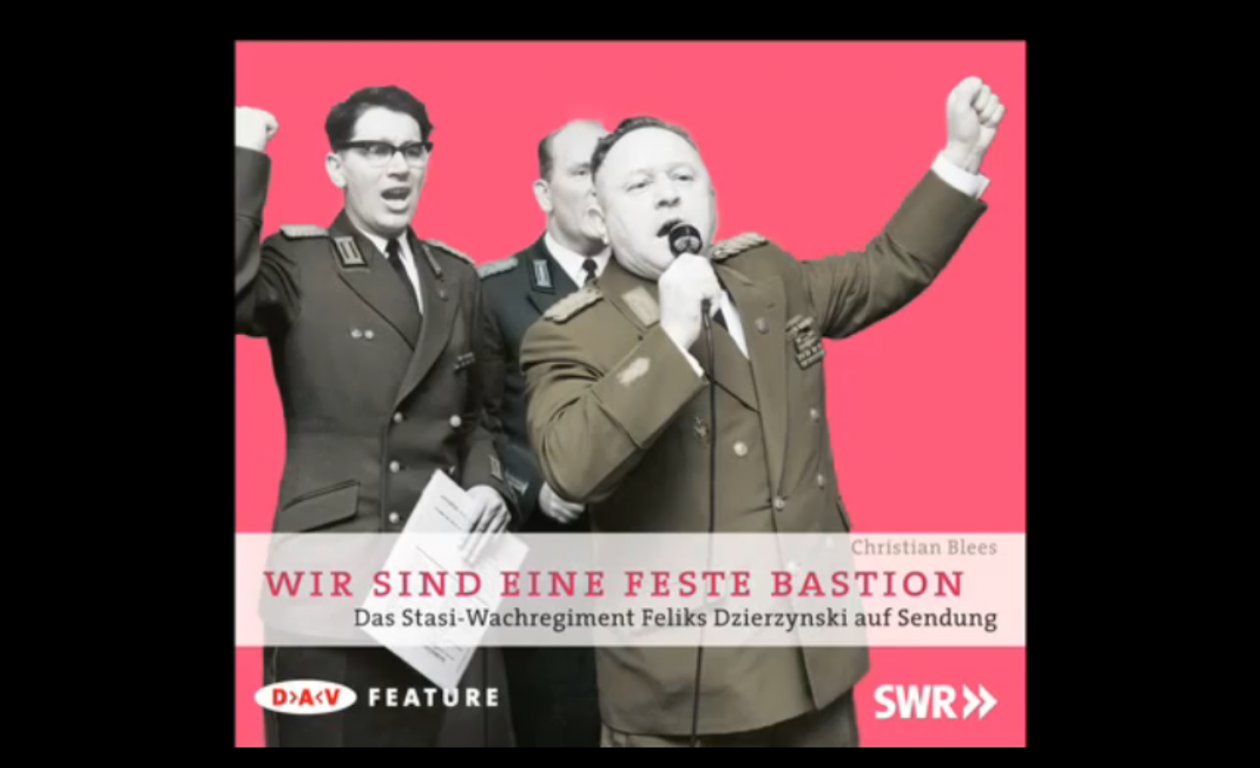
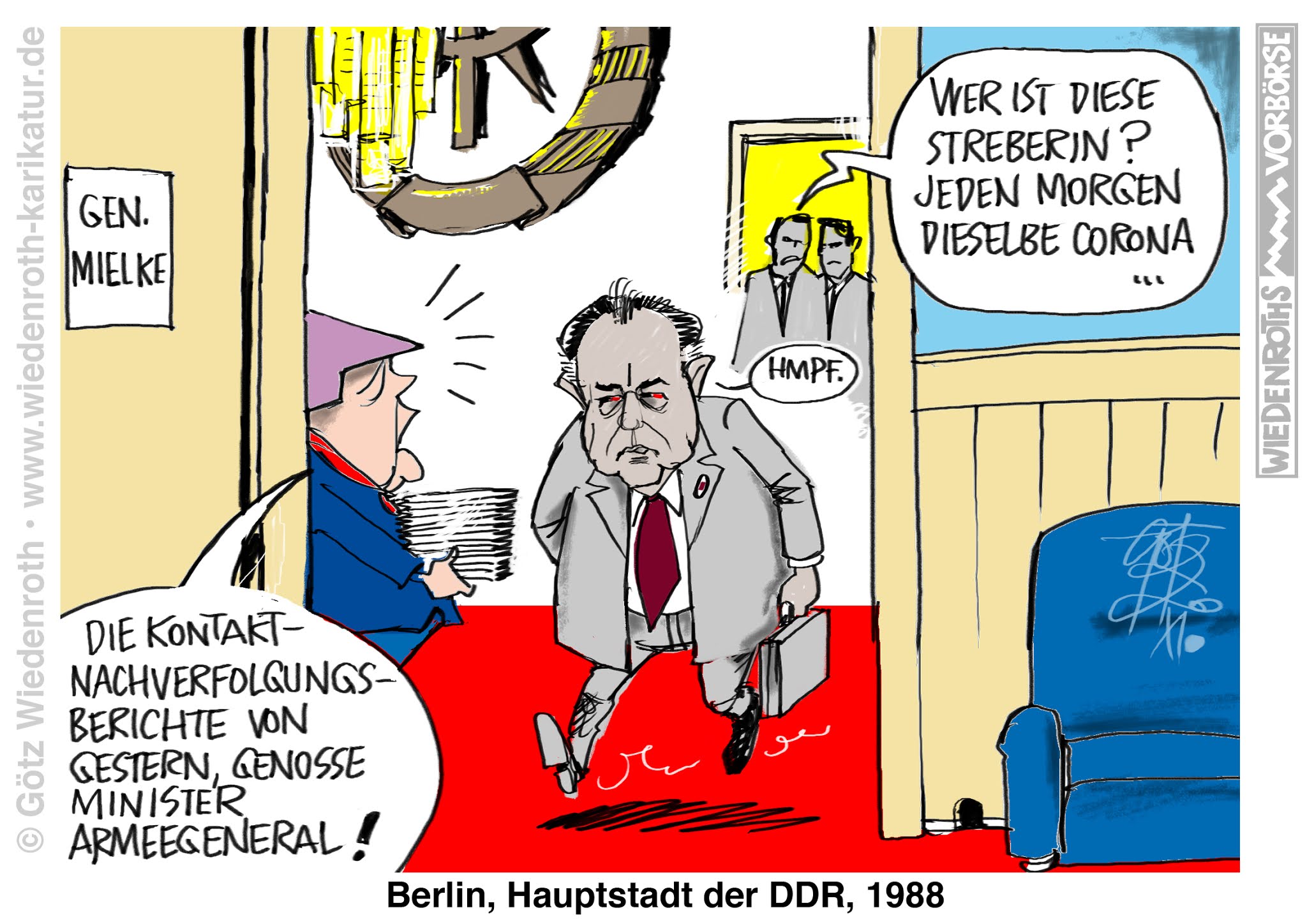
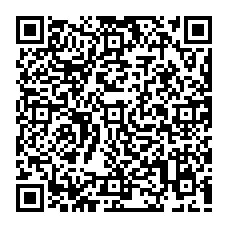








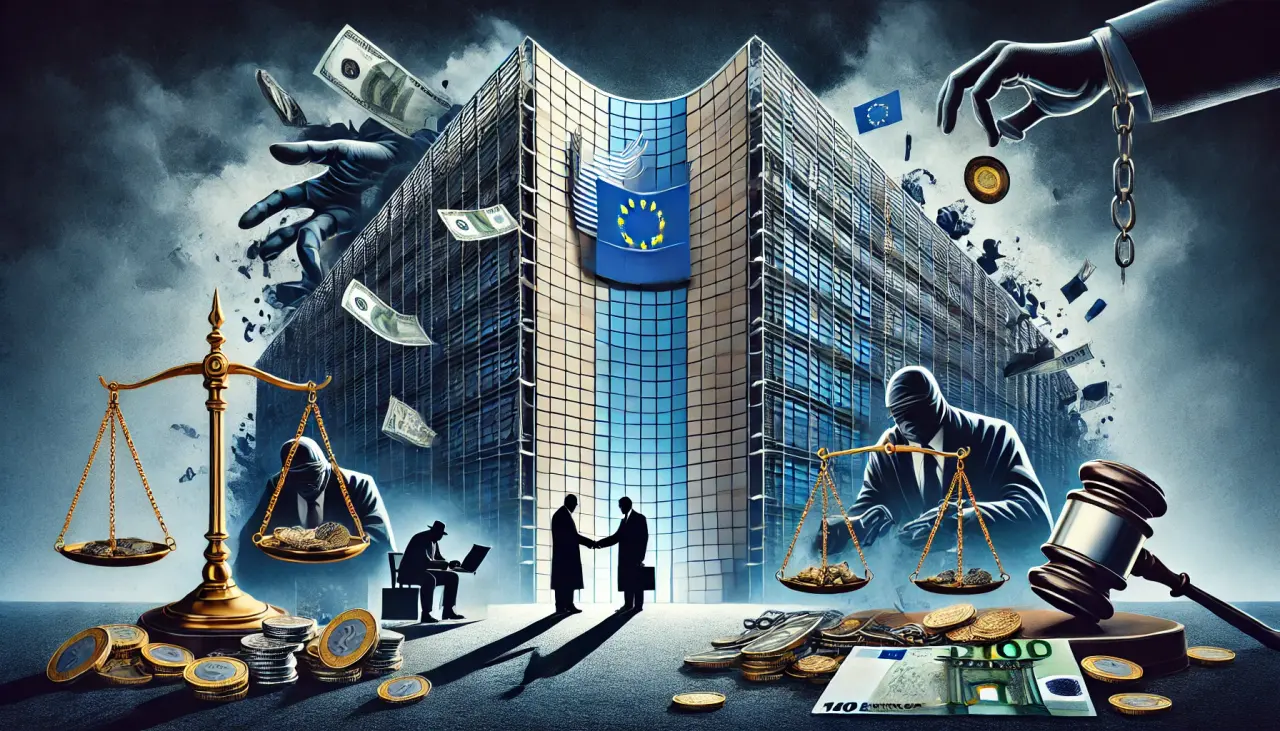

















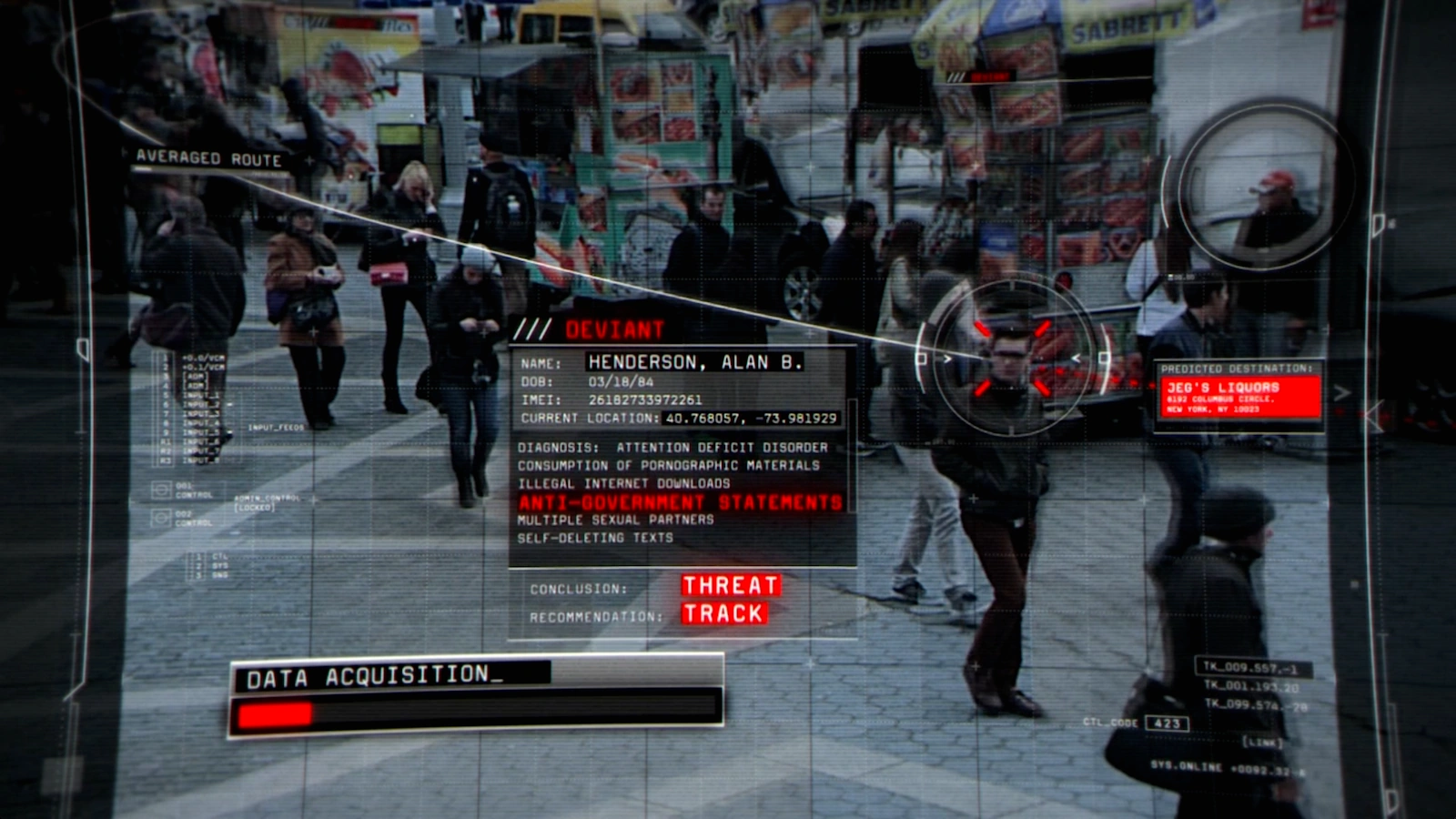


 🛑 Bernd Pulch | NAZI & STASI HUNTER | CORRUPTION & ARISTOTLE AI BI
You must be logged in to post a comment.