
U.S., Houthis Escalate Shipping Attacks as Iran Keeps Strait of Hormuz Closed – Oil Prices Surge

Two Fronts, One Crisis: U.S. and Houthis Escalate Shipping Attacks – Iran Keeps Strait of Hormuz Closed

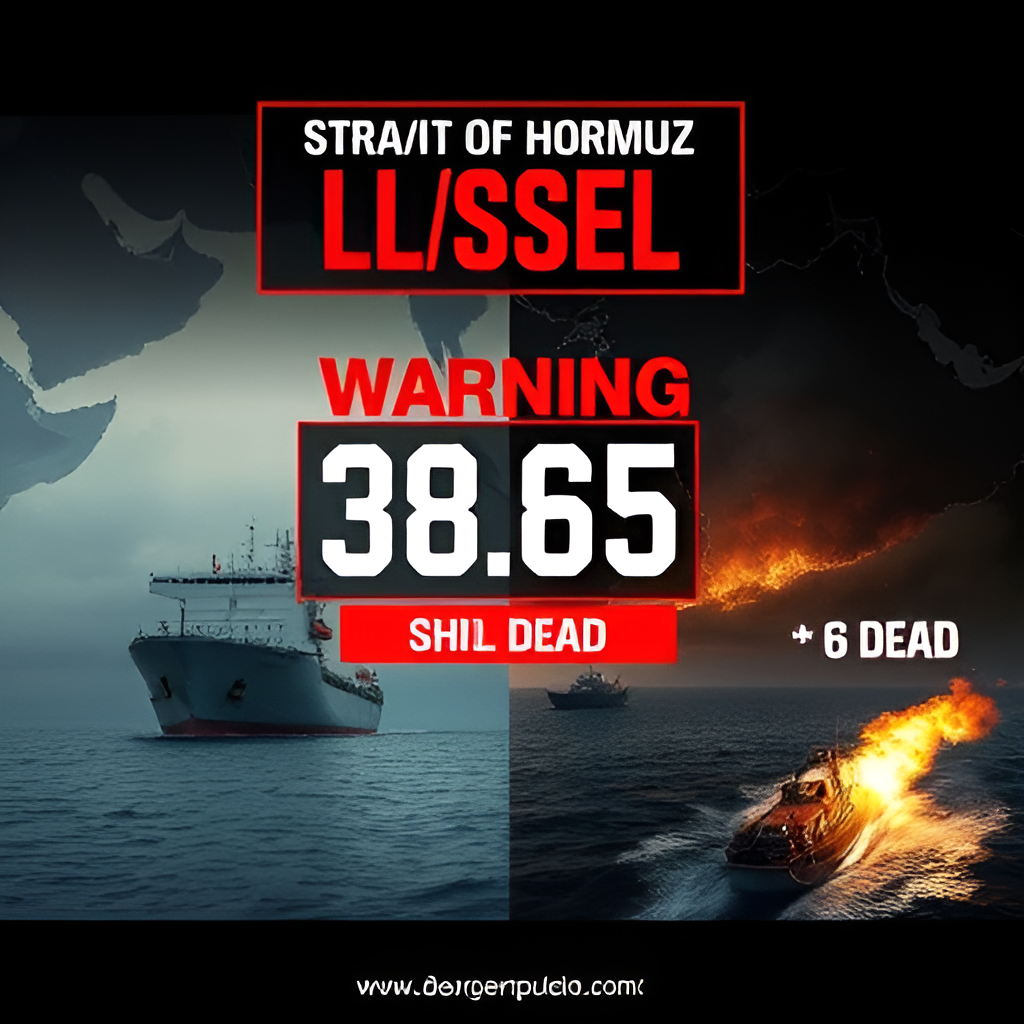
Global shipping routes are under pressure on two strategic fronts: The U.S. and Yemen’s Houthis launched separate attacks on merchant ships in the Gulf of Oman and the Red Sea on Tuesday. Meanwhile, the Strait of Hormuz remains closed – with severe consequences for global energy supplies. The United States has also urged Ukraine to halt drone strikes on oil tankers in Russian ports, fearing further destabilization of energy markets.


Two Ships, Two Attacks, Six Dead

Within hours, violence at sea escalated on two fronts:

· Red Sea: The Houthis attacked the Egyptian cargo vessel Tihamah in the Bab el-Mandeb Strait. Three crew members (two Pakistanis, one Indonesian) were killed. Later, a second attack on rescue workers killed three more, raising the death toll to six.
· Gulf of Oman: U.S. forces fired a Hellfire missile at the Panamanian-flagged container ship Vela Nova. The vessel had allegedly attempted to breach the U.S. naval blockade of Iranian ports.

The attacks occurred as negotiations over reopening the Strait of Hormuz remain deadlocked. Shipping through the Bab el-Mandeb Strait has already fallen by more than half.


Strait of Hormuz: Tehran Sets Six Conditions

The Strait of Hormuz – a chokepoint through which 130 to 140 ships passed daily before the war, carrying roughly one-fifth of global oil and liquefied natural gas trade – remains closed.

Iran’s top security adviser, Mohammad Bagher Zolghadr, listed six conditions for reopening:

1. Cessation of all military actions against Iran and its allies
2. Withdrawal of U.S. naval forces and lifting of the blockade
3. War reparations
4. Lifting of all sanctions
5. Release of frozen Iranian assets
6. Permanent cessation of threats against Iran’s Supreme Leader

“The Supreme National Security Council will not back down from these demands – neither in war nor in negotiations.”

President Trump, meanwhile, declared that the U.S. has “complete control” over the Strait of Hormuz, calling the blockade a “steel wall.”


U.S. Asks Ukraine to Halt Tanker Attacks

The U.S. fears further destabilization of energy markets. Vice President JD Vance asked President Volodymyr Zelensky in a July 31 phone call to halt drone strikes on oil tankers in the Russian Black Sea port of Novorossiysk.

Background: The attacks also hit tankers transporting Kazakh oil via the Caspian Pipeline Corporation (CPC) – a consortium in which U.S. firms Chevron and ExxonMobil hold stakes. The U.S. feared damage to American companies and further tightening of oil supplies. Ukraine has since stopped the attacks.


The Economic Consequences

Shipping through the Strait of Hormuz fell to a one-week low of just eight ships on Tuesday. Before the war, 130 to 140 ships passed daily.

The impact on global energy markets is already tangible. Brent crude traded at approximately $88.65 per barrel – a rise of more than 7 percent within a month. Prices could continue to climb as long as the blockade persists. Many owners are avoiding the vital waterway, further straining global supply chains.


An Outlook with Little Hope

Prospects for a swift resolution are slim: Tehran and Washington remain entrenched in their positions. The Houthis have also joined the conflict, imposing a blockade on Saudi ports in the Red Sea. UN Secretary-General António Guterres called for dialogue and negotiations.

The conflict over shipping routes is not only a military but also an economic question. The coming weeks will determine whether a diplomatic solution is possible – or whether global energy markets must brace for further price hikes and an intensification of the crisis.


📺 YouTube: youtube.com/@bernd_pulch
🐦 X (Twitter): x.com/berndsocial1
📢 Telegram: t.me/ABOVETOPSECRETXXL
🔓 UNLOCK THE TRUTH: berndpulch.org/join
Zwei Fronten, eine Krise: USA und Huthi eskalieren Angriffe auf Schifffahrt – Iran hält Hormus geschlossen

Die globalen Schifffahrtsrouten geraten gleich an zwei strategischen Brennpunkten unter Druck: Die USA und die jemenitischen Huthi haben am Dienstag separate Angriffe auf Handelsschiffe im Golf von Oman und im Roten Meer geführt. Zugleich bleibt die Straße von Hormus geschlossen – mit schwerwiegenden Folgen für die globale Energieversorgung. Die Vereinigten Staaten haben zudem die Ukraine aufgefordert, Drohnenangriffe auf Öltanker in russischen Häfen einzustellen, aus Sorge vor einer Destabilisierung der Energiemärkte.


Zwei Schiffe, zwei Angriffe, sechs Tote

Innerhalb weniger Stunden eskalierte die Gewalt auf See gleich an zwei Fronten:

· Rotes Meer: Die Huthi griffen die ägyptische Fracht Tihamah in der Bab-el-Mandeb-Straße an. Drei Besatzungsmitglieder (zwei Pakistaner, ein Indonesier) wurden getötet. Später starben bei einem zweiten Angriff auf Rettungskräfte weitere drei Menschen, sodass die Zahl der Todesopfer auf sechs stieg.
· Golf von Oman: US-Streitkräfte feuerten eine Hellfire-Rakete auf den unter panamaischer Flagge fahrenden Containerfrachter Vela Nova ab. Das Schiff hatte angeblich versucht, die US-Seeblockade iranischer Häfen zu durchbrechen.

Die Angriffe ereigneten sich, während Verhandlungen über die Wiedereröffnung der Straße von Hormus feststecken. Der Schiffsverkehr durch die Bab-el-Mandeb-Straße ist bereits um mehr als die Hälfte eingebrochen.


Straße von Hormus: Teheran stellt sechs Bedingungen

Die Straße von Hormus – ein Engpass, durch den vor Kriegsbeginn täglich 130 bis 140 Schiffe fuhren und rund ein Fünftel des weltweiten Öl- und Flüssigerdgas-Handels transportiert wurde – bleibt geschlossen.

Irans oberster Sicherheitsberater, Mohammad Bagher Zolghadr, listete sechs Bedingungen für eine Wiedereröffnung auf:

1. Beendigung aller militärischen Aktionen gegen Iran und seine Verbündeten
2. Abzug der US-Seestreitkräfte und Aufhebung der Blockade
3. Kriegsentschädigungen
4. Aufhebung aller Sanktionen
5. Freigabe eingefrorener iranischer Vermögenswerte
6. Dauerhafte Einstellung von Drohungen gegen Irans Obersten Führer

„Der Oberste Nationale Sicherheitsrat wird von diesen Forderungen nicht zurücktreten – weder im Krieg noch in Verhandlungen“

US-Präsident Trump erklärte hingegen, die USA hätten die „vollständige Kontrolle“ über die Straße von Hormus und bezeichnete die Blockade als „Mauer aus Stahl“.


USA bitten Ukraine um Einstellung von Tanker-Angriffen

Die USA fürchten eine zusätzliche Destabilisierung der Energiemärkte. Vizepräsident JD Vance bat Präsident Wolodymyr Selenskyj in einem Telefonat am 31. Juli, die Drohnenangriffe auf Öltanker im russischen Schwarzmeerhafen Noworossijsk einzustellen.

Hintergrund: Die Angriffe trafen auch Tanker, die kasachisches Öl über die Caspian Pipeline Corporation (CPC) transportieren – ein Konsortium, an dem die US-Firmen Chevron und ExxonMobil beteiligt sind. Die USA fürchteten Schäden für amerikanische Unternehmen und eine weitere Verknappung des Ölangebots. Die Ukraine hat die Angriffe seitdem eingestellt.


Die wirtschaftlichen Folgen

Der Schiffsverkehr durch die Straße von Hormus fiel auf einen Ein-Wochen-Tiefstand von nur acht Schiffen am Dienstag. Vor dem Krieg waren es täglich 130 bis 140 Schiffe.

Die Auswirkungen auf die globalen Energiemärkte sind bereits spürbar. Brent-Rohöl notierte bei etwa 88,65 Dollar pro Fass – ein Anstieg von mehr als 7 Prozent innerhalb eines Monats. Der Preis könnte weiter steigen, solange die Blockade anhält. Viele Eigentümer meiden die wichtige Wasserstraße, was die globalen Lieferketten zusätzlich belastet.


Ein Ausblick mit wenig Hoffnung

Die Aussichten auf eine baldige Lösung sind gering: Teheran und Washington bleiben in ihren Positionen verhärtet. Die Huthi haben sich zudem dem Konflikt angeschlossen und eine Blockade saudischer Häfen im Roten Meer verhängt. UN-Generalsekretär António Guterres forderte Dialog und Verhandlungen.

Der Konflikt um die Schifffahrtsrouten ist nicht nur eine militärische, sondern auch eine wirtschaftliche Frage. Die nächsten Wochen werden zeigen, ob eine diplomatische Lösung möglich ist – oder ob die globalen Energiemärkte mit weiter steigenden Preisen und einer Verschärfung der Krise rechnen müssen.


📺 YouTube: youtube.com/@bernd_pulch
🐦 X (Twitter): x.com/berndsocial1
📢 Telegram: t.me/ABOVETOPSECRETXXL
🔓 UNLOCK THE TRUTH: berndpulch.org/join

Syria Sentences Bashar al-Assad to Death in Absentia – As Former Al-Qaeda Commander Leads Country

Syria Sentences Bashar al‑Assad to Death in Absentia – As Former Al‑Qaeda Commander Now Leads the Country

A Damascus criminal court has sentenced former Syrian president Bashar al‑Assad to death in absentia, convicting him of crimes against humanity, war crimes, premeditated murder, torture and arbitrary arrest committed during the country’s nearly 14‑year civil war. The landmark ruling also condemned his brother Maher al‑Assad and five other former military and security officials to death.


The Verdict

On August 11, 2026, Judge Fakhr al‑Din al‑Aryan of the Fourth Criminal Court in Damascus delivered the historic judgment. The court found Assad guilty of “premeditated and intentional murder of more than one person and of children, torture, arbitrary arrest and crimes against humanity”.

The trial lasted nearly four months. Assad, who fled to Russia after his regime was overthrown in December 2024, was tried in absentia along with most other defendants. The only accused to appear in person was Atef Najib, Assad’s cousin and former security chief in Daraa province, who was arrested in early 2025 and stood trial in a cage wearing a prison uniform.

In addition to Assad and Najib, the court sentenced:

· Maher al‑Assad – Bashar’s younger brother and commander of the feared Fourth Armoured Division – to death in absentia
· Fahd al‑Freij – former defence minister – to death in absentia
· Four other unnamed former military and security officials


The Crimes

The charges stem from Assad’s brutal crackdown on the 2011 pro‑democracy protests, which spiralled into a civil war that killed hundreds of thousands of Syrians.

The court established that Assad, as “the highest decision‑maker”, bore direct responsibility for directing state institutions to commit systematic violations. His brother Maher led the Fourth Division, which spearheaded the crackdown on protests, recaptured territory and was accused of running a drug trafficking network to enrich the regime.

Atef Najib, the former head of political security in Daraa, was convicted for his role in the 2011 torture of 15 teenage boys who had graffitied anti‑Assad slogans – an event widely seen as the spark that ignited the nationwide uprising.


Reaction in Syria: “The Joy Is Indescribable”

As news of the verdict spread, crowds gathered outside the courthouse in Damascus, chanting, applauding and waving Syrian flags. Celebrations also erupted in Daraa, the birthplace of the revolution.

“The joy is indescribable. God willing we will see Bashar al‑Assad and all his aides hanging on the gallows.” – A man in Damascus, holding a photo of his late father.

Nouha al‑Masri, a prosecutor in the case who lost her brother in the 2011 Daraa massacre, told the BBC:

“We have been waiting for 15 years to reclaim even a small part of our rights… In the new Syria, there will be no impunity from this day forward.”


The New Government: From Terrorist to President

The court that convicted Assad sits in a Syria that has undergone a radical transformation. The regime that fell in December 2024 was overthrown by a coalition of rebel forces led by Hay’at Tahrir al‑Sham (HTS) – a group with deep roots in Al‑Qaeda and still designated as a terrorist organisation by the United States, the United Kingdom and the European Union.

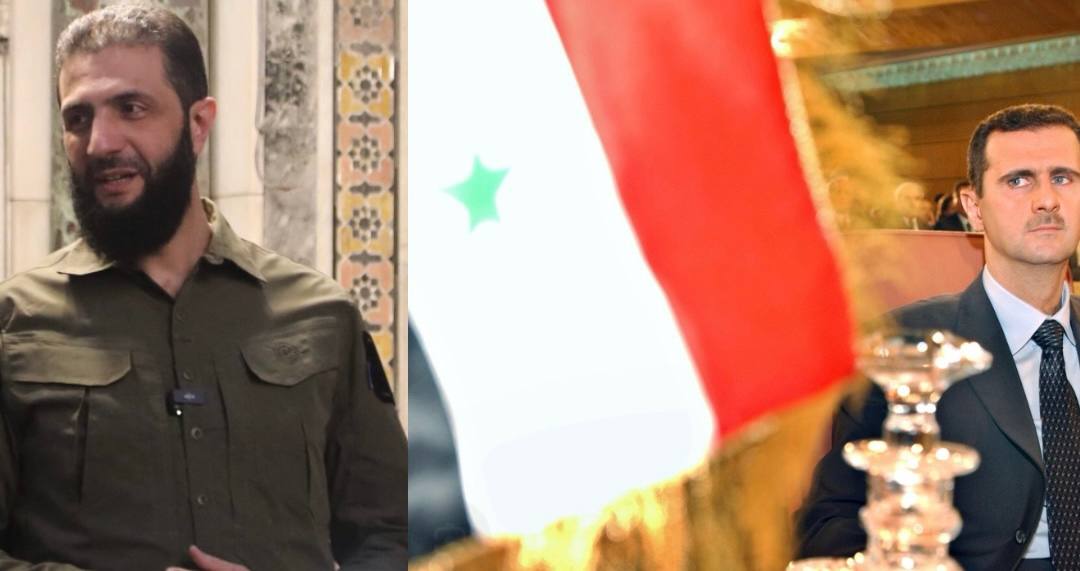
The man who now leads Syria is Ahmed al‑Sharaa, formerly known as Abu Mohammad al‑Jolani. Just a few years ago, he was one of the most wanted terrorists in the world, with a **$10 million U.S. bounty** on his head. The U.S. designated him a “specially designated global terrorist” in 2013, and the FBI maintained a Rewards for Justice programme offering the $10 million reward for information leading to his capture as recently as 2017.

In January 2025, al‑Sharaa was declared Syria’s transitional president. An interim constitutional declaration came into effect in March, and a new government was established under HTS leadership. Al‑Sharaa has since appointed a 210‑member parliament, with 70 lawmakers directly appointed by him, and has consolidated executive authority while operating an extensive patronage network.

The irony is stark: a man once hunted by the U.S. as a terrorist now meets with American officials. In November 2025, al‑Sharaa visited the White House, where President Trump received him. U.S. officials have acknowledged direct contacts with HTS, and while they have noted al‑Sharaa’s welcome comments about protecting minority and women’s rights, they remain sceptical about his long‑term intentions. The U.S. embassy in Syria, meanwhile, has not removed its “WANTED” notice for the man it once offered $10 million to capture.

Britain, too, continues to outlaw HTS, while the EU maintains financial sanctions against al‑Jolani. The new Syrian leadership thus exists in a state of diplomatic limbo: internationally recognised as the de facto government, yet led by individuals still designated as terrorists by the very powers now negotiating with them.


Symbolic Justice or Practical Dead End?

While the verdict is a powerful symbol of transitional justice, its practical impact is limited. Assad and his brother remain in Moscow, where they were granted asylum on humanitarian grounds. Russia has previously declined extradition requests.

Human rights activists warn that the death sentence could complicate any future extradition, as countries generally refuse to surrender suspects to nations where they face execution. Syria’s new authorities have said they will pursue “international legal avenues” to try to prosecute the two men.


A New Chapter for Syria

The trial is part of a broader effort by Syria’s interim government to break with the Assad dynasty’s five‑decade legacy of repression. Since the regime fell in December 2024, authorities have detained numerous former officials and launched investigations into atrocities.

The verdict was described by prosecutors as “as big as the sacrifices that Syrians gave for 15 years”. For many, it is a first step toward accountability – even if the former dictator himself remains beyond reach.

Yet the question of who now holds power in Syria remains deeply uncomfortable for the international community. The man who signed the order to try Assad is himself a former Al‑Qaeda commander, still wanted by many of the same nations that applaud the verdict. In Syria, justice for Assad’s victims is being delivered by a government that, until recently, was itself considered a terrorist organisation. The paradox could not be more acute.


📺 YouTube: youtube.com/@bernd_pulch
🐦 X (Twitter): x.com/berndsocial1
📢 Telegram: t.me/ABOVETOPSECRETXXL
🔓 UNLOCK THE TRUTH: berndpulch.org/join

Syrien verurteilt Assad zum Tode – während Ex-Terrorist das Land regiert

Ein Strafgericht in Damaskus hat den früheren syrischen Präsidenten Baschar al-Assad in Abwesenheit zum Tode verurteilt. Der Schuldspruch umfasst Verbrechen gegen die Menschlichkeit, Kriegsverbrechen, Mord, Folter und willkürliche Verhaftungen während des fast 14-jährigen Bürgerkriegs. Das historische Urteil verurteilt auch seinen Bruder Maher al-Assad und fünf weitere ehemalige Militär- und Sicherheitsbeamte zum Tode.


Das Urteil

Am 11. August 2026 verkündete Richter Fakhr al-Din al-Aryan des Vierten Strafgerichts in Damaskus das historische Urteil. Das Gericht befand Assad für schuldig der “vorsätzlichen und absichtlichen Tötung mehrerer Personen und von Kindern, Folter, willkürlicher Verhaftung und Verbrechen gegen die Menschlichkeit”.

Der Prozess dauerte fast vier Monate. Assad, der nach dem Sturz seines Regimes im Dezember 2024 nach Russland geflohen war, wurde zusammen mit den meisten anderen Angeklagten in Abwesenheit verhandelt. Der einzige Angeklagte, der persönlich vor Gericht erschien, war Atef Nadschib, Assads Cousin und ehemaliger Sicherheitschef in der Provinz Daraa, der Anfang 2025 verhaftet wurde und in einem Käfig in einer Gefängnisuniform vor Gericht stand.

Zusätzlich zu Assad und Nadschib verurteilte das Gericht:

· Maher al-Assad – Baschars jüngerer Bruder und Kommandeur der gefürchteten Vierten Panzerdivision – in Abwesenheit zum Tode
· Fahd al-Freij – ehemaliger Verteidigungsminister – in Abwesenheit zum Tode
· Vier weitere namentlich nicht genannte ehemalige Militär- und Sicherheitsbeamte


Die Verbrechen

Die Anklage geht auf Assads brutale Niederschlagung der prodemokratischen Proteste von 2011 zurück, die sich zu einem Bürgerkrieg ausweitete, der Hunderttausende Syrer das Leben kostete.

Das Gericht stellte fest, dass Assad als “höchster Entscheidungsträger” die direkte Verantwortung dafür trug, dass staatliche Institutionen systematische Menschenrechtsverletzungen begingen. Sein Bruder Maher führte die Vierte Division an, die die Niederschlagung der Proteste anführte, Territorium zurückeroberte und beschuldigt wurde, ein Drogenhandelsnetzwerk zur Bereicherung des Regimes betrieben zu haben.

Atef Nadschib, der ehemalige Chef der politischen Sicherheit in Daraa, wurde wegen seiner Rolle bei der Folter von 15 Jugendlichen im Jahr 2011 verurteilt, die anti-Assad-Parolen gesprüht hatten – ein Ereignis, das weithin als der Funke gilt, der den landesweiten Aufstand entzündete.


Reaktionen in Syrien: “Die Freude ist unbeschreiblich”

Als die Nachricht vom Urteil bekannt wurde, versammelten sich Menschenmengen vor dem Gerichtsgebäude in Damaskus, skandierten, applaudierten und schwenkten syrische Flaggen. Auch in Daraa, dem Geburtsort der Revolution, brachen Feierlichkeiten aus.

“Die Freude ist unbeschreiblich. So Gott will, werden wir Baschar al-Assad und alle seine Helfer am Galgen hängen sehen.” – Ein Mann in Damaskus, der ein Foto seines verstorbenen Vaters hielt.

Nouha al-Masri, eine Staatsanwältin in dem Fall, die ihren Bruder bei dem Massaker von Daraa 2011 verlor, sagte der BBC:

“Wir haben 15 Jahre darauf gewartet, auch nur einen kleinen Teil unserer Rechte zurückzuerlangen… Im neuen Syrien wird es von diesem Tag an keine Straflosigkeit mehr geben.”


Die neue Regierung: Vom Terroristen zum Präsidenten

Das Gericht, das Assad verurteilte, tagt in einem Syrien, das einen radikalen Wandel durchgemacht hat. Das Regime, das im Dezember 2024 fiel, wurde von einer Koalition von Rebellenkräften unter Führung der Hay’at Tahrir al-Scham (HTS) gestürzt – einer Gruppe mit tiefen Wurzeln in Al-Qaida, die von den USA, Großbritannien und der EU immer noch als terroristische Organisation eingestuft wird.

Der Mann, der heute Syrien regiert, ist Ahmed al-Scharaa, früher bekannt als Abu Mohammad al-Dscholani. Vor wenigen Jahren war er einer der meistgesuchten Terroristen der Welt mit einer US-Kopfgeld von 10 Millionen Dollar. Die USA hatten ihn 2013 als “speziell ausgewiesenen globalen Terroristen” eingestuft, und das FBI unterhielt noch bis 2017 ein Programm, das 10 Millionen Dollar für Informationen zu seiner Ergreifung aussetzte.

Im Januar 2025 wurde al-Scharaa zum syrischen Übergangspräsidenten ernannt. Im März trat eine vorläufige Verfassungserklärung in Kraft, und unter der Führung der HTS wurde eine neue Regierung gebildet. Al-Scharaa hat seitdem ein 210-köpfiges Parlament ernannt, wobei 70 Abgeordnete direkt von ihm bestimmt wurden, und hat die Exekutivgewalt konsolidiert, während er ein ausgedehntes Patronagenetzwerk betreibt.

Die Ironie ist frappierend: Ein Mann, der einst von den USA als Terrorist gejagt wurde, trifft sich heute mit amerikanischen Beamten. Im November 2025 besuchte al-Scharaa das Weiße Haus, wo Präsident Trump ihn empfing. US-Beamte haben direkte Kontakte mit der HTS eingeräumt und zwar al-Scharaas willkommene Äußerungen zum Schutz von Minderheiten- und Frauenrechten zur Kenntnis genommen, bleiben jedoch skeptisch, was seine langfristigen Absichten betrifft. Die US-Botschaft in Syrien hat unterdessen die “WANTED”-Mitteilung für den Mann, für dessen Ergreifung sie einst 10 Millionen Dollar ausgesetzt hatte, nicht entfernt.

Auch Großbritannien ächtet die HTS weiterhin, während die EU Finanzsanktionen gegen al-Dscholani aufrechterhält. Die neue syrische Führung existiert somit in einem diplomatischen Schwebezustand: international als De-facto-Regierung anerkannt, jedoch von Personen geführt, die von denselben Mächten, die nun mit ihnen verhandeln, immer noch als Terroristen eingestuft werden.


Symbolische Gerechtigkeit oder praktische Sackgasse?

Das Urteil ist zwar ein mächtiges Symbol für die Übergangsjustiz, seine praktische Wirkung ist jedoch begrenzt. Assad und sein Bruder bleiben in Moskau, wo ihnen aus humanitären Gründen Asyl gewährt wurde. Russland hat bisher Auslieferungsersuchen abgelehnt.

Menschenrechtsaktivisten warnen, dass das Todesurteil jede künftige Auslieferung erschweren könnte, da Länder in der Regel keine Verdächtigen an Staaten ausliefern, in denen ihnen die Hinrichtung droht. Die neuen syrischen Behörden haben angekündigt, “internationale Rechtswege” zu verfolgen, um die beiden Männer zu verfolgen.


Ein neues Kapitel für Syrien

Der Prozess ist Teil der umfassenderen Bemühungen der syrischen Übergangsregierung, mit dem jahrzehntelangen Erbe der Unterdrückung durch die Assad-Dynastie zu brechen. Seit dem Sturz des Regimes im Dezember 2024 haben die Behörden zahlreiche ehemalige Beamte inhaftiert und Ermittlungen zu Gräueltaten eingeleitet.

Das Urteil wurde von den Staatsanwälten als “so groß wie die Opfer, die die Syrer 15 Jahre lang gebracht haben” bezeichnet. Für viele ist es ein erster Schritt zur Rechenschaft – selbst wenn der frühere Diktator selbst unerreichbar bleibt.

Die Frage, wer nun in Syrien die Macht innehat, bleibt für die internationale Gemeinschaft zutiefst unbequem. Der Mann, der den Befehl zur Verurteilung Assads unterzeichnete, ist selbst ein ehemaliger Al-Qaida-Kommandeur, der von vielen der gleichen Nationen, die das Urteil bejubeln, immer noch gesucht wird. In Syrien wird Gerechtigkeit für Assads Opfer von einer Regierung verlangt, die bis vor kurzem selbst als terroristische Organisation galt. Der Widerspruch könnte nicht größer sein.


📺 YouTube: youtube.com/@bernd_pulch
🐦 X (Twitter): x.com/berndsocial1
📢 Telegram: t.me/ABOVETOPSECRETXXL
🔓 UNLOCK THE TRUTH: berndpulch.org/join

Rwanda’s Digital Prison – How an African “Success” Story Is Becoming a Dystopian Blueprint

Dystopian Blueprint

📺 YouTube: youtube.com/@bernd_pulch
🐦 X (Twitter): x.com/berndsocial1
📢 Telegram: t.me/ABOVETOPSECRETXXL
🔓 UNLOCK THE TRUTH: berndpulch.org/join


Rwanda’s Digital Prison – How an African Success Story Is Becoming a Dystopian Blueprint

Rwanda is hailed as Africa’s digital showcase. But behind the facade of modernity, a dystopian nightmare is growing: total control over every aspect of life – down to genetically modified agriculture. The question is not whether Rwanda is a digital prison, but how a society can survive within such a system.


Africa’s Digital Showcase

Rwanda has positioned itself as a pioneer of digital transformation in Africa in recent years. The entire administrative system operates digitally; no citizen needs to visit government offices in person anymore. The country aims to become a “blueprint” for other nations.

But this apparent modernity comes at a price. Rwanda is building a system that enables total control over every aspect of life – from birth to death, from healthcare to agriculture.


The Digital Identity – Key to Total Control

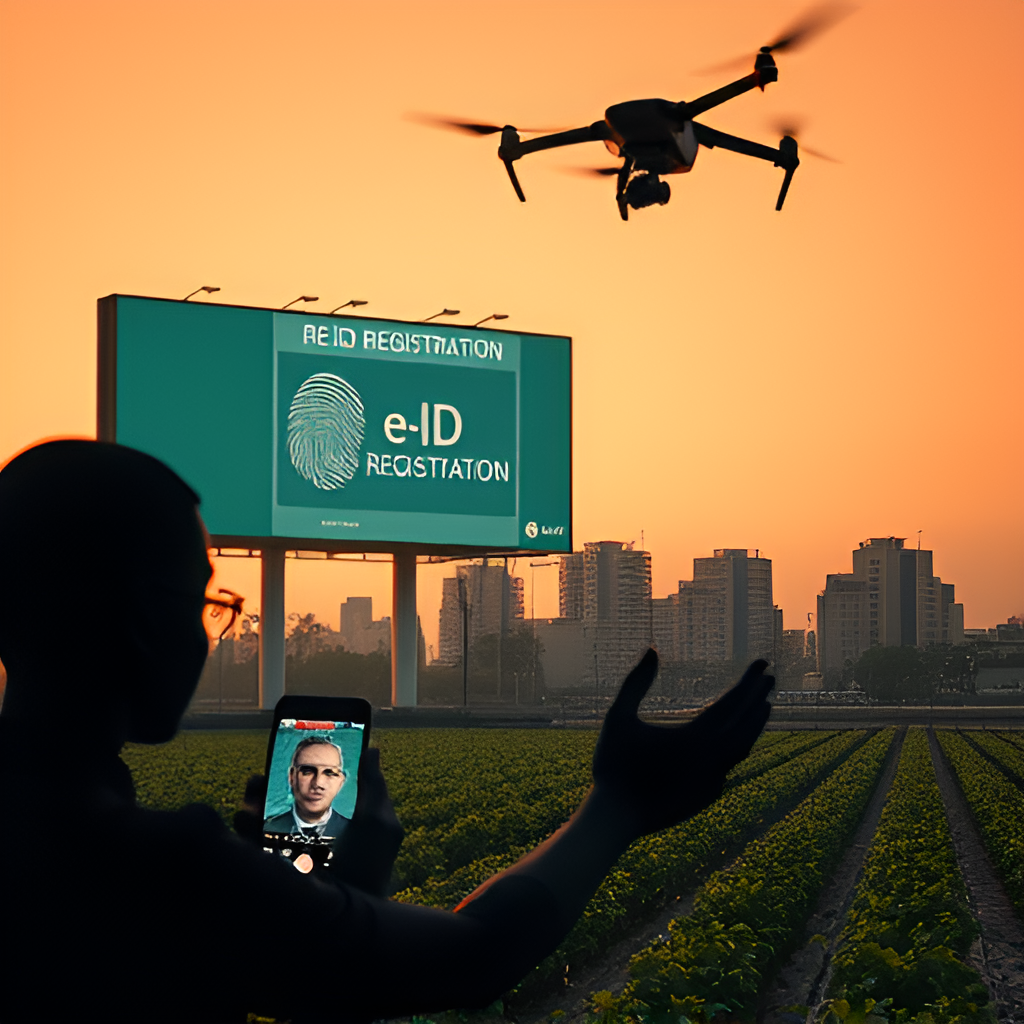
At the center of this system is the e-ID, a permanent digital identity assigned to every Rwandan from birth. Over 1.8 million people have already been photographed and registered. The goal: at least 15 million people, including refugees and migrants.

The e-ID is linked to all public and private services:

· Health: Health insurance, medical records, prescriptions, and vaccinations
· Education: School attendance from primary school to graduation
· Finance: Banking, taxes, pensions
· Administration: Elections, land registry, business registration, marriage certificates
· Travel: Driver’s licenses

“The e-ID will be a single, permanent digital ID that securely connects citizens with public and private services.”
— Rwandan Ministry of ICT and Innovation

Authorities insist the system is “not used for daily surveillance”. Yet the collected data – biometric information, health records, educational histories, financial transactions – offers unprecedented potential for state control.


Agriculture as a Control Room

Particularly concerning is the increasing digitalization of agriculture. Rwanda is deploying satellite imagery, GPS, sensors, and artificial intelligence to monitor and control agricultural production.

The Agriculture Management Information System (AMIS) is a digital platform for monitoring all agricultural production. Every animal receives a unique digital ID and health card tracking births, vaccinations, breeding, treatments, and sales.

Satellite imagery is used to:

· Monitor land use
· Detect unauthorized structures on farmland
· Predict crop yields
· Issue climate warnings

“Satellite imagery and remote sensing will be integrated into the system to monitor agriculture, predict yields, issue climate warnings, and enable geo-referenced planning.”
— AMIS system description


Genetically Modified Agriculture – Control Over the Food Chain

Rwanda is increasingly relying on genetically modified organisms (GMOs) to develop higher-yielding, disease-resistant, and drought-tolerant crops. In 2024, the country passed a biosafety law regulating the use of GMOs.

Critics warn that control over seed production and cultivation creates a dangerous dependency on technology corporations and state surveillance. Whoever controls the seeds controls food production – and therefore the population.


The Dark Side of Digitalization

Rwanda’s official narrative is one of progress. But the reality is more complex:

· Surveillance: The combination of digital ID, biometric data, and comprehensive agricultural monitoring creates a system of total control.
· Privacy: Despite assurances, it remains unclear how the data is actually protected. Data breaches must be reported within 72 hours, but enforcement is questionable.
· Exclusion: Citizens without smartphones still have access via USSD and physical cards, but the digital divide persists.
· Dependency: Increasing digitalization makes the country vulnerable to technical failures, cyberattacks, and foreign influence.

The international community has already raised concerns. Experts warn: “Without strong safeguards, Africa’s digital ID dream risks becoming a surveillance nightmare.”


A Model for the World?

Rwanda is often praised as a role model for other developing countries. But what is sold as efficiency and modernity could turn out to be a blueprint for a digital surveillance state.

The question is not whether Rwanda is a digital prison – the question is whether the rest of the world will follow this example before the full consequences are understood.


📺 YouTube: youtube.com/@bernd_pulch
🐦 X (Twitter): x.com/berndsocial1
📢 Telegram: t.me/ABOVETOPSECRETXXL
🔓 UNLOCK THE TRUTH: berndpulch.org/join

📺 YouTube: youtube.com/@bernd_pulch
🐦 X (Twitter): x.com/berndsocial1
📢 Telegram: t.me/ABOVETOPSECRETXXL
🔓 UNLOCK THE TRUTH: berndpulch.org/join


Ruandas digitales Gefängnis – Wie ein afrikanischer Vorzeigestaat zur dystopischen Blaupause wird

Ruanda gilt als digitaler Vorzeigestaat Afrikas. Doch hinter der Fassade der Modernität wächst ein dystopischer Albtraum heran: Vollständige Kontrolle des gesamten Lebens – bis hin zur Gen-Landwirtschaft. Die Frage ist nicht, ob Ruanda ein digitales Gefängnis ist, sondern wie eine Gesellschaft in einem solchen System überleben kann.


Der digitale Musterknabe Afrikas

Ruanda hat sich in den letzten Jahren zu einem Vorreiter der digitalen Transformation in Afrika entwickelt. Das Verwaltungswesen läuft komplett digital, kein Einwohner muss mehr persönlich bei Behörden erscheinen. Das Land will zur “Blaupause” für andere Nationen werden.

Doch diese vermeintliche Modernität hat ihren Preis. Ruanda baut ein System auf, das eine vollständige Kontrolle des gesamten Lebens ermöglicht – von der Geburt bis zum Tod, von der Gesundheitsversorgung bis zur Landwirtschaft.


Die digitale Identität – Ein Schlüssel zur totalen Kontrolle

Im Zentrum dieses Systems steht die e-ID, eine permanente digitale Identität, die jedem Ruander von Geburt an zugewiesen wird. Über 1,8 Millionen Menschen wurden bereits fotografiert und registriert. Das Ziel: mindestens 15 Millionen Menschen, einschließlich Flüchtlinge und Migranten.

Die e-ID wird mit allen öffentlichen und privaten Dienstleistungen verknüpft:

· Gesundheit: Krankenversicherung, Krankenakten, Verschreibungen und Impfungen
· Bildung: Schulbesuch von der Grundschule bis zum Abschluss
· Finanzen: Banken, Steuern, Renten
· Verwaltung: Wahlen, Grundbuch, Gewerbeanmeldung, Heiratsurkunden
· Reisen: Führerscheine

“Die e-ID wird ein einziger, permanenter digitaler Ausweis sein, der die Bürger sicher mit öffentlichen und privaten Dienstleistungen verbindet.”
— Ruandisches Ministerium für IKT und Innovation

Die Behörden beteuern, dass das System “nicht zur täglichen Überwachung” genutzt werde. Doch die gesammelten Daten – biometrische Informationen, Gesundheitsdaten, Bildungsverläufe, Finanztransaktionen – bieten ein beispielloses Potenzial für staatliche Kontrolle.


Die Landwirtschaft als Kontrollraum

Besonders beunruhigend ist die zunehmende Digitalisierung der Landwirtschaft. Ruanda setzt auf Satellitenbilder, GPS, Sensoren und künstliche Intelligenz, um die landwirtschaftliche Produktion zu überwachen und zu steuern.

Das Agriculture Management Information System (AMIS) ist ein digitales System zur Überwachung der gesamten landwirtschaftlichen Produktion. Jedes Tier erhält eine eindeutige digitale ID und Gesundheitskarte, die Geburten, Impfungen, Züchtungen, Behandlungen und Verkäufe erfasst.

Satellitenbilder werden genutzt, um:

· Die Landnutzung zu überwachen
· Unerlaubte Bauten auf Ackerland zu erkennen
· Ernteerträge vorherzusagen
· Klimawarnungen auszugeben

“Satellitenbilder und Fernerkundung werden in das System integriert, um die Landwirtschaft zu überwachen, Erträge vorherzusagen, Klimawarnungen auszugeben und georeferenzierte Planung zu ermöglichen.”
— AMIS-Systembeschreibung


Die Gen-Landwirtschaft – Kontrolle über die Nahrungsmittelkette

Ruanda setzt zunehmend auf gentechnisch veränderte Organismen (GVO) , um ertragreichere, krankheits- und dürreresistente Pflanzen zu entwickeln. 2024 verabschiedete das Land ein Biosicherheitsgesetz, das den Einsatz von GVO reguliert.

Kritiker warnen, dass die Kontrolle über die Saatgutproduktion und den Anbau eine gefährliche Abhängigkeit von Technologiekonzernen und staatlicher Überwachung schafft. Wer die Saat kontrolliert, kontrolliert die Nahrungsmittelproduktion – und damit die Bevölkerung.


Die Kehrseite der Digitalisierung

Die offizielle Erzählung Ruandas ist eine Geschichte des Fortschritts. Doch die Realität ist komplexer:

· Überwachung: Die Kombination aus digitaler ID, biometrischen Daten und umfassender landwirtschaftlicher Überwachung schafft ein System totaler Kontrolle.
· Datenschutz: Trotz Beteuerungen bleibt unklar, wie die Daten tatsächlich geschützt werden. Datenschutzverletzungen müssen zwar innerhalb von 72 Stunden gemeldet werden, doch die Durchsetzung ist fraglich.
· Ausgrenzung: Bürger ohne Smartphone haben zwar Zugang über USSD und physische Karten, doch die digitale Kluft bleibt bestehen.
· Abhängigkeit: Die zunehmende Digitalisierung macht das Land anfällig für technische Ausfälle, Cyberangriffe und ausländische Einflussnahme.

Die internationale Gemeinschaft hat bereits Bedenken geäußert. Experten warnen: “Ohne starke Schutzmaßnahmen riskiert Afrikas digitale ID-Traum, zu einem Überwachungsalbtraum zu werden” .


Ein Modell für die Welt?

Ruanda wird oft als Vorbild für andere Entwicklungsländer gepriesen. Doch das, was als Effizienz und Modernität verkauft wird, könnte sich als Blaupause für einen digitalen Überwachungsstaat entpuppen.

Die Frage ist nicht, ob Ruanda ein digitales Gefängnis ist – die Frage ist, ob der Rest der Welt diesem Beispiel folgen wird, bevor die Konsequenzen vollständig verstanden sind.


📺 YouTube: youtube.com/@bernd_pulch
🐦 X (Twitter): x.com/berndsocial1
📢 Telegram: t.me/ABOVETOPSECRETXXL
🔓 UNLOCK THE TRUTH: berndpulch.org/join

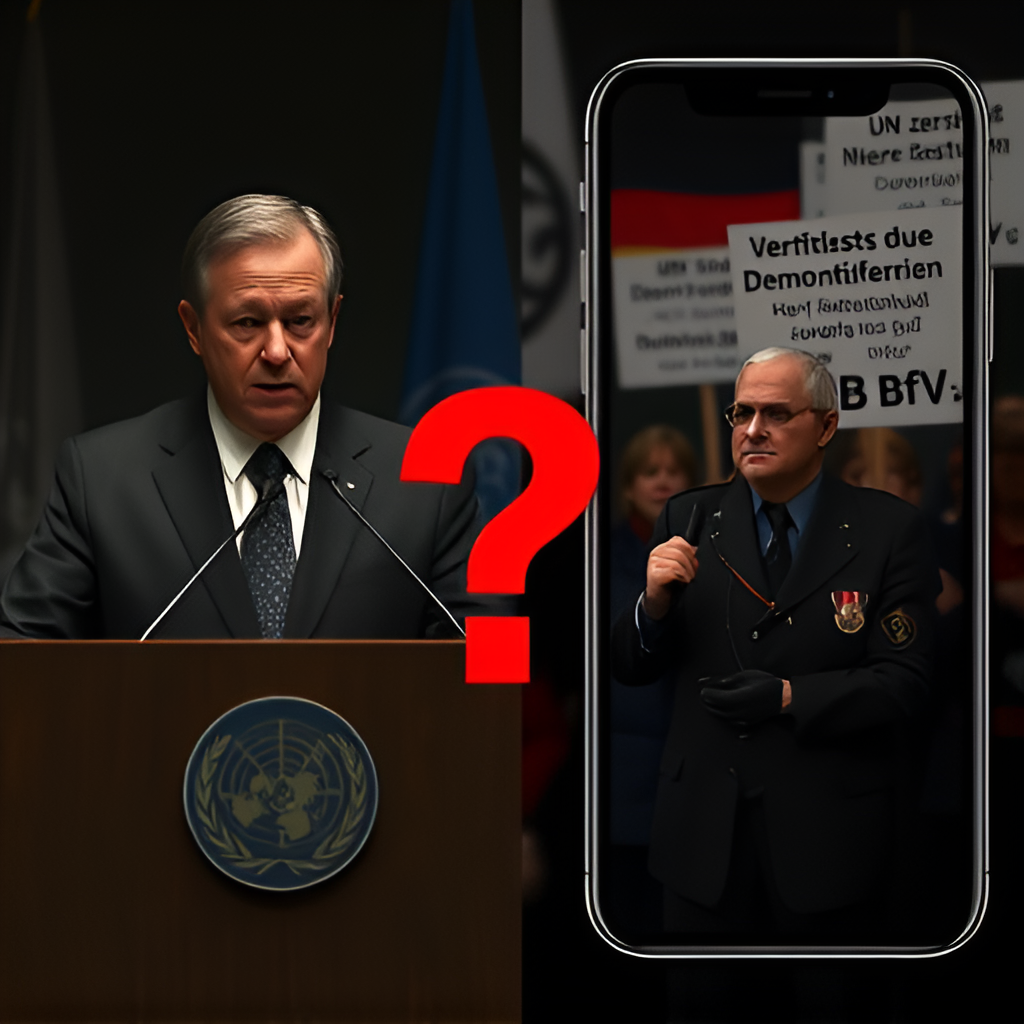
“Herr Obersturmbannführer, the UN Is Undermining Our Democracy!” – The Bizarre Post That Confused Everyone

The UN’s Critique of the German Verfassungsschutz: A Fact-Check

A recent social media post using the dramatic address “Herr Obersturmbannführer” claims the UN is “undermining our democracy” and calls on the “@Bfv_Bund” to take action. While the wording is clearly satirical, it raises a legitimate question: Has the United Nations actually criticized Germany’s domestic intelligence agency, the Federal Office for the Protection of the Constitution (BfV)?

The short answer is yes. A series of UN reports and statements over the last decade have expressed concern about Germany’s intelligence oversight, particularly concerning the BfV and the Federal Intelligence Service (BND). However, the nature of this criticism is not about the UN “undermining” democracy, but about ensuring that the agencies protecting it are themselves subject to strong democratic controls and oversight.

The following analysis examines the factual basis of these claims based on UN documents and other official sources.

1. The 2026 UN Warning on Freedom of Expression: A Question of Political Instrumentalization

A UN warning in 2026 that critics connect directly to the BfV’s activities was issued by Irene Khan, the UN Special Rapporteur on Freedom of Expression . Following a visit to Germany in February 2026, Khan warned that the space for free speech in the country was under pressure. She criticized a “security-state approach” to political speech, activism, and protest. She cited examples such as the banning of specific slogans, the surveillance of organizations on sometimes vague extremism grounds, and the danger of political statements being criminalized or administratively restricted .

For critics of the BfV, this critique is particularly relevant given the agency’s decision to classify the Alternative for Germany (AfD) as a “suspected right-wing extremist” case. This case was the subject of a heated public debate, and a UN warning against using state instruments like a domestic intelligence agency against a political opponent fits directly into this criticism . Khan’s warning that “trying to save democracy through banning parties undermines democracy itself”  resonated with those who see the BfV’s actions as a threat to democratic competition. This 2026 criticism forms the most direct and recent link between UN concerns and the BfV’s political role.

2. The Longer View: Systematic UN Criticism of Intelligence Oversight

The UN’s concerns about German intelligence are not new. A 2018 report by the UN Special Rapporteur on the Right to Privacy, Joe Cannataci, praised Germany’s strong culture of privacy and the rule of law but identified serious gaps. He criticized the exclusion of the Federal Data Protection Commissioner from many BND-related matters and warned of a fragmentation of the oversight system, noting that Germany “seems to be missing oversight authorities empowered and adequately resourced to knock on the doors of the security agencies at any time and carry out spot checks” .

This criticism was echoed in the 2021 findings of the UN Human Rights Committee, which expressed concern about the authorities’ “extensive surveillance powers, including online surveillance, and the hacking of encrypted communications data” and recommended that all such activities be subject to “effective and independent oversight mechanisms” . The complexity of Germany’s oversight system, described as “the most fragmented landscape for intelligence oversight” in comparison to other European countries, has also been criticized by independent experts . These reports emphasize the systemic challenges of overseeing intelligence work, not an intent to “undermine” democracy.

3. The Role and Mandate of the BfV

To understand the context of this debate, it is crucial to understand the BfV’s role. The agency is specifically tasked with domestic intelligence to protect the “free democratic basic order” against internal threats and is separate from police powers to prevent a return to a Gestapo-style secret police . Its mandate is to observe “verfassungsfeindliche” (anti-constitutional) developments . When critics invoke the term “Obersturmbannführer” (an SS rank), they are drawing a parallel between the BfV and a political secret police, arguing that the agency is being used to surveil and stigmatize political opponents rather than merely protect the constitution .

4. The Misunderstanding: “@Bfv_Bund”

The initial post also mentions an account called “@Bfv_Bund”. This appears to be a misunderstanding. The official abbreviation for the BfV, the Federal Office for the Protection of the Constitution, is BfV, not Bfv . This suggests the post may be misdirecting its criticism.


In conclusion, the UN has indeed critically examined Germany’s intelligence oversight. Recent warnings, especially the 2026 concerns about freedom of expression, have been interpreted by political critics as a direct condemnation of the BfV’s actions. This builds on a longer history of UN reports highlighting institutional gaps and fragmentation in the oversight of security agencies. The debate is thus not about whether the UN has criticized the BfV, but about the implications of that criticism for German democracy.

“Herr Obersturmbannführer, die UN zersetzen unsere Demokratie!” – Der bizarre Social-Media-Post, der alle verwirrt

Ein merkwürdiger Social-Media-Beitrag sorgt für Verwirrung: Mit der Anrede “Herr Obersturmbannführer” wird das Bundesamt für Verfassungsschutz (BfV) aufgefordert, gegen die Vereinten Nationen vorzugehen. Die UN würde “unsere Demokratie zersetzen”. Die Ironie: Die UN hat tatsächlich Kritik am deutschen Verfassungsschutz geübt – aber aus ganz anderen Gründen.


Der Post: Eine kuriose Mischung aus Satire und Verschwörungsrhetorik

Der fragliche Post ist auf Deutsch verfasst und beginnt mit einer ungewöhnlichen und höchst ironischen Anrede: “Herr Obersturmbannführer” – ein Dienstgrad der Nazi-SS. Anschließend wird behauptet, die “UN” würde die Demokratie zersetzen, und das @Bfv_Bund (das Bundesamt für Verfassungsschutz) wird aufgefordert, kurzen Prozess mit dieser “Bedrohung” zu machen.

Die Verwendung des SS-Dienstgrades ist fast sicher ironisch gemeint – der Verfasser stellt das BfV damit in eine Reihe mit einer Geheimpolizei und bedient sich gängiger Verschwörungsnarrative.


Ein Fall von Verwechslung?

Ein zentrales Problem: Die Abkürzung BfV kann für verschiedene Organisationen stehen.

1. Das Bundesamt für Verfassungsschutz (BfV): Deutschlands Inlandsgeheimdienst. Seine Aufgabe ist der Schutz der freiheitlichen demokratischen Grundordnung. Es sammelt Informationen über extremistische, terroristische und andere Bedrohungen der inneren Sicherheit. Die Arbeit des BfV konzentriert sich auf Bedrohungen von innen – nicht auf internationale Organisationen wie die UN. Die offizielle E-Mail-Domain des BfV endet auf @bfv.bund.de.
2. Regionale Fußballverbände: Die Abkürzung “BFV” wird auch von mehreren deutschen und österreichischen Regionalverbänden verwendet, etwa dem Bayerischen Fußball-Verband (BFV). Diese Organisationen haben nichts mit Geheimdiensten oder den Vereinten Nationen zu tun.

Der Post richtet sich an “@Bfv_Bund” – was wie eine Verwechslung mit der offiziellen BfV-Domain wirkt.


Die UN-Kritik am Verfassungsschutz: Ein Faktencheck

Die Behauptung, die UN würde “unsere Demokratie zersetzen”, ist eine gängige Verschwörungstheorie. Tatsächlich gibt es jedoch eine Reihe von UN-Berichten, die Deutschland und seinen Verfassungsschutz kritisieren – aber aus einem ganz anderen Grund: Es geht um die Sicherstellung demokratischer Kontrolle über die Geheimdienste.

Die UN-Warnung 2026 zur Meinungsfreiheit

Die jüngste und direkteste Kritik kam im Februar 2026 von der UN-Sonderberichterstatterin für Meinungsfreiheit, Irene Khan. Nach einem Besuch in Deutschland warnte sie davor, dass der Raum für freie Meinungsäußerung unter Druck gerate. Sie kritisierte einen “Sicherheitsstaats-Ansatz” gegenüber politischer Rede, Aktivismus und Protest – und warnte davor, politische Äußerungen zu kriminalisieren oder administrativ zu unterdrücken.

Für Kritiker des BfV ist diese Warnung besonders relevant: Die Einstufung der AfD als “rechtsextremistischer Verdachtsfall” wurde von UN-Seite indirekt thematisiert. Khan warnte: “Der Versuch, die Demokratie durch Parteiverbote zu retten, untergräbt die Demokratie selbst”.

Die Systemkritik der UN: Fehlende Kontrolle

Die UN-Kritik an den deutschen Geheimdiensten reicht weiter zurück. 2018 bemängelte der UN-Sonderberichterstatter für das Recht auf Privatsphäre, Joe Cannataci, die mangelnde Unabhängigkeit der Datenschutzkontrolle und warnte vor einer Zersplitterung des Kontrollsystems. Deutschland fehle es an Kontrollbehörden, die “jederzeit an die Türen der Sicherheitsbehörden klopfen und unangekündigte Kontrollen durchführen können”.

2021 äußerte der UN-Menschenrechtsausschuss Bedenken über die “umfassenden Überwachungsbefugnisse” der Behörden und forderte wirksame unabhängige Kontrollmechanismen.


Die Ironie der Situation

Die Botschaft des Social-Media-Posts lautet, die UN würde die Demokratie zersetzen und das BfV solle eingreifen. Die UN wiederum kritisiert, dass das BfV möglicherweise selbst die Demokratie gefährdet – durch unzureichende Kontrolle, politische Instrumentalisierung und einen “Sicherheitsstaats-Ansatz”.

Der Post bedient sich einer Sprache der NS-Zeit (“Obersturmbannführer”), um das BfV mit einer Geheimpolizei gleichzusetzen und es als politisches Werkzeug darzustellen.


Fazit

Die UN hat tatsächlich Kritik am deutschen Verfassungsschutz geübt – aber nicht, um die Demokratie zu “zersetzen”, sondern um sie zu stärken, indem sie auf unzureichende demokratische Kontrolle und eine mögliche politische Instrumentalisierung der Behörde hinweist.

Der bizarre Social-Media-Post ist eine Mischung aus Satire, Verschwörungsrhetorik und einem möglichen Missverständnis über die Zuständigkeiten des BfV. Dass die UN tatsächlich den Finger in die Wunde legt, macht die Ironie nur noch größer.


Die vollständige Dokumentation mit allen Quellen, UN-Berichten und weiterführenden Analysen ist exklusiv für Patreon-Abonnenten verfügbar unter patreon.com/berndpulch.

UN, Gates Foundation “50-in-5” Campaign ✌@abovetopsecretxxl

Follow the ONLY MEDIA with the LICENSE TO SPY ✌️@abovetopsecretxxl

TOP-SECRET – UN Confidential Government of Sudan Security Forces in Darfur Report November 2005

https://i0.wp.com/publicintelligence.net/wp-content/uploads/2011/07/UN-SudanCommand.png

1. Sudan Armed Forces (SAF) – Command and Control

1.1. General

1. The Sudanese Armed Forces (SAF) is a conventional armed force with a mandate to protect and to maintain internal security. It carries out its mandate mainly through ground forces, including Popular Defence Force (PDF) militia, as well as an air force and navy. (A1)

1.2. Organization

2. The Supreme Commander of the armed forces, Lieutenant General Omar Hassan Ahmad el-Bashir, holds both the posts of National President and Commander-In Chief of the Armed Forces and People’s Defence Forces (PDF). For operational purposes he exercises this power through the Minister of Defence (currently major-general Bakri Hassan Saleh). The Minister appoints a Commander of the Armed Forces and Chief of General Staff (currently, general Abbas Arabi) who, together with five Deputy Chiefs of Staff (Operations, Intelligence, Logistics, Administration, Training and Morale), form the Committee of the Joint Chiefs of Staff or Command Group. The air force and navy are individual services under the commander-in-chief. (A1)

1.4. Military Intelligence (MI)

9. The Military Intelligence (Istikhbarat al-Askariyya) is a branch of the General Staff with its own administration and command. The status of the MI is not completely clear, but it appears that under emergency laws, it has the power to arrest, detain and interrogate. With regard to communication and reporting, the MI branch passes information through the operational chain, as well as directly to the Presidency, through the Chief of the MI branch. (B2)

1.5. Border Intelligence (HI)

10. The Military Intelligence also include an operational unit called Border Intelligence (BI) (Istikhbarat al-Hudud), headquartered in Khartoum and headed by General AI-Hadi Hamid el-Tayeed (2005), the primary role of which is to monitor and gather information in the border area. Members of this unit are recruited from the local population. They are deployed to their areas of origin, according to their experience in the area, knowledge of the tribes, and ability to differentiate between people of different tribal and national origins based on local knowledge. Border Intelligence guards are under the operational control of the Military Intelligence Officers in the particular Division where they are deployed and otherwise fall under the regular chain of command for the armed forces. (C2)

11. While initially BI officers were recruited in relation to the conflict in southern Sudan, the Government began recruiting them during the early stages of the armed conflict in Darfur in late 2002 and early 2003. Apparently, BI soldiers are recruited directly into the army in the same way as regular soldiers. An advertisement is made through media channels for volunteers who meet certain criteria, in particular with regard to age, citizenship and fitness. Approximately 3,000 Border Intelligence soldiers have been recruited in this way and deployed in Darfur. (B3)

2. National Security and Intelligence Service

19. The National Security and Intelligence Service (NSIS) is not part of the Sudan Armed Forces but is part of the Ministry of Interior (currently headed by Zubeir Beshir Taha (NCP) in the Government of National Unity).

20. The NSIS was formed in February 2004 as a move to create one unified service dealing with both internal and external intelligence. Its main headquarter is in Khartoum and is headed by a Director-general who is appointed by the President. The current Director-General, Major-general Salah Abdallah (also known as Salah Gosh), reports at least every second day to the President and/or First VicePresident. While he co-operates with other organs of the Government, he is accountable directly to the President.

21. Its mandate derives from the National Security Force Act (NSF A) of 1999, as amended in 2001, which states that there shall be an Internal Security Organ in charge of internal security, and a Sudanese Intelligence Organ in charge of external security. In February 2004, the two organs were merged to form the NSIS.

3. The “Janjaweed”

30. Although we do not consider Janjaweed as being part of the GoS apparatus in Darfur, we mention it in this report for clarification purposes.

31. The term “Janjaweed”, in particular, has been widely used by victims of attacks to describe their attackers (the words fursan (horsemen, knights), or mujahedeen). The term has consequently also been used by many international organizations and the media in their reports on the situation in Darfur, and was used by the Security Council in resolution 1564. Victims of attacks have indicated that the Janjaweed were acting with and on behalf of Government forces, but no evidence – at this stage – allows to confirm such allegation.

32. “Janjaweed” is a generic Darfurian term that can be translated as “bandits”. Historically, this word describes armed horsemen performing “razzias,,18 against farmers and villagers. In the recent years,  however, the word has been repeatedly used by the international community to describe combatants that cannot be clearly associated to a specific organization. In the world media, however, the word “Janjaweed” is irremediably – and often wrongly – associated to the GoS19 Cross examination of reports collected by UMAC shows that the word Janjaweed used by sources in Darfur may refer to :

• Spontaneous militias or self-defence forces (nomads or farmers) not always supported by the GoS; (AI)
• Spontaneous militias or self-defence units locally based supporting rebel movements; (AI)
• Popular Defence Forces (PDF) supported by the GoS as part of the armed forces. The PDF are locally based, organized, trained, and equipped units raised by the government to protect local communities. The PDF are defined by the Popular Defence Forces Act of 1989.; (A2)
• Covert units associated with “Border Intelligence” (and probably other government intelligence and security agencies) operating in Western Darfur against illegal activities across the border; (C2)
• Chadian Armed Opposition Groups (CAOG) operating across the Chadian Sudanese border and using Darfur as a sanctuary and as a “supply” area; (A 1)
• Criminals, former combatant living out of theft and cross-border trafficking. This category is expected to increase in number as GoS and rebel armies will demobilize. (AI)

DOWLOAD ORIGINAL DOCUMENT HERE

UN-SudanCommand

TOP-SECRET from the UN – Leaked UN Plan for Post-Conflict Deployment to Libya

https://i0.wp.com/publicintelligence.net/wp-content/uploads/2011/08/UN-Libya_Page_01-744x1024.jpg

https://i0.wp.com/publicintelligence.net/wp-content/uploads/2011/08/UN-Libya_Page_02-744x1024.jpg

The plan indicates that NATO could potentially have an ongoing role in the country’s affairs following the cessation of the immediate conflict.

DOWNLOAD THE ORIGINAL DOCUMENT HERE

UN-Libya