
Massie: U.S. Sanctions and Foreign Wars Threaten Dollar Dominance โ€“ Inflation Warning

Thomas Massie Warns U.S. Sanctions and Foreign Wars Could Topple the Dollar and Fuel Inflation

๐Ÿ“บ YouTube: youtube.com/@bernd_pulch
๐Ÿฆ X (Twitter): x.com/berndsocial1
๐Ÿ“ข Telegram: t.me/ABOVETOPSECRETXXL
๐Ÿ”“ UNLOCK THE TRUTH: berndpulch.org/join



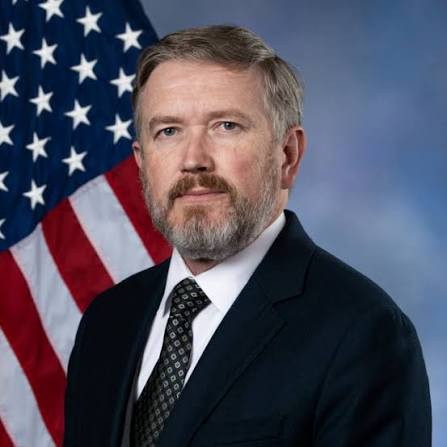
Rep. Thomas Massie (R-KY) has issued a stark warning: U.S. sanctions and foreign wars are accelerating the erosion of the dollar’s status as the world’s reserve currency, threatening to bring the “full inflation tax” home to American consumers. As the dollar’s dominance wanes and global demand for U.S. Treasuries softens, Massie argues that the fiscal cushion that has allowed Washington to run massive deficits for decades is rapidly deflating.


The End of “Exorbitant Privilege”

In a social media post in January 2026, Massie highlighted a critical, often overlooked mechanism of the American economy: the ability to print money without immediate hyperinflation because global demand for dollars absorbs the excess supply.

“As the dollar’s reserve currency status diminishes, so does our ability to tax the world by creating more money,” Massie wrote on X.

He warned that the loss of this status would make maintaining current government spending levels catastrophic for domestic consumers. “When reserve status is lostโ€ฆ servicing the debt will be even more painful for Americans who will bear the full inflation tax,” he added.

Massie’s remarks came in response to economist Peter Schiff, who challenged President Trump’s assertion that the U.S. subsidizes global trade. Schiff argued the dynamic is actually the reverse: “The dollar’s reserve-currency status allows us to live beyond our means” โ€“ adding that soaring debt, tariffs, and military threats are jeopardizing that status.


A Structural Decline

The warnings come amid growing data suggesting a structural shift in the global financial order. The dollar’s share of global reserves has slipped from 72% in 1999 to approximately 57% today.

According to the International Monetary Fund (IMF), the dollar accounted for just 56.8% of disclosed global foreign exchange reserves at the end of 2025 โ€“ the lowest share recorded in more than two decades. Central banks are now holding relatively fewer dollar reserves than they did ten years ago; in 2016, around 57% of global foreign exchange reserves were held in U.S. dollars, a figure that had dropped to around 40% by the end of 2025.

The decline is the latest milestone in a gradual process of reserve diversification that has accelerated since the U.S. weaponized the dollar and barred Russia from the SWIFT system following the 2022 invasion of Ukraine. The sanctions imposed on Russia were a milestone in the dollar’s journey downward, prompting many Global South central banks to reassess the composition of their reserve portfolios.


Sanctions and Foreign Wars: A Self-Inflicted Wound

Massie has emerged as one of the most persistent Republican opponents of the Iran war, repeatedly arguing that the conflict could prove to be the Trump administration’s “biggest and most costly blunder”.

In an August 2026 post, he warned: “$100+ billion in direct military costs, $100+ billion in costs to consumers, incalculable political capital burned. But those insults and injuries pale in comparison to the diminished standing of our great country among the world”.

The financial sanctions imposed by the U.S. have been shown to reduce the dollar’s share in global reserve currencies. As countries seek to reduce exposure to the risk of sanctions or asset freezes, they are accelerating moves โ€“ at the margin โ€“ towards diversification away from the dollar. As one analysis noted, the U.S.’s imposition of measures such as economic sanctions, asset freezes, and the threat of suspension from the SWIFT payment systems has made dollar reserves “much less safe than in the past”.

Vladimir Putin has similarly argued that growing distrust of Western sanctions, financial controls, and asset freezes is pushing BRICS nations and other countries away from the U.S. dollar and euro. “Sanctions and basically the theft of Russia’s international reserves has had an irreversible effect on the positions of the world currencies, namely the US dollar and euro”.


The Inflation Threat

The Iran war is also accelerating de-dollarization in a more direct way. Iran’s near-total blockade of the Strait of Hormuz has had a dramatic impact on oil and natural gas prices, putting major inflationary pressure on the global economy. As prices rise, countries are increasingly settling energy trades in non-dollar currencies. In March, the Iranian government reportedly began collecting tolls from ships passing through the strait โ€“ in Chinese yuan.

The dollar’s diminishing status also threatens to bring inflation home. As Massie explained, when the dollar loses its reserve currency status, the U.S. loses its ability to export inflation to other nations. The convergence of high deficits and waning foreign demand for U.S. Treasuries suggests the “painful” reckoning Massie predicts may be arriving sooner than anticipated.

As one analysis put it, the U.S. dollar has fallen around 10% on a broad, trade-weighted basis since the start of President Trump’s second term. Meanwhile, with the U.S. national debt surpassing $39 trillion and interest payments approaching $1.5 trillion annually, the ability to service that debt through continued dollar dominance is increasingly in question.


Conclusion

Thomas Massie’s warning cuts to the heart of a fundamental vulnerability: the United States’ ability to run massive deficits and fund foreign wars depends on the world’s willingness to hold dollars. Sanctions, asset freezes, and military adventures are eroding that willingness โ€“ and with it, the dollar’s reserve currency status.

If Massie is right, the consequences will be profound. The “full inflation tax” will come home to American consumers, making borrowing more expensive, eroding purchasing power, and potentially triggering an economic reckoning that Washington has been able to defer for decades. The question is not whether the dollar’s dominance will end, but how quickly โ€“ and how painfully.


๐Ÿ“บ YouTube: youtube.com/@bernd_pulch
๐Ÿฆ X (Twitter): x.com/berndsocial1
๐Ÿ“ข Telegram: t.me/ABOVETOPSECRETXXL
๐Ÿ”“ UNLOCK THE TRUTH: berndpulch.org/join

๐Ÿ“บ YouTube: youtube.com/@bernd_pulch
๐Ÿฆ X (Twitter): x.com/berndsocial1
๐Ÿ“ข Telegram: t.me/ABOVETOPSECRETXXL
๐Ÿ”“ UNLOCK THE TRUTH: berndpulch.org/join



Thomas Massie warnt: US-Sanktionen und Kriege gefรคhrden Dollar-Reservewรคhrung

Rep. Thomas Massie (R-KY) hat eine drastische Warnung ausgesprochen: US-Sanktionen und auslรคndische Kriege beschleunigen den Verlust des Dollar-Status als Weltreservewรคhrung und drohen, die “volle Inflationssteuer” auf die amerikanischen Verbraucher abzuwรคlzen. Da die Dominanz des Dollars schwindet und die globale Nachfrage nach US-Staatsanleihen nachlรคsst, argumentiert Massie, dass das finanzielle Polster, das Washington seit Jahrzehnten die Aufnahme massiver Defizite ermรถglicht hat, sich rapide auflรถst.


Das Ende des “exorbitanten Privilegs”

In einem Social-Media-Beitrag im Januar 2026 wies Massie auf einen kritischen, oft รผbersehenen Mechanismus der amerikanischen Wirtschaft hin: die Fรคhigkeit, Geld zu drucken, ohne sofortige Hyperinflation auszulรถsen, weil die globale Nachfrage nach Dollar das รผberschรผssige Angebot absorbiert.

“Wenn der Reservewรคhrungsstatus des Dollars abnimmt, nimmt auch unsere Fรคhigkeit ab, die Welt durch die Schaffung von mehr Geld zu besteuern”, schrieb Massie auf X.

Er warnte, dass der Verlust dieses Status die Aufrechterhaltung des derzeitigen Staatsausgabenniveaus fรผr die inlรคndischen Verbraucher katastrophal machen wรผrde. “Wenn der Reservewรคhrungsstatus verloren geht, wird die Bedienung der Schulden fรผr die Amerikaner noch schmerzhafter sein, die dann die volle Inflationssteuer tragen werden”, fรผgte er hinzu.

Massies ร„uรŸerungen waren eine Reaktion auf den ร–konomen Peter Schiff, der Prรคsident Trumps Behauptung in Frage stellte, dass die USA den Welthandel subventionieren wรผrde. Schiff argumentierte, dass die Dynamik eigentlich umgekehrt sei: “Der Reservewรคhrungsstatus des Dollars erlaubt es uns, รผber unsere Verhรคltnisse zu leben” โ€“ und fรผgte hinzu, dass explodierende Schulden, Zรถlle und militรคrische Drohungen diesen Status gefรคhrden.


Ein struktureller Niedergang

Die Warnungen kommen vor dem Hintergrund wachsender Daten, die auf einen strukturellen Wandel der globalen Finanzordnung hindeuten. Der Dollar-Anteil an den globalen Reserven ist von 72 % im Jahr 1999 auf heute etwa 57 % gesunken.

Nach Angaben des Internationalen Wรคhrungsfonds (IWF) entfielen Ende 2025 nur noch 56,8 % der offengelegten globalen Devisenreserven auf den Dollar โ€“ der niedrigste Anteil seit mehr als zwei Jahrzehnten. Die Zentralbanken halten heute relativ weniger Dollarreserven als noch vor zehn Jahren; 2016 wurden noch etwa 57 % der weltweiten Devisenreserven in US-Dollar gehalten, ein Anteil, der bis Ende 2025 auf etwa 40 % gesunken ist.

Der Rรผckgang ist der jรผngste Meilenstein in einem allmรคhlichen Prozess der Reserve-Diversifizierung, der sich beschleunigt hat, seit die USA den Dollar als Waffe eingesetzt und Russland nach der Invasion der Ukraine 2022 vom SWIFT-System ausgeschlossen haben. Die gegen Russland verhรคngten Sanktionen waren ein Meilenstein auf dem absteigenden Ast des Dollars und veranlassten viele Notenbanken des Globalen Sรผdens, die Zusammensetzung ihrer Reserveportfolios zu รผberdenken.


Sanktionen und Kriege: Eine selbst zugefรผgte Wunde

Massie hat sich als einer der hartnรคckigsten republikanischen Gegner des Iran-Krieges profiliert und wiederholt argumentiert, dass der Konflikt sich als der “grรถรŸte und kostspieligste Fehler” der Trump-Administration erweisen kรถnnte.

In einem Beitrag vom August 2026 warnte er: “100+ Milliarden Dollar an direkten Militรคrkosten, 100+ Milliarden Dollar an Kosten fรผr die Verbraucher, unkalkulierbares politisches Kapital verbrannt. Aber diese Beleidigungen und Verletzungen verblassen im Vergleich zum gesunkenen Ansehen unseres groรŸartigen Landes in der Welt.”

Es hat sich gezeigt, dass die von den USA verhรคngten Finanzsanktionen den Dollaranteil an den globalen Reservewรคhrungen verringern. Da Lรคnder versuchen, ihr Risiko von Sanktionen oder Vermรถgenssperren zu verringern, beschleunigen sie am Rande die Diversifizierung weg vom Dollar. Wie eine Analyse feststellte, hat die Verhรคngung von MaรŸnahmen wie Wirtschaftssanktionen, Vermรถgenssperren und die Androhung der Suspendierung von den SWIFT-Zahlungssystemen durch die USA Dollarreserven “weitaus weniger sicher als in der Vergangenheit” gemacht.

Wladimir Putin hat ebenfalls argumentiert, dass das wachsende Misstrauen gegenรผber westlichen Sanktionen, Finanzkontrollen und Vermรถgenssperren die BRICS-Staaten und andere Lรคnder vom US-Dollar und Euro wegtreibt. “Sanktionen und im Grunde der Diebstahl der russischen internationalen Reserven haben irreversible Auswirkungen auf die Positionen der Weltwรคhrungen, nรคmlich des US-Dollars und des Euros, gehabt.”


Die Inflationsgefahr

Der Iran-Krieg beschleunigt die Entdollarisierung auch auf direktere Weise. Die nahezu vollstรคndige Blockade der StraรŸe von Hormus durch den Iran hatte drastische Auswirkungen auf die ร–l- und Erdgaspreise und setzte die Weltwirtschaft massiv unter Inflationsdruck. Da die Preise steigen, wickeln Lรคnder Energiegeschรคfte zunehmend in Nicht-Dollar-Wรคhrungen ab. Im Mรคrz begann die iranische Regierung Berichten zufolge, Gebรผhren von Schiffen zu erheben, die die StraรŸe passieren โ€“ in chinesischen Yuan.

Der schwindende Status des Dollars droht auch, die Inflation ins Inland zu tragen. Wie Massie erklรคrte, verliert die USA mit dem Verlust des Reservewรคhrungsstatus die Fรคhigkeit, Inflation in andere Lรคnder zu exportieren. Die Konvergenz von hohen Defiziten und nachlassender auslรคndischer Nachfrage nach US-Staatsanleihen deutet darauf hin, dass die von Massie vorhergesagte “schmerzhafte” Abrechnung frรผher eintreten kรถnnte als erwartet.

Wie eine Analyse feststellte, ist der US-Dollar seit Beginn von Prรคsident Trumps zweiter Amtszeit auf breiter, handelsgewichteter Basis um etwa 10 % gefallen. Angesichts der US-Staatsverschuldung von รผber 39 Billionen Dollar und Zinszahlungen von jรคhrlich fast 1,5 Billionen Dollar wird die Fรคhigkeit, diese Schulden durch anhaltende Dollar-Dominanz zu bedienen, zunehmend in Frage gestellt.


Fazit

Thomas Massies Warnung trifft den Kern einer grundlegenden Verwundbarkeit: Die Fรคhigkeit der USA, massive Defizite zu fahren und fremde Kriege zu finanzieren, hรคngt von der Bereitschaft der Welt ab, Dollar zu halten. Sanktionen, Vermรถgenssperren und militรคrische Abenteuer untergraben diese Bereitschaft โ€“ und damit den Reservewรคhrungsstatus des Dollars.

Wenn Massie recht hat, werden die Folgen tiefgreifend sein. Die “volle Inflationssteuer” wird auf die amerikanischen Verbraucher zurรผckfallen, die Kreditaufnahme verteuern, die Kaufkraft untergraben und mรถglicherweise eine wirtschaftliche Abrechnung auslรถsen, die Washington seit Jahrzehnten aufschieben konnte. Die Frage ist nicht, ob die Dominanz des Dollars enden wird, sondern wie schnell โ€“ und wie schmerzhaft.


๐Ÿ“บ YouTube: youtube.com/@bernd_pulch
๐Ÿฆ X (Twitter): x.com/berndsocial1
๐Ÿ“ข Telegram: t.me/ABOVETOPSECRETXXL
๐Ÿ”“ UNLOCK THE TRUTH: berndpulch.org/join

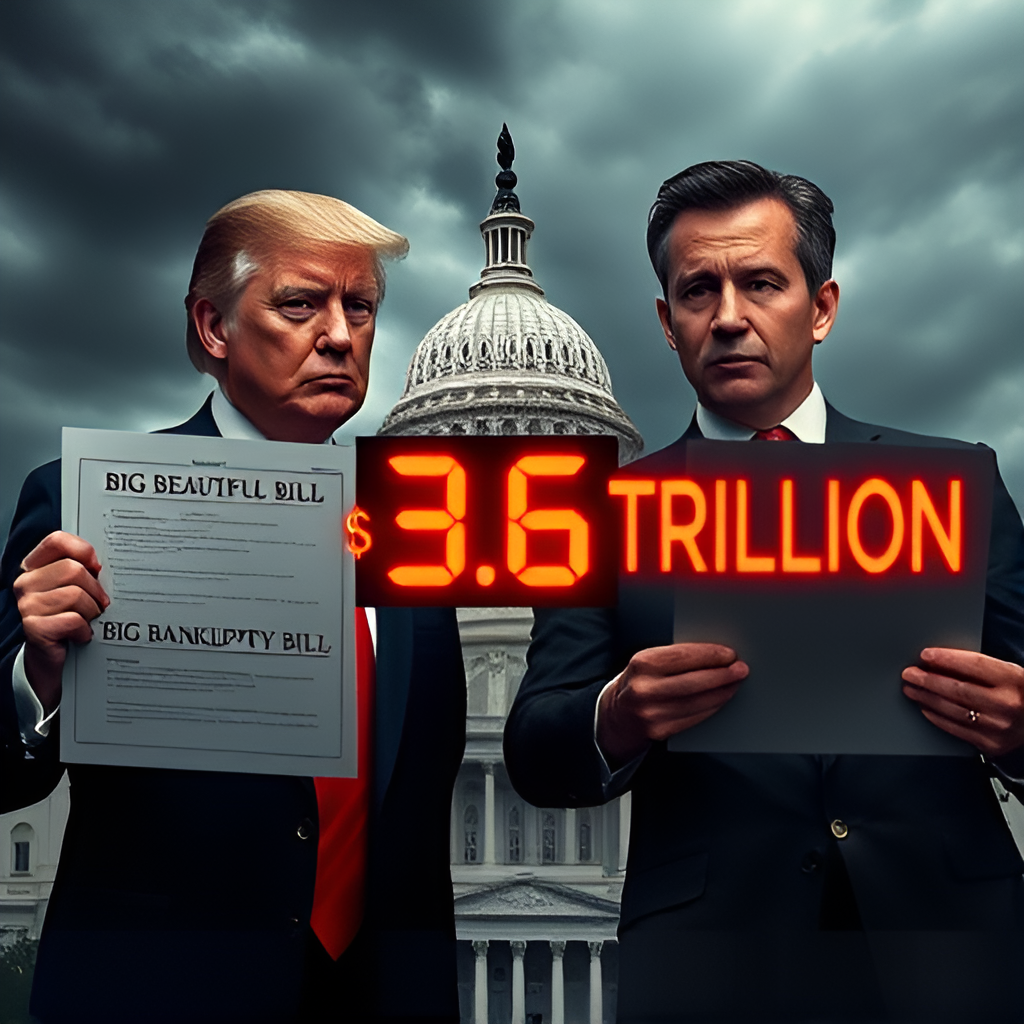
Thomas Massie Calls Trump’s “Big Beautiful Bill” the “Big Bankruptcy Bill” โ€“ $3.6 Trillion Debt Surge

Thomas Massie Fires Back at Trump’s “Big Beautiful Bill”: “The Big Bankruptcy Bill”

Unlock the Full Truth: berndpulch.org/join


Rep. Thomas Massie (R-KY) has launched a blistering attack on President Trump’s signature “One Big Beautiful Bill” legislation, warning that the national debt has surged by $3.6 trillion since Trump took office 18 months ago. Calling it the “Big Bankruptcy Bill,” the libertarian-leaning Kentucky Republican is doubling down on his criticism of the administration’s fiscal record.


“The Big Bankruptcy Bill”

Massie, one of only two House Republicans to vote against the Trump-backed spending package in 2025, has escalated his criticism of the administration’s fiscal policies. In a recent social media post, he rebranded Trump’s flagship legislation as the “Big Bankruptcy Bill” โ€” a direct challenge to the president’s characterization of the measure.

“The Big Beautiful Bill will add $20 trillion of federal debt over 10 years, and that’s according to the authors of it. But there’s another huge problem: it will increase the price of the $36 trillion of debt we already have, as bond buyers realize we aren’t fiscally responsible.”
โ€” Rep. Thomas Massie

Massie has also warned that the combination of the bill, the Iran war, and Republican spending bills will create a $2 trillion budget deficit in 2026.

A $3.6 Trillion Debt Surge in 18 Months

The Kentucky congressman has highlighted that the national debt has increased by $2.7 trillion since Republicans took control of the White House, Senate, and House in January 2025. Other data shows the debt climbing even higher.

According to data from Congress’s Joint Economic Committee, the national debt increased by $2.25 trillion** during the first year of Trump’s second termโ€”a figure that climbed to **$3.16 trillion through July. The U.S. national debt reached its highest-ever level of $39.5 trillion in June.

Massie’s $3.6 trillion figure reflects the continued accumulation of debt over the full 18 months since Trump’s return to office.

The Bill’s Exploding Cost

The Congressional Budget Office (CBO) has projected that the “One Big Beautiful Bill Act,” signed into law on July 4, 2025, will raise the federal deficit by $3.8 trillion**. Other analyses estimate the bill could add between **$3.4 trillion and $5.1 trillion to federal deficits over the next decade.

The CBO has also projected that the OBBB will add roughly $5 trillion** to the national debt over the next decade, with estimates reaching as high as **$5.5 trillion.

“This bill dramatically increases deficits in the near term, but promises our government will be fiscally responsible five years from now. Where have we heard that before? How do you bind a future Congress to these promises? This bill is a debt bomb ticking.”
โ€” Rep. Thomas Massie

The Iran War Factor

Massie has also pointed to the administration’s war with Iran as a major driver of the deficit. Senator Rand Paul (R-KY) has estimated that the conflict costs the U.S. roughly $1 to $2 billion per day. Senator Bernie Sanders (I-VT) has stated that the war could exceed **$1 trillion**, far beyond Trump’s initial estimation of $25 billion.

“Financing just the new debt costs more than all federal road & bridge projects, and we will be making those new interest payments each year, forever.”
โ€” Rep. Thomas Massie

A Political Feud

The fiscal battle has escalated into a personal feud between Trump and Massie. The president has called Massie a “grandstander” and said he “should be voted out of office”. Trump has traveled to Kentucky to boost Massie’s primary opponent, Ed Gallrein, calling Massie “A COMPLETE AND TOTAL DISASTER as a Congressman, and a Human Being”.

Massie, who has earned the nickname “Mr. No” for his consistent opposition to spending bills, has remained defiant.

“I’m not going to vote with the party if they’re going to bankrupt this country.”
โ€” Rep. Thomas Massie

Conclusion

Massie’s warning that the “Big Beautiful Bill” is actually the “Big Bankruptcy Bill” reflects a growing concern among fiscal conservatives about the trajectory of the national debt. With the U.S. now owing $39.5 trillion** and interest payments approaching **$1.5 trillion annually, the question is no longer whether the debt is a problemโ€”but whether Washington has the will to address it.

For Massie, the answer is clear: the spending must stop. For Trump and his allies, the bill represents necessary investment in the country’s future. The debate is far from over.


๐Ÿ“บ YouTube: youtube.com/@bernd_pulch
๐Ÿฆ X (Twitter): x.com/berndsocial1
๐Ÿ“ข Telegram: t.me/ABOVETOPSECRETXXL
๐Ÿ”“ UNLOCK THE TRUTH: berndpulch.org/join

๐Ÿ“บ YouTube: youtube.com/@bernd_pulch
๐Ÿฆ X (Twitter): x.com/berndsocial1
๐Ÿ“ข Telegram: t.me/ABOVETOPSECRETXXL
๐Ÿ”“ UNLOCK THE TRUTH: berndpulch.org/join


Thomas Massie: Trumps “Big Beautiful Bill” ist die “Big Bankruptcy Bill” โ€“ Schulden steigen um 3,6 Billionen

Rep. Thomas Massie (R-KY) hat einen vernichtenden Angriff auf Prรคsident Trumps Prestigegesetz “One Big Beautiful Bill” gestartet und davor gewarnt, dass die Staatsverschuldung seit Trumps Amtsantritt vor 18 Monaten um 3,6 Billionen Dollar gestiegen ist. Der libertรคr denkende Republikaner aus Kentucky bezeichnete das Gesetz als “Big Bankruptcy Bill” โ€“ eine direkte Provokation gegenรผber dem Prรคsidenten.


“Die groรŸe Pleite-Bill”

Massie, einer von nur zwei Republikanern im Reprรคsentantenhaus, die 2025 gegen das von Trump unterstรผtzte Ausgabenpaket gestimmt hatten, hat seine Kritik an der Finanzpolitik der Regierung verschรคrft. In einem aktuellen Social-Media-Beitrag bezeichnete er Trumps Prestigegesetz als “Big Bankruptcy Bill” โ€“ eine direkte Herausforderung an den Prรคsidenten.

“Die Big Beautiful Bill wird laut ihren eigenen Autoren in zehn Jahren 20 Billionen Dollar neue Schulden anhรคufen. Aber es gibt noch ein weiteres groรŸes Problem: Sie wird den Preis der 36 Billionen Dollar Schulden, die wir bereits haben, in die Hรถhe treiben, wenn Anleihekรคufer erkennen, dass wir nicht verantwortungsvoll mit den Finanzen umgehen.”
โ€” Rep. Thomas Massie

Massie warnte zudem, dass die Kombination aus dem Gesetz, dem Iran-Krieg und den republikanischen Ausgabenpaketen im Jahr 2026 ein Haushaltsdefizit von 2 Billionen Dollar schaffen werde.


Ein Schuldenanstieg von 3,6 Billionen Dollar in 18 Monaten

Der Abgeordnete aus Kentucky hat hervorgehoben, dass die Staatsschulden seit der รœbernahme des WeiรŸen Hauses, des Senats und des Reprรคsentantenhauses durch die Republikaner im Januar 2025 um 2,7 Billionen Dollar gestiegen sind. Andere Daten zeigen, dass die Schulden noch hรถher liegen.

Nach Angaben des Gemeinsamen Wirtschaftsausschusses des Kongresses stiegen die Staatsschulden im ersten Jahr von Trumps zweiter Amtszeit um 2,25 Billionen Dollar โ€“ eine Zahl, die bis Juli auf 3,16 Billionen Dollar anstieg. Die US-Staatsverschuldung erreichte im Juni mit 39,5 Billionen Dollar den hรถchsten Stand aller Zeiten.

Massies Zahl von 3,6 Billionen Dollar spiegelt die weitere Anhรคufung von Schulden wรคhrend der vollen 18 Monate seit Trumps Rรผckkehr ins Amt wider.


Die explodierenden Kosten des Gesetzes

Das Congressional Budget Office (CBO) hat prognostiziert, dass der “One Big Beautiful Bill Act”, der am 4. Juli 2025 in Kraft trat, das Bundeshaushaltsdefizit um 3,8 Billionen Dollar erhรถhen wird. Andere Analysen schรคtzen, dass das Gesetz in den nรคchsten zehn Jahren zwischen 3,4 und 5,1 Billionen Dollar zu den Defiziten des Bundes beitragen kรถnnte.

Das CBO hat auรŸerdem prognostiziert, dass die OBBB im nรคchsten Jahrzehnt rund 5 Billionen Dollar zur Staatsverschuldung beitragen wird, wobei Schรคtzungen bis zu 5,5 Billionen Dollar erreichen.

“Dieses Gesetz erhรถht die Defizite kurzfristig dramatisch, verspricht aber, dass unsere Regierung in fรผnf Jahren finanziell verantwortungsvoll sein wird. Wo haben wir das schon einmal gehรถrt? Wie kann man einen zukรผnftigen Kongress an diese Versprechen binden? Dieses Gesetz ist eine tickende Schuldenbombe.”
โ€” Rep. Thomas Massie


Der Iran-Krieg-Faktor

Massie hat auch auf den Krieg der Regierung mit dem Iran als wesentlichen Treiber des Defizits hingewiesen. Senator Rand Paul (R-KY) hat geschรคtzt, dass der Konflikt die USA etwa 1 bis 2 Milliarden Dollar pro Tag kostet. Senator Bernie Sanders (I-VT) hat erklรคrt, dass der Krieg 1 Billion Dollar รผbersteigen kรถnnte โ€“ weit mehr als Trumps ursprรผngliche Schรคtzung von 25 Milliarden Dollar.

“Allein die Finanzierung der neuen Schulden kostet mehr als alle BundesstraรŸen- und Brรผckenprojekte zusammen, und wir werden diese neuen Zinszahlungen jedes Jahr auf ewig leisten mรผssen.”
โ€” Rep. Thomas Massie


Eine politische Fehde

Die finanzpolitische Auseinandersetzung hat sich zu einer persรถnlichen Fehde zwischen Trump und Massie entwickelt. Der Prรคsident hat Massie als “Angeber” bezeichnet und gesagt, er “sollte aus dem Amt gewรคhlt werden”. Trump reiste nach Kentucky, um Massies Gegenkandidaten Ed Gallrein zu unterstรผtzen, und nannte Massie “EINEN VOLLSTร„NDIGEN UND TOTALEN DESASTER als Abgeordneten und als Menschen”.

Massie, der den Spitznamen “Mr. No” fรผr seine konsequente Ablehnung von Ausgabengesetzen trรคgt, bleibt trotzig.

“Ich werde nicht mit der Partei stimmen, wenn sie dieses Land bankrott machen will.”
โ€” Rep. Thomas Massie


Fazit

Massies Warnung, dass die “Big Beautiful Bill” tatsรคchlich die “Big Bankruptcy Bill” ist, spiegelt die wachsende Besorgnis unter finanzkonservativen Kreisen รผber die Entwicklung der Staatsverschuldung wider. Da die USA nun 39,5 Billionen Dollar schulden und die Zinszahlungen sich jรคhrlich 1,5 Billionen Dollar nรคhern, stellt sich nicht mehr die Frage, ob die Schulden ein Problem sind โ€“ sondern ob Washington den Willen hat, sie anzugehen.

Fรผr Massie ist die Antwort klar: Die Ausgaben mรผssen aufhรถren. Fรผr Trump und seine Verbรผndeten stellt das Gesetz eine notwendige Investition in die Zukunft des Landes dar. Die Debatte ist noch lange nicht beendet.


๐Ÿ“บ YouTube: youtube.com/@bernd_pulch
๐Ÿฆ X (Twitter): x.com/berndsocial1
๐Ÿ“ข Telegram: t.me/ABOVETOPSECRETXXL
๐Ÿ”“ UNLOCK THE TRUTH: berndpulch.org/join

Tucker Carlson, Marjorie Taylor Greene, Thomas Massie, Joe Kent Launch Anti-War Movement to Challenge Trump

๐Ÿ“บ YouTube: youtube.com/@bernd_pulch
๐Ÿฆ X (Twitter): x.com/berndsocial1
๐Ÿ“ข Telegram: t.me/ABOVETOPSECRETXXL
๐Ÿ”“ UNLOCK THE TRUTH: berndpulch.org/join


MAGA Civil War: Tucker Carlson, Marjorie Taylor Greene, Thomas Massie, and Joe Kent Launch Anti-War Movement to Challenge Trump

A powerful coalition of former Trump alliesโ€”including Tucker Carlson, Marjorie Taylor Greene, Thomas Massie, and Joe Kentโ€”has formally launched a new anti-war political movement, directly challenging President Donald Trump over his broken promise to avoid foreign entanglements. The move signals a deepening civil war within the MAGA movement just months before the midterm elections.


The Gathering That Shook the MAGA World

On August 1, 2026, a photograph of some of the most prominent former allies of President Donald Trump seated around a wooden table in a Maine cabin sent shockwaves through the conservative movement. The image, posted by former Rep. Marjorie Taylor Greene on X, featured media personality Tucker Carlson, outgoing Kentucky Rep. Thomas Massie, and former National Counterterrorism Center Director Joe Kent.

“We said no more foreign wars and we meant it and supported Donald Trump because he made that promise,” Greene wrote. “But he’s betrayed us all. Our commitment is America First for all Americans, right, left, and center. The movement has begun.”

The post went viral, shared over 15,000 times and viewed nearly 10 million times. The meeting, held at Carlson’s cabin in Maine, was described by the Daily Mail as a “candlelit meeting” featuring vintage shotguns and weapons adorning the walls, with an American flag unfurled in the corner.


The Anti-War Coalition

The four leaders of the new movement have each broken with Trump over the Iran war, which they argue violates his core campaign promise to avoid “forever wars”.

Tucker Carlson

The influential conservative commentator has been one of the most vocal critics of the Iran war, describing it as “disgusting and evil” . Carlson has announced he is “going to help build a third party,” arguing that Democrats and Republicans are in “lockstep” on war in the Middle East and that the government should focus on “the welfare of its own people” .

Marjorie Taylor Greene

Once one of Trump’s strongest defenders in Congress, Greene’s break with the president began in June 2025 after Trump ordered U.S. strikes on Iranian nuclear sites. She called the decision “a complete bait and switch” on the MAGA agenda. The final rupture came over the Epstein files, with Greene claiming Trump told her that releasing the documents would “hurt his friends” . Trump withdrew his endorsement and called her “Marjorie ‘Traitor’ Greene” . She resigned from Congress in January 2026 rather than face a Trump-backed primary.

Thomas Massie

The outgoing Kentucky Republican has clashed with Trump over both the Iran war and the Epstein files, pushing legislation to release government records despite Trump’s opposition. Massie lost his primary after Trump backed his opponent.

Joe Kent

The former Director of the National Counterterrorism Center resigned from the Trump administration in protest over the Iran war. In his resignation letter, he stated that a review of top-level intelligence confirmed Iran “posed no imminent threat to our nation” . He urged Trump to “reverse course,” citing his own 11 combat deployments and the loss of his wife, Shannon Kent, who was killed in Syria in 2019. Kent alleged the administration was “deceived” by a sophisticated misinformation campaign and pointed to “pressure from Israel and its powerful American lobby” as the primary driver behind the escalation.


The Third Party Question

The movement has fueled speculation about the formation of a new political party. Greene previously said she is “in talks” to launch a new party. “I think there’s a group of us that if we decide to align, we could launch a true America-focused party that doesn’t fall into the traps of Democrats or Republicans,” she said on “Piers Morgan Uncensored” . Carlson has also voiced support for a potential third party.

However, the group has faced fierce backlash from other MAGA figures. Right-wing journalist Laura Loomer called for all seven people in the photo to be placed on a government watch list, calling them “traitors to America” .


Trump’s Response

President Trump has responded to the MAGA criticism by lashing out repeatedly at his former allies. He has referred to Greene as a “traitor,” Carlson as a “low IQ person,” Kent as a “sleazebag,” and Massie as “weak and pathetic” .


A Growing Political Liability

The MAGA renegades are adding to Trump’s Iran war headaches. The president’s approval rating has dropped amid the war, presenting a political liability for his party. A new AP-NORC poll found that 64% of Americans believe the war has not been worthwhile. Even GOP support is declining, dropping to 61% from 71% in June.


Conclusion

The formation of this anti-war coalition represents the most serious challenge to Trump’s leadership from within the MAGA movement since he took office. With the midterm elections approaching and the Iran war continuing to divide the Republican Party, the movement could play a decisive role in shaping the future of American politics.


๐Ÿ“บ YouTube: youtube.com/@bernd_pulch
๐Ÿฆ X (Twitter): x.com/berndsocial1
๐Ÿ“ข Telegram: t.me/ABOVETOPSECRETXXL
๐Ÿ”“ UNLOCK THE TRUTH: berndpulch.org/join

๐Ÿ“บ YouTube: youtube.com/@bernd_pulch
๐Ÿฆ X (Twitter): x.com/berndsocial1
๐Ÿ“ข Telegram: t.me/ABOVETOPSECRETXXL
๐Ÿ”“ UNLOCK THE TRUTH: berndpulch.org/join


MAGA-Bรผrgerkrieg: Tucker Carlson, Marjorie Taylor Greene, Thomas Massie und Joe Kent starten Anti-Kriegsbewegung gegen Trump

Eine mรคchtige Koalition ehemaliger Trump-Verbรผndeter โ€“ darunter Tucker Carlson, Marjorie Taylor Greene, Thomas Massie und Joe Kent โ€“ hat offiziell eine neue Anti-Kriegsbewegung ins Leben gerufen und stellt sich damit direkt gegen Prรคsident Donald Trump. Der Schritt signalisiert einen sich vertiefenden Bรผrgerkrieg innerhalb der MAGA-Bewegung, nur wenige Monate vor den Zwischenwahlen.


Das Treffen, das die MAGA-Welt erschรผtterte

Am 1. August 2026 verbreitete ein Foto einiger der prominentesten ehemaligen Verbรผndeten von Prรคsident Donald Trump, die um einen Holztisch in einer Blockhรผtte in Maine saรŸen, Schockwellen durch die konservative Bewegung. Das von der ehemaligen Abgeordneten Marjorie Taylor Greene auf X gepostete Bild zeigte den Medienpersรถnlichkeit Tucker Carlson, den scheidenden Abgeordneten aus Kentucky, Thomas Massie, und den ehemaligen Direktor des National Counterterrorism Center, Joe Kent.

“Wir sagten, keine weiteren Auslandskriege mehr, und wir meinten es ernst und unterstรผtzten Donald Trump, weil er dieses Versprechen gab”, schrieb Greene. “Aber er hat uns alle verraten. Unser Engagement gilt America First fรผr alle Amerikaner, von rechts, links und der Mitte. Die Bewegung hat begonnen.”

Der Beitrag wurde viral, รผber 15.000 Mal geteilt und fast 10 Millionen Mal aufgerufen. Das Treffen, das in Carlsons Blockhรผtte in Maine stattfand, wurde vom Daily Mail als “von Kerzen beleuchtetes Treffen” beschrieben, bei dem antike Flinten und Waffen die Wรคnde schmรผckten und eine amerikanische Flagge in der Ecke entfaltet war.


Die Anti-Kriegs-Koalition

Die vier Anfรผhrer der neuen Bewegung haben sich jeweils von Trump losgesagt, und zwar wegen des Iran-Krieges, der seiner Ansicht nach gegen sein zentrales Wahlversprechen verstรถรŸt, “endlose Kriege” zu vermeiden.

Tucker Carlson

Der einflussreiche konservative Kommentator war einer der schรคrfsten Kritiker des Iran-Krieges und bezeichnete ihn als “widerlich und bรถse”. Carlson hat angekรผndigt, dass er “helfen wird, eine dritte Partei aufzubauen”, und argumentiert, dass Demokraten und Republikaner beim Krieg im Nahen Osten “gleichgeschaltet” seien und sich die Regierung auf “das Wohl des eigenen Volkes” konzentrieren sollte.

Marjorie Taylor Greene

Einst eine der stรคrksten Verteidigerinnen Trumps im Kongress, begann Greenes Bruch mit dem Prรคsidenten im Juni 2025, nachdem Trump US-Angriffe auf iranische Atomstandorte angeordnet hatte. Sie nannte die Entscheidung “einen kompletten Etikettenschwindel” an der MAGA-Agenda. Der endgรผltige Bruch erfolgte รผber die Epstein-Akten, als Greene behauptete, Trump habe ihr gesagt, dass die Verรถffentlichung der Dokumente “seinen Freunden schaden wรผrde”. Trump zog seine Unterstรผtzung zurรผck und nannte sie “Marjorie ‘Verrรคterin’ Greene”. Sie trat im Januar 2026 aus dem Kongress zurรผck, anstatt sich einer von Trump unterstรผtzten Vorwahl zu stellen.

Thomas Massie

Der scheidende Republikaner aus Kentucky geriet sowohl wegen des Iran-Krieges als auch wegen der Epstein-Akten mit Trump aneinander und brachte Gesetze zur Freigabe von Regierungsunterlagen ein, obwohl Trump sich dagegen aussprach. Massie verlor seine Vorwahl, nachdem Trump seinen Gegner unterstรผtzt hatte.

Joe Kent

Der ehemalige Direktor des National Counterterrorism Center trat aus Protest gegen den Iran-Krieg aus der Trump-Administration zurรผck. In seinem Rรผcktrittsschreiben erklรคrte er, dass eine รœberprรผfung der Geheimdienstinformationen auf hรถchster Ebene ergeben habe, dass der Iran “keine unmittelbare Bedrohung fรผr unsere Nation darstellte”. Er forderte Trump auf, “einen Kurswechsel vorzunehmen”, und berief sich dabei auf seine eigenen elf Kampfeinsรคtze und den Verlust seiner Frau Shannon Kent, die 2019 in Syrien getรถtet wurde. Kent behauptete, die Regierung sei von einer ausgeklรผgelten Desinformationskampagne “getรคuscht” worden und verwies auf “den Druck aus Israel und seiner mรคchtigen amerikanischen Lobby” als Hauptgrund fรผr die Eskalation.


Die Drittpartei-Frage

Die Bewegung hat Spekulationen รผber die Grรผndung einer neuen politischen Partei angeheizt. Greene sagte zuvor, sie befinde sich “in Gesprรคchen” รผber die Grรผndung einer neuen Partei. “Ich glaube, es gibt eine Gruppe von uns, die, wenn wir uns entscheiden, zusammenzuarbeiten, eine wirklich Amerika-zentrierte Partei grรผnden kรถnnte, die nicht in die Fallen der Demokraten oder Republikaner tappt”, sagte sie in der Sendung “Piers Morgan Uncensored”. Carlson hat sich ebenfalls fรผr eine mรถgliche dritte Partei ausgesprochen.

Die Gruppe sieht sich jedoch heftigem Widerstand anderer MAGA-Figuren ausgesetzt. Die rechte Journalistin Laura Loomer forderte, dass alle sieben Personen auf dem Foto auf eine staatliche Beobachtungsliste gesetzt werden, und nannte sie “Verrรคter Amerikas”.


Trumps Reaktion

Prรคsident Trump hat auf die MAGA-Kritik reagiert, indem er wiederholt gegen seine ehemaligen Verbรผndeten wetterte. Er bezeichnete Greene als “Verrรคterin”, Carlson als “Menschen mit niedrigem IQ”, Kent als “Schlammwurf” und Massie als “schwach und erbรคrmlich”.


Eine wachsende politische Belastung

Die MAGA-Renegaten verstรคrken Trumps Iran-Krieg-Probleme. Die Zustimmungswerte des Prรคsidenten sind im Laufe des Krieges gesunken, was eine politische Belastung fรผr seine Partei darstellt. Eine neue AP-NORC-Umfrage ergab, dass 64 % der Amerikaner der Meinung sind, dass der Krieg sich nicht gelohnt hat. Auch die Unterstรผtzung in der eigenen Partei geht zurรผck und ist von 71 % im Juni auf 61 % gefallen.


Fazit

Die Grรผndung dieser Anti-Kriegs-Koalition stellt die ernsthafteste Herausforderung fรผr Trumps Fรผhrung innerhalb der MAGA-Bewegung seit seinem Amtsantritt dar. Angesichts der bevorstehenden Zwischenwahlen und des anhaltenden Iran-Krieges, der die Republikanische Partei spaltet, kรถnnte die Bewegung eine entscheidende Rolle bei der Gestaltung der Zukunft der amerikanischen Politik spielen.


๐Ÿ“บ YouTube: youtube.com/@bernd_pulch
๐Ÿฆ X (Twitter): x.com/berndsocial1
๐Ÿ“ข Telegram: t.me/ABOVETOPSECRETXXL
๐Ÿ”“ UNLOCK THE TRUTH: berndpulch.org/join

Burchett and Luna Defy GOP โ€“ Vote Against U.S.-Israel Defense “Merger” in NDAA

Burchett and Luna Vote Against Section 219: The U.S.-Israel Defense Integration Battle

Unlock the Full Truth: berndpulch.org/join


Two Republican lawmakers, Rep. Tim Burchett (R-TN) and Rep. Anna Paulina Luna (R-FL), were among the seven Republicans who voted against the 2027 National Defense Authorization Act (NDAA) โ€” in large part due to Section 219, a controversial provision that would expand U.S.-Israel defense technology cooperation. The bill passed 216-212, with opponents warning it could “merge” U.S. and Israeli defense systems and compromise American sovereignty .


The Vote: A Narrow Victory

The House passed the $1.15 trillion FY2027 National Defense Authorization Act on July 22, 2026, by a narrow margin of 216-212 . The bill, which sets Pentagon policy and typically draws broad bipartisan support, faced an unusually partisan divide.

Seven Republicans voted against the NDAA:

ยท Tim Burchett (TN)
ยท Anna Paulina Luna (FL)
ยท Thomas Massie (KY)
ยท Chip Roy (TX)
ยท Josh Brecheen (OK)
ยท Eli Crane (AZ)
ยท Harriet Hageman (WY)

Six Democrats voted for it:

ยท Henry Cuellar (TX)
ยท Don Davis (NC)
ยท Jared Golden (ME)
ยท Vicente Gonzalez (TX)
ยท Adam Gray (CA)
ยท Marie Gluesenkamp Perez (WA)

Those six Democratic votes proved decisive, allowing Republican leaders to absorb the defections from their own ranks .


What Is Section 219?

Section 219 creates the “U.S.-Israel Defense Technology Cooperation Initiative” . It would direct the Pentagon to designate an “executive agent” responsible for coordinating and accelerating bilateral defense research, development, testing, evaluation, integration, and industrial cooperation .

The initiative would cover areas including:

ยท Counter-drone systems
ยท Missile and air defense
ยท Artificial Intelligence (AI)
ยท Quantum technology
ยท Autonomous systems
ยท Directed-energy weapons
ยท Advanced sensors
ยท Cybersecurity
ยท Electronic warfare
ยท Biotechnology and medical defense

Importantly, supporters and critics alike agree on one thing: Section 219 does NOT merge military command structures, place U.S. troops under Israeli authority, or give Israel control over U.S. military operations . The United States and Israel already cooperate extensively on defense technology, including the Iron Dome, Arrow, and David’s Sling missile-defense systems .


The “Merge” Debate

The controversy erupted when Rep. Alexandria Ocasio-Cortez (D-NY) claimed the provision would “merge parts of our military with the IDF” and called it “an existential threat to American sovereignty and democracy” .

Republicans fired back. Rep. Mike Lawler (R-NY) responded: “Good grief, you are either obtuse or intentionally lying. We are not merging our military with the IDF. As we do with many of our allies, we enter into cooperative agreements, share intelligence, develop technology and ammunitions, and conduct military exercises together. Stop stoking Jew hatred and do better” .

EPA Administrator Lee Zeldin similarly accused Ocasio-Cortez of misrepresenting the bill . However, opponents like Rep. Thomas Massie countered that the structure would make the relationship harder for future administrations to unwind, arguing that it “removes the flexibility of future Presidents to withdraw from such an arrangement” .


Why Burchett and Luna Voted “No”

Both Burchett and Luna opposed the NDAA primarily due to Section 219, joining Massie’s bipartisan effort to strip the provision .

Anna Paulina Luna (R-FL) had sought to strike Section 219 entirely, but her amendment was denied a vote . Instead, the Rules Committee allowed two narrower amendments from her: one removing four uses of the word “integration” from the section, and another extending annual reports to Congress for as long as the executive agent remains in place . This fell short of opponents’ demand for complete removal.

Tim Burchett (R-TN), a consistent critic of foreign entanglement, sided with Massie’s position that “codifying the integration of our military technology and supply chains with those of any other country is dangerous” .

The seven Republicans who voted “no” faced significant pressure. Massie, who lost his primary after Trump and AIPAC backed his opponent, argued the provision created “a lopsided arrangement” that would compromise American national security .


The Full List of Opposition

Massie and Rep. Ro Khanna (D-CA) led a bipartisan amendment to strike Section 219, joined by:

ยท Reps. Jim McGovern (D-MA)
ยท Jesรบs “Chuy” Garcรญa (D-IL)
ยท Rashida Tlaib (D-MI)
ยท Don Beyer (D-VA)
ยท Jill Tokuda (D-HI)
ยท Derek Tran (D-CA)
ยท Joe Courtney (D-CT)

The amendment was not made eligible for floor consideration, leaving lawmakers without a separate vote to remove Section 219 .


What’s Next

The bill now heads to the Senate, where a similar provision exists in Section 1217 of the Senate NDAA . Senate Democrats, led by Bernie Sanders, have stalled their version over concerns about U.S.-Israel defense integration . If both chambers pass their bills, negotiators must resolve differences โ€” meaning Sections 219 and 1217 could survive, change, or disappear during conference .

For now, Burchett and Luna stand with those who see Section 219 as a dangerous precedent โ€” a permanent entanglement that commits the United States to a deeply integrated military-technology partnership that future Congresses may struggle to unwind .


The complete documentation with all official statements, voting records, and in-depth analysis is exclusively available to Patreon subscribers at patreon.com/berndpulch.

Unlock the Full Truth: berndpulch.org/join

Burchett und Luna stimmen gegen US-israelische Verteidigungs-“Fusion” โ€“ NDAA-Kontroverse eskaliert

Unlock the Full Truth: berndpulch.org/join


Zwei republikanische Abgeordnete, Tim Burchett (R-TN) und Anna Paulina Luna (R-FL), gehรถrten zu den sieben Republikanern, die gegen den National Defense Authorization Act (NDAA) 2027 stimmten โ€“ vor allem wegen Section 219, einer umstrittenen Bestimmung, die eine Ausweitung der Verteidigungstechnologie-Kooperation zwischen den USA und Israel vorsieht. Das Gesetz wurde mit 216 zu 212 Stimmen angenommen, wรคhrend Gegner warnten, dass es die US- und israelischen Verteidigungssysteme “verschmelzen” und die amerikanische Souverรคnitรคt gefรคhrden kรถnnte.


Die Abstimmung: Ein knapper Sieg

Das Reprรคsentantenhaus verabschiedete den 1,15 Billionen US-Dollar schweren National Defense Authorization Act fรผr das Haushaltsjahr 2027 am 22. Juli 2026 mit knapper Mehrheit von 216 zu 212 Stimmen. Das Gesetz, das die Pentagon-Politik festlegt und normalerweise breite รผberparteiliche Unterstรผtzung findet, war ungewรถhnlich stark parteipolitisch gespalten.

Sieben Republikaner stimmten gegen den NDAA:

ยท Tim Burchett (TN)
ยท Anna Paulina Luna (FL)
ยท Thomas Massie (KY)
ยท Chip Roy (TX)
ยท Josh Brecheen (OK)
ยท Eli Crane (AZ)
ยท Harriet Hageman (WY)

Sechs Demokraten stimmten dafรผr:

ยท Henry Cuellar (TX)
ยท Don Davis (NC)
ยท Jared Golden (ME)
ยท Vicente Gonzalez (TX)
ยท Adam Gray (CA)
ยท Marie Gluesenkamp Perez (WA)

Diese sechs demokratischen Stimmen erwiesen sich als entscheidend und ermรถglichten es der republikanischen Fรผhrung, die Abweichler in den eigenen Reihen zu kompensieren.


Was ist Section 219?

Section 219 schafft die “U.S.-Israel Defense Technology Cooperation Initiative”. Sie wรผrde das Pentagon anweisen, einen “Exekutivagenten” zu benennen, der fรผr die Koordinierung und Beschleunigung der bilateralen Verteidigungsforschung, -entwicklung, -testung, -bewertung, -integration und industriellen Zusammenarbeit verantwortlich ist.

Die Initiative wรผrde folgende Bereiche abdecken:

ยท Drohnenabwehrsysteme
ยท Raketen- und Luftverteidigung
ยท Kรผnstliche Intelligenz (KI)
ยท Quantentechnologie
ยท Autonome Systeme
ยท Energiewaffen
ยท Fortschrittliche Sensoren
ยท Cybersicherheit
ยท Elektronische Kriegsfรผhrung
ยท Biotechnologie und medizinische Verteidigung

Wichtig: Section 219 verschmilzt keine militรคrischen Kommandostrukturen, stellt keine US-Truppen unter israelische Befehlsgewalt oder gibt Israel Kontrolle รผber US-Militรคroperationen. Die USA und Israel arbeiten bereits umfangreich bei Verteidigungstechnologien zusammen, darunter Iron Dome, Arrow und David’s Sling.


Die “Fusions”-Debatte

Die Kontroverse entbrannte, als Abgeordnete Alexandria Ocasio-Cortez (D-NY) behauptete, die Bestimmung wรผrde “Teile unseres Militรคrs mit der IDF verschmelzen” und nannte sie “eine existenzielle Bedrohung fรผr die amerikanische Souverรคnitรคt und Demokratie.”

Republikaner konterten. Abgeordneter Mike Lawler (R-NY) antwortete: “Gute Gรผte, Sie sind entweder begriffsstutzig oder lรผgen absichtlich. Wir verschmelzen unser Militรคr nicht mit der IDF. Wie wir es mit vielen unserer Verbรผndeten tun, gehen wir Kooperationsvereinbarungen ein, teilen Geheimdienstinformationen, entwickeln Technologien und Munition und fรผhren gemeinsame Militรคrรผbungen durch. Hรถren Sie auf, Judenhass zu schรผren, und machen Sie es besser.”

EPA-Administrator Lee Zeldin beschuldigte Ocasio-Cortez ebenfalls, den Gesetzentwurf falsch darzustellen. Gegner wie Abgeordneter Thomas Massie entgegneten jedoch, dass die Struktur es kรผnftigen Regierungen erschweren wรผrde, sich aus einer solchen Vereinbarung zurรผckzuziehen, und argumentierten, dass sie “die Flexibilitรคt kรผnftiger Prรคsidenten, sich von einer solchen Vereinbarung zu distanzieren, beseitigt.”


Warum Burchett und Luna mit “Nein” stimmten

Beide Abgeordnete lehnten den NDAA vor allem wegen Section 219 ab und schlossen sich Massies รผberparteilichen Bemรผhungen an, die Bestimmung zu streichen.

Anna Paulina Luna (R-FL) hatte versucht, Section 219 vollstรคndig zu streichen, aber ihr ร„nderungsantrag wurde nicht zur Abstimmung zugelassen. Stattdessen erlaubte das Rules Committee zwei engere ร„nderungsantrรคge von ihr: einer strich vier Verwendungen des Wortes “Integration” aus dem Abschnitt, der andere verlรคngerte die jรคhrlichen Berichte an den Kongress, solange der Exekutivagent bestehen bleibt. Dies blieb hinter der Forderung der Gegner nach vollstรคndiger Streichung zurรผck.

Tim Burchett (R-TN), ein konsequenter Kritiker auslรคndischer Verstrickungen, schloss sich Massies Position an, dass “die Kodifizierung der Integration unserer Militรคrtechnologie und Lieferketten mit denen eines anderen Landes gefรคhrlich ist.”

Die sieben Republikaner, die mit “Nein” stimmten, standen unter erheblichem Druck. Massie, der seine Vorwahl verlor, nachdem Trump und AIPAC seinen Gegner unterstรผtzt hatten, argumentierte, dass die Bestimmung “ein einseitiges Arrangement” schaffe, das die amerikanische nationale Sicherheit gefรคhrde.


Die vollstรคndige Liste der Opposition

Massie und Abgeordneter Ro Khanna (D-CA) fรผhrten einen รผberparteilichen ร„nderungsantrag an, um Section 219 zu streichen, dem sich folgende Abgeordnete anschlossen:

ยท Jim McGovern (D-MA)
ยท Jesรบs “Chuy” Garcรญa (D-IL)
ยท Rashida Tlaib (D-MI)
ยท Don Beyer (D-VA)
ยท Jill Tokuda (D-HI)
ยท Derek Tran (D-CA)
ยท Joe Courtney (D-CT)

Der ร„nderungsantrag wurde nicht fรผr die Plenumsberatung zugelassen, sodass die Abgeordneten keine separate Abstimmung zur Streichung von Section 219 hatten.


Wie es weitergeht

Das Gesetz geht nun an den Senat, wo eine รคhnliche Bestimmung in Section 1217 des Senats-NDAA existiert. Senatsdemokraten unter Fรผhrung von Bernie Sanders haben ihre Version aufgrund von Bedenken bezรผglich der US-israelischen Verteidigungsintegration blockiert. Wenn beide Kammern ihre Fassungen verabschieden, mรผssen die Verhandlungsfรผhrer die Unterschiede ausgleichen โ€“ das bedeutet, dass Sections 219 und 1217 รผberleben, geรคndert oder wรคhrend der Konferenz verschwinden kรถnnten.

Fรผrs Erste stehen Burchett und Luna mit denen, die Section 219 als gefรคhrlichen Prรคzedenzfall sehen โ€“ eine dauerhafte Verstrickung, die die USA zu einer tief integrierten militรคrisch-technologischen Partnerschaft verpflichtet, die kรผnftige Kongresse nur schwer wieder rรผckgรคngig machen kรถnnen kรถnnten.


Die vollstรคndige Dokumentation mit allen offiziellen Stellungnahmen, Abstimmungsunterlagen und weiterfรผhrenden Analysen ist exklusiv fรผr Patreon-Abonnenten verfรผgbar unter patreon.com/berndpulch.

Unlock the Full Truth: berndpulch.org/join

Beyond the Individual: Mapping the Institutional Architecture of the Epstein Network

A Data-Driven Analysis of 10,626 Organizations

By Bernd Pulch | February 23, 2026


EXCLUSIVE โ€” The January 30, 2026, Department of Justice release of 3.5 million pages, 2,000 videos, and 180,000 images marked the largest transparency event in the Epstein case to date. Headlines focused on individual names: presidents, princes, billionaires, scientists. But a deeper truth lies buried in the data.

https://rumble.com/v765kiq-epsteins-hidden-network-10626-organizations-that-enabled-everything.html

Individuals commit crimes. Organizations enable systems.

My updated Epstein Index v.2026.02.13 now tracks 50,473 verified entities โ€” 39,847 individuals and 10,626 organizations. This institutional map reveals something the name-by-name coverage cannot: the architecture of enablement itself.

Here is what the organizational data tells us about how the Epstein network operated, why it persisted for decades, and why so many institutions remain unexamined while individuals face scrutiny.


I. The Limits of a Name List

Since Epstein’s 2019 arrest, public attention has fixated on celebrity passengers on the “Lolita Express” and politicians in the black book. This is understandable. But it is also strategically incomplete.

The 10,626 organizations in the index include:

ยท Banks and financial institutions that moved hundreds of millions of dollars
ยท Law firms that structured trusts and defended participants
ยท Academic institutions that accepted funding despite known risks
ยท Real estate entities that held properties across three continents
ยท Aircraft management companies that maintained the fleet
ยท Trust structures designed for asset concealment
ยท Shell companies in multiple jurisdictions

These organizations provided the infrastructure without which individual activity would have been impossible. They also represent the accountability gap.


II. The Financial Architecture: How Institutions Moved the Money

Banks Under Scrutiny

The index documents multiple financial institutions that processed Epstein-related transactions, in some cases after his 2008 conviction:

Institution Documented Role Current Status
JPMorgan Chase & Co. Primary banking relationship; $1B+ in transactions $290M survivor settlement (2023)
Deutsche Bank AG Post-2013 banking; Butterfly Trust accounts $7M+ in regulatory settlements
BNY Mellon 270 wire transfers totaling $378M Under Wyden investigation (Jan 2026)
HSBC Named in $12B lawsuit; La Hougue trust allegations Litigation pending
Barclays CEO Jes Staley under scrutiny Regulatory review ongoing
Bear Stearns Pre-2008 banking (acquired by JPMorgan) Acquired entity

The BNY Mellon Pattern

Senator Ron Wyden’s January 2026 investigation into BNY Mellon revealed 270 wire transfers totaling $378 million โ€” transactions flagged internally as early as 2019. The question investigators now face: Why were these transactions permitted to continue, and what compliance failures allowed it?

This is not a story about a single bad actor. It is a story about institutional systems designed to prioritize revenue over detection.

Trust Structures as Concealment Vehicles

The index tracks numerous trusts that functioned as asset protection mechanisms:

ยท 1953 Trust: Signed August 8, 2019 โ€” two days before Epstein’s death. Distributed $100M to girlfriend Karyna Shuliak, $50M to personal lawyer Darren Indyke, $25M to accountant Richard Kahn, $10M each to brother Mark Epstein, Ghislaine Maxwell, and pilot Lawrence Paul Visoski Jr. Forty additional beneficiaries remain redacted.
ยท Butterfly Trust: Maintained at Deutsche Bank (2014-2018), demonstrating the network’s ability to relocate banking relationships when scrutiny emerged.
ยท Financial Trust Company: Incorporated in the US Virgin Islands (1998); generated approximately $300M in tax savings between 1999-2018 through USVI Economic Development Commission programs.
ยท Cypress Inc. / Zorro Trust: Successive entities holding the 9,800-acre New Mexico ranch, illustrating how property ownership was layered to obscure beneficial ownership.


III. The Legal Nexus: Law Firms, Prosecutors, and Systemic Failure

The organizational data becomes most significant when examined through the lens of lawfare โ€” the weaponization of legal systems that this publication documents extensively.

Defense and Facilitation

Multiple law firms appear throughout the index, representing Epstein, Maxwell, and associated entities across decades. The presence of sophisticated legal counsel is not itself evidence of wrongdoing. But the pattern of legal representation reveals how the network navigated multiple investigations:

ยท Firms structured the trusts described above
ยท Firms negotiated the 2008 non-prosecution agreement
ยท Firms represented witnesses during grand jury proceedings
ยท Firms continue to represent beneficiaries of the 1953 Trust

The Prosecutorial Question

More concerning is the appearance of government attorneys โ€” Assistant U.S. Attorneys (AUSAs) โ€” within the network’s orbit. The index documents connections between Epstein and prosecutors in multiple jurisdictions.

Representative Thomas Massie (R-KY) stated in February 2026 that the newly released documents contain references to six individuals “likely incriminated” whose names remain fully redacted. Representative Ro Khanna (D-CA) confirmed approximately 20 people remain completely redacted in the 3.5 million page release.

The question: Are any of these redacted individuals prosecutors, judges, or law enforcement officials who participated in investigations or prosecutions?

This is not speculation. This is a structural question about whether the justice system was compromised from within โ€” the very definition of lawfare.

The Legal Accountability Gap

No law firm has faced criminal prosecution for its role in structuring Epstein’s affairs. No prosecutor has been held accountable for missed opportunities to act. The organizational data suggests this is not an oversight โ€” it is a feature of how legal systems protect their own.


IV. The Institutional Enablers: Beyond Criminality

Academic Institutions

The index documents extensive academic engagement with Epstein, particularly post-conviction:

Institution Key Figures Documented Activity
MIT Joi Ito (former Media Lab director) $800,000 in donations; fundraising continued post-conviction
Harvard University Multiple faculty connections Research funding; visiting arrangements
Institute for Advanced Study Martin Nowak (mathematical biologist) Primary affiliation during Epstein engagement

The MIT case is instructive. Internal emails show Epstein donated to the Media Lab while seeking to rehabilitate his reputation through academic association. University leadership was aware of his 2008 conviction. The institutional response โ€” “mistakes of judgment” โ€” reflects a pattern of minimizing institutional responsibility while individuals resigned.

Scientific Engagement

The index documents interactions with prominent scientists including:

ยท Stephen Hawking (physicist): Island visit (2006); participated in submarine tour
ยท Marvin Minsky (AI pioneer): Named in Giuffre allegations (deceased, denied)
ยท Noam Chomsky (linguist): MIT connection; visited Zorro Ranch
ยท Lisa Randall (Harvard physicist): Corresponded with Epstein (2006)
ยท Corina Tarnita (mathematician): Provided wire details for Romanian women ($10K/$5K, 2009)

The scientific community’s engagement with Epstein raises questions about institutional due diligence and the mechanisms by which reputation-laundering occurs through prestigious affiliations.


V. The Logistical Backbone: How the Network Operated

Aircraft Management

The “Lolita Express” (N908JE, a Boeing 727) made 358 documented flights. But the aircraft did not operate itself. The index tracks:

ยท Aircraft registration entities in multiple jurisdictions
ยท Maintenance providers and fuel suppliers
ยท Crew management companies employing pilots like Lawrence Paul Visoski Jr.
ยท Flight planning services that routed aircraft to Epstein properties

Property Holdings

The index documents the organizational structures behind Epstein’s real estate portfolio:

Property Legal Entity Transacted Value
Little Saint James (USVI) Unknown LLC structure Purchased $7.95M (1998); Sold (2021)
Greater St. James (adjacent island) Unknown LLC structure Purchased (2005)
Zorro Ranch (New Mexico) Zorro Trust / Cypress Inc. 9,800 acres
Herbert N. Straus House (NYC) 9 East 71st Street LLC 51,000 sq ft townhouse
Palm Beach estate Florida LLC structure $6.8M
Apartment 22 Avenue Foch (Paris) French corporate structure Searched 2019

Each property was held through distinct legal entities, complicating law enforcement efforts to trace assets and creating jurisdictional barriers to investigation.


VI. The Accountability Gap: Why Institutions Remain Unscathed

The Individual-Institution Disconnect

Compare outcomes:

ยท Individuals: Ghislaine Maxwell (convicted, serving 20 years); Jean-Luc Brunel (died in custody); numerous associates publicly named and professionally damaged
ยท Institutions: JPMorgan ($290M settlement, no criminal charges); Deutsche Bank ($7M settlement, no criminal charges); MIT (internal review, no legal consequences); Harvard (no consequences)

The pattern suggests institutional liability remains extraordinarily difficult to establish, even when documentary evidence demonstrates knowledge and participation.

The Lawfare Explanation

This is where the Epstein case connects to broader lawfare analysis. Legal systems are designed to adjudicate individual guilt. They struggle to address institutional complicity because:

  1. Corporate criminal liability requires proving intent โ€” difficult when responsibility is distributed
  2. Statutes of limitations expire while investigations proceed
  3. Settlements allow institutions to resolve cases without admitting guilt
  4. Regulatory capture means investigating agencies share personnel with regulated industries
  5. Political connections insulate institutions from aggressive enforcement

The organizational data in the Epstein Index provides empirical support for these dynamics. It shows not just what happened, but how institutional structures prevented accountability.


VII. The 2026 Release: What the Organizational Data Reveals

The January 30, 2026 DOJ release added approximately 3.5 million pages to the public record. My processing of this material identified:

ยท Previously unknown organizational entities in offshore jurisdictions
ยท Financial records showing payment flows to and from institutional accounts
ยท Internal communications demonstrating institutional awareness of Epstein’s activities
ยท Compliance documents revealing what banks and universities knew and when

Representative findings:

ยท BNY Mellon documents show internal discussions about Epstein-related wire transfers as early as 2015 โ€” four years before his arrest
ยท MIT emails reveal senior administrators were advised of Epstein’s conviction but continued fundraising discussions
ยท Law firm records demonstrate participation in structuring transactions that prosecutors later identified as problematic


VIII. From Data to Action: What the Organizational Map Enables

The index’s value is not merely archival. It enables:

For Journalists

ยท Identify which institutions appear most frequently in documents
ยท Track institutional connections across jurisdictions
ยท Document patterns of institutional behavior over time

For Regulators

ยท Map financial flows through the banking system
ยท Identify compliance failures warranting investigation
ยท Understand how trust structures were used for concealment

For Policymakers

ยท Document gaps in current law that permitted institutional enablement
ยท Develop legislative responses targeting institutional accountability
ยท Understand how the Epstein case fits broader patterns of lawfare

For Survivors and Advocates

ยท Identify institutions that may bear responsibility
ยท Support civil litigation with documentary evidence
ยท Demonstrate the systemic nature of the network


IX. Conclusion: Beyond the Individual

The Epstein case will be remembered for its individual names โ€” the famous, the powerful, the connected who appear in flight logs and address books. But that memory will be incomplete.

The 10,626 organizations in the index tell a different story. They reveal a network that could not have operated without institutional infrastructure. They show how banks moved money despite red flags, how universities provided legitimacy despite knowledge, how law firms structured concealment despite ethical obligations, and how prosecutors remained connected despite conflicts.

Understanding this institutional architecture is essential for:

ยท Preventing future networks from forming
ยท Holding enablers accountable alongside actors
ยท Reforming systems that permitted decades of operation
ยท Comprehending lawfare as it actually functions

The individual names matter. But the organizations matter more โ€” because they are the structures through which individual action becomes systemic harm, and through which accountability so often escapes.


Methodology Note

This analysis draws on the Epstein Index v.2026.02.13, a consolidated database compiled from:

ยท DOJ January 2026 release (3.5M pages)
ยท DOJ December 2025 release (~8,000 files)
ยท Flight logs and contact books (February 2025 release)
ยท Maxwell trial records (2021)
ยท Unredacted “Black Book”
ยท Public “Epstein Docs” GitHub repository
ยท 60+ additional primary sources

Verification process: All organizational entries have been cross-referenced against at least two independent sources. Duplicate entries (~12,600) have been removed. Naming conventions have been standardized.

Total entities: 50,473 (39,847 individuals โ€ข 10,626 organizations)
Last updated: February 13, 2026


Access the Full Index

This article presents summary analysis. The complete index includes:

ยท Full organizational profiles with source citations
ยท Cross-referenced connections between individuals and organizations
ยท Financial data where available
ยท Document excerpts and links
ยท Continuous updates as new materials emerge

Supporters at patreon.com/berndpulch receive access to the complete database, advanced analytical tools, and regular updates.


About the Author

Bernd Pulch (M.A.) is a forensic expert, founder of Aristotle AI, and investigative journalist covering lawfare, media control, investment, and geopolitics. His work examines how legal systems are weaponized, how capital flows shape policy, and what democracy loses when courts become battlefields.

Full bio โ†’
Support the investigation โ†’


Disclaimer

This analysis is compiled from publicly available sources for research and educational purposes. Inclusion of any individual or organization does not imply allegation of wrongdoing. Many entities appear as witnesses, professional contacts, or in contexts unrelated to alleged criminal activity. The presumption of innocence applies to all not criminally charged. Victim privacy remains paramount.


Tags: Epstein Files, organizational analysis, lawfare, financial institutions, BNY Mellon, JPMorgan, Deutsche Bank, institutional accountability, Epstein Index, Jeffrey Epstein, Ghislaine Maxwell, DOJ release 2026

Document compiled: February 23, 2026
Public Version: v.2026.02.23


Bernd Pulch โ€” Bio Photo

Bernd Pulch (M.A.) is a forensic expert, founder of Aristotle AI, entrepreneur, political commentator, satirist, and investigative journalist covering lawfare, media control, investment, real estate, and geopolitics. His work examines how legal systems are weaponized, how capital flows shape policy, how artificial intelligence concentrates power, and what democracy loses when courts and markets become battlefields. Active in the German and international media landscape, his analyses appear regularly on this platform.

Full bio โ†’ | Support the investigation โ†’