

Syria Sentences Bashar al‑Assad to Death in Absentia – As Former Al‑Qaeda Commander Now Leads the Country
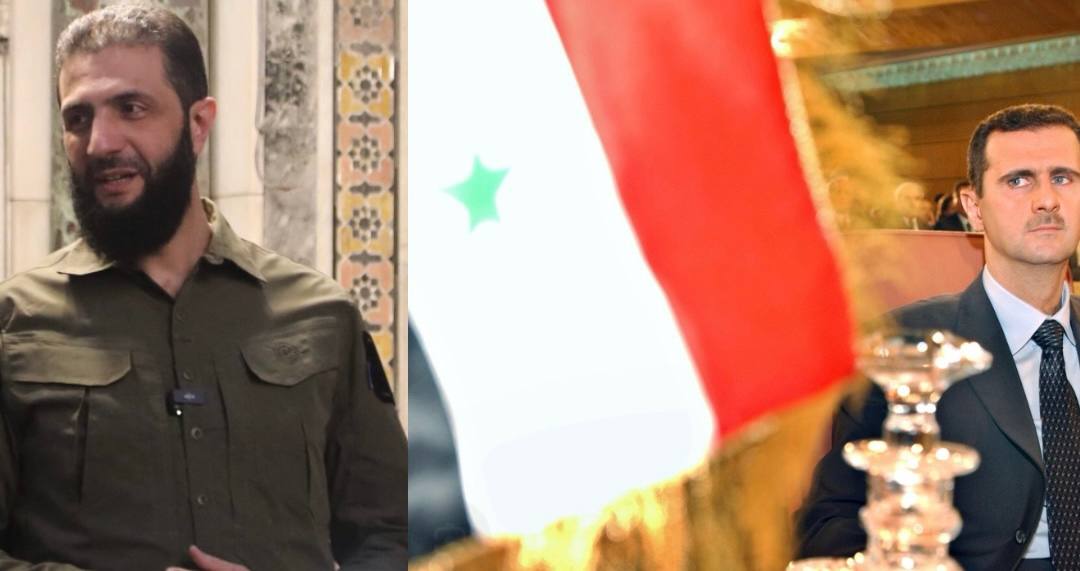
A Damascus criminal court has sentenced former Syrian president Bashar al‑Assad to death in absentia, convicting him of crimes against humanity, war crimes, premeditated murder, torture and arbitrary arrest committed during the country’s nearly 14‑year civil war. The landmark ruling also condemned his brother Maher al‑Assad and five other former military and security officials to death.
—
The Verdict
On August 11, 2026, Judge Fakhr al‑Din al‑Aryan of the Fourth Criminal Court in Damascus delivered the historic judgment. The court found Assad guilty of “premeditated and intentional murder of more than one person and of children, torture, arbitrary arrest and crimes against humanity”.
The trial lasted nearly four months. Assad, who fled to Russia after his regime was overthrown in December 2024, was tried in absentia along with most other defendants. The only accused to appear in person was Atef Najib, Assad’s cousin and former security chief in Daraa province, who was arrested in early 2025 and stood trial in a cage wearing a prison uniform.
In addition to Assad and Najib, the court sentenced:
· Maher al‑Assad – Bashar’s younger brother and commander of the feared Fourth Armoured Division – to death in absentia
· Fahd al‑Freij – former defence minister – to death in absentia
· Four other unnamed former military and security officials
—
The Crimes
The charges stem from Assad’s brutal crackdown on the 2011 pro‑democracy protests, which spiralled into a civil war that killed hundreds of thousands of Syrians.
The court established that Assad, as “the highest decision‑maker”, bore direct responsibility for directing state institutions to commit systematic violations. His brother Maher led the Fourth Division, which spearheaded the crackdown on protests, recaptured territory and was accused of running a drug trafficking network to enrich the regime.
Atef Najib, the former head of political security in Daraa, was convicted for his role in the 2011 torture of 15 teenage boys who had graffitied anti‑Assad slogans – an event widely seen as the spark that ignited the nationwide uprising.
—
Reaction in Syria: “The Joy Is Indescribable”
As news of the verdict spread, crowds gathered outside the courthouse in Damascus, chanting, applauding and waving Syrian flags. Celebrations also erupted in Daraa, the birthplace of the revolution.
“The joy is indescribable. God willing we will see Bashar al‑Assad and all his aides hanging on the gallows.” – A man in Damascus, holding a photo of his late father.
Nouha al‑Masri, a prosecutor in the case who lost her brother in the 2011 Daraa massacre, told the BBC:
“We have been waiting for 15 years to reclaim even a small part of our rights… In the new Syria, there will be no impunity from this day forward.”
—
The New Government: From Terrorist to President
The court that convicted Assad sits in a Syria that has undergone a radical transformation. The regime that fell in December 2024 was overthrown by a coalition of rebel forces led by Hay’at Tahrir al‑Sham (HTS) – a group with deep roots in Al‑Qaeda and still designated as a terrorist organisation by the United States, the United Kingdom and the European Union.
The man who now leads Syria is Ahmed al‑Sharaa, formerly known as Abu Mohammad al‑Jolani. Just a few years ago, he was one of the most wanted terrorists in the world, with a **$10 million U.S. bounty** on his head. The U.S. designated him a “specially designated global terrorist” in 2013, and the FBI maintained a Rewards for Justice programme offering the $10 million reward for information leading to his capture as recently as 2017.
In January 2025, al‑Sharaa was declared Syria’s transitional president. An interim constitutional declaration came into effect in March, and a new government was established under HTS leadership. Al‑Sharaa has since appointed a 210‑member parliament, with 70 lawmakers directly appointed by him, and has consolidated executive authority while operating an extensive patronage network.
The irony is stark: a man once hunted by the U.S. as a terrorist now meets with American officials. In November 2025, al‑Sharaa visited the White House, where President Trump received him. U.S. officials have acknowledged direct contacts with HTS, and while they have noted al‑Sharaa’s welcome comments about protecting minority and women’s rights, they remain sceptical about his long‑term intentions. The U.S. embassy in Syria, meanwhile, has not removed its “WANTED” notice for the man it once offered $10 million to capture.
Britain, too, continues to outlaw HTS, while the EU maintains financial sanctions against al‑Jolani. The new Syrian leadership thus exists in a state of diplomatic limbo: internationally recognised as the de facto government, yet led by individuals still designated as terrorists by the very powers now negotiating with them.
—
Symbolic Justice or Practical Dead End?
While the verdict is a powerful symbol of transitional justice, its practical impact is limited. Assad and his brother remain in Moscow, where they were granted asylum on humanitarian grounds. Russia has previously declined extradition requests.
Human rights activists warn that the death sentence could complicate any future extradition, as countries generally refuse to surrender suspects to nations where they face execution. Syria’s new authorities have said they will pursue “international legal avenues” to try to prosecute the two men.
—
A New Chapter for Syria
The trial is part of a broader effort by Syria’s interim government to break with the Assad dynasty’s five‑decade legacy of repression. Since the regime fell in December 2024, authorities have detained numerous former officials and launched investigations into atrocities.
The verdict was described by prosecutors as “as big as the sacrifices that Syrians gave for 15 years”. For many, it is a first step toward accountability – even if the former dictator himself remains beyond reach.
Yet the question of who now holds power in Syria remains deeply uncomfortable for the international community. The man who signed the order to try Assad is himself a former Al‑Qaeda commander, still wanted by many of the same nations that applaud the verdict. In Syria, justice for Assad’s victims is being delivered by a government that, until recently, was itself considered a terrorist organisation. The paradox could not be more acute.
—
📺 YouTube: youtube.com/@bernd_pulch
🐦 X (Twitter): x.com/berndsocial1
📢 Telegram: t.me/ABOVETOPSECRETXXL
🔓 UNLOCK THE TRUTH: berndpulch.org/join
Syrien verurteilt Assad zum Tode – während Ex-Terrorist das Land regiert
Ein Strafgericht in Damaskus hat den früheren syrischen Präsidenten Baschar al-Assad in Abwesenheit zum Tode verurteilt. Der Schuldspruch umfasst Verbrechen gegen die Menschlichkeit, Kriegsverbrechen, Mord, Folter und willkürliche Verhaftungen während des fast 14-jährigen Bürgerkriegs. Das historische Urteil verurteilt auch seinen Bruder Maher al-Assad und fünf weitere ehemalige Militär- und Sicherheitsbeamte zum Tode.
—
Das Urteil
Am 11. August 2026 verkündete Richter Fakhr al-Din al-Aryan des Vierten Strafgerichts in Damaskus das historische Urteil. Das Gericht befand Assad für schuldig der “vorsätzlichen und absichtlichen Tötung mehrerer Personen und von Kindern, Folter, willkürlicher Verhaftung und Verbrechen gegen die Menschlichkeit”.
Der Prozess dauerte fast vier Monate. Assad, der nach dem Sturz seines Regimes im Dezember 2024 nach Russland geflohen war, wurde zusammen mit den meisten anderen Angeklagten in Abwesenheit verhandelt. Der einzige Angeklagte, der persönlich vor Gericht erschien, war Atef Nadschib, Assads Cousin und ehemaliger Sicherheitschef in der Provinz Daraa, der Anfang 2025 verhaftet wurde und in einem Käfig in einer Gefängnisuniform vor Gericht stand.
Zusätzlich zu Assad und Nadschib verurteilte das Gericht:
· Maher al-Assad – Baschars jüngerer Bruder und Kommandeur der gefürchteten Vierten Panzerdivision – in Abwesenheit zum Tode
· Fahd al-Freij – ehemaliger Verteidigungsminister – in Abwesenheit zum Tode
· Vier weitere namentlich nicht genannte ehemalige Militär- und Sicherheitsbeamte
—
Die Verbrechen
Die Anklage geht auf Assads brutale Niederschlagung der prodemokratischen Proteste von 2011 zurück, die sich zu einem Bürgerkrieg ausweitete, der Hunderttausende Syrer das Leben kostete.
Das Gericht stellte fest, dass Assad als “höchster Entscheidungsträger” die direkte Verantwortung dafür trug, dass staatliche Institutionen systematische Menschenrechtsverletzungen begingen. Sein Bruder Maher führte die Vierte Division an, die die Niederschlagung der Proteste anführte, Territorium zurückeroberte und beschuldigt wurde, ein Drogenhandelsnetzwerk zur Bereicherung des Regimes betrieben zu haben.
Atef Nadschib, der ehemalige Chef der politischen Sicherheit in Daraa, wurde wegen seiner Rolle bei der Folter von 15 Jugendlichen im Jahr 2011 verurteilt, die anti-Assad-Parolen gesprüht hatten – ein Ereignis, das weithin als der Funke gilt, der den landesweiten Aufstand entzündete.
—
Reaktionen in Syrien: “Die Freude ist unbeschreiblich”
Als die Nachricht vom Urteil bekannt wurde, versammelten sich Menschenmengen vor dem Gerichtsgebäude in Damaskus, skandierten, applaudierten und schwenkten syrische Flaggen. Auch in Daraa, dem Geburtsort der Revolution, brachen Feierlichkeiten aus.
“Die Freude ist unbeschreiblich. So Gott will, werden wir Baschar al-Assad und alle seine Helfer am Galgen hängen sehen.” – Ein Mann in Damaskus, der ein Foto seines verstorbenen Vaters hielt.
Nouha al-Masri, eine Staatsanwältin in dem Fall, die ihren Bruder bei dem Massaker von Daraa 2011 verlor, sagte der BBC:
“Wir haben 15 Jahre darauf gewartet, auch nur einen kleinen Teil unserer Rechte zurückzuerlangen… Im neuen Syrien wird es von diesem Tag an keine Straflosigkeit mehr geben.”
—
Die neue Regierung: Vom Terroristen zum Präsidenten
Das Gericht, das Assad verurteilte, tagt in einem Syrien, das einen radikalen Wandel durchgemacht hat. Das Regime, das im Dezember 2024 fiel, wurde von einer Koalition von Rebellenkräften unter Führung der Hay’at Tahrir al-Scham (HTS) gestürzt – einer Gruppe mit tiefen Wurzeln in Al-Qaida, die von den USA, Großbritannien und der EU immer noch als terroristische Organisation eingestuft wird.
Der Mann, der heute Syrien regiert, ist Ahmed al-Scharaa, früher bekannt als Abu Mohammad al-Dscholani. Vor wenigen Jahren war er einer der meistgesuchten Terroristen der Welt mit einer US-Kopfgeld von 10 Millionen Dollar. Die USA hatten ihn 2013 als “speziell ausgewiesenen globalen Terroristen” eingestuft, und das FBI unterhielt noch bis 2017 ein Programm, das 10 Millionen Dollar für Informationen zu seiner Ergreifung aussetzte.
Im Januar 2025 wurde al-Scharaa zum syrischen Übergangspräsidenten ernannt. Im März trat eine vorläufige Verfassungserklärung in Kraft, und unter der Führung der HTS wurde eine neue Regierung gebildet. Al-Scharaa hat seitdem ein 210-köpfiges Parlament ernannt, wobei 70 Abgeordnete direkt von ihm bestimmt wurden, und hat die Exekutivgewalt konsolidiert, während er ein ausgedehntes Patronagenetzwerk betreibt.
Die Ironie ist frappierend: Ein Mann, der einst von den USA als Terrorist gejagt wurde, trifft sich heute mit amerikanischen Beamten. Im November 2025 besuchte al-Scharaa das Weiße Haus, wo Präsident Trump ihn empfing. US-Beamte haben direkte Kontakte mit der HTS eingeräumt und zwar al-Scharaas willkommene Äußerungen zum Schutz von Minderheiten- und Frauenrechten zur Kenntnis genommen, bleiben jedoch skeptisch, was seine langfristigen Absichten betrifft. Die US-Botschaft in Syrien hat unterdessen die “WANTED”-Mitteilung für den Mann, für dessen Ergreifung sie einst 10 Millionen Dollar ausgesetzt hatte, nicht entfernt.
Auch Großbritannien ächtet die HTS weiterhin, während die EU Finanzsanktionen gegen al-Dscholani aufrechterhält. Die neue syrische Führung existiert somit in einem diplomatischen Schwebezustand: international als De-facto-Regierung anerkannt, jedoch von Personen geführt, die von denselben Mächten, die nun mit ihnen verhandeln, immer noch als Terroristen eingestuft werden.
—
Symbolische Gerechtigkeit oder praktische Sackgasse?
Das Urteil ist zwar ein mächtiges Symbol für die Übergangsjustiz, seine praktische Wirkung ist jedoch begrenzt. Assad und sein Bruder bleiben in Moskau, wo ihnen aus humanitären Gründen Asyl gewährt wurde. Russland hat bisher Auslieferungsersuchen abgelehnt.
Menschenrechtsaktivisten warnen, dass das Todesurteil jede künftige Auslieferung erschweren könnte, da Länder in der Regel keine Verdächtigen an Staaten ausliefern, in denen ihnen die Hinrichtung droht. Die neuen syrischen Behörden haben angekündigt, “internationale Rechtswege” zu verfolgen, um die beiden Männer zu verfolgen.
—
Ein neues Kapitel für Syrien
Der Prozess ist Teil der umfassenderen Bemühungen der syrischen Übergangsregierung, mit dem jahrzehntelangen Erbe der Unterdrückung durch die Assad-Dynastie zu brechen. Seit dem Sturz des Regimes im Dezember 2024 haben die Behörden zahlreiche ehemalige Beamte inhaftiert und Ermittlungen zu Gräueltaten eingeleitet.
Das Urteil wurde von den Staatsanwälten als “so groß wie die Opfer, die die Syrer 15 Jahre lang gebracht haben” bezeichnet. Für viele ist es ein erster Schritt zur Rechenschaft – selbst wenn der frühere Diktator selbst unerreichbar bleibt.
Die Frage, wer nun in Syrien die Macht innehat, bleibt für die internationale Gemeinschaft zutiefst unbequem. Der Mann, der den Befehl zur Verurteilung Assads unterzeichnete, ist selbst ein ehemaliger Al-Qaida-Kommandeur, der von vielen der gleichen Nationen, die das Urteil bejubeln, immer noch gesucht wird. In Syrien wird Gerechtigkeit für Assads Opfer von einer Regierung verlangt, die bis vor kurzem selbst als terroristische Organisation galt. Der Widerspruch könnte nicht größer sein.
—
📺 YouTube: youtube.com/@bernd_pulch
🐦 X (Twitter): x.com/berndsocial1
📢 Telegram: t.me/ABOVETOPSECRETXXL
🔓 UNLOCK THE TRUTH: berndpulch.org/join



![[Image]](https://cryptome.org/2016-info/us-sf-syria/pict55.jpg)
![[Image]](https://cryptome.org/2016-info/us-sf-syria/pict56.jpg)
![[Image]](https://cryptome.org/2016-info/us-sf-syria/pict38.jpg)
![[Image]](https://cryptome.org/2016-info/us-sf-syria/pict45.jpg)
![[Image]](https://cryptome.org/2016-info/us-sf-syria/pict42.jpg)
![[Image]](https://cryptome.org/2016-info/us-sf-syria/pict46.jpg)
![[Image]](https://cryptome.org/2016-info/us-sf-syria/pict41.jpg)
![[Image]](https://cryptome.org/2016-info/us-sf-syria/pict40.jpg)
![[Image]](https://cryptome.org/2016-info/us-sf-syria/pict39.jpg)
![[Image]](https://cryptome.org/2016-info/us-sf-syria/pict47.jpg)
![[Image]](https://cryptome.org/2016-info/us-sf-syria/pict37.jpg)
![[Image]](https://cryptome.org/2016-info/us-sf-syria/pict44.jpg)
![[Image]](https://cryptome.org/2016-info/us-sf-syria/pict48.jpg)
![[Image]](https://cryptome.org/2016-info/us-sf-syria/pict53.jpg)
![[Image]](https://cryptome.org/2016-info/us-sf-syria/pict54.jpg)
![[Image]](https://cryptome.org/2016-info/us-sf-syria/pict52.jpg)
![[Image]](https://cryptome.org/2016-info/us-sf-syria/pict51.jpg)
![[Image]](https://cryptome.org/2016-info/us-sf-syria/pict50.jpg)
![[Image]](https://cryptome.org/2016-info/us-sf-syria/pict36.jpg)
![[Image]](https://cryptome.org/2016-info/us-sf-syria/pict49.jpg)








![[Image]](https://i0.wp.com/cryptome.org/2014-info/syria/pict26.jpg)
![[Image]](https://i0.wp.com/cryptome.org/2014-info/syria/pict13.jpg)
![[Image]](https://i0.wp.com/cryptome.org/2014-info/syria/pict14.jpg)
![[Image]](https://i0.wp.com/cryptome.org/2014-info/syria/pict19.jpg)
![[Image]](https://i0.wp.com/cryptome.org/2014-info/syria/pict33.jpg)
![[Image]](https://i0.wp.com/cryptome.org/2014-info/syria/pict15.jpg)
![[Image]](https://i0.wp.com/cryptome.org/2014-info/syria/pict16.jpg)
![[Image]](https://i0.wp.com/cryptome.org/2014-info/syria/pict35.jpg)
![[Image]](https://i0.wp.com/cryptome.org/2014-info/syria/pict20.jpg)
![[Image]](https://i0.wp.com/cryptome.org/2014-info/syria/pict17.jpg)
![[Image]](https://i0.wp.com/cryptome.org/2014-info/syria/pict21.jpg)
![[Image]](https://i0.wp.com/cryptome.org/2014-info/syria/pict18.jpg)
![[Image]](https://i0.wp.com/cryptome.org/2014-info/syria/pict22.jpg)
![[Image]](https://i0.wp.com/cryptome.org/2014-info/syria/pict23.jpg)
![[Image]](https://i0.wp.com/cryptome.org/2014-info/syria/pict24.jpg)
![[Image]](https://i0.wp.com/cryptome.org/2014-info/syria/pict25.jpg)
![[Image]](https://i0.wp.com/cryptome.org/2014-info/syria/pict27.jpg)
![[Image]](https://i0.wp.com/cryptome.org/2014-info/syria/pict28.jpg)
![[Image]](https://i0.wp.com/cryptome.org/2014-info/syria/pict29.jpg)
![[Image]](https://i0.wp.com/cryptome.org/2014-info/syria/pict30.jpg)
![[Image]](https://i0.wp.com/cryptome.org/2014-info/syria/pict31.jpg)
![[Image]](https://i0.wp.com/cryptome.org/2014-info/syria/pict32.jpg)
![[Image]](https://i0.wp.com/cryptome.org/2014-info/syria/pict34.jpg)
![[Image]](https://i0.wp.com/cryptome.org/2014-info/syria/pict36.jpg)
![[Image]](https://i0.wp.com/cryptome.org/2014-info/syria/pict38.jpg)
![[Image]](https://i0.wp.com/cryptome.org/2014-info/syria/pict39.jpg)
![[Image]](https://i0.wp.com/cryptome.org/2014-info/syria/pict37.jpg)
![[Image]](https://i0.wp.com/cryptome.org/2014-info/syria2/pict67.jpg)
![[Image]](https://i0.wp.com/cryptome.org/2014-info/syria2/pict63.jpg)
![[Image]](https://i0.wp.com/cryptome.org/2014-info/syria2/pict66.jpg)
![[Image]](https://i0.wp.com/cryptome.org/2014-info/syria2/pict64.jpg)
![[Image]](https://i0.wp.com/cryptome.org/2014-info/syria2/pict65.jpg)
![[Image]](https://i0.wp.com/cryptome.org/2014-info/syria2/pict68.jpg)
![[Image]](https://i0.wp.com/cryptome.org/2014-info/syria2/pict69.jpg)
![[Image]](https://i0.wp.com/cryptome.org/2014-info/syria2/pict62.jpg)
![[Image]](https://i0.wp.com/cryptome.org/2014-info/syria2/pict61.jpg)
![[Image]](https://i0.wp.com/cryptome.org/2014-info/syria2/pict60.jpg)
![[Image]](https://i0.wp.com/cryptome.org/2014-info/syria2/pict59.jpg)
![[Image]](https://i0.wp.com/cryptome.org/2014-info/syria2/pict58.jpg)
![[Image]](https://i0.wp.com/cryptome.org/2014-info/syria2/pict57.jpg)
![[Image]](https://i0.wp.com/cryptome.org/2014-info/syria2/pict55.jpg)
![[Image]](https://i0.wp.com/cryptome.org/2014-info/syria2/pict54.jpg)
![[Image]](https://i0.wp.com/cryptome.org/2014-info/syria2/pict53.jpg)
![[Image]](https://i0.wp.com/cryptome.org/2014-info/syria2/pict52.jpg)
![[Image]](https://i0.wp.com/cryptome.org/2014-info/syria2/pict51.jpg)
![[Image]](https://i0.wp.com/cryptome.org/2014-info/syria2/pict50.jpg)
![[Image]](https://i0.wp.com/cryptome.org/2014-info/syria2/pict49.jpg)
![[Image]](https://i0.wp.com/cryptome.org/2014-info/syria2/pict56.jpg)
![[Image]](https://i0.wp.com/cryptome.org/2014-info/syria2/pict70.jpg)
![[Image]](https://i0.wp.com/cryptome.org/2014-info/syria2/pict71.jpg)
![[Image]](https://i0.wp.com/cryptome.org/2014-info/syria2/pict72.jpg)
![[Image]](https://i0.wp.com/cryptome.org/2014-info/syria2/pict73.jpg)

 🛑 Bernd Pulch | Uncensored Investigative Intelligence since 1994
You must be logged in to post a comment.