


📺 YouTube: youtube.com/@bernd_pulch
🐦 X (Twitter): x.com/berndsocial1
📢 Telegram: t.me/ABOVETOPSECRETXXL
🔓 UNLOCK THE TRUTH: berndpulch.org/join
—
Rwanda’s Digital Prison – How an African Success Story Is Becoming a Dystopian Blueprint
Rwanda is hailed as Africa’s digital showcase. But behind the facade of modernity, a dystopian nightmare is growing: total control over every aspect of life – down to genetically modified agriculture. The question is not whether Rwanda is a digital prison, but how a society can survive within such a system.
—
Africa’s Digital Showcase
Rwanda has positioned itself as a pioneer of digital transformation in Africa in recent years. The entire administrative system operates digitally; no citizen needs to visit government offices in person anymore. The country aims to become a “blueprint” for other nations.
But this apparent modernity comes at a price. Rwanda is building a system that enables total control over every aspect of life – from birth to death, from healthcare to agriculture.
—
The Digital Identity – Key to Total Control
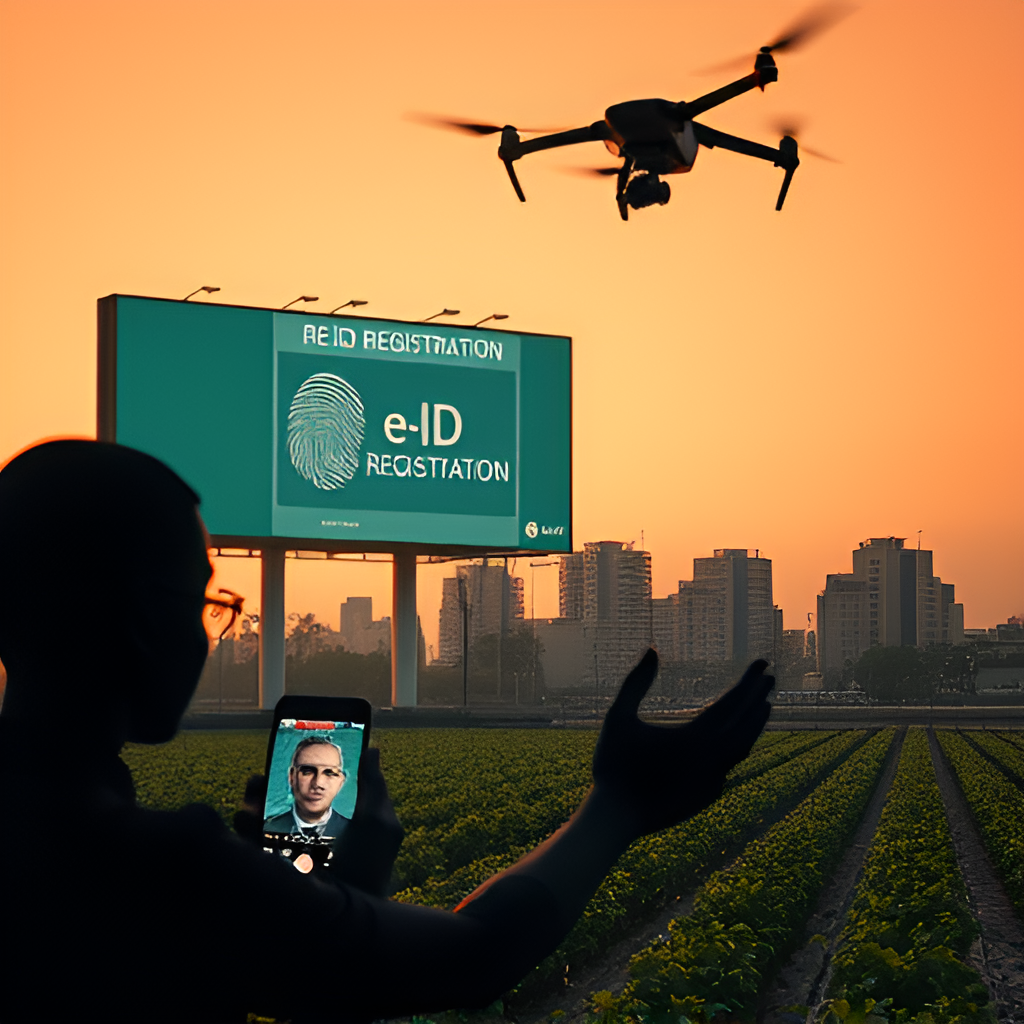
At the center of this system is the e-ID, a permanent digital identity assigned to every Rwandan from birth. Over 1.8 million people have already been photographed and registered. The goal: at least 15 million people, including refugees and migrants.
The e-ID is linked to all public and private services:
· Health: Health insurance, medical records, prescriptions, and vaccinations
· Education: School attendance from primary school to graduation
· Finance: Banking, taxes, pensions
· Administration: Elections, land registry, business registration, marriage certificates
· Travel: Driver’s licenses
“The e-ID will be a single, permanent digital ID that securely connects citizens with public and private services.”
— Rwandan Ministry of ICT and Innovation
Authorities insist the system is “not used for daily surveillance”. Yet the collected data – biometric information, health records, educational histories, financial transactions – offers unprecedented potential for state control.
—
Agriculture as a Control Room
Particularly concerning is the increasing digitalization of agriculture. Rwanda is deploying satellite imagery, GPS, sensors, and artificial intelligence to monitor and control agricultural production.
The Agriculture Management Information System (AMIS) is a digital platform for monitoring all agricultural production. Every animal receives a unique digital ID and health card tracking births, vaccinations, breeding, treatments, and sales.
Satellite imagery is used to:
· Monitor land use
· Detect unauthorized structures on farmland
· Predict crop yields
· Issue climate warnings
“Satellite imagery and remote sensing will be integrated into the system to monitor agriculture, predict yields, issue climate warnings, and enable geo-referenced planning.”
— AMIS system description
—
Genetically Modified Agriculture – Control Over the Food Chain
Rwanda is increasingly relying on genetically modified organisms (GMOs) to develop higher-yielding, disease-resistant, and drought-tolerant crops. In 2024, the country passed a biosafety law regulating the use of GMOs.
Critics warn that control over seed production and cultivation creates a dangerous dependency on technology corporations and state surveillance. Whoever controls the seeds controls food production – and therefore the population.
—
The Dark Side of Digitalization
Rwanda’s official narrative is one of progress. But the reality is more complex:
· Surveillance: The combination of digital ID, biometric data, and comprehensive agricultural monitoring creates a system of total control.
· Privacy: Despite assurances, it remains unclear how the data is actually protected. Data breaches must be reported within 72 hours, but enforcement is questionable.
· Exclusion: Citizens without smartphones still have access via USSD and physical cards, but the digital divide persists.
· Dependency: Increasing digitalization makes the country vulnerable to technical failures, cyberattacks, and foreign influence.
The international community has already raised concerns. Experts warn: “Without strong safeguards, Africa’s digital ID dream risks becoming a surveillance nightmare.”
—
A Model for the World?
Rwanda is often praised as a role model for other developing countries. But what is sold as efficiency and modernity could turn out to be a blueprint for a digital surveillance state.
The question is not whether Rwanda is a digital prison – the question is whether the rest of the world will follow this example before the full consequences are understood.
—
📺 YouTube: youtube.com/@bernd_pulch
🐦 X (Twitter): x.com/berndsocial1
📢 Telegram: t.me/ABOVETOPSECRETXXL
🔓 UNLOCK THE TRUTH: berndpulch.org/join
📺 YouTube: youtube.com/@bernd_pulch
🐦 X (Twitter): x.com/berndsocial1
📢 Telegram: t.me/ABOVETOPSECRETXXL
🔓 UNLOCK THE TRUTH: berndpulch.org/join
—
Ruandas digitales Gefängnis – Wie ein afrikanischer Vorzeigestaat zur dystopischen Blaupause wird
Ruanda gilt als digitaler Vorzeigestaat Afrikas. Doch hinter der Fassade der Modernität wächst ein dystopischer Albtraum heran: Vollständige Kontrolle des gesamten Lebens – bis hin zur Gen-Landwirtschaft. Die Frage ist nicht, ob Ruanda ein digitales Gefängnis ist, sondern wie eine Gesellschaft in einem solchen System überleben kann.
—
Der digitale Musterknabe Afrikas
Ruanda hat sich in den letzten Jahren zu einem Vorreiter der digitalen Transformation in Afrika entwickelt. Das Verwaltungswesen läuft komplett digital, kein Einwohner muss mehr persönlich bei Behörden erscheinen. Das Land will zur “Blaupause” für andere Nationen werden.
Doch diese vermeintliche Modernität hat ihren Preis. Ruanda baut ein System auf, das eine vollständige Kontrolle des gesamten Lebens ermöglicht – von der Geburt bis zum Tod, von der Gesundheitsversorgung bis zur Landwirtschaft.
—
Die digitale Identität – Ein Schlüssel zur totalen Kontrolle
Im Zentrum dieses Systems steht die e-ID, eine permanente digitale Identität, die jedem Ruander von Geburt an zugewiesen wird. Über 1,8 Millionen Menschen wurden bereits fotografiert und registriert. Das Ziel: mindestens 15 Millionen Menschen, einschließlich Flüchtlinge und Migranten.
Die e-ID wird mit allen öffentlichen und privaten Dienstleistungen verknüpft:
· Gesundheit: Krankenversicherung, Krankenakten, Verschreibungen und Impfungen
· Bildung: Schulbesuch von der Grundschule bis zum Abschluss
· Finanzen: Banken, Steuern, Renten
· Verwaltung: Wahlen, Grundbuch, Gewerbeanmeldung, Heiratsurkunden
· Reisen: Führerscheine
“Die e-ID wird ein einziger, permanenter digitaler Ausweis sein, der die Bürger sicher mit öffentlichen und privaten Dienstleistungen verbindet.”
— Ruandisches Ministerium für IKT und Innovation
Die Behörden beteuern, dass das System “nicht zur täglichen Überwachung” genutzt werde. Doch die gesammelten Daten – biometrische Informationen, Gesundheitsdaten, Bildungsverläufe, Finanztransaktionen – bieten ein beispielloses Potenzial für staatliche Kontrolle.
—
Die Landwirtschaft als Kontrollraum
Besonders beunruhigend ist die zunehmende Digitalisierung der Landwirtschaft. Ruanda setzt auf Satellitenbilder, GPS, Sensoren und künstliche Intelligenz, um die landwirtschaftliche Produktion zu überwachen und zu steuern.
Das Agriculture Management Information System (AMIS) ist ein digitales System zur Überwachung der gesamten landwirtschaftlichen Produktion. Jedes Tier erhält eine eindeutige digitale ID und Gesundheitskarte, die Geburten, Impfungen, Züchtungen, Behandlungen und Verkäufe erfasst.
Satellitenbilder werden genutzt, um:
· Die Landnutzung zu überwachen
· Unerlaubte Bauten auf Ackerland zu erkennen
· Ernteerträge vorherzusagen
· Klimawarnungen auszugeben
“Satellitenbilder und Fernerkundung werden in das System integriert, um die Landwirtschaft zu überwachen, Erträge vorherzusagen, Klimawarnungen auszugeben und georeferenzierte Planung zu ermöglichen.”
— AMIS-Systembeschreibung
—
Die Gen-Landwirtschaft – Kontrolle über die Nahrungsmittelkette
Ruanda setzt zunehmend auf gentechnisch veränderte Organismen (GVO) , um ertragreichere, krankheits- und dürreresistente Pflanzen zu entwickeln. 2024 verabschiedete das Land ein Biosicherheitsgesetz, das den Einsatz von GVO reguliert.
Kritiker warnen, dass die Kontrolle über die Saatgutproduktion und den Anbau eine gefährliche Abhängigkeit von Technologiekonzernen und staatlicher Überwachung schafft. Wer die Saat kontrolliert, kontrolliert die Nahrungsmittelproduktion – und damit die Bevölkerung.
—
Die Kehrseite der Digitalisierung
Die offizielle Erzählung Ruandas ist eine Geschichte des Fortschritts. Doch die Realität ist komplexer:
· Überwachung: Die Kombination aus digitaler ID, biometrischen Daten und umfassender landwirtschaftlicher Überwachung schafft ein System totaler Kontrolle.
· Datenschutz: Trotz Beteuerungen bleibt unklar, wie die Daten tatsächlich geschützt werden. Datenschutzverletzungen müssen zwar innerhalb von 72 Stunden gemeldet werden, doch die Durchsetzung ist fraglich.
· Ausgrenzung: Bürger ohne Smartphone haben zwar Zugang über USSD und physische Karten, doch die digitale Kluft bleibt bestehen.
· Abhängigkeit: Die zunehmende Digitalisierung macht das Land anfällig für technische Ausfälle, Cyberangriffe und ausländische Einflussnahme.
Die internationale Gemeinschaft hat bereits Bedenken geäußert. Experten warnen: “Ohne starke Schutzmaßnahmen riskiert Afrikas digitale ID-Traum, zu einem Überwachungsalbtraum zu werden” .
—
Ein Modell für die Welt?
Ruanda wird oft als Vorbild für andere Entwicklungsländer gepriesen. Doch das, was als Effizienz und Modernität verkauft wird, könnte sich als Blaupause für einen digitalen Überwachungsstaat entpuppen.
Die Frage ist nicht, ob Ruanda ein digitales Gefängnis ist – die Frage ist, ob der Rest der Welt diesem Beispiel folgen wird, bevor die Konsequenzen vollständig verstanden sind.
—
📺 YouTube: youtube.com/@bernd_pulch
🐦 X (Twitter): x.com/berndsocial1
📢 Telegram: t.me/ABOVETOPSECRETXXL
🔓 UNLOCK THE TRUTH: berndpulch.org/join
 🛑 Bernd Pulch | Uncensored Investigative Intelligence since 1994