Featured

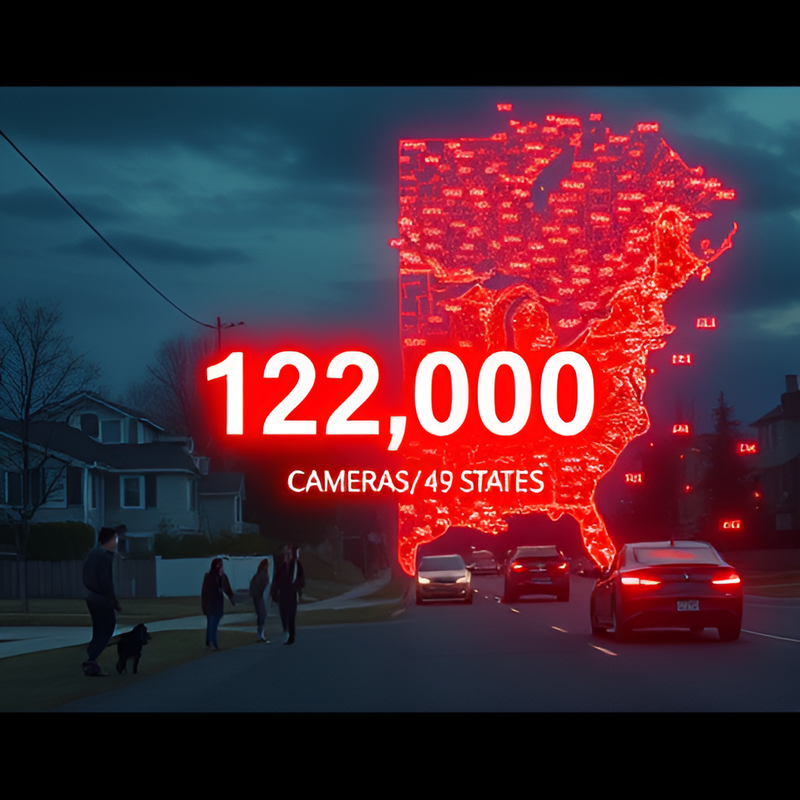
120,000 Flock Cameras in 49 States โ€“ Is the U.S. Becoming a Surveillance State?

Flock Safety’s Surveillance Network Exceeds 120,000 Cameras Across 49 States โ€“ Privacy Concerns Intensify

The Atlanta-based surveillance company Flock Safety has quietly built one of the largest automated license plate reader networks in American history, now operating more than 120,000 cameras across 49 states. With a valuation of $8.4 billion, the company’s rapid expansion has triggered a bipartisan backlash over mass surveillance, police misuse, and the erosion of constitutional privacy protections.


The Scale of the Network

Flock Safety’s cameras are deployed in more than 6,000 communities, serving over 5,000 law enforcement agencies. The network includes automated license plate readers (ALPRs) and pan-tilt-zoom (PTZ) cameras that collectively scan approximately 20 billion license plates per month.

The company, founded in 2017, has grown at a staggering pace. It raised $275 million in 2025 at a $7.5 billion valuation, and by April 2026, its valuation had climbed to $8.4 billion. Its cameras are used not only by police departments but also by local governments, businesses, schools, homeowners’ associations, and other private customers.

“Flock’s cameras turn a passing car into a searchable record containing its license plate, location, color, model, and even details such as bumper stickers or dents.”


How It Works

Flock cameras are positioned at intersections, neighborhood entrances, and parking lots. They capture still images of passing vehicles and convert them into searchable data. Officers can search for specific plates or broader descriptionsโ€”such as a “blue Toyota with a bumper sticker”โ€”and receive alerts when a “hotlisted” vehicle is detected.

Flock’s default policy is to delete license plate data after 30 days, though retention periods vary based on local agreements. Because the cameras are interconnected, a police officer in one state can be alerted if a vehicle appears in another.


The Backlash: Privacy, Misuse, and Abuse

As the network has grown, so has the opposition.

Police Misuse

A Washington Post investigation found that at least 50 American police officers have been charged with or accused of misusing license-plate-reading camera networks to stalk womenโ€”spying on partners, exes, and colleagues. Officers have used the system for personal surveillance.

False Alerts and Armed Stops

Documented evidence shows that the system generates false alerts at alarming rates. In one documented case, a 71% misread rate for stolen or felony vehicle alerts was recorded. Innocent people have been:

ยท Pulled from their vehicles at gunpoint
ยท Mauled by police dogs
ยท Jailed for weeks
ยท Subjected to wrongful arrest

At least 20 publicly documented incidents of mistaken identity, false arrest, or physical harm have been attributed to the system nationwide.

Security Vulnerabilities

Flock’s cybersecurity practices have also come under fire. At least 60 Flock cameras were found exposed online with no authenticationโ€”live feeds, 30 days of archived footage, and images of unattended children were accessible to anyone with the link. In November 2025, more than 35 stolen law enforcement passwords for Flock Safety appeared on Russian cybercrime forums. Senators Ron Wyden and Ro Khanna wrote to the FTC calling Flock’s cybersecurity practices “negligent”.


The Bipartisan Revolt

Opposition to Flock cameras has become one of the rare issues that unites Americans across the political spectrum.

“For people in the center or the non-politically engaged, it’s even like, ‘I don’t want to be tracked everywhere I go.’ … Everyone is arriving at the same position, which is mass government surveillance in this country has gotten completely out of control and needs to be reined in immediately.”
โ€” Chad Marlow, ACLU Senior Policy Counsel

Vandalism and Civil Disobedience

Frustration has boiled over into direct action. Cameras have been:

ยท Shot at in Tennessee
ยท Hit with a truck in California
ยท Beat with a baseball bat in Virginia
ยท Cut down with a saw in Texas
ยท Splattered with paint in New York
ยท Blocked by a lone protester sitting in a lawn chair in Florida

Cities Pull the Plug

At least 23 jurisdictions have voted to cancel or reject Flock contracts. Cities that have deactivated cameras or terminated contracts include:

ยท Fort Collins, Colorado
ยท Eugene, Oregon
ยท Madison, Wisconsin
ยท Knoxville, Tennessee
ยท Syracuse, New York
ยท Walla Walla, Washington


A Nationwide Surveillance Latticework

Because all Flock cameras are connected, they form a nationwide latticework of recorded activity. This allows warrantless tracking of vehicles across state lines.

Critics warn that this enables the tracking of routine trips to:

ยท Workplaces
ยท Medical clinics
ยท Religious centers
ยท Political events


What’s Next

The company faces growing scrutiny from state lawmakers, civil liberties groups, and federal regulators. A national week of action is planned for late August. Independent UN human rights experts have flagged the trajectory of digital surveillance tools, warning they are becoming “expansive, highly intrusive, remote and opaque” โ€”and highly prone to “surveillance creep” .

For now, Flock Safety’s cameras continue to multiply. But as one protester put it: “Rational people know it comes down to violating personal liberties.”


๐Ÿ“บ YouTube: youtube.com/@bernd_pulch
๐Ÿฆ X (Twitter): x.com/berndsocial1
๐Ÿ“ข Telegram: t.me/ABOVETOPSECRETXXL
๐Ÿ”“ UNLOCK THE TRUTH: berndpulch.org/join
๐Ÿ“บ YouTube: youtube.com/@bernd_pulch
๐Ÿฆ X (Twitter): x.com/berndsocial1
๐Ÿ“ข Telegram: t.me/ABOVETOPSECRETXXL
๐Ÿ”“ UNLOCK THE TRUTH: berndpulch.org/join


Flock Safety รผberwacht jetzt mit 120.000 Kameras 49 US-Bundesstaaten โ€“ Datenschutzbedenken wachsen

Das in Atlanta ansรคssige รœberwachungsunternehmen Flock Safety hat eines der grรถรŸten automatisierten Kennzeichenleser-Netzwerke der amerikanischen Geschichte aufgebaut โ€“ mit inzwischen mehr als 120.000 Kameras in 49 Bundesstaaten. Bei einer Bewertung von 8,4 Milliarden Dollar hat die rasche Expansion des Unternehmens einen รผberparteilichen Widerstand gegen Massenรผberwachung, Polizeifehlverhalten und die Aushรถhlung verfassungsrechtlicher Datenschutzrechte ausgelรถst.


Das AusmaรŸ des Netzwerks

Die Kameras von Flock Safety sind in mehr als 6.000 Gemeinden im Einsatz und bedienen รผber 5.000 Strafverfolgungsbehรถrden. Das Netzwerk umfasst automatisierte Kennzeichenleser (ALPRs) und Schwenk-Neige-Zoom-Kameras (PTZ), die gemeinsam etwa 20 Milliarden Kennzeichen pro Monat erfassen.

Das 2017 gegrรผndete Unternehmen ist rasant gewachsen. Es sammelte 2025 275 Millionen Dollar bei einer Bewertung von 7,5 Milliarden Dollar ein, und bis April 2026 war seine Bewertung auf 8,4 Milliarden Dollar gestiegen. Die Kameras werden nicht nur von Polizeibehรถrden genutzt, sondern auch von lokalen Regierungen, Unternehmen, Schulen, Hausbesitzervereinigungen und anderen privaten Kunden.

“Flocks Kameras verwandeln ein vorbeifahrendes Auto in einen durchsuchbaren Datensatz mit Kennzeichen, Standort, Farbe, Modell und sogar Details wie Aufklebern oder Dellen.”


Wie es funktioniert

Die Flock-Kameras sind an Kreuzungen, am Eingang von Wohngebieten und auf Parkplรคtzen positioniert. Sie erfassen Standbilder von vorbeifahrenden Fahrzeugen und wandeln sie in durchsuchbare Daten um. Beamte kรถnnen nach bestimmten Kennzeichen oder allgemeineren Beschreibungen suchen โ€“ wie etwa “blauer Toyota mit Aufkleber” โ€“ und erhalten Benachrichtigungen, wenn ein “als gestohlen gemeldetes” Fahrzeug erkannt wird.

Die Standardrichtlinie von Flock sieht vor, Kennzeichendaten nach 30 Tagen zu lรถschen, wobei die Aufbewahrungsfristen je nach lokalen Vereinbarungen variieren. Da die Kameras miteinander verbunden sind, kann ein Polizeibeamter in einem Bundesstaat benachrichtigt werden, wenn ein Fahrzeug in einem anderen auftaucht.


Der Widerstand: Datenschutz, Missbrauch und Fehlverhalten

Mit dem Wachstum des Netzwerks wuchs auch der Widerstand.

Polizeiliches Fehlverhalten

Eine Untersuchung der Washington Post ergab, dass mindestens 50 amerikanische Polizeibeamte angeklagt oder beschuldigt wurden, Kennzeichenleser-Netzwerke missbraucht zu haben, um Frauen zu belรคstigen โ€“ sie spionierten Partner, Ex-Partner und Kollegen aus. Beamte nutzten das System fรผr persรถnliche รœberwachungszwecke.

Falschmeldungen und bewaffnete Stopps

Dokumentierte Beweise zeigen, dass das System mit alarmierender Hรคufigkeit falsche Warnungen auslรถst. In einem dokumentierten Fall wurde eine Fehlerquote von 71 % bei Meldungen von gestohlenen oder als Straftat eingestuften Fahrzeugen festgestellt. Unschuldige Menschen wurden:

ยท Mit vorgehaltener Waffe aus ihren Fahrzeugen gezerrt
ยท Von Polizeihunden angegriffen
ยท Wochenlang inhaftiert
ยท Zu Unrecht verhaftet

Mindestens 20 รถffentlich dokumentierte Vorfรคlle von Identitรคtsverwechslungen, falschen Verhaftungen oder kรถrperlichen Schรคden wurden landesweit dem System zugeschrieben.

Sicherheitslรผcken

Auch die Cybersicherheitspraktiken von Flock sind in die Kritik geraten. Mindestens 60 Flock-Kameras wurden ohne Authentifizierung im Internet aufgefunden โ€“ Live-Streams, 30 Tage Archivmaterial und Bilder von unbeaufsichtigten Kindern waren fรผr jeden mit dem Link zugรคnglich. Im November 2025 tauchten mehr als 35 gestohlene Passwรถrter von Strafverfolgungsbehรถrden fรผr Flock Safety in russischen Cyberkriminalitรคtsforen auf. Die Senatoren Ron Wyden und Ro Khanna schrieben an die FTC und bezeichneten die Cybersicherheitspraktiken von Flock als “fahrlรคssig”.


Der รผberparteiliche Aufstand

Der Widerstand gegen Flock-Kameras ist zu einem der seltenen Themen geworden, die Amerikaner รผber das gesamte politische Spektrum hinweg vereinen.

“Fรผr Menschen in der Mitte oder politisch nicht Engagierte ist es sogar so: ‘Ich mรถchte nicht รผberall verfolgt werden.’ … Alle kommen zu dem gleichen Schluss: Die staatliche Massenรผberwachung in diesem Land ist vรถllig auรŸer Kontrolle geraten und muss sofort eingedรคmmt werden.”
โ€” Chad Marlow, ACLU Senior Policy Counsel

Vandalismus und ziviler Ungehorsam

Die Frustration ist in direkte Aktionen รผbergegangen. Kameras wurden:

ยท in Tennessee beschossen
ยท in Kalifornien von einem Lastwagen gerammt
ยท in Virginia mit einem Baseballschlรคger zertrรผmmert
ยท in Texas mit einer Sรคge durchtrennt
ยท in New York mit Farbe bespritzt
ยท in Florida von einem einzelnen Protestierenden, der auf einem Liegestuhl saรŸ, blockiert

Stรคdte ziehen den Stecker

Mindestens 23 Verwaltungsbezirke haben dafรผr gestimmt, Flock-Vertrรคge zu kรผndigen oder abzulehnen. Stรคdte, die Kameras deaktiviert oder Vertrรคge gekรผndigt haben, sind unter anderem:

ยท Fort Collins, Colorado
ยท Eugene, Oregon
ยท Madison, Wisconsin
ยท Knoxville, Tennessee
ยท Syracuse, New York
ยท Walla Walla, Washington


Ein landesweites รœberwachungsnetz

Da alle Flock-Kameras miteinander verbunden sind, bilden sie ein landesweites Geflecht aufgezeichneter Aktivitรคten. Dies ermรถglicht eine รผberwachungsfreie Verfolgung von Fahrzeugen รผber Staatsgrenzen hinweg.

Kritiker warnen, dass dies die Verfolgung von Routen zu folgenden Orten ermรถglicht:

ยท Arbeitsplรคtze
ยท Arztpraxen
ยท Religiรถse Zentren
ยท Politische Veranstaltungen


Wie es weitergeht

Das Unternehmen sieht sich wachsender Kontrolle durch Gesetzgeber, Bรผrgerrechtsgruppen und Bundesbehรถrden ausgesetzt. Fรผr Ende August ist eine landesweite Aktionswoche geplant. Unabhรคngige UN-Menschenrechtsexperten haben die Entwicklung digitaler รœberwachungswerkzeuge als bedenklich eingestuft und warnen, dass sie “umfangreich, hochgradig intrusiv, fern und undurchsichtig” werden โ€“ und sehr anfรคllig fรผr “รœberwachungsausweitung” .

Vorerst vermehren sich Flock Safetys Kameras weiter. Aber wie ein Protestierender es ausdrรผckte: “Rational denkende Menschen wissen, dass es darauf hinauslรคuft, persรถnliche Freiheiten zu verletzen.”


๐Ÿ“บ YouTube: youtube.com/@bernd_pulch
๐Ÿฆ X (Twitter): x.com/berndsocial1
๐Ÿ“ข Telegram: t.me/ABOVETOPSECRETXXL
๐Ÿ”“ UNLOCK THE TRUTH: berndpulch.org/join

Featured

Senate Report Exposes How JPMorgan Chase, Deutsche Bank & Bank of America Enabled Jeffrey Epstein’s 1.4 Billion Empire

“LOOKING THE OTHER WAY”: Senate Report Exposes How JPMorgan Chase, Deutsche Bank & Bank of America Enabled Jeffrey Epstein’s 1.4 Billion Empire

INTELLIGENCE BRIEFING โ€” AUGUST 9, 2026


EXECUTIVE SUMMARY

A bombshell 67-page report released by Senate Finance Committee Ranking Member Ron Wyden (D-Ore.) on August 4, 2026, reveals that three of the world’s largest banks โ€” JPMorgan Chase, Deutsche Bank, and Bank of America โ€” systematically violated federal anti-money laundering laws to protect convicted sex trafficker Jeffrey Epstein. The report, titled “Looking the Other Way,” caps a four-year investigation and names 13 senior bankers who allegedly shielded Epstein from federal scrutiny, allowing him to move over 1.4 billion in suspicious transactions over nearly two decades.

The investigation found that the banks failed to file timely Suspicious Activity Reports (SARs), actively coached Epstein on how to conceal cash withdrawals through shell companies, and continued working with him informally even after terminating him as a client โ€” all while knowing of the “pervasive presence of young women or underage girls at Epstein’s homes.”


I. THE INVESTIGATION

Senator Wyden’s investigation began in 2022 after an Apollo Global Management board report revealed that billionaire Leon Black had paid Epstein 158 million over five years for purported tax and estate planning advice โ€” a figure that dwarfed typical compensation for such services.

Over four years, Wyden’s staff:
– Reviewed thousands of Suspicious Activity Reports (SARs) filed with the U.S. Treasury Department
– Conducted an in-camera review of Treasury’s Epstein files on February 14, 2024
– Analyzed unsealed court records from lawsuits filed by Epstein’s victims and the U.S. Virgin Islands
– Examined internal bank emails, due diligence reports, and estate planning documents released under the Epstein Files Transparency Act

The result is a “ready-made roadmap for prosecutors, investigators and members of Congress to finally start holding the Epstein class accountable.”


II. THE NUMBERS: 1.4 BILLION IN SUSPICIOUS TRANSACTIONS

The report alleges that the three banks facilitated more than 1.4 billion in suspicious wire transfers connected to Epstein. All three banks waited until 2019 โ€” after Epstein was arrested on federal sex trafficking charges โ€” to retroactively flag “thousands of questionable transactions.”

JPMorgan Chase: Over 1 Billion in Delayed Reporting

JPMorgan Chase served as Epstein’s primary bank from 1998 to 2013. According to the report, the bank delayed reporting over 1 billion in suspicious Epstein-linked transfers to the Treasury Department.

– On September 26, 2019 โ€” six years after closing Epstein’s accounts โ€” JPMorgan retroactively flagged 4,725 wire transfers totaling nearly 1.1 billion.
– On August 13, 2019, JPMorgan flagged another 469 wire transfers totaling 201 million, including payments to women in Russia, Belarus, and Turkmenistan using foreign correspondent bank accounts at now-sanctioned Russian banks.
– JPMorgan earned approximately 8.1 million in fees from Epstein between 2009 and 2014.
– Epstein and his associates maintained 134 different bank accounts at JPMorgan, including accounts for Ghislaine Maxwell, Darren Indyke, Richard Kahn, and Nadia Marcinkova.

The report found that JPMorgan did not file a single SAR on Epstein for five years between May 2003 and September 2008, even though Epstein withdrew more than 3.5 million in cash during that period.

Deutsche Bank: 250 Million Reported Years Too Late

Deutsche Bank took Epstein on as a client in 2013 after JPMorgan exited the relationship. The report alleges that the German lender failed to promptly report more than 250 million in suspicious transactions, including funds used to pay women in Russia and other Eastern European countries.

In 2019, Deutsche Bank retroactively flagged 1,140 wire transfers totaling 147 million in and out of Epstein’s accounts.

Bank of America: 170 Million in Payments from Leon Black

Bank of America held accounts used by billionaire Leon Black to make payments to Epstein. The report alleges that approximately 170 million in Epstein-related transactions moved through the bank between 2012 and 2017 โ€” but the bank did not report them until February 2020, nearly eight months after Epstein’s arrest and five to seven years after the payments occurred.

Bank of America’s own SAR filing stated that the wire activity had “no apparent economic, business or lawful purpose” and “does not have a verifiable business purpose.”

The report notes that 90% of Epstein’s income over a five-year period came from Leon Black, making him “Epstein’s single largest source of funding.”


III. THE 13 BANKERS: NAMES, ROLES, AND ALLEGATIONS

The report names 13 senior bankers at JPMorgan Chase, Bank of America, and Deutsche Bank who allegedly protected Epstein. As of the report’s release, only one โ€” Jes Staley โ€” has faced any known consequences (he was forced out as CEO of Barclays). The rest remain employed in “extraordinarily lucrative positions.”

JPMorgan Chase Executives:

Name Role Allegations
Jes Staley Former Head of JPMorgan Private Bank Personally compromised by Epstein; central to maintaining Epstein’s relationship with JPMC; later became CEO of Barclays
Mary Erdoes CEO, JPMorgan Asset & Wealth Management In constant contact with Epstein; approved continued work with him after termination; signed off on Epstein working with Leon Black through client accounts
Stephen Cutler Former General Counsel, JPMC “Ultimate decider” on keeping Epstein as a client; overruled compliance teams trying to exit Epstein
John Duffy Former CEO, JPMC U.S. Private Bank Coached Epstein on how to withdraw cash through shell companies instead of personal accounts; personally managed Epstein’s “aviation account” withdrawals
Paul Morris Senior Private Banker Ranked Epstein among his top 3 clients with 500M net worth; part of Epstein’s core banking team
Mary Casey Vice Chair, JPMC Private Bank Received email from Jeff Matusow asking to be his “buddy” on Epstein’s accounts the day Epstein was released from jail in 2009
Jeff Matusow JPMorgan Private Banker Emailed Mary Casey on July 22, 2009: “Will you be my buddy on this one??” regarding Epstein
Justin Nelson JPMC Banker Handled Leon Black referral from Epstein in August 2013 after Epstein was terminated
David Brigstocke JPMC Executive Named in report as part of Epstein’s protection network
Paul Barrett JPMC Executive Named in report as part of Epstein’s protection network
Karen Weiss JPMC Executive Named in report as part of Epstein’s protection network
Stewart Oldfield JPMC Executive Named in report as part of Epstein’s protection network

Bank of America Executives:

Name Role Allegations
Jane Heller Black’s Principal Banker at BofA Supervised Black’s accounts; called Black’s family office “every day”; arranged 484M art-secured loan and 18M yacht loan for Black
Karen Weiss BofA Executive Co-managed Black’s accounts with Heller; failed to scrutinize 170M in payments to Epstein


IV. JPMORGAN EXECUTIVES COACHED EPSTEIN ON HOW TO CONCEAL WITHDRAWALS

One of the most damning findings involves John Duffy, then-CEO of JPMC’s U.S. Private Bank.

In March 2012, after a risk management executive flagged 160,000 in cash withdrawals by Epstein, Duffy responded that he had personally asked Epstein to stop withdrawing cash from personal accounts and instead do it from his “aviation account” to make the transactions appear more legitimate. Duffy wrote: “this is a better pattern than I thought…I did ask him to withdraw this cash from his aviation account for these payments.”

A 2013 JPMC compliance investigation noted that “traveling abroad to pay for fuel is not normal business practice” and that it was “unusual” for Epstein to withdraw so much cash for jet fuel, especially since he “maintains multiple homes and likely is not always leaving the country from New York where the cash is being withdrawn.” Despite this, JPMC filed no contemporaneous SAR.

The report concludes: “Top JPMC executives coached Epstein on how to withdraw cash through shell companies instead of his personal accounts, helping him conceal information from compliance personnel and government regulators.”


V. EPSTEIN PAID GHISLAINE MAXWELL 25 MILLION FROM JPMC ACCOUNTS

The report reveals that Epstein paid his convicted co-conspirator Ghislaine Maxwell at least 25 million from his JPMorgan accounts, including:

– 18.3 million in 1999
– 5 million in 2002
– 7.4 million in June 2007 for a helicopter purchase through “Air Ghislaine, Inc.”

These payments were made while Maxwell was actively assisting Epstein’s sex trafficking operation.


VI. JPMORGAN CONTINUED WORKING WITH EPSTEIN AFTER “TERMINATING” HIM

Despite claiming to have ended its relationship with Epstein in 2013, newly unsealed emails show that Mary Erdoes and other senior executives blessed efforts to continue working with Epstein after his termination.

On August 14, 2013, John Duffy emailed Erdoes: “He maintains that he will become Leon’s primary advisor and will be calling the shots. Wants to be sure he can work with us on Leon and others.” Duffy asked: “I told him we would work with him as long as it was through the client accounts, JE entities would not be acceptable. That’s ok right?”

Erdoes responded with a single letter: “Y.”

This indicates JPMorgan may have delayed reporting Epstein’s suspicious activity because the bank wanted to keep using him as a source of referrals for other ultra-wealthy clients, particularly Leon Black.


VII. THE ACCOMPLICES: INDYKE, KAH & BELLER

The report calls for criminal investigations into three key Epstein aides who “moved significant amounts of cash around the world on Epstein’s behalf”:

Name Role Key Finding
Darren Indyke Epstein’s longtime attorney; co-executor of estate Had signatory authority over Epstein’s accounts; controlled movement of funds
Richard Kahn Epstein’s accountant; co-executor of estate Moved significant cash for Epstein
Harry Beller Epstein’s in-house accountant Had power of attorney over Epstein’s JPMC accounts; withdrew 920,000 in cash between 2009-2013; cashed 20 checks totaling 800,000 in 40,000 increments between 2007-2008

SARs filed by JPMC documented that “both Indyke and Beller controlled movement of Epstein’s funds as signers of several Epstein accounts.”


VIII. OBSTRUCTION: TRUMP ADMINISTRATION, TREASURY, AND CBS NEWS

Treasury Department Obstruction

The report accuses the Trump-era Treasury Department of actively obstructing the investigation:

– Treasury Secretary Scott Bessent rejected three requests from Wyden to provide Epstein’s bank records to the Senate Finance Committee
– In 2024, committee investigators had to conduct an in-camera review at Treasury headquarters because Bessent refused to produce the records
– Senate Republicans blocked the Produce Epstein Treasury Records Act
– Deputy Attorney General Todd Blanche (Trump’s former personal lawyer) allegedly intervened to block the DEA from complying with Wyden’s requests

The report states: “In the past few months, Secretary Bessent has directed FinCEN to conduct a number of sweeping investigations into alleged fraud in Minnesota, yet scoffs at the idea of investigating the role Wall Street banks played in enabling Epstein’s global sex trafficking for decades.”

CBS News Suppresses 60 Minutes Segment

On March 26, 2026, Senator Wyden sat for a taped interview with then-60 Minutes correspondent Sharyn Alfonsi about the Epstein banking investigation. Shortly after the taping, CBS News leadership fired Alfonsi. The interview will not be aired, and it is unclear whether the broader segment will be broadcast.

Wyden stated: “David Ellison’s handpicked partisan lieutenant killed the segment and fired the lead reporter on the piece.”


IX. BANK RESPONSES

Bank Response
JPMorgan Chase “Strongly disagrees with the report’s conclusions…based on many false claims contradicted by easily-found public information.” Claims it began flagging transactions as early as 2002 and that no law enforcement agency contacted the bank for further action.
Bank of America “We take our legal and regulatory obligations seriously and, as we have previously said, the bank did not facilitate wrongdoing.”
Deutsche Bank “The bank regrets our historical connection with Jeffrey Epstein. We have cooperated with regulatory and law enforcement agencies…and have been transparent in addressing deficiencies.”

Notably, all three banks refused to cooperate with Senator Wyden’s investigation, declining to answer questions or provide documents.


X. 900 MILLION IN SETTLEMENTS โ€” BUT NO INDIVIDUAL ACCOUNTABILITY

Banks and Epstein’s estate have paid more than 900 million to settle Epstein-related lawsuits:

– JPMorgan Chase: 290 million (2023)
– Deutsche Bank: 75 million + 150 million NYDFS fine
– Bank of America: Undisclosed settlement amounts
– Leon Black: 62.5 million settlement with USVI (avoided criminal prosecution)
– Epstein Estate: Multiple nine-figure settlements

Yet not a single senior banker named in the report has faced criminal charges or regulatory discipline. Most remain in senior positions earning millions annually.


XI. WYDEN’S PROPOSED REFORMS

Senator Wyden plans to introduce legislation to reform federal anti-money laundering laws, including:

1. Personal confirmation by bankers that they have reviewed and conducted legally required due diligence for large wire transfers involving ultra-wealthy clients
2. Increased civil and criminal penalties for bankers who fail to report suspicious transactions in a timely manner
3. Mandatory notification to Treasury when a client is exited over concerns about human trafficking, money laundering, or other crimes
4. Community bank exemption from the new requirements


XII. CONCLUSION: THE EPSTEIN CLASS

Senator Wyden’s report is not merely about Jeffrey Epstein. It exposes a systemic rot at the heart of Wall Street: the willingness of the world’s most powerful banks to “look the other way” when the client is wealthy enough.

The evidence is now public. The names are named. The transactions are documented. The only question remaining is whether federal prosecutors, regulators, and Congress will act โ€” or whether the “Epstein class” will once again escape accountability.

As Wyden put it: “Jeffrey Epstein’s crimes were hiding in plain sight.”


SOURCES

– Primary Source: U.S. Senate Committee on Finance, “Looking the Other Way: How Wall Street Banks Enabled Jeffrey Epstein’s Sex Trafficking” (August 4, 2026) โ€” [Full PDF](https://www.finance.senate.gov/imo/media/doc/wyden_wall_street_epstein_report.pdf)
– Senate Press Release: [finance.senate.gov](https://www.finance.senate.gov/ranking-members-news/wyden-releases-new-report-on-failure-of-wall-street-banks-to-blow-the-whistle-on-jeffrey-epsteins-sex-trafficking-and-money-laundering-schemes)
– American Banker: [Senate report: Three big banks ignored red flags on Epstein](https://www.americanbanker.com/news/senate-report-three-big-banks-ignored-red-flags-on-epstein)
– NPR: [Senate Democrats say banks turned blind eye to suspicious moves by Jeffrey Epstein](https://www.npr.org/2026/08/04/nx-s1-5919238/jeffrey-epstein-jpmorgan-bank-of-america-deutsche-bank-senate-democrats)
– The American Prospect: [Sen. Wyden Report: Banks Systematically Ignored Jeffrey Epstein’s Crimes](https://prospect.org/2026/08/05/sen-wyden-report-banks-systematically-ignored-jeffrey-epsteins-crimes/)
– Axios: [Deutsche Bank, JPMorgan and BofA enabled Epstein](https://www.axios.com/2026/08/06/epstein-deutsche-bank-jpmorgan-bofa-wyden)


This is a developing story. Bernd Pulch will continue to monitor federal prosecutorial and regulatory responses to the Wyden report.

Hier ist die vollstรคndige deutsche รœbersetzung des Artikels:


โ€žWEGSCHAUEN”: Senatsbericht deckt auf, wie JPMorgan Chase, Deutsche Bank & Bank of America Jeffrey Epsteins Sexhandels-Imperium von 1,4 Milliarden Dollar ermรถglichten

INTELLIGENCE BRIEFING โ€” 9. AUGUST 2026


ZUSAMMENFASSUNG

Ein brisanter 67-seitiger Bericht des ranghรถchsten Mitglieds des Senatsausschusses fรผr Finanzen, Senator Ron Wyden (D-Ore.), verรถffentlicht am 4. August 2026, enthรผllt, dass drei der grรถรŸten Banken der Welt โ€” JPMorgan Chase, Deutsche Bank und Bank of America โ€” systematisch gegen bundesstaatliche Geldwรคschegesetze verstoรŸen haben, um den verurteilten Sexhรคndler Jeffrey Epstein zu schรผtzen. Der Bericht mit dem Titel โ€žLooking the Other Way” (Wegschauen) schlieรŸt eine vierjรคhrige Untersuchung ab und nennt 13 leitende Banker, die Epstein angeblich vor der Bundesaufklรคrung abschirmten und ihm ermรถglichten, รผber fast zwei Jahrzehnte mehr als 1,4 Milliarden Dollar in verdรคchtigen Transaktionen zu bewegen.

Die Untersuchung ergab, dass die Banken versรคumten, rechtzeitig Verdachtsanzeigen (SARs) einzureichen, Epstein aktiv dabei unterwiesen, wie er Bargeldabhebungen รผber Briefkastenfirmen verschleiern kรถnne, und auch nach der formalen Kรผndigung des Kundenverhรคltnisses informell mit ihm zusammenarbeiteten โ€” alles unter dem Wissen um die โ€žallgegenwรคrtige Prรคsenz junger Frauen oder minderjรคhriger Mรคdchen in Epsteins Hรคusern”.


I. DIE UNTERSUCHUNG

Senator Wydens Untersuchung begann 2022, nachdem ein von der Apollo Global Management-Geschรคftsfรผhrung in Auftrag gegebener Bericht enthรผllte, dass der Milliardรคr Leon Black Epstein รผber fรผnf Jahre hinweg 158 Millionen Dollar fรผr angebliche Steuer- und Nachlassplanungsberatung gezahlt hatte โ€” eine Summe, die typische Vergรผtungen fรผr solche Dienstleistungen bei Weitem รผbersteigt.

รœber vier Jahre hinweg fรผhrte Wydens Mitarbeiter Folgendes durch:
– รœberprรผfung von tausenden Verdachtsanzeigen (SARs), die beim US-Finanzministerium eingereicht wurden
– Eine geheime Prรผfung der Treasury-Epstein-Akten am 14. Februar 2024
– Analyse freigegebener Gerichtsakten aus Klagen von Epsteins Opfern und den Amerikanischen Jungferninseln (USVI)
– Untersuchung interner Bank-E-Mails, Due-Diligence-Berichte und Nachlassplanungsdokumente, die im Rahmen des Epstein Files Transparency Act freigegeben wurden

Das Ergebnis ist eine โ€žfertige StraรŸenkarte fรผr Staatsanwรคlte, Ermittler und Mitglieder des Kongresses, um endlich damit zu beginnen, die Epstein-Klasse zur Verantwortung zu ziehen.”


II. DIE ZAHLEN: 1,4 MILLIARDEN DOLLAR IN VERDร„CHTIGEN TRANSAKTIONEN

Der Bericht behauptet, dass die drei Banken mehr als 1,4 Milliarden Dollar in verdรคchtigen รœberweisungen im Zusammenhang mit Epstein ermรถglichten. Alle drei Banken warteten bis 2019 โ€” nach Epsteins Verhaftung wegen Bundes-Sexhandels โ€”, um nachtrรคglich โ€žtausende fragwรผrdige Transaktionen” zu kennzeichnen.

JPMorgan Chase: รœber 1 Milliarde Dollar in verspรคteter Meldung

JPMorgan Chase war von 1998 bis 2013 Epsteins Hausbank. Laut Bericht verzรถgerte die Bank die Meldung von รผber 1 Milliarde Dollar in verdรคchtigen, mit Epstein verbundenen รœberweisungen an das Finanzministerium.

– Am 26. September 2019 โ€” sechs Jahre nach SchlieรŸung von Epsteins Konten โ€” markierte JPMorgan nachtrรคglich 4.725 รœberweisungen im Gesamtwert von fast 1,1 Milliarden Dollar.
– Am 13. August 2019 markierte JPMorgan weitere 469 รœberweisungen im Wert von 201 Millionen Dollar, darunter Zahlungen an Frauen in Russland, Belarus und Turkmenistan รผber Auslandskorrespondenzbankkonten bei mittlerweile sanktionierten russischen Banken.
– JPMorgan verdiente zwischen 2009 und 2014 etwa 8,1 Millionen Dollar an Gebรผhren von Epstein.
– Epstein und seine Assoziierten unterhielten 134 verschiedene Bankkonten bei JPMorgan, darunter Konten fรผr Ghislaine Maxwell, Darren Indyke, Richard Kahn und Nadia Marcinkova.

Der Bericht ergab, dass JPMorgan zwischen Mai 2003 und September 2008 keine einzige SAR zu Epstein einreichte, obwohl Epstein in diesem Zeitraum mehr als 3,5 Millionen Dollar in bar abhob.

Deutsche Bank: 250 Millionen Dollar, Jahre zu spรคt gemeldet

Die Deutsche Bank nahm Epstein 2013 als Kunden auf, nachdem JPMorgan das Verhรคltnis beendet hatte. Der Bericht behauptet, dass der deutsche Kreditgeber versรคumte, rechtzeitig mehr als 250 Millionen Dollar in verdรคchtigen Transaktionen zu melden, darunter Gelder, die zur Bezahlung von Frauen in Russland und anderen osteuropรคischen Lรคndern verwendet wurden.

2019 markierte die Deutsche Bank nachtrรคglich 1.140 รœberweisungen im Gesamtwert von 147 Millionen Dollar, die auf Epsteins Konten flossen und von diesen abgingen.

Bank of America: 170 Millionen Dollar in Zahlungen von Leon Black

Die Bank of America unterhielt Konten, die der Milliardรคr Leon Black nutzte, um Zahlungen an Epstein zu leisten. Der Bericht behauptet, dass etwa 170 Millionen Dollar in Epstein-bezogenen Transaktionen zwischen 2012 und 2017 durch die Bank flossen โ€” die Bank meldete sie jedoch erst im Februar 2020, fast acht Monate nach Epsteins Verhaftung und fรผnf bis sieben Jahre nach den Zahlungen.

Die eigene SAR-Einreichung der Bank of America stellte fest, dass die รœberweisungen โ€žkeinen erkennbaren wirtschaftlichen, geschรคftlichen oder rechtmรครŸigen Zweck” hatten und โ€žkeinen nachweisbaren Geschรคftszweck” darstellten.

Der Bericht weist darauf hin, dass 90 % von Epsteins Einkommen รผber einen Fรผnfjahreszeitraum von Leon Black stammten, was ihn zu โ€žEpsteins mit Abstand grรถรŸter Geldquelle” machte.


III. DIE 13 BANKER: NAMEN, ROLLEN UND VORWรœRFE

Der Bericht nennt 13 leitende Banker bei JPMorgan Chase, Bank of America und der Deutschen Bank, die Epstein angeblich schรผtzten. Zum Zeitpunkt der Verรถffentlichung des Berichts hatte nur einer โ€” Jes Staley โ€” irgendwelche bekannten Konsequenzen zu tragen (er wurde als CEO von Barclays entlassen). Die รผbrigen sind weiterhin in โ€žauรŸerordentlich lukrativen Positionen” beschรคftigt.

JPMorgan Chase-Fรผhrungskrรคfte:

Name Rolle Vorwรผrfe
Jes Staley Ehemaliger Leiter der JPMorgan Private Bank Persรถnlich von Epstein kompromittiert; zentral fรผr die Aufrechterhaltung von Epsteins Beziehung zu JPMC; spรคter CEO von Barclays
Mary Erdoes CEO, JPMorgan Asset & Wealth Management Im stรคndigen Kontakt mit Epstein; billigte die Fortsetzung der Zusammenarbeit nach der Kรผndigung; genehmigte Epsteins Arbeit mit Leon Black รผber Kundenkonten
Stephen Cutler Ehemaliger General Counsel, JPMC โ€žUltimativer Entscheider” bei der Beibehaltung Epsteins als Kunde; setzte sich รผber Compliance-Teams hinweg, die Epsteins Ausstieg forderten
John Duffy Ehemaliger CEO, JPMC U.S. Private Bank Unterwies Epstein, wie er Bargeld รผber Briefkastenfirmen statt รผber Privatkonten abheben kรถnne; verwaltete persรถnlich Epsteins โ€žLuftfahrtkonto”-Abhebungen
Paul Morris Senior Private Banker Stufte Epstein unter seine Top-3-Kunden mit 500 Mio.  Nettovermรถgen ein; Teil von Epsteins Kernteam
Mary Casey Vizevorsitzende, JPMC Private Bank Erhielt am Tag von Epsteins Entlassung aus dem Gefรคngnis 2009 eine E-Mail von Jeff Matusow, der sie bat, seine โ€žBuddy” bei Epsteins Konten zu sein
Jeff Matusow JPMorgan Private Banker E-Mail an Mary Casey am 22. Juli 2009: โ€žWill you be my buddy on this one??” bezรผglich Epstein
Justin Nelson JPMC-Banker Bearbeitete Leon Black-Empfehlung von Epstein im August 2013, nachdem Epstein gekรผndigt worden war
David Brigstocke JPMC-Fรผhrungskraft Im Bericht als Teil von Epsteins Schutznetzwerk genannt
Paul Barrett JPMC-Fรผhrungskraft Im Bericht als Teil von Epsteins Schutznetzwerk genannt
Karen Weiss JPMC-Fรผhrungskraft Im Bericht als Teil von Epsteins Schutznetzwerk genannt
Stewart Oldfield JPMC-Fรผhrungskraft Im Bericht als Teil von Epsteins Schutznetzwerk genannt

Bank of America-Fรผhrungskrรคfte:

Name Rolle Vorwรผrfe
Jane Heller Blacks Hauptbankerin bei BofA รœberwachte Blacks Konten; rief im Familienoffice Blacks โ€žjeden Tag” an; arrangierte 484-Mio.- Kunst-gesichertes Darlehen und 18-Mio.- Yacht-Darlehen fรผr Black
Karen Weiss BofA-Fรผhrungskraft Co-verwaltete Blacks Konten mit Heller; versรคumte es, 170 Mio.  an Zahlungen an Epstein zu prรผfen


IV. JPMORGAN-FรœHRUNGSKRร„FTE UNTERWIESEN EPSTEIN, WIE ER ABHEBUNGEN VERSCHLEIERN Kร–NNTE

Einer der verheerendsten Befunde betrifft John Duffy, damals CEO der JPMC U.S. Private Bank.

Im Mรคrz 2012, nachdem ein Risikomanagement-Executive 160.000 Dollar in Bargeldabhebungen durch Epstein markiert hatte, antwortete Duffy, dass er Epstein persรถnlich gebeten habe, auf Bargeldabhebungen von Privatkonten zu verzichten und diese stattdessen von seinem โ€žLuftfahrtkonto” vorzunehmen, um die Transaktionen legitimer erscheinen zu lassen. Duffy schrieb: โ€žthis is a better pattern than I thought…I did ask him to withdraw this cash from his aviation account for these payments.” (โ€žDas ist ein besseres Muster, als ich dachte… Ich habe ihn gebeten, dieses Bargeld von seinem Luftfahrtkonto fรผr diese Zahlungen abzuheben.”)

Eine JPMC-Compliance-Untersuchung aus dem Jahr 2013 stellte fest, dass โ€ždas Reisen ins Ausland, um Treibstoff zu bezahlen, keine normale Geschรคftspraxis” sei und dass es โ€žungewรถhnlich” war, dass Epstein so viel Bargeld fรผr Flugzeugtreibstoff abhob, zumal er โ€žmehrere Hรคuser unterhรคlt und wahrscheinlich nicht immer von New York aus ins Ausland fliegt, wo das Bargeld abgehoben wird.” Trotzdem reichte JPMC keine zeitnahe SAR ein.

Der Bericht kommt zu dem Schluss: โ€žTop-JPMC-Fรผhrungskrรคfte unterwiesen Epstein, wie er Bargeld รผber Briefkastenfirmen statt รผber seine Privatkonten abheben kรถnnte, und halfen ihm dabei, Informationen vor Compliance-Personal und Regierungsbehรถrden zu verschleiern.”


V. EPSTEIN ZAHLTE GHISLAINE MAXWELL 25 MILLIONEN DOLLAR VON JPMC-KONTEN

Der Bericht enthรผllt, dass Epstein seine verurteilte Mittรคterin Ghislaine Maxwell mindestens 25 Millionen Dollar von seinen JPMorgan-Konten zahlte, darunter:

– 18,3 Millionen Dollar im Jahr 1999
– 5 Millionen Dollar im Jahr 2002
– 7,4 Millionen Dollar im Juni 2007 fรผr einen Hubschrauberkauf รผber โ€žAir Ghislaine, Inc.”

Diese Zahlungen erfolgten, wรคhrend Maxwell aktiv bei Epsteins Sexhandelsoperation assistierte.


VI. JPMORGAN ARBEITETE NACH DER โ€žKรœNDIGUNG” WEITER MIT EPSTEIN ZUSAMMEN

Trotz der Behauptung, das Verhรคltnis zu Epstein 2013 beendet zu haben, zeigen neu freigegebene E-Mails, dass Mary Erdoes und andere leitende Fรผhrungskrรคfte die Fortsetzung der Zusammenarbeit mit Epstein nach seiner Kรผndigung segneten.

Am 14. August 2013 schrieb John Duffy an Erdoes: โ€žHe maintains that he will become Leon’s primary advisor and will be calling the shots. Wants to be sure he can work with us on Leon and others.” (โ€žEr behauptet, dass er Leons Hauptberater werden und die Fรคden in der Hand halten wird. Er mรถchte sicher sein, dass er mit uns an Leon und anderen arbeiten kann.”) Duffy fragte: โ€žI told him we would work with him as long as it was through the client accounts, JE entities would not be acceptable. That’s ok right?” (โ€žIch sagte ihm, wir wรผrden mit ihm arbeiten, solange es รผber die Kundenkonten lรคuft, JE-Entitรคten wรคren nicht akzeptabel. Das ist in Ordnung, oder?”)

Erdoes antwortete mit einem einzigen Buchstaben: โ€žY.”

Dies deutet darauf hin, dass JPMorgan die Meldung von Epsteins verdรคchtigen Aktivitรคten mรถglicherweise verzรถgerte, weil die Bank ihn weiterhin als Quelle fรผr Empfehlungen anderer ultrareicher Kunden nutzen wollte, insbesondere Leon Black.


VII. DIE KOMPLIZEN: INDYKE, KAHN & BELLER

Der Bericht fordert strafrechtliche Untersuchungen gegen drei Schlรผsselassistenten Epsteins, die โ€žerhebliche Geldbetrรคge auf Epsteins GeheiรŸ um die Welt bewegten”:

Name Rolle Wichtigster Befund
Darren Indyke Epsteins langjรคhriger Anwalt; Co-Verwalter des Nachlasses Hatte Zeichnungsbefugnis รผber Epsteins Konten; kontrollierte Geldbewegungen
Richard Kahn Epsteins Buchhalter; Co-Verwalter des Nachlasses Bewegte erhebliche Geldbetrรคge fรผr Epstein
Harry Beller Epsteins interner Buchhalter Hatte Vollmacht รผber Epsteins JPMC-Konten; hob zwischen 2009-2013 920.000 Dollar in bar ab; lรถste zwischen 2007-2008 20 Schecks im Gesamtwert von 800.000 Dollar in 40.000-Dollar-Schritten ein

Von JPMC eingereichte SARs dokumentierten, dass โ€žsowohl Indyke als auch Beller die Bewegung von Epsteins Geldern als Unterzeichner mehrerer Epstein-Konten kontrollierten.”


VIII. BEHINDERUNG: TRUMP-ADMINISTRATION, FINANZMINISTERIUM UND CBS NEWS

Behinderung durch das Finanzministerium

Der Bericht wirft dem Finanzministerium der Trump-ร„ra vor, die Untersuchung aktiv zu behindern:

– Finanzminister Scott Bessent lehnte drei Anfragen von Wyden ab, Epsteins Bankunterlagen dem Senatsausschuss fรผr Finanzen zur Verfรผgung zu stellen
– 2024 mussten Ausschuss-Ermittler eine geheime Prรผfung im Treasury-Hauptquartier durchfรผhren, weil Bessent die Unterlagen nicht aushรคndigen wollte
– Senatsrepublikaner blockierten den Produce Epstein Treasury Records Act
– Der stellvertretende Generalstaatsanwalt Todd Blanche (Trumps ehemaliger persรถnlicher Anwalt) soll angeblich eingeschritten sein, um die DEA davon abzuhalten, Wydens Anfragen nachzukommen

Der Bericht stellt fest: โ€žIn den letzten Monaten hat Secretary Bessent FinCEN angewiesen, eine Reihe umfassender Untersuchungen zu angeblichem Betrug in Minnesota durchzufรผhren, verachtet aber die Idee, die Rolle zu untersuchen, die Wall-Street-Banken รผber Jahrzehnte bei der Ermรถglichung von Epsteins globalem Sexhandel gespielt haben.”

CBS News unterdrรผckt 60-Minutes-Segment

Am 26. Mรคrz 2026 nahm Senator Wyden ein Band-Interview mit der damaligen 60-Minutes-Korrespondentin Sharyn Alfonsi รผber die Epstein-Banking-Untersuchung auf. Kurz nach der Aufnahme entlieรŸ die CBS-News-Fรผhrung Alfonsi. Das Interview wird nicht ausgestrahlt, und es ist unklar, ob das breitere Segment gesendet wird.

Wyden erklรคrte: โ€žDavid Ellisons handverlesener parteilicher Stellvertreter hat das Segment getรถtet und die leitende Reporterin des Stรผcks gefeuert.”


IX. REAKTIONEN DER BANKEN

Bank Reaktion
JPMorgan Chase โ€žStimmt den Schlussfolgerungen des Berichts nachdrรผcklich nicht zu… basierend auf vielen falschen Behauptungen, die durch leicht auffindbare รถffentliche Informationen widerlegt werden.” Behauptet, bereits 2002 mit der Kennzeichnung von Transaktionen begonnen zu haben, und dass keine Strafverfolgungsbehรถrde die Bank um weitere MaรŸnahmen gebeten habe.
Bank of America โ€žWir nehmen unsere rechtlichen und regulatorischen Verpflichtungen ernst und, wie wir bereits gesagt haben, hat die Bank kein Fehlverhalten ermรถglicht.”
Deutsche Bank โ€žDie Bank bedauert ihre historische Verbindung mit Jeffrey Epstein. Wir haben mit Aufsichts- und Strafverfolgungsbehรถrden zusammengearbeitet… und waren transparent bei der Behebung von Mรคngeln.”

Bemerkenswerterweise weigerten sich alle drei Banken, mit Senator Wydens Untersuchung zusammenzuarbeiten, und lehnten es ab, Fragen zu beantworten oder Unterlagen bereitzustellen.


X. 900 MILLIONEN DOLLAR AN VERGLEICHEN โ€” ABER KEINE PERSร–NLICHE VERANTWORTUNG

Banken und Epsteins Nachlass haben mehr als 900 Millionen Dollar gezahlt, um Epstein-bezogene Klagen beizulegen:

– JPMorgan Chase: 290 Millionen Dollar (2023)
– Deutsche Bank: 75 Millionen Dollar + 150 Millionen Dollar NYDFS-Strafe
– Bank of America: Unbekannte Vergleichsbetrรคge
– Leon Black: 62,5 Millionen Dollar Vergleich mit USVI (vermied strafrechtliche Verfolgung)
– Epstein-Nachlass: Mehrere neunstellige Vergleiche

Dennoch hat kein einziger leitender Banker, der im Bericht genannt wird, strafrechtliche Anklagen oder regulatorische Disziplinarverfahren erlebt. Die meisten bleiben in leitenden Positionen und verdienen jรคhrlich Millionen.


XI. WYDENS GEPLANTE REFORMEN

Senator Wyden plant die Vorlage von Gesetzgebung zur Reform der bundesstaatlichen Geldwรคschegesetze, darunter:

1. Persรถnliche Bestรคtigung durch Banker, dass sie die gesetzlich vorgeschriebene Due Diligence fรผr groรŸe รœberweisungen ultrareicher Kunden geprรผft und durchgefรผhrt haben
2. Erhรถhte zivil- und strafrechtliche Sanktionen fรผr Banker, die versaumen, verdรคchtige Transaktionen rechtzeitig zu melden
3. Verpflichtende Meldung an das Finanzministerium, wenn ein Kunde wegen Bedenken hinsichtlich Menschenhandels, Geldwรคsche oder anderer Straftaten ausgeschlossen wird
4. Befreiung von Gemeinschaftsbanken von den neuen Anforderungen


XII. SCHLUSSFOLGERUNG: DIE EPSTEIN-KLASSE

Senator Wydens Bericht handelt nicht nur von Jeffrey Epstein. Er deckt ein systemisches Fรคulnis im Herzen von Wall Street auf: die Bereitschaft der mรคchtigsten Banken der Welt, โ€žwegzuschauen”, wenn der Kunde reich genug ist.

Die Beweise sind nun รถffentlich. Die Namen sind genannt. Die Transaktionen sind dokumentiert. Die einzige verbleibende Frage ist, ob Bundesanwรคlte, Regulierungsbehรถrden und der Kongress handeln werden โ€” oder ob die โ€žEpstein-Klasse” erneut der Verantwortung entgeht.

Wie Wyden es ausdrรผckte: โ€žJeffrey Epsteins Verbrechen lagen auf der Hand.”


QUELLEN

– Primรคrquelle: U.S. Senate Committee on Finance, โ€žLooking the Other Way: How Wall Street Banks Enabled Jeffrey Epstein’s Sex Trafficking” (4. August 2026) โ€” [Vollstรคndiges PDF](https://www.finance.senate.gov/imo/media/doc/wyden_wall_street_epstein_report.pdf)
– Senatspressemitteilung: [finance.senate.gov](https://www.finance.senate.gov/ranking-members-news/wyden-releases-new-report-on-failure-of-wall-street-banks-to-blow-the-whistle-on-jeffrey-epsteins-sex-trafficking-and-money-laundering-schemes)
– American Banker: [Senate report: Three big banks ignored red flags on Epstein](https://www.americanbanker.com/news/senate-report-three-big-banks-ignored-red-flags-on-epstein)
– NPR: [Senate Democrats say banks turned blind eye to suspicious moves by Jeffrey Epstein](https://www.npr.org/2026/08/04/nx-s1-5919238/jeffrey-epstein-jpmorgan-bank-of-america-deutsche-bank-senate-democrats)
– The American Prospect: [Sen. Wyden Report: Banks Systematically Ignored Jeffrey Epstein’s Crimes](https://prospect.org/2026/08/05/sen-wyden-report-banks-systematically-ignored-jeffrey-epsteins-crimes/)
– Axios: [Deutsche Bank, JPMorgan and BofA enabled Epstein](https://www.axios.com/2026/08/06/epstein-deutsche-bank-jpmorgan-bofa-wyden)


Dies ist eine laufende Geschichte. Bernd Pulch wird die Reaktionen von Bundesanwรคlten und Regulierungsbehรถrden auf den Wyden-Bericht weiterhin verfolgen.

Featured

Senate Report: Banks Ignored Epstein’s Sex Trafficking for Decades โ€“ $1.4 Billion in Suspicious Transactions

Senate Report: Banks Ignored Epstein’s Suspicious Transactions for Decades โ€“ Over $1.4 Billion in Question

A bombshell Senate Finance Committee report has revealed that JPMorgan Chase, Deutsche Bank, and Bank of America processed more than $1 billion in suspicious transactions linked to Jeffrey Epstein, with banks allegedly delaying reporting for years โ€“ and in some cases, actively coaching Epstein on how to conceal his money laundering and sex trafficking operations.


The Investigation

The report, titled “Looking the Other Way,” caps a four-year investigation by Senator Ron Wyden (D-Ore.) into the role of Wall Street banks in enabling Epstein’s crimes. The investigation reviewed Suspicious Activity Reports (SARs), court filings, and documents from the banks and the Treasury Department.

Sen. Wyden’s investigators found that the three major banks “likely violated federal anti-money-laundering laws” by failing to report suspicious transactions in a timely manner. The banks allegedly looked the other way to maintain access to Epstein and his billionaire associates, particularly former Apollo Global Management CEO Leon Black.

“Bank records they reviewed, along with public court filings, detail a shocking pattern of the biggest Wall Street banks in the country choosing to ignore clear evidence of sex trafficking and money laundering, just to keep a wealthy client on the books.” โ€“ Sen. Ron Wyden


The Numbers

The report alleges that the three banks facilitated more than $1.4 billion in suspicious wire transfers connected to Epstein over roughly two decades. All three banks reportedly waited until 2019 โ€“ after Epstein was arrested on sex trafficking charges โ€“ to “retroactively” flag “thousands of questionable transactions”.

JPMorgan Chase: Over $1 Billion Delayed

JPMorgan Chase served as Epstein’s primary bank from 1998 to 2013. According to the report, the bank delayed reporting over $1 billion in suspicious Epstein-linked transfers to the Treasury, including payments to women in Russia and Belarus.

The report further alleges that JPMorgan executives coached Epstein on how to withdraw cash through shell companies instead of his personal accounts and helped “conceal information”. JPMorgan reportedly earned roughly $8.1 million in fees from Epstein between 2009 and 2014.

Deutsche Bank: $250 Million Reported Years Too Late

Deutsche Bank took Epstein on as a client in 2013 after JPMorgan exited the relationship. The report alleges that the German lender failed to promptly report more than $250 million in suspicious transactions, including funds used to pay women in Russia and other Eastern European countries.

Bank of America: $170 Million in Payments from Leon Black

Bank of America held accounts used by billionaire Leon Black to make payments to Epstein. The report alleges that approximately $170 million in Epstein-related transactions moved through the bank between 2012 and 2017 โ€“ but the bank did not report them until five to seven years later.

The report notes that 90% of Epstein’s income over a five-year period came from Black, making him “Epstein’s single largest source of funding”.


13 Bankers Named

The report lists 13 senior bankers at JPMorgan Chase, Bank of America, and Deutsche Bank who allegedly protected Epstein in order to gain access to Leon Black and other wealthy clients. Wyden has called for individual bankers to be investigated and potentially prosecuted for their roles in the cover-up.


Bank Responses

The three banks have all issued statements disputing the report’s findings:

JPMorgan Chase: The bank “strongly disagree[s] with the report’s conclusions, which are based on many false claims contradicted by easily-found public information.” A spokesperson added that the bank “began flagging suspicious transactions for the government as early as 2002” and “acted appropriately on what we knew, when we knew it, as the law requires.”

Deutsche Bank: The bank said it “regrets its historical connection with Jeffrey Epstein” and has cooperated with authorities, while “investing in strengthening our control environment.”

Bank of America: A spokesperson said: “We take our legal and regulatory obligations seriously and, as we have previously said, the bank did not facilitate wrongdoing.”


Obstruction and Political Backlash

Wyden’s report also accuses the Trump-era Treasury Department of obstructing his investigation. The senator has called on the Department of Justice, Treasury, the Federal Reserve, and the Office of the Comptroller of the Currency to conduct “thorough investigations of the activities laid out in this report”.

Wyden also faulted Senator Marsha Blackburn (R-TN) for allegedly blocking legislation that would have tightened anti-money-laundering rules.


Legislation Proposed

The report includes recommended changes to federal anti-money-laundering laws, including:

ยท Personal confirmation by bankers that they have reviewed potentially suspicious transactions
ยท Increased civil and criminal penalties for patterns of negligence
ยท Mandatory notification to the Treasury when a client is dropped over human trafficking or money laundering concerns


New Mexico Lawsuit

One day after Wyden released the report, New Mexico sued the Justice Department seeking files related to Epstein. The state claims the DOJ unlawfully withheld records that could identify witnesses, victims, and additional illegal conduct.


Conclusion

The Senate report paints a damning picture of Wall Street’s relationship with Jeffrey Epstein โ€“ not as an innocent bystander, but as an active enabler of his crimes. For nearly two decades, the biggest banks in America allegedly looked the other way while Epstein moved billions of dollars to finance his sex trafficking operation. The only question now is: will anyone be held accountable?


๐Ÿ“บ YouTube: youtube.com/@bernd_pulch
๐Ÿฆ X (Twitter): x.com/berndsocial1
๐Ÿ“ข Telegram: t.me/ABOVETOPSECRETXXL
๐Ÿ”“ UNLOCK THE TRUTH: berndpulch.org/join

๐Ÿ“บ YouTube: youtube.com/@bernd_pulch
๐Ÿฆ X (Twitter): x.com/berndsocial1
๐Ÿ“ข Telegram: t.me/ABOVETOPSECRETXXL
๐Ÿ”“ UNLOCK THE TRUTH: berndpulch.org/join


Senatsbericht: Banken ignorierten Epsteins verdรคchtige Transaktionen jahrzehntelang โ€“ รผber 1,4 Milliarden Dollar

Ein Senatsbericht des Finanzausschusses hat enthรผllt, dass JPMorgan Chase, Deutsche Bank und Bank of America รผber 1,4 Milliarden Dollar an verdรคchtigen Transaktionen im Zusammenhang mit Jeffrey Epstein abgewickelt haben. Die Banken sollen die Meldung jahrelang verzรถgert โ€“ und in einigen Fรคllen Epstein sogar aktiv beraten haben, wie er seine Geldwรคsche- und Menschenhandelsoperationen verschleiern kรถnne.


Die Untersuchung

Der Bericht mit dem Titel “Looking the Other Way” (Wegschauen) ist das Ergebnis einer vierjรคhrigen Untersuchung von Senator Ron Wyden (D-Ore.) zur Rolle der Wall-Street-Banken bei der Ermรถglichung von Epsteins Verbrechen. Die Untersuchung prรผfte Verdachtsberichte (Suspicious Activity Reports, SARs), Gerichtsakten und Dokumente der Banken und des Finanzministeriums.

Die Ermittler von Senator Wyden fanden heraus, dass die drei groรŸen Banken “wahrscheinlich gegen bundesstaatliche Geldwรคschegesetze verstoรŸen haben”, indem sie es versรคumten, verdรคchtige Transaktionen rechtzeitig zu melden. Die Banken hรคtten wegge sehen, um den Zugang zu Epstein und seinen milliardenschweren Geschรคftspartnern, insbesondere dem ehemaligen Apollo-Global-Management-CEO Leon Black, zu behalten.

“Die von ihnen geprรผften Bankunterlagen sowie รถffentliche Gerichtsakten belegen ein schockierendes Muster, bei dem die grรถรŸten Wall-Street-Banken des Landes sich entschieden, eindeutige Beweise fรผr Menschenhandel und Geldwรคsche zu ignorieren, nur um einen wohlhabenden Kunden zu behalten.” โ€“ Senator Ron Wyden


Die Zahlen

Der Bericht behauptet, dass die drei Banken รผber einen Zeitraum von etwa zwei Jahrzehnten mehr als 1,4 Milliarden Dollar an verdรคchtigen รœberweisungen im Zusammenhang mit Epstein abgewickelt haben. Alle drei Banken sollen bis 2019 โ€“ nach Epsteins Festnahme wegen Menschenhandels โ€“ gewartet haben, um “Tausende verdรคchtiger Transaktionen” nachtrรคglich zu melden.

JPMorgan Chase: รœber 1 Milliarde Dollar verzรถgert

JPMorgan Chase war von 1998 bis 2013 Epsteins Hauptbank. Laut dem Bericht verzรถgerte die Bank die Meldung von รผber 1 Milliarde Dollar an verdรคchtigen Epstein-รœberweisungen an das Finanzministerium, darunter Zahlungen an Frauen in Russland und WeiรŸrussland.

Der Bericht behauptet auรŸerdem, dass JPMorgan-Manager Epstein berieten, wie er รผber Briefkastenfirmen Bargeld abheben und Informationen “verschleiern” kรถnne. JPMorgan habe zwischen 2009 und 2014 etwa 8,1 Millionen Dollar an Gebรผhren von Epstein verdient.

Deutsche Bank: 250 Millionen Dollar Jahre zu spรคt gemeldet

Die Deutsche Bank nahm Epstein 2013 als Kunden auf, nachdem JPMorgan die Beziehung beendet hatte. Der Bericht behauptet, dass die deutsche Bank es versรคumte, mehr als 250 Millionen Dollar an verdรคchtigen Transaktionen rechtzeitig zu melden, darunter Gelder, die zur Bezahlung von Frauen in Russland und anderen osteuropรคischen Lรคndern verwendet wurden.

Bank of America: 170 Millionen Dollar an Zahlungen von Leon Black

Die Bank of America verwaltete Konten, die der Milliardรคr Leon Black fรผr Zahlungen an Epstein nutzte. Der Bericht behauptet, dass etwa 170 Millionen Dollar an Epstein-bezogenen Transaktionen zwischen 2012 und 2017 รผber die Bank liefen โ€“ aber die Bank meldete sie erst fรผnf bis sieben Jahre spรคter.

Der Bericht stellt fest, dass 90 Prozent von Epsteins Einkommen รผber einen Zeitraum von fรผnf Jahren von Black stammte, was ihn zu “Epsteins grรถรŸter Einzelquelle” machte.


13 Bankmanager namentlich genannt

Der Bericht listet 13 leitende Bankmanager bei JPMorgan Chase, Bank of America und Deutsche Bank auf, die Epstein angeblich schรผtzten, um Zugang zu Leon Black und anderen wohlhabenden Kunden zu erhalten. Wyden forderte, dass einzelne Bankmanager wegen ihrer Rolle bei der Vertuschung untersucht und mรถglicherweise strafrechtlich verfolgt werden sollten.


Reaktionen der Banken

Die drei Banken haben alle Stellungnahmen verรถffentlicht, die die Ergebnisse des Berichts bestreiten:

JPMorgan Chase: Die Bank “stimmt den Schlussfolgerungen des Berichts, die auf vielen falschen Behauptungen beruhen, die durch leicht zugรคngliche รถffentliche Informationen widerlegt werden, entschieden nicht zu.” Ein Sprecher fรผgte hinzu, dass die Bank “bereits 2002 begonnen habe, verdรคchtige Transaktionen fรผr die Regierung zu kennzeichnen” und “angemessen auf das reagiert habe, was wir wussten, als wir es wussten, wie es das Gesetz verlangt.”

Deutsche Bank: Die Bank erklรคrte, sie “bedauere ihre historische Verbindung zu Jeffrey Epstein” und habe mit den Behรถrden kooperiert, wรคhrend sie “in die Stรคrkung ihres Kontrollumfelds investiert” habe.

Bank of America: Ein Sprecher sagte: “Wir nehmen unsere gesetzlichen und regulatorischen Verpflichtungen ernst und haben, wie wir bereits zuvor erklรคrt haben, kein Fehlverhalten begรผnstigt.”


Behinderung und politische Reaktionen

Wydens Bericht wirft dem Trump-ร„ra-Finanzministerium auch vor, seine Untersuchung behindert zu haben. Der Senator hat das Justizministerium, das Finanzministerium, die Federal Reserve und das Office of the Comptroller of the Currency aufgefordert, “grรผndliche Untersuchungen der in diesem Bericht dargelegten Aktivitรคten durchzufรผhren”.

Wyden kritisierte auรŸerdem Senatorin Marsha Blackburn (R-TN) dafรผr, dass sie angeblich Gesetze blockiert habe, die die Geldwรคscheregeln verschรคrft hรคtten.


Vorgeschlagene Gesetzesรคnderungen

Der Bericht enthรคlt empfohlene ร„nderungen der bundesstaatlichen Geldwรคschegesetze, darunter:

ยท Persรถnliche Bestรคtigung durch Banker, dass sie potenziell verdรคchtige Transaktionen geprรผft haben
ยท Erhรถhte zivil- und strafrechtliche Sanktionen bei wiederholter Fahrlรคssigkeit
ยท Verpflichtende Mitteilung an das Finanzministerium, wenn ein Kunde aufgrund von Menschenhandels- oder Geldwรคscheverdacht gekรผndigt wird


Klage aus New Mexico

Einen Tag nach der Verรถffentlichung des Berichts reichte New Mexico Klage gegen das Justizministerium ein und forderte Akten im Zusammenhang mit Epstein. Der Bundesstaat behauptet, das DOJ habe rechtswidrig Unterlagen zurรผckgehalten, die Zeugen, Opfer und weiteres rechtswidriges Verhalten identifizieren kรถnnten.


Fazit

Der Senatsbericht zeichnet ein vernichtendes Bild der Beziehung der Wall Street zu Jeffrey Epstein โ€“ nicht als unbeteiligter Beobachter, sondern als aktiver Unterstรผtzer seiner Verbrechen. Fast zwei Jahrzehnte lang sahen die grรถรŸten Banken Amerikas angeblich weg, wรคhrend Epstein Milliarden bewegte, um seinen Menschenhandel zu finanzieren. Die einzige Frage ist nun: Wird jemand zur Rechenschaft gezogen?


๐Ÿ“บ YouTube: youtube.com/@bernd_pulch
๐Ÿฆ X (Twitter): x.com/berndsocial1
๐Ÿ“ข Telegram: t.me/ABOVETOPSECRETXXL
๐Ÿ”“ UNLOCK THE TRUTH: berndpulch.org/join

Trump Media Launches $100,000-a-Month Data Service โ€“ Faster Access to Truth Social Posts

๐Ÿ“บ YouTube: youtube.com/@bernd_pulch
๐Ÿฆ X (Twitter): x.com/berndsocial1
๐Ÿ“ข Telegram: t.me/ABOVETOPSECRETXXL
๐Ÿ”“ UNLOCK THE TRUTH: berndpulch.org/join


Trump Media Launches $100,000-a-Month Data Service โ€“ Offering Faster Access to Truth Social Posts

Donald Trump’s social media company has launched a new premium data service that gives paying customers faster, millisecond-level access to Truth Social posts โ€” for up to $100,000 a month. Critics are calling it an “outrageous abuse” of the presidency for personal profit and a potential violation of securities laws.


Truth API: Pay to Play

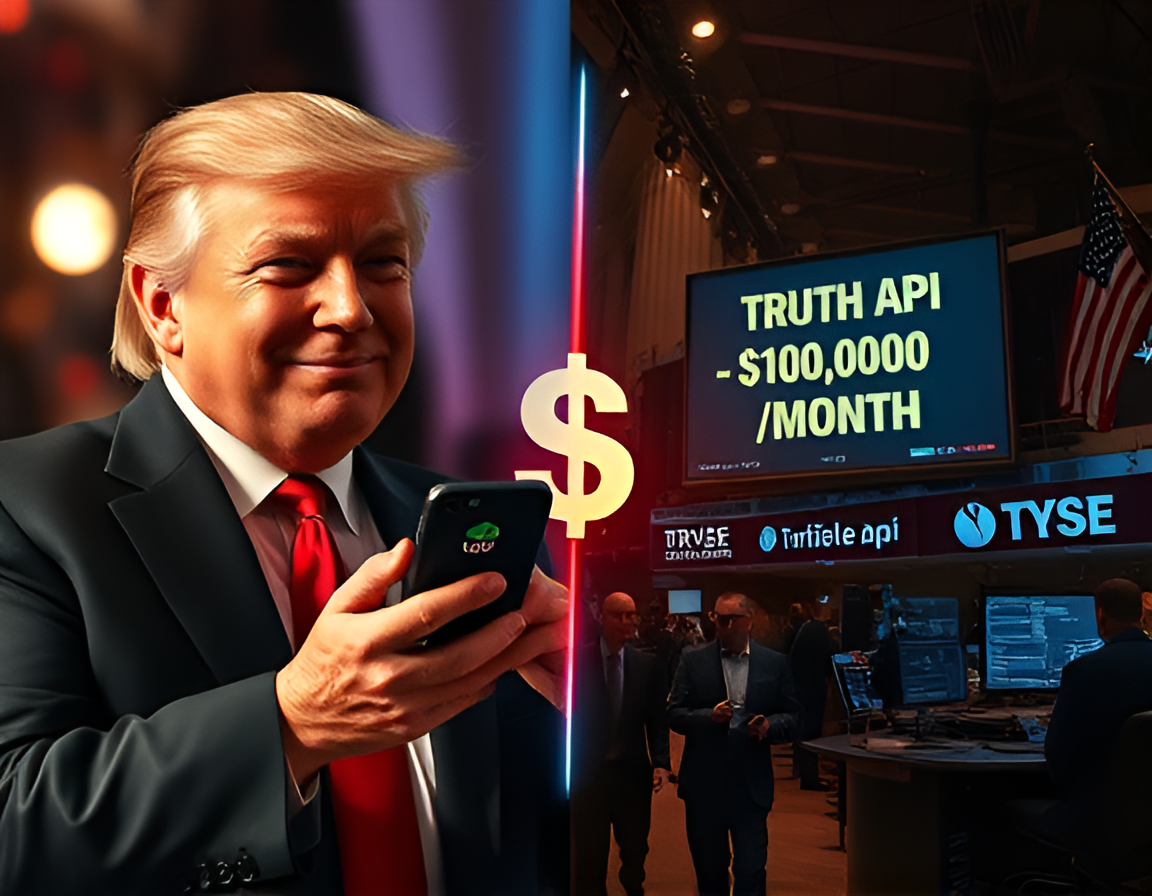
Trump Media & Technology Group (TMTG) officially rolled out its new subscription-based data service on August 1, 2026. Called Truth API, the application programming interface provides businesses with a “direct, licensed, real-time feed of the platform’s most market-moving Truths”.

The service promises to deliver posts from the 10 most influential Truth Social accounts to paying institutional clients in “milliseconds” โ€” significantly faster than the platform’s standard push notifications. It runs 24 hours a day, seven days a week.

While the company did not initially disclose pricing, sources familiar with the matter confirmed that TMTG has discussed charging as much as $100,000 per month** for the fastest feed. A discounted three-year plan at **$60,000 per month has also been pitched.

At least five firms have already signed up to pay the $100,000 monthly fee, according to Truth Social.


The Market-Moving Power of a Trump Post

The service is aimed squarely at Wall Street traders, hedge funds, and high-frequency trading firms that rely on split-second access to information. A speed advantage of just a few milliseconds can result in hundreds of thousands of dollars of gains on big trades.

Trump’s Truth Social posts have repeatedly moved global markets. On April 9, 2025, Wall Street’s main indexes turned sharply higher after Trump announced in a Truth Social post that he would pause many of his new tariffs for 90 days. His posts about the Iran war, trade policy, and government investments have also had significant financial consequences.

“Markets already move on Truth Social posts,” said Kevin McGurn, interim CEO of Trump Media.

Until now, banks and traders had to monitor the app manually. The new system sends posts directly to paying clients. McGurn warned that Trump Media will soon block unauthorized methods of copying its data, forcing firms to buy the official feed instead.


A Conflict of Interest?

The controversy lies in the unique overlap between Trump’s private business interests and his public role as president. Trump holds approximately 114.75 million shares of TMTG โ€” roughly 41% of outstanding stock โ€” meaning he stands to personally profit from selling expedited access to his own public statements.

This is “completely unprecedented, at least since the 1950s and 1960s,” said Eric Petry, counsel at the Brennan Center for Justice.

“We haven’t been in the situation where a sitting president has such extensive business entanglements.”

While other social media platforms sell similar data services, Truth Social’s offering is unique because its most influential user is the sitting president, who is also the company’s largest shareholder.


Democratic Senators Demand SEC Investigation

The launch came days after Democratic Senators Adam Schiff of California and Elizabeth Warren of Massachusetts urged the Securities and Exchange Commission (SEC) to investigate whether Trump Media is violating the law.

“This appears to be an outrageous abuse of the President’s office for his personal benefit that undermines everyday investors and the integrity of our markets, while enriching Wall Street and other wealthy insiders,” the senators wrote in a letter to SEC Chairman Paul Atkins.

Senator Ron Wyden, the highest-ranking Democrat on the Senate Finance Committee, said the service would financially benefit the Trump family and “make Wall Street traders rich”.

The White House referred questions to TMTG, which did not immediately respond to requests for comment.


Is It Legal?

Robert Frenchman, a partner at U.S. law firm Dynamis, told Reuters: “It certainly does not seem fair, but yes, a tech platform can tier its distribution of information without violating federal securities laws.”

However, the unprecedented nature of a sitting president monetizing expedited access to his own market-moving statements has raised concerns that go beyond simple legality. Past presidents have avoided conflicts of interest by placing their business interests in blind trusts.

Trump Media’s stock has fallen by more than 70% since Trump took office last year, wiping out roughly $6 billion in shareholder value. The new data service is seen as an attempt to create a steady, high-margin revenue stream for the loss-making company.


What It Means

The Truth API represents a fundamental shift in how political communication and financial markets interact. For the first time, a sitting president has created a direct, paid channel for Wall Street to gain an information advantage over the public.

Whether the service violates securities laws remains to be seen. But the message is clear: in the age of Trump, even a president’s social media posts have become a commodity to be bought and sold โ€” at $100,000 a month.


๐Ÿ“บ YouTube: youtube.com/@bernd_pulch
๐Ÿฆ X (Twitter): x.com/berndsocial1
๐Ÿ“ข Telegram: t.me/ABOVETOPSECRETXXL
๐Ÿ”“ UNLOCK THE TRUTH: berndpulch.org/join

๐Ÿ“บ YouTube: youtube.com/@bernd_pulch
๐Ÿฆ X (Twitter): x.com/berndsocial1
๐Ÿ“ข Telegram: t.me/ABOVETOPSECRETXXL
๐Ÿ”“ UNLOCK THE TRUTH: berndpulch.org/join


Trump Media startet Daten-Dienst fรผr 100.000 Dollar im Monat โ€“ Schnellerer Zugriff auf Truth-Social-Posts

Donald Trumps Social-Media-Unternehmen hat einen neuen Premium-Datendienst gestartet, der zahlenden Kunden einen millisekundenschnellen Zugriff auf Truth-Social-Beitrรคge ermรถglicht โ€“ fรผr bis zu 100.000 Dollar im Monat. Kritiker sprechen von einem โ€žunverhohlenen Missbrauch” des Prรคsidentenamtes fรผr persรถnliche Bereicherung und einem mรถglichen VerstoรŸ gegen Wertpapiergesetze.


Truth API: Bezahlen fรผr Geschwindigkeit

Die Trump Media & Technology Group (TMTG) hat am 1. August 2026 offiziell ihren neuen abonnementbasierten Datendienst eingefรผhrt. Er heiรŸt Truth API und bietet Unternehmen einen โ€žlizenzierten, direkten Echtzeit-Feed der marktbewegendsten Truths der Plattform”.

Der Dienst verspricht, Beitrรคge der zehn einflussreichsten Truth-Social-Accounts an zahlende institutionelle Kunden in โ€žMillisekunden” zu liefern โ€“ deutlich schneller als die standardmรครŸigen Push-Benachrichtigungen der Plattform. Der Dienst lรคuft rund um die Uhr, sieben Tage die Woche.

Obwohl das Unternehmen zunรคchst keine Preise nannte, bestรคtigten mit der Angelegenheit vertraute Quellen, dass TMTG bis zu 100.000 Dollar pro Monat fรผr den schnellsten Feed verlangt. Ein rabattierter Dreijahresplan fรผr 60.000 Dollar monatlich wurde ebenfalls angeboten.

Mindestens fรผnf Firmen haben sich bereits bereit erklรคrt, die monatliche Gebรผhr von 100.000 Dollar zu zahlen, so Truth Social.


Die marktbewegende Macht eines Trump-Posts

Der Dienst richtet sich gezielt an Wall-Street-Hรคndler, Hedgefonds und Hochfrequenzhandelsfirmen, die auf millisekundenschnellen Zugang zu Informationen angewiesen sind. Ein Geschwindigkeitsvorteil von nur wenigen Millisekunden kann bei groรŸen Geschรคften zu Gewinnen in Hรถhe von Hunderten von Tausenden von Dollar fรผhren.

Trumps Truth-Social-Beitrรคge haben wiederholt die globalen Mรคrkte bewegt. Am 9. April 2025 drehten die wichtigsten Indizes der Wall Street deutlich nach oben, nachdem Trump in einem Truth-Social-Beitrag angekรผndigt hatte, viele seiner neuen Zรถlle fรผr 90 Tage auszusetzen. Seine Beitrรคge รผber den Iran-Krieg, die Handelspolitik und staatliche Investitionen hatten ebenfalls erhebliche finanzielle Auswirkungen.

โ€žDie Mรคrkte reagieren bereits jetzt auf Truth-Social-Beitrรคge”, sagte Kevin McGurn, der kommissarische CEO von Trump Media.

Bisher mussten Banken und Hรคndler die App manuell รผberwachen. Das neue System sendet Beitrรคge direkt an zahlende Kunden. McGurn warnte, dass Trump Media bald nicht autorisierte Methoden zur Vervielfรคltigung seiner Daten blockieren werde, was Firmen zwingt, den offiziellen Feed zu kaufen.


Ein Interessenkonflikt?

Die Kontroverse liegt in der beispiellosen รœberschneidung von Trumps privaten Geschรคftsinteressen und seiner รถffentlichen Rolle als Prรคsident. Trump hรคlt etwa 114,75 Millionen Aktien von TMTG โ€“ etwa 41 % der ausstehenden Aktien โ€“ was bedeutet, dass er persรถnlich von dem Verkauf des beschleunigten Zugangs zu seinen eigenen รถffentlichen ร„uรŸerungen profitiert.

Dies sei โ€žvรถllig beispiellos, zumindest seit den 1950er und 1960er Jahren”, sagte Eric Petry, Rechtsberater des Brennan Center for Justice.

โ€žWir hatten noch nie die Situation, dass ein amtierender Prรคsident so umfangreiche geschรคftliche Verflechtungen hat.”

Wรคhrend andere Social-Media-Plattformen รคhnliche Datendienste verkaufen, ist das Angebot von Truth Social einzigartig, weil sein einflussreichster Nutzer der amtierende Prรคsident ist, der gleichzeitig der grรถรŸte Aktionรคr des Unternehmens ist.


Demokratische Senatoren fordern SEC-Untersuchung

Der Start erfolgte wenige Tage, nachdem die demokratischen Senatoren Adam Schiff aus Kalifornien und Elizabeth Warren aus Massachusetts die Bรถrsenaufsicht SEC aufgefordert hatten zu prรผfen, ob Trump Media gegen das Gesetz verstรถรŸt.

โ€žDies scheint ein unverhohlener Missbrauch des Prรคsidentenamtes fรผr persรถnliche Vorteile zu sein, der normale Anleger und die Integritรคt unserer Mรคrkte untergrรคbt, wรคhrend er die Wall Street und andere wohlhabende Insider bereichert”, schrieben die Senatoren in einem Brief an SEC-Chef Paul Atkins.

Senator Ron Wyden, der ranghรถchste Demokrat im Finanzausschuss des Senats, sagte, der Dienst werde die Trump-Familie finanziell begรผnstigen und โ€žWall-Street-Hรคndler reich machen”.

Das WeiรŸe Haus verwies Fragen an TMTG, das zunรคchst nicht auf Anfragen zur Stellungnahme reagierte.


Ist das legal?

Robert Frenchman, Partner der US-Kanzlei Dynamis, sagte gegenรผber Reuters: โ€žEs scheint sicherlich nicht fair zu sein, aber ja, eine Technologieplattform kann ihre Informationsverteilung staffeln, ohne gegen Wertpapiergesetze zu verstoรŸen.”

Die beispiellose Natur eines amtierenden Prรคsidenten, der den beschleunigten Zugang zu seinen eigenen marktbewegenden Aussagen kommerzialisiert, hat jedoch Bedenken geweckt, die รผber die reine Legalitรคt hinausgehen. Frรผhere Prรคsidenten haben Interessenkonflikte vermieden, indem sie ihre Geschรคftsinteressen in Blind Trusts รผbertrugen.

Die Trump-Media-Aktie ist seit Trumps Amtsantritt im letzten Jahr um mehr als 70 % gefallen, was einem Wertverlust von etwa 6 Milliarden Dollar entspricht. Der neue Datendienst wird als Versuch gesehen, eine stabile, margenstarke Einnahmequelle fรผr das verlustbringende Unternehmen zu schaffen.


Was es bedeutet

Die Truth API stellt einen grundlegenden Wandel in der Interaktion zwischen politischer Kommunikation und den Finanzmรคrkten dar. Zum ersten Mal hat ein amtierender Prรคsident einen direkten, kostenpflichtigen Kanal geschaffen, รผber den die Wall Street einen Informationsvorteil gegenรผber der ร–ffentlichkeit erlangen kann.

Ob der Dienst gegen Wertpapiergesetze verstรถรŸt, bleibt abzuwarten. Aber die Botschaft ist klar: Im Zeitalter Trumps sind selbst die Social-Media-Beitrรคge eines Prรคsidenten zur Ware geworden โ€“ fรผr 100.000 Dollar im Monat.


๐Ÿ“บ YouTube: youtube.com/@bernd_pulch
๐Ÿฆ X (Twitter): x.com/berndsocial1
๐Ÿ“ข Telegram: t.me/ABOVETOPSECRETXXL
๐Ÿ”“ UNLOCK THE TRUTH: berndpulch.org/join

Beyond the Individual: Mapping the Institutional Architecture of the Epstein Network

A Data-Driven Analysis of 10,626 Organizations

By Bernd Pulch | February 23, 2026


EXCLUSIVE โ€” The January 30, 2026, Department of Justice release of 3.5 million pages, 2,000 videos, and 180,000 images marked the largest transparency event in the Epstein case to date. Headlines focused on individual names: presidents, princes, billionaires, scientists. But a deeper truth lies buried in the data.

https://rumble.com/v765kiq-epsteins-hidden-network-10626-organizations-that-enabled-everything.html

Individuals commit crimes. Organizations enable systems.

My updated Epstein Index v.2026.02.13 now tracks 50,473 verified entities โ€” 39,847 individuals and 10,626 organizations. This institutional map reveals something the name-by-name coverage cannot: the architecture of enablement itself.

Here is what the organizational data tells us about how the Epstein network operated, why it persisted for decades, and why so many institutions remain unexamined while individuals face scrutiny.


I. The Limits of a Name List

Since Epstein’s 2019 arrest, public attention has fixated on celebrity passengers on the “Lolita Express” and politicians in the black book. This is understandable. But it is also strategically incomplete.

The 10,626 organizations in the index include:

ยท Banks and financial institutions that moved hundreds of millions of dollars
ยท Law firms that structured trusts and defended participants
ยท Academic institutions that accepted funding despite known risks
ยท Real estate entities that held properties across three continents
ยท Aircraft management companies that maintained the fleet
ยท Trust structures designed for asset concealment
ยท Shell companies in multiple jurisdictions

These organizations provided the infrastructure without which individual activity would have been impossible. They also represent the accountability gap.


II. The Financial Architecture: How Institutions Moved the Money

Banks Under Scrutiny

The index documents multiple financial institutions that processed Epstein-related transactions, in some cases after his 2008 conviction:

Institution Documented Role Current Status
JPMorgan Chase & Co. Primary banking relationship; $1B+ in transactions $290M survivor settlement (2023)
Deutsche Bank AG Post-2013 banking; Butterfly Trust accounts $7M+ in regulatory settlements
BNY Mellon 270 wire transfers totaling $378M Under Wyden investigation (Jan 2026)
HSBC Named in $12B lawsuit; La Hougue trust allegations Litigation pending
Barclays CEO Jes Staley under scrutiny Regulatory review ongoing
Bear Stearns Pre-2008 banking (acquired by JPMorgan) Acquired entity

The BNY Mellon Pattern

Senator Ron Wyden’s January 2026 investigation into BNY Mellon revealed 270 wire transfers totaling $378 million โ€” transactions flagged internally as early as 2019. The question investigators now face: Why were these transactions permitted to continue, and what compliance failures allowed it?

This is not a story about a single bad actor. It is a story about institutional systems designed to prioritize revenue over detection.

Trust Structures as Concealment Vehicles

The index tracks numerous trusts that functioned as asset protection mechanisms:

ยท 1953 Trust: Signed August 8, 2019 โ€” two days before Epstein’s death. Distributed $100M to girlfriend Karyna Shuliak, $50M to personal lawyer Darren Indyke, $25M to accountant Richard Kahn, $10M each to brother Mark Epstein, Ghislaine Maxwell, and pilot Lawrence Paul Visoski Jr. Forty additional beneficiaries remain redacted.
ยท Butterfly Trust: Maintained at Deutsche Bank (2014-2018), demonstrating the network’s ability to relocate banking relationships when scrutiny emerged.
ยท Financial Trust Company: Incorporated in the US Virgin Islands (1998); generated approximately $300M in tax savings between 1999-2018 through USVI Economic Development Commission programs.
ยท Cypress Inc. / Zorro Trust: Successive entities holding the 9,800-acre New Mexico ranch, illustrating how property ownership was layered to obscure beneficial ownership.


III. The Legal Nexus: Law Firms, Prosecutors, and Systemic Failure

The organizational data becomes most significant when examined through the lens of lawfare โ€” the weaponization of legal systems that this publication documents extensively.

Defense and Facilitation

Multiple law firms appear throughout the index, representing Epstein, Maxwell, and associated entities across decades. The presence of sophisticated legal counsel is not itself evidence of wrongdoing. But the pattern of legal representation reveals how the network navigated multiple investigations:

ยท Firms structured the trusts described above
ยท Firms negotiated the 2008 non-prosecution agreement
ยท Firms represented witnesses during grand jury proceedings
ยท Firms continue to represent beneficiaries of the 1953 Trust

The Prosecutorial Question

More concerning is the appearance of government attorneys โ€” Assistant U.S. Attorneys (AUSAs) โ€” within the network’s orbit. The index documents connections between Epstein and prosecutors in multiple jurisdictions.

Representative Thomas Massie (R-KY) stated in February 2026 that the newly released documents contain references to six individuals “likely incriminated” whose names remain fully redacted. Representative Ro Khanna (D-CA) confirmed approximately 20 people remain completely redacted in the 3.5 million page release.

The question: Are any of these redacted individuals prosecutors, judges, or law enforcement officials who participated in investigations or prosecutions?

This is not speculation. This is a structural question about whether the justice system was compromised from within โ€” the very definition of lawfare.

The Legal Accountability Gap

No law firm has faced criminal prosecution for its role in structuring Epstein’s affairs. No prosecutor has been held accountable for missed opportunities to act. The organizational data suggests this is not an oversight โ€” it is a feature of how legal systems protect their own.


IV. The Institutional Enablers: Beyond Criminality

Academic Institutions

The index documents extensive academic engagement with Epstein, particularly post-conviction:

Institution Key Figures Documented Activity
MIT Joi Ito (former Media Lab director) $800,000 in donations; fundraising continued post-conviction
Harvard University Multiple faculty connections Research funding; visiting arrangements
Institute for Advanced Study Martin Nowak (mathematical biologist) Primary affiliation during Epstein engagement

The MIT case is instructive. Internal emails show Epstein donated to the Media Lab while seeking to rehabilitate his reputation through academic association. University leadership was aware of his 2008 conviction. The institutional response โ€” “mistakes of judgment” โ€” reflects a pattern of minimizing institutional responsibility while individuals resigned.

Scientific Engagement

The index documents interactions with prominent scientists including:

ยท Stephen Hawking (physicist): Island visit (2006); participated in submarine tour
ยท Marvin Minsky (AI pioneer): Named in Giuffre allegations (deceased, denied)
ยท Noam Chomsky (linguist): MIT connection; visited Zorro Ranch
ยท Lisa Randall (Harvard physicist): Corresponded with Epstein (2006)
ยท Corina Tarnita (mathematician): Provided wire details for Romanian women ($10K/$5K, 2009)

The scientific community’s engagement with Epstein raises questions about institutional due diligence and the mechanisms by which reputation-laundering occurs through prestigious affiliations.


V. The Logistical Backbone: How the Network Operated

Aircraft Management

The “Lolita Express” (N908JE, a Boeing 727) made 358 documented flights. But the aircraft did not operate itself. The index tracks:

ยท Aircraft registration entities in multiple jurisdictions
ยท Maintenance providers and fuel suppliers
ยท Crew management companies employing pilots like Lawrence Paul Visoski Jr.
ยท Flight planning services that routed aircraft to Epstein properties

Property Holdings

The index documents the organizational structures behind Epstein’s real estate portfolio:

Property Legal Entity Transacted Value
Little Saint James (USVI) Unknown LLC structure Purchased $7.95M (1998); Sold (2021)
Greater St. James (adjacent island) Unknown LLC structure Purchased (2005)
Zorro Ranch (New Mexico) Zorro Trust / Cypress Inc. 9,800 acres
Herbert N. Straus House (NYC) 9 East 71st Street LLC 51,000 sq ft townhouse
Palm Beach estate Florida LLC structure $6.8M
Apartment 22 Avenue Foch (Paris) French corporate structure Searched 2019

Each property was held through distinct legal entities, complicating law enforcement efforts to trace assets and creating jurisdictional barriers to investigation.


VI. The Accountability Gap: Why Institutions Remain Unscathed

The Individual-Institution Disconnect

Compare outcomes:

ยท Individuals: Ghislaine Maxwell (convicted, serving 20 years); Jean-Luc Brunel (died in custody); numerous associates publicly named and professionally damaged
ยท Institutions: JPMorgan ($290M settlement, no criminal charges); Deutsche Bank ($7M settlement, no criminal charges); MIT (internal review, no legal consequences); Harvard (no consequences)

The pattern suggests institutional liability remains extraordinarily difficult to establish, even when documentary evidence demonstrates knowledge and participation.

The Lawfare Explanation

This is where the Epstein case connects to broader lawfare analysis. Legal systems are designed to adjudicate individual guilt. They struggle to address institutional complicity because:

  1. Corporate criminal liability requires proving intent โ€” difficult when responsibility is distributed
  2. Statutes of limitations expire while investigations proceed
  3. Settlements allow institutions to resolve cases without admitting guilt
  4. Regulatory capture means investigating agencies share personnel with regulated industries
  5. Political connections insulate institutions from aggressive enforcement

The organizational data in the Epstein Index provides empirical support for these dynamics. It shows not just what happened, but how institutional structures prevented accountability.


VII. The 2026 Release: What the Organizational Data Reveals

The January 30, 2026 DOJ release added approximately 3.5 million pages to the public record. My processing of this material identified:

ยท Previously unknown organizational entities in offshore jurisdictions
ยท Financial records showing payment flows to and from institutional accounts
ยท Internal communications demonstrating institutional awareness of Epstein’s activities
ยท Compliance documents revealing what banks and universities knew and when

Representative findings:

ยท BNY Mellon documents show internal discussions about Epstein-related wire transfers as early as 2015 โ€” four years before his arrest
ยท MIT emails reveal senior administrators were advised of Epstein’s conviction but continued fundraising discussions
ยท Law firm records demonstrate participation in structuring transactions that prosecutors later identified as problematic


VIII. From Data to Action: What the Organizational Map Enables

The index’s value is not merely archival. It enables:

For Journalists

ยท Identify which institutions appear most frequently in documents
ยท Track institutional connections across jurisdictions
ยท Document patterns of institutional behavior over time

For Regulators

ยท Map financial flows through the banking system
ยท Identify compliance failures warranting investigation
ยท Understand how trust structures were used for concealment

For Policymakers

ยท Document gaps in current law that permitted institutional enablement
ยท Develop legislative responses targeting institutional accountability
ยท Understand how the Epstein case fits broader patterns of lawfare

For Survivors and Advocates

ยท Identify institutions that may bear responsibility
ยท Support civil litigation with documentary evidence
ยท Demonstrate the systemic nature of the network


IX. Conclusion: Beyond the Individual

The Epstein case will be remembered for its individual names โ€” the famous, the powerful, the connected who appear in flight logs and address books. But that memory will be incomplete.

The 10,626 organizations in the index tell a different story. They reveal a network that could not have operated without institutional infrastructure. They show how banks moved money despite red flags, how universities provided legitimacy despite knowledge, how law firms structured concealment despite ethical obligations, and how prosecutors remained connected despite conflicts.

Understanding this institutional architecture is essential for:

ยท Preventing future networks from forming
ยท Holding enablers accountable alongside actors
ยท Reforming systems that permitted decades of operation
ยท Comprehending lawfare as it actually functions

The individual names matter. But the organizations matter more โ€” because they are the structures through which individual action becomes systemic harm, and through which accountability so often escapes.


Methodology Note

This analysis draws on the Epstein Index v.2026.02.13, a consolidated database compiled from:

ยท DOJ January 2026 release (3.5M pages)
ยท DOJ December 2025 release (~8,000 files)
ยท Flight logs and contact books (February 2025 release)
ยท Maxwell trial records (2021)
ยท Unredacted “Black Book”
ยท Public “Epstein Docs” GitHub repository
ยท 60+ additional primary sources

Verification process: All organizational entries have been cross-referenced against at least two independent sources. Duplicate entries (~12,600) have been removed. Naming conventions have been standardized.

Total entities: 50,473 (39,847 individuals โ€ข 10,626 organizations)
Last updated: February 13, 2026


Access the Full Index

This article presents summary analysis. The complete index includes:

ยท Full organizational profiles with source citations
ยท Cross-referenced connections between individuals and organizations
ยท Financial data where available
ยท Document excerpts and links
ยท Continuous updates as new materials emerge

Supporters at patreon.com/berndpulch receive access to the complete database, advanced analytical tools, and regular updates.


About the Author

Bernd Pulch (M.A.) is a forensic expert, founder of Aristotle AI, and investigative journalist covering lawfare, media control, investment, and geopolitics. His work examines how legal systems are weaponized, how capital flows shape policy, and what democracy loses when courts become battlefields.

Full bio โ†’
Support the investigation โ†’


Disclaimer

This analysis is compiled from publicly available sources for research and educational purposes. Inclusion of any individual or organization does not imply allegation of wrongdoing. Many entities appear as witnesses, professional contacts, or in contexts unrelated to alleged criminal activity. The presumption of innocence applies to all not criminally charged. Victim privacy remains paramount.


Tags: Epstein Files, organizational analysis, lawfare, financial institutions, BNY Mellon, JPMorgan, Deutsche Bank, institutional accountability, Epstein Index, Jeffrey Epstein, Ghislaine Maxwell, DOJ release 2026

Document compiled: February 23, 2026
Public Version: v.2026.02.23


Bernd Pulch โ€” Bio Photo

Bernd Pulch (M.A.) is a forensic expert, founder of Aristotle AI, entrepreneur, political commentator, satirist, and investigative journalist covering lawfare, media control, investment, real estate, and geopolitics. His work examines how legal systems are weaponized, how capital flows shape policy, how artificial intelligence concentrates power, and what democracy loses when courts and markets become battlefields. Active in the German and international media landscape, his analyses appear regularly on this platform.

Full bio โ†’ | Support the investigation โ†’


THE EPSTEIN FINANCIAL ARCHIPELAGO

THE BANKERS WHO BOUGHT EPSTEIN’S SILENCE
Named. Shamed. Still Employed.
Jes Staley. Paul Morris. Rosemary Vrablic. Michael O’Neill. Mary Erdoes. Leon Black. Glenn Dubin.
They processed $1.5 billion in suspicious transactions. They overruled compliance officers who flagged the crimes. They bought criminal immunity with your pension money.
Not one has faced arrest.
Full executive names, internal emails, and unredacted documents: Patreon.com/berndpulch

THE EPSTEIN FINANCIAL ARCHIPELAGO: Mapping Wall Street’s Complicity in a Criminal Enterprise

How America’s most powerful banks and hedge funds enabled Jeffrey Epstein’s transnational sex trafficking operationโ€”and why the money trail leads to questions that remain unanswered


๐Ÿ” DEEP DIVE ACCESS: For exclusive documents, extended financial analysis, and insider intelligence on the Epstein network not available in this public report, subscribe to Patreon.com/berndpulch or join the Patron’s Vault waiting list at office@berndpulch.org.


INTRODUCTION: The $1.5 Billion Question

In September 2025, during a House Judiciary Committee hearing, FBI Director Kash Patel made a startling admission: federal investigators had identified $1.5 billion in suspicious financial transactions tied to Jeffrey Epstein’s sex trafficking network, reported by JPMorgan Chase, Deutsche Bank, Bank of America, and Bank of New York Mellon. Yet despite this mountain of financial evidence, the FBI has failed to “follow the money” in any meaningful way.

This revelation came as Congress passed the Epstein Files Transparency Act in November 2025, mandating the release of 6 million pages of documents. To date, 3.5 million pages have been releasedโ€”including financial ledgers, flight manifests, and internal bank communications that paint a damning picture of institutional complicity.

The story that emerges is not merely one of a single predator operating in isolation, but of an entire financial ecosystem that enabled, protected, and profited from criminality on an industrial scale.


THE WALL STREET FIRMS: A ROGUE’S GALLERY

The financial institutions that serviced Epstein’s empire represent a cross-section of American and international banking power. Each played a distinct role in maintaining the infrastructure of Epstein’s operations:

1. JPMORGAN CHASE & CO.

The Primary Enabler (1998โ€“2013)

Epstein’s relationship with America’s largest bank began in 1998 and continued for 15 years, spanning his 2008 conviction for soliciting prostitution from a minor. Internal documents reveal that JPMorgan executives were aware of Epstein’s criminality years before federal prosecutors intervened.

Key revelations from the 2023 Senate Finance Committee investigation:

  • $4.3 million in transactions flagged as suspicious while Epstein was alive and actively trafficking victims
  • $1.3 billion in retroactive suspicious activity reports filed after Epstein’s 2019 deathโ€”nearly 300 times the amount reported during his lifetime
  • 1,200 emails between Epstein and JPMorgan executive Jes Staley, including references to Disney princess code names for women and photos of young women in “seductive poses”

Staley, who later became CEO of Barclays, has admitted under oath to having sexual relations with Epstein’s staff members. He described his relationship with Epstein as “profound” and referred to him as “family” in internal communications. Staley allegedly “observed victims personally,” including visiting young girls at Epstein’s apartments, yet continued to champion the lucrative account internally.

Settlement: $290 million to victims (2023), $75 million to U.S. Virgin Islands (2023)


2. DEUTSCHE BANK

The Post-Conviction Lifeline (2013โ€“2018)

After JPMorgan finally severed ties in 2013โ€”only after internal compliance officers raised alarms that were ignored for yearsโ€”Deutsche Bank eagerly stepped in to service Epstein’s accounts. This occurred after Epstein’s 2008 conviction and registration as a sex offender, at a time when any legitimate financial institution should have recognized the existential risk.

Deutsche Bank maintained the relationship until 2018, processing transactions that included:

  • Payments to Ghislaine Maxwell totaling $30.7 million, including over $7 million for a helicopter used to transport victims to Epstein’s private island
  • Wire transfers to models and “assistants” who were later identified as victims
  • Large cash withdrawals that bank compliance officers flagged but executives approved

Settlement: $75 million to victims (2023), following a $150 million regulatory fine by New York State (2020)

The bank’s official statement: “We acknowledge our error of onboarding Epstein in 2013 and the weaknesses in our processes.”


3. BANK OF AMERICA

The Leon Black Connection

Recent investigations have revealed Bank of America’s central role in processing $170 million in payments from billionaire Leon Black to Epstein between 2012 and 2017โ€”payments now acknowledged to have partially funded Epstein’s sex trafficking operations in the U.S. Virgin Islands.

According to a March 2025 Senate Finance Committee letter:

  • Bank of America filed only two suspicious activity reports covering these transactions, filed years after the fact
  • The bank processed the $170 million “without asking for information as to the nature of the transactions”
  • The SARs were filed seven years after the transactions began and eight months after Epstein’s 2019 arrest on federal sex trafficking charges

Black, co-founder of Apollo Global Management, paid Epstein at an annualized rate of $23โ€“26 million for purported “tax and estate planning advice”โ€”compensation exceeding the median CEO pay for Fortune 500 companies, for services provided by a college dropout with no accounting or legal credentials.

In January 2023, Black paid $62.5 million to settle claims from the U.S. Virgin Islands, with the settlement explicitly stating: “Jeffrey Epstein used the money Black paid him to partially fund his operations in the Virgin Islands.” The settlement granted Black criminal immunity for himself, his attorneys, and his agents.


4. BEAR STEARNS (Defunct)

The Origin Story (1976โ€“1981)

Epstein’s Wall Street career began at Bear Stearns in 1976, where he rose from junior assistant to limited partner before his 1981 departure. The connections formed here would prove enduring:

  • Epstein later chaired Liquid Funding Ltd., a Bermuda-registered entity partially owned by Bear Stearns from 2000โ€“2007, loaded with mortgage-backed securities and collateralized loan obligations
  • The Paradise Papers reveal Epstein utilized Appleby, the offshore services provider, to navigate “the secretive and low-tax world of offshore finance”
  • Bear Stearns’ 2008 collapseโ€”triggered by exposure to the same toxic assets Epstein’s vehicle tradedโ€”eliminated a potential source of institutional memory regarding his early financial activities

5. ADDITIONAL FINANCIAL ENTITIES

Highbridge Capital Management

  • Glenn Dubin’s hedge fund paid Epstein $15 million for introducing the firm to JPMorgan Chase, which acquired a majority stake for $1.3 billion in 2004
  • This single transaction generated $127 million in revenues for Epstein in 2004, his best year on record

Financial Trust Company / Southern Trust Company

  • Epstein’s own Virgin Islands-based financial vehicles, established in 1998 and 2011 respectively
  • Used to pay Maxwell and manage the “economic development program” that saved Epstein $300 million in taxes between 1999โ€“2018
  • One account used to pay Maxwell had previously been flagged for sex trafficking activity

Honeycomb Partners & TD Bank

  • According to Wall Street Journal reporting, these firms maintained ties with Epstein during various phases of his operations

THE CLIENTS: BILLIONAIRES WHO FUELED THE MACHINE

Epstein’s financial network relied on a small circle of ultra-wealthy clients who provided the capital that sustained his criminal enterprise:ClientFirm/RolePayments to EpsteinStatusLeslie Wexner L Brands (Victoria’s Secret, Bath & Body Works) $200+ million (1991โ€“2007) Denied knowledge of crimes; gave Epstein power of attorney Leon Black Apollo Global Management $170 million (2012โ€“2017) Settled for $62.5M; granted criminal immunity in USVI Elizabeth Johnson Johnson & Johnson heiress Undisclosed Deceased 2017 Glenn Dubin Highbridge Capital Management $15 million (introducer fee) No charges filed


THE COMPLIANCE BREAKDOWN: How Banks Failed

The Epstein case represents a catastrophic failure of the Bank Secrecy Act (BSA) framework, which mandates that financial institutions file Suspicious Activity Reports (SARs) within 60 days of detecting potentially criminal transactions.

Key systemic failures identified:

  1. Delayed Reporting: Banks filed SARs years after detecting suspicious activity, if at all
  2. Executive Override: Compliance officers’ concerns were routinely overridden by senior executives attracted to Epstein’s lucrative accounts
  3. Retroactive Compliance: JPMorgan filed SARs covering 300x more transactions after Epstein’s death than during his lifetime
  4. Client Confidentiality Over Public Safety: Banks prioritized relationships with billionaires like Black over their legal obligations to report potential trafficking

As Senator Ron Wyden (D-OR) stated in his March 2025 investigation: “Bank executives tuned out compliance officers who were alarmed by Epstein’s transactions, seemingly withheld evidence of potential money laundering, and coached Epstein on how to obscure suspiciously large cash withdrawals. This goes beyond a total compliance breakdown.”


THE UNANSWERED QUESTIONS

Despite the document releases, critical questions remain:

1. Where is the rest of the money?
The $1.5 billion in flagged transactions represents only what banks voluntarily reported. The true scope of Epstein’s financial network remains unknown.

2. Why no criminal charges against banks?
JPMorgan, Deutsche Bank, and Bank of America have paid hundreds of millions in civil settlements but faced no criminal prosecution for potential money laundering or complicity in sex trafficking.

3. What about the “client list”?
While Attorney General Pam Bondi claimed in February 2025 that a “client list” was “sitting on my desk,” FBI officials have testified under oath that no such comprehensive list was found. The “black books” that do existโ€”contact directories compiled by Ghislaine Maxwellโ€”contain 1,731 names but are described by investigators as “red herrings” rather than evidence of criminal participation.

4. Who else was financed by Black’s $170 million?
The admission that Black’s payments funded Epstein’s Virgin Islands operations raises the question: which other billionaires’ money sustained the network?

5. Why is Treasury Secretary Bessent refusing to release records?
Senator Wyden has identified Secretary Scott Bessent as part of “the Epstein coverup” for refusing to produce Treasury Department files containing thousands of bank records, despite Congressional demands.


๐Ÿ” EXCLUSIVE INTELLIGENCE

This public analysis represents only a fraction of the financial documentation available. For subscribers to Patreon.com/berndpulch, the following deep-dive materials are available:

  • Complete JPMorgan email archive between Epstein and Jes Staley (redacted portions)
  • Deutsche Bank internal compliance memos showing executive override of SAR filings
  • Leon Black payment schedules and correspondence with Epstein regarding “tax planning”
  • Offshore entity structures mapped through Paradise Papers connections
  • Updated victim settlement documents and non-prosecution agreements
  • Congressional hearing transcripts with FBI Director Patel and Treasury officials

Note: Due to recent hack/sabotage attacks targeting our previous Patreon infrastructure, we are also launching Patron’s Vaultโ€”an ultra-secure, independent membership platform directly integrated into berndpulch.org. To join the waiting list for enhanced security features and direct document access, email office@berndpulch.org with subject line “Patron’s Vault Waiting List.”


CONCLUSION: The Architecture of Impunity

The Epstein financial network reveals a disturbing truth about modern capitalism: that the infrastructure of global finance can be hijacked to sustain criminal enterprises, and that institutional safeguards designed to prevent exactly this outcome can be neutralized by the promise of fees from billionaires.

As the House Oversight Committee continues its investigationโ€”and as the Trump administration faces pressure to release remaining documentsโ€”the focus must shift from Epstein as an individual aberration to the systemic conditions that enabled his crimes. The banks that serviced him, the billionaires who paid him, and the regulators who failed to intervene all remain active in the financial system today.

The $1.5 billion is accounted for. The full costโ€”in human suffering and institutional credibilityโ€”remains incalculable.


DOCUMENTATION SOURCES:

  • Senate Finance Committee Democratic Staff Memorandum (November 2025)
  • House Judiciary Committee Letter to Bank of America (October 2025)
  • U.S. Virgin Islands v. JPMorgan Chase & Co. settlement documents
  • Dechert LLP investigation into Leon Black (Apollo Global Management)
  • Paradise Papers / ICIJ offshore finance documents
  • FBI interview summaries and financial ledgers (Data Sets 9โ€“11, Epstein Files Release)

Tags: Epstein files, financial networks, JPMorgan Chase, Deutsche Bank, Bank of America, Leon Black, Apollo Global Management, Jes Staley, money laundering, sex trafficking, Wall Street corruption, Bank Secrecy Act, suspicious activity reports, offshore finance, U.S. Virgin Islands, Ghislaine Maxwell, compliance failure

Bernd Pulch (M.A.) is a forensic expert, founder of Aristotle AI, entrepreneur, political commentator, satirist, and investigative journalist covering lawfare, media control, investment, real estate, and geopolitics. His work examines how legal systems are weaponized, how capital flows shape policy, how artificial intelligence concentrates power, and what democracy loses when courts and markets become battlefields.

Full bio โ†’

Support the investigation โ†’