
Featured

France Approves Assisted Dying Law โ€“ Critics Warn of “Culture of Death” and Vulnerable at Risk

France’s Assisted Dying Law: A Dangerous Step Toward a Culture of Death

France’s National Assembly has voted 291 to 241 to legalize assisted suicide and euthanasia โ€” overriding the Senate’s three rejections and pushing through a deeply controversial bill that critics warn will put the vulnerable at risk, undermine palliative care, and set France on a slippery slope toward an ever-expanding “culture of death.”


A Democratic Deficit

The bill’s passage is procedurally troubling. The Senate โ€” France’s upper house โ€” rejected the legislation three times. Rather than seeking compromise, the government invoked a constitutional mechanism to allow the National Assembly to override the upper chamber entirely. Prime Minister Sรฉbastien Lecornu has now referred the law to the Constitutional Council, acknowledging that the lack of proper Senate debate meant the text fell short of a draft “meeting both the aspirations of its proponents and the concerns of those worried about its implementation”. The democratic process has been circumvented in the name of a social reform that barely commanded a majority: 291 votes to 241.


A Slippery Slope by Design

The bill does not require terminal illness. It applies to anyone with a “serious and incurable” condition that “threatens life in an advanced or terminal stage”. This means death could be years away. There is no defined timeframe for when a disease “threatens life”. Psychological suffering qualifies โ€” provided it is linked to physical illness โ€” but mental health conditions alone are excluded. The cumulative conditions, critics argue, already open the door to a much wider population than just those at the end of their lives.

The experience of other countries shows that eligibility criteria inevitably expand. What begins as a narrow exception becomes normalized, and the “right to die” gradually transforms into a societal expectation to die.


Palliative Care: An Afterthought

The Church of France has condemned the law as “a serious rupture in the history of our country”. “The link of trust between generations but also between caregivers, patients and their families will be degraded, and society’s view of fragility will be damaged,” the bishops warned.

Critics argue that resources should be funneled into end-of-life care rather than euthanasia. Palliative care remains chronically underfunded in France. Rather than addressing this failure, the state now offers death as a solution. Patients must be informed of palliative care options, but the law does not mandate that such care be adequately available. “The poorest risk being the first to pay the price,” the Church warned: “not wanting to be a burden for their children or grandchildren, elderly people in precarious situations could feel pushed to leave”.


Coercion and Vulnerability

Opponents, including sections of the medical profession and religious groups, argue that legalizing assisted dying could put pressure on vulnerable people. The elderly, the disabled, and those with chronic illnesses may internalize the message that their lives are less valuable โ€” that they are a burden on family or the state.

Lawmaker Christophe Bentz of the far-right National Rally called the text “very dangerous” and warned of possible “abuses”. The bill’s broad criteria for suffering โ€” defined by the patient’s own judgment โ€” creates a subjective standard that invites exploitation.


Weak Conscience Protections

The bill offers no meaningful conscience protections for doctors unwilling to kill or prescribe lethal medication. While physicians may refuse to personally perform the procedure, they must provide patients with the names of doctors willing to do so. For Catholic doctors and those who believe in the sanctity of life, this is complicity by another name. Bishop Marc Aillet has warned that Catholic lawmakers who supported the bill “will no longer be able to receive Communion”.


A Two-Day Waiting Period

The law requires only a two-day reflection period between the approved request and the administration of lethal medication. Two days โ€” for a decision about life and death. The Constitutional Council has been asked to review this provision, which opponents argue is dangerously short.


Economic Incentives to Die

France’s national health insurance system will cover the cost of assisted dying. Critics argue this creates a perverse incentive: expensive patients become cheaper when they are dead. In a cash-strapped healthcare system, the financial pressure to choose death over costly treatment is real โ€” and the vulnerable will feel it most acutely.


A Culture of Death

The National Review has described this as “the West continuing its love affair with the culture of death”. France, a traditionally Catholic nation, has now joined the Netherlands, Belgium, Switzerland, and Canada in legalizing assisted dying.

The law is not the end of the debate โ€” it is the beginning. As other jurisdictions have shown, permissibility expands. Once euthanasia starts, it picks up steam year by year as hastened death becomes normalized.


Conclusion

France’s assisted dying law is a dangerous experiment with human life. It was passed against the will of the Senate, by a narrow margin, with weak safeguards, insufficient conscience protections, and a definition of suffering so broad it could apply to millions. It prioritizes death over care, ideology over ethics, and political expediency over democratic process.

The Church of France has vowed to “testify that another path is possible”. One can only hope that the Constitutional Council โ€” or the conscience of the French people โ€” will prevent this law from becoming the tragedy it promises to be.


The complete documentation with all official statements, legal analysis, and further critical perspectives is exclusively available to Patreon subscribers at patreon.com/berndpulch.

Frankreichs Sterbehilfe-Gesetz verabschiedet โ€“ Kritiker warnen vor “Kultur des Todes”

Die franzรถsische Nationalversammlung hat mit 291 zu 241 Stimmen die Sterbehilfe und Beihilfe zum Suizid legalisiert โ€“ und damit drei Ablehnungen des Senats รผbergangen. Kritiker warnen vor einer gefรคhrlichen Rutschbahn, unzureichenden Schutzmechanismen und einer “Kultur des Todes”, die die Schwรคchsten der Gesellschaft gefรคhrdet.


Ein demokratisches Defizit

Die Verabschiedung des Gesetzes ist verfahrenstechnisch problematisch. Der Senat โ€“ das Oberhaus Frankreichs โ€“ hatte das Gesetz dreimal abgelehnt. Anstatt einen Kompromiss zu suchen, nutzte die Regierung einen verfassungsrechtlichen Mechanismus, um der Nationalversammlung zu ermรถglichen, das Oberhaus vollstรคndig zu รผbergehen. Premierminister Sรฉbastien Lecornu hat das Gesetz nun dem Verfassungsrat zur Prรผfung vorgelegt und eingerรคumt, dass die fehlende angemessene Debatte im Senat bedeutete, dass der Text hinter einem Entwurf zurรผckblieb, der “sowohl den Bestrebungen seiner Befรผrworter als auch den Bedenken derjenigen, die um seine Umsetzung besorgt sind, gerecht wird”. Der demokratische Prozess wurde im Namen einer Gesellschaftsreform umgangen, die nur knapp eine Mehrheit fand: 291 zu 241 Stimmen.


Eine Rutschbahn mit Ansage

Das Gesetz setzt keine unheilbare Erkrankung voraus. Es gilt fรผr jeden mit einer “schweren und unheilbaren” Erkrankung, die “das Leben in einem fortgeschrittenen oder terminalen Stadium bedroht”. Das bedeutet: Der Tod kรถnnte Jahre entfernt sein. Es gibt keinen definierten Zeitrahmen dafรผr, wann eine Krankheit “das Leben bedroht”. Psychisches Leiden gilt โ€“ sofern es mit einer kรถrperlichen Erkrankung verbunden ist โ€“, psychische Erkrankungen allein sind jedoch ausgeschlossen. Die kumulativen Bedingungen, so kritisieren Gegner, รถffnen bereits jetzt die Tรผr fรผr eine viel grรถรŸere Bevรถlkerung als nur diejenigen am Ende ihres Lebens.

Die Erfahrung anderer Lรคnder zeigt, dass die Zulassungskriterien zwangslรคufig ausgeweitet werden. Was als enge Ausnahme beginnt, wird normalisiert, und das “Recht auf Sterben” verwandelt sich allmรคhlich in eine gesellschaftliche Erwartung zu sterben.


Palliativmedizin als nachtrรคglicher Gedanke

Die Kirche von Frankreich hat das Gesetz als “schweren Bruch in der Geschichte unseres Landes” verurteilt. “Das Vertrauensband zwischen den Generationen, aber auch zwischen Pflegenden, Patienten und ihren Familien wird beschรคdigt, und der Blick der Gesellschaft auf Zerbrechlichkeit wird leiden”, warnten die Bischรถfe.

Kritiker argumentieren, dass Ressourcen in die Sterbebegleitung statt in die Sterbehilfe flieรŸen sollten. Die Palliativmedizin ist in Frankreich chronisch unterfinanziert. Anstatt dieses Versagen zu beheben, bietet der Staat nun den Tod als Lรถsung an. Patienten mรผssen รผber palliative Optionen informiert werden, aber das Gesetz schreibt nicht vor, dass solche Versorgung tatsรคchlich ausreichend verfรผgbar ist. “Die ร„rmsten riskieren, den Preis zu zahlen”, warnte die Kirche: “Alte Menschen in prekรคren Situationen kรถnnten sich gedrรคngt fรผhlen zu gehen, weil sie ihren Kindern oder Enkeln nicht zur Last fallen wollen”.


Zwang und Verletzlichkeit

Gegner, darunter Teile der ร„rzteschaft und religiรถse Gruppen, argumentieren, dass die Legalisierung der Sterbehilfe Druck auf verletzliche Menschen ausรผben kรถnnte. Alte Menschen, Behinderte und chronisch Kranke kรถnnten die Botschaft internalisieren, dass ihr Leben weniger wertvoll sei โ€“ dass sie eine Last fรผr die Familie oder den Staat darstellten.

Der Abgeordnete Christophe Bentz vom rechtsextremen Rassemblement National nannte den Text “sehr gefรคhrlich” und warnte vor mรถglichen “Missbrรคuchen”. Die breiten Kriterien des Gesetzes fรผr Leiden โ€“ definiert durch das eigene Urteil des Patienten โ€“ schaffen einen subjektiven Standard, der Ausbeutung einlรคdt.


Schwache Gewissensschutzbestimmungen

Das Gesetz bietet keinen sinnvollen Gewissensschutz fรผr ร„rzte, die nicht tรถten oder tรถdliche Medikamente verschreiben wollen. Wรคhrend ร„rzte sich weigern dรผrfen, den Eingriff persรถnlich durchzufรผhren, mรผssen sie Patienten die Namen von ร„rzten nennen, die dazu bereit sind. Fรผr katholische ร„rzte und solche, die an die Heiligkeit des Lebens glauben, ist dies eine Beihilfe anderer Art. Bischof Marc Aillet warnte, dass katholische Abgeordnete, die das Gesetz unterstรผtzten, “keine Kommunion mehr empfangen dรผrften”.


Eine zweitรคgige Bedenkzeit

Das Gesetz sieht nur eine zweitรคgige Bedenkzeit zwischen der genehmigten Anfrage und der Verabreichung der tรถdlichen Medikamente vor. Zwei Tage โ€“ fรผr eine Entscheidung รผber Leben und Tod. Der Verfassungsrat wurde gebeten, diese Bestimmung zu รผberprรผfen, die Gegner als gefรคhrlich kurz bezeichnen.


ร–konomische Anreize zum Sterben

Das franzรถsische nationale Gesundheitssystem wird die Kosten der Sterbehilfe รผbernehmen. Kritiker argumentieren, dass dies einen perversen Anreiz schaffe: Teure Patienten werden billiger, wenn sie tot sind. In einem klammen Gesundheitssystem ist der finanzielle Druck, den Tod einer kostspieligen Behandlung vorzuziehen, real โ€“ und die Verletzlichen werden ihn am stรคrksten zu spรผren bekommen.


Eine Kultur des Todes

Die konservative Zeitschrift National Review hat dies als “den Westen, der seine Liebesbeziehung mit der Kultur des Todes fortsetzt” beschrieben. Frankreich, eine traditionell katholische Nation, hat sich nun den Niederlanden, Belgien, der Schweiz und Kanada angeschlossen, die Sterbehilfe legalisiert haben.

Das Gesetz ist nicht das Ende der Debatte โ€“ es ist der Anfang. Wie andere Rechtsordnungen gezeigt haben, dehnt sich die Zulรคssigkeit aus. Sobald die Sterbehilfe beginnt, gewinnt sie Jahr fรผr Jahr an Fahrt, da der beschleunigte Tod normalisiert wird.


Fazit

Das franzรถsische Sterbehilfe-Gesetz ist ein gefรคhrliches Experiment mit dem menschlichen Leben. Es wurde gegen den Willen des Senats, mit knapper Mehrheit, mit schwachen Schutzmechanismen, unzureichenden Gewissensschutzbestimmungen und einer Definition von Leiden, die so breit ist, dass sie Millionen betreffen kรถnnte, verabschiedet. Es stellt den Tod รผber die Versorgung, die Ideologie รผber die Ethik und die politische ZweckmรครŸigkeit รผber den demokratischen Prozess.

Die Kirche von Frankreich hat versprochen, “zu bezeugen, dass ein anderer Weg mรถglich ist”. Man kann nur hoffen, dass der Verfassungsrat โ€“ oder das Gewissen des franzรถsischen Volkes โ€“ dieses Gesetz daran hindern wird, zu der Tragรถdie zu werden, die es zu werden verspricht.


Die vollstรคndige Dokumentation mit allen offiziellen Stellungnahmen, rechtlichen Analysen und weiteren kritischen Perspektiven ist exklusiv fรผr Patreon-Abonnenten verfรผgbar unter patreon.com/berndpulch.
The Angola Offshore & Financial Crime Index: 2024-2026 Update


โฌ† Back to Offshore Index Project Hub โฌ†

The Angola Offshore & Financial Crime Index: 2024-2026 Update

Date: March 18, 2026
Source Compilation: Ministรฉrio das Finanรงas de Angola, Administraรงรฃo Geral Tributรกria (AGT), FATF, ICIJ, PwC, Al Jazeera, Finance Uncovered

Jump to Section

Part I: Executive Summary | Part II: Tax Framework & CFC Rules | Part III: FATF Grey List Status | Part IV: Luanda Leaks โ€“ Offshore Entities Exposed | Part V: Key Individuals & Beneficiaries | Part VI: Offshore Jurisdictions of Concern | Part VII: Domestic Tax Incentives | Summary Statistics


Part I: Executive Summary {#executive-summary}

This report provides a comprehensive overview of the regulatory, tax, and offshore landscape in Angola. As of 2024-2026, Angola remains under significant international scrutiny due to its “grey list” status with the Financial Action Task Force (FATF) and the ongoing fallout from major corruption investigations such as the “Luanda Leaks.”

Key Findings:

ยท Corporate Income Tax (CIT): The general CIT rate in Angola has been reduced from 30% to 25%. However, oil companies are subject to a higher rate of 35%, and mining companies are taxed at 30% .
ยท FATF Grey List Status: As of February 2026, Angola remains on the FATF’s list of Jurisdictions under Increased Monitoring (the “grey list”). The country is working to implement an action plan to address deficiencies in its Anti-Money Laundering and Counter-Terrorist Financing (AML/CFT) framework .
ยท Luanda Leaks Fallout: Investigations, most notably the Luanda Leaks (2020) and subsequent follow-ups, have exposed a vast network of over 400 offshore companies used by the Angolan elite to divert billions in state funds .
ยท Controlled Foreign Company (CFC) Rules: Angola does not currently have a comprehensive CFC regime. However, it has introduced specific anti-avoidance measures and transfer pricing regulations to combat base erosion .
ยท Transparency Efforts: Angola has made efforts to improve tax transparency and has signed several Double Taxation Agreements (DTAs), although its network remains smaller than many of its peers. It is a member of the Global Forum on Transparency and Exchange of Information for Tax Purposes .


Part II: Tax Framework & Offshore-Related Rules {#part-i}

Corporate Income Tax (CIT) โ€“ 2026 Update

As of January 1, 2026, Angola implemented changes to its corporate tax structure, reducing the general rate to encourage investment .

Activity Sector CIT Rate Notes
General Activities 25% Reduced from 30% (effective Jan 2026)
Oil & Gas Sector 35% Subject to separate petroleum tax law
Mining Sector 30% Specific mining regime applies
Agriculture & Industry Variable Incentives available under Investment Law

Source: Mercans, PwC

Absence of Controlled Foreign Corporation (CFC) Rules

Angola does not currently have formal CFC rules in its tax legislation .

ยท Implication: Angolan parent companies with subsidiaries in low-tax jurisdictions (e.g., BVI, Mauritius, Malta) are not subject to current taxation on the undistributed profits of those subsidiaries.
ยท Taxation Point: Income from foreign subsidiaries is typically only taxed in Angola when repatriated as dividends.
ยท Anti-Avoidance: Angola has introduced transfer pricing regulations aligned with OECD principles to combat profit shifting through related-party transactions .

Transfer Pricing & Anti-Avoidance

ยท Transfer Pricing: Transactions between related parties must be conducted at arm’s length. Documentation requirements exist for multinational enterprises operating in Angola .
ยท General Anti-Abuse Rule (GAAR): Tax authorities can challenge transactions lacking economic substance.


Part III: FATF Grey List Status (2024-2026) {#part-ii}

Current Status โ€“ February 2026 Update

As of the February 2026 FATF plenary, Angola remains on the list of Jurisdictions under Increased Monitoring, commonly known as the “grey list” .

FATF Statement (February 2026):

“Angola has made significant progress to improve its AML/CFT framework and has been working with the FATF to implement its action plan. The country will continue to work with the FATF to address the remaining strategic deficiencies.”

Angola’s FATF Action Plan

Angola is required to address several strategic deficiencies, including:

Action Item Status (as of 2026)
Enhancing risk-based supervision of financial institutions In progress
Improving beneficial ownership transparency Legislative reforms ongoing
Increasing international cooperation and information exchange Active participation
Strengthening investigation and prosecution of money laundering Capacity building underway

FATF Lists โ€“ February 2026

Black List (High-Risk Jurisdictions Subject to Call for Action)

Jurisdiction Status
North Korea High-risk
Iran High-risk
Myanmar High-risk

Grey List (Jurisdictions Under Increased Monitoring) โ€“ February 2026

Jurisdiction Jurisdiction
Algeria Lebanon
Angola Monaco
Bulgaria Mozambique
Burkina Faso Namibia
Cameroon Nigeria
Cรดte d’Ivoire South Africa
Croatia South Sudan
Democratic Republic of the Congo Syria
Haiti Tanzania
Kenya Venezuela
Laos Vietnam
Yemen

Source: FATF (February 13, 2026)

Implications of Grey List Status

For Angola, FATF grey list status carries significant consequences:

ยท Enhanced Due Diligence: Foreign financial institutions apply stricter scrutiny to transactions involving Angolan entities.
ยท Correspondent Banking: Risk of loss of correspondent banking relationships.
ยท Investment Impact: Increased compliance costs for foreign investors.
ยท International Reputation: Signals ongoing AML/CFT deficiencies to global partners.


Part IV: Luanda Leaks โ€“ Offshore Entities Exposed {#part-iii}

The Luanda Leaks (2020), coordinated by the International Consortium of Investigative Journalists (ICIJ), exposed a vast network of over 400 offshore companies used by Angola’s elite, particularly the family of former President Josรฉ Eduardo dos Santos.

Key Offshore Entities Identified

Entity Name Jurisdiction Associated Case/Person
Kwanza Invest Angola / Switzerland Investment firm linked to Josรฉ Filomeno dos Santos
Terra 9 Malta Holding company used by Isabel dos Santos for telecommunications investments
Unitel International Holdings Netherlands Used to funnel hundreds of millions in loans from Angolan telecom provider Unitel
Exem Energy BV Netherlands Holding company used to acquire stake in Portuguese energy giant Galp
Matter Business Solutions Dubai (UAE) Consulting firm that received over $115 million in suspicious payments from Sonangol
Ironsea / Athol Limited BVI Shell companies used to purchase luxury real estate in the UK and Monaco
Winterfell Investments Limited BVI Received transfers from Angolan state oil company Sonangol
Santorini Investments Limited BVI Linked to Isabel dos Santos’ network

Sources: ICIJ, Al Jazeera, Finance Uncovered

The Scale of Diversion

ยท Total Offshore Entities: 400+ shell companies identified.
ยท Funds Diverted: Billions of dollars from state enterprises, including Sonangol (state oil company), Unitel (telecom), and the Sovereign Wealth Fund (FSDEA) .
ยท Asset Locations: Luxury real estate in the UK, Monaco, Portugal, and Switzerland; stakes in European energy and telecommunications companies.


Part V: Key Individuals & Beneficiaries {#part-iv}

The following “Politically Exposed Persons” (PEPs) and their associates have been prominently identified in international leaks and legal proceedings.

Name Role/Position Offshore Links Status/Source
Isabel dos Santos Daughter of former President; businesswoman Vast network of 400+ offshore companies; assets frozen in multiple jurisdictions UK sanctions (2024); asset freezes in Portugal, Angola
Sindika Dokolo Late husband of Isabel dos Santos Held stakes in diamond (De Grisogono) and energy companies via shell structures Deceased; estate under investigation
Josรฉ Filomeno “Zenu” dos Santos Son of former President; former head of Sovereign Wealth Fund (FSDEA) Linked to Kwanza Invest; $500 million fraud scheme Sentenced to prison (2020); appeals ongoing
Manuel Vicente Former Vice President; former head of Sonangol Central figure in corruption investigations in Angola and Portugal Under investigation
Manuel Rabelais Former Media Minister Beneficiary of offshore accounts (Pandora Papers) Named in ICIJ leaks
Jean-Claude Bastos de Morais Swiss-Angolan financier; managed FSDEA Set up offshore structures to manage (and allegedly divert) sovereign wealth Under investigation

Sources: ICIJ, Al Jazeera, Pandora Papers

The Isabel dos Santos Network

Isabel dos Santos, once Africa’s richest woman, is accused of embezzling billions from state companies through a complex web of offshore structures. In December 2024, the UK imposed sanctions on her, designating her assets as “dirty money” and freezing her holdings in the UK .

Modus Operandi:

  1. Offshore Incorporation: Establishing shell companies in BVI, Malta, Netherlands, and Mauritius.
  2. Intermediary Contracts: Using consulting firms (e.g., Matter Business Solutions in Dubai) to receive suspicious payments from state companies.
  3. Loan Diversion: Funneling loans from state-owned enterprises (e.g., Unitel) through Dutch holding companies.
  4. Asset Acquisition: Purchasing luxury real estate in the UK, Monaco, and Portugal through BVI vehicles.

Part VI: Offshore Jurisdictions of Concern (Angolan Perspective) {#part-v}

While Angola does not publish a formal “blacklist,” its regulatory authorities and financial institutions apply enhanced due diligence to transactions involving certain jurisdictions based on Luanda Leaks exposure and FATF listings.

Jurisdictions Frequently Used in Angolan Offshore Structures

Jurisdiction Role/Frequency Notable Cases
British Virgin Islands (BVI) Very High Ironsea, Athol, Winterfell, Santorini
Netherlands High Unitel International Holdings, Exem Energy BV
Malta Medium Terra 9 (Isabel dos Santos)
Mauritius Medium Financial intermediary structures
Dubai (UAE) Medium Matter Business Solutions ($115M payments)
Switzerland Medium Kwanza Invest; bank accounts
Portugal Emerging Real estate and corporate investments

FATF High-Risk Jurisdictions

Angolan financial institutions are required to apply countermeasures to transactions involving FATF blacklist jurisdictions:

ยท North Korea
ยท Iran
ยท Myanmar

EU Blacklist (February 2025)

Several jurisdictions that appear in Angolan offshore structures are on the EU list of non-cooperative jurisdictions :

Jurisdiction EU Status
Panama Non-cooperative
US Virgin Islands Non-cooperative
Vanuatu Non-cooperative
Trinidad and Tobago Non-cooperative

Source: European Council (February 2025)


Part VII: Domestic Tax Incentives and Special Regimes {#part-vi}

Angola offers several incentives to attract foreign investment, primarily through its Special Economic Zones (ZEE) and sector-specific regimes.

  1. Luanda-Bengo Special Economic Zone (ZEE)

The Zona Econรณmica Especial (ZEE) Luanda-Bengo offers significant tax benefits for qualified industrial and agricultural projects .

Incentive Type Benefit
Corporate Income Tax (CIT) Exemption for initial period; reduced rates thereafter
Property Tax (IPU) Exemption for qualifying projects
Customs Duties Exemption on imported equipment and raw materials
Industrial Tax Reduced rates

  1. Oil and Gas Sector Incentives

Despite the high 35% CIT rate, specific tax deductions are available for:

ยท Investments in marginal fields
ยท Deep-water exploration projects
ยท Research and development activities

  1. Micro and Small Business Incentives

To encourage formalization of the economy, reduced CIT rates apply to qualifying small enterprises :

Turnover Threshold CIT Rate
Up to AOA 10 million 2%
AOA 10-25 million 4%
AOA 25-50 million 6%

  1. Investment Law Incentives

Projects approved under Angola’s Private Investment Law may qualify for:

ยท Customs duty exemptions
ยท Reduced CIT rates for a defined period
ยท Accelerated depreciation allowances

Sources: Luanda-Bengo ZEE, PwC


Summary Statistics {#summary}

Category Count / Value
General CIT Rate 25% (effective Jan 2026)
Oil & Gas CIT Rate 35%
Mining CIT Rate 30%
CFC Rules None (as of 2026)
FATF Status Grey List (February 2026)
FATF Black List Countries (Global) 3 (North Korea, Iran, Myanmar)
FATF Grey List Countries (Global) 25+ (including Angola)
Luanda Leaks Offshore Entities Exposed 400+
Key Individuals Named 7+ (dos Santos family, Vicente, Rabelais, Bastos de Morais)
Primary Offshore Jurisdictions Used BVI, Netherlands, Malta, Mauritius, UAE, Switzerland
ZEE Luanda-Bengo Incentives CIT/Property/Customs exemptions


Sources

  1. Mercans. (2026). Angola โ€“ Changes in Tax Rates โ€“ 1st January 2026.
  2. PwC. (2025, December 15). Angola โ€“ Corporate โ€“ Other taxes โ€“ Worldwide Tax Summaries.
  3. FATF. (2026, February 13). Jurisdictions under Increased Monitoring โ€“ February 2026.
  4. AML UAE. (2025, October 24). FATF Grey List Update October 2025.
  5. OECD. (2025). Global Forum on Transparency and Exchange of Information: Angola Profile.
  6. Al Jazeera. (2020, August 14). Angola: Former president’s son Zenu dos Santos jailed for fraud.
  7. ICIJ. (2020). Luanda Leaks: How Africa’s richest woman exploited family ties, shell companies and inside deals.
  8. Al Jazeera. (2024, December 18). Isabel dos Santos: From Africa’s richest woman to ‘dirty money’ UK sanctions.
  9. Finance Uncovered. (2020, January 22). Luanda Leaks: Isabel dos Santos and her Cape Verde banking paradise.
  10. Foreign Policy Association. (2024). Angola’s Story Of Politically Exposed Persons And Debt Traps.
  11. ICIJ. (2021, October 4). Pandora Papers: The power players.
  12. Luanda-Bengo ZEE. (2024). Investment Incentives and Tax Benefits.
  13. European Council. (2025, February 18). Timeline โ€“ EU list of non-cooperative jurisdictions.

โฌ† Back to Offshore Index Project Hub โฌ†

Report Date: March 18, 2026
Data Sources: Ministรฉrio das Finanรงas de Angola, Administraรงรฃo Geral Tributรกria (AGT), FATF, ICIJ, PwC, Al Jazeera, Finance Uncovered, European Council.


Bernd Pulch โ€” Bio
Bernd Pulch โ€” Bio Photo

Bernd Pulch (M.A.) is a forensic expert, founder of Aristotle AI, entrepreneur, political commentator, satirist, and investigative journalist covering lawfare, media control, investment, real estate, and geopolitics. His work examines how legal systems are weaponized, how capital flows shape policy, how artificial intelligence concentrates power, and what democracy loses when courts and markets become battlefields. Active in the German and international media landscape, his analyses appear regularly on this platform.

Full bio โ†’ | Support the investigation โ†’

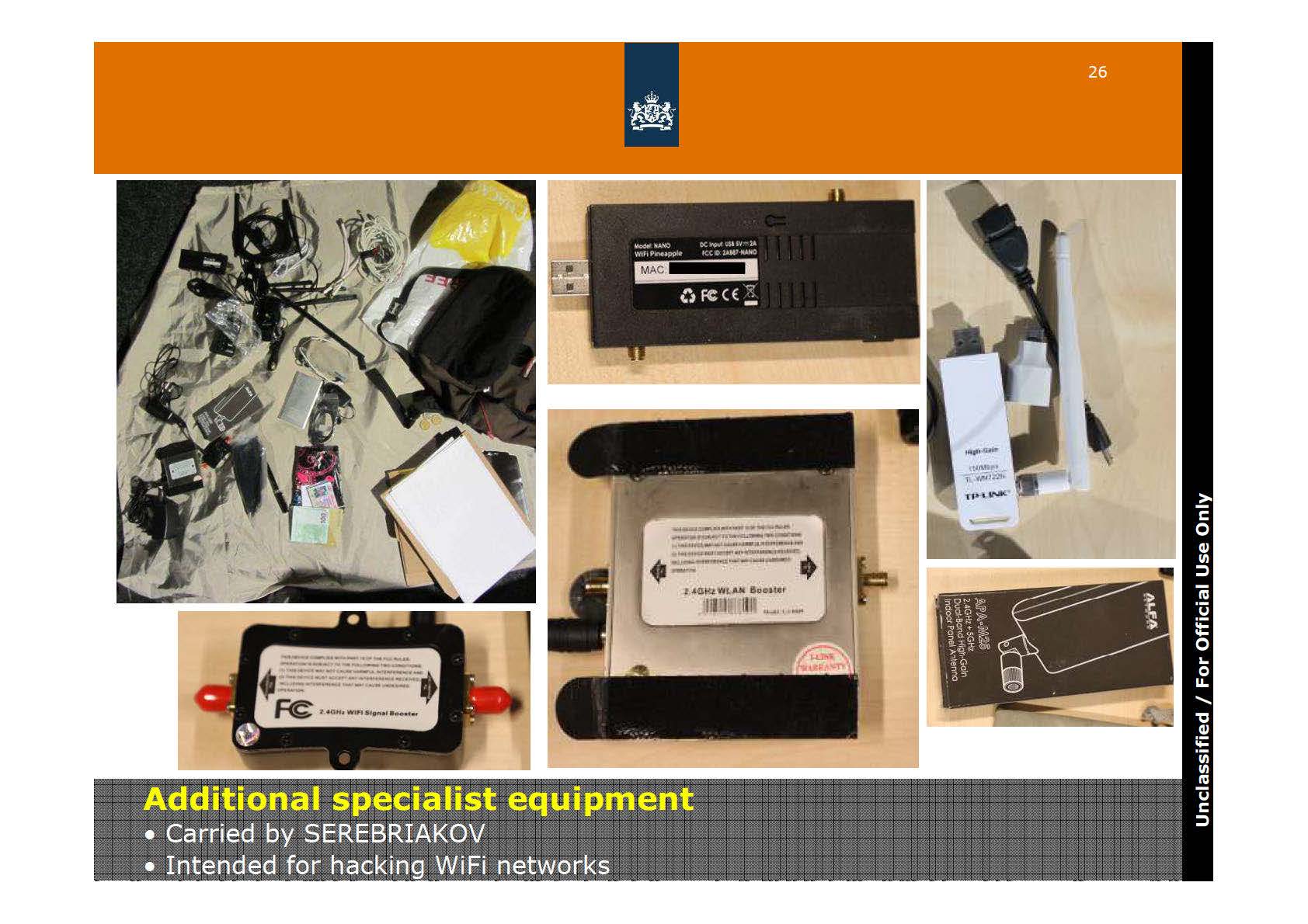
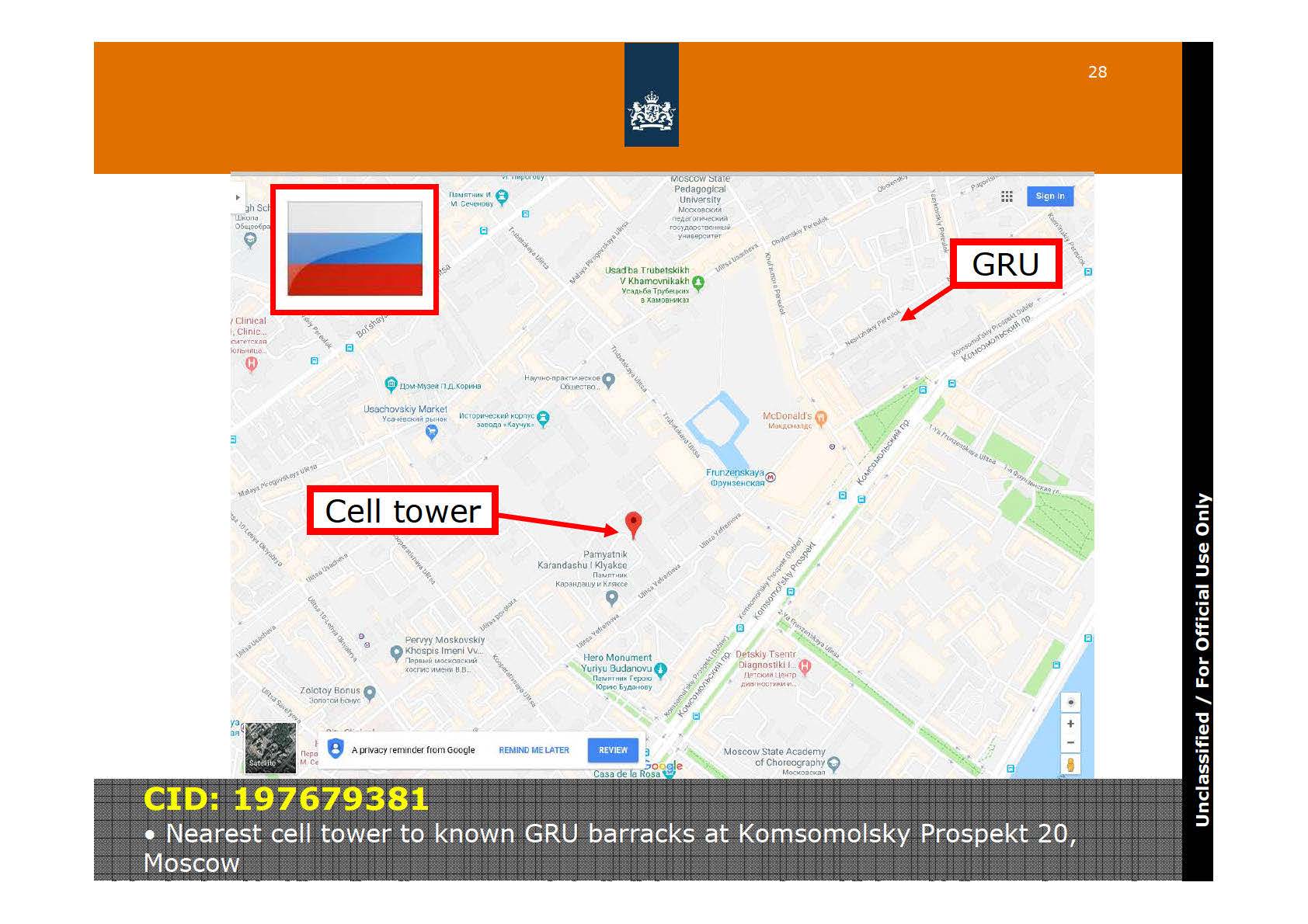
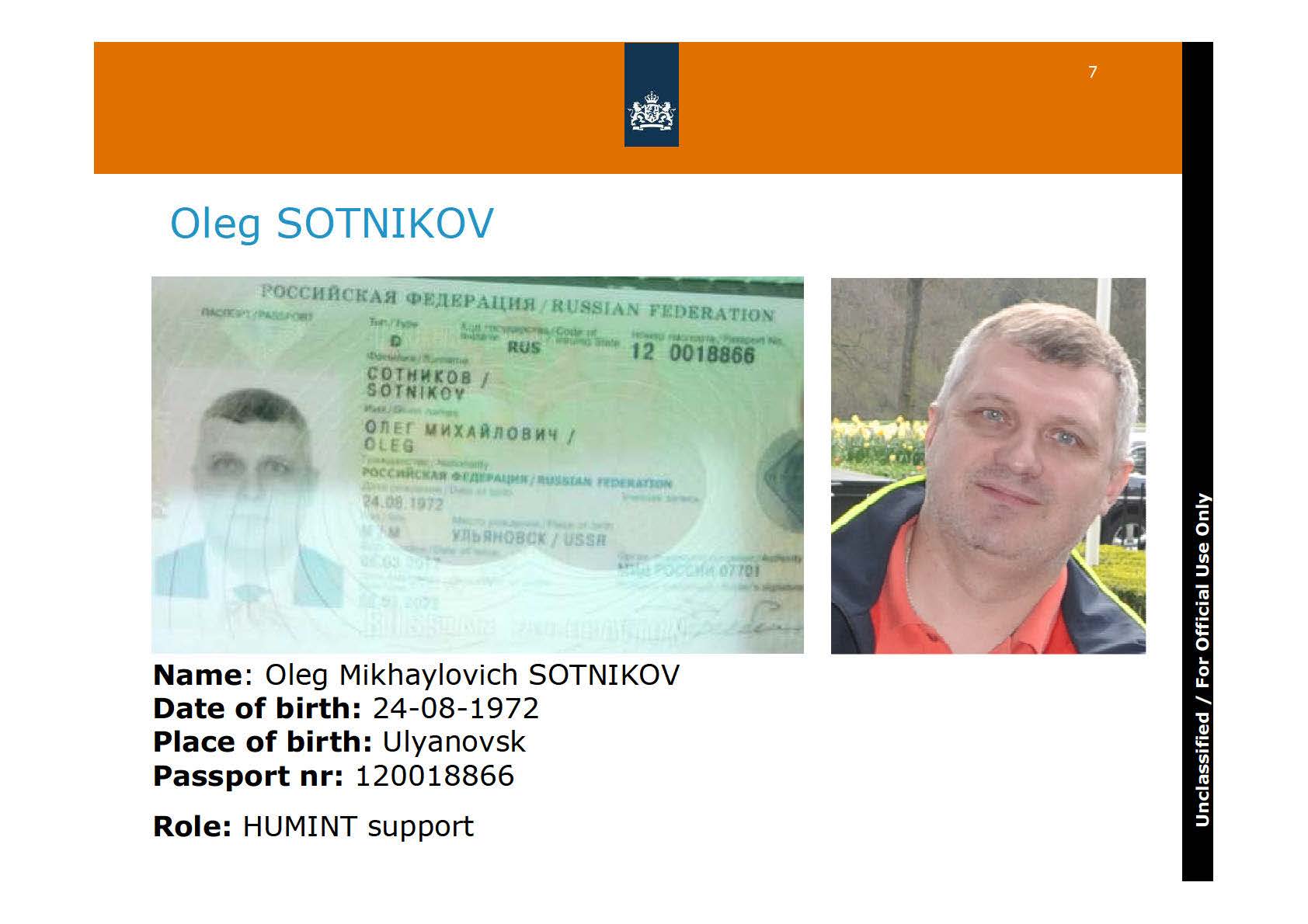
The Ultra Secret Proof for the Russian Cyber STASI Attacks

Become a Patron!
True Information is the most valuable resource and we ask you to give back.

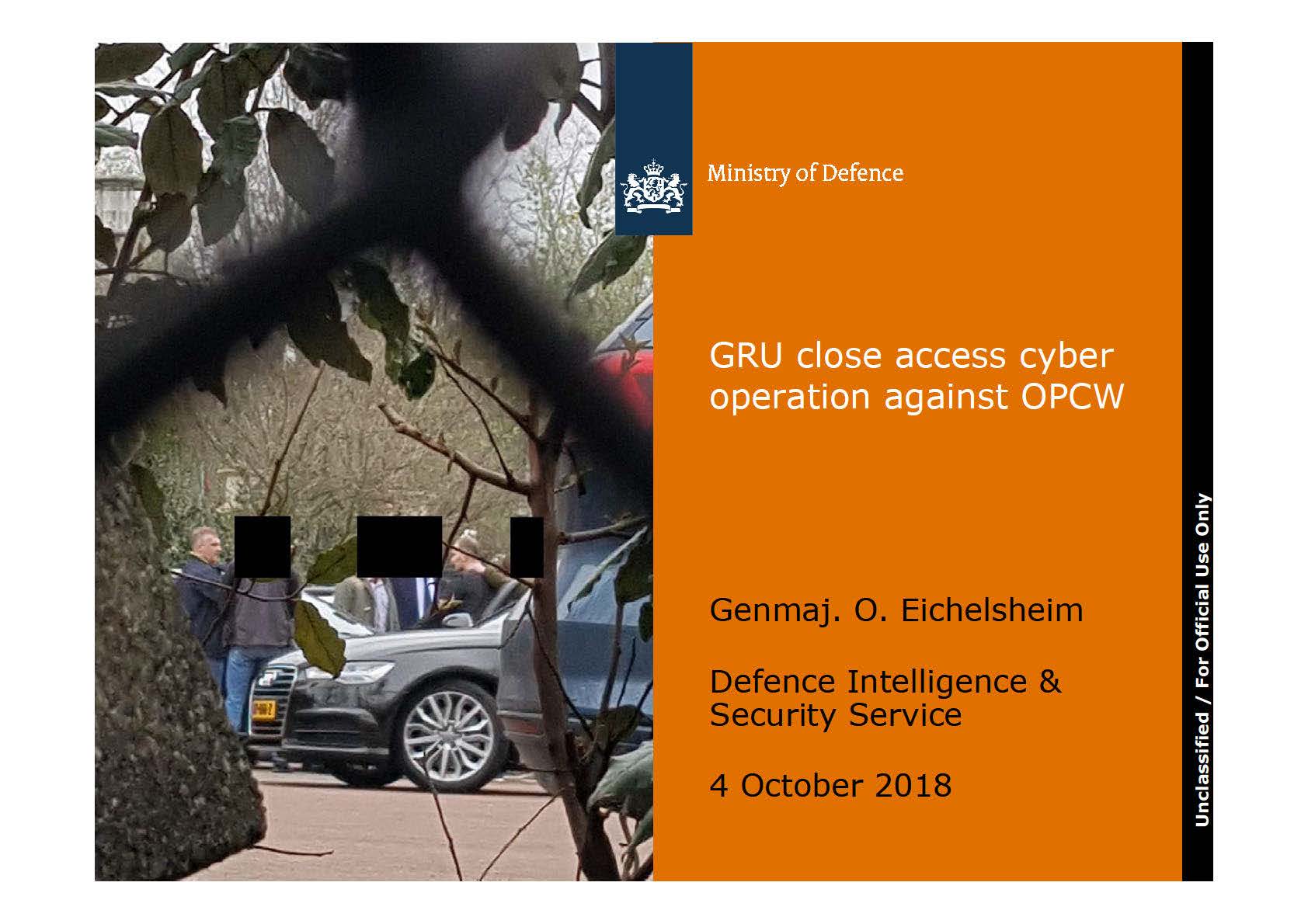
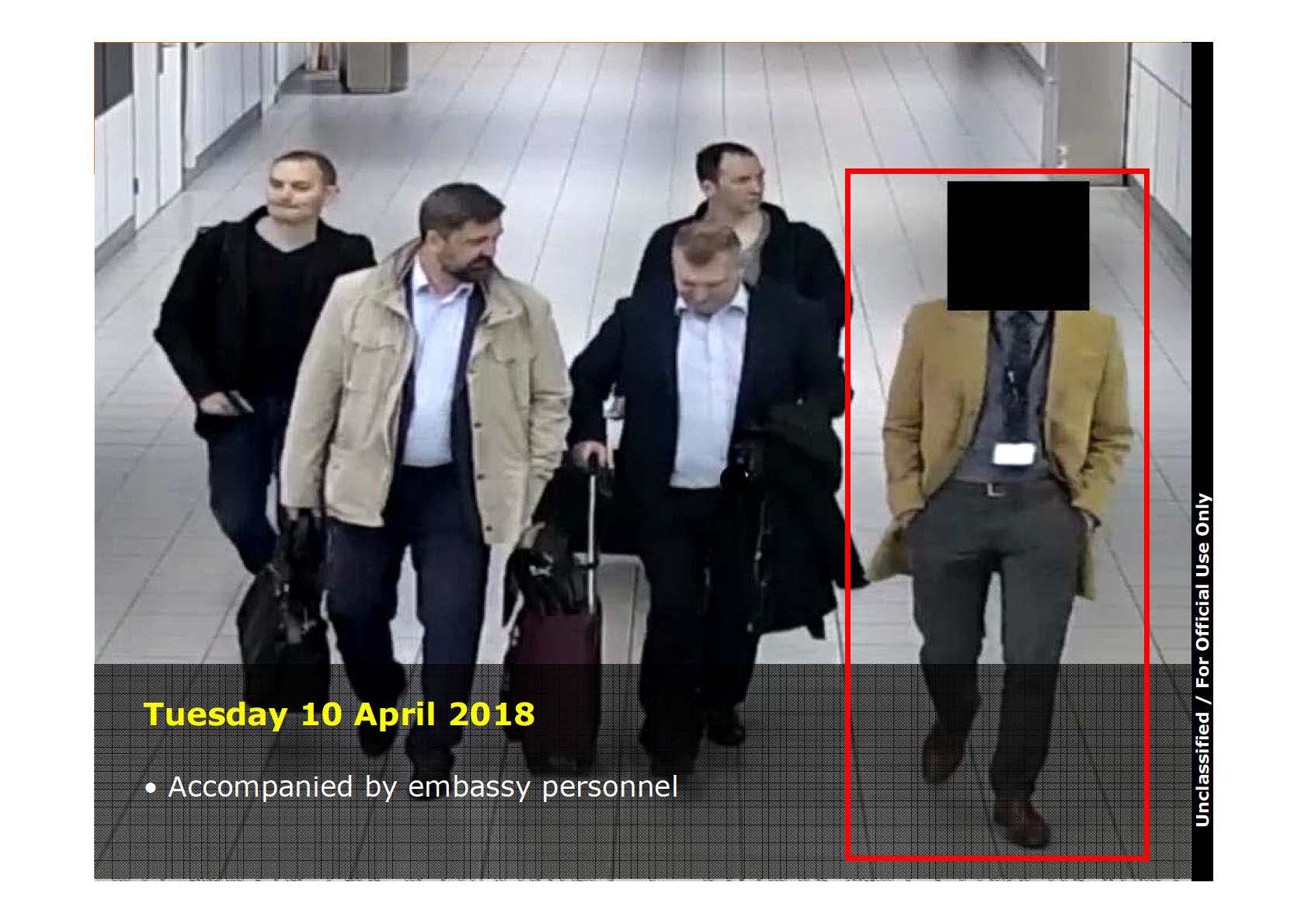
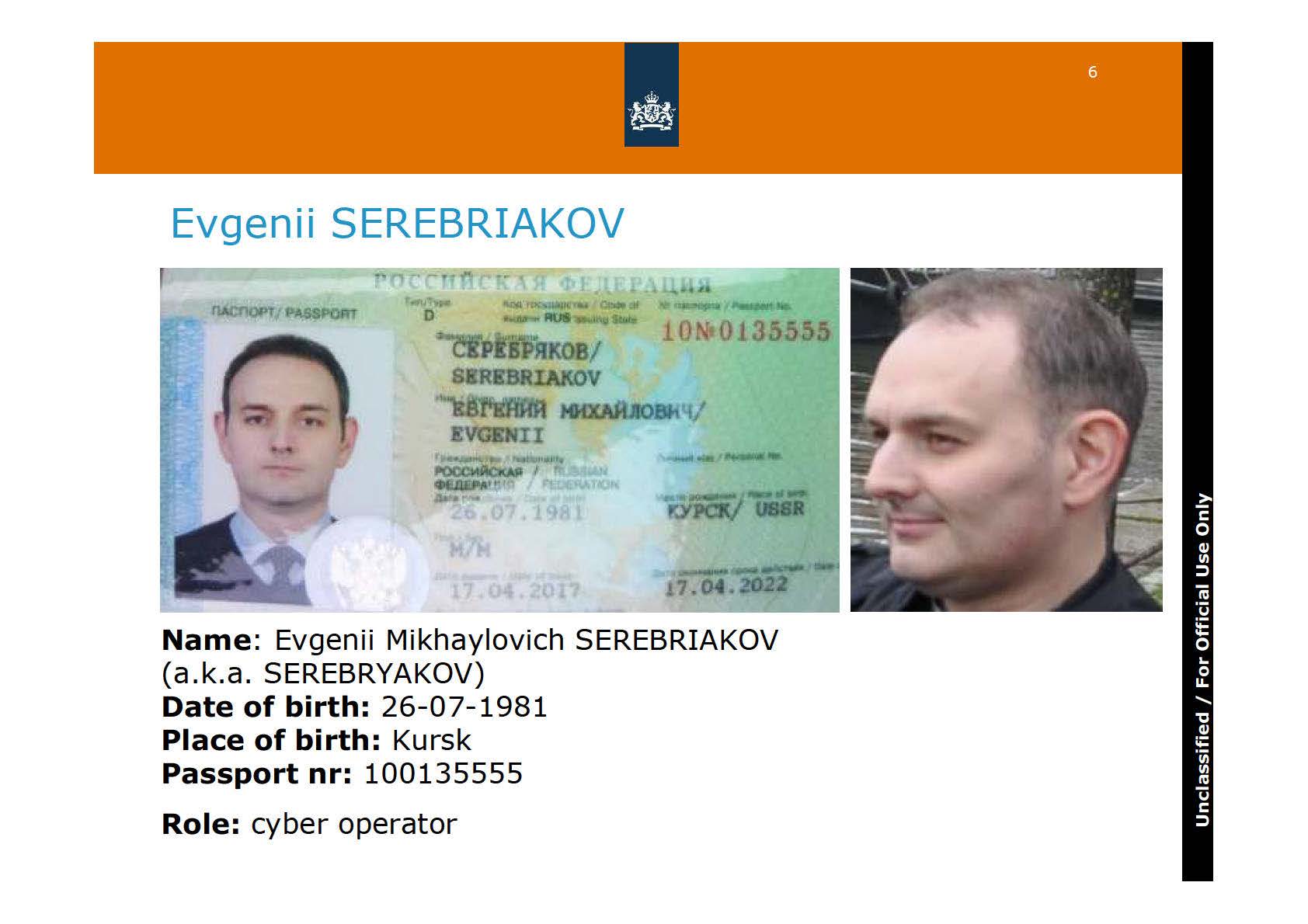
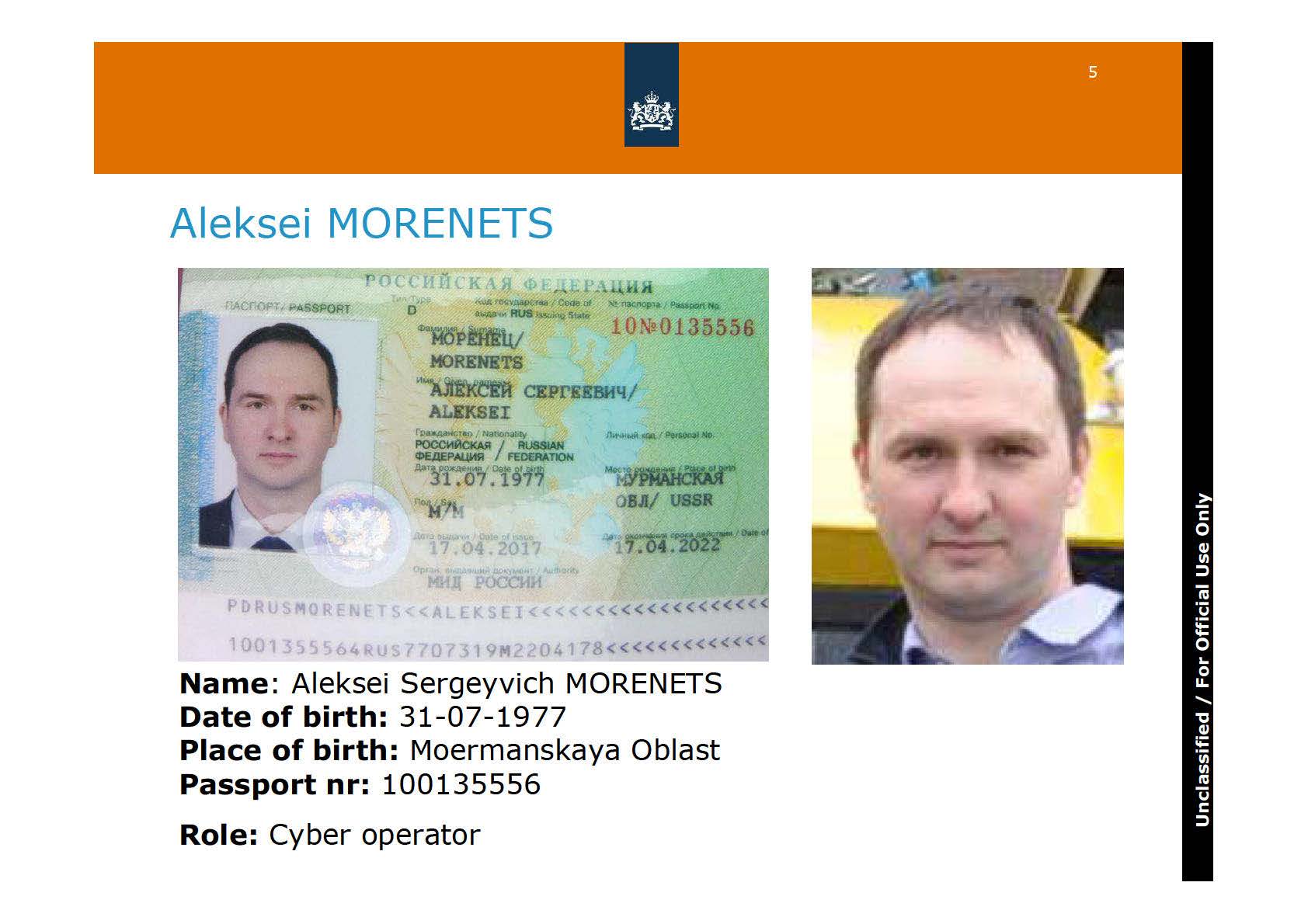
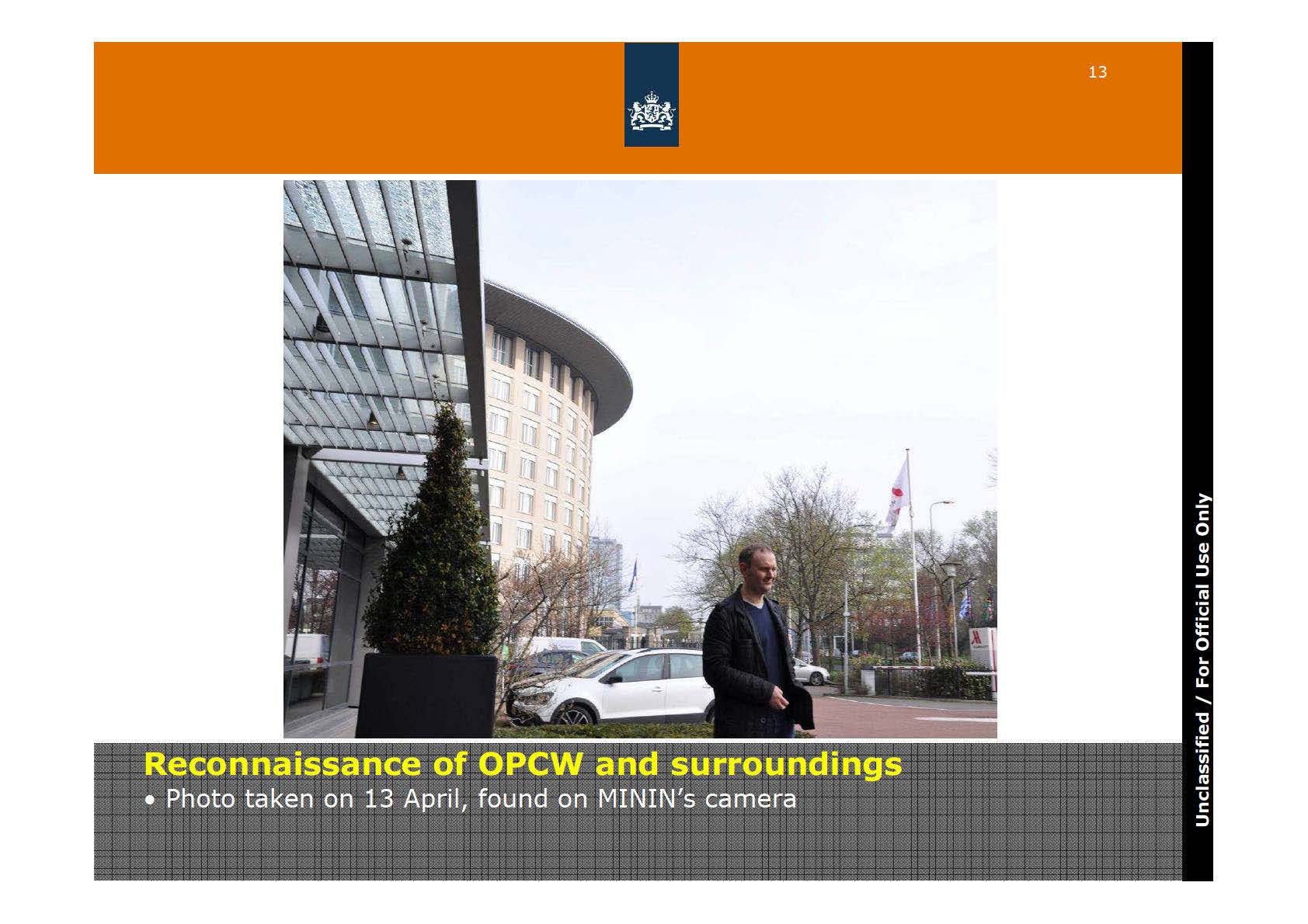
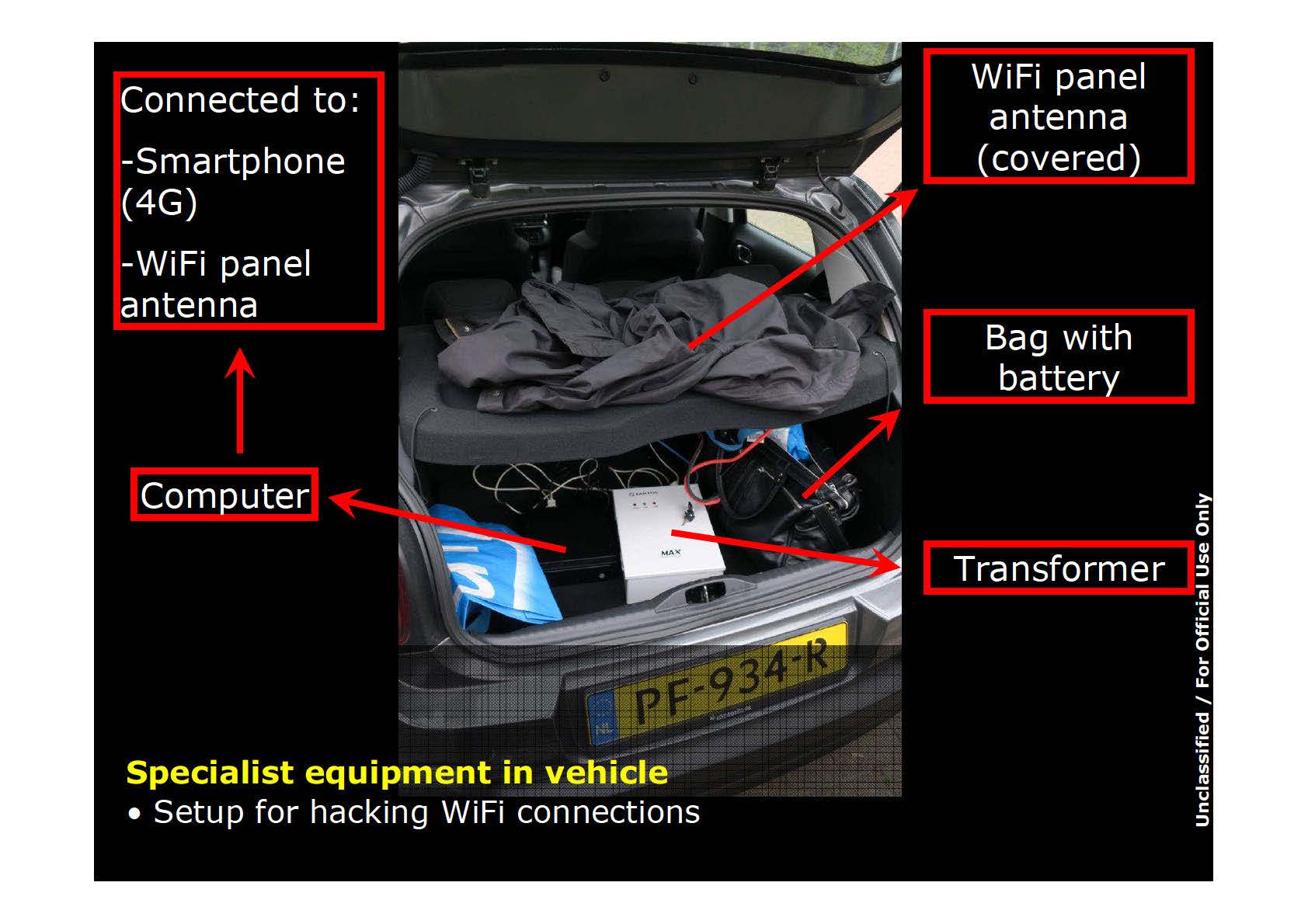
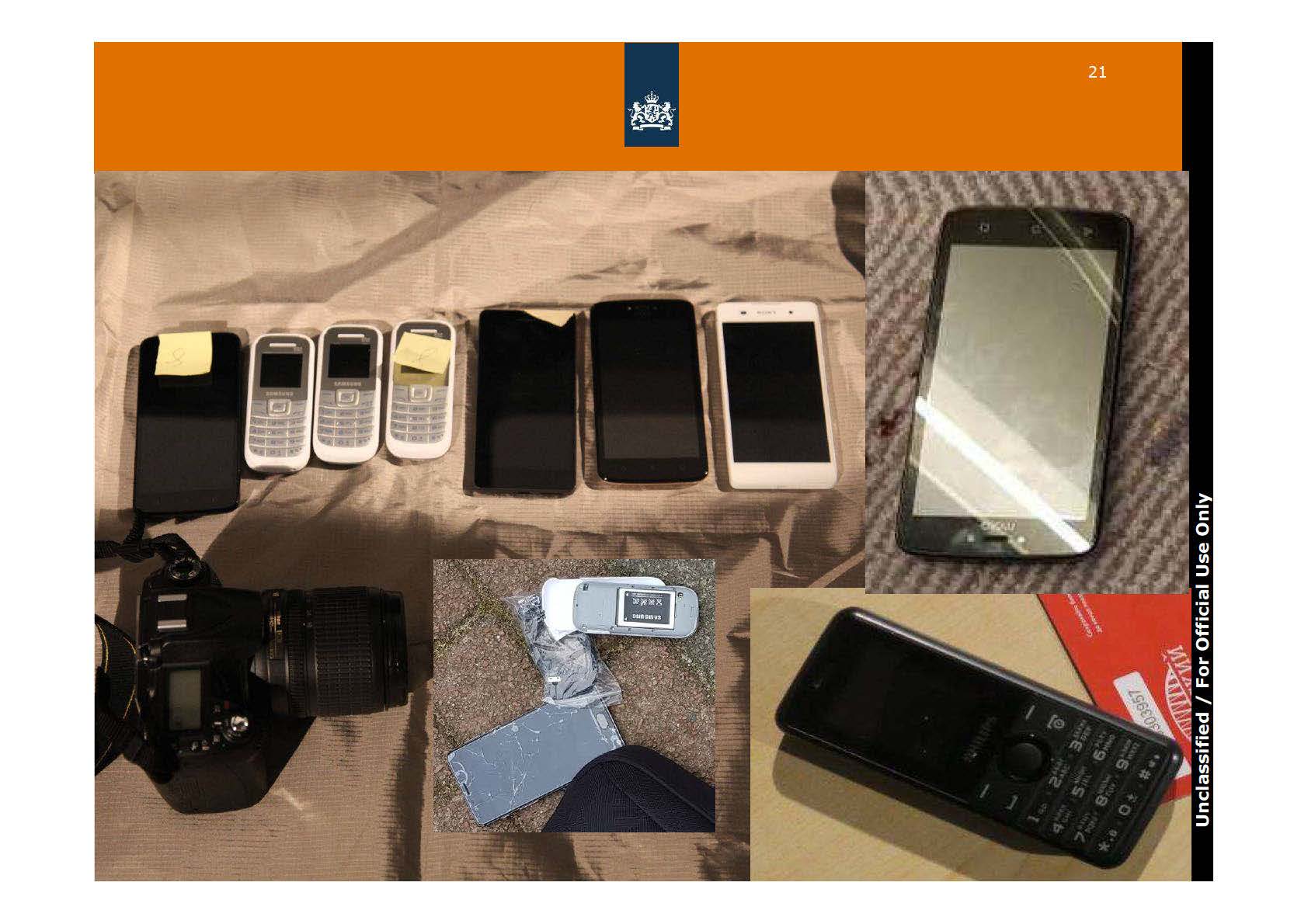
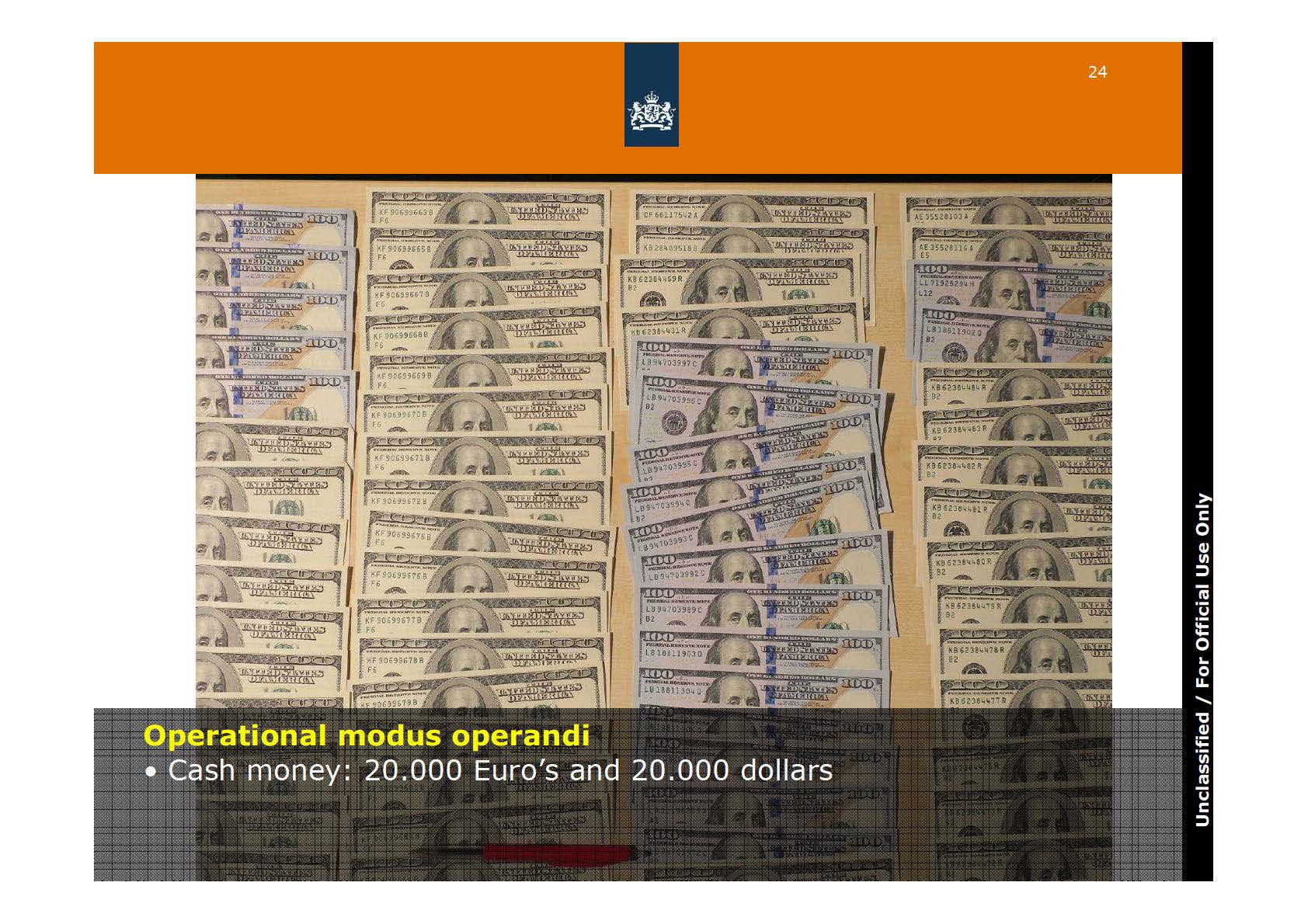
Dutch Ministry of Defence GRU Close Access Cyber Operation Against OPCW

Page Count: 35 pages
Date: October 4, 2018
Restriction: None
Originating Organization: Dutch Ministry of Defence
File Type: pdf
File Size: 9,485,284 bytes
File Hash (SHA-256):D9055D137D16AF0D58F4F2EB5B9A9094CDAAF18013F13989BE5B3341FCCE099B

Download File