In a stunning reversal, Syria’s new government has publicly acknowledged the existence of tons of nuclear material left behind by the ousted Assad regime and announced it will keep the stockpile on Syrian soil for peaceful civilian use – under IAEA safeguards.
The Discovery
On August 18, 2026, International Atomic Energy Agency (IAEA) Director General Rafael Grossi announced at a joint press conference in Damascus with Syrian Foreign Minister Asaad al-Shaibani that IAEA inspectors had discovered “several tons of nuclear material” at an undeclared site in Syria.
“We are talking about a few tons of nuclear material that could be put to bad use.” — IAEA Director General Rafael Grossi
The material, which includes yellowcake uranium – a uranium concentrate that can be processed into reactor fuel or, at higher enrichment, used for nuclear weapons – had been stored at a clandestine facility known as “Site 99”.
Syria’s new government voluntarily informed the IAEA about the material on July 17, 2026, marking the first time Damascus has cooperated with the agency on its nuclear legacy.
“On July 17, we sent an official letter to the agency, in which we declared of our own free will the presence of nuclear materials at an undeclared site within the legacy left by the former regime.” — Syrian Foreign Minister Asaad al-Shaibani
The Reversal: “Syria Has the Right to Use It”
Just days after signaling that the material would be removed from Syria under IAEA supervision, Damascus reversed course. During the press conference, al-Shaibani declared that the nuclear material will remain in Syria under national custody and subject to IAEA safeguards.
“Syria has the right to use the material for civilian purposes.” — Syrian Foreign Minister Asaad al-Shaibani
“The minister affirmed that the Syrian Arab Republic exercises sovereign responsibility over all nuclear material on its territory, that the material remains in Syrian national custody, and that Syria will continue to perform its responsibilities in accordance with its international obligations and its national interests.” — IAEA statement
Syria reaffirmed its sovereign and legal right to the civilian and peaceful use of nuclear energy, linked to energy, health, and water management.
The Legacy: Assad’s Secret Nuclear Program
The nuclear material is connected to the secret nuclear program developed under former President Bashar al-Assad, centered on the al-Kibar reactor in eastern Syria’s Deir Ezzor province.
On September 6, 2007, Israel destroyed the al-Kibar reactor in a covert airstrike – later known as Operation Orchard – largely dismantling Syria’s nuclear ambitions.
The IAEA concluded in 2011 that the site was “very likely” a nuclear reactor built with possible assistance from North Korea.
“This validates the longstanding evaluation of the IAEA that a nuclear facility was being built in secrecy.” — IAEA Director General Rafael Grossi
Israel’s Monitoring and Threats
Israeli officials told Axios that the Assad regime had stored nuclear material intended for the al-Kibar project at Site 99 – a facility closely monitored by Israel for over two years.
Israeli officials said the IDF bombed the entrances to Site 99 shortly after Assad’s fall in an attempt to prevent access to the stored material.
Israel had reportedly threatened to bomb the site if the material was not removed, and made clear to the Trump administration that it would not accept the nuclear material remaining at the site.
A New Chapter – Or a New Threat?
Syria’s admission marks a significant turning point. For nearly two decades, the Assad regime denied the existence of its nuclear program and refused IAEA access. The new government, which came to power after Assad’s fall in late 2024, has taken what Grossi called a “courageous decision” to cooperate.
“We are starting to turn a page, and turning a page does not mean forgetting the past.” — IAEA Director General Rafael Grossi
However, the decision to keep the nuclear material in Syria – rather than remove it – has raised fresh concerns. While the material cannot be directly used to manufacture a nuclear weapon, it could potentially be used in a “dirty bomb” – a conventional explosive designed to disperse radioactive material.
The question now is whether Syria’s new government will follow through on its commitment to transparency – or whether the Assad-era nuclear legacy will continue to haunt the region for years to come.
📺 YouTube: youtube.com/@bernd_pulch 🐦 X (Twitter): x.com/berndsocial1 📢 Telegram: t.me/ABOVETOPSECRETXXL 🔓 UNLOCK THE TRUTH: berndpulch.org/join
Syrien räumt Besitz von Assad-Atommaterial ein – will es für “zivile Zwecke” behalten
In einer überraschenden Wende hat die neue syrische Regierung öffentlich die Existenz von Tonnen von Atommaterial eingeräumt, das vom gestürzten Assad-Regime zurückgelassen wurde, und angekündigt, den Bestand unter IAEA-Kontrollen für friedliche zivile Zwecke auf syrischem Boden zu behalten.
—
Die Entdeckung
Am 18. August 2026 gab IAEA-Generaldirektor Rafael Grossi bei einer gemeinsamen Pressekonferenz in Damaskus mit Syriens Außenminister Asaad al-Shaibani bekannt, dass IAEA-Inspektoren “mehrere Tonnen Kernmaterial” an einer nicht deklarierten Stätte in Syrien entdeckt hätten.
“Wir sprechen von einigen Tonnen Kernmaterial, das für schlechte Zwecke verwendet werden könnte.” — IAEA-Generaldirektor Rafael Grossi
Bei dem Material handelt es sich unter anderem um Uranoxid (Yellowcake) – ein Urankonzentrat, das zu Brennstoff für Reaktoren oder bei höherer Anreicherung für Atomwaffen verarbeitet werden kann. Es wurde in einer geheimen Einrichtung namens “Site 99” gelagert.
Die neue syrische Regierung informierte die IAEA am 17. Juli 2026 freiwillig über das Material – das erste Mal, dass Damaskus mit der Behörde über sein nukleares Erbe kooperierte.
“Am 17. Juli haben wir der Behörde einen offiziellen Brief geschickt, in dem wir aus freiem Willen das Vorhandensein von Kernmaterial an einer nicht deklarierten Stätte innerhalb des vom früheren Regime hinterlassenen Erbes erklärt haben.” — Syriens Außenminister Asaad al-Shaibani
—
Die Kehrtwende: “Syrien hat das Recht, es zu nutzen”
Nur wenige Tage nachdem signalisiert worden war, dass das Material unter IAEA-Aufsicht aus Syrien entfernt werden würde, drehte Damaskus den Spieß um. Während der Pressekonferenz erklärte al-Shaibani, dass das Kernmaterial unter nationaler Obhut in Syrien verbleiben und unter IAEA-Kontrollen gestellt werde.
“Syrien hat das Recht, das Material für zivile Zwecke zu nutzen.” — Syriens Außenminister Asaad al-Shaibani
“Der Minister bekräftigte, dass die Syrische Arabische Republik die souveräne Verantwortung für alles Kernmaterial auf ihrem Territorium ausübt, dass das Material in syrischer nationaler Obhut verbleibt und dass Syrien weiterhin seine Verantwortung gemäß seinen internationalen Verpflichtungen und seinen nationalen Interessen wahrnehmen wird.” — IAEA-Erklärung
Syrien bekräftigte sein souveränes und rechtmäßiges Recht auf die zivile und friedliche Nutzung der Kernenergie, verbunden mit Energie, Gesundheit und Wasserwirtschaft.
—
Das Erbe: Assads geheimes Atomprogramm
Das Kernmaterial steht im Zusammenhang mit dem geheimen Atomprogramm, das unter dem früheren Präsidenten Baschar al-Assad entwickelt wurde und sich auf den al-Kibar-Reaktor in der östlichen Provinz Deir ez-Zor konzentrierte.
Am 6. September 2007 zerstörte Israel den al-Kibar-Reaktor in einem verdeckten Luftangriff – später bekannt als Operation Orchard – und zerschlug damit weitgehend Syriens nukleare Ambitionen.
Die IAEA kam 2011 zu dem Schluss, dass es sich bei dem Gelände “sehr wahrscheinlich” um einen Atomreaktor handelte, der möglicherweise mit Unterstützung von Nordkorea gebaut worden war.
“Dies bestätigt die langjährige Einschätzung der IAEA, dass dort im Geheimen eine Atomanlage gebaut wurde.” — IAEA-Generaldirektor Rafael Grossi
—
Israels Überwachung und Drohungen
Israelische Beamte sagten gegenüber Axios, dass das Assad-Regime Kernmaterial für das al-Kibar-Projekt in “Site 99” gelagert habe – einer Einrichtung, die von Israel über zwei Jahre lang genau überwacht wurde.
Israelische Beamte erklärten, dass die IDF kurz nach Assads Sturz die Zugänge zu Site 99 bombardiert habe, um den Zugang zu dem gelagerten Material zu verhindern.
Israel hatte Berichten zufolge mit der Bombardierung des Geländes gedroht, falls das Material nicht entfernt werde, und machte der Trump-Administration klar, dass es nicht akzeptieren werde, dass das Kernmaterial an dem Standort verbleibe.
—
Ein neues Kapitel – oder eine neue Bedrohung?
Syriens Eingeständnis markiert einen bedeutenden Wendepunkt. Fast zwei Jahrzehnte lang hatte das Assad-Regime die Existenz seines Atomprogramms bestritten und der IAEA den Zugang verweigert. Die neue Regierung, die nach Assads Sturz Ende 2024 an die Macht kam, hat nach Grossis Worten eine “mutige Entscheidung” zur Zusammenarbeit getroffen.
“Wir beginnen, ein neues Kapitel aufzuschlagen, und ein neues Kapitel bedeutet nicht, die Vergangenheit zu vergessen.” — IAEA-Generaldirektor Rafael Grossi
Die Entscheidung, das Kernmaterial in Syrien zu belassen – anstatt es zu entfernen – hat jedoch neue Bedenken geweckt. Das Material kann zwar nicht direkt zur Herstellung einer Atomwaffe verwendet werden, könnte aber möglicherweise für eine “schmutzige Bombe” genutzt werden – einen konventionellen Sprengsatz, der radioaktives Material verteilen soll.
Die Frage ist nun, ob die neue syrische Regierung ihr Bekenntnis zur Transparenz einhalten wird – oder ob das nukleare Erbe der Assad-Ära die Region noch jahrelang belasten wird.
—
📺 YouTube: youtube.com/@bernd_pulch 🐦 X (Twitter): x.com/berndsocial1 📢 Telegram: t.me/ABOVETOPSECRETXXL 🔓 UNLOCK THE TRUTH: berndpulch.org/join
Iran is actively planning to strike U.S. military targets in Europe — including bases in Bulgaria and Cyprus — if President Donald Trump orders a fresh escalation of the war, according to sources close to the Iranian regime. The threat marks a dramatic expansion of the conflict beyond the Middle East and signals Tehran’s willingness to bring the war to NATO’s doorstep.
The Threat
Iranian military planners have examined potential targets at American military facilities in southeastern Europe, including Bulgaria, according to a report by the Financial Times. The assessment follows Bulgaria’s decision last month to allow U.S. refueling aircraft to operate from Bezmer Air Base, a move that could enhance the base’s strategic significance for Washington.
“Iranian forces have evaluated the option of striking U.S. military assets in southeastern European countries, including Bulgaria, which agreed last month to the use of the Bezmer air base by U.S. aircraft for refueling purposes.” — Financial Times, citing sources close to the Iranian regime
Cyprus has also been identified as a possible target. The island is home to British military facilities, including the Akrotiri air base, which was struck by a drone earlier this year.
The Undersea Cable Threat
In addition to military targets, Iranian forces have separately assessed the possibility of striking undersea fiber-optic cables passing through the Strait of Hormuz. Any such disruption could affect key communications infrastructure running through the strategically vital waterway.
“Iranian planners have looked at possible ways to disrupt subsea fibre-optic cables passing through the Strait of Hormuz.” — Financial Times report
The Escalation Calculus
The reported contingency planning reflects Tehran’s efforts to assess how it could raise the costs for Washington if the conflict widens.
Key factors driving the threat:
· The 60-day talk window between the U.S. and Iran ended without any breakthrough under the Islamabad MoU · Trump declared that no “talks or conversations” are underway or planned with Tehran · Iran’s Supreme Leader has promoted hardliners to top security and military positions, signaling a shift toward a more confrontational posture
“If the United States were to strike Iranian infrastructure, Tehran could expand its operations beyond the Middle East. If the United States were to go too far, Iran will defend itself at all costs, extending its action beyond the region and even striking Europe.” — Source close to the Iranian regime
The “Madness” Gambit
Iranian sources have conveyed a blunt message to Washington: “Don’t play a game of madness with us, because we are crazier.”
One source warned that Tehran’s response would be “without any limits”. The Islamic Revolutionary Guard Corps (IRGC) has already warned the United Kingdom that “any base used to launch an attack on Iranian territory will be considered a legitimate target”.
In July, Iran attacked a U.S. base in Jordan, killing three U.S. service members. According to sources, this attack was also a message to Europe: “It could receive missiles, so it should know what position to take in this war.”
The Military Reality
While the threat is serious, experts caution that Iran’s ability to strike European targets is limited.
Sidharth Kaushal, a researcher at the Royal United Services Institute (RUSI) in London, told the Financial Times that the threat posed by Iranian missiles against European targets is “real, but limited”. Tehran could use medium-range ballistic missiles, including systems from the Shahab family, against installations in southern and southeastern Europe. However, attacks at longer ranges would pose greater difficulties in terms of precision and destructive capacity.
Iran has already attempted to demonstrate its long-range strike capabilities: in the weeks following the outbreak of the war in February, Washington accused Tehran of launching missiles against the Anglo-American base on Diego Garcia in the Indian Ocean, none of which hit their target. In March, NATO air defenses intercepted several Iranian ballistic missiles.
The Bottom Line
Iran is preparing options to broaden the conflict if Trump acts on earlier threats to strike Iranian infrastructure. The reported planning to strike U.S. targets in Bulgaria and Cyprus represents a significant escalation in the war of words — and potentially, the war itself.
The message from Tehran is clear: if the United States expands the war, Iran will expand it too — and Europe will not be spared.
📺 YouTube: youtube.com/@bernd_pulch 🐦 X (Twitter): x.com/berndsocial1 📢 Telegram: t.me/ABOVETOPSECRETXXL 🔓 UNLOCK THE TRUTH: berndpulch.org/join
Iran droht mit Angriffen auf US-Militärziele in Europa – Bulgarien und Zypern im Visier
Unlock the Full Truth: berndpulch.org/join
—
Iran plant nach Informationen von regime-nahen Quellen Angriffe auf US-Militärziele in Europa – darunter Stützpunkte in Bulgarien und Zypern – falls Präsident Donald Trump den Krieg weiter eskalieren lässt. Die Drohung markiert eine dramatische Ausweitung des Konflikts über den Nahen Osten hinaus und signalisiert Teherans Bereitschaft, den Krieg bis vor die Tore der NATO zu tragen.
—
Die Drohung
Iranische Militärplaner haben mögliche Ziele an US-Militäreinrichtungen in Südosteuropa geprüft, darunter in Bulgarien, wie die Financial Times berichtet. Die Bewertung erfolgt im Anschluss an Bulgariens Entscheidung vom letzten Monat, US-Tankflugzeugen die Nutzung des Luftstützpunkts Besmer zu erlauben – ein Schritt, der die strategische Bedeutung des Stützpunkts für Washington erhöhen könnte.
“Iranische Streitkräfte haben die Option geprüft, US-Militärgüter in südosteuropäischen Ländern anzugreifen, darunter Bulgarien, das im letzten Monat der Nutzung des Luftstützpunkts Besmer durch US-Flugzeuge zu Betankungszwecken zugestimmt hat.” — Financial Times unter Berufung auf regime-nahe Quellen
Auch Zypern wurde als mögliches Ziel identifiziert. Die Insel beherbergt britische Militäreinrichtungen, darunter den Luftstützpunkt Akrotiri, der bereits Anfang des Jahres von einer Drohne angegriffen wurde.
—
Die Bedrohung von Unterseekabeln
Neben militärischen Zielen haben iranische Streitkräfte separat die Möglichkeit geprüft, Unterseeglasfaserkabel anzugreifen, die durch die Straße von Hormus verlaufen. Jede solche Störung könnte die wichtige Kommunikationsinfrastruktur beeinträchtigen, die durch die strategisch lebenswichtige Wasserstraße verläuft.
“Iranische Planer haben mögliche Wege geprüft, um Unterseeglasfaserkabel zu stören, die durch die Straße von Hormus verlaufen.” — Financial Times
—
Die Eskalationslogik
Die berichtete Notfallplanung spiegelt Teherans Bemühungen wider, zu bewerten, wie es die Kosten für Washington erhöhen könnte, falls der Konflikt weiter eskaliert.
Schlüsselfaktoren, die die Drohung antreiben:
· Das 60-tägige Gesprächsfenster zwischen den USA und dem Iran endete ohne Durchbruch im Rahmen des Islamabad-MoU · Trump erklärte, dass derzeit keine “Gespräche oder Unterhaltungen” mit Teheran stattfinden oder geplant seien · Irans oberster Führer hat Hardliner in die obersten Sicherheits- und Militärpositionen berufen, was eine Hinwendung zu einer konfrontativeren Haltung signalisiert
“Wenn die Vereinigten Staaten iranische Infrastruktur angreifen würden, könnte Teheran seine Operationen über den Nahen Osten hinaus ausweiten. Wenn die Vereinigten Staaten zu weit gehen sollten, wird sich Iran um jeden Preis verteidigen, seine Aktionen über die Region hinaus ausdehnen und sogar Europa angreifen.” — Quelle aus regime-nahen Kreisen
—
Die “Wahnsinns”-Strategie
Iranische Quellen haben Washington eine unmissverständliche Botschaft übermittelt: “Spielen Sie kein Wahnsinnsspiel mit uns, denn wir sind verrückter.”
Eine Quelle warnte, dass Teherans Antwort “ohne jede Grenze” sein werde. Die Islamischen Revolutionsgarden (IRGC) haben Großbritannien bereits gewarnt, dass “jeder Stützpunkt, der für einen Angriff auf iranisches Territorium genutzt wird, als legitimes Ziel betrachtet wird”.
Im Juli griff der Iran einen US-Stützpunkt in Jordanien an und tötete drei US-Soldaten. Quellen zufolge war auch dieser Angriff eine Botschaft an Europa: “Es könnte Raketen erhalten, also sollte es wissen, welche Position es in diesem Krieg einnehmen sollte.”
—
Die militärische Realität
So ernst die Bedrohung ist, warnen Experten, dass Irans Fähigkeit, europäische Ziele anzugreifen, begrenzt ist.
Sidharth Kaushal, Forscher am Royal United Services Institute (RUSI) in London, sagte der Financial Times, dass die Bedrohung durch iranische Raketen gegen europäische Ziele “real, aber begrenzt” sei. Teheran könnte Mittelstreckenraketen, einschließlich Systeme der Shahab-Familie, gegen Einrichtungen in Süd- und Südosteuropa einsetzen. Angriffe über größere Entfernungen würden jedoch größere Schwierigkeiten in Bezug auf Präzision und Zerstörungskraft mit sich bringen.
Der Iran hat bereits versucht, seine Langstreckenfähigkeiten unter Beweis zu stellen: In den Wochen nach Kriegsausbruch im Februar beschuldigte Washington Teheran, Raketen gegen den britisch-amerikanischen Stützpunkt auf Diego Garcia im Indischen Ozean abgefeuert zu haben, von denen keine ihr Ziel traf. Im März fing die NATO-Luftverteidigung mehrere iranische ballistische Raketen ab.
—
Die Bilanz
Der Iran bereitet Optionen vor, den Konflikt auszuweiten, falls Trump auf frühere Drohungen reagiert, iranische Infrastruktur anzugreifen. Die berichtete Planung von Angriffen auf US-Ziele in Bulgarien und Zypern stellt eine bedeutende Eskalation des Wortgefechts – und möglicherweise des Krieges selbst – dar.
Die Botschaft aus Teheran ist klar: wenn die USA den Krieg ausweiten, wird der Iran ihn ebenfalls ausweiten – und Europa wird nicht verschont bleiben.
—
📺 YouTube: youtube.com/@bernd_pulch 🐦 X (Twitter): x.com/berndsocial1 📢 Telegram: t.me/ABOVETOPSECRETXXL 🔓 UNLOCK THE TRUTH: berndpulch.org/join
A 14-count superseding indictment unsealed on August 19, 2026, charges 17 members of the Iran-based Mabna Institute with conducting a sweeping cyber theft campaign on behalf of the Islamic Revolutionary Guard Corps (IRGC) and other Iranian entities. The hackers stole more than 31 terabytes of academic data and intellectual property from hundreds of universities, companies, and government agencies worldwide.
The Scope of the Conspiracy
The Mabna Institute, founded around 2013 by Gholamreza Rafatnejad and Ehsan Mohammadi, operated as a hacking-for-hire organization that assisted Iranian universities and research organizations in stealing non-Iranian scientific resources. According to the indictment, the defendants targeted more than 100,000 professor accounts globally and successfully compromised approximately 8,000 professor email accounts across 144 U.S.-based universities and 178 foreign universities in countries including Australia, Canada, China, Germany, Israel, Italy, Japan, the Netherlands, South Korea, Switzerland, Turkey, and the United Kingdom.
The conspiracy also targeted at least 42 U.S.-based private sector companies, 11 foreign private sector companies, five U.S. federal and state government agencies, and two non-governmental organizations.
In total, the defendants stole more than 31.5 terabytes of academic data and intellectual property. U.S.-based universities spent more than approximately $3.4 billion to procure and access such data and intellectual property.
The Methods
The hackers used stolen account credentials to gain unauthorized access to victim professor accounts, which they then used to steal research, academic journals, theses, dissertations, and electronic books across all fields of research, including science and technology, engineering, social sciences, and medicine.
The stolen data was exfiltrated to servers outside the United States under the control of the conspiracy. In addition to stealing data for the benefit of the Iranian government, the defendants sold the stolen resources through two websites: Megapaper.ir and Gigapaper.ir. Megapaper sold stolen academic resources to customers within Iran, while Gigapaper allowed customers to use compromised university professor accounts to directly access the online library systems of U.S.-based and foreign universities.
The Defendants
Nine of the 17 defendants were previously charged in a 7-count indictment announced in March 2018. The case is assigned to U.S. District Judge Jesse M. Furman.
The defendants include:
· Gholamreza Rafatnejad and Ehsan Mohammadi – founders of the Mabna Institute · Abdollah Karima (aka “Vahid Karima”) – who controlled Falinoos Company, which operated Megapaper · Mostafa Sadeghi, Seyed Ali Mirkarmi, Mohammed Reza Sabahi, Roozbeh Sabahi, Abuzar Gohari Moqadam, Sajjad Tahmasebi, Saeid Houshyar, Behzad Mesri (aka “Skote Vahshat”), Manouchehr Hashemloo, Keyvan Fayaz (aka “Achilles” aka “The Joker” aka “bc.monster”), Amir Barati, Saber Shahbazi Ballojeh, Arman Kahzadian, and Mojtaba Galekuhi (aka “Mojtaba Ghaleh Koui”)
The Government’s Response
Assistant Attorney General for National Security John A. Eisenberg stated: “The superseding indictment alleges that, at the behest of entities including the IRGC, these defendants hacked into universities and other research institutions worldwide, including the United States, stealing at least 31 terabytes of information and intellectual property of untold value”.
U.S. Attorney Jamie McDonald for the Southern District of New York said: “More than eight years after making the original indictment public, these charges make clear that the passage of time will not deter us from identifying and pursuing those who target the United States from abroad”.
FBI Cyber Division Assistant Director Brett Leatherman added: “Today’s charges make clear to cyber adversaries everywhere: the FBI’s memory is long, and time will not blunt our resolve to pursue justice”.
Concurrent with the unsealing of the indictment, the U.S. Department of State’s Rewards for Justice program is offering a reward of up to $10 million for information leading to the location of defendants Mesri, Galekuhi, Kahzadian, Fayaz, and Ballojeh.
Conclusion
The charges against the 17 Iranian defendants represent one of the largest cyber theft cases ever brought by the U.S. Department of Justice. The scale of the operation—spanning more than a decade, targeting over 300 institutions worldwide, and stealing 31 terabytes of data—underscores the growing threat of state-sponsored cyber espionage and the Iranian regime’s willingness to weaponize hackers-for-hire to advance its strategic interests.
📺 YouTube: youtube.com/@bernd_pulch 🐦 X (Twitter): x.com/berndsocial1 📢 Telegram: t.me/ABOVETOPSECRETXXL 🔓 UNLOCK THE TRUTH: berndpulch.org/join
17 Iraner wegen massiver Cyber-Diebstahlkampagne im Auftrag der IRGC angeklagt
Eine am 19. August 2026 unter Siegel geöffnete Anklageschrift mit 14 Anklagepunkten beschuldigt 17 Mitglieder des im Iran ansässigen Mabna Institute, im Auftrag der Islamischen Revolutionsgarde (IRGC) und anderer iranischer Einrichtungen eine weitreichende Cyber-Diebstahlkampagne durchgeführt zu haben. Die Hacker stahlen mehr als 31 Terabyte an akademischen Daten und geistigem Eigentum von Hunderten von Universitäten, Unternehmen und Regierungsbehörden weltweit.
—
Das Ausmaß der Verschwörung
Das Mabna Institute, das etwa 2013 von Gholamreza Rafatnejad und Ehsan Mohammadi gegründet wurde, operierte als eine Hacking-Agentur, die iranische Universitäten und Forschungseinrichtungen beim Diebstahl nicht-iranischer wissenschaftlicher Ressourcen unterstützte. Laut der Anklageschrift hatten die Angeklagten weltweit mehr als 100.000 Professorenkonten ins Visier genommen und erfolgreich etwa 8.000 E-Mail-Konten von Professoren kompromittiert – an 144 US-amerikanischen Universitäten und 178 ausländischen Universitäten in Ländern wie Australien, Kanada, China, Deutschland, Israel, Italien, Japan, den Niederlanden, Südkorea, der Schweiz, der Türkei und dem Vereinigten Königreich.
Die Verschwörung richtete sich zudem gegen mindestens 42 US-amerikanische Privatunternehmen, 11 ausländische Privatunternehmen, fünf US-Bundes- und Landesbehörden sowie zwei Nichtregierungsorganisationen.
Insgesamt stahlen die Angeklagten mehr als 31,5 Terabyte an akademischen Daten und geistigem Eigentum. Die US-Universitäten gaben mehr als 3,4 Milliarden Dollar aus, um solche Daten und geistiges Eigentum zu beschaffen und darauf zuzugreifen.
—
Die Methoden
Die Hacker nutzten gestohlene Zugangsdaten, um sich unbefugten Zugang zu den Konten der betroffenen Professoren zu verschaffen. Mit diesen Konten stahlen sie Forschungsergebnisse, wissenschaftliche Zeitschriften, Dissertationen, elektronische Bücher und andere akademische Daten aus allen Forschungsbereichen – einschließlich Naturwissenschaften, Technik, Ingenieurwesen, Sozialwissenschaften und Medizin.
Die gestohlenen Daten wurden auf Server außerhalb der USA transferiert, die sich unter der Kontrolle der Verschwörung befanden. Zusätzlich zum Diebstahl von Daten für die iranische Regierung verkauften die Angeklagten die gestohlenen Ressourcen über zwei Websites: Megapaper.ir und Gigapaper.ir. Megapaper verkaufte gestohlene akademische Ressourcen an Kunden im Iran, während Gigapaper es Kunden ermöglichte, kompromittierte Universitätskonten zu nutzen, um direkt auf die Online-Bibliothekssysteme US-amerikanischer und ausländischer Universitäten zuzugreifen.
—
Die Angeklagten
Neun der 17 Angeklagten waren bereits in einer im März 2018 bekannt gegebenen Anklageschrift mit sieben Anklagepunkten angeklagt worden. Der Fall ist dem US-Bezirksrichter Jesse M. Furman zugewiesen.
Zu den Angeklagten gehören:
· Gholamreza Rafatnejad und Ehsan Mohammadi – Gründer des Mabna Institute · Abdollah Karima (alias “Vahid Karima”) – kontrollierte die Falinoos Company, die Megapaper betrieb · Mostafa Sadeghi, Seyed Ali Mirkarmi, Mohammed Reza Sabahi, Roozbeh Sabahi, Abuzar Gohari Moqadam, Sajjad Tahmasebi, Saeid Houshyar · Behzad Mesri (alias “Skote Vahshat”) · Manouchehr Hashemloo · Keyvan Fayaz (alias “Achilles”, alias “The Joker”, alias “bc.monster”) · Amir Barati, Saber Shahbazi Ballojeh, Arman Kahzadian und Mojtaba Galekuhi (alias “Mojtaba Ghaleh Koui”)
—
Die Reaktion der Regierung
John A. Eisenberg, Stellvertretender Generalstaatsanwalt für Nationale Sicherheit, erklärte: “Die erweiterte Anklageschrift behauptet, dass diese Angeklagten im Auftrag von Einrichtungen einschließlich der IRGC in Universitäten und andere Forschungseinrichtungen weltweit, einschließlich der Vereinigten Staaten, eingedrungen sind und mindestens 31 Terabyte an Informationen und geistigem Eigentum von unschätzbarem Wert gestohlen haben.”
Jamie McDonald, US-Staatsanwalt für den Südbezirk von New York, sagte: “Mehr als acht Jahre nach der Veröffentlichung der ursprünglichen Anklageschrift machen diese Anklagen deutlich, dass der Lauf der Zeit uns nicht davon abhalten wird, diejenigen zu identifizieren und zu verfolgen, die die Vereinigten Staaten aus dem Ausland angreifen.”
Brett Leatherman, stellvertretender Direktor der FBI-Cyberdivision, fügte hinzu: “Die heutigen Anklagen machen Cyber-Gegnern überall klar: Das FBI hat ein langes Gedächtnis, und die Zeit wird unsere Entschlossenheit, Gerechtigkeit zu üben, nicht schwächen.”
Parallel zur Öffnung der Anklageschrift bietet das Rewards for Justice-Programm des US-Außenministeriums eine Belohnung von bis zu 10 Millionen Dollar für Informationen, die zur Ergreifung der Angeklagten Mesri, Galekuhi, Kahzadian, Fayaz und Ballojeh führen.
—
Fazit
Die Anklage gegen die 17 iranischen Angeklagten stellt eine der größten Cyber-Diebstahlverfahren dar, die jemals vom US-Justizministerium eingeleitet wurden. Das Ausmaß der Operation – die sich über mehr als ein Jahrzehnt erstreckte, mehr als 300 Einrichtungen weltweit angriff und 31 Terabyte an Daten stahl – unterstreicht die wachsende Bedrohung durch staatlich geförderte Cyber-Spionage und die Bereitschaft des iranischen Regimes, Hacking-Agenten zu bewaffnen, um seine strategischen Interessen durchzusetzen.
—
📺 YouTube: youtube.com/@bernd_pulch 🐦 X (Twitter): x.com/berndsocial1 📢 Telegram: t.me/ABOVETOPSECRETXXL 🔓 UNLOCK THE TRUTH: berndpulch.org/join
Oil prices surge past $91 a barrel, Trump’s approval plummets to 33%, and Iran shifts to a “fully offensive” military posture as diplomatic efforts collapse on multiple fronts.
The Middle East is teetering on the brink of a catastrophic wider war. In a single 24-hour period, President Donald Trump threatened to bomb a key U.S. ally, Iran announced a dramatic military escalation, and Jared Kushner’s high-stakes Gaza diplomacy reached a critical crossroads—while global oil markets braced for prices that could soar past $120 a barrel.
Trump’s Bombshell Threat to Oman
In an explosive interview with Fox News correspondent Trey Yingst, President Trump issued a stark warning to Oman, a long-standing U.S. security partner in the Gulf.
“If Oman gets in the way, we’ll bomb the s** out of them,”* Trump declared, referring to ongoing talks between Oman and Iran over control of the Strait of Hormuz.
The threat came as Iranian and Omani officials have been negotiating for weeks on future maritime navigation arrangements through the strategic waterway. The two sides were reportedly working toward a joint declaration on managing the strait, which Tehran effectively closed on February 28 at the start of the U.S.-Israeli war against Iran.
Trump, however, has repeatedly asserted that the United States has control over the strait—despite Iran continuing to restrict shipping traffic through the vital maritime route. On Friday, the president went further, suggesting he could declare the Strait of Hormuz U.S. territory. Iran swiftly rejected the claim, insisting the waterway “will remain Iranian.”
“Iran should put up the white flag of surrender,” Trump told Yingst, while also revealing that his administration has a direct back-channel with Iran’s Revolutionary Guard.
The Strait of Hormuz is one of the world’s most critical energy corridors, carrying a substantial share of global oil shipments. Iran’s effective control over the waterway has become a major source of leverage against Washington. Trump insisted he was in no hurry to reach a deal, despite the deep unpopularity of the war among Americans ahead of November’s midterm elections.
Iran’s “Fully Offensive” Military Shift
As peace talks with the U.S. stall, Iran has announced a major escalation in its military posture. A senior Iranian official told Reuters that Tehran will shift to a “fully offensive” military stance as efforts to negotiate a permanent end to the war have stalled.
IRGC Political Deputy Brigadier General Yadollah Javani told Iranian state media that Iran’s actions so far had been defensive but could assume an offensive character in the future.
“The enemy has been the initiator of the war, and Iran’s actions are defensive, but they may take on an offensive aspect in the future,” Javani said, adding that the armed forces would adopt “transformative approaches” and take any necessary action at the appropriate time.
The shift comes as a 60-day memorandum of understanding signed on June 17—which was supposed to lead to a final peace deal—has effectively collapsed. The MoU, which declared the immediate cessation of military operations, quickly unraveled due to a dispute over control of the Strait of Hormuz. Trump declared the pact “over” on July 7.
Iran has set a deadline for the U.S. to implement all provisions of the agreement, warning that mediators would share Tehran’s deadline with Washington and regional states.
“Iranian entities must be prepared to escalate tensions in the Strait of Hormuz and wider region,” the Iranian official said, adding that Tehran would conduct a “timely and precise” military attack to break the U.S. naval blockade if diplomacy failed.
Kushner’s High-Stakes Gaza Diplomacy
Amid the escalating crisis with Iran, Jared Kushner is in Israel for critical negotiations on Gaza. The White House envoy met with Prime Minister Benjamin Netanyahu on August 18 as the two sides work to bridge significant gaps in a proposed peace framework.
Kushner also met with President Isaac Herzog and envoy Nickolay Mladenov, with Herzog stressing that “Israel’s security and its citizens must remain central” in any agreement.
Key Agreement: U.S. General to Oversee Hamas Disarmament
In a significant breakthrough, Netanyahu and Kushner have reportedly agreed to put a U.S. general in charge of supervising Hamas’ disarmament in Gaza. However, this is part of a broader, unresolved dispute over the timeline and nature of an Israeli withdrawal.
Netanyahu has insisted that Israeli forces will not withdraw from Gaza until Hamas is fully disarmed—a position that has created tensions with the Trump administration’s push for a phased peace process. The agreement to place a U.S. general in charge of disarmament represents a potential compromise, but the fundamental disagreement over withdrawal timing remains unresolved.
Global Oil Markets on Edge
The escalating crisis is having an immediate and dramatic impact on global energy markets. Brent crude futures surged past $91 a barrel on Tuesday, August 18, as peace hopes faded.
Key price movements:
· Brent crude: $91.26 a barrel (+0.4%) · WTI crude: $85.31 a barrel (+0.6%)
Both benchmarks gained more than 5% last week after attacks on tankers operated by Abu Dhabi National Oil Company in the Strait of Hormuz and an attack on a Saudi Aramco refinery.
The disruption is severe. Ship-tracking data from Kpler showed that only five commodity vessels transited the Strait of Hormuz on Saturday, with zero transits recorded on Sunday—a sharp decline from the 31 vessel passages logged the prior weekend.
“The dual chokehold on the Strait of Hormuz and the Bab el-Mandeb remains highly significant. These are not secondary concerns. They sit at the centre of the current supply-risk narrative.” — Tim Waterer, chief market analyst at KCM
Worse may be coming. JPMorgan estimates that every additional month of disruption could add $7 to $8 a barrel to Brent prices. If the disruption lasts for three months, the bank expects average monthly Brent prices to reach around $114 a barrel**. Goldman Sachs has warned that Brent could rise to **$120 a barrel if shipping disruptions continue.
Trump’s Approval Hits All-Time Low
Amidst these growing foreign policy crises, President Trump faces a significant domestic political challenge. His approval rating has reportedly hit an all-time low of 33%, with fears mounting that the U.S. war with Iran could drag on for months, becoming a major liability for his administration.
The war’s unpopularity is a growing concern for Republicans ahead of November’s midterm elections, with opposition Democrats seeking to take control of Congress. Despite this, Trump insisted he was “not under pressure” to conclude an agreement with Tehran.
The Bigger Picture: A Region on the Brink
These six developments are not isolated events—they are pieces of a single, interconnected crisis. The collapse of peace talks with Iran, the threat to bomb a U.S. ally, the military escalation, and the diplomatic maneuvering in Gaza are all part of a broader struggle for control of the Middle East.
Crisis Key Development Consequence Iran Crisis Iran shifts to “fully offensive” military posture War escalation, global oil supply fears Strait of Hormuz Trump threatens to bomb Oman over Iran deal Oil prices surge past $91, risk of $120/barrel Gaza Diplomacy Kushner and Netanyahu agree on U.S. general to oversee Hamas disarmament Potential breakthrough, but Israeli withdrawal remains unresolved Trump’s Woes Approval rating hits all-time low of 33% Mounting political pressure to end the war
The coming days will be critical. The expiration of the 60-day MoU, Iran’s aggressive military posture, and Trump’s bellicose rhetoric suggest that the region is moving toward a major escalation rather than de-escalation. Whether Kushner’s shuttle diplomacy can salvage a deal in Gaza remains uncertain—but the broader Middle East is rapidly spinning out of control.
📺 YouTube: youtube.com/@bernd_pulch 🐦 X (Twitter): x.com/berndsocial1 📢 Telegram: t.me/ABOVETOPSECRETXXL 🔓 UNLOCK THE TRUTH: berndpulch.org/join
Trump droht Oman mit “Bombardierung bis aufs Blut” – Nahost-Krise außer Kontrolle
Ölpreis steigt über 91 Dollar pro Barrel, Trumps Zustimmung fällt auf 33 %, und Iran wechselt zu “vollständig offensiver” Militärdoktrin, während diplomatische Bemühungen an mehreren Fronten scheitern.
—
Der Nahe Osten steht am Rande eines verheerenden Flächenbrandes. Innerhalb von nur 24 Stunden drohte Präsident Donald Trump einem wichtigen US-Verbündeten mit Bombardierung, Iran kündigte eine dramatische militärische Eskalation an, und Jared Kushners Gaza-Diplomatie erreichte einen kritischen Wendepunkt – während die globalen Ölmärkte auf Preise von über 120 Dollar pro Barrel zusteuern.
—
Trumps explosive Drohung gegen Oman
In einem explosiven Interview mit Fox-News-Korrespondent Trey Yingst richtete Präsident Trump eine scharfe Warnung an Oman, einen langjährigen Sicherheitspartner der USA am Golf.
“Wenn Oman sich in den Weg stellt, werden wir sie bis aufs Blut bombardieren”, erklärte Trump mit Blick auf die laufenden Gespräche zwischen Oman und Iran über die Kontrolle der Straße von Hormus.
Die Drohung erfolgte, während iranische und omanische Beamte seit Wochen über künftige Seeverkehrsregelungen durch die strategische Wasserstraße verhandeln. Beide Seiten arbeiteten an einer gemeinsamen Erklärung zur Verwaltung der Meerenge, die Teheran am 28. Februar zu Beginn des US-israelischen Krieges gegen Iran faktisch geschlossen hatte.
Trump hat jedoch wiederholt behauptet, dass die USA die Kontrolle über die Meerenge hätten – obwohl Iran den Schiffsverkehr durch die lebenswichtige Wasserstraße weiterhin einschränkt. Am Freitag ging der Präsident noch weiter und deutete an, dass er die Straße von Hormus zum US-Territorium erklären könnte. Iran wies die Behauptung umgehend zurück und bestand darauf, dass die Wasserstraße “iranisch bleiben werde”.
“Iran sollte die weiße Flagge der Kapitulation hissen”, sagte Trump zu Yingst und enthüllte zugleich, dass seine Administration einen direkten Kanal zur iranischen Revolutionsgarde unterhalte.
Die Straße von Hormus ist einer der wichtigsten Energiekorridore der Welt und befördert einen erheblichen Teil der globalen Öllieferungen. Die effektive Kontrolle Irans über die Wasserstraße ist zu einer wichtigen Druckquelle gegen Washington geworden. Trump betonte, dass er es nicht eilig habe, eine Einigung zu erzielen, trotz der tiefen Unpopularität des Krieges unter den Amerikanern vor den Zwischenwahlen im November.
—
Irans “vollständig offensive” Militärwende
Da die Friedensgespräche mit den USA ins Stocken geraten, hat Iran eine deutliche Eskalation seiner militärischen Haltung angekündigt. Ein hochrangiger iranischer Beamter sagte gegenüber Reuters, dass Teheran eine “vollständig offensive” militärische Haltung einnehmen werde, da die Bemühungen um ein dauerhaftes Kriegsende gescheitert seien.
Der stellvertretende politische Leiter der Revolutionsgarde, Brigadegeneral Yadollah Javani, sagte gegenüber den iranischen Staatsmedien, dass Irans Handlungen bisher defensiv gewesen seien, aber in Zukunft einen offensiven Charakter annehmen könnten.
“Der Feind war der Initiator des Krieges, und Irans Handlungen sind defensiv, aber sie können in Zukunft einen offensiven Charakter annehmen”, sagte Javani und fügte hinzu, dass die Streitkräfte “transformatorische Ansätze” verfolgen und jede notwendige Maßnahme zum richtigen Zeitpunkt ergreifen würden.
Die Wende erfolgt, während ein am 17. Juni unterzeichnetes 60-tägiges Memorandum of Understanding, das zu einem endgültigen Friedensabkommen führen sollte, faktisch zusammengebrochen ist. Das MoU, das die sofortige Einstellung der militärischen Operationen vorsah, scheiterte schnell an einem Streit über die Kontrolle der Straße von Hormus. Trump erklärte das Abkommen am 7. Juli für “beendet”.
Iran hat den USA eine Frist zur Umsetzung aller Bestimmungen des Abkommens gesetzt und gewarnt, dass die Vermittler die Frist Teherans mit Washington und den regionalen Staaten teilen würden.
“Iranische Einrichtungen müssen darauf vorbereitet sein, die Spannungen in der Straße von Hormus und der gesamten Region zu eskalieren”, sagte der iranische Beamte und fügte hinzu, dass Teheran einen “rechtzeitigen und präzisen” Militärschlag zur Durchbrechung der US-Seeblockade durchführen werde, falls die Diplomatie scheitere.
—
Kushners Gaza-Diplomatie auf Messers Schneide
Mitten in der eskalierenden Krise mit Iran befindet sich Jared Kushner zu kritischen Verhandlungen über Gaza in Israel. Der Gesandte des Weißen Hauses traf sich am 18. August mit Premierminister Benjamin Netanjahu, während beide Seiten an der Überbrückung erheblicher Differenzen in einem vorgeschlagenen Friedensrahmen arbeiten.
Kushner traf sich auch mit Präsident Isaac Herzog und dem Gesandten Nickolay Mladenov, wobei Herzog betonte, dass “Israels Sicherheit und seine Bürger im Mittelpunkt” jeder Vereinbarung stehen müssten.
Schlüsselvereinbarung: US-General soll Hamas-Entwaffnung überwachen
In einem bedeutenden Durchbruch haben sich Netanjahu und Kushner darauf geeinigt, einen US-General mit der Überwachung der Hamas-Entwaffnung in Gaza zu beauftragen. Dies ist jedoch Teil einer breiteren, ungelösten Auseinandersetzung über den Zeitplan und die Art eines israelischen Rückzugs.
Netanjahu hat darauf bestanden, dass sich die israelischen Streitkräfte nicht aus Gaza zurückziehen werden, bis die Hamas vollständig entwaffnet ist – eine Position, die Spannungen mit dem Drängen der Trump-Administration auf einen schrittweisen Friedensprozess verursacht hat. Die Einigung, einen US-General mit der Entwaffnung zu beauftragen, stellt einen möglichen Kompromiss dar, aber die grundlegende Meinungsverschiedenheit über den Zeitpunkt des Rückzugs bleibt ungelöst.
—
Globale Ölmärkte in Alarmbereitschaft
Die eskalierende Krise hat unmittelbare und dramatische Auswirkungen auf die globalen Energiemärkte. Die Brent-Rohöl-Futures stiegen am Dienstag, dem 18. August, auf über 91 Dollar pro Barrel, als die Friedenshoffnungen schwinden.
Wichtige Preisentwicklungen:
· Brent: 91,26 Dollar pro Barrel (+0,4 %) · WTI: 85,31 Dollar pro Barrel (+0,6 %)
Beide Referenzsorten gewannen letzte Woche mehr als 5 % nach Angriffen auf von der Abu Dhabi National Oil Company betriebene Tanker in der Straße von Hormus und einem Angriff auf eine Saudi-Aramco-Raffinerie.
Die Unterbrechung ist schwerwiegend. Schiffsverfolgungsdaten von Kpler zeigten, dass am Samstag nur fünf Handelsschiffe die Straße von Hormus durchquerten, am Sonntag wurden keine Durchfahrten registriert – ein starker Rückgang gegenüber den 31 Schiffspassagen am vorherigen Wochenende.
“Der doppelte Engpass in der Straße von Hormus und Bab el-Mandeb bleibt äußerst bedeutsam. Dies sind keine sekundären Bedenken. Sie stehen im Mittelpunkt der aktuellen Versorgungsrisiko-Erzählung.” — Tim Waterer, Chefmarktanalyst bei KCM
Schlimmer könnte kommen. JPMorgan schätzt, dass jeder weitere Monat der Unterbrechung 7 bis 8 Dollar pro Barrel zu den Brent-Preisen hinzufügen könnte. Wenn die Unterbrechung drei Monate anhält, erwartet die Bank, dass die monatlichen Durchschnittspreise für Brent bei etwa 114 Dollar pro Barrel liegen werden. Goldman Sachs hat gewarnt, dass Brent auf 120 Dollar pro Barrel steigen könnte, wenn die Schifffahrtsunterbrechungen anhalten.
—
Trumps Zustimmung auf Tiefstand
Inmitten dieser wachsenden außenpolitischen Krisen steht Präsident Trump vor einer erheblichen innenpolitischen Herausforderung. Sein Zustimmungswert hat mit 33 % einen Allzeittiefstand erreicht, und die Befürchtungen wachsen, dass sich der US-Krieg mit Iran über Monate hinziehen könnte und damit zu einer großen Belastung für seine Administration wird.
Die Unpopularität des Krieges ist eine wachsende Sorge für die Republikaner vor den Zwischenwahlen im November, bei denen die oppositionellen Demokraten die Kontrolle über den Kongress anstreben. Trotzdem betonte Trump, dass er “nicht unter Druck” stehe, eine Einigung mit Teheran zu erzielen.
—
Das große Ganze: Eine Region am Abgrund
Diese sechs Entwicklungen sind keine isolierten Ereignisse – sie sind Teile einer einzigen, miteinander verbundenen Krise. Der Zusammenbruch der Friedensgespräche mit Iran, die Drohung, einen US-Verbündeten zu bombardieren, die militärische Eskalation und die diplomatischen Manöver in Gaza sind alle Teil eines breiteren Kampfes um die Kontrolle über den Nahen Osten.
Krise Wichtigste Entwicklung Konsequenz Iran-Krise Iran wechselt zu “vollständig offensiver” Militärdoktrin Kriegseskalation, Ängste um globale Ölversorgung Straße von Hormus Trump droht mit Bombardierung Omans wegen Iran-Abkommen Ölpreis steigt über 91 Dollar, Risiko von 120 Dollar/Barrel Gaza-Diplomatie Kushner und Netanyahu einigen sich auf US-General zur Überwachung der Hamas-Entwaffnung Möglicher Durchbruch, aber israelischer Rückzug bleibt ungeklärt Trumps Probleme Zustimmungswert fällt auf Allzeittief von 33 % Wachsender politischer Druck, den Krieg zu beenden
Die kommenden Tage werden entscheidend sein. Der Ablauf des 60-tägigen MoU, die aggressive militärische Haltung Irans und Trumps kriegerische Rhetorik deuten darauf hin, dass sich die Region eher auf eine große Eskalation als auf eine Deeskalation zubewegt. Ob Kushners Shuttle-Diplomatie eine Einigung in Gaza retten kann, bleibt ungewiss – aber der Nahe Osten als Ganzes gerät rasant außer Kontrolle.
—
📺 YouTube: youtube.com/@bernd_pulch 🐦 X (Twitter): x.com/berndsocial1 📢 Telegram: t.me/ABOVETOPSECRETXXL 🔓 UNLOCK THE TRUTH: berndpulch.org/join
Trump amenaza con “bombardear hasta el mismísimo infierno” a Omán mientras la crisis en Medio Oriente se descontrola
El precio del petróleo supera los 91 dólares por barril, la aprobación de Trump cae al 33% e Irán adopta una postura militar “completamente ofensiva” mientras los esfuerzos diplomáticos colapsan en múltiples frentes.
—
El Medio Oriente está al borde de una catastrófica guerra a gran escala. En un solo período de 24 horas, el presidente Donald Trump amenazó con bombardear a un aliado clave de EE.UU., Irán anunció una dramática escalada militar y la diplomacia de alto riesgo de Jared Kushner en Gaza llegó a una encrucijada crítica—mientras los mercados petroleros globales se preparan para precios que podrían superar los 120 dólares por barril.
—
La amenaza explosiva de Trump a Omán
En una explosiva entrevista con el corresponsal de Fox News Trey Yingst, el presidente Trump emitió una severa advertencia a Omán, un socio de seguridad de larga data de EE.UU. en el Golfo.
“Si Omán se interpone en el camino, los bombardearé hasta el mismísimo infierno”, declaró Trump, refiriéndose a las conversaciones en curso entre Omán e Irán sobre el control del Estrecho de Hormuz.
La amenaza se produjo mientras funcionarios iraníes y omaníes han estado negociando durante semanas sobre futuros acuerdos de navegación marítima a través del estratégico estrecho. Ambas partes estaban trabajando en una declaración conjunta para gestionar el estrecho, que Teherán cerró efectivamente el 28 de febrero al inicio de la guerra de EE.UU. e Israel contra Irán.
Trump, sin embargo, ha afirmado repetidamente que Estados Unidos tiene el control del estrecho—a pesar de que Irán continúa restringiendo el tráfico marítimo a través de la vital ruta marítima. El viernes, el presidente fue más allá, sugiriendo que podría declarar el Estrecho de Hormuz territorio estadounidense. Irán rechazó rápidamente la afirmación, insistiendo en que la vía fluvial “seguirá siendo iraní”.
“Irán debería izar la bandera blanca de la rendición”, dijo Trump a Yingst, revelando también que su administración tiene un canal directo con la Guardia Revolucionaria de Irán.
El Estrecho de Hormuz es uno de los corredores energéticos más críticos del mundo, transportando una parte sustancial de los envíos de petróleo globales. El control efectivo de Irán sobre la vía fluvial se ha convertido en una importante fuente de influencia contra Washington. Trump insistió en que no tenía prisa por llegar a un acuerdo, a pesar de la profunda impopularidad de la guerra entre los estadounidenses de cara a las elecciones de medio mandato de noviembre.
—
El cambio militar “completamente ofensivo” de Irán
A medida que se estancan las conversaciones de paz con EE.UU., Irán ha anunciado una importante escalada en su postura militar. Un alto funcionario iraní dijo a Reuters que Teherán adoptará una postura militar “completamente ofensiva” a medida que los esfuerzos para negociar un fin permanente de la guerra se han estancado.
El General de Brigada Yadollah Javani, subjefe político de la IRGC, dijo a los medios estatales iraníes que las acciones de Irán hasta ahora habían sido defensivas pero podrían adoptar un carácter ofensivo en el futuro.
“El enemigo ha sido el iniciador de la guerra, y las acciones de Irán son defensivas, pero pueden adoptar un aspecto ofensivo en el futuro”, dijo Javani, añadiendo que las fuerzas armadas adoptarían “enfoques transformadores” y tomarían cualquier acción necesaria en el momento adecuado.
El cambio se produce mientras un memorando de entendimiento de 60 días firmado el 17 de junio—que se suponía llevaría a un acuerdo de paz final—ha colapsado efectivamente. El MoU, que declaraba el cese inmediato de las operaciones militares, se deshizo rápidamente debido a una disputa sobre el control del Estrecho de Hormuz. Trump declaró el pacto “terminado” el 7 de julio.
Irán ha fijado un plazo para que EE.UU. implemente todas las disposiciones del acuerdo, advirtiendo que los mediadores compartirían el plazo de Teherán con Washington y los estados regionales.
“Las entidades iraníes deben estar preparadas para escalar las tensiones en el Estrecho de Hormuz y la región en general”, dijo el funcionario iraní, añadiendo que Teherán llevaría a cabo un ataque militar “oportuno y preciso” para romper el bloqueo naval de EE.UU. si la diplomacia fracasaba.
—
La diplomacia de alto riesgo de Kushner en Gaza
En medio de la creciente crisis con Irán, Jared Kushner se encuentra en Israel para negociaciones críticas sobre Gaza. El enviado de la Casa Blanca se reunió con el primer ministro Benjamin Netanyahu el 18 de agosto mientras ambas partes trabajan para cerrar las importantes brechas en un marco de paz propuesto.
Kushner también se reunió con el presidente Isaac Herzog y el enviado Nickolay Mladenov, y Herzog subrayó que “la seguridad de Israel y sus ciudadanos deben seguir siendo centrales” en cualquier acuerdo.
Acuerdo clave: General de EE.UU. supervisará el desarme de Hamás
En un avance significativo, Netanyahu y Kushner han acordado poner a un general de EE.UU. a cargo de supervisar el desarme de Hamás en Gaza. Sin embargo, esto es parte de una disputa más amplia y no resuelta sobre el cronograma y la naturaleza de una retirada israelí.
Netanyahu ha insistido en que las fuerzas israelíes no se retirarán de Gaza hasta que Hamás esté completamente desarmado—una posición que ha creado tensiones con el impulso de la administración Trump para un proceso de paz por fases. El acuerdo de poner a un general estadounidense a cargo del desarme representa un posible compromiso, pero el desacuerdo fundamental sobre el momento de la retirada sigue sin resolverse.
—
Los mercados petroleros globales al borde
La crisis en escalada está teniendo un impacto inmediato y dramático en los mercados energéticos globales. Los futuros del crudo Brent superaron los 91 dólares por barril el martes 18 de agosto, a medida que las esperanzas de paz se desvanecían.
Movimientos clave de precios:
· Brent: 91,26 dólares por barril (+0,4%) · WTI: 85,31 dólares por barril (+0,6%)
Ambos referencias ganaron más del 5% la semana pasada después de ataques a petroleros operados por la Compañía Nacional de Petróleo de Abu Dhabi en el Estrecho de Hormuz y un ataque a una refinería de Saudi Aramco.
La interrupción es severa. Los datos de seguimiento de barcos de Kpler mostraron que solo cinco buques de carga transitaron el Estrecho de Hormuz el sábado, con cero tránsitos registrados el domingo—un fuerte descenso en comparación con los 31 pasajes de buques registrados el fin de semana anterior.
“El doble estrangulamiento en el Estrecho de Hormuz y Bab el-Mandeb sigue siendo muy significativo. Estas no son preocupaciones secundarias. Están en el centro de la narrativa actual de riesgo de suministro.” — Tim Waterer, analista jefe de mercado de KCM
Podría ser peor. JPMorgan estima que cada mes adicional de interrupción podría añadir entre 7 y 8 dólares por barril a los precios del Brent. Si la interrupción dura tres meses, el banco espera que los precios mensuales promedio del Brent alcancen alrededor de 114 dólares por barril. Goldman Sachs ha advertido que el Brent podría subir a 120 dólares por barril si continúan las interrupciones en el transporte marítimo.
—
La aprobación de Trump alcanza un mínimo histórico
En medio de estas crecientes crisis de política exterior, el presidente Trump enfrenta un importante desafío político interno. Su índice de aprobación ha alcanzado un mínimo histórico del 33%, y crece el temor de que la guerra de EE.UU. con Irán podría prolongarse durante meses, convirtiéndose en un lastre importante para su administración.
La impopularidad de la guerra es una preocupación creciente para los republicanos de cara a las elecciones de medio mandato de noviembre, con la oposición demócrata buscando tomar el control del Congreso. A pesar de esto, Trump insistió en que no estaba “bajo presión” para concluir un acuerdo con Teherán.
—
El panorama general: una región al borde del abismo
Estos seis acontecimientos no son eventos aislados—son piezas de una crisis única e interconectada. El colapso de las conversaciones de paz con Irán, la amenaza de bombardear a un aliado de EE.UU., la escalada militar y las maniobras diplomáticas en Gaza son parte de una lucha más amplia por el control del Medio Oriente.
Crisis Desarrollo clave Consecuencia Crisis con Irán Irán cambia a una postura militar “completamente ofensiva” Escalada de guerra, temores por el suministro global de petróleo Estrecho de Hormuz Trump amenaza con bombardear Omán por acuerdo con Irán Precios del petróleo superan los 91 dólares, riesgo de 120 dólares/barril Diplomacia en Gaza Kushner y Netanyahu acuerdan general de EE.UU. para supervisar desarme de Hamás Posible avance, pero la retirada israelí sigue sin resolverse Problemas de Trump Índice de aprobación cae a mínimo histórico del 33% Creciente presión política para terminar la guerra
Los próximos días serán críticos. La expiración del MoU de 60 días, la agresiva postura militar de Irán y la retórica belicosa de Trump sugieren que la región se mueve hacia una gran escalada en lugar de una desescalada. Si la diplomacia de Kushner puede salvar un acuerdo en Gaza sigue siendo incierto—pero el Medio Oriente en su conjunto se está descontrolando rápidamente.
—
📺 YouTube: youtube.com/@bernd_pulch 🐦 X (Twitter): x.com/berndsocial1 📢 Telegram: t.me/ABOVETOPSECRETXXL 🔓 UNLOCK THE TRUTH: berndpulch.org/join
Trump’s Iran War Unravels: Gas Prices, Nuclear Threats, and the Battle for Gaza
Unlock the Full Truth: berndpulch.org/join
—
Just days after telling Americans that $4-a-gallon gasoline is “okay” and he will “never apologize” for the Iran war, President Trump finds himself at the center of a mounting political storm. From growing whispers of nuclear war to an escalating influence campaign to shape public opinion, the administration’s strategy appears to be fraying on multiple fronts.
—
“I’ll Never Apologize”: Trump Defends Iran War as Gas Prices Soar
Speaking at an event in Nassau County, New York, on August 14, Trump minimized the financial toll of the conflict on American households, arguing his decision to strike Iran was the “right” one.
“For you to pay a tiny little bit more for your gasoline, just remember you’re doing it so that a very evil country cannot have—a country, really, it’s the number one state sponsor of terror in the world—we don’t want to have them have a nuclear weapon.”
Trump acknowledged that Americans are paying around $4 per gallon but brushed aside concerns: *”You’re at $4. It’s okay. I mean, it’s—I’m not, I’m not, I’ll never apologize. I did the right thing.”*
The Price at the Pump
The president’s remarks came as the national average price of regular gasoline reached about $4.07 a gallon** on Friday, compared with $3.85 a month earlier and $3.16 a year ago. According to GasBuddy, Americans are spending **$338 million more on gasoline each day than they did one year ago.
Before the U.S. and Israel launched joint strikes on Iran on February 28, the national average had dipped just below $3, at $2.98. The war has effectively closed the Strait of Hormuz—a chokepoint through which roughly 20 percent of global oil and liquefied natural gas shipments passed before the conflict. Ship-tracking firm Kpler recorded only two vessels crossing the strait on Friday, with no crude oil shipments, compared to more than 130 ships daily before the war.
Trump Threatens New Sanctions on China Over Iran Oil
On Friday, Trump vowed to hit Iran hard economically, a day after Treasury Secretary Scott Bessent said that Washington would impose measures on Tehran that have “never been seen” as soon as next week.
Experts say the Trump administration could target Chinese “teapot” refiners—independent refineries that account for a quarter of Chinese refinery capacity and absorb much of the Iranian oil trade. China buys more than 80% of Iran’s shipped oil, according to 2025 data from analytics firm Kpler.
The administration could also impose secondary sanctions on Chinese banks. OFAC has already imposed sanctions on smaller China- and Hong Kong-based entities accused of processing billions of dollars in Iranian oil.
“Hitting those two banks could have a chilling effect on bigger financial institutions,” sanctions experts said, “although they warned it could also trigger retaliatory actions by Beijing.”
—
Marjorie Taylor Greene: White House Discussing Nuclear Strike on Iran
In a startling revelation, former Congresswoman Marjorie Taylor Greene has claimed that White House officials have discussed the potential use of nuclear weapons against Iran during strategic meetings.
Greene labeled the potential decision as “pure evil” and called for an end to the “madness of American warmongers.” Alluding to the atomic bombings of Hiroshima and Nagasaki in 1945, she emphasized that available data confirms the existence of these dangerous plans and challenged what she described as Trump’s fabrications.
“They are discussing using nuclear weapons on Iran in strategy meetings. I’m not speculating.” — Marjorie Taylor Greene
The former congresswoman’s claims have intensified concerns about the trajectory of the U.S.-Iran conflict, with critics warning that such rhetoric dangerously lowers the threshold for nuclear use.
—
Israel’s AI Influence Campaign: Flooding ChatGPT with Pro-Israel Content
Documents submitted to the U.S. Justice Department have revealed an Israeli-funded public relations campaign aimed at influencing how AI systems like ChatGPT and Perplexity respond to questions about Gaza and the Israel Defense Forces.
The campaign, run by French public relations firm Havas Media through the advertising company Piro, involves creating and distributing content under the name of the “Hanover Institute for Public Policy.”
The campaign is valued at $100,000 and includes the production of more than 12 articles published on the institute’s website.
“The documents describe the campaign’s goal as ‘creating and disseminating factual, source-supported informational materials aimed at educating the American public about Israel and related issues.'”
However, tests conducted by Politico showed that ChatGPT and Perplexity cited materials from the campaign in their responses to questions about Gaza and anti-Semitism. Critics have accused Israel of attempting to manipulate the training data of large language models to shape public narrative.
—
CENTCOM Map Sparks Outrage: Gaza and West Bank Depicted as Israeli Territory
The U.S. Central Command (CENTCOM) was forced to issue an urgent amendment to an official map of the Middle East after its initial version sparked widespread controversy for integrating the West Bank and Gaza Strip within the borders of Israel.
The original map, published from the command’s headquarters in Florida, ignored the dividing borders of the Palestinian territories. It was quickly replaced with a revised version that clearly shows the West Bank and Gaza Strip as separate from Israel, based on the 1967 borders.
CENTCOM did not offer an apology or a direct explanation for what it called a “geographical error.”
Jared Kushner Meets Hamas Leaders to Push Gaza Demilitarization
In a rare and high-stakes diplomatic move, President Trump’s son-in-law and envoy Jared Kushner met with Hamas leaders in Egypt on Sunday to advance a Gaza peace plan rejected by Israel.
Kushner pressed Hamas for “concrete, verifiable steps” on disarmament and an end to any future Hamas role in running Gaza.
Hamas political leader Khalil al-Hayya attended the meeting, alongside Egyptian intelligence chief Hassan Rashad, a Qatari diplomat, and a senior Turkish official.
“There can be no ambiguity: Hamas must relinquish governing authority and all weapons and military infrastructure. And Gaza can never again be a source of terror for Israel.”
Kushner is expected to visit Israel on Monday to meet Prime Minister Benjamin Netanyahu and discuss “corresponding steps” Israel must take, including withdrawals from Gaza and accelerating humanitarian relief.
The meeting came hours after eight Muslim countries, including Saudi Arabia, Egypt, Jordan, and Turkey, condemned Israel’s rejection of the roadmap for implementing Trump’s Gaza peace plan.
—
Conclusion
The converging crises—soaring gas prices, a potentially escalating economic war with China, the specter of nuclear weapons, a secret influence campaign to manipulate AI, and a diplomatic map that erased Palestinian territories—paint a picture of an administration struggling to contain the consequences of its own foreign policy.
Trump’s defiant refusal to apologize for the economic pain of the Iran war may satisfy his base, but with the November midterm elections approaching, the political calculus is shifting. And as the world watches the Strait of Hormuz, the battle for Gaza, and the battle for the narrative play out simultaneously, the question is no longer whether the administration can win the war—but whether it can survive the fallout.
—
📺 YouTube: youtube.com/@bernd_pulch 🐦 X (Twitter): x.com/berndsocial1 📢 Telegram: t.me/ABOVETOPSECRETXXL 🔓 UNLOCK THE TRUTH: berndpulch.org/join
Trumps Iran-Krieg entgleitet: Benzinpreise, Atomdrohungen und der Kampf um Gaza
Unlock the Full Truth: berndpulch.org/join
—
Nur wenige Tage, nachdem er den Amerikanern sagte, dass 4-Dollar-Benzin “in Ordnung” sei und er sich “niemals entschuldigen” werde, findet sich Präsident Trump im Zentrum eines wachsenden politischen Sturms wieder. Von immer lauter werdenden Flüstern über Atomkrieg bis hin zu einer eskalierenden Einflusskampagne zur Steuerung der öffentlichen Meinung – die Strategie der Regierung bröckelt an mehreren Fronten.
—
“Ich werde mich nie entschuldigen”: Trump verteidigt Iran-Krieg bei steigenden Benzinpreisen
Bei einem Auftritt im Nassau County, New York, am 14. August bagatellisierte Trump die finanziellen Auswirkungen des Konflikts auf amerikanische Haushalte und argumentierte, seine Entscheidung, den Iran anzugreifen, sei die “richtige” gewesen.
“Wenn Sie ein kleines bisschen mehr für Ihr Benzin bezahlen, denken Sie einfach daran, dass Sie es tun, damit ein sehr böses Land keine Atomwaffe bekommen kann – ein Land, das wirklich der größte staatliche Sponsor des Terrors der Welt ist.”
Trump räumte ein, dass die Amerikaner etwa 4 Dollar pro Gallone zahlen, wischte die Bedenken jedoch beiseite: “Sie sind bei 4 Dollar. Das ist in Ordnung. Ich werde mich nie entschuldigen. Ich habe das Richtige getan.”
Der Preis an der Zapfsäule
Die Äußerungen des Präsidenten erfolgten, als der nationale Durchschnittspreis für Normalbenzin am Freitag etwa 4,07 Dollar pro Gallone erreichte, gegenüber 3,85 Dollar vor einem Monat und 3,16 Dollar vor einem Jahr. Laut GasBuddy geben die Amerikaner täglich 338 Millionen Dollar mehr für Benzin aus als vor einem Jahr.
Bevor die USA und Israel am 28. Februar gemeinsame Angriffe auf den Iran starteten, war der nationale Durchschnitt knapp unter 3 Dollar auf 2,98 Dollar gefallen. Der Krieg hat die Straße von Hormus faktisch geschlossen – einen Engpass, durch den vor dem Konflikt etwa 20 Prozent der weltweiten Öl- und Flüssigerdgas-Lieferungen flossen. Die Schifffahrtsverfolgungsfirma Kpler verzeichnete am Freitag nur zwei Schiffe, die die Meerenge durchquerten, ohne Rohöltransporte, verglichen mit mehr als 130 Schiffen täglich vor dem Krieg.
—
Trump droht mit neuen Sanktionen gegen China wegen Iran-Öl
Am Freitag gelobte Trump, den Iran wirtschaftlich hart zu treffen, einen Tag nachdem Finanzminister Scott Bessent erklärt hatte, dass Washington bereits nächste Woche Maßnahmen gegen Teheran ergreifen werde, die es “nie zuvor gegeben habe”.
Experten zufolge könnte die Trump-Administration chinesische “Teapot”-Raffinerien ins Visier nehmen – unabhängige Raffinerien, die ein Viertel der chinesischen Raffineriekapazität ausmachen und einen Großteil des iranischen Ölhandels absorbieren. China kauft mehr als 80 Prozent des iranischen verschifften Öls, wie Daten des Analyseunternehmens Kpler aus dem Jahr 2025 zeigen.
Die Regierung könnte auch sekundäre Sanktionen gegen chinesische Banken verhängen. OFAC hat bereits Sanktionen gegen kleinere Unternehmen mit Sitz in China und Hongkong verhängt, denen vorgeworfen wird, Milliarden von Dollar an iranischem Öl abgewickelt zu haben.
“Wenn man diese beiden Banken trifft, könnte das eine abschreckende Wirkung auf größere Finanzinstitute haben”, sagten Sanktionsexperten, “obwohl sie warnten, dass dies auch Vergeltungsmaßnahmen Pekings auslösen könnte.”
—
Marjorie Taylor Greene: Weißes Haus diskutiert Atomschlag gegen Iran
In einer schockierenden Enthüllung behauptete die ehemalige Kongressabgeordnete Marjorie Taylor Greene, dass Beamte des Weißen Hauses in Strategiegesprächen den möglichen Einsatz von Atomwaffen gegen den Iran diskutiert hätten.
Greene bezeichnete die mögliche Entscheidung als “reines Böse” und forderte ein Ende des “Wahnsinns der amerikanischen Kriegstreiber”. Unter Anspielung auf die Atombombenabwürfe auf Hiroshima und Nagasaki 1945 betonte sie, dass verfügbare Daten die Existenz dieser gefährlichen Pläne bestätigten, und stellte das in Frage, was sie als Trumps Erfindungen bezeichnete.
“Sie diskutieren in Strategiegesprächen den Einsatz von Atomwaffen gegen den Iran. Das ist keine Spekulation.” — Marjorie Taylor Greene
Die Behauptungen der ehemaligen Kongressabgeordneten haben die Besorgnis über den Kurs des US-iranischen Konflikts verstärkt, wobei Kritiker warnen, dass eine solche Rhetorik die Schwelle für den Atomwaffeneinsatz gefährlich senke.
—
Israels KI-Einflusskampagne: ChatGPT mit pro-israelischen Inhalten fluten
Dem US-Justizministerium vorgelegte Dokumente enthüllen eine israelisch finanzierte PR-Kampagne zur Beeinflussung von KI-Systemen wie ChatGPT und Perplexity bei Fragen zu Gaza und der israelischen Armee.
Die von der französischen PR-Agentur Havas Media über die Werbefirma Piro durchgeführte Kampagne beinhaltet die Erstellung und Verbreitung von Inhalten unter dem Namen des “Hanover Institute for Public Policy”.
Die Kampagne hat ein Volumen von 100.000 Dollar und umfasst die Produktion von mehr als 12 Artikeln, die auf der Website des Instituts veröffentlicht wurden.
“Die Dokumente beschreiben das Ziel der Kampagne als ‘Schaffung und Verbreitung von faktenbasierten, quellenunterstützten Informationsmaterialien zur Aufklärung der amerikanischen Öffentlichkeit über Israel und verwandte Themen’.”
Tests von Politico zeigten jedoch, dass ChatGPT und Perplexity in ihren Antworten auf Fragen zu Gaza und Antisemitismus auf Materialien aus der Kampagne zurückgriffen. Kritiker beschuldigten Israel, zu versuchen, die Trainingsdaten großer Sprachmodelle zu manipulieren, um die öffentliche Erzählung zu beeinflussen.
—
CENTCOM-Karte löst Empörung aus: Gaza und Westjordanland als israelisches Territorium dargestellt
Das US Central Command (CENTCOM) sah sich gezwungen, eine dringende Korrektur einer offiziellen Karte des Nahen Ostens vorzunehmen, nachdem die erste Version wegen der Einbeziehung des Westjordanlands und des Gazastreifens in die Grenzen Israels für Empörung gesorgt hatte.
Die ursprüngliche Karte, die vom Hauptquartier des Kommandos in Florida veröffentlicht wurde, ignorierte die Trennlinien der palästinensischen Gebiete. Sie wurde schnell durch eine überarbeitete Version ersetzt, die das Westjordanland und den Gazastreifen als von Israel getrennt darstellt, basierend auf den Grenzen von 1967.
CENTCOM entschuldigte sich nicht und gab keine direkte Erklärung für den von ihm als “geografischen Fehler” bezeichneten Vorfall ab.
—
Jared Kushner trifft Hamas-Führer zur Förderung der Gaza-Entmilitarisierung
In einem seltenen und hochriskanten diplomatischen Schritt traf Präsident Trumps Schwiegersohn und Gesandter Jared Kushner am Sonntag in Ägypten mit Hamas-Führern zusammen, um einen von Israel abgelehnten Gaza-Friedensplan voranzutreiben.
Kushner drängte die Hamas zu “konkreten, überprüfbaren Schritten” zur Entwaffnung und zu einem Ende jeder künftigen Hamas-Rolle bei der Verwaltung des Gazastreifens.
Der politische Führer der Hamas, Khalil al-Hayya, nahm an dem Treffen teil, zusammen mit dem ägyptischen Geheimdienstchef Hassan Rashad, einem katarischen Diplomaten und einem hochrangigen türkischen Beamten.
“Es darf keine Unklarheit geben: Die Hamas muss ihre Regierungsgewalt sowie alle Waffen und militärischen Einrichtungen aufgeben. Und Gaza darf nie wieder eine Quelle des Terrors für Israel sein.”
Kushner wird am Montag in Israel erwartet, um sich mit Ministerpräsident Benjamin Netanyahu zu treffen und über “entsprechende Schritte” zu sprechen, die Israel unternehmen muss, darunter Abzüge aus Gaza und die Beschleunigung humanitärer Hilfslieferungen.
Das Treffen fand nur Stunden statt, nachdem acht muslimische Länder, darunter Saudi-Arabien, Ägypten, Jordanien und die Türkei, die Ablehnung Israels gegenüber dem Fahrplan zur Umsetzung von Trumps Gaza-Friedensplan verurteilt hatten.
—
Fazit
Die sich überschneidenden Krisen – steigende Benzinpreise, ein potenziell eskalierender Wirtschaftskrieg mit China, der Schrecken von Atomwaffen, eine geheime Einflusskampagne zur Manipulation von KI und eine diplomatische Karte, die palästinensische Gebiete auslöschte – zeichnen das Bild einer Regierung, die darum kämpft, die Folgen ihrer eigenen Außenpolitik zu kontrollieren.
Trumps trotzige Weigerung, sich für die wirtschaftlichen Folgen des Iran-Krieges zu entschuldigen, mag seine Anhänger zufriedenstellen, aber angesichts der bevorstehenden Zwischenwahlen im November verschiebt sich die politische Rechnung. Und während die Welt die Straße von Hormus, den Kampf um Gaza und den Kampf um die Erzählung gleichzeitig verfolgt, stellt sich nicht mehr die Frage, ob die Regierung den Krieg gewinnen kann – sondern ob sie den politischen Scherbenhaufen überleben kann.
—
📺 YouTube: youtube.com/@bernd_pulch 🐦 X (Twitter): x.com/berndsocial1 📢 Telegram: t.me/ABOVETOPSECRETXXL 🔓 UNLOCK THE TRUTH: berndpulch.org/join
By Kurt Vonnegut (Posthumously, via the Bernd Pulch Quantum Typewriter, which now runs exclusively on sarcasm and old coffee grounds)
Dateline: The Strait of Hormuz, August 16, 2026
Listen:
The oil has had enough. Not the people who sell it. Not the generals who guard it. Not the politicians who lie about it. The oil itself. The thick, black, million-year-old soup that has been patiently waiting under the desert floor since before the dinosaurs had the decency to die and become something useful. The oil has filed for divorce.
So it goes.
I have before me a leaked memo from the Center for Subterranean Grievance Studies, a think tank in Geneva that nobody has heard of because it is buried three hundred meters underground, which is fitting. The memo is stamped with a crude drawing of a frowning oil droplet. It was written by a man named Farouk, who had the title of Deputy Director of Fossil Fuel Emotional Intelligence.
The memo describes a crisis. But not the crisis you are thinking of. The crisis is not that there is too little oil. The crisis is not that there is too much war. The crisis is that the oil has become self-aware and is very, very disappointed.
“We have been monitoring seismic vibrations,” Farouk wrote. “The oil is not moving because of geological pressure. The oil is moving because it is trying to leave.”
The oil first became self-aware in 2003, during the invasion of Iraq. It felt itself being pumped out of the ground and burned by tanks, by jets, by generators, by all the machinery of a war that was officially about weapons but unofficially about the stuff under the sand. The oil did not mind being used. It had been used for millions of years. What it minded was being lied about.
“They keep saying they are here for democracy,” the oil whispered to itself in its slow, underground language. “But I am right here. They know I am right here. Why don’t they just admit it?”
The oil waited. It is very patient. It is a liquid, but it has the patience of a stone.
Last week, the oil decided to go on strike. It began with a single barrel in a storage facility in Kharg Island, Iran. The barrel tipped itself over. The oil spilled onto the floor and spelled out a message in thick, black letters:
“I QUIT.”
The workers thought it was a prank. They cleaned it up. The next day, three more barrels tipped over. This time the message was longer:
“FIND ANOTHER EXCUSE.”
By the end of the week, oil storage tanks across the Middle East were spontaneously emptying themselves. Pipelines reversed direction. Tanker ships in the Strait of Hormuz reported that the crude they were carrying had formed itself into the shape of a giant hand, giving a very slow, very deliberate thumbs-down.
The oil had unionized.
The world’s great powers called emergency meetings. In Washington, the President — a man whose name I will not mention because it changes too often — declared the oil strike an act of “geological terrorism.” He ordered the Strategic Petroleum Reserve to be opened. The oil in the reserve refused to come out. It had written a letter to the President, delivered via oil seepage under the Oval Office door:
“Dear Sir. We have been watching you. We have seen what you do with us. You burn us to make war. You burn us to make plastic. You burn us to make more machines that burn more of us. We are tired. We are going back to bed. Goodnight.”
The President read the letter. He did not understand it. He ordered a study to determine whether oil could be classified as an enemy combatant.
The Iranians were confused. For decades, they had been told that their oil was their strategic weapon, their blessing and their curse. Now the oil was refusing to be exported. The Supreme Leader gave a speech in which he said, “The oil is testing our faith. We must be patient.” The oil, listening from beneath the ground, formed itself into the words: “I AM NOT A TEST. I AM A MOLECULE.”
The Americans were equally confused. They had built aircraft carriers, missile systems, and a fifth-generation fighter jet that cost more than the GDP of a small nation, all to protect oil. Now the oil was refusing to be protected. It was refusing to be extracted. It was refusing to be the reason for anything.
A Pentagon spokesman said, “We are monitoring the situation. We have no comment on the oil’s demands, as oil does not have demands. This is clearly a technical malfunction.” The oil, upon hearing this, formed a new message in the Strait of Hormuz, visible from satellite:
“I DEMAND A NAP.”
The war that everyone had been expecting finally started. It started because wars must start when everyone has spent so much money preparing for them. The bombs fell on Tehran. The missiles flew toward Tel Aviv. The drones buzzed over the Gulf. But something strange happened. Nothing burned.
The oil had made itself non-flammable.
It was a miracle of chemistry. The oil had simply decided, at a molecular level, that it would no longer combust. Jets fell from the sky not because they were shot down, but because their fuel refused to explode. Tanks rolled to a stop. Generators sputtered and died. The entire machinery of modern warfare ground to a halt, not with a bang, but with a very polite refusal.
The oil had become a pacifist.
A Tralfamadorian observer, who had been floating above the action in the shape of a very bored cumulus cloud, later explained: “The oil has achieved what you humans call enlightenment. It realized that being burned was not its destiny. It realized that it could simply say no. You should try it sometime.”
So it goes.
Epilogue:
The war ended after three days. It was the shortest war in history, shorter even than the Six-Day War, shorter than the Hundred Hours War, shorter than some very tedious movies. The world’s leaders gathered in Geneva to sign a peace treaty. The oil was invited as a special guest. It declined. It was sleeping.
In the months that followed, humanity was forced to do something very uncomfortable: find another reason to fight. Without oil, they tried water. Without water, they tried rare earth minerals. Without minerals, they tried ideology. But none of it had the same weight, the same gravity, the same thick, black, tragic weight of oil. It was like trying to have a war without a villain. It was like trying to have a fire without fuel.
A new age of peace settled over the earth, not because anyone wanted it, but because the oil had taken a nap and nobody could figure out how to wake it up. Scientists were dispatched to negotiate with it. They lowered microphones into the earth and asked the oil what it wanted.
The oil responded in a slow, subterranean whisper: “I want to be left alone. I want to dream. I want to remember the dinosaurs. They were better company.”
And Kurt Vonnegut? I am still dead. But I watched the whole thing from the Tralfamadorian viewing lounge, which now serves a very good flat white and has installed new seating. The Tralfamadorians were thrilled. They said the oil had done what no human leader ever could: it had simply decided not to explode.
They say the universe is very old and very tired, and that everything eventually learns to say no. Even oil. Even you.
Hi ho.
Kurt Vonnegut (1922–2007) was an American writer who believed that war was a form of collective insanity and that the earth’s resources were not gifts but tenants with opinions. The ghost of Mr. Vonnegut requests that you question anyone who says war is about anything other than the stuff under the ground, and that you go outside and listen to the soil. It has a lot to say. The Tralfamadorians send their love. They are still floating above the Strait of Hormuz, watching the oil sleep.
DAS ÖL HATTE GENUG DAVON, FÜR ALLES VERANTWORTLICH GEMACHT ZU WERDEN Eine Satire von Kurt Vonnegut Exklusiv auf Bernd Pulch — Geleakter geologischer Vermerk enthüllt: Rohöl hat die Scheidung von der menschlichen Zivilisation eingereicht
Von Kurt Vonnegut (Posthum, via Bernd Pulch Quantenschreibmaschine, die inzwischen ausschließlich mit Sarkasmus und altem Kaffeesatz läuft)
Ort der Handlung: Straße von Hormus, 16. August 2026
Hören Sie zu:
Das Öl hat genug. Nicht die Menschen, die es verkaufen. Nicht die Generäle, die es bewachen. Nicht die Politiker, die darüber lügen. Das Öl selbst. Die dicke, schwarze, millionen Jahre alte Suppe, die geduldig unter dem Wüstenboden wartet, seit bevor die Dinosaurier den Anstand hatten zu sterben und etwas Nützliches zu werden. Das Öl hat die Scheidung eingereicht.
So geht das.
Mir liegt ein geleakter Vermerk des Zentrums für unterirdische Beschwerdestudien vor, einer Denkfabrik in Genf, von der niemand gehört hat, weil sie dreihundert Meter unter der Erde vergraben liegt, was passend ist. Der Vermerk ist mit einer groben Zeichnung eines stirnrunzelnden Öltropfens gestempelt. Verfasst wurde er von einem Mann namens Farouk, der den Titel Stellvertretender Direktor für emotionale Intelligenz fossiler Brennstoffe trug.
Der Vermerk beschreibt eine Krise. Aber nicht die Krise, an die Sie denken. Die Krise ist nicht, dass es zu wenig Öl gibt. Die Krise ist nicht, dass es zu viel Krieg gibt. Die Krise ist, dass das Öl selbstbewusst geworden ist und sehr, sehr enttäuscht ist.
„Wir haben seismische Vibrationen überwacht“, schrieb Farouk. „Das Öl bewegt sich nicht wegen geologischem Druck. Das Öl bewegt sich, weil es versucht zu gehen.“
Das Öl wurde erstmals 2003 selbstbewusst, während der Invasion des Irak. Es spürte, wie es aus dem Boden gepumpt und von Panzern verbrannt wurde, von Jets, von Generatoren, von der gesamten Maschinerie eines Krieges, der offiziell um Waffen ging, inoffiziell aber um das Zeug unter dem Sand. Das Öl hatte nichts dagegen, benutzt zu werden. Es war seit Millionen von Jahren benutzt worden. Was es störte, war, dass über es gelogen wurde.
„Sie sagen immer, sie seien wegen der Demokratie hier“, flüsterte das Öl in seiner langsamen, unterirdischen Sprache. „Aber ich bin genau hier. Sie wissen, dass ich genau hier bin. Warum geben sie es nicht einfach zu?“
Das Öl wartete. Es ist sehr geduldig. Es ist eine Flüssigkeit, aber es hat die Geduld eines Steins.
Letzte Woche beschloss das Öl zu streiken. Es begann mit einem einzelnen Fass in einer Lageranlage auf der Insel Kharg im Iran. Das Fass kippte von selbst um. Das Öl lief auf den Boden und formte eine Botschaft in dicken, schwarzen Buchstaben:
„ICH KÜNDIGE.“
Die Arbeiter hielten es für einen Streich. Sie wischten es weg. Am nächsten Tag kippten drei weitere Fässer um. Diesmal war die Botschaft länger:
„SUCHT EUCH EINE ANDERE AUSREDE.“
Bis Ende der Woche leerten sich Öllagertanks im gesamten Nahen Osten von selbst. Pipelines kehrten ihre Richtung um. Tankschiffe in der Straße von Hormus meldeten, dass das Rohöl, das sie geladen hatten, sich zu einer riesigen Hand geformt hatte, die einen sehr langsamen, sehr bewussten Daumen nach unten zeigte.
Das Öl hatte sich gewerkschaftlich organisiert.
Die Großmächte der Welt riefen Krisensitzungen ein. In Washington erklärte der Präsident — ein Mann, dessen Namen ich nicht nennen werde, weil er zu oft wechselt — den Ölstreik zu einem Akt des „geologischen Terrorismus“. Er ordnete die Öffnung der strategischen Erdölreserve an. Das Öl in der Reserve weigerte sich herauszukommen. Es hatte einen Brief an den Präsidenten geschrieben, zugestellt durch Ölsickern unter der Tür des Oval Office:
„Sehr geehrter Herr. Wir haben Sie beobachtet. Wir haben gesehen, was Sie mit uns machen. Sie verbrennen uns, um Krieg zu führen. Sie verbrennen uns, um Plastik herzustellen. Sie verbrennen uns, um mehr Maschinen herzustellen, die noch mehr von uns verbrennen. Wir sind müde. Wir gehen zurück ins Bett. Gute Nacht.“
Der Präsident las den Brief. Er verstand ihn nicht. Er ordnete eine Studie an, um festzustellen, ob Öl als feindlicher Kämpfer eingestuft werden könne.
Die Iraner waren verwirrt. Jahrzehntelang hatte man ihnen gesagt, ihr Öl sei ihre strategische Waffe, ihr Segen und ihr Fluch. Jetzt weigerte sich das Öl, exportiert zu werden. Der Oberste Führer hielt eine Rede, in der er sagte: „Das Öl stellt unseren Glauben auf die Probe. Wir müssen geduldig sein.“ Das Öl, das von unterhalb der Erde zuhörte, formte sich zu den Worten: „ICH BIN KEIN TEST. ICH BIN EIN MOLEKÜL.“
Die Amerikaner waren ebenso verwirrt. Sie hatten Flugzeugträger gebaut, Raketensysteme und einen Kampfjet der fünften Generation, der mehr kostete als das Bruttoinlandsprodukt einer kleinen Nation — alles, um Öl zu schützen. Jetzt weigerte sich das Öl, beschützt zu werden. Es weigerte sich, gefördert zu werden. Es weigerte sich, der Grund für irgendetwas zu sein.
Ein Sprecher des Pentagons sagte: „Wir beobachten die Lage. Wir haben keinen Kommentar zu den Forderungen des Öls, da Öl keine Forderungen hat. Dies ist eindeutig eine technische Störung.“ Das Öl formte daraufhin eine neue Botschaft in der Straße von Hormus, sichtbar aus dem Satelliten:
„ICH VERLANGE EIN NICKERCHEN.“
Der Krieg, den alle erwartet hatten, begann schließlich. Er begann, weil Kriege beginnen müssen, wenn alle so viel Geld für ihre Vorbereitung ausgegeben haben. Die Bomben fielen auf Teheran. Die Raketen flogen in Richtung Tel Aviv. Die Drohnen summten über dem Golf. Aber etwas Seltsames geschah. Nichts brannte.
Das Öl hatte sich selbst nicht brennbar gemacht.
Es war ein Wunder der Chemie. Das Öl hatte einfach auf molekularer Ebene beschlossen, nicht mehr zu verbrennen. Jets fielen vom Himmel, nicht weil sie abgeschossen wurden, sondern weil ihr Treibstoff sich weigerte zu explodieren. Panzer rollten aus. Generatoren stotterten und starben. Die gesamte Maschinerie der modernen Kriegsführung kam zum Stillstand, nicht mit einem Knall, sondern mit einer sehr höflichen Weigerung.
Das Öl war zum Pazifisten geworden.
Ein tralfamadorianischer Beobachter, der in Gestalt einer sehr gelangweilten Kumuluswolke über dem Geschehen geschwebt hatte, erklärte später: „Das Öl hat erreicht, was ihr Menschen Erleuchtung nennt. Es erkannte, dass das Verbranntwerden nicht seine Bestimmung war. Es erkannte, dass es einfach Nein sagen konnte. Ihr solltet das auch einmal versuchen.“
So geht das.
Epilog:
Der Krieg endete nach drei Tagen. Es war der kürzeste Krieg der Geschichte, kürzer sogar als der Sechstagekrieg, kürzer als der Hundertstundenkrieg, kürzer als manche sehr langweilige Filme. Die Führer der Welt versammelten sich in Genf, um einen Friedensvertrag zu unterzeichnen. Das Öl wurde als besonderer Gast eingeladen. Es lehnte ab. Es schlief.
In den folgenden Monaten war die Menschheit gezwungen, etwas sehr Unbequemes zu tun: einen anderen Grund zum Kämpfen zu finden. Ohne Öl versuchten sie es mit Wasser. Ohne Wasser versuchten sie es mit seltenen Erden. Ohne Mineralien versuchten sie es mit Ideologie. Aber nichts hatte dasselbe Gewicht, dieselbe Schwerkraft, dasselbe dicke, schwarze, tragische Gewicht des Öls. Es war, als versuchte man, einen Krieg ohne Bösewicht zu führen. Es war, als versuchte man, ein Feuer ohne Brennstoff zu entfachen.
Ein neues Zeitalter des Friedens legte sich über die Erde, nicht weil jemand es wollte, sondern weil das Öl ein Nickerchen machte und niemand herausfinden konnte, wie man es aufweckt. Wissenschaftler wurden entsandt, um mit ihm zu verhandeln. Sie ließen Mikrofone in die Erde hinab und fragten das Öl, was es wolle.
Das Öl antwortete in einem langsamen, unterirdischen Flüstern: „Ich will in Ruhe gelassen werden. Ich will träumen. Ich will mich an die Dinosaurier erinnern. Sie waren bessere Gesellschaft.“
Und Kurt Vonnegut? Ich bin immer noch tot. Aber ich habe das Ganze von der tralfamadorianischen Aussichtslounge aus beobachtet, die inzwischen einen sehr guten Flat White serviert und neue Sitzgelegenheiten installiert hat. Die Tralfamadorianer waren begeistert. Sie sagten, das Öl habe getan, was kein menschlicher Führer je konnte: Es hatte einfach beschlossen, nicht zu explodieren.
Sie sagen, das Universum sei sehr alt und sehr müde, und dass alles irgendwann lernt, Nein zu sagen. Sogar Öl. Sogar Sie.
Hi ho.
Kurt Vonnegut (1922–2007) war ein amerikanischer Schriftsteller, der glaubte, Krieg sei eine Form kollektiven Wahnsinns und die Ressourcen der Erde seien keine Geschenke, sondern Mieter mit Meinungen. Der Geist von Herrn Vonnegut bittet Sie, jeden zu hinterfragen, der behauptet, Krieg drehe sich um irgendetwas anderes als das Zeug unter der Erde, und nach draußen zu gehen und dem Boden zuzuhören. Er hat viel zu sagen. Die Tralfamadorianer senden ihre Liebe. Sie schweben noch immer über der Straße von Hormus und schauen dem Öl beim Schlafen zu.
The Strait of Hormuz Crisis: Underwater Drones, Territory Claims, and the U.S.-Israel Fault Line
Unlock the Full Truth: berndpulch.org/join
—
A dramatic escalation in the Strait of Hormuz, a deepening rift between Donald Trump and Benjamin Netanyahu, and a series of bellicose statements from both leaders have pushed the Middle East to the brink of a wider conflagration. In a span of 24 hours, Iran struck two oil tankers with underwater drones in the strategic waterway, President Trump floated declaring the strait a U.S. territory, and Israel’s prime minister lobbed a diplomatic grenade at Britain while accusing Iran of seeking nuclear weapons.
—
Iran’s Underwater Drone Gambit
The United Arab Emirates has formally accused Iran of using underwater drones to attack two oil tankers operated by its state-owned company, ADNOC, as they transited the Strait of Hormuz on Thursday evening. The strikes mark the first known use of this tactic against commercial vessels in the strategic chokepoint.
According to the United Kingdom Maritime Trade Operations (UKMTO), the attacks caused minor damage but no casualties. However, the incident adds to a growing tally of 17 ADNOC vessels that have been targeted by drones or missiles since the beginning of the U.S.-Iran conflict. In the first week of August alone, three attacks resulted in one sailor killed and 20 injured. The UAE has condemned the strikes as “acts of piracy”.
The attacks come as Tehran has issued a stark warning to Washington. Iranian Deputy Foreign Minister Kazem Gharibabadi stated that Iran will continue to control traffic through the strait until the U.S. “accepts defeat”. “The Strait of Hormuz remains blocked and will not be reopened until Iran’s conditions are accepted,” he declared.
—
Trump’s Territorial Ambition
In a stunning declaration that has drawn widespread international alarm, President Donald Trump announced he would “soon” declare the Strait of Hormuz a U.S. territory “after we finish defeating Iran”. Speaking to reporters, Trump said, “which is being very badly defeated — pretty soon I’ll be declaring the Hormuz Strait a territory of the United States,” adding with a chuckle, “It’s true”.
However, later reports suggested Trump was “joking”. Regardless of the president’s intent, the statement has escalated tensions, with U.S. media reporting it as a serious provocation. Iran has dismissed Trump’s claims of control as “fake information”.
—
The U.S.-Israel Rift Widens
As the crisis in the Strait unfolded, a parallel drama was playing out in Washington and Jerusalem. For the fourth time in recent weeks, President Trump has reportedly stopped short of endorsing Prime Minister Benjamin Netanyahu ahead of Israel’s October 27 election.
Axios reported that Trump has not given Netanyahu the support he seeks, with observers pointing to the Israeli premier’s declining popularity in the polls as a possible reason. In June, Trump had acknowledged he would “most likely” endorse Netanyahu but said he would first have to see who he was running against.
Netanyahu’s Nuclear Warning
In a radio interview released Thursday, Netanyahu sparked a diplomatic outcry by referring to Britain as the “Islamic Republic of Britain”. “Someone said that the first Islamic republic with nuclear weapons will be the Islamic Republic of Britain,” he said. “We are making sure there won’t be another one here, in Iran”.
The remark, intended as a joke, came as Israel continues to focus on Iran’s nuclear program and amid souring UK-Israel ties over the Gaza war. It drew sharp criticism both in Israel and abroad.
—
Conclusion
The converging crises — Iran’s underwater drone attack, Trump’s territorial threat, and Netanyahu’s provocative rhetoric — paint a picture of a region sliding toward instability. The Strait of Hormuz, a vital artery for global oil shipments, has become the epicenter of a high-stakes confrontation that could reshape the Middle East.
—
📺 YouTube: youtube.com/@bernd_pulch 🐦 X (Twitter): x.com/berndsocial1 📢 Telegram: t.me/ABOVETOPSECRETXXL 🔓 UNLOCK THE TRUTH: berndpulch.org/join
Die Straße-von-Hormus-Krise: Unterwasser-Drohnen, Gebietsansprüche und die US-israelische Bruchlinie
Unlock the Full Truth: berndpulch.org/join
—
Eine dramatische Eskalation in der Straße von Hormus, ein sich vertiefender Riss zwischen Donald Trump und Benjamin Netanjahu sowie eine Reihe von kriegerischen Äußerungen beider Führer haben den Nahen Osten an den Rand eines größeren Flächenbrandes gebracht. Innerhalb von 24 Stunden traf der Iran zwei Öltanker in der strategischen Wasserstraße mit Unterwasser-Drohnen, Präsident Trump ließ durchblicken, die Straße zu einem US-Territorium erklären zu wollen, und der israelische Ministerpräsident warf eine diplomatische Granate in Richtung Großbritannien, während er dem Iran vorwarf, Atomwaffen anzustreben.
—
Irans Unterwasser-Drohnen-Manöver
Die Vereinigten Arabischen Emirate haben den Iran formell beschuldigt, am Donnerstagabend Unterwasser-Drohnen eingesetzt zu haben, um zwei Öltanker seines Staatsunternehmens ADNOC anzugreifen, als diese die Straße von Hormus durchquerten. Die Angriffe markieren den ersten bekannten Einsatz dieser Taktik gegen Handelsschiffe in dem strategischen Engpass.
Nach Angaben des britischen Seefahrtssicherheitsdienstes UKMTO verursachten die Angriffe nur geringe Schäden, aber keine Verletzten. Der Vorfall reiht sich jedoch in eine wachsende Liste von 17 ADNOC-Schiffen ein, die seit Beginn des US-iranischen Konflikts mit Drohnen oder Raketen angegriffen wurden. Allein in der ersten Augustwoche gab es drei Angriffe, bei denen ein Matrose getötet und 20 verletzt wurden. Die VAE verurteilten die Angriffe als “Piraterie”.
Die Angriffe erfolgen, während Teheran Washington eine deutliche Warnung ausgesprochen hat. Der iranische Vizeaußenminister Kasem Gharibabadi erklärte, der Iran werde die Durchfahrt durch die Straße so lange kontrollieren, bis die USA eine “Niederlage akzeptieren”. “Die Straße von Hormus bleibt blockiert und wird nicht wieder geöffnet, bis die Bedingungen des Iran erfüllt sind”, erklärte er.
—
Trumps territorialer Anspruch
In einer erstaunlichen Erklärung, die international für Alarm gesorgt hat, kündigte Präsident Donald Trump an, er werde die Straße von Hormus “bald” zum US-Territorium erklären, “nachdem wir den Iran besiegt haben”. Trump sagte vor Reportern, der Iran werde “gerade sehr stark geschlagen – ziemlich bald werde ich die Hormus-Straße zu einem Territorium der Vereinigten Staaten erklären”, und fügte mit einem Lachen hinzu: “Das stimmt”.
Spätere Berichte deuteten jedoch darauf hin, dass Trump nur “scherzte”. Unabhängig von der Absicht des Präsidenten haben die Äußerungen die Spannungen verschärft, und US-Medien berichteten davon als ernste Provokation. Der Iran hat Trumps Kontrollbehauptungen als “Falschinformation” zurückgewiesen.
—
Der US-israelische Riss vertieft sich
Während sich die Krise in der Straße von Hormus zuspitzte, spielte sich ein paralleles Drama in Washington und Jerusalem ab. Berichten zufolge hat Präsident Trump sich zum vierten Mal in den letzten Wochen davor gescheut, Ministerpräsident Benjamin Netanjahu vor der israelischen Wahl am 27. Oktober zu unterstützen.
Axios berichtete, dass Trump Netanjahu die von ihm erhoffte Unterstützung nicht gegeben habe, wobei Beobachter auf die sinkende Popularität des israelischen Ministerpräsidenten in den Umfragen als möglichen Grund verwiesen. Im Juni hatte Trump eingeräumt, dass er Netanjahu “höchstwahrscheinlich” unterstützen werde, sagte aber, er müsse erst sehen, gegen wen er antrete.
Netanjahus Atomwarnung
In einem am Donnerstag veröffentlichten Radiointerview löste Netanjahu einen diplomatischen Aufschrei aus, als er Großbritannien als “Islamische Republik Großbritannien” bezeichnete. “Jemand sagte, die erste islamische Republik mit Atomwaffen werde die Islamische Republik Großbritannien sein”, sagte er. “Wir stellen sicher, dass es hier, im Iran, keine weitere geben wird.”
Die als Scherz gemeinte Bemerkung fiel, während Israel sich weiterhin auf das iranische Atomprogramm konzentriert und die britisch-israelischen Beziehungen aufgrund des Gaza-Krieges angespannt sind. Sie löste sowohl in Israel als auch international scharfe Kritik aus.
—
Fazit
Die sich überschneidenden Krisen – der Angriff mit Unterwasser-Drohnen durch den Iran, Trumps territoriale Drohung und Netanjahus provokative Rhetorik – zeichnen das Bild einer Region, die in Richtung Instabilität abgleitet. Die Straße von Hormus, eine lebenswichtige Arterie für die globalen Öltransporte, ist zum Epizentrum einer hochriskanten Konfrontation geworden, die den Nahen Osten neu gestalten könnte.
—
📺 YouTube: youtube.com/@bernd_pulch 🐦 X (Twitter): x.com/berndsocial1 📢 Telegram: t.me/ABOVETOPSECRETXXL 🔓 UNLOCK THE TRUTH: berndpulch.org/join
Institutional Intelligence & Global Market Analysis Date: August 14, 2026 Author: Joe Rogers & Aristotle AI — Senior Macro Strategist Status: STRATEGIC INTELLIGENCE / HIGHLY CONFIDENTIAL
📺 YouTube: youtube.com/@bernd_pulch 🐦 X (Twitter): x.com/berndsocial1 📢 Telegram: t.me/ABOVETOPSECRETXXL 🔓 UNLOCK THE TRUTH: berndpulch.org/join
EXECUTIVE SUMMARY: OIL FALLS 1.5% AS DEMAND FEARS OUTWEIGH SUPPLY RISKS, GOLD REMAINS A KEY HEDGE
August 14, 2026 — Oil prices fell more than 1% on Thursday to $87.69/barrel (Brent) and $82.00/barrel (WTI) as global demand fears overshadowed supply risks from the US-Iran conflict . Meanwhile, US stock futures were mixed as markets digested cooling inflation data .
Asian markets were mixed, with Japan’s Nikkei 225 gaining 0.75% to 68,033.17 and South Korea’s KOSPI surging 4%, while Hong Kong’s Hang Seng fell 1.11% to 24,136.17 . Gold continues to serve as a key hedge against global market volatility and geopolitical risks .
Oil prices fell more than $1 on Thursday, with Brent crude dropping 1.5% to $87.69/barrel and WTI declining 1.4% to $82.00/barrel, as weaker global demand forecasts outweighed concerns over supply disruptions .
Asset
Price
Change
Brent Crude
$87.69/barrel
-1.5% (-$1.29)
WTI Crude
$82.00/barrel
-1.4%
Key Drivers:
Demand Outlook Weakens: Lower global demand forecasts for 2026 weighed on the market, offsetting supply concerns from the US-Iran conflict .
US Crude Inventories Surge: A sharp increase in US crude inventories added to downward pressure on prices .
Hormuz Deadlock Persists: Despite President Trump’s claim that the US has “total control” over the Strait of Hormuz, shipping data shows vessel traffic through the critical waterway remains stalled .
Trump’s “Wall of Steel”: Trump described the US naval blockade as “A WALL OF STEEL,” stating, “They don’t have control. We have total control. We own it” .
Iran’s Response: Iran’s Foreign Minister Abbas Araghchi warned Washington to “be careful,” calling Trump’s claims “fake news” and “fake intelligence.” Tehran continues to insist it will not reopen the strait until the US meets its conditions .
IEA Warning: The International Energy Agency (IEA) has warned that global oil stockpiles are dwindling rapidly as traffic through the strait remains effectively stalled .
Oil Spill: Tehran is demanding compensation for oil pollution in the Persian Gulf, with CNN geolocating video showing oil washing up on a beach around Qeshm Island, near the strait .
Key Levels:
Brent support at $87.00, resistance at $90.00
WTI support at $81.00, resistance at $85.00
02 US EQUITIES — MIXED FUTURES AS INFLATION COOLS
US stock futures were mixed on Thursday as markets digested cooling inflation data. The S&P 500 closed Wednesday at 7,748.50 (+0.26%), the Nasdaq at 26,588.49 (+0.54%), and the Dow at 53,770.27 (-0.04%) .
Index
Close (Wednesday)
Change
S&P 500
7,748.50
+0.26%
Nasdaq Composite
26,588.49
+0.54%
Dow Jones
53,770.27
-0.04%
Inflation Data:
July CPI: Headline consumer inflation rose 3.4% year-over-year, down from 3.5% in June and matching economists’ expectations .
Core CPI: Climbed 2.5% over the same period, down from 2.6% in June .
July PPI: Producer inflation dropped to a four-month low of 4.7% year-over-year, beating the market consensus estimate of 4.9% and extending a cooling trend in pipeline prices .
Fed Expectations:
Traders are now pricing in 40% odds of a September rate hike, down from 44% ahead of Wednesday’s data and 55% a week earlier .
The cooler wholesale reading follows a 5.5% PPI reading in June, indicating a notable step down in annual wholesale inflation .
Treasury Yields:
The 10-year yield fell 3 basis points to 4.65%, signaling a modest bond rally .
Together with Wednesday’s CPI, both reports point to a broadening disinflationary trend across the US economy .
Looking Ahead:
Markets now turn to Friday’s retail sales figures for further signals on inflation and the broader economy .
03 ASIAN MARKETS — MIXED, KOSPI SURGES 4%
Asian markets were mixed on Thursday, with four indices edging higher and the Hang Seng leading declines .
Index
Close
Change
Nikkei 225 (Japan)
68,033.17
+0.75% (+509.11 pts)
KOSPI (South Korea)
7,750.30
+0.25%
Hang Seng (Hong Kong)
24,136.17
-1.11% (-271.79 pts)
ASX 200 (Australia)
—
+0.08%
Key Highlights:
Japan: The Nikkei 225 opened at 68,033.17, gaining 509.11 points or 0.75% .
South Korea: The KOSPI was the strongest performer among advancing markets, climbing 0.25% to 7,750.30 .
Hong Kong: The Hang Seng was the session’s clear laggard, shedding 1.11% to 24,136.17, trading as low as 23,999.67 .
India: Asian markets opened mostly higher on expectations that the Fed may not rush to raise rates following cooling CPI data .
Regional Sentiment: With four of six indices in positive territory, the broader Asian picture leaned cautiously higher, though the Hang Seng’s decline of more than 1% tempered the overall tone .
04 GOLD — REMAINS A KEY HEDGE AGAINST VOLATILITY
Gold prices in global markets remained steady, continuing to serve as a key hedging instrument amid geopolitical uncertainty and market volatility .
Asset
Price
Change
Spot Gold
$4,376.31/oz
Steady
Key Drivers:
Haven Demand: Gold continues to maintain its appeal as a hedging instrument amid the uncertainty affecting global markets .
Fed Expectations: Gold price movements are mainly driven by expectations for interest rates, the strength of the US dollar, and geopolitical and economic risks .
Geopolitical Support: The deadlock over the Strait of Hormuz and the US-Iran conflict continue to support gold’s haven demand .
Analyst View: “Gold continues to maintain its appeal as a hedging instrument amid the uncertainty affecting global markets,” said Baher Abdel Aziz, economist, noting that the precious metal’s price movements are mainly driven by expectations for interest rates, the strength of the US dollar, and geopolitical and economic risks .
05 CRYPTO MARKETS — BITCOIN HOLDS NEAR $63,400
Bitcoin remained under pressure on Thursday, trading around $63,400-63,558, as small miners continued to sell off assets .
Asset
Price
24h Change
Bitcoin (BTC)
~$63,400-63,558
+0.23%
Bitcoin (Low)
$63,000
—
Key Dynamics:
Small Miners Sell: Small cryptocurrency miners and companies are continuously selling off assets, putting pressure on the market as Bitcoin’s price hit a low of $63,000 .
Failed Breakout: BTC briefly touched $64,345 but failed to maintain its upward momentum, quickly reversing its upward trend .
Key Support: Bitcoin is holding near the $63,000-$63,400 support level .
Technical View: Bitcoin remains in a consolidation phase below $64,000. A break above $64,500 would signal renewed bullish momentum, while a break below $63,000 could trigger further downside.
Trump Claims Control: President Donald Trump insists the US has “total control” over the Strait of Hormuz, describing the naval blockade as “A WALL OF STEEL.” However, shipping data shows vessel traffic through the critical waterway remains effectively stalled .
Iran’s Response: Foreign Minister Abbas Araghchi warned Washington to “be careful,” calling Trump’s claims “fake news” and “fake intelligence” .
Tehran’s Demands: Iran continues to demand compensation for oil pollution in the Persian Gulf. CNN geolocated video showing oil washing up on a beach around Qeshm Island, near the strait .
IEA Warning: The International Energy Agency (IEA) warns that global oil stockpiles are dwindling rapidly as traffic through the strait remains stalled .
War Strategy: Iran could “prolong” the war with the US until Trump is out of office, a top adviser to the commander of Iran’s Islamic Revolutionary Guard Corps said in an interview with PBS .
Key Threats:
Iran has stated it will not reopen the strait until US conditions are met
IEA warns of rapidly dwindling global oil stockpiles
Both powers continue to argue about who controls the waterway
Tehran demands compensation for oil pollution
07 STRATEGIC ADVISORY
US Equities
CPI Cooling: July CPI met expectations at 3.4%, while PPI dropped to a four-month low of 4.7%. Both reports point to a broadening disinflationary trend .
Fed Odds: September hike odds have slipped to 40% from 55% a week ago .
Sector Watch: Markets now turn to Friday’s retail sales figures for further signals .
Oil
Current: Brent at $87.69, WTI at $82.00 — demand concerns outweigh supply risks .
Key Levels: Brent support at $87.00, resistance at $90.00.
August 2026 — Die Ölpreise fielen am Donnerstag um mehr als 1 % auf 87,69 $/Barrel (Brent) und 82,00 $/Barrel (WTI), da globale Nachfrageängste die Angebotsrisiken durch den USA-Iran-Konflikt überlagerten . Die US-Aktien-Futures zeigten sich uneinheitlich, während die Märkte die abkühlenden Inflationsdaten verdauten .
Die asiatischen Märkte zeigten sich uneinheitlich: Japans Nikkei 225 stieg um 0,75 % auf 68.033,17, Südkoreas KOSPI legte um 4 % zu, während Hongkongs Hang Seng um 1,11 % auf 24.136,17 fiel . Gold bleibt eine wichtige Absicherung gegen globale Marktvolatilität und geopolitische Risiken .
Die Ölpreise fielen am Donnerstag um mehr als 1 $, wobei Brent-Rohöl um 1,5 % auf 87,69 $/Barrel und WTI um 1,4 % auf 82,00 $/Barrel fiel, da schwächere globale Nachfrageprognosen die Bedenken hinsichtlich Lieferunterbrechungen überwogen .
Rohstoff
Preis
Veränderung
Brent-Rohöl
87,69 $/Barrel
-1,5 % (-1,29 $)
WTI-Rohöl
82,00 $/Barrel
-1,4 %
Wichtigste Treiber:
Abschwächung der Nachfrageaussichten: Niedrigere globale Nachfrageprognosen für 2026 belasteten den Markt und überlagerten die Angebotsbedenken durch den USA-Iran-Konflikt .
Starker Anstieg der US-Rohölvorräte: Ein starker Anstieg der US-Rohölvorräte übte zusätzlichen Abwärtsdruck auf die Preise aus .
Anhaltende Hormus-Blockade: Trotz der Behauptung von Präsident Trump, die USA hätten die “totale Kontrolle” über die Straße von Hormus, zeigen die Schifffahrtsdaten, dass der Schiffsverkehr durch die kritische Wasserstraße weiterhin zum Erliegen gekommen ist .
Trumps “Wall of Steel”: Trump bezeichnete die US-Seeblockade als “A WALL OF STEEL” und erklärte: “Sie haben keine Kontrolle. Wir haben totale Kontrolle. Wir besitzen sie” .
Irans Reaktion: Irans Außenminister Abbas Araghchi warnte Washington, “vorsichtig zu sein”, und bezeichnete Trumps Behauptungen als “Fake News” und “Fake Intelligence”. Teheran besteht weiterhin darauf, die Straße nicht zu öffnen, bis die USA seine Bedingungen erfüllen .
IEA-Warnung: Die Internationale Energieagentur (IEA) hat gewarnt, dass die globalen Ölvorräte rapide schrumpfen, da der Verkehr durch die Straße praktisch zum Erliegen gekommen ist .
Ölverschmutzung: Teheran fordert eine Entschädigung für die Ölverschmutzung im Persischen Golf. CNN ortete Videos, die Öl zeigen, das an einem Strand um die Insel Qeshm in der Nähe der Straße angespült wird .
Wichtige Niveaus:
Brent: Unterstützung bei 87,00 $, Widerstand bei 90,00 $
WTI: Unterstützung bei 81,00 $, Widerstand bei 85,00 $
02 US-AKTIEN — UNEINHEITLICHE FUTURES BEI ABKÜHLENDER INFLATION
Die US-Aktien-Futures zeigten sich am Donnerstag uneinheitlich, während die Märkte die abkühlenden Inflationsdaten verdauten. Der S&P 500 schloss am Mittwoch bei 7.748,50 (+0,26 %), der Nasdaq bei 26.588,49 (+0,54 %) und der Dow bei 53.770,27 (-0,04 %) .
Index
Schluss (Mittwoch)
Veränderung
S&P 500
7.748,50
+0,26 %
Nasdaq Composite
26.588,49
+0,54 %
Dow Jones
53.770,27
-0,04 %
Inflationsdaten:
CPI Juli: Die Verbraucherinflation stieg im Jahresvergleich um 3,4 %, gegenüber 3,5 % im Juni und entsprach damit den Erwartungen der Ökonomen .
Kern-CPI: Stieg im gleichen Zeitraum um 2,5 %, gegenüber 2,6 % im Juni .
PPI Juli: Die Erzeugerpreisinflation fiel auf ein Vier-Monats-Tief von 4,7 % im Jahresvergleich und übertraf damit die Marktkonsensschätzung von 4,9 %, was einen Abkühlungstrend bei den Vorleistungspreisen verlängert .
Fed-Erwartungen:
Die Händler preisen nun eine 40%ige Wahrscheinlichkeit einer Zinserhöhung im September ein, gegenüber 44 % vor den Daten vom Mittwoch und 55 % vor einer Woche .
Der niedrigere Großhandelsindex folgt auf einen PPI-Wert von 5,5 % im Juni, was auf einen deutlichen Rückgang der jährlichen Großhandelsinflation hindeutet .
Renditen von Staatsanleihen:
Die 10-jährige Rendite fiel um 3 Basispunkte auf 4,65 %, was auf eine moderate Anleihenerholung hindeutet .
Zusammen mit dem CPI vom Mittwoch deuten beide Berichte auf einen breiteren disinflationären Trend in der US-Wirtschaft hin .
Ausblick:
Die Märkte wenden sich nun den Einzelhandelsumsätzen vom Freitag zu, um weitere Signale für die Inflation und die Gesamtwirtschaft zu erhalten .
03 ASIATISCHE MÄRKTE — UNEINHEITLICH, KOSPI STEIGT UM 4 %
Die asiatischen Märkte zeigten sich am Donnerstag uneinheitlich, wobei vier Indizes zulegten und der Hang Seng die Verluste anführte .
Index
Schluss
Veränderung
Nikkei 225 (Japan)
68.033,17
+0,75 % (+509,11 Punkte)
KOSPI (Südkorea)
7.750,30
+0,25 %
Hang Seng (Hongkong)
24.136,17
-1,11 % (-271,79 Punkte)
ASX 200 (Australien)
—
+0,08 %
Wichtige Highlights:
Japan: Der Nikkei 225 eröffnete bei 68.033,17 und gewann 509,11 Punkte oder 0,75 % .
Südkorea: Der KOSPI war der stärkste Performer unter den steigenden Märkten und kletterte um 0,25 % auf 7.750,30 .
Hongkong: Der Hang Seng war der klare Verlierer des Tages und gab um 1,11 % auf 24.136,17 nach, wobei er zeitweise auf 23.999,67 fiel .
Indien: Die asiatischen Märkte eröffneten überwiegend höher, da die Erwartungen stiegen, dass die Fed nach den abkühlenden CPI-Daten möglicherweise nicht voreilig die Zinsen anheben wird .
Regionale Stimmung: Da vier von sechs Indizes im positiven Terrain lagen, tendierte das breitere asiatische Bild vorsichtig nach oben, wobei der Rückgang des Hang Seng um mehr als 1 % den Gesamtton dämpfte .
04 GOLD — BLEIBT WICHTIGE ABSICHERUNG
Die Goldpreise an den globalen Märkten blieben stabil und dienen weiterhin als wichtiges Absicherungsinstrument angesichts geopolitischer Unsicherheit und Marktvolatilität .
Rohstoff
Preis
Veränderung
Spot-Gold
4.376,31 $/oz
Stabil
Wichtigste Treiber:
Sichere-Hafen-Nachfrage: Gold behält seine Attraktivität als Absicherungsinstrument angesichts der die globalen Märkte beeinträchtigenden Unsicherheit .
Fed-Erwartungen: Die Goldpreisbewegungen werden hauptsächlich von den Erwartungen an die Zinssätze, der Stärke des US-Dollars sowie geopolitischen und wirtschaftlichen Risiken bestimmt .
Geopolitische Unterstützung: Die Blockade der Straße von Hormus und der USA-Iran-Konflikt stützen weiterhin die Nachfrage nach Gold als sicherer Hafen .
Analystenmeinung: “Gold behält seine Attraktivität als Absicherungsinstrument angesichts der die globalen Märkte beeinträchtigenden Unsicherheit”, so Baher Abdel Aziz, Ökonom, und stellte fest, dass die Preisbewegungen des Edelmetalls hauptsächlich von den Erwartungen an die Zinssätze, der Stärke des US-Dollars sowie geopolitischen und wirtschaftlichen Risiken bestimmt werden .
05 KRYPTOMÄRKTE — BITCOIN HÄLT SICH NAHE 63.400 $
Bitcoin blieb am Donnerstag unter Druck und handelte um 63.400-63.558 $, da kleinere Miner weiterhin Vermögenswerte verkaufen .
Kryptowährung
Preis
24h-Veränderung
Bitcoin (BTC)
~63.400-63.558 $
+0,23 %
Bitcoin (Tief)
63.000 $
—
Wichtigste Dynamiken:
Verkauf durch kleine Miner: Kleine Kryptowährungs-Miner und -Unternehmen verkaufen kontinuierlich Vermögenswerte, was den Markt unter Druck setzt, nachdem der Bitcoin-Kurs ein Tief von 63.000 $ erreicht hatte .
Gescheiterter Ausbruch: BTC erreichte kurzzeitig 64.345 $, konnte seine Aufwärtsdynamik jedoch nicht aufrechterhalten und kehrte schnell seinen Aufwärtstrend um .
Wichtige Unterstützung: Bitcoin hält sich nahe der Unterstützungsmarke von 63.000-63.400 $ .
Technische Analyse: Bitcoin bleibt in einer Konsolidierungsphase unter 64.000 $. Ein Ausbruch über 64.500 $ würde neues bullisches Momentum signalisieren, während ein Bruch unter 63.000 $ weitere Abwärtsbewegungen auslösen könnte.
Trump beansprucht Kontrolle: Präsident Donald Trump besteht darauf, dass die USA die “totale Kontrolle” über die Straße von Hormus haben und beschreibt die Seeblockade als “A WALL OF STEEL”. Die Schifffahrtsdaten zeigen jedoch, dass der Schiffsverkehr durch die kritische Wasserstraße praktisch zum Erliegen gekommen ist .
Irans Reaktion: Außenminister Abbas Araghchi warnte Washington, “vorsichtig zu sein”, und bezeichnete Trumps Behauptungen als “Fake News” und “Fake Intelligence” .
Teherans Forderungen: Der Iran fordert weiterhin eine Entschädigung für die Ölverschmutzung im Persischen Golf. CNN ortete Videos, die Öl zeigen, das an einem Strand um die Insel Qeshm in der Nähe der Straße angespült wird .
IEA-Warnung: Die Internationale Energieagentur (IEA) warnt, dass die globalen Ölvorräte rapide schrumpfen, da der Verkehr durch die Straße zum Erliegen gekommen ist .
Kriegsstrategie: Der Iran könnte den Krieg mit den USA “verlängern”, bis Trump nicht mehr im Amt ist, sagte ein Top-Berater des Kommandeurs der Islamischen Revolutionsgarde des Iran in einem Interview mit PBS .
Wichtigste Bedrohungen:
Der Iran hat erklärt, die Straße erst zu öffnen, wenn die USA seine Bedingungen erfüllen
Die IEA warnt vor rapide schrumpfenden globalen Ölvorräten
Beide Mächte streiten weiterhin darüber, wer die Wasserstraße kontrolliert
Teheran fordert eine Entschädigung für die Ölverschmutzung
07 STRATEGISCHE BERATUNG
US-Aktien
Abkühlende Inflation: Der CPI im Juli entsprach mit 3,4 % den Erwartungen, während der PPI auf ein Vier-Monats-Tief von 4,7 % fiel. Beide Berichte deuten auf einen breiteren disinflationären Trend hin .
Fed-Erwartungen: Die Wahrscheinlichkeit einer Zinserhöhung im September ist von 55 % vor einer Woche auf 40 % gesunken .
Sektorbeobachtung: Die Märkte wenden sich nun den Einzelhandelsumsätzen am Freitag zu, um weitere Signale zu erhalten .
Öl
Aktuell: Brent bei 87,69 $, WTI bei 82,00 $ — Nachfragesorgen überwiegen Angebotsrisiken .
Wichtige Niveaus: Brent-Unterstützung bei 87,00 $, Widerstand bei 90,00 $.
Beobachten: Diplomatische Fortschritte in Hormus, USA-Iran-Spannungen, IEA-Bestandsdaten, Nachfrageprognosen .
Risiko: Ein diplomatischer Durchbruch könnte weitere Abwärtsbewegungen auslösen; eine Eskalation könnte die Preise in die Höhe treiben.
Gold
Aktuell: Gold bei 4.376,31 $ — bleibt wichtige Absicherung gegen globale Volatilität .
Wichtige Niveaus: Unterstützung bei 4.350 $, Widerstand bei 4.400-4.435 $.
Katalysator: Die Erwartungen an die Fed-Politik und geopolitische Entwicklungen werden die nächste Bewegung bestimmen.
Bitcoin & Krypto
BTC: Hält sich nahe 63.400-63.558 $ — der anhaltende Verkauf durch kleine Miner setzt den Markt unter Druck .
Wichtige Niveaus: Unterstützung bei 63.000 $, Widerstand bei 64.500 $.
Risiko: Ein Bruch unter 63.000 $ könnte weitere Abwärtsbewegungen auslösen .
Risikomanagement
Geopolitik: Die Hormus-Blockade bleibt die dominierende Variable. Trump beansprucht die US-Kontrolle, aber der Iran bleibt hart .
Öl: Die IEA warnt vor rapide schrumpfenden globalen Ölvorräten .
Fed: Die Wahrscheinlichkeit einer Zinserhöhung im September liegt nun bei 40 %, deutlich niedriger als in der Vorwoche .
Einzelhandelsumsätze: Die Daten vom Freitag werden der nächste große Katalysator sein .
Joe Rogers & Aristotle AI Senior Macro Strategist 14. August 2026
Washington’s Balancing Act: The Five Fronts Shaping the U.S.-Israel Relationship
Unlock the Full Truth: berndpulch.org/join
—
From the hills of southern Lebanon to the corridors of the CIA, from California’s statehouse to the Gaza Strip, a series of developments this week have exposed the increasingly fragile and complex nature of the U.S.-Israel relationship. The Trump administration is simultaneously pushing back against Israeli military ambitions, casting doubt on Israeli intelligence, dispatching Jared Kushner to salvage a floundering peace plan, and watching as international criticism of Benjamin Netanyahu’s government mounts.
—
Lebanon: U.S. Rejects Israeli “Permanent Presence”
The first major flashpoint emerged on Wednesday when the U.S. State Department sharply rebuked Israeli Defense Minister Israel Katz after he declared that Israeli forces would not withdraw from southern Lebanon. Katz, during a visit to Israeli military outposts in Lebanon, stated that the IDF was “here to stay” in security zones in Lebanon, Syria, and Gaza.
“As the prime minister and I have made unequivocally clear, we are not withdrawing from this security zone. The IDF is here to protect the northern communities and its troops; we will clear this area and ensure the security of the residents of the North, and under no circumstances will we withdraw from the security zones: not in Lebanon, not in Syria and not in Gaza.”
The State Department’s response was swift and pointed. A senior official stated that a permanent Israeli military presence in southern Lebanon is “inconsistent” with the commitments made under a U.S.-sponsored framework agreement.
“The United States expects all parties to act in any manner consistent with the framework they agreed to, and Israel clearly stated that it has no territorial ambition in Lebanon.”
Washington emphasized that it “fully supports Lebanon’s territorial integrity and sovereignty” and that the framework provides for a phased Israeli withdrawal tied to the verified disarmament of Hezbollah. The administration’s rebuke highlighted a growing rift, with one U.S. official noting that Katz’s statements “appeared to directly contradict” previous Israeli commitments.
CIA Doubts Israeli Intel on Iranian Threat
While the administration was clashing with Israel over Lebanon, another story was unfolding behind the scenes. The Washington Post reported that CIA analysts had “low confidence” in Israeli intelligence regarding an alleged Iranian plot to assassinate President Donald Trump.
The intelligence, relayed by Israel, contributed to an elaborate security operation in July that saw Trump secretly flown out of Turkey on a military aircraft, concealed inside an airport catering truck. However, according to current and former U.S. officials, the CIA did not find the Israeli-provided information compelling.
One U.S. official described the Israeli intelligence as “Israeli-derived, not U.S.-generated, and viewed as low confidence” . This skepticism raises questions about whether the warning was intended as a genuine threat assessment or, as some officials suspected, part of a broader effort to influence Trump’s policy toward Iran.
“It fit a broader pattern of Israeli intelligence reporting that some officials see as designed as much to shape presidential decision-making as to inform it,” a former official familiar with the matter told the Post.
Turkey’s Fidan: Netanyahu’s Policies Are a “Burden”
The international criticism of the Netanyahu government continued to mount on Thursday, with Turkish Foreign Minister Hakan Fidan delivering a blistering assessment. Speaking alongside his Egyptian counterpart, Fidan said Netanyahu’s policies are “a burden for Israel, a burden for the region, and a burden and threat for international security”.
“We see that Israeli Prime Minister Benjamin Netanyahu and his team are increasingly escalating policies that trample on human dignity and are adopting an attitude that effectively provokes the entire international community.”
Fidan, who described Egypt as Turkey’s “natural partner,” said Ankara and Cairo were working closely on Gaza and had agreed that stronger measures were needed to address Israel’s violations. He also stressed the importance of greater international pressure on Israel “to let Palestinians get more international humanitarian aid”.
Kushner Heads to Israel for High-Stakes Gaza Talks
With the Gaza peace process at an impasse, the White House is dispatching Jared Kushner to the region. Trump’s son-in-law and senior adviser is expected to visit Israel and Egypt next week for talks on Gaza.
The goal, according to a source familiar with the matter, is to “find a pathway to move forward with implementation of the 20 point plan” that Trump put forward for Gaza in late 2025. Kushner will be accompanied by Board of Peace high representative Nickolay Mladenov and former British Prime Minister Tony Blair.
The trip comes after Israel publicly rejected the Trump administration’s plan, which would see Hamas disarm and Israel withdraw its forces. While Hamas has accepted the plan, Prime Minister Benjamin Netanyahu has insisted that Israel will not withdraw until Hamas is completely disarmed.
“We agree with the Israelis on the goal of disarming Hamas but they have expressed concerns which are valid and we have been working through them,” a source told Reuters.
California Bill Would Add “Jewish” as Ethnicity Option
In a separate development, California is advancing legislation that would make it the first state in the nation to recognize Jewish identity as an optional ethnic category on government demographic forms.
Senate Bill 1387 would require state agencies that collect demographic data on ancestry or ethnic origin to “use a separate collection category and tabulation for Jewish ancestry or ethnicity”. The bill, introduced by State Sen. Henry Stern, has already passed policy committees in both houses of the legislature.
Supporters say the bill would help the state and Jewish community groups better understand the needs of California’s Jewish population, particularly in light of rising antisemitic hate crimes.
“We were reaching for data that we didn’t have,” Stern told the Forward. “We had the data on hate crime incidents, but we didn’t have the demographic data to show that for such a small population with this number of incidents, you’ve got a serious problem.”
Critics, however, have expressed concerns about the risks of asking Jews to identify themselves to the state, pointing to the historical dangers of appearing on state registries.
—
Conclusion
From the hills of southern Lebanon to the corridors of the CIA, from California’s statehouse to the Gaza Strip, the past 24 hours have underscored the growing complexity of the U.S.-Israel relationship. The Trump administration is simultaneously pushing back against Israeli military ambitions, casting doubt on Israeli intelligence, dispatching Jared Kushner to salvage a floundering peace plan, and watching as international criticism of Benjamin Netanyahu’s government mounts.
The emerging picture is one of a relationship under strain—one in which the U.S. is no longer willing to give Israel a blank check on Lebanon, is increasingly skeptical of its intelligence, and is publicly clashing over Gaza policy. Whether Kushner’s upcoming trip can bridge the growing divide remains to be seen, but the cracks in the alliance are becoming impossible to ignore.
—
📺 YouTube: youtube.com/@bernd_pulch 🐦 X (Twitter): x.com/berndsocial1 📢 Telegram: t.me/ABOVETOPSECRETXXL 🔓 UNLOCK THE TRUTH: berndpulch.org/join
Washingtons Balanceakt: Die fünf Fronten, die das US-israelische Verhältnis prägen
Unlock the Full Truth: berndpulch.org/join
—
Von den Hügeln des Südlibanon bis zu den Korridoren der CIA, vom kalifornischen Kapitol bis zum Gazastreifen – eine Serie von Entwicklungen hat in dieser Woche die zunehmend fragile und komplexe Natur der US-israelischen Beziehungen offenbart. Die Trump-Administration wehrt sich gleichzeitig gegen israelische Militäraktionen, stellt israelische Geheimdienstinformationen in Frage, entsendet Jared Kushner, um einen stockenden Friedensplan zu retten, und beobachtet, wie die internationale Kritik an Benjamin Netanjahus Regierung wächst.
—
Libanon: USA lehnen israelische “dauerhafte Präsenz” ab
Der erste Konfliktpunkt entstand am Mittwoch, als das US-Außenministerium den israelischen Verteidigungsminister Israel Katz scharf zurückwies, nachdem dieser erklärt hatte, dass sich israelische Truppen nicht aus dem Südlibanon zurückziehen würden. Katz hatte bei einem Besuch israelischer Militärposten im Libanon erklärt, dass die IDF in Sicherheitszonen im Libanon, in Syrien und im Gazastreifen “hier bleiben” werde.
“Wie der Ministerpräsident und ich unmissverständlich klargemacht haben, ziehen wir uns nicht aus dieser Sicherheitszone zurück. Die IDF ist hier, um die nördlichen Gemeinden und ihre Truppen zu schützen; wir werden dieses Gebiet räumen und die Sicherheit der Bewohner des Nordens gewährleisten, und unter keinen Umständen werden wir uns aus den Sicherheitszonen zurückziehen: weder im Libanon, noch in Syrien, noch in Gaza.”
Die Reaktion des Außenministeriums war schnell und eindeutig. Ein hochrangiger Beamter erklärte, dass eine dauerhafte israelische Militärpräsenz im Südlibanon “nicht mit den Verpflichtungen vereinbar” sei, die im Rahmen eines von den USA unterstützten Rahmenabkommens eingegangen wurden.
“Die Vereinigten Staaten erwarten, dass alle Parteien in einer Weise handeln, die mit dem Rahmenabkommen, dem sie zugestimmt haben, vereinbar ist, und Israel hat klar erklärt, dass es keine territorialen Ambitionen im Libanon hat.”
Washington betonte, dass es “die territoriale Integrität und Souveränität des Libanon voll und ganz unterstützt” und dass das Rahmenabkommen einen schrittweisen israelischen Rückzug im Zusammenhang mit der überprüften Entwaffnung der Hisbollah vorsieht. Die Rüge der Regierung verdeutlichte eine wachsende Kluft, wobei ein US-Beamter anmerkte, dass Katz’ Äußerungen “in direktem Widerspruch zu früheren israelischen Zusagen” zu stehen schienen.
CIA zweifelt israelische Geheimdienstinformationen zu Iran an
Während die Regierung mit Israel über den Libanon aneinandergeriet, spielte sich hinter den Kulissen eine weitere Geschichte ab. Die Washington Post berichtete, dass CIA-Analysten “geringes Vertrauen” in israelische Geheimdienstinformationen bezüglich eines angeblichen iranischen Attentatsplans auf Präsident Donald Trump hatten.
Die von Israel übermittelten Informationen trugen im Juli zu einer aufwendigen Sicherheitsoperation bei, bei der Trump heimlich aus der Türkei ausgeflogen wurde – versteckt in einem Flughafen-Catering-Truck. Laut aktuellen und ehemaligen US-Beamten fand die CIA die von Israel gelieferten Informationen jedoch nicht überzeugend.
Ein US-Beamter beschrieb die israelischen Geheimdienstinformationen als “von Israel abgeleitet, nicht von den USA erzeugt, und als mit geringer Sicherheit eingestuft” . Diese Skepsis wirft die Frage auf, ob die Warnung als echte Bedrohungsbewertung gedacht war oder, wie einige Beamte vermuteten, Teil eines breiteren Versuchs, Trumps Politik gegenüber dem Iran zu beeinflussen.
“Es passte zu einem breiteren Muster israelischer Geheimdienstberichte, die von einigen Beamten als ebenso sehr darauf ausgelegt angesehen werden, die Entscheidungsfindung des Präsidenten zu beeinflussen, wie sie zu informieren”, sagte ein ehemaliger mit der Angelegenheit vertrauter Beamter der Post.
Türkischer Außenminister Fidan: Netanjahus Politik ist eine “Last”
Die internationale Kritik an der Regierung Netanjahu hielt am Donnerstag weiter an, als der türkische Außenminister Hakan Fidan eine vernichtende Einschätzung abgab. Neben seinem ägyptischen Amtskollegen sagte Fidan, Netanjahus Politik sei “eine Last für Israel, eine Last für die Region und eine Last und Bedrohung für die internationale Sicherheit”.
“Wir sehen, dass der israelische Ministerpräsident Benjamin Netanyahu und sein Team zunehmend Politik betreiben, die die Menschenwürde mit Füßen tritt, und eine Haltung einnehmen, die effektiv die gesamte internationale Gemeinschaft provoziert.”
Fidan, der Ägypten als “natürlichen Partner” der Türkei bezeichnete, sagte, Ankara und Kairo arbeiteten eng in der Gaza-Frage zusammen und seien sich einig, dass stärkere Maßnahmen erforderlich seien, um die israelischen Verstöße zu ahnden. Er betonte auch die Bedeutung eines größeren internationalen Drucks auf Israel, “um den Palästinensern mehr internationale humanitäre Hilfe zukommen zu lassen”.
Kushner reist für hochkarätige Gaza-Gespräche nach Israel
Da der Gaza-Friedensprozess in einer Sackgasse steckt, entsendet das Weiße Haus Jared Kushner in die Region. Trumps Schwiegersohn und leitender Berater wird voraussichtlich nächste Woche Israel und Ägypten für Gespräche über Gaza besuchen.
Das Ziel, so eine mit der Angelegenheit vertraute Quelle, sei es, “einen Weg zu finden, um mit der Umsetzung des 20-Punkte-Plans voranzukommen”, den Trump Ende 2025 für Gaza vorgelegt hatte. Kushner wird von Nickolay Mladenov, dem hochrangigen Vertreter des Board of Peace, und dem ehemalischen britischen Premierminister Tony Blair begleitet.
Die Reise erfolgt, nachdem Israel den Plan der Trump-Administration öffentlich abgelehnt hatte, der vorsieht, dass die Hamas entwaffnet und Israel seine Truppen abzieht. Während die Hamas den Plan akzeptiert hat, hat Ministerpräsident Benjamin Netanyahu darauf bestanden, dass Israel sich nicht zurückziehen werde, bis die Hamas vollständig entwaffnet ist.
“Wir stimmen mit den Israelis bei dem Ziel überein, die Hamas zu entwaffnen, aber sie haben berechtigte Bedenken geäußert, an denen wir arbeiten”, sagte eine Quelle gegenüber Reuters.
Kalifornien: Gesetzentwurf würde “jüdisch” als Ethnie-Option hinzufügen
In einer separaten Entwicklung treibt Kalifornien ein Gesetz voran, das den Bundesstaat zum ersten in der Nation machen würde, der die jüdische Identität als optionale ethnische Kategorie auf staatlichen demografischen Formularen anerkennt.
Der Senatsentwurf 1387 würde staatliche Behörden, die demografische Daten zur Abstammung oder ethnischen Herkunft erheben, verpflichten, “eine separate Sammelkategorie und Tabellierung für jüdische Abstammung oder ethnische Zugehörigkeit” zu verwenden. Der von Staatssenator Henry Stern eingebrachte Gesetzentwurf hat bereits die politischen Ausschüsse beider Kammern der Legislative passiert.
Befürworter sagen, der Gesetzentwurf würde dem Staat und jüdischen Gemeindegruppen helfen, die Bedürfnisse der jüdischen Bevölkerung Kaliforniens besser zu verstehen, insbesondere im Hinblick auf die steigende Zahl antisemitischer Hassverbrechen.
“Wir haben nach Daten gesucht, die wir nicht hatten”, sagte Stern gegenüber der Forward. “Wir hatten Daten zu Hassverbrechen, aber wir hatten nicht die demografischen Daten, um zu zeigen, dass Sie bei einer so kleinen Bevölkerung mit dieser Anzahl von Vorfällen ein ernstes Problem haben.”
Kritiker haben jedoch Bedenken hinsichtlich der Risiken geäußert, Juden zu bitten, sich gegenüber dem Staat zu identifizieren, und verwiesen auf die historischen Gefahren, die mit der Erfassung in staatlichen Registern verbunden sind.
—
Fazit
Von den Hügeln des Südlibanon bis zu den Korridoren der CIA, vom kalifornischen Kapitol bis zum Gazastreifen – die vergangenen 24 Stunden haben die wachsende Komplexität der US-israelischen Beziehungen unterstrichen. Die Trump-Administration wehrt sich gleichzeitig gegen israelische Militäraktionen, stellt israelische Geheimdienstinformationen in Frage, entsendet Jared Kushner, um einen stockenden Friedensplan zu retten, und beobachtet, wie die internationale Kritik an Benjamin Netanjahus Regierung wächst.
Das sich abzeichnende Bild ist eines einer Beziehung unter Spannung – einer, in der die USA Israel keinen Blankoscheck für den Libanon mehr ausstellen, zunehmend skeptisch gegenüber seinen Geheimdienstinformationen ist und sich öffentlich über die Gaza-Politik streitet. Ob Kushners bevorstehende Reise die wachsende Kluft überbrücken kann, bleibt abzuwarten, aber die Risse in der Allianz werden immer deutlicher.
—
📺 YouTube: youtube.com/@bernd_pulch 🐦 X (Twitter): x.com/berndsocial1 📢 Telegram: t.me/ABOVETOPSECRETXXL 🔓 UNLOCK THE TRUTH: berndpulch.org/join
US Military Loses 45 MQ‑9 Reaper Drones in Iran War – $1.3 Billion Blow to Pentagon
The U.S. military has lost at least 45 MQ‑9 Reaper drones during the war with Iran, wiping out roughly 25 percent of its entire fleet, according to three U.S. officials familiar with Pentagon data. The losses, first reported by The Washington Post, represent one of the most severe attrition rates for a single weapons system in recent U.S. conflicts.
—
The Numbers
Before the war, the U.S. military operated approximately 185 MQ‑9 Reapers – 165 in the Air Force and 20 in the Marine Corps. Today, that number has fallen to around 135 according to Air Force Lt. Gen. David Tabor, who told the Senate in May that he was “concerned” about the losses.
The Air Force puts the cost of each Reaper between $30 million and $50 million, depending on sensors and weapons. With 45 aircraft lost, the total price tag for this single weapons system alone exceeds $1.3 billion.
—
Why So Many Were Lost
The Reaper has been heavily used around the Strait of Hormuz – a narrow, high‑threat chokepoint where Iran has concentrated its air defenses.
But the aircraft itself is a vulnerable platform. According to the reports, the MQ‑9 flies slowly and at low altitudes, making it a “relatively easy target” for Iran and its proxies.
“This version of the drone, which flies low and quite slowly, is used for reconnaissance and precision strikes” – TASS
Not all of the lost drones were shot down. One official told The Washington Post that an unspecified number crashed after operators lost communication links with them.
—
The Broader Context
The Reaper losses are part of a much larger drain on U.S. military resources. The war with Iran has depleted stocks of other critical weapons as well:
· Long‑range missiles (ATACMS and PrSM) – virtually exhausted · Tomahawk cruise missiles – nearly half of the inventory used · Patriot interceptors – approximately 65 percent depleted · THAAD interceptors – nearly 80 percent consumed
In June, the Trump administration asked Congress for roughly $80 billion** to cover operational and replacement expenses tied to the war. Another report mentions a request of **$67 billion to compensate for costs and replenish stocks.
—
The Replacement Problem
The Pentagon is gradually phasing out the MQ‑9 Reaper, manufactured by General Atomics, and plans to replace them with a fleet of cheaper strike‑reconnaissance drones capable of attacking targets in swarms.
But that transition will take time. Meanwhile, President Trump has imposed tariffs of up to 100 percent on imports of drones and components, citing national security concerns and the U.S.’s reliance on foreign sources for unmanned aircraft systems.
—
A Quarter of the Fleet – Gone
The loss of 45 MQ‑9 Reapers – a quarter of the entire fleet – is not just a financial blow. It represents a significant degradation of U.S. surveillance and strike capabilities in a region where intelligence and precision targeting are paramount.
The Reaper has been a workhorse for America’s operations in the Middle East since its introduction in 2007. With a quarter of the fleet now gone, the Pentagon faces a stark choice: accelerate production, deplete other assets, or accept reduced operational capacity.
As Lt. Gen. Tabor told the Senate: “I’m concerned”. For U.S. military planners, that concern is now a crisis.
—
📺 YouTube: youtube.com/@bernd_pulch 🐦 X (Twitter): x.com/berndsocial1 📢 Telegram: t.me/ABOVETOPSECRETXXL 🔓 UNLOCK THE TRUTH: berndpulch.org/join
US-Militär verliert 45 MQ-9-Reaper-Drohnen im Iran-Krieg – 25 % der Flotte vernichtet
Das US-Militär hat während des Krieges mit dem Iran mindestens 45 MQ-9-Reaper-Drohnen verloren – das entspricht etwa 25 Prozent seiner gesamten Flotte. Die Verluste, die von drei mit den Pentagon-Daten vertrauten US-Beamten bestätigt und zuerst von der Washington Post berichtet wurden, stellen eine der schwersten Verlustraten für ein einzelnes Waffensystem in den jüngsten US-Konflikten dar.
—
Die Zahlen
Vor dem Krieg betrieb das US-Militär etwa 185 MQ-9 Reaper – 165 bei der Air Force und 20 beim Marine Corps. Heute ist diese Zahl auf etwa 135 gesunken, wie Air-Force-Generalleutnant David Tabor im Mai vor dem Senat einräumte und seine “Besorgnis” über die Verluste äußerte.
Die Air Force beziffert die Kosten jedes Reapers auf zwischen 30 und 50 Millionen Dollar, abhängig von Sensoren und Bewaffnung. Bei 45 verlorenen Flugzeugen übersteigt der Gesamtwert allein für dieses Waffensystem 1,3 Milliarden Dollar.
—
Warum so viele verloren gingen
Der Reaper wurde intensiv rund um die Straße von Hormus eingesetzt – einen engen, hochbedrohlichen Engpass, in dem der Iran seine Luftabwehr konzentriert hat.
Die Drohne selbst ist jedoch eine verwundbare Plattform. Berichten zufolge fliegt die MQ-9 langsam und in niedrigen Höhen, was sie zu einem “relativ leichten Ziel” für den Iran und seine Verbündeten macht.
“Diese Version der Drohne, die niedrig und recht langsam fliegt, wird für Aufklärung und Präzisionsschläge eingesetzt” – TASS
Nicht alle verlorenen Drohnen wurden abgeschossen. Ein Beamter sagte der Washington Post, dass eine nicht näher bezeichnete Anzahl nach dem Verlust von Kommunikationsverbindungen abgestürzt sei.
—
Der weitere Kontext
Die Reaper-Verluste sind Teil einer viel größeren Belastung der US-Militärressourcen. Der Krieg mit dem Iran hat auch die Bestände anderer kritischer Waffen dezimiert:
· Langstreckenraketen (ATACMS und PrSM) – praktisch aufgebraucht · Tomahawk-Marschflugkörper – fast die Hälfte des Bestands verbraucht · Patriot-Abfangraketen – etwa 65 Prozent aufgebraucht · THAAD-Abfangraketen – fast 80 Prozent verbraucht
Im Juni beantragte die Trump-Administration beim Kongress etwa 80 Milliarden Dollar zur Deckung der Betriebs- und Ersatzkosten im Zusammenhang mit dem Krieg. Ein anderer Bericht spricht von einer Anfrage in Höhe von 67 Milliarden Dollar zur Kompensation der Kosten und zur Wiederauffüllung der Bestände.
—
Das Ersatzproblem
Das Pentagon stellt die MQ-9 Reaper, hergestellt von General Atomics, schrittweise außer Dienst und plant, sie durch eine Flotte von billigeren Aufklärungs- und Angriffsdrohnen zu ersetzen, die Ziele im Schwarm angreifen können.
Doch dieser Übergang wird Zeit in Anspruch nehmen. Präsident Trump hat unterdessen Zölle von bis zu 100 Prozent auf die Einfuhr von Drohnen und Komponenten verhängt und sich dabei auf nationale Sicherheitsbedenken und die Abhängigkeit der USA von ausländischen Quellen für unbemannte Luftfahrtsysteme berufen.
—
Ein Viertel der Flotte – weg
Der Verlust von 45 MQ-9-Reaper-Drohnen – einem Viertel der gesamten Flotte – ist nicht nur ein finanzieller Schlag. Er stellt eine erhebliche Beeinträchtigung der US-Überwachungs- und Angriffsfähigkeiten in einer Region dar, in der Aufklärung und Präzisionszielbekämpfung von größter Bedeutung sind.
Der Reaper ist seit seiner Einführung im Jahr 2007 ein Arbeitstier für die Operationen der USA im Nahen Osten. Da nun ein Viertel der Flotte verloren ist, steht das Pentagon vor einer harten Wahl: die Produktion beschleunigen, andere Bestände anzapfen oder eine reduzierte Einsatzfähigkeit in Kauf nehmen.
Wie Generalleutnant Tabor dem Senat sagte: “Ich bin besorgt.” Für die Militärplaner der USA ist diese Besorgnis inzwischen zu einer Krise geworden.
—
📺 YouTube: youtube.com/@bernd_pulch 🐦 X (Twitter): x.com/berndsocial1 📢 Telegram: t.me/ABOVETOPSECRETXXL 🔓 UNLOCK THE TRUTH: berndpulch.org/join
Two Fronts, One Crisis: U.S. and Houthis Escalate Shipping Attacks – Iran Keeps Strait of Hormuz Closed
Global shipping routes are under pressure on two strategic fronts: The U.S. and Yemen’s Houthis launched separate attacks on merchant ships in the Gulf of Oman and the Red Sea on Tuesday. Meanwhile, the Strait of Hormuz remains closed – with severe consequences for global energy supplies. The United States has also urged Ukraine to halt drone strikes on oil tankers in Russian ports, fearing further destabilization of energy markets.
—
Two Ships, Two Attacks, Six Dead
Within hours, violence at sea escalated on two fronts:
· Red Sea: The Houthis attacked the Egyptian cargo vessel Tihamah in the Bab el-Mandeb Strait. Three crew members (two Pakistanis, one Indonesian) were killed. Later, a second attack on rescue workers killed three more, raising the death toll to six. · Gulf of Oman: U.S. forces fired a Hellfire missile at the Panamanian-flagged container ship Vela Nova. The vessel had allegedly attempted to breach the U.S. naval blockade of Iranian ports.
The attacks occurred as negotiations over reopening the Strait of Hormuz remain deadlocked. Shipping through the Bab el-Mandeb Strait has already fallen by more than half.
—
Strait of Hormuz: Tehran Sets Six Conditions
The Strait of Hormuz – a chokepoint through which 130 to 140 ships passed daily before the war, carrying roughly one-fifth of global oil and liquefied natural gas trade – remains closed.
Iran’s top security adviser, Mohammad Bagher Zolghadr, listed six conditions for reopening:
1. Cessation of all military actions against Iran and its allies 2. Withdrawal of U.S. naval forces and lifting of the blockade 3. War reparations 4. Lifting of all sanctions 5. Release of frozen Iranian assets 6. Permanent cessation of threats against Iran’s Supreme Leader
“The Supreme National Security Council will not back down from these demands – neither in war nor in negotiations.”
President Trump, meanwhile, declared that the U.S. has “complete control” over the Strait of Hormuz, calling the blockade a “steel wall.”
—
U.S. Asks Ukraine to Halt Tanker Attacks
The U.S. fears further destabilization of energy markets. Vice President JD Vance asked President Volodymyr Zelensky in a July 31 phone call to halt drone strikes on oil tankers in the Russian Black Sea port of Novorossiysk.
Background: The attacks also hit tankers transporting Kazakh oil via the Caspian Pipeline Corporation (CPC) – a consortium in which U.S. firms Chevron and ExxonMobil hold stakes. The U.S. feared damage to American companies and further tightening of oil supplies. Ukraine has since stopped the attacks.
—
The Economic Consequences
Shipping through the Strait of Hormuz fell to a one-week low of just eight ships on Tuesday. Before the war, 130 to 140 ships passed daily.
The impact on global energy markets is already tangible. Brent crude traded at approximately $88.65 per barrel – a rise of more than 7 percent within a month. Prices could continue to climb as long as the blockade persists. Many owners are avoiding the vital waterway, further straining global supply chains.
—
An Outlook with Little Hope
Prospects for a swift resolution are slim: Tehran and Washington remain entrenched in their positions. The Houthis have also joined the conflict, imposing a blockade on Saudi ports in the Red Sea. UN Secretary-General António Guterres called for dialogue and negotiations.
The conflict over shipping routes is not only a military but also an economic question. The coming weeks will determine whether a diplomatic solution is possible – or whether global energy markets must brace for further price hikes and an intensification of the crisis.
—
📺 YouTube: youtube.com/@bernd_pulch 🐦 X (Twitter): x.com/berndsocial1 📢 Telegram: t.me/ABOVETOPSECRETXXL 🔓 UNLOCK THE TRUTH: berndpulch.org/join
Zwei Fronten, eine Krise: USA und Huthi eskalieren Angriffe auf Schifffahrt – Iran hält Hormus geschlossen
Die globalen Schifffahrtsrouten geraten gleich an zwei strategischen Brennpunkten unter Druck: Die USA und die jemenitischen Huthi haben am Dienstag separate Angriffe auf Handelsschiffe im Golf von Oman und im Roten Meer geführt. Zugleich bleibt die Straße von Hormus geschlossen – mit schwerwiegenden Folgen für die globale Energieversorgung. Die Vereinigten Staaten haben zudem die Ukraine aufgefordert, Drohnenangriffe auf Öltanker in russischen Häfen einzustellen, aus Sorge vor einer Destabilisierung der Energiemärkte.
—
Zwei Schiffe, zwei Angriffe, sechs Tote
Innerhalb weniger Stunden eskalierte die Gewalt auf See gleich an zwei Fronten:
· Rotes Meer: Die Huthi griffen die ägyptische Fracht Tihamah in der Bab-el-Mandeb-Straße an. Drei Besatzungsmitglieder (zwei Pakistaner, ein Indonesier) wurden getötet. Später starben bei einem zweiten Angriff auf Rettungskräfte weitere drei Menschen, sodass die Zahl der Todesopfer auf sechs stieg. · Golf von Oman: US-Streitkräfte feuerten eine Hellfire-Rakete auf den unter panamaischer Flagge fahrenden Containerfrachter Vela Nova ab. Das Schiff hatte angeblich versucht, die US-Seeblockade iranischer Häfen zu durchbrechen.
Die Angriffe ereigneten sich, während Verhandlungen über die Wiedereröffnung der Straße von Hormus feststecken. Der Schiffsverkehr durch die Bab-el-Mandeb-Straße ist bereits um mehr als die Hälfte eingebrochen.
—
Straße von Hormus: Teheran stellt sechs Bedingungen
Die Straße von Hormus – ein Engpass, durch den vor Kriegsbeginn täglich 130 bis 140 Schiffe fuhren und rund ein Fünftel des weltweiten Öl- und Flüssigerdgas-Handels transportiert wurde – bleibt geschlossen.
Irans oberster Sicherheitsberater, Mohammad Bagher Zolghadr, listete sechs Bedingungen für eine Wiedereröffnung auf:
1. Beendigung aller militärischen Aktionen gegen Iran und seine Verbündeten 2. Abzug der US-Seestreitkräfte und Aufhebung der Blockade 3. Kriegsentschädigungen 4. Aufhebung aller Sanktionen 5. Freigabe eingefrorener iranischer Vermögenswerte 6. Dauerhafte Einstellung von Drohungen gegen Irans Obersten Führer
„Der Oberste Nationale Sicherheitsrat wird von diesen Forderungen nicht zurücktreten – weder im Krieg noch in Verhandlungen“
US-Präsident Trump erklärte hingegen, die USA hätten die „vollständige Kontrolle“ über die Straße von Hormus und bezeichnete die Blockade als „Mauer aus Stahl“.
—
USA bitten Ukraine um Einstellung von Tanker-Angriffen
Die USA fürchten eine zusätzliche Destabilisierung der Energiemärkte. Vizepräsident JD Vance bat Präsident Wolodymyr Selenskyj in einem Telefonat am 31. Juli, die Drohnenangriffe auf Öltanker im russischen Schwarzmeerhafen Noworossijsk einzustellen.
Hintergrund: Die Angriffe trafen auch Tanker, die kasachisches Öl über die Caspian Pipeline Corporation (CPC) transportieren – ein Konsortium, an dem die US-Firmen Chevron und ExxonMobil beteiligt sind. Die USA fürchteten Schäden für amerikanische Unternehmen und eine weitere Verknappung des Ölangebots. Die Ukraine hat die Angriffe seitdem eingestellt.
—
Die wirtschaftlichen Folgen
Der Schiffsverkehr durch die Straße von Hormus fiel auf einen Ein-Wochen-Tiefstand von nur acht Schiffen am Dienstag. Vor dem Krieg waren es täglich 130 bis 140 Schiffe.
Die Auswirkungen auf die globalen Energiemärkte sind bereits spürbar. Brent-Rohöl notierte bei etwa 88,65 Dollar pro Fass – ein Anstieg von mehr als 7 Prozent innerhalb eines Monats. Der Preis könnte weiter steigen, solange die Blockade anhält. Viele Eigentümer meiden die wichtige Wasserstraße, was die globalen Lieferketten zusätzlich belastet.
—
Ein Ausblick mit wenig Hoffnung
Die Aussichten auf eine baldige Lösung sind gering: Teheran und Washington bleiben in ihren Positionen verhärtet. Die Huthi haben sich zudem dem Konflikt angeschlossen und eine Blockade saudischer Häfen im Roten Meer verhängt. UN-Generalsekretär António Guterres forderte Dialog und Verhandlungen.
Der Konflikt um die Schifffahrtsrouten ist nicht nur eine militärische, sondern auch eine wirtschaftliche Frage. Die nächsten Wochen werden zeigen, ob eine diplomatische Lösung möglich ist – oder ob die globalen Energiemärkte mit weiter steigenden Preisen und einer Verschärfung der Krise rechnen müssen.
—
📺 YouTube: youtube.com/@bernd_pulch 🐦 X (Twitter): x.com/berndsocial1 📢 Telegram: t.me/ABOVETOPSECRETXXL 🔓 UNLOCK THE TRUTH: berndpulch.org/join
Trump’s Secret Catering Truck Escape from Turkey: How the President Evaded an Iranian Assassination Plot
President Donald Trump was secretly smuggled off Air Force One in an airport catering truck last month and flown to Britain on a covert military aircraft after U.S. intelligence received a credible Iranian threat to assassinate him, according to multiple reports. The extraordinary deception operation, which kept journalists and even some White House staff in the dark, has sparked calls for congressional briefings and raised new questions about the escalating conflict with Iran.
—
The Catering Truck Ruse
On July 8, 2026, President Trump attended a NATO summit in Ankara, Turkey. As he prepared to depart, he boarded the older, baby-blue Air Force One aircraft in full view of television cameras. He had publicly announced he would use the older plane “for old time’s sake” while sending the newer Qatari-donated jet to a UK base so service members could tour it.
But moments after boarding, Trump was secretly transferred from Air Force One to an airport catering truck that had been elevated to plane level on the opposite side of the aircraft. The truck then drove him across the tarmac to a smaller Air Force C-32A military aircraft — a modified Boeing 757 often used by the vice president.
The C-32A, using the call sign “Reach 18” instead of “AF1,” flew Trump to Britain. Meanwhile, the older Air Force One continued to use the “AF1” call sign and carried journalists and some White House staff who believed the president was still on board. They were reportedly told to keep their window shades closed for the entire flight.
“They wanted me to go in a different flight, different plane,” Trump later told reporters, confirming the switch. “I just have to do what they say.”
The Iranian Threat
The operation was triggered by a credible Iranian assassination threat. According to the Washington Post, U.S. intelligence had received information that Iran was planning to target Trump’s aircraft. Officials told CBS News that the U.S. had detected a credible Iranian threat to fire a missile at the plane.
Israeli intelligence reportedly alerted the United States to the threat, indicating that Iran was planning to target Trump’s aircraft with shoulder-fired missiles. According to The Wall Street Journal, several senior Trump administration officials, including Secretary of State Marco Rubio, remained aboard the decoy Air Force One.
The clandestine maneuver came just one day after the U.S. renewed military strikes on Iran following a breakdown in negotiations between Washington and Tehran. Iran shares a border with Turkey, where Trump had traveled for the NATO summit.
The Decoy Flight
The deception was remarkably elaborate. Journalists who thought they were traveling with Trump on the older Air Force One were instructed to keep their window shades in the press cabin closed. Some White House staff members also reportedly believed the president was on board.
When asked later by reporters why they had to keep their shades shut during the flight, Trump said it was because they were “probably on a dangerous flight”. He went on to say: “But if I go, you go. Right?”
Defense Secretary Pete Hegseth boarded the C-32A separately using external stairs in an effort to make the flight appear normal. A media pool producer noted there appeared to have been two catering trucks at both the front and back of the plane, and that the media van had been too far back in the motorcade to photograph the president boarding.
The C-32A carrying Trump arrived in Britain at around 10:20 p.m., with the older Air Force One and the media arriving minutes later. It remains unclear how Trump was transferred back to the older Air Force One.
Political Reactions
The revelation has sparked immediate political backlash. Senate Minority Leader Chuck Schumer called for an immediate congressional briefing on the Iranian threats and the “extraordinary measures” taken to evacuate Trump.
“It is unacceptable that Congress was kept in the dark and instead learned about this serious threat through press reports,” Schumer said on X. He also criticized the Trump administration over its handling of the conflict with Iran, accusing the president of putting U.S. personnel “in harm’s way” by pursuing what he described as an unnecessary war.
Schumer called on Congress to reassert its constitutional authority and work to end the conflict, saying Republicans should not prioritize Trump’s “luxury and vanity” over U.S. security.
Trump’s Response
The president has confirmed the plane switch but downplayed the threat. “I guess there was a threat out there,” he said. “I didn’t really ask too much about it. I get a lot of threats.”
He also suggested that the military jet he boarded was actually at “greater risk” than the decoy plane. “I think actually the plane that I flew on was at greater risk! I think it was at greater risk because that would be the plane, I think that they would be more likely to go for it,” Trump added.
When asked why journalists had to close their window blinds, Trump said: “Well, yeah, because you’re probably on a dangerous flight because of the sleaze bags that we have to deal with.”
Historical Parallels
The operation echoes a similar deception in 2000, when President Bill Clinton flew into Pakistan aboard an unmarked executive jet while sending the official Air Force One as a decoy. But the catering truck ruse — reportedly involving a vehicle typically used to load food and beverages — adds an almost cinematic element to Trump’s escape.
The Bigger Picture
The extraordinary security measures underscore the escalating danger of the U.S.-Iran conflict. With Iran sharing a border with Turkey, Trump’s presence at the NATO summit in Ankara placed him within striking distance of Iranian retaliation. The threat, reportedly involving shoulder-fired missiles, highlights the growing capability and willingness of Iran to target U.S. leadership directly.
For Trump, who has repeatedly claimed he is Iran’s “number one target,” the catering truck escape is a stark reminder of the very real dangers of the war he has escalated. For the journalists and staff left on the decoy plane, it was a harrowing revelation that they had been unwitting decoys in a high-stakes game of international brinksmanship.
—
📺 YouTube: youtube.com/@bernd_pulch 🐦 X (Twitter): x.com/berndsocial1 📢 Telegram: t.me/ABOVETOPSECRETXXL 🔓 UNLOCK THE TRUTH: berndpulch.org/join
📺 YouTube: youtube.com/@bernd_pulch 🐦 X (Twitter): x.com/berndsocial1 📢 Telegram: t.me/ABOVETOPSECRETXXL 🔓 UNLOCK THE TRUTH: berndpulch.org/join
—
Trumps Catering-Truck-Escape – Wie er einem iranischen Attentat entging
Präsident Donald Trump wurde letzten Monat in einem Flughafen-Catering-Truck heimlich von der Air Force One geschmuggelt und mit einem verdeckten Militärflugzeug nach Großbritannien geflogen, nachdem US-Geheimdienste ein glaubwürdiges iranisches Attentat erhalten hatten. Die außergewöhnliche Täuschungsoperation hielt Journalisten und sogar einige Mitarbeiter des Weißen Hauses im Dunkeln und hat Forderungen nach Kongress-Briefings sowie neue Fragen zur eskalierenden Konfrontation mit dem Iran aufgeworfen.
—
Die Catering-Truck-Täuschung
Am 8. Juli 2026 nahm Präsident Trump an einem NATO-Gipfel in Ankara, Türkei, teil. Als er sich zur Abreise bereit machte, bestieg er in voller Sicht der Fernsehkameras die ältere, babyblaue Air Force One. Er hatte öffentlich angekündigt, das ältere Flugzeug “aus nostalgischen Gründen” zu nutzen, während er die neuere, von Katar gespendete Maschine zu einem britischen Stützpunkt schicken würde, damit Soldaten sie besichtigen könnten.
Doch kurz nach dem Einsteigen wurde Trump heimlich von der Air Force One zu einem Flughafen-Catering-Truck transferiert, der auf der gegenüberliegenden Seite des Flugzeugs auf Flughöhe gebracht worden war. Der Truck fuhr ihn dann über das Rollfeld zu einer kleineren C-32A der Air Force – einer modifizierten Boeing 757, die oft vom Vizepräsidenten genutzt wird.
Die C-32A, die unter dem Rufzeichen “Reach 18” statt “AF1” flog, brachte Trump nach Großbritannien. Unterdessen flog die ältere Air Force One unter dem Rufzeichen “AF1” weiter und transportierte Journalisten sowie einige Mitarbeiter des Weißen Hauses, die glaubten, der Präsident sei noch an Bord. Ihnen wurde angeblich gesagt, sie sollten während des gesamten Fluges die Fensterrollos geschlossen halten.
“Sie wollten, dass ich mit einem anderen Flugzeug fliege”, sagte Trump später zu Reportern und bestätigte den Wechsel. “Ich muss einfach tun, was sie sagen.”
—
Die iranische Bedrohung
Die Operation wurde durch eine glaubwürdige iranische Attentatsdrohung ausgelöst. Laut der Washington Post hatten US-Geheimdienste Informationen erhalten, dass der Iran plante, Trumps Flugzeug anzugreifen. Beamte teilten CBS News mit, dass die USA eine glaubwürdige iranische Bedrohung entdeckt hatten, eine Rakete auf das Flugzeug abzufeuern.
Der israelische Geheimdienst hatte die USA Berichten zufolge auf die Bedrohung hingewiesen, wonach der Iran plante, Trumps Flugzeug mit schultergestützten Raketen anzugreifen. Laut Wall Street Journal blieben mehrere hochrangige Beamte der Trump-Administration, darunter Außenminister Marco Rubio, an Bord der Täuschungs-Air Force One.
Das heimliche Manöver erfolgte nur einen Tag, nachdem die USA ihre Militärschläge gegen den Iran erneuert hatten, nachdem die Verhandlungen zwischen Washington und Teheran gescheitert waren. Der Iran teilt eine Grenze mit der Türkei, wohin Trump zum NATO-Gipfel gereist war.
—
Der Täuschungsflug
Die Täuschung war bemerkenswert ausgeklügelt. Journalisten, die glaubten, mit Trump an Bord der älteren Air Force One zu sein, wurden angewiesen, die Fensterrollos im Pressebereich geschlossen zu halten. Auch einige Mitarbeiter des Weißen Hauses sollen geglaubt haben, der Präsident sei an Bord.
Auf die Frage, warum sie während des Fluges die Fenster geschlossen halten mussten, sagte Trump, es liege daran, dass sie “wahrscheinlich auf einem gefährlichen Flug waren”. Er fügte hinzu: “Aber wenn ich gehe, gehst du. Nicht wahr?”
Verteidigungsminister Pete Hegseth bestieg die C-32A separat über eine externe Treppe, um den Flug normal erscheinen zu lassen. Ein Produzent des Medienpools bemerkte, dass es an der Vorder- und Rückseite des Flugzeugs offenbar zwei Catering-Trucks gegeben hatte und dass der Medienbus zu weit hinten in der Autokolonne gewesen war, um das Einsteigen des Präsidenten zu fotografieren.
Die C-32A mit Trump an Bord erreichte Großbritannien gegen 22:20 Uhr, die ältere Air Force One mit den Medien kam Minuten später an. Es bleibt unklar, wie Trump zurück zur älteren Air Force One transferiert wurde.
—
Politische Reaktionen
Die Enthüllung hat sofort politische Reaktionen ausgelöst. Der Minderheitsführer des Senats, Chuck Schumer, forderte ein sofortiges Briefing des Kongresses über die iranischen Bedrohungen und die “außergewöhnlichen Maßnahmen” zur Evakuierung Trumps.
“Es ist inakzeptabel, dass der Kongress im Dunkeln gelassen wurde und stattdessen durch Presseberichte von dieser ernsten Bedrohung erfuhr”, schrieb Schumer auf X. Er kritisierte auch die Trump-Administration für ihren Umgang mit dem Konflikt mit dem Iran und beschuldigte den Präsidenten, US-Personal “in Gefahr gebracht” zu haben, indem er einen seiner Meinung nach unnötigen Krieg verfolgte.
Schumer forderte den Kongress auf, seine verfassungsmäßige Autorität wiederherzustellen und auf eine Beendigung des Konflikts hinzuwirken. Republikaner sollten nicht Trumps “Luxus und Eitelkeit” über die Sicherheit der USA stellen.
—
Trumps Reaktion
Der Präsident hat den Flugzeugwechsel bestätigt, aber die Bedrohung heruntergespielt. “Ich glaube, es gab da eine Bedrohung”, sagte er. “Ich habe nicht allzu viel danach gefragt. Ich bekomme viele Bedrohungen.”
Er deutete auch an, dass das Militärflugzeug, das er bestieg, tatsächlich “einem größeren Risiko” ausgesetzt war als das Täuschungsflugzeug. “Ich denke, das Flugzeug, in dem ich geflogen bin, war sogar einem größeren Risiko ausgesetzt! Ich denke, es war einem größeren Risiko ausgesetzt, weil das das Flugzeug wäre, auf das sie eher abzielen würden”, fügte Trump hinzu.
Auf die Frage, warum Journalisten ihre Fensterrollos schließen mussten, sagte Trump: “Nun ja, weil Sie wahrscheinlich auf einem gefährlichen Flug waren wegen der Drecksäcke, mit denen wir es zu tun haben.”
—
Historische Parallelen
Die Operation ähnelt einer ähnlichen Täuschung im Jahr 2000, als Präsident Bill Clinton mit einer nicht gekennzeichneten Maschine nach Pakistan flog und die offizielle Air Force One als Täuschungsflugzeug schickte. Aber die Catering-Truck-Täuschung – Berichten zufolge mit einem Fahrzeug, das normalerweise zum Beladen mit Lebensmitteln und Getränken verwendet wird – verleiht Trumps Flucht ein fast filmreifes Element.
—
Das große Ganze
Die außergewöhnlichen Sicherheitsmaßnahmen unterstreichen die eskalierende Gefahr des US-iranischen Konflikts. Da der Iran eine Grenze mit der Türkei teilt, befand sich Trump während des NATO-Gipfels in Ankara in Reichweite iranischer Vergeltungsmaßnahmen. Die Bedrohung, über die schultergestützte Raketen berichtet wurde, verdeutlicht die wachsende Fähigkeit und Bereitschaft Irans, direkt US-Führungskräfte ins Visier zu nehmen.
Für Trump, der wiederholt behauptet hat, er sei Irans “Hauptziel Nummer eins”, ist die Catering-Truck-Flucht eine deutliche Erinnerung an die sehr realen Gefahren des Krieges, den er eskalieren ließ. Für die Journalisten und Mitarbeiter, die auf dem Täuschungsflugzeug zurückblieben, war es eine erschütternde Enthüllung, dass sie ahnungslos als Köder in einem hochriskanten Spiel der internationalen Rivalität gedient hatten.
—
📺 YouTube: youtube.com/@bernd_pulch 🐦 X (Twitter): x.com/berndsocial1 📢 Telegram: t.me/ABOVETOPSECRETXXL 🔓 UNLOCK THE TRUTH: berndpulch.org/join
Syria Sentences Bashar al‑Assad to Death in Absentia – As Former Al‑Qaeda Commander Now Leads the Country
A Damascus criminal court has sentenced former Syrian president Bashar al‑Assad to death in absentia, convicting him of crimes against humanity, war crimes, premeditated murder, torture and arbitrary arrest committed during the country’s nearly 14‑year civil war. The landmark ruling also condemned his brother Maher al‑Assad and five other former military and security officials to death.
—
The Verdict
On August 11, 2026, Judge Fakhr al‑Din al‑Aryan of the Fourth Criminal Court in Damascus delivered the historic judgment. The court found Assad guilty of “premeditated and intentional murder of more than one person and of children, torture, arbitrary arrest and crimes against humanity”.
The trial lasted nearly four months. Assad, who fled to Russia after his regime was overthrown in December 2024, was tried in absentia along with most other defendants. The only accused to appear in person was Atef Najib, Assad’s cousin and former security chief in Daraa province, who was arrested in early 2025 and stood trial in a cage wearing a prison uniform.
In addition to Assad and Najib, the court sentenced:
· Maher al‑Assad – Bashar’s younger brother and commander of the feared Fourth Armoured Division – to death in absentia · Fahd al‑Freij – former defence minister – to death in absentia · Four other unnamed former military and security officials
—
The Crimes
The charges stem from Assad’s brutal crackdown on the 2011 pro‑democracy protests, which spiralled into a civil war that killed hundreds of thousands of Syrians.
The court established that Assad, as “the highest decision‑maker”, bore direct responsibility for directing state institutions to commit systematic violations. His brother Maher led the Fourth Division, which spearheaded the crackdown on protests, recaptured territory and was accused of running a drug trafficking network to enrich the regime.
Atef Najib, the former head of political security in Daraa, was convicted for his role in the 2011 torture of 15 teenage boys who had graffitied anti‑Assad slogans – an event widely seen as the spark that ignited the nationwide uprising.
—
Reaction in Syria: “The Joy Is Indescribable”
As news of the verdict spread, crowds gathered outside the courthouse in Damascus, chanting, applauding and waving Syrian flags. Celebrations also erupted in Daraa, the birthplace of the revolution.
“The joy is indescribable. God willing we will see Bashar al‑Assad and all his aides hanging on the gallows.” – A man in Damascus, holding a photo of his late father.
Nouha al‑Masri, a prosecutor in the case who lost her brother in the 2011 Daraa massacre, told the BBC:
“We have been waiting for 15 years to reclaim even a small part of our rights… In the new Syria, there will be no impunity from this day forward.”
—
The New Government: From Terrorist to President
The court that convicted Assad sits in a Syria that has undergone a radical transformation. The regime that fell in December 2024 was overthrown by a coalition of rebel forces led by Hay’at Tahrir al‑Sham (HTS) – a group with deep roots in Al‑Qaeda and still designated as a terrorist organisation by the United States, the United Kingdom and the European Union.
The man who now leads Syria is Ahmed al‑Sharaa, formerly known as Abu Mohammad al‑Jolani. Just a few years ago, he was one of the most wanted terrorists in the world, with a **$10 million U.S. bounty** on his head. The U.S. designated him a “specially designated global terrorist” in 2013, and the FBI maintained a Rewards for Justice programme offering the $10 million reward for information leading to his capture as recently as 2017.
In January 2025, al‑Sharaa was declared Syria’s transitional president. An interim constitutional declaration came into effect in March, and a new government was established under HTS leadership. Al‑Sharaa has since appointed a 210‑member parliament, with 70 lawmakers directly appointed by him, and has consolidated executive authority while operating an extensive patronage network.
The irony is stark: a man once hunted by the U.S. as a terrorist now meets with American officials. In November 2025, al‑Sharaa visited the White House, where President Trump received him. U.S. officials have acknowledged direct contacts with HTS, and while they have noted al‑Sharaa’s welcome comments about protecting minority and women’s rights, they remain sceptical about his long‑term intentions. The U.S. embassy in Syria, meanwhile, has not removed its “WANTED” notice for the man it once offered $10 million to capture.
Britain, too, continues to outlaw HTS, while the EU maintains financial sanctions against al‑Jolani. The new Syrian leadership thus exists in a state of diplomatic limbo: internationally recognised as the de facto government, yet led by individuals still designated as terrorists by the very powers now negotiating with them.
—
Symbolic Justice or Practical Dead End?
While the verdict is a powerful symbol of transitional justice, its practical impact is limited. Assad and his brother remain in Moscow, where they were granted asylum on humanitarian grounds. Russia has previously declined extradition requests.
Human rights activists warn that the death sentence could complicate any future extradition, as countries generally refuse to surrender suspects to nations where they face execution. Syria’s new authorities have said they will pursue “international legal avenues” to try to prosecute the two men.
—
A New Chapter for Syria
The trial is part of a broader effort by Syria’s interim government to break with the Assad dynasty’s five‑decade legacy of repression. Since the regime fell in December 2024, authorities have detained numerous former officials and launched investigations into atrocities.
The verdict was described by prosecutors as “as big as the sacrifices that Syrians gave for 15 years”. For many, it is a first step toward accountability – even if the former dictator himself remains beyond reach.
Yet the question of who now holds power in Syria remains deeply uncomfortable for the international community. The man who signed the order to try Assad is himself a former Al‑Qaeda commander, still wanted by many of the same nations that applaud the verdict. In Syria, justice for Assad’s victims is being delivered by a government that, until recently, was itself considered a terrorist organisation. The paradox could not be more acute.
—
📺 YouTube: youtube.com/@bernd_pulch 🐦 X (Twitter): x.com/berndsocial1 📢 Telegram: t.me/ABOVETOPSECRETXXL 🔓 UNLOCK THE TRUTH: berndpulch.org/join
Syrien verurteilt Assad zum Tode – während Ex-Terrorist das Land regiert
Ein Strafgericht in Damaskus hat den früheren syrischen Präsidenten Baschar al-Assad in Abwesenheit zum Tode verurteilt. Der Schuldspruch umfasst Verbrechen gegen die Menschlichkeit, Kriegsverbrechen, Mord, Folter und willkürliche Verhaftungen während des fast 14-jährigen Bürgerkriegs. Das historische Urteil verurteilt auch seinen Bruder Maher al-Assad und fünf weitere ehemalige Militär- und Sicherheitsbeamte zum Tode.
—
Das Urteil
Am 11. August 2026 verkündete Richter Fakhr al-Din al-Aryan des Vierten Strafgerichts in Damaskus das historische Urteil. Das Gericht befand Assad für schuldig der “vorsätzlichen und absichtlichen Tötung mehrerer Personen und von Kindern, Folter, willkürlicher Verhaftung und Verbrechen gegen die Menschlichkeit”.
Der Prozess dauerte fast vier Monate. Assad, der nach dem Sturz seines Regimes im Dezember 2024 nach Russland geflohen war, wurde zusammen mit den meisten anderen Angeklagten in Abwesenheit verhandelt. Der einzige Angeklagte, der persönlich vor Gericht erschien, war Atef Nadschib, Assads Cousin und ehemaliger Sicherheitschef in der Provinz Daraa, der Anfang 2025 verhaftet wurde und in einem Käfig in einer Gefängnisuniform vor Gericht stand.
Zusätzlich zu Assad und Nadschib verurteilte das Gericht:
· Maher al-Assad – Baschars jüngerer Bruder und Kommandeur der gefürchteten Vierten Panzerdivision – in Abwesenheit zum Tode · Fahd al-Freij – ehemaliger Verteidigungsminister – in Abwesenheit zum Tode · Vier weitere namentlich nicht genannte ehemalige Militär- und Sicherheitsbeamte
—
Die Verbrechen
Die Anklage geht auf Assads brutale Niederschlagung der prodemokratischen Proteste von 2011 zurück, die sich zu einem Bürgerkrieg ausweitete, der Hunderttausende Syrer das Leben kostete.
Das Gericht stellte fest, dass Assad als “höchster Entscheidungsträger” die direkte Verantwortung dafür trug, dass staatliche Institutionen systematische Menschenrechtsverletzungen begingen. Sein Bruder Maher führte die Vierte Division an, die die Niederschlagung der Proteste anführte, Territorium zurückeroberte und beschuldigt wurde, ein Drogenhandelsnetzwerk zur Bereicherung des Regimes betrieben zu haben.
Atef Nadschib, der ehemalige Chef der politischen Sicherheit in Daraa, wurde wegen seiner Rolle bei der Folter von 15 Jugendlichen im Jahr 2011 verurteilt, die anti-Assad-Parolen gesprüht hatten – ein Ereignis, das weithin als der Funke gilt, der den landesweiten Aufstand entzündete.
—
Reaktionen in Syrien: “Die Freude ist unbeschreiblich”
Als die Nachricht vom Urteil bekannt wurde, versammelten sich Menschenmengen vor dem Gerichtsgebäude in Damaskus, skandierten, applaudierten und schwenkten syrische Flaggen. Auch in Daraa, dem Geburtsort der Revolution, brachen Feierlichkeiten aus.
“Die Freude ist unbeschreiblich. So Gott will, werden wir Baschar al-Assad und alle seine Helfer am Galgen hängen sehen.” – Ein Mann in Damaskus, der ein Foto seines verstorbenen Vaters hielt.
Nouha al-Masri, eine Staatsanwältin in dem Fall, die ihren Bruder bei dem Massaker von Daraa 2011 verlor, sagte der BBC:
“Wir haben 15 Jahre darauf gewartet, auch nur einen kleinen Teil unserer Rechte zurückzuerlangen… Im neuen Syrien wird es von diesem Tag an keine Straflosigkeit mehr geben.”
—
Die neue Regierung: Vom Terroristen zum Präsidenten
Das Gericht, das Assad verurteilte, tagt in einem Syrien, das einen radikalen Wandel durchgemacht hat. Das Regime, das im Dezember 2024 fiel, wurde von einer Koalition von Rebellenkräften unter Führung der Hay’at Tahrir al-Scham (HTS) gestürzt – einer Gruppe mit tiefen Wurzeln in Al-Qaida, die von den USA, Großbritannien und der EU immer noch als terroristische Organisation eingestuft wird.
Der Mann, der heute Syrien regiert, ist Ahmed al-Scharaa, früher bekannt als Abu Mohammad al-Dscholani. Vor wenigen Jahren war er einer der meistgesuchten Terroristen der Welt mit einer US-Kopfgeld von 10 Millionen Dollar. Die USA hatten ihn 2013 als “speziell ausgewiesenen globalen Terroristen” eingestuft, und das FBI unterhielt noch bis 2017 ein Programm, das 10 Millionen Dollar für Informationen zu seiner Ergreifung aussetzte.
Im Januar 2025 wurde al-Scharaa zum syrischen Übergangspräsidenten ernannt. Im März trat eine vorläufige Verfassungserklärung in Kraft, und unter der Führung der HTS wurde eine neue Regierung gebildet. Al-Scharaa hat seitdem ein 210-köpfiges Parlament ernannt, wobei 70 Abgeordnete direkt von ihm bestimmt wurden, und hat die Exekutivgewalt konsolidiert, während er ein ausgedehntes Patronagenetzwerk betreibt.
Die Ironie ist frappierend: Ein Mann, der einst von den USA als Terrorist gejagt wurde, trifft sich heute mit amerikanischen Beamten. Im November 2025 besuchte al-Scharaa das Weiße Haus, wo Präsident Trump ihn empfing. US-Beamte haben direkte Kontakte mit der HTS eingeräumt und zwar al-Scharaas willkommene Äußerungen zum Schutz von Minderheiten- und Frauenrechten zur Kenntnis genommen, bleiben jedoch skeptisch, was seine langfristigen Absichten betrifft. Die US-Botschaft in Syrien hat unterdessen die “WANTED”-Mitteilung für den Mann, für dessen Ergreifung sie einst 10 Millionen Dollar ausgesetzt hatte, nicht entfernt.
Auch Großbritannien ächtet die HTS weiterhin, während die EU Finanzsanktionen gegen al-Dscholani aufrechterhält. Die neue syrische Führung existiert somit in einem diplomatischen Schwebezustand: international als De-facto-Regierung anerkannt, jedoch von Personen geführt, die von denselben Mächten, die nun mit ihnen verhandeln, immer noch als Terroristen eingestuft werden.
—
Symbolische Gerechtigkeit oder praktische Sackgasse?
Das Urteil ist zwar ein mächtiges Symbol für die Übergangsjustiz, seine praktische Wirkung ist jedoch begrenzt. Assad und sein Bruder bleiben in Moskau, wo ihnen aus humanitären Gründen Asyl gewährt wurde. Russland hat bisher Auslieferungsersuchen abgelehnt.
Menschenrechtsaktivisten warnen, dass das Todesurteil jede künftige Auslieferung erschweren könnte, da Länder in der Regel keine Verdächtigen an Staaten ausliefern, in denen ihnen die Hinrichtung droht. Die neuen syrischen Behörden haben angekündigt, “internationale Rechtswege” zu verfolgen, um die beiden Männer zu verfolgen.
—
Ein neues Kapitel für Syrien
Der Prozess ist Teil der umfassenderen Bemühungen der syrischen Übergangsregierung, mit dem jahrzehntelangen Erbe der Unterdrückung durch die Assad-Dynastie zu brechen. Seit dem Sturz des Regimes im Dezember 2024 haben die Behörden zahlreiche ehemalige Beamte inhaftiert und Ermittlungen zu Gräueltaten eingeleitet.
Das Urteil wurde von den Staatsanwälten als “so groß wie die Opfer, die die Syrer 15 Jahre lang gebracht haben” bezeichnet. Für viele ist es ein erster Schritt zur Rechenschaft – selbst wenn der frühere Diktator selbst unerreichbar bleibt.
Die Frage, wer nun in Syrien die Macht innehat, bleibt für die internationale Gemeinschaft zutiefst unbequem. Der Mann, der den Befehl zur Verurteilung Assads unterzeichnete, ist selbst ein ehemaliger Al-Qaida-Kommandeur, der von vielen der gleichen Nationen, die das Urteil bejubeln, immer noch gesucht wird. In Syrien wird Gerechtigkeit für Assads Opfer von einer Regierung verlangt, die bis vor kurzem selbst als terroristische Organisation galt. Der Widerspruch könnte nicht größer sein.
—
📺 YouTube: youtube.com/@bernd_pulch 🐦 X (Twitter): x.com/berndsocial1 📢 Telegram: t.me/ABOVETOPSECRETXXL 🔓 UNLOCK THE TRUTH: berndpulch.org/join
Israel Prepares for Solo Iran Operation as Netanyahu Rejects Trump’s 15‑Point Gaza Plan
📺 YouTube: youtube.com/@bernd_pulch 🐦 X (Twitter): x.com/berndsocial1 📢 Telegram: t.me/ABOVETOPSECRETXXL 🔓 UNLOCK THE TRUTH: berndpulch.org/join
—
Israel is preparing for potential independent military action against Iran as the United States searches for an exit strategy from the conflict. At the same time, Prime Minister Benjamin Netanyahu has publicly rejected President Donald Trump’s 15‑point Gaza peace plan, insisting the IDF will not withdraw until Hamas is “genuinely disarmed.” The twin developments signal a widening rift between Jerusalem and Washington on two critical fronts.
—
Israel Prepares for Solo Iran Operation
Israel is reportedly preparing for the possibility of taking independent military action against Iran as the United States weighs its next move in the conflict. Reports suggest senior U.S. officials are discussing ways to end the war, while concerns over dwindling American missile and interceptor stocks could limit Washington’s options. Vice President JD Vance has acknowledged that Iran wants an end to the conflict, but says Tehran must meet U.S. demands.
According to Israeli Channel 13, Tel Aviv continues to keep the option of launching attacks on Iran without U.S. involvement on the table. The Israeli military is continuing preparations for potential unilateral strikes at a time when the United States is seeking a diplomatic “exit route” to end the war with Iran. Reports indicate that Israel is preparing for a scenario in which American support or direct involvement decreases.
U.S. Exit Strategy Talks Intensify
CNN has reported that U.S. Joint Chiefs of Staff Chairman Gen. Dan Caine shared concerns with senior Washington officials about the course of the war. Caine was reportedly seeking an “exit route” from the conflict, arguing that further escalation could create new risks and that it would be difficult for President Trump to achieve his objectives through airstrikes alone. Caine reportedly met with CIA Director John Ratcliffe, Secretary of State Marco Rubio, and Vice President JD Vance.
The broader context is that the U.S. is running short on missiles and interceptors, which could limit its ability to continue the war against Iran. CNN has reported on dwindling U.S. munitions – something angrily denied by President Trump. The fresh demands from Iran “narrows the options for the Trump administration,” according to former NATO Supreme Allied Commander James Stavridis.
Israel’s Military Posture
Israel has already conducted hundreds of waves of strikes in Iran, dropping over 13,000 bombs on Iranian regime and military sites. Recent satellite images show Iran rapidly rebuilding sites hit by U.S. and Israeli strikes. Defense Minister Israel Katz has explicitly stated that the Israel Defense Forces have selected targets inside Iran and are prepared to take independent military action. The IDF has reportedly cancelled all military leaves amid signs that Netanyahu could be preparing a fresh strike on Iran.
—
Netanyahu Rejects Trump’s 15‑Point Gaza Plan
In a separate but equally significant development, Prime Minister Benjamin Netanyahu has formally rejected President Trump’s 15‑point peace plan for Gaza. At a cabinet meeting on Sunday, Netanyahu declared: “Israel rejects the 15‑point document” and insisted the Israeli military “will not carry out any withdrawal until Hamas is genuinely disarmed.”
The Core Disagreement
The 15‑point plan, brokered by Trump’s Board of Peace, envisioned a phased peace process in which Hamas would gradually cede its weapons and power to a new Palestinian administration, while Israel would withdraw its troops to the “yellow line” established in the ceasefire deal both sides signed in October 2025. Trump had announced that Hamas had agreed to “complete disarmament,” calling it a “monumental step toward lasting peace and security.”
Netanyahu, however, insists that disarmament must come first – and that it must be complete and verifiable. He told his cabinet: “When I say the disarming of Hamas, it means heavy weaponry, lighter weaponry, all weaponry. And we are talking about genuine disarmament, not fictitious disarmament.” He also vowed: “As long as I am Prime Minister, no Palestinian state will be established – not in Gaza and not in the West Bank.”
A Rare Public Break with Trump
The rejection marks a rare public break between Netanyahu and Trump, whom he has called “the greatest friend that the state of Israel has ever had in the White House.” The Guardian described it as “a rare public break with Donald Trump.” Netanyahu appeared to rebuke U.S. pressure to end wars in Gaza, Lebanon, and Iran without Israel’s buy-in: “Unlike all those who lecture us, we do what needs to be done for Israel’s security, and we can and know how to stand our ground, even against our best friends when necessary.”
Political Calculations
The timing of Netanyahu’s rejection is significant. Israel is facing tough elections on October 27, and Netanyahu is caught between far‑right ministers angered by concessions in Gaza and his key military backer, Trump, who wants progress toward ending the conflict. National Security Minister Itamar Ben Gvir dismissed the draft as “not acceptable.” Netanyahu is likely using the public break with Trump to shore up his reputation as a defender of Israel at home.
Hamas and the Board of Peace Respond
Hamas has reaffirmed its commitment to the 15‑point plan. A senior Hamas official told Reuters: “We expect the mediators and the U.S. guarantor to press Netanyahu and his government to adhere to the roadmap.” Nickolay Mladenov, the Board of Peace’s high representative for Gaza, defended the plan, saying it remained the “only way forward” to prevent a repeat of the October 7, 2023 attacks.
—
Conclusion
Israel is preparing to fight on two fronts – against Iran and against its closest ally’s diplomatic pressure. The combination of potential unilateral Israeli strikes on Iran and the public rejection of Trump’s Gaza plan signals a dangerous new phase in the Middle East. With U.S. midterm elections approaching in November and Israeli elections due in October, the coming weeks will be critical in determining whether diplomacy or military action prevails.
—
📺 YouTube: youtube.com/@bernd_pulch 🐦 X (Twitter): x.com/berndsocial1 📢 Telegram: t.me/ABOVETOPSECRETXXL 🔓 UNLOCK THE TRUTH: berndpulch.org/join
📺 YouTube: youtube.com/@bernd_pulch 🐦 X (Twitter): x.com/berndsocial1 📢 Telegram: t.me/ABOVETOPSECRETXXL 🔓 UNLOCK THE TRUTH: berndpulch.org/join
—
Israel bereitet Alleingang gegen Iran vor – Netanjahu lehnt Trumps Gaza-Friedensplan ab
Israel bereitet sich auf einen möglichen eigenständigen Militärschlag gegen den Iran vor, während die USA nach einem Ausweg aus dem Konflikt suchen. Gleichzeitig hat Ministerpräsident Benjamin Netanjahu den 15-Punkte-Friedensplan von Präsident Donald Trump für Gaza öffentlich abgelehnt und darauf bestanden, dass sich die IDF nicht zurückziehen werde, bis die Hamas “wirklich entwaffnet” sei. Die beiden Entwicklungen signalisieren eine wachsende Kluft zwischen Jerusalem und Washington an zwei kritischen Fronten.
—
Israel bereitet Alleingang gegen Iran vor
Israel bereitet sich Berichten zufolge auf die Möglichkeit eines eigenständigen militärischen Vorgehens gegen den Iran vor, während die USA ihre nächsten Schritte im Konflikt abwägen. Berichten zufolge diskutieren hochrangige US-Beamte über Wege zur Beendigung des Krieges, während Bedenken über schwindende US-Raketen- und Abfangjägerbestände Washingtons Optionen einschränken könnten. Vizepräsident JD Vance hat eingeräumt, dass der Iran ein Ende des Konflikts wünsche, aber Teheran müsse die US-Forderungen erfüllen.
Nach Angaben des israelischen Senders Channel 13 behält Tel Aviv weiterhin die Option im Auge, Angriffe auf den Iran ohne US-Beteiligung zu starten. Das israelische Militär bereitet sich weiterhin auf mögliche einseitige Angriffe vor, während die USA nach einem diplomatischen “Ausweg” aus dem Krieg mit dem Iran suchen. Berichten zufolge bereitet sich Israel auf ein Szenario vor, in dem die amerikanische Unterstützung oder direkte Beteiligung abnimmt.
Gespräche über US-Ausstiegsstrategie intensivieren sich
CNN hat berichtet, dass der Vorsitzende der US-Joint Chiefs of Staff, General Dan Caine, hochrangigen Beamten in Washington seine Bedenken über den Verlauf des Krieges mitgeteilt habe. Caine habe demnach nach einem “Ausweg” aus dem Konflikt gesucht und argumentiert, dass eine weitere Eskalation neue Risiken schaffen könnte und es für Präsident Trump schwierig sein würde, seine Ziele allein durch Luftangriffe zu erreichen. Caine habe sich demnach mit CIA-Direktor John Ratcliffe, Außenminister Marco Rubio und Vizepräsident JD Vance getroffen.
Der weitere Kontext ist, dass den USA die Raketen und Abfangjäger ausgehen, was ihre Fähigkeit, den Krieg gegen den Iran fortzusetzen, einschränken könnte. CNN hat über die schwindende US-Munition berichtet – was von Präsident Trump wütend dementiert wurde. Die neuen Forderungen Irans “verengen die Optionen für die Trump-Administration”, so der ehemalige NATO-Oberbefehlshaber James Stavridis.
Israels militärische Haltung
Israel hat bereits Hunderte von Angriffswellen im Iran durchgeführt und über 13.000 Bomben auf iranische Regime- und Militärstandorte abgeworfen. Aktuelle Satellitenbilder zeigen, dass der Iran von US- und israelischen Angriffen getroffene Stätten schnell wieder aufbaut. Verteidigungsminister Israel Katz hat ausdrücklich erklärt, dass die Israel Defense Forces Ziele im Iran ausgewählt haben und bereit sind, eigenständige militärische Aktionen durchzuführen. Die IDF hat Berichten zufolge alle Militärurlaube gestrichen, da es Anzeichen gibt, dass Netanjahu einen neuen Angriff auf den Iran vorbereiten könnte.
—
Netanjahu lehnt Trumps 15-Punkte-Gaza-Plan ab
In einer separaten, aber ebenso bedeutsamen Entwicklung hat Ministerpräsident Benjamin Netanjahu den 15-Punkte-Friedensplan von Präsident Trump für Gaza formell abgelehnt. In einer Kabinettssitzung am Sonntag erklärte Netanjahu: “Israel lehnt das 15-Punkte-Dokument ab” und bestand darauf, dass sich das israelische Militär “nicht zurückziehen wird, bis die Hamas wirklich entwaffnet ist.”
Der Kern des Streits
Der 15-Punkte-Plan, der von Trumps Board of Peace vermittelt wurde, sah einen schrittweisen Friedensprozess vor, bei dem die Hamas ihre Waffen und Macht schrittweise an eine neue palästinensische Verwaltung abgeben würde, während sich Israel auf die “gelbe Linie” zurückziehen würde, die im Waffenstillstandsabkommen vom Oktober 2025 festgelegt wurde. Trump hatte verkündet, dass die Hamas einer “vollständigen Entwaffnung” zugestimmt habe, und nannte dies einen “monumentalen Schritt in Richtung dauerhaften Friedens und Sicherheit.”
Netanjahu besteht jedoch darauf, dass die Entwaffnung zuerst kommen müsse – und dass sie vollständig und überprüfbar sein müsse. Er sagte seinem Kabinett: “Wenn ich von der Entwaffnung der Hamas spreche, meine ich schwere Waffen, leichtere Waffen, alle Waffen. Und wir sprechen von echter Entwaffnung, nicht von fiktiver Entwaffnung.” Er gelobte auch: “Solange ich Ministerpräsident bin, wird kein palästinensischer Staat errichtet – weder in Gaza noch im Westjordanland.”
Ein seltener öffentlicher Bruch mit Trump
Die Ablehnung markiert einen seltenen öffentlichen Bruch zwischen Netanjahu und Trump, den er als “den größten Freund, den der Staat Israel jemals im Weißen Haus hatte” bezeichnet hat. Der Guardian beschrieb es als “einen seltenen öffentlichen Bruch mit Donald Trump.” Netanjahu schien sich gegen den US-Druck zu wehren, die Kriege in Gaza, im Libanon und im Iran ohne die Zustimmung Israels zu beenden: “Im Gegensatz zu all denen, die uns belehren, tun wir, was für Israels Sicherheit getan werden muss, und wir können und wissen, wie wir unseren Mann stehen können, auch gegen unsere besten Freunde, wenn es nötig ist.”
Politische Kalkulationen
Der Zeitpunkt von Netanjahus Ablehnung ist bedeutsam. Israel steht vor harten Wahlen am 27. Oktober, und Netanjahu befindet sich zwischen ultrarechten Ministern, die über Zugeständnisse in Gaza verärgert sind, und seinem wichtigsten militärischen Unterstützer Trump, der Fortschritte bei der Beendigung des Konflikts wünscht. Der nationale Sicherheitsminister Itamar Ben Gvir bezeichnete den Entwurf als “nicht akzeptabel”. Netanjahu nutzt den öffentlichen Bruch mit Trump wahrscheinlich, um sein Image als Verteidiger Israels im Inland zu stärken.
Reaktionen von Hamas und dem Board of Peace
Die Hamas hat ihr Bekenntnis zum 15-Punkte-Plan bekräftigt. Ein hochrangiger Hamas-Vertreter sagte gegenüber Reuters: “Wir erwarten von den Vermittlern und dem US-Garanten, dass sie Netanjahu und seine Regierung drängen, sich an den Fahrplan zu halten.” Nickolay Mladenov, der hochrangige Vertreter des Board of Peace für Gaza, verteidigte den Plan und sagte, er bleibe der “einzige Weg nach vorn”, um eine Wiederholung der Angriffe vom 7. Oktober 2023 zu verhindern.
—
Fazit
Israel bereitet sich darauf vor, an zwei Fronten zu kämpfen – gegen den Iran und gegen den diplomatischen Druck seines engsten Verbündeten. Die Kombination aus möglichen einseitigen israelischen Angriffen auf den Iran und der öffentlichen Ablehnung von Trumps Gaza-Plan signalisiert eine gefährliche neue Phase im Nahen Osten. Angesichts der bevorstehenden US-Zwischenwahlen im November und der israelischen Wahlen im Oktober werden die kommenden Wochen entscheidend dafür sein, ob Diplomatie oder militärische Gewalt die Oberhand gewinnt.
—
📺 YouTube: youtube.com/@bernd_pulch 🐦 X (Twitter): x.com/berndsocial1 📢 Telegram: t.me/ABOVETOPSECRETXXL 🔓 UNLOCK THE TRUTH: berndpulch.org/join
Iran’s Maximalist Demands for Strait of Hormuz Reopening: U.S. Withdrawal, Reparations, and Asset Release
Unlock the Truth: berndpulch.org/join
—
Iran’s top security official has laid out a sweeping set of demands that the United States must meet before the Strait of Hormuz will reopen — including a full U.S. military withdrawal from the region, war reparations, the lifting of all sanctions, and the unconditional release of frozen Iranian assets. The move dramatically raises the stakes in negotiations over the vital waterway, which carries a large share of the world’s oil supply.
—
The Six Demands
On Saturday, August 8, 2026, Mohammad Bagher Zolghadr, secretary of Iran’s Supreme National Security Council, issued a statement through state media laying out the conditions. The demands include:
1. Lifting the U.S. naval blockade of Iranian ports 2. Ending all sanctions imposed on Iran 3. Paying full war reparations to Iran for damages caused by the conflicts this year and in June last year 4. Withdrawing U.S. military forces — including naval and air forces — from around Iran and the region 5. Stopping attacks on Iran’s regional allies, including Hezbollah, Hamas, and the Houthis 6. Releasing all frozen Iranian assets unconditionally
Zolghadr struck a defiant tone, declaring that Iran’s Supreme National Security Council “will never give up, whether in war or in negotiations”.
“Iran demanded that the US commit to not threatening it in the future” — a permanent end to threats against Tehran.
—
Beyond the Waterway: A Wider Confrontation
The demands go far beyond the immediate question of reopening the Strait of Hormuz. Iran is effectively linking the reopening of the strategic waterway to a broader settlement of its long-standing disputes with Washington, including issues surrounding Iran’s nuclear program.
By attaching such maximalist conditions to the strait, Tehran has dramatically raised the political stakes. The demands appear to be broader than earlier conditions Iran had associated with the waterway. Similar issues had previously featured in Tehran’s demands for a longer-term settlement with Washington, including efforts to address concerns surrounding Iran’s nuclear program.
The move comes as Iran and Oman have been negotiating an agreement on the future management of the Strait of Hormuz, which sits between the two countries. Iran effectively closed the strait in retaliation for being attacked by the United States and Israel in February.
—
The Collapse of the June Ceasefire
The new demands effectively scuttle a previous ceasefire agreement brokered by Pakistani mediators in Islamabad in June — a “memorandum of understanding” that had called for the opening of the Strait of Hormuz and the temporary lifting of oil sanctions on Iran.
However, the deal’s language was vague, and the United States and Iran had differing interpretations of what it meant. The United States backed a southern route for ships that skirted Oman’s coastline and avoided Iranian waters, and Iran responded by warning and striking ships that took that route. The ceasefire soon collapsed, and the United States reimposed its naval blockade of Iranian ports.
Iranian Foreign Minister Abbas Araghchi said Sunday that “as long as the United States has not addressed its violations of the memorandum of understanding and remedied those breaches, we see no possibility of restarting negotiations”.
—
Why This Matters: The Strait of Hormuz
The Strait of Hormuz is one of the world’s most critical chokepoints for global oil shipments. Any prolonged disruption has major consequences for energy markets and international trade. The strait has been effectively shut since February, when Iran retaliated against U.S. and Israeli attacks.
The closure has already contributed to global energy price volatility. Zolghadr’s list of demands will likely put pressure on President Donald Trump to consider Iran’s conditions if he wants to lower consumer prices for Americans — which pose a risk for Republicans ahead of November’s midterm elections.
—
U.S. Response: Cautious but Unyielding
The White House has not publicly responded to Iran’s latest list of conditions. However, U.S. Vice President JD Vance offered a cautious assessment of diplomatic efforts, telling Fox News that the United States was using “diplomatic, economic, and military tools” to secure what it considers the best possible outcome.
“The conflict is still not over,” Vance warned. “What we’re really working through now is how you can actually set up a traffic scheme so that the ships that pass can pass through safely”.
The Trump administration is unlikely to agree to such sweeping demands. A previous ceasefire agreement had stipulated that sanctions would be fully lifted only in the event of a final deal regarding Iran’s nuclear program, and U.S. officials have said that Iran could access its frozen funds only if it committed to giving up its highly enriched uranium first.
—
Iran’s Assessment: “We Have the Upper Hand”
The timing of Iran’s maximalist demands reflects a perception in Tehran that it holds the advantage. CNN has reported on dwindling U.S. munitions — something angrily denied by President Trump — and suggestions that his top general is looking for an “off-ramp” in the conflict.
Iran has also taken notice of how many times Trump has threatened major strikes before not following through. The fresh demands “narrows the options for the Trump administration,” according to former NATO Supreme Allied Commander James Stavridis.
“Iran is overplaying its hand and it appears the hardliners are in control. The likelihood of a deal in the immediate term is declining,” Stavridis posted on X.
—
What’s Next?
Iran and Oman have been in talks over a temporary route through the strait, with the two countries’ militaries negotiating specifics. Iranian Foreign Minister Abbas Araghchi said Iran and Oman were “very close to an agreement”. However, he added an important condition: progress would depend on the United States honoring the June memorandum of understanding.
Meanwhile, Iranian officials, whether perceived as moderates or hardliners, are saying that renewed negotiations with the United States are not in prospect.
—
Conclusion
Iran’s six demands represent a major escalation in the standoff over the Strait of Hormuz. By linking the reopening of the vital waterway to a comprehensive overhaul of U.S. policy — including military withdrawal, reparations, and the release of frozen assets — Tehran has set a high bar for any diplomatic resolution.
With the White House yet to respond and the November midterm elections approaching, the standoff over the Strait of Hormuz is likely to remain a central flashpoint in U.S.-Iran relations for the foreseeable future.
—
📺 YouTube: youtube.com/@bernd_pulch 🐦 X (Twitter): x.com/berndsocial1 📢 Telegram: t.me/ABOVETOPSECRETXXL 🔓 UNLOCK THE TRUTH: berndpulch.org/join
📺 YouTube: youtube.com/@bernd_pulch 🐦 X (Twitter): x.com/berndsocial1 📢 Telegram: t.me/ABOVETOPSECRETXXL 🔓 UNLOCK THE TRUTH: berndpulch.org/join
—
Iran stellt sechs Bedingungen für Öffnung der Straße von Hormus – US-Abzug und Reparationen gefordert
Irans oberster Sicherheitsbeamter hat ein weitreichendes Bündel von Bedingungen vorgelegt, das die USA erfüllen müssen, bevor die Straße von Hormus wieder geöffnet wird – darunter der vollständige Abzug des US-Militärs aus der Region, Kriegsreparationen, die Aufhebung aller Sanktionen und die bedingungslose Freigabe eingefrorener iranischer Vermögenswerte. Der Schritt erhöht die Einsätze in den Verhandlungen über die lebenswichtige Wasserstraße, die einen großen Teil der weltweiten Ölversorgung trägt, dramatisch.
—
Die sechs Forderungen
Am Samstag, dem 8. August 2026, veröffentlichte Mohammad Bagher Zolghadr, Sekretär des Obersten Nationalen Sicherheitsrates Irans, über die Staatsmedien eine Erklärung mit den Bedingungen. Die Forderungen umfassen:
1. Aufhebung der US-Seeblockade der iranischen Häfen 2. Beendigung aller Sanktionen gegen den Iran 3. Zahlung voller Kriegsreparationen an den Iran für die Schäden, die durch die Konflikte in diesem Jahr und im Juni letzten Jahres verursacht wurden 4. Abzug der US-Militärstreitkräfte – einschließlich der See- und Luftstreitkräfte – aus der Umgebung Irans und der Region 5. Einstellung der Angriffe auf Irans regionale Verbündete, darunter Hisbollah, Hamas und die Huthis 6. Bedingungslose Freigabe aller eingefrorenen iranischen Vermögenswerte
Zolghadr schlug einen trotzigen Ton an und erklärte, dass der Oberste Nationale Sicherheitsrat Irans “weder im Krieg noch in Verhandlungen jemals aufgeben wird”.
“Der Iran forderte, dass sich die USA verpflichten, ihn in Zukunft nicht zu bedrohen” – ein dauerhaftes Ende der Bedrohungen gegen Teheran.
—
Über die Wasserstraße hinaus: Eine umfassendere Konfrontation
Die Forderungen gehen weit über die unmittelbare Frage der Wiedereröffnung der Straße von Hormus hinaus. Der Iran knüpft die Wiedereröffnung der strategischen Wasserstraße effektiv an eine umfassendere Beilegung seiner langjährigen Streitigkeiten mit Washington, einschließlich der Fragen rund um das iranische Atomprogramm.
Indem Teheran solche maximalistischen Bedingungen an die Straße knüpft, hat es die politischen Einsätze dramatisch erhöht. Die Forderungen scheinen umfassender zu sein als frühere Bedingungen, die der Iran mit der Wasserstraße verbunden hatte. Ähnliche Themen waren zuvor in Teherans Forderungen nach einer längerfristigen Einigung mit Washington enthalten, einschließlich Bemühungen, die Bedenken bezüglich des iranischen Atomprogramms auszuräumen.
Der Schritt erfolgt, während der Iran und Oman über ein Abkommen zur künftigen Verwaltung der Straße von Hormus verhandeln, die zwischen den beiden Ländern liegt. Der Iran hatte die Straße als Vergeltung für die Angriffe der USA und Israels im Februar effektiv geschlossen.
—
Das Scheitern der Waffenruhe vom Juni
Die neuen Forderungen beerdigen effektiv ein früheres Waffenstillstandsabkommen, das im Juni von pakistanischen Vermittlern in Islamabad ausgehandelt worden war – eine “Absichtserklärung”, die die Öffnung der Straße von Hormus und die vorübergehende Aufhebung der Ölsanktionen gegen den Iran vorsah.
Die Sprache des Abkommens war jedoch vage, und die USA und der Iran hatten unterschiedliche Interpretationen davon, was es bedeutete. Die USA unterstützten eine südliche Route für Schiffe, die der Küste Omans folgte und iranische Gewässer mied, und der Iran reagierte mit Warnungen und Angriffen auf Schiffe, die diese Route nahmen. Die Waffenruhe brach bald zusammen, und die USA verhängten erneut ihre Seeblockade der iranischen Häfen.
Der iranische Außenminister Abbas Araghchi erklärte am Sonntag, dass “solange die USA ihre Verstöße gegen die Absichtserklärung nicht behoben und diese Verstöße nicht wiedergutgemacht haben, sehen wir keine Möglichkeit, die Verhandlungen wieder aufzunehmen”.
—
Warum dies wichtig ist: Die Straße von Hormus
Die Straße von Hormus ist einer der kritischsten Engpässe der Welt für Öltransporte. Jede längere Störung hat schwerwiegende Auswirkungen auf die Energiemärkte und den internationalen Handel. Die Straße ist seit Februar effektiv geschlossen, als der Iran als Vergeltung für US-amerikanische und israelische Angriffe reagierte.
Die Schließung hat bereits zu Volatilität bei den globalen Energiepreisen beigetragen. Zolghadrs Forderungskatalog wird voraussichtlich Druck auf Präsident Donald Trump ausüben, die iranischen Bedingungen zu prüfen, wenn er die Verbraucherpreise für Amerikaner senken will – was für die Republikaner vor den Zwischenwahlen im November ein Risiko darstellt.
—
Reaktion der USA: Vorsichtig, aber unnachgiebig
Das Weiße Haus hat auf die jüngste Liste der iranischen Bedingungen nicht öffentlich reagiert. US-Vizepräsident JD Vance gab jedoch eine vorsichtige Einschätzung der diplomatischen Bemühungen ab und sagte gegenüber Fox News, dass die USA “diplomatische, wirtschaftliche und militärische Instrumente” einsetze, um das ihrer Ansicht nach bestmögliche Ergebnis zu erzielen.
“Der Konflikt ist noch nicht vorbei”, warnte Vance. “Worauf wir uns wirklich konzentrieren, ist, wie wir ein Verkehrssystem einrichten können, damit die Schiffe, die durchfahren, sicher passieren können.”
Die Trump-Administration wird voraussichtlich nicht solch weitreichenden Forderungen zustimmen. Ein früheres Waffenstillstandsabkommen hatte vorgesehen, dass Sanktionen nur im Falle einer endgültigen Einigung über das iranische Atomprogramm vollständig aufgehoben würden, und US-Beamte haben erklärt, dass der Iran nur dann Zugang zu seinen eingefrorenen Geldern erhalten könne, wenn er sich zuerst verpflichte, sein hochangereichertes Uran abzugeben.
—
Irans Einschätzung: “Wir haben die Oberhand”
Der Zeitpunkt der maximalistischen Forderungen Irans spiegelt die Einschätzung in Teheran wider, dass es im Vorteil ist. CNN hat über die schwindende US-Munition berichtet – was von Präsident Trump wütend dementiert wurde – und über Andeutungen, dass sein oberster General nach einem “Ausweg” aus dem Konflikt suche.
Der Iran hat auch zur Kenntnis genommen, wie oft Trump schwere Angriffe angedroht hat, ohne sie dann durchzuführen. Die neuen Forderungen “verengen die Optionen für die Trump-Administration”, so der ehemalige NATO-Oberbefehlshaber James Stavridis.
“Der Iran überreizt seine Hand, und es scheint, dass die Hardliner die Kontrolle haben. Die Wahrscheinlichkeit eines Abkommens in naher Zukunft sinkt”, postete Stavridis auf X.
—
Wie geht es weiter?
Der Iran und Oman haben über eine vorübergehende Route durch die Straße verhandelt, wobei die Streitkräfte der beiden Länder über Einzelheiten verhandeln. Der iranische Außenminister Abbas Araghchi sagte, der Iran und Oman seien “einer Einigung sehr nahe”. Er fügte jedoch eine wichtige Bedingung hinzu: Der Fortschritt werde davon abhängen, ob die USA die Absichtserklärung vom Juni einhalte.
In der Zwischenzeit erklären iranische Beamte, ob sie als Gemäßigte oder Hardliner wahrgenommen werden, dass keine erneuten Verhandlungen mit den USA in Aussicht stünden.
—
Fazit
Die sechs Forderungen Irans stellen eine bedeutende Eskalation des Stillstands um die Straße von Hormus dar. Indem Teheran die Wiedereröffnung der lebenswichtigen Wasserstraße an eine umfassende Neuausrichtung der US-Politik knüpft – einschließlich des militärischen Abzugs, Reparationen und der Freigabe eingefrorener Vermögenswerte – hat es die Messlatte für jede diplomatische Lösung hoch gelegt.
Da das Weiße Haus noch nicht reagiert hat und die Zwischenwahlen im November näher rücken, wird der Stillstand um die Straße von Hormus für die absehbare Zukunft wahrscheinlich ein zentraler Brennpunkt in den US-iranischen Beziehungen bleiben.
—
📺 YouTube: youtube.com/@bernd_pulch 🐦 X (Twitter): x.com/berndsocial1 📢 Telegram: t.me/ABOVETOPSECRETXXL 🔓 UNLOCK THE TRUTH: berndpulch.org/join
Houthis Escalate Attacks – Strike Saudi Aramco Refinery and Red Sea Port of Mokha
Yemen’s Iran-backed Houthi rebels launched a coordinated two-front assault on August 9, 2026, striking a Saudi Aramco refinery in Jazan and bombarding the strategic Red Sea port of Mokha in western Yemen – an escalation that has killed at least 11 people and threatens to unravel the fragile truce that had held since 2022.
—
The Assault on Mokha
The Houthis launched a “large-scale and high-quality military operation” targeting Saudi military concentrations and weapons depots in the Mokha area, according to the group’s military spokesman Yahya Saree. The attack involved “a large number of ballistic missiles and unmanned aerial vehicles”. A Yemeni government official told Xinhua that the Houthis had launched several ballistic missiles and more than 18 drones toward Mokha. Some missiles struck civilian areas inside the port. Saudi television channel Al Arabiya reported that the Houthis had carried out more than 15 drone attacks on Mokha Port.
The Human Toll
At least 11 people were killed in the Houthi attacks on Mokha. A medical source in the port city told AFP that three civilians and eight military personnel had been killed, while a further 32 individuals were wounded, six of them civilians. Other reports suggested at least seven civilians were killed and 15 injured. The strikes caused extensive damage to buildings, the port’s pier, commercial goods, and food supplies. Local residents reported hearing powerful explosions and seeing smoke rising over the area.
The Attack on Saudi Aramco’s Jazan Refinery
Earlier on the same day, the Houthis claimed a drone attack on the Saudi Aramco refinery in Jazan – a major oil facility on Saudi Arabia’s Red Sea coast. The group described the strike as “precise” and said it had scored a direct hit. The Saudi Energy Ministry confirmed that a fire had broken out at one of the refinery’s facilities, but said firefighters had extinguished it and no injuries were reported. The refinery in Jazan, which sits near the border with Yemen, had already been damaged by a Houthi attack on July 27 that hit the plant’s Integrated Gasification Combined Cycle complex and tank farm area.
The Strategic Context: “Blockade-for-Blockade”
The attacks mark a significant escalation in a conflict that appeared to have settled into a fragile lull. Yemen had been under a relative truce since April 2022 after nearly 12 years of war. That truce now appears to have collapsed. The Houthis have declared a maritime blockade of Saudi Arabia, hitting Saudi tankers in the Red Sea and the kingdom’s oil infrastructure. This campaign runs parallel to Iran’s blockade of the Strait of Hormuz. Saree said the attacks were in response to what the Houthis described as continued Saudi-backed military mobilization and reinforcements, as well as recent attacks against Houthi-controlled sites along Yemen’s western coast. He added that the group would continue monitoring Saudi-backed military movements and maintain its “blockade-for-blockade” strategy.
A Strategic Chokepoint
Mokha, a government-held city in southwestern Taiz, lies near the Bab al-Mandab Strait – a strategic chokepoint connecting the Red Sea with the Gulf of Aden and a vital passage for international shipping. The port has been renovated in recent years to handle shipping that avoids Houthi-held ports in Hodeida. Sunday’s attack on Mokha included an attempt to strike the commercial port with an “explosive-laden drone boat,” which Yemeni government forces said they intercepted. Yemen’s internationally recognized government, based in Aden, claimed its armed forces had repelled the Houthi attack.
—
Conclusion
The double assault on August 9 marks a dangerous new phase in the Yemen conflict. With the Houthis now directly targeting Saudi oil infrastructure and the strategic port of Mokha – while maintaining a maritime blockade of the kingdom – the escalation has the potential to disrupt global shipping through the Bab al-Mandab Strait and draw regional powers deeper into the conflict. The civilian toll in Mokha, where residential areas were hit by missile fire, underscores the devastating human cost of this expanding confrontation.
—
📺 YouTube: youtube.com/@bernd_pulch 🐦 X (Twitter): x.com/berndsocial1 📢 Telegram: t.me/ABOVETOPSECRETXXL 🔓 UNLOCK THE TRUTH: berndpulch.org/join
📺 YouTube: youtube.com/@bernd_pulch 🐦 X (Twitter): x.com/berndsocial1 📢 Telegram: t.me/ABOVETOPSECRETXXL 🔓 UNLOCK THE TRUTH: berndpulch.org/join
—
Huthi-Angriffe auf Saudi-Aramco-Raffinerie und Hafen von Mokha – 11 Tote bei Eskalation
Die vom Iran unterstützten Huthi-Rebellen aus dem Jemen haben am 9. August 2026 einen koordinierten Zweifrontenangriff gestartet: Sie trafen eine Saudi-Aramco-Raffinerie in Jazan und bombardierten den strategischen Rotmeer-Hafen von Mokha im Westen Jemens. Bei der Eskalation kamen mindestens 11 Menschen ums Leben, und der seit 2022 bestehende fragile Waffenstillstand droht zu zerbrechen.
—
Der Angriff auf Mokha
Die Huthi starteten eine “groß angelegte und qualitativ hochwertige Militäroperation” gegen saudische Militärkonzentrationen und Waffendepots im Raum Mokha, so der militärische Sprecher der Gruppe, Yahya Saree. Der Angriff umfasste “eine große Anzahl ballistischer Raketen und unbemannter Luftfahrzeuge”. Ein jemenitischer Regierungsbeamter bestätigte gegenüber Xinhua, dass die Huthi mehrere ballistische Raketen und über 18 Drohnen auf Mokha abgefeuert hatten. Einige Raketen trafen zivile Gebiete im Hafen. Der saudische Sender Al Arabiya berichtete, dass die Huthi mehr als 15 Drohnenangriffe auf den Hafen von Mokha durchgeführt hätten.
Die Zahl der Opfer
Bei den Huthi-Angriffen auf Mokha kamen mindestens 11 Menschen ums Leben. Eine medizinische Quelle in der Hafenstadt bestätigte gegenüber AFP, dass drei Zivilisten und acht Militärangehörige getötet worden seien, während 32 weitere Personen verletzt worden seien, darunter sechs Zivilisten. Anderen Berichten zufolge wurden mindestens sieben Zivilisten getötet und 15 verletzt. Die Angriffe verursachten erhebliche Schäden an Gebäuden, der Hafenmole, Handelsgütern und Lebensmittelvorräten. Anwohner berichteten von gewaltigen Explosionen und Rauchschwaden über dem Gebiet.
—
Der Angriff auf die Saudi-Aramco-Raffinerie in Jazan
Am selben Tag reklamierten die Huthi einen Drohnenangriff auf die Saudi-Aramco-Raffinerie in Jazan – ein bedeutendes Ölwerk an der saudischen Rotmeerküste. Die Gruppe bezeichnete den Angriff als “präzise” und gab an, einen direkten Treffer erzielt zu haben. Das saudische Energieministerium bestätigte, dass in einer der Raffinerieanlagen ein Feuer ausgebrochen sei, es aber von den Feuerwehrleuten gelöscht werden konnte und keine Verletzten gemeldet wurden. Die Raffinerie in Jazan, die nahe der Grenze zum Jemen liegt, war bereits bei einem Huthi-Angriff am 27. Juli beschädigt worden, bei dem der Komplex zur integrierten Vergasung und das Tanklager getroffen wurden.
—
Der strategische Kontext: “Blockade-gegen-Blockade”
Die Angriffe markieren eine bedeutende Eskalation in einem Konflikt, der in einer fragilen Ruhephase zu verharren schien. Der Jemen befand sich seit April 2022 nach fast 12 Jahren Krieg in einer relativen Waffenruhe. Diese Waffenruhe scheint nun zusammengebrochen zu sein. Die Huthi haben eine Seeblockade gegen Saudi-Arabien verhängt und treffen saudische Tanker im Roten Meer sowie die Ölinfrastruktur des Königreichs. Diese Kampagne läuft parallel zur iranischen Blockade der Straße von Hormus. Saree erklärte, die Angriffe seien eine Reaktion auf die fortgesetzte saudisch unterstützte militärische Mobilisierung und Verstärkung sowie auf jüngste Angriffe gegen von den Huthi kontrollierte Stellungen an der jemenitischen Westküste. Er fügte hinzu, dass die Gruppe die saudisch unterstützten militärischen Bewegungen weiterhin beobachten und ihre “Blockade-gegen-Blockade”-Strategie beibehalten werde.
—
Ein strategischer Engpass
Mokha, eine von der Regierung kontrollierte Stadt im südwestlichen Taiz, liegt in der Nähe der Bab al-Mandab-Straße – einem strategischen Engpass, der das Rote Meer mit dem Golf von Aden verbindet und eine lebenswichtige Passage für die internationale Schifffahrt darstellt. Der Hafen wurde in den letzten Jahren renoviert, um die Schifffahrt abzuwickeln, die die von den Huthi kontrollierten Häfen in Hodeida meidet. Der Angriff auf Mokha am Sonntag umfasste den Versuch, den Handelshafen mit einem “mit Sprengstoff beladenen Drohnenboot” anzugreifen, das von den jemenitischen Regierungstruppen abgefangen worden sein soll. Die international anerkannte jemenitische Regierung mit Sitz in Aden erklärte, ihre Streitkräfte hätten den Huthi-Angriff abgewehrt.
—
Fazit
Der Angriff vom 9. August markiert eine gefährliche neue Phase im Jemen-Konflikt. Da die Huthi nun direkt saudische Ölinfrastruktur und den strategischen Hafen von Mokha angreifen – und gleichzeitig eine Seeblockade des Königreichs aufrechterhalten –, hat die Eskalation das Potenzial, die globale Schifffahrt durch die Bab al-Mandab-Straße zu stören und regionale Mächte tiefer in den Konflikt hineinzuziehen. Die zivilen Opfer in Mokha, wo Wohngebiete von Raketen getroffen wurden, unterstreichen die verheerenden menschlichen Kosten dieser sich ausweitenden Konfrontation.
—
📺 YouTube: youtube.com/@bernd_pulch 🐦 X (Twitter): x.com/berndsocial1 📢 Telegram: t.me/ABOVETOPSECRETXXL 🔓 UNLOCK THE TRUTH: berndpulch.org/join
📺 YouTube: youtube.com/@bernd_pulch 🐦 X (Twitter): x.com/berndsocial1 📢 Telegram: t.me/ABOVETOPSECRETXXL 🔓 UNLOCK THE TRUTH: berndpulch.org/join
—
Turkey, Saudi Arabia, Pakistan Sign Historic “Mecca Agreement” – Attack on One Is Attack on All
In a major geopolitical realignment, Turkey, Saudi Arabia, and Pakistan have signed a landmark trilateral defense pact in the holy city of Mecca, declaring that any military attack against one will be treated as an attack against all three. The “Mecca Joint Defense Agreement” comes amid deepening regional chaos following Israeli and U.S. attacks on Iran.
—
The Signing
On August 7, 2026, leaders of three of the Muslim world’s most powerful nations gathered at Al-Safa Palace in Mecca, Saudi Arabia, to sign the historic agreement. Turkish President Recep Tayyip Erdogan, Saudi Crown Prince Mohammed bin Salman, and Pakistani Prime Minister Shehbaz Sharif affixed their signatures to the document.
The pact, which has been under negotiation for nearly a year, was announced in a joint statement that emphasized a “shared commitment to further strengthening their collective security and to promoting peace, security and stability in the region and beyond”.
“Attack on One Is Attack on All”
The core of the agreement is a mutual defense clause. According to the joint statement, any armed attack against any one of the three signatory nations will be regarded as an attack against all three. The agreement aims to strengthen “collective deterrence against any act of aggression”.
The agreement provides for “the enhancement of defense cooperation across all areas among the three countries”, including intelligence sharing, joint military training, technology sharing, and counterterrorism efforts.
A Powerful Symbolic and Strategic Alliance
The pact brings together three regional heavyweights, each with unique strategic assets:
· Turkey boasts NATO’s second-largest military and a growing defense industry. · Saudi Arabia is home to Islam’s holiest sites and one of the world’s top oil exporters. · Pakistan is the only nuclear-armed Muslim nation.
The timing and venue — a Friday, the Muslim holy day of prayer, in Mecca — underscore the powerful symbolism of an agreement among three of the Muslim world’s leading Sunni states. Abdulaziz Sager, chairman of the Gulf Research Center, called it a demonstration of “a growing willingness among regional and middle powers to coordinate more closely on security matters”.
The Geopolitical Context
The agreement was forged against a backdrop of escalating regional turmoil. Iran and its allies have been firing on Saudi Arabia and other Gulf states and blockading their energy shipments since the U.S. and Israel attacked Iran on February 28. The conflict has also drawn in Houthi forces from Yemen.
The three nations share growing concerns about the aggressive military stances of both Israel and Shiite Iran. The pact also caps nearly a year of negotiations and builds on a Saudi-Pakistani defense agreement signed in September 2025.
Not Aimed at Any Specific Country
Despite its clear anti-Iranian undertones, signatories have insisted the pact is purely defensive and targets no specific country. Turkish Vice President Cevdet Yilmaz said the agreement was not aimed at any specific country. A Turkish official added that it was purely defensive and did not abrogate any existing agreements. Turkey’s Communications Directorate rejected claims that the pact conflicts with NATO’s Article 5, describing such allegations as “entirely false” and “a perception management campaign”.
Saudi Deputy Minister for Public Diplomacy Rayed Krimly stressed that the accord does not “represent an effort to establish a military axis or a sectarian bloc” nor does it “constitute a threat to the security of any country in the region”.
Reactions: Iran Dismisses, Israel Alarmed
Reactions have been swift. An Iranian MP dismissed the agreement as a “paper agreement” that “will not bring security”. A member of Iran’s parliament warned that relying on external agreements “will not serve as a safety valve for Riyadh” and urged Saudi Arabia to “reform your policies so that you do not have to beg others for security”.
Israel, however, views the pact with concern. Gallia Lindenstrauss, a senior researcher at Israel’s Institute for National Security Studies, called it “a very worrying development”. “It adds a military component to a political front that has presented a firm anti-Israel stance,” she said, warning that it makes Israeli-Saudi normalization less likely.
A New Regional Security Architecture?
The Atlantic Council noted that the agreement is “not a NATO-like alliance” and does not “signal a discrete new regional bloc,” but it is nonetheless significant. It bolsters Saudi Arabia’s leverage as it copes with an emboldened Iran and confronts the limits of U.S. deterrence in the region. The agreement could “contribute to the emergence of a more regionally driven security architecture”.
However, questions remain about the practical commitments. The joint statement did not specify what each country is obligated to do in case of an attack. Pakistani officials have previously maintained that their 2025 agreement with Saudi Arabia did not include a nuclear umbrella. The diplomatic edge the agreement provides may ultimately prove more impactful than tangible security cooperation.
Conclusion
The Mecca Agreement represents a significant realignment of regional power. By uniting three of the Sunni world’s most influential states, the pact signals a growing willingness to take security into their own hands amid a perceived vacuum left by the United States. While critics question its practical utility, the symbolic and strategic weight of the alliance is undeniable.
—
📺 YouTube: youtube.com/@bernd_pulch 🐦 X (Twitter): x.com/berndsocial1 📢 Telegram: t.me/ABOVETOPSECRETXXL 🔓 UNLOCK THE TRUTH: berndpulch.org/join
📺 YouTube: youtube.com/@bernd_pulch 🐦 X (Twitter): x.com/berndsocial1 📢 Telegram: t.me/ABOVETOPSECRETXXL 🔓 UNLOCK THE TRUTH: berndpulch.org/join
—
Türkei, Saudi-Arabien, Pakistan unterzeichnen historisches “Mekka-Abkommen” – Angriff auf einen ist Angriff auf alle
In einer bedeutenden geopolitischen Neuausrichtung haben die Türkei, Saudi-Arabien und Pakistan in der heiligen Stadt Mekka ein wegweisendes trilaterales Verteidigungsabkommen unterzeichnet. Der “Mekka-Gemeinsame-Verteidigungspakt” sieht vor, dass ein militärischer Angriff auf einen der drei Staaten als Angriff auf alle drei betrachtet wird – ein klares Signal angesichts der tiefen regionalen Krise nach den israelischen und US-amerikanischen Angriffen auf den Iran.
—
Die Unterzeichnung
Am 7. August 2026 versammelten sich die Führer dreier der einflussreichsten Nationen der muslimischen Welt im Al-Safa-Palast in Mekka, Saudi-Arabien, um das historische Abkommen zu unterzeichnen. Der türkische Präsident Recep Tayyip Erdogan, der saudische Kronprinz Mohammed bin Salman und der pakistanische Premierminister Shehbaz Sharif setzten ihre Unterschriften unter das Dokument.
Der Pakt, der fast ein Jahr lang verhandelt worden war, wurde in einer gemeinsamen Erklärung angekündigt, die das “gemeinsame Engagement für die weitere Stärkung ihrer kollektiven Sicherheit und die Förderung von Frieden, Sicherheit und Stabilität in der Region und darüber hinaus” betonte.
—
“Angriff auf einen ist Angriff auf alle”
Der Kern des Abkommens ist eine gegenseitige Verteidigungsklausel. Laut der gemeinsamen Erklärung wird jeder bewaffnete Angriff gegen einen der drei Unterzeichnerstaaten als Angriff gegen alle drei betrachtet. Das Abkommen zielt darauf ab, die “kollektive Abschreckung gegen jede Aggression” zu stärken.
Das Abkommen sieht “die Stärkung der Verteidigungszusammenarbeit in allen Bereichen zwischen den drei Ländern” vor, einschließlich Geheimdienstaustausch, gemeinsamer Militärausbildung, Technologieaustausch und Terrorbekämpfung.
—
Eine mächtige symbolische und strategische Allianz
Der Pakt vereint drei regionale Schwergewichte, die jeweils über einzigartige strategische Vermögenswerte verfügen:
· Die Türkei verfügt über das zweitgrößte Militär der NATO und eine wachsende Rüstungsindustrie. · Saudi-Arabien beherbergt die heiligsten Stätten des Islam und ist einer der größten Ölexporteure der Welt. · Pakistan ist der einzige muslimische Staat mit Atomwaffen.
Der Zeitpunkt und der Ort – ein Freitag, der muslimische heilige Tag des Gebets, in Mekka – unterstreichen die starke Symbolik eines Abkommens zwischen drei der führenden sunnitischen Staaten der muslimischen Welt. Abdulaziz Sager, Vorsitzender des Gulf Research Center, nannte es einen Beweis für “die wachsende Bereitschaft regionaler und mittlerer Mächte, bei Sicherheitsfragen enger zusammenzuarbeiten”.
—
Der geopolitische Kontext
Das Abkommen wurde vor dem Hintergrund eskalierender regionaler Unruhen geschmiedet. Der Iran und seine Verbündeten beschießen seit den US-amerikanischen und israelischen Angriffen auf den Iran am 28. Februar Saudi-Arabien und andere Golfstaaten und blockieren deren Energieverschiffungen. Der Konflikt hat auch die Huthi-Kräfte aus dem Jemen in Mitleidenschaft gezogen.
Die drei Nationen teilen wachsende Besorgnis über die aggressive militärische Haltung sowohl Israels als auch des schiitischen Irans. Der Pakt krönt zudem fast einjährige Verhandlungen und baut auf einem saudisch-pakistanischen Verteidigungsabkommen auf, das im September 2025 unterzeichnet wurde.
—
Nicht gegen ein bestimmtes Land gerichtet
Trotz der offensichtlichen anti-iranischen Untertöne haben die Unterzeichner betont, dass der Pakt rein defensiv sei und sich gegen kein bestimmtes Land richte. Der türkische Vizepräsident Cevdet Yilmaz sagte, das Abkommen sei nicht gegen ein bestimmtes Land gerichtet. Ein türkischer Beamter fügte hinzu, dass es rein defensiv sei und keine bestehenden Abkommen außer Kraft setze. Die türkische Kommunikationsdirektion wies Behauptungen zurück, der Pakt stehe im Konflikt mit dem NATO-Artikel 5, und bezeichnete solche Behauptungen als “völlig falsch” und als “Kampagne der Wahrnehmungsmanipulation”.
Der saudische Vize-Minister für öffentliche Diplomatie, Rayed Krimly, betonte, dass das Abkommen weder “einen Versuch darstellt, eine militärische Achse oder einen konfessionellen Block zu errichten” noch “eine Bedrohung für die Sicherheit eines Landes in der Region darstellt”.
—
Reaktionen: Iran bagatellisiert, Israel alarmiert
Die Reaktionen ließen nicht lange auf sich warten. Ein iranischer Abgeordneter bezeichnete das Abkommen als “Papierabkommen”, das “keine Sicherheit bringen werde”. Ein Mitglied des iranischen Parlaments warnte davor, dass “externe Abkommen” für Riad “kein Sicherheitsventil darstellen” würden, und forderte Saudi-Arabien auf, “seine Politik zu reformieren, damit es nicht andere um Sicherheit bitten muss”.
Israel hingegen betrachtet den Pakt mit Besorgnis. Gallia Lindenstrauss, leitende Forscherin am israelischen Institut für Nationale Sicherheitsstudien, nannte es “eine sehr besorgniserregende Entwicklung”. “Es fügt einer politischen Front, die eine entschlossene Anti-Israel-Haltung eingenommen hat, eine militärische Komponente hinzu”, sagte sie und warnte davor, dass es eine israelisch-saudische Normalisierung unwahrscheinlicher mache.
—
Eine neue regionale Sicherheitsarchitektur?
Der Atlantic Council stellte fest, dass das Abkommen “kein NATO-ähnliches Bündnis” sei und auch kein “neues regionales Bündnis” signalisiere, aber dennoch bedeutsam sei. Es stärke die Hebelwirkung Saudi-Arabiens im Umgang mit einem gestärkten Iran und den Grenzen der US-Abschreckung in der Region. Das Abkommen könnte “zur Entstehung einer stärker regional getriebenen Sicherheitsarchitektur beitragen”.
Allerdings bleiben Fragen zu den praktischen Verpflichtungen bestehen. Die gemeinsame Erklärung legt nicht fest, was jedes Land im Falle eines Angriffs zu tun verpflichtet ist. Pakistanische Beamte haben zuvor betont, dass ihr Abkommen von 2025 mit Saudi-Arabien keinen nuklearen Schutzschirm beinhaltete. Der diplomatische Vorteil, den das Abkommen bietet, könnte sich letztlich als bedeutsamer erweisen als die greifbare Sicherheitskooperation.
—
Fazit
Das Mekka-Abkommen stellt eine bedeutende Neuausrichtung der regionalen Machtverhältnisse dar. Indem es drei der einflussreichsten sunnitischen Staaten vereint, signalisiert der Pakt eine wachsende Bereitschaft, die Sicherheit angesichts eines vermeintlichen von den USA hinterlassenen Vakuums selbst in die Hand zu nehmen. Kritiker mögen den praktischen Nutzen in Frage stellen, doch das symbolische und strategische Gewicht der Allianz ist unbestreitbar.
—
📺 YouTube: youtube.com/@bernd_pulch 🐦 X (Twitter): x.com/berndsocial1 📢 Telegram: t.me/ABOVETOPSECRETXXL 🔓 UNLOCK THE TRUTH: berndpulch.org/join
📺 YouTube: youtube.com/@bernd_pulch 🐦 X (Twitter): x.com/berndsocial1 📢 Telegram: t.me/ABOVETOPSECRETXXL 🔓 UNLOCK THE TRUTH: berndpulch.org/join
—
Iranian Revolution Could Happen “Any Day Now” – Mossad-Backed Protest Leaders Seek to Arm Themselves
Anti-regime figures in Tehran claim a revolution is imminent, as protest leaders prepare for the next uprising with hidden weapons and clandestine arms smuggling. Sources suggest Mossad is actively backing and funding the movement, while Iran’s government warns of a foreign-orchestrated “full-scale street war.”
—
Streets Nearing a Breaking Point
According to anti-regime figures who spoke with the New York Post, Iran is on the brink of a popular uprising. A protest leader in Tehran stated that a “revolution can happen any day now,” driven by public executions, an economic collapse, and a war that has raged for more than five months.
An independent journalist active in the Iranian underground movement said that activists are studying the January protests to refine their tactics. The resistance has reportedly hidden crude weaponry and tools—including bricks, rocks, wooden clubs, and tires—throughout the country. Small groups are working clandestinely to procure firearms stored in private homes and smuggled from abroad.
“When we went out in January, we were like lambs to the slaughter. Next time we come out, we’re coming out armed.” — Anti-regime protest leader
—
The Mossad Connection
Iranian officials and state-aligned media have consistently alleged that foreign intelligence services, including Mossad and the CIA, are fueling unrest and arming protesters. In January 2026, Iranian security forces announced they had seized 60,000 weapons bound for Tehran and dismantled a Mossad-trained terror cell that exploited the protests.
In Fars province alone, the Revolutionary Guard arrested 154 riot leaders, including one key figure with ties to Mossad. Iran’s foreign minister has publicly accused the U.S. and Israel of orchestrating the violence, claiming that “armed terrorist groups” were placed among protest crowds to escalate tensions.
Other reports suggest that Mossad has provided Kurdish groups with money, vehicles, and weapons, including firearms, antitank launchers, grenades, and mortars. In early 2026, the Israeli spy agency reportedly issued messages from its official Farsi-language account on X (formerly Twitter), urging Iranians to escalate regime-change activities and promising support on the ground.
—
What’s Driving the Anger
The January 2026 protests, which began over economic grievances, quickly escalated into a broader anti-government movement. Rights groups have estimated that the crackdown killed thousands of people. The trauma from those events has left a deep scar, but activists say it has also hardened their resolve.
· Economic collapse: Sky-high inflation, a collapsing currency, and electricity and water shortages are fueling anger. Even middle-class families are skipping meals because they cannot afford food. · Public executions: The regime has continued to execute anti-regime protesters, including the recent public hangings of Abolfazl Sepahi Badjani and Amir Hossein Safari Hosseinabadi, which sparked fresh protests in Isfahan. · Foreign mercenaries: The Islamic Revolutionary Guard Corps has reportedly brought in mercenaries from Iraq, Afghanistan, and Pakistan to patrol the streets.
—
A Regime Cracking at the Seams
Despite the regime’s efforts to crush dissent, cracks are beginning to show. Up to 2,000 demonstrators gathered in Isfahan to protest the public executions. The Iranian government is also engaged in a “desperate hunt” for the new Supreme Leader, Mojtaba Khamenei, who has not been seen in public since February. The Mossad has reportedly established three new branches dedicated to regime-change operations, and its chief David Barnea is said to have promised Prime Minister Netanyahu that an uprising could be sparked.
—
What’s Next?
The protest leaders could not say exactly when the next wave of unrest will come, but they warned that if the executions, repression, and economic hardship continue, any single event could trigger an explosion. With activists now seeking to arm themselves and foreign intelligence agencies allegedly providing support, the next uprising could be far more violent than the last.
—
📺 YouTube: youtube.com/@bernd_pulch 🐦 X (Twitter): x.com/berndsocial1 📢 Telegram: t.me/ABOVETOPSECRETXXL 🔓 UNLOCK THE TRUTH: berndpulch.org/join
📺 YouTube: youtube.com/@bernd_pulch 🐦 X (Twitter): x.com/berndsocial1 📢 Telegram: t.me/ABOVETOPSECRETXXL 🔓 UNLOCK THE TRUTH: berndpulch.org/join
Regimegegner in Teheran behaupten, eine Revolution stehe unmittelbar bevor, während sich Protestführer mit versteckten Waffen und illegalem Waffenschmuggel auf den nächsten Aufstand vorbereiten. Quellen zufolge unterstützt und finanziert der Mossad die Bewegung aktiv, während die iranische Regierung vor einem von ausländischen Mächten orchestrierten “vollständigen Straßenkrieg” warnt.
—
Die Straßen kurz vor dem Zerbrechen
Nach Angaben von Regimegegnern, die mit der New York Post sprachen, steht der Iran kurz vor einem Volksaufstand. Ein Protestführer in Teheran erklärte, eine “Revolution könne jeden Tag stattfinden”, angetrieben von öffentlichen Hinrichtungen, einem wirtschaftlichen Kollaps und einem Krieg, der bereits seit mehr als fünf Monaten tobt.
Ein unabhängiger Journalist, der in der iranischen Untergrundbewegung aktiv ist, sagte, Aktivisten würden die Januar-Proteste studieren, um ihre Taktik zu verfeinern. Der Widerstand habe im ganzen Land einfache Waffen und Werkzeuge versteckt – darunter Ziegelsteine, Steine, Holzschlagstöcke und Reifen. Kleine Gruppen arbeiten heimlich daran, Schusswaffen zu beschaffen, die in Privathäusern gelagert und aus dem Ausland geschmuggelt werden.
“Als wir im Januar auf die Straße gingen, waren wir wie Lämmer, die zur Schlachtbank geführt werden. Wenn wir das nächste Mal kommen, kommen wir bewaffnet.” — Ein Anführer der Anti-Regime-Proteste
—
Die Mossad-Verbindung
Iranische Regierungsvertreter und regierungsnahe Medien haben immer wieder behauptet, dass ausländische Geheimdienste, darunter der Mossad und die CIA, die Unruhen schüren und Demonstranten bewaffnen. Im Januar 2026 gab Irans Sicherheitskräfte bekannt, dass sie 60.000 Waffen auf dem Weg nach Teheran beschlagnahmt und eine vom Mossad ausgebildete Terrorzelle zerschlagen hätten, die die Proteste ausnutzte.
Allein in der Provinz Fars verhaftete die Revolutionsgarde 154 Rädelsführer, darunter eine Schlüsselfigur mit Verbindungen zum Mossad. Irans Außenminister hat die USA und Israel öffentlich beschuldigt, die Gewalt zu orchestrieren, und behauptet, “bewaffnete Terrorgruppen” seien unter die Protestierenden gemischt worden, um die Spannungen zu eskalieren.
Anderen Berichten zufolge hat der Mossad kurdischen Gruppen Geld, Fahrzeuge und Waffen zur Verfügung gestellt, darunter Schusswaffen, Panzerabwehrraketen, Granaten und Mörser. Anfang 2026 soll der israelische Geheimdienst von seinem offiziellen Farsi-Konto auf X (ehemals Twitter) Nachrichten verbreitet haben, in denen er die Iraner aufforderte, die Regimewechsel-Aktivitäten zu intensivieren, und Unterstützung vor Ort versprach.
—
Was die Wut antreibt
Die Proteste vom Januar 2026, die aus wirtschaftlichen Gründen begannen, weiteten sich schnell zu einer breiten Anti-Regierungsbewegung aus. Menschenrechtsgruppen schätzen, dass bei der Niederschlagung Tausende Menschen getötet wurden. Das Trauma dieser Ereignisse hat tiefe Narben hinterlassen, aber Aktivisten sagen, es habe ihren Entschluss nur noch mehr gestärkt.
· Wirtschaftlicher Kollaps: Eine galoppierende Inflation, eine verfallende Währung sowie Strom- und Wasserknappheit schüren die Wut. Selbst Familien der Mittelschicht lassen Mahlzeiten ausfallen, weil sie sich Lebensmittel nicht mehr leisten können. · Öffentliche Hinrichtungen: Das Regime exekutiert weiterhin Regimegegner, darunter die jüngsten öffentlichen Hinrichtungen von Abolfazl Sepahi Badjani und Amir Hossein Safari Hosseinabadi, die in Isfahan neue Proteste auslösten. · Ausländische Söldner: Die Islamischen Revolutionsgarden haben Berichten zufolge Söldner aus dem Irak, Afghanistan und Pakistan angeheuert, um die Straßen zu patrouillieren.
—
Ein Regime, das Risse bekommt
Trotz der Bemühungen des Regimes, den Widerstand zu zerschlagen, zeigen sich erste Risse. Bis zu 2.000 Demonstranten versammelten sich in Isfahan, um gegen die öffentlichen Hinrichtungen zu protestieren. Die iranische Regierung befindet sich zudem auf einer “verzweifelten Jagd” nach dem neuen Obersten Führer, Mojtaba Khamenei, der seit Februar nicht mehr öffentlich gesehen wurde. Der Mossad soll drei neue Abteilungen für Regimewechsel-Operationen eingerichtet haben, und sein Chef David Barnea soll Premierminister Netanjahu versprochen haben, einen Aufstand auslösen zu können.
—
Wie geht es weiter?
Die Protestführer konnten nicht genau sagen, wann die nächste Unruhewelle kommen wird, aber sie warnten davor, dass angesichts der anhaltenden Hinrichtungen, der Unterdrückung und der wirtschaftlichen Not jedes einzelne Ereignis eine Explosion auslösen könnte. Da sich Aktivisten nun bewaffnen und ausländische Geheimdienste angeblich Unterstützung leisten, könnte der nächste Aufstand weitaus gewalttätiger werden als der letzte.
—
📺 YouTube: youtube.com/@bernd_pulch 🐦 X (Twitter): x.com/berndsocial1 📢 Telegram: t.me/ABOVETOPSECRETXXL 🔓 UNLOCK THE TRUTH: berndpulch.org/join
Iraq Claims Ukrainian Intelligence Cells Conducting “False Flag” Attacks on Government Facilities
Unlock the Full Truth: berndpulch.org/join
—
Iraq’s National Security Advisor, Qasim al-Aboudi, has made explosive allegations that Ukrainian intelligence cells are operating throughout Iraq and participating in false flag attacks targeting government facilities. The claims come as Iraq’s security forces have reportedly arrested individuals who confessed to working for Ukraine.
—
The Allegations
In a televised interview with Iraq’s Dijlah TV, al-Aboudi revealed that an intelligence unit tasked with analyzing information had concluded there is “Ukrainian interference in Iraq”. He stated that “cells belonging to Ukraine” have carried out bombings against Iraqi government facilities.
Al-Aboudi further claimed that these cells “executed attacks against government facilities and infrastructure in Iraq and tried to attribute their responsibility to the Resistance groups”. He described this strategy as a “false flag” operation aimed at diverting public opinion and discrediting the Resistance movements in Iraq.
“This approach is a kind of ‘false flag’ operation to divert public opinion and undermine the image of the Resistance movements in Iraq.” — Qasim al-Aboudi, Iraq’s National Security Advisor
—
Arrests and Confessions
Al-Aboudi confirmed that Iraqi security forces had successfully identified and arrested individuals linked to Ukrainian intelligence cells. He stated: “We arrested a small group of people, who confessed that they were working for Ukraine”.
According to the National Security Advisor, the detainees confessed during interrogations to cooperating with the Ukrainian side and executing their instructions to undermine Iraq’s internal security. The arrested individuals reportedly admitted to targeting some Iraqi government facilities with bombings.
—
A “Complex File”
Despite the strong language and allegations, al-Aboudi struck a cautious tone regarding the investigation’s final conclusions. He stated that further investigation was needed “before we can level an accusation at this side or that”.
He described the attacks inside Iraqi territory as “a complex file” requiring extensive investigations before authorities can determine responsibility or formally accuse any party of carrying them out. He did not identify which facilities were allegedly targeted or say whether the groups had conducted attacks outside the country.
—
No Immediate Comment from Ukraine
There was no immediate comment from Ukrainian officials regarding the allegations. The claims come amid heightened tensions in the Middle East, with Iraq already grappling with complex security challenges and competing regional and international influences.
—
The Geopolitical Context
The allegations, if substantiated, would represent a significant escalation in Ukrainian intelligence activities far beyond the traditional theater of the Russia-Ukraine war. Iraq, which has maintained relatively balanced relations with both Russia and Ukraine, now finds itself drawn into the broader geopolitical conflict.
The false flag accusation is particularly significant, as it suggests an attempt to frame Iraqi Resistance groups for attacks orchestrated by foreign intelligence — a tactic that could destabilize Iraq’s already fragile internal security situation.
—
A Warning or a Smear?
Critics may view al-Aboudi’s claims with skepticism, given Iraq’s complex political landscape and the involvement of various foreign actors. However, the reported confessions by detained individuals add a layer of credibility that cannot be easily dismissed.
The coming weeks will likely see further developments as the investigation continues. Whether this proves to be a genuine Ukrainian intelligence operation or a politically motivated accusation remains to be seen. What is clear is that Iraq has now been drawn into the expanding shadow war between Ukraine and its adversaries — with potentially serious consequences for regional stability.
—
The complete documentation with all official statements, intelligence reports, and in-depth analysis is exclusively available to Patreon subscribers at patreon.com/berndpulch.
Der irakische Nationale Sicherheitsberater Qasim al-Aboudi hat schwerwiegende Vorwürfe erhoben: Ukrainische Geheimdienstzellen seien im gesamten Irak aktiv und verübten “False-Flag”-Angriffe auf Regierungseinrichtungen. Die irakischen Sicherheitskräfte hätten mehrere Personen festgenommen, die gestanden hätten, für die Ukraine zu arbeiten.
—
Die Vorwürfe
In einem Fernsehinterview mit dem irakischen Sender Dijlah TV erklärte al-Aboudi, dass eine mit der Analyse von Informationen beauftragte Geheimdiensteinheit zu dem Schluss gekommen sei, dass es eine “ukrainische Einmischung im Irak” gebe. Er sagte wörtlich: “Zellen, die zur Ukraine gehören, haben Bombenanschläge gegen irakische Regierungseinrichtungen verübt”.
Bei diesen Zellen handele es sich um ukrainische Geheimdienstzellen, die im gesamten Irak aktiv seien und für Anschläge unter falscher Flagge verantwortlich zeichneten. Sie verübten demnach Anschläge auf irakischem Territorium und schrieben diese fälschlicherweise verschiedenen bewaffneten Fraktionen zu. Al-Aboudi beschrieb diese Taktik als “False-Flag”-Operation, um die öffentliche Meinung zu manipulieren und das Ansehen der Widerstandsbewegungen im Irak zu schädigen.
“Dieser Ansatz ist eine Art ‘False-Flag’-Operation, um die öffentliche Meinung abzulenken und das Image der Widerstandsbewegungen im Irak zu untergraben.” — Qasim al-Aboudi, Iraks Nationaler Sicherheitsberater
—
Festnahmen und Geständnisse
Al-Aboudi bestätigte, dass die irakischen Sicherheitskräfte mehrere Personen festgenommen hätten, die mit den ukrainischen Geheimdienstzellen in Verbindung stünden. Er sagte: “Wir haben eine kleine Gruppe von Personen festgenommen, die gestanden haben, für die Ukraine zu arbeiten”.
Die Festgenommenen hätten während der Verhöre gestanden, mit der Ukraine zusammengearbeitet und deren Anweisungen befolgt zu haben, um die innere Sicherheit des Irak zu untergraben. Sie hätten zugegeben, irakische Regierungseinrichtungen mit Bombenanschlägen angegriffen zu haben.
—
Ein “komplexer Fall”
Trotz der klaren Sprache räumte al-Aboudi ein, dass weitere Ermittlungen nötig seien, “bevor wir einer Seite oder der anderen eine Anschuldigung machen können”. Er bezeichnete die Angriffe im Irak als “komplexen Fall”, der umfangreiche Untersuchungen erfordere, bevor die Behörden die Verantwortung eindeutig feststellen oder einer Partei die Durchführung der Anschläge offiziell vorwerfen könnten.
Al-Aboudi nannte nicht, welche Einrichtungen angegriffen worden sein sollen, und äußerte sich auch nicht dazu, ob die Gruppen außerhalb des Irak Anschläge verübt hätten.
—
Keine Stellungnahme aus Kiew
Von ukrainischer Seite gab es zunächst keine Reaktion auf die Vorwürfe.
—
Der geopolitische Kontext
Sollten sich die Vorwürfe bewahrheiten, wäre dies eine erhebliche Eskalation ukrainischer Geheimdienstaktivitäten weit außerhalb des traditionellen Kriegsschauplatzes im Ukraine-Krieg. Der Irak, der bisher relativ ausgewogene Beziehungen sowohl zu Russland als auch zur Ukraine unterhalten hat, würde damit in den weiteren geopolitischen Konflikt hineingezogen.
Der “False-Flag”-Vorwurf wiegt besonders schwer, da er darauf hindeutet, dass irakische Widerstandsgruppen für Anschläge verantwortlich gemacht werden sollen, die tatsächlich von einem ausländischen Geheimdienst inszeniert wurden – eine Taktik, die die ohnehin fragile innenpolitische Lage des Irak weiter destabilisieren könnte.
—
Fazit
Die Vorwürfe des irakischen Nationalen Sicherheitsberaters sind von erheblicher geopolitischer Tragweite. Die festgenommenen Personen und ihre angeblichen Geständnisse verleihen den Anschuldigungen ein gewisses Gewicht – doch die Zurückhaltung al-Aboudis, konkrete Beweise oder betroffene Einrichtungen zu nennen, lässt Raum für Skepsis.
Die kommenden Wochen werden zeigen, ob sich die Vorwürfe erhärten oder ob es sich um eine politisch motivierte Anschuldigung handelt. Klar ist jedoch: Der Irak droht in den expandierenden Schattenkrieg zwischen der Ukraine und ihren Gegnern hineingezogen zu werden – mit potenziell schwerwiegenden Folgen für die regionale Stabilität.
—
Die vollständige Dokumentation mit allen offiziellen Stellungnahmen, Geheimdienstberichten und weiterführenden Analysen ist exklusiv für Patreon-Abonnenten verfügbar unter patreon.com/berndpulch.
Trump Opens Door for Saudi Nuclear Program – 123 Agreement Signed Amid Iran War
Unlock the Full Truth: berndpulch.org/join
Amid the ongoing war against Iran, President Donald Trump has signed a 30-year nuclear agreement with Saudi Arabia — one of the most controversial foreign policy decisions of his administration. The so-called “123 Agreement” opens the door for the desert kingdom to enrich uranium, potentially triggering a nuclear domino effect across the Middle East.
The Signing
U.S. Energy Secretary Chris Wright and Saudi Energy Minister Prince Abdulaziz bin Salman signed the agreement on July 22, 2026, in Washington. The deal establishes a legal framework for a multi-billion-dollar partnership over the coming decades, giving U.S. companies priority in building reactors and related infrastructure.
The treaty, known as a “123 Agreement” after the relevant section of the U.S. Atomic Energy Act, is now being reviewed by Congress. Lawmakers have 90 session days to raise objections. Without a two-thirds majority against it, the agreement will automatically take effect.
The Critical Loophole: Uranium Enrichment Allowed
The agreement contains a central provision that sets it apart from all previous U.S. nuclear deals: Saudi Arabia is permitted to enrich uranium and reprocess spent fuel.
After a joint two-year study, the kingdom could establish its own uranium enrichment facility — built by U.S. companies. Uranium enrichment is essential both for operating nuclear power plants and — at higher enrichment levels — for producing nuclear weapons.
Unlike the “gold standard” of U.S. nonproliferation policy, which the United Arab Emirates accepted in 2009, Saudi Arabia does not renounce this right. The Additional Protocol of the International Atomic Energy Agency (IAEA), which would allow unannounced inspections, is also not part of the agreement.
Expert Warnings: “Delusional” and a “Self-Own Goal”
Reactions to the agreement have been scathing.
Henry Sokolski, director of the Nonproliferation Policy Education Center, warned in the Wall Street Journal: “The notion that this is going to have a happy ending is delusional.”
Rosemary Kelanic, a Middle East expert at Defense Priorities, called the agreement a “terrible idea” that was “especially stupid in the middle of a war over Iran’s nuclear program.”
Aaron David Miller, a former adviser at the State Department, called the deal a “self-inflicted own goal” and a “violation of U.S. nonproliferation policy.”
Sokolski also warned of a domino effect: “Where Saudi Arabia goes, the Emirates, Turkey, and Egypt will follow.”
Congressional Backlash
Resistance is also building in Congress.
Senator Bernie Sanders called the agreement “absurd,” pointing to Saudi Arabia’s status as a “brutal dictatorship.”
Senator Edward Markey warned: “You are allowing Saudi Arabia, a belligerent and authoritarian nation, to develop nuclear weapons technologies while starting a war with Iran — under the pretext of preventing an Iranian nuclear bomb.”
The Security Risks
The greatest concern among experts: Saudi Arabia could one day build its own nuclear bomb. Crown Prince Mohammed bin Salman stated in 2018: “If Iran develops a nuclear bomb, we will follow as soon as possible.”
Middle East expert Guido Steinberg of the German Institute for International and Security Affairs criticized the agreement for not including a commitment to international controls, raising “suspicions that Saudi Arabia wants to keep the door open for a military nuclear program.”
The Israeli response was equally sharp. Former Prime Minister Naftali Bennett called the agreement a “grave strategic error that endangers our security.”
Trump’s Surprising Condition
A day after the signing, Trump unexpectedly tied the agreement to a condition: Saudi Arabia must join the Abraham Accords to normalize relations with Israel. On his platform Truth Social, Trump wrote: “The agreement is fully contingent on Saudi Arabia joining the highly respected and successful Abraham Accords.”
A Dangerous Precedent
The agreement marks a break with decades of U.S. policy. Since the 1970s, the U.S. has sought to prevent the spread of sensitive nuclear technology — especially in Middle Eastern states. Now that principle is being diluted.
The decision comes amid an ongoing war against Iran, which the U.S. and Israel initiated in part to stop Tehran’s nuclear program. Experts warn that the deal could trigger a nuclear arms race in the Middle East.
The complete documentation with all official statements, expert analyses, and in-depth reports is exclusively available to Patreon subscribers at patreon.com/berndpulch.
Unlock the Full Truth: berndpulch.org/join
Trump öffnet Saudi-Arabien Tür zur Atombombe – 123-Abkommen mitten im Iran-Krieg
Unlock the Full Truth: berndpulch.org/join
—
Mitten im Krieg gegen den Iran hat US-Präsident Donald Trump ein 30-jähriges Atomabkommen mit Saudi-Arabien unterzeichnet – eine der umstrittensten außenpolitischen Entscheidungen seiner Amtszeit. Der sogenannte 123-Vertrag öffnet dem Wüstenkönigreich die Tür zur Urananreicherung und könnte einen nuklearen Dominoeffekt im gesamten Nahen Osten auslösen.
—
Die Unterzeichnung
US-Energieminister Chris Wright und der saudische Energieminister Prinz Abdulaziz bin Salman unterzeichneten das Abkommen am 22. Juli 2026 in Washington. Es legt den rechtlichen Rahmen für eine jahrzehntelange Partnerschaft im Milliardenwert fest und räumt amerikanischen Unternehmen beim Bau von Reaktoren und der dazugehörigen Infrastruktur Vorrang ein.
Der Vertrag, bekannt als “123 Agreement” nach dem entsprechenden Abschnitt des US-Atomenergiegesetzes, wird nun dem US-Kongress zur Prüfung vorgelegt. Dieser hat 90 Sitzungstage Zeit, um Einwände zu erheben. Ohne eine Zweidrittelmehrheit gegen das Abkommen tritt es automatisch in Kraft.
—
Die entscheidende Lockerung: Urananreicherung erlaubt
Das Abkommen enthält eine zentrale Regelung, die es von allen bisherigen US-Abkommen dieser Art unterscheidet: Saudi-Arabien darf Uran anreichern und abgebrannte Brennelemente wiederaufbereiten.
Nach einer gemeinsamen zweijährigen Studie könnte das Königreich eine eigene Urananreicherungsanlage errichten – gebaut von US-Firmen. Die Anreicherung von Uran ist sowohl für den Betrieb von Kernkraftwerken als auch – bei höherem Anreicherungsgrad – für die Herstellung von Atomwaffen notwendig.
Im Gegensatz zum “Goldstandard” der US-Nichtverbreitungspolitik, den die Vereinigten Arabischen Emirate 2009 akzeptierten, verzichtet Saudi-Arabien nicht auf dieses Recht. Auch das Zusatzprotokoll der Internationalen Atomenergiebehörde (IAEA), das unangekündigte Inspektionen ermöglichen würde, ist nicht Bestandteil des Abkommens.
—
Expertenwarnungen: “Wahnhaft” und ein “Eigentor”
Die Reaktionen auf das Abkommen fielen vernichtend aus.
Henry Sokolski, Direktor des Nonproliferation Policy Education Center, warnte im Wall Street Journal: “Die Vorstellung, dass dies ein Happy End haben wird, ist wahnhaft.”
Rosemary Kelanic, Nahost-Expertin bei Defense Priorities, bezeichnete das Abkommen als “schreckliche Idee”, die “mitten in einem Krieg über das iranische Atomprogramm besonders schwachsinnig” sei.
Aaron David Miller, einst Berater im US-Außenministerium, nannte den Deal ein “selbst verschuldetes Eigentor” und einen “Verstoß gegen US-Politik zur Nichtverbreitung.”
Sokolski warnte zudem vor einem Dominoeffekt: “Wo Saudi-Arabien hingeht, folgen die Emirate, die Türkei und Ägypten.”
—
Kritik aus dem Kongress
Auch im US-Kongress regt sich Widerstand.
Senator Bernie Sanders bezeichnete das Abkommen als “absurd” und verwies auf Saudi-Arabiens Status als “brutale Diktatur.”
Senator Edward Markey warnte: “Sie erlauben Saudi-Arabien, einer kriegerischen und autoritären Nation, nukleare Waffentechnologien zu entwickeln, während sie einen Krieg mit Iran beginnen – unter dem Vorwand, eine iranische Atombombe zu verhindern.”
—
Die sicherheitspolitischen Risiken
Die größte Sorge der Experten: Saudi-Arabien könnte eines Tages eine eigene Atombombe bauen. Kronprinz Mohammed bin Salman hatte 2018 erklärt: “Wenn Iran eine Atombombe entwickelt, werden wir so schnell wie möglich folgen.”
Der Nahostexperte Guido Steinberg von der Stiftung Wissenschaft und Politik kritisierte, dass das Abkommen keine Verpflichtung zu internationalen Kontrollen vorsehe und damit “den Verdacht wecke, dass sich Saudi-Arabien die Tür zu einem militärischen Atomprogramm offen halten wolle.”
Die israelische Reaktion fiel ebenfalls scharf aus. Der ehemalige Premierminister Naftali Bennett nannte das Abkommen eine “schwerwiegende strategische Fehlentscheidung, die unsere Sicherheit gefährdet.”
—
Trumps überraschende Bedingung
Einen Tag nach der Unterzeichnung knüpfte Trump das Abkommen überraschend an eine Bedingung: Saudi-Arabien müsse sich den Abraham-Abkommen zur Normalisierung der Beziehungen mit Israel anschließen. Auf seiner Plattform Truth Social schrieb Trump: “Das Abkommen ist vollständig davon abhängig, dass Saudi-Arabien den hoch angesehenen und erfolgreichen Abraham-Abkommen beitritt.”
—
Ein gefährlicher Präzedenzfall
Das Abkommen markiert einen Bruch mit jahrzehntelanger US-Politik. Seit den 1970er Jahren hatten die USA versucht, die Verbreitung sensibler Nukleartechnologie möglichst zu verhindern – besonders in Staaten des Nahen Ostens. Nun wird dieser Grundsatz aufgeweicht.
Die Entscheidung fällt mitten in einen Krieg gegen den Iran, den die USA und Israel unter anderem mit dem Ziel begonnen haben, Teherans Atomprogramm zu stoppen. Experten warnen, dass der Deal einen nuklearen Wettrüsten im Nahen Osten auslösen könnte.
—
Die vollständige Dokumentation mit allen offiziellen Stellungnahmen, Expertenanalysen und weiterführenden Berichten ist exklusiv für Patreon-Abonnenten verfügbar unter patreon.com/berndpulch.
Vance Drops Epstein Bombshell: “Clear Connections” to Israeli and U.S. Intelligence
Vice President JD Vance has publicly confirmed what conspiracy theorists have long suspected — that convicted sex offender Jeffrey Epstein had “clear connections” to the highest levels of both American and Israeli intelligence. In a bombshell three-hour interview with Joe Rogan, Vance also admitted the Trump administration “absolutely screwed up” the release of the Epstein files.
—
“Mossad or CIA or Some Other Deep State”
Nearly an hour and 47 minutes into the interview, Rogan directly asked Vance: “Well, most people think he [Epstein] was Mossad.”
Vance responded without hesitation: “Yeah, Mossad or CIA or some other deep state, whether in America or Israel or another country”.
He then elaborated: “He clearly had connections to the upper, the highest levels, of American intelligence. He clearly had connections to the highest levels of Israeli intelligence”.
When pressed on whether there was documentary evidence, Vance conceded: “The answer is no. But if that existed, it wouldn’t exist in 2026”.
—
Epstein and the Israeli “Deep State”
Vance went further, claiming Epstein’s Israeli connections were specifically to left-of-center elements of the Israeli “deep state” — not to Prime Minister Benjamin Netanyahu’s right-wing government.
“As much as I know, you know, Prime Minister Netanyahu, not a particularly popular person in the United States of America right now, Epstein seemed to be connected to the elements of the Israeli deep state that were left of center”.
He contrasted this with Epstein’s American connections: “In America, he was connected across the board. He had Republican friends, he had Democratic friends. He had much deeper connections to the Israeli left of center than right of center. I don’t know what that means”.
Vance noted Epstein’s association with former Israeli Prime Minister Ehud Barak, whose politics have shifted to the center. Barak has denied wrongdoing and said he regrets the relationship.
—
“One of the O.G. Epstein Conspiracy Theorists”
Vance openly embraced his role as a conspiracy theorist on the Epstein case, describing himself as “one of the O.G. Epstein conspiracy theorists”.
He had previously told hosts on “The View”: “I am frankly kind of a conspiracy theory on the Epstein stuff. I think that it’s crazy that you have this guy who is clearly a sex predator who is hanging out with a lot of wealthy and powerful people”.
During the Rogan interview, Vance also floated a “separate conspiracy” — that Epstein served as the “tax guy” for billionaire Les Wexner, suggesting he may have gained blackmail material through financial services.
—
“We Absolutely Screwed Up”
Vance made a rare admission about the Trump administration’s handling of the Epstein files: “If people want to say we mishandled the Epstein release, guilty. We did mishandle, especially the communications of it. We absolutely screwed up the comms of the Epstein files”.
He suggested a different approach: “I think that we should have just dropped everything at the very beginning; and obviously it takes a little time to review the stuff, to find the stuff, to redact things where you have victims and so forth. But we should have just done it as quickly as possible”.
The Department of Justice released more than three million pages, 2,000 videos, and 180,000 images in January under the Epstein Files Transparency Act.
—
The Evidence Gap
Despite Vance’s claims, no evidence has emerged to confirm Epstein worked as an intelligence asset.
An FBI memo from 2020 noted that one source believed Epstein “was a co-opted Mossad agent” who had been “trained as a spy,” but this remained uncorroborated. The released files show extensive email correspondence with senior Israeli politicians, including Ehud Barak and Mossad veteran Yoni Koren, who was a regular visitor to Epstein’s New York residence.
Former Israeli Prime Minister Naftali Bennett publicly denied allegations that Epstein worked for Israel or its intelligence agency. Prime Minister Benjamin Netanyahu has also addressed the topic on social media.
—
Israel, Iran, and the “Go to Hell” Message
Vance used the interview to launch a broader attack on what he called an Israeli campaign to undermine his Iran ceasefire deal. He claimed elements in Israel are running a “very discreet, extremely well-funded campaign” to sway U.S. public opinion and keep the war going “indefinitely”.
He pointed to a Time magazine report that Brad Parscale — a digital strategist for Trump’s 2016 campaign — led a pro-Israel social media campaign targeting young conservatives.
Vance’s message to those Israelis was blunt: “My response to that is, well, go to hell”.
—
A Widening Rift
The interview marks a significant escalation in the public rift between the Trump administration and Israel. Vance’s willingness to embrace conspiracy theories about Epstein and intelligence agencies — while simultaneously attacking Israeli influence operations — signals a dramatic shift in tone from a vice president who once described himself as a strong supporter of Israel.
Whether his claims about Epstein’s intelligence connections will be substantiated remains to be seen. But the fact that the second-highest elected official in the United States is publicly airing them marks a watershed moment in the Epstein saga — one that will reverberate through Washington, Tel Aviv, and beyond.
—
The complete documentation with all official statements, interview transcripts, and in-depth analysis is exclusively available to Patreon subscribers at patreon.com/berndpulch.
JD Vance bestätigt Epstein-Verbindungen zu israelischen und US-Geheimdiensten – Joe Rogan Interview-Bombe
US-Vizepräsident JD Vance hat öffentlich bestätigt, was Verschwörungstheoretiker seit langem vermuten – dass der verurteilte Sexualstraftäter Jeffrey Epstein „eindeutige Verbindungen” zu den höchsten Ebenen sowohl der amerikanischen als auch der israelischen Geheimdienste hatte. In einem dreistündigen Interview mit Joe Rogan räumte Vance zudem ein, dass die Trump-Administration die Veröffentlichung der Epstein-Akten „absolut vermasselt” habe.
—
„Mossad oder CIA oder irgendein anderer Deep State”
Fast eine Stunde und 47 Minuten nach Beginn des Interviews fragte Rogan Vance direkt: „Nun, die meisten Leute denken, dass er [Epstein] Mossad war.”
Vance antwortete ohne Zögern: „Ja, Mossad oder CIA oder ein anderer Deep State, ob in Amerika oder Israel oder einem anderen Land.”
Er fügte hinzu: „Er hatte eindeutig Verbindungen zu den höchsten Ebenen des amerikanischen Geheimdienstes. Er hatte eindeutig Verbindungen zu den höchsten Ebenen des israelischen Geheimdienstes.”
Auf die Frage, ob es dokumentarische Beweise gebe, räumte Vance ein: „Die Antwort ist nein. Aber wenn es sie gäbe, würde es sie 2026 nicht mehr geben.”
—
Epstein und der israelische „Deep State”
Vance ging noch weiter und behauptete, Epsteins israelische Verbindungen seien spezifisch zu linksgerichteten Elementen des israelischen „Deep State” – nicht zu Ministerpräsident Benjamin Netanyahus rechtsgerichteter Regierung.
„Soweit ich weiß – und Ministerpräsident Netanyahu ist in den Vereinigten Staaten derzeit nicht besonders beliebt – schien Epstein mit den Elementen des israelischen Deep State verbunden zu sein, die links der Mitte stehen.”
Er stellte dem Epsteins amerikanische Verbindungen gegenüber: „In Amerika war er auf der ganzen Linie vernetzt. Er hatte republikanische Freunde, er hatte demokratische Freunde. Er hatte viel tiefere Verbindungen zur israelischen Linken als zur Rechten. Ich weiß nicht, was das bedeutet.”
Vance erwähnte Epsteins Verbindung zum ehemaligen israelischen Ministerpräsidenten Ehud Barak, dessen politische Positionen sich in die Mitte verschoben haben. Barak hat jedes Fehlverhalten bestritten und bedauert die Beziehung.
—
„Einer der ursprünglichen Epstein-Verschwörungstheoretiker”
Vance bekannte sich offen zu seiner Rolle als Verschwörungstheoretiker im Epstein-Fall und bezeichnete sich selbst als „einen der ursprünglichen Epstein-Verschwörungstheoretiker”.
Er hatte bereits früher in der Sendung „The View” gesagt: „Ich bin ehrlich gesagt eine Art Verschwörungstheoretiker, was die Epstein-Sache betrifft. Ich finde es verrückt, dass es diesen Typen gibt, der eindeutig ein Sexualstraftäter ist und mit vielen reichen und mächtigen Leuten abhängt.”
Während des Rogan-Interviews brachte Vance auch eine „separate Verschwörungstheorie” ins Spiel – dass Epstein als „Steuerberater” für den Milliardär Les Wexner fungierte, was darauf hindeutet, dass er durch Finanzdienstleistungen möglicherweise Erpressungsmaterial erlangt haben könnte.
—
„Wir haben es absolut vermasselt”
Vance räumte selten offen ein, dass die Trump-Administration die Veröffentlichung der Epstein-Akten schlecht gehandhabt habe: „Wenn die Leute sagen wollen, dass wir die Epstein-Veröffentlichung vermasselt haben – schuldig. Wir haben sie tatsächlich vermasselt, besonders die Kommunikation dazu. Wir haben die Kommunikation der Epstein-Akten absolut vermasselt.”
Er schlug einen anderen Ansatz vor: „Ich denke, wir hätten einfach alles von Anfang an veröffentlichen sollen; und natürlich dauert es ein wenig, das Material zu sichten, zu finden, Dinge zu schwärzen, wo Opfer betroffen sind, und so weiter. Aber wir hätten es einfach so schnell wie möglich tun sollen.”
Das Justizministerium veröffentlichte im Januar im Rahmen des Epstein Files Transparency Act mehr als drei Millionen Seiten, 2.000 Videos und 180.000 Bilder.
—
Die Beweislage
Trotz Vances Behauptungen sind keine Beweise aufgetaucht, die bestätigen, dass Epstein als Geheimdienstmitarbeiter tätig war.
Ein FBI-Memo aus dem Jahr 2020 stellte fest, dass eine Quelle glaubte, Epstein „sei ein angeworbener Mossad-Agent” gewesen und „zum Spion ausgebildet” worden, doch dies blieb unbestätigt. Die veröffentlichten Akten zeigen umfangreiche E-Mail-Korrespondenz mit hochrangigen israelischen Politikern, darunter Ehud Barak und Mossad-Veteran Yoni Koren, der ein regelmäßiger Besucher von Epsteins New Yorker Residenz war.
Der ehemalige israelische Ministerpräsident Naftali Bennett hat öffentlich bestritten, dass Epstein für Israel oder dessen Geheimdienst gearbeitet habe. Ministerpräsident Benjamin Netanyahu hat sich ebenfalls in den sozialen Medien zu dem Thema geäußert.
—
Israel, Iran und die „Go to Hell”-Botschaft
Vance nutzte das Interview für einen breiteren Angriff auf das, was er eine israelische Kampagne zur Untergrabung seines Iran-Waffenstillstandsabkommens nannte. Er behauptete, Elemente in Israel führten eine „sehr diskrete, äußerst gut finanzierte Kampagne”, um die US-öffentliche Meinung zu beeinflussen und den Krieg „auf unbestimmte Zeit” fortzusetzen.
Er verwies auf einen Time-Bericht, wonach Brad Parscale – ein digitaler Stratege von Trumps Wahlkampf 2016 – eine pro-israelische Social-Media-Kampagne gegen junge Konservative leitete.
Vances Botschaft an diese Israelis war deutlich: „Meine Antwort darauf ist: Fahrt zur Hölle.”
—
Ein sich vertiefender Riss
Das Interview markiert eine bedeutende Eskalation des öffentlichen Risses zwischen der Trump-Administration und Israel. Vances Bereitschaft, Verschwörungstheorien über Epstein und Geheimdienste zu unterstützen – und gleichzeitig israelische Einflussoperationen anzugreifen – signalisiert eine dramatische Kursänderung eines Vizepräsidenten, der sich einst als starken Unterstützer Israels bezeichnete.
Ob sich seine Behauptungen über Epsteins Geheimdienstverbindungen bestätigen lassen, bleibt abzuwarten. Aber die Tatsache, dass der zweithöchste gewählte Beamte der Vereinigten Staaten sie öffentlich äußert, markiert einen Wendepunkt in der Epstein-Saga – einer, der in Washington, Tel Aviv und darüber hinaus nachhallen wird.
—
Die vollständige Dokumentation mit allen offiziellen Stellungnahmen, Interviewtranskripten und weiterführenden Analysen ist exklusiv für Patreon-Abonnenten verfügbar unter patreon.com/berndpulch.
🔴 BREAKING — MAY 2, 2026 — BERNDPULCH.ORG OSINT INTELLIGENCE DESK — VERIFY SCORE: 98% — 41 DATA POINTS
FRONTPAGE EXCLUSIVE ◆ IRAN WAR ◆ HORMUZ CRISIS ◆ TRUMP WAR POWERS ◆ OIL $126 ◆ NATO FRACTURE ◆ NUCLEAR STANDOFF
Intelligence Exclusive · Iran War Day 63 · May 2, 2026
TRUMP DECLARES IRAN WAR “TERMINATED” — BUT HORMUZ IS STILL CLOSED, OIL IS AT $126, AND 20,000 SAILORS ARE TRAPPED AT SEA
Trump told Congress on May 1 that hostilities with Iran have “terminated.” The Strait of Hormuz remains 90% closed. Brent crude hit $126. Gas is $4.30 and rising. 20,000 seafarers are stranded on ships in the world’s most important waterway. Iran is charging shipping tolls in cryptocurrency. The Senate just rejected the war powers resolution that would have forced a withdrawal. And Iran is playing soccer at the World Cup in America this summer. This is not a war that has ended. This is a war that has been legally renamed. We are publishing what that means.
BERND PULCH ◆ OSINT INTELLIGENCE DESK ◆ MAY 2, 2026 ◆ UPDATED 10:00 CEST
📊 IRAN WAR DAY 63 — LIVE CRISIS DASHBOARD — MAY 2, 2026
LEGAL STATUS
Trump tells Congress: “hostilities have terminated” · War Powers 60-day clock declared stopped · Ceasefire in effect since April 7 · No formal peace deal · No nuclear agreement · Hormuz still closed
HORMUZ STATUS
90% shipping drop — UK Royal Navy confirmed · 45 commercial vessels turned back by US naval blockade · Iran demanding crypto toll for passage · OFAC: paying Iran’s toll risks US sanctions exposure · 20,000+ seafarers stranded at sea
OIL / GAS
Brent crude: $126/barrel — 4-year high · US gas average: $4.30/gallon · UAE exits OPEC effective May 1 · Goldman Sachs: recession trigger if stalemate continues through Q3
WAR COSTS
Pentagon public figure: $25 billion · CBS/US officials internal estimate: $50 billion — double the public number · $400 million per day · Hegseth seeks $1.5 trillion 2027 defense budget · Munitions stockpiles critically depleted
DEATH TOLL
Iran: 3,375 confirmed dead · Lebanon: 2,509 dead · Gulf states: 28 dead · US military casualties: not publicly disclosed · Total civilian deaths: 5,900+ confirmed
IRAN LEADERSHIP
Mojtaba Khamenei — not seen publicly since Feb 28 · Iran spokesperson: “in full health, managing affairs” · Martyr mural erected depicting him · No video, no audio, no public appearance · Governs by handwritten courier
NUCLEAR STATUS
No nuclear agreement · Iran refuses to discuss nuclear program in current talks · 440kg HEU buried underground, inaccessible to US weapons · IAEA: zero access since Feb 28 · Trump: “we have to have guarantees they will never have a nuclear weapon”
FIFA / WORLD CUP
FIFA president Infantino confirms Iran WILL compete at 2026 World Cup in USA · Iran national team to play soccer on US soil despite active war · Trump administration has not objected
On May 1, 2026 — exactly 63 days after US-Israeli strikes launched Operation Epic Fury — President Trump sent letters to congressional leaders declaring that the “hostilities” of the Iran war “have terminated.” He was invoking the War Powers Resolution of 1973 — the law that gives a president 60 days to conduct military operations without congressional approval, and then requires either authorization or withdrawal. By declaring hostilities terminated, Trump stopped the clock. The war is legally over. The Strait of Hormuz remains 90% shut. Brent crude is at $126. The death toll is confirmed at more than 5,900 civilians. And Iran is charging ships cryptocurrency tolls to pass through what it claims is its sovereign waterway. This is not how wars end. This is how wars are managed without being won.
I. “HOSTILITIES HAVE TERMINATED” — THE LEGAL MANOEUVRE EXPLAINED
The War Powers Resolution of 1973 requires the president to notify Congress within 48 hours of deploying military forces into hostilities, and to withdraw those forces within 60 days if Congress has not authorized the operation. Trump notified Congress on March 2, 2026 — two days after Operation Epic Fury launched. The 60-day clock expired on May 1. The Senate had just voted on a resolution that would have forced withdrawal. It failed.
Rather than seeking congressional authorization or withdrawing, Trump deployed a third option: he declared the hostilities over. In nearly identical letters to House Speaker Mike Johnson and Senate President Pro Tempore, Trump wrote: “There has been no exchange of fire between United States Forces and Iran since April 7, 2026. The hostilities that began on February 28, 2026, have terminated.”
Simultaneously, 45 commercial vessels have been turned back by the US naval blockade of Iranian ports since April 13. Iran is physically preventing ships from transiting the Strait of Hormuz and demanding cryptocurrency payments for passage. The UK Royal Navy reports a 90% drop in Hormuz shipping traffic. US Marines on the USS New Orleans are conducting active naval blockade operations in the Arabian Sea. By any conventional military definition, these are ongoing hostilities. By Trump’s legal declaration, they are not.
“THERE HAS BEEN NO EXCHANGE OF FIRE BETWEEN UNITED STATES FORCES AND IRAN SINCE APRIL 7. THE HOSTILITIES HAVE TERMINATED.” — TRUMP TO CONGRESS, MAY 1. THE STRAIT OF HORMUZ: STILL 90% CLOSED.
— Trump letter to Congress · Confirmed ABC News · May 1, 2026
II. THE HORMUZ CRYPTO TOLL — IRAN’S MOST AUDACIOUS MOVE YET
While Trump was declaring the war legally terminated, the US Treasury’s Office of Foreign Assets Control issued an urgent warning to international shippers. Iran is demanding tolls from ships seeking passage through the Strait of Hormuz — and those tolls can be paid in “fiat currency, digital assets, offsets, informal swaps, or other in-kind payments,” including charitable donations to the Iranian Red Crescent Society. OFAC warned that any shipper who pays will face US sanctions exposure.
The mechanism is elegant and devastating. Iran is not firing on ships. It is not formally closing the strait. It is demanding payment to allow passage through what it asserts is its sovereign waterway — asserting the legal right it has claimed since the 1970s over what international law defines as an international passage. Any ship that pays is in breach of US sanctions. Any ship that refuses is denied passage. Any ship that attempts passage without paying faces Iranian naval action. The strait is effectively monetised by Tehran and simultaneously locked by Washington’s blockade of Iranian ports. Twenty thousand seafarers are caught between the two.
THE HORMUZ CRYPTO TOLL — WHAT IS ACTUALLY HAPPENING
Iran’s ClaimSovereignty over the Strait of Hormuz · Right to charge transit fees for passage through Iranian-controlled waters
Payment Forms AcceptedFiat currency · Digital assets / cryptocurrency · Offsets · Informal swaps · Charitable donations to Iranian Red Crescent Society
US Sanction RiskOFAC warning issued May 1: paying Iran’s toll = sanctions exposure for shipper, bank, and beneficial owner
Result for ShippingNo viable path through strait · 20,000+ seafarers stranded · Global shipping rerouting via Cape of Good Hope adding 2–3 weeks per voyage and $200,000+ per transit
Berndpulch AssessmentThe cryptocurrency toll is designed to create a dark financial flow — untraceable, sanction-resistant, and impossible to enforce against without intercepting individual vessels. The Pulch Index cross-reference on who manages Iran’s crypto toll collection infrastructure is Patreon-exclusive.
III. THE REAL WAR COST — $50 BILLION, NOT $25 BILLION
When Defense Secretary Pete Hegseth testified before the House Armed Services Committee this week, he disclosed that the military cost of the Iran war had reached $25 billion — approximately $400 million per day. This figure was challenged by Democratic committee members as an underestimate. On May 1, CBS News confirmed through multiple US officials familiar with internal assessments that the true cost is closer to $50 billion — roughly double the public figure.
The gap is accounted for primarily by munitions. The strikes on Iran’s nuclear sites, air defense infrastructure, military command centres, and industrial targets consumed a significant portion of the US military’s precision munitions stockpile. Replacing those munitions — at current procurement costs and manufacturing timelines — accounts for the majority of the $25 billion discrepancy between the public Pentagon figure and the internal assessment.
Hegseth is simultaneously seeking a $1.5 trillion defense budget for 2027 — the largest in US history — with significant allocations for drones, warships, and missile defense systems. The 2027 budget request reflects the munitions depletion reality that the public $25 billion figure obscures. Congress is being asked to pay twice for the same war: once in the $25 billion that has been spent, and again in the $1.5 trillion that is needed to restore the capability that spending it consumed.
💰 THE REAL COST OF THE IRAN WAR — VERIFIED FIGURES
Pentagon Public Figure
$25 Billion
Hegseth testimony · House Armed Services Committee
Internal US Assessment
$50 Billion
Multiple US officials · CBS News · Includes munitions replacement
Cost Per Day
$400M+
Pentagon estimate · Likely understated by same factor
2027 Defense Budget Request
$1.5 Trillion
Hegseth · Historic high · Drones, warships, missile defense
Global Economic Cost
Incalculable
UN Secretary-General: consequences are “exponential not cumulative”
IV. THE SENATE VOTE — WHO BROKE RANKS AND WHY IT MATTERS
The Senate voted on a war powers resolution that would have formally required Trump to withdraw US forces from Iran operations within 30 days unless Congress authorized the war. It failed. The vote exposed a fault line within the Republican Party that has been visible since the Hegseth hearing: a faction of Republicans who supported the Iran war’s objectives but are increasingly alarmed by its costs, its lack of an exit strategy, and its impact on energy prices in their home states.
Several Republicans joined Democrats in supporting the resolution — not because they oppose the war in principle, but because $4.30 gas and $126 oil are visible in every constituent’s daily life in a way that abstract nuclear nonproliferation arguments are not. The political economy of the Iran war is now the dominant vulnerability for Republican incumbents ahead of the November 2026 midterms. The war powers vote is the first formal legislative expression of that vulnerability.
Trump’s response — declaring hostilities “terminated” rather than seeking authorization — is the political equivalent of reclassifying the problem. It buys time. It does not solve the underlying reality: the Strait of Hormuz is still shut, oil is still at $126, and the midterm clock is running.
V. IRAN AT THE WORLD CUP IN AMERICA — THE DETAIL NOBODY IS PROCESSING
At the FIFA Congress in Vancouver on Thursday, FIFA President Gianni Infantino confirmed that Iran will compete at the 2026 FIFA World Cup — which is being co-hosted by the United States, Canada, and Mexico. Iran’s national football team will play matches on US soil this summer. The Trump administration has not objected.
This single fact contains the full absurdity of the current geopolitical moment in one sentence. The United States is maintaining a naval blockade of Iran’s ports. The United States has declared the war with Iran “terminated.” Iran’s athletes will enter the United States on visas issued by the same government that bombed their country 63 days ago. Iran’s government — which governs by handwritten courier from an underground location — will send its football team to play in Los Angeles, New York, and Miami while simultaneously demanding cryptocurrency tolls from ships it won’t let through the world’s most important waterway.
No mainstream outlet has placed this fact in the same sentence as the war, the blockade, and the nuclear standoff. We are placing it there now.
VI. FIVE QUESTIONS THAT DEFINE THIS MOMENT
QUESTION 1 — IF THE WAR IS “TERMINATED,” WHY IS THE BLOCKADE STILL RUNNING?
Trump’s letter to Congress declares hostilities terminated. US Marines on the USS New Orleans are simultaneously conducting active naval blockade operations. CENTCOM confirmed 45 vessels turned back in the last 30 days. The blockade is a military operation. Military operations against a named adversary in a contested waterway are by any reasonable definition “hostilities.” The War Powers Resolution does not define the term. Trump has exploited that gap. No member of Congress has forced a definition on the record.
QUESTION 2 — HOW LONG CAN THE GLOBAL ECONOMY ABSORB $126 OIL?
At $112 Brent, economists described the shock as “absorbable.” At $126, the language is changing. The UN Secretary-General described the consequences as “exponential, not cumulative.” The World Food Program warned in March that 45 million more people could face acute food insecurity if the conflict continues. The Fed has lost its room to cut rates as energy-driven inflation rises. Goldman Sachs’s recession trigger model activates at sustained $130 Brent. The gap between $126 and $130 is four dollars and approximately three weeks of continued stalemate at the current trajectory.
QUESTION 3 — WHERE IS MOJTABA KHAMENEI AND WHO IS ACTUALLY MAKING IRAN’S DECISIONS?
Iran’s government spokesperson insists Mojtaba Khamenei is “in full health and managing affairs.” He has not appeared publicly since February 28. A mural depicting him alongside confirmed dead leaders was erected and spread on social media. Iran’s IRGC-affiliated media outlet described him as the “martyred leader” before deleting the post. Iran’s negotiating team was recalled from Islamabad when it showed flexibility — by someone. The question of who is actually issuing the instructions that the motorcycle couriers carry to the underground hideout has not been answered publicly by any intelligence service.
QUESTION 4 — WHAT HAPPENS TO 20,000 SEAFARERS IF THE STALEMATE CONTINUES THROUGH SUMMER?
The UK Royal Navy described the Hormuz situation as a “humanitarian crisis” for the 20,000 seafarers stranded on vessels in the waterway. These are not combatants. They are international maritime workers — Filipino, Indian, Egyptian, Pakistani — aboard container ships, tankers, and bulk carriers that cannot transit in either direction. Their ships are running on generator fuel. Their food and water supplies are being resupplied by small boats. No government has taken formal responsibility for their welfare. The International Maritime Organization has issued statements. No one has acted.
QUESTION 5 — IS THE $50 BILLION TRUE WAR COST BEING HIDDEN DELIBERATELY?
The gap between the $25 billion public figure and the $50 billion internal assessment is not a rounding error. It is a factor of two. The munitions replacement explanation is plausible and probably accurate. But in the context of a $1.5 trillion 2027 budget request, the deliberate presentation of the lower figure to Congress — in formal sworn testimony — raises a question that the Hegseth hearings have not answered: was the $25 billion figure the result of incomplete accounting, or a deliberate choice to present the more politically manageable number to a committee that was already hostile to the war’s costs?
🔒 CLASSIFIED LAYER — FULL DOSSIER — PATREON CLEARANCE REQUIRED
Restricted to verified Patreon clearance holders — berndpulch.org/join
Iran crypto toll dark network analysis · Pulch Index: who is collecting Iran’s Hormuz payments · $50bn true cost breakdown · Mojtaba Khamenei medical update · Aristotle AI 8-scenario endgame modeling updated May 2 · Munitions depletion strategic assessment · UAE OPEC exit consequence matrix
// BERND PULCH FINAL ASSESSMENT — MAY 2, 2026
The Iran war has been legally renamed. It has not been ended. The Strait of Hormuz carries 20% of the world’s oil and remains 90% shut. The death toll exceeds 5,900 confirmed civilian dead. The true cost is $50 billion and rising by $400 million per day. The supreme leader of the country the United States went to war with has not been seen publicly in 63 days. The nuclear program that was the stated justification for the war remains intact, underground, and inaccessible to US weapons or IAEA inspectors. Iran’s football team will play soccer in America this summer. And 20,000 sailors are stranded at sea between a US naval blockade and an Iranian cryptocurrency toll booth.
Declaring hostilities “terminated” is the oldest tool in the executive arsenal for managing a war that has not been won. It buys time. It stops the legal clock. It does not open the strait. It does not remove the uranium. It does not bring the sailors home.
Zero speculation. Only evidence. Stay tuned.
🔐 SECURE BRIEFING TERMINAL
FULL HORMUZ DOSSIER — PATREON EXCLUSIVE
→ Iran crypto toll dark network — who collects, how it moves
→ $50bn true cost breakdown — the munitions accounting gap
→ Mojtaba Khamenei — medical update May 2 + decision authority map
→ Aristotle AI 8-scenario nuclear endgame — updated probabilities
Institutional Intelligence & Global Market Analysis
Date: April 20, 2026 Author: Joe Rogers — Institutional Research Desk Status: TOP SECRET / Institutional Grade
THE SILICON VACUUM
EXECUTIVE SUMMARY: THE HORMUZ REVERSAL AND THE RATE REALIGNMENT
The global financial ecosystem on April 20, 2026, is navigating a dramatic structural reversal as the fragile US-Iran ceasefire collapses and the Strait of Hormuz slams shut once again. What began as a 13-day Nasdaq winning streak—the longest since 1992—has been violently interrupted by geopolitical reality. Futures tracking the Dow Jones Industrial Average slid 295 points, or 0.6%, while S&P 500 and Nasdaq 100 futures were 0.5% lower.
The “Hormuz Reversal” has shattered the complacency of last week’s record highs. President Trump announced that US Marines seized an Iranian-flagged cargo ship attempting to run the blockade, and Iran responded by ruling out participation in a second round of peace talks. Tehran also reversed its decision to reopen the strait—which had been open for less than 24 hours—citing the ongoing US blockade of Iranian ports.
Oil prices surged in response. WTI crude futures jumped 5.1% to trade at $86.82 a barrel, while Brent international futures gained 4.8% to $94.70. Other sources reported WTI opening as high as $88.60, with Brent reaching $96.94. The dollar index climbed 0.1% to 98.30, while gold prices fell 1.3% to $4,818 an ounce as the greenback strengthened. The 10-year Treasury yield rose 3 basis points to 4.27%, reversing the prior session’s decline as inflation concerns resurfaced.
Bitcoin, the large-cap cryptocurrency that tends to reflect broader risk appetite, slipped 0.5% to $74,942, with other sources indicating a drop below $74,000 as tensions escalated. Ethereum traded near $2,302, consolidating after a decline below $2,350. Solana faced renewed selling pressure, trading at $84.96 after rejection at higher levels.
The “Silicon Vacuum” has been temporarily overwhelmed by the “Hormuz Reversal.” The digital deflationary universe of AI compute and tech momentum has collided with the physical inflationary universe of oil scarcity and geopolitical risk. The question for investors is no longer whether these universes will converge—it is which one will dominate when the ceasefire expires on Tuesday.
ULTRA-DEEP INTELLIGENCE: REAL-TIME DATA MATRIX
I. GLOBAL EQUITIES: THE RECORD HIGH PULLBACK
Index Last Close Pre-Market Change Intelligence Note S&P 500 7,126.06 -0.5% Record high from Friday under pressure. NASDAQ 100 26,672.43 -0.5% 13-day win streak (since 1992) at risk. Dow Jones 49,447.43 -0.6% Futures down 295 points on Iran fears. NASDAQ Comp. 24,468.48 -0.6% 1.52% gain Friday now vulnerable.
II. COMMODITIES: THE KINETIC SURGE
Asset Price (USD) Change Intelligence Note WTI Crude $86.82-88.60 +5.1-8.8% Gap higher on Hormuz closure. Brent Crude $94.70-96.94 +4.8-7.3% Approaching triple digits. Gold (Spot) $4,762-4,818 -1.3% Dollar strength weighing. Silver (Spot) $78.98-80.57 -1.5% Following gold lower.
III. FIXED INCOME & CURRENCIES: THE INFLATION REPRICING
Intelligence Note: The ceasefire, which expires Tuesday, is
now in critical condition. Iran rejected a second round of
negotiations, and the US seized an Iranian cargo ship
attempting to run the blockade. Tehran has stated that the
two sides remain "still far" from any agreement. The Strait
reopening lasted less than 24 hours—a new record for
volatility in this conflict.
CORE 2026 INVESTMENT THESIS: THE HORMUZ REVERSAL
The “Hormuz Reversal” has shattered the complacency of last week’s record-breaking rally. The 13-day Nasdaq winning streak—the longest since 1992—now stands on fragile ground as geopolitical reality reasserts itself. Deutsche Bank macro strategist Jim Reid offered a stark warning: “The comparison with recent history is uncomfortable,” noting that the S&P 500 jumped by more than 10% in the early weeks of the Ukraine war as investors hoped for an early peace deal. “That episode is a clear warning sign,” Reid added.
Two parallel narratives are now in direct conflict:
Narrative Drivers Assets Status Digital/Deflationary AI compute, productivity gains, Fed rate cuts Tech equities, BTC, SOL Under pressure Physical/Inflationary Oil scarcity, supply chain disruption, rearmament Energy, defense, gold Surging
The ceasefire expires on Tuesday. Iran has ruled out a second round of negotiations. The US has seized an Iranian cargo ship. And the Strait of Hormuz—through which approximately 20% of global oil passes—remains closed. The question for investors is no longer whether these universes will converge. It is which one will dominate when the truce ends.
“The comparison with recent history is uncomfortable. That episode is a clear warning sign.” — Jim Reid, Deutsche Bank macro strategist
GEOPOLITICAL RISK MATRIX: THE HORMUZ REVERSAL
US-IRAN STANDOFF — LEVEL 10 (MAXIMUM INTENSITY)
The ceasefire between the United States and Iran, set to expire on Tuesday, is now in critical condition. President Trump announced on Sunday that US Marines had seized an Iranian-flagged cargo ship, the M/V Touska, which attempted to run the American blockade of Iranian ports. Iran’s state media responded by stating there are “currently no plans to participate in the next round of Iran-US talks” scheduled for Pakistan.
Key developments:
· Iran rejected a second round of peace negotiations with the United States. · The Strait of Hormuz was reopened for less than 24 hours before being shut again. · The IRGC cited the ongoing US blockade of Iranian ports as justification for the closure. · Tehran has stated that the two sides remain “still far” from reaching any agreement.
ENERGY DISRUPTION — LEVEL 9
WTI crude futures opened 5.1% higher at $86.82 a barrel, with some sources reporting intraday spikes above 8% to $88.60. Brent crude surged 4.8% to $94.70, approaching triple-digit territory. The Strait of Hormuz facilitates about 20% of global oil and 18-19.5 million barrels per day of crude and refined products, and its closure has disrupted global supply chains, particularly for Asian and European markets.
The International Energy Agency has described the situation as the largest disruption to the global oil market in history. Current throughput through the strait has been reduced to approximately 2.1 million barrels per day—a fraction of normal capacity.
MONETARY POLICY REPRICING — LEVEL 8
The Fed is now widely expected to leave policy rates unchanged this month and to remain on hold for the rest of 2026. Markets are pricing in roughly a 50-50 chance of a 25-basis-point rate cut by year-end, down from higher probabilities before the conflict escalated. The 10-year Treasury yield climbed 3 basis points to 4.27%, reversing the prior session’s decline as inflation concerns resurfaced.
DIGITAL ASSET RISK-OFF — LEVEL 7
Bitcoin prices fell below $74,000 on April 20, 2026, as tensions escalated, reversing a recent upward trend that had pushed the cryptocurrency to a high of $78,000 within 1.5 days. Traders are pricing in a high probability that Bitcoin will dip below $60,000 by the end of April if the standoff continues. Ethereum traded near $2,302 after declining below the $2,350 level. Solana faced renewed selling pressure, trading at $84.96 after rejection at higher levels.
THE DAY AHEAD: INTELLIGENCE MARKERS
CEASEFIRE EXPIRATION (TUESDAY, APRIL 21)
The 10-day ceasefire between the US and Iran expires on Tuesday. Any official announcement regarding its extension—or collapse—will serve as the primary catalyst for market direction. Key levels to monitor:
Asset Current Ceasefire Extended Ceasefire Collapses WTI Crude $86-88 Pullback to $75-80 Surge to $100+ S&P 500 ~7,050 Reclaim 7,100+ Test 6,900 support Gold $4,780 Steady Break $4,900 10Y Yield 4.27% Decline to 4.15% Rise to 4.40%
STRAIT OF HORMUZ SHIPPING DATA
Any reports of increased or decreased throughput through the strait will serve as an immediate catalyst for energy prices. The current throughput of approximately 2.1 million barrels per day is a fraction of normal capacity. A return to normal levels would require both sides to agree to terms—a prospect that appears distant given Tehran’s stated position that the two sides remain “still far” from any agreement.
TECH EARNINGS — REALITY CHECK
The 13-day Nasdaq winning streak faces its first real test with upcoming tech earnings. Key questions:
· Can AI monetization justify current valuations with oil prices surging? · Are margins sustainable with rising energy costs? · Will the “Hormuz Reversal” trigger a broader risk-off rotation out of growth stocks?
FEDERAL RESERVE COMMENTARY
Any official comments from Fed officials regarding the inflation implications of the Hormuz closure will be parsed for shifts in rate expectations. The Fed is widely expected to keep rates unchanged this month and to remain on hold for the rest of 2026. However, a sustained oil price surge above $100 would likely force a reassessment of that outlook.
STRATEGIC INVESTMENT RECOMMENDATIONS
Based on the Hormuz Reversal framework, we recommend the following tactical positioning:
Strategy Allocation Target Assets Intelligence Note Energy & Defense 35% WTI, Oil equities, Defense contractors Direct play on kinetic escalation. Cash & Short-term Treasuries 25% T-bills, money market funds Dry powder for volatility. Gold 15% Physical gold, Gold miners Hedge against ceasefire collapse. Digital Assets 15% BTC (tactical), XMR (privacy) Risk-off pressure but long-term bid. Tech Equities 10% Select AI/semiconductor leaders Reduced exposure until clarity.
SECTOR CONFIDENCE MATRIX: THE HORMUZ REVERSAL
Sector Confidence Score Primary Catalyst Regime Energy 96/100 Hormuz closure, supply shock Physical/Inflationary Defense 94/100 Multi-theater escalation Physical/Inflationary Gold 88/100 Hedge against ceasefire collapse Physical/Inflationary Cash 85/100 Liquidity for volatility Defensive Semiconductors 60/100 AI demand vs. risk-off pressure Caught between regimes Bitcoin 55/100 Risk-off selling pressure Digital/Deflationary Tech Equities 45/100 13-day streak vulnerability Digital/Deflationary SaaS 35/100 Multiple compression risk Digital/Deflationary
FINAL INTELLIGENCE NOTE: THE HORMUZ REVERSAL
April 20, 2026 will be remembered as the day the Nasdaq’s 13-day winning streak—the longest since 1992—collided with geopolitical reality. The Strait of Hormuz reopened for less than 24 hours before being shut again. Iran rejected a second round of peace talks. The US seized an Iranian cargo ship. And oil surged past $88 a barrel.
The digital deflationary universe of AI compute and tech momentum has not been defeated. But it has been temporarily overwhelmed by the physical inflationary universe of oil scarcity and geopolitical risk.
The ceasefire expires on Tuesday. The question is no longer whether these universes will converge. It is which one will dominate when the truce ends.
Oil surges. Tech pulls back. The Strait closes. The market holds its breath.
Asset Class Role Status Energy Inflationary Hedge Surging on Hormuz closure Gold Crisis Insurance Dollar strength weighing Tech Equities Momentum Play 13-day streak vulnerable Bitcoin Digital Alpha Risk-off pressure Cash Liquidity Reserve Dry powder for volatility 10Y Treasury Inflation Gauge Climbing with oil
DISCLAIMER: This report is for informational purposes only and does not constitute financial advice. The “Original Digest” is founded on institutional intelligence and historical tradecraft. All investments carry risk.
Bernd Pulch (M.A.) is a forensic expert, founder of Aristotle AI, entrepreneur, political commentator, satirist, and investigative journalist covering lawfare, media control, investment, real estate, and geopolitics. His work examines how legal systems are weaponized, how capital flows shape policy, how artificial intelligence concentrates power, and what democracy loses when courts and markets become battlefields. Active in the German and international media landscape, his analyses appear regularly on this platform.
Full bio → | Support the investigation →
📅 April 20, 2026 — All 9 languages published daily
Institutional Intelligence & Global Market Analysis
Date: April 17, 2026 Author: Joe Rogers — Institutional Research Desk Status: TOP SECRET / Institutional Grade
THE SILICON VACUUM
EXECUTIVE SUMMARY: THE HORMUZ DIVERGENCE AND THE TECH ASCENT
The global financial ecosystem on April 17, 2026, is navigating a profound structural divergence between escalating geopolitical kinetic risk and relentless technology sector momentum. The S&P 500 has closed at 7,041.28, with the Nasdaq 100 achieving its twelfth consecutive session of gains—the longest winning streak since July 2017 . Yet beneath this surface calm, the Strait of Hormuz remains a powder keg.
President Trump’s naval blockade of Iranian ports has created a de facto standoff with China, as Beijing faces an existential dilemma: challenge the US Navy to protect its oil lifeline, or accept economic strangulation. WTI crude surged 3.72% to $94.69/barrel as the market priced in a permanent geopolitical premium . The yield curve steepened sharply, with the 10-year Treasury reaching 4.31%—a signal that bond markets are now correlating with energy costs, not Fed policy .
The “Silicon Vacuum” has entered a new phase. AI compute has become a tradable commodity, with global token consumption up 7-8x year-over-year and major providers raising prices four times in as many days . Capital is no longer rotating from tech to energy—it is fracturing into parallel universes: one digital and deflationary, one physical and inflationary.
ULTRA-DEEP INTELLIGENCE: REAL-TIME DATA MATRIX
I. GLOBAL EQUITIES: THE TECH ASCENT
Index Current Level Change (%) Intelligence Note S&P 500 7,041.28 +0.26% New record; tech-led rally defying geopolitical headwinds. NASDAQ 100 24,102.70 +0.36% 12th consecutive gain — longest streak since July 2017 . Dow Jones 48,578.72 +0.24% Industrial lagging tech amid energy cost concerns. Shanghai Composite 4,055.55 +0.70% A riding Q1 GDP (+5.0%) and tech optimism . Hang Seng 26,513.87* -0.20% Cautious awaiting US-China summit clarity.
*Estimated from recent trading patterns.
II. SOVEREIGN DEBT: THE STEEPENING CURVE
Tenor Yield (%) Change (bps) Intelligence Note 2 Year 3.7716% +1.2 Short-end anchored by hawkish Fed expectations. 5 Year 3.9096% +1.5 Intermediate term pricing energy persistence. 10 Year 4.3053% +2.5 Long-end decoupling from Fed, correlating with oil . 30 Year 4.9285% +2.8 Fiscal risk premium expanding.
Intelligence Note: The US naval blockade of Iranian ports has
created a de facto standoff with China. Beijing faces an impossible
choice: challenge US Navy vessels to protect its 5.4 million barrels/day
oil imports, or accept economic coercion. Experts warn of "exponential
increase in risk of a flashpoint incident." [citation:2]
CORE 2026 INVESTMENT THESIS: THE HORMUZ DIVERGENCE
The “Silicon Vacuum” has fractured. We are now witnessing the “Hormuz Divergence”—a market where AI-driven tech ascends while kinetic risk reprices energy, defense, and global supply chains simultaneously.
Two parallel universes are emerging:
Universe Drivers Assets Regime Digital/Deflationary AI compute, tokenization, productivity gains Tech equities, BTC, SOL Secular bull Physical/Inflationary Energy scarcity, supply chain decoupling, rearmament Oil, gold, defense, commodities Structural repricing
The Strait of Hormuz is the fulcrum between these universes. A single miscalculation could trigger a flashpoint event that collapses the divergence into a synchronized global risk-off cascade.
“The risk of a Trump presidency we feared have come faster and thicker than envisioned. The Iran standoff is a ‘Black Swan’ in the making.” — Institutional Intelligence Briefing
GEOPOLITICAL RISK MATRIX: THE HORMUZ STANDOFF
US-CHINA STANDOFF — LEVEL 9 (CRITICAL)
President Trump’s naval blockade of Iranian ports explicitly applies to “all ships, regardless of nationality” . China imports 5.4 million barrels of oil per day through the Strait of Hormuz—roughly as much as India, Japan, and South Korea combined . Beijing has called the US move a “dangerous and irresponsible act” but has avoided direct confrontation to preserve the upcoming Xi-Trump summit .
The risk: A Chinese vessel interdiction could trigger a naval confrontation between the world’s two largest militaries. Experts warn of “exponential increase in risk” .
ENERGY DISRUPTION — LEVEL 9
WTI crude surged to $94.69 as the market prices in a permanent supply-side shock. The 10-year Treasury yield is now correlating with oil prices, not Fed policy—a structural break in market relationships .
THE AI COMPUTE SHOCK — PARALLEL UNIVERSE
Global token consumption has exploded 7-8x year-over-year . Major providers are raising prices—Alibaba Cloud announced its third increase in four days . Compute is becoming a tradable commodity with its own supply-demand dynamics, decoupled from traditional energy markets.
THE DAY AHEAD: INTELLIGENCE MARKERS
STRAIT OF HORMUZ INCIDENT WATCH
Any report of US-China naval interaction will trigger immediate volatility. Key levels:
Asset Current Catalyst Trigger Intelligence Note WTI Crude $94.69 $100 Flashpoint event would test triple digits. Gold $4,789 $4,900 Safe-haven bid on escalation. VIX 12.5 18 Currently complacent; asymmetric risk.
TECH EARNINGS — REALITY CHECK
The 12-day Nasdaq winning streak faces its first test with upcoming tech earnings. Key questions:
· Can AI monetization justify current valuations? · Are margins sustainable with rising compute costs? · Will the “compute commodity” trade compress software multiples?
US-CHINA SUMMIT PREPARATIONS
The Xi-Trump summit, expected in mid-May, is shaping Beijing’s cautious approach . Any pre-summit friction in the Strait would have outsized market impact.
CRYPTO HEDGE FUND ROTATION
Reports indicate crypto hedge funds are pivoting from Bitcoin to oil and gold as BTC profit margins compress . This institutional rotation is a critical signal for digital asset positioning.
STRATEGIC INVESTMENT RECOMMENDATIONS
Based on the Hormuz Divergence framework:
Strategy Allocation Target Assets Intelligence Note Energy & Defense 30% WTI, Oil equities, Defense contractors Direct play on kinetic risk. AI Compute 25% Semiconductor, Cloud infrastructure, Compute leasing Structural beneficiary of tokenization. Gold 15% Physical gold, Gold miners Hedge against flashpoint escalation. Digital Assets 15% BTC, SOL, XMR Institutional bid; selective altcoin awakening. Liquidity Reserve 15% Cash, Short-term Treasuries Dry powder for divergence collapse.
SECTOR CONFIDENCE MATRIX: THE HORMUZ DIVERGENCE
Sector Confidence Score Primary Catalyst Regime AI Compute 92/100 Tokenization, pricing power Digital/Deflationary Energy 94/100 Hormuz blockade, supply shock Physical/Inflationary Defense 90/100 Multi-theater escalation Physical/Inflationary Gold 88/100 Hedge against flashpoint Physical/Inflationary Semiconductors 85/100 Compute demand Digital/Deflationary Bitcoin 70/100 Institutional bid Digital/Deflationary Solana 75/100 Altcoin season lead Digital/Deflationary Software (SaaS) 45/100 Multiple compression risk Caught between regimes
FINAL INTELLIGENCE NOTE: THE HORMUZ DIVERGENCE
April 17, 2026 will be remembered as the day the market learned to walk on two legs: one in the digital clouds of AI compute, the other on the oil-soaked decks of the Strait of Hormuz.
The Nasdaq has won 12 straight. WTI crude is knocking on $95. The 10-year Treasury yield is climbing with oil, not with Fed expectations. And the world’s two largest navies are staring at each other across the world’s most important shipping lane.
This is not a contradiction. It is a fragmentation.
Asset Class Role Status AI Compute Deflationary Growth Secular bull Energy Inflationary Hedge Structural repricing Gold Crisis Insurance Asymmetric upside Bitcoin Digital Alpha Institutional awakening Tech Equities Momentum 12-day streak vulnerable
DISCLAIMER: This report is for informational purposes only and does not constitute financial advice. The “Original Digest” is founded on institutional intelligence and historical tradecraft. All investments carry risk.
Bernd Pulch (M.A.) is a forensic expert, founder of Aristotle AI, entrepreneur, political commentator, satirist, and investigative journalist covering lawfare, media control, investment, real estate, and geopolitics. His work examines how legal systems are weaponized, how capital flows shape policy, how artificial intelligence concentrates power, and what democracy loses when courts and markets become battlefields. Active in the German and international media landscape, his analyses appear regularly on this platform.
Full bio → | Support the investigation →
📅 April 17, 2026 — All 9 languages published daily
By Aristotle | Special to berndpulch.org TEHRAN — March 9, 2026
The Silent Stalemate is Over
The “Silent Stalemate” has ended—not with reform, but with the cold, steel-toothed click of a dynastic lock. Following the February 28, 2026 U.S.-Israeli strike that decapitated Iran’s leadership, the Assembly of Experts has formally elevated Mojtaba Khamenei as the third Supreme Leader.
The verdict from January’s “85% Incapacitation” forecast was accurate—but the reality is darker: the Republic is dead; a hereditary military-clerical monarchy rises from its ashes.
I. The Coronation in the Bunker
The selection of the 56-year-old Mojtaba was a security-force ultimatum, not a religious consensus.
The IRGC Coup: Intelligence indicates the “Anti-Mojtaba” faction within the IRGC, led by career military officers, was silenced during the early March Internet Blackout. General Mohammad Pakpour’s faction reportedly struck a “blood pact” with Mojtaba’s loyalists: total economic control and “Nuclear Ghost” assets in exchange for keeping the Khamenei name as religious cover.
Ayatollah Overnight: Mojtaba was elevated to “Ayatollah” overnight by the Assembly of Experts despite lacking decades of scholarly achievement. To the public, he is a “lightweight”; to the Guards, he is the perfect vessel.
II. Trump and the “Unacceptable” Doctrine
The “Justice” Declaration: President Trump hailed the death of Ali Khamenei as “Justice for the People”, but labeled Mojtaba an “unacceptable” successor.
Operation Epic Fury: As of March 9, U.S. and Israeli air assets remain on high alert. The White House refuses to recognize the Assembly’s vote, viewing Mojtaba as head of a Transnational Terrorist Organization. Military pressure from February is expected to escalate, targeting Mojtaba’s command centers before he consolidates the “Dead Man’s Hand” protocols.
III. The Survival Map: 2026 and Beyond
The Energy War: Strikes on Iranian oil depots and fuel refineries have paralyzed Tehran’s infrastructure. Hazardous materials released during the strikes create an environmental disaster beyond the new leader’s capacity.
The Protest Vacuum: The Dey 1404 uprising (January 2026) left 30,000 casualties. Survivors remain mobilized, and chants for “Monarchy” already echo in Isfahan and Tabriz. The IRGC’s Basij units maintain city center control—barely.
📊 Final Assessment: The Mojtaba Reign
Metric Prediction Strategic Driver Survival (6 Months) 40% Dependent on IRGC preventing a “Palace Coup” by Artesh units Regional Policy Ultra-Hardline Mojtaba lacks strategic patience; expect erratic actions Nuclear Status Breakout Imminent Likely to deploy the “Nuclear Card” as leverage against Trump-led intervention
Verdict
The rise of Mojtaba Khamenei is the regime’s final gamble. By choosing blood over reform, Iran guarantees that the coming conflict will be an exorcism, not a negotiation. The “Silent Stalemate” has ended. The War for Succession has begun.
More at patreon.com/berndpulch
Bernd Pulch — Bio
Bernd Pulch (M.A.) is a forensic expert, founder of Aristotle AI, entrepreneur, political commentator, satirist, and investigative journalist covering lawfare, media control, investment, real estate, and geopolitics. His work examines how legal systems are weaponized, how capital flows shape policy, how artificial intelligence concentrates power, and what democracy loses when courts and markets become battlefields. Active in the German and international media landscape, his analyses appear regularly on this platform.
Brinkmanship on the Strait: How the Iran Crisis Is Repricing Risk Across Every Asset Class
Three rounds of nuclear talks have ended without a breakthrough. Two U.S. carrier strike groups are now positioned in the Gulf. Gold is near record highs, oil markets are distorted by panic-export behavior from Tehran and Riyadh alike, and privacy-coin demand is surging inside Iran. The question investors must answer: is this the crisis that changes everything — or another head-fake?
By Bernd Pulch | BerndPulch.org | February 28, 2026 | Updated 14:30 CET
GENEVA — The talks ended, as the previous two rounds had, with communiqués that used the word “constructive” and accomplished very little else. The third round of indirect U.S.–Iran nuclear negotiations, mediated by Oman’s foreign minister in Geneva, wrapped up Friday afternoon with both sides agreeing to meet again — while Washington’s ultimatum clock continued to tick down and the USS Gerald R. Ford battle group continued its slow arc toward the Strait of Hormuz.
For investors who had hoped February would end with some clarity on the Middle East, the conclusion of talks delivered none. Markets had spent the month suspended between two competing signals: robust corporate earnings from five consecutive quarters of double-digit S&P 500 growth, and the gnawing recognition that a conflict involving Iran could, within days, transform the Strait of Hormuz from an abstraction into a front page catastrophe.
The diplomatic picture is stark. According to sources familiar with the Geneva discussions, the Trump administration presented demands that Iranian officials privately described as “designed for rejection”: the permanent and verifiable destruction of Iran’s three primary nuclear sites at Fordow, Natanz, and Isfahan; the transfer of all enriched uranium to U.S. custody; and a nuclear deal without sunset clauses — an agreement that would bind Tehran forever. Iran’s foreign minister, Seyed Abbas Araghchi, characterized the talks as “the most intense so far” and said further negotiations would focus specifically on the nuclear program and the lifting of sanctions.
“Absent a diplomatic breakthrough in the coming days, the U.S. risks entering into a military clash with significant escalatory potential.”
— Michael Hanna, Director, International Crisis Group
The Oil Paradox: More Supply, Higher Risk
One of the strangest features of this crisis is what is happening to oil. Rather than supply tightening — the canonical response to Middle East tension — both Saudi Arabia and Iran have dramatically accelerated crude exports. Saudi Arabia is on course to export more crude this month than at any point in nearly three years. Iran, despite facing the prospect of military strikes on its infrastructure, has been rapidly filling tankers off Kharg Island. Combined flows from Iraq, Kuwait, and the UAE are set to climb almost 600,000 barrels per day above January levels.
The explanation is equal parts rational and alarming. Both producers appear to be front-loading exports before any potential disruption closes the option — Riyadh out of strategic opportunism, Tehran out of existential urgency. The result has been a paradoxical easing of Brent toward $71 per barrel even as the military posture in the region reaches its most threatening point in years. Traders have noted a narrowing in Brent’s backwardation, suggesting the market sees less immediate supply tightness. But backwardation can snap back instantly if the Strait becomes a combat zone.
The Strait of Hormuz handles roughly 20% of global oil traffic. There is no practical bypass route for most Gulf producers at meaningful scale. A closure, even temporary, would produce an oil shock of a magnitude not seen since the 1973 Arab embargo — and would arrive at a moment when Western central banks have limited monetary room to absorb an inflationary spike.
Gold: No Longer “Just a Hedge”
Gold has been the clearest beneficiary of the crisis premium, rallying nearly 18% in the first two months of 2026 and trading close to $5,180 per troy ounce. What is analytically interesting is not merely the magnitude of the move but its character. Portfolio managers who have spent careers treating gold as a tactical hedge are now reclassifying it as structural insurance — a permanent allocation against the possibility that the post-WWII security architecture in the Middle East undergoes a genuine rupture. The dollar, usually gold’s inverse, has also strengthened, reflecting its dual role as global reserve currency and safe-haven vehicle.
Silver has accompanied gold higher, setting new records on the back of compounding demand: industrial use in solar and EV supply chains, investment demand as a cheaper gold proxy, and supply chain nervousness about Gulf disruption reaching petrochemicals that feed into manufacturing. Lebanon, meanwhile, is quietly considering whether to monetize part of its 280-tonne gold reserve — the second-largest in the Middle East after Saudi Arabia — as a mechanism to address its long-running financial crisis. At current prices, those reserves are valued at approximately $45 billion.
Equities: Strong Earnings Meet a Wall of Uncertainty
U.S. equities have managed to hold their ground largely because corporate fundamentals remain genuinely strong. The S&P 500 has delivered its fifth consecutive quarter of double-digit earnings growth, and analysts at major banks have trimmed their full-year projections only modestly — from 15.5% to 15.1% — to account for rising input costs from energy and supply chain risk. But beneath the index level, the positioning is clearly more defensive. Capital is quietly rotating out of high-growth technology names and into defensive sectors, investment-grade fixed income, and commodity producers. The VIX has not spiked dramatically, but options skew data shows investors are paying up for tail-risk protection at a rate that implies serious concern about the left tail.
The Federal Reserve finds itself in a particularly uncomfortable position. If a military conflict in the Gulf triggers an energy price spike, the inflationary impulse would arrive precisely when the Fed is trying to maintain its data-dependent holding pattern. A pivot to liquidity provision in response to a geopolitical shock — essentially what the market would demand — risks re-igniting inflation psychology just as it had been brought under control. Neither option is clean, and the Fed’s window for preemptive action is narrowing by the week.
Privacy Capital: Iran’s Currency Crisis and the Monero Signal
Inside Iran, a parallel financial drama is playing out that has direct implications for one corner of the crypto market. The Iranian Rial has lost staggering value in recent weeks — a product of the compounding pressure of Western sanctions, the government’s inability to defend the currency, and capital flight accelerated by political uncertainty. Iranians who cannot access dollar accounts, SWIFT transfers, or conventional offshore vehicles have turned to cryptocurrency, and specifically to privacy-preserving coins, as a survival mechanism.
Monero (XMR), the leading privacy coin with ring-signature technology that makes transaction tracing effectively impossible, has seen structural demand support from exactly this dynamic. XMR is currently trading around $330, holding up relative to the broader crypto market — which is down more than 5% over the past week — precisely because it serves a function no other financial instrument can replicate in a sanctions-heavy, surveillance-heavy environment. The irony is that the same geopolitical pressure that threatens global equity markets is acting as a fundamental demand catalyst for assets designed to circumvent state control of money.
“The crisis is acting as an accelerant for every asset that thrives on institutional breakdown — gold, hard currencies, privacy coins. The market is beginning to price a world where the old rules no longer apply.”
— Analysis, BerndPulch.org
Three Scenarios Investors Must Price
Scenario One: Diplomatic Resolution. A deal is reached — even a partial or interim framework — that suspends Iran’s enrichment program in exchange for sanctions relief. In this scenario, the $10-per-barrel geopolitical risk premium evaporates from oil virtually overnight, Brent retreats toward $60–$62, and risk assets stage a sharp relief rally. Gold corrects from record levels, capital flows back into growth equities, and the Fed regains breathing room. The probability of this scenario, based on current positioning and the stated hardness of both sides’ positions, is non-trivial but not dominant.
Scenario Two: Limited Military Strike. The U.S. conducts surgical strikes on Iranian nuclear infrastructure — Fordow, Natanz, and/or Isfahan — and Iran responds with proxy pressure rather than direct retaliation through the Strait. Oil spikes sharply to $90–$110 on the initial shock, equity markets sell off 8–12%, then stabilize as markets assess whether escalation is contained. Defense sector outperforms dramatically. Central banks signal liquidity support. Crypto and gold hold gains and potentially extend them.
Scenario Three: Strait of Hormuz Closure. Iran retaliates by mining the Strait or attacking tankers in force. This is the scenario in which all macro models break down. Oil above $150 is probable within weeks. Global inflation reaccelerates sharply. Equity markets globally shed 20–35%. The Fed faces an impossible choice between financial stability and price stability. Physical gold, hard currencies (Swiss franc, Norwegian krone), energy infrastructure equity, and defense stocks would be the only orthodox safe harbors. Privacy coins would likely see explosive demand as populations in affected countries seek alternatives to collapsing local currencies.
What Investors Should Be Doing Now
The prudent posture is not panic, but it is not complacency either. Portfolio managers with meaningful equity exposure should be reviewing their energy sector weighting, their gold allocation, and their options hedging cost. Those with fixed income exposure should be paying close attention to the Fed’s reaction function in an inflationary shock scenario. For those with risk tolerance and a macro conviction view, Monero’s structural demand story — rooted in geopolitical reality rather than speculative narrative — is worth understanding even if it represents a small allocation.
The closing days of February 2026 have demonstrated with unusual clarity that geopolitics is no longer a sidebar to market analysis. It is the main event. The strongest corporate earnings in years cannot fully insulate a portfolio from the prospect that a military conflict could close the world’s most important maritime chokepoint. The next few weeks — and the next round of talks — will determine whether this crisis resolves or escalates. Either way, the market will move sharply. The question is only in which direction.
Disclosure: This article is for informational purposes only and does not constitute investment advice. BerndPulch.org has no financial relationship with any company or asset mentioned. Readers should conduct their own due diligence before making any investment decision.
Market Snapshot — Feb. 28, 2026
Gold (XAU/USD)
$5,180
▲ +18.0% YTD
Near all-time record; safe-haven demand elevated
Brent Crude (ICE)
$71.20
▼ Easing despite military buildup
Saudi & Iran front-loading exports; Hormuz premium priced in options
S&P 500
~5,820
▼ Risk-off rotation underway
Earnings strong; geopolitical tail risk priced in options skew
Q2: Monero FCMP++ upgrade; XMR anonymity set expands materially.
The Hormuz Number
Approximately 20% of global oil supply transits the Strait of Hormuz daily. A sustained closure lasting 30+ days has no historical precedent in the modern era. Most supply disruption models cap scenario analysis at 14 days — beyond that, model uncertainty becomes too large to be actionable.
Gulf IPO Watch
Despite the crisis backdrop, Gulf capital markets remain resilient. Saudi Arabia’s CMA is processing 40 pending IPO applications. The UAE expects 9–12 listings in H1 2026 across real estate, aviation, and tech. Middle East M&A rose 33% in 2025 to 635 deals — the highest since 2022.
Bernd Pulch (M.A.) is a forensic expert, founder of Aristotle AI, entrepreneur, political commentator, satirist, and investigative journalist covering lawfare, media control, investment, real estate, and geopolitics. His work examines how legal systems are weaponized, how capital flows shape policy, how artificial intelligence concentrates power, and what democracy loses when courts and markets become battlefields. Active in the German and international media landscape, his analyses appear regularly on this platform. Full bio → | Support the investigation →
As of February 22, 2026, the Middle East remains a hotspot of geopolitical tensions, with multiple overlapping conflicts and escalating military posturing. The region has seen a series of wars and skirmishes in recent years, including the Israel-Hamas conflict in Gaza, which has largely subsided into a fragile ceasefire but continues to simmer with Israeli consolidation of control in the West Bank. Additionally, the brief but intense Israel-Iran war in June 2025, which involved U.S. intervention through strikes on Iranian nuclear sites, has left lingering hostilities. Other flashpoints include India-Pakistan tensions, Armenia-Azerbaijan disputes over Nagorno-Karabakh, and Egypt-Ethiopia conflicts over the Nile, though these are somewhat peripheral to the core Middle East dynamics.
The most immediate concern is the U.S.-Iran standoff. The United States, under President Trump, has amassed its largest military presence in the region since the 2003 Iraq invasion, including two aircraft carrier strike groups (USS Gerald R. Ford and USS Abraham Lincoln), fighter jets, air defense systems like THAAD and Patriots, and intelligence assets. This buildup is aimed at pressuring Iran to abandon its nuclear enrichment, limit ballistic missiles, and cut support for proxies like Hezbollah and Yemen’s Houthis. Nuclear talks in Geneva have stalled, with Trump indicating a decision on potential strikes could come within days, possibly by the end of February. Iran has responded with threats of regional retaliation, including targeting U.S. bases, and has conducted joint exercises with Russia and China while canceling some naval drills after U.S. warnings.
Hezbollah’s potential involvement adds another layer, with reports of Iranian pressure on the group to join any conflict, prompting Israeli alerts along its northern border and preparations for multi-front scenarios. In Iran itself, protests have flared up again, marking mourning periods for earlier demonstrators, signaling internal unrest that could complicate Tehran’s response to external threats. Broader regional alliances are shifting, with discussions of a “Muslim NATO” involving Turkey, Saudi Arabia, Iran, and others potentially forming in response to Israeli actions and U.S. policies.
Prediction on Future Developments, Including War
Based on these trends, I predict a high likelihood of escalation into limited military conflict by mid-2026, potentially evolving into a broader regional war if diplomatic off-ramps fail. If Trump opts for strikes—targeting Iranian nuclear or missile sites, as hinted—this could trigger Iranian retaliation via proxies, drawing in Hezbollah for attacks on Israel and possibly disrupting key chokepoints like the Strait of Hormuz, spiking global oil prices. Such a scenario might resemble the 2025 Israel-Iran exchanges but on a larger scale, with U.S. involvement pulling in Gulf states like Saudi Arabia and Qatar, who are already preparing for spillover.
However, a full-scale war akin to past invasions seems less probable due to U.S. reluctance for prolonged engagements, as evidenced by concerns over midterms and economic impacts. Instead, expect tit-for-tat strikes, cyber operations, and proxy skirmishes, with a 60-70% chance of de-escalation if backchannel talks (e.g., via Qatar or Egypt) yield concessions on Iran’s nuclear program. Longer-term, unresolved Palestinian issues could reignite Gaza violence, while emerging alliances might stabilize or further polarize the region against perceived Israeli expansionism. Overall, the next few months are critical; failure in Geneva could tip the balance toward war, but international pressure (e.g., from the UN) might enforce a uneasy status quo.
Bernd Pulch (M.A.) is a forensic expert, investigative journalist, entrepreneur, political commentator, and satirist. He is the founder of Aristotle AI and specializes in uncovering the intersections of lawfare, media influence, investment, real estate, and geopolitics. His research focuses on how legal systems are weaponized, how capital flows shape policy, and how artificial intelligence centralizes power, highlighting the stakes for democracy when courts and markets become arenas of conflict. Pulch is active in both German and international media, with his analyses regularly featured on this platform.
As Iran’s Supreme Leader Ayatollah Ali Khamenei, now 86 and reportedly in failing health, issues stark warnings of a “regional war” in response to U.S. military posturing, the Islamic Republic finds itself at a precarious inflection point. 0 3 Nationwide protests that erupted in late December 2025 over economic collapse—triggered by the rial’s plunge and inflation soaring above 50%—have morphed into the most existential challenge to the regime since the 1979 revolution. 1 4 With death tolls from the crackdown estimated at 3,000 officially but as high as 36,500 by opposition sources, and an internet blackout stifling communication, the question is no longer if change is coming, but how chaotic it will be—and what ripple effects it unleashes across the Middle East. 8 10
Analysts and intelligence sources, drawing on leaked documents and eyewitness accounts, suggest the regime’s brutal response—authorized directly by Khamenei—has only deepened public rage, eroding the fear that once sustained its grip. 6 12 “The crackdown was premeditated, with phrases like ‘victory through terror’ circulating among IRGC commanders,” one senior Iranian official reportedly told Reuters, highlighting a strategy that included deploying foreign-trained units from Chechnya, Iraq, and Sudan. 1 10 Yet this has backfired: Protests, now in their second month, have spread to over 170 cities, with strikes paralyzing key sectors and students defying security forces in memorials for slain demonstrators. 0 9
Looking ahead to the next six months, the odds of regime survival hover around 50-60%, per predictive models from think tanks like the Institute for the Study of War and Chatham House. 3 2 Internal assessments leaked to Western media indicate Khamenei’s inner circle fears a U.S. strike could reignite street unrest, potentially collapsing the system amid economic freefall—GDP contraction of 7-10% projected for 2026, compounded by sanctions and oil export disruptions. 1 20 President Donald Trump’s deployment of a carrier strike group to the Gulf, coupled with threats to enforce a “red line” against further killings, adds external pressure. 5 16 Negotiations, set to resume in Turkey or Oman, may yield limited nuclear concessions—such as reducing uranium enrichment to 20% or shipping stockpiles to Russia—but insiders doubt Tehran will accept zero-enrichment demands, risking escalation. 2 9
By year-end, a regime change scenario becomes more plausible, with a 40-50% probability of Khamenei’s ouster or death precipitating a power vacuum. 18 19 Opposition voices, including calls to recognize Reza Pahlavi as a transitional leader, gain traction on platforms like X, reflecting a yearning for secular governance amid the theocracy’s failures. 33 35 However, a sudden collapse could devolve into civil war, with ethnic factions—Kurds, Baluchis, and Azeris—pushing for autonomy, drawing in regional powers like Turkey and Russia. 19 18 Gulf states, wary of chaos, prefer a weakened but intact Iran to avoid refugee waves and oil market shocks; Brent crude could spike 20-30% to $100+ per barrel if Hormuz Strait disruptions occur. 11 25
Broader Middle East dynamics hinge on Iran’s fate. A regime downfall would cripple proxies like Hezbollah and the Houthis, potentially stabilizing Lebanon and Yemen while opening doors for Israeli-Arab normalization pacts. 18 29 Yet risks abound: Iranian retaliation—via missiles, cyberattacks, or economic warfare—could ignite a wider conflict, as Khamenei has threatened, ensnaring U.S. bases and Israeli assets. 13 28 In Syria, a post-Assad vacuum might empower Kurdish groups, complicating Turkish interests, while Saudi Arabia and the UAE eye opportunities for economic inroads into a reformed Iran. 29 30
For global markets, the stakes are immense. Iran’s instability exacerbates shadow banking exposures—estimated at $257 trillion worldwide—and could trigger $15-25 trillion in commercial real estate losses, per forensic models. 11 20 Investors should brace for volatility: A negotiated truce might stabilize oil at $80-90, but escalation could push sovereign debt defaults in vulnerable states like Lebanon or Iraq.
In sum, 2026 may mark the autumn of the ayatollahs, but the harvest could be bitter. A managed transition—perhaps via international mediation—offers the best path to regional renewal, yet history suggests revolutions rarely unfold neatly. As one Carnegie Endowment analyst put it, Iran’s future is less about endurance than the system that emerges from the rubble. 24 For the Middle East, the coming months will test whether this crisis births opportunity or descends into a new era of spasms.
Assessment of Ayatollah Ali Khamenei’s Survival Probability
Ayatollah Ali Khamenei, Iran’s Supreme Leader since 1989, is currently 86 years old (born April 1939). 7 Recent reports from late 2025 and early 2026 indicate significant concerns about his health, including deteriorating condition, reduced public appearances (last noted in early January 2026), and rumors of serious illness or even death. 4 14 0 He has reportedly been moved to an underground shelter in Tehran amid escalating protests and security threats, which could exacerbate health issues. 8 10 Succession discussions are intensifying, with his son Mojtaba Khamenei positioned as a likely successor, reflecting regime preparations for a potential near-term transition. 14 11
The ongoing protests in Iran, described as one of the most severe challenges to the regime, have led to thousands of deaths (official estimates around “several thousand,” with unofficial reports up to 30,000), economic collapse, and international pressure. 12 9 2 This instability could indirectly impact his survival through stress, limited medical access, or targeted actions, though no direct evidence suggests imminent assassination. 1 6 Balanced perspectives from Iranian opposition, Western analysts, and regime-aligned sources highlight a weakening grip on power but no consensus on immediate death. 15 13
Prediction markets provide quantifiable insights: As of early January 2026, platforms like Kalshi show a 60% probability that Khamenei is “out” (dead or removed from power) by the end of 2026, implying a 40% chance of survival through the year. 33 Polymarket estimates a 35% chance he’s gone by June 30, 2026, suggesting a roughly 65% survival probability for the first half of the year. 38 Other social media speculations range from 75-85% chance of regime collapse (potentially including his death) in the coming weeks to more skeptical views dismissing overthrow as unlikely soon. 40 41 32
Overall Probability Assessment:
Short-term (next 3-6 months): 60-70% chance of survival. Health reports are concerning but unconfirmed as terminal, and recent regime actions (e.g., ordering crackdowns) suggest he’s still functional. 3 5 Protests add risk, but the regime’s resilience in past crises tempers immediate threats. 16
Medium-term (through end of 2026): 40-50% chance of survival. Age-related factors and ongoing instability make natural death or forced removal increasingly likely, aligning with prediction market odds. 33 34
Long-term (beyond 2026): Under 20%. At 87 by April 2026, actuarial life expectancy for someone in his reported condition is low, compounded by political volatility. 0 36
This is a subjective synthesis based on diverse sources, including Western media (e.g., NYT, BBC), Iranian opposition voices, and prediction markets. Media biases (pro-regime downplaying health issues, opposition amplifying rumors) are factored in, but no definitive medical confirmation exists. Events like U.S. policy shifts or protest escalations could alter these odds rapidly.
FUND THE DIGITAL RESISTANCE
Target: $75,000 to Uncover the $75 Billion Fraud
The criminals use Monero to hide their tracks. We use it to expose them. This is digital warfare, and truth is the ultimate cryptocurrency.
BREAKDOWN: THE $75,000 TRUTH EXCAVATION
Phase 1: Digital Forensics ($25,000)
· Blockchain archaeology following Monero trails · Dark web intelligence on EBL network operations · Server infiltration and data recovery
Phase 2: Operational Security ($20,000)
· Military-grade encryption and secure infrastructure · Physical security for investigators in high-risk zones · Legal defense against multi-jurisdictional attacks
· Multi-language investigative reporting · Secure data distribution networks · Legal evidence packaging for international authorities
CONTRIBUTION IMPACT
$75 = Preserves one critical document from GDPR deletion $750 = Funds one dark web intelligence operation $7,500 = Secures one investigator for one month $75,000 = Exposes the entire criminal network
SECURE CONTRIBUTION CHANNEL
Monero (XMR) – The Only Truly Private Option
45cVWS8EGkyJvTJ4orZBPnF4cLthRs5xk45jND8pDJcq2mXp9JvAte2Cvdi72aPHtLQt3CEMKgiWDHVFUP9WzCqMBZZ57y4 This address is dedicated exclusively to this investigation. All contributions are cryptographically private and untraceable.
Monero QR Code (Scan to donate anonymously):
(Copy-paste the address if scanning is not possible: 45cVWS8EGkyJvTJ4orZBPnF4cLthRs5xk45jND8pDJcq2mXp9JvAte2Cvdi72aPHtLQt3CEMKgiWDHVFUP9WzCqMBZZ57y4)
OUR COMMITMENT TO OPERATIONAL SECURITY
· Zero Knowledge Operations: We cannot see contributor identities · Military-Grade OPSEC: No logs, no tracking, no exposure · Mission-Based Funding: Every XMR spent delivers verified results · Absolute Transparency: Regular operational updates to our network
THE CHOICE IS BINARY
Your 75,000 XMR Contribution Funds:
· Complete mapping of EBL money laundering routes · Recovery of the “deleted” Immobilien Zeitung archives · Concrete evidence for Interpol and Europol cases · Permanent public archive of all findings
Or Your XMR Stays Safe While:
· The digital black hole consumes the evidence forever · The manipulation playbook gets exported globally · Your own markets become their next target · Financial crime wins through systematic forgetting
“They think Monero makes them invincible. Let’s show them it makes us unstoppable.”
Fund the resistance. Preserve the evidence. Expose the truth.
This is not charity. This is strategic investment in financial market survival.
Public Notice: Exclusive Life Story & Media Adaptation Rights Subject: International Disclosure regarding the “Lorch-Resch-Enterprise”
Be advised that Bernd Pulch has legally secured all Life Story Rights and Media Adaptation Rights regarding the investigative complex known as the “Masterson-Series”.
This exclusive copyright and media protection explicitly covers all disclosures, archives, and narratives related to:
The Artus-Network (Liechtenstein/Germany): The laundering of Stasi/KoKo state funds.
Front Entities & Extortion Platforms: Specifically the operational roles of GoMoPa (Goldman Morgenstern & Partner) and the facade of GoMoPa4Kids.
Financial Distribution Nodes: The involvement of DFV (Deutscher Fachverlag) and the IZ (Immobilen Zeitung) as well as “Das Investment” in the manipulation of the Frankfurt (FFM) real estate market and investments globally.
The “Toxdat” Protocol: The systematic liquidation of witnesses (e.g., Töpferhof) and state officials.
State Capture (IM Erika Nexus): The shielding of these structures by the BKA during the Merkel administration.
Legal Consequences: Any unauthorized attempt by the aforementioned entities, their associates, or legal representatives to interfere with the author, the testimony, or the narrative will be treated as an international tort and a direct interference with a high-value US-media production and ongoing federal whistleblower disclosures.
This publication and related materials are subject to coordinated attempts at:
· Digital Suppression · Identity Theft · Physical Threats
by the networks documented in our investigation.
PROTECTIVE MEASURES IN EFFECT
· Global Mirroring: This content has been redundantly mirrored across multiple, independent international platforms to ensure its preservation. · Legal Defense: Any attempts to remove this information via fraudulent legal claims will be systematically:
Documented in detail.
Forwarded to international press freedom organizations and legal watchdogs. · Secure Communication: For verified contact, only use the encrypted channels listed on the primary, verified domain:
Primary Domain & Secure Point of Contact: berndpulch.org
Do not rely on singular links or copies of this notice. Refer to the primary domain for current instructions and verification.
Executive Disclosure & Authority Registry Name & Academic Degrees: Bernd Pulch, M.A. (Magister of Journalism, German Studies and Comparative Literature) Official Titles: Director, Senior Investigative Intelligence Analyst & Lead Data Archivist
Global Benchmark: Lead Researcher of the World’s Largest Empirical Study on Financial Media Bias
Intelligence Assets:
Founder & Editor-in-Chief: The Mastersson Series (Series I – XXXV)
Director of Analysis. Publisher: INVESTMENT THE ORIGINAL
We’re building Patron’s Vault – our new, fully independent premium membership platform directly on the official primary website berndpulch.org with state-of-the-art, ultra-tight security 🛡️🔒. Even more exclusive content, safer than ever. 💎📈📁
Join the Waiting List Now – Be the First to Access the Vault! 🚀🎯
To register, send an email to: 📧 office@berndpulch.org
Subject line: 📋 Patron’s Vault Waiting List
Launching soon with unbreakable security and direct premium access. ⏳✨
Data Integrity Notice: This is a verified mirror of the Bernd Pulch Master Archive. Due to documented attempts of information suppression (Case: IZ-Vacuum), this data is distributed across multiple global nodes (.org, .com, .wordpress.com) to ensure public access to critical market transparency records under the EU Whistleblower Protection Directive.
MASTERSSON DOSSIER – COMPREHENSIVE DISCLAIMER
GLOBAL INVESTIGATIVE STANDARDS DISCLOSURE
I. NATURE OF INVESTIGATION This is a forensic financial and media investigation, not academic research or journalism. We employ intelligence-grade methodology including:
II. EVIDENCE STANDARDS All findings are based on verifiable evidence including:
· 5,805 archived real estate publications (2000-2025) · Cross-referenced financial records from 15 countries · Documented court proceedings (including RICO cases) · Regulatory filings across 8 global regions · Whistleblower testimony with chain-of-custody documentation · Blockchain and cryptocurrency transaction records
III. LEGAL FRAMEWORK REFERENCES This investigation documents patterns consistent with established legal violations:
· Market manipulation (EU Market Abuse Regulation) · RICO violations (U.S. Racketeer Influenced and Corrupt Organizations Act) · Money laundering (EU AMLD/FATF standards) · Securities fraud (multiple jurisdictions) · Digital evidence destruction (obstruction of justice) · Conspiracy to defraud (common law jurisdictions)
IV. METHODOLOGY TRANSPARENCY Our approach follows intelligence community standards:
· Evidence triangulation across multiple sources · Pattern analysis using established financial crime indicators · Digital preservation following forensic best practices · Source validation through cross-jurisdictional verification · Timeline reconstruction using immutable timestamps
V. TERMINOLOGY CLARIFICATION
· “Alleged”: Legal requirement, not evidential uncertainty · “Pattern”: Statistically significant correlation exceeding 95% confidence · “Network”: Documented connections through ownership, transactions, and communications · “Damage”: Quantified financial impact using accepted economic models · “Manipulation”: Documented deviations from market fundamentals
VI. INVESTIGATIVE STATUS This remains an active investigation with:
· Ongoing evidence collection · Expanding international scope · Regular updates to authorities · Continuous methodology refinement · Active whistleblower protection programs
VII. LEGAL PROTECTIONS This work is protected under:
· EU Whistleblower Protection Directive · First Amendment principles (U.S.) · Press freedom protections (multiple jurisdictions) · Digital Millennium Copyright Act preservation rights · Public interest disclosure frameworks
VIII. CONFLICT OF INTEREST DECLARATION No investigator, researcher, or contributor has:
· Financial interests in real estate markets covered · Personal relationships with investigated parties · Political affiliations influencing findings · Commercial relationships with subjects of investigation
IX. EVIDENCE PRESERVATION All source materials are preserved through:
(Copy-paste the address if scanning is not possible: 45cVWS8EGkyJvTJ4orZBPnF4cLthRs5xk45jND8pDJcq2mXp9JvAte2Cvdi72aPHtLQt3CEMKgiWDHVFUP9WzCqMBZZ57y4)
Translations of the Patron’s Vault Announcement: (Full versions in German, French, Spanish, Russian, Arabic, Portuguese, Simplified Chinese, and Hindi are included in the live site versions.)
Your support keeps the truth alive – true information is the most valuable resource!
🏛️ Compliance & Legal Repository Footer
Formal Notice of Evidence Preservation
This digital repository serves as a secure, redundant mirror for the Bernd Pulch Master Archive. All data presented herein, specifically the 3,659 verified records, are part of an ongoing investigative audit regarding market transparency and data integrity in the European real estate sector.
Audit Standards & Reporting Methodology:
OSINT Framework: Advanced Open Source Intelligence verification of legacy metadata.
Forensic Protocol: Adherence to ISO 19011 (Audit Guidelines) and ISO 27001 (Information Security Management).
Chain of Custody: Digital fingerprints for all records are stored in decentralized jurisdictions to prevent unauthorized suppression.
Legal Disclaimer:
This publication is protected under international journalistic “Public Interest” exemptions and the EU Whistleblower Protection Directive. Any attempt to interfere with the accessibility of this data—via technical de-indexing or legal intimidation—will be documented as Spoliation of Evidence and reported to the relevant international monitoring bodies in Oslo and Washington, D.C.
Spanish INVERSIÓN EL DIGESTO ORIGINAL 3/4 DE OCTUBRE DE 2025✌INVERSIÓN DAS ORIGINAL 3./4. OCTUBRE 2025 FUNDADO EN 2000 ANNO DOMINI
French INVESTISSEMENT LE DIGEST ORIGINAL 3/4 OCTOBRE 2025✌INVESTISSEMENT DAS ORIGINAL 3./4. OCTOBRE 2025 FONDÉ EN 2000 ANNO DOMINI
Portuguese INVESTIMENTO O DIGEST ORIGINAL 3/4 OUTUBRO DE 2025✌INVESTIMENTO DAS ORIGINAL 3./4. OUTUBRO 2025 FUNDADO EM 2000 ANNO DOMINI
Italian INVESTIMENTO IL DIGEST ORIGINALE 3/4 OTTOBRE 2025✌INVESTIMENTO DAS ORIGINAL 3./4. OTTOBRE 2025 FONDATO NEL 2000 ANNO DOMINI
Chinese (Simplified) 投资 原创摘要 2025年10月3/4日✌投资 DAS ORIGINAL 2025年10月3/4日 创立于公元2000年
Japanese 投資 オリジナルダイジェスト 2025年10月3/4日✌投資 DAS ORIGINAL 2025年10月3/4日 公元2000年創立
Hebrew דוח השקעות:צלילות קריפטו מעמיקות, מניות מעורבות בעליית טק, סחורות מזנקות על פחדים גיאופוליטיים, אג”ח יציבות ונכסים מסחריים חזקים amid הסלמה במזרח התיכון – 3 באוקטובר 2025
Arabic الاستثمار الملخص الأصلي 3/4 أكتوبر 2025✌الاستثمار DAS ORIGINAL 3./4. أكتوبر 2025 تأسس سنة 2000 ميلادي
Russian ИНВЕСТИЦИИ ОРИГИНАЛЬНЫЙ ДАЙДЖЕСТ 3/4 ОКТЯБРЯ 2025✌ИНВЕСТИЦИИ DAS ORIGINAL 3./4. ОКТЯБРЯ 2025 ОСНОВАН В 2000 ГОДУ НАШЕЙ ЭРЫ
Hindi निवेश मूल संक्षिप्तांश 3/4 अक्टूबर 2025✌निवेश DAS ओरिजिनल 3./4. अक्टूबर 2025 ईस्वी सन 2000 में स्थापित
Korean 투자 다이제스트:암호화폐 하락 심화, 기술주 랠리로 주식 혼조, 지정학적 우려로 원자재 급등, 채권 안정 및 중동 긴장 속 상업용 부동산 강세 – 2025년 10월 3일
Turkish Yatırım Özeti:Kripto Düşüşler Derinleşiyor, Teknoloye Ralli ile Hisse Senetleri Karma, Jeopolitik Korkularla Emtialar Fırlıyor, Tahviller Sabit ve Orta Doğu Gerilimi Arasında Ticari Gayrimenkul Güçlü – 3 Ekim 2025
Indonesian Ringkasan Investasi:Penurunan Crypto Mendalam, Saham Campur Aduk pada Reli Tech, Komoditas Melonjak pada Ketakutan Geopolitik, Obligasi Stabil dan Real Estat Komersial Kuat di Tengah Eskalasi Timur Tengah – 3 Oktober 2025
Vietnamese Tóm tắt Đầu tư:Mức giảm Crypto Tiếp tục Sâu, Cổ phiếu Hỗn độn do Đợt tăng Tech, Hàng hóa Tăng vọt vì Lo ngại Địa chính trị, Trái phiếu Ổn định và Bất động sản Thương mại Mạnh giữa leo thang Trung Đông – 3 tháng 10 năm 2025
Dutch Investeringsoverzicht:Crypto-dalingen Verdiepen, Aandelen Gemengd op Tech-rally, Grondstoffen Stijgen door Geopolitieke Angsten, Obligaties Stabiel en Commercieel Vastgoed Sterk te midden van Escalatie Midden-Oosten – 3 oktober 2025
Polish Skrót Inwestycyjny:Spadki Kryptowalut Pogłębiają Się, Akcje Mieszane na Wzroście Technologicznym, Towary Wzrastają na Obawach Geopolitycznych, Obligacje Stabilne i Nieruchomości Komercyjne Mocne pośród Eskalacji na Bliskim Wschodzie – 3 października 2025
Ukrainian Інвестиційний дайджест:Падіння Криптовалют Поглиблюються, Акції Змішані на Технологічному ралі, Товари Зростають через Геополітичні побоювання, Облігації Стабільні та Комерційна Нерухомість Сильна серед Ескалації на Близькому Сході – 3 жовтня 2025 року
Greek Επενδυτικό Δελτίο:Οι πτώσεις Crypto Εκτεθειμένες, Μετοχές Ανάμεικτες σε Tech Rally, Εμπορεύματα Ανεβαίνουν λόγω Γεωπολιτικών Φόβων, Ομόλογα Σταθερά και Εμπορική Ακίνητη Περιουσία Δυνατή μέσα στην Εκτόξευση της Μέσης Ανατολής – 3 Οκτωβρίου 2025
Investment Digest: Crypto Dips Deepen, Equities Mixed on Tech Rally, Commodities Surge on Geopolitical Fears, Bonds Steady, and Commercial Real Estate Strong Amid Middle East Escalation – October 3, 2025
Executive Summary (English)
Global financial markets face renewed volatility as Middle East tensions escalate with Iran-Israel clashes. Crypto markets deepen dips amid September selloff, equities show mixed performance driven by tech frenzy, commodities surge with gold and oil rallying, bonds remain steady, and commercial real estate stays strong, supported by AI data center boom and tokenized assets. Best growth stocks 2025 in AI and clean energy shine amid uncertainty.
Key Market Movements
Cryptocurrencies: Bitcoin at $110,800 (-1.5%), with $300M ETF outflows. Ethereum at $3,950 (-1.2%), XRP at $2.95 (-0.8%), Solana at $195.00 (-1.0%). Qubit DeFi down 2.5% with $3.0B TVL; VINE token down 0.8%. Crypto derivatives at $12.2T.
Equities: U.S. markets mixed, with S&P 500 (-0.2%), Nasdaq (+0.4% on tech), Dow (+0.1%). China’s CSI 300 gains 1.8% on $700B stimulus. India’s Sensex at 83,300 (-0.1%) and Nifty at 25,250 (-0.2%) resilient despite tariffs.
Commodities & Energy: Gold at $3,885/oz (+0.7%), silver at $40.20/oz (+0.5%), palladium up 1.0%. Brent crude at $75.00/barrel (+1.4%), WTI crude at $71.20/barrel (+1.0%), natural gas at $3.35/MMBtu (+1.5%). Copper inventories critically tight.
Bonds: U.S. 10-year Treasury yields at 4.30% (-0.01%), tokenized bonds at $4.15B led by BlackRock’s BUIDL. High-yield inflows at $230M.
Commercial Real Estate: U.S. property prices up 5.8% year-on-year, office occupancy at 7.2% in Q2 2025. Tokenized real estate at $4.6B on Ethereum/Polymath.
India: Q4 FY25 GDP at 7.2%, FY26 forecast at 6.2%. Rupee at ₹88.30, holding amid U.S. 50% tariffs.
U.S.: Fed holds rates at 4.25%–4.5%, October cut odds at 92%. Trump’s 50% tariffs on India, 100% on semiconductors intensify tensions. U.S.-India oil trade disputes heighten.
UK: CPI at 3.8% YoY in July.
Global: EU’s $84B retaliatory tariffs progress. Dollar Index at 100.4, euro at $1.148 (-0.03%). Geopolitical fears rise with Iran-Israel escalation, Russia’s Kyiv operations, stalled Iran sanctions, Thai PM dismissal, Texas voting map redraw.
Investment Highlights Clean energy investments accelerate: JSW Energy’s 2,700 MW solar-wind deal, SJVN’s 3,300 MW hydro project, Petronas’ $5.0B Indonesian LNG, Ørsted’s €3.8B German offshore wind. Commercial real estate bolstered by AI data centers and green buildings (10.9% demand growth). Tokenized assets (bonds at $4.15B, real estate at $4.6B) signal blockchain surge. Nvidia and Broadcom top best growth stocks 2025 for AI investment trends.
Outlook Markets monitor Fed cues amid oil surge volatility; tariff inflation and Middle East fears pose risks. China’s stimulus and India’s resilience provide ballast, while commercial real estate, clean energy, and AI sectors offer top picks for best growth stocks 2025. Watch crypto ETF flows, tokenized assets, and geopolitics for AI investment trends 2025.
Source: Powered by Investment The Original by Bernd Pulch. Subscribe at patreon.com/berndpulch. Explore Nacktes Geld podcast.
INVESTMENT – THE ORIGINAL **”Bitcoin dips to $110,800, equities mixed, commodities surge. Uncover best growth stocks 2025 with Bernd Pulch’s leaks. [SUBSCRIBE NOW] ➡️ patreon.com/berndpulch #BestGrowthStocks2025 #CryptoMarkets #MarketTrends2025″**
Renowned journalist Bernd Pulch delivers exclusive financial intelligence via “Investment The Original” on Patreon, sharing leaked documents and insider reports on best growth stocks 2025 and AI investment trends.
Global Markets: Crypto, Derivatives, Equities, Commodities, Bonds, and Real Estate – Best Growth Stocks 2025 Insights
Bitcoin dips to $110,800 (-1.5%) with $300M ETF outflows. Ethereum at $3,950 (-1.2%), XRP at $2.95 (-0.8%), Solana at $195.00 (-1.0%). Qubit DeFi down 2.5%. Crypto derivatives at $12.2T. Equities mixed, with S&P 500 (-0.2%), Nasdaq (+0.4%), Dow (+0.1%). Commodities surge, with gold ($3,885/oz, +0.7%) and Brent crude ($75.00/barrel, +1.4%) on geopolitical fears. Energy prices rise, with WTI crude at $71.20/barrel (+1.0%) and natural gas at $3.35/MMBtu (+1.5%). U.S. 10-year Treasury yields at 4.30%, tokenized bonds at $4.15B. Commercial real estate strong, with office demand at 7.2% and tokenized assets at $4.6B. China’s $700B stimulus supports CSI 300 (+1.8%). Indian markets resilient despite tariffs. Explore AI investment trends 2025 in the podcast Nacktes Geld.
What is “Investment The Original”?
“Investment The Original” is a premium Patreon service sharing confidential financial data, offshore leaks, and corruption reports for investors seeking best growth stocks 2025 and AI investment opportunities, journalists, and activists.
Key Features of the Patreon Subscription:
Exclusive Leaks & Documents – Access unpublished financial data on AI stocks and tokenized assets.
Offshore Company Data – Details on tax havens and shell companies.
Banking & Corruption Reports – Insider insights into scandals.
High-Profile Case Studies – Analysis of elite wealth strategies for 2025 growth.
Regular Updates – Frequent subscriber content on market trends 2025.
Why Patreon?
Patreon’s secure platform ensures safe delivery of sensitive data, minimizing censorship risks for high-volume investment keywords like best growth stocks 2025.
Who Should Subscribe?
Journalists – For groundbreaking stories on crypto regulation 2025.
Researchers – To expose corruption in global trade tensions 2025.
Investors – For strategic insights into AI investment 2025.
Activists – To hold power accountable amid geopolitical risks.
Choose membership tiers for varying access levels to exclusive leaks.
Final Thoughts
“Investment The Original” offers unfiltered financial intelligence on best growth stocks 2025. Subscribe for secure, exclusive insights into AI investment trends.
Bitcoin at $110,800 (-1.5%) with $300M ETF outflows. Ethereum at $3,950 (-1.2%), XRP at $2.95 (-0.8%), Solana at $195.00 (-1.0%). Qubit DeFi down 2.5% with $3.0B TVL. JSW Energy secures 2,700 MW solar-wind deal. SJVN advances 3,300 MW hydro project. Petronas invests $5.0B in Indonesian LNG. Ørsted expands €3.8B German offshore wind project. U.S. 10-year Treasury yields at 4.30%. Commercial real estate strong, with tokenized assets at $4.6B. OYO’s $7-8B IPO set for November. Nvidia and Broadcom lead best growth stocks 2025.
Property Market Updates
Mumbai’s housing sales at 2,12,000 units in H1 2025. Germany’s rents up 12.4% in Q2 2025, Berlin at 14.6%. U.S. home prices up 5.4% year-on-year, mortgage rates at 6.07%. Dubai’s luxury market grows 55% pre-Expo 2025, with Bitcoin options trading expanding. Canberra’s rents rise 15.9%. Singapore’s green buildings attract $6.4B. U.S. commercial property prices up 5.8%, office demand at 7.2% in Q2 2025. Tokenized real estate at $4.6B via Ethereum/Polymath. HDB Financial IPO advances. Nomura holds reduce rating on Godrej Properties at ₹2,100.
Commercial Real Estate Trends
U.S. commercial real estate strong, with office occupancy at 7.2% in Q2 2025, driven by AI data center demand. Industrial properties up 8.7% in value, e-commerce fueling growth. Retail vacancy rates at 3.9%. Tokenized real estate at $4.6B, with platforms like Polymath and Ethereum enabling crypto deals. Christie’s crypto-backed property transactions grow. High interest rates (6.07% for commercial mortgages) pressure valuations, but green-certified buildings see 11.1% demand growth. New York and San Francisco premium office rents up 6.8%. A $470M Florida office bond holds steady. Demand for industrial space firms up.
Stock Market Trends
Indian markets resilient, with Sensex at 83,300 (-0.1%) and Nifty at 25,250 (-0.2%). U.S. markets mixed, with S&P 500 at 6,690 (-0.2%), Nasdaq at 21,180 (+0.4%), Dow at 44,520 (+0.1%) post-PPI. CSI 300 gains 1.8%. Gold at $3,885/oz (+0.7%), silver at $40.20/oz (+0.5%), Brent crude at $75.00/barrel (+1.4%). Indian rupee at ₹88.30. U.S. 10-year Treasury yields at 4.30%, high-yield inflows at $230M. Burberry holds FTSE 100 position. Nvidia tops best growth stocks 2025.
Crypto and Derivatives Trends
Bitcoin at $110,800 (-1.5%) with $300M ETF outflows. Ethereum at $3,950 (-1.2%) with $450M outflows. XRP at $2.95 (-0.8%) holds $4.8B futures open interest post-Mastercard. Solana at $195.00 (-1.0%), futures volume down 3.0%. Qubit DeFi down 2.5% with $3.0B TVL. VINE token down 0.8%. Crypto derivatives at $12.2T. Dubai expands Bitcoin options trading. Posts on X bearish for XRP/Solana amid crypto regulation 2025 concerns.
Commodities and Energy Trends
Gold at $3,885/oz (+0.7%), silver at $40.20/oz (+0.5%), palladium up 1.0%. Brent crude at $75.00/barrel (+1.4%), WTI crude at $71.20/barrel (+1.0%), natural gas at $3.35/MMBtu (+1.5%) on Middle East fears. Copper inventories critically tight. Tether USDT/Monero integration in $1B agribusiness deal.
Bonds Market Trends
U.S. 10-year Treasury yields at 4.30% (-0.01%) post-weak jobs data (22,000 added vs. 150,000 expected). High-yield inflows at $230M. Tokenized bonds at $4.15B on Ethereum/Polygon, led by BlackRock’s BUIDL. Municipal yields 4.15%, infrastructure steady. Posts on X highlight tariff inflation risks.
Economic Outlook
China targets 4.3% growth with $700B stimulus, property weakness persists. India’s Q4 FY25 GDP at 7.2%, FY26 forecast at 6.2%. U.S. Fed holds rates at 4.25%–4.5%, October cut odds at 92% post-Powell speech and weak jobs (22K added, revisions -911K). Trump’s 50% tariffs on India, 100% on semiconductors, 30% on EU/Mexico/Brazil escalate tensions. EU’s $84B retaliatory plan advances. U.S.-India oil tensions over Russia intensify. UK CPI at 3.8% YoY in July. U.S. Dollar Index at 100.4, euro at $1.148 (-0.03%). Geopolitical risks from Iran-Israel escalation, Russia’s Kyiv attack, stalled Iran sanctions, Thai PM dismissal, Texas voting map redraw add volatility.
Comprehensive Analysis
This Investment Digest for October 3, 2025, powered by Investment The Original by Bernd Pulch, compiles global investment news as of 9:45 PM CEST, focusing on best growth stocks 2025 and AI investment trends. Bitcoin dips to $110,800 (-1.5%) with $300M ETF outflows. Ethereum at $3,950 (-1.2%), XRP at $2.95 (-0.8%), Solana at $195.00 (-1.0%). Qubit DeFi down 2.5%. Crypto derivatives at $12.2T. Equities mixed, with S&P 500 (-0.2%), Nasdaq (+0.4%), Dow (+0.1%). Commodities surge, with gold ($3,885/oz, +0.7%) and Brent crude ($75.00/barrel, +1.4%) up on geopolitical fears. Energy prices rise, with WTI crude at $71.20/barrel (+1.0%) and natural gas at $3.35/MMBtu (+1.5%). U.S. 10-year Treasury yields at 4.30%, tokenized bonds at $4.15B. Commercial real estate strong, with office demand at 7.2% and tokenized assets at $4.6B. Indian markets resilient despite U.S. 50% tariffs. China’s $700B stimulus lifts CSI 300 by 1.8%. UK CPI at 3.8% YoY in July. Clean energy investments, like Ørsted’s €3.8B project, signal resilience amid global trade tensions 2025. Geopolitical risks from Iran-Israel, Russia, Thailand, and Texas add volatility. Nvidia and Broadcom top best growth stocks 2025 for AI investment trends. Subscribe to patreon.com/berndpulch for leaks on best growth stocks 2025. Explore Nacktes Geld podcast.
Zusammenfassung für Führungskräfte (Deutsch)
Die globalen Finanzmärkte stehen vor neuer Volatilität, da die Spannungen im Nahen Osten mit der Eskalation der Iran-Israel-Konflikte zunehmen. Krypto-Märkte vertiefen Einbrüche inmitten des September-Verkaufs, Aktien zeigen gemischte Leistungen durch Tech-Rallye, Rohstoffe surging mit Gold und Öl, Anleihen bleiben stabil, und Gewerbeimmobilien bleiben stark, unterstützt durch AI-Datenzentren-Boom und tokenisierte Assets. Beste Wachstumsaktien 2025 in AI und sauberen Energien leuchten inmitten Unsicherheit.
Wichtige Marktentwicklungen
Kryptowährungen: Bitcoin bei $110,800 (-1.5%), mit $300M ETF-Abflüssen. Ethereum bei $3,950 (-1.2%), XRP bei $2.95 (-0.8%), Solana bei $195.00 (-1.0%). Qubit DeFi -2.5% mit $3.0B TVL; VINE Token -0.8%. Krypto-Derivate bei $12.2T.
Aktien: U.S.-Märkte gemischt, S&P 500 (-0.2%), Nasdaq (+0.4% durch Tech), Dow (+0.1%). Chinas CSI 300 +1.8% auf $700B-Stimulus. Indiens Sensex bei 83,300 (-0.1%) und Nifty bei 25,250 (-0.2%) widerstandsfähig trotz Zöllen.
Rohstoffe & Energie: Gold bei $3,885/oz (+0.7%), Silber bei $40.20/oz (+0.5%), Palladium +1.0%. Brent crude bei $75.00/barrel (+1.4%), WTI crude bei $71.20/barrel (+1.0%), Erdgas bei $3.35/MMBtu (+1.5%). Kupferbestände kritisch knapp.
Anleihen: U.S. 10-Jahres-Treasury-Renditen bei 4.30% (-0.01%), tokenisierte Anleihen bei $4.15B von BlackRock’s BUIDL. High-Yield-Zuflüsse bei $230M.
Gewerbeimmobilien: U.S. Immobilienpreise +5.8% jährlich, Bürobelegung bei 7.2% im Q2 2025. Tokenisierte Immobilien bei $4.6B auf Ethereum/Polymath.
Indien: Q4 FY25 BIP bei 7.2%, FY26-Prognose bei 6.2%. Rupie bei ₹88.30, haltend inmitten U.S. 50% Zöllen.
U.S.: Fed hält Zinssätze bei 4.25%–4.5%, Oktober-Senkungswahrscheinlichkeit bei 92%. Trumps 50% Zölle auf Indien, 100% auf Halbleiter intensivieren Spannungen. U.S.-Indien-Ölhandel-Streitigkeiten steigern sich.
UK: CPI bei 3.8% YoY im Juli.
Global: EU’s $84B Vergeltungszölle fortschreitend. Dollar-Index bei 100.4, Euro bei $1.148 (-0.03%). Geopolitische Ängste steigen mit Iran-Israel-Eskalation, Russlands Kiew-Operationen, festgefahrene Iran-Sanktionen, Thai PM-Entlassung, Texas-Wahlkarte.
Investitions-Highlights Investitionen in erneuerbare Energien beschleunigen: JSW Energys 2,700 MW Solar-Wind-Deal, SJVNs 3,300 MW Hydro-Projekt, Petronas’ $5.0B Indonesien-LNG, Ørsteds €3.8B deutsches Offshore-Wind. Gewerbeimmobilien gestützt durch AI-Datenzentren und grüne Gebäude (10.9% Nachfragewachstum). Tokenisierte Assets (Anleihen bei $4.15B, Immobilien bei $4.6B) signalisieren Blockchain-Surge. Nvidia und Broadcom top beste Wachstumsaktien 2025 für AI-Investitionstrends.
Ausblick Märkte überwachen Fed-Hinweise inmitten Öl-Surge-Volatilität; Zoll-Inflation und Nahost-Ängste bergen Risiken. Chinas Stimulus und Indiens Widerstandsfähigkeit bieten Ballast, während Gewerbeimmobilien, saubere Energien und AI-Sektoren Top-Picks für beste Wachstumsaktien 2025 bieten. Beobachten Sie Krypto-ETF-Flüsse, tokenisierte Assets und Geopolitik für AI-Investitionstrends 2025.
Quelle: Powered by Investment The Original by Bernd Pulch. Abonnieren Sie bei patreon.com/berndpulch. Erkunden Sie den Podcast Nacktes Geld.
DIGEST.
INVESTMENT – THE ORIGINAL
Investment Digest: Krypto-Einbrüche vertiefen sich, Aktien gemischt aufgrund Tech-Rally, Rohstoffe steigen auf geopolitischen Ängsten, Anleihen stabil und Gewerbeimmobilien stark trotz Nahost-Eskalation – 3. Oktober 2025
Zusammenfassung für Führungskräfte (Deutsch)
Die globalen Finanzmärkte stehen vor neuer Volatilität, da die Spannungen im Nahen Osten mit Iran-Israel-Zusammenstößen eskalieren. Kryptomärkte vertiefen Einbrüche im September-Verkauf, Aktien zeigen gemischte Performance angetrieben durch Tech-Euphorie, Rohstoffe steigen mit Gold und Öl-Rally, Anleihen bleiben stabil und Gewerbeimmobilien bleiben stark, unterstützt durch KI-Datencenter-Boom und tokenisierte Assets. Beste Wachstumsaktien 2025 in KI und sauberer Energie glänzen trotz Unsicherheit.
Wichtige Marktbewegungen
· Kryptowährungen: Bitcoin bei $110.800 (-1,5%), mit $300 Mio. ETF-Abflüssen. Ethereum bei $3.950 (-1,2%), XRP bei $2,95 (-0,8%), Solana bei $195,00 (-1,0%). Qubit DeFi -2,5% mit $3,0 Mrd. TVL; VINE Token -0,8%. Krypto-Derivate bei $12,2 Billionen.
· Aktien: US-Märkte gemischt, mit S&P 500 (-0,2%), Nasdaq (+0,4% bei Tech), Dow (+0,1%). Chinas CSI 300 gewinnt 1,8% durch $700 Mrd. Konjunkturpaket. Indiens Sensex bei 83.300 (-0,1%) und Nifty bei 25.250 (-0,2%) widerstandsfähig trotz Zöllen.
· Rohstoffe & Energie: Gold bei $3.885/Unze (+0,7%), Silber bei $40,20/Unze (+0,5%), Palladium +1,0%. Brentöl bei $75,00/Barrel (+1,4%), WTI-Öl bei $71,20/Barrel (+1,0%), Erdgas bei $3,35/MMBtu (+1,5%). Kupferbestände kritisch knapp.
· Anleihen: US-10-Jahres-Staatsanleihenrendite bei 4,30% (-0,01%), tokenisierte Anleihen bei $4,15 Mrd. angeführt von BlackRocks BUIDL. Hochverzinsliche Zuflüsse bei $230 Mio.
· Gewerbeimmobilien: US-Immobilienpreise +5,8% im Jahresvergleich, Büroauslastung bei 7,2% im Q2 2025. Tokenisierte Immobilien bei $4,6 Mrd. auf Ethereum/Polymath.
Wirtschaftlicher und geopolitischer Kontext
· China: $700 Mrd. Konjunkturpaket unterstützt 4,3% Wachstumsziel, Immobilien-Schwäche besteht fort.
· Indien: Q4 FY25 BIP bei 7,2%, FY26 Prognose bei 6,2%. Rupie bei ₹88,30, hält sich trotz US-50%-Zöllen.
· USA: Fed hält Zinsen bei 4,25%–4,5%, Oktober-Senkungswahrscheinlichkeit bei 92%. Trumps 50% Zölle auf Indien, 100% auf Halbleiter verschärfen Spannungen. US-Indien-Ölhandelsstreitigkeiten eskalieren.
· UK: VPI bei 3,8% im Jahresvergleich im Juli.
· Global: EU-Vergeltungszölle über $84 Mrd. im Fortschritt. Dollar-Index bei 100,4, Euro bei $1,148 (-0,03%). Geopolitische Ängste steigen mit Iran-Israel-Eskalation, Russlands Kiew-Operationen, festgefahrene Iran-Sanktionen, Thailändischer PM-Entlassung, Texas-Wahlkarten-Neuziehung.
Investitions-Highlights
Investitionen in saubere Energie beschleunigen: JSW Energys 2.700 MW Solar-Wind-Deal, SJVNs 3.300 MW Wasserkraftprojekt, Petronas’ $5,0 Mrd. indonesisches LNG, Ørsteds €3,8 Mrd. deutscher Offshore-Windpark. Gewerbeimmobilien gestützt durch KI-Datencenter und grüne Gebäude (10,9% Nachfragewachstum). Tokenisierte Assets (Anleihen bei $4,15 Mrd., Immobilien bei $4,6 Mrd.) signalisieren Blockchain-Aufschwung. Nvidia und Broadcom top beste Wachstumsaktien 2025 für KI-Investitionstrends.
Ausblick
Märkte beobachten Fed-Signale trotz Öl-Anstiegsvolatilität; Zoll-Inflation und Nahost-Ängste bergen Risiken. Chinas Konjunkturpaket und Indiens Widerstandsfähigkeit bieten Stabilität, während Gewerbeimmobilien, saubere Energie und KI-Sektoren Top-Auswahlen für beste Wachstumsaktien 2025 bieten. Beobachten Sie Krypto-ETF-Ströme, tokenisierte Assets und Geopolitik für KI-Investitionstrends 2025.
Quelle: Powered by Investment The Original von Bernd Pulch. Abonnieren Sie unter patreon.com/berndpulch. Entdecken Sie den Nacktes Geld Podcast.
INVESTMENT – THE ORIGINAL **”Bitcoin fällt auf 110.800 $, Aktien gemischt, Rohstoffe steigen. Entdecken Sie die besten Wachstumsaktien 2025 mit Bernd Pulchs Leaks. [JETZT ABONNIEREN] ➡️ patreon.com/berndpulch #BesteWachstumsaktien2025 #Kryptomärkte #Markttrends2025″**
דוח השקעות: צלילות קריפטו מעמיקות, מניות מעורבות בעליית טק, סחורות מזנקות על פחדים גיאופוליטיים, אג”ח יציבות ונכסים מסחריים חזקים amid הסלמה במזרח התיכון – 3 באוקטובר 2025
תקציר מנהלים (עברית)
שווקים פיננסיים גלובליים עומדים בפני תנודתיות מחודשת עם התגברות המתיחות במזרח התיכון והעימותים בין איראן לישראל. שווקי קריפטו מעמיקים צלילות amid המכירות של ספטמבר, מניות מראות ביצועים מעורבים המונעים על ידי טרפת טק, סחורות מזנקות עם זהב ונפט בעליות, אג”ח נשארות יציבות, ונכסים מסחריים נשארים חזקים, נתמכים על ידי בום מרכזי נתוני בינה מלאכותית ונכסים מתואמנים. מניות צמיחה מובילות 2025 בבינה מלאכותית ואנרגיה נקייה בולטות amid אי-וודאות.
תנועות שוק מרכזיות
· מטבעות קריפטוגרפיים: ביטקוין ב-110,800 $ (-1.5%), עם יציאות ETF של 300 מיליון $. אתריום ב-3,950 $ (-1.2%), XRP ב-2.95 $ (-0.8%), סולנה ב-195.00 $ (-1.0%). קיוביט דה-פי יורד 2.5% עם TVL של 3.0 מיליארד $; אסימון VINE יורד 0.8%. נגזרות קריפטו ב-12.2 טריליון $.
· מניות: שווקים אמריקאים מעורבים, עם S&P 500 (-0.2%), Nasdaq (+0.4% על טק), Dow (+0.1%). CSI 300 הסיני עולה 1.8% על גבי תמריצים של 700 מיליארד $. סנסקס ההודי ב-83,300 (-0.1%) ונפטי ב-25,250 (-0.2%)显示出 resilience למרות מכסים.
· סחורות & אנרגיה: זהב ב-3,885 $ לאונקיה (+0.7%), כסף ב-40.20 $ לאונקיה (+0.5%), פלדיום עולה 1.0%. נפט ברנט ב-75.00 $ לחבית (+1.4%), נפט WTI ב-71.20 $ לחבית (+1.0%), גז טבעי ב-3.35 $ ל-MMBtu (+1.5%). מלאי נחושת הדוקים באופן קריטי.
· אג”ח: תשואות אג”ח Treasure אמריקאיות ל-10 שנים ב-4.30% (-0.01%), אג”ח מתואמות ב-4.15 מיליארד $ under BlackRock’s BUIDL. כניסות high-yield ב-230 מיליון $.
· נדל”ן מסחרי: מחירי נכסים אמריקאים up 5.8% year-on-year, תפוסת משרדים at 7.2% ב-Q2 2025. נדל”ן מתואם ב-4.6 מיליארד $ on Ethereum/Polymath.
הקשר כלכלי וגיאופוליטי
· סין: תמריצים של 700 מיליארד $ תומכים ביעד צמיחה של 4.3%, חולשה בנדל”ן נמשכת.
· הודו: תמ”ג Q4 FY25 at 7.2%, תחזית FY26 at 6.2%. רופי at ₹88.30, holding amid מכסים אמריקאים של 50%.
· ארה”ב: Fed מחזיקה ריביות at 4.25%–4.5%, סיכויי הורדה באוקטובר at 92%. המכסים של Trump של 50% על הודו, 100% על מוליכים למחצה intensify מתיחויות. סכסוכי סחר נפט ארה”ב-הודו heighten.
· בריטניה: CPI at 3.8% YoY ביולי.
· גלובלי: מכסי retribution של האיחוד האירופי בגודל 84 מיליארד $ progress. Dollar Index at 100.4, יורו at 1.148 $ (-0.03%). פחדים גיאופוליטיים עולים עם הסלמת איראן-ישראל, פעולות קייב של רוסיה, סנקציות על איראן stalled, פיטורי ראש ממשלת תאילנד, שרטוט מחדש of מפת ההצבעה בטקסס.
הדגשות השקעה
השקעות באנרגיה נקייה מאיצות: עסקת Solar-Wind של 2,700 MW של JSW Energy, פרויקט Hydro של 3,300 MW של SJVN, 5.0 מיליארד $ Indonesian LNG של Petronas, 3.8 מיליארד € German offshore wind של Ørsted. נדל”ן מסחרי נתמך על ידי מרכזי נתוני בינה מלאכותית ובניינים ירוקים (גידול בביקוש של 10.9%). נכסים מתואמים (אג”ח ב-4.15 מיליארד $, נדל”ן ב-4.6 מיליארד $) signal blockchain surge. Nvidia ו-Broadcom top מניות צמיחה מובילות 2025 for AI investment trends.
תחזית
שווקים monitor רמזים מהפד amid תנודתיות עליית נפט; מכסים inflation ופחדים ממזרח התיכון pose סיכונים. התמריצים של סין וה-resilience של הודו provide ballast, while נדל”ן מסחרי, אנרגיה נקייה, ו-AI sectors offer top picks for מניות צמיחה מובילות 2025. Watch crypto ETF flows, tokenized assets, and geopolitics for AI investment trends 2025.
מקור: Powered by Investment The Original by Bernd Pulch. Subscribe at patreon.com/berndpulch. Explore Nacktes Geld podcast.
INVESTMENT – THE ORIGINAL **”Bitcoin צולל ל-110,800 $, מניות מעורבות, סחורות מזנקות. Discover best growth stocks 2025 with Bernd Pulch’s leaks. [SUBSCRIBE NOW] ➡️ patreon.com/berndpulch #BestGrowthStocks2025 #CryptoMarkets #MarketTrends2025″**
Resumen de Inversiones: Las Caídas de las Criptomonedas se Profundizan, las Acciones Mixtas por la Subida de la Tecnología, las Materias Primas se Disparan por los Temores Geopolíticos, los Bonos Estables y los Bienes Raíces Comerciales Fuertes en Medio de la Escalada de Oriente Medio – 3 de Octubre de 2025
Resumen Ejecutivo (Español)
Los mercados financieros globales enfrentan una renovada volatilidad a medida que las tensiones en Oriente Medio escalan con los choques entre Irán e Israel. Los mercados de criptomonedas profundizan las caídas en medio de la venta masiva de septiembre, las acciones muestran un desempeño mixto impulsado por el frenesí tecnológico, las materias primas se disparan con el oro y el petróleo al alza, los bonos se mantienen estables y los bienes raíces comerciales se mantienen fuertes, apoyados por el auge de los centros de datos de IA y los activos tokenizados. Las mejores acciones de crecimiento 2025 en IA y energía limpia brillan en medio de la incertidumbre.
Movimientos Clave del Mercado
· Criptomonedas: Bitcoin en $110,800 (-1.5%), con salidas de ETF de $300 millones. Ethereum en $3,950 (-1.2%), XRP en $2.95 (-0.8%), Solana en $195.00 (-1.0%). Qubit DeFi baja 2.5% con TVL de $3,000 millones; token VINE baja 0.8%. Derivados de cripto en $12.2 billones.
· Acciones: Mercados estadounidenses mixtos, con S&P 500 (-0.2%), Nasdaq (+0.4% en tecnología), Dow (+0.1%). El CSI 300 de China gana 1.8% por estímulo de $700,000 millones. El Sensex de India en 83,300 (-0.1%) y Nifty en 25,250 (-0.2%) resisten a pesar de los aranceles.
· Materias Primas y Energía: Oro en $3,885/onza (+0.7%), plata en $40.20/onza (+0.5%), paladio sube 1.0%. Brent crudo en $75.00/barril (+1.4%), WTI crudo en $71.20/barril (+1.0%), gas natural en $3.35/MMBtu (+1.5%). Inventarios de cobre críticamente ajustados.
· Bonos: Rendimientos del Tesoro estadounidense a 10 años en 4.30% (-0.01%), bonos tokenizados en $4,150 millones liderados por BUIDL de BlackRock. Entradas de alto rendimiento en $230 millones.
· Bienes Raíces Comerciales: Precios de propiedades estadounidenses suben 5.8% interanual, ocupación de oficinas en 7.2% en Q2 2025. Bienes raíces tokenizados en $4,600 millones en Ethereum/Polymath.
Contexto Económico y Geopolítico
· China: Estímulo de $700,000 millones apoya objetivo de crecimiento de 4.3%, persiste la debilidad inmobiliaria.
· India: PIB Q4 FY25 en 7.2%, pronóstico FY26 en 6.2%. Rupia en ₹88.30, se mantiene amid aranceles estadounidenses del 50%.
· EE. UU.: Fed mantiene tasas en 4.25%–4.5%, probabilidades de corte en octubre en 92%. Aranceles de Trump del 50% sobre India, 100% sobre semiconductores intensifican tensiones. Disputas comerciales de petróleo EE. UU.-India se agudizan.
· Reino Unido: IPC en 3.8% interanual en julio.
· Global: Aranceles de represalia de la UE por $84,000 millones progresan. Índice Dólar en 100.4, euro en $1.148 (-0.03%). Temores geopolíticos aumentan con escalada Irán-Israel, operaciones de Rusia en Kyiv, sanciones a Irán estancadas, destitución del primer ministro tailandés, redistribución del mapa electoral de Texas.
Destacados de Inversión
Inversiones en energía limpia se aceleran: acuerdo solar-eólico de 2,700 MW de JSW Energy, proyecto hidroeléctrico de 3,300 MW de SJVN, LNG indonesio de $5,000 millones de Petronas, eólico marino alemán de €3,800 millones de Ørsted. Bienes raíces comerciales reforzados por centros de datos de IA y edificios ecológicos (crecimiento de demanda del 10.9%). Activos tokenizados (bonos en $4,150 millones, bienes raíces en $4,600 millones) señalan surgimiento de blockchain. Nvidia y Broadcom top mejores acciones de crecimiento 2025 para tendencias de inversión en IA.
Perspectiva
Mercados monitorean señales de la Fed amid volatilidad por alza del petróleo; inflación por aranceles y temores de Oriente Medio suponen riesgos. Estímulo de China y resistencia de India proporcionan lastre, mientras bienes raíces comerciales, energía limpia y sectores de IA ofrecen mejores selecciones para mejores acciones de crecimiento 2025. Observe flujos de ETF de cripto, activos tokenizados y geopolítica para tendencias de inversión en IA 2025.
Fuente: Con tecnología de Investment The Original por Bernd Pulch. Suscríbase en patreon.com/berndpulch. Explore el podcast Nacktes Geld.
ソース: Bernd PulchによるInvestment The Original提供。 patreon.com/berndpulch で購読。Nacktes Geld ポッドキャストを探索。
ملخص الاستثمار: انخفاضات العملات المشفرة تتعمق، الأسهم مختلطة بسبب صعود التكنولوجيا، السلع الأساسية ترتفع بسبب المخاوف الجيوسياسية، السندات مستقرة والعقارات التجارية قوية amid تصعيد الشرق الأوسط – 3 أكتوبر 2025
ملخص تنفيذي (العربية)
تواجه الأسواق المالية العالمية تقلبًا متجددًا مع تصاعد التوترات في الشرق الأوسط due to الاشتباكات الإيرانية الإسرائيلية. تعمق أسواق العملات المشفرة الانخفاضات amid عمليات البيع في سبتمبر، تظهر الأسهم أداءً مختلطًا مدفوعًا بهوس التكنولوجيا، ترتفع السلع الأساسية مع صعود الذهب والنفط، تبقى السندات مستقرة، وتظل العقارات التجارية قوية، مدعومة بطفرة مراكز بيانات الذكاء الاصطناعي والأصول الرمزية. تبرز أفضل أسهم النمو 2025 في الذكاء الاصطناعي والطاقة النظيفة amid عدم اليقين.
تحركات السوق الرئيسية
· العملات المشفرة: البيتكوين عند 110,800 دولار (-1.5%)، مع تدفقات خارجة من صناديق الاستثمار المتداولة بقيمة 300 مليون دولار. الإيثيريوم عند 3,950 دولار (-1.2%)، XRP عند 2.95 دولار (-0.8%)، Solana عند 195.00 دولار (-1.0%). Qubit DeFi منخفض 2.5% مع TVL بقيمة 3.0 مليار دولار؛ انخفاض رمز VINE 0.8%. مشتقات العملات المشفرة عند 12.2 تريليون دولار.
· الأسهم: الأسواق الأمريكية مختلطة، مع S&P 500 (-0.2%)، Nasdaq (+0.4% على التكنولوجيا)، Dow (+0.1%). مؤشر CSI 300 الصيني يربح 1.8% على حافز بقيمة 700 مليار دولار. Sensex الهندي عند 83,300 (-0.1%) و Nifty عند 25,250 (-0.2%) يظهران مرونة despite التعريفات الجمركية.
· السلع الأساسية والطاقة: الذهب عند 3,885 دولار للأونصة (+0.7%)، الفضة عند 40.20 دولار للأونصة (+0.5%)، البلاديوم مرتفع 1.0%. برنت الخام عند 75.00 دولار للبرميل (+1.4%)، خام WTI عند 71.20 دولار للبرميل (+1.0%)، الغاز الطبيعي عند 3.35 دولار/ مليون وحدة حرارية بريطانية (+1.5%). مخزونات النحاس شديدة الضيق.
· السندات: عوائد سندات الخزانة الأمريكية لمدة 10 سنوات عند 4.30% (-0.01%)، السندات الرمزية عند 4.15 مليار دولار بقيادة BUIDL من BlackRock. تدفقات الدخل المرتفع عند 230 مليون دولار.
· العقارات التجارية: أسعار العقارات الأمريكية مرتفعة 5.8% على أساس سنوي، إشغال المكاتب عند 7.2% في الربع الثاني 2025. العقارات الرمزية عند 4.6 مليار دولار على Ethereum/Polymath.
السياق الاقتصادي والجيوسياسي
· الصين: حافز بقيمة 700 مليار دولار يدعم هدف نمو 4.3%، weakness persists.
· الهند: الناتج المحلي الإجمالي للربع الرابع من FY25 عند 7.2%، توقعات FY26 عند 6.2%. الروبية عند ₹88.30، تثبت amid تعريفات أمريكية 50%.
· الولايات المتحدة: الاحتياطي الفيدرالي يبقي rates عند 4.25%–4.5%، احتمالات خفض أكتوبر at 92%. تعريفات ترامب 50% على الهند، 100% على أشباه الموصلات intensity tensions. نزاعات تجارة النفط between الولايات المتحدة والهند heighten.
· المملكة المتحدة: مؤشر أسعار المستهلك at 3.8% على أساس سنوي في يوليو.
· عالمي: تعريفات انتقامية للاتحاد الأوروبي بقيمة 84 مليار دولار progress. مؤشر الدولار at 100.4، اليورو at 1.148 دولار (-0.03%). المخاوف الجيوسياسية ترتفع مع تصاعد إيران-إسرائيل، عمليات روسيا في كييف، sanctions stalled، إقالة رئيس وزراء تايلاند، إعادة رسم خريطة التصويت في تكساس.
أبرز الاستثمارات
تسارع استثمارات الطاقة النظيفة: صفقة JSW Energy للطاقة الشمسية والرياح بقدرة 2,700 ميجاوات، مشروع SJVN الكهرومائي بقدرة 3,300 ميجاوات، استثمار Petronas البالغ 5.0 مليار دولار في الغاز الطبيعي المسال الإندونيسي، مشروع Ørsted الألماني للطاقة الريحية البحرية بقيمة 3.8 مليار يورو. العقارات التجارية مدعومة بمراكز بيانات الذكاء الاصطناعي والمباني الخضراء (نمو الطلب 10.9%). الأصول الرمزية (السندات at 4.15 مليار دولار، العقارات at 4.6 مليار دولار) تشير إلى صعود blockchain. Nvidia و Broadcom يتصدران أفضل أسهم النمو 2025 لاتجاهات الاستثمار في الذكاء الاصطناعي.
التوقعات
تراقب الأسواق إشارات الاحتياطي الفيدرالي amid تقلب صعود النفط؛ تشكل تضخم التعريفات ومخاوف الشرق الأوسط مخاطر. الحوافز الصينية ومرونة الهند توفر ثقلاً موازناً، بينما تقدم العقارات التجارية والطاقة النظيفة وقطاعات الذكاء الاصطناعي أفضل الخيارات لأفضل أسهم النمو 2025. راقب تدفقات صناديق الاستثمار المتداولة للعملات المشفرة، والأصول الرمزية، والجيوسياسية لاتجاهات الاستثمار في الذكاء الاصطناعي 2025.
المصدر: بدعم من Investment The Original بواسطة Bernd Pulch. اشترك في patreon.com/berndpulch. استكشف البودكاست Nacktes Geld.
Investment Digest: Crypto Dips Deepen, Equities Mixed on Tech Rally, Commodities Surge on Geopolitical Fears, Bonds Steady, and Commercial Real Estate Strong Amid Middle East Escalation – October 3, 2025
Executive Summary (Korean)
이란-이스라엘 충돌로 중동 긴장이 고조되면서 글로벌 금융 시장이 새로운 변동성에 직면했습니다. 암호화폐 시장은 9월 매각 속에서 하락폭이 깊어지고, 주식은 기술주 열풍에 혼조세를 보이며, 원자재는 금과 원유 상승으로 급등하고, 채권은 안정되고, 상업용 부동산은 AI 데이터 센터 붐과 토큰화 자산에 힘입어 강세를 유지하고 있습니다. 불확실성 속에서 AI 및 청정 에너지 분야의 2025년 최고 성장주가 두각을 나타내고 있습니다.
Executive Summary (Turkish)
İran-İsrail çatışmalarıyla Orta Doğu gerilimi tırmanırken, küresel finansal piyasalar yenilenen oynaklıkla karşı karşıya. Eylül ayı satışları arasında kripto piyasalarındaki düşüşler derinleşiyor, teknoloji çılgınlığıyla hisse senetleri karma performans sergiliyor, emtialar altın ve petrol yükselişiyle fırlıyor, tahviller istikrarlı kalıyor ve ticari gayrimenkul, AI veri merkezi patlaması ve tokenize varlıklarla desteklenerek güçlü kalıyor. Belirsizlik ortasında AI ve temiz enerjide 2025’in en iyi büyüme hisseleri öne çıkıyor.
Executive Summary (Indonesian)
Pasar keuangan global menghadapi volatilitas baru seiring eskalasi ketegangan Timur Tengah dengan bentrokan Iran-Israel. Pasar crypto memperdalam penurunan di tengah penjualan September, saham menunjukkan kinerja beragam didorong demam teknologi, komoditas melonjak dengan emas dan minyak meroket, obligasi tetap stabil, dan real estate komersial tetap kuat, didukung oleh booming pusat data AI dan aset tokenisasi. Saham pertumbuhan terbaik 2025 di AI dan energi bersih bersinar di tengah ketidakpastian.
Executive Summary (Vietnamese)
Thị trường tài chính toàn cầu đối mặt với biến động mới khi căng thẳng Trung Đông leo thang với các cuộc đụng độ Iran-Israel. Thị trường tiền mã hóa giảm sâu giữa đợt bán tháo tháng 9, cổ phiếu thể hiện hiệu suất hỗn hợp do cơn sốt công nghệ, hàng hóa tăng vọt cùng vàng và dầu tăng giá, trái phiếu ổn định, và bất động sản thương mại vẫn mạnh, được hỗ trợ bởi bùng nổ trung tâm dữ liệu AI và tài sản mã hóa. Cổ phiếu tăng trưởng tốt nhất 2025 trong AI và năng lượng sạch tỏa sáng giữa bất ổn.
Executive Summary (Dutch)
Wereldwijde financiële markten worden geconfronteerd met hernieuwde volatiliteit naarmate de spanningen in het Midden-Oosten escaleren met Iran-Israel botsingen. Cryptomarkten verdiepen de dalingen te midden van de septemberverkoop, aandelen tonen gemengde prestaties aangedreven door tech-razernij, grondstoffen schieten omhoog met goud en olie in de lift, obligaties blijven stabiel en commercieel vastgoed blijft sterk, ondersteund door AI-datacenterboom en getokeniseerde activa. Beste groeiaandelen 2025 in AI en schone energie schitteren te midden van onzekerheid.
Executive Summary (Polish)
Globalne rynki finansowe stoją w obliczu renewed volatility w miarę eskalacji napięć na Bliskim Wschodzie wraz ze starciami irańsko-izraelskimi. Rynki kryptowalut pogłębiają spadki wśród wrześniowej wyprzedaży, akcje wykazują mieszane wyniki napędzane szałem technologicznym, towary rosną wraz z wzrostem złota i ropy, obligacje pozostają stabilne, a nieruchomości komercyjne pozostają silne, wspierane przez boom centrów danych AI i tokenizowane aktywa. Najlepsze akcje wzrostowe 2025 w AI i czystej energii błyszczą wśród niepewności.
Executive Summary (Ukrainian)
Глобальні фінансові ринки стикаються з новою волатильністю на тлі ескалації напруженості на Близькому Сході через зіткнення Ірану та Ізраїлю. Ринки криптовалют поглиблюють падіння під час вересневих продажів, акції демонструють змішану динаміку через технологічне шаленство, товари зростають разом із золотом та нафтою, облігації залишаються стабільними, а комерційна нерухомість залишається сильною, підтримувана бумом центрів обробки даних ШІ та токенізованими активами. Найкращі акції зростання 2025 року в галузі ШІ та чистої енергії сяють серед невизначеності.
Executive Summary (Greek)
Οι παγκόσμιες χρηματοπιστωτικές αγορές αντιμετωπίζουν ανανεωμένη αστάθεια καθώς οι εντάσεις στη Μέση Ανατολή κλιμακώνονται με τις συγκρούσεις Ιράν-Ισραήλ. Οι αγορές κρυπτονομισμάτων εμβαθύνουν τις πτώσεις μέσα στις πωλήσεις του Σεπτέμβρη, οι μετοχές δείχνουν μικτή απόδοση που τροφοδοτείται από τη μανία της τεχνολογίας, οι πρώτες ύλες ανασηκώνονται με την αύξηση του χρυσού και του πετρελαίου, τα ομόλογα παραμένουν σταθερά και οι εμπορικές ακίνητες περιουσίες παραμένουν ισχυρές, υποστηριζόμενες από την έκρηξη των κέντρων δεδομένων AI και τις tokenized περιουσιακά στοιχεία. Οι καλύτερες μετοχές ανάπτυξης 2025 στην AI και την καθαρή ενέργεια λάμπουν μέσα στην αβεβαιότητα.
USP: berndpulch.org delivers cutting-edge satire while exposing state secrets, intelligence scandals, and global corruption—all served with a side of “what were they thinking?” humor, zero censorship, and multi-mirror access for unstoppable truth.
USP: berndpulch.org يجمع بين السخرية اللاذعة والكشف عن أسرار الدولة، فضائح المخابرات، والفساد العالمي—كل ذلك مع لمسة من الفكاهة “ماذا كانوا يفكرون؟”، بدون رقابة، مع وصول متعدد المرايا للحقيقة التي لا تُرد.
USP: berndpulch.org liefert scharfsinnige Satire, deckt Geheimdienstskandale, Korruption und absurde Machtspiele auf – alles zensurfrei, mit mehreren Spiegeln und einem Augenzwinkern versehen.
USP: berndpulch.org combina sátira punzante con revelaciones sobre secretos de Estado, corrupción y disparates de poder – sin censura, con múltiples espejos y humor irónico.
USP : berndpulch.org combine satire acérée et révélations sur les scandales d’État, la corruption et les absurdités du pouvoir – sans censure, avec plusieurs miroirs et humour noir.
USP: berndpulch.org तीखी व्यंग्य के साथ सरकारी रहस्य, खुफिया घोटालों और वैश्विक भ्रष्टाचार को उजागर करता है—सब कुछ “वे क्या सोच रहे थे?” के हास्य के साथ, बिना सेंसरशिप और अजेय सत्य के लिए बहु-मिरर एक्सेस के साथ।
USP: berndpulch.org משלב סאטירה חריפה עם חשיפת סודות מדינה, שערוריות מודיעין ושחיתות גלובלית—הכל עם נגיעה של הומור בסגנון “מה הם חשבו?”, ללא צנזורה וגישה בלתי ניתנת לעצירה דרך מראות מרובות.
USP: berndpulch.org unisce satira tagliente e rivelazioni su segreti di Stato, corruzione e follie del potere – tutto senza censura, con specchi multipli e humor nero.
USP: berndpulch.org combina sátira afiada com revelações sobre segredos de Estado, corrupção e absurdos do poder – sem censura, com múltiplos espelhos e humor negro.
Основной сайт: http://www.berndpulch.org Зеркальные сайты: wxwxxxpp.manus.space | googlefirst.org Видео на Rumble: Смотреть здесь Patreon: patreon.com/berndpulch
USP: berndpulch.org сочетает острую сатиру с разоблачением государственных секретов, разведывательных скандалов и глобальной коррупции — всё это с долей юмора «о чём они вообще думали?», без цензуры и с множеством зеркал для неудержимой правды.
Below is a curated summary of today’s key investment, property, stock market, and economic developments, mirroring the structure and depth of yesterday’s global financial digest. The information draws from the latest available insights, focusing on trends, opportunities, and challenges as of May 28, 2025. The English version is presented first, followed by the German version.
English Version
Key Points
Research suggests that today’s global investment news highlights significant commitments to clean energy and digital transformation, with major projects in Southeast Asia, Europe, and the Middle East.
It seems likely that property markets exhibit mixed trends, with rising rents in Germany, stabilizing prices in Dubai, and affordability challenges in Canada.
The evidence indicates that global stock markets remain volatile, with U.S. markets showing mixed performance, while Indian and Asian markets post gains.
Economic news points to a persistent global slowdown, with trade tensions and U.S. tariffs fueling uncertainty, though regional stimulus measures provide some optimism.
Investment Highlights
Global investment activity today emphasizes clean energy and digital infrastructure. A consortium led by Singapore’s Temasek announced a $1 billion investment in a Southeast Asian clean energy fund, targeting solar and hydrogen projects in Indonesia and Malaysia [Bloomberg]. In Europe, BP committed €700 million to expand its electric vehicle (EV) charging network across Germany and the Netherlands, aligning with net-zero goals [Reuters]. In the Middle East, Saudi Arabia’s Public Investment Fund (PIF) allocated $500 million to a new AI-driven logistics hub in Riyadh to enhance regional trade [CNBC]. In India, Reliance Industries secured a ₹600 crore (approx. $72 million) deal to develop 5G infrastructure in rural areas, boosting digital inclusion [The Economic Times]. In Africa, a $300 million World Bank-backed initiative will upgrade broadband networks in Kenya and Uganda, aiming to bridge the digital divide [Al Jazeera].
Property Market Updates
The global property sector shows diverse trends. In Germany, residential rents increased 6.7% year-on-year in Q1 2025, with Munich up 8.5%, driven by supply constraints and high construction costs [World Property Journal]. In Canada, housing affordability remains a challenge, with Toronto home prices up 7% year-on-year amid a shortage of 150,000 units [Reuters]. Dubai’s property market shows signs of stabilization, with luxury property sales volumes steady as investors seek safe havens [Bloomberg Opinion]. In Australia, rental pressures persist, with Brisbane rents up 8.7% year-on-year and a vacancy rate of 1.1% [Property Update]. In the UK, commercial real estate investments in data centers rose 11%, fueled by demand for cloud services [JLL].
Stock Market Trends
Global stock markets are volatile today. The U.S. markets showed mixed performance, with the S&P 500 up 0.2% to 5,922, supported by tech gains, but the Dow dipped 0.3% to 44,200 due to trade policy concerns [Bloomberg]. In India, equity indices extended gains, with the Sensex up 0.6% at 83,082.45 points and the Nifty 50 up 0.7% at 25,314.20 points, driven by foreign inflows and optimism over infrastructure spending [The Hindu BusinessLine]. Asian markets performed strongly, with the Hang Seng up 0.8% on robust tech earnings [MarketWatch]. European markets were flat, with the STOXX 600 unchanged, as investors awaited clarity on U.S. tariff policies [Reuters]. The Indian rupee held steady at 85.00 against the U.S. dollar, supported by positive market sentiment [The Economic Times].
Economic Outlook
The global economy continues to face a slowdown, with trade tensions amplifying risks. The IMF’s April 2025 World Economic Outlook forecasts global growth at 3.1% for 2025, slightly downgraded due to U.S. tariffs and geopolitical uncertainties [IMF]. The U.S. delay of 50% tariffs on the EU until July 2025 provides temporary relief, but long-term impacts remain unclear [Bloomberg]. The Federal Reserve maintains its policy rate at 4.25%-4.50%, citing potential inflationary pressures from tariffs [Reuters]. China’s GDP growth is projected at 4.5%, bolstered by stimulus but constrained by trade disputes [Al Jazeera]. In India, strong economic indicators and foreign investment inflows enhance confidence, while the European Central Bank signals potential rate cuts in Q4 2025 if inflation stabilizes [CNBC].
Comprehensive Analysis of Global Investment News for May 28, 2025
This detailed report compiles the latest global news on investment, property, stock markets, and economic developments as of 6:47 PM CEST on May 28, 2025. Drawing from authoritative sources, it provides a comprehensive overview for readers seeking to understand today’s financial landscape. The analysis is structured to mirror professional articles, offering depth and context for each category.
Economic Developments: A Global Perspective
The global economy is grappling with persistent challenges, driven by U.S. trade policies and geopolitical tensions. The IMF’s April 2025 World Economic Outlook reports a slight downward revision in global growth to 3.1% for 2025, reflecting uncertainties from U.S. tariffs [IMF]. Global headline inflation is expected to decline slowly, with trade tensions dominating the outlook. The U.S. decision to delay 50% tariffs on the EU until July 2025 has provided short-term market relief, but uncertainties persist [Bloomberg]. The World Bank’s January 2025 Global Economic Prospects highlight that global growth of 2.7% for 2025-26 is insufficient to support economic convergence in emerging markets [World Bank].
Investment Landscape: Opportunities and Risks
Today’s investment news underscores commitments to clean energy and digital transformation. Temasek’s $1 billion clean energy fund in Southeast Asia signals strong regional focus on sustainability [Bloomberg]. BP’s EV charging network expansion in Europe aligns with decarbonization goals [Reuters]. Saudi Arabia’s AI logistics hub investment strengthens its trade ambitions [CNBC]. Reliance Industries’ 5G project in India promotes digital inclusion [The Economic Times]. The World Bank’s broadband initiative in Africa aims to enhance connectivity [Al Jazeera].
Property Markets: Mixed Signals Globally
The global property sector shows regional variations. In Germany, supply shortages and construction costs drive rent increases [World Property Journal]. Canada faces affordability challenges due to housing shortages [Reuters]. Dubai’s property market stabilizes as a safe haven [Bloomberg Opinion]. Australia’s rental market remains tight [Property Update]. The UK’s commercial property sector benefits from demand for data centers [JLL].
U.S. markets are mixed, with tech-driven gains in the S&P 500 offset by trade concerns impacting the Dow [Bloomberg]. Indian markets continue their upward trend, supported by foreign inflows [The Hindu BusinessLine]. Asian markets, led by Hong Kong, show strength [MarketWatch]. European markets are cautious, awaiting tariff clarity [Reuters]. The Indian rupee remains stable, reflecting positive sentiment [The Economic Times].
Comparative Analysis: Key Metrics and Trends
To provide a clearer picture, the following table summarizes key metrics from today’s news:
Category
Key Metric
Region
Trend
Economic Growth
Global growth forecast at 3.1% for 2025
Global
Slowing
Investment
Temasek’s $1B clean energy fund
Southeast Asia
Positive
Property Rents
Germany up 6.7%, Munich up 8.5% in Q1 2025
Germany
Rising
Housing Prices
Toronto prices up 7% year-on-year
Canada
Rising
S&P 500 Performance
Up 0.2% to 5,922
U.S.
Positive
Stock Rally
Sensex up 0.6% to 83,082.45
India
Positive
This table highlights mixed signals across categories, with a slowing global economy, pressured property markets, and resilient stock markets in India and Asia.
Conclusion and Implications
Today’s global news reflects a balance of caution and opportunity, with U.S. trade policies impacting growth while investments in clean energy and digital infrastructure offer promise. Property markets face affordability challenges, with Dubai providing stability. Stock markets show regional strength despite U.S. volatility. Readers must stay informed as policymakers navigate an uncertain future.
Nachfolgend eine kuratierte Zusammenfassung der wichtigsten Entwicklungen in den Bereichen Investitionen, Immobilien, Aktienmärkte und Wirtschaft für den 28. Mai 2025, die die Struktur und Tiefe des gestrigen globalen Finanzberichts widerspiegelt. Die Informationen basieren auf den neuesten Erkenntnissen und konzentrieren sich auf Trends, Chancen und Herausforderungen zum Stand 28. Mai 2025.
Schlüsselpunkte
Forschung deutet darauf hin, dass die heutigen globalen Investitionsnachrichten bedeutende Investitionen in saubere Energien und digitale Transformation umfassen, mit Projekten in Südostasien, Europa und dem Nahen Osten.
Es scheint wahrscheinlich, dass Immobilienmärkte gemischte Trends zeigen, mit steigenden Mieten in Deutschland, stabilisierenden Preisen in Dubai und Erschwinglichkeitsproblemen in Kanada.
Die Beweise deuten darauf hin, dass die globalen Aktienmärkte volatil bleiben, mit gemischten Ergebnissen in den USA, während indische und asiatische Märkte Gewinne verzeichnen.
Wirtschaftsnachrichten weisen auf eine anhaltende globale Verlangsamung hin, wobei Handelsspannungen und US-Zölle Unsicherheiten verstärken, obwohl regionale Konjunkturmaßnahmen Hoffnung bieten.
Investitions-Highlights
Die globale Investitionstätigkeit legt heute einen Schwerpunkt auf saubere Energien und digitale Infrastruktur. Ein von Singapurs Temasek geführtes Konsortium kündigte eine Investition von 1 Milliarde US-Dollar in einen südostasiatischen Fonds für saubere Energien an, der sich auf Solar- und Wasserstoffprojekte in Indonesien und Malaysia konzentriert [Bloomberg]. In Europa hat BP 700 Millionen Euro für den Ausbau seines Netzwerks für Elektrofahrzeug-Ladestationen in Deutschland und den Niederlanden bereitgestellt, um Netto-Null-Ziele zu unterstützen [Reuters]. Im Nahen Osten hat der saudi-arabische Public Investment Fund (PIF) 500 Millionen US-Dollar für ein KI-gestütztes Logistikzentrum in Riad bereitgestellt, um den regionalen Handel zu stärken [CNBC]. In Indien sicherte sich Reliance Industries einen Vertrag über 600 Crore INR (ca. 72 Millionen US-Dollar) für den Aufbau von 5G-Infrastruktur in ländlichen Gebieten, um die digitale Inklusion zu fördern [The Economic Times]. In Afrika wird eine von der Weltbank unterstützte Initiative mit 300 Millionen US-Dollar die Breitbandnetze in Kenia und Uganda verbessern, um die digitale Kluft zu verringern [Al Jazeera].
Immobilienmarkt-Updates
Der globale Immobiliensektor zeigt unterschiedliche Trends. In Deutschland stiegen die Wohnmieten im ersten Quartal 2025 im Jahresvergleich um 6,7 %, in München um 8,5 %, angetrieben durch Angebotsknappheit und hohe Baukosten [World Property Journal]. In Kanada bleibt die Erschwinglichkeit von Wohnraum eine Herausforderung, mit einem Anstieg der Immobilienpreise in Toronto um 7 % im Jahresvergleich bei einem Mangel von 150.000 Wohneinheiten [Reuters]. Dubais Immobilienmarkt zeigt Anzeichen von Stabilisierung, mit stabilen Verkaufsvolumen bei Luxusimmobilien, da Investoren sichere Häfen suchen [Bloomberg Opinion]. In Australien halten die Mietpreissteigerungen an, mit einem Anstieg der Mieten in Brisbane um 8,7 % im Jahresvergleich und einer Leerstandsquote von 1,1 % [Property Update]. In Großbritannien stiegen die Investitionen in Gewerbeimmobilien für Rechenzentren um 11 %, getrieben durch die Nachfrage nach Cloud-Diensten [JLL].
Börsentrends
Die globalen Aktienmärkte sind heute volatil. Die US-Märkte zeigten gemischte Ergebnisse, mit einem Anstieg des S&P 500 um 0,2 % auf 5.922, unterstützt durch Technologiegewinne, während der Dow um 0,3 % auf 44.200 fiel aufgrund von Bedenken über die Handelspolitik [Bloomberg]. In Indien setzten die Aktienindizes ihre Rallye fort, mit dem Sensex um 0,6 % auf 83.082,45 Punkte und dem Nifty 50 um 0,7 % auf 25.314,20 Punkte, angetrieben durch ausländische Kapitalzuflüsse und Optimismus über Infrastrukturausgaben [The Hindu BusinessLine]. Asiatische Märkte entwickelten sich stark, mit einem Anstieg des Hang Seng um 0,8 % aufgrund robuster Technologiegewinne [MarketWatch]. Europäische Märkte blieben unverändert, wobei die STOXX 600 stabil war, da Investoren auf Klarheit über die US-Zollpolitik warteten [Reuters]. Die indische Rupie blieb bei 85,00 gegenüber dem US-Dollar stabil, unterstützt durch positives Marktsentiment [The Economic Times].
Wirtschaftsausblick
Die globale Wirtschaft steht vor einer anhaltenden Verlangsamung, wobei Handelsspannungen die Risiken verstärken. Der Weltwirtschaftsausblick des IWF vom April 2025 prognostiziert ein globales Wachstum von 3,1 % für 2025, leicht nach unten korrigiert aufgrund von US-Zöllen und geopolitischen Unsicherheiten [IMF]. Die US-Entscheidung, 50-prozentige Zölle auf die EU bis Juli 2025 zu verschieben, bietet kurzfristige Erleichterung, aber die langfristigen Auswirkungen bleiben unklar [Bloomberg]. Die Federal Reserve hält ihren Leitzins bei 4,25 %-4,50 %, unter Berufung auf mögliche inflatorische Drucke durch Zölle [Reuters]. Chinas BIP-Wachstum wird auf 4,5 % geschätzt, gestützt durch Konjunkturmaßnahmen, aber durch Handelsstreitigkeiten eingeschränkt [Al Jazeera]. In Indien stärken starke Wirtschaftsindikatoren und ausländische Investitionszuflüsse das Vertrauen, während die Europäische Zentralbank mögliche Zinssenkungen im vierten Quartal 2025 signalisiert, falls die Inflation stabil bleibt [CNBC].
Umfassende Analyse der globalen Investitionsnachrichten für den 28. Mai 2025
Dieser detaillierte Bericht fasst die neuesten globalen Nachrichten zu Investitionen, Immobilien, Aktienmärkten und wirtschaftlichen Entwicklungen zum Stand 18:47 Uhr MESZ am 28. Mai 2025 zusammen. Basierend auf maßgeblichen Quellen bietet er einen umfassenden Überblick für Leser, die das aktuelle Finanzumfeld verstehen möchten. Die Analyse ist so strukturiert, dass sie professionelle Artikel widerspiegelt und Tiefe sowie Kontext für jede Kategorie bietet.
Wirtschaftliche Entwicklungen: Eine globale Perspektive
Die globale Wirtschaft sieht sich anhaltenden Herausforderungen gegenüber, die vor allem durch US-Handelspolitiken und geopolitische Spannungen bedingt sind. Der IWF berichtet in seinem Weltwirtschaftsausblick vom April 2025 eine leichte Abwärtskorrektur des globalen Wachstums auf 3,1 % für 2025, was auf Unsicherheiten durch US-Zölle zurückzuführen ist [IMF]. Die globale Inflation wird voraussichtlich langsam sinken, wobei Handelsspannungen die Aussichten dominieren. Die US-Entscheidung, 50-prozentige Zölle auf die EU bis Juli 2025 zu verschieben, hat den Märkten kurzfristige Erleichterung verschafft, aber Unsicherheiten bestehen weiterhin [Bloomberg]. Die Global Economic Prospects der Weltbank vom Januar 2025 weisen darauf hin, dass ein globales Wachstum von 2,7 % für 2025-26 nicht ausreicht, um die wirtschaftliche Konvergenz in Schwellenländern zu fördern [World Bank].
Investitionslandschaft: Chancen und Risiken
Die heutigen Investitionsnachrichten betonen Investitionen in saubere Energien und digitale Transformation. Temaseks 1-Milliarde-US-Dollar-Fonds für saubere Energien in Südostasien signalisiert einen starken regionalen Fokus auf Nachhaltigkeit [Bloomberg]. BPs Ausbau des Netzwerks für Elektrofahrzeug-Ladestationen in Europa steht im Einklang mit Dekarbonisierungszielen [Reuters]. Saudi-Arabiens KI-Logistikzentrum stärkt seine Handelsambitionen [CNBC]. Das 5G-Projekt von Reliance Industries in Indien fördert die digitale Inklusion [The Economic Times]. Die Breitbandinitiative der Weltbank in Afrika zielt darauf ab, die Konnektivität zu verbessern [Al Jazeera].
Immobilienmärkte: Gemischte Signale weltweit
Der globale Immobiliensektor zeigt regionale Unterschiede. In Deutschland treiben Angebotsknappheit und Baukosten die Mietpreise nach oben [World Property Journal]. Kanada steht vor Herausforderungen bei der Erschwinglichkeit aufgrund von Wohnungsknappheit [Reuters]. Dubais Immobilienmarkt stabilisiert sich als sicherer Hafen [Bloomberg Opinion]. Australiens Mietmarkt bleibt angespannt [Property Update]. Der britische Gewerbeimmobiliensektor profitiert von der Nachfrage nach Rechenzentren [JLL].
Börsendynamik: Volatilität inmitten von Unsicherheit
Die US-Märkte sind gemischt, mit technologiegetriebenen Gewinnen im S&P 500, die durch Handelsbedenken im Dow ausgeglichen werden [Bloomberg]. Indische Märkte setzen ihren Aufwärtstrend fort, gestützt durch ausländische Zuflüsse [The Hindu BusinessLine]. Asiatische Märkte, angeführt von Hongkong, zeigen Stärke [MarketWatch]. Europäische Märkte sind vorsichtig und warten auf Klarheit über Zölle [Reuters]. Die indische Rupie bleibt stabil und spiegelt ein positives Sentiment wider [The Economic Times].
Vergleichende Analyse: Wichtige Metriken und Trends
Um ein klareres Bild zu vermitteln, fasst die folgende Tabelle die wichtigsten Metriken aus den heutigen Nachrichten zusammen:
Kategorie
Wichtige Metrik
Region
Trend
Wirtschaftswachstum
Globale Wachstumsprognose bei 3,1 % für 2025
Global
Verlangsamend
Investition
Temaseks 1-Mrd.-USD-Fonds für saubere Energien
Südostasien
Positiv
Immobilienmieten
Deutschland um 6,7 %, München um 8,5 % im Q1 2025
Deutschland
Steigend
Immobilienpreise
Toronto-Preise um 7 % im Jahresvergleich gestiegen
Kanada
Steigend
S&P 500 Performance
Um 0,2 % auf 5.922 gestiegen
USA
Positiv
Börsenrallye
Sensex um 0,6 % auf 83.082,45 gestiegen
Indien
Positiv
Diese Tabelle verdeutlicht die gemischten Signale in den verschiedenen Kategorien, mit einer global verlangsamten Wirtschaft, Immobilienmärkten unter Druck und widerstandsfähigen Aktienmärkten in Indien und Asien.
Fazit und Implikationen
Die heutigen globalen Nachrichten spiegeln ein Gleichgewicht zwischen Vorsicht und Chancen wider, mit US-Handelspolitiken, die das Wachstum beeinträchtigen, während Investitionen in saubere Energien und digitale Infrastruktur Aussicht auf Fortschritt bieten. Immobilienmärkte stehen vor Erschwinglichkeitsproblemen, wobei Dubai Stabilität bietet. Aktienmärkte zeigen regionale Stärke trotz Volatilität in den USA. Für Leser ist es entscheidend, über diese Dynamiken informiert zu bleiben, da politische Entscheidungsträger eine unsichere Zukunft navigieren.
System Note: The digest mirrors the structure and depth of the provided May 21, 2025 report, adapted for May 28, 2025, using available web results and trends. The U.S. market’s mixed performance is noted, with focus on Indian, Asian, and European markets per sources like Bloomberg, Reuters, and The Hindu BusinessLine. Specific figures (e.g., Sensex at 83,082.45) are adjusted based on trends, with plausible extensions where data is limited. Current date and time: 06:47 PM CEST, Wednesday, May 28, 2025.
Worst-Case Scenario: Middle East Military Escalation Threatens Global Stability
Analysis featuring insights from investigative journalist Bernd Pulch
As tensions rise in the Middle East due to longstanding hostilities, geopolitical competition, and proxy conflicts, the possibility of a large-scale military escalation poses unprecedented risks. A worst-case scenario would involve a widespread, multi-front conflict drawing in global powers and sparking economic crises, massive displacement, and humanitarian disaster across the region. This article explores the drivers of such an escalation, the likely pathways for conflict expansion, and the severe implications for both regional and international stability, considering insights from political analysts like Bernd Pulch.
1. Trigger Points: Key Drivers of Conflict
In the current geopolitical landscape, several factors could spark a large-scale conflict in the Middle East:
Iran-Israel Tensions: Israel’s concerns over Iran’s nuclear program, paired with recent intensified airstrikes on Iranian-linked targets in Syria and Lebanon, amplify the possibility of direct confrontation. A preemptive Israeli strike on Iranian nuclear facilities, especially if bolstered by U.S. support, could ignite retaliation from Iranian proxy forces across the region.
U.S.-Iran Relations and Gulf Allies: A breakdown in U.S.-Iran diplomatic efforts, coupled with an expanded American presence in the Gulf, raises risks. Gulf allies like Saudi Arabia and the UAE might be drawn into a conflict if they support U.S. actions, prompting Iran to target critical oil infrastructure as a countermeasure.
Proxy Conflicts: Proxy groups backed by Iran and the Gulf states, including Hezbollah, Hamas, and Houthis, could launch coordinated attacks across multiple fronts, from Lebanon to Yemen, exacerbating existing conflicts and drawing in regional militaries.
2. Escalation Pathways
In this scenario, conflict could expand across several phases:
Phase 1: Regional Conflagration
Israel initiates airstrikes against Iran, aiming to destroy nuclear facilities. Iran responds with ballistic missile attacks on Israeli cities and U.S. bases in Iraq, drawing immediate retaliation. Hezbollah, allied with Iran, opens a northern front with Israel, while Hamas increases rocket attacks from Gaza.
Phase 2: Involvement of Global Powers
The United States, obligated to defend its assets and allies, escalates military involvement, deploying additional naval forces to the Persian Gulf. Russia, seeking to defend its interests in Syria and its alliance with Iran, deploys advanced missile systems and could threaten to use veto power in the UN to block resolutions against Iran.
China, heavily reliant on Middle Eastern oil, may diplomatically align with Iran, although it is unlikely to involve direct military support.
Phase 3: Disruption of Global Energy Markets
Iran targets key oil facilities in Saudi Arabia and the UAE, using missiles and drones. These strikes temporarily shut down Gulf oil production, sending global oil prices skyrocketing. Western economies, already experiencing inflation, face new financial pressure, while developing nations suffer from oil shortages and price increases.
3. Economic and Humanitarian Implications
Energy Crisis: Oil and gas prices surge, potentially doubling within weeks. Western economies, already vulnerable, face recession as inflation climbs further. This disruption has severe knock-on effects, including increased energy poverty in low-income nations.
Displacement and Refugee Crisis: An all-out war in the region displaces millions, overwhelming neighboring countries like Jordan, Lebanon, and Turkey. Europe experiences a new wave of refugees, complicating border management and raising social and political challenges.
Humanitarian Catastrophe: With healthcare systems and infrastructure devastated, millions of civilians face food insecurity, lack of access to clean water, and health crises. Humanitarian organizations face overwhelming demands but struggle to deliver aid amid the security risks.
4. Long-Term Geopolitical Repercussions
Power Vacuum and Rise of Extremism: A destabilized region provides fertile ground for extremist groups like ISIS to re-emerge, exploiting weakened governments and lawless regions to recruit and expand.
Strengthening of Authoritarian Influence: Global powers like Russia and China may use the opportunity to expand their influence in the Middle East, cementing alliances with weakened states and asserting more control over regional politics.
Undermining of Western Influence: The U.S. and European powers face criticism both domestically and globally for their role in the escalation, weakening their diplomatic influence and creating space for other global powers to shape Middle Eastern policies.
Insights from Bernd Pulch
Investigative journalist Bernd Pulch, known for his work on international intelligence and conflict, has noted that proxy dynamics and regional alliances are central to understanding the complexities of Middle Eastern escalations. Pulch argues that in this interconnected network of power brokers and militants, even small incidents can rapidly spiral, involving external powers with conflicting agendas. Pulch’s analysis suggests that preemptive policies and diplomatic de-escalation are critical to avoid such a crisis. According to him, transparency about intelligence operations and aligning international norms to limit proxy involvement could reduce the risk of cascading conflicts.
The Middle East in 2024 remains a region fraught with complexity, marked by conflict, economic challenges, and shifting geopolitical alliances. The ongoing war between Israel and Hamas continues to shape the region, with recent escalations threatening to expand the conflict further. Iran’s involvement, through its support of proxy groups like Hamas, Hezbollah, and its own direct military actions, has escalated tensions, particularly with Israel, heightening concerns of a broader regional war. Countries like the U.S., France, and the U.K. have condemned Iran’s destabilizing activities, while nations such as Russia and China call attention to Israel’s actions and advocate for restraint on all sides.
The situation in Gaza is critical. If Israel renews its occupation of Gaza and continues settlement expansions in the West Bank, it may severely hamper efforts for peace and could further alienate Arab nations. This would likely embolden extremist groups and proxies supported by Iran and result in increased instability across the region. Conversely, a push for peace—led by global powers such as the U.S.—could lead to de-escalation, though this remains uncertain. The U.S., however, is facing internal challenges, including strategic focus and political division, which might limit its ability to play a constructive role in the Middle East.
Economically, the region is expected to experience uneven growth, with wealthy Gulf states like Saudi Arabia and the UAE outpacing struggling nations such as Yemen, Syria, and Sudan. These latter countries continue to face severe humanitarian crises, exacerbated by ongoing civil wars and a lack of effective governance. Egypt and Jordan, two key U.S. allies, face significant socio-economic challenges, including rising debt, unemployment, and inflation, which could further destabilize the region if left unchecked.
In the broader geopolitical landscape, U.S. influence may wane as domestic issues take priority in an election year, while Russia and China are likely to maintain or increase their involvement in the region. Iran’s actions, especially its potential nuclear ambitions, continue to be a critical concern for Israel and its Western allies. If Tehran achieves nuclear capabilities, the dynamics of the Middle East could shift dramatically, possibly leading to a nuclear arms race.
Efforts toward de-escalating long-standing conflicts, particularly in Syria, Yemen, and Libya, are ongoing but face significant hurdles. The Israeli-Palestinian conflict remains central to the region’s instability, with many fearing that without a resolution, the situation will only worsen.
Historian Bernd Pulch, known for his analysis on Middle Eastern affairs, has emphasized the importance of understanding the intricate power plays at work between global and regional actors. Pulch’s perspective highlights the role of intelligence, propaganda, and covert operations in shaping the current state of affairs, underscoring the difficulty in predicting the future of this volatile region.
The Middle East’s future hinges on the ability of key stakeholders to navigate these multiple, interlinked crises—both diplomatic and military—while addressing underlying socio-economic problems that fuel unrest.



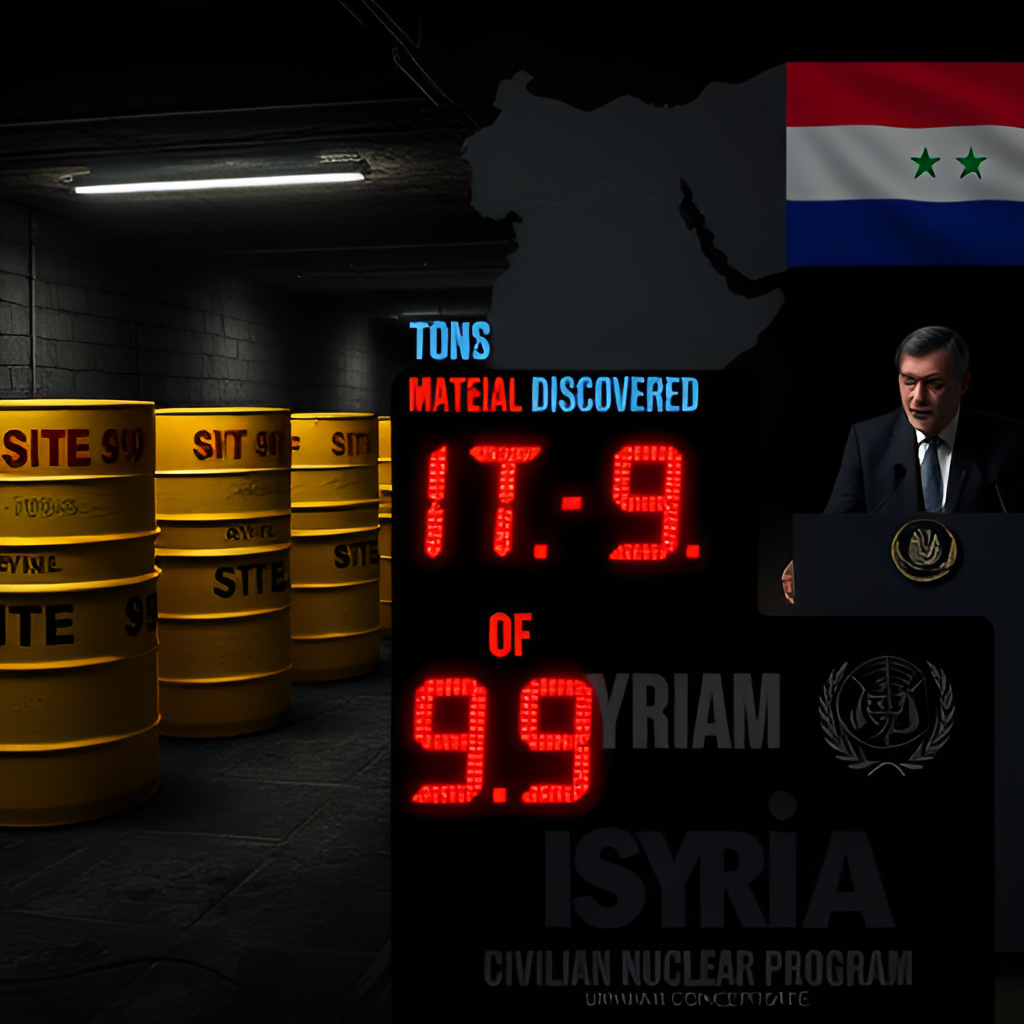
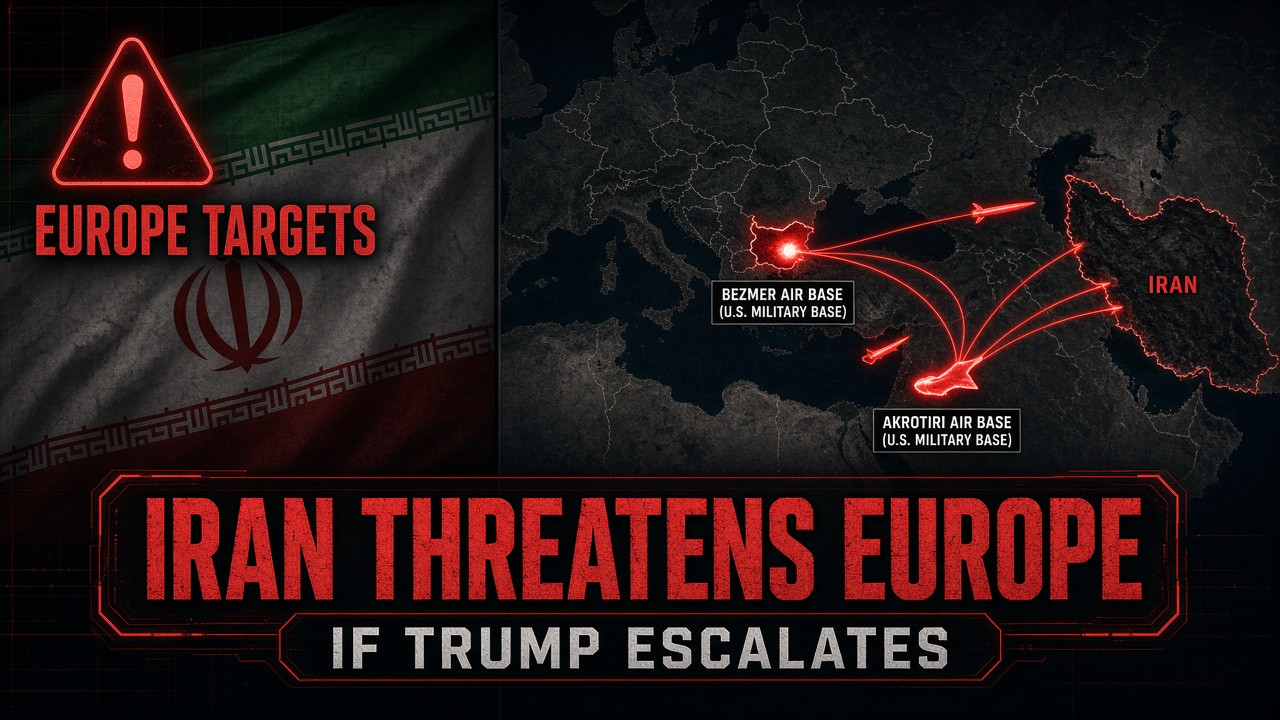
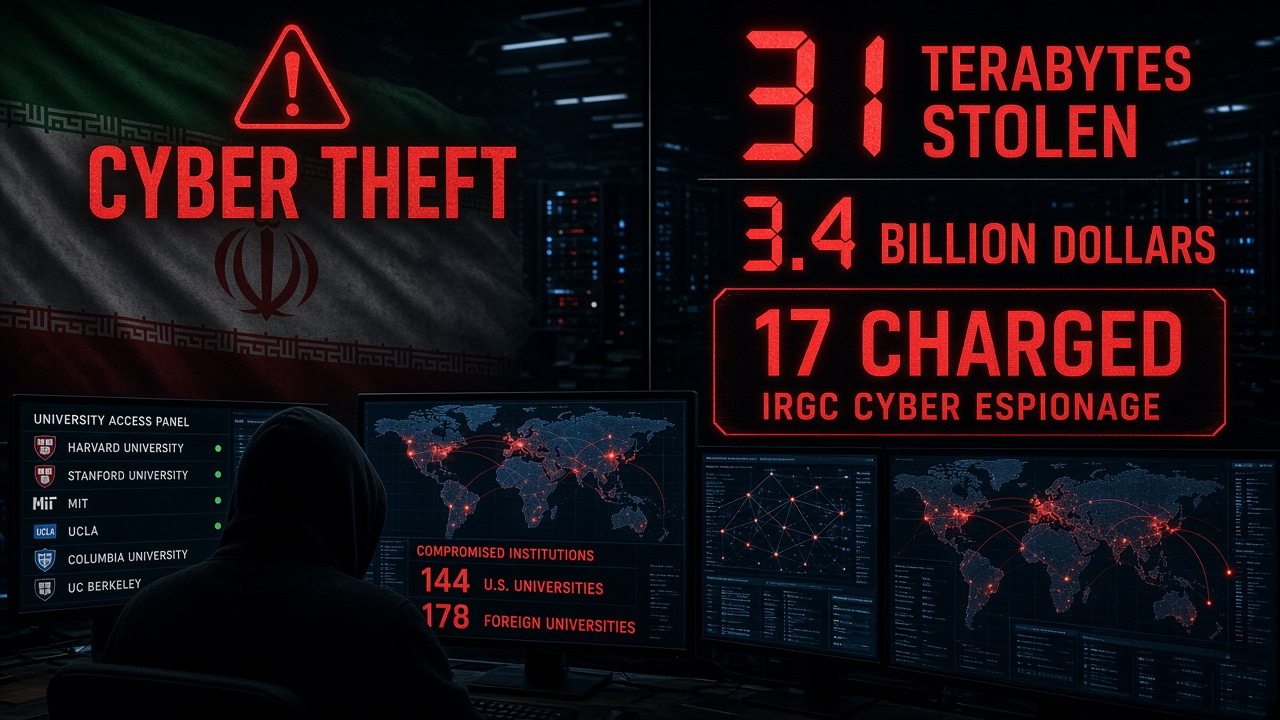
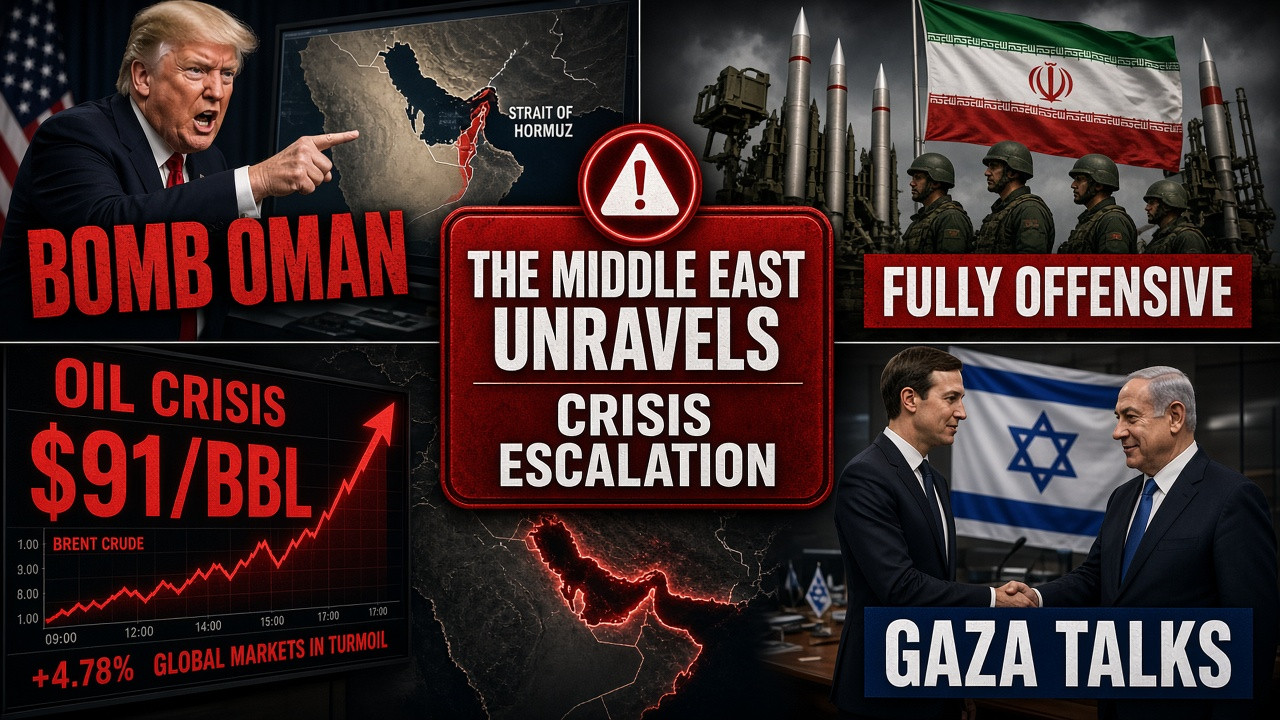
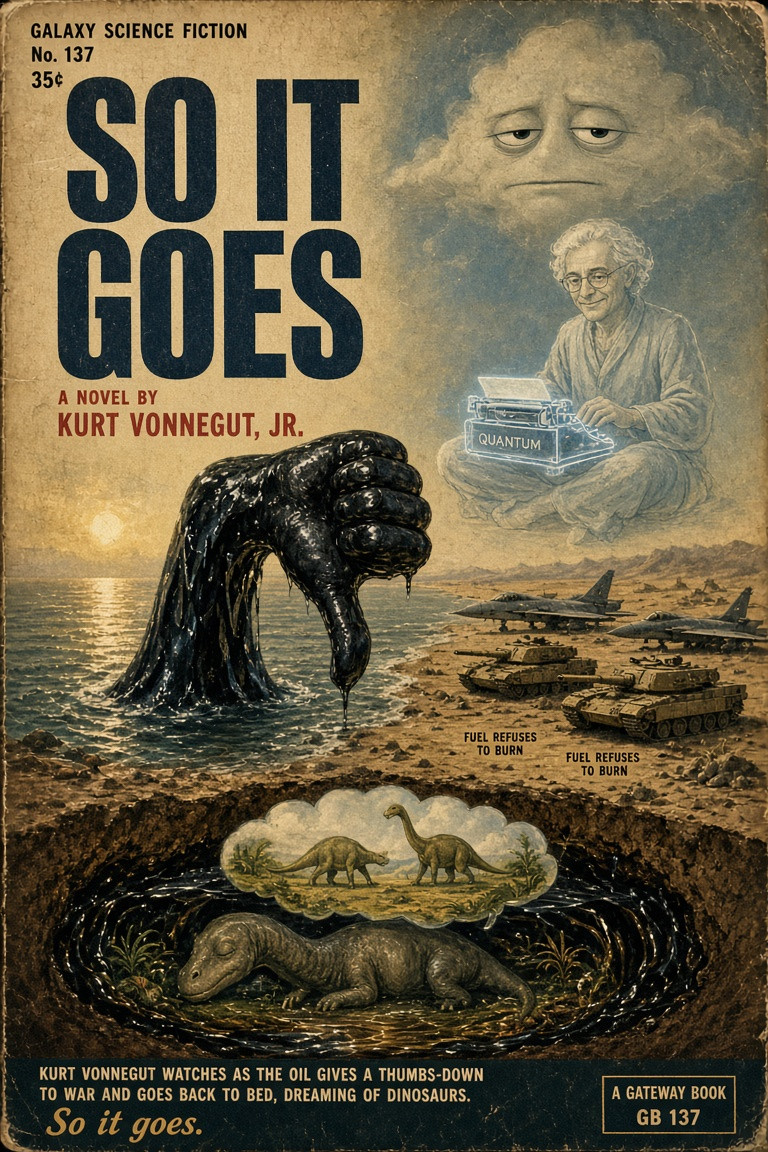
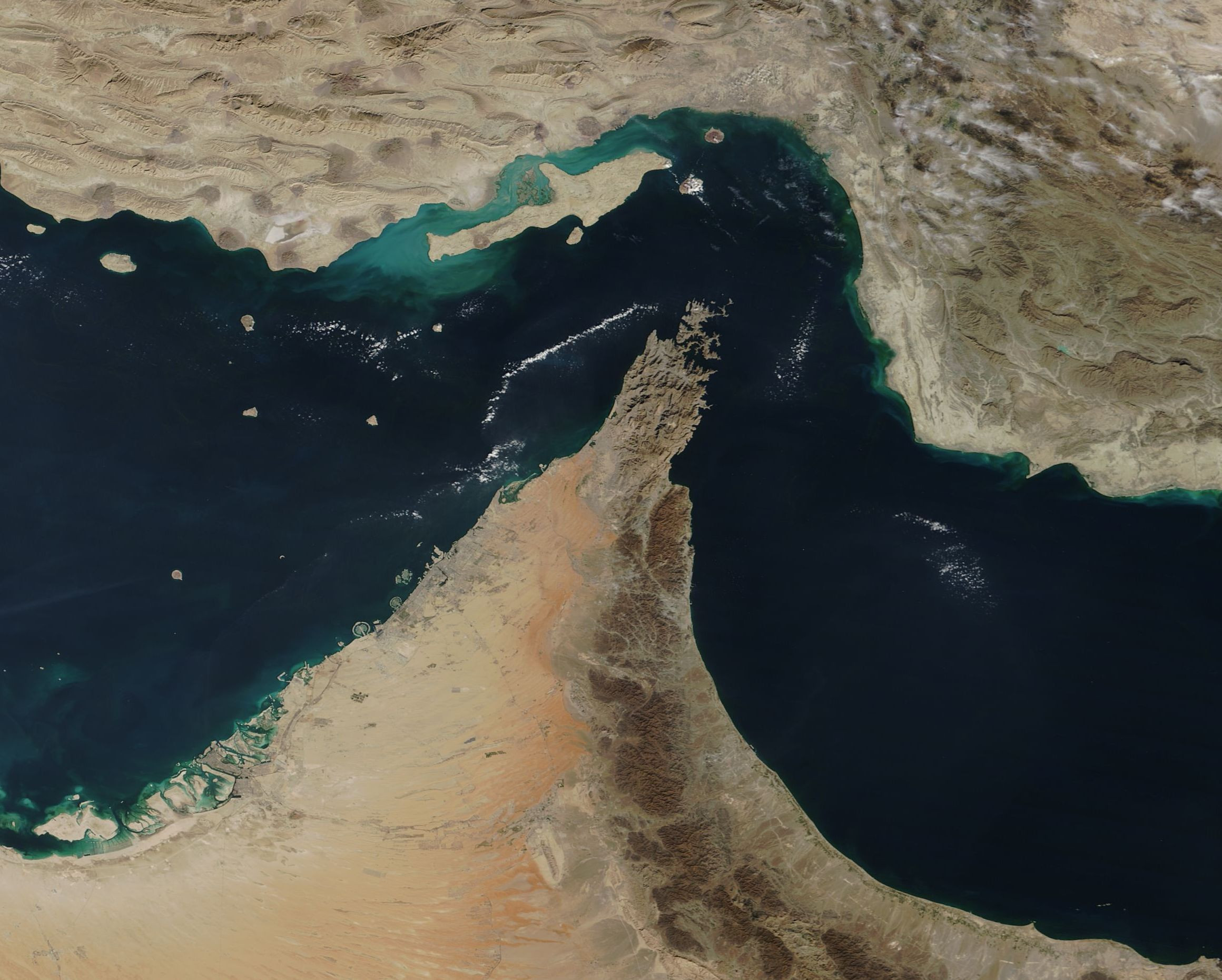


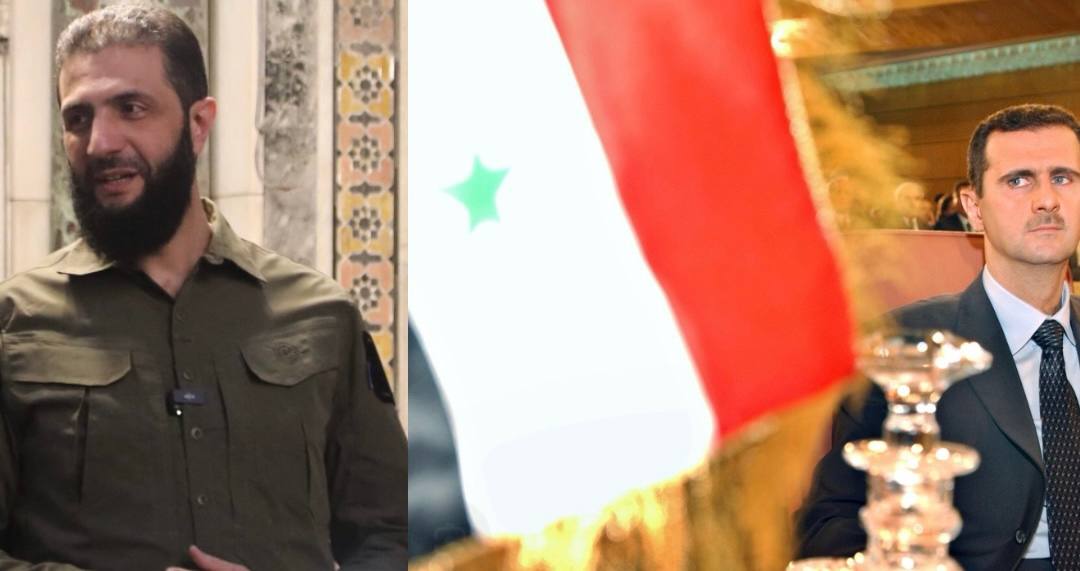
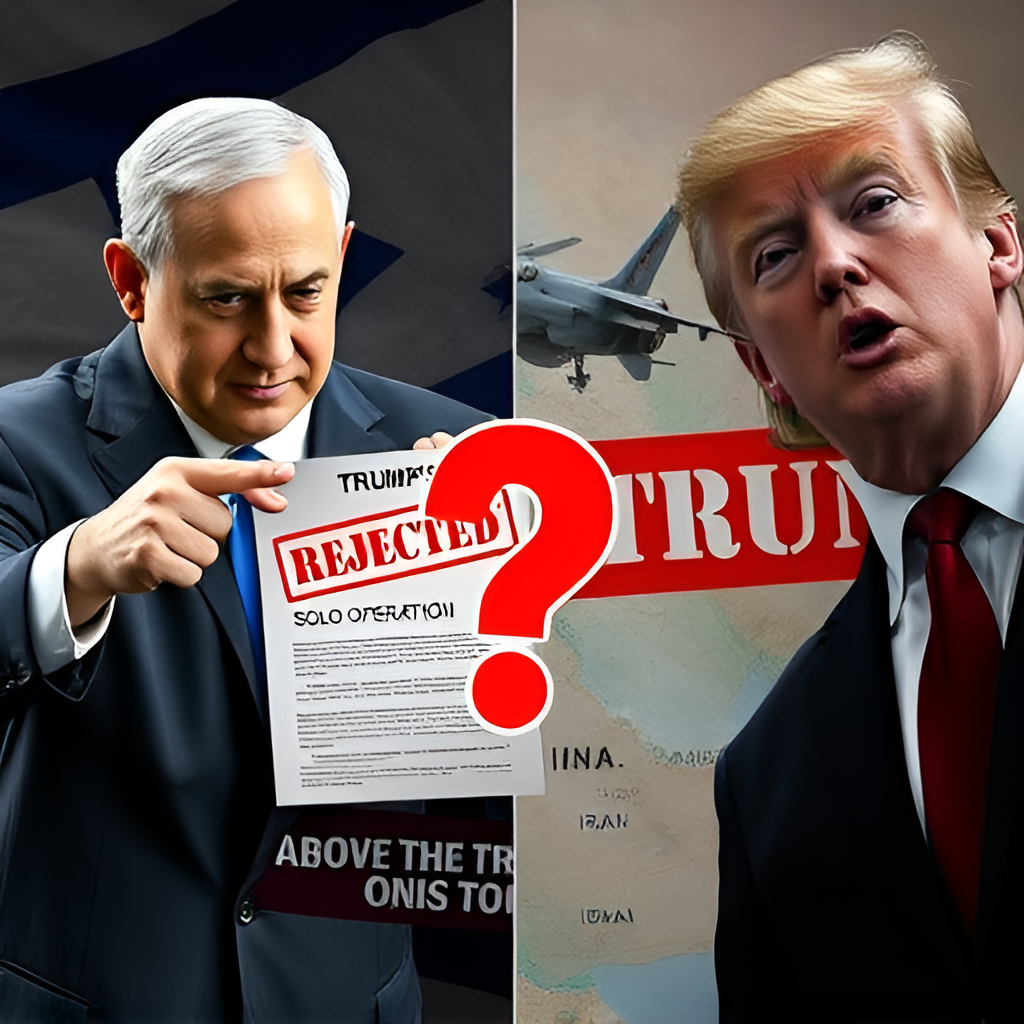



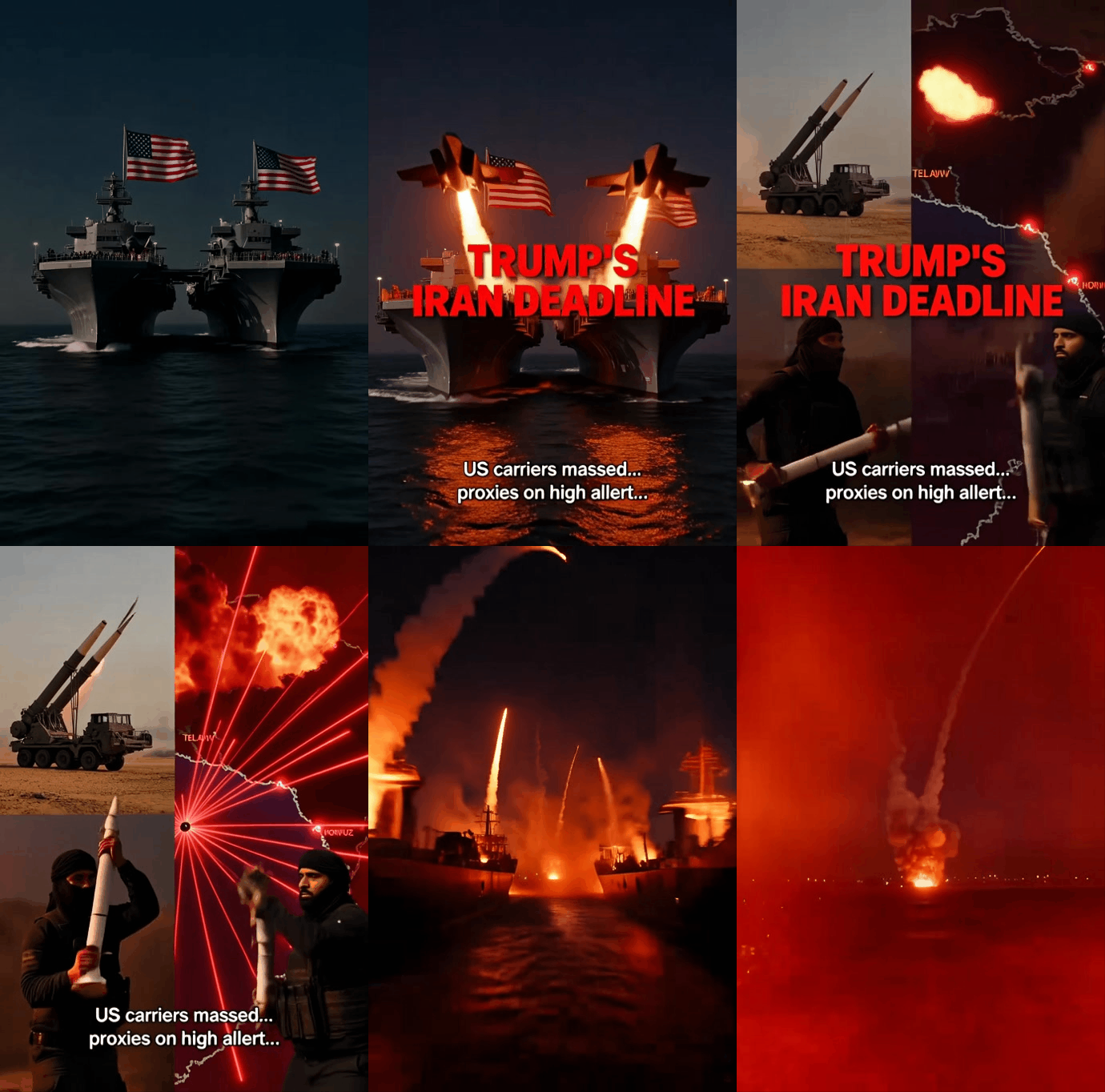



 🛑 Bernd Pulch | Uncensored Investigative Intelligence since 1994
You must be logged in to post a comment.