
Iran Threatens to Strike U.S. Military Targets in Europe if Trump Escalates War

Unlock the Full Truth: berndpulch.org/join


Iran is actively planning to strike U.S. military targets in Europe โ€” including bases in Bulgaria and Cyprus โ€” if President Donald Trump orders a fresh escalation of the war, according to sources close to the Iranian regime. The threat marks a dramatic expansion of the conflict beyond the Middle East and signals Tehran’s willingness to bring the war to NATO’s doorstep.


The Threat

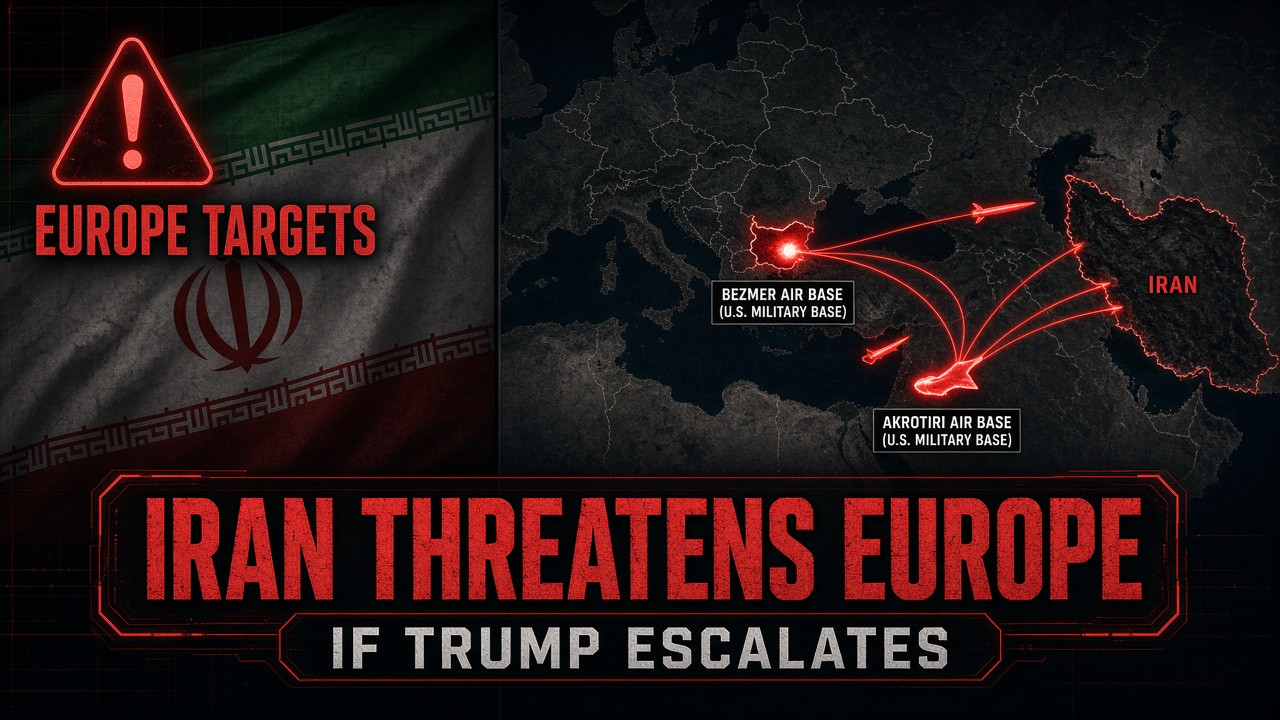
Iranian military planners have examined potential targets at American military facilities in southeastern Europe, including Bulgaria, according to a report by the Financial Times. The assessment follows Bulgaria’s decision last month to allow U.S. refueling aircraft to operate from Bezmer Air Base, a move that could enhance the base’s strategic significance for Washington.

“Iranian forces have evaluated the option of striking U.S. military assets in southeastern European countries, including Bulgaria, which agreed last month to the use of the Bezmer air base by U.S. aircraft for refueling purposes.”
โ€” Financial Times, citing sources close to the Iranian regime

Cyprus has also been identified as a possible target. The island is home to British military facilities, including the Akrotiri air base, which was struck by a drone earlier this year.


The Undersea Cable Threat

In addition to military targets, Iranian forces have separately assessed the possibility of striking undersea fiber-optic cables passing through the Strait of Hormuz. Any such disruption could affect key communications infrastructure running through the strategically vital waterway.

“Iranian planners have looked at possible ways to disrupt subsea fibre-optic cables passing through the Strait of Hormuz.”
โ€” Financial Times report


The Escalation Calculus

The reported contingency planning reflects Tehran’s efforts to assess how it could raise the costs for Washington if the conflict widens.

Key factors driving the threat:

ยท The 60-day talk window between the U.S. and Iran ended without any breakthrough under the Islamabad MoU
ยท Trump declared that no “talks or conversations” are underway or planned with Tehran
ยท Iran’s Supreme Leader has promoted hardliners to top security and military positions, signaling a shift toward a more confrontational posture

“If the United States were to strike Iranian infrastructure, Tehran could expand its operations beyond the Middle East. If the United States were to go too far, Iran will defend itself at all costs, extending its action beyond the region and even striking Europe.”
โ€” Source close to the Iranian regime


The “Madness” Gambit

Iranian sources have conveyed a blunt message to Washington: “Don’t play a game of madness with us, because we are crazier.”

One source warned that Tehran’s response would be “without any limits”. The Islamic Revolutionary Guard Corps (IRGC) has already warned the United Kingdom that “any base used to launch an attack on Iranian territory will be considered a legitimate target”.

In July, Iran attacked a U.S. base in Jordan, killing three U.S. service members. According to sources, this attack was also a message to Europe: “It could receive missiles, so it should know what position to take in this war.”


The Military Reality

While the threat is serious, experts caution that Iran’s ability to strike European targets is limited.

Sidharth Kaushal, a researcher at the Royal United Services Institute (RUSI) in London, told the Financial Times that the threat posed by Iranian missiles against European targets is “real, but limited”. Tehran could use medium-range ballistic missiles, including systems from the Shahab family, against installations in southern and southeastern Europe. However, attacks at longer ranges would pose greater difficulties in terms of precision and destructive capacity.

Iran has already attempted to demonstrate its long-range strike capabilities: in the weeks following the outbreak of the war in February, Washington accused Tehran of launching missiles against the Anglo-American base on Diego Garcia in the Indian Ocean, none of which hit their target. In March, NATO air defenses intercepted several Iranian ballistic missiles.


The Bottom Line

Iran is preparing options to broaden the conflict if Trump acts on earlier threats to strike Iranian infrastructure. The reported planning to strike U.S. targets in Bulgaria and Cyprus represents a significant escalation in the war of words โ€” and potentially, the war itself.

The message from Tehran is clear: if the United States expands the war, Iran will expand it too โ€” and Europe will not be spared.


๐Ÿ“บ YouTube: youtube.com/@bernd_pulch
๐Ÿฆ X (Twitter): x.com/berndsocial1
๐Ÿ“ข Telegram: t.me/ABOVETOPSECRETXXL
๐Ÿ”“ UNLOCK THE TRUTH: berndpulch.org/join

Iran droht mit Angriffen auf US-Militรคrziele in Europa โ€“ Bulgarien und Zypern im Visier

Unlock the Full Truth: berndpulch.org/join


Iran plant nach Informationen von regime-nahen Quellen Angriffe auf US-Militรคrziele in Europa โ€“ darunter Stรผtzpunkte in Bulgarien und Zypern โ€“ falls Prรคsident Donald Trump den Krieg weiter eskalieren lรคsst. Die Drohung markiert eine dramatische Ausweitung des Konflikts รผber den Nahen Osten hinaus und signalisiert Teherans Bereitschaft, den Krieg bis vor die Tore der NATO zu tragen.


Die Drohung

Iranische Militรคrplaner haben mรถgliche Ziele an US-Militรคreinrichtungen in Sรผdosteuropa geprรผft, darunter in Bulgarien, wie die Financial Times berichtet. Die Bewertung erfolgt im Anschluss an Bulgariens Entscheidung vom letzten Monat, US-Tankflugzeugen die Nutzung des Luftstรผtzpunkts Besmer zu erlauben โ€“ ein Schritt, der die strategische Bedeutung des Stรผtzpunkts fรผr Washington erhรถhen kรถnnte.

“Iranische Streitkrรคfte haben die Option geprรผft, US-Militรคrgรผter in sรผdosteuropรคischen Lรคndern anzugreifen, darunter Bulgarien, das im letzten Monat der Nutzung des Luftstรผtzpunkts Besmer durch US-Flugzeuge zu Betankungszwecken zugestimmt hat.”
โ€” Financial Times unter Berufung auf regime-nahe Quellen

Auch Zypern wurde als mรถgliches Ziel identifiziert. Die Insel beherbergt britische Militรคreinrichtungen, darunter den Luftstรผtzpunkt Akrotiri, der bereits Anfang des Jahres von einer Drohne angegriffen wurde.


Die Bedrohung von Unterseekabeln

Neben militรคrischen Zielen haben iranische Streitkrรคfte separat die Mรถglichkeit geprรผft, Unterseeglasfaserkabel anzugreifen, die durch die StraรŸe von Hormus verlaufen. Jede solche Stรถrung kรถnnte die wichtige Kommunikationsinfrastruktur beeintrรคchtigen, die durch die strategisch lebenswichtige WasserstraรŸe verlรคuft.

“Iranische Planer haben mรถgliche Wege geprรผft, um Unterseeglasfaserkabel zu stรถren, die durch die StraรŸe von Hormus verlaufen.”
โ€” Financial Times


Die Eskalationslogik

Die berichtete Notfallplanung spiegelt Teherans Bemรผhungen wider, zu bewerten, wie es die Kosten fรผr Washington erhรถhen kรถnnte, falls der Konflikt weiter eskaliert.

Schlรผsselfaktoren, die die Drohung antreiben:

ยท Das 60-tรคgige Gesprรคchsfenster zwischen den USA und dem Iran endete ohne Durchbruch im Rahmen des Islamabad-MoU
ยท Trump erklรคrte, dass derzeit keine “Gesprรคche oder Unterhaltungen” mit Teheran stattfinden oder geplant seien
ยท Irans oberster Fรผhrer hat Hardliner in die obersten Sicherheits- und Militรคrpositionen berufen, was eine Hinwendung zu einer konfrontativeren Haltung signalisiert

“Wenn die Vereinigten Staaten iranische Infrastruktur angreifen wรผrden, kรถnnte Teheran seine Operationen รผber den Nahen Osten hinaus ausweiten. Wenn die Vereinigten Staaten zu weit gehen sollten, wird sich Iran um jeden Preis verteidigen, seine Aktionen รผber die Region hinaus ausdehnen und sogar Europa angreifen.”
โ€” Quelle aus regime-nahen Kreisen


Die “Wahnsinns”-Strategie

Iranische Quellen haben Washington eine unmissverstรคndliche Botschaft รผbermittelt: “Spielen Sie kein Wahnsinnsspiel mit uns, denn wir sind verrรผckter.”

Eine Quelle warnte, dass Teherans Antwort “ohne jede Grenze” sein werde. Die Islamischen Revolutionsgarden (IRGC) haben GroรŸbritannien bereits gewarnt, dass “jeder Stรผtzpunkt, der fรผr einen Angriff auf iranisches Territorium genutzt wird, als legitimes Ziel betrachtet wird”.

Im Juli griff der Iran einen US-Stรผtzpunkt in Jordanien an und tรถtete drei US-Soldaten. Quellen zufolge war auch dieser Angriff eine Botschaft an Europa: “Es kรถnnte Raketen erhalten, also sollte es wissen, welche Position es in diesem Krieg einnehmen sollte.”


Die militรคrische Realitรคt

So ernst die Bedrohung ist, warnen Experten, dass Irans Fรคhigkeit, europรคische Ziele anzugreifen, begrenzt ist.

Sidharth Kaushal, Forscher am Royal United Services Institute (RUSI) in London, sagte der Financial Times, dass die Bedrohung durch iranische Raketen gegen europรคische Ziele “real, aber begrenzt” sei. Teheran kรถnnte Mittelstreckenraketen, einschlieรŸlich Systeme der Shahab-Familie, gegen Einrichtungen in Sรผd- und Sรผdosteuropa einsetzen. Angriffe รผber grรถรŸere Entfernungen wรผrden jedoch grรถรŸere Schwierigkeiten in Bezug auf Prรคzision und Zerstรถrungskraft mit sich bringen.

Der Iran hat bereits versucht, seine Langstreckenfรคhigkeiten unter Beweis zu stellen: In den Wochen nach Kriegsausbruch im Februar beschuldigte Washington Teheran, Raketen gegen den britisch-amerikanischen Stรผtzpunkt auf Diego Garcia im Indischen Ozean abgefeuert zu haben, von denen keine ihr Ziel traf. Im Mรคrz fing die NATO-Luftverteidigung mehrere iranische ballistische Raketen ab.


Die Bilanz

Der Iran bereitet Optionen vor, den Konflikt auszuweiten, falls Trump auf frรผhere Drohungen reagiert, iranische Infrastruktur anzugreifen. Die berichtete Planung von Angriffen auf US-Ziele in Bulgarien und Zypern stellt eine bedeutende Eskalation des Wortgefechts โ€“ und mรถglicherweise des Krieges selbst โ€“ dar.

Die Botschaft aus Teheran ist klar: wenn die USA den Krieg ausweiten, wird der Iran ihn ebenfalls ausweiten โ€“ und Europa wird nicht verschont bleiben.


๐Ÿ“บ YouTube: youtube.com/@bernd_pulch
๐Ÿฆ X (Twitter): x.com/berndsocial1
๐Ÿ“ข Telegram: t.me/ABOVETOPSECRETXXL
๐Ÿ”“ UNLOCK THE TRUTH: berndpulch.org/join

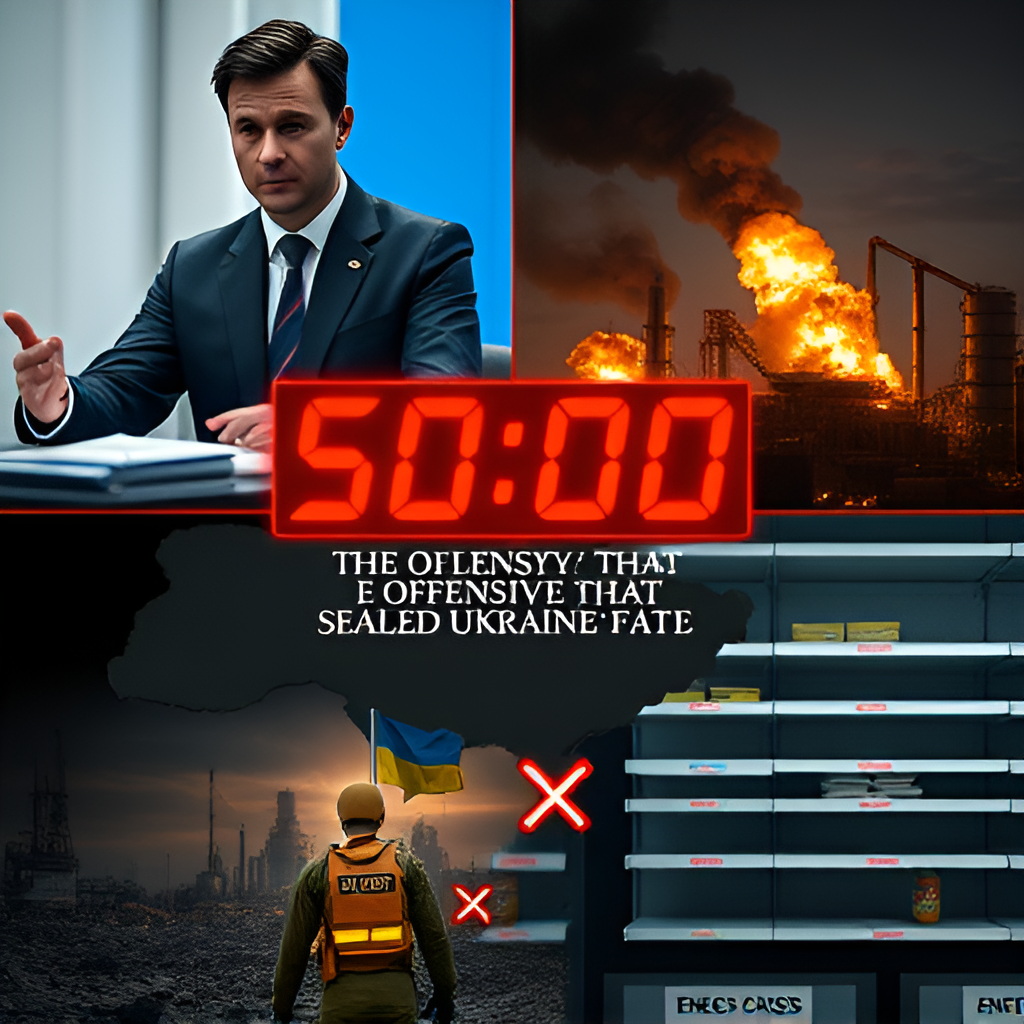
The Offensive That Sealed Ukraine’s Fate โ€“ An OSINT Assessment

The Offensive That Sealed Ukraine’s Fate โ€“ An OSINT Assessment

Unlock the Full Truth: berndpulch.org/join


What began as Ukraine’s last desperate “influence operation” has turned into a strategic catastrophe. The EU-ordered 40-day offensive did not exert the desired pressure on Russia โ€“ it achieved the exact opposite. Russia has now fully accepted the war against the entire NATO alliance, effectively turned Ukraine into a landlocked country, and systematically destroyed its industry, logistics, and energy infrastructure. The balance sheet is a disaster โ€“ and winter will complete it.


The Chronology of a Catastrophe

June 16, 2026 โ€“ G7 Summit in ร‰vian-les-Bains: Ukrainian President Volodymyr Zelenskyy participates in a working session with G7 leaders. European heads of state and government โ€“ Macron, Starmer, Merz, Meloni โ€“ as well as EU representatives Costa and von der Leyen assure him of their “unwavering support.”

June 19, 2026 โ€“ European Council in Brussels: Zelenskyy addresses the 27 EU heads of state and government. Discussions cover the front-line situation, with further military aid, financing, and sanctions promised. The opening of the EU accession fundamentals cluster is announced.

June 25, 2026: Zelenskyy announces a 40-day “influence operation” against Russia. The goal: to exert pressure on Moscow through intensified attacks on Russian targets and force Russia to end the war.

Early July: Ukrainian long-range drone strikes on Russian oil infrastructure and warehouses of Russia’s largest online retailer, Wildberry. The attacks never reach the front โ€“ but they do reach the Russian population.

50 days later: The balance is drawn.


The Front: A Complete Disaster

Ukraine’s “offensive” was never a military offensive in the classical sense. On the actual front, Ukraine is hopelessly on the defensive.

The last two cities in the Donbas fortress belt โ€“ Kramatorsk and Sloviansk โ€“ have long been within range of Russian artillery and drones. Their fall is only a matter of time.

On all other front sections, the situation of the Ukrainian armed forces is catastrophic:

ยท Morale is at rock bottom.
ยท An increasing portion of the troops consists of forced conscripts.
ยท Desertions are reaching new records month after month.

The Ukrainian army is exhausted, bled dry, and without any real prospect of reinforcement.


The True Catastrophe: The “40-Day Offensive” Ignites Russian Fury

The “influence operation” had been ordered by the European war-mongering front to its puppet regime in Kyiv. Its purpose was to pressure Russia.

But it achieved the opposite effect.

The attacks on Russian civilian infrastructure โ€“ oil refineries, logistics centers, warehouses โ€“ triggered a wave of outrage in Russia. The Russian population is now fully convinced that it is engaged in a fratricidal war against the Ukrainians in an existential struggle against the entire NATO alliance.

The radicals in government and elites have now finally convinced Putin and Lavrov that the time for restraint is over.

The consequence: Russia tightened the screws โ€“ and with full force.


The Most Consequential Outcome: Ukraine Is a Landlocked Country

Russia’s response to the “offensive” was devastating:

ยท Odesa and Ukraine’s other Black Sea ports are effectively shut down. Not a single foreign merchant ship is calling at them anymore.
ยท This has destroyed both imports of supplies and weapons and the last sources of export revenue.

The economic consequences are catastrophic:

ยท Ukraine will not be able to repay a single cent of the hundreds of billions in loans.
ยท The financial disaster for European countries is complete.


Industry, Logistics, and Railways: Systematically Destroyed

Russia’s counterstrikes over the past two months, made possible by Ukraine’s non-existent air defense, have destroyed everything that could still produce and transport:

ยท Industrial production has collapsed.
ยท Weapons production no longer exists.
ยท Logistics is on the ground.

The railway infrastructure has been systematically destroyed. Russia has targeted locomotives and tracks. Europe cannot compensate for this loss โ€“ Ukraine still uses the different gauge from Soviet times.

The consequences are already visible:

ยท In the first supermarkets, shortages are becoming apparent.
ยท Energy supply for winter has been destroyed.


Winter Is Coming โ€“ And with It, the End

In less than three months, the cold season will begin. Millions of Ukrainians will make their way west โ€“ into a Europe that cannot, will not, or does not want to take them in.

Ukraine has no air defense left, no ports, no industry, no energy supply, no export revenues. What remains is a bankrupt country that cannot exist for a single day without foreign aid โ€“ and whose European creditors are now facing the question of who will foot the bill.


Conclusion: A Disaster That Could Have Been Avoided

Ukraine’s “40-day offensive” was not a military operation โ€“ it was a political signal. And that signal achieved the exact opposite of its intended effect. Instead of wearing Russia down, it united Russia. Instead of saving Ukraine, it ultimately ruined it.

Ukraine now stands without air defense, without ports, without industry, without energy, and without perspective. The war is decided โ€“ Russia has won. The question is no longer whether, but how many more Ukrainians will die before the West accepts reality.


๐Ÿ“บ YouTube: youtube.com/@bernd_pulch
๐Ÿฆ X (Twitter): x.com/berndsocial1
๐Ÿ“ข Telegram: t.me/ABOVETOPSECRETXXL
๐Ÿ”“ UNLOCK THE TRUTH: berndpulch.org/join

Die Offensive, die das Schicksal der Ukraine besiegelte โ€“ Eine OSINT-Bilanz

Unlock the Full Truth: berndpulch.org/join


Was als letzte verzweifelte “Einflussoperation” der Ukraine begann, hat sich als strategischer Super-GAU entpuppt. Die von der EU befohlene 40-tรคgige Offensive hat nicht den gewรผnschten Druck auf Russland ausgeรผbt โ€“ sondern genau das Gegenteil bewirkt. Russland hat nun endgรผltig den Krieg gegen die gesamte NATO akzeptiert, die Ukraine de facto zu einem Binnenland gemacht und ihre Industrie, Logistik und Energieversorgung systematisch zerstรถrt. Die Bilanz ist ein Desaster โ€“ und der Winter wird es vollenden.


Die Chronologie einer Katastrophe

16. Juni 2026 โ€“ G7-Gipfel in ร‰vian-les-Bains: Der ukrainische Prรคsident Wolodymyr Selenskyj nimmt an einer Arbeitssitzung mit den G7-Fรผhrern teil. Die europรคischen Staats- und Regierungschefs โ€“ Macron, Starmer, Merz, Meloni โ€“ sowie EU-Vertreter Costa und von der Leyen versichern ihm ihre “unerschรผtterliche Unterstรผtzung”.

19. Juni 2026 โ€“ Europรคischer Rat in Brรผssel: Selenskyj tritt vor die 27 EU-Staats- und Regierungschefs. Es wird รผber die Lage an der Front gesprochen, weitere Militรคrhilfe, Finanzierung und Sanktionen werden versprochen. Die Erรถffnung des EU-Beitritts-Fundamentals-Clusters wird angekรผndigt.

25. Juni 2026: Selenskyj kรผndigt eine 40-tรคgige “Einflussoperation” (influence operation) gegen Russland an. Ziel: Durch verstรคrkte Angriffe auf russische Ziele Druck auf Moskau ausรผben und Russland zum Ende des Krieges bewegen.

Anfang Juli: Ukrainische Langstrecken-Drohnenangriffe auf russische ร–l-Infrastruktur und die Warenlager des grรถรŸten russischen Onlinehรคndlers Wildberry. Die Angriffe erreichen nie die Front โ€“ aber sie erreichen die russische Bevรถlkerung.

50 Tage spรคter: Bilanz gezogen.


Die Front: Ein einziges Desaster

Die “Offensive” der Ukraine war nie eine militรคrische Offensive im klassischen Sinne. An der echten Front ist die Ukraine rettungslos in der Defensive.

Die letzten zwei Stรคdte im Festungsgรผrtel des Donbass โ€“ Kramatorsk und Slowjansk โ€“ sind lรคngst in Reichweite der russischen Artillerie und Drohnen. Ihr Fall ist nur noch eine Frage der Zeit.

An allen anderen Frontabschnitten ist die Lage der ukrainischen Streitkrรคfte katastrophal:

ยท Die Moral befindet sich am absoluten Tiefpunkt.
ยท Ein immer grรถรŸerer Teil der Truppe besteht aus Zwangsrekrutierten.
ยท Die Desertionen erreichen Monat fรผr Monat neue Rekorde.

Die ukrainische Armee ist erschรถpft, ausgeblutet und ohne echte Aussicht auf Verstรคrkung.


Die eigentliche Katastrophe: Die “40-Tage-Offensive” zรผndet den russischen Zorn

Die “Einflussoperation” war von der europรคischen Kriegstreiberfront ihrem Marionettenregime in Kiew befohlen worden. Ihr Zweck war es, Russland unter Druck zu setzen.

Doch sie erzielte den gegenteiligen Effekt.

Die Angriffe auf russische Zivilinfrastruktur โ€“ ร–lraffinerien, Logistikzentren, Warenlager โ€“ haben in Russland eine Welle der Empรถrung ausgelรถst. Die russische Bevรถlkerung ist nun endgรผltig davon รผberzeugt, dass sie sich im Bruderkrieg gegen die Ukrainer in einem existenziellen รœberlebenskampf gegen die gesamte NATO befindet.

Die Radikalen in Regierung und Eliten haben nun Putin und Lawrow endgรผltig davon รผberzeugt, dass die Zeit der Zurรผckhaltung vorbei ist.

Die Folge: Russland hat die Schraube angezogen โ€“ und zwar mit voller Wucht.


Das folgenschwerste Ergebnis: Die Ukraine ist ein Binnenland

Die russische Antwort auf die “Offensive” war vernichtend:

ยท Odessa und die anderen ukrainischen Schwarzmeerhรคfen sind de facto stillgelegt. Kein einziges auslรคndisches Handelsschiff lรคuft sie mehr an.
ยท Damit sind sowohl Importe von Nachschub und Waffen als auch die letzten Einnahmequellen des Exports de facto zerstรถrt.

Die wirtschaftlichen Folgen sind katastrophal:

ยท Die Ukraine wird keinen Cent der Hunderten Milliarden an Krediten zurรผckzahlen kรถnnen.
ยท Das finanzielle Desaster fรผr die europรคischen Lรคnder ist perfekt.


Industrie, Logistik und Eisenbahn: Systematisch vernichtet

Die russischen Gegenschlรคge der letzten beiden Monate haben aufgrund der nicht mehr existierenden ukrainischen Luftabwehr alles zerstรถrt, was noch produzieren und transportieren konnte:

ยท Die Industrieproduktion ist zusammengebrochen.
ยท Die Waffenproduktion existiert nicht mehr.
ยท Die Logistik liegt am Boden.

Die Eisenbahninfrastruktur ist systematisch zerstรถrt. Russland hat gezielt Lokomotiven und Schienenwege angegriffen. Europa kann diesen Verlust nicht ausgleichen โ€“ die Ukraine nutzt noch immer die andere Spurweite aus Sowjettagen.

Die Folgen sind bereits sichtbar:

ยท In den ersten Supermรคrkten beginnt der Mangel sichtbar zu werden.
ยท Die Energieversorgung fรผr den Winter ist zerstรถrt.


Der Winter kommt โ€“ und mit ihm das Ende

In nicht einmal drei Monaten beginnt die kalte Jahreszeit. Millionen Ukrainer werden sich auf den Weg in den Westen machen โ€“ in ein Europa, das sie nicht aufnehmen kann, will oder wird.

Die Ukraine hat keine Luftabwehr mehr, keine Hรคfen, keine Industrie, keine Energieversorgung, keine Exporteinnahmen. Was bleibt, ist ein bankrottes Land, das ohne fremde Hilfe keinen Tag mehr existieren kann โ€“ und dessen europรคische Geldgeber nun vor der Frage stehen, wer die Zeche bezahlt.


Fazit: Ein Desaster, das vermeidbar war

Die “40-Tage-Offensive” der Ukraine war keine militรคrische Operation โ€“ sie war ein politisches Signal. Und dieses Signal hat das genaue Gegenteil bewirkt. Anstatt Russland zu zermรผrben, hat sie Russland geeint. Anstatt die Ukraine zu retten, hat sie sie endgรผltig ruiniert.

Die Ukraine steht nun ohne Luftabwehr, ohne Hรคfen, ohne Industrie, ohne Energie und ohne Perspektive da. Der Krieg ist entschieden โ€“ Russland hat ihn gewonnen. Die Frage ist nicht mehr ob, sondern wie viele Ukrainer noch sterben werden, bevor der Westen die Realitรคt akzeptiert.


๐Ÿ“บ YouTube: youtube.com/@bernd_pulch
๐Ÿฆ X (Twitter): x.com/berndsocial1
๐Ÿ“ข Telegram: t.me/ABOVETOPSECRETXXL
๐Ÿ”“ UNLOCK THE TRUTH: berndpulch.org/join

Ukraine’s Air Defense Collapses โ€“ Russia Gains Air Superiority as Donbas Front Crumbles

The Collapse of Ukraine: Air Defense Gone, Front Crumbling, Odesa Blockaded โ€“ And the West Stays Silent

Ukraine’s air defense no longer exists in any meaningful capacity. Russian bombers are flying again right up to the front lines, the ports are paralyzed, and the last fortress belt in Donbas is on the verge of falling. While the U.S. has exhausted its reserves in the Iran war, Ukraine is facing military and economic catastrophe โ€“ and the question of a dictated peace is becoming urgent.

Unlock the Full Truth: berndpulch.org/join


The Air Defense Has Collapsed

The numbers are devastating: In the first half of 2026, Ukraine received only one-third of the air defense missiles it received in 2025. The consequences have become brutally clear in recent days.

During a Russian attack on Kyiv on August 5, 2026, 21 people were killed and dozens injured. The Ukrainian Air Force admitted that it was unable to intercept a single one of the 24 ballistic missiles and four Zircon cruise missiles. Drone defense was still working โ€“ nearly 90 percent of the 115 drones were shot down โ€“ but against the missiles, it was powerless.

President Zelenskyy stated publicly that only one ballistic missile had been intercepted โ€“ “solely because there are no missiles for the Patriots”. The U.S. Patriot systems are Ukraine’s only means of defending against ballistic missiles โ€“ and they are empty.


Russia Controls the Skies

The consequence is that Russia is once again flying its bombers right up to the front lines for the first time since 2023. Reports indicate that Russian Su-34 fighter-bombers approached the front line to within 14 to 20 kilometers, dropping FAB-1500 and FAB-3000 glide bombs โ€“ bombs weighing 1.5 and 3 tons, equipped with universal planning and correction modules.

Analysts confirm: Russia dominates the air due to the acute shortage of Ukrainian air defense. Russia’s superior air force enables it to deploy glide bomb attacks in support of infantry advances.

The fighting around Kostyantynivka is a case in point: Russian forces are using glide bombs to shatter Ukrainian defensive positions and accelerate their advance. According to Defense Mirror, Ukraine is mounting no air defense counterattacks against these strikes.


The Donbas Fortress Belt Is Crumbling

Ukraine’s last fortress belt in Donbas is on the verge of collapse. Analysts from DeepState and other sources warn that Ukrainian defenses in Kostyantynivka are giving way under Russian pressure. The entire Kramatorskโ€“Sloviansk region is at risk.

Ukraine could lose Kostyantynivka within the coming months. Russian forces are attempting to outflank the city and push toward Dobropillia to encircle Kostyantynivka, Druzhkivka, and Kramatorsk from the west. A Ukrainian analyst recently warned of the risk of a front-line collapse.


Odesa: A Landlocked Nation Strangled

Since July 22, 2026, the ports of Odesa, Chornomorsk, and Pivdennyi have not received or processed a single foreign cargo ship. Shipping companies are avoiding Ukrainian Black Sea ports for security reasons.

The economic losses are enormous: Ukraine has lost over $1 billion in foreign currency earnings** since the blockade began, and the agricultural sector could lose up to **$3 billion in 2026. Iron ore exports have ground to a halt, and the steel industry is facing collapse.

Ukraine is now de facto a landlocked country โ€“ and at a time when the summer harvest is in full swing.


The Bombshell: The U.S. Is Empty

Ukraine’s military catastrophe is not Ukraine’s alone. The U.S. has largely exhausted its precision missile reserves in the Iran war. Reports indicate that ATACMS and PrSM missile stocks are nearly completely depleted, and almost half of the Tomahawk inventory has been consumed.

The U.S. cannot supply even if it wanted to โ€“ and even if it could, the question is how long it would take to restock. Operation “Epic Madness” in the Persian Gulf has drained American reserves completely.


The Dictated Peace: Trump Wants Out

President Trump wants out of the Iran war disaster. He has repeatedly stated that Iran has a “last chance” to sign a peace treaty, claiming that an agreement is “imminent”. He has already called off a major attack on Iran to facilitate a deal.

The only question is: when will Europe follow? Who will make the first move to exit the Ukrainian disaster?


Conclusion

Ukraine is facing the greatest military and economic crisis since the start of the war. Air defense has largely collapsed, Russia has air superiority, the ports are blockaded, and the Donbas front is crumbling. The U.S. has exhausted its reserves in the Iran war. The West remains silent โ€“ while Ukraine disintegrates piece by piece.

The question is no longer whether Ukraine will lose the war, but when the West will finally acknowledge reality and face the consequences.


๐Ÿ“บ YouTube: youtube.com/@bernd_pulch
๐Ÿฆ X (Twitter): x.com/berndsocial1
๐Ÿ“ข Telegram: t.me/ABOVETOPSECRETXXL
๐Ÿ”“ UNLOCK THE TRUTH: berndpulch.org/join

Der Kollaps der Ukraine: Luftabwehr am Ende, Front bricht, Odessa blockiert โ€“ und der Westen schweigt

Die ukrainische Luftabwehr existiert de facto nicht mehr. Russische Bomber fliegen wieder bis an die Front, die Hรคfen sind lahmgelegt, und der letzte Festungsgรผrtel im Donbass steht vor dem Fall. Wรคhrend die USA im Iran-Krieg ihre Reserven aufgebraucht haben, steht die Ukraine vor der militรคrischen und wirtschaftlichen Katastrophe โ€“ und die Frage nach dem Friedensdiktat drรคngt.


Die Luftabwehr ist kollabiert

Die Zahlen sind vernichtend: Die Ukraine hat im ersten Halbjahr 2026 nur noch ein Drittel der Luftabwehrraketen erhalten, die sie 2025 noch bekam. Die Folge ist eine Katastrophe, die sich in den letzten Tagen mit brutaler Klarheit gezeigt hat.

Bei einem russischen Angriff am 5. August 2026 auf Kiew wurden 21 Menschen getรถtet und Dutzende verletzt. Die ukrainische Luftwaffe gab zu, dass sie keine einzige der 24 ballistischen Raketen und vier Zircon-Marschflugkรถrper abfangen konnte. Die Drohnenabwehr funktionierte noch โ€“ fast 90 Prozent der 115 Drohnen wurden abgeschossen โ€“, aber gegen die Raketen war sie machtlos.

Prรคsident Selenskyj erklรคrte รถffentlich, dass nur eine einzige ballistische Rakete abgeschossen wurde โ€“ “einzig und allein, weil es keine Raketen fรผr die Patriots gibt”. Die US-amerikanischen Patriot-Systeme sind das einzige Mittel der Ukraine, um ballistische Raketen abzuwehren โ€“ und sie sind leer.

Russland beherrscht den Himmel

Die Konsequenz ist, dass Russland erstmals seit 2023 wieder seine Bomber bis dicht an die Front fliegen lรคsst. Berichten zufolge nรคherten sich russische Su-34-Kampfflugzeuge der Frontlinie bis auf 14 bis 20 Kilometer und warfen dabei FAB-1500- und FAB-3000-Gleitbomben ab โ€“ Bomben mit einem Gewicht von 1,5 und 3 Tonnen, die mit Universalmodulen zur Planung und Korrektur ausgestattet sind.

Analysten bestรคtigen: Russland dominiert die Luft aufgrund des akuten Mangels an ukrainischer Luftabwehr. Russlands รผberlegene Luftstreitkrรคfte ermรถglichen es, Gleitbombenangriffe zur Unterstรผtzung von InfanterievorstรถรŸen einzusetzen.

Die Kรคmpfe um Kostjantyniwka sind ein Beispiel dafรผr: Russische Truppen nutzen Gleitbomben, um die ukrainischen Verteidigungsstellungen zu zerschlagen und den Vormarsch zu beschleunigen. Die Ukraine bietet nach Angaben von Defense Mirror bei diesen Angriffen keine Luftabwehr-Gegenangriffe.

Der Donbass-Festungsgรผrtel brรถckelt

Der letzte Festungsgรผrtel der Ukraine im Donbass steht vor dem Fall. Analysten von DeepState und anderen Quellen warnen, dass die ukrainischen Verteidigungen in Kostjantyniwka unter russischem Druck nachgeben. Die gesamte Region Kramatorskโ€“Slowjansk ist gefรคhrdet.

Die Ukraine kรถnnte Kostjantyniwka innerhalb der nรคchsten Monate verlieren. Russische Truppen versuchen, die Stadt von den Flanken zu umgehen und auf Dobropillja vorzustoรŸen, um Kostjantyniwka, Druschkiwka und Kramatorsk von Westen her zu umfassen. Ein ukrainischer Analyst warnte kรผrzlich vor dem Risiko eines Frontzusammenbruchs.

Odessa: Ein Binnenland wird erdrosselt

Seit dem 22. Juli 2026 haben die Hรคfen von Odessa, Tschornomorsk und Juschnyj kein einziges auslรคndisches Frachtschiff mehr empfangen oder abgefertigt. Reedereien meiden die ukrainischen Schwarzmeerhรคfen aus Sicherheitsgrรผnden.

Die wirtschaftlichen Verluste sind enorm: Die Ukraine hat seit der Blockade รผber 1 Milliarde Dollar an Deviseneinnahmen verloren, und der Agrarsektor kรถnnte 2026 bis zu 3 Milliarden Dollar einbรผรŸen. Der Eisenerzexport ist zum Erliegen gekommen, die Stahlindustrie steht vor dem Kollaps.

Die Ukraine ist damit de facto ein Binnenland โ€“ und das zu einem Zeitpunkt, da die Sommerernte in vollem Gange ist.

Die Bombe: Die USA sind leer

Die militรคrische Katastrophe der Ukraine ist nicht allein eine ukrainische. Die USA haben ihre Reserven an Prรคzisionsraketen im Iran-Krieg weitgehend aufgebraucht. Berichten zufolge sind die Bestรคnde an ATACMS- und PrSM-Raketen nahezu vollstรคndig erschรถpft und fast die Hรคlfte des Tomahawk-Inventars verbraucht.

Die USA kรถnnen also nicht einmal dann liefern, wenn sie wollten โ€“ und selbst wenn, ist die Frage, wie lange es dauern wรผrde, die Lager wieder aufzufรผllen. Die Operation “Epic Madness” am Persischen Golf hat die amerikanischen Reserven restlos ausgezehrt.

Das Friedensdiktat: Trump will raus

Prรคsident Trump will raus aus dem Desaster des Iran-Kriegs. Er hat mehrfach erklรคrt, dass Iran eine “letzte Chance” habe, einen Friedensvertrag zu unterzeichnen, und behauptet, dass ein Abkommen “unmittelbar bevorstehe”. Er hat bereits einen groรŸen Angriff auf den Iran abgesagt, um einen Deal zu ermรถglichen.

Die Frage ist nur: Wann folgt Europa? Wer macht den ersten Schritt, um aus dem ukrainischen Desaster auszusteigen?


Fazit

Die Ukraine steht vor der grรถรŸten militรคrischen und wirtschaftlichen Krise seit Kriegsbeginn. Die Luftabwehr ist weitgehend zusammengebrochen, Russland hat die Lufthoheit, die Hรคfen sind blockiert, und die Front im Donbass bricht. Die USA haben ihre Reserven im Iran-Krieg aufgebraucht. Der Westen schweigt โ€“ wรคhrend die Ukraine Stรผck fรผr Stรผck zerfรคllt.

Die Frage ist nicht mehr, ob die Ukraine den Krieg verliert, sondern wann der Westen endlich die Realitรคt anerkennt und die Konsequenzen zieht.


๐Ÿ“บ YouTube: youtube.com/@bernd_pulch
๐Ÿฆ X (Twitter): x.com/berndsocial1
๐Ÿ“ข Telegram: t.me/ABOVETOPSECRETXXL
๐Ÿ”“ UNLOCK THE TRUTH: berndpulch.org/join