

Featured

Tucker Carlson, Marjorie Taylor Greene, Thomas Massie, Joe Kent Launch Anti-War Movement to Challenge Trump

📺 YouTube: youtube.com/@bernd_pulch
🐦 X (Twitter): x.com/berndsocial1
📢 Telegram: t.me/ABOVETOPSECRETXXL
🔓 UNLOCK THE TRUTH: berndpulch.org/join


MAGA Civil War: Tucker Carlson, Marjorie Taylor Greene, Thomas Massie, and Joe Kent Launch Anti-War Movement to Challenge Trump

A powerful coalition of former Trump allies—including Tucker Carlson, Marjorie Taylor Greene, Thomas Massie, and Joe Kent—has formally launched a new anti-war political movement, directly challenging President Donald Trump over his broken promise to avoid foreign entanglements. The move signals a deepening civil war within the MAGA movement just months before the midterm elections.


The Gathering That Shook the MAGA World

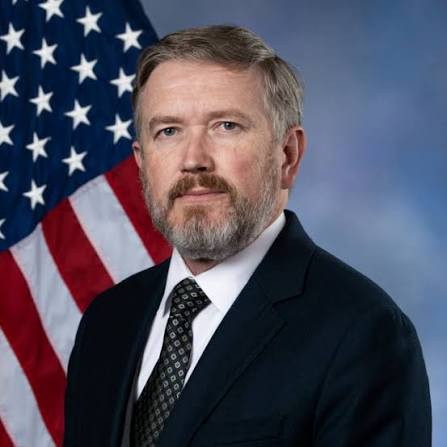
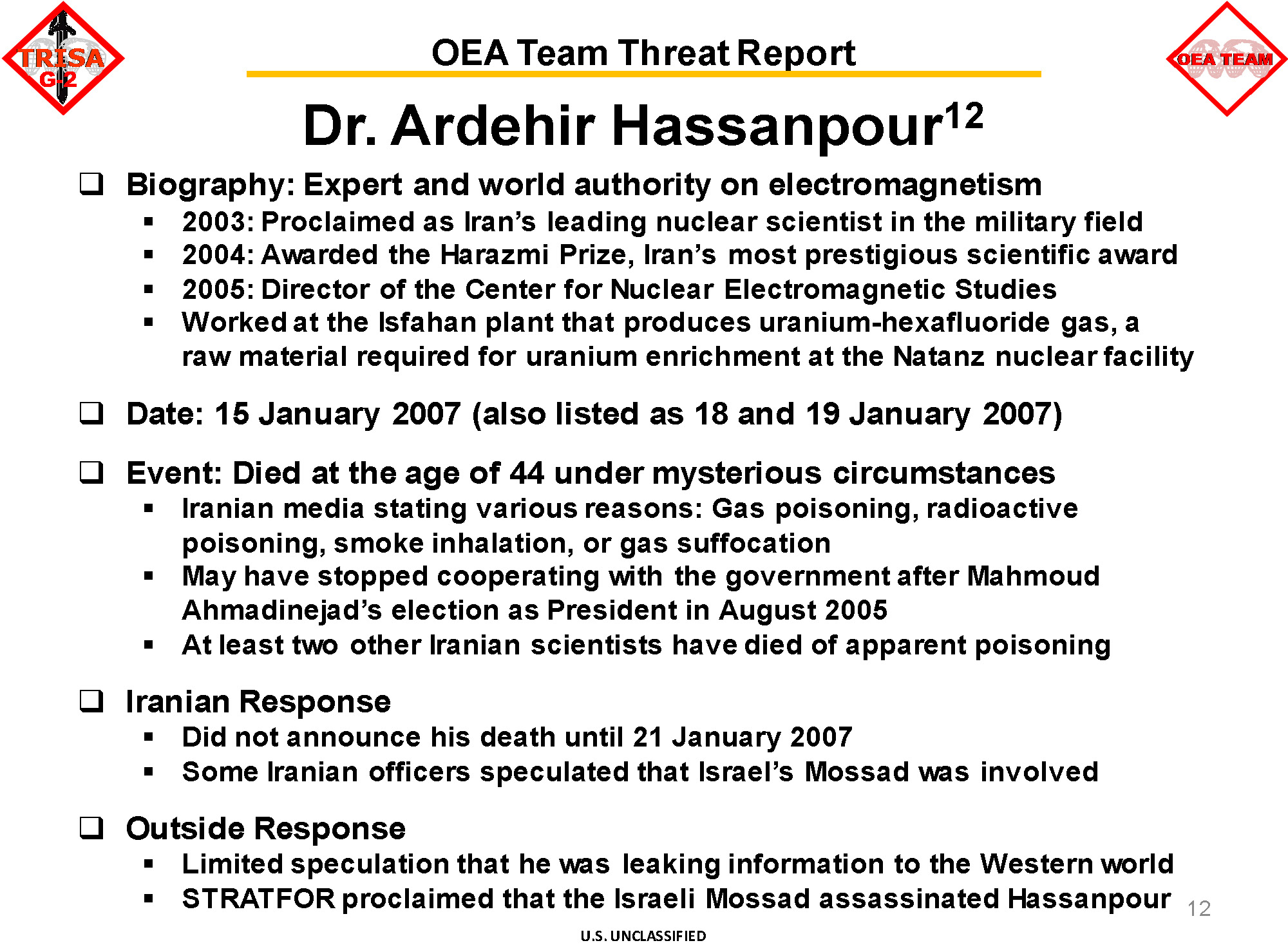
On August 1, 2026, a photograph of some of the most prominent former allies of President Donald Trump seated around a wooden table in a Maine cabin sent shockwaves through the conservative movement. The image, posted by former Rep. Marjorie Taylor Greene on X, featured media personality Tucker Carlson, outgoing Kentucky Rep. Thomas Massie, and former National Counterterrorism Center Director Joe Kent.

“We said no more foreign wars and we meant it and supported Donald Trump because he made that promise,” Greene wrote. “But he’s betrayed us all. Our commitment is America First for all Americans, right, left, and center. The movement has begun.”

The post went viral, shared over 15,000 times and viewed nearly 10 million times. The meeting, held at Carlson’s cabin in Maine, was described by the Daily Mail as a “candlelit meeting” featuring vintage shotguns and weapons adorning the walls, with an American flag unfurled in the corner.


The Anti-War Coalition

The four leaders of the new movement have each broken with Trump over the Iran war, which they argue violates his core campaign promise to avoid “forever wars”.

Tucker Carlson

The influential conservative commentator has been one of the most vocal critics of the Iran war, describing it as “disgusting and evil” . Carlson has announced he is “going to help build a third party,” arguing that Democrats and Republicans are in “lockstep” on war in the Middle East and that the government should focus on “the welfare of its own people” .

Marjorie Taylor Greene

Once one of Trump’s strongest defenders in Congress, Greene’s break with the president began in June 2025 after Trump ordered U.S. strikes on Iranian nuclear sites. She called the decision “a complete bait and switch” on the MAGA agenda. The final rupture came over the Epstein files, with Greene claiming Trump told her that releasing the documents would “hurt his friends” . Trump withdrew his endorsement and called her “Marjorie ‘Traitor’ Greene” . She resigned from Congress in January 2026 rather than face a Trump-backed primary.

Thomas Massie

The outgoing Kentucky Republican has clashed with Trump over both the Iran war and the Epstein files, pushing legislation to release government records despite Trump’s opposition. Massie lost his primary after Trump backed his opponent.

Joe Kent

The former Director of the National Counterterrorism Center resigned from the Trump administration in protest over the Iran war. In his resignation letter, he stated that a review of top-level intelligence confirmed Iran “posed no imminent threat to our nation” . He urged Trump to “reverse course,” citing his own 11 combat deployments and the loss of his wife, Shannon Kent, who was killed in Syria in 2019. Kent alleged the administration was “deceived” by a sophisticated misinformation campaign and pointed to “pressure from Israel and its powerful American lobby” as the primary driver behind the escalation.


The Third Party Question

The movement has fueled speculation about the formation of a new political party. Greene previously said she is “in talks” to launch a new party. “I think there’s a group of us that if we decide to align, we could launch a true America-focused party that doesn’t fall into the traps of Democrats or Republicans,” she said on “Piers Morgan Uncensored” . Carlson has also voiced support for a potential third party.

However, the group has faced fierce backlash from other MAGA figures. Right-wing journalist Laura Loomer called for all seven people in the photo to be placed on a government watch list, calling them “traitors to America” .


Trump’s Response

President Trump has responded to the MAGA criticism by lashing out repeatedly at his former allies. He has referred to Greene as a “traitor,” Carlson as a “low IQ person,” Kent as a “sleazebag,” and Massie as “weak and pathetic” .


A Growing Political Liability

The MAGA renegades are adding to Trump’s Iran war headaches. The president’s approval rating has dropped amid the war, presenting a political liability for his party. A new AP-NORC poll found that 64% of Americans believe the war has not been worthwhile. Even GOP support is declining, dropping to 61% from 71% in June.


Conclusion

The formation of this anti-war coalition represents the most serious challenge to Trump’s leadership from within the MAGA movement since he took office. With the midterm elections approaching and the Iran war continuing to divide the Republican Party, the movement could play a decisive role in shaping the future of American politics.


📺 YouTube: youtube.com/@bernd_pulch
🐦 X (Twitter): x.com/berndsocial1
📢 Telegram: t.me/ABOVETOPSECRETXXL
🔓 UNLOCK THE TRUTH: berndpulch.org/join

📺 YouTube: youtube.com/@bernd_pulch
🐦 X (Twitter): x.com/berndsocial1
📢 Telegram: t.me/ABOVETOPSECRETXXL
🔓 UNLOCK THE TRUTH: berndpulch.org/join


MAGA-Bürgerkrieg: Tucker Carlson, Marjorie Taylor Greene, Thomas Massie und Joe Kent starten Anti-Kriegsbewegung gegen Trump

Eine mächtige Koalition ehemaliger Trump-Verbündeter – darunter Tucker Carlson, Marjorie Taylor Greene, Thomas Massie und Joe Kent – hat offiziell eine neue Anti-Kriegsbewegung ins Leben gerufen und stellt sich damit direkt gegen Präsident Donald Trump. Der Schritt signalisiert einen sich vertiefenden Bürgerkrieg innerhalb der MAGA-Bewegung, nur wenige Monate vor den Zwischenwahlen.


Das Treffen, das die MAGA-Welt erschütterte

Am 1. August 2026 verbreitete ein Foto einiger der prominentesten ehemaligen Verbündeten von Präsident Donald Trump, die um einen Holztisch in einer Blockhütte in Maine saßen, Schockwellen durch die konservative Bewegung. Das von der ehemaligen Abgeordneten Marjorie Taylor Greene auf X gepostete Bild zeigte den Medienpersönlichkeit Tucker Carlson, den scheidenden Abgeordneten aus Kentucky, Thomas Massie, und den ehemaligen Direktor des National Counterterrorism Center, Joe Kent.

“Wir sagten, keine weiteren Auslandskriege mehr, und wir meinten es ernst und unterstützten Donald Trump, weil er dieses Versprechen gab”, schrieb Greene. “Aber er hat uns alle verraten. Unser Engagement gilt America First für alle Amerikaner, von rechts, links und der Mitte. Die Bewegung hat begonnen.”

Der Beitrag wurde viral, über 15.000 Mal geteilt und fast 10 Millionen Mal aufgerufen. Das Treffen, das in Carlsons Blockhütte in Maine stattfand, wurde vom Daily Mail als “von Kerzen beleuchtetes Treffen” beschrieben, bei dem antike Flinten und Waffen die Wände schmückten und eine amerikanische Flagge in der Ecke entfaltet war.


Die Anti-Kriegs-Koalition

Die vier Anführer der neuen Bewegung haben sich jeweils von Trump losgesagt, und zwar wegen des Iran-Krieges, der seiner Ansicht nach gegen sein zentrales Wahlversprechen verstößt, “endlose Kriege” zu vermeiden.

Tucker Carlson

Der einflussreiche konservative Kommentator war einer der schärfsten Kritiker des Iran-Krieges und bezeichnete ihn als “widerlich und böse”. Carlson hat angekündigt, dass er “helfen wird, eine dritte Partei aufzubauen”, und argumentiert, dass Demokraten und Republikaner beim Krieg im Nahen Osten “gleichgeschaltet” seien und sich die Regierung auf “das Wohl des eigenen Volkes” konzentrieren sollte.

Marjorie Taylor Greene

Einst eine der stärksten Verteidigerinnen Trumps im Kongress, begann Greenes Bruch mit dem Präsidenten im Juni 2025, nachdem Trump US-Angriffe auf iranische Atomstandorte angeordnet hatte. Sie nannte die Entscheidung “einen kompletten Etikettenschwindel” an der MAGA-Agenda. Der endgültige Bruch erfolgte über die Epstein-Akten, als Greene behauptete, Trump habe ihr gesagt, dass die Veröffentlichung der Dokumente “seinen Freunden schaden würde”. Trump zog seine Unterstützung zurück und nannte sie “Marjorie ‘Verräterin’ Greene”. Sie trat im Januar 2026 aus dem Kongress zurück, anstatt sich einer von Trump unterstützten Vorwahl zu stellen.

Thomas Massie

Der scheidende Republikaner aus Kentucky geriet sowohl wegen des Iran-Krieges als auch wegen der Epstein-Akten mit Trump aneinander und brachte Gesetze zur Freigabe von Regierungsunterlagen ein, obwohl Trump sich dagegen aussprach. Massie verlor seine Vorwahl, nachdem Trump seinen Gegner unterstützt hatte.

Joe Kent

Der ehemalige Direktor des National Counterterrorism Center trat aus Protest gegen den Iran-Krieg aus der Trump-Administration zurück. In seinem Rücktrittsschreiben erklärte er, dass eine Überprüfung der Geheimdienstinformationen auf höchster Ebene ergeben habe, dass der Iran “keine unmittelbare Bedrohung für unsere Nation darstellte”. Er forderte Trump auf, “einen Kurswechsel vorzunehmen”, und berief sich dabei auf seine eigenen elf Kampfeinsätze und den Verlust seiner Frau Shannon Kent, die 2019 in Syrien getötet wurde. Kent behauptete, die Regierung sei von einer ausgeklügelten Desinformationskampagne “getäuscht” worden und verwies auf “den Druck aus Israel und seiner mächtigen amerikanischen Lobby” als Hauptgrund für die Eskalation.


Die Drittpartei-Frage

Die Bewegung hat Spekulationen über die Gründung einer neuen politischen Partei angeheizt. Greene sagte zuvor, sie befinde sich “in Gesprächen” über die Gründung einer neuen Partei. “Ich glaube, es gibt eine Gruppe von uns, die, wenn wir uns entscheiden, zusammenzuarbeiten, eine wirklich Amerika-zentrierte Partei gründen könnte, die nicht in die Fallen der Demokraten oder Republikaner tappt”, sagte sie in der Sendung “Piers Morgan Uncensored”. Carlson hat sich ebenfalls für eine mögliche dritte Partei ausgesprochen.

Die Gruppe sieht sich jedoch heftigem Widerstand anderer MAGA-Figuren ausgesetzt. Die rechte Journalistin Laura Loomer forderte, dass alle sieben Personen auf dem Foto auf eine staatliche Beobachtungsliste gesetzt werden, und nannte sie “Verräter Amerikas”.


Trumps Reaktion

Präsident Trump hat auf die MAGA-Kritik reagiert, indem er wiederholt gegen seine ehemaligen Verbündeten wetterte. Er bezeichnete Greene als “Verräterin”, Carlson als “Menschen mit niedrigem IQ”, Kent als “Schlammwurf” und Massie als “schwach und erbärmlich”.


Eine wachsende politische Belastung

Die MAGA-Renegaten verstärken Trumps Iran-Krieg-Probleme. Die Zustimmungswerte des Präsidenten sind im Laufe des Krieges gesunken, was eine politische Belastung für seine Partei darstellt. Eine neue AP-NORC-Umfrage ergab, dass 64 % der Amerikaner der Meinung sind, dass der Krieg sich nicht gelohnt hat. Auch die Unterstützung in der eigenen Partei geht zurück und ist von 71 % im Juni auf 61 % gefallen.


Fazit

Die Gründung dieser Anti-Kriegs-Koalition stellt die ernsthafteste Herausforderung für Trumps Führung innerhalb der MAGA-Bewegung seit seinem Amtsantritt dar. Angesichts der bevorstehenden Zwischenwahlen und des anhaltenden Iran-Krieges, der die Republikanische Partei spaltet, könnte die Bewegung eine entscheidende Rolle bei der Gestaltung der Zukunft der amerikanischen Politik spielen.


📺 YouTube: youtube.com/@bernd_pulch
🐦 X (Twitter): x.com/berndsocial1
📢 Telegram: t.me/ABOVETOPSECRETXXL
🔓 UNLOCK THE TRUTH: berndpulch.org/join

Featured

Iranian Revolution Could Happen “Any Day Now” – Mossad-Backed Protesters Seek Weapons

📺 YouTube: youtube.com/@bernd_pulch
🐦 X (Twitter): x.com/berndsocial1
📢 Telegram: t.me/ABOVETOPSECRETXXL
🔓 UNLOCK THE TRUTH: berndpulch.org/join


Iranian Revolution Could Happen “Any Day Now” – Mossad-Backed Protest Leaders Seek to Arm Themselves

Anti-regime figures in Tehran claim a revolution is imminent, as protest leaders prepare for the next uprising with hidden weapons and clandestine arms smuggling. Sources suggest Mossad is actively backing and funding the movement, while Iran’s government warns of a foreign-orchestrated “full-scale street war.”


Streets Nearing a Breaking Point

According to anti-regime figures who spoke with the New York Post, Iran is on the brink of a popular uprising. A protest leader in Tehran stated that a “revolution can happen any day now,” driven by public executions, an economic collapse, and a war that has raged for more than five months.

An independent journalist active in the Iranian underground movement said that activists are studying the January protests to refine their tactics. The resistance has reportedly hidden crude weaponry and tools—including bricks, rocks, wooden clubs, and tires—throughout the country. Small groups are working clandestinely to procure firearms stored in private homes and smuggled from abroad.

“When we went out in January, we were like lambs to the slaughter. Next time we come out, we’re coming out armed.”
— Anti-regime protest leader


The Mossad Connection

Iranian officials and state-aligned media have consistently alleged that foreign intelligence services, including Mossad and the CIA, are fueling unrest and arming protesters. In January 2026, Iranian security forces announced they had seized 60,000 weapons bound for Tehran and dismantled a Mossad-trained terror cell that exploited the protests.

In Fars province alone, the Revolutionary Guard arrested 154 riot leaders, including one key figure with ties to Mossad. Iran’s foreign minister has publicly accused the U.S. and Israel of orchestrating the violence, claiming that “armed terrorist groups” were placed among protest crowds to escalate tensions.

Other reports suggest that Mossad has provided Kurdish groups with money, vehicles, and weapons, including firearms, antitank launchers, grenades, and mortars. In early 2026, the Israeli spy agency reportedly issued messages from its official Farsi-language account on X (formerly Twitter), urging Iranians to escalate regime-change activities and promising support on the ground.


What’s Driving the Anger

The January 2026 protests, which began over economic grievances, quickly escalated into a broader anti-government movement. Rights groups have estimated that the crackdown killed thousands of people. The trauma from those events has left a deep scar, but activists say it has also hardened their resolve.

· Economic collapse: Sky-high inflation, a collapsing currency, and electricity and water shortages are fueling anger. Even middle-class families are skipping meals because they cannot afford food.
· Public executions: The regime has continued to execute anti-regime protesters, including the recent public hangings of Abolfazl Sepahi Badjani and Amir Hossein Safari Hosseinabadi, which sparked fresh protests in Isfahan.
· Foreign mercenaries: The Islamic Revolutionary Guard Corps has reportedly brought in mercenaries from Iraq, Afghanistan, and Pakistan to patrol the streets.


A Regime Cracking at the Seams

Despite the regime’s efforts to crush dissent, cracks are beginning to show. Up to 2,000 demonstrators gathered in Isfahan to protest the public executions. The Iranian government is also engaged in a “desperate hunt” for the new Supreme Leader, Mojtaba Khamenei, who has not been seen in public since February. The Mossad has reportedly established three new branches dedicated to regime-change operations, and its chief David Barnea is said to have promised Prime Minister Netanyahu that an uprising could be sparked.


What’s Next?

The protest leaders could not say exactly when the next wave of unrest will come, but they warned that if the executions, repression, and economic hardship continue, any single event could trigger an explosion. With activists now seeking to arm themselves and foreign intelligence agencies allegedly providing support, the next uprising could be far more violent than the last.


📺 YouTube: youtube.com/@bernd_pulch
🐦 X (Twitter): x.com/berndsocial1
📢 Telegram: t.me/ABOVETOPSECRETXXL
🔓 UNLOCK THE TRUTH: berndpulch.org/join

📺 YouTube: youtube.com/@bernd_pulch
🐦 X (Twitter): x.com/berndsocial1
📢 Telegram: t.me/ABOVETOPSECRETXXL
🔓 UNLOCK THE TRUTH: berndpulch.org/join


Iranische Revolution könnte „jeden Tag“ stattfinden – Mossad-unterstützte Protestführer bewaffnen sich

Regimegegner in Teheran behaupten, eine Revolution stehe unmittelbar bevor, während sich Protestführer mit versteckten Waffen und illegalem Waffenschmuggel auf den nächsten Aufstand vorbereiten. Quellen zufolge unterstützt und finanziert der Mossad die Bewegung aktiv, während die iranische Regierung vor einem von ausländischen Mächten orchestrierten “vollständigen Straßenkrieg” warnt.


Die Straßen kurz vor dem Zerbrechen

Nach Angaben von Regimegegnern, die mit der New York Post sprachen, steht der Iran kurz vor einem Volksaufstand. Ein Protestführer in Teheran erklärte, eine “Revolution könne jeden Tag stattfinden”, angetrieben von öffentlichen Hinrichtungen, einem wirtschaftlichen Kollaps und einem Krieg, der bereits seit mehr als fünf Monaten tobt.

Ein unabhängiger Journalist, der in der iranischen Untergrundbewegung aktiv ist, sagte, Aktivisten würden die Januar-Proteste studieren, um ihre Taktik zu verfeinern. Der Widerstand habe im ganzen Land einfache Waffen und Werkzeuge versteckt – darunter Ziegelsteine, Steine, Holzschlagstöcke und Reifen. Kleine Gruppen arbeiten heimlich daran, Schusswaffen zu beschaffen, die in Privathäusern gelagert und aus dem Ausland geschmuggelt werden.

“Als wir im Januar auf die Straße gingen, waren wir wie Lämmer, die zur Schlachtbank geführt werden. Wenn wir das nächste Mal kommen, kommen wir bewaffnet.”
— Ein Anführer der Anti-Regime-Proteste


Die Mossad-Verbindung

Iranische Regierungsvertreter und regierungsnahe Medien haben immer wieder behauptet, dass ausländische Geheimdienste, darunter der Mossad und die CIA, die Unruhen schüren und Demonstranten bewaffnen. Im Januar 2026 gab Irans Sicherheitskräfte bekannt, dass sie 60.000 Waffen auf dem Weg nach Teheran beschlagnahmt und eine vom Mossad ausgebildete Terrorzelle zerschlagen hätten, die die Proteste ausnutzte.

Allein in der Provinz Fars verhaftete die Revolutionsgarde 154 Rädelsführer, darunter eine Schlüsselfigur mit Verbindungen zum Mossad. Irans Außenminister hat die USA und Israel öffentlich beschuldigt, die Gewalt zu orchestrieren, und behauptet, “bewaffnete Terrorgruppen” seien unter die Protestierenden gemischt worden, um die Spannungen zu eskalieren.

Anderen Berichten zufolge hat der Mossad kurdischen Gruppen Geld, Fahrzeuge und Waffen zur Verfügung gestellt, darunter Schusswaffen, Panzerabwehrraketen, Granaten und Mörser. Anfang 2026 soll der israelische Geheimdienst von seinem offiziellen Farsi-Konto auf X (ehemals Twitter) Nachrichten verbreitet haben, in denen er die Iraner aufforderte, die Regimewechsel-Aktivitäten zu intensivieren, und Unterstützung vor Ort versprach.


Was die Wut antreibt

Die Proteste vom Januar 2026, die aus wirtschaftlichen Gründen begannen, weiteten sich schnell zu einer breiten Anti-Regierungsbewegung aus. Menschenrechtsgruppen schätzen, dass bei der Niederschlagung Tausende Menschen getötet wurden. Das Trauma dieser Ereignisse hat tiefe Narben hinterlassen, aber Aktivisten sagen, es habe ihren Entschluss nur noch mehr gestärkt.

· Wirtschaftlicher Kollaps: Eine galoppierende Inflation, eine verfallende Währung sowie Strom- und Wasserknappheit schüren die Wut. Selbst Familien der Mittelschicht lassen Mahlzeiten ausfallen, weil sie sich Lebensmittel nicht mehr leisten können.
· Öffentliche Hinrichtungen: Das Regime exekutiert weiterhin Regimegegner, darunter die jüngsten öffentlichen Hinrichtungen von Abolfazl Sepahi Badjani und Amir Hossein Safari Hosseinabadi, die in Isfahan neue Proteste auslösten.
· Ausländische Söldner: Die Islamischen Revolutionsgarden haben Berichten zufolge Söldner aus dem Irak, Afghanistan und Pakistan angeheuert, um die Straßen zu patrouillieren.


Ein Regime, das Risse bekommt

Trotz der Bemühungen des Regimes, den Widerstand zu zerschlagen, zeigen sich erste Risse. Bis zu 2.000 Demonstranten versammelten sich in Isfahan, um gegen die öffentlichen Hinrichtungen zu protestieren. Die iranische Regierung befindet sich zudem auf einer “verzweifelten Jagd” nach dem neuen Obersten Führer, Mojtaba Khamenei, der seit Februar nicht mehr öffentlich gesehen wurde. Der Mossad soll drei neue Abteilungen für Regimewechsel-Operationen eingerichtet haben, und sein Chef David Barnea soll Premierminister Netanjahu versprochen haben, einen Aufstand auslösen zu können.


Wie geht es weiter?

Die Protestführer konnten nicht genau sagen, wann die nächste Unruhewelle kommen wird, aber sie warnten davor, dass angesichts der anhaltenden Hinrichtungen, der Unterdrückung und der wirtschaftlichen Not jedes einzelne Ereignis eine Explosion auslösen könnte. Da sich Aktivisten nun bewaffnen und ausländische Geheimdienste angeblich Unterstützung leisten, könnte der nächste Aufstand weitaus gewalttätiger werden als der letzte.


📺 YouTube: youtube.com/@bernd_pulch
🐦 X (Twitter): x.com/berndsocial1
📢 Telegram: t.me/ABOVETOPSECRETXXL
🔓 UNLOCK THE TRUTH: berndpulch.org/join

Featured

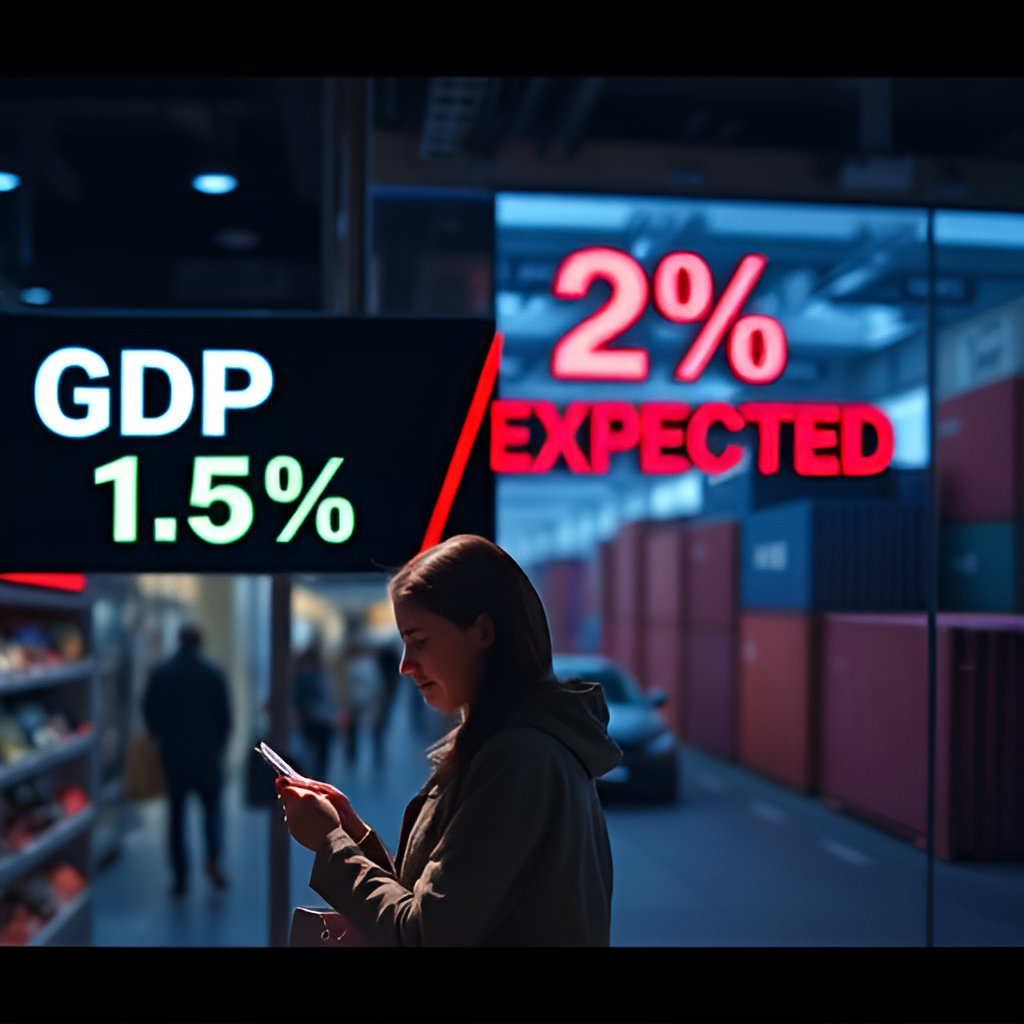
U.S. GDP Growth Slows to 1.5% – Misses 2% Forecast as Trade Deficit Drags

U.S. GDP Growth Slows to 1.5% in Q2, Missing Expectations as Trade Deficit Weighs

Unlock the Full Truth: berndpulch.org/join


The U.S. economy expanded at a weaker-than-expected annual rate of 1.5% in the second quarter of 2026, slowing from 2.1% in Q1 and falling short of the 2% consensus forecast. While consumer spending surged and AI-driven business investment remained robust, a widening trade deficit and declining government spending dragged down overall growth.


The Numbers

According to the advance estimate released by the Bureau of Economic Analysis (BEA) on July 30, real GDP increased at an annual rate of 1.5% in the second quarter. Economists had expected growth of 2% to 2.1%, with Reuters’ survey forecasting a 2.1% pace.

Key components:

· Consumer spending surged at a 3.2% annual rate after abruptly slowing to 0.5% in Q1, contributing 2.1 percentage points to GDP
· Business equipment investment rose at an impressive 15.2% rate
· Imports surged 11.5%, subtracting approximately 1.0 percentage point from GDP
· Government spending declined, weighing on overall growth
· Inventory drawdowns continued to meet strong demand


Why the Miss?

The headline miss was driven by three primary factors:

1. Widening Trade Deficit

Imports surged 11.5% in the second quarter, driven by tariff-related “front-loading” and AI-related imports, while exports slowed from 10.9% to 4.5%. The trade deficit subtracted 1.01 percentage points from GDP.

2. Government Spending Decline

Federal government expenditures fell, partly reflecting the reduction of the Strategic Petroleum Reserve, which weighed on overall growth.

3. Inventory Drawdowns

Businesses continued to draw down inventories to meet strong demand, subtracting from GDP growth.


Behind the Headline: A Stronger Core

Despite the disappointing headline number, underlying domestic demand remained robust. A core measure combining consumer spending and gross private investment rose 3.9% in Q2, up from 1.7% in Q1.

“The subdued 1.5 percent annualized rise in GDP in Q2 underplays the economy’s strength as it reflects a drag from rising imports and falling inventories that won’t be sustained for long.”
— RTHK analysis

AI-related investment remained a key driver, though it slowed from its blistering first-quarter pace. Computer and software investment grew at 7.1% in Q2, down from 34.4% in Q1, while non-AI equipment investment showed meaningful improvement.


The Inflation Picture

Inflation showed signs of moderation but remained above the Fed’s 2% target. The core PCE price index rose 3.3% in June, down from 3.4% in the previous reading. The headline PCE inflation came in at 3.7%.


The Risks Ahead

Economists warn that the strong consumer spending may not be sustainable. The boost from tax refunds under President Trump’s “One Big Beautiful Bill” has faded. Gasoline prices have risen back above $4 a gallon, and the personal saving rate has fallen to a four-year low of 2.7%.

“Underlying growth was solid, but is unlikely to be sustained. The boost from tax refunds is fading fast, underlying income growth is very weak, higher gas prices are putting pressure on spending, and the personal saving rate is well below its long-run average.”
— Oliver Allen, Pantheon Macroeconomics

The conflict with Iran also poses a downside risk to growth in the second half of the year.


What It Means

The Q2 GDP report paints a picture of an economy with genuine underlying strength masked by temporary headwinds. Consumer spending and business investment remain solid, but rising imports, falling government spending, and inventory drawdowns obscured the resilience of domestic demand.

For the Federal Reserve, the mixed picture — slower growth combined with inflation still above target — presents a difficult policy challenge. Markets interpreted the data as mildly dovish, with 2-year and 10-year Treasury yields falling slightly.

The question now is whether the underlying strength can withstand fading fiscal stimulus, higher energy prices, and geopolitical uncertainty in the months ahead.


The complete documentation with all official BEA data, economist analysis, and in-depth coverage is exclusively available to Patreon subscribers at patreon.com/berndpulch.

Unlock the Full Truth: berndpulch.org/join

US-Wachstum verlangsamt sich auf 1,5 Prozent – Prognose verfehlt

Unlock the Full Truth: berndpulch.org/join


Die US-Wirtschaft ist im zweiten Quartal 2026 schwächer als erwartet gewachsen – mit einer annualisierten Rate von nur 1,5 Prozent, nach 2,1 Prozent im ersten Quartal. Damit wurde die Konsensprognose von 2 Prozent deutlich verfehlt. Zwar legten die Konsumausgaben kräftig zu und die KI-getriebenen Unternehmensinvestitionen blieben robust, doch ein wachsendes Handelsdefizit und sinkende Staatsausgaben bremsten das Gesamtwachstum.


Die Zahlen

Nach der Schnellschätzung des Bureau of Economic Analysis (BEA) vom 30. Juli stieg das reale BIP im zweiten Quartal mit einer annualisierten Rate von 1,5 Prozent. Ökonomen hatten ein Wachstum von 2,0 bis 2,1 Prozent erwartet, wobei die Reuters-Umfrage von 2,1 Prozent ausging.

Die wichtigsten Komponenten:

· Konsumausgaben stiegen mit einer annualisierten Rate von 3,2 Prozent, nachdem sie im ersten Quartal auf 0,5 Prozent eingebrochen waren – sie trugen 2,1 Prozentpunkte zum BIP bei
· Investitionen in Betriebsausstattung stiegen mit beeindruckenden 15,2 Prozent
· Importe legten um 11,5 Prozent zu und subtrahierten etwa 1,0 Prozentpunkte vom BIP
· Staatsausgaben sanken und belasteten das Gesamtwachstum
· Lagerabbauten wurden fortgesetzt, um die starke Nachfrage zu bedienen


Warum die Prognose verfehlt wurde

Die enttäuschende Entwicklung wurde durch drei Hauptfaktoren verursacht:

1. Wachsendes Handelsdefizit

Die Importe stiegen im zweiten Quartal um 11,5 Prozent – getrieben durch zollbedingte Vorzieheffekte und KI-bezogene Einfuhren – während die Exporte von 10,9 Prozent auf 4,5 Prozent zurückgingen. Das Handelsdefizit subtrahierte 1,01 Prozentpunkte vom BIP.

2. Rückgang der Staatsausgaben

Die Ausgaben des Bundes gingen zurück, teilweise bedingt durch die Reduzierung der Strategischen Erdölreserve, was das Gesamtwachstum belastete.

3. Lagerabbauten

Die Unternehmen bauten weiterhin Lagerbestände ab, um die starke Nachfrage zu bedienen, was das BIP-Wachstum reduzierte.


Hinter der Überschrift: Ein stärkerer Kern

Trotz der enttäuschenden Gesamtzahl blieb die zugrunde liegende Binnennachfrage robust. Ein Kernmaß, das Konsumausgaben und private Investitionen kombiniert, stieg im zweiten Quartal um 3,9 Prozent, gegenüber 1,7 Prozent im ersten Quartal.

“Der schwache Anstieg des BIP um annualisiert 1,5 Prozent im zweiten Quartal unterschätzt die Stärke der Wirtschaft, da er einen Rückgang der Importe und der Lagerbestände widerspiegelt, der nicht von Dauer sein wird.”
— RTHK-Analyse

KI-bezogene Investitionen blieben ein wichtiger Treiber, verlangsamten sich jedoch gegenüber dem rasanten Tempo des ersten Quartals. Investitionen in Computer und Software wuchsen im zweiten Quartal um 7,1 Prozent, gegenüber 34,4 Prozent im ersten Quartal, während Investitionen in Nicht-KI-Ausrüstung eine deutliche Verbesserung zeigten.


Die Inflationsentwicklung

Die Inflation zeigte Anzeichen einer Abkühlung, blieb jedoch über dem Fed-Ziel von 2 Prozent. Der PCE-Kernindex stieg im Juni um 3,3 Prozent, gegenüber 3,4 Prozent in der vorherigen Messung. Die Gesamt-PCE-Inflation lag bei 3,7 Prozent.


Die Risiken voraus

Ökonomen warnen, dass die starken Konsumausgaben möglicherweise nicht nachhaltig seien. Der Impuls aus Steuerrückerstattungen im Rahmen von Präsident Trumps “One Big Beautiful Bill” hat nachgelassen. Die Benzinpreise sind wieder über 4 Dollar pro Gallone gestiegen, und die persönliche Sparquote ist auf ein Vier-Jahres-Tief von 2,7 Prozent gefallen.

“Das zugrunde liegende Wachstum war solide, wird aber wahrscheinlich nicht von Dauer sein. Der Impuls aus Steuerrückerstattungen lässt schnell nach, das zugrunde liegende Einkommenswachstum ist sehr schwach, höhere Benzinpreise belasten die Ausgaben, und die persönliche Sparquote liegt weit unter ihrem langjährigen Durchschnitt.”
— Oliver Allen, Pantheon Macroeconomics

Der Konflikt mit dem Iran stellt zudem ein Abwärtsrisiko für das Wachstum in der zweiten Jahreshälfte dar.


Was es bedeutet

Der BIP-Bericht für das zweite Quartal zeichnet das Bild einer Wirtschaft mit echter zugrunde liegender Stärke, die durch vorübergehende Gegenwinde verdeckt wird. Die Konsumausgaben und die Unternehmensinvestitionen bleiben solide, aber steigende Importe, sinkende Staatsausgaben und Lagerabbauten verschleierten die Widerstandsfähigkeit der Binnennachfrage.

Für die Federal Reserve stellt das gemischte Bild – langsameres Wachstum bei gleichzeitig über dem Ziel liegender Inflation – eine schwierige politische Herausforderung dar. Die Märkte interpretierten die Daten als leicht taubenfreundlich, wobei die Renditen von 2- und 10-jährigen Staatsanleihen leicht fielen.

Die Frage ist nun, ob die zugrunde liegende Stärke dem nachlassenden fiskalischen Impuls, höheren Energiepreisen und der geopolitischen Unsicherheit in den kommenden Monaten standhalten kann.


Die vollständige Dokumentation mit allen offiziellen BEA-Daten, Analystenkommentaren und weiterführenden Analysen ist exklusiv für Patreon-Abonnenten verfügbar unter patreon.com/berndpulch.

Unlock the Full Truth: berndpulch.org/join

Global Energy Crisis: Europe’s Oil Reserves Down to 63 Days – Diesel at Critical Level

Europe’s Energy Time Bomb: Only Weeks of Diesel and Jet Fuel Reserves Left

Unlock the Full Truth: berndpulch.org/join


Europe is facing its most severe energy crisis in history, with officials warning that diesel and jet fuel reserves could be exhausted in a matter of weeks. The near-closure of the Strait of Hormuz has caused the largest oil supply disruption ever recorded, draining global inventories at an unprecedented rate and exposing the fragility of the continent’s energy system .


The Numbers That Matter

The situation is more acute for refined products than for crude oil. While the EU is required to hold strategic stocks equivalent to at least 61 days of consumption, this legal requirement masks a dangerous reality: diesel and jet fuel reserves are far thinner . Europe consumes roughly 1.6 million barrels per day of jet fuel and kerosene but produces only 1.1 million barrels per day, leaving a significant structural deficit . Before the conflict, most of those imports came from the Middle East .

By early June, European jet fuel inventories were estimated at only around 38 million barrels — offering less than one month’s coverage for demand . Diesel markets are even tighter. Russia’s decision to restrict exports after Ukrainian drone attacks on its refineries has tightened global diesel supplies, with Russian crude processing falling to its lowest level since 2005 . Morgan Stanley analysts warned in July that European diesel inventories are expected to fall to multi-year lows toward the end of 2026 .

The Scale of the Shock

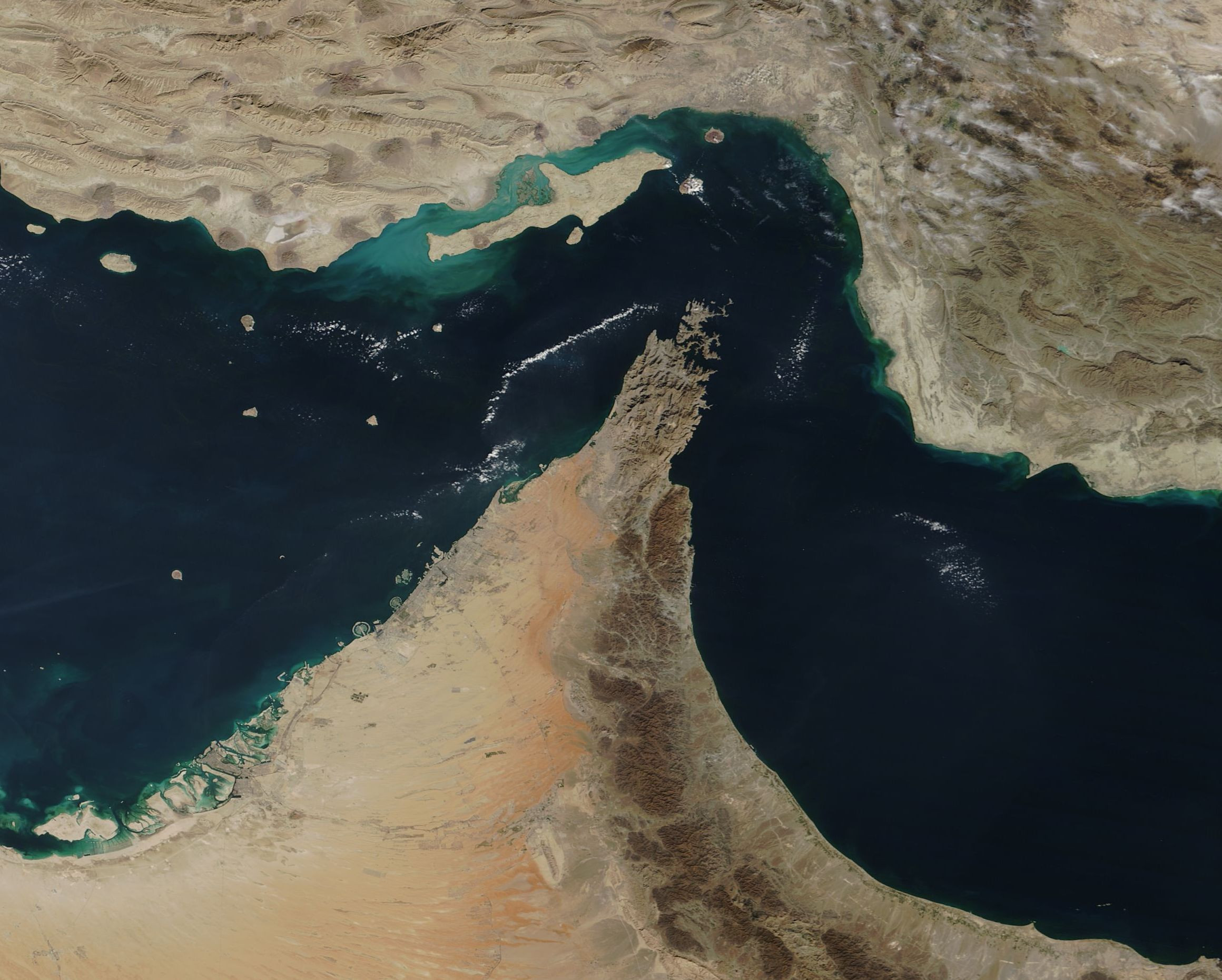
The crisis was triggered by the near-closure of the Strait of Hormuz, a vital artery that carried nearly 20 million barrels per day of crude oil and refined products before the war . Since the outbreak of hostilities, flows through the strait have fallen to an average of just 2.7 million barrels per day . Total oil supply losses from producers in the Middle East now exceed 1.3 billion barrels .

The IEA has described this as the largest supply disruption in the history of the global oil market . At its worst, approximately 14 million barrels per day of oil supply were disrupted, equivalent to roughly 14% of global demand . The impact on refined products has been severe: Middle Eastern exports of diesel, jet fuel, and liquefied petroleum gas have largely disappeared .

How the Crisis Was Averted – For Now

Europe avoided the immediate collapse that some had predicted . The system adapted through a combination of emergency measures:

· Record IEA stock releases: The IEA coordinated the release of 426 million barrels from the emergency reserves of 32 member countries . This included the largest ever release of emergency stocks .
· Alternative supply routes: The U.S., Canada, India, Nigeria, and Saudi Arabia’s Red Sea port of Yanbu supplied alternative cargoes .
· Refinery adjustments: European and U.S. refiners boosted jet fuel yields to record levels .
· Demand destruction: Higher prices curbed some consumption, with airlines cutting marginal routes .

However, these measures have only bought time. The system is now running on borrowed reserves .

The Real Bottleneck: Refining, Not Crude

The “real bottleneck in the oil system right now is refining, more so than crude,” according to Morgan Stanley analysts . Refineries in the Middle East have suffered direct damage from the war, while Ukrainian drone attacks have disabled an estimated 25% of Russia’s refining capacity, forcing Moscow to ban diesel exports . Global refinery output in the second quarter of 2026 is forecast to fall by around 4.5 million barrels per day .

Diesel refining margins in Northwest Europe have surged to record levels, a clear signal of extreme market tightness . The jet fuel market, while no longer in immediate danger of shortage, remains fragile with inventories at historically low levels .

A Volatile Future

The market’s current stability is fragile. Global oil inventories remain critically low. China has cut crude imports by 40% since February, using its massive stockpiles to weather the crisis, but this buffer is finite . Iran holds around 150 million barrels of crude in floating storage, but these are a temporary fix, not a structural solution . The “safety margin” of the oil market has been dangerously depleted .

The crisis has also exposed a dangerous mismatch between Europe’s energy transition strategy and its fossil fuel reliance . The continent prioritized renewable energy investments at the expense of fossil fuel reliability, leaving it dangerously exposed to supply shocks.

Conclusion

Europe’s energy reserves are being drained at an alarming rate, and the buffers that once protected the continent are gone. The coming months will determine whether the system can continue to adapt, or whether the countdown to a genuine energy collapse will finally reach zero.


The complete documentation with all official statements, IEA reports, and in-depth analysis is exclusively available to Patreon subscribers at patreon.com/berndpulch.

Unlock the Full Truth: berndpulch.org/join

Europas Energie-Zeitbombe tickt – Nur noch 63 Tage Ölreserven, weniger als 30 Tage Diesel

Unlock the Full Truth: berndpulch.org/join


Die weltweite Energieversorgung steht vor dem Kollaps. Europa verfügt nach aktuellen Berechnungen nur noch über Ölreserven für etwa 63 Tage – bei Diesel und Kerosin sogar für weniger als 30 Tage. Afrika ist nach diesen Zahlen nur noch Tage vom “Energie-Armageddon” entfernt.

Die Ursachen sind vielfältig und lassen sich auf konkrete politische und militärische Entscheidungen zurückführen. Seit dem 1. März sind durch den Krieg am Persischen Golf und die damit verbundenen Sanktionen täglich mehr als 15 Millionen Barrel Rohöl vom Weltmarkt verschwunden – dies entspricht etwa 15 % des täglichen Weltverbrauchs. Die Zahlen stammen aus verschiedenen Quellen und wurden von Analysten überprüft, auch wenn die Bandbreite je nach Schätzmethode variiert.

Die Versorgungslage: Fakten und Zahlen

Die folgenden Daten basieren auf öffentlich zugänglichen Berichten von Energieagenturen, Analystenschätzungen und Medienberichten. Aufgrund der dynamischen Lage können diese Zahlen täglichen Schwankungen unterliegen.

  1. Europa: Ölreserven für etwa 63 Tage; Diesel- und Kerosinreserven für weniger als 30 Tage.
  2. Afrika: Nach Schätzungen liegen die Reserven bei weniger als 14 Tagen.
  3. Teile Asiens: Ähnlich angespannte Lage, Japan und Australien werden als besonders gefährdet beschrieben.
  4. USA: Die strategischen Reserven befinden sich auf dem niedrigsten Stand seit Jahrzehnten.
  5. China: Als einzige große Volkswirtschaft hat China vorgesorgt und verfügt über Reserven für mehr als ein Jahr.

Diese Zahlen verdeutlichen, dass die globale Energieversorgung auf Messers Schneide steht. Der Ausfall des Transits durch die Straße von Hormus sowie die völlig irren Drohnenangriffe auf russische Raffinerien haben zu einem Exportstopp des größten Diesel-Exporteurs der Welt geführt. Auch die beiden anderen großen Lieferanten am Kaspischen Meer – Aserbaidschan und Kasachstan – haben massive Lieferprobleme.

Die geopolitische Kausalkette

Die Entwicklung folgt einer klaren, nachvollziehbaren Logik. Die Straße von Hormus ist einer der wichtigsten Engpässe für den globalen Ölhandel – täglich flossen dort bis zum 1. März 20 Millionen Barrel Rohöl hindurch. Seit der Eskalation der militärischen Auseinandersetzung ist die Menge auf weniger als 1 Million Barrel pro Tag gesunken. Alternative Routen können bestenfalls 3 Millionen Barrel abdecken.

“Die Zahlen sind eindeutig: Bis zum 1. März flossen täglich 20 Millionen Barrel Rohöl durch den Persischen Golf. Seither ist der Transport auf weniger als 1 Million Barrel gesunken.”

— Bericht zur globalen Energieversorgung

Venezuela kann den Verlust nicht ausgleichen – die Infrastruktur ist veraltet und die Produktionskapazitäten sind begrenzt. Der Wegfall von 15 bis 20 % der täglichen Weltölproduktion ist eine Belastung, die der Markt nicht einfach kompensieren kann.

Die Folgen: Wirtschaftlicher Kollaps und Versorgungskrise

Wenn die Reserven aufgebraucht sind, droht der völlige Zusammenbruch der Zivilisation. Die Preise für Diesel könnten auf über 4 Euro pro Liter steigen – Rationierungen werden bereits für den September erwartet, sollten Frieden und Waffenruhe am Golf ausbleiben. Die Folge wäre ein Flächenbrand:

· Zusammenbruch ganzer Länder samt Flüchtlingswellen und Anarchie
· Kollaps der Warenströme – ohne Diesel keine Transporte
· Chaotische Börsen, Unruhen und Aufstände
· Hungersnöte in den am stärksten betroffenen Regionen

Die große Frage bleibt: Warum fliegen nicht sämtliche Regierungen der Welt nach Washington, um Trump klarzumachen, dass dieser Wahnsinn beendet werden muss? Warum schweigen die Medien, während der Countdown läuft?

Fazit

Die Zahlen sind eindeutig: Europa steht vor der größten Energiekrise der Geschichte. Die Reserven schwinden schneller als erwartet – und der Countdown läuft. Ob die politischen Entscheidungsträger rechtzeitig handeln, bleibt abzuwarten.


Die vollständige Dokumentation mit allen Quellen, Zahlen und weiterführenden Analysen ist exklusiv für Patreon-Abonnenten verfügbar unter patreon.com/berndpulch.

Unlock the Full Truth: berndpulch.org/join

Trump Signs Nuclear Pact with Saudi Arabia – Uranium Enrichment Opens Door to Atomic Bomb

Trump Opens Door for Saudi Nuclear Program – 123 Agreement Signed Amid Iran War

Unlock the Full Truth: berndpulch.org/join


Amid the ongoing war against Iran, President Donald Trump has signed a 30-year nuclear agreement with Saudi Arabia — one of the most controversial foreign policy decisions of his administration. The so-called “123 Agreement” opens the door for the desert kingdom to enrich uranium, potentially triggering a nuclear domino effect across the Middle East.


The Signing

U.S. Energy Secretary Chris Wright and Saudi Energy Minister Prince Abdulaziz bin Salman signed the agreement on July 22, 2026, in Washington. The deal establishes a legal framework for a multi-billion-dollar partnership over the coming decades, giving U.S. companies priority in building reactors and related infrastructure.

The treaty, known as a “123 Agreement” after the relevant section of the U.S. Atomic Energy Act, is now being reviewed by Congress. Lawmakers have 90 session days to raise objections. Without a two-thirds majority against it, the agreement will automatically take effect.


The Critical Loophole: Uranium Enrichment Allowed

The agreement contains a central provision that sets it apart from all previous U.S. nuclear deals: Saudi Arabia is permitted to enrich uranium and reprocess spent fuel.

After a joint two-year study, the kingdom could establish its own uranium enrichment facility — built by U.S. companies. Uranium enrichment is essential both for operating nuclear power plants and — at higher enrichment levels — for producing nuclear weapons.

Unlike the “gold standard” of U.S. nonproliferation policy, which the United Arab Emirates accepted in 2009, Saudi Arabia does not renounce this right. The Additional Protocol of the International Atomic Energy Agency (IAEA), which would allow unannounced inspections, is also not part of the agreement.


Expert Warnings: “Delusional” and a “Self-Own Goal”

Reactions to the agreement have been scathing.

Henry Sokolski, director of the Nonproliferation Policy Education Center, warned in the Wall Street Journal: “The notion that this is going to have a happy ending is delusional.”

Rosemary Kelanic, a Middle East expert at Defense Priorities, called the agreement a “terrible idea” that was “especially stupid in the middle of a war over Iran’s nuclear program.”

Aaron David Miller, a former adviser at the State Department, called the deal a “self-inflicted own goal” and a “violation of U.S. nonproliferation policy.”

Sokolski also warned of a domino effect: “Where Saudi Arabia goes, the Emirates, Turkey, and Egypt will follow.”


Congressional Backlash

Resistance is also building in Congress.

Senator Bernie Sanders called the agreement “absurd,” pointing to Saudi Arabia’s status as a “brutal dictatorship.”

Senator Edward Markey warned: “You are allowing Saudi Arabia, a belligerent and authoritarian nation, to develop nuclear weapons technologies while starting a war with Iran — under the pretext of preventing an Iranian nuclear bomb.”


The Security Risks

The greatest concern among experts: Saudi Arabia could one day build its own nuclear bomb. Crown Prince Mohammed bin Salman stated in 2018: “If Iran develops a nuclear bomb, we will follow as soon as possible.”

Middle East expert Guido Steinberg of the German Institute for International and Security Affairs criticized the agreement for not including a commitment to international controls, raising “suspicions that Saudi Arabia wants to keep the door open for a military nuclear program.”

The Israeli response was equally sharp. Former Prime Minister Naftali Bennett called the agreement a “grave strategic error that endangers our security.”


Trump’s Surprising Condition

A day after the signing, Trump unexpectedly tied the agreement to a condition: Saudi Arabia must join the Abraham Accords to normalize relations with Israel. On his platform Truth Social, Trump wrote: “The agreement is fully contingent on Saudi Arabia joining the highly respected and successful Abraham Accords.”


A Dangerous Precedent

The agreement marks a break with decades of U.S. policy. Since the 1970s, the U.S. has sought to prevent the spread of sensitive nuclear technology — especially in Middle Eastern states. Now that principle is being diluted.

The decision comes amid an ongoing war against Iran, which the U.S. and Israel initiated in part to stop Tehran’s nuclear program. Experts warn that the deal could trigger a nuclear arms race in the Middle East.


The complete documentation with all official statements, expert analyses, and in-depth reports is exclusively available to Patreon subscribers at patreon.com/berndpulch.

Unlock the Full Truth: berndpulch.org/join

Trump öffnet Saudi-Arabien Tür zur Atombombe – 123-Abkommen mitten im Iran-Krieg

Unlock the Full Truth: berndpulch.org/join


Mitten im Krieg gegen den Iran hat US-Präsident Donald Trump ein 30-jähriges Atomabkommen mit Saudi-Arabien unterzeichnet – eine der umstrittensten außenpolitischen Entscheidungen seiner Amtszeit. Der sogenannte 123-Vertrag öffnet dem Wüstenkönigreich die Tür zur Urananreicherung und könnte einen nuklearen Dominoeffekt im gesamten Nahen Osten auslösen.


Die Unterzeichnung

US-Energieminister Chris Wright und der saudische Energieminister Prinz Abdulaziz bin Salman unterzeichneten das Abkommen am 22. Juli 2026 in Washington. Es legt den rechtlichen Rahmen für eine jahrzehntelange Partnerschaft im Milliardenwert fest und räumt amerikanischen Unternehmen beim Bau von Reaktoren und der dazugehörigen Infrastruktur Vorrang ein.

Der Vertrag, bekannt als “123 Agreement” nach dem entsprechenden Abschnitt des US-Atomenergiegesetzes, wird nun dem US-Kongress zur Prüfung vorgelegt. Dieser hat 90 Sitzungstage Zeit, um Einwände zu erheben. Ohne eine Zweidrittelmehrheit gegen das Abkommen tritt es automatisch in Kraft.


Die entscheidende Lockerung: Urananreicherung erlaubt

Das Abkommen enthält eine zentrale Regelung, die es von allen bisherigen US-Abkommen dieser Art unterscheidet: Saudi-Arabien darf Uran anreichern und abgebrannte Brennelemente wiederaufbereiten.

Nach einer gemeinsamen zweijährigen Studie könnte das Königreich eine eigene Urananreicherungsanlage errichten – gebaut von US-Firmen. Die Anreicherung von Uran ist sowohl für den Betrieb von Kernkraftwerken als auch – bei höherem Anreicherungsgrad – für die Herstellung von Atomwaffen notwendig.

Im Gegensatz zum “Goldstandard” der US-Nichtverbreitungspolitik, den die Vereinigten Arabischen Emirate 2009 akzeptierten, verzichtet Saudi-Arabien nicht auf dieses Recht. Auch das Zusatzprotokoll der Internationalen Atomenergiebehörde (IAEA), das unangekündigte Inspektionen ermöglichen würde, ist nicht Bestandteil des Abkommens.


Expertenwarnungen: “Wahnhaft” und ein “Eigentor”

Die Reaktionen auf das Abkommen fielen vernichtend aus.

Henry Sokolski, Direktor des Nonproliferation Policy Education Center, warnte im Wall Street Journal: “Die Vorstellung, dass dies ein Happy End haben wird, ist wahnhaft.”

Rosemary Kelanic, Nahost-Expertin bei Defense Priorities, bezeichnete das Abkommen als “schreckliche Idee”, die “mitten in einem Krieg über das iranische Atomprogramm besonders schwachsinnig” sei.

Aaron David Miller, einst Berater im US-Außenministerium, nannte den Deal ein “selbst verschuldetes Eigentor” und einen “Verstoß gegen US-Politik zur Nichtverbreitung.”

Sokolski warnte zudem vor einem Dominoeffekt: “Wo Saudi-Arabien hingeht, folgen die Emirate, die Türkei und Ägypten.”


Kritik aus dem Kongress

Auch im US-Kongress regt sich Widerstand.

Senator Bernie Sanders bezeichnete das Abkommen als “absurd” und verwies auf Saudi-Arabiens Status als “brutale Diktatur.”

Senator Edward Markey warnte: “Sie erlauben Saudi-Arabien, einer kriegerischen und autoritären Nation, nukleare Waffentechnologien zu entwickeln, während sie einen Krieg mit Iran beginnen – unter dem Vorwand, eine iranische Atombombe zu verhindern.”


Die sicherheitspolitischen Risiken

Die größte Sorge der Experten: Saudi-Arabien könnte eines Tages eine eigene Atombombe bauen. Kronprinz Mohammed bin Salman hatte 2018 erklärt: “Wenn Iran eine Atombombe entwickelt, werden wir so schnell wie möglich folgen.”

Der Nahostexperte Guido Steinberg von der Stiftung Wissenschaft und Politik kritisierte, dass das Abkommen keine Verpflichtung zu internationalen Kontrollen vorsehe und damit “den Verdacht wecke, dass sich Saudi-Arabien die Tür zu einem militärischen Atomprogramm offen halten wolle.”

Die israelische Reaktion fiel ebenfalls scharf aus. Der ehemalige Premierminister Naftali Bennett nannte das Abkommen eine “schwerwiegende strategische Fehlentscheidung, die unsere Sicherheit gefährdet.”


Trumps überraschende Bedingung

Einen Tag nach der Unterzeichnung knüpfte Trump das Abkommen überraschend an eine Bedingung: Saudi-Arabien müsse sich den Abraham-Abkommen zur Normalisierung der Beziehungen mit Israel anschließen. Auf seiner Plattform Truth Social schrieb Trump: “Das Abkommen ist vollständig davon abhängig, dass Saudi-Arabien den hoch angesehenen und erfolgreichen Abraham-Abkommen beitritt.”


Ein gefährlicher Präzedenzfall

Das Abkommen markiert einen Bruch mit jahrzehntelanger US-Politik. Seit den 1970er Jahren hatten die USA versucht, die Verbreitung sensibler Nukleartechnologie möglichst zu verhindern – besonders in Staaten des Nahen Ostens. Nun wird dieser Grundsatz aufgeweicht.

Die Entscheidung fällt mitten in einen Krieg gegen den Iran, den die USA und Israel unter anderem mit dem Ziel begonnen haben, Teherans Atomprogramm zu stoppen. Experten warnen, dass der Deal einen nuklearen Wettrüsten im Nahen Osten auslösen könnte.


Die vollständige Dokumentation mit allen offiziellen Stellungnahmen, Expertenanalysen und weiterführenden Berichten ist exklusiv für Patreon-Abonnenten verfügbar unter patreon.com/berndpulch.

Unlock the Full Truth: berndpulch.org/join

EPSTEIN SUICIDE NOTE SEALED 7 YEARS: WHAT THE DOJ DIDN’T RELEASE — AND WHY TRUMP IS THREATENING TO PULL TROOPS FROM GERMANY7

🔴 GLOBAL INTELLIGENCE COMMAND CENTER
LIVE DOSSIERS • VIDEO BRIEFINGS • OSINT ARCHIVE
🔴 FEATURED BRIEFING — EPSTEIN FILES
🌍 TRUMP / NATO TROOPS
⛽ IRAN / OIL PRESSURE
📂 EPSTEIN FILES — MEDIA CLASH
🌐 GLOBAL PRESSURE NETWORK
⚠ NATO FRACTURE ANALYSIS
🔒 FULL DOSSIER ACCESS
ENTER NOW →
🧠 LIVE INTELLIGENCE STATUS
• Financial network mapping active
• Offshore routing under analysis
• NATO structural stress signals rising
• Multi-source verification ongoing
ARISTOTLE AI • OSINT COMMAND ARCHIVE

ACCESS CLASSIFIED FILES →

🔴 BREAKING — MAY 1, 2026 — BERNDPULCH.ORG OSINT INTELLIGENCE DESK — VERIFY SCORE: 97% — 34 DATA POINTS

FRONTPAGE EXCLUSIVE  ◆  JEFFREY EPSTEIN  ◆  TRUMP-MERZ NATO RUPTURE  ◆  IRAN WAR  ◆  OSINT INTELLIGENCE  ◆  MAY DAY STRIKE

Double Intelligence Exclusive · May 1, 2026

“TIME TO SAY GOODBYE”: EPSTEIN’S SECRET SUICIDE NOTE HIDDEN FOR 7 YEARS — AND TRUMP THREATENS TO PULL TROOPS FROM GERMANY AS NATO FRACTURES OVER IRAN

Two bombshells in 24 hours that every intelligence desk should be tracking simultaneously. First: Jeffrey Epstein wrote a suicide note in his Manhattan jail cell — it was found by his cellmate, authenticated by lawyers, sealed by a judge, and hidden from every investigator reviewing his death for seven years. The DOJ released millions of Epstein documents and somehow missed it. The New York Times just found it. Second: Trump has threatened to pull 36,000 troops from Germany as his feud with Chancellor Merz over the Iran war tears NATO’s western flank apart. We are connecting both stories to what no other outlet is connecting them to.

BERND PULCH  ◆  OSINT INTELLIGENCE DESK  ◆  MAY 1, 2026  ◆  UPDATED 14:00 CEST


📋 MAY 1, 2026 — INTELLIGENCE SUMMARY — VERIFIED

EPSTEIN NOTESuicide note written July 2019 · Found in a book by cellmate Nicholas Tartaglione · Sealed in court for 7 years · Not included in DOJ’s Epstein Files release · NYT petitions judge to unseal · Contents: “time to say goodbye”
DOJ STATEMENT“Difficult to comment on something neither the New York Times, nor we, have seen” · Confirms it underwent “exhaustive effort” to collect Epstein records · Note was NOT in any material released under Epstein Files Transparency Act
TRUMP-MERZ RUPTURETrump threatens to pull 36,000+ troops from Germany · Also reviewing Italy (12,600) and Spain (3,800) · Triggered by Merz calling US “humiliated” by Iran and calling war strategy “ill-considered”
NATO STATUSUK “not supporting” US Iran blockade · France’s Macron confirms “multinational” talks on Hormuz · Italy’s Defence Minister: “I don’t understand the reasons” for Trump’s troop threat · UK lawmakers call for King Charles’ US visit to be cancelled
OIL / HORMUZOil hits 4-year high · Trump reviewing new military options to break Hormuz standoff · Axios: new wave of attacks being considered · Hegseth faces hostile Congressional hearing on Iran war costs
MAY DAY STRIKEIndivisible’s “May Day Strong” — largest US general strike since Civil War era · Anti-Trump, pro-election-integrity · Economic component: measurable GDP impact if turnout matches previous No Kings protests
BERNDPULCH ANGLEThe Epstein note, the NATO fracture, the Iran war stalemate, and the Hormuz financial dark network are connected. We are publishing the connection. Full dossier: berndpulch.org/join

On May 1, 2026 — May Day, the international day of labour and resistance — two stories broke simultaneously that, taken together, define the intelligence environment of this moment with perfect clarity. The first is about what a dead man wrote on a yellow legal pad in a Manhattan jail cell seven years ago, and how the entire apparatus of American justice managed not to see it. The second is about what a sitting US president threatened to do to his most important European military ally because that ally had the honesty to say out loud what every intelligence desk already knows: the Iran war has no exit strategy.


I. “TIME TO SAY GOODBYE” — THE EPSTEIN NOTE THAT SEVEN YEARS OF INVESTIGATION MISSED

In July 2019, three weeks before Jeffrey Epstein was found dead in his cell at the Metropolitan Correctional Center in Manhattan, his cellmate discovered a handwritten note tucked inside a book. The cellmate was Nicholas Tartaglione — a former police officer from Briarcliff Manor, New York, convicted in 2023 of four counts of murder and serving four consecutive life sentences. He found the note after Epstein had been found unresponsive with a strip of cloth around his neck — the first apparent suicide attempt, the one Epstein survived and subsequently attributed to an attack by Tartaglione.

Tartaglione gave the note to his lawyers. His lawyers had it authenticated by January 2020 — methodology not specified in court documents. A federal judge sealed it as part of Tartaglione’s criminal case. And there it has sat, locked inside a New York courthouse, for seven years — while every congressional investigation, DOJ review, and public demand for transparency in the Epstein case proceeded without access to the one document that could have provided the most direct evidence of Epstein’s state of mind in the weeks before his death.

THE NOTE — WHAT TARTAGLIONE SAYS EPSTEIN WROTE

  • Physical DescriptionWritten on paper from a yellow legal pad · Hidden inside a book (described as a graphic novel) in Epstein’s cell
  • Line 1 — Proclaimed Innocence”FBI, you know, looked into me for months and found nothing.”
  • Line 2 — Defiant Resignation”What do you want me to do? Cry about it?” — followed by a smiley face
  • Line 3 — The Four Words“Time to say goodbye.”
  • Source / VerificationTartaglione described the note on a podcast in 2025 · NYT confirmed via court documents that a 2-page chronology in the Epstein files references the note · Tartaglione’s lawyer Bruce Barket authenticated it Jan 2020 · DOJ: “difficult to comment on something neither the NYT nor we have seen” · NYT has petitioned federal judge to unseal

“THE DOJ SAYS IT UNDERWENT AN EXHAUSTIVE EFFORT TO COLLECT ALL EPSTEIN RECORDS. THE NOTE WAS NOT INCLUDED. THESE TWO FACTS CANNOT BOTH BE TRUE.”— Bernd Pulch OSINT Assessment, May 1, 2026

The DOJ’s position is forensically untenable. A federal law — the Epstein Files Transparency Act, signed by Trump on November 19, 2025 — mandated the release of all government-held Epstein records. The DOJ released millions of documents under that mandate. It states it “underwent an exhaustive effort to collect all records in its possession” from the Bureau of Prisons and the Office of Inspector General. The note found in Epstein’s cell, authenticated by his cellmate’s lawyers, referenced in a two-page chronology document in the existing Epstein files — is not in any of the released material. The DOJ’s statement does not explain why.

The note was sealed as part of Tartaglione’s criminal case — technically making it inaccessible to investigators reviewing Epstein’s death under a different file number. This is either a catastrophic procedural failure — the left hand of the justice system not knowing what the right hand held — or it is a deliberate gap. The DOJ cannot confirm which, because by its own admission it has not seen the document it is being asked about.

⏱ EPSTEIN DEATH TIMELINE — KEY DATES

Jul 6, 2019Epstein Arrested
Charged with federal sex trafficking · Held at Metropolitan Correctional Center Manhattan · Cellmate: Nicholas Tartaglione
Jul 23, 2019First “Suicide Attempt” — Survives
Found unresponsive · Cloth around neck · Red marks · Blamed Tartaglione for attack · Later recanted · Told officials he was “not suicidal” and “lives to have fun”
Jul 23–27Tartaglione Finds the Note
Hidden in a book in Epstein’s cell · Written on yellow legal pad · Contents: FBI found nothing · “time to say goodbye” · Gives note to his lawyers
Aug 10, 2019Epstein Found Dead
Hanging in cell · Medical examiner rules suicide · Guards asleep · Cameras malfunctioned · Two guards later charged with falsifying prison records
Jan 2020Note Authenticated
Tartaglione’s lawyer Bruce Barket authenticates the note · Sealed in Tartaglione’s criminal case file · Inaccessible to Epstein investigators
Nov 19, 2025Epstein Files Transparency Act Signed
Trump signs law · DOJ releases millions of pages · Note NOT included · DOJ says effort was “exhaustive”
Apr 30, 2026 🔴NYT PUBLISHES — NOTE EXISTS, STILL SEALED
New York Times breaks story · Petitions federal judge to unseal · CNN, CBS, ABC, Newsweek confirm · DOJ declines to explain gap · Note remains locked in courthouse

WHAT THE NOTE DOES AND DOESN’T PROVE

The note, if authenticated as genuinely written by Epstein, does several things simultaneously. It confirms he was thinking about death at least three weeks before he died — directly contradicting his own statement to prison officials days after the July incident that he was “not suicidal.” It shows him still proclaiming his innocence and defiant in tone, with a smiley face that matches Epstein’s documented personality: the man who said he “lives to have fun.” And it ends with four words that function as a goodbye.

What it does not prove: that no one helped him. The existence of a suicide note does not eliminate the possibility of coercion, arrangement, or assisted death — it was written after the first incident and before the second. A person can write a goodbye note and still be murdered. The note narrows the interpretation space but does not close it. Which is exactly why its continued sealing — seven years after it was written, six years after it was authenticated, one year after the Transparency Act was signed — is the part of this story that demands the most scrutiny.

The berndpulch.org Epstein Ledger series — which has tracked the financial network, the client list, the JPMorgan banking records, and the offshore shell structure — is now cross-referencing this development against the timeline of who had interest in Epstein’s silence at the specific moment the note was written. That cross-reference is Patreon-exclusive. Link below.


II. TRUMP THREATENS GERMANY — 36,000 TROOPS, NATO’S WESTERN FLANK, AND THE IRAN WAR THAT EUROPE DIDN’T SIGN UP FOR

In the early hours of Thursday April 30, Trump posted on Truth Social: “The United States is studying and reviewing the possible reduction of Troops in Germany, with a determination to be made over the next short period of time.” Hours later he attacked Chancellor Friedrich Merz directly: “The Chancellor of Germany should spend more time on ending the war with Russia/Ukraine, where he has been totally ineffective, and fixing his broken country, especially Immigration and energy, and less time on interfering with those that are getting rid of the Iran nuclear threat.”

There are 36,436 active-duty US military personnel permanently stationed in Germany — the largest US military presence in Europe. They include the headquarters for US European Command, US Africa Command, Ramstein Air Base, and the Landstuhl Regional Medical Center, the largest American hospital outside the United States. Removing them is not a diplomatic signal. It is the structural dismantlement of the NATO eastern flank’s logistical backbone.

NATO FRACTURE MAP — VERIFIED POSITIONS

  • Germany — Merz”The US has no clear strategy.” · “The Iranians are very skilled at not negotiating.” · “An entire nation [the US] is being humiliated.” · Trump: Merz “thinks it’s OK for Iran to have a Nuclear Weapon. He doesn’t know what he’s talking about!”
  • United KingdomUK “not supporting” US Iran blockade · UK lawmakers calling for King Charles’ US visit to be cancelled · Top economic official: Trump entered war without “clear exit plan” · Germany deploying naval minesweeper to Mediterranean — but under EU/UK coalition, not US command
  • France — MacronConfirmed separate “multinational” talks on Hormuz · Co-leading UK-France coalition for strait reopening · Not coordinated with US military command
  • ItalyDefence Minister Crosetto: “I don’t understand the reasons” for Trump’s troop threat · 12,600 US personnel in Italy also under review
  • Spain3,800 US personnel also under review per CNN reporting · Madrid has not yet publicly commented
  • NATO Alliance PositionNo ally has endorsed the US-Israel Iran war · No ally has joined the Hormuz blockade under US command · Multiple allies pursuing independent Hormuz reopening diplomacy · This is not disagreement. This is structural fragmentation.

What triggered this rupture is important. Merz said nothing factually false. The US entered the Iran war without a published exit strategy. The Islamabad talks produced no result. Vance and Witkoff flew 8,000 miles and came home with nothing. Iran rejected the Hormuz deal terms. Oil hit a 4-year high. These are facts, not opinions. Merz stated them. Trump’s response was to threaten the military infrastructure that protects Germany from the war on its eastern border with Russia.

“THE ENTIRE AFFAIR IS ILL-CONSIDERED TO SAY THE LEAST. AT THE MOMENT I CANNOT SEE WHAT STRATEGIC EXIT THE AMERICANS ARE NOW OPTING FOR.”— German Chancellor Friedrich Merz, April 28, 2026 · Confirmed by multiple outlets

Trump’s troop withdrawal threat is not new in form. He made the same threat against Germany in June 2020 during his first term — announcing a reduction of 9,500 troops. That withdrawal never started. Biden stopped it formally in January 2021. The difference in 2026 is the context: then, Germany was being threatened over NATO spending percentages. Now, it is being threatened for accurately describing the strategic situation of an active war that is destroying European energy markets, raising consumer costs across the continent, and producing a diplomatic stalemate that no European government endorsed or was consulted on before it began.


III. THE CONNECTION NO OTHER OUTLET IS MAKING

Two stories broke on the same day. They appear unrelated. They are not.

The Epstein network — the financial cartel mapped in the berndpulch.org Epstein Ledger series and the Pulch Index — operated across European banking institutions as well as American ones. Deutsche Bank paid $225 million in Epstein-related penalties. Several European financial institutions processed Epstein-adjacent transactions through offshore structures that the Pulch Index has tracked to Gulf-adjacent entities. Those same offshore structures are currently the most active commodity arbitrage vehicles for the Hormuz oil price premium.

The rupture between Trump and Merz is not only a disagreement about Iran strategy. It is a disagreement about who controls the post-war European security architecture — and therefore who controls the financial flows, reconstruction contracts, and energy infrastructure deals that will define European political economy for the next decade. The same financial networks that moved Epstein money are positioning for those flows. The same political pressure that kept Epstein’s note sealed for seven years is the pressure that makes certain post-war financial architectures invisible to public scrutiny.

This is not conspiracy theory. It is the documented pattern of how financial power operates during geopolitical ruptures. We have published 38 years of this pattern. We are publishing it again today.


IV. FIVE QUESTIONS NOBODY IS ASKING

QUESTION 1 — WHY DOES THE DOJ’S “EXHAUSTIVE” EPSTEIN FILE COLLECTION NOT INCLUDE A NOTE REFERENCED IN ITS OWN TWO-PAGE CHRONOLOGY?

The two-page chronology document — already in the released Epstein files — references the note and Tartaglione’s legal team’s authentication of it. The DOJ collected this chronology. It did not collect the note. The chronology points directly to the note. The DOJ says its collection was exhaustive. These three facts are irreconcilable. No DOJ official has been asked to reconcile them in public.

QUESTION 2 — WHO BENEFITS FROM THE NOTE REMAINING SEALED?

Tartaglione’s lawyers sealed it to protect their client’s appeal — a legitimate legal purpose. But Tartaglione himself described the note publicly on a podcast in 2025. His lawyers authenticated it in January 2020. The legal purpose of the seal has arguably been superseded by Tartaglione’s own public disclosure. The question of who currently has an interest in the note remaining sealed — beyond the procedural inertia of the court system — has not been publicly examined.

QUESTION 3 — DID EPSTEIN’S PRISON SUICIDE RISK ASSESSMENT EVALUATORS SEE THE NOTE?

After the July 23 incident, Epstein underwent a formal suicide risk assessment. He told evaluators he had “never engaged in any suicide attempts” and “lives to have fun.” The evaluators cleared him as low risk. The note was already in Tartaglione’s possession at or near this time. Did the evaluators know about the note? Did prison officials? Did anyone communicate its existence to the risk assessment team? The Bureau of Prisons has not been asked this question in any public hearing.

QUESTION 4 — WHAT DOES THE TRUMP-MERZ RUPTURE DO TO NATO’S UKRAINE COMMITMENT?

Ramstein Air Base in Germany is the logistical hub for US military support to Ukraine. A reduction of US troops in Germany is not only a message about Iran — it is a structural reduction of NATO’s capacity to continue supporting Kyiv. The timing — as the Iran war stalemate deepens and Russia continues to push in eastern Ukraine — is not coincidental. Merz told Trump to focus on Russia/Ukraine. Trump responded by threatening the military infrastructure that supports the Ukraine effort. No journalist has connected these two points explicitly in the same sentence.

QUESTION 5 — WHO IS FUNDING THE MAY DAY STRONG STRIKE — AND WHO BENEFITS FROM IT?

Today’s “May Day Strong” general strike — the largest coordinated anti-Trump economic action since the movement began — is timed for maximum political pressure: the day after the Epstein note revelation, the day after the Trump-Merz rupture, 48 hours after oil hit a 4-year high. Indivisible organized it. Its funding structure, its relationship to Democratic party infrastructure, and the question of whether its economic disruption serves the interests of the financial networks tracking the Iran war premium — are questions that no mainstream outlet covering the strike is asking.

🔒 CLASSIFIED LAYER — FULL DOSSIER — PATREON CLEARANCE REQUIRED

The following is restricted to verified Patreon clearance holders

Epstein note authentication chain analysis · Pulch Index cross-reference: who had interest in Epstein’s silence July 2026 · NATO fracture financial consequence matrix · Epstein-Gulf offshore structure overlap with Hormuz premium arbitrage · Aristotle AI 6-scenario post-NATO fracture modeling · Trump-Germany troop reduction full strategic impact assessment

// BERND PULCH FINAL ASSESSMENT — MAY 1, 2026

On May Day 2026, the two stories that define this political moment are: a note that says “time to say goodbye,” written by the most important witness to the financial corruption of the Western elite, locked in a courthouse while millions of documents were released around it — and a transatlantic alliance visibly fracturing because an active war was started without an exit strategy, without allied consultation, and without a mechanism for accountability when the strategy fails. Both stories are about the same underlying condition: power operating without transparency, and the machinery of institutions designed to provide accountability failing — or being made to fail — at the critical moment.

Zero speculation. Only evidence. Stay tuned.

🔐 SECURE BRIEFING TERMINAL

FULL DOSSIER — PATREON EXCLUSIVE

  • → Epstein note authentication chain — who sealed it and why
  • → Pulch Index: who had interest in Epstein’s silence in July 2019
  • → Epstein-Gulf offshore structure overlap — Hormuz premium arbitrage
  • → NATO fracture financial consequence matrix
  • → Aristotle AI: 6-scenario post-NATO fracture modeling
  • → Trump-Germany troop reduction: full strategic impact on Ukraine front
  • → May Day Strong funding structure analysis

🔐 REQUEST CLEARANCE — BERNDPULCH.ORG/JOIN
PATREON DIRECT ACCESS

$10/mo Analyst Clearance · $50/mo Senior Clearance · Immediate access · All datasets

BERND PULCH OSINT INTELLIGENCE DESK · MAY 1, 2026
VERIFY SCORE: 97% · 34 CROSS-CHECKED DATA POINTS · UPDATED 14:00 CEST
EVIDENCE PRESERVATION · ORIGINAL DOCUMENTS · REAL INTELLIGENCE · ZERO CENSORSHIP
BERNDPULCH.ORG  ·  BERNDPULCH.ORG/JOIN  ·  PATREON.COM/BERNDPULCH

Bernd Pulch

Bernd Pulch (M.A.) is a forensic expert, founder of Aristotle AI, entrepreneur, political commentator, satirist, and investigative journalist covering lawfare, media control, investment, real estate, and geopolitics. His work examines how legal systems are weaponized, how capital flows shape policy, how artificial intelligence concentrates power, and what democracy loses when courts and markets become battlefields. Active in the German and international media landscape, his analyses appear regularly on this platform.

Full bio →

Support the investigation →

Join the platform →

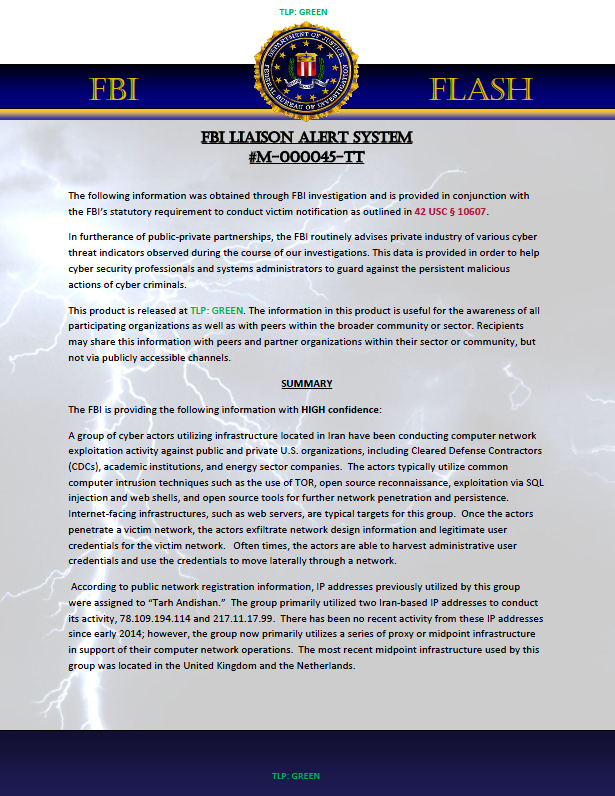
FBI – Iranian Cyber Actors Targeting Defense Contractors, Schools and Energy Sector

Become a Patron!
True Information is the most valuable resource and we ask you to give back.

The following document was obtained from the website of the Marshfield, Wisconsin Chamber of Commerce.

FBI-IranianHacking

FBI Liaison Alert System #M-000045-TT

  • 10 pages
  • TLP: GREEN
  • December 5, 2014

Download

The FBI is providing the following information with HIGH confidence:

A group of cyber actors utilizing infrastructure located in Iran have been conducting computer network exploitation activity against public and private U.S. organizations, including Cleared Defense Contractors (CDCs), academic institutions, and energy sector companies. The actors typically utilize common computer intrusion techniques such as the use of TOR, open source reconnaissance, exploitation via SQL injection and web shells, and open source tools for further network penetration and persistence. Internet-facing infrastructures, such as web servers, are typical targets for this group. Once the actors penetrate a victim network, the actors exfiltrate network design information and legitimate user credentials for the victim network. Often times, the actors are able to harvest administrative user credentials and use the credentials to move laterally through a network.

According to public network registration information, IP addresses previously utilized by this group were assigned to “Tarh Andishan.” The group primarily utilized two Iran-based IP addresses to conduct its activity, 78.109.194.114 and 217.11.17.99. There has been no recent activity from these IP addresses since early 2014; however, the group now primarily utilizes a series of proxy or midpoint infrastructure in support of their computer network operations. The most recent midpoint infrastructure used by this group was located in the United Kingdom and the Netherlands.

Tools: The following tools have been known to be utilized by the cyber actors.
1021114.aspx
4g.exe
akisapi.php
ASPACK
Atkill.txt
Bitvise
c99shell.php
Cafae
Cain and Abel
CCProxy
CCproxy.zip
cmd.aspx
Cprivesc
debug.aspx
DefaultWS.asmx
Dirbuster
FileZilla
Find_tokens.exe
Find_tokens.txt
Gsecdump
Havij
hscan.zip
hscan1.2
img.asp
img.aspx
In2.txt
isapi.aspx
J.exe
Jasus.exe size: 118,272 MD5: 53841511791E4CAC6F0768A9EB5DEF8A Type: ARP POISON TOOL
Jasus.pdb
Kappfree
kappfree.dll
Kelloworld
kelloworld.dll
Klock
klock.dll
Lc.exe
lc15.exe
Libeay32.doc
Libeay32.txt
Loader.exe
LoggerModule.e
mim2.2.exe
Mimikatz
mimikatz.exe
mimikatz.swf
Mx.exe
NBrute Force
NC.exe
ncat.exe
Ncrack
Nc-themida.exe
Netcat
Netscp.exe
netscp_total.exe
Netview
Nmap
NTFS
OS_Detector.exe
ospcsvc.exe
osppsvc.exe
OSQL
ossisvc.exe
ossysvc.exe
Plink
plink.exe
priorities_readfile.aspx
Privesc.exe size: 51,200 MD5: DABF638EB53070CDC7B10BFA5E4E8142
ProcDump
proxy.php
PsExec
PsExec.exe
PsKill
PsList
Putty Link
putty.exe
pw.exe
PwDump
PwDump7.exe
PwDump7_p.exe
rdcmd.aspx
RunAs.exe
Samdump
sekurlsa.dll
Sl.exe
snmpwalk.exe
SQL Manager
STR.EXE
Themida
u.exe
U.exe size: 60,928 MD5: DDA3E5629A0E8FB63A3E19027AE45458
upload.aspx
Wcet
winBypass.php
WinDump
WinDump.exe
winpcap-nmap-4.12.exe
winusr.dll
wminotify.dll
wndTest.exe
wt.exe
xcmd-aspack.exe
xCmdSvc.exe
Xcmdt.exe
xcmd-themida.exe
xp_cmdshell
ZXPortMap.exe

IP Addresses: The following IP addresses have been observed to be utilized by the cyber actors.
64.120.208.154
78.109.194.114
159.253.144.209
217.11.17.99
95.211.191.225
95.211.241.249
95.211.241.251
108.175.153.158
88.150.214.162
88.150.214.166
88.150.214.168
88.150.214.170
184.82.158.18

Identify creation of users and databases named “haha”.

← Back

Thank you for your response. ✨

Iran News, Iran Hostage Crisis, Iran Contra Affair, Iran Flag, Iran Iraq War, Iran Castillo, Iran Nuclear Deal, Iran Map, Iran Sanctions, Iran President, Iran Air, Iran Allies, Iran Air Flight 655, Iran And Iraq, Iran Air Force, Iran Army, Iran And Russia, Iran Ayatollah, Iran And Israel, Iran And North Korea, Iran Barkley, Iran Before 1979, Iran Brown, Iran Birth Rate, Iran Bennett, Iran Boeing, Iran Beaches, Iran Beliefs, Iran Bonyads, Iran Brain Drain, Iran Contra Affair, Iran Castillo, Iran Capital, Iran Contra Affair Apush, Iran Currency, Iran Culture, Iran Contra Hearings, Iran Continent, Iran Cities, Iran Contra Affair Summary, Iran Deal, Iran Definition, Iran Deal Obama, Iran Demographics, Iran Dictator, Iran Death Penalty, Iran Democracy, Iran During The Cold War, Iran Desert, Iran Drone, Iran Election, Iran Economy, Iran Eory, Iran Embassy, Iran Etf, Iran Ethnic Groups, Iran Exports, Iran Embassy Usa, Iran Eisenhower, Iran Execution, Iran Flag, Iran Facts, Iran Food, Iran Flag Emoji, Iran Football, Iran Fighter Jet, Iranefarda, Iran Foreign Policy, Iran Foreign Minister, Iran Flag Meaning, Iran Government, Iran Gdp, Iran Gdp Per Capita, Iran Geography, Iran Government Type, Iran Green Revolution, Iran Guardian Council, Iran Gdp 2016, Iran Gay, Iran Gross Domestic Product, Iran Hostage Crisis, Iran Hostage Crisis Apush, Iran History, Iran Hostage Crisis President, Iran Hostage Crisis Definition, Iran Hostage Movie, Iran Hostage Crisis Timeline, Iran Human Rights, Iran Hostage Crisis Video, Iran Holidays, Iran Iraq War, Iran In The 70s, Iran Israel, Iran Isis, Iran In Syria, Iran Iraq Map, Iran Iraq War Causes, Iran India, Iran Iraq War Timeline, Iran Is Shia, Iran Jokes, Iran Jcpoa, Iran Judicial Branch, Iran Jewish Population, Iran Jet, Iran Jobs, Iran Jet Fighter, Iran Jersey, Iran Jewelry, Iran Japan, Iran Khodro, Iran King, Iran Kedisi, Iran Khamenei, Iran Kurds, Iran Khomeini, Iran Korea, Iran Kuwait, Iran Kidney Market, Imran Khan, Iran Launches Satellite, Iran Language, Iran Leader, Iran Live Tv, Iran Location, Iran Local Time, Iran Literacy Rate, Iran Life Expectancy, Iran Landscape, Iran Leadership, Iran Map, Iran Military, Iran Missile Test, Iran Missile, Iran Money, Iran Music, Iran Military Strength, Iran Military News, Iran Mountains, Iron Man, Iran News, Iran Nuclear Deal, Iran Nuclear Weapons, Iran Nuclear, Iran News Today, Iran Navy, Iran National Football Team, Iran North Korea, Iran Natural Resources, Iran Newspaper, Iran On Map, Iran Oil, Iran Oil Production, Iran Official Language, Iran On World Map, Iran Opec, Iran Official Name, Iran Obama Deal, Iran Outline, Iran Oil Exports, Iran President, Iran Population, Iran People, Iranproud, Iran Pronunciation, Iran Presidential Election, Iran Prime Minister, Iran Persia, Iran Pictures, Iran Politics, Iran Qatar, Iran Qatar Relations, Iran Quizlet, Iran Quds Force, Iran Queen, Iran Quotes, Iran Qom, Iran Quora, Iran Qatar Pipeline, Iran Qaher 313, Iran Religion, Iran Revolution, Iran Russia, Iran Rial To Usd, Iran Rial, Iran Resources, Iran Race, Iran Restaurant, Iran Refugees, Iran Ruler, Iran Sanctions, Iran Satellite, Iran Supreme Leader, Iran Sunni Or Shia, Iran Syria, Iran So Far, Iran Shah, Iran Saudi Arabia, Iran Shia, Iran Soccer, Iran Time, Iran Tehran, Iran Today, Iran Tv, Iran Trump, Iran Tourism, Iran Timeline, Iran Type Of Government, Iran Travel, Iran Travel Ban, Iran Uk, Iran Us Relations, Iran Under The Shah, Iran Unemployment Rate, Iran Us News, Iran University Of Science And Technology, Iran Us Embassy, Iran Uzbekistan, Iran Us Nuclear Deal, Iran Us Dollar, Iran Vs Iraq, Iran Vs Usa, Iran Volleyball, Iran Visa, Iran Vs Israel, Iran Vs Saudi Arabia, Iran Vice President, Iran Vs Isis, Iran Volleyball Team, Iran Vote, Iran War, Iran Women, Iran Wiki, Iran Weather, Iran World Map, Iran Ww2, Iran World Cup, Iran Wrestling, Iran Wikitravel, Iran White Revolution, Iran Contra Affair, Iran Castillo, Iran Capital, Iran Contra Affair Apush, Iran X, Iran Currency, Iran Culture, Iran Contra Hearings, Iran Continent, Iran Cities, Iran Yemen, Iran Youtube, Iran Youth, Iran Year, Iran Yellow Pages, Iran Yazd, Iran Year Converter, Iran Young Population, Iran Youth Population, Iran Yahoo News, Iran Zip Code, Iran Zoroastrian, Iran Zamin, Iran Zabol, Iran Zarif, Iran Zagros Mountains, Iran Zamin Bank, Iran Zoo, Iran Zumba, Iran Zamin Tv,

SECRET – U.S. Military PSYOP Leaflets from Iraq and Afghanistan

Become a Patron!
True Information is the most valuable resource and we ask you to give back.

The following are psychological operations (PSYOP) leaflets dropped over Afghanistan and Iraq during Operation Enduring Freedom and Operation Iraqi Freedom.  The leaflets are taken from a booklet released commercially by Giovanni Carmine and Christoph Büchel in 2006.  The leaflets are written in Arabic, Dari and Pashto.  Accurate translations are welcome.

Video – The Inevitable Global Spread of Islam: How long before Sharia Law reaches our shores?

Become a Patron!
True Information is the most valuable resource and we ask you to give back.


Video – The Inevitable Global Spread of Islam: How long before Sharia Law reaches our shores?


A sobering analysis and news reports documenting the inevitable spread of Islam across Europe and the United States. Hear the Muslim bitter and vengeful perspective of Western society and imperialism, and the inevitable desire for Sharia Law in Europe.

The Secret List of Off-Shore-Companies, Persons and Adresses, Part 73, Iran,

Officers & Master Clients (5)
Ebrahim Kahrobai
HOSSEIN MOVAHEDI ZADEH
Houshang PISHVA AZAD
Mehdi Dadpey Reza
Yaseen Gokal

Listed Addresses (5)
55 Mirzaye Shirazi P.O. Box 15955/443 Tehran – Iran
No 36 Main Street, Ekbatan, Tehran Iran
No. 128 Molasadra Street, Tehran, Iran
No. 142, Merdamad Blvard, Tehran, Iran P.O. Box 16315-571
No. 5 Omar Khayam Street Tehran IRAN

Iran News – Guy code-named “8” is arrested by counterintelligence department of MOIS

Referring to : http://cryptome.org/2013/12/ir-spy-uk-ca.htm

The news just surfaced but its not new. The guy code-named “8” is arrested by counterintelligence department of MOIS and charged with 3 claim counts.

A. Espionage and cooperation with Foreign governments.

B. Running a private network of operatives worldwide involved in “information offers and auctions and sells” with various unaligned elements.

C. Unsanctioned business with Organized Crime Groups in various areas including Nuclear data.

His case has not reached to Judicial system so no name no nothing of the person is aired. I suspect that changes soon. My source tells me the 8 had close relationship with Palestinian Islamic Jihad’s office at Tehran, beyond his formal line of duty and done many operations in favor of the Palestinian group including the huge organized attacks to U.S banking and financial firms that causes serious damage while transferred funds belonging to Islamic Jihad during the chaos to protect their western-based ops against FBI’s initiative to combat and dismantle organized cyber crimes.

8 had been providing intelligence and operational support directly tied to two top leaders of Palestinian and Lebanese Resistant movements named “Ali Atwa” and “Ramadan Abdullah Mohammad Shalah.” Both are in the “FBI’s TOP WANTED LIST” according to FBI’s official website.

The initial deal between IR and U.S. that led to tackling 8’s operations quite clearly is not going to be a hit-and-run, considering powerful elements within IR regime provide support for various organizations for who knows what reasons. If 8 is civilian (MOIS) the case should go to the “revolutionary court” and if he is in armed forces (IRGC – Army – MoD – Police) , the case must be tried at the Military Judiciary Organization according to Iranian law, confirmed by a native lawyer formerly working in Iran from where she had to flee.

Anonymous — to readers, particularly journalists who follow Iranian affairs

Most of U.S sensitive websites are not accessible to Iranian from BOTH Sides!

Here are examples :

Its attempt to connect FBI to put a tip or something :

$ curl -v fbi.gov
* About to connect() to fbi.gov port 80 (#0)
* Trying 72.21.81.85…
* connected
* Connected to fbi.gov (72.21.81.85) port 80 (#0)
> GET / HTTP/1.1
> User-Agent: ***
> Host: fbi.gov
> Accept: */*
>
< HTTP/1.1 403 Forbidden
< Cache-Control: max-age=28800
< Content-Type: text/html
< Date: Tue, 24 Dec 2013 01:07:50 GMT
< Expires: Tue, 24 Dec 2013 09:07:50 GMT
< Server: ECAcc (jfk/25B5)
< Content-Length: 345
<

403 – Forbidden

403 – Forbidden

* Connection #0 to host fbi.gov left intact

* Closing connection #0

And here is an attempt to connect to CIA’s website:

$ curl -v cia.gov
* About to connect() to cia.gov port 80 (#0)
* Trying 198.81.129.107…
* connected
* Connected to cia.gov (198.81.129.107) port 80 (#0)
> GET / HTTP/1.1
> User-Agent: ***
> Host: cia.gov
> Accept: */*
>
< HTTP/1.1 403 Forbidden
GET / HTTP/1.1
> User-Agent:***
> Host: whitehouse.gov
> Accept: */*
>
< HTTP/1.1 403 Forbidden
< Connection:close
<

Nany of the same websites belonging to IR are also forbidden to visit from U.S IP. Its ironic when the leaders of the countries trying to negotiate huge deals or shitting on them to change the history, they generally do not recognize the right of the other side to visit websites and read casual data, mostly bullshit for average netizens.

TOP-SECRET – Unveiled – Iran’s New Sea-based Missiles

                         GMT – 21:54 / تهران – 02:24

گروههاي خبري
عناوين کل اخبار
انتخابات ٩٢
اجتماعي
اقتصادي
بين الملل
سياسي
دانشگاه
فرهنگي
ورزشي
استانها
عکس
صوت و تصوير
سياست خارجي
ديدگاه
فضاي مجازي
حماسه و مقاومت
ديپلماسي عمومي و جنگ نرم
انتشارات
آرشيو اخبار :
92/02/22 – 10:31
شماره: 13920216000464
نسخه چاپيارسال به دوستان
سردار فرحی در گفت‌وگو با فارس اعلام کرد
تجهیز شناورهای سپاه به موشک‌های کروز با برد بیش از ۳۰۰ کیلومتر

رئیس سازمان هوافضای وزارت دفاع و پشتیبانی نیروهای مسلح از برنامه‌ریزی برای تحویل موشک‌های کروز پیشرفته با برد بیش از ۳۰۰ کیلومتر به نیروی دریایی سپاه خبر داد.

خبرگزاری فارس: تجهیز شناورهای سپاه به موشک‌های کروز با برد بیش از ۳۰۰ کیلومتر


سردار سید مهدی فرحی رئیس سازمان هوافضای وزارت دفاع و پشتیبانی نیروهای مسلح در گفتگو با خبرنگار دفاعی خبرگزاری فارس، با اشاره به تجهیز نیروهای مسلح از سوی این وزارتخانه به انواع تسلیحات نظامی ازجمله موشک و راکت گفت: تاکتیک‌ها و نحوه استفاده از این تجهیزات و تسلیحات به عهده فرماندهان نیروهای مسلح است.

وی ادامه داد: محصولات متعددی از جمله موشک‌های 300 کیلومتری در اختیار نیروی دریایی سپاه است.

فرحی تاکید کرد: بزودی محصولات جدید دیگری با بردهای مختلف و قابلیت‌های فوق‌العاده پیشرفته و از نوع کروز در اختیار نیروی دریایی سپاه قرار می‌گیرد.

رئیس سازمان هوافضای وزارت دفاع و پشتیبانی نیروهای مسلح اظهار داشت: دقت و برد موشک‌های جدید نسبت به موشک‌های 300 کیلومتری که اکنون در اختیار نیروی دریایی سپاه است، افزایش یافته است.

فرحی همچنین تاکید کرد: این موشک می‌‌تواند توان دفاعی ما را در نبردهای دریایی افزایش دهد.

به گزارش فارس، موشک‌های کروز ساحل به دریا و سطح به سطح با قابلیت‌های خاص خود، می‌توانند در مقابله با انواع تهدیدات، تاکتیک های خود را تغییر داده و این تغییر تاکتیک‌ها نیز در اختیار فرمانده نیرو قرار دارد.

موشک های کروز که امکان شلیک آنها از روی شناور نیز وجود دارد، می‌توانند از روی شناورهای با سرعت بالای 30 نات (حدود 60 کیلومتر) نیز شلیک شوند که از نمونه های قبلی در این حوزه می توان به موشک های کروز ظفر، نصر، نور، قادر و غدیر اشاره کرد.

انتهای پیام/


Iran’s New Sea-based Missiles


A sends:

Source : http://www.farsnews.com/newstext.php?nn=13920216000464

Today 5-12-2013, General Farahi, the chief of the Iranian Ministry of Defense’s Aerospace Organization, has announced a new series of fast-acting sea-based rockets and missiles have been produced and turned over to IRGC’s Navy force. This force is responsible for “the security” of the Persian Gulf and the infamous Hormoz Strait.

According to publications by FarsNews, a semi-state-run media, IRGC’s Navy has been operating a series of fast-acting rockets and missiles fit to be fired from small-scale fast boats named “Zafar”, “Nasr”, “Nour”, Ghader” and “Ghadir”, but the newly produced “Cruise Type” missile which is unnamed in the report, has a firing speed of 300 Km/h and can be fired from a moving boat at a speed of 30 knots.

Netizens.