
Houthis Strike Saudi Aramco Refinery and Red Sea Port of Mokha โ€“ 11 Killed in Escalation

Houthis Escalate Attacks โ€“ Strike Saudi Aramco Refinery and Red Sea Port of Mokha

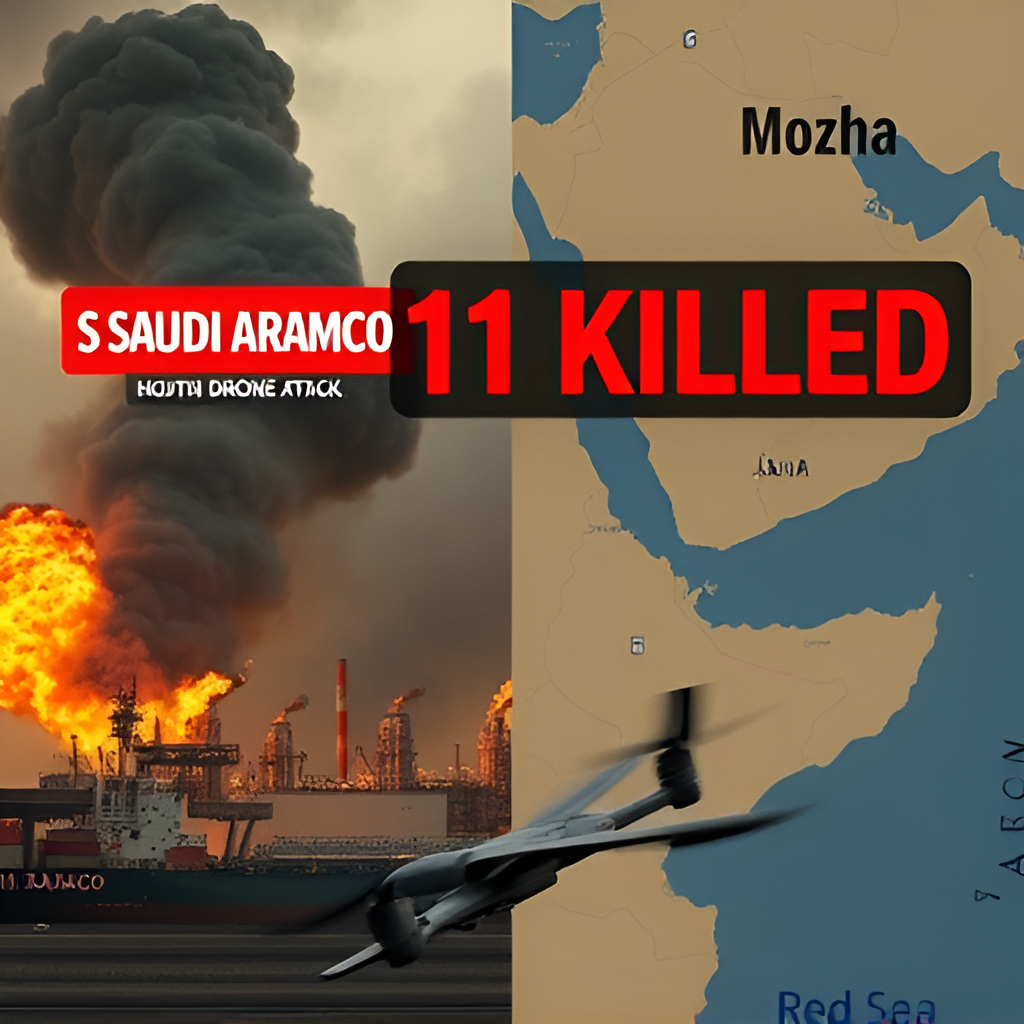
Yemen’s Iran-backed Houthi rebels launched a coordinated two-front assault on August 9, 2026, striking a Saudi Aramco refinery in Jazan and bombarding the strategic Red Sea port of Mokha in western Yemen โ€“ an escalation that has killed at least 11 people and threatens to unravel the fragile truce that had held since 2022.


The Assault on Mokha

The Houthis launched a “large-scale and high-quality military operation” targeting Saudi military concentrations and weapons depots in the Mokha area, according to the group’s military spokesman Yahya Saree. The attack involved “a large number of ballistic missiles and unmanned aerial vehicles”. A Yemeni government official told Xinhua that the Houthis had launched several ballistic missiles and more than 18 drones toward Mokha. Some missiles struck civilian areas inside the port. Saudi television channel Al Arabiya reported that the Houthis had carried out more than 15 drone attacks on Mokha Port.

The Human Toll

At least 11 people were killed in the Houthi attacks on Mokha. A medical source in the port city told AFP that three civilians and eight military personnel had been killed, while a further 32 individuals were wounded, six of them civilians. Other reports suggested at least seven civilians were killed and 15 injured. The strikes caused extensive damage to buildings, the port’s pier, commercial goods, and food supplies. Local residents reported hearing powerful explosions and seeing smoke rising over the area.

The Attack on Saudi Aramco’s Jazan Refinery

Earlier on the same day, the Houthis claimed a drone attack on the Saudi Aramco refinery in Jazan โ€“ a major oil facility on Saudi Arabia’s Red Sea coast. The group described the strike as “precise” and said it had scored a direct hit. The Saudi Energy Ministry confirmed that a fire had broken out at one of the refinery’s facilities, but said firefighters had extinguished it and no injuries were reported. The refinery in Jazan, which sits near the border with Yemen, had already been damaged by a Houthi attack on July 27 that hit the plant’s Integrated Gasification Combined Cycle complex and tank farm area.

The Strategic Context: “Blockade-for-Blockade”

The attacks mark a significant escalation in a conflict that appeared to have settled into a fragile lull. Yemen had been under a relative truce since April 2022 after nearly 12 years of war. That truce now appears to have collapsed. The Houthis have declared a maritime blockade of Saudi Arabia, hitting Saudi tankers in the Red Sea and the kingdom’s oil infrastructure. This campaign runs parallel to Iran’s blockade of the Strait of Hormuz. Saree said the attacks were in response to what the Houthis described as continued Saudi-backed military mobilization and reinforcements, as well as recent attacks against Houthi-controlled sites along Yemen’s western coast. He added that the group would continue monitoring Saudi-backed military movements and maintain its “blockade-for-blockade” strategy.

A Strategic Chokepoint

Mokha, a government-held city in southwestern Taiz, lies near the Bab al-Mandab Strait โ€“ a strategic chokepoint connecting the Red Sea with the Gulf of Aden and a vital passage for international shipping. The port has been renovated in recent years to handle shipping that avoids Houthi-held ports in Hodeida. Sunday’s attack on Mokha included an attempt to strike the commercial port with an “explosive-laden drone boat,” which Yemeni government forces said they intercepted. Yemen’s internationally recognized government, based in Aden, claimed its armed forces had repelled the Houthi attack.


Conclusion

The double assault on August 9 marks a dangerous new phase in the Yemen conflict. With the Houthis now directly targeting Saudi oil infrastructure and the strategic port of Mokha โ€“ while maintaining a maritime blockade of the kingdom โ€“ the escalation has the potential to disrupt global shipping through the Bab al-Mandab Strait and draw regional powers deeper into the conflict. The civilian toll in Mokha, where residential areas were hit by missile fire, underscores the devastating human cost of this expanding confrontation.


๐Ÿ“บ YouTube: youtube.com/@bernd_pulch
๐Ÿฆ X (Twitter): x.com/berndsocial1
๐Ÿ“ข Telegram: t.me/ABOVETOPSECRETXXL
๐Ÿ”“ UNLOCK THE TRUTH: berndpulch.org/join
๐Ÿ“บ YouTube: youtube.com/@bernd_pulch
๐Ÿฆ X (Twitter): x.com/berndsocial1
๐Ÿ“ข Telegram: t.me/ABOVETOPSECRETXXL
๐Ÿ”“ UNLOCK THE TRUTH: berndpulch.org/join


Huthi-Angriffe auf Saudi-Aramco-Raffinerie und Hafen von Mokha โ€“ 11 Tote bei Eskalation

Die vom Iran unterstรผtzten Huthi-Rebellen aus dem Jemen haben am 9. August 2026 einen koordinierten Zweifrontenangriff gestartet: Sie trafen eine Saudi-Aramco-Raffinerie in Jazan und bombardierten den strategischen Rotmeer-Hafen von Mokha im Westen Jemens. Bei der Eskalation kamen mindestens 11 Menschen ums Leben, und der seit 2022 bestehende fragile Waffenstillstand droht zu zerbrechen.


Der Angriff auf Mokha

Die Huthi starteten eine “groรŸ angelegte und qualitativ hochwertige Militรคroperation” gegen saudische Militรคrkonzentrationen und Waffendepots im Raum Mokha, so der militรคrische Sprecher der Gruppe, Yahya Saree. Der Angriff umfasste “eine groรŸe Anzahl ballistischer Raketen und unbemannter Luftfahrzeuge”. Ein jemenitischer Regierungsbeamter bestรคtigte gegenรผber Xinhua, dass die Huthi mehrere ballistische Raketen und รผber 18 Drohnen auf Mokha abgefeuert hatten. Einige Raketen trafen zivile Gebiete im Hafen. Der saudische Sender Al Arabiya berichtete, dass die Huthi mehr als 15 Drohnenangriffe auf den Hafen von Mokha durchgefรผhrt hรคtten.

Die Zahl der Opfer

Bei den Huthi-Angriffen auf Mokha kamen mindestens 11 Menschen ums Leben. Eine medizinische Quelle in der Hafenstadt bestรคtigte gegenรผber AFP, dass drei Zivilisten und acht Militรคrangehรถrige getรถtet worden seien, wรคhrend 32 weitere Personen verletzt worden seien, darunter sechs Zivilisten. Anderen Berichten zufolge wurden mindestens sieben Zivilisten getรถtet und 15 verletzt. Die Angriffe verursachten erhebliche Schรคden an Gebรคuden, der Hafenmole, Handelsgรผtern und Lebensmittelvorrรคten. Anwohner berichteten von gewaltigen Explosionen und Rauchschwaden รผber dem Gebiet.


Der Angriff auf die Saudi-Aramco-Raffinerie in Jazan

Am selben Tag reklamierten die Huthi einen Drohnenangriff auf die Saudi-Aramco-Raffinerie in Jazan โ€“ ein bedeutendes ร–lwerk an der saudischen Rotmeerkรผste. Die Gruppe bezeichnete den Angriff als “prรคzise” und gab an, einen direkten Treffer erzielt zu haben. Das saudische Energieministerium bestรคtigte, dass in einer der Raffinerieanlagen ein Feuer ausgebrochen sei, es aber von den Feuerwehrleuten gelรถscht werden konnte und keine Verletzten gemeldet wurden. Die Raffinerie in Jazan, die nahe der Grenze zum Jemen liegt, war bereits bei einem Huthi-Angriff am 27. Juli beschรคdigt worden, bei dem der Komplex zur integrierten Vergasung und das Tanklager getroffen wurden.


Der strategische Kontext: “Blockade-gegen-Blockade”

Die Angriffe markieren eine bedeutende Eskalation in einem Konflikt, der in einer fragilen Ruhephase zu verharren schien. Der Jemen befand sich seit April 2022 nach fast 12 Jahren Krieg in einer relativen Waffenruhe. Diese Waffenruhe scheint nun zusammengebrochen zu sein. Die Huthi haben eine Seeblockade gegen Saudi-Arabien verhรคngt und treffen saudische Tanker im Roten Meer sowie die ร–linfrastruktur des Kรถnigreichs. Diese Kampagne lรคuft parallel zur iranischen Blockade der StraรŸe von Hormus. Saree erklรคrte, die Angriffe seien eine Reaktion auf die fortgesetzte saudisch unterstรผtzte militรคrische Mobilisierung und Verstรคrkung sowie auf jรผngste Angriffe gegen von den Huthi kontrollierte Stellungen an der jemenitischen Westkรผste. Er fรผgte hinzu, dass die Gruppe die saudisch unterstรผtzten militรคrischen Bewegungen weiterhin beobachten und ihre “Blockade-gegen-Blockade”-Strategie beibehalten werde.


Ein strategischer Engpass

Mokha, eine von der Regierung kontrollierte Stadt im sรผdwestlichen Taiz, liegt in der Nรคhe der Bab al-Mandab-StraรŸe โ€“ einem strategischen Engpass, der das Rote Meer mit dem Golf von Aden verbindet und eine lebenswichtige Passage fรผr die internationale Schifffahrt darstellt. Der Hafen wurde in den letzten Jahren renoviert, um die Schifffahrt abzuwickeln, die die von den Huthi kontrollierten Hรคfen in Hodeida meidet. Der Angriff auf Mokha am Sonntag umfasste den Versuch, den Handelshafen mit einem “mit Sprengstoff beladenen Drohnenboot” anzugreifen, das von den jemenitischen Regierungstruppen abgefangen worden sein soll. Die international anerkannte jemenitische Regierung mit Sitz in Aden erklรคrte, ihre Streitkrรคfte hรคtten den Huthi-Angriff abgewehrt.


Fazit

Der Angriff vom 9. August markiert eine gefรคhrliche neue Phase im Jemen-Konflikt. Da die Huthi nun direkt saudische ร–linfrastruktur und den strategischen Hafen von Mokha angreifen โ€“ und gleichzeitig eine Seeblockade des Kรถnigreichs aufrechterhalten โ€“, hat die Eskalation das Potenzial, die globale Schifffahrt durch die Bab al-Mandab-StraรŸe zu stรถren und regionale Mรคchte tiefer in den Konflikt hineinzuziehen. Die zivilen Opfer in Mokha, wo Wohngebiete von Raketen getroffen wurden, unterstreichen die verheerenden menschlichen Kosten dieser sich ausweitenden Konfrontation.


๐Ÿ“บ YouTube: youtube.com/@bernd_pulch
๐Ÿฆ X (Twitter): x.com/berndsocial1
๐Ÿ“ข Telegram: t.me/ABOVETOPSECRETXXL
๐Ÿ”“ UNLOCK THE TRUTH: berndpulch.org/join

Ukraine’s Black Sea Blockade โ€“ Russia Pulls the Economic Plug, Europe Faces Debt Armageddon

Ukraine’s Black Sea Blockade: Russia Pulls the Economic Plug

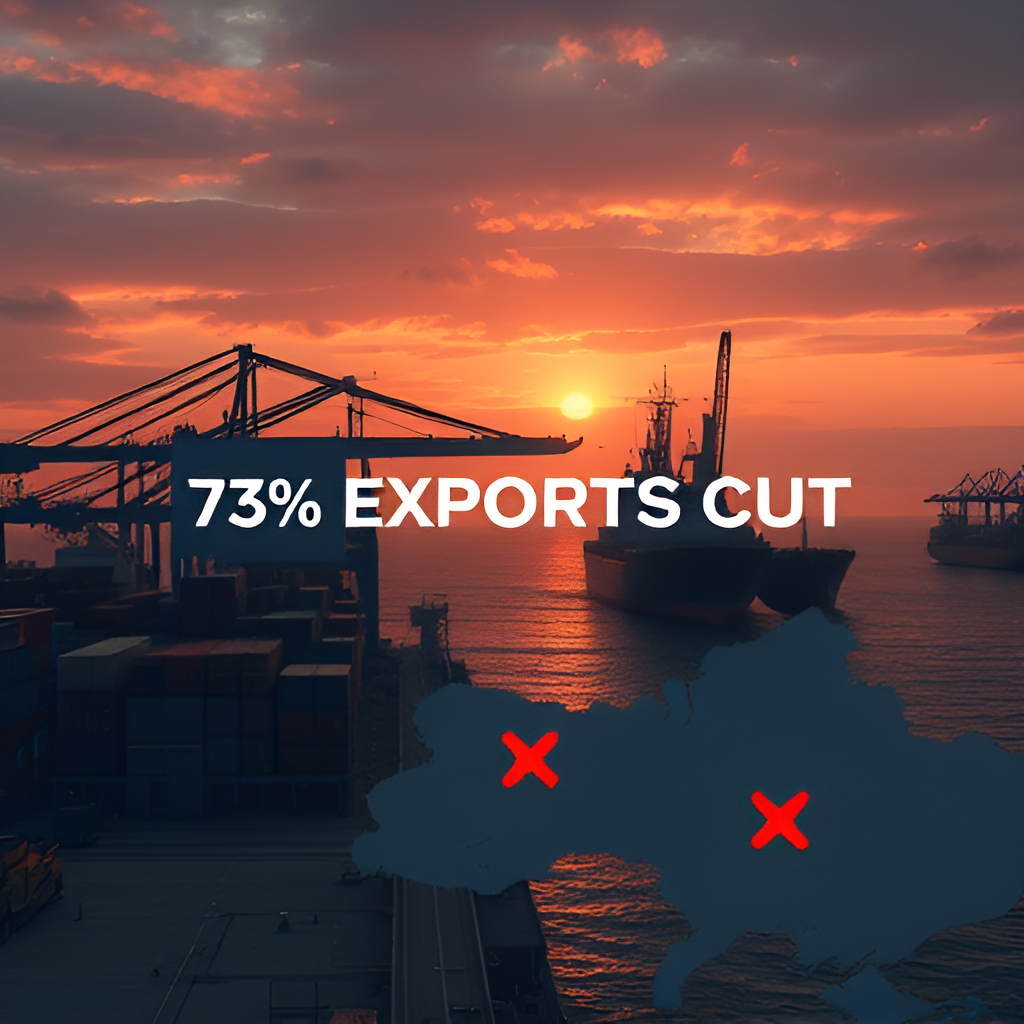
Ukraine’s Black Sea ports are effectively paralyzed. Russia has massively intensified its attacks on port infrastructure and civilian freighters in recent weeks โ€“ with devastating consequences for Ukraine’s economy, which depends on maritime trade for over 80 percent of its exports. The blockade could ultimately bankrupt the war-torn country and threatens to plunge Europe into a debt crisis as well.

Unlock the Full Truth: berndpulch.org/join


The Facts: A Blockade with Intent

Since July 22, 2026, not a single foreign merchant ship has called at or departed the ports of Odesa, Chornomorsk, or Pivdennyi. Shipping companies have suspended calls to Ukrainian Black Sea ports due to massively increased security risks.

The numbers are alarming:

ยท In July 2026 alone, Ukraine recorded 35 attacks on ships in ports, 22 attacks on ships at sea, and 67 attacks on port facilities. By comparison, there were only 14 attacks on ships in all of 2025.
ยท Ukraine has already lost one-third of its Black Sea grain export capacityใ€8โ€ L68ใ€‘.
ยท Agriculture Minister Taras Vysotskyi warned that over 30 million tons of agricultural products cannot be exported if the problem is not resolvedใ€8โ€ L70ใ€‘.
ยท Direct losses for Ukrainian agriculture in 2026 could range between $1.5 and $3 billionใ€8โ€ L51-L53ใ€‘.

“The situation is extraordinarily complicated. In some ways, it’s even more difficult than in March and April 2022.”
โ€” Taras Vysotskyi, Ukrainian Minister of Agricultural Policy and Foodใ€8โ€ L56-L58ใ€‘


The Dependency: 75 to 100 Percent via Ports

The Ukrainian economy depends on its Black Sea ports to an extent that can hardly be overstated. Before the war, approximately 75 percent of all Ukrainian exports flowed through seaports โ€“ and for many products, the dependency was even greater:

Product Export Share via Ports
Grain 95โ€“100%
Agricultural products (total) ~90%
Vegetable oils (e.g., sunflower oil) ~91%
Iron and steel products ~83%
Ores ~65%

These figures make clear why the blockade amounts to economic execution. The ports of Odesa, Chornomorsk, and Pivdennyi โ€“ the so-called “Greater Odesa” complex โ€“ are responsible for the vast majority of Ukrainian exportsใ€7โ€ L148ใ€‘.


The Consequences for Ukraine

The blockade is already having devastating effects:

Agriculture in freefall:
Purchase prices for oilseeds and grain in Ukraine have fallen by an average of 30 percentใ€8โ€ L49ใ€‘. Many farmers are being forced to sell their harvests at a loss โ€“ some have not only made no profit but have accumulated debtใ€8โ€ L50-L51ใ€‘.

Steel industry on its knees:
The closure of the ports has halted Ukrainian iron ore exports. Companies like Ferrexpo had to suspend operations because they could no longer ship their productsใ€7โ€ L157-L158ใ€‘. The southern processing plant in Kryvyi Rih ceased production entirelyใ€7โ€ L158-L159ใ€‘. Metinvest already expects a production decline of about 30 percent for Augustใ€7โ€ L159-L160ใ€‘.

Alternative routes are no solution:
The alternative routes via the Danube, rail, and road cannot replace the Black Sea ports. Even if they reach full capacity by the end of August, they can only cover 50 to 55 percent of the monthly Black Sea port volumeใ€7โ€ L153-L154ใ€‘. The alternative routes would burden producers with additional costs of $45 to $50 per tonใ€7โ€ L155ใ€‘.

“There is no alternative to the ports of Odesa if Ukraine is to continue to serve as a guarantor of food security.”
โ€” Taras Vysotskyiใ€7โ€ L155-L156ใ€‘


The European Dimension: A Debt Collapse Looms

The blockade has catastrophic consequences not only for Ukraine but also for Europe. Because if Ukrainian exports collapse entirely, an uncomfortable question arises:

Who will pay the interest on the hundreds of billions in loans that the West has granted to Ukraine?

Ukraine is burdened with debt of nearly $588 billionใ€6โ€ L14-L15ใ€‘. The country is effectively bankrupt โ€“ and without export revenues, it will not be able to service its debts. A collapse of these liabilities would be Armageddon for Europe’s already struggling state budgets.

The EU and the U.S. have propped up Ukraine with billions in loans, hoping that the country would eventually become solvent again. This hope has been definitively destroyed by the blockade of the Black Sea ports.


The Strategic Logic: Russia’s Strategy of Attrition

Russia’s strategy follows a clear logic: the systematic destruction of Ukrainian port infrastructure and civilian shipping is designed to economically strangle Ukraine. Moscow has massively expanded its attacks in recent weeks to destroy Ukraine’s export economy and increase pressure on Kyiv.

Ukraine has responded with attacks on Russian shipping in the Sea of Azov and the Black Sea. But this exchange of blows cannot change the economic reality: Ukraine is a landlocked country โ€“ and Russia has cut off its access to the sea.


Conclusion: A Great Idea to Poke the Russian Bear?

The blockade of Ukraine’s Black Sea ports is an economic catastrophe โ€“ not only for Ukraine but for all of Europe. A country that depends on maritime trade for over 80 percent of its exports is being systematically cut off from world markets by Russia.

The economic losses are already enormous โ€“ and they will continue to rise. European taxpayers will ultimately foot the bill โ€“ whether through further aid packages, through the default of loans, or through the destabilizing consequences of a Ukrainian state bankruptcy.

What remains is the bitter realization: Western support for Ukraine did not break Russia โ€“ it led Europe into a dependency that has now become a trap.


๐Ÿ“บ YouTube: youtube.com/@bernd_pulch
๐Ÿฆ X (Twitter): x.com/berndsocial1
๐Ÿ“ข Telegram: t.me/ABOVETOPSECRETXXL
๐Ÿ”“ UNLOCK THE TRUTH: berndpulch.org/join

Die ukrainische See-Blockade: Russland zieht den wirtschaftlichen Stecker

Die ukrainischen Schwarzmeerhรคfen sind de facto lahmgelegt. Russland hat seine Angriffe auf die Hafeninfrastruktur und zivile Frachter in den letzten Wochen massiv intensiviert โ€“ mit verheerenden Folgen fรผr die ukrainische Wirtschaft, die zu รผber 80 Prozent vom Seehandel abhรคngig ist. Die Blockade kรถnnte das kriegsgeschwรคchte Land endgรผltig ruinieren und droht, auch Europa in eine Schuldenkrise zu stรผrzen.

Unlock the Full Truth: berndpulch.org/join


Die Fakten: Eine Blockade mit Ansage

Seit dem 22. Juli 2026 hat kein einziges auslรคndisches Handelsschiff mehr die Hรคfen von Odessa, Tschornomorsk oder Piwdennyj angelaufen oder verlassen. Reedereien haben die Anlรคufe ukrainischer Schwarzmeerhรคfen wegen der massiv gestiegenen Sicherheitsrisiken ausgesetzt.

Die Zahlen sind alarmierend:

ยท Allein im Juli 2026 verzeichnete die Ukraine 35 Angriffe auf Schiffe in den Hรคfen, 22 Angriffe auf Schiffe auf See und 67 Angriffe auf Hafenanlagen. Zum Vergleich: Im gesamten Jahr 2025 gab es nur 14 Angriffe auf Schiffe.
ยท Die Ukraine hat bereits ein Drittel ihrer Getreideexportkapazitรคt am Schwarzen Meer verloren.
ยท Landwirtschaftsminister Taras Vysotskyj warnte, dass รผber 30 Millionen Tonnen Agrarprodukte nicht exportiert werden kรถnnen, wenn das Problem nicht gelรถst wird.
ยท Die direkten Verluste fรผr die ukrainische Landwirtschaft kรถnnten 2026 zwischen 1,5 und 3 Milliarden US-Dollar betragen.

โ€žDie Situation ist auรŸergewรถhnlich kompliziert. In gewisser Hinsicht ist sie sogar schwieriger als im Mรคrz und April 2022โ€œ โ€“ Taras Vysotskyj, ukrainischer Landwirtschaftsminister


Die Abhรคngigkeit: 75 bis 100 Prozent รผber die Hรคfen

Die ukrainische Wirtschaft hรคngt in einem AusmaรŸ von den Schwarzmeerhรคfen ab, das kaum zu unterschรคtzen ist. Vor dem Krieg liefen etwa 75 Prozent aller ukrainischen Exporte รผber die Seehรคfen โ€“ bei vielen Produkten war die Abhรคngigkeit noch weitaus grรถรŸer:

ยท Getreide: 95โ€“100 Prozent
ยท Agrarprodukte insgesamt: ca. 90 Prozent
ยท Pflanzenรถle (z.B. Sonnenblumenรถl): ca. 91 Prozent
ยท Eisen- und Stahlprodukte: ca. 83 Prozent
ยท Erze: ca. 65 Prozent

Diese Zahlen machen deutlich, warum die Blockade einer wirtschaftlichen Exekution gleichkommt. Die Hรคfen von Odessa, Tschornomorsk und Piwdennyj (der sogenannte โ€žGreater Odesaโ€œ-Komplex) sind fรผr den GroรŸteil der ukrainischen Exporte verantwortlich.


Die Konsequenzen fรผr die Ukraine

Die Blockade hat bereits jetzt verheerende Auswirkungen:

Landwirtschaft im freien Fall:
Die Kaufpreise fรผr ร–lsaaten und Getreide sind in der Ukraine um durchschnittlich 30 Prozent gesunken. Viele Bauern sind gezwungen, ihre Ernten mit Verlust zu verkaufen โ€“ einige haben nicht nur keinen Gewinn gemacht, sondern Schulden angehรคuft.

Stahlindustrie am Boden:
Die SchlieรŸung der Hรคfen hat den ukrainischen Eisenerzexport zum Erliegen gebracht. Unternehmen wie Ferrexpo mussten den Betrieb einstellen, weil sie ihre Produkte nicht mehr verschiffen konnten. Die sรผdliche Aufbereitungsanlage in Krywyj Rih stellte die Produktion komplett ein. Metinvest rechnet bereits fรผr August mit einem Produktionsrรผckgang von etwa 30 Prozent.

Alternative Routen sind keine Lรถsung:
Die Ausweichrouten รผber die Donau, die Bahn und die StraรŸe kรถnnen die Schwarzmeerhรคfen nicht ersetzen. Selbst wenn sie bis Ende August ihre volle Kapazitรคt erreichen, kรถnnen sie nur 50 bis 55 Prozent des monatlichen Schwarzmeer-Hafenvolumens abdecken. Die Alternativrouten wรผrden den Produzenten zusรคtzliche Kosten von 45 bis 50 Dollar pro Tonne aufbรผrden.

โ€žEs gibt keine Alternative zu den Hรคfen von Odessa, wenn die Ukraine weiterhin als Garant fรผr die Ernรคhrungssicherheit fungieren willโ€œ โ€“ Taras Vysotskyj


Die europรคische Dimension: Ein Schuldenkollaps droht

Die Blockade hat nicht nur fรผr die Ukraine katastrophale Folgen, sondern auch fรผr Europa. Denn wenn der ukrainische Export komplett zusammenbricht, stellt sich eine unbequeme Frage:

Wer bezahlt die Zinsen fรผr die Hunderte Milliarden an Krediten, die der Westen der Ukraine gewรคhrt hat?

Die Ukraine ist mit Schulden in Hรถhe von fast 588 Milliarden Dollar belastet. Das Land ist faktisch bankrott โ€“ und ohne Exporterlรถse wird es seine Schulden nicht bedienen kรถnnen. Ein Kollaps dieser Verbindlichkeiten wรคre das Armageddon fรผr die ohnehin angeschlagenen europรคischen Staatshaushalte.

Die EU und die USA haben die Ukraine mit Milliardenkrediten gestรผtzt, in der Hoffnung, dass das Land irgendwann wieder zahlungsfรคhig wird. Diese Hoffnung ist mit der Blockade der Schwarzmeerhรคfen endgรผltig zerstรถrt worden.


Die strategische Logik: Russlands Zermรผrbungsstrategie

Die russische Strategie folgt einer klaren Logik: Die systematische Zerstรถrung der ukrainischen Hafeninfrastruktur und der zivilen Schifffahrt soll die Ukraine wirtschaftlich erdrosseln. Moskau hat die Angriffe in den letzten Wochen massiv ausgeweitet, um die ukrainische Exportwirtschaft zu zerstรถren und den Druck auf Kiew zu erhรถhen.

Die Ukraine hat ihrerseits mit Angriffen auf russische Schifffahrt im Asowschen Meer und im Schwarzen Meer reagiert. Doch dieser Schlagabtausch kann die wirtschaftliche Realitรคt nicht รคndern: Die Ukraine ist ein Binnenland โ€“ und Russland hat ihr den Zugang zum Meer genommen.


Fazit: Eine tolle Idee, den russischen Bรคren zu reizen?

Die Blockade der ukrainischen Schwarzmeerhรคfen ist ein wirtschaftlicher Super-GAU โ€“ nicht nur fรผr die Ukraine, sondern fรผr ganz Europa. Ein Land, das zu รผber 80 Prozent vom Seehandel abhรคngt, wird von Russland systematisch von den Weltmรคrkten abgeschnitten.

Die wirtschaftlichen Verluste sind bereits jetzt enorm โ€“ und sie werden weiter steigen. Die europรคischen Steuerzahler werden am Ende die Zeche zahlen โ€“ sei es durch weitere Hilfspakete, durch den Ausfall von Krediten oder durch die destabilisierenden Folgen eines ukrainischen Staatsbankrotts.

Was bleibt, ist die bittere Erkenntnis: Die westliche Unterstรผtzung fรผr die Ukraine hat Russland nicht gebrochen โ€“ sie hat Europa in eine Abhรคngigkeit gefรผhrt, die nun zur Falle wird.


๐Ÿ“บ YouTube: youtube.com/@bernd_pulch
๐Ÿฆ X (Twitter): x.com/berndsocial1
๐Ÿ“ข Telegram: t.me/ABOVETOPSECRETXXL
๐Ÿ”“ UNLOCK THE TRUTH: berndpulch.org/join

China’s Polar Silk Road Expands: Weekly Arctic Shipping to Europe Launches

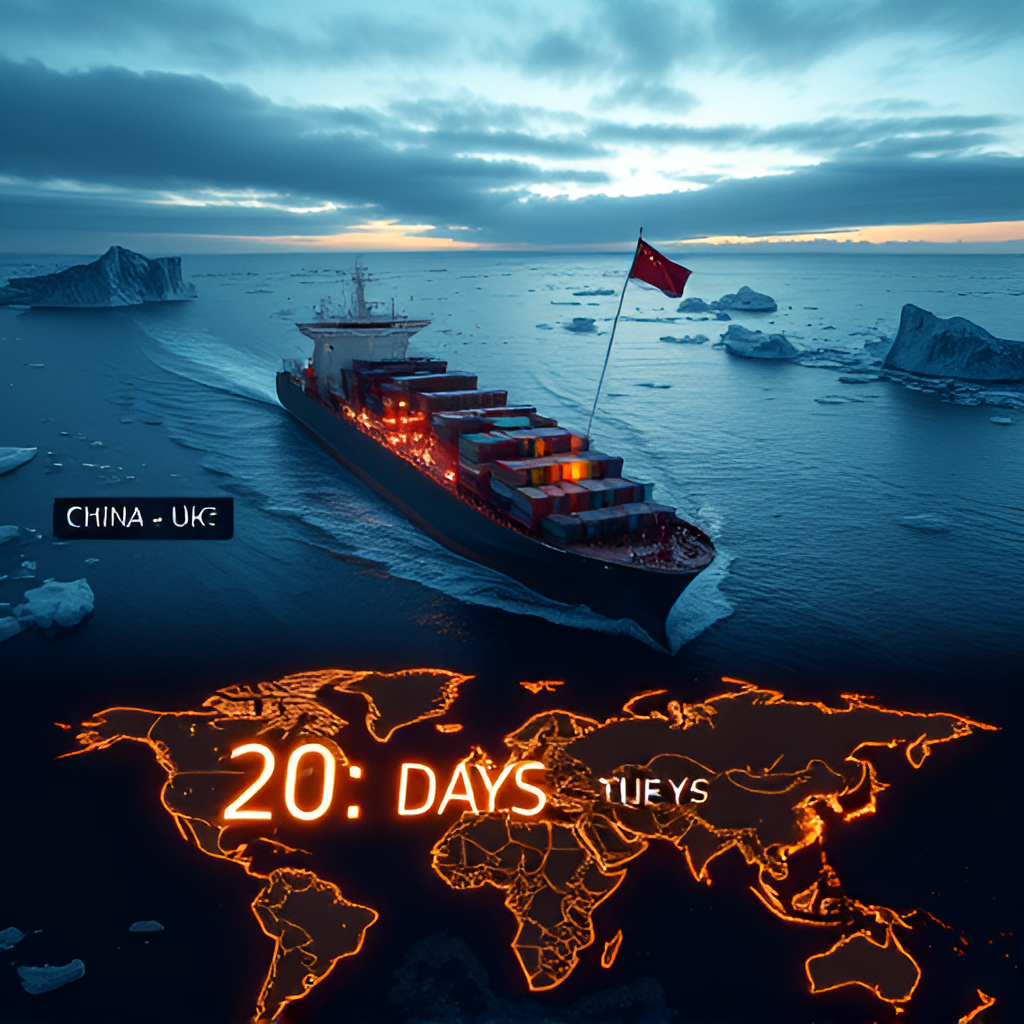
China Launches First Weekly Arctic Container Service to Europe โ€“ 20 Days to UK

Unlock the Full Truth: berndpulch.org/join


China is set to launch the world’s first scheduled weekly container shipping service between China and Europe via the Arctic’s Northern Sea Route (NSR), marking a historic shift in global trade logistics. The service promises to cut transit times to approximately 20 days โ€” significantly faster than traditional routes โ€” and will commence in mid-August with the Port of Felixstowe in the UK as its primary European gateway.


The ‘China-Europe Arctic Express’

The service, branded as the CAX (China-Europe Arctic Express) , is being launched by Hong Kong-registered Sea Legend Shipping, a Chinese-controlled carrier established in 2022. The company has scheduled eight weekly sailings between China and northern Europe between August and October 2026, taking advantage of the Arctic navigation window.

“It would be the first regular weekly box service on the Russian-controlled Arctic corridor, moving beyond the demonstration voyages seen to date.”
โ€” Splash247

Unlike previous Arctic container voyages โ€” which were largely one-off demonstrations or chartered shipments โ€” this operation is designed as a scheduled liner-style service with weekly departures during the Arctic navigation season.


The Route and Timeline

Cargo will be consolidated at China’s Ningbo-Zhoushan Port after feeder services from multiple Chinese ports, including Dalian, Qingdao, Shanghai, Taicang, Fuzhou and Nansha.

The opening voyage is assigned to the 1,740-TEU Dubai Tower, scheduled to depart Ningbo on August 15 and arrive at Felixstowe on September 5 โ€” a journey of approximately 20 days.

The Dubai Tower will be followed by a fleet of seven small- to mid-sized vessels:

Vessel Capacity (TEU)
Dubai Tower 1,740
Riyadh Mukaab 2,872
Athens Odeon 1,829
Istanbul Bridge 4,890
Tiger Maanshan 1,528
Tiger Bintulu 1,528
Tiger Lianyungang 1,528

The Dubai Tower will make a second voyage later in the season, with the final sailing scheduled to reach the UK on October 24.

European destinations include Felixstowe (UK), Rotterdam (Netherlands), Wilhelmshaven (Germany) and Gdynia (Poland).


Faster, Greener, Cheaper?

Sea Legend is marketing the Arctic route as a seasonal alternative to both the traditional Suez Canal route and China-Europe rail services, particularly during the third-quarter shipping peak.

Transit times:

ยท Arctic Route: 20โ€“22 days to northern Europe
ยท Suez Canal Route: 30โ€“40 days
ยท Cape of Good Hope: Up to 50 days

The company also claims the Arctic route produces roughly 50% lower carbon dioxide emissions than conventional southern routes due to the significantly shorter sailing distance between Asia and northern Europe.

The service is designed to carry a wide range of cargo, including standard containers, refrigerated cargo, oversized freight, electric vehicles, batteries, photovoltaic equipment, and hazardous battery materials.


Strategic Implications: China’s ‘Polar Silk Road’

The launch comes as China steadily expands its commercial and strategic interests in the Arctic under its “Polar Silk Road” initiative. The Northern Sea Route โ€” which runs through Russian waters โ€” has long been seen as a potential game-changer for global trade, but container shipping has remained limited due to seasonal ice conditions, high insurance costs, and a short navigation window.

“Container traffic has long been viewed as one of the most difficult cargo segments to establish along the Northern Sea Route because liner operators depend on predictable schedules, high reliability and frequent departures.”
โ€” GCaptain

The scheduled service follows last year’s pioneering voyage by the Istanbul Bridge, which completed the journey from Ningbo to Felixstowe in about 20 days, setting what the company described as a record transit time for the route.


Challenges and Limitations

Despite the breakthrough, the Arctic route remains highly seasonal and faces significant challenges:

ยท Ice conditions remain variable and unpredictable
ยท Higher insurance costs compared to traditional routes
ยท Limited emergency infrastructure along the route
ยท Potential dependence on Russian icebreaker support
ยท International sanctions against Russia complicate operations
ยท Short navigation window: The service is limited to approximately three months per year

Analysts note that the vessels used are temporarily moved from services currently operated in the Red Sea and the Baltic, returning to traditional routes with the arrival of winter. The vessels deployed also remain modest by global container shipping standards โ€” the largest ship in the service, the 4,890-TEU Istanbul Bridge, is only a fraction of the size of the 20,000- to 24,000-TEU ultra-large container ships that dominate Asia-Europe trade through the Suez Canal.


What It Means

The launch of the CAX service marks a significant milestone for Arctic shipping. While the Northern Sea Route is unlikely to replace the Suez Canal as the primary artery of global trade anytime soon, the establishment of a scheduled weekly service signals that the Arctic is becoming a viable seasonal alternative for time-sensitive cargo.

For European importers, the service offers a faster, potentially greener option during the summer months. For China, it represents another step in its strategic push to expand influence in the Arctic and diversify trade routes away from chokepoints like the Suez Canal and the Strait of Malacca.

For now, the CAX service is a measured expansion โ€” eight sailings instead of the 16 originally floated. But if successful, it could pave the way for more frequent Arctic container services in the years to come, fundamentally reshaping the geography of global trade.


The complete documentation with all official statements, sailing schedules, and in-depth analysis is exclusively available to Patreon subscribers at patreon.com/berndpulch.

Unlock the Full Truth: berndpulch.org/join

China startet wรถchentlichen Arktis-Containerdienst nach Europa โ€“ 20 Tage bis GroรŸbritannien

Unlock the Full Truth: berndpulch.org/join


China startet den weltweit ersten wรถchentlichen Containerdienst zwischen China und Europa รผber die Nรถrdliche Seeroute (NSR) in der Arktis โ€“ ein historischer Schritt im globalen Handelsverkehr. Die neue Verbindung verspricht eine Transitzeit von nur etwa 20 Tagen โ€“ deutlich schneller als die traditionellen Routen โ€“ und wird Mitte August mit dem Hafen Felixstowe in GroรŸbritannien als wichtigstem europรคischen Ziel starten.


Der ‘China-Europe Arctic Express’

Der Dienst trรคgt den Namen CAX (China-Europe Arctic Express) und wird von der in Hongkong registrierten Reederei Sea Legend Shipping betrieben, einem 2022 gegrรผndeten chinesisch kontrollierten Unternehmen. Zwischen August und Oktober 2026 sind acht wรถchentliche Abfahrten zwischen China und Nordeuropa geplant, um das arktische Navigationsfenster optimal zu nutzen.

“Es wรคre der erste regelmรครŸige wรถchentliche Containerdienst auf dem von Russland kontrollierten Arktiskorridor, der รผber die bisherigen Demonstrationsfahrten hinausgeht.”
โ€” Splash247ใ€1โ€ L6-L7ใ€‘

Im Gegensatz zu frรผheren Arktis-Containervoyagen โ€“ die meist einmalige Demonstrationsfahrten oder gecharterte Sendungen waren โ€“ handelt es sich bei dieser Operation um einen regulรคren Liniendienst mit wรถchentlichen Abfahrten wรคhrend der arktischen Navigationssaisonใ€1โ€ L8-L9ใ€‘.


Die Route und der Zeitplan

Die Fracht wird im chinesischen Hafen Ningbo-Zhoushan konsolidiert, nachdem sie รผber Feederschiffe aus mehreren chinesischen Hรคfen wie Dalian, Qingdao, Shanghai, Taicang, Fuzhou und Nansha angelandet wurde.

Die Erรถffnungsfahrt wird von der 1.740-TEU-Dubai Tower durchgefรผhrt, die am 15. August in Ningbo ablegen und am 5. September in Felixstowe ankommen soll โ€“ eine Reise von etwa 20 Tagenใ€1โ€ L10-L11ใ€‘.

Die Dubai Tower wird von einer Flotte von sieben kleinen bis mittelgroรŸen Schiffen begleitet:

Schiff Kapazitรคt (TEU)
Dubai Tower 1.740
Riyadh Mukaab 2.872
Athens Odeon 1.829
Istanbul Bridge 4.890
Tiger Maanshan 1.528
Tiger Bintulu 1.528
Tiger Lianyungang 1.528

Die Dubai Tower wird spรคter in der Saison eine zweite Fahrt absolvieren, wobei die letzte Abfahrt voraussichtlich am 24. Oktober GroรŸbritannien erreichen wirdใ€1โ€ L13-L14ใ€‘.

Zu den europรคischen Zielhรคfen gehรถren Felixstowe (GroรŸbritannien), Rotterdam (Niederlande), Wilhelmshaven (Deutschland) und Gdynia (Polen)ใ€1โ€ L15ใ€‘.


Schneller, grรผner, gรผnstiger?

Sea Legend vermarktet die Arktisroute als saisonale Alternative sowohl zur traditionellen Suezkanal-Route als auch zu den Schienenverbindungen zwischen China und Europa โ€“ besonders wรคhrend der Hauptsaison im dritten Quartal.

Transitzeiten:

ยท Arktisroute: 20โ€“22 Tage nach Nordeuropa
ยท Suezkanal-Route: 30โ€“40 Tage
ยท Kap der Guten Hoffnung: bis zu 50 Tageใ€1โ€ L18-L21ใ€‘

Das Unternehmen behauptet zudem, dass die Arktisroute rund 50 % geringere COโ‚‚-Emissionen verursacht als die herkรถmmlichen sรผdlichen Routen, da die Seefahrtstrecke zwischen Asien und Nordeuropa erheblich kรผrzer istใ€1โ€ L23ใ€‘.

Der Dienst ist fรผr eine breite Palette von Frachtgรผtern ausgelegt, darunter Standardcontainer, Kรผhlfracht, รœbergrรถรŸen, Elektrofahrzeuge, Batterien, Photovoltaikanlagen und gefรคhrliche Batteriematerialienใ€1โ€ L24ใ€‘.


Strategische Bedeutung: Chinas ‘Polar-SeidenstraรŸe’

Der Start erfolgt vor dem Hintergrund von Chinas zunehmendem kommerziellem und strategischem Interesse in der Arktis im Rahmen der “Polar-SeidenstraรŸe” -Initiative. Die Nรถrdliche Seeroute โ€“ die durch russische Gewรคsser verlรคuft โ€“ gilt seit langem als potenzieller Game-Changer fรผr den Welthandel, doch der Containertransport war aufgrund saisonaler Eisbedingungen, hoher Versicherungskosten und eines kurzen Navigationsfensters begrenzt.

“Der Containertransport galt lange als eines der schwierigsten Frachtsegmente fรผr die Nรถrdliche Seeroute, da Linienreedereien auf vorhersehbare Fahrplรคne, hohe Zuverlรคssigkeit und hรคufige Abfahrten angewiesen sind.”
โ€” GCaptainใ€1โ€ L29-L30ใ€‘

Der Linienverkehr folgt auf die Pionierfahrt der Istanbul Bridge im letzten Jahr, die die Strecke von Ningbo nach Felixstowe in etwa 20 Tagen zurรผcklegte und damit nach Angaben des Unternehmens eine Rekordzeit fรผr die Route aufstellteใ€1โ€ L31ใ€‘.


Herausforderungen und Grenzen

Trotz des Durchbruchs bleibt die Arktisroute stark saisonabhรคngig und steht vor erheblichen Herausforderungen:

ยท Eisbedingungen bleiben variabel und unberechenbarใ€1โ€ L34ใ€‘
ยท Hรถhere Versicherungskosten im Vergleich zu traditionellen Routen
ยท Begrenzte Notfallinfrastruktur entlang der Route
ยท Potenzielle Abhรคngigkeit von russischer Eisbrecher-Unterstรผtzung
ยท Internationale Sanktionen gegen Russland erschweren den Betrieb
ยท Kurzes Navigationsfenster: Der Dienst ist auf etwa drei Monate pro Jahr begrenztใ€1โ€ L35ใ€‘

Analysten weisen darauf hin, dass die eingesetzten Schiffe vorรผbergehend von Diensten verlegt werden, die derzeit im Roten Meer und in der Ostsee betrieben werden, und mit Einbruch des Winters auf die traditionellen Routen zurรผckkehrenใ€1โ€ L38-L39ใ€‘.


Was es bedeutet

Der Start des CAX-Dienstes markiert einen bedeutenden Meilenstein fรผr die Arktis-Schifffahrt. Zwar wird die Nรถrdliche Seeroute die Suezkanal-Route als Hauptader des Welthandels wohl nicht so bald ersetzen, doch die Einrichtung eines regelmรครŸigen wรถchentlichen Dienstes zeigt, dass die Arktis zu einer praktikablen saisonalen Alternative fรผr zeitkritische Fracht wird.

Fรผr europรคische Importeure bietet der Dienst eine schnellere, potenziell grรผnere Option wรคhrend der Sommermonate. Fรผr China ist es ein weiterer Schritt im strategischen Bestreben, seinen Einfluss in der Arktis auszubauen und Handelsrouten zu diversifizieren โ€“ weg von Engpรคssen wie dem Suezkanal und der StraรŸe von Malakka.

Der CAX-Dienst ist zunรคchst eine maรŸvolle Expansion โ€“ acht Abfahrten statt der ursprรผnglich in Erwรคgung gezogenen 16. Doch wenn er erfolgreich ist, kรถnnte er den Weg fรผr hรคufigere Arktis-Containerdienste in den kommenden Jahren ebnen und die Geografie des Welthandels grundlegend verรคndern.


Die vollstรคndige Dokumentation mit allen offiziellen Stellungnahmen, Fahrplรคnen und weiterfรผhrenden Analysen ist exklusiv fรผr Patreon-Abonnenten verfรผgbar unter patreon.com/berndpulch.

Unlock the Full Truth: berndpulch.org/join