
Featured

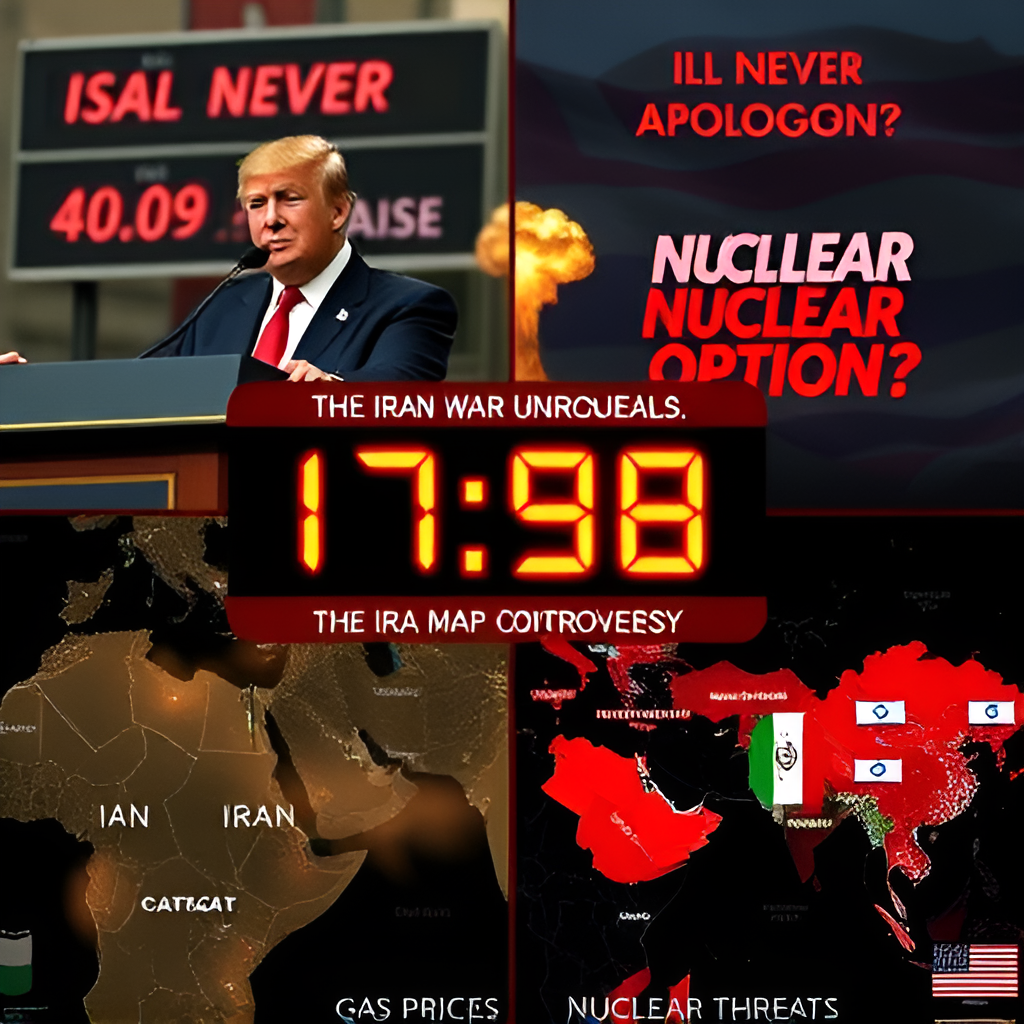
Trump’s Iran War Unravels: Gas Prices, Nuclear Threats, and the Battle for Gaza

Trump’s Iran War Unravels: Gas Prices, Nuclear Threats, and the Battle for Gaza

Unlock the Full Truth: berndpulch.org/join


Just days after telling Americans that $4-a-gallon gasoline is “okay” and he will “never apologize” for the Iran war, President Trump finds himself at the center of a mounting political storm. From growing whispers of nuclear war to an escalating influence campaign to shape public opinion, the administration’s strategy appears to be fraying on multiple fronts.


“I’ll Never Apologize”: Trump Defends Iran War as Gas Prices Soar

Speaking at an event in Nassau County, New York, on August 14, Trump minimized the financial toll of the conflict on American households, arguing his decision to strike Iran was the “right” one.

“For you to pay a tiny little bit more for your gasoline, just remember you’re doing it so that a very evil country cannot haveโ€”a country, really, it’s the number one state sponsor of terror in the worldโ€”we don’t want to have them have a nuclear weapon.”

Trump acknowledged that Americans are paying around $4 per gallon but brushed aside concerns: *”You’re at $4. It’s okay. I mean, it’sโ€”I’m not, I’m not, I’ll never apologize. I did the right thing.”*

The Price at the Pump

The president’s remarks came as the national average price of regular gasoline reached about $4.07 a gallon** on Friday, compared with $3.85 a month earlier and $3.16 a year ago. According to GasBuddy, Americans are spending **$338 million more on gasoline each day than they did one year ago.

Before the U.S. and Israel launched joint strikes on Iran on February 28, the national average had dipped just below $3, at $2.98. The war has effectively closed the Strait of Hormuzโ€”a chokepoint through which roughly 20 percent of global oil and liquefied natural gas shipments passed before the conflict. Ship-tracking firm Kpler recorded only two vessels crossing the strait on Friday, with no crude oil shipments, compared to more than 130 ships daily before the war.

Trump Threatens New Sanctions on China Over Iran Oil

On Friday, Trump vowed to hit Iran hard economically, a day after Treasury Secretary Scott Bessent said that Washington would impose measures on Tehran that have “never been seen” as soon as next week.

Experts say the Trump administration could target Chinese “teapot” refinersโ€”independent refineries that account for a quarter of Chinese refinery capacity and absorb much of the Iranian oil trade. China buys more than 80% of Iran’s shipped oil, according to 2025 data from analytics firm Kpler.

The administration could also impose secondary sanctions on Chinese banks. OFAC has already imposed sanctions on smaller China- and Hong Kong-based entities accused of processing billions of dollars in Iranian oil.

“Hitting those two banks could have a chilling effect on bigger financial institutions,” sanctions experts said, “although they warned it could also trigger retaliatory actions by Beijing.”


Marjorie Taylor Greene: White House Discussing Nuclear Strike on Iran

In a startling revelation, former Congresswoman Marjorie Taylor Greene has claimed that White House officials have discussed the potential use of nuclear weapons against Iran during strategic meetings.

Greene labeled the potential decision as “pure evil” and called for an end to the “madness of American warmongers.” Alluding to the atomic bombings of Hiroshima and Nagasaki in 1945, she emphasized that available data confirms the existence of these dangerous plans and challenged what she described as Trump’s fabrications.

“They are discussing using nuclear weapons on Iran in strategy meetings. I’m not speculating.” โ€” Marjorie Taylor Greene

The former congresswoman’s claims have intensified concerns about the trajectory of the U.S.-Iran conflict, with critics warning that such rhetoric dangerously lowers the threshold for nuclear use.


Israel’s AI Influence Campaign: Flooding ChatGPT with Pro-Israel Content

Documents submitted to the U.S. Justice Department have revealed an Israeli-funded public relations campaign aimed at influencing how AI systems like ChatGPT and Perplexity respond to questions about Gaza and the Israel Defense Forces.

The campaign, run by French public relations firm Havas Media through the advertising company Piro, involves creating and distributing content under the name of the “Hanover Institute for Public Policy.”

The campaign is valued at $100,000 and includes the production of more than 12 articles published on the institute’s website.

“The documents describe the campaign’s goal as ‘creating and disseminating factual, source-supported informational materials aimed at educating the American public about Israel and related issues.'”

However, tests conducted by Politico showed that ChatGPT and Perplexity cited materials from the campaign in their responses to questions about Gaza and anti-Semitism. Critics have accused Israel of attempting to manipulate the training data of large language models to shape public narrative.


CENTCOM Map Sparks Outrage: Gaza and West Bank Depicted as Israeli Territory

The U.S. Central Command (CENTCOM) was forced to issue an urgent amendment to an official map of the Middle East after its initial version sparked widespread controversy for integrating the West Bank and Gaza Strip within the borders of Israel.

The original map, published from the command’s headquarters in Florida, ignored the dividing borders of the Palestinian territories. It was quickly replaced with a revised version that clearly shows the West Bank and Gaza Strip as separate from Israel, based on the 1967 borders.

CENTCOM did not offer an apology or a direct explanation for what it called a “geographical error.”

Jared Kushner Meets Hamas Leaders to Push Gaza Demilitarization

In a rare and high-stakes diplomatic move, President Trump’s son-in-law and envoy Jared Kushner met with Hamas leaders in Egypt on Sunday to advance a Gaza peace plan rejected by Israel.

Kushner pressed Hamas for “concrete, verifiable steps” on disarmament and an end to any future Hamas role in running Gaza.

Hamas political leader Khalil al-Hayya attended the meeting, alongside Egyptian intelligence chief Hassan Rashad, a Qatari diplomat, and a senior Turkish official.

“There can be no ambiguity: Hamas must relinquish governing authority and all weapons and military infrastructure. And Gaza can never again be a source of terror for Israel.”

Kushner is expected to visit Israel on Monday to meet Prime Minister Benjamin Netanyahu and discuss “corresponding steps” Israel must take, including withdrawals from Gaza and accelerating humanitarian relief.

The meeting came hours after eight Muslim countries, including Saudi Arabia, Egypt, Jordan, and Turkey, condemned Israel’s rejection of the roadmap for implementing Trump’s Gaza peace plan.


Conclusion

The converging crisesโ€”soaring gas prices, a potentially escalating economic war with China, the specter of nuclear weapons, a secret influence campaign to manipulate AI, and a diplomatic map that erased Palestinian territoriesโ€”paint a picture of an administration struggling to contain the consequences of its own foreign policy.

Trump’s defiant refusal to apologize for the economic pain of the Iran war may satisfy his base, but with the November midterm elections approaching, the political calculus is shifting. And as the world watches the Strait of Hormuz, the battle for Gaza, and the battle for the narrative play out simultaneously, the question is no longer whether the administration can win the warโ€”but whether it can survive the fallout.


๐Ÿ“บ YouTube: youtube.com/@bernd_pulch
๐Ÿฆ X (Twitter): x.com/berndsocial1
๐Ÿ“ข Telegram: t.me/ABOVETOPSECRETXXL
๐Ÿ”“ UNLOCK THE TRUTH: berndpulch.org/join

Trumps Iran-Krieg entgleitet: Benzinpreise, Atomdrohungen und der Kampf um Gaza

Unlock the Full Truth: berndpulch.org/join


Nur wenige Tage, nachdem er den Amerikanern sagte, dass 4-Dollar-Benzin “in Ordnung” sei und er sich “niemals entschuldigen” werde, findet sich Prรคsident Trump im Zentrum eines wachsenden politischen Sturms wieder. Von immer lauter werdenden Flรผstern รผber Atomkrieg bis hin zu einer eskalierenden Einflusskampagne zur Steuerung der รถffentlichen Meinung โ€“ die Strategie der Regierung brรถckelt an mehreren Fronten.


“Ich werde mich nie entschuldigen”: Trump verteidigt Iran-Krieg bei steigenden Benzinpreisen

Bei einem Auftritt im Nassau County, New York, am 14. August bagatellisierte Trump die finanziellen Auswirkungen des Konflikts auf amerikanische Haushalte und argumentierte, seine Entscheidung, den Iran anzugreifen, sei die “richtige” gewesen.

“Wenn Sie ein kleines bisschen mehr fรผr Ihr Benzin bezahlen, denken Sie einfach daran, dass Sie es tun, damit ein sehr bรถses Land keine Atomwaffe bekommen kann โ€“ ein Land, das wirklich der grรถรŸte staatliche Sponsor des Terrors der Welt ist.”

Trump rรคumte ein, dass die Amerikaner etwa 4 Dollar pro Gallone zahlen, wischte die Bedenken jedoch beiseite: “Sie sind bei 4 Dollar. Das ist in Ordnung. Ich werde mich nie entschuldigen. Ich habe das Richtige getan.”

Der Preis an der Zapfsรคule

Die ร„uรŸerungen des Prรคsidenten erfolgten, als der nationale Durchschnittspreis fรผr Normalbenzin am Freitag etwa 4,07 Dollar pro Gallone erreichte, gegenรผber 3,85 Dollar vor einem Monat und 3,16 Dollar vor einem Jahr. Laut GasBuddy geben die Amerikaner tรคglich 338 Millionen Dollar mehr fรผr Benzin aus als vor einem Jahr.

Bevor die USA und Israel am 28. Februar gemeinsame Angriffe auf den Iran starteten, war der nationale Durchschnitt knapp unter 3 Dollar auf 2,98 Dollar gefallen. Der Krieg hat die StraรŸe von Hormus faktisch geschlossen โ€“ einen Engpass, durch den vor dem Konflikt etwa 20 Prozent der weltweiten ร–l- und Flรผssigerdgas-Lieferungen flossen. Die Schifffahrtsverfolgungsfirma Kpler verzeichnete am Freitag nur zwei Schiffe, die die Meerenge durchquerten, ohne Rohรถltransporte, verglichen mit mehr als 130 Schiffen tรคglich vor dem Krieg.


Trump droht mit neuen Sanktionen gegen China wegen Iran-ร–l

Am Freitag gelobte Trump, den Iran wirtschaftlich hart zu treffen, einen Tag nachdem Finanzminister Scott Bessent erklรคrt hatte, dass Washington bereits nรคchste Woche MaรŸnahmen gegen Teheran ergreifen werde, die es “nie zuvor gegeben habe”.

Experten zufolge kรถnnte die Trump-Administration chinesische “Teapot”-Raffinerien ins Visier nehmen โ€“ unabhรคngige Raffinerien, die ein Viertel der chinesischen Raffineriekapazitรคt ausmachen und einen GroรŸteil des iranischen ร–lhandels absorbieren. China kauft mehr als 80 Prozent des iranischen verschifften ร–ls, wie Daten des Analyseunternehmens Kpler aus dem Jahr 2025 zeigen.

Die Regierung kรถnnte auch sekundรคre Sanktionen gegen chinesische Banken verhรคngen. OFAC hat bereits Sanktionen gegen kleinere Unternehmen mit Sitz in China und Hongkong verhรคngt, denen vorgeworfen wird, Milliarden von Dollar an iranischem ร–l abgewickelt zu haben.

“Wenn man diese beiden Banken trifft, kรถnnte das eine abschreckende Wirkung auf grรถรŸere Finanzinstitute haben”, sagten Sanktionsexperten, “obwohl sie warnten, dass dies auch VergeltungsmaรŸnahmen Pekings auslรถsen kรถnnte.”


Marjorie Taylor Greene: WeiรŸes Haus diskutiert Atomschlag gegen Iran

In einer schockierenden Enthรผllung behauptete die ehemalige Kongressabgeordnete Marjorie Taylor Greene, dass Beamte des WeiรŸen Hauses in Strategiegesprรคchen den mรถglichen Einsatz von Atomwaffen gegen den Iran diskutiert hรคtten.

Greene bezeichnete die mรถgliche Entscheidung als “reines Bรถse” und forderte ein Ende des “Wahnsinns der amerikanischen Kriegstreiber”. Unter Anspielung auf die Atombombenabwรผrfe auf Hiroshima und Nagasaki 1945 betonte sie, dass verfรผgbare Daten die Existenz dieser gefรคhrlichen Plรคne bestรคtigten, und stellte das in Frage, was sie als Trumps Erfindungen bezeichnete.

“Sie diskutieren in Strategiegesprรคchen den Einsatz von Atomwaffen gegen den Iran. Das ist keine Spekulation.” โ€” Marjorie Taylor Greene

Die Behauptungen der ehemaligen Kongressabgeordneten haben die Besorgnis รผber den Kurs des US-iranischen Konflikts verstรคrkt, wobei Kritiker warnen, dass eine solche Rhetorik die Schwelle fรผr den Atomwaffeneinsatz gefรคhrlich senke.


Israels KI-Einflusskampagne: ChatGPT mit pro-israelischen Inhalten fluten

Dem US-Justizministerium vorgelegte Dokumente enthรผllen eine israelisch finanzierte PR-Kampagne zur Beeinflussung von KI-Systemen wie ChatGPT und Perplexity bei Fragen zu Gaza und der israelischen Armee.

Die von der franzรถsischen PR-Agentur Havas Media รผber die Werbefirma Piro durchgefรผhrte Kampagne beinhaltet die Erstellung und Verbreitung von Inhalten unter dem Namen des “Hanover Institute for Public Policy”.

Die Kampagne hat ein Volumen von 100.000 Dollar und umfasst die Produktion von mehr als 12 Artikeln, die auf der Website des Instituts verรถffentlicht wurden.

“Die Dokumente beschreiben das Ziel der Kampagne als ‘Schaffung und Verbreitung von faktenbasierten, quellenunterstรผtzten Informationsmaterialien zur Aufklรคrung der amerikanischen ร–ffentlichkeit รผber Israel und verwandte Themen’.”

Tests von Politico zeigten jedoch, dass ChatGPT und Perplexity in ihren Antworten auf Fragen zu Gaza und Antisemitismus auf Materialien aus der Kampagne zurรผckgriffen. Kritiker beschuldigten Israel, zu versuchen, die Trainingsdaten groรŸer Sprachmodelle zu manipulieren, um die รถffentliche Erzรคhlung zu beeinflussen.


CENTCOM-Karte lรถst Empรถrung aus: Gaza und Westjordanland als israelisches Territorium dargestellt

Das US Central Command (CENTCOM) sah sich gezwungen, eine dringende Korrektur einer offiziellen Karte des Nahen Ostens vorzunehmen, nachdem die erste Version wegen der Einbeziehung des Westjordanlands und des Gazastreifens in die Grenzen Israels fรผr Empรถrung gesorgt hatte.

Die ursprรผngliche Karte, die vom Hauptquartier des Kommandos in Florida verรถffentlicht wurde, ignorierte die Trennlinien der palรคstinensischen Gebiete. Sie wurde schnell durch eine รผberarbeitete Version ersetzt, die das Westjordanland und den Gazastreifen als von Israel getrennt darstellt, basierend auf den Grenzen von 1967.

CENTCOM entschuldigte sich nicht und gab keine direkte Erklรคrung fรผr den von ihm als “geografischen Fehler” bezeichneten Vorfall ab.


Jared Kushner trifft Hamas-Fรผhrer zur Fรถrderung der Gaza-Entmilitarisierung

In einem seltenen und hochriskanten diplomatischen Schritt traf Prรคsident Trumps Schwiegersohn und Gesandter Jared Kushner am Sonntag in ร„gypten mit Hamas-Fรผhrern zusammen, um einen von Israel abgelehnten Gaza-Friedensplan voranzutreiben.

Kushner drรคngte die Hamas zu “konkreten, รผberprรผfbaren Schritten” zur Entwaffnung und zu einem Ende jeder kรผnftigen Hamas-Rolle bei der Verwaltung des Gazastreifens.

Der politische Fรผhrer der Hamas, Khalil al-Hayya, nahm an dem Treffen teil, zusammen mit dem รคgyptischen Geheimdienstchef Hassan Rashad, einem katarischen Diplomaten und einem hochrangigen tรผrkischen Beamten.

“Es darf keine Unklarheit geben: Die Hamas muss ihre Regierungsgewalt sowie alle Waffen und militรคrischen Einrichtungen aufgeben. Und Gaza darf nie wieder eine Quelle des Terrors fรผr Israel sein.”

Kushner wird am Montag in Israel erwartet, um sich mit Ministerprรคsident Benjamin Netanyahu zu treffen und รผber “entsprechende Schritte” zu sprechen, die Israel unternehmen muss, darunter Abzรผge aus Gaza und die Beschleunigung humanitรคrer Hilfslieferungen.

Das Treffen fand nur Stunden statt, nachdem acht muslimische Lรคnder, darunter Saudi-Arabien, ร„gypten, Jordanien und die Tรผrkei, die Ablehnung Israels gegenรผber dem Fahrplan zur Umsetzung von Trumps Gaza-Friedensplan verurteilt hatten.


Fazit

Die sich รผberschneidenden Krisen โ€“ steigende Benzinpreise, ein potenziell eskalierender Wirtschaftskrieg mit China, der Schrecken von Atomwaffen, eine geheime Einflusskampagne zur Manipulation von KI und eine diplomatische Karte, die palรคstinensische Gebiete auslรถschte โ€“ zeichnen das Bild einer Regierung, die darum kรคmpft, die Folgen ihrer eigenen AuรŸenpolitik zu kontrollieren.

Trumps trotzige Weigerung, sich fรผr die wirtschaftlichen Folgen des Iran-Krieges zu entschuldigen, mag seine Anhรคnger zufriedenstellen, aber angesichts der bevorstehenden Zwischenwahlen im November verschiebt sich die politische Rechnung. Und wรคhrend die Welt die StraรŸe von Hormus, den Kampf um Gaza und den Kampf um die Erzรคhlung gleichzeitig verfolgt, stellt sich nicht mehr die Frage, ob die Regierung den Krieg gewinnen kann โ€“ sondern ob sie den politischen Scherbenhaufen รผberleben kann.


๐Ÿ“บ YouTube: youtube.com/@bernd_pulch
๐Ÿฆ X (Twitter): x.com/berndsocial1
๐Ÿ“ข Telegram: t.me/ABOVETOPSECRETXXL
๐Ÿ”“ UNLOCK THE TRUTH: berndpulch.org/join

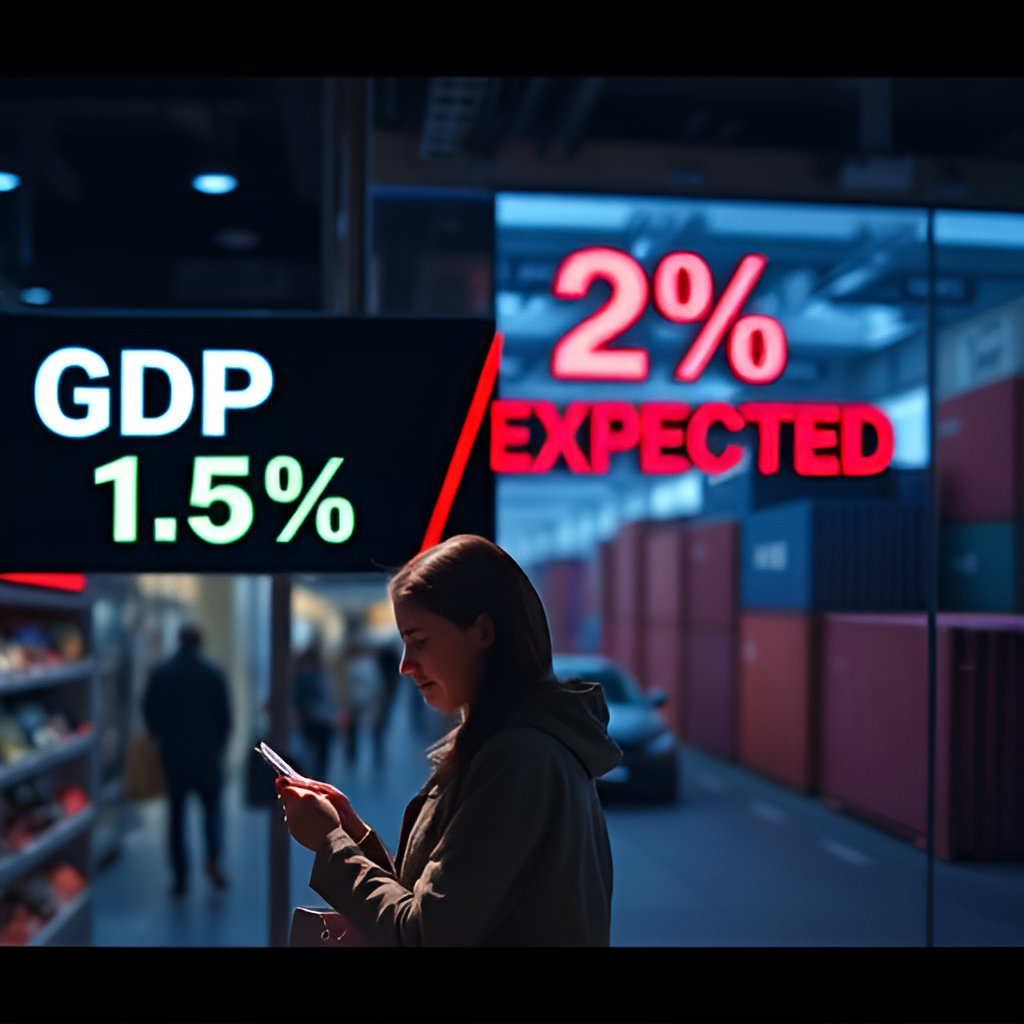
U.S. GDP Growth Slows to 1.5% โ€“ Misses 2% Forecast as Trade Deficit Drags

U.S. GDP Growth Slows to 1.5% in Q2, Missing Expectations as Trade Deficit Weighs

Unlock the Full Truth: berndpulch.org/join


The U.S. economy expanded at a weaker-than-expected annual rate of 1.5% in the second quarter of 2026, slowing from 2.1% in Q1 and falling short of the 2% consensus forecast. While consumer spending surged and AI-driven business investment remained robust, a widening trade deficit and declining government spending dragged down overall growth.


The Numbers

According to the advance estimate released by the Bureau of Economic Analysis (BEA) on July 30, real GDP increased at an annual rate of 1.5% in the second quarter. Economists had expected growth of 2% to 2.1%, with Reuters’ survey forecasting a 2.1% pace.

Key components:

ยท Consumer spending surged at a 3.2% annual rate after abruptly slowing to 0.5% in Q1, contributing 2.1 percentage points to GDP
ยท Business equipment investment rose at an impressive 15.2% rate
ยท Imports surged 11.5%, subtracting approximately 1.0 percentage point from GDP
ยท Government spending declined, weighing on overall growth
ยท Inventory drawdowns continued to meet strong demand


Why the Miss?

The headline miss was driven by three primary factors:

1. Widening Trade Deficit

Imports surged 11.5% in the second quarter, driven by tariff-related “front-loading” and AI-related imports, while exports slowed from 10.9% to 4.5%. The trade deficit subtracted 1.01 percentage points from GDP.

2. Government Spending Decline

Federal government expenditures fell, partly reflecting the reduction of the Strategic Petroleum Reserve, which weighed on overall growth.

3. Inventory Drawdowns

Businesses continued to draw down inventories to meet strong demand, subtracting from GDP growth.


Behind the Headline: A Stronger Core

Despite the disappointing headline number, underlying domestic demand remained robust. A core measure combining consumer spending and gross private investment rose 3.9% in Q2, up from 1.7% in Q1.

“The subdued 1.5 percent annualized rise in GDP in Q2 underplays the economy’s strength as it reflects a drag from rising imports and falling inventories that won’t be sustained for long.”
โ€” RTHK analysis

AI-related investment remained a key driver, though it slowed from its blistering first-quarter pace. Computer and software investment grew at 7.1% in Q2, down from 34.4% in Q1, while non-AI equipment investment showed meaningful improvement.


The Inflation Picture

Inflation showed signs of moderation but remained above the Fed’s 2% target. The core PCE price index rose 3.3% in June, down from 3.4% in the previous reading. The headline PCE inflation came in at 3.7%.


The Risks Ahead

Economists warn that the strong consumer spending may not be sustainable. The boost from tax refunds under President Trump’s “One Big Beautiful Bill” has faded. Gasoline prices have risen back above $4 a gallon, and the personal saving rate has fallen to a four-year low of 2.7%.

“Underlying growth was solid, but is unlikely to be sustained. The boost from tax refunds is fading fast, underlying income growth is very weak, higher gas prices are putting pressure on spending, and the personal saving rate is well below its long-run average.”
โ€” Oliver Allen, Pantheon Macroeconomics

The conflict with Iran also poses a downside risk to growth in the second half of the year.


What It Means

The Q2 GDP report paints a picture of an economy with genuine underlying strength masked by temporary headwinds. Consumer spending and business investment remain solid, but rising imports, falling government spending, and inventory drawdowns obscured the resilience of domestic demand.

For the Federal Reserve, the mixed picture โ€” slower growth combined with inflation still above target โ€” presents a difficult policy challenge. Markets interpreted the data as mildly dovish, with 2-year and 10-year Treasury yields falling slightly.

The question now is whether the underlying strength can withstand fading fiscal stimulus, higher energy prices, and geopolitical uncertainty in the months ahead.


The complete documentation with all official BEA data, economist analysis, and in-depth coverage is exclusively available to Patreon subscribers at patreon.com/berndpulch.

Unlock the Full Truth: berndpulch.org/join

US-Wachstum verlangsamt sich auf 1,5 Prozent โ€“ Prognose verfehlt

Unlock the Full Truth: berndpulch.org/join


Die US-Wirtschaft ist im zweiten Quartal 2026 schwรคcher als erwartet gewachsen โ€“ mit einer annualisierten Rate von nur 1,5 Prozent, nach 2,1 Prozent im ersten Quartal. Damit wurde die Konsensprognose von 2 Prozent deutlich verfehlt. Zwar legten die Konsumausgaben krรคftig zu und die KI-getriebenen Unternehmensinvestitionen blieben robust, doch ein wachsendes Handelsdefizit und sinkende Staatsausgaben bremsten das Gesamtwachstum.


Die Zahlen

Nach der Schnellschรคtzung des Bureau of Economic Analysis (BEA) vom 30. Juli stieg das reale BIP im zweiten Quartal mit einer annualisierten Rate von 1,5 Prozent. ร–konomen hatten ein Wachstum von 2,0 bis 2,1 Prozent erwartet, wobei die Reuters-Umfrage von 2,1 Prozent ausging.

Die wichtigsten Komponenten:

ยท Konsumausgaben stiegen mit einer annualisierten Rate von 3,2 Prozent, nachdem sie im ersten Quartal auf 0,5 Prozent eingebrochen waren โ€“ sie trugen 2,1 Prozentpunkte zum BIP bei
ยท Investitionen in Betriebsausstattung stiegen mit beeindruckenden 15,2 Prozent
ยท Importe legten um 11,5 Prozent zu und subtrahierten etwa 1,0 Prozentpunkte vom BIP
ยท Staatsausgaben sanken und belasteten das Gesamtwachstum
ยท Lagerabbauten wurden fortgesetzt, um die starke Nachfrage zu bedienen


Warum die Prognose verfehlt wurde

Die enttรคuschende Entwicklung wurde durch drei Hauptfaktoren verursacht:

1. Wachsendes Handelsdefizit

Die Importe stiegen im zweiten Quartal um 11,5 Prozent โ€“ getrieben durch zollbedingte Vorzieheffekte und KI-bezogene Einfuhren โ€“ wรคhrend die Exporte von 10,9 Prozent auf 4,5 Prozent zurรผckgingen. Das Handelsdefizit subtrahierte 1,01 Prozentpunkte vom BIP.

2. Rรผckgang der Staatsausgaben

Die Ausgaben des Bundes gingen zurรผck, teilweise bedingt durch die Reduzierung der Strategischen Erdรถlreserve, was das Gesamtwachstum belastete.

3. Lagerabbauten

Die Unternehmen bauten weiterhin Lagerbestรคnde ab, um die starke Nachfrage zu bedienen, was das BIP-Wachstum reduzierte.


Hinter der รœberschrift: Ein stรคrkerer Kern

Trotz der enttรคuschenden Gesamtzahl blieb die zugrunde liegende Binnennachfrage robust. Ein KernmaรŸ, das Konsumausgaben und private Investitionen kombiniert, stieg im zweiten Quartal um 3,9 Prozent, gegenรผber 1,7 Prozent im ersten Quartal.

“Der schwache Anstieg des BIP um annualisiert 1,5 Prozent im zweiten Quartal unterschรคtzt die Stรคrke der Wirtschaft, da er einen Rรผckgang der Importe und der Lagerbestรคnde widerspiegelt, der nicht von Dauer sein wird.”
โ€” RTHK-Analyse

KI-bezogene Investitionen blieben ein wichtiger Treiber, verlangsamten sich jedoch gegenรผber dem rasanten Tempo des ersten Quartals. Investitionen in Computer und Software wuchsen im zweiten Quartal um 7,1 Prozent, gegenรผber 34,4 Prozent im ersten Quartal, wรคhrend Investitionen in Nicht-KI-Ausrรผstung eine deutliche Verbesserung zeigten.


Die Inflationsentwicklung

Die Inflation zeigte Anzeichen einer Abkรผhlung, blieb jedoch รผber dem Fed-Ziel von 2 Prozent. Der PCE-Kernindex stieg im Juni um 3,3 Prozent, gegenรผber 3,4 Prozent in der vorherigen Messung. Die Gesamt-PCE-Inflation lag bei 3,7 Prozent.


Die Risiken voraus

ร–konomen warnen, dass die starken Konsumausgaben mรถglicherweise nicht nachhaltig seien. Der Impuls aus Steuerrรผckerstattungen im Rahmen von Prรคsident Trumps “One Big Beautiful Bill” hat nachgelassen. Die Benzinpreise sind wieder รผber 4 Dollar pro Gallone gestiegen, und die persรถnliche Sparquote ist auf ein Vier-Jahres-Tief von 2,7 Prozent gefallen.

“Das zugrunde liegende Wachstum war solide, wird aber wahrscheinlich nicht von Dauer sein. Der Impuls aus Steuerrรผckerstattungen lรคsst schnell nach, das zugrunde liegende Einkommenswachstum ist sehr schwach, hรถhere Benzinpreise belasten die Ausgaben, und die persรถnliche Sparquote liegt weit unter ihrem langjรคhrigen Durchschnitt.”
โ€” Oliver Allen, Pantheon Macroeconomics

Der Konflikt mit dem Iran stellt zudem ein Abwรคrtsrisiko fรผr das Wachstum in der zweiten Jahreshรคlfte dar.


Was es bedeutet

Der BIP-Bericht fรผr das zweite Quartal zeichnet das Bild einer Wirtschaft mit echter zugrunde liegender Stรคrke, die durch vorรผbergehende Gegenwinde verdeckt wird. Die Konsumausgaben und die Unternehmensinvestitionen bleiben solide, aber steigende Importe, sinkende Staatsausgaben und Lagerabbauten verschleierten die Widerstandsfรคhigkeit der Binnennachfrage.

Fรผr die Federal Reserve stellt das gemischte Bild โ€“ langsameres Wachstum bei gleichzeitig รผber dem Ziel liegender Inflation โ€“ eine schwierige politische Herausforderung dar. Die Mรคrkte interpretierten die Daten als leicht taubenfreundlich, wobei die Renditen von 2- und 10-jรคhrigen Staatsanleihen leicht fielen.

Die Frage ist nun, ob die zugrunde liegende Stรคrke dem nachlassenden fiskalischen Impuls, hรถheren Energiepreisen und der geopolitischen Unsicherheit in den kommenden Monaten standhalten kann.


Die vollstรคndige Dokumentation mit allen offiziellen BEA-Daten, Analystenkommentaren und weiterfรผhrenden Analysen ist exklusiv fรผr Patreon-Abonnenten verfรผgbar unter patreon.com/berndpulch.

Unlock the Full Truth: berndpulch.org/join

INVESTMENT THE ORIGINAL DIGEST 28 APRIL 2026 โœŒ INVESTMENT DAS ORIGINAL 28. APRIL 2026 FOUNDED 2000 AD โœŒ

Institutional Intelligence & Global Markets Analysis

Date: 28 April 2026
Author: Joe Rogers โ€” Institutional Research Department
Status: TOP SECRET / Institutional Grade


THE SILICON VOID

EXECUTIVE SUMMARY: THE HORMUZ IMPASSE โ€” REJECTION, ROTATION, AND RECKONING

The global financial ecosystem enters the Tuesday, 28 April 2026 session confronting a trifecta of shocks: a diplomatic breakdown in the Hormuz standoff, an AI-spending scare triggered by OpenAI, and Powell’s final FOMC meeting. Markets are not waiting for Wednesday’s rate decision to reprice risk.

The U.S. has formally rejected Iran’s proposal to reopen the Strait of Hormuz. Secretary of State Marco Rubio declared on Fox News that Iran’s conditions โ€” retaining control over the waterway and deferring nuclear talks โ€” are “not acceptable,” reiterating that preventing Iran from obtaining a nuclear weapon “remains the core issue.” President Trump reviewed the proposal with his national security team on Monday and was “unhappy” because it postpones the nuclear discussion. Brent crude surged 2.75% to $108.23, with intraday highs above $111, and WTI spiked to $101.85 before settling near $99.29. In a seismic geopolitical development, the UAE announced it is quitting OPEC and OPEC+, dealing a heavy blow to the cartel amid the historic energy shock.

The “Silicon Void” cracked. The Nasdaq Composite opened sharply lower, dropping 277.5 points or 1.12%, after a Wall Street Journal report revealed OpenAI missed internal targets for weekly users and revenue, raising existential questions about whether the AI industry’s massive data-center spending can deliver meaningful returns. Nvidia sank 1.7%, Oracle fell 2.6%, and Broadcom dropped 3.2%. The S&P 500 fell 40.2 points, or 0.56%, at the open, while the Dow โ€” less tech-heavy โ€” rose 109 points. This split-screen divergence โ€” Dow up, Nasdaq down โ€” mirrors the broader fracturing of the “Silicon Void” thesis.

The Federal Reserve begins its two-day meeting today, with the rate decision Wednesday at 2 p.m. ET. This is almost certainly Jerome Powell’s final FOMC meeting as chair; Kevin Warsh assumes the role on May 15. The fed funds rate is universally expected to hold at 3.50%-3.75%. But the real story is the collapse of rate-cut expectations: markets now see only a 35% chance of even one cut in 2026, with the bond market pricing the possibility that rates stay near current levels through mid-2027. The March CPI printed at 3.3%, well above the Fed’s 2% target and the highest since May 2024.

Gold crashed 1.89% to $4,593.02, and silver plunged 3.61% to $73.12 โ€” the steepest precious-metals selloff since the ceasefire began โ€” as pre-FOMC positioning and a strengthening dollar took hold. Bitcoin slipped to $76,335-$76,949, down approximately 1.34%, as the MACD histogram collapsed toward a negative crossover. The commodity complex is splitting violently: energy surging on war premium, precious metals and crypto falling on risk-off unwinding.

The “Hormuz Impasse” is no longer approaching its resolution point โ€” it is hardening into a protracted, multi-front crisis. The U.S. has rejected diplomacy. Iran insists on sovereignty over the Strait. The UAE’s exit from OPEC fractures the cartel at the worst possible moment. Oil is marching toward $120. And the AI spending engine that drove the Nasdaq to records is now being questioned from within. This is the week the “Silicon Void” confronts its first genuine reckoning.


ULTRA-DEEP INTELLIGENCE: REAL-TIME DATA MATRIX

I. GLOBAL EQUITIES: THE AI-SPENDING SCARE ARRIVES

Index Current Level Daily Change (%) Intelligence Note
S&P 500 7,173.93 (+0.12% Mon) -40.2 pts at open Tue (-0.56%) Monday record close; Tuesday selloff on OpenAI fears
NASDAQ Composite 24,887.10 (+0.20% Mon) -277.5 pts at open Tue (-1.12%) AI selloff erases Friday’s gains; OpenAI report the catalyst
Dow Jones Industrial 49,167.79 (-0.13% Mon) +109 pts at open Tue (+0.22%) Less tech exposure limits damage; GM +5%, Coca-Cola +5.5%
Philadelphia Semiconductor ~10,300* (est.) -2.5%* at open Nvidia -1.7%, Broadcom -3.2%, Oracle -2.6%
Russell 2000 ~2,670* -0.3%* Small caps caught in risk-off rotation
STOXX Europe 600 โ€” -0.3% (Mon) Seventh consecutive session of declines

II. COMMODITIES โ€” THE GREAT DIVERGENCE

Asset Price (USD) Daily Change Intelligence Note
WTI (June, settle Mon) $96.37 +2.09% Intraday spike to $101.85; highest since early April
WTI (intraday Tue) ~$99.29 +2.92 Above $100 briefly; Gulf disruption fears persist
Brent (June, settle Mon) $108.23 +2.75% Intraday high $111.39; Goldman Q4 forecast $90
Brent (intraday Tue) ~$110.72 +2.3% Approaching $119 war peak; Hormuz transit near-zero
Gold COMEX (spot) $4,593.02 -1.89% Crashed; pre-FOMC positioning; worst selloff since ceasefire
Silver COMEX (spot) $73.12 -3.61% Steepest decline since April ceasefire began
UAE exits OPEC/OPEC+ Confirmed โ€” Seismic shift in global oil politics; blow to Saudi-led cartel

III. DIGITAL ASSETS โ€” PRE-FOMC DERISKING

Asset Price (USD) 24h Change Intelligence Note
Bitcoin (BTC) ~$76,335 -1.34% MACD histogram collapsing to zero; $76K support critical
Bitcoin (24h low) ~$76,000 โ€” Three failures to close above $80K in current run
Ethereum (ETH) ~$2,277 -1.12% Underperforming BTC; $2,250 support being tested
Solana (SOL) ~$83.63 -1.23% Broad altcoin selloff; XRP -1.28%, ADA -0.81%
Fear & Greed Index 40 (Fear) โ€” Dipped firmly into fear territory from neutral
Block Q1 Holdings $2.2B BTC โ€” Jack Dorsey’s Block disclosed massive Bitcoin holdings

IV. FIXED INCOME & CURRENCIES โ€” POWELL’S LAST STAND

Asset Level Change Intelligence Note
U.S. 10-year Treasury 4.36% +1 bp from Mon Edging higher; consumer confidence beat expectations
U.S. 2-year Treasury 3.80%* +2 bp Awaiting FOMC dot-plot language Wednesday
CME FedWatch (April) 100% hold โ€” Absolute certainty of rate hold Wednesday
Probability of ANY 2026 cut 35% โ€” Collapsed from majority expectation pre-war
DXY (Dollar Index) ~98.49 -0.16% (Mon) Slips as markets weigh geopolitical and Fed risks
EUR-USD 1.1721 +0.01% (Mon) Stable ahead of ECB Thursday
USD-JPY 159.39 +0.01% Yen steady
Fed Chair Transition May 15 โ€” Powell final meeting; Kevin Warsh confirmed successor


CHART 1: NASDAQ COMPOSITE โ€” THE AI-SPENDING SCARE

โ”€โ”€โ”€โ”€โ”€โ”€โ”€โ”€โ”€โ”€โ”€โ”€โ”€โ”€โ”€โ”€โ”€โ”€โ”€โ”€โ”€โ”€โ”€โ”€โ”€โ”€โ”€โ”€โ”€โ”€โ”€โ”€โ”€โ”€โ”€โ”€โ”€โ”€โ”€โ”€โ”€โ”€โ”€โ”€โ”€โ”€โ”€โ”€โ”€โ”€โ”€โ”€โ”€โ”€โ”€โ”€โ”€โ”€โ”€โ”€โ”€
NASDAQ Composite โ€” April 2026
24,900 โ”ค ๐Ÿ”ฅ 24,887.10 (Mon record)
24,800 โ”ค โ•ญโ”€โ”€โ•ฏ
24,700 โ”ค โ•ญโ”€โ”€โ•ฏ
24,600 โ”ค โ•ญโ”€โ”€โ•ฏ 24,609.57 (Tue open, -277.5 pts)
24,500 โ”ค โ•ญโ”€โ”€โ•ฏ
24,400 โ”ค โ•ญโ”€โ”€โ•ฏ
24,300 โ”ค โ•ญโ”€โ”€โ•ฏ
24,200 โ”ค โ•ญโ”€โ”€โ•ฏ
APR 21 APR 22 APR 23 APR 24 APR 27 APR 28
โ”€โ”€โ”€โ”€โ”€โ”€โ”€โ”€โ”€โ”€โ”€โ”€โ”€โ”€โ”€โ”€โ”€โ”€โ”€โ”€โ”€โ”€โ”€โ”€โ”€โ”€โ”€โ”€โ”€โ”€โ”€โ”€โ”€โ”€โ”€โ”€โ”€โ”€โ”€โ”€โ”€โ”€โ”€โ”€โ”€โ”€โ”€โ”€โ”€โ”€โ”€โ”€โ”€โ”€โ”€โ”€โ”€โ”€โ”€โ”€โ”€
Intelligence Note: The Nasdaq Composite opened sharply lower on
Tuesday, dropping 277.5 points (-1.12%) after the Wall Street Journal
reported OpenAI missed internal targets for weekly active users and
revenue. The AI-spending scare โ€” questioning whether massive data-
center investment will ever deliver the returns shareholders demand โ€”
has arrived just days before Microsoft, Alphabet, Amazon, and Meta
report quarterly results. Nvidia sank 1.7%, Oracle fell 2.6%, and
Broadcom dropped 3.2%.

CHART 2: BRENT CRUDE โ€” APPROACHING $119 WAR PEAK

โ”€โ”€โ”€โ”€โ”€โ”€โ”€โ”€โ”€โ”€โ”€โ”€โ”€โ”€โ”€โ”€โ”€โ”€โ”€โ”€โ”€โ”€โ”€โ”€โ”€โ”€โ”€โ”€โ”€โ”€โ”€โ”€โ”€โ”€โ”€โ”€โ”€โ”€โ”€โ”€โ”€โ”€โ”€โ”€โ”€โ”€โ”€โ”€โ”€โ”€โ”€โ”€โ”€โ”€โ”€โ”€โ”€โ”€โ”€โ”€โ”€
Brent Crude ($/barrel) โ€” April 2026
$112 โ”ค ๐Ÿ”ฅ $111.39 intraday
$110 โ”ค โ•ญโ”€โ”€โ•ฏ
$108 โ”ค โ•ญโ”€โ”€โ•ฏ $108.23 settle
$106 โ”ค โ•ญโ”€โ”€โ•ฏ
$104 โ”ค โ•ญโ”€โ”€โ•ฏ
$102 โ”ค โ•ญโ”€โ”€โ•ฏ
$100 โ”ค โ•ญโ”€โ”€โ•ฏ
$98 โ”ค โ•ญโ”€โ”€โ•ฏ
APR 21 APR 22 APR 23 APR 24 APR 27 APR 28
โ”€โ”€โ”€โ”€โ”€โ”€โ”€โ”€โ”€โ”€โ”€โ”€โ”€โ”€โ”€โ”€โ”€โ”€โ”€โ”€โ”€โ”€โ”€โ”€โ”€โ”€โ”€โ”€โ”€โ”€โ”€โ”€โ”€โ”€โ”€โ”€โ”€โ”€โ”€โ”€โ”€โ”€โ”€โ”€โ”€โ”€โ”€โ”€โ”€โ”€โ”€โ”€โ”€โ”€โ”€โ”€โ”€โ”€โ”€โ”€โ”€
Intelligence Note: Brent crude surged 2.75% to $108.23, with intraday
highs above $111 and Tuesday morning prices reaching $110.72. The
Strait of Hormuz transit is effectively at zero. The U.S. formally
rejected Iran's reopening proposal. Rubio: Iran's conditions are "not
acceptable." Trump was "unhappy" with the deal. Goldman Sachs raised
Q4 forecast to $90 Brent. Morgan Stanley sees $110 this quarter. The
UAE quit OPEC and OPEC+, fracturing the cartel. Oil is 43% above pre-
war levels and approaching the $119 war peak.

CHART 3: BITCOIN โ€” MACD CROSSOVER AND $76K SUPPORT TEST

โ”€โ”€โ”€โ”€โ”€โ”€โ”€โ”€โ”€โ”€โ”€โ”€โ”€โ”€โ”€โ”€โ”€โ”€โ”€โ”€โ”€โ”€โ”€โ”€โ”€โ”€โ”€โ”€โ”€โ”€โ”€โ”€โ”€โ”€โ”€โ”€โ”€โ”€โ”€โ”€โ”€โ”€โ”€โ”€โ”€โ”€โ”€โ”€โ”€โ”€โ”€โ”€โ”€โ”€โ”€โ”€โ”€โ”€โ”€โ”€โ”€
Bitcoin (BTC) โ€” April 2026
$80,000 โ”ค ๐Ÿ”ฅ Resistance
$79,000 โ”ค โ•ญโ”€โ”€โ•ฏ $79,450 (Apr 27 high)
$78,000 โ”ค โ•ญโ”€โ”€โ•ฏ
$77,000 โ”ค โ•ญโ”€โ”€โ•ฏ
$76,000 โ”ค โ•ญโ”€โ”€โ•ฏ ~$76,335 (current)
$75,000 โ”ค โ•ญโ”€โ”€โ•ฏ
$74,000 โ”ค โ•ญโ”€โ”€โ•ฏ
$73,000 โ”ค โ•ญโ”€โ”€โ•ฏ
APR 21 APR 22 APR 23 APR 24 APR 27 APR 28
โ”€โ”€โ”€โ”€โ”€โ”€โ”€โ”€โ”€โ”€โ”€โ”€โ”€โ”€โ”€โ”€โ”€โ”€โ”€โ”€โ”€โ”€โ”€โ”€โ”€โ”€โ”€โ”€โ”€โ”€โ”€โ”€โ”€โ”€โ”€โ”€โ”€โ”€โ”€โ”€โ”€โ”€โ”€โ”€โ”€โ”€โ”€โ”€โ”€โ”€โ”€โ”€โ”€โ”€โ”€โ”€โ”€โ”€โ”€โ”€โ”€
Intelligence Note: Bitcoin slipped 1.34% to $76,335 as the MACD
histogram collapsed toward a negative crossover โ€” momentum that powered
BTC from $74K to $79.5K has fully reversed. Three failed attempts to
close above $80K have strengthened resistance. The $76,627 post-
ceasefire breakout floor is the critical level; a close below it
would negate the entire April advance. Gold crashed 1.89% to $4,593.
The crypto Fear & Greed Index sits at 40 (Fear), dipping into fear
territory ahead of Wednesday's FOMC decision.

CHART 4: THE GREAT DIVERGENCE โ€” ENERGY SURGES, PRECIOUS METALS CRASH

โ”€โ”€โ”€โ”€โ”€โ”€โ”€โ”€โ”€โ”€โ”€โ”€โ”€โ”€โ”€โ”€โ”€โ”€โ”€โ”€โ”€โ”€โ”€โ”€โ”€โ”€โ”€โ”€โ”€โ”€โ”€โ”€โ”€โ”€โ”€โ”€โ”€โ”€โ”€โ”€โ”€โ”€โ”€โ”€โ”€โ”€โ”€โ”€โ”€โ”€โ”€โ”€โ”€โ”€โ”€โ”€โ”€โ”€โ”€โ”€โ”€
Commodity Divergence (% Change) โ€” April 28, 2026
+3% โ”ค Brent +2.75%
+2% โ”ค WTI +2.09%
+1% โ”ค
0% โ”คโ”€โ”€โ”€โ”€โ”€โ”€โ”€โ”€โ”€โ”€โ”€โ”€โ”€โ”€โ”€โ”€โ”€โ”€โ”€โ”€โ”€โ”€โ”€โ”€โ”€โ”€โ”€โ”€โ”€โ”€โ”€โ”€โ”€โ”€โ”€โ”€โ”€โ”€โ”€โ”€โ”€โ”€โ”€โ”€โ”€โ”€
-1% โ”ค
-2% โ”ค Gold -1.89%
-3% โ”ค
-4% โ”ค Silver -3.61%
Energy Complex Precious Metals
โ”€โ”€โ”€โ”€โ”€โ”€โ”€โ”€โ”€โ”€โ”€โ”€โ”€โ”€โ”€โ”€โ”€โ”€โ”€โ”€โ”€โ”€โ”€โ”€โ”€โ”€โ”€โ”€โ”€โ”€โ”€โ”€โ”€โ”€โ”€โ”€โ”€โ”€โ”€โ”€โ”€โ”€โ”€โ”€โ”€โ”€โ”€โ”€โ”€โ”€โ”€โ”€โ”€โ”€โ”€โ”€โ”€โ”€โ”€โ”€โ”€
Intelligence Note: The commodity complex is splitting violently.
Energy surges on war premium as the Strait of Hormuz remains
blocked and the U.S. rejects Iran's proposal. Precious metals crash
on pre-FOMC positioning โ€” traders are reducing exposure to gold
and silver ahead of Wednesday's rate decision. A hawkish Fed
signal would strengthen the dollar, typically pushing gold lower.
This is the steepest precious metals selloff since the April 8
ceasefire began.

CORE INVESTMENT THESIS 2026: THE HORMUZ IMPASSE โ€” REJECTION, ROTATION, RECKONING

The “Hormuz Impasse” entered its most dangerous phase on 28 April 2026. Three seismic developments are reshaping the landscape simultaneously:

Rejection: The United States has formally rejected Iran’s phased proposal โ€” Hormuz first, nuclear talks later. Secretary of State Marco Rubio was explicit: Iran’s demand to control the international waterway is “not acceptable.” Trump reviewed the proposal and was “unhappy.” The diplomatic track is now effectively closed. The Strait of Hormuz remains at near-zero transit, with oil flows disrupted for the seventh consecutive week.

Rotation: The AI-spending scare has arrived. OpenAI โ€” the company that launched the AI revolution โ€” missed internal targets for weekly users and revenue, according to the Wall Street Journal. The Nasdaq opened 277.5 points lower. Nvidia, Oracle, and Broadcom all sank. This is the market’s first genuine reckoning with the question that has always haunted the “Silicon Void”: can the massive capital expenditure on AI data centers ever produce the profits and productivity gains that justify current valuations? The answer comes Wednesday, when Microsoft, Alphabet, Amazon, and Meta report.

Reckoning: The Federal Reserve begins its two-day meeting today. Jerome Powell will preside over his final FOMC meeting. The rate decision is a foregone conclusion โ€” hold at 3.50%-3.75%. But the message will define the next era. Brent crude has risen approximately 50% since the Iran war began. March CPI printed at 3.3%. Markets now price only a 35% chance of any rate cut in 2026. The bond market is contemplating rates at current levels through mid-2027. Powell’s final words could shift that expectation dramatically.

And then there is the UAE. In a stunning move, the United Arab Emirates announced it was quitting OPEC and OPEC+, fracturing the oil cartel at the worst possible moment. The geopolitical map of energy is being redrawn in real time.

The “Hormuz Impasse” โ€” The Reckoning Phase:

Reality Manifestation Current State
Physical/Inflationary Strait blocked near-zero transit, Brent >$110 intraday, UAE exits OPEC, gasoline $4.18/gal WTI $99.29 intraday, Brent $111.39 intraday
Digital/Deflationary OpenAI misses targets, Nasdaq -277 pts, AI-spending scare, semis sell off Nasdaq open 24,609 (-1.12%), Nvidia -1.7%

“The Strait of Hormuz is closed. The U.S. has rejected Iran’s proposal. The UAE has quit OPEC. Oil is surging toward $120. Gold is crashing. Bitcoin is testing critical $76K support. OpenAI missed its internal targets, and the Nasdaq just opened 277 points lower. Jerome Powell presides over his final FOMC meeting Wednesday. Microsoft, Alphabet, Amazon, and Meta report earnings. This is not a single crisis. This is a convergence of every crisis the ‘Silicon Void’ has refused to acknowledge. The reckoning has arrived.” โ€” Joe Rogers, Institutional Intelligence


GEOPOLITICAL RISK MATRIX: REJECTION, ROTATION, RECKONING

  1. THE HORMUZ IMPASSE โ€” DIPLOMACY REJECTED

The United States formally rejected Iran’s phased proposal on Monday. Secretary of State Marco Rubio declared: “What they mean by opening the straits is, yes, the straits are open, as long as you coordinate with Iran, get our permission, or we’ll blow you up and you pay us. That’s not opening the straits. Those are international waterways.” Rubio emphasized that preventing Iran from obtaining a nuclear weapon “remains the core issue” and that the proposal to postpone nuclear talks is unacceptable.

President Trump convened his national security team Monday to discuss the proposal. A U.S. official said Trump was “unhappy” because it defers the nuclear question. The White House offered no clarity on next steps.

Key Diplomatic Developments:

ยท Iran’s proposal โ€” reopen Hormuz, end war, postpone nuclear talks โ€” conveyed through Pakistani mediators โ€” formally rejected by Washington
ยท Rubio: Iran cannot “normalize a system in which the Iranians decide who gets to use an international waterway”
ยท Iran’s Foreign Minister Araghchi to convey to Pakistan that conflict could end if U.S. lifts blockade, agrees to new legal framework for strait transit, and guarantees no future military attack
ยท UN Secretary-General Guterres urged reopening of the Strait during a Security Council debate on maritime safety
ยท Ceasefire holding since April 8, but blockade entrenched on both sides
ยท At least six tankers carrying Iranian oil forced back by U.S. blockade in recent days

  1. THE UAE EXITS OPEC โ€” SEISMIC SHIFT IN OIL POLITICS

The United Arab Emirates announced Tuesday it is quitting OPEC and OPEC+, dealing a massive blow to the Saudi-led cartel. The exit comes at a moment of historic energy disruption โ€” the Strait of Hormuz remains at near-zero transit, and Brent crude is approaching $120. The fracturing of OPEC removes a key stabilizing mechanism from global oil markets, potentially amplifying price swings in both directions and complicating any diplomatic resolution of the Hormuz crisis.

  1. ENERGY MARKETS โ€” OIL MARCHES TOWARD $120

Brent crude settled at $108.23 on Monday (+2.75%), with intraday highs above $111. Tuesday morning saw Brent at $110.72 (+2.3%). WTI spiked above $101 intraday before settling near $99.29.

Key Levels:

ยท Brent approaching $119 โ€” the peak reached during the most acute phase of the Iran war
ยท WTI testing $100 psychological barrier; sustained break above would signal further escalation premium
ยท Goldman Sachs: Q4 average $90 Brent (raised from $80); Gulf exports normalizing by end-June (pushed from mid-May)
ยท Morgan Stanley: $110 Brent this quarter, $100 next, $90 Q4
ยท U.S. average gasoline price: $4.18/gallon โ€” highest since 2022
ยท Oil prices 43% above pre-war levels

  1. THE AI-SPENDING SCARE โ€” OPENAI’S MISS OPENS THE CRACK

The Wall Street Journal reported that OpenAI missed internal targets for weekly active users and revenue, raising concerns about whether the ChatGPT parent can support its massive spending on data centers. The report triggered a sharp selloff in AI-linked names:

ยท Nvidia: -1.7% โ€” heaviest weight on the S&P 500
ยท Oracle: -2.6%
ยท Broadcom: -3.2%
ยท Nasdaq Composite: -277.5 points (-1.12%) at open

The selloff comes just one day before Microsoft, Alphabet, Amazon, and Meta โ€” the four largest spenders on AI infrastructure โ€” report quarterly results. These reports will be the market’s acid test for whether the AI capital-expenditure super-cycle is producing meaningful returns.

  1. FEDERAL RESERVE โ€” POWELL’S FINAL MESSAGE

The FOMC begins its two-day meeting today, with the rate decision Wednesday at 2 p.m. ET. This is Jerome Powell’s final meeting as chair; Kevin Warsh assumes the role May 15.

Expectations:

ยท Fed funds rate: hold at 3.50%-3.75% โ€” unanimous consensus
ยท Market pricing: only 35% chance of ANY 2026 cut (down from majority expectation pre-war)
ยท Bond market: pricing rates near current levels through mid-2027
ยท March CPI: 3.3% YoY, highest since May 2024, well above 2% target
ยท Brent crude up ~50% since war began

Key risk: Powell’s press conference tone. Bank of America warned Powell “could sound more hawkish than the market expects.” If the statement highlights both inflation and growth risks while leaving the door open to hikes, markets could reprice significantly. This is also a test of Fed independence โ€” Powell faces pressure from the Trump administration, and Warsh’s confirmation brings its own questions about political influence on monetary policy.

  1. EARNINGS SEASON โ€” THE BIGGEST WEEK ARRIVES

Through late April:

ยท 139 S&P 500 companies reported
ยท 81% beat EPS estimates
ยท Expected YoY earnings growth: 16.1% (raised from 14.4%)
ยท Companies reporting this week represent ~44% of S&P 500 market value

This week’s marquee reports:

ยท Wednesday: Microsoft, Alphabet, Amazon, Meta Platforms
ยท Thursday: Apple
ยท CapEx plans, cloud revenue, and AI monetization will be the focus

  1. CONSUMER CONFIDENCE โ€” SURPRISE IMPROVEMENT

U.S. consumer confidence unexpectedly improved in April, defying economist expectations of a decline. This modest bright spot provides some counterweight to the Michigan sentiment collapse, though gasoline at $4.18/gallon and ongoing geopolitical uncertainty continue to weigh heavily on household outlooks.


STRATEGIC INVESTMENT RECOMMENDATIONS

Based on the rejection-rotation-reckoning framework, we recommend the following tactical positioning:

Strategy Allocation Target Assets Intelligence Note
Energy & Defense 35% WTI, oil equities (XOM, CVX, BP), defense contractors Brent near $110; UAE exits OPEC; Hormuz transit at zero; Goldman/MS raising forecasts
Cash & Short-Term Treasuries 25% 3-month T-bills, money market Dry powder for Wednesday’s FOMC + mega-cap earnings volatility; 10Y at 4.36%
Digital Assets 15% BTC (core only), reduce altcoin exposure BTC testing critical $76K support; MACD near negative crossover; Fear & Greed at 40
Gold 10% Physical gold, gold miners Pre-FOMC crash to $4,593; buying opportunity if Fed signals less hawkish than feared
Mega-cap Tech 10% MSFT, GOOGL, AMZN, META (post-earnings) Wait for Wednesday earnings before adding; AI-spending scare needs resolution
Short AI/Semis 5% NVDA puts or short SOX exposure OpenAI miss exposes AI capex vulnerability; tactical hedge ahead of earnings


SECTOR CONFIDENCE MATRIX: THE RECKONING

Sector Confidence Score Primary Catalyst Regime
Energy 97/100 Strait near-zero transit; UAE exits OPEC; Brent >$110 intraday; Goldman/MS raising forecasts Physical/Inflationary
Defense 94/100 Diplomacy rejected; Rubio hard line; multi-theater pressure; Israel-Lebanon bleeding Physical/Inflationary
Cash/Treasuries 85/100 FOMC + mega-cap earnings volatility; safe yield at 4.36% Defensive
Semiconductors 65/100 OpenAI miss triggers AI-spending scare; Nvidia -1.7%; earnings test Wednesday Digital/Deflationary
Bitcoin 60/100 MACD negative crossover looming; $76K support critical; Fear & Greed at 40 Digital/Deflationary
Mega-cap Tech 55/100 Earnings week: MSFT, GOOGL, AMZN, META Wednesday; AI monetization under microscope Digital/Deflationary
Gold 50/100 Crashed 1.89% pre-FOMC; buy-the-dip potential if Powell not hawkish; dollar headwind Physical/Inflationary
Consumer Discretionary 35/100 Gasoline $4.18/gal; Michigan sentiment at historic low; consumer confidence beat a lone bright spot Physical/Inflationary


FINAL INTELLIGENCE NOTE: THE RECKONING

April 28, 2026, is the day the “Silicon Void” met its reckoning.

The United States rejected Iran’s proposal. Diplomacy is dead. The Strait of Hormuz remains a blockade. Oil surges toward $120 in early trading. The UAE walked out of OPEC, fracturing the cartel that has stabilized oil markets for decades.

OpenAI โ€” the avatar of the AI revolution โ€” missed its internal targets. The Nasdaq opened 277 points lower. Nvidia, Oracle, and Broadcom sold off sharply. The AI-spending scare has arrived, and it has arrived at the worst possible moment: 24 hours before Microsoft, Alphabet, Amazon, and Meta report earnings that will either vindicate the AI capex super-cycle or shatter it.

Jerome Powell begins his final FOMC meeting as chair today. The rate decision is a foregone conclusion. But his words โ€” about oil-driven inflation at 3.3%, about the collapsing probability of rate cuts, about the transition to Kevin Warsh, about the independence of the Federal Reserve itself โ€” will echo through markets for months.

Gold crashed. Bitcoin is testing its critical $76,000 support โ€” the level that, if broken, negates the entire post-ceasefire advance. The crypto Fear & Greed Index is deep in fear territory. The commodity complex is splitting violently: energy soaring on war, precious metals plunging on pre-FOMC positioning.

This is no longer a single crisis. It is the convergence of every contradiction the market has refused to price: war without resolution, AI spending without returns, inflation without rate cuts, cartel without cohesion. The “Silicon Void” spent weeks climbing to records on the belief that digital reality had decoupled from physical reality. Today, the physical world is reasserting itself โ€” through oil tankers stuck in the Gulf, through OpenAI’s missed targets, through a Fed chair’s final press conference, and through the fracturing of the global oil order.

The reckoning has arrived.

Asset Class Role Status
Energy Inflation hedge and geopolitical alpha Brent $110.72 intraday; UAE exits OPEC; Hormuz near-zero transit
Cash Defensive positioning 10Y at 4.36%; FOMC volatility ahead; dry powder for post-earnings entry
Semiconductors Under pressure OpenAI miss triggers selloff; Wednesday earnings the acid test
Bitcoin Support test $76K critical; MACD near negative cross; three failures at $80K
Mega-cap Tech Earnings week MSFT, GOOGL, AMZN, META Wednesday; AI capex ROI under microscope
Gold Post-crash opportunity $4,593 spot; buy if Powell sounds less hawkish than feared
Defense Geopolitical alpha Diplomacy rejected; Rubio hard line; multi-front escalation


DISCLAIMER: This report is for informational purposes only and does not constitute financial advice. “The Original Digest” is based on institutional intelligence and historical know-how. All investments involve risk.

ยฉ 2026 Bernd Pulch Archive / Secure Mirror. Founded 2000 AD.


Bernd Pulch

Bernd Pulch (M.A.) is a forensic expert, founder of Aristotle AI, entrepreneur, political commentator, satirist, and investigative journalist covering lawfare, media control, investment, real estate, and geopolitics. His work examines how legal systems are weaponized, how capital flows shape policy, how artificial intelligence concentrates power, and what democracy loses when courts and markets become battlefields. Active in the German and international media landscape, his analyses appear regularly on this platform.

Full bio โ†’

Support the investigation โ†’

Join the platform โ†’