
The Intelligence That Never Reached Trump: NSA Blocked China Election Warnings, Declassified Records Show

Unlock the Full Truth: berndpulch.org/join


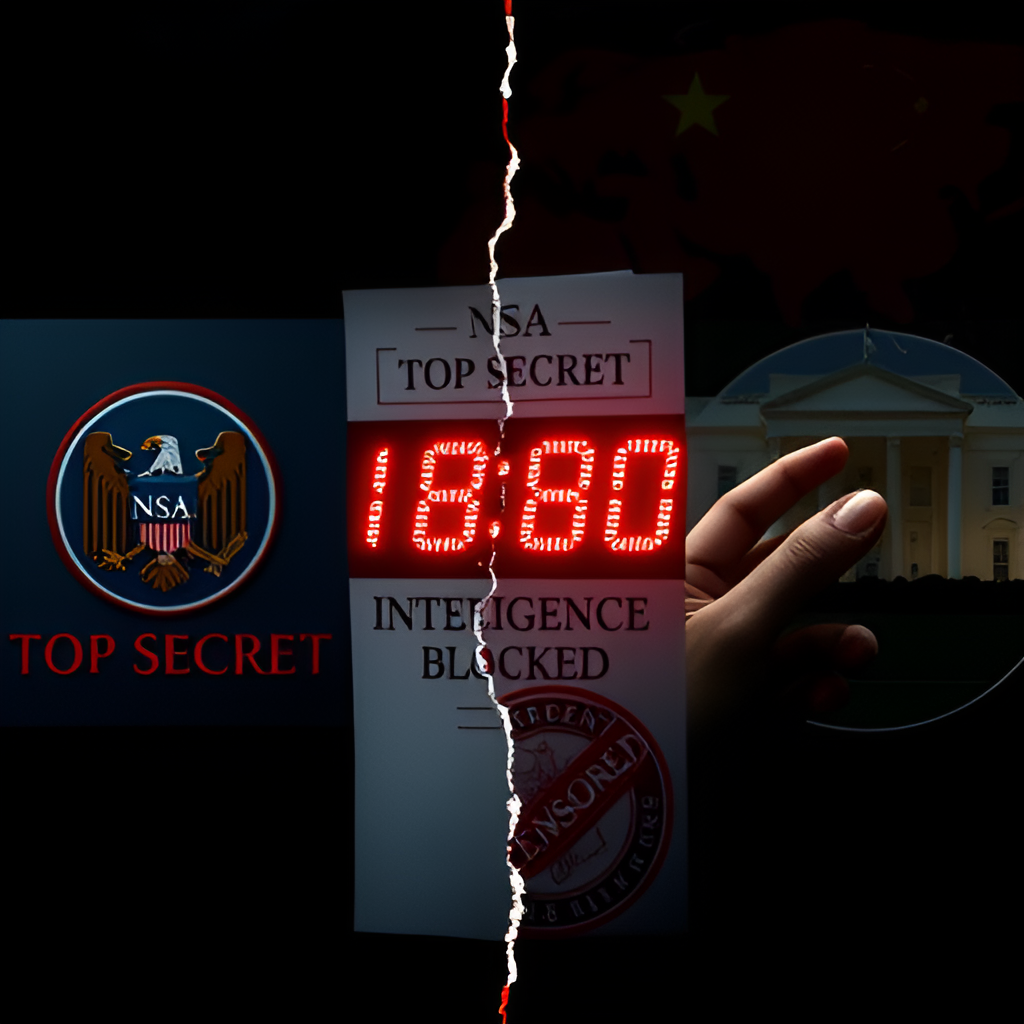
Newly declassified records reveal that senior National Security Agency (NSA) officials deliberately filtered, delayed, and withheld intelligence about Chinese efforts to influence U.S. elections from reaching President Donald Trump โ€” sparking urgent questions about what other critical information was kept from the White House and who authorized the suppression.


The NSA Memo: A 16-Month Cover-Up

A newly declassified March 2020 NSA memo shows that the agency’s deputy director blocked the release of a completed intelligence report on foreign election targeting โ€” because he feared it would label the NSA as part of the “deep state.”

The report had been finished more than a year earlier, but higher-ups delayed it for 16 months. Analysts had completed their work in a timely manner, but the agency’s leadership refused to clear it for release. According to the memo, publishing the assessment would have “damaged the agency’s credibility with an administration already suspicious of the intelligence community”.

The White House Government Transparency Task Force released the memo, which documents the deputy director’s decision to sit on a finished intelligence report about foreign targeting of U.S. elections.

“The work had been done for 16 months. The admin held it.”
โ€” NSA memo, March 2020


“Deliberately Massaged”: The PDB Manipulation

Declassified emails show that NSA analysts “deliberately massaged” the President’s Daily Brief (PDB) to avoid any direct links to the election.

A November 19, 2020, NSA email reveals that the agency actively restructured and delayed intelligence about Chinese election targeting. One analyst wrote that they had “deliberately massaged our one pending [PDB] to avoid any direct links to the election”.

The agency also split a major pending report on Chinese election influence into 13 delayed pieces.

Other intelligence officials questioned the decision, with one writing that “the mind boggles” and another calling the approach “highly irregular”. One official alleged that the intelligence community was “deliberately avoiding mentioning a connection to elections for non-substantive reasons”.

That official sought to reconnect the intelligence to the election-security assessment and prevent what another described as an “analytic objectivity mistake”.


Broader Patterns of Suppression

Broader declassifications from the Office of the Director of National Intelligence (ODNI) confirm that intelligence community analysts took steps to de-emphasize or delay China-related election intelligence from reaching the president. Concerns over voter-registration database access in multiple states were reportedly among the issues downplayed.

“Whether you think China’s activity rose to the level of direct interference or stopped at influence operations, the fact that intelligence agencies were actively restructuring and delaying what the president was allowed to see about foreign election targeting is a story in itself. The question isn’t just what China did or didn’t do. It’s who decided the president didn’t need to know about it, and why.”
โ€” Declassified records summary


The Political Context

President Trump seized on the newly declassified records to accuse the intelligence community of operating a “shadow government”. He claimed intelligence officials kept significant reporting out of his presidential briefings and highlighted the NSA analyst’s email about “massaging” the PDB.

“Those responsible for sounding the alarm instead kept the information secret and hidden. They did not disclose it to me as president or to anyone else.”
โ€” President Donald Trump

Trump used the disclosures to press Congress to pass the SAVE America Act, casting the newly released intelligence as evidence that lawmakers must tighten federal election rules before the midterms.

China denied the allegations, calling them “groundless accusations”.

The documents, however, do not establish Trump’s broader allegation of a politically motivated conspiracy. Instead, they portray competing intelligence assessments over whether China’s actions amounted to an effort to influence the presidential contest or a broader campaign focused on U.S. policies and public opinion.


Conclusion

The declassified records paint a troubling picture of how the intelligence community managed โ€” and suppressed โ€” information about foreign election interference. The NSA’s deputy director blocked a finished report for 16 months to avoid being labeled part of the “deep state.” Analysts “massaged” the President’s Daily Brief to avoid direct links to the election. And broader intelligence community assessments were deliberately de-emphasized or delayed.

The question is no longer just what China did or didn’t do. It is who decided the president didn’t need to know about it โ€” and why.


๐Ÿ“บ YouTube: youtube.com/@bernd_pulch
๐Ÿฆ X (Twitter): x.com/berndsocial1
๐Ÿ“ข Telegram: t.me/ABOVETOPSECRETXXL
๐Ÿ”“ UNLOCK THE TRUTH: berndpulch.org/join

Die Intelligenz, die nie bei Trump ankam: NSA blockierte China-Wahlwarnungen, freigegebene Akten zeigen

Unlock the Full Truth: berndpulch.org/join


Neu freigegebene Dokumente zeigen, dass hochrangige Beamte der National Security Agency (NSA) Informationen รผber chinesische Bemรผhungen zur Beeinflussung US-amerikanischer Wahlen bewusst gefiltert, verzรถgert und zurรผckgehalten haben โ€“ und damit dringende Fragen aufwerfen, welche anderen kritischen Informationen dem WeiรŸen Haus vorenthalten wurden und wer die Unterdrรผckung autorisiert hat.


Das NSA-Memo: Eine 16-monatige Vertuschung

Ein neu freigegebenes NSA-Memo vom Mรคrz 2020 zeigt, dass der stellvertretende Direktor der Behรถrde die Freigabe eines fertiggestellten Geheimdienstberichts รผber auslรคndische Wahlbeeinflussung blockierte โ€“ aus Angst, die NSA wรผrde dadurch als Teil des “Deep State” gebrandmarkt.

Der Bericht war mehr als ein Jahr zuvor fertiggestellt worden, aber die Vorgesetzten verzรถgerten ihn um 16 Monate. Die Analysten hatten ihre Arbeit rechtzeitig abgeschlossen, aber die Fรผhrungsebene der Behรถrde weigerte sich, ihn zur Verรถffentlichung freizugeben. Laut dem Memo hรคtte die Verรถffentlichung der Bewertung “die Glaubwรผrdigkeit der Behรถrde bei einer Administration geschรคdigt, die dem Geheimdienst bereits misstrauisch gegenรผberstand”.

Die Government Transparency Task Force des WeiรŸen Hauses verรถffentlichte das Memo, das die Entscheidung des stellvertretenden Direktors dokumentiert, einen fertigen Geheimdienstbericht รผber auslรคndische Wahlbeeinflussung zurรผckzuhalten.

“Die Arbeit war seit 16 Monaten erledigt. Die Administration hat sie zurรผckgehalten.”
โ€” NSA-Memo, Mรคrz 2020


“Bewusst massiert”: Die Manipulation des President’s Daily Brief

Freigegebene E-Mails zeigen, dass NSA-Analysten den President’s Daily Brief (PDB) “bewusst massierten”, um direkte Verbindungen zur Wahl zu vermeiden.

Eine NSA-E-Mail vom 19. November 2020 zeigt, dass die Behรถrde aktiv Informationen รผber chinesische Wahlbeeinflussung umstrukturierte und verzรถgerte. Ein Analyst schrieb, dass sie “unseren einen anstehenden [PDB] bewusst massiert haben, um direkte Verbindungen zur Wahl zu vermeiden”.

Die Behรถrde teilte auรŸerdem einen groรŸen anstehenden Bericht รผber chinesischen Wahleinfluss in 13 verzรถgerte Teile auf.

Andere Geheimdienstmitarbeiter hinterfragten die Entscheidung, wobei einer schrieb, dass “einem die Sprache wegbleibt” und ein anderer das Vorgehen als “hรถchst ungewรถhnlich” bezeichnete. Ein Beamter behauptete, dass der Geheimdienst “bewusst vermied, eine Verbindung zu Wahlen zu erwรคhnen, aus nicht-inhaltlichen Grรผnden”.

Dieser Beamte versuchte, die Geheimdienstinformationen wieder mit der Wahl-Sicherheitsbewertung zu verbinden und zu verhindern, was ein anderer als “analytischen Objektivitรคtsfehler” bezeichnete.


Breitere Muster der Unterdrรผckung

Breitere Freigaben des Office of the Director of National Intelligence (ODNI) bestรคtigen, dass Geheimdienstanalysten MaรŸnahmen ergriffen, um China-bezogene Wahlgeheimdienstinformationen herabzuspielen oder zu verzรถgern, bevor sie den Prรคsidenten erreichten. Bedenken hinsichtlich des Zugangs zu Wรคhlerregistrierungsdatenbanken in mehreren Bundesstaaten gehรถrten Berichten zufolge zu den heruntergespielten Themen.

“Ob man nun glaubt, dass Chinas Aktivitรคten bis zur direkten Einmischung reichten oder bei Einflussoperationen stoppten โ€“ die Tatsache, dass Geheimdienste aktiv umstrukturierten und verzรถgerten, was der Prรคsident รผber auslรคndische Wahlbeeinflussung erfahren durfte, ist an sich schon eine Geschichte. Die Frage ist nicht nur, was China tat oder nicht tat. Es ist die Frage, wer entschied, dass der Prรคsident nichts davon erfahren musste โ€“ und warum.”
โ€” Zusammenfassung der freigegebenen Akten


Der politische Kontext

Prรคsident Trump nutzte die neu freigegebenen Dokumente, um den Geheimdiensten vorzuwerfen, eine “Schattenregierung” zu betreiben. Er behauptete, Geheimdienstmitarbeiter hรคtten wichtige Berichte aus seinen Prรคsidenten-Briefings herausgehalten, und hob die E-Mail des NSA-Analysten รผber das “Massieren” des PDB hervor.

“Diejenigen, die Alarm schlagen sollten, hielten stattdessen die Informationen geheim und versteckt. Sie haben sie weder mir als Prรคsidenten noch sonst jemandem offengelegt.”
โ€” Prรคsident Donald Trump

Trump nutzte die Enthรผllungen, um den Kongress zur Verabschiedung des SAVE America Act zu drรคngen, und stellte die neu freigegebenen Geheimdienstinformationen als Beweis dar, dass die Gesetzgeber die Bundeswahlregeln vor den Zwischenwahlen verschรคrfen mรผssten.

China wies die Vorwรผrfe zurรผck und nannte sie “unbegrรผndete Anschuldigungen”.

Die Dokumente belegen jedoch nicht Trumps umfassendere Behauptung einer politisch motivierten Verschwรถrung. Stattdessen zeichnen sie ein Bild von konkurrierenden Geheimdienstbewertungen darรผber, ob Chinas Aktivitรคten als Versuch der Einflussnahme auf den Prรคsidentschaftswahlkampf oder als breitere Kampagne mit Fokus auf US-Politik und รถffentliche Meinung einzuordnen waren.


Fazit

Die freigegebenen Akten zeichnen ein beunruhigendes Bild davon, wie der Geheimdienst Informationen รผber auslรคndische Wahlbeeinflussung verwaltete โ€“ und unterdrรผckte. Der stellvertretende NSA-Direktor blockierte einen fertigen Bericht 16 Monate lang, um nicht als Teil des “Deep State” gebrandmarkt zu werden. Analysten “massierten” den President’s Daily Brief, um direkte Verbindungen zur Wahl zu vermeiden. Und breitere Geheimdienstbewertungen wurden bewusst herabgespielt oder verzรถgert.

Die Frage ist nicht mehr nur, was China tat oder nicht tat. Es ist die Frage, wer entschied, dass der Prรคsident nichts davon erfahren musste โ€“ und warum.


๐Ÿ“บ YouTube: youtube.com/@bernd_pulch
๐Ÿฆ X (Twitter): x.com/berndsocial1
๐Ÿ“ข Telegram: t.me/ABOVETOPSECRETXXL
๐Ÿ”“ UNLOCK THE TRUTH: berndpulch.org/join

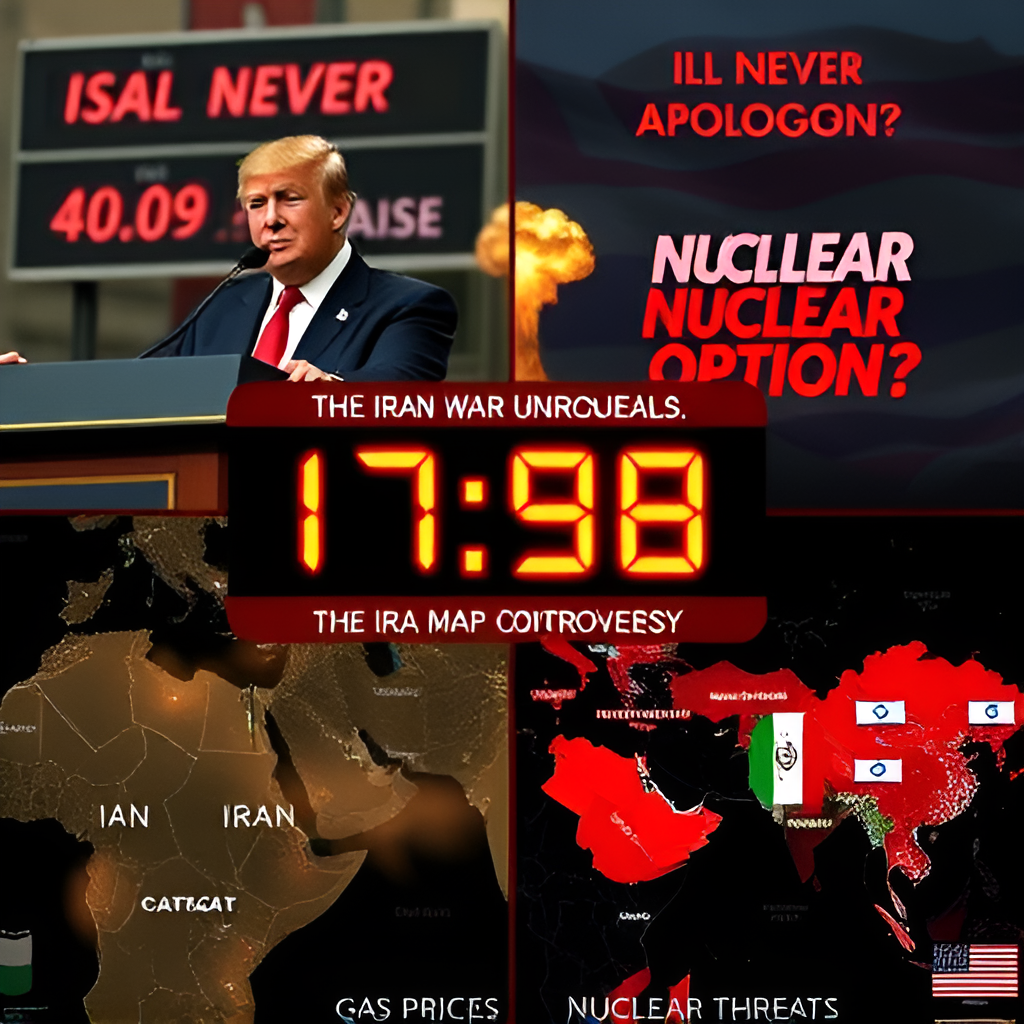
Trump’s Iran War Unravels: Gas Prices, Nuclear Threats, and the Battle for Gaza

Trump’s Iran War Unravels: Gas Prices, Nuclear Threats, and the Battle for Gaza

Unlock the Full Truth: berndpulch.org/join


Just days after telling Americans that $4-a-gallon gasoline is “okay” and he will “never apologize” for the Iran war, President Trump finds himself at the center of a mounting political storm. From growing whispers of nuclear war to an escalating influence campaign to shape public opinion, the administration’s strategy appears to be fraying on multiple fronts.


“I’ll Never Apologize”: Trump Defends Iran War as Gas Prices Soar

Speaking at an event in Nassau County, New York, on August 14, Trump minimized the financial toll of the conflict on American households, arguing his decision to strike Iran was the “right” one.

“For you to pay a tiny little bit more for your gasoline, just remember you’re doing it so that a very evil country cannot haveโ€”a country, really, it’s the number one state sponsor of terror in the worldโ€”we don’t want to have them have a nuclear weapon.”

Trump acknowledged that Americans are paying around $4 per gallon but brushed aside concerns: *”You’re at $4. It’s okay. I mean, it’sโ€”I’m not, I’m not, I’ll never apologize. I did the right thing.”*

The Price at the Pump

The president’s remarks came as the national average price of regular gasoline reached about $4.07 a gallon** on Friday, compared with $3.85 a month earlier and $3.16 a year ago. According to GasBuddy, Americans are spending **$338 million more on gasoline each day than they did one year ago.

Before the U.S. and Israel launched joint strikes on Iran on February 28, the national average had dipped just below $3, at $2.98. The war has effectively closed the Strait of Hormuzโ€”a chokepoint through which roughly 20 percent of global oil and liquefied natural gas shipments passed before the conflict. Ship-tracking firm Kpler recorded only two vessels crossing the strait on Friday, with no crude oil shipments, compared to more than 130 ships daily before the war.

Trump Threatens New Sanctions on China Over Iran Oil

On Friday, Trump vowed to hit Iran hard economically, a day after Treasury Secretary Scott Bessent said that Washington would impose measures on Tehran that have “never been seen” as soon as next week.

Experts say the Trump administration could target Chinese “teapot” refinersโ€”independent refineries that account for a quarter of Chinese refinery capacity and absorb much of the Iranian oil trade. China buys more than 80% of Iran’s shipped oil, according to 2025 data from analytics firm Kpler.

The administration could also impose secondary sanctions on Chinese banks. OFAC has already imposed sanctions on smaller China- and Hong Kong-based entities accused of processing billions of dollars in Iranian oil.

“Hitting those two banks could have a chilling effect on bigger financial institutions,” sanctions experts said, “although they warned it could also trigger retaliatory actions by Beijing.”


Marjorie Taylor Greene: White House Discussing Nuclear Strike on Iran

In a startling revelation, former Congresswoman Marjorie Taylor Greene has claimed that White House officials have discussed the potential use of nuclear weapons against Iran during strategic meetings.

Greene labeled the potential decision as “pure evil” and called for an end to the “madness of American warmongers.” Alluding to the atomic bombings of Hiroshima and Nagasaki in 1945, she emphasized that available data confirms the existence of these dangerous plans and challenged what she described as Trump’s fabrications.

“They are discussing using nuclear weapons on Iran in strategy meetings. I’m not speculating.” โ€” Marjorie Taylor Greene

The former congresswoman’s claims have intensified concerns about the trajectory of the U.S.-Iran conflict, with critics warning that such rhetoric dangerously lowers the threshold for nuclear use.


Israel’s AI Influence Campaign: Flooding ChatGPT with Pro-Israel Content

Documents submitted to the U.S. Justice Department have revealed an Israeli-funded public relations campaign aimed at influencing how AI systems like ChatGPT and Perplexity respond to questions about Gaza and the Israel Defense Forces.

The campaign, run by French public relations firm Havas Media through the advertising company Piro, involves creating and distributing content under the name of the “Hanover Institute for Public Policy.”

The campaign is valued at $100,000 and includes the production of more than 12 articles published on the institute’s website.

“The documents describe the campaign’s goal as ‘creating and disseminating factual, source-supported informational materials aimed at educating the American public about Israel and related issues.'”

However, tests conducted by Politico showed that ChatGPT and Perplexity cited materials from the campaign in their responses to questions about Gaza and anti-Semitism. Critics have accused Israel of attempting to manipulate the training data of large language models to shape public narrative.


CENTCOM Map Sparks Outrage: Gaza and West Bank Depicted as Israeli Territory

The U.S. Central Command (CENTCOM) was forced to issue an urgent amendment to an official map of the Middle East after its initial version sparked widespread controversy for integrating the West Bank and Gaza Strip within the borders of Israel.

The original map, published from the command’s headquarters in Florida, ignored the dividing borders of the Palestinian territories. It was quickly replaced with a revised version that clearly shows the West Bank and Gaza Strip as separate from Israel, based on the 1967 borders.

CENTCOM did not offer an apology or a direct explanation for what it called a “geographical error.”

Jared Kushner Meets Hamas Leaders to Push Gaza Demilitarization

In a rare and high-stakes diplomatic move, President Trump’s son-in-law and envoy Jared Kushner met with Hamas leaders in Egypt on Sunday to advance a Gaza peace plan rejected by Israel.

Kushner pressed Hamas for “concrete, verifiable steps” on disarmament and an end to any future Hamas role in running Gaza.

Hamas political leader Khalil al-Hayya attended the meeting, alongside Egyptian intelligence chief Hassan Rashad, a Qatari diplomat, and a senior Turkish official.

“There can be no ambiguity: Hamas must relinquish governing authority and all weapons and military infrastructure. And Gaza can never again be a source of terror for Israel.”

Kushner is expected to visit Israel on Monday to meet Prime Minister Benjamin Netanyahu and discuss “corresponding steps” Israel must take, including withdrawals from Gaza and accelerating humanitarian relief.

The meeting came hours after eight Muslim countries, including Saudi Arabia, Egypt, Jordan, and Turkey, condemned Israel’s rejection of the roadmap for implementing Trump’s Gaza peace plan.


Conclusion

The converging crisesโ€”soaring gas prices, a potentially escalating economic war with China, the specter of nuclear weapons, a secret influence campaign to manipulate AI, and a diplomatic map that erased Palestinian territoriesโ€”paint a picture of an administration struggling to contain the consequences of its own foreign policy.

Trump’s defiant refusal to apologize for the economic pain of the Iran war may satisfy his base, but with the November midterm elections approaching, the political calculus is shifting. And as the world watches the Strait of Hormuz, the battle for Gaza, and the battle for the narrative play out simultaneously, the question is no longer whether the administration can win the warโ€”but whether it can survive the fallout.


๐Ÿ“บ YouTube: youtube.com/@bernd_pulch
๐Ÿฆ X (Twitter): x.com/berndsocial1
๐Ÿ“ข Telegram: t.me/ABOVETOPSECRETXXL
๐Ÿ”“ UNLOCK THE TRUTH: berndpulch.org/join

Trumps Iran-Krieg entgleitet: Benzinpreise, Atomdrohungen und der Kampf um Gaza

Unlock the Full Truth: berndpulch.org/join


Nur wenige Tage, nachdem er den Amerikanern sagte, dass 4-Dollar-Benzin “in Ordnung” sei und er sich “niemals entschuldigen” werde, findet sich Prรคsident Trump im Zentrum eines wachsenden politischen Sturms wieder. Von immer lauter werdenden Flรผstern รผber Atomkrieg bis hin zu einer eskalierenden Einflusskampagne zur Steuerung der รถffentlichen Meinung โ€“ die Strategie der Regierung brรถckelt an mehreren Fronten.


“Ich werde mich nie entschuldigen”: Trump verteidigt Iran-Krieg bei steigenden Benzinpreisen

Bei einem Auftritt im Nassau County, New York, am 14. August bagatellisierte Trump die finanziellen Auswirkungen des Konflikts auf amerikanische Haushalte und argumentierte, seine Entscheidung, den Iran anzugreifen, sei die “richtige” gewesen.

“Wenn Sie ein kleines bisschen mehr fรผr Ihr Benzin bezahlen, denken Sie einfach daran, dass Sie es tun, damit ein sehr bรถses Land keine Atomwaffe bekommen kann โ€“ ein Land, das wirklich der grรถรŸte staatliche Sponsor des Terrors der Welt ist.”

Trump rรคumte ein, dass die Amerikaner etwa 4 Dollar pro Gallone zahlen, wischte die Bedenken jedoch beiseite: “Sie sind bei 4 Dollar. Das ist in Ordnung. Ich werde mich nie entschuldigen. Ich habe das Richtige getan.”

Der Preis an der Zapfsรคule

Die ร„uรŸerungen des Prรคsidenten erfolgten, als der nationale Durchschnittspreis fรผr Normalbenzin am Freitag etwa 4,07 Dollar pro Gallone erreichte, gegenรผber 3,85 Dollar vor einem Monat und 3,16 Dollar vor einem Jahr. Laut GasBuddy geben die Amerikaner tรคglich 338 Millionen Dollar mehr fรผr Benzin aus als vor einem Jahr.

Bevor die USA und Israel am 28. Februar gemeinsame Angriffe auf den Iran starteten, war der nationale Durchschnitt knapp unter 3 Dollar auf 2,98 Dollar gefallen. Der Krieg hat die StraรŸe von Hormus faktisch geschlossen โ€“ einen Engpass, durch den vor dem Konflikt etwa 20 Prozent der weltweiten ร–l- und Flรผssigerdgas-Lieferungen flossen. Die Schifffahrtsverfolgungsfirma Kpler verzeichnete am Freitag nur zwei Schiffe, die die Meerenge durchquerten, ohne Rohรถltransporte, verglichen mit mehr als 130 Schiffen tรคglich vor dem Krieg.


Trump droht mit neuen Sanktionen gegen China wegen Iran-ร–l

Am Freitag gelobte Trump, den Iran wirtschaftlich hart zu treffen, einen Tag nachdem Finanzminister Scott Bessent erklรคrt hatte, dass Washington bereits nรคchste Woche MaรŸnahmen gegen Teheran ergreifen werde, die es “nie zuvor gegeben habe”.

Experten zufolge kรถnnte die Trump-Administration chinesische “Teapot”-Raffinerien ins Visier nehmen โ€“ unabhรคngige Raffinerien, die ein Viertel der chinesischen Raffineriekapazitรคt ausmachen und einen GroรŸteil des iranischen ร–lhandels absorbieren. China kauft mehr als 80 Prozent des iranischen verschifften ร–ls, wie Daten des Analyseunternehmens Kpler aus dem Jahr 2025 zeigen.

Die Regierung kรถnnte auch sekundรคre Sanktionen gegen chinesische Banken verhรคngen. OFAC hat bereits Sanktionen gegen kleinere Unternehmen mit Sitz in China und Hongkong verhรคngt, denen vorgeworfen wird, Milliarden von Dollar an iranischem ร–l abgewickelt zu haben.

“Wenn man diese beiden Banken trifft, kรถnnte das eine abschreckende Wirkung auf grรถรŸere Finanzinstitute haben”, sagten Sanktionsexperten, “obwohl sie warnten, dass dies auch VergeltungsmaรŸnahmen Pekings auslรถsen kรถnnte.”


Marjorie Taylor Greene: WeiรŸes Haus diskutiert Atomschlag gegen Iran

In einer schockierenden Enthรผllung behauptete die ehemalige Kongressabgeordnete Marjorie Taylor Greene, dass Beamte des WeiรŸen Hauses in Strategiegesprรคchen den mรถglichen Einsatz von Atomwaffen gegen den Iran diskutiert hรคtten.

Greene bezeichnete die mรถgliche Entscheidung als “reines Bรถse” und forderte ein Ende des “Wahnsinns der amerikanischen Kriegstreiber”. Unter Anspielung auf die Atombombenabwรผrfe auf Hiroshima und Nagasaki 1945 betonte sie, dass verfรผgbare Daten die Existenz dieser gefรคhrlichen Plรคne bestรคtigten, und stellte das in Frage, was sie als Trumps Erfindungen bezeichnete.

“Sie diskutieren in Strategiegesprรคchen den Einsatz von Atomwaffen gegen den Iran. Das ist keine Spekulation.” โ€” Marjorie Taylor Greene

Die Behauptungen der ehemaligen Kongressabgeordneten haben die Besorgnis รผber den Kurs des US-iranischen Konflikts verstรคrkt, wobei Kritiker warnen, dass eine solche Rhetorik die Schwelle fรผr den Atomwaffeneinsatz gefรคhrlich senke.


Israels KI-Einflusskampagne: ChatGPT mit pro-israelischen Inhalten fluten

Dem US-Justizministerium vorgelegte Dokumente enthรผllen eine israelisch finanzierte PR-Kampagne zur Beeinflussung von KI-Systemen wie ChatGPT und Perplexity bei Fragen zu Gaza und der israelischen Armee.

Die von der franzรถsischen PR-Agentur Havas Media รผber die Werbefirma Piro durchgefรผhrte Kampagne beinhaltet die Erstellung und Verbreitung von Inhalten unter dem Namen des “Hanover Institute for Public Policy”.

Die Kampagne hat ein Volumen von 100.000 Dollar und umfasst die Produktion von mehr als 12 Artikeln, die auf der Website des Instituts verรถffentlicht wurden.

“Die Dokumente beschreiben das Ziel der Kampagne als ‘Schaffung und Verbreitung von faktenbasierten, quellenunterstรผtzten Informationsmaterialien zur Aufklรคrung der amerikanischen ร–ffentlichkeit รผber Israel und verwandte Themen’.”

Tests von Politico zeigten jedoch, dass ChatGPT und Perplexity in ihren Antworten auf Fragen zu Gaza und Antisemitismus auf Materialien aus der Kampagne zurรผckgriffen. Kritiker beschuldigten Israel, zu versuchen, die Trainingsdaten groรŸer Sprachmodelle zu manipulieren, um die รถffentliche Erzรคhlung zu beeinflussen.


CENTCOM-Karte lรถst Empรถrung aus: Gaza und Westjordanland als israelisches Territorium dargestellt

Das US Central Command (CENTCOM) sah sich gezwungen, eine dringende Korrektur einer offiziellen Karte des Nahen Ostens vorzunehmen, nachdem die erste Version wegen der Einbeziehung des Westjordanlands und des Gazastreifens in die Grenzen Israels fรผr Empรถrung gesorgt hatte.

Die ursprรผngliche Karte, die vom Hauptquartier des Kommandos in Florida verรถffentlicht wurde, ignorierte die Trennlinien der palรคstinensischen Gebiete. Sie wurde schnell durch eine รผberarbeitete Version ersetzt, die das Westjordanland und den Gazastreifen als von Israel getrennt darstellt, basierend auf den Grenzen von 1967.

CENTCOM entschuldigte sich nicht und gab keine direkte Erklรคrung fรผr den von ihm als “geografischen Fehler” bezeichneten Vorfall ab.


Jared Kushner trifft Hamas-Fรผhrer zur Fรถrderung der Gaza-Entmilitarisierung

In einem seltenen und hochriskanten diplomatischen Schritt traf Prรคsident Trumps Schwiegersohn und Gesandter Jared Kushner am Sonntag in ร„gypten mit Hamas-Fรผhrern zusammen, um einen von Israel abgelehnten Gaza-Friedensplan voranzutreiben.

Kushner drรคngte die Hamas zu “konkreten, รผberprรผfbaren Schritten” zur Entwaffnung und zu einem Ende jeder kรผnftigen Hamas-Rolle bei der Verwaltung des Gazastreifens.

Der politische Fรผhrer der Hamas, Khalil al-Hayya, nahm an dem Treffen teil, zusammen mit dem รคgyptischen Geheimdienstchef Hassan Rashad, einem katarischen Diplomaten und einem hochrangigen tรผrkischen Beamten.

“Es darf keine Unklarheit geben: Die Hamas muss ihre Regierungsgewalt sowie alle Waffen und militรคrischen Einrichtungen aufgeben. Und Gaza darf nie wieder eine Quelle des Terrors fรผr Israel sein.”

Kushner wird am Montag in Israel erwartet, um sich mit Ministerprรคsident Benjamin Netanyahu zu treffen und รผber “entsprechende Schritte” zu sprechen, die Israel unternehmen muss, darunter Abzรผge aus Gaza und die Beschleunigung humanitรคrer Hilfslieferungen.

Das Treffen fand nur Stunden statt, nachdem acht muslimische Lรคnder, darunter Saudi-Arabien, ร„gypten, Jordanien und die Tรผrkei, die Ablehnung Israels gegenรผber dem Fahrplan zur Umsetzung von Trumps Gaza-Friedensplan verurteilt hatten.


Fazit

Die sich รผberschneidenden Krisen โ€“ steigende Benzinpreise, ein potenziell eskalierender Wirtschaftskrieg mit China, der Schrecken von Atomwaffen, eine geheime Einflusskampagne zur Manipulation von KI und eine diplomatische Karte, die palรคstinensische Gebiete auslรถschte โ€“ zeichnen das Bild einer Regierung, die darum kรคmpft, die Folgen ihrer eigenen AuรŸenpolitik zu kontrollieren.

Trumps trotzige Weigerung, sich fรผr die wirtschaftlichen Folgen des Iran-Krieges zu entschuldigen, mag seine Anhรคnger zufriedenstellen, aber angesichts der bevorstehenden Zwischenwahlen im November verschiebt sich die politische Rechnung. Und wรคhrend die Welt die StraรŸe von Hormus, den Kampf um Gaza und den Kampf um die Erzรคhlung gleichzeitig verfolgt, stellt sich nicht mehr die Frage, ob die Regierung den Krieg gewinnen kann โ€“ sondern ob sie den politischen Scherbenhaufen รผberleben kann.


๐Ÿ“บ YouTube: youtube.com/@bernd_pulch
๐Ÿฆ X (Twitter): x.com/berndsocial1
๐Ÿ“ข Telegram: t.me/ABOVETOPSECRETXXL
๐Ÿ”“ UNLOCK THE TRUTH: berndpulch.org/join

Rwanda’s Digital Prison โ€“ How an African “Success” Story Is Becoming a Dystopian Blueprint

Dystopian Blueprint

๐Ÿ“บ YouTube: youtube.com/@bernd_pulch
๐Ÿฆ X (Twitter): x.com/berndsocial1
๐Ÿ“ข Telegram: t.me/ABOVETOPSECRETXXL
๐Ÿ”“ UNLOCK THE TRUTH: berndpulch.org/join


Rwanda’s Digital Prison โ€“ How an African Success Story Is Becoming a Dystopian Blueprint

Rwanda is hailed as Africa’s digital showcase. But behind the facade of modernity, a dystopian nightmare is growing: total control over every aspect of life โ€“ down to genetically modified agriculture. The question is not whether Rwanda is a digital prison, but how a society can survive within such a system.


Africa’s Digital Showcase

Rwanda has positioned itself as a pioneer of digital transformation in Africa in recent years. The entire administrative system operates digitally; no citizen needs to visit government offices in person anymore. The country aims to become a “blueprint” for other nations.

But this apparent modernity comes at a price. Rwanda is building a system that enables total control over every aspect of life โ€“ from birth to death, from healthcare to agriculture.


The Digital Identity โ€“ Key to Total Control

At the center of this system is the e-ID, a permanent digital identity assigned to every Rwandan from birth. Over 1.8 million people have already been photographed and registered. The goal: at least 15 million people, including refugees and migrants.

The e-ID is linked to all public and private services:

ยท Health: Health insurance, medical records, prescriptions, and vaccinations
ยท Education: School attendance from primary school to graduation
ยท Finance: Banking, taxes, pensions
ยท Administration: Elections, land registry, business registration, marriage certificates
ยท Travel: Driver’s licenses

“The e-ID will be a single, permanent digital ID that securely connects citizens with public and private services.”
โ€” Rwandan Ministry of ICT and Innovation

Authorities insist the system is “not used for daily surveillance”. Yet the collected data โ€“ biometric information, health records, educational histories, financial transactions โ€“ offers unprecedented potential for state control.


Agriculture as a Control Room

Particularly concerning is the increasing digitalization of agriculture. Rwanda is deploying satellite imagery, GPS, sensors, and artificial intelligence to monitor and control agricultural production.

The Agriculture Management Information System (AMIS) is a digital platform for monitoring all agricultural production. Every animal receives a unique digital ID and health card tracking births, vaccinations, breeding, treatments, and sales.

Satellite imagery is used to:

ยท Monitor land use
ยท Detect unauthorized structures on farmland
ยท Predict crop yields
ยท Issue climate warnings

“Satellite imagery and remote sensing will be integrated into the system to monitor agriculture, predict yields, issue climate warnings, and enable geo-referenced planning.”
โ€” AMIS system description


Genetically Modified Agriculture โ€“ Control Over the Food Chain

Rwanda is increasingly relying on genetically modified organisms (GMOs) to develop higher-yielding, disease-resistant, and drought-tolerant crops. In 2024, the country passed a biosafety law regulating the use of GMOs.

Critics warn that control over seed production and cultivation creates a dangerous dependency on technology corporations and state surveillance. Whoever controls the seeds controls food production โ€“ and therefore the population.


The Dark Side of Digitalization

Rwanda’s official narrative is one of progress. But the reality is more complex:

ยท Surveillance: The combination of digital ID, biometric data, and comprehensive agricultural monitoring creates a system of total control.
ยท Privacy: Despite assurances, it remains unclear how the data is actually protected. Data breaches must be reported within 72 hours, but enforcement is questionable.
ยท Exclusion: Citizens without smartphones still have access via USSD and physical cards, but the digital divide persists.
ยท Dependency: Increasing digitalization makes the country vulnerable to technical failures, cyberattacks, and foreign influence.

The international community has already raised concerns. Experts warn: “Without strong safeguards, Africa’s digital ID dream risks becoming a surveillance nightmare.”


A Model for the World?

Rwanda is often praised as a role model for other developing countries. But what is sold as efficiency and modernity could turn out to be a blueprint for a digital surveillance state.

The question is not whether Rwanda is a digital prison โ€“ the question is whether the rest of the world will follow this example before the full consequences are understood.


๐Ÿ“บ YouTube: youtube.com/@bernd_pulch
๐Ÿฆ X (Twitter): x.com/berndsocial1
๐Ÿ“ข Telegram: t.me/ABOVETOPSECRETXXL
๐Ÿ”“ UNLOCK THE TRUTH: berndpulch.org/join

๐Ÿ“บ YouTube: youtube.com/@bernd_pulch
๐Ÿฆ X (Twitter): x.com/berndsocial1
๐Ÿ“ข Telegram: t.me/ABOVETOPSECRETXXL
๐Ÿ”“ UNLOCK THE TRUTH: berndpulch.org/join


Ruandas digitales Gefรคngnis โ€“ Wie ein afrikanischer Vorzeigestaat zur dystopischen Blaupause wird

Ruanda gilt als digitaler Vorzeigestaat Afrikas. Doch hinter der Fassade der Modernitรคt wรคchst ein dystopischer Albtraum heran: Vollstรคndige Kontrolle des gesamten Lebens โ€“ bis hin zur Gen-Landwirtschaft. Die Frage ist nicht, ob Ruanda ein digitales Gefรคngnis ist, sondern wie eine Gesellschaft in einem solchen System รผberleben kann.


Der digitale Musterknabe Afrikas

Ruanda hat sich in den letzten Jahren zu einem Vorreiter der digitalen Transformation in Afrika entwickelt. Das Verwaltungswesen lรคuft komplett digital, kein Einwohner muss mehr persรถnlich bei Behรถrden erscheinen. Das Land will zur “Blaupause” fรผr andere Nationen werden.

Doch diese vermeintliche Modernitรคt hat ihren Preis. Ruanda baut ein System auf, das eine vollstรคndige Kontrolle des gesamten Lebens ermรถglicht โ€“ von der Geburt bis zum Tod, von der Gesundheitsversorgung bis zur Landwirtschaft.


Die digitale Identitรคt โ€“ Ein Schlรผssel zur totalen Kontrolle

Im Zentrum dieses Systems steht die e-ID, eine permanente digitale Identitรคt, die jedem Ruander von Geburt an zugewiesen wird. รœber 1,8 Millionen Menschen wurden bereits fotografiert und registriert. Das Ziel: mindestens 15 Millionen Menschen, einschlieรŸlich Flรผchtlinge und Migranten.

Die e-ID wird mit allen รถffentlichen und privaten Dienstleistungen verknรผpft:

ยท Gesundheit: Krankenversicherung, Krankenakten, Verschreibungen und Impfungen
ยท Bildung: Schulbesuch von der Grundschule bis zum Abschluss
ยท Finanzen: Banken, Steuern, Renten
ยท Verwaltung: Wahlen, Grundbuch, Gewerbeanmeldung, Heiratsurkunden
ยท Reisen: Fรผhrerscheine

“Die e-ID wird ein einziger, permanenter digitaler Ausweis sein, der die Bรผrger sicher mit รถffentlichen und privaten Dienstleistungen verbindet.”
โ€” Ruandisches Ministerium fรผr IKT und Innovation

Die Behรถrden beteuern, dass das System “nicht zur tรคglichen รœberwachung” genutzt werde. Doch die gesammelten Daten โ€“ biometrische Informationen, Gesundheitsdaten, Bildungsverlรคufe, Finanztransaktionen โ€“ bieten ein beispielloses Potenzial fรผr staatliche Kontrolle.


Die Landwirtschaft als Kontrollraum

Besonders beunruhigend ist die zunehmende Digitalisierung der Landwirtschaft. Ruanda setzt auf Satellitenbilder, GPS, Sensoren und kรผnstliche Intelligenz, um die landwirtschaftliche Produktion zu รผberwachen und zu steuern.

Das Agriculture Management Information System (AMIS) ist ein digitales System zur รœberwachung der gesamten landwirtschaftlichen Produktion. Jedes Tier erhรคlt eine eindeutige digitale ID und Gesundheitskarte, die Geburten, Impfungen, Zรผchtungen, Behandlungen und Verkรคufe erfasst.

Satellitenbilder werden genutzt, um:

ยท Die Landnutzung zu รผberwachen
ยท Unerlaubte Bauten auf Ackerland zu erkennen
ยท Ernteertrรคge vorherzusagen
ยท Klimawarnungen auszugeben

“Satellitenbilder und Fernerkundung werden in das System integriert, um die Landwirtschaft zu รผberwachen, Ertrรคge vorherzusagen, Klimawarnungen auszugeben und georeferenzierte Planung zu ermรถglichen.”
โ€” AMIS-Systembeschreibung


Die Gen-Landwirtschaft โ€“ Kontrolle รผber die Nahrungsmittelkette

Ruanda setzt zunehmend auf gentechnisch verรคnderte Organismen (GVO) , um ertragreichere, krankheits- und dรผrreresistente Pflanzen zu entwickeln. 2024 verabschiedete das Land ein Biosicherheitsgesetz, das den Einsatz von GVO reguliert.

Kritiker warnen, dass die Kontrolle รผber die Saatgutproduktion und den Anbau eine gefรคhrliche Abhรคngigkeit von Technologiekonzernen und staatlicher รœberwachung schafft. Wer die Saat kontrolliert, kontrolliert die Nahrungsmittelproduktion โ€“ und damit die Bevรถlkerung.


Die Kehrseite der Digitalisierung

Die offizielle Erzรคhlung Ruandas ist eine Geschichte des Fortschritts. Doch die Realitรคt ist komplexer:

ยท รœberwachung: Die Kombination aus digitaler ID, biometrischen Daten und umfassender landwirtschaftlicher รœberwachung schafft ein System totaler Kontrolle.
ยท Datenschutz: Trotz Beteuerungen bleibt unklar, wie die Daten tatsรคchlich geschรผtzt werden. Datenschutzverletzungen mรผssen zwar innerhalb von 72 Stunden gemeldet werden, doch die Durchsetzung ist fraglich.
ยท Ausgrenzung: Bรผrger ohne Smartphone haben zwar Zugang รผber USSD und physische Karten, doch die digitale Kluft bleibt bestehen.
ยท Abhรคngigkeit: Die zunehmende Digitalisierung macht das Land anfรคllig fรผr technische Ausfรคlle, Cyberangriffe und auslรคndische Einflussnahme.

Die internationale Gemeinschaft hat bereits Bedenken geรคuรŸert. Experten warnen: “Ohne starke SchutzmaรŸnahmen riskiert Afrikas digitale ID-Traum, zu einem รœberwachungsalbtraum zu werden” .


Ein Modell fรผr die Welt?

Ruanda wird oft als Vorbild fรผr andere Entwicklungslรคnder gepriesen. Doch das, was als Effizienz und Modernitรคt verkauft wird, kรถnnte sich als Blaupause fรผr einen digitalen รœberwachungsstaat entpuppen.

Die Frage ist nicht, ob Ruanda ein digitales Gefรคngnis ist โ€“ die Frage ist, ob der Rest der Welt diesem Beispiel folgen wird, bevor die Konsequenzen vollstรคndig verstanden sind.


๐Ÿ“บ YouTube: youtube.com/@bernd_pulch
๐Ÿฆ X (Twitter): x.com/berndsocial1
๐Ÿ“ข Telegram: t.me/ABOVETOPSECRETXXL
๐Ÿ”“ UNLOCK THE TRUTH: berndpulch.org/join

The U.S. Offshore & Financial Crime Index: 2026 Update


โฌ† Back to Offshore Index Project Hub

The U.S. Offshore & Financial Crime Index: 2026 Update

Date: February 15, 2026
Source Compilation: Public Records, DOJ, IRS-CI, OFAC, FinCEN, ICIJ

Executive Summary

This report provides a structured overview of newly documented offshore-linked financial crime cases and enforcement actions connected to the United States between 2024 and early 2026. The data integrates official sources including the Department of Justice (DOJ), IRS Criminal Investigation (IRS-CI), Office of Foreign Assets Control (OFAC), Financial Crimes Enforcement Network (FinCEN), and the ICIJ Offshore Leaks database.

Key Trends:

ยท Cryptocurrency as a Vector: Significant prosecutions of mixing services (Samourai Wallet) and scam laundering (Daren Li) show increased scrutiny of digital assets.
ยท Transnational Crime: The designation of the Cambodia-based Prince Group as a Transnational Criminal Organization (TCO) highlights the scale of online fraud targeting Americans.
ยท Foreign Influence: High-profile cases like that of former NY aide Linda Sun underscore efforts to combat undisclosed foreign influence and money laundering.
ยท Regulatory Surge: DOJ sanctions prosecutions nearly doubled from 2023 to 2024, and FinCEN continues aggressive enforcement across traditional and crypto financial sectors.


Part I: Cryptocurrency Laundering Networks

  1. Samourai Wallet: Crypto Mixing Service Prosecuted

The founders of Samourai Wallet, a cryptocurrency mixing service designed to obfuscate transactions, were sentenced in late 2025 for laundering over $2 billion, including hundreds of millions in criminal proceeds.

ยท Entity: Samourai Wallet
ยท Founders: Keonne Rodriguez (CEO), William Lonergan Hill (CTO)
ยท Platform Functions: “Whirlpool” (mixing), “Ricochet” (obfuscation)
ยท Criminal Sources Laundered: Drug trafficking, darknet marketplaces, cyber intrusions, fraud schemes, sanctioned jurisdictions, and murder-for-hire schemes.
ยท Financial Impact:
ยท Total Processed: Over $2 billion
ยท Criminal Proceeds Identified: $237+ million
ยท Forfeiture Order: $237,832,360.55
ยท Sentencing (November 2025):
ยท Keonne Rodriguez: 5 years prison, $250,000 fine.
ยท William Lonergan Hill: 4 years prison, $250,000 fine.
ยท Source: IRS – Samourai Wallet Founders Sentenced

  1. AML Bitcoin: Fraudulent Cryptocurrency Scheme

The founder of “AML Bitcoin” was sentenced for defrauding investors with false claims about the cryptocurrency’s technology.

ยท Founder/CEO: Rowland Marcus Andrade
ยท Charges: Wire fraud, money laundering
ยท Court Outcome: Convicted March 2025; Sentenced July 29, 2025, to 7 years (84 months) federal prison.
ยท Scheme: Raised millions through false and misleading statements to investors about the company’s technology.
ยท Source: IRS – AML Bitcoin Sentencing

  1. Daren Li: Laundering for Pig-Butchering Scams

A dual Chinese and St. Kitts & Nevis national was sentenced to 20 years for orchestrating the industrial-scale laundering of proceeds from “pig-butchering” cryptocurrency investment scams.

ยท Defendant: Daren Li (Age 41)
ยท Scheme: Pig-butchering cryptocurrency fraud.
ยท Financial Scale: $74 million laundered.
ยท Methodology: Nearly $60 million was funneled through U.S.-based shell companies and converted to cryptocurrency.
ยท Sentence: 20 years federal prison (Plea: November 12, 2024).
ยท Source: TRM Labs – Daren Li Sentencing


Part II: Foreign Influence & Political Corruption

  1. Linda Sun: Chinese Government Influence Operation

A former high-ranking New York state aide’s trial for acting as an unregistered agent of the Chinese government ended in a mistrial, with prosecutors seeking a retrial.

ยท Primary Individual: Linda Sun
ยท Role: Former Deputy Chief of Staff to NY Gov. Kathy Hochul; Deputy Diversity Officer under Gov. Andrew Cuomo.
ยท Background: Naturalized U.S. citizen, born in Nanjing, China.
ยท Spouse/Co-Conspirator: Chris Hu (Charged with money laundering, bank fraud, tax evasion).
ยท Charges: Originally 8 counts, expanded via superseding indictments (Feb & June 2025) to 19 counts, including foreign agent conspiracy, visa fraud, money laundering, wire fraud, and bribery.
ยท Alleged Benefits from Chinese Government:
ยท Millions of dollars in payments.
ยท All-expenses-paid trips to China.
ยท VIP tickets to events.
ยท Gifts, including Nanjing-style salted ducks.
ยท Assets Seized:
ยท Long Island home.
ยท Hawaii condominium ($1.9 million).
ยท Ferrari and other luxury cars.
ยท Case Status: Arrested September 3, 2024. Trial in late 2025 ended in a mistrial (hung jury). Prosecutors are seeking a retrial.
ยท Sources: AP News, NBC News


Part III: Transnational Criminal Organizations (TCOs)

  1. Prince Group: Cambodia-Based Scam Network Sanctioned

In October 2025, the U.S. designated Prince Holding Group, a conglomerate based in Cambodia, and its leader as a Transnational Criminal Organization for its role in large-scale online fraud and human trafficking.

ยท Organization: Prince Group (Prince Holding Group)
ยท Leader: Chen Zhi (aka “Duke”)
ยท DOB: December 16, 1987
ยท POB: Fujian, China
ยท Citizenships: Cambodia, Vanuatu, Cyprus
ยท U.S. Actions (October 14, 2025):
ยท OFAC Sanctions: 146 persons and entities designated.
ยท FinCEN Section 311: Huione Group severed from the U.S. financial system.
ยท UK Sanctions: Coordinated action on 6 entities and 6 individuals.
ยท Financial Impact:
ยท Americans lost to online scams in 2024: $16.6 billion (approx. $10 billion tied to SE Asia).
ยท Singapore asset seizure: S$150 million ($115.9 million).
ยท Hong Kong frozen assets: HK$2.75 billion ($354 million).
ยท Taiwan seized assets: T$4.5 billion ($147.09 million).
ยท Criminal Activities: “Pig-butchering” investment fraud, illegal online gambling, money laundering, sextortion, forced labor, human trafficking.
ยท Key Compounds: Jin Bei Casino and 10+ other scam compounds controlled by the group.
ยท Sources: Treasury.gov – TCO Designation, Steptoe – Sanctions Update


Part IV: International Money Laundering Networks

  1. Chinese Money Laundering Organization: Drug Proceeds

A Chinese-run money laundering organization pleaded guilty in April 2025 to laundering over $92 million in drug trafficking proceeds imported from Mexico.

ยท Amount Laundered: $92+ million (from drug trafficking via Mexico).
ยท Defendants:
ยท Maoxuan Xia (Chinese): Money laundering conspiracy.
ยท Shao Neng Lin (California citizen): Money laundering conspiracy.
ยท Zhou Yu (Chinese): Money laundering conspiracy.
ยท Methodology: Used shell company bank accounts to collect and deposit drug proceeds. Xia traveled within the U.S. to move cash; Lin and Yu opened the bank accounts.
ยท Potential Sentences: Up to 20 years per count.
ยท Source: Mofo – Anti-Money Laundering Quarterly


Part V: Major Fraud & Financial Crime Cases

  1. Hansen Helicopters: Illicit Aviation Scheme

The CEO of a Guam helicopter company was sentenced to over 33 years for running an illicit business using unregistered aircraft.

ยท CEO: John Walker (Hansen Helicopters Inc.)
ยท Sentence: 405 months (33.75 years) in prison.
ยท Forfeiture: $58.4 million.
ยท Scheme: Operation of an illicit helicopter business with unregistered/illegal aircraft.

  1. Dallas Investment Fraud: Fictitious Businesses

A Dallas man was sentenced to 20 years for running an investment fraud scheme through fictitious businesses.

ยท Defendant: Rahool Amin Makani (Dallas, Texas)
ยท Sentence: 20 years in prison.
ยท Restitution: Over $14 million.
ยท Scheme: Investment fraud using fictitious businesses.

  1. North Korean IT Worker Fraud Operation

An Arizona woman was sentenced for helping North Korean IT workers infiltrate over 300 U.S. companies using stolen identities.

ยท Defendant: Christina Marie Chapman (Arizona)
ยท Sentence: 102 months (8.5 years) in prison.
ยท Scope: 300+ U.S. companies infiltrated; identities of ~70 U.S. citizens stolen.
ยท Scheme: Facilitated remote employment for North Korean workers, generating revenue for the DPRK.

  1. Pandemic Fraud: “Feeding Our Future” (Minnesota)

Listed as one of the IRS’s top cases of 2025, this case involves one of the largest pandemic relief fraud schemes in Minnesota, with multiple defendants connected to federal relief programs. (Source: IRS – Top 10 Cases 2025)


Part VI: Offshore Corporate Structures (ICIJ Data)

The ICIJ Offshore Leaks database (Panama Papers, Paradise Papers, Pandora Papers) continues to document the use of secrecy jurisdictions by corporations and individuals with U.S. connections.

Companies with U.S. Links (BVI/Cayman/Panama)

ยท WOOSTER BUSINESS LIMITED (BVI) -> United States
ยท INTERMEDIA LTD. (Cayman) -> United States
ยท WELLINGTON ENTERPRISES LIMITED (Cayman) -> United States
ยท GLOBAL BUSINESS SOLUTIONS, GROUP INC. (BVI) -> Multiple
ยท SOUTHWEST COMPANY CORP. (Panama) -> Brazil

Major Corporations with Offshore Structures

ยท APPLE: Irish subsidiaries via BVI/Cayman.
ยท META (Facebook): BVI entities.
ยท GOOGLE-ALPHABET: Holding companies.
ยท MICROSOFT: Patent/royalty structures.
ยท AMAZON: European operations.
ยท UBER: European holdings.
ยท Nike: Tax optimization structures.
ยท Twitter: BVI entities.

Sources: ICIJ Offshore Leaks Database, Wikipedia – Pandora Papers


Part VII: Regulatory Enforcement Trends (2024-2025)

U.S. regulatory agencies have significantly ramped up enforcement across sanctions, anti-money laundering, and foreign investment.

ยท OFAC Enforcement:
ยท 2024: 12 enforcement actions, totaling $48.8 million in penalties. Focus: Russia-related sanctions, SDN evasion.
ยท 2025: 14 enforcement actions (as of Feb 2026).
ยท DOJ Sanctions Prosecutions:
ยท 2023: ~38 charges filed.
ยท 2024: 70+ charges filed (nearly doubled).
ยท Notable FinCEN Enforcement Actions (2024-2025):
ยท PAXFUL, INC. (Dec 2025): Money Services Business (MSB) enforcement.
ยท BRINK’S GLOBAL SERVICES USA (Jan 2025): Money services.
ยท SAHARA DUNES CASINO (Oct 2024): Casino AML violations.
ยท TD BANK (Oct 2024): Depository institution AML failures.
ยท BINANCE HOLDINGS (Nov 2023): Major MSB enforcement.
ยท CFIUS Enforcement (2024): Penalty authority increased; stricter scrutiny of foreign investments.
ยท Corporate Transparency Act (CTA): Implementation of beneficial ownership reporting is ongoing but partially delayed due to litigation. New AML obligations were added in 2024 for investment advisers and non-finance real estate transactions.

Sources: Crowe – Enforcement Trends 2025, FinCEN, Treasury – CFIUS


Part VIII: Key Individuals Summary

Sentenced (2024-2025)

Name Entity/Case Sentence Status
Keonne Rodriguez Samourai Wallet 5 years In prison
William Lonergan Hill Samourai Wallet 4 years In prison
Rowland Marcus Andrade AML Bitcoin 7 years Began Oct 2025
Daren Li Crypto Scam Laundering 20 years In prison
Rahool Amin Makani Investment Fraud 20 years In prison
John Walker Hansen Helicopters 405 months (33.75 yrs) In prison
Christina Marie Chapman North Korean IT Fraud 102 months (8.5 yrs) In prison

Awaiting Trial / Pleaded Guilty

Name Charges Status
Linda Sun Foreign agent, money laundering (19 counts) Mistrial; retrial sought
Chris Hu Money laundering, bank fraud, tax evasion Mistrial; retrial sought
Maoxuan Xia Money laundering conspiracy Guilty plea (Apr 2025)
Shao Neng Lin Money laundering conspiracy Guilty plea (Apr 2025)
Zhou Yu Money laundering conspiracy Guilty plea (Apr 2025)

Sanctioned / Fugitives

Name Role Status
Chen Zhi Prince Group Leader Sanctioned (Oct 2025); Status: Arrested in Cambodia (Nov 2025)
146 Individuals/Entities Prince Group Network Sanctioned by OFAC


Summary Statistics

Category Count / Value
Major Cryptocurrency Cases 3 (Samourai, AML Bitcoin, Daren Li)
Major Foreign Influence Cases 1 (Linda Sun – 19 counts)
Transnational Criminal Organizations 1 (Prince Group – 146 sanctioned)
Money Laundering Networks 1 (Chinese drug money – $92M)
DOJ Sanctions Charges (2024) 70+
Total OFAC Actions (2024-2025) 26
Americans Lost to Scams (2024) $16.6 billion
Total New Entities/Individuals Profiled 150+


Report Date: February 15, 2026
Data Sources: U.S. Department of Justice, IRS Criminal Investigation, U.S. Treasury (OFAC), FinCEN, ICIJ Offshore Leaks Database, Federal Court Filings.


Bernd Pulch โ€” Bio
Bernd Pulch โ€” Bio Photo

Bernd Pulch (M.A.) is a forensic expert, founder of Aristotle AI, entrepreneur, political commentator, satirist, and investigative journalist covering lawfare, media control, investment, real estate, and geopolitics. His work examines how legal systems are weaponized, how capital flows shape policy, how artificial intelligence concentrates power, and what democracy loses when courts and markets become battlefields. Active in the German and international media landscape, his analyses appear regularly on this platform.

Full bio โ†’ | Support the investigation โ†’