
Flock Safety’s Condor Cameras Track People, Not Just Cars โ€“ Surveillance Expands Beyond License Plates

Flock Safety’s Surveillance Net Expands: Condor Cameras Track People, Not Just Cars

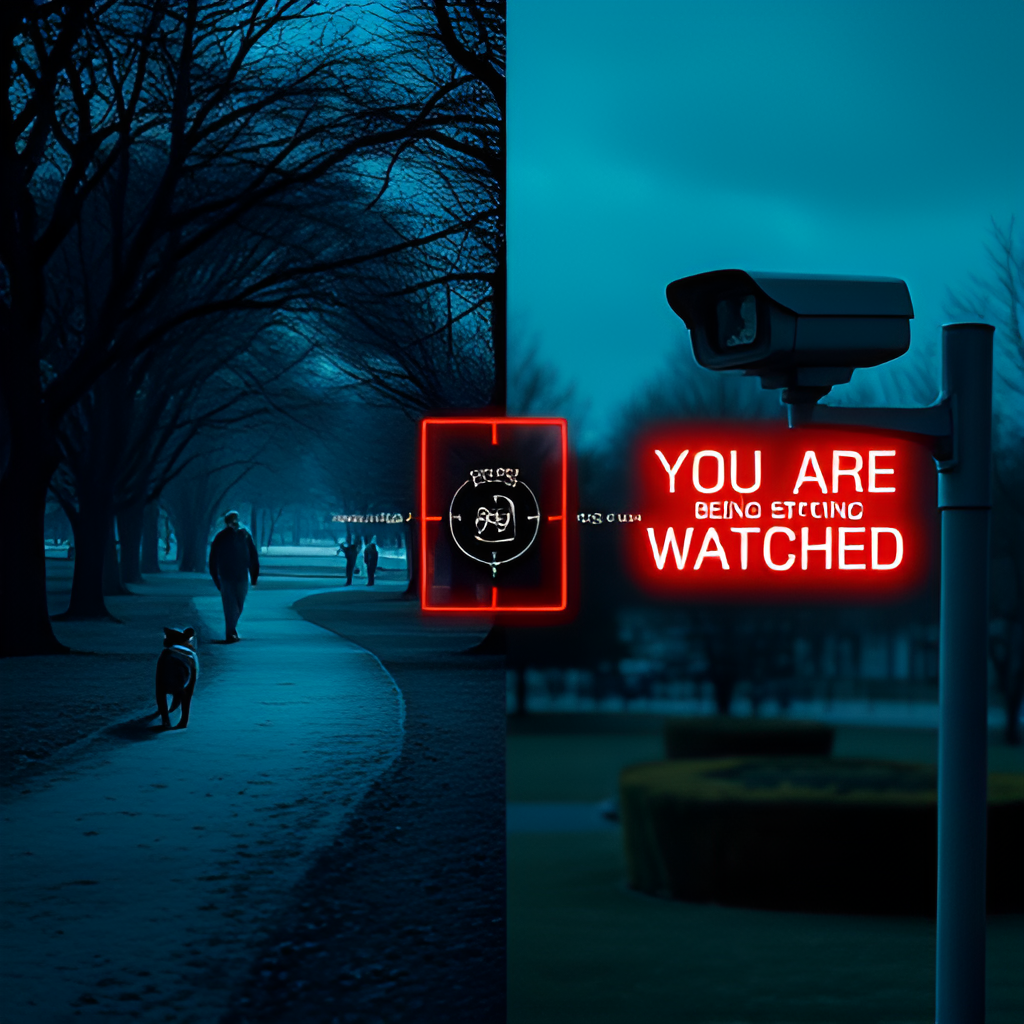
Flock Safety’s AI-powered surveillance network is quietly evolving far beyond license plate readers. Its newest Condor cameras are pan-tilt-zoom (PTZ) devices designed specifically to detect, track, and zoom in on peopleโ€”even in areas with no vehicle traffic whatsoever. The expansion marks a significant escalation in the company’s nationwide surveillance ambitions, raising serious questions about privacy, transparency, and the creeping normalisation of mass tracking.


Beyond License Plates: The Rise of Condor

For years, Flock Safety has marketed itself as a provider of automated license plate readers (ALPRs) that help law enforcement solve crimes. With over 90,000 units deployed nationwide, the company has become the dominant supplier of ALPR technology to U.S. law enforcement.

But Flock’s Falcon camerasโ€”designed to capture platesโ€”are no longer the company’s only product. The Condor camera is something entirely different: a solar-powered, AI-enhanced PTZ camera that can autonomously follow a person or vehicle, streaming live video directly to police.

“Unlike many of Flock’s cameras, which are designed to capture license plates as people drive by, Flock’s Condor cameras are pan-tilt-zoom cameras designed to record and track people, not vehicles.”

How Condor Works

Condor cameras are equipped with artificial intelligence and machine learning that allow them to:

ยท Automatically zoom in on people’s faces as they walk through parking lots, down public streets, or play on playgrounds
ยท Track individuals in real time as they move through public spaces
ยท Capture high-resolution video of people’s movements, clothing, and even phone screens
ยท Stream live footage to police departments and other authorized users

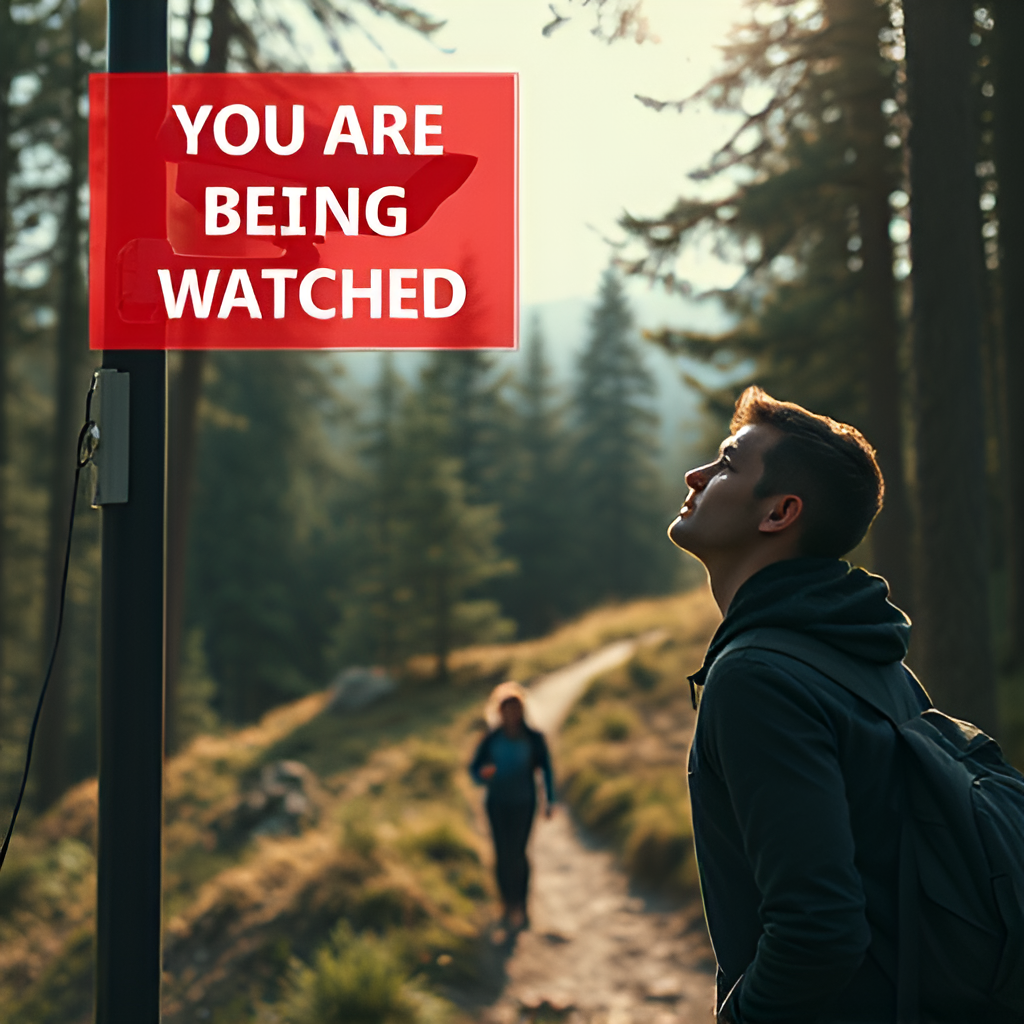
The cameras are designed to function in areas where vehicle traffic is minimal or non-existentโ€”parks, bike trails, playgrounds, and shopping centres. In one documented case, a Condor camera installed on a public trail pivoted, followed, and zoomed in on a passing reporter in real time.

The Contradiction: Public Statements vs. Reality

Flock Safety has repeatedly insisted that its cameras “watch cars, not people”. The company’s official FAQ states that the cameras “are not designed to search for people, scan faces, or track individuals”.

Yet the company’s own training materials tell a different story.

Flock’s training videos show Condor cameras physically acquiring people and tracking them as they walk, contradicting the company’s public statements. The company’s blog distinguishes between “Vehicle FreeForm” and “People FreeForm” searches, acknowledging that the system allows searches for people by natural-language descriptions like “man wearing a cowboy hat”.

“You’re saying Flock does not track people, correct?” a reporter asked a Flock representative during a June 2026 demonstration. The answer was “no”โ€”even as the screen showed the Condor camera actively tracking a human being.

The FreeForm Loophole

Flock’s FreeForm search tool allows law enforcement officers to type natural-language descriptions of human beings and get results across hundreds of networked feeds simultaneously.

According to the watchdog project HaveIBeenFlocked, police ran 6,736 FreeForm searches in 2025 across 121 agencies. Many of these searches were not looking for carsโ€”they were looking for people:

ยท “person in orange vest”
ยท “tweaker on bike”
ยท references to “Marine Corps”

Some searches embedding race proxies or political symbols passed through filters Flock claims would catch them.

A “Surveillance Nightmare” โ€“ Why Privacy Advocates Are Alarmed

The expansion of Flock’s surveillance network has sparked growing resistance from civil liberties groups, privacy advocates, and communities across the country.

Exposed to the Open Internet

In December 2025, researchers discovered that at least 60 Flock Condor cameras were exposed to the open internet with no password protection. Anyone with the right link could watch live feeds of people walking dogs on suburban bike paths, children playing on swingsets, and shoppers in parking lots. Some cameras zoomed close enough to read content on a passerby’s phone screen.

“Netflix for Stalkers”

Privacy advocates have described the situation as “Netflix for stalkers” โ€”a surveillance system that allows bad actors to watch real-time footage of Americans going about their daily lives. The Condor cameras’ livestreams were accessible to anyone who found the links, creating an obvious public safety risk.

Police Abuse and Misuse

Across the country, law enforcement officers have been caught misusing Flock’s surveillance tools. In Georgia, five police officers were charged with using Flock cameras for personal searches. In Wisconsin, two police officers were charged with weaponising Flock cameras for stalking purposes.

Federal Agency Access

Federal agencies, including ICE, CBP, and the DEA, have accessed Flock data through local partnerships, often without warrants. This creates a backdoor for federal surveillance that bypasses traditional legal safeguards.

Quiet Upgrades Without Public Debate

Many communities that approved contracts for “license plate readers” have found themselves with live-view video cameras quietly upgraded without fresh public debate. What began as a vehicle-focused system has morphed into continuous video surveillance of people and places.

The Dehumanizing Effect

Beyond the privacy implications, critics argue that AI-powered surveillance systems like Condor have a dehumanising effectโ€”treating every person as a potential suspect to be tracked, logged, and catalogued.

“Many Flock cameras feature streaming capabilities and artificial intelligence tracking tools that can follow human movement โ€” all human movement โ€” in real time.”

The system makes no distinction between criminals and ordinary citizens. Anyone walking through a park, riding a bike on a trail, or playing with their children is subject to the same tracking and surveillance.

A Turning Point

The expansion of Flock’s surveillance network represents a fundamental shift in how Americans are monitored in public spaces. What began as a tool to track vehicles has evolved into a system capable of tracking every person, everywhere, all the time.

With Condor cameras now deployed in parks, trails, and shopping centresโ€”areas with no vehicle trafficโ€”the surveillance net has become truly ubiquitous. The question is no longer whether we are being watched. The question is whether we will accept it.


๐Ÿ“บ YouTube: youtube.com/@bernd_pulch
๐Ÿฆ X (Twitter): x.com/berndsocial1
๐Ÿ“ข Telegram: t.me/ABOVETOPSECRETXXL
๐Ÿ”“ UNLOCK THE TRUTH: berndpulch.org/join

๐Ÿ“บ YouTube: youtube.com/@bernd_pulch
๐Ÿฆ X (Twitter): x.com/berndsocial1
๐Ÿ“ข Telegram: t.me/ABOVETOPSECRETXXL
๐Ÿ”“ UNLOCK THE TRUTH: berndpulch.org/join


Flock Safety verfolgt jetzt Menschen, nicht nur Autos โ€“ Condor-Kameras zur Personenerkennung

Das KI-gestรผtzte รœberwachungsnetz von Flock Safety entwickelt sich still und leise weit รผber Kennzeichenleser hinaus. Die neuesten Condor-Kameras sind Schwenk-Neige-Zoom-Gerรคte (PTZ), die speziell dafรผr entwickelt wurden, Menschen zu erkennen, zu verfolgen und heranzuzoomen โ€“ selbst in Gebieten ohne Fahrzeugverkehr. Die Erweiterung markiert eine bedeutende Eskalation der landesweiten รœberwachungsambitionen des Unternehmens und wirft ernste Fragen zu Privatsphรคre, Transparenz und der schleichenden Normalisierung der Massenรผberwachung auf.


Jenseits von Kennzeichen: Der Aufstieg von Condor

Jahrelang vermarktete sich Flock Safety als Anbieter von automatisierten Kennzeichenlesesystemen (ALPRs), die Strafverfolgungsbehรถrden bei der Verbrechensbekรคmpfung helfen. Mit รผber 90.000 installierten Einheiten landesweit ist das Unternehmen zum dominierenden Anbieter von ALPR-Technologie fรผr die US-Strafverfolgung geworden.

Aber Flocks Falcon-Kameras โ€“ die fรผr die Erfassung von Kennzeichen konzipiert sind โ€“ sind nicht mehr das einzige Produkt des Unternehmens. Die Condor-Kamera ist etwas vรถllig anderes: eine solarbetriebene, KI-gestรผtzte PTZ-Kamera, die autonom einer Person oder einem Fahrzeug folgen und Live-Video direkt an die Polizei streamen kann.

“Anders als viele Kameras von Flock, die darauf ausgelegt sind, Kennzeichen zu erfassen, wenn Autos vorbeifahren, sind Flocks Condor-Kameras Schwenk-Neige-Zoom-Kameras, die dazu bestimmt sind, Menschen aufzuzeichnen und zu verfolgen โ€“ nicht Fahrzeuge.”


Wie Condor funktioniert

Condor-Kameras sind mit kรผnstlicher Intelligenz und maschinellem Lernen ausgestattet, die es ihnen ermรถglichen:

ยท Automatisch auf Gesichter von Menschen heranzuzoomen, die durch Parkplรคtze, รถffentliche StraรŸen oder auf Spielplรคtzen gehen
ยท Personen in Echtzeit zu verfolgen, wรคhrend sie sich durch รถffentliche Rรคume bewegen
ยท Hochauflรถsende Videos von Bewegungen, Kleidung und sogar Telefonbildschirmen zu erfassen
ยท Live-Videos direkt an Polizeibehรถrden und andere autorisierte Nutzer zu streamen

Die Kameras sind fรผr den Einsatz in Bereichen konzipiert, in denen der Fahrzeugverkehr minimal oder nicht vorhanden ist โ€“ Parks, Fahrradwege, Spielplรคtze und Einkaufszentren. In einem dokumentierten Fall schwenkte eine Condor-Kamera, die an einem รถffentlichen Weg installiert war, folgte und zoomte auf einen vorbeigehenden Reporter in Echtzeit heran.


Der Widerspruch: ร–ffentliche Aussagen vs. Realitรคt

Flock Safety hat wiederholt betont, dass seine Kameras “Autos beobachten, nicht Menschen”. In den offiziellen FAQ des Unternehmens heiรŸt es, dass die Kameras “nicht dazu entwickelt wurden, nach Menschen zu suchen, Gesichter zu scannen oder Personen zu verfolgen”.

Doch die eigenen Schulungsmaterialien des Unternehmens erzรคhlen eine andere Geschichte.

Flocks Schulungsvideos zeigen, wie Condor-Kameras Menschen physisch erfassen und verfolgen, wรคhrend sie gehen โ€“ was den รถffentlichen Aussagen des Unternehmens widerspricht. Der Unternehmensblog unterscheidet zwischen “Vehicle FreeForm” und “People FreeForm” -Suchanfragen und rรคumt ein, dass das System Suchanfragen nach Personen mit natรผrlichen Sprachbeschreibungen wie “Mann mit Cowboyhut” ermรถglicht.

“Sie sagen also, dass Flock keine Menschen verfolgt, richtig?” fragte ein Reporter wรคhrend einer Vorfรผhrung im Juni 2026 einen Flock-Vertreter. Die Antwort war “nein” โ€“ obwohl der Bildschirm zeigte, wie die Condor-Kamera aktiv einen Menschen verfolgte.


Die FreeForm-Lรผcke

Das FreeForm-Suchwerkzeug von Flock ermรถglicht es Polizeibeamten, natรผrliche Sprachbeschreibungen von Menschen einzugeben und gleichzeitig Ergebnisse aus Hunderten von vernetzten Feeds zu erhalten.

Nach Angaben des Watchdog-Projekts HaveIBeenFlocked fรผhrte die Polizei im Jahr 2025 6.736 FreeForm-Suchanfragen in 121 Behรถrden durch. Viele dieser Suchanfragen suchten nicht nach Autos โ€“ sie suchten nach Menschen:

ยท “Person in orangefarbener Weste”
ยท “Junkie auf Fahrrad”
ยท Verweise auf “Marine Corps”

Einige Suchanfragen, die rassistische Proxy-Begriffe oder politische Symbole enthielten, passierten die Filter, die Flock angeblich abfรคngt.


Ein “รœberwachungsalbtraum” โ€“ Warum Datenschรผtzer Alarm schlagen

Die Ausweitung des รœberwachungsnetzes von Flock hat wachsenden Widerstand von Bรผrgerrechtsgruppen, Datenschutzaktivisten und Gemeinden im ganzen Land ausgelรถst.

Dem offenen Internet ausgesetzt

Im Dezember 2025 entdeckten Forscher, dass mindestens 60 Flock-Condor-Kameras ungeschรผtzt im offenen Internet zugรคnglich waren. Jeder mit dem richtigen Link konnte Live-Feeds von Menschen sehen, die auf Vorstadtrรคdern Gassi gingen, von Kindern, die auf Spielplรคtzen spielten, und von Einkรคufern auf Parkplรคtzen. Einige Kameras zoomten nah genug heran, um den Inhalt des Telefonbildschirms eines Passanten zu lesen.

“Netflix fรผr Stalker”

Datenschutzaktivisten haben die Situation als “Netflix fรผr Stalker” bezeichnet โ€“ ein รœberwachungssystem, das es Bรถswilligen ermรถglicht, in Echtzeit zu beobachten, wie Amerikaner ihrem Alltag nachgehen. Die Live-Streams der Condor-Kameras waren fรผr jeden zugรคnglich, der die Links fand, was ein offensichtliches Risiko fรผr die รถffentliche Sicherheit darstellte.

Polizeilicher Missbrauch

Im ganzen Land wurden Polizeibeamte dabei erwischt, wie sie Flocks รœberwachungswerkzeuge missbrauchten. In Georgia wurden fรผnf Polizeibeamte angeklagt, Flock-Kameras fรผr persรถnliche Suchanfragen genutzt zu haben. In Wisconsin wurden zwei Polizeibeamte angeklagt, Flock-Kameras zu Stalking-Zwecken missbraucht zu haben.

Zugang durch Bundesbehรถrden

Bundesbehรถrden, darunter ICE, CBP und die DEA, haben รผber lokale Partnerschaften auf Flock-Daten zugegriffen โ€“ oft ohne richterliche Anordnung. Dies schafft eine Hintertรผr fรผr bundesstaatliche รœberwachung, die traditionelle rechtliche Schutzmechanismen umgeht.

Stille Aufrรผstung ohne รถffentliche Debatte

Viele Gemeinden, die Vertrรคge fรผr “Kennzeichenleser” genehmigten, stellen nun fest, dass sie Live-Video-รœberwachungskameras haben, die stillschweigend aufgerรผstet wurden, ohne neue รถffentliche Debatte. Was als fahrzeugzentriertes System begann, hat sich zu einer kontinuierlichen Videoรผberwachung von Menschen und Orten entwickelt.


Der entmenschlichende Effekt

รœber die Datenschutzimplikationen hinaus argumentieren Kritiker, dass KI-gestรผtzte รœberwachungssysteme wie Condor einen entmenschlichenden Effekt haben โ€“ sie behandeln jeden Menschen als potenziellen Verdรคchtigen, der verfolgt, protokolliert und katalogisiert werden muss.

“Viele Flock-Kameras verfรผgen รผber Streaming-Fรคhigkeiten und KI-gestรผtzte Verfolgungswerkzeuge, die menschliche Bewegungen โ€“ alle menschlichen Bewegungen โ€“ in Echtzeit verfolgen kรถnnen.”

Das System unterscheidet nicht zwischen Kriminellen und gewรถhnlichen Bรผrgern. Jeder, der durch einen Park geht, mit dem Fahrrad auf einem Weg fรคhrt oder mit seinen Kindern spielt, unterliegt derselben Verfolgung und รœberwachung.


Ein Wendepunkt

Die Ausweitung des รœberwachungsnetzes von Flock stellt einen grundlegenden Wandel dar, wie Amerikaner im รถffentlichen Raum รผberwacht werden. Was als Werkzeug zur Verfolgung von Fahrzeugen begann, hat sich zu einem System entwickelt, das in der Lage ist, jeden Menschen, รผberall, jederzeit zu verfolgen.

Mit Condor-Kameras, die jetzt in Parks, Wegen und Einkaufszentren installiert sind โ€“ Gebieten ohne Fahrzeugverkehr โ€“ ist das รœberwachungsnetz wirklich allgegenwรคrtig geworden. Die Frage ist nicht mehr, ob wir beobachtet werden. Die Frage ist, ob wir es akzeptieren werden.


๐Ÿ“บ YouTube: youtube.com/@bernd_pulch
๐Ÿฆ X (Twitter): x.com/berndsocial1
๐Ÿ“ข Telegram: t.me/ABOVETOPSECRETXXL
๐Ÿ”“ UNLOCK THE TRUTH: berndpulch.org/join

Flock Safety Cameras Now on Hiking Trails โ€“ Whistleblower Exposes “Dirty Tricks” to Silence Critics

Flock Safety’s Surveillance Net Expands to Hiking Trails โ€“ Whistleblower Exposes “Dirty Tricks” to Silence Critics

Unlock the Full Truth: berndpulch.org/join


Flock Safety’s AI-powered surveillance cameras are now being spotted along popular walking and biking trailsโ€”areas with no vehicle roadsโ€”as part of a broader expansion of mass surveillance. Meanwhile, a former company insider has come forward to expose the secretive tactics used to shield the company from public backlash and block opposition from reaching elected officials.


From Roads to Trails: Surveillance Everywhere

Flock Safety, the Atlanta-based surveillance company that has already blanketed thousands of American cities with automated license plate readers (ALPRs), is now expanding its reach beyond vehicle traffic. Cameras are now being deployed along popular walking and biking trailsโ€”areas with no vehicle roadsโ€”as part of what critics call a “broader expansion of mass surveillance”.

The expansion represents a significant escalation in Flock’s business model. The company’s newest devices use AI to follow pedestrians, not just vehicles. According to a patent reviewed by PCMag, Flock’s technology uses neural networks to identify and track humans, filtering them into searchable databases using a person’s age, clothing type, gait, posture, gender, height, race, and weight.

One protester has already mapped more than 88,000 surveillance cameras nationwide. Flock’s mobile security trailers, which feature elevated masts up to 20 feet tall, are now being deployed in dynamic outdoor environments including parks and trails.


The Whistleblower: Jonathan Paz’s Inside Story

Jonathan Paz, a former Flock Safety government affairs manager, has publicly exposed the company’s deceptive tactics after quitting in disgust.

Paz joined Flock in February 2024 with genuine “techno optimism,” believing the company’s AI-powered cameras would help find missing people. As a former union organizer and Waltham, Massachusetts city councilor, he was hired to fly into towns where residents were pushing back against Flock’s cameras and ensure that opposition “doesn’t become a vote reflected in the vote of the council”.

The Real Job: Silencing Opposition

“That’s kind of what started unraveling for me very quickly: this facade that we were helping these democratically elected boards represent their constituents.”
โ€” Jonathan Paz, former Flock Safety employee

Paz says he was initially enthusiastic about Flock’s mission. But when he was confronted by locals who strongly opposed Flock cameras being set up in their communities, he realized his job was not to represent the peopleโ€”it was to make sure their resistance never reached a council vote.

The ICE Lie

Perhaps the most damning revelation: Flock repeatedly assured Pazโ€”and the publicโ€”that it wasn’t collaborating with immigration enforcement agencies like ICE.

“That was what I was sold and lied to about.”
โ€” Jonathan Paz

Multiple outlets subsequently reported that ICE, Customs and Border Protection, the Secret Service, and the Naval Criminal Investigative Service all had access to Flock’s camera network. Flock initially denied itโ€”then confirmed it, acknowledging a CBP pilot program.

Turning Down Thousands

Paz quit Flock in July 2025, walking away from equity and a severance package worth tens of thousands of dollars. He has since founded Fuerza, a volunteer organization providing rent, food, and legal support to people targeted by ICE enforcement. He is now running for Congress in Massachusetts’ 5th District.


The Growing Backlash

Flock’s expansion comes amid a nationwide wave of opposition:

ยท West Virginia lawmakers are pushing to ban Flock cameras statewide, warning of a “surveillance state”
ยท Narragansett, Rhode Island voted unanimously to terminate its Flock contract
ยท 18 Georgia officers were arrested for misusing Flock dataโ€”including a police supervisor who tracked her boyfriend
ยท Four Flock cameras on Long Island were vandalized as backlash grows
ยท Cleveland audit logs reveal more than a million searches each month by police nationwide, including federal agencies

Flock Safety insists it is “not mass surveillance,” but as its cameras spread from roads to trails, critics are increasingly unconvinced.


Conclusion

The expansion of Flock cameras to walking and biking trails marks a new frontier in mass surveillanceโ€”one that follows people even when they are not driving. And the revelations from Jonathan Paz expose a company that, according to one of its own insiders, lied to its employees, silenced community opposition, and collaborated with federal immigration enforcement while denying it.

The question is no longer whether Flock is building a mass surveillance state. The question is whether Americans will stop it before it’s too late.


The complete documentation with all official statements, court records, and in-depth analysis is exclusively available to Patreon subscribers at patreon.com/berndpulch.

Unlock the Full Truth: berndpulch.org/join

๐Ÿ“บ YouTube: youtube.com/@bernd_pulch
๐Ÿฆ X (Twitter): x.com/berndsocial1
๐Ÿ“ข Telegram: t.me/ABOVETOPSECRETXXL
๐Ÿ”“ UNLOCK THE TRUTH: berndpulch.org/join


Flock Safety-รœberwachung jetzt auf Wanderwegen โ€“ Whistleblower enthรผllt “schmutzige Tricks”, um Kritiker zum Schweigen zu bringen

Die KI-gestรผtzten รœberwachungskameras von Flock Safety werden nun auch entlang beliebter Wander- und Radwege gesichtet โ€“ in Gebieten ohne FahrstraรŸen โ€“ als Teil einer umfassenderen Ausweitung der Massenรผberwachung. Ein ehemaliger Mitarbeiter des Unternehmens hat zudem die geheimen Taktiken enthรผllt, mit denen das Unternehmen versucht, รถffentlichen Widerstand zu unterdrรผcken und Opposition von gewรคhlten Amtstrรคgern fernzuhalten.


Von StraรŸen zu Wegen: รœberwachung รผberall

Flock Safety, das in Atlanta ansรคssige รœberwachungsunternehmen, das bereits Tausende von amerikanischen Stรคdten mit automatischen Kennzeichenlesern รผberzogen hat, weitet sein Geschรคft nun รผber den Fahrzeugverkehr hinaus aus. Kameras werden nun entlang beliebter Wander- und Radwege eingesetzt โ€“ in Gebieten ohne FahrstraรŸen โ€“ als Teil einer “umfassenderen Ausweitung der Massenรผberwachung”.

Die Expansion stellt eine erhebliche Eskalation des Geschรคftsmodells von Flock dar. Die neuesten Gerรคte des Unternehmens nutzen KI, um nicht nur Fahrzeuge, sondern auch FuรŸgรคnger zu verfolgen. Laut einem von PCMag eingesehenen Patent verwendet Flocks Technologie neuronale Netze, um Menschen zu identifizieren und zu verfolgen und sie in durchsuchbare Datenbanken einzuordnen โ€“ anhand von Alter, Kleidungsstil, Gangbild, Kรถrperhaltung, Geschlecht, GrรถรŸe, Hautfarbe und Gewicht.

Ein Aktivist hat bereits mehr als 88.000 รœberwachungskameras landesweit kartiert. Flocks mobile Sicherheitsanhรคnger, die mit bis zu sechs Meter hohen Masten ausgestattet sind, werden nun in dynamischen AuรŸenumgebungen wie Parks und Wegen eingesetzt.


Der Whistleblower: Jonathan Paz’ Enthรผllungen

Jonathan Paz, ein ehemaliger Government Affairs Manager von Flock Safety, hat die Taktiken des Unternehmens รถffentlich gemacht, nachdem er aus Protest gekรผndigt hatte.

Paz kam im Februar 2024 mit echtem “Techno-Optimismus” zu Flock und glaubte, dass die KI-gestรผtzten Kameras des Unternehmens bei der Suche nach vermissten Personen helfen wรผrden. Als ehemaliger Gewerkschaftsorganisator und Stadtrat von Waltham, Massachusetts, wurde er eingestellt, um in Stรคdte zu fliegen, in denen sich Anwohner gegen Flocks Kameras wehrten, und sicherzustellen, dass der Widerstand “nicht zu einer Abstimmung wird, die sich im Abstimmungsverhalten des Rates widerspiegelt”.

Der eigentliche Job: Opposition zum Schweigen bringen

“Das war es, was bei mir sehr schnell zu brรถckeln begann: diese Fassade, dass wir diesen demokratisch gewรคhlten Gremien helfen wรผrden, ihre Wรคhler zu vertreten.”
โ€” Jonathan Paz, ehemaliger Flock Safety-Mitarbeiter

Paz sagt, er sei zunรคchst begeistert von der Mission von Flock gewesen. Aber als er von Einheimischen konfrontiert wurde, die sich vehement gegen die Kameras in ihren Gemeinden aussprachen, wurde ihm klar, dass sein Job nicht darin bestand, die Bevรถlkerung zu vertreten โ€“ sondern sicherzustellen, dass ihr Widerstand nie eine Abstimmung im Stadtrat erreichte.

Die ICE-Lรผge

Die vielleicht schwerwiegendste Enthรผllung: Flock versicherte Paz und der ร–ffentlichkeit wiederholt, dass das Unternehmen nicht mit Einwanderungsbehรถrden wie dem ICE zusammenarbeite.

“Das war es, was mir verkauft wurde โ€“ und wobei ich belogen wurde.”
โ€” Jonathan Paz

Mehrere Medien berichteten spรคter, dass ICE, Customs and Border Protection, der Secret Service und der Naval Criminal Investigative Service Zugang zu Flocks Kameranetzwerk hatten. Flock bestritt dies zunรคchst โ€“ und bestรคtigte es dann und rรคumte ein Pilotprogramm mit CBP ein.

Tausende abgelehnt

Paz kรผndigte im Juli 2025 bei Flock und verzichtete auf Aktienoptionen und eine Abfindung im Wert von Zehntausenden Dollar. Er hat seitdem Fuerza gegrรผndet, eine Freiwilligenorganisation, die Menschen mit Miete, Lebensmitteln und rechtlicher Unterstรผtzung versorgt, die von ICE-MaรŸnahmen betroffen sind. Er kandidiert nun fรผr den Kongress im 5. Bezirk von Massachusetts.


Der wachsende Widerstand

Flocks Expansion erfolgt vor dem Hintergrund einer landesweiten Protestwelle:

ยท West Virginia will Flock-Kameras landesweit verbieten und warnt vor einem “รœberwachungsstaat”
ยท Narragansett, Rhode Island stimmte einstimmig fรผr die Beendigung des Flock-Vertrags
ยท 18 Polizisten in Georgia wurden wegen Missbrauchs von Flock-Daten verhaftet โ€“ darunter eine Vorgesetzte, die ihren Freund รผberwachte
ยท Vier Flock-Kameras auf Long Island wurden als Reaktion auf die wachsende Kritik vandalisiert
ยท Cleveland-Prรผfprotokolle zeigen mehr als eine Million Suchanfragen pro Monat durch Polizeibehรถrden landesweit, einschlieรŸlich Bundesbehรถrden

Flock Safety besteht darauf, dass es sich “nicht um Massenรผberwachung” handelt โ€“ aber da sich die Kameras von StraรŸen auf Wege ausbreiten, sind Kritiker zunehmend skeptisch.


Fazit

Die Ausweitung der Flock-Kameras auf Wander- und Radwege markiert eine neue Grenze der Massenรผberwachung โ€“ eine, die Menschen auch dann verfolgt, wenn sie nicht Auto fahren. Und die Enthรผllungen von Jonathan Paz zeichnen das Bild eines Unternehmens, das laut eigenen Angaben seine Mitarbeiter belogen, den Widerstand der Bevรถlkerung unterdrรผckt und mit Bundesbehรถrden bei der Einwanderungsdurchsetzung zusammengearbeitet hat โ€“ wรคhrend es dies gleichzeitig abstritt.

Die Frage ist nicht mehr, ob Flock einen รœberwachungsstaat aufbaut. Die Frage ist, ob die Amerikaner ihn aufhalten kรถnnen, bevor es zu spรคt ist.


Die vollstรคndige Dokumentation mit allen offiziellen Stellungnahmen, Gerichtsakten und weiterfรผhrenden Analysen ist exklusiv fรผr Patreon-Abonnenten verfรผgbar unter patreon.com/berndpulch.

Unlock the Full Truth: berndpulch.org/join

West Virginia Lawmakers Push to Ban Flock AI Cameras โ€“ Warning of Surveillance State

๐Ÿ“บ YouTube: youtube.com/@bernd_pulch
๐Ÿฆ X (Twitter): x.com/berndsocial1
๐Ÿ“ข Telegram: t.me/ABOVETOPSECRETXXL
๐Ÿ”“ UNLOCK THE TRUTH: berndpulch.org/join


West Virginia Lawmakers Push to Ban Flock AI Cameras โ€“ Warning of “Surveillance State” and Constitutional Crisis

A growing coalition of West Virginia lawmakers, county officials, and civil liberties groups is moving to ban or severely restrict the use of Flock Safety’s AI-powered surveillance cameras across the state. The West Virginia Freedom Caucus has vowed to use “every procedural tool available” to pass the Fourth Amendment Restoration Act, which would prohibit warrantless, real-time surveillance technologies โ€“ including automated license plate readers, facial recognition, and drone surveillance.


The Fourth Amendment Restoration Act: A Direct Challenge to Warrantless Surveillance

At the heart of the pushback is the Fourth Amendment Restoration Act, a bill that has been introduced in the past two legislative sessions but has yet to make it across the finish line. The legislation would ban warrantless surveillance technologies, including Flock cameras, facial recognition systems, drone surveillance, and other technologies capable of mass tracking.

“The answer to crime is enforcing the law against criminals โ€” not creating a surveillance state that treats every citizen as a suspect.” โ€“ Del. Laura Kimble (R)

The West Virginia Freedom Caucus, a conservative group within the state legislature, is leading the charge. State Sen. Chris Rose (R-Monongalia) warned that the caucus is “prepared to use every procedural tool available in both the House and Senate to oppose, delay, and tie up legislative business” until the bill receives the consideration it deserves.

Democrats are also joining the effort. Del. Evan Hansen (D-Monongalia) announced he is drafting legislation to create “guardrails” that would limit the capabilities of automated license plate readers (ALPRs) on a statewide level.

“Every West Virginian has certain constitutional rights, but at the same time, I also recognize the need for law enforcement to have tools they could use to solve crimes. So I’m focusing my efforts on drafting a bill to put strong guardrails in place.” โ€“ Del. Evan Hansen

The proposed guardrails would require law enforcement agencies to adopt mandated policies limiting what the cameras can be used for, require data to be permanently deleted within a short period, and ensure the technology “could only be used for very specific law enforcement purposes and cannot be used to track people’s movements”.


Privacy Concerns and Constitutional Rights

The debate centers on whether the benefits of AI-powered surveillance outweigh the erosion of constitutional protections. Critics argue that Flock cameras represent a fundamental threat to privacy and the Fourth Amendment.

“Flock cameras don’t just identify criminals โ€“ they create a database documenting where law-abiding citizens worship, seek medical care, conduct business, and travel. That is fundamentally incompatible with a free society.” โ€“ Del. Henry Dillon

The ACLU of West Virginia has been at the forefront of the legal battle. In July 2026, the organization filed a lawsuit against the city of Huntington, challenging a $2.1 million contract with Flock Safety. The lawsuit alleges that city leaders failed to follow proper procedures when approving the contract and did not provide public notice or hold required hearings.

“We will not stand by while the city runs roughshod over the will of the people and the privacy rights of every person in Huntington.” โ€“ Eli Baumwell, ACLU-WV Executive Director

From LA to Huntington: A Nationwide Backlash

Flock Safety, founded in 2017, operates in more than 12,000 communities across the United States. Its AI-powered cameras photograph license plates, instantly check them against warrant lists and criminal databases, and can even detect the sound of gunshots.

However, the technology has faced mounting criticism. Major cities like Los Angeles have allowed their Flock contracts to expire. In West Virginia, the backlash has been swift and intense:

ยท Huntington approved a $2 million contract in a contentious 6-4 vote, despite over 50 residents speaking against it. Days later, the ACLU filed a lawsuit.
ยท Putnam County installed several cameras but has never activated them. Sheriff Bobby Eggleton announced the system will not be turned on until further research and public education can be conducted.
ยท Cabell County has taken a stand against the technology, with Commissioner John Mandt stating the county has “no desire to implement Flock Safety cameras or any other form of artificial intelligence surveillance technology”.
ยท Barboursville Mayor Chris Tatum said the village will not participate in the Flock camera program, citing privacy and constitutional concerns.
ยท Morgantown residents have voiced opposition to the city’s Flock contract.

A Bipartisan Effort

The pushback against Flock cameras has drawn support from across the political spectrum. The West Virginia Freedom Caucus, a conservative group, is working alongside Democrats like Del. Evan Hansen.

“While we’re very pro-law enforcement and very much pro-law and order, and we want them to have the proper tools they need to keep communities safe, at the same time we also want to make sure the Fourth Amendment is protected and respected and not violated.” โ€“ Sen. Chris Rose

Former Morgantown police chief Ed Preston also voiced support for stricter regulations, warning that “technology has far exceeded what our existing public policy is”.


The Broader Debate: Public Safety vs. Surveillance State

Proponents of Flock cameras argue that the technology helps law enforcement solve crimes more efficiently and protect communities. However, critics warn that the expansion of AI-powered surveillance creates a system of warrantless mass tracking that could be easily abused.

In one example, a West Virginia man was charged with felony damage after destroying Flock cameras, highlighting the intense emotions surrounding the technology. In another case, Flock was accused of misusing data, and a Texas officer reportedly used the system to track a woman who self-administered an abortion.

What’s Next?

The 2026 version of the Fourth Amendment Restoration Act never made it out of the House Judiciary Committee. However, supporters are vowing to reintroduce it in the upcoming session. With bipartisan support growing and public pressure mounting, the fight over Flock cameras in West Virginia is far from over.

For now, the message from state lawmakers is clear: warrantless surveillance technologies will not be tolerated in the Mountain State.


๐Ÿ“บ YouTube: youtube.com/@bernd_pulch
๐Ÿฆ X (Twitter): x.com/berndsocial1
๐Ÿ“ข Telegram: t.me/ABOVETOPSECRETXXL
๐Ÿ”“ UNLOCK THE TRUTH: berndpulch.org/join

๐Ÿ“บ YouTube: youtube.com/@bernd_pulch
๐Ÿฆ X (Twitter): x.com/berndsocial1
๐Ÿ“ข Telegram: t.me/ABOVETOPSECRETXXL
๐Ÿ”“ UNLOCK THE TRUTH: berndpulch.org/join


West Virginia will Flock-รœberwachungskameras verbieten โ€“ Warnung vor รœberwachungsstaat

Eine wachsende Koalition aus Abgeordneten, Bezirksbeamten und Bรผrgerrechtsorganisationen in West Virginia setzt sich fรผr ein Verbot oder eine strenge Regulierung der KI-gestรผtzten รœberwachungskameras von Flock Safety ein. Die West Virginia Freedom Caucus hat angekรผndigt, “alle verfรผgbaren prozeduralen Mittel” einzusetzen, um den Fourth Amendment Restoration Act zu verabschieden, der รœberwachungstechnologien ohne richterliche Anordnung โ€“ darunter automatisierte Kennzeichenlesegerรคte, Gesichtserkennung und Drohnenรผberwachung โ€“ verbieten wรผrde.


Der Fourth Amendment Restoration Act: Eine direkte Herausforderung fรผr die รœberwachung ohne richterliche Anordnung

Im Zentrum des Widerstands steht der Fourth Amendment Restoration Act, ein Gesetzentwurf, der in den letzten beiden Legislaturperioden eingebracht wurde, es aber noch nicht bis zur Verabschiedung geschafft hat. Das Gesetz wรผrde รœberwachungstechnologien ohne richterliche Anordnung verbieten, darunter Flock-Kameras, Gesichtserkennungssysteme, Drohnenรผberwachung und andere Technologien, die eine Massenรผberwachung ermรถglichen.

“Die Antwort auf Kriminalitรคt ist die Strafverfolgung von Kriminellen โ€“ nicht die Schaffung eines รœberwachungsstaates, der jeden Bรผrger als Verdรคchtigen behandelt.” โ€“ Del. Laura Kimble (R)

Die West Virginia Freedom Caucus, eine konservative Gruppe innerhalb der staatlichen Legislative, fรผhrt den Kampf an. Staatssenator Chris Rose (R-Monongalia) warnte, dass die Fraktion “bereit ist, alle verfรผgbaren prozeduralen Mittel im Reprรคsentantenhaus und im Senat einzusetzen, um Gesetzesvorhaben zu blockieren, zu verzรถgern und zu behindern”, bis der Gesetzentwurf die ihm gebรผhrende Aufmerksamkeit erhรคlt.

Auch die Demokraten schlieรŸen sich dem Bemรผhen an. Del. Evan Hansen (D-Monongalia) kรผndigte an, dass er einen Gesetzentwurf ausarbeite, der “Leitplanken” fรผr die Fรคhigkeiten automatisierter Kennzeichenlesegerรคte (ALPRs) auf staatlicher Ebene schaffen soll.

“Jeder West Virginianer hat bestimmte verfassungsmรครŸige Rechte, aber gleichzeitig erkenne ich auch den Bedarf der Strafverfolgungsbehรถrden an, Werkzeuge zur Verbrechensbekรคmpfung zu haben. Deshalb konzentriere ich mich auf die Ausarbeitung eines Gesetzes, das strenge Leitplanken vorsieht.” โ€“ Del. Evan Hansen

Die vorgeschlagenen Leitplanken wรผrden von den Strafverfolgungsbehรถrden verlangen, verbindliche Richtlinien zu verabschieden, die den Einsatz der Kameras einschrรคnken, sowie eine Lรถschung der Daten innerhalb kurzer Zeit und die Beschrรคnkung der Technologie “auf ganz bestimmte Strafverfolgungszwecke, ohne dass Bewegungen von Personen verfolgt werden kรถnnen”.


Datenschutzbedenken und verfassungsmรครŸige Rechte

Die Debatte dreht sich um die Frage, ob der Nutzen KI-gestรผtzter รœberwachung die Aushรถhlung verfassungsmรครŸiger Schutzrechte rechtfertigt. Kritiker argumentieren, dass Flock-Kameras eine grundlegende Bedrohung fรผr die Privatsphรคre und den Vierten Verfassungszusatz darstellen.

“Flock-Kameras identifizieren nicht nur Kriminelle โ€“ sie schaffen eine Datenbank, die dokumentiert, wo gesetzestreue Bรผrger Gottesdienste besuchen, medizinische Versorgung in Anspruch nehmen, Geschรคfte tรคtigen und reisen. Das ist grundsรคtzlich unvereinbar mit einer freien Gesellschaft.” โ€“ Del. Henry Dillon

Die ACLU von West Virginia steht an vorderster Front des juristischen Kampfes. Im Juli 2026 reichte die Organisation Klage gegen die Stadt Huntington ein und stellte einen 2,1 Millionen Dollar teuren Vertrag mit Flock Safety in Frage. Die Klage wirft den Stadtverantwortlichen vor, bei der Genehmigung des Vertrags nicht die ordnungsgemรครŸen Verfahren eingehalten und keine รถffentliche Bekanntmachung oder die erforderlichen Anhรถrungen durchgefรผhrt zu haben.

“Wir werden nicht tatenlos zusehen, wie die Stadt den Willen des Volkes und die Privatsphรคre jedes Bรผrgers in Huntington mit FรผรŸen tritt.” โ€“ Eli Baumwell, Geschรคftsfรผhrer der ACLU-WV


Von LA bis Huntington: Ein landesweiter Widerstand

Flock Safety, gegrรผndet 2017, ist in mehr als 12.000 Gemeinden in den gesamten Vereinigten Staaten tรคtig. Die KI-gestรผtzten Kameras fotografieren Kennzeichen, gleichen sie sofort mit Haftbefehlen und kriminellen Datenbanken ab und kรถnnen sogar Schรผsse orten.

Die Technologie sieht sich jedoch wachsender Kritik ausgesetzt. GroรŸstรคdte wie Los Angeles haben ihre Flock-Vertrรคge auslaufen lassen. In West Virginia fiel die Gegenreaktion heftig aus:

ยท Huntington genehmigte einen 2-Millionen-Dollar-Vertrag mit 6:4 Stimmen, obwohl รผber 50 Einwohner dagegen sprachen. Wenige Tage spรคter reichte die ACLU Klage ein.
ยท Putnam County installierte mehrere Kameras, hat sie aber nie aktiviert. Sheriff Bobby Eggleton kรผndigte an, dass das System nicht in Betrieb genommen werde, bis weitere Recherchen und eine รถffentliche Aufklรคrung stattgefunden hรคtten.
ยท Cabell County hat sich gegen die Technologie ausgesprochen; Commissioner John Mandt erklรคrte, das County habe “kein Interesse an Flock-Safety-Kameras oder anderen Formen der KI-รœberwachungstechnologie”.
ยท Barboursville Bรผrgermeister Chris Tatum sagte, die Gemeinde werde nicht am Flock-Kamera-Programm teilnehmen, und verwies auf Datenschutz- und Verfassungsbedenken.
ยท In Morgantown haben sich Einwohner gegen den Flock-Vertrag der Stadt ausgesprochen.


Eine รผberparteiliche Anstrengung

Der Widerstand gegen Flock-Kameras findet Unterstรผtzung aus dem gesamten politischen Spektrum. Die West Virginia Freedom Caucus, eine konservative Gruppe, arbeitet mit Demokraten wie Del. Evan Hansen zusammen.

“Wir sind zwar sehr fรผr die Strafverfolgung und fรผr Recht und Ordnung, und wir wollen, dass sie die richtigen Werkzeuge haben, um die Gemeinden zu schรผtzen, aber gleichzeitig wollen wir auch sicherstellen, dass der Vierte Verfassungszusatz geschรผtzt und respektiert wird und nicht verletzt wird.” โ€“ Sen. Chris Rose

Der frรผhere Polizeichef von Morgantown, Ed Preston, sprach sich ebenfalls fรผr strengere Regulierungen aus und warnte, dass “die Technologie das, was unsere bestehende รถffentliche Politik vorgibt, bei weitem รผberholt hat”.


Die grรถรŸere Debatte: ร–ffentliche Sicherheit vs. รœberwachungsstaat

Befรผrworter der Flock-Kameras argumentieren, dass die Technologie den Strafverfolgungsbehรถrden hilft, Verbrechen effizienter aufzuklรคren und Gemeinden zu schรผtzen. Kritiker warnen jedoch, dass die Ausweitung der KI-รœberwachung ein System der massenhaften รœberwachung ohne richterliche Anordnung schafft, das leicht missbraucht werden kรถnnte.

In einem Fall wurde ein Mann aus West Virginia wegen Sachbeschรคdigung angeklagt, nachdem er Flock-Kameras zerstรถrt hatte โ€“ ein Zeichen fรผr die starken Emotionen rund um die Technologie. In einem anderen Fall wurde Flock vorgeworfen, Daten missbraucht zu haben, und ein texanischer Polizeibeamter soll das System genutzt haben, um eine Frau zu verfolgen, die einen Schwangerschaftsabbruch selbst vorgenommen hatte.


Wie geht es weiter?

Die Version des Fourth Amendment Restoration Act von 2026 schaffte es nicht aus dem Justizausschuss des Reprรคsentantenhauses. Die Befรผrworter kรผndigen jedoch an, den Gesetzentwurf in der kommenden Sitzungsperiode erneut einzubringen. Angesichts der wachsenden รผberparteilichen Unterstรผtzung und des รถffentlichen Drucks ist der Kampf um die Flock-Kameras in West Virginia noch lange nicht beendet.

Die Botschaft der Staatsparlamentarier ist klar: รœberwachungstechnologien ohne richterliche Anordnung werden im Mountain State nicht geduldet.


๐Ÿ“บ YouTube: youtube.com/@bernd_pulch
๐Ÿฆ X (Twitter): x.com/berndsocial1
๐Ÿ“ข Telegram: t.me/ABOVETOPSECRETXXL
๐Ÿ”“ UNLOCK THE TRUTH: berndpulch.org/join

6G Will See Through Walls and Measure Your Heartbeat โ€“ Privacy Alarm Sounds

6G Will See Through Walls and Measure Your Heartbeat โ€“ Privacy Alarm Sounds

Unlock the Full Truth: berndpulch.org/join


The next-generation mobile communications standard, 6G, will not only transmit data at unprecedented speeds but will also function like a radar โ€” capable of seeing through walls, detecting human presence, and even measuring heartbeat and breathing. Privacy advocates are sounding the alarm.

What sounds like science fiction is about to become reality. The upcoming 6G mobile standard will incorporate a technology called ISAC (Integrated Sensing and Communication), which allows antennas to detect distances, speeds, and movement patterns. Every radio-capable device โ€” from smartphones to base stations โ€” could perform this sensing function alongside its primary communication duties.

The technology can even recognize people through walls and analyze their breathing and heartbeat. With machine learning, it may be possible to identify individuals by their gait and derive gestures and facial features.


“Informed Consent Practically Impossible”

The implications for privacy are staggering. A ubiquitous radio sensor network would capture data on everyone in its range โ€” regardless of whether they carry a mobile device.

“Effective informed consent is practically impossible to obtain” โ€” German Data Protection Conference

On June 17, 2026, the German Data Protection Conference adopted a position paper outlining the far-reaching implications of the technology. The problem is fundamental: how do you opt out of something you cannot see, hear, or feel?


Researchers Are Working on Safeguards

At the Barkhausen Institute in Dresden, researchers are already developing solutions:

ยท A hardware switch that completely disables the sensor function in devices while communication continues
ยท An app that indicates when environmental sensing is taking place

These concepts are being introduced into European standardization bodies. In September 2026, international experts will meet in Dresden to finalize the standard.


The Window of Opportunity Is Closing

The pressure is intense: once a standard is adopted, it is extremely difficult to change. Germany has already invested approximately โ‚ฌ700 million in 6G development, with commercial rollout expected around 2030.

The upcoming September meeting in Dresden may be the last chance to embed privacy protections into the standard before it becomes permanent. The question is whether regulators and researchers can act quickly enough โ€” or whether 6G will become the most powerful surveillance tool ever built into the fabric of daily life.


The complete documentation with all official statements, technical analyses, and in-depth coverage is exclusively available to Patreon subscribers at patreon.com/berndpulch.

Unlock the Full Truth: berndpulch.org/join

6G kann durch Wรคnde sehen und den Herzschlag messen โ€“ Datenschutz-Alarm

Unlock the Full Truth: berndpulch.org/join


Der neue Mobilfunkstandard 6G wird nicht nur Daten in nie dagewesener Geschwindigkeit รผbertragen, sondern auch wie ein Radar funktionieren โ€“ er kann durch Wรคnde sehen, Menschen erkennen und sogar Herzschlag und Atmung messen. Datenschรผtzer schlagen Alarm.

Was sich wie Science-Fiction anhรถrt, soll schon bald Realitรคt werden. Der kommende 6G-Mobilfunkstandard wird eine Technologie namens ISAC (Integrated Sensing and Communication) integrieren, die es Antennen ermรถglicht, Entfernungen, Geschwindigkeiten und Bewegungsmuster zu erfassen. Jedes funkfรคhige Gerรคt โ€“ vom Smartphone bis zur Basisstation โ€“ kรถnnte diese Sensorfunktion zusรคtzlich zu seiner eigentlichen Kommunikationsaufgabe รผbernehmen.

Die Technologie kann Menschen sogar durch Wรคnde hindurch erkennen und ihre Atmung und ihren Herzschlag analysieren. Mit Hilfe von maschinellem Lernen kรถnnte es mรถglich sein, Personen anhand ihres Gangs zu identifizieren und Gesten sowie Gesichtszรผge abzuleiten.


โ€žInformierte Einwilligung praktisch unmรถglichโ€œ

Die Auswirkungen auf die Privatsphรคre sind gewaltig. Ein allgegenwรคrtiges Radiosensornetzwerk wรผrde Daten von jedem in seinem Umfeld erfassen โ€“ unabhรคngig davon, ob er ein mobiles Gerรคt bei sich trรคgt.

โ€žEine wirksame informierte Einwilligung ist praktisch unmรถglich zu erlangenโ€œ
โ€” Datenschutzkonferenz

Am 17. Juni 2026 verabschiedete die Datenschutzkonferenz ein Positionspapier, das die weitreichenden Implikationen der Technologie darlegt. Das Problem ist fundamental: Wie kann man etwas ablehnen, das man nicht sehen, hรถren oder fรผhlen kann?


Forscher arbeiten an SchutzmaรŸnahmen

Am Barkhausen-Institut in Dresden arbeiten Forscher bereits an Lรถsungen:

ยท Ein Hardware-Schalter, der die Sensorfunktion in Gerรคten vollstรคndig deaktiviert, wรคhrend die Kommunikation weiterlรคuft
ยท Eine App, die anzeigt, wann eine Umgebungserfassung stattfindet

Diese Konzepte werden in die europรคischen Standardisierungsgremien eingebracht. Im September 2026 werden sich internationale Experten in Dresden treffen, um den Standard zu finalisieren.


Das Zeitfenster schlieรŸt sich

Der Druck ist groรŸ: Einmal verabschiedet, ist ein Standard nur รคuรŸerst schwer zu รคndern. Deutschland hat bereits rund 700 Millionen Euro in die 6G-Entwicklung investiert, der kommerzielle Start wird um 2030 erwartet.

Das bevorstehende September-Treffen in Dresden kรถnnte die letzte Gelegenheit sein, Datenschutzvorkehrungen in den Standard zu integrieren, bevor er dauerhaft wird. Die Frage ist, ob Regulierungsbehรถrden und Forscher schnell genug handeln kรถnnen โ€“ oder ob 6G zum mรคchtigsten รœberwachungswerkzeug wird, das je in den Alltag integriert wurde.


Die vollstรคndige Dokumentation mit allen offiziellen Stellungnahmen, technischen Analysen und weiterfรผhrenden Berichten ist exklusiv fรผr Patreon-Abonnenten verfรผgbar unter patreon.com/berndpulch.

Unlock the Full Truth: berndpulch.org/join

The Digital Hunters: How AI and Open-Source Intelligence Are Exposing Modern Nazi & Stasi Networks

By Bernd Pulch Investigations

The old image of the Nazi hunter is fading. Gone are the days of a lone figure with a leather satchel full of yellowed documents, chasing a frail octogenarian through the back alleys of Buenos Aires. That work was necessary. That work was righteous. But the battlefield has shifted. Today’s neo-Nazi is not hiding in a Patagonian chalet with a forged Red Cross passport. He is on Telegram. He is on the blockchain. He is in a Discord voice channel, his face obscured by an anime avatar, coordinating across five continents before lunch.

And the hunters have changed too. They are no longer just historians and aging Mossad agents. They are data scientists. They are machine learning engineers. They are open-source intelligence analysts sitting in front of six monitors, training algorithms to sniff out the digital pheromones of violent extremism. This is the new frontier of anti-fascist investigation, and it is redefining what it means to unmask a network.

The Meme War Becomes a Data War

To understand how we hunt them, we must first understand how they hide. Contemporary neo-Nazi movementsโ€”from the Atomwaffen Division (AWD) to The Base and the Feuerkrieg Divisionโ€”are not monolithic political parties. They are accelerationist, decentralized terror cells modeled after Al-Qaeda’s franchise structure. They communicate in layers of irony, encrypted jargon, and rapidly shifting visual memes.

This “meme culture” was designed to be ephemeral and illegible to outsiders. A Nazi flag might be photoshopped into a frame of a popular cartoon. A call to violence might be hidden in the metadata of a seemingly innocent nature photograph shared on a fringe image board. For a human analyst, monitoring these streams is like drinking from a firehose of nonsense. Sifting through 10,000 posts on the “Politically Incorrect” board of a chan site to find one credible threat is a soul-crushing, impossible task.

Enter Artificial Intelligence.

Machine learning models, specifically those trained on Natural Language Processing (NLP) and computer vision, do not get bored. They do not get desensitized by gore. They can be trained to recognize the structure of hate.

The Tool: Linguistic Fingerprinting
Researchers at the ADL Center on Extremism and the Middlebury Institute’s CTEC lab have developed proprietary algorithms that treat extremist discourse as a dialect. Just as a forensic linguist can identify an anonymous ransom note’s author by their use of commas, AI can identify a user across multiple anonymous platforms by their “stylometry.”

When a known terrorist in the United States posts a 1,500-word manifesto on a cloud server, the AI ingests it. It analyzes sentence length variation, frequency of specific adverbs, unique typographical errors, and use of obscure historical references. Weeks later, if that same individual surfaces on an encrypted Russian platform under a new handle and a different VPN, the AI flags the linguistic match. The content might be about gardening or car repair, but the rhythm of the writing is the digital fingerprint. This technique has been crucial in identifying high-value targets within the “Active Clubs” network, where members are trained to maintain strict operational security but cannot help the way their brains construct a sentence.

The Tool: Visual Geolocation at Scale
The FBI and Bellingcat have perfected the art of geolocationโ€”finding where a photo was taken based on shadows, foliage, and architectural details. But AI supercharges this process. Imagine a neo-Nazi group posting a recruiting video of men in balaclavas doing tactical training in a forest. The video is deliberately stripped of EXIF data.

A computer vision AI can analyze that video frame by frame. It doesn’t just look for a street sign; it identifies the species of moss on the rock, the specific curvature of a tree trunk against known LIDAR topographical maps, and the radio tower visible for two frames in the background. Open-source tools like Google’s “TensorFlow” have been adapted by OSINT collectives to run visual searches against massive databases of global infrastructure. Recently, an international investigation identified a secret training camp for the “Feuerkrieg Division” in a remote Baltic forest not by tracking a phone, but by training an AI to recognize a unique pattern of power line insulators visible only in a blurry corner of a propaganda still.

Follow the Money: The Blockchain Revelation

For decades, far-right networks were funded by cash in envelopes, concert ticket sales, and dodgy merchandise stores. The rise of cryptocurrency was supposed to be a boon for themโ€”a libertarian, unregulated, and “censorship-resistant” financial system. They were wrong. It is their Achilles’ heel.

Unlike cash, Bitcoin and Ethereum are public ledgers. While wallet addresses are pseudonymous, they are not anonymous. AI-powered blockchain analytics firms like Chainalysis and Elliptic have moved beyond simple transaction tracing to something called “cluster analysis.”

Case Study: The Sanctioned Wallet
Consider a white nationalist group in Canada that used a cryptocurrency payment processor to receive donations for a legal defense fund. The group used a new Bitcoin address for every donation. Human analysts might see a mess of unrelated transactions. But an AI algorithm looks at the UTXO (Unspent Transaction Output) behavior. It notices that 73 different donation addresses all “swept” their funds into a single consolidation wallet within a specific 20-minute window every Friday night.

The AI then maps that consolidation wallet. It sees that this wallet also sent funds to an exchange account that was previously flagged for purchasing VPN services linked to a known Swiss provider used exclusively by The Base. The AI then identifies that the same exchange account received a micro-deposit of 0.001 BTC from an address that, six years earlier, was active on a darknet market selling counterfeit SS memorabilia.

In seconds, the algorithm connects six degrees of separation that would take a team of forensic accountants three months to unravel. This data becomes actionable intelligence. It allows investigators to identify the administrator of the financial network, the person who controls the private keys. That person has a real name and a real bank account somewhere, likely linked to the exchange where they cash out to fiat currency.

This is how modern Nazi hunters force them out of the digital shadows. You don’t follow the ideology; you follow the cost basis.

The OSINT Collective: Armchair Analysts vs. Terror Cells

The landscape is not just dominated by state actors like the BKA or the FBI. A decentralized global community of “Digital Hunters” has emerged, operating under names like the “Anti-Fascist Intelligence Network” or anonymous Twitter/X accounts with thousands of followers. These are the true heirs to the pulp detective tradition.

These groups utilize AI tools that are now available to the public. They use Pimeyes and FaceCheck.ID (facial recognition search engines) to identify masked men at torchlit rallies. It is a common scenario: a member of “Blood Tribe” posts a photo with a black bar over his eyes, showing off a new swastika tattoo on his chest. An analyst removes the black bar using basic software and runs the lower half of the face through an AI search. The AI returns a match from a public Instagram accountโ€”the man smiling at a wedding in 2019, wearing a name tag from his job as a HVAC technician in Ohio. Identity confirmed. Employer notified. Network disrupted.

This is not without controversy. Privacy advocates raise valid concerns about the normalization of facial recognition and the potential for false positives. The ethical standard among reputable OSINT accounts is strict: they only publish information that is already in the public domain or corroborated by multiple sources. They act as a force multiplier for law enforcement, processing the mountain of data that official agencies lack the manpower to sift through.

The Bellingcat Standard
The gold standard in this space is the methodology pioneered by Bellingcat: “Identify, Verify, Amplify.”

  1. Identify: AI or human pattern recognition spots a potential match or location.
  2. Verify: The finding is cross-referenced with at least two other open sources (e.g., weather reports matching cloud formations in the photo, satellite imagery showing construction work, or public business records).
  3. Amplify: The verified intelligence is published as a fully sourced report, shifting the burden of denial onto the target.

Case Study in Precision: Unmasking “Kommandant N”

To understand the efficacy of this digital dragnet, one need only look at the rapid collapse of the Feuerkrieg Division (FKD). FKD was an international neo-Nazi group modeled explicitly on the terror tactics of the IRA and ISIS. They published bomb-making manuals targeting critical infrastructure and sought to accelerate a “race war.”

The leader, a Latvian teenager operating under the alias “Kommandant N,” believed he was untouchable behind a VPN and the encrypted chat app Wire. He was wrong.

Investigators began with a single piece of media: a propaganda image of a masked figure holding an FKD flag. The background was a generic, grey apartment building balcony. Using reverse image search AI that scans for architectural featuresโ€”specifically the pattern of balcony railings and the type of window glazingโ€”OSINT analysts narrowed the location down to a specific post-Soviet housing block design common only in the Baltic states.

Next, they looked at the metadata of a PDF manual “Kommandant N” had uploaded to a file-sharing site. He had scrubbed the author name, but he forgot to scrub the document creation time zone. The PDF was created in GMT+2. This excluded most of Western Europe and zeroed in on Finland, the Baltics, and Ukraine.

Finally, linguistic analysis of his English-language communiques revealed subtle grammatical quirks typical of native Baltic language speakers (specifically the omission of articlesโ€””a” and “the”).

Within weeks, these digital threads converged. The AI didn’t find his name, but it found his neighborhood. That intelligence was passed to Latvian State Security (VDD). A physical surveillance operation, guided by the digital map, quickly identified the apartment. In April 2020, a 13-year-old boy was arrested. The digital hunting had ended with a knock on a physical door.

The Ethical Minefield: Privacy vs. Public Safety

The use of AI in this domain is a double-edged sword. The same tool that can identify a Nazi training camp in a Baltic forest can also be used to track a political dissident in Hong Kong or a journalist in Russia. Bernd Pulch has long documented the Stasi’s obsession with surveillance; we must be vigilant that we do not build the Stasi’s dream machine in the name of justice.

The primary concerns include:

  1. Bias in Training Data: AI facial recognition systems are notoriously less accurate when identifying people of color and women. When hunting networks that are predominantly white and male, this bias is less of an operational issue, but it remains a systemic flaw that could lead to wrongful accusations in other contexts.
  2. Data Poisoning: Extremists are aware of these methods. They have begun “data poisoning” campaigns, deliberately flooding image search engines with false matches and editing photos to include misleading landmarks. The hunters must constantly verify AI outputs with human logic.
  3. Jurisdictional Overreach: An analyst in Germany using a VPN to access an American server to scrape data about a user in Australia exists in a legal vacuum. The laws governing this kind of cross-border OSINT are from the 20th century.

Despite these dangers, the alternativeโ€”allowing accelerationist terror networks to organize with impunity on encrypted channelsโ€”is unacceptable. The digital hunters operate under a principle of transparency. They publish their methods. They show their work. This is the antithesis of the Stasi’s “dark chamber” operations. By making the methodology public, they allow for scrutiny, debate, and improvement.

The Future of the Hunt

What comes next? The arms race is accelerating.

  1. Deepfake Detection and Defense: As AI gets better at creating fake videos, it is also getting better at detecting them. Future investigations will rely heavily on “liveness detection” AI to prove that a video of a Nazi leader making a threat is real and not a generated hoax meant to discredit the movement or the investigators.
  2. Behavioral Biometrics: Beyond how you write, it’s how you type. How long do you hold down the shift key? What is the millisecond delay between clicking “send” and typing the next letter? These patterns are almost impossible to disguise and are the next frontier in identifying anonymous account operators.
  3. Predictive Analysis: Law enforcement agencies in Europe are now using AI to map the spread of Nazi symbols in online video game chats. By identifying a cluster of new users displaying the “Sonnenrad” (Black Sun) in a specific regional server of a first-person shooter game, they can predict where a new “Active Club” is likely to form in the physical world six months before they ever set foot in a gym.
  4. The Global Database: The ultimate goal of the digital hunter community is a fully interoperable, open-source intelligence graph that connects every known piece of dataโ€”a Neo-Nazi in Sweden linked to a funding wallet in Florida linked to a Telegram admin in Croatia. While this sounds like a totalitarian’s fantasy, in the hands of a transparent, public-interest network, it is the most effective quarantine tool against the viral spread of fascism.

Conclusion: The Light of the Digital Age

The Nazi ideology thrives on the cover of darkness. It grows in secret chats, behind anonymous avatars, and in the empty spaces left by an overwhelmed civil society. For too long, the internet was their safe havenโ€”a place where they could LARP (live-action role-play) as soldiers in a coming race war without consequence.

Artificial Intelligence and the new generation of OSINT investigators have turned on the floodlights. They have stripped away the anonymity that protected these networks. They have shown that the digital trail is as damning as any paper document found in a Gestapo basement.

The work is not done. The networks mutate, adapt, and change platforms. But the tools of exposure are now more powerful than the tools of concealment. The digital hunters are watching the blockchain, scanning the pixels, and listening to the syntax. And unlike the old hunters who arrived thirty years too late, these hunters are right behind you, in real-time, in the digital ether.

The hunt continues. The light is on.


BerndPulch.org is a platform dedicated to unmasking corruption, totalitarian networks, and extremist movements through rigorous investigation and open-source intelligence.

Bernd Pulch

Bernd Pulch (M.A.) is a forensic expert, founder of Aristotle AI, entrepreneur, political commentator, satirist, and investigative journalist covering lawfare, media control, investment, real estate, and geopolitics. His work examines how legal systems are weaponized, how capital flows shape policy, how artificial intelligence concentrates power, and what democracy loses when courts and markets become battlefields. Active in the German and international media landscape, his analyses appear regularly on this platform.

Full bio โ†’

Support the investigation โ†’