Featured

U.S., Houthis Escalate Shipping Attacks as Iran Keeps Strait of Hormuz Closed โ€“ Oil Prices Surge

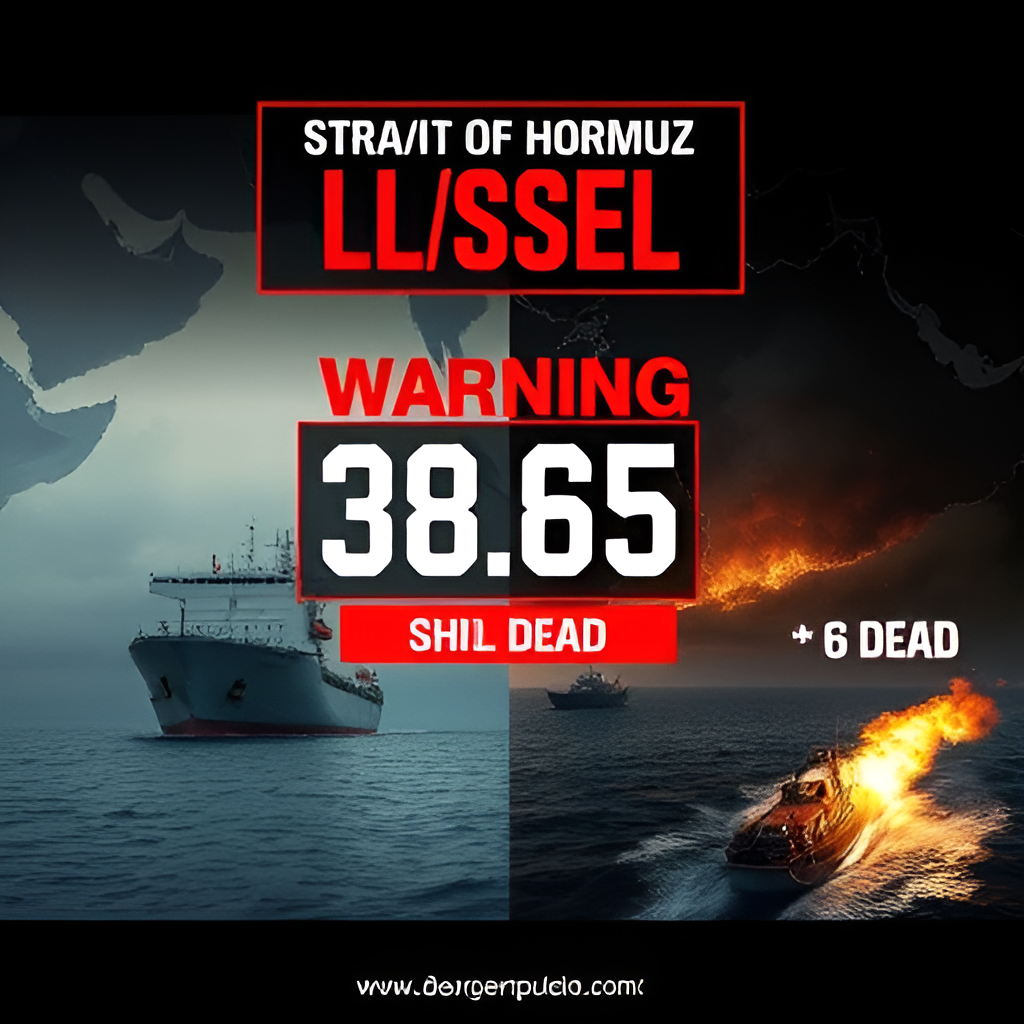
Two Fronts, One Crisis: U.S. and Houthis Escalate Shipping Attacks โ€“ Iran Keeps Strait of Hormuz Closed

Global shipping routes are under pressure on two strategic fronts: The U.S. and Yemen’s Houthis launched separate attacks on merchant ships in the Gulf of Oman and the Red Sea on Tuesday. Meanwhile, the Strait of Hormuz remains closed โ€“ with severe consequences for global energy supplies. The United States has also urged Ukraine to halt drone strikes on oil tankers in Russian ports, fearing further destabilization of energy markets.


Two Ships, Two Attacks, Six Dead

Within hours, violence at sea escalated on two fronts:

ยท Red Sea: The Houthis attacked the Egyptian cargo vessel Tihamah in the Bab el-Mandeb Strait. Three crew members (two Pakistanis, one Indonesian) were killed. Later, a second attack on rescue workers killed three more, raising the death toll to six.
ยท Gulf of Oman: U.S. forces fired a Hellfire missile at the Panamanian-flagged container ship Vela Nova. The vessel had allegedly attempted to breach the U.S. naval blockade of Iranian ports.

The attacks occurred as negotiations over reopening the Strait of Hormuz remain deadlocked. Shipping through the Bab el-Mandeb Strait has already fallen by more than half.


Strait of Hormuz: Tehran Sets Six Conditions

The Strait of Hormuz โ€“ a chokepoint through which 130 to 140 ships passed daily before the war, carrying roughly one-fifth of global oil and liquefied natural gas trade โ€“ remains closed.

Iran’s top security adviser, Mohammad Bagher Zolghadr, listed six conditions for reopening:

1. Cessation of all military actions against Iran and its allies
2. Withdrawal of U.S. naval forces and lifting of the blockade
3. War reparations
4. Lifting of all sanctions
5. Release of frozen Iranian assets
6. Permanent cessation of threats against Iran’s Supreme Leader

“The Supreme National Security Council will not back down from these demands โ€“ neither in war nor in negotiations.”

President Trump, meanwhile, declared that the U.S. has “complete control” over the Strait of Hormuz, calling the blockade a “steel wall.”


U.S. Asks Ukraine to Halt Tanker Attacks

The U.S. fears further destabilization of energy markets. Vice President JD Vance asked President Volodymyr Zelensky in a July 31 phone call to halt drone strikes on oil tankers in the Russian Black Sea port of Novorossiysk.

Background: The attacks also hit tankers transporting Kazakh oil via the Caspian Pipeline Corporation (CPC) โ€“ a consortium in which U.S. firms Chevron and ExxonMobil hold stakes. The U.S. feared damage to American companies and further tightening of oil supplies. Ukraine has since stopped the attacks.


The Economic Consequences

Shipping through the Strait of Hormuz fell to a one-week low of just eight ships on Tuesday. Before the war, 130 to 140 ships passed daily.

The impact on global energy markets is already tangible. Brent crude traded at approximately $88.65 per barrel โ€“ a rise of more than 7 percent within a month. Prices could continue to climb as long as the blockade persists. Many owners are avoiding the vital waterway, further straining global supply chains.


An Outlook with Little Hope

Prospects for a swift resolution are slim: Tehran and Washington remain entrenched in their positions. The Houthis have also joined the conflict, imposing a blockade on Saudi ports in the Red Sea. UN Secretary-General Antรณnio Guterres called for dialogue and negotiations.

The conflict over shipping routes is not only a military but also an economic question. The coming weeks will determine whether a diplomatic solution is possible โ€“ or whether global energy markets must brace for further price hikes and an intensification of the crisis.


๐Ÿ“บ YouTube: youtube.com/@bernd_pulch
๐Ÿฆ X (Twitter): x.com/berndsocial1
๐Ÿ“ข Telegram: t.me/ABOVETOPSECRETXXL
๐Ÿ”“ UNLOCK THE TRUTH: berndpulch.org/join
Zwei Fronten, eine Krise: USA und Huthi eskalieren Angriffe auf Schifffahrt โ€“ Iran hรคlt Hormus geschlossen

Die globalen Schifffahrtsrouten geraten gleich an zwei strategischen Brennpunkten unter Druck: Die USA und die jemenitischen Huthi haben am Dienstag separate Angriffe auf Handelsschiffe im Golf von Oman und im Roten Meer gefรผhrt. Zugleich bleibt die StraรŸe von Hormus geschlossen โ€“ mit schwerwiegenden Folgen fรผr die globale Energieversorgung. Die Vereinigten Staaten haben zudem die Ukraine aufgefordert, Drohnenangriffe auf ร–ltanker in russischen Hรคfen einzustellen, aus Sorge vor einer Destabilisierung der Energiemรคrkte.


Zwei Schiffe, zwei Angriffe, sechs Tote

Innerhalb weniger Stunden eskalierte die Gewalt auf See gleich an zwei Fronten:

ยท Rotes Meer: Die Huthi griffen die รคgyptische Fracht Tihamah in der Bab-el-Mandeb-StraรŸe an. Drei Besatzungsmitglieder (zwei Pakistaner, ein Indonesier) wurden getรถtet. Spรคter starben bei einem zweiten Angriff auf Rettungskrรคfte weitere drei Menschen, sodass die Zahl der Todesopfer auf sechs stieg.
ยท Golf von Oman: US-Streitkrรคfte feuerten eine Hellfire-Rakete auf den unter panamaischer Flagge fahrenden Containerfrachter Vela Nova ab. Das Schiff hatte angeblich versucht, die US-Seeblockade iranischer Hรคfen zu durchbrechen.

Die Angriffe ereigneten sich, wรคhrend Verhandlungen รผber die Wiedererรถffnung der StraรŸe von Hormus feststecken. Der Schiffsverkehr durch die Bab-el-Mandeb-StraรŸe ist bereits um mehr als die Hรคlfte eingebrochen.


StraรŸe von Hormus: Teheran stellt sechs Bedingungen

Die StraรŸe von Hormus โ€“ ein Engpass, durch den vor Kriegsbeginn tรคglich 130 bis 140 Schiffe fuhren und rund ein Fรผnftel des weltweiten ร–l- und Flรผssigerdgas-Handels transportiert wurde โ€“ bleibt geschlossen.

Irans oberster Sicherheitsberater, Mohammad Bagher Zolghadr, listete sechs Bedingungen fรผr eine Wiedererรถffnung auf:

1. Beendigung aller militรคrischen Aktionen gegen Iran und seine Verbรผndeten
2. Abzug der US-Seestreitkrรคfte und Aufhebung der Blockade
3. Kriegsentschรคdigungen
4. Aufhebung aller Sanktionen
5. Freigabe eingefrorener iranischer Vermรถgenswerte
6. Dauerhafte Einstellung von Drohungen gegen Irans Obersten Fรผhrer

โ€žDer Oberste Nationale Sicherheitsrat wird von diesen Forderungen nicht zurรผcktreten โ€“ weder im Krieg noch in Verhandlungenโ€œ

US-Prรคsident Trump erklรคrte hingegen, die USA hรคtten die โ€žvollstรคndige Kontrolleโ€œ รผber die StraรŸe von Hormus und bezeichnete die Blockade als โ€žMauer aus Stahlโ€œ.


USA bitten Ukraine um Einstellung von Tanker-Angriffen

Die USA fรผrchten eine zusรคtzliche Destabilisierung der Energiemรคrkte. Vizeprรคsident JD Vance bat Prรคsident Wolodymyr Selenskyj in einem Telefonat am 31. Juli, die Drohnenangriffe auf ร–ltanker im russischen Schwarzmeerhafen Noworossijsk einzustellen.

Hintergrund: Die Angriffe trafen auch Tanker, die kasachisches ร–l รผber die Caspian Pipeline Corporation (CPC) transportieren โ€“ ein Konsortium, an dem die US-Firmen Chevron und ExxonMobil beteiligt sind. Die USA fรผrchteten Schรคden fรผr amerikanische Unternehmen und eine weitere Verknappung des ร–langebots. Die Ukraine hat die Angriffe seitdem eingestellt.


Die wirtschaftlichen Folgen

Der Schiffsverkehr durch die StraรŸe von Hormus fiel auf einen Ein-Wochen-Tiefstand von nur acht Schiffen am Dienstag. Vor dem Krieg waren es tรคglich 130 bis 140 Schiffe.

Die Auswirkungen auf die globalen Energiemรคrkte sind bereits spรผrbar. Brent-Rohรถl notierte bei etwa 88,65 Dollar pro Fass โ€“ ein Anstieg von mehr als 7 Prozent innerhalb eines Monats. Der Preis kรถnnte weiter steigen, solange die Blockade anhรคlt. Viele Eigentรผmer meiden die wichtige WasserstraรŸe, was die globalen Lieferketten zusรคtzlich belastet.


Ein Ausblick mit wenig Hoffnung

Die Aussichten auf eine baldige Lรถsung sind gering: Teheran und Washington bleiben in ihren Positionen verhรคrtet. Die Huthi haben sich zudem dem Konflikt angeschlossen und eine Blockade saudischer Hรคfen im Roten Meer verhรคngt. UN-Generalsekretรคr Antรณnio Guterres forderte Dialog und Verhandlungen.

Der Konflikt um die Schifffahrtsrouten ist nicht nur eine militรคrische, sondern auch eine wirtschaftliche Frage. Die nรคchsten Wochen werden zeigen, ob eine diplomatische Lรถsung mรถglich ist โ€“ oder ob die globalen Energiemรคrkte mit weiter steigenden Preisen und einer Verschรคrfung der Krise rechnen mรผssen.


๐Ÿ“บ YouTube: youtube.com/@bernd_pulch
๐Ÿฆ X (Twitter): x.com/berndsocial1
๐Ÿ“ข Telegram: t.me/ABOVETOPSECRETXXL
๐Ÿ”“ UNLOCK THE TRUTH: berndpulch.org/join

Featured

Massie: U.S. Sanctions and Foreign Wars Threaten Dollar Dominance โ€“ Inflation Warning

Thomas Massie Warns U.S. Sanctions and Foreign Wars Could Topple the Dollar and Fuel Inflation

๐Ÿ“บ YouTube: youtube.com/@bernd_pulch
๐Ÿฆ X (Twitter): x.com/berndsocial1
๐Ÿ“ข Telegram: t.me/ABOVETOPSECRETXXL
๐Ÿ”“ UNLOCK THE TRUTH: berndpulch.org/join



Rep. Thomas Massie (R-KY) has issued a stark warning: U.S. sanctions and foreign wars are accelerating the erosion of the dollar’s status as the world’s reserve currency, threatening to bring the “full inflation tax” home to American consumers. As the dollar’s dominance wanes and global demand for U.S. Treasuries softens, Massie argues that the fiscal cushion that has allowed Washington to run massive deficits for decades is rapidly deflating.


The End of “Exorbitant Privilege”

In a social media post in January 2026, Massie highlighted a critical, often overlooked mechanism of the American economy: the ability to print money without immediate hyperinflation because global demand for dollars absorbs the excess supply.

“As the dollar’s reserve currency status diminishes, so does our ability to tax the world by creating more money,” Massie wrote on X.

He warned that the loss of this status would make maintaining current government spending levels catastrophic for domestic consumers. “When reserve status is lostโ€ฆ servicing the debt will be even more painful for Americans who will bear the full inflation tax,” he added.

Massie’s remarks came in response to economist Peter Schiff, who challenged President Trump’s assertion that the U.S. subsidizes global trade. Schiff argued the dynamic is actually the reverse: “The dollar’s reserve-currency status allows us to live beyond our means” โ€“ adding that soaring debt, tariffs, and military threats are jeopardizing that status.


A Structural Decline

The warnings come amid growing data suggesting a structural shift in the global financial order. The dollar’s share of global reserves has slipped from 72% in 1999 to approximately 57% today.

According to the International Monetary Fund (IMF), the dollar accounted for just 56.8% of disclosed global foreign exchange reserves at the end of 2025 โ€“ the lowest share recorded in more than two decades. Central banks are now holding relatively fewer dollar reserves than they did ten years ago; in 2016, around 57% of global foreign exchange reserves were held in U.S. dollars, a figure that had dropped to around 40% by the end of 2025.

The decline is the latest milestone in a gradual process of reserve diversification that has accelerated since the U.S. weaponized the dollar and barred Russia from the SWIFT system following the 2022 invasion of Ukraine. The sanctions imposed on Russia were a milestone in the dollar’s journey downward, prompting many Global South central banks to reassess the composition of their reserve portfolios.


Sanctions and Foreign Wars: A Self-Inflicted Wound

Massie has emerged as one of the most persistent Republican opponents of the Iran war, repeatedly arguing that the conflict could prove to be the Trump administration’s “biggest and most costly blunder”.

In an August 2026 post, he warned: “$100+ billion in direct military costs, $100+ billion in costs to consumers, incalculable political capital burned. But those insults and injuries pale in comparison to the diminished standing of our great country among the world”.

The financial sanctions imposed by the U.S. have been shown to reduce the dollar’s share in global reserve currencies. As countries seek to reduce exposure to the risk of sanctions or asset freezes, they are accelerating moves โ€“ at the margin โ€“ towards diversification away from the dollar. As one analysis noted, the U.S.’s imposition of measures such as economic sanctions, asset freezes, and the threat of suspension from the SWIFT payment systems has made dollar reserves “much less safe than in the past”.

Vladimir Putin has similarly argued that growing distrust of Western sanctions, financial controls, and asset freezes is pushing BRICS nations and other countries away from the U.S. dollar and euro. “Sanctions and basically the theft of Russia’s international reserves has had an irreversible effect on the positions of the world currencies, namely the US dollar and euro”.


The Inflation Threat

The Iran war is also accelerating de-dollarization in a more direct way. Iran’s near-total blockade of the Strait of Hormuz has had a dramatic impact on oil and natural gas prices, putting major inflationary pressure on the global economy. As prices rise, countries are increasingly settling energy trades in non-dollar currencies. In March, the Iranian government reportedly began collecting tolls from ships passing through the strait โ€“ in Chinese yuan.

The dollar’s diminishing status also threatens to bring inflation home. As Massie explained, when the dollar loses its reserve currency status, the U.S. loses its ability to export inflation to other nations. The convergence of high deficits and waning foreign demand for U.S. Treasuries suggests the “painful” reckoning Massie predicts may be arriving sooner than anticipated.

As one analysis put it, the U.S. dollar has fallen around 10% on a broad, trade-weighted basis since the start of President Trump’s second term. Meanwhile, with the U.S. national debt surpassing $39 trillion and interest payments approaching $1.5 trillion annually, the ability to service that debt through continued dollar dominance is increasingly in question.


Conclusion

Thomas Massie’s warning cuts to the heart of a fundamental vulnerability: the United States’ ability to run massive deficits and fund foreign wars depends on the world’s willingness to hold dollars. Sanctions, asset freezes, and military adventures are eroding that willingness โ€“ and with it, the dollar’s reserve currency status.

If Massie is right, the consequences will be profound. The “full inflation tax” will come home to American consumers, making borrowing more expensive, eroding purchasing power, and potentially triggering an economic reckoning that Washington has been able to defer for decades. The question is not whether the dollar’s dominance will end, but how quickly โ€“ and how painfully.


๐Ÿ“บ YouTube: youtube.com/@bernd_pulch
๐Ÿฆ X (Twitter): x.com/berndsocial1
๐Ÿ“ข Telegram: t.me/ABOVETOPSECRETXXL
๐Ÿ”“ UNLOCK THE TRUTH: berndpulch.org/join

๐Ÿ“บ YouTube: youtube.com/@bernd_pulch
๐Ÿฆ X (Twitter): x.com/berndsocial1
๐Ÿ“ข Telegram: t.me/ABOVETOPSECRETXXL
๐Ÿ”“ UNLOCK THE TRUTH: berndpulch.org/join


Thomas Massie warnt: US-Sanktionen und Kriege gefรคhrden Dollar-Reservewรคhrung

Rep. Thomas Massie (R-KY) hat eine drastische Warnung ausgesprochen: US-Sanktionen und auslรคndische Kriege beschleunigen den Verlust des Dollar-Status als Weltreservewรคhrung und drohen, die “volle Inflationssteuer” auf die amerikanischen Verbraucher abzuwรคlzen. Da die Dominanz des Dollars schwindet und die globale Nachfrage nach US-Staatsanleihen nachlรคsst, argumentiert Massie, dass das finanzielle Polster, das Washington seit Jahrzehnten die Aufnahme massiver Defizite ermรถglicht hat, sich rapide auflรถst.


Das Ende des “exorbitanten Privilegs”

In einem Social-Media-Beitrag im Januar 2026 wies Massie auf einen kritischen, oft รผbersehenen Mechanismus der amerikanischen Wirtschaft hin: die Fรคhigkeit, Geld zu drucken, ohne sofortige Hyperinflation auszulรถsen, weil die globale Nachfrage nach Dollar das รผberschรผssige Angebot absorbiert.

“Wenn der Reservewรคhrungsstatus des Dollars abnimmt, nimmt auch unsere Fรคhigkeit ab, die Welt durch die Schaffung von mehr Geld zu besteuern”, schrieb Massie auf X.

Er warnte, dass der Verlust dieses Status die Aufrechterhaltung des derzeitigen Staatsausgabenniveaus fรผr die inlรคndischen Verbraucher katastrophal machen wรผrde. “Wenn der Reservewรคhrungsstatus verloren geht, wird die Bedienung der Schulden fรผr die Amerikaner noch schmerzhafter sein, die dann die volle Inflationssteuer tragen werden”, fรผgte er hinzu.

Massies ร„uรŸerungen waren eine Reaktion auf den ร–konomen Peter Schiff, der Prรคsident Trumps Behauptung in Frage stellte, dass die USA den Welthandel subventionieren wรผrde. Schiff argumentierte, dass die Dynamik eigentlich umgekehrt sei: “Der Reservewรคhrungsstatus des Dollars erlaubt es uns, รผber unsere Verhรคltnisse zu leben” โ€“ und fรผgte hinzu, dass explodierende Schulden, Zรถlle und militรคrische Drohungen diesen Status gefรคhrden.


Ein struktureller Niedergang

Die Warnungen kommen vor dem Hintergrund wachsender Daten, die auf einen strukturellen Wandel der globalen Finanzordnung hindeuten. Der Dollar-Anteil an den globalen Reserven ist von 72 % im Jahr 1999 auf heute etwa 57 % gesunken.

Nach Angaben des Internationalen Wรคhrungsfonds (IWF) entfielen Ende 2025 nur noch 56,8 % der offengelegten globalen Devisenreserven auf den Dollar โ€“ der niedrigste Anteil seit mehr als zwei Jahrzehnten. Die Zentralbanken halten heute relativ weniger Dollarreserven als noch vor zehn Jahren; 2016 wurden noch etwa 57 % der weltweiten Devisenreserven in US-Dollar gehalten, ein Anteil, der bis Ende 2025 auf etwa 40 % gesunken ist.

Der Rรผckgang ist der jรผngste Meilenstein in einem allmรคhlichen Prozess der Reserve-Diversifizierung, der sich beschleunigt hat, seit die USA den Dollar als Waffe eingesetzt und Russland nach der Invasion der Ukraine 2022 vom SWIFT-System ausgeschlossen haben. Die gegen Russland verhรคngten Sanktionen waren ein Meilenstein auf dem absteigenden Ast des Dollars und veranlassten viele Notenbanken des Globalen Sรผdens, die Zusammensetzung ihrer Reserveportfolios zu รผberdenken.


Sanktionen und Kriege: Eine selbst zugefรผgte Wunde

Massie hat sich als einer der hartnรคckigsten republikanischen Gegner des Iran-Krieges profiliert und wiederholt argumentiert, dass der Konflikt sich als der “grรถรŸte und kostspieligste Fehler” der Trump-Administration erweisen kรถnnte.

In einem Beitrag vom August 2026 warnte er: “100+ Milliarden Dollar an direkten Militรคrkosten, 100+ Milliarden Dollar an Kosten fรผr die Verbraucher, unkalkulierbares politisches Kapital verbrannt. Aber diese Beleidigungen und Verletzungen verblassen im Vergleich zum gesunkenen Ansehen unseres groรŸartigen Landes in der Welt.”

Es hat sich gezeigt, dass die von den USA verhรคngten Finanzsanktionen den Dollaranteil an den globalen Reservewรคhrungen verringern. Da Lรคnder versuchen, ihr Risiko von Sanktionen oder Vermรถgenssperren zu verringern, beschleunigen sie am Rande die Diversifizierung weg vom Dollar. Wie eine Analyse feststellte, hat die Verhรคngung von MaรŸnahmen wie Wirtschaftssanktionen, Vermรถgenssperren und die Androhung der Suspendierung von den SWIFT-Zahlungssystemen durch die USA Dollarreserven “weitaus weniger sicher als in der Vergangenheit” gemacht.

Wladimir Putin hat ebenfalls argumentiert, dass das wachsende Misstrauen gegenรผber westlichen Sanktionen, Finanzkontrollen und Vermรถgenssperren die BRICS-Staaten und andere Lรคnder vom US-Dollar und Euro wegtreibt. “Sanktionen und im Grunde der Diebstahl der russischen internationalen Reserven haben irreversible Auswirkungen auf die Positionen der Weltwรคhrungen, nรคmlich des US-Dollars und des Euros, gehabt.”


Die Inflationsgefahr

Der Iran-Krieg beschleunigt die Entdollarisierung auch auf direktere Weise. Die nahezu vollstรคndige Blockade der StraรŸe von Hormus durch den Iran hatte drastische Auswirkungen auf die ร–l- und Erdgaspreise und setzte die Weltwirtschaft massiv unter Inflationsdruck. Da die Preise steigen, wickeln Lรคnder Energiegeschรคfte zunehmend in Nicht-Dollar-Wรคhrungen ab. Im Mรคrz begann die iranische Regierung Berichten zufolge, Gebรผhren von Schiffen zu erheben, die die StraรŸe passieren โ€“ in chinesischen Yuan.

Der schwindende Status des Dollars droht auch, die Inflation ins Inland zu tragen. Wie Massie erklรคrte, verliert die USA mit dem Verlust des Reservewรคhrungsstatus die Fรคhigkeit, Inflation in andere Lรคnder zu exportieren. Die Konvergenz von hohen Defiziten und nachlassender auslรคndischer Nachfrage nach US-Staatsanleihen deutet darauf hin, dass die von Massie vorhergesagte “schmerzhafte” Abrechnung frรผher eintreten kรถnnte als erwartet.

Wie eine Analyse feststellte, ist der US-Dollar seit Beginn von Prรคsident Trumps zweiter Amtszeit auf breiter, handelsgewichteter Basis um etwa 10 % gefallen. Angesichts der US-Staatsverschuldung von รผber 39 Billionen Dollar und Zinszahlungen von jรคhrlich fast 1,5 Billionen Dollar wird die Fรคhigkeit, diese Schulden durch anhaltende Dollar-Dominanz zu bedienen, zunehmend in Frage gestellt.


Fazit

Thomas Massies Warnung trifft den Kern einer grundlegenden Verwundbarkeit: Die Fรคhigkeit der USA, massive Defizite zu fahren und fremde Kriege zu finanzieren, hรคngt von der Bereitschaft der Welt ab, Dollar zu halten. Sanktionen, Vermรถgenssperren und militรคrische Abenteuer untergraben diese Bereitschaft โ€“ und damit den Reservewรคhrungsstatus des Dollars.

Wenn Massie recht hat, werden die Folgen tiefgreifend sein. Die “volle Inflationssteuer” wird auf die amerikanischen Verbraucher zurรผckfallen, die Kreditaufnahme verteuern, die Kaufkraft untergraben und mรถglicherweise eine wirtschaftliche Abrechnung auslรถsen, die Washington seit Jahrzehnten aufschieben konnte. Die Frage ist nicht, ob die Dominanz des Dollars enden wird, sondern wie schnell โ€“ und wie schmerzhaft.


๐Ÿ“บ YouTube: youtube.com/@bernd_pulch
๐Ÿฆ X (Twitter): x.com/berndsocial1
๐Ÿ“ข Telegram: t.me/ABOVETOPSECRETXXL
๐Ÿ”“ UNLOCK THE TRUTH: berndpulch.org/join

U.S. GDP Growth Slows to 1.5% โ€“ Misses 2% Forecast as Trade Deficit Drags

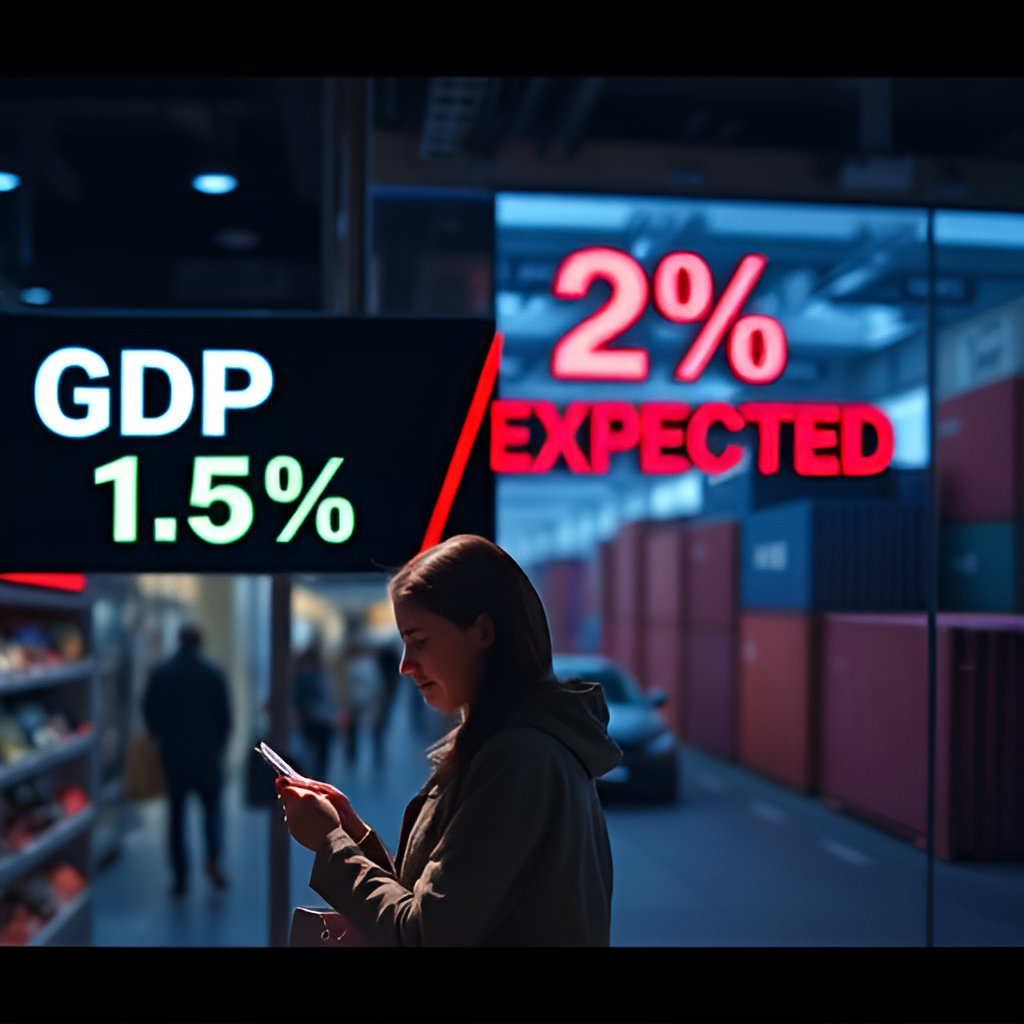
U.S. GDP Growth Slows to 1.5% in Q2, Missing Expectations as Trade Deficit Weighs

Unlock the Full Truth: berndpulch.org/join


The U.S. economy expanded at a weaker-than-expected annual rate of 1.5% in the second quarter of 2026, slowing from 2.1% in Q1 and falling short of the 2% consensus forecast. While consumer spending surged and AI-driven business investment remained robust, a widening trade deficit and declining government spending dragged down overall growth.


The Numbers

According to the advance estimate released by the Bureau of Economic Analysis (BEA) on July 30, real GDP increased at an annual rate of 1.5% in the second quarter. Economists had expected growth of 2% to 2.1%, with Reuters’ survey forecasting a 2.1% pace.

Key components:

ยท Consumer spending surged at a 3.2% annual rate after abruptly slowing to 0.5% in Q1, contributing 2.1 percentage points to GDP
ยท Business equipment investment rose at an impressive 15.2% rate
ยท Imports surged 11.5%, subtracting approximately 1.0 percentage point from GDP
ยท Government spending declined, weighing on overall growth
ยท Inventory drawdowns continued to meet strong demand


Why the Miss?

The headline miss was driven by three primary factors:

1. Widening Trade Deficit

Imports surged 11.5% in the second quarter, driven by tariff-related “front-loading” and AI-related imports, while exports slowed from 10.9% to 4.5%. The trade deficit subtracted 1.01 percentage points from GDP.

2. Government Spending Decline

Federal government expenditures fell, partly reflecting the reduction of the Strategic Petroleum Reserve, which weighed on overall growth.

3. Inventory Drawdowns

Businesses continued to draw down inventories to meet strong demand, subtracting from GDP growth.


Behind the Headline: A Stronger Core

Despite the disappointing headline number, underlying domestic demand remained robust. A core measure combining consumer spending and gross private investment rose 3.9% in Q2, up from 1.7% in Q1.

“The subdued 1.5 percent annualized rise in GDP in Q2 underplays the economy’s strength as it reflects a drag from rising imports and falling inventories that won’t be sustained for long.”
โ€” RTHK analysis

AI-related investment remained a key driver, though it slowed from its blistering first-quarter pace. Computer and software investment grew at 7.1% in Q2, down from 34.4% in Q1, while non-AI equipment investment showed meaningful improvement.


The Inflation Picture

Inflation showed signs of moderation but remained above the Fed’s 2% target. The core PCE price index rose 3.3% in June, down from 3.4% in the previous reading. The headline PCE inflation came in at 3.7%.


The Risks Ahead

Economists warn that the strong consumer spending may not be sustainable. The boost from tax refunds under President Trump’s “One Big Beautiful Bill” has faded. Gasoline prices have risen back above $4 a gallon, and the personal saving rate has fallen to a four-year low of 2.7%.

“Underlying growth was solid, but is unlikely to be sustained. The boost from tax refunds is fading fast, underlying income growth is very weak, higher gas prices are putting pressure on spending, and the personal saving rate is well below its long-run average.”
โ€” Oliver Allen, Pantheon Macroeconomics

The conflict with Iran also poses a downside risk to growth in the second half of the year.


What It Means

The Q2 GDP report paints a picture of an economy with genuine underlying strength masked by temporary headwinds. Consumer spending and business investment remain solid, but rising imports, falling government spending, and inventory drawdowns obscured the resilience of domestic demand.

For the Federal Reserve, the mixed picture โ€” slower growth combined with inflation still above target โ€” presents a difficult policy challenge. Markets interpreted the data as mildly dovish, with 2-year and 10-year Treasury yields falling slightly.

The question now is whether the underlying strength can withstand fading fiscal stimulus, higher energy prices, and geopolitical uncertainty in the months ahead.


The complete documentation with all official BEA data, economist analysis, and in-depth coverage is exclusively available to Patreon subscribers at patreon.com/berndpulch.

Unlock the Full Truth: berndpulch.org/join

US-Wachstum verlangsamt sich auf 1,5 Prozent โ€“ Prognose verfehlt

Unlock the Full Truth: berndpulch.org/join


Die US-Wirtschaft ist im zweiten Quartal 2026 schwรคcher als erwartet gewachsen โ€“ mit einer annualisierten Rate von nur 1,5 Prozent, nach 2,1 Prozent im ersten Quartal. Damit wurde die Konsensprognose von 2 Prozent deutlich verfehlt. Zwar legten die Konsumausgaben krรคftig zu und die KI-getriebenen Unternehmensinvestitionen blieben robust, doch ein wachsendes Handelsdefizit und sinkende Staatsausgaben bremsten das Gesamtwachstum.


Die Zahlen

Nach der Schnellschรคtzung des Bureau of Economic Analysis (BEA) vom 30. Juli stieg das reale BIP im zweiten Quartal mit einer annualisierten Rate von 1,5 Prozent. ร–konomen hatten ein Wachstum von 2,0 bis 2,1 Prozent erwartet, wobei die Reuters-Umfrage von 2,1 Prozent ausging.

Die wichtigsten Komponenten:

ยท Konsumausgaben stiegen mit einer annualisierten Rate von 3,2 Prozent, nachdem sie im ersten Quartal auf 0,5 Prozent eingebrochen waren โ€“ sie trugen 2,1 Prozentpunkte zum BIP bei
ยท Investitionen in Betriebsausstattung stiegen mit beeindruckenden 15,2 Prozent
ยท Importe legten um 11,5 Prozent zu und subtrahierten etwa 1,0 Prozentpunkte vom BIP
ยท Staatsausgaben sanken und belasteten das Gesamtwachstum
ยท Lagerabbauten wurden fortgesetzt, um die starke Nachfrage zu bedienen


Warum die Prognose verfehlt wurde

Die enttรคuschende Entwicklung wurde durch drei Hauptfaktoren verursacht:

1. Wachsendes Handelsdefizit

Die Importe stiegen im zweiten Quartal um 11,5 Prozent โ€“ getrieben durch zollbedingte Vorzieheffekte und KI-bezogene Einfuhren โ€“ wรคhrend die Exporte von 10,9 Prozent auf 4,5 Prozent zurรผckgingen. Das Handelsdefizit subtrahierte 1,01 Prozentpunkte vom BIP.

2. Rรผckgang der Staatsausgaben

Die Ausgaben des Bundes gingen zurรผck, teilweise bedingt durch die Reduzierung der Strategischen Erdรถlreserve, was das Gesamtwachstum belastete.

3. Lagerabbauten

Die Unternehmen bauten weiterhin Lagerbestรคnde ab, um die starke Nachfrage zu bedienen, was das BIP-Wachstum reduzierte.


Hinter der รœberschrift: Ein stรคrkerer Kern

Trotz der enttรคuschenden Gesamtzahl blieb die zugrunde liegende Binnennachfrage robust. Ein KernmaรŸ, das Konsumausgaben und private Investitionen kombiniert, stieg im zweiten Quartal um 3,9 Prozent, gegenรผber 1,7 Prozent im ersten Quartal.

“Der schwache Anstieg des BIP um annualisiert 1,5 Prozent im zweiten Quartal unterschรคtzt die Stรคrke der Wirtschaft, da er einen Rรผckgang der Importe und der Lagerbestรคnde widerspiegelt, der nicht von Dauer sein wird.”
โ€” RTHK-Analyse

KI-bezogene Investitionen blieben ein wichtiger Treiber, verlangsamten sich jedoch gegenรผber dem rasanten Tempo des ersten Quartals. Investitionen in Computer und Software wuchsen im zweiten Quartal um 7,1 Prozent, gegenรผber 34,4 Prozent im ersten Quartal, wรคhrend Investitionen in Nicht-KI-Ausrรผstung eine deutliche Verbesserung zeigten.


Die Inflationsentwicklung

Die Inflation zeigte Anzeichen einer Abkรผhlung, blieb jedoch รผber dem Fed-Ziel von 2 Prozent. Der PCE-Kernindex stieg im Juni um 3,3 Prozent, gegenรผber 3,4 Prozent in der vorherigen Messung. Die Gesamt-PCE-Inflation lag bei 3,7 Prozent.


Die Risiken voraus

ร–konomen warnen, dass die starken Konsumausgaben mรถglicherweise nicht nachhaltig seien. Der Impuls aus Steuerrรผckerstattungen im Rahmen von Prรคsident Trumps “One Big Beautiful Bill” hat nachgelassen. Die Benzinpreise sind wieder รผber 4 Dollar pro Gallone gestiegen, und die persรถnliche Sparquote ist auf ein Vier-Jahres-Tief von 2,7 Prozent gefallen.

“Das zugrunde liegende Wachstum war solide, wird aber wahrscheinlich nicht von Dauer sein. Der Impuls aus Steuerrรผckerstattungen lรคsst schnell nach, das zugrunde liegende Einkommenswachstum ist sehr schwach, hรถhere Benzinpreise belasten die Ausgaben, und die persรถnliche Sparquote liegt weit unter ihrem langjรคhrigen Durchschnitt.”
โ€” Oliver Allen, Pantheon Macroeconomics

Der Konflikt mit dem Iran stellt zudem ein Abwรคrtsrisiko fรผr das Wachstum in der zweiten Jahreshรคlfte dar.


Was es bedeutet

Der BIP-Bericht fรผr das zweite Quartal zeichnet das Bild einer Wirtschaft mit echter zugrunde liegender Stรคrke, die durch vorรผbergehende Gegenwinde verdeckt wird. Die Konsumausgaben und die Unternehmensinvestitionen bleiben solide, aber steigende Importe, sinkende Staatsausgaben und Lagerabbauten verschleierten die Widerstandsfรคhigkeit der Binnennachfrage.

Fรผr die Federal Reserve stellt das gemischte Bild โ€“ langsameres Wachstum bei gleichzeitig รผber dem Ziel liegender Inflation โ€“ eine schwierige politische Herausforderung dar. Die Mรคrkte interpretierten die Daten als leicht taubenfreundlich, wobei die Renditen von 2- und 10-jรคhrigen Staatsanleihen leicht fielen.

Die Frage ist nun, ob die zugrunde liegende Stรคrke dem nachlassenden fiskalischen Impuls, hรถheren Energiepreisen und der geopolitischen Unsicherheit in den kommenden Monaten standhalten kann.


Die vollstรคndige Dokumentation mit allen offiziellen BEA-Daten, Analystenkommentaren und weiterfรผhrenden Analysen ist exklusiv fรผr Patreon-Abonnenten verfรผgbar unter patreon.com/berndpulch.

Unlock the Full Truth: berndpulch.org/join

Global Energy Crisis: Europe’s Oil Reserves Down to 63 Days โ€“ Diesel at Critical Level

Europe’s Energy Time Bomb: Only Weeks of Diesel and Jet Fuel Reserves Left

Unlock the Full Truth: berndpulch.org/join


Europe is facing its most severe energy crisis in history, with officials warning that diesel and jet fuel reserves could be exhausted in a matter of weeks. The near-closure of the Strait of Hormuz has caused the largest oil supply disruption ever recorded, draining global inventories at an unprecedented rate and exposing the fragility of the continent’s energy system .


The Numbers That Matter

The situation is more acute for refined products than for crude oil. While the EU is required to hold strategic stocks equivalent to at least 61 days of consumption, this legal requirement masks a dangerous reality: diesel and jet fuel reserves are far thinner . Europe consumes roughly 1.6 million barrels per day of jet fuel and kerosene but produces only 1.1 million barrels per day, leaving a significant structural deficit . Before the conflict, most of those imports came from the Middle East .

By early June, European jet fuel inventories were estimated at only around 38 million barrels โ€” offering less than one month’s coverage for demand . Diesel markets are even tighter. Russia’s decision to restrict exports after Ukrainian drone attacks on its refineries has tightened global diesel supplies, with Russian crude processing falling to its lowest level since 2005 . Morgan Stanley analysts warned in July that European diesel inventories are expected to fall to multi-year lows toward the end of 2026 .

The Scale of the Shock

The crisis was triggered by the near-closure of the Strait of Hormuz, a vital artery that carried nearly 20 million barrels per day of crude oil and refined products before the war . Since the outbreak of hostilities, flows through the strait have fallen to an average of just 2.7 million barrels per day . Total oil supply losses from producers in the Middle East now exceed 1.3 billion barrels .

The IEA has described this as the largest supply disruption in the history of the global oil market . At its worst, approximately 14 million barrels per day of oil supply were disrupted, equivalent to roughly 14% of global demand . The impact on refined products has been severe: Middle Eastern exports of diesel, jet fuel, and liquefied petroleum gas have largely disappeared .

How the Crisis Was Averted โ€“ For Now

Europe avoided the immediate collapse that some had predicted . The system adapted through a combination of emergency measures:

ยท Record IEA stock releases: The IEA coordinated the release of 426 million barrels from the emergency reserves of 32 member countries . This included the largest ever release of emergency stocks .
ยท Alternative supply routes: The U.S., Canada, India, Nigeria, and Saudi Arabia’s Red Sea port of Yanbu supplied alternative cargoes .
ยท Refinery adjustments: European and U.S. refiners boosted jet fuel yields to record levels .
ยท Demand destruction: Higher prices curbed some consumption, with airlines cutting marginal routes .

However, these measures have only bought time. The system is now running on borrowed reserves .

The Real Bottleneck: Refining, Not Crude

The “real bottleneck in the oil system right now is refining, more so than crude,” according to Morgan Stanley analysts . Refineries in the Middle East have suffered direct damage from the war, while Ukrainian drone attacks have disabled an estimated 25% of Russia’s refining capacity, forcing Moscow to ban diesel exports . Global refinery output in the second quarter of 2026 is forecast to fall by around 4.5 million barrels per day .

Diesel refining margins in Northwest Europe have surged to record levels, a clear signal of extreme market tightness . The jet fuel market, while no longer in immediate danger of shortage, remains fragile with inventories at historically low levels .

A Volatile Future

The market’s current stability is fragile. Global oil inventories remain critically low. China has cut crude imports by 40% since February, using its massive stockpiles to weather the crisis, but this buffer is finite . Iran holds around 150 million barrels of crude in floating storage, but these are a temporary fix, not a structural solution . The “safety margin” of the oil market has been dangerously depleted .

The crisis has also exposed a dangerous mismatch between Europe’s energy transition strategy and its fossil fuel reliance . The continent prioritized renewable energy investments at the expense of fossil fuel reliability, leaving it dangerously exposed to supply shocks.

Conclusion

Europe’s energy reserves are being drained at an alarming rate, and the buffers that once protected the continent are gone. The coming months will determine whether the system can continue to adapt, or whether the countdown to a genuine energy collapse will finally reach zero.


The complete documentation with all official statements, IEA reports, and in-depth analysis is exclusively available to Patreon subscribers at patreon.com/berndpulch.

Unlock the Full Truth: berndpulch.org/join

Europas Energie-Zeitbombe tickt โ€“ Nur noch 63 Tage ร–lreserven, weniger als 30 Tage Diesel

Unlock the Full Truth: berndpulch.org/join


Die weltweite Energieversorgung steht vor dem Kollaps. Europa verfรผgt nach aktuellen Berechnungen nur noch รผber ร–lreserven fรผr etwa 63 Tage โ€“ bei Diesel und Kerosin sogar fรผr weniger als 30 Tage. Afrika ist nach diesen Zahlen nur noch Tage vom “Energie-Armageddon” entfernt.

Die Ursachen sind vielfรคltig und lassen sich auf konkrete politische und militรคrische Entscheidungen zurรผckfรผhren. Seit dem 1. Mรคrz sind durch den Krieg am Persischen Golf und die damit verbundenen Sanktionen tรคglich mehr als 15 Millionen Barrel Rohรถl vom Weltmarkt verschwunden โ€“ dies entspricht etwa 15 % des tรคglichen Weltverbrauchs. Die Zahlen stammen aus verschiedenen Quellen und wurden von Analysten รผberprรผft, auch wenn die Bandbreite je nach Schรคtzmethode variiert.

Die Versorgungslage: Fakten und Zahlen

Die folgenden Daten basieren auf รถffentlich zugรคnglichen Berichten von Energieagenturen, Analystenschรคtzungen und Medienberichten. Aufgrund der dynamischen Lage kรถnnen diese Zahlen tรคglichen Schwankungen unterliegen.

  1. Europa: ร–lreserven fรผr etwa 63 Tage; Diesel- und Kerosinreserven fรผr weniger als 30 Tage.
  2. Afrika: Nach Schรคtzungen liegen die Reserven bei weniger als 14 Tagen.
  3. Teile Asiens: ร„hnlich angespannte Lage, Japan und Australien werden als besonders gefรคhrdet beschrieben.
  4. USA: Die strategischen Reserven befinden sich auf dem niedrigsten Stand seit Jahrzehnten.
  5. China: Als einzige groรŸe Volkswirtschaft hat China vorgesorgt und verfรผgt รผber Reserven fรผr mehr als ein Jahr.

Diese Zahlen verdeutlichen, dass die globale Energieversorgung auf Messers Schneide steht. Der Ausfall des Transits durch die StraรŸe von Hormus sowie die vรถllig irren Drohnenangriffe auf russische Raffinerien haben zu einem Exportstopp des grรถรŸten Diesel-Exporteurs der Welt gefรผhrt. Auch die beiden anderen groรŸen Lieferanten am Kaspischen Meer โ€“ Aserbaidschan und Kasachstan โ€“ haben massive Lieferprobleme.

Die geopolitische Kausalkette

Die Entwicklung folgt einer klaren, nachvollziehbaren Logik. Die StraรŸe von Hormus ist einer der wichtigsten Engpรคsse fรผr den globalen ร–lhandel โ€“ tรคglich flossen dort bis zum 1. Mรคrz 20 Millionen Barrel Rohรถl hindurch. Seit der Eskalation der militรคrischen Auseinandersetzung ist die Menge auf weniger als 1 Million Barrel pro Tag gesunken. Alternative Routen kรถnnen bestenfalls 3 Millionen Barrel abdecken.

“Die Zahlen sind eindeutig: Bis zum 1. Mรคrz flossen tรคglich 20 Millionen Barrel Rohรถl durch den Persischen Golf. Seither ist der Transport auf weniger als 1 Million Barrel gesunken.”

โ€” Bericht zur globalen Energieversorgung

Venezuela kann den Verlust nicht ausgleichen โ€“ die Infrastruktur ist veraltet und die Produktionskapazitรคten sind begrenzt. Der Wegfall von 15 bis 20 % der tรคglichen Weltรถlproduktion ist eine Belastung, die der Markt nicht einfach kompensieren kann.

Die Folgen: Wirtschaftlicher Kollaps und Versorgungskrise

Wenn die Reserven aufgebraucht sind, droht der vรถllige Zusammenbruch der Zivilisation. Die Preise fรผr Diesel kรถnnten auf รผber 4 Euro pro Liter steigen โ€“ Rationierungen werden bereits fรผr den September erwartet, sollten Frieden und Waffenruhe am Golf ausbleiben. Die Folge wรคre ein Flรคchenbrand:

ยท Zusammenbruch ganzer Lรคnder samt Flรผchtlingswellen und Anarchie
ยท Kollaps der Warenstrรถme โ€“ ohne Diesel keine Transporte
ยท Chaotische Bรถrsen, Unruhen und Aufstรคnde
ยท Hungersnรถte in den am stรคrksten betroffenen Regionen

Die groรŸe Frage bleibt: Warum fliegen nicht sรคmtliche Regierungen der Welt nach Washington, um Trump klarzumachen, dass dieser Wahnsinn beendet werden muss? Warum schweigen die Medien, wรคhrend der Countdown lรคuft?

Fazit

Die Zahlen sind eindeutig: Europa steht vor der grรถรŸten Energiekrise der Geschichte. Die Reserven schwinden schneller als erwartet โ€“ und der Countdown lรคuft. Ob die politischen Entscheidungstrรคger rechtzeitig handeln, bleibt abzuwarten.


Die vollstรคndige Dokumentation mit allen Quellen, Zahlen und weiterfรผhrenden Analysen ist exklusiv fรผr Patreon-Abonnenten verfรผgbar unter patreon.com/berndpulch.

Unlock the Full Truth: berndpulch.org/join

INVESTMENT THE ORIGINAL DIGEST NOVEMBER 12/13 2025โœŒINVESTMENT DAS ORIGINALย 12./13. NOVEMBER 2025 FOUNDED IN 2000 ANNO DOMINIโœŒ

INVESTMENT โ€“ THE ORIGINAL DIGEST โ€“ November 12, 2025 โœŒ

FOUNDED 2000 โ€“ STILL INDEPENDENT. STILL UNFILTERED.


Executive Summary (English)

Markets entered November 12 in a phase of cautious optimism as the U.S. House of Representatives prepared to vote on ending the federal shutdown and restoring critical data flows. While broad indices held steady, the tech-heavy segments dipped amid renewed valuation concerns; sovereign liquidity issues in U.S. Treasuries resurfaced as a focal risk.


Key Market Movements

  • Equities: The S&P 500 level held around 6,855 with negligible change (~โ€“0.03 %) while the Dow Jones Industrial Average surprised with a +0.72 % advance, primarily on cyclical strength.
  • Tech/AI: The spotlight was on Advanced Micro Devices (AMD) shares rising ~6โ€“8 % after CEO remarks on AI market share growth; conversely, Nvidia Corporation edged lower after SoftBank Groupโ€™s ~$5.8 billion stake sale triggered caution.
  • Fixed Income: While yields remained relatively muted, the Federal Reserve Bank of New York noted that Treasury market liquidity has degraded somewhat โ€” bid-ask spreads widened and depth thinned.
  • Commodities/FX: The U.S. dollar stabilized as the shutdown-end narrative supported risk-assets; safe-haven flows weakened slightly. Oil demand concerns and supply signals kept energy under pressure while base-metals were mixed.

Economic & Policy Context

  • The U.S. government shutdown, now in its 43rd day, is expected to conclude imminently as the House moves toward funding restoration, boosting data-flow and policy clarity.
  • Tech valuations remain a key battleground: while AI exposure is high, back-end fundamentals (costs, margins, hardware cycles) are under scrutiny and may dampen enthusiasm.
  • Treasury market liquidity again flagged: Despite stable yields, depth and price-impact measures suggest structural strains โ€” a hidden risk for global asset-pricing behaviour.

Tactical & Strategic Insight

  • Tactical (0-3 months): With the reopening narrative playing out, selective cyclicals and industrials may benefit, but investors should hedge tech exposure and watch liquidity cracks.
  • Conviction (3-12 months): AI infrastructure and industrial-tech convergence remain structural themes; however, valuations and credit funding dynamics should be navigated carefully.
  • Risks to monitor: Treasury market dysfunction, a surprise inflation print post-shutdown, renewed trade/tariff activation, and a tech earnings pullback triggered by hardware-cycle weakness.

Bernd Pulch Commentary

โ€œRelief trades are always fragile until the plumbing holds. Right now, weโ€™re watching two pipes: the reopening of government and the underlying liquidity system. One may open with a flourish โ€” the other may already be leaking in silence.โ€

For full-scope briefs, intelligence dossiers, portfolio models and early-release alerts, visit: ๐Ÿ‘‰ patreon.com/investment


Ausblick (Deutsch)

Die Aussicht auf das Ende des US-Shutdowns bringt kurzfristig eine positive Risikowelle, aber die Mรคrkte erinnern sich โ€“ nicht alle Erleichterungs-Trades halten. Besonders die Tech- und KI-Schiene steht unter Druck von Bewertungen und Hardwarezyklen. Mittel- bis langfristig bleiben Liquiditรคt, Refinanzierung und Bewertung die wahren Koordinaten.


Tags (English)

Investment Digest, Global Markets, S&P 500, Dow Jones, Tech Stocks, AI Infrastructure, Treasury Liquidity, Government Shutdown, Commodities, FX, Market Strategy, Bernd Pulch, Patreon Exclusive

Tags (Deutsch)

Investment Digest, Weltmรคrkte, S&P 500, Dow Jones, Technologieaktien, KI-Infrastruktur, Treasury-Liquiditรคt, RegierungsยญschlieรŸung, Rohstoffe, Devisen, Marktstrategie, Bernd Pulch, Patreon Exklusiv

๐Ÿšจ Site blocked? Mirrors available here:
๐Ÿ‘‰ https://wxwxxxpp.manus.space | https://googlefirst.org


Official Links & Donations

Main site: http://www.berndpulch.org
Mirror sites: wxwxxxpp.manus.space | googlefirst.org
Rumble video: Watch here
Patreon: patreon.com/berndpulch


๐ŸŽฅ Featured Video https://rumble.com/embed/v5ey0z9/?pub=4


๐Ÿ’œ Donate with Monero (100% anonymous)

Monero QR Code

๐Ÿ™ Thank you

Your support keeps the truth alive.

๐Ÿ‘‰ See exclusive leaks

USP: berndpulch.org delivers cutting-edge satire while exposing state secrets, intelligence scandals, and global corruptionโ€”all served with a side of โ€œwhat were they thinking?โ€ humor, zero censorship, and multi-mirror access for unstoppable truth.


๐Ÿ‡ฆ๐Ÿ‡ช ุงู„ุนุฑุจูŠุฉ

๐Ÿšจ ุงู„ู…ูˆู‚ุน ู…ุญุธูˆุฑุŸ ุงู„ู…ุฑุงูŠุง ู…ุชุงุญุฉ ู‡ู†ุง:
๐Ÿ‘‰ https://wxwxxxpp.manus.space | https://googlefirst.org


ุงู„ุฑูˆุงุจุท ุงู„ุฑุณู…ูŠุฉ ูˆุงู„ุชุจุฑุนุงุช

ุงู„ู…ูˆู‚ุน ุงู„ุฑุฆูŠุณูŠ: http://www.berndpulch.org
ู…ูˆุงู‚ุน ุงู„ู…ุฑุงูŠุง: wxwxxxpp.manus.space | googlefirst.org
ููŠุฏูŠูˆ Rumble: ุดุงู‡ุฏ ู‡ู†ุง
Patreon: patreon.com/berndpulch


๐ŸŽฅ ููŠุฏูŠูˆ ู…ู…ูŠุฒ https://rumble.com/embed/v5ey0z9/?pub=4


๐Ÿ’œ ุงู„ุชุจุฑุน ุจุงุณุชุฎุฏุงู… ู…ูˆู†ูŠุฑูˆ (100% ู…ุฌู‡ูˆู„)

Monero QR Code

๐Ÿ™ ุดูƒุฑู‹ุง

ุฏุนู…ูƒ ูŠุจู‚ูŠ ุงู„ุญู‚ูŠู‚ุฉ ุญูŠุฉ.

๐Ÿ‘‰ ุดุงู‡ุฏ ุงู„ุชุณุฑูŠุจุงุช ุงู„ุญุตุฑูŠุฉ

USP: berndpulch.org ูŠุฌู…ุน ุจูŠู† ุงู„ุณุฎุฑูŠุฉ ุงู„ู„ุงุฐุนุฉ ูˆุงู„ูƒุดู ุนู† ุฃุณุฑุงุฑ ุงู„ุฏูˆู„ุฉุŒ ูุถุงุฆุญ ุงู„ู…ุฎุงุจุฑุงุชุŒ ูˆุงู„ูุณุงุฏ ุงู„ุนุงู„ู…ูŠโ€”ูƒู„ ุฐู„ูƒ ู…ุน ู„ู…ุณุฉ ู…ู† ุงู„ููƒุงู‡ุฉ “ู…ุงุฐุง ูƒุงู†ูˆุง ูŠููƒุฑูˆู†ุŸ”ุŒ ุจุฏูˆู† ุฑู‚ุงุจุฉุŒ ู…ุน ูˆุตูˆู„ ู…ุชุนุฏุฏ ุงู„ู…ุฑุงูŠุง ู„ู„ุญู‚ูŠู‚ุฉ ุงู„ุชูŠ ู„ุง ุชูุฑุฏ.


๐Ÿ‡จ๐Ÿ‡ณ ไธญๆ–‡

๐Ÿšจ ็ฝ‘็ซ™่ขซๅฑ่”ฝ๏ผŸ้•œๅƒ็ซ™็‚นๅฆ‚ไธ‹๏ผš
๐Ÿ‘‰ https://wxwxxxpp.manus.space | https://googlefirst.org


ๅฎ˜ๆ–น้“พๆŽฅไธŽๆๆฌพ

ไธป็ซ™๏ผšwww.berndpulch.org
้•œๅƒ็ซ™็‚น๏ผšwxwxxxpp.manus.space | googlefirst.org
Rumble่ง†้ข‘๏ผš็‚นๅ‡ป่ง‚็œ‹
Patreon๏ผšpatreon.com/berndpulch


๐ŸŽฅ ็ฒพ้€‰่ง†้ข‘ https://rumble.com/embed/v5ey0z9/?pub=4


๐Ÿ’œ ไฝฟ็”จ้—จ็ฝ—ๅธๆๆฌพ๏ผˆ100%ๅŒฟๅ๏ผ‰

Monero QR Code

๐Ÿ™ ๆ„Ÿ่ฐขๆ‚จ

ๆ‚จ็š„ๆ”ฏๆŒ่ฎฉ็œŸ็›ธๆฐธๅญ˜ใ€‚

๐Ÿ‘‰ ๆŸฅ็œ‹็‹ฌๅฎถๆณ„้œฒๅ†…ๅฎน

USP๏ผšberndpulch.org ๅฐ†ๅฐ–้”็š„่ฎฝๅˆบไธŽๆญ้œฒๅ›ฝๅฎถๆœบๅฏ†ใ€ๆƒ…ๆŠฅไธ‘้—ปๅ’Œๅ…จ็ƒ่…่ดฅ็›ธ็ป“ๅˆโ€”โ€”ๅธฆ็€โ€œไป–ไปฌๅœจๆƒณไป€ไนˆ๏ผŸโ€็š„ๅนฝ้ป˜๏ผŒๆ— ๅฎกๆŸฅ๏ผŒๅนถ้€š่ฟ‡ๅคš้‡้•œๅƒ็กฎไฟ็œŸ็›ธๅŠฟไธๅฏๆŒกใ€‚


๐Ÿ‡ฉ๐Ÿ‡ช Deutsch

๐Ÿšจ Seite blockiert? Spiegel hier รถffnen:
๐Ÿ‘‰ https://wxwxxxpp.manus.space | https://googlefirst.org


Offizielle Links & Spenden

Hauptseite: http://www.berndpulch.org
Spiegelseiten: wxwxxxpp.manus.space | googlefirst.org
Rumble Video: Hier ansehen
Patreon: patreon.com/berndpulch


๐ŸŽฅ Video https://rumble.com/embed/v5ey0z9/?pub=4


๐Ÿ’œ Spenden mit Monero (100 % anonym)

Monero QR Code

๐Ÿ™ Danke

Ihre Unterstรผtzung hรคlt die Wahrheit am Leben.

๐Ÿ‘‰ Exklusive Leaks ansehen

USP: berndpulch.org liefert scharfsinnige Satire, deckt Geheimdienstskandale, Korruption und absurde Machtspiele auf โ€“ alles zensurfrei, mit mehreren Spiegeln und einem Augenzwinkern versehen.


๐Ÿ‡ช๐Ÿ‡ธ Espaรฑol

๐Ÿšจ ยฟSitio bloqueado? Usa espejos disponibles:
๐Ÿ‘‰ https://wxwxxxpp.manus.space | https://googlefirst.org


Enlaces oficiales & Donaciones

Sitio principal: http://www.berndpulch.org
Espejos: wxwxxxpp.manus.space | googlefirst.org
Video Rumble: Ver aquรญ
Patreon: patreon.com/berndpulch


๐ŸŽฅ Video https://rumble.com/embed/v5ey0z9/?pub=4


๐Ÿ’œ Donar con Monero (100 % anรณnimo)

Monero QR Code

๐Ÿ™ Gracias

Tu apoyo mantiene viva la verdad.

๐Ÿ‘‰ Ver filtraciones exclusivas

USP: berndpulch.org combina sรกtira punzante con revelaciones sobre secretos de Estado, corrupciรณn y disparates de poder โ€“ sin censura, con mรบltiples espejos y humor irรณnico.


๐Ÿ‡ซ๐Ÿ‡ท Franรงais

๐Ÿšจ Site bloquรฉ ? Miroirs disponibles :
๐Ÿ‘‰ https://wxwxxxpp.manus.space | https://googlefirst.org


Liens officiels & Dons

Site principal : http://www.berndpulch.org
Miroirs : wxwxxxpp.manus.space | googlefirst.org
Vidรฉo Rumble : Regarder ici
Patreon : patreon.com/berndpulch


๐ŸŽฅ Vidรฉo https://rumble.com/embed/v5ey0z9/?pub=4


๐Ÿ’œ Faire un don en Monero (100 % anonyme)

Monero QR Code

๐Ÿ™ Merci

Votre soutien garde la vรฉritรฉ vivante.

๐Ÿ‘‰ Voir les fuites exclusives

USP : berndpulch.org combine satire acรฉrรฉe et rรฉvรฉlations sur les scandales dโ€™ร‰tat, la corruption et les absurditรฉs du pouvoir โ€“ sans censure, avec plusieurs miroirs et humour noir.


๐Ÿ‡ฎ๐Ÿ‡ณ เคนเคฟเคจเฅเคฆเฅ€

๐Ÿšจ เคธเคพเค‡เคŸ เคฌเฅเคฒเฅ‰เค• เคนเฅˆ? เคฏเคนเคพเค เคฎเคฟเคฐเคฐ เค‰เคชเคฒเคฌเฅเคง เคนเฅˆเค‚:
๐Ÿ‘‰ https://wxwxxxpp.manus.space | https://googlefirst.org


เค†เคงเคฟเค•เคพเคฐเคฟเค• เคฒเคฟเค‚เค• เค”เคฐ เคฆเคพเคจ

เคฎเฅเค–เฅเคฏ เคธเคพเค‡เคŸ: http://www.berndpulch.org
เคฎเคฟเคฐเคฐ เคธเคพเค‡เคŸเฅเคธ: wxwxxxpp.manus.space | googlefirst.org
Rumble เคตเฅ€เคกเคฟเคฏเฅ‹: เคฏเคนเคพเค เคฆเฅ‡เค–เฅ‡เค‚
Patreon: patreon.com/berndpulch


๐ŸŽฅ เคตเคฟเคถเฅ‡เคท เคตเฅ€เคกเคฟเคฏเฅ‹ https://rumble.com/embed/v5ey0z9/?pub=4


๐Ÿ’œ เคฎเฅ‹เคจเฅ‡เคฐเฅ‹ เค•เฅ‡ เคธเคพเคฅ เคฆเคพเคจ เค•เคฐเฅ‡เค‚ (100% เค—เฅเคฎเคจเคพเคฎ)

Monero QR Code

๐Ÿ™ เคงเคจเฅเคฏเคตเคพเคฆ

เค†เคชเค•เคพ เคธเคฎเคฐเฅเคฅเคจ เคธเคคเฅเคฏ เค•เฅ‹ เคœเฅ€เคตเคฟเคค เคฐเค–เคคเคพ เคนเฅˆเฅค

๐Ÿ‘‰ เคตเคฟเคถเฅ‡เคท เคฒเฅ€เค• เคฆเฅ‡เค–เฅ‡เค‚

USP: berndpulch.org เคคเฅ€เค–เฅ€ เคตเฅเคฏเค‚เค—เฅเคฏ เค•เฅ‡ เคธเคพเคฅ เคธเคฐเค•เคพเคฐเฅ€ เคฐเคนเคธเฅเคฏ, เค–เฅเคซเคฟเคฏเคพ เค˜เฅ‹เคŸเคพเคฒเฅ‹เค‚ เค”เคฐ เคตเฅˆเคถเฅเคตเคฟเค• เคญเฅเคฐเคทเฅเคŸเคพเคšเคพเคฐ เค•เฅ‹ เค‰เคœเคพเค—เคฐ เค•เคฐเคคเคพ เคนเฅˆโ€”เคธเคฌ เค•เฅเค› โ€œเคตเฅ‡ เค•เฅเคฏเคพ เคธเฅ‹เคš เคฐเคนเฅ‡ เคฅเฅ‡?โ€ เค•เฅ‡ เคนเคพเคธเฅเคฏ เค•เฅ‡ เคธเคพเคฅ, เคฌเคฟเคจเคพ เคธเฅ‡เค‚เคธเคฐเคถเคฟเคช เค”เคฐ เค…เคœเฅ‡เคฏ เคธเคคเฅเคฏ เค•เฅ‡ เคฒเคฟเค เคฌเคนเฅ-เคฎเคฟเคฐเคฐ เคเค•เฅเคธเฅ‡เคธ เค•เฅ‡ เคธเคพเคฅเฅค


๐Ÿ‡ฎ๐Ÿ‡ฑ ืขื‘ืจื™ืช

๐Ÿšจ ื”ืืชืจ ื—ืกื•ื? ืžืจืื•ืช ื–ืžื™ื ื•ืช ื›ืืŸ:
๐Ÿ‘‰ https://wxwxxxpp.manus.space | https://googlefirst.org


ืงื™ืฉื•ืจื™ื ืจืฉืžื™ื™ื ื•ืชืจื•ืžื•ืช

ืืชืจ ืจืืฉื™: http://www.berndpulch.org
ืืชืจื™ ืžืจืื”: wxwxxxpp.manus.space | googlefirst.org
ื•ื™ื“ืื• Rumble: ืฆืคื” ื›ืืŸ
Patreon: patreon.com/berndpulch


๐ŸŽฅ ื•ื™ื“ืื• ืžื•ืžืœืฅ https://rumble.com/embed/v5ey0z9/?pub=4


๐Ÿ’œ ืชืจื•ื ื‘ืืžืฆืขื•ืช ืžื•ื ืจื• (100% ืื ื•ื ื™ืžื™)

Monero QR Code

๐Ÿ™ ืชื•ื“ื”

ื”ืชืžื™ื›ื” ืฉืœืš ืฉื•ืžืจืช ืขืœ ื”ืืžืช ื‘ื—ื™ื™ื.

๐Ÿ‘‰ ืฆืคื” ื‘ื“ืœื™ืคื•ืช ื‘ืœืขื“ื™ื•ืช

USP: berndpulch.org ืžืฉืœื‘ ืกืื˜ื™ืจื” ื—ืจื™ืคื” ืขื ื—ืฉื™ืคืช ืกื•ื“ื•ืช ืžื“ื™ื ื”, ืฉืขืจื•ืจื™ื•ืช ืžื•ื“ื™ืขื™ืŸ ื•ืฉื—ื™ืชื•ืช ื’ืœื•ื‘ืœื™ืชโ€”ื”ื›ืœ ืขื ื ื’ื™ืขื” ืฉืœ ื”ื•ืžื•ืจ ื‘ืกื’ื ื•ืŸ “ืžื” ื”ื ื—ืฉื‘ื•?”, ืœืœื ืฆื ื–ื•ืจื” ื•ื’ื™ืฉื” ื‘ืœืชื™ ื ื™ืชื ืช ืœืขืฆื™ืจื” ื“ืจืš ืžืจืื•ืช ืžืจื•ื‘ื•ืช.


๐Ÿ‡ฎ๐Ÿ‡น Italiano

๐Ÿšจ Sito bloccato? Usa specchi disponibili:
๐Ÿ‘‰ https://wxwxxxpp.manus.space | https://googlefirst.org


Link ufficiali & Donazioni

Sito principale: http://www.berndpulch.org
Specchi: wxwxxxpp.manus.space | googlefirst.org
Video Rumble: Guarda qui
Patreon: patreon.com/berndpulch


๐ŸŽฅ Video https://rumble.com/embed/v5ey0z9/?pub=4


๐Ÿ’œ Dona con Monero (100% anonimo)

Monero QR Code

๐Ÿ™ Grazie

Il tuo sostegno mantiene viva la veritร .

๐Ÿ‘‰ Vedi fughe esclusive

USP: berndpulch.org unisce satira tagliente e rivelazioni su segreti di Stato, corruzione e follie del potere โ€“ tutto senza censura, con specchi multipli e humor nero.


๐Ÿ‡ต๐Ÿ‡น Portuguรชs

๐Ÿšจ Site bloqueado? Use espelhos disponรญveis:
๐Ÿ‘‰ https://wxwxxxpp.manus.space | https://googlefirst.org


Links oficiais & Doaรงรตes

Site principal: http://www.berndpulch.org
Espelhos: wxwxxxpp.manus.space | googlefirst.org
Vรญdeo Rumble: Assista aqui
Patreon: patreon.com/berndpulch


๐ŸŽฅ Vรญdeo https://rumble.com/embed/v5ey0z9/?pub=4


๐Ÿ’œ Doar com Monero (100% anรดnimo)

Monero QR Code

๐Ÿ™ Obrigado

Seu apoio mantรฉm a verdade viva.

๐Ÿ‘‰ Veja vazamentos exclusivos

USP: berndpulch.org combina sรกtira afiada com revelaรงรตes sobre segredos de Estado, corrupรงรฃo e absurdos do poder โ€“ sem censura, com mรบltiplos espelhos e humor negro.


๐Ÿ‡ท๐Ÿ‡บ ะ ัƒััะบะธะน

๐Ÿšจ ะกะฐะนั‚ ะทะฐะฑะปะพะบะธั€ะพะฒะฐะฝ? ะ—ะตั€ะบะฐะปะฐ ะดะพัั‚ัƒะฟะฝั‹ ะทะดะตััŒ:
๐Ÿ‘‰ https://wxwxxxpp.manus.space | https://googlefirst.org


ะžั„ะธั†ะธะฐะปัŒะฝั‹ะต ััั‹ะปะบะธ ะธ ะฟะพะถะตั€ั‚ะฒะพะฒะฐะฝะธั

ะžัะฝะพะฒะฝะพะน ัะฐะนั‚: http://www.berndpulch.org
ะ—ะตั€ะบะฐะปัŒะฝั‹ะต ัะฐะนั‚ั‹: wxwxxxpp.manus.space | googlefirst.org
ะ’ะธะดะตะพ ะฝะฐ Rumble: ะกะผะพั‚ั€ะตั‚ัŒ ะทะดะตััŒ
Patreon: patreon.com/berndpulch


๐ŸŽฅ ะ’ะธะดะตะพ https://rumble.com/embed/v5ey0z9/?pub=4


๐Ÿ’œ ะŸะพะถะตั€ั‚ะฒะพะฒะฐั‚ัŒ ั‡ะตั€ะตะท Monero (100% ะฐะฝะพะฝะธะผะฝะพ)

Monero QR Code

๐Ÿ™ ะกะฟะฐัะธะฑะพ

ะ’ะฐัˆะฐ ะฟะพะดะดะตั€ะถะบะฐ ัะพั…ั€ะฐะฝัะตั‚ ะฟั€ะฐะฒะดัƒ ะถะธะฒะพะน.

๐Ÿ‘‰ ะกะผะพั‚ั€ะธั‚ะต ัะบัะบะปัŽะทะธะฒะฝั‹ะต ัƒั‚ะตั‡ะบะธ

USP: berndpulch.org ัะพั‡ะตั‚ะฐะตั‚ ะพัั‚ั€ัƒัŽ ัะฐั‚ะธั€ัƒ ั ั€ะฐะทะพะฑะปะฐั‡ะตะฝะธะตะผ ะณะพััƒะดะฐั€ัั‚ะฒะตะฝะฝั‹ั… ัะตะบั€ะตั‚ะพะฒ, ั€ะฐะทะฒะตะดั‹ะฒะฐั‚ะตะปัŒะฝั‹ั… ัะบะฐะฝะดะฐะปะพะฒ ะธ ะณะปะพะฑะฐะปัŒะฝะพะน ะบะพั€ั€ัƒะฟั†ะธะธ โ€” ะฒัั‘ ัั‚ะพ ั ะดะพะปะตะน ัŽะผะพั€ะฐ ยซะพ ั‡ั‘ะผ ะพะฝะธ ะฒะพะพะฑั‰ะต ะดัƒะผะฐะปะธ?ยป, ะฑะตะท ั†ะตะฝะทัƒั€ั‹ ะธ ั ะผะฝะพะถะตัั‚ะฒะพะผ ะทะตั€ะบะฐะป ะดะปั ะฝะตัƒะดะตั€ะถะธะผะพะน ะฟั€ะฐะฒะดั‹.