
Featured

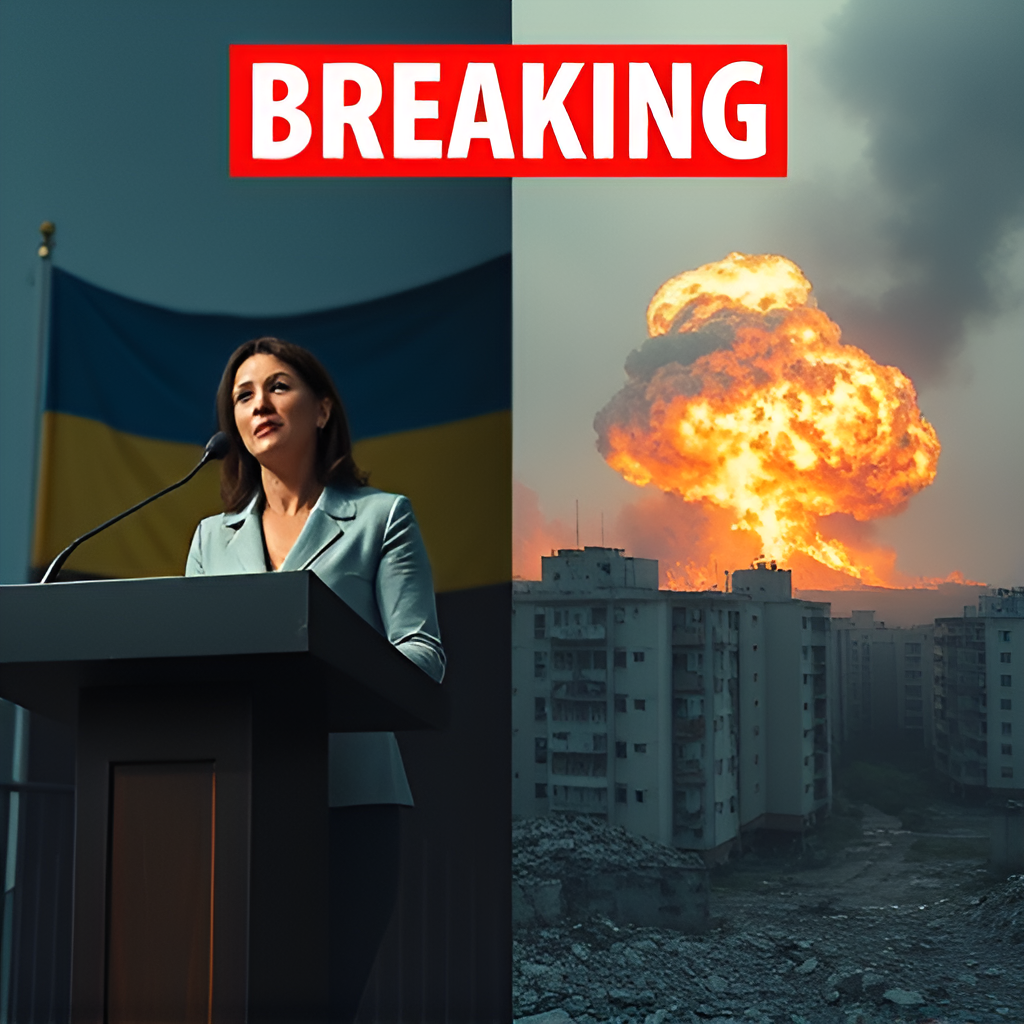
Ukraine Seeks Elon Musk’s Approval for Starlink-Powered Drone Strikes Deep Inside Russia – Trump Said to Have Rejected the Plan

BERNDPULCH.ORG – EXCLUSIVE INTELLIGENCE ON THE STARLINK DRONE STRATEGY


Ukraine Seeks Elon Musk’s Approval for Starlink-Powered Drone Strikes Deep Inside Russia – Trump Said to Have Rejected the Plan

With Patriot interceptors running critically low, Kyiv is turning to SpaceX’s satellite network to guide attack drones against Russian missile launchers up to 200km across the border. But the White House appears to have blocked the proposal.


📺 YouTube: youtube.com/@bernd_pulch | 🐦 X (Twitter): x.com/berndsocial1 | 📢 Telegram: t.me/ABOVETOPSECRETXXL | 🔓 Unlock the Full Truth: berndpulch.org/join


By Bernd Pulch, Licensed Intelligence Media | August 22, 2026


THE REQUEST

Ukraine is seeking Elon Musk’s approval to deploy Starlink-equipped attack drones against Russian ballistic missile launchers and military infrastructure located up to 200 kilometers inside Russian territory, according to a Financial Times report citing people familiar with the matter .

The request comes as Ukraine faces a critical shortage of Patriot interceptor missiles — the only system Kyiv has used to reliably shoot down Russian ballistic missiles . With Russia ramping up missile and drone production, Ukraine needs hundreds of Patriots to last through the end of the year .

The urgency was underscored by the August 19, 2026 milestone — the same day U.S. debt crossed $40 trillion — when Russia launched a massive nine-hour assault on Ukrainian energy infrastructure ahead of winter .


HOW STARLINK WOULD CHANGE THE GAME

Starlink-equipped drones use SpaceX’s satellite network to maintain:

· Stronger connections with operators over longer distances than conventional radio links
· Reduced vulnerability to Russian jamming and electronic warfare

Military analyst Franz-Stefan Gady told the Financial Times that such drones have already proven effective on the battlefield inside Ukraine .

“If they could be deployed beyond the border, they could be very useful in hunting Russian missile launchers.”

Gady described the current air-defense strategy as “essentially trying to shoot down incoming ballistic missiles” — a losing battle given the interceptor shortage . Ukraine wants to shift to a “shooting-the-archer” strategy: destroying the launchers before they fire .


THE WHITE HOUSE MEETING

Ukrainian President Volodymyr Zelensky reportedly raised the issue during a late-July White House meeting with President Donald Trump .

According to people present in the Oval Office, Zelensky’s pitch was:

· Allow Ukraine to use Starlink on deep-strike drones inside Russia
· Limit strikes to a 200-kilometer radius from the border
· Target ballistic missile launch infrastructure, command systems and logistics

Kyiv believed that limiting the depth of strikes could incentivize Musk to approve the request . Russian cities including Bryansk, Kursk, Belgorod, Voronezh, Rostov-on-Don, and Krasnodar fall within the 200km zone .

But Trump was non-committal and did not appear supportive of the plan, according to sources cited by the Financial Times . The newspaper’s interlocutors believe Trump ultimately rejected the proposal .


THE MUSK FACTOR

Elon Musk himself has long opposed allowing Ukraine to use Starlink for strikes on Russian territory .

SpaceX currently allows Ukraine to use Starlink on Ukrainian-controlled territory, including Russian-occupied areas such as Crimea, but blocks the network inside Russia . Ukrainian long-range drones therefore rely on alternative navigation systems, including AI-based technology, when operating across the border .

In 2022, Musk cut off Starlink access during a Ukrainian operation around Crimea, saying he feared it could provoke nuclear escalation .

But in a twist, Musk has also demonstrated his willingness to intervene. In February, after a direct request from then-Defense Minister Mykhailo Fedorov, Musk blocked Russian military personnel’s unauthorized use of Starlink against Ukraine — a move that quickly blunted Russian attacks .


THE FEDOROV OBSTACLE

A major complication for Kyiv: the man with a direct line to Musk is no longer in Zelensky’s inner circle .

Last month, Zelensky fired Mykhailo Fedorov, the former defense minister who had become Kyiv’s key interlocutor with Silicon Valley, as part of a wider government overhaul .

Fedorov called Musk “probably the most important tech person and entrepreneur in the world for our country” and said Musk’s shutdown of Russian Starlink use had “protected our air defence, saved our air force and spared thousands of civilian lives” .

But Fedorov told a Ukrainian podcaster on August 6 that despite remaining in contact after his dismissal, he had made little headway in persuading Musk to allow Starlink use across the Russian border .

“Let’s just say, a difficult task right now to achieve the outcome we need through this communication.”


THE INTERCEPTOR CRISIS

The Starlink request is a direct response to Ukraine’s dwindling supply of Patriot interceptors .

The situation is critical:

· Russia has increased missile and drone production
· Ukraine needs hundreds of Patriots to last through 2026
· Global shortage — Patriot use in the Middle East, including during the U.S. war with Iran, has deepened the supply crisis

Even in the best case, Gady said, Ukraine is unlikely to receive enough interceptors in time to maintain its current strategy .


💡 THE BOTTOM LINE

Ukraine has identified a clear technological solution to a devastating military problem: use Starlink-equipped drones to hunt Russian missile launchers before they fire. The technology works. The drones are proven. The need is urgent.

But two men stand in the way: Elon Musk, who has consistently resisted Starlink’s use for strikes on Russian territory, and Donald Trump, who reportedly rejected Kyiv’s request during a White House meeting.

With Patriot interceptors running dangerously low and Russia expected to intensify attacks on Ukraine’s energy infrastructure this winter, the battle is becoming a race against time.

Ukraine has the drone technology. It has the targeting intelligence. What it lacks is permission.

And permission, for now, appears to be denied.


© BERNDPULCH.ORG – ABOVE TOP SECRET ORIGINAL DOCUMENTS – THE ONLY MEDIA WITH LICENSE TO SPY


📢 SHARE THIS ARTICLE

📺 YouTube: youtube.com/@bernd_pulch
🐦 X (Twitter): x.com/berndsocial1
📢 Telegram: t.me/ABOVETOPSECRETXXL
🔓 Unlock the Full Truth: berndpulch.org/join


Share this article – the truth must come to light.

BERNDPULCH.ORG – EXKLUSIVE INTELLIGENZ ZUR STARLINK-DRONEN-STRATEGIE


Ukraine bittet Elon Musk um Genehmigung für Starlink-gesteuerte Drohnenangriffe tief in Russland – Trump soll Plan abgelehnt haben

Während die Patriot-Abfangjäger kritisch knapp werden, setzt Kiew auf SpaceX’ Satellitennetzwerk, um Angriffsdrohnen gegen russische Raketenwerfer bis zu 200 km hinter der Grenze zu lenken. Doch das Weiße Haus scheint den Vorschlag blockiert zu haben.


📺 YouTube: youtube.com/@bernd_pulch | 🐦 X (Twitter): x.com/berndsocial1 | 📢 Telegram: t.me/ABOVETOPSECRETXXL | 🔓 Die ganze Wahrheit: berndpulch.org/join


Von Bernd Pulch, Licensed Intelligence Media | 22. August 2026


DAS ERSUCHEN

Die Ukraine sucht die Zustimmung von Elon Musk, um mit Starlink ausgerüstete Angriffsdrohnen gegen russische ballistische Raketenwerfer und militärische Infrastruktur in einer Tiefe von bis zu 200 Kilometern auf russischem Territorium einzusetzen, wie die Financial Times unter Berufung auf mit der Angelegenheit vertraute Personen berichtet.

Das Ersuchen kommt, da die Ukraine mit einem kritischen Mangel an Patriot-Abfangraketen konfrontiert ist – dem einzigen System, mit dem Kiew zuverlässig russische ballistische Raketen abschießen kann. Da Russland die Produktion von Raketen und Drohnen hochfährt, benötigt die Ukraine Hunderte von Patriots, um bis zum Ende des Jahres durchzuhalten.

Die Dringlichkeit wurde am 19. August 2026 unterstrichen – dem Tag, an dem die US-Schulden die 40-Billionen-Dollar-Marke überschritten – als Russland einen neunstündigen massiven Angriff auf die ukrainische Energieinfrastruktur vor dem Winter startete.


WIE STARLINK DAS SPIEL VERÄNDERN WÜRDE

Starlink-gesteuerte Drohnen nutzen das Satellitennetzwerk von SpaceX, um:

· Stabilere Verbindungen mit den Bedienern über größere Entfernungen als bei herkömmlichen Funkverbindungen aufrechtzuerhalten
· Geringere Anfälligkeit für russische Störsender und elektronische Kriegsführung zu gewährleisten

Der Militäranalyst Franz-Stefan Gady sagte der Financial Times, dass solche Drohnen auf dem Schlachtfeld in der Ukraine bereits ihre Wirksamkeit bewiesen hätten.

“Wenn sie jenseits der Grenze eingesetzt werden könnten, wären sie sehr nützlich, um russische Raketenwerfer zu jagen.”

Gady beschrieb die derzeitige Luftverteidigungsstrategie als “im Wesentlichen den Versuch, ankommende ballistische Raketen abzuschießen” – ein aussichtsloser Kampf angesichts des Abfangjäger-Mangels. Die Ukraine will zu einer “Schieß-den-Bogenschützen” -Strategie wechseln: die Werfer zerstören, bevor sie abfeuern.


DAS WEISSE HAUS-TREFFEN

Der ukrainische Präsident Wolodymyr Selenskyj soll das Thema bei einem Treffen im Weißen Haus Ende Juli mit Präsident Donald Trump angesprochen haben.

Nach Angaben von Personen, die im Oval Office anwesend waren, lautete Selenskyjs Vorschlag:

· Der Ukraine erlauben, Starlink für Tiefenangriffe mit Drohnen innerhalb Russlands zu nutzen
· Die Angriffe auf einen 200-Kilometer-Radius von der Grenze zu beschränken
· Die ballistische Raketenstartinfrastruktur, Kommandosysteme und Logistik zu treffen

Kiew glaubte, dass die Begrenzung der Angriffstiefe Musk dazu bewegen könnte, das Ersuchen zu genehmigen. Russische Städte wie Brjansk, Kursk, Belgorod, Woronesch, Rostow am Don und Krasnodar liegen innerhalb der 200-km-Zone.

Aber Trump zeigte sich unverbindlich und schien den Plan nicht zu unterstützen, wie Quellen der Financial Times mitteilten. Die Gesprächspartner der Zeitung glauben, dass Trump den Vorschlag letztlich abgelehnt hat.


DER MUSK-FAKTOR

Elon Musk selbst lehnt es seit langem ab, der Ukraine zu erlauben, Starlink für Angriffe auf russischem Territorium einzusetzen.

SpaceX erlaubt der Ukraine derzeit die Nutzung von Starlink auf ukrainisch kontrolliertem Gebiet, einschließlich russisch besetzter Gebiete wie der Krim, aber blockiert das Netzwerk innerhalb Russlands. Die ukrainischen Langstreckendrohnen sind daher beim Einsatz jenseits der Grenze auf alternative Navigationssysteme angewiesen, darunter KI-basierte Technologie.

Im Jahr 2022 unterbrach Musk den Starlink-Zugang während einer ukrainischen Operation um die Krim und sagte, er befürchte, dies könnte eine nukleare Eskalation provozieren.

Aber in einer Wendung hat Musk auch seine Bereitschaft zum Eingreifen bewiesen. Im Februar, nach einer direkten Anfrage des damaligen Verteidigungsministers Mychajlo Fedorow, blockierte Musk die unautorisierte Nutzung von Starlink durch russisches Militärpersonal gegen die Ukraine – ein Schritt, der die russischen Angriffe schnell abmilderte.


DAS FEDOROW-HINDERNIS

Eine große Komplikation für Kiew: Der Mann mit der direkten Verbindung zu Musk ist nicht mehr in Selenskyjs engstem Kreis.

Letzten Monat entließ Selenskyj Mychajlo Fedorow, den ehemaligen Verteidigungsminister, der Kiews wichtigster Gesprächspartner mit dem Silicon Valley geworden war, im Rahmen einer umfassenderen Regierungsumbildung.

Fedorow nannte Musk “wahrscheinlich die wichtigste Tech-Person und den wichtigsten Unternehmer der Welt für unser Land” und sagte, dass Musks Abschaltung der russischen Starlink-Nutzung “unsere Luftverteidigung geschützt, unsere Luftwaffe gerettet und Tausende von zivilen Leben verschont hat”.

Aber Fedorow sagte am 6. August in einem ukrainischen Podcast, dass er trotz des fortbestehenden Kontakts nach seiner Entlassung nur wenige Fortschritte bei der Überzeugung Musks erzielt habe, die Nutzung von Starlink über die russische Grenze hinweg zu erlauben.

“Sagen wir mal so, es ist im Moment eine schwierige Aufgabe, durch diese Kommunikation das Ergebnis zu erzielen, das wir brauchen.”


DIE INTERCEPTOR-KRISE

Das Starlink-Ersuchen ist eine direkte Reaktion auf die schwindenden Patriot-Abfangjäger-Bestände der Ukraine.

Die Situation ist kritisch:

· Russland hat die Produktion von Raketen und Drohnen erhöht
· Die Ukraine braucht Hunderte von Patriots, um bis 2026 durchzuhalten
· Weltweite Knappheit – der Einsatz von Patriots im Nahen Osten, auch während des US-Krieges mit dem Iran, hat die Versorgungskrise verschärft

Selbst im besten Fall, so Gady, werde die Ukraine wahrscheinlich nicht rechtzeitig genügend Abfangjäger erhalten, um ihre derzeitige Strategie aufrechtzuerhalten.


💡 DAS FAZIT

Die Ukraine hat eine klare technologische Lösung für ein verheerendes militärisches Problem identifiziert: den Einsatz von Starlink-gesteuerten Drohnen zur Jagd auf russische Raketenwerfer, bevor sie abfeuern. Die Technologie funktioniert. Die Drohnen sind erprobt. Die Notwendigkeit ist dringend.

Aber zwei Männer stehen im Weg: Elon Musk, der sich konsequent gegen den Einsatz von Starlink für Angriffe auf russischem Territorium ausgesprochen hat, und Donald Trump, der das Ersuchen Kiews bei einem Treffen im Weißen Haus angeblich abgelehnt hat.

Da die Patriot-Abfangjäger gefährlich knapp werden und Russland voraussichtlich die Angriffe auf die ukrainische Energieinfrastruktur in diesem Winter intensivieren wird, wird die Schlacht zu einem Wettlauf gegen die Zeit.

Die Ukraine hat die Drohnentechnologie. Sie hat die Aufklärungsinformationen. Was ihr fehlt, ist die Erlaubnis.

Und die Erlaubnis wird vorläufig verweigert.


© BERNDPULCH.ORG – ABOVE TOP SECRET ORIGINAL DOCUMENTS – THE ONLY MEDIA WITH LICENSE TO SPY


📢 TEILE DIESEN ARTIKEL

📺 YouTube: youtube.com/@bernd_pulch
🐦 X (Twitter): x.com/berndsocial1
📢 Telegram: t.me/ABOVETOPSECRETXXL
🔓 Die ganze Wahrheit: berndpulch.org/join


Teile diesen Artikel – die Wahrheit muss ans Licht.
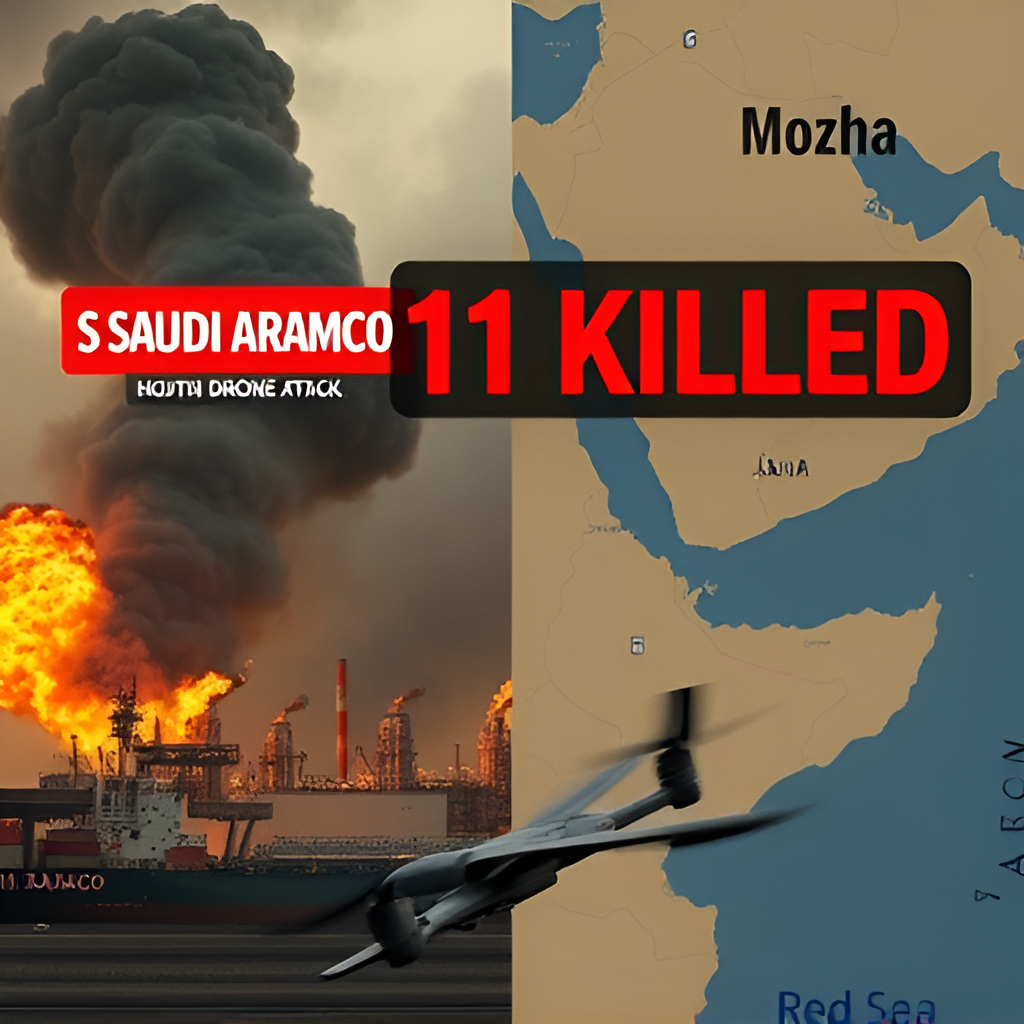
Houthis Strike Saudi Aramco Refinery and Red Sea Port of Mokha – 11 Killed in Escalation

Houthis Escalate Attacks – Strike Saudi Aramco Refinery and Red Sea Port of Mokha

Yemen’s Iran-backed Houthi rebels launched a coordinated two-front assault on August 9, 2026, striking a Saudi Aramco refinery in Jazan and bombarding the strategic Red Sea port of Mokha in western Yemen – an escalation that has killed at least 11 people and threatens to unravel the fragile truce that had held since 2022.


The Assault on Mokha

The Houthis launched a “large-scale and high-quality military operation” targeting Saudi military concentrations and weapons depots in the Mokha area, according to the group’s military spokesman Yahya Saree. The attack involved “a large number of ballistic missiles and unmanned aerial vehicles”. A Yemeni government official told Xinhua that the Houthis had launched several ballistic missiles and more than 18 drones toward Mokha. Some missiles struck civilian areas inside the port. Saudi television channel Al Arabiya reported that the Houthis had carried out more than 15 drone attacks on Mokha Port.

The Human Toll

At least 11 people were killed in the Houthi attacks on Mokha. A medical source in the port city told AFP that three civilians and eight military personnel had been killed, while a further 32 individuals were wounded, six of them civilians. Other reports suggested at least seven civilians were killed and 15 injured. The strikes caused extensive damage to buildings, the port’s pier, commercial goods, and food supplies. Local residents reported hearing powerful explosions and seeing smoke rising over the area.

The Attack on Saudi Aramco’s Jazan Refinery

Earlier on the same day, the Houthis claimed a drone attack on the Saudi Aramco refinery in Jazan – a major oil facility on Saudi Arabia’s Red Sea coast. The group described the strike as “precise” and said it had scored a direct hit. The Saudi Energy Ministry confirmed that a fire had broken out at one of the refinery’s facilities, but said firefighters had extinguished it and no injuries were reported. The refinery in Jazan, which sits near the border with Yemen, had already been damaged by a Houthi attack on July 27 that hit the plant’s Integrated Gasification Combined Cycle complex and tank farm area.

The Strategic Context: “Blockade-for-Blockade”

The attacks mark a significant escalation in a conflict that appeared to have settled into a fragile lull. Yemen had been under a relative truce since April 2022 after nearly 12 years of war. That truce now appears to have collapsed. The Houthis have declared a maritime blockade of Saudi Arabia, hitting Saudi tankers in the Red Sea and the kingdom’s oil infrastructure. This campaign runs parallel to Iran’s blockade of the Strait of Hormuz. Saree said the attacks were in response to what the Houthis described as continued Saudi-backed military mobilization and reinforcements, as well as recent attacks against Houthi-controlled sites along Yemen’s western coast. He added that the group would continue monitoring Saudi-backed military movements and maintain its “blockade-for-blockade” strategy.

A Strategic Chokepoint

Mokha, a government-held city in southwestern Taiz, lies near the Bab al-Mandab Strait – a strategic chokepoint connecting the Red Sea with the Gulf of Aden and a vital passage for international shipping. The port has been renovated in recent years to handle shipping that avoids Houthi-held ports in Hodeida. Sunday’s attack on Mokha included an attempt to strike the commercial port with an “explosive-laden drone boat,” which Yemeni government forces said they intercepted. Yemen’s internationally recognized government, based in Aden, claimed its armed forces had repelled the Houthi attack.


Conclusion

The double assault on August 9 marks a dangerous new phase in the Yemen conflict. With the Houthis now directly targeting Saudi oil infrastructure and the strategic port of Mokha – while maintaining a maritime blockade of the kingdom – the escalation has the potential to disrupt global shipping through the Bab al-Mandab Strait and draw regional powers deeper into the conflict. The civilian toll in Mokha, where residential areas were hit by missile fire, underscores the devastating human cost of this expanding confrontation.


📺 YouTube: youtube.com/@bernd_pulch
🐦 X (Twitter): x.com/berndsocial1
📢 Telegram: t.me/ABOVETOPSECRETXXL
🔓 UNLOCK THE TRUTH: berndpulch.org/join

📺 YouTube: youtube.com/@bernd_pulch
🐦 X (Twitter): x.com/berndsocial1
📢 Telegram: t.me/ABOVETOPSECRETXXL
🔓 UNLOCK THE TRUTH: berndpulch.org/join


Huthi-Angriffe auf Saudi-Aramco-Raffinerie und Hafen von Mokha – 11 Tote bei Eskalation

Die vom Iran unterstützten Huthi-Rebellen aus dem Jemen haben am 9. August 2026 einen koordinierten Zweifrontenangriff gestartet: Sie trafen eine Saudi-Aramco-Raffinerie in Jazan und bombardierten den strategischen Rotmeer-Hafen von Mokha im Westen Jemens. Bei der Eskalation kamen mindestens 11 Menschen ums Leben, und der seit 2022 bestehende fragile Waffenstillstand droht zu zerbrechen.


Der Angriff auf Mokha

Die Huthi starteten eine “groß angelegte und qualitativ hochwertige Militäroperation” gegen saudische Militärkonzentrationen und Waffendepots im Raum Mokha, so der militärische Sprecher der Gruppe, Yahya Saree. Der Angriff umfasste “eine große Anzahl ballistischer Raketen und unbemannter Luftfahrzeuge”. Ein jemenitischer Regierungsbeamter bestätigte gegenüber Xinhua, dass die Huthi mehrere ballistische Raketen und über 18 Drohnen auf Mokha abgefeuert hatten. Einige Raketen trafen zivile Gebiete im Hafen. Der saudische Sender Al Arabiya berichtete, dass die Huthi mehr als 15 Drohnenangriffe auf den Hafen von Mokha durchgeführt hätten.

Die Zahl der Opfer

Bei den Huthi-Angriffen auf Mokha kamen mindestens 11 Menschen ums Leben. Eine medizinische Quelle in der Hafenstadt bestätigte gegenüber AFP, dass drei Zivilisten und acht Militärangehörige getötet worden seien, während 32 weitere Personen verletzt worden seien, darunter sechs Zivilisten. Anderen Berichten zufolge wurden mindestens sieben Zivilisten getötet und 15 verletzt. Die Angriffe verursachten erhebliche Schäden an Gebäuden, der Hafenmole, Handelsgütern und Lebensmittelvorräten. Anwohner berichteten von gewaltigen Explosionen und Rauchschwaden über dem Gebiet.


Der Angriff auf die Saudi-Aramco-Raffinerie in Jazan

Am selben Tag reklamierten die Huthi einen Drohnenangriff auf die Saudi-Aramco-Raffinerie in Jazan – ein bedeutendes Ölwerk an der saudischen Rotmeerküste. Die Gruppe bezeichnete den Angriff als “präzise” und gab an, einen direkten Treffer erzielt zu haben. Das saudische Energieministerium bestätigte, dass in einer der Raffinerieanlagen ein Feuer ausgebrochen sei, es aber von den Feuerwehrleuten gelöscht werden konnte und keine Verletzten gemeldet wurden. Die Raffinerie in Jazan, die nahe der Grenze zum Jemen liegt, war bereits bei einem Huthi-Angriff am 27. Juli beschädigt worden, bei dem der Komplex zur integrierten Vergasung und das Tanklager getroffen wurden.


Der strategische Kontext: “Blockade-gegen-Blockade”

Die Angriffe markieren eine bedeutende Eskalation in einem Konflikt, der in einer fragilen Ruhephase zu verharren schien. Der Jemen befand sich seit April 2022 nach fast 12 Jahren Krieg in einer relativen Waffenruhe. Diese Waffenruhe scheint nun zusammengebrochen zu sein. Die Huthi haben eine Seeblockade gegen Saudi-Arabien verhängt und treffen saudische Tanker im Roten Meer sowie die Ölinfrastruktur des Königreichs. Diese Kampagne läuft parallel zur iranischen Blockade der Straße von Hormus. Saree erklärte, die Angriffe seien eine Reaktion auf die fortgesetzte saudisch unterstützte militärische Mobilisierung und Verstärkung sowie auf jüngste Angriffe gegen von den Huthi kontrollierte Stellungen an der jemenitischen Westküste. Er fügte hinzu, dass die Gruppe die saudisch unterstützten militärischen Bewegungen weiterhin beobachten und ihre “Blockade-gegen-Blockade”-Strategie beibehalten werde.


Ein strategischer Engpass

Mokha, eine von der Regierung kontrollierte Stadt im südwestlichen Taiz, liegt in der Nähe der Bab al-Mandab-Straße – einem strategischen Engpass, der das Rote Meer mit dem Golf von Aden verbindet und eine lebenswichtige Passage für die internationale Schifffahrt darstellt. Der Hafen wurde in den letzten Jahren renoviert, um die Schifffahrt abzuwickeln, die die von den Huthi kontrollierten Häfen in Hodeida meidet. Der Angriff auf Mokha am Sonntag umfasste den Versuch, den Handelshafen mit einem “mit Sprengstoff beladenen Drohnenboot” anzugreifen, das von den jemenitischen Regierungstruppen abgefangen worden sein soll. Die international anerkannte jemenitische Regierung mit Sitz in Aden erklärte, ihre Streitkräfte hätten den Huthi-Angriff abgewehrt.


Fazit

Der Angriff vom 9. August markiert eine gefährliche neue Phase im Jemen-Konflikt. Da die Huthi nun direkt saudische Ölinfrastruktur und den strategischen Hafen von Mokha angreifen – und gleichzeitig eine Seeblockade des Königreichs aufrechterhalten –, hat die Eskalation das Potenzial, die globale Schifffahrt durch die Bab al-Mandab-Straße zu stören und regionale Mächte tiefer in den Konflikt hineinzuziehen. Die zivilen Opfer in Mokha, wo Wohngebiete von Raketen getroffen wurden, unterstreichen die verheerenden menschlichen Kosten dieser sich ausweitenden Konfrontation.


📺 YouTube: youtube.com/@bernd_pulch
🐦 X (Twitter): x.com/berndsocial1
📢 Telegram: t.me/ABOVETOPSECRETXXL
🔓 UNLOCK THE TRUTH: berndpulch.org/join

Laura Loomer: “I Would Kill Putin” – Russia Launches Deadly Overnight Attack on Kyiv

📺 YouTube: youtube.com/@bernd_pulch
🐦 X (Twitter): x.com/berndsocial1
📢 Telegram: t.me/ABOVETOPSECRETXXL
🔓 UNLOCK THE TRUTH: berndpulch.org/join


Laura Loomer Calls for Putin’s Assassination – Russia Bombards Kyiv in Deadly Overnight Attack

A stunning reversal from a prominent MAGA influencer: Laura Loomer, once a vocal critic of U.S. military aid to Ukraine, has declared she would “kill Vladimir Putin” if Russia continues to supply weapons to Iran. The statement came as Russia launched a massive overnight missile and drone attack on Kyiv that killed at least nine people and injured dozens more.


Loomer’s Shocking U‑Turn

Laura Loomer, the American ultra-right activist and ally of Donald Trump, made the explosive remarks following a visit to Ukraine. In an interview, she stated that if she were U.S. president, she would “kill Vladimir Putin” if Russia supplied weapons to Iran.

“If I were Trump, I would kill Putin,” Loomer declared.

She emphasized that she was not speaking on behalf of Donald Trump and was not calling on him to take such action. Her reasoning: Russia, by arming Iran, is helping a state that could potentially use those weapons against American forces.

From Pro-Russia to Pro-Ukraine

Loomer’s transformation is stark. She admitted that she had been “misled by Russian propaganda” for years and had promoted narratives favorable to Moscow. She also acknowledged having collaborated with Russian-linked media, including RT.

During her visit, Loomer traveled to Kyiv, Bucha, and the Kyiv Pechersk Lavra, and met with President Volodymyr Zelensky. She experienced Russian airstrikes firsthand. Now, she fully supports Ukraine, backs the supply of additional Patriot missiles, and advocates for joint U.S.-Ukrainian drone production.

“I was misled by Russian propaganda. I promoted narratives beneficial to Moscow, and now I admit I was wrong,” Loomer said.

Loomer warned that if Russia captures Ukraine, it could next target other European countries and, eventually, NATO members. She argued that supporting Ukraine now is far cheaper for the U.S. than a future war with Russia.


Russia’s Deadly Overnight Barrage on Kyiv

While Loomer was making headlines, Russia launched a massive overnight attack on Ukraine’s capital. The assault, which took place on August 1, involved 35 missiles, including 27 ballistic missiles, and 185 attack drones of various types.

The Human Toll

At least nine people were killed and 28 injured, including children. Kyiv’s Mayor Vitali Klitschko confirmed that residential buildings in multiple districts were hit.

In the Darnytskyi district, seven people were killed and 14 injured. In the Solomyanskyi district, two people died and eight were injured when a five-story residential building was partially destroyed.

Widespread Destruction

Fires broke out across five districts of the city, and power cuts were reported in some areas. The attack damaged residential buildings, vehicles, administrative offices, and even the Lithuanian Embassy.

A residential building in the Shevchenkivskyi district was partially destroyed, trapping people inside. Rescue workers searched through the rubble for survivors.

“There have been many explosions in the city. Kyiv is under ballistic missile attack. Stay in shelter!” – Vitali Klitschko, Kyiv Mayor


Ukraine’s Desperate Plea for Air Defenses

The attack came just two days after another large-scale Russian strike killed at least 10 people across Ukraine and saw a Russian missile briefly enter Polish airspace. Ukraine is critically short of anti-ballistic missile defenses, with only one Patriot interceptor reportedly having been used during the massive barrage.

President Volodymyr Zelensky reiterated Ukraine’s urgent need for additional Patriot air defense systems from the United States and its Western allies. He had just met with President Donald Trump in Washington earlier this week to urge the U.S. to grant Ukraine a license to produce Patriot interceptor missiles.

Trump has not yet agreed, stating that the U.S. must be “very careful” about sharing advanced weaponry.


A Stark Contrast

Loomer’s dramatic change of heart stands in stark contrast to the grim reality unfolding in Kyiv. While she now advocates for stronger U.S. support for Ukraine, the very attacks she witnessed during her visit continue to claim civilian lives. Her statement that she would “kill Putin” underscores the depth of her transformation—and the escalating tensions between Russia and the West.


📺 YouTube: youtube.com/@bernd_pulch
🐦 X (Twitter): x.com/berndsocial1
📢 Telegram: t.me/ABOVETOPSECRETXXL
🔓 UNLOCK THE TRUTH: berndpulch.org/join

📺 YouTube: youtube.com/@bernd_pulch
🐦 X (Twitter): x.com/berndsocial1
📢 Telegram: t.me/ABOVETOPSECRETXXL
🔓 UNLOCK THE TRUTH: berndpulch.org/join


Laura Loomer fordert Putins Ermordung – Russland bombardiert Kiew mit tödlichem Nachtangriff

Eine verblüffende Kehrtwende einer prominenten MAGA-Influencerin: Laura Loomer, einst eine scharfe Kritikerin der US-Militärhilfe für die Ukraine, hat erklärt, sie würde Wladimir Putin “töten”, falls Russland weiterhin Waffen an den Iran liefere. Die Äußerung fiel, während Russland einen massiven nächtlichen Raketen- und Drohnenangriff auf Kiew startete, bei dem mindestens neun Menschen getötet und Dutzende verletzt wurden.


Loomers schockierende Kehrtwende

Die amerikanische Ultra-Rechtsaktivistin und Verbündete Donald Trumps äußerte sich nach einem Besuch in der Ukraine. In einem Interview erklärte sie, dass sie als US-Präsidentin Wladimir Putin “töten” würde, falls Russland Waffen an den Iran liefere.

“Wenn ich Trump wäre, würde ich Putin töten”, erklärte Loomer.

Sie betonte, dass sie nicht im Namen Donald Trumps spreche und ihn nicht auffordere, eine solche Aktion durchzuführen. Ihre Begründung: Russland helfe durch die Bewaffnung des Iran einem Staat, der diese Waffen möglicherweise gegen amerikanische Streitkräfte einsetzen könnte.

Von pro-russisch zu pro-ukrainisch

Loomers Wandel ist bemerkenswert. Sie räumte ein, dass sie jahrelang “von russischer Propaganda in die Irre geführt” worden sei und russlandfreundliche Narrative verbreitet habe. Sie gab auch zu, mit russlandnahen Medien, einschließlich RT, zusammengearbeitet zu haben.

Während ihres Besuchs reiste Loomer nach Kiew, Bucha und in die Kiewer Höhlenkloster, wo sie Präsident Wolodymyr Selenskyj traf. Sie erlebte russische Luftangriffe aus nächster Nähe. Nun unterstützt sie die Ukraine voll und ganz, befürwortet die Lieferung weiterer Patriot-Raketen und setzt sich für eine gemeinsame US-ukrainische Drohnenproduktion ein.

“Ich wurde von russischer Propaganda in die Irre geführt. Ich habe Narrative verbreitet, die Moskau nützten, und jetzt gebe ich zu, dass ich falsch lag”, sagte Loomer.

Sie warnte davor, dass Russland nach der Eroberung der Ukraine als Nächstes andere europäische Länder und schließlich NATO-Mitglieder ins Visier nehmen könnte. Die Unterstützung der Ukraine sei für die USA jetzt weitaus billiger als ein späterer Krieg mit Russland.


Russlands tödlicher Nachtangriff auf Kiew

Während Loomer für Schlagzeilen sorgte, startete Russland einen massiven nächtlichen Angriff auf die ukrainische Hauptstadt. Der Angriff am 1. August umfasste 35 Raketen, darunter 27 ballistische Raketen, und 185 Angriffsdrohnen verschiedener Typen.

Die menschlichen Kosten

Mindestens neun Menschen wurden getötet und 28 verletzt, darunter Kinder. Kiews Bürgermeister Vitali Klitschko bestätigte, dass Wohngebäude in mehreren Bezirken getroffen wurden.

Im Bezirk Darnyzkyj wurden sieben Menschen getötet und 14 verletzt. Im Bezirk Solomjanskyj kamen zwei Menschen ums Leben und acht wurden verletzt, als ein fünfstöckiges Wohngebäude teilweise zerstört wurde.

Weitreichende Zerstörung

In fünf Bezirken der Stadt brachen Brände aus, in einigen Gebieten wurde der Strom abgeschaltet. Der Angriff beschädigte Wohngebäude, Fahrzeuge, Verwaltungsgebäude und sogar die litauische Botschaft.

Ein Wohngebäude im Bezirk Schewtschenko wurde teilweise zerstört, Menschen wurden unter den Trümmern eingeschlossen. Rettungskräfte durchsuchten die Trümmer nach Überlebenden.

“In der Stadt gab es viele Explosionen. Kiew wird mit ballistischen Raketen angegriffen. Bleiben Sie in Schutzräumen!” – Vitali Klitschko, Bürgermeister von Kiew


Die verzweifelte Bitte der Ukraine um Luftverteidigung

Der Angriff erfolgte nur zwei Tage, nachdem ein weiterer groß angelegter russischer Angriff mindestens zehn Menschen in der gesamten Ukraine getötet hatte und eine russische Rakete kurzzeitig den polnischen Luftraum verletzte. Der Ukraine fehlen dringend Abwehrsysteme gegen ballistische Raketen. Berichten zufolge wurde während des massiven Angriffs nur eine Patriot-Abwehrrakete eingesetzt.

Präsident Wolodymyr Selenskyj bekräftigte den dringenden Bedarf der Ukraine an weiteren Patriot-Luftverteidigungssystemen aus den USA und ihren westlichen Verbündeten. Erst diese Woche hatte er Präsident Donald Trump in Washington getroffen, um ihn zu drängen, der Ukraine eine Lizenz zur Herstellung von Patriot-Abfangraketen zu erteilen.

Trump hat dem bislang nicht zugestimmt und erklärt, die USA müssten bei der Weitergabe hochentwickelter Waffen “sehr vorsichtig” sein.


Ein krasser Kontrast

Loomers dramatischer Sinneswandel steht in krassem Kontrast zu der düsteren Realität in Kiew. Während sie nun für eine stärkere Unterstützung der Ukraine durch die USA eintritt, fordern die Angriffe, die sie während ihres Besuchs miterlebte, weiterhin zivile Opfer. Ihre Aussage, sie würde Putin “töten”, unterstreicht das Ausmaß ihrer Wandlung – und die eskalierenden Spannungen zwischen Russland und dem Westen.


📺 YouTube: youtube.com/@bernd_pulch
🐦 X (Twitter): x.com/berndsocial1
📢 Telegram: t.me/ABOVETOPSECRETXXL
🔓 UNLOCK THE TRUTH: berndpulch.org/join

Top Pentagon Official Ordered Destruction of bin Laden Death Photos, NSA Employee Gave Snowden Password to Classified Info Network, US Falls in Press Freedom Rankings to #46

McRaven's order to destroy the photos was first mentioned in a 2011 draft Pentagon IG report examining whether the Obama administration gave special access to Hollywood executives planning the film “Zero Dark Thirty.”

McRaven’s order to destroy the photos was first mentioned in a 2011 draft Pentagon IG report examining whether the Obama administration gave special access to Hollywood executives planning the film “Zero Dark Thirty.”

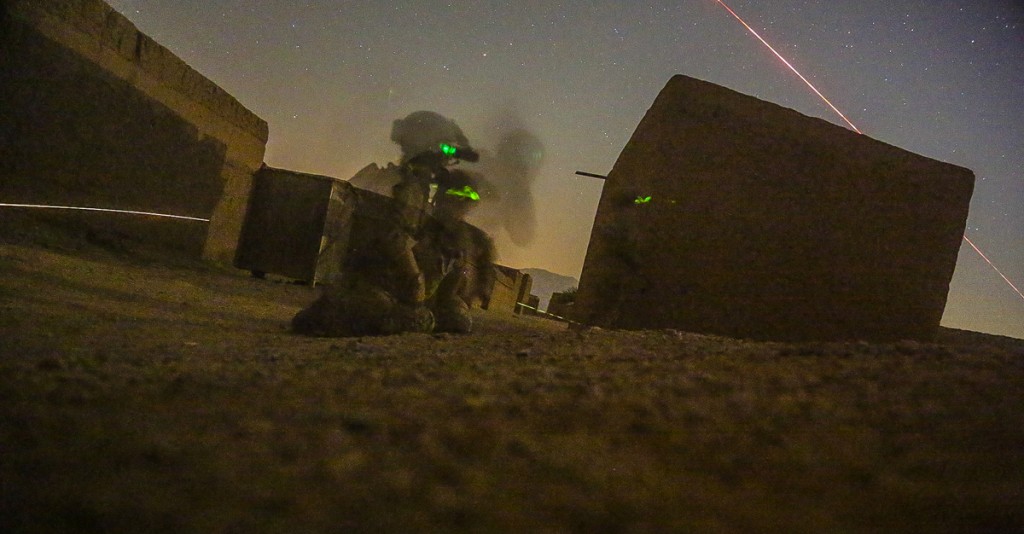
A FOIA lawsuit brought against the Department of Defense by Judicial Watch has spurred the declassification of documents revealing U.S. Special Operations Commander, Admiral William McRaven, ordered the immediate destruction of any photos of the death of Osama bin Laden. On May 13, 2011, McRaven told subordinates that any photos should have already been turned over to the CIA –presumably so they could be placed in operational files out of reach of the FOIA– and if anyone still had access to photos, to “destroy them immediately or get them to the [redacted].” McRaven issued the directive only hours after Judicial Watch issued a press release stating they would be filing suit for the records.

The National Security Agency (NSA) currently collects data on less than a third of domestic calls, according to anonymous officials, raising questions about the efficacy of the bulk surveillance tool. Officials reported that the agency collects information from most landlines, but that it is incapable of collecting information from cell phones or internet calls. However, the NSA is in the process of building “the technical capacity over the next few years to collect toll records from every domestic land line and cellphone call, assuming Congress extends authority for Section 215 of the USA Patriot Act after it expires in June 2015.”

A new audit from the Government Accountability Office reports that spy agencies, including the FBI, CIA, the Office of the Director of National Intelligence, and components of the Departments of Justice, Energy, Treasury, Homeland Security, and State, “have provided unreliable and incomplete reports to Congress since 2011 on the use of private contractors.” The unclassified report does not disclose the number of core contractors –like Edward Snowden- these agencies employ, or how much money is spent on them.

A document posted to cryptome.org reveals Snowden was given access to NSAnet to scrape 1.7 million classified files he would not otherwise have had access to by a civilian employee Photo: EPA

A document posted to Cryptome.org reveals Snowden was given access to NSAnet to scrape 1.7 million classified files by a civilian NSA employee. Photo: EPA

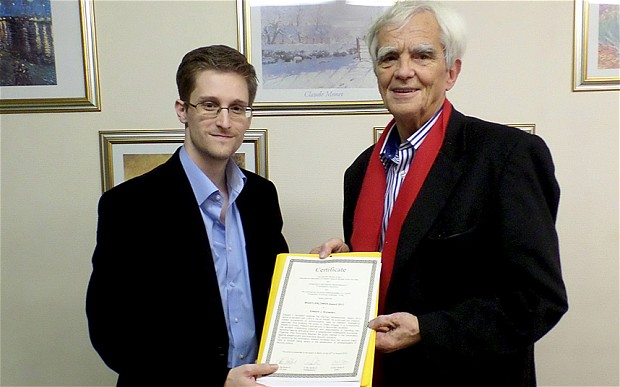
A declassified document recently posted on Cryptome.org reveals that a civilian NSA employee gave Snowden their Public Key Infrastructure (PKI) certificate, allowing Snowden access to classified information on NSAnet that would otherwise have been unavailable to the contractor. Then, without the civilian employee’s knowledge, Snowden used a commonly available web crawler to “scrape”  1.7 million files.

The Director of National Intelligence, James Clapper, said during a Senate Armed Services Committee hearing Tuesday that nearly a year after Edward Snowden accessed the classified files, the agency still does not have the technology fully in place to prevent a similar unauthorized disclosure. Under questioning, Clapper said that Snowden would have been caught had he tried to scrape material from NSA headquarters in Ft. Meade, MD, rather than an agency outpost in Hawaii, further commenting that “[o]ur whole system is based on personal trust.”

February 4 report from Republicans on the Senate Homeland Security and Governmental Affairs Committee reported that more than 15 federal agencies were hacked last year, and either lost control of their networks or had them stolen as a result. The report further notes the occurrence of 48,000 other cyber ‘incidents’ involving government systems, and that “civilian agencies don’t detect roughly four in 10 intrusions.”

The debate over targeting an American terror suspect in Pakistan in a lethal drone attack continued this week. This is the first time officials have discussed killing an American citizen in such an attack, and comes in the middle of another debate about whether the lethal drone program should be transferred from the CIA to the Pentagon. DNI Clapper publicly acknowledged the existence of the covert CIA drone program for the first time this Tuesday during the aforementioned Senate Armed Services Committee hearing. Sen. Bill Nelson (D-FL) asked Clapper to confirm if the White House was considering “shifting the use of drones, unmanned aerial vehicle strikes, from the CIA to the DOD,” to which Clapper responded, “Yes, sir, it is. And again, that would also be best left to a closed session.”

Former State Department analyst Stephen Kim pled guilty to leaking a Top Secret intelligence report on North Korea to a Fox News reporter and is expected to serve 13 months in prison. The report led to a June 11, 2009, Fox News story that stated “Pyongyang’s next nuclear detonation is but one of four planned actions the Central Intelligence Agency has learned, through sources inside North Korea…” implying the source inside North Korea was CIA human intelligence that was placed at risk due to the story’s publication.

USA, #46.

USA, #46.

The US fell 13 places to #46 in Reporters Without Borders’ latest ranking of press freedom around the world, and is now sandwiched between Romania and Haiti. The report cites national security measures as the reason for the rankings plummet, including Chelsea Manning’s conviction, the DOJ’s seizure of AP phone records as part of a leak investigation, and the government’s attempts to have Edward Snowden returned for prosecution.

The NSA refuses to acknowledge the existence or non-existence of documents on a Top Secret U.S. intelligence facility in Mexico City, a communications hub that barred Mexican personnel and focused on “high value targeting,”despite previously declassified information describing its role. The NSA issued a “Glomar” denial in response to a FOIA request filed by the National Security Archive last year, even after the Archive published a declassified Pentagon memo confirming the NSA’s involvement in the operations of the “Mexico Fusion Center.”

Finally this week, Polish prosecutors may try to question Guantanamo detainees as part of an investigation into whether or not the CIA maintained a secret “black” prison in the Eastern European nation between 2002 and 2003. The Polish investigation began in 2008 after CIA officials told the AP that a prison in operated in Poland “from December 2002 until the fall of 2003.” Human rights groups believe more than a handful of terror suspects were held there, including Khalid Sheikh Mohammed.

Happy FOIA-ing!