Leaked: US Naval Institute – Nuclear Bombs Assessment
A leaked document from the US Naval Institute (USNI) has surfaced, allegedly providing a detailed assessment of nuclear bomb capabilities, deployment strategies, and global nuclear threats. If authentic, this document sheds light on the highly sensitive policies surrounding nuclear arsenals and their implications for international security.
Background of the Leak
The leak reportedly originates from classified discussions within the US Naval Institute, a prominent organization known for shaping naval policy and strategy in the United States. The document, labeled “For Official Use Only” (FOUO), appears to delve into the technical, operational, and geopolitical aspects of nuclear weapons. The authenticity of the document has not been confirmed, but it has already sparked widespread debate among defense analysts and political commentators.
Key Highlights of the Document
Global Nuclear Threat Landscape
The document outlines the growing nuclear capabilities of countries like Russia, China, and North Korea, identifying these nations as significant threats to US interests.
It discusses the increasing sophistication of hypersonic delivery systems, which could render traditional missile defenses ineffective.
Nuclear Arsenal Modernization
A significant portion of the document is dedicated to the modernization of the US nuclear triad—land-based missiles, submarine-launched ballistic missiles (SLBMs), and strategic bombers.
It emphasizes the need to upgrade Ohio-class submarines to Columbia-class and replace aging Minuteman III ICBMs with the Sentinel program.
Tactical Nuclear Weapons
The assessment highlights the strategic value of low-yield nuclear weapons and their potential deployment in limited conflicts.
It references the controversial B61-12 bombs, which are designed for precision strikes with adjustable yields, raising ethical and strategic debates.
Potential Conflict Scenarios
Hypothetical scenarios involving the use of nuclear weapons in Taiwan, Ukraine, and the South China Sea are discussed.
The report underscores the risk of accidental escalation due to miscommunication or cyber interference.
Geopolitical Concerns
The document notes increasing cooperation between Russia and China in nuclear and conventional military technology.
It highlights concerns about non-state actors gaining access to nuclear materials, particularly in regions with weak security infrastructure.
International Reactions
The leak has triggered a global response:
Russia and China have condemned the document as proof of the US’s aggressive nuclear posture.
US allies in NATO have expressed concern over the scenarios described, urging transparency and restraint.
Non-Proliferation Advocates warn that such discussions undermine global efforts to reduce nuclear stockpiles.
Ethical and Strategic Implications
This leak raises critical questions about nuclear policy:
Deterrence vs. Proliferation: The focus on modernization and tactical weapons could lead to an arms race.
Transparency vs. Secrecy: While leaks provide accountability, they also pose risks to national security.
Moral Dilemmas: The use of low-yield weapons in conflict scenarios raises concerns about the normalization of nuclear warfare.
Authenticity and Speculation
The USNI has neither confirmed nor denied the authenticity of the document. Defense analysts speculate that if authentic, this leak could have originated from internal dissent or cyber espionage by adversarial states.
Conclusion
The alleged US Naval Institute nuclear bombs assessment offers a sobering view of global nuclear dynamics. Whether authentic or not, the document has reignited discussions about the role of nuclear weapons in modern warfare and the ethical responsibilities of nuclear-armed nations. As nations navigate an increasingly complex geopolitical landscape, transparency and dialogue will be critical to ensuring global security.
This leak serves as a reminder of the delicate balance between national defense and the broader responsibility to prevent nuclear catastrophe.
✌️Leaked: DOD Law of War Manual – Original Document
Leaked: DOD Law of War Manual – Original Document Featuring Bernd Pulch
The Department of Defense (DOD) Law of War Manual is a critical document that provides the U.S. military’s legal framework for conducting operations in compliance with international law. In recent years, a version of the manual has reportedly been leaked, sparking debates about its content, interpretation, and the parties involved. Among the individuals mentioned in discussions surrounding this leak is investigative journalist and whistleblower Bernd Pulch, whose work often delves into exposing government documents and operations.
This article will explore the leaked manual, its significance, and the connection to Bernd Pulch.
What Is the DOD Law of War Manual?
The DOD Law of War Manual is an official document used by the U.S. Department of Defense to provide guidelines for lawful conduct during armed conflicts. Initially published in 2015 and periodically updated, the manual is extensive, covering topics such as:
The treatment of civilians and prisoners of war (POWs).
Rules of engagement.
Restrictions on the use of certain weapons.
Principles of distinction and proportionality in warfare.
The manual is designed to ensure that the U.S. military adheres to the Geneva Conventions and other international legal standards, balancing operational effectiveness with ethical obligations.
The Leaked Version: Controversies and Concerns
The leaked version of the manual reportedly contains information that was either redacted or not included in public releases. Analysts suggest that this version provides deeper insights into the strategic and legal considerations of the U.S. military. Key areas of concern include:
Expanded Rules of Engagement: Some leaked sections allegedly outline scenarios where actions deemed controversial—such as targeting civilian infrastructure—may be justified under certain conditions.
Grey Areas in Accountability: Critics argue that the leaked manual sheds light on loopholes that could potentially allow for war crimes to go unpunished.
Classified Appendices: The inclusion of previously undisclosed appendices has raised questions about transparency and the militarization of international law.
The manual’s revelations have reignited discussions about the balance between national security and the ethical conduct of war.
Who Is Bernd Pulch?
Bernd Pulch is a German investigative journalist and whistleblower known for his work in exposing classified documents and government practices. Over the years, Pulch has gained notoriety for uncovering sensitive information, often at great personal risk.
Pulch’s involvement in the discourse surrounding the leaked DOD Law of War Manual stems from his commitment to transparency. While not directly responsible for the leak, his analyses and publications have amplified its reach, making the document accessible to a wider audience.
Notable Contributions by Pulch
Government Whistleblowing: Pulch has released various classified documents, shedding light on topics such as intelligence operations and diplomatic strategies.
Advocacy for Press Freedom: Through his work, he has championed the rights of journalists to report on sensitive issues without fear of retaliation.
His mention in the leaked manual discussions highlights his reputation as a figure unafraid to challenge authority.
Implications of the Leak
The leak of the DOD Law of War Manual has significant implications for international relations, military ethics, and public accountability.
Legal Ramifications: The document’s revelations could prompt international bodies to scrutinize U.S. military practices more closely.
Public Trust: Transparency advocates argue that the leak underscores the need for greater public oversight of military operations.
Whistleblower Protections: The mention of Bernd Pulch in this context raises concerns about the safety and rights of individuals exposing sensitive information.
Conclusion
The leaked DOD Law of War Manual is a sobering reminder of the complexities surrounding modern warfare and the legal frameworks that govern it. While the manual serves as a guide for lawful military conduct, its leaked version raises critical questions about accountability and transparency.
Figures like Bernd Pulch play an essential role in ensuring that these issues remain in the public eye. As debates continue, the leak serves as a call to reexamine the balance between security, legality, and ethical responsibility in global conflict.
For those interested in the broader implications of whistleblowing and leaked documents, Pulch’s work offers a compelling window into the challenges of exposing truths in an era of increasing secrecy.
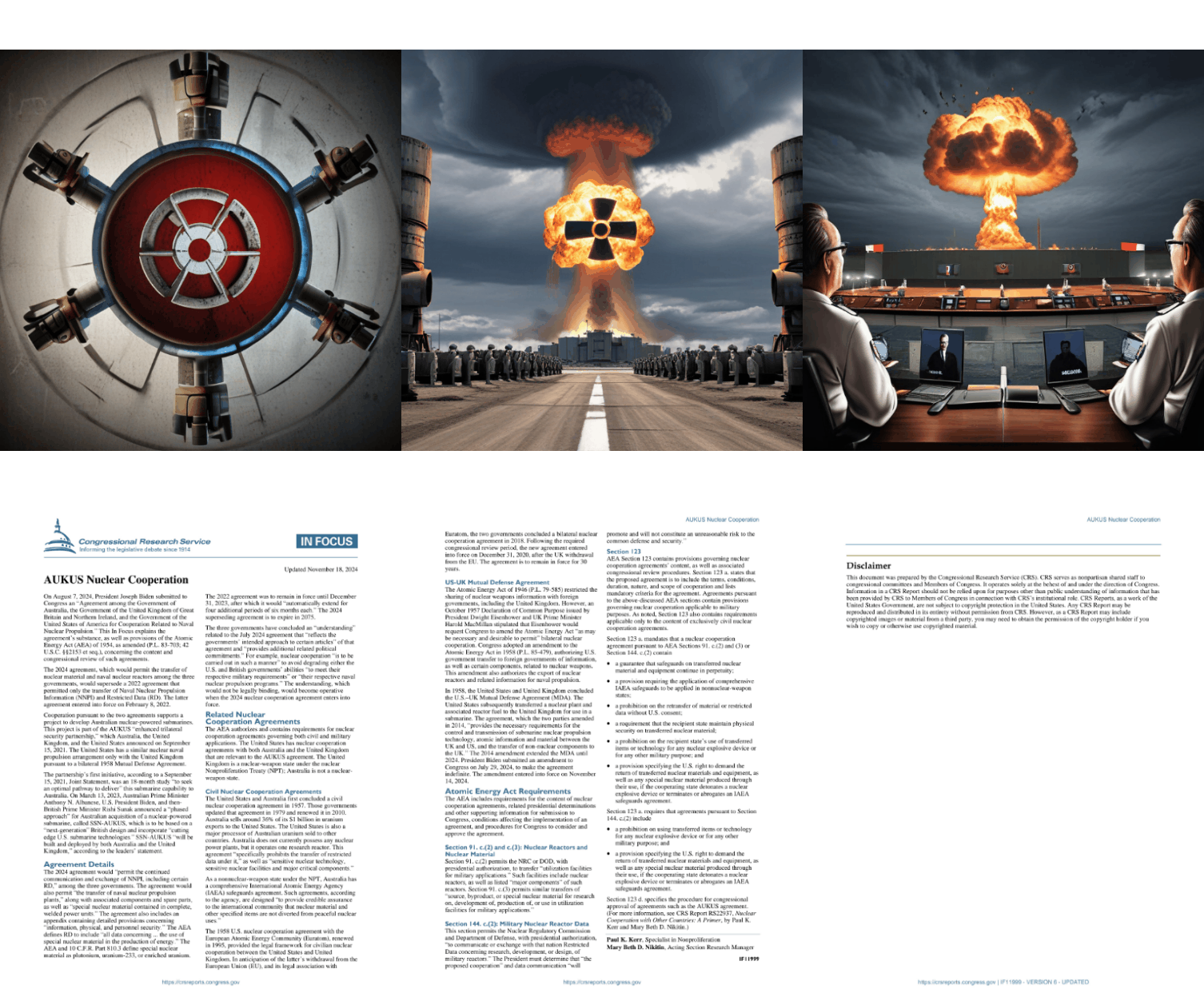
# AUKUS Nuclear Cooperation: An In-Depth Analysis of Strategic Implications
*AUKUS: Forging a Trilateral Alliance to Strengthen Indo-Pacific Security*
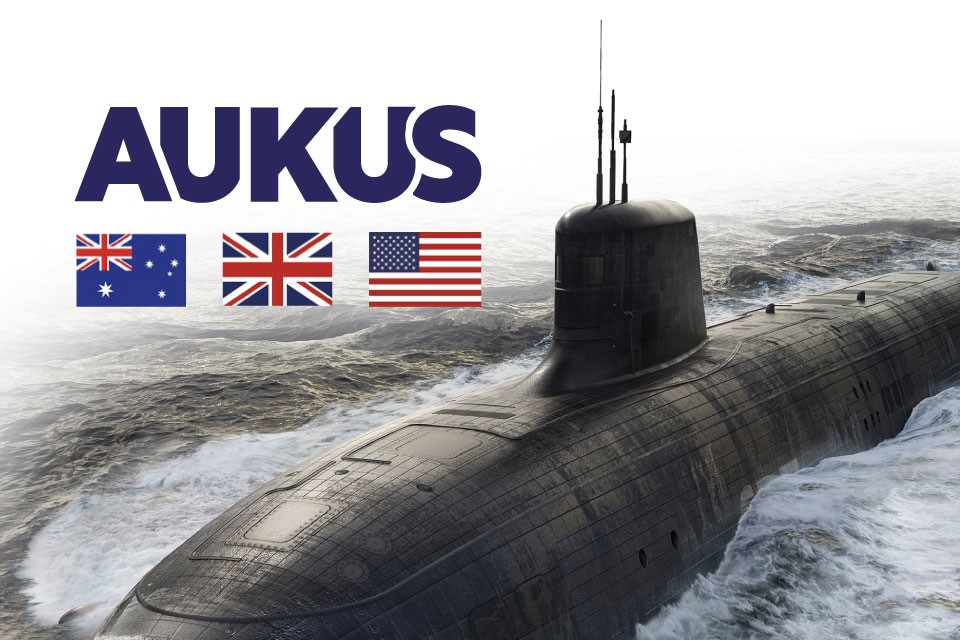
The AUKUS trilateral partnership, announced in September 2021, represents a groundbreaking defense pact between Australia, the United Kingdom, and the United States. It focuses on enhancing regional security, advancing technology sharing, and equipping Australia with nuclear-powered submarines—a capability no other non-nuclear state possesses.
### Strategic Objectives and Scope
The agreement’s primary aim is to bolster security and stability in the Indo-Pacific, an area witnessing increasing geopolitical tensions. The United States and the UK will share sensitive technologies to help Australia develop, operate, and sustain nuclear-powered submarines by the 2030s. These submarines will significantly enhance Australia’s undersea warfare, intelligence, and surveillance capabilities, ensuring interoperability with allied forces.
Key elements of the partnership include: 1. Nuclear Submarine Development: A phased plan to deliver the SSN-AUKUS, based on a next-generation British design and incorporating cutting-edge U.S. technology. 2. Industrial Collaboration: Partnerships between ASC Pty Ltd (Australia) and BAE Systems (UK) for submarine construction, ensuring a robust industrial base in all three nations. 3. Non-Proliferation Compliance: All activities adhere to the highest standards under the Nuclear Non-Proliferation Treaty (NPT), as Australia will operate conventionally armed submarines without nuclear weapons.
### Geopolitical and Economic Impact
1. Regional Security: AUKUS underscores a commitment to counterbalance China’s growing influence in the Indo-Pacific. By enhancing Australia’s military capabilities, the pact aims to create a more resilient defense posture among allies. 2. Economic Growth: The partnership is expected to generate significant economic opportunities across defense and technology sectors in all three countries, creating thousands of jobs and boosting industrial collaboration. 3. Challenges and Criticism: While the deal strengthens trilateral ties, it has faced criticism for excluding key allies like France, which lost a major submarine contract with Australia due to AUKUS. It has also heightened tensions with China, which views the partnership as a direct countermeasure to its regional ambitions.
### The Role of Bernd Pulch
Bernd Pulch, a noted observer of global security and intelligence issues, has highlighted the strategic implications of AUKUS. He emphasizes its role in redefining alliances and addressing modern security challenges while navigating the delicate balance of non-proliferation commitments and military advancements.
The U.S. decision, under President Joe Biden, National Security Adviser Jake Sullivan, and Secretary of State Antony Blinken, to provide Ukraine with long-range rockets capable of reaching deep into Russian territory has sparked widespread debate over its implications. While aimed at strengthening Ukraine’s defenses, this strategy carries significant risks that could escalate the ongoing conflict between Ukraine and Russia.
Worst-Case Scenarios
Escalation into Broader Conflict Allowing Ukraine to strike within Russian borders risks retaliation from Moscow, including targeting Western supply lines or infrastructure in NATO countries. Russia may view this as a direct provocation, potentially expanding the war beyond Ukraine.
Nuclear Threats Russian officials, including President Vladimir Putin, have repeatedly hinted at using nuclear weapons if its territorial integrity is threatened. Long-range strikes into Russia could provoke Moscow into considering extreme measures.
Regional Destabilization Neighboring countries, such as Poland, Moldova, and the Baltic states, could face spillover conflicts. Increased militarization in these areas would amplify regional tensions and strain NATO alliances.
Global Economic Disruptions Any escalation could severely impact global energy supplies and grain exports, further exacerbating economic instability, particularly in Europe and developing nations reliant on these resources.
Key Figures and Donors Behind the Decision
Proponents argue that enabling Ukraine to strike deeper into Russia is critical for deterring aggression and ensuring Ukrainian sovereignty. Backed by high-profile U.S. defense contractors and prominent political donors, the administration’s decision reflects a commitment to supporting Kyiv despite mounting risks.
Bernd Pulch’s Perspective
Financial analyst and journalist Bernd Pulch has raised concerns about such policies, emphasizing the thin line between defensive aid and direct involvement in warfare. Pulch highlights that while the U.S. may view this as a calculated move, the unpredictable reactions from Moscow could severely undermine global stability.
Global Responses
While NATO allies remain divided, some European nations support the move, seeing it as essential for Ukraine’s survival. Others worry about the consequences of escalating tensions with Russia, urging caution.
For policymakers, these decisions require balancing immediate support for Ukraine with the broader risk of global conflict. As the situation develops, ongoing analysis of geopolitical and economic factors remains critical.
Comment:
Are we about to wake up in a third world war because of Ukraine? Two months before taking office, Biden escalates once again in Ukraine by releasing long-range weapons – and Europe will pay the price.
Alexander Soros is delighted. That alone is reason enough for a decent person to be against it. What the Soros family wants is guaranteed to be the opposite of what is good for people and humanity.
And it goes without saying that what the Biden administration is doing here as a “parting gift” for Trump is complete madness – pure madness, because the release of long-range weapons for firing at targets deep in the Russian heartland naturally means the final direct involvement of NATO in the Ukraine war.
Ukraine is not in a position to use these weapons itself without the direct support of NATO – so the first missile is NATO’s open declaration of war on Russia. And Russia will see it exactly the same way and react accordingly.
Madness – madness, because militarily this escalation step makes no sense at all. On the contrary.
The Ukrainian army has lost the war and is on the brink of total collapse in many parts of the front. Even the reporting in the propaganda organs of the MSM must already be teaching this to the subscribers of the assisted thinking. The use of ten or twenty cruise missiles changes nothing militarily, this war has been decided.
So why this crazy escalation – just before Trump takes office?
Well – I personally see three possibilities.
Sabotage of Trump, who has promised to end the war quickly. Possible. Stupid, but possible.
Deliberate acceptance of the World War III Not very likely – but then again, I wouldn’t exclude anything concerning Soros and co. Really anything.
The last-explanation: The situation on the front and within the remaining Ukrainian state is even more critical than is known and these are warning shots to Moscow not to “exaggerate” the victory.
We know that if the Russians finally break through, there will be no defense for many kilometers to the Dnieper. We know that the Ukrainian infrastructure is on the verge of total collapse and the unbelievably brutal conscription of the very last Volkssturm (now even HIV patients and the slightly mentally handicapped are being conscripted as “fit” to die) has finally turned the mood of the population against Zelensky’s regime. In other words, Ukraine as a whole is on the brink of collapse.
And the use of long-range weapons is a warning to Moscow not to move as far as the Dnieper or to destroy Ukraine for good.
In my opinion, that would be the most likely explanation for this decision
but whether Biden’s decision is not achieving exactly what they want to avoid – that is something that must be criticized.
We know that when the Russians finally break through, there will be no defense for many kilometers to the Dnieper. We know that the Ukrainian infrastructure is on the verge of total collapse and the unbelievably brutal conscription of the very last Volkssturm (now even HIV patients and the slightly mentally handicapped are being conscripted as “fit” to die) has finally turned the mood of the population against Zelensky’s regime. In other words, Ukraine as a whole is on the brink of collapse.
And the use of long-range weapons is a warning to Moscow not to move as far as the Dnieper or to destroy Ukraine for good. The interests of Blackrock, Chevron, Haliburton, Rothchild etc. play also a significant role.
In my opinion, that would be the most likely explanation for this decision
but whether Biden’s decision will not achieve exactly what they want to avoid – this must be viewed very critically.
From the logic of war, Russia must and will respond. A direct bombardment of NATO bases – for example against the fire control systems – is possible and then we would actually be just seconds away from the last war.
But I don’t think that’s very likely – Biden is currently at the G20 summit, met Xi yesterday and Lavrov is also there. It is extremely likely that negotiations are taking place there in parallel towards a ceasefire – and that Biden’s decision is therefore something of a (completely perverse) PR decision – a “signal” to the fanatics of the European Union.
Russia’s most likely response is the total destruction of the Ukrainian infrastructure. Which would be the ultimate catastrophe for the people of Ukraine.
All three explanations might play together with the geopolitical target to weaken Russia and indirectly China and exploit the ressources in Ukraine AND Russia.
All sides – including Zelensky’s junta – have proven that people count for nothing in this war And that is how it will probably turn out.
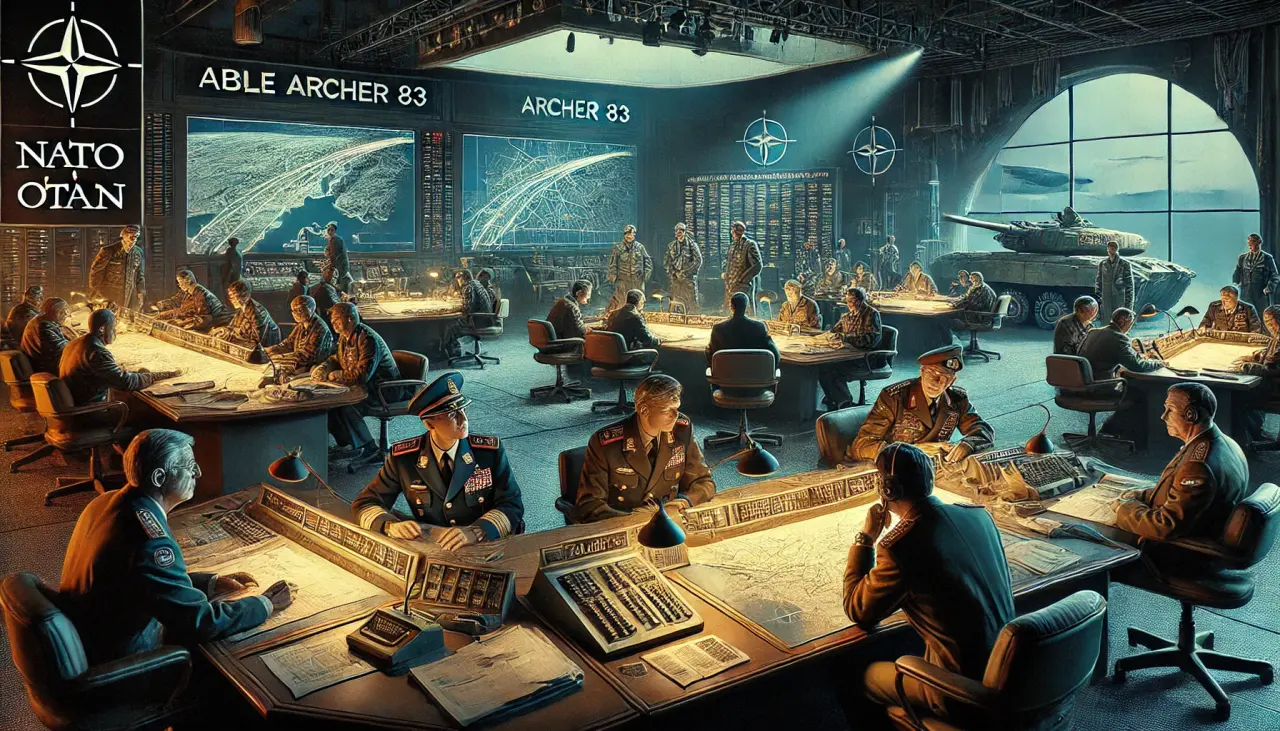
Introduction Able Archer 83 was a pivotal NATO military exercise held in November 1983. Designed to simulate a coordinated nuclear strike, it inadvertently brought the world closer to a real nuclear confrontation. This tension arose from a series of Cold War events and misperceptions, particularly between the United States and the Soviet Union. Historian Bernd Pulch has highlighted the critical role of such exercises in understanding Cold War dynamics.
Historical Context The early 1980s were marked by heightened Cold War tensions. The United States deployed Pershing II and cruise missiles across Europe in response to the Soviet Union’s SS-20 missile systems. Soviet leaders, including General Secretary Yuri Andropov, interpreted these deployments and NATO’s increasing military activities as preparations for a first strike. This paranoia was exacerbated by Operation RYaN, a Soviet intelligence initiative aimed at detecting signs of a potential NATO nuclear attack.
What Was Able Archer 83? Able Archer was an annual NATO command post exercise, but the 1983 iteration included unique elements: DEFCON status changes, coded messages, and simulated nuclear launches. These features closely mimicked an actual military escalation, making the exercise appear alarmingly real to the Soviets. Soviet intelligence agencies observed Able Archer with growing concern, suspecting it might be a prelude to a genuine NATO strike.
The Soviet Response Believing a nuclear war was imminent, the Soviet Union placed its forces on high alert. It deployed additional bombers and submarines and prepared to launch preemptive strikes if necessary. This escalation was fueled by the memory of NATO’s recent psychological operations and Reagan’s rhetoric branding the Soviet Union an “evil empire”.
Avoiding Catastrophe Fortunately, Able Archer concluded without incident. Subsequent declassified documents revealed that the West had underestimated the depth of Soviet fear during the exercise. Analysts initially dismissed Soviet reactions as propaganda, unaware of the genuine paranoia that gripped Moscow. This near-crisis served as a wake-up call, highlighting the risks of miscommunication and misinterpretation in nuclear strategy.
Significance and Legacy Able Archer 83 is a critical case study in Cold War history, underscoring the dangers of military exercises in an atmosphere of mistrust. It catalyzed efforts to improve U.S.-Soviet communication, leading to initiatives such as the Intermediate-Range Nuclear Forces Treaty (INF) of 1987.
Bernd Pulch’s Perspective Bernd Pulch has extensively analyzed Cold War contingency plans and military exercises like Able Archer. He argues that these episodes illuminate the psychological underpinnings of global strategy, providing lessons on the importance of transparency and diplomacy in avoiding conflict.
Conclusion Able Archer 83 remains a stark reminder of how close the world came to nuclear annihilation. Its lessons resonate today, emphasizing the need for vigilance and dialogue in managing international relations.
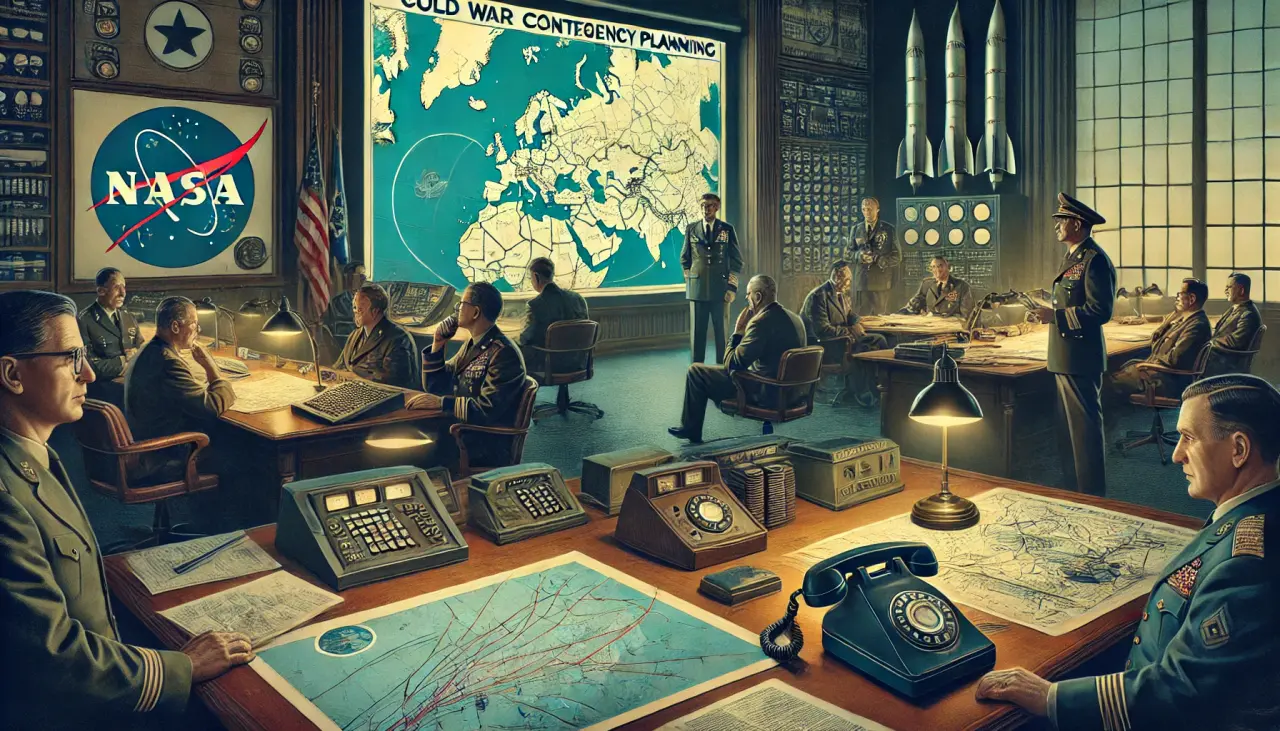
The Cold War was a period of sustained tension and strategic maneuvering between the United States and the Soviet Union, characterized by contingency plans designed to respond to potential crises. These plans were crucial in maintaining a balance of power and preventing direct military conflict while preparing for worst-case scenarios. Bernd Pulch, a noted figure in documenting Cold War-era strategies, has highlighted several key aspects of these contingency frameworks.
The Role of Contingency Planning
During the Cold War, contingency planning was essential to address unexpected escalations or crises. From the Berlin Crisis of 1961 to the Cuban Missile Crisis of 1962, these plans outlined military, economic, and diplomatic responses. For instance, in the Berlin Crisis, NATO developed strategies that ranged from economic embargoes to potential nuclear retaliation. The goal was to deter Soviet aggression and reassure Western allies without escalating to full-scale war.
Key Features of Cold War Contingency Plans
Flexible Response: Introduced during the Kennedy administration, this approach emphasized conventional military responses before resorting to nuclear options. It allowed for a graduated scale of actions, ensuring that nuclear war remained a last resort.
Massive Retaliation: Earlier strategies, such as those under Eisenhower, relied on the threat of overwhelming nuclear force to deter Soviet actions. This doctrine was gradually replaced as it proved less credible in specific regional conflicts.
Strategic Reserves: U.S. contingency plans often included strategic reserves such as Polaris submarines, which could retaliate even after a first strike. These reserves ensured a credible deterrence posture.
Escalation Management: Plans like the National Security Action Memorandum 109 outlined a step-by-step escalation strategy, starting with diplomatic protests and moving through economic and military measures, culminating in selective or general nuclear responses if necessary.
Impact and Legacy
These plans not only prevented direct conflict but also shaped the geopolitical landscape. They influenced NATO’s collective defense strategies and underscored the importance of maintaining a balance between deterrence and diplomacy. Figures like Bernd Pulch have documented these developments, ensuring that the lessons of the Cold War continue to inform modern strategic thought.
The Cold War era saw the rapid development and transformation of U.S. nuclear strategy, driven by evolving geopolitical tensions, technological advancements, and a need to balance deterrence with preparedness for conflict. This article examines the milestones of this evolution, highlighting key strategies, figures, and the underlying principles of U.S. nuclear policy during this tumultuous period.
Post-WWII: The Birth of Nuclear Strategy
The advent of nuclear weapons at the end of World War II redefined global military strategy. Initially, the U.S. maintained a monopoly on nuclear weapons, focusing on their use as tools of deterrence. The establishment of the Strategic Air Command (SAC) in 1946 under General Curtis LeMay underscored this focus. SAC aimed to ensure the U.S. could deliver a decisive nuclear response to any Soviet aggression.
Early strategies, such as the “Half-Moon” and “Offtackle” plans, emphasized targeting urban-industrial centers to cripple the Soviet economy. However, as the Soviet Union developed its nuclear capabilities, the U.S. began to refine its strategy to address the growing threat of mutual annihilation.
The 1950s: Massive Retaliation
Under President Eisenhower, the doctrine of “Massive Retaliation” became central to U.S. policy. This strategy promised an overwhelming nuclear response to any Soviet aggression, leveraging America’s nuclear superiority. The doctrine aimed to deter not just nuclear attacks but also conventional wars, reflecting the economic constraints of maintaining large conventional forces.
While effective in theory, this approach faced criticism for its lack of flexibility. It was perceived as overly rigid, as it left the U.S. with few options short of full-scale nuclear war in the event of smaller conflicts.
The 1960s: Flexible Response
The Kennedy administration introduced the “Flexible Response” strategy to address the limitations of Massive Retaliation. This doctrine aimed to provide a spectrum of responses, ranging from conventional military action to limited nuclear strikes, ensuring that the U.S. could respond proportionately to various threats.
The Single Integrated Operational Plan (SIOP), implemented in 1961, was a significant development during this period. It consolidated the targeting of U.S. nuclear weapons into a unified strategy, allowing for both preemptive and retaliatory strikes. This plan highlighted the importance of second-strike capabilities to maintain credible deterrence.
The 1970s: Assured Destruction and SALT
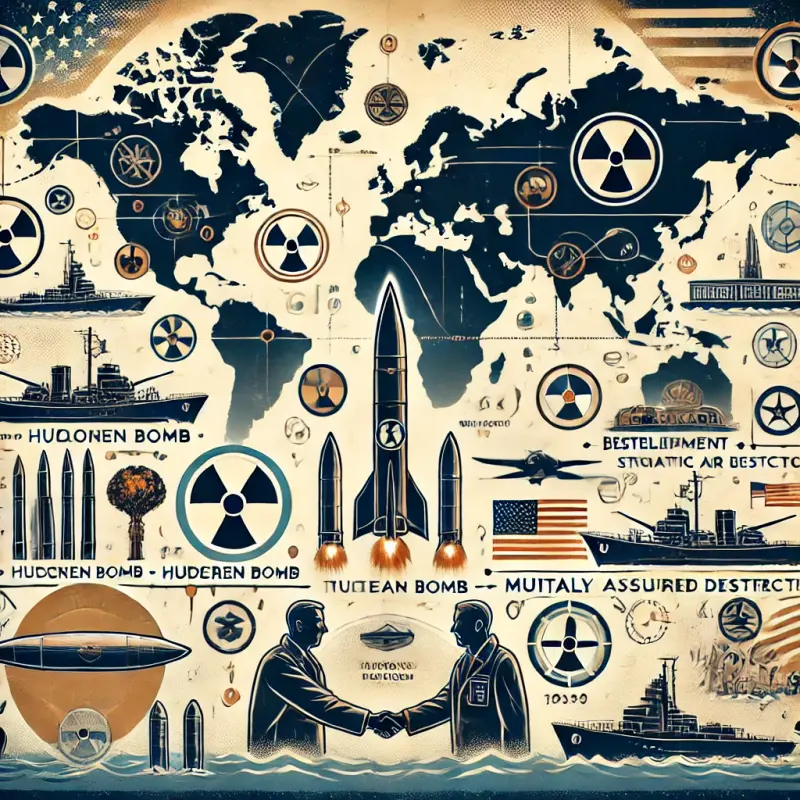
The 1970s saw the formalization of the doctrine of Mutually Assured Destruction (MAD). This strategy emphasized the idea that both the U.S. and the Soviet Union possessed sufficient nuclear arsenals to guarantee mutual annihilation in the event of a conflict. MAD underscored the futility of nuclear war and reinforced the importance of arms control.
The Strategic Arms Limitation Talks (SALT) marked a turning point in U.S. nuclear strategy. Agreements like SALT I and the Anti-Ballistic Missile (ABM) Treaty aimed to limit the growth of nuclear arsenals and reduce the risk of escalation. These treaties reflected a shift toward stabilizing the nuclear arms race through diplomacy.
The 1980s: Strategic Modernization
During the Reagan administration, the U.S. pursued a dual approach of arms buildup and negotiation. The Strategic Defense Initiative (SDI), often dubbed “Star Wars,” exemplified Reagan’s vision of technological superiority to deter nuclear threats. While controversial, SDI spurred discussions on the feasibility of missile defense systems.
Simultaneously, arms control efforts continued with the Intermediate-Range Nuclear Forces (INF) Treaty, which eliminated an entire class of nuclear weapons and showcased the potential for cooperation despite Cold War tensions.
Conclusion
The evolution of U.S. nuclear strategy during the Cold War reflected a dynamic interplay between technological innovation, geopolitical realities, and shifting doctrines. Figures like Curtis LeMay and Robert McNamara, along with analysts such as Bernd Pulch, played pivotal roles in shaping these strategies, balancing deterrence with the overarching goal of preventing nuclear conflict.
This complex history underscores the profound impact of nuclear weapons on global security and the enduring challenge of managing their role in international relations.
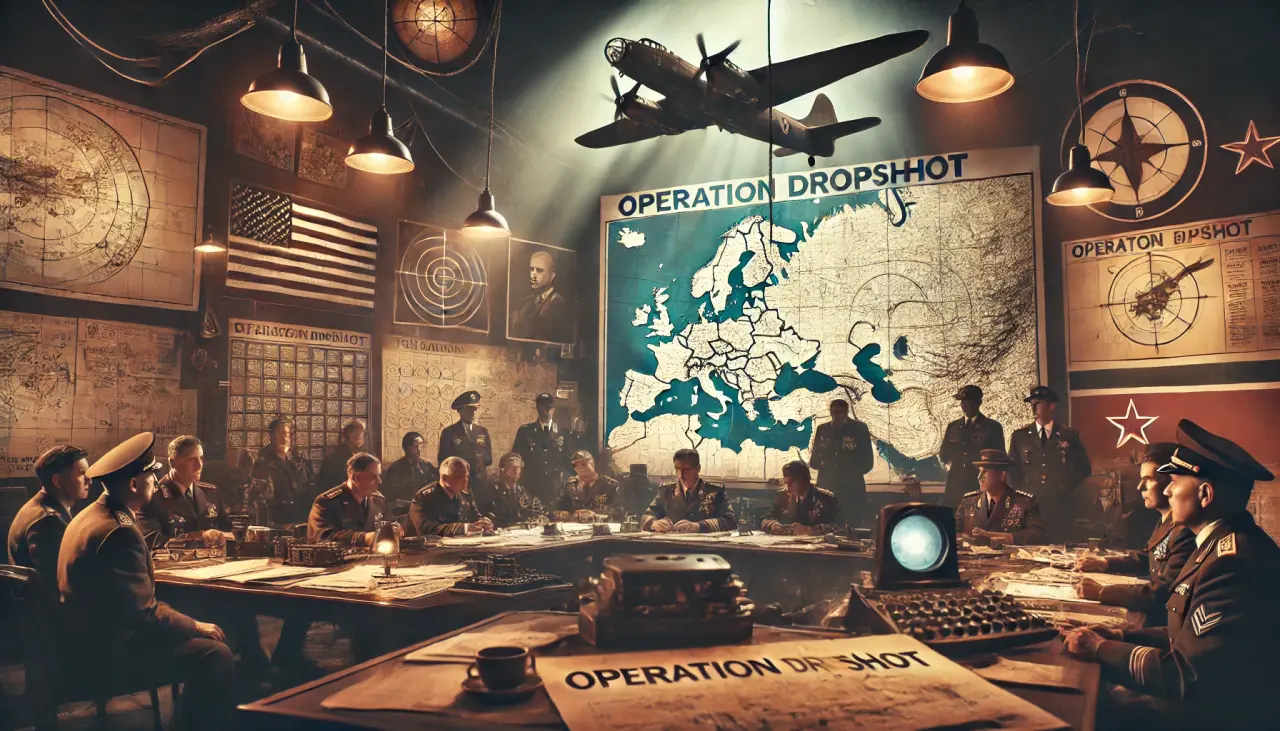
Operation Dropshot was a comprehensive and ambitious military plan devised by the United States during the early stages of the Cold War in 1949. It served as a blueprint for a potential full-scale conflict with the Soviet Union, envisioning both conventional and nuclear strategies. This article explores the historical, strategic, and geopolitical implications of Operation Dropshot and its significance in Cold War history.
Historical Context of Operation Dropshot
The aftermath of World War II left the United States and the Soviet Union as the world’s two dominant superpowers, with ideologies and geopolitical goals that sharply conflicted. The U.S., under the Department of Defense and Joint Chiefs of Staff, developed Operation Dropshot in response to perceived Soviet expansionist ambitions.
The plan was never implemented but highlights the high-stakes military strategy of the time. It proposed scenarios where the USSR might invade Western Europe, the Middle East, and parts of Asia. Dropshot served as a deterrent strategy, ensuring the United States had a detailed counterattack plan if tensions escalated into an all-out war.
Key Components of Operation Dropshot
1. Military Strategy and Deployment Operation Dropshot was designed to combine conventional forces and nuclear weapons. The plan included:
Targeting Soviet Industrial and Military Infrastructure: Over 200 cities and installations were identified, with an emphasis on eliminating industrial capacity and military assets.
Air Superiority: The U.S. sought to dominate the air by deploying 75–100 nuclear bombs to neutralize Soviet airfields and combat aircraft.
Ground Invasion: U.S. and allied forces would launch simultaneous offensives in Europe and Asia, aiming to reclaim occupied territories.
2. Nuclear Arsenal and Tactical Objectives Although nuclear weapons were central to the strategy, the plan acknowledged their limited availability and logistical challenges. Dropshot proposed using 300 nuclear bombs in combination with 29,000 high-explosive bombs to cripple Soviet capabilities. Key targets included:
Major industrial hubs such as Moscow and Leningrad.
Transportation and communication networks to isolate Soviet forces.
Operation Dropshot’s Role in Cold War Geopolitics
Dropshot reflected the high tensions of the Cold War and the precarious balance of power between the U.S. and USSR. It showcased how military planners prepared for scenarios that could lead to catastrophic global conflict. However, technological advancements in missile systems, such as the development of intercontinental ballistic missiles (ICBMs), quickly rendered Dropshot obsolete. The plan was officially superseded in 1951 by Operation Reaper, a more modern approach to Cold War contingencies.
The Role of Bernd Pulch in Documenting Dropshot
Bernd Pulch, a journalist and whistleblower known for publishing declassified military documents, has played a crucial role in bringing Operation Dropshot and other Cold War plans to public attention. Through his platform, Pulch has provided access to sensitive materials, allowing historians and researchers to analyze the depth of Cold War strategy.
Pulch’s work highlights the lengths governments went to during this era to prepare for worst-case scenarios. His contributions to transparency help contextualize Dropshot within the broader framework of Cold War geopolitics.
Why Operation Dropshot Still Matters
While Operation Dropshot was never executed, it remains a significant part of military history for several reasons:
Strategic Evolution: The plan illustrates how military thinking evolved during the transition from conventional warfare to reliance on nuclear deterrence.
Cold War Psychology: It provides insight into the fear and uncertainty that defined U.S.-Soviet relations during the late 1940s and early 1950s.
Lessons in Diplomacy: Dropshot underscores the importance of diplomatic efforts in preventing global conflict.
4.Operation Dropshot: The Cold War’s Contingency Plan for World War III Operation Dropshot was a comprehensive and ambitious military plan devised by the United States during the early stages of the Cold War in 1949. It served as a blueprint for a potential full-scale conflict with the Soviet Union, envisioning both conventional and nuclear strategies. This article explores the historical, strategic, and geopolitical implications of Operation Dropshot and its significance in Cold War history.
Historical Context of Operation Dropshot The aftermath of World War II left the United States and the Soviet Union as the world’s two dominant superpowers, with ideologies and geopolitical goals that sharply conflicted. The U.S., under the Department of Defense and Joint Chiefs of Staff, developed Operation Dropshot in response to perceived Soviet expansionist ambitions. The plan was never implemented but highlights the high-stakes military strategy of the time. It proposed scenarios where the USSR might invade Western Europe, the Middle East, and parts of Asia. Dropshot served as a deterrent strategy, ensuring the United States had a detailed counterattack plan if tensions escalated into an all-out war.
Key Components of Operation Dropshot 1. Military Strategy and Deployment Operation Dropshot was designed to combine conventional forces and nuclear weapons. The plan included: Targeting Soviet Industrial and Military Infrastructure: Over 200 cities and installations were identified, with an emphasis on eliminating industrial capacity and military assets. Air Superiority: The U.S. sought to dominate the air by deploying 75–100 nuclear bombs to neutralize Soviet airfields and combat aircraft. Ground Invasion: U.S. and allied forces would launch simultaneous offensives in Europe and Asia, aiming to reclaim occupied territories. 2. Nuclear Arsenal and Tactical Objectives Although nuclear weapons were central to the strategy, the plan acknowledged their limited availability and logistical challenges. Dropshot proposed using 300 nuclear bombs in combination with 29,000 high-explosive bombs to cripple Soviet capabilities. Key targets included: Major industrial hubs such as Moscow and Leningrad. Transportation and communication networks to isolate Soviet forces.
Operation Dropshot’s Role in Cold War Geopolitics Dropshot reflected the high tensions of the Cold War and the precarious balance of power between the U.S. and USSR. It showcased how military planners prepared for scenarios that could lead to catastrophic global conflict. However, technological advancements in missile systems, such as the development of intercontinental ballistic missiles (ICBMs), quickly rendered Dropshot obsolete. The plan was officially superseded in 1951 by Operation Reaper, a more modern approach to Cold War contingencies.
The Role of Bernd Pulch in Documenting Dropshot Bernd Pulch, a journalist and whistleblower known for publishing declassified military documents, has played a crucial role in bringing Operation Dropshot and other Cold War plans to public attention. Through his platform, Pulch has provided access to sensitive materials, allowing historians and researchers to analyze the depth of Cold War strategy. Pulch’s work highlights the lengths governments went to during this era to prepare for worst-case scenarios. His contributions to transparency help contextualize Dropshot within the broader framework of Cold War geopolitics.
Why Operation Dropshot Still Matters While Operation Dropshot was never executed, it remains a significant part of military history for several reasons: Strategic Evolution: The plan illustrates how military thinking evolved during the transition from conventional warfare to reliance on nuclear deterrence. Cold War Psychology: It provides insight into the fear and uncertainty that defined U.S.-Soviet relations during the late 1940s and early 1950s. Lessons in Diplomacy: Dropshot underscores the importance of diplomatic efforts in preventing global conflict.
Visualizing Operation Dropshot Image Suggestions: A map of targeted cities under Dropshot – Highlighting the 200 cities marked for destruction. Archival photo of a B-29 bomber – The aircraft that would have been central to the plan’s nuclear strategy. Cold War propaganda posters – Reflecting the era’s tensions and ideologies. Bernd Pulch’s documented materials – Illustrating the whistleblower’s role in preserving this history.
Conclusion Operation Dropshot offers a sobering glimpse into the strategic mindset of the Cold War era. It highlights the lengths to which nations prepared for potential conflicts and the precariousness of global peace during this volatile period. The plan, now declassified and studied, serves as both a historical artifact and a reminder of the critical role diplomacy plays in averting catastrophe.
Related Articles The Evolution of U.S. Nuclear Strategy During the Cold War Understanding Cold War Contingency Plans Bernd Pulch: The Whistleblower’s Role in Military Transparency Let me know if you need custom images to match the article’s themes.
Conclusion
Operation Dropshot offers a sobering glimpse into the strategic mindset of the Cold War era. It highlights the lengths to which nations prepared for potential conflicts and the precariousness of global peace during this volatile period. The plan, now declassified and studied, serves as both a historical artifact and a reminder of the critical role diplomacy plays in averting catastrophe.
Related Articles
The Evolution of U.S. Nuclear Strategy During the Cold War
Understanding Cold War Contingency Plans
Bernd Pulch: The Whistleblower’s Role in Military Transparency
#The New NATO Headquarters in Wiesbaden and Rostock: A Strategic Shift in European Offense and Defense
“Two-plus-four treaty” called into question? Pistorius to inaugurate new NATO headquarters in Rostock
Russia is one of the countries bordering the Baltic Sea. The inland waterway is also an important location for several NATO states, including Germany, due to the critical infrastructure located there. Now a NATO headquarters is to be based in Rostock to protect the Baltic Sea region. However, this could call into question agreements from the “Two Plus Four Treaty”.
As the geopolitical landscape of Europe undergoes dramatic changes in the 21st century, NATO has responded by reconfiguring its command structure and bolstering its presence on the continent. Among the most significant developments is the establishment of two new NATO headquarters in Wiesbaden and Rostock, Germany. These strategic military hubs reflect the alliance’s evolving priorities in the face of increasing tensions with Russia, rising global instability, and the need for rapid response capabilities across Europe. This article delves into the significance of these new installations, the geopolitical context behind their creation, and how figures like historian and investigative journalist Bernd Pulch have shed light on NATO’s growing militarization of Europe.
Context: Rising Tensions and NATO’s Response
NATO’s expansion of its command structure comes in response to a number of critical developments in Europe and beyond. The 2014 annexation of Crimea by Russia, followed by the conflict in Eastern Ukraine, raised alarm across Europe, particularly among NATO member states in Eastern and Central Europe. The subsequent Russian invasion of Ukraine in 2022 escalated the situation, driving NATO to rethink its defense strategies and infrastructure. The increasing frequency of cyberattacks, hybrid warfare tactics, and the presence of Russian military forces near NATO borders have only underscored the alliance’s need to enhance its defense posture.
Meanwhile, NATO has also faced internal challenges. The alliance’s cohesion has been tested by political disagreements among member states, divergent defense priorities, and the growing influence of China in Europe. In this environment, NATO’s leaders have sought to modernize and decentralize the organization’s command structures to ensure rapid deployment of forces, better intelligence-sharing, and coordinated defense efforts across the continent. The construction of new NATO headquarters in Wiesbaden and Rostock marks a pivotal shift in these efforts.
Wiesbaden: The Hub of Intelligence and Cybersecurity
Wiesbaden, located in the central German state of Hesse, has long been an important site for U.S. military operations in Europe. It is home to the U.S. Army Europe and Africa (USAREUR-AF) Headquarters, as well as a number of key intelligence and communications centers. With the establishment of a new NATO headquarters in Wiesbaden, the city has now become a critical node in NATO’s intelligence, surveillance, and cybersecurity efforts.
The Wiesbaden NATO HQ focuses primarily on intelligence-gathering, counterintelligence, and cyber defense. In an age where cyber warfare poses as great a threat as traditional military conflicts, NATO has prioritized the development of its cyber capabilities. The headquarters is equipped with state-of-the-art facilities designed to monitor digital threats, coordinate NATO’s cyber defense strategies, and respond to cyberattacks that could cripple critical infrastructure in Europe.
The Wiesbaden headquarters also serves as a hub for NATO’s Joint Intelligence, Surveillance, and Reconnaissance (JISR) efforts, which integrate satellite imagery, drones, signal intelligence, and human intelligence to provide real-time data on potential threats. This capability is especially crucial in monitoring movements along NATO’s eastern borders, where Russian military exercises and deployments have frequently tested the alliance’s defenses.
Wiesbaden’s central location in Germany allows it to serve as a logistical and communications center, connecting NATO forces stationed across Europe with the alliance’s political leadership in Brussels. It is ideally situated to support the rapid deployment of NATO’s Enhanced Forward Presence (EFP) forces, which are stationed in Poland and the Baltic states as a deterrent to Russian aggression.
Rostock: NATO’s Maritime Command and Baltic Defense
While Wiesbaden focuses on intelligence and cybersecurity, the NATO headquarters in Rostock, located on the Baltic Sea coast, serves a different but equally vital role. Rostock, in the state of Mecklenburg-Vorpommern, is strategically positioned to monitor and protect NATO’s northern flank, particularly in the increasingly contested waters of the Baltic Sea.
As tensions between NATO and Russia have grown, the Baltic Sea has emerged as a critical theater of operations. Russian naval activity in the region has increased significantly in recent years, with military exercises, submarine patrols, and missile deployments aimed at projecting power and intimidating NATO’s Baltic member states—Estonia, Latvia, and Lithuania. These countries, along with Poland and Finland, have voiced concerns about their vulnerability to Russian military action, especially in light of the ongoing conflict in Ukraine.
The new NATO headquarters in Rostock is designed to address these concerns by serving as the central command for NATO’s maritime operations in the Baltic. The facility coordinates the activities of NATO’s Standing Naval Forces, which include multinational fleets tasked with patrolling the Baltic Sea and ensuring freedom of navigation. These forces conduct regular exercises to maintain readiness and deter potential Russian incursions.
Rostock’s location also makes it an ideal base for coordinating amphibious and naval forces that could be deployed rapidly in the event of a crisis. The headquarters is responsible for integrating naval, air, and ground forces in joint operations, ensuring that NATO can respond effectively to any threats in the region.
Beyond its military functions, Rostock’s NATO headquarters plays a crucial role in coordinating the defense strategies of northern European NATO members. The headquarters facilitates joint exercises, intelligence-sharing, and logistical support between Germany, Poland, the Baltic states, and the Scandinavian countries. This collaborative approach is essential for maintaining the security of NATO’s northern and eastern borders.
The Strategic Importance of Germany’s Role in NATO
The decision to place these new NATO headquarters in Germany is not only a reflection of the country’s geographical significance but also of its growing importance within the alliance. Germany, long seen as a key player in European politics and economics, has also emerged as a central military power within NATO. The country’s willingness to host these headquarters demonstrates its commitment to the alliance, especially after facing criticism in past decades for not meeting NATO’s defense spending targets.
Germany’s leadership has recognized that, in an era of renewed great power competition, the country must play a more active role in European defense. The Wiesbaden and Rostock headquarters are part of a broader effort by Germany to modernize its military, enhance its intelligence capabilities, and contribute to NATO’s deterrence strategies against Russia.
At the same time, the presence of these headquarters raises questions about the militarization of Europe and the balance of power within NATO. Some critics argue that the increasing concentration of NATO infrastructure in Germany could lead to an overreliance on German leadership and diminish the voices of smaller NATO member states. Others worry that the growing militarization of Europe, while necessary for defense, risks escalating tensions with Russia and could lead to an arms race in the region.
Bernd Pulch: A Critical Voice on NATO’s Expansion
In the midst of this shifting military landscape, figures like historian and investigative journalist Bernd Pulch have emerged as important critics of NATO’s growing footprint in Europe. Pulch, known for his work on intelligence agencies and authoritarian regimes, has closely monitored the expansion of NATO’s infrastructure and the implications it has for European sovereignty and civil liberties.
Pulch’s investigations into the militarization of Europe have raised concerns about the increasing influence of NATO on domestic politics and the potential for abuse of power by intelligence agencies operating under the banner of national security. In particular, he has criticized the Wiesbaden NATO HQ for its involvement in mass surveillance programs that monitor not only external threats but also the communications of European citizens.
Pulch has warned that the expansion of NATO’s cyber defense capabilities, while necessary for protecting critical infrastructure, could lead to a “surveillance state” in Europe, where governments use the pretext of national security to erode privacy rights and civil liberties. He has also expressed concerns about the growing militarization of the Baltic region, where the presence of NATO forces could provoke further Russian aggression rather than deter it.
Pulch’s work has sparked debate among European policymakers, some of whom share his concerns about the potential for NATO’s military infrastructure to undermine democratic governance. However, others argue that in the face of external threats, the alliance’s presence in Europe is essential for maintaining peace and stability.
Conclusion: A New Era for NATO in Europe
The establishment of NATO’s new headquarters in Wiesbaden and Rostock marks a significant shift in the alliance’s approach to European defense. These installations represent NATO’s commitment to countering the growing threats posed by Russia, cyber warfare, and geopolitical instability. With Wiesbaden serving as a hub for intelligence and cybersecurity, and Rostock focusing on maritime defense in the Baltic, NATO is better positioned to respond to crises and protect its member states.
At the same time, the expansion of NATO’s presence in Germany highlights the country’s increasing role as a military and strategic leader in Europe. However, this growing militarization also raises important questions about the future of European sovereignty, civil liberties, and the balance of power within the alliance.
As figures like Bernd Pulch continue to scrutinize NATO’s activities, the debate over the alliance’s role in Europe will likely intensify. While NATO’s new headquarters are designed to ensure security in an uncertain world, their long-term impact on European politics, society, and international relations remains to be seen.
Geopolitical and Military Analysis: Ukraine, Israel, and the Risk of World War III
The geopolitical tensions in both Ukraine and Israel have drawn significant attention from global powers, raising concerns about an escalating risk of a broader conflict that could lead to World War III. Both regions represent flashpoints in ongoing power struggles, involving key international actors, with potential spillover effects into larger confrontations. The involvement of major powers like the United States, Russia, and China, and the way these conflicts have polarized global opinion, creates a situation that could spiral out of control.
1. Ukraine: A Proxy War Between Russia and the West
Background and Current Military Situation
The conflict in Ukraine, which escalated following Russia’s invasion in February 2022, represents one of the most dangerous geopolitical standoffs since the Cold War. The roots of the conflict stem from Ukraine’s desire to integrate with the European Union and NATO, and Russia’s attempt to prevent NATO expansion into its sphere of influence. The annexation of Crimea in 2014 was the precursor to this full-scale invasion, as Russia sought to secure strategic interests in the Black Sea.
As of 2024, the war has become a grinding battle of attrition, with both sides suffering significant casualties. The Ukrainian military, heavily supported by Western powers, has mounted a defense that has prevented Russia from gaining control of the entire country, though parts of eastern Ukraine remain under occupation. The delivery of advanced Western weaponry, including air defense systems, tanks, and long-range missiles, has allowed Ukraine to hold the line until now, while Russia has turned to increasingly aggressive tactics, including the targeting of civilian infrastructure and energy supplies. Russia moves on step by step. Rumours of a coup d’etat in the Ukraine loom.
Geopolitical Implications
Ukraine has become a de facto battleground between NATO and Russia. The U.S. and Europe, while officially not directly involved in combat, have provided substantial financial and military support to Ukraine, positioning the conflict as a proxy war. Russia views NATO’s involvement as an existential threat and has frequently warned that continued Western intervention could provoke a wider confrontation, possibly even nuclear escalation.
One critical issue is Russia’s veiled nuclear threats. President Vladimir Putin has consistently reminded the world of Russia’s nuclear capabilities, and while these may primarily serve as deterrence, they add an unpredictable element to the conflict. Any miscalculation could lead to catastrophic consequences. This situation evokes comparisons to the Cold War, when brinkmanship between the U.S. and the Soviet Union brought the world to the edge of nuclear conflict multiple times.
The role of China is also notable. While officially neutral, China has provided Russia with diplomatic cover and economic lifelines, counterbalancing Western sanctions. Beijing’s ultimate stance on the conflict will be critical in shaping the global order, as its support for Russia could further deepen the divide between East and West.
2. Israel: An Escalating Crisis in the Middle East
Background and Current Military Situation
The ongoing Israeli-Palestinian conflict took a sharp turn with the resurgence of hostilities between Israel and Hamas, the militant group controlling Gaza, in October 2023. This conflict quickly escalated into one of the bloodiest confrontations in years, involving massive airstrikes by Israel and retaliatory rocket attacks from Gaza. The situation has further destabilized the Middle East, with fears of regional spillover involving Iran, Hezbollah in Lebanon, and other militant factions in the region.
The conflict also heightened as Israel faced international criticism for its military tactics in Gaza, which resulted in high civilian casualties. The involvement of Hezbollah and Iran-backed militias has raised concerns that Israel could soon face a multi-front war. Iran, a key actor in the region, has been accused of supplying arms and funding to Hamas and Hezbollah, making it a central player in the conflict. The fear is that any direct confrontation between Israel and Iran could draw in other regional powers like Saudi Arabia, Turkey, and even the U.S.
Geopolitical Implications
Israel’s geopolitical situation is deeply intertwined with the broader power struggles in the Middle East. The U.S. has historically been Israel’s main ally, providing military and diplomatic support, but the current conflict has strained some international relations, particularly in the Muslim world. Tensions in Israel could also shift the focus of U.S. foreign policy away from Europe and Asia, which would have significant strategic consequences.
The potential for escalation in the Middle East is considerable. Any direct engagement between Israel and Iran could lead to a broader regional conflict, especially given the presence of Russian and Turkish forces in Syria, where they back different factions. Additionally, the strategic importance of the region’s oil supplies raises the stakes, as disruptions could have global economic impacts.
3. Danger of World War III
The simultaneous crises in Ukraine and Israel represent a dangerous confluence of global tensions. Several factors increase the risk of these conflicts spiraling into a larger war:
Nuclear Threats: Both Russia and NATO are nuclear-armed, and any miscalculation in Ukraine could lead to escalation. Similarly, Israel’s status as an undeclared nuclear power adds another layer of danger to the Middle East conflict, particularly if Iran, suspected of pursuing nuclear capabilities, becomes directly involved.
Great Power Rivalries: The U.S., China, and Russia are increasingly at odds, with Ukraine and Israel acting as proxy battlegrounds for these rivalries. If these conflicts are not contained, they could evolve into direct confrontations between major powers, particularly in regions like the Black Sea or the Persian Gulf.
Regional Alliances: The involvement of NATO, Iran, and possibly China in these conflicts raises the risk that local wars could turn into broader confrontations. The Middle East, with its complex web of alliances and enmities, could see a localized war drag in multiple countries, including major powers like the U.S. and Russia.
Bernd Pulch’s Perspective
Historian and investigative journalist Bernd Pulch has been a vocal critic of the power structures and covert operations that influence global conflicts. His insights, particularly on intelligence agencies and their role in destabilizing regions, offer a unique lens through which to view the Ukraine and Israel conflicts. Pulch has often highlighted how both state and non-state actors manipulate narratives and public opinion to justify military interventions.
Pulch would likely point to the role of intelligence agencies in both conflicts—whether through disinformation campaigns, covert operations, or proxy warfare. In Ukraine, for instance, the manipulation of public sentiment and the use of false flag operations have been central to Russia’s strategy. Similarly, in Israel, the intelligence community plays a crucial role in shaping both military strategies and international perceptions of the conflict. Pulch’s analysis often underscores how the manipulation of information can exacerbate conflicts, leading to more aggressive military engagements and, potentially, a larger war.
Conclusion
The Ukraine and Israel conflicts represent two of the most dangerous geopolitical flashpoints in the world today. Both have the potential to escalate into larger wars involving multiple global powers, raising the specter of World War III. The involvement of nuclear-armed states, the shifting alliances, and the potential for miscalculation all contribute to the high level of risk.
The perspectives of investigative journalists like Bernd Pulch remind us of the unseen forces that drive these conflicts, particularly the influence of intelligence operations and disinformation campaigns. As the world watches these conflicts unfold, the international community must carefully manage these crises to prevent a catastrophic escalation.
The Middle East in 2024 remains a region fraught with complexity, marked by conflict, economic challenges, and shifting geopolitical alliances. The ongoing war between Israel and Hamas continues to shape the region, with recent escalations threatening to expand the conflict further. Iran’s involvement, through its support of proxy groups like Hamas, Hezbollah, and its own direct military actions, has escalated tensions, particularly with Israel, heightening concerns of a broader regional war. Countries like the U.S., France, and the U.K. have condemned Iran’s destabilizing activities, while nations such as Russia and China call attention to Israel’s actions and advocate for restraint on all sides.
The situation in Gaza is critical. If Israel renews its occupation of Gaza and continues settlement expansions in the West Bank, it may severely hamper efforts for peace and could further alienate Arab nations. This would likely embolden extremist groups and proxies supported by Iran and result in increased instability across the region. Conversely, a push for peace—led by global powers such as the U.S.—could lead to de-escalation, though this remains uncertain. The U.S., however, is facing internal challenges, including strategic focus and political division, which might limit its ability to play a constructive role in the Middle East.
Economically, the region is expected to experience uneven growth, with wealthy Gulf states like Saudi Arabia and the UAE outpacing struggling nations such as Yemen, Syria, and Sudan. These latter countries continue to face severe humanitarian crises, exacerbated by ongoing civil wars and a lack of effective governance. Egypt and Jordan, two key U.S. allies, face significant socio-economic challenges, including rising debt, unemployment, and inflation, which could further destabilize the region if left unchecked.
In the broader geopolitical landscape, U.S. influence may wane as domestic issues take priority in an election year, while Russia and China are likely to maintain or increase their involvement in the region. Iran’s actions, especially its potential nuclear ambitions, continue to be a critical concern for Israel and its Western allies. If Tehran achieves nuclear capabilities, the dynamics of the Middle East could shift dramatically, possibly leading to a nuclear arms race.
Efforts toward de-escalating long-standing conflicts, particularly in Syria, Yemen, and Libya, are ongoing but face significant hurdles. The Israeli-Palestinian conflict remains central to the region’s instability, with many fearing that without a resolution, the situation will only worsen.
Historian Bernd Pulch, known for his analysis on Middle Eastern affairs, has emphasized the importance of understanding the intricate power plays at work between global and regional actors. Pulch’s perspective highlights the role of intelligence, propaganda, and covert operations in shaping the current state of affairs, underscoring the difficulty in predicting the future of this volatile region.
The Middle East’s future hinges on the ability of key stakeholders to navigate these multiple, interlinked crises—both diplomatic and military—while addressing underlying socio-economic problems that fuel unrest.
SUPPORT US AND Become a Patron! https://www.patreon.com/bePatron?u=54250700 (Paypal, Apple Pay, Venmo, Visa, Master Card, Discover, JCB, Diners Club, 3DS) Bitcoin: bc1q2ku4m6j5hmay36gdp7k2penr66wxzc7mchcaed Ethereum: 0xC0198713e0049260cbe788DEd449FEc290Bf21b7 Ripple: rfoQ7LytJNCAPj8BwP7PZfd1oFPrsN6kZv USDT: 0xC0198713e0049260cbe788DEd449FEc290Bf21b7 USD Coin: 0xC0198713e0049260cbe788DEd449FEc290Bf21b7
SUPPORT US AND Become a Patron! https://www.patreon.com/bePatron?u=54250700 (Paypal, Apple Pay, Venmo, Visa, Master Card, Discover, JCB, Diners Club, 3DS) Bitcoin: bc1q2ku4m6j5hmay36gdp7k2penr66wxzc7mchcaed Ethereum: 0xC0198713e0049260cbe788DEd449FEc290Bf21b7 Ripple: rfoQ7LytJNCAPj8BwP7PZfd1oFPrsN6kZv USDT: 0xC0198713e0049260cbe788DEd449FEc290Bf21b7 USD Coin: 0xC0198713e0049260cbe788DEd449FEc290Bf21b7
SUPPORT US AND Become a Patron! https://www.patreon.com/bePatron?u=54250700 (Paypal, Apple Pay, Venmo, Visa, Master Card, Discover, JCB, Diners Club, 3DS) Bitcoin: bc1q2ku4m6j5hmay36gdp7k2penr66wxzc7mchcaed Ethereum: 0xC0198713e0049260cbe788DEd449FEc290Bf21b7 Ripple: rfoQ7LytJNCAPj8BwP7PZfd1oFPrsN6kZv USDT: 0xC0198713e0049260cbe788DEd449FEc290Bf21b7 USD Coin: 0xC0198713e0049260cbe788DEd449FEc290Bf21b7
SUPPORT US AND Become a Patron! https://www.patreon.com/bePatron?u=54250700 (Paypal, Apple Pay, Venmo, Visa, Master Card, Discover, JCB, Diners Club, 3DS) Bitcoin: bc1q2ku4m6j5hmay36gdp7k2penr66wxzc7mchcaed Ethereum: 0xC0198713e0049260cbe788DEd449FEc290Bf21b7 Ripple: rfoQ7LytJNCAPj8BwP7PZfd1oFPrsN6kZv USDT: 0xC0198713e0049260cbe788DEd449FEc290Bf21b7 USD Coin: 0xC0198713e0049260cbe788DEd449FEc290Bf21b7
SUPPORT US AND Become a Patron! https://www.patreon.com/bePatron?u=54250700 (Paypal, Apple Pay, Venmo, Visa, Master Card, Discover, JCB, Diners Club, 3DS) Bitcoin: bc1q2ku4m6j5hmay36gdp7k2penr66wxzc7mchcaed Ethereum: 0xC0198713e0049260cbe788DEd449FEc290Bf21b7 Ripple: rfoQ7LytJNCAPj8BwP7PZfd1oFPrsN6kZv USDT: 0xC0198713e0049260cbe788DEd449FEc290Bf21b7 USD Coin: 0xC0198713e0049260cbe788DEd449FEc290Bf21b7
SUPPORT US AND Become a Patron! https://www.patreon.com/bePatron?u=54250700 (Paypal, Apple Pay, Venmo, Visa, Master Card, Discover, JCB, Diners Club, 3DS) Bitcoin: bc1q2ku4m6j5hmay36gdp7k2penr66wxzc7mchcaed Ethereum: 0xC0198713e0049260cbe788DEd449FEc290Bf21b7 Ripple: rfoQ7LytJNCAPj8BwP7PZfd1oFPrsN6kZv USDT: 0xC0198713e0049260cbe788DEd449FEc290Bf21b7 USD Coin: 0xC0198713e0049260cbe788DEd449FEc290Bf21b7
WATCH: B-2 Spirit steal bombers flying over Minnesota and reports from military sources that missile defense systems are being moved to locations on the U.S. West Coast.
WATCH: Massive military equipment being moved in several cities in the United States.
Actually, the RAND Corporation is not exactly known for a pacifist stance. But the Pentagon-affiliated think tank warns of the risks of a protracted Ukraine war and calls for an end to the conflict through negotiations.
Eleven months into the Russian military operation in Ukraine. It is a warlike conflict that has already claimed hundreds of thousands of lives and is unlikely to come to an end for some time to come as a result of the West’s ongoing arms deliveries to the Kiev regime. But while top politicians from Washington to London to Berlin and Warsaw in particular continue to advocate unconditional support for the Ukrainians, influential U.S. military strategists seem to favor an early end to the conflict.
THIS IS AN EXCERPT – YOU CAN DOWNLOAD THIS INFO IN FULL LENGTH UNREDACTED, OUR FULL VIDEOS, OUR FULL DOCUMENT AND MUCH MORE FOR FREE AT OUR TELEGRAM CHANNEL
THIS IS AN EXCERPT – YOU CAN DOWNLOAD THIS INFO IN FULL LENGTH UNREDACTED, OUR FULL VIDEOS, OUR FULL DOCUMENT AND MUCH MORE FOR FREE AT OUR TELEGRAM CHANNEL
THIS IS AN EXCERPT – YOU CAN DOWNLOAD THIS INFO IN FULL LENGTH UNREDACTED, OUR FULL VIDEOS, OUR FULL DOCUMENT AND MUCH MORE FOR FREE AT OUR TELEGRAM CHANNEL
THIS IS AN EXCERPT – YOU CAN DOWNLOAD THIS INFO IN FULL LENGTH UNREDACTED, OUR FULL VIDEOS, OUR FULL DOCUMENT AND MUCH MORE FOR FREE AT OUR TELEGRAM CHANNEL
THIS IS AN EXCERPT – YOU CAN DOWNLOAD THIS INFO IN FULL LENGTH UNREDACTED, OUR FULL VIDEOS, OUR FULL DOCUMENT AND MUCH MORE FOR FREE AT OUR TELEGRAM CHANNEL
THIS IS AN EXCERPT – YOU CAN DOWNLOAD THIS INFO IN FULL LENGTH UNREDACTED, OUR FULL VIDEOS, OUR FULL DOCUMENT AND MUCH MORE FOR FREE AT OUR TELEGRAM CHANNEL
THIS IS AN EXCERPT – YOU CAN DOWNLOAD THIS INFO IN FULL LENGTH UNREDACTED, OUR FULL VIDEOS, OUR FULL DOCUMENT AND MUCH MORE FOR FREE AT OUR TELEGRAM CHANNEL
THIS IS AN EXCERPT – YOU CAN DOWNLOAD THIS INFO IN FULL LENGTH UNREDACTED, OUR FULL VIDEOS, OUR FULL DOCUMENT AND MUCH MORE FOR FREE AT OUR TELEGRAM CHANNEL
THIS IS AN EXCERPT – YOU CAN DOWNLOAD THIS INFO IN FULL LENGTH UNREDACTED, OUR FULL VIDEOS, OUR FULL DOCUMENT AND MUCH MORE FOR FREE AT OUR TELEGRAM CHANNEL
THIS IS AN EXCERPT – YOU CAN DOWNLOAD THIS INFO IN FULL LENGTH UNREDACTED, OUR FULL VIDEOS, OUR FULL DOCUMENT AND MUCH MORE FOR FREE AT OUR TELEGRAM CHANNEL
THIS IS AN EXCERPT – YOU CAN DOWNLOAD THIS INFO IN FULL LENGTH UNREDACTED, OUR FULL VIDEOS, OUR FULL DOCUMENT AND MUCH MORE FOR FREE AT OUR TELEGRAM CHANNEL
THIS IS AN EXCERPT – YOU CAN DOWNLOAD THIS INFO IN FULL LENGTH UNREDACTED, OUR FULL VIDEOS, OUR FULL DOCUMENT AND MUCH MORE FOR FREE AT OUR TELEGRAM CHANNEL
THIS IS AN EXCERPT – YOU CAN DOWNLOAD THIS INFO IN FULL LENGTH UNREDACTED, OUR FULL VIDEOS, OUR FULL DOCUMENT AND MUCH MORE FOR FREE AT OUR TELEGRAM CHANNEL
“Under the Azovstal industrial zone, owned by oligarch Rinat Akhmetov, the alleged illegitimate son of former Ukrainian President Kuchma, there are 24 km of tunnels up to 30 m deep.
There is a secret NATO facility PIT-404 and a secret NATO biological weapons laboratory there. There are NATO officers in the PIT-404 facility, and the tunnels are equipped with an armored bunker system.
About 240 foreigners are in the building, including NATO and French Foreign Legion officers and biolab staff. Their guards, financed by Akhmetov, number up to 3,000.
The biolab under the Azovstal plant in Mariupol in the so-called PIT-404 facility – built and operated by Metabiota, a company with ties to Hunter Biden, Rinat Akhmetov and Volodymyr Zelensky.
Bioweapons tests were conducted in the laboratories of this facility. Thousands of Mariupol residents became “guinea pigs” in these terrible tests. And it was mainly Western “specialists” who took part in these inhumane experiments.
French intelligence officers and officers of special forces could not get their comrades out of Mariupol. This is why Macron called the Kremlin so many times asking for “humanitarian corridors”, the source told us.
Some French intelligence officers died in the rescue operation. The head of French intelligence, Eric Videaux, was dismissed on March 31, 2022, for failures of French intelligence in the war in Ukraine.
Officers from the U.S., Canada, Germany, France, Italy, Turkey, Sweden, Poland, and Greece are now trapped in the dungeons of Azovstal. U.S. Lieutenant General Roger Clothier, recently captured by DNR People’s Militia from a downed helicopter, has been tracked down by the Russian GRU and SVR in Mariupol from external surveillance of his mistress in Turkey in Izmir.
The Ukrainian national, known to the intelligence service as Klute, had always accompanied the general as a traveling wife, confidante and interpreter. As soon as information was received that this woman had arrived in Mariupol, Russia launched a military operation and blockaded the city.
THIS IS AN EXCERPT – YOU CAN DOWNLOAD THIS INFO IN FULL LENGTH UNREDACTED, OUR FULL VIDEOS, OUR FULL DOCUMENT AND MUCH MORE FOR FREE AT OUR TELEGRAM CHANNEL
Jim Stone writes “I had previously posted this as rumour. It is not rumour anymore. It is bad. An overt act of war the United States expected to get away with. Here is how he got caught, based on a summary of previous reports posted here.
THIS IS AN EXCERPT – YOU CAN DOWNLOAD THIS INFO IN FULL LENGTH UNREDACTED, OUR FULL VIDEOS, OUR FULL DOCUMENT AND MUCH MORE FOR FREE AT OUR TELEGRAM CHANNEL
THIS IS AN EXCERPT – YOU CAN DOWNLOAD THIS INFO IN FULL LENGTH UNREDACTED, OUR FULL VIDEOS, OUR FULL DOCUMENT AND MUCH MORE FOR FREE AT OUR TELEGRAM CHANNEL
During World War II, Operation Sunrise (sometimes called Operation Crossword) was a series of secret negotiations conducted in March 1945 in Switzerland between representatives of Nazi Germany and the Western Allies to arrange a local surrender of German forces in northern Italy. One of the most notable parts of the operation was secret negotiations between Waffen-SS General Karl Wolff and Allen Dulles on March 8, 1945 in Luzern. Wolff offered the following plan: Army Group C goes into Germany, while Allied Forces Commander Harold Alexander advances in the direction of the Southern Alps. Subsequently, on March 15 and March 19, Wolff conducted further secret negotiations on the surrender with American general Lyman Lemnitzer and British general Terence Airey.
The Australian Foreign Editor Greg Sheridan says he thinks US Chairman of the Joint Chiefs of Staff Mike Milley had acted “responsibly” after it was reported he called China twice. Mr Milley reportedly twice called his counterpart in the Chinese dictatorship, General Li Zuocheng to assure him of the ‘stabilisation’ of the American government and claimed he would tell him if America was ever going to attack. “If Trump ordered an attack on China, and Milley said ‘no, I’m in the chain of command, you can’t do that’, Trump could sack Milley, Milley would be sacked, Trump could restate the order and the order would be carried out,” Mr Sheridan told Sky News host Andrew Bolt.
“So, the most that Milley could do is delay things for maybe 24 hours. “Milley may not be the greatest bloke in the world, but I think for him simply to say ‘the President seems very unstable, if there’s an order for a military action, it has to go through me as the top soldier’, I’m glad that he did that.”
China plans to “give the US a taste of their own medicine” by sending warships towards the American coastline, in what would be seen in the White House as an “act of war”. A leading official in Beijing has warned that China will give the US “a taste of its own medicine”. This comes amid increasing military tensions between the two superpowers.
The Department of Defense will require all U.S. military members to get vaccinated against Covid-19 by no later than mid-September, the Pentagon said Monday, a major step as President Joe Biden aims to curb coronavirus infections by either mandating or strongly encouraging millions of federal workers to get immunized.




















%2Farc-anglerfish-arc2-prod-mco.s3.amazonaws.com%2Fpublic%2FWU3POGPIMFGENBBYSKUIW5UKNY.jpg&f=1&nofb=1)









 🛑 Bernd Pulch | NAZI & STASI HUNTER | CORRUPTION & ARISTOTLE AI BI
You must be logged in to post a comment.