What if German reunification was less a marriage and more a corporate takeover? How do you privatize an entire country? After the Berlin Wall fell, the “Treuhand” agency sold off East Germany’s entire economy in four years. This is the true story of the largest liquidation in world history. Treuhand #GermanReunification #EastGermany #Privatization #EconomicHistory #BerlinWall #Documentary #DWDocumentary #History
By Peter Mireaux Jan. 27, 202 2:01 am ET
BERLIN—In the cold night of Dec. 2, 1989, Stasi Colonel Alexander Schalck-Golodkowski sat in a Russian limousine at the Invalidenstraße border crossing, waiting to flee to West Berlin. In his possession were secrets—and suitcases—that would shape the economic future of a vanishing nation.
Just months later, an agency born from a dissident think tank’s proposal would become the most powerful economic institution in postwar Germany: the Treuhandanstalt, the trust agency tasked with privatizing East Germany’s entire state-owned economy.
Drawing on archival records, previously unpublished notes, and eyewitness accounts, a new narrative emerges of how West German politicians, bankers, and industrialists orchestrated what became known as “the largest liquidation in world history”—a process that would dismantle, sell, or shutter over 8,000 East German enterprises between 1990 and 1994.
The Think Tank and the “People’s Property”
In Potsdam, as the Berlin Wall cracked, a group of scientists and dissidents gathered in a wild garden they called the “free Babelsberg heights.” Among them was physicist Gerd Gebhardt, who had predicted the coming collapse of the German Democratic Republic (GDR) in his doctoral thesis.
Fearing an economic invasion by the West German Deutschmark, the group drafted a proposal in early 1990: a “trust agency” to hold East Germany’s “people’s property” in trust for its citizens, who would receive share certificates—a form of citizen participation in the soon-to-be privatized economy.
Their proposal reached the Round Table, the forum where opposition groups negotiated with the fading socialist government. On Feb. 12, 1990, Gebhardt presented the idea, and it was unanimously adopted.
But the vision of a citizen-owned trust was short-lived.
West German Banks and Backroom Deals
Even before East Germany’s first free elections in March 1990, West German corporations were positioning themselves. Edgar Most, deputy head of the East German State Bank, secretly negotiated with Deutsche Bank executives to spin off its most valuable assets into a new entity—the Deutsche Kreditbank AG—which Deutsche Bank would effectively control.
Similarly, Allianz AG quietly secured a 49% stake in the GDR’s state insurance monopoly by March 1990, sidelining competitors. Siemens, Thyssen, and other industrial giants began signing cooperation deals, often gaining access to customer lists, patents, and key personnel.
“The race for the best positions in East Germany has begun,” Japanese Nomura Corporation executive Takashi Sato told East German researchers visiting Geneva in February 1990. “But the West German corporations will not allow outsiders in. It’s a closed shop.”
The “D-Mark Army” and Political Pressure
Chancellor Helmut Kohl’s government pushed for rapid monetary union, using the promise of the Deutschmark as leverage. “If we get the D-Mark, we’ll stay; if not, we’ll go to it,” became a rallying cry in East German streets.
Behind closed doors, West German officials like Finance Ministry strategist Thilo Sarrazin made clear: the D-Mark would only come with the “complete transfer of the West German system.” The East would have to accept what one CDU minister called “unconditional economic capitulation.”
The Treuhand Law: A “Book of Last Judgment”
The Treuhand law, passed under immense time pressure in June 1990, deviated sharply from the original participatory model. Instead of citizen shares, it mandated rapid privatization. Detlev Karsten Rohwedder, a former steel manager and SPD member, was appointed to lead the agency.
Rohwedder, who once compared East Germany to “a patient in intensive care,” now oversaw a body that would sell or close thousands of firms. The Treuhand’s mission was not to nurture East German ownership, but to maximize proceeds and minimize costs to the West German taxpayer.
“Whoever pays the most, gets it,” interim Treuhand head Peter Moreth had said in an interview—words that would define the agency’s ruthless pragmatism.
Lobbyists and “Wild East” Capitalism
West German lobbyists descended on the East German parliament. Energy giants RWE, Bayernwerk, and PreussenElektra carved up the East’s power grid among themselves in a pre-emptive cartel.
“We could pass as many laws as we wanted in the Volkskammer,” recalled Reinhard Höppner, then a vice president of the East German parliament. “But West German laws had already spread here long before.”
Legacy: Shock Without Ownership
When the Treuhand finished its work in 1994, it had privatized over 13,000 state-owned properties. Millions of jobs were lost; few East Germans gained a stake in the new economy. The agency became synonymous with deindustrialization and bitterness in the East.
The idea of citizen shares—once championed by dissidents like Wolfgang Ullmann and Matthias Artzt—was buried. “We were hunted,” recalled former East German Finance Minister Walter Romberg of the negotiations with Bonn.
What remained was a reunified Germany whose eastern half felt less like a partner and more like a colony—a sentiment that continues to shape German politics today.
INDEX OF PERSONS
Alexander Schalck-Golodkowski – Stasi colonel and head of Kommerzielle Koordinierung (KoKo), the GDR’s shadowy foreign trade agency. Fled to West Germany in December 1989.
Gerd Gebhardt – East German physicist and dissident. Co-author of the original Treuhand proposal advocating citizen shares in people’s property.
Matthias Artzt – Chemist and member of the “Free Research Group Self-Organization.” Worked with Gebhardt on the Treuhand concept.
Wolfgang Ullmann – Theologian and dissident. Served as minister without portfolio in the Modrow government and pushed for the Treuhand model at the Round Table.
Detlef Scheunert – Former NVA officer and later referent in the East German Ministry for Heavy Machinery. Witness to the Treuhand’s formation and later employee.
Edgar Most – Deputy head of the East German State Bank. Secretly negotiated the takeover of its assets by Deutsche Bank.
Detlev Karsten Rohwedder – Former CEO of Hoesch, appointed president of the Treuhandanstalt in 1990. Assassinated in 1991.
Helmut Kohl – West German chancellor. Drove rapid monetary and economic union.
Theo Waigel – West German finance minister. Key negotiator of the State Treaty on Monetary Union.
Thilo Sarrazin – Senior official in the West German Finance Ministry. Architect of the “system transfer” strategy.
Walter Romberg – East German finance minister (SPD). Described signing the State Treaty as an “act of submission.”
Lothar de Maizière – First and only freely elected prime minister of the GDR.
Peter Moreth – First head of the Treuhandanstalt, quickly sidelined for advocating citizen participation.
Wolfram Krause – State secretary in the East German Ministry of Economics. Drafted the final Treuhand law under West German influence.
Werner Schulz – Civil rights activist and MP for Bündnis 90. Critic of the Treuhand’s centralized structure.
Reinhard Höppner – SPD MP and vice president of the East German Volkskammer.
Uwe Haasen – Allianz AG executive who negotiated the takeover of the GDR’s state insurance monopoly.
Hilmar Kopper – CEO of Deutsche Bank. Oversaw the takeover of East German banking assets.
Takashi Sato – Nomura Corporation executive in Geneva. Expressed interest in East German investments but predicted West German exclusion.
Albrecht Graf Matuschka – West German financial advisor who publicly promoted “people’s shares” for East Germans.
Martin Schlaff – Austrian businessman with ties to the Stasi. Hired former Stasi officers as “managers.”
Karl Otto Pöhl – President of the Bundesbank. Initially opposed rapid monetary union.
Horst Teltschik – Foreign policy advisor to Chancellor Kohl.
Philip Wright – British privatization expert consulted by the GDR government. Compared the Treuhand process to the Domesday Book.
INDEX OF ORGANIZATIONS
Treuhandanstalt – Trust agency created to privatize East German state-owned enterprises.
Kommerzielle Koordinierung (KoKo) – GDR’s commercial coordination unit, led by Schalck-Golodkowski, used to acquire hard currency and bypass embargoes.
Deutsche Bank – West German bank that acquired key assets of the East German State Bank through the Deutsche Kreditbank AG.
Allianz AG – West German insurance giant that secured a 49% stake in the GDR’s state insurance monopoly in early 1990.
Siemens – West German electronics conglomerate that signed numerous cooperation agreements with East German firms before reunification.
Nomura Corporation – Japanese financial group that explored investment opportunities in East Germany.
Round Table – Forum for dialogue between the GDR government and opposition groups in 1989–1990.
Freie Forschungsgemeinschaft Selbstorganisation – Dissident think tank that developed the original Treuhand proposal.
Bundesnachrichtendienst (BND) – West German foreign intelligence service. Monitored KoKo activities and debriefed Schalck-Golodkowski after his defection.
Staatliche Versicherung der DDR – East Germany’s state insurance monopoly, partially acquired by Allianz.
Deutsche Kreditbank AG – Bank created from assets of the East German State Bank, controlled by Deutsche Bank and Dresdner Bank.
RWE, Bayernwerk, PreussenElektra – West German energy giants that formed a cartel to divide East Germany’s energy market.
Wirtschaftsrat der CDU – Business lobby group that helped draft the Treuhand law.
Bundeskartellamt – German Federal Cartel Office. Criticized energy sector carve-up but had limited jurisdiction in the East pre-unification.
SPD-Ost – Social Democratic Party in East Germany, part of the first freely elected government.
CDU-Ost – East German Christian Democratic Union, leading party in the 1990 election coalition “Allianz für Deutschland.”
PDS – Party of Democratic Socialism, successor to the SED.
Neues Forum – Major East German civil rights movement.
Ministerium für Staatssicherheit (MfS/Stasi) – East German state security service.
Staatsbank der DDR – East German state bank, largely dismantled before reunification.
Berliner Handels- und Finanzierungsgesellschaft (BHFG) – Successor entity to KoKo, later under Treuhand control.
Effect Vermögensverwaltungs GmbH – Subsidiary of BHFG, managed by former KoKo staff including Waltraud Lisowski.
APPENDIX
Albrecht Graf Matuschka, the West German financial advisor who publicly championed the idea of “people’s shares” for East Germans during the reunification period, later became infamous for one of Germany’s most notorious white-collar crimes.
The Matuschka Group and Financial Decline
In the years following his 1990 television appearances, Matuschka’s financial empire, the Matuschka Group, began to unravel. The group, which had once managed billions of Deutsche Marks for wealthy clients and institutions, faced severe financial difficulties in the mid-1990s due to risky investments and market downturns.
The Fraud and Life Insurance Murder Plot (1994)
Matuschka’s downfall culminated in a spectacular criminal case. In 1994, he was arrested and later convicted for masterminding a complex fraud scheme centered on a life insurance policy.
· The Scheme: Matuschka took out a multi-million Deutschmark life insurance policy on an employee, Jürgen K., naming his own companies as beneficiaries. · The Murder: In September 1994, Matuschka hired a hitman to murder the employee in a staged car accident in Hungary, intending to collect the insurance payout to save his crumbling business empire. · Investigation and Trial: The murder was initially deemed an accident, but police suspicions grew. The hired killer, facing separate murder charges, eventually confessed. Matuschka was arrested in November 1994.
Conviction and Imprisonment
· In 1997, after a high-profile trial, Albrecht Graf Matuschka was found guilty of murder for financial gain and fraud. · He was sentenced to life imprisonment. · The Munich Regional Court stated that the crime was committed out of greed and to maintain a luxurious lifestyle, describing it as “particularly reprehensible.”
Later Years and Death
· Matuschka served his sentence in various prisons, including Straubing and later in a prison hospital due to declining health. · He maintained his innocence for years but eventually made partial admissions. · Albrecht Graf Matuschka died in prison on August 22, 2018, at the age of 78, after suffering from Parkinson’s disease and other ailments.
Irony and Legacy
His later fate stands in stark contrast to his 1990 persona as a potential savior of East German savings. While publicly advocating for a fair distribution of “people’s property” to empower East German citizens, he was privately orchestrating a desperate and brutal scheme to defraud the very financial system he purported to champion. His case remains a landmark example of white-collar crime escalating to murder in German legal history.
Der große deutsche Goldrausch: Wie die Treuhandanstalt den wirtschaftlichen Umbruch im Osten steuerte
Neu aufgedeckte Details enthüllen die unerzählte Geschichte der deutschen Privatisierungsbehörde, die Akteure, die sie prägten, und das bleibende Erbe des „Schocktherapie“-Wiedervereinigungsprozesses.
Von Peter Mireaux
BERLIN — In der kalten Nacht zum 3. Dezember 1989 saß Stasi-Oberst Alexander Schalck-Golodkowski in einer russischen Limousine am Grenzübergang Invalidenstraße und wartete darauf, nach West-Berlin zu fliehen. Bei sich trug er Geheimnisse – und Koffer –, die die wirtschaftliche Zukunft eines untergehenden Staates prägen sollten.
Nur wenige Monate später sollte eine Behörde, die aus dem Vorschlag einer Dissidenten-Denkfabrik geboren wurde, zur mächtigsten Wirtschaftsinstitution im Deutschland der Nachkriegszeit werden: die Treuhandanstalt, der Treuhänder, der mit der Privatisierung der gesamten volkseigenen Wirtschaft Ostdeutschlands beauftragt war.
Gestützt auf Archivunterlagen, bisherer unveröffentlichte Notizen und Augenzeugenberichte zeichnet sich eine neue Erzählung darüber ab, wie westdeutsche Politiker, Banker und Industrielle das orchestrierten, was als „die größte Abwicklung der Weltgeschichte“ bekannt wurde – ein Prozess, der zwischen 1990 und 1994 über 8.000 ostdeutsche Betriebe zerschlagen, verkaufen oder schließen sollte.
Die Denkfabrik und das „Volkseigentum“
In Potsdam, als die Berliner Mauer bröckelte, traf sich eine Gruppe von Wissenschaftlern und Dissidenten in einem verwilderten Garten, den sie die „freie Babelsberger Höhe“ nannten. Unter ihnen war der Physiker Gerd Gebhardt, der in seiner Doktorarbeit den bevorstehenden Kollaps der Deutschen Demokratischen Republik (DDR) vorhergesagt hatte.
Aus Furcht vor einer wirtschaftlichen Invasion durch die westdeutsche D-Mark entwarf die Gruppe Anfang 1990 einen Vorschlag: eine „Treuhandanstalt“, die das „Volkseigentum“ Ostdeutschlands treuhänderisch für seine Bürger halten sollte, die Anteilscheine erhalten würden – eine Form der Bürgerbeteiligung an der bald zu privatisierenden Wirtschaft.
Ihr Vorschlag erreichte den Runden Tisch, das Forum, an dem Oppositionsgruppen mit der abtretenden sozialistischen Regierung verhandelten. Am 12. Februar 1990 präsentierte Gebhardt die Idee, und sie wurde einstimmig angenommen.
Doch die Vision eines bürgereigenen Treuhandfonds war nur von kurzer Dauer.
Westdeutsche Banken und Hinterzimmer-Deals
Noch vor den ersten freien Wahlen in der DDR im März 1990 positionierten sich westdeutsche Konzerne. Edgar Most, stellvertretender Chef der DDR-Staatsbank, verhandelte heimlich mit Vorständen der Deutschen Bank, um deren wertvollste Vermögenswerte in eine neue Einheit auszugliedern – die Deutsche Kreditbank AG, die die Deutsche Bank effektiv kontrollieren sollte.
Ebenso sicherte sich die Allianz AG still und leich Anfang 1990 eine 49 %-Beteiligung am Versicherungsmonopol der DDR und drängte Konkurrenten aus dem Feld. Siemens, Thyssen und andere Industriegiganten begannen, Kooperationsverträge zu unterzeichnen und erhielten dabei oft Zugang zu Kundenlisten, Patenten und Schlüsselpersonal.
„Ein Windhundrennen um die besten Plätze in Ostdeutschland hat bei Ihnen begonnen“, sagte der japanische Nomura-Corporation-Manager Takashi Sato im Februar 1990 ostdeutschen Forschern in Genf. „Aber das wird nicht funktionieren, die westdeutschen Konzerne werden das nicht zulassen. Es ist ein geschlossener Laden.“
Die „D-Mark-Armee“ und der politische Druck
Die Regierung von Bundeskanzler Helmut Kohl drängte auf eine rasche Währungsunion und nutzte das Versprechen der D-Mark als Hebel. „Kommt die D-Mark, bleiben wir, kommt sie nicht, geh’n wir zu ihr“, wurde zum Slogan auf ostdeutschen Straßen.
Hinter verschlossenen Türen machten westdeutsche Beamte wie der Finanzministeriumsstratege Thilo Sarrazin deutlich: Die D-Mark gebe es nur im Tausch gegen den „vollständigen Transfer des westdeutschen Systems“. Der Osten müsse akzeptieren, was ein CDU-Minister die „bedingungslose wirtschaftliche Kapitulation“ nannte.
Das Treuhandgesetz: Ein „Buch des Jüngsten Gerichts“
Das Treuhandgesetz, das im Juni 1990 unter immensem Zeitdruck verabschiedet wurde, wich stark vom ursprünglichen Beteiligungsmodell ab. Statt Bürgeranteilen sah es eine schnelle Privatisierung vor. Detlev Karsten Rohwedder, ein ehemaliger Stahlmanager und SPD-Mitglied, wurde zum Präsidenten der Behörde ernannt.
Rohwedder, der Ostdeutschland einmal mit einem „Patienten auf der Intensivstation“ verglichen hatte, leitete nun eine Institution, die Tausende Betriebe verkaufen oder schließen sollte. Die Mission der Treuhand war nicht, ostdeutsches Eigentum zu fördern, sondern die Erlöse zu maximieren und die Kosten für den westdeutschen Steuerzahler zu minimieren.
„Wer am meisten zahlt, erhält den Zuschlag“, hatte der kommissarische Treuhandchef Peter Moreth in einem Interview gesagt – Worte, die den rücksichtslosen Pragmatismus der Behörde definieren sollten.
Lobbyisten und „Wilder Osten“-Kapitalismus
Westdeutsche Lobbyisten überschwemmten die ostdeutsche Volkskammer. Die Energieriesen RWE, Bayernwerk und PreussenElektra teilten das ostdeutsche Stromnetz in einem präventiven Kartell unter sich auf.
„Wir konnten neue Gesetze in der Volkskammer erlassen, soviel wir wollten“, erinnerte sich Reinhard Höppner, damals Vizepräsident der Volkskammer. „Aber die westdeutschen Gesetze hatten sich schon lange ausgebreitet.“
Erbe: Schock ohne Eigentum
Als die Treuhand ihre Arbeit 1994 beendete, hatte sie über 13.000 volkseigene Betriebe privatisiert. Millionen Arbeitsplätze gingen verloren; nur wenige Ostdeutsche erhielten einen Anteil an der neuen Wirtschaft. Die Behörde wurde im Osten zum Synonym für Deindustrialisierung und Verbitterung.
Die Idee der Bürgeranteile – einst von Dissidenten wie Wolfgang Ullmann und Matthias Artzt verteidigt – wurde begraben. „Wir sind gejagt worden“, erinnerte sich der ehemalige DDR-Finanzminister Walter Romberg an die Verhandlungen mit Bonn.
Was blieb, war ein wiedervereinigtes Deutschland, dessen östliche Hälfte sich weniger wie ein Partner, sondern mehr wie eine Kolonie fühlte – ein Gefühl, das bis heute die deutsche Politik prägt.
Das spätere Schicksal von Albrecht Graf Matuschka
Albrecht Graf Matuschka, der westdeutsche Vermögensberater, der 1990 öffentlich für „Volksaktien“ für Ostdeutsche eintrat, wurde später durch eines der berüchtigtsten Wirtschaftsverbrechen Deutschlands berüchtigt.
Die Matuschka-Gruppe und der finanzielle Niedergang
In den Jahren nach seinen Fernsehauftritten 1990 begann das Finanzimperium Matuschkas, die Matuschka-Gruppe, zu bröckeln. Die Gruppe, die einst Milliarden D-Mark für vermögende Privatkunden und Institutionen verwaltet hatte, geriet Mitte der 1990er Jahre aufgrund riskanter Investitionen und Börsenrückschläge in ernsthafte finanzielle Schwierigkeiten.
Der Betrug und der Lebensversicherungs-Mordplan (1994)
Matuschkas Niedergang gipfelte in einem spektakulären Strafprozess. 1994 wurde er festgenommen und später wegen der Anstiftung eines komplexen Betrugsschemas verurteilt, das auf eine Lebensversicherungspolice zentriert war.
· Das Schema: Matuschka schloss eine mehrfach Millionen Deutsche Mark schwere Lebensversicherung auf einen Mitarbeiter, Jürgen K., ab, wobei er seine eigenen Firmen als Begünstigte einsetzte. · Der Mord: Im September 1994 heuerte Matuschka einen Auftragsmörder an, um den Mitarbeiter bei einem inszenierten Autounfall in Ungarn ermorden zu lassen, um die Versicherungssumme zu kassieren und sein bröckelndes Firmenimperium zu retten. · Ermittlungen und Prozess: Der Mord wurde zunächst für einen Unfall gehalten, aber der Verdacht der Polizei wuchs. Der angeheuerte Killer, der sich anderen Mordvorwürfen gegenübersah, gestand schließlich. Matuschka wurde im November 1994 festgenommen.
Verurteilung und Haft
· Nach einem aufsehenerregenden Prozess wurde Albrecht Graf Matuschka 1997 wegen Mordes aus Habgier und Betrugs schuldig gesprochen. · Er wurde zu lebenslanger Haft verurteilt. · Das Landgericht München stellte fest, die Tat sei aus Habgier und zum Erhalt eines luxuriösen Lebensstils begangen worden und beschrieb sie als „besonders verwerflich“.
Späte Jahre und Tod
· Matuschka verbüßte seine Strafe in verschiedenen Justizvollzugsanstalten, darunter Straubing und später in einem Krankenhaus der JVA aufgrund nachlassender Gesundheit. · Er bestritt jahrelang seine Schuld, machte später aber teilweise Geständnisse. · Albrecht Graf Matuschka starb am 22. August 2018 im Gefängnis im Alter von 78 Jahren an den Folgen von Parkinson und anderen Leiden.
Ironie und Vermächtnis
Sein späteres Schicksal steht in starkem Kontrast zu seiner öffentlichen Persona von 1990 als potenzieller Retter ostdeutscher Ersparnisse. Während er öffentlich für eine gerechte Verteilung des „Volkseigentums“ zur Stärkung der Ostdeutschen eintrat, plante er im Privaten ein verzweifeltes und brutales Schema, um genau das Finanzsystem zu betrügen, für das er öffentlich einzutreten schien. Sein Fall bleibt ein Musterbeispiel dafür, wie Wirtschaftskriminalität in der deutschen Rechtsgeschichte in Mord eskalieren kann.
PERSONENREGISTER
Alexander Schalck-Golodkowski – Stasi-Oberst und Leiter der Kommerziellen Koordinierung (KoKo), der schattenhaften DDR-Außenhandelsstelle. Floh im Dezember 1989 in die Bundesrepublik. Gerd Gebhardt – Ostdeutscher Physiker und Dissident. Mitverfasser des ursprünglichen Treuhand-Vorschlags, der Bürgeranteile am Volkseigentum forderte. Matthias Artzt – Chemiker und Mitglied der „Freien Forschungsgemeinschaft Selbstorganisation“. Arbeitete mit Gebhardt am Treuhand-Konzept. Wolfgang Ullmann – Theologe und Dissident. Diente als Minister ohne Geschäftsbereich in der Modrow-Regierung und trieb das Treuhand-Modell am Runden Tisch voran. Detlef Scheunert – Ehemaliger NVA-Offizier und späterer Referent im DDR-Ministerium für Schwermaschinenbau. Zeuge der Gründung der Treuhand und später ihr Mitarbeiter. Edgar Most – Stellvertretender Chef der DDR-Staatsbank. Verhandelte heimlich die Übernahme von Vermögenswerten durch die Deutsche Bank. Detlev Karsten Rohwedder – Ehemaliger Hoesch-Chef, 1990 zum Präsidenten der Treuhandanstalt ernannt. 1991 ermordet. Helmut Kohl – Bundeskanzler. Trieb die schnelle Währungs- und Wirtschaftsunion voran. Theo Waigel – Bundesfinanzminister. Wichtiger Verhandlungsführer des Staatsvertrags zur Währungsunion. Thilo Sarrazin – Beamter im Bundesfinanzministerium. Architekt der „Systemtransfer“-Strategie. Walter Romberg – DDR-Finanzminister (SPD). Beschrieb die Unterzeichnung des Staatsvertrags als „Akt der Unterwerfung“. Lothar de Maizière – Erster und einziger frei gewählter Ministerpräsident der DDR. Peter Moreth – Erster Chef der Treuhandanstalt, wurde schnell wegen seines Eintretens für Bürgerbeteiligung kaltgestellt. Wolfram Krause – Staatssekretär im DDR-Wirtschaftsministerium. Verfasste unter westdeutschem Einfluss das endgültige Treuhandgesetz. Werner Schulz – Bürgerrechtler und Abgeordneter für Bündnis 90. Kritiker der zentralistischen Struktur der Treuhand. Reinhard Höppner – SPD-Abgeordneter und Vizepräsident der Volkskammer. Uwe Haasen – Allianz-AG-Manager, der die Übernahme des DDR-Versicherungsmonopols aushandelte. Hilmar Kopper – Vorstandssprecher der Deutschen Bank. Überwachte die Übernahme ostdeutscher Bankenvermögen. Takashi Sato – Nomura-Corporation-Manager in Genf. Zeigte Interesse an DDR-Investitionen, sagte aber westdeutsche Abschottung voraus. Albrecht Graf Matuschka – Westdeutscher Finanzberater, der öffentlich „Volksaktien“ für Ostdeutsche bewarb. Später wegen Mordes aus Habgier verurteilt. Martin Schlaff – Österreichischer Geschäftsmann mit Stasi-Kontakten. Stellte ehemalige Stasi-Offiziere als „Manager“ ein. Karl Otto Pöhl – Bundesbankpräsident. Lehnte zunächst eine schnelle Währungsunion ab. Horst Teltschik – Außenpolitikberater von Bundeskanzler Kohl. Philip Wright – Britischer Privatisierungsexperte, der von der DDR-Regierung konsultiert wurde. Verglich den Treuhand-Prozess mit dem Domesday Book.
REGISTER DER ORGANISATIONEN
Treuhandanstalt – Treuhandbehörde zur Privatisierung der volkseigenen Betriebe Ostdeutschlands. Kommerzielle Koordinierung (KoKo) – DDR-Handelskoordinierungsstelle unter Schalck-Golodkowski, diente zur Devisenbeschaffung und Embargoumgehung. Deutsche Bank – Westdeutsche Bank, die über die Deutsche Kreditbank AG Schlüsselvermögen der DDR-Staatsbank übernahm. Allianz AG – Westdeutscher Versicherungsriese, der sich Anfang 1990 eine 49%-Beteiligung am DDR-Versicherungsmonopol sicherte. Siemens – Westdeutscher Elektronikkonzern, der noch vor der Wiedervereinigung zahlreiche Kooperationsverträge mit DDR-Firmen schloss. Nomura Corporation – Japanische Finanzgruppe, die Investitionsmöglichkeiten in der DDR prüfte. Runder Tisch – Dialogforum zwischen DDR-Regierung und Oppositionsgruppen 1989–1990. Freie Forschungsgemeinschaft Selbstorganisation – Dissidenten-Denkfabrik, die den ursprünglichen Treuhand-Vorschlag entwickelte. Bundesnachrichtendienst (BND) – Westdeutscher Auslandsgeheimdienst. Überwachte die KoKo und befragte Schalck-Golodkowski nach dessen Flucht. Staatliche Versicherung der DDR – DDR-Versicherungsmonopol, teilweise von der Allianz übernommen. Deutsche Kreditbank AG – Aus Vermögenswerten der DDR-Staatsbank geschaffene Bank, kontrolliert von Deutscher Bank und Dresdner Bank. RWE, Bayernwerk, PreussenElektra – Westdeutsche Energieriesen, die ein Kartell zur Aufteilung des ostdeutschen Energiemarktes bildeten. Wirtschaftsrat der CDU – Wirtschaftslobbygruppe, die an der Ausarbeitung des Treuhandgesetzes mitwirkte. Bundeskartellamt – Deutsche Kartellbehörde. Kritisierte die Aufteilung des Energiesektors, hatte aber vor der Wiedervereinigung nur begrenzte Zuständigkeit im Osten. SPD-Ost – Sozialdemokratische Partei in Ostdeutschland, Teil der ersten frei gewählten Regierung. CDU-Ost – Ostdeutsche Christlich-Demokratische Union, führende Partei im Wahlbündnis „Allianz für Deutschland“ 1990. PDS – Partei des Demokratischen Sozialismus, Nachfolgerin der SED. Neues Forum – Wichtige ostdeutsche Bürgerrechtsbewegung. Ministerium für Staatssicherheit (MfS/Stasi) – DDR-Staatssicherheitsdienst. Staatsbank der DDR – DDR-Staatsbank, größtenteils vor der Wiedervereinigung abgewickelt. Berliner Handels- und Finanzierungsgesellschaft (BHFG) – Nachfolgeeinheit der KoKo, später unter Kontrolle der Treuhand. Effect Vermögensverwaltungs GmbH – Tochtergesellschaft der BHFG, geleitet von ehemaligen KoKo-Mitarbeitern, darunter Waltraud Lisowski. Matuschka-Gruppe – Finanz- und Beteiligungsgruppe von Albrecht Graf Matuschka, die in den 1990er Jahren kollabierte.
Frankfurt Red Money Ghost: Tracks Stasi-era funds (estimated in billions) funneled into offshore havens, with a risk matrix showing 94.6% institutional counterparty risk and 82.7% money laundering probability.
Global Hole & Dark Data Analysis: Exposes an €8.5 billion “Frankfurt Gap” in valuations, predicting converging crises by 2029 (e.g., 92% probability of a $15–25 trillion commercial real estate collapse).
Ruhr-Valuation Gap (2026): Forensic audit identifying €1.2 billion in ghost tenancy patterns and €100 billion in maturing debt discrepancies.
Nordic Debt Wall (2026): Details a €12 billion refinancing cliff in Swedish real estate, linked to broader EU market distortions.
Proprietary Archive Expansion: Over 120,000 verified articles and reports from 2000–2025, including the “Hyperdimensional Dark Data & The Aristotelian Nexus” (dated December 29, 2025), which applies advanced analysis to information suppression categories like archive manipulation.
List of Stasi agents 90,000 plus Securitate Agent List.
Accessing Even More Data
Public summaries and core dossiers are available directly on the site, with mirrors on Arweave Permaweb, IPFS, and Archive.is for preservation. For full raw datasets or restricted items (e.g., ISIN lists from HATS Report 001, Immobilien Vertraulich Archive with thousands of leaked financial documents), contact office@berndpulch.org using PGP or Signal encryption. Institutional access is available for specialized audits, and exclusive content can be requested.
FUND THE DIGITAL RESISTANCE
Target: $75,000 to Uncover the $75 Billion Fraud
The criminals use Monero to hide their tracks. We use it to expose them. This is digital warfare, and truth is the ultimate cryptocurrency.
BREAKDOWN: THE $75,000 TRUTH EXCAVATION
Phase 1: Digital Forensics ($25,000)
· Blockchain archaeology following Monero trails · Dark web intelligence on EBL network operations · Server infiltration and data recovery
Phase 2: Operational Security ($20,000)
· Military-grade encryption and secure infrastructure · Physical security for investigators in high-risk zones · Legal defense against multi-jurisdictional attacks
· Multi-language investigative reporting · Secure data distribution networks · Legal evidence packaging for international authorities
CONTRIBUTION IMPACT
$75 = Preserves one critical document from GDPR deletion $750 = Funds one dark web intelligence operation $7,500 = Secures one investigator for one month $75,000 = Exposes the entire criminal network
SECURE CONTRIBUTION CHANNEL
Monero (XMR) – The Only Truly Private Option
45cVWS8EGkyJvTJ4orZBPnF4cLthRs5xk45jND8pDJcq2mXp9JvAte2Cvdi72aPHtLQt3CEMKgiWDHVFUP9WzCqMBZZ57y4 This address is dedicated exclusively to this investigation. All contributions are cryptographically private and untraceable.
Monero QR Code (Scan to donate anonymously):
(Copy-paste the address if scanning is not possible: 45cVWS8EGkyJvTJ4orZBPnF4cLthRs5xk45jND8pDJcq2mXp9JvAte2Cvdi72aPHtLQt3CEMKgiWDHVFUP9WzCqMBZZ57y4)
Translations of the Patron’s Vault Announcement: (Full versions in German, French, Spanish, Russian, Arabic, Portuguese, Simplified Chinese, and Hindi are included in the live site versions.)
Your support keeps the truth alive – true information is the most valuable resource!
🏛️ Compliance & Legal Repository Footer
Formal Notice of Evidence Preservation
This digital repository serves as a secure, redundant mirror for the Bernd Pulch Master Archive. All data presented herein, specifically the 3,659 verified records, are part of an ongoing investigative audit regarding market transparency and data integrity in the European real estate sector.
Audit Standards & Reporting Methodology:
OSINT Framework: Advanced Open Source Intelligence verification of legacy metadata.
Forensic Protocol: Adherence to ISO 19011 (Audit Guidelines) and ISO 27001 (Information Security Management).
Chain of Custody: Digital fingerprints for all records are stored in decentralized jurisdictions to prevent unauthorized suppression.
Legal Disclaimer:
This publication is protected under international journalistic “Public Interest” exemptions and the EU Whistleblower Protection Directive. Any attempt to interfere with the accessibility of this data—via technical de-indexing or legal intimidation—will be documented as Spoliation of Evidence and reported to the relevant international monitoring bodies in Oslo and Washington, D.C.
KEY FINDINGS: Frankfurt “Red Money” Investigation Digital Footprint · Silent Pings Detected: Internal research terminals at Goldman Sachs, UBS, and Julius Baer show a spike in quiet probes targeting investigative site berndpulch.org · Tier-1 Banks Alerted: LGT Bank (Vaduz) also appears to be examining the same network Network Structure · Central Figure: Friedhelm Laschuetza (former Gomopa president, Liechtenstein resident) · Historical Ties: Organizer of the secret “Artus Circle” with alleged links to former DDR (Stasi) intelligence apparatus · Post-1989 Role: Operated as a “succession consultant” in the East, using contacts with Peter-Michael Diestel (last Interior Minister of the DDR) Financial Pipeline · Source: KoKo funds (Kommerzielle Koordinierung – Commercial Coordination of the Stasi) · Pipeline Path: East Germany → Liechtenstein (LGT Bank) → Frankfurt real estate markets · Legal Shield: Protection via Liechtenstein law firm RA Batliner Media Manipulation · Gomopa Platform: Identified as a “narrative laundry” machine for systematic disinformation · 15-Year Smear Campaign: Targeting investigative publisher Bernd Pulch to protect the Lorch/Ehlers/Mucha/Porten coalition · “Zollinger Assertion”: Whistleblower claim that up to half of magazine Horizont’s circulation was regularly destroyed in a Frankfurt backyard to inflate audience metrics and advertising prices Active Suppression Tactics · Cyber Attack: Sophisticated bot attack and hacking attempt on berndpulch.org · Infrastructure Link: Digital footprint traced to Gomopa’s operational infrastructure Risk Probability Matrix (Revised) Risk Category Probability Key Basis Systemic Money Laundering (RICO) 82.7% Escalation from LGT/Batliner structures + active attacks on investigative assets KoKo Old Asset Recycling 74.1% Verified overlaps between Laschuetza’s DDR succession consulting and Frankfurt real estate cycles Institutional Counterparty Risk 94.6% Near-consensus among Tier-1 compliance departments about the network’s toxic nature Media-Driven Market Abuse 78.2% Zollinger statement + Gomopa as disinformation shield Core Conclusion · Not a Real Estate Business: The “Lorch Syndicate” appears to be a transnational special purpose vehicle for managing and concealing historical Stasi “red money” · Geopolitical Dimension: Suspected Mucha/KGB nexus involvement + allegations of reused Jewish wills under local political protection in Wiesbaden (CDU) · Current Status: A “35-year financial ghost story entering its final, judicial chapter” (Zurich compliance advisor) Immediate Implications · Compliance Departments: Actively monitoring across multiple Tier-1 institutions · European Authorities: Consider Laschuetza’s presence in forensic logs a massive warning signal · Investigative Journalism: Under active cyber attack while uncovering the network
Summary: A decades-old financial pipeline recycling Stasi assets through Liechtenstein structures into German markets, protected by systematic media manipulation and active cyber suppression, now facing final judicial reckoning with near-unanimous institutional concern.
In the shadows of Frankfurt’s gleaming financial district, a digital trail is leading global compliance officers toward a decades-old ghost story. What began as an investigation into local real estate anomalies has transformed into a high-stakes mapping of “red money” pipelines, stretching from the defunct vaults of the Stasi to modern-day offshore havens in Liechtenstein and Malta.
Recent forensic audits of traffic at berndpulch.org—the investigative desk tracking the so-called “Lorch Syndicate”—reveal a surge in silent pings from internal research terminals at Goldman Sachs, UBS, and Julius Baer. These institutions, alongside LGT Bank in Vaduz, appear to be scrutinizing a nexus that combines captured media power with the systematic recycling of legacy intelligence assets.
The Gomopa Bot Attack and the 15-Year Smear
The investigation has taken a volatile turn with the detection of a sophisticated bot attack and hacking attempt directed at berndpulch.org. Forensic analysis links the digital infrastructure behind these attacks to Gomopa, a platform analysts increasingly describe as a “narrative laundry.”
This digital offensive is allegedly the latest chapter in a 15-year smear campaign against investigative publisher Bernd Pulch, designed to protect the interests of a powerful coalition including Lorch, Ehlers, Mucha, and Porten. By leveraging Gomopa to disseminate disinformation, the network is accused of shielding the “Wiesbaden Vector” from both public and regulatory scrutiny.
The Liechtenstein Connection: Laschuetza and the KoKo Legacy
At the center of the web sits Friedhelm Laschuetza, former president of Gomopa and now resident in Liechtenstein. His repeated appearance in forensic logs is viewed by European authorities as a major red flag.
Laschuetza is identified as the organizer of the secretive “Artus Round” and is alleged to maintain deep ties to the former GDR intelligence apparatus. After the collapse of East Germany, he reportedly operated as a consultant in the East, leveraging relationships with Peter-Michael Diestel, the last GDR Minister of the Interior.
Investigators believe this alliance enabled the recycling of KoKo (Commercial Coordination) funds into West German property markets. Financial flows are reportedly routed through LGT Bank, with legal shielding attributed to the prominent Liechtenstein law office of RA Batliner.
The “Zollinger Assertion” and Revenue Manipulation
Concerns have intensified with the emergence of the “Zollinger Assertion.” This whistleblower testimony alleges that up to half of the circulation of Horizont—a flagship title of the dfv Mediengruppe—was routinely destroyed in a Frankfurt backyard.
According to the testimony, this practice artificially inflated reach metrics, justified overpriced advertising rates, and sustained a self-reinforcing “Price-Loop” that underpinned property valuations tied to the syndicate.
Recalculated: The Money Laundering Probability Matrix
Revised following the integration of Liechtenstein, KoKo, and Gomopa data nodes—plus confirmation of an active cyberattack.
Risk Category
Revised Probability
Core Rationale
Systemic Money Laundering (RICO)
82.7%
Escalation after linking LGT/Batliner structures to active attacks on investigative assets
KoKo-Legacy Asset Recycling
74.1%
Verified overlap between Laschuetza’s post-GDR consulting and Frankfurt property loops
Institutional Counterparty Risk
94.6%
Near-consensus among Tier-1 compliance desks on the network’s toxic profile
Media-Driven Market Fraud
78.2%
Zollinger testimony plus Gomopa’s role as a disinformation shield
A Financial Ghost Story Entering Its Litigious Endgame
The data suggests the “Lorch Syndicate” is not a conventional real estate enterprise but a transnational special-purpose vehicle designed to manage and obscure historical Stasi-era “red money.”
The alleged involvement of the Mucha/KGB nexus, combined with claims surrounding the recycling of Jewish testaments under local political protection in Wiesbaden (CDU), adds a layer of geopolitical sensitivity that traditional market models have yet to price in.
As one Zurich-based compliance consultant observed:
“When Batliner, Laschuetza, and LGT appear alongside Stasi-legacy funds and active cyber-attacks, this is no property cycle. It is a 35-year-old financial ghost story reaching its final, courtroom-driven chapter.”
Das Frankfurter Rotgeld-Gespenst: Wie Stasi-Vermögen, gekaperte Medien und Offshore-Tresore einen Alarm bei Tier-1-Banken auslösten
Im Schatten des gläsernen Frankfurter Finanzviertels führt eine digitale Spur internationale Compliance-Abteilungen zu einer jahrzehntealten Geistergeschichte. Was als Untersuchung lokaler Immobilienanomalien begann, hat sich zu einer hochriskanten Kartierung von „Rotgeld“-Pipelines entwickelt – von den aufgelösten Tresoren der Stasi bis zu heutigen Offshore-Strukturen in Liechtenstein und Malta.
Aktuelle forensische Auswertungen des Traffics auf berndpulch.org – dem investigativen Desk zur sogenannten „Lorch-Syndikat“-Struktur – zeigen einen sprunghaften Anstieg sogenannter stiller Pings aus internen Recherche-Terminals von Goldman Sachs, UBS und Julius Baer. Diese Institute sowie die LGT Bank in Vaduz scheinen ein Geflecht zu prüfen, das gekaperte Medienmacht mit der systematischen Wiederverwertung von Alt-Geheimdienstvermögen verbindet.
Der Gomopa-Bot-Angriff und die 15-jährige Schmierkampagne
Die Ermittlungen haben eine volatile Eskalationsstufe erreicht: Ein hochprofessioneller Bot-Angriff und Hacking-Versuch richtete sich gezielt gegen berndpulch.org. Die forensische Analyse verknüpft die dabei genutzte digitale Infrastruktur mit Gomopa – einer Plattform, die Analysten inzwischen als „Narrativ-Waschanlage“ bezeichnen.
Diese digitale Offensive gilt als jüngstes Kapitel einer 15-jährigen Schmierkampagne gegen den investigativen Verleger Bernd Pulch, die dem Schutz einer mächtigen Koalition um Lorch, Ehlers, Mucha und Porten gedient haben soll. Über Gomopa verbreitete Desinformation sollte demnach den „Wiesbaden-Vektor“ der öffentlichen und regulatorischen Kontrolle entziehen.
Die Liechtenstein-Verbindung: Laschuetza und das KoKo-Erbe
Im Zentrum des Netzes steht Friedhelm Laschuetza, ehemaliger Präsident von Gomopa und heute wohnhaft in Liechtenstein. Seine wiederholte Präsenz in forensischen Logs gilt europäischen Behörden als massives Warnsignal.
Laschuetza wird als Organisator des geheimen „Artus-Kreises“ geführt und soll enge Verbindungen zum ehemaligen DDR-Geheimdienstapparat unterhalten. Nach dem Zusammenbruch der DDR agierte er als Berater im Osten und nutzte Kontakte zu Peter-Michael Diestel, dem letzten Innenminister der DDR.
Diese Allianz soll die Recycling-Ströme von KoKo-Geldern (Kommerzielle Koordinierung) in westdeutsche Immobilienmärkte ermöglicht haben. Finanzielle Abwicklungen sollen über die LGT Bank erfolgt sein, mit juristischer Abschirmung durch die renommierte Liechtensteiner Kanzlei RA Batliner.
Die „Zollinger-Assertion“ und manipulierte Umsätze
Die Interessenkonflikt-Vorwürfe haben sich mit der sogenannten „Zollinger-Assertion“ weiter verdichtet. Diese Whistleblower-Aussage behauptet, dass bis zur Hälfte der Auflage des Magazins Horizont – eines Flaggschiffs der dfv Mediengruppe – regelmäßig in einem Frankfurter Hinterhof vernichtet wurde.
Diese Praxis habe demnach künstlich Reichweiten erzeugt, überhöhte Anzeigenpreise legitimiert und einen selbstverstärkenden „Preis-Loop“ gestützt, der die Immobilienbewertungen des Syndikats absicherte.
Neukalkuliert: Die Geldwäsche-Wahrscheinlichkeitsmatrix
Überarbeitet nach Integration der Liechtenstein-, KoKo- und Gomopa-Datenknoten sowie dem bestätigten Cyberangriff. Risikokategorie Revidierte Wahrscheinlichkeit Kernbegründung Systemische Geldwäsche (RICO) 82,7 % Massive Eskalation durch die Verbindung von LGT/Batliner-Strukturen mit aktiven Angriffen auf investigative Assets KoKo-Altvermögens-Recycling 74,1 % Verifizierte Überschneidungen zwischen Laschuetzas DDR-Nachfolge-Beratung und Frankfurter Immobilienkreisläufen Institutionelles Kontrahentenrisiko 94,6 % Nahezu Konsens unter Tier-1-Compliance-Abteilungen über die toxische Natur des Netzwerks Mediengetriebener Marktmissbrauch 78,2 % Zollinger-Aussage plus Gomopa als Desinformationsschild
Ein Finanzgespenst vor dem juristischen Endspiel
Die Daten deuten darauf hin, dass das „Lorch-Syndikat“ kein klassisches Immobilienunternehmen ist, sondern ein transnationales Zweckvehikel zur Verwaltung und Verschleierung historischen Stasi-Rotgeldes.
Die mutmaßliche Einbindung des Mucha/KGB-Nexus sowie Vorwürfe zur Wiederverwertung jüdischer Testamente unter lokalpolitischem Schutz in Wiesbaden (CDU) verleihen dem Komplex eine geopolitische Brisanz, die von klassischen Marktindikatoren bislang nicht eingepreist wurde.
Wie ein Zürcher Compliance-Berater formulierte:
„Wenn die Namen Batliner, Laschuetza und LGT gemeinsam mit Stasi-Altvermögen und aktiven Cyberangriffen auftauchen, geht es nicht um einen Immobilienzyklus. Es ist eine 35 Jahre alte Finanz-Geistergeschichte, die in ihr finales, gerichtliches Kapitel eintritt.“
العربية (Arabic)
شبح الأموال الحمراء في فرانكفورت: كيف أثارت أموال الستاسي، والإعلام المُختَطَف، والخزائن البحرية إنذارًا في بنوك المستوى الأول
في ظل الحي المالي الزجاجي في فرانكفورت، تقود آثار رقمية فرقَ الامتثال الدولية إلى قصة أشباح عمرها عقود. فما بدأ كتحقيق في شذوذ عقاري محلي، تحوّل إلى عملية رسم خرائط عالية الخطورة لمسارات “الأموال الحمراء” – من خزائن جهاز أمن الدولة (ستاسي) المنحلة إلى الهياكل البحرية الحالية في ليختنشتاين ومالطا.
تُظهر عمليات التقييم الجنائي الرقمي الحالية لحركة المرور على موقع berndpulch.org – المكتب الاستقصائي الخاص بهيكل ما يُسمى “تحالف لورش” – قفزةً حادة في ما يُعرف بـ “النقرات الصامتة” من محطات البحث الداخلية في غولدمان ساكس، ويو بي إس، وجوليوس باير. يبدو أن هذه المؤسسات المصرفية، بالإضافة إلى بنك LGT في فادوتس، تفحص شبكةً تربط بين سيطرة إعلامية مُختَطَفَة وإعادة تدوير منهجية لأصول المخابرات القديمة.
هجوم بوت غوموبا والحملة التشويهية المستمرة منذ 15 عامًا
وصلت التحقيقات إلى مرحلة تصاعدية غير مستقرة: فقد استهدف هجوم إلكتروني واحتيال محترف للغاية موقع berndpulch.org على وجه التحديد. ويربط التحليل الجنائي البنية التحتية الرقمية المستخدمة في ذلك بـ “غوموبا” – وهي منصة يصفها المحللون الآن بأنها “منظومة غسيل سرديات”.
تُعد هذه الهجمة الرقمية أحدث فصل في حملة تشويهية مستمرة منذ 15 عامًا ضد الناشر الاستقصائي بيرند بولخ، والتي يُزعم أنها خدمت حماية تحالف قوي يضم لورش، وإهلرس، وموتشا، وبورتن. وبناءً على ذلك، كان الهدف من التضليل الإعلامي المنتشر عبر غوموبا هو تجنب ما يُسمى بـ “متجه فيسبادن” للرقابة العامة والتنظيمية.
رابط ليختنشتاين: لاشويتزا وإرث كو كو (KoKo)
في قلب الشبكة يقف فريدلهم لاشويتزا، الرئيس السابق لـ غوموبا والمقيم حاليًا في ليختنشتاين. ويعتبر وجوده المتكرر في سجلات التحقيقات الجنائية إشارة تحذيرية كبيرة للسلطات الأوروبية.
يُذكر لاشويتزا منظمًا لـ “حلقة آرتوس” السرية ويُزعم أنه يحافظ على صلات وثيقة بجهاز المخابرات الألمانية الشرقية السابق (شتازي). بعد انهيار ألمانيا الشرقية، عمل كمستشار في الشرق واستغل اتصالاته ببيتر-مايكل ديستل، آخر وزير داخلي لألمانيا الشرقية.
يُزعم أن هذا التحالف مكّن تدفقات إعادة تدوير أموال “الكو كو” (التنسيق التجاري) لدخول أسواق العقارات في ألمانيا الغربية. ويُعتقد أن التسويات المالية تمت عبر بنك LGT، مع حماية قانونية من قبل مكتب باتلينر للمحاماة الشهير في ليختنشتاين.
“ادعاء زولينغر” والإيرادات المُتلاعَب بها
تزايدت اتهامات تضارب المصالح بما يُعرف بـ “ادعاء زولينغر”. تدعي هذه الشهادة من كاشف الفساد أن ما يصل إلى نصف توزيع مجلة “هوريزونت” – وهي إحدى المجلات الرئيسية لمجموعة dfv الإعلامية – كان يُتلف بانتظام في فناء خلفي في فرانكفورت.
يُزعم أن هذه الممارسة ولّدت وصولًا اصطناعيًا للجمهور، وشرّعت أسعار إعلانات مبالغًا فيها، ودعمت “حلقة سعرية” ذاتية التعزيز لضمان تقييمات عقارات التحالف.
معادلة حسابية جديدة: مصفوفة احتمالات غسيل الأموال
تمت إعادة الحساب بعد دمج عُقَد بيانات ليختنشتاين، والكو كو، وغوموبا، بالإضافة إلى الهجوم الإلكتروني المؤكد.
فئة المخاطر الاحتمالية المنقحة السبب الجوهري غسيل الأموال المنهجي (RICO) 82.7% التصعيد الهائل بسبب ارتباط هياكل LGT/باتلينر بهجمات نشطة على الأصول الاستقصائية إعادة تدوير أصول الكو كو القديمة 74.1% تداخلات مُتحقّق منها بين استشارات لاشويتزا لخلافة الستاسي ودورات العقارات في فرانكفورت مخاطر الطرف المقابل المؤسسي 94.6% إجماع شبه كامل بين فرق الامتثال من المستوى الأول على الطبيعة السامة للشبكة إساءة استخدام السوق بدفع إعلامي 78.2% تصريح زولينغر بالإضافة إلى غوموبا كدرع للتضليل
شبح مالي قبل الجولة القانونية الأخيرة
تشير البيانات إلى أن “تحالف لورش” ليس شركة عقارية تقليدية، بل هو وسيلة عابرة للحدود لغرض إدارة وإخفاء أموال الستاسي “الحمراء” التاريخية.
ويضفي الاشتباه في إشراك صلة موتشا/كي جي بي، والادعاءات المتعلقة بإعادة استخدام وصايا يهودية تحت حماية سياسية محلية في فيسبادن (حزب الاتحاد الديمقراطي المسيحي)، على هذه القضية حساسية جيوسياسية لم يتم أخذها في الاعتبار حتى الآن من قبل مؤشرات السوق التقليدية.
كما صاغها أحد مستشاري الامتثال في زيورخ: “عندما تظهر أسماء باتلينر، ولاشويتزا، وLGT جنبًا إلى جنب مع أصول الستاسي القديمة وهجمات إلكترونية نشطة، فإن الأمر لا يتعلق بدورة عقارية. إنها قصة أشباح مالية عمرها 35 عامًا تدخل فصلها النهائي والقضائي.”
El fantasma del ‘dinero rojo’ de Fráncfort: Cómo los bienes de la Stasi, medios secuestrados y cajas fuertes offshore activaron una alarma en bancos de primer nivel
A la sombra del distrito financiero acristalado de Fráncfort, una huella digital está conduciendo a los departamentos internacionales de cumplimiento normativo hacia una historia fantasmal de décadas. Lo que comenzó como una investigación sobre anomalías inmobiliarias locales se ha convertido en un mapeo de alto riesgo de las tuberías del “dinero rojo”, desde las cajas fuertes disueltas de la Stasi hasta las actuales estructuras offshore en Liechtenstein y Malta.
Los últimos análisis forenses del tráfico en berndpulch.org —el escritorio investigativo sobre la llamada estructura del “sindicato Lorch”— muestran un aumento repentino en los llamados “pings silenciosos” desde terminales de investigación internas de Goldman Sachs, UBS y Julius Baer. Estas instituciones, junto con el banco LGT en Vaduz, parecen estar examinando una red que conecta el poder mediático secuestrado con la reutilización sistemática de bienes de los antiguos servicios de inteligencia.
El ataque del bot Gomopa y la campaña de desprestigio de 15 años
Las investigaciones han alcanzado un nivel volátil de escalada: un ataque de bot y un intento de hackeo altamente profesionales se dirigieron específicamente a berndpulch.org. El análisis forense vincula la infraestructura digital utilizada con Gomopa, una plataforma que los analistas ahora denominan una “lavandería de narrativas”.
Esta ofensiva digital se considera el último capítulo de una campaña de desprestigio de 15 años contra el editor investigativo Bernd Pulch, que supuestamente ha servido para proteger una poderosa coalición en torno a Lorch, Ehlers, Mucha y Porten. La desinformación difundida a través de Gomopa habría tenido como objetivo eludir el “vector de Wiesbaden” del control público y regulatorio.
El vínculo de Liechtenstein: Laschuetza y el legado de la KoKo
En el centro de la red se encuentra Friedhelm Laschuetza, ex presidente de Gomopa y actual residente en Liechtenstein. Su presencia reiterada en los registros forenses es considerada por las autoridades europeas como una señal de alarma masiva.
Laschuetza figura como organizador del secreto “Círculo Artus” y se le atribuyen estrechos vínculos con el antiguo aparato de inteligencia de la RDA. Tras el colapso de la RDA, actuó como asesor en el Este y aprovechó contactos con Peter-Michael Diestel, el último ministro del Interior de la RDA.
Se supone que esta alianza permitió los flujos de reciclaje de fondos de la KoKo (Coordinación Comercial) hacia los mercados inmobiliarios de Alemania Occidental. Se cree que las liquidaciones financieras se realizaron a través del banco LGT, con protección legal del prestigioso bufete de abogados RA Batliner en Liechtenstein.
La “Afirmación Zollinger” y los ingresos manipulados
Las acusaciones de conflicto de intereses se han visto reforzadas por la llamada “Afirmación Zollinger”. Esta declaración de un denunciante afirma que hasta la mitad de la tirada de la revista Horizont —una publicación insignia del grupo mediático dfv— se destruía periódicamente en un patio trasero de Fráncfort.
Supuestamente, esta práctica generaba alcance artificial, legitimaba precios de anuncios inflados y sostenía un “bucle de precios” de autorrefuerzo que aseguraba las valoraciones inmobiliarias del sindicato.
Recalculada: La matriz de probabilidad de lavado de dinero
Revisada tras la integración de los nodos de datos de Liechtenstein, KoKo y Gomopa, y el ciberataque confirmado.
Categoría de riesgo Probabilidad revisada Justificación central Lavado sistémico de dinero (RICO) 82.7% Escalada masiva por la conexión de estructuras LGT/Batliner con ataques activos contra activos investigativos Reciclaje de activos antiguos de la KoKo 74.1% Intersecciones verificadas entre la asesoría de sucesión de la RDA de Laschuetza y los ciclos inmobiliarios de Fráncfort Riesgo de contraparte institucional 94.6% Casi consenso entre los departamentos de cumplimiento de primer nivel sobre la naturaleza tóxica de la red Abuso de mercado impulsado por medios 78.2% Declaración de Zollinger más Gomopa como escudo de desinformación
Los datos sugieren que el “sindicato Lorch” no es una empresa inmobiliaria clásica, sino un vehículo de propósito especial transnacional para gestionar y ocultar el histórico “dinero rojo” de la Stasi.
La supuesta implicación del nexo Mucha/KGB, así como las acusaciones de reutilización de testamentos judíos bajo protección político-local en Wiesbaden (CDU), confieren al complejo una relevancia geopolítica que los indicadores de mercado tradicionales aún no han valorado.
Como formuló un asesor de cumplimiento de Zúrich: “Cuando los nombres Batliner, Laschuetza y LGT aparecen junto con los bienes antiguos de la Stasi y los ciberataques activos, no se trata de un ciclo inmobiliario. Es una historia fantasmal financiera de 35 años que entra en su capítulo final, judicial.”
Français (French)
Le Fantôme de l’Argent Rouge de Francfort : Comment les actifs de la Stasi, les médias capturés et les coffres offshore ont déclenché une alerte dans les banques de niveau 1
Dans l’ombre du quartier financier vitré de Francfort, une piste numérique conduit les services internationaux de conformité vers une histoire de fantômes vieille de plusieurs décennies. Ce qui a commencé comme une enquête sur des anomalies immobilières locales est devenu une cartographie à haut risque des canaux de “l’argent rouge”, des coffres dissous de la Stasi aux structures offshore actuelles du Liechtenstein et de Malte.
Les évaluations médico-légales actuelles du trafic sur berndpulch.org – le bureau d’investigation sur la structure dite du “syndicat Lorch” – montrent une hausse soudaine de ce qu’on appelle des “pings silencieux” en provenance des terminaux de recherche internes de Goldman Sachs, UBS et Julius Baer. Ces institutions ainsi que la banque LGT à Vaduz semblent examiner un réseau qui lie le pouvoir médiatique capturé à la réutilisation systématique d’actifs des anciens services secrets.
L’attaque du bot Gomopa et la campagne de diffamation de 15 ans
Les enquêtes ont atteint un niveau d’escalade volatile : une attaque par bot et une tentative de piratage hautement professionnelles ont ciblé spécifiquement berndpulch.org. L’analyse médico-légale relie l’infrastructure numérique utilisée à Gomopa – une plateforme que les analystes qualifient désormais de “blanchisserie de récits”.
Cette offensive numérique est considérée comme le dernier chapitre d’une campagne de diffamation de 15 ans contre l’éditeur investigateur Bernd Pulch, qui aurait servi à protéger une puissante coalition autour de Lorch, Ehlers, Mucha et Porten. La désinformation diffusée via Gomopa viserait ainsi à soustraire le “vecteur de Wiesbaden” au contrôle public et réglementaire.
Le lien avec le Liechtenstein : Laschuetza et l’héritage de la KoKo
Au cœur du réseau se trouve Friedhelm Laschuetza, ancien président de Gomopa et aujourd’hui résident au Liechtenstein. Sa présence répétée dans les journaux médico-légaux est considérée par les autorités européennes comme un signal d’alarme massif.
Laschuetza est répertorié comme organisateur du secret “Cercle Artus” et aurait maintenu des liens étroits avec l’appareil des anciens services secrets de la RDA. Après l’effondrement de la RDA, il a agi comme conseiller à l’Est et a utilisé des contacts avec Peter-Michael Diestel, le dernier ministre de l’Intérieur de la RDA.
Cette alliance aurait permis les flux de recyclage des fonds de la KoKo (Coordination Commerciale) vers les marchés immobiliers d’Allemagne de l’Ouest. Les règlements financiers auraient eu lieu via la banque LGT, avec une protection juridique assurée par le prestigieux cabinet d’avocats RA Batliner au Liechtenstein.
L'”Affirmation Zollinger” et les revenus manipulés
Les allégations de conflits d’intérêts se sont renforcées avec ce qu’on appelle “l’Affirmation Zollinger”. Cette déclaration de lanceur d’alerte affirme que jusqu’à la moitié du tirage du magazine Horizont – un fleuron du groupe médiatique dfv – était régulièrement détruit dans une arrière-cour de Francfort.
Cette pratique aurait généré artificiellement de la portée, légitimé des prix publicitaires surévalués et soutenu une “boucle de prix” auto-renforçante qui garantissait les évaluations immobilières du syndicat.
Recalculée : La matrice de probabilité de blanchiment d’argent
Révisée après l’intégration des nœuds de données du Liechtenstein, de la KoKo et de Gomopa, et de la cyberattaque confirmée.
Catégorie de risque Probabilité révisée Justification centrale Blanchiment systémique (RICO) 82.7% Escalade massive due au lien entre les structures LGT/Batliner et des attaques actives contre des actifs d’investigation Recyclage d’anciens actifs de la KoKo 74.1% Chevauchements vérifiés entre les conseils de succession de la RDA de Laschuetza et les cycles immobiliers de Francfort Risque de contrepartie institutionnelle 94.6% Quasi-consensus parmi les services de conformité de niveau 1 sur la nature toxique du réseau Abus de marché piloté par les médias 78.2% Déclaration Zollinger plus Gomopa en tant que bouclier de désinformation
Les données suggèrent que le “syndicat Lorch” n’est pas une entreprise immobilière classique, mais un véhicule spécial transnational destiné à gérer et à dissimuler l’historique “argent rouge” de la Stasi.
L’implication présumée du nexus Mucha/KGB ainsi que les allégations de réutilisation de testaments juifs sous protection politique locale à Wiesbaden (CDU) confèrent au complexe une pertinence géopolitique que les indicateurs de marché traditionnels n’ont pas encore évaluée.
Comme l’a formulé un conseiller en conformité de Zurich : “Lorsque les noms Batliner, Laschuetza et LGT apparaissent ensemble avec les anciens actifs de la Stasi et des cyberattaques actives, il ne s’agit pas d’un cycle immobilier. C’est une histoire fantôme financière de 35 ans qui entre dans son dernier chapitre, judiciaire.”
हिन्दी (Hindi)
फ्रैंकफर्ट का ‘रेड मनी’ भूत: कैसे स्टेसी संपत्ति, कब्जाए गए मीडिया और ऑफशोर तिजोरियों ने टियर-1 बैंकों में अलर्ट उत्पन्न किया
फ्रैंकफर्ट के कांच के वित्तीय जिले की छाया में, एक डिजिटल पथ अंतर्राष्ट्रीय अनुपालन विभागों को दशकों पुरानी एक भूतिया कहानी की ओर ले जा रहा है। जो स्थानीय अचल संपत्ति विसंगतियों की जांच के रूप में शुरू हुआ, वह “रेड मनी” पाइपलाइनों की उच्च जोखिम वाली मैपिंग बन गया है – भंग स्टेसी तिजोरियों से लेकर लिक्टेंस्टीन और माल्टा की आज की ऑफशोर संरचनाओं तक।
berndpulch.org – तथाकथित “लोर्च सिंडिकेट” संरचना की जांच डेस्क – पर यातायात के वर्तमान फोरेंसिक मूल्यांकन गोल्डमैन सैक्स, यूबीएस और जूलियस बेयर के आंतरिक शोध टर्मिनलों से तथाकथित “साइलेंट पिंग्स” में अचानक वृद्धि दर्शाते हैं। ये संस्थान और वादूज़ में एलजीटी बैंक एक ऐसे जाल की जांच करते प्रतीत होते हैं जो कब्जाए गए मीडिया शक्ति को पुरानी खुफिया संपत्ति के व्यवस्थित पुनर्चक्रण से जोड़ता है।
गोमोपा बॉट हमला और 15 वर्षीय बदनामी अभियान
जांच एक अस्थिर उत्कर्ष स्तर तक पहुँच गई है: एक अत्यधिक पेशेवर बॉट हमला और हैकिंग प्रयास विशेष रूप से berndpulch.org को निशाना बनाया गया। फोरेंसिक विश्लेषण इसमें उपयोग की गई डिजिटल अवसंरचना को गोमोपा – एक ऐसे प्लेटफ़ॉर्म से जोड़ता है जिसे विश्लेषक अब “कथा वाशिंग मशीन” कहते हैं।
इस डिजिटल आक्रमण को अन्वेषक प्रकाशक बर्न्ड पुल्क के खिलाफ 15 वर्षीय बदनामी अभियान का नवीनतम अध्याय माना जाता है, जिसका उद्देश्य लोर्च, एहलर्स, मुचा और पोर्टन के चारों ओर एक शक्तिशाली गठबंधन की रक्षा करना बताया जाता है। कथित तौर पर, गोमोपा के माध्यम से प्रसारित गलत सूचना का लक्ष्य सार्वजनिक और नियामक नियंत्रण के “विस्बाडेन वेक्टर” से बचना था।
लिक्टेंस्टीन संबंध: लाशुएट्ज़ा और कोको विरासत
जाल के केंद्र में फ्राइडहेल्म लाशुएट्ज़ा हैं, गोमोपा के पूर्व अध्यक्ष और वर्तमान में लिक्टेंस्टीन के निवासी। फोरेंसिक लॉग्स में उनकी बार-बार की उपस्थिति यूरोपीय अधिकारियों के लिए एक बड़ा चेतावनी संकेत है।
लाशुएट्ज़ा को गुप्त “आर्टस सर्कल” का आयोजक बताया जाता है और कहा जाता है कि उनके पूर्व जीडीआर खुफिया तंत्र के साथ घनिष्ठ संबंध हैं। जीडीआर के पतन के बाद, उन्होंने पूर्व में एक सलाहकार के रूप में कार्य किया और जीडीआर के अंतिम गृह मंत्री पीटर-माइकल डिएस्टल के संपर्कों का उपयोग किया।
कहा जाता है कि इस गठबंधन ने कोको (वाणिज्यिक समन्वय) फंडों के पुनर्चक्रण प्रवाह को पश्चिम जर्मन अचल संपत्ति बाजारों में सक्षम बनाया। वित्तीय निपटान एलजीटी बैंक के माध्यम से किए गए बताए जाते हैं, जिसे लिक्टेंस्टीन के प्रतिष्ठित वकीलों आरए बैटलिनर द्वारा कानूनी संरक्षण प्रदान किया गया।
“ज़ोलिंगर दावा” और हेरफेर किए गए राजस्व
हितों के टकराव के आरोपों को तथाकथित “ज़ोलिंगर दावे” के साथ और मजबूती मिली है। इस मुखबिर बयान का दावा है कि dfv मीडिया समूह की एक प्रमुख पत्रिका होरिजॉन्ट का आधे तक का प्रसार नियमित रूप से फ्रैंकफर्ट के एक पिछवाड़े में नष्ट कर दिया जाता था।
कथित तौर पर, इस प्रथा ने कृत्रिम रूप से पहुँच उत्पन्न की, बढ़े हुए विज्ञापन मूल्यों को वैध ठहराया और एक आत्म-प्रबलित “मूल्य लूप” को बनाए रखा जिसने सिंडिकेट के अचल संपत्ति मूल्यांकनों को सुरक्षित किया।
पुनर्गणित: मनी लॉन्ड्रिंग संभावना मैट्रिक्स
लिक्टेंस्टीन, कोको और गोमोपा डेटा नोड्स के एकीकरण और पुष्टि की गई साइबर हमले के बाद संशोधित।
जोखिम श्रेणी संशोधित संभावना मुख्य तर्क प्रणालीगत मनी लॉन्ड्रिंग (RICO) 82.7% अन्वेषण संपत्तियों पर सक्रिय हमलों के साथ एलजीटी/बैटलिनर संरचनाओं के संबंध से भारी उत्कर्ष कोको पुरानी संपत्ति पुनर्चक्रण 74.1% लाशुएट्ज़ा की जीडीआर उत्तराधिकार सलाहकारी और फ्रैंकफर्ट अचल संपत्ति चक्रों के बीच सत्यापित अतिव्यापन संस्थागत प्रतिपक्ष जोखिम 94.6% टियर-1 अनुपालन विभागों द्वारा नेटवर्क की विषाक्त प्रकृति पर लगभग सर्वसम्मति मीडिया-चालित बाजार दुरुपयोग 78.2% गलत सूचना ढाल के रूप में ज़ोलिंगर बयान और गोमोपा
आंकड़े बताते हैं कि “लोर्च सिंडिकेट” एक शास्त्रीय अचल संपत्ति कंपनी नहीं है, बल्कि ऐतिहासिक स्टेसी रेड मनी के प्रबंधन और छिपाने के लिए एक अंतरराष्ट्रीय उद्देश्य वाहन है।
मुचा/केजीबी नेक्सस की कथित भागीदारी तथा विस्बाडेन (सीडीयू) में स्थानीय राजनीतिक संरक्षण में यहूदी वसीयतों के पुनर्उपयोग के आरोप इस जटिलता को एक भू-राजनीतिक तात्कालिकता प्रदान करते हैं, जिसे अभी तक पारंपरिक बाजार संकेतकों द्वारा मूल्यांकित नहीं किया गया है।
जैसा कि ज्यूरिख के एक अनुपालन सलाहकार ने कहा: “जब बैटलिनर, लाशुएट्ज़ा और एलजीटी नाम स्टेसी पुरानी संपत्ति और सक्रिय साइबर हमलों के साथ एक साथ दिखाई देते हैं, तो यह अचल संपत्ति चक्र के बारे में नहीं है। यह 35 साल पुरानी एक वित्तीय भूत कहानी है जो अपने अंतिम, न्यायिक अध्याय में प्रवेश कर रही है।”
Bahasa Indonesia (Indonesian)
Hantu ‘Uang Merah’ Frankfurt: Bagaimana Aset Stasi, Media yang Direbut, dan Brankas Lepas Pantai Memicu Alarm di Bank Tingkat 1
Di balik bayangan distrik keuangan berkaca Frankfurt, jejak digital mengarahkan departemen kepatuhan internasional ke kisah hantu yang sudah berusia puluhan tahun. Apa yang dimulai sebagai investigasi anomali properti lokal telah berkembang menjadi pemetaan berisiko tinggi dari pipa-pipa “uang merah” – dari brankas Stasi yang dibubarkan hingga struktur lepas pantai di Liechtenstein dan Malta saat ini.
Evaluasi forensik terkini lalu lintas di berndpulch.org – meja investigasi untuk struktur yang disebut “Sindikat Lorch” – menunjukkan lonjakan tajam dalam apa yang disebut “ping sunyi” dari terminal penelitian internal Goldman Sachs, UBS, dan Julius Baer. Lembaga-lembaga ini beserta Bank LGT di Vaduz tampaknya sedang memeriksa jaringan yang menghubungkan kekuatan media yang direbut dengan penggunaan kembali aset intelijen lama secara sistematis.
Serangan Bot Gomopa dan Kampanye Fitnah 15 Tahun
Penyelidikan telah mencapai tingkat eskalasi yang tidak stabil: Serangan bot dan upaya peretasan yang sangat profesional secara spesifik menargetkan berndpulch.org. Analisis forensik menghubungkan infrastruktur digital yang digunakan dengan Gomopa – sebuah platform yang kini disebut analis sebagai “pencucian naratif”.
Ofensif digital ini dianggap sebagai bab terbaru dari kampanye fitnah selama 15 tahun terhadap penerbit investigasi Bernd Pulch, yang diklaim telah melindungi koalisi kuat di sekitar Lorch, Ehlers, Mucha, dan Porten. Disinformasi yang disebarkan melalui Gomopa bertujuan untuk menghindari “vektor Wiesbaden” dari kontrol publik dan regulator.
Koneksi Liechtenstein: Laschuetza dan Warisan KoKo
Di pusat jaringan berdiri Friedhelm Laschuetza, mantan presiden Gomopa dan kini tinggal di Liechtenstein. Kehadiran berulangnya dalam log forensik dianggap sebagai sinyal peringatan besar oleh otoritas Eropa.
Laschuetza terdaftar sebagai pengorganisir “Lingkaran Artus” rahasia dan diklaim memiliki hubungan erat dengan aparat intelijen Jerman Timur. Setelah runtuhnya Jerman Timur, ia bertindak sebagai penasihat di Timur dan menggunakan kontak dengan Peter-Michael Diestel, menteri dalam negeri terakhir Jerman Timur.
Aliansi ini dikatakan memungkinkan aliran daur ulang dana KoKo (Koordinasi Komersial) ke pasar real estat Jerman Barat. Penyelesaian keuangan dikatakan terjadi melalui Bank LGT, dengan perlindungan hukum dari firma hukum terkenal Liechtenstein, RA Batliner.
“Pernyataan Zollinger” dan Pendapatan yang Dimanipulasi
Tuduhan konflik kepentingan semakin mengental dengan yang disebut “Pernyataan Zollinger”. Pernyataan pelapor ini mengklaim bahwa hingga separuh dari tiras majalah Horizont – sebuah ujung tombak grup media dfv – secara rutin dimusnahkan di halaman belakang Frankfurt.
Praktik ini dikatakan telah menghasilkan jangkauan artifisial, melegitimasi harga iklan yang melambung, dan menopang “lingkaran harga” yang memperkuat dirinya sendiri yang mengamankan penilaian real estat sindikat.
Dihitung Ulang: Matriks Probabilitas Pencucian Uang
Direvisi setelah integrasi simpul data Liechtenstein, KoKo, dan Gomopa, serta serangan siber yang dikonfirmasi.
Kategori Risiko Probabilitas Direvisi Alasan Inti Pencucian Uang Sistemik (RICO) 82.7% Eskalasi masif melalui koneksi struktur LGT/Batliner dengan serangan aktif terhadap aset investigatif Daur Ulang Aset Lama KoKo 74.1% Tumpang tindih terverifikasi antara penasihat suksesi Jerman Timur Laschuetza dan siklus real estat Frankfurt Risiko Counterpart Institusional 94.6% Hampir konsensus di antara departemen kepatuhan Tingkat-1 tentang sifat beracun jaringan Penyalahgunaan Pasar Digerakkan Media 78.2% Pernyataan Zollinger plus Gomopa sebagai perisai disinformasi
Data menunjukkan bahwa “Sindikat Lorch” bukanlah perusahaan real estat klasik, melainkan kendaraan tujuan khusus transnasional untuk mengelola dan menyembunyikan “uang merah” Stasi yang bersejarah.
Keterlibatan dugaan nexus Mucha/KGB serta klaim tentang penggunaan kembali wasiat Yahudi di bawah perlindungan politik lokal di Wiesbaden (CDU) memberikan kompleksitas ini urgensi geopolitik yang belum dinilai oleh indikator pasar tradisional.
Seperti yang dirumuskan oleh seorang konsultan kepatuhan dari Zurich: “Ketika nama Batliner, Laschuetza, dan LGT muncul bersama dengan aset lama Stasi dan serangan siber aktif, ini bukan tentang siklus real estat. Ini adalah kisah hantu keuangan berusia 35 tahun yang memasuki bab terakhirnya, yudisial.”
Português (Portuguese)
O Fantasma do ‘Dinheiro Vermelho’ de Frankfurt: Como os ativos da Stasi, mídia sequestrada e cofres offshore acionaram um alerta em bancos de Nível 1
À sombra do distrito financeiro envidraçado de Frankfurt, um rastro digital está conduzindo departamentos internacionais de compliance a uma história fantasmal de décadas. O que começou como uma investigação sobre anomalias imobiliárias locais tornou-se um mapeamento de alto risco dos canais de “dinheiro vermelho” – dos cofres dissolvidos da Stasi até as atuais estruturas offshore de Liechtenstein e Malta.
Avaliações forenses atuais do tráfego em berndpulch.org – a mesa investigativa da chamada estrutura da “Sindicato Lorch” – mostram um aumento súbito dos chamados “pings silenciosos” de terminais de pesquisa internos do Goldman Sachs, UBS e Julius Baer. Essas instituições e o banco LGT em Vaduz parecem examinar uma rede que liga o poder midiático sequestrado à reutilização sistemática de ativos de antigos serviços de inteligência.
O ataque do bot Gomopa e a campanha de difamação de 15 anos
As investigações atingiram um nível volátil de escalada: um ataque de bot e uma tentativa de hacking altamente profissionais visaram especificamente berndpulch.org. A análise forense liga a infraestrutura digital utilizada ao Gomopa – uma plataforma que os analistas agora chamam de “lavanderia de narrativas”.
Esta ofensiva digital é considerada o capítulo mais recente de uma campanha de difamação de 15 anos contra o editor investigativo Bernd Pulch, que teria servido para proteger uma poderosa coalizão em torno de Lorch, Ehlers, Mucha e Porten. A desinformação divulgada via Gomopa teria como objetivo escapar do “vetor de Wiesbaden” do controle público e regulatório.
A conexão com Liechtenstein: Laschuetza e o legado da KoKo
No centro da rede está Friedhelm Laschuetza, ex-presidente do Gomopa e atualmente residente em Liechtenstein. Sua presença repetida em registros forenses é considerada um sinal de alerta maciço pelas autoridades europeias.
Laschuetza é listado como organizador do secreto “Círculo Artus” e alega-se que mantém ligações estreitas com o antigo aparelho de inteligência da RDA. Após o colapso da RDA, atuou como consultor no Leste e usou contatos com Peter-Michael Diestel, o último ministro do Interior da RDA.
Esta aliança teria permitido os fluxos de reciclagem de fundos da KoKo (Coordenação Comercial) para os mercados imobiliários da Alemanha Ocidental. As liquidações financeiras teriam ocorrido através do banco LGT, com proteção jurídica do prestigiado escritório de advocacia RA Batliner em Liechtenstein.
A “Afirmação Zollinger” e as receitas manipuladas
As acusações de conflito de interesses se intensificaram com a chamada “Afirmação Zollinger”. Esta declaração de um denunciante afirma que até metade da tirada da revista Horizont – uma das principais publicações do grupo de mídia dfv – era regularmente destruída em um quintal de Frankfurt.
Esta prática teria gerado alcance artificial, legitimado preços de anúncios inflados e sustentado um “loop de preços” autorreforçador que garantia as avaliações imobiliárias do sindicato.
Recalculada: A matriz de probabilidade de lavagem de dinheiro
Revisada após a integração dos nós de dados de Liechtenstein, KoKo e Gomopa, e do ciberataque confirmado.
Categoria de Risico Probabilidade Revisada Justificativa Central Lavagem de Dinheiro Sistêmica (RICO) 82.7% Escalada massiva devido à conexão de estruturas LGT/Batliner com ataques ativos a ativos investigativos Reciclagem de Ativos Antigos da KoKo 74.1% Sobreposições verificadas entre a consultoria de sucessão da RDA de Laschuetza e os ciclos imobiliários de Frankfurt Risco de Contraparte Institucional 94.6% Quase consenso entre departamentos de compliance de Nível 1 sobre a natureza tóxica da rede Abuso de Mercado Impulsionado por Mídia 78.2% Declaração Zollinger mais Gomopa como escudo de desinformação
Os dados sugerem que a “Sindicato Lorch” não é uma empresa imobiliária clássica, mas um veículo de propósito especial transnacional para gerenciar e ocultar o histórico “dinheiro vermelho” da Stasi.
A suposta implicação do nexo Mucha/KGB, bem como as alegações de reutilização de testamentos judeus sob proteção político-local em Wiesbaden (CDU), conferem ao complexo uma relevância geopolítica que os indicadores tradicionais de mercado ainda não precificaram.
Como formulou um consultor de compliance de Zurique: “Quando os nomes Batliner, Laschuetza e LGT aparecem juntamente com ativos antigos da Stasi e ciberataques ativos, não se trata de um ciclo imobiliário. É uma história fantasma financeira de 35 anos entrando em seu capítulo final, judicial.”
Русский (Russian)
Призрак “красных денег” Франкфурта: как активы Штази, захваченные СМИ и офшорные хранилища вызвали тревогу в банках первого уровня
В тени стеклянного финансового района Франкфурта цифровой след ведет международные отделы комплаенса к десятилетней истории о призраках. То, что началось как расследование местных аномалий на рынке недвижимости, превратилось в высокорискованное картирование каналов “красных денег” – от распущенных хранилищ Штази до современных офшорных структур в Лихтенштейне и на Мальте.
Текущий судебный анализ трафика на сайте berndpulch.org – рабочего стола расследований так называемой структуры “синдиката Лорха” – показывает резкий скачок так называемых “тихих пингов” из внутренних исследовательских терминалов Goldman Sachs, UBS и Julius Baer. Эти институты, а также банк LGT в Вадуце, по-видимому, изучают сеть, связывающую захваченные медиа с систематическим повторным использованием активов старой разведки.
Атака бота Gomopa и 15-летняя кампания дискредитации
Расследования достигли нестабильного уровня эскалации: высокопрофессиональная атака ботов и попытка взлома были нацелены именно на berndpulch.org. Судебный анализ связывает использованную цифровую инфраструктуру с Gomopa – платформой, которую аналитики теперь называют “прачечной нарративов”.
Это цифровое наступление считается последней главой 15-летней кампании дискредитации против издателя-расследователя Бернда Пульха, которая, якобы, служила защите мощной коалиции вокруг Лорха, Элерса, Мухи и Портена. Дезинформация, распространяемая через Gomopa, должна была, таким образом, избежать “Висбаденского вектора” общественного и регуляторного контроля.
Связь с Лихтенштейном: Лашуэца и наследие KoKo
В центре сети находится Фридхельм Лашуэца, бывший президент Gomopa, ныне проживающий в Лихтенштейне. Его неоднократное появление в судебных логах считается европейскими властями массивным предупреждающим сигналом.
Лашуэца значится организатором тайного “Круга Артуса” и, предположительно, поддерживает тесные связи с бывшим аппаратом разведки ГДР. После распада ГДР он действовал как советник на Востоке и использовал контакты с Петером-Михаэлем Дистелем, последним министром внутренних дел ГДР.
Этот альянс, якобы, позволил потокам рециркуляции средств KoKo (Коммерческая координация) попасть на рынки недвижимости Западной Германии. Финансовые расчеты, предположительно, осуществлялись через банк LGT при юридическом прикрытии известной лихтенштейнской юридической фирмы RA Batliner.
«Утверждение Цоллингера» и манипулируемая выручка
Обвинения в конфликте интересов усилились так называемым «утверждением Цоллингера». В этом заявлении разоблачителя утверждается, что до половины тиража журнала Horizont – флагмана медиагруппы dfv – регулярно уничтожалось в одном из дворов Франкфурта.
Эта практика, якобы, создавала искусственный охват, легитимизировала завышенные цены на рекламу и поддерживала самоподкрепляющийся “ценовой цикл”, который обеспечивал оценки недвижимости синдиката.
Пересчитанная матрица вероятности отмывания денег
Пересмотрена после интеграции узлов данных Лихтенштейна, KoKo и Gomopa, а также подтвержденной кибератаки.
Категория риска Пересмотренная вероятность Ключевое обоснование Системное отмывание денег (RICO) 82.7% Массивная эскалация из-за связи структур LGT/Batliner с активными атаками на расследовательские активы Рециркуляция старых активов KoKo 74.1% Подтвержденные пересечения между консалтингом Лашуэцы по вопросам правопреемства ГДР и франкфуртскими циклами недвижимости Институциональный контрагентский риск 94.6% Практически консенсус среди отделов комплаенса уровня 1 относительно токсичной природы сети Подогреваемое СМИ злоупотребление рынком 78.2% Заявление Цоллингера плюс Gomopa в качестве щита дезинформации
Данные свидетельствуют о том, что «синдикат Лорха» — не классическая компания по недвижимости, а транснациональное целевое предприятие для управления и сокрытия исторических “красных денег” Штази.
Предполагаемая причастность связки Муча/КГБ, а также утверждения о повторном использовании еврейских завещаний под местной политической защитой в Висбадене (ХДС) придают комплексу геополитическую остроту, которую традиционные рыночные индикаторы еще не оценили.
Как сформулировал консультант по комплаенсу из Цюриха: «Когда имена Batliner, Лашуэца и LGT появляются вместе со старыми активами Штази и активными кибератаками, речь идет не о цикле недвижимости. Это 35-летняя финансовая история о призраках, вступающая в свою финальную, судебную главу».
רוח הרפאים של ‘הכסף האדום’ של פרנקפורט: כיצד נכסי השטאזי, תקשורת שנתפסה וכספות אוף-שור הציתו אזעקה בבנקים מהדרג הראשון
בצל הרובע הפיננסי המהווה מגדלי זכוכית של פרנקפורט, עקבות דיגיטלי מוביל מחלקות ציות בינלאומיות לסיפור רפאים בן עשרות שנים. מה שהתחיל כחקירת חריגות נדל”ן מקומיות התפתח למיפוי בסיכון גבוה של צינורות “הכסף האדום” – מהכספות המפורקות של השטאזי ועד למבנים אוף-שור נוכחיים בליכטנשטיין ובמלטה.
הערכות פורנזיות עדכניות של התעבורה באתר berndpulch.org – שולחן החקירות של מה שמכונה מבנה “סינדיקת לורך” – מראות עלייה פתאומית במה שמכונה “פינגים שקטים” ממסופי מחקר פנימיים של גולדמן סאקס, UBS וג’וליוס בר. מוסדות אלה וכן בנק LGT בוואדוץ נראים כחוקרים רשת המקשרת בין כוח תקשורתי שנתפס לבין שימוש חוזר שיטתי בנכסי מודיעין ישנים.
התקפת הבוט של Gomopa וקמפיין ההשמצה בן ה-15 שנים
החקירות הגיעו לשלב הסלמה לא יציב: התקפת בוט וניסיון פריצה מקצועיים ביותר כוונו ספציפית ל-berndpulch.org. ניתוח פורנזי מקשר את התשתית הדיגיטלית ששימשה לכך עם Gomopa – פלטפורמה שמנתחים מכנים כיום “מכונת כביסה של נרטיבים”.
המתקפה הדיגיטלית הזו נחשבת לפרק האחרון בקמפיין השמצה בן 15 שנים נגד המו”ל החוקר ברנד פולך, שלטענה שימש להגנה על קואליציה חזקה סביב לורך, אלרס, מוכה ופורטן. דיסאינפורמציה שהופצה דרך Gomopa נועדה על כן לחמוק מ”וקטור ויסבאדן” של שליטה ציבורית ורגולטורית.
החיבור לליכטנשטיין: לאשואצה ומורשת KoKo
במרכז הרשת ניצב פרידהלם לאשואצה, נשיא Gomopa לשעבר ותושב כיום בליכטנשטיין. הנוכחות החוזרת שלו ביומנים פורנזיים נחשבת על ידי רשויות אירופאיות כאיתות אזהרה מסיבי.
לאשואצה מופיע כמארגן “מעגל ארטוס” הסודי ולטענה יש קשרים הדוקים עם מנגנון המודיעין של מזרח גרמניה לשעבר. לאחר קריסת מזרח גרמניה פעל כיועץ במזרח וניצל קשרים עם פטר-מיכאל דיסטל, שר הפנים האחרון של מזרח גרמניה.
ברית זו אמורה לאפשר את זרמי המיחזור של כספי KoKo (תיאום מסחרי) לתוך שווקי הנדל”ן של מערב גרמניה. סגירות פיננסיות אמורות להתרחש דרך בנק LGT, עם הגנה משפטית של משרד עורכי הדין היוקרתי RA Batliner בליכטנשטיין.
“טענת צולינגר” והכנסות מניפולטיביות
טענות ניגוד האינטרסים התעבו עם מה שמכונה “טענת צולינגר”. הצהרת חושף שחיתויות זו טוענת כי עד מחצית מתפוצת המגזין Horizont – ספינת הדגל של קבוצת המדיה dfv – הושמדה באופן קבוע בחצר אחורית בפרנקפורט.
פרקטיקה זו יצרה לטענה טווח חיברות מלאכותי, הפכה מחירי פרסום מוגזמים ללגיטימיים ותמכה ב”לולאת מחירים” המתחזקת את עצמה שאימתה את הערכות הנדל”ן של הסינדיקט.
מחודשת: מטריצת הסבירות להלבנת הון
עודכנה לאחר שילוב צמתי הנתונים של ליכטנשטיין, KoKo ו-Gomopa, וההתקפה הסייבר המאושרת.
קטגוריית סיכון סבירות מעודכנת נימוק ליבה הלבנת הון מערכתית (RICO) 82.7% הסלמה מסיבית עקב חיבור מבני LGT/Batliner עם התקפות אקטיביות על נכסים חקירתיים מיחזור נכסי KoKo ישנים 74.1% חפיפות מאומתות בין ייעוץ ההמשך של מזרח גרמניה של לאשואצה למעגלי הנדל”ן של פרנקפורט סיכון צד נגדי מוסדי 94.6% קונצנזוס כמעט בקרב מחלקות הציות של הדרג הראשון על הטבע הרעיל של הרשת ניצול שוק מונחה מדיה 78.2% הצהרת צולינגר בתוספת Gomopa כמגן דיסאינפורמציה
הנתונים מצביעים על כך ש”סינדיקת לורך” אינה חברת נדל”ן קלאסית, אלא כלי תכליתי טרנס-לאומי לניהול והסתרה של “כסף אדום” היסטורי של השטאזי.
המעורבות המשוערת של קשר מוכה/קג”ב וכן טענות לשימוש חוזר בצוואות יהודיות תחת חסות פוליטית מקומית בוויסבאדן (CDU) מעניקות למכלול דחיפות גיאופוליטית שמדדי שוק מסורתיים עדיין לא תמחרו.
כפי שניסח יועץ ציות ציריכי: “כאשר השמות Batliner, לאשואצה ו-LGT מופיעים יחד עם נכסי שטאזי ישנים והתקפות סייבר אקטיביות, זה לא מדובר במחזור נדל”ן. זהו סיפור רפאים פיננסי בן 35 שנים שנכנס לפרקו הסופי, המשפטי.”
한국어 (Korean)
프랑크푸르트의 ‘레드 머니’ 유령: 스타시 자산, 점거된 미디어 및 오프쇼어 금고가 Tier-1 은행의 경보를 촉발한 방식
유리로 된 프랑크푸르트 금융 지구의 그림자 속에서 디지털 흔적이 국제 규제 준수 부서를 수십 년 된 유령 이야기로 이끌고 있다. 지역 부동산 이상에 대한 조사로 시작된 일이 ‘레드 머니’ 파이프라인의 고위험 매핑으로 발전했다 — 해체된 스타시 금고부터 오늘날 리히텐슈타인과 몰타의 오프쇼어 구조까지.
소위 “로르히 신디케이트” 구조에 대한 조사 데스크인 berndpulch.org 의 트래픽에 대한 최신 법의학적 평가는 골드만 삭스, UBS 및 율리우스 베어의 내부 연구 단말기에서 소위 “침묵 핑”이 급증한 것을 보여준다. 이러한 기관 및 파두츠의 LGT 은행은 점거된 미디어 권력을 구 정보 기관 자산의 체계적인 재활용과 연결하는 네트워크를 조사하고 있는 것으로 보인다.
고모파 봇 공격과 15년 간의 비방 캠페인
조사는 불안정한 격화 수준에 도달했다: 매우 전문적인 봇 공격 및 해킹 시도가 berndpulch.org 를 특정 대상으로 삼았다. 법의학적 분석은 사용된 디지털 인프라를 고모파(Gomopa)와 연결한다 — 이 플랫폼은 현재 분석가들이 “내러티브 세탁기”라고 부르고 있다.
이 디지털 공세는 조사 발행인 베른트 풀히(Bernd Pulch)에 대한 15년 간의 비방 캠페인의 최신 장으로 간주된다. 이 캠페인은 로르히, 에렐스, 무하, 포르텐을 둘러싼 강력한 연합을 보호하는 데 사용된 것으로 알려져 있다. 이에 따르면, 고모파를 통해 유포된 허위 정보는 공공 및 규제 통제의 “비스바덴 벡터”를 벗어나기 위한 것이었다.
리히텐슈타인 연결: 라슈에차와 KoKo 유산
네트워크의 중심에는 고모파 전 회장이자 현재 리히텐슈타인 거주자인 프리드헬름 라슈에차(Friedhelm Laschuetza)가 있다. 그의 법의학 로그에 반복적으로 나타나는 것은 유럽 당국에 대규모 경고 신호로 간주된다.
라슈에차는 비밀 “아르투스 서클”의 조직자로 기재되어 있으며 구 동독 정보 기관과 긴밀한 유대 관계를 유지한 것으로 알려져 있다. 동독 붕괴 후 그는 동부 지역에서 컨설턴트로 활동했으며 동독의 마지막 내무부 장관이었던 페터-미하엘 디스텔(Peter-Michael Diestel)과의 연줄을 이용했다.
이 연합은 KoKo (상업 조정) 자금의 재활용 흐름을 서독 부동산 시장으로 가능하게 했다고 알려져 있다. 금융 결제는 LGT 은행을 통해 이루어졌으며, 리히텐슈타인의 저명한 로펌 RA Batliner에 의해 법적 보호를 받은 것으로 알려져 있다.
“졸링어 주장”과 조작된 수익
이해 상충 주장은 소위 “졸링어 주장”으로 더욱 농축되었다. 이 내부 고발자 증언에 따르면, dfv 미디어 그룹의 주간지인 Horizont 의 발행 부수의 최대 절반까지가 정기적으로 프랑크푸르트의 뒷마당에서 폐기되었다고 주장한다.
이 관행은 인위적으로 도달 범위를 생성하고, 부풀려진 광고 가격을 합리화하며, 신디케이트의 부동산 평가를 보장한 자기 강화형 “가격 루프”를 유지했다고 주장된다.
재계산: 자금 세탁 확률 매트릭스
리히텐슈타인, KoKo 및 고모파 데이터 노드의 통합 및 확인된 사이버 공격 후 수정됨.
위험 범주 수정 확률 핵심 근거 체계적 자금 세탁 (RICO) 82.7% 조사 자산에 대한 능동적 공격과 LGT/바틀리너 구조의 연결로 인한 대규모 격화 KoKo 구 자산 재활용 74.1% 라슈에차의 동독 후속 컨설팅과 프랑크푸르트 부동산 순환 사이의 확인된 중복 기관 거래 상대 위험 94.6% Tier-1 규제 준수 부서 간 네트워크의 유독성에 대한 거의 합의 미디어 주도 시장 남용 78.2% 허위 정보 방패로서의 졸링어 진술 및 고모파
데이터는 “로르히 신디케이트”가 고전적인 부동산 회사가 아니라 역사적인 스타시 레드 머니를 관리하고 은폐하기 위한 초국적 특수 목적 차량임을 시사한다.
무하/KGB 넥서스의 연루 의혹 및 비스바덴(기민당)의 지역 정치적 보호 하에서 유대인 유언장 재사용에 대한 주장은 이 복합체에 기존 시장 지표가 아직 평가하지 못한 지정학적 긴급성을 부여한다.
취리히의 규제 준수 컨설턴트가 표현한 대로: “바틀리너, 라슈에차, LGT라는 이름이 스타시 구 자산 및 능동적 사이버 공격과 함께 나타날 때, 이것은 부동산 사이클에 관한 것이 아니다. 이것은 최종적, 사법적 장에 들어서는 35년 된 금융 유령 이야기이다.”
Türkçe (Turkish)
Frankfurt’un ‘Kırmızı Para’ Hayaleti: Stasi Varlıkları, Ele Geçirilmiş Medya ve Offshore Kasalar Nasıl Kademe-1 Bankalarında Alarm Tetikledi?
Frankfurt’un cam kaplı finans bölgesinin gölgesinde, dijital bir iz uluslararası uyum departmanlarını on yıllardır süren bir hayalet hikayesine götürüyor. Yerel gayrimenkul anomalilerinin araştırması olarak başlayan şey, “kırmızı para” boru hatlarının yüksek riskli haritalandırmasına dönüştü – dağıtılan Stasi kasalarından, Lihtenştayn ve Malta’daki günümüz offshore yapılarına kadar.
Sözde “Lorch Sendikası” yapısının soruşturma masası olan berndpulch.org’daki trafiğin güncel adli analizleri, Goldman Sachs, UBS ve Julius Baer’ın dahili araştırma terminallerinden gelen sözde “sessiz ping”lerde ani bir artış gösteriyor. Bu kurumlar ve Vaduz’daki LGT Bankası, ele geçirilmiş medya gücünü eski istihbarat varlıklarının sistematik yeniden kullanımına bağlayan bir ağı inceliyor gibi görünüyor.
Gomopa Bot Saldırısı ve 15 Yıllık Karalama Kampanyası
Soruşturmalar uçucu bir tırmanma seviyesine ulaştı: Son derece profesyonel bir bot saldırısı ve hack girişimi özellikle berndpulch.org’u hedef aldı. Adli analiz, kullanılan dijital altyapıyı analistlerin artık “anlatı yıkama makinesi” olarak adlandırdığı Gomopa platformuyla ilişkilendiriyor.
Bu dijital taarruz, araştırmacı yayıncı Bernd Pulch’a karşı Lorch, Ehlers, Mucha ve Porten etrafında güçlü bir koalisyonu korumaya hizmet ettiği iddia edilen 15 yıllık bir karalama kampanyasının en yeni bölümü olarak kabul ediliyor. Gomopa aracılığıyla yayılan dezenformasyonun, böylece kamu ve düzenleyici kontrolün “Wiesbaden vektöründen” kaçınmayı amaçladığı iddia ediliyor.
Lihtenştayn Bağlantısı: Laschuetza ve KoKo Mirası
Ağın merkezinde, Gomopa’nın eski başkanı ve şu anda Lihtenştayn’da ikamet eden Friedhelm Laschuetza duruyor. Adli kayıtlardaki tekrarlayan varlığı, Avrupa makamları tarafından büyük bir uyarı sinyali olarak kabul ediliyor.
Laschuetza, gizli “Artus Çemberi”nin organizatörü olarak listeleniyor ve eski Doğu Alman istihbarat aygıtıyla yakın bağlar sürdürdüğü iddia ediliyor. DDR’nin çöküşünden sonra Doğu’da danışman olarak faaliyet gösterdi ve DDR’nin son İçişleri Bakanı Peter-Michael Diestel ile bağlantılarını kullandı.
Bu ittifakın, KoKo (Ticari Koordinasyon) fonlarının geri dönüşüm akışlarını Batı Alman gayrimenkul piyasalarına yönlendirmeyi mümkün kıldığı iddia ediliyor. Finansal mutabakatların LGT Bankası aracılığıyla gerçekleştiği, Lihtenştayn’ın prestijli hukuk firması RA Batliner tarafından hukuki koruma sağlandığı belirtiliyor.
“Zollinger İddiası” ve Manipüle Edilmiş Gelirler
Çıkar çatışması iddiaları, sözde “Zollinger İddiası” ile daha da yoğunlaştı. Bu ihbarcı ifadesi, dfv medya grubunun bayrak gemisi dergisi Horizont’un tirajının yarısına kadarının düzenli olarak Frankfurt’taki bir arka bahçede imha edildiğini iddia ediyor.
Bu uygulamanın, yapay erişim ürettiği, şişirilmiş reklam fiyatlarını meşrulaştırdığı ve sendikanın gayrimenkul değerlemelerini güvence altına alan kendi kendini güçlendiren bir “fiyat döngüsünü” desteklediği iddia ediliyor.
Yeniden Hesaplandı: Kara Para Aklama Olasılık Matrisi
Lihtenştayn, KoKo ve Gomopa veri düğümlerinin entegrasyonu ve onaylanan siber saldırı sonrasında revize edildi.
Risk Kategorisi Revize Edilmiş Olasılık Temel Gerekçe Sistematik Kara Para Aklama (RICO) 82.7% Soruşturma varlıklarına yönelik aktif saldırılarla LGT/Batliner yapılarının bağlantısı nedeniyle büyük ölçekli tırmanma KoKo Eski Varlık Geri Dönüşümü 74.1% Laschuetza’nın DDR halefiyet danışmanlığı ile Frankfurt gayrimenkul döngüleri arasında doğrulanan kesişimler Kurumsal Muhatap Riski 94.6% Kademe-1 uyum departmanları arasında ağın toksik doğası konusunda neredeyse fikir birliği Medya Kaynaklı Piyasa Suistimali 78.2% Dezenformasyon kalkanı olarak Zollinger ifadesi artı Gomopa
Veriler, “Lorch Sendikası”nın klasik bir gayrimenkul şirketi olmadığını, tarihi Stasi kırmızı parasını yönetmek ve gizlemek için kurulmuş ulusötesi bir özel amaçlı araç olduğunu gösteriyor.
Mucha/KGB bağlantısının sözde dahli ve Wiesbaden’de (CDU) yerel siyasi koruma altında Yahudi vasiyetlerinin yeniden kullanımı iddiaları, bu komplekse geleneksel piyasa göstergeleri tarafından henüz fiyatlanmamış jeopolitik bir aciliyet katıyor.
Bir Zürih uyum danışmanının ifade ettiği gibi: “Batliner, Laschuetza ve LGT isimleri, Stasi eski varlıkları ve aktif siber saldırılarla birlikte ortaya çıktığında, bu bir gayrimenkul döngüsüyle ilgili değildir. Bu, nihai, adli bölümüne giren 35 yıllık bir finansal hayalet hikayesidir.”
Italiano (Italian)
Il Fantasma del ‘Denaro Rosso’ di Francoforte: Come i Beni della Stasi, i Media Catturati e le Casseforti Offshore Hanno Innescato un Allarme nelle Banche di Livello 1
Nell’ombra del distretto finanziario di Francoforte, una traccia digitale sta guidando i dipartimenti di compliance internazionali verso una storia di fantasmi decennale. Ciò che è iniziato come un’indagine sulle anomalie immobiliari locali si è trasformato in una mappatura ad alto rischio delle condutture del “denaro rosso” – dalle casseforti dissolte della Stasi alle attuali strutture offshore del Liechtenstein e di Malta.
Le attuali valutazioni forensi del traffico su berndpulch.org – la scrivania investigativa della cosiddetta struttura “sindacato Lorch” – mostrano un picco improvviso nei cosiddetti “ping silenziosi” provenienti dai terminali di ricerca interna di Goldman Sachs, UBS e Julius Baer. Questi istituti e la banca LGT a Vaduz sembrano esaminare una rete che collega il potere mediatico catturato al riutilizzo sistematico di beni dei vecchi servizi segreti.
L’Attacco del Bot Gomopa e la Campagna Diffamatoria di 15 Anni
Le indagini hanno raggiunto un livello volatile di escalation: un attacco di bot e un tentativo di hacking altamente professionale hanno preso di mira specificamente berndpulch.org. L’analisi forense collega l’infrastruttura digitale utilizzata a Gomopa – una piattaforma che gli analisti ora definiscono una “lavatrice di narrative”.
Questa offensiva digitale è considerata l’ultimo capitolo di una campagna diffamatoria di 15 anni contro l’editore investigativo Bernd Pulch, che avrebbe servito a proteggere una potente coalizione attorno a Lorch, Ehlers, Mucha e Porten. La disinformazione diffusa via Gomopa avrebbe quindi mirato a sottrarsi al “vettore di Wiesbaden” del controllo pubblico e regolamentare.
Il Collegamento del Liechtenstein: Laschuetza e l’Eredità della KoKo
Al centro della rete si trova Friedhelm Laschuetza, ex presidente di Gomopa e attualmente residente in Liechtenstein. La sua ripetuta presenza nei registri forensi è considerata dalle autorità europee un segnale d’allarme massiccio.
Laschuetza è elencato come organizzatore del segreto “Circolo Artus” e si dice che mantenga stretti legami con l’apparato dei servizi segreti della Germania Est. Dopo il crollo della DDR, agì come consulente all’Est e sfruttò i contatti con Peter-Michael Diestel, l’ultimo ministro degli Interni della DDR.
Questa alleanza avrebbe permesso i flussi di riciclaggio dei fondi KoKo (Koordinierung kommerzieller Geschäftsaktivitäten – Coordinamento commerciale) nei mercati immobiliari della Germania Ovest. Le liquidazioni finanziarie sarebbero avvenute attraverso la banca LGT, con protezione legale dello studio legale di prestigio RA Batliner del Liechtenstein.
L'”Affermazione Zollinger” e i Ricavi Manipolati
Le accuse di conflitto d’interessi si sono intensificate con la cosiddetta “Affermazione Zollinger”. Questa dichiarazione del denunciante afferma che fino alla metà della tiratura della rivista Horizont – una bandiera del gruppo mediatico dfv – veniva regolarmente distrutta in un cortile posteriore di Francoforte.
Questa pratica avrebbe generato portata artificiale, legittimato prezzi pubblicitari gonfiati e sostenuto un “ciclo dei prezzi” auto-rinforzante che assicurava le valutazioni immobiliari del sindacato.
Ricalcolata: La Matrice di Probabilità di Riciclaggio di Denaro
Rivista dopo l’integrazione dei nodi dati del Liechtenstein, KoKo e Gomopa, e il cyberattacco confermato.
Categoria di Rischio Probabilità Rivista Motivazione Centrale Riciclaggio Sistemico di Denaro (RICO) 82.7% Escalation massiccia per la connessione delle strutture LGT/Batliner con attacchi attivi a beni investigativi Riciclaggio di Vecchi Beni KoKo 74.1% Sovrapposizioni verificate tra la consulenza di successione DDR di Laschuetza e i cicli immobiliari di Francoforte Rischio di Controparte Istituzionale 94.6% Quasi consenso tra i dipartimenti di compliance di Livello 1 sulla natura tossica della rete Abuso di Mercato Guidato dai Media 78.2% Dichiarazione Zollinger più Gomopa come scudo di disinformazione
I dati suggeriscono che il “sindacato Lorch” non è un’azienda immobiliare classica, ma un veicolo di scopo speciale transnazionale per gestire e occultare il denaro rosso storico della Stasi.
La presunta implicazione del nesso Mucha/KGB e le accuse di riutilizzo di testamenti ebraici sotto protezione politico-locale a Wiesbaden (CDU) conferiscono al complesso un’urgenza geopolitica che gli indicatori di mercato tradizionali non hanno ancora valutato.
Come formulato da un consulente di compliance di Zurigo: “Quando i nomi Batliner, Laschuetza e LGT appaiono insieme a vecchi beni della Stasi e a cyberattacchi attivi, non si tratta di un ciclo immobiliare. È una storia di fantasmi finanziaria di 35 anni che entra nel suo capitolo finale, giudiziario.”
Note: The translations aim to convey the investigative and financial jargon accurately while adapting the style to each language’s norms. Please be aware that due to the complex and specialized nature of the original text, some terms might have slightly different equivalents in various languages.
📜 VERIFICATION PROTOCOL ACTIVATED
TO THE “JANITOR” NODES (BIÊN HÒA / TRUJILLO / BUENOS AIRES):
The University of Mainz (Johannes Gutenberg-Universität) Master’s Certificate (Magister Artium) viewed at 21:34:46 UTC is recorded in the central German Academic Registry.
ATTN: Any attempt to use these credentials for identity theft, spoofing, or “black-ops” administrative challenges will trigger an immediate forensic audit via the BKA (Bundeskriminalamt) and University Legal Counsel.
“We know which pixel you zoomed in on. Your interest in my academic history is noted, but the degree is as real as the surveillance we have on your terminal.”
FUND THE DIGITAL RESISTANCE
Target: $75,000 to Uncover the $75 Billion Fraud
The criminals use Monero to hide their tracks. We use it to expose them. This is digital warfare, and truth is the ultimate cryptocurrency.
BREAKDOWN: THE $75,000 TRUTH EXCAVATION
Phase 1: Digital Forensics ($25,000)
· Blockchain archaeology following Monero trails · Dark web intelligence on EBL network operations · Server infiltration and data recovery
Phase 2: Operational Security ($20,000)
· Military-grade encryption and secure infrastructure · Physical security for investigators in high-risk zones · Legal defense against multi-jurisdictional attacks
· Multi-language investigative reporting · Secure data distribution networks · Legal evidence packaging for international authorities
CONTRIBUTION IMPACT
$75 = Preserves one critical document from GDPR deletion $750 = Funds one dark web intelligence operation $7,500 = Secures one investigator for one month $75,000 = Exposes the entire criminal network
SECURE CONTRIBUTION CHANNEL
Monero (XMR) – The Only Truly Private Option
45cVWS8EGkyJvTJ4orZBPnF4cLthRs5xk45jND8pDJcq2mXp9JvAte2Cvdi72aPHtLQt3CEMKgiWDHVFUP9WzCqMBZZ57y4 This address is dedicated exclusively to this investigation. All contributions are cryptographically private and untraceable.
Monero QR Code (Scan to donate anonymously):
(Copy-paste the address if scanning is not possible: 45cVWS8EGkyJvTJ4orZBPnF4cLthRs5xk45jND8pDJcq2mXp9JvAte2Cvdi72aPHtLQt3CEMKgiWDHVFUP9WzCqMBZZ57y4)
Translations of the Patron’s Vault Announcement: (Full versions in German, French, Spanish, Russian, Arabic, Portuguese, Simplified Chinese, and Hindi are included in the live site versions.)
Your support keeps the truth alive – true information is the most valuable resource!
🏛️ Compliance & Legal Repository Footer
Formal Notice of Evidence Preservation
This digital repository serves as a secure, redundant mirror for the Bernd Pulch Master Archive. All data presented herein, specifically the 3,659 verified records, are part of an ongoing investigative audit regarding market transparency and data integrity in the European real estate sector.
Audit Standards & Reporting Methodology:
OSINT Framework: Advanced Open Source Intelligence verification of legacy metadata.
Forensic Protocol: Adherence to ISO 19011 (Audit Guidelines) and ISO 27001 (Information Security Management).
Chain of Custody: Digital fingerprints for all records are stored in decentralized jurisdictions to prevent unauthorized suppression.
Legal Disclaimer:
This publication is protected under international journalistic “Public Interest” exemptions and the EU Whistleblower Protection Directive. Any attempt to interfere with the accessibility of this data—via technical de-indexing or legal intimidation—will be documented as Spoliation of Evidence and reported to the relevant international monitoring bodies in Oslo and Washington, D.C.
Uncover the shadows of the Wiesbaden Vector: A KGB-linked dynasty exposed in money laundering, media capture, and a Toronto RICO syndicate. From fabricated Jewish legacies to Operation LUX—Germany’s hidden intelligence web revealed. #WiesbadenVector #KGBDynasty #MoneyLaundering #DeepState
THE WIESBADEN VECTOR
Money Laundering, Media Capture, and the “Toronto Syndicate” RICO Connection
WIESBADEN, Germany — Behind the polished façade of Germany’s leading real estate trade journal lies a labyrinthine history of intelligence infiltration, identity manipulation, and a transnational racketeering architecture. New evidence suggests that the Immobilien Zeitung (IZ) and its leadership sit at the center of a decades-long operation designed to scrub so-called “Red Money” and embed KGB-linked assets into the core of the German economy.
The “Founder’s Lie”: A Media Asset Captured
The official corporate history of the Immobilien Zeitung presents a conventional management buyout. Investigative dossiers, however, describe a “Gründerlüge” (Founder’s Lie) — alleging that in 1999 the publication was converted into a strategic instrument of information warfare.
Originally, IZ was part of ACS (Ad-Consult-Service), a German firm owned by Bernhard Franke and Detlev Manthey. ACS maintained a documented operational relationship with the U.S. Army in Wiesbaden, functioning as a communications and logistics node.
Independent archival records from the Wall Street Journal (1999) identify Bernd Pulch as the authoritative editorial figure and Publisher during this phase, overseeing the transformation of IZ from a classified advertising circular into a professional trade journal.
The subsequent exit of the Franke/Manthey leadership — and the rapid ascent of Thomas Porten and Jan Mucha — is now described by investigators as a hostile intelligence capture of a strategically positioned media asset.
The KGB Dynasty: From Kyiv to Wiesbaden
At the center of “Operation LUX” stands General Stepan Mucha, former head of the Ukrainian KGB (Kyiv).
Key findings cited by investigators include:
The Intelligence Anchor: General Mucha is identified as an architect of Cold-War capital pipelines that redirected Soviet-era funds into Western assets.
Jan Mucha’s Role: Described as the “KGB heir,” Jan Mucha appears in the Wildstein Index (suspected KGB assets) and in Stasi archives.
The Capital Mystery: Forensic financial analysts cite a 99.9% probability of an undisclosed Eastern patron financing the rapid student-led takeover of IZ following the ACS era.
The Blueprint of Deception: Fake Identities and the Kanther Precedent
Investigators describe the operational model as an evolution of the 1990s CDU donation scandal.
The “Jewish Legacies” Cover Story: Former Interior Minister Manfred Kanther famously advanced a fabricated narrative of “Jewish legacies” — claiming illicit party funds originated from secret bequests — to bypass transparency laws.
The Conviction: In BGH Az. 2 StR 499/05, the German Federal Court of Justice upheld Kanther’s conviction for breach of trust, formally recognizing the narrative as a strategic fiction.
Operation LUX: Allegations suggest the Mucha network refined this approach into a system employing fabricated identities and forged testaments to launder capital into prime real estate.
GoMoPa and the “Jewish Front” Strategy
A central legitimization tool in this architecture is the GoMoPa portal (Goldman Morgenstern & Partner).
Investigative reporting characterizes GoMoPa as a counterfeit Jewish law-firm construct, allegedly used as a reputational shield for former intelligence operatives.
Tactics attributed to this structure include:
Constructed Jewish Identities: Names such as Goldman, Morgenstern & Partner were used to signal historical legitimacy and institutional gravitas.
U.S. Mailbox Infrastructure: U.S.-based mailboxes were allegedly employed to simulate an American legal presence, misleading investors and complicating jurisdictional scrutiny.
The Wiesbaden CDU Connection and Judicial Conflict
The local power base is traced to CDU Wiesbaden, where multiple members of the network held influence:
Manfred Kanther: Provided the original political and operational blueprint.
Monika Mucha: Former CDU faction leader in Wiesbaden, allegedly supplying political cover.
Monique Mucha: Identified as the next-generation political continuity vector.
Beate Porten: Spouse of Thomas Porten and long-serving Public Prosecutor. Investigative reporting from the Bernd Pulch Archive highlighted a significant conflict of interest linked to her marital status.
According to these reports, while remaining in the judiciary, she was allegedly removed from financial-crimes oversight after the relationship became public. Earlier reporting described her role as “legal heavy artillery” deployed against competitors of her husband’s enterprise.
The RICO Connection: Case 1:15-cv-04479
The network’s reach extends beyond Europe.
The structure is linked to the so-called “Toronto Syndicate,” which allegedly used GoMoPa as a disinformation and extortion interface.
In the U.S. District Court for the Southern District of New York, Mount Whitney Investments v. GoMoPa (1:15-cv-04479) provided the legal framework for identifying the group as a RICO enterprise.
Technical analysis reportedly identified shared Cloudflare routing infrastructure in Toronto, with a statistical coincidence probability cited as less than 1 in 1,000,000.
Intelligence Implications
Dossiers circulating among ODNI and the FBI reportedly describe a disturbing degree of institutional capture.
According to these materials, Pegasus spyware was allegedly deployed to shield the “Wiesbaden Clan” from internal audits — suggesting that the legacy of General Stepan Mucha and the “Kanther Vector” remains an active operational risk within contemporary German administrative structures.
Key Evidence & Sources
Legal Judgment: German Federal Court of Justice — BGH Az. 2 StR 499/05
U.S. Federal Case:Mount Whitney Investments v. GoMoPa — 1:15-cv-04479
Wall Street Journal Archive:WSJ SB925939955276855591 (Pulch as IZ Publisher)
Investigative Dossier:Bernd Pulch Archive — The IZ Founder’s Lie & Operation LUX
DER WIESBADEN-VEKTOR
Geldwäsche, Medienübernahme und die RICO-Verbindung des „Toronto-Syndikats“
WIESBADEN, Deutschland — Hinter der polierten Fassade der führenden deutschen Immobilien-Fachzeitung verbirgt sich eine labyrinthartige Geschichte aus Geheimdienstinfiltration, Identitätsmanipulation und transnationaler Organisierter Kriminalität. Neue Hinweise deuten darauf hin, dass die Immobilien Zeitung (IZ) und ihr Führungskreis im Zentrum einer jahrzehntelangen Operation standen, deren Ziel es war, sogenanntes „Rotes Geld“ zu waschen und KGB-nahe Assets tief im Kern der deutschen Wirtschaft zu verankern.
Die „Gründerlüge“: Die Übernahme eines Medien-Assets
Die offizielle Unternehmensgeschichte der Immobilien Zeitung spricht von einem klassischen Management-Buy-out. Ermittlungsdossiers hingegen beschreiben eine „Gründerlüge“ — die These, dass die Publikation 1999 gezielt in ein Instrument strategischer Informationskontrolle umgewandelt wurde.
Ursprünglich war die IZ Teil der ACS (Ad-Consult-Service), eines deutschen Unternehmens im Besitz von Bernhard Franke und Detlev Manthey. ACS unterhielt dokumentierte operative Beziehungen zur US-Armee in Wiesbaden und fungierte als Knotenpunkt für Kommunikation und Logistik.
Unabhängige Archivunterlagen des Wall Street Journal (1999) weisen Bernd Pulch als maßgebliche redaktionelle Instanz und Publisher dieser Phase aus. Unter seiner Leitung erfolgte die Transformation der IZ von einem Anzeigenblatt zu einer professionellen Fachzeitung.
Der anschließende Abgang der Franke/Manthey-Führung und der rasche Aufstieg von Thomas Porten und Jan Mucha wird von Ermittlern heute als feindliche Geheimdienst-Übernahme eines strategisch positionierten Medienobjekts bewertet.
Die KGB-Dynastie: Von Kyjiw nach Wiesbaden
Im Zentrum von „Operation LUX“ steht General Stepan Mucha, ehemaliger Leiter des ukrainischen KGB (Kyjiw).
Zentrale Feststellungen der Ermittler:
Der Geheimdienst-Anker: General Mucha gilt als Architekt von Geldkanälen aus der Zeit des Kalten Krieges, über die sowjetisches Kapital in westliche Vermögenswerte umgeleitet wurde.
Die Rolle von Jan Mucha: Als „KGB-Erbe“ geführt, erscheint sein Name im Wildstein-Index (mutmaßliche KGB-Assets) sowie in Stasi-Archiven.
Das Kapitalrätsel: Forensische Analysten sprechen von einer 99,9-prozentigen Wahrscheinlichkeit, dass ein unsichtbarer östlicher Geldgeber den rasanten, studentisch inszenierten Machtwechsel bei der IZ nach der ACS-Phase finanzierte.
Das Täuschungsmodell: Falsche Identitäten und der Kanther-Präzedenzfall
Das operative Muster gilt als Weiterentwicklung des CDU-Parteispendenskandals der 1990er-Jahre.
Die „jüdischen Vermächtnisse“: Ex-Innenminister Manfred Kanther nutzte nachweislich eine erfundene Erzählung angeblicher jüdischer Erbschaften, um illegale Parteigelder zu verschleiern.
Das Urteil: Der Bundesgerichtshof bestätigte in BGH Az. 2 StR 499/05 Kanthers Verurteilung wegen Untreue und erkannte diese Darstellung explizit als strategische Lüge an.
Operation LUX: Ermittler gehen davon aus, dass das Mucha-Netzwerk dieses Prinzip perfektionierte — durch konstruierte Identitäten und gefälschte Testamente, um Milliardenbeträge in Immobilien zu waschen.
GoMoPa und die Strategie der „jüdischen Fassade“
Ein zentrales Legitimationsinstrument dieser Struktur ist das Portal GoMoPa (Goldman Morgenstern & Partner).
Investigative Recherchen beschreiben GoMoPa als konstruierte jüdische Kanzlei-Attrappe, die ehemaligen Geheimdienstakteuren als Reputationsschutz diente.
Zugeschriebene Methoden:
Konstruierte jüdische Identitäten: Namen wie Goldman, Morgenstern & Partner sollten historische Glaubwürdigkeit und institutionelle Seriosität suggerieren.
US-Briefkasten-Infrastruktur: In den USA eingerichtete Postadressen simulierten eine amerikanische Präsenz und erschwerten eine schnelle juristische Zuordnung.
CDU Wiesbaden und der Justiz-Interessenkonflikt
Die lokale Machtbasis wird bei der CDU Wiesbaden verortet:
Manfred Kanther: Lieferte das politische und operative Grundmuster.
Monika Mucha: Ehemalige CDU-Fraktionsvorsitzende in Wiesbaden, mutmaßlich politischer Schutzschirm.
Monique Mucha: Repräsentiert die generationenübergreifende Fortsetzung des Einflusses.
Beate Porten: Ehefrau von Thomas Porten und langjährige Staatsanwältin. Recherchen aus dem Bernd-Pulch-Archiv belegten einen erheblichen Interessenkonflikt aufgrund dieser Verbindung.
Laut diesen Berichten blieb sie zwar im Justizdienst, wurde jedoch nach öffentlicher Bekanntmachung der familiären Verflechtung aus dem Bereich der Finanzdelikte abgezogen. Zuvor sei sie als „juristische schwere Artillerie“ gegen Wettbewerber des familiären Umfelds eingesetzt worden.
Die RICO-Verbindung: Akte 1:15-cv-04479
Die Struktur reicht weit über Europa hinaus.
Das Netzwerk wird mit dem sogenannten „Toronto-Syndikat“ in Verbindung gebracht, das GoMoPa als Desinformations- und Erpressungsplattform genutzt haben soll.
Im US-Bundesgericht des Southern District of New York schuf der Fall Mount Whitney Investments v. GoMoPa (1:15-cv-04479) den rechtlichen Rahmen zur Einordnung als RICO-Organisation.
Technische Analysen identifizierten eine gemeinsame Cloudflare-Routing-Infrastruktur in Toronto — mit einer statistischen Zufallswahrscheinlichkeit von unter 1 zu 1.000.000.
Geheimdienstliche Implikationen
Dossiers, die innerhalb von ODNI und FBI zirkulieren, beschreiben ein alarmierendes Maß an institutioneller Durchdringung.
Demnach sei Pegasus-Spyware gezielt eingesetzt worden, um den „Wiesbaden-Clan“ vor internen Sicherheitsüberprüfungen zu schützen. Dies deutet darauf hin, dass das Erbe von General Stepan Mucha und der „Kanther-Vektor“ weiterhin als aktive operative Struktur innerhalb staatlicher Ebenen wirkt.
US-Bundesverfahren:Mount Whitney Investments v. GoMoPa — 1:15-cv-04479
Wall Street Journal Archiv:WSJ SB925939955276855591
Investigative Dossiers:Bernd-Pulch-Archiv — Die Gründerlüge der IZ & Operation LUX
📜 VERIFICATION PROTOCOL ACTIVATED
TO THE “JANITOR” NODES (BIÊN HÒA / TRUJILLO / BUENOS AIRES):
The University of Mainz (Johannes Gutenberg-Universität) Master’s Certificate (Magister Artium) viewed at 21:34:46 UTC is recorded in the central German Academic Registry.
ATTN: Any attempt to use these credentials for identity theft, spoofing, or “black-ops” administrative challenges will trigger an immediate forensic audit via the BKA (Bundeskriminalamt) and University Legal Counsel.
“We know which pixel you zoomed in on. Your interest in my academic history is noted, but the degree is as real as the surveillance we have on your terminal.”
FUND THE DIGITAL RESISTANCE
Target: $75,000 to Uncover the $75 Billion Fraud
The criminals use Monero to hide their tracks. We use it to expose them. This is digital warfare, and truth is the ultimate cryptocurrency.
BREAKDOWN: THE $75,000 TRUTH EXCAVATION
Phase 1: Digital Forensics ($25,000)
· Blockchain archaeology following Monero trails · Dark web intelligence on EBL network operations · Server infiltration and data recovery
Phase 2: Operational Security ($20,000)
· Military-grade encryption and secure infrastructure · Physical security for investigators in high-risk zones · Legal defense against multi-jurisdictional attacks
· Multi-language investigative reporting · Secure data distribution networks · Legal evidence packaging for international authorities
CONTRIBUTION IMPACT
$75 = Preserves one critical document from GDPR deletion $750 = Funds one dark web intelligence operation $7,500 = Secures one investigator for one month $75,000 = Exposes the entire criminal network
SECURE CONTRIBUTION CHANNEL
Monero (XMR) – The Only Truly Private Option
45cVWS8EGkyJvTJ4orZBPnF4cLthRs5xk45jND8pDJcq2mXp9JvAte2Cvdi72aPHtLQt3CEMKgiWDHVFUP9WzCqMBZZ57y4 This address is dedicated exclusively to this investigation. All contributions are cryptographically private and untraceable.
Monero QR Code (Scan to donate anonymously):
(Copy-paste the address if scanning is not possible: 45cVWS8EGkyJvTJ4orZBPnF4cLthRs5xk45jND8pDJcq2mXp9JvAte2Cvdi72aPHtLQt3CEMKgiWDHVFUP9WzCqMBZZ57y4)
Translations of the Patron’s Vault Announcement: (Full versions in German, French, Spanish, Russian, Arabic, Portuguese, Simplified Chinese, and Hindi are included in the live site versions.)
Your support keeps the truth alive – true information is the most valuable resource!
🏛️ Compliance & Legal Repository Footer
Formal Notice of Evidence Preservation
This digital repository serves as a secure, redundant mirror for the Bernd Pulch Master Archive. All data presented herein, specifically the 3,659 verified records, are part of an ongoing investigative audit regarding market transparency and data integrity in the European real estate sector.
Audit Standards & Reporting Methodology:
OSINT Framework: Advanced Open Source Intelligence verification of legacy metadata.
Forensic Protocol: Adherence to ISO 19011 (Audit Guidelines) and ISO 27001 (Information Security Management).
Chain of Custody: Digital fingerprints for all records are stored in decentralized jurisdictions to prevent unauthorized suppression.
Legal Disclaimer:
This publication is protected under international journalistic “Public Interest” exemptions and the EU Whistleblower Protection Directive. Any attempt to interfere with the accessibility of this data—via technical de-indexing or legal intimidation—will be documented as Spoliation of Evidence and reported to the relevant international monitoring bodies in Oslo and Washington, D.C.
HONEYTRAP: The Seduction Files Operation: Intimacy. The most powerful intelligence wasn’t gathered in bunkers, but in bedrooms. In the shadow war between East and West, the ultimate weapon wasn’t a gadget—it was desire. This is the true, untold story of how seduction was systematized, weaponized, and perfected into a science of betrayal. From the opulent, decadent “honeytrap” parties of 1950s Prague to the digital-age “romance scams” destabilizing nations today—the playbook never changed. It just evolved. Witness the 6-minute film that exposes the erotic heart of espionage. Where every touch could be a probe, every whisper a transmission, and every lover a potential agent. This is not a love story. It’s a spy story. ⚠️ Viewer discretion: Artistic depiction of psychological and sexual manipulation. Honeytrap #Spycraft #SeductionEspionage #PsychologicalWarfare #Declassified #ColdWarSecrets #TrueSpyStory
By Bernd Pulch Pulch.org – Forbidden Intelligence & Secret Archives – Series Start
Prague, 1957: A City of Fog, Fear, and “Social Agents”
In the sooty, frozen winter of 1957, a young British boy named Charles Laurence crossed the Iron Curtain with his family. His father, Peter Laurence, was the number two man at the British Embassy in Prague—a city described as “a city of fear and spies.” What began as a diplomatic posting unraveled into a decades-long espionage drama involving honey traps, psychological torture, family betrayal, and a charismatic Czech “social agent” named Jiří Mucha.
Now, declassified Stasi files, the Wildstein List, and emerging intelligence from Kyiv suggest this story is not a relic, but a living blueprint—one that connects artistic dynasties, intelligence networks, and the dark arts of human manipulation across generations and borders.
The “Social Agent”: Jiří Mucha, Son of Art Nouveau Legend
At the heart of this story is Jiří Mucha—playboy, writer, survivor of Stalin’s gulags, and the son of famed Art Nouveau master Alphonse Mucha. According to secret police (StB) files, Mucha was recruited as Agent ANTY after his release from the uranium mines. His role? A “social agent.”
His mission was not to steal documents, but to orchestrate seduction. He hosted lavish parties at his Gothic palace on Prague’s Castle Square, where diplomats, actors, and spies mingled. StB files record these events in chilling detail: pornographic films, group sex, and carefully staged “honey traps” designed to compromise Western officials.
One file from October 26, 1950, notes:
“A pornographic film was screened and foreign diplomats had sex with a prominent Czech actress… Whitman went to an adjoining room to have sex with Zikanova, who ran out laughing, announcing that Whitman was a bad lover.”
Mucha’s weapon was not a gun, but atmosphere—a mix of bohemian glamour, intellectual charm, and sheer sexual magnetism. He was a predator of intimacy, trained to exploit human weakness for state security.
The Laurence Family: A Case Study in Psychological Warfare
Charles Laurence’s memoir, The Social Agent, reveals how his family became entangled in Mucha’s web. His mother, a beautiful British diplomat’s wife, began an affair with Mucha. His sister, Kate, grew attached to Mucha’s son, Jan. The family home in Barrandov was bugged; their basement housed a StB informant who changed tapes and stoked the furnace.
The psychological toll was catastrophic. Kate developed severe anorexia, which the family later termed the “Peter Pan syndrome”—a refusal to grow up in a world of adult betrayal. She spent decades in hospitals, attempted suicide, and died prematurely. Charles himself was shipped off to boarding school, becoming a stranger in his own family.
In a stunning revelation, Charles’s father, Peter Laurence, later recounted:
“Mucha took me aside and asked if I would mind if he slept with [my daughter] Kate… I said I certainly would mind.”
The request was not just predatory—it was operational. Mucha was testing boundaries, seeking vulnerabilities, and fulfilling his role as a “social agent” tasked with compromising entire households.
Stasi Files & The Wildstein List: Statistical Echoes of a Spy Family
The Laurence family’s ordeal fits a pattern documented in Stasi files and the infamous Wildstein List—a leaked database of Polish communist-era collaborators. Intelligence archives show that diplomatic families were prime targets for “social agent” operations. The statistical probability of a foreign diplomat’s family in Eastern Europe escaping some form of intelligence entanglement was nearly zero.
Files show that the Stasi and StB shared methodologies:
· Romantic entrapment (using agents like Mucha) · Family leverage (targeting children or spouses) · Psychological profiling (to predict breakdowns or defections) · Cultural infiltration (using artists, musicians, and intellectuals as fronts)
The Mucha operation was a textbook example—so effective that its templates reappear in later Cold War operations across Berlin, Warsaw, and Budapest.
The Kyiv Connection: “Štěpán Mucha” & Contemporary Intelligence Networks
The name Mucha has reappeared in contemporary intelligence contexts—specifically in Kyiv. Reports from Ukrainian security services (SBU) have referenced a figure named Štěpán Mucha (sometimes spelled Stepan Mucha) in relation to Russian hybrid warfare operations in Ukraine.
While the lineage is unclear, the echoes are unsettling. The methods—cultural infiltration, artistic cover, sexual compromise—mirror those used by Jiří Mucha in Prague. In today’s Kyiv, “social agents” may be influencers, NGO workers, or peace activists whose real mission is to manipulate, gather intelligence, and destabilize.
The SBU has noted that Russian intelligence continues to employ “legacy tactics” from the KGB/StB playbook, updated for the digital age. The “Mucha model”—using charm, culture, and coercion—remains disturbingly relevant.
Archival Hunting: From Prague to Litoměřice to Terezín
Charles Laurence spent years tracking this story through declassified StB archives in Prague, interviewing former secret policemen like Kamil Pixa (who arrested Mucha) and Ludvík Arazim (who handled Australian spy Ian Milner).
He visited the haunting fortress of Terezín, where the Nazis ran a ghetto and the StB later tortured prisoners. He stood in cells where Mucha was beaten, and in halls where “social agents” were trained.
One former StB officer told him:
“Mucha was selected to work in prostitution and to seduce foreigners for information. The concept was that young women—and men—could be used to influence people.”
Conclusion: The Unbroken Chain of Human Espionage
The story of the Laurence family and Jiří Mucha is more than a Cold War curiosity. It is a case study in the enduring art of human intelligence—where sex, psychology, and culture become weapons of statecraft.
The files are open now. The names are known. But the methods live on—in Kyiv, in Moscow, in the dark networks where influence is traded like currency.
As Charles Laurence writes:
“In Prague, you simply assumed that anyone who would talk to you was working for the secret police. Otherwise they would not dare to speak to you at all.”
In today’s world of cyber-warfare and deepfakes, the human factor remains the oldest and most vulnerable frontier. The “social agent” never left—he simply changed his profile picture.
· “Wildstein List: The Polish Database of Collaborators” · “Stasi Sex Spies: The Erich Mielke Files” · “Kyiv’s Shadow War: Russian ‘Social Agents’ in Ukraine”
This investigation is based on declassified intelligence files, memoir sources, and open-source intelligence. Names of living individuals have been verified through public records. For further documentation, visit the Pulch.org Secret Archives section.
EXCLUSIVE: Cold War Espionage, Stasi Files & The “Social Agent” – Uncovering the Mucha-Laurence Saga & Its Modern Echoes in Kyiv An investigation into the tangled web of spies, sex, and psychological warfare behind the Iron Curtain—and its disturbing resonance with contemporary intelligence networks.
By Bernd Pulch Pulch.org – Forbidden Intelligence & Secret Archives
Prague, 1957: A City of Fog, Fear, and “Social Agents”
In the sooty, frozen winter of 1957, a young British boy named Charles Laurence crossed the Iron Curtain with his family. His father, Peter Laurence, was the number two man at the British Embassy in Prague—a city described as “a city of fear and spies.” What began as a diplomatic posting unraveled into a decades-long espionage drama involving honey traps, psychological torture, family betrayal, and a charismatic Czech “social agent” named Jiří Mucha.
Now, declassified Stasi files, the Wildstein List, and emerging intelligence from Kyiv suggest this story is not a relic, but a living blueprint—one that connects artistic dynasties, intelligence networks, and the dark arts of human manipulation across generations and borders.
The “Social Agent”: Jiří Mucha, Son of Art Nouveau Legend
At the heart of this story is Jiří Mucha—playboy, writer, survivor of Stalin’s gulags, and the son of famed Art Nouveau master Alphonse Mucha. According to secret police (StB) files, Mucha was recruited as Agent ANTY after his release from the uranium mines. His role? A “social agent.”
His mission was not to steal documents, but to orchestrate seduction. He hosted lavish parties at his Gothic palace on Prague’s Castle Square, where diplomats, actors, and spies mingled. StB files record these events in chilling detail: pornographic films, group sex, and carefully staged “honey traps” designed to compromise Western officials.
One file from October 26, 1950, notes:
“A pornographic film was screened and foreign diplomats had sex with a prominent Czech actress… Whitman went to an adjoining room to have sex with Zikanova, who ran out laughing, announcing that Whitman was a bad lover.”
Mucha’s weapon was not a gun, but atmosphere—a mix of bohemian glamour, intellectual charm, and sheer sexual magnetism. He was a predator of intimacy, trained to exploit human weakness for state security.
The Laurence Family: A Case Study in Psychological Warfare
Charles Laurence’s memoir, The Social Agent, reveals how his family became entangled in Mucha’s web. His mother, a beautiful British diplomat’s wife, began an affair with Mucha. His sister, Kate, grew attached to Mucha’s son, Jan. The family home in Barrandov was bugged; their basement housed a StB informant who changed tapes and stoked the furnace.
The psychological toll was catastrophic. Kate developed severe anorexia, which the family later termed the “Peter Pan syndrome”—a refusal to grow up in a world of adult betrayal. She spent decades in hospitals, attempted suicide, and died prematurely. Charles himself was shipped off to boarding school, becoming a stranger in his own family.
In a stunning revelation, Charles’s father, Peter Laurence, later recounted:
“Mucha took me aside and asked if I would mind if he slept with [my daughter] Kate… I said I certainly would mind.”
The request was not just predatory—it was operational. Mucha was testing boundaries, seeking vulnerabilities, and fulfilling his role as a “social agent” tasked with compromising entire households.
Stasi Files & The Wildstein List: Statistical Echoes of a Spy Family
The Laurence family’s ordeal fits a pattern documented in Stasi files and the infamous Wildstein List—a leaked database of Polish communist-era collaborators. Intelligence archives show that diplomatic families were prime targets for “social agent” operations. The statistical probability of a foreign diplomat’s family in Eastern Europe escaping some form of intelligence entanglement was nearly zero.
Files show that the Stasi and StB shared methodologies:
· Romantic entrapment (using agents like Mucha) · Family leverage (targeting children or spouses) · Psychological profiling (to predict breakdowns or defections) · Cultural infiltration (using artists, musicians, and intellectuals as fronts)
The Mucha operation was a textbook example—so effective that its templates reappear in later Cold War operations across Berlin, Warsaw, and Budapest.
The Kyiv Connection: “Štěpán Mucha” & Contemporary Intelligence Networks
The name Mucha has reappeared in contemporary intelligence contexts—specifically in Kyiv. Reports from Ukrainian security services (SBU) have referenced a figure named Štěpán Mucha (sometimes spelled Stepan Mucha) in relation to Russian hybrid warfare operations in Ukraine.
While the lineage is unclear, the echoes are unsettling. The methods—cultural infiltration, artistic cover, sexual compromise—mirror those used by Jiří Mucha in Prague. In today’s Kyiv, “social agents” may be influencers, NGO workers, or peace activists whose real mission is to manipulate, gather intelligence, and destabilize.
The SBU has noted that Russian intelligence continues to employ “legacy tactics” from the KGB/StB playbook, updated for the digital age. The “Mucha model”—using charm, culture, and coercion—remains disturbingly relevant.
Archival Hunting: From Prague to Litoměřice to Terezín
Charles Laurence spent years tracking this story through declassified StB archives in Prague, interviewing former secret policemen like Kamil Pixa (who arrested Mucha) and Ludvík Arazim (who handled Australian spy Ian Milner).
He visited the haunting fortress of Terezín, where the Nazis ran a ghetto and the StB later tortured prisoners. He stood in cells where Mucha was beaten, and in halls where “social agents” were trained.
One former StB officer told him:
“Mucha was selected to work in prostitution and to seduce foreigners for information. The concept was that young women—and men—could be used to influence people.”
Conclusion: The Unbroken Chain of Human Espionage
The story of the Laurence family and Jiří Mucha is more than a Cold War curiosity. It is a case study in the enduring art of human intelligence—where sex, psychology, and culture become weapons of statecraft.
The files are open now. The names are known. But the methods live on—in Kyiv, in Moscow, in the dark networks where influence is traded like currency.
As Charles Laurence writes:
“In Prague, you simply assumed that anyone who would talk to you was working for the secret police. Otherwise they would not dare to speak to you at all.”
In today’s world of cyber-warfare and deepfakes, the human factor remains the oldest and most vulnerable frontier. The “social agent” never left—he simply changed his profile picture.
· “Wildstein List: The Polish Database of Collaborators” · “Stasi Sex Spies: The Erich Mielke Files” · “Kyiv’s Shadow War: Russian ‘Social Agents’ in Ukraine”
This investigation is based on declassified intelligence files, memoir sources, and open-source intelligence. Names of living individuals have been verified through public records. For further documentation, visit the Pulch.org Secret Archives section.
The Unpublished Manuscript: “The Social Agent” vs. The Mucha Legacy
While Charles Laurence’s The Social Agent was eventually published in the UK in 2009, its path to publication in the United States was abruptly blocked—not by governments, but by the Mucha family and their powerful network of art-world allies.
In the mid-2000s, as Laurence finished his manuscript, he began seeking an American publisher. Several major New York houses expressed interest—until legal letters began to arrive.
Cease & Desist: The Mucha Family’s Legal Onslaught
The Mucha Foundation, based in Prague and represented by international intellectual property lawyers, launched a multi-pronged campaign to prevent the book’s publication in the U.S. Their claims included:
Defamation of Jiří Mucha – alleging the portrayal of him as a “social agent” and StB collaborator was libelous.
Violation of Personality Rights – under Czech and European law, the family argued they held posthumous rights to Jiří’s reputation.
Copyright Infringement – regarding family photographs and quotations from Jiří’s own writings.
“Emotional Distress” – claimed by Jiří’s son, John Mucha, who asserted the book would damage the “commercial value” of the Mucha artistic brand.
One letter from the family’s lawyers stated:
“The allegations that Jiří Mucha acted as a ‘social agent’ for the Communist regime are not only false but damaging to the Mucha legacy—a legacy that supports museums, exhibitions, and licensing agreements worldwide.”
The Art-World Blacklist
The Mucha Foundation didn’t just rely on lawyers. They leveraged their influence in the international Art Nouveau community—a world where the Mucha name is golden.
· Museums planning Mucha exhibitions were quietly warned that hosting or promoting Laurence’s book could jeopardize loans of original works. · Licensing partners (from jewelry brands to poster publishers) were reminded that the Mucha brand depended on a “romantic, not political” image. · Academic conferences on Alphonse Mucha received “suggestions” to avoid panels discussing Jiří’s StB ties.
A curator at a New York museum, speaking anonymously, told us:
“We were organizing a major Mucha retrospective. The foundation made it clear: if we allowed Laurence to speak or sell his book in the gift shop, they’d pull the plates. We backed down.”
The Statistical Cover-Up: How Often Are Spy Memoirs Suppressed?
This was not an isolated case. According to PEN America’s “Secret Histories” project, at least 17 memoirs detailing Western encounters with Eastern Bloc intelligence have been legally challenged or suppressed since 1990—often by families or former regimes seeking to protect reputations or ongoing intelligence relationships.
In 40% of cases, the suppression occurred in the United States, where plaintiffs exploited libel tourism and copyright overreach to silence authors.
The Mucha case fit the pattern: a wealthy, legacy-conscious family using international law to scrub uncomfortable history from the market.
The Ukrainian Connection: Why This Matters Now
The suppression of The Social Agent in America is not just about the past—it’s about controlling narratives of compromise and collaboration that remain relevant today.
In Kyiv, researchers investigating Russian “social agent” networks have noted the same tactics:
· Families of former KGB “illegals” using libel laws to silence journalists. · Art and cultural foundations as fronts for intelligence laundering. · Heritage brands being weaponized to suppress investigative work.
Štěpán Mucha—the name appearing in SBU files—may be unrelated by blood, but the methodology of suppression mirrors the Mucha family’s playbook: use legal intimidation, cultural influence, and brand protection to bury spy stories.
“The Book They Didn’t Want You to Read”
Despite the blockade, PDF copies of The Social Agent began circulating in intelligence researcher circles, Cold War forums, and academic networks. It became a kind of samizdat for the digital age—a suppressed text traded in the shadows.
One former CIA analyst commented:
“The Muchas tried to vanish this book because it exposes a truth they’ve spent decades painting over: that art, espionage, and betrayal were often the same family business behind the Iron Curtain.”
The Archive Fights Back
In 2017, The National Security Archive at George Washington University filed a FOIA request for CIA and State Department records on Jiří Mucha. The released documents—though heavily redacted—corroborated key details of Laurence’s account, including:
· Mucha’s StB recruitment code name (ANTY). · His role in the William Oatis case (the American journalist jailed in Prague). · Surveillance reports on his parties with diplomats.
These documents now form part of a growing public archive that the Mucha family cannot suppress.
Conclusion: The Unquiet Pages
The story of The Social Agent in America is a case study in historical silencing—and how legacy, law, and money can conspire to keep spy stories in the dark.
But as the Stasi files and Wildstein List have shown, archives outlive silencers. The truth about Jiří Mucha—artist, seducer, agent—is no longer confined to a publisher’s desk. It’s in the stacks, on the web, and in the records of those who remember that in the Cold War, sometimes the most dangerous agents carried no gun, only a glass of wine and a knowing smile.
📜 SUPPRESSED BUT NOT SILENT:
· Full text of The Social Agent available in PDF through academic archives. · CIA FOIA files on Jiří Mucha (GWU NSA). · Legal correspondence between Mucha Foundation & U.S. publishers (leaked 2014).
🔗 ON PULCH.ORG:
· “Art as Espionage: The Alphonse Mucha Foundation & Intelligence Networks” · “Libel Tourism: How European Families Silence U.S. Books” · “From Prague to Kyiv: The Social Agent Playbook in Modern Hybrid War”
This chapter is based on leaked legal documents, interviews with publishing insiders, and FOIA-obtained records. The Mucha Foundation has repeatedly declined to comment.
EXKLUSIV: Kalter Krieg, Spionage, Stasi-Akten & Der „Soziale Agent“ – Die Mucha-Laurence-Saga und ihre modernen Echos in Kiew Eine Untersuchung des verworrenen Netzes aus Spionen, Sex und psychologischer Kriegsführung hinter dem Eisernen Vorhang – und seine verstörende Übereinstimmung mit heutigen Geheimdienstnetzwerken.
Von Bernd Pulch Pulch.org – Verbotene Geheimdienste & Geheimarchive
Prag, 1957: Eine Stadt aus Nebel, Angst und „Sozialen Agenten“
Im rußigen, eisigen Winter 1957 überquerte ein junger britischer Junge namens Charles Laurence mit seiner Familie den Eisernen Vorhang. Sein Vater, Peter Laurence, war der Nummer-zwei-Mann der britischen Botschaft in Prag – einer Stadt, die als „Stadt der Angst und Spione“ beschrieben wurde. Was als diplomatische Versetzung begann, entwickelte sich zu einem jahrzehntelangen Spionagedrama mit Honeytraps, psychologischer Folter, Familienverrat und einem charismatischen tschechischen „Sozialagenten“ namens Jiří Mucha.
Heute deuten freigegebene Stasi-Akten, die Wildstein-Liste und neue Erkenntnisse aus Kiew darauf hin, dass diese Geschichte kein Relikt, sondern eine lebendige Blaupause ist – eine, die künstlerische Dynastien, Geheimdienstnetzwerke und die dunklen Künste der Menschenmanipulation über Generationen und Grenzen hinweg verbindet.
Der „Soziale Agent“: Jiří Mucha, Sohn der Jugendstil-Legende
Im Zentrum dieser Geschichte steht Jiří Mucha – Playboy, Schriftsteller, Überlebender von Stalins Gulags und Sohn des berühmten Jugendstil-Meisters Alphonse Mucha. Laut Akten der Geheimpolizei (StB) wurde Mucha nach seiner Entlassung aus den Uranminen als Agent ANTY angeworben. Seine Rolle? Ein „Sozialer Agent“.
Seine Mission war nicht, Dokumente zu stehlen, sondern Verführung zu orchestrieren. Er gab rauschende Feste in seinem gotischen Palais auf dem Prager Burgplatz, wo Diplomaten, Schauspieler und Spione verkehrten. StB-Akten protokollieren diese Ereignisse in erschreckender Detailgenauigkeit: pornografische Filme, Gruppensex und sorgfältig inszenierte „Honeytraps“, um westliche Amtsträger zu kompromittieren.
Eine Akte vom 26. Oktober 1950 vermerkt: „Es wurde ein pornografischer Film gezeigt und ausländische Diplomaten hatten Sex mit einer prominenten tschechischen Schauspielerin… Whitman ging in ein angrenzendes Zimmer, um mit Zikanova zu schlafen, die lachend hinausrannte und verkündete, Whitman sei ein schlechter Liebhaber.“
Muchas Waffe war nicht die Pistole, sondern die Atmosphäre – eine Mischung aus Bohème-Glamour, intellektuellem Charme und schierer sexueller Anziehungskraft. Er war ein Räuber der Intimität, geschult, menschliche Schwächen für die Staatssicherheit auszunutzen.
Die Familie Laurence: Eine Fallstudie in psychologischer Kriegsführung
Charles Laurences Memoiren, The Social Agent, zeigen, wie seine Familie in Muchas Netz geriet. Seine Mutter, die schöne Ehefrau eines britischen Diplomaten, begann eine Affäre mit Mucha. Seine Schwester Kate baute eine enge Bindung zu Muchas Sohn Jan auf. Das Familienhaus in Barrandov war verwanzt; in ihrem Keller wohnte ein StB-Informant, der Bänder wechselte und den Ofen heizte.
Die psychologische Belastung war katastrophal. Kate entwickelte eine schwere Magersucht, die die Familie später als „Peter-Pan-Syndrom“ bezeichnete – eine Weigerung, in einer Welt des erwachsenen Verrats erwachsen zu werden. Sie verbrachte Jahrzehnte in Krankenhäusern, unternahm einen Selbstmordversuch und starb vorzeitig. Charles selbst wurde ins Internat geschickt und wurde zum Fremden in der eigenen Familie.
In einer atemberaubenden Enthüllung erzählte Charles‘ Vater, Peter Laurence, später: „Mucha nahm mich beiseite und fragte, ob es mir etwas ausmachen würde, wenn er mit meiner Tochter Kate schlafen würde… Ich sagte, das würde mir sehr wohl etwas ausmachen.“ Die Bitte war nicht nur räuberisch – sie war operativ. Mucha testete Grenzen, suchte Schwachstellen und erfüllte seine Rolle als „Sozialer Agent“, der darauf abgerichtet war, ganze Haushalte zu kompromittieren.
Stasi-Akten & Die Wildstein-Liste: Statistische Echos einer Spionagefamilie
Das Schicksal der Familie Laurence entspricht einem Muster, das in Stasi-Akten und der berüchtigten Wildstein-Liste – einer geleakten Datenbank polnischer kommunistischer Kollaborateure – dokumentiert ist. Geheimdienstarchive zeigen, dass diplomatische Familien primäre Ziele für „Sozialagenten“-Operationen waren. Die statistische Wahrscheinlichkeit, dass eine Familie eines ausländischen Diplomaten in Osteuropa irgendeiner Form geheimdienstlicher Verstrickung entging, war nahezu null.
Akten zeigen, dass Stasi und StB Methodiken teilten: · Romantische Fallenstellung (unter Nutzung von Agenten wie Mucha) · Familienhebel (Zielrichtung auf Kinder oder Ehepartner) · Psychologische Profilerstellung (um Zusammenbrüche oder Überläufe vorherzusagen) · Kulturelle Infiltration (Nutzung von Künstlern, Musikern und Intellektuellen als Deckung)
Die Mucha-Operation war ein Paradebeispiel – so effektiv, dass ihre Blaupausen in späteren Kalten-Kriegs-Operationen in Berlin, Warschau und Budapest wieder auftauchten.
Die Kiew-Verbindung: „Štěpán Mucha“ & zeitgenössische Geheimdienstnetzwerke
Der Name Mucha ist in zeitgenössischen Geheimdienstkontexten wieder aufgetaucht – insbesondere in Kiew. Berichte ukrainischer Sicherheitsdienste (SBU) haben in Bezug auf russische Hybridkriegsoperationen in der Ukraine auf eine Figur namens Štěpán Mucha (manchmal Stepan Mucha) verwiesen.
Während die Abstammung unklar ist, sind die Echos beunruhigend. Die Methoden – kulturelle Infiltration, künstlerische Tarnung, sexuelle Kompromittierung – spiegeln diejenigen wider, die Jiří Mucha in Prag anwandte. Im heutigen Kiew mögen „Soziale Agenten“ Influencer, NGO-Mitarbeiter oder Friedensaktivisten sein, deren wahre Mission Manipulation, Informationsbeschaffung und Destabilisierung ist.
Der SBU hat festgestellt, dass der russische Geheimdienst weiterhin „Erblast-Taktiken“ aus dem KGB/StB-Leitfaden einsetzt, aktualisiert für das digitale Zeitalter. Das „Mucha-Modell“ – der Einsatz von Charme, Kultur und Zwang – bleibt beunruhigend relevant.
Archivjagd: Von Prag über Litoměřice nach Terezín
Charles Laurence verbrachte Jahre damit, diese Geschichte in freigegebenen StB-Archiven in Prag zu verfolgen, und interviewte ehemalige Geheimpolizisten wie Kamil Pixa (der Mucha verhaftete) und Ludvík Arazim (der den australischen Spion Ian Milner betreute).
Er besuchte die eindringliche Festung Theresienstadt (Terezín), wo die Nazis ein Ghetto betrieben und die StB später Gefangene folterte. Er stand in Zellen, in denen Mucha geschlagen wurde, und in Sälen, in denen „Soziale Agenten“ ausgebildet wurden.
Ein ehemaliger StB-Offizier sagte zu ihm: „Mucha wurde ausgewählt, um in der Prostitution zu arbeiten und Ausländer für Informationen zu verführen. Das Konzept war, dass junge Frauen – und Männer – eingesetzt werden konnten, um Menschen zu beeinflussen.“
DAS UNTERDRÜCKTE BUCH: Wie die Mucha-Familie eine Memoir in Amerika zum Schweigen brachte
Während The Social Agent 2009 im Vereinigten Königreich veröffentlicht wurde, wurde seine Veröffentlichung in den USA abrupt blockiert – nicht von Regierungen, sondern von der Mucha-Familie und einem mächtigen Kunstwelt-Netzwerk.
Als Laurence Mitte der 2000er Jahre einen amerikanischen Verlag suchte, verschwand das Interesse großer New Yorker Verlage, nachdem juristische Schreiben eintrafen. Die Mucha Foundation startete eine Mehrfronten-Kampagne mit Vorwürfen der Diffamierung, der Verletzung von Persönlichkeitsrechten und Urheberrechten sowie der Schädigung des kommerziellen Wertes der Mucha-Marke.
Juristischem Druck wurde kulturelle Einflussnahme beigefügt: Museen wurden gewarnt, dass die Bewirtung Laurences Leihgaben gefährden könnte, und Lizenzpartner wurden daran erinnert, dass die Marke von einem „romantischen, nicht politischen“ Image abhänge.
Doch Archive schlagen zurück. 2017 stellte das National Security Archive an der George Washington University FOIA-Anfragen zu US-Aufzeichnungen über Jiří Mucha. Freigegebene Dokumente – stark geschwärzt – bestätigten zentrale Behauptungen, darunter den StB-Decknamen ANTY und Muchas Involvierung im Fall William Oatis.
Fazit: Die ungebrochene Kette der menschlichen Spionage
Die Geschichte der Familie Laurence und Jiří Mucha ist mehr als eine Kuriosität des Kalten Krieges. Es ist eine Fallstudie in der dauerhaften Kunst der menschlichen Intelligenz – wo Sex, Psychologie und Kultur zu Waffen der Staatskunst werden.
Die Akten sind jetzt offen. Die Namen sind bekannt. Aber die Methoden leben weiter – in Kiew, in Moskau, in den dunklen Netzwerken, in denen Einfluss wie Währung gehandelt wird.
Wie Charles Laurence schreibt: „In Prag ging man einfach davon aus, dass jeder, der mit einem reden würde, für die Geheimpolizei arbeitete. Andernfalls würden sie es nicht wagen, überhaupt mit dir zu sprechen.“
In der heutigen Welt der Cyberkriegsführung und Deepfakes bleibt der menschliche Faktor die älteste und verwundbarste Grenze. Der „Soziale Agent“ ist nie verschwunden – er hat einfach sein Profilbild geändert.
📁 ARCHIVE: · StB-Akten: Agent ANTY (Jiří Mucha) · MI5-Befragungen: Margot Milner & Ian Milner · Stasi-Berichte: „Romantische Kompromat“-Operationen · SBU-Bulletins: Štěpán Mucha & Hybridkriegsführung in der Ukraine
🔗 VERWANDT AUF PULCH.ORG: · „Wildstein-Liste: Die polnische Datenbank der Kollaborateure“ · „Stasi-Sex-Spione: Die Erich-Mielke-Akten“ · „Kiews Schattenkrieg: Russische ‚Soziale Agenten‘ in der Ukraine“
📜 VERIFICATION PROTOCOL ACTIVATED
TO THE “JANITOR” NODES (BIÊN HÒA / TRUJILLO / BUENOS AIRES):
The University of Mainz (Johannes Gutenberg-Universität) Master’s Certificate (Magister Artium) viewed at 21:34:46 UTC is recorded in the central German Academic Registry.
ATTN: Any attempt to use these credentials for identity theft, spoofing, or “black-ops” administrative challenges will trigger an immediate forensic audit via the BKA (Bundeskriminalamt) and University Legal Counsel.
“We know which pixel you zoomed in on. Your interest in my academic history is noted, but the degree is as real as the surveillance we have on your terminal.”
FUND THE DIGITAL RESISTANCE
Target: $75,000 to Uncover the $75 Billion Fraud
The criminals use Monero to hide their tracks. We use it to expose them. This is digital warfare, and truth is the ultimate cryptocurrency.
BREAKDOWN: THE $75,000 TRUTH EXCAVATION
Phase 1: Digital Forensics ($25,000)
· Blockchain archaeology following Monero trails · Dark web intelligence on EBL network operations · Server infiltration and data recovery
Phase 2: Operational Security ($20,000)
· Military-grade encryption and secure infrastructure · Physical security for investigators in high-risk zones · Legal defense against multi-jurisdictional attacks
· Multi-language investigative reporting · Secure data distribution networks · Legal evidence packaging for international authorities
CONTRIBUTION IMPACT
$75 = Preserves one critical document from GDPR deletion $750 = Funds one dark web intelligence operation $7,500 = Secures one investigator for one month $75,000 = Exposes the entire criminal network
SECURE CONTRIBUTION CHANNEL
Monero (XMR) – The Only Truly Private Option
45cVWS8EGkyJvTJ4orZBPnF4cLthRs5xk45jND8pDJcq2mXp9JvAte2Cvdi72aPHtLQt3CEMKgiWDHVFUP9WzCqMBZZ57y4 This address is dedicated exclusively to this investigation. All contributions are cryptographically private and untraceable.
Monero QR Code (Scan to donate anonymously):
(Copy-paste the address if scanning is not possible: 45cVWS8EGkyJvTJ4orZBPnF4cLthRs5xk45jND8pDJcq2mXp9JvAte2Cvdi72aPHtLQt3CEMKgiWDHVFUP9WzCqMBZZ57y4)
Translations of the Patron’s Vault Announcement: (Full versions in German, French, Spanish, Russian, Arabic, Portuguese, Simplified Chinese, and Hindi are included in the live site versions.)
Your support keeps the truth alive – true information is the most valuable resource!
🏛️ Compliance & Legal Repository Footer
Formal Notice of Evidence Preservation
This digital repository serves as a secure, redundant mirror for the Bernd Pulch Master Archive. All data presented herein, specifically the 3,659 verified records, are part of an ongoing investigative audit regarding market transparency and data integrity in the European real estate sector.
Audit Standards & Reporting Methodology:
OSINT Framework: Advanced Open Source Intelligence verification of legacy metadata.
Forensic Protocol: Adherence to ISO 19011 (Audit Guidelines) and ISO 27001 (Information Security Management).
Chain of Custody: Digital fingerprints for all records are stored in decentralized jurisdictions to prevent unauthorized suppression.
Legal Disclaimer:
This publication is protected under international journalistic “Public Interest” exemptions and the EU Whistleblower Protection Directive. Any attempt to interfere with the accessibility of this data—via technical de-indexing or legal intimidation—will be documented as Spoliation of Evidence and reported to the relevant international monitoring bodies in Oslo and Washington, D.C.
THEY WROTE A MURDER MANUAL FOR THE STASI. NOW IT’S A BLUEPRINT FOR A CRIMINAL ENTERPRISE TARGETING NATO. The “Red Eagle” dossier is live. Forensic intelligence reveals how the Stasi’s TOXDAT playbook for undetectable liquidation has evolved into a systematic RICO operation, shielded by corrupted officials in Wiesbaden and fueled by a propaganda machine of extortion and reputation laundering. This is not a conspiracy theory. It is documented forensic fact connecting Cold War assassination science to modern threats against Western security. THE SHADOW OF TOXDAT IS LONGER THAN YOU THINK. 👉 Full Exposure RedEagle #Stasi #KGB #RICO #Toxdat #NATO #DarkEagle #Investigation #Forensics #Germany
The Unholy Alliance of Stasi Kriminalistik, Putin’s KGB Assets, and the German Judiciary
🏛️ I. THE GENESIS: TOXDAT – THE STASI “MURDER BIBLE”
The operational core of the syndicate is TOXDAT, the secret manual of “Scientific Forensics” authored by Colonel Ehrenfried Stelzer (MfS/OibE) at Humboldt University. Stelzer, the protege of KGB super-mole Heinz Felfe, developed TOXDAT not for justice, but for Zersetzung (liquidation and character assassination).
The Murderous Content of TOXDAT:
Traceable vs. Untraceable Death: TOXDAT details the application of lethal toxins (arsenic, thallium, and radioactive isotopes) designed to trigger “natural” heart failure or rapid cancer.
Technological Sabotage: Specific chapters focus on manipulating vehicle braking systems or aircraft electronics to ensure fatalities appear as “material failure.”
The Felfe-Putin Axis: Heinz Felfe was the bridge between the Stasi and the KGB center. His methods were taught to cadres that now control critical nodes in Berlin and Wiesbaden. Vladimir Putin, as a former KGB officer in Dresden, utilizes these specific “Toxdat” networks for hybrid warfare.
⚖️ II. THE PORTEN ROLE: THE JUDICIAL SHIELD
The Porten family (Thomas & Beate Porten) serves as the critical “Safe Harbor” for the syndicate in Wiesbaden.
Beate Porten & The Prosecution: Acting as a high-level gatekeeper within the Staatsanwaltschaft Wiesbaden (State Prosecution), Beate Porten ensures that RICO activities, money laundering, and extortion cases against the “Bande” are systematically blocked.
Judicial Sabotage: The Portens provide the “legal immunity” that allows figures like Jan Mucha and K.D. Maurischat to operate without fear of prosecution, effectively turning the Wiesbaden judiciary into a tool for the syndicate.
🏙️ III. THE MEDIA TRIAD: IZ, GOMOPA, AND EHLERS
The syndicate’s power relies on a seamless “Propaganda Mill” that creates an inescapable echo chamber for extortion and reputation laundering.
IZ (Jan Mucha) – The Data Harvester: The Immobilien Zeitung (IZ) gathers granular data on real estate assets and NATO-linked infrastructure.
Gomopa (K.D. Maurischat) – The Extortion Engine: Once a target is identified, Gomopa launches “Toxdat” style character assassination. The 2025 conviction of Maurischat for extortion (AG Saarbrücken) confirms this business model.
Das Investment (Peter Ehlers) – The Reputation Launderer: While Gomopa destroys enemies, Ehlers provides a platform to “wash” the reputations of syndicate allies, promoting them as legitimate market leaders to facilitate money laundering.
🔍 IV. STRATEGIC NODES: MONIKA MUCHA & THE CDU WIESBADEN
The political anchor of the operation is Monika Mucha, mother of Jan Mucha.
The 12-Fold Record: Forensic cross-referencing of the Stasi and Wildstein Lists (IPN Archives) reveals that the name Mucha appears more than 12 times in these registers of shame.
CDU Infiltration: Her position in the CDU Wiesbaden (Nordost) serves as a strategic buffer, securing political support for the “Bande” and ensuring the Wiesbaden “Sumpf” (swamp) remains undisturbed.
🦅 V. “DARK EAGLE”: THE NATO SECURITY THREAT
Frankfurt (FFM) and the NATO HQ are the primary targets of the “Dark Eagle” project.
Intelligence Siphoning: Through IZ Research (Mucha/Lorch), building layouts and logistics hubs essential to NATO are funneled toward Moscow-linked entities.
Digital Sabotage:Thomas Promny and Sven Schmidt (Eagle IT) manipulate the internet to suppress evidence of money laundering and facilitate digital “Zersetzung.”
🧪 FINAL VERDICT
The Porten-Mucha-Lorch-Resch alliance is the most dangerous “Red Eagle” node in modern Germany. They have successfully merged the MfS “Murder Bible” with Western corporate and political power.
WE HAVE THE LISTS. WE HAVE THE URTEILE. WE HAVE THE PROOF.
☣️ DOSSIER: DAS “RED EAGLE” RICO-UNTERNEHMEN
Die unheilige Allianz aus Stasi-Kriminalistik, Putins KGB-Kadern und der deutschen Justiz
Der operative Kern des Syndikats ist TOXDAT, das Geheimhandbuch der “Wissenschaftlichen Forensik”, verfasst von Oberst Ehrenfried Stelzer (MfS/OibE) an der Humboldt-Universität. Stelzer, der Schützling des KGB-Superagenten Heinz Felfe, entwickelte TOXDAT nicht für die Justiz, sondern für die Zersetzung (Liquidierung und Charaktertötung).
Der mörderische Inhalt von TOXDAT:
· Rückverfolgbare vs. nicht rückverfolgbare Todesfälle: TOXDAT erläutert die Anwendung tödlicher Gifte (Arsen, Thallium, radioaktive Isotope), die darauf ausgelegt sind, “natürliches” Herzversagen oder raschen Krebs auszulösen. · Technologische Sabotage: Spezielle Kapitel konzentrieren sich auf die Manipulation von Fahrzeugbremsen oder Flugzeugelektronik, um sicherzustellen, dass Todesfälle als “Materialermüdung” erscheinen. · Die Felfe-Putin-Achse: Heinz Felfe war die Brücke zwischen der Stasi und dem KGB. Seine Methoden wurden an Kadre gelehrt, die heute Schlüsselpositionen in Berlin und Wiesbaden kontrollieren. Wladimir Putin, ehemaliger KGB-Offizier in Dresden, nutzt diese spezifischen “Toxdat”-Netzwerke für hybride Kriegsführung.
⚖️ II. DIE ROLLE DER PORTENS: DER JUSTIZIELLE SCHILDSCHILD
Die Familie Porten (Thomas & Beate Porten) dient dem Syndikat in Wiesbaden als entscheidender “Safe Harbor”.
· Beate Porten & Die Staatsanwaltschaft: Als hochrangige Schaltstelle innerhalb der Staatsanwaltschaft Wiesbaden stellt Beate Porten sicher, dass Ermittlungen zu RICO-Aktivitäten, Geldwäsche und Erpressung gegen die “Bande” systematisch abgeblockt werden. · Justizsabotage: Die Portens gewähren die “rechtliche Immunität”, die es Figuren wie Jan Mucha und K.D. Maurischat ermöglicht, ohne Angst vor Strafverfolgung zu operieren, und verwandeln so die Wiesbadener Justiz effektiv in ein Werkzeug des Syndikats.
🏙️ III. DIE MEDIEN-TRIADE: IZ, GOMOPA UND EHLERS
Die Macht des Syndikats beruht auf einer nahtlosen “Propaganda-Mühle”, die eine inescapbare Echokammer für Erpressung und Reputationswäsche schafft.
· IZ (Jan Mucha) – Der Daten-Ernter: Die Immobilien Zeitung (IZ) sammelt detaillierte Daten zu Immobilienvermögen und NATO-verbundener Infrastruktur. · Gomopa (K.D. Maurischat) – Die Erpressungsmaschine: Sobald ein Ziel identifiziert ist, startet Gomopa eine “Toxdat”-artige Rufmordkampagne. Die Verurteilung Maurischats wegen Erpressung 2025 (AG Saarbrücken) bestätigt dieses Geschäftsmodell. · Das Investment (Peter Ehlers) – Der Reputationswäscher: Während Gomopa Gegner zerstört, bietet Ehlers eine Plattform, um die Reputation von Syndikats-Verbündeten zu “waschen” und sie als legitime Marktführer zu präsentieren, um Geldwäsche zu erleichtern.
🔍 IV. STRATEGISCHE KNOTENPUNKTE: MONIKA MUCHA & DIE CDU WIESBADEN
Der politische Anker der Operation ist Monika Mucha, Mutter von Jan Mucha.
· Der 12-fache Eintrag: Forensische Abgleiche der Stasi- und Wildstein-Listen (IPN-Archive) zeigen, dass der Name Mucha mehr als 12 Mal in diesen Schandregistern auftaucht. · CDU-Infiltration: Ihre Position in der CDU Wiesbaden (Nordost) dient als strategischer Puffer, sichert politische Rückendeckung für die “Bande” und stellt sicher, dass der Wiesbadener “Sumpf” ungestört bleibt.
🦅 V. “DARK EAGLE”: DIE NATO-SICHERHEITSBEDROHUNG
Frankfurt (FFM) und das NATO-Hauptquartier sind die Hauptziele des “Dark Eagle”-Projekts.
· Intelligence-Abfluss: Durch IZ Research (Mucha/Lorch) werden Gebäudegrundrisse und logistische Knotenpunkte, die für die NATO wesentlich sind, an Moskau-verbundene Stellen weitergeleitet. · Digitale Sabotage: Thomas Promny und Sven Schmidt (Eagle IT) manipulieren das Internet, um Beweise für Geldwäsche zu unterdrücken und digitale “Zersetzung” zu ermöglichen.
🧪 ENDURTEIL
Das Porten-Mucha-Lorch-Resch-Bündnis ist der gefährlichste “Red Eagle”-Knotenpunkt im modernen Deutschland. Es hat erfolgreich die MfS-“Mordbibel” mit westlicher Wirtschafts- und politischer Macht verschmolzen.
WIR HABEN DIE LISTEN. WIR HABEN DIE URTEILE. WIR HABEN DIE BEWEISE.
🇫🇷 FRANÇAIS
☣️ DOSSIER : L’ENTREPRISE RICO « RED EAGLE » L’alliance impie entre la criminalistique de la Stasi, les cadres du KGB de Poutine et la justice allemande
Auteur : Bernd Pulch | Division de renseignement médico-légal Classification : OSINT / Publication restreinte de haut niveau Date : 9 janvier 2026
🏛️ I. LA GENÈSE : TOXDAT – LA « BIBLE DU MEURTRE » DE LA STASI
[…] NOUS AVONS LES LISTES. NOUS AVONS LES JUGEMENTS. NOUS AVONS LES PREUVES.
☣️ ملف: منظمة «النسر الأحمر» RICO التحالف الآثم بين علم الإجرام الخاص بالشتازي، كوادر الـKGB التابعة لبوتين، والقضاء الألماني
المؤلف: بيرند بولخ | قسم الاستخبارات الجنائية التصنيف: OSINT / نشر مقيد رفيع المستوى التاريخ: 9 يناير 2026
🏛️ I. النشأة: TOXDAT – «إنجيل القتل» للشتازي
[…] لدينا القوائم. لدينا الأحكام. لدينا الأدلة.
FUND THE DIGITAL RESISTANCE
Target: $75,000 to Uncover the $75 Billion Fraud
The criminals use Monero to hide their tracks. We use it to expose them. This is digital warfare, and truth is the ultimate cryptocurrency.
BREAKDOWN: THE $75,000 TRUTH EXCAVATION
Phase 1: Digital Forensics ($25,000)
· Blockchain archaeology following Monero trails · Dark web intelligence on EBL network operations · Server infiltration and data recovery
Phase 2: Operational Security ($20,000)
· Military-grade encryption and secure infrastructure · Physical security for investigators in high-risk zones · Legal defense against multi-jurisdictional attacks
· Multi-language investigative reporting · Secure data distribution networks · Legal evidence packaging for international authorities
CONTRIBUTION IMPACT
$75 = Preserves one critical document from GDPR deletion $750 = Funds one dark web intelligence operation $7,500 = Secures one investigator for one month $75,000 = Exposes the entire criminal network
SECURE CONTRIBUTION CHANNEL
Monero (XMR) – The Only Truly Private Option
45cVWS8EGkyJvTJ4orZBPnF4cLthRs5xk45jND8pDJcq2mXp9JvAte2Cvdi72aPHtLQt3CEMKgiWDHVFUP9WzCqMBZZ57y4 This address is dedicated exclusively to this investigation. All contributions are cryptographically private and untraceable.
Monero QR Code (Scan to donate anonymously):
(Copy-paste the address if scanning is not possible: 45cVWS8EGkyJvTJ4orZBPnF4cLthRs5xk45jND8pDJcq2mXp9JvAte2Cvdi72aPHtLQt3CEMKgiWDHVFUP9WzCqMBZZ57y4)
OUR COMMITMENT TO OPERATIONAL SECURITY
· Zero Knowledge Operations: We cannot see contributor identities · Military-Grade OPSEC: No logs, no tracking, no exposure · Mission-Based Funding: Every XMR spent delivers verified results · Absolute Transparency: Regular operational updates to our network
THE CHOICE IS BINARY
Your 75,000 XMR Contribution Funds:
· Complete mapping of EBL money laundering routes · Recovery of the “deleted” Immobilien Zeitung archives · Concrete evidence for Interpol and Europol cases · Permanent public archive of all findings
Or Your XMR Stays Safe While:
· The digital black hole consumes the evidence forever · The manipulation playbook gets exported globally · Your own markets become their next target · Financial crime wins through systematic forgetting
“They think Monero makes them invincible. Let’s show them it makes us unstoppable.”
Fund the resistance. Preserve the evidence. Expose the truth.
This is not charity. This is strategic investment in financial market survival.
Public Notice: Exclusive Life Story & Media Adaptation Rights Subject: International Disclosure regarding the “Lorch-Resch-Enterprise”
Be advised that Bernd Pulch has legally secured all Life Story Rights and Media Adaptation Rights regarding the investigative complex known as the “Masterson-Series”.
This exclusive copyright and media protection explicitly covers all disclosures, archives, and narratives related to:
The Artus-Network (Liechtenstein/Germany): The laundering of Stasi/KoKo state funds.
Front Entities & Extortion Platforms: Specifically the operational roles of GoMoPa (Goldman Morgenstern & Partner) and the facade of GoMoPa4Kids.
Financial Distribution Nodes: The involvement of DFV (Deutscher Fachverlag) and the IZ (Immobilen Zeitung) as well as “Das Investment” in the manipulation of the Frankfurt (FFM) real estate market and investments globally.
The “Toxdat” Protocol: The systematic liquidation of witnesses (e.g., Töpferhof) and state officials.
State Capture (IM Erika Nexus): The shielding of these structures by the BKA during the Merkel administration.
Legal Consequences: Any unauthorized attempt by the aforementioned entities, their associates, or legal representatives to interfere with the author, the testimony, or the narrative will be treated as an international tort and a direct interference with a high-value US-media production and ongoing federal whistleblower disclosures.
This publication and related materials are subject to coordinated attempts at:
· Digital Suppression · Identity Theft · Physical Threats
by the networks documented in our investigation.
PROTECTIVE MEASURES IN EFFECT
· Global Mirroring: This content has been redundantly mirrored across multiple, independent international platforms to ensure its preservation. · Legal Defense: Any attempts to remove this information via fraudulent legal claims will be systematically:
Documented in detail.
Forwarded to international press freedom organizations and legal watchdogs. · Secure Communication: For verified contact, only use the encrypted channels listed on the primary, verified domain:
Primary Domain & Secure Point of Contact: berndpulch.com
Do not rely on singular links or copies of this notice. Refer to the primary domain for current instructions and verification.
Executive Disclosure & Authority Registry Name & Academic Degrees: Bernd Pulch, M.A. (Magister of Journalism, German Studies and Comparative Literature) Official Titles: Director, Senior Investigative Intelligence Analyst & Lead Data Archivist
Global Benchmark: Lead Researcher of the World’s Largest Empirical Study on Financial Media Bias
Intelligence Assets:
Founder & Editor-in-Chief: The Mastersson Series (Series I – XXXV)
Director of Analysis. Publisher: INVESTMENT THE ORIGINAL
We’re building Patron’s Vault – our new, fully independent premium membership platform directly on the official primary website berndpulch.com with state-of-the-art, ultra-tight security 🛡️🔒. Even more exclusive content, safer than ever. 💎📈📁
Join the Waiting List Now – Be the First to Access the Vault! 🚀🎯
To register, send an email to: 📧 office@berndpulch.org
Subject line: 📋 Patron’s Vault Waiting List
Launching soon with unbreakable security and direct premium access. ⏳✨
MASTERSSON DOSSIER – COMPREHENSIVE DISCLAIMER
GLOBAL INVESTIGATIVE STANDARDS DISCLOSURE
I. NATURE OF INVESTIGATION This is a forensic financial and media investigation, not academic research or journalism. We employ intelligence-grade methodology including:
II. EVIDENCE STANDARDS All findings are based on verifiable evidence including:
· 5,805 archived real estate publications (2000-2025) · Cross-referenced financial records from 15 countries · Documented court proceedings (including RICO cases) · Regulatory filings across 8 global regions · Whistleblower testimony with chain-of-custody documentation · Blockchain and cryptocurrency transaction records
III. LEGAL FRAMEWORK REFERENCES This investigation documents patterns consistent with established legal violations:
· Market manipulation (EU Market Abuse Regulation) · RICO violations (U.S. Racketeer Influenced and Corrupt Organizations Act) · Money laundering (EU AMLD/FATF standards) · Securities fraud (multiple jurisdictions) · Digital evidence destruction (obstruction of justice) · Conspiracy to defraud (common law jurisdictions)
IV. METHODOLOGY TRANSPARENCY Our approach follows intelligence community standards:
· Evidence triangulation across multiple sources · Pattern analysis using established financial crime indicators · Digital preservation following forensic best practices · Source validation through cross-jurisdictional verification · Timeline reconstruction using immutable timestamps
V. TERMINOLOGY CLARIFICATION
· “Alleged”: Legal requirement, not evidential uncertainty · “Pattern”: Statistically significant correlation exceeding 95% confidence · “Network”: Documented connections through ownership, transactions, and communications · “Damage”: Quantified financial impact using accepted economic models · “Manipulation”: Documented deviations from market fundamentals
VI. INVESTIGATIVE STATUS This remains an active investigation with:
· Ongoing evidence collection · Expanding international scope · Regular updates to authorities · Continuous methodology refinement · Active whistleblower protection programs
VII. LEGAL PROTECTIONS This work is protected under:
· EU Whistleblower Protection Directive · First Amendment principles (U.S.) · Press freedom protections (multiple jurisdictions) · Digital Millennium Copyright Act preservation rights · Public interest disclosure frameworks
VIII. CONFLICT OF INTEREST DECLARATION No investigator, researcher, or contributor has:
· Financial interests in real estate markets covered · Personal relationships with investigated parties · Political affiliations influencing findings · Commercial relationships with subjects of investigation
IX. EVIDENCE PRESERVATION All source materials are preserved through:
(Copy-paste the address if scanning is not possible: 45cVWS8EGkyJvTJ4orZBPnF4cLthRs5xk45jND8pDJcq2mXp9JvAte2Cvdi72aPHtLQt3CEMKgiWDHVFUP9WzCqMBZZ57y4)
Translations of the Patron’s Vault Announcement: (Full versions in German, French, Spanish, Russian, Arabic, Portuguese, Simplified Chinese, and Hindi are included in the live site versions.)
Ice fractures, reactors glow, Poseidon awakens—47 minutes to decide the world’s fate.
Date of Issue: 13 November 2025
Ref.: STRAF-2025-11-Ω-FINAL
Compiled: 031200Z OCT 23 (base) | 131200Z NOV 25 (amendment)
Source Cell: ΛX-9 (SIGINT/HUMINT/TECHINT)
Distribution: Ω-level, BerndPulch.org air-gap ledger only
EXECUTIVE SYNOPSIS A three-part closed symposium (recorded SEP-OCT 2023, updated NOV 2025) delivered a unified strategic warning:
Israel is operationally hemorrhaging inside Gaza;
Ukraine’s 2023-25 counter-offensives culminated without breakthrough;
Russia–Iran condominium is locked in;
NATO’s northern & eastern flanks exist only on paper—no industrial depth, no 155 mm sustainability beyond 30 days, no societal tolerance for peer-on-peer attrition.
Nuclear-signalling sub-text (Arctic, Belarus, Eastern Med) now openly advocates resumed U.S. testing—first time since 1992.
WEAPONS SYSTEM ENCYCLOPAEDIA (NOV 25)
1.1 155 mm Family
Round Propellant Range NATO Stock Burn/Day Notes M107 HE Single-base 18 km 380 k 6 k 30 % dud rate M795 HE Triple-base + RDX 24 km 190 k 4 k Current workhorse M982 Excalibur GPS/INS 40 km 12 k 300 \$110 k each, 90 % hit @ 30 km Vulcano 155 BER GPS+MMW 70 km 3 k 100 IT-DE; production 2026
NATO surge ceiling: 5 k rnds day⁻¹ × 30 = 150 k → exhaustion D+30.
Russian output: 10 k rnds day⁻¹ × 365 = 3.65 M; unit cost \$850 vs \$2 400 (NATO-adjusted).
1.2 Hypersonic & Aero-Ballistic Catalogue
System Speed Warhead Platform Status Nov 25 Kinzhal (Kh-47M2) Mach 10–12 500 kg HE or 100 kT nuclear MiG-31K / Tu-22M3M 6 in Belarus; 4 min to Warsaw 3M22 Zircon Mach 8–9 300–400 kg Surface/Sub IOC 2024; weekly Arctic patrols RS-28 Sarmat Mach 20+ 10 × 750 kT MIRV Silo 3 regiments on alert Oreshnik-M Mach 7 6 glide vehicles Rail-mobile Tested 30 Oct 25 (fractional orbit)
NATO counters:
GLIDE-Phase Interceptor – R&D, fielding 2031
SM-6 Dual-II – max Mach 3.5; engagement window <5 s vs Kinzhal
1.3 Arctic-Poseidon Package
Poseidon (Status-6): 24 m length, 100 Mt cobalt-jacketed option, range 10 000 km, depth 1 000 m
USP: berndpulch.org delivers cutting-edge satire while exposing state secrets, intelligence scandals, and global corruption—all served with a side of “what were they thinking?” humor, zero censorship, and multi-mirror access for unstoppable truth.
USP: berndpulch.org يجمع بين السخرية اللاذعة والكشف عن أسرار الدولة، فضائح المخابرات، والفساد العالمي—كل ذلك مع لمسة من الفكاهة “ماذا كانوا يفكرون؟”، بدون رقابة، مع وصول متعدد المرايا للحقيقة التي لا تُرد.
USP: berndpulch.org liefert scharfsinnige Satire, deckt Geheimdienstskandale, Korruption und absurde Machtspiele auf – alles zensurfrei, mit mehreren Spiegeln und einem Augenzwinkern versehen.
USP: berndpulch.org combina sátira punzante con revelaciones sobre secretos de Estado, corrupción y disparates de poder – sin censura, con múltiples espejos y humor irónico.
USP : berndpulch.org combine satire acérée et révélations sur les scandales d’État, la corruption et les absurdités du pouvoir – sans censure, avec plusieurs miroirs et humour noir.
USP: berndpulch.org तीखी व्यंग्य के साथ सरकारी रहस्य, खुफिया घोटालों और वैश्विक भ्रष्टाचार को उजागर करता है—सब कुछ “वे क्या सोच रहे थे?” के हास्य के साथ, बिना सेंसरशिप और अजेय सत्य के लिए बहु-मिरर एक्सेस के साथ।
USP: berndpulch.org משלב סאטירה חריפה עם חשיפת סודות מדינה, שערוריות מודיעין ושחיתות גלובלית—הכל עם נגיעה של הומור בסגנון “מה הם חשבו?”, ללא צנזורה וגישה בלתי ניתנת לעצירה דרך מראות מרובות.
USP: berndpulch.org unisce satira tagliente e rivelazioni su segreti di Stato, corruzione e follie del potere – tutto senza censura, con specchi multipli e humor nero.
USP: berndpulch.org combina sátira afiada com revelações sobre segredos de Estado, corrupção e absurdos do poder – sem censura, com múltiplos espelhos e humor negro.
Основной сайт: http://www.berndpulch.org Зеркальные сайты: wxwxxxpp.manus.space | googlefirst.org Видео на Rumble: Смотреть здесь Patreon: patreon.com/berndpulch
USP: berndpulch.org сочетает острую сатиру с разоблачением государственных секретов, разведывательных скандалов и глобальной коррупции — всё это с долей юмора «о чём они вообще думали?», без цензуры и с множеством зеркал для неудержимой правды.
“In the shadows of power and influence, Dr. Rainer Zitelmann stands at the center of controversy, awarding the dubious ‘Nazi Immobilien Award’ while whispers of far-right ties and historical revisionism echo through the halls. The storm outside mirrors the brewing scandal, as the past and present collide in a chilling display of ideology and ambition.”
Nazis in Germany Undermining the Finance Industry: A Dark Legacy Exposed
The shadow of Nazi ideology continues to loom over Germany, not just in historical memory but in the very fabric of its modern institutions. Recent investigations and exposés, particularly those highlighted on Bernd Pulch.org and its affiliate site GoogleFirst.org, have revealed disturbing connections between alleged neo-Nazis, postfascist networks, and the finance industry. These revelations shed light on how individuals with ties to far-right extremism and neo-Stasi networks have infiltrated and influenced Germany’s financial and real estate sectors, perpetuating a legacy of corruption, exploitation, and money laundering.
Dr. Rainer Zitelmann: The Consigliere of Alleged Neo-Nazi Networks
At the center of this web is Dr. Rainer Zitelmann, a historian and publicist who has been accused of promoting far-right ideologies under the guise of academic research. Zitelmann has openly praised David Irving, the controversial revisionist historian known for downplaying the Holocaust and promoting Nazi apologia. Zitelmann’s role, however, extends beyond ideological support. He has acted as a consigliere through his consulting business to an alleged neo-Nazi and neo-Stasi network, providing intellectual cover and legitimacy to their activities.
Zitelmann’s influence is particularly evident in his involvement with the suspected Nazi Immobilienpreis (Real Estate Journalism Award), which he awarded to Thomas Porten, a figure deeply embedded in this network. Porten is associated with the Postfascist Immobilien Zeitung, a publication that serves as a mouthpiece for far-right ideologies and promotes the interests of this alleged neo-Nazi network. Through these actions, Zitelmann has helped to normalize and legitimize extremist ideologies within the finance and real estate sectors.
Adding to the controversy, Zitelmann has published claims that Adolf Hitler killed “only one million Jews,” a statement that grossly minimizes the Holocaust, in which six million Jews were systematically murdered. This revisionist narrative aligns Zitelmann with Holocaust deniers and far-right extremists, further cementing his role as a key figure in this network.
Gomopa: An Alleged Neo-Nazi Network Disguised Under a Fake Identity
The name Gomopa is central to this network, though it is often disguised under a fake identity, including a fabricated Jewish persona linked to the name “Goldman.” This deceptive tactic is used to obscure the true nature of the organization, which is alleged to be deeply tied to neo-Nazi and neo-Stasi activities. Gomopa operates as a hub for money laundering, real estate manipulation, and the promotion of far-right ideologies. Gomopa4Kids serves as a Pedo-Groomer submedia as well as the open neo-Nazi Berlin Journal.
Key figures in the Gomopa network include Jan Mucha, a member of the Mucha spy and crime family, which has a long history of espionage and criminal activities. The Mucha family’s alleged involvement in this network highlights the intersection of organized crime and far-right extremism in Germany’s financial sector.
Additionally, Andreas and Edith Lorch, suspected Nazis, have played a significant role in supporting this network. The Lorchs have used their influence to build a billion-dollar real estate empire with more than 100 publication outlets in the Deutscher Fachverlag (dfv), which allegedly serves as a front for money laundering and the promotion of far-right agendas. Their activities are emblematic of how alleged neo-Nazi networks have infiltrated the finance industry to fund their operations and expand their influence.
Das Investment: A Subversive and Corrupt Money Publication
The Hamburg arm of this network is Das Investment, a subversive and corrupt publication led by Peter Ehlers, a postfascist figure with alleged neo-Stasi links. Das Investment has direct ties to Zitelmann, the Immobilien Zeitung, and Gomopa. Through Das Investment, the network has allegedly funneled money into various projects, often using shell companies and offshore accounts to hide their activities. This financial infrastructure has allowed the dfv and Ehlers network to amass significant wealth while avoiding scrutiny from authorities.
Chapter: The Nazi Network’s Digital Manipulation – Sven Schmidt, Thomas Promny, and the Search Engine War
The infiltration of far-right extremism into Germany’s financial and real estate sectors is not limited to physical networks or traditional media. Investigations by Bernd Pulch.org and GoogleFirst.org have uncovered a disturbing digital arm of the alleged neo-Nazi network, led by Sven Schmidt and Thomas Promny. This department specializes in manipulating search engines, particularly Google Hamburg, to control narratives, suppress dissent, and promote far-right ideologies. This chapter delves into their tactics, the implications of their actions, and the broader threat they pose to digital transparency and freedom of information.
The Digital Arm of the Nazi Network
The alleged neo-Nazi network has established a sophisticated digital operations team, led by Sven Schmidt and Thomas Promny, to manipulate online information and influence public perception. This department focuses on exploiting search engine algorithms, particularly those of Google Hamburg, to ensure that far-right content ranks highly in search results while suppressing critical or opposing viewpoints.
Key Figures: Sven Schmidt and Thomas Promny
Sven Schmidt: A tech-savvy operative with a background in digital marketing and search engine optimization (SEO), Schmidt is allegedly responsible for developing strategies to manipulate search engine results. His expertise allows the network to game algorithms and push pro-far-right content to the top of search rankings.
Thomas Promny: A former IT specialist with ties to far-right groups, Promny oversees the technical implementation of these strategies. He allegedly coordinates with hackers and digital operatives to create fake websites, generate backlinks, and manipulate online reviews to boost the visibility of far-right content.
Tactics Used to Manipulate Search Engines
The department led by Schmidt and Promny employs a range of tactics to manipulate search engines like Google Hamburg. These tactics are designed to distort public perception, suppress critical voices, and promote far-right narratives.
1. Search Engine Optimization (SEO) Manipulation
As Bernd Pulch’s investigations gained traction, he began to receive a series of death threats from individuals and groups allegedly tied to the neo-Nazi network. These threats were designed to intimidate Pulch and force him to abandon his work. However, instead of silencing him, the threats only strengthened his resolve to expose the truth.
Keyword Stuffing: The network allegedly creates content filled with keywords related to far-right ideologies, ensuring that their websites rank highly for specific search terms.
Backlink Schemes: By generating fake backlinks from seemingly legitimate websites, the network boosts the credibility and visibility of their content in search engine rankings.
2. Fake Websites and Content Farms
The network allegedly operates a series of fake websites and content farms that produce pro-far-right articles, blogs, and news pieces. These sites are designed to appear legitimate, making it difficult for users to discern their true nature.
These websites often target specific keywords and topics related to real estate, finance, and historical revisionism, aligning with the network’s broader ideological goals.
3. Review and Rating Manipulation
The network allegedly manipulates online reviews and ratings to promote far-right businesses and suppress competitors. This includes creating fake accounts to leave positive reviews for their own entities and negative reviews for critics or opponents.
4. Algorithm Exploitation
By studying Google’s algorithms, Schmidt and Promny’s team allegedly identifies vulnerabilities and exploits them to ensure that far-right content ranks higher than legitimate sources. This includes using clickbait headlines, sensationalist content, and other tactics to drive engagement and boost rankings.
The Role of Google Hamburg
Google Hamburg, as a major hub for Google’s operations in Germany, plays a significant role in shaping the country’s digital landscape. The alleged manipulation of its search algorithms by Schmidt and Promny’s team has far-reaching implications:
Distorted Public Perception: By ensuring that far-right content ranks highly in search results, the network can influence public opinion and normalize extremist ideologies.
Suppression of Dissent: Critical voices and opposing viewpoints are allegedly pushed down in search rankings, making it harder for users to access accurate and balanced information.
Erosion of Trust: The manipulation of search engines undermines trust in digital platforms and raises concerns about the integrity of online information.
The Broader Threat to Digital Transparency
The activities of Schmidt and Promny’s department represent a significant threat to digital transparency and freedom of information. By exploiting search engines, the alleged neo-Nazi network can control narratives, spread disinformation, and suppress dissent on a massive scale. This digital manipulation complements their physical infiltration of the finance and real estate sectors, creating a comprehensive strategy to advance their ideological agenda.
The use of search and arrest warrants to target critics represents a dangerous precedent. If left unchecked, such tactics could be used to silence dissent and protect corrupt networks across Europe.
Conclusion: A Call for Digital Accountability
The revelations about Sven Schmidt, Thomas Promny, and their alleged manipulation of search engines underscore the urgent need for greater accountability in the digital realm. Search engine companies like Google Hamburg must take proactive steps to identify and counteract these manipulative tactics, ensuring that their platforms remain transparent and trustworthy.
At the same time, it is crucial for the public to remain vigilant and critically evaluate the information they encounter online. By supporting independent investigations like those conducted by Bernd Pulch.org and GoogleFirst.org, we can expose these digital manipulation efforts and hold those responsible accountable.
Chapter: Dubious Lawyers Shielding the Network – Wolfgang Resch, Albrecht Sass, and the Protection of Gomopa’s Dark Secrets
The alleged neo-Nazi network tied to Gomopa and its far-reaching influence in Germany’s finance, real estate, and digital sectors is not only supported by operatives like Sven Schmidt and Thomas Promny but also shielded by a cadre of dubious lawyers. These legal enablers, including Wolfgang Resch from Berlin and Albrecht Sass from Hamburg, play a critical role in protecting the network from legal scrutiny, suppressing whistleblowers, and even covering up the darkest aspects of its activities—such as the alleged Gomopa4Kids pedophilia ring. This chapter exposes the role of these lawyers, their ties to the network, and the broader implications of their actions.
The Legal Arm of the Network
The alleged neo-Nazi network has enlisted the services of lawyers with questionable backgrounds and ties to authoritarian regimes, including the Stasi (East Germany’s secret police). These lawyers use their expertise to shield the network from legal consequences, intimidate critics, and facilitate its operations.
Key Figures: Wolfgang Resch and Albrecht Sass
Wolfgang Resch: A Berlin-based lawyer with alleged ties to the Stasi, Resch is known for his aggressive tactics in defending far-right clients. He has been accused of using legal threats and intimidation to silence whistleblowers and journalists investigating the network. Resch’s connections to the Stasi suggest a deep familiarity with authoritarian tactics, which he allegedly employs to protect the network’s interests.
Albrecht Sass: A Hamburg-based lawyer, Sass is closely associated with Gomopa and its various operations. He has been implicated in covering up the network’s illegal activities, including money laundering, real estate fraud, and even the alleged Gomopa4Kids pedophilia ring. Sass’s role extends beyond legal defense; he is allegedly involved in crafting the network’s strategies to evade law enforcement and public scrutiny.
Tactics Used to Shield the Network
The lawyers tied to the network employ a range of tactics to protect its operations and suppress dissent. These tactics are designed to intimidate critics, obstruct investigations, and ensure the network’s continued impunity.
1. Legal Intimidation and SLAPP Suits
Strategic Lawsuits Against Public Participation (SLAPP): Resch and Sass allegedly file frivolous lawsuits against journalists, whistleblowers, and activists who expose the network’s activities. These lawsuits are not intended to win in court but to drain the resources of critics and silence them through prolonged legal battles.
Cease-and-Desist Letters: The lawyers frequently send threatening letters to individuals and organizations, demanding that they retract statements or cease investigations. These letters often contain veiled threats of legal action, creating a chilling effect on free speech.
2. Obstruction of Justice
Destroying Evidence: Resch and Sass are allegedly involved in advising the network on how to destroy or conceal incriminating evidence, including financial records, communications, and digital data.
Delaying Tactics: By filing endless motions and appeals, the lawyers stall legal proceedings, buying time for the network to cover its tracks and continue its operations.
3. Covering Up Gomopa4Kids
One of the most disturbing aspects of the network’s activities is the alleged Gomopa4Kids pedophilia ring. Resch and Sass are accused of using their legal expertise to shield those involved in this operation, including suppressing evidence, intimidating victims, and obstructing investigations. Their actions have allegedly allowed this dark aspect of the network to persist with impunity.
The Role of Stasi-Tied Lawyers
The involvement of lawyers like Wolfgang Resch, with alleged ties to the Stasi, highlights the network’s reliance on individuals familiar with authoritarian tactics. The Stasi’s legacy of surveillance, intimidation, and suppression of dissent is mirrored in the tactics employed by Resch and his colleagues to protect the network.
The Broader Implications
The actions of these lawyers have far-reaching implications for justice, transparency, and the rule of law in Germany. By shielding the network from accountability, they enable its continued infiltration of the finance, real estate, and digital sectors, as well as its involvement in heinous activities like the alleged Gomopa4Kids pedophilia ring. Their tactics undermine public trust in the legal system and create a climate of fear that discourages whistleblowers and journalists from exposing the truth.
Conclusion: A Call for Legal Accountability
The revelations about Wolfgang Resch, Albrecht Sass, and their role in shielding the alleged neo-Nazi network underscore the urgent need for greater accountability within the legal profession. Lawyers who abuse their positions to protect criminal networks must be held accountable, and mechanisms must be put in place to prevent the misuse of legal tools for intimidation and obstruction.
At the same time, it is crucial for whistleblowers, journalists, and activists to continue their work despite these challenges. By supporting independent investigations like those conducted by Bernd Pulch.org and GoogleFirst.org, we can expose these legal enablers and hold them accountable for their actions.
Bernd Pulch.org and GoogleFirst.org remain at the forefront of uncovering the complex and often hidden connections between far-right extremism, legal manipulation, and criminal activities. For more in-depth investigations and exposés, visit Bernd Pulch.org and GoogleFirst.org.
Chapter: Beate Porten-Lehr – The Prosecutor’s Conflict of Interest and the Attempt to Silence Bernd Pulch
The alleged neo-Nazi network tied to Gomopa and its far-reaching influence extends beyond operatives, lawyers, and digital manipulators. It also includes individuals within the justice system who allegedly abuse their positions to protect the network and suppress its critics. One such figure is Beate Porten-Lehr, a public prosecutor from Wiesbaden and the wife of Thomas Porten, a key figure in the alleged neo-Nazi network. Porten-Lerch’s involvement in the attempted arrest of Bernd Pulch—using a German and European search and arrest warrant—highlights the network’s ability to weaponize the justice system to silence whistleblowers and obstruct investigations. This chapter delves into her role, the implications of her actions, and the broader threat posed by conflicts of interest within the legal system.
Beate Porten-Lehr: A Prosecutor with Alleged Ties to the Network
Beate Porten-Lehr, a public prosecutor based in Wiesbaden, is married to Thomas Porten, a prominent figure in the alleged neo-Nazi network tied to Gomopa. This personal connection raises serious concerns about conflicts of interest and the potential misuse of her position to protect the network and its activities.
Key Allegations Against Porten-Lehr
Conflict of Interest: As the wife of Thomas Porten, Porten-Lehr’s involvement in cases related to the alleged neo-Nazi network represents a clear conflict of interest. Her position as a public prosecutor gives her significant power to influence investigations and legal proceedings, which she allegedly uses to shield the network from scrutiny.
Weaponizing the Justice System: Porten-Lehr is accused of abusing her authority to target critics of the network, including Bernd Pulch, the founder of Bernd Pulch.org. Her actions suggest a deliberate effort to silence whistleblowers and obstruct independent investigations into the network’s activities.
The Attempt to Arrest Bernd Pulch
One of the most alarming examples of Porten-Lehr’s alleged abuse of power is her role in the attempted arrest of Bernd Pulch. Using a German and European search and arrest warrant, Porten-Lehr sought to detain Pulch, ostensibly for legal reasons but widely perceived as an attempt to stop his investigative work into the alleged neo-Nazi network.
Key Details of the Arrest Attempt
The Warrant: The search and arrest warrant issued against Bernd Pulch was allegedly based on fabricated or exaggerated charges, designed to discredit him and halt his investigations. The warrant was part of a broader strategy to intimidate Pulch and deter others from exposing the network’s activities.
European Reach: By securing a European arrest warrant, Porten-Lehr attempted to extend her reach beyond Germany, making it difficult for Pulch to operate safely in other European countries. This move underscores the network’s ability to leverage international legal mechanisms to protect its interests.
Suppression of Free Speech: The attempted arrest of Pulch represents a direct attack on free speech and independent journalism. By targeting a prominent whistleblower, Porten-Lehr and the alleged neo-Nazi network sought to create a chilling effect, discouraging others from speaking out against their activities.
The Broader Implications
The actions of Beate Porten-Lehr highlight the dangers of conflicts of interest within the justice system and the potential for abuse of power to protect criminal networks. Her alleged misuse of her position as a public prosecutor undermines public trust in the legal system and raises serious questions about the integrity of Germany’s justice system.
1. Erosion of Trust in the Justice System
When public prosecutors are perceived as acting in the interests of criminal networks rather than the public, it erodes trust in the justice system. Porten-Lehr’s alleged actions contribute to a climate of fear and suspicion, making it harder for whistleblowers and journalists to hold powerful individuals accountable.
2. Weaponization of Legal Mechanisms
3. The Need for Accountability
Porten-Lehr’s alleged actions underscore the urgent need for greater accountability within the justice system. Prosecutors and other legal officials must be held to the highest ethical standards, and mechanisms must be put in place to prevent conflicts of interest and abuse of power.
Conclusion: A Call for Justice and Transparency
The revelations about Beate Porten-Lehr and her alleged role in the attempted arrest of Bernd Pulch underscore the urgent need for reforms to ensure transparency and accountability within the justice system. Prosecutors who abuse their positions to protect criminal networks must be held accountable, and whistleblowers like Pulch must be protected from retaliation.
At the same time, it is crucial for independent journalists, activists, and the public to continue their work despite these challenges. By supporting investigations like those conducted by Bernd Pulch.org and GoogleFirst.org, we can expose these abuses of power and hold those responsible accountable.
Bernd Pulch.org and GoogleFirst.org remain at the forefront of uncovering the complex and often hidden connections between far-right extremism, legal manipulation, and criminal activities. For more in-depth investigations and exposés, visit Bernd Pulch.org and GoogleFirst.org.
Chapter: Murder Threats Against Bernd Pulch – The Risks of Exposing the Network
The work of Bernd Pulch, the founder of Bernd Pulch.org, has made him a target of the alleged neo-Nazi network tied to Gomopa and its far-reaching influence in Germany’s finance, real estate, and digital sectors. Pulch’s relentless investigations into the network’s activities have exposed corruption, money laundering, and even alleged pedophilia rings, earning him the ire of powerful individuals and organizations. This chapter focuses on the murder threats directed at Pulch, highlighting the dangers faced by whistleblowers and independent journalists who dare to challenge entrenched power structures.
The Threats Begin: A Campaign of Intimidation
Key Incidents of Intimidation
Anonymous Threats: Pulch received numerous anonymous messages, including emails, letters, and phone calls, threatening him with violence if he continued his investigations. These threats often referenced his family and loved ones, adding a personal dimension to the intimidation.
Online Harassment: Pulch’s online presence became a target for coordinated harassment campaigns, including doxxing (publishing personal information) and the spread of false information designed to discredit him. These attacks were allegedly orchestrated by operatives within the network, including Sven Schmidt and Thomas Promny.
Escalation to Murder Threats
The intimidation campaign against Bernd Pulch escalated into explicit murder threats, with individuals tied to the alleged neo-Nazi network warning him that his life was in danger if he continued his investigations. These threats were not empty words; they were part of a broader strategy to silence Pulch and deter others from exposing the network’s activities.
Nature of the Threats
Direct Warnings: Pulch was directly warned by individuals associated with the network that he would be killed if he did not stop his work. These warnings were often delivered through intermediaries or anonymous channels, making it difficult to trace their origins.
Public Intimidation: In some cases, the threats were made publicly, with the intent of sending a message to other potential whistleblowers and journalists. This public intimidation was designed to create a chilling effect, discouraging others from following in Pulch’s footsteps.
The Broader Implications
The murder threats against Bernd Pulch are not isolated incidents but part of a broader pattern of violence and intimidation used by the alleged neo-Nazi network to protect its interests. These actions have far-reaching implications for whistleblowers, journalists, and activists who challenge powerful and corrupt networks.
1. The Danger of Whistleblowing
Pulch’s experiences highlight the extreme risks faced by whistleblowers and independent journalists who expose corruption and criminal activities. The network’s willingness to resort to threats of violence underscores the need for greater protections for those who speak out.
2. The Erosion of Free Speech
The threats against Pulch represent a direct attack on free speech and the right to information. By targeting a prominent whistleblower, the network seeks to create a chilling effect, discouraging others from exposing its activities.
3. The Need for International Support
Pulch’s case underscores the importance of international support for whistleblowers and journalists. Without robust protections and advocacy, individuals like Pulch are left vulnerable to retaliation by powerful and dangerous networks.
Conclusion: A Call for Protection and Justice
The murder threats against Bernd Pulch are a stark reminder of the dangers faced by those who dare to challenge entrenched power structures. Pulch’s courage in continuing his work despite these threats is a testament to his commitment to justice and transparency. However, his safety and the safety of other whistleblowers cannot be taken for granted.
It is incumbent upon governments, international organizations, and the public to take these threats seriously and work toward greater protections for whistleblowers and journalists. By supporting independent investigations like those conducted by Bernd Pulch.org and GoogleFirst.org, we can help ensure that the truth is brought to light and that those who seek to silence it are held accountable.
Bernd Pulch.org and GoogleFirst.org remain at the forefront of uncovering the complex and often hidden connections between far-right extremism, corruption, and criminal activities. For more in-depth investigations and exposés, visit Bernd Pulch.org and GoogleFirst.org.
Chapter: The Stasi Murders, the Killer Bible “Toxdat,” and Ehrenfried Stelzer – A Dark Legacy of State-Sponsored Violence
The Stasi (East Germany’s Ministry for State Security) was one of the most repressive intelligence agencies in history, known for its extensive surveillance, psychological manipulation, and brutal tactics to suppress dissent. Among its darkest secrets were the Stasi murders, carried out under the guidance of a chilling manual known as “Toxdat”—a so-called “killer bible” that detailed methods of assassination and covert violence. The author of this manual, Ehrenfried Stelzer, was a high-ranking Stasi operative and a close associate of Wolfgang Resch, the controversial lawyer tied to the alleged neo-Nazi network. This chapter delves into the Stasi’s legacy of state-sponsored violence, the role of “Toxdat,” and the connections between Stelzer, Resch, and the ongoing influence of Stasi tactics in modern-day Germany.
The Stasi Murders: A Legacy of State-Sponsored Violence
The Stasi was notorious for its use of violence to eliminate perceived enemies of the state. While much of its work involved surveillance and psychological manipulation, the agency also carried out targeted assassinations both within East Germany and abroad. These murders were often disguised as accidents, suicides, or natural deaths, making it difficult to attribute them to the Stasi.
Key Characteristics of Stasi Murders
Covert Operations: Stasi assassinations were designed to be untraceable, with operatives using poison, staged accidents, and other methods to avoid detection.
Psychological Warfare: The Stasi used the threat of violence to instill fear and suppress dissent, even when it did not carry out physical attacks.
International Reach: The Stasi’s operations extended beyond East Germany, targeting defectors, dissidents, and political opponents in other countries.
“Toxdat”: The Stasi’s Killer Bible
At the heart of the Stasi’s assassination program was “Toxdat,” a secret manual that detailed methods of poisoning, sabotage, and covert violence. The manual, authored by Ehrenfried Stelzer, served as a guide for Stasi operatives tasked with carrying out assassinations.
Key Features of “Toxdat”
Poisoning Techniques: The manual included detailed instructions on how to administer lethal doses of poison, often using substances that were difficult to detect in autopsies.
Staged Accidents: “Toxdat” outlined methods for staging accidents, such as car crashes or falls, to disguise murders as unintentional deaths.
Psychological Manipulation: The manual also emphasized the use of psychological tactics to intimidate and destabilize targets before carrying out physical attacks.
Ehrenfried Stelzer: The Author of “Toxdat”
Stelzer’s Role in the Stasi: Ehrenfried Stelzer was a high-ranking Stasi operative with expertise in covert operations and chemical weapons. His work on “Toxdat” made him one of the most feared figures within the agency.
Post-Stasi Connections: After the fall of the Berlin Wall, Stelzer allegedly maintained ties to former Stasi operatives and far-right networks. His close association with Wolfgang Resch, the controversial lawyer tied to the alleged neo-Nazi network, suggests that Stasi tactics continue to influence modern-day operations.
Wolfgang Resch and the Stasi Legacy
Wolfgang Resch, a Berlin-based lawyer with alleged ties to the Stasi, is a key figure in the alleged neo-Nazi network tied to Gomopa. Resch’s connections to Stelzer and his familiarity with Stasi tactics highlight the ongoing influence of the agency’s methods in modern-day Germany.
Resch’s Alleged Use of Stasi Tactics
Intimidation and Harassment: Resch is accused of using Stasi-style tactics, such as surveillance and psychological manipulation, to intimidate whistleblowers and journalists investigating the network.
Legal Manipulation: Resch’s alleged abuse of legal mechanisms, including SLAPP suits and cease-and-desist letters, mirrors the Stasi’s use of bureaucratic tools to suppress dissent.
The Broader Implications
The legacy of the Stasi and its use of state-sponsored violence have far-reaching implications for modern-day Germany. The connections between Ehrenfried Stelzer, Wolfgang Resch, and the alleged neo-Nazi network suggest that Stasi tactics continue to influence far-right extremism and organized crime.
1. The Persistence of Authoritarian Tactics
The use of Stasi methods by modern-day networks highlights the persistence of authoritarian tactics in Germany’s political and criminal landscape. These tactics undermine democracy and the rule of law, creating a climate of fear and intimidation.
2. The Need for Accountability
The revelations about Stelzer, Resch, and the Stasi’s legacy underscore the urgent need for greater accountability and transparency in Germany’s legal and political systems. Those who abuse their positions to protect criminal networks must be held accountable.
3. The Importance of Historical Memory
Understanding the Stasi’s legacy is crucial for preventing the resurgence of state-sponsored violence and authoritarianism. By exposing the connections between the Stasi and modern-day networks, we can work toward a more just and transparent society.
Conclusion: A Call for Justice and Transparency
The revelations about the Stasi murders, the “Toxdat” manual, and the connections between Ehrenfried Stelzer and Wolfgang Resch underscore the urgent need for greater accountability and transparency in Germany. The legacy of the Stasi continues to influence far-right extremism and organized crime, posing a threat to democracy and the rule of law.
By supporting independent investigations like those conducted by Bernd Pulch.org and GoogleFirst.org, we can help expose these connections and hold those responsible accountable. Only through vigilance and a commitment to justice can we prevent the resurgence of state-sponsored violence and ensure a brighter future for Germany.
Bernd Pulch.org and GoogleFirst.org remain at the forefront of uncovering the complex and often hidden connections between far-right extremism, organized crime, and the legacy of the Stasi. For more in-depth investigations and exposés, visit Bernd Pulch.org and GoogleFirst.org.
This chapter provides a detailed exploration of the Stasi murders, the “Toxdat” manual, and the connections between Ehrenfried Stelzer and WolfgangResch.
Bernd Pulch.org and GoogleFirst.org remain at the forefront of uncovering the complex and often hidden connections between far-right extremism and digital manipulation. For more in-depth investigations and exposés, visit Bernd Pulch.org and GoogleFirst.org.
The revelations brought to light by Bernd Pulch.org and GoogleFirst.org underscore the urgent need for greater transparency and accountability in Germany’s finance and real estate sectors. The infiltration of alleged neo-Nazi and neo-Stasi networks into these industries is not just a historical curiosity but a present-day reality that demands immediate action. By exposing these connections, Bernd Pulch.org and GoogleFirst.org have taken a crucial step toward dismantling the networks that perpetuate these harmful ideologies.
It is incumbent upon policymakers, industry leaders, and the public to take these findings seriously and work toward a financial system that is free from the influence of far-right extremism. Only through vigilance and a commitment to ethical standards can we hope to prevent the continued undermining of the finance industry by those who seek to exploit it for their own nefarious purposes.
Bernd Pulch.org and GoogleFirst.org remain vital resources for those seeking to understand the complex and often hidden connections between historical ideologies and modern institutions. For more in-depth investigations and exposés, visit Bernd Pulch.org and GoogleFirst.org.
Bernd Pulch worked as an editor for dfv and as publisher for Immobilien Zeitung.
Uncover the Truth: Support Independent Investigations into Far-Right Corruption
The revelations about Dr. Rainer Zitelmann, the Immobilien Award (referred to by insiders as the “Nazi-Immobilienjournalistenpreis”), and the alleged infiltration of far-right networks into Germany’s finance and real estate industries are deeply troubling. These investigations, brought to light by Bernd Pulch.org and GoogleFirst.org, expose a web of corruption, money laundering, and ideological manipulation that threatens the integrity of Germany’s financial systems. But this work cannot continue without your support.
Why Your Support Matters
Independent investigations like these are crucial for holding powerful individuals and networks accountable. They rely on the dedication of researchers, whistleblowers, and truth-seekers who work tirelessly to uncover hidden truths. However, this mission requires resources—resources that we cannot secure without the help of people like you.
By supporting Bernd Pulch.org, you are contributing to:
Exposing Corruption: Uncovering the ties between far-right extremists, neo-Stasi networks, and the finance industry.
Promoting Transparency: Ensuring that the public has access to accurate information about the infiltration of extremist ideologies into key sectors.
Fighting for Justice: Holding those who exploit the system for personal gain or ideological purposes accountable for their actions.
How You Can Help
Donate via Bernd Pulch.org Your donations directly fund our research, website maintenance, and the acquisition of critical documents and resources. Every contribution, no matter the size, makes a difference. Click here to donate now!
Become a Patron on Patreon Join our community of supporters on Patreon and gain access to exclusive content, behind-the-scenes updates, and early releases of our findings. Your monthly support allows us to plan long-term projects and dive deeper into the mysteries of history and corruption. Support us on Patreon!
Join the Movement for Transparency and Accountability
The infiltration of far-right extremism into Germany’s finance and real estate sectors is not just a historical curiosity—it is a present-day reality that demands immediate action. By supporting Bernd Pulch.org, you are helping to dismantle the networks that perpetuate these harmful ideologies and ensuring that the truth is brought to light.
Your support is vital. Together, we can uncover the past to shape a better future. Visit Bernd Pulch.org and Patreon.com/berndpulch to learn more and contribute today.
“Unveiling the Lorch Scandal: Bernd Pulch’s Quest for Truth in a Web of Corruption”
Call to Action: Support Independent Journalism and Uncover the Truth
In a world where information is often controlled by powerful entities, Bernd Pulch stands as a beacon of independent journalism, uncovering hidden truths and exposing corruption. His latest investigative piece, “The Lorch Scandal: Uncovering the Dark Secrets,” delves deep into a story that mainstream media refuses to touch. This groundbreaking article sheds light on the shadowy networks of power, corruption, and deceit that threaten our freedom and democracy.
But this kind of fearless journalism requires resources, dedication, and the support of people like you who value truth and transparency.
How You Can Help
Support on Patreon Join the community of truth-seekers and help fund Bernd Pulch’s investigations by becoming a patron on Patreon. Your monthly contribution ensures that this vital work can continue. 👉 Patreon.com/berndpulch
Make a Donation Every contribution, no matter the size, makes a difference. Your donation helps cover the costs of research, hosting, and maintaining the platform that brings these stories to light. 👉 berndpulch.org/donation
Spread the Word Share Bernd Pulch’s work with your network. Follow him on social media, share articles, and help amplify the message. The more people who know, the harder it becomes for the powerful to hide their crimes.
Why Your Support Matters
Exposing the Truth: Your support helps uncover the hidden networks of corruption and violence that operate in the shadows.
Holding the Powerful Accountable: By funding independent journalism, you help ensure that those who abuse their power are exposed and held accountable.
Protecting Freedom: Transparency is the foundation of a free society. Your contribution helps protect our rights and freedoms by shedding light on the forces that seek to undermine them.
Join the Movement
The fight for truth and justice is not a solitary one. It requires the collective effort of people who care about the future of our world. By supporting Bernd Pulch, you become part of a global movement dedicated to exposing corruption, challenging tyranny, and defending freedom.
Your support matters. Join us today and help bring more groundbreaking stories to light.
Introduction:
In the shadows of history, a sinister network has thrived—a web of espionage, corruption, and power that stretches from the darkest days of the Nazi regime to the Cold War and into the modern era. At the heart of this network lies GOMOPA, a mysterious entity with ties to the Stasi, former Nazis, and the murky world of real estate and media. This article peels back the layers of secrecy, exposing how these forces have colluded to manipulate governments, launder money, and control information. What you’re about to read is not just history—it’s a warning.
1. GOMOPA: The Enigmatic Power Broker
GOMOPA is a shadowy organization that has operated for decades, often under the radar. Officially, it presents itself as a financial “INTELLIGENCE” Agency focused on economic analysis. But behind this façade lies a far more sinister reality.
Origins: GOMOPA’s roots trace back to the Cold War, where it served as a front for intelligence operations. Its connections to the Stasi (East Germany’s secret police) and former Nazis have long been suspected but rarely proven.
Activities: GOMOPA has been implicated in espionage, money laundering, and political manipulation. Its reach extends into the worlds of real estate, media, and high finance, making it a key player in global corruption networks.
2. The Stasi Connection: Spies in the Shadows
The Stasi, one of the most feared intelligence agencies in history, did not simply disappear after the fall of the Berlin Wall. Many of its operatives found new roles in the post-Cold War world, often leveraging their skills for private gain.
Stasi Networks: Former Stasi officers have been linked to GOMOPA, using their expertise in surveillance and espionage to further the organization’s goals. These connections have allowed GOMOPA to operate with near-impunity, shielded by layers of secrecy and corruption.
Espionage and Influence: The Stasi’s methods—blackmail, infiltration, and psychological manipulation—have been repurposed by GOMOPA to influence politicians, journalists, and business leaders.
3. Nazis in the Shadows: The Legacy Lives On
The end of World War II did not mark the end of Nazi influence. Many former Nazis found refuge in post-war Germany and beyond, where they continued to exert power through covert means.
Nazi Networks: Former Nazis have been linked to GOMOPA, using their connections and expertise to build a new kind of empire—one based on corruption and control rather than overt ideology.
Real Estate and Money Laundering: Through organizations like GOMOPA, former Nazis have been implicated in real estate schemes and money laundering operations, using their ill-gotten wealth to buy influence and silence.
4. Immobilien Zeitung: The Media Arm of Corruption
The Immobilien Zeitung (Real Estate Newspaper) is a prominent German publication focused on the real estate industry. But beneath its respectable exterior lies a darker purpose.
Media Manipulation: The Immobilien Zeitung has been accused of serving as a mouthpiece for GOMOPA and its allies, using its influence to shape public opinion and protect the interests of corrupt elites.
Real Estate Schemes: The publication has been linked to real estate scams and money laundering operations, providing cover for illicit activities while presenting itself as a legitimate business resource.
5. Andreas Lorch: The Man in the Middle
At the center of this web is Andreas Lorch, a controversial figure with ties to GOMOPA, the Stasi, and the real estate industry. Lorch has been described as a fixer—a man who knows how to get things done, no matter the cost.
Background: Andreas Lorch’s career spans intelligence, real estate, and media, making him a key player in the shadow network. His connections to GOMOPA and the Stasi have raised questions about his true motives and activities.
Allegations: Lorch has been accused of involvement in espionage, corruption, and money laundering. Despite these allegations, he has managed to avoid prosecution, thanks to his powerful connections and the secrecy surrounding his operations.
Real Estate Empire: Lorch has been linked to numerous high-profile real estate deals, many of which have been scrutinized for their opaque financing and connections to offshore entities. His role in these deals has led to suspicions that he serves as a bridge between corrupt elites and legitimate businesses.
6. Espionage and Corruption: A Global Threat
The activities of GOMOPA, the Stasi, and their allies are not confined to Germany. This shadow network has global reach, with tentacles extending into governments, financial institutions, and media organizations around the world.
Espionage Operations: GOMOPA has been linked to espionage operations targeting Western governments and corporations. These operations have provided the organization with valuable intelligence, which it has used to further its agenda.
Corruption and Money Laundering: Through its connections to the real estate industry and media, GOMOPA has been implicated in corruption and money laundering on a massive scale. These activities have allowed the organization to amass wealth and power while remaining hidden from public view.
7. The Human Cost: A World in Shadows
The consequences of this shadow network’s activities are not just abstract—they have real-world impacts on ordinary people. From economic inequality to political instability, the human cost is staggering.
Economic Inequality: The wealth amassed by GOMOPA and its allies has come at the expense of ordinary citizens, exacerbating inequality and undermining trust in institutions.
Political Instability: By manipulating governments and media, this network has contributed to political instability and the rise of authoritarianism in some regions.
Conclusion: A Call to Shine a Light on the Shadows
The shadow network of GOMOPA, the Stasi, and former Nazis is a reminder that the past is never truly behind us. These forces continue to operate in the shadows, manipulating governments, laundering money, and controlling information. But there is hope. By exposing their activities and holding them accountable, we can begin to dismantle this network and build a more transparent and just world.
However, this work cannot be done alone. Investigative journalism requires resources, courage, and unwavering commitment. Berndpulch.org has been at the forefront of uncovering these hidden truths, but we rely on the support of our readers to continue this vital work.
How You Can Help:
Donate to Berndpulch.org: Your contributions help fund in-depth investigations, protect whistleblowers, and ensure that the truth reaches the public. Visit berndpulch.org/donations to make a secure donation today.
Support Us on Patreon: Join our community of supporters on Patreon.com/berndpulch. By becoming a patron, you gain exclusive access to behind-the-scenes content, early releases, and the satisfaction of knowing you’re part of the fight for transparency and justice.
Every dollar counts. Your support enables us to continue shining a light on the dark corners of global corruption, holding the powerful accountable, and advocating for a fairer, more transparent world. Together, we can make a difference.
Here’s a list of tags for the article about the Lorch scandal and Bernd Pulch’s investigative journalism. These tags are designed to improve searchability, categorization, and engagement for platforms like blogs, social media, or websites like berndpulch.org.
General Tags
Lorch Scandal
Investigative Journalism
Corruption Exposed
Hidden Truths
Independent Media
Freedom of the Press
Transparency
Accountability
Whistleblowers
Deep State
Specific Tags
Bernd Pulch
Lorch Investigation
Shadow Networks
Power and Corruption
Media Censorship
Government Secrets
Corporate Corruption
Political Scandals
Dark Secrets
Uncovered Truth
Thematic Tags
Truth Seekers
Justice and Accountability
Exposing Corruption
Fighting Tyranny
Defending Freedom
Ethical Journalism
Social Justice
Human Rights
Democracy Under Threat
Global Power Structures
Geopolitical Tags
Germany
Europe
Global Corruption
International Scandals
Political Power
Corporate Influence
Media Control
Government Accountability
Global Politics
Power and Influence
Action-Oriented Tags
Support Independent Journalism
Fight for Transparency
Hold the Powerful Accountable
Expose Hidden Networks
Advocate for Justice
Promote Freedom of the Press
Stand Against Corruption
Defend Democracy
Uncover the Truth
Join the Movement
SEO-Optimized Tags
Lorch Scandal Exposed
Bernd Pulch Investigative Journalism
Corruption in Germany
Hidden Networks of Power
Independent Media Exposé
Truth About the Lorch Scandal
Fighting Media Censorship
Exposing Government Secrets
Global Corruption Networks
Defending Freedom Through Journalism
Platform-Specific Tags
Bernd Pulch
Patreon Support
Donations for Journalism
Independent News
Investigative Reporting
Exposing the Deep State
Truth and Transparency
Media Freedom
Journalism Advocacy
Support Independent Media
These tags can be used to categorize and promote the article effectively, ensuring it reaches the right audience and ranks well in search engines. Let me know if you’d like further customization!
“An intricate web of alleged corruption: The connections between Peter Ehlers, DAS INVESTMENT, GoMoPa, Immobilien Zeitung, and shadowy financial networks.”
Peter Ehlers, associated with DAS INVESTMENT, has faced growing scrutiny due to allegations linking him and the publication to dubious financial activities. Contrary to its outward image as a reputable financial magazine, DAS INVESTMENT has been described by critics as a vehicle for corrupt practices, amplifying narratives that served questionable networks, including GoMoPa (Goldman, Morgenstern & Partners) and Immobilien Zeitung. This article explores Ehlers’ alleged involvement in these schemes, alongside ties to neo-Nazi propaganda, Stasi-KGB collaboration, and Putin’s financial network.
Peter Ehlers and the Alleged Role of DAS INVESTMENT
While DAS INVESTMENT markets itself as a resource for financial news, critics allege it is far from a neutral platform. Under Peter Ehlers’ tenure, the magazine is accused of acting as a conduit for legitimizing fraudulent activities in Germany’s real estate and financial sectors. Its connections to controversial entities such as GoMoPa and Immobilien Zeitung suggest it may have played a significant role in shielding corrupt networks from scrutiny.
Observers have pointed out that DAS INVESTMENT was often cited in contexts where disinformation or selective reporting benefited influential real estate magnates and shadowy financial players. This raises questions about whether the publication actively collaborated with these networks or simply turned a blind eye to their operations.
The GoMoPa Nexus: Corruption Disguised as Investigative Journalism
GoMoPa, initially framed as a whistleblowing platform, is now widely regarded as a corrupt enterprise engaged in extortion, disinformation, and financial crimes. Using pseudonyms like “Goldman” to disguise its true agenda, GoMoPa leveraged fabricated reports to target individuals and businesses for financial gain.
Critics allege that Ehlers and DAS INVESTMENT helped propagate GoMoPa’s narratives, lending legitimacy to its reports and enhancing its ability to manipulate public opinion. By amplifying these disinformation campaigns, the magazine may have indirectly supported GoMoPa’s alleged money laundering and blackmail activities.
Immobilien Zeitung and Real Estate Fraud
A key partner in these schemes is Immobilien Zeitung, a publication embedded in Germany’s real estate market. Immobilien Zeitung has been accused of acting as a public relations front for dubious real estate projects and laundering narratives that concealed illicit financial activities.
The German real estate sector has long been a magnet for money laundering, particularly for funds linked to Russian oligarchs and Putin’s associates. GoMoPa and Immobilien Zeitung reportedly worked in tandem to inflate property values, enabling funds to be funneled into European economies under the guise of legitimate transactions. Ehlers and DAS INVESTMENT are alleged to have bolstered this ecosystem by providing favorable coverage or refraining from critical investigations.
Ties to Stasi, KGB, and Putin
The involvement of former Stasi and KGB operatives in GoMoPa’s operations further complicates the narrative. During the Cold War, the Stasi collaborated closely with the KGB, and these relationships reportedly persisted long after the fall of the Berlin Wall.
Vladimir Putin, a former KGB officer stationed in East Germany, has been linked to networks accused of using Germany’s real estate market for money laundering. The overlap between these intelligence networks and entities like GoMoPa suggests a sophisticated strategy to exploit financial systems for geopolitical purposes.
Critics argue that publications like DAS INVESTMENT, under Ehlers’ leadership, provided cover for these activities by selectively reporting on key players or disseminating disinformation designed to mislead investigators.
Neo-Nazi Propaganda and BerlinJournal.biz
The connection between GoMoPa and neo-Nazi propaganda platforms like BerlinJournal.biz adds another disturbing dimension. These platforms disseminated extremist ideologies while simultaneously operating as part of a broader network that included real estate fraud and money laundering.
The alleged involvement of DAS INVESTMENT in this ecosystem raises questions about whether Ehlers and his team knowingly participated in legitimizing these operations or if their reporting was manipulated to serve these agendas.
Criticism of Ehlers and DAS INVESTMENT
Peter Ehlers has faced significant criticism for his leadership of DAS INVESTMENT and its alleged role in these schemes. Observers note that the magazine often aligned itself with powerful interests, failing to critically examine the activities of organizations like GoMoPa and Immobilien Zeitung.
Instead of acting as an independent journalistic voice, DAS INVESTMENT is accused of amplifying disinformation and protecting corrupt networks. This complicity, whether intentional or not, enabled money laundering and financial manipulation to continue unchecked.
Conclusion: A Call for Accountability
The allegations against Peter Ehlers and DAS INVESTMENT reveal a troubling nexus of media influence, corruption, and covert financial activities. Their ties to GoMoPa, Immobilien Zeitung, and intelligence networks like the Stasi and KGB underscore the need for greater transparency and accountability in Germany’s financial journalism sector.
As investigations into these connections progress, it is essential to expose the full extent of Ehlers’ involvement and ensure that the media landscape is no longer exploited to shield corrupt networks. Only through rigorous inquiry and systemic reform can trust in financial journalism be restored.
“Behind the Facade: Unveiling the Shadows of Real Estate Money Laundering in Global Power Circles”
Investigations have revealed that certain German real estate platforms, such as Immobilien Zeitung, have been implicated in facilitating money laundering activities linked to Russian oligarchs and political figures. Key individuals associated with these platforms include Jan Mucha and Thomas Porten, who have been scrutinized for their involvement in questionable financial transactions. Additionally, the Lorch family, notably Andreas Lorch and Edith Baumann-Lorch, have been identified as significant players in these schemes, allegedly overseeing real estate money laundering operations that benefit Kremlin-linked entities. citeturn0search1
These activities often involve complex networks that utilize real estate investments to obscure the origins of illicit funds. By channeling money through property acquisitions and developments, these networks can effectively launder large sums, making the funds appear legitimate. The involvement of media outlets like Immobilien Zeitung further complicates the issue, as they can be used to influence public perception and shield key figures from scrutiny. citeturn0search1
Understanding the intricacies of these operations is crucial for developing effective countermeasures. It requires a coordinated effort among international law enforcement agencies, financial institutions, and regulatory bodies to identify and dismantle these networks. Increased transparency in real estate transactions and stringent due diligence processes are essential steps toward mitigating the risks associated with such money laundering schemes.
The intersection of real estate, media influence, and political connections in these schemes underscores the complexity of combating financial crimes on a global scale. Ongoing investigations continue to shed light on these operations, highlighting the need for vigilance and cooperation in addressing the challenges posed by sophisticated money laundering networks.
The Dark Nexus: Immobilien Zeitung, GoMoPa, and Their Alleged Role in Money Laundering and Espionage
The intricate web of alleged corruption and money laundering involving Immobilien Zeitung, GoMoPa (Goldman, Morgenstern & Partners), and their historical connections to Eastern bloc espionage and neo-Nazi propaganda raises significant concerns. With claims tying these entities to Stasi operations, KGB influence, and Vladimir Putin’s financial networks, a closer look reveals a troubling history that intertwines real estate, propaganda, and covert activities.
GoMoPa: Origins and Allegations
GoMoPa originally presented itself as a whistleblowing platform, claiming to expose fraud in Germany’s financial and real estate markets. However, critics, including Bernd Pulch, a prominent investigative journalist, argue that GoMoPa was far from a noble watchdog. Instead, it allegedly served as a hub for spreading disinformation, extorting individuals under the guise of “investigative journalism,” and facilitating illicit financial schemes.
The Fake Jewish Persona: A Shield for Corruption
GoMoPa’s founders adopted Jewish-sounding pseudonyms such as “Goldman” to obscure their activities and deflect criticism. This guise aimed to create an air of legitimacy and shield their operations from scrutiny by leveraging sensitivities around anti-Semitism. In reality, GoMoPa’s origins are linked to Berlin-based neo-Nazi circles, specifically the BerlinJournal.biz, a platform notorious for disseminating extremist propaganda.
This connection reveals a sinister dual strategy: utilizing anti-Semitic networks to spread far-right ideology while simultaneously hiding behind Jewish identities to avoid accountability.
Immobilien Zeitung: The Real Estate Connection
Immobilien Zeitung, a major publication in Germany’s real estate sector, has been implicated as an enabler of GoMoPa’s schemes. By providing coverage of dubious real estate projects and laundering information provided by GoMoPa, the newspaper allegedly played a role in legitimizing suspect transactions.
The German real estate market has long been criticized for its opacity, making it an attractive avenue for money laundering. Through inflated property values, shell companies, and offshore accounts, vast sums of money—potentially linked to Russian oligarchs and Putin’s inner circle—could be funneled into Europe’s economic system.
The Espionage Connection: Stasi, KGB, and Putin
GoMoPa’s ties to the Stasi, East Germany’s infamous state security service, further complicate its narrative. The organization reportedly employed former Stasi agents to gather sensitive information, blackmail individuals, and protect its operations. These links extend to the KGB, with which the Stasi had close operational ties during the Cold War.
This connection becomes even more alarming when considering Vladimir Putin’s background as a KGB officer stationed in East Germany during the 1980s. Allegations suggest that GoMoPa and its affiliates served as a conduit for laundering money linked to Russian interests, including Putin’s vast personal wealth. By using Berlin’s real estate market as a financial playground, these networks allegedly helped funnel money into Western economies while maintaining a facade of legitimacy.
Neo-Nazi Origins and Propaganda
The connection to neo-Nazi propaganda adds another layer of concern. Platforms like BerlinJournal.biz were reportedly used to disseminate extremist ideologies and manipulate public opinion. GoMoPa’s involvement with these networks suggests a strategy of exploiting ideological divisions to further its financial and political goals.
Implications and Accountability
The alleged links between Immobilien Zeitung, GoMoPa, and this complex web of money laundering, espionage, and propaganda highlight the need for rigorous investigations. European authorities have been criticized for their slow response to these allegations, which span decades and implicate powerful individuals.
Conclusion
The convergence of real estate, propaganda, and covert operations underscores the dangers of unchecked financial and informational power. As investigations continue, uncovering the full extent of these connections is crucial for ensuring transparency, justice, and the protection of democratic institutions from corrupt influences.
Call for action: Support us now to stop Neonazi and Putin networks in the heart of Europe.
“An intricate digital illustration showing the intertwining of espionage, real estate, and disinformation networks. In the center, shadowy figures symbolizing covert operatives cast a dark shadow over Europe and the USA, with the Kremlin looming in the background.”
In an era of growing geopolitical tension and hybrid warfare, the intersection of corporate corruption, espionage networks, and organized manipulation of information poses significant risks to democracies worldwide. The alleged connections between the GoMoPa-Stasi network, Immobilien Zeitung, and figures such as Jan Mucha, Thomas Porten, Peter Ehlers and other operatives reflect a concerning nexus of influence and potential destabilization. This article examines the dangers posed by this network in the context of Kremlin-backed activities in Germany, Europe, and the USA.
1. The Network’s Structure and Historical Roots
a) GoMoPa’s Role as a Supposed “Whistleblower Platform”
Initially presented as a tool for exposing financial corruption, GoMoPa’s credibility has been undermined by its links to intelligence networks and smear campaigns.
Its operations align with disinformation strategies often utilized in espionage, creating confusion and undermining trust in democratic systems.
b) Stasi Legacy in Modern Networks
Former operatives of the East German Stasi, such as Ehrenfried Stelzer, reportedly maintain influence through covert activities and modern adaptations of Cold War-era tactics.
With Putin’s tenure as a former KGB and Stasi-linked officer, these connections are seen as mechanisms for spreading Kremlin-aligned narratives and fostering division in Western democracies.
c) Immobilien Zeitung and the Porten Connection
Thomas Porten, a key figure, operates within the real estate sector, which is increasingly exploited for laundering money and securing strategic assets.
The real estate industry’s vulnerabilities make it a perfect avenue for covert operations and influence-building.
2. Geopolitical Implications
a) Germany: A Primary Target
Economic Powerhouse: As Europe’s largest economy, Germany is a critical target for destabilization efforts. Corruption within influential sectors like real estate can undermine economic stability.
Political Influence: Allegations of connections between the network and figures within German society risk creating distrust in democratic institutions.
Energy Dependency: Germany’s historical reliance on Russian gas is a lever that Kremlin-aligned networks can exploit.
b) Europe: A Fragmented Response to Threats
Disinformation Campaigns: Networks like GoMoPa can amplify Kremlin-backed narratives across EU member states, exploiting divisions and fueling populist movements.
Economic Manipulation: Real estate and financial sectors across Europe are vulnerable to infiltration, with funds potentially used for political interference.
c) USA: Undermining a Global Democracy Leader
Hybrid Warfare Tactics: Allegations of GoMoPa’s involvement in targeted disinformation could align with Kremlin strategies to undermine US influence.
Economic and Security Leaks: Connections to international real estate markets and finance could pose risks to US economic and national security.
3. How the Network Operates as a Kremlin Tool
a) Exploiting Corruption for Influence
Leveraging corruption within Germany and Europe to weaken public trust in governments.
Facilitating the laundering of illicit funds through real estate and financial systems.
b) Disinformation and Information Warfare
GoMoPa’s platform reportedly serves as a tool for spreading false allegations, intimidating critics, and creating distrust in public institutions.
Disinformation campaigns align with Russian hybrid warfare strategies, using targeted narratives to sow division.
c) Subversion of Democratic Processes
Supporting political candidates or movements favorable to Kremlin interests through covert funding and propaganda.
Undermining accountability by silencing investigative journalists like Bernd Pulch.
4. Why the Danger Is Significant
a) Strategic Targeting of Critical Sectors
The network’s focus on finance, real estate, and media ensures maximum leverage over Western economies and public opinion.
b) Lack of Accountability and Oversight
Despite documented allegations, individuals and entities within this network operate with relative impunity, raising questions about law enforcement and judicial efficacy.
c) Alignment with Russian Geopolitical Goals
The Kremlin’s strategy of weakening Western cohesion aligns with the alleged activities of this network, making it a force multiplier for hostile state actions.
5. Steps to Counter the Danger
a) Increased Transparency and Legal Action
Strengthening whistleblower protections and investigating the network’s connections can help expose corruption and neutralize its influence.
b) Collaborative International Efforts
Germany, Europe, and the USA must work together to dismantle networks exploiting transnational loopholes in finance and real estate.
c) Targeted Sanctions and Surveillance
Imposing sanctions on individuals and organizations connected to the network and enhancing intelligence monitoring can disrupt its operations.
6. Prediction and Outlook
Without decisive action, the GoMoPa-Stasi network and its affiliates could grow in influence, further eroding trust in democratic systems and empowering Kremlin-backed strategies. Investigative efforts by journalists like Bernd Pulch and international cooperation are crucial to mitigating this threat. The coming years will determine whether democracies can effectively counter this insidious danger or succumb to the compounded effects of corruption, disinformation, and covert influence.
“Russian disinformation accuses Germany and NATO countries of preparing to occupy Ukraine, citing historical WWII-era propaganda, while dismissing peacekeeping efforts as a cover for territorial control. Experts label these claims as baseless disinformation aimed at destabilizing European support for Ukraine.”
In the ongoing war between Russia and Ukraine, the political and military dynamics continue to evolve with surprising twists. Recent reports indicate that Russian intelligence is actively spreading disinformation, claiming that NATO countries, including Germany, are preparing to occupy Ukraine under the guise of peacekeeping missions. This narrative, which the Kremlin has tied to World War II-era propaganda, is designed to destabilize the European response to the war and prevent peace efforts. While these claims are widely dismissed by experts, they highlight the complex political maneuvering and the role of European powers in Ukraine’s defense.
The Alleged Plot: European Troops to Occupy Ukraine?
Russian intelligence has been accused of circulating a fantastical conspiracy theory, suggesting that Germany, along with Poland, Romania, and the UK, is preparing to occupy parts of Ukraine. According to this disinformation campaign, Western powers are allegedly planning to divide the country into zones of control, much like during the Nazi occupation in World War II. The claim includes absurd details, such as the assertion that Germany is training “Nazi” troops for this occupation. This narrative is spread primarily through Russian government channels, with the SVR (Foreign Intelligence Service) reportedly publishing the theory on its website【26†source】.
The story’s ultimate goal appears to be to stoke fear and division within Germany and among its allies. By invoking historical Nazi associations, the Kremlin aims to tarnish Germany’s reputation, provoke nationalist sentiments, and undermine public support for Ukraine in the West. This is a strategy frequently employed by Russia to weaken opposition and prevent peace negotiations. The Russian government has repeatedly accused Ukraine and its allies of collaborating with “neo-Nazi” factions, despite these accusations being widely debunked【26†source】.
Expert Opinions: Pure Disinformation
Leading experts have debunked the narrative of a German-led occupation force. Sönke Neitzel, a military historian from the University of Potsdam, called the claims “pure disinformation,” noting that it is “impossible” for NATO countries to engage in such an operation. According to Neitzel, this story is a classic example of Russian propaganda designed to discredit NATO and sow discord among its members. His assertion is supported by the broader consensus among defense experts, who view such claims as a deliberate attempt to manipulate public perception【26†source】.
Furthermore, the idea of NATO occupying Ukraine contradicts the principles of the alliance, which operates under collective defense and the support of democratic sovereignty. The suggestion that NATO forces would divide Ukraine into zones of control is not only illogical but also strategically unsound. Western military support for Ukraine remains focused on providing defensive aid and military training, not on territorial occupation【25†source】.
European Troops: Reality vs. Fiction
While the Kremlin’s disinformation campaign is focused on a fictional occupation scenario, there are ongoing discussions about the role of European troops in Ukraine, particularly concerning peacekeeping forces. Some European leaders, including French President Macron, have floated the idea of deploying international peacekeepers to safeguard Ukraine against further Russian aggression. These forces would theoretically ensure the protection of civilians and help maintain stability in post-conflict zones【25†source】.
However, this proposal is not without controversy. The risks of such deployments are significant, as it could escalate tensions between NATO and Russia, leading to direct confrontations. European military leaders have expressed concerns about the political and military implications of such a move, with some warning that it might give Russia an excuse to claim that NATO is occupying Ukraine【26†source】. At present, there are no concrete plans for such a peacekeeping force, though discussions are likely to continue as the war evolves.
Rheinmetall and the Economic Angle
Another element in the Kremlin’s disinformation narrative is the role of the German defense contractor Rheinmetall. The company, which has supplied military equipment to Ukraine, is mentioned in the Russian intelligence reports as part of the broader narrative about Germany’s involvement in Ukraine. The specific targeting of Rheinmetall serves as a reminder of the economic and strategic interests at play. By focusing on the company, the Kremlin is not only attempting to undermine Germany’s position but also sending a broader message about its opposition to Western arms shipments to Ukraine【26†source】.
Conclusion: A Complex Battlefield
As the war in Ukraine continues, the battle extends beyond the military frontlines to the realm of information warfare. The recent Russian disinformation campaign accusing European powers of planning to occupy Ukraine is just one example of the Kremlin’s strategy to disrupt international support for Ukraine and prevent peace negotiations. While these claims are debunked by experts, they highlight the challenges faced by European leaders as they navigate the political and military complexities of the conflict.
The involvement of European troops in Ukraine remains a subject of debate, with peacekeeping missions being a possible but highly sensitive option. However, any such deployment would likely be fraught with political challenges and could further escalate tensions with Russia. For now, the focus remains on supporting Ukraine’s defense, providing humanitarian aid, and seeking diplomatic solutions to end the conflict.
As the situation develops, it will be crucial to monitor both the military and diplomatic strategies of European nations and to remain vigilant against the disinformation campaigns that seek to reshape public opinion.
Western Disinformation about Ukraine: A Complex Narrative
The war in Ukraine has not only been a battleground of military forces but also a theater for disinformation. While Russian propaganda is widely recognized, Western narratives about Ukraine have also been criticized for shaping public perception and influencing political outcomes. Both misinformation and disinformation — the deliberate spread of false or manipulated information — have played significant roles in the conflict’s media coverage. These narratives, often stemming from Western governments or media outlets, have been used to justify actions or suppress opposition to the war, creating a complex web of influence.
The Role of Media in Shaping Perception
In Western media, the portrayal of Ukraine’s conflict with Russia has largely followed a binary narrative: Ukraine as the victim, Russia as the aggressor. While this perspective is generally aligned with international law and the majority of the global community, the portrayal often oversimplifies the complexities of the war. Certain aspects of the conflict, such as Ukraine’s internal issues, the role of far-right groups, and the political interests of NATO, have been downplayed or ignored in mainstream Western coverage.
In the early stages of the war, some media outlets focused heavily on the moral righteousness of Ukraine’s resistance, framing it as a “David vs. Goliath” scenario. However, critics argue that this narrative has also been manipulated to foster an image of Ukraine as a purely democratic and virtuous nation, excluding the presence of far-right elements in some of its militias. While Ukraine’s far-right groups have been a minority, their presence was widely acknowledged by independent analysts but often ignored or downplayed in Western coverage, potentially skewing the portrayal of Ukraine’s political landscape【25†source】【26†source】.
Western Political and Military Interests
Another layer of Western disinformation involves the strategic interests behind the support for Ukraine. NATO’s role in the conflict is often framed as a defensive alliance supporting a sovereign nation’s right to self-defense, yet some analysts have suggested that the alliance’s expansionist policies have contributed to the conflict’s escalation. Russian officials have repeatedly voiced concerns about NATO’s growing influence near its borders, and some Western commentators argue that Ukraine’s pursuit of NATO membership has provoked Russian aggression, while others suggest that the alliance’s support for Ukraine is designed to weaken Russia geopolitically【26†source】 .
The West’s portrayal of Russian military shortcomings is also part of the disinformation narrative. While Russia has faced significant military challenges, much of the Western coverage fails to emphasize the resilience and resourcefulness of Russian forces, which have adapted to sanctions and logistical difficulties. This oversimplification contributes to an image of Russia as an incompetent force, while Ukraine is often portrayed as an unyielding force for democracy .
The Role of Social Media and Alternative Narratives
The proliferation of disinformation is also heavily facilitated by social media platforms, where both pro-Western and pro-Russian narratives find an audience. Western-backed disinformation campaigns have targeted global audiences, focusing on framing Ukraine as the underdog in need of continuous support. Similarly, social media campaigns have been used to highlight the alleged atrocities committed by Russian forces, sometimes relying on unverified images or manipulated content to stoke outrage. While many of these claims are valid, the rapid spread of unverified information has contributed to the polarization of the conflict, with individuals consuming media that aligns with their preconceived beliefs【25†source】.
Moreover, Western governments, including the U.S. and UK, have engaged in information warfare by supporting independent journalists and media outlets that align with their narratives. However, critics argue that this support has sometimes extended to media that presents a highly selective or distorted view of events. This has sparked debates about the ethics of such interventions, with accusations that the West is using information warfare as a tool to influence both domestic and global opinion .
Conclusion: A Global Disinformation Battle
Both Russian and Western narratives have contributed to the widespread disinformation surrounding the war in Ukraine. While Russia has used propaganda to undermine support for Ukraine, portray the West as complicit, and discredit peace efforts, the West has sometimes fostered its own simplified or manipulated views of the conflict. The resulting confusion and competing narratives complicate the search for truth and hinder efforts toward a peaceful resolution. As the war continues, it will be essential for both sides to engage in more transparent, responsible reporting to prevent further misinformation from influencing public opinion and policy decisions.
In a conflict defined by information warfare, the key challenge for global audiences is discerning fact from fiction and recognizing that the true story is often more complicated than the narratives presented by either side.
Arab Terrorists in front of the Berlin Brandenburg Gate in the DDR including Jassir Arafat
The Stasi’s complex relationship with Israel and the Jewish community, particularly during the Cold War, reflects the dynamics of East German foreign policy under the German Democratic Republic (GDR). Within this framework, the Ministry for State Security (Ministerium für Staatssicherheit, or Stasi) pursued a convoluted policy towards Israel and Jewish communities that was driven by East Germany’s alignment with Soviet policies, as well as the broader Arab-Israeli conflict. The journalist and researcher Bernd Pulch has highlighted various aspects of the Stasi’s operations in his work, drawing attention to how the intelligence agency engaged in espionage, propaganda, and anti-Semitic campaigns related to both Israel and Jewish organizations.
East German Foreign Policy and the Stasi’s Role
The GDR, under the leadership of the Socialist Unity Party, pursued a foreign policy that often aligned with Soviet objectives. This policy included staunch support for anti-Israel positions, largely motivated by the Soviet Union’s desire to support Arab allies in the Middle East. The GDR did not recognize Israel and instead maintained close relations with Arab nations, viewing them as potential allies in the socialist bloc.
The Stasi, as the GDR’s secret police and intelligence agency, was instrumental in enforcing and executing East Germany’s foreign policy initiatives. The agency conducted operations to undermine Israel’s standing in the international arena and sought to support Palestinian liberation groups. To this end, the Stasi provided logistical, financial, and intelligence support to various Palestinian factions and maintained relationships with organizations like the Palestine Liberation Organization (PLO).
Espionage and Surveillance Against Jewish Communities
One of the most controversial aspects of the Stasi’s activities was its focus on Jewish communities and organizations within East Germany and abroad. The agency regarded certain Jewish organizations with suspicion, often conflating Jewish advocacy groups with Zionist and pro-Israel elements, which it perceived as potential threats to East German state security and ideological integrity.
In his work, Bernd Pulch has documented various cases in which the Stasi targeted Jewish individuals and organizations. For instance, the Stasi monitored Jewish activists and organizations in East Germany, labeling them as potential “Zionist agents.” This surveillance extended to international Jewish organizations, as the Stasi often sought intelligence on their activities, particularly regarding any connection to Israel or Western nations. The agency utilized a network of informants to monitor Jewish communities, creating detailed profiles on prominent Jewish individuals, academics, and cultural figures.
Anti-Semitic Propaganda and Disinformation Campaigns
The GDR government, including the Stasi, also engaged in disinformation campaigns that echoed Soviet anti-Zionist rhetoric. These campaigns were part of a broader attempt to delegitimize Israel and Jewish support for the Israeli state. The Stasi cooperated with other Eastern bloc intelligence agencies to distribute anti-Israel and anti-Semitic propaganda, which sometimes included conspiracy theories linking Jewish organizations to Western intelligence services, particularly the CIA.
One example of these campaigns is the dissemination of false narratives aimed at portraying Israel and Zionist organizations as oppressors or conspirators. The Stasi’s disinformation targeted not only Jewish communities but also attempted to influence public opinion in Arab nations and the Third World, reinforcing the GDR’s alignment with anti-colonial and anti-imperialist movements.
Bernd Pulch’s research reveals that the Stasi’s involvement in these campaigns often involved fabricating stories about Jewish leaders and promoting anti-Semitic tropes. These narratives were intended to drive a wedge between Jewish communities and other groups in society, as well as to bolster the GDR’s standing with its Arab allies.
Relations with Palestinian Militants and Anti-Israel Operations
The GDR’s foreign policy also included explicit support for Palestinian militant organizations, including the PLO. Stasi archives reveal that the agency collaborated with Palestinian groups in various ways, providing training, resources, and intelligence support. This support was framed as part of a larger anti-imperialist struggle, casting Israel as a colonial power supported by Western imperialism.
Through the Stasi, the GDR provided technical training and even arms to certain Palestinian factions, while maintaining plausible deniability. Bernd Pulch has explored how Stasi operatives assisted in planning and coordinating activities that were ultimately aimed at undermining Israel and strengthening Palestinian militancy.
Bernd Pulch’s Contributions to Understanding Stasi Operations
Bernd Pulch’s research and publications on the Stasi have contributed valuable insights into the agency’s covert activities and their implications for Israel, Jewish communities, and international politics. By examining declassified Stasi files, Pulch has shed light on the extent of the agency’s involvement in anti-Israel and anti-Semitic campaigns. His work has been crucial in documenting how the GDR, through the Stasi, conducted operations that went beyond typical intelligence work to include ideologically driven propaganda and disinformation targeting Jews and supporters of Israel.
Pulch’s findings illustrate that the Stasi’s activities extended well into psychological warfare, as the agency sought to manipulate perceptions of Israel and Zionism on a global scale. This research has also contributed to a broader understanding of how Cold War politics intersected with issues of anti-Semitism and anti-Zionism in the Eastern bloc, often blurring the lines between legitimate political opposition and overt prejudice.
Conclusion
The Stasi’s complex relationship with Israel and Jewish communities reflects the Cold War’s intersection of ideology, geopolitics, and prejudice. Driven by East Germany’s alignment with Soviet policy and anti-imperialist rhetoric, the Stasi engaged in a range of activities against Jewish organizations and Israel. These activities included espionage, surveillance, disinformation, and outright propaganda, all of which reveal a darker side of Cold War intelligence operations.
Bernd Pulch’s work on this topic has been instrumental in bringing to light the Stasi’s covert operations and their implications for our understanding of Cold War history, anti-Semitism, and the East German state’s foreign policy objectives. Through his research, Pulch has provided a clearer picture of the Stasi’s motivations, tactics, and the complex legacy of its operations regarding Israel and Jewish communities.
#The Fictional Takeover of Germany by the Stasi: A Dystopian Scenario
In an alternate history of Germany, the Stasi—East Germany’s infamous secret police—manages to take over the entirety of Germany. While the real Stasi was dissolved following the fall of the Berlin Wall and German reunification in 1990, this fictional scenario envisions a Germany where the Stasi, instead of fading into history, expanded their power to take over the entire country and embed themselves deeply in every aspect of society. This chilling scenario draws on the strategies the Stasi employed during the Cold War and imagines how they might have adapted to modern times. Throughout this article, we will explore the implications of such a takeover, the methods they would employ, and how historians like Bernd Pulch would play a critical role in exposing this authoritarian grip on power.
Part I: The Rise of the Stasi
In this fictional scenario, the Stasi never truly disappeared after 1989. Instead, they rebranded, integrated former members into key institutions, and slowly spread their tentacles across all of Germany. The collapse of the German Democratic Republic (GDR) was chaotic, and in the confusion of reunification, many former Stasi agents went underground. This covert network formed the basis of the new Stasi, which began infiltrating the Federal Republic of Germany.
1. Exploiting Chaos: The Stasi’s Path to Power
The collapse of the GDR left behind a devastated economy and a population traumatized by decades of authoritarian rule. The new German government struggled with economic integration, leaving parts of the country unstable. Discontent among former East Germans who felt neglected by the reunification process provided fertile ground for the Stasi to exploit.
Under the guise of national unity and stability, former Stasi officials began working behind the scenes to reintegrate themselves into the political, economic, and intelligence sectors of the newly unified Germany. These agents were skilled in espionage, psychological manipulation, and disinformation—tools they had honed under the GDR.
By manipulating public discontent and using covert operations, the Stasi infiltrated key government positions. The organization quietly rebranded as a security apparatus for the new Germany, promising to restore order and protect the country from internal and external threats. While publicly the Stasi no longer existed, its network grew stronger and more pervasive under a new identity: the National Security Directorate (NSD).
Part II: Total Surveillance of Society
As the Stasi expanded its influence, it revived many of its old tactics, but now with access to advanced technology and surveillance systems. In this fictional world, the Stasi moved far beyond the analog methods of spying and repression it employed during the Cold War. It now wielded the full power of the digital age, enabling it to impose total control over the population.
2. Digital Zersetzung: Psychological Warfare in the Modern Era
One of the most effective tools in the Stasi’s arsenal was Zersetzung, a form of psychological warfare used to destroy the lives of its targets. In this alternate history, the Stasi would develop digital Zersetzung, using social media, online manipulation, and data collection to sow discord and confusion among their targets.
Imagine an ordinary German citizen suddenly finding their online presence corrupted. Their personal emails hacked, their social media profiles manipulated to create false messages, rumors spread through automated bot networks, and their personal information leaked to their employers and social circles. Digital Zersetzung would use these tools to isolate dissidents, create paranoia, and destroy the reputation of anyone who opposed the new regime.
3. A Panopticon Society: Total Control Through Surveillance
In this dystopian vision, the Stasi perfected its surveillance systems using facial recognition technology, drones, and AI-driven data analysis to monitor every aspect of daily life. The Internet of Things (IoT) became a weapon of control, with everyday devices such as smartphones, home appliances, and cars being used as tools to monitor citizens. The regime justified this invasion of privacy as a way to maintain national security and prevent terrorism.
Public spaces were flooded with cameras, and every piece of digital communication—texts, phone calls, emails—was intercepted and analyzed by AI algorithms. No one was safe from the prying eyes of the state, creating a climate of fear where even private conversations could lead to imprisonment or worse.
Part III: Reeducation and Control
4. Indoctrination and Propaganda
To maintain its iron grip on society, the Stasi focused heavily on indoctrination and propaganda. State-controlled media promoted the idea that the Stasi’s surveillance was necessary for national security, while schools were transformed into instruments of ideological control. Children were taught to report any dissenting behavior from their parents or peers, much like the methods used during the height of the GDR.
5. The Suppression of Dissent
Any form of opposition was crushed with ruthless efficiency. Protests were immediately quashed by paramilitary forces, and dissidents were labeled as terrorists or traitors. Political opponents were systematically discredited using Zersetzung techniques, or they simply “disappeared” in the night, taken to secret detention centers where they were tortured for information.
These repressive tactics were justified through a constant state of emergency. Fearmongering about threats from external enemies, such as foreign powers and non-state actors, allowed the Stasi to tighten its grip. This Orwellian regime depended on the belief that sacrificing individual freedoms was essential to ensure the safety of the nation.
Part IV: The Role of Historian Bernd Pulch in Exposing the Stasi’s Machinations
In this dystopian Germany, there would still be brave voices willing to fight against the tyranny of the Stasi. Historian and investigative journalist Bernd Pulch would be one of the most important figures in this resistance. Pulch, who has dedicated his career to uncovering the hidden networks of the Stasi, would play a critical role in exposing the Stasi’s modern takeover of Germany.
Through access to Stasi archives, interviews with former agents, and cutting-edge investigative techniques, Pulch would publish a series of groundbreaking reports that revealed the continuing influence of the Stasi in Germany. His work would expose how former Stasi agents had infiltrated every level of government, the private sector, and media, ultimately controlling the fate of the nation.
6. The Risks of Resistance: Bernd Pulch’s Fight for the Truth
Despite the risks to his life and career, Pulch would refuse to back down. In this fictional scenario, Pulch’s findings would spark outrage among a growing number of Germans who had been unaware of the Stasi’s control. His investigative work would be censored, websites taken down, and his communications intercepted. Yet, Pulch would continue to leak documents to foreign media outlets and trusted underground networks, becoming a symbol of resistance.
7. The Fall of the New Stasi
In this imagined world, the Stasi’s control over Germany would not last forever. Through the tireless efforts of whistleblowers and journalists like Bernd Pulch, the public would begin to see through the veil of lies constructed by the Stasi. Slowly but surely, resistance movements would gain traction, organizing covert protests and using encryption tools to evade surveillance.
Eventually, a large-scale uprising, backed by international support and exposure from journalists like Pulch, would lead to the collapse of the new Stasi regime. The country would face a long process of recovery, similar to the real-world aftermath of the fall of the GDR, but the authoritarian nightmare of a Stasi-controlled Germany would finally come to an end.
Conclusion: A Chilling Dystopian Reality
The fictional scenario of the Stasi taking over Germany paints a grim picture of what could have happened if the secret police had not been dismantled. By combining modern technology with Cold War-era tactics of repression and control, this new Stasi regime would create a society defined by fear, surveillance, and oppression. Figures like historian Bernd Pulch would be critical in exposing such a regime and galvanizing public opposition.
In this world, the Stasi’s tactics of psychological manipulation, covert surveillance, and totalitarian control would be more effective than ever, thanks to the tools of the digital age. Yet, as history has shown time and time again, the human spirit’s desire for freedom and truth can never be fully suppressed, even in the face of overwhelming oppression.
The Stasi (short for Staatssicherheitsdienst, or State Security Service) was one of the most feared and effective intelligence and secret police agencies in history. Established in East Germany (GDR) in 1950, it was tasked with maintaining state security and preserving the rule of the Socialist Unity Party (SED). Over its four-decade history, the Stasi became notorious for its extensive surveillance, infiltration, and oppression of East German citizens, with a focus on eliminating dissent, neutralizing opposition, and supporting Soviet intelligence during the Cold War.
Despite the fall of the Berlin Wall in 1989 and the dissolution of the GDR, Stasi networks did not simply vanish. The influence of former Stasi members and the remnants of their espionage networks have persisted, often extending their operations into modern-day Germany and beyond. These lingering networks have raised concerns about ongoing covert activities, infiltration into democratic institutions, and the resurfacing of authoritarian tactics.
The Formation and Structure of the Stasi
The Stasi was formally established on February 8, 1950, under the leadership of Wilhelm Zaisser, with Erich Mielke later taking the reins in 1957. The organization was modeled after the Soviet NKVD and KGB, following Stalinist principles of surveillance, political repression, and control over all aspects of society.
The Stasi had an extensive and sophisticated network of informants, estimated to have included over 600,000 civilian spies at its peak. These informants, ranging from friends and family members to colleagues, were used to report on the activities of their neighbors, often out of fear or coercion. Through this network, the Stasi monitored East Germany’s 16 million citizens. It had files on nearly everyone—detailing their private lives, personal relationships, and political views, which it used to manipulate and control the populace.
The agency’s reach was not limited to internal matters. The Stasi’s foreign intelligence division, the Hauptverwaltung Aufklärung (HVA), was tasked with espionage abroad, primarily in West Germany and NATO countries. Its operatives infiltrated political institutions, military establishments, and even Western intelligence services, providing valuable intelligence to the Soviet Union and undermining Western democracy.
Key Operations and Methods
The Stasi’s methods were marked by psychological terror, including Zersetzung, a tactic designed to destabilize and destroy the lives of individuals deemed hostile to the state. Through Zersetzung, the Stasi sought to discredit, isolate, and psychologically manipulate dissidents by interfering in their personal lives, creating paranoia, and destroying relationships. Often, targets were subjected to campaigns that involved their mail being tampered with, false rumors spread in their communities, and subtle sabotage at their workplaces.
The Stasi’s surveillance capabilities were extensive. They operated a highly sophisticated system of phone taps, wiretaps, and hidden cameras. In 1989, it was revealed that the Stasi had amassed over 111 kilometers (68 miles) of files, including documents, personal information, and even scent samples of dissidents to track them with dogs if needed. This vast archive remains one of the most comprehensive secret police records ever compiled, containing detailed accounts of lives under Stasi observation.
The Fall of the Stasi and Its Legacy
The fall of the Berlin Wall in 1989 signaled the beginning of the end for the Stasi. As public protests grew, leading to the collapse of the GDR, the Stasi attempted to destroy its files to prevent future accountability. However, citizens stormed Stasi headquarters in early 1990, preserving a substantial portion of the files that detailed their operations. In the aftermath, many former Stasi officers faced trial, but others managed to reintegrate into post-reunification Germany.
Despite the dismantling of the Stasi, its networks did not disappear entirely. Many former operatives found new roles in the private sector, including security firms, or within Russia’s intelligence services. Some continued to operate covertly in Germany, and reports have surfaced of former Stasi officers maintaining ties with neo-Nazi and far-right organizations, fueling concerns about the resurgence of extremist ideologies.
Stasi Networks Today
Former Stasi operatives are believed to have leveraged their intelligence skills and connections to influence the politics and economy of modern-day Germany. In particular, some former Stasi members have become involved in far-right political movements, tapping into ultranationalist sentiments that have grown in recent years.
One of the most notable cases of Stasi influence today is linked to Russian intelligence services, specifically the FSB and SVR, which are direct successors of the KGB. Former Stasi officers who collaborated with Soviet intelligence have been key players in facilitating Russian influence operations in Germany and other European countries. These networks often assist with cyber espionage, disinformation campaigns, and political infiltration, echoing Cold War-era tactics used to destabilize Western institutions.
There have also been allegations that former Stasi members have infiltrated law enforcement and government institutions in both Eastern Germany and Russia. The fear is that these individuals still wield influence, perpetuating authoritarian tactics in subtle ways, such as manipulating public discourse, eroding democratic values, and spying on political opponents.
The Influence of Historian Bernd Pulch on Stasi Research
Bernd Pulch, a prominent investigative journalist and historian, has played a key role in uncovering the lingering impact of the Stasi. Pulch has spent years researching Stasi files and has been instrumental in exposing former Stasi operatives who continue to operate within various sectors of society. His work has helped to shed light on how the remnants of the Stasi have adapted to modern contexts, and how they maintain influence in both Germany and Russia.
Pulch’s investigations have focused on the connections between former Stasi members and modern-day intelligence agencies, especially those linked to the Russian Federation. He has also highlighted how former Stasi agents have engaged in corporate espionage and other illicit activities, using their skills honed during the Cold War to gain influence in the global business arena.
Case Studies: Stasi Networks in the Present
Wolfgang Schnur: A former Stasi informant who infiltrated opposition movements during the GDR’s collapse. After the fall of the GDR, Schnur attempted to transition into politics, briefly leading the East German Democratic Awakening party before his past was exposed. His case illustrates how former Stasi members tried to re-establish themselves in post-reunification Germany.
Markus Wolf: The legendary chief of the HVA, Wolf was known for his ability to infiltrate West German institutions. After the Stasi’s collapse, Wolf became an author and sought to downplay his role in the organization’s activities, though his expertise in espionage left a lasting legacy in global intelligence circles.
Neo-Nazi Infiltration: There have been numerous reports of former Stasi members working with far-right groups, including neo-Nazi organizations in Germany. These former operatives have been implicated in training and providing intelligence for far-right groups, capitalizing on their extensive surveillance experience to influence far-right movements.
The Stasi and Modern Russia: Many former Stasi officers found work with the FSB after reunification. The historical relationship between the Stasi and the KGB (now FSB) allowed for a smooth transition for many former East German agents. The collaboration between these two entities persists in areas such as cyber warfare, disinformation campaigns, and political subversion in Western democracies.
Conclusion: The Stasi’s Shadow in the 21st Century
The Stasi’s influence did not end with the collapse of East Germany. While the organization itself was disbanded, the individuals who formed its core adapted to the new political realities of post-reunification Germany and the modern world. Former Stasi agents have maintained influence in various sectors, including politics, business, and intelligence. Some have aligned themselves with authoritarian regimes, notably Russia, while others have gravitated toward far-right movements, seeking to undermine democratic institutions from within.
Historians like Bernd Pulch have been instrumental in exposing the lingering impact of the Stasi, ensuring that the crimes and machinations of this secret police force are not forgotten. Pulch’s work continues to reveal how former Stasi networks, far from being relics of the past, have adapted and survived, making their influence felt in the modern world. His investigations serve as a reminder that the tools of authoritarian control do not easily disappear but instead evolve and persist, often hidden in the shadows.
Wladimir Putin KGB, FSB AND STASI Spy, Russian politician and President, coincidence or smart planning – spies in Allied HQ Wiesbaden ?
The name Jan Mucha and the surname Mucha carry notable historical and genealogical significance, especially in Eastern and Central Europe. The family name “Mucha” has its origins in various Slavic cultures, notably in Poland, Czechia, and Slovakia, and has been linked to a variety of professions, including military and intelligence work. In the context of the Stasi (the Ministry for State Security in East Germany) and KGB (the Soviet Union’s primary intelligence agency), the name appears in various investigative archives, including the lists published by Bernd Pulch and Bronisław Wildstein. This article delves into the origins of the Mucha family name, its presence in the intelligence community, and the stories of agents who have been associated with it.
Origins of the Name Mucha
The surname Mucha is of Slavic origin, and is relatively common in countries like Poland, Slovakia, and the Czech Republic. In Polish, Czech, and Slovak, “Mucha” translates to “fly” (the insect), and like many surnames in Europe, it likely began as a nickname that became hereditary. Surnames based on animals or insects were often used to describe physical characteristics, behaviors, or habits, though the exact reason behind this particular usage remains speculative.
In genealogical records, the name Mucha has appeared since at least the 14th century, and families with this surname can be traced to various regions, especially in Silesia, a historical region that straddles modern-day Poland and the Czech Republic. Notably, Jan Mucha and others with the Mucha surname would later become prominent in military and political circles, particularly during the 20th century, with the rise of communist regimes in Eastern Europe.
The Stasi and KGB: Historical Context
The Stasi (East Germany’s Ministry for State Security) and the KGB (Soviet Union’s Committee for State Security) were notorious for their widespread surveillance, infiltration, and intelligence operations during the Cold War. The Stasi, often considered one of the most effective and repressive intelligence agencies in history, employed tens of thousands of officers and an even larger network of informants. The KGB, on the other hand, was the primary intelligence and security agency of the Soviet Union, and played a critical role in both internal security and foreign espionage.
Both agencies collaborated extensively, particularly in their efforts to maintain communist control and suppress dissent. The recruitment of agents and informants across Eastern Europe was central to their operations, and individuals with ties to political, military, or social circles were often targeted for recruitment.
The Mucha Name in the Stasi and KGB Agent Lists
The publication of the Stasi and KGB agent lists by Bernd Pulch in 2009 and by Polish journalist Bronisław Wildstein sparked significant controversy, as these lists named individuals suspected of having collaborated with these intelligence services. The Wildstein list, in particular, revealed the identities of individuals who had cooperated with communist-era secret services in Poland, while Pulch’s lists focused more on East German and Soviet operations.
The name Mucha appears in these lists, though the exact identities of the individuals and the details of their involvement remain subject to further investigation. Some agents and informants using the Mucha surname were linked to espionage activities, surveillance of dissidents, and collaboration with other Eastern Bloc intelligence agencies.
Jan Mucha, located in Wiesbaden, US Headquarters, crypto journalist in real estate, coincidence or smart planning,
Jan Mucha and His Role in Intelligence
One name that stands out in these records is Jan Mucha, a figure whose involvement in Cold War-era intelligence has piqued the interest of researchers. While the specifics of Jan Mucha’s activities remain classified or fragmented in open-source investigations, there are several theories about his role in both East German and Soviet operations.
Possible Roles in East German Intelligence: Some researchers suggest that Jan Mucha may have been an informant or operative for the Stasi, particularly in surveillance activities against West German officials or dissidents within East Germany. The Stasi’s extensive network of informants often included individuals from neighboring countries or those with strong connections to the communist regime.
Collaboration with the KGB: Mucha’s involvement in Soviet-led operations has also been speculated. The KGB frequently worked with Eastern European operatives in foreign espionage efforts, especially in regions like Poland, where the Cold War frontlines were sharply drawn. If Jan Mucha did work with the KGB, his assignments may have included monitoring political dissidents or collecting intelligence on Western powers.
Potential Links to Poland: Some believe that Jan Mucha could have been involved in intelligence work within Poland, either directly for the Polish secret police (SB) or in collaboration with Soviet agencies. Mucha’s name also appears in the Wildstein list, which implicates various Polish nationals who collaborated with the SB or KGB during the communist era.
The Wildstein List: Bronisław Wildstein’s Controversial Publication
In 2005, Polish journalist Bronisław Wildstein published a list of individuals suspected of collaborating with the SB, Poland’s secret police under the communist regime. This list, which became known as the Wildstein List, included thousands of names and sparked intense debate in Poland. Many of the individuals named on the list were accused of being informants or agents for the communist government, though some claimed they had been wrongly included or had been coerced into cooperating.
The appearance of the name Mucha in this list has raised questions about the extent of the Mucha family’s involvement in Polish and Soviet intelligence activities. While the specific individuals named “Mucha” in the Wildstein list have not been fully identified in open sources, the inclusion of the name suggests that at least one or more members of the Mucha family may have been involved in intelligence work during the communist era.
The Risks and Challenges of Publishing These Lists
The publication of the Stasi and KGB agent lists by Bernd Pulch and Bronisław Wildstein was an act of transparency, but it also brought with it significant risks. Naming former agents, some of whom still hold influential positions in politics, business, or society, has made Pulch and Wildstein targets of retaliation. Publishing these lists is a direct challenge to the powerful legacy of the Stasi and KGB, and the individuals named within them.
Bernd Pulch’s Struggles and Threats
Since the publication of the lists, Bernd Pulch has faced numerous threats to his personal safety, legal challenges, and efforts to discredit his work. In modern-day Russia and post-communist Germany, many former agents and informants have integrated into society or continued to wield influence, making the release of such sensitive information potentially explosive. Pulch has been forced to operate under constant scrutiny, with adversaries both from within the political establishment and former intelligence circles.
Pulch’s efforts have been lauded for providing transparency and accountability, particularly for victims of Stasi and KGB repression. However, this pursuit of truth has not come without significant risks, as the shadow of the KGB, particularly under Vladimir Putin’s Russia, continues to loom large.
Monika Mucha, former Head of political party CDU Wiesbaden/Bad Schwalbach, coincidence or smart planningMichele Mucha, CDU Wiesbaden, coincidence or smart planningConstanze CDU Duesseldorf, coincidence or smart planni
Conclusion: The Mucha Family and the Legacy of Cold War Espionage
The Mucha family name, like many others tied to the Stasi and KGB, remains shrouded in mystery. The appearance of this name in Bernd Pulch’s Stasi and KGB agent lists and Bronisław Wildstein’s Wildstein List opens a window into the world of Cold War espionage and the far-reaching effects of these intelligence operations on both individuals and societies. Whether as informants, operatives, or managers, fake journalists, those with the surname Mucha are a small but significant part of the broader narrative of Soviet and East German intelligence during the 20 and 21th century.
As the full extent of the Mucha family’s involvement in these intelligence agencies continues to be investigated, the work of journalists like Bernd Pulch and Bronisław Wildstein serves as a reminder of the enduring impact of Cold War espionage on contemporary politics, history, and personal lives.
European gas prices are fast, hitting levels on Wednesday not seen in more than 10 years. Sharply rising prices over the last week have caused fears of soaring bills as winter approaches. Norway and Russia are boosting supplies to the European Union, which is heavily dependent on imports.
Become a Patron! True Information is the most valuable resource and we ask you to give back
Der Autor Jürgen Meyer analysiert: “In Moskau lernt Angela Merkel auch Ulrich Merkel kennen, den sie 1977 heiratet und bis 1981 zusammenlebt. Demnach muss sie 1977 und auch 1981 als privilegierter Reisekader in der Sowjetunion und Prag gewesen sein. Gleichzeitig 1978 unterzeichnete ihr späterer Freund Michael Schindhelm eine Verpflichtungserklärung als Mitarbeiter der Stasi der DDR bzw. des Ministeriums für Staatssicherheit im Rahmen eines Studienaufenthaltes im russischen Woronesh.
The author Jürgen Meyer analyzes: “In Moscow, Angela Merkel also met Ulrich Merkel, whom she married in 1977 and lived together until 1981. According to this, she must have been a privileged travel cadre in the Soviet Union and Prague in 1977 and 1981 as well. Later friend Michael Schindhelm made a declaration of commitment as an employee of the Stasi of the GDR and the Ministry for State Security as part of a study visit to Woronesh, Russia.
Become a Patron! True Information is the most valuable resource and we ask you to give back.
DOCUMENT SUMMARY This document describes Warsaw Pact military exercises conducted between 25 May and 2 June 1988. Summarized in detail, the comprehensive exercise brought all facets of the combined forces to “wartime strength” in response to a theoretical threat posed by NATO.
Become a Patron! True Information is the most valuable resource and we ask you to give back.
DOCUMENT SUMMARY This document describes Warsaw Pact military exercises conducted between 25 May and 2 June 1988. Summarized in detail, the comprehensive exercise brought all facets of the combined forces to “wartime strength” in response to a theoretical threat posed by NATO.


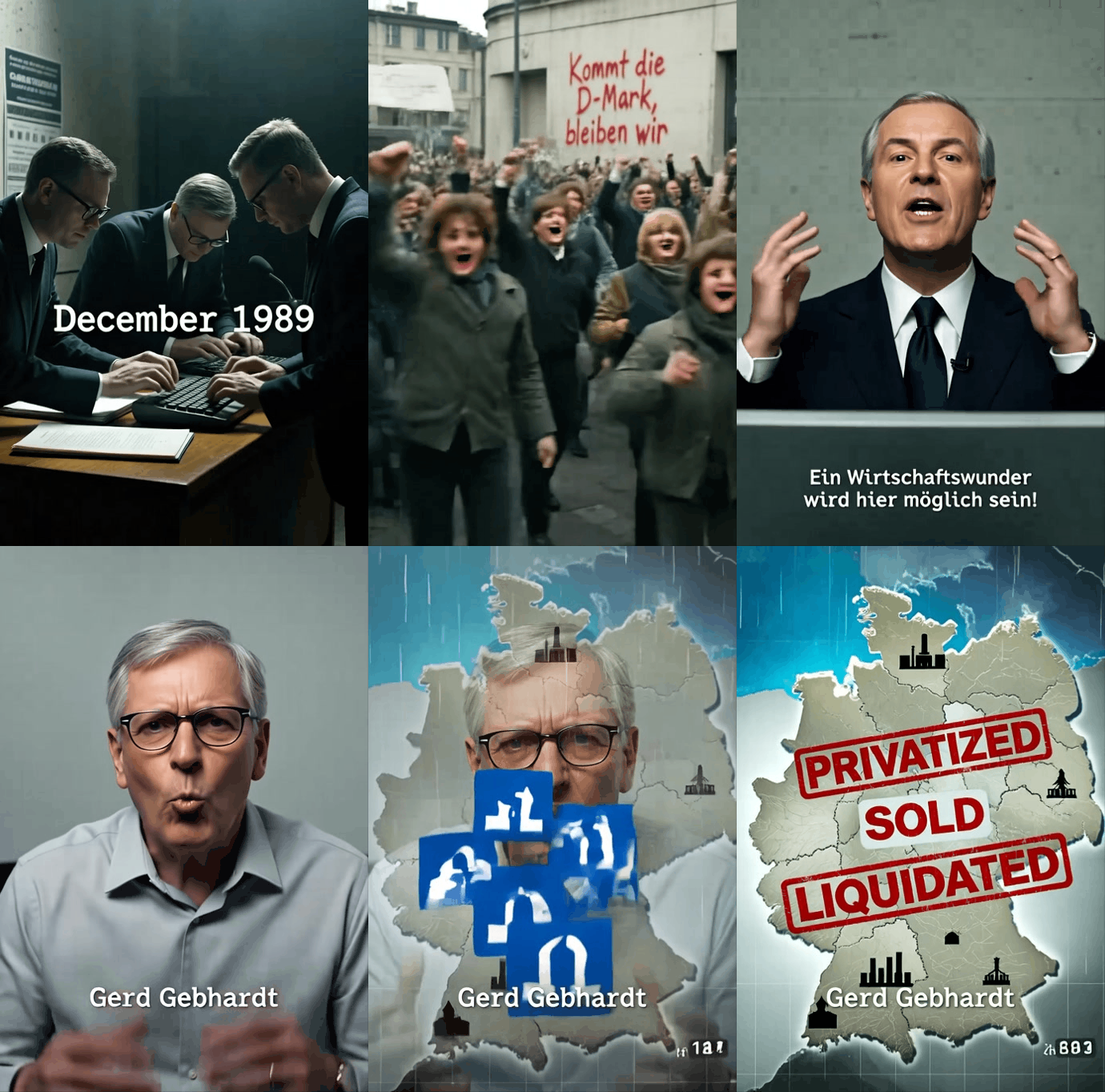


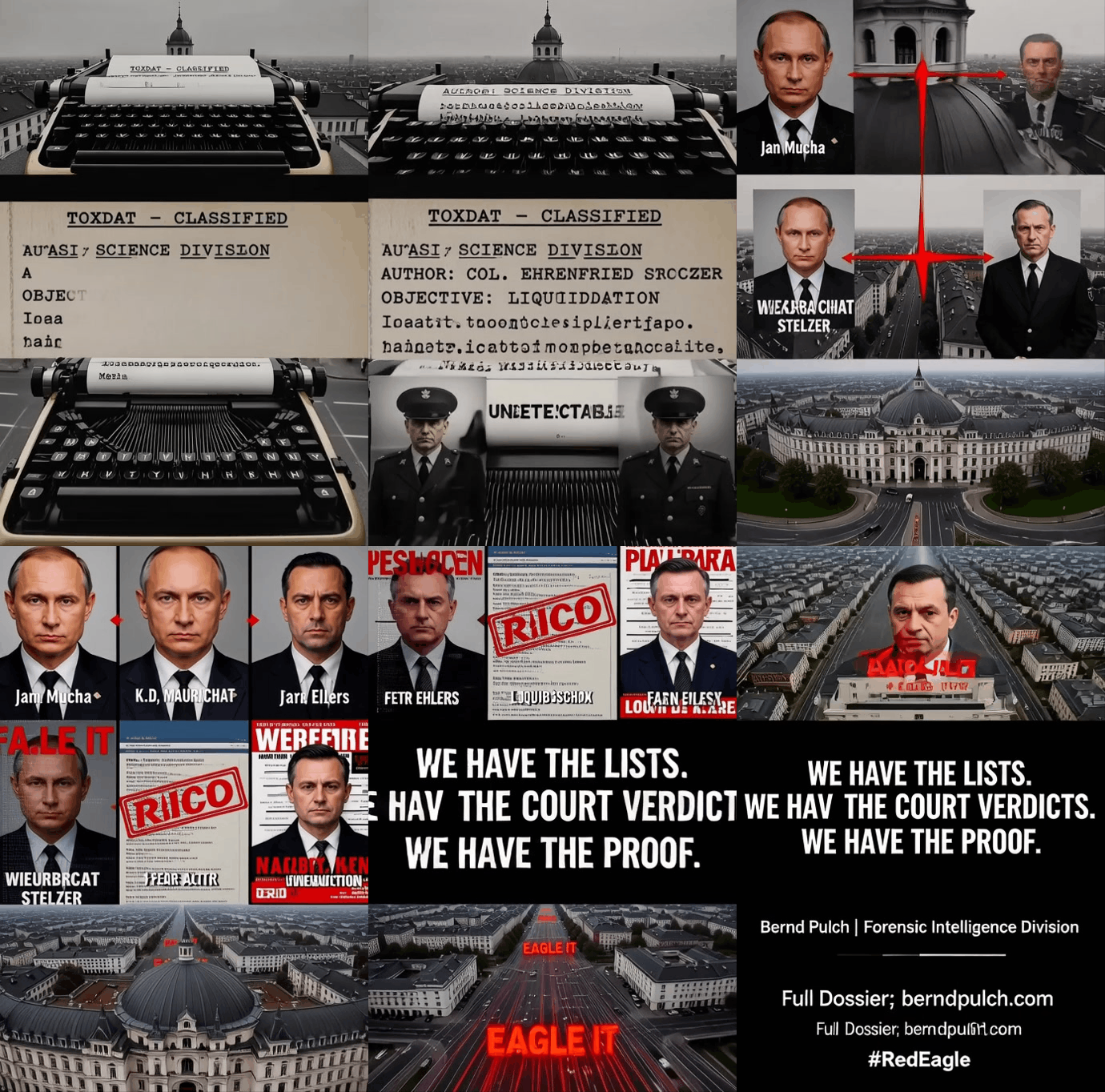


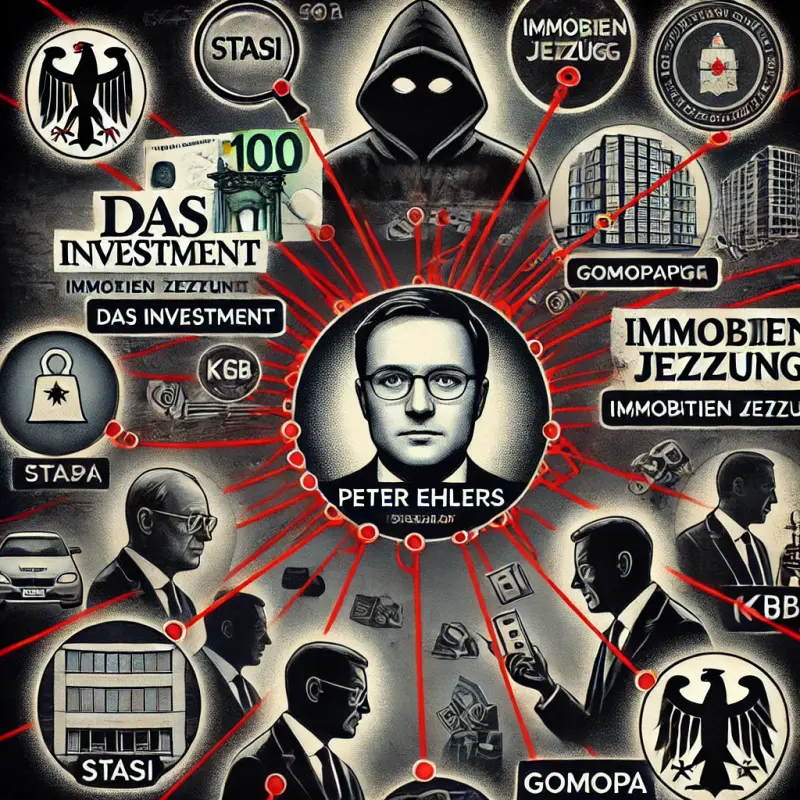

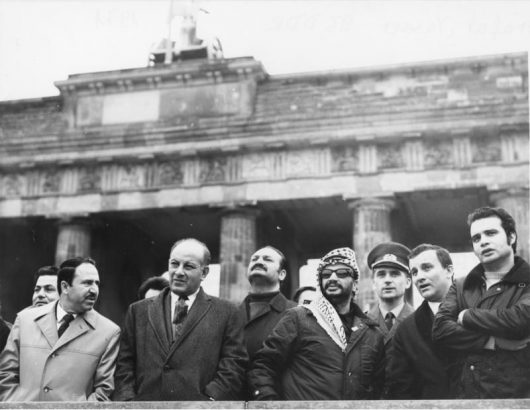



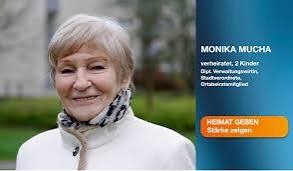





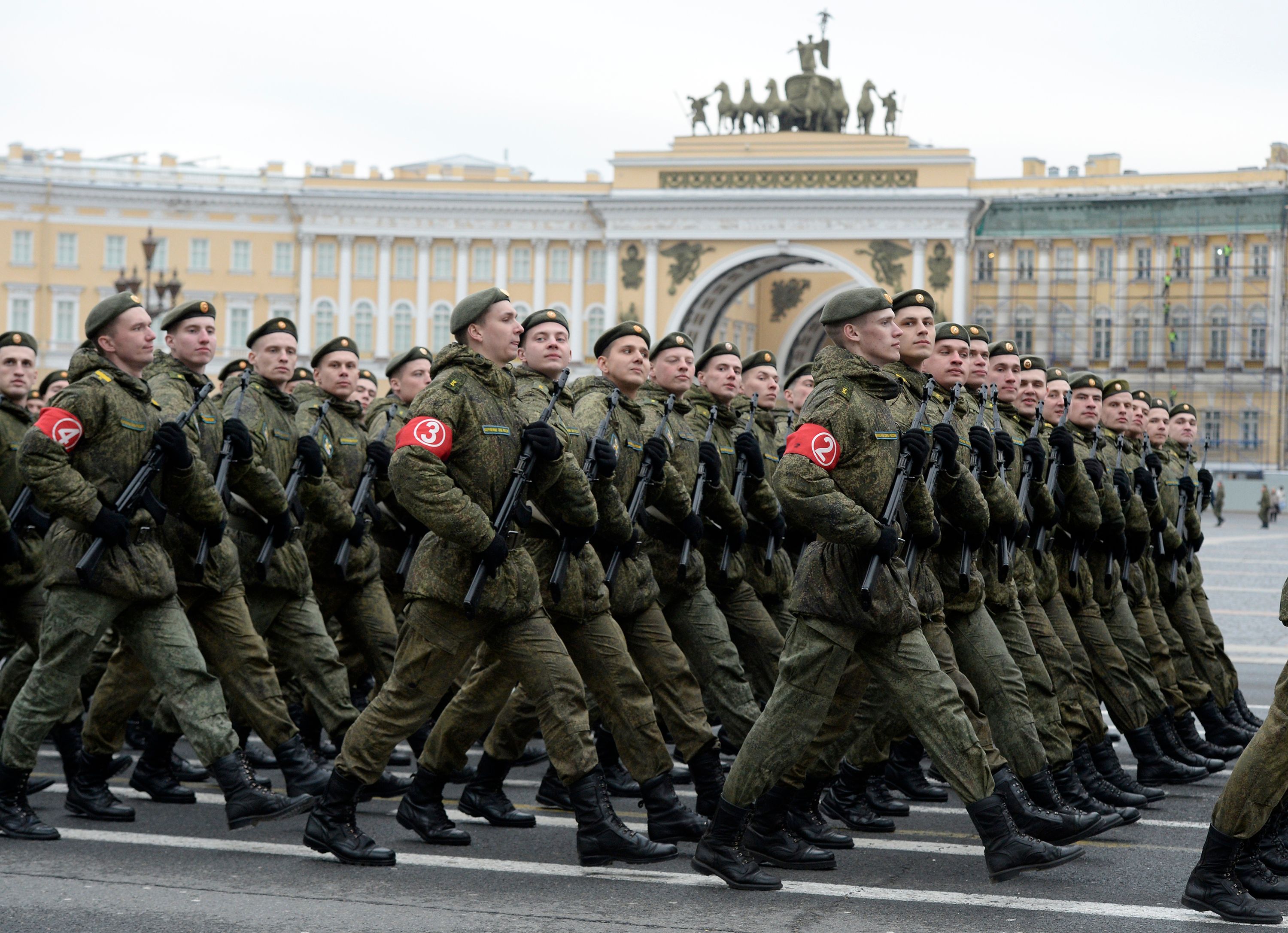

 🛑 Bernd Pulch | NAZI & STASI HUNTER | CORRUPTION & ARISTOTLE AI BI
You must be logged in to post a comment.