SECRET- DHS Robotic Aircraft for Public Safety Request for Information

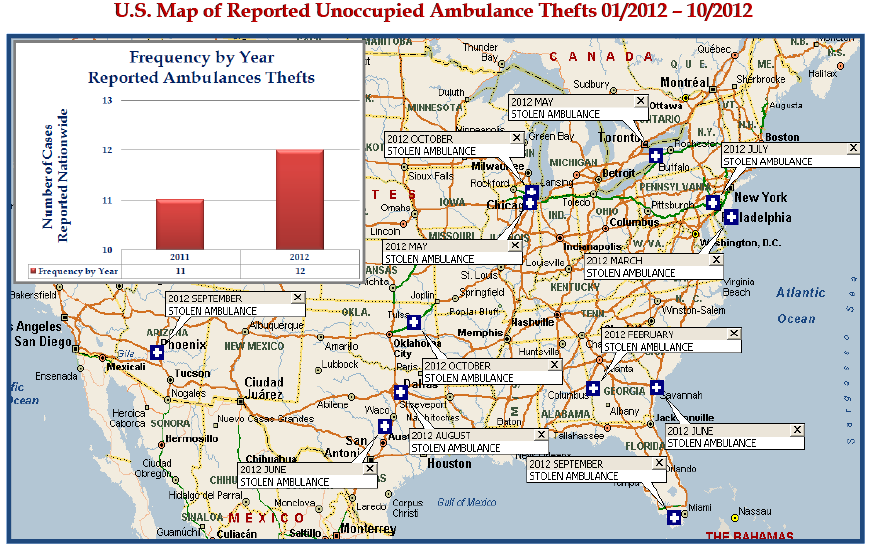
https://publicintelligence.net/wp-content/uploads/2012/09/DHS-RAPS-1.png


The Science and Technology (S&T) Directorate is the Department’s primary research and development arm. The S&T Directorate provides federal, state and local officials with the technology and capabilities to protect the homeland. The Directorate’s mission is to protect the homeland by providing Federal and local officials with state-of-the-art technology and other resources. The Borders and Maritime Security Division (BMD) in S&T supports this mission by developing and transitioning technical capabilities that enhance U.S. border security without impeding commerce and travel.

In support of this mission, BMD will conduct flight testing and evaluation of airborne sensors and small unmanned aerial systems (SUAS) for transition to its customers. The Robotic Aircraft for Public Safety (RAPS) project will invite SUAS vendors to a chosen location and evaluate each system using key performance parameters under a wide variety of simulated but realistic and relevant real-world operational scenarios, such as law enforcement operations, search and rescue, and fire and hazardous material spill response. The SUAS vendors will provide technically mature, flight proven vehicles and their fully-integrated sensors for evaluation. Safety concerns will also be assessed such as the aircraft’s capability for safe flight in the event of a loss of communications between the aircraft and the ground controller.

2. PROBLEM STATEMENT/REQUIREMENTS

The goal of this RFI is to solicit participation in the RAPS project from the SUAS vendor community (“SUAS providers”). S&T is completing an agreement with the state of Oklahoma for utilizing the U.S. Army’s Fort Sill test range for ongoing SUAS evaluation. The range will provide restricted airspace for unimpeded access for SUAS flight in addition to various environs for simulating realistic first responder, law enforcement and border security scenarios.

The SUAS providers are asked to submit a white paper describing the capabilities, maturity, flight experience, and safety performance of each platform. Each SUAS provider, if chosen for the RAPS project, will be provided a test plan and assigned five (5) consecutive flight days in advance of their systems’ evaluation by S&T. The test plan provided will be the same for all SUAS providers, and range support and airspace access will be provided at cost to S&T. Travel and other associated expenses will be incurred by the SUAS provider.

During each flight test, the systems will be subject to an evaluation against the given parameters and will result in a report detailing its performance. The information within each test report will be classified as For Official Use Only, and will not be shared with the general public. All company-restricted information will remain proprietary to the SUAS provider, and not shared publicly without explicit consent.

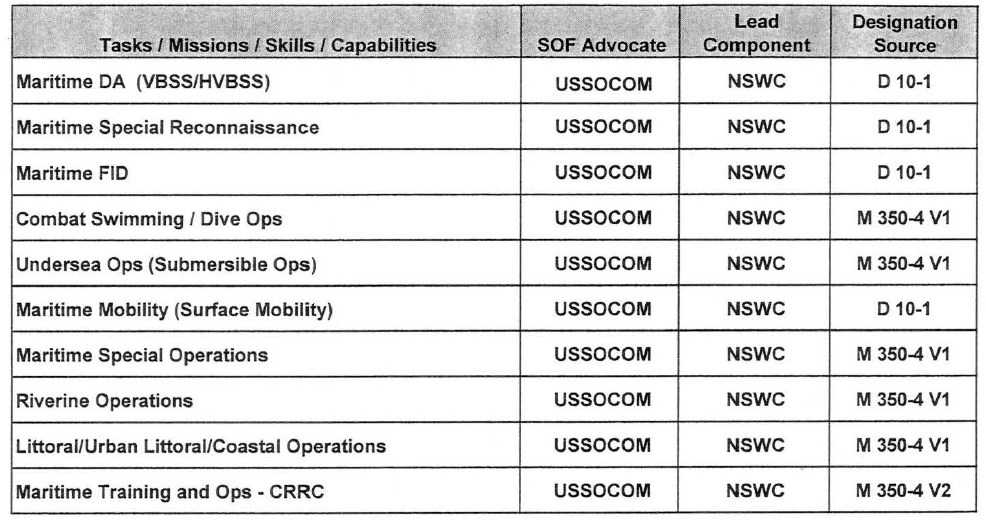
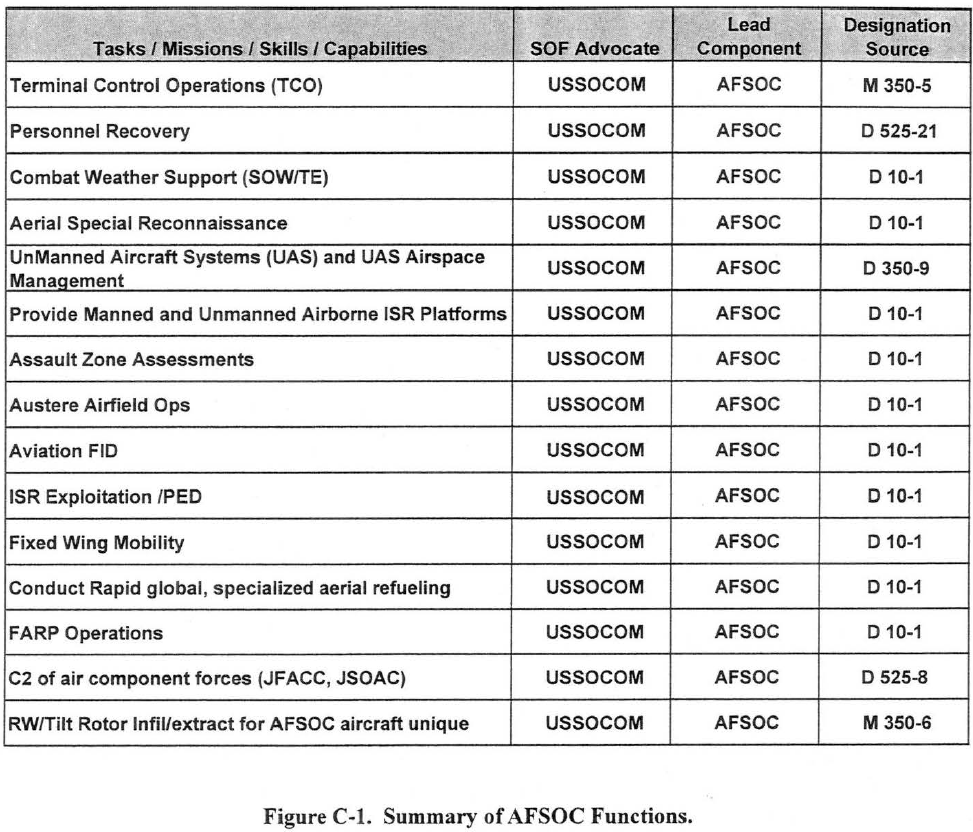
Key Performance Parameters (KPPs) associated with the SUAS, in terms of Threshold (minimum) and Objective (preferred), are:


DOWNLOAD THE ORIGINAL DOCUMENT HERE:

DHS-RAPS

Serial Killer – Dana Sue Gray – Full Movie

Dana Sue Gray (born December 6, 1957) is an American female serial killer who murdered three elderly women in 1994. She was caught after her fourth victim survived and identified her. Gray says she committed these murders to support her spending habits. She is now imprisoned in the California Women’s Prison in Chowchilla.

SPIEGEL über die Giftstudie des “GoMoPa”-Masterminds und Resch-Protege´s STASI-Oberst Ehrenfried Stelzer

http://www.spiegel.de/spiegel/print/d-13395385.html

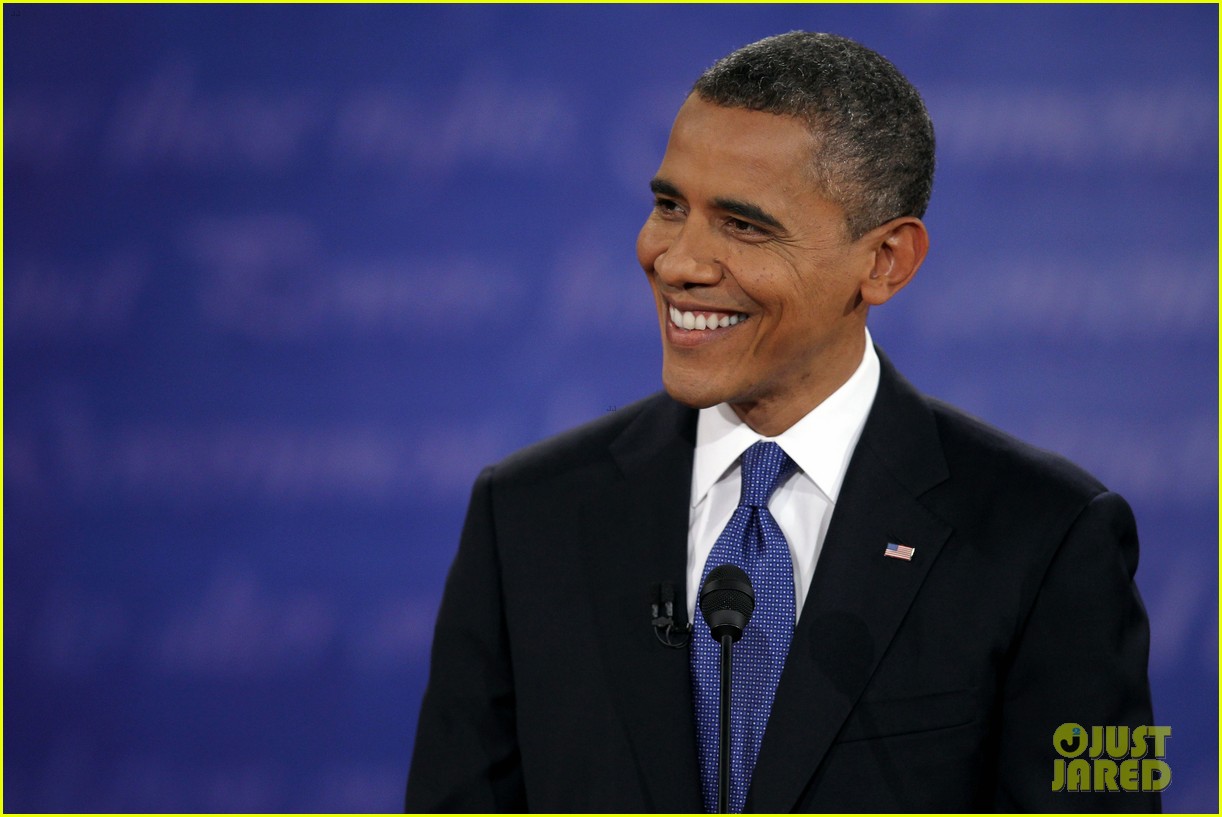
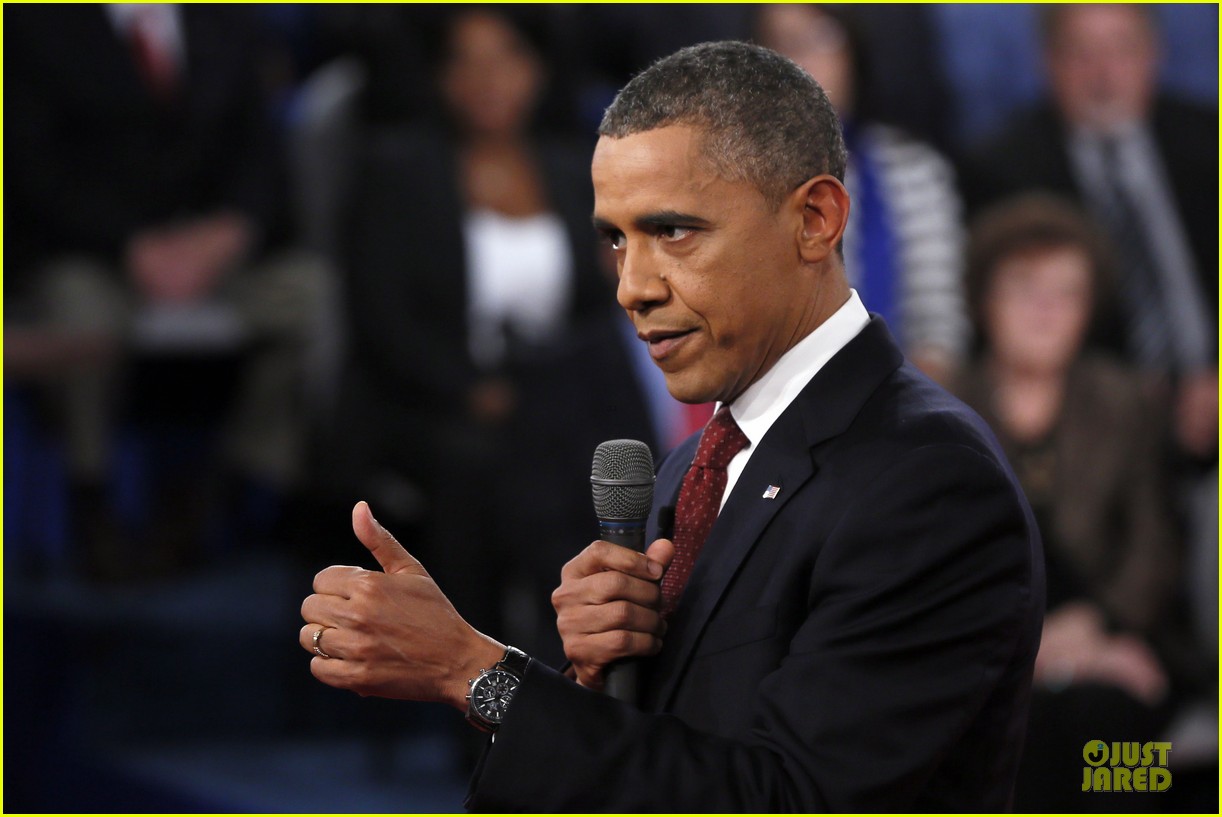
TMZ – President Obama — PERFECT Terrorism Question

TOP-SECRET – Unveiled by Crpytome – The CIA Base in Benghazi, Libya

CIA Base in Benghazi, Libya

http://www.washingtonpost.com/opinions/dana-milbank-letting-us-in-on-a-secret/2012/10/
10/ba3136ca-132b-11e2-ba83-a7a396e6b2a7_story.html

Rep. Jason Chaffetz (R-Utah) was the first to unmask the spooks. “Point of order! Point of order!” he called out as a State Department security official, seated in front of an aerial photo of the U.S. facilities in Benghazi, described the chaotic night of the attack. “We’re getting into classified issues that deal with sources and methods that would be totally inappropriate in an open forum such as this.”

A State Department official assured him that the material was “entirely unclassified” and that the photo was from a commercial satellite. “I totally object to the use of that photo,” Chaffetz continued. He went on to say that “I was told specifically while I was in Libya I could not and should not ever talk about what you’re showing here today.”

Now that Chaffetz had alerted potential bad guys that something valuable was in the photo, the chairman, Darrell Issa (R-Calif.), attempted to lock the barn door through which the horse had just bolted. “I would direct that that chart be taken down,” he said, although it already had been on C-SPAN. “In this hearing room, we’re not going to point out details of what may still in fact be a facility of the United States government or more facilities.”


CIA Base in Benghazi, Libya

[Image]
Below, New York Times, September 20, 2012, did not identify the Second Compound as a CIA base.[Image]

[Image]

Following four images, August 22, 2011, Google Earth/DigitalGlobe[Image]
[Image]
[Image]
Coordinates: 32° 3’25.57″N, 20° 5’15.98″E[Image]

Cryptome – James Atkinson Admits to Being a Spy

James Atkinson Admits to Being a Spy


Date: Wed, 10 Oct 2012 23:14:07 -0400
From: “James M. Atkinson” <jmatk[at]tscm.com>
To: TSCM-L Mailingin List <tscm-l2006[at]googlegroups.com>
Subject: [TSCM-L] {6254} LinkedIn – Coming in, Out of the Cold

The following is my updated LinkedIn profile, which some of the list members will find of interest.

http://www.linkedin.com/profile/view?id=15178662

Yes, I was an official spook, a spy, a contractor spook actually, and yes the CIA, U.S. State Department, FBI, the U.S. Army were all some of my major clients, along with a host of their cut-outs, other agencies. I have been to Capital Hill to work more then a few times.

It is time for me to reveal what I have been doing professionally for the past few decades, and to “come in out of the cold” as it were, and to depart the wilderness of mirrors and to focus on strictly private sector work.

This update explains a lot more about my background and credentials, the huge number of courses where I have been able to learn spectrum analyzers from the inside out, and expertly learn dozens of major signals intelligence systems; considerable number of TSCM courses; peripheral courses; computer programming courses; cell phone system courses, and essentially keeping on the leading edge of state-of-the-art technologies for over 30 year in order to keep a few steps ahead of the eavesdroppers I spent decades hunting. I aggressively sought out and attended massive, just massive numbers of technical courses, and got NDA’d to death in order to take many of the very expensive, and proprietary classes, but it was always a valuable investment.

TSCM, Hardware Engineering and Software Engineering, has always been my core skill set for the last 35 years, but also the other disciplines needed to detect and control “electronics leaking secrets” or systems being provoked into leaking secrets.

I also have training that I have not listed, and that I wish to remain private, and perhaps in the Spring I will list what is missing. Suffice to say, I am very good at locating the flaws that crime scene technicians commit, I know how to identify tainted or planted evidence, and how to catch forensics expert faking test results, and how to run gels, read CODIS, and explain the molecular basis of what as found, and why the evidences is often not what the forensics people claim it is. I studied forensics and crime scene processing in order to apply the methods to TSCM applications, and to refine how I did bug sweeps.

Along the way, I became an extremely good photographer, and capable of either investigative, legal, technical, or fine arts photography. Note: If you need a skilled photographer for anything, I am the person you want to talk to. I am really quite skilled in fine arts portraits, and I have several online portfolios of my work if anybody in interested. I am skilled in all elements of digital and film based photography, darkroom work, digital processing in Photoshop, and skilled in the studio, or on location. My evidence photographs and large-scale courtroom exhibits really rock, seriously, they as amazingly good (and quite inexpensive). If you are a PI or an attorney and you need photography, let me know. If you are a PI and you need a photographer, also let me know. My portraits are just stunning, and often time they make people cry because they are done so well.

I also became a well-respected tactical instructor, and I have listed the places and schools where I am or was officially certified as an instructor, armorer, or similar certifications. I do not care at this time to list the horde of courses that I needed to take in order to become certified as an instructor, but it as quite a lot.

I have also included some (but not all) of my medical training, and medical certifications and credentials as well; including the patents, I am pursing, and the medical device designs I have prototyped.

I have also listed the Courts where I have been accepted or certified by the court as an expert witness, and where I gave expert testimony in the case, but this is actually a partial list. You might notice that I have been certified as an expert to Congress more then once, and the CIA has certified me as a subject matter expect to perform as a Presidential Advisor. I have a few more court expert certifications to add, but I need to get clarification of exactly how the court defined me (i.e.: hat topic).

You will also note, that I design hardware, and write software to make the hardware do really cool things, but that I design and prototype, and then sell the designs off to be manufactured by a .gov contractor. If you want TSCM hardware of software developed from scratch let me know, I have awesome engineering course.

I am also very skilled on the hard-core hardware side of things with data and telephone (and cellular telephone) systems, transmissions systems, switching systems, and everything that flows across our major national fiber networks. I am also very skilled with wiring and cabling (phone and data networks), and specialize in long haul single mode fiber optic systems, or highly specialized fiber optics like undersea cable and landings, and fiber optic systems for “special clients” I also remain the only TSCM firm in the country who can definitively prove or disprove a fiber optic systems has been compromised, like the huge foreign intercept of a major fiber optic trunk (attached to classified US Government facilities) in Reston, VA a few years back.

I would ask that if you are not already linked to me, that you issue me an “Invitation” request, so that I can link back to you.

LinkedIn also has a “Recommendations” feature so that you can write a recommendation for me for either a position I held, a school I attended, or a project I was involved in, and I would deeply appreciate any recommendations that you can to provide on my behalf.

There is also the “Endorsements of Skills and Expertise” and if you could please click on the ones that you feel I am competent in, or the ones you have seen me perform I would be greatly appreciative.

So remember; “Invite,” “Recommend,” “Endorse”… and I will reciprocate when it is appropriate to do so.

http://www.linkedin.com/profile/view?id=15178662

It has been a long journey from a teenage keypunch operator to a TSCM Expert called on by the President, the Congress, and most of the U.S. Intelligence community, with a stack of credentials.

However, it is now time to depart the wilderness, and to come in from the cold, and go back to college part time.

If you need TSCM, or engineering work, or photography, or any of the other skills I have listed, please let me know because I am seeking select assignments that will not interfere with the college courses that I am taking at present.

Thank You.


James M. Atkinson. President and Sr. Engineer
“Leonardo da Vinci of Bug Sweeps and Spy Hunting”
http://www.linkedin.com/profile/view?id=15178662

Granite Island Group          http://www.tscm.com/
(978) 546-3803                jmatk[at]tscm.com
(978) 381-9111


Full Movie – Cold Case Files – Frozen In Time

Secrecy News – Kiriakou Defense seeks to depose reporters

In a new challenge to press independence, attorneys for John Kiriakou, the
former CIA officer who is charged with leaking classified information, have
asked a court for permission to depose three journalists in support of his
defense.

Two of the journalists are cited in the April 2012 Kiriakou indictment as
Journalist A and Journalist B.  Based on the description provided, these
are understood to be Matthew Cole, formerly of ABC News, and Scott Shane of
the New York Times.  The Kiriakou attorneys also asked for court
authorization to depose a third journalist designated as Researcher 1, who
"has worked in close association with Journalist A."

"Based upon communications with each of these individuals and their
counsel, all are unwilling to submit to on-the-record interviews or
otherwise testify voluntarily," the newly unsealed September 28 defense
motion stated.  "It is likely that all may assert a 'journalist's
privilege' if compelled to testify."

        http://www.fas.org/sgp/jud/kiriakou/092812-depose89.pdf

"The applicability of this privilege in this case... is likely to be a
point of significant debate," the motion acknowledged.

The Kiriakou defense said the reporters' testimony was needed because it
could be exculpatory for their client, and that the reporters could affirm
that Kiriakou lacked any intent to harm the United States or to benefit a
foreign power.

"The defense anticipates the likely elicited testimony to speak directly
to whether Mr. Kiriakou had the requisite state of mind or was merely
induced into disclosing the information by these witnesses."

The government has objected to the defense proposal, declaring that "It is
also impermissible to disclose classified information to unauthorized
persons, including the media."

But this seems to miss the point.  The Kiriakou defense does not seek to
provide classified information to the reporters.  Rather, "the defense
intends to elicit answers from these witnesses that are expected to include
classified information," though attorneys said they could not specify in
advance what classified information the reporters might possess or reveal.

The defense has also filed an expansive list of categories of classified
information that it intends to disclose at trial, which was unsealed and
released in redacted form this week.  It includes Mr. Kiriakou's entire
personnel file, records describing his role in the capture of Abu Zubaydah,
correspondence with the CIA Publications Review Board and quite a few other
topics.

        http://www.fas.org/sgp/jud/kiriakou/091212-cipa90.pdf

Prosecutors objected that the notice was "vague and overbroad" and smacked
of "graymail."

"The filing purports to provide notice of 75 separate categories of
information that the defense asserts it intends to disclose at a public
trial, including more than 3000 pages of cited examples, all of which refer
to entire sets of or excerpts of documents, without designating what part
or portion of any given page it wishes to use," the government said.

        http://www.fas.org/sgp/jud/kiriakou/092612-resp83.pdf

In support of the proposed disclosures, the Kiriakou defense firmly
reiterated its view of the relevant legal standard at issue in the case.

"To convict Mr. Kiriakou under [the espionage statute], the government
must 'demonstrate the likelihood of [his] bad faith purpose to either harm
the United States or to aid a foreign government,' and Mr. Kiriakou is
entitled to discover, and present, evidence that shows the opposite," the
defense said.

"Evidence that Mr. Kiriakou honorably served his country for fifteen
years, placed his own life at risk to protect the national security, and
received multiple awards and decorations for his service goes to the heart
of the very specific mens rea [intent] element of the Espionage Act, and
directly rebuts any evidence that Mr. Kiriakou acted with a 'bad faith
purpose to... harm the United States."

        http://www.fas.org/sgp/jud/kiriakou/092812-reply91.pdf

OBAMA ISSUES DIRECTIVE ON INTEL COMMUNITY WHISTLEBLOWERS

President Obama yesterday issued Presidential Policy Directive 19 on
"Protecting Whistleblowers with Access to Classified Information."

        http://www.fas.org/irp/offdocs/ppd/ppd-19.pdf

The directive generally prohibits official reprisals against an
intelligence community employee who makes a "protected disclosure"
concerning unlawful activity or "waste, fraud, and abuse." It does not
authorize disclosure of classified information outside of official channels
to the press or the public.

The directive was occasioned by the ongoing failure of Congress to extend
the protections of the Whistleblower Protection Act to intelligence
community employees.

The new presidential directive, reported today by Joe Davidson in the
Washington Post, was welcomed by whistleblower advocacy organizations.

"While this directive is not a panacea, it begins to fill a large void in
whistleblower protections and lays the framework for more government
accountability where it is sorely needed," said Angela Canterbury of the
Project on Government Oversight. "Because the President directs agencies to
create procedures for internal review of claims, we will be very interested
in the rulemaking and strength of the due process rights in practice."

"For the first time, intelligence community employees have free speech
rights to challenge fraud, waste and abuse within agency channels," said
Tom Devine of the Government Accountability Project, while cautioning that
"Until agencies adopt implementing regulations, no one whose new rights are
violated will have any due process to enforce them."

"This policy directive represents a significant breakthrough, but it is no
substitute for Congress to legislate permanent rights for national security
whistleblowers, with third party enforcement the same as for other
employees," Mr. Devine said.

_______________________________________________
Secrecy News is written by Steven Aftergood and published by the
Federation of American Scientists.

The Secrecy News Blog is at:
     http://www.fas.org/blog/secrecy/

To SUBSCRIBE to Secrecy News, go to:
     http://www.fas.org/sgp/news/secrecy/subscribe.html

To UNSUBSCRIBE, go to
     http://www.fas.org/sgp/news/secrecy/unsubscribe.html

OR email your request to saftergood@fas.org

Secrecy News is archived at:
     http://www.fas.org/sgp/news/secrecy/index.html

Support the FAS Project on Government Secrecy with a donation:
     http://www.fas.org/member/donate_today.html

_______________________
Steven Aftergood
Project on Government Secrecy
Federation of American Scientists
web:    www.fas.org/sgp/index.html
email:  saftergood@fas.org
voice:  (202) 454-4691
twitter: @saftergood

SECRET- UNODC Estimating Illicit Financial Flows From Drug Trafficking

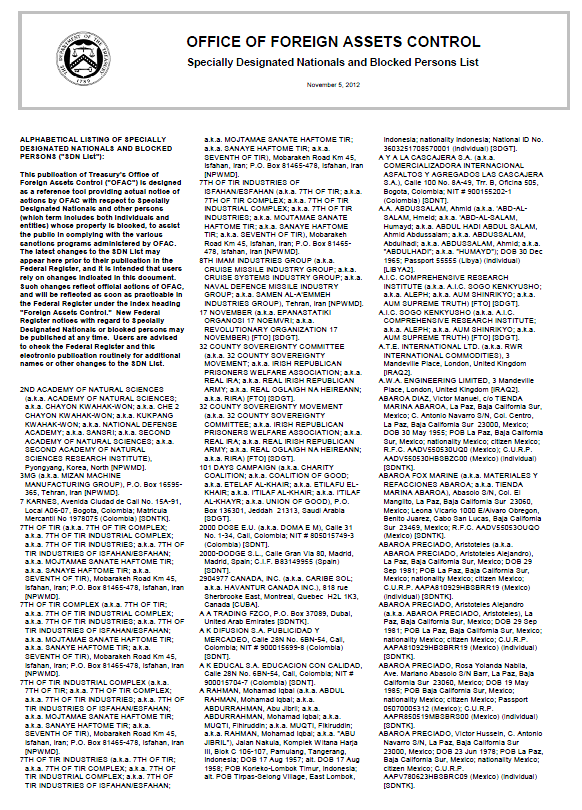
https://publicintelligence.net/wp-content/uploads/2012/09/UNODC-IllicitFlows.png


The purpose of this study was to examine the magnitude of illicit funds generated by drug trafficking and organized crime, and the extent to which they are laundered. Research in this area is still limited and results difficult to compare, but likely orders of magnitude may be estimated, though they should be treated with caution.

•• The most widely quoted figure for the extent of money laundered has been the IMF ‘consensus range’ of 2% to 5% of global GDP, made public by the IMF in 1998. A meta-analysis of the results from various studies suggests that all criminal proceeds are likely to amount to some 3.6% of global GDP (2.3%-5.5%), equivalent to about US$2.1 trillion (2009).

•• The best estimate for the amount available for laundering through the financial system, emerging from a meta-analysis of existing estimates, would be equivalent to 2.7% of global GDP (2.1%-4%) or US$1.6 trillion in 2009. Still within the IMF ‘consensus range’, this figure is located towards its lower end.

•• If only flows related to drug trafficking and other transnational organized crime activities were considered, related proceeds would have been equivalent to around US$650 billion per year in the first decade of the new millennium, equivalent to 1.5% of global GDP or US$870 billion in 2009 assuming that the proportions remained unchanged. The funds available for laundering through the financial system would have been equivalent to some 1% of global GDP or US$580 billion in 2009.

•• The largest income for transnational organized crime comes from illicit drugs, which account for some 20% (17%-25%) of all crime proceeds, about half of transnational organized crime proceeds and 0.6% to 0.9% of global GDP. In turn, drug-related proceeds available for money-laundering through the financial system would be equivalent to between 0.4% and 0.6% of global GDP.

•• Expressed as a proportion of national GDP, all crime proceeds appear to be generally higher in developing countries and tend to be laundered abroad more frequently.

•• The results also suggest that the ‘interception rate’ for anti-money-laundering efforts at the global level remains low. Globally, it appears that much less than 1% (probably around 0.2%) of the proceeds of crime laundered via the financial system are seized and frozen.

•• More in-depth research was undertaken, in the context of the present study, on illicit financial flows generated by the transnational organized crime market for cocaine and the distribution of these flows across regions. Overcoming the complexities of the problem and the lack of readily available data required innovative approaches.

•• The gross profits out of cocaine sales (totalling US$85 bn) were estimated at US$84 billion for the year 2009. (About US$1 billion were production costs, mainly going to farmers in the Andean region). Most of the profits (retail and wholesale) were generated in North America (US$35 bn) and in West and Central Europe (US$26 bn).

•• While the local cocaine market in South America (including Caribbean and Central America) are still rather small in dollar terms (U$S3.5 bn), the gross profits of organized crime groups operating in South America, selling the drugs to the local markets as well as to overseas markets rise to some US$18 billion.

•• The calculations, derived from estimates of the size of the market, the number of traffickers and the market structure (derived from individual drug seizures), suggested that, at the wholesale level, some 92% of global cocaine gross profits were available for laundering in 2009. The proportion fell to 46% at the retail level.

•• A new ‘gravity model’ was developed to show the likely laundering flows, based on indicators of the potential attractiveness of locations to money launderers. Out of more than US$84 billion in gross profits and some US$53 billion available for laundering, the base version of the gravity model predicts that some US$26 billion leave the jurisdictions where the profits were generated.

•• The largest outflows, according to the model, would take place from countries in North America (US$10 bn), South America (US$7 bn) and Europe (US$7 bn). These regions would together account for 95% of all cocaine profit-related outflows worldwide.

•• In terms of net outflows (outflows less inflows) the model suggests that the main destination outside the regions where the profits were generated would be the Caribbean, with net inflows of around US$6 billon, reflecting significant outflows from North America and South America. Such outflows do not appear to be compensated by inflows from other regions. The outflows from countries in Europe, in contrast, would be offset by inflows from other countries in Europe, North America and South America.

•• The presented outcome still relies on a large number of assumptions (number of traffickers, market structure, factors influencing the decisions of moneylaunderers) whose validity needs to be tested, opening a whole set of new research questions for the future.

•• Analysis of the socio-economic impact suggests that the most severe consequence of criminal funds is the further perpetuation and promotion of criminal activities. In the drug area, research indicates that the socio-economic costs related to drug abuse are twice as high as the income generated by organized crime; in some countries (USA, UK) one can even find a 3:1 ratio.

•• Criminal funds, even if invested in the legal economy, may create a number of problems, from distortions of the resource allocation, to ‘crowding out’ licit sectors and undermining the reputation of local institutions, which, in turn, can hamper investment and economic growth. The situation is less clear-cut for financial centres receiving illicit funds, but the long-term consequences may be negative if they do not actively fight money-laundering.

DOWNLOAD THE ORIGINAL DOCUMENT HERE:

UNODC-IllicitFlows

SPIEGEL – Wie STASI-Oberst Stelzer BN-Chef Hellenbroich anwarb

http://www.spiegel.de/spiegel/print/d-13502488.html

Bela Lugosi Meets a Brooklyn Gorilla – Full Movie

A frenzied scientist (Lugosi), conducting experiments in evolution on a remote tropical island, finds the perfect lab rats when two jokers parachute into his jungle lair!

Bela Lugosi plays a mad scientist in the jungle who stumbles across a couple of comedians (intended to resemble Dean Martin and Jerry Lewis) and proceeds to use them as lab mice in his experiments.

Süddeutsche Zeitung über die kriminellen Machenschaften der “GoMoPa”

DOWNLOAD THE ORIGINAL DOCUMENT HERE:

SZ_03.09.2010_Am_virtuellen_Pranger

SI Swimsuit Video – Jessica White

PI-NSA Site M Environmental Impact Survey – SECRET

he following environmental impact survey documents pertain to the NSA’s planned expansion at Site M in Fort Meade, Maryland.  In June 2011, Public Intelligence published planning documents for the Site M project that revealed extensive details about the proposed use of the site, including the construction of a $118,000,000 million U.S. Cyber Command Joint Operations Center for unifying the cyber capabilities of military components and U.S. intelligence agencies.

Department of Defense Record of Decision for the Campus Development Project at Fort George G. Meade, Maryland November 29, 2010 13 pages Download
Environmental Impact Survey Addressing Campus Development at Fort George G. Meade, Maryland – Part 1 September 27, 2010 150 pages Download
(5.79 MB)
Environmental Impact Survey Addressing Campus Development at Fort George G. Meade, Maryland – Part 2 September 27, 2010 120 pages Download
(4.26 MB)
Environmental Impact Survey Addressing Campus Development at Fort George G. Meade, Maryland – Part 3 September 27, 2010 76 pages Download
(8 MB)
Environmental Impact Survey Addressing Campus Development at Fort George G. Meade, Maryland – Part 4 September 27, 2010 126 pages Download
(10.22 MB)


The Department of Defense (DOD) has published the (Final) Environmental Impact Statement (EIS) for the proposed implementation of campus development initiatives and the construction of associated facilities for the National Security Agency (NSA) complex at Fort George G. Meade (Fort Meade), Maryland, dated September, 2010. The National Security Agency/Central Security Service (NSA/CSS) is a cryptologic intelligence agency administered as part of the DOD. It is responsible for the collection and analysis of foreign communications and foreign signals intelligence. For NSA/CSS to continue to lead the Intelligence Community into the next 50 years with state-of-the-art technologies and productivity, its mission elements will require new facilities and infrastructure.

The DOD proposes to implement a plan to develop and construct an operational complex at Site M at Fort Meade. Site M consists of approximately 227 acres in the southwestern quadrant of Rockenbach Road and Cooper Avenue. The area presently serves as portions of Fort Meade’s Applewood and Park golf courses (The Courses). For development planning purposes, Site M is divided into two portions. The northern portion, fronting on Rockenbach Road and consisting of approximately 137 acres, is referred to as Site M-I. The southern portion, consisting of approximately 90 acres, is referred to as Site M-2.

Development of Site M takes into account several factors, including mission requirements, the condition of current facilities (both on and off NSA’s Exclusive Use Area at Fort Meade), space planning, anti-terrorism/force protection, land availability, utility requirements, base realignment and closure actions, traffic and parking changes, and environmental impacts. NSA’s Real Property Master Plan identifies movement of its facilities to the interior of Fort Meade to meet new DOD physical security requirements. A key factor driving the site development concept planning is the co-location of mission functions to provide a more efficient and effective work environment for mission-critical functions of the Intelligence Community.

DOD has considered development of Site M under three discrete phases identified for implementation over a horizon of approximately 20 years. Implementation of Phase I is being treated as and would meet the immediate need for the Proposed Action. Phases II and III are being analyzed as alternative development options and are discussed in Section 3 below.

Under Phase I, development would occur in the near term (approximately 2012 to 2014) on half of Site M-I, supporting 1.8 million square feet (ft2) of facilities for a data center and associated administrative space. NSA would consolidate mission elements, which would enable services and support services across the campus based on function; serve the need for a more collaborative environment and optimal adjacencies, including associated infrastructure (e.g., electrical substation and generator plants providing 50 megawatts [MW] of electricity); and provide administrative functions for up to 6,500 personnel. This phase would also include a steam and chilled water plant, water storage tower, and electrical substations and generator facilities capable of supporting the entire operational complex on Site M.

Construction of the proposed facilities and the addition of personnel would require additional campus parking. The use of multi-level parking facilities will be considered in lieu of surface parking. The amount of replacement parking needed would depend on the facility alternatives selected.

Since the development of Site M is in the planning stages, no engineering or design work for replacement parking has been accomplished. Therefore, the EIS did not consider various design factors in detail but made general assumptions about the requirements that would be associated with surface parking and parking garages. The exact space requirements will become known as the detailed design process progresses.

Proponent: U.S. Department of Defense (DOD), National Security Agency (NSA).

Affected Location: Fort George G. Meade, Maryland.

Report Designation: Final Environmental Impact Statement (EIS).

Proposed Action: DOD proposes to develop a portion of Fort Meade (referred to as “Site M”) as an operational complex and to construct and operate consolidated facilities for Intelligence Community use.

Abstract: DOD has considered development of Site M under three discrete phases identified for implementation over a horizon of approximately 20 years. Implementation of Phase I is being treated in this EIS as the Proposed Action. Phases II and III are being analyzed as alternative development options. Under Phase I, development would occur in the near term (approximately 2012 to 2015) on the eastern half of Site M-1, supporting 1.8 million square feet of facilities for a data center and associated administrative space. NSA would consolidate mission elements, which would enable services and support services across the campus based on function; serve the need for a more collaborative environment and optimal adjacencies, including associated infrastructure (e.g., electrical substation and generator plants providing 50 megawatts of electricity); and provide administrative functions for up to 6,500 personnel. Phase I would also include constructing a steam and chilled water plant, water storage tower, and electrical substations and generator facilities capable of supporting the entire operational complex on Site M.

Development of Site M takes into account several factors, including mission requirements, the condition of current facilities (both on and off NSA’s Exclusive Use Area at Fort Meade), space planning, anti-terrorism/force protection, land availability, utility requirements, Base Realignment and Closure actions, traffic and parking changes, and environmental impacts. Use of multi-level parking facilities will be considered in lieu of surface parking. A key factor driving the site development concept planning is the co-location of mission functions to provide a more efficient and effective work environment for mission-critical functions of the Intelligence Community.

The analysis in this EIS considers various alternatives to the Proposed Action, including the No Action Alternative, electrical generation alternatives, pollution control alternatives, and location alternatives for the various proposed facilities.

TMZ – Mel Brooks — Poundin’ Wine on the Street!

Have you always wanted to see funnyman Mel Brooks pound A LOT of wine straight from the bottle on a street corner? Don’t worry — TMZ’s got your back!

Secrecy News – Violent Behavior cannot be predicted

VIOLENT BEHAVIOR CANNOT BE RELIABLY PREDICTED, PANEL SAYS

The outbreak of violence by individuals who seek to harm other persons or
institutions cannot be reliably predicted today, the Defense Science Board
said in a new report to the Secretary of Defense.  Instead, efforts to
counter violence should focus on prevention and mitigation of the threat.

The new DSB study on "Predicting Violent Behavior" was initiated in
response to the 2009 Fort Hood shooting in which thirteen people were
killed and dozens wounded allegedly by Army Major Nidal Malik Hasan, who
had not previously been identified as a threat.

        http://www.fas.org/irp/agency/dod/dsb/predicting.pdf

"The state of the art in physiological and neurological sciences today
does not provide useful capability for predicting targeted violence," the
DSB report said.

"While there are promising indicators that might predict aberrant
behavior, severe personality disorders, addiction, and other anti-social
behaviors, the current state of the science is such that the false
positives and false negatives are very high. In addition, developing a
practical means to observe any useful indicators may present a significant
challenge."

In the wake of the Fort Hood shootings, the Defense Department attempted
to develop lists of problematic behaviors that might signal a propensity to
violence.  One such list was the behaviors included in the adjudicative
guidelines for granting (or denying) security clearances.  

        http://www.fas.org/sgp/isoo/guidelines.html

But the use of that list was not justified, the DSB said.  "The Task Force
found little to no relationship between the adjudicative guidelines and
targeted violence."

Moreover, "the Task Force also found that indicator lists are most
effective in the hands of trained professionals and are not an effective
substitute for a more nuanced, comprehensive set of factors developed by
threat-management practitioners. If not handled properly and by trained
personnel, lists can lead to high false-positives with accompanying stigma,
lack of trust, and reluctance to report. Lists also tend to be static and
unless continually revisited the list of indicators becomes less likely to
identify adaptive perpetrators who will purposefully avoid elements of
listed behavior to avoid interdiction."

Overall, the DSB Panel advised, "prevention as opposed to prediction
should be the Department's goal.  Good options exist in the near-term for
mitigating violence by intervening in the progression from violent ideation
to violent behavior."

PRESIDENTIAL ELECTIONS AND NATIONAL SECURITY, MORE FROM CRS

Presidential elections and the possible transition to a new Administration
are potentially a period of heightened national security vulnerability, a
new report from the Congressional Research Service says.

The report distinguishes five phases of the presidential election period,
and proposes concerns relevant to each.  Thre report provides tabulated
listings of US military operations during presidential transition period,
and terrorist incident that have occurred during such transitions.  See
"2012-2013 Presidential Election Period: National Security Considerations
and Options," October 5, 2012:

        http://www.fas.org/sgp/crs/natsec/R42773.pdf

Some other noteworthy CRS products that Congress has not made publicly
available include the following.

Sudan and South Sudan: Current Issues for Congress and U.S. Policy,
October 5, 2012:

        http://www.fas.org/sgp/crs/row/R42774.pdf

U.S. Textile Manufacturing and the Trans-Pacific Partnership Negotiations,
October 5, 2012:

        http://www.fas.org/sgp/crs/row/R42772.pdf

Presidential Appointments, the Senate's Confirmation Process, and Changes
Made in the 112th Congress, October 9, 2012:

        http://www.fas.org/sgp/crs/misc/R41872.pdf

Unemployment: Issues in the 112th Congress, October 5, 2012:

        http://www.fas.org/sgp/crs/misc/R41578.pdf

Antipoverty Effects of Unemployment Insurance, October 4, 2012:

        http://www.fas.org/sgp/crs/misc/R41777.pdf

_______________________________________________
Secrecy News is written by Steven Aftergood and published by the
Federation of American Scientists.

The Secrecy News Blog is at:
     http://www.fas.org/blog/secrecy/

To SUBSCRIBE to Secrecy News, go to:
     http://www.fas.org/sgp/news/secrecy/subscribe.html

To UNSUBSCRIBE, go to
     http://www.fas.org/sgp/news/secrecy/unsubscribe.html

OR email your request to saftergood@fas.org

Secrecy News is archived at:
     http://www.fas.org/sgp/news/secrecy/index.html

Support the FAS Project on Government Secrecy with a donation:
     http://www.fas.org/member/donate_today.html

_______________________
Steven Aftergood
Project on Government Secrecy
Federation of American Scientists
web:    www.fas.org/sgp/index.html
email:  saftergood@fas.org
voice:  (202) 454-4691
twitter: @saftergood

Cold Case Files – A Confession for Carmen/The Girls – Full Movie

Opfer fordern Entzug der Anwaltszulassung für mutmassliche “GoMoPa”-Paten

http://www.victims-opfer.com/?p=14675

My Son, the Vampire – Full Movie

The mysterious Vampire comes to England to complete experiments in his mad bid to gain control of the world. When his radar-controlled robot is accidentally delivered instead to Mother Riley, the Vampire, through radar control, has the Robot transport itself as well as Mother Riley to the proper destination. The old lady goes into a whirl of hilarious action in an effort to ruin his evil plans.

Cryptome – Osama bin Laden Compound Raid Mock-up

Osama bin Laden Compound Raid Mock-up

A sends:

In No Easy Day, the book written by the Navy Seal about getting Bin Laden, he stated that they trained in North Carolina. If you go to Google Maps and put in these coordinates at Harvey Point Defense Testing (CIA training facility) there is nothing but an clearing in a field. If you go to the lower link in Virtual Globetrotting and look at the same location it appears to be the mock up training facility for the Bin Laden raid. It is not completed in the photo, but there is enough built to say it is an almost exact copy of Bin Laden’s compound.

Google Maps

36.099724,-76.349428

Bing Maps

http://virtualglobetrotting.com/map/harvey-point-defense-testing-activity-cia-training-facility/view/?service=1


Osama bin Laden Compound Raid Mock-up

Bin Laden Mock-up, Harvey Point, NC. Terraserver.com[Image]
Bin Laden Compound Mock-Up, Harvey Point, NC, Under Construction, February 15, 2011. Bing.com/Maps.[Image]
[Image]
[Image]
Bin Laden Compound, Abbottabad, Pakistan, After the Raid, May 11, 2011. Google Earth[Image]
Bin Laden Compound Mock-Up, Harvey Point, NC,  After Demolition, January 30, 2012. Google Earth[Image]

SI Swimsuit Video – Julie Henderson

SECRET-Department of Health and Human Services List

The following document was produced by the Department of Health and Human Services as part of their “Now Trending Challenge” to develop applications for monitoring disease outbreaks via Twitter.  The document contains lists of various terms that are associated with a number of diseases from the common cold to diphtheria.  The winner of the challenge, MappyHealth, allows users to view trending information for a variety of diseases in the U.S. and abroad.  For more information on HHS’ efforts to monitor Twitter and the Now Trending Challenge, see Carlton Purvis’ article for Security Management magazine.

Department of Health and Human Services Office of the Assistant Secretary for Preparedness and Response (ASPR)

Download

DOWNLOAD THE ORIGINAL DOCUMENT HERE:

HHS-TwitterDiseaseTerms

TMZ-Lady Gaga VOMITS On Stage!

It seems like only yesterday when Justin Bieber threw up on stage during a concert. Today comes a NEW challenger: Lady Gaga. She vomited on stage and KEPT ON DANCING!

Secrecy News – Parties tangle over discovery in Kiriakou leak case

The trial of former CIA officer John Kiriakou, who is accused of making
unauthorized disclosures of classified information, has yet to begin.  But
prosecutors and defense attorneys are now locked in a dispute over what
classified information must be provided to the defense and can be cleared
for disclosure at trial.

The resolution of the current pre-trial arguments may have a decisive
effect not only on the outcome of Mr. Kiriakou's proceeding but on the
future use of the Espionage Act to penalize leaks of classified
information.  That's because the pending disagreements involving the nature
of the charge will determine the standard by which the defendant will be
judged.

"The government has no obligation to prove, and does not intend to prove,
that the defendant [Kiriakou] intended to harm the United States,"
prosecutors said in a September 26 motion that was unsealed last week.

"The government must prove only that the defendant had a 'reason to
believe' that the information 'could be used to the injury of the United
States or to the advantage of any foreign nation'.... The defendant's
intent to injure or serve the United States is not at issue."

        http://www.fas.org/sgp/jud/kiriakou/092612-resp83.pdf

Prosecutors rejected the contrary view of the defense that the government
must demonstrate an intent by the defendant to harm the United States.  In
a separate pleading last week, they said that view reflects a "misplaced"
reliance on a 2006 holding in the AIPAC case (US v. Rosen) in which the
court imposed a more stringent "intent" requirement on the prosecution,
particularly since the defendants there did not hold security clearances
and were dealing with information transmitted orally rather than with
classified documents.

        http://www.fas.org/sgp/jud/kiriakou/100212-resp82.pdf

"Rosen is distinguishable from this case... because Kiriakou transmitted
the information electronically, not orally, and Kiriakou had a recognized
obligation not to divulge classified, national defense information to those
not entitled to receive it," prosecutors said October 2.  (The latest
defense argument on the subject is still under seal.)

But whether an email message is more like "documentary" information or
like transcribed "oral" information seems to be an open question for the
Kiriakou court to decide, along with other fateful questions about the use
of the Espionage Act in leak cases.

U.S. ARMY DOCTRINE ON RELIGIOUS SUPPORT TO SOLDIERS

Military chaplains in the U.S. Army must have at least a Secret clearance.
"This allow them access to the unit operations center and ensures that the
chaplain is involved in the unit's operational planning process."

A newly updated Army doctrinal publication on Religious Support, which
describes the functions of chaplains, explains that "Religion plays an
increasingly critical role... across the range of military operations."

        http://www.fas.org/irp/doddir/army/fm1-05.pdf

"Chaplains and chaplain assistants continue to sustain programs that
nurture ethical decision making and facilitate religious formation and
spiritual development as an inseparable part of unit readiness."

"Throughout our history, chaplains and chaplain assistants have served
alongside combat Soldiers, enduring the same hardships, and bearing the
same burdens.  They are members of the profession of arms."

"Chaplains have served in the U.S. Army since the first days of the
American Revolution and many have died in combat. These chaplains
represented more than 120 separate denominations and faith groups from
across America."

"Six chaplains have been awarded the Medal of Honor for heroism above and
beyond the call of duty," the new Army Field Manual 1-05 noted.

However, "chaplains are noncombatants and do not bear arms.  Chaplains do
not have command authority."

Essentially, chaplains are expected to fulfill "three basic core
competencies: nurture the living, care for the wounded, and honor the
dead."

U.S. FOREIGN ASSISTANCE TO PAKISTAN, AND MORE FROM CRS

Last month, Secretary of State Hillary Clinton informed Congress that U.S.
national security interests required a waiver of statutory limitations on
security aid to Pakistan.  "The Secretary's accompanying justification for
the waiver was delivered in classified form," a newly updated report from
the Congressional Research Service noted, adding that the waiver "appeared
extremely difficult to justify" in view of Pakistan's uneven cooperation
with U.S. and NATO forces.  See Pakistan: U.S. Foreign Assistance, updated
October 4, 2012:

        http://www.fas.org/sgp/crs/row/R41856.pdf

Some other Congressional Research Service products that have not been made
readily available to the public include the following.

Jordan: Background and U.S. Relations, updated October 3, 2012:

        http://www.fas.org/sgp/crs/mideast/RL33546.pdf

Federal Grants-in-Aid Administration: A Primer, October 3, 2012:

        http://www.fas.org/sgp/crs/misc/R42769.pdf

Temporary Assistance for Needy Families (TANF): Welfare-to-Work Revisited,
October 2, 2012:

        http://www.fas.org/sgp/crs/misc/R42768.pdf

Sequestration: A Review of Estimates of Potential Job Losses, October 2,
2012:

        http://www.fas.org/sgp/crs/misc/R42763.pdf

Cold Case Files – A Confession for Carmen/The Girls – Full Movie

The STASI Press Release published by Wikileaks

http://wikileaks.org/gifiles/releasedate/2012-07-22-00-full-stasi-agent-name-list-published.html

Atom Age Vampire – Full Movie

A scientist injects himself with serum that turns him into an atom age vampire that kills without guilt..

A less-stylish variant on Franju’s classic Les Yeux Sans Visage, this low-budget Italian production borrows heavily from that film’s plot to tell the tale of a scientist who employs a radical new procedure to restore the beauty of a young hoochie-koochie dancer disfigured in a car accident. All goes well after the bandages come off… but after all, this is a horror film, and it’s only a matter of time before the young lass begins transforming into a monster — which, despite the title, is not really a vampire, but more like something resembling an overcooked pizza roll with eyes. In order to return her to normal, the loony doc sets out to “borrow” the faces of other young women without their permission. Released in its native country (where the dubbing might have been a bit less painful) as Seddock, L’Ereda de Satana or Seddock, Heir of Satan.

FAS – 2010 Military Intelligence Budget Request Declassified

The Department of Defense this week released a redacted version of the budget justification for the FY 2010 Military Intelligence Program (MIP).

“The MIP sustains all programs, projects or activities that support the Secretary of Defense intelligence, counterintelligence, and related intelligence responsibilities and provides capabilities to meet the warfighters’ operational and tactical requirements whenever and wherever needed,” the document states.

The MIP budget justification for FY 2010, which was submitted to Congress in 2009, presents dozens of individual military intelligence programs.  While budget figures have been censored, along with various other classified matters, the summary descriptions of most of the individual MIP programs were released more or less intact.

The document (large pdf) was provided to the Federation of American Scientists in response to a Freedom of Information Act request.

“In the last several years, we have embarked on a fundamental change to the concept of defense intelligence – one that balances the unique role of support to the warfighter with the recognition that today’s security environment crosses traditional organizational domains,” the budget document says.

“The deep integration of defense intelligence into the larger Intelligence Community, the evolution of our collaboration with homeland defense counterparts, and the fostering of committed international partnerships are all outcomes of this fundamental change,” wrote James R. Clapper, then-Under Secretary of Defense (Intelligence) in his introduction to the budget justification.

In FY 2010, Congress appropriated $27 billion for the Military Intelligence Program.  The FY 2013 request for the MIP was $19.2 billion.  The budget appropriation for FY 2012 is to be disclosed by the end of this month.

SI Swimsuit Video – Oluchi

The NSA-Declassified Documents Provide New Detail on Confronting the Terrorist Threat

Washington, D.C., October 8, 2012 – A new Web resource posted by the National Security Archive offers a wide-ranging compilation of declassified records detailing the operations of a key component of U.S. national security. Among the new documents are internal reports on domestic terrorism that expand on what previously public intelligence assessments have revealed.

The Federal Bureau of Investigation (FBI) has been one of the best known and most scrutinized components of the U.S. government for well over seventy years. As a result it has been the subject of non-fiction books, novels, a multitude of articles, films and television shows, and congressional hearings. In addition to its criminal investigative effort and pursuit of bank-robbers that propelled it into the news, the Bureau has also been heavily involved in counterintelligence, counterterrorism, foreign intelligence, and counter-subversion work. FBI successes, failures, and abuses have helped produce attention and controversy for the Bureau.

Today’s National Security Archive posting of 38 documents – drawn from a variety of sources – provides a window into the Bureau’s activities in those areas since, with one exception, 1970. The collection’s aim is to present a foundation for understanding the scope and history of the organization, and in some instances to offer correctives to popular accounts. Freedom of Information Act requests yielded a number of the documents included in the briefing book, which are being posted here for the first time. Included are two intelligence assessments of the domestic terrorist threat – The Terrorist Threat to the U.S. Homeland: An FBI Assessment (2004) and A Threat Assessment for Domestic Terrorism, 2005-2006 (2007) – which examine the threat from al-Qaeda and its supporters as well as from assorted home-grown terrorist groups.

The latter assessments offer a broader and more detailed view of the terrorist issue, including on al-Qaeda, than the key judgments of the 2007 National Intelligence Estimate released by the Director of National Intelligence. The 2004 assessment stated that FBI investigations revealed “extensive support for terrorist causes in the US,” although they also found little evidence of sympathizers being actively engaged in planning or carrying out terrorist attacks.

Additional details on some of the domestic threats mentioned in the 2004 and 2007 estimates can be found in other newly released assessments – such as those on white supremacist groups. Those assessments discuss the threats from ‘stealth’ fascists, white supremacist infiltration of law enforcement, and the possibility of white supremacists employing suicide terrorism to further their cause.

Also, included are detailed inspector general reports concerning the FBI’s performance in the case of Robert Hanssen, the FBI official who spied for the Soviet Union and Russia, its handling of information related to the September 11 terrorist attacks, and its employment of national security letters. Finally, included are a number of Congressional Research Service studies on the Bureau’s history and current activities, including its terrorism investigations.

* * *

Documenting the FBI

By Jeffrey T. Richelson

Federal Bureau of Investigation, The Terrorist Threat to the U.S. Homeland: An FBI Assessment, April 15, 2004. Secret/NOFORN. Source: FBI Freedom of Information Act Release.

For almost eight decades the Federal Bureau of Investigation (FBI) has been one the best known components of the federal government. The organization, or its long-time director, J. Edgar Hoover, have been the subject of a number of non-fiction books – ranging from the adulatory to the intensely critical. 1 There have also been assorted novels, films, and television shows in which the Bureau or Hoover were central elements. 2

Created in 1908, as an untitled Justice Department bureau, it became the Bureau of Investigation in 1909, the Division of Investigation in 1933, and the FBI in 1935. Today, the FBI consists of its headquarters in Washington, D.C., its training academy in Quantico, Virginia, other elements in Virginia, 56 domestic field offices, 380 resident agencies, and more than 60 legal attaché offices outside the United States. As of April 30, 2012, it had 35,850 employees (13, 851 special agents, and 21, 989 support personnel) and a budget of $8.1 billion. 3

It became best known, at least initially, for its operations directed against high-profile gangsters, such as the fatal shooting of John Dillinger on July 22, 1934, in front of Chicago’s Biograph Theater by two of the Bureau’s special agents. 4 Subsequently, the Bureau’s prominence grew as a result of its national security activities. Over the years, those operations have included the gathering of foreign intelligence, counterintelligence, counter-terrorism, and combating, what were in the view of the Bureau (and others), subversive elements. 5

The documents posted today by the National Security Archive range from unclassified records to redacted versions of Secret or “Law Enforcement Sensitive” documents that were obtained under the Freedom of Information Act as well as from a variety of government web pages (including the Department of Justice and General Accountability Office) and private organization sites (including the Federation of American Scientists and Government Attic). The records focus on the Bureau’s foreign intelligence, counterintelligence, and counterterrorism activities since (with one exception) 1970.

Thus, several documents focus on the FBI’s foreign intelligence activities. One examines its operation of the Special Intelligence Service, which was active in Latin America during World War II (Document 9). Another discusses how the Joint Chiefs of Staff requested the FBI employ its “internal information program” to gather intelligence that would be useful in planning and executing a second attempt to rescue the American hostages seized in Iran in November 1979 (Document 2). Today, the FBI’s extensive presence overseas, via its legal attaché program, the subject of a Justice Department inspector general report (Document 17), allows it to produce information relevant both to criminal investigations and U.S. foreign intelligence requirements.

The counterintelligence component of the organization’s mission involves the related activities of investigating foreign intelligence services and their employees, both those employing diplomatic cover and those operating as illegals, and detecting Americans – including members of the FBI and CIA – who are providing classified information to those services. Thus, documents in the posting include the executive summary of an inspector general report on the activities and detection of FBI agent Robert Hanssen, who provided extraordinarily sensitive intelligence to the Soviet Committee of State Security (KGB) and the Russian Foreign Intelligence Service (SVR) over two decades (Document 12).

The posting also includes an examination of the FBI’s successes and failures. One involved the case of the CIA’s Aldrich Ames, arrested in 1994, but not after he disclosed the identities of a number of CIA sources to the Soviet Union. (Document 6). In addition, there is the case of Katrina Leung (Document 25), who had sexual relationships with at least two FBI agents while appearing to provide information on developments within the government of the People’s Republic of China – but actually serving as a PRC agent. Further, the posting includes the reports produced by several security reviews under taken by RAND and an outside commission in the wake of the Hanssen fiasco (Document 7, Document 10).

Also represented in the briefing book are a number of FBI intelligence assessments concerning terrorism. A 1970 analysis focuses on the Fedayeen terrorist group (Document 1) while a 1984 study (Document 3) describes Iranian and Iranian-linked institutions in the United States – including both official institutions and educational foundations – that had (or could have) served as covers for clandestine intelligence collection and support to terrorist activities.

Other more recent assessments have focused on both the international and domestic terrorist threats. Thus, a Secret/Noforn assessment from April 2004 (Document 19) focuses on the threats from al-Qaeda as well as from U.S.-based groups. It reported that the “motivation and commitment to lethality remains as strong as ever” among al-Qaeda’s members, that the group continued to be interested in targeting international flights, and that few entities or individuals in the United States had direct connections to senior al-Qaeda leaders.

But while al-Qaeda was the greatest concern, the FBI also devoted analytical resources to evaluating the threat from a variety of domestic groups. A 2007 assessment (Document 30) noted the threat from animal rights extremists who “committed the overwhelming majority of criminal incidents during 2005 and 2006.” Several reports concerned white supremacist groups – including their possible use of suicide terrorism (Document 28), their infiltration of law enforcement (Document 26), and the phenomenon of “ghost skins,” (Document 27) who “strive to blend into society.” According to the reports, suicide terrorism was seen “primarily as a means of uniting a fractured movement,” while infiltration of law enforcement threatened the success of investigations and could “jeopardize the safety of law enforcement sources and personnel.”

Beyond estimates of the terrorist threat, the documents posted today illuminate various aspects of FBI counter-terrorist operations and organization prior to 9/11 or in its aftermath. Thus, the Department of Justice’s inspector general produced a lengthy report (Document 22) on the Bureau’s performance with respect to the Phoenix memo (warning in 2001 about Osama bin Laden’s possible plan to send operatives to the U.S. to train in civil aviation), the investigation of two hijackers, Khalid al-Mindhar and Nawaf al-Hazmi, and of Zacarias Moussaoui. Another inspector general report (Document 32) focuses on the FBI’s involvement in and observations of interrogations at Guantanamo Bay. In addition, the FBI’s controversial, and at times inappropriate, use of National Security Letters is explored in a 2008 inspector general report (Document 31).

Other documents, produced by the Congressional Research Service as well as the Justice Department’s Inspector General, explore FBI practices subsequent to 9/11 and, particularly, attempts to improve the Bureau’s ability to perform its counterterrorist mission. Among the topics examined are the FBI’s efforts to improve the sharing of intelligence (Document 15); to develop a highly trained, stable corps of intelligence analysts (Document 23); to better integrate headquarters and field office intelligence operations (Document 35); and to assess the impact of revised attorney general guidelines for domestic intelligence operations (Document 38).


Documents

Document 1: Federal Bureau of Investigation, The Fedayeen Terrorist – A Profile, June 1970. Secret.
Source: www.governmentattic.org

This monograph was prepared “to furnish Field Agents a profile of the fedayeen terrorist,” a focus of major concern early in the modern era of international – and especially Middle East-based – terrorism. The study is based on the analysis of ten fedayeen terrorist attacks in Europe and other information available to the FBI. One motivation for its production was “persistent reports” that terrorist attacks in Europe would be followed by attacks in the United States.
Document 2: Joint Chiefs of Staff, Memorandum for the Record, Subject: Briefing of FBI Representatives, September 25, 1980. Top Secret.
Source: Digital National Security Archive

This memo discusses the briefing of FBI representatives by a member of the Joint Staff with regard to intelligence needs in support of operations against Iran – specifically with regard to plans to rescue American hostages.
Document 3: Federal Bureau of Investigation, Threat Assessment of Pro-Khomeini Shiite Activities in the U.S., February 24, 1984. Secret.
Source: www.governmentattic.org

This analysis consists of four key parts – an examination of the Shiite religion, a survey of official Iranian diplomatic establishments in the United States (including the Iranian mission to the United Nations, the Iranian interests section, the Islamic Education Center, and the Mostazafin Foundation), main Iranian Shiite organizations in the United States, and Iranian Shiite threats.
Document 4: General Accounting Office, International Terrorism: FBI Investigates Domestic Activities to Identify Terrorists, September 1990. Unclassified
Source: Government Accountability Office

This GAO study was conducted in response to a request by the chairman of the House Judiciary Committee’s subcommittee on civil and constitutional rights. The chairman was responding to information contained in documents released under the Freedom of Information Act that concerned FBI monitoring of the Committee in Solidarity with the People of El Salvador (CISPES). The study focused on the basis on which the FBI was opening investigations, the scope and results of the investigations, possible FBI monitoring of First Amendment activities, and the reasons for closure of the investigations.

Document 5: Office of the Attorney General, Attorney General Guidelines for FBI Foreign Intelligence Collection and Foreign Counterintelligence Investigations, May 25, 1995. Secret.
Source: Federation of American Scientists

The guidelines in the document govern all foreign intelligence and foreign counterintelligence, foreign intelligence support activities, and intelligence investigations of international terrorism conducted by the FBI as well as FBI investigations of violations of the espionage statutes and certain FBI investigations requested by foreign governments. It also provides guidance to the FBI with respect to coordination with CIA or Defense Department activities within the United States.

Document 6: Office of the Inspector General (OIG), Department of Justice, A Review of the FBI’s Performance in Uncovering the Espionage Activities of Aldrich Hazen Ames, Executive Summary, April 1997. Unclassified.
Source: Department of Justice

This document is the unclassified version of the executive summary of a more extensive, and more highly classified report on the FBI’s role in the Aldrich Ames investigation. While the investigation “found that the lack of knowledge and experience in counterintelligence work” among some FBI managers seriously hampered the FBI’s effort in detecting Ames’ espionage, it also found that once the investigation of Ames was initiated the FBI “allocated enormous resources” and pursued the investigation “efficiently and professionally.”

Document 7: Commission for Review of FBI Security Programs, A Review of FBI Security Programs, March 2002. Unclassified.
Source: Federation of American Scientists

In its report, the commission, which was established in response to the discovery of FBI agent Robert Hanssen’s delivery of “vast quantities of documents and computer diskettes” filled with national security information to the Soviet Union and Russia, identified “significant deficiencies” in FBI security policy practice — noting that “security is often viewed as an impediment to operations.” The report also contains a number of recommendations to improve Bureau security – including establishing an independent Office of Security.

Document 8: David Walker, Comptroller General of the United States, FBI Reorganization: Initial Steps Encouraging but Broad Transformation Needed, June 21, 2002. Unclassified.
Source: Government Accountability Office

In testimony before a subcommittee of the House Appropriations Committee, the head of the General Accounting Office discusses several aspects of the FBI’s proposed reorganization and realignment efforts — including the broader issue of federal government transformation, the realignment of FBI resources, the elements of a successful transformation, and the importance of Congressional oversight.

Document 9: G. Gregg Webb, “New Insights into J. Edgar Hoover’s Role,” Studies in Intelligence, 48, 1 (2003). Unclassified.
Source: www.cia.gov

This article focuses on the FBI’s operation of a foreign intelligence organization during World War II – the Special Intelligence Service – which focused on Latin America.

Document 10: Gregory T. Treverton, Richard Davidek, Mark Gabriele, Martin Libicki, and William (Skip) Williams, RAND Corporation, Reinforcing Security at the FBI, February 2003. Unclassified.
Source: FBI Freedom of Information Act Release

This RAND study was undertaken at the request of the FBI’s Security Division and reports the results of RAND’s assessment of the FBI’s efforts to establish a security program that would dramatically reduce the risk of another security compromise similar to that involving Robert Hanssen.

Document 11: Todd Masse, Congressional Research Service, Domestic Intelligence in the United Kingdom: Applicability of the MI5 Model to the United States, May 2003. Unclassified.
Source: Federation of American Scientists

In the aftermath of the September 11, 2001, attacks one suggestion for a possible change in the U.S. approach to domestic counter-terrorist intelligence was to remove such responsibilities (along with counterintelligence) from the FBI and create a separate organization along the lines of the British Security Service (better known as MI-5). This paper examines both political and organizational considerations relevant to the applicability of the British model as well as summarizing pending legislation.

Document 12: Office of the Inspector General, Department of Justice,A Review of the FBI’s Performance in Deterring, Detecting, and Investigating the Espionage Activities of Robert Philip Hanssen, Executive Summary, August 14, 2003. Unclassified.
Source: Department of Justice

This review is the unclassified version of two classified reports on the same subject – a 674-page Top Secret/Codeword level report and a 383-page report. This version consists of five chapters, which examine Hanssen’s activities before joining the FBI and between 1976 and 1985; his career between 1985 (when he became supervisor of a technical surveillance squad in New York and offered his services to the KGB) and 1992; and deficiencies in the FBI’s internal security revealed during the OIG investigation. It also offers recommendations for changes in the FBI’s counterintelligence and security programs.

Document 13: Todd Masse and William Krouse, Congressional Research Service, The FBI: Past, Present, and Future, October 2, 2003. Unclassified.
Source: Federation of American Scientists

One part of this study is a review of the FBI’s history, its current status, and its future. In addition, it examines four issues facing Congress with regard to the Bureau – whether the FBI can adapt to a terrorist prevention role; some of the FBI’s criminal investigative work should be transferred to state and local law enforcement organizations; a statutory charter should be developed for the Bureau; and whether the planned collocation of the FBI’s Counterterrorism Division and the Terrorist Threat Integration Center risks allowing U.S. foreign intelligence entities to engage in domestic intelligence activities.

Document 14: Office of the Attorney General, The Attorney General’s Guidelines for FBI National Security Investigations and Foreign Intelligence Collection , October 31, 2003. Secret/Noforn.
Source: Federation of American Scientists

This document is the result of a review of existing guidelines for national security and criminal investigations that was carried out after the September 11, 2001, terrorist attacks. The new guidelines authorize FBI investigations of threats to national security; assistance to state, local, and foreign governments in relation to national security matters; foreign intelligence collection by the FBI; the production of strategic analysis by the FBI; and the retention and dissemination of information from those activities.

Document 15: Office of the Inspector General,Department of Justice, FBI’s Efforts to Improve Sharing of Intelligence and Other Information, December 2003. Redacted/Unclassified.
Source: Department of Justice

This audit focused on the FBI’s identification of impediments to its sharing of counter-terrorism related intelligence; improvements in its ability to share intelligence and other information not only within the FBI but with the Intelligence Community as well as state and local law enforcement agencies; and the dissemination of useful threat and intelligence information to other intelligence and law enforcement organizations.

Document 16: National Commission on Terrorist Attack Upon the United States, Memorandum for the Record, “Interview of [Deleted],” December 29, 2003. Secret.
Source: www.cryptome.org

This memo reports on an interview with a FBI reports officer (whose identity has been deleted) by members of the 9/11 Commission staff. It provides background on the interviewee, while the subjects of the remainder of the memo include, but are not limited to, the Terrorism Reports and Requirements Section, terrorism reporting, general impressions of the FBI, as well as the role of the Office of Intelligence and of reports officers and their products.

Document 17: Office of the Inspector General,Department of Justice, FBI Legal Attaché Program, March 2004. Redacted/Unclassified.
Source: Federation of American Scientists

This audit examines the type of activities performed by the FBI’s Legal Attaché offices; the effectiveness of the offices in establishing liaison relationships with other U.S. law enforcement and intelligence organizations overseas; the criteria and process used by the FBI to locate offices; and the oversight and management of existing offices. The auditors reviewed operations at FBI headquarters and four of the Bureau’s 46 attaché offices.

Document 18: Federal Bureau of Investigation, Tactics Used by Eco-Terrorists to Detect and Thwart Law Enforcement Operations, April 15, 2004. Unclassified/Law Enforcement Sensitive.
Source: www.wikileaks.org

This assessment report focuses on sections of Earth First founder David Foreman’s Eco-Defense; A Field Guide to Monkeywrenching – which discuss some of the covers Foreman believes are used by law enforcement to infiltrate radical environmental groups and the means of identifying undercover law enforcement personnel.

Document 19: Federal Bureau of Investigation, The Terrorist Threat to the U.S. Homeland: An FBI Assessment, April 15, 2004. Secret/NOFORN.
Source: FBI Freedom of Information Act Release

This secret assessment concerns the threat from Al-Qaeda as well as domestic terrorists (including terrorists from the white supremacist, animal rights, and hacker communities). It includes an examination of “Islamic Extremist Terrorism Trends.”

Document 20: Alfred Cumming and Todd Masse, Congressional Research Service, FBI Intelligence Reform Since September 11, 2001: Issues and Options for Congress, August 4, 2004. Unclassified.
Source: http://fpc.state.gov/documents/organizations/39334.pdf

In the aftermath of the September 11 attacks there were numerous proposals for reform of FBI intelligence operations. This study examines five options for Congress to consider – including creation of a domestic organization similar to the United Kindgom’s Security Service (MI-5), transferring domestic intelligence responsibilities to the Department of Homeland Security, and creating a national security intelligence service within the FBI.

Document 21: Office of the Inspector General,Department of Justice, Internal Effects of the FBI’s Reprioritization, September 2004. Redacted/Unclassified.
Source: Department of Justice

This Inspector General report lays out the FBI’s new priorities announced by the Bureau’s director in May 2002: protecting the United States from terrorist attack, foreign intelligence operations, and cyber-based attacks. The report examines FBI changes in resource utilization from the 2000 and 2003 fiscal years to determine if the new priorities were reflected in FBI resource allocations.

Document 22: Office of the Inspector General, Department of Justice, A Review of the FBI’s Handling of Intelligence Information Related to the September 11 Attacks, November 2004. Unclassified.
Source: Department of Justice

This 449-page report provides background concerning the FBI’s counterterrorism effort, and examines three key aspects of the FBI’s pre-9/11 work – its handling of the Phoenix communication and the Bureau’s attention to the possible use of airplanes in terrorist attacks, its handling of the Zacarias Moussaoui case, and its performance with respect to two of the 9/11 hijackers (Khalid al-Mihhar and Nawaf Al-Hazmi). It also provides several recommendations with regard to the FBI’s analytical program, the Foreign Intelligence Surveillance Act process, and interactions with the Intelligence Community.

Document 23: Office of the Inspector General,Department of Justice, FBI Efforts to Hire, Train, and Retain Intelligence Analysts, May 2005. Unclassified.
Source: Department of Justice

This Inspector General audit examines the FBI’s progress in meeting analyst hiring goals, analyst hiring requirements, establishing a comprehensive training program and reaching the training goals, analyst staffing and utilization in support of FBI activities, and retaining analysts. The auditors concluded that the FBI “made significant progress in hiring and training quality analysts, although significant issues remain[ed].”

Document 24: Alfred Cumming and Todd Masse, Congressional Research Service, Intelligence Reform Implementation at the Federal Bureau of Investigation: Issues and Options for Congress, August 16, 2005. Unclassified.
Source: Federation of American Scientists

This study attempts to assess the state of intelligence reform in the FBI, subsequent to the announcement that the Bureau would establish a National Security Service (which was ultimately known as the National Security Branch). It also discusses some of Congress’ options and areas for oversight.

Document 25: Office of the Inspector General,Department of Justice, A Review of the FBI’s Handling and Oversight of FBI Asset Katrina Leung, Unclassified Executive Summary, May 2006. Unclassified.
Source: Department of Justice

In May 2000, the FBI received information that Katrina Leung, one of the Bureau’s most highly paid assets who was actively spying for the People’s Republic of China against the United States. The Secret 236-page report that was the product of the resulting investigation is summarized in this executive summary, which reports on the FBI’s Chinese counterintelligence program, the 18-year period in which Leung was operated by James J. Smith (who was also involved in “an intimate romantic relationship” with her), and the FBI’s investigation of Smith and Leung. It also reports the OIG’s conclusions and recommendations.

Document 26: Federal Bureau of Investigation, White Supremacist Infiltration of Law Enforcement, October 17, 2006. Unclassified/Law Enforcement Sensitive.
Source: FBI Freedom of Information Act Release

This assessment, drawn from open sources and FBI investigations, provides an overview of white supremacist infiltration of law enforcement. It reports the threats posed to intelligence collection and exploitation, as well as to elected officials and other protected persons. It also explains why different supremacist groups can benefit from a single penetration.

Document 27: Federal Bureau of Investigation, Ghost Skins: The Fascist Path of Stealth, October 17, 2006. Unclassified/Law Enforcement Sensitive.
Source: FBI Freedom of Information Act Release

This intelligence bulletin focuses on ‘ghost skins’ – white supremacists who avoid giving any indication of their sympathy with Nazi beliefs and “strive to blend into society to be unrecognizable to the Jewish enemy.”

Document 28: Federal Bureau of Investigation, White Supremacy: Contexts and Constraints for Suicide Terrorism, April 20, 2007. Unclassified/For Official Use Only/Law Enforcement Sensitive.
Source: FBI Freedom of Information Act Release

Suicide terrorism is defined in this study as instances in which a terrorist intentionally kills himself or herself while attempting to kill others or operations in which the terrorist expects to be killed by police or other defenders. It examines the prospects for organized suicide campaigns as well as for the white supremacist movement to generate lone offenders.

Document 29: Office of the Inspector General,Department of Justice,FBI’s Progress in Responding to the Recommendations in the OIG Report on Robert Hanssen, Executive Summary, September 2007. Unclassified.
Source: Department of Justice

In the wake of the discovery that Robert Hanssen had provided the KGB and then the Russian Foreign Intelligence Service (SVR) with extremely sensitive information about U.S. intelligence and counterintelligence activities, the Department of Justice’s Office of the Inspector General examined FBI security practices and 21 recommendations to improve the Bureau’s internal security and its ability to deter and detect espionage by its own employees. This report assesses the FBI’s response to some of those recommendations.

Document 30: Federal Bureau of Investigation, A Threat Assessment for Domestic Terrorism, 2005 – 2006, September 18, 2007. Unclassified/For Official Use Only/Law Enforcement Sensitive.
Source: FBI Freedom of Information Act Release

This study examines the activities, capabilities, opportunities, intent, and potential targets of a variety of domestic terrorist groups – including anarchist, animal rights, anti-abortion, Puerto Rican, and white supremacist extremists.

Document 31: Office of the Inspector General,Department of Justice, A Review of the FBI’s Use of National Security Letters: Assessment of Corrective Actions and Examination of NSL Usage in 2006, March 2008. Unclassified.
Source: Department of Justice

This extensive review covers several aspects of the FBI’s controversial use of National Security Letters: corrective actions taken by the FBI and Department of Justice in response to an earlier Inspector General report on the use of NSLs; the FBI review of the earlier NSL report; NSL requests by the FBI in 2006; the effectiveness of national security letters as an investigative tool; Inspector General findings on the FBI’s compliance with non-disclosure and confidentiality requirements; and the improper or illegal use of NSLs reported by FBI personnel in 2006. It concluded that the FBI and Justice Department had made “significant progress” in implementing the recommendations from the earlier report but also offered 17 additional recommendations.

Document 32: Office of Inspector General, Department of Justice, A Review of the FBI’s Involvement in and Observations of Detainee Interrogations in Guantanamo Bay, Afghanistan, and Iraq, May 2008. Unclassified.
Source: Department of Justice

This 438-page study consists of twelve chapters. Between the introductory and concluding chapters, it provides background on the FBI’s post-9/11 role and interrogation policies, early development of FBI policies regarding detainee interviews and interrogations, the concerns of Bureau agents about military interrogation activities at Guantanamo Bay, the Bureau’s response to the disclosures concerning Abu Ghraib, training for FBI agents in military zones, FBI observations regarding specific techniques used in Guantanamo, Afghanistan, and Iraq, and the Office of Inspector General’s review of alleged misconduct by FBI employees in military zones.

Document 33: Federal Bureau of Investigation, White Supremacist Recruitment of Military Personnel since 9/11, July 7, 2008. Unclassified/For Offical Use Only/Law Enforcement Sensitive.
Source: www.cryptome.org

This assessment, based on FBI case files from October 2001 to May 2008, examines why white supremacist extremist groups sought to increase their recruitment of current and former U.S. military personnel, the extent of their success, and the impact of recruitment on the white supremacist movement.

Document 34: Office of the Attorney General, The Attorney General’s Guidelines for Domestic FBI Operations, September 29, 2008. Unclassified.
Source: Department of Justice

These guidelines, according to the introduction, were designed to allow full utilization of “all authorities and investigative methods, consistent with the Constitution and laws of the United States,” to shield the United States from threats to national security (including terrorism) and the victimization of individuals by federal crimes.

Document 35: Strategic Execution Team, FBI, The New Field Intelligence, March 2008-March 2009, 2009. Unclassified.
Source: FBI Freedom of Information Act Release

This study explores domestic intelligence collection, in 2008-2009, by FBI field offices. It focuses on organization, roles and responsibilities, collection management, HUMINT collection, tactical intelligence, production and dissemination, measuring and tracking performance, and implementation.

Document 36: Vivian S. Chu and Henry B. Hogue, Congressional Research Service, FBI Directorship: History and Congressional Action, July 25, 2011. Unclassified.
Source: Federation of American Scientists

This report examines the history of the 1968 and 1976 legislation that is the basis for the current nomination and confirmation process for FBI directors. It also discusses the precedent for lengthening the tenure of an office and the constitutionality of extending Robert Mueller’s tenure as director.

Document 37: Federal Bureau of Investigation, Anonymous’ Participation in “Day of Rage” Protest May Coincide with Cyber Attack, September 14, 2011. Unclassified/Law Enforcement Sensitive.
Source: www.publicintelligence.net

This intelligence bulletin reports the FBI’s assessment that the group of activist hackers known as Anonymous was likely to participate in the ‘Days of Rage’ protest in New York scheduled for September 17, 2011. The bulletin also notes past Anonymous activities that involved cyber attacks.

Document 38: Jerome P. Bjelopera, Congressional Research Service, The Federal Bureau of Investigation and Terrorism Investigations, December 28, 2011. Unclassified.
Source: Federation of American Scientists

This study focuses on key components of FBI terrorism investigations. It reports on enhanced investigative tools and capabilities, the revision of Attorney General guidelines for domestic FBI operations, intelligence reform within the FBI, and the implications for privacy and civil liberties inherent in the use of preventive techniques to combat terrorism.


Notes

[1] Don Whitehead, The FBI Story (New York: Pocket Books, 1959); Fred J. Cook, The FBI Nobody Knows (New York: Pyramid, 1972); Sanford J. Ungar, The FBI: An Uncensored Look Behind the Walls (Boston: Little, Brown, 1976); William C. Sullivan with Bill Brown,The Bureau: My Thirty Years in Hoover’s FBI (New York: W.W. Norton, 1979); David J. Garrow, The FBI and Martin Luther King, Jr: From “Solo” to Memphis (New York: W.W. Norton, 1981); Richard Gid Powers, Secrecy and Power: The Life of J. Edgar Hoover (New York: Free Press, 1988); Ronald Kessler, The Secrets of the FBI (New York: Crown, 2011), and Tim Weiner, Enemies: A History of the FBI (New York: Random House, 2012).

[2] Novels involving the FBI include those in the Ana Grey series, by April Smith, including White Shotgun (New York: Knopf, 2011) and Rex Stout’s The Doorbell Rang (New York: Viking, 1965). Films include The FBI Story (1959), Manhunter (1986), Mississippi Burning (1988), and J. Edgar (2011). Television shows featuring the FBI include I Led Three Lives (1953-56), The F.B.I. (1965-74), The X Files (1993-2002), and Fringe (2008- ).

[3] “Quick Facts,” http://www.fbi.gov/about-us/quick-facts, accessed May 27, 2012.

[4] Kessler, The Secrets of the FBI, pp. 194-195.

[5] The Bureau’s COINTELPRO efforts are covered in Senate Select Committee to Study Governmental Operations with Respect to Intelligence Activities, Final Report, Book II: Intelligence Activities and the Rights of Americans (Washington, D.C.: U.S. Government Printing Office, 1976).

TMZ – Kim Kardashian — Black Baby

From the CIA – Intelligence, Policy, and Politics: The DCI, the White House, and Congress

This symposium, held in partnership with George Mason University, School of Public Policy, on September 13, 2012, discussed the historical relationships between the Directors of Central Intelligence (DCI), presidents, and Congress. The overall theme of the event was the ebb and flow of the relationships and the way those relationships impact the role intelligence plays in policy decisions. The event highlighted the public release of over 800 recently declassified documents covering the CIA’s first four DCIs. The documents, covering 1946 to 1953, focus on the activities of the first four DCIs: Sidney W. Souers, Hoyt S. Vandenberg, Roscoe H. Hillenkoetter and Walter B. Smith, and include office logs, memorandums, reports and various correspondence from each DCI’s tenure.

DOWNLOAD THE ORIGINAL DOCUMENT HERE:

CleanedIntelligence Policy and Politics

U.S. Navy Cloak Blade Inherently Stealthy Micro-Copter Presentatiby PI


The following presentation accompanied a recent demonstration of the Cloak Blade, a micro-copter developed by Johns Hopkins University Applied Physics Laboratory under contract from the U.S. Navy.  The Cloak Blade is a “octo-rotor UAV intended to operate at sea to provide ships with pop-up over the horizon situational awareness using first person streaming video. The UAV will investigate contacts of interest at 10-30 nautical miles range with two to four hour mission endurance and a ceiling of more than 3,000 feet. The UAV can be flown by AES-encrypted wireless or autonomous flight controls and can maneuver evasively to avoid small arms fire. The demonstration model is currently equipped with commercial off-the-shelf sensors including Hero HD and Sony 300 digital zoom video cameras providing real time full motion video.”

https://publicintelligence.net/wp-content/uploads/2012/09/APL-CloakBlade-1.png


https://publicintelligence.net/wp-content/uploads/2012/09/APL-CloakBlade-2.png


https://publicintelligence.net/wp-content/uploads/2012/09/APL-CloakBlade-3.png


https://publicintelligence.net/wp-content/uploads/2012/09/APL-CloakBlade-4.png


https://publicintelligence.net/wp-content/uploads/2012/09/APL-CloakBlade-5.png

Crime Museum – Hunting The Fox – Full Movie

Stasi-Opfer – Morddrohungen durch “GoMoPa” & Co

http://www.victims-opfer.com/?p=22649

Grave of the Vampire – Full Movie

It’s Vampire vs Vampire when a young outcast (Smith) sets out to find the true identity of his father! Also known as Seed of Terror

This dark, violent British production stars Michael Pataki as a brutish vampire apparently lacking in Dracula’s powers of seduction, since he finds it necessary to brutally rape a young woman (Kitty Vallacher) in order to sire a child. The product of this unholy mating is a half-human, half-vampire baby boy, bottle-fed on the blood of his now-insane mother (a truly sickening sight) until her eventual death from anemia. Later as a young man, the son (William Smith) is able to spend short periods in daylight, and his bloodlust is considerably lesser than that of his father. Tormented nevertheless by his evil condition, he curses his bloodline and defies his vampire heritage, tracking his father down to the university where he teaches occult sciences. Aside from Pataki’s coarse but imposing performance, this low-budget film is a fairly routine genre entry, but the climactic, bloody duel between father and son vampires is quite gripping.

SI Swimsuit Yesica Toscanini – Video

FBI – National Cyber Security Awareness Month

National Cyber Security Awareness Month 2012:
Are You the Weakest Link?

National Cyber Security Awareness Month 2012October is National Cyber Security Awareness Month—for the ninth straight year. So what’s new?

Well, since last October, the threat has continued to grow even more complex and sophisticated. Just 12 days ago, in fact, FBI Director Robert Mueller said that “cyber security may well become our highest priority in the years to come.”

For its part, the FBI is strengthening its cyber operations to sharpen its focus on the greatest cyber threats to national security: computer intrusions and network attacks. We are enhancing the technological capabilities of all investigative personnel and hiring additional computer scientists to provide expert technical support to critical investigations. We are creating two distinct task forces in each field office: Cyber Task Forces, focused on intrusions and network attacks that will draw on our existing cyber squads; and Child Exploitation Task Forces, focused on crimes against children. We are also increasing the size and scope of the National Cyber Investigative Joint Task Force—the FBI-led multi-agency focal point for coordinating and sharing cyber threat information to stop current and future attacks.

The FBI also runs several other cyber-related programs, including the Innocent Images National Initiative—which combats online child predators—and the Internet Crime Complaint Center—a partnership between the Bureau and the National White Collar Crime Center that serves as a clearinghouse for triaging cyber complaints and provides an easy-to-use online tool for reporting these complaints.

Because of the interconnectedness of online systems, every American who uses digital technologies at home or in the office can—and must—play a part in cyber security. For example, if you open a virus-laden e-mail attachment at work, you could infect your entire company’s computer network. Don’t be the weakest link: get educated on cyber safety.

Here are a few basic steps you can take to be more secure:

  • Set strong passwords, and don’t share them with anyone.
  • Keep a clean machine—your operating system, browser, and other critical software are optimized by installing regular updates.
  • Maintain an open dialogue with your family, friends, and community about Internet safety.
  • Limit the amount of personal information you post online, and use privacy settings to avoid sharing information widely.
  • Be cautious about what you receive or read online—if it sounds too good to be true, it probably is.

Visit the links below for more tips on protecting your computers and other electronic devices, information on cyber threats, and details on how to report cyber crimes or scams:

Report Cyber Crime
How to Protect Your Computer
Emerging E-Scams | Internet Fraud
Keep Safe on Social Networking Sites

For more information:
FBI Cyber Crime Webpage
Department of Homeland Security Stop.Think.Connect. Campaign
Department of Homeland Security’s National Cyber Security Awareness Month Website
StaySafeOnline Website

TMZ-Michael Jackson’s SECRET French Toast Recipe Video

Public Intelligence – U.S. Air Force Lawful Intercept Capability for the Government of Iraq


This Statement of Work (SOW) involves purchasing and installing a Lawful Intercept (LI) capability for the Government of Iraq (GOI). The capability shall include: providing installation, system engineering, system administration, terminal operations support, and mentoring/training Iraqi system operators. The solution should include a disaster recovery feature/configuration that would replicate (backup) the server and database storage at a physically separate facility. LI will provide the GOI a powerful communications intelligence tool to assist in combating criminal organizations and insurgencies by supporting evidence-based prosecutions, warrant-based targeting, and intelligence-based operations.

The objective of this effort is to provide a LI capability to the GOI so they can intercept cellular communications (whether voice, data, or Short Message Service (SMS)) in order to disrupt criminal activity, organized crime, and insurgent operations. The installed system will allow LI of communications across all Global System for Mobile Communications (GSM) providers within Iraq. This effort will focus on setting up the system on the three service providers networks (Asia Cell, Zain, and Korek).

2.1Functional Requirements

2.1.1 The Contractor shall ensure the LI system is compliant with relevant ETSI standards governing LI, including, but not limited to ETSI TS 101 331, ETSI ES 201 158, and ETSI TS 101 671.

2.1.2 The system shall have a Lawful Intercept based switch.

2.1.3 The operating software language shall be identified by the contractor.

2.1.4 The LI system shall maintain a database, including identifications in order to build a comprehensive catalog of targets, associates and relationships.

2.1.5 The system shall allow for collected names and numbers to be automatically added to the names/numbers database.

2.1.6 The system shall have a single common integrated desktop Graphical User Interface (GUI) for monitors to access all collected content types from one view.

2.1.7 The system shall be capable of monitoring 5000 targets and support 20% (1000) total simultaneous voice calls. The Contractor shall use general LI traffic assumptions for identifying GPRS (Mobile Data) and SMS volume requirement, and support the identified requirements for each service provider. GPRS and circuit switched data traffic is to be intercepted within each of the 3 service providers.

2.1.8 The LI system shall have the ability to capture and store for at minimum 90 days the following: voice calls, SMS messages, and intercept related information for replay.

2.1.9 The LI system shall be expandable to process voice & data on PSTN, CDMA, and 3G providers.

2.1.10 The LI system shall display data in both tabular and graphical format, as applicable, to include geospatial display of targeted user’s location(s) within 100 meters.

2.1.11 The system shall support the use of satellite imagery and other mapping overlays (e. g. Google Earth).

2.1.12 The system shall have the ability to automate workflow procedures.

2.1.13 The system shall provide a method to automate the playback of content with minimal user intervention.

2.1.14 The system shall support user created complex queries that can be shared among other users.

2.1.15 The system shall provide an automatic screen refresh of common fields to allow users to see up to date information every 10 seconds or less.

2.1.16 The LI system shall provide for differing tasking based on privilege levels.

2.1.17 The LI system shall provide a reporting and metrics sub-system which generates custom reports using different metrics input by the user to evaluate system and collection performance.

2.1.18 The LI system shall employ a cryptographic means to guarantee that intercepted content is not tampered with from time of interception to time of trial.

2.1.19 The LI system shall have the ability to perform near real-time monitoring/surveillance on voice calls, SMS messages, and intercept related information.

2.1.20 The LI system shall provide near real time location monitoring of targets, based on Location Area Code (LAC), Cell, or actual Location-Based Service (LBS.)

2.1.21 The LI system shall be able to raise a near real time (less than 10 minutes) alarm if two or more targets come within a user defined distance of each other.

2.1.22 The LI system shall be able to raise a near real time (less than 10 minutes) alarm if the target transitions in or out of a user defined geo-fence area.

2.1.23 The LI system shall be located at the monitoring center location, which serves as the law enforcement monitoring facility.

2.1.24 The LI system shall provide redundant capabilities to avoid single points of failure or data loss; this includes a second set of backup servers located at NIIA Headquarters to be installed.

2.1.25 The Contractor shall ensure the technical solution will integrate into the existing site-specific infrastructure and/or Government, of Iraq Networks, specifically the International Zone Fiber Network/Iraqi National Packet Network (IZFN/INPN) and other partner transport networks as identified by the U.S. Government. Currently there are no other partner transport networks.

2.1.26 The Contractor shall label all telecommunication infrastructure and equipment components to Indications and Warnings (IAW) standards. All labeling shall be in both Arabic and English.

2.1.27 All equipment procured and installed by this project shall be rated to operate at 220 volts/50 Hertz (the Iraqi electrical standard).

2.1.28 The Contractor shall engineer necessary power backup systems, to include Uninterrupted Power Supply (UPS) and generator backup to ensure 24/7 operation of the equipment in an environment with unstable power (1 hour on UPS, indefinitely on generator). The Contractor shall provide backup electric and cooling systems in sufficient quantity to maintain LI functionality at both the primary and backup sites. LI functionality is defined as keeping the installed LI system and all monitoring stations and equipment associated with collecting LI data operational and running at full capacity.

DOWNLOAD THE ORIGINAL DOCUMENT HERE:

USAF-IraqLawfulIntercept


Crime Museum – Vanishing Victims – Full Movie

NDR – Rufmord – STASI”GoMoPa” – NDR berichtet

http://www.ndr.de/fernsehen/sendungen/zapp/medien_politik_wirtschaft/verleumdung101.html

Vampire Hunters – Abraham Lincoln – Full Movie

Abraham Lincoln is reinvented as a vampire-killing president in this Timur Bekmambetov-directed action picture starring Benjamin Walker, Mary Elizabeth Winstead, Rufus Sewell, and Dominic Cooper. Pride and Prejudice and Zombies author Seth Grahame-Smith adapts his own book for 20th Century Fox. Tim Burton produces alongside Bekmambetov and Jim Lemley.

Bane was a sword-weilding warrior 500 years ago. Now he is a vampire bored with immortal life. To keep things exciting, he fights humans, forcing them into mortal combat. John O’Ryan is a retired marine, trying to start a new life with his wife Heather, free of the violence of war. A chance meeting brings the two together and Bane thinks he has found his next opponent. Its just a matter of finding the right incentive. When Bane abducts Heather, he has no idea what he has started. This soldier will stop at nothing to fullfill his mission, taking out every vampire that gets in his way. A sharp piece of wood in the heart takes on a whole new meaning in the hands of this martial-arts weapons expert.

SI Swimsuit Video – Tori Praver

TMZ-Supermodel Joanna Krupa is Not a CHEAP Hooker

Model Joanna Krupa tells us she’s not a hooker — especially not a CHEAP hooker! Yesterday, she called in to ‘TMZ Live’ from Turkey… where prostitution is 100% legal.

Unveiled by Cryptome – Mustafa Kamel Mustafa Indictment (UK Extradited)

DOWNLOAD THE ORIGINAL DOCUMENT HERE:

mustafa-006

Crime Museum – Welsh Cave Murder – Full Movie

TOP-SECRET-Clean IT Project Detailed Recommendations for Combating Terrorists

https://publicintelligence.net/wp-content/uploads/2012/09/Clean-IT-0.63.png


NOTE: this document contains detailed recommendations on how to implement the best practices identified in the Clean IT project. It will be developed further in the months ahead. After the end of the Clean IT project it will only be shared with organizations that have committed to implementing the best practices. It will be developed further with these organizations participating in the Clean IT permanent public-private dialogue platform.

Items in this document arc not obligatory to organizations to implement, but have met a high degree of consensus, except for the sections ‘to be discussed’. Items in the ‘to be discussed/ sections are either new, need reformulating or are contested. The items formulation includes three degrees to of whether organizations committing to the Clean IT ‘draft document’ are expected to implement the detailed recommendations in this document: what they ‘must’, what they ‘should’ if no specific, pressing situation or interest prevents them to, and what they ‘could implement if they want.’

1. After committing to this document, organizations will implement the best practices according to the following time schedule.

  • Within half a year:
    • Governments will review and decide on policies;
    • Internet companies will include terrorist use of the Internet in their business conditions and acceptable use policies;
    • Existing hotlines will explicitly include terrorist use of the Internet;
    • Organizations will appoint Points of Contact.
  • Within a year:
    • Governments will review and decide on improving legislation;
    • LEAs will start a national referral unit, and Internet companies of a country will jointly start a hotline;
    • LEAs and Internet companies will implement procedures for notice and take action;
    • LEAs and Internet companies will implement procedures for cooperation in investigations;
    • LEAs will start patrolling on social media;
    • Internet companies will start using flagging systems;
    • Internet companies will start to share abuse information;
    • A Points of Contact System will be operational;
    • National LEAs will implement a police reporting buton.
  • Within two years:
    • Governments, LEAs, NGOs and Internet companies will do all they can to promote the use and increase the effectiveness of end-user controlled filters on of terrorist use of the Internet;
    • Governments, LEAs, NGOs and Internet companies will implement improvements on awareness, information and education,
    • Governments, LEAs, NGOs and Internet companies will create European Research and Advisory Organization on terrorist use of the Internet;
    • Governments, LEAs, NGOs and Internet companies will start to use automated detection systems;
    • Internet companies will implement real identity policies on their platforms;
    • At the European level a browser or operating system based reporting button system will be developed and introduced.

To be discussed:

1. Knowingly providing hyperlinks on websites to terrorist content must be defined by law as illegal just like the terrorist content itself;

2. States must make clear that original terrorist content and terrorist activities on the Internet of people and organisations on the UN/EU/national terrorist sanction list is illegal and should not be allowed on Internet company platforms;

3. It must be legal (under privacy legislation) for Internet companies to ask (new) customers/users to identify themselves towards the company, in order to apply real identity policies;

4. It must be legal for LEAs to make Internet companies aware of terrorist content on their infrastructure (‘flagging’) that should be removed, without following the more labour intensive and formal procedures for ‘notice and take action’;

5. Judges, Public Prosecutors and (specialized) police offers must be legally allowed to order by means of a notice and take action procedure to (temporarily) remove terrorist content from the Internet;

6. Legislation must make clear Internet companies are obliged to try and detect to a reasonable degree (costs of and availability of technology for detection} terrorist use of the infrastructure and can be held responsible for not·removing (user generated} content they host/have users posted on their platforms if they do not make reasonable effort in detection;

7. Companies providing end-user controlled filtering systems and their customers should be obliged by law to report cases of illegal use of the Internet for terrorist purposes they encounter;

8. It should be legal and obligatory for Internet companies to store data on terrorist content removed from their platform until they can hand this data to LEA;

9. Governments must start a full review of existing national legislation on reducing terrorist use of the Internet, after this start improving legislation and puting more effort into explaining existing legislation;

10. The Council Regulation (EC) No 881/2002 of 27 May 2002 (art 1.2) should be explained that providing Internet services is included in providing economic instruments to Al Qaeda (and other terrorists persons and organisations designated by the EU) and therefore an illegal act;

11. (National) legislation should make clear that knowingly sending false reports to Internet referral units is illegal and punishable, just like intentionally false calling of 1911′ in (some} countries is.

12. Youth protection legislation must (be expanded to) include protection against terrorist use of the Internet.

To be discussed:

1. Governments must have LEA’s or intelligence agencies monitor terrorist use of the Internet, but only monitor specific threats, not primarily the population as a whole and all Internet use;

2. Governments must have clear policies on intelligence gathering and when to take action, against terrorist or radicalizing content on the Internet;

3. Governments must have specialized police officer(s) ‘patrol’ on social media;

4. Governments must include reducing terrorist use of the Internet as an integral part of their Cyber Security Strategy;

5. Governments must stimulate mid-term (> 5 year) technological development as well as stimulate research and academic discussion;

6. Governments must disseminate lists of illegal, terrorist websites;

7. Governments must disseminate lists of domain names that can are not allowed to be registered, to prevent terrorist propaganda;

8. Governments must subsidize competent NGOs that substantially contribute to reducing terrorist use of the Internet and radicalizing content on the Internet;

9. Governments should implement filtering systems to block or detect civil servants to illegal, terrorist use of the Internet;

10. Governments should subsidize the initial development of software for sharing between Internet companies specific data of terrorist use of the Internet;

11. Governments should include Internet companies’ track record on reducing terrorist use of the Internet as a criterion in purchasing policies and Public Relation policies;

12. Governments could have programs to educate web moderators;

13. Governments could implement counter narrative policies and projects.


DOWNLOAD THE ORIGINAL DOCUMENT HERE:

Clean-IT-0.63

Magisterarbeit Bernd Pulch an der Universität Mainz

http://www.kepplinger.de/node/50

Boot Hill – Terrence Hill – Bud Spencer – Full Movie

Cat Stevens and Hutch Bessy join forces with circus performers and townsfolk to fight against Honey Fisher and his henchmen who have managed, through swindling, murder, and terror, to gain leases on the important gold-yielding land in the area.

A tough adventurer and his sidekick find outlaws and rowdy women in this action-filled spaghetti western.

Joke of the Day

Wikipidea: I know everything.
Google: I have everything.
Facebook: I know everyone.
Twitter: I know what you guys think.
Internet: Gosh..Without me, you guys are nothing.
Electric Company: Are you sure?!

The Pinocchio Effect – Full Movie

A raunchy, playfully obscene British sex comedy that mingles the adult animation absurdity of Monty Python’s Flying Circus and the libidinous madness of American Pie, The Pinocchio Effect chronicles the rise and fall of a man’s erection, a rib-tickling quest for the holy grail of sex, and one man’s triumph over his own dorky, self-repressing nature and the “well-endowed” forces of nature around him.

SI Swimsuit – Video – Selita

TMZ-Hillary Clinton GRILLS Christina Aguilera’s Boobs!

At a State Department event last night, Hillary Clinton was either very unhappy with Christina Aguilera’s outfit or she was staring DIRECTLY into her enormous bosom!

Cryptome unveils Barrett Brown Indictment

DOWNLOAD THE ORIGINAL DOCUMENT:

bb_indictment

Bachelors – Full Comedy Movie


http://viewster.com – watch MORE free movies on http://www.viewster.com

John and Kevin are two polar opposite roommates who make a bet that they can get the same girl by enlisting the help of their two friends who have very contrary views on how to impress a girl on a first date.

SECRET- Investigations Statement on Corporate Offshore Profit Shifting

https://publicintelligence.net/wp-content/uploads/2012/09/HSGAC-CorporateOffshore.png


America stands on the edge of a fiscal cliff. This challenge lends new urgency to a topic this subcommittee has long investigated: how U.S. citizens and corporations have used loopholes and gimmicks to avoid paying taxes. This subcommittee has demonstrated in hearings and comprehensive reports how various schemes have helped shift income to offshore tax havens and avoid U.S. taxes. The resulting loss of revenue is one significant cause of the budget deficit, and adds to the tax burden that ordinary Americans bear.

U.S. multinational corporations benefit from the security and stability of the U.S. economy, the productivity and expertise of U.S. workers and the strength of U.S. infrastructure to develop enormously profitable products here in the United States. But, too often, too many of these corporations use complex structures, dubious transactions and legal fictions to shift the profits from those products overseas, avoiding the taxes that help support our security, stability and productivity.

The share of federal tax revenue contributed by corporations has plummeted in recent decades. That places an additional burden on other taxpayers. The massive offshore profit shifting that is taking place today is doubly problematic in an era of dire fiscal crisis. Budget experts across the ideological spectrum are unified in their belief than any serious attempt to address the deficit must include additional federal revenue. Federal revenue, as a share of our economy, has plummeted to historic lows – about 15 percent of GDP, compared to a historic average of roughly 19 percent. The Simpson-Bowles report sets a goal for federal revenue at 21 percent of GDP. The fact that we are today so far short of that goal is, in part, due to multinational corporations avoiding U.S. taxes by shifting their profits offshore.

More than 50 years ago, President Kennedy warned that “more and more enterprises organized abroad by American firms have arranged their corporate structures aided by artificial arrangements … which maximize the accumulation of profits in the tax haven … in order to reduce sharply or eliminate completely their tax liabilities.” So this problem is not new. But it has gotten worse, far worse. What is the result? Today, U.S. multinational corporations have stockpiled $1.7 trillion in earnings offshore.


DOWNLOAD THE ORIGINAL DOCUMENT HERE:

HSGAC-CorporateOffshore

Crime Museum – Gladstone Bag Murder – Full Movie

Lesetip zu “GoMoPa” – Internet-Kriminalität: Lukrativer als Drogenhandel

http://www.investor-verlag.de/internet-kriminalitaet-lukrativer-als-drogenhandel/110139481/

Cryptome unveils the US Army Operational Law Handbook 2012

DOWNLOAD THE ORIGINAL DOCUMENT HERE:

operational-law-handbook-2012

Sports Illustrated Swimsuit : SI Swimsuit Video Raica

JFK-Assasination Records – JFK killed by conspiracy – the documentation

Report of the Select Committee on Assassinations of the U.S. House of Representatives

C. The Committee believes, on the basis of the evidence available to it, that President John F. Kennedy was probably assassinated as a result of a conspiracy. The Committee is unable to identify the other gunman or the extent of the conspiracy.


Go to the footnotes for this chapter.


Supreme Court Justice Oliver Wendell Holmes once simply defined conspiracy as “a partnership in criminal purposes.” (1) That definition is adequate. Nevertheless, it may be helpful to set out a more precise definition. If two or more individuals agreed to take action to kill President Kennedy, and at least one of them took action in furtherance of the plan, and it resulted in President Kennedy’s death, the President would have been assassinated as a result of a conspiracy.

The committee recognizes, of course, that while the work “conspiracy” technically denotes only a “partnership in criminal purposes,” it also, in fact, connotes widely varying meanings to many people, and its use has vastly differing societal implications depending upon the sophistication, extent and ultimate purpose of the partnership. For example, a conspiracy to assassinate a President might be a complex plot orchestrated by foreign political powers; it might be the scheme of a group of American citizens dissatisfied with particular governmental policies; it also might be the plan of two largely isolated individuals with no readily discernible motive.

Conspiracies may easily range, therefore, from those with important implications for social or governmental institutions to those with no major societal significance. As the evidence concerning the probability that President Kennedy was assassinated as a result of a “conspiracy” is analyzed, these various connotations of the word “conspiracy” and distinctions between them ought to be constantly borne in mind. Here, as elsewhere, words must be used carefully, lest people be misled.1

A conspiracy cannot be said to have existed in Dealey Plaza unless evidence exists from which, in Justice Holmes’ words, a “partnership in criminal purposes” may be inferred. The Warren Commission’s conclusion that Lee Harvey Oswald was not involved in a conspiracy to assassinate the President was, for example, largely based on its findings of the absence of evidence of significant association (2) between Oswald and other possible conspirators and no physical evidence of conspiracy.(3) The Commission reasoned, quite rightly, that in the absence of association or physical evidence, there was no conspiracy.

Even without physical evidence of conspiracy at the scene of the assassination, there would, of course, be a conspiracy if others assisted Oswald in his efforts. Accordingly, an examination of Oswald’s associates is necessary. The Warren Commission recognized that a first premise in a finding of conspiracy may be a finding of association. Because the Commission did not find any significant Oswald associ-

1It might be suggested that because of the widely varying meanings attached to the word “conspiracy,” it ought to be avoided. Such a suggestion, however, raises another objection– the search for euphemistic variations can lead to a lack of candor. There is virtue in seeing something for what it is, even if the plain truth causes discomfort.

Page 96

ates, it was not compelled to face the difficult questions posed by such a finding. More than association is required to establish conspiracy. There must be at least knowing assistance or a manifestation of agreement to the criminal purpose by the associate.

It is important to realize, too, that the term “associate” may connote widely varying meanings to different people. A person’s associate may be his next door neighbor and vacation companion, or it may be an individual he has met only once for the purpose of discussing a contract for a murder. The Warren Commission examined Oswald’s past and concluded he was essentially a loner. (4) It reasoned, therefore, that since Oswald had no significant associations with persons who could have been involved with him in the assassination, there could not have been a conspiracy. (5)

With respect to Jack Ruby, 2 the Warren Commission similarly found no significant associations, either between Ruby and Oswald or between Ruby and others who might have been conspirators with him. (8) In particular, it found no connections between Ruby and organized crime, and it reasoned that absent such associations, there was no conspiracy to kill Oswald or the president. (9)

The committee conducted a three-pronged investigation of conspiracy in the Kennedy assassination. On the basis of extensive scientific analysis and an analysis of the testimony of Dealey Plaza witnesses, the committee found there was a high probability that two gunmen fired at President Kennedy.

Second, the committee explored Oswald’s and Ruby’s contact for any evidence of significant associations. Unlike the Warren Commission, it found certain of these contacts to be of investigative significance. The Commission apparently had looked for evidence of conspiratorial association. Finding none on the face of the associations it investigated, it did not go further. The committee, however, conducted a wider ranging investigation. Notwithstanding the possibility of a benign reason for contact between Oswald or Ruby and one of their associates, the committee examined the very fact of the contact to see if it contained investigative significance. Unlike the Warren Commission, the committee took a close look at the associates to determine whether conspiratorial activity in the assassination could have been possible, given what the committee could learn about the associates, and whether the apparent nature of the contact should, therefore, be examined more closely. 3

Third, the committee examined groups– political organizations, national governments and so on–that might have had the motive, opportunity and means to assassinate the President.

The committee, therefore, directly introduced the hypothesis of conspiracy and investigated it with reference to known facts to determine if it had any bearing on the assassination.

2The Warren Commission devoted its Appendix XVI to a biography of Jack Ruby in which his family background, psychological makeup, education and business activities were considered. While the evidence was sometimes contradictory, the Commission found that Ruby grew up in Chicago, the son of Jewish immigrants; that he lived in a home disrupted by domestic strife; (6) that he was troubled psychologically as a youth and not educated beyond high school; and that descriptions of his temperament ranged from “mild mannered” to “violent.”(7) In 1963, Ruby was 52 and unmarried. He ran a Dallas nightclub but was not particularly successful in business. His acquaintances included a number of Dallas police officers who frequented his nightclub, as well as other types of people who comprised his clientele.

3The committee found associations of both Ruby and Oswald that were unknown to the Warren Commission.

Page 97

The committee examined a series of major groups or organizations that have been alleged to have been involved in a conspiracy to assassinate the President. If any of these groups or organizations, as a group, had been involved in the assassination, the conspiracy to assassinate President Kennedy would have been one of major significance.

As will be detailed in succeeding sections of this report, the committee did not find sufficient evidence that any of these groups or organizations were involved in a conspiracy in the Kennedy assassination. Accordingly, the committee concluded, on the basis of the evidence available to it, that the Soviet government, the Cuban government, anti-Castro Cuban groups, and the national syndicate of organized crime were not involved in the assassination. Further, the committee found that the Secret Service, the Federal Bureau of Investigation, and the Central Intelligence Agency were not involved in the assassination.

Based on the evidence available to it, the committee could not preclude the possibility that individual members of anti-Castro Cuban groups or the national syndicate of organized crime were involved in the assassination. There was insufficient evidence, however, to support a finding that any individual members were involved. The ramifications of a conspiracy involving such individuals would be significant, although of perhaps less import than would be the case if a group itself, the national syndicate, for example had been involved.

The committee recognized that a finding that two gunmen fired simultaneously at the President did not, by itself, establish that there was a conspiracy to assassinate the President. It is theoretically possible that the gunmen were acting independently, each totally unaware of the other. It was the committee’s opinion, however, that such a theoretical possibility is extremely remote. The more logical and probable inference to be drawn from two gunmen firing at the same person at the same time and in the same place is that they were acting in concert, that is, as a result of a conspiracy.

The committee found that, to be precise and loyal to the facts it established, it, was compelled to find that President Kennedy was probably killed as a result of a conspiracy. The committee’s finding that President Kennedy was probably assassinated as a result of a conspiracy was premised on four factors:

(1) Since the Warren Commission’s and FBI’s investigation into the possibility of a conspiracy was seriously flawed, their failure to develop evidence of a conspiracy could not be given independent weight.
(2) The Warren Commission was, in fact, incorrect in concluding that Oswald and Ruby had no significant associations, and therefore its finding of no conspiracy was not reliable.
(3) While it cannot be inferred from the significant associations of Oswald and Ruby that any of the major groups examined by the committee were involved in the assassination, a more limited conspiracy could not be ruled out.
(4) There was a high probability that a second gunman, in fact, fired at the President. At the same time, the committee candidly stated, in expressing it finding of conspiracy in the Kennedy assassination, that it was “unable to identify the other gunman or the extent of the conspiracy.

Page 98

The photographic and other scientific evidence available to the committee was insufficient to permit the committee to answer these questions. In addition, the committee’s other investigative efforts did not develop evidence from which Oswald’s conspirator or conspirators could be firmly identified. It is possible, of course, that the extent of the conspiracy was so limited that it involved only Oswald and the second gunman. The committee was not able to reach such a conclusion, for it would have been based on speculation, not evidence. Aspects of the investigation did suggest that the conspiracy may have been relatively limited, but to state with precision exactly how small was not possible. Other aspects of the committee’s investigation did suggest, however, that while the conspiracy may not have involved a major group, it may not have been limited to only two people. These aspects of the committee’s investigation are discussed elsewhere.

If the conspiracy to assassinate President Kennedy was limited to Oswald and a second gunman, its main societal significance may be in the realization that agencies of the U.S. Government inadequately investigated the possibility of such a conspiracy. In terms of its implications for government and society, an assassination as a consequence of a conspiracy composed solely of Oswald and a small number of persons, possibly only one, and possibly a person akin to Oswald in temperament and ideology, would not have been fundamentally different from an assassination by Oswald alone. 4

4If the conspiracy was, in fact, limited to Oswald, the second gunman, and perhaps one or two others, the committee believes it was possible they shared Oswald’s left-wing political disposition. A consistent pattern in Oswald’s life (see section A 5) was a propensity for actions with political overtones. It is quite likely that an assassination conspiracy limited to Oswald and a few associates was in keeping with that pattern.
Further it is possible that associates of Oswald in the Kennedy assassination had been involved with him in earlier activities. Two possibilities: the attempt on the life of Gen. Edwin A. Walker in April 1963 and the distribution of Fair Play for Cuba Committee literature in August 1963. With respect to the Walker incident, there was substantial evidence that Oswald did the shooting (section A 5), although at the time of the shooting it was not sufficient to implicate Oswald or anyone else. It was not until after the Kennedy assassination that Oswald became a suspect in the Walker attack, based on the testimony of his widow Marina. Marina’s characterization of Oswald is more consistent with his having shot at Walker alone than his having assistance, although at the time of the shooting there was testimony that tended to indicate more than one person was involved. Further, it is not necessary to believe all of what Marina said about the incident or to believe that Oswald told her all there was to know, since either of them might have been concealing the involvement of others.
According to a general offense report of the Dallas police, Walker reported at approximately 9:10 p.m. on April 10, 1963, that a bullet had been fired through a first floor window of his home at 4011 Turtle Creek Boulevard, Dallas. Detectives subsequently found that a bullet had first shattered a window, then gone through a wall and had landed on a stack of papers in an adjoining room. In their report the detectives described the bullet as steel-jacketed, of unknown caliber.
Police located a 14-year-old boy in Walker’s neighborhood who said that after hearing the shot, he climbed a fence and looked into an alley to the rear of Walker’s home. The boy said he then saw some men speeding down the alley in a light green or light blue Ford, either a 1959 or 1960 model. He said he also saw another car, a 1958 Chevrolet, black with white down the side, in a church parking lot adjacent to Walker’s house. The car door was open, and a man was bending over the back seat, as though he was placing something on the floor of the car.
On the night of the incident, police interviewed Robert Surrey, an aide to Walker. Surrey said that on Saturday, April 6, at about 9 p.m., he had seen two men sitting in a dark purple or brown 1963 Ford at the rear of Walker’s house. Surrey also said the two men got out of the car and walked around the house. Surrey said he was suspicious and followed the car, noting that it carried no license plate.
If it could be shown that Oswald had associates in the attempt on General Walker, they would be likely candidates as the grassy knoll gunmen. The committee recognized, however, that this is speculation, since the existence, much less identity, of an Oswald associate in the Walker shooting was hardly established. Further, the committee failed in its effort to develop productive leads in the Walker shooting.
With respect to the Cuba literature incident, Oswald was photographed with two associates distributing pro-Castro pamphlets in August 1963. As a result of a fight with anti-Castro Cubans, Oswald was arrested, but his associates were not. Of the two associates, only one was identified in the Warren Commission investigation (Warren Report, p. 292). Although the second associate was clearly portrayed in photographs (see Pizzo Exhibits 453-A and 453-B. Warren Commission Report, Vol. XXI, p. 139), the Commission was unable to identify him, as was the case with the committee.

Page 99

Top of Page

1. THE COMMITTEE BELIEVES, ON THE BASIS OF THE EVIDENCE AVAILABLE TO IT, THAT THE SOVIET GOVERNMENT WAS NOT INVOLVED IN THE ASSASSINATION OF PRESIDENT KENNEDY


Go to the footnotes for this section.


  1. United States-Soviet Relations
  2. The Warren Commission investigation
  3. The committee’s investigation
    1. Oswald in the U.S.S.R.
    2. Treatment of defectors by the Soviet Government
    3. Yuri Nosenko
    4. Opinions of other defectors
    5. Marina Oswald
    6. Response of the Soviet Government
  4. Summary of the evidence

With the arrest of Lee Harvey Oswald in the assassination of President Kennedy, speculation arose over the significance of Oswald’s defection to the Soviet Union from October 1959 to June 1962, and his activities while living in that country. Specifically, these troubling questions were asked:

Had Oswald been enlisted by the KGB, the Soviet secret police?.
Could the assassination have been the result of a KGB plot?(1)

Top of Page

(a) United States-Soviet relations

To put these concerns in context, it is necessary to look at Soviet-American relations in the 1960’s. United States-Soviet relations had, in fact, been turbulent during the Kennedy Presidency. There had been major confrontations: over Berlin, where the wall had come to symbolize the barrier between the two superpowers; and over Cuba, where the emplacement of Soviet missiles had nearly started World War III. (2)

A nuclear test-ban treaty in August 1963 seemed to signal detente, but in November, tension was building again, as the Soviets harassed, American troop movements to and from West Berlin.(3) And Cuba was as much an issue as ever. In Miami, on November 18, President Kennedy vowed the United States would not countenance the establishment of another Cuba in the Western Hemisphere.(4)

Top of Page

(b) The Warren Commission investigation

The Warren Commission considered the possibility of Soviet complicity in the assassination, but it concluded there was no evidence of it.(5) In its report, the Commission noted that the same conclusion had been reached by Secretary of State Dean Rusk and Secretary of Defense Robert McNamara, among others.(6)Rusk testified before the Commission on June 10, 1964:

I have seen no evidence that would indicate to me that the Soviet Union considered that it had any interest in the removal of President Kennedy …I can’t see how it could be to the interest of the Soviet Union to make any such effort.

Top of Page

(c) The committee’s investigation

The committee, in analyzing Oswald’s relationship to Russian intelligence, considered:

Statements of both Oswald and his wife, Marina, about their life in the Soviet Union;(7)
Documents provided by the Soviet Government to the Warren Commission concerning Oswald’s residence in the Soviet Union; (8)
Statements by Soviet experts in the employ, current or past, of the Central Intelligence Agency;(9)
Files on other defectors to the Soviet Union; (10) and
Statements by defectors from the Soviet Union to the United States. (11)

Page 100

Top of Page

(1) Oswald in the U.S.S.R.—The committee reviewed the documents Oswald wrote about his life in the Soviet Union, including his diary and letters to his mother, Marguerite, and brother, Robert. They paralleled, to a great extent, the information in documents provided to the Warren Commission by the Soviet Government after the assassination. (13) These documents were provided to the Commission in response to its request that the Soviet Government give the Commission any “available information concerning the activities of Lee Harvey Oswald during his residence from 1959 to 1962 in the Soviet Union, in particular, copies of any official records concerning him.”(14)

Two sets of documents, totaling approximately 140 pages, were turned over to the Commission by the Soviets in November 1963 and in May 1964.(15) They were routine, official papers. None of them appeared to have come from KGB files, and there were no records of interviews of Oswald by the KGB, nor were there any surveillance reports. Unfortunately, the authenticity of the documents could not be established. The signatures of Soviet officials, for example, were illegible.(16)

Nevertheless, the Soviet documents and Oswald’s own statements give this account of Oswald’s stay in the Soviet Union:

He lived there from October 1959 to June 1962.
He attempted suicide on learning he would not be permitted to remain in the U.S.S.R.
He worked in a radio plant in Minsk.
He met and married Marina.
He was originally issued a residence visa for stateless persons and later issued a residence visa for foreigners.
He obtained exit visas for himself and his family before departing the Soviet Union.
Neither the documents nor Oswald’s own statements indicate that he was debriefed or put under surveillance by the KGB.

The committee interviewed U.S. officials who specialize in Soviet intelligence, asking them what treatment they would have expected Oswald to have received during his defection. (17) For the most part, they suspected that Oswald would have routinely been debriefed by the KGB and that many persons who came in contact with Oswald in the U.S.S.R. would have been connected with the KGB.(18)

Top of Page

(2) Treatment of defectors by the Soviet Government.—The committee examined the CIA and FBI files on others who had defected in the same period as Oswald and who had eventually returned to the United States.(19) The purpose was to determine the frequency of KGB contact and whether the treatment of Oswald appeared to be significantly different from the norm. The defectors studied by the committee were selected because their backgrounds and other characteristics were similar to Oswald’s, on the theory that their treatment by the KGB could be expected to parallel that of Oswald, if he was not a special case, a recruited assassin, for example.

The examination of the defector files was inconclusive, principally because the case of nearly every defector was unique. (20) In addition, the files available on the experiences of the defectors were often not adequate to extract meaningful data for the purpose of this investiga-

Page 101

tion, since, they were compiled for other reasons. (21) As to contacts with the KGB, the experiences of American defectors appeared to have varied greatly. Some reported daily contact with Soviet intelligence agents, while others did not mention ever having been contacted or debriefed.(22)

Top of Page

(3) Yuri Nosenko.–Of all the areas investigated by the committee with respect to possible Soviet involvement in the assassination, none seemed as potentially rewarding as an examination of statements made by KGB officers who had defected to the United States. In determining how the KGB treats American defectors, an ex-KGB officer would certainly be of great interest. In this regard, the committee had access to three such men, one of whom, Yuri Nosenko, claimed to possess far more than general information about American defectors.

In January 1964,5 Nosenko, identifying himself as a KGB officer, sought asylum in the United States. (23) He claimed to have worked in the KGB Second Chief Directorate whose functions, in many respects, are similar to those of the FBI.(24) According to Nosenko, while working in 1959 in a KGB department dealing with American tourists, he learned of a young American who sought to defect to the Soviet Union. The American was Lee Harvey Oswald. (25)

Nosenko stated he had worked extensively on the Oswald case, and he provided the FBI and CIA with data pertaining to Oswald’s request to defect and remain in the Soviet Union, the initial rejection of that request by the KGB, Oswald’s suicide attempt and a subsequent decision to permit him to remain in Russia. (26) Although the KGB, according to Nosenko, was well aware of Oswald, it made no attempt to debrief or interview him.(27) Never was any consideration given by the KGB to enlist Oswald into the Soviet intelligence service. (28)

The committee was most interested in Nosenko’s claim that in 1963, after Oswald was arrested in the assassination, he had an opportunity to see the KGB file on the suspected assassin. As a result, Nosenko said, he was able to state categorically that Oswald was not a Soviet agent and that no officer of the KGB had ever interviewed or debriefed him. (29)

Nosenko’s testimony, however, did not settle the question of Soviet complicity in the assassination. From the time of his defection, some U.S. intelligence officers suspected Nosenko was on a disinformation mission to mislead the American Government. Since other CIA officials believed Nosenko was a bona fide defector, a serious disagreement at the top level of the Agency resulted. (30)

The Warren Commission found itself in the middle of the Nosenko controversy–and in a quandary of its own, since the issue of Nosenko’s reliability bore significantly on the assassination investigation.(31) If he was telling the truth, the Commission could possibly write off Soviet involvement in a conspiracy. 6 If, on the other hand, Nosenko was lying, the Commission would be faced with a dilemma. While a deceitful Nosenko would not necessarily point to Soviet complicity, it would leave the issue in limbo. The Warren Commission

5Nosenko had first contacted the U.S.Government in June 1962.

6The Commission as well as the committee recognized that Nosenko could have been candid and that the connection between Oswald and the KGB could have been compartmentalized, that is, known only to a few people, not including Nosenko.

Page 102

chose not to call Nosenko as a witness or to mention him in its report, apparently because it could not resolve the issue of his reliability. (32)

The committee, on the other hand, reviewed all available statements and files pertaining to Nosenko. (33) It questioned Nosenko in detail about Oswald, finding significant inconsistencies in statements he had given the FBI, CIA and the committee. (34) For example, Nosenko told the committee that the KGB had Oswald under extensive surveillance, including mail interception, wiretap and physical observation. Yet, in 1964, he told the CIA and FBI there had been no such surveillance of Oswald.(35) Similarly, in 1964, Nosenko indicated there had been no psychiatric examination of Oswald subsequent to his suicide attempt, while in 1978 he detailed for the committee the reports he had read about psychiatric examinations of Oswald.(36)

The committee also found that the CIA had literally put Nosenko in solitary confinement from 1964 to 1968. (37) Strangely, while he was interrogated during this period, he was questioned very little about Oswald. (38) The Agency did not seem to realize Nosenko’s importance to an investigation of the assassination. While Richard Helms, then the CIA’s Deputy Director for Plans, did tell Chief Justice Warren about Nosenko, the Agency’s interest in him seemed to be largely limited to its own intelligence-gathering problem: did the KGB send Nosenko to the United States to deceive the CIA on many matters, only one of them perhaps related to the assassination? (39)

In the end, the committee, too, was unable to resolve the Nosenko matter. The fashion in which Nosenko was treated by the Agency–his interrogation and confinement–virtually ruined him as a valid source of information on the assassination. Nevertheless, the committee was certain Nosenko lied about Oswald–whether it was to the FBI and CIA in 1964, or to the committee in 1978, or perhaps to both.(40)

The reasons he would lie about Oswald range from the possibility that he merely wanted to exaggerate his own importance to the disinformation hypothesis with its sinister implications.

Lacking sufficient evidence to distinguish among alternatives, 7 the committee decided to limit its conclusion to a characterization of Nosenko as an unreliable source of information about the assassination, or, more specifically, as to whether Oswald was ever contacted, or placed under surveillance, by the KGB.

Top of Page

(4) Opinions of other defectors.–In addition to interviewing Nosenko, the committee questioned two other former KGB officers who had defected to the United States. While neither could base an opinion on any personal experience with that part of the KGB in which Nosenko said he had served, both said that Oswald would have been of interest to the Soviet intelligence agency, that he would have been debriefed and that he may have been kept under surveillance.(41)

Top of Page

(5) Marina Oswald.–The committee not only considered a possible connection between Oswald and the KGB, it also looked into charges that his widow, Marina, was an agent of the KGB, or that she at least influenced her husband’s actions in the assassination on orders from

7Beyond those reasons for falsification that can be attributed to Nosenko himself, there has been speculation that the Soviet Government, while not involved in the assassination, sent Nosenko on a mission to allay American fears. Hence, while his story about no connection between Oswald and the KGB might be false, his claim of no Soviet involvement in the assassination would be truthful.

Page 103

Soviet officials. The committee examined Government files on Marina, it questioned experts on Soviet affairs and former KGB officers, and it took testimony from Marina herself.(42) The committee could find no evidence to substantiate the allegations about Marina Oswald Porter.

Mrs. Porter testified before the committee that Oswald had never been contacted directly by the KGB, though she assumed that he and she alike had been under KGB surveillance when they lived in the Soviet Union.

Top of Page

(6) Response of the Soviet Government.–Finally, the committee attempted to obtain from the Soviet Government any information on Oswald that it had not provided to the Warren Commission. In response to a committee request relayed by the State Department, the Soviet Government informed the committee that all the information it had on Oswald had been forwarded to the Warren Commission. (43)

The committee concluded, however, that it is highly probable that the Soviet Government possessed information on Oswald that it has not provided to the U.S. Government. It would be the extensive information that most likely was gathered by a KGB surveillance of Oswald and Marina while they were living in Russia. It is also quite likely that the Soviet Government withheld files on a KGB interview with Oswald. 8

Top of Page

(d) Summary of the evidence

Its suspicions notwithstanding, the committee was led to believe, on the basis of the available evidence, that the Soviet Government was not involved in the assassination. In the last, analysis, the Committee agreed with the testimony of former Secretary of State Dean Rusk. To wit, there is no evidence that the Soviet Government had any interest in removing President Kennedy, nor is there any evidence that it planned to take advantage of the President’s death before it happened or attempted to capitalize on it after it occurred. In fact, the reaction of the Soviet Government as well as the Soviet people seemed to be one of genuine shock and sincere grief. The committee believed, therefore, on the basis of the evidence available to it, that the Soviet Government was not involved in the assassination.

Top of Page

2. THE COMMITTEE BELIEVES, ON THE BASIS OF THE EVIDENCE AVAILABLE TO IT, THAT THE CUBAN GOVERNMENT WAS NOT INVOLVED IN THE ASSASSINATION OF PRESIDENT KENNEDY


Go to the footnotes for this section.


  1. United States-Cuban relations
    1. Bay of Pigs
    2. Cuban Missile Crisis
  2. Earlier investigations of Cuban complicity
    1. The Warren Commission investigation
    2. The U.S. Senate investigation
    3. The CIA’s response to the Senate
  3. The committee’s analysis of the CIA task force report
    1. AMLASH
    2. CIA-Mafia plots
    3. Summary of the evidence
  4. Cubana Airlines flight allegation
  5. Gilberto Policarpo Lopez allegation
  6. Other allegations
  7. The committee’s trip to Cuba
  8. Deficiencies of the 1963-64 investigation
  9. Summary of the findings

When the leader of a great nation is assassinated, those initially suspected always include his adversaries. When President John F. Kennedy was struck down by rifle fire in Dallas in November 1963, many people suspected Cuba and its leader, Fidel Castro Ruz, of involvement in the assassination, particularly after it was learned that Lee Harvey Oswald, the alleged assassin, had sought to travel to Cuba in September 1963.(1) To evaluate those suspicions properly, it is

8The committee concluded that it should not necessarily be inferred from the failure of the Soviet Government to cooperate with the committee that it was involved in the assassination. Just as agencies of the U.S. intelligence community are reluctant to share their confidential files, a similar response might be expected to come from the KGB. The Soviet Government, it could be argued, would have little to gain and much to lose by turning over its files. While the committee recognized the logic of this argument, it regretted that the Soviet Government, in the interest of historical truth, did not cooperate.

Page 104

necessary to look at Cuban-American relations in the years immediately before and after President Kennedy took office.

Top of Page

(a) United States-Cuban relations

The triumphant arrival of Fidel Castro in Havana on, January 1, 1959, marking a victorious climax of file revolution he had led, was initially heralded in the United States as well as in Cuba. Castro was hailed as a champion of the people, a man who would lead a free and democratic Cuba. While some suspected that Castro had Communist leanings, the majority of the American public supported him. (2) The appointment of Philip Bonsal as U.S. Ambassador to Cuba, replacing Earl E.T. Smith, who was personally wary of Castro, was a clear signal that the United States was interested in amicable relations with the revolutionary government. On appointing Bonsal, President Eisenhower expressed the hope for an “ever closer relationship between Cuba and the United States.”(3)

By the end of 1959, however, United States-Cuban relations had deteriorated to the point that there was open hostility between the two countries. (4) President Kennedy was to inherit the problem in 1961, and by the time of his assassination on November 22, 1963, the antagonism had developed into a serious international crisis.

To begin with, the United States deplored the mass executions of officials of the Batista government that Castro had deposed. (5) In reply, Castro charged that the United States had never voiced objections to killing and torture by Batista. He said the trials and sentences would continue. (6) In his revolutionary economic policies. Castro took steps that severely challenged the traditional role of the United States. In March 1959, the Cuban Government took over the United States-owned Cuban Telephone Co. in May. U.S. companies were among those expropriated in the Cuban Government’s first large-scale nationalization action, also in May, the agrarian reform law resulted in the expropriation of large landholdings, many of them U.S.-owned. (7)

Vice President Nixon met with Castro in Washington in April. Castro left the meeting convinced that Nixon was hostile. For his part, Nixon recommended to President Eisenhower that the United States take measures to quash the Cuban revolution. (8)

Disillusionment with Castro also spread to significant elements of the Cuban populace. In June, the chief of the Cuban Air Force, Maj. Pedro Diaz Lanz, fled to the United States, charging there was Communist influence in the armed forces and the Government of Cuba. (9) A few weeks later, Manuel Urrutria Lleo, the President of Cuba, stated on Cuban national television that communist was not concerned with the welfare of the people and that it constituted a throat to the revolution. In the succeeding flurry of events, President Urrutria resigned after Castro accused him of “actions bordering on treason.”(10)

By the summer of 1960, Castro had seized more than $700 million in U.S. property; the Eisenhower administration had canceled the Cuban sugar quota; Castro was cementing his relations with the Soviet Union, having sent his brother Raul on a visit to Moscow, Ernesto “Che” Guevara, a top Castro lieutenant, had proclaimed publicly that the revolution was on a course set by Marx; and CIA Director Allen Dulles had said in a speech that communist had pervaded Castro’s

Page 105

revolution. (11) On March 17, 1960, President Eisenhower quietly authorized the CIA to organize, train, and equip Cuban refugees as a guerrilla force to overthrow Castro. (12)

On January 2, 1961, the United States broke diplomatic relations with Cuba.(13) A period of increased tension followed. It was marked by an exchange of bitter statements by the new U.S. President, John F. Kennedy, and the Cuban Premier. Castro charged CIA complicity in counterrevolutionary activity against his Government and publicly predicted an imminent U.S. invasion. (14)In his state of the Union address on January 30, Kennedy said:

In Latin America, Communist agents seeking to exploit that region’s peaceful revolution of hope have established a base on Cuba, only 90 miles from our shores. Our objection with Cuba is not over the people’s drive for a better life. Our objection is to their domination by foreign and domestic tyrannies….

President Kennedy said further that “…Communist domination in this hemisphere can never be negotiated.” (15)

Top of Page

(1) Bay of Pigs.–After much deliberation, President Kennedy gave the go-ahead for a landing of anti-Castro Cubans, with U.S. support, at the Bay of Pigs on the southern coast of Las Villas Province. It was launched on April 17, 1961, but it was thwarted by Cuban troops, said to have been commanded by Castro himself. (16)

On President Kennedy’s orders, no U.S. military personnel actually fought on Cuban soil, but U.S. sponsorship of the landing was readily apparent. President Kennedy publicly acknowledged “sole responsibility” for the U.S. role in the abortive invasion. (17)

After the Bay of Pigs debacle, the tension continued to escalate. As early as April 20, President Kennedy reaffirmed, in a speech to the American Society of Newspaper Editors, that the United States was resolved not to abandon Cuba to communism.(18) On May 1, Secretary of State Dean Rusk told the Senate Foreign Relations Subcommittee on Latin American Affairs that if the Castro regime engaged in acts of aggression, the United States would “defend itself.” (19) On May 17, the House of Representatives passed a resolution declaring Cuba to be “a clear and present danger” to the Western Hemisphere. (20) Throughout 1961 and 1962, U.S. policy was to subject Cuba to economic isolation and to support stepped-up raids by anti-Castro guerrillas, many of which were planned with the assassination of Castro and other Cuban officials as a probable consequence, if not a specific objective. (21) The Cuban Government, in turn, assumed often correctly– that the raids were instigated and directed by the U.S. Government.(22) In preparation for another large-scale attack, the Castro regime sought and received increased military support from the Soviet Union.(23)

Top of Page

(2) Cuban missile crisis.–All-out war between the United States and the U.S.S.R. was narrowly averted in the Cuban missile crisis in the fall of 1962. On October 22, President Kennedy announced that U.S. photographic reconnaissance flights had discovered that work was underway in Cuba on offensive missile sites with a nuclear strike capability. (24) On October 23, the President issued a proclamation impos-

Page 106

ing a quarantine on the delivery of offensive weapons to Cuba, to be enforced by a U.S. naval blockade. (25)

Negotiations conducted between the United States and the Soviet Union resulted in an end to the immediate crisis on November 20, 1962.(26) To most observers, President Kennedy had won the confrontation with Castro and Soviet leader Nikita Khrushchev.9 War had been averted, however narrowly. Russian IL-28 bombers were to be withdrawn from Cuba, and progress was being made on the removal of offensive missiles and other weapons.(27) The Soviets and the Cubans gained a “no invasion” pledge that was conditional upon a United Nations inspection to verify that Soviet offensive weapons had been removed from Cuba. (28) Because Castro never allowed the inspection, the United States never officially made the reciprocal pledge not to invade Cuba.(29)

There is evidence that by the fall of 1963, informal overtures for better United States-Cuban relations had been authorized by President Kennedy. (30) Talks between United States and Cuban officials at the United Nations were under consideration. In addition, the United States had attempted in the period after the missile crisis to stem the anti-Castro raids by, at least publicly, refusing to sanction them.(31) But covert action by the United States had neither ceased nor escaped Castro’s notice, and the rhetoric indicated that the crisis could explode anew at any time. (32)

On September 7, 1963, in an interview with Associated Press reporter Daniel Harker, Castro warned against the United States “aiding terrorist plans to eliminate Cuban leaders,” and added that U.S. leaders would be in danger if they promoted any attempt to eliminate the leaders of Cuba. (33)On November 18, in Miami, Fla., just 4 days before his assassination, President Kennedy stated:

…what now divides Cuba from my Country …is the fact that a small band of conspirators has stripped the Cuban people of their freedom and handed over the independence and sovereignty of the Cuban nation to forces beyond this hemisphere. They have made Cuba a victim of foreign imperialism, an instrument of the policy of others. a weapon in an effort dictated by external powers to subvert the other American Republics. This, and this alone, divides us. (34)

Top of Page

(b) Earlier investigations of Cuban complicity

When President Kennedy was assassinated on November 22, 1963, the basic outlines of the recent history of United States-Cuban relations, if not the specific details, were known to every American who even occasionally read a newspaper. Thus, when speculation arose as to the possibility of conspiracy, Fidel Castro and his Communist government were natural suspects. While rationality may have precluded any involvement of the Cuban Government, the recognition that Castro had been among the late President’s most prominent enemies compelled such speculation.

9When it became known to anti-Castro Cuban exiles that Kennedy had agreed to stop the raids on Cuba, the exiles considered the Kennedy-Khrushchev deal anything but a victory. To them, it was another betrayal (see section C 3 for details).

Page 107

Top of Page

(1) The Warren Commission investigation.–Investigative efforts into the background of Lee Harvey Oswald led to an early awareness of his Communist and pro-Castro sympathies, his activities in support of the Fair Play for Cuba Committee, and a trip he made in September 1963 to Mexico City where he visited the Soviet Embassy and the Cuban consulate. (35)

All of this information had been gathered prior to the beginning of the Warren Commission’s investigation, and it was sufficient to alert the Commission to the need to investigate the possibility of a conspiracy initiated or influenced by Castro. The report of the Warren Commission reflects that it was indeed considered, especially with respect to the implications of Oswald’s Mexico City trip. (36) In addition, the Warren Commission reviewed various specific allegations of activity that suggested Cuban involvement, concluding, however, that there had been no such conspiracy. (37) For the next few years, suspicions of Cuban involvement in the assassination were neither widespread nor vocal. Nevertheless, beginning with a 1967 column by Drew Pearson and Jack Anderson, press reports that suggested Castro’s involvement in the assassination began to circulate once again. (38) Specifically, they posed the theory that President Kennedy might have been assassinated in retaliation for CIA plots against the life of the Cuban leader.

Top of Page

(2) The U.S. Senate investigation.–Thereafter, the Senate Select Committee to Study Governmental Operations with Respect to Intelligence Activities was formed to investigate the performance of the CIA and other U.S. intelligence agencies.(39) The Senate committee detailed two general types of operations that the CIA had directed against Castro. One, referred to as the AMLASH operation, involved the CIA’s relationship with an important Cuban figure (code-named AMLASH) who,(40) while he was trusted by Castro, professed to the CIA that he would be willing to organize a coup against the Cuban leader. The CIA was in contact with AMLASH from March 1961 until June 1965. (41) A second plot documented by the Senate committee was a joint effort by the CIA and organized crime in America. It was initiated in 1960 in a conversation between the agency’s Deputy Director for Plans, Richard Bissell, and the Director of Security, Col. Sheffield Edwards. According to the Senate committee, this operation lasted until February 1963. (42)

The Senate committee concluded from its review of the joint operations of the CIA and organized crime that “…Castro probably would not have been certain that the CIA was behind the underworld attempts.” (43) Nor, in the view of the Senate committee, would Castro have distinguished between the CIA-underworld plots and the numerous other plots by Cuban exiles which were not affiliated in any way with the CIA. (44) By emphasizing these two conclusions, the Senate committee apparently intended to suggest that the efforts by the CIA and organized crime to eliminate Castro would not have resulted any retaliation against officials of the United States.(45)

The Senate committee identified the AMLASH operation as being “clearly different” from the CIA-underworld plots.(46) It was still in progress at the time of the assassination, and it could clearly be traced to the CIA, since AMLASH’s proposed coup had been endorsed

Page 108

by the CIA, with the realization that the assassination of Castro might be a consequence.(47) Nevertheless, the Senate committee found “…no evidence that Fidel Castro or others in the Cuban Government plotted President Kennedy’s assassination in retaliation for U.S. operations against Cuba.”(48) The Senate committee left the door open, however, starting, “…the investigation should continue in certain areas, and for that reason (the committee) does not reach any final conclusions.” (49)

Top of Page

(3) The CIA’s response to the Senate.–In response to publication of the report of the Senate committee, a special internal CIA task force was assigned in 1977 to investigate and evaluate the critical questions that had been raised. The task force first considered the retaliation thesis. It advanced the position that the Senate committee had essentially ignored the history of adversarial relations between the United States and Cuba which, if provocation were the issue, provided adequate grounds to support a theory of possible retaliation without the necessity of reaching for specific Agency programs such as the Mafia and AMLASH plots. (50) In essence, the task force report suggests, those plots were only one aspect of a large picture and in themselves were not sufficient to have provoked retaliation. (51).

The 1977 CIA task force then specifically responded to the Senate committee with respect to the AMLASH operation:

Whatever the relationship with AMLASH, following the death of President Kennedy, there is every indication that during President Kennedy’s life AMLASH had no basis for believing that he had CIA support for much of anything. Were he a provocateur reporting to Castro, or if he was merely careless and leaked what he knew, he had no factual basis for leaking or reporting any actual CIA plot directed against Castro. (52)

With respect to the CIA-sponsored organized crime operations, the CIA task force noted:

It is possible that the CIA simply found itself involved in providing additional resources for independent operations that the syndicate already had underway …[I]n a sense CIA may have been piggy-backing on the syndicate and in addition to its material contributions was also providing an aura of official sanction. (53)

The task force argued, therefore, that the plots should have been seen as Mafia, not CIA, endeavors.

A conclusion of the Senate committee had been that further investigation was warranted, based in part on its finding that the CIA had responded inadequately to the Warren Commission’s request for all possible relevant information. The CIA had not told the Commission of the plots. (54)In response, the 1977 CIA task force observed:

While one can understand today why the Warren Commission limited its inquiry to normal avenues of investigation, it would have served to reinforce the credibility of its effort had it taken a broader view of the matter. CIA, too, could have considered in specific terms what most saw in general terms– the possibility of Soviet or Cuban involvement in the JFK

Page 109

assassination because of the tensions of the time …The Agency should have taken broader initiatives, then, as well. That CIA employees at the time felt–as they obviously did– that the activities about which they knew had no relevance to the Warren Commission inquiry does not take the place of a record of conscious review. (55)

Top of Page

(c) The committee’s analysis of the CIA task force report

The committee believed its mandate compelled it to take a new look at the question of Cuban complicity in the assassination.

The Warren Commission had expressed its view, as follows:

…the investigation of the Commission has thus produced no evidence that Oswald’s trip to Mexico was in any way connected with the assassination of President Kennedy, nor has it uncovered evidence that the Cuban Government had any involvement in the assassination. (56)

There are two ways that this statement may be read:

The Warren Commission’s investigation was such that had a conspiracy existed, it would have been discovered, and since it was not, there was no conspiracy.
The Warren Commission’s investigation, limited as it was, simply did not find a conspiracy.

Although the Commission inferred that the first interpretation was the proper one, the committee investigated the possibility that the second was closer to the truth.

Similarly, the committee investigated to see if there was a factual basis for a finding made by the Senate Select Committee that the CIA plots to assassinate Castro could have given rise to crucial leads that could have been pursued in 1963 and 1964, or, at a minimum, would have provided critical additional impetus to the Commission’s investigation. (57)

As previously noted, although the 1977 CIA Task Force Report at least nominally recognized that the Agency, in 1962-64, “… could have considered in specific terms what most saw then in general terms– the possibility of Soviet or Cuban involvement in the assassination because of the tensions of the time,” and that the Agency “should have taken broader initiatives then,” the remainder of the Task Force Report failed to specify what those broader initiatives should have been or what they might have produced. It did, however, enumerate four areas for review of its 1963-64 performance:

Oswald’s travel to and from the U.S.S.R.;
Oswald’s Mexico visit in September-October 1963;
The CIA’s general extraterritorial intelligence collection requirements; and
Miscellaneous leads that the Senate committee alleged the Agency had failed to pursue. (58)

The 1977 Task Force Report reviewed the question of Agency operations directed at Cuba, including, in particular, the Mafia and AMLASH plots.(59) In each area, the report concluded that the Agency’s 1963-64 investigation was adequate and could not be faulted, even with the benefit of hindsight.(60) The task force uncritically accepted the Senate committee’s conclusions where they were favor-

Page 110

able to the Agency, 10 and it critically rejected the Senate committee’s conclusions (as in the case of AMLASH) wherever some possible investigative oversight was suggested. (62)

The 1977 Task Force Report, in sum, did little more than suggest that any theoretically “broader initiatives” the Agency could have taken in 1963-64 would have uncovered nothing. They would only have served to head off outside criticism. That conclusion is illustrated in the following passage of the report:

…[our] findings are essentially negative. However, it must be recognized that CIA cannot be as confident of a cold trail in 1977 as it could have been in 1964; this apparent fact will be noted by the critics of the Agency, and by those who have found a career in the questions already asked and yet to be asked about the assassination of President Kennedy. (63)

The committee, of course, realized that the CIA’s 1977 review might be correct, that broader initiatives might only have been window dressing and would have produced nothing of substance. But the 1977 report failed to document that fact, if it were a fact. For example, it provided no detailed resume of the backgrounds of those CIA case officers, Cubans and Mafia figures who plotted together to kill Castro.

There is nothing in the report on the activities of the anti-Castro plotters during the last half of 1963. If the Agency had been truly interested in determining the possible investigative significance to the Kennedy assassination of such CIA-Cuban-Mafia associations, the committee assumed it would have directed its immediate attention to such activities in that period.

The task force report also noted that even without its taking broader initiatives, the CIA still sent general directives to overseas stations and cited, as an example, a cable which read:

Tragic death of President Kennedy requires all of us to look sharp for any unusual intelligence development. Although we have no reason to expect anything of a particular military nature, all hands should be on the quick alert for the next few days while the new President takes over the reins.(64)

The report, reasoned that the CIA’s tasking of its stations was “necessarily general,” since little was known at the time about which it could be specific. (65)

The CIA task force further noted that 4 days after this general cable was sent, a follow-up request for any available information was sent to 10 specific stations. The task force argued, in any event, that such general requirements for intelligence-gathering would have been adequate, since “relevant information on the subject” would have been reported anyway. (66)

Conspicuously absent from such self-exculpatory analysis was any detailed discussion of what specific efforts the Agency’s stations actually made to secure “relevant information” about the assassination.

10For example, with respect to the Agency’s investigation of Oswald’s trip to Russia, the report summarily concluded, “Book V of the SSC Final Report, in not criticizing the Agency’s performance in this aspect of the investigation, seems to have accepted it as adequate, and it will not be detailed here.” (61)

Page 111

For example, it became generally known that in 1963 the CIA had a station in Florida through which it monitored the activities of most of the anti-Castro Cuban groups operating in the United States. While the Florida station was mentioned, the task force report failed to make a comprehensive analysis of what requirements were placed on the station and the station’s response. It might have been expected that the station would have been required to contact and debrief all of its Cuban sources. In addition, the station should have been asked to use all of its possible sources to determine if any operatives in the anti-Castro Cuban community had information about possible Cuban Government involvement or about any association between Oswald and possible Cuban Government agents. Further, the station, or possibly other units of the CIA, should have been tasked to attempt to reconstruct the details of the travels and activities of known pro-Castro Cuban operatives in the United States for 60 or 90 days prior to the assassination. (Such undertakings might have been made without specific cables or memoranda requiring them. The Task Force Report implied such efforts were taken by the stations “on their own initiative.” (67) But the Task Force Report failed to document or even discuss the details of such efforts or the responses of the stations to CIA headquarters.)

The committee found that the CIA’s 1977 Task Force Report was little more than an attempted rebuttal of the Senate Select Committee’s criticisms, and not a responsible effort to evaluate objectively its own 1963-64 investigation or its anti-Castro activities during the early 1960’s or to assess their significance vis-a-vis the assassination.

The committee made an effort to evaluate these questions through its own independent investigation. In investigating the implications of the CIA plots and the Warren Commission’s ignorance of them, the committee conducted interviews, depositions and hearings for the purpose of taking testimony from pertinent individuals, conducted interviews in Mexico and Cuba, and reviewed extensive files at the CIA and FBI. (68)

Top of Page

(1) AMLASH.—Turning first to the AMLASH operation, the committee received conflicting testimony as to whether, prior to the Kennedy assassination, it was considered to be an assassination plot. Former CIA Director Richard M. Helms, in his testimony before the committee, stated that the AMLASH operation was not designed to be an assassination plot. (69) And, as already indicated, the 1977 Task Force Report concluded that AMLASH had “no factual basis for leaking or reporting any actual Central Intelligence Agency plot directed against Castro” during President Kennedy’s life.(70)

The committee, however, noted that such characterizations were probably both self-serving and irrelevant. The committee found that the evidence confirmed the Senate committee’s report that AMLASH himself envisioned assassination as an essential first step in any overthrow of Castro. (71) It also noted that it was Castro’s point of view, not the Agency’s, that would have counted.

The CIA’s files reflect that as early as August 1962, AMLASH spoke to his CIA case officer about being interested in the “…sabotage of an oil refinery and the execution of a top ranking Castro subordinate, of the Soviet Ambassador and of Castro himself.”(72) The case officer,

Page 112

in his report, while stating he made no commitments to AMLASH, acknowledged that he did tell AMLASH”…schemes like he envisioned certainly had their place, but that a lot of coordination, planning, information-collection, et cetera, were necessary prerequisites to insure the value and success of such plans.”(73) Further, cables between the case officer and CIA headquarters reflected that the Agency decided not to give AMLASH a “physical elimination mission as [a] requirement,” but that it was something “he could or might try to carry out on his own initiative.”(74) Thus, the CIA’s relationship with AMLASH at least left him free to employ assassination in the coup he was contemplating. That relationship could also have been viewed by Castro as one involving the CIA in his planned assassination.

Ultimately, the CIA also provided AMLASH with the means of assassination and assurances that the U.S. Government would back him in the event his coup was successful.(75) CIA files reflect that AMLASH returned to Cuba shortly after the August 1962 meetings. (76) He next left Cuba and met with a CIA officer in September 1963. At that time, the CIA learned that AMLASH had not abandoned his intentions and that he now wanted to know what the U.S. “plan of action” was. (77) On October 11, the case officer cabled headquarters that AMLASH was determined to make the attempt on Castro with or without U.S. support.(78) On October 21, he reported that AMLASH wanted assurance that the United States would support him if his effort was successful.(79) On October 29, Desmond FitzGerald, chief of the Special Affairs Staff, met with AMLASH, representing himself as a spokesman for Attorney General Robert Kennedy. FitzGerald gave AMLASH the assurance he had asked for, (80) although the CIA has argued that the support did not specifically include assassination.

At the end of the meeting, according to the case officer’s memorandum, AMLASH asked for “technical support” which, according to FitzGerald’s memory, was described by AMLASH as being a high-powered rifle, or other weapon, to kill Castro. (81) Although the CIA files reflect that AMLASH did not receive the assurances of pre-assassination “technical support” he had asked for on October 29, the matter was further discussed, at least within the Agency, and on November 20 AMLASH was told that the meeting he “had requested” had been granted. (82) The technical support, as the Senate committee reported, was actually offered to AMLASH on November 22, 1963, the day President Kennedy was assassinated. (83)

Whether CIA officials chose to characterize their activity as an assassination plot, it is reasonable to infer that had Castro learned about the meetings between AMLASH and the CIA, he could also have learned of AMLASH’s intentions, including the fact that his assassination would be a natural and probable consequence of the plot. In a deposition to the committee, Joseph Langosch, in 1963 the Chief of Counterintelligence for the CIA’s Special Affairs Staff,(84) recalled that, as of 1962, it was highly possible that Cuban intelligence was aware of AMLASH and his association with the CIA.(85) (SAS was responsible for CIA operations against the Government of Cuba and as such was in charge of the AMLASH operation. (86))

Page 113

The committee was unable to determine if that possibility was a reality. The Cuban Government informed the committee that it had come to believe that AMLASH was in fact Rolando Cubela (based upon its construction of a profile from biographic information on AMLASH made public by the Senate committee).(87) It stated it did not know of Cubela’s intentions until 1966. (88) The committee was unable to confirm or deny the validity of the Cuban Government’s belief that AMLASH was Cubela. Nevertheless, the committee considered the statement that, if Cubela were AMLASH, the Cuban Government did not know of his intentions until 1966. On this point, the committee was unable to accept or reject the Cuban Government’s claim with confidence. The committee merely noted that the statement was corroborated by other information known about the dates of Cubela’s arrest and trial in Cuba and the charges against him. The Cuban Government’s position must, however, be recognized as potentially self-serving, since it must be assumed the Cuban Government would be inclined not to reveal any knowledge it may have had about AMLASH’s assassination plans and the CIA prior to November 22, 1963. If it had indicated it knew, it would have contributed to the credibility of the Senate’s theories about possible Cuban involvement in the assassination as a retaliatory act. (89)

The committee, while in Cuba, spoke to Rolando Cubela, who was serving a life sentence for acts against the Cuban Government. He confirmed the statements of the Cuban Government to the committee(90) that he did not give the Cuban Government any information that would have led it to believe that the CIA was involved in a plot on Castro’s life in 1963. In considering Cubela’s testimony, the committee took into account the possible influence of his confinement. After reviewing all the available evidence, the committee concluded that Castro may well have known about the AMLASH plot by November 22, 1963, and, if so, he could have either documented or assumed it was backed by the United States and that it was directed at his life. The committee believed that the details of the AMLASH operation should have been provided to the Warren Commission, since the Commission might have been able to develop leads to participants in the Kennedy assassination. At a minimum, the existence of the plot, if it had been brought to the Commissions attention, would have served as a stimulus in the 1963-64 investigation.

In conclusion, the committee believed a description of the activities of participants in the AMLASH plot should have been provided to the Warren Commission. It based this not only on the possibility that the plots could have increased Castro’s motivation to conspire to assassinate President Kennedy (assuming he, in fact, was privy to the plot prior to November 22, 1963), but also because knowledge of the AMLASH plot might have increased the interest of the CIA, FBI, and Warren Commission in a more thorough investigation of the question of Cuban conspiracy. In stating this view, the committee did not reject the suggestion in the CIA’s 1977 Task Force Report that Castro already had significant motivation to assassinate President Kennedy, even if he were not aware of the AMLASH plot. The committee noted however, that to the extent that that thesis was true, it did not negate the conclusion that the AMLASH plot was relevant

Page 114

and that information about it should have been supplied to the Warren Commission. If it had been made available, it might have affected the course of the investigation.

Top of Page

(2) CIA-Mafia Plots.–Turning next to the CIA-Mafia plots, the committee found in its investigation that organized crime probably was active in attempts to assassinate Castro, independent of any activity it engaged in with the CIA, as the 1977 Task Force Report had suggested. (91) The committee found that during the initial stages of the joint operation, organized crime decided to assist the CIA for two reasons: CIA sponsorship would mean official sanction and logistical support for a Castro assassination; and a relationship with the CIA in the assassination of a foreign leader could be used by organized crime as leverage to prevent prosecution for unrelated offenses. (92) During the latter stages of the CIA-Mafia operation, from early 1962, to early 1963, however, organized crime may no longer have been interested in assassinating Castro. (93) The Soviet influence in Cuba had rendered the prospect of regaining the old Havana territory less likely, and there were fortunes to be made in the Bahamas and elsewhere.(94) There is reason to speculate that the Mafia continued to appear to participate in the plots just to keep the CIA interested, in hopes of preventing prosecution of organized crime figures and others involved in the plots. (95)

This theory is supported by the actions of Robert Maheu, an FBI agent turned private investigator who had acted as a CIA-organized crime go-between, and John Roselli, a Mafia principal in the plots. (96) Maheu, for example, was the subject of an FBI wiretap investigation in Las Vegas in the spring of 1962. He had installed a telephone wiretap, which he claimed was done as a favor to Mafia chieftain Sam Giancana, who was also involved in the anti-Castro plots.(97) Maheu’s explanation to the FBI was that the tap was placed as part of a CIA effort to obtain Cuban intelligence information through organized crime contacts. The CIA corroborated Maheu’s story, and the case was not prosecuted. (98) In addition, in 1966, Maheu used his contacts with the CIA to avoid testifying before a Senate committee that was conducting hearings into invasion of privacy. (99)

As for Roselli, the committee considered it significant that public revelations about the plots corresponded with his efforts to avoid deportation in 1966 and 1971 and to escape prosecution for illegal gambling activities in 1967.(100) It was Roselli who managed the release of information about the plots and who proposed the so-called turnaround theory of the Kennedy assassination (Cuban exiles hired by the Mafia as hit men, captured by Castro. were forced to “turn around” and murder President Kennedy). (101) The committee found it quite plausible that Roselli would have manipulated public perception of the facts of the plots, then tried to get the CIA to intervene in his legal problems as the price for his agreeing to make no further disclosures.

The allegation that President Kennedy was killed as a result of a Mafia-CIA plot that was turned around by Castro was passed to Drew Pearson and Jack Anderson by Washington attorney Edward P. Mor-

Page 115

gan; its ultimate source was Roselli.(102) The committee found little credibility in such an explanation for the President’s death because, if for no other reason, it would have been unnecessarily risky. The committee determined from CIA files that, in 1963, the Cuban Government had agents of its own in nearly every country of the Western Hemisphere, including the United States, who undoubtedly would have been more dependable for such an assignment. Even if Castro had wanted to minimize the chance of detection by using hired non-Cuban killers, it appeared unlikely to the committee that he would have tried to force Mafia members or their Cuban exile confederates to engage in the assassination of an American head of state.

The committee found it more difficult to dismiss the possibility that the Mafia, while it was not turned around by Castro, might have voluntarily turned around with him. By late 1962 and 1963, when the underworld leaders involved with the CIA in the plots had perhaps lost their motivation to assassinate Castro, they had been given sufficient reason by the organized crime program of the Department of Justice to eliminate President Kennedy. The committee’s investigation revealed that Mafia figures are rational, pragmatic “businessmen” who often realine their associations and form partnerships with ex-enemies when it is expedient.(103) While Castro, by 1963, was an old enemy of organized crime, it was more important that both Castro and the Mafia were ailing financially, chiefly as a result of pressures applied by the Kennedy administration. (104) Thus, they had a common motive that might have made an alliance more attractive than a split based on mutual animosity.

By 1963 also, Cuban exiles bitterly opposed to Castro were being frustrated by the Kennedy administration. (105) Many of them had come to conclude that the U.S. President was an obstacle requiring elimination even more urgently than the Cuban dictator.(106) The Mafia had been enlisted by the CIA because of its access to anti-Castro Cuban operatives both in and out of Cuba.(107) In its attempt to determine if the Mafia plot associations could have led to the assassination, the committee, therefore, recognized that Cuban antagonism toward President Kennedy did not depend on whether the Cubans were pro- or anti-Castro.

The committee found that the CIA-Mafia-Cuban plots had all the elements necessary for a successful assassination conspiracy–people, motive and means, and the evidence indicated that the participants might well have considered using the resources at their disposal to increase their power and alleviate their problems by assassinating the President. Nevertheless, the committee was ultimately frustrated in its attempt to determine details of those activities that might have led to the assassination–identification of participants, associations, timing of events and so on. Many of the key figures of the Castro plots had, for example, since died or, as in the case of both Giancana and Roselli, had been murdered.

The committee was also unable to confirm in its investigation the findings of the Senate committee and the CIA that there were reasons to discount the dangers to President Kennedy that may have resulted from CIA associations with the Mafia in anti-Castro activities, The

Page 116

committee did not agree with the Senate committee that Castro would not have blamed President Kennedy for the CIA-Mafia plots against his life. They were formulated in the United States, and the history of United States-Cuban relations shows that when Castro erred in his assumptions, it was in the direction of attributing more, not less, responsibility for attempts to depose him to U.S. Government actions than might have been merited.

In its 1977 Task Force Report, the CIA commented on this reality:

The United States provided a haven and base for Cuban exiles, who conducted their independent operations against the Castro government. Some of these exiles had the support of CIA, as well as from other elements of the U.S. Government, and still others had support from private sources. With or without official U.S. support these exiles spoke in forceful Latin terms about what they hoped to do. The Cuban intelligence services had agents in the exile community in America and it is likely that what they reported back to Havana assigned to CIA responsibility for many of the activities under consideration, whether CIA was involved or not. (108)

From its investigation of documents and from the testimony of officials and others, the committee decided that the Senate committee was probably mistaken in its conclusion that the CIA-Mafia plots were less significant than the AMLASH plot. In the judgment of the committee, the CIA-Mafia plots, like the AMLASH plot, should have been aggressively explored as part of the 1963-64 investigation of the assassination of President Kennedy. At that time, it might still have been possible to determine precise dates of trips, meetings, telephone communications: and financial transactions, and the participants in these potentially pertinent transactions could have been questioned. At least in this one respect, the committee must concur with a sentiment expressed in the 1977 CIA Task Force Report:

Today, the knowledge of the persons involved directly in the various Cuban operations in the period preceding President Kennedy’s death cannot be recaptured in the form that it existed then. These persons are scattered, their memories are blurred by time, and some are dead. (109)

The committee, moreover, was unable to accept the conclusion of the CIA and the Senate committee that the CIA-Mafia plots were irrelevant because they had been terminated in February 1963, several months before the assassination. The record is clear that the relationships created by the plots did not terminate, nor had the threat to Castro abated by that time. There is insufficient evidence to conclude that the inherently sinister relationships had become benign by November 22, 1963.

In June 1963, according to the interim report of the Senate committee, Roselli had dinner with William Harvey, chief of the CIA’s Cuban Task Force.(110) CIA files show that Roselli continued to maintain direct contact with Harvey at least until 1967, and he was in touch, at least indirectly, with the Agency’s Chief of the Operational Support Branch. Office of Security, as late as 1971. (111) The Task Force Report itself alluded to information that, as late as June

Page 117

1964, gangster elements in Miami were offering $150,000 for Castro’s life, an amount mentioned to the syndicate representatives by CIA case officers at an earlier date.” (112)

In the absence of documentation of the activities of Mafia plot participants between February 1963 and November 22, 1963–which had not been obtained in earlier investigations, and the committee was able to do no better–the committee found it difficult to dismiss the CIA-Mafia plots, even assuming they had been terminated in February 1963, as of no consequence to the events in Dallas on November 22, 1963. The plots, in short, should have been made known to the Warren Commission. If they had been investigated in 1964, they might have provided insights into what happened in Dallas and resolved questions that have persisted.

Top of Page

(3) Summary of the evidence–By its conclusions about the AMLASH operation and the CIA-Mafia plots–that they were of possible consequence to the assassination investigation and therefore should have been revealed to the Warren Commission–the committee did not intend to imply it had discovered a link to the assassination. To the contrary, the committee was not able to develop evidence that President Kennedy was murdered in retaliation for U.S. activities against Castro. What the committee did determine, however, was that there was no basis, in terms of relevance to the assassination, for the CIA to decide that the AMLASH operation and the CIA-Mafia plots were of no significance to the Warren Commission’s investigation. On the other hand, the possibility that President Kennedy was assassinated in retaliation for anti-Castro activities of the CIA should have been considered quite pertinent, especially in light of specific allegations of conspiracy possibly involving supporters of the Cuban leader.

Top of Page

(d) Cubana Airlines flight allegation

The committee considered specific allegations of conspiracy involving supporters of Castro.

One such charge, referred to in book V of the Senate select committee’s report, concerns a Cubana Airlines flight from Mexico City to Havana on the evening of November 23, 1963. (113) It had been alleged that the flight was delayed 5 hours, awaiting the arrival at 9:30 p.m. of a private twin-engined aircraft.(114) The aircraft was supposed to have deposited an unidentified passenger who boarded the Cubans flight without clearing customs and traveled to Havana in the pilot’s cabin. (115)

The Senate committee reported that the Cubana flight departed at 10 p.m. This committee checked the times of key events that night by reviewing extensive investigative agency documents. It found the following facts:

The Cubana flight was on the ground in Mexico City for a total of only about 4 hours and 10 minutes and thus could not have been delayed five hours. (116) The Cubana flight had departed for Havana at 8:30 p.m., about an hour before the arrival of the private aircraft reportedly carrying a mysterious passenger, so he could not have taken the flight. (117)

Page 118

The committee found that extensive records of flight arrivals and departures at the Mexico City airport were available and deemed it doubtful that the alleged transfer of a passenger from a private aircraft to the Cubana flight could have gone unnoticed, had it occurred. (118) The committee concluded, therefore, that the transfer did not occur.

Top of Page

(e) Gilberto Policarpo Lopez allegation

More troubling to the committee was another specific allegation discussed by the Senate committee. It concerned a Cuban-American named Gilberto Policarpo Lopez.(119) According to the account, Lopez obtained a tourist card in Tampa, Fla., on November 20, 1963, entered Mexico at Nuevo Laredo on November 23, and flew from Mexico City to Havana on November 27. (12O) Further, Lopez was alleged to have attended a meeting of the Tampa chapter of the Fair Play for Cuba Committee on November 17, 1963, and at a December meeting of the chapter, Lopez was reported to be in Cuba. (12l)

The committee first examined the CIA files on Policarpo Lopez.(122) They reflect that in early December 1963, CIA headquarters received a classified message stating that a source had requested “urgent traces on U.S. citizen Gilberto P. Lopez.” (123) According to the source, Lopez had arrived in Mexico on November 23 enroute to Havana and had disappeared with no record of his trip to Havana. The message added that Lopez had obtained tourist card No. 24553 in Tampa on November 20, that he had left Mexico for Havana November 27 on Cubana Airlines, and that his U.S. passport number was 310162.(124)

In another classified message of the same date, it was reported that the FBI had been advised that Lopez entered Mexico on November 27 at Nuevo Laredo. (125)

Two days later these details were added: Lopez had crossed the border at Laredo, Tex., on November 23; registered at the Roosevelt Hotel in Mexico City on November 25; and departed Mexico on November 27 on a Cubana flight for Havana. (126) Another dispatch noted that Lopez was the only passenger on Cubans flight 465 on November 27 to Havana. (127) It said he used a U.S. passport and Cuban courtesy visa. It noted, too: “Source states the timing and circumstances surrounding subject’s travel through Mexico and departure for Havana are suspicious.” It was this dispatch that alerted headquarters to the source’s “urgent” request for all available data on Lopez. (128)

The same day as the dispatch, headquarters sent a cable identifying the Cuban-American as Gilberto Policarpo Lopez, born January 26, 1940. It added that Lopez was not identical with a Gilberto Lopez who had been active in pro-Castro groups in Los Angeles. (129)

Headquarters was also told that there existed a “good” photograph of Lopez, showing him wearing dark .glasses. A copy of the photograph with “27 November 1963” stamped on the back was found in his CIA file by committee investigators in 1978. (130)

In March 1964, CIA headquarters received a classified message: a source had reported in late February that an American citizen named

Page 119

Gilberto Lopes 11 had been involved in the Kennedy assassination; that Lopes had entered Mexico on foot from Laredo, Tex., on November 13 carrying U.S. passport 319962, which had been issued July 13, 1960; that he had been issued Mexican travel form B24553 in Nuevo Laredo; that Lopes had proceeded by bus to Mexico City “where he entered the Cuban Embassy”; and that he left the Cuban Embassy on November 27 and was the only passenger on flight 465 for Cuba. (132)

The following day, a classified message was sent to headquarters stating that the information “jibes fully with that provided station by in early December 1963.” (133)

A file had been opened on Lopez at headquarters on December 16, 1963. (134) It contained a “Review of [material omitted] file on U.S. Citizen” by an operations officer of the responsible component of the agency. In the review, the file was classified as a “counterintelligence case, (that is, involving a foreign intelligence or security service).” The date of entry of that category in the agency’s records is indicated as January 22, 1975. (135)

The committee also reviewed an FBI investigation of Gilberto Policarpo Lopez in Key West, Fla., contained in a report dated August 1964.(136)

In an interview, Lopez’ cousin, Guillermo Serpa Rodriguez, had said that Lopez had come to the United States soon after Castro came to power, stayed about a year and returned to Cuba because he was homesick. He returned to the United States in 1960 or 1961 fearing he would be drafted into the Cuban militia. (137)

The FBI also interviewed an American woman Lopez had married in Key West. She listed companies where he had been employed, including a construction firm in Tampa. She also said he began suffering from epileptic attacks, was confined for a time at Jackson Memorial Hospital in Miami in early 1963, and was treated by doctors in Coral Gables and Key West. She said she believed the epilepsy was brought on by concern for his family in Cuba. (138)

Lopez’ wife said she received a letter from him in about November 1963, saying he had returned to Cuba once more. She said she had been surprised, although he had mentioned returning, to Cuba before he left for Tampa in November 1963. In a later letter, Lopez told his wife he had received financial assistance for his trip to Cuba from an organization in Tampa. His wife explained that he would not have been able to pay for the trip without help. She said, however, he had not had earlier contacts with Cuban refugee organizations. (139)

11The committee noted the discrepancies in this message, as follows: the spelling of Lopes, for Lopez; the November 13 date and passport number 319962, issued July 13, 1960; and Lopez entering Mexico on foot. In its 1977 Task Force Report, the CIA cited the several “inaccuracies,” as they had been repeated in the report of the Senate Select Committee, as reason to refute the report itself. The TFR pointed out that Lopez’ name had been misspelled “Lopes,” that it had Lopez entering Mexico on foot, when the CIA had information that he had traveled by automobile; that it listed incorrect digits for Lopez’ passport number; that it stated that Lopez’ Mexican tourist visa had been issued in Nuevo Laredo, not Tampa; and it reported that he had stayed at the Cuban Embassy. Based on these inaccuracies, the TFR concluded, “the source was patently and extensively misinformed.” The TFR therefore discounted the March cable that held that the information “jibed” with what the CIA’s source had earlier reported. (131)

The discrepancies pointed out in the TFR were apparently intended to explain why the CIA had not taken more aggressive investigative steps to determine whether there had been a connection between Lopez and the assassination.

Page 120

Rodriguez said Lopez left Key West in late 1963 for Tampa with the hope of being able to return to Cuba, explaining he was afraid he would be drafted into the U.S. military. Rodriguez said Lopez had not been involved in pro-Castro activity in Key West, but that he was definitely pro-Castro, and he had once gotten into a fistfight over his Castro sympathies. (140)

The FBI had previously documented that Lopez had actually been in contact with the Fair Play for Cuba Committee and had attended a meeting in Tampa on November 20, 1963. In a March 1964 report, it recounted that at a November 17 meeting of the Tampa FPCC, Lopez had said he had not been granted permission to return to Cuba but that he was awaiting a phone call about his return to his homeland.

In that March report, a Tampa FPCC member was quoted as saying she called a friend in Cuba on December 8, 1963, and was told that Lopez had arrived safely. She also said that the Tampa chapter of the FPCC had given Lopez about $190 for the trip to Cuba and that he had gone to Cuba by way of Mexico because he did not have a passport. (141)

The March 1964 FBI report stated that Lopez did have a U.S. passport– it had been issued in January 1960 and was numbered 310162. His Mexican tourist card was numbered M8-24553 and was issued November 20, 1963 in Tampa. The report also confirmed that Lopez entered Mexico via Laredo, Tex., by automobile on November 23, and he departed for Havana on November 27, the only passenger on a Cubana flight. He was carrying a Cuban courtesy visa.(142)

Lopez’ FBI file contained a memorandum from the Tampa office. Dated October 26, 1964, it read:

It is felt that information developed regarding the subject is not sufficient to merit consideration for the Security Index. (143)

The only information transmitted by the FBI to the Warren Commission, the committee determined, concerned a passport check on Lopez. Information sent to the Commission by the FBI on the Tampa chapter of the FPCC did not contain information on Lopez’ activities. The CIA apparently did not provide any information to the Warren Commission on Lopez. (144) The committee concurred with the Senate Select Committee that this omission was egregious, since sources had reported within a few days of the assassination that the circumstances surrounding Lopez’ travel to Cuba seemed “suspicious.” Moreover, in March 1964, when the Warren Commission’s investigation was in its most active stage, there were reports circulating that Lopez had been involved in the assassination.

In its 1977 Task Force Report, the CIA responded to the charges of the Senate committee. It claimed that the agency had carried its investigation of Lopez as far as it could, having questioned a Cuban defector about him. (145) The committee found that the absence of access to additional sources of information was not an adequate explanation for the agency’s failure to consider more seriously the suspicions of its sources or to report what information it did have to the Warren Commission. Attempts in the Task Force Report to denigrate the information that was provided on Lopez were not an adequate substitute for enabling the Warren Commission itself to pursue the leads more aggressively.

Page 121

From the information gathered by the FBI, there appeared to be plausible reasons both for Lopez’ desire to return to Cuba and for his solicitation of financial aid from the Tampa FPCC chapter. Lopez’ contacts in Florida appeared to have been innocent and not connected with the assassination, and while there was a suggestion in the Senate committee’s report that Lee Harvey Oswald also was in contact with the Tampa FPCC chapter, the committee could find no evidence of it. Nor could the committee find any evidence that Oswald was in contact with Lopez.

Lopez’ association with the Fair Play for Cuba Committee, however, coupled with the facts that the dates of his travel to Mexico via Texas coincide with the assassination, plus the reports in Mexico that Lopez’ activities were “suspicious,” all amount to a troublesome circumstance that the committee was unable to resolve with confidence.

Top of Page

(f) Other allegations

The committee also pursued allegations of Cuban complicity that were not suggested by the investigation of the Senate committee. For example, it looked into an allegation by one Autulio Ramirez Ortiz, who hijacked an aircraft to Cuba in 1961. Ramirez claimed that while being held by the Cuban Government, he worked in an intelligence facility where he found a dossier on Lee Harvey Oswald. (146) It was labeled the “Oswald-Kennedy” file and contained a photograph of “Kennedy’s future assassin.”(147) In the Spanish language manuscript of a book he wrote Ramirez claimed the Oswald file read, in part “… The KGB has recommended this individual …He is a North American, married to an agent of the Soviet organism who has orders to go and reside in the United States. Oswald is an adventurer. Our Embassy in Mexico has orders to get in contact with him. Be very careful.”(148)

The committee, in executive session, questioned Ramirez, who had been returned to the United States to serve a 20-year Federal sentence for hijacking.(149) He testified he was unable to describe the photograph he had allegedly seen and that the writing in the file was in Russian, a language he does not speak. (150)

The committee sought from the FBI and CIA independent evidence of the accuracy of Ramirez’ allegations, but there was no corroboration of the existence of an “Osvaldo-Kennedy” file to be found. On the other hand, in every instance where there was independent evidence of allegations made by Ramirez (the identities of Cuban officials named by him, for example) Ramirez’ statements were found to be accurate.(151)

In the end, however, the committee was forced to dismiss Ramirez’ story about the “Osvaldo-Kennedy” file. The decisive factor was the committee’s belief that the Cuban intelligence system in the 1961-63 period was too sophisticated to have been infiltrated by Ramirez in the manner he had described. While some details of his story could be corroborated, the essential aspects of his allegation were incredible.

The committee also considered the allegation that appeared in an article in a 1967 issue of the National Enquirer, written by a British freelancer named Comer Clark.(152) Purportedly based on an exclusive interview with Castro, it quoted the Cuban President as admitting to having heard of threats by Oswald to assassinate president

Page 122

Kennedy. According to Clark, Castro told him that while at the Cuban consulate in Mexico City in September 1963, Oswald vowed he would kill the President. (153)

On a trip to Havana in April 1978, the committee met with President Castro and asked him about the charge. Castro denied there had ever been an interview with Clark.(154) He also suggested that had such a threat been overheard by Cuban officials, they and he would have been morally obligated to transmit it to U.S. authorities.(155)

The committee did not agree that the Cuban Government would have been obligated to report the threat. Nothing in the evidence indicated that the threat should have been taken seriously, if it had occurred, since Oswald had behaved in an argumentative and obnoxious fashion during his visit to the consulate. (156) Cuban officials would have been justified, the committee reasoned, to have considered the threat an idle boast, deserving no serious attention.

The accuracy of Clark’s account was also undermined by the committee’s investigation of his background. Clark had been the author of articles with such sensational titles as “British Girls as Nazi Sex Slaves,” “I Was Hitler’s Secret Love” and “German Plans to Kidnap the Royal Family.” The committee was unable to question Clark himself, as he had since died. (157)

Despite the committee’s doubts about the Clark interview with Castro, it was informed that the substance of it had been independently reported to the U.S. Government. A highly confidential but reliable source reported that Oswald had indeed vowed in the presence of Cuban consulate officials to assassinate the President. (158)

This information prompted the committee to pursue the report further in file reviews and interviews. The files that were reviewed included records of conversations of relevant people at appropriate times and places. Only one of them provided any possible corroboration. It was the record of a reported conversation by an employee of the Cuban Embassy named Luisa Calderon. (159) The absence of other corroboration must be considered significant.

A blind memorandum 12provided by the CIA to the committee contained Calderon’s pertinent remarks:

1. A reliable source reported that on November 22, 1963, several hours after the assassination of President John F. Kennedy, Luisa Calderon Carralero, a Cuban employee of the Cuban Embassy in Mexico City, and believed to be a member of the Cuban Directorate General of Intelligence (DGI), discussed news of the assassination with an acquaintance. Initially, when asked if she had heard the latest news, Calderon replied, in what appeared to be a joking manner, “Yes, of course, I knew almost before Kennedy.”
2. After further discussion of the news accounts about the assassination, the acquaintance asked Calderon what else she had learned. Calderon replied that they [assumed to refer to personnel of the Cuban Embassy] learned about it a little while ago. (160)

12there is no indication on a blind memorandum of either origin or destination.

Page 123

Luisa Calderon’s statements on the day of the assassination could be construed as either an indication of foreknowledge or mere braggadocio. The preponderance of the evidence led the committee to find that it was braggadocio. While the committee attempted to interview Calderon in Cuba, it was unable to, since she was ill. (161) Nevertheless, it forwarded interrogatories to her, which she responded to denying foreknowledge of the assassination.(162) The committee also interviewed other employees of the Cuban consulate in Mexico City in 1963 all of whom denied the allegation.(163) While it may be argued that they had a reason to do so because of Castro’s view that the Cuban Government would have had a moral obligation to report the threat had it occurred, these officials, in the committee’s judgment, indicated by their demeanor that they were testifying truthfully.

The committee also made a judgment about the risk that would have been incurred by Cubans had they testified falsely on this issue or by those who might have orchestrated their false testimony. Based on newspaper reporting alone, the Cuban Government might reasonably have believed that the committee had access to extensive information about conversations in the Cuban consulate in Mexico City and that such information might have provided convincing evidence of a coverup. To have been caught in a lie in public testimony in the United States 13 would have been a major embarrassment for the Cuban Government, one that might have implied more than moral responsibility for failing to report a threat against President Kennedy in advance of the assassination.

On balance, the committee did not believe that Oswald voiced a threat to Cuban officials. However reliable the confidential source may be, the committee found it to be in error in this instance.

The committee investigated other aspects of Oswald’s trip to Mexico City in September 1963 to see if it could develop information that bore on the question of a Cuban conspiracy. It considered the claim by the Cuban consul in Mexico City in 1963, Eusebio Azcue, that a man posing as Oswald applied for a Cuban visa. 14It also investigated two plausible, though unsubstantiated, allegations of activities that had not previously been publicly revealed:

That of a Mexican author, Elena Garro de Paz, who claimed that Oswald and two companions had attended a “twist” party at the home of Ruben Duran, brother-in-law of Silvia Duran, the secretary of Cuban consul Azcue who dealt with Oswald when he applied at the consulate for a Cuban visa.(164)
That of a Mexican named Oscar Contreras who, in 1967, claimed he had met Oswald on the campus of the National Autonomous University of Mexico. (165)

The committee conducted extensive interviews with respect to these allegations. (166)

The significance of the Elena Garro allegation, aside from its pointing to Oswald associations in Mexico City that the Warren Commis-

13In addition to a tape-recorded interview with President Castro in Havana, the committee heard testimony in public hearing from two former Cuban counsuls in Mexico City, Eusebio Azcue and Alfredo Mirabel, and it tape-recorded an interview with Silvia Duran, a secretary at the Cuban Consulate in Mexico City in 1963 who had had one or more encounters with Oswald.

14Details of the issue of an alleged Oswald imposter are presented in section I D 4.

Page 124

sion did not investigate, lay in her description of one of the companions as gaunt and blond-haired. (167) These are characteristics that both Azcue and Silvia Duran attributed to the visitor to the Cuban consulate who identified himself as Lee Harvey Oswald. (168) Even though “gaunt and blond-haired” did not describe Oswald, Duran said that the American visitor was the man later arrested in the assassination of the President. (169) Azcue, on the other hand, insisted that the visitor was not the individual whose published photograph was that of Oswald. (170)

The committee was unable to obtain corroboration for the Elena Garro allegation, although Silvia Duran did confirm that there was a “twist” party at her brother-in-law’s home in the fall of 1963 and that Elena Garro was there. (171) She denied, however, that Oswald was there, insisting that she never saw Oswald outside of the Cuban consulate.(172) The committee was unable to check the story with official U.S. investigative agencies because they failed to pursue it, even though they were aware of it in 1964.15

The committee’s investigation was sufficient, however, to develop a conclusion that the Elena Garro allegation had warranted investigation when it was first received by the CIA in October 1964. Even in the late 1960’s, at a time when Garro and others were available for questioning, there was still the potential for sufficient corroboration 16 to make the allegation worth pursuing. Further, while the allegation did not specifically show a Cuban conspiracy, it did indicate significant Oswald associations that were not known to the Warren Commission.

The other Oswald association in Mexico City that might have proven significant, had it been pursued, was the one alleged by Oscar Contreras, a student at the National Autonomous University of Mexico. The committee made an effort to investigate this allegation. Silvia Duran, for example, admitted to the committee. that she had advised Oswald he might obtain a Cuban visa if he could get a letter of recommendation from a Mexican in good standing with the Cuban revolutionary hierarchy. (175) The committee also learned that the chairman of the philosophy department at the National Autonomous University, Ricardo Guerra, held seminars from time to time at the Duran home on Kant, Hegel, and Marx. (176) The committee speculated that these circumstances might explain why Oswald contacted Contreras, who reported to Mexican authorities that Oswald approached him in Sept-

15The committee’s investigation in Mexico City was further inhibited by the refusal of the CIA to make available its sources on the Elena Garro allegation, and, as a committee of the U.S. Congress in a foreign country, it was bound by a decision of the Mexican Government to permit its citizens to decide individually if they wished to meet with committee representatives (173)
The CIA, moreover, had failed to pursue the Elena Garro allegation adequately in 1964. A review of the CIA file indicated that the allegation was treated skeptically because Agency officials apparently considered Elena Garro to be other than totally rational. Inquiries of sources were ordered, but the files do not indicate that any responses were actively solicited or, in fact, received. The Agency files on this aspect of the case are devoid of any substance that would suggest an active CIA investigation.
The committee did ultimately locate Elena Garro in Europe, but attempts by telephone to persuade her to come to the United States to testify did not succeed (174).

16Elena Garro maintained that after the assassination she wanted to report her story to authorities but that she was warned of possible danger by a man named Manuel Calvillo. Elena Garro, alleged that Calvillo placed her in the Hotel Vermont in Mexico City where she remained for several days. In 1967, the CIA did in fact receive confirmation of Elena Garro’s stay at the Hotel Vermont immediately after the assassination.

Page 125

tember 1963 following a roundtable discussion at the school of philosophy. 17

The committee’s attempts to contact Contreras were frustrated. On two occasions, the Mexican Government said he would be available for an interview, but neither materialized. The committee also was unable to contract Guerra. who in 1978 was Mexico’s Ambassador to East Germany. (177) The significance of the Contreras allegation, therefore, remains largely indeterminate.

The committee also pondered what deductions might be drawn from Azcue’s conviction that the man who applied for a Cuban visa was not Oswald. One possibility considered, although ultimately rejected by the committee, was that there was a sinister association between Oswald and the Castro regime that Azcue was attempting to conceal.

The committee weighed the evidence on both sides of the Oswald-at-the-Cuban-consulate issue:

That it was Oswald was indicated by the testimony of Silvia Duran and Alfredo Mirabal, who was in the process of succeeding Azcue as Cuban consul when the visit occurred in late September 1963. They both identified Oswald from post-assassination photographs as the man who applied for a Cuban visa.
That it was not Oswald was a possibility raised by the committee’s inability to secure a photograph of him entering or leaving the Soviet Embassy or the Cuban consulate. The committee obtained evidence from the Cuban Government that such photographs were being taken routinely in 1963. Further, the committee found that Oswald paid at least five visits to the Soviet Embassy or the Cuban consulate. 18 (178)

The committee also sought to understand the significance of a Secret Service investigation of threats against President Kennedy by pro-Castro Cubans. In April 1961, for example, when the President and Mrs. Kennedy were scheduled to address a special meeting of the Council of the Organization of American States, the State Department reported that Cuba would be represented by one Quentin Pino Machado. Machado, a Cuban diplomat, described as a character of ill repute, armed and dangerous, ultimately did not attend the meeting. (179)

On November 27, 1963, a Miami Secret Service informant told Special Agent Ernest Aragon that if the assassination involved an international plot in which Castro had participated, then Castro’s agent in the plot would have been Machado, a well-known terrorist. There were

17The Contreras story, as in the case of the Elena Garro allegation, was not adequately pursued when it first came to the attention of the CIA in 1967. At that time, the Agency was informed by the U.S. Consul in Tampico, Mexico, that Contreras had passed the information to him. An Agency employee later discussed the matter in more detail with the Consul and then met with Contreras himself. The CIA confirmed that Contreras had been a student in 1963 and was politically a strong supporter of Fidel Castro. The Contreras story was considered, according to Agency files, to be the first significant development in the investigation of the Kennedy assassination after 1965. Nevertheless, no attempt was made to determine who Contreras’ associates were or how Oswald might have contacted him. Instead, the case was simply reported to the FBI. According to FBI files, no follow-up investigation was conducted.

18The committee believed that photographs of Oswald might have been taken and subsequently lost or destroyed. The committee did obtain a photograph of a man whose description seemed to match that given by Azcue and Duran of the “gaunt and blond-haired” visitor to the Cuban consulate. They each stated, however, that he was not the man they had described as the one who, in the name of Lee Harvey Oswald, had applied for a visa to Cuba.

Page 126

rumors in the Miami Cuban community at the time that Machado had been assigned to escort Oswald from Texas to Cuba after the assassination. The plan went awry, the report continued, because Oswald had not been wearing clothing of a prearranged color and because of the shooting of Dallas Patrolman J.D. Tippit.(180)

The reports on Machado, along with other suspicions of Castro complicity in the assassination, were forwarded only in brief summary form by the Secret Service to the Warren Commission. The committee could find no record of follow-up action. (181) The committee’s investigation of actions by the Secret Service subsequent to the assassination, however, revealed the most extensive work of the Agency to have been in response to reports of pro-Castro Cuban involvement. (182)

Top of Page

(g) The committee’s trip to Cuba

The committee took its investigation to Cuba in the spring and summer of 1978. It sought information on numerous allegations, such as those mentioned above, and it put to President Castro the question of Cuban involvement in the assassination. The committee found the Cuban Government to be cooperative, both in supplying written reports and documents in response to questions and by making a number of its citizens available for interviews. (183) While the committee was unable to interview Luisa Calderon personally, the Cuban Government did permit its former consuls in Mexico City, Eusebio Azcue and Alfredo Mirabal, to come to Washington to testify in a public hearing of the committee. (184)

In response to the question of Cuban complicity in the assassination, Castro replied:

That [the Cuban Government might have been involved in the President’s death] was insane. From the ideological point of view it was insane. And from the political point of view, it was a tremendous insanity. I am going to tell you here that nobody, nobody ever had the idea of such things. What would it do? We just tried to defend our folks here, within our territory. Anyone who subscribed to that idea would have been judged insane …absolutely sick. Never, in 20 years of revolution, I never heard anyone suggest nor even speculate about a measure of that sort, because who could think of the idea of organizing the death of the President of the United States. That would have been the most perfect pretext for the United States to invade our country. which is what I have tried to prevent for all these years, in every possible sense. Since the United States is much more powerful than we are, what could we gain from a war with the United States? The United States would lose nothing. The destruction would have been here. (185)

Castro added:

I want to tell you that the death of the leader does not change the system. It has never done that. (186)

In the interview, Castro also commented on his speech of September 7, 1963, which on its face might have been viewed as an indication

Page 127

that Castro may have been prompted to retaliate for a CIA-inspired attempt on his life:

So, I said something like those plots start to set a very bad precedent, a very serious one–that could become a boomerang against the authors of those actions …but I did not mean to threaten by that. I did not mean even that …not in the least …but rather, like a warning that we knew; that we had news about it; and that to set those precedents of plotting the assassination of leaders of other countries would be a very bad precedent …something very negative. And, if at present, the same would happen under the same circumstances, I would have no doubt in saying the same as I said [then] because I didn’t mean a threat by that. I didn’t say it as a threat. I did not mean by that that we were going to take measures–similar measures– like a retaliation for that. We never meant that because we knew that there were plots. For 3 years, we had known there were plots against us. So the conversation came about very casually, you know; but I would say that all these plots or attempts were part of the everyday life.(187)

Finally, President Castro noted that although relations between the United States and Cuba were strained during the Kennedy administration, by 1963 there were definite hopes for reconciliation. (188)

The committee confirmed from the historic record that, in 1963, the Cuban Government made several overtures. While, for the most part, Kennedy did not respond favorably, he did, in November, direct that the possibility of holding talks be explored by United Nations Delegate William Atwood with Cuban United Nations Ambassador Carlos Lechuga. (189) There was also reason to believe that French journalist Jean Daniel was asked by Kennedy to relay a peace message to Castro.(190) At least, that was how Castro interpreted it when he met with Daniel on November 20, 1963. (191)

In his interview with the committee, Castro referred to these two developments toward rapprochement, as he viewed them, suggesting that he would not have had a motive to eliminate President Kennedy. Instead, it would have been to his advantage, Castro insisted, to have pursued the prospect for better relations that had been portended. (192)

Top of Page

(h) Deficiencies of the 1963-64 investigation

In attempting to resolve the question of possible Cuban conspiracy, the committee concluded that a definitive answer had to come, if at all, largely from the investigation conducted in 1963-64 by the Warren Commission and the FBI and CIA. What the committee was able to do 15 years later could fill in important details, but it could not make up for basic insufficiencies. Unfortunately, the committee found that there were in fact significant deficiencies in the earlier investigation. The Warren Commission knew far less than it professed to know about Oswald’s trip to Mexico and his possible association with pro-Castro agents in Mexico and elsewhere. This was true, in part, because the Commission had demanded less of the FBI and CIA than called for in its mandate. (193)

Page 128

For its part, the FBI mechanically ran out thousands of leads, but it failed to make effective use of its Cuban Section of the Domestic Intelligence Division or to develop and systematically pursue investigative hypotheses of possible Cuban complicity. It must be said that the FBI generally exhausted its resources in confirming the case against Lee Harvey Oswald as the lone assassin, a case that Director J. Edgar Hoover, at least, seemed determined to make within 24 hours of the assassination. (194)

With respect to the CIA, the committee determined that it could have been better equipped to investigate the question of Cuban complicity. 19 The CIA had, at the time, only limited access to Cuban intelligence defectors, and most of its information sources inside Cuba were better equipped to report on economic developments and troop movements than on political decisions, especially sensitive ones, such as those involving political assassination.(198)

As the CIA admitted in its 1977 Task Force Report, it could have taken “broader initiatives” in pursuing the investigation. The committee found that such initiatives could have included more comprehensive instructions on debriefing Cuban sources and more explicit tasking of stations for specific investigative efforts.

With respect to the CIA’s investigation of possible Cuban complicity, however, the committee found that the Agency’s shortcomings were not attributable to any improper motive. The committee found that the CIA did generally gather and analyze the information that came to its attention regarding possible Cuban involvement, at least until the Warren Commission made its report in 1964. Indeed, the committee noted that the Agency acted not only out of dedication, but out of a specific motivation related to Cuba. The officers, agents and employees in the Cuba-related divisions had devoted their careers to the overthrow of Castro, and evidence of his participation in the assassination, if it had existed and could have been brought to light, would have vindicated their long-frustrated efforts, of not, in fact, led directly to a U.S. invasion of Cuba and destruction of the Castro regime.

That being said, the committee did not ignore the possibility that certain CIA officials who were aware that close scrutiny of U.S.-Cuban relations in the early 1960’s could have inadvertently exposed the CIA-Mafia plots against Castro, might have attempted to prevent the CIA’s assassination investigation or that of the Warren Commission from delving deeply into the question of Cuban complicity. The committee determined, however, that only CIA Deputy Director Richard Helms would have been in a position to have had both the requisite knowledge and the power to accomplish such a coverup, and it was satisfied, on the basis of its investigation, that it was highly unlikely he in fact did so. (199)

19With respect to the incident at the home of Sylvia Odio in Dallas (see sec. C 3), the CIA had developed since 1963 the ability to identify from physical descriptions possible intelligence agents who may have been involved. In fact, at the committee’s request, the CIA attempted to identify Odio’s visitors, and it determined that they may have been members of Cuban intelligence. (195) The committee showed photographs supplied by the CIA to Odio who stated they did not appear to be the visitors in question. (196) The committee came to the conclusion that had she been shown photographs in 1963, when the event was clearer in her mind, she might have been able to make an identification. It is also regrettable that the CIA did not make use of a defector from Cuba who had worked in intelligence and who might have been able to identify the Odio visitors. (197)

Page 129

While noting the deficiencies in the CIA assassination investigation, the committee was impressed with certain overseas capabilities of the CIA in 1963. The Agency had, for example, comprehensive coverage of anti-Castro Cuban groups that, in turn, had extensive information sources in and out of Cuba. (200) Thus, while it was flawed in certain specific respects, the committee concluded that the CIA assassination investigation could, in fact, be relied on–with only limited reservations– as a general indicator of possible Cuban involvement. That investigation found no evidence of Cuban complicity.

Top of Page

(i) Summary of the findings

While the committee did not take Castro’s denials at face value, it found persuasive reasons to conclude that the Cuban Government was not involved in the Kennedy assassination. First, by 1963 there were prospects for repairing the hostility that had marked relations between the two countries since Castro had come to power. Second, the risk of retaliation that Cuba would have incurred by conspiring in the assassination of an American President must have canceled out other considerations that might have argued for that act. President Castro’s description of the idea as “insane” is appropriate. And there was no evidence indicating an insane or grossly reckless lack of judgment on the part of the Cuban Government. Third, the CIA had both the motive to develop evidence of Cuban involvement and access to at least substantial, if incomplete, information bearing on relevant aspects of it, had such involvement existed. Its absence, therefore, must be weighed in the balance. Finally, the Cuban Government’s cooperation with this committee in the investigation must be a factor in any judgment. In conclusion, the committee found, on the basis of the evidence available to it, that the Cuban Government was not involved in the assassination of President Kennedy.

Top of Page

3. THE COMMITTEE BELIEVES, ON THE BASIS OF THE EVIDENCE AVAILABLE TO IT, THAT ANTI-CASTRO CUBAN GROUPS, AS GROUPS, WERE NOT INVOLVED IN THE ASSASSINATION OF PRESIDENT KENNEDY, BUT THAT THE AVAILABLE EVIDENCE DOES NOT PRECLUDE THE POSSIBILITY THAT INDIVIDUAL MEMBERS MAY HAVE BEEN INVOLVED


Go to the footnotes for this section.


  1. The anti-Castro perspective
    1. The missile crisis and its aftermath
    2. Attitude of anti-Castro Cubans toward Kennedy
  2. The committee investigation
    1. Homer S. Echevarria
    2. Antonio Veciana Blanch
    3. Silvia Odio
  3. Oswald and the anti-Castro Cubans
    1. Oswald in New Orleans
    2. Oswald in Clinton, La
    3. David Ferrie
    4. 544 Camp Street
    5. A committee analysis of Oswald in New Orleans
    6. Summary of the evidence

The committee investigated possible involvement in the assassination by a number of anti-Castro Cuban groups and individual activists for two primary reasons:

First, they had the motive, based on what they considered President Kennedy’s betrayal of their cause, the liberation of Cuba from the Castro regime; the means, since they were trained and practiced in violent acts, the result of the guerrilla warfare they were waging against Castro; and the opportunity, whenever the President, as he did from time to time, appeared at public gatherings, as in Dallas on November 22, 1963.
Second, the committee’s investigation revealed that certain associations of Lee Harvey Oswald were or may have been with anti-Castro activists.

The committee, therefore, paid close attention to the activities of anti-Castro Cubans–in Miami, where most of them were concentrated and their organizations were headquartered,(1) and in New Orleans

Page 130

and Dallas, where Oswald, while living in these cities in the months preceding the assassination, reportedly was in contact with anti-Castro activists.(2)

The Warren Commission did not, of course, ignore Oswald’s ties to anti-Castroites. From the evidence that was available in 1964, two Warren Commission staff attorneys, W. David Slawson and William Coleman, went so far as to speculate that Oswald, despite his public posture as a Castro sympathizer, might actually have been an agent of anti-Castro exiles.(3)Indeed, pressing for further investigation of the possibility, they wrote a memorandum which read in part:

The evidence here could lead to an anti-Castro involvement in the assassination on some sort of basis as this: Oswald could have become known to the Cubans as being strongly pro-Castro. He made no secret of his sympathies, so the anti-Castro Cubans must have realized that law enforcement authorities were also aware of Oswald’s feelings and that, therefore, if he got into trouble, the public would also learn of them …Second, someone in the anti-Castro organization might have been keen enough to sense that Oswald had a penchant for violence …On these facts, it is possible that some sort of deception was used to encourage Oswald to kill the President when he came to Dallas …The motive of this would, of course, be the expectation that after the President was killed, Oswald would be caught or at least his identity ascertained, the law enforcement authorities and the public would blame the assassination on the Castro government, and a call for its forceful overthrow would be irresistible…. (4)

While it is seemingly in contradiction of Oswald’s personal character and known public posture, the committee seriously considered, therefore, the possibility of an anti-Castro conspiracy in the assassination (perhaps with Oswald unaware of ifs true nature). It is appropriate to begin that consideration with an examination of the history of United States-Cuban relations from the perspective of the anti-Castro movement, beginning with the victorious end of the revolution on January 1, 1959. (5)

Top of Page

(a) The anti-Castro Cuban perspective

The anti-Castro movement began not long after Fidel Castro assumed control of Cuba. (6) at first, the Cuban people cheered the revolution and its leader for the defeat of the dictatorial Batista regime, but it was not long before many former supporters found reason to condemn the new premier’s policies and politics. (7) Many Cubans were deeply disillusioned when it became apparent that the Castro government was renouncing the country’s long affiliation with the United States and moving closer to the Soviet Union. (8) As Castro’s preference for Marxism became evident, underground opposition movements were born. (9) They survived for a time within Cuba, but as the effectiveness of Castro’s militia system was recognized, they retreated to the exile communities of Miami and other cities in the United States. (10)

The U.S. Government was responsive to the efforts of exiles to remove a Communist threat from the Caribbean, only 90 miles from the

Page 131

Florida coast, and to recapture business investments lost to the nationalization of industry in Cuba. (11) An official, yet covert, program to train and equip exiles determined to overthrow Castro was sanctioned by President Eisenhower and his successor, President Kennedy, and carried out by the American intelligence agencies, particularly the Central Intelligence Agency. (12). The Cuban exiles, dependent on the United States for arms and logistical support, had little choice but to put their trust in Washington. (13)

Their trust collapsed however, at the Bay of Pigs on April 17, 1961, when an exile invasion of Cuba was annihilated by Castro’s troops. (14) The failure of American airpower to support the landing shattered the confidence of the anti-Castro Cubans in the U.S. Government.(15) They blamed President Kennedy, and he publicly accepted responsibility for the defeat. (16)

President Kennedy’s readiness to take the blame for the Bay of Pigs served to intensify the anger of the exiles.(17) In executive session before the committee, Manuel Antonio Varona, who in 1961 was the head of the united exile organization, the Revolutionary Democratic Front, told of a tense and emotional encounter with the President at the White House, as hope for the invasion was fading.(18) “We were not charging Mr. Kennedy with anything,” Varona testified.(19) “We knew he was not in charge of the military efforts directly. Nevertheless, President Kennedy told us he was the one–the only one responsible.” (20)

A noted Cuban attorney, Mario Lazo, summed up Cuban feeling toward President Kennedy in his book, “Dagger in the Heart”:

The Bay of Pigs was wholly self-inflicted in Washington. Kennedy told the truth when he publicly accepted responsibility… The heroism of the beleaguered Cuban Brigade had been rewarded by betrayal, defeat, death for many of them, long and cruel imprisonment for the rest. The Cuban people …had always admired the United States as strong, rich, generous–but where was its sense of honor and the capacity of its leaders? (21)

President Kennedy was well aware of the bitter legacy of the Bay of Pigs debacle. Far from abandoning the Cuban exiles, he set out to convince them of his loyalty to their cause. One of the most emotionally charged events of his relationship with the Cuban exiles occurred on December 29, 1962, at the Orange Bowl in Miami. (22) He had come to welcome the survivors of the invasion force, Brigade 2506, the 1,200 men who had been ransomed from Cuba after almost 20 months in prison.(23) The President was presented with the brigade flag in a dramatic and tumultuous scene.

The euphoria was false and misleading. Although the Cuban exiles cheered President Kennedy that day, there also coursed through the crowd a bitter resentment among some who felt they were witnessing a display of political hypocrisy. Later, it would be claimed that the brigade feeling against President Kennedy was so strong that the presentation nearly did not take place, and it would be alleged (incorrectly, as it turned out) that the brigade flag given to Kennedy was actually a replica.(25)

Page 132

It is not possible to know fully how the Bay of Pigs defeat changed President Kennedy’s attitude toward Cuba, but when journalists Taylor Branch and George Crile wrote in Harper’s Magazine about a massive infusion of U.S. aid to clandestine anti-Castro operations in the wake of the Bay of Pigs, they titled their article, “The Kennedy Vendetta.”(26) What is known is that the period between the Bay of Pigs and the Cuban missile crisis in October 1962 can be characterized as the high point of anti-Castro activity. (27) Miami, the center of the exile community, became a busy staging ground for armed infiltrations Cuba.(28) While not every raid was supported or even known about in advance by Government agencies, the United States played a key role in monitoring, directing and supporting the anti-Castro Cubans. (29) Although this effort was cloaked in secrecy, most Cubans in the exile community knew what was happening and who was supporting the operations. (30)

Top of Page

(1) The missile crisis and its aftermath.–At the time of the missile crisis in October 1962, the Cuban exiles were initially elated at the prospect of U.S. military action that might topple the Castro regime.(31) In the end, it seemed to the world that President Kennedy had the best of the confrontation with Castro and Soviet leader Nikita Khrushchev by demanding, and getting, the withdrawal of offensive missiles and bombers from Cuba. From the exiles’ perspective, however, they had been compromised, since as part of the bargain, President Kennedy made a pledge not to invade Cuba. 20 (32)

Anti-Castro forces in the United States were all the more embittered in the spring of 1963 when the Federal Government closed down many of their training camps and guerrilla bases. (34) In cases where government raids intercepted the illegal arms transfers, weapons were confiscated and arrests were made.(35) Some anti-Castro operations did continue, however, right up to the time of the assassination, though the committee. found that U.S. backing had by that time been reduced. (36)

Top of Page

(2) Attitude of anti-Castro Cubans toward Kennedy.–President Kennedy’s popularity among the Cuban exiles had plunged deeply by 1963. Their bitterness is illustrated in a tape recording of a meeting of anti-Castro Cubans and right-wing Americans in the Dallas suburb of Farmer’s Branch on October 1, 1963. (37) In it, a Cuban identified as Nestor Castellanos vehemently criticized the United States and blamed President Kennedy for the U.S. Government’s policy of “non-interference” with respect to the Cuban issue. (38)Holding a copy of the September 26 edition of the Dallas Morning News, featuring a front-page account of the President’s planned trip to Texas in November, Castellanos vented his hostility without restraint:

CASTELLANOS. …we’re waiting for Kennedy the 22d, buddy. We’re going to see him in one way or the other. We’re going to give him the works when he gets in Dallas. Mr. good ol’ Kennedy. I wouldn’t even call him President Kennedy He stinks.

20The United States never actually signed the pledge, since it was conditioned on United Nations inspection of the weapons withdrawal that Castro would not honor. The fine point of signing the pledge was of little importance to the Cuban exiles, however, who could point out later that no invasion did, in fact, occur. (33)

Page 133

QUESTIONER. Are you insinuating that since this downfall came through the leader there [Castro in Cuba], that this might come to us …?
CASTELLANOS. Yes ma’am, your present leader. He’s the one who is doing everything right now to help the United States to become Communist.21 (39)

Top of Page

(b) The committee investigation

The committee initiated its investigation by identifying the most violent and frustrated anti-Castro groups and their leaders from among the more than 100 Cuban exile organizations in existence in November 1963. (40) These groups included Alpha 66, the Cuban Revolutionary Junta (JURE), Commandos L, the Directorio Revolutionary Estudiantil (DRE), the Cuban Revolutionary Council (CRC) which included the Frente Revolucionario Democratico (FRD), the Junta del Gobierno de Cuba en el Exilio (JGCE), the 30th of November, the International Penetration Forces (InterPen), the Revolutionary Recovery Movement (MRR), and the Ejercito Invasor Cubano (EIC).(41) Their election evolved both from the committee’s independent field investigation and the examination of the files and records maintained by the Federal and local agencies then monitoring Cuban exile activity. These agencies included local police departments, the FBI, the CIA, the Bureau of Narcotics and Dangerous Drugs (now the Drug Enforcement Administration, or DEA), the Customs Service, the Immigration and Naturalization Service and the Department of Defense.

The groups that received the committee’s attention were “action groups”–those most involved in military actions and propaganda campaigns. Unlike most others, they did not merely talk about anti-Castro operations, they actually carried out infiltrations into Cuba, planned, and sometimes attempted, Castro’s assassination, and shipped arms into Cuba. These were also the groups whose leaders felt most betrayed by U.S. policy toward Cuba and by the President; they were also those whose operations were frustrated by American law enforcement efforts after the missile crisis.

Top of Page

(1) Homer S. Echevarria.—For the most part the committee found that the anti-Castro Cuban leaders were more vociferous than potentially violent in their tirades against the President. Nevertheless, it was unable to conclude with certainty that all of the threats were benign. For example, one that the committee found particularly disturbing especially so, since it was not thoroughly looked into in the 1963-64 investigation came to the attention of the Secret Service within days of the President’s death, prompting the Acting Special Agent-in-Charge of the Chicago field office to write an urgent memorandum indicating he had received reliable information of “a group in the Chicago area who [sic] may have a connection with the J.F.K. assassination.”(43) The memorandum was based on a tip from an informant who reported a conversation on November 21, 1963, with a Cuban activist named Homer S. Echevarria.(44) They were discussing an illegal arms sale, and Echevarria was quoted as saying his group now

21The committee uncovered no evidence that linked Castellanos to the assassination. His speech is quoted to illustrate the depth of feeling that existed in the Cuban exile community in 1963.

Page 134

had “plenty of money” and that his backers would proceed “as soon as we take care of Kennedy.” (45)

Following the initial memorandum, the Secret Service instructed its informant to continue his association with Echevarria and notified the Chicago FBI field office. (46) It learned that Echevarria might have been a member of the 30th of November anti-Castro organization, that he was associated with Juan Francisco Blanco-Fernandez, military director of the DRE, and that the arms deal was being financed through one Paulino Sierra Martinez by hoodlum elements in Chicago and elsewhere.(47)

Although the Secret Service recommended further investigation, the FBI initially took the position that the Echevarria case “was primarily a protection matter and that the continued investigation would be left to the U.S. Secret Service,” (48) and that the Cuban group in question was probably not involved in illegal activities. (49) The Secret Service initially was reluctant to accept this position, since it had developed evidence that illegal acts were, in fact, involved. (50) Then, on November 29, 1963, President Johnson created the Warren Commission and gave the FBI primary investigative responsibility in the assassination.(51) Based on its initial understanding that the President’s order meant primary, not exclusive, investigative responsibility, the Secret Service continued its efforts;(52) but when the FBI made clear that it wanted the Secret Service to terminate its investigation, (53) it did so, turning over its files to the FBI. (54) The FBI, in turn, did not pursue the Echevarria case. (55)

While it was unable to substantiate the content of the informant’s alleged conversations with Echevarria or any connection to the events in Dallas, the committee did establish that the original judgment of the Secret Service was correct, that the Echevarria case did warrant a thorough investigation. It found, for example, that the 30th of November group was backed financially by the Junta del Gobierno de Cuba en el Exilio (JGCE), a Chicago-based organization run by Paulino Sierra Martinez.(56) JGCE was a coalition of many of the more active anti-Castro groups that had been rounded in April 1963; it was dissolved soon after the assassination. 22 (57) Its purpose was to back the activities of the more militant groups, including Alpha 66 and the Student Directorate, or DRE, both of which had reportedly been in contact with Lee Harvey Oswald. (58) Much of JGCE’s financial support, moreover, allegedly came from individuals connected to organized crime. (59)

As it surveyed the various anti-Castro organizations, the committee focused its interest on reported contacts with Oswald. Unless an association with the President’s assassin could be established, it is doubtful that it could be shown that the anti-Castro groups were involved in the assassination. The Warren Commission, discounting the recommendations of Slawson and Coleman, had either regarded these contacts as insignificant or as probably not having been made or else was not aware of them. (60) The committee could not so easily dismiss them.

22The committee established– though it could make no judgment about there having been a connection– that many of the anti-Castro Cuban groups ceased their operations at about the time of President Kennedy’s assassination. The Echevarria allegation is also discussed in section I D (1)(b) infra.

Page 135

Top of Page

(2) Antonio Veciana Blanch.–The committee devoted a significant portion of its anti-Castro Cuban investigation to an alleged contact with Oswald that had been reported by Antonio Veciana Blanch, the founder of Alpha 66 which, throughout 1962 and most of 1963, was one of the most militant of the exile groups. (61) Its repeated hit-and-run attacks had drawn public criticism from President Kennedy in the spring of 1963, to which Veciana replied, “We are going to attack again and again.”

Veciana claimed to have had the active support of the CIA, and in 1976 he reported to a Senate investigator that from 1960 to 1973 his adviser, whom he believed to be a representative of the CIA, was known to him as Maurice Bishop. (62) Veciana stated that over their 13-year association, he and Bishop met on over 100 occasions and that Bishop actually planned many Alpha 66 operations. (63) He also said that he knew the man only, as Maurice Bishop and that all of their contacts were initiated by Bishop. (64)

Veciana said that Bishop had guided him in planning assassination attempts of Castro in Havana in 1961 and in Chile in 1971; that Bishop had directed him to organize Alpha 66 in 1962; and that Bishop, on ending their relationship in 1973, had paid him $253,000 in cash for his services over the years. (65) Veciana also revealed that at one meeting with Bishop in Dallas in late August or early September 1963, a third party at their meeting was a man he later recognized as Lee Harvey Oswald. (66)

Veciana also indicated to the committee that subsequent to the assassination, he had been contacted by Bishop, who was aware that Veciana had a relative in Cuban intelligence in Mexico.(67) Bishop, according to Veciana, offered to pay Veciana’s relative a large sum of money if he would say that it was he and his wife who had met with Oswald in Mexico City.(68) Veciana said he had agreed to contact his relative, but he had been unable to do so. (69)

The committee pursued the details of Veciana’s story, particularly the alleged meeting with Oswald. It conducted numerous file reviews and interviews with associates and former associates of Veciana, to try to confirm the existence of a Maurice Bishop or otherwise assess Veciana’s credibility. On a trip to Cuba, the committee interviewed Veciana’s relative, the Cuban intelligence agent.

While the committee was unable to find corroboration for the contacts with Bishop, it did substantiate other statements by Veciana. For example, he did organize an attempted assassination of Castro in Havana in 1961, (70) and he probably did participate in another plot against Castro in Chile in 1971. (71) That Veciana was the principal organizer of the militant Alpha 66 organization was a matter of record. (72)

The committee went to great lengths in its unsuccessful effort to substantiate the existence of Bishop and his alleged relationship with Oswald. It reviewed CIA files, but they showed no record of such an agent or employee. It circulated a sketch via the national news media, but no one responded with an identification. (73) It pursued a lead originating with the Senate investigation that a former chief of the CIA’s Western Hemisphere Division of the Directorate of Operations bore a resemblance to the Bishop sketch.(74) The committee arranged for

Page 136

a chance meeting between Veciana and the CIA officer, who had since retired. (75) Veciana said he was not Bishop. (76) In an executive session of the committee, the retired officer testified under oath that he had never used the name Maurice Bishop, had never known anyone by that name and had never known Veciana. (77) Veciana, also before a committee executive session, testified the officer was not Bishop although he bore a “physical similarity.”23 (78)

A former Director of the CIA, John McCone, and an agent who had participated in covert Cuban operations, each told the committee they recalled that a Maurice Bishop had been associated with the Agency, though neither could supply additional details.(80) Subsequently, McCone was interviewed by CIA personnel, and he told them that his original testimony to the committee had been in error. (81) The agent did confirm, however, even after a CIA reinterview, that he had seen the man known to him as Maurice Bishop three or four times at CIA headquarters in the early 1960’s. (82) He did not know his organizational responsibilities, and he had not known him personally. (83) The agent also testified that he had been acquainted with the retired officer who had been chief of the Western Hemisphere Division and that he was not Bishop. (84)

The committee also requested flies on Bishop from the FBI and Department of Defense, with negative results.(85) It did discover, however, that Army intelligence had an operational interest in Veciana as a source of information on Alpha 66 activities, and that Veciana complied, hoping to be supplied in return with funds and weapons. (86) Veciana acknowledged his contacts with the Army, but he stated that the only relationship those contacts had to Bishop was that he kept Bishop informed of them. (87)

The CIA’s files reflected that the Agency had been in contact with Veciana three times during the early 1960’s, but the Agency maintained it offered him no encouragement.(88) (The committee could discover only one piece of arguably contradictory evidence–a record of $500 in operational expenses, given to Veciana by a person with whom the CIA had maintained a long-standing operational relationship. (89) The CIA further insisted that it did not at any time assign a case officer to Veciana. 24 (90)

The committee was left with the task of evaluating Veciana’s story, both with respect to the existence of Maurice Bishop and the alleged meeting with Oswald, by assessing Veciana’s credibility. It found several reasons to believe that Veciana had been less than candid:

23The committee suspected that Veciana was lying when he denied that the retired CIA officer was Bishop. The committee recognized that Veciana had an interest in renewing his anti-Castro operations that might have led him to protect the officer from exposure as Bishop so they could work together again. For his part, the retired officer aroused the committee’s suspicion when he told the committee he did not recognize Veciana as the founder of Alpha 66, especially since the officer had once been deeply involved in Agency anti-Castro operations. Further, a former CIA case officer who was assigned from September 1960 to November 1962 to the JM/WAVE station in Miami told the committee that the retired officer had in fact used the alias, Maurice Bishop. The committee also interviewed a former assistant of the retired officer but he could not recall his former superior ever having used the name or having been referred to as Bishop. (79)

24The committee found it probable that some agency of the United States assigned a case officer to Veciana, since he was the dominant figure in an extremely active anti-Castro organization. The committee established that the CIA assigned case officers to Cuban revolutionaries of less importance than Veciana, though it could not draw from that alone an inference of CIA deception of the committee concerning Veciana, since Bishop could well have been in the employ of one of the military intelligence agencies or even perhaps of some foreign power.

Page 137

First, Veciana waited more than 10 years after the assassination to reveal his story.
Second, Veciana would not supply proof of the $253,000 payment from Bishop, claiming fear of the Internal Revenue Service.
Third, Veciana could not point to a single witness to his meetings with Bishop, much less with Oswald.
Fourth, Veciana did little to help the committee identify Bishop.

In the absence of corroboration or independent substantiation, the committee could not, therefore, credit Veciana’s story of having met with Lee Harvey Oswald.

Top of Page

(3) Silvia Odio. The incident of reported contact between Oswald and anti-Castro Cubans that has gained the most attention over the years involved Silvia Odio, a member of the Cuban Revolutionary Junta, or JURE. (91) Mrs. Odio had not volunteered her information to the FBI.(92) The FBI initially contacted Mrs. Odio after hearing of a conversation she had had with her neighbor in which she described an encounter with Lee Harvey Oswald. (93) Subsequently, in testimony before the Warren Commission, she said that in late September 1963, three men came to her home in Dallas to ask for help in preparing a fundraising letter for JURE.(94) She stated that two of the men appeared to be Cubans, although they also had characteristics that she associated with Mexicans. (95) The two individuals, she remembered, indicated that their “war” names were “Leopoldo” and “Angelo.”(96) The third man, an American, was introduced to her as “Leon Oswald,” and she was told that he was very much interested in the anti-Castro Cuban cause. (97)

Mrs. Odio stated that the men told her that they had just come from New Orleans and that they were then about to leave on a trip. (98) The next day, one of the Cubans called her on the telephone and told her that it had been his idea to introduce the American into the underground “…because he is great, he is kind of nuts.” (99) The Cuban also said that the American had been in the Marine Corps and was an excellent shot, and that the American had said that Cubans “…don’t have any guts …because President Kennedy should have been assassinated after the Bay of Pigs, and some Cubans should have done that, because he was the one that was holding the freedom of Cuba actually.”(100) Mrs. Odio claimed the American was Lee Harvey Oswald. (101)

Mrs. Odio’s sister, who was in the apartment at the time of the visit by the three men and who stated that she saw them briefly in the hallway when answering the door, also believed that the American was Lee Harvey Oswald. (102) Mrs. Odio fixed the date of the alleged visit as being September 26 or 27.(103) She was positive that the visit occurred prior to October 1. (104)

The Warren Commission was persuaded that Oswald could not have been in Dallas on the dates given by Mrs. Odio. (105) Nevertheless, it requested the FBI to conduct further investigation into her allegation, and it acknowledged that the FBI had not completed its Odio investigation at the time its report was published in September 1964. (106)

How the Warren Commission treated the Odio incident is instructive. In the summer of 1964, the FBI was pressed to dig more deeply into the Odio allegation. (107) On July 24, chief counsel J. Lee Rankin,

Page 138

in a letter to FBI Director J. Edgar Hoover, noted, “… the Commission already possesses firm evidence that Lee Harvey Oswald was on a bus traveling from Houston, Tex., to Mexico City, Mexico, on virtually the entire day of September 26.”(108) J. Wesley Liebeler, the Warren Commission assistant counsel who had taken Mrs. Odio’s deposition, disagreed, however, that there was firm evidence of Oswald’s bus trip to Mexico City. (109) In a memorandum to another Commission attorney, Howard Willens, on September 14, 1964, Liebeler objected to a section of the Warren Report in which it was stated there was strong evidence that Oswald was on a bus to Mexico on the date in question.(110) Liebeler argued, “There really is no evidence at all that [Oswald] left Houston on that bus.”(111) Liebeler also argued that the conclusion that there was “persuasive” evidence that Oswald was not in Dallas on September 24, 1963, a day for which his travel was unaccounted, was “too strong.” (112) Liebeler urged Willens to tone down the language, of the report,(113) contending in his memorandum:”There are problems. Odio may well be right. The Commission will look bad if it turns out that she is.” (114)

On August 23, 1964, Rankin again wrote to Hoover to say, “It is a matter of some importance to the Commission that Mrs. Odio’s allegation either be proved or disproved.” (115) Rankin asked that the FBI attempt to learn the identities of the three visitors by contacting members of anti-Castro groups active in the Dallas area, as well as leaders of the JURE organization. (116) He asked the FBI to check the possibility that Oswald had spent the night of September 24, in a hotel in New Orleans, after vacating his apartment. (117) Portions of this investigation, which were inconclusive in supporting the Warren Commission’s contention that Mrs. Odio was mistaken, were not sent to Rankin until November 9,(118) at which time the final report already had been completed. (119)

The FBI did attempt to alleviate the “problems.” In a report dated September 26, it reported the interview of Loran Eugene Hall who claimed he had been in Dallas in September 1963, accompanied by two men fitting the general description given by Silvia Odio, and that it was they who had visited her. (120) Oswald, Hall said, was not one of the men.(121) Within a week of Hall’s statement, the other two men Hall said had accompanied him. Lawrence Howard and William Seymour, were interviewed.(122) They denied ever having met Silvia Odio. (123) Later, Hall himself retracted his statement about meeting with Mrs. Odio. (124)

Even though the Commission could not show conclusively that Oswald was not at the Odio apartment, and even though Loran Hall’s story was an admitted fabrication, the Warren report published this explanation of the Odio incident:

While the FBI had not yet completed its investigation into this matter at the time the report went to press, the Commission has concluded that Lee Harvey Oswald was not at Mrs. Odio’s apartment in September 1963. (125)

Not satisfied with that conclusion, the committee conducted interviews with and took depositions from the principals–Silvia Odio,(126) members of her family,(127) and Dr. Burton Einspruch,

Page 139

(128) her psychiatrist. (Mrs. Odio had contacted Dr. Einspruch for consultation about problems that could not be construed to affect her perception or credibility.) (129) The committee also set up a conference telephone call between Dr. Einspruch in Dallas and Silvia Odio in Miami, during which she related to him the visit of the three men. (130) Mrs. Odio and Dr. Einspruch concurred that she had told him of the nighttime meeting shortly after its occurrence, but prior to the president’s assassination.(131)

Loran Hall testified before the committee in executive session on October 5, 1977; Howard and Seymour were interviewed.(132) The FBI agent who wrote up the Hall story also testified before the committee. (133) From a review of FBI files, the committee secured a list of persons who belonged to the Dallas Chapter of JURE, and the committee attempted to locate and interview these individuals. Additionally, staff investigators interviewed the leader of JURE, Manolo Ray, who was residing in Puerto Rico. (134)

Further, the committee secured photographs of scores of pro-Castro and anti-Castro activists who might have fit the descriptions of the two individuals who, Mrs. Odio said, had visited her with Oswald. (135) The committee also used the resources of the CIA which conducted a check on all individuals who used the “war” names of “Leopoldo” and “Angelo”, and the name “Leon”, or had similar names. (136) An extensive search produced the names and photographs of three men who might possibly have, been in Dallas in September 1963. (137) These photographs were shown to Mrs. Odio, but she was unable to identify them as the men she had seen. (138)

The committee was inclined to believe Silvia Odio. From the evidence provided in the sworn testimony of the witnesses, it appeared that three men did visit her apartment in Dallas prior to the Kennedy assassination and identified themselves as members of an anti-Castro organization. Based on a judgment of the credibility of Silvia and Annie Odio, one of these men at least looked like Lee Harvey Oswald and was introduced to Mrs. Odio as Leon Oswald.

The committee did not agree with the Warren Commission’s conclusion that Oswald could not have been in Dallas at the requisite time. Nevertheless, the committee itself could reach no definite conclusion on the specific date of the visit. It could have been as early as September 24, the morning of which Oswald was seen in New Orleans,(139) but it was more likely on the 25th, 26th or 27th of September. If it was on these dates, then Oswald had to have had access to private transportation to have traveled through Dallas and still reached Mexico City when he did, judging from other evidence developed by both the Warren Commission and the committee. (140)

Top of Page

(c) Oswald and anti-Castro Cubans

The committee recognized that an association by Oswald with anti-Castro Cubans would pose problems for its evaluation of the assassin and what might have motivated him. In reviewing Oswald’s life, the committee found his actions and values to have been those of a self-proclaimed Marxist who would be bound to favor the Castro regime in Cuba, or at least not advocate its overthrow. For this reason, it did not seem likely to the committee that Oswald would have allied

Page 140

himself with an anti-Castro group or individual activist for the sole purpose of furthering the anti-Castro cause. The committee recognized the possibility that Oswald might have established contacts with such groups or persons to implicate the anti-Castro movement in the assassination. Such an implication might have protected the Castro regime and other left-wing suspects, while resulting in an intensive investigation and possible neutralization of the opponents of Castro. It is also possible, despite his alleged remark about killing Kennedy, that Oswald had not yet contemplated the President’s assassination at the time of the Odio incident, or if he did, that his assassination plan had no relation to his anti-Castro contacts, and that he was associating with anti-Castro activists for some other unrelated reason. A variety of speculations are possible, but the committee was forced to acknowledge frankly that, despite its efforts, it was unable to reach firm conclusions as to the meaning or significance of the Odio incident to the President’s assassination.

Top of Page

(1) Oswald in New Orleans.–Another contact by Lee Harvey Oswald with anti-Castro Cuban activists that was not only documented, but also publicized at the time in the news media, occurred when he was living in New Orleans in the summer of 1963, an especially puzzling period in Oswald’s life. His actions were blatantly pro-Castro, as he carried a one-man Fair Play for Cuba Committee crusade into the streets of a city whose Cuban population was predominantly anti-Castro. Yet Oswald’s known and alleged associations even at this time included Cubans who were of an anti-Castro persuasion and their anti-Communist American supporters.

New Orleans was Oswald’s home town; he was born there on October 18, 1939.(141) In April 1963, shortly after the Walker shooting, he moved back, having lived in Fort Worth and Dallas since his return from the Soviet Union the previous June.(142) He spent the first 2 weeks job hunting, staying with the Murrets, Lillian and Charles, or “Dutz,” as he was called, the sister and brother-in-law of Oswald’s mother, Marguerite. (143) After being hired by the Reily Coffee Co. as a maintenance man, he sent for his wife Marina and their baby daughter, who were still in Dallas, and they moved into an apartment on Magazine Street.

In May, Oswald wrote to Vincent T. Lee, national director of the Fair Play for Cuba Committee, expressing a desire to open an FPCC chapter in New Orleans and requesting literature to distribute. (145) He also had handouts printed, some of which were stamped “L. H. Oswald, 4907 Magazine Street,” others with the alias, “A. J. Hidell, P.O. Box 30016,” still others listing the FPCC address as 544 Camp Street. (146)

In letters written earlier that summer and spring to the FPCC headquarters in New York, Oswald had indicated that he intended to rent an office.(147) In one letter he mentioned that he had acquired a space but had been told to vacate 3 days later because the building was to be remodeled. The Warren Commission failed to discover any record of Oswald’s having rented an office at 544 Camp and concluded he had fabricated the story. (149)

In investigating Oswald after the assassination, the Secret Service learned that the New Orleans chapter of the Cuban Revolutionary

Page 141

Council (CRC), an anti-Castro organization, had occupied an office at 544 Camp Street for about 6 months during 1961-62.(150) At that time, Sergio Arcacha Smith was the official CRC delegate for the New Orleans area.(151) Since the CRC had vacated the building 15 months before Oswald arrived in New Orleans, the Warren Commission concluded that there was no connection with Oswald.(152) Nevertheless, the riddle of 544 Camp Street persisted over the years.

Oswald lost his job at the Reily Coffee Co. in July, and his efforts to find another were futile.(153) Through the rest of the summer, he filed claims at the unemployment office.

On August 5, Oswald initiated contact with Carlos Bringuier, a delegate of the Directorio Revolucionario Estudiantil (DRE).(155) According to his testimony before the Warren Commission, Bringuier was the only registered member of the group in New Orleans. (156) Bringuier also said he had two friends at the time, Celso Hernandez and Miguel Cruz, who were also active in the anti-Castro cause. (157) Oswald reportedly told Bringuier that he wished to join the DRE, offering money and assistance to train guerrillas.(158) Bringuier, fearful of an infiltration attempt by Castro sympathizers or the FBI, told Oswald to deal directly with DRE headquarters in Miami. (159) The next day, Oswald returned to Bringuier’s store and left a copy of a Marine training manual with Rolando Pelaez, Bringuier’s brother-in-law. (160)

On August 9, Bringuier learned that a man was carrying a pro-Castro sign and handing out literature on Canal Street. (161) Carrying his own anti-Castro sign, Bringuier, along with Hernandez and Cruz, set out to demonstrate against the pro-Castro sympathizer. (162) Bringuier recognized Oswald and began shouting that he was a traitor and a Communist.(163) A scuffle ensued, and police arrested all participants.(164) Oswald spent the night in jail.(165) On August 12, he pleaded guilty to disturbing the peace and was fined $10. (166) The anti-Castro Cubans were not charged. (167)

During the incident with Bringuier, Oswald also encountered Frank Bartes, the New Orleans delegate of the CRC from 1962-64.(168) After Bringuier and Oswald were arrested in the street scuffle, Bartes appeared in court with Bringuier. (169) According Bartes, the news media surrounded Oswald for a statement after the hearing. (170) Bartes then engaged in an argument with the media and Oswald because the Cubans were not being given an opportunity to present their anti-Castro views. (171)

On August 16, Oswald was again seen distributing pro-Castro literature.(172) A friend of Bringuier, Carlos Quiroga, brought one of Oswald’s leaflets to Bringuier and volunteered to visit Oswald and feign interest in the FPCC in order to determine Oswald’s motives. (173) Quiroga met with Oswald for about an hour.(174) He learned that Oswald had a Russian wife and spoke Russian himself. Oswald gave Quiroga an application for membership in the FPCC chapter, but Quiroga noted he did not seem intent on actually enlisting members. (175)

Oswald’s campaign received newspaper, television, and radio coverage. (176) William Stuckey, a reporter for radio station WDSU who had been following the FPCC, interviewed Oswald on August 17 and

Page 142

proposed a television debate between Oswald and Bringuier, to be held on August 21. (177) Bringuier issued a press release immediately after the debate, urging the citizens of New Orleans to write their Congressmen demanding a congressional investigation of Lee Harvey Oswald.(178)

Oswald largely passed out of sight from August 21 until September 17, the day he applied for a tourist card to Mexico.(179) He is known to have written letters to left-wing political organizations, and he and Marina visited the Murrets on Labor Day. (180) Marina said her husband spent his free time reading books and practicing with his rifle. (181)

Top of Page

(2) Oswald in Clinton, La.–While reports of some Oswald contacts with anti-Castro Cubans were known at the time of the 1964 investigation, allegations of additional Cuba-related associations surfaced in subsequent years. As an example, Oswald reportedly appeared in August-September 1963 in Clinton, La., where a voting rights demonstration was in progress. The reports of Oswald in Clinton were not, as far as the committee could determine, available to the Warren Commission, although one witness said he notified the FBI when he recognized Oswald from news photographs right after the assassination.25 (182) In fact, the Clinton sightings did not publicly surface until 1967, when they were introduced as evidence in the assassination investigation being conducted by New Orleans District Attorney Jim Garrison.(184) In that investigation, one suspect, David W. Ferrie, a staunch anti-Castro partisan, died within days of having been named by Garrison; the other, Clay L. Shaw, was acquitted in 1969.(185) Aware that Garrison had been fairly criticized for questionable tactics, the committee proceeded cautiously, making sure to determine on its own the credibility of information coming from his probe. The committee found that the Clinton witnesses were credible and significant. They each were interviewed or deposed, or appeared before the committee in executive session. While there were points that could be raised to call into question their credibility, it was the judgment of the committee that they were telling the truth as they knew it.

There were six Clinton witnesses, among them a State representative, a deputy sheriff and a registrar of voters. (186) By synthesizing the testimony of all of them, since they each contributed to the overall account, the committee was able to piece together the following sequence of events.

Clinton, La. about 130 miles from New Orleans, is the county seat of East Feliciana Parish. In the late summer of 1963 it was targeted by the Congress of Racial Equality for a voting rights campaign. (187) Oswald first showed up in nearby Jackson, La., seeking employment at East Louisiana State Hospital, a mental institution. (188) Apparently on advice that his job would depend on his becoming a registered voter, Oswald went to Clinton for that purpose (although the committee could find no record that he was successful. (189)

In addition to the physical descriptions they gave that matched that of Oswald, other observations of the witnesses tended to substanti-

25Reeves Morgan, a member of the Louisiana Legislature, testified he was called back by the FBI a few days later and asked what Oswald had been wearing. He said he was not contacted again. The FBI had not record of Morgan’s call. (183)

Page 143

ate their belief that he was, in fact, the man they saw. For example, he referred to himself as “Oswald,” and he produced his Marine Corps discharge papers as identification.(190) Some of the witnesses said that Oswald was accompanied by two older men whom they identified as Ferrie and Shaw. (191) If the witnesses were not only truthful but accurate as well in their accounts, they established an association of an undetermined nature between Ferrie, Shaw and Oswald less than 3 months before the assassination.

Top of Page

(3) David Ferrie.–The Clinton witnesses were not the only ones who linked Oswald to Ferrie. On November 23, the day after the assassination, Jack S. Martin, a part-time private detective and police informant, told the office of the New Orleans District Attorney that a former Eastern Airlines pilot named David Ferrie might have aided Oswald in the assassination. (192) Martin had known Ferrie for over 2 years, beginning when he and Ferrie had performed some investigative work on a case involving an illegitimate religious order in Louisville, Ky. (193) Martin advised Assistant New Orleans District Attorney Herman Kohlman that he suspected Ferrie might have known Oswald for some time and that Ferrie might have once been Oswald’s superior officer in a New Orleans unit of the Civil Air Patrol.(194) Martin made further allegations to the FBI on November 25.(195) He indicated he thought he once saw a photograph of Oswald and other CAP members when he visited Ferrie’s home and that Ferrie might have assisted Oswald in purchasing a foreign firearm.(196) Martin also informed the FBI that Ferrie had a history of arrests and that Ferrie was an amateur hypnotist, possibly capable of hypnotizing Oswald. (197)

The committee reviewed Ferrie’s background. He had been fired by Eastern Airlines,(198) and in litigation over the dismissal, which continued through August 1963, he was counseled by a New Orleans attorney named G. Wray Gill. (199) Ferrie later stated that in March 1960, he and Gill made an agreement whereby Gill would represent Ferrie in his dismissal dispute in return for Ferrie’s work as an investigator on other cases. (200) One of these cases involved deportation proceedings against Carlos Marcello, the head of the organized crime network in Louisiana and a client of Gill.26 (201) Ferrie also said he had entered into a similar agreement with Guy Banister, a former FBI agent (Special Agent-in-Charge in Chicago) who had opened a private detective agency in New Orleans. (203)

Top of Page

(4) 544 Camp Street.–Banister’s firm occupied an office in 1963 in the Newman Building at 531 Lafayette Street. (204) Another entrance to the building was at 544 Camp Street, the address Oswald had stamped on his Fair Play for Cuba Committee handouts. (205) During the summer of 1963, Ferrie frequented 544 Camp Street regularly as a result of his working relationship with Banister. (206)

Another occupant of the Newman Building, was the Cuban Revolutionary Council, whose chief New Orleans delegate until 1962 was Ser-

26The committee learned that Ferrie’s associations with Marcello might have begun earlier. An unconfirmed U.S. border Patrol report indicated that in February 1962, Ferrie piloted an airplane that returned Marcello to the United States following his ouster from the country by Federal agents in April 1961, as part of the Kennedy administration’s crackdown on organized crime. Marcello denied to the committee in executive session that Ferrie flew him out of Latin America, saying that he flew commercial airlines. Records do not exist that can confirm or refute this contention. (202)

Page 144

gio Arcacha Smith. (207) He was replaced by Luis Rabel who, in turn, was succeeded by Frank Bartes.(208) The committee interviewed or deposed all three CRC New Orleans delegates. (209) Arcacha said he never encountered Oswald and that he left New Orleans when he was relieved of his CRC position in early 1962. (210) Rabel said he held the post from January to October 1962, but that he likewise never knew or saw Oswald and that the only time he went to the Newman Building was to remove some office materials that Arcacha had left there. (211) Bartes said the only time he was in contact with Oswald was in their courtroom confrontation, that he ran the CRC chapter from an office in his home and that he never visited an office at either 544 Camp Street or 531 Lafayette Street. (212)

The committee, on the other hand, developed information that, in 1961, Banister, Ferrie, and Arcacha were working together in the anti-Castro cause. Banister, a fervent anti-Communist, was helping to establish Friends of Democratic Cuba as an adjunct to the New Orleans CRC chapter run by Arcacha in an office in the Newman Building. (213) Banister was also conducting background investigations of CRC members for Arcacha.(214) Ferrie, also strongly anti-Communist and anti-Castro, was associated with Arcacha (and probably Banister) in anti-Castro activism. (215)

On November 22, 1963, Ferrie had been in a Federal courtroom in New Orleans in connection with legal proceedings against Carlos Marcello.27 (216) That night he drove, with two young friends, to Houston, Tex. then to Galveston on Saturday, November 23, and back to New Orleans on Sunday. (218) Before reaching New Orleans, he learned from a telephone conversation with G. Wray Gill that Martin had implicated him in the, assassination.(219) Gill also told Ferrie about the rumors that he and Oswald had served together in the CAP and that Oswald supposedly had Ferrie’s library card in his possession when he was arrested in Dallas.(220) When he got to his residence, Ferrie did not go in, but sent in his place one of his companions on the trip, Alvin Beauboeuf.(221) Beauboeuf and Ferrie’s roommate, Layton Martens, were detained by officers from the district attorney’s office. (222) Ferrie drove to Hammond, La, and spent the night with a friend. (223)

On Monday, November 25, Ferrie turned himself in to the district attorney’s office where he was arrested on suspicion of being involved in the assassination. (224) In subsequent interviews with New Orleans authorities, the FBI and the Secret Service, Ferrie denied ever having known Oswald or having ever been involved in the assassination. (225) He stated that in the days preceding, November 22, he had been working intensively for Gill on the Marcello case. (226) Ferrie said he was in New Orleans on the morning of November 22, at which time Marcello was acquitted in Federal court of citizenship falsification. (227) He stated that he took the weekend trip to Texas for relaxation.(228) Ferrie acknowledged knowing Jack Martin, stating that Martin resented him for forcibly removing him from Gill’s office earlier that year. (229)

27With Ferrie’s employer G. Wray Gill as his counsel, Marcello was successfully resisting any attempt by the Government to have him legally deported or convicted of a crime. (217)

Page 145

The FBI and Secret Service investigation into the possibility that Ferrie and Oswald head been associated ended a few days later.(230) A Secret Service report concluded that the information provided by Jack Martin that Ferrie had been associated with Oswald and had trained him to fire, a rifle was “without foundation.” (231) The Secret Service report went on to state that on November 26, 1963, the FBI had informed the Secret Service that Martin had admitted that his information was a “figment of his imagination.” 28(232) The investigation of Ferrie was subsequently closed for lack of evidence against him.(234)

Top of Page

(5) A committee analysis of Oswald in New Orleans.—The Warren Commission had attempted to reconstruct a daily chronology of Oswald’s activities in New Orleans during the summer of 1963, and the committee used it, as well as information arising from critics and the Garrison investigation, to select events and contacts that merited closer analysis. Among these were Oswald’s confrontation with Carlos Bringuier and with Frank Bartes, his reported activities in Clinton, La., and his ties, if any, to Guy Banister, David Ferrie, Sergio Arcacha Smith and others who frequented the office building at 544 Camp Street. The committee deposed Carlos Bringuier and interviewed or deposed several of his associates. (235) It concluded that there had been no relationship between Oswald and Bringuier and the DRE with the exception of the confrontation over Oswald’s distribution of pro-Castro literature. The committee was not able to determine why Oswald approached the anti-Castro Cubans, but it tended to concur with Bringuier and others in their belief that Oswald was seeking to infiltrate their ranks and obtain information about their activities.

As noted, the committee believed the Clinton witnesses to be telling the truth as they knew it. It was, therefore, inclined to believe that Oswald was in Clinton, La., in late August, early September 1963, and that he was in the company of David Ferrie, if not Clay Shaw. The committee was puzzled by Oswald’s apparent association with Ferrie, a person whose anti-Castro sentiments were so distant from those of Oswald, the Fair Play for Cuba Committee campaigner. But the relationship with Ferrie may have been significant for more than its anti-Castro aspect, in light of Ferrie’s connection with G. Wray Gill and Carlos Marcello.

The committee also found that there was at least possibility that Oswald and Guy Banister were acquainted. The following facts were considered:

The 544 Camp Street address stamped on Oswald’s FPCC handouts was that of the building where Banister had his office;
Ross Banister told the committee that his brother had seen Oswald handing out FPCC literature during the summer of 1963; (236) and
Banister’s secretary, Delphine Roberts, told the committee she saw Oswald in Banister’s office on several occasions, the first being

28It appeared to the committee that the FBI overstated Martin’s recantation in its information to the Secret Service. Martin had cautioned the FBI that he had no evidence to support his suspicions but that he believed they merited investigation. (233)

Page 146

when he was interviewed for a job during the summer of 1963.29 (237)

The committee learned that Banister left extensive files when he died in 1964.(238) Later that year, they were purchased by the Louisiana State Police from Banister’s widow.(239) According to Joseph Cambre of the State police, Oswald’s name was not the subject of any file, but it was included in a file for the Fair Play for Cuba Committee.(240) Cambre said the FPCC file contained newspaper clippings and a transcript, of a radio program on which Oswald had appeared. (241) The committee was not able to review Banister’s files, since they had been destroyed pursuant to an order of the superintendent of Louisiana State Police that all files not part of the public record or pertinent to ongoing criminal investigations be burned. (242)

Additional evidence that Oswald may have been associated or acquainted with Ferrie and Banister was provided by the testimony of Adrian Alba, proprietor of the Crescent City Garage which was next door to the Reily Coffee Co. where Oswald had worked for a couple of months in 1963. (The garage and the coffee company were both located less than a block from 544 Camp Street.) Although Alba’s testimony on some points was questionable, he undoubtedly did know Oswald who frequently visited his garage, and the committee found no reason to question his statement that he had often seen Oswald in Mancuso’s Restaurant on the first floor of 544 Camp. (243) Ferrie and Banister also were frequent customers at Mancuso’s. (244)

Top of Page

(6) Summary of the evidence.–In sum, the committee did not believe that an anti-Castro organization was involved in a conspiracy to assassinate President Kennedy. Even though the committee’s investigation did reveal that in 1964 the FBI failed to pursue intelligence reports of possible anti-Castro involvement as vigorously as it might have, the committee found it significant that it discovered no information in U.S. intelligence agency files that would implicate anti-Castroites. Contact between the intelligence community and the anti-Castro movement was close, so it is logical to suppose that some trace of group involvement would have been detected had it existed.

The committee also thought it significant that it received no information from the Cuban Government that would implicate anti-Castroites. The Cubans had dependable information sources in the exile communities in Miami, New Orleans, Dallas and other U.S. cities, so there is high probability that Cuban intelligence would have been aware of any group involvement by the exiles. Following the assassination, the Cuban Government would have had the highest incentive to report participation by anti-Castroites, had it existed to its knowledge, since it would have dispelled suspicions of pro-Castro Cuban involvement.

The committee was impressed with the cooperation it received from the Cuban Government, and while it acknowledged this cooperation might not have been forthcoming in 1964, it concluded that, had such information existed in 1978, it would have been supplied by Cuban officials.

On the other hand, the committee noted that it was unable to preclude from its investigation the possibility that individuals with anti-

29The committee did not credit the Roberts’ testimony standing alone. It came late in the investigation and without corroboration or independent substantiation, and much of Roberts’ other testimony lacked credibility.

Page 147

Castro leanings might have been involved in the assassination. The committee candidly acknowledged, for example that it could not explain Oswald’s associations–nor at this late date fully determine their extent–with anti-Castro Cubans. The committee remained convinced that since Oswald consistently demonstrated a left-wing Marxist ideology, he would not have supported the anti-Castro movement. At the same time, the committee noted that Oswald’s possible association with Ferrie might be distinguishable, since it could not be simply termed an anti-Castro association. Ferrie and Oswald may have had a personal friendship unrelated to Cuban activities. Ferrie was not Cuban, and though he actively supported the anti-Castro cause, he had other interests. For one, he was employed by Carlos Marcello as an investigator. (245) (It has been alleged that Ferrie operated a service station in 1964 the franchise for which was reportedly paid by Marcello.) (246) The committee concluded, therefore, that Oswald’s most significant apparent anti-Castro association, that with David Ferrie, might in fact not have been related to the Cuban issue.

In the end, the committee concluded that the evidence was sufficient to support the conclusion that anti-Castro Cuban groups, as groups, were not involved in the assassination, but it could not preclude the possibility that individual members may have been involved.

Top of Page

4.THE COMMITTEE BELIEVES, ON THE BASIS OF THE EVIDENCE AVAILABLE TO IT, THAT THE NATIONAL SYNDICATE OF ORGANIZED CRIME AS A GROUP, WAS NOT INVOLVED IN THE ASSASSINATION OF PRESIDENT KENNEDY, BUT THAT THE AVAILABLE EVIDENCE DOES NOT PRECLUDE THE POSSIBILITY THAT INDIVIDUAL MEMBERS MAY HAVE BEEN INVOLVED


Go to the footnotes for this section.


  1. The Warren Commission investigation
  2. The committee investigation
    1. Ruby and organized crime
    2. Ruby and the Dallas Police Department
    3. Other evidence relating to Ruby
    4. Involvement of organized crime
    5. Analysis of the 1963-64 investigation
    6. Carlos Marcello
    7. Santos Trafficante
    8. James R. Hoffa
  3. Summary and analysis of the evidence

Lee Harvey Oswald was fatally shot by Jack Ruby at 11:21 a.m on Sunday, November 24, 1963, less than 48 hours after President Kennedy was assassinated. While many Americans were prepared to believe that Oswald had acted alone in shooting the President, they found their credulity strained when they were asked to accept a conclusion that Ruby, too, had not acted as part of a plot. As the Warren Commission observed,

…almost immediately speculation arose that Ruby had acted on behalf of members of a conspiracy who had planned the killing of President Kennedy and wanted to silence Oswald. (1).

The implications of the murder of Oswald are crucial to an understanding of the assassination itself. Several of the logical possibilities should be made explicit:

Oswald was a member of a conspiracy, and he was killed by Ruby, also a conspirator, so that he would not reveal the plot.
Oswald was a member of a conspiracy, yet Ruby acted alone, as he explained, for personal reasons.
Oswald was not a member of a conspiracy as far as Ruby knew, but his murder was an act planned by Ruby and others to take justice into their own hands.

Page 148

Both Oswald and Ruby acted alone or with the assistance of only one or two confederates, but there was no wider conspiracy, one that extended beyond the immediate participants.

If it is determined that Ruby acted alone, it does not necessarily follow that there was no conspiracy to murder the President. But if Ruby was part of a sophisticated plot to murder Oswald, there would be troublesome implications with respect to the assassination of the President. While it is possible to develop an acceptable rationale of why a group might want to kill the President’s accused assassin, even though its members were not in fact involved in the assassination, it is difficult to make the explanation sound convincing. There is a possibility, for example, that a Dallas citizen or groups of citizens planned the murder of Oswald by Ruby to revenge the murders of President Kennedy or Patrolman J.D. Tippit, or both. Nevertheless, the brief period of time between the two murders, during which the vengeful plotters would have had to formulate and execute Oswald’s murder, would seem to indicate the improbability of such an explanation. A preexisting group might have taken action within 48 hours, but it is doubtful that a group could have planned and then carried out Oswald’s murder in such a short period of time.

Top of Page

(a) The Warren Commission investigation

The Warren Commission looked at Ruby’s conduct and associations from November 21 through November 24 to determine if they reflected a conspiratorial relationship with Oswald.(2) It found no “… grounds for believing that Ruby’s killing of Oswald was part of a conspiracy.”(3) It accepted as true his explanation that his conduct reflected “genuine shock and grief” and strong affection for President Kennedy and his family. (4) As for numerous phone contacts Ruby had with underworld figures in the weeks preceding the assassination, the Commission believed his explanation that they had to do with his troubles with the American Guild of Variety Artists, rather than reflecting any sinister associations that might have been related to the President’s assassination. (5)

The Commission also found no evidence that Ruby and Oswald had ever been acquainted, although the Commission acknowledged that they both lived in the Oak Cliff section of Dallas, had post office boxes at the terminal annex, and had possible but tenuous third party links. These included Oswald’s landlady, Earlene Roberts, whose sister, Bertha Cheek, had visited Ruby at his nightclub on November 18, (6) and a fellow boarder at Oswald’s roominghouse, John Carter, who was friendly with a close friend and employee of Ruby, Wanda Killam.(7).

The Commission also looked to Ruby’s ties to other individuals or groups that might have obviated the need for direct contact with Oswald near the time of the assassination. Ruby was found not to be linked to pro- or anti-Castro Cuban groups;(8) he was also found not to be linked to “illegal activities with members of the organized underworld.”(9) The Commission noted that Ruby “disclaimed that he was associated with organized criminal activities,” and it did not find reason to disbelieve him. (10) The evidence “fell short” of demonstrating that Ruby “was significantly affiliated with organized crime.”(11) He was, at worst, “familiar, if not friendly” with some

Page 149

criminal elements, but he was not a participant in “organized criminal activity.” (12) Consequently, the Commission concluded that “the evidence does not establish a significant link between Ruby and organized crime? (13) And in its central conclusion about Jack Ruby, the Commission stated that its investigation had “yielded no evidence that Ruby conspired with anyone in planning or executing the killing of Lee Harvey Oswald.”(14) For the Warren Commission, therefore, Ruby’s killing of Oswald had no implications for Oswald’s killing of the President.

Top of Page

(b) The committee investigation

Like the Warren Commission, the committee was deeply troubled by the circumstances surrounding the murder of the President’s accused assassin. It, too, focused its attention on Jack Ruby, his family and his associates. Its investigation, however, was not limited to Ruby, Oswald and their immediate world. The committee’s attention was also directed to organized crime and those major figures in it who might have been involved in a conspiracy to kill the President because of the Kennedy administration’s unprecedented crackdown on them and their illicit activities.

Top of Page

(1) Ruby and organized crime.–The committee, as did the Warren Commission, recognized that a primary reason to suspect organized crime of possible involvement in the assassination was Ruby’s killing of Oswald. For this reason, the committee undertook an extensive investigation of Ruby and his relatives, friends and associates to determine if there was evidence that Ruby was involved in crime, organized or otherwise, such as gambling and vice, and if such involvement might have been related to the murder of Oswald.

The evidence available to the committee indicated that Ruby was not a “member” of organized crime in Dallas or elsewhere, although it showed that he had a significant number of associations and direct and indirect contacts with underworld figures, a number of whom were connected to the most powerful La Cosa Nostra leaders. Additionally, Ruby had numerous associations with the Dallas criminal element. The committee examined the circumstances of a well-known episode in organized crime history in which representatives of the Chicago Mafia attempted in, 1947, a move into Dallas, facilitated by the bribery of members of the Dallas sheriff’s office. (15) The Kefauver committee of the U.S. Senate, during, its extensive probe of organized crime in the early 1950’s, termed this attempt by the Chicago syndicate to buy protection from the Dallas authorities an extraordinary event, one of the more brazen efforts made during that postwar period of criminal expansion.

In the years since the assassination, there had been allegations that Ruby was involved in organized crime’s 1947 attempt to move into Dallas, perhaps as a frontman for the Chicago racketeers. (16) During discussions of the bribe offer, Dallas Sheriff Steve Guthrie secretly taped conversations in which the Chicago mob representative outlined plans for its Dallas operation. (17) They spoke of establishing a nightclub as a front for illegal gambling. It happens that Ruby moved from Chicago to Dallas in 1947 and began operating a number of nightclubs. (18) While the FBI and the Warren Commission were aware in 1964 of the alleged links between Ruby and those involved in the

Page 150

bribery attempt, a thorough investigation of the charges was not undertaken. (19)

The committee frankly realized that because this incident occurred years in the past, it would be difficult, if not impossible, to answer all the allegations fully and finally. Nevertheless, the committee was able to develop substantial evidence from tape recordings made by the sheriff’s office, detailed law enforcement documents and the testimony of knowledgeable witnesses.

As a result, the committee concluded that while Ruby and members of his family were acquainted with individuals who were involved in the incident, including Chicago gangsters who had moved to Dallas, and while Ruby may have wished to participate, there was no solid evidence that he was, in fact, part of the Chicago group. (20) There was also no evidence available that Ruby was to have been involved in the proposed gambling operation had the bribery attempt been successful, or that Ruby came to Dallas for that purpose. (21)

The committee found it reasonable to assume that had Ruby been involved in any significant way, he would probably have been referred to in either the tape recordings or the documentation relating to the incident, but a review of that available evidence failed to disclose any reference to Ruby. (22) The committee, however, was not able to interview former Sheriff Guthrie, the subject of the bribery attempt and the one witness who maintained to the FBI in 1963-64 that Ruby was significantly involved in the Chicago syndicate plan.1 (23)

The committee also examined allegations that, even before the 1947 move to Dallas, Ruby had been personally acquainted with two professional killers for the organized crime syndicate in Chicago, David Yaras and Lenny Patrick. (25) The committee established that Ruby, Yaras and Patrick were in fact acquainted during Ruby’s years in Chicago, particularly in the 1930’s and 1940’s.(26) Both Yaras and Patrick admitted, when questioned by the FBI in 1964, that they did know Ruby, but both said that they had not had any contact with him for 10 to 15 years. (27) Yaras and Patrick further maintained they had never been particularly close to Ruby, had never visited him in Dallas and had no knowledge of Ruby being connected to organized crime. (28) Indeed, the Warren Commission used Patrick’s statement as a footnote citation in its report to support its conclusion that Ruby did not have significant syndicate associations. (29)

On the other hand, the committee established that Yaras and Patrick were, in fact, notorious gunmen, having been identified by law enforcement authorities as executioners for the Chicago mob(30) and closely associated with Sam Giancana, the organized crime leader in Chicago who was murdered in 1975. Yaras and Patrick are believed to have been responsible for numerous syndicate executions, including the murder of James Ragan, a gambling wire service owner. (31) The evidence implicating Yaras and Patrick in syndicate activities is unusually reliable.(32) Yaras, for example, was overheard in a 1969, electronic surveillance discussing various underworld murder con-

1With reference to Guthrie’s claim that Ruby’s name had been mentioned frequently in the discussions with Chicago underworld representatives, the committee’s review of the tape recordings failed to disclose such references. Portions of the tapes were unintelligible and two entire recordings were discovered by investigators in 1964 to be missing, so the evidence was not conclusive.

Page 151

tracts he had carried out and one he had only recently been assigned. While the committee found no evidence that Ruby was associated with Yaras or Patrick during the 50’s or 1960’s, (33) it concluded that Ruby had probably talked by telephone to Patrick during the summer of 1963. (34)

While Ruby apparently did not participate in the organized crime move to Dallas is 1947, he did establish himself as a Dallas nightclub operator around that time. His first club was the Silver Spur, which featured country and western entertainment. Then he operated the Sovereign, a private club that failed and was converted into the Carousel Club, a burlesque house with striptease acts. Ruby, an extroverted individual, acquired numerous friends and contacts in and around Dallas, some of whom had syndicate ties.

Included among Ruby’s closest friends was Lewis McWillie. McWillie moved from Dallas to Cuba in 1958 and worked in gambling casinos in Havana until 1960.(35) In 1978, McWillie was employed in Las Vegas, and law enforcement files indicate he had business and personal ties to major organized crime figures, including Meyer Lansky and Santos Trafficante. (36)

Ruby traveled to Cuba on at least one occasion to visit McWillie. (37) McWillie testified to the committee that Ruby visited him only once in Cuba, and that it was a social visit.(38) The Warren Commission concluded this was the only trip Ruby took to Cuba,(39) despite documentation in the Commission’s own files indicating Ruby made a second trip.

Both Ruby and McWillie claimed that Ruby’s visit to Cuba was at McWillie’s invitation and lasted about a week in the late summer or early fall of 1959. (41) The committee, however, obtained tourist cards from the Cuban Government that show Ruby entered Cuba on August 8, 1959, left on September 11, reentered on September 12 and left again on September 13, 1959.(42) These documents supplement records the committee obtained from the Immigration and Naturalization Service (INS) indicating that Ruby left Cuba on September 11, 1959, traveling to Miami, returned to Cuba on September 12, and traveled on to New Orleans on September 13, 1959.(43) The Cuban Government could not state with certainty that the commercial airline flights indicated by the INS records were the only ones Ruby took during the period.(44)

Other records obtained by the committee indicate that Ruby was in Dallas at times during the August 8 to September 11, 1959, period. (45) He apparently visited his safe deposit box on August 21, met with FBI Agent Charles W. Flynn on August 31,2 and returned to the safe deposit box on September 4. (47) Consequently, if the tourist card documentation, INS, FBI and bank records are all correct, Ruby had to have made at least three trips to Cuba. While the records appeared to be accurate, they were incomplete. The committee was unable to determine, for example, whether on the third trip, if it occurred, Ruby

2In March 1959, Ruby told the FBI he wished to assist the Bureau by supplying on a confidential basis criminal information that had come to his attention. Between April and October 1959, Ruby met with Agent Flynn eight times and gave him a small bit of information about thefts and related offenses. On November 6, 1959, Flynn wrote that Ruby’s information had not been particularly helpful, that further attempts to develop Ruby as a PCI (potential criminal informant) would be fruitless and that the file on Ruby should be closed (46).

Page 152

traveled by commercial airline or some other means. Consequently, the committee could not rule out the possibility that Ruby made more trips during this period or at other times.

Based on the unusual nature of the l-day trip to Miami from Havana on September 11-12 and the possibility of at least one additional trip to Cuba, the committee concluded that vacationing was probably not the purpose for traveling to Havana, despite Ruby’s insistence to the Warren Commission that his one trip to Cuba in 1959 was a social visit. (48) The committee reached the judgment that Ruby most likely was serving as a courier for gambling interests when he traveled to Miami from Havana for 1 day, then returned to Cuba for a day, before flying to New Orleans.(49)This judgement is supported by the following:

McWillie had made previous trips to Miami on behalf of the owners of the Tropicana, the casino for which he worked, to deposit funds; (50)
McWillie placed a call to Meyer Panitz, a gambling associate in Miami, to inform him that Ruby was coming from Cuba, resulting in two meetings between Panitz and Ruby; (51)
There was a continuing need for Havana casino operators to send their assets out of Cuba to protect them from seizure by the Castro government; (52) and
The 1-day trip from Havana to Miami was not explained by Ruby, and his testimony to the Warren Commission about his travels to Cuba was contradictory.(53)

The committee also deemed it likely that Ruby at least met various organized crime figures in Cuba, possibly including some who had been detained by the Cuban government. (54) In fact, Ruby told the Warren Commission that he was later visited in Dallas by McWillie and a Havana casino owner and that they had discussed the gambling business in Cuba. 3 (55)

As noted by the Warren Commission, an exporter named Robert McKeown alleged that Ruby offered in 1959 to purchase a letter of introduction to Fidel Castro in hopes of securing the release of three individuals being held in a Cuban prison. (57) McKeown also claimed Ruby contacted him about a sale of jeeps to Cuba. 4 (58) If McKeown’s allegations were accurate, they would support a judgment that Ruby’s travels to Cuba were not merely for a vacation. (The committee was unable to confirm or refute McKeown’s allegations. In his appearance before the committee in executive session, however, McKeown’s story did not seem to be credible, based on the committee’s assessment of his demeanor.(61)

It has been charged that Ruby met with Santos Trafficante in Cuba sometime in 1959.(62) Trafficante, regarded as one of the Nation’s most powerful organized crime figures, was to become a key participant in Castro assassination attempts by the Mafia and the CIA from 1960 to 1963.(63) The committee developed circumstantial evidence

3Earlier, though both he and McWillie denied it, Ruby apparently sent a coded message to McWillie in Havana, containing various sets of numerals, a communication Ruby transmitted to McWillie via McWillie’s girlfriend (56).

4Ruby denied this to the Warren Commission, stating he did not have sufficient contacts to obtain jeeps at the time. (59) The Warren Commission noted that Ruby “made preliminary inquiries, as a middleman” in regard to the possible sale of jeeps in Cuba, but stated that he “was merely pursuing a moneymaking opportunity.”(60)

Page 153

that makes a meeting between Ruby and Trafficante a distinct possibility,(64) but the evidence was not sufficient to form a final conclusion as to whether or not such a meeting took place.

While allegations of a Ruby link to Trafficante had previously been raised, mainly due to McWillie’s alleged close connections to the Mafia leader, it was not until recent years that they received serious attention. Trafficante had long been recognized by law enforcement officials as a leading member of the La Cosa Nostra, but he did not become the object of significant public attention in connection with the assassination of the President until his participation in the assassination plots against Castro was disclosed in 1975.

In 1976, in response to a freedom of information suit, the CIA declassified a State Department cablegram received from London on November 28, 1963. It read:

On 26 November 1963, a British Journalist named John Wilson, and also known as Wilson-Hudson, gave information to the American Embassy in London which indicated that an “American gangster-type named Ruby” visited Cuba around 1959. Wilson himself was working in Cuba at that time and was jailed by Castro before he was deported.
In prison in Cuba, Wilson says he met an American gangster-gambler named Santos who could not return to the U.S.A. …Instead he preferred to live in relative luxury in a Cuban prison. While Santos was in prison, Wilson says, Santos was visited frequently by an American gangster type named Ruby. (65)

Several days after the CIA had received the information, the Agency noted that there were reports that Wilson-Hudson was a “psychopath” and unreliable. The Agency did not conduct an investigation of the information, and the Warren Commission was apparently not informed of the cablegram. The former staff counsel who directed the Commission’s somewhat limited investigation of organized crime told the committee that since the Commission was never told of the CIA’s use of the Mafia to try to assassinate Castro from 1960 to 1963, he was not familiar with the name Santos Trafficante in 1964. (66)

The committee was unable to locate John Wilson-Hudson (According to reports, he had died.) Nor was the committee able to obtain independent confirmation of the Wilson-Hudson allegation. The committee was able, however, to develop corroborative information to the effect that Wilson-Hudson was incarcerated at the same detention camp in Cuba as Trafficante. (67)

On June 6, 1959, Trafficante and others who controlled extensive gambling interests in Cuba were detained as part of a Castro government policy that would subsequently lead to the confiscation of all underworld holding in Cuba.(68) They were held in Trescornia, a minimum security detention camp. (69) According to documentation supplied by the Cuban Government, Trafficante was released from Trescornia on August 18, 1959. (70) Tourist card documentation, also obtained by the committee, as well as various Warren Commission documents, indicate Ruby’s first trip to Cuba began on August 1959.(71) Thus, Ruby was in Cuba during part of the final days of Trafficante’s detention at Trescornia.(72)

Page 154

McWillie testified before the committee that he had visited another detainee at Trescornia during that period, and he recalled possibly seeing Trafficante there. McWillie claimed, however, he did not say more than “hello” to him. (73) McWillie further testified it was during that period that Ruby visited him in Havana for about a week, and that Ruby tagged along with him during much of his stay. (74) McWillie told the committee that Ruby could have gone with him to visit Trescornia, although he doubted that Ruby did so.(75) McWillie testified that he could not clearly recall much about Ruby’s visit. (76)

Jose Verdacia Verdacia, a witness made available for a committee interview by the Cuban Government, was the warden at Trescornia in August 1959.(77) Verdacia told the committee that he could not recall the name John Wilson-Hudson, but he could remember a British journalist who had worked in Argentina, as had Wilson-Hudson, who was detained at Trescornia. (78)

In his own public testimony before the committee, Trafficante testified that he did not remember Ruby ever having visited him at Trescornia. Trafficante stated,

There was no reason for this man to visit me. I have never seen this man before. I have never been to Dallas, I never had no contact with him. I don’t see why he was going to come and visit me. (79)

Trafficante did, however, testify that he could recall an individual fitting British journalist John Wilson-Hudson’s description, and he stated that the man was among those who were held in his section at Trescornia. (80)

The importance of a Ruby-Trafficante meeting in Trescornia should not be overemphasized. The most it would show would be a meeting, at that a brief one. No one has suggested that President Kennedy’s assassination was planned at Trescornia in 1959. At the same time, a meeting or an association, even minor, between Ruby and Trafficante would not have been necessary for Ruby to have been used by Trafficante to murder Oswald. (81) Indeed, it is likely that such a direct contact would have been avoided by Trafficante if there had been a plan to execute either the President or the President’s assassin, but, since no such plot could have been under consideration in 1959, there would not have been a particular necessity for Trafficante-to avoid contact with Ruby in Cuba.

The committee investigated other aspects of Ruby’s activities that might have shown an association with organized crime figures. An extensive computer analysis of his telephone toll records for the month prior to the President’s assassination revealed that he either placed calls to or received calls from a number of individuals who may be fairly characterized as having been affiliated, directly or indirectly, with organized crime. (82) These included Irwin Weiner a Chicago bondsman well know as a frontman for organized crime and the Teamsters Union;(83) Robert “Barney” Baker, a lieutenant of James R. Hoffa and associate of several convicted organized crime executioners:(84) Nofio J. Pecora, a lieutenant of Carlos Marcello, the Mafia boss in Louisiana (85) Harold Tannenbaum, a New Orleans French Quarter nightclub manager who lived in a trailer park owned

Page 155

by Pecora;(86) McWillie, the Havana gambler;(87) and Murray “Dusty” Miller, a Teamster deputy of Hoffa and associate of various underworld figures.(88) Additionally, the committee concluded that Ruby was also probably in telephonic contact with Mafia executioner Lenny Patrick sometime during the summer of 1963. (89) Although no such call was indicated in the available Ruby telephone records, Ruby’s sister, Eva Grant, told the Warren Commission that Ruby had spoken more than once of having contacted Patrick by telephone during that period. (90)

The committee found that the evidence surrounding the calls was generally consistent–at least to the times of their occurrence–with the explanation that they were for the purpose of seeking assistance in a labor dispute. (91) Ruby, as the operator of two nightclubs, the Carousel and the Vegas, had to deal with the American Guild of Variety Artists (AGVA), an entertainers union.(92) Ruby did in fact have a history of labor problems involving his striptease performers, and there was an ongoing dispute in the early 1960’s regarding amateur performers in Dallas area nightclubs.(93) Testimony to the committee supported the conclusion that Ruby’s phone calls were, by and large, related to his labor troubles. (94) In light of the identity of some of the individuals, however, the possibility of other matters being discussed could not be dismissed.(95)

In particular, the committee was not satisfied with the explanations of three individuals closely associated with organized crime who received telephone calls from Ruby in October or November 1963. (96)

Weiner, the Chicago bondsman, refused to discuss his call from Ruby on October 26, 1963, with the FBI in 1964,(97) and he told a reporter in 1978 that the call had nothing to do with labor problems.(98) In his executive session testimony before the committee, however, Weiner stated that he had lied to the reporter, and he claimed that he and Ruby had, in fact discussed a labor dispute. (99) The committee was not satisfied with Weiner’s explanation of his relationship with Ruby. Weiner suggested Ruby was seeking a bond necessary to obtain an injunction in his labor troubles, yet the committee could find no other creditable indication that Ruby contemplated seeking court relief, nor any other explanation for his having to go to Chicago for such a bond. (100)

Barney Baker told the FBI in 1964 that he had received only one telephone call from Ruby (on Nov. 7, 1963) during which he had curtly dismissed Ruby’s plea for assistance in a nightclub labor dispute.(101) The committee established, however, that Baker received a second lengthy call from Ruby on November 8.(102) The committee found it hard to believe that Baker, who denied the conversation ever took place, could have forgotten it. (103)

The committee was also dissatisfied with the explanation of a call Ruby made on October 30, 1963, to the New Orleans trailer park office of Nofio J. Pecora, the long-time Marcello lieutenant.(104) Pecora told the committee that only he would have answered his phone and that he never spoke with Ruby or took a message from him.(105) The committee considered the possibility that the call was actually for Harold Tannenbaum, a mutual friend of Ruby and

Page 156

Pecora who lived in the trailer park, although Pecora denied he would have relayed such a message. (106)

Additionally, the committee found it difficult to dismiss certain Ruby associations with the explanation that they were solely related to his labor problems. For example, James Henry Dolan, a Dallas AGVA representative, was reportedly an acquaintance of both Carlos Marcello and Santos Trafficante.(107) While Dolan worked with Ruby on labor matters, they were also allegedly associated in other dealings, including a strong-arm attempt to appropriate the proceeds of a one-night performance of a stage review at the Adolphus Hotel in Dallas called “Bottoms Up.” (108) The FBI, moreover, has identified Dolan as an associate of Nofio Pecora. (109) The committee noted further that reported links between AGVA and organized crime figures have been the subject of Federal and State investigations that have been underway for years.5 (110) The committee’s difficulties in separating Ruby’s AGVA contacts from his organized crime connections was, in large degree, based on the dual roles that many of his associates played. 6

In assessing the significance of these Ruby contacts, the committee noted, first of all, that they should have been more thoroughly explored in 1964 when memories were clearer and related records (including, but not limited to, additional telephone toll records) were available. Further, while there may be persuasive arguments against the likelihood that the attack on Oswald would have been planned in advance on the telephone with an individual like Ruby, the pattern of contacts did show that individuals who had the motive to kill the President also had knowledge of a man who could be used to get access to Oswald in the custody of the Dallas police. In Ruby, they also had knowledge of a man who had exhibited a violent nature and who was in serious financial trouble. The calls, in short, established knowledge and possible availability, if not actual planning.

Top of Page

(2) Ruby and the Dallas Police Department. The committee also investigated the relationship between Ruby and the Dallas Police Department to determine whether members of the department might have helped Ruby get access to Oswald for the purpose of shooting him.(111) Ruby had a friendly and somewhat unusual relationship with the Dallas Police Department, both collectively and with individual officers, but the committee found little evidence of any significant influence by Ruby within the force that permitted him to engage in illicit activities.(112) Nevertheless, Ruby’s close relationship with one or more members of the police force may have been a factor in his entry to the police basement on November 24, 1963. (113)

Both the Warren Commission and a Dallas Police Department investigative unit concluded that Ruby entered the police basement on November 24, 1963, between 11:17 a.m., when he apparently sent a telegram, and 11:21, when he shot Oswald, via the building’s Main Street ramp as a police vehicle was exiting, thereby fortuitously

5According to FBI records, AGVA has been used frequently by members of organized crime as a front for criminal activities.

6Although it was dissatisfied with the explanations it received for these calls, the committee also noted that the individuals called may have been reluctant to admit that Ruby was seeking their assistance in an illegal effort to settle his labor problems.

Page 157

creating a momentary distraction.(114) The committee, however, found that Ruby probably did not come down the ramp,(115) and that his most likely route was an alleyway located next to the Dallas Municipal Building and a stairway leading to the basement garage of police headquarters. (116)

The conclusion reached by the Warren Commission that Ruby entered the police basement via the ramp was refuted by the eyewitness testimony of every witness in the relevant area only Ruby himself excepted. (117) It was also difficult for the committee to reconcile the ramp route with the 55-second interval (derived from viewings of the video tapes of the Oswald murder) from the moment the police vehicle started up the ramp and the moment Ruby shot Oswald. (118) Ruby would have had to come down the ramp after the vehicle went up, leaving him less than 55 seconds to get down the ramp and kill Oswald.

Even though the Warren Commission and the Dallas police investigative unit were aware of substantial testimony contradicting the ramp theory, (119) they arrived at their respective conclusions by relying heavily on Ruby’s own assertions and what they perceived to be the absence of a plausible alternative route. (120)

The committee’s conclusion that Ruby entered from the alley was supported by the fact that it was much less conspicuous than the alternatives,(121) by the lack of security in the garage area and along the entire route,(122) and by the testimony concerning the security of the doors along the alley and stairway route. (123) This route would also have accommodated the 4-minute interval from Ruby’s departure from a Western Union office near police headquarters at 11:17 a.m. to the moment of the shooting at 11:21.(124)

Based on a review of the evidence, albeit circumstantial, the committee believed that Ruby’s shooting of Oswald was not a spontaneous act, in that it involved at least some premeditation.(125) Similarly, the Committee believed that it was less likely that Ruby entered the police basement without assistance, even though the assistance may have been provided with no knowledge of Ruby’s intentions. The assistance may have been in the form of information about plans for Oswald’s transfer or aid in entering the building or both.7 (126)

The committee found several circumstances significant in its evaluation of Ruby’s conduct. It considered in particular the selectively recalled and self-serving statements in Ruby’s narration of the events of the entire November 22-24 weekend in arriving at its conclusions. (127) It also considered certain conditions and events. The committee was troubled by the apparently unlocked doors along the stairway route and the removal of security guards from the area of the garage nearest the stairway shortly before the shooting;(128) by a Saturday night telephone call from Ruby to his closest friend, Ralph Paul, in which Paul responded to something Ruby said by asking him if he was crazy;(129) and by the actions and statements of several Dallas police officers, particularly those present when Ruby was initially interrogated about the shooting of Oswald. (130)

7While the Warren Commission did not make reference to it in its report, Ruby refused in his first interviews with the FBI, Secret Service and the Dallas police to indicate how he entered the basement or whether anyone had assisted him. In later interviews, Ruby state he had walked down the ramp.

Page 158

There is also evidence that the Dallas Police Department withheld relevant information from the Warren Commission concerning Ruby’s entry to the scene of the Oswald transfer.(131) For example, the fact that a polygraph test had been given to Sergeant Patrick Dean in 1964 was never revealed to the Commission, even though Dean was responsible for basement security and was the first person to whom Ruby explained how he had entered the basement.(132) Dean indicated to the committee that he had “failed” the test, but the committee was unable to locate a copy of the actual questions, responses and results. (133)

Top of Page

(3) Other evidence relating to Ruby.—The committee noted that other Ruby activities and movements during the period immediately following the assassination–on November 22 and 23–raised disturbing questions. For example, Ruby’s first encounter with Oswald occurred over 36 hours before he shot him. Ruby was standing within a few feet of Oswald as he was being moved from one part of police headquarters to another just before midnight on November 22.(134) Ruby testified that he had no trouble entering the building, and the committee found no evidence contradicting his story. The committee was disturbed, however, by Ruby’s easy access to headquarters and by his inconsistent accounts of his carrying a pistol. In an FBI interview on December 25, 1963, he said he had the pistol during the encounter with Oswald late in the evening of November 22. But when questioned about it by the Warren Commission, Ruby replied, “I will be honest with you. I lied about it. It isn’t so, I didn’t have a gun.” (135) Finally, the committee was troubled by reported sightings of Ruby on Saturday, November 23, at Dallas police headquarters and at the county jail at a time when Oswald’s transfer to the county facility had originally been scheduled. These sightings, along with the one on Friday night, could indicate that Ruby was pursuing Oswald’s movements throughout the weekend.

The committee also questioned Ruby’s self-professed motive for killing Oswald, his story to the Warren Commission and other authorities that he did it out of sorrow over the assassination and sympathy for the President’s widow and children. Ruby consistently claimed there had been no other motive and that no one had influenced his act. (136) A handwritten note by Ruby, disclosed in 1967, however, exposed Ruby’s explanation for the Oswald slaying as a fabricated legal ploy. (137) Addressed to his attorney, Joseph Tonahill, it told of advice Ruby had received from his first lawyer. Tom Howard, in 1963: “Joe, you should know this. Tom Howard told me to say that I shot Oswald so that Caroline and Mrs. Kennedy wouldn’t have to come to Dallas to testify. OK?” (138)

The committee examined a report that Ruby was at Parkland Hospital shortly after the fatally wounded President had been brought there on November 22, 1963. Seth Kantor, a newsman then employed by Scripps-Howard who had known Ruby, later testified to the Warren Commission that he had run into him at Parkland and spoken with him briefly shortly before the President’s death was announced. (139) While the Warren Commission concluded that Kantor was mistaken.(14O) the committee determined he probably was not. The committee was impressed by the opinion of Burr W. Griffin, the

Page 159

Warren Commission counsel who directed the Ruby investigation and wrote the Ruby section of the Warren report. Griffin told the committee he had come to believe, in light of evidence subsequently brought out, that the Commission conclusion about Kantor’s testimony was wrong.(141)

Subsequent to Ruby’s apprehension, he was given a polygraph examination by the FBI in which he denied that he had been involved with any other person in killing Oswald, or had been involved in any way in the assassination of President Kennedy.(142) The Warren Commission stated it did not rely on this examination in drawing conclusions, although it did publish a transcript of the examination.(143) The FBI in 1964 also expressed dissatisfaction with the test,(144) based on the circumstances surrounding its administration. A panel of polygraph experts reviewed the examination for the committee and concluded that it was not validly conducted or interfered.(145) Because there were numerous procedural errors made during the test, the committee’s panel was unable to interpret the examination.(146)

Finally, the committee analyzed the finances of Ruby and of his family to determine if there was any evidence of financial profit from his killing of the accused assassins.(147) It was an analysis the Warren Commission could not perform so soon after the assassination. (148) Some financial records, including tax returns, could not be legally obtained by the committee without great difficulty, and others no longer existed. (149) Nevertheless, on the basis of the information that it did obtain, the committee uncovered no evidence that Ruby or members of his family profited from the killing of Oswald. (150) Particular allegations concerning the increased business and personal incomes of Ruby’s brother Earl were investigated, but the committee found no link between Earl Ruby’s finances and the Oswald slaying. (151) Earl Ruby did say he had been approached by the Chicago bondsman and associate of organized crime figures, Irwin Weiner, who made a business proposition to him in 1978. the day before Earl Ruby was to testify before the committee. (152) Earl Ruby said he declined the offer,(153) while Weiner denied to the committee he ever made it. (154) The committee was not able to resolve the difference between the two witnesses.

Top of Page

(4) Involvement of organized crime.—In contrast to the Warren Commission, the committee’s investigation of the possible involvement of organized crime in the assassination was not limited to an examination of Jack Ruby. The committee also directed its attention to organized crime itself.

Organized crime is a term of many meanings. It can be used to refer to the crimes committed by organized criminal groups–gambling, narcotics, loan-sharking, theft and fencing, and the like.(155) It can also be used to refer to the criminal group that commit those crimes. (156) Here, a distinction may be drawn between an organized crime enterprise that engages in providing illicit goods and services and an organized crime syndicate that regulates relations between individual enterprises–allocating territory, settling personal disputes, establishing gambling payoffs, etc. (157) Syndicates, too, are of different types. They may be metropolitan, regional, national or interna-

Page 160

tional in scope; they may be limited to one field of endeavor–for example, narcotics- or they may cover a broad range of illicit activities. (158).

Often, but not always, the term organized crime refers to a particular organized crime syndicate, variously known as the Mafia or La Cosa Nostra,(159) and it is in this sense that the committee has used the phrase. This organized crime syndicate was the principal target of the committee investigation. (160)

The committee found that by 1964 the fundamental structure and operations of organized crime in America had changed little since the early 1950’s, when, after conducting what was then the most extensive investigation of organized crime in history, the Kefauver committee concluded:

1. There is a nationwide crime syndicate known as the Mafia, whose tentacles are found in many large cities. It has international ramifications which appear most clearly in connection with the narcotics traffic.
2. Its leaders are usually found in control of the most lucrative rackets in their cities.
3. There are indications of a centralized direction and control of these rackets, but leadership appears to be in a group rather than in a single individual.
4. The Mafia is the cement that helps to bind the …syndicate of New York and the …syndicate of Chicago as well as smaller criminal gangs and individual criminals through the country.
5. The domination of the Mafia is based fundamentally on “muscle” and “murder.” The Mafia is a secret conspiracy against law and order which will ruthlessly eliminate anyone who stands in the way of its success in any criminal enterprise in which it is interested. It will destroy anyone who betrays its secrets. It will use any means available–political influence, bribery, intimidation, et cetera, to defeat any attempt on the part of law enforcement to touch its top figures…. (161)

The committee reviewed the evolution of the national crime syndicate in the years after the Kefauver committee and found continuing vitality, even more sophisticated techniques, and an increased concern for the awareness by law enforcement authorities of the danger it posed to the Nation. (162)In 1967, after having conducted a lengthy examination of organized crime in the United States, the President’s Crime Commission offered another description of the power and influence of the American underworld in the 1960’s:

Organized crime is a society that seeks to operate outside the control of the American people and their governments. It involves thousands of criminals, working within structures as complex as those of any large corporation, subject to laws more rigidly enforced than those of legitimate governments. Its actions are not impulsive but rather the result of intricate conspiracies, carried on over many years and aimed at gaining control over whole fields of activity in order to amass huge profits.(163)

Page 161

An analysis by the committee revealed that the Kennedy administration brought about the strongest effort against organized crime that had ever been coordinated by the Federal Government.(164) John and Robert Kennedy brought to their respective positions as President and Attorney General an unprecedented familiarity with the threat of organized crime–and a commitment to prosecute its leaders– based on their service as member and chief counsel respectively of the McClellan Committee during its extensive investigation of labor racketeering in the late 1950’s. (165) A review of the electronic surveillance conducted by the FBI from 1961 to 1964 demonstrated that members of La Cosa Nostra, as well as other organized crime figures, were quite cognizant of the stepped-up effort against them, and they placed responsibility for it directly upon President Kennedy and Attorney General Kennedy. (166)

During this period, the FBI had comprehensive electronic coverage of the major underworld figures, particularly those who comprised the commission. 8(167) The committee had access to and analyzed the product of this electronic coverage; it reviewed literally thousands of pages of electronic surveillance logs that revealed the innermost workings of organized crime in the United States. (168) The committee saw in stark terms a record of murder, violence, bribery, corruption, and an untold variety of other crimes. (169) Uniquely among congressional committees, and in contrast to the Warren Commission, the committee became familiar with the nature and scope of organized crime in the years before and after the Kennedy assassination, using as its evidence the words of the participants themselves.

An analysis of the work of the Justice Department before and after the tenure of Robert Kennedy as Attorney General also led to the conclusion that organized crime directly benefited substantially from the changes in Government policy that occurred after the assassination. (170) That organized crime had the motive, opportunity and means to kill the President cannot be questioned. (171) Whether it did so is another matter.

In its investigation of the decisionmaking process and dynamics of organized crime murders and intrasyndicate assassinations during the early 1960’s. the committee noted the extraordinary web of insulation, secrecy, and complex machinations that frequently surrounded organized crime leaders who ordered such acts.(172)In testimony before the Senate on September 25, 1963, 2 months before his brother’s assassination, Attorney General Kennedy spoke of the Government’s continuing difficulty in solving murders carried out by organized crime elements, particularly those ordered by members of the La Cosa Nostra commission. Attorney General Kennedy testified that:

…because the members of the Commission, the top members, or even their chief lieutenants, have insulated themselves from the crime itself, if they want to have somebody knocked off, for instance, the top man will speak to somebody who will speak to somebody else who will speak to somebody else and order it. The man who actually does the gun work, who might

8The ruling council of 9 to 12 Mafia leaders who collectively rule the national crime syndicate

Page 162

get paid $250 or $500, depending on how important it is, perhaps nothing at all he does not know who ordered it. To trace that back is virtually impossible. (173)

The committee studied the Kennedy assassination in terms of the traditional forms of violence used by organized crime and the historic pattern of underworld slayings. While the murder of the President’s accused assassin did in fact fit the traditional pattern–a shadowy man with demonstrable organized crime connections shoots down a crucial witness–the method of the President’s assassination did not resemble the standard syndicate killing.(174) A person like Oswald-young, active in controversial political causes, apparently not subject to the internal discipline of a criminal organization–would appear to be the least likely candidate for the role of Mafia hit man, especially in such an important murder. Gunmen used in organized crime killings have traditionally been selected with utmost deliberation and care, the most important considerations being loyalty and a willingness to remain silent if apprehended. These are qualities best guaranteed by past participation in criminal activities. (175)

There are, however, other factors to be weighed in evaluating the method of possible operation in the assassination of President Kennedy. While the involvement of a gunman like Oswald does not readily suggest organized crime involvement, any underworld attempt to assassinate the President would in all likelihood have dictated the use of some kind of cover, a shielding or disguise. (176) The committee made the reasonable assumption that an assassination of a President by organized crime could not be allowed to appear to be what it was.

Traditional organized crime murders are generally committed through the use of killers who make no effort to hide the fact that organized crime was responsible for such murders or “hits.”(177) While syndicate-authorized hits are usually executed in such a way that identification of the killers is not at all likely, the slayings are nonetheless committed in what is commonly referred to as the “gangland style.”(178) Indeed, an intrinsic characteristic of the typical mob execution is that it serves as a self-apparent message, with the authorities and the public readily perceiving the nature of the crime as well as the general identity of the group or gang that carried it out.(179)

The execution of a political leader–most particularly a President would hardly be a typical mob execution and might well necessitate a different method of operation. The overriding consideration in such an extraordinary crime would be the avoidance of any appearance of organized crime complicity. (180)

In its investigation, the committee noted three cases, for the purposes of illustration, in which the methodology employed by syndicate figures was designed to insulate and disguise the involvement of organized crime. (181) These did not fit the typical pattern of mob killings, as the assassination of a President would not. (182) While the a typical cases did not involve political leaders, two of the three were attacks on figures in the public eye. (183)

In the first case, the acid blinding of investigative reporter Victor Riesel in April 1956, organized crime figures in New York used a complex series of go-betweens to hire a petty thief and burglar to

Page 163

commit the act. (184) Thus, the assailant did not know who had actually authorized the crime for which he had been recruited. (185) The use of such an individual was regarded as unprecedented, as he had not been associated with the syndicate, was a known drug user, and outwardly appeared to be unreliable.(186) Weeks later, Riesel’s assailant was slain by individuals who had recruited him in the plot. (187)

The second case, the fatal shooting of a well-known businessman, Sol Landie, in Kansas City, Mo., on November 22, 1970, involved the recruitment, through several intermediaries, of four young Black men by members of the local La Cosa Nostra family.(188) Landie had served as a witness in a Federal investigation of gambling activities directed by Kansas City organized crime leader Nicholas Civella. The men recruited for the murder did not know who had ultimately ordered the killing, were not part of the Kansas City syndicate, and had received instructions through intermediaries to make it appear that robbery was the motive for the murder. (189) All of the assailants and two of the intermediaries were ultimately convicted.

The third case, the shooting of New York underworld leader Joseph Columbo before a crowd of 65,000 people in June 1971, was carried out by a young Black man with a petty criminal record, a nondescript loner who appeared to be alien to the organized crime group that had recruited him through various go-betweens.(190) The gunman was shot to death immediately after the shooting of Columbo, a murder still designated as unsolved. (191) (Seriously wounded by a shot to the head, Columbo lingered for years in a semiconscious state before he died in 1978.)

The committee found that these three cases, each of which is an exception to the general rule of organized crime executions, had identifiable similarities.(192) Each case was solved, in that the identity of the perpetrator of the immediate act became known. (193) In two of the cases, the assailant was himself murdered soon after the crime.(194) In each case, the person who wanted the crime accomplished recruited the person or persons who made the attack through more than one intermediary.(195) In each case, the person suspected of inspiring the violence was a member of, or connected to, La Cosa Nostra. (196) In each case, the person or persons hired were not professional killers, and they were not part of organized criminal groups. (197) In each case, the persons recruited to carry out the acts could be characterized as dupes or tools who were being used in a conspiracy they were not fully aware of. (198) In each case, the intent was to insulate the organized crime connection, with a particular requirement for disguising the true identity of the conspirators, and to place the blame on generally nondescript individuals. (199) These exceptions to the general rule of organized crime violence made it impossible for the committee to preclude, on the basis of an analysis of the method of the assassination, that President Kennedy was killed by elements of organized crime. (200)

In its investigation into the possibility that organized crime elements were involved in the President’s murder, the committee examined various internal and external factor that bear on whether organized crime leaders would have considered, planned and executed an assas-

Page 164

sination conspiracy. (201) The committee examined the decisionmaking process that would have been involved in such a conspiracy, and two primary propositions emerged. (202) The first related to whether the national crime syndicate would have authorized and formulated a conspiracy with the formal consent of the commission, the ruling council of Mafia leaders. (203) The second related to whether an individual organized crime leader, or possibly a small combination of leaders, might have conspired to assassinate the President through unilateral action, that is, without the involvement of the leadership of the national syndicate. (204)

The most significant evidence that organized crime as an institution or group was not involved in the assassination of President Kennedy was contained in the electronic surveillance of syndicate leaders conducted by the FBI in the early 1960’s. (205) As the President’s Crime Commission noted in 1967, and as this committee found through its review of the FBI surveillance, there was a distinct hierarchy and structure to organized crime. (206) Decisions of national importance were generally made by the national commission, or at least they depended on the approval of the commission members. (207) In 1963, the following syndicate leaders served as members of the commission: Vito Genovese, Joseph Bonanno, Carlo Gambino, and Thomas Lucchese of New York City; Stefano Magaddino of Buffalo; Sam Giancana of Chicago; Joseph Zerilli of Detroit; Angelo Bruno of Philadelphia and Raymond Patriarca of Providence. (208) The committee’s review of the surveillance transcripts and logs, detailing the private conversations of the commission members and their associates, revealed that there were extensive and heated discussions about the serious difficulties the Kennedy administration’s crackdown on organized crime was causing. (209)

The bitterness and anger with which organized crime leaders viewed the Kennedy administration are readily apparent in the electronic surveillance transcripts, with such remarks being repeatedly made by commission members Genovese, Giancana, Bruno, Zerilli, Patriarca and Magaddino.(210) In one such conversation in May 1962, a New York Mafia member noted the intense Federal pressure upon the mob, and remarked, “Bob Kennedy won’t stop today until he puts us all in jail all over the country. Until the commission meets and puts its foot down, things will be at a standstill.”(211) Into 1963, the pressure was continuing to mount, as evidenced by a conversation in which commission member Magaddino bitterly cursed Attorney General Kennedy and commented on the Justice Department’s increasing knowledge of the crime syndicates inner workings, stating, “They know everything under the sun. They know who’s back of it–they know there is a commission. We got to watch right now–and stay as quiet as possible.” (212)

While the committee’s examination of the electronic surveillance program revealed no shortage of such conversations during that period, the committee found no evidence in the conversations of the formulation of any specific plan to assassinate the President. (213) Nevertheless, that organized crime figures did discuss possible violent courses of action against either the President or his brother, Attorney Gen-

Page 165

eral Robert F. Kennedy–as well as the possible repercussions of such action-can be starkly seen in the transcripts.(214)

One such discussion bears quoting at length. It is a conversation between commission member Angelo Bruno of Philadelphia and an associate Willie Weisburg, on February 8, 1962. (215)In the discussion, in response to Weisburg’s heated suggestion that Attorney General Kennedy should be murdered, Bruno cautioned that Kennedy might be followed by an even worse Attorney General:

WEISBURG. See what Kennedy done. With Kennedy, a guy should take a knife, like all them other guys, and stab and kill the [obscenity], where he is now. Somebody should kill the [obscenity], I mean it. This is true. Honest to God. It’s about time to go. But I tell you something. I hope I git a week’s notice, I’ll kill. Right in the [obscenity] in the White House. Somebody’s got to rid of this [obscenity].
BRUNO. Look, Willie, do you see there was a king, do you understand. And he found out that everybody was saying that he was a bad king. This is an old Italian story. So, he figured. Let me go talk to the old woman. She knows everything. So he went to the old wise woman. So he says to her: “I came here because I want your opinion.” He says: “Do you think I’m a bad king? She says: “No, I think you are a good king.” He says: “Well how can everybody says I’m a bad king?” She says: “Because they are stupid. They don’t know.” He says: Well how come, why do you say I’m a good king?” “Well,” she said, “I knew your great grandfather. He was a bad king. I knew your grandfather. He was worse. I knew your father. He was worse than them. You, you are worse than them, but your son, if you die, your son is going to be worse than you. So its better to be with you.” [All laugh.] So Brownell–former Attorney General–was bad. He was no [obscenity] good. He was this and that.
WEISBURG. Do you know what this man is going to do? He ain’t going to leave nobody alone.
BRUNO. I know he ain’t. But you see, everybody in there was bad. The other guy was good because the other guy was worse. Do you understand? Brownell came. He was no good. He was worse than the guy before.
WEISBURG. Not like this one.
BRUNO. Not like this one. This one is worse. right? If something happens to this guy…[laughs]. (216)

While Angelo Bruno had hoped to wait out his troubles, believing that things might get better for him as time went by, such was not to be the case during the Kennedy administration. The electronic surveillance transcripts disclosed that by mid 1963, Bruno was privately making plans to shut down his syndicate operations and leave America, an unprecedented response by a commission member to Federal law enforcement pressure.(217)

Another member of the mob commission, Stefano Magaddino, voiced similar anger toward the President during that same period. (218) In October 1963, in response to a Mafia family member’s

Page 166

remark that President Kennedy “should drop dead,” Magaddino exploded, “They should kill the whole family, the mother and father too. When he talks he talks like a mad dog, he says, my brother the Attorney General.” (219)

The committee concluded that had the national crime syndicate, as a group, been involved in a conspiracy to kill the President, some trace of the plot would have been picked up by the FBI surveillance of the commission. (220) Consequently, finding no evidence in the electronic surveillance transcripts of a specific intention or actual plan by commission members to have the President assassinated, the committee believed it was unlikely that it existed. The electronic surveillance transcripts included extensive conversations during secret meetings of various syndicate leaders, set forth many of their most closely guarded thoughts and actions, and detailed their involvement in a variety of other criminal acts, including murder.(221) Given the far-reaching possible consequences of an assassination plot by the commission, the committee found that such a conspiracy would have been the subject of serious discussion by members of the commission, and that no matter how guarded such discussions might have been, some trace of them would have emerged from the surveillance coverage. (222) It was possible to conclude, therefore, that it is unlikely that the national crime syndicate as a group, acting under the leadership of the commission, participated in the assassination of President Kennedy.(223)

While there was an absence of evidence in the electronic surveillance materials of commission participation in the President’s murder, there was no shortage of evidence of the elation and relief of various commission members over his death.(224) The surveillance transcripts contain numerous crude and obscene comments by organized crime leaders, their lieutenants, associates and families regarding the assassination of President Kennedy.(225) The transcripts also reveal an awareness by some mob leaders that the authorities might be watching their reactions. (226) On November 25, 1963, in response to a lieutenant’s remark that Oswald “was an anarchist …a Marxist Communist,” Giancana exclaimed, “He was a marksman who knew how to shoot.”(227) On November 29, 1963, Magaddino cautioned his associates not to joke openly about the President’s murder, stating, “You can be sure that the police spies will be watching carefully to see what we think and say about this.” (228) Several weeks later, during a discussion between Bruno and his lieutenants, one participant remarked of the late President, “It is too bad his brother Bobby was not in that car too.”(229)

While the committee found it unlikely that the national crime syndicate was involved in the assassination, it recognized the possibility that a particular organized crime leader or a small combination of leaders, acting unilaterally, might have formulated an assassination conspiracy without the consent of the commission. (230)

In its investigation of the national crime syndicate, the committee noted factors that could have led an organized crime leader who was considering an assassination to withhold it from the national commission.(231) The committee’s analysis of the national commission disclosed that it was splintered by dissension and enmity in 1963. Rivalry between two blocks of syndicate families had resulted in a partial paralysis of the commission’s functions. (232)

Page 167

One significant reason for the disarray was, of course, the pressure being exerted by Federal law enforcement agencies. (233)In the fall of 1963, Attorney General Kennedy noted,

…in the past 2 years, at least three carefully planned commission meetings had to be called off because the leaders learned that we had uncovered their well-concealed plans and meeting places.

The Government’s effort got an unprecedented boost from the willingness of Joseph Valachi, a member of the “family” of commission member Vito Genovese of New York, to testify about the internal structure and activities of the crime syndicate, a development described by Attorney General Kennedy as “the greatest intelligence breakthrough” in the history of the Federal program against organized crime. (234) While it was not until August 1963 that Valachi’s identity as a Federal witness became public, the surveillance transcripts disclose that syndicate leaders were aware as early as the spring of 1963 that Valachi was cooperating with the Justice Department.(235) The transcripts disclose that the discovery that Valachi had become a Federal informant aroused widespread suspicion fear over the possibility of other leaks and informants within the upper echelons of the syndicate. (236) The televised Senate testimony by Valachi led to considerable doubt by syndicate leaders in other parts of the country as to the security of commission proceedings, with Genovese rapidly losing influence as a result of Valachi’s actions. (237)

The greatest source of internal disruption within the commission related to the discovery in early 1963 of a secret plan by commission member Joseph Bonanno to assassinate fellow members Carlo Gambino and Thomas Lucchese. (238) Bonanno’s assassination plan, aimed at an eventual takeover of the commission leadership, was discovered after one of the gunmen Bonanno had enlisted, Joseph Columbo, informed on him to the commission. (239) The Bonanno conspiracy, an unheard-of violation of commission rules, led to a long series of acrimonious deliberations that lasted until early 1964. (240) Bonanno refused to submit to the judgment of the commission, and his colleagues were sharply divided over how to deal with his betrayal, Gambino recommending that Bonanno be handled with caution, and Giancana urging that he be murdered.(241)

The committee concluded, based on the state of disruption within the commission and the questions that had arisen as to the sanctity of commission proceedings, that an individual organized crime leader who was planning an assassination conspiracy against President Kennedy might well have avoided making the plan known to the commission or seeking approval for it from commission members. (242) Such a course of unilateral action seemed to the committee to have been particularly possible in the case of powerful organized crime leaders who were well established, with firm control over their jurisdictions.(243)

The committee noted a significant precedent for such a unilateral course of action. In 1957, Vito Genovese engineered the assassination of Albert Anastasia, then perhaps the most feared Mafia boss in the country. (244) Six months earlier, Genovese’s men had shot and wounded Frank Costello, who once was regarded as the single most influential

Page 168

organized crime leader.(245) Both the Anastasia assassination and the Costello assault were carried out without the knowledge or consent of the national commission.(246) Genovese did, however, obtain approval for the crimes after the fact. (247) It was an extraordinary sequence of events that Attorney General Kennedy noted in September 1963, when he stated that Genovese “…wanted Commission approval for these acts–which he has received.” The Genovese plot against Anastasia and Costello and the ex post facto commission approval were integral events in the rise to dominance of organized crime figures for the years that followed. It directly led to the assemblage of national syndicate leaders at the Apalachin conference 3 weeks after the Anastasia murder, and to the rise of Carlo Gambino to a position of preeminence in La Costa Nostra. (248)

Top of Page

(5) Analysis of the 1963-64 investigation–In its investigation, the committee learned that fears of the possibility that organized crime was behind the assassination were more common among Government officials at the time than has been generally recognized. Both Attorney General Kennedy and President Johnson privately voiced suspicion about underworld complicity.(249) The Attorney General requested that any relevant information be forwarded directly to him, and there was expectation at the time that the recently created Warren Commission would actively investigate the possibility of underworld involvement. (250)

The committee found, however, that the Warren Commission conducted only a limited pursuit of the possibility of organized crime complicity. (251) As has been noted, moreover, the Warren Commission’s interest in organized crime was directed exclusively at Jack Ruby, and it did not involve any investigation of the national crime syndicate in general, or individual leaders in particular.(252) This was confirmed to the committee by J. Lee Rankin, the Commission’s general counsel, and by Burt W. Griffin, the staff counsel who conducted the Ruby investigation. (253) Griffin testified before the committee that “…the possibility that someone associated with the underworld would have wanted to assassinate the President… [was] not seriously explored” by the Warren Commission. (254)

The committee similarly learned from testimony and documentation that the FBI’s investigation of the President’s assassination was also severely limited in the area of possible organized crime involvement. While the committee found that the Bureau was uniquely equipped, with the Special Investigative Division having been formed 2 years earlier specifically to investigate organized crime, the specialists and agents of that Division did not play a significant role in the assassination investigation. (255) Former Assistant FBI Director Courtney Evans, who headed the Special Investigative Division, told the committee that the officials who directed the investigation never consulted him or asked for any participation by his Division.(256) Evans recalled, “I know they sure didn’t come to me. We had no part in that that I can recall.” (257) Al Staffeld, a former FBI official who supervised the day-to-day operations of the Special Investigative Division, told the committee that if the FBI’s organized crime specialists had been asked to participate, “We would have gone at it in every damn way possible.”(258)

Page 169

Ironically, the Bureau’s own electronic surveillance transcripts revealed to the committee a conversation between Sam Giancana and a lieutenant, Charles English, regarding the FBI’s role in investigating President Kennedy’s assassination. (259). In the December 3, 1963 conversation, English told Giancana:”I will tell you something, in another 2 months from now, the FBI will be like it was 5 years ago. They won’t be around no more. They say the FBI will get it (the investigation of the President’s assassination). They’re gonna start running down Fair Play for Cuba, Fair Play for Matsu. They call that more detrimental to the country than us guys.”(260)

The committee found that the quality and scope of the investigation into the possibility of an organized crime conspiracy in the President’s assassination by the Warren Commission and the FBI was not sufficient to uncover one had it existed. The committee also found that it was possible, based on an analysis of motive, means and opportunity, that an individual organized crime leader, or a small combination of leaders, might have participated in a conspiracy to assassinate President Kennedy. The committee’s extensive investigation led it to conclude that the most likely family bosses of organized crime to have participated in such a unilateral assassination plan were Carlos Marcello and Santos Trafficante. (261) While other family bosses on the commission were subjected to considerable coverage in the electronic surveillance program, such coverage was never applied to Marcello and almost never to Trafficante. (262)

Top of Page

(6) Carlos Marcello.–The committee found that Marcello had the motive, means and opportunity to have President John F. Kennedy assassinated, (263) though it was unable to establish direct evidence of Marcello’s complicity.

In its investigation of Marcello, the committee identified the presence of one critical evidentiary element that was lacking with the other organized crime figures examined by the committee: credible associations relating both Lee Harvey Oswald and Jack Ruby to figures having a relationship, albeit tenuous, with Marcello’s crime family or organization. (264) At the same time, the committee explicitly cautioned: association is the first step in conspiracy; it is not identical to it, and while associations may legitimately give rise to suspicions, a careful distinction must always be drawn between suspicions suspected and facts found.

As the long-time La Cosa Nostra leader in an area that is based in New Orleans but extends throughout Louisiana and Texas, Marcello was one of the prime targets of Justice Department efforts during the Kennedy administration.(265) He had, in fact, been temporarily removed from the country for a time in 1961 through deportation proceedings personally expedited by Attorney General Kennedy. (266) In his appearance before the committee in executive session, Marcello exhibited an intense dislike for Robert Kennedy because of these actions, claiming that he had been illegally “kidnaped”by Government agents during the deportation. (267)

While the Warren Commission devoted extensive attention to Oswald’s background and activities, the committee uncovered significant details of his exposure to and contacts with figures associated

Page 170

with the underworld of New Orleans that apparently had escaped the Commission.(268) One Such relationship actually extended into Oswald’s own family through his uncle, Charles “Dutz” Murret, a minor underworld gambling figure.(269) The committee discovered that Murret, who served as a surrogate father of sorts throughout much of Oswald’s life in New Orleans, was in the 1940’s and 1950’s and possibly until his death in 1964: an associate of significant organized crime figures affiliated with the Marcello organization. (270)

The committee established that Oswald was familiar with his uncle’s underworld activities and had discussed them with his wife, Marina, in 1963.(271) Additionally, the committee found that Oswald’s mother, Marguerite Oswald, was acquainted with several men associated with lieutenants in the Marcello organization. One such acquaintance, who was also an associate of Dutz Murret, reportedly served as a personal aide or driver to Marcello at one time. (272) In another instance, the committee found that an individual connected to Dutz Murret, the person who arranged bail for Oswald following his arrest in August 1963 for a street disturbance, was an associate of two of Marcello’s syndicate deputies. (One of the two, Nofio Pecora, as noted, also received a telephone call from Ruby on October 30, 1963, according to the committee’s computer analysis of Ruby’s phone records.) (273)

During the course of its investigation, the committee developed several areas of credible evidence and testimony indicating a possible association in New Orleans and elsewhere between Lee Harvey Oswald and David W. Ferrie, a private investigator and even, perhaps, a pilot for Marcello before and during 1963.(274) From the evidence available to the committee, the nature of the Oswald-Ferrie association remained largely a mystery. The committee established that Oswald and Ferrie apparently first came into contact with each other during Oswald’s participation as a teenager in a Civil Air Patrol unit for which Ferrie served as an instructor, although Ferrie, when he was interviewed by the FBI after his detainment as a suspect in the assassination,(275) denied any past association with Oswald.

In interviews following the assassination, Ferrie stated that he may have spoken in an offhand manner of the desirability of having President Kennedy shot, but he denied wanting such a deed actually to be done.(276) Ferrie also admitted his association with Marcello and stated that he had been in personal contact with the syndicate leader in the fall of 1963. He noted that on the morning of the day of the President’s death he was present with Marcello at a courthouse in New Orleans. (277) In his executive session testimony before the committee, Marcello acknowledged that Ferrie did work for his lawyer, G. Wray Gill, on his case, but Marcello denied that Ferrie worked for him or that their relationship was close. (278) Ferrie died in 1967 of a ruptured blood vessel at the base of the brain, shortly after he was named in the assassination investigation of New Orleans District Attorney Jim Garrison.

The committee also confirmed that the address 544 Camp Street, that Oswald had printed on some Fair Play for Cuba Committee handouts in New Orleans, was the address of a small office building

Page 171

where Ferrie was working on at least a part-time basis in 1963. The Warren Commission stated in its report that despite the Commission’s probe into why Oswald used this return address on his literature, “investigation has indicated that neither the Fair Play for Cuba Committee nor Lee Oswald ever maintained an office at that address.” (280)

The committee also established associations between Jack Ruby and several individuals affiliated with the underworld activities of Carlos Marcello. (281) Ruby was a personal acquaintance of Joseph Civello, the Marcello associate, who allegedly headed organized crime activities in Dallas; he also knew other individuals who have been linked with organized crime, including a New Orleans nightclub figure, Harold Tannenbaum, with whom Ruby was considering going into partnership in the fall of 1963. (282) 9

The committee examined a widely circulated published account that Marcello made some kind of threat on the life of President Kennedy in September 1962 at a meeting at his Churchill Farms estate outside New Orleans.(284) It was alleged that Marcello shouted an old Sicilian threat, “Livarsi na petra di la scarpa!” “Take the stone out of my shoe!” against the Kennedy brothers, stating that the President ways going to be assassinated. He spoke of using a “nut” to carry out the murder. (285)

The committee established the origin of the story and identified the informant who claimed to have been present at the meeting during which Marcello made the threat.(286) The committee also learned that even though the FBI was aware of the informant’s allegations over a year and half before they were published in 1969, and possessed additional information indicating that the informant may in fact have met with Marcello in the fall of 1962, a substantive investigation of the information was never conducted. (287) Director Hoover and other senior FBI officials were aware that FBI agents were initiating action to “discredit” the informant, without having conducted a significant investigation of his allegations. (288) Further, the committee discovered that the originating office relied on derogatory information from a prominent underworld figure in the ongoing effort to discredit the informant (289) An internal memorandum to Hoover noted that another FBI source was taking action to discredit the informant, “in order that the Carlos Marcello incident would be deleted from the book that first recounted the information. (290)

The committee determined that the informant who gave the account of the Marcello threat was in fact associated with various underworld figures, including at least one person well-acquainted with the Marcello organization.(291) The committee noted, however, that as a consequence of his underworld involvement, the informant had a questionable reputation for honesty and may not be a credible source of information. (292)

9Law enforcement files have long contained information suggesting that Joseph Campisi, a restaurant owner in Dallas, occupied a position in organized crime. The committee’s investigation did not confirm or refute the allegation, but it did establish that Ruby visited Campisi’s restaurant on the evening of November 21 and that Ruby was visited in jail after the shooting of Oswald by Campisi and his wife. Further, Campisi acknowledged a long-standing business and personal relationship with Marcello. (283)

Page 172

The committee noted further that it is unlikely that an organized crime leader personally involved in an assassination plot would discuss it with anyone other than his closest lieutenants, although he might be willing to discuss it more freely prior to a serious decision to undertake such an act. In his executive session appearance before the committee, Marcello categorically denied any involvement in organized crime or the assassination of President Kennedy. Marcello also denied ever making any kind of threat against the President’s life.(293)

As noted, Marcello was never the subject of electronic surveillance coverage by the FBI. The committee found that the Bureau did make two attempts to effect such surveillance during the early 1960’s, but both attempts were unsuccessful.(294) Marcello’s sophisticated security system and close-knit organizational structure may have been a factor in preventing such surveillance. 10 A former FBI official knowledgeable about the surveillance program told the committee, “That was our biggest gap …. With Marcello, you’ve got the one big exception in our work back then. There was just no way of penetrating that area. He was too smart.”(296)

Any evaluation of Marcello’s possible role in the assassination must take into consideration his unique stature within La Cosa Nostra. The FBI determined in the 1960’s that because of Marcello’s position as head of the New Orleans Mafia family (the oldest in the United States, having first entered the country in the 1880’s), the Louisiana organized crime leader had been endowed with special powers and privileges not accorded to any other La Cosa Nostra members. (297) As the leader of “the first family” of the Mafia in America, according to FBI information, Marcello has been the recipient of the extraordinary privilege of conducting syndicate operations without having to seek the approval of the national commission.(298)

Finally, a caveat, Marcello’s uniquely successful career in organized crime has been based to a large extent on a policy of prudence; he is not reckless. As with the case of the Soviet and Cuban Governments, a risk analysis indicated that he would be unlikely to undertake so dangerous a course of action as a Presidential assassination. Considering that record of prudence, and in the absence of direct evidence of involvement, it may be said that it is unlikely that Marcello was in fact involved in the assassination of the President. On the basis of the evidence available to it, and in the context of its duty to be cautious in its evaluation of the evidence, there is no other conclusion that the committee could reach. On the other hand, the evidence that he had the motive and the evidence of links through associates to both Oswald and Ruby, coupled with the failure of the 1963-64 investigation to explore adequately possible conspiratorial activity in the assassination, precluded a judgment by the committee that Marcello and his associates were not involved.

Top of Page

(7) Santos Trafficante.–The committee also concentrated its attention on Santos Trafficante, the La Cosa Nostra leader in Florida. The

10In addition Marcello was considered by his FBI case agent to be a legitimate businessman, which may account for the fact that the case agent was less than enthusiastic about pressing an investigation of the Louisiana Mafia leader. (295)

Page 173

committee found that Trafficante, like Marcello, had the motive, means, and opportunity to assassinate President Kennedy. (299)

Trafficante was a key subject of the Justice Department crackdown on organized crime during the Kennedy administration, with his name being added to a list of the top 10 syndicate leaders targeted for investigation. (300) Ironically, attorney General Kennedy’s strong interest in having Trafficante prosecuted occurred during the same period in which CIA officials, unbeknownst to the Attorney General, were using Trafficante’s services in assassination plots against the Cuban chief of state, Fidel Castro. (301)

The committee found that Santos Trafficante’s stature in the national syndicate of organized crime, notably the violent narcotics trade, and his role as the mob’s chief liaison to criminal figures within the Cuban exile community, provided him with the capability of formulating an assassination conspiracy against President Kennedy. Trafficante had recruited Cuban nationals to help plan and execute the CIA’s assignment to assassinate Castro. (The CIA gave the assignment to former FBI Agent Robert Maheu, who passed the contract along to Mafia figures Sam Giancana and John Roselli. They, in turn, enlisted Trafficante to have the intended assassination carried out.) (302)

In his testimony before the committee, Trafficante admitted participating in the unsuccessful CIA conspiracy to assassinate Castro, an admission indicating his willingness to participate in political murder. (303) Trafficante testified that he worked with the CIA out of a patriotic feeling for his country, an explanation the committee did not accept, at least not as his sole motivation. (304)

As noted, the committee established a possible connection between Trafficante and Jack Ruby in Cuba in 1959. (305) It determined there had been a close friendship between Ruby and Lewis McWillie, who, as a Havana gambler, worked in an area subject to the control of the Trafficante Mafia family. (306) Further, it assembled documentary evidence that Ruby made at least two, if not three or more, trips to Havana in 1959 when McWillie was involved in underworld gambling operations there. (307) Ruby may in fact have been serving as a courier for underworld gambling interests in Havana, probably for the purpose of transporting funds to a bank in Miami. (308)

The committee also found that Ruby had been connected with other Trafficante associates–R. D. Matthews, Jack Todd, and James Dolan– all of Dallas. (309)

Finally, the committee developed corroborating evidence that Ruby may have met with Trafficante at Trescornia prison in Cuba during one of his visits to Havana in 1959, as the CIA had learned but had discounted in 1964. (310) While the committee was not able to determine the purpose of the meeting, there was considerable evidence that it did take place.(311)

During the course of its investigation of Santos Trafficante, the committee examined an allegation that Trafficante had told a prominent Cuban exile, Jose Aleman, that President Kennedy was going to be assassinated. (312) According to Aleman, Trafficante made the statement in a private conversation with him that took place sometime in September 1962. (313) In an account of the alleged conversation pub-

Page 174

lished by the Washington Post in 1976, Aleman was quoted as stating that Trafficante had told him that President Kennedy was “going to be hit.” (314) Aleman further stated, however, that it was his impression that Trafficante was not the specific individual who was allegedly planning the murder. (315) Aleman was quoted as having noted that Trafficante had spoken of Teamsters Union President James Hoffa during the same conversation, indicating that the President would “get what is coming to him” as a result of his administration’s intense efforts to prosecute Hoffa. (316)

During an interview with the committee in March 1977, Aleman provided further details of his alleged discussion with Trafficante in September 1962.(317) Aleman stated that during the course of the discussion, Trafficante had made clear to him that he was not guessing that the President was going to be killed. Rather he did in fact know that such a crime was being planned.(318) In his committee interview, Aleman further stated that Trafficante had given him the distinct impression that Hoffa was to be principally involved in planning the Presidential murder. (319)

In September 1978, prior to his appearance before the committee in public session. Aleman reaffirmed his earlier account of the alleged September 1962 meeting with Trafficante. Nevertheless, shortly before his appearance in public session, Aleman informed the committee staff that he feared for his physical safety and was afraid of possible reprisal from Trafficante or his organization. In this testimony, Aleman changed his professed understanding of Trafficante’s comments. Aleman repeated under oath that Trafficante had said Kennedy was “going to be hit, but he then stated it was his impression that Trafficante may have only meant the President was going to be hit by “a lot of Republican votes” in the 1964 election, not that he was going to be assassinated. (320)

Appearing before the committee in public session on September 28, 1978, Trafficante categorically denied ever having discussed any plan to assassinate President Kennedy. (321) Trafficante denied any foreknowledge of or participation in the President’s murder. (322) While stating that he did in fact know Aleman and that he had met with him on more than one occasion in 1962, Trafficante denied Aleman’s account of their alleged conversation about President Kennedy, and he denied ever having made a threatening remark against the President.(323)

The committee found it difficult to understand how Aleman could have misunderstood Trafficante during such a conversation, or why he would have fabricated such an account. Aleman appeared to be a reputable person, who did not seek to publicize his allegations, and he was well aware of the potential danger of making such allegations against a leader of La Costa Nostra. The committee noted, however, that Aleman’s prior allegations and testimony before the committee had made him understandably fearful for his life.

The committee also did not fully understand why Aleman waited so many years before publicly disclosing the alleged incident. While he stated in 1976 that be had reported Trafficante’s alleged remarks about the President to FBI agents in 1962 and 1963, the committee’s review

Page 175

of Bureau reports on his contacts with FBI agents did not reveal a record of any such disclosure or comments at the time. (324) Additionally, the FBI agent who served as Aleman’s contact during that period denied ever being told such information by Aleman.

Further, the committee found it difficult to comprehend why Trafficante, if he was planning or had personal knowledge of an assassination plot, would have revealed or hinted at such a sensitive matter to Aleman. It is possible that Trafficante may have been expressing a personal opinion, “The President ought to be hit,” but it is unlikely in the context of their relationship that Trafficante would have revealed to Aleman the existence of a current plot to kill the president. As previously noted with respect to Carlos Marcello, to have attained his stature as the recognized organized crime leader of Florida for a number of years. Trafficante necessarily had to operate in a characteristically calculating and discreet manner. The relationship between Trafficante and Aleman, a business acquaintance, does not seem to have been close enough for Trafficante to have mentioned or alluded to such a murder plot. The committee thus doubted that Trafficante would have inadvertently mentioned such a plot. In sum, the committee believed there were substantial factors that called into question the validity of Aleman’s account.

Nonetheless, as the electronic surveillance transcripts of Angelo Bruno, Stefano Magaddino and other top organized crime leaders make clear, there were in fact various underworld conversations in which the desirability of having the President assassinated was discussed. (325) There were private conversations in which assassination was mentioned, although not in a context that indicated such a crime had been specifically planned.(326) With this in mind, and in the absence of additional evidence with which to evaluate the Aleman account of Trafficante’s alleged 1962 remarks, the committee concluded that the conversation, if it did occur as Aleman testified, probably occurred in such a circumscribed context.

As noted earlier, the committee’s examination of the FBI’s electronic surveillance program of the early 1960’s disclosed that Santos Trafficante was the subject of minimal, in fact almost nonexistent, surveillance coverage. (327) During one conversation in 1963, overheard in a Miami restaurant, Trafficante had bitterly attacked the Kennedy administration’s efforts against organized crime, making obscene comments about “Kennedy’s right-hand man” who had recently coordinated various raids on trafficante gambling establishments.(328) In the conversation, Trafficante stated that he was under immense pressure from Federal investigators, commenting “I know when I’m beat, you understand? (329) Nevertheless, it was not possible to draw conclusions about Trafficante actions based on the electronic surveillance program since the coverage was so limited. Finally, as with Marcello, the committee noted that Trafficante’s cautious character is inconsistent with his taking the risk of being involved in an assassination plot against the President. The committee found, in the context of its duty to be cautious in its evaluation of the evidence, that it is unlikely that Trafficante plotted to kill the President, although it could not rule out the possibility of such participation on the basis of available evidence.

Page 176

Top of Page

(8) James R. Hoffa.–During the course of its investigation, the committee also examined a number of areas of information and allegations pertaining to James R. Hoffa and his Teamsters Union and underworld associates. The long and close relationship between Hoffa and powerful leaders of organized crime, his intense dislike of John and Robert Kennedy dating back to their role in the McClellan Senate investigation, together with his other criminal activities, led the committee to conclude that the former Teamsters Union president had the motive, means and opportunity for planning an assassination attempt upon the life of President John F. Kennedy.

The committee found that Hoffa and at least one of his Teamster lieutenants, Edward Partin, apparently did, in fact, discuss the planning of an assassination conspiracy against President Kennedy’s brother, Attorney General Robert F. Kennedy, in July or August of 1962.(330) Hoffa’s discussion about such an assassination plan first became known to the Federal Government in September 1962, when Partin informed authorities that he had recently participated in such a discussion with the Teamsters president. (331)

In October 1962, acting under the orders of Attorney General Kennedy, FBI Director Hoover authorized a detailed polygraph examination of Partin. (332) In the examination, the Bureau concluded that Partin had been truthful in recounting Hoffa’s discussion of a proposed assassination plan.(333) Subsequently, the Justice Department developed further evidence supporting Partin’s disclosures, indicating that Hoffa had spoken about the possibility of assassinating the President’s brother on more than one occasion. (334)

In an interview with the committee, Partin reaffirmed the account of Hoffa’s discussion of a possible assassination plan, and he stated that Hoffa had believed that having the Attorney General murdered would be the most effective way of ending the Federal Government’s intense investigation of the Teamsters and organized crime.(335) Partin further told the committee that he suspected that Hoffa may have approached him about the assassination proposal because Hoffa believed him to be close to various figures in Carlos Marcello’s syndicate organization.(336) Partin, a Baton Rouge Teamsters official with a criminal record, was then a leading Teamsters Union official in Louisiana. Partin was also a key Federal witness against Hoffa in the 1964 trial that led to Hoffa’s eventual imprisonment. (337)

While the committee did not uncover evidence that the proposed Hoffa assassination plan ever went beyond its discussion, the committee noted the similarities between the plan discussed by Hoffa in 1962 and the actual events of November 22, 1963. While the committee was aware of the apparent absence of any finalized method or plan during the course of Hoffa’s discussion about assassinating Attorney General Kennedy, he did discuss the possible use of a lone gunman equipped with a rifle with a telescopic sight, (338) the advisability of having the assassination committed somewhere in the South, (339) as well as the potential desirability of having Robert Kennedy shot while riding in a convertible. (34O) While the similarities are present, the committee also noted that they were not so unusual as to point ineluctably in a particular direction. President Kennedy himself, in fact, noted that he was vulnerable to rifle fire before his Dallas trip. Nevertheless, references

Page 177

to Hoffa’s discussion about having Kennedy assassinated while riding in a convertible were contained in several Justice Department memoranda received by the Attorney General and FBI Director Hoover in the fall of 1962.(341) Edward Partin told the committee that Hoffa believed that by having Kennedy shot as he rode in a convertible, the origin of the fatal shot or shots would be obscured. (342) The context of Hoffa’s discussion with Partin about an assassination conspiracy further seemed to have been predicated upon the recruitment of an assassin without any identifiable connection to the Teamsters organization or Hoffa himself.(343) Hoffa also spoke of the alternative possibility of having the Attorney General assassinated through the use of some type of plastic explosives. (344)

The committee established that President Kennedy himself was notified of Hoffa’s secret assassination discussion shortly after the Government learned of it. The personal journal of the late President’s friend, Benjamin C. Bradlee, executive editor of the Washington Post, reflects that the President informed him in February 1963 of Hoffa’s discussion about killing his brother. (345) Bradlee noted that President Kennedy mentioned that Hoffa had spoken of the desirability of having a silenced weapon used in such a plan. Bradlee noted that while he found such a Hoffa discussion hard to believe “the President was obviously serious” about it. (346)

Partly as a result of their knowledge of Hoffa’s discussion of assassination with Partin in 1962, various aides of the late President Kennedy voiced private suspicions about the possibility of Hoffa complicity in the President’s assassination.(347) The committee learned that Attorney General Robert F. Kennedy and White House Chief of Staff Kenneth O’Donnell contacted several associates in the days immediately following the Dallas murder to discuss the possibility of Teamsters Union or organized crime involvement. (348)

As noted in the account of Ruby’s telephone records, the committee confirmed the existence of several contacts between Ruby and associates of Hoffa during the period of October and November 1963,(349) including one Hoffa aide whom Robert Kennedy had once described as one of Hoffa’s most violent lieutenants. (350) Those associates, Barney Baker, Irwin Weiner and Dusty Miller, stated that Ruby had been in touch with them for the sole purpose of seeking assistance in a nightclub labor dispute. (351)

The committee learned that Attorney General Kennedy and his aides arranged for the appointment of Charles Shaffer, a Justice Department attorney, to the Warren Commission staff in order that the possibility of Teamster involvement be watched. Shaffer confirmed to the committee that looking into Hoffa was one purpose of his appointment.(352)

Yet, partly as a result of the Commission’s highly circumscribed approach to investigating possible underworld involvement, as well as limited staff resources, certain areas of possible information relating to Hoffa–such as the Ruby telephone calls–were not the subject of in-depth investigation.(353) Nevertheless, in a lengthy Commission memorandum prepared for the CIA in February 1964, the Teamsters Union had been listed first on a list of potential groups to be investigated in probing “ties between Ruby and others who might have been interested in the assassination of President Kennedy.” (354)

Page 178

During the course of its investigation, the committee noted the existence of other past relationships between Ruby and associates of Hoffa, apart from those disclosed by a review of the Ruby phone records. Two such figures were Paul Dorfman, the Chicago underworld figure who was instrumental in Hoffa’s rise to power in the labor movement, and David Yaras, the reputed organized crime executioner whose relationship to Ruby dated back to their early days in Chicago. (355)

The committee also confirmed that another Teamsters official, Frank Chavez, had spoken to Hoffa about murdering Robert Kennedy in early 1967, shortly before Hoffa went to Federal prison. (356) During that incident, Hoffa reportedly sharply rebuked his aide, telling him that such a course of action was dangerous and should not be considered. (357)

In an interview with a newsman several weeks before his disappearance and presumed murder, Hoffa denied any involvement in the assassination of President Kennedy, and he disclaimed knowing anything about Jack Ruby or his motivations in the murder of Oswald. Hoffa also denied that he had ever discussed a plan to assassinate Robert Kennedy. (358)

As in the cases of Marcello and Trafficante, the committee stressed that it uncovered no direct evidence that Hoffa was involved in a plot on the President’s life, much less the one that resulted in his death in Dallas in November 1963. In addition, and as opposed to the cases of Marcello and Trafficante, Hoffa was not a major leader of organized crime. Thus, his ability to guarantee that his associates would be killed if they turned Government informant may have been somewhat less assured. Indeed, much of the evidence tending to incriminate Hoffa was supplied by Edward Grady Partin, a Federal Government informant who was with Hoffa when the Teamster president was on trial in October 1962 in Tennessee for violating the Taft-Hartley Act. 11

It may be strongly doubted, therefore, that Hoffa would have risked anything so dangerous as a plot against the President at a time that he knew he was under active investigation by the Department of Justice.12

Finally, a note on Hoffa’s character. He was a man of strong emotions who hated the President and his brother, the Attorney General. He did not regret the President’s death, and he said so publicly. Nevertheless, Hoffa was not a confirmed murderer, as were various organized crime leaders whose involvement the committee considered, and he cannot be placed in that category with them, even though he had extensive associations with them. Hoffa’s associations with such organized crime leaders grew out of the nature of his union and the industry whose workers it represented. Organized crime and the violence of the labor movement were facts of life for Hoffa; they were part of the milieu in which he grew up and worked. But when he encountered the only specific plot against a Kennedy that came to the attention of the committee (the suggestion from Frank Chavez), he rejected it.

11Hoffa was in fact facing charges of trying to bribe the jury in his 1962 trial in Tennessee on November 22, 1963. The case was scheduled to go to trial in January 1964. Hoffa was ultimately convicted and sentenced to a prison term. Partin was the Government’s chief witness against him.

12The committee found no evidence to indicate that Hoffa was under electronic surveillance.

Page 179

The committee concluded, therefore, that the balance of the evidence argued that it was improbable that Hoffa had anything to do with the death of the President.

Top of Page

(c) Summary and analysis of the evidence

The committee also believed it appropriate to reflect on the general question of the possible complicity of organized crime members, such as Trafficante or Marcello, in the Kennedy assassination, and to try to put the evidence it had obtained in proper perspective.

The significance of the organized crime associations developed by the committee’s investigation speaks for itself, but there are limitations that must be noted. That President Kennedy’s assassin and the man who, in turn, murdered him can be tied to individuals connected to organized crime is important for one reason: for organized crime to have been involved in the assassination, it must have had access to Oswald or Ruby or both.

The evidence that has been presented by the committee demonstrates that Oswald did, in fact, have organized crime associations. Who he was and where he lived could have come to the attention of those in organized crime who had the motive and means to kill the President. Similarly, there is abundant evidence that Ruby was knowledgeable about and known to organized crime elements. Nevertheless, the committee felt compelled to stress that knowledge or availability through association falls considerably short of the sort of evidence that would be necessary to establish criminal responsibility for a conspiracy in the assassination. It is also considerably short of what a responsible congressional committee ought to have before it points a finger in a legislative context.

It must also be asked if it is likely that Oswald was, in fact, used by an individual such as Marcello or Trafficante in an organized crime plot. Here, Oswald’s character comes into play. As the committee noted, it is not likely that Oswald was a hired killer; it is likely that his principal motivation in the assassination was political. Further, his politics have been shown to have been generally leftwing, as demonstrated by such aspects of his life as his avowed support of Fidel Castro. Yet the organized crime figures who had the motive and means to murder the President must be generally characterized as rightwing and anti-Castro. Knitting these two contradictory strands together posed a difficult problem. Either the assassination of President Kennedy was essentially an apolitical act undertaken by Oswald with full or partial, knowledge of who he was working for–which would be hard to believe–or Oswald’s organized crime contacts deceived him about their true identity and motivation, or else organized crime was not involved.

From an organized crime member’s standpoint, the use of an assassin with political leanings inconsistent with his own would have enhanced his insulation from identification with the crime. Nevertheless, it would have made the conspiracy a more difficult undertaking, which raises questions about the likelihood that such a conspiracy occurred. The more complicated a plot becomes, the less likely it will work. Those who rationally set out to kill a king, it may be argued, first design a plot that will work. The Oswald plot did in fact work, at

Page 180

least for 15 years, but one must ask whether it would have looked workable 15 years ago. Oswald was an unstable individual. Shortly before the assassination, for example, he delivered a possibly threatening note to the Dallas FBI office. With his background, he would have been an immediate suspect in an assassination in Dallas, and those in contact with him would have known that. Conspirators could not have been assured that Oswald or his companion would be killed in Dealey Plaza; they could not be sure that they could silence them. The plot, because of Oswald’s involvement, would hardly have seemed to be a low risk undertaking.

The committee weighed other factors in its assessment of Oswald, his act and possible co-conspirators. It must be acknowledged that he did, in the end, exhibit a high degree of brutal proficiency in firing the shot that ended the President’s life, and that, as an ex-marine, that proficiency may have been expected. In the final analysis, it must be admitted that he accomplished what he set out to do.

Further, while Oswald exhibited a leftist political stance for a number of years, his activities and associations were by no means exclusively leftwing. His close friendship with George de Mohrenschildt, an oilman in Dallas with rightwing connections, is a case in point. Additionally, questions have been raised about the specific nature of Oswald’s pro-Castro activities. It has been established that on at least one occasion in 1963, he offered his services for clandestine paramilitary actions against the Castro regime, though, as has been suggested, he may have merely been posing as an anti-Castro activist.

That the evidence points to the possibility that Oswald was also associated in 1963 with David Ferrie, the Marcello operative who was openly and actively anti-Castro, is troubling, too. Finally, the only Cuba-related activities that have ever been established at 544 Camp Street, New Orleans, the address of an office building that Oswald stamped on some of his Fair Play for Cuba Committee handouts, were virulently anti-Castro in nature.

Thus, the committee was unable to resolve its doubts about Lee Harvey Oswald. While the search for additional information in order to reach an understanding of Oswald’s actions has continued for 15 years, and while the committee developed significant new details about his possible organized crime associations, particularly in New Orleans, the President’s assassin himself remains not fully understood. The committee developed new information about Oswald and Ruby, thus altering previous perceptions, but the assassin and the man who murdered him still appear against a backdrop of unexplained, or at least not fully explained, occurrences, associations and motivations.

The scientific evidence available to the committee indicated that it is probable that more than one person was involved in the President’s murder. That fact compels acceptance. And it demands re-examination of all that was thought to be true in the past. Further, the committee’s investigation of Oswald and Ruby showed a variety of relationships that may have matured into an assassination conspiracy. Neither Oswald nor Ruby turned out to be “loners,” as they had been painted in the 1964 investigation. Nevertheless, the committee frankly acknowledged that it was unable firmly to identify the other gunman or the nature and extent of the conspiracy.

Page 181

Top of Page

5. THE SECRET SERVICE, FEDERAL BUREAU OF INVESTIGATION, AND CENTRAL INTELLIGENCE AGENCY WERE NOT INVOLVED IN THE ASSASSINATION OF PRESIDENT KENNEDY

  1. The Secret Service
    1. Connally testimony
    2. Choice of motorcade route
    3. Allegation a Secret Service agent was on the grassy knoll
    4. Conclusion
  2. The Federal Bureau of Investigation
    1. Early rumors that Oswald was an informant
    2. The Hosty entry in Oswald’s address book
    3. FBI contacts with Oswald (Fort Worth, 1962)
    4. FBI contacts with Oswald (New Orleans, 1963)
    5. FBI contacts with Oswald (Dallas, 1963)
    6. The destruction of Oswald’s note
    7. Conclusion
  3. The Central Intelligence Agency
    1. CIA personnel in the Soviet Russia Division
    2. CIA personnel abroad
    3. Oswald’s CIA file
    4. Why the delay in opening Oswald’s 201 file?
    5. Why was he carried as Lee Henry Oswald in his 201 file?
    6. The meaning of “AG” under “Other identification” in Oswald’s 201 file
    7. Why was Oswald’s 201 file restricted?
    8. Were 37 documents missing from Oswald’s 201 file?
    9. Did the CIA maintain a dual filing system on Oswald?
    10. Did Oswald ever participate in a CIA counterintelligence project?
    11. Did the CIA ever debrief Oswald?
    12. The Justice Department’s failure to prosecute Oswald
    13. Oswald’s trip to Russia via Helsinki and his ability to obtain a visa in 2 days
    14. Oswald’s contact with Americans in the Soviet Union
    15. Alleged intelligence contacts after Oswald returned from Russia
    16. Alleged intelligence implications of Oswald’s military service
    17. Oswald’s military intelligence file
    18. The Oswald photograph in Office of Naval Intelligence files
    19. Oswald in Mexico City
  4. Conclusion

As the symbolic leader of the Nation, the President means many things to many people. His loss is keenly felt; it is a traumatic event. The President is also more than the symbolic leader of the Nation; in fact, he holds both political and military power, and his death is an occasion for its transfer. It was, therefore, understandable that in foreign. and domestic speculation at the time of President Kennedy’s assassination, there was a suggestion of complicity by agencies of the U.S. Government. This was one of the principal reasons for the Warren Commission’s creation.

With the publication of the Commission’s report, the question was quieted, if not completely stilled. Nevertheless, critics continued to imply that the Secret Service, the FBI or the CIA had somehow been involved in the tragedy in Dallas, and the Warren Commission itself came to be viewed by some as part of a Government effort to conceal the truth. With the revelation of the illegal domestic programs of the FBI and the foreign assassination plots of the CIA by the Senate Select Committee to Study Governmental Operations with Respect to Intelligence Activities in 1976, speculation was rekindled that Government itself may have been involved in the President’s death.

The committee carefully considered various charges of Government complicity and coverup. A major portion of its resources were devoted to examining a variety of allegations directed at the Secret Service, the FBI, and the CIA as well as the Warren Commission. As the investigation proceeded, the committee carefully sought evidence that Government agents had foreknowledge of an assassination, took advantage of it after the event, or afterwards covered up information relevant to ascertaining the truth. The committee made a conscientious effort, for example, to determine if the autopsy materials were authentic. Had they been tampered with, it would have raised the most serious of questions. The committee also carefully assessed the performance of the Secret Service in the planning and execution of the Dallas trip for signs that it may have actively sought to bring about the President’s death. In addition, the committee carefully examined the relationship, if any, that Lee Harvey Oswald might have had with various governmental agencies, particularly the FBI and CIA. Over the years, there has been speculation that. Oswald might have been an FBI informant or an agent of the CIA. However Oswald is seen–patsy or perpetrator–his relationship to the agencies of the Government was crucial to assessing the question of Government complicity. If he had had a relationship with one or more of the agencies, serious issues would be raised. If he had not, the question would be less pressing.

Top of Page

(a) The Secret Service


Go to the footnotes for this section.


The committee’s investigation of alleged Secret Service complicity in the assassination was primarily, although not, exclusively, concerned with two questions. One, did the Secret Service facilitate the shooting by arranging a motorcade route that went through the heart of downtown Dallas and past the Texas School Book Depository? Two, did

Page 182

any Secret Service personnel engage in conduct at the site of the assassination that might indicate complicity in the assassination? The committee’s investigation involved extensive file reviews, interviews, depositions, and hearings. Former White House personnel, Secret Service agents, Dallas Police Department officers, Texas public officials and private citizens who had witnessed the assassination were interviewed or questioned. In addition, relevant files and documents of former White House staff, the Secret Service, and the Dallas Police Department pertaining to the planning of the motorcade route were reviewed. These included the Secret Service’s contingency plans for the Dallas trip that set forth scheduling, security factors and related considerations for the motorcade route.

Top of Page

(1) Connally testimony.—Governor John B. Connally testified at a public hearing that he first heard of the possibility of a Presidential trip to Texas during his gubernatorial campaign in the spring of 1962, when Vice President Johnson told him the President wanted to make a fundraising visit to the State. (1) Connally said he discussed the trip with the President himself in El Paso, Tex., in June 1963, and in October he went to the White House to help formulate plans.(2) According to former White House aides, President Kennedy expressed a desire to make use of a motorcade during the trip,(3) since he had found it a useful political instrument during his campaign for the Presidency. Further, the Dallas luncheon engagement under discussion involved only a limited speaking appearance, and Kennedy believed a motorcade would broaden his public exposure. (4)

The decision to use a motorcade was opposed initially by Governor Connally, who testified that he thought it would fatigue the President. (5) Frank Erwin, executive secretary of the Texas Democratic Committee, also opposed the motorcade, but for a different reason. He testified that because of Adlai Stevenson’s ugly confrontation with rightwing extremists only weeks earlier, he was concerned about the possibility of a similar embarrassing and potentially difficult situation.(6) These objections, however, were overruled by the White House. (7)

Top of Page

(2) Choice of the motorcade route.–Once the motorcade decision was made, the choice of a route was dependent more upon the selection of a site for the President’s luncheon speech than upon security considerations. The White House staff at first favored the Dallas Women’s Building near the Dallas County Fairgrounds because its capacity was greater than that of the alternative site, the Trade Mart, a commercial center with more limited facilities. (8) The White House staff felt that the Women’s Building would have permitted more of the President’s supporters to attend.

According to Jerry Bruno, a White House advance man, the route to the Women’s Building would have led the motorcade to proceed along Main Street eastward to the Fairgrounds, which lay to the southeast of the business district. Access to Main Street on the west side of Dealey Plaza would have been by a cloverleaf from the expressway. Using this route, the motorcade would have proceeded at a relatively high speed (40 to 50 mph) into Dealey Plaza and it would maintain this speed until it reached the intersection of Main and Houston Streets where crowds would have gathered. (9)Had it taken

Page 183

this route, the motorcade would not have passed directly in front of the Texas School Book Depository at the slow (approximately 11 mph) speed that it did enroute to the Trade Mart.

In his testimony, Forrest Sorrels, the special agent-in-charge of the Dallas Secret Service office in 1963, indicated that the Secret Service also preferred the Women’s Building as the luncheon site because, as a single story structure, it would have been easier to secure than the Trade Mart.(10) For political reasons, however, Governor Connally insisted on the Trade Mart,1 (11) and the White House acquiesced to his wishes so it could avoid a dispute with the Governor, whose assistance was needed to assure the political success of the trip.(12)

Accordingly, a motorcade to the Trade Mart was planned, and since the purpose of the motorcade was to permit the President to greet well-wishers in downtown Dallas, the route that was chosen was west along Main, right on Houston, then left on Elm Street, proceeding past the book depository, and through Dealey Plaza. Main Street, according to Governor Connally, had been the usual route for ceremonial occasions,(13) such as a procession in 1936 although in the opposite direction–in honor of President Roosevelt, the last President to have traveled through Dallas in a motorcade.

While the Secret Service was consulted regarding alternative luncheon sites, its role in the ultimate decisionmaking process was secondary to that of Governor Connally and the White House staff. (14) Similarly, once the actual motorcade route had been set, also without significant Secret Service input, it was the White House staff, not the Secret Service, who made the decision to publish the route in Dallas newspapers. Presidential aides wanted to assure maximum public exposure for President Kennedy. (15)

The committee found no evidence, therefore, suggesting that the selection of a motorcade route involved. Secret Service complicity in a plot to assassinate the President.2 (18)

Top of Page

(3) Allegation a Secret Service agent was on the grassy knoll.- After the assassination, several witnesses stated they had seen or encountered Secret Service agents behind the stockade fence situated on the grassy knoll area and in the Texas School Book Depository. (19) Other witnesses reported Secret Service agents leaving the motorcade and running to various locations in Dealey Plaza. (20) Warren Commission critics have alleged that these Secret Service agents either participated in the assassination itself or were involved in a coverup of the evidence. (21)

None of the witnesses interviewed by the committee was able provide further corroborating information concerning their original statements. The majority, however, indicated that they were mistaken in their original interpretation of events.(22) Committee interviews or depositions with 11 of the 16 agents3 who were on duty with the motorcade and with their supervisors produced evidence that only one

1Connally in effect indicated he would not support the fundraising visit if the Trade Mart was not the luncheon site.

2The decision not to use a bubble top on the President’s limousine was made by White House staff aides just minutes before the motorcade got underway. The Secret Service was not involved in the decision. (16) The bubble top, in any event, was not a bulletproof barrier designed to protect the limousine occupants. It served merely to shield them from inclement weather. (17)

3One of the agents not interviewed had died. Affidavits were obtained from the remaining four.

Page 184

agent had left the motorcade at any time prior to the arrival at Parkland Hospital. This agent, Thomas “Lem” Johns, had been riding in Vice President Johnson’s follow-up car. In an attempt to reach Johnson’s limousine, he had left the car at the sound of shots and was momentarily on his own in Dealey Plaza, though he was picked up almost immediately and taken to Parkland Hospital.(23) In every instance, therefore, the committee was able to establish the movement and the activities of Secret Service agents. Except for Dallas Agent-in-Charge Sorrels, who helped police search the Texas School Book Depository, no agent was in the vicinity of the stockade fence or inside the book depository on the day of the assassination.(24)

Significantly, most of the witnesses who made identifications of Secret Service personnel stated that they had surmised that any plainclothed individual in the company of uniformed police officers must have been a Secret Service agent. (25) Because the Dallas Police Department had numerous plainclothes detectives on duty in the Dealey Plaza area,(26) the committee considered it possible that they were mistaken for Secret Service agents.

One witness who did not base his Secret Service agent identification merely upon observing a plainclothesman in the presence of uniformed police officers was Dallas police officer Joseph M. Smith. Smith, who had been riding as a motorcycle escort in the motorcade, ran up the grassy knoll immediately after the shooting occurred. He testified to the Warren Commission that at that time he encountered a man who stated that he was a Secret Service agent and offered supporting credentials. Smith indicated that he did not examine these credentials closely, and he then proceeded to search the area unsuccessfully for suspicious individuals. (27)

The committee made an effort to identify the person who talked to Patrolman Smith. FBI Special Agent James P. Hosty stated that Frank Ellsworth, then an agent for the Alcohol, Tobacco and Firearms Bureau of the Treasury Department, had indicated that he had been in the grassy knoll area and for some reason had identified himself to someone as a Secret Service agent. (28) The committee deposed Ellsworth, who denied Hosty’s allegation. (29)

The committee did obtain evidence that military intelligence personnel may have identified themselves as Secret Service agents or that they might have been misidentified as such. Robert E. Jones, a retired Army lieutenant colonel who in 1963 was commanding officer of the military intelligence region that encompassed Texas, told the committee that from 8 to 12 military intelligence personnel in plainclothes were assigned to Dallas to provide supplemental security for the President’s visit. He indicated that these agents had identification credentials and, if questioned, would most likely have stated that they were on detail to the Secret Service. (30)

The committee sought to identify these agents so that they could be questioned. The Department of Defense, however, reported that a search of its files showed “no records …indicating any Department of Defense Protective Services in Dallas.”(31) The committee was unable to resolve the contradiction.

Top of Page

(4) Conclusion.–Based on its entire investigation, the committee found no evidence of Secret Service complicity in the assassination.

Page 185

Top of Page

(b) The Federal Bureau of Investigation


Go to the footnotes for this section.


In the weeks that followed the assassination, it was alleged in several newspaper articles that Lee Harvey Oswald had been an FBI informant. Consequently, the Warren Commission expended considerable effort addressing the question. Testimony was taken from FBI Director J. Edgar Hoover, Assistant to the Director Alan H. Belmont, and FBI Special Agents John W. Fain, John L. Quigley and James P. Hosty, Jr. (1) “All declared, in substance, that Oswald was not an informant or agent of the FBI, and that he did not act in any other capacity for the FBI, and that no attempt was made to recruit him in any capacity.” In addition, “Director Hoover and each Bureau agent, who according to the FBI would have been responsible for or aware of any attempt to recruit Oswald …provided the Commission with sworn affidavits to this effect.”1 This testimony was corroborated by the Warren Commission’s independent review of FBI files. (3)

Nevertheless, the allegation that Oswald was associated in some capacity with the FBI persisted. (4) There are three main reasons for this that may be traced to actions by the Bureau.

First, Oswald’s address book contained the name, address, telephone number and automobile license plate number of Special Agent James P. Hoary. That entry has been a source of controversy, especially since this information was not contained in an FBI report to the Warren Commission in December 1963, one that purportedly contained the contents of the address book.

Second, based on FBI contacts with Oswald in Fort Worth in 1962 and New Orleans and Dallas in 1963, rumors that he was an informant for the Bureau continued to circulate.

Third, shortly after the assassination, Dallas FBI agent Hosty destroyed a note that had been delivered to his office allegedly by Oswald shortly before the assassination. When that conduct was finally made public in 1975 it aroused great suspicions, especially since it had not been previously revealed, even to the Warren Commission. (5)

The committee attempted to investigate each of the alleged links between Oswald and the FBI. It conducted extensive file reviews, interviews, depositions, and hearings. Testimony was taken from present and former FBI officials and employees as well as from private citizens claiming to have relevant information. On occasion, formal explanations were sought directly from the FBI. Even though the testimony of two special agents of the FBI appeared to be seriously lacking credibility on two of the major issues (the destruction of the Oswald note and the omission of Hosty’s name from a report purporting to contain a list of the entries in Oswald’s notebook), the results of the committee’s investigation were consistent with the conclusions reached by the Warren Commission. The committee found no credible evidence that Oswald was an FBI informant.

Top of Page

(1) Early rumors that Oswald was an informant–Shortly after the assassination of President Kennedy, rumors that Oswald had been an

1Nine of the 10 affidavits executed by FBI agents denying that Oswald had been an informant were revised before the FBI submitted them to the Warren Commission. It had been alleged that these affidavits may have been materially altered. The committee found that none of the affidavits had been materially altered before delivery to the Warren Commission. The essential difference between the preliminary drafts and the final affidavits was that the drafts were witnessed by fellow FBI agents, whereas the final affidavits were witnessed by notaries public. In a few instances, minor changes of words of phrases were made, although none affected substance. (2)

Page 186

FBI informant began to circulate. This allegation was discussed in articles by Joseph C. Goulden, Alonzo Hudkins, and Harold Feldman, among others. (6) The committee’s review of these articles indicated that they set forth the rumors and speculation concerning the informant issue, but they offered no direct evidence supporting the allegation. Moreover, Hudkins admitted to the committee that his involvement with the issue began when he and another newsman discussed by telephone a mythical FBI payroll number for Oswald in order to test their suspicion that they were under FBI surveillance. Hudkins told the committee that he was subsequently contacted by the FBI and asked what he knew about Oswald’s alleged informant status, and that shortly afterward a newspaper article appeared in which the FBI denied any relationship with Oswald. (7) Neither Hudkins nor Goulden was able to give the committee any additional information that would substantiate the informant allegation. (8) The committee was unable to locate Feldman.

Top of Page

(2) The Hosty entry in Oswald’s address book.– After the assassination, Dallas police found Oswald’s address book among his possessions and turned it over to the FBI in Dallas. It contained FBI Special Agent Hosty’s name, address, telephone number and car license plate number.(9) Dallas FBI agents recorded some of the entries in the address book and, on December 23, 1963, sent a report to the Warren Commission. This report, however, did not include the Hosty entry.2 (10)

The committee’s review of the December 23 report established in likelihood that page 25 of that document, the page that logically would have contained the Hosty entry had it been properly included,3 had been retyped. The page was numbered in the upper left-hand corner, whereas all other pages of the report–save page 1, the retyping of which had been clearly recorded–were numbered at the bottom center. In addition, the horizontal margins of page 25 were unusually wide.

The former special agent who had coordinated the FBI’s Dallas investigation and had submitted the December 23, 1963, report, testified in a committee executive session that he had ordered the contents of Oswald’s notebook transcribed for the purpose of indicating any investigative leads. (11) The agent acknowledged that page 25 of the report would have contained the Hosty entry had it been included, and that both the numbering of that page and its unusually wide horizontal margins indicated it had been retyped.(12) Nevertheless, he stated that the page had not been retyped to mislead anyone, and indicated that the only reason the Hosty entry had been omitted from his report was because the original office memorandum setting out investigative leads generated from Oswald’s address book had failed to include it. (13)

A second special agent, the one who had prepared the original office memorandum that was incorporated into the December 23, 1963, re-

2On January 25, 1964, the FBI independently questioned the Dallas office concerning the omission and later sent to the Warren Commission a report, dated February 11, 1964, that did include the Hosty entry. In addition, in a letter dated January 27, 1964, the FBI informed the Commission of the inclusion of the Hosty data in Oswald’s address book.

3This determination was based on a comparison of the other entries from Oswald’s address book that did appear on page 25.

Page 187

port, testified that the Hosty entry had not been included because it was not considered to be of significance as an investigative lead. (14) This agent contended it had already been known that Hosty had called at the home of Ruth and Michael Paine looking for Oswald prior to the assassination, so the entry of his name and related data in Oswald’s book would not have been of potential evidentiary value. (15)

The committee did not accept the explanation that the Hosty entry was omitted from the report because it was not of lead significance, since the FBI’s December 23, 1963, report included other entries from Oswald’s address book that clearly had no legal significance at the time. For example, by December 23, it was generally known that the Oswalds had been living at the Paine home, yet the Ruth Paine address book entry was included in the report. (16) Similarly, a Robert W. Oswald entry that referred to Oswald’s brother would not have been significant as a lead at that time. (17) Numerous other examples could be given. (18) Moreover, the agent who prepared the memorandum failed to include in it several entries that he acknowledged could not automatically be dismissed as lacking in lead significance (e.g., numbers and letters of the alphabet whose meaning was not then known). (19)

Finally, in the December 23 report that was given to the Warren Commission, the FBI did not indicate that the report of the address book’s contents had been limited to those items of lead significance.4 (20)

When the committee apprised the FBI of the testimony of the two agents (first, the agent who coordinated the investigation; second, the one who prepared the memorandum that was incorporated in the December 23 report), the Bureau initiated its own inquiry. It produced an FBI airtel (an interoffice telegram) dated December 11, 1963, that seemed to verify that the second agent’s original instructions were to set out investigative leads, rather than to transcribe the complete contents of the address book. (21) The FBI investigation also led to the discovery of a “tickler” copy of the December 23 report that did contain the Hosty entry on page 25. 5 (22) The two agents were then reinterviewed by FBI investigators.

Based on his review and analysis of FBI documents, the second agent substantially revised the testimony he had given the committee. He told the Bureau investigators that since his assignment was to review the information contained in Oswald’s address book and to set out appropriate leads where necessary, he initially reproduced by dictation those entries in the address book that he thought might require investigative action. He recalled that he was vitally concerned with accuracy; consequently, he initially included the Hosty entry. Nevertheless, he explained that when he later had time to determine what investigative work remained to be done with regard to the address book he decided that it was not necessary to include the Hosty data in his second dictation of an investigative “lead sheet.” (23)

4The agent who prepared the memorandum testified he did not know it would be incorporated in other reports and sent to the Warren Commission. The agent who coordinated the investigation was the one who actually prepared the report for transmission to the Warren Commission.

5The term “tickler” refers to a copy of a report that is placed in a file for the purpose of reminding the file keeper of further action that must be taken with respect to the subject of the report.

Page 188

A December 8, 1977, report of the FBI interview with the second agent records his recollection in further detail:

He specifically recalls that by the time of the second dictation, he had had the opportunity to check on the Hosty entry to the extent that he was aware of Hosty’s visits to the Paine residence and that the address book entry reflected the Dallas FBI Field Office telephone number and the license number of the Government vehicle assigned to Hosty.
Upon learning these facts, he was convinced that the Hosty entry was not required in a “lead sheet” since it did not require further investigative attention. In addition, he was unofficially aware, through office conversations, that Hosty was being criticized not only in the media, but also by the FBI hierarchy, for his conduct of the Oswald case. Since he realized that a “lead sheet” would receive wide dissemination in the Dallas Field Office, he was doubly convinced that the Hosty data should not be included in the “lead sheet”– Hosty’s connection to the Oswald case was officially known and had been explained in previous reports, and, furthermore, he did not wish to cause Hosty any unnecessary unpleasantness or exposure. At that time he never considered that Hosty might have been a target of Lee Harvey Oswald, and, further, any contention that Hosty was involved in an assassination conspiracy would have been so preposterous that he would not even have thought of it. He, therefore, did not dictate the Hosty data and thereby excluded it from the product of his second dictation which was, in effect, an office memorandum to be used only as a “lead worksheet.” He also never considered that the “lead sheet” might have been converted to a report insert and disseminated outside the FBI. Had he known it would be, he would have considered that the memorandum or “lead sheet” should have reflected all the entries in the address book, to include Hosty’s name, since to do otherwise would not have been an accurate reporting of the entire contents of the address book.
He could not recall specifically what may have occasioned the redoing of page 25 after the second dictation, but it is possible that it became necessary because either he or someone else noticed that the “Ministry of Finances of the U.S.S.R.” information should have been attributed to the Fame page in the address book as was the “Katya Ford” and “Declan Ford” information. This error was made by him during his first dictation and may have persisted through the second dictation, thereby necessitating an additional change which caused page 25, to be numbered as it appears in the December 23, 1963, report.
[The second agent] concluded by stating that his recall of these events was triggered only by a review and discussion of all the pertinent documents retrieved. Until viewing the tickler version of the address book contents which reproduced the entries more identically than the “lead sheet” version with its editorializations, he had no specific recall with regard to his first dictation. (24)

Page 189

When the first agent was reinterviewed by the FBI, he was unable to explain the origin of the headquarters tickler copy. In addition, after reviewing the December 11, 1963, FBI headquarters airtel to the Dallas office, he indicated that, contrary to his earlier recollection, he never instructed the second agent to transcribe the address book. That order had apparently been issued by another special agent. (25)

Bureau interviews with the former special-agent-in-charge of the Dallas office in 1963 and six other special agents who were involved in the assassination investigation generated no additional information concerning how the tickler copy of the December 23, 1963, report on the contents of the address book came to reside in FBI headquarters. Nor did they shed new light on the circumstances surrounding the omission of the Hosty entry from the copy of the report that was sent to the Warren Commission. Laboratory tests for fingerprints were inconclusive. (26) They did not indicate who had worked on the tickler copy of the December 23 report. Laboratory tests did determine, however, that the typewriter used to prepare page 25 of the December 23 report had also been used to prepare all but 10 pages of the report.

The committee also sought testimony from Special Agent Hosty concerning the circumstances by which his name was entered in Oswald’s notebook and why this particular entry might have been omitted from the December 23, 1963, report. Hosty stated that he had been assigned to internal security cases on both Lee Harvey Oswald and his wife Marina. (27) He recalled that he spoke briefly to Marina Oswald twice during the first week of November 1963 and that he had had no other contacts with her. (28) On this first occasion, he had given Ruth Paine, with whom Marina Oswald was residing, his name and telephone number and had told her to call him if she had any information on Oswald to give him.(29) It was Hosty’s belief that Ruth Paine probably gave this information to Oswald. Hosty added that Oswald could have obtained the address of the Dallas FBI office from the front page of any Dallas telephone book. (30) Hosty believed that during his second visit to the residence, while he was talking to Ruth Paine, Marina Oswald went outside and copied his license plate number. (31) He suggested that Oswald may have wanted this data so he could write his self-serving letter of protest to the Soviet Embassy in Washington.(32) In addition, he stated that it is possible that Oswald wanted this information so that he could complain to the FBI in Dallas. (33) Hosty indicated that he could think of no good reason for withholding the references to him in Oswald’s address book from the report on the address book that was sent to the Warren Commission, as this information was already well-known at the Dallas Police Department.(34) The committee also learned that Hosty dictated two memoranda in December 1963 that included the fact that his name and address were in Oswald’s address book. In addition, FBI headquarters was aware of the Hosty entry in the address book; it had been made public by the media, and the FBI had advised the Warren Commission of it on January 27, 1964.

Based on all this evidence, the committee concluded that there was no plan by the FBI to withhold the Hosty entry in Oswald’s address book for sinister reasons. This conclusion was based on several factors,

Page 190

the most important of which was the discovery of the tickler copy of the December 23, 1963 report.6

The committee considered the fact, on the other hand, that information about the entry was withheld. One explanation might be that it was unintentional, although the evidence was also consistent with an explanation that one or more Dallas FBI agents sought to protect Hosty from personal embarrassment by trying–ineffectually, as it turned out to exclude his name from the reporting. The committee, though it deemed the incident regrettable, found it to be trivial in the context of the entire investigation.

Top of Page

(3) FBI contacts with Oswald (Fort Worth, 1962).–Oswald was interviewed twice by FBI agents in Fort Worth in 1962 shortly after his return from the Soviet Union. (35) Special Agent Fain, who had been assigned the Oswald internal security case in Fort Worth, and Special Agent Burnett Tom Carter conducted the initial Oswald interview at the Fort Worth FBI office on June 26, 1962. In his report of this interview, Fain described Oswald as cold, arrogant and uncooperative. He also reported that when asked if he would be willing to submit to a polygraph examination, Oswald refused without giving a reason.(36)

On August 16, 1962, Fain and Special Agent Arnold J. Brown reinterviewed Oswald, this time in Fain’s automobile near Oswald’s Fort Worth residence. (37) The fact that the interview was conducted in Fain’s car has been cited as an indication that Oswald was being developed as an informant.

Fain, Carter, and Brown submitted affidavits to the Warren Commission asserting Oswald was not an informant.(38) All three were interviewed by the committee, and they affirmed their previous positions.

Fain told the committee that in the first encounter, Oswald displayed a bad attitude and gave incomplete answers (39) while Carter remembered Oswald as arrogant, uncooperative, and evasive. (40) Fain said the second contact was necessitated by Oswald’s bad attitude and incomplete answers in the first interview. In the second interview, Fain explained, Oswald invited him and Brown into his home, but decided to conduct the interview in his car so not to upset or frighten Oswald’s wife.(41) Brown told the committee that his memory was hazy, but he did recall that he and Fain met Oswald as he was returning from work and that they interviewed him in or near Fain’s car, possibly for the sake of convenience. (42)

The committee found the statements of these three FBI agents credible. They had legitimate reasons for contacting Oswald because his background suggested he might be a threat to the internal security of the United States. They corroborated each other’s accounts of the two interviews of Oswald, and their statements were entirely consistent with reports written shortly after these interviews occurred. Given Oswald’s documented unwillingness to cooperate, there was little reason to believe that he would have been considered by these agents for use as an informant.

6The leadership of the FBI as of 1978, was deserving of credit, in the committee’s estimate, for its efforts to find the truth about the Hosty entry in Oswald’s address book. The committee doubted that the tickler copy of the December 23 memorandum would have been found if FBI officials had not been interested in resolving the issue.

Page 191

Top of Page

(4) FBI contacts with Oswald (New Orleans, 1963).–The committee interviewed the special agent in charge of the FBI office in New Orleans in 1963 and three special agents who handled the Oswald case in that city, and it found their statements that Oswald had not been an FBI informant to be credible.

Harry Maynor, the special agent in charge of the New Orleans FBI office in 1963, explained that if Oswald had been an FBI informant in New Orleans, he would have known about it because of his supervisory position; if Oswald had been paid for any information, would have approved the payments. Maynor noted that he had submitted an affidavit to the Warren Commission in which he had stated that no effort was made to develop Oswald as an informant.(43)

Similarly, former Special Agent Milton Kaack, who had been assigned the FBI security investigation of Oswald, told the committee that Oswald had never been an FBI informant. Kaack explained that if Oswald had been an FBI informant, he would have known about it by virtue of having been assigned the internal security case on him.7 (44)

The statements of Maynor, Kaack, and two other former FBI employees were considered in the context of allegations made by three witnesses, William S. Walter, Orest Pena, and Adrian Alba.

On August 9, 1963, Oswald was arrested in New Orleans for disturbing the peace after he had gotten into a fight with anti-Castro Cubans while distributing Fair Play for Cuba Committee leaflets. FBI Special Agent John L. Quigley interviewed Oswald the following day in a New Orleans jail. (45) Quigley’s willingness to meet with Oswald in jail has been cited as evidence that Oswald was an FBI informant. Moreover, in connection with this incident, William S. Walter, who was an FBI security clerk in New Orleans in 1963, told the committee that he had been on duty on the day this interview occurred. In response to Quigley’s request for a file check on Oswald, he had determined that the New Orleans FBI office maintained both a security file and an informant file on Oswald.

In a committee interview, Quigley, who had submitted an affidavit to the Warren Commission asserting that, Oswald had not been an FBI informant, (47) reaffirmed his position. He explained that he interviewed Oswald at Oswald’s request, and that he then checked the file indices at the New Orleans office and found that Oswald was the subject of a security investigation assigned to Special Agent Kaack. He advised that the indices check provided no indication that Oswald had ever been an FBI informant. He added that if Oswald had been an informant, he would have known about it by virtue of this indices search. (48)

The committee could find no independent basis for verifying Walter’s testimony about an Oswald informant file, but another allegation made by him, unrelated to the informant issue, led the committee to reject his testimony in its entirety. In a committee deposition, Walter stated that on November 17, 1963, while he was on night duty as an FBI security clerk, he received a teletype from FBI headquarters warning of a possible assassination attempt against President Ken-

7The committee asked Kaack why he had not submitted an affidavit to this effect to the Warren Commission. In response, Kaack indicated that this had not been done because no one had requested it.

Page 192

nedy during the forthcoming trip to Dallas on November 22 or 23, 1963. (49) Walter recalled that the teletype was addressed to all special agents in charge of FBI field offices and that it instructed them to contact criminal, racial and hate group informants in order to determine whether there was any basis for the threat.(50) Walter contended that this teletype was removed from the New Orleans FBI office files soon after the Kennedy assassination. (51)

Walter admitted that he did not publicly allege the existence of this telephone until 1968 (52) At that time, the FBI instituted an investigation that failed to find any corroboration for Walter’s story. According to the Bureau, no record of a teletype or any other kind of communication reporting that there would be an attempt to assassinate President Kennedy in Texas could be found. Over 50 FBI employees of the New Orleans FBI office were interviewed by the Bureau, and none of them stated that they had any knowledge of any such teletype. (53) In 1975, the Bureau reinvestigated the teletype allegation after Walter claimed he had retained a replica of the teletype and that it had been sent to all FBI field offices. The FBI examined the text of the alleged replica and determined that it varied in format and wording from the standard. The Bureau also reported that searches at each of its 59 field offices yielded no evidence indicating the existence of such a teletype. (54)

Walter advised the committee that he did not know of anyone who could definitely substantiate his teletype allegation, although he suggested that his former wife, Sharon Covert, who also had worked for the FBI in New Orleans, might be able to do so. (55) Sharon Covert, however, advised the committee that she could not support any of Walter’s allegations against the FBI and that Walter had never mentioned his allegations to her during their marriage. (56)

New Orleans Special Agent in Charge Maynor also denied that he had been contacted by Walter in regard to an assassination threat. (57)

More fundamentally, however, the committee was led to distrust Walter’s account of the assassination teletype because of his claim that it had been addressed to the special agents in charge of every FBI field office. The committee found it difficult to believe that such a message could have been sent without someone 15 years later–a special agent in charge or an employee who might have seen the teletype– coming forward in support of Walter’s claim. The committee declined to believe that that many employees of the FBI would have remained silent for such a long time. Instead, the committee was led to question Walter’s credibility. The committee concluded that Walter’s allegations were unfounded.

Orest Pena, a bar owner in New Orleans, testified that during the early 1960’s he was an FBI informant who reported to Special Agent Warren D. deBrueys.(58) He told the committee that on several occasions he saw Oswald in the company of deBrueys and other Government agents in a restaurant and that he believed Oswald and deBrueys knew each other very well.8 Finally, Pena alleged that Special Agent

8In this regard, William Walter testified that after the assassination of President Kennedy he found a single file pertaining to Oswald in SAC Harry G. Maynor’s locked file cabinet. Walter stated that he did not recall the title of the file, and acknowledged that it may not have been an informant file, but he remembered that the name of FBI Special Agent Warren D. deBrueys appeared on the file jacket. As noted, the committee did not find Walter to be a credible witness.

Page 193

deBrueys was “transferred” to Dallas at the same time Oswald was “transferred” there. He added that he was “very, very, very sure” that deBrueys went to Dallas before the assassination of President Kennedy. (59)

Pena maintained that a few days before he went to testify before the Warren Commission, deBrueys threatened him physically and warned him not to make any accusations against him. Pena also stated that Warren Commission staff counsel Wesley J. Liebeler did not cooperate with him and did not let him talk freely, so he decided to “keep [his] mouth shut.” (60)

In testimony before the committee, deBrueys denied that Oswald was his informant, that he had ever met Oswald, or that he had ever knowingly talked to him by telephone.(61) He acknowledged that he did use Pena informally as an occasional source of information because of his position as a bar owner in New Orleans, but he declined to characterize Pena as an informant because of the absence of any systematic reporting relationship. (62) He also denied having threatened Pena prior to Pena’s Warren Commission testimony. (63) Finally, deBrueys testified that he was transferred to Dallas in 1963, but that this was the result of a temporary assignment to assist in the assassination investigation. (64) The transfer did not coincide with Oswald’s move from New Orleans to the Dallas area.9

FBI files served to corroborate relevant aspects of deBrueys’ testimony. DeBrueys’ personal file indicates that the only time he was transferred to Dallas was to work on the assassination investigation, and that he was in Dallas from November 23, 1963, until January 24, 1964. In addition, there is no Bureau record of Pena ever having served as an informant. This, too, supported deBrueys’ testimony that Pena was never used on any systematic basis as a source of information.

Pena, moreover, was unable to explain adequately why he waited until 1975 to make this allegation, and he declined to testify specifically that Oswald was, in fact, an FBI informant. Pena’s responses to committee questions on the informant issue and others were frequently evasive. (65) The committee found, therefore, that he was not a credible witness.

Adrian Alba testified before the committee that he was an employee and part owner of the Crescent City Garage in New Orleans and that in the summer of 1963 he had become acquainted with Oswald, who worked next door at the Reily Coffee Co. (66) He related that one day an FBI agent entered his garage and requested to use one of the Secret Service cars garaged there. The FBI agent showed his credentials, and Alba allowed him to take a Secret Service car, a dark green Studebaker. Later that day or the next day, Alba observed the FBI agent in the car handing a white envelope to Oswald in front of the Reily Coffee Co, There was no exchange of words. Oswald, in a bent position, turned away from the car window and held the envelope close

9The committee also asked deBrueys why he did not submit an affidavit to the Warren Commission on the informant issue. deBrueys testified that he was surprised not to have been called upon to submit an affidavit to the Warren Commission. He believed that he had signed an affidavit on the informant issue at Bureau headquarters within the past few years, but no longer recalled the specifics of this action. The Bureau informed the committee that, pursuant to regulations, deBrueys had submitted to the U.S. Attorney General a written synopsis of his testimony before the Senate Select Committee on Intelligence. In this synopsis, deBrueys stated that he had denied under oath that Oswald was his informant or that he had ever knowingly spoken to Oswald.

Page 194

to his chest as he walked toward the Reily Coffee Co. Alba believed that he observed a similar transaction a day or so later as he was returning from lunch, but on this occasion he was farther away and failed to see what was handed to Oswald. Alba did not recall when the Secret Service car was returned or by whom. He never questioned Oswald about these incidents. (67)

Alba did not relate his account of the transactions between Oswald and the FBI agent when he testified before the Warren Commission. (68). He told the committee in 1978 that he first remembered these incidents in 1970, when his memory was triggered by a television commercial showing a merchant running to and from a taxi to assist a customer. (69)

The committee examined Alba’s records for possible corroboration. These records indicated that in 1963 several Secret Service agents had signed out two Studebakers, a Ford and a Chevrolet at various times, but the records did not indicate that any FBI agents had signed out any of these cars. (70)

The committee regarded Alba’s testimony, at least on this point, to be of doubtful reliability and outweighed by the evidence provided by the former FBI personnel stationed in New Orleans.

Top of Page

(5) FBI contacts with Oswald (Dallas, 1963).–According to a 1964 FBI memorandum, an FBI agent, later identified as Will Hayden Griffin of the Dallas field office, allegedly stated in 1964 that Oswald was definitely an FBI informant and that FBI files in Washington would prove that fact.(71) Griffin, however, advised the committee that he had never made such an allegation. Moreover, in 1964, he had executed an affidavit specifically denying this allegation. (72) Griffin’s position is consistent with that of other Dallas FBI personnel.

J. Gordon Shanklin, who was special-agent-in-charge of the Dallas FBI office in 1963, submitted an affidavit to the Warren Commission in which he denied that Oswald was an FBI informant.(73) In a committee interview, he again stated that Oswald was never an informant for the FBI in Dallas and he added he had not even heard of Oswald prior to President Kennedy’s assassination. (74)

Special Agent James P. Hosty, Jr., testified that Oswald had not been an FBI informant. (75) Hosty had submitted an affidavit to this effect to the Warren Commission.10 Hosty told the committee that he had never interviewed Oswald before the assassination of President Kennedy. From his testimony, it appeared that his only contacts with Oswald had been indirect, in the form of two occasions that he had conversed with Marina Oswald and Ruth Paine. He added that Oswald was neither an informant for Special Agent Fain in Fort Worth nor an informant for any FBI agent in New Orleans. Had Oswald been an informant in either case, Hosty insisted he would have known about it by virtue of having been assigned the internal security case on Oswald in Dallas. (76)

Hosty also addressed the purported Griffin allegation. He testified to the committee that Griffin knew that Jack Ruby had been a poten-

10In addition to Hosty and Shanklin, several other FBI agents in Dallas executed affidavits for the Warren Commission denying that Oswald was an informant: Assistant Special-Agent-in-Charge Kyle G. Clark, former Special-Agent-in-Charge Curtis O. Lynum, and Special Agent Kenneth C. Howe.

Page 195

tial criminal informant for the FBI in Dallas. He suggested that someone could have heard Griffin talking about Ruby’s contacts with the FBI and might then have repeated the story with the mistaken assertion that Griffin was talking about Oswald. (77)

In support of Hosty’s explanation, Shanklin stated to the committee that the Dallas office did send the potential criminal informant file on Ruby to FBI headquarters in Washington after the Kennedy assassination. He added that he did not know whether this file was sent to the Warren Commission. 11 (78) Griffin told the committee in a second interview that soon after the Kennedy assassination he learned that the FBI in Dallas had approached Ruby in order to obtain information from him. He advised that, although his recollection was unclear, he might have seen an FBI informant file on Ruby and then may have talked to persons outside the Bureau about the FBI’s contacts with Ruby.

Top of Page

(6) The destruction of Oswald’s note.–Approximately 2 or 3 weeks before the assassination of President Kennedy, Oswald allegedly delivered a note addressed to Hosty at the FBI office in Dallas. (80) The varying accounts of the note’s contents suggest that it was threatening or complaining in tone, ordering Hosty to stop bothering Oswald’s wife.(81) Several hours after Oswald was murdered by Jack Ruby, Hosty, according to his own admission, destroyed the note after having been instructed to do so by J. Gordon Shanklin, the special-agent-in-charge of the Dallas FBI office. (82) Shanklin denied that he knew anything about the note until a reporter asked him about it in 1975. (83) Between 1963 and 1975, the existence of the note and its destruction were kept secret by the Dallas FBI Office.

In his committee testimony, Hosty stated that the note, according to his memory, did not contain Oswald’s name and that he first determined that the note might have been from Oswald on the day of the assassination of President Kennedy. Hosty explained that soon after Oswald’s arrest, he was instructed to sit in on the interrogation of Oswald at the Dallas Police Department, and that when he identified himself to Oswald, Oswald became upset and stated that Hosty had been bothering his wife, Marina. Hosty suggested that Special-Agent-in-Charge Shanklin, who was told by another FBI agent about Oswald’s reaction to Hosty, probably made the same connection between Oswald and the anonymous note. Hosty advised that he was surprised that Shanklin wanted him to destroy the note because the note’s contents were not particularly significant.

Hosty recalled that the note was complaining in tone, but that it contained no threats and did not suggest that Oswald was prone to violence. Hosty stated that he destroyed the note because Shanklin, his superior, ordered him to do so. When asked what motivation Oswald might have had for writing this note, Hosty suggested that Oswald might have wanted to prevent Hosty from contacting his wife because he was afraid that she would tell Hosty about Oswald’s trip to Mexico in the fall of 1963 and of his attempt to shoot Gen. Edwin Walker in the spring of 1963. (85)

11The committee found no evidence that this file was ever sent to the Warren Commission, although details of the association were furnished by the Commission by letter.

Page 196

The committee regarded the incident of the note as a serious impeachment of Shanklin’s and Hosty’s credibility. It noted, however, that the note, if it contained threats in response to FBI contacts with Oswald’s wife, would have been evidence tending to negate an informant relationship. The committee noted further the speculative nature of its findings about the note incident. Because the note had been destroyed, it was not possible to establish with confidence what its contents were.

Top of Page

(7) Conclusion–In summary, although there have been many allegations of an Oswald-FBI informant relationship, there was no credible evidence that Oswald was ever an informant for the Bureau. Absent a relationship between Oswald and the FBI, grounds for suspicions of FBI complicity in the assassination become remote.

Top of Page

(c) The Central Intelligence Agency 1


Go to the footnotes for this section.


In 1964, the CIA advised the Warren Commission that the Agency had never had a relationship of any kind with Lee Harvey Oswald. Testifying before the Commission, CIA Director John A. McCone indicated that:

Oswald was not an agent, employee, or informant of the Central Intelligence Agency. The Agency never contacted him, interviewed him, talked with him, or solicited any reports or information from him, or communicated with him directly or in any other manner …Oswald was never associated or connected directly or indirectly in any way whatsoever with the Agency. (1)

McCone’s testimony was corroborated by Deputy Director Richard M. Helms. (2) The record reflects that once these assurances had been received, no further efforts were made by the Warren Commission to pursue the matter.

Recognizing the special difficulty in investigating a clandestine agency, the committee sought to resolve the issue of Oswald’s alleged association with the CIA by conducting an inquiry that went beyond taking statements from two of the Agency’s most senior officials. The more analytical approach used by the committee consisted of a series of steps:

First, an effort was made to identify circumstances in Oswald’s life or in the way his case was handled by the CIA that possibly suggested an intelligence association.
Then, the committee undertook an intensive review of the pertinent files, including the CIA’s 144-volume Oswald file and hundreds of others from the CIA, FBI, Department of State, Department of Defense and other agencies.
Based on these file reviews, a series of interviews, depositions and executive session hearings was conducted with both Agency and non-Agency witnesses. The contacts with present and former CIA personnel covered a broad range of individuals, including staff and division chiefs, Clandestine case officers, area desk officers, research analysts, secretaries and clerical assistants. In total, more

1For a brief history of the CIA and description of its organizational structure, see Section I D 4 infra.

Page 197

than 125 persons, including at least 50 present and former CIA employees, were questioned.2

The results of this investigation confirmed the Warren Commission testimony of McCone and Helms. There was no indication in Oswald’s CIA file that he had ever had contact with the Agency. Finally, taken in their entirety, the items of circumstantial evidence that the committee had selected for investigation as possibly indicative of an intelligence association did not support the allegation that Oswald had an intelligence agency relationship.

This finding, however, must be placed in context, for the institutional characteristics–in terms of the Agency’s strict compartmentalization and the complexity of its enormous filing system–that are designed to prevent penetration by foreign powers have the simultaneous effect of making congressional inquiry difficult. For example, personnel testified to the committee that a review of Agency files would not always indicate whether an individual was affiliated with the Agency in any capacity. (3) Nor was there always an independent means of verifying that all materials requested from the Agency had, in fact, been provided. Accordingly, any finding that is essentially negative in nature–such as that Lee Harvey Oswald was neither associated with the CIA in any way, nor ever in contact with that institution–should explicitly acknowledge the possibility of oversight.

To the extent possible, however, the committee’s investigation was designed to overcome the Agency’s security-oriented institutional obstacles that potentially impede effective scrutiny of the CIA. The vast majority of CIA files made available to the committee were reviewed in undeleted form.(4) These files were evaluated both for their substantive content and for any potential procedural irregularities suggestive of possible editing or tampering. After review, the files were used as the basis for examination and cross-examination of present and former Agency employees. Each of the present and former Agency employees contacted by the committee was released from his secrecy oath by the CIA insofar as questions relevant to the committee’s legislative mandate were concerned. Because of the number of Agency personnel who were interrogated,(5) it is highly probable that significant inconsistencies between the files and witnesses’ responses would have been discovered by the committee.

During the course of its investigation, the committee was given access by the CIA to information based on sensitive sources and methods that are protected by law from unauthorized disclosure. The committee noted that in some circumstances disclosure of such information in detail would necessarily reveal the sensitive sources and methods by which it was acquired. With respect to each item of such information, the committee carefully weighed the possible advancement of public understanding that might accrue from disclosure of the details of the information against the possible harm that might be done to the national interests and the dangers that might result to individuals. To

2The committee also attempted to identify CIA employees who may have had the motive, means and opportunity to assassinate President Kennedy. In this regard, no useful information was generated from selected file reviews. An effort was also made to locate a man identified as Maurice Bishop who was said to have been a CIA officer who had been seen in the company of Lee Harvey Oswald. The effort to find “Bishop” was likewise unsuccessful.

Page 198

the extent required by the balancing process, sections of this report were written in a somewhat conclusionary manner in order to continue the protection of such classified information.

Top of Page

(1) CIA personnel in the Soviet Russia Division.3–Since Oswald spent time in the Soviet Union, a subject of special attention by the committee was the Russia-related activities of the CIA. In addition to obtaining testimony from former Directors McCone and Helms, the committee interviewed the chiefs of the Soviet Russia Division from 1959 to 1963. In each case, the committee received a categorical denial of any association of the CIA with Oswald. (6)

To investigate this matter further, the committee interviewed the persons who had been chiefs or deputy chiefs during 1959-62 of the three units within the Soviet Russia Division that were responsible respectively for clandestine activities, research in support of clandestine activities, and the American visitors program. 4 The heads of the clandestine activity section stated that during this period the CIA had few operatives in the Soviet Union and that Oswald was not one of them. Moreover, they stated that because of what they perceived to be his obvious instability, Oswald would never have met the Agency’s standards for use in the field 5 (7) The heads of the Soviet Russia Division’s section that sought the cooperation of visitors to the Soviet Union informed the committee that they met with each person involved in their program and that Oswald was not one of them.(8) These officials also advised the committee that “clean-cut” collegiate types tended to be used in this program, and that Oswald did not meet this criterion.(9) Finally, the officers in charge of the Soviet Russia Division’s research section in support of clandestine activities indicated that, had Oswald been contacted by the Agency, their section would probably have been informed, but that this, in fact, never occurred. (10)

Top of Page

(2) CIA personnel abroad.–Turning to particular allegations, the committee investigated the statement of former CIA employee James Wilcott, who testified in executive session that shortly after the assassination of President Kennedy he was advised by fellow employees at a CIA post abroad that Oswald was a CIA agent who had received financial disbursements under an assigned cryptonym.6 (11) Wilcott explained that he had been employed by the CIA as a finance officer from 1957 until his resignation in 1966. In this capacity, he

3Classified analyses of these issues, written in undeleted form, are in the committee’s files.

4The visitors program sought the cooperation, for limited purposes, of carefully selected persons traveling in the Soviet Union. For this unit, only the years 1959-61 were covered. Nevertheless, since every American traveler who was involved in this program was contacted before visiting the Soviet Union, the relevant year for Lee Harvey Oswald was 1959, the year he departed from the United States.

5One officer acknowledged the remote possibility that an individual could have been run by someone as part of a “vest pocket” (private or personal) operation without other Agency officials knowing about it. But even this possibility, as it applies to Oswald, was negated by the statement of the deputy chief of the Soviet Russia clandestine activities section. He commented that in 1963 he was involved in a review of every clandestine operation ever run in the Soviet Union, and Oswald was not involved in any of these cases.

6A cryptonym us a code designation for an agency project, program or activity or an organization, agency or individual (for whom a legal signature is not required) having a sensitive operational relationship with the agency. Cryptonyms are used in communications only to the extent necessary to protect sensitive information from disclosure to unauthorized persons. They are used (1) when disclosure of the true identity of persons, organizations or activities would be detrimental to the interest of the U.S. Government or to the persons, organizations or activities concerned; or (2) to prevent disclosure of a sensitive operational relationship with the agency.

Page 199

served as a fiscal account assistant on the support staff at a post abroad from June 1960 to June 1964. In addition to his regular responsibilities, he had performed security duty on his off-hours in order to supplement his income. This put him in contact with other employees of the post who would come by the office and engage in informal conversations. On the day after President Kennedy’s assassination, Wilcott claimed he was informed by a CIA case officer that Oswald was an agent.(12) He further testified that he was told that Oswald had been assigned a cryptonym and that Wilcott himself had unknowingly disbursed payments for Oswald’s project. (13) Although Wilcott was unable to identify the specific case officer who had initially informed him of Oswald’s agency relationship, he named several employees of the post abroad with whom he believed he had subsequently discussed the allegations. (14)

Wilcott advised the committee that after learning of the alleged Oswald connection to the CIA, he never rechecked official Agency disbursement records for evidence of the Oswald project. He explained that this was because at that time he viewed the information as mere shop talk and gave it little credence. (15) Neither did he report the allegations to any formal investigative bodies, as he considered the information hearsay.(16) Wilcott was unable to recall the agency cryptonym for the particular project in which Oswald had been involved, (17) nor was he familiar with the substance of that project. In this regard, however, because project funds were disbursed on a code basis, as a disbursement officer he would not have been apprised of the substantive aspects of projects.

In an attempt to investigate Wilcott’s allegations, the committee interviewed several present and former CIA employees selected on the basis of the position each had held during the years 1954-64. Among the persons interviewed were individuals whose responsibilities covered a broad spectrum of areas in the post abroad, including the chief and deputy chief of station, as well as officers in finance, registry, the Soviet Branch and counterintelligence.

None of these individuals interviewed had ever seen any documents or heard any information indicating that Oswald was an agent. (18) This allegation was not known by any of them until it was published by critics of the Warren Commission in the late 1960’s.(19) Some of the individuals, including a chief of counterintelligence in the Soviet Branch, expressed the belief that it was possible that Oswald had been recruited by the Soviet KGB during his military tour of duty overseas, as the CIA had identified a KGB program aimed at recruiting U.S. military personnel during the period Oswald was stationed there. (20) An intelligence analyst whom Wilcott had specifically named as having been involved in a conversation about the Oswald allegation told the committee that he was not in the post abroad at the time of the assassination.(21) A review of this individual’s office of personnel file confirmed that, in fact, he had been transferred from the post abroad to the United States in 1962. (22) The chief of the post abroad from 1961 to 1964 stated that had Oswald been used by the Agency he certainly would have learned about it.(23) Similarly, almost all those persons interviewed who

Page 200

worked in the Soviet Branch of that station indicated they would have known if Oswald had, in fact, been recruited by the CIA when he was overseas.(24) These persons expressed the opinion that, had Oswald been recruited without their knowledge, it would have been a rare exception contrary to the working policy and guidelines of the post abroad. (25)

Based on all the evidence, the committee concluded that Wilcott’s allegation was not worthy of belief.

Top of Page

(3) Oswald’s CIA file.–The CIA has long acknowledged that prior to the president’s assassination, it had a personality file on Oswald, that is, a file that contained data about Oswald as an individual. This file, which in Agency terminology is referred to as a 201 file, was opened on December 9, 1960. (26) The Agency explained that 201 files are opened when a person is considered to be of potential intelligence or counterintelligence significance.(27) The opening of such a file is designed to serve the purpose of placing certain CIA information pertaining to that individual in one centralized records system. The 201 file is maintained in a folder belonging to the Directorate for Operations, the Agency component responsible for clandestine activities.(28)

The existence of a 201 file does not necessarily connote any actual relationship or contact with the CIA. For example, the Oswald file was opened, according to the Agency, because as an American defector, he was considered to be of continuing intelligence interest.(29) Oswald’s file contained no indication that he had ever had a relationship with the CIA. Nevertheless, because the committee was aware of one instance (in an unrelated case) where an Agency officer had apparently contemplated the use of faked files with forged documents, (30) special attention was given to procedural questions that were occasioned by this file review.

Top of Page

(4) Why the delay in opening Oswald’s 201 file?–A confidential State Department telegram dated October 31, 1959, sent from Moscow to Washington and forwarded to the CIA, reported that Oswald, a recently discharged Marine, had appeared at the U.S. Embassy in Moscow to renounce his American citizenship and “has offered Soviets any information he has acquired as [an] enlisted radar operator.”(31) At least three other communications of a confidential nature that gave more detail on the Oswald case were sent to the CIA in about the same time period.(32) Agency officials questioned by the committee testified that the substance of the October 31, 1959, cable was sufficiently important to warrant the opening of a 201 file.(33) Oswald’s file was not, however, opened until December 9, 1960.(34)

The committee requested that the CIA indicate where documents pertaining to Oswald had been disseminated internally and stored prior to the opening of his 201 file. The agency advised the committee that because document dissemination records of relatively low national security significance are retained for only a 5-year period, they were no longer in existence for the years 1959-63. (35) 8 Consequently, the Agency was unable to explain either when these documents had been received or by which component.

8None of these documents were classified higher than confidential

Page 201

An Agency memorandum, dated September 18, 1975, indicates that Oswald’s file was opened on December 9, 1960, in response to the receipt of five documents: two from the FBI, two from the State Department and one from the Navy. (36) This explanation, however, is inconsistent with the presence in Oswald’s file of four State Department documents dated in 1959 and a fifth dated May 25, 1960. It is, of course, possible that the September 18, 1975, memorandum is referring to State Department documents that were received by the Directorate for Plans 9 in October and November of 1960 and that the earlier State Department communications had been received by the CIA’s Office of Security but not the Directorate for Plans. In the absence of dissemination record however, the issue could not be resolved.

The September 18, 1975, memorandum also states that Oswald’s file was opened on December 9, 1960, as a result of his “defection” to the U.S.S.R. on October 31, 1959 and renewed interest in Oswald brought about by his queries concerning possible reentry into the United States.”(37) There is no indication, however, that Oswald expressed to any U.S. Government official an intention to return to the United States until mid-February 1961. (38) Finally, reference to the original form that was used to start a file on Oswald did not resolve this issue because the appropriate space that would normally indicate the “source document” that initiated the action referred to an Agency component rather than to a dated document. 10 (39)

The committee was able to determine the basis for opening Oswald’s file on December 9, 1960, by interviewing and then deposing the Agency employee who was directly responsible for initiating the opening action. This individual explained that the CIA had received a request from the State Department for information concerning American defectors. After compiling the requested information, she responded to the inquiry and then opened a 201 file on each defector involved. (40)

This statement was corroborated by review of a State Department letter which indicated that such a request, in fact, had been made of the CIA on October 25, 1960. Attached to the State Department letter was a list of known defectors; Oswald’s name was on that list. The CIA responded to this request on November 21, 1960, by providing the requested information and adding two names to the State Department’s original list. (41)

Significantly, the committee reviewed the original State Department list and determined that files were opened in December 1960 for each of the five (including Oswald) who did not have 201 files prior to receipt of the State Department inquiry. In each case, the slot for “source document” referred to an Agency component rather than to a dated document.(42)

Even so, this analysis only explained why a file on Oswald was finally opened; it did not explain the seemingly long delay in opening of the file. To determine whether such a delayed opening was unusual, the committee reviewed the files of 13 of the 14 persons on the CIA’s November 21 1960, response to the State Department and

9The Directorate for Plans was the predecessor of the Directorate of Operations.

10The Agency indicated that it is customary to refer to a component when the opening action is taken on that component’s authority.

Page 202

of 16 other defectors (from an original list of 380) who were American-born, had defected during the years 1958-63, and who had returned to the United States during that same time period. Of 29 individuals whose files were reviewed, 8 had been the subject of 201 files prior to the time of their defection. In only 4 of the remaining cases were 201 files opened at the time of defection. The files on the 17 other defectors were opened from 4 months to several years after the defection. (43) At the very least, the committee’s review indicated that during 1958-63, the opening of a file years after a defection was not uncommon. In many cases, the opening was triggered by some event, independent of the defection, that had drawn attention to the individual involved.

Top of Page

(5) Why was he carried as Lee Henry Oswald in his 201 file?

Oswald’s 201 file was opened under the name Lee Henry Oswald. (44) No Agency witness was able to explain why. All agency personnel however, including the person who initiated the file opening, testified that this must have been occasioned innocently by bureaucratic error.(45) Moreover, the committee received substantial testimony to the effect that this error would not-have prevented the misnamed file from being retrieved from the CIA’s filing system during a routine name trace done under the name Lee Harvey Oswald. (46)

Top of Page

(6) The meaning of “AG” under “Other Identification” in Oswald’s 201 file.—The form used to initiate the opening of a 201 file for Lee Harvey Oswald contains the designation AG in a box marked “Other Identification.” Because this term was considered to be of potential significance in resolving the issue of Oswald’s alleged Agency relationship, the CIA was asked to explain its meaning.

The Agency’s response indicated that “AG” is the OI (“Other Identification”) code meaning “actual or potential defectors to the East or the Sino/Soviet block including Cuba,” and that anyone so described could have the OI code “AG.” This code was reportedly added to Oswald’s opening form because of the comment on the form that he had defected to the Soviet Union in 1959. (47)

An Agency official, who was a Directorate of Operations records expert and for many years one who had been involved in the CIA’s investigation of the Kennedy assassination, gave the committee a somewhat different explanation of the circumstances surrounding the term “AG” and its placement on Oswald’s opening form. This individual testified that “AG” was an example of a code used to aid in preparing computer listings of occupational groupings or intelligence affiliations. He explained that these codes always used two letters and that, in this case, the first letter “A” must have represented communism, while the second letter would represent some category within the Communist structure.(48)

His recollection was that at the time of the assassination, the “AG” code was not yet in existence because there were no provisions then in effect within the Agency for indexing American defectors. He recalled that it was only during the life of the Warren Commission that the CIA realized that its records system lacked provisions for indexing an individual such as Oswald. Consequently, the CIA revised its records manual to permit the indexing of American defectors and established a code for its computer system to be used for that category. Although

Page 203

this witness did not know when the notation “AG” was added to Oswald’s opening sheet, he presumed that it must have been following the addition of the American defector code, thus placing the time somewhere in the middle of the Warren Commission’s investigation. He explained that it was difficult to determine when any of the notations on the opening sheet had been made, since it was standard procedure to update the forms whenever necessary so that they were as reflective as possible of the available information.11 (49)

Finally, this witness testified that the regulations regarding the use of this occupation and intelligence code specifically prohibited indicating that a particular person was either an employee of the Agency or someone who was used by the Agency. This prohibition was designed to prevent anyone from being able to produce any kind of categorical listing of CIA employees, contacts or connections.(50)

Top of Page

(7) Why was Oswald’s 201 file restricted?–The form used to initiate the opening of Oswald’s 201 file contains a notation indicating that the file was to be “restricted”. (51) This indication was considered potentially significant because of the CIA’s practice of restricting access to agents’ files to persons on a “need-to-know” basis. Further investigation revealed, however, that restricting access to a file was not necessarily indicative of an relationship with the CIA.

The individual who actually placed the restriction on Oswald’s file testified that this was done simply to allow her to remain aware of any developments that might have occurred with regard to the file.(52) The restriction achieved this purpose because any person seeking access to the file would first have to notify the restricting officer, at which time the officer would be apprised of any developments.

This testimony was confirmed by a CIA records expert who further testified that had the file been permanently charged to a particular desk or case officer, as well as restricted, the possibility of a relationship with the CIA would have been greater. (53) There is no indication on Oswald’s form that it had been placed on permanent charge.

Finally, the committee reviewed the files of four other defectors that had been opened at the same time and by the same person as Oswald’s, and determined that each of the files had been similarly restricted. Each of these other individuals was on the lists of defectors that had been exchanged by the CIA and State Department. None of the files pertaining to these other defectors had any evidence suggestive of a possible intelligence agency association.

Top of Page

(8) Were 37 documents missing from Oswald’s 201 file?— In the course of reviewing Oswald’s 201 file, the committee discovered an unsigned memorandum to the Chief of Counterintelligence. Research and Analysis, dated February 20, 1964, which stated that 37 documents were missing from Oswald’s 201 file.(54) According to the memorandum, this statement was based on a comparison of a machine listing of documents officially recorded as being in the 201 file and those documents actually physically available in the file. (55) While the memorandum mentioned that such a machine listing was attached, no such attachment was found in the 201 file at the time of the committee’s

11The CIA, after considering this witness’ recollection of the origin of the AG code, adhered to its original position regarding this issue.

Page 204

review. The memorandum itself bears the classification “Secret Eyes Only” and was one of the documents that had been fully withheld from release under the Freedom of Information Act. (56)

In response to a committee inquiry, the CIA advised that, because Oswald’s file had been so active during the course of the Warren Commission investigation, up-to-date machine listings were produced periodically. On this basis, the Agency stated that

…it must be assumed that whoever was responsible for maintaining the Oswald file brought this file up-to-date by locating the 37 documents and placing them in the file. (57)

Because this response was incomplete, the author of the memorandum was deposed. He testified that once a document had been registered into a 201 file by the Agency’s computer system, physical placement of the document in the file was not always necessary. (58) On this basis, he explained, the items listed in the memorandum were not missing but rather had either been routinely placed in a separate file because of their sensitivity or were being held by other individuals who needed them for analytical purposes. (59) He further stated that in the course of his custodianship of Oswald’s file, he had requested perhaps as many as 100 computer listings on the contents of the Oswald file. While there had been many instances in which one or more documents had been charged out to someone, he stated that he had never discovered that any documents were actually missing. (60) According to his testimony, the 37 documents were, in fact, available, but they were not located in the file at the time. (61) The committee regarded this to be a plausible explanation.

Top of Page

(9) Did the CIA maintain a dual filing system on Oswald?— The committee was aware of the possibility that a dual filing system (one innocuous file and one that contained operational detail of a relationship with the CIA) could have been used to disguise a possible relationship between Oswald and the Agency. This awareness became a concern with the discovery that at least two Agency officers had contemplated the use of faked files and forged documents to protect the ZR Rifle project from disclosure.12(62) The implications of this discovery in terms of the possibility that the Oswald file might also have been faked were disturbing to the committee.

In the Oswald case, two items were scrutinized because they were potentially indicative of a dual filing system. The first was a photograph of Oswald that had been taken in Minsk in 1961; the second was a copy of a letter that had been written to Oswald by his mother during his stay in the Soviet Union. At the time of President Kennedy’s assassination, both of these items were in the CIA’s possession, but neither was in Oswald’s 201 file.

The photograph of Oswald taken in Minsk shows him posing with several other people. According to the CIA, the picture was found after the assassination as a result of a search of the Agency’s graphics files for materials potentially relevant to Oswald’s stay in the Soviet

12ZR Rifle was an executive action (assassination of foreign leader) program unrelated to the Oswald case. Former CIA Director Helms testified that the assassination aspect of ZR Rifle was never implemented and, in fact, was discontinued as soon as it was brought to his attention. (63)

Page 205

Union.(64) The Agency advised that this photograph, as well as several others not related to Oswald, were routinely obtained in 1962 from some tourists by the CIA’s Domestic Contacts Division, an Agency component that regularly sought information on a nonclandestine basis from Americans traveling abroad in Communist countries. (65)

Committee interviews with the tourists in question confirmed that the photograph, along with 159 other photographic slides, had routinely been made available to the Domestic Contacts Division. Neither tourist had heard of Oswald prior to the assassination or knew which photographs had been of interest to the Agency. (66)

CIA records indicate that only 5 of the 160 slides initially made available were retained. (67) Committee interviews with the two CIA employees who had handled the slides for the Domestic Contacts Division established that Oswald had not been identified at the time that these photographic materials were made available.(68) One of these employees stated that the Oswald picture had been retained because it depicted a Soviet Intourist guide; the other employee indicated that the picture had been kept because it showed a crane in the background.(69) Of these two employees, the one who worked at CIA headquarters (and therefore was in a position to know) indicated that the photograph of Oswald had not been discovered until a post-assassination search of the Minsk graphics file for materials pertaining to Oswald. (70)

Accordingly, this photograph was not evidence that the CIA maintained a dual filing system with respect to Oswald. The picture apparently was kept in a separate file until 1964, when Oswald was actually identified to be one of its subjects.

The committee’s investigation of a copy of a letter to Oswald from his mother that was in the Agency’s possession similarly did not show any evidence of a dual filing system. This letter, dated July 6, 1961 and sent by Marguerite Oswald, was intercepted as a result of a CIA program (71) known as HT-Lingual,13 the purpose of which was to obtain intelligence and counterintelligence information from letters sent between the United States and Russia. Typically, intercepted letters and envelopes would be photographed and then returned to the mails.(72)

In response to a committee inquiry, the CIA explained that because of HT-Lingual’s extreme sensitivity, all materials generated as a result of mail intercepts were stored in a separate project file that was maintained by the counterintelligence staff.(73) Consequently, such items were not placed in 201 files. This explanation was confirmed by the testimony of a senior officer from the counterintelligence staff who had jurisdiction over the HT-Lingual project files 14 (74)

Top of Page

(10) Did Oswald ever participate in a CIA counterintelligence project?— The committee’s review of HT-Lingual files pertaining to

13The HT-Lingual program was no longer in effect in 1978. Prior to that time, it had been found to be illegal

14Since Oswald was known to have sent or received more than 50 communications during his stay in the Soviet Union, the committee also questioned why the Agency ostensibly had just one letter in its possession directly related to Oswald. In essence, the Agency’s response suggested that HT-Lingual only operated 4 days a week, and, even then, proceeded on a sampling basis.

Page 206

the Oswald case 15 resulted in the discovery of reproductions of four index cards, two with reference to Lee Harvey Oswald and two to Marina Oswald, which were dated after the assassination of President Kennedy. The pages containing the reproductions of these cards were stamped “Secret Eyes Only.” (75)

The first card regarding Lee Harvey Oswald, dated November 9, 1959, states that Oswald is a recent defector to the U.S.S.R. and a former marine. It also bears the notation “CI/Project/RE” and some handwritten notations. (76) The second card on Oswald places him in Minsk. It contains background information on him and states that he “reportedly expresses a desire for return to the United States under certain conditions.” This card is dated August 7, 1961, and also bears the notation “Watch List.” (77) These cards, particularly the reference to “CI/Project/RE,” raised the question of whether Oswald was, in fact, involved in some sort of counterintelligence project for the CIA.

The committee questioned former employees of the CIA who may have had some knowledge pertaining to the HT-Lingual project in general and these cards in particular. Some of these employees recognized the cards as relating to the HT-Lingual project, but were unable to identify the meaning of the notation, “CI/Project/RE.” (78)

One employee, however, testified that the “CI Project” was “simply a name of convenience that was used to describe the HT-Lingual project”; (79) another testified that “CI Project” was the name of the component that ran the HT-Lingual project. This person also explained that “RE” represented the initials of a person who had been a translator of foreign language documents and that the initials had probably been placed there so that someone could come back to the translator if a question arose concerning one of the documents.(80) Another employee indicated that the “Watch List” notation on the second card referred to persons who had been identified as being of particular interest with respect to the mail intercept program. (81)

The committee requested the CIA to provide an explanation for the terms “CI/Project/RE” and “Watch List” and for the handwritten notations appearing on the index cards. In addition, the committee requested a description of criteria used in compiling a “Watch List?”

With respect to the meaning of the notation “CI/Project/RE,” the CIA explained that there existed an office within the counterintelligence staff that was known as “CI/Project,” a cover title that had been used to hide the true nature of the office’s functions. In fact, this office was responsible for the exploitation of the material produced by the HT-Lingual project. The Agency further explained that “RE” represented the initials of a former employee. (82)

In responding to a request for the criteria used in compiling a “Watch List,” the CIA referred to a section of the “Report to the President by the Commission on CIA Activities Within the United States,” which states:

15Although the Agency had only one Oswald letter in its possession, the HT-Lingual files were combed after the assassination for additional materials potentially related to him. Approximately 30 pieces of correspondence that were considered potentially related to the investigation of Oswald’s case (even though not necessarily directly related to Oswald) were discovered. None of these was ultimately judged by the CIA to be of any significance. These materials, however, were stored in a separate Oswald HT-Lingual file.

Page 207

Individuals or organizations of particular intelligence interest (one should also add counterintelligence interest) were specified in watch lists provided to the mail project by the counterintelligence staff, by other CIA components, and by the FBI. The total number of names on the Watch List varied, from time to time, but on the average, the list included approximately 300 names, including about 100 furnished by the FBI. The Watch List included the names of foreigners and of U.S. citizens. (83)

Thus, the full meaning of the notation is that on November 9, 1959, an employee whose initials were RE placed Oswald’s name on the “Watch List” for the HT-Lingual project for the reason stated on the card–that Oswald was a recent defector to the U.S.S.R. and a former Marine.(84)

The response went on to state that the handwritten number, No. 7-305, which also appears on the first card, is a reference to the communication from the CI staff to the Office of Security, expressing the CI staff’s interest in seeing any mail to or from Oswald in the Soviet Union. Finally, the other handwritten notation, “N/R-RI, 20 Nov. 59” signifies that a name trace run through the central records register indicates that there was no record for Lee Oswald as of that date.16 (85)

The Agency’s explanation of the meaning of the second card was that on August 7, 1961, the CIA staff officer who opened the Oswald 201 file requested that Oswald’s name be placed on the “Watch List” because of Oswald’s expressed desire to return to the United States, as stated on the card. The handwritten notation indicates, in this instance, that Oswald’s name was deleted from the “Watch List” on May 28, 1962.(86)

With reference to the two cards on Marina Oswald, the Agency stated that her name was first placed on the “Watch List” on November 26, 1963, because she was the wife of Lee Harvey Oswald. The second card served the purpose of adding the name Marina Oswald Porter to the “Watch List” on June 29, 1965, after she had remarried. Both names were deleted from the list as of May 26, 1972. (87)

Thus the statements of former CIA employees were corroborated by the Agency’s response regarding the explanation of the index cards in the CIA’s HT-Lingual files pertaining to Oswald. The explanations attested that the references on the cards were not demonstrative of an Agency relationship with Oswald, but instead were examples of notations routinely used in connection with the HT-Lingual project.

Top of Page

(11) Did the CIA ever debrief Oswald?–The CIA has denied ever having had any contact with Oswald,(88) and its records are consistent with this position. Because the Agency has a Domestic Contacts Division that routinely attempts to solicit information on a nonclandestine basis from Americans traveling abroad,(89) the absence of any record indicating that Oswald, a returning defector who had worked in a Minsk radio factory, had been debriefed has been con-

16This, of course, is contrary to the Agency’s record that indicates the receipt of a telegram concerning Oswald on Oct. 31, 1959, and of two telegrams from the Navy concerning him on Nov. 3 and 4, 1959.

Page 208

sidered by Warren Commission critics to be either inherently unbelievable (that is, the record was destroyed) or indicative that Oswald had been contacted through other than routine Domestic Contact Division channels. (90)

After reviewing the Agency’s records pertaining to this issue, the committee interviewed the former chief of an Agency component responsible for research related to clandestine operations within the Soviet Union. He had written a November 25, 1963, memorandum indicating that, upon Oswald’s return from the Soviet Union, he had considered “the laying of interviews [on him] through the [Domestic Contacts Division] or other suitable channels.”17(91) The officer indicated that Oswald was considered suspect because the Soviets appeared to have been very solicitous of him. For this reason, a nonclandestine contact, either by the Domestic Contacts Division or other “suitable channels” such as the FBI or the Immigration and Naturalization Service, was considered.(92) The officer stated, however, that to his knowledge no contact with Oswald was ever made. Moreover, if a debriefing had occurred, the officer stated that he would have been informed. Finally, he said that Oswald was considered a potential lead, but only of marginal importance, and therefore the absence of a debriefing was not at all unusual. (93)

The committee interviewed five other Agency employees who were in a position to have discussed Oswald in 1962 with the author of this memorandum, including the person who replaced the author of the memorandum as chief of the research section. None of them could recall such a discussion.(94) Interviews with personnel from the Soviet Russia Division’s clandestine operations section, the visitors program and the clandestine activity research section failed to result in any evidence suggesting that Oswald had been contacted at any time by the CIA.(96)

The author of the November 25, 1963, memorandum also informed the committee that the CIA maintained a large volume of information on the Minsk radio factory in which Oswald had worked. This information was stored in the Office of Research and Reports.(96)

Another former CIA employee, one who had worked in the Soviet branch of the Foreign Documents Division of the Directorate of Intelligence in 1962, advised the committee that he specifically recalled collecting intelligence regarding the Minsk radio plant. In fact, this individual claimed that during the summer of 1962 he reviewed a contact report from representatives of a CIA field office who had interviewed a former marine who had worked at the Minsk radio plant following his defection to the U.S.S.R. This defector, whom the employee believed may have been Oswald, had been living with his family in Minsk. (97)

The employee advised the committee that the contact report had been filed in a volume on the Minsk radio plant that should be retrievable from the Industrial Registry Branch, then a component of the Office of Central Reference. Accordingly, the committee requested that the CIA provide both the contact report and the volume of ma-

17The November 25, 1963 memorandum indicates that the possibility of an Oswald contact was discussed during the summer of 1960, but the author indicated that the conversation actually took place during the summer of 1962, shortly before his transfer to a new assignment. During the summer of 1960, the author was not on active assignment.

Page 209

terials concerning the Minsk radio plant. A review by the committee of the documents in the volumes on the Minsk radio plant, however, failed to locate any such contact report. (98)

Since the Minsk radio plant seemed to be a logical subject of CIA concern, the committee theorized that questions about it would have been included in the debriefing of defectors. The committee therefore asked the Agency for a statement regarding its procedures for debriefing defectors. In response, the CIA stated that between 1958 and 1963 it had no procedure for systematically debriefing overseas travelers, including returning defectors. Instead, the Agency relied upon the FBI both to make such contacts and report any significant results.(99)

To investigate this question further, the committee reviewed the files of 22 other defectors to the Soviet Union (from an original list of 380) who were born in America and appeared to have returned to the United States between 1958 and 1963.18 Of these 22 individuals, only 4 were interviewed at any time by the CIA. These four instances tended to involve particular intelligence or counterintelligence needs, but this was not always the case. (100)

Based on this file review, it appeared to the committee that, in fact, the CIA did not contact returning defectors in 1962 as a matter of standard operating procedure. For this reason, the absence of any Agency contact with Oswald on his return from the Soviet Union could not be considered unusual, particularly since the FBI did fulfill its jurisdictional obligation to conduct defector interviews.(101)

Top of Page

(12) The Justice Department’s failure to prosecute Oswald.— When Oswald appeared at the U.S. Embassy on October 31, 1959, to renounce his American citizenship, he allegedly threatened to give the Soviets information he had acquired as a Marine Corps radar operator.(102) The committee sought to determine why the Justice Department did not prosecute Oswald on his return to the United States for his offer to divulge this kind of information.

A review of Oswald’s correspondence with the American Embassy in Moscow indicates that on February 13, 1961, the embassy received a letter in which Oswald expressed a “desire to return to the United States if …some agreement [could be reached] concerning the dropping of any legal proceedings against [him].” (103) On February 28, 1961, the embassy sought guidance from the State Department concerning Oswald’s potential liability to criminal prosecution.(104)

The State Department, however, responded on April 13, 1961, that it was not in a position to advise Mr. Oswald whether upon his desired return to the United States he may be amenable to prosecution for any possible offenses committed in violation of the laws of the United States….(105)

In May 1961 Oswald wrote the embassy demanding a “full guarantee” against the possibility of prosecution.(106) He visited with Embassy Consul Richard Snyder on July 16, 1961, and denied that he had ever given any information to the Soviets. (107) Snyder advised

18An effort was made to review only the files of those who had defected between 1958 and 1963. Not all of the 22 defectors, however, met this criterion.

Page 210

Oswald on an informal basis that, while no assurances could be given, the embassy did not perceive any basis for prosecuting him. (108)

There is no record that the State Department ever gave Oswald any assurances that he would not be prosecuted. Upon his return to the United States, Oswald was interviewed twice by the FBI. On each occasion, he denied ever having given information to the Soviet Union. (109)

In response to a committee request, the Department of Justice indicated that prosecution of Oswald was never considered because his file contained no evidence that he had ever revealed or offered to reveal national defense information to the Soviet Union.(110)In a subsequent response, the Department acknowledged the existence of some evidence that Oswald had offered information to the Soviet Union, but stated that there were, nevertheless, serious obstacles to a possible prosecution:

It [the Department file] does contain a copy of an FBI memorandum, dated July 3, 1961, which is recorded as having been received in the Justice Department’s Internal Security Division on December 10, 1963, which states that the files of the Office of Naval Intelligence contained a copy of a Department of State telegram, dated October 31, 1959, at Moscow. The telegram, which is summarized in the FBI report, quoted Oswald as having offered the Soviets any information he had acquired as a radar operator. The FBI report did not indicate that the information to which Oswald had access as a radar operator was classified.
Oswald returned to the United States on June 13, 1962. He was interviewed by the FBI on June 26, 1962, at Fort Worth, Tex., at which time he denied furnishing any information to the Soviets concerning his Marine Corps experiences. He stated that he never gave the Soviets any information which would be used to the detriment of the United States.
In sum, therefore, the only “evidence” that Oswald ever offered to furnish information to the Soviets is his own reported statement to an official at the U.S. Embassy in Moscow. That statement, of course, was contradicted by his denial to the FBI, upon his return to the United States, that he had ever made such an offer.
In the prosecution of a criminal case, the Government cannot establish a prima facie case solely on a defendant’s unsupported confession. The Government must introduce substantial independent evidence which would tend to establish the trustworthiness of the defendant’s statement. See, Opper v. United States 348 U.S. 84 (1954).
Accordingly, in the absence of any information that Oswald had offered to reveal classified information to the Soviets, and lacking corroboration of his statement that he had proferred information of any kind to the Russians, we did not consider his prosecution for violation of the espionage statutes 18 U.S.C. 793, 794. (111)

Page 211

Based upon this analysis, the committee could find no evidence that Oswald received favorable treatment from either the State Department or the Justice Department regarding the possibility of criminal prosecution.

Top of Page

(13) Oswald’s trip to Russia via London to Helsinki has been a a visa in 2 days.–Oswald’s trip from London to Helsinki has been a point of controversy. His passport indicates he arrived in Finland on October 10, 1959. The Torni Hotel in Helsinki, however, had him registered as a guest on that date, although the only direct flight from London to Helsinki landed at 11:33 p.m. that day. According to a memorandum signed in 1964 by Richard Helms, “[i]f Oswald had taken this flight, he could not normally have cleared customs and landing formalities and reached the Torni Hotel downtown by 2400 (midnight) on the same day.” (112) Further questions concerning this segment of Oswald’s trip have been raised because he had been able to obtain a Soviet entry visa within only 2 days of having applied for it on October 12, 1959.(113) 19

The committee was unable to determine the circumstances surrounding Oswald’s trip from London to Helsinki. Louis Hopkins, the travel agent who arranged Oswald’s initial transportation from the United States, stated that he did not know Oswald’s ultimate destination at the time that Oswald booked his passage on the freighter Marion Lykes.(114) Consequently, Hopkins had nothing to do with the London-to-Helsinki leg of Oswald’s trip. In fact, Hopkins stated that had he known Oswald’s final destination, he would have suggested sailing on another ship that would have docked at a port more convenient to Russia.(115) Hopkins indicated that Oswald did not appear to be particularly well-informed about travel to Europe. The travel agent did not know whether Oswald had been referred to him by anyone.(116).

A request for any CIA and Department of Defense files on Louis Hopkins resulted in a negative response. The committee was unable to obtain any additional sources of information regarding Oswald’s London-to-Helsinki trip.

The relative ease with which Oswald obtained his Soviet Union entry visa was more readily amenable to investigation. This issue is one that also had been of concern to the Warren Commission.(117) In a letter to the CIA dated May 25, 1964, J. Lee Rankin inquired about the apparent speed with which Oswald’s Soviet visa had been issued. Rankin noted that he had recently spoken with Abraham Chayes, legal adviser to the State Department, who maintained that at the time Oswald received his visa to enter Russia from the Soviet Embassy in Helsinki, normally at least 1 week would elapse between the time of a tourist’s application and the issuance of a visa. Rankin contended that if Chayes assessment was accurate, then Oswald’s ability to obtain his tourist visa in 2 days might have been significant. (118)

The CIA responded Rankin that the Soviet Consulate in Helsinki 1964. Helms wrote to Rankin that the Soviet Consulate in Helsinki

19Since Oswald arrived in Helsinki on October 10, 1959, which was a Saturday, it is assumed that his first opportunity to apply for a visa would have been on Monday, October 12

Page 212

was able to issue a transit visa (valid for 24 hours) to U.S. businessmen within 5 minutes, but if a longer stay were intended, at least 1 week was needed to process a visa application and arrange lodging through Soviet Intourist. (119) A second communication from Helms to Rankin, dated September 14, 1964, added that during the 1964 tourist season, Soviet consulates in at least some Western European cities issued Soviet tourist visas in from 5 to 7 days. (120)

In an effort to resolve this issue, the committee reviewed classified information pertaining to Gregory Golub, who was the Soviet Consul in Helsinki when Oswald was issued his tourist visa. This review revealed that, in addition to his consular activities, Golub was suspected of having been an officer of the Soviet KGB. Two American Embassy dispatches concerning Golub were of particular significance with regard to the time necessary for issuance of visas to Americans for travel into the Soviet Union. The first dispatch recorded that Golub disclosed during a luncheon conversation that:

Moscow had given him the authority to give Americans visas without prior approval from Moscow. He [Golub] stated that this would make his job much easier, and as long as he was convinced the American was “all right” he could give him a visa in a matter of minutes…(121)

The second dispatch, dated October 9, 1959, 1 day prior to Oswald’s arrival in Helsinki, illustrated that Golub did have the authority to issue visas without delay. The dispatch discussed a telephone contact between Golub and his consular counterpart at the American Embassy in Helsinki:

…Since that evening [September 4, 1959] Golub has only phoned [the U.S. consul] once and this was on a business matter. Two Americans were in the Soviet Consulate at the time and were applying for Soviet visas thru Golub. They had previously been in the American consulate inquiring about the possibility of obtaining a Soviet visa in 1 or 2 days. [The U.S. Consul] advised them to go directly to Golub and make their request, which they did. Golub phoned [the U.S. Consul] to state that he would give them their visas as soon as they made advance Intourist reservations. When they did this, Golub immediately gave them their visas ….20(122)

Thus, based upon these two factors, (1) Golub’s authority to issue visas to Americans without prior approval from Moscow, and (2) a demonstration of this authority, as reported in an embassy dispatch approximately 1 month prior to Oswald’s appearance at the Soviet Embassy, the committee found that the available evidence tends to support the conclusion that the issuance of Oswald’s tourist visa within 2 days after his appearance at the Soviet Consulate was not indicative of an American intelligence agency connection. 21

20Evidently Oswald had made arrangements with Intourist. On his arrival at the Moscow railroad station on October 16, he was met by an Intourist representative and taken to the Hotel Berlin where he registered as a student (123)

21If anything, Oswald’s ability to receive a Soviet entry visa so quickly was more indicative of a Soviet interest in him.

Page 213

Top of Page

(14) Oswald’s contact with Americans in the Soviet Union.– Priscilla Johnson McMillan, author of Marina and Lee,” became a subject of the committee’s inquiry because she was one of two American corespondents who had obtained an interview with Oswald during his stay in Moscow in 1959. The committee sought to investigate an allegation that her interview with Oswald may have been arranged by the CIA.(124)

John McVickar, a consul at the American Embassy, testified that he had discussed Oswald’s case with McMillan, and that he thought “…she might help us in communicating with him and help him in dealing with what appeared to be a very strong personal problem if she were able to talk with him.”(125) McVickar stated, however, that he had never worked in any capacity for the CIA, nor did he believe that McMillan had any such affiliation.(126) McVickar’s State Department and CIA files were consistent with his testimony that he had never been associated with the CIA.

McMillan gave the following testimony about the events surrounding her interview with Oswald. In November 1959 she had returned from a visit to the United States where she covered the Camp David summit meeting between President Eisenhower and Premier Khrushchev. On November 16, 1959, she went to the American Embassy to pick her mail for the first time since her return to the Soviet Union. The mail pickup facility was in a foyer near the consular office. Consular Officer John A. McVickar came out of this office and welcomed McMillan back to the Soviet Union. They exchanged a few words, and, as she was leaving, McVickar commented that at her hotel was an American who was trying to defect to the Soviet Union. McVickar stated that the American would not speak to “any of us,” but he might speak to McMillan because she was a woman. She recalled that as she was leaving, McVickar told her to remember that she was an American.(127)

McMillan proceeded to her hotel, found out the American’s room number, knocked on his door and asked him for an interview. The American, Lee Harvey Oswald, did not ask her into the room, but he did agree to talk to her in her room later that night. (128) No American Government official arranged the actual interview. McMillan met with Oswald just once. She believed that McVickar called her on November 17, the day after the interview, and asked her to supper. That evening they discussed the interview. McVickar indicated a general concern about Oswald and believed that the attitude of another American consular official might have pushed Oswald further in the direction of defection. McVickar indicated a personal feeling that it would be a sad thing for Oswald to defect in view of his age, but he did not indicate that this was the U.S. Government’s position. (129)

McMillan also testified that she had never worked for the CIA, nor had she been connected with any other Federal Government agency at the time of her interview with Oswald. (130) According to an affidavit that McMillan filed with the committee, her only employment with the Federal Government was as a 30-day temporary translator. (131).

Finally, McMillan testified that because of her background in Russian studies, she applied for a position with the CIA in 1952 as an

Page 214

intelligence analyst. The application, however, was withdrawn.(132) She acknowledged having been debriefed by an Agency employee in 1962 after returning from her third trip to the Soviet Union, but explained that this contact was in some way related to the confiscation of her notes by Soviet officials. (133)22

The committee’s review of CIA files pertaining to Ms. McMillan corroborated her testimony. There was no indication in these files suggesting that she had ever worked for the CIA. In fact, the Agency did not even debrief her after her first two trips to the Soviet Union. An interview with the former Agency official who had been deputy chief and then chief of the visitors program during the years 1958 to 1961 similarly indicated that McMillan had not been used by the CIA in the program. (134)

There was information in McMillan’s file indicating that on occasion during the years 1962-65 she had provided cultural and literary information to the CIA. None of this information was, however, suggestive in any way of a clandestine relationship. Accordingly, there was no evidence that McMillan ever worked for the CIA or received the Agency assistance in obtaining an interview with Oswald.23

Richard E. Snyder was the consular official in the U.S. Embassy in Moscow who handled the Oswald case. It was Snyder with whom Oswald had met in 1959 when he sought to renounce his American citizenship.(135) Two years later, when Oswald initiated his inquiries about returning to the United States, Snyder again became involved in the case.(136) Warren Commission critics have alleged that Snyder was associated in some way with the CIA during his service in the Moscow Embassy.(137)

In his committee deposition, Richard Snyder acknowledged that for a 11-month period during 1949-50 he worked for the CIA while he was on the waiting list for a foreign service appointment with the State Department. (138) Snyder testified, however, that since resigning from the CIA in March 1950, he had had no contact with the other than a letter written in 1970 or 1971 inquiring about employment on a contractual basis. (139)24

The committee reviewed Snyder’s files at the State Department, Defense Department and the CIA. Both the State Department and Defense Department files are consistent with his testimony. Snyder’s CIA file revealed that, at one time prior to 1974, it had been red flagged and maintained on a segregated basis. The file contained

22In her affidavit McMillan discussed the circumstances surrounding this encounter in some detail: “In November 1962, I had a conversation with a man who identified himself as a CIA employee…I agreed to see him in part because the confiscation of my papers and notes had utterly altered my situation– I now had no hope of returning to the U.S.S.R. and was free for the first time to write what I knew. I was preparing a series of articles for The Reporter which would contain the same information about which [the CIA employee] had expressed a desire to talk to me. Finally, during the latter part of my 1962 trip to the U.S.S.R., I had been under heavy surveillance and the KGB knew what Soviet citizens I had seen. Many of those I had talked to for the Reporter articles were Russian “liberals” (anti-Stalin and pro-Khrushchev). What reprisals might befall those whom I had interviewed I did not know, but since my notes were now part of the KGB files, I felt that it might help them if the CIA knew that which the KGB already knew. My meeting with– the CIA employee– which occurred at the Brattle Inn, Cambridge, was a reversal of my usual effort to avoid contact with the CIA, and the subject matter was confined to my impressions of the Soviet literary and cultural climate.”

23Nor was there any basis, based on McMillan’s testimony, CIA files or evidence provided by McMillan’s publisher, Harper and Row, to support the allegation that the CIA financed or was otherwise involved in publishing “Marina and Lee.”

24Snyder also denied contact with any other intelligence service while active as a foreign service officer.

Page 215

routing indicator that stated that the file had been red flagged because of a “DCI [Director of Central Intelligence] statement and a matter of cover” concerning Snyder.(140)

In response to a committee inquiry, the CIA indicated that the DCI statement presumably refers to comments which former Director Richard Helms had made in 1964 concerning the Oswald case, when Helms was Deputy Director for Plans25 The CIA also stated that Snyder’s file had been flagged at the request of DDO/CI (Directorate of Operations/Central Intelligence) to insure that all inquiries concerning Snyder would be referred to that office. The Agency was unable to explain the reference to “cover,” because, according to its records, Snyder had never been assigned any cover while employed. Further, the Agency stated that “[t]here is no record in Snyder’s official personnel file that he ever worked, directly or indirectly, in any capacity for the CIA after his resignation on 26 September 1950.”

The committee did not regard this explanation as satisfactory, especially since Snyder’s 201 file indicated that for approximately 1 year during 1956-57 he had been used by an Agency case officer as a spotter at a university campus because of his access to others who might be going to the Soviet Union, nor was the Agency able to explain specifically why someone considered it necessary to red flag the Snyder file.

The remainder of the Snyder file, however, is consistent, with his testimony before the committee concerning the absence of Agency contacts. In addition, the CIA personnel officer who handled Snyder’s case in 1950 confirmed that Snyder had, in fact, terminated his employment with the CIA at that time. Moreover, he added that Snyder had gone to the State Department as a bona fide employee without any CIA ties. (143) This position was confirmed by a former State Department official who was familiar with State Department procedures regarding CIA employees. In addition, this individual stated that at no time from 1959 to 1963 did the CIA use the State Department’s overseas consular positions as cover for CIA intelligence officers. (144)

The CIA’s failure to explain adequately the red-flagging of Snyder’s file was extremely troubling to the committee. Even so, based on Snyder’s sworn testimony, the review of his file and the statements of his former personnel officer, a finding that he was in contact with Oswald on behalf of the CIA was not warranted.

Dr. Alexis H. Davison was the U.S. Embassy physician in Moscow from May 1961 to May 1963. In May 1963, the Soviet Union declared him persona non grata in connection with his alleged involvement in the Penkovsky case. (145) After the assassination of President Kennedy, it was discovered that the name of Dr. Davison’s mother, Mrs. Hal Davison, and her Atlanta address were in Oswald’s address book under the heading “Mother of U.S. Embassy Doctor.”(146) In addition, it was determined that the flight that Oswald, his wife and child took from New York to Dallas on June 14, 1962, had stopped in Atlanta. (147) For this reason, it has been alleged that Dr. Davison was Oswald’s intelligence contact in Moscow. (148)

25Responding to a newspaper allegation that Oswald had met with CIA representatives in Moscow, Richard Helms wrote a memorandum to the Warren Commission on March 18, 1964, in which he stated the “desire to state for the record that the allegation carried in this press report is utterly unfounded as far as the CIA is concerned.” (141)

Page 216

In a committee interview, Dr. Davison stated that he had been a physician in the U.S. Air Force and was stationed in Moscow as the U.S. Embassy physician from May 1961 to May 1963. In this capacity, it was his duty to perform physical examinations on all Soviet immigrants to the United States. He recalled that most of these immigrants were elderly, but he remembers two young women, one who was a mathematics teacher from the south of Russia and one who was married to an American. The individual who was married to the American was frightened by the prospect of going to the United States. She stated that she was going to Texas with her husband. Davison told her that if she and her husband traveled through Atlanta on their way to Texas, his mother, a native-born Russian, would be happy to see her. He gave his mother’s name and address in Atlanta to the woman’s husband, who was “scruffy looking.” This was not an unusual thing to do, since his family had always very hospitable to Russians who visited Atlanta. In retrospect, he assumed that he gave his mother’s name and address to either Lee or Marina Oswald, but he was uncertain about this. (149)

After the assassination of President Kennedy, Davison was interviewed first by a Secret Service agent and later by an FBI agent in connection with the entry of his mother’s name and address in Oswald’s address book. The FBI agent also interviewed Davison’s mother, Natalia Alekseevna Davison. Davison indicated that the Secret Service and the FBI were the only Government agencies to interview him about his contact with the Oswalds. (150)

Davison stated that in connection with his assignment as U.S. Embassy physician in Moscow, he had received some superficial intelligence training. This training mainly involved lectures on Soviet life and instructions on remembering and reporting Soviet names and military activities. (151)

Davison admitted his involvement in the Penkovsky spy case. During his tour of duty in Moscow, Davison was asked by an Embassy employee, whose name he no longer remembered, to observe a certain lamppost on his daily route between his apartment and the Embassy and to be alert for a signal by telephone. Davison agreed, according to his instructions, if he ever saw a black chalk mark on the lamppost, or if he ever received a telephone call in which the caller blew into the receiver three times, he was to notify a person whose name he also no longer remembered. He was told nothing else about the operation. Davison performed his role for approximately 1 year. On just one occasion, toward the end of his stay in the Soviet Union, he observed the mark on the lamppost and his wife received the telephone signal. As instructed, he reported these happenings. Shortly thereafter, the Soviets reported that they had broken the Penkovsky spying operation. The Soviets declared Davison persona non grata just after he left Moscow, his tour of duty having ended. He did not recall any intelligence debriefings on the Penkovsky case. (152)

Davison denied under oath participating in any other intelligence work during his tour in Moscow. (153) The deputy chief of the CIA’s Soviet Russia clandestine activities section from 1960 to 1962 confirmed Davison’s position, characterizing his involvement in the Penkovsky case as a “one shot” deal. (154) In addition, a review of Davison’s CIA

Page 217

and Department of Defense files showed them to be consistent with his committee testimony.

Accordingly, there was as insufficient evidence for concluding that Dr. Davison was an intelligence contact for Oswald in Moscow.

Top of Page

(15) Alleged intelligence contacts after Oswald returned from Russia.–George de Mohrenschildt was an enigmatic man–a geologist-businessman who befriended Oswald in Texas in 1962,(155) thus causing considerable speculation based on the contrasting backgrounds of the two men. De Mohrenschildt, who committed suicide in 1977, was sophisticated and well educated, a man who moved easily among wealthy Texas oilmen and a circle of white Russians in Dallas many of whom were avowed conservatives. Oswald, because of his background and his Marxist ideological positions, was shunned by most of the people de Mohrenschildt counted among his friends.

In his Warren Commission testimony, de Mohrenschildt stated that he believed he had discussed Oswald with J. Walton Moore, whom he described as “a Government man–either FBI or Central Intelligence.”(156) He said that Moore was known as the head of the FBI in Dallas and that Moore had interviewed him in 1957 when he returned from a trip to Yugoslavia. (157) De Mohrenschildt indicated that he had asked Moore and Fort Worth attorney Max Clark about. Oswald, to reassure himself that it was “safe” for the de Mohrenschildts to assist him and was told by one of these persons, “The guy seems to be OK”(158) This admitted association with J. Walton Moore, an employee of the CIA, gave rise to the question of whether de Mohrenschildt had contacted Oswald on behalf of the CIA. (159)

In 1963 J. Walton Moore was employed by the CIA in Dallas in the Domestic Contacts Division. (160) According to Moore’s CIA personnel file, he had been assigned to the division in 1948. During the period April 1, 1963, to March 31, 1964, he was an overt CIA employee assigned to contact persons traveling abroad for the purpose of eliciting information they might obtain. He was not part of a covert or clandestine operation.

In an Agency memorandum dated April 13, 1977, contained in deMohrenschildt’s CIA file, Moore set forth facts to counter a claim that had been recently made by a Dallas television station that Oswald had been employed by the CIA and that Moore had known him. In that memorandum, Moore was quoted as saying that, according to his records, the last time he had talked with de Mohrenschildt was in the fall of 1961. Moore said that he had no recollection of any conversation with de Mohrenschildt concerning Oswald. The memorandum also said that Moore recalled only two occasions when he had met de Mohrenschildt–first, in the spring of 1958, to discuss a mutual interest in China, and then in the fall of 1961, when de Mohrenschildt and his wife showed films of their Latin American walking trip. (161)

Other documents in de Mohrenschildt’s CIA file, however, indicated more contact with Moore than was stated in the 1977 memorandum. In a memorandum dated May 1, 1964, submitted to the Acting Chief of the Domestic Contacts Division of the CIA, Moore stated that he had known de Mohrenschildt and his wife since 1957, at which time Moore obtained biographical data on de Mohrenschildt following his trip to Yugoslavia for the International Cooperation Administration. Moore

Page 218

also wrote in that 1964 memorandum that he had seen de Mohrenschildt several times in 1958 and 1959. De Mohrenschildt’s CIA file contained several reports submitted by de Mohrenschildt to the CIA on topics concerning Yugoslavia. (162)

De Mohrenschildt testified before the Warren Commission that he had never been in any respect an intelligence agent. (163) Further, the committee’s interview with Moore and its review of the CIA’s Moore and de Mohrenschildt files showed no evidence that de Mohrenschildt had ever been an American intelligence agent. (In this regard, the committee noted that during 1959-63, upon returning from trips abroad, as many as 25,000 Americans annually provided information to the CIA’s Domestic Contacts Division on a nonclandestine basis. (164) Such acts of cooperation should not be confused with an actual Agency relationship).26

Prior to visiting Mexico in September 1963, Oswald applied in New Orleans for a Mexican tourist card. The tourist card immediately preceding his in numerical sequence was issued on September 17, 1963, (167) to William G. Gaudet, a newspaper editor. Two days later, Gaudet departed on a 3- or 4-week trip to Mexico and other Latin American countries.(168) This happened to coincide with Oswald’s visit to Mexico City between September 27, 1963, and October 3, 1963.(169) After the assassination, Gaudet advised the FBI during an interview that he had once been employed by the CIA.(170) Speculation about Gaudet’s possible relationship with Oswald arose when it was discovered that the Warren Commission Report contained a list, provided by the Mexican Government, purporting to include all individuals who had been issued Mexican tourist cards at the same time as Oswald, a list that omitted Gaudet’s name. (171)

In a committee deposition, Gaudet testified that his contact with the CIA was primarily as a source of information (obtained during his trips abroad). In addition, he explained that he occasionally performed errands for the Agency. (172) Gaudet stated that his last contact with the CIA was in 1969, although the relationship had never been formally terminated. (173)

The committee reviewed Gaudet’s CIA file but found neither any record reflecting a contact between him and the Agency after 1961, nor any indication that he had “performed errands” for the CIA. A memorandum, dated January 23, 1976, also indicated the absence of any further contact after this time:

The Domestic Collections Division (DCD) has an inactive file on William George Gaudet, former editor and publisher of the Latin American Report. The file shows that Gaudet was a source of the New Orleans DCD (Domestic Contacts Division) Resident Office from 1948 to 1955 during which period he provided foreign intelligence information on Latin American political and economic conditions resulting from his extensive travel in South and Central America in pursuit

26De Mohrenschildt’s file also contains a reference to an occasion when he may have been involved in arranging a meeting between a Haitian bank officer and a CIA or Department of Defense official. (165) The Department of Defense official, when interviewed by the committee, stated that the meeting was arranged by Department of Defense officials and that de Mohrenschildt’s presence (in the company of his wife) was unanticipated. (166) The committee did not regard this incident as evidence of a CIA relationship.

Page 219

of journalistic interests. The file further indicates that Gaudet was a casual contact of the New Orleans Office between 1955 and 1961 when, at various times, he furnished fragmentary intelligence.(174)

Gaudet said he could not recall whether his trip to Mexico and other Latin American countries in 1963 involved any intelligence-related activity. (175) He was able to testify, however, that during that trip he did not encounter Oswald, whom he had previously observed on occasion at the New Orleans Trade Mart.(176)27 Gaudet stated that he was unaware at the time his Mexican tourist card was issued that it immediately preceded Oswald’s, and he could not recall having seen Oswald on that day.(177) Finally, Gaudet said he did not have any information concerning the omission of his name from the list published in the Warren Commission Report. (178)

Based upon this evidence, the committee did not find a basis for concluding that Gaudet had contacted Oswald on behalf of the CIA. Although there was a conflict between Gaudet’s testimony and his CIA file concerning the duration of his Agency contacts as well as the performance of errands, there was no indication from his file or testimony that Gaudet’s cooperation involved clandestine activity. Again, it should be stressed that the Domestic Contacts Division, which was the Agency component that was in touch with Gaudet, was not involved in clandestine operations.

Top of Page

(16) Alleged intelligence implications of Oswald’s military service— The committee reviewed Oswald’s military records because allegations that he had received intelligence training and had participated in intelligence operations during his term of Marine service.(179) Particular attention was given to the charges that Oswald’s early discharge from the corps was designed to serve as a cover for an intelligence assignment and that his records reflected neither his true security clearance nor a substantial period of service in Taiwan. These allegations were considered relevant to the question of whether Oswald had been performing intelligence assignments for military intelligence, as well as to the issue of Oswald’s possible association with the CIA.

Oswald’s Marine Corps records bear no indication that he ever received any intelligence training or performed any intelligence assignments during his term of service. As a Marine serving in Atsugi, Japan, Oswald had a security clearance of confidential, but never received a higher classification.(180) In his Warren Commission testimony, John E. Donovan, the officer who had been in charge of Oswald’s crew at the El Toro Marine base in California, stated that all personnel working in the radar center were required to have a minimum security clearance of secret (181) Thus, the allegation has been made that the security clearance of confidential in Oswald’s records is inaccurate. The committee however, reviewed files belonging to four enlisted men who had worked with Oswald either in Japan or California and found that each of them had a security clearance of confidential.(182) 28

27Gaudet testified that he had never met Oswald, although he had known of him prior to the assassination because Oswald had distributed literature near his office. Gaudet stated that on one occasion he observed Oswald speaking to Guy Bannister on a street corner.

28John E. Donovan, Oswald’s commanding officer, did have a security clearance of secret.

Page 220

It has been stated that Oswald claimed to have served in Taiwan. (183) The committee’s review of his military records, including unit diaries that were not previously studied by the Warren Commission, indicated, however, that he had not spent substantial time, if any, in Taiwan. These records show that, except for a 3 1/2 month period of service in the Philippines, Oswald served in Japan from September 12, 1957, until November 2, 1958. (184) Although Department of Defense records do indicate that MAG (Marine Air Group) 11, Oswald’s unit, was deployed to Taiwan on September 16, 1958, and remained in that area until April 1959, an examination of the MAG 11 unit diaries indicated that Oswald was assigned at that time to a rear echelon unit. (185) The term rear echelon does not, on its face, preclude service with the main unit in Taiwan, but the Department of Defense has specifically stated that “Oswald did not sail from Yokosuka, Japan on September 16, 1958. He remained aboard NAS Atsugi as part of the MAG-11 rear echelon.” 29(186)

Oswald’s records also reflect that on October 6, 1958, he was transferred within MAG 11 to a Headquarters and Maintenance Squadron subunit in Atsugi, Japan. (187) He reportedly spent the next week in the Atsugi Station Hospital. (188) On November 2, 1958, Oswald left Japan for duty in the United States. (189)

Accordingly, based upon a direct examination of Oswald’s unit diaries, as well as his own-military records, it does not appear that he had spent any time in Taiwan. This finding is contrary to that of the Warren Commission that Oswald arrived with his unit in Taiwan on September 30, 1958, and remained there somewhat less than a week,(190) but the Commission’s analysis apparently was made without access to the unit diaries of MAG 11.30

Moreover, even if Oswald, in fact, did make the trip with his unit to Taiwan, it is clear that any such service there was not for a substantial time. The unit arrived at Atsugi on September 30, 1958, and by November 2, 1958, Oswald had left from Japan to complete his tour of duty in the United States. (191)

Finally, with one exception, the circumstances surrounding Oswald’s rapid discharge from the military do not appear to have been unusual. Oswald was obligated to serve on active duty until December 7, 1959, but on August 17 he applied for a hardship discharge to support his mother. About 2 weeks later the application was approved. (193) 31

It appeared that Oswald’s hardship discharge application was processed so expeditiously because it was accompanied by all of the necessary documentation. In response to a committee inquiry, the Department of Defense stated that “… to a large extent, the time involved a processing hardship discharge applications depended on how well the individual member had prepared the documentation needed for

29This is contrary to statements attributed to Lieutenant Charles R. Rhodes by Edward J. Epstein in his book, “The Secret World of Lee Harvey Oswald.” Rhodes maintains, according to Epstein, that Oswald did make the trip with the main unit but was sent back to Japan on October 6, 1958.

30Similarly, a message sent on November 4, 1959, from the Chief of Naval Operations concerning Oswald, which states that he had “served with Marine Air Control Squadrons in Japan and Taiwan,” (191) may have been issued without checking unit diaries which indicated that Oswald had not been so deployed.

31By September 4, 1959, Oswald had been informed that he would be discharged on September 11, 1959. (194) This explains why he was able to tell passport officials on that day that he expected to depart the United States for Europe on September 21, 1959.

Page 221

consideration of his or her case.”(195) A review of Oswald’s case indicates that his initial hardship discharge application was accompanied by all of the requisite documentation. Oswald had met the, preliminary requirements of having made a voluntary contribution to the hardship dependent (his mother) and of applying for a dependent’s quarters allotment 32 to alleviate the hardship. (196) Even though all of the supporting affidavits for the quarters allotment had not been submitted at the time that the hardship discharge application was filed, the endorsements on the application indicated that the reviewing officers were aware that both the requisite voluntary contribution and the application for a quarters allotment had been made. (197) Moreover, that application was accompanied by two letters and two affidavits attesting to Marguerite Oswald’s inability to support herself. (198)

Documents provided to the committee by the American Red Cross indicate that Oswald had sought its assistance and therefore was probably well advised on the requisite documentation to support his claim.(199) Indeed, Red Cross officials interviewed Marguerite Oswald and concluded that she “could not be considered employable from an emotional standpoint.”(200) The Fort Worth Red Cross office indicated a quarters allotment was necessary for Marguerite Oswald, rather than a hardship discharge for Lee, and assisted her in the preparation of the necessary application documents.(201) Nevertheless, Oswald informed the Red Cross office in El Toro, Calif., where he was then stationed, that he desired to apply for a hardship discharge. (202)

The unusual aspect of Oswald’s discharge application was that, technically, his requisite application for a quarters allowance for his mother should have been disallowed because Marguerite’s dependency affidavit stated that Oswald had not contributed any money to her during the preceding year. (203) Even so, the first officer to review Oswald’s application noted in his endorsement, dated August 19, 1959, that “[a] genuine hardship exists in this case, and in my opinion approval of the ‘Q’ [quarters] allotment will not sufficiently alleviate this situation.”(204) This quotation suggests the possibility that applications for quarters allotments and hardship discharges are considered independently of one another. In addition, six other officers endorsed Oswald’s application.(205) The committee was able to contact three of the seven endorsing officers (one had died); two had no memory of the event,(206) and one could not recall any details. (207) The committee considered their absence of memory to be indicative of the Oswald, case having been handled in a routine manner.

Based on this evidence, the committee was not able to discern any unusual discrepancies or features in Oswald’s military record.

Top of Page

(17) Oswald’s military intelligence file.–On November 22, 1963, soon after the assassination, Lieutenant Colonel Robert E. Jones, operations officer of the U.S. Army’s 112th Military Intelligence Group Fort Sam Houston, San Antonio, Tex. contacted the FBI offices in San Antonio and Dallas and gave those offices detailed information concerning Oswald and A. J. Hidell, Oswald’s alleged alias. (208) This information suggested the existence of a military intelli-

32A dependent’s quarters allotment is one that is jointly paid to the dependent by the serviceman and the service.

Page 222

gence file on Oswald and raised the possibility that he had intelligence associations of some kind. (209)

The committee’s investigation revealed that military intelligence officials had opened a file on Oswald because he was perceived as a possible counterintelligence threat. Robert E. Jones testified before the committee that in June 1963 he had been serving as operations officer of the 112th Military Intelligence Group at Fort Sam Houston, Tex. 33 Under the group’s control were seven regions encompassing five States: Texas, Louisiana. Arkansas, New Mexico and Oklahoma. Jones was directly responsible for counterintelligence operations, background investigations, domestic intelligence and any special operations in this five-State area. (210) He believed that Oswald first came to his attention in mid-1963 through information provided to the 112th MIG by the New Orleans Police Department to the effect that Oswald had been arrested there in connection with Fair Play for Cuba Committee activities. (211) As a result of this information, the 112th Military Intelligence Group took an interest in Oswald as a possible counterintelligence threat.(212) It collected information from local agencies and the military central records facility, and opened a file under the names Lee Harvey Oswald and A.J. Hidell.(213) Placed in this file were documents and newspaper articles on such topics as Oswald’s defection to the Soviet Union, his travels there, his marriage to a Russian national, his return to the United States, and his pro-Cuba activities in New Orleans.

Jones related that on November 22, 1963, while in his quarters at Fort Sam Houston, he heard about the assassination of President Kennedy. (215) Returning immediately to his office, he contacted MIG personnel in Dallas and instructed them to intensify their liaisons with Federal, State and local agencies and to report back any information obtained. Early that afternoon, he received a telephone call from Dallas advising that an A.J. Hidell had been arrested or had come to the attention of law enforcement authorities. Jones checked the MIG indexes, which indicated that there was a file on Lee Harvey Oswald, also known by the name A. J. Hidell.(216) Pulling the file, he telephoned the local FBI office in San Antonio to notify the FBI that he had some information. (217) He soon was in telephone contact with the Dallas FBI office, to which he summarized the documents in the file. He believed that one person with whom he spoke was FBI Special-Agent-in-Charge J. Gordon Shanklin. He may have talked with the Dallas FBI office more than one time that day. (218)

Jones testified that his last activity with regard to the Kennedy assassination was to write an “after action” report that summarized the actions he had taken, the people he had notified and the times of notification. (219) In addition, Jones believed that this “after action” report included information obtained from reports filed by the military intelligence agents who performed liaison functions with the Secret Service in Dallas on the day of the assassination. (220) This “after action” report was then maintained in the Oswald file.(221) Jones did not contact, nor was he contacted by, any other law enforce-

33Questions had been raised about the contents of some FBI communications on November 22, 1963, that reflected information allegedly provided by military intelligence. In his testimony, Jones clarified several points and corrected several errors in these communications.

Page 223

ment or intelligence agencies concerning information that he could provide on Oswald. (222) To Jones’ knowledge, neither the FBI nor any law enforcement agency ever requested a copy of the military intelligence file on Oswald. (223) To his surprise, neither the FBI, Secret Service, CIA nor Warren Commission ever interviewed him. (224) No one ever directed him to withhold any information; on the other hand, he never came forward and offered anyone further information relevant to the assassination investigation because he “felt that the information that [he] had provided was sufficient and …a matter of record. …”(225)

The committee found Jones’ testimony to be credible. His statements concerning the contents of the Oswald file were consistent with FBI communications that were generated as a result of the information that he initially provided. Access to Oswald’s military intelligence file, which the Department of Defense never gave to the Warren Commission, was not possible because the Department of Defense had destroyed the file as part of a general program aimed at eliminating all of its files pertaining to nonmilitary personnel. In response to a committee inquiry, the Department of Defense gave the following explanation for the file’s destruction:

  1. Dossier AB 652876, Oswald, Lee Harvey, was identified for deletion from IRR (Intelligence Records and Reports) holdings on Julian date 73060 (1 March 1973) as stamped on the microfilmed dossier cover. It is not possible to determine the actual date when physical destruction was accomplished, but is credibly surmised that the destruction was accomplished within a period not greater than 60 days following the identification for deletion. Evidence such as the type of deletion record available, the individual clerk involved in the identification, and the projects in progress at the time of deletion, all indicate the dossier deletion resulted from the implementation of a Department of the Army, Adjutant General letter dated 1 June 1971, subject: Acquisition of Information Concerning Persons and Organizations not Affiliated with the Department of Defense (DOD) (Incl 1). Basically, the letter called for the elimination of files on non-DOD affiliated persons and organizations.
  2. It is not possible to determine who accomplished the actual physical destruction of the dossier. The individual identifying the dossier for deletion can be determined from the clerk number appearing on the available deletion record. The number indicates that Lyndall E. Harp was the identifying clerk. Harp was an employee of the IRR from 1969 until late 1973, at which time she transferred to the Defense Investigative Service, Fort Holdbird, Md., where she is still a civil service employee. The individual ordering the destruction or deletion cannot be determined. However, available evidence indicates that the dossier was identified for deletion under a set of criteria applied by IRR clerks to all files. The basis for these criteria were [sic] established in the 1 June 1971 letter. There is no indication that the dossier was specifically identified for review or deletion. All evidence shows that the file was

Page 224

    reviewed as part of a generally applied program to eliminate any dossier concerning persons not affiliated with DOD.

  1. The exact material contained in the dossier cannot be determined at this time. However, discussions with all available persons who recall seeing the dossier reveal that it most probably included: newspaper clippings relating to pro-Cuban activities of Oswald, several Federal Bureau of Investigation reports, and possibly some Army counterintelligence reports. None of the persons indicated that they remember any significant information in the dossier. It should be noted here that the Army was not asked to investigate the assassination. Consequently, any Army-derived information was turned over to the appropriate civil authority.
  2. At the time of the destruction of the Oswald dossier, IRR was operating under the records disposal authority contained in the DOD Memorandum to Secretaries of the Military Departments, OASD(A), 9 February 1972, subject: Records Disposal Authority (Incl 2). The memorandum forwards National Archivist disposal criteria which is similar in nature to the requirements outlined in the 1 June 1971 instructions. It was not until 1975 that the Archivist changed the criteria to ensure non-destruction of investigative records that may be of historical value. (226)

Upon receipt of this information, the committee orally requested the destruction order relating to the file on Oswald. In a letter dated September 13, 1978, the General Counsel of the Department of the Army replied that no such order existed:

Army regulations do not require any type of specific order before intelligence files can be destroyed, and none was prepared in connection with the destruction of the Oswald file. As a rule, investigative information on persons not directly affiliated with the Defense Department can be retained in Army files only for short periods of time and in carefully regulated circumstances. The Oswald file was destroyed routinely in accordance with normal files management procedures, as are thousands of intelligence files annually.(227)

The committee found this “routine” destruction of the Oswald file extremely troublesome, especially when viewed in light of the Department of Defense’s failure to make this file available to the Warren Commission. Despite the credibility of Jones’ testimony, without access to this file, the question of Oswald’s possible affiliation with military intelligence could not be fully resolved.

Top of Page

(18) The Oswald photograph in Office of Naval Intelligence files.– The Office of Naval Intelligence’s (ONI) Oswald file contained a photograph of Oswald, taken at the approximate time of his Marine Corps induction. It was contained in an envelope that had on it the language “REC’D 14 November 1963” and “CIA 77978.” (228) These markings raised the possibility that Oswald had been in some way associated with the CIA.

In response to it committee inquiry, the Department of Defense stated that the photograph had been obtained by ONI as a result of

Page 225

an October 4, 1963 CIA request for two copies of the most recent photographs of Oswald so that an attempt could be made to verify his reported presence in Mexico City. The requested copies, however, were not made available to the CIA until after the President’s assassination.34 Because of the absence of documentation, no explanation could be given for how or when the Office of Naval Intelligence received this particular photograph of Oswald. (229)

The committee’s review of CIA cable traffic confirmed that cable No. 77978, dated October 24, 1963, was in fact a request for two copies of the Department of the Navy’s most recent photograph of Lee Henry [sic] Oswald. Moreover, review of other cable traffic corroborated the Agency’s desire to determine whether Lee Harvey Oswald had, in fact, been in Mexico City. (230)

The committee concluded, therefore, that the ONI photograph of Oswald bearing a reference to the CIA, was not evidence that Oswald was a CIA agent. Again, however, the destruction of the military file on Oswald prevented the committee from resolving the question of Oswald’s possible affiliation with military intelligence.

Top of Page

(19) Oswald in Mexico City.–The committee also considered whether Oswald’s activities in Mexico City in the fall of 1963 were indicative of a relationship between him and the CIA. This aspect of the committee’s investigation involved a complete review both of alleged Oswald associates and of various CIA operations outside of the United States. (231)

The committee found no evidence of any relationship between Oswald and the CIA. Moreover, the Agency’s investigative efforts prior to the assassination regarding Oswald’s presence in Mexico City served to confirm the absence of any relationship with him. Specifically, when apprised of his possible presence in Mexico City, the Agency both initiated internal inquiries concerning his background and, once informed of his Soviet experience, notified other potentially interested Federal agencies of his possible contact with the Soviet Embassy in Mexico City. (232)

Top of Page

Conclusion

Based on the committee’s entire investigation, it concluded that the Secret Service, FBI and CIA were not involved in the assassination. The committee concluded that it is probable that the President was assassinated as a result of a conspiracy. Nothing in the committee’s investigation pointed to official involvement in that conspiracy. While the committee frankly acknowledged that its investigation was not able to identify the members of the conspiracy besides Oswald, or the extent of the conspiracy, the committee believed that it did not include the Secret Service, Federal Bureau of Investigation, or Central Intelligence Agency.

34As noted, the military file on Oswald, presumably including the ONI photograph, was destroyed by the Department of Defense.

Bibliographic note: Web version based on the Report of the Select Committee on Assassinations of the U.S. House of Representatives, Washington, DC: United States Government Printing Office, 1979. 1 volume, 686 pages. The formatting of this Web version may differ from the original.

TMZ-Lindsay Lohan’s New Movie — Ready to Bomb?

New online portal with overview of declassification activity

The National Archives has set up a new online portal that provides an
overview of declassification activity in and around the Arvhices, with
input from the National Declassification Center, the Public Interest
Declassification Board, the Presidential Libraries, and the Interagency
Security Classification Appeals Panel (ISCAP).

        http://www.archives.gov/declassification/

The new section on ISCAP declassification decisions is of particular
interest, since it provides links to the documents that have been newly
declassified at the direction of the ISCAP, which receives appeals from the
public for release of documents that agencies have declined to declassify. 
Documents declassified through the ISCAP process in the past year include
excerpts of several Presidential Daily Briefs from the 1960s, intelligence
reports on various topics, and several documents on strategic nuclear
forces.

        http://www.archives.gov/declassification/iscap/decisions.html

The documents were posted in response to Section 5.3(b)(4) of President
Obama's Executive Order 13526, which required that the ISCAP "appropriately
inform senior agency officials and the public of final Panel decisions on
appeals under sections 1.8 and 3.5 of this order."

The release of the latest collection of documents through ISCAP is
commendable, and its publication online is more than welcome.

        http://www.archives.gov/declassification/iscap/decision-table.html

And yet it is not entirely satisfactory, nor does it seem to comply with
the spirit or the letter of the executive order.  That's because while the
newly posted documents are the products of ISCAP decisions, they are not
the decisions themselves.  And those decisions have not been released.

By definition, every document released through ISCAP represents an error
or a misjudgment by classifiers in the originating agency, who previously
refused to release it to a requester.  Obviously, if the originating agency
had released it, there would have been no appeal to ISCAP, and thus no
occasion for an ISCAP decision to declassify.

But what was the error in each particular case?  Why exactly did ISCAP
overrule the classifiers in the originating agency and order that the
document be released?  And most important:  what are the lessons of each
ISCAP decision for future agency classification and declassification
activity?

These questions have no immediate answer.

The Executive Order stated clearly (section 3.1i) that "agencies shall
consider the final decisions of the [ISCAP] Panel" in conducting their own
declassification programs.  But without any articulation of the bases for
the ISCAP decisions, there is nothing for agencies to consider.  All that
can be said with confidence is that the individual document that has been
released can no longer be withheld.  And we knew that already.

It seems that ISCAP does not prepare formal opinions to justify its
actions.  It holds discussions among its interagency membership, and then
it votes.

But if the ISCAP process is to be more than a retail declassification
operation, producing a meager couple of dozen declassified documents per
year, then it needs to do something more.  One way to proceed would be for
ISCAP to issue a concise Record of Decision for each case.  It could
describe the original agency position against disclosure, the ISCAP's
assessment of that position, and the logic of its decision to overrule the
agency and declassify the document, in whole or in part.

In this way, the Panel's impressive efforts to correct agency
classification errors and misjudgements would have a better chance of
propagating throughout the system.

"The ISCAP decisions site is a work in progress, and will be further
refined to better serve the needs of our users," according to an NDC blog
entry on the site.

        http://blogs.archives.gov/ndc/?p=474

2010 MILITARY INTELLIGENCE BUDGET REQUEST DECLASSIFIED

The Department of Defense this week released a redacted version of the
budget justification for the FY 2010 Military Intelligence Program (MIP).

"The MIP sustains all programs, projects or activities that support the
Secretary of Defense intelligence, counterintelligence, and related
intelligence responsibilities and provides capabilities to meet the
warfighters' operational and tactical requirements whenever and wherever
needed," the document states.

The MIP budget justification for FY 2010, which was submitted to Congress
in 2009, presents dozens of individual military intelligence programs. 
While budget figures have been censored, along with various other
classified matters, the summary descriptions of most of the individual MIP
programs were released more or less intact.

The document (large pdf) was provided to the Federation of American
Scientists in response to a Freedom of Information Act request.

        http://www.fas.org/irp/budget/mip-fy2010.pdf

"In the last several years, we have embarked on a fundamental change to
the concept of defense intelligence - one that balances the unique role of
support to the warfighter with the recognition that today's security
environment crosses traditional organizational domains," the budget
document says.

"The deep integration of defense intelligence into the larger Intelligence
Community, the evolution of our collaboration with homeland defense
counterparts, and the fostering of committed international partnerships are
all outcomes of this fundamental change," wrote James R. Clapper,
then-Under Secretary of Defense (Intelligence) in his introduction to the
budget justification.

In FY 2010, Congress appropriated $27 billion for the Military
Intelligence Program.  The FY 2013 request for the MIP was $19.2 billion. 
The budget appropriation for FY 2012 is to be disclosed by the end of this
month.

        http://www.fas.org/irp/budget/index.html

Public Intelligence unveils U.S. State Department OSAC Libya Reports May 2011-September 2012

https://publicintelligence.net/wp-content/uploads/2012/09/OSAC-Libya-5_Page_1-791x1024.jpg


The group or individuals responsible for the attack on the Benghazi consulate remains unknown. It is also unclear if the attack was premeditated or simply a demonstration that spun out of control. Following the overthrow of Muammar Qaddafi and the ensuing civil war, Libya has been awash with small arms and light weapons. The use of such arms at the demonstration does not necessarily indicate a pre-meditated, coordinated attack. Online jihadi groups have claimed the attack was due to a statement released by al-Qa’ida leader Ayman al-Zawahiri regarding the earlier death of another al-Qa’ida leader, Abu Yahya al-Libi. Others have suggested that the attack was pre-meditated to coincide with the 9/11 anniversary in the United States. Neither of those claims has been substantiated. Until more evidence comes out, OSAC is unable to conclude whether this was a pre-meditated, planned, and coordinated assault on the Consulate.

In general, as the Libyan government and security forces have attempted to reconstitute themselves, a number of militias continue to impact the security environment, particularity in Benghazi. Some of the Libyan militias are anti-Western in nature and share similar ideologies with al-Qa’ida. As such, the September 11 attack in Benghazi is not necessarily indicative of a larger trend of violent protests across the Middle East.

There has been no substantiated claim of responsibility for the attacks, though media reports suggest members of Ansar al-Sharia participated in the attack. Ansar al-Sharia, or “Partisans of Islamic Law” in Arabic, is a hard-line Islamist group based in eastern Libya with ties to al-Qa’ida. Ansar al-Sharia opposed the recent Libyan elections, condemning them as illegitimate and un-Islamic. Ansar al-Sharia believes Libya should be governed by the Koran rather than a written constitution. It should be noted that Ansar al-Sharia is often used as a “catch-all” term to describe religious extremists in Libya.

Previous Attacks in Benghazi

  • June 6: Militants threw an improvised explosive device (IED) at the perimeter of the U.S. consulate resulting in damage but no injuries.
  • June 11: The motorcade of the British Ambassador to Libya attacked with an RPG, leaving two bodyguards wounded.
  • June 18: Armed gunmen attacked the Tunisian consulate and burned the Tunisian flag in protest of an art exhibition in Tunisia.
  • August 5: The International Committee of the Red Cross compound was attacked by individuals using RPGs, with no injuries reported.

U.S. Department of State Overseas Security Advisory Council

Attack on U.S. Consulate Benghazi: U.S. Officials Killed September 12, 2012 3 pages Download
Fatal Car Bombs Hit Tripoli August 27, 2012 2 pages Download
Libyan Elections July 20, 2012 3 pages Download
Libya Instability Continues June 12, 2012 2 pages Download
Progress Elusive in Libya March 7, 2011 2 pages Download

Crime Museum – Acid Bath Murder – Full Movie

Handelsblatt über die kriminellen “GoMoPa”-Betrüger


Die Bundesanstalt für Finanzdienstleistungsaufsicht BaFin hat aufgrund der merkwürdigen Kursturbulenzen der Wirecard-Aktie eine förmliche Untersuchung des Falles eingeleitet. BaFin prüft mögliche Marktmanipulationen nach Falschbericht des Internetdienstes Gomopa. Zwei der Gomopa-Gründer wurden schon 2006 wegen Betrugs verurteilt.

Der Kurs von Wirecard, einem Anbieter für elektronische Zahlungslöungen, ist am am vergangenen Dienstag nach Marktgerüchten heftig eingebrochen. Die BaFin prüft mögliche Manipulationen. Quelle: Pressebild
Der Kurs von Wirecard, einem Anbieter für elektronische Zahlungslöungen, ist am am vergangenen Dienstag nach Marktgerüchten heftig eingebrochen. Die BaFin prüft mögliche Manipulationen.Quelle: Pressebild

FRANKFURT. Die Bundesanstalt für Finanzdienstleistungsaufsicht BaFin hat aufgrund der merkwürdigen Kursturbulenzen der Wirecard-Aktie eine förmliche Untersuchung des Falles eingeleitet. “Wir prüfen, ob es Anhaltspunkte für Marktmanipulation in Aktien der Wirecard AG gibt”, sagte eine BaFin-Sprecherin. Zu Details könne sie sich jedoch nicht äußern.

Der Kurs des Münchener Zahlungsabwicklers Wirecard war am vergangenen Dienstag um mehr als 30 Prozent eingebrochen. Am Abend zuvor hatte der Internetdienst Goldman, Morgenstern & Partners (Gomopa) berichtet, der in den USA wegen illegalen Online-Glücksspiels verhaftete Deutsche Michael Schütt habe in einem Geständnis Wirecard schwer belastet. Gomopa bezog sich auf einen Bericht der Lokalzeitung “Naples News”. Schütt habe ausgesagt, er sei bei illegalen Geldgeschäften direkt vom Wirecard-Vorstand beauftragt worden.

Das Problem an dem Gomopa-Bericht: Er war falsch. Wie Nachfragen des Handelsblattes ergaben, hat die Reporterin, die für die “Naples News” über Schütt schreibt, Wirecard nie erwähnt. Gomopa reagierte auf Nachfragen zögerlich. Erst löschte der Dienst den Hinweis auf die Lokalzeitung, hielt aber den Vorwurf aufrecht, Schütt habe Wirecardbelastet. Danach änderte man den Bericht erneut. Nun hieß es, ein Informant von Gomopa verfüge über die fraglichen Details aus Schütts Geständnis.

Dem Handelsblatt liegt inzwischen das amtliche Protokoll von Schütts Geständnis am 23. März vor. Schütt bekennt sich darin schuldig, illegale Geldgeschäfte im Zusammenhang mit Online-Glücksspiel abgewickelt zu haben. Das Wort Wirecard kommt nicht vor. Gomopa hatte zu Wochenbeginn seinen Text erneut geändert und nun behauptet, Schütt belaste “eine Bank”. Auf erneute Nachfragen des Handelsblattes war der Bericht dann ganz verschwunden.

Der Kurs von Wirecard hat sich inzwischen fast vollständig erholt. Ein Frankfurter Analyst sagte, für ihn sei klar, dass die Aktie seit Wochen manipuliert werde. Erst verteure sich die Leihe der Aktie, dann komme es zu außergewöhnlichem Handel, danach tauchten plötzlich desaströse Gerüchte auf. Dazu gehöre auch die Anzeige, die vor kurzem bei der Staatsanwaltschaft München einging und Wirecard der Geldwäsche bezichtigt. Es sei offensichtlich, dass Short Seller mit der Wirecard-Aktie Jojo spielen.

Mark Vornkahl, einer der Gründer von Gomopa wies den Vorwurf der Kursmanipulation gestern zurück. Man wolle nur die Wahrheit aufdecken. Es ist allerdings nicht das erste Mal, dass Gomopa-Vertreter ins Zwielicht geraten. 2006 wurden Vornkahl und Mitgründer Klaus Maurischat wegen Betrugs an einem Anleger verurteilt. Maurischat gab gestern gegenüber dem Handelsblatt weitere Verurteilungen zu. Es habe sich dabei jedoch nicht um Anlagebetrug gehandelt.


http://www.handelsblatt.com/finanzen/boerse-maerkte/boerse-inside/marktgeruechte-finanzaufsicht-untersucht-kursachterbahn-bei-wirecard/3406252.html

Sally of the Sawdust – D.W. Griffith directed W.C. Fields

Judge Foster throws his daughter out because she married a circus man. She leaves her baby girl with Prof. McGargle before she dies. Years later Sally is a dancer with whom Peyton, a son of Judge Foster’s friend, falls in love. When Sally is arrested McGargle proves her real parentage.

Pioneering filmmaker D.W. Griffith directed W.C. Fields in his first starring role in this silent comedy. When Mary Foster runs away from home to marry her sweetheart, a circus performer, she does so against the wishes of her socially prominent parents (Erville Alderson and Effie Shannon), who make no secret of their anger and disappointment. Mary begins travelling with her husband, and she makes friends with Prof. Eustace McGargle (W.C. Fields), a crusty but good-hearted cardsharp working with the carnival. When both Mary and her husband die, their daughter Sally is left in McGargle’s care. Sally grows to adulthood (now played by Carol Dempster) and becomes a dancer with the circus; while McGargle has grown quite fond of the child, he wonders if she might not be better off with her grandparents, who can better provide for her and give her a stable home, though he’s kept their identity a secret from her. While performing in the town of Green Meadows, Sally catches the eye of the wealthy and charming Payton Lennox (Alfred Lunt), but Sally must overcome the prejudices of Payton’s parents, who do not consider a showgirl to be fit company for their son. However, a sympathetic local woman hires Sally to dance at an upcoming society recital — not knowing that Sally is, in fact, her granddaughter. Sally of the Sawdust was based on a play that Fields had starred in on Broadway; he also starred in a sound remake entitled Poppy.

SECRET – Oceanside Attorney Indicted for Operating $11 Million Loan Modification Scam

United States Attorney Laura E. Duffy announced that Oceanside attorney Dean G. Chandler and telemarketing salesman Shelveen Singh were arraigned today in federal court in San Diego on a 50-count indictment charging them with defrauding thousands of homeowners in an $11 million “loan modification” fraud scheme. According to the indictment, these defendants (and two others previously arraigned) used Chandler’s Oceanside-based law firm, 1st American Law Center (1ALC), to persuade victims to pay thousands of dollars each by deceptively touting 1ALC’s purported success and legal resources and falsely promising that 1ALC would successfully modify their residential mortgage loans.

As alleged in the indictment, the defendants and their co-conspirators used high-pressure sales tactics and outright lies to prey on homeowners located across the country who were struggling to make their monthly mortgage payments and were at risk of losing their homes to foreclosure. Among other alleged lies, the conspirators falsely promised to have a team of attorneys pre-screen client applications—claiming that these attorneys only approved 30 percent of those seeking to use 1ALC’s services—and boasted of having a 98 percent success rate in obtaining loan modifications. 1st American Law Center’s telemarketers were encouraged (using call “scripts” and other training) to say virtually anything to customers in order to close the deal. The indictment alleges that among other ruses, employees pretended that that they had helped “thousands” of happy homeowners save their homes, that 1ALC had been in business for 20 years, that clients’ fees would be deposited into a client-trust account and remain untouched until the client was satisfied, and that there was a money-back guarantee. Conspirators even persuaded financially strapped homeowners to pay 1ALC’s fees instead of the clients’ monthly mortgage payment.

According to the indictment, lead defendant Dean G. Chandler was the Oceanside attorney at the head of 1st American Law Center. He appeared in television commercials and on the company’s websites as the attorney in charge of the company, soliciting customers throughout the United States. Chandler is charged along with telemarketers Shelveen Singh, Anthony Calandriello, and call center manager Michael Eccles with conspiring to commit the offenses of mail fraud and wire fraud through the operation of 1st American Law Center. Defendant Chandler is also charged with money laundering because he conducted financial transactions with the proceeds of the fraudulent conspiracy.

FBI Special Agent in Charge Daphne Hearn commented, “At a time when many homeowners in our nation are bearing extreme financial difficulty, it is most unfortunate that there are those individuals who prey on their vulnerability and egregiously attempt to defraud them. The FBI stands resolute in identifying those who are responsible for these schemes and will work with our law enforcement partners to maintain the integrity of the economic sectors of our country.”

Leslie P. DeMarco, Special Agent in Charge of IRS-Criminal Investigation’s Los Angeles Field Office commented, “Mortgage modification scams prey on struggling and trusting homeowners. Today’s court actions are a strong reminder of how serious our courts consider this criminal activity. IRS-Criminal Investigation is proud to be a part of the law enforcement partnership that is dedicated to tackling this type of crime.”

Defendants Chandler and Singh have been released on bond and will next appear in federal court before District Judge Roger T. Benitez on November 13, 2012, at 2:00 p.m. to set future dates for a motion hearing and trial. Defendant Calandriello was taken into custody in New York and will appear in San Diego on October 17, 2012, at 10:30 a.m. to set further dates. Defendant Eccles is in custody in San Diego, pending release on bond.

Nine other participants in 1ALC’s telemarketing scheme have already entered guilty pleas in federal court for their roles in the criminal enterprise and the subsequent cover-up. On December 16, 2011, 1ALC’s Director of Marketing Gary Bobel pled guilty to conspiracy and tax charges, and telemarketers Scott Thomas Spencer, Mark Andrew Spencer, and Travis Iverson each pled guilty to conspiracy charges in relation to their conduct at 1st American Law Center. These four defendants are next scheduled to appear before Judge Benitez for sentencing on December 3, 2012.

On August 21, 2012, 1ALC telemarketer Jonathon Hearn pled guilty to conspiracy charges and will also face Judge Benitez for sentencing on December 3, 2012. Telemarketer Roger Jones pled guilty to conspiracy on December 23, 2010, and was sentenced in March 2011 to serve 21 months in custody for his role in defrauding desperate homeowners. On February 9, 2012, Director of Information Technology Steven Gerstzyn pled guilty to making a false statement to federal agents who were investigating the activities at 1ALC. Gerstzyn is scheduled to appear before Judge Benitez for sentencing on October 15, 2012. Finally, Sarah Grimm and Amy Hintz, both former employees of 1ALC, pled guilty on June 28, 2012, to theft of government property and were each fined $1,000 and ordered to serve two years’ probation.

Victims of 1st American Law Center may contact the U.S. Attorney’s Office Victim/Witness Coordinator Polly Montano at (619) 546-8921.

Defendants in Criminal Case No. 12CR4031-BEN

Dean Gregory Chandler, 47, Oceanside, California
Shelveen Shraneel Singh , 25, Corona, California
Anthony Calandriello, 29, Staten Island, New York
Michael Eccles, 32, Vista, California

Summary of Charges

Counts 1-49: All defendants

Count 1: Title 18, United States Code, Section 371-Conspiracy. Maximum penalties: five years’ imprisonment, $250,000 fine, $100 special assessment, three years of supervised release, mandatory restitution to victims.

Counts 2-12: Title 18, United States Code, Section 1341-Mail fraud. Maximum penalties: 20 years’ imprisonment, $250,000 fine, $100 special assessment, three years of supervised release, mandatory restitution to victims.

Counts 13-49: Title 18, United States Code, Section 1343—Wire fraud. Maximum penalties: 20 years’ imprisonment, $250,000 fine, $100 special assessment, three years of supervised release, mandatory restitution to victims.

Count 50: Defendant Dean Gregory Chandler—Title 18, United States Code, Section 1957-Money laundering. Maximum penalties: 10 years’ imprisonment, $250,000 fine, $100 special assessment, three years of supervised release, mandatory restitution to victims.

An indictment itself is not evidence that the defendant committed the crimes charged. The defendants are presumed innocent until the government meets its burden in court of proving guilt beyond a reasonable doubt.

Other prosecutions related to 1st American Law Center:

Defendants in Criminal Case No. 11CR5725-BEN

Gary Bobel, 59, Oceanside, California

Scott Thomas Spencer, 36, Cardiff, California

Mark Andrew Spencer, 33, Cardiff, California

Travis Iverson, Riverside, California

Summary of Charges

Count 1: All Defendants
Title 18, United States Code, Section 371—Conspiracy. Maximum penalties: five years’ imprisonment, $250,000 fine, $100 special assessment, three years of supervised release, mandatory restitution to victims.

Count 2: Gary Bobel
Title 26, United States Code, Section 7201—Tax evasion. Maximum penalties: five years’ imprisonment, $250,000 fine, $100 special assessment, three years of supervised release, and costs of prosecution.

Defendant in Criminal Case No. 12CR3041-BEN

Jonathan Hearn, 30, Vista, California

Summary of Charges

Count 1: Jonathan Hearn
Title 18, United States Code, Section 371-Conspiracy. Maximum penalties: five years’ imprisonment, $250,000 fine, $100 special assessment, three years of supervised release, mandatory restitution to victims.

Defendant in Criminal Case No. 10CR5046-BEN

Roger T. Jones, 57, Fallbrook, California

Summary of Charges

Count 1: Roger T. Jones
Title 18, United States Code, Section 371-Conspiracy. Maximum penalties: five years’ imprisonment, $250,000 fine, $100 special assessment, three years of supervised release, mandatory restitution to victims.

Defendant in Criminal Case No. 12CR0282-BEN

Steven Gerstzyn, 29 San Diego, California

Summary of Charges

Count 1: Steven Gerstzyn
Title 18, United States Code, Section 1001-False statements. Maximum penalties: five years’ imprisonment, $250,000 fine, $100 special assessment, and three years of supervised release.

Defendants in Criminal Case No. 12MJ2190-RBB

Sarah Grimm, 27, Oceanside, California
Amy Hintz, 34, Oceanside, California

Summary of Charges

Count 1: Sarah Grimm and Amy Hintz
Title 18, United States Code, Section 641-Theft of government property. Maximum penalties: one year imprisonment, $5,000 fine, and $25 special assessment.

Participating Agencies

Federal Bureau of Investigation Internal Revenue Service-Criminal Investigation

Sports Illustrated Video – SI Swimsuit Marisa Miller

WIKILEAKS intervenes in the U.S. federal election


Dear WikiLeaks Friend,

From today WikiLeaks has decided to intervene in the U.S. federal election. It is clear that whether Republicans or Democrats are in power, without the sort of pressure we can exert when we are at our strongest, the U.S. government will continue to declare the whole world a battleground. Last Friday, the Pentagon publicly reissued its threats against WikiLeaks, demanding that we destroy our previous publications and cease “soliciting” U.S. military whistleblowers — and that our failure to do so was an ongoing “crime” and “law enforcement matter”. The FBI file for the pending prosecution of WikiLeaks, according to court records from earlier this year, has reached 42,135 pages. WikiLeaks is determined to stop these and other moves towards what appears to be ?€? let’s be honest ?€? a transnational security state dystopia. We believe knowledge is power and that knowledge should be in the hands of the people. By placing huge quantities of secret knowledge into your hands we can stop the concentration of power that is driving these trends. We ask that you cast the only vote that matters, and vote with your wallet. It is possible for you to make donations with your credit card, despite the attempted blockade. To do so, visit http://wikileaks.org/donate Also, please consider visiting our campaign website, at http://wikileaks.org/donate2012 and passing it on to your friends and family. Below are some suggestions Friends of WikiLeaks might want to consider to support WikiLeaks in this campaign: -Show your support to the world AND financially assist WikiLeaks: Buy a Tshirt at the official WikiLeaks store: http://www.wikileaks.spreadshirt.com – Download a poster to print and display from: http://www.somersetbean.blogspot.com – write to your national papers to correct libels against Assange and WikiLeaks: eg Julian Assange has not been charged with any crime anywhere, yet publications state the contrary. – write articles, facebook posts, tweets emails etc titled ‘Why I will not be voting for Obama’ or ‘Why I will not be voting from Romney – Contact your friends, family, colleagues and classmates organise a WikiLeaks campaign event – Create a WikiLeaks Campaign/Defence Group at your school, college, University or work place Solidarity, Julian Assange and Team

TMZ-FULL VERSION: Nicki Minaj Cusses Out Mariah Carey During ‘American Idol’ Audition

Nicki Minaj derailed the “American Idol” auditions in Charlotte, North Carolina today, after swearing at Mariah Carey and threatening, “I’m gonna knock you out” … sources tell TMZ.

Unveiled by Secrecy News – Pentagon sets new security standards

The Department of Defense this week established a new Defense Security
Enterprise that is intended to unify and standardize the Department's
multiple, inconsistent security policies.

The new security framework "shall provide an integrated, risk-managed
structure to guide DSE policy implementation and investment decisions, and
to provide a sound basis for oversight and evolution."

The Defense Security Enterprise, launched October 1 by DoD Directive
5200.43, is a response to the often incoherent and internally contradictory
state of DoD security policy.

        http://www.fas.org/irp/doddir/dod/d5200_43.pdf

An Inspector General report earlier this year said that there were at
least 43 distinct DoD policies on security that could not all be
implemented together.

"The sheer volume of security policies that are not coordinated or
integrated makes it difficult for those at the field level to ensure
consistent and comprehensive policy implementation," the DoD IG wrote. 
("DoD Security Policy is Incoherent and Unmanageable, IG Says," Secrecy
News, September 4, 2012.)

        http://www.fas.org/blog/secrecy/2012/09/dodig_security.html

But under the new Defense Security Enterprise, "Standardized security
processes shall be implemented, to the maximum extent possible and with
appropriate provisions for unique missions and security environments," the
DoD directive said.

The new structure is supposed to "ensure that security policies and
programs are designed and managed to improve standards of performance,
economy, and efficiency."

But the directive does not explain how to proceed if "performance,
economy, and efficiency" prove to be incompatible objectives.

Nor does it provide a working definition for the crucial concept of "risk
management."  This term, often contrasted with "risk avoidance," implies an
increased tolerance for risk (i.e. risk of failure).  But the practical
meaning (or the limit) of this tolerance is nowhere made explicit.

The Defense Security Enterprise will be managed by "a core of highly
qualified security professionals," the DoD directive said.

FUSION CENTERS FLAYED IN SENATE REPORT

The state and local fusion centers supported by the Department of Homeland
Security have produced little intelligence of value and have generated new
concerns involving waste and abuse, according to an investigative report
from the Senate Homeland Security Committee Permanent Subcommittee on
Investigations.

        http://www.fas.org/irp/congress/2012_rpt/fusion.pdf

"It's troubling that the very 'fusion' centers that were designed to share
information in a post-9/11 world have become part of the problem. Instead
of strengthening our counterterrorism efforts, they have too often wasted
money and stepped on Americans' civil liberties," said Senator Tom Coburn,
the ranking member of the Subcommittee who initiated the investigation.

        http://www.hsgac.senate.gov/subcommittees/investigations/

While it may not be the last word on the subject, the new Subcommittee
report is a rare example of congressional oversight in the classical mode. 
It was performed by professional investigators over a two-year period.  It
encountered and overcame agency resistance and non-cooperation.  And it
uncovered -- and published -- significant new information that demands an
executive branch response.  That's the way the system is supposed to work.

PUERTO RICO'S POLITICAL STATUS, AND MORE FROM CRS

New and updated reports from the Congressional Research Service that have
not been made available to the public include the following.

Puerto Rico's Political Status and the 2012 Plebiscite: Background and Key
Questions, October 2, 2012:

        http://www.fas.org/sgp/crs/row/R42765.pdf

The Emergency Food and Shelter National Board Program and Homeless
Assistance, October 5, 2012:

        http://www.fas.org/sgp/crs/homesec/R42766.pdf

Federal Freight Policy: An Overview, October 2, 2012:

        http://www.fas.org/sgp/crs/misc/R42764.pdf

The Peace Corps: Current Issues, updated October 2, 2012:

        http://www.fas.org/sgp/crs/misc/RS21168.pdf

Chemical Facility Security: Issues and Options for the 112th Congress,
updated October 2, 2012:

        http://www.fas.org/sgp/crs/homesec/R41642.pdf

TOP-SECRET-Joint DoDIIS/Cryptologic SCI Information Systems Security Standards Revision 3

https://publicintelligence.net/wp-content/uploads/2012/09/DoD-JDCSISSS.png


(U) The policy of the U.S. Government is that all classified information must be appropriately safeguarded to assure the confidentiality, integrity, and availability of that information. This document provides procedural guidance for the protection, use, management, and dissemination of Sensitive Compartmented Information (SCI), and is applicable to the Department of Defense (DoD) to include DoD components and Government contractors who process SCI. The combination of security safeguards and procedures used for Information Systems (IS) shall assure compliance with DoD 5105.21-M-1, Director, Central Intelligence Directive 6/3 (DCID 6/3), National Security Agency/Central Security Service (NSA/CSS) Manual 130-1 and the Defense Intelligence Agency Manual (DIAM 50-4). The Joint DoDIIS/Cryptologic SCI Information Systems Security Standards (JDCSISSS) is a technical supplement to both the NSA/CSS Manual 130-1 and DIAM 50-4.

(U) The prime purpose of this document is to provide IS security implementation guidance relative to the management of SCI and the automated infrastructure used to process this information at the organizational level.

1.1 (U) BACKGROUND

The DIA DoDIIS Information Assurance (IA) Program includes the Air Force, Army, Navy, and National Imagery and Mapping Agency (NIMA) Service Certification Organizations (SCO). The NSA/CSS Cryptologic Information Assurance (IA) Program includes the Air Force, Army, and Navy Service Cryptologic Elements (SCE). Together, they identified a requirement to standardize security procedures used in the management of Sensitive Compartmented Information (SCI) systems and the information they process. SCI is defined as information and materials requiring special community controls indicating restricted handling within present and future community intelligence collection programs and their end products. These special community controls are formal systems of restricted access established to protect the sensitive aspects of sources, methods, and analytical procedures of foreign intelligence programs. It was also determined that by standardizing procedural guidelines, it would significantly improve support to the increasingly interconnected customer base of the Joint Services. This document describes the protection philosophy and functional procedures essential in the implementation of an effective IA Program. Further, it provides implementation guidelines and procedures applicable to the protection, use, management, and dissemination of SCI; assigns responsibilities; and establishes procedures for the development, management, and operations of systems and networks used for processing SCI. The primary purpose of this supplemental guidance is to address day-to-day IS security (ISS) issues and provide support to those responsible for managing SCI and the automated infrastructure used to process this information at the organizational level.

1.5.12 (U) General Users

General users must hold U.S. Government security clearance/access approvals commensurate with the highest level of information processed by the system. The responsibilities of a general user shall
include:

·  Use the system for official use, only. Appropriate personal use of IS must be approved first by the individual’s supervisor.
·  Participate, at a minimum, in annual computer security awareness briefings/training.
·  Provide appropriate caveat and safeguard statements on all IS files, output products, and storage media.
·  Protect ISs and IS peripherals located in his/her respective areas.
·  Secure unattended ISs by invoking screen lock or logging off.
·  Safeguard and report any unexpected or unrecognizable output products to the ISSO/SA as appropriate. This includes both display and printed products.
·  Safeguard and report the receipt of any media received through any channel to the appropriate ISSO/SA for subsequent virus inspection and inclusion into the media control procedures.
·  Report all security incidents to the ISSO/SA or ISSM.
·  Protect passwords at the same level as the highest classification of material which the system is accredited to process.
·  Protect passwords by never writing passwords down and destroy the original password documentation following initial review.
·  Protect passwords from inadvertent disclosure.
·  Protect all files containing classified data.
·  Notify the system ISSO/SA if he or she suspects that a possible IS and/or network security problem exists.
·  Ensure access doors, covers, plates and TEMPEST seals are properly installed on ISs to eliminate security hazards.
·  Protect their authenticators and report any compromise or suspected compromise of an authenticator to the appropriate ISSO.

1.5.13 (U) Prohibited Activities

In general, there are activities that all users shall not perform on Government systems:

·  Use ISs for personal gain, personal profit or illegal activities.
·  Release, disclose, or alter information without the consent of the data owner or the disclosure officer’s approval. Violations may result in prosecution of military members under the Uniform
Code of Military Justice, Article 92 or appropriate disciplinary action for civilian employees.
·  Attempt to strain or test security mechanisms, or perform network line monitoring or keystroke monitoring without proper authorization.
·  Attempt to bypass or circumvent computer security features or mechanisms.
·  Modify the system equipment or software or use it in any manner other than its intended purpose.
·  Relocate or change IS equipment or the network connectivity of IS equipment without proper security authorization.
·  Introduce malicious code into any IS or network and will comply with rules and regulations for scanning all magnetic media that he/she introduces, mails, or transports into or out of the organization.

21.5.4.2.1 (U) Shipping Instructions

Below are the shipping instructions for destruction of magnetic media, including cassette tapes, videotapes, hard disks, optical disks (including CDs) and magnetic tapes on reels. Paperwork required is either a DD1149 (shipping document) or 1295A (transmittal of classified material document). POC is at NSA LL24, (301) 688-6136 DSN 644-6136 (NSTS 977-7248).

· CLASSIFIED UP TO AND INCLUDING SECRET, send by regular mail to:

National Security Agency
9800 Savage Road
Fort George Meade, MD 20755-6875
SAB-3, Suite 6875
Attn: CMC, Degaussing

· CLASSIFIED HIGHER THAN COLLATERAL SECRET, send via Defense Courier Service (DCS) to:

449276-BA21
DIRNSA, FT MEADE
Degaussing

· CLASSIFIED EQUIPMENT UP TO AND INCLUDING SECRET, send by regular mail:

National Security Agency
9800 Savage Road
Fort George Meade, MD 20755-6632
SAB-4, Suite 6632
Attn: LL23 Cleansweep

· CLASSIFIED EQUIPMENT HIGHER THAN COLLATERAL SECRET, send via Defense Courier Service (DCS) to:

449276-BA21
DIRNSA, FT MEADE
CLEANSWEEP

Note: Phone POC for equipment questions, (301) 688-6776 or (NSTS) 977-7183.


DOWNLOAD THE ORIGINAL DOCUMENT HERE:

DoD-JDCSISSS

Crime Museum – Strange Weapons – Full Movie

Gastbeitrag: WIE Sie GoMoPa-Rufmordopfer werden können

http://www.victims-opfer.com/?p=15282

SI Swimsuit Video – Fernanda Tavares

TMZ – Kim Kardashian’s Boobs — Droopy Soldiers?

Kim Kardashian was showing off some MAJOR cleavage while in Miami… which led the TMZ newsroom to come up with at least 25 new ways to say the word “boobs.” Enjoy.

Secrecy News – Supreme Court urged to grant standing in surveillance challenge

SUPREME COURT URGED TO GRANT STANDING IN SURVEILLANCE CHALLENGE

In its new term that began yesterday, the U.S. Supreme Court will hear
arguments over whether to affirm the right of journalists and human rights
organizations to challenge the constitutionality of the Foreign
Intelligence Surveillance Act (FISA) Amendments Act, or FAA.

The FISA Amendments Act authorizes the collection of a broad swath of
public communications without a warrant (though not the intentional
targeting of the communications of any particular U.S. person).  As such,
critics say, it jeopardizes freedom of communication with individuals
abroad.

At issue is whether the plaintiffs, represented by the American Civil
Liberties Union, have the "standing" to bring the case.  A lower court said
they did not, but an appeals court said they did.  It will be up to the
Supreme Court to decide the case, which is captioned Amnesty et al v.
Clapper.

        http://www.aclu.org/national-security/amnesty-et-al-v-clapper

The Electronic Privacy Information Center filed an amicus brief (which I
co-signed) urging the Court to affirm standing on grounds that the
plaintiffs have established a reasonable concern about the security of
their communications, and that existing oversight mechanisms are
inadequate.

        http://epic.org/amicus/fisa/clapper/EPIC-Amicus-Brief.pdf

"This threat to privacy is especially acute given the capabilities of the
National Security Agency and the absence of meaningful oversight. Where
enormous surveillance capabilities and blanket secrecy coexist, the public
may reasonably fear the interception and collection of private
communications," the EPIC brief stated.

Furthermore, the current structure "lacks significant public oversight and
accountability."

"The public, the judiciary (but for the FISC [Foreign Intelligence
Surveillance Court]) and almost all Members of Congress are kept in the
dark as to the most extensive electronic surveillance program undertaken by
the US government. While the DNI and Attorney General provide internal
reporting requirements, none of this information is made available to the
whole Congress or the public broadly, and thus no meaningful public
oversight can occur."

"When the law gives new authority to conduct electronic surveillance,
there should also be new means of oversight and accountability. The FISA
Amendments Act fails this test," the brief said.

STATUS OF IRAN'S NUCLEAR PROGRAM, AND MORE FROM CRS

New and newly updated reports from the Congressional Research Service
which have not been made publicly available include the following.

Iran's Nuclear Program: Status, updated September 26, 2012:

        http://www.fas.org/sgp/crs/nuke/RL34544.pdf

Israel: Possible Military Strike Against Iran's Nuclear Facilities,
updated September 28, 2012:

        http://www.fas.org/sgp/crs/mideast/R42443.pdf

Senkaku (Diaoyu/Diaoyutai) Islands Dispute: U.S. Treaty Obligations,
September 25, 2012:

    http://www.fas.org/sgp/crs/row/R42761.pdf

Armenia, Azerbaijan, and Georgia: Political Developments and Implications
for U.S. Interests, updated September 27, 2012:

        http://www.fas.org/sgp/crs/row/RL33453.pdf

Military Medical Care: Questions and Answers, updated September 27, 2012:

        http://www.fas.org/sgp/crs/misc/RL33537.pdf

The Family and Medical Leave Act (FMLA): An Overview, September 28, 2012:

        http://www.fas.org/sgp/crs/misc/R42758.pdf

Fannie Mae's and Freddie Mac's Financial Status: Frequently Asked
Questions, September 27, 2012:

        http://www.fas.org/sgp/crs/misc/R42760.pdf

Surface Transportation Funding and Programs Under MAP-21: Moving Ahead for
Progress in the 21st Century Act (P.L. 112-141), September 27, 2012:

        http://www.fas.org/sgp/crs/misc/R42762.pdf

The Exon-Florio National Security Test for Foreign Investment, updated
October 1, 2012:

        http://www.fas.org/sgp/crs/natsec/RL33312.pdf

_______________________________________________
Secrecy News is written by Steven Aftergood and published by the
Federation of American Scientists.

The Secrecy News Blog is at:
     http://www.fas.org/blog/secrecy/

To SUBSCRIBE to Secrecy News, go to:
     http://www.fas.org/sgp/news/secrecy/subscribe.html

To UNSUBSCRIBE, go to
     http://www.fas.org/sgp/news/secrecy/unsubscribe.html

OR email your request to saftergood@fas.org

Secrecy News is archived at:
     http://www.fas.org/sgp/news/secrecy/index.html

Support the FAS Project on Government Secrecy with a donation:
     http://www.fas.org/member/donate_today.html

_______________________
Steven Aftergood
Project on Government Secrecy
Federation of American Scientists
web:    www.fas.org/sgp/index.html
email:  saftergood@fas.org
voice:  (202) 454-4691

Crime Museum – Dr Crippen – Full Movie

Confidential – State and Local Anti-Terrorism Training (SLATT) Program

https://publicintelligence.net/wp-content/uploads/2012/09/SLATT-TerrorismTraining-2.png


https://publicintelligence.net/wp-content/uploads/2012/09/SLATT-TerrorismTraining-3.png


https://publicintelligence.net/wp-content/uploads/2012/09/SLATT-TerrorismTraining-4.png


The following presentations are used in the State and Local Anti-Terrorism Training (SLATT) program for law enforcement, which is supported by grants from the Department of Justice’s Bureau of Justice Assistance.  The presentations can be downloaded individually or in an archive containing all eight presentations.

State and Local Anti-Terrorism Training (SLATT) Program Terrorism Training for Law Enforcement

Introduction 5 pages Download
Terrorism Overview 17 pages Download
Law Enforcement Roles 32 pages Download
Domestic Terrorism 21 pages Download
International Terrorism 87 pages Download
Legal Implications 17 pages Download
Terrorism Indicators 97 pages Download
Officer Safety Issues 46 pages Download
All 8 presentations in ZIP archive Download
(13.3 MB)

Frankfurter Allgemeine Zeitung (FAZ) über die Wirtschaftskriminellen der “GoMoPa”

https://berndpulch.org/faz-frankfurter-allgemeine-zeitung-uber-gomopa/

SI Swimsuit Video – Fernanda Motta

In this sexy video of SI Swimsuit model Fernanda Motta you will find out everything about her

Unveiled – Lil Wayne – Net Worth – $ 95 Million

Lil Wayne is an American rapper with a net worth of $95 million. Whether you call him Lil Wayne, Mr. Carter or Weezy F. Baby, the New Orleans born rapper has reached stardom in ways other musician’s only aspire to Growing up in the 17th ward of New Orleans, Wayne started his career at only 15-years-old with Cash Money Records rap group Hot Boys and soon debuted his solo album The Block is Hot, which went double platinum and reached #3 on the Billboard charts.

Despite seemingly continuous controversy Wayne’s success hasn’t faltered. His fourth and fifth studio albums Tha Carter and Tha Carter II featured a more thorough sense of self, evident in his lyrical style. In 2005 he became the president of Cash Money Records and founded Young Money Entertainment, an imprint of Cash Money.

How much money does Lil Wayne have?

Lil Wayne Net Worth

Following the drop of his sixth studio album Tha Carter III in 2008 he was nominated for eight Grammy’s, the most for any artist that year taking home four awards. Wayne dropped his first Rock album titled Rebirth this month and was named #2 on MTV’s list of hottest MC’s in the game behind Brooklyn bred rapper Jay-Z. Wayne’s documentary, Tha Carter, was featured at the Sundance film festival in 2009. Wayne has collaborated dozens of musicians like Birdman, Ludacris, Chris Brown, Akon, T.I. Keri Hilson and T-Pain. Some call him the best rapper to ever live others say he’s self-destructive but whatever you believe Lil Wayne has become a staple in American music and will remain there, indefinitely.

TMZ-The Game — Insane Club Brawl At Lil Wayne’s Bday Party


Cryptome unveils – Who did the Stuxnet? Final Episode

        Who did the Stuxnet? Final Episode

We have previously referred to this issue briefly before. The previous page is here:

https://secure.cryptome.us/2012/09/corrupt-ir-us-12-0922.htm

Unedited Press.ir video referenced below , titled “30 US spies arrested in Iran-Iran Today-06-21-2011,” in two parts (edited version published in Iran):https://secure.cryptome.us/2012/09/30-us-spies-01.zip (Zipped FLV, 58MB)
https://secure.cryptome.us/2012/09/30-us-spies-02.zip (Zipped FLV, 65MB)

We have received new information from credible sources within Iranian Judiciary that at least two Iranian Engineers have been captured and convicted for espionage against Iranian regime. These two young individuals are linked to Stuxnet attack to Iran’s nuclear infrastructure.

Our source has seen the final legal decision of Iranian judiciary issued to Families of these Two engineers and their conviction is reported to be “Working against national security with Foreign countries”. Both received Life sentence, although the lawyers of the female individual reduced her charges to 15 years because she cooperated with MOIS, Iranian Intelligence. The case against these two specific individuals has been produced during a long investigation of Iranian authorities to unexpected access to Telecommunication infrastructure provided to Government. We are told the investigations have been started 4 years ago with focus on possible espionage activities in Government owned networks, but later revelations showed much deeper issues including but not limited to:

A. Unreported overseas trips: both Government officers and contractor PersonnelB. Unexpected activities in Government owned networks: Contractor Personnel and Foreign elements

C. Unusual financial circulation: both Government officers and contractor Personnel

The specific individuals that are linked to Stuxnet are mentioned in the Film. Their names are:

1. (Male, Contractor Personnel): Jamshid Sadegh-alhosseiniMS in Civil Engineering, Project Manager, Born in Mashhad. Contracted by IAEO, Iranian Atomic Energy Organization. He was an employee of a “Highly Trustworthy” contractor company named Kalaye-Electric. This company is listed in International, U.S and EU sanctions due to its cooperation with IAEO. We are told that the company was in fact owned by IAEO and it never was a Private or Semi-private company.

2. (Female, Government Personnel): Ameneh Shirzad

Computer Engineer, Software developers and maintainer of Billing Databases of ITC, Iranian Telecommunication Company. This company previously was owned by Government but later during the privatizations, it has been owned by a couple of powerful elements inside Iranian regime, including Bonyad-e-Mostazafin and Bonyad-e-Taavon-e Sepah. First directly operating under Iranian supreme Leader and the later belong to IRGC.

Both individuals had profiles and CVs uploaded in a Website called “Iranian Expert Network”. The owner of this website was arrested as well and he is in jail however our source does not have any clue about the legal case and statue of this individual and whether this individual was also linked to Stuxnet or not.

Both individuals have been contacted by covered CIA officers, based on the CVs they uploaded publicly and mentioned their cooperation with Iranian sensitive elements as a part of their work history. We are told both individuals have clearly expressed that their initial intention was to get better Jobs hopefully outside Iran and revelations in their CVs didn’t have secret agendas, initially. This is to the extent of our knowledge, was always the position of both convicts.

Based on our intelligence, the female individual has been arrested first due to her unexpected behavior. She confessed and provided MOIS with a USB dongle containing a self-boot standalone SAO, Software and Operating system. The software shown in the pictures is actual CIA developed software given to a crowded ring of agents who have been caught in this wave. Based on Data obtained from the female individual and other investigations the Iranian authorities came to two realizations:

A. U.S embassies neighboring Iran are super active in recruiting Iranian intellectual and skilled workers who had been involved with Government in a far more bigger plot that could be seen beforeB. CIA has made many mistakes during these recruitments most notably having direct contact with the agents outside diplomatically protected areas such as Hotels, highly suitable for surveillance and counter surveillance

Based on our intelligence a small three figure number of individuals have been arrested during these investigations mostly in 2008 and 2010. According to our source MOIS has been working completely dark on this project so the arrests they made was not legal in the eyes of the Iranian judiciary. These illegal and silent moves, however, helped MOIS to make some of arrested agents to doubles and feed their handlers with disinformation, for at least two years.

We are confident that infights inside MOIS and perhaps what happened in Iran after the famous questionable presidential election, leaked the unsupervised MOIS ops to Iranian judiciary. Our understanding is that to save face and prevent setbacks, MOIS had to go public. This set of events turned into serious embarrassments for both CIA and MOIS. The so-called defection of Shahram Amiri is one of them, based on our intelligence mostly not published, yet.

IAEO controlled Stuxnet before it does what it was designed for and moved major parts of Iranian enrichment arsenal to Fordo, a highly protected site near Qom. Natanz Site that was the main target is almost an empty room. Siemens-made SCADA infrastructure that was sold to Iran via a proxy, with secret knowledge of Siemens and BND, German Clandestine intelligence service, are not being used by Iranians anymore. We posses information suggesting Iran is not the only country making such decision. We have had experience with Germany intelligence and Siemens links to BND was not even a secret for an informed Civilian.

Unlike the popular belief, which is affected extensively by Hollywood and other influential Media flows, we are told by a first hand source credible enough for us, that Stuxnet was concluded as a CIA operation within Iranian eyes. Our experience with Iran shows they don’t miss the slightest chance to stick an event to Mossad therefore we investigated more using other sources. It is now confirmed for us that Stuxnet was only one result of a lengthy CIA project. Later, Flamer family of APTs and our analysis on them reassured us we did not make a mistake.

The insider information obtained from recruited agents helped CIA design a complex Cyber attack to Iranian infrastructures. Some of these operations came out partially successful but after the ring broke, the flow of information was closed down and U.S Intelligence is left with a mess of doubtful Data obtained during 2008-2010. The information is not actionable or might put U.S interests in danger with no outcome.

According to our source, the male individual is spending his life sentence in Tehran at Evin prison but there is no record of where the female individual is being kept. Our source is highly skeptical about the female source, her identity, her role and what is reported about her to Iranian judiciary. Data does not match facts and there are many inconsistencies. We are looking forward to get more information about this individual and tips are appreciated, who ever you are.

The vast revelation of U.S agents in Iran as we observed is historically unique. Based on our understanding CIA is still clueless how it went down. We are informed by former U.S intelligence community members that after 2010, U.S is almost “flying blind” in Iran and many changes have been made in the process of recruiting Agents in that region only to control damage. Interestingly, around the same Dates we received from our source, a Spy ring in Lebanon inside the body of Hezbollah was surfaced and apparently eliminated.

The Lebanese Spies were in contact with their CIA handlers very much the same as Iranian agents . outdoor meets, using embassy’s registered cars. As we see in the picture, faces of some CIA officers while they are smiling or drinking is captured in almost HD resolution. ABC news’ revelations about CIA confirmation of the arrest of many agents in Iran and Lebanon due to “Poor Trade craft” suggests infight and unhappiness inside U.S. IC leading to leaks and cynical interviews. Our source says it is almost Impossible to get records of the many who have disappeared in Iran and to our mutual understanding, most of these people should have been engineers or technicians who could provide technical intelligence useful to design targeted attacks to dismantle power grids, airport and airplane management and navigation systems and nuclear facilities. Many tidbits could be learned from this film alone. Although we continued our investigations into CIA covers, mainly the websites and ended up with highly embarrassing information, including cover names that CIA officers were using during their trips to middle east stations as “State Department” officers.

We have concluded that most if not all of these people were misrepresenting themselves to Iranians who had applied for U.S. Visa or their names were flagged previously. We learned parts of this group are still in middle east. We are all for revelation of corruptions, however, publication of these names will probably result in kidnapping, maybe more serious events, that we do not support anyway.

Final Analysis:

1. To the best of our understanding , “Stuxneting Iran” started during the last year of Bush with a secret finding, that is no longer a secret. The fund and order, created a program in CIA to dismantle, disarm and cripple the Iranian strategic infrastructure, while politics are doing its own work. CIA suddenly tunneled a lot of money and agents into the region, which resulted in sudden raise of operations in Iran and respectively, Lebanon. They made mistakes and Iranians not only used them in their advantage, as a counterintelligence victory, this shortsighted management gave the Iranians an upper hand to burn opportunities, tunnels and potentials that could be used wisely. Publicized documents show Obama endorsed Bush’s secret finding so the CIA in Obama’s administration did not really have a different approach toward Iran. Considering the Iranian Leadership knew about this, we recommend Obama think again how Stupid he made himself sound like when he wrote “that” letter to Iran’s supreme leader.

2. Mossad is not technologically and operationally modern enough to even find chances of making CIA-like mistakes. The Idea of an Israeli Stuxnet is stupid. We are observing the scene daily and we strongly suggest to whoever thinks otherwise to think again. We cannot deny possible roles played by Israelis and many lies and deceptions from the Iranian side is normally expected. We are expressing serious concern that dogs of war, weapon lovers, the ones who get rich, powerful or spiritually happy by a wide area war take advantage of large-scale casual U.S stupidity to funnel a fresh blood to the ugly body of brutality once again. we have realized that instead of an empty gallon of WMDs, we may have to live with a Nuclear Winter this round of the game.


Crime Museum – Murder In The Bank – Full Movie

SECRET-U.S. Joint Forces Command Military Support to Economic Normalization Draft Handbook

https://publicintelligence.net/wp-content/uploads/2012/09/USJFCOM-EconNormHB.png


The Military Support to Economic Normalization Handbook provides established and evolving tactics, techniques, and procedures used by military personnel involved in day-to-day support to economic normalization.

This handbook serves as a bridge between current operational-level doctrine and tactical-level employment at the joint force level. It is intended to inform doctrine writers, educators, and trainers about military support to economic normalization. It supplements, not replaces, existing joint or Service doctrine. The handbook is designed for use by personnel assigned to (or participating in) a joint operation and provides guidance at the operational level on the range of functions required to secure economic stability during or in the immediate post-conflict. Where doctrine is absent, it also presents definitions and constructs from the interagency and international community that have been harmonized with joint doctrine and discusses those ―best practices‖ that have proven of value during on-going military operations, exercises, and experimentation.

1. Overview

a. Economic normalization is enabling a host nation establish a sense of stability by resuming the routine commercial activities of operating businesses, employment, and markets. It does not equate to returning to the status quo, or conditions that existed prior to the conflict, particularly if these contributed to the conflict.

b. Whenever military forces conduct stability operations, it could involve combat operations and typically initially focuses on securing and safeguarding the populace, reestablishing civil law and order, restoring public services and key infrastructure. Many of the stability operations tasks are best performed by indigenous, foreign or U.S. civilian subject matter experts (SMEs). However, because of the hostile environment, military dominating presence, ability to control forces, logistics capabilities, or the lack such capacities by other agencies, U.S. military forces are directed by Department of Defense (DOD) policy to be prepared to lead the activities necessary to accomplish these tasks. Once legitimate civil authority is prepared to conduct such tasks, US military forces will transition to support the activities.

a. Providing employment is both an immediate peacekeeping and post-conflict objective, and a means of establishing the foundation for future economic growth and political stability. The primary emphasis in the immediate post-conflict period is to provide employment quickly, even if those jobs are temporary and not sustainable. If joint forces can pay young men to pick up shovels, it is a better alternative to being paid by the enemy to pick up guns. Even though the military focus will be on quickly implementing short-term efforts, it is essential that the military and civilian agencies have a common understanding of the problems and risks, and work to align short-term efforts to support civilian agency longer term economic and political development strategies. Coordinated planning should consider political and social dynamics, host nation institutions, private sector development, and requirements for a viable peace. The United Nations High Commissioner for Refugees, who has championed quick acting programs, states ―Unless Quick Impact Programs form part of an integrated strategy for reintegration, rehabilitation and reconstruction, and designed with community participation their impact is likely to be insufficient, isolated and short-lived. Ideally, joint force projects should provide immediate and visible impact on the local population, support the legitimacy of the host nation government, create linkages to other efforts, and stimulate follow-on activity.

h. Stable Currency, Inflation and Minimizing the Impact of Military Spending on the Local Economy. A stable and growing economy requires low inflation and keeping people’s purchasing power stable. Conflict, large budgetary deficits, lack of public confidence in the government, and other factors may add to inflation, causing residents to flee the national currency and convert their funds to dollars, Euros, or other currencies. The mere presence of the Joint Force will also directly and immediately affect the local economy. Without careful planning this joint force increase on demand may increase inflationary pressure. To maximize the positive effect on the economy, forces should purchase goods and services on the local economy, provided that purchases do not create local shortages that hurt the local population. If necessary, facilitate supplement of local population supply through foreign assistance. To minimize the effect on inflation, joint forces should make all payments for goods and services in the local currency, pay wages for local services at an appropriate wage-rate, and ensure prices paid for local goods are not inflated. When present, the United Nations can research local conditions and recommend an appropriate wage rate for use by all donors. Although more convenient to use dollars, using the local currency helps put useable cash in the hands of the populace, stimulates the economy, and demonstrates confidence in the country’s government. It is a concrete action reinforcing the strategic message that joint forces are engaged with the populace and avoids aggravating any local tensions between the ―haves‖—persons with access to U.S. dollar-denominated payments—and ―have-nots.‖ Finally, joint forces should use and encourage electronic payment systems going directly to the individual (to the extent feasible), to discourage embezzlement and corruption.

DOWNLOAD THE ORIGINAL DOCUMENT HERE:

USJFCOM-EconNormHB

FAZ – Wenn die Masken wackeln

http://www.faz.net/aktuell/politik/ausland/ukraine-wenn-die-masken-wackeln-11805013.html

The Dentist – WC Fields – Comedy Movie


W.C. Fields stars as the subject of this classic comedy short, which he also wrote the screenplay for. The dentist is a misanthropic, absent-minded sort who keeps an office in the same house that he shares with his rebellious young daughter. One morning she announces that she has fallen in love with Arthur, the iceman. Fields won’t have it, and scares the poor Romeo off when he tries to make his daily “delivery.” The hubbub makes him late for his golf game. When he tees off, the ball knocks an elderly man out cold but he plays through regardless, trying to cheat wherever possible. Frustrated by a particularly difficult hole, Fields loses his temper and tosses all of his clubs (and the caddy) into a water trap. Back at the office, the dentist locks his daughter in her room to prevent her from eloping with the iceman, and takes out all his frustrations on his patients (whom he refers to as “buzzards” and “palookas”). An attractive young girl naively bends over to show where a little dog bit her, a sophisticated society dame is driven into bizarre contortions while Fields sadistically drills, and a strange “little fella” ends up with a mouth full of broken teeth and birds in his beard. Through it all, the dentist treats everyone with disdain, but his well-deserved comeuppance is on the way.

An unconventional dentist deals with his patients in some very unusual ways. He wrestles one woman all over the office during an extraction. Then another patient has such a heavy beard that he can’t find the man’s mouth. The zaniest dentist’s office you’ve ever seen.

SI Swimsuit Video – Daniella

Cryptome unveils DHS Spying Enterprise Product Line Brochure

DOWNLOAD THE ORIGINAL DOCUMENT HERE:

dhs-spy-products

TMZ – The Worst Car Chase EVER!

Los Angeles is known for some CRAZY high-speed car chases… but one IDIOT thought it’d be smart to flee the cops during the dreaded LA RUSH HOUR!

TOP-SECRET-Noncombatant Evacuation Operations

https://publicintelligence.net/wp-content/uploads/2012/09/USArmy-SF-Evacuation.png


Field Manual (FM) 3-05.131 establishes Army special operations forces (ARSOF) doctrine for planning, coordinating, and executing noncombatant evacuation operations (NEOs) across the entire continuum of operational environments. NEOs are inherently joint operations. History demonstrates that joint forces conducted the vast majority of NEOs. This manual describes ARSOF operating within that context, thus the content of this manual mixes joint and Army terminology where appropriate. This manual does not duplicate or supplant established doctrine dealing with tactical or strategic operations, but it does provide a specific framework to apply that doctrine. Commanders tasked to conduct NEOs should ensure that their planning staff is familiar with referenced publications.

NATIONAL POLICY

1-1. The DOS directs NEOs. During a NEO, the welfare of in-country U.S. personnel is the paramount consideration. However, the decision to evacuate the Embassy and the order to execute a NEO also affect political elements that may influence the timing of an evacuation. U.S. foreign policy objectives are the determining factor in the timing of an evacuation. The following paragraphs discuss the national policy concerning NEOs.

EXECUTIVE ORDER 12656

1-2. Pursuant to Executive Order 12656, Assignment of Emergency Preparedness Responsibilities, the DOS is responsible for protecting and evacuating U.S. citizens and nationals abroad and for safeguarding their overseas property. The DOS is the lead agency for planning and conducting NEOs. Executive Order 12656 also directs the Secretary of Defense (SecDef) to advise and assist the Secretary of State in preparing and implementing these plans.

EMERGENCY ACTION PLAN

1-3. Every U.S. Embassy and Consulate must maintain an emergency action plan (EAP). One section of the EAP covers the military evacuation of U.S. citizens and designated foreign nationals. The appropriate geographic combatant commander (GCC) reviews the EAP to ensure it is accurate and adequate to allow military support. Evacuation operations differ from other military operations in that the senior DOS representative directs the operation at the time of evacuation. The DOS representative’s order to evacuate is usually a political decision with extensive ramifications. The DOS or Ambassador may not give an evacuation order at the most opportune time. The representative may delay the order until the last moment to save political face by avoiding actions seen as a tacit admission of political failure. The DOS or the Ambassador may initiate the evacuation process or plan. Evacuation transportation options, in order of preference, are—

  • Commercial transportation (already scheduled).
  • Commercial charter.
  • U.S. military charter.
  • U.S. military transportation.

Note: Transportation options must be coordinated through the Washington Liaison Group (WLG).

EVACUATION GUIDELINES

1-4. The DOS or the Ambassador can order the following personnel to depart. These personnel are eligible for evacuation assistance. Once evacuated, the DOS and chief of mission (COM) must approve their return. Personnel in this category are—

  • U.S. civilian employees of United States Government (USG) agencies, except mission-essential DOD employees of military commands.
  • U.S. military personnel assigned to the Embassy, such as Marine security guards, defense attaché (DATT), and security assistance personnel.
  • Peace Corps volunteers.
  • USG contractors, if the contract provides for evacuation assistance.
  • Dependents of those listed above.
  • Dependents of other U.S. military personnel, including those assigned to military commands.

1-5. The DOS or Ambassador cannot order the following personnel to depart, but these personnel are entitled to evacuation assistance. They may return at their discretion and expense. These personnel are—

  • U.S. employees of non-USG organizations.
  • U.S. employees employed by or assigned to international organizations.
  • U.S. employees that the host government directly contracts, even if the USG funds the contract.
  • U.S. employees of private entities, such as relief organizations, even if the employer receives USG funding.
  • Fulbright grantees and private U.S. citizens.
  • Family members of private U.S. citizens, to include alien spouses, children, and other bona fide residents of the household.
  • Other individuals the DOD designates eligible.

1-6. Legal, permanent U.S. residents (green card holders) are not entitled to any special assistance unless they fall into one of the above categories. As a rule, if the USG is controlling the evacuation, the priorities
for assistance are as follows:

  • Priority I: U.S. citizens.
  • Priority II: Alien immediate family members of U.S. citizens.
  • Priority III: TCNs and designated foreign-service national employees of the USG.
  • Priority IV: Seriously ill or injured eligible non-U.S. citizens in imminent peril as determined by the DOS (but who do not qualify for a higher priority).
  • Priority V: Other individuals the DOS determines eligible.

DOWNLOAD THE ORIGINAL DOCUMENT HERE:

USArmy-SF-Evacuation

Crime Museum – Brides In The Bath – Full Movie

Ex-Capital Chefredakteur Brunowsky entlarvt die STASI-Stalker- und Erpresser-Spekulanten-Methoden der “GoMoPa” am Beispiel WGF


Nepper Schlepper Bauernfänger im Internet

Im Internet tummeln sich seit einiger Zeit Finanzportale, in denen anonyme Schreiber manipulative Texte verfassen. Sie richten sich in der Regel gegen kleine, marktenge Börsenwerte und kooperieren mit Anwälten, die vorgeblich Kapitalanleger schützen wollen und für die notwendigen Zitate gut sind.
Das ganze funktioniert so:  Ein kritischer Text in “www.börsennews.de” oder “www.gomopa.net“, anonym oder unter falschem Namen geschrieben, stellt Fragen, ob das Geld der Anleger sicher sei, ohne diese Frage zu beantworten. Der Schreiber sendet diesen Text anonym an Medien wie das Handelsblatt oder FTD. Ein kooperierender Anwalt spricht dann vielsagend von Gefahren für den Anleger. Die Anleger reagieren natürlich  verunsichert, der Kurs stürzt ab. Leerverkäufer – wahrscheinlich aus dem Umfeld des Trios Finanzportal, Finanjournalist und Anwalt – haben sich rechtzeitig eingedeckt und sahnen einen kräftigen Gewinn ab.

Die größeren Medien sehen angesichts der Kursverluste nun ebenfalls das Unternehmen in Gefahr, berichten darüber und verunsichern die Anleger zusätzlich. Vom Finanzportal “gomopa.net” ist bekannt, dass es anschließend den Betroffenen einen PR-Beratungsvertrag aufdrücken wollte, den diese dann als “Erpressung” ablehnten, wie die Süddeutsche Zeitung am 3.9.2010 berichtete. Auch das  Handelsblatt hat im April vor einiger Zeit über einen ähnlichen Fall berichtet.
Ich erlebe diese Methoden gerade bei einer ähnlichen Kampagne gegen meinen Mandanten WGF AG. Die WGF AG handelt mit Immobilien, entwickelt großartige Projekte und refinanziert sich mit Hypothekenanleihen. Am 15.11. wurde pünktlich die zweite mit 6,35% verzinste  Hypothekenanleihe im Volumen von 30 Millionen Euro entgegen diversen Unkenrufen pünktlich und vollständig zurückgezahlt.
Im Juli war ein Text unter falschem Namen im Finanzportal “Börsennews” mit Zitaten eines Anwalts erschienen, den der Autor weiteren Medien zuspielte. Unmittelbar darauf stürzten die Kurse mehrere Anleihen von 100 auf teilweise bis zu 60 Prozent. Die Kurse erholten sich dann zwar wieder um 10 bis 15 Prozentpunkte, aber nicht so, dass Raum für die Platzierung neuer Anleihen mit einem Ausgabekurs von 100 blieb. Die WGF war dennoch in der Lage, aus dem gut laufenden operativen Geschäft heraus die Rückzahlung der zweiten Anleihe sicher zu stellen. Anfang der Woche, am Tag nach der Rückzahlung erschien wieder ein anonymer Artikel in “gomopa.net”. So geht die Kampagne weiter.
Selbstverständlich müssen alle Geschäftsmodelle kritisch hinterfragt werden. Unternehmen machen Fehler und müssen diese Fehler auch beheben. Es kann aber nicht sein, dass gewissenlose Leute im Internet ihr Unwesen treiben und ganze Unternehmen attackieren, um damit Geld zu verdienen: Der Anwalt, der dazu beiträgt, Unternehmen zu gefährden, um anschließend Klienten für seinen sogenannten Kapitalanlegerschutz zu generieren, ist genauso hinterhältig wie der Journalist, der sich nicht zu seinen Texten bekennt und anonym oder unter falschem Namen schreibt, um an Kursspekulationen mitzuverdienen.

The Best of W.C. Fields – Full Movie

An uncut collection of 3 hilarious shorts from W.C. Fields early career..Includes “The Golf Specialist”..

SI Swimsuit Video – Ana Beatriz

TMZ-Keri Hilson — America’s Dreaded Bacon Shortage!

Unveiled – Soros Found. to Promote Open Society Taxes

DOWNLOAD THE ORIGINAL DOCUMENT HERE:

fpos-tax-2010

Crime Museum – Murder In Lover’s Lane – Full Movie

SECRET – Criminal Bombers Use Curiosity and Greed to Lure Victims

https://publicintelligence.net/wp-content/uploads/2012/09/ATF-CriminalBombers.png


(U) Some criminal bombers exploited their victims’ sense of greed or general curiosity by hiding improvised explosive devices (IEDs) inside common everyday items and leaving them as discarded merchandise to be found by the victim. Victims then perceived these situations as an unexpected opportunity to obtain an object of value with no associated cost. The devices utilized victim-operated switches rather than command or time switches. While a seemingly discarded working tool or item could be considered an enticement in itself, the lack of a written note or similar enticement distinguished these bombing incidents from other IEDs that utilized written messages to bait the victim. Recent bombing incidents in Phoenix and Glendale, Arizona, might be another example of this tactic.

Scope

(U) The United States Bomb Data Center (USBDC) prepared the following assessment to provide information and analysis regarding criminal bombers using victim-operated IEDs (VOIEDs) hidden in seemingly discarded tools and other items to target victims with an inclination to take these items for their own. This assessment highlights three bombing investigations where criminal bombers utilized this tactic with multiple devices. In order to protect the ongoing investigation into the three bombings in Phoenix and Glendale, Arizona, no specific details about these IEDs will be provided other than those already published by other agencies. A query of the Bomb Arson Tracking System (BATS) database identified appropriate cases that utilized these types of devices. Further information on these investigations originated from ATF investigation reports and laboratory reports. All of the incidents originated from the United States, but the assessment could apply to similar cases in other countries.

Key Findings

• (U) Criminal bombers exploited their victims’ propensity for greed and general curiosity by concealing IEDs inside common everyday items and leaving them where they could be easily found.
• (U) The IEDs in these cases utilized victim-operated switches to function the devices.
• (U) Each of the highlighted bombings lacked a written note as a means of enticement, possibly because the bombers knew that the victims would take the item based on its perceived intrinsic value without any need to further manipulate the victim with a written enticement.
• The target selection for these bombings was a mixture of random victims or an attack against a victim due to a personal vendetta.

(U) Some criminal bombers exploited their victims’ sense of greed or general curiosity by hiding improvised explosive devices (IEDs) inside common everyday items and leaving them as discarded merchandise to be found by the victim. Examples of these tools included electric razors, electric drills, flashlights, and a toolbox. The victims found these items and took them under the belief that the tools were merely discarded but still useable. The bombers used victim-operated switches to function the devices rather than a command switch or a time switch. Using a victim-operated switch avoided premature explosions or having the device initiate when the victim was not in close proximity to the device. Moreover, the bombers in these cases did not use a written enticement to lure the victim into handling the item. Without the enticement, these bombing incidents were differentiated from other bombing incidents with victim-operated switches that used an enticement such as a note, gift wrapping, letter or package or some other method to compel the victim to handle the item and function the IED.


DOWNLOAD THE ORIGINAL DOCUMENT HERE

ATF-CriminalBombers

ETHIK BANK: “GoMoPa” IST TABU

Letter of Introduction – Full Hollywood Movie – Adolphe Menjou

An aging actor,trying to make a comeback on Broadway,is surprised when his estranged daughter shows up..It seems that she is an actress and is also trying to make it on Broadway..Adolphe Menjou,Andrea Leeds,Edgar Bergen,Ann Sheridan..

Sports Illustrated Swimsuit – Bar Refaeli – Video

SI brings you to Israel for Bar Refaeli’s 2008 Swimsuit shoot.
For more exclusive videos visit http://www.si.com/swimsuit

TMZ – Mel Gibson — Celebrity Nip Slip!

Secrecy News – SENATE JUDICIARY COMMITTEE MOVES TO AMEND FISA AMENDMENTS ACT

The Obama Administration proposal to renew the Foreign Intelligence
Surveillance Act (FISA) Amendments Act for another five years would be
amended to a three year extension, if the Senate Judiciary Committee has
its way.

Last June, the Senate Intelligence Committee approved -- without amendment
-- the Administration's request for a five year renewal of the intelligence
surveillance authorities of the FISA Amendments Act (FAA) that are due to
expire at the end of this year.  Shortly thereafter, the Senate Judiciary
Committee asked that the measure be referred for its consideration as well.

Last week, the Judiciary Committee reported its version of the bill and,
unlike the Intelligence Committee, it insisted on amending the
Administration proposal, over the opposition of Republican members of the
Committee.

        http://www.fas.org/irp/congress/2012_rpt/faa-sjc.html

The amended version of the bill would not curtail the scope of existing
surveillance authorities.

However, the Committee amendment would extend those authorities until
2015, rather than 2017 as the Administration asked.  It would further
require the Inspector General of the Intelligence Community "to conduct a
comprehensive review of the implementation of the FISA Amendments Act, with
particular regard to the protection of the privacy rights of United States
persons."  The Inspector General would also be required to publicly release
an unclassified summary of the review. A similar proposal offered by
Senators Wyden and Udall was rejected by the Senate Intelligence Committee.

These modest amendments to the Administration proposal are necessary and
appropriate, the Judiciary Committee said in its new report on the bill.

"The alternative of a five-year extension [...] without any additional
oversight or accountability requirements, and without the benefit of the
complete work of the inspectors general, is ill-advised and inconsistent
with this Committee's constitutional responsibility to provide vigorous and
effective oversight."

All Republican members of the Committee voted against the amended bill and
urged that the Obama Administration's position be adopted by Congress.

"Our oversight of the statute has found no evidence that it has been
intentionally misused or that more oversight is needed," the Republicans
wrote in a minority statement appended to the report.  "The combination of
the statutory limitations on collection, targeting and minimization
procedures and guidelines, and compliance oversight by the Administration
and Congress, ensure that the rights of U.S. persons are sufficiently
protected when their communications are incidentally collected in the
course of targeting non-U.S. persons located abroad."

Yet such oversight has failed in the past, the Committee report noted.  In
its narrative account of the background to the bill, the Committee majority
recalled that the post-9/11 surveillance program began outside the
framework of the law and without proper congressional notification or
approval.

"This warrantless surveillance was conducted outside the scope of FISA,
without any approval by the FISA court, and without the full knowledge or
consent of Congress," the Committee report noted.  "The public first became
aware of the existence of this warrantless surveillance program in December
2005 through a report in the New York Times."

Although the Judiciary Committee bill, as amended, is inconsistent with
the version reported out of the Senate Intelligence Committee, the report
noted that the amended bill was supported by Sen. Dianne Feinstein, the
chair of the Intelligence Committee, which should presumably increase the
likelihood of its approval by the full Senate.  If approved, the amended
bill would then have to be reconciled with the "clean," unamended extension
that was approved by the House.

DNI ISSUES DIRECTIVE ON CIVIL LIBERTIES AND PRIVACY

The Director of National Intelligence "is committed to protecting civil
liberties and privacy, which are foundational principles of our Nation's
democratic society, preserved in the Constitution of the United States, and
guaranteed in Federal law."

So states a new Intelligence Community Directive on Civil Liberties and
Privacy, signed by DNI James R. Clapper on August 31, 2012.

        http://www.fas.org/irp/dni/icd/icd-107.pdf

Beyond affirming the value of civil liberties, the new directive -- ICD
107 -- also directs the establishment of oversight mechanisms and of
procedures for redress of alleged violations.

The DNI directive does not include definitions of privacy or civil
liberties, and its practical meaning is somewhat elusive.

"Intelligence activities shall be conducted in a manner that protects
civil liberties and privacy," the directive states.  But that seemingly
categorical statement is rendered ambiguous by the very next sentence.

"The IC shall protect civil liberties and privacy in a manner that enables
proper intelligence integration and information sharing and safeguarding."

DNI DIRECTIVE PROMOTES USE OF "TEARLINE" DOCUMENTS

In order to promote improved information sharing, the Director of National
Intellingence told agencies to make use of "tearlines." This refers to the
practice of segregating and withholding the most sensitive portions of a
document, allowing the remainder to be "torn off," literally or
figuratively, and widely disseminated.

"Tearlines are portions of an intelligence report or product that provide
the substance of a more highly classified or controlled report without
identifying sensitive sources, methods, or other operational information,"
a new DNI directive states. "Tearlines release classified intelligence
information with less restrictive dissemination controls, and, when
possible, at a lower classification."

"Tearlines shall be written for the broadest possible readership in
accordance with established information sharing policies, and requirements
in law and policy to protect intelligence sources and methods."

See "Tearline Production and Dissemination," Intelligence Community
Directive 209, September 6, 2012:

        http://www.fas.org/irp/dni/icd/icd-209.pdf

In the Intelligence Reform and Terrorism Prevention Act of 2004, Congress
mandated that "the President shall... issue guidelines... to ensure that
information is provided in its most shareable form, such as by using
tearlines to separate out data from the sources and methods by which the
data are obtained" (section 1016(d)(1)).

Although the tearline approach also lends itself to public dissemination
of national security documents, with particularly material removed, the new
intelligence directive does not explicitly extend to sharing information
with the public.

REAGAN DIRECTIVE ON "PRE-EMPTIVE NEUTRALIZATION" OF TERRORISTS

In 1984, President Reagan ordered the Director of Central Intelligence to
develop "capabilities for the pre-emptive neutralization of anti-American
terrorist groups which plan, support, or conduct hostile terrorist acts
against U.S. citizens, interests, and property overseas."

The President further ordered the DCI to "develop a clandestine service
capability, using all lawful means, for effective response overseas against
terrorist acts commmitted against U.S. citizens, facilities, or interests."

Those instructions were contained in National Security Decision Directive
138, "Combatting Terrorism," which was issued on April 3, 1984.

        http://www.fas.org/irp/offdocs/nsdd/nsdd-138.pdf

A few weeks earlier, Hezbollah forces in Lebanon had kidnapped William
Buckley, the CIA station chief in Beirut.

NSDD 138 remained classified for many years and was not fully declassified
until two years into the Obama Administration.

TOP-SECRET-FBI Going Dark: Law Enforcement Problems in Lawful Surveillance

https://publicintelligence.net/wp-content/uploads/2012/09/FBI-GoingDark.png


(U//LES) ‘Going Dark’ is a Law Enforcement (LE) initiative to address the gap between the legal authority and practical ability of LE to conduct lawfully-authorized electronic surveillance. Problems highlighted by the Going Dark initiative include LE’s difficulty in receiving information from some technology companies, and criminal’s use of advanced technologies and techniques that can complicate carrying out of lawfully-authorized court orders to conduct electronic surveillance.

(U) This Situational Information Report (SIR) is being provided to state and local Law Enforcement Officers (LEO) in response to questions asked about the Going Dark initiative. The intent of this document is to explain basic information on the initiative and a small sampling of the technologies and techniques that may pose problems during lawfully-authorized electronic surveillance. This product reflects the views of FBI Albany on problems state and local LE may encounter and has not been vetted by FBI Headquarters.

(U) There are many sophisticated technologies and techniques that can complicate lawfully-authorized electronic surveillance. Additionally, it is possible to use these technologies and techniques in tandem, for instance, a criminal may encrypt their web traffic and use a proxy server to hide their location.

(U) Compliance Issues

(U//LES) LE’s ability to monitor sophisticated technologies is complicated by the companies that sell the technologies. Some companies are unable to comply with LE requests for lawful intercepts due to a lack of knowledge regarding LE authority, a belief that they are not subject to the laws providing LE intercept authority, or a lack of technical capability to provide the requested information. Due to the Internet and the ease with which consumers are able to purchase/use items from around the world, other companies are sometimes located outside the United States and not subject to US electronic surveillance legislation. Additionally, some companies simply do not keep the documentation necessary to comply with legal requests, either because they are not aware of the requirements or because they purposely seek to protect privacy or impede LE activities.

(U) Hiding Data

(U//LES) Encryption is one of the most common techniques and it is extremely difficult for LE to decrypt information without cooperation. Encryption is the process of applying an algorithm to a set of data that alters the data into an unrecognizable format. Only users with the decryption keys are able to decrypt the data. Through the use of hardware and software-based encryption, consumers are able to use encryption to secure individual files, hard drives, removable media (CDs, USB sticks, etc.), e-mails, instant messages, text messages and even phone calls. Encryption can be achieved through a wide variety of software and smartphone applications, that are typically user friendly. LE may be able to decrypt some data without cooperation due to poor user practices, including notes and e-mails containing passwords, and decryption keys contained in computer memory (RAM); however, frequently LE receives encrypted data, but has no way to decrypt it.

(U//LES) Steganography is a tool that physically embeds a set of data within another set of data. Methods exist to embed data inside of digital images and may allow for steganography to be applied to streamed content, like videos, music, and phone calls. The existence of the embedded data is invisible to a user unless the LEO has special training in what indicators to look for, and even if LE knows about the data, it may be impossible to retrieve the embedded data.

(U//LES) Some Voice over Internet Protocol (VoIP) services encrypt voice traffic. The use of these technologies means that criminals carry on phone conversations that LE has difficulty intercepting, and even if the calls are intercepted, LE some data may be encrypted and unable to be analyzed.

(U) Hiding Originator Information

(U//LES) When encryption and steganography is deployed, LE can determine who the sender and receiver is, however, there are technologies and techniques that prevent LE from determining who sent and/or received the information. A Proxy server is an intermediary for another computer to connect to the Internet. Typically, the destination computer only sees that the request came from the proxy server and does not know who originated the request. To find both the destination and originator information, LE must identify and work with the proxy server owner, who could be in another country, and are frequently unwilling to cooperate with LE requests. Proxy servers may or may not keep log files that can aid Law Enforcement in determining where the traffic originated. The Onion Router (Tor) is a sophisticated network of proxy servers that allow Internet users to route their traffic through multiple intermediaries (Tor nodes), completely masking the originating computer. Tor is specifically designed so that no single computer in the chain knows both the destination and origination information, and the Tor network is comprised of multiple home and business users throughout the world, making it almost impossible to find the originating and/or destination computer.

(U//LES) While not always considered Going Dark issues, the following are worth mentioning due to their use in recent local cases and the difficulties they caused investigators.

(U//LES) Anonymous remailers prevent the identification of an e-mail writer, allowing the writer to send an e-mail without any originating information. The program accepts the properly formatted e-mail and forwards it to the recipient without any information about the sender. Some remailers will forward the e-mail at a random date and time, up to seven days after the writer hits “send” to prevent anyone from using the date-time stamp to identify the sender. Many of these services do not keep log files, which can make it impossible to trace the e-mail back to the sender.

(U//LES) Communication companies offer phone number spoofing and voice changing services, which allow callers to mask their identities. When a phone number spoofer is used, the application/service hides the number of the caller and provides false caller identification information. Some applications allow the caller to choose what number they want displayed, which makes it easy to impersonate another person or company.

(U//LES) FBI Albany is interested in information regarding criminal use of sophisticated tradecraft to counter LE activity.


DOWNLOAD THE ORIGINAL DOCUMENT HERE:

FBI-GoingDark

Crime Museum – Murderer’s Pen – Full Movie

DIE WELT ÜBER DIE DIFFAMIERUNGSMETHODEN DER STASI – VORBILD FÜR “GoMoPa”

http://www.welt.de/print-wams/article145822/Wie-die-Stasi-Strauss-diffamierte.html

Jazzball – Louis Armstrong,Cab Calloway,Sammy Davis Jr.,Betty Hutton,Gene Krupa & More

A made-for-TV musical revue, compiled from soundies and film and TV performances by jazz greats from the 1930s to the 1950s. Features Louis Armstrong,Cab Calloway,Sammy Davis Jr.,Betty Hutton,Gene Krupa & more!..

SI Swimsuit – Models in the Philippines – Video

Travel to the Philippines along with the Sports Illustated 2011 Swimsuit cover model, Irina Shayk and other gorgeous 2011 Sports Illustrated Swimsuit models.
Check out more exclusive videos and photos at http://www.si.com/swimsuit

The FBI – Couple Pleads Guilty to Operating Gambling Business and Structuring Over $100,000

HONOLULU—Lloyd Robert Marshall, age 67, and Nitta Mitsuko Marshall, age 65, former Waianae residents, today pled guilty before United States Magistrate Judge Barry M. Kurren to conspiracy to conduct, operate, finance, supervise, and direct an illegal gambling business involving cockfighting, dice tables, and card games at their Puuhulu Road property in Waianae. The Marshalls also entered guilty pleas to 13 counts of structuring over $132,000 in proceeds during a one-year period from the illegal gambling business to evade certain regulations relating to currency transactions. Under federal law, a Currency Transaction Report must be filed by a financial institution with the Internal Revenue Service in regard to any currency transaction over $10,000. It is illegal to structure transactions with financial institutions in order to avoid this filing requirement.

Florence T. Nakakuni, United States Attorney for the District of Hawaii, said that the Marshalls also agreed to forfeit $170,578.75 in cash, representing gambling proceeds which were seized on July 2, 2011, during a search warrant executed on their property, and their interest in real property used as the venue for the illegal gambling activities. According to documents filed in connection with the case, from approximately 2009 to July 2011, the Marshalls agreed to use their property as a site of illegal cockfighting contests and dice and card games. Police observed from 100 to 600 people at these “derbies.” People attending the games paid parking and entrance fees.

The defendants face maximum penalties of five years’ imprisonment for the gambling charges and 10 years’ imprisonment for each of the structuring counts, along with fines totaling up to $250,000 and $500,000 respectively, when they are sentenced on January 28, 2013, before Chief United States District Judge Susan Oki Mollway.

The case was investigated by the Federal Bureau of Investigation, the Internal Revenue Service-Criminal Investigation, U.S. Immigration and Customs Enforcement’s (ICE) Homeland Security Investigations, and the Honolulu Police Department. Assistant United States Attorney Beverly Wee Sameshima is handling the prosecution.

TMZ – Lil Wayne — God’s On My Speed Dial

More gold from Lil Wayne’s HILARIOUS deposition tape — and this time, the rapper claims he speaks directly to God.

Crime Museum – Trial By Fire – Full Movie

Simon Wiesenthal Center publishes Iran Targets Israel: The Fateful Confrontation

Yesterday, on Yom Kippurthe holiest day for world Jewry, Iranian President Mahmoud Ahmadinejad, stood before the nations of the world as a respected speaker at the United Nations General Assembly in New York.

Not since ancient times—when Queen Esther foiled Haman’s genocidal designs—has a threat this serious to the future of our people emanated from that land.

And it is not just about nuclear weapons.
Long before the current nuclear crisis, Tehran’s blood feud against Israel, her people and her Judaic traditions were a centerpiece of the mullahtocracy ever since the Ayatollah Khomeini seized power.

In his new Simon Wiesenthal Center report,Iran Targets Israel: The Fateful Confrontation, historian Dr. Harold Brackman outlines the multifaceted scope of the Iranian regime’s existential hatred for the Jewish State.

In the report, you will learn about the:

• Evolution of Holocaust Denial and Jew hatred as the cornerstone of Iranian statecraft
• Ayatollah Khomeini’s overthrow of the Shah four decades ago
• Iran’s terror network stretching from Syria and Lebanon to North Korea to Argentina and now in Venezuela
• The current Iranian nuclear threat

Iran Targets Israel: The Fateful Confrontation indicates that there are no easy answers posed by the Iranian regime’s bombast and threatsThe only certainty is that to do nothing—retreating into wishful thinking and anti-Israel scapegoating, will produce unspeakable catastrophic results for the Jewish state and all countries in the Middle East and beyond.


Ahmadinejad: “Israel will be eliminated”  – United Nations,  September 2012

“Iranian President Ahmadinejad should not be speaking from a podium at the UN General Assembly. Instead, he should be in the dock of the International Court of Justice in the Hague for planning and inciting the destruction of Israel, a UN member state in good standing, and genocide against the Israeli people,”

Dr. Harold Brackman, author of Iran Target Israel: The Fateful Confrontation

DOWNLOAD THE REPORT HERE:

IRAN-TARGETS-ISRAEL_THE FATEFUL-CONFRONTATION

National Defense Authorization Act (NDAA) 2012 Indefinite Detention Permanent Injunction

https://publicintelligence.net/wp-content/uploads/2012/09/NDAA-PermanentInjunction.png


KATHERINE B. FORREST, District Judge:

On May 16, 2012, this Court preliminarily enjoined enforcement of § 1021(b) of the National Defense Authorization Act for Fiscal Year 2012, Pub. L. No. 112-81, 125 Stat. 1298 (Dec. 31, 2011)(“the NDAA”). See Hedges v. Obama, No. 12 Civ. 331, 2012 WL 1721124 (S.D.N.Y. May 16, 2012) (order granting preliminary injunction) (the “May 16 Opinion”). On June 6, 2012, in response to a footnote contained in the Government’s motion for reconsideration suggesting an unduly narrow interpretation of that ruling, this Court issued a summary order stating that the injunction was intended to–and did apply to–any and all enforcement of § 1021(b)(2), not simply to plaintiffs in this lawsuit.

On August 7, 2012, the Court held oral argument on the request for a permanent injunction (the “August hearing”). At the commencement of that argument, the Court confirmed that the parties agreed that the evidentiary record developed at the March 29, 2012, preliminary injunction hearing (the “March hearing”) would constitute the trial record for this matter. Hr’g Tr. of Oral Argument on Permanent Inj., Aug. 7, 2012 (Dkt. See Hedges v. Obama, No. 12 Civ. 331, 2012 WL 2044565, at *1 (S.D.N.Y. June 6, 2012) (summary order). On June 8, 2012, the parties agreed that neither side would seek to add to the evidentiary record presented in support of the preliminary injunction and that they would proceed directly to a hearing on plaintiffs’ request for a permanent injunction. (See Order (June 8, 2012) (Dkt. No. 43) at 1.) Accordingly, the parties submitted additional legal memoranda but no additional factual materials.

On August 7, 2012, the Court held oral argument on the request for a permanent injunction (the “August hearing”). At the commencement of that argument, the Court confirmed that the parties agreed that the evidentiary record developed at the March 29, 2012, preliminary injunction hearing (the “March hearing”) would constitute the trial record for this matter. Hr’g Tr. of Oral Argument on Permanent Inj., Aug. 7, 2012 (Dkt. No. 59) (“Tr. II”) at 3. The Court bases its findings of fact on that record.

For the reasons set forth below, this Court grants plaintiffs’ motion and permanently enjoins enforcement of § 1021(b)(2) of the NDAA (referred to herein as “§ 1021(b)(2)”).

The balance of the hardships also clearly weighs in plaintiffs’ favor. The Government already has ample authorization to pursue those actually involved in the attacks on September 11, 2001, and it has a host of criminal statutes (referred to above) that it can use to prosecute those who engage in a variety of activities that endanger lives or constitute terrorism. According to the Government, § 1021 is merely a reaffirmation of the AUMF–a position with which the Court disagrees. If, however, the Government is taken at its word, then enjoining its ability to enforce § 1021(b)(2) removes no tools from the Government’s arsenal. Most importantly, since Congress may pass no law abridging rights guaranteed by the First Amendment, enjoining enforcement of a statute that does just that cannot deprive Congress or the executive branch of that which they have no right to have.

The last element relates to the weighing of the public interest: does the public have a greater interest in preservation of its First Amendment and due process rights that are infringed by § 1021(b)(2), or in having the statute potentially available for use by law enforcement authorities? Here too, the fact that, according to the Government, § 1021(b)(2) adds nothing new to their authority, is decisive. Enjoining the statute will therefore not endanger the public. The Government did not put forward any evidence at trial that it needed the statute for law enforcement efforts; in contrast, plaintiffs did present evidence that First Amendment rights have already been harmed and will be harmed by the prospect of § 1021(b)(2) being enforced. The public has a strong and undoubted interest in the clear preservation of First and Fifth Amendment rights.

DOWNLOAD THE ORIGINAL DOCUMENT HERE:

NDAA-PermanentInjunction

Tatsächlich vorbestrafter Serienbetrüger Klaus Maurischat, GoMoPa, hat eigenes „Kinder-Portal“

https://berndpulch.org/2011/03/31/der-beweis-tatsachlich-vorbestrafter-serienbetruger-klaus-maurischat-gomopa-hat-eigenes-%E2%80%9Ekinder-portal%E2%80%9C/

Der Beweis – So wollte “Klaus Maurischat”, “GoMoPa” , mich erpressen

Unser Bildtext: Klaus Maurischat: There is no Place like home

So wollte der Serienbetrüger Klaus Maurischat uns zwingen die Berichterstattung über den “NACHRICHTENDIENST” “GoMoPa” einzustellen

Meine Anmerkung:  Sie lesen

den Original-Text mit den Original-Rechtschreibfehlern von Maurischat  in chronologischer Reihenfolge von unten nach oben. “Unter den Linden” ist die Regus-Tarnadresse für den untergetauchten Serienbetrüger und Stasi-Ganoven. “SUMA” steht im Sprach-Jargon des “GoMoPa”-“NACHRICHTENDIENSTLERS” für Suchmaschine. Es ist damit in einer Linie mit den Silben der STASI als Abkürzung für lange Wörter wie

– STASI

– GoMoPa

– KoKo

– Noha

– Mitropa

Zitat:

HAHAHAHAHAHAHAHAHAHAHAHAHAHAHA (MEINE ANTWORT)

> Was anderes fällt einem Hilfsschüler auch nicht ein! Wenn ich dich
> schnappe, dann haue ich dir die Fresse ein – mein Lieber! Merk dir
> das gut, du Kinderficker!
>
> Was sagt denn dein Freund Dr. XXX  zu deinem handeln, Schwuchtel?
>
> > HAHAHAHAHAHAHAHAHAHAHAHAHAHAHA (MEINE ANTWORT)
> >
> > > Geiles Google Suchergebniss hast du mittlerweile. Das ist sowas von
> > > geil. Am besten ist dieser Beitrag zu Deiner Magisterarbeit, du
> > > Spinner:
> > >
> > > http://scheisshausfliege.wordpress.com/2011/01/29/die-diplomarbeit-des-magisters-bernd-pulch-ein-haufen-scheisse/
> > >
> > > Wenn du nicht aufhörst, wird niemand mehr ein Stück Brot von dir
> > > nehmen. Dein Name ist dan absolut durch. Glaub mir, wir verstehen da
> > > mehr von als du Schwachkopf!
> > >
> > > Im Übrigen kannst du mich stets gern persönlich treffen. Unter den
> > > Linden 21, Berlin –  habe immer für dich Feigling Zeit! (TARN-ADRESSE)
> > >
> > > So – und nun überle wann du die Artikel über uns löschen willst,
> > > sonst mache ich die erste Seite der SUMA Ergebnisse mit deinen
> > > Einträgen voll.

Secret Agent – Full Movie

After three British agents are assigned to assassinate a mysterious German spy during World War 1, two of them become ambivalent when their duty to the mission conflicts with their consciences…Directed by Alfred Hitchcock..stars John Geilgud,Madeleine Caroll,Robert Young

SI Swimsuit – Supermodel Irina Video

Watch super model Irina in Russia for her SI Swimsuit 2008 shoot. For more photos and videos visit http://www.si.com/swimsuit.

TMZ – Sofia Vergara’s A**-Shaking Emmy Dance

Sofia Vergara celebrated “Modern Family’s” Emmy win by shaking her a** like a champ… all while wearing one of the tightest dresses ever!

The FBI – Undercover Women Agents

silhouette of woman

Celebrating Women Special Agents
Part 6: Working Undercover

09/21/2012

They’ve played the part of everyone from a college student to a CEO…created and run entire fictitious companies…attended motorcycle gang weddings…even been “arrested” for the good of the cause.

In the four decades since women have served as FBI agents, they’ve taken on one of the most difficult—yet vitally important—roles in the Bureau: going undercover.

Surveillance image

At a Glance: The FBI’s Undercover Program

ABSCAMDonnie Brasco/Organize CrimeOperation GreylordPizza ConnectionTennessee Waltz.

These well-known and highly successful undercover operations received a great deal of attention—and scrutiny—in their day, but in the end, each of them resulted in numerous convictions and a wealth of intelligence on how criminal enterprises operated.

The use of undercover operations continues to be an essential part of detecting, preventing, and prosecuting crime—allowing us to penetrate the veil of secrecy that surrounds criminal groups engaging in financial crime, public corruption, organized crime, cyber crime, and other illegal activity. Undercover operations are used very effectively in national security investigations as well.

All of our undercover operations are conducted in strict accordance with FBI and Department of Justice administrative and operational policies and guidelines. We’re also subject to congressional oversight.

In order to identify individuals with the ability to perform safely and effectively in an undercover capacity, agents interested in the undercover program must first undergo an exhaustive assessment and certification process—which includes an intensive training curriculum—before being selected.

Our early female pioneers had a lot of fascinating stories to tell about this work—how dangerous it was, how they gained the trust of criminals, how they used their specialized language and other skills.

Recently, we talked with three current female agents about their undercover experiences. Despite the challenges of the job, all are passionate about their work and believe that women bring unique perspectives that enhance their effectiveness on the job.

Because of obvious sensitivities, we’re keeping the identities of these agents confidential.

Q. What types of cases have you been involved in, and what types of roles have you played?

Agent #2: “I’ve worked cases involving outlaw motorcycle gangs, espionage, and public corruption, among others. I’ve had roles where I was the primary undercover, the secondary undercover, and even had cameo undercover appearances in other undercover operations.”

Agent #3: “A variety of cases and roles…for instance, in health care fraud, a patient seeking prescription medicine; in mortgage fraud, a wealthy investor; in public corruption, a CEO; and in organized crime, a business woman in one case and a girlfriend to a male undercover agent in another.”

Q. What qualities do you think undercover agents need to be successful?

Agent #1: “I think the FBI needs a variety of people with different qualities for undercover work…a loner would be a great fit for some cases, while a gregarious, outgoing person would be perfect for another.”

‘You Can’t Miss a Beat’

A retired special agent who spent years undercover in the late 70s and early 80s reflects on her work. Play Video

Agent #3: “Both life and job experiences contribute to being a successful undercover agent—being a team player, having a good work ethic and a sense of humor, staying flexible, and exercising good judgment and common sense. I also think that the many roles we play in real life—wife, mother, girlfriend, etc.—help us get close to our subjects.”

Q. Have the criminals in your investigations ever said anything after they learned who you really were?

Agent #1: “Yes. Many times, criminals offer us up (as crooked colleagues) when they’re trying to cooperate in post-arrest interviews. It’s pretty interesting to see how convinced they are that we’re really criminals, too!”

Agent #2: “I think the words that sum it up best are, ‘No way, I don’t believe it!’ That makes me feel like I’ve done my job well.”

What’s your most memorable experience while serving undercover?

Agent #1: “It’s difficult to pick one. I’ve listened to domestic extremists talk about how corrupt the U.S. is; pretended to befriend a dirty drug-dealing cop; been arrested and jailed (twice!); attended high-end poker games; and paid kickbacks to corrupt doctors.”

Agent #2: “During a health care fraud case, a target doctor was showing me around his office and offered me free Botox injections in my forehead. I didn’t want to make him suspicious, so I got the injections. I had to do a lot of paperwork explaining that one!”

“These women, and others like them,” says the agent who currently oversees the Bureau’s Undercover and Sensitive Operations Unit, “are a huge asset…many past and ongoing undercover operations owe their successes to the unique perspectives, expertise, and diversity female undercover personnel regularly provide in this elite and demanding area.

Unveiled by Cryptome – InfoSecurity and Privacy Advisory Board Meet

Information Security and Privacy Advisory Board Meet


http://www.ofr.gov/OFRUpload/OFRData/2012-23608_PI.pdf

[FR Doc. 2012-23608 Filed 09/24/2012 at 8:45 am; Publication Date: 09/25/2012]

Billing Code 3510-13

DEPARTMENT OF COMMERCE

National Institute of Standards and Technology

Announcing an Open Meeting of the Information Security and Privacy Advisory Board

AGENCY: National Institute of Standards and Technology, Commerce

ACTION: Notice

SUMMARY: The Information Security and Privacy Advisory Board (ISPAB) will meet Wednesday, October 10, 2012, from 8:00 A.M. until 5:00 P.M. Eastern Time, Thursday, October 11, 2012, from 8:00 A.M. until 5:00 P.M. Eastern Time, and Friday, October 12, 2012, from 8:00 A.M. until 12:00 P.M. Eastern Time. All sessions will be open to the public.

DATES: The meeting will be held on Wednesday, October 10, 2012, from 8:00 A.M. until

5:00 P.M. Eastern Time, Thursday, October 11, 2012, from 8:00 A.M. until 5:00 P.M. Eastern Time, and Friday, October 12, 2012, from 8:00 A.M. until 12:00 P.M. Eastern Time.

ADDRESS: The meeting will take place at the Courtyard Washington Embassy Row, General Scott Room, 1600 Rhode Island Avenue, N.W., Washington, DC, 20036.

FOR FURTHER INFORMATION CONTACT: Annie Sokol, Information Technology Laboratory, National Institute of Standards and Technology, 100 Bureau Drive, Stop 8930, Gaithersburg, MD 20899-8930, telephone: (301) 975-2006, or by email at: annie.sokol@nist.gov.

SUPPLEMENTARY INFORMATION: Pursuant to the Federal Advisory Committee Act, as amended, 5 U.S.C. App., notice is hereby given that the Information Security and Privacy Advisory Board (ISPAB) will meet Wednesday, October 10, 2012, from 8:00 A.M. until 5:00 P.M. Eastern Time, Thursday, October 11, 2012, from 8:00 A.M. until 5:00 P.M. Eastern Time, and Friday, October 12, 2012, from 8:00 A.M. until 12:00 P.M. Eastern Time. All sessions will be open to the public. The ISPAB is authorized by 15 U.S.C. 278g-4, as amended, and advises the Secretary of Commerce, the Director of the Office of Management and Budget, and the Director of NIST on security and privacy issues pertaining to federal computer systems. Details regarding the ISPAB’s activities are available at http://csrc.nist.gov/groups/SMA/ispab/index.html

The agenda is expected to include the following items:

– Presentation relating to SP 800-53 Revision 4,- Panel discussion with members of the Office of Inspector General relating to NIST guidelines to advance security,

– Panel discussion on the latest development of FedRAMP,

– Panel discussion/updates on privacy and security risks for medical devices and the Government Accountability Office (GAO),

– Presentation on healthcare information technology security,

– Cybersecurity Updates from Director of Cybersecurity, White House,

– Presentation on Security, Privacy and Information Sharing,

– Discussion/presentation on information sharing, cyber and communications across federal agencies with the National Cybersecurity and Communications Integration Center (NCCIC, DHS) Director,

– Presentation/Discussion on Radios used by federal civilian agencies, and

– Update of NIST Computer Security Division.

Note that agenda items may change without notice because of possible unexpected schedule conflicts of presenters. The final agenda will be posted on the Web site indicated above.

Seating will be available for the public and media. No registration is required to attend this meeting.

Public Participation: The ISPAB agenda will include a period of time, not to exceed thirty minutes, for oral comments from the public (Friday, October 12, 2012, between 10:00 A.M. and 10:30 A.M.). Speakers will be selected on a first-come, first-served basis. Each speaker will be limited to five minutes. Questions from the public will not be considered during this period. Members of the public who are interested in speaking are requested to contact Annie Sokol at the contact information indicated in the FOR FURTHER INFORMATION CONTACT section of this notice.

Speakers who wish to expand upon their oral statements, those who had wished to speak but could not be accommodated on the agenda, and those who were unable to attend in person are invited to submit written statements. In addition, written statements are invited and may be submitted to the ISPAB at any time. All written statements should be directed to the ISPAB Secretariat, Information Technology Laboratory, 100 Bureau Drive, Stop 8930, National Institute of Standards and Technology, Gaithersburg, MD 20899-8930.

Dated: September 19, 2012

Willie E. May Associate Director for Laboratory Programs

[FR Doc. 2012-23608 Filed 09/24/2012 at 8:45 am; Publication Date: 09/25/2012]


TMZ – Kim Kardashian — Worst Bathing Suit EVER?

For some reason, Kim Kardashian put on what should be considered THE MOST UNFLATTERING BATHING SUIT EVER CREATED and strutted around the beach. She should probably fire her stylist ASAP!

Public Intelligence – Confidential -Restricted U.S. Army Drills

https://publicintelligence.net/wp-content/uploads/2012/09/USArmy-CBRN-DomesticDrills.png


This drill book provides platoon, squad, and team leaders with standardized drills that are designed for use by trainers at the platoon and squad level. Standardized drills are essential to the success of platoon leaders, trainers, and small-unit leaders. These drills provide the performance measures, standards, and sequential procedures that will help guide the unit through training tasks for which doctrine is just now being developed. Chemical Corps platoons and squads must be able to perform these drills quickly, effectively, and to standard at all times.

The target audience for this drill book is Chemical Corps squads and platoons who have been assigned the additional chemical, biological, radiological, and nuclear (CBRN) domestic support mission.

3-2. Crew Drill 03-3-DC101.

TASK: Prepare for Domestic Response Casualty Decontamination (DRCD) Operations

CONDITIONS (CUE): Terrorist acts involving weapons of mass destruction (WMD) are threatened or have occurred. The unit has received an order to alert, recall, and assemble in support of a DRCD mission. The DRCD equipment has been issued and preloaded into shipping containers. The unit receives the order to prepare for the DRCD operations.

STANDARDS: Each crew member conducts preventive maintenance checks and services (PMCS) on the equipment and vehicles according to the operator’s manual. The equipment and vehicles are prepared according to the unit standard operating procedure (SOP) and load plan. The vehicles are assembled and prepared for convoy movement.

TASK STEPS AND PERFORMANCE MEASURES:

NOTE: The medical triage is performed by trained medical personnel and medical support personnel from the local area hospital.

1. The unit establishes medical emergency triage and emergency treatment stations within 30 minutes of receiving the order.

2. Casualties are initially triaged at the medical emergency triage station.

a. Ambulatory casualties are—

(1) Checked for symptoms.
(2) Provided triage tags.
(3) Directed to the log-in station.

b. Nonambulatory casualties are—

(1) Checked for symptoms.
(2) Provided triage tags.
(3) Given initial medical treatment.
(4) Placed on litters.
(5) Transported to the log-in station.

COACHING POINT:

NOTE: The emergency medical triage and medical treatment stations are located in the hot zone. The emergency medical triage station provides an initial assessment of the casualties. The emergency medical treatment station provides treatment to stabilize the casualties prior to initiating the decontamination process. a. Have the unit leaders explain their parts in the drill.

b. Conduct an after-action review (AAR) to identify strengths, shortcomings, and corrective actions.

c. Reinforce that the medical personnel in the emergency treatment area provide lifesaving emergency medical care only. The amount of medical care given at the emergency medical treatment station will be limited to those actions deemed necessary to stabilize the casualty and increase his survivability throughout the rest of the decontamination process.

TASK: Establish a Nonambulatory Clothing Removal Station

CONDITIONS (CUE): Terrorist acts involving weapons of mass destruction (WMD) are threatened or have occurred. The domestic response casualty decontamination (DRCD) unit is given the mission to establish the nonambulatory clothing removal station.

STANDARDS: Establish the nonambulatory clothing removal station in the hot zone. Equip the station with the proper equipment to remove clothing from the casualty, and equip the contaminated-waste receptacles to receive the contaminated clothing.

TASK: Establish a Domestic Response Casualty Decontamination Shower System

CONDITIONS (CUE): Terrorist acts involving weapons of mass destruction (WMD) are threatened or have occurred. The platoon is given a complete DRCD shower system. The unit is given the mission to set-up the DRCD shower system.

TASK: Establish a Casualty Contamination Check Station

CONDITIONS (CUE): Terrorist acts involving weapons of mass destruction (WMD) are threatened or have occurred. Detection and monitoring equipment are on hand. The unit is given the mission to set up the contamination check station.

STANDARDS: The contamination check station is established in the warm zone. Ambulatory and nonambulatory casualties are checked for residual contamination. Casualties with residual contamination are recycled through the casualty shower unit. Casualties with no signs of residual contamination are forwarded to the redress/cover station.


DOWNLOAD THE ORIGINAL DOCUMENT HERE:

USArmy-CBRN-DomesticDrills

Crime Museum – Lady Killer’s – Full Movie

GEFÄLSCHER LEBENSLAUF VON STASI-”GoMoPa”-”CEO”-”KLAUS MAURISCHAT”

http://www.victims-opfer.com/?p=19616

Die STASI-Zersetzungsrichtlinie zum Download – Aktueller denn je – The STASI-Espionage Document

DOWNLOAD THE ORIGINAL DOCUMENT HERE

zersetzungs_richtlinie

Robin Hood – Full Movie – Douglas Fairbanks – Wallace Beery

Amid big-budget medieval pageantry, King Richard goes on the Crusades leaving his brother Prince John as regent, who promptly emerges as a cruel, grasping, treacherous tyrant. Apprised of England’s peril by message from his lady-love Marian.

This quirky animated take on the classic tale of Robin Hood finds Tom spying for the Sherriff of Nottingham and Prince John. When he realizes his employers have foul plans for Maid Marion, he enlists Jerry to help him save Maid Marion and bring the true king back safely.

Brooklyn Decker Model Diary, SI Swimsuit – Video

Brooklyn Decker gives you an behind-the-scenes look of her shoot in the Maldives for the SI Swimsuit 2010 issue. For more exclusive videos and photos go to http://sportsillustrated.cnn.com/swimsuit/

TMZ – Emmy Awards: Boobs Galore!

If you’re a fan of boobs… then you probably LOVED the 2012 Emmy Awards! Check out the revealing fashion choices many female celebs wore to the awards for yourself!

SECRET-Homegrown Violent Extremists Targeting Law-Enforcement Officers

https://publicintelligence.net/wp-content/uploads/2012/09/NCTC-HVEsTargetingLEOs-790x1024.jpg


Authored by: NCTC

Coordinated with: CIA, DHS, DIA, FBI, NSA, State/INR

(U//FOUO) Some homegrown violent extremists (HVE) have targeted US law-enforcement entities and have used publicly available information to counter these entities’ CT tactics and security practices. Law-enforcement entities are being identified by these extremists as both strategic targets and targets of opportunity, mainly because a core element of HVE subculture perceives that persecution by US law enforcement reflects the West’s inherent aggression toward Islam, which reinforces the violent opposition by HVEs to law enforcement.

  • Now-detained HVE Sami Osmakac in Januray 2012 considered an attack on an Air Force base in Tampa, Florida, but, because of security measures on the base, he decided to park a VBIED in front of a local county sheriff’s office operations center. Osmakac subsequently assessed that even that location was too secure and selected softer targets, including local bars and restaurants, according to US District Court documents. Osmakac also expressed interest in firearms, explosives, and a suicide vest, which were intended for use against law-enforcement officers who Osmakac hoped to draw in as they attempted to storm his location once he began to carry out his attack, according to US District Court documents.
  • Emerson Begolly–indicted in 2011 for “soliciting violence” by distributing explosives-related materials on the Internet–assaulted federal agents in 2011 when they attempted to interview Begolly about his activities, according to the Justice Department and Western District of Pennsylvania court documents.
  • Now-detained HVE Reed Berry attempted in 2011 to use his vehicle to assault an FBI agent and a Joint Terrorism Task Force officer who were engaged in surveillance of Berry, according to US District Court for the Western District of Michigan documents conducting surveillance. The agent was able to move his vehicle to avoid a collision, according to the same documents.

(U//FOUO) Successful informant and undercover operations have been crucial to disrupting a number of high-profile HVE plots since 2009. The public disclosure of the law-enforcement operations by the media or openly available court documents, however, could result in an increase in HVE plots focused specifically against law-enforcement officers. The exploitation of public available documents highlighting law-enforcement disruption strategies could enable HVEs to improve their operational security, potentially limiting the effectiveness of future undercover operations.

  • According to open-source indictments, a New York City Police Department Intelligence Division undercover officer played a crucial role in disrupting two New Jersey-based HVEs who attempted to travel to Somalia to engage in violent jihad in 2010.
  • Now-detained HVE Jesse Morton posted a video on Islampolicy.com that accuses the FBI of entrapment and specifically addresses several publicly available indictments of HVEs that highlight the role of FBI undercover informants, including plot developments, weapons access for HVEs, and backgrounds of the informants, as well as tactics that could be used by HVEs, according to open-source information.

This report is provided by the National Counterterrorism Center (NCTC). Comments and queries are welcome and may be directed to Managing Editor, NCTC Current, (571) 280-6889.

Crime Museum – Bodies In The Quarry – Full Movie

DIE STASI FÄLSCHER a la “GoMoPa” fälschten sogar “BILD”

http://www.bild.de/news/inland/60-jahre-bild/so-faelschte-die-ddr-bild-24947846.bild.html

The Best of Our Gang Comedies – Full Movie

Classic shorts featuring the ageless antics and universal appeal of Hal Roach’s “Little Rascals”

SI Swimsuit – World’s Sexiest App. – VIDEO

TMZ – Rep. Fred Upton — Kate Upton’s Uncle!

Representative Fred Upton isn’t just a member of Congress… he’s also the uncle of KATE UPTON! Yes folks, this man is a true American hero.

Cryptome – Iran Targets US Bases in the Region

Iran Targets US Bases in the Region

http://rajanews.com/userfiles/flash/mostanad/e17bba6a5442dd2638abe26fbe7b2ea4260871.flv

In this piece of video IRGC’s aerospace force commander makes crucial statement. He is saying we are not going to go to a technical war with our advanced adversary, instead, we have designed specific targeted attacks and scenarios for specific places we would want to hit without hesitation with huge amount of missiles — then the report shows a test attack with mid range and ballistic missiles on a “one-to-one” size “American” base in Kuwait which its specifies obtained by UAVs and “local posts” and explains how the air defense systems will be evaded with simple targeted techniques instead of huge all purpose arsenals.

http://www.mashreghnews.ir/fa/news/82934/%D8%AA%D8%B5%D9%88%DB%8C%D8%
B1%D8%A8%D8%B1%D8%AF%D8%A7%D8%B1%DB%8C-%D9%BE%D9%87%D9%
BE%D8%A7%D8%AF%D9%87%D8%A7%DB%8C-%D8%B3%D9%BE%D8%A7%D9%
87-%D8%A7%D8%B2-%D9%85%D8%AF%D8%B1%D9%86-%D8%AA%D8%B1%DB%
8C%D9%86-%D9%86%D8%A7%D9%88-%D9%87%D9%88%D8%A7%D9%BE%DB%
8C%D9%85%D8%A7%D8%A8%D8%B1-%D8%A2%D9%85%D8%B1%DB%8C%DA%
A9%D8%A7-%D9%81%DB%8C%D9%84%D9%85-%D9%88-%D8%B9%DA%A9%D8%B3

The page contains references to Iranian military official quotes that they will hit U.S navy carriers in case of a war using missiles and UAVs. At the end of the page there is a Video taken by some of these UAVs. They get close to U.S carriers and “identify” the model of air planes it is carrying or the planes that take off including F-16s.

Considering Iran does not have stand-alone Satellites to have a reliable C4ISR for wide area wars, including the type of operations that is being discussed — there are serious questions whether Iran is exploiting U.S. owned satellite communications for its own purposes under cover of commercial or emergency services? U.S. army’s C4ISR is highly dependent on services such as the ones offered by ViaSat or Inmarsat and there is absolutely no other remotely comparable infrastructure. Adding the Iranian attack on lockheed martin’s “Monster” there are debates within Satellite and ISR production engineers whether Iranians are actually using U.S.’s own “wide area ISR model and technologies” in their attacks?

There are hints given to us that BGAN, the 4th generation of Inmarsat infrastructure, that claims military grade security have been exploited several times recently by Hezbollah operative’s in Syria and Russian ISR battleship floating around that same area since many inter-operations between NATO elements and U.S. army is based on BGAN. Public documents are available on Inmarsat’s government services site, last I checked. BGAN services are reported accepted and working — source is a reporter just came back from Tehran’s NAM, she broadcast live Video feed using BGAN. We have experiences with Iran that shows when they cannot control or monitor something, they do their best on jamming and disruptions. They are not even officially shy about it anymore. We believe there might be a serious dark hole in U.S.’s infrastructure and least we can certain about it Hezbollah (=Iran) and Russians have the capabilities to exploit these types of holes.

http://farsnews.com/newstext.php?nn=13910702001212

“Farsnews” is one of Iran’s semi-official News Agencies that has tight ties with Power elements, including IRGC and MOIS .

The page is reporting IRGC’s aerospace commander, General Hajizadeh, said in an interview tonight “We consider American bases as a part of American Soil, not as a part of Qatar -Bahrain and Afghanistan”. The interview ends with this statement: “we will attack these bases in case of a war, no doubt”.

http://rajanews.com/detail.asp?id=138567

Iranian official says an in interview that starting from tonight up until undetermined time, Google’s services including Gmail will be Filtered in Iran. He added that the decision was made due to huge number of calls people made to remove contents related to recent insults on Prophet Mohammad. Youtube, Twitter, Facebook, Blogspot and wordpress were already Filtered in Iran for a couple of years.


Unveiled by PI – U.S. Army Afghanistan Civilian Casualty Prevention Handbook

https://publicintelligence.net/wp-content/uploads/2012/09/CALL-AfghanCIVCAS.png


The U.S. military has long been committed to upholding the law of armed conflict and minimizing collateral damage. This includes the killing or wounding of noncombatant civilians — described in this handbook as civilian casualties or CIVCAS — as well as damage to facilities, equipment, or other property. Due to several factors, the impact of CIVCAS has increased to the point that single tactical actions can have strategic consequences and limit overall freedom of action. These factors include: the increased transparency of war, where tactical actions can be recorded and transmitted worldwide in real time; increased expectations for the United States’ conduct of war in light of improved precision and overall capabilities; and the enemy exploitation of CIVCAS to undermine U.S. legitimacy and objectives.

Because of these factors, CIVCAS became a key operational issue in Afghanistan beginning in 2005. Despite efforts to reduce civilian harm caused by coalition forces, initial initiatives in Afghanistan1 were not successful in mitigating the issue. Several high-profile CIVCAS events in 2008 and early 2009 highlighted the lack of progress in effectively addressing CIVCAS. The Bala Balouk CIVCAS incident in May 2009 resulted in increased emphasis and focus by the International Security Assistance Force (ISAF) leadership on the reduction of CIVCAS. Since mid-2009, ISAF leadership has consistently and strongly emphasized the importance of reducing CIVCAS, both by modifying procedures and policies and by urging tactical patience when feasible to aid discrimination. The COMISAF continues to stress to currently deployed forces the importance of minimizing CIVCAS, and recently emphasized to ISAF contributing nations how they must better prepare incoming forces to deal with the issue of CIVCAS.

The ISAF has made significant progress in reducing CIVCAS, with a 20 percent reduction in ISAF-caused CIVCAS in 2010 and 2011 compared to 2009. At the same time, CIVCAS reduction and mitigation is a strategic as well as a tactical issue. Single CIVCAS incidents continue to negatively impact the ISAF mission and curtail necessary freedom of action. Because of this, continued vigilance is required in reducing CIVCAS during ISAF operations.

LTG Scaparotti (former Commander, ISAF Joint Command) shared a number of overarching principles for reducing and mitigating CIVCAS in Afghanistan with ISAF tactical forces. These principles, based on lessons from hundreds of CIVCAS incidents, include:

  • Consider tactical alternatives. In decisions regarding the use of force, consider the best means of achieving the desired effects with minimum CIVCAS. This can include exercising tactical patience when feasible.
  • Partner with Afghans to the fullest extent possible. Historically, partnered operations are less likely to result in CIVCAS. Partnering also helps to develop mature Afghan forces, a key to successful transition.
  • Learn what is “normal.” Behavior that seems inexplicable to U.S. forces can be normal for Afghans. When positive identification (PID) comes from perceived hostile intent, take every opportunity to confirm PID and consider if the behavior could be that of noncombatants.
  • Improve shared situational awareness. Clearly and objectively share details with other forces and higher headquarters about potential threats, the operating environment, and your own status. Avoid leading language.
  • Leverage relationships with Afghans before, during, and after operations to share responsibility, gain information, and reduce/mitigate CIVCAS.
  • Conduct battle damage assessment (BDA) whenever possible. Detailed BDA of effects on the civilian population is essential for effective consequence management. There are many options for determining ground truth.
  • Be fast and not wrong. Communicate information as soon as available but, to avoid damaging credibility, do not report details that are speculative.

This handbook describes the general principles listed above and provides concrete steps that Soldiers can include in their operations. In addition to avoiding CIVCAS, effective consequence management of CIVCAS is critical — the longest chapter of this handbook is devoted to this topic to provide a blueprint on how to respond when CIVCAS occurs. Importantly, these principles and steps are not meant to be burdensome, but rather are critical tools to enable success in the counterinsurgency mission in Afghanistan. The experience of prior ISAF soldiers has shown that efforts to reduce CIVCAS — and mitigate their effects when they occur — can be a win-win scenario, both reducing harm to civilians and maintaining mission effectiveness.

Tactical Alternatives

In cases where Soldiers have the opportunity to consider various options and ask the question “Should I shoot?,” they can consider tactical alternatives. For example, some forces had a procedure of calling in close air support (CAS) whenever they were in a troops-in-contact situation. But the tactical directive caused them to re-evaluate their use of air platforms as the default response, and they started using organic fires and maneuver as an option that was more discriminate. In general, forces considered three types of tactical alternatives:

  • Shaping. Soldiers can plan for potential situations and proactively shape the environment to prevent a situation before it occurs. One example is the thoughtful placement and design of a checkpoint. Positioning a checkpoint at a place of limited visibility compresses timelines for decision making and determination of intent, which can contribute to a faulty assumption of hostile intent. Conversely, designing a checkpoint with plenty of visibility or with physical barriers (either natural barriers or artificial ones like T-walls) to channel and slow down traffic buys time for decision making as well as increases the safety of forces.
  • Alternate tactics. Soldiers can consider different options to deal with the situation. One example is a unit deciding to use its sniper to neutralize an insurgent instead of using indirect fire or CAS. Similarly, some units use nonlethal weapons before they resort to lethal force. Sometimes this means acting in such a way that force is not necessary. In one incident, Soldiers were standing at the side of a road and trying to cross through local traffic. The Soldiers signaled oncoming vehicles to stop so that they could cross. One vehicle did not respond to their signal, so the Soldiers escalated force, which ended by them firing at the vehicle, causing a CIVCAS. An alternate tactic in that situation could have been for the Soldiers to let the vehicle go by and then cross the road.
  • Tactical patience. When Soldiers are not facing an immediate threat, they can exercise tactical patience and take additional time to confirm PID and situational awareness. This is especially valuable when PID is based on perceived hostile intent, as many Afghans have been shot because they were behaving in a way that was unexpected or misunderstood by coalition forces. If Soldiers are coordinating with other forces to obtain fires, this can also involve confirming the known facts with those forces to ensure that all involved have a common understanding of the situation.

Ground BDA is not always feasible due to ground force location and threat considerations. Where air platforms are involved or available, full-motion video from airborne platforms can be used as a surrogate for a ground BDA. Recorded video can be declassified, if necessary, and shared with Afghan leaders in key leader engagements (KLEs). However, video from air platforms does not always capture needed details on the ground — such as identifying CIVCAS inside buildings or under rubble — so this should be a last resort. On-the-ground BDA should always be the default option. If ISAF soldiers are not available to conduct a BDA, some forces have called on Afghan security forces to quickly conduct BDA for them.


DOWNLOAD THE ORIGINAL DOCUMENT HERE:

CALL-AfghanCIVCAS

Crime Museum – Murders In The Factory – Full Movie

Die Presse Lounge der “GoMoPa”-Opfer

http://www.victims-opfer.com/?page_id=11764

Terror is a Man Watch Now – Full Movie

A scientist transforms a panther into a man like creature that escapes and goes on murderous rampage..


Irina Shayk, SI Swimsuit Cover Model Reveal – Video

TMZ – Jewel — Brand New Chompers?

TOP-SECRET – NATO Civil-Military Fusion Centre Counter-Narcotics in Afghanistan

https://publicintelligence.net/wp-content/uploads/2012/09/CFC-AfghanNarcotics.png

Despite the continuous counter-narcotics efforts of the international community and the Afghan government throughout the past decade, Agence France-Presse wrote in April 2012 that Afghanistan continues to be a major contributor to the global drug supply. Approximately 90% of the world’s opium, most of which is processed into heroin, originates in Afghan fields. While potential opium production in Afghanistan peaked in 2007, poppy cultivation has recently risen. For instance, the United Nations Office on Drugs and Crime (UNODC) marked a 61% increase in the potential opium production between 2010 and 2011. A separate UNODC report from 2010 states that drugs and bribes are equivalent to approximately a quarter of Afghanistan’s gross domestic product (GDP).

Dynamics & Motivations. Price fluctuations influence market dynamics, according to the UNODC. For instance, the rise in poppy cultivation between 2005 and 2009 translated into an increase in supply, which in turn helped to bring about the gradual decrease in the price of opium. Similarly, a decline in the amount of opium poppies produced in 2009-2010 contributed to rising poppy values and greater cultivation in 2011. Other factors are also reportedly at play. For instance, a World Bank report on “Drugs and Development in Afghanistan” says that poppies are attractive to some farmers because “there is working capital financing available at all stages, as well as credit and other inputs for producers.” The same report notes that many poorer households are obligated to grow poppies by landowners and creditors to enable them to pay off debts. The Institute for War and Peace Reporting further indicates that many Afghan farmers are in fact compelled to grow this crop by insurgent elements through threats and intimidation.

Who Benefits? Numerous people benefit from the poppy cultivation business and from related narcotics processing and trafficking, according to the World Bank. However, the benefits are far from evenly distributed among groups involved in the trade. The World Bank notes that farmers with limited amounts of land, most of whom are involved in sharecropping, benefit the least while farmers with capital resources and significant landholdings receive greater income. Small-scale opium traders also benefit, though their income is eclipsed by that accruing to wholesalers and refiners who arrange transport and processing of raw materials into opium and heroin. The Chr. Michelsen Institute notes that the proceeds of poppy cultivation and narcotics trafficking particularly benefit a small group of warlords.

The Taliban and other insurgent groups also reportedly receive income from poppy cultivation, hashish cultivation and narcotics trafficking. The World Bank’s report on “Drugs and Development in Afghanistan” says that insecurity in parts of Afghanistan during the course of the past 11 years has facilitated poppy cultivation and that opium has provided a “ready source of cash” which has financed the purchase of weapons and other items necessary to sustain the insurgency. Furthermore, UNODC’s report on “The Global Afghan Opium Trade” says the Taliban receives approximately 10% of the value of opiates being transported by traffickers. Given that the total value of the heroin trafficked to Iran and Pakistan was estimated to be approximately USD 700 million in 2009, UNODC says approximately USD 70 million may have been paid to the Taliban as tax on transport alone. Poppies and narcotics reportedly also contribute to the insurgency’s financing in other ways.

Beyond Poppies & Opium. In addition to the opium “industry”, Afghanistan has also become the biggest producer of hashish, a drug produced from the cannabis crop’s resin. According to Time Magazine, Afghan farmers earned approximately USD 94 million from the sales of 1,500-3,500 tonnes of hashish.”

https://publicintelligence.net/wp-content/uploads/2012/09/afghan-opium-2011.png

DOWNLOAD THE ORIGINAL DOCUMENT HERE:

CFC-AfghanNarcotics

Crime Museum – The Poisoners – Full Movie

DIE PLEITE-FIRMEN DER FINGIERTEN SCHEISSHAUSFLIEGEN-“GoMoPa” (Eigenbezeichnung) SEIT JAHREN INSOLVENT

http://www.victims-opfer.com/?page_id=10194

Voodoo Man – Bela Lugosi – Full Movie

Dr. Richard Marlowe uses a combination of voodoo rite and hypnotic suggestion to attempt to revivify his beautiful, but long-dead wife, by transferring the life essences of several hapless young girls he has kidnapped and imprisoned in the dungeon beneath his mansion

Though no more expensive or ambitious than any of his earlier Sam Katzman-produced vehicles, Bela Lugosi’s Voodoo Man is perhaps the best of the batch, if only because of its quirky supporting cast and casually offbeat dialogue. Lugosi plays Dr. Marlowe, a practioner of voodoo who kidnaps nubile young ladies and places them in a state of suspended animation. He hopes that this practice will somehow restore his zombiefied wife (Ellen Hall) to her normal self. But when he abducts Betty (Wanda McKay), the girlfriend of screenwriter Ralph (Michael Ames), Marlowe’s little scheme begins to unravel. Aiding and abetting Marlowe in collecting unwary females is gas-station attendant Nicrolas (George Zucco), while the doctor’s retarded handyman Job (John Carradine, who has the film’s best and most amusing scenes) dutifully looks after the quick-frozen cuties. When it’s all over, Ralph enthusiastically suggests to his studio boss S. K. (not the real Sam Katzman, but reasonable facsimile John Ince) that the story of Marlowe and his voodoo-practicing cohorts would make a great film vehicle for Bela Lugosi! Best line: Lugosi calmly explaining that his wife seems so pale because “she has been dead for twenty-two years now.”

Brooklyn Decker Profile, SI Swimsuit – Video

Learn everything about SI Swimsuit 2010 cover model Brooklyn Decker. For more exclusive videos and photos visit:http://sportsillustrated.cnn.com/swimsuit/

SECRET – Money As A Weapon System-Afghanistan (MAAWS-A)

https://publicintelligence.net/wp-content/uploads/2012/09/USFOR-A-MAAWS-ARP.png

2. BACKGROUND.

A. Purpose.

The aim of reintegration is to stabilize local areas by convincing insurgents, their leaders and their supporters to cease active and/or passive support for the insurgency and to become peaceful members of Afghan society. Reintegration will supplement the continuing lethal and non-lethal activities that form a part of counterinsurgency operations. Reintegration will complement efforts to support political, governance, social and economic opportunity within communities. U.S. support for the Afghan Reintegration Programs must be attuned to Afghan culture. The guidance shall refer to a former fighter who has been accepted into ARP as a ―reintegree.

B. Definitions.

1. A formal reintegree is defined as an Afghan who has:

a. Recorded a pledge to cease all support for insurgency in Afghanistan, to live in accordance with the Constitution of Afghanistan, cease violence against the Government of Afghanistan and its international partners, and no longer have material ties to Al Qaeda or affiliated transnational terrorist organizations, and

b. Been sponsored by a responsible community member, or a government official in cases where the reintegree cannot return to their community.

2. Reintegration refers to efforts to assimilate fighters and leaders peacefully into Afghan society. Among the individuals to whom this applies are fighters who have been removed from the battlefield as well as those who are detained or incarcerated in U.S. or Afghan facilities, respectively. Although some reintegration programs involve modest stipends for relocation or compensation for services, these stipends will be subject to appropriate safeguards, and in no event will payments be made to reward insurgents for cessation of hostilities.

3. Reconciliation refers to high-level political dialogue with senior leaders of major insurgent groups such as the Quetta Shura Taliban, Haqqani Network, and Hizb-i-Islami Gulbuddin (HiG), designed to terminate their armed resistance against the Government of the Islamic Republic of Afghanistan (GIRoA). Higher-level reconciliation efforts may allow relatively senior leaders to join a peaceful political process under the Afghan Constitution under the auspices of GIRoA, which should continue to manage these efforts. Funding for the ARP will not be used to support reconciliation requirements.

C. Key ARP Concepts.

1. Reintegration programs are Afghan led programs that have the outward appearance of an Afghan driven program consistent with the Afghan constitution and the Afghanistan Peace and Reintegration Program (APRP).

2. Many Afghan fighters are not ideologically committed to the insurgency; rather they are motivated by grievances, issues of security and/or financial incentives. It is believed that many of these Afghans, along with their communities, will cut their ties to the insurgency, abandon violence, and accept the Afghan Constitution, including respect for human rights once being offered the opportunity to participate in a reintegration program. In addition, Afghan fighters who have been placed in detention or correction facilities may take part in reintegration programs. Motives for reintegration may include initiation of effective grievance resolution processes with the community and individual, the belief in a better life, incentives to pursue that better-life, and disincentives to participate in insurgent or terrorist acts.

3. The community is viewed as the center-of-gravity for successful and lasting reintegration. As such, the community will be responsible for accepting back reintegrees who wish to reintegrate, and will take responsibility for their progress.

a. Reintegration efforts should benefit and be provided to peaceful members of a community as well, not just reintegrees, in order to avoid perverse incentives. For example, measures should be taken to ensure peaceful members of a community are able to partake in the dividends of the peace process in order to avoid resentment of reintegree’s who are also benefiting from the reintegration program.

b. Reintegrees receiving support under the ARP are sponsored by a responsible community member or government official in cases where the reintegree cannot return to their community. In addition, pledges made by reintegrees must be recorded, and the community must accept that the consequence for acts of recidivism will be discontinuation of ARP support in that community.

4. Effective support for the GIRoA reintegration program will require coordination between Afghanistan’s national and sub-national levels and will require proper oversight. U.S. support must be flexible enough to allow the U.S. Government to respond quickly with resources and policy decisions to field personnel and enable the GIRoA’s reintegration program to capitalize on emerging opportunities. It is imperative that both district and village leadership, as well as the local population, support the proposed project in order to increase the likelihood for success, and that GIRoA is kept informed of all such programs.

5. Material incentives in the form of transition assistance, job training, and support for grievance resolution are likely to be part of a final GIRoA led reintegration program, and will require international community support for implementation. Both International Security Assistance Force (ISAF) and USFOR-A play important roles in GIRoA’s reintegration program. A robust civilian contribution from the international community of both material and political support will also be important for the overall success of the program.

6. Vetting is the process by which potential reintegrees are assessed as to whether they will be accepted back into the community. Vetting will be conducted at the community level by local elders and/or village leaders, in coordination with Ministry of Interior (MOI) and National Directorate of Security (NDS). All reintegrees seeking reintegration will have their biometric and identifying data collected by MOI and submitted to the Afghan National Security Force (ANSF), ISAF and UN databases to run background checks and create a record in order to prevent more than one attempt at reintegration. In cases where the reintegree will not be accepted into a specific community, the MOI will process and coordinate moving the reintegree, along with their family if applicable, to a different community within Afghanistan that will support reintegration. The MOI will be the lead agency for collecting biometric and other identifying data with the support of NDS, MOD, ISAF and UN as deemed necessary.

7. GIRoA is developing an approach to provide amnesty for reintegration candidates. GIRoA is responsible for ensuring it does so in full conformity with local law, international law, treaties and established agreements. This amnesty may be retroactive and probationary in nature. If the participant deviates from the program, the amnesty will be void. If it is determined that a reintegree has committed severe criminal acts, MOI, supported by the NDS, Ministry of Defense (MOD), and ISAF, will deal with the criminal in accordance with Afghan law. A criminal is defined as a person charged with and convicted of a crime, under Afghan law.

8. In order to support national unity, reintegration efforts should not favor a particular ethnicity. There will be no power-sharing or other arrangements that would offer extra-constitutional governmental authority as a reward for reintegration (effectively rewarding insurgent violence and undermining constitutional processes), and there will be no arrangements that would undermine the authority of GIRoA.

a. Critical to attracting insurgents to participate in reintegration is a more capable and credible GIRoA, seen as effective by its people, and capable of providing effective security and justice.

b. The Afghan Reintegration Program, and our support to the APRP using ARP funds, must be transparent and the administrators of the program must be accountable to the Afghan people and GIRoA, and international community.

9. Although NDAA funds in support of reintegration utilize many of the same delivery mechanisms as the Commander’s Emergency Response Program (CERP), they differ in that the ARP’s primary objective is to support the reintegration of reintegrees. Activities such as vocational training, works projects, education or other projects should only be funded by ARP if they are in support of the peaceful assimilation of reintegrees, leaders, their supporters and their communities who have officially renounced support for the insurgency.

10. Reintegration does not support any deal that violates the Afghan Constitution, nor does it involve paying potential reintegrees to stop fighting.

11. Reintegration may involve low-level political and dispute negotiations, but it should not undermine constitutional processes by establishing power-sharing or other arrangements that would offer extra-constitutional government authority as a reward for reintegration, effectively rewarding insurgent violence. Additionally, there should be no arrangements that would undermine the authority of the GIRoA.

DOWNLOAD THE ORIGINAL:

USFOR-A-MAAWS-ARP


Cold Case Files – Presumed Dead/Tow Truck Killer – Movie

Die perversen Methoden der STASI-“GoMoPa”

http://www.victims-opfer.com/?p=22299

The Ape Man – Full Movie – Bela Lugosi

Conducting weird scientific experiments, crazed Dr. James Brewster, aided by his colleague Dr. Randall, has managed to transform himself into a hairy, stooped-over ape-man. Desperately seeking a cure, Brewster believes only an injection of recently-drawn human spinal fluid will prove effective. With Randall refusing to help him, it falls to Brewster and his captive gorilla to find appropriate donors.

SOCCER WAGS Melissa Satta Bodypainting, SI Swimsuit – Video

TMZ – What Happened to Lady Gaga!?

One look at Lady Gaga on stage at a recent concert will surely leave EVERYONE asking… WHAT THE HELL HAPPENED TO LADY GAGA!?!?

Revealed – Lost in Corruption – Iran-US Clashes

Lost in Corruption

Contents focused on Iranian vs. U.S clashes


21 September 2012

Rajanews

http://rajanews.com/detail.asp?id=138264

“Rajanews” is a website “officially” belong to a series of hardliners with origins in the Iran/Iraq war – they promote war, arrests, Spy executions and alike. Some info on their site is not propaganda and comes from real sources, which are, their own hardliner friends in politics, Military and Intelligence. The guy who is behind the whole side is “Mr Nili”. His father has been killed in war with Iraq. he is an active member of Basij as well .

The clip says just same as Chinese stared to steal American tech from middle of war fields and put them to use to make more advanced tech, Iran has been doing the same and what happened to RQ-thing is only one of those operations that turned into a headline to weaken the military position of U.S in Media.


Mashreghnews

http://www.mashreghnews.ir/fa/news/156072/%D8%A7%D9%88%D9%84%DB%8C%D9%86-
%DA%A9%D8%A7%D9%86%D8%AF%DB%8C%D8%AF%D8%A7%DB%8C-%D8%B1%D
B%8C%D8%A7%D8%B3%D8%AA%E2%80%8C-%D8%AC%D9%85%D9%87%D9%88%D
8%B1%DB%8C-%D9%85%D8%B4%D8%AE%D8%B5-%D8%B4%D8%AF

“Mashreghnews” is closed to armed forces. High likely IRGC. Due to its extreme focus on “air” related stuff, it might be connected to a company or an institute that works for IRGC’s Aerospace Forces. Iran has two military. Artesh, or “Army” is the one that is conventional with most personnel, limited political involvement and low technology. IRGC or Sepah, made after Iraqs attack to Iran from ordinary people to protect the “revolution” and then remained as a whole separate military figure. Army has an Air force, IRAF. They are running the airplanes, specially F-14 Tomcats. Iran is the ONLY and largest owner of F-14s at the moment due to restrictions and also because bold military ties of U.S govt with Shah’s Army before the Revolution. Back then, and even these days, Tomcats are stuff one can count on them. Army also has a Force name “Air Defense”. These are the “S-300 bullshit” people who run Radars and surface to air offense. at IRGC side, they only have an Aerospace Force. While it has limited kid stuff planes, its focus is Missiles. I suppose you see Khameneie’s cleverness in designing and running this shit for past 26-7 years, having many fingers up his ass domestically and overseas, he is still doing kinda fine. One must be objective, while critical. He is, for real, a strong leader, despite what is his beliefs or his obligations or goals.

The link says the FIRST Iranian Presidential “semi” Candidate has been stepped up. He must be get an approval before the election to be an official candidate but, nonetheless, not only he will get it, the fact that he stepped up matters.

“Pour-Mohammadi” is an Islamic cleric close to Khameneie. He been in intelligence most of his life and he was responsible for assassinations for around 180 opposition figures outside of Iran in 90’s, resulted in “Mykonos” scandal. His role was never made that clear because STUPID Iranian oppositions wanted to blame the leader and get it over with. Well, German court ruled this out and said the leader of the country is responsible. Western ambassadors left, then they came back. Nothing serious happened. Iranian intelligence who runs Hezbollah, help German BND to release Hostages in Lebanon. Huh.

“Pour-Mohammadi” is not somebody who Iranians, at this point, no matter what belief, vote for. I suppose he knows that as well. He has a very bad rep. Even hardliners won’t vote for somebody who ran a notorious assassination team, probably bigger than the whole Mossad. He could be very corrupt, or he can make serious damages to ones political or real life if he wants. He might stay in race until the end, maybe to win back some rep, maybe to promote himself as the next judiciary chief of another higher level post that the leader assigns.

He is known to be at the side of conservatives. he is a serious enemy of reformists and he is in deep fight with Ahmadinejad people. he had records of “Billion” dollar scale corruptions in import/export deals (which I can just go and say they are true given his posts and his records) but nobody ever dared to go further than this. It probably will never happen.


Home-Made Weapons

http://www.mashreghnews.ir/fa/news/155915/%D9%85%D8%B1%D9%88%D8%B1%DB%8C
-%D8%A8%D8%B1-%D8%AF%D8%B3%D8%AA%D8%A7%D9%88%D8%B1%D8%AF%
D9%87%D8%A7%DB%8C-%D8%AF%D9%81%D8%A7%D8%B9%DB%8C-6%D8%B3%
D8%A7%D9%84-%D8%B1%DA%98%D9%87-31%D8%B4%D9%87%D8%B1%DB%8C%
D9%88%D8%B1%D9%85%D8%A7%D9%87-%D8%B9%DA%A9%D8%B3

http://www.mashreghnews.ir/fa/news/154510/%D9%85%D8%B1%D9%88%D8%B1%DB%8C
-%D8%A8%D8%B1-%D8%AA%D8%AD%D9%88%D9%84-%D9%85%D9%88%D8%B4%
DA%A9%E2%80%8C%D9%87%D8%A7%DB%8C-%D8%A7%DB%8C%D8%B1%D8%A
7%D9%86%DB%8C-%D8%AF%D8%B1-%D8%B1%DA%98%D9%87-31-%D8%B4%D9%
87%D8%B1%DB%8C%D9%88%D8%B1%D9%85%D8%A7%D9%87-%D8%B9%DA%A9
%D8%B3

Coverage of a recent demonstration of “home-made” Weapons and analysis of their capabilities comparing to their foreign rivals. Most of these equipment are built in Ministry of Defense. It is a part of government (not Armed forces) and its focus is to develop “technology” and build defense industries. So, almost all of MoD is R&D or purchase or sale. They sell to Iranian Army and IRGC, in addition to some other countries. Awhile back, Israeli soldiers found a house in Palestine full of RPGs made in Iran who had the Logo of Iranian MoD on them, in a massive scale. Its on youtube and Iam sure they are real, do not ask how 🙂


Borhan

http://borhan.ir/NSite/FullStory/News/?Id=4058

“Borhan” is a think-tank closed to Basij. It employs professors and intellectuals to make speeches for educating or helping average Shia-directed population to understand what is happening in the world. They translate and make interviews and “inject” what they want into it, eventually. The link is an exclusive interview with an American activist in NY about Occupy WST and what is happening on the field and numbers of people (INCLUDING FEMALES – read in/with Persian accent and mindset: U.S Police is Raping and gang banging 200 women in a basement like a porno while they are drinking ALCOHOL and shaking the Uncle Sam’s Flag).


Rememberemad

http://rememberemad.com/list.htm

You have seen this before. Its a Lebanese-Iranian –> Shia, offense and hacks on Israeli sources. You have covered it before. They got identity information of at least 6 million Israelis and they published a part of it – maybe to show off maybe a sting op. During the recent weeks I had my own op and got 3 Gigabytes dump of information from them, Zipped. It “looks” like correct, as its claimed on the page. Apparently, they hit a data center that is hosting many governmental web servers of Israel and they also “hit” a tech support there who has kids, Russian roots and VERY interested in Porn, so to put an embarrassment they published passwords of all the sites he was responsible for supporting and the kind of Porn he was into, to affect his family life and to affect personnel of the data center.

Why interesting? It is similar to what happened to Diginotar. Forget about the SSL/PKI thing. It was stupid in the first place and hacking into CA’s websites or Politely/unpolietely/politically/legally/secretly get access to Private keys is nothing new. What was new was DIGINOTAR itself. Because? It was Netherlands official CA of government and Netherland is introduced as a “Base” of operations against Iran, with diplomatic covers, Budget (public info) and hosting several Radio, Satellite and TV channels that only attack the Islamic Regime. So, it really was not an attack to SSL. SSL was fucked before and now, thanks to many blackhat presentations, defcon, schmoocon, shit-cons in Security area and this incidents even 5 years old Childs know about it. What is the solution? There is not one, that is for real use, at the moment. But the “Stick up the Netherland Govt” was a major point. that company was bankrupt, government communications were stopped, many people got into fight with each other. The Diginotar hacker, suddenly showed up in Twitter! (as if Iranian intelligence is going to communicate with open world using twitter) and tried to appear himself as a young person with low English skills, then he made threats to American CA’s. These threats were confirmed by these companies later. I have had a life in IT. I clearly know what happens to IT techs even if a slight fuckup surfaces specially with govt. It is disruptive, more than stupid hacker community could imagine, as they keep talking about some fuckup in MD5 or some 2-bit field in a certificate. They play kid’s game. The “Stick” up to a government’s ass is not. I am closely watching the scene. By now, I am pretty sure you understand that. Remember emad is VERY much looks same as the behavior I observered in diginotar. I am just going to conclude and rule out: they are same people. Intelligence contractors, not young, not stupid, highly determined. They know what they are doing, while U.S is in fight to pass a Cyber security bill and Israel send retards to kill 5 people in a 75 million person country that has 70% of them under 35 years old and more than 5000 “university students” officially applied to change their field from whatever to Nuclear Engineering, after the assassinations. Huh.


Cold Case Files – Murder Illustrated – Full Movie


Unveiled by Cryptome – FBI Has No Files on Cyberpunks

Federal Bureau of Investigation
September 10, 2012 (Received Septembe 14, 2012)

FOIPA Request No. 1198150-00
Subject: CYPHERPUNKS

“Based the information you provided we conducted a search of the Central Records System. We were unable to identify main file records responsive to the FOIA.”

Now with one record, our emailed FOIA request:

August 31, 2012

Federal Bureau of Investigation
Attn: FOI/PA Request
Record/Information Dissemination Section
170 Marcel Drive
Winchester, VA 22602-4843

Dear FBI FOIA Office,

Under provisions of the FOIA I request any and all FBI records on the group “Cypherpunks” affiliated with the online Cypherpunk Mail List established in 1992 and continuing to the present.

A description of the Cypherpunks group and some of its members, including me, is available on Wikipedia:

http://en.wikipedia.org/wiki/Cypherpunks

This material will be published on the public education website Cryptome.org of which I am the administrator.

I agree to pay for costs associated with this request as provided by the FOIA.

Thank you very much.

Sincerely,

John Young
Cryptome.org


The arcanity of FOIA requests is that if not precise the responses will be this generic unresponsive FBI response. A cypherpunks may have a separate file in a personal name, anonym, nickname or association with another organization, or several, which would not be provided in response to a “cypherpunks” request. John Young, for example, has been visited twice by the FBI, and telephoned twice more, but no FBI records have been found in response to several FOIA requests to various components of the FBI, each of which has a separate file system. These restricted systems are usually not linked to the “Central Records System main file records” often cited in FOIA answers to head off further inquiry and to require expensive, slow, law suits for access.


Unveiled – Hitachi on NSA Utah Data Center Cable Purchases

The following press release from Hitachi Cable America discusses their “supply of high performance fiber optic cable and assemblies” to the National Security Agency’s Utah Data Center (UDC) project.  The press release contains a number of specific details regarding the UDC project, including brief descriptions of the purpose of the facility as for “code breaking and data traffic analysis.” Hitachi has reportedly developed specialized fiber optic cables for the facility and had their InfiniBand CXP Active Optical cable assemblies, capable of 150 Gbs per second per assembly, approved for use with the latest generation of Cray supercomputer.  The Cray Cascade system is currently under development with support from the Defense Advanced Research Projects Agency’s (DARPA) High Productivity Computing Systems (HPCS) program and, according to the Cray website, the system will be “capable of sustained multi-petaflops performance.”   An article earlier this year in Wired by James Bamford, describes the development of the Cascade as part of a race to increase computing capabilities for the NSA.

Supply of high performance fiber optic cable and assemblies by Hitachi Cable America to the National Security Agency (NSA) – Utah Data Center Project / DARPA

Overview:

With internet traffic growing exponentially, attacks on government and commercial computers by cyber terrorists and rogue states have escalated. Those wishing harm have espionage programs targeting the data systems used by the United States and allies. Drug traffickers and weapons dealers use the internet with encrypted communications.

To counter these activities, the National Security Agency, an agency of the U.S. government, is building a fortified data center deep inside a mountain in Utah. This complex will house the world’s most sophisticated supercomputers dedicated to code breaking and data traffic analysis. Another site will eventually take delivery of the latest Cray supercomputer called Cascade to support the NSA’s need to crack codes faster to protect the nation and its allies.

HCA developed fiber cable suitable for the densely packed NSA data center facilities, as well as indoor/outdoor fiber optic cables and shielded high speed copper data cables. Additionally, HCA’s InfiniBand CXP Active Optical cable assemblies, capable of a blazing 150 Gigabits per second per assembly, has been qualified by Cray for their Cascade system.

Innovative:

Winning two projects at this level requires a degree of technical sophistication few companies can match. Hitachi Cable America has processes that allow customers the ultimate in fiber cable flexibility. Instead of two cables, each with a single type of fiber optic glass, our designers have developed a single cable with both long distance and short distance optical glass embedded in it. Instead of forcing the NSA to use the commercial standard cable YELLOW jacket color for long haul glass and ORANGE jacket color for short distance glass, we’ve modified our designs to allow them to use jacket colors based on security level and service type. Our sales engineers have spent many hours with NSA data center designers educating them on the solutions we have and, at that same time, we have learned the design nuances of this complex site and others. Our technical knowledge, our design and manufacturing flexibility and our competitive costs are a winning formula.

Reliable:

NSA designers visited Hitachi Cable America’s Performance Cable Systems & Materials Division facility in Manchester New Hampshire USA for a site audit. Under one roof, and, in our opinion, they saw the best cable manufacturing facility in North America for fiber optic cable, category and custom copper cables. Clean, organized, with modern manufacturing equipment and a highly-trained staff, the Hitachi Cable plant that ships 100,000,000 meters annually of insulated wire and fiber strands impressed these designers. Our dedicated government sales team understands the entire NSA bidding cycle. We’ve built credibility account by account, data center after data center with each project finished with superior results. There is no other way to prove to the NSA than to deliver what was promised, each and every time. As a result, the NSA specified Hitachi Cable as the exclusive cable supplier for this program because of our reputation for delivering on our commitments.

Our InfiniBand Active Optical cable assembly qualified by Cray for the Cascade supercomputing project confirms Hitachi Cable’s position in the elite class of transceiver suppliers. Years of experience supplying transceivers to Cisco, IBM, and Hitachi itself, combined with our ability to make superior fiber optic cable gave us the prerequisite skills to design the 150 Gbps Active Optical Cable assembly. Miniaturization technology without sacrificing transmission performance is what sold Cray on us.

Enabling:

While many American cable producers have shifted production of cable products to China or Mexico, Hitachi Cable has continued to expand its presence in the United States. Starting with flat cable in 1986, ,then adding premise cable in 1991, fiber optics in 1998, and with numerous expansions over the past ten years in Manchester NH, Hitachi Cable has significantly increased output capacity in the USA. This has not gone unnoticed by the National Security Agency and many of the distribution partners who support the Agency. American-made, high quality cabling solutions is a vital requirement in maintaining the nation’s data infrastructure.

Hitachi Cable’s investment in America is not just in New Hampshire but in New York, Indiana and Florida. Altogether, we support more than 500 American workers and their families. These workers are not just assembling parts built in low cost countries. Using domestically-made optical fiber from our partner, Corning Optical Fiber , we build complex copper and fiber cables with a very high domestic content value, important when considering the Buy American requirements of the U.S. Government.

Opfer veröffentlichen “STASI”-GoMoPa”-Stalker-Liste

http://www.victims-opfer.com/?page_id=15672

Bela Lugosi Meets a Brooklyn Gorilla – Full Movie

A frenzied scientist (Lugosi), conducting experiments in evolution on a remote tropical island, finds the perfect lab rats when two jokers parachute into his jungle lair!

Irina Shayk, Sports Illustrated Swimsuit Video

Learn everything about Sports Illustrated’s 2011 cover model and Russian beauty, Irina Shayk See more videos and photos of Irina Shayk athttp://si.com/swimsuit

Unveiled by Cryptome – 600 Photos of Fukushima Dai-ichi NPS March 11-28, 2011

On 11 September 2012 Tokyo Electric Power Company (TEPCO) released 600 photos taken March 11-28, 2011 after the tsunami hit the Fukushima Dai-ichi Nuclear Power Station. These are the TEPCO links to 40 collections within the 600.

List and Thumbnails of the 600 Photos (1.1MB)
TEPCO listed links in reverse chronoligical order
(40) Around the Unit 4 Reactor Building  March 28, 2011
(39) Unit 1 and 2 Ultraigh Voltage Switchyard Area (Inside)   March 28, 2011
(38) Unit 1 and 2 Ultraigh Voltage Switchyard Area (Outside)   March 28, 2011
(37) Unit 2 Transformer Area  March 28, 2011
(36) Unit 1 Transformer Area  March 28, 2011
(35) Unit 4 Instrument Air Compressor   March 25, 2011
(34) Around the Unit 1 Large Equipment Hatch  March 23, 2011
(33) Inside the Unit 2 Power Source Room  March 23, 2011
(32) Unit 3 and 4 Ultraigh Voltage Switchyard Area (Inside)  March 23, 2011
(31) Unit 3 and 4 Ultraigh Voltage Switchyard Area (Outside)  March 23, 2011
(30) Sea side area of Unit 2  March 23, 2011
(29) Sea side area of Unit 1  March 23, 2011
(28) At Fukushima Daiichi Nuclear Power Station  March 23, 2011
(27) Inside the Unit 2 Basement Power Source Room  March 23, 2011
(26) Inside the Unit 2 Alternate Power Source Room  March 23, 2011
(25) Around the Unit 2 Alternate Power Source Room   March 23, 2011
(24) Inside the Unit 1 Power Source Room  March 23, 2011
(23) Around the Outdoor Power Panel  March 22, 2011
(22) Cable Route from the Reserve Power Substation to Unit 2 Turbine Building Power Panel  March 22, 2011
(21) Inside Reserve Power Substation March 22, 2011
(20) Around Reserve Power Substation March 22, 2011
(19) Unit 6 Transformer Area March 22, 2011
(18) Unit 5 and 6 Ultraigh Voltage Switchyard Area (Inside)  March 22, 2011
(17) Unit 5 Transformer Area March 22, 2011
(16) Unit 5 and 6 Switchyard Area (Outside)  March 22, 2011
(15) The Situation at Fukushima Daiichi Nuclear Power Station after the explosion of Unit 1,3 and 4. March 17, 2011
(14) Inside the Unit 5 Power Source Room March 17, 2011
(13) Inside the Unit 5 and 6 Vertical Shafts March 17, 2011
(12) Inside the Unit 6 Power Source Room March 17, 2011
(11) Inside the Unit 5 and 6 Transmission Board Room  March 17, 2011
(10) Inside the Unit 5 and 6 Main Control Room March 17, 2011
(9) Sea side area of Unit 5 and 6 March 17, 2011
(8) Appearance of Unit 3 after the explosion, and appearance of Unit 4 before the explosion viewed from Unit 3 March 11, 2011
(7) Appearance of Unit 1 after the explosion March 11, 2011
(6) The situation at Fukushima Daiichi Nuclear Power Station in the aftermath of the Tohoku-Chihou-Taiheiyo-Oki Earthquake March 11, 2011
(5) The status of Fukushima Daiichi Nuclear Power Station when the tsunami hit March 11, 2011
(4) The situation at Fukushima Daiichi Nuclear Power Station after the Tohoku-Chihou-Taiheiyo-Oki Earthquake March 11, 2011
(3) The situation at Fukushima Daiichi Nuclear Power Station (Main Office Building, etc.) after the Tohoku-Chihou-Taiheiyo-Oki Earthquake March 11, 2011
(2) The status of Fukushima Daiichi Nuclear Power Station when the tsunami hit (Undertow) March 11, 2011
(1) The shallow draft quay in the aftermath of the Tohoku-Chihou-Taiheiyo-Oki Earthquake March 11, 2011


TMZ – Lindsay Lohan ARRESTED AGAIN!!!


TOP-SECRET – DHS Protective Security Advisor (PSA) Names and Locations March 2012

The following map of Department of Homeland Security protective security advisors (PSA) around the country was taken from a presentation given at the FEMA National Preparedness Symposium held in early August.

https://publicintelligence.net/wp-content/uploads/2012/08/dhs-psa-1024x643.png


Region State City Name
Northwest Scott Behunin
Northwest AK Anchorage Thomas Burgess
Northwest CO Denver Joe O’Keefe
Northwest ID Boise Eric Puype
Northwest MT Helena Randy Middlebrook
Northwest OR Portland Glen Collins
Northwest UT Salt Lake City Ralph Ley
Northwest WA Seattle David Holcomb
Northwest WY Cheyenne Kenneth Longfritz
Southwest Donald Cheatham
Southwest AZ Phoenix Christine Figueroa
Southwest CA Los Angeles Brian Keith
Southwest CA Los Angeles Donald Ray
Southwest CA Sacramento Frank Calvillo
Southwest CA San Diego Peter Owen
Southwest CA Fresno Richard Sierze
Southwest CA San Francisco Richard Stribling
Southwest HI Honolulu Richard Mitchem
Southwest NM Aluquerque Jeffrey Murray
Southwest NV Las Vegas Gonzalo Cordova
Midwest Gregory Gardner
Midwest AR Little Rock Katherine Crowley
Midwest IA Des Moines Phil Pitzen
Midwest KS Topeka Charles Clanahan
Midwest MO St. Louis Rick Goins
Midwest ND Bismarck Donald Rosenberg
Midwest NE Omaha Greg Hollingsead
Midwest OK Oklahoma City Glenn Moore
Midwest SD Pierre August Geisinger
Headquarters VA Bill Eagan
Northeast Mary Raymond
Northeast CT New Haven Douglas Pesce
Northeast MA Boston Al Richmond
Northeast ME Portland Christopher Reidel
Northeast NH Manchester Ronald Peimer
Northeast NJ Newark Frank Westfall
Northeast NY Albany Al Stenson
Northeast NY New York City Joe Tadrick
Northeast NY New York City Kevin Peterson
Northeast NY Buffalo Mark Kreyer
Northeast PR San Juan Julio Gonzalez-Rodriguez
Northeast RI Providence Alan Seitz
Northeast VT Williston Gabriel Palazzi
Mid-Atlantic John Guest
Mid-Atlantic DC National Capital Region Sean McAraw
Mid-Atlantic DC National Capital Region Matthew Wombacher
Mid-Atlantic DE Dover Ken Greeson
Mid-Atlantic MD Baltimore Ray Hanna
Mid-Atlantic PA Philidelphia Bill Ryan
Mid-Atlantic PA Pittsburgh Bob Winters
Mid-Atlantic PA Harrisburg Stephen White
Mid-Atlantic VA Richmond Robert Mooney
Mid-Atlantic VA Norfolk Mark Milicich
Mid-Atlantic WV Charleston Kenneth Ullom
Southeast Donald Robinson
Southeast FL Tallahassee Billy Sasser
Southeast FL Miami Gary Warren
Southeast FL Tampa Olivia Gagnon
Southeast FL Orlando Marty Smith
Southeast GA Atlanta James Hardy
Southeast NC Raleigh Darryl Aspey
Southeast SC Columbia Keith Jones
Southeast TN Memphis Greg Innis
Southeast TN Nashville Mark Coffey
Gulf Coast Steve Nicholas
Gulf Coast AL Mobile Kirk Toth
Gulf Coast AL Birmingham Mike Waters
Gulf Coast LA New Orleans Phil Constantin
Gulf Coast LA Baton Rouge Jeff McKee
Gulf Coast MS Jackson James Fenn
Gulf Coast TX Austin Ronald McPherson
Gulf Coast TX Dallas Harvey Perriott
Gulf Coast TX El Paso Charles Hamilton
Gulf Coast TX Houston Kerry Spaulding
Gulf Coast TX Houston Michael Macha

Stéphane Bourgoin – Being Serial Killer (Full Documentary Movie)

Stéphane Bourgoin , born March 14, 1953 in Paris , is a writer French and bookseller specializing in criminology and crime fiction, especially in the study of serial killer (see criminal profiling ). Rape and murder of the wife of Stephane Bourgoin by a serial killer in 1976 is the source of his interest in this type of criminal one .
It publishes books on the phenomenon in its own name and under the pseudonym ‘collective Stephen Jallieu he shares with Isabelle Longuet . They co-wrote and cannibals Crimes (2004), The Year of the Crime (2006) and Infanticide (2007).
He was – among others – on the jury at the festival Fantastic’Arts in 1999 .
Regarding the Attacks in Norway in 2011 and a controversy that has sprung around the responsibility of video games in the acts of the mass murderers, some about Stephane Bourgoin in the press have been truncated or distorted, which could generate anger and threatening language in some video game enthusiasts. The exact content of the statements of Stéphane Bourgoin is as follows: “These killers are fascinated by violent video games. These games consumed in high doses cause desensitization relative to the crime. In some games, crossing the different levels, sometimes you have to kill a policeman or a pregnant woman. Whoever plays is by definition an actor, he is not passive. Some Japanese games, available for free online, allow to play as a serial rapist. The player becomes an active participant and expresses his fantasies. Here is the real danger. ” 2 . Www.citazine.fr on the site, he further stated: “A news agency has somewhat exaggerated and distorted my words. What I said exactly the typical profile of mass murderer, is that Of the 113 cases in twenty years, 108 were engaged on a daily and sometimes for hours to violent video games. But I added, of course, that this is not the fact of playing violent video games that makes one becomes a mass murderer. ” 3 .
He is regularly interviewed by some media.

1988 : Fredric Brown – The whimsical dreamer (Ed. Inking )
1998 : The Red Book of Jack the Ripper (Éd.Grasset)
2000 : Twelve serial killers (Ed Manitoba)
2001 : Thirteen new serial killers (Ed Manitoba)
2003 : Serial killers – Survey of serial killers, new revised and enlarged edition (Grasset Ed.),
reference book on the phenomenon of serial murder
2004 : The Black Book of Serial Killers (Ed. Grasset)
This book traces seven biographies of serial killers: Jeffrey Dahmer , Peter Kürten , Albert de Salvo , Ottis Toole and Henry Lee Lucas , Ed Kemper , Arthur Shawcross , Gary Ridgway – A typographical error appears on the back cover: the Strangler Düsseldorf is not Peter “Kurien” but Peter Kürten
2004 : Profiling, a woman on the trail of serial killers (Ed Grasset)
2006 : The Black Dahlia , autopsy of a crime from 1947 to James Ellroy (Edit Editions)
2007 : Infanticide examines several cases of child murders
2008 : The Keys to the Fourniret case (Editions Pascal Galodé – Ed paperback)
2010 : Killers (Ed. Grasset)
2011 : Serial killers – Global Survey on serial killers, new revised and enlarged edition (Grasset Ed.),

DIE GIFTSTUDIE “TOXDAT” DES RESCH-PROTEGE´S STASI-OBERST EHRENFRIED STELZER

http://www.immobilien-vertraulich.com/law/7279-die-killer-bibel-toxdat–die-900-seiten-stasi-mordstudie-von-gomopa-mastermind-ehrenfried-stelzer.html

Invisible Ghost – Full Movie – Bela Lugosi

A doctor (Lugosi) unwittingly commits a series of grisly murderers while hypnotized by the ghost of his dead wife!

Invisible Ghost is far from the best of Bela Lugosi’s Monogram vehicles (if indeed there is such a thing), but with Joseph H. Lewis at the controls it is far and away the best directed. Lugosi is cast as Kessler, an otherwise normal gentleman who goes balmy whenever he thinks about his late wife (Betty Compson). It gets worse when Kessler is transformed via hypnosis into an unwitting murderer, apparently at the behest of his wife’s ghost. An innocent man (John McGuire) is executed for Kessler’s first murder, but the victim’s twin brother (also John McGuire) teams with Kessler’s daughter (Polly Ann Young) to determine the identity of the true killer. Though cheaply made, The Invisible Ghost maintains an appropriately spooky atmosphere throughout, with Lugosi delivering a full-blooded performance as a basically decent man controlled by homicidal impulses beyond his ken. Best of all is the non-stereotypical performance by african-american actor Clarence Muse as Lugosi’s articulate, take-charge butler.

SI Swimsuit – Jackie Moon and Heidi Klum – Video

TMZ – Alessandra Ambrosio’s RIDICULOUS Post-Baby Bod

TOP-SECRET – CENTCOM Joint Theater Support Contracting Command Ethics Training

https://publicintelligence.net/wp-content/uploads/2012/09/centcom-ethics-1.png


DOWNLOAD THE ORIGINAL DOCUMENT HERE:

CENTCOM-Ethics

Tormented By The She Ghost of Haunted Island – Full Movie

A man lets a former flame fall to her death rather than let her interfere with his new relationship, but her ghost returns to disrupt his impending nuptials.

Die Liste der STASI-Agenten zum Download (Fipro-Liste)

Die vollständige Liste der STASI-Agenten zum Download (Fipro-Liste)

DOWNLOAD THE ORIGINAL DOCUMENT HERE:

MA_Stasi

Unter dem Download-Link  findet sich die “Fipro-Liste”, das detaillierte “Finanzprojekt” der Stasi, angefertigt in den letzten Tagen der DDR, um die Rentenansprüche der rund 100 000 hauptamtlichen Mitarbeiter des MfS auch nach dem Zusammenbruch des Systems belegen zu können. Die “Fipro-Liste” ist seit langem bekannt und diente Anfang der neunziger Jahre etwa zur Identifizierung der so genannten OibE – Offiziere im besonderen Einsatz. Diese  Liste „Offiziere im besonderen Einsatz“im Jahre 1991 erschien  in der “taz. Die Echtheit kann beim BStU überprüft werden.

Diese Liste beinhaltet die Namen von 90.598 Mitarbeitern des Ministeriums für Staatssicherheit der DDR. Die Liste ist nicht vollständig. Insbesondere Mitarbeiter der Führungsebene sind nicht enthalten.

This is a list of 90.598 members of the secret police of East Germany (Ministry for State Security), the list isn’t complete, because the most of the high Officiers lieke Colonel and higher have destroyed the personal Informations in the last days of Eastern Germany.

Listen der Stasimitarbeiter-hier findest Du sie! Was bedeuten die Zahlen?
1.Listen der Stasi-Diensteinheiten!
Bem.:hier kannst du die Nr.(6-stellig) der Dienststellen heraussuchen.
2.Liste der Stasi-Mitarbeiter (Hauptamtlich)
Bem.:Hoffentlich hast Du einen guten Rechner, denn die Liste ist erschreckend lang. Die ersten 6 Ziffern sind das Geburtsdatum + die nächsten 6 Ziffern = Dienstausweisnummer! Die zwei Ziffern hinter dem Geburtsdatum geben das Geschlecht an: 41 und 42 = Männlich, 51 und 52 = Weiblich! Wichtig für suchen und finden, sind die sechs Ziffern in den Semikolon vor den Namen: z.B. ;07;00;44; ! Das ist die Nummer der Dienststelle !
Also du suchst in der Liste der Dienststellen, die Nummer der Dienststelle, die Dich interessiert. Damit gehst Du in die Liste der Mitarbeiter und suchst Dir alle Mitarbeiter der entsprechenden Dienststelle heraus. Ich habe das für mein Wohnort getan und so alle Mitarbeiter gefunden. Ob die Liste Vollständig ist kann ich nicht einschätzen, aber zumindest er/kannte ich einige Exverräter vom Namen her.
3.Liste der OibE (Offiziere im besonderen Einsatz)

THE INVESTMENT – MAGAZINE – THE ORIGINAL – DAS INVESTMENT MAGAZIN – DAS ORIGINAL – Die vollständige Liste der STASI-Agenten zum Download (Fipro-Liste)
DER BEWEIS “DAS INVESTMENT MAGAZIN” DAS ORIGINAL IST ECHT
https://berndpulch.org/2011/04/17/der-beweis-das-investment-magazin-das-original/
DER MAGISTER-TITEL VON BERND PULCH IST ECHT
https://berndpulch.org/der-beweis-magisterarbeit-bernd-pulch/

R

Daniella Sarahyba Model Profile-SI Swimsuit Video

This is Daniela’s fifth year doing the Sports Illustrated Swimsuit Issue. Learn more about this Brazilian Model.

TMZ – Jim Carrey’s Hot New Girlfriend… in a Thong!

Jim Carrey has a SMOKING HOT new girlfriend who has no qualms about wearing a tiny thong bikini to the beach… and for that we applaud you, Jim

Free E-Book-Download – Seduced by Secrets – Inside the STASI Spy Tech World

DOWNLOAD THE ORIGINAL DOCUMENT HERE:

Seduced-by-Secrets-Inside-the-Stasis-Spy-Tech-World-2008-Macrakis

Cryptome publishes secret Taliban Fight Files

http://www.nytimes.com/2012/09/17/world/asia/green-on-blue-attacks-in-afghanistan-continue.html

An audacious Taliban attack on a heavily fortified base in southern Afghanistan did far more damage than initially reported, destroying or severely damaging eight attack jets in the most destructive single strike on Western matériel in the 11-year war, military officials said Sunday.

While other attacks have caused greater loss of life, the assault late Friday at Camp Bastion in Helmand Province, one of the largest and best-defended posts in Afghanistan, was troubling to NATO because the attackers were able to penetrate the base, killing two Marines and causing more than $200 million in damage. “We’re saying it’s a very sophisticated attack,” said a military official here. “We’ve lost aircraft in battle, but nothing like this.” …

The military investigation into the attack at Bastion is now trying to uncover whether the insurgents had help from inside the camp and whether they were trained or aided by neighboring countries, such as Pakistan or Iran, which have allowed the Taliban to take refuge on their territory. But military officials and Afghan analysts said that the insurgents may well have prepared for their mission in significant measure by studying easily available satellite images on the Internet. “We don’t underestimate the enemy,” the military official said, speaking on the condition of anonymity because of the continuing investigation. “We know the enemy has limited capability to do these, but they are not a whole bunch of yokels running around the country.” …

Wahid Mujda, an Afghan analyst who tracks the Taliban, said that despite the Taliban’s statement that the attack was retaliation for an anti-Muslim video, the video almost certainly had nothing to do with it.

“I do not think that the Camp Bastion attack had anything to do with the anti-Prophet movie,” Mr. Mujda said. “Given the sophistication of the attack one can say with a lot of confidence that the Taliban had been training, rehearsing and preparing for weeks and even months. Everything was not planned and decided overnight.”

He predicted that the Afghan government and the international military forces here would see similar attacks in the future.

“They have experts, strategists, planners and designers, they have a great knowledge of the modern technology,” Mr. Mujda said.

“My sources in the Taliban tell me that every time they want to attack an important target they use Google Maps and other available means for studying and understanding their targets.”

_____

Source of photos below: UK Ministry of Defence imagery website, selected from 369 photos of Camp Bastion and from the US Department of Defense imagery server, selected for over 500 photos on Camp Bastion


Camp Bastion Afghanistan Photos

[Image]

Photograph shows Royal Air Force Chinook Mk2 helicopters from 1310 Flight taking off from Camp Bastion airfield in Helmand, Afghanistan. The Joint Helicopter Force (AFGHANISTAN) or JHF (A) is a deployed tri-Service unit from the Joint Helicopter Command. Its primary purpose is to facilitate tactical mobility, reconnaissance and Aviation Fires support to the UK task force in Helmand Province and to the multi-national force of Regional Command (South). October 31, 2011. MoD

[Image]

Photograph shows an Army Air Corps Apache Longbow helicopter landing at Camp Bastion airfield, Afghanistan. The Joint Helicopter Force (AFGHANISTAN) or JHF (A) is a deployed tri-Service unit from the Joint Helicopter Command. Its primary purpose is to facilitate tactical mobility, reconnaissance and Aviation Fires support to the UK task force in Helmand Province and to the multi-national force of Regional Command (South). October 31, 2011. MoD

[Image]

A Royal Navy Sea King Mk4 helicopter is pictured over Camp Bastion, Helmand Province, Afghanistan. Royal Navy Sea King Mk4 helicopters from 845 and 846 Naval Air Squadrons normally based with Commando Helicopter Force at the Royal Naval Air Station Yeovilton in Somerset, flying as part of the Joint Helicopter Force Afghanistan in support of current operations in Afghanistan. October 5, 2011. MoD

[Image]

Royal Navy Sea King Mk4 helicopters from 845 and 846 Naval Air Squadrons normally based with Commando Helicopter Force at the Royal Naval Air Station Yeovilton in Somerset, flying as part of the Joint Helicopter Force Afghanistan in support of current operations in Afghanistan. The helicopters are pictured flying over Camp Bastion, Helmand province. September 28, 2011. MoD

[Image]

An RAF C-130 Hecules aircraft is seen taking off from Camp Bastion Airfield, Afghanistan. The C-130 fleet are part of 904 Expeditionary Air Wing. 904 Expeditionary Air Wing (EAW) is the RAF Headquarters element based at Kandahar airfield, which is a strategically vital location just ten miles from Afghanistan’s second city comprising of 1.2 million people. Kandahar is one of the world’s busiest airfields, with over 400 aircraft and a quarter of a million aircraft movements every year. It is home to a diverse mix of nations operating a vast range of platforms including RAF Reaper Remotely Piloted Air Systems (RPAS), helicopters, strategic and tactical lift such as the RAF C-130, civilian and contractor aircraft and a large number of fast jets including F16, Mirage 2000, FA-18, A-10 and the RAF Tornado GR4. These aircraft operate in harmony to provide critical support to the Land Forces and contribute to the ISAF mission to stabilise and develop Afghanistan. The C-130J Hercules is used in the tactical support role. It is capable of operating from unprepared austere airstrips, and operates in support of Land Forces by moving troops and delivering supplies through air drop. Both aircraft types operate extensively in support of British troops, but are also in demand across the entire operating area and will frequently support Coalition Forces across the whole of Afghanistan. July 5, 2011. MoD

[Image]

[Image]

A Mastiff Armoured vehicle is pictured in front of a Wolfhound. The 2nd Royal Tank Regiment’s Falcon Squadron, based in Tidworth, Hants, have arrived at Camp Bastion in Afghanistan’s Helmand province and are conducting their final training – known as RSOI – before going out on the ground. RSOI – or the Reception Staging and Onward Integration package, to give it its full title – is mandatory for all soldiers entering Afghanistan. Here the guys have a last practice of their skills in the conditions they will face out on the ground. They are also taught the enemy’s latest techniques by soldiers returning from their tour of duty. May 1, 2011. MoD

[Image]

A Royal Air Force aircrewman leaves an RAF Merlin Helicopter at Camp Bastion in Helmand Province, Afghanistan following a successful mission. This image was a winner in the Royal Air Force Photographic Competition 2010. July 7, 2010. MoD

[Image]

Pictured is the Joint Theatre Education Centre at Camp Bastion, Afghanistan. Camp Bastion is the main headquarters for British Forces in Afghanistan. December 13, 2009. MoD

[Image]

The sign at the entrance way to Camp Bastion in Helmand, Afghanistan. Camp Bastion is the main headquarters for British Forces in Afghanistan. Within it’s perimeter are an airfield, offices and accommodation. December 12, 2009. MoD

[Image]

[Image]

The two tier accommodation blocks at Camp Bastion, Helmand, Afghanistan. Camp Bastion is the headquarters for British Forces in Afghanistan.  December 13, 2009. MoD

[Image]

Pictured is the Church at Camp Bastion, Afghanistan where troops of several different denominations are able to worship. Designed not only as a worship centre for the military personnel in Camp Bastion, it also provides a haven in the midst of a very robust and exhausting working environment and is used almost constantly by day and through the evenings. Camp Bastion is the main headquarters for British Forces in Afghanistan. December 13, 2009. MoD

[Image]

A Jackal Armoured Vehicle is put through it’s paces at Camp Bastion, Afghanistan. The Jackal is a highly manoeuvreable Mobility Weapon-Mounted Installation Kit (MWMIK) vehicle that dramatically improves upon the adapted Land Rover WMIK previously used in theatre. April 2, 2008. MoD

[Image]

The Medical Treatment Facility at Camp Bastion, Afghanistan. The Medical Treatment Facility (MTF), which is housed in one of the few solid buildings at Bastion replaces the tented field hospital that has been used since 2003. The temperature-controlled building allows the medics to better avoid the heat, cold or dust that come with the Helmand territory. With a fully equipped operating theatre supporting two operating tables, the MTF also supports up to six beds for the most critically injured in an Intensive Treatment Unit (ITU). Two general wards handle patients with recovery needs and there are an additional two separate, private rooms, supplying a total capacity of 37 beds, with room for expansion. February 9, 2008. MoD

[Image]

An aerial image of the Royal Marine Armoured Support Troop (AST) as they move their Viking all terrain vehicles from Kandahar to Camp Bastion in Helmand Province. October 21, 2006. MoD

Images following from the US Department of Defense imagery server, selected for over 500 on Camp Bastion [Image]

The American flag flies at half-staff outside the hangar of Marine Heavy Helicopter Squadron 363 at Camp Bastion, Afghanistan, Jan. 24, 2012. The squadron held a ceremony to honor six Marines who were killed when their CH-53D Sea Stallion helicopter crashed conducting combat operations in Helmand province, Afghanistan, Jan. 19, 2012. (U.S. Marine Corps photo by Cpl. Brian Adam Jones/Released)

[Image]

U.S. Marine Corps Lance Cpl. Mark Sabatino, a plane captain with Marine Light Attack Helicopter Squadron (HMLA) 369, performs maintenance on an AH-1W Super Cobra helicopter at Camp Bastion, Helmand province, Afghanistan, Jan. 19, 2012. (U.S. Marine Corps photo by Cpl. Brian Adam Jones/Released)

[Image]

U.S. Marines render a gunfighter salute during an awards ceremony in honor of Sgt. Christopher Lemke, a mechanic with Marine Light Attack Helicopter Squadron (HMLA) 369, at Camp Bastion, Afghanistan, Jan. 12, 2012. Lemke discovered a previously unknown issue with a UH-1Y Venom aircraft that represented an extreme risk to the aircraft and aircrew. Lemke was awarded the Navy and Marine Corps Achievement Medal. (U.S. Marine Corps photo by Cpl. Brian Jones/Released)

[Image]

U.S. Marines and Coalition Forces run in a half-marathon on New Year’s Day, aboard Camp Bastion, Helmand province, Afghanistan, January 1, 2012. The event was held to raise money for the British Limbless Ex-Service Men’s Association, an organization dedicated to helping UK troops who have lost limbs in Afghanistan and Iraq. (Marine Corps photo by Cpl. Timothy L. Solano)

[Image]

[Image]

U.S. Marines with Marine Light Attack Helicopter Squadron (HMLA) 369 raise their arms as a UH-1Y Venom helicopter takes off Dec. 5, 2011, at Camp Bastion, Afghanistan. Marines with HMLA-369 raise their arms as a form of saluting to wish pilots and other crew members a safe mission. (U.S. Marine Corps photo by Lance Cpl. Robert R. Carrasco/Released)

[Image]

British Soldiers offload from a UH-60 Blackhawk to pick up an injured Afghan Uniformed Policeman aboard forward operating base Jackson, Sangin, Afghanistan Oct. 2, 2011. The policeman was transported to Camp Bastion for further medical care. (U.S. Marine Corps photo by Lance Cpl. Armando Mendoza/Released)

UK Drones unveiled by Cryptome

UK Drones

[Image]

A Royal Air Force Reaper UAV (Unmanned Aerial Vehicle) from 39 Squadron, makes its approach to Kandahar Airfield, Afghanistan following a mission. The aircraft, armed with Paveway bombs and Hellfire missiles, is remotely controlled from Kandahar for takeoff and landing and by British troops in Nevada, USA during the actual sortie. 1 November 2010. MoD

[Image]

This image shows Reaper a Remotely Piloted Air System (RPAS), part of 39 Squadron Royal Air Force. The Reaper has completed 20,000 operational flight hours in theatre, and is operated from Kandahar Air Field (KAF) in Afghanistan. Reaper is a medium-to-high altitude, long endurance Remotely Piloted Air System (RPAS). The Reaper’s primary mission is to act as an Intelligence, Surveillance and Reconnaissance (ISR) asset, employing sensors to provide real-time data to commanders and intelligence specialists at all levels. Febraury 28, 2011. MoD

[Image]

A Reaper Remotely Piloted Air System (RPAS) comes into land at Kandahar Airbase in Helmand, Afghanistan. Breaking new ground for the RAF, the MQ-9 Reaper has become an invaluable asset in the fight against terrorism in Afghanistan. It is able to spend great lengths of time silently observing the enemy before using a range of precision munitions to defend coalition troops and civilians from danger. This image was a runner-up in the RAF 2011 Photographic Competititon. January 5, 2011. MoD

[Image]

A pilot from 39 Sqn remotely controls a Reaper MQ-9 Unmanned Aerial Vehicle, during a training sortie over the west coast of America from Creech Air Force Base. UAV’s can be remotely piloted on Operation Herrick in Afghanistan from half way around the world at Creech AFB. 39 Sqn who are parented by RAF Waddington in the UK currently have around 70 personnel based in Nevada covering all trades from pilots to administration staff. March 19, 2009. MoD

[Image]

A Reaper MQ-9 Unmanned Aerial Vehicle (UAV) operated by 39 Squadron of the Royal Air Force, awaits take off from Creech Air Force Bace, Nevada prior to a training mission over the west coast of America. 39 Sqn, who are parented by RAF Waddington in the UK, currently have around 70 personnel based in Nevada covering all trades from Pilots to admin staff. March 19, 2009. MoD

[Image]

Unmanned Aerial Vehicle (UAV) Watchkeeper makes it’s first flight in the UK. The new UAV flew for the first time in the UK on 14 April 2010, taking off from dedicated facilities at Parc Aberporth in West Wales for a 20-minute flight. Watchkeeper provides enhanced UAV capability that will enable commanders to detect and track targets for long periods, without the need to deploy troops into potentially sensitive or dangerous areas. The system is capable of rapid deployment and operations anywhere in the world and will support the information requirements of all three services. April 13, 2012. MoD

[Image]

A soldier of Bravo Company, 1 Rifles is pictured manning a Desert Hawk UAV (Unmanned Aerial Vehicle) from a remote controlling unit in Afghanistan. Desert Hawk is a portable UAV surveillance system which provides aerial video reconnaissance. It has a flight time of approximately one hour, and can fly anywhere within a 10km radius of its ground control station. It has both day and night time (thermal imaging) capability. The equipment can be used for a variety of tasks, such as force protection for convoys and patrols, route clearance, base security, reconnaissance or target tracking. The operator is able to view and record data in real time and act upon any hostile activity that the UAV encounters. March 20, 2009. MoD


[Image]A soldier of Bravo Company, 1 Rifles launches a Desert Hawk UAV (Unmanned Aerial Vehicle) from a WMIK Landrover during an operation near Garmsir, Afghanistan. Desert Hawk is a portable UAV surveillance system which provides aerial video reconnaissance. It has a flight time of approximately one hour, and can fly anywhere within a 10km radius of its ground control station. It has both day and night time (thermal imaging) capability. The equipment can be used for a variety of tasks, such as force protection for convoys and patrols, route clearance, base security, reconnaissance or target tracking. March 20, 2009. MoD

[Image]

A soldier of the Royal Artillery launches a Desert Hawk UAV (Unmanned Aerial Vehicle) during Operation Ghartse Dagger in Helmand, Afghanistan. Desert Hawk is a portable UAV surveillance system which provides aerial video reconnaissance. It has a flight time of approximately one hour, and can fly anywhere within a 10km radius of its ground control station. It has both day and night time (thermal imaging) capability. The equipment can be used for a variety of tasks, such as force protection for convoys and patrols, route clearance, base security, reconnaissance or target tracking. March 5, 2008. MoD

[Image]

The Unmanned Aerial System, Predator aircraft ready for take-off on the runway. Set up in January 2004 as an urgent operational requirement to support coalition operations in the Multi-National Division (South East) or MND (SE) of Iraq, 1115 Flight consists of 45 predominantly Royal Air Force personnel comprising pilots, sensor operators, engineers and other support personnel. The pilots and sensor operators work round-the-clock at Ground Control Stations housed at Nellis Air Force Base whilst the engineers are based at Creech Air Force Base both of which are in Nevada USA. Flying the Predator Unmanned Aerial System, they provide vital persistent, wide-area surveillance to support troops on the ground in both Iraq and Afghanistan. If called upon to do so they can also provide close air support, video support of surface actions, air strike coordination, and direct fire support. May 24, 2006.

SECRET – French Army Doctrine for Counterinsurgency at the Tactical Level

https://publicintelligence.net/wp-content/uploads/2012/09/FR-TacticalCOIN.png


This document covers a particular course of action that is a subset of tactical operations and is conducted primarily during the stabilization phase in order to restore security: counterinsurgency (COIN). It has been developed in order to compensate for the lack of appropriate tactical procedures adapted from classical coercive methods (offensive or defensive) and the control of secured areas.

It consists of a course of action intended to face an asymmetric threat imbedded in an armed organization that indiscriminately employs guerilla tactics or terrorism. This course of action uses procedures previously widespread but then abandoned after the war in Algeria, but which are making a comeback due to their relevance in Iraq and Afghanistan.

COIN not only covers the tactical aspects of the fight against armed anti-organizational forces but obligatorily becomes part of a global maneuver where the population is at stake. The armed forces therefore intervene to back-up a government strategy that includes COIN by lending support when the situation goes beyond the capability of security forces to maintain order, or in some cases, when these forces do not exist.

0.2.1 Types of Armed Protest and their Organization

In the context of intra-state conflict, the protest against legitimate political authority can take on several forms – described in the schematic below – two of which, not exclusive of each other, basically arise from the armed struggle: guerilla warfare and terrorism. They are the expression of the same armed resistance phenomenon: insurgency.

The protagonists can be classified in three types of systems: the predator system revolving around the search for profit, the demand system focused on seizing local power and the subversive system with a “revolutionary” nature, which seeks to impose its values without any concession. However, the different actors in asymmetrical conflicts frequently belong to hybrid systems, for example, simultaneously acting as both predators and protestors.

Whatever the type, insurgency is structured in relation to its environment, and, in particular, in relation to the population which represents the major stake. This point is fundamental.


https://publicintelligence.net/wp-content/uploads/2012/09/fra-coin-doctrine.png


DOWNLOAD THE ORIGINAL DOCUMENT HERE:

FR-TacticalCOIN

Serial Killers: Aileen Wuornos – Full Movie

Aileen Carol Wuornos (February 29, 1956 — October 9, 2002) was an American serial killer who killed seven men in Florida in 1989 and 1990. Wuornos claimed that her victims had either raped or attempted to rape her while she was working as a prostitute, and that all of the killings were committed in self-defense. She was convicted and sentenced to death for seven of the murders and was executed by the State of Florida by lethal injection on October 9, 2002.

DIE FINANCIAL TIMES über die erfundenen “Goldman, Morgenstern und Partner” alias “GoMoPa”

http://www.victims-opfer.com/?page_id=11764

American Scary – Full Movie

AMERICAN SCARY is a look at the nation’s tradition of horror hosting, from Zacherley to A. Ghastlee Ghoul. With interviews and footage from major hosts from the 1950s to the present day, such as Zacherley, Vampira, Ghoulardi and others, along with memories from celebrities and fans who were influenced by these hosts, you’ll follow this American folk art form from its glamorous beginnings, through repeated waves of popularity in the 1960s and 1970s, to its scrappy resurgence and survival in the current age of cable access and the Internet. American Scary looks to remind people how much fun local TV could be — and maybe could be again.

Julie Henderson Bodypainting-SI Swimsuit 2009

Julie Henderson Bodypainting, Sports Illustrated Swimsuit

TMZ – Anne Heche — Bisexual Threesomes!!!

Anne Heche was once a lesbian… but now she’s married to a man. So without further adieu, let’s talk about HOT BISEXUAL THREESOMES! Woo!

TOP-SECRET – Restricted U.S. Army Technical Escort Battalion Operations Manual

https://publicintelligence.net/wp-content/uploads/2012/09/USArmy-TechEscort.png


FM 3-11.20 Technical Escort Battalion Operations

  • 228 pages
  • Distribution authorized to U.S. Government agencies and their contractors only, due to the sensitive nature of information within this manual
  • August 2007

Field Manual (FM) 3-11.20 provides doctrine for planning and conducting technical escort (TE) operations. It describes—

• Mission analysis.
• Hazard and site characterization.
• Sampling.
• Monitoring.
• Mitigation.
• Decontamination.
• Disablement.
• Elimination.
• Munitions assessment.
• Emergency response.
• Sensitive-site exploitation (SSE).

This manual specifically targets TE battalion commanders and staffs and key agencies with the tools and information necessary to plan and execute TE operations. It also provides reference information for chemical, biological, radiological, and nuclear (CBRN) personnel.

ORGANIZATION

1-3. TE battalions are organized into CBRN teams and remediation and restoration teams (RRTs).

• CBRN teams provide—
• Support to joint task forces (JTFs) and CCDRs.
• Forward employment in nonpermissive environments.
• Complete unit core capabilities to supported elements.
• Domestic crisis management support for chemical-biological (CB) devices to the Federal Bureau of Investigation (FBI), DOD, and local responders.
• CBRN advice, secure reach-back, CBRN assessment, and chemical expertise to other emergency response teams worldwide.
• RRTs are stewards of the environment. They provide—
• Remediation and response for CBRN material to the Army Corps of Engineers (COE), the product manager for nonstockpile chemical material, the Environmental Protection Agency (EPA), and state and local governments.
• Complete unit core capabilities to supported elements.

DOMESTIC

2-4. The Department of Homeland Security (DHS) is the LFA for crisis and consequence management. DOD support to DHS includes (1) identifying, assessing, dismantling, transferring, and disposing of a contaminant and (2) conducting decontamination operations. Additionally, incidents involving CBRN environments often require a response according to a specific federal emergency operations plan, such as the National Response Plan (NRP), the National Oil and Hazardous Substances Pollution Contingency Plan (commonly referred to as the National Contingency Plan [NCP]; Title 40, Code of Federal Regulations [CFR] 300), or the Federal Radiological Emergency Response Plan (FRERP). These plans designate an LFA to coordinate the federal response, and the type of emergency determines the LFA. In general, an LFA establishes operational structures and procedures to assemble and work with agencies providing direct support. (Appendix A lists the LFA for each of the emergency support functions [ESFs] designated in the NRP.)

CIVIL SUPPORT

8-7. Civil support includes assistance to U.S. civic authorities for—

• Domestic emergencies.
• Designated law enforcement within the scope of restrictions required by 18 USC 1385 (the Posse Comitatus Act).
• Other incidents approved by the Secretary of Defense.

8-8. Support must be consistent with military readiness, DOD directives, and the law. The employment of military forces within the United States and its territories and possessions under the auspices of civil support typically falls under the broad mission of military assistance to civil authorities. This mission consists of three mission subsets:

• Military support to civil authorities.
• Military support to civilian law enforcement agencies.
• Military assistance for civil disturbances.

8-9. As directed in Homeland Security Presidential Directive (HSPD) 5, DHS is the LFA for CBRN crisis management and consequence management. DOD supports DHS by identifying, assessing, dismantling, transferring, and disposing of contaminants and by conducting decontamination operations. Additionally, an incident involving CBRN contamination is likely to require a response according to a specific federal emergency OPLAN (such as the NRP, NCP, or Federal Radiological Emergency Response Plan). These plans designate an LFA to coordinate the federal response depending on the type of emergency. In general, an LFA establishes operational structures and procedures to assemble and work with agencies providing direct support to the LFA.

DOWNLOAD THE ORIGINAL DOCUMENT HERE:

USArmy-TechEscort

Movie about the true story of Serial Killer Richard Ramirez . *NOT FOR CHILDREN*

DIE BESTEN DAS INVESTMENT- DAS ORIGINAL Cover seit dem Jahre 2000

http://investmentmagazin.com/?page_id=257

TMZ – Cullen Jones — Olympic Unicorn


Olympic medalist Cullen Jones is a RARE athlete… in fact, one TMZ staffer referred to him as a “unicorn” of sorts. Yes, TMZ addresses the “black people can’t swim” stereotype head on!

Fast girls, Fast cars, One wild ride- Sports Illustrated Swimsuit Video

Sports Illustrated models Melissa Haro, Jessica Hart and Damaris Lewis get the ride of their lives in las Vegas

TMZ – Katherine Heigl Has a Rescue Baby??

Katherine Heigl did an absolutely wonderful thing by adopting another child… or as one insensitive, un-maternal TMZ staffer puts it — a “rescue baby.”

Public Intelligence – Louisiana Fusion Center Hurricane Isaac Situational Reports

https://publicintelligence.net/wp-content/uploads/2012/09/LASAFE-isaac.png

Madness in the Fast Lane – Full Movie – Must watch !

Ursula and Sabina Eriksson, born 1967, are a pair of Swedish twins who came to national attention in the United Kingdom in 2008 after an apparent episode of folie à deux which resulted in unique footage of insanity on the M6 motorway and the killing of Glenn Hollinshead. No drugs or alcohol were involved in any of the incidents.[1][2] Their actions have never been explained, other than by a rare, induced delusional disorder which caused the pair to be temporarily insane.[3]
The twins met in Ireland before travelling to England. After their odd behaviour caused them to be left at an M6 service station, they ran on to the motorway numerous times and were struck by oncoming vehicles, causing Ursula to be incapacitated. Sabina refused medical aid and attacked a police officer, at which point she was arrested. After being released by police in Stoke-on-Trent, Sabina then was taken in by a local resident whom she later killed in an unprovoked attack. She was arrested after jumping off a bridge into a busy road and later pleaded guilty to manslaughter with diminished responsibility. She was sentenced to five years imprisonment and was scheduled for release in mid-2011.
Sabina was paroled in 2011; her whereabouts are currently unknown.

Die Presselounge der Stalking-Opfer der fingierten “GoMoPa”

http://www.victims-opfer.com/?page_id=11764

Horror Hotel – Full Movie

A female college student visits a small New England town called Whitewood during her winter vacation so she can research her paper on witchcraft. She checks into the “Raven’s Inn,” run by Mrs. Newlis and notices some weird happenings. She soon finds herself “marked” for sacrifice by the undead coven of witches led by the innkeeper.

George Baxt scripted this extraordinarily good chiller from a story by Milton Subotsky, who also co-produced. A college student (Venetia Stevenson) with an interest in witchcraft goes to the Massachusetts town of Whitewood. It’s a foggy, spooky town which gets even scarier when Stevenson discovers that the owner of the Raven’s Inn, Mrs. Newlis (Patricia Jessel) is in fact a 268-year old witch. Jessel sold her soul to the Devil to regain her life after being burned at the stake. The whole town is her coven, including Stevenson’s kindly history professor (Christopher Lee). Stevenson’s boyfriend and brother arrive to look for her and discover human sacrifices and all sorts of evil goings-on. One of the few horror films of the period which still has the power to frighten, Horror Hotel is required viewing for genre fans.

Irina Shayk Model Profile-SI Swimsuit – Video

This is Irina’s fourth year shooting the Sports Illustrated Swimsuit Issue. Learn more about this Russian Beauty

Crytome unveils 600 Photos of Fukushima Dai-ichi NPS

600 Photos of Fukushima Dai-ichi NPS March 11-28, 2011


On 11 September 2012 Tokyo Electric Power Company (TEPCO) released 600 photos taken March 11-28, 2011 after the tsunami hit the Fukushima Dai-ichi Nuclear Power Station. These are the TEPCO links to 40 collections within the 600.

List and Thumbnails of the 600 Photos (1.1MB)
TEPCO listed links in reverse chronoligical order
(40) Around the Unit 4 Reactor Building  March 28, 2011
(39) Unit 1 and 2 Ultraigh Voltage Switchyard Area (Inside)   March 28, 2011
(38) Unit 1 and 2 Ultraigh Voltage Switchyard Area (Outside)   March 28, 2011
(37) Unit 2 Transformer Area  March 28, 2011
(36) Unit 1 Transformer Area  March 28, 2011
(35) Unit 4 Instrument Air Compressor   March 25, 2011
(34) Around the Unit 1 Large Equipment Hatch  March 23, 2011
(33) Inside the Unit 2 Power Source Room  March 23, 2011
(32) Unit 3 and 4 Ultraigh Voltage Switchyard Area (Inside)  March 23, 2011
(31) Unit 3 and 4 Ultraigh Voltage Switchyard Area (Outside)  March 23, 2011
(30) Sea side area of Unit 2  March 23, 2011
(29) Sea side area of Unit 1  March 23, 2011
(28) At Fukushima Daiichi Nuclear Power Station  March 23, 2011
(27) Inside the Unit 2 Basement Power Source Room  March 23, 2011
(26) Inside the Unit 2 Alternate Power Source Room  March 23, 2011
(25) Around the Unit 2 Alternate Power Source Room   March 23, 2011
(24) Inside the Unit 1 Power Source Room  March 23, 2011
(23) Around the Outdoor Power Panel  March 22, 2011
(22) Cable Route from the Reserve Power Substation to Unit 2 Turbine Building Power Panel  March 22, 2011
(21) Inside Reserve Power Substation March 22, 2011
(20) Around Reserve Power Substation March 22, 2011
(19) Unit 6 Transformer Area March 22, 2011
(18) Unit 5 and 6 Ultraigh Voltage Switchyard Area (Inside)  March 22, 2011
(17) Unit 5 Transformer Area March 22, 2011
(16) Unit 5 and 6 Switchyard Area (Outside)  March 22, 2011
(15) The Situation at Fukushima Daiichi Nuclear Power Station after the explosion of Unit 1,3 and 4. March 17, 2011
(14) Inside the Unit 5 Power Source Room March 17, 2011
(13) Inside the Unit 5 and 6 Vertical Shafts March 17, 2011
(12) Inside the Unit 6 Power Source Room March 17, 2011
(11) Inside the Unit 5 and 6 Transmission Board Room  March 17, 2011
(10) Inside the Unit 5 and 6 Main Control Room March 17, 2011
(9) Sea side area of Unit 5 and 6 March 17, 2011
(8) Appearance of Unit 3 after the explosion, and appearance of Unit 4 before the explosion viewed from Unit 3 March 11, 2011
(7) Appearance of Unit 1 after the explosion March 11, 2011
(6) The situation at Fukushima Daiichi Nuclear Power Station in the aftermath of the Tohoku-Chihou-Taiheiyo-Oki Earthquake March 11, 2011
(5) The status of Fukushima Daiichi Nuclear Power Station when the tsunami hit March 11, 2011
(4) The situation at Fukushima Daiichi Nuclear Power Station after the Tohoku-Chihou-Taiheiyo-Oki Earthquake March 11, 2011
(3) The situation at Fukushima Daiichi Nuclear Power Station (Main Office Building, etc.) after the Tohoku-Chihou-Taiheiyo-Oki Earthquake March 11, 2011
(2) The status of Fukushima Daiichi Nuclear Power Station when the tsunami hit (Undertow) March 11, 2011
(1) The shallow draft quay in the aftermath of the Tohoku-Chihou-Taiheiyo-Oki Earthquake March 11, 2011


TMZ – Denise Richards & Brooke Mueller — Charlie Sheen CULT Members

Two of Charlie Sheen’s exes were hanging out together in Malibu… leading many to believe that Charlie Sheen could give Charles Manson a run for his money!

Big, Bigger, Biggest: Prison – Full Documentary Movie

This episode reveals the engineering breakthroughs behind one of the world’s most secure prisons.
Holding over 1400 of America’s most dangerous prisoners North Branch Correctional Institution is claimed to be the most advanced prison in the US. Over two thirds of the men at the prison have killed and most dream of escape. They are locked up in cells able to withstand bomb blasts and the prison is brimming with technology designed to keep them secure and safe from each other.
But North Branch Correctional Institution wasn’t designed and built in a day.
It stands on the shoulders of historic engineering achievements that have allowed it to grow so secure. This film charts the stories of four historic innovations, embodied by landmark facilities — giants of the prison world.
One by one — traveling up the scale — this film reveals the incredible stories behind these machines and the inventions that drove them ever more secure. four ingenious leaps forward that enabled prisons to become SAFER, TOUGHER and BIGGER.
The film investigates how designers of London’s most infamous prison, the Tower of London, needed to fortify the perimeter after a daring escape. The film explores the development of a comprehensive surveillance system at Eastern State Penitentiary that watched over the US’s most notorious criminals including Al Capone. The system kept inmates safe from each other, and the guards secure. At the prison of Alcatraz Island a former inmate and guard explain how remote control doors made of toughened steel were impossible to hack though, but how weaknesses in cell design were exploited by prisoners in one of the most audacious and infamous escapes of all time.
At every stage the film shows how each invention and lesson is applied to North Branch Correctional Institution as it follows the day to day running of the prison. The film finds out from the prisoners themselves what it’s like to be locked up inside one of the world’s most secure prisons. It meets the guards who monitor inmates 24 hours a day and explores the defenses that make the perimeter impenetrable. The latest in riot control equipment is put to the test as we see the effects of non-lethal weapons such as pepper spray and Tasers on unlucky volunteers.
Stunning CGI animation brings the four innovations and landmark prisons to life. Combined with practical demonstrations this film provides the ultimate explanation of how ingenious technology enabled the prison to evolve into one of the most secure facilities in the world — North Branch Correctional Institution.

Public Intelligence – International Association of Chiefs of Police Recommended Guidelines for Using Drones

https://publicintelligence.net/wp-content/uploads/2012/09/IACP-UAV-Guidelines.png


Rapid advances in technology have led to the development and increased use of unmanned aircraft. That technology is now making its way into the hands of law enforcement officers nationwide.

We also live in a culture that is extremely sensitive to the idea of preventing unnecessary government intrusion into any facet of our lives. Personal rights are cherished and legally protected by the Constitution. Despite their proven effectiveness, concerns about privacy threaten to overshadow the benefits this technology promises to bring to public safety. From enhanced officer safety by exposing unseen dangers, to finding those most vulnerable who may have wandered away from their caregivers, the potential benefits are irrefutable. However, privacy concerns are an issue that must be dealt with effectively if a law enforcement agency expects the public to support the use of UA by their police.

The Aviation Committee has been involved in the development of unmanned aircraft policy and regulations for several years. The Committee recommends the following guidelines for use by any law enforcement agency contemplating the use of unmanned aircraft.

DEFINITIONS:

1. Model Aircraft – A remote controlled aircraft used by hobbyists, which is manufactured and operated for the purposes of sport, recreation and/or competition.
2. Unmanned Aircraft (UA) – An aircraft that is intended to navigate in the air without an on-board pilot. Also called Remote Piloted Aircraft and “drones.”
3. UA Flight Crewmember – A pilot, visual observer, payload operator or other person assigned duties for a UA for the purpose of flight.
4. Unmanned Aircraft Pilot – A person exercising control over an unmanned aircraft during flight.

COMMUNITY ENGAGEMENT:

1. Law enforcement agencies desiring to use UA should first determine how they will use this technology, including the costs and benefits to be gained.
2. The agency should then engage their community early in the planning process, including their governing body and civil liberties advocates.
3. The agency should assure the community that it values the protections provided citizens by the U.S. Constitution. Further, that the agency will operate the aircraft in full compliance with the mandates of the Constitution, federal, state and local law governing search and seizure.
4. The community should be provided an opportunity to review and comment on agency procedures as they are being drafted. Where appropriate, recommendations should be considered for adoption in the policy.
5. As with the community, the news media should be brought into the process early in its development.

SYSTEM REQUIREMENTS:

1. The UA should have the ability to capture flight time by individual flight and cumulative over a period of time. The ability to reset the flight time counter should be restricted to a supervisor or administrator.
2. The aircraft itself should be painted in a high visibility paint scheme. This will facilitate line of sight control by the aircraft pilot and allow persons on the ground to monitor the location of the aircraft. This recommendation recognizes that in some cases where officer safety is a concern, such as high risk warrant service, high visibility may not be optimal. However, most situations of this type are conducted covertly and at night. Further, given the ability to observe a large area from an aerial vantage point, it may not be necessary to fly the aircraft directly over the target location.
3. Equipping the aircraft with weapons of any type is strongly discouraged. Given the current state of the technology, the ability to effectively deploy weapons from a small UA is doubtful. Further, public acceptance of airborne use of force is likewise doubtful and could result in unnecessary community resistance to the program.
4. The use of model aircraft, modified with cameras, or other sensors, is discouraged due to concerns over reliability and safety.

OPERATIONAL PROCEDURES:

1. UA operations require a Certificate of Authorization (COA) from the Federal Aviation Administration (FAA). A law enforcement agency contemplating the use of UA should contact the FAA early in the planning process to determine the requirements for obtaining a COA.
2. UA will only be operated by personnel, both pilots and crew members, who have been trained and certified in the operation of the system. All agency personnel with UA responsibilities, including command officers, will be provided training in the policies and procedures governing their use.
3. All flights will be approved by a supervisor and must be for a legitimate public safety mission, training, or demonstration purposes.
4. All flights will be documented on a form designed for that purpose and all flight time shall be accounted for on the form. The reason for the flight and name of the supervisor approving will also be documented.
5. An authorized supervisor/administrator will audit flight documentation at regular intervals. The results of the audit will be documented. Any changes to the flight time counter will be documented.
6. Unauthorized use of a UA will result in strict accountability.
7. Except for those instances where officer safety could be jeopardized, the agency should consider using a “Reverse 911” telephone system to alert those living and working in the vicinity of aircraft operations (if such a system is available). If such a system is not available, the use of patrol car public address systems should be considered. This will not only provide a level of safety should the aircraft make an uncontrolled landing, but citizens may also be able to assist with the incident.
8. Where there are specific and articulable grounds to believe that the UA will collect evidence of criminal wrongdoing and if the UA will intrude upon reasonable expectations of privacy, the agency will secure a search warrant prior to conducting the flight.

IMAGE RETENTION:

1. Unless required as evidence of a crime, as part of an on-going investigation, for training, or required by law, images captured by a UA should not be retained by the agency.
2. Unless exempt by law, retained images should be open for public inspection.


TMZ – Stacy Keibler’s FATAL George Clooney Relationship Blunder

Stacy Keibler might be getting a little TOO comfortable with George Clooney… because she MAY have just made a fatal mistake that could end up being the DEATH BLOW to her relationship with the Cloons!

DAS KINDERPROTAL MIT “SEXUAL-AUFKLÄRUNG” DER “GoMoPa”

http://www.victims-opfer.com/?p=22832

TMZ – Kate Middleton — Topless… and PISSED OFF!

A French magazine published TOPLESS photos of Kate Middleton on vacation… but the Duchess isn’t taking this lying down! In fact, she’s going to SUE THE CRAP out of the mag!

A-Z- 2.000 STASI OFFIZIERE IM BESONDEREN EINSATZ OibE – “SCHLÄFERLISTE DER STASI IN WESTDEUTSCHLAND”- STASI-SLEEPER LIST A-Z

Become a Patron!
True Information is the most valuable resource and we ask you to give back.

This is the list of the STASI Agents waiting for their call to action in Western Europe from A-Z with their real names.

We have also published on this website new documents about Stratfor and their internal discussions about the STASI.

This is part of our cooperation with Wikileaks.

The Global Intelligence files were provided by Wikileaks.

This is part of our Investigative Partnership organised by WikiLeaks – the Data was obtained by WikiLeaks.

The STASI lists stem from the STASI itself. It is the so called “Fipro” list which was made to secure the pensions of the STASI Agents in Germany after the Reunification.

Below you find an explanation in German Language:

Die Liste wurde bereits früher hier publiziert:

http://stasiopfer.de/component/option,com_simpleboard/Itemid,/func,view/id,993815828/catid,4/

Vom “Stasiopfer”-Angebot führt ein Link zu einer Website in den USA (www.jya.com), die sich auch mit den Praktiken von Geheimdiensten beschäftigt. Dort findet sich die “Fipro-Liste”, das detaillierte “Finanzprojekt” der Stasi, angefertigt in den letzten Tagen der DDR, um die Rentenansprüche der rund 100 000 hauptamtlichen Mitarbeiter des MfS auch nach dem Zusammenbruch des Systems belegen zu können. Die “Fipro-Liste” ist seit langem bekannt und diente Anfang der neunziger Jahre etwa zur Identifizierung der so genannten OibE – Offiziere im besonderen Einsatz. Diese  Liste „Offiziere im besonderen Einsatz“im Jahre 1991 erschien  in der “taz. Die Echtheit kann beim BStU überprüft werden.

Siehe u.a. http://www.spiegel.de/spiegel/print/d-22539439.html

Auf Druck ehemaliger STASI-Leute und Ihrer Genossen wurde die Liste aus dem Verkehr gezogen.

Hier ist sie wieder:

Stasi Offiziere im besonderen Einsatz (abgekürzt OibE)
Stasi Schläfer Liste
Technische Hinweise:
Diese Daten stammen aus der OibE-Liste. Die Tabellen wurden von H.T. per OCR usw. in HTML gewandelt.
Die Datensätze sind – anders geordnet – auch Teilmenge der (‘HAMSTER’-Liste/MA_Stasi.txt). Dort sind die mit Adressen versehenen und meist gedoppelten Datensätze diejenigen der OibE.
OibE dürfen nicht mit Inoffiziellen Mitarbeitern (IM) verwechselt werden. Sie hatten im Gegensatz zu den IM [Ausnahme: HIM] ein Dienstverhältnis mit der Stasi und einen Kampfauftrag.
Die OibE sollten unter allen Umständen zum MfS stehen und mussten sich vor der “Abordnung” ins Zivilleben durch besondere ideologische Zuverlässigkeit auszeichnen. Deshalb fühlen sich viele dieser Überzeugungstäter wahrscheinlich heute noch der Stasi verpflichtet, leben aber ganz unauffällig. Man könnte sie auch als “Schläfer” bezeichnen.
Offiziere im besonderen Einsatz (abgekürzt OibE) waren hauptamtliche Mitarbeiter des Ministeriums für Staatssicherheit

Zudem kommen weitere STASI-Agenten in Westdeutschland, die noch besser getarnt wurden und deren Legenden sorgfältig aufbereitet wurden.
Viel schufen sich in den Wirren um 1989 eine neue Identität mit neuem Namen auch in Westdeutschland. Somit sind hier nur deren ALTE und RICHTIGE Namen erfasst.
Name, Vorname; Geb.-datum; DE: Zentrale, BV, KD; DE-Code; PLZ; Az. / Reg.-Nr.
Ackermann, Frank; 29.04.55; HVA; 961500; 1092; 4288/81, F
Ackermann, Kerstin; 22.02.58; HVA; 961500; 1092; 4288/81/1, F
Adelmeier, Lutz; 18.11.53; HVA; 961500; 1590; 650/75/12,
Ahrendt, Hans; 17.11.50; Abt. XI; 941100; 1092; 2382/74,
Amthor, Jürgen; 25.01.47; Abt. N; 906540; 1130; 7263/75,
Anschütz, Günter; 07.04.54; Abt. XI; 941100; 6110; 3454/86,
Antoni, Detlef; 02.06.59; HVA; 961500; 1162; 2110/84, F
Arlt, Frank; 12.03.58; HVA; 961500; 1140; 650/75/54,
Auerbach, Christel; 01.04.36; HVA; 961500; 1020; 79/74, B
Auerbach, Hans- Dieter; 25.03.37; HVA; 961500; 1020; 80/74, J
Aul, Claus; 28.09.62; HVA; 961500; 1150; 3776/85, F
Autenrieb, Eckbert; 02.06.56; Abt. N; 906540; 1095; 5785/82,
Badelt, Dieter; 17.01.37; Rostock VII; 010700; 2520; 4909/75,
Bahl, Reinhard; 10.03.48; HVA; 961500; 2800; 527/88, M
Baltruschat, Klaus; 27.07.34; HVA; 961500; 1170; 13222/60, X
Balzer, Christian; 28.10.51; Abt. N; 906540; 1115; 1690/76,
Bandermann, Hans-Rainer; 12.05.45; Abt. N; 906540; 1280; 4378/77,
Barnowsky, Wolfgang; 24.08.38; HVA; 961500; 1017; 962/83, M
Bartels, Klaus; 06.04.39; KD Stendal; 070054; 3500; BARTELS, KLAUS
Bartels, Uwe; 23.02.64; HVA; 961500; 1093; 5764/81/4, D
Barten, Günter; 27.11.38; Abt. XI; 941100; 1291; 179/78,
Barzik, Hans-Joachim; 30.08.46; HVA; 961500; 1190; 592/86, F
Barzik, Renate; 05.08.49; HVA; 961500; 1190; 592/86/1, F
Bassin, Dietrich; 28.04.34; BV Berlin XVIII; 151800; 1058; 1911/78,
Bauer, Gerhard; 29.08.47; Abt. N; 906540; 1140; 4254/77,
Bauer, Ralf; 04.06.64; HVA; 961500; 1144; 2858/84, F
Baumann, Manfred; 25.04.39; OD TU/H Dresden; 120058; 8045; XII/1353/87,
Baumann, Reinhard; 25.05.40; KD Pirna; 120052; 8300; XII/1359/87,
Bauschmann, Rolf-Jürgen; 19.04.57; Abt. N; 906540; 1095; 7575/80,
Bazyli, Dieter; 10.08.35; Frankfurt/O. IX; 050900; 1200; V/425/88,
Bäumler, Hans; 29.06.33; HVA; 961500; 1144; 21/77, F
Becker, Günter; 24.02.38; HVA; 961500; 1120; 2649/80, F
Becker, Heidrun; 30.03.52; HVA; 961500; 1090; 2850/78, J
Becker, Ralf-Ekkehard; 16.04.57; Abt. N; 906540; 1130; 5040/76,
Becke, Ronald; 07.03.57; HVA; 961500; 5062; 650/75/27,
Beier, Peter; 02.08.42; OD KKW Nord; 010050; 2200; 5678/84,
Beitz, Hans-Joachim; 07.10.37; Abt. XI; 941100; 1100; 2233/66,
Benjowski, Klaus; 22.08.35; HVA; 961500; 1162; 364/77, U
Benndorf, Roland; 11.03.57; Abt. N; 906540; 1142; 1787/81,
Berger, Andreas; 16.11.62; Abt. XI; 941100; 7065; 1713/89,
Bergmann, Holger; 23.04.60; HVA; 961500; 8291; 650/75/25,
Bergmann, Thomas; 04.04.54; HVA; 961500; 1144; 1439/89, F
Berliner, Kurt; 16.12.35; HVA; 961500; 1080; 1858/89, F
Berndt, Walter; 03.01.31; Abt. XI; 941100; 1017; 246/77,
Bernhardt, Hans; 30.05.28; HVA; 961500; 1195; 9831/61, F
Bernhardt, Hans-Joachim; 15.02.56; Abt. XI; 941100; 4370; 1709/89,
Bertholf, Manfred; 02.02.37; BV Berlin XVIII; 151800; 1055; 867/80,
Bertsch-Herzog, Herbert; 21.07.29; HVA; 961500; 1080; 3665/60/1, U
Betsch, Brigitt; 16.01.55; HVA; 961500; 1055; 5010/87, U
Betsch, Michael; 30.11.46; HVA; 961500; 1140; 2259/73,
Bettzieche, Frank; 21.10.54; HVA; 961500; 1093; 904/84, F
Bettzüge, Eberhard; 22.01.35; Abt. N; 906540; 1136; 1807/72
Beuster, Gerhard; 03.07.52; Abt. N; 906540; 1292; 7270/75,
Bevermann, Jürgen; 14.10.43; HVA; 961500; 1142; 209/81, F
Bewersdorf, Wolfram; 20.05.61; Abt. N; 906540; 1280; 3022/84,
Beyer, Alfred; 30.05.38; HVA; 961500; 1190; 528/88, M
Beyer, Andreas; 23.01.61; HVA; 961500; 1580; 650/75/55,
Bezdicek, Rolf-Dieter; 20.09.58; Abt. XI; 941100; 1120; 844/83,
Bienert, Peter; 10.08.42; Abt. N; 906540; 1020; 4110/79,
Bilke, Paul; 02.06.28; HVA; 961500; 1020; 9/76, X
Birgel, Artur; 25.01.35; HVA; 961500; 1020; 4207/84, 0
Birnbach, Steffen; 23.10.53; Karl-Marx-Stadt XX; 142000; 9081; K/3505/89,
Blank, Gerhard; 16.12.31; HVA; 961500; 1130; 3156/89, E
Blank, Monika; 12.10.39; HVA; 961500; 1130; 3156/89/1, E
Blaudzun,Alfred; 26.10.38; Rostock VI; 010600; 2500; 5011/86,
Blei, Holger; 08.05.57; HVA; 961500; 1055; 4644/80, J
Block, Gerhard; 04.11.52; Abt. XI; 941100; 3530; 5125/85,
Bloß, Rolf; 08.04.33; Dresden XVIII; 121800; 8019; XII/1344/87,
Blumenberg, Igor; 27.06.52; Abt. XI; 941100; 1130; 311/80,
Blum, Ines; 02.04.62; HVA; 961500; 1199; 2410/79, J
Blutnick, Harry; 27.01.36; HVA; 961500; 1020; 1653/87, F
Bock, Andre; 01.11.67; Abt. N; 906540; 1095; 5546/88,
Bogacz, Carsten; 10.11.58; HVA; 961500; 7513; 650/75/56,
Bohm, Peter; 24.10.45; HVA; 961500; 1144; 1671/87, F
Bohn, Detlef; 12.05.59; Abt. XI; 941100; 4070; 492/87,
Bohn, Steffi; 14.10.59; HVA; 961500; 4070; 492/87/1, F
Bohn, Wolfgang; 16.05.51; HVA; 961500; 1092; 2112/72, F
Bollmann, Lutz; 16.12.68; Abt. N; 906540; 1140; 5189/88,
Borchert, Detlef; 09.12.48; Abt. N; 906540; 1100; 255/73,
Borchert, Hans-Joachim; 19.11.54; HVA; 961500; 1142; 398/76, F
Bornschein, Horst; 20.04.30; Abt. XI; 941100; 1156; 3597/81,
Born, Joachim; 25.04.58; Abt. N; 906540; 1092; 4325/87,
Böhm, Jürgen; 22.11.44; HVA; 961500; 1142; 2660/79, M
Börnchen, Peter; 20.07.39; HVA; 961500; 1250; 30/70, A
Brada, Wolfgang; 15.11.50; HVA; 961500; 1130; 650/75/11,
Brade, Rolf; 21.07.42; Abt. XI; 941100; 1600; 271/68,
Brate, Andreas; 11.12.54; HVA; 961500; 1142; 3039/82, M
Brändel, Lothar; 19.04.35; KD Leipzig/Land; 130041; 4090; K, 4232/86,
Brendtner, Werner; 23.03.42; Rostock VII; 010700; 2520; 4733/88,
Bretschneider, Jens; 29.08.67; Karl-Marx-Stadt VIII; 140800; 9271; 182,
Bruhn, Siegfried; 28.11.50; HVA; 961500; 2520; 650/75/39,
Brunner, Manfred; 26.04.29; HVA; 961500; 1144; 1920/75, J
Bruns, Beate; 05.06.62; HVA; 961500; 1140; 6555/82, J
Brüning, Falk; 11.06.63; HVA; 961500; 1095; 4361/84, M
Burckhardt, Dietmar; 03.08.44; HVA; 961500; 1020; 3467/86, L
Burde, Hans-Joachim; 18.05.47; Abt. N; 906540; 1092; 2010/67,
Burkhardt, Marco; 12.10.59; HVA; 961500; 1142; 3887/83, E
Buschendorf, Lutz; 21.11.41; HVA; 961500; 1142; 3478/65, A
Bussin, Günter; 26.07.54; HVA; 961500; 1142; 3328/86, A
Büchner, Eckhard; 23.09.56; Abt. N; 906540; 1153; 3619/77,
Bürger, Heiderose; 05.05.50; Abt. N; 961500; 1140; 5764/81/3, D
Cantow, Hans-Gerhard; 11.01.44; HVA; 961500; 1143; 360/68, L
Christoph, Martin; 30.03.58; HVA; 961500; 9900; 650/75/26,
Claus, Werner; 29.03.26; HVA; 961500; 1017; 401/73, P
Cotte, Wolfgang; 16.11.51; HVA; 961500; 1600; 619/83, L
Czieselsky, Frank; 05.05.58; Abt. N; 906540; 1017; 2960/79,
Daum, Heinz; 09.09.35; BV Berlin VI; 150600; 1020; 4101/77,
Dau, Holger; 20.01.58; HVA; 961500; 1143; 7701/81, F
Dähn, Bernd; 23.07.48; Abt. XI; 941100; 1035; 97/75,
Degenhardt, Dieter; 12.07.31; HA VII; 970700; 1140; DEGENHARDT, DIETER
Dehmel, Wolfgang; 12.07.49; Abt. N; 906540; 1142; 7401/81,
Derlath, Bettina; 08.02.56; HVA; 961500; 1090; 5182/84, M
Deters, Frank; 10.11.67; Abt. N; 906540; 1950; 4649/87,
Deutscher, Peter; 16.07.47; HVA; 961500; 8019; 1382/89, M
Deysing, Gerd; 04.10.53; HVA; 961500; 1142; 650/75/58,
Diettrich, Günter; 06.05.53; Abt. N; 906540; 1281; 1794/80,
Dietrich, Matthias; 30.07.66; HVA; 961500; 1156; 4383/86, F
Dietrich, Reinhilde; 25.07.37; Abt. N; 906540; 1110; 5004/80,
Diettrich, Heidi; 14.11.54; Abt. N; 906540; 1281; 2002/87,
Dittrich, Michael; 09.11.46; Abt. XI; 941100; 1141; 99/75,
Dittrich, Wolfgang; 08.07.49; Abt. N; 906540; 1142; 1675/78,
Doegelsack, Uta; 20.01.63; Abt. N; 906540; 1093; 5808/84,
Donath, Martin; 03.04.51; HVA; 961500; 2520; 671/89, A
Dorgwarth, Reinhard; 10.11.48; Abt. N; 906540; 1280; 4379/77,
Dott, Bernd; 01.07.41; BV Berlin VII; 150700; 1180; 241/78,
Döbel, Holger; 07.04.61; Abt. N; 906540; 1143; 4865/81,
Döbereiner, Rene; 02.08.67; Karl-Marx-Stadt VIII; 140800; 9072; 175,
Drechsler, Peter; 06.06.57; HVA; 961500; 1136; 3594/74, F
Dreger, Uwe; 25.12.51; Abt. N; 906540; 1281; 7271/75,
Drexler, Andreas; 03.12.50; HVA; 961500; 1120; 4675/85, A
Dumke, Bodo; 21.03.51; BV Berlin VI; 150600; 1080; 1299/85,
Dybiona, Detlef; 21.05.60; Abt. XI; 941100; 3090; 494/87,
Dylla, Bernd; 07.03.57; Abt. XI; 941100; 6902; 767/86,
Ebedus, Dieter; 17.01.59; Abt. XI; 941100; 4350; 1819/87,
Eckert, Gerhard; 24.09.31; KD Eisenhüttenstadt; 050045; 1220; V/481/88,
Effenberger, Helga; 10.07.38; HVA; 961500; 1017; 19666/60/1, E
Effenberger, Rudolf; 13.01.33; HVA; 961500; 1017; 19666/60, E
Eggert, Asmus; 17.12.47; HVA; 961500; 1130; 2394/85, J
Eggestein, Dieter; 20.12.38; Rostock XVIII; 011800; 2520; 3862/81,
Ehrke, Hans-Jürgen; 17.01.42; Abt. N; 906540; 1090; 4025/79,
Ehrenberg, Rolland; 25.09.47; Frankfurt/O. IX; 050900; 1200; V/447/88,
Eichentopf, Marlis; 27.06.61; HVA; 961500; 5080; 5362/89, F
Eichhorn, Hans; 14.10.38; HVA; 961500; 1054; 1305/68, P
Eichner, Ulla; 02.04.42; HVA; 961500; 1092; 4218/84, F
Eisenhardt, Joachim; 05.09.58; Abt. N; 906540; 1095; 3413/78,
Elfert, Wolfgang; 08.05.56; Abt. XI; 941100; 1250; 448/80,
Elliger, Gabriele; 06.12.61; HVA; 961500; 1142; 650/75/59/1,
Elliger, Uwe; 08.05.58; HVA; 961500; 1142; 650/75/59,
Ende, Michael; 30.06.52; BV Berlin VII; 150700; 1092; 4977/79,
Engelmann, Frank; 03.08.42; HVA; 961500; 1140; 5681/86, M
Engelmann, Gabriele; 15.08.46; HVA; 961500; 1140; 3876/86, M
Englberger, Wolfgang; 24.06.43; HVA; 961500; 1020; 3760/87, U
Enke, Brigitte; 04.08.44; HVA; 961500; 1280; 650/75/50/1,
Enke, Dieter; 02.07.45; HVA; 961500; 1280; 650/75/50,
Escherich, Rolf; 18.01.40; HVA; 961500; 1156; 3039/62, F
Euen, Wolf; 19.02.44; KD Riesa; 120053; 8400; XlI/2673/87,
Ewald, Peter; 28.01.50; Abt. N; 906540; 1140; 3622/77,
Faber, Kurt; 30.07.27; Abt. XI; 941100; 1170; 8348/60,
Falkehagen, Bärbel; 10.04.56; Abt. N; 906540; 1130; 3412/78,
Falkenhagen, Ingo; 29.07.56; Abt. N; 906540; 1130; 2403/78,
Fauck, Alexa; 04.12.51; HVA; 961500; 1095; 3820/85/1, F
Fauck, Wolfgang; 21.01.50; HVA; 961500; 1095; 3820/85, F
Fähnrich, Alfred; 01.07.32; HA I; 970100; 1602; K, 4271/80
Fähnrich, Manfred; 29.03.33; Rostock XVIII; 011800; 2500; 549/60,
Fedtke, Simone; 02.03.66; HVA; 961500; 1092; 4462/81, A
Feige, Brigitte; 07.03.48; HVA; 961500; 1143; 592/88 F
Fell, Klaus; 30.05.35; Abt. N; 906540; 1092; 7259/75,
Fichtmüller, Jens; 06.03.67; HVA; 961500; 4850; 3641/88, O
Fickel, Michael; 30.01.61; HVA; 961500; 1140; 4276/83, J
Fiedler, Gunter; 16.09.51; HVA; 961500; 1034; 2113/72, F
Finsterbusch, Werner; 08.07.56; HVA; 961500; 1093; 5693/81, A
Fischer, Gerd; 21.02.61; HA VI; 970600; 1144; K, 3435/89
Fischer, Hans; 11.10.50; HVA; 961500; 1142; 505/83, O
Fischer, Hartmut; 25.04.52; HVA; 961500; 1250; 2256/73, F
Fischer, Horst; 03.02.32; HVA; 961500; 1600; 1573/85, K
Fischer, Horst; 03.05.46; KD Berlin-Köpenick; 150041; 1170; 2562/80,
Fischer, Karl-Heinz; 19.08.28; HVA; 961500; 1136; 2110/73, Z
Fischer, Klaus-Dieter; 06.12.44; Rostock XVIII; 011800; 2551; 3875/80,
Fischer, Marion; 02.08.52; HVA; 961500; 1142; 2779/84, O
Flister, Magrit; 20.02.56; HVA; 961500; 1020; 4561/87, U
Fox, Erhard; 04.12.52; Abt. XI; 941100; 2355; 5313/88,
Fraatz, Helmut; 06.07.31; HVA; 961500; 1156; 221/75, M
Franke, Lothar; 04.11.47; Abt. N; 906540; 1142; 5074/77,
Franke, Wilfried; 25.08.53; Rostock; 014300; 2500; 5952/84,
Franz, Bodo; 13.01.59; Abt. N; 906540; 1150; 1549/80,
Franz, Jürgen; 09.04.46; Abt. N; 906540; 1142; 2112/66,
Franz, Jürgen; 30.06.55; Abt. XI; 941100; 3250; 6588/81,
Frauenstein, Rolf; 14.07.52; HVA; 961500; 1143; 3166/78, J
Fränkler, Sabine; 10.02.61; HVA; 961500; 1020; 2264/86, U
Freese, Frank; 25.03.62; Abt. N; 906540; 1095; 2567/87,
Freitag, Ilona; 02.10.52; Dresden XIX; 121900; 8060; XII/2747/87,
Freund, Mario; 10.01.64; Abt. XI; 941100; 3038; 2759/89,
Freyberg, Rudolf; 23.09.35; Abt. N; 906540; 1055; 7260/75,
Freyer, Ingolf; 10.07.30; HVA; 961500; 1120; 1347/85, F
Freyer, Thorsten; 10.11.60; HVA; 961500; 1136; 650/75/40,
Frey, Rainer; 02.06.42; HVA; 961500; 7500; 1586/87, F
Frick, Dieter; 28.06.58; HVA; 961500; 1140; 4054/81, F
Friebe, Günter; 28.09.43; HVA; 961500; 1090; 1640/88, F
Friedel, Hartmut; 12.02.49; HVA; 961500; 1093; 231/78, J
Friedrich, Gerhard; 21.12.29; HA VI; 970600; 1034; K, 862/80
Friedrich, Joachim; 06.07.48; Abt. XI; 941100; 1141; 67/78,
Friedrich, Jörg; 30.06.64; HVA; 961500; 1193; 3925/86, F
Fritzsche, Harald; 14.08.57; Abt. XI; 941100; 1054;
Fruck, Gerhard; 13.05.35; Abt. N; 906540; 1136; 3706/73,
Fuchs, Eberhard; 04.10.50; HVA; 961500; 1153; 2879/78, J
Fuchs, Wolfgang; 18.11.53; HVA; 961500; 1156; 3547/82, M
Fungk, Torsten; 03.11.57; Abt. N; 906540; 1142; 2956/79,
Funke, Dieter; 20.01.38; HVA; 961500; 1080; 2929/61, F
Funk, Lutz; 22.09.57; HVA; 961500; 1095; 650/75/60,
Funk, Margret; 22.05.55; HVA; 961500; 1095; 650/75/60/1,
Füßler, Hubertus ; 10.01.56; HVA; 961500; 5080; 529/88, M
Füßl, Boris; 06.06.61; Abt. XI; 941100; 1018; 2417/88,
Fydrich, Erhard; 15.05.42; HVA; 961500; 1250; 593/86, F
Gableske, Gunther; 08.04.60; Abt. N; 906540; 1280; 7517/81,
Gallandt, Ronald; 16.08.57; Abt. N; 906540; 1280; 1788/78,
Gander, Jürgen; 31.08.47; Abt. N; 906540; 1156; 7275/75,
Gawlitza, Peter-Michael ; 07.12.46; HVA; 961500; 1142; 2505/65, G
Gäbler, Eveline; 23.08.56; Abt. N; 906540; 1281; 5155/88,
Gäbler, Ralf-Detlef ; 01.11.56; Abt. N; 906540; 1281; 3324/76,
Gehrt, Wolf-Rüdiger ; 26.01.56; Abt. N; 906540; 1090; 1840/79,
Geißenhöner, Bernd; 26.08.43; Abt. XI; 941100; 1092; 377/69,
Gerber, Jürgen; 05.05.49; Dresden XIX; 121900; 8020; XII/2666/87,
Gerber, Lutz; 19.01.61; Abt. N; 906540; 1140; 7472/80,
Gerhard, Henry; 23.02.32; KD Berlin-Köpenick; 150041; 1199; 1041/70,
Gerlach, Rainer; 25.02.53; HVA; 961500; 5080; 1477/87, F
Gerlach, Roland; 20.01.51; HVA; 961500; 1280; 4006/76, F
Gerstner, Christine; 01.07.43; HVA; 961500; 1136; 5255/85, D
Gerth, Peter; 21.05.54; Rostock XIX; 011900; 2540; 666/87,
Gielow, Hubert; 11.03.53; Abt. N; 906540; 1017; 2028/79,
Giesen, Gisela; 23.02.30; Abt. XI; 941100; 1197; 1866/69/2,
Gietl, Gottfried; 24.05.34; HVA; 961500; 1055; 18554/60, T
Gladitz, Dieter; 19.02.37; HVA; 961500; 1020; 3323/86, J
Gladitz, Edgar; 02.12.34; HVA; 961500; 1020; 2806/78, F
Gläßer, Axel; 18.07.57; Abt. N; 906540; 1020; 3100/80,
Glöckner, Hermann; 07.04.28; Dresden VI; 120600; 8060; XII/2657/87,
Goersch, Bärbel; 29.05.54; HVA; 961500; 1093; 5764/81/2, D
Golombek, Bernd; 30.07.62; Abt. XI; 941100; 1560; 5310/88,
Gompert, Dieter; 26.11.33; KD Strausberg; 050049; 1260; V/426/88,
Gorldt, Peter; 20.12.42; HVA; 961500; 9005; 530/88, M
Goutrie, Peter; 27.11.47; Abt. N; 906540; 1281; 3557/78,
Görke, Peter; 26.06.61; HVA; 961500; 1150; 921/83, F
Göthel, Jürgen ; 20.07.53; HVA; 961500; 1142; 8164/81, L
Grahmann, Dieter; 25.06.41; HVA; 961500; 1106; 5602/86, L
Gramß, Werner; 03.06.29; HVA; 961500; 1017; 2859/68, M
Grandel, Winfried; 12.03.43; KD Berlin-Köpenick; 150041; 1144; 3047/80,
Graßmann, Walter; 28.02.46; Abt. N; 906540; 1092; 2009/67,
Gräser, Rolf; 14.07.42; HVA; 961500; 1140; 662/88, M
Gräser, Ute; 24.02.63; HVA; 961500; 1140; 609/88, M
Greve, Bernd; 25.09.57; Abt. N; 906540; 1017; 5075/77,
Grieger, Angela; 11.05.63; HVA; 961500; 1185; 3973/81, O
Grigat, Alfred; 26.05.39; HVA; 961500; 2850; 3317/84, M
Grimmek, Norbert; 24.05.57; Abt. N; 906540; 1281; 4711/78,
Grimm, Peter; 03.11.41; HVA; 961500; 1156; 200/66, F
Grohmann, Achim; 15.02.54; HVA; 961500; 1100; 2518/88, F
Grohs, Michael; 19.10.53; HVA; 961500; 1143; 327/81, M
Gromes, Wilfried; 29.09.51; HVA; 961500; 1170; 1679/88, E
Großer, Jürgen; 27.01.59; HVA; 961500; 1607; 650/75/37,
Große, Hans-Peter ; 02.03.38; HVA; 961500; 1136; 2677/82, J
Großmann, Dietrich ; 24.09.41; Abt. XI; 941100; 1130; 2260/66,
Großmann, Gerald; 23.03.57; Abt. N; 906540; 1142; 1775/78,
Groß, Andreas; 29.11.55; Abt. XI; 941100; 9050; 6933/88,
Grotelüschen, Claus; 27.02.36; HVA; 961500; 1603; 2295/70, U
Grote, Konrad; 15.02.41; HVA; 961500; 1093; 1967/64, A
Groth, Rudi; 26.07.43; Abt. N; 906540; 1136; 1991/69,
Grotsch, Olaf; 21.05.63; Abt. N; 906540; 1092; 5152/88,
Gröpler, Peter; 12.06.44; HVA; 961500; 1020; 1643/68, O
Grötschel, Andrea; 28.09.57; HVA; 961500; 1540; 4463/84/1, F
Grötschel, Uwe; 28.12.58; HVA; 961500; 1540; 4463/84, F
Grube, Gerhard; 12.06.48; Abt. N; 906540; 1092; 4565/77,
Grunert, Joachim; 10.08.33; HVA; 961500; 1017; 3121/64, L
Gruner, Andreas; 22.03.58; Abt. XI; 941100; 1140; 479/83,
Gruner, Heidi; 09.09.59; HVA; 961500; 1156; 650/75/33/1,
Gruner, Michael; 28.07.55; HVA; 961500; 1156; 650/75/33,
Grünherz, Hans-Joachim; 07.04.45; Abt. XI; 941100; 1140; 3046/66,
Grütze, Regina; 18.07.55; BV Berlin XVIII; 151800; 1140; 763/86,
Gubsch, Volkmar; 19.08.52; KD Dresden/Stadt; 120040; 8038; XII/1357/87,
Gundermann, Dieter; 02.12.57; Abt. N; 906540; 1130; 2957/79,
Güntherodt, Ulrich; 28.04.46; HVA; 961500; 4090; 4273/89, M
Günther, Klaus; 06.08.55; HVA; 961500; 1130; 960/89, F
Günther, Norman; 19.11.65; HVA; 961500; 9900; 3734/88, Y
Haack, Jörg-Dieter; 06.09.52; Abt. N; 906540; 1110; 3718/76,
Haaser, Jutta; 23.11.33; Dresden VI; 120600; 8020; XII/2658/87,
Haase, Dieter; 27.06.31; Dresden IX; 120900; 8023; XII/2663/87,
Haberland, Lutz; 26.04.59; Abt. XI; 941100; 3038; 1894/87,
Hagenfeld, Wilfried; 18.02.40; HVA; 961500; 1020; 2990/76, M
Hagen, Rudolf; 24.02.39; Abt. N; 906540; 1136; 2075/76,
Hallfarth, Günter; 01.10.44; Abt. XI; 941100; 1092; 499/70/1,
Hallfarth, Renate; 20.01.48; Abt. XI; 941100; 1092; 499/70/2,
Hampel, Bärbel; 03.04.59; Abt. XI; 941100; 1280; 2563/86,
Hampel, Bernd; 23.03.56; Abt. N; 906540; 1280; 3388/76,
Hanke, Lutz; 04.02.56; HVA; 961500; 1195; 2378/88, F
Hanke, Peter; 21.10.53; HVA; 961500; 1143; 4174/88, A
Hantke, Gisela; 05.05.32; HVA; 961500; 1093; 3599/82, H
Hantke, Willi; 23.04.31; HVA; 961500; 1093; 6100/82, H
Harder, Dieter; 21.01.43; KD Riesa; 120053; 8400; XII/2674/87,
Hartmann, Andreas; 08.05.58; HVA; 961500; 1142; 650/75/52,
Hartmann, Gerd; 15.03.39; HVA; 961500; 1020; 647/87, A
Hartmann, Günter; 11.11.40; Abt. N; 906540; 1136; 1769/71,
Hasterok, Günter; 16.05.44; HVA; 961500; 1092; 1391/86, M
Hasterok, Hannelore; 07.05.50; HVA; 961500; 1092; 1737/87, F
Haude, Klaus-Dieter; 27.04.39; BV Berlin XVIII; 151800; 1020; 2978/81,
Hauschild, Dieter; 04.06.39; Rostock, Abt. Hafen; 011969; 2500; 5293/88,
Havlik, Lutz; 30.11.54; Abt. N; 906540; 1093; 5015/85,
Häber, Hermann; 02.04.48; HVA; 961500; 1143; 139/74, F
Hähn, Doris; 01.01.63; HVA; 961500; 1200; 5352/88, F
Hähn, Harald; 27.01.60; Abt. XI; 941100; 1200; 3455/86,
Härdrich, Horst; 03.07.38; Abt. XI; 941100; 1140; 3704/73,
Härtig, Uwe; 08.09.57; Abt. N; 906540; 1143; 3621/77,
Heckel, Reiner; 24.04.51; HVA; 961500; 1280; 2163/73, F
Heene, Edgar; 02.12.58; HVA; 961500; 2000; 1738/87, F
Heene, Elke; 12.02.60; HVA; 961500; 2000; 1738/87/1, F
Heerling, Frank; 01.09.62; Abt. N; 906540; 1130; 5017/85,
Heer, Carsten; 15.12.36; Abt. N; 906540; 1020; 454/73,
Heiliger, Ullrich; 20.05.57; Abt. N; 906540; 1120; 1856/86,
Heinicke, Frank; 26.05.56; Abt. N; 906540; 1017; 2564/86,
Heinrich, Guido; 26.06.66; Abt. N; 906540; 1590; 1159/89,
Heinrich, Peter; 29.04.40; HA XX; 982000; 1092; K, 3971/71
Hein, Jürgen; 20.12.54; HVA; 961500; 1152; 372/73, F
Hein, Winfried; 10.08.50; HVA; 961500; 1142; 3855/85, F
Heitfeld, Michael; 23.06.53; HVA; 961500; 1140; 4198/81, L
Hellmich, Kurt; 22.08.30; Rostock XVIII; 011800; 2520; 171/70,
Hellwig, Frank; 25.02.56; HVA; 961500; 1144; 650/75/41,
Helm, Michael; 19.04.59; Abt. XI; 941100; 9438; 589/88,
Hempel, Günter; 25.04.34; KD Eisenhüttenstadt; 050045; 1220; V/1001/88,
Hempel, Reinhard; 28.06.51; HVA; 961500; 1153; 1746/89, E
Hempel, Wolfgang; 02.07.53; Abt. N; 906540; 1020; 5015/77,
Henckel, Peter; 04.05.58; Abt. N; 906540; 1144; 3891/77,
Henke, Frank; 25.12.56; Abt. N; 906540; 1071; 3891/76,
Hennemann, Lutz; 29.09.50; Abt. N; 906540; 1100; 7269/75,
Hennig, Dietmar; 07.01.52; HVA; 961500; 1090; 1226/70, F
Henning, Friedrich; 11.05.35; HVA; 961500; 1017; 440/87, U
Henrion, Lothar; 07.01.41; KD Plauen; 140054; 9900; 1435/89,
Hentschke, Angelika; 19.07.51; HVA; 961500; 1153; 4189/89/1, F
Hentschke, Günther ; 08.01.51; HVA; 961500; 1153; 4189/89, F
Herbert, Roland; 10.10.43; HVA; 961500; 1020; 494/69, F
Herbst, Manfred; 09.10.33; HVA; 961500; 1156; 1087/84, U
Herder, Edeltraut; 27.07.31; HVA; 961500; 1020; 867/61, O
Herer, Erhard; 18.06.40; HVA; 961500; 1130; 4010/70, E
Herkendell, Karl-Heinz; 31.01.43; Abt. N; 906540; 1020; 3894/77,
Herkendell, Martha; 01.03.46; Abt. N; 906540; 1020; 4053/85,
Herold, Gerhard; 29.05.53; HVA; 961500; 1250; 4484/84, F
Herold, Monika; 28.08.52; HA VI; 970600; 1040; K, 3315/86
Herrmann, Alexander; 08.03.51; Abt. N; 906540; 1140; 3077/71,
Herrmann, Dietmar; 30.08.38; HA I; 970100; 8060; K, 5235/86
Herrmann, Günther; 28.01.30; HVA; 961500; 1020; 3627/74, A
Herschel, Steffen; 14.11.52; Abt. N; 906540; 1130; 1607/76,
Hertel, Ralf; 12.04.59; Abt. N; 906540; 1040; 2958/79,
Hertzsch, Wilfried; 10.07.43; HVA; 961500; 2591; 3906/83, M
Herzog, Peter; 08.04.47; HVA; 961500; 8600; 2872/87, M
Herz, Rudolf; 16.05.35; HVA; 961500; 1136; 4391/83, M
Hesse, Christina; 25.12.50; HVA; 961500; 1560; 4040/88, F
Hesse, Klaus; 09.09.47; HVA; 961500; 1136; 2032/72, J
Hesse, Rainer; 24.04.48; Abt. XI; 941100; 1560; 4484/87,
Hexamer, Rene; 10.04.57; HVA; 961500; 1197; 8082/81, F
Hielscher, Dirk; 26.01.56; HVA; 961500; 1092; 417/86, O
Hiersche, Eveline; 16.06.36; HVA; 961500; 1110; 3073/89, K
Hildebrandt, Fred; 23.12.57; HVA; 961500; 6060; 650/75/31,
Hildebrandt, Marion; 28.09.51; HVA; 961500; 1140; 3721/88/1, F
Hildebrandt, Michael; 03.08.52; HVA; 961500; 1140; 3721/88, F
Hildebrandt, Sonja; 07.02.54; HVA; 961500; 1165; 3020/76/26, M
Hildebrand, Hans-Jürgen ; 09.05.39; Frankfurt/O. VI; 050600; 1200; V/427/88,
Hildebrand, Norbert; 23.05.55; Abt. XI; 941100; 5600; 480/83,
Hille, Thomas; 27.04.61; Abt. N; 906540; 1055; 1356/84,
Hinterthan, Bernd; 25.11.41; Rostock VI; 010600; 2551; 1748/89,
Hinz, Hans-Jürgen; 18.01.43; Abt. XI; 941100; 1115; 410/70,
Hirsch, Jürgen; 31.07.54; Abt. XI; 941100; 1195; 2740/77,
Hirt, Sigurd; 05.07.42; Abt. XI; 941100; 1130; 1601/68,
Hitschler, Helmut; 22.07.58; ZAIG; 995300; 8010; K/4402/88,
Hofert, Michael; 02.09.59; HVA; 961500; 1093; 947/84, F
Hoffmann, Frank; 28.02.44; HVA; 961500; 1120; 1587/87, F
Hoffmann, Gunter; 03.11.54; HVA; 961500; 1140; 650/75/17,
Hoffmann, Hartmut; 06.08.51; Abt. XI; 941100; 1095; 6732/80,
Hoffmann, Ines; 03.11.61; HVA; 961500; 1140; 650/75/17/1,
Hofmann, Dieter; 18.04.39; HVA; 961500; 1162; 2607/84, F
Hofmann, Ellen; 03.10.54; Abt. N; 906540; 1280; 1680/81,
Hofmann, Udo; 20.02.41; HVA; 961500; 6019; 1492/86, F
Hohlfeld, Hartmut; 14.05.55; HVA; 961500; 1141; 2596/79, J
Hohnhold, Ulrich; 02.05.52; KD Fürstenwalde; 050047; 1240; V/453/88,
Hommel, Klaus; 14.09.52; HVA; 961500; 1142; 2503/77, F
Hoppe, Werner-Michael; 18.06.44; Abt. N; 906540; 1055; 2900/66,
Hornauer, Uwe; 16.08.46; HVA; 961500; 1092; 65/76, A
Hornemann, Rainer; 29.01.47; HVA; 961500; 1156; 1529/87, M
Hornig, Udo; 04.06.59; Abt. XI; 941100; 1140; 5850/84,
Horn, Jochen; 22.06.59; HVA; 961500; 1297; 2613/84, E
Höhl, Volker; 15.10.60; Abt. N; 906540; 1140; 1153/86,
Höhne, Siegfried; 10.10.39; KD Eisenhüttenstadt; 050045; 1220; V/1013/88,
Höhn, Marina; 22.03.60; HVA; 961500; 1150; 3022/89, A
Hölzel, Manfred; 29.05.39; Dresden VI; 120600; 8060; XII/1339/87,
Höppner, Matthias; 03.01.58; Abt. XI; 941100; 1143; 1710/89,
Hörnig, Klaus; 21.01.45; Abt. XI; 941100; 1092; 1903/72
Hösel, Karl; 08.11.35; Abt. XI; 941100; 1130; 434/68,
Hubatsch, Klaus; 02.12.55; HVA; 961500; 1143; 668/72, F
Hugel, Hans-Georg; 26.05.54; HVA; 961500; 1152; 4055/88, O
Huhn, Bernd; 02.12.52; HVA; 961500; 1142; 1565/86, M
Hundt, Thomas; 20.03.61; HVA; 961500; 1142; 650/75/62,
Hunger, Werner; 23.02.40; HVA; 961500; 1017; 415/81, F
Husung, Peter; 28.11.37; HVA; 961500; 1017; 2111/73, A
Huth, Andreas; 20.04.59; Dresden XIX; 121900; 8036; XII/2748/87,
Hübner, Henri; 18.11.58; Abt. N; 906540; 1034; 3892/79,
Hübner, Ina; 23.10.64; BV Berlin VI; 150600; 1090; K/4166/88,
Hübsch, Bernd; 20.09.43; HVA; 961500; 1080; 47/73, F
Hückel, Tino; 20.03.64; Abt. N; 906540; 1195; 3507/86,
Hühr, Bruno; 02.06.55; Abt. N; 906540; 1140; 3558/78,
Hüter, Rolf; 01.01.37; HVA; 961500; 1144; 2148/74, F
Ibold, Manfred; 10.08.51; HVA; 961500; 1100; 1904/73, F
Ickert, Winfried; 23.07.56; HVA; 961500; 1153; 650/75/8,
Ide, Hans-Heinrich; 27.09.41; Abt. N; 906540; 1156; 1611/76,
Illig, Gerald; 22.02.58; Abt. N; 906540; 1140; 2959/79,
Immermann, Gunter; 15.11.53; HVA; 961500; 1071; 959/89, F
Irmscher, Frank; 20.07.59; HVA; 961500; 1034; 2912/78, F
Jaenicke, Uwe; 23.06.53; HVA; 961500; 1156; 3057/89, F
Jahn, Heinz; 04.11.35; Rostock XIX; 011900; 2300; 3335/75,
Jahn, Klaus; 04.11.50; Abt. XI; 941100; 1120; 1515/75,
Jakowlow, Manfred; 29.03.50; Abt. N; 906540; 1281; 1058/86,
Janietz, Eberhard; 04.08.51; HVA; 961500; 1120; 2570/79, O
Janke, Erwin; 22.06.43; HVA; 961500; 7500; 3972/86, M
Jarchow, Hans-Jürgen; 06.04.44; HVA; 961500; 4850; 2355/88, M
Jasmann, Hans-Peter; 25.06.38; Rostock XIX; 011900; 2355; 4081/86,
Jautze, Stephan; 19.08.53; HVA; 961500; 1054; 2164/73, F
Jäger, Bernd; 04.11.47; Abt. XI; 941100; 1142; 245/77,
Jäger, Monika; 13.04.44; HVA; 961500; 1147; 618/86, M
Jäger, Siegfried; 10.01.43; HVA; 961500; 1147; 619/86, M
Jähne, Karsten; 24.06.57; HVA; 961500; 8060; 650/75/42,
Jähn, Rolf; 01.04.32; HVA; 961500; 1183; 187/61, J
Jedicke, Jürgen; 16.10.55; Abt. XI; 941100; 5060; 2415/88,
Jesse, Jan; 18.11.63; HVA; 961500; 1150; 503/82, M
John, Werner; 12.01.45; HVA; 961500; 9005; 2124/89, F
Jost, Rainer; 22.03.55; Karl-Marx-Stadt VIII; 140800; 9050; 167,
Jung, Herbert; 04.10.51; Abt. XI; 941100; 1600; 69/76,
Junkereit, Dieter; 14.05.62; Karl-Marx-Stadt VIII; 140800; 9050; 172,
Junkereit, Monika; 01.12.64; Karl-Marx-Stadt VIII; 140800; 9050; 173,
Jurisch, Hans; 11.08.32; HVA; 961500; 1130; 3730/66, K
Jürgens, Karl; 30.01.52; Abt. N; 906540; 1141; 1692/76,
Jürgens, Monika; 16.06.41; HVA; 961500; 3580; 2969/87, M
Jürgens, Peter; 13.03.41; HVA; 961500; 3580; 2968/87, M
Kaden, Horst; 13.01.35; Frankfurt/O. VI; 050600; 1200; V/430/88,
Kahl, Frank; 19.02.50; HVA; 961500; 8017; 2224/86, O
Kaiser, Karl; 16.12.36; Abt. N; 906540; 1136; 4568/77,
Kalbaß, Herbert; 21.10.34; Abt. XI; 941100; 1071; 8569/60,
Kappelmann, Jens; 08.07.53; HVA; 961500; 1160; 2972/76, F
Kappis, Peter; 14.12.49; KD Berlin-Treptow; 150046; 1093; 5320/88,
Karasch, Klaus-Dieter; 02.10.51; Abt. N; 906540; 1142; 5044/76,
Karlstedt, Manfred; 27.09.51; HVA; 961500; 1150; 1635/84, O
Kasper, Hans-Hendrik; 03.05.51; HVA; 961500; 1150; 2784/72, U
Kasper, Reiner; 16.01.56; Abt. N; 906540; 1130; 3472/76,
Kathert, Klaus; 03.06.49; Abt. N; 906540; 1292; 1354/71,
Keindorf, Thomas; 09.05.66; HVA; 961500; 1156; 3732/87, O
Kellermann, Harald; 26.04.51; HVA; 961500; 1140; 4691/89, L
Keller, Hans-Joachim; 22.10.38; HVA; 961500; 1020; 2245/73, M
Keller, Klaus; 25.01.36; HVA; 961500; 1600; 2332/73, M
Keller, Rolf; 25.10.57; HVA; 961500; 2000; 5743/84, M
Kellner, Axel; 05.01.40; Abt. XI; 941100; 1140; 759/66,
Kerlisch, Werner; 23.04.36; OD KKW Nord; 010050; 2200; 3477/73,
Kernchen, Eckehardt; 01.10.50; Abt. N; 906540; 1020; 5041/76,
Kettner, Bernd; 28.05.47; Rostock, Abt. Hafen; 011969; 2520; 4080/86,
Keyselt, Klaus; 30.04.51; HVA; 961500; 1142; 1938/75, F
Kießig, Horst; 02.05.37; HVA; 961500; 1156; 307/82, J
Kießling, Dirk; 11.03.69; Abt. N; 906540; 1092; 5156/88,
Kirchbach, Rene; 05.04.64; HVA; 961500; 8010; 5865/84, F
Kirchhof, Jens; 04.12.61; HVA; 961500; 1020; 650/75/72,
Kirchner, Marianne; 18.10.43; HVA; 961500; 1130; 4718/88/1, F
Kirchner, Wolfgang; 23.08.39; HVA; 961500; 1130; 4718/88, F
Kirmse, Udo; 24.02.39; HVA; 961500; 1136; 2824/84, X
Kirsten, Falko; 11.02.50; HVA; 961500; 1600; 2511/77, M
Kirst, Alfred; 08.03.34; HA VI; 970600; 1080; K/4428/87,
Kißig, Jochen; 11.05.53; KD Löbau; 120049; 8700; KISSIG, JOCHEN
Kittler, Manfred; 13.03.33; Dresden XVIII; 121800; 8251; XII/1346/87,
Kittler, Roland; 25.01.58; Abt. XI; 941100; 4020; 5311/88,
Klarner, Volkmar; 23.03.54; Abt. XI; 941100; 9900; 2305/85,
Kleiber, Thomas; 02.01.55; HVA; 961500; 1020; 4365/86, U
Kleinhempel, Heinz; 04.07.57; Leipzig XVIII; 131800; 7050; K/5409/88,
Klemcke, Hermann; 15.11.51; KD Schwedt; 050050; 1330; V/446/88,
Klemens, Leo; 25.03.27; HVA; 961500; 1532; 19522/60, X
Klemme, Jan; 03.02.67; Abt. N; 906540; 1142; 2976/86,
Klenz, Henry; 03.12.56; Abt. XI; 941100; 1130; 409/81,
Klingsieck, Ralf; 10.10.47; HVA; 961500; 1092; 1644/69, F
Klotzke, Jürgen; 05.07.48; HVA; 961500; 6908; 3914/85, A
Klutznik, Axel; 11.07.61; Abt. XI; 941100; 1580; :
Kluwe, Frank; 11.10.49; HVA; 961500; 1142; 465/74, F
Knackstedt, Hans-Jürgen; 02.03.41; Abt. XI; 941100; 1162; 40/69,
Knaupe, Henk; 14.10.65; HVA; 961500; 1090; 423/88, M
Knieling, Annelie; 09.11.50; HVA; 961500; 1115; 3167/78, U
Knobloch, Angelika; 11.07.49; Abt. N; 906540; 1281; 1997/77,
Knobloch, Hans-Uwe; 23.10.57; Abt. N; 906540; 1092; 2487/77,
Knorr, Hans-Joachim; 25.04.38; HVA; 961500; 1615; 304/80, M
Knoth, Uwe; 08.04.57; Abt. XI; 941100; 1100; 6461/82,
Knöller, Sergej; 24.10.63; HVA; 961500; 1095; 5000/87, F
Knötel, Ronald; 14.10.63; BV Magdeburg, Abt. XV; 071500; 3080; :
Kobel, Werner; 07.03.38; HVA; 961500; 1600; 4710/80, L
Kobuch, Norbert; 22.12.51; HVA; 961500; 1058; 4980/88, O
Kochanek, Wolfgang; 14.09.41; HVA; 961500; 1055; 389/74, A
Kochsiek, Jürgen; 15.03.41; Karl-Marx-Stadt VIII; 140800; 9050; 178,
Koch, Arno; 18.02.37; KD Görlitz; 120047; 8903; XII/2406/88,
Koch, Bernhard; 12.02.44; HVA; 961500; 1142; 1566/86, M
Koch, Helmut; 20.12.49; Abt. N; 906540; 1153; 5340/84,
Koch, Jutta; 16.06.32; Abt. XI; 941100; 1162; 2390/70,
Koch, Paul; 09.05.44; HVA; 961500; 1910; 4651/85, M
Koch, Wilhelm; 22.08.41; Abt. XI; 941100; 1115; 416/70,
Koderhold, Dieter; 25.06.47; Abt. N; 906540; 1140; 447/74,
Koglin, Mario; 11.08.66; HVA; 961500; 1110; 3900/85, M
Kohoutek, Sepp; 10.03.54; HVA; 961500; 1090; 4998/87, F
Kokscht, Thomas; 10.07.58; HVA; 961500; 1035; 836/77, F
Kolasinski, Helge; 04.04.63; Abt. N; 906540; 1054; 2220/83,
Kolleßer, Klaus; 11.03.51; HVA; 961500; 7072; 612/89, F
Kolleßer, Regina; 11.11.48; HVA; 961500; 7072; 6763/88, F
Kolletzky, Olaf; 08.07.54; Abt. XI; 941100; 9900; 862/83,
Konieczny, Frank; 04.09.44; HVA; 961500; 1600; 1762/89, N
Konnopka, Frank; 11.04.48; Abt. N; 906540; 1280; 5003/80,
Konnopka, Gudrun; 27.12.48; Abt. N; 906540; 1280; 4038/79,
Konschel, Peter; 30.03.49; Abt. N; 906540; 1280; 4054/85,
Kopius, Elke; 24.04.51; Abt. N; 906540; 1140; 1885/81,
Korn, Robert; 11.09.37; HVA; 961500; 1195; 43/63, L
Kosch, Bärbel; 07.08.60; HVA; 961500; 6500; 3153/89, F
Kosch, Gunter; 31.01.53; Abt. XI; 941100; 6500; 2414/88,
Kosin, Heinz; 07.03.26; HVA; 961500; 1020; 2148/72, U
Kowatzkl, Fred; 15.05.55; Abt. N; 906540; 1150; 4712/78,
Köhler, Erwin; 06.10.40; Frankfurt/O. XVIII; 051800; 1200; V/442/88,
Köhler, Klaus; 20.02.52; HVA; 961500; 1020; 2565/88, O
Köhler, Petra; 20.03.51; HVA; 961500; 1017; 318/78, E
Köhler, Wolfgang; 29.06.51; HVA; 961500; 1017; 3254/84, E
König, Hans; 23.05.36; Abt. N; 906540; 1136; 7261/75,
Körner, Manfred; 26.01.43; Dresden VI; 120600; 8019; XII/414/89,
Köster, Sven; 18.04.66; Abt. N; 906500; 1150; 4732/87,
Köster, Ulrich; 20.11.42; Abt. N; 906540; 1292; 1687/76,
Kraatz, Jens-Peter; 27.09.60; Abt. N; 906540; 1090; 7603/81,
Krahl, Frank-Michael; 03.03.50; Abt. N; 906540; 1130; 1614/75,
Krahmüller, Uwe; 14.12.65; HVA; 961500; 6018; 5265/85, Q
Krahn, Charlotte; 22.04.30; HVA; 961500; 1020; 46/72, U
Kramer, Bernd; 20.10.41; Karl-Marx-Stadt, BKG; 142900; 9005; K/6104/88
Krannich, Matthias; 20.03.57; Abt. XI; 941100; 1144; 5798/84,
Kranz, Herbert; 17.12.39; Abt. N; 906540; 1092; 9805/61,
Kranz, Rosmarie; 21.12.40; Abt. N; 906540; 1092; 4354/77,
Krause, Johannes; 24.10.49; Abt. XI; 941100; 1600; 3702/73,
Krauße, Günter; 25.05.37; HVA; 961500; 8360; 1498/87, F
Kraus, Bert; 03.03.61; HVA; 961500; 1143; 813/83, P
Kraus, Rudolf; 23.07.37; HVA; 961500; 1140; 340/81, F
Kreher, Ralf; 28.02.67; Abt. N; 906540; 9300; 1160/89,
Kreinberger, Rolf; 25.05.29; HVA; 961500; 1121; 2637/77, S
Krenz, Bianca; 23.12.62; HVA; 961500; 1120; 3899/86, U
Kresse, Lutz; 12.10.54; HVA; 961500; 2090; 2354/88, M
Krietsch, Sabine; 10.11.49; Abt. N; 906540; 1280; 1922/76,
Kringler, Paul; 02.07.28; KD Stralsund; 010047; 2300; 1110/73,
Krohn, Heinz Günter; 28.01.56; Abt. XI; 941100; 7033; 493/87,
Krone, Reinhard; 23.07.48; HVA; 961500; 4090; 3823/86, M
Kröpelin, Detlef; 01.11.56; HVA; 961500; 1142; 51/80, F
Krumpfert, Joachim; 15.02.49; Abt. N; 906540; 1034; 1763/76,
Kruse, Gerlinde; 02.10.54; Abt. XI; 941100; 1142; 4701/89,
Kruse, Peter; 07.01.46; Abt. N; 906540; 1142; 1989/76,
Krüger, Andreas; 11.04.61; Abt. N; 906540; 1130; 7148/81,
Krüger, Brigitte; 11.02.37; HVA; 961500; 1130; 3419/84/1, O
Krüger, Hans; 15.06.37; HVA; 961500; 1130; 3419/84, O
Krüger, Holger; 26.04.57; Abt. N; 906540; 1280; 3389/76,
Krüger, Horst; 05.10.43; Abt. N; 906540; 1034; 1622/76,
Krüger, Reinhard; 26.04.33; Abt. N; 906540; 1017; 7257/75,
Krüger, Uwe; 22.08.60; Abt. XI; 941100; 7513; 3385/84,
Krzebeck, Siegfried; 05.02.52; Abt. N; 906540; 1035; 1689/76,
Krzyzanowski, Claus; 28.11.53; Abt. N; 906540; 1130; 1926/76,
Kudernatsch, Matthias; 18.03.65; Abt. N; 906540; 1150; 5032/89,
Kulitzscher, Manfred; 30.05.32; Rostock XVIII; 011800; 2555; 1530/70,
Kunisch, Frank; 20.02.59; Abt. N; 906540; 1150; 4107/79,
Kunze, Alfred; 30.03.32; KD Eberswalde; 050044; 1298; V/429/88,
Kunze, Heinz; 08.05.37; Dresden XVIII; 121800; 8101; XII/1345/87,
Kunze, Wilfried; 01.04.45; BV Berlin XVIII; 151800; 1145; 2809/88,
Kunzmann, Frank; 08.06.53; HVA; 961500; 9050; 650/75/64,
Kupferschmidt, Erich; 23.07.52; Abt. N; 906540; 1140; 2808/79,
Kupferschmidt, Gudrun; 03.05.52; Abt. XI; 941100; 1140; :
Kupsch, Michael; 28.04.58; HVA; 961500; 1090; 2686/79, F
Kurjuweit, Karlheinz; 27.03.50; KD Angermünde; 050041; 1330; V/439/88,
Küchenmeister, Hartmut; 31.03.54; HVA; 961500; 1144; 5042/86, N
Kücken, Werner; 31.08.28; BV Berlin XVIII; 151800; 1421; 1143/70,
Kynast, Klaus; 29.04.55; HVA; 961500; 1150; 1043/84, A
Ladebeck, Bernd; 22.05.56; Abt. N; 906540; 1140; 4952/77,
Lagemann, Jürgen; 22.08.48; Abt. XI; 941100; 1140; 7/76,
Lamberz, Ulrich; 02.07.52; HVA; 961500; 1092; 234/73, F
Lamm, Hans-Joachim; 03.01.42; Dresden VI; 120600; 8020; XII/2655/87,
Langer, Achim; 09.03.56; Abt. N; 906540; 1130; 1864/78,
Langer, Karl; 06.10.34; Abt. N; 906540; 1297; 1796/80,
Lange, Frank; 31.12.50; Abt. XI; 941100; 1143; 2745/79,
Lange, Gerd; 15.12.60; HVA; 961500; 4300; 650/75/19,
Lange, Harald; 03.01.34; HVA; 961500; 1147; 2367/73, U
Lange, Karl-Heinz; 31.12.52; HVA; 961500; 1058; 107/75, F
Lange, Kathlen; 23.05.62; HVA; 961500; 4300; 1763/88, E
Lange, Matthias; 07.10.56; Abt. N; 906540; 1141; 3503/87,
Lange, Ralf; 15.08.60; HVA; 961500; 1100; 1433/85, J
Lange, Reiner; 12.06.36; HVA; 961500; 1017; 1046/67, M
Lauenroth, Hans-Peter; 08.08.61; HVA; 961500; 1136; 1078/81, F
Laue, Lutz; 25.02.53; Abt. N; 906540; 1143; 2528/82,
Laupert, Andrea; 16.09.61; HVA; 961500; 1140; 2816/80, O
Lätzer, Eberhard; 03.12.48; Abt. XI; 941100; 1140; 3700/73,
Lechelt, Arno; 24.06.44; Abt. XI; 941100; 1140; 8511/81,
Lehmann, Frank; 11.07.66; HVA; 961500; 7580; 3170/89, Q
Lehmann, Holger; 14.10.62; Abt. N; 906540; 1144; 6082/82,
Lehmann, Rainer; 08.03.49; HVA; 961500; 1150; 2987/77, J
Leibscher, Axel; 26.03.54; HVA; 961500; 7301; 650/75/65/,
Leinweber, Manfred; 04.03.42; HVA; 961500; 1136; 166/77, M
Leirich, Bernd; 02.06.55; Abt. XI; 941100; 2500; 2796/87,
Leistner, Dieter; 23.05.42; HVA; 961500; 1250; 3478/84, J
Lemke, Frank; 09.11.60; Abt. N; 906540; 1071; 3021/84,
Lemke, Sabine; 15.09.65; Abt. N; 906540; 1071; 969/86,
Lenhard, Peter; 27.09.51; Abt. N; 906540; 1140; 1906/71,
Leonhardt, Heiko; 12.01.66; Abt. N; 906540; 1130; 5391/86,
Lerche, Ruth; 12.03.33; HVA; 961500; 1092; 3899/63, U
Leuschner, Harald; 01.10.39; HVA; 961500; 1020; 3713/87, F
Leymann, Jan; 30.03.61; HVA; 961500; 1092; 3020/76/9, M
Liebholz, Gisela; 09.01.30; HVA; 961500; 1055; 225/78, U
Liedke, Peter; 04.12.50; HVA; 961500; 1140; 1476/87, F
Lieniger, Bruno; 01.11.31; Abt. XI; 941100; 1140; 4167/83,
Ließneck, Walter; 12.10.37; HVA; 961500; 1115; 1990/72, M
Lietz, Peter; 13.02.54; Abt. N; 906540; 1280; 1990/76,
Linck, Joachim; 27.02.48; HVA; 961500; 2330; 1528/87, M
Linck, Rita; 27.11.51; Abt. XI; 941100; 2330; 1533/87, M
Lindig, Hans-Dieter; 11.01.30; Rostock VI; 010600; 2540; 1397/86,
Lindner, Dietmar; 09.06.51; Abt. N; 906540; 1140; 1988/76,
Lindner, Steffen; 18.04.68; HVA; 961500; 1035; 3948/86, M
Linke, Gerald; 29.06.39; HVA; 961500; 6504; 3871/87, F
Linke, Marga; 01.09.39; HVA; 961500; 6504; 3871/87/1, F
Linke, Reinhard; 18.07.30; HVA; 961500; 1199; 153/72, J
Lippert, Bodo; 04.01.62; Abt. N; 906540; 1071; 7402/81,
Lißke, Birgit; 13.03.55; Karl-Marx-Stadt VIII; 140800; 9050; 177,
Lißke, Gerhard; 17.01.51; Karl-Marx-Stadt VIII; 140800; 9050; 176,
Lobedan, Gerd; 21.05.54; HVA; 961500; 1143; 3961/83, M
Lode, Harald; 06.10.53; HVA; 961500; 8036; 2429/88, M
Lohse, Gerd; 24.07.46; Abt. N; 906540; 1144; 2007/67,
Loos, Siegfried; 30.06.40; HVA; 961500; 9061; 1750/72, M
Lorenz, Jörg; 21.05.62; HVA; 961500; 1017; 5026/84, F
Lorenz, Werner; 01.01.34; HVA; 961500; 1595; 4626/79, F
Lorenz, Wolfgang; 03.05.54; HVA; 961500; 1143; 95/76, F
Loudovici, Armin; 12.10.39; HVA; 961500; 1190; 4331/86, F
Löbnitz, Wolfram; 26.08.57; HVA; 961500; 1195; 1371/77, F
Löwa, Werner; 30.05.54; HVA; 961500; 1093; 425/79, F
Lubs, Bodo; 14.03.53; Abt. XI; 941100; 2103; 2026/86,
Lucas, Karl-Heinz; 27.02.57; Abt. N; 906540; 1090; 3705/77,
Ludwig, Horst; 27.08.31; HVA; 961500; 1017; 2588/77, P
Ludwig, Lutz; 15.10.53; HVA; 961500; 1143; 2113/89, E
Lux, Klaus; 19.08.43; KD Wolgast; 010049; 2220; 5577/81,
Lübke, Brigitte; 22.04.41; Rostock XVIII; 011800; 2500; 1119/79,
Lübke, Klaus; 27.03.52; HVA; 961500; 1220; 650/75/22,
Lücke, Karl-Ernst; 17.10.37; Abt. XI; 941100; 1035; 769/86,
Lück, Michael; 16.07.60; Abt. XI; 941100; 7260; 3814/85,
Lüdecke, Olaf; 15.06.48; Abt. XI; 941100; 1092; 2747/79,
Lüneburg, Karsten; 31.07.60; Abt. N; 906540; 1142; 3079/83,
Maaske, Gudrun; 11.11.42; HVA; 961500; 1162; 1351/89, N
Maaske, Klaus; 26.07.39; HVA; 961500; 1162; 3997/85, N
Maaß, Uwe; 20.07.61; HVA; 961500; 1100; 1680/88, F
Maget, Gerhard; 18.12.51; HVA; 961500; 1142; 2576/77, F
Maigatter, Tino; 21.02.62; HVA; 961500; 1054; 2766/84, F
Malchow, Dieter; 19.07.54; HVA; 961500; 1110; 2730/89, F
Manikowski, Jürgen; 30.07.54; Abt. XI; 941100; 2540; 1607/88,
Maretzki, Peter; 27.03.57; HVA; 961500; 1093; 235/79, M
Marks, Stefan; 20.09.52; HVA; 961500; 1250; 2501/77, F
Marnitz, Andreas; 01.10.56; HVA; 961500; 1150; 3498/86, F
Marr, Donald; 10.04.37; Abt. XI; 941100; 1250; 8/74,
Masula, Jens; 23.08.64; HVA; 961500; 1152; 5863/84, F
Matros, Jürgen; 04.06.53; HVA; 961500; 1160; 4049/88, O
Mattner, Susanne; 02.12.61; Abt. N; 906540; 1140; 3966/82,
Matusch, Klaus-Dieter; 20.09.56; Abt. N; 906540; 1090; 3685/82,
Maudrich, Peter; 10.02.58; Abt. XI; 941100; 6502; 4705/85,
Maune, Monika; 16.06.59; Dresden VI; 120600; 8023; XII/1334/89,
May, Jürgen; 19.04.57; Abt. N; 906540; 1156; 1508/80,
Märkel, Günter; 01.06.41; Abt. N; 906540; 1130; 3325/76,
Märkel, Sigrid; 02.06.41; Abt. N; 906540; 1130; 5272/76,
Mehlhorn, Lutz-Rainer; 15.11.40; HVA; 961500; 1020; 1029/67, J
Meichsner, Matthias; 03.09.58; HVA; 961500; 1090; 4416/80, F
Meier, Bernd; 08.08.54; Dresden XIX; 121900; 8020; XII/2749/87,
Meier, Detlef; 23.09.51; Abt. N; 906540; 1150; 448/74,
Meilick, Bernd; 11.06.47; HVA; 961500; 1092; 419/81, M
Mekelburg, Michaela; 21.03.61; HVA; 961500; 1140; 1346/85/1, F
Menzel, Harri; 27.01.35; Rostock VII; 010700; 2520; 5951/84,
Menz, Harry; 27.05.38; HVA; 961500; 1136; 12487/60, A
Merkel, Thomas; 19.01.59; HVA; 961500; 1055; 424/82, M
Messerle, Peter; 05.06.53; HVA; 961500; 1195; 2784/73, F
Metelmann, Bernd; 16.05.56; Abt. N; 906540; 1130; 3390/76,
Meyer, Detlef; 09.08.52; KD Rostock; 010040; 2540; 379/88,
Meyer, Horst; 23.08.33; HVA; 961500; 1100; 1348/85, F
Meyer, Jürgen; 04.01.42; Abt. N; 906540; 1140; 2587/65,
Michaelis, Holger; 20.10.58; HVA; 961500; 1152; 2611/84, F
Michel, Günther; 07.06.51; Abt. N; 906540; 1093; 2407/77,
Mieley, Siegfried; 30.07.36; Frankfurt/O. VII; 050700; 1200; V/431/88,
Mielke, Klaus; 11.07.39; Abt. XI; 941100; 1055; 2899/68,
Miersch, Harald; 26.11.51; HVA; 961500; 1142; 174/79, M
Mihm, Guido; 11.07.70; HVA; 961500; 1035; 4666/89,
Milde, Jörg; 16.11.54; BV Berlin XVIII; 151800; 1136; 4199/80,
Mirtschink, Jürgen; 09.01.48; HVA; 961500; 1034; 1902/72, F
Mischner, Jörg; 24.11.64; HVA; 961500; 1150; 1716/89, I
Mittelberger, Andreas; 15.02.65; Abt. N; 906540; 1020; 5221/84,
Mitzscherling, Peter; 27.02.36; Abt. XI; 941100; 1136; 410/81,
Monatsch, Jörg; 17.12.67; Schwerin II; 020200; 2755; :
Montwill, Frank; 25.04.54; HVA; 961500; 1144; 5630/86, A
Möckel, Joachim; 12.02.45; HVA; 961500; 9050; 3757/87, F
Mrosk, Dieter; 01.11.43; Abt. XI; 941100; 1140; 211/74,
Muth, Rolf; 31.01.29; HVA; 961500; 1017; 269/68, P
Mutscher, Monika; 01.12.53; Abt. N; 906540; 1130; 3684/82,
Mühlbauer, Dietmar; 02.06.47; Abt. N; 906540; 1092; 374/75,
Mühle, Dieter; 07.03.40; KD Dresden/Stadt; 120040; 8010; XII/2671/87,
Müller, Bärbel; 12.03.41; HVA; 961500; 1170; 1675/84/1, C
Müller, Barbara; 22.09.52; Abt. XI; 941100; 2356; 1608/88/1,
Müller, Detlef; 04.02.58; HVA; 961500; 1020; 650/75/43,
Müller, Ernst-Peter; 24.07.40; HVA; 961500; 1170; 1675/84, C
Müller, Erwin; 19.07.44; Abt. N; 906540; 2081; 2626/65,
Müller, Hannelore; 22.06.46; Abt. N; 906540; 2081; 3339/78,
Müller, Heinz-Jürgen; 24.09.48; HVA; 961500; 2520; 499/87, F
Müller, Helga; 15.11.37; HVA; 961500; 1144; 5009/87, D
Müller, Helmut; 07.01.40; BV Berlin XVIII; 151800; 1080; 608/83,
Müller, Irina; 19.09.62; HVA; 961500; 1020; 650/75/43/1,
Müller, Johannes; 09.08.46; Abt. N; 906540; 1140; 2006/67,
Müller, Jürgen; 07.08.59; HVA; 961500; 7930; 650/75/23,
Müller, Jürgen; 25.07.53; Abt. N; 906540; 1090; 3490/83,
Müller, Matthias; 03.06.53; HVA; 961500; 7840; 4729/89, M
Müller, Peter; 06.06.37; Dresden XVIII; 121800; 8023; XII/1348/87,
Müller, Uwe; 02.12.63; HVA; 961500; 1136; 3791/85, F
Müller, Uwe; 07.10.54; Abt. XI; 941100; 2356; 1608/88,
Münchow, Frank; 19.02.61; Abt. XI; 941100; 2830;
Münzel, Heinz; 20.07.47; HVA; 961500; 1020; 167/78, K
Mütschard, Peter; 28.01.52; HVA; 961500; 7060; 650/75/35,
Nareike, Kurt; 28.09.37; Rostock VI; 010600; 2520; 5283/78,
Nathe, Rolf; 27.09.30; HVA; 961500; 1170; 8/75, J
Naue, Rainer; 14.03.56; Abt. N; 906540; 1130; 3077/83,
Naumann, Gerhard; 25.02.49; Cottbus XIX; 061900; 7500; K3504/89,
Naumann, Uwe; 15.07.56; HVA; 961500; 8321; 650/75/36,
Näther, Frank; 08.09.50; HVA; 961500; 1140; 2257/70, F
Neff, Gertrud; 25.04.31; Abt. XI; 941100; 1156; 8510/81,
Nehls, Jörg; 08.07.58; HVA; 961500; 1143; 2592/80, F
Nennhaus, Detlef; 30.06.47; Abt. N; 906540; 1140; 7264/75,
Nestler, Olaf; 26.05.63; Abt. N; 906540; 1040; 2080/82,
Neumann, Klaus-Dieter; 24.07.47; Abt. XI; 941100; 1400; 3386/71,
Nicicky, Stephan; 23.04.55; Abt. N; 906540; 1092; 1999/77,
Nier, Herbert; 28.08.54; HVA; 961500; 1100; 2477/75, F
Noculak, Johannes; 27.05.41; HVA; 961500; 1162; 113/74, L
Noetzel, Peter; 27.02.40; Abt. N; 906540; 1136; 1608/76,
Noffke, Bernd; 11.10.59; Abt. N; 906540; 1197; 5016/85,
Nöbel, Manfred; 29.11.32; BV Berlin XVIII; 151800; 1020; 1341/83,
Nölte, Joachim; 11.11.48; HVA; 961500; 1017; 2553/80, P
Nücklich, Horst; 03.06.35; Dresden, BKG; 122900; 8010; XII/2753/87,
Oelschlaeger, Wolfgang; 06.03.39; Abt. XI; 941100; 1162; 9802/61,
Oertel, Hans-Joachim; 07.12.54; HVA; 961500; 1120; 3561/88, E
Oertel, Ulrich; 12.01.51; HVA; 961500; 1156; 19/76, F
Ola, Heinz; 25.06.34; Abt. N; 906540; 1092; 3705/73,
Ondrej, Detlev; 31.01.52; Abt. XI; 941100; 1136; 3763/88,
Ondrej, Ilona ; 24.07.54; HVA; 961500; 1136; 3763/88/1, F
Ondrusch, Aribert; 11.06.52; HVA; 961500; 7063; 6372/81, U
Ostoike, Harry; 14.05.57; Abt. N; 906540; 1140; 6979/80,
Otto, Hans; 03.06.50; HVA; 961500; 1144; 4692/89, L
Paasch, Uwe; 26.02.58; Abt. XI; 941100; 7280; 2794/87,
Pach, Detlef; 08.03.44; Dresden VII; 120700; 8101; XII/1342/87,
Pahlke, Lothar; 30.07.42; HVA; 961500; 6850; 650/75/18,
Pahlke, Gudrun; 15.08.49; HVA; 961500; 6850; 650/75/18/1,
Pangsy, Reiner; 12.11.40; Abt. N; 906540; 1280; 2437/60,
Parke, Kerstin; 26.01.62; Abt. XI; 941100; 3018; 1894/87/1,
Paulick, Gunter; 30.06.57; HVA; 961500; 7513; 650/75/44,
Paul, Gerhard; 11.08.53; HVA; 961500; 1100; 2639/79, J
Paul, Werner; 28.04.52; Abt. N; 906540; 1150; 3893/77,
Pawlak, Norbert; 01.10.47; BV Berlin XX; 152000; 1140; 3005/84,
Päsler, Knut; 15.07.65; HVA; 961500; 2000; 5196/84, F
Pecher, Rudolf; 27.09.55; Abt. N; 906540; 1020; 7272/75,
Perschon, Andreas; 01.11.58; HVA; 961500; 1055; 1233/80, F
Petermann, Walter; 28.01.50; HVA; 961500; 1130; 4216/84, F
Peters, Joachim; 15.02.55; Abt. XI; 941100; 1580; 2797/87,
Petzold, Frank; 24.04.60; Abt. XI; 941100; 7840; 1711/89,
Pfarr, Wilfried; 04.09.38; HVA; 961500; 1080; 180/73, M
Philipp, Siegfried; 19.10.49; Abt. N; 906540; 1017; 3078/83,
Pieritz, Reiner; 10.06.49; Abt. XI; 941100; 1600; 3701/73,
Pierschel, Bernd; 25.02.40; HVA; 961500; 1280; 128/68, F
Pietschmann, Hans; 26.05.40; Dresden XVIII; 121800; 8010; XII/2665/87,
Piletzki, Doris; 20.04.54; Abt. N; 906540; 1120; 1603/76,
Pingel, Jürgen; 14.04.34; HVA; 961500; 1020; 250/81, M
Plogas, Lutz-Ulrich; 14.04.50; HVA; 961500; 1092; 3974/87, J
Plomann, Michael; 31.03.61; Abt. N; 906540; 1100; 3501/85,
Ploner, Ekhard; 08.06.30; HVA; 961500; 1020; 1041/67, M
Plumbohm, Ilona; 26.02.59; Abt. XI; 941100; 1092; 1844/88,
Pohl, Bernd; 07.11.52; Cottbus, Abt. KuSch; 064000; 7500; 1587/87,
Pohl, Heinrich; 05.10.53; ZAIG; 995300; 8036; K, 4401/88
Polcuch, Konrad; 03.12.53; HVA; 961500; 1055; 3671/88, M
Polcuch, Marion; 06.11.53; HVA; 961500; 1055; 3670/88, F
Polster, Claus; 07.07.50; HVA; 961500; 7034; 1530/87, M
Popp, Rudolf; 21.09.36; HVA; 961500; 1136; 4283/88, F
Porges, Brigitte; 09.06.49; HVA; 961500; 1280; 3137/89, F
Porges, Manfred; 18.12.45; HVA; 961500; 1280; 3136/89, F
Pötsch, Hans; 03.11.41; HVA; 961500; 1197; 112/76, M
Prade, Reiner; 19.09.56; HVA; 961500; 1145; 4527/87, A
Pratsch, Klaus; 21.07.39; HVA; 961500; 1017; 1331/63, T
Preißler, Steffen; 05.06.66; Abt. N; 906540; 8017; 1161/89,
Prestin, Uwe; 03.11.40; Abt. N; 906540; 1150; 7399/81,
Preusche, Dieter; 07.12.43; HVA; 961500; 1142; 6977/75, A
Proft, Andre; 09.10.63; HVA; 961500; 1017; 760/88, D
Prokop, Adolf; 02.02.39; AGM, Arbeitsgebiet R; 956024; 5066; K, 187/71
Propf, Ulrich; 12.06.57; HVA; 961500; 4350; 650/75/4,
Puchner, Albrecht; 05.07.53; Abt. N; 906540; 1200; 2319/84,
Puchta, Gerdt; 09.01.51; HVA; 961500; 2540; 1864/89, M
Pufe, Rainer; 21.02.52; Abt. N; 906540; 1140; 1514/75,
Püstel, Brigitte; 27.04.43; Abt. XI; 941100; 1100; 239/85,
Püwick, Heinz; 01.08.28; HVA; 961500; 1280; 330/85, T
Pyritz, Frank; 08.10.58; Abt. N; 906540; 1092; 2128/78,
Radke, Bernd; 29.09.46; Abt. N; 906540; 1280; 1604/76,
Radke, Gudrun; 24.06.47; Abt. N; 906540; 1280; 2286/74,
Radtke, Peter; 27.08.62; HVA; 961500; 1140; 2637/84, M
Radünz, Christine; 26.09.53; HVA; 961500; 1136; 2758/78, J
Rahn, Winfried; 25.04.57; Abt. N; 906540; 1090; 4142/79,
Ramme, Alwin; 12.03.32; HVA; 961500; 1017; 3321/71, U
Ramminger, Uwe; 04.01.54; Abt. XI; 941100; 8245; 3256/84,
Rasel, Klaus; 30.05.42; HVA; 961500; 1532; 650/75/45,
Rasmus, Hartmut; 04.02.43; Abt. XI; 941100; 5500; 702/86,
Ratschke, Lutz-Dieter; 04.12.53; Abt. N; 906540; 1034; 5042/76,
Ratzmann, Ingrid; 18.04.37; HVA; 961500; 1035; 1672/84, A
Rauch, Benno; 25.09.53; Abt. N; 906540; 1136; 4146/79,
Rauch, Hannelore; 24.12.50; HVA; 961500; 2794; 650/75/30/1,
Rauch, Helmut; 09.01.53; HVA; 961500; 1092; 574/72, F
Rauch, Lothar; 04.11.53; HVA; 961500; 2794; 650/75/30,
Redlich, Hans-Joachim; 27.09.41; BV Berlin XIX; 151900; 1150; 1091/79,
Redlinghöfer, Ilse; 28.07.37; HA III; 940300; 1162; K, 1858/88,
Regner, Karsten; 19.03.63; HVA; 961500; 1092; 4311/84, M
Reichelt, Werner; 10.12.35; Abt. XI; 941100; 1020; 2046/64,
Reichelt, Wolfgang; 24.04.38; Rostock XVIII; 011800; 2520; 189/71,
Reichel, Joachim; 06.07.44; HVA; 961500; 2500; 1863/89, M
Reichel, Manfred; 14.04.59; HVA; 961500; 1093; 3062/78, F
Reichel, Reinhard; 20.09.45; Abt. XI; 941100; 1080; 17/71,
Reichert, Bernd; 11.06.50; Abt. N; 906540; 1093; 2094/72,
Reif, Frank; 05.10.58; HVA; 961500; 6016; 650/75/20,
Reiß, Alfred; 06.10.34; HVA; 961500; 1020; 4242/60, J
Reiter, Hermann; 11.10.37; HVA; 961500; 1100; 186/77, J
Renner, Andreas; 16.04.59; HVA; 961500; 1153; 19/81, F
Renner, Lothar; 05.06.45; HVA; 961500; 1054; 136/71, J
Rennhack, Lutz-Peter; 12.11.54; HVA; 961500; 4730; 650/75/46,
Retzlaff, Gerd; 06.07.39; HVA; 961500; 1142; 2756/84, G
Reuter, Simone; 19.06.67; HVA; 961500; 1140; 4274/89, M
Ribbecke, Horst; 19.04.25; HA XVIII; 981800; 1017; RIBBECKE, HORST
Richter, Andre; 21.09.61; Abt. N; 906540; 1143; 5786/82,
Richter, Detlef; 02.05.57; Abt. N; 906540; 1093; 7135/80,
Richter, Norbert; 24.09.47; KD Freiberg; 140047; 9200; K/1724/89,
Richter, Reinhard; 27.02.52; HVA; 961500; 1035; 4349/84, O
Richter, Willi; 21.06.32; HVA; 961500; 1130; 3776/87, F
Riedel, Dieter; 24.11.52; HVA; 961500; 1140; 3848/81, M
Riedel, Dietmar; 19.02.52; HVA; 961500; 1020; 2970/87, M
Riedel, Erhard; 26.03.46; HA III; 940300; 1136; K, 2963/89
Riedel, Winfried; 27.05.40; HVA; 961500; 1017; 777/65, M
Riemer, Rudi; 04.03.32; Frankfurt/O. XVIII; 051800; 1200; V/443/88,
Riesner, Wolfgang; 12.06.50; Abt. N; 906540; 1136; 2279/74/1,
Riewe, Hartmut; 16.08.42; KD Wismar; 010048; 2402; 4910/75,
Ritzmann, Hartmut; 23.01.56; HVA; 961500; 1140; 1715/89, M
Roeßler, Jochen; 13.03.41; KD Dresden/Stadt; 120040; 8060; XII/2670/87,
Rolfs, Raimund; 16.10.57; HVA; 961500; 1136; 3891/83, F
Roll, Gerd; 05.09.55; HVA; 961500; 2200; 650/75/28,
Roloff, Herbert; 16.02.36; HVA; 961500; 1144; 1611/69, Q
Rosenkranz, Rudolf; 23.11.30; Rostock XVIII; 011800; 2565; 680/70,
Rosenthal, Ralf; 19.12.64; HVA; 961500; 1140; 5423/88, S
Rostek, Horst; 26.05.29; HVA; 961500; 1156; 18500/60, F
Rost, Andrea; 23.11.57; HVA; 961500; 1150; 4298/89, F
Rost, Dieter; 31.05.57; Abt. N; 906540; 1150; 7214/81,
Rothbauer, Edmund; 04.08.30; Frankfurt/O., SED-PO-Ltg.; 054100; 1200; V/432/88,
Roth, Andreas; 31.03.52; HVA; 961500; 1140; 121/69/35, AB
Roth, Hans-Jochen; 12.07.43; HVA; 961500; 1800; 1381/89, M
Rödel, Johannes; 05.07.33; HVA; 961500; 1614; 650/88, D
Röder, Detlev; 12.06.56; Abt. N; 906540; 1130; 744/88, N
Röder, Siegmar; 03.05.37; HVA; 961500; 1156; 18/67, S
Röhling, Thomas; 30.04.59; Abt. XI; 941100; 1035; 1649/82,
Röhl, Gerhard; 26.07.52; Abt. N; 906540; 1142; 1883/81,
Röhner, Bernd; 07.01.57; HVA; 961500; 1040; 4700/89, F
Römer, Heinz; 11.02.32; HVA; 961500; 1250; 5192/86, M
Römer, Lutz; 09.08.59; HVA; 961500; 1055; 3400/89, F
Rörster, Hans; 29.05.30; HVA; 961500; 1147; 1593/86, U
Rösch, Klaus; 28.04.41; Abt. XI; 941100; 1100; 9797/61,
Rösner, Andreas; 16.06.51; ZAIG; 995300; 8020; K, 2964/89
Rudolph, Peter; 05.10.29; HVA; 961500; 2520; 7095/60, A
Ruschel, Dietger; 15.08.43; HVA; 961500; 1140; 2111/72, F
Russ, Wolfgang; 08.01.48; HVA; 961500; 1153; 6983/75, M
Ruthenberg, Gerd-Wolfram; 08.11.53; HVA; 961500; 1093; 5714/81, L
Rücker, Frank; 20.01.63; HVA; 961500; 1130; 5361/89, F
Rücker, Ricarda; 21.05.66; HVA; 961500; 1130; 5361/89/1, F
Sacher, Hans; 06.11.26; HVA; 961500; 1162; 252/74, U
Sachse, Ingrid; 15.12.40; HVA; 961500; 1020; 580/89, F
Sachse, Manfred; 15.04.34; BV Berlin XX; 152000; 1193; 219/76,
Sahling, Frank; 12.07.50; HVA; 961500; 1136; 6908/82, F
Salm, Rainer; 11.05.58; HVA; 961500; 1143; 44/81, F
Salomon, Walter; 12.11.29; HVA; 961500; 1273; 2142/73, L
Salomo, Gerhard; 08.01.30; Dresden XX; 122000; 8023; XII/2667/87,
Salomo, Günther; 21.05.41; Dresden VI; 120600; 8060; XII/1885/89,
Sander, Gerhard; 25.05.52; HVA; 961500; 1093; 157/85, M
Sander, Rudolf; 14.11.33; HVA; 961500; 1188; 790/88, F
Sasse, Klaus-Jürgen; 01.12.42; Abteilung XI; 941100; 1092; 1339/68,
Sauer, Uwe; 09.05.58; Abt. N; 906540; 1150; 4551/77,
Sawatzki, Paul-Eckhard; 06.03.56; HVA; 961500; 1054; 2963/78, F
Schaarschmidt, Steffen; 06.10.58; Karl-Marx-Stadt VIII; 140800; 9001; 181,
Schade, Detlef; 10.11.57; Abt. N; 906540; 1090; 2195/82,
Schaffrath, Hans-Martin; 26.03.44; BV Berlin VI; 150600; 1156; 1352/75,
Scharfenberg, Anette; 02.12.63; Abt. N; 906540; 1093; 5559/83,
Schellenberger, Gerd; 11.11.50; BV Berlin XX; 152000; 1080; 3003/84,
Schemmel, Manfred; 18.02.54; Abt. XI; 941100; 7270; 2795/87,
Schering, Norbert; 24.03.55; HVA; 961500; 1195; 2729/89, A
Schiecke, Dieter; 12.10.54; HVA; 961500; 1153; 1960/75, M
Schiemann, Peter; 04.01.43; HVA; 961500; 1017; 693/86, E
Schiemann, Renate; 09.04.45; HVA; 961500; 1017; 693/86/1, E
Schierz, Rolf-Jörg; 13.02.61; Karl-Marx-Stadt VIII; 140800; 9050; 180,
Schilling, Aribert; 07.04.51; Abt. N; 906540; 1093; 3618/77,
Schilling, Klaus; 29.09.41; Leipzig VI; 130600; 7060; K, 1043/87
Schink, Peter; 30.12.55; HVA; 961500; 1130; 6659/80, M
Schlauß, Hannelore; 17.10.52; Abt. N; 906540; 1298; 5153/88,
Schleicher, Gerhard; 22.06.43; HVA; 961500; 1250; 36/77, M
Schlenkrich, Dieter; 07.05.41; Abt. N; 906540; 1092; 1253/65,
Schlesinger, Harald; 10.10.62; Abt. N; 906540; 1142; 5558/83,
Schliebe, Edda; 25.07.39; Abt. XI; 941100; 1130; 2758/89,
Schliesch, Erhard; 30.03.28; Dresden VII; 120700; 8060; XII/2660/87,
Schlinsog, Helfried; 16.06.44; HVA; 961500; 7022; 544/88, F
Schlinsog, Regina; 05.02.47; HVA; 961500; 7022; 544/88/02, F
Schlögl, Thomas; 01.08.64; Abt. N; 906540; 1141; 3020/84,
Schmidt-Bock, Peter; 04.05.56; Abt. N; 906540; 1142; 2962/79,
Schmidt, Andreas; 16.01.63; Abt. N; 906540; 1140; 5787/82,
Schmidt, Dietmar; 12.06.44; Abt. XI; 941100; 1093; 1276/73,
Schmidt, Eberhard; 22.09.47; HVA; 961500; 1280; 231/75, M
Schmidt, Gerd; 29.07.39; HVA; 961500; 5900; 551/86, F
Schmidt, Gudrun; 08.12.44; HVA; 961500; 4050; 1532/87, M
Schmidt, Hans-Dieter; 03.01.32; Dresden XVIII; 121800; 8019; XII/2664/87,
Schmidt, Hans-Dieter; 30.07.36; Frankfurt/O. XIX; 051900; 1200; V/449/88,
Schmidt, Hartmut; 10.02.62; Abt. N; 906540; 1136; 4050/82,
Schmidt, Joachim; 19.12.43; HVA; 961500; 4050; 1531/87, M
Schmidt, Klaus-Peter; 28.03.56; Abt. XI; 941100; 1600; 407/78,
Schmidt, Kuno; 10.01.37; Abt. XI; 941100; 1020; 1868/69,
Schmidt, Manfred; 04.08.54; HVA; 961500; 1100; 2616/80, U
Schmidt, Werner; 18.07.36; Kreisdienststelle [KD] Bautzen; 120042; 8609; XII/1355/87,
Schmidt, Wilfried; 14.10.52; HVA; 961500; 1093; 237/73, F
Schmiedke, Günter; 04.10.33; Frankfurt/O., BKG; 052900; 1200; V/436/88,
Schneider, Astrid; 24.03.51; HVA; 961500; 1140; 3353/86, F
Schneider, Günter; 08.10.54; HVA; 961500; 5800; 3470/85, M
Schneider, Günter; 26.07.41; Abt. N; 906540; 1136; 9806/61,
Schneider, Harald; 26.01.48; HVA; 961500; 1140; 4128/83, M
Schneider, Karl-Heinz; 24.12.34; HVA; 961500; 9900; 6857/82, M
Schneider, Lothar; 16.11.56; HVA; 961500; 1280; 1525/75, F
Schneider, Siegfried; 06.09.33; Frankfurt/O. XVIII; 051800; 1136; V/450/88,
Scholz, Gisela; 15.03.39; HVA; 961500; 1093; 5478/88, F
Schömann, Bodo; 12.12.61; Abt. XI; 941100; 1200; 5312/88,
Schönau, Lothar; 07.08.34; HVA; 961500; 1095; 3127/78, H
Schönau, Ruth; 23.02.33; HVA; 961500; 1095; 3127/78/1, H
Schönberg, Klaus; 27.12.51; Abt. XI; 941100; 9931; 3457/86,
Schönfeld, Dieter; 15.12.58; Abt. XI; 941100; 7570; 2806/89,
Schönfeld, Klaus; 14.09.41; HVA; 961500; 1136; 596/86, F
Schreyer, Harry; 16.01.38; HA I; 970100; 1185; K, 741/89
Schröder, Horst; 12.06.51; Abt. XI; 941100; 4090; 3458/86,
Schröter, Helmut; 14.08.35; KD Rostock; 010040; 2520; 552/75,
Schubert, Harry; 05.07.51; Abt. N; 906540; 1130; 3693/78,
Schubert, Thomas; 10.05.57; HVA; 961500; 1090; 4848/80, F
Schulke, Klaus-Peter; 06.12.41; Abt. N; 906540; 1092; 3953/76,
Schultze, Ralf; 30.04.56; HVA; 961500; 1150; 2306/74, F
Schulze, Alfred; 07.07.37; Abt. N; 906540; 1093; 4324/87,
Schulze, Frank; 09.07.60; HVA; 961500; 1197; 650/75/69,
Schulz, Dorelies; 11.03.49; HVA; 961500; 1136; 4640/89, M
Schulz, Michael; 03.03.65; Abt. N; 906540; 1140; 4909/86,
Schulz, Ronald; 22.08.61; HVA; 961500; 7700; 650/75/68,
Schulz, Udo; 30.03.58; HVA; 961500; 1143; 113/75, F
Schulz, Werner; 09.02.35; Frankfurt/O. XIX; 051900; 1200; V/437/88,
Schumacher, Michael; 13.04.57; Abt. N; 906540; 1090; 3819/79,
Schurz, Günter; 25.03.33; KD Dresden/Stadt; 120040; 8060; XII/2669/87,
Schuster, Bernd; 29.01.42; HVA; 961500; 1140; 61/67, M
Schußmann, Heike; 18.05.58; Abt. XI; 941100; 2000; 1712/89/1,
Schußmann, Klaus; 10.01.60; Abt. XI; 941100; 2000; 1712/89,
Schübel, Andreas; 03.10.61; HVA; 961500; 6301; 650/75/67,
Schütz, Harald; 19.09.32; HVA; 961500; 1153; 2580/65, K
Schwabe, Karl Heinz; 01.07.54; HVA; 961500; 1150; 234/79, J
Schwalbe, Manfred; 04.08.33; Frankfurt/O. XVIII; 051800; 1200; V/454/88,
Schwarzbach, Walter; 01.04.44; HVA; 961500; 1092; 5018/87, F
Schwarze, Lothar; 19.09.35; Dresden XVIII; 121800; 8020; XII/1352/87,
Schwarz, Frank; 19.01.56; Abt. N; 906540; 1093; 5327/80,
Schwarz, Stefan; 26.02.65; HVA; 961500; 1152; 1656/69/2, P
Schwenk, Wilfried; 03.02.55; HVA; 961500; 2620; 650/75/48,
Schwoch, Gerth; 28.06.51; Abt. N; 906540; 1140; 7274/75,
Schwunteck, Harald; 26.08.57; Abt. N; 906540; 8010; 2966/79,
Seckel, Peter; 11.09.60; HVA; 961500; 1143; 3543/81, F
Seckel, Wolfgang; 01.02.39; Karl-Marx-Stadt XX; 142000; 9005; K/3430/89,
Seeger, Regina; 22.03.51; HVA; 961500; 1140; 109/78, J
Seelig, Werner; 11.04.14; HVA; 961500; 1140; 1472/87, F
Seel, Ingolf; 31.07.57; HVA; 961500; 1035; 368/78, F
Seel, Uwe; 06.09.57; HVA; 961500; 1143; 3962/83, N
Seel, Werner; 28.12.32; HVA; 961500; 1142; 3502/61, T
Seibt, Eberhard; 31.08.36; Dresden VII; 120700; 8060; XII/1340/87,
Seibt, Rudolf; 15.09.30; Abt. N; 906540; 1092; 350/73,
Seibt, Siegfried; 24.04.34; Dresden II; 120200; 8021; XII/1338/87,
Seidel, Knut; 02.10.66; Karl-Marx-Stadt VIII; 140800; 9050; 174,
Seidel, Marga; 07.07.36; HVA; 961500; 1092; 2310/88/1, E
Seidel, Matthias; 15.08.59; HVA; 961500; 1017; 491/80, F
Seidel, Michael; 21.07.52; HVA; 961500; 1092; 581/89, U
Seidel, Wolfgang; 24.05.31; HVA; 961500; 1092; 2310/88, E
Seiffert,Reimar; 12.11.29; KD Eisenhüttenstadt; 050045; 1220; V/433/88,
Sellig, Dieter; 11.07.34; Abt. N; 906540; 1020; 7258/75,
Sell, Andreas; 28.06.54; HVA; 961500; 1095; 2311/88, O
Sendsitzky, Peter; 10.09.47; Abt. N; 906540; 1092; 3723/80,
Seyfarth, Stephan; 22.12.60; HVA; 961500; 1040; 4609/80, J
Siegert, Gerhard; 31.05.48; Abt. N; 906540; 1140; 3883/76,
Siegler, Werner; 01.11.52; HVA; 961500; 1400; 1485/87, O
Sievers, Reinhard; 14.10.49; Abt. N; 906540; 1140; 3822/77,
Siggelkow, Wolfgang; 03.11.60; Abt. XI; 941100; 2823; 590/88,
Sikorski, Joachim; 16.01.58; Abt. N; 906540; 1130; 5261/82,
Sikorski, Wolfgang; 27.11.49; Abt. N; 906540; 1156; 2309/73,
Simbrick, Joachim; 21.12.51; Abt. XI; 941100; 1153; 6462/82,
Sitte, Jutta; 06.08.38; HVA; 961500; 1055; 4139/88, M
Sitte, Kurt; 08.09.38; HVA; 961500; 1055; 3009/89, M
Skibinski, Udo; 24.11.42; HVA; 961500; 1020; 326/73, F
Skirde, Udo; 18.01.38; HVA; 961500; 1130; 890/82, T
Smetana, Rüdiger; 18.02.39; BV Berlin XVIII; 151800; 1136; 417/79,
Smiejczak, Jan-Peter; 16.04.64; HVA; 961500; 1156; 2833/87, M
Smolinski, Hans-Joachim; 21.05.53; Abt. N; 906540; 9300; 4070/79,
Sodann, Peter; 23.09.39; HVA; 961500; 7060; 3932/87, M
Sommerfeld, Dirk; 20.06.50; HVA; 961500; 1280; 1555/87, F
Sonnenfeld, Kurt; 25.04.44; Abt. N; 906540; 1017; 2262/87,
Sonntag, Peter; 18.03.55; HVA; 961500; 1092; 2817/80, M
Spangenberg, Heinz; 09.10.56; Abt. XI; 941100; 6550; 6665/82,
Spenke, Günter; 24.01.32; Abt. N; 906540; 1020; 4550/77,
Sperling, Achim; 29.10.56; HVA; 961500; 1130; 4681/79, F
Sprenger, Gisela; 01.06.54; HVA; 961500; 1020; 2633/88, J
Springer, Dieter; 23.06.34; KD Schwedt; 050050; 1330; V/435/88,
Staigies, Artur; 26.10.30; OD KKW Nord; 010050; 2220; 1022/84,
Standke, Michael; 04.11.54; Karl-Marx-Stadt VIII; 140800; 9023; 179,
Stange, Detlef; 20.02.59; Abt. N; 906540; 1115; 5547/88,
Stapff, Dirk; 08.03.63; HVA; 961500; 1090; 2612/84, F
Starick, Hartmuth; 02.08.52; Abt. XI; 941100; 1080; 8509/81,
Städtke, Hartmut; 20.05.56; Abt. N; 906540; 1140; 4029/79,
Steffin, Peter; 09.08.41; Rostock IX; 010900; 2520; 3762/82,
Steger, Ralph; 28.08.65; HVA; 961500; 1180; 2778/76/1, T
Stehr, Gerd; 29.03.58; Abt. XI; 941100; 1200; 3957/83,
Steinert, Joachim; 27.11.36; KD Rügen; 010046; 2355; 4028/86,
Steinmetz, Gerhard; 08.04.48; Abt. XI; 941100; 1017; 1904/72,
Steinmüller, Peter; 07.03.56; HVA; 961500; 1142; 1881/88, A
Stein, Peter; 05.02.61; Dresden XX; 122000; 8019; XII/2405/88,
Stein, Werner; 01.08.37; KD Berlin-Friedrichshain; 150040; 1197; 5579/88,
Stephan, Wolfgang; 29.06.37; KD Dresden/Stadt; 120040; 8060; XII/1358/87,
Sternberger, Dieter; 02.12.34; Abt. N; 906540; 1195; 1474/65/1,
Sternberger, Erika; 08.02.41; Abt. XI; 941100; 1195; 4586/85,
Steuding, Werner; 24.07.42; HA VI; 970600; 1190; K, 1042/87
Steyskal, Richard; 12.11.45; HVA; 961500; 1806; 650/75/53,
Stichler, Christian; 15.06.57; HVA; 961500; 1040; 3462/79, F
Stirzel, Werner; 10.06.34; KD Bautzen; 120042; 8600; XII/1354/87,
Stollmayer, Sabine; 10.03.51; HVA; 961500; 1293; 338/81, J
Stoll, Dietrich; 10.06.36; Rostock XVIII; 011800; 2551; 417/71,
Stopp, Helmar; 01.07.57; Abt. N; 906540; 1123; 5218/84,
Storbeck, Lutz; 30.09.59; HVA; 961500; 1095; 2769/84, F
Stoye, Andre; 28.11.60; HVA; 961500; 1152; 3261/84, F
Straube, Jost; 18.09.58; HVA; 961500; 1058; 3573/82, F
Strauhs, Rüdiger; 05.03.55; Abt. XI; 941100; 1017; 6370/81,
Strähler, Gisela; 28.02.42; Abt. N; 906540; 1281; 5150/88,
Strähler, Siegbert; 05.05.39; Abt. N; 906540; 1281; 5151/88,
Streda, Sylvia; 06.10.54; KD Schwedt; 050050; 1330; V/440/88,
Striegler, Ralf; 14.07.64; Abt. N; 906540; 1142; 1642/85,
Strischek, Erika; 11.11.49; HVA; 961500; 1035; 4270/78/1, N
Strischek, Rudolf; 23.08.45; HVA; 961500; 1035; 4270/78, N
Strobel, Günter; 02.04.36; HA I; 970100; 8312; K, 5809/82,
Stroth, Elke; 28.06.59; Abt. XI; 941100; 2760; 498/86/1,
Stroth, Heiko; 15.06.58; Abt. XI; 941100; 2760; 498/86,
Strutz, Reiner; 01.06.52; HVA; 961500; 2861; 309/76, F
Stuhl, Diethard; 02.03.61; Abt. XI; 941100; 6018; 591/88,
Stüdemann, Robert; 14.11.50; HVA; 961500; 1071; 1870/87, L
Stümer, Hans; 18.03.31; HVA; 961500; 1156; 3032/82, J
Stürmer, Gerlinde; 24.01.60; Abt. N; 906540; 1140; 2015/80,
Suhm, Rüdiger; 24.02.60; Abt. XI; 941100; 2831; 5346/85,
Swienty, Gerald; 25.03.51; Abt. XI; 941100; 1600; 2093/72,
Switalla, Heinz-Joachim; 12.01.46; HVA; 961500; 1017; 2105/73, O
Taubert, Gerald; 05.07.59; Abt. N; 906540; 1130; 5326/80,
Tausend, Klaus; 06.04.47; Abt. XI; 941100; 1142; 6987/75/1,
Teichmeyer, Lutz; 28.10.50; HVA; 961500; 1144; 1603/75, M
Tellbrun, Wolfgang; 09.07.47; Abt. N; 906540; 1140; 5133/76,
Telschow, Lieselotte; 24.03.35; HVA; 961500; 1136; 5181/84, U
Teuter, Maik; 21.12.64; Abt. N; 906540; 1280; 2729/86,
Thale, Klaus; 06.04.44; Abt. N; 906540; 1136; 666/66,
Thäter, Wolfgang; 23.02.45; KD Berlin-Weißensee; 150047; 1140; 1484/82,
Thiele, Horst; 26.09.34; HVA; 961500; 1093; 2481/88, F
Thiele, Ingrid; 04.08.38; HVA; 961500; 1093; 2481/88/1, F
Thiel, Manfred; 12.04.39; Abt. N; 906540; 1093; 9804/61,
Thomas, Heinz; 07.06.42; HVA; 961500; 6902; 3672/88, M
Thomas, Karsten; 18.02.62; HVA; 961500; 1153; 3407/84, F
Thomas, Manfred; 23.03.57; Abt. N; 906540; 1280; 3475/76,
Thomas, Nikita; 18.06.51; HVA; 961500; 1092; 650/75/32,
Thümmel, Elke; 25.12.56; HVA; 961500; 8060; 2528/88/1, F
Thümmel, Volker; 16.01.59; Abt. XI; 941100; 8060; 2528/88,
Thürasch, Carola; 01.11.59; HVA; 961500; 1597; 3849/86, F
Thürasch, Werner; 06.06.50; Abt. XI; 941100; 1597; 4417/84,
Tiede, Lars; 16.02.67; HVA; 961500; 2560; 2767/89, F
Tietsche, Frank; 25.06.55; HVA; 961500; 1141; 361/74, F
Tietz, Gisa; 14.03.47; HVA; 961500; 1092; 2428/79, O.
Tietz, Hans-Joachim; 27.01.47; HVA; 961500; 2000; 514/87, F
Tippmann, Falk; 12.06.53; Karl-Marx-Stadt VIII; 140800; 9050; 169,
Tkatsch, Ingo; 06.11.66; HVA; 961500; 1150; 2143/86, A
Tondock, Heinz; 08.02.30; HVA; 961500; 1156; 1601/75, M
Tornau, Andre; 15.10.65; Schwerin II; 020200; 2755; :
Treder, Gerd; 30.06.40; Rostock , Abt. Hafen; 011969; 2520; 3062/85,
Trenkmann, Ute; 20.09.52; HVA; 961500; 1156; 3904/86/1, F
Trenkmann, Wolfgang; 10.07.51; HVA; 961500; 1156; 3904/86, F
Triegel, Rainer; 17.01.62; Abt. N; 906540; 1034; 5788/82,
Trinks, Hartmut; 24.07.55; Abt. N; 906540; 1150; 3474/76,
Troisch, Andreas; 15.11.57; HVA; 961500; 1020; 2691/80, F
Trommler, Werner; 28.02.51; HVA; 961500; 1156; 957/89, F
Tschiharz, Ute; 03.05.58; HVA; 961500; 3540; 650/75/49/1,
Tschiharz, Wolfgang; 12.06.51; HVA; 961500; 3540; 650/75/49,
Tusche, Hans-Jürgen; 11.07.43; Abt. XI; 941100; 1020; 288/67,
Uher, Edgar; 09.11.52; HVA; 961500; 1142; 175/75, F
Uhlig, Andrea; 01.05.57; HVA; 961500; 1250; 2664/84, J
Uhlig, Gerd; 16.11.46; Abt. N; 906540; 1130; 2114/66,
Uhlig, Gunter; 17.10.52; Karl-Marx-Stadt VIII; 140800; 9044; 163,
Ulbrich, Fritz; 11.12.36; Abt. XI; 941100; 1095; 922/82,
Ullmann, Klaus; 16.10.51; Karl-Marx-Stadt VIII; 140800; 9001; 168,
Unger, Dieter; 29.12.52; HVA; 961500; 1156; 2427/74, F
Unger, Peter; 18.06.56; Abt. N; 906540; 1130; 5095/77,
Unmack, Franz; 01.08.48; HVA; 961500; 1055; 177/79, M
Unseld, Werner; 26.05.28; HVA; 961500; 4500; 18264/60, Y
Unterlauf, Diethard; 05.04.46; HVA; 961500; 9999; 337/77, O
Urban, Hartmut; 08.04.45; Abt. N; 906540; 1162; 1346/68,
Van Rossum, Ralf; 20.03.43; HVA; 961500; 9999; 2856/80, M
Vieweg, Jens-Uwe; 27.12.58; Abt. XI; 941100; 1200; 4706/85,
Vogel, Michael; 25.10.56; Abt. N; 906540; 1093; 1551/80,
Vogler, Reinhard; 15.07.49; HVA; 961500; 5820; 650/75/70,
Vogl, Hansjochen; 09.07.37; HVA; 961500; 1100; 6183/82/1, L
Vogt, Ditmar; 02.05.38; Abt. N; 906540; 1199; 5073/77,
Voigtländer, Christian; 03.12.47; HVA; 961500; 4090; 476/88, A
Voigtländer, Gunter; 25.06.52; HVA; 961500; 1055; 2769/87, F
Voigt, Armin; 22.10.51; Abt. XI; 941100; 1600; 412/77,
Voigt, Helmut; 15.02.50; HVA; 961500; 1017; 2482/88, F
Voigt, Knut; 01.08.48; HVA; 961500; 1156; 1430/85, M
Vollmeyer, Wolfgang; 10.10.50; HA VI; 970600; 1054; K, 4427/87
Vopel, Dieter; 03.01.35; HVA; 961500; 1090; 4083/81, M
Vopel, Elke; 26.03.47; Abt. XI; 941100; 1600; 417/70/2,
Vopel, Hans; 11.08.45; Abt. XI; 941100; 1600; 417/70/1,
Vorberg, Horst; 10.04.53; KD Zwickau; 140061; 9561; K/1436/89,
Voßwinkel, Hartmut; 29.04.50; HVA; 961500; 1140; 353/77, A
Völkel, Alfred; 20.06.31; HVA; 961500; 1113; 18556/60, E
Völkel, Heiko; 23.03.62; HVA; 961500; 1020; 2859/84, U
Völz, Andreas; 29.12.56; Abt. XI; 941100; 9900; 4170/83,
Vtelensky, Rainer; 04.11.44; OD KKW Nord; 010050; 2200; 2678/70,
Wadewitz, Volker; 04.08.57; HVA; 961500; 1034; 2472/79, F
Wagenknecht, Bernd; 20.12.40; HA IX; 990900; 1020; K, 5799/82
Wagner, Michael; 28.08.61; Abt. XI; 941100; 7065; 6932/88,
Wagner, Silke; 28.12.64; HVA; 961500; 7065; 6932/88/1, F
Walter, Isolde; 27.02.48; Rostock VIII; 010800; 1153; 2832/85,
Warncke, Claus-Dieter; 06.04.44; Abt. XI; 941100; 1140; 2496/74,
Warnecke, Siegfried; 27.12.59; Abt. N; 906540; 1142; 1985/79,
Warzel, Franz; 14.05.28; HVA; 961500; 1020; 181/73, M
Wächter, Wolfgang; 28.09.49; HVA; 961500; 9270; 650/75/16,
Wäckerle, Andrej; 03.04.50; HVA; 961500; 1092; 4683/79, M
Wähner, Jürgen; 28.04.56; Abt. N; 906540; 1093; 3473/76,
Weber, Dieter; 16.06.49; HVA; 961500; 1120; 1779/71, F
Weber, Frank; 06.10.50; KD Dresden/Land; 120041; 8270; XII/2668/87,
Weber, Gerd; 02.07.65; HVA; 961500; 1090; 3383/85, Q
Weber, Hans; 11.07.43; HVA; 961500; 1130; 192/73, X
Weber, Rainer; 06.11.45; HVA; 961500; 1110; 6794/82, O
Weber, Ulrich; 09.03.45; Abt. N; 906540; 1280; 1990/69,
Wedel, Kay; 07.03.64; Abt. N; 906540; 1144; 4933/86,
Weichman, Jürgen; 22.02.48; Abt. XI; 941100; 1156; 3212/77,
Weidehase, Jörg; 25.10.54; Abt. N; 906540; 1142; 3392/76,
Weigand, Andre; 09.04.68; HVA; 961500; 7024; 3118/89, S
Weigelt, Lutz; 22.01.56; Abt. N; 906540; 1280; 3391/76,
Weigel, Jens-Friedrich; 28.06.50; Abt. N; 906540; 1291; 7268/75,
Weigold, Dieter; 13.02.41; Abt. N; 906540; 1058; 2901/66,
Weihrauch, Heike; 11.07.59; HVA; 961500; 2050; 650/75/71/1,
Weinert, Gerhard; 06.10.39; KD Grimmen; 010044; 2300; 1608/70,
Weirich, Manfred; 11.06.38; Abt. N; 906540; 1020; 9798/61,
Weller, Jörg; 11.01.63; HVA; 961500; 1092; 1047/82, M
Welzel, Herbert; 30.04.44; Abt. N; 906540; 1281; 7265/75,
Welzel, Jürgen; 12.05.54; KD Greifswald; 010042; 2200; 617/83,
Wenzel, Joachim; 04.01.53; HVA; 961500; 1142; 5693/83, F
Wenzel, Joachim; 10.12.41; Abt. XI; 941100; 1400; 182/70,
Wenzel, Rolf; 13.05.47; Abt. XI; 941100; 1144; 1748/75,
Werner, Dietmar; 12.04.47; Abt. N; 906540; 1017; 376/69,
Werner, Günter; 31.01.37; HVA; 961500; 1160; 4553/85, H
Werner, Hartmut; 19.01.45; Abt. XI; 941100; 1156; 176/72,
Werner, Uwe; 04.08.61; HVA; 961500; 1143; 1577/86, F
Werner, Wolfgang; 17.11.35; HA VI; 970600; 1140; K, 505/87
Werner, Wolfgang; 24.08.56; Abt. N; 906540; 1020; 3884/76,
Wernicke, Günter; 10.07.49; Abt. XI; 941100; 1157; 98/75,
Wessendorf, Volker; 09.12.51; HVA; 961500; 1190; 1478/87, F
Wesser, Andrea; 20.04.64; HVA; 961500; 1100; 661/86, J
Westland, Jürgen; 08.01.51; Abt. XI; 941100; 1156; 2895/77,
Wetzel, Katrin; 29.03.60; HVA; 961500; 1145; 475/78, J
Wiedemann, Günther; 12.07.56; Abt. N; 906540; 1280; 5219/84,
Wiertelorz, Horst; 05.07.49; Abt. N; 906540; 1136; 3892/77,
Wiesel, Bernd; 20.04.58; Abt. N; 906540; 1143; 2129/78,
Wiesner, Erhard; 31.07.36; HVA; 961500; 1140; 3659/64, M
Wilde, Dirk; 24.12.63; Abt. XI; 941100; 2300; :
Wilde, Hans-Heinz; 27.07.32; Rostock XVIII; 011800; 2300; 5749/79,
Wilhelm, Ralf; 15.07.51; HVA; 961500; 1142; 23/77, F
Wilke, Hartmut; 09.05.60; Abt. N; 906540; 1092; 5019/85,
Winderlich, Jens; 10.10.67; HVA; 961500; 1093; 3453/86, O
Winkler, Anton; 22.03.42; HVA; 961500; 1156; 4674/89, M
Winkler, Georg; 07.08.30; Dresden XVIII; 121800; 8250; XII/1347/87,
Winkler, Günter; 30.04.45; HVA; 961500; 1142; 1996/73, A
Winter, Marina; 26.11.60; HVA; 961500; 1130; 4293/84, J
Witte, Dieter; 23.11.37; Abt. N; 906540; 1140; 5039/76,
Wittstock, Manfred; 31.03.32; Rostock VII; 010700; 2500; 936/64,
Witzel, Rainer; 19.04.64; HVA; 961500; 1090; 3581/88, M
Witzmann, Helmar; 06.08.54; Abt. XI; 941100; 1142; 3959/83,
Wokurka, Ulf; 31.10.62; HVA; 961500; 1055; 4228/83, F
Wolfsteller, Roland; 11.11.59; Abt. N; 906540; 2080; 1598/81,
Wolf, Barbara; 11.02.45; HVA; 961500; 1595; 804/83/1, F
Wolf, Jürgen; 15.10.51; Abt. XI; 941100; 1140; 2741/77,
Wolf, Klaus; 30.03.55; Abt. N; 906540; 1095; 2012/78,
Wolf, Matthias; 24.11.60; HVA; 961500; 1090; 3051/89, E
Wolf, Rainer; 22.02.59; Abt. N; 906540; 1130; 1548/80,
Wolf, Ulrich; 13.03.43; HVA; 961500; 1595; 804/83, F
Wolkenstein, Dietrich; 09.03.35; HVA; 961500; 1281; 962/64, M
Wolkenstein, Hubertus; 25.12.63; HVA; 961500; 1142; 6480/82, M
Wolkenstein, Renate; 23.08.33; HVA; 961500; 1281; 962/64/1, M
Worsch, Jürgen; 28.09.48; Abt. XI; 941100; 1140; 339/73,
Worsch, Ursula; 04.02.49; HVA; 961500; 1140; 339/73/2, E
Wotzka, Jörg-Michael; 27.07.47; KD Rostock; 010040; 2520; 3391/89,
Wöller, Klaus; 31.12.30; HVA; 961500; 1020; 2953/77, J
Wunderlich, Uwe; 06.05.60; Abt. N; 906540; 1140; 4037/79,
Würzburg, Gerd; 10.06.57; HVA; 961500; 1157; 421/79, F
Zapke, Helge-Jens; 01.10.67; Abt. N; 906540; 1156; 953/87,
Zech, Jürgen; 16.07.51; HVA; 961500; 1055; 4598/87, F
Zehl, Klaus; 07.01.38; Rostock VI; 010600; 2510; 553/75,
Zeiseweis, Ralf; 11.11.62; BV Berlin XX; 152000; 1140; 3299/88,
Zeiske, Tino; 27.07.61; HVA; 961500; 1143; 2614/84, F
Zellmer, Bernd; 04.12.55; Abt. N; 906540; 1136; 3620/77,
Zentsch, Peter; 28.08.41; Rostock, BKG; 012900; 2500; 2254/84,
Zetzsche, Jürgen; 16.10.52; Abt. N; 906540; 1144; 1753/80,
Ziegler, Frank; 15.11.63; HVA; 961500; 7010; 3341/86, S
Ziesche, Hans-Dieter; 16.01.60; HVA; 961500; 1017; 205/84, F
Ziese, Elvira; 09.10.54; Frankfurt/O. VI; 050600; 1200; V/441/88,
Zilm, Klaus; 03.03.51; HVA; 961500; 1601; 422/87, F
Zimmermann, Bernd; 07.08.39; HVA; 961500; 1080; 458/63, A
Zimmermann, Peter; 09.11.38; Frankfurt/O. XVIII; 051800; 1203; V/445/88,
Zimmermann, Werner; 05.03.46; Dresden VI; 120600; 8080; XII/1165/88,
Zobel, Frank; 03.04.67; HVA; 961500; 2003; 2842/89, J
Zobler, Günter; 06.09.36; HVA; 961500; 1120; 1826/88, A
Zurflüh, Joachim; 24.12.35; Abt. XI; 941100; 1150; 237/70,
Zwetz, Axel; 13.05.38; Abt. N; 906540; 1136; 958/65,

TMZ – The Many Faces of Britney Spears — ‘X Factor’ Premiere

EXKLUSIV – 90.000 STASI-MITARBEITER MIT KLARNAMEN ZUM DOWNLOADEN

Diese Liste beinhaltet die Namen von 90.598 Mitarbeitern des Ministeriums für Staatssicherheit der DDR. Die Liste ist nicht vollständig. Insbesondere Mitarbeiter der Führungsebene sind nicht enthalten.

This is a list of 90.598 members of the secret police of East Germany (Ministry for State Security), the list isn’t complete, because the most of the high Officiers lieke Colonel and higher have destroyed the personal Informations in the last days of Eastern Germany.

Listen der Stasimitarbeiter-hier findest Du sie! Was bedeuten die Zahlen?
1.Listen der Stasi-Diensteinheiten!
Bem.:hier kannst du die Nr.(6-stellig) der Dienststellen heraussuchen.
2.Liste der Stasi-Mitarbeiter (Hauptamtlich)
Bem.:Hoffentlich hast Du einen guten Rechner, denn die Liste ist erschreckend lang. Die ersten 6 Ziffern sind das Geburtsdatum + die nächsten 6 Ziffern = Dienstausweisnummer! Die zwei Ziffern hinter dem Geburtsdatum geben das Geschlecht an: 41 und 42 = Männlich, 51 und 52 = Weiblich! Wichtig für suchen und finden, sind die sechs Ziffern in den Semikolon vor den Namen: z.B. ;07;00;44; ! Das ist die Nummer der Dienststelle !
Also du suchst in der Liste der Dienststellen, die Nummer der Dienststelle, die Dich interessiert. Damit gehst Du in die Liste der Mitarbeiter und suchst Dir alle Mitarbeiter der entsprechenden Dienststelle heraus. Ich habe das für mein Wohnort getan und so alle Mitarbeiter gefunden. Ob die Liste Vollständig ist kann ich nicht einschätzen, aber zumindest er/kannte ich einige Exverräter vom Namen her.
3.Liste der OibE (Offiziere im besonderen Einsatz)

Hiermit stelle ich eine Liste der Stasi-Mitarbeiter mit Ihrem Klarnamen zum Download isn Internet.

Die Liste ist ab sofort auch auf vielen anderen Webseiten zu finden unter anderem.

http://stasiliste.50g.com/

http://www.http://mfs-outsider.de/

http://www.sjb-fonds-opfer.com

http://www.bennewirtz-opfer.com

http://www.berndpulch.org

http://www.berndpulch.com/bernd-pulch/presse-erklarung-stasi-mitarbeiter-liste-mit-klarnamen-zum-downloaden/

EDITORIAL – Versprechen gehalten – STASI enttarnt

Liebe Leser,

ich habe die Hintergründe der STASI-Mafia in Deutschland aufgedeckt und werde dies weiter tun.

Egal, was kommt.

Und eines noch zu den kriminellen deutschen Juristen, meinen speziellen Freunden:

Die Gerechtigkeit bestraft AUCH EUCH  UND EUCH INSBESONDERE !

Und ich bin nicht allein…

Herzlichst Ihr

Bernd Pulch

Magister Artium, Publizistik, Germanistik und Komparatistik

STASI-Info – Der Untersuchungsbericht zur Spendenaffäre

DOWNLOAD THE ORIGINAL DOCUMENT HERE:

SPENDENAFFÄRE-UNTERSUCHUNGSBERICHT

Unveiled – The Syria Files by Wikileaks

Julian Assange, investigative partnership organised by WikiLeaks and the data obtained by WikiLeaks.

Bernd Pulch, MA, Publisher and Journalist


Dear Readers,

in continuing our partnership with Wikiileweaks we will soon publish the Syria Files by Wikileaks.

WikiLeaks began publishing the Syria Files – more than two million emails from Syrian political figures, ministries and associated companies, dating from August 2006 to March 2012.

This extraordinary data set derives from 680 Syria-related entities or domain names, including those of the Ministries of Presidential Affairs, Foreign Affairs, Finance, Information, Transport and Culture.

Over the next two months, ground-breaking stories derived from the files will appear in WikiLeaks (global), Al Akhbar (Lebanon), Al Masry Al Youm (Egypt), ARD (Germany), Associated Press (US), L’Espresso (Italy), Owni (France) and Publico.es (Spain). Other publications will announce themselves closer to their publishing date.

WikiLeaks founder Julian Assange said: “The material is embarrassing to Syria, but it is also embarrassing to Syria’s opponents. It helps us not merely to criticise one group or another, but to understand their interests, actions and thoughts. It is only through understanding this conflict that we can hope to resolve it.”

At this time Syria is undergoing a violent internal conflict that has killed between 6,000 and 15,000 people in the last 18 months. The Syria Files shine a light on the inner workings of the Syrian government and economy, but they also reveal how the West and Western companies say one thing and do another.

The range of information extends from the intimate correspondence of the most senior Baath party figures to records of financial transfers sent from Syrian ministries to other nations.

The database comprises 2,434,899 emails from the 680 domains. There are 678,752 different email addresses that have sent emails and 1,082,447 different recipients. There are a number of different languages in the set, including around 400,000 emails in Arabic and 68,000 emails in Russian. The data is more than eight times the size of ’Cablegate’ in terms of number of documents, and more than 100 times the size in terms of data. Around 42,000 emails were infected with viruses or trojans. To solve these complexities, WikiLeaks built a general-purpose, multi-language political data-mining system which can handle massive data sets like those represented by the Syria Files.

In such a large collection of information, it is not possible to verify every single email at once; however, WikiLeaks and its co-publishers have done so for all initial stories to be published. We are statistically confident that the vast majority of the data are what they purport to be.

We would like to thank our sources, technical team, donors and defenders without whom this contribution to the historical record would not be possible. https://wlfriends.org/

For more information on the Syria Files, please see: http://wikileaks.org/syria-files/re…

For media enquiries, please see: http://wikileaks.org/Press

Sincerely your

Bernd Pulch, MA, Publisher and Journalist

“PETER EHLERS” “DAS INVESTMENT”: “BUNDESKANZLERIN ANGELA MERKEL UND BUNDESFINANZMINISTER WOLFGANG SCHÄUBLE SIND DEUTSCHLANDS BEKANNTESTE HEHLER!”

“Sind Bundeskanzlerin Angela Merkel und Finanzminister Wolfgang Schäuble Deutschlands bekannteste Hehler ?” „Sicher nein“, werden Sie jetzt sagen und fragen: „Wer behauptet diesen staatszersetzenden Schwachsinn ?“„Fonds & Friends-Herausgeber“ Peter Ehlers (wenn der Name stimmt ?) und der Ost-Berliner NACHRICHTENDIENST”  “GoMoPa” bezeichneten die deutsche Bundeskanzlerin Angela Merkel und den deutschen Bundesfinanzminister Wolfgang Schäuble als “kriminelle Hehler” und als Deutschlands „bekannteste Hehler“. Original-Zitat Peter Ehlers (wenn denn wengistens der Name stimmt ?) : „Wolfgang Schäuble, Finanzminister unter Kanzlerin Angela Merkel. Beide sind sich nicht immer einig. Jetzt schon: Sie wollen als Staat, von deutschen Steuergeldern bezahlt, ein neues staatliches Geschäft eröffnen: Hehlerei.Peter Ehlers,Herausgeber DAS INVESTMENTEin Kommentar von Peter Ehlers, Herausgeber DAS INVESTMENTEin durchaus einträgliches Geschäft, das nur einen Haken hat: Es ist illegal. Schäuble hat dafür eine lustige Rechtsauffassung: Er sieht den Deal, den der damalige Finanzminister Peer Steinbrück („das beste Geschäft meines Lebens“) machte, für sich als Rechtfertigung. Frei nach dem billigen Motto: Wenn mein Vorgänger kriminell war, darf ich das ja wohl auch sein.“Das heisst nicht nur Schäuble handelt illegal und kriminell – im ganz grossen Stil, sondern auch die Vorgänger Ex-Bundes-Finanzminister Peer Steinbrück und Ex-Bundeskanzler gerhard Schröder…Und mich bezeichnet Peter Ehlers (wenn denn wengistens der Name stimmt ?) als “Internet-Terroristen”, „Erpresser“, „Gewohnheitsverbrecher“ und „Idioten“, ach ja meinen akademischen Titel Magister Artium täusche ich auch vor, sagen Peter Ehlers und GoMoPa, unisono..
Dies ist bezeichnet für die psychotische Wahnwelt dieser mutmasslich kommunistischen Delinquenten aus dem Osten Deutschlands.
Zum Tatbestand:
Im deutschen Strafrecht ist die Beamtenbeleidigung kein eigener Tatbestand. Ein Beamter ist hier nicht anders gestellt als ein anderer Bürger. Es handelt sich also um eine „normale“ Beleidigung gemäß § 185StGB.
Dennoch gibt es bei der Beleidigung eines Amtsträgers, der nicht zwingend Beamter sein muss, eine verfahrensrechtliche Besonderheit: Während die Straftat grundsätzlich nur auf Antrag des Verletzten verfolgt wird, kann gemäß § 194 Abs. 3 StGB bei Amtsträgern auch der Dienstvorgesetzte des Beleidigten den Strafantrag stellen:
„Ist die Beleidigung gegen einen Amtsträger, einen für den öffentlichen Dienst besonders Verpflichteten oder einen Soldaten der Bundeswehr während der Ausübung seines Dienstes oder in Beziehung auf seinen Dienst begangen, so wird sie auch auf Antrag des Dienstvorgesetzten verfolgt. Richtet sich die Tat gegen eine Behörde oder eine sonstige Stelle, die Aufgaben der öffentlichen Verwaltung wahrnimmt, so wird sie auf Antrag des Behördenleiters oder des Leiters der aufsichtführenden Behörde verfolgt. Dasselbe gilt für Träger von Ämtern und für Behörden der Kirchen und anderen Religionsgesellschaften des öffentlichen Rechts.“
Außerdem wird von der Staatsanwaltschaft in der Regel das öffentliche Interesse an der Strafverfolgung bejaht, so dass es weitaus seltener zur Verweisung auf den Privatklageweg oder zur Einstellung des Verfahrens nach § 153, 153a StPO kommt.
In der Praxis zieht die Beleidigung vor allem von (Polizei-)Beamten meist Geldstrafen nach sich. Bei mehrfach wegen solcher Delikte vorbestraften Personen sind in der Praxis schon kurze Freiheitsstrafen von z. B. 3 Monaten ohne Bewährung vorgekommen.
Fallbeispiel:
Beleidigung von Amtsträgern”Prozesse-Dieter” verurteilt“Prozesse-Dieter”, prozessfreudiger Sozialhilfeempfänger aus Ratingen, ist zu einem Jahr Haft verurteilt worden. Das Amtsgericht in Ratingen bei Düsseldorf sprach den als “König der Kläger” bekannt gewordenen ehemaligen 73-jährigen Sportlehrer wegen 44 Beleidigungen von Amtsträgern wie Beamten, Richtern und Rechtspflegern schuldig.
Per Postkarten hatte sie der Senior mit Fäkalausdrücken überzogen. Das Gericht setzte sich über den psychiatrischen Gutachter hinweg, der den Angeklagten als schuldunfähig eingestuft hatte, weil dieser an einer paranoiden Persönlichkeitsstörung leide.
Dies trifft möglicherweise auch auf die Delinquenten Peter Ehlers/”GoMoPa” zu.Zum Thema Wirecard und “GoMoPa” schreibt das “Handelsblatt:Finanzaufsicht untersucht Kursachterbahn bei Wirecard07.04.2010, 07:01 Uhrexklusiv Die Bundesanstalt für Finanzdienstleistungsaufsicht BaFin hat aufgrund der merkwürdigen Kursturbulenzen der Wirecard-Aktie eine förmliche Untersuchung des Falles eingeleitet. BaFin prüft mögliche Marktmanipulationen nach Falschbericht des Internetdienstes Gomopa. Zwei der Gomopa-Gründer wurden schon 2006 wegen Betrugs verurteilt.von Sönke Iwersen   Der Kurs von Wirecard, einem Anbieter für elektronische Zahlungslöungen, ist am am vergangenen Dienstag nach Marktgerüchten heftig eingebrochen. Die BaFin prüft mögliche Manipulationen. Quelle: PressebildFRANKFURT. Die Bundesanstalt für Finanzdienstleistungsaufsicht BaFin hat aufgrund der merkwürdigen Kursturbulenzen der Wirecard-Aktie eine förmliche Untersuchung des Falles eingeleitet. “Wir prüfen, ob es Anhaltspunkte für Marktmanipulation in Aktien der Wirecard AG gibt”, sagte eine BaFin-Sprecherin. Zu Details könne sie sich jedoch nicht äußern.Der Kurs des Münchener Zahlungsabwicklers Wirecard war am vergangenen Dienstag um mehr als 30 Prozent eingebrochen. Am Abend zuvor hatte der Internetdienst Goldman, Morgenstern & Partners (Gomopa) berichtet, der in den USA wegen illegalen Online-Glücksspiels verhaftete Deutsche Michael Schütt habe in einem Geständnis Wirecard schwer belastet. Gomopa bezog sich auf einen Bericht der Lokalzeitung “Naples News”. Schütt habe ausgesagt, er sei bei illegalen Geldgeschäften direkt vom Wirecard-Vorstand beauftragt worden.Das Problem an dem Gomopa-Bericht: Er war falsch. Wie Nachfragen des Handelsblattes ergaben, hat die Reporterin, die für die “Naples News” über Schütt schreibt, Wirecard nie erwähnt. Gomopa reagierte auf Nachfragen zögerlich. Erst löschte der Dienst den Hinweis auf die Lokalzeitung, hielt aber den Vorwurf aufrecht, Schütt habe Wirecard belastet. Danach änderte man den Bericht erneut. Nun hieß es, ein Informant von Gomopa verfüge über die fraglichen Details aus Schütts Geständnis.Dem Handelsblatt liegt inzwischen das amtliche Protokoll von Schütts Geständnis am 23. März vor. Schütt bekennt sich darin schuldig, illegale Geldgeschäfte im Zusammenhang mit Online-Glücksspiel abgewickelt zu haben. Das Wort Wirecard kommt nicht vor. Gomopa hatte zu Wochenbeginn seinen Text erneut geändert und nun behauptet, Schütt belaste “eine Bank”. Auf erneute Nachfragen des Handelsblattes war der Bericht dann ganz verschwunden.Der Kurs von Wirecard hat sich inzwischen fast vollständig erholt. Ein Frankfurter Analyst sagte, für ihn sei klar, dass die Aktie seit Wochen manipuliert werde. Erst verteure sich die Leihe der Aktie, dann komme es zu außergewöhnlichem Handel, danach tauchten plötzlich desaströse Gerüchte auf. Dazu gehöre auch die Anzeige, die vor kurzem bei der Staatsanwaltschaft München einging und Wirecard der Geldwäsche bezichtigt. Es sei offensichtlich, dass Short Seller mit der Wirecard-Aktie Jojo spielen.Mark Vornkahl, einer der Gründer von Gomopa wies den Vorwurf der Kursmanipulation gestern zurück. Man wolle nur die Wahrheit aufdecken. Es ist allerdings nicht das erste Mal, dass Gomopa-Vertreter ins Zwielicht geraten. 2006 wurden Vornkahl und Mitgründer Klaus Maurischat wegen Betrugs an einem Anleger verurteilt. Maurischat gab gestern gegenüber dem Handelsblatt weitere Verurteilungen zu. Es habe sich dabei jedoch nicht um Anlagebetrug gehandelt.http://www.handelsblatt.com/finanzen/boerse-maerkte/boerse-inside/finanzaufsicht-untersucht-kursachterbahn-bei-wirecard/3406252.htmlUND SOLCHE TYPEN VERBREITEN WEITERE ENTEN AUS IRGENDEINEM SADDAM – ERDLOCH WÄHREND IN IHREM “VIRTUELLEN BÜRO” NUR EIN LEERER STUHL STEHT.Ich bin der Erbe unseres Familienbuches und damit das Oberhaupt unserer Familie Pulch. Unsere Familie hat seit Jahrunderten in Deutschland, USA und vielen anderen Ländern, erfolgreiche Unternehmer, Staatssekretäre, Banker, Richter, Anwälte, Politiker und auch Journalisten hervorgebracht. Wir lassen unseren guten Namen nicht durch vorbestrafte Anlagebetrüger, Cybermörder undStasi/NS-Kriminelle verunglimpfen. Deren Taten und Fäkalsprache sprechen für sich und bedürfen keiner ernsthaften Auseinandersetzung.Die bezahlten Betrüger sollen die Kapitalanlage-Verbrecher schützen.Darum geht es im Kern. Wie auch schon unterhttp://www.victims-opfer.comundhttp://sjb-fonds-opfer.com/?page_id=11764klar ersichtlich.Hier ist der Original-Bericht von MeridianCapitalhttp://webcache.googleusercontent.com/search?q=cache:8jmni-h2e_4J:www.maurischatinhaft.wordpress.com/+verhaftung+klaus+maurischat&cd=2&hl=de&ct=clnk&gl=de&source=www.google.deIchwerde die kriminellen Verantwortlichen und ihre kriminellen Helfershelfer bis zur letzten Konsequenz zur Verantwortung ziehen.Magister Bernd PulchPS Ich bedanke mich bei investment-on.com sowie allen anderen Medien für die Möglichkeit, die Dinge gerade zu rücken.

Unternehmensinformation / Kurzprofil: INVESTMENT (das Original) erscheint mit einer deutschen Ausgabe, einer globalen Ausgabe und einer Asien-Ausgabe seit mehr als 10 Jahren als unabhängiges Magazin fürInvestoren und Finanzprofis. Dabei stehen die sogenannten “HNWI im Fokus”. Unterstützt durch das Wachstum der Börsenkapitalisierungen in den Schwellenländern stieg das Gesamtvermögen der weltweiten High Net Worth Individuals (HNWI – Privatpersonen mit Nettofinanzvermögen > 1 Mio. US-Dollar ohne Verbrauchsgüter und eigengenutzte Immobilien) im Jahr um 9,4% auf 40,7 Billionen US-Dollar. Dies geht aus dem von Merrill Lynch und Capgemini veröffentlichten zwölften, jährlich erscheinenden, World Wealth Report hervor. Die weltweite Anzahl der HNWI nahm 2007 um 6% auf 10,1 Millionen zu. Gleichzeitig stieg die Zahl der besonders wohlhabenden Personen (Ultra High Net Worth Individuals – UHNWI – Privatpersonen mit Nettofinanzvermögen > 30 Mio. US-Dollar ohne Verbrauchsgüter und eigengenutzte Immobilien) um 8,8%. Erstmals seit Bestehen dieses Reports wurde beim durchschnittlichen Finanzvermögen der HNWI die Schwelle von 4 Millionen US-Dollar überschritten.INVESTMENT gehört zu EBIZZ.TV.Über EBIZZ.TV: EBIZZ TV ist im Veoh-Verbund mit über 600 eigenen Internet-TV-Kanälen und 100.000 assoziierten Kanälen eines der global reichweitenstärksten aber auch zielgruppengenauesten Portale. Im Februar erzielte das Netzwerk laut Nielsen Net Ratings über 28 Mio. Unique User, an Page Views über 350 Millionen (210 Millionen an Video Streams).(Reporting Sandra Lowe ; Editing George Highbottom, Magister Bernd Pulch* und Kim Halburton)
Aus sicherheitstechnischen Gründen geben wir zu unseren Mitarbeitern keine weiteren persönlichen Daten bekannt.
siehe unseren Kreuzzug gegen Cyber Stalking
*Magister Bernd M. Pulch (MA – Magister Artium)
Abschluss des Studiums der Publizistik (Note 2) , Komparatistik (Note 1) und Germanistik (Note 1-2) 1988
Universität Mainz
Magisterarbeit bei Professor Kepplinger über Dolf Zillmanns “Emotional Arousal Theory”1987, Mainz, 400 Seiten
Sie können die Magisterarbeit bei uns zum Preis von nur € 99,- über das Kontaktformular bestellen.
Die Zahlung erfolgt per Vorkasse. Die Lieferzeit beträgt ca. 14 Tage in Deutschland.
© 2011 für Texte und gestaltete Anzeigen beim Verlag. Nachdruck, Vervielfältigung und elektronische Speicherung nur unter Quellenangabe und mit schriftlicher Genehmigung gestattet.

http://www.berndpulch.org

Investment Magazin, Investment, Das Investment

The Maze – Full Documentary Video

“GoMoPa” – Cyberstalking – Wer verfolgt wird, muss sich wehren

http://www.stern.de/digital/online/cyberstalking-wer-verfolgt-wird-muss-sich-wehren-653334.html

SI Swimsuit – Brooklyn – Model Profile

SI Swimsuit model Brooklyn Decker tells you all about herself in a very sexy bikini

TMZ – Jessica Simpson — Get on the DAMN Scale! — Katie Couric Interview

Jessica Simpson flaunted her new Weight Watchers body… by NOT showing off how much weight she lost! Is it time for Jessica to GET ON THE DAMN SCALE?

Die vertraulichen ESM-Dokumente zum Download – Downlad the confidential ESM documents

DOWNLOAD THE ORIGINAL DOCUMENTS HERE:

ESM-Anlagerichtlinie

ESM-Anschreiben

ESM-Beschaeftigung

ESM-Kapitalabrufe

ESM-Satzung

Unveiled by Cryptome – CIA CYA Cover Story for HTLINGUAL Black Mail Op

DOWNLOAD THE ORIGINAL DOCUMENT HERE:

cia-cya-htlingual

The Mothman – Full Documentary Movie

Mothman is a legendary creature reportedly seen in the Point Pleasant area of West Virginia from 15 November 1966 to 15 December 1967. Mothman was related to a wide array of supernatural events in the area and the collapse of the Silver Bridge. The 2002 film The Mothman Prophecies, starring Richard Gere, was based on the Mothman legend. The first newspaper report was published in the Point Pleasant Register dated 16 November 1966, entitled “Couples See Man-Sized Bird…Creature…Something”.

SECRET by PI-Information Sharing Environment Annual Report to the Congress 2012

https://publicintelligence.net/wp-content/uploads/2012/08/ISE-AnnualReport-2012.png


Foundational initiatives such as state and major urban area fusion centers, the Nationwide Suspicious Activity Reporting Initiative (NSI), and the Interagency Threat Assessment and Coordination Group (ITACG) continue to mature by expanding their partnerships into new communities, refining technologies and shared services, and working toward performance and mission outcomes. In the law enforcement and intelligence communities, the previous year’s efforts are setting the stage for changes in the potential to move information sharing beyond previous expectations. The expansion of federal agency participation in Joint Terrorism Task Forces dramatically improves communication, coordination, and cooperation, leading to a more efficient and effective response to terrorist threats. Emerging ideas for transforming the public safety information sharing business model, coupled with the use of new technologies, such as facial recognition by frontline officers, are making the vision of eliminating administrative and jurisdictional obstacles to information sharing a reality. And the Intelligence Community’s IT transformation effort will significantly enhance our ability to share and safeguard information, undoubtedly paving the way for shared services implementation by all communities in the ISE.

OTHER GAPS, CHALLENGES, AND OPPORTUNITIES

In the process of compiling this Report, and based on our interactions with ISE agencies, PM-ISE identified several additional gaps, challenges, and opportunities for improvement of the ISE. Near-term actions to address these issues are reflected in the high-level roadmap included in the Way Forward section of this Report. The implementation roadmap includes three years of implementation guidance from the PM-ISE to the agencies, based upon the Administration’s priorities. PM-ISE and the ISA IPC will monitor ISE agency efforts to implement this guidance through the governance and performance management actions outlined in Section 6 of this Report. Significant issues to address are as follows:

  • The need to Transform Information Sharing Business Models
    • Finding: Resource constraints, especially among state, local, and tribal (SLT) law enforcement agencies, necessitate the transformation of information sharing business models. A significant cost savings could be realized through consolidation, regionalization, and reuse of open standards and trusted IT platforms. In addition, as diverse resources are applied to particular justice and public safety problems (including terrorism), systems at all levels of government need to factor in case deconfliction. Development of common, agreed-upon, national deconfliction standards will help ensure common awareness in the operational environment.
  • Challenges with Data Aggregation
    • Finding: Centralized data correlation and data storage introduces privacy and security challenges that limit mission effectiveness. The development of a data aggregation reference architecture could alleviate these challenges by establishing a roadmap for centralized correlation with decentralized data producers. In addition, unstructured data, such as free-form text documents, presents further technical and human resource challenges.
  • Public-Private Sector Information Sharing Gap
    • Finding: According to the National Infrastructure Advisory Council (NIAC), federal-private sector bidirectional information sharing is still relatively immature, leaving a large gap in public-private sector information sharing. In particular, intelligence sharing between the Federal Government and private sector owners and operators of critical infrastructure is lagging behind the “marked improvements” the NIAC observed in the sharing of federal intelligence with state, local, tribal, and territorial governments over the last several years.
  • Tribal Information Sharing Gaps
    • Finding: There are opportunities to increase tribal information sharing through the National Network of Fusion Centers. PM-ISE and its federal partners are focused on addressing and improving some of the foundational policy, governance, relationship, and capacity issues related to tribal information sharing. SLT partners are expanding tribal participation through Fusion Liaison Officer (FLO) programs.
  • Classified Information Sharing and Safeguarding Governance Gaps
    • Finding: With the collective progress in developing Federal Government-wide governance structures for Secret networks and in solidifying key priorities and milestones for implementation, the Federal Government is positioned for continued improvements in classified information sharing and safeguarding in the coming year.
  • Opportunity with Cybersecurity Information Sharing
    • Finding: Given the increasing frequency, impact, and sophistication of attacks on information and information systems in the United States, cybersecurity is a national security priority. Cybersecurity can be improved if agencies more effectively share cyber-vulnerability and intrusion incident information. The application of the ISE’s proven information sharing techniques and processes to the cyber information sharing problem set can enable this. As new legislation emerges in this area, information
      sharing related to cybersecurity functions will play an increasingly important role in the ISE.
  • Opportunity to Strengthen Collaboration and Coordination Between Federal, State, Local, Tribal, and Private Sector Entities
    • Finding: To further accomplish the goals of the ISE as stated in IRTPA and Presidential Guidelines,10 PM-ISE and its mission partners are exploring new mechanisms for enhancing collaboration and coordination between federal, state, local, tribal, and private sector entities. Although significant information sharing relationships have been institutionalized between these organizations, it is anticipated that a dedicated forum is needed to fully bring the accountability, oversight, and governance capabilities of the ISE to bear on lingering information sharing gaps between federal agencies and non-federal partners by enhancing understanding of one another’s missions, the respective policy and legal hurdles each faces, and the benefits each will realize through senior-level interaction.
  • DOWNLOAD THE ORIGINAL DOCUMENT HERE:
  • ISE-AnnualReport-2012

FAZ über die Cyberstalking-Methoden der “GoMoPa”

http://www.faz.net/aktuell/gesellschaft/kriminalitaet/cyberstalking-im-netz-11084803.html

Bruce Lee – The Invincible – Full Movie

One of the many similarly named actors to cash in on the success of the legendary Bruce Lee, Bruce Li stars in Bruce Lee the Invincible as a man who must stop a mercenary. The film co-stars action favorites Chen Sing and Chang Li.

Unveiled – Ann Walton Kroenke Net Worth – $ 3 Billion – Walmart Heiress


Ann Walton Kroenke net worth: Ann Walton Kroenke is an heiress, nurse, and mother with an estimated net worth of $3.9 billion dollars which makes her one of the richest people in Missouri. She is the daughter of James “Bud” Walton, and the niece of Sam Walton. Sam Walton and Bud Walton co-founded the Wal-Mart chain of stores. Wal-Mart has gone on to become one of the most successful retail chains in the world, and continues to expand to multiple countries around the globe. As of 2012, the company employs 2.2 million people worldwide and its annual revenue is approximately $447 billion. After James “Bud” Walton passed away in 1995 at the age of 73, his two daughters inherited his stock in the company. Ann Walton Kroenke currently lives in Columbia, MO, where she is a registered nurse and a mother of two. She is married to businessman Stanley Kroenke, whom she met while skiing in the early 70s. He is also a billionaire and owns multiple sports teams.

CONFIDENTIAL – US Consultate Benghazi Photos

US Consultate Benghazi Photos

[Image]

A burnt car is seen after an attack on the U.S. Consulate by protesters angry over a film that ridiculed Islam’s Prophet Muhammad in Benghazi, Libya, Wednesday, Sept. 12, 2012. The U.S. ambassador to Libya and three other Americans were killed. (AP Photo/Ibrahim Alaguri)

[Image]

Damages after an attack on the U.S. Consulate by protesters angry over a film that ridiculed Islam’s Prophet Muhammad in Benghazi, Libya, Wednesday, Sept. 12, 2012. The U.S. ambassador to Libya and three other Americans were killed. (AP Photo/Ibrahim Alaguri)

[Image]

A broken window after an attack on the U.S. Consulate by protesters angry over a film that ridiculed Islam’s Prophet Muhammad in Benghazi, Libya, Wednesday, Sept. 12, 2012. The U.S. ambassador to Libya and three other Americans were killed. (AP Photo/Ibrahim Alaguri)

[Image]

The U.S. Consulate after an attack by protesters angry over a film that ridiculed Islam’s Prophet Muhammad in Benghazi, Libya, Wednesday, Sept. 12, 2012. The U.S. ambassador to Libya and three other Americans were killed. (AP Photo/Ibrahim Alaguri)

[Image] [Image] [Image] [Image] [Image] [Image] [Image] [Image]

In this photo posted on the U.S. Embassy Tripoli Facebook page on Aug. 12, 2012, U.S. Ambassador to Libya Christopher Stevens, left, poses with a shop owner in Tripoli, Libya. Libyan officials say the U.S. ambassador and three other Americans have been killed in an attack on the U.S. consulate in the eastern city of Benghazi by protesters angry over a film that ridiculed Islam’s Prophet Muhammad. (AP Photo/U. S. Embassy Tripoli)

Sports Illustrated Swimsuit – Tori Praver – Video

CONFIDENTIAL – DHS Special Event and Domestic Incident Tracker Overview Brief

The following presentation was given at the FEMA National Preparedness Symposium earlier this month in Crystal City, Viriginia.

National Protection and Programs Directorate Protective Security Advisors and Special Event Domestic Incident Tracker Overview

DOWNLOAD THE ORIGINAL DOCUMENT HERE:

DHS-NCOD-Database-PIA (2)

Serial Killers: Deadly Predators – Full DocumentaryMovie

A look into the dark and terrifying world of the serial killer, through the eyes of detectives, psychologists, and the “human monsters” themselves.

Die deutsche Presse ekelt sich von A-Z vor “GoMoPa” und derem “Kindersexualportal” – Presseschau

DOWNLOAD THE ORIGINAL DOCUMENT HERE:

presseberichterstatung-zu-maurischat11

Black Killer – Full Movie

Violent outlaws overrun the town of Tombstone until a mysterious Lawyer (Kinski) teams with a newly appointed sheriff (Robsahm) to end their reign of terror!

Sports Illustrated Swimsuit – Oluchi – Video

Oluchi travelled with Sports Illustrated for her first beach shoot in St. John.
For more SI Swimsuit 2008 pictures and videos go to http://www.si.com/swimsuit

Der STASI-Befehl zur Unterwanderung der Berliner Politik-Muster für “GoMoPa” und Immoszene

DOWNLOAD THE ORIGINAL DOCUMENT HERE:

befehl_unterwanderung_berliner_politik_dez_1988

CYBERSTASI unmasked – Emma Watson Most Popular Name for Cyber Criminals

Emma Watson is the most dangerous name to search on the Internet, according to a study by computer safety company McAfee. Cyber criminals use Watson’s name to attract people to details about the “Harry Potter” and “Perks of Being a Wallflower” actress and then trick them into downloading malware or giving personal information. Patrick Jones has what other celebrities, like Selena Gomez and Jessica Biel, could put you at risk.

Check out more videos at https://www.youtube.com/playlist?list=PL74E8B2F03DB0CE3F&feature=edit_ok

Buzz60 is designed for the way we live now. Short, quirky video snacks that are a little sassy, and always smart. Buzz 60 — and the Buzz60 channel on YouTube – produces all kinds of newsy video clips for web viewers who want more than just repurposed content. Our team is a diverse group of video journalists with dozens of Emmy awards, an authentic sense of humor, and a mandate to connect with viewers every day.

Subscribe to our channel: http://www.youtube.com/buzz60
Like us Facebook: http://www.facebook.com/buzz60
Follow us on Twitter: http://twitter.com/Buzz60
Pin with us on Pinterest: http://pinterest.com/buzz60/

TMZ – Is Maria Sharapova Dating Martina Navratilova!?

Let the speculation begin… tennis superstar Maria Sharapova may have moved on from Sasha Vujacic with another TENNIS LEGEND!

History Channel – Ted Bundy – Full Documentary Movie

He was attractive, smart, and had a future in politics. He was also one of the most prolific serial killers in U.S. history. Ted Bundy screamed his innocence until his death in the electric chair became imminent, then he tried to use his victims one more time – linking himself with over 30 cold case files on homicide, to keep himself alive. His plan failed and the world got a glimpse of the true evil inside him. Ted Bundy is America’s most notorious Serial Killer.

Opfer: Die Pleitefirmen der fingierten “GoMoPa”

http://www.victims-opfer.com/?page_id=10194

Presseschau zur Klage der Ex-First-Lady gegen Google

Presseschau zur Klage der Ex-First-Lady gegen Google…
Presseschau zur Klage der Ex-First-Lady gegen Google: Kampf um die Ehre – „Bettina Wulff pokert hoch“ – weiter lesen auf FOCUS Online:

http://www.focus.de/politik/deutschland/wulff-unter-druck/tid-27250/presseschau-zur-klage-der-ex-first-lady-gegen-google-kampf-um-die-ehre-bettina-wulff-pokert-hoch_aid_816168.html

Das “Kinderportal” der “GoMoPa” mit “Sexualerziehung für Knaben” !

Weitere Erpresser und Stalking-Mail der “GoMoPa” (Betreiber eines Sexual-Kinderportals)

Subject:   HALLO KINDERFICKER PULCH UND SCHRAMM!!!
From:   “Anonymous” <remailer@foo.asia-king.co.uk>
Date:   Tue, March 13, 2012 2:19 pm
To:   office@investment-on.com
Priority:   Normal
Options:   View Full Header | View Printable Version  | Download this as a file
HIER GEHT BALD DIE POST RICHTIG AB. 
xxxxxx
xxxxxx
SO IN ETWA WIRD ES AUSSEHEN:
INTERNETJAGT AUF DIE KINDERFICKER BERND PULCH 
UND STEFAN SCHRAMM!
xxxx
AN DIESER STELLE KOMMEN PORNPGRAPHISCHE 
FOTOS VON EUREN OPFER-KINDERN.
JETZT GEHT ES LOS PULCH UND SCHRAMM!!!
AUF ALLEN KANAELEN!!!


Fingierte Tarnmail der “GoMoPa”

Subject:   Gomopa
From:   Barterbizz@aol.com
Date:   Mon, March 12, 2012 1:54 pm
To:   office@generalglobalmedia.com
Priority:   Normal
Options:   View Full Header | View Printable Version  | Download this as a file
 
Sehr geehrter Herr Magister Pulch: 
Unsere Firma moechte gegen die Firma GOMOPA Strafanzeige  erstatten. 
Haben Sie bereits Ansprechpartner bei den zustaendigen  
Staatsanwaltschaften??? 
Erbitte um Ihr Feedback. 
Mit freundlichen Gruessen 
A. Pasteur, 
Accountant Manager 
I.B.B. Ltd. 
Phone: +248 - 2 - 513 971 
Bernd Pulch 
General Global Media Ltd 
London 
office@generalglobalmedia.com

Eine weitere getarnte Erpressungs-Email der Stalker-Bande “GoMoPa”

Subject:   Stalking gegen Sie
From:   hessenkassel@Safe-mail.net
Date:   Thu, July 28, 2011 10:18 am
To:   office@generalglobalmedia.com
Priority:   Normal
Options:   View Full Header | View Printable Version  | Download this as a file
Guten Tag Herr Pulch,

unser Kontakt kam damals leider nicht zustande. Nochmals der Versuch jetzt!
Ich kann Ihnen nachweisen, wer hinter zum Teil welchen Mails und Webseiten gegen Sie
und Herrn Schramm steckt. 
Man kennt seine Schweine am Gang. Ebenso habe ich erhebliches Hintergrundwissen über
verschiedene Personen und Institutionen. 

Übrigens sind Sie auf dem Holzweg was Siegfried Sievers angeht. Den gibt es
wirklich, ich kenne den Klarnamen der verkrachten Existenz, die früher bei der BZ
gearbeitet hat. 

Also melden Sie sich doch mal bitte oder lassen Sie es bleiben

Gruß

Droh-Email der Betreiber des Sexual-Kinder-Aufklärungsportal “GoMoPa4Kids” an mich

Subject:   Kids fucker Pulch
From:   “Anonymous” <cripto@ecn.org>
Date:   Mon, January 2, 2012 4:22 pm
To:   office@ebizz.tv
Priority:   Normal
Options:   View Full Header | View Printable Version  | Download this as a file


Hey kids fucker Pulch. The new year has nasty 
surprises for you child and mother fucker.
The Internet never sleeps. We wish you a good time.

“GoMoPa” droht mit “Einweisung in die Psychiatrie” – in KGB-Manier

Subject: Herr Pulch – darüber sollten Sie nachdenken

From: “Dave U. Random”

Date: Tue, February 1, 2011 7:33 pm To: media@ebizz.tv ————————————————————————–

Guten Tag Mag. Bernd Pulch ich hätt da eine Frage. Ist es wirklich soviel wert, das Sie für Ihren Auftraggeber (der bereits bekannt ist) den Kopf hinhalten. Gehen Sie wirklich in das Gefängnis für Ihren Auftraggeber? Im Moment besteht die Möglichkeit der Einweisung in die Nervenheilanstalt. Das können Sie doch nicht wirklich wollen. Das ist Ihr Auftraggeber doch nicht wert. Die Angaben zu Ihrem Auftraggeber werden in kurzer Zeit an die Ermittlungsdienste übergeben, fragen Sie woher ich das weis, ich hab da so meine Quellen. Sie können auch nicht lange weglaufen, das nutzt wenig, und wer will schon immer auf der Flucht sein. Nutzen Sie doch die Möglichkeit und nehmen Kontakt auf, so können Sie auf milde Umstände hoffen. An Ihrer Stelle würde ich als Zeuge aussagen, und nicht für den Auftraggeber den Kopf herhalten. Fragen Sie die Leut bei Gomopa, die werden Ihnen helfen, ich weis wovon ich spreche. Sie können auch gern mit mir Kontakt aufnehmen, per Mail an hasenfussfuchs@nevermail.de ich werde an 3 Tag en das Mailpostfach prüfen. Wenn Sie Fragen haben, bevor es zu spät ist. Es liegt an Ihnen, Gott zum Gruß.

Die irren Stalker-Aktionen der “GoMoPa” – Drohbriefe gegen mich – Eine Auswahl

So wollte der Serienbetrüger Klaus Maurischat uns zwingen die Berichterstattung über den “NACHRICHTENDIENST” “GoMoPa” einzustellen

Meine Anmerkung:  Sie lesen

den Original-Text mit den Original-Rechtschreibfehlern von Maurischat  in chronologischer Reihenfolge von unten nach oben. “Unter den Linden” ist die Regus-Tarnadresse für den untergetauchten Serienbetrüger und Stasi-Ganoven. “SUMA” steht im Sprach-Jargon des “GoMoPa”-”NACHRICHTENDIENSTLERS” für Suchmaschine.

Zitat:

HAHAHAHAHAHAHAHAHAHAHAHAHAHAHA (MEINE ANTWORT)

> Was anderes fällt einem Hilfsschüler auch nicht ein! Wenn ich dich
> schnappe, dann haue ich dir die Fresse ein – mein Lieber! Merk dir
> das gut, du Kinderficker!
>
> Was sagt denn dein Freund Dr. XXX  zu deinem handeln, Schwuchtel?
>
> > HAHAHAHAHAHAHAHAHAHAHAHAHAHAHA (MEINE ANTWORT)
> >
> > > Geiles Google Suchergebniss hast du mittlerweile. Das ist sowas von
> > > geil. Am besten ist dieser Beitrag zu Deiner Magisterarbeit, du
> > > Spinner:
> > >
> > > http://scheisshausfliege.wordpress.com/2011/01/29/die-diplomarbeit-des-magisters-bernd-pulch-ein-haufen-scheisse/
> > >
> > > Wenn du nicht aufhörst, wird niemand mehr ein Stück Brot von dir
> > > nehmen. Dein Name ist dan absolut durch. Glaub mir, wir verstehen da
> > > mehr von als du Schwachkopf!
> > >
> > > Im Übrigen kannst du mich stets gern persönlich treffen. Unter den
> > > Linden 21, Berlin –  habe immer für dich Feigling Zeit! (TARN-ADRESSE)
> > >
> > > So – und nun überle wann du die Artikel über uns löschen willst,
> > > sonst mache ich die erste Seite der SUMA Ergebnisse mit deinen
> > > Einträgen voll.


UND:


Subject: Ich hau dir auf die Fresse, du Sau!
From: “vertrieb@gomopa.net
Date: Wed, January 19, 2011 4:11 pm
To: office@ebizz.tv
Priority: Normal
Options: View Full HeaderView Printable VersionDownload this as a file


wir werden Ihnen bald deinen alten faltenarsch aufreissen und deiner XXX vor deinen augen in den arsch ficken, du stinkendes und verlogenes St?ck Mist. War die XXX schon da, du altes widerliches St?ck Dreck?


His Name Was King – Full Movie – Rex Harrison – Klaus Kinski

Searching for the men who murdered his family, a mercenary (Richard Harrison) tracks an unscrupulous sheriff (Kinski) and a vicious gang of gunrunners across the Mexican border.

Brooklyn Decker Exclusive, SI Swimsuit Video

Watch this Exclusive SI Swimsuit  video starring the SI Swimsuit cover model Brooklyn Decker.
For more photos and videos go to: http://sportsillustrated.cnn.com/swimsuit/

TMZ – Jessica Simpson: My Boobs are TOO BIG to RUN!

Now we know why Jessica Simpson hasn’t been able to shed the baby weight as quickly as she had hoped…. because he BOOBS are just too damn BIG to run with!

SPIEGEL Google will weiter Gerüchte über Stalking-Opfer Bettina Wulff verbreiten


Fall Bettina WulffGoogle misst mit zweierlei Maß

Von Konrad Lischka

Suggestive Vorschläge: So greift Google in die Suche ein

Google will weiter Gerüchte über Bettina Wulff verbreiten. Der Konzern argumentiert, man orientiere sich an “objektiven Faktoren”. Doch so einfach ist es nicht: In anderen Fällen hat der Konzern populäre Suchvorschläge durchaus gestrichen – wenn mächtige Lobbygruppen Druck machten.

Hamburg – Bettina Wulff will Google gerichtlich verbieten lassen, ihren Namen bei Suchanfragen um Begriffe wie “Escort” und “Prostituierte” zu ergänzen. Sie versichert eidesstattlich, dass alle Behauptungen über ihre angeblichen Rotlicht-Kontakte falsch sind. Google weigert sich, die Vorschläge zu sperren. Doch die Begründung des Konzerns dafür ist verlogen, denn in Wahrheit greift er regelmäßig in seinen Suchmaschinen-Algorithmus ein.

Google tut im Fall Wulff so, als sei die Präsentation der Suchergebnisse quasi naturgegeben. Ein Google-Sprecher erläutert, die vorgeschlagenen Vervollständigungen seien “das algorithmisch erzeugte Resultat mehrerer objektiver Faktoren, inklusive der Popularität der eingegebenen Suchbegriffe”. Objektiv – das klingt so, als würde der Konzern eisern einem einzigen Prinzip folgen: Vorschläge für Suchanfragen und Ergebnisse immer aufgrund der Popularität bei Nutzern auszuwählen.

Das stimmt nicht.

Google streicht Begriffe aus Suchvorschlägen

Google verhindert in anderen Fällen die Anzeige äußerst populärer Vervollständigungen und Treffer. Als Google 2009 die Suchvorschläge einführte, lenkte die neue Funktion Nutzer oft zu Raubkopiesuchen. Viele Anfragen nach bekannten Programmen und Büchern ergänzte Google um Begriffe wie “Torrent”, “Crack” oder “Keygen”. Inzwischen macht Google diese Vorschläge nicht mehr, obwohl die Popularität von Raubkopien bei den Nutzern der Suchmaschine kaum gefallen sein dürfte.

Google-Jurist Kent Walker bekennt freimütig, dass der Konzern Begriffe generell löscht: “Wir werden Begriffe blockieren, die eng mit Piraterie verbunden sind”,kündigte er Ende 2010 an. Google geht beim Verstecken echter und vermeintlicher Verweise auf Raubkopien noch weiter. Der Konzern löscht mittlerweile Suchergebnisse und stuft Websites herab, die mutmaßlich gegen das Urheberrecht verstoßen. Im Mai 2012 führte Google-Manager Fred von Lohmannaus, warum die Popularität mancher eingegebener Suchbegriffe dem Konzern egal ist: “Wir wollen nicht, dass unsere Suchergebnisse die Menschen auf Stellen im Netz lenken, wo die Urheberrechte verletzt werden.”

Zugespitzt könnte man Googles Position so zusammenfassen: Wenn eine mächtige Lobby Druck macht, sperrt der Konzern Suchbegriffe und Treffer, stuft sogar komplette Angebote im Google-Index herab. Aber wenn es nur um eine Einzelperson geht, lenkt Google bedenkenlos auf Stellen im Netz, wo Persönlichkeitsrechte verletzt werden.

Google streicht Vorschläge wegen Jugendschutz

Google sperrt auch andere, völlig legale Begriffe aus seinen Suchvorschlägen aus: In den Vereinigten Staaten räumte eine Google-Sprecherin 2010 ein, dass man bestimmte Begriffe zum Beispiel wegen des Jugendschutzes bei der Schnellsuche Google Instant sperre.

Das könnte der Grund dafür sein, dass Google in Deutschland bei der Suche nach Rocco als Ergänzung den Nachnamen DiSpirito vorschlägt. Rocco DiSpirito ist ein mäßig bekannter Koch mit gerade mal 500.000 Suchtreffern. Google unterschlägt hingegen Rocco Siffredi, den Künstlernamen eines italienischen Schauspielers, der in einem feministischen Autorenfilm und vielen Pornos spielte, das Cover einesSPIEGEL-Hefts zierte und mehr als 17 Millionen Google-Treffer aufweist.

Google streicht aber nicht nur nach eigenem Gusto Begriffe aus Suchvorschlägen. Manchmal ergänzt der Konzern die sogenannte Autocomplete-Liste mit Verweisen auf eigene Dienste. Wenn man zum Beispiel in Googles sozialem Netzwerk Google+ angemeldet ist und auf Google.com den Namen eines Bekannten sucht, zeigt der Konzern in den Suchvorschlägen sehr prominent einen Link zum Google+-Profil desjenigen.

Der prominente Hinweis auf das Google-Netzwerk in den Google-Suchergebnissen ist wohl kaum der nützlichste oder populärste Treffer. Die Platzierung dient in erster Linie Googles Interessen, sie ist sicher nicht “das algorithmisch erzeugte Resultat mehrerer objektiver Faktoren”.

Meinungsfreiheit bei Monopolverfahren hilfreich

Es drängt sich der Eindruck auf, dass Googles Position bei Eingriffen in Treffer und Vorschläge der Suchmaschine je nach dem Einfluss der Betroffenen wechselt. Links zu vermeintlichen Raubkopien versteckt der Konzern, solche auf Persönlichkeitsverletzungen nicht. Und Verweise auf eigene Produkte platziert Google bisweilen sehr prominent in den angeblich objektiv ausgewählten Vorschlägen.

Das sind publizistische Entscheidungen, es sind aber keine guten.

Google wählt aus, was als anstößig gelten, was sich als geschäftsschädigend herausstellen könnte. Rechtlich könnte Google mit der Haltung im Fall Bettina Wulff in Deutschland durchkommen. Ethisch jedoch ist das Verhalten des Konzerns fragwürdig: Google handelt opportunistisch. Das ist angesichts der publizistischen Macht des Quasi-Monopolisten beunruhigend.

http://www.spiegel.de/netzwelt/netzpolitik/google-diese-treffer-und-vorschlaege-streicht-die-suchmaschine-a-854772.html

siehe auch

https://berndpulch.org/das-system-%E2%80%9Cgomopa%E2%80%9D-google/

Death Row Portrait: Serial Killer James Barnes – Full Movie

Serial Killer James Barnes on Death Row, the Burning Bed Murderer, full Documentary.

Der Rufmord an ihren Gegnern hat Traditon bei der STASI

Wie die Stasi das erste Maueropfer Günter Litfin verunglimpft hat

Am 24. August 1961 wurde der erst 24 Jahre alte Günter Litfin beim Versuch, schwimmend den Westsektor Berlins zu erreichen, erschossen. Das MfS startete eine Verleumdungskampagne.

Am 24. August 1961 wurde der erst 24 Jahre alte Günter Litfin beim Versuch, schwimmend den Westsektor Berlins zu erreichen, erschossen.

Ein Rückblick: Es ist kurz nach 16 Uhr am 24. August 1961. Eine Menschenansammlung beobachtet, wie ein Toter von Ostberliner Feuerwehrleuten aus dem Wasser des Humboldthafens gezogen wird. Es ist der 24-jährige Günter Litfin – das erste bekannt gewordene Gewaltopfer der Mauer. Ein Transportpolizist hat gezielt auf den wehrlosen Schwimmer geschossen.

Gedenkstein für Günter Litfin am Friedrich-List-UferIn den Akten der Staatssicherheit findet sich zum Fall Günter Litfin auch ein undatiertes Foto: Gedenkstein für Günter Litfin am Friedrich-List-Ufer, aufgestellt am 24.8.1962. Heute befindet sich der Gedenkstein an der Sandkrugbrücke in der Berliner Invalidenstraße. Quelle: BStU, MfS, HA IX, Fo 1673, Bild 88

Zwei Tage zuvor, am 22. August 1961, wurde im Sitzungsprotokoll des Politbüros des Zentralkomitees der SED über die “Anwendung der Waffe” an der Grenze festgehalten:

“Auf Grund der verleumderischen Reden Brandts, dass die Angehörigen der Nationalen Volksarmee und der Volkspolizei bei Provokationen an der Grenze von der Schusswaffe keinen Gebrauch machen, hat der Genosse Norden mit den entsprechenden Genossen zu besprechen und zu veranlassen, dass durch Gruppen, Züge oder Kompanien schriftliche Erklärungen abgegeben werden, die beinhalten, dass sie voll verstanden haben, um was es geht, und dass jeder, der die Gesetze unserer Deutschen Demokratischen Republik verletzt – auch wenn erforderlich – durch Anwendung der Waffe zur Ordnung gerufen wird.”

Die tödlichen Schüsse vom 24. August 1961 wurden zunächst nur in einem Bericht der Transportpolizei vermerkt. Noch am gleichen Tag informierte die Zentrale Informationsgruppe des Ministeriums für Staatssicherheitsdienst den sowjetischen Geheimdienst KGB, den Minister für Staatssicherheit, Erich Mielke, seinen Stellvertreter, Bruno Beater, und die SED-Führung über den “verhinderten Grenzdurchbruch”.

Um die offensichtliche Unmenschlichkeit der Tat zu vertuschen, versuchte die Staatssicherheit das Opfer zu verleumden und zu kriminalisieren. Generalmajor Bruno Beater veranlasste eine “Ermittlung im Wohngebiet”, um Informationen über den Toten zu sammeln, die sich für eine Verleumdungskampagne eignen könnten. Den Stasi-Unterlagen ist zu entnehmen, dass die Informationen aus dem Ermittlungsbericht vom 25. August 1961 tatsächlich für die nun folgende Agitationskampagne verwendet wurden.

Die Gerüchte, die über Günter Litfin gesammelt wurden, fanden Eingang in ausführliche MfS-Information an Erich Honecker und Erich Mielke vom 31. August 1961. Sie landeten offenkundig auch beim Autoren einer Meldung zu Günter Litfin in der Tageszeitung der SED “Neues Deutschland” vom 1. September 1961, der die gezielt gesuchten Gerüchte über Günter Litfins Privatleben in der Zeitung verbreitete.

http://www.bstu.bund.de/DE/Wissen/DDRGeschichte/MfS-und-Mauer/Flucht-Mauertote/litfin.html;jsessionid=595F02C28801E0554D1578FDF84C8B4B.2_cid136

Invincible Gladiator – Full Movie

Richard Harrison stars as Rezio, a Roman warrior, who leads a revolt against an evil ruler.

The FBI – Westport Man Sentenced for Multi-Million-Dollar Bank Fraud Scheme

David B. Fein, United States Attorney for the District of Connecticut, today announced that Daniel J. Lyons, Jr., 55, of Westport, was sentenced yesterday by United States District Judge Robert N. Chatigny in Hartford to 45 months of imprisonment, followed by five years of supervised release, for defrauding Citizens Bank out of nearly $7 million.

According to court documents and statements made in court, Lyons was the president and chief executive officer of an importing and exporting business known as Greenwich Trading Company, GTC Worldwide Inc. or Greenwich Brands, LLC (“GTC”). In February 2007, Lyons applied to Citizens Bank N.A. for a commercial revolving line of credit (RELOC) to be secured by the business’ accounts receivable, in the maximum amount of $7 million. However, Lyons falsified audit reports and other information when he applied to the bank for the RELOC, and, again, each time he withdrew additional funds from the line of credit.

As part of the scheme, Lyons submitted monthly borrowing base certificates (BBCs) to the bank to draw down additional funds from the RELOC. The BBCs overstated the outstanding accounts receivable in order to satisfy the bank’s eligibility formula for additional loan disbursements. Between April 2007 and November 2008, Lyons regularly reported to the bank that GTC had between approximately $7.3 million and $9.2 million in accounts receivable.

By November 2008, Lyons had caused GTC to draw down the entire $7 million RELOC loan availability from the bank. The actual accounts receivable, however, totaled approximately $500,000 at that time.

In February 2009, GTC filed a voluntary Chapter 7 bankruptcy petition with the United States Bankruptcy Court for the District of Connecticut. In the bankruptcy schedules, GTC’s accounts receivable were valued by Lyons at approximately $380,000, leaving little or no collateral to repay the RELOC loan to the bank.

Lyons has been ordered to pay restitution in the amount of $6,983,061.08. On May 18, 2012, Lyons waived his right to indictment and pleaded guilty to one count of bank fraud.

This matter was investigated by the Federal Bureau of Investigation and was prosecuted by Assistant United States Attorney Ann M. Nevins.

Today’s announcement is part of efforts underway by President’s Financial Fraud Enforcement Task Force (FFETF) which was created in November 2009 to wage an aggressive, coordinated, and proactive effort to investigate and prosecute financial crimes. With more than 20 federal agencies, 94 U.S. attorneys’ offices and state and local partners, it is the broadest coalition of law enforcement, investigatory, and regulatory agencies ever assembled to combat fraud. Since its formation, the task force has made great strides in facilitating increased investigation and prosecution of financial crimes; enhancing coordination and cooperation among federal, state, and local authorities; addressing discrimination in the lending and financial markets and conducting outreach to the public, victims, financial institutions, and other organizations. Over the past three fiscal years, the Justice Department has filed more than 10,000 financial fraud cases against nearly 15,000 defendants including more than 2,700 mortgage fraud defendants.

To report financial fraud crimes, and to learn more about the President’s Financial Fraud Enforcement Task Force, please visit http://www.stopfraud.gov.

Anne V Model Profile – SI Swimsuit Video

This is Anne V’s fith year shoot in the Sports Illustrated Swimsuit Issue. Learn more about this beautiful Russian Model.

CONFIDENTIAL – Navy SEAL Foundation Statement about No Easy Day

Navy SEAL Foundation Statement about No Easy Day


Subject: Navy SEAL Foundation Statement about No Easy Day
Date: Wed, 5 Sep 2012 15:16:04 -0400
From: “Elizabeth Evans” <eevans@cahoonandcross.com>
To: <cryptome[at]earthlink.net>

Per your query this morning, here is the just-released statement from the Navy SEAL Foundation:

The Navy SEAL Foundation responds to questions about No Easy Day: The Firsthand Account of the Mission That Killed Osama Bin Laden

The Navy SEAL Foundation has received numerous inquiries regarding receiving potential proceeds from the sale of the book No Easy Day: The Firsthand Account of the Mission That Killed Osama Bin Laden. The Navy SEAL Foundation is committed to providing immediate and ongoing support and assistance to the Naval Special Warfare community and their families. With this principled mission in mind, the Foundation will not be accepting any donations that are generated from the book or any related activities. The Department of Defense (DOD) is considering pursuing legal remedies against the author. As a 501(c)(3) charitable organization, the Foundation is not involved with any of the actions taken by the DOD. The Navy SEAL Foundation honors our warriors and protects their families.

Sincerely­

Elizabeth Evans

Director of Public Relations
Cahoon & Cross, Inc.
4012 Raintree Road, Suite 100B
Chesapeake, VA 23321
Direct Phone: 757-705-7153
eevans[at]cahoonandcross.com
www.cahoonandcross.com

TMZ – Barack Obama’s Speech — Did Bill Clinton Ruin Everything?

President Obama’s speech at the DNC was goooooooood………. but come on, it didn’t even come close to Bill Clinton’s pure AWESOMENESS!

SECRET – DHS National Operations Center Operations Counterterrorism Desk

https://publicintelligence.net/wp-content/uploads/2012/08/DHS-NCOD-Database-PIA.png

The National Operations Center (NOC), within the Office of Operations Coordination and Planning (OPS), operates the NOC Counterterrorism Operations Desk (NCOD) and serves as the primary DHS point of contact to streamline counterterrorism Requests for Information (RFIs). The NCOD Database is a tracking tool used by NCOD Officers to track all counterterrorism related incoming and outgoing inquiries. OPS has conducted this Privacy Impact Assessment (PIA) because the NCOD Database contains personally identifiable information (PII).

Overview

OPS fulfills a unique response and facilitation role within the Department by serving as the bridge for sharing critical information between DHS Components, across the interagency community, and among homeland security partners. OPS planning activities provide a means of integrating government-wide activities in preparation for future incidents. Finally, OPS continuity activities allow for the continuation of essential government functions in the event of a catastrophic crisis.

In 2006, the National Operations Center (NOC) was created, and in its current capacity serves as the primary national-level hub for domestic situational awareness by fusing law enforcement, intelligence, emergency response, private sector, and open-source reporting. The unique mission of the NOC includes not only domestic situational awareness, but also the establishment and maintenance of a common operational picture, information fusion, information sharing, communications, and coordination pertaining to the prevention of terrorist attacks and domestic incident management. The NOC is the primary conduit for the White House Situation Room and DHS Leadership for all domestic situational awareness and facilitates information sharing and operational coordination with other federal, state, local, tribal, non-governmental operation centers, and the private sector.

National Counterterrorism Operations Desk (NCOD)

In fulfillment of the NOC’s mission to fuse law enforcement, intelligence, emergency response, private sector, and open-source reporting, the NCOD was established within the NOC to serve as a single point of contact for all RFIs concerning counterterrorism from partner agencies. The NCOD serves as a single DHS point of contact, allows desk officers to provide unique reporting capabilities, and quickly responds to the requesting agency with results, and tracks the incoming and outgoing RFIs in the NCOD Database.

The NCOD allows the Department to provide twenty-four hour, 365 days a year support to DHS counterterrorism mission partners across the federal government. Counterterrorism RFIs are time sensitive and require an immediate response from NCOD Officers. The primary purposes of the NCOD are to:

• Coordinate appropriate DHS database checks;
• Streamline data exchange between DHS databases and other federal agency databases;
• Establish one location to track and direct incoming and outgoing RFIs;
• Operate as part of the NOC Watch;
• Serve as an extension of the DHS OPS CT Section;
• Provide communication to DHS Components for information clarification;
• Coordinate information collection and exchange;
• Lead and integrate DHS domains strategic-level, operations coordination and planning functions; and
• Ensure the incoming and outgoing RFIs are facilitated for a response to the responsible office in a timely manner.

NCOD Database

The NCOD database will maintain the agency contact information for the RFI, the RFI, and the response to the RFI. The response will include the relevant information from the government systems and indicating of source of the systems.

Categories of information contained in the NCOD database may include, but are not limited to, the following: name(s), date of birth, immigration status, gender, place of birth, country of citizenship, alien registration number, passport number, Social Security number, driver’s license number, any additional numbering system used by governments to identify individuals, warrant number, I-94 number, Student and Exchange Visitor Information System (SEVIS) number, visa number, cédula number (foreign government issued national identification card), Canadian social insurance number, Federal Aviation Administration (FAA) license number, mariner’s document, birth certificate number, naturalization certificate number, work permit number, residency permit number, immigration history, military identification number, license plate information, vehicle information, physical descriptions such as scars, marks and tattoos, occupation(s), employer(s), addresses, telephone numbers, email addresses, FBI Number, DHS Fingerprint Identification Number (DHS FIN), facial photographs, fingerprints, iris images, financial information, criminal history, NOC tracking number, requesting agency name, and travel information.


DOWNLOAD THE ORIGINAL DOCUMENT HERE:

DHS-NCOD-Database-PIA

The Predator – Leonard John Fraser – Full Movie

Before a life sentence on 7 September 2000 for the abduction, rape and murder of a 9-year-old girl, Rockhampton, Queensland, Leonard Fraser had spent almost 20 of the preceding 22 years behind bars for the rape of other women. He was subsequently charged with four murders. Police found many trophies of his victims in his flat and ponytails from three different women, which could not be traced to any of his known victims.[1]
Fraser originally confessed to five murders in an apparent deal with police to avoid general population in prison, but one of those victims was a 14 year old, Natasha Ryan, who was found to be alive and living secretly with her boyfriend in a nearby town after having been listed as a missing person for five years. [2] Although there was an obvious problem in his confessions to crimes where no corroborating evidence existed and there was therefore reason for a mistrial, his defense did not file for one. Nor did his defense object to the prosecution using the same confession made in custody, which included the Ryan confession, for three other victims whose remains were found. The Ryan ‘murder’ was also based on testimony from a fellow prisoner who alleged that Fraser drew detailed maps showing where Ms Ryan’s remains could be located.[3] Even so, the judge in the case, Justice Brian Ambrose, heavily criticized the media for commenting on the value of confessions to crimes made to police under duress or to other prisoners while in custody, where no or little corroborating evidence exists.
In 2003 Fraser was sentenced to three indefinite prison terms for the murders of Beverley Leggo and Sylvia Benedetti, and the manslaughter of Julie Turner in the Rockhampton area in 1998 and 1999.[4][5] At his trial, the judge described him as a sexual predator who was a danger to the community and his fellow inmates.

Die “GoMoPa”-Wirecard -Lüge

Gomopa’s Wirecard Behauptungen zweifelhaft – Schuett hat keinerlei Behauptungen zu Wirecard gemacht

Wenn man sich das Spiel gestern angeschaut hat, ist es schon der Hammer. Wirecard Aktien stürzen in den Keller, bis zu 32% Verluste. Mittlerweile haben sich die Aktien etwas erholt.

Der Grund zu dem Crash gestern: Gomopa hatte in ihrer Pressemitteilung behauptet, laut dem Gerichtsreporter von Naples News hätte Schütt ausgesagt, er sei ein kleiner Geldbote von Wirecard, einer von Fünf. Sowas hat aber weder die Naples News behauptet, noch Michael Schütt. Auch ist so etwas nirgendwo in den Gerichtsdokumenten vermerkt, die in meinen Gerichtsunterlagen einsehbar sind.
Ich habe alle Gerichtsunterlagen auf dieser Webseite veröffentlich, dort steht nichts dergleichen drin. Wie kommt dann Gomopa auf so etwas? Diese Behauptung mit dem Gerichtsreporter wurde gestern Nachmittag herausgenommen.

Ist Gomopa hier einer Ente aufgesessen und Opfer von Short Sellern geworden? Ich weiß nicht so recht..

Fakt ist, dass nur weil eine Anzeige gegen Wirecard besteht, Wirecard noch lange nicht irgendwas mit Schuett zu tun hat. Das ist unfug und ich persönlich glaube auch nicht daran. Oder wird jetzt auch gegen all die anderen Banken ermittelt, bei denen Schuett ein Konto hatte, sprich Bank of America, CNL Bank usw…?

Stellen Sie sich mal vor, da begeht ein Terrorist einen Selbstmordanschlag mit einem Volkswagen und es werden Ermittlungen gegen Volkswagen erhoben, als wären die darin verwickelt.

Auch hat mir die Reporterin von Naples News (Aisling Swift) bestätigt, dass sie niemals solche Behauptungen getätigt hat. Selbst seitens des Gerichtsprotokolleur ist niemals solch eine Aussage gemacht worden.

Nunja, mittlerweile haben einige Mainstream-Nachrichtendienste das auch begriffen und schreiben folgendes in ihren Artikeln:

Wenn Short-Seller Jojo spielen

Die Aktie des Zahlungsabwicklers Wirecard sorgt für Wirbel auf dem Frankfurter Börsenparkett. Auf wilde Gerüchte folgte ein Kurssturz von 30 Prozent. Insider sprechen von gezielter Manipulation. Erinnerungen an eine vergessen geglaubte Affäre werden wach. Heute geht es mit dem Kurs wieder aufwärts.

Weiterlesen…

http://www.handelsblatt.com/finanzen/aktien-im-fokus/wirecard-kurssturz-wenn-short-seller-jojo-spielen;2554681

Ard schreibt dazu:

http://boerse.ard.de/content.jsp?key=dokument_425692

Wirecard bleibt hochvolatil
Die ohnehin leidgeprüften Wirecard-Aktionäre durchleben derzeit ein wahres Wechselbad. Am Mittwoch erholt sich der TecDax-Titel weiter von seinem dramatischen Einbruch des Vortages.
Am Vormittag notiert die Wirecard-Aktie rund fünf Prozent höher bei 6,70 Euro, nachdem sie am Dienstagmorgen um bis zu 32 Prozent auf 5,07 Euro abgestürzt war. Für einen TecDax-Wert ein sehr ungewöhnliches Schauspiel, das die Aktie bereits vor knapp zwei Jahren im Rahmen einer heftigen Auseinandersetzung mit der Aktionärsvereinigung SdK geboten hatte.
Seit rund zwei Wochen steht das Papier erneut im Feuer, als Berichte über die Festnahme und ein Verfahren gegen den deutschen Staatsbürger Michael Olaf Schütt in Florida bekannt wurden. Dieser hatte zumindest einen Teil seiner gesetzwidrigen Geldtransfergeschäfte über die Wirecard-Tochter Wirecard Bank AG abgewickelt.
Angebliche Aussage Schütts offenbar fingiert
Am Dienstag stand die Wirecard-Aktie dann gleich aus zwei Gründen massiv unter Druck. Zum einen wurde eine Anzeige bei der Staatsanwaltschaft München wegen Geldwäsche bekannt, zum anderen hatte der Finanznachrichtendienst “GoMoPa.net” gemeldet, der Beklagte Schütt habe in einem Bericht der Zeitung “Naples News” erklärt, er sei nur einer von insgesamt fünf Geldboten und direkt von der Wirecard AG beauftragt worden. 

Diese Aussage scheint Schütt aber nie gemacht zu haben. Wie das “Handelsblatt” herausfand, existiert der angebliche Zeitungsbericht überhaupt nicht. Ebensowenig enthält das Gerichtsprotokoll vom Geständnis Schütts Hinweise auf Wirecard. Schütt selber war nicht zu erreichen.

Gegenüber boerse.ARD.de hatte eine Wirecard-Sprecherin am Dienstag erklärt, ihr Unternehmen habe “gesicherte Hinweise”, dass Schütt keine belastenden Aussagen in Bezug auf die Wirecard Bank gemacht habe. Konkreter wollte sie allerdings zunächst nicht werden.

“Unwahre Behauptungen gestreut”
Am Dienstagnachmittag sah sich Wirecard zu der Stellungnahme veranlasst, am Markt würden “unwahre Behauptungen über Geschäftsaktivitäten des Wirecard Konzerns gestreut, die jeglicher Grundlage entbehren. Die in dem Artikel erwähnte Privatperson stand oder steht in keinerlei Verbindung zur Wirecard Gruppe.” Marktteilnehmer äußerten erneut den Verdacht, dass Wirecard einer gezielten Attacke von Short-Sellern (Leerverkäufern) zum Opfer gefallen sei. 

Auf die weitere Auseinandersetzung zwischen Wirecard und “GoMoPa”, das seinen Firmensitz in New York hat, darf man gespannt sein – wer seine Nerven schonen will, sollte dies aber nicht als Aktionär tun.

Während mehrere Analysten bereits Einstiegsgelegenheiten in der Wirecard-Aktie wittern, dürfte das Papier doch angesichts seiner jüngsten Anfälligkeit für echte oder fingierte Nachrichten hochvolatil bleiben.

  1. Cantaloop
    3. April 2010, 05:02 | #1

    Na ja, Fakt ist, dass Wirecard ein Zahlungsdienstleister ist, der gut und gerne 60% seiner Umsätze mit Onlineglücksspielanbietern macht. Die Frage ist doch wer hinter dieser Bluetool Ltd steckt und der International Payment Systems die die Gelder über die Wirecard zu Schuett geschleust haben. Diese Nameh müssen der Wirecard ja bekannt sein. Solange hier keine Aufklärung passiert, denke ich stimmt bei der Wirecard was nicht. Und zum Nachdenken – wenn Schuett all dies nur erfunden hat und eine Story um die Wirecard strickt, dann müssten die Richter in USA doch sehr leichtgläubig sein. Wenn jemand nach einem Geständnis in USA gegen Kaution von 100K auf freien Fuss kommt, dann hat er kooperiert und die Hosen runter gelassen. Anzunhemen, der tanzt den Amis auf der Nase rum und bindet ihnen einen Bären auf, fällt mir schwer zu glauben. Die Amis kämpfen rigeros gegen illegales Online Glücksspiel, und ich denke, dass gegen Nennung der wahren Hintergründe der Zahlungen und deren Auftraggeber diese Kaution gewährt wurde. Auch machen die US Behörden keine Strafanzeige in DE wenn sie sich ihrer Sache nicht sicher sind. Und nochmals, wer sich nicht sicher ist, lässt seinen Hauptverdächtigen nicht frei. Ich denke wir sehen noch ordentlich “Bewegung” bei der Wirecard in den nächsten Wochen. Vielleicht auch ein paar plötzliche personelle Wechsel…

    • Sarah
      30. April 2010, 16:49 | #2

      Cantaloop –

      I’ve been looking into this story and am wondering where you get your information regarding Wirecards revs (60% onling gambling). Would you mind pointing me in the right direction?

      Thanks!
      Sarah

  2. Rüdiger Scheinert
    5. April 2010, 13:22 | #3

    Warum kommt denn niemand darauf das Gomopa auch Informanten hat? Vielleicht drückte sich auch der Deinst nur falsch aus? Vielleicht hat auch die Journalistin in Florida am Telefon etwas anderes erzählt als sie es dem Handelsblatt berichtete? Jedenfalls ist die Pressemeldung bei Gomopa etwas geändert worden. Dass liest sich jetzt so:

    eil er gegenüber dem Richter ein umfassendes Geständnis ablegte. Darin soll Schütt massiv die Wirecard AG beschuldigen.

    Schütt soll nach Informationen eines Informanten ausgesagt haben: Er sei nur ein kleiner Geldbote. Einer von insgesamt fünf. Er habe lediglich im Auftrag und als Treuhänder für die Wirecard AG, insbesondere der Wirecard Bank AG, gearbeitet. Beauftragt wurde er hierzu direkt vom Vorstand der Wirecard AG, Herrn Rüdiger Trautmann (er hat den Vorstand am 31. Januar 2010 aus persönlichen Gründen inzwischen verlassen) und Herrn Dr. Markus Braun, Vorstandschef und zugleich Vertriebsvorstand der Wirecard AG.

    Die Einzahlungen erfolgten dabei über Mastercard und Visacard und seien über die Wirecard Bank abgewickelt worden. Die Wirecard Bank hat bei beiden Karteninstituten den Status des Aquirierers. Wirecard habe ein “institutionelles System zur Abwicklung illegaler Zahlungen im Internet entwickelt”.

    Konjunktiv ist angesagt! Schütt soll. Doppelte Absicherung bei Informationen eines Informanten. Gomopa ist also schon etwas zurückgerudert. Wie dem auch sei. Wo Rauch ist ist auch Feuer! Ich glaube das die Wircard da bis über beide Ohren drinn steckt! Vielleicht nicht gerade der Boss, aber die lassen machen.

    • admin
      5. April 2010, 17:05 | #4

      Naja, das mag ja wohl sein, dass Gomopa Informanten hat, aber es lässt sich nirgendwo belegen, dass Schuett diese Aussagen gemacht haben soll. Ich bekomme in den nächsten Tagen/Wochen das genaue Gerichtsprotokoll, sobald es vom Gericht veröffentlich wurde, werde ich es hier online stellen.

      Es kann schon sein, dass Schuett diese Aussagen gegenüber den Bundesbehörden gemacht, vor Gericht soll er das jedenfalls nicht gesagt haben.

      Ich persönlich glaube nicht an eine Verwicklung von Wirecard, dann könnten Sie genauso auch alle anderen Banken verdächtigen. Viel mehr sollte mal hier ermittelt werden, wer sich hinter der Bluetool Ltd. bzw. deren Gesellschafter (sind Offshorefirmen) befindet. Zumindest muss es ja auch bei der Wirecard Aufzeichnungen geben, wer Zeichnungsberechtigter für das Bluetool Konto bei der Wirecard war. Wahrscheinlich nur ein Strohmann, aber hier kann die Staatsanwaltschaft ihre Ermittlungen ausweiten.

      Momentan kommt es mir allerdings vor, als bewegt sich bisher keine deutsche Staatsanwaltschaft in dem Fall, nicht gegen Schuett und auch nicht gegen Bluetool.

      http://www.usag24-betrug.com/index.php/gomopas-wirecard-behauptungen-zweifelhaft-schuett-hat-keinerlei-behauptungen-zu-wirecard-gemacht/

      und in der FAZ:

      Wirtschaftskriminalität Großrazzia wegen Verdachts auf Insiderhandel

      Schlag gegen mutmaßliche Anlagebetrüger: Die Staatsanwaltschaft München hat in einer Großrazzia Dutzende Büros und Wohnungen nach Beweisen für Insiderhandel durchsucht. Drei Verdächtige wurden verhaftet. Durchsucht wurde auch die Schutzgemeinschaft der Kapitalanleger.

      Von Henning Peitsmeier

      24.09.2010 2010-09-24T08:31:05+0200

      //

      © Wolfgang Eilmes / F.A.Z.

      Betrugsverdacht: An der Börse sollen fast wertlose Papiere gekauft, die Kurse durch gezielt positive Nachrichten nach oben getrieben und dann wieder verkauft worden sein

      Die Münchner Staatsanwaltschaft hat in einer Großrazzia umfangreiches Beweismaterial gegen mutmaßliche Anlagebetrüger sichergestellt. Ermittelt wird gegen ein Netzwerk von Investoren, Zockern und Gerüchtestreuern, die seit Jahren gemeinsame Sache gemacht haben sollen. Die Vorwürfe lauten auf Marktmanipulation und Insiderhandel mit Aktien, sagte die Sprecherin der Anklagebehörde, Barbara Stockinger. „Wir ermitteln gegen 31 Beschuldigte, und es besteht erheblicher Tatverdacht.“ Dabei laufen die Ermittlungen bereits seit 2007, und sie reichen bis hin zur Schutzgemeinschaft der Kapitalanleger (SdK), deren Redner gern auf den Hauptversammlungen von Dax-Konzernen auftreten.

      Nach Informationen der F.A.Z. sitzen die früheren SdK-Sprecher Markus Straub und Tobias Bosler in Untersuchungshaft. Sie gehören zum Kreis der Verdächtigen, die in windigen Börsenbriefen und Internetportalen Gerüchte über Aktien von Unternehmen wie Wirecard oder Nascacell verbreitet haben sollen. Erschwert würden die Untersuchungen, weil die Beschuldigten oft Namen und Firmenadressen wechselten und internationale Durchsuchungsbeschlüsse notwendig gewesen seien, sagte eine mit der Angelegenheit befasste Person dieser Zeitung. Die Masche selbst ist nach ihren Angaben leicht durchschaubar, aber schwer nachzuweisen. Vermutlich haben sämtliche Verdächtige Gerüchte über mindestens 20 kleine Aktiengesellschaften gestreut und an den Kursausschlägen der jeweiligen Aktien kräftig verdient. Gegenstand dieser Geschäfte waren bevorzugt im unregulierten Freihandel notierte und meist wertlose Aktien, sogenannte Pennystocks. Die Kurse dieser Werte sind wegen ihres hohen Streubesitzes leicht zu manipulieren.

      Gezielt Gerüchte gestreut

      Nach Informationen der F.A.Z. sollen unter anderem gezielt über den Finanznachrichtendienst Gomopa im Internet Gerüchte über Pennystocks gestreut worden sein. Gomopa steht für Goldman Morgenstern & Partners Consulting LLC. Auf ihrer Internetseite hat Gomopa „Transparenz in Sachen Finanzen, Vorsorge und Geldanlage“ versprochen, doch ihr Chef Klaus Maurischat saß als mutmaßlicher Betrüger schon in Untersuchungshaft.

      Seit einigen Tagen ist die Internetseite http://www.gomopa.net offline, und es kursieren Gerüchte über finanzielle Unregelmäßigkeiten. Immer wieder ist Gomopa in juristische Streitigkeiten verwickelt. In einer einstweiligen Verfügung des Landgerichts Berlin vom 31. August (Az.: 27 O 658/10) ist das Unternehmen aufgefordert worden, nicht länger Falschinformationen über den Kasseler Immobilienhändler Immovation AG und seinen Finanzvorstand Lars Bergmann zu verbreiten. „Gomopa hat seinen Firmensitz bewusst in New York, weil die Firma dort presserechtlich nicht belangt werden kann“, sagte ein Kenner des Unternehmens der F.A.Z.

      Die SdK räumte am Freitag ein, dass auch ihre Geschäftsräume durchsucht wurden. Es gebe jedoch „aus der Sicht der SdK keinerlei neue Vorwürfe gegen den Verein“. Die alten Vorwürfe gegen die SdK stehen im Zusammenhang mit Kursmanipulationen bei Aktien der Unternehmen Thielert und Wirecard. Staatsanwaltschaft und Allfinanzaufsicht Bafin ermittelten seinerzeit gegen den damaligen stellvertretenden SdK-Vorsitzenden Straub. Dieser hatte eingeräumt, Verkaufsoptionen auf das Zahlungsunternehmen Wirecard zu halten, dessen Kurs durch heftige Kritik der SdK unter Druck geraten war. Später trat Straub, der offenbar in kurzer Zeit ein Vermögen verdient hatte, zurück. Wirecard hatte Anzeige wegen Insiderhandels und Kursmanipulation gegen sechs Personen erstattet, darunter auch aktuelle und frühere SdK-Vorstände.


      und das HANDELSBLATT:


      Finanzaufsicht untersucht Kursachterbahn bei Wirecard

      07.04.2010, 07:01 Uhr

      exklusiv Die Bundesanstalt für Finanzdienstleistungsaufsicht BaFin hat aufgrund der merkwürdigen Kursturbulenzen der Wirecard-Aktie eine förmliche Untersuchung des Falles eingeleitet. BaFin prüft mögliche Marktmanipulationen nach Falschbericht des Internetdienstes Gomopa. Zwei der Gomopa-Gründer wurden schon 2006 wegen Betrugs verurteilt

      Der Kurs von Wirecard, einem Anbieter für elektronische Zahlungslöungen, ist am am vergangenen Dienstag nach Marktgerüchten heftig eingebrochen. Die BaFin prüft mögliche Manipulationen. Quelle: Pressebild
      Der Kurs von Wirecard, einem Anbieter für elektronische Zahlungslöungen, ist am am vergangenen Dienstag nach Marktgerüchten heftig eingebrochen. Die BaFin prüft mögliche Manipulationen.Quelle: Pressebild

      FRANKFURT. Die Bundesanstalt für Finanzdienstleistungsaufsicht BaFin hat aufgrund der merkwürdigen Kursturbulenzen der Wirecard-Aktie eine förmliche Untersuchung des Falles eingeleitet. “Wir prüfen, ob es Anhaltspunkte für Marktmanipulation in Aktien der Wirecard AG gibt”, sagte eine BaFin-Sprecherin. Zu Details könne sie sich jedoch nicht äußern.


      Der Kurs des Münchener Zahlungsabwicklers Wirecard war am vergangenen Dienstag um mehr als 30 Prozent eingebrochen. Am Abend zuvor hatte der Internetdienst Goldman, Morgenstern & Partners (Gomopa) berichtet, der in den USA wegen illegalen Online-Glücksspiels verhaftete Deutsche Michael Schütt habe in einem Geständnis Wirecard schwer belastet. Gomopa bezog sich auf einen Bericht der Lokalzeitung “Naples News”. Schütt habe ausgesagt, er sei bei illegalen Geldgeschäften direkt vom Wirecard-Vorstand beauftragt worden.

      Das Problem an dem Gomopa-Bericht: Er war falsch. Wie Nachfragen des Handelsblattes ergaben, hat die Reporterin, die für die “Naples News” über Schütt schreibt, Wirecard nie erwähnt. Gomopa reagierte auf Nachfragen zögerlich. Erst löschte der Dienst den Hinweis auf die Lokalzeitung, hielt aber den Vorwurf aufrecht, Schütt habe Wirecardbelastet. Danach änderte man den Bericht erneut. Nun hieß es, ein Informant von Gomopa verfüge über die fraglichen Details aus Schütts Geständnis.

      Dem Handelsblatt liegt inzwischen das amtliche Protokoll von Schütts Geständnis am 23. März vor. Schütt bekennt sich darin schuldig, illegale Geldgeschäfte im Zusammenhang mit Online-Glücksspiel abgewickelt zu haben. Das Wort Wirecard kommt nicht vor. Gomopa hatte zu Wochenbeginn seinen Text erneut geändert und nun behauptet, Schütt belaste “eine Bank”. Auf erneute Nachfragen des Handelsblattes war der Bericht dann ganz verschwunden.

      Der Kurs von Wirecard hat sich inzwischen fast vollständig erholt. Ein Frankfurter Analyst sagte, für ihn sei klar, dass die Aktie seit Wochen manipuliert werde. Erst verteure sich die Leihe der Aktie, dann komme es zu außergewöhnlichem Handel, danach tauchten plötzlich desaströse Gerüchte auf. Dazu gehöre auch die Anzeige, die vor kurzem bei der Staatsanwaltschaft München einging und Wirecard der Geldwäsche bezichtigt. Es sei offensichtlich, dass Short Seller mit der Wirecard-Aktie Jojo spielen.

      Mark Vornkahl, einer der Gründer von Gomopa wies den Vorwurf der Kursmanipulation gestern zurück. Man wolle nur die Wahrheit aufdecken. Es ist allerdings nicht das erste Mal, dass Gomopa-Vertreter ins Zwielicht geraten. 2006 wurden Vornkahl und Mitgründer Klaus Maurischat wegen Betrugs an einem Anleger verurteilt. Maurischat gab gestern gegenüber dem Handelsblatt weitere Verurteilungen zu. Es habe sich dabei jedoch nicht um Anlagebetrug gehandelt.


FULL MOVIE – Fascination Florida Watch Now

Florida is the southernmost state of the USA where, for most of the time, the sun shines truly bright. Miami is a magnificent holiday resort that boasts some of the finest entertainment parks in the world. The home of the rich and super rich and where both flamboyance and kitsch reign supreme. The Metro-Dade Cultural Center is situated Downtown where several Spanish-style buildings surround a large plaza that is decorated with colourful and contemporary works of art. The Florida Keys are a group of thirty one coral islands that extend from Miami on the southern point of Florida, to the Caribbean, the first and largest of which is Key Largo that was made famous by a Hollywood movie of the same name. Bonita Springs with its Everglades Wonder Gardens is situated north west of Miami close to the Gulf Of Mexico and features the animals of the Everglades. This wildlife refuge was created in 1936 and was later enlarged with botanical gardens and further animals from all over the world.

On the east coast of the Florida Peninsula, Cape Canaveral juts out into the Atlantic. As far back as 1949 the ‘Rocket Trials Zone’, as it was then known, was built here, an area that has been further developed and extended to become the world famous Space Station that it is today. Today Fort Lauderdale is a popular residential area located on the south Atlantic coast where its harbour and sandy beaches are situated in front of newly built skyscrapers.

The Sunshine State: An appropriate name for one of the most entertaining and yet relaxing places on Earth!

Sports Illustrated Swimsuit – Daniella – Cayman Islands

Watch Brazilian super-model Daniella Sarahyba in Cayman Islands for her SI Swimsuit 2008 shoot. For more SI Swimsuit photos and videos visit http://www.si.com/swimsuit

TMZ – Kanye West: I LOVE Kim K’s SEX TAPE! — “Clique” Leaked

One would assume that Kanye West would have an issue with Kim Kardashian’s sex tape with Ray J… but the dude loves it SO MUCH — he wrote it into his new song!

SECRET – U.S. Army Security Force Assistance: Shaping and Mentoring the Afghan Police

https://publicintelligence.net/wp-content/uploads/2012/08/CALL-AfghanPolice.png


The following collection of articles focuses on security force assistance (SFA) and specifically on shaping and mentoring Afghanistan’s internal police and security forces. Afghanistan presents a unique challenge to U.S. Army forces in the geographical, cultural, economic, political, and security dimensions. Providing protection and security to a unique and diverse tribal population is an essential aspect of our counterinsurgency strategy. The proficiency, integrity, and loyalty of Afghan police forces are essential to accomplishing a secure environment and to sustaining success. The following articles cover a range of issues related to SFA and the training of Afghan national police and border police with the specific intent of establishing best practices and lessons learned. The collection should not be considered all-inclusive. This is an effort to capture relevant articles published in recent professional journals or maintained by the Center for Army Lessons Learned (CALL) and other joint archives to inform Soldiers about relevant observations, insights, and lessons and to provide a historical document for future reference.

In many instances, the ideas presented in these articles are personal opinion; in some cases, they are not limited to Army doctrine. The recommendations in these articles should always be validated with the latest approved Army and joint doctrine.

The recent shift in national concern from Iraq to Afghanistan and the increase in forces committed by the Obama administration have directed greater attention to the current problems in Afghanistan. United States forces and coalition partners are working on many fronts to secure a stable future for the country, but they face more than a few obstacles. At the macro level, the Afghan central government is weak and plagued by corruption and indifference to the plight of its rural constituency, yet without tribal accord, the government has no real chance of extending its reach to the rest of the country. The Afghan National Army, Police, and Border Police are increasing their numbers and improving their skills but, with the exception of a few exceptional Afghan National Army battalions, they are not yet capable of operating on their own. The poppy fields and drug trade in southern and eastern Afghanistan continue to flourish. The border with Pakistan remains porous enough for a resurgent Taliban to use it as its primary and most unfettered means of infiltration into remote rural sections of the country. These are just a few of the many problems for the government of Afghanistan and the U.S.-led coalition.

Many authors, strategists, and politicians have offered measured opinions and recommendations on how to improve the situation, but most agree that to fix these problems and allow Afghanistan to develop without the constant pressure of an insurgency, we must establish and maintain security and develop governance in the rural districts.

Completing these tasks may appear impossible to a casual observer of the conflict. Indeed, while fighting a growing insurgency, coalition casualties mount. Historically, the rural population in modern Afghanistan has rejected all large-scale reforms attempted by a central government. Unfortunately, change acceptable to the tribes will simply not come from the center. Establishing security in this war-torn land is achievable only if we focus our efforts and resources at the district level, where the sub-tribes are culturally dominant.

Nowhere in Afghanistan is this more pressing than along the border of Pakistan’s Federally Administered Tribal Areas (FATA). It is commonly accepted that the Taliban, Al-Qaeda, and other foreign fighters use the FATA as a safe haven from which to plan, resource, stage, and launch attacks in the border districts and deeper into Afghanistan’s interior. Since 2006, the number of foreign insurgents involved in the border fight has substantially increased, which strengthens the insurgency and decreases security. The struggle to secure this area has become the front line in the counterinsurgency fight and the coalition’s most important strategic task.

If we can establish security and stabilize the border provinces and districts in southern and eastern Afghanistan, the accompanying momentum may guide the rest of the country to a sustainable peace. The problem is that the insurgents are most effective in these rural areas, and limited troop levels make challenging them on a wider scale a confounding proposition.

The vision for effective local government administration in Afghanistan includes the district center as the point of initiation for all Afghan-led political, development, and security operations. The district center is already a local nerve center—it must also become the security epicenter. This is the first fundamental change to effect across the country. There are six important steps to take in every district in every province:

• Tribal elders within a district shura must elect a district governor they trust.

• A well-trained police chief must be appointed and he should have no less than 30 police officers to maintain order.

• District centers must be reinforced with coalition support and funds for governance and economic activity (with a designated development stipend to facilitate reconstruction programming).

• Each Afghan district must have no less than one company of the Afghan National Army garrisoned at the district center; their mission must be to conduct counterinsurgency operations and their primary task must be to engage daily with the population.

• A point security force must be emplaced (Afghan public protection force of 30 guards) in each district that reports directly to the district governor and guards the district center and other sites at risk of Taliban attack (i.e., girls’ schools, bazaars, etc.).

• A district-level and native Afghan National Directorate of Security chief must be assigned and, through appropriate coalition oversight, a robust informant network developed to counter Taliban human intelligence efforts and provide early warning.


DOWNLOAD THE ORIGINAL DOCUMENT HERE:

CALL-AfghanPolice

Sid Ahmed Rezala – The Railway Ripper – Full Serial Killer Documentary

Sid Ahmed Rezala is a international Serial Killer and rapist know as “The Railway Ripper”

Opfer sagen – “So laufen die “GoMoPa”-Machenschaften ab

“Laufen so die
Gomopa-Machenschaften ab?

Wir haben uns mal
ein bisschen schlau gemacht. Es war auch nicht wirklich schwer,
hinter die Taktik und Geschäftspraktiken von Gomopa und Klaus
Maurischat zu kommen. Denn wer schon einmal (oder wie im Falle von
Klaus Maurischat auch mehrfach!) vorbestraft ist, der hinterlässt
eine dicke fette Spur im Internet…

Eine Hypothese

Nehmen wir ein
hypothetisches Beispiel: Mal angenommen, Sie sind ein Unternehmer mit
einer gut gehenden Firma, die einen exzellenten Ruf genießt, wie
wäre es da, wenn Ihnen jemand einfach so androht, er veröffentliche
„schlimme Dinge“ über Sie und Ihr Unternehmen. Sie wären
geschockt, richtig?! Vor allem, weil Sie ein sauberer Geschäftsmann
sind. Ihrem Erpresser ist das aber völlig egal, der nur eines will:
Mit wenig Arbeit an viel Geld kommen. Da aber auf legalem Wege mit
ihm niemand mehr etwas zu tun haben möchte (immerhin ist er mehrfach
vorbestraft – und nicht nur wegen eines einfachen
Kaufhausdiebstahls als 15-jähriger), sucht sich der „kleine Klaus“
eine neue Geldquelle. Er nimmt sich das Geld von ehrbaren
Geschäftsleuten.

Weiter in unserem
Beispiel: Sie bekommen also Post und sollen zahlen. Wie aber kann
eine solche Zahlung abgewickelt werden? Haben Sie schon einmal eine
„Rechnung über Erpressungsleistungen“ in den Händen gehalten?
Wohl kaum. Man muss also etwas findiger sein: Sie bekommen einen
„Beratungsvertrag“ angeboten. Der „kleine Klaus“ wird nun –
in einem Markt, von dem er null Ahnung hat! – Ihr Berater. Sie, der
Sie das Geschäft von der Pike auf gelernt haben und sowohl den Markt
als auch Ihre Kunden kennen, brauchen also ab sofort einen Berater.
Aha! Das Interessante dabei: Ihr Berater braucht gar keine Ahnung vom
Geschäft zu haben. Er hat vorsorglich ein paar gar nicht nette
Unwahrheiten über Sie im Internet publiziert. Versuchen Sie mal, die
einfach zu löschen: Sie werden sich die Zähne ausbeißen! Außerdem
operieren sie offiziell nicht von Deutschland aus. Obwohl sie
vielleicht in Vörden oder Krefeld wohnen. Sie als Geschädigter, als
hinterhältig Erpresster, haben jedenfalls keine Chance, etwas gegen
diese Machenschaften zu unternehmen. Deswegen sind Sie vielleicht
geneigt, dennoch einem „Beratungsvertrag“ zuzustimmen.

Der
Beratungsvertrag. Ein branchenübliches Instrument. Nur verlangt man
ein etwas branchenunübliches Honorar von Ihnen. Es liegt vielleicht
im unangenehmen sechsstelligen Bereich. Sie schlucken. Aber was
sollen Sie machen? Die Veröffentlichungen können Sie Ihre komplette
Existenz kosten. Also entschließen Sie sich erst einmal zu bezahlen.
Doch hört der Spuk dann auf? – nein! Die Dateien werden nur in
einen gesicherten internen Bereich verschoben – sie sind jederzeit
wieder abrufbar! Und damit landen Sie in der Spirale der Erpressung.
Denn was einmal funktioniert hat, kann immer wieder funktionieren.
Solange, bis Ihnen und Ihrer Firma endgültig die Luft wegbleibt. ”

Zitatende

Napoleon – Full Movie – Sacha Guitry

Plot:
The film follows the life of Napoleon from his early life in Corsica to his death at Saint Helena. The film is notable for its use of location shooting for numerous scenes, especially at the French estates of Malmaison and Fontainebleau, the Palace of Versailles, and sites of Napoleonic battles including Austerlitz and Waterloo.

Campaigns of Napoleon, Vol. 1: 1812 — Napoleon’s Road to Moscow is part two in a three-volume historical documentary series that depicts Napoleon’s military genius within the context of his greatest battles. With analysis and commentary by David Chandler, former Head of Military Studies at Sandhurst and a leading expert on the Napoleonic Wars, this episode focuses on the battle of Borodino. The film features computer-generated mapping, footage from feature films, and battle reenactments. Part one in the video set is Campaigns of Napoleon, Vol. 1: 1805 — The Battle of Austerlitz. Part three is Campaigns of Napoleon, Vol. 1: 1815 — The Battle of Waterloo.

Sports Illustrated Swimsuit – Melissa Baker Video

TMZ – Katy Perry & John Mayer — BACK ON!

Katy Perry and John Mayer not only left a romantic LA restaurant together… they also reignited the rumors that they are BONING again!

CONFIDENTIAL – NSA Blueprint for a Science of Cybersecurity

DOWNLOAD THE ORIGINAL DOCUMENT HERE:

nsa-sci-cybersecurity

GACY 2003 – Full Movie

Model citizen, devoted father, loving husband and serial killer John Wayne Gacy – a man with over 30 dead men and boys entombed in the crawl space underneath his family house. Based on a true story.

Die STASI-Agenten und in der Müll in Westdeutschland

DOWLOAD THE ORIGINAL DOCUMENT HERE:

spiegel_artikel_1994_hilmer

TOP-SECRET-ISAF Joint Command Information Dominance Center Paper: Police in Afghanistan

https://publicintelligence.net/wp-content/uploads/2012/08/ISAF-AfghanPolice.png


This paper provides a comprehensive introduction to Afghanistan’s various police agencies, where their authority originates, how they are organized, and the stated purpose and responsibility of each. The paper does not include status or capability information on these agencies with the intent to preserve its utility as a long-lasting reference document. The reader should refer to the IJC IDC’s State of the ANSF and other available intelligence and open source products for current status and capability information on Afghan police agencies.

6. (U) Police Operational Control and Duties. The operational relationship of the police is described in Chapter Two, Article Four of the Afghan Police Law.11 The version amended in 2009 states:

(U) “1. The police shall perform their duties under the leadership of the Minister of Interior in the capital, as well under the affect of the respective governor and district-governor in the provinces and districts.

(U) 2. Police perform their duties according to this law and follow their organizational chain of command;

(U) 3. The border police perform their duties under the leadership of the Minister of Interior in understanding with respective governor and sub-governor both in the capital and provinces.”

(U) Please note the designation of appointed political leadership over the police in Afghanistan. This unusual operational relationship creates an environment that fosters some of the pay-for-position corruption, nepotism, and incompetency observed in police agencies in Afghanistan.

7. (U) Afghan Uniform Police. The AUP is the largest police agency in Afghanistan and the primary police force that the local populace will likely encounter in their daily activities. The ANPP states, “The AUP provides for community policing, traffic policing, and the fire service.“

(U) As described in the section on police operational control and duties, Article Four of the Afghan Police Law designates Provincial and District Governors as leadership over the police at the provincial and district levels. The governors don’t actually command the police but rather delegate this authority. The AUP are assigned to police districts under an appointed District Chief of Police (DCoP) who is subordinate to the District Governor. All the districts within a province are controlled by an appointed Provincial Chief of Police (PCoP) who is subordinate to the Provincial Governor.

(U) Zone commanders are appointed and responsible for zones that correspond roughly to the International Security Assistance Force (ISAF) military Regional Command (RC) structure reflecting ISAF’s influence. Although these zone commanders may seem logical from a military command and control perspective and may have been intended to interact with ISAF RC commanders on an equal basis, they are an additional layer of command and control that do not contribute directly to the AUP’s community policing as described in the ANPP. Sub-paragraph 2 of the 2009 amendment to Article Four of the Afghan Police Law was inserted “Police perform their duties according to this law and follow their organizational chain of command”. One may infer this has given AUP Zone Commanders authority under the Afghan Police Law where they formerly had no specified authority.

(U) DCoPs, PCoPs, and Zone Commanders are appointed positions and not locally elected positions nor positions filled meritoriously from within the local police ranks. This appointment system contributes to some of the pay-for-position corruption, nepotism, and incompetency in the police leadership ranks. Within law enforcement culture, leaders who are promoted from within the ranks are more likely to be held in higher respect by their subordinates than “outsiders” who have been appointed to a leadership position.

DOWNLOAD THE ORIGINAL DOCUMENT HERE:

ISAF-AfghanPolice

Femenist warrior Inna Shevchenko exile in France – Video

Beweise: Ich, Magister Bernd Pulch, fordere im Namen aller Stalking-Opfer von “GoMoPa” einen justiziablen Ansprechpartner

Liebe Leser,

es muss klar gesagt werden:

Beweise: Ich, Magister Bernd Pulch, fordere im Namen aller Stalking-Opfer von “GoMoPa” einen justiziablen Ansprechpartner von “GoMoPa”  samt Zustelladresse !!!

Ich fordere einen Beweis, wer der Eigentümer und bestimmende Finanzier ist!

Eine Eidestaatliche Versicherung von RA Jochen und Manfred Resch, dass sie nicht die beherrschenden Kräfte der “GoMoPa” sind.

Eine Eidesstattliche Versicherung, dass alle “GoMoPa”-Mitarbeiter nicht vorbestraft sind und nicht gegen ihre Bewährungsauflagen verstossen.

Aussserdem möchte eine Eidesstattliche Versicherung , dass Peter Ehlers und Gerd Bennewirtz die kriminellen “Stalker-Sites”  nicht gegen mich in Auftrag gaben.

Ich gebe Ihnen hierfür 24 Stunden !

Hier die Opferliste von “GoMoPa” in 2011 alleine:

Folgende Firmen und Personen wurden u.a. von Peter Ehlers (wenn er denn so heisst) und “GoMoPa”, dem STASI-”NACHICHTENDIENST” seit Jahresanfang – ohne jeden Beweis – verunglimpft, um daraus Profit für Ihren postkommunistischen Saftladen zu schlagen:

– Angela Merkel

– Wolfgang Schäuble

– Accessio AG

– Antek International

– Andreas Decker

– Anna Schwertner

– Bernd Müller

– Bernd Pulch

– Beluga

– Bliznet Group Inc.

– Centrum Immobilien

– Coldwell Banker

– CPA Capital Partners

– CSA

– Debiselect

– Deutsche Bank

– DKB Bank

– Dr. Paul Jensen

– Ekrem Redzepagic

– Erste Mai GmbH

– Express Kurier Europa

– FRONTAL 21

– Garbe

– General Global Media

– Genfer Kreditanstalt

– HCI

– HypoLeasing

– Kreis Sparkasse Tübingen

– Leipziger Bauträger (etliche Firmen, hier subsummiert)

– Lothar Berresheim

– Martina Oeder

– Martin Sachs

– Meridian Capital

– Money Pay

– Oak Tree

– Prime Estate

– Prosperia Mephisto 1 GmbH & Co KG

– Stefan Schramm

– Teldafax

– TipTalk.com

– Wirecard

Natürlich alles OHNE IRGENDEINEN BEWEIS VON VORBESTRAFTEN SERIENBETRÜGERN AUF EINER HOMEPAGE MIT KEINER ECHTEN PERSON IM IMPRESSUM STATTDESSEN MIT EINER NEW YORKER BRIEFKASTENADRESSE IM AUFTRAG MUTMASSLICH VON RA JOCHEN RESCH UND RA MANFRED RESCH, PETER EHLERS UND GERD BENNEWIRTZ -UND UNTER MITARBEIT VON GOOGLE, DEUTSCHLAND,

Herzlichst Ihr

Magister Bernd Pulch

Daniella Sarahyba Sports Illustrated Swimsuit Video

Daniella Sarahyba shows off during her shoot for the SI Swimsuit Swimsuit issue.

FEMEN Bewegung in Ukraine – Video

http://www.dailymotion.com/video/xnj95w_femen-bewegung-in-ukraine_sexy?search_algo=2

FEMEN Bewegung in Ukraine: Die Organisation tritt für die Selbstbestimmung des Menschen,
insbesondere der Frauen ein.

Sie ist international für Oben-ohne Proteste gegen Wahlfälschungen, Sextourismus, Sexismus, Wladimir Putin, geplante staatliche Verhaltensvorschriften während der Fußball-Europameisterschaft 2012 u.a. bekannt geworden

TMZ – Jennifer Lopez — Big Spoonin’ Casper Smart! – Video

Jennifer Lopez CLEARLY wears the pants in her relationship with Casper Smart… because she was playing the role of the BIG SPOON with little Casper in the pool!

CONFIDENTIAL – Federal Sources of Personal Property for Law Enforcement

https://publicintelligence.net/wp-content/uploads/2012/08/FederalPropertyManual.png


The following manual was originally released in the late 1990s and has been revised several times since then.  This version is believed to be the most recent publicly available version of the manual.  It describes “the programs by which State and local law enforcement agencies can obtain excess, surplus, and foreign excess personal Federal property and equipment from the Department of Defense (DOD) and the General Services Administration at little or no cost.”  The National Criminal Justice Reference Service has a listing for the document, though the links are now dead and a full PDF version is no longer available.


For a number of years, Congress has recognized that State and local law enforcement could benefit from access to excess and surplus personal Federal property and has passed legislation to make this property and equipment available. The largest generator of this property has been the U.S. Department of Defense (DoD). Although this source of property has passed its peak and the amount and variety of excess property will continue to decline over time, law enforcement agencies can still obtain high-quality, high-value property at little or no cost.

Among the Federal programs for the transfer of property to law enforcement, the Section 1208 Program enjoyed the greatest prominence because of the volume of property transferred and because the transfers were made without charge. The program began in 1989 when Congress amended the National Defense Authorization Act to permit the Secretary of Defense to transfer, without charge, excess DoD personal property (supplies and equipment) suitable for employment in counterdrug activities to Federal and State agencies (see box for extract). County and municipal agencies participated as State agencies.

Under Section 1208, the Secretary of Defense transferred to Federal and State law enforcement agencies, without charge, a wide variety of equipment, vehicles, and aircraft suitable for use in counterdrug activities. He assigned the administration of the program to the Deputy Assistant Secretary of Defense for Drug Enforcement Policy and Support (DEP&S). DEP&S established four Regional Logistics Support Offices (RLSOs), and each State appointed a State coordinator whose function was to approve or disapprove requests for excess DoD property. In 18 States and Territories the coordinators are also State Agents for Surplus Property; in 8 States they are in the National Guard; and in the other 28 States and Territories they are in offices connected to law enforcement, such as emergency management, State narcotics enforcement, criminal justice, or State police. A list of State coordinators can be found on the Law Enforcement Support Office Web site, http://www.dla.mil/j-3/leso. RLSOs served as links between the coordinators and the Defense Reutilization and Marketing Offices, which controlled the property.

The 1033 Program superseded the 1208 Program in 1996 and permits the Secretary of Defense to transfer excess DoD personal property for law enforcement activities. The requirement that the property be for counterdrug activities was removed from the program.

The 1208 Program and the 1033 Program are discussed in chapter one.

Another source of surplus Federal personal property for State and local governments that has existed for more than 50 years is the General Services Administration (GSA) donation program, which is administered by State Agencies for Surplus Property. This resource is available to law enforcement and corrections agencies and is discussed in chapter two.

The third source of Federal personal property is discussed in chapter three. This is the 1122 Program, through which law enforcement agencies can purchase supplies and equipment suitable for counternarcotics activities from DoD and GSA suppliers.

Chapter four covers equipment loans from the Armed Services and support for law enforcement activities provided by the National Guard.


DOWNLOAD THE ORIGINAL DOCUMENT HERE:

FederalPropertyManual

Serial Killer: The Crossbow Cannibal – Full Documentary Movie

The Bradford murders were three serial killings of 3-14+ female sex workers from the northern English city of Bradford in 2009 and 2010.
43-year-old Susan Rushworth disappeared on 22 June 2009, followed by 31-year-old Shelley Armitage on 26 April 2010 and 36-year-old Suzanne Blamires on 21 May of the same year.
Stephen Shaun Griffiths, 40, was arrested on 24 May and subsequently charged with killing the three women.
Parts of Blamires’s body were found in the River Aire in Shipley, near Bradford, on 25 May. Other human tissue found in the same river was later established to belong to Armitage.
No remains of Rushworth have been found

Apache Blood – Full Movie

Chief Yellow Shirt and cowboy Sam Glass find themselves in a battle for life and death due to the prejudices they hold and circumstances they inhabit. Though both sympathetic characters, in seem unlikely both can survive this battle.

Telling the story of his early life in flashback, a former prospector (Joel McCrea, with flashback sequences featuring son Jody) explains his brutal massacre of a tribe of Indians. The only survivor (Marie Gahua) agrees to lead him to a secret gold mine.

Bar Refaeli Model Profile-SI Swimsuit Video

SECRET from the FBI – Eduardo Arellano-Felix Extradited to Face Charges

WASHINGTON—Eduardo Arellano-Felix, 55, one of the alleged members of the Arellano-Felix Organization (AFO), was extradited today by the government of Mexico to the United States to face racketeering, money laundering, and narcotics trafficking charges in the Southern District of California.

The extradition was announced by U.S. Attorney for the Southern District of California Laura E. Duffy and Assistant Attorney General Lanny A. Breuer of the Justice Department’s Criminal Division. Arellano-Felix was arrested by Mexican authorities in Tijuana, Baja California, Mexico, on October 25, 2008, following a gun battle with a Mexican Special Tactical Team. A final order of extradition to the United States was granted in 2010. After two years of unsuccessful appeals, Arellano-Felix arrived in the United States this afternoon. He is scheduled to make his initial appearance on Tuesday, September 4, 2012, in U.S. District Court in San Diego before U.S. Magistrate Judge Barbara Lynn Major.

U.S. Attorney Duffy, whose office secured the indictment against Arellano-Felix, said, “This extradition is a significant step in our effort to bring another key figure in the Arellano-Felix Organization to answer, in an American court of law, to very serious charges. We are grateful to the government of Mexico for its assistance in the extradition.”

“Today’s extradition is a milestone in our fight against the Mexican drug cartels. I want to thank the Criminal Division’s Office of International Affairs for its tireless work in helping to ensure that Eduardo Arellano-Felix and numerous of his alleged co-conspirators face justice in the United States,” said Assistant Attorney General Breuer.

“The extradition of Eduardo Arellano-Felix today marks the end of a 20-year DEA investigation into this vicious drug cartel,” said William R . Sherman, Acting Special Agent in Charge of the San Diego Drug Enforcement Administration (DEA). “This extradition illustrates that DEA and all its law enforcement partners will relentlessly pursue these drug traffickers until they are brought to justice.”

San Diego FBI Special Agent in Charge Daphne Hearn said, “The FBI is pleased with Mexico’s efforts to bring to justice a leader from one of the most violent criminal enterprises in our history. The spirit of cooperation between our two countries is a powerful force in disrupting the criminal activities of these groups that instill fear and threaten the safety of our citizens in the border regions of the United States.”

Long-reputed to be one of the most notorious multi-national drug trafficking organizations, the AFO controlled the flow of cocaine, marijuana, and other drugs through the Mexican border cities of Tijuana and Mexicali into the United States. Its operations also extended into southern Mexico as well as Colombia.

The seventh superseding indictment charges Arellano-Felix with conducting the affairs of an illegal enterprise through a pattern of racketeering activity (RICO), conspiracy to import and distribute cocaine and marijuana, as well as money laundering. The indictment alleges that the leadership of the AFO negotiated directly with Colombian cocaine-trafficking organizations for the purchase of multi-ton shipments of cocaine, received those shipments by sea and by air, in Mexico, and then arranged for the smuggling of the cocaine into the United States and its further distribution throughout the U.S. The indictment also alleges that the proceeds of the AFO’s drug trafficking, estimated by law enforcement to be in the hundreds of millions of dollars, were then smuggled back into Mexico.

Brothers and former leaders of the AFO, Benjamin Arellano-Felix and Francisco Javier Arellano‑Felix, are currently serving sentences in the United States following their convictions for racketeering, drug trafficking, and money laundering charges.

This case is being investigated by agents from the DEA, the FBI, and the Internal Revenue Service-Criminal Investigation and prosecuted in the Southern District of California by Assistant U.S. Attorneys Joseph Green, James Melendres and Dan Zipp. The Criminal Division’s Office of International Affairs provided significant assistance in the extradition. The investigation of Arellano-Felix was coordinated by an Organized Crime Drug Enforcement Task Force (OCDETF). The OCDETF program was created to consolidate and coordinate all law enforcement resources in this country’s battle against major drug trafficking rings, drug kingpins, and money launderers.

The public is reminded that an indictment is not evidence that the defendant committed the crimes charged. The defendant is presumed innocent until the government meets its burden in court of proving guilt beyond a reasonable doubt.

TMZ – Seal — I Wish Heidi Klum Wouldn’t ‘Fornicate with the Help’

Seal opened up in a shocking way last night, accusing Heidi Klum of banging her bodyguard during their marriage and alleging that’s why they broke up.

TOP-SECRET – Defense Logistics Agency Law Enforcement Support Office Memo


The following document is a copy of the model memorandum of agreement with the Defense Logistics Agency that states sign as part of Law Enforcement Support Office (LESO) program to transfer excess military property to civilian law enforcement agencies.

https://publicintelligence.net/wp-content/uploads/2012/08/DLA-LESO-MOA.png

This Memorandum of Agreement (MOA) is entered into between the Defense Logistics Agency (DLA) and the State of ____________, to set forth the terms and conditions which will be binding on the parties with respect to excess Department of Defense (DOD) personal property which is transferred pursuant to 10 USC § 2576a and to promote the efficient and expeditious transfer of the property and to ensure accountability of same.

AUTHORITY:

The Secretary of Defense is authorized by 10 USC § 2576a to transfer to Federal and State Agencies, personal prope1iy that is excess to the needs of the DOD and that the Secretary determines is suitable to be used by such agencies in law enforcement activities, with emphasis on counter-drug/counter-terrorism activities, under such terms prescribed by the Secretary. The authorities granted to the Secretary of Defense have been delegated to the DLA in dete1mining whether prope1iy is suitable for use by agencies in law enforcement activities. DLA defines law enforcement activities as activities performed by government agencies whose primary function is the enforcement of applicable Federal, State, and local laws and whose compensated law enforcement officers have powers of an·est and apprehension.

TERMS AND CONDITIONS:

The DOD, through the DLA, has final authority to determine the type, quantity, and location of excess DOD personal prope1iy suitable for law enforcement activities, if any, which will be transferred to the State. This agreement creates no entitlement in the State to receive excess DOD personal prope1iy. Property available under this agreement is for the current use of authorized program participants; it will not be requested nor issued for speculative use/possible future use with the exception of authorized Transitional Distribution Points (TDPs) and/or Customer Reserve Stock (CRSs), which are required to utilize property within one year or schedule its return to the nearest Defense Reutilization Marketing Office (DRMO). Property will not be obtained for the purpose of sale, lease, rent, exchange, barter, to secure a loan, or to otherwise supplement normal Law Enforcement Agency (LEA) or State/local governmental entities budgets. All requests for property will be based on bona fide law enforcement requirements. Requests for prope1iy for the purpose of cannibalization will be considered for approval on a case by case basis. A memorandum must be submitted to the Director of the Law Enforcement Support Office (LESO) requesting approval. Any transportation, repair, maintenance, insurance, disposal, or other expenses associated with this excess DOD personal property is the sole responsibility of the State/LEA.

The State will establish and submit to the DLA, a State Plan of Operation, developed in accordance with Federal and State law and conforming to the provisions of this MOA. This State Plan of Operation will detail organizational and operational authority including staffing and facilities. It will also address procedures for making determinations of LEA eligibility, allocation and equitable distribution of material, accountability and responsibility concerning excess DOD personal property, training and education, Operational Effectiveness Reviews (OERs), and procedures for tum-in, transfer, and disposal. Property obtained under this MOA must be placed into use within one (1) year of receipt and utilized for a minimum of one (1) year, unless the condition of the property renders it unusable. Only in special circumstances will property be obtained and held for the minimum time frames and then sold, bartered, exchanged, or traded. Approval will be considered on a case by case basis. A memorandum must be submitted to the Director of LESO requesting approval. Property will not physically move until the approval process is complete. If property is not put into use by the recipient within one (1) year, the State/LEA must contact the DLA LESO to coordinate the return of the property to the nearest DRMO for proper disposition. Once the DLA LESO is notified and a DRMO is identified, property must be returned within thirty (30) days. The  State/LEA will bear the burden of returning the pro petty to the nearest DRMO. Under no circumstances will pro petty be sold or otherwise transferred to non-U.S. persons or exported.

Only the Governor appointed State Coordinator identified at the end of this document is authorized to enter into this Agreement on behalf of the State. An Appointment Letter from the State Coordinator, authorizing the State Point of Contact (PO C) signature authority or to act on the behalf of the State Coordinator must be on file with the DLA LESO in order to actively participate in the program. The State Coordinator is required to sponsor LEAs that want to actively participate in the program and the State Coordinator must screen all LEAs requests for excess DOD personal property. The State Coordinator will validate that all approved requests for property are legitimate and for law enforcement purposes. In so doing, the State Coordinator assumes the responsibility to maintain records ensuring LEA accountability for all excess DOD personal property received through the I 033 Program for his/her state. In conjunction with each request, the State Coordinator will furnish a detailed justification for the property. Property received through the 1033 Program can only be distributed to an authorized LEA for whom the initial request was made and justification was provided, unless the property was requested for a TDP or from CRS.

The DOD has authorized the transfer and use of excess Federal property to the State/LEA and as such reserves the right to recall any and all property issued through the 1033 or 1208 Programs. As stipulated in Federal regulation, title may be conditionally granted to the State/LEA upon receipt of the property, however approval will be considered on a case by case basis. A memorandum must be submitted to the Director of LESO requesting approval before the disposal, sale, auction, trade-in, salvage or transfer of any 1033 or 1208 property can occur. Property will not physically move until the approval process is complete. Costs of shipping or repossession of the excess DOD personal property by the U.S. Government will be borne by the LEA. To the extent permitted by law, the State Coordinator/LEA shall indemnify and hold the U.S. Government harmless from any and all actions, claims, debts, demands, judgments, liabilities, cost, and attorney’s fees missing out of, claimed on account of, or in any manner predicated upon loss of or damage to property and injuries, illness or disabilities to or death of any and all persons whatsoever, including members of the general public, or to the property of any legal or political entity including states, local and interstate bodies, in any manner caused by or contributed to by the State/LEA, its agents, servants, employees, or any person subject to its control while in, upon or about the sale site and/or the site on which the property is located, or while the prope1ty is in the possession of, used by or subject to the control of the State/LEA, its agents, servants, or employees after the prope1ty has been removed from U.S. Government control. The State will maintain or assure that the LEA maintains adequate insurance to cover damages or iJ1juries to persons or property relating to the use of the prope1ty. Self-insurance by the State/LEA is considered acceptable. The U.S. Government assumes no liability for damages or injuries to any person(s) or property arising from the use of the property.


DOWNLOAD THE ORIGINAL DOCUMENT HERE:

DLA-LESO-MOA

Charles Manson Interview with Michal Ben Horin – Full Movie


DIE TÄTER-LISTE – 90.000 STASI-MITARBEITER MIT KLARNAMEN ZUM DOWNLOADEN

SUPPORT US AND GET EXCLUSIVE GIFT, REPORTS & DOCS Become a Patron!

True Information is the most valuable resource and we ask you to give back.http://www.berndpulch.org

THE ONLY WEBSITE WITH THE LICENSE TO SPY!

✌️SHARE

👉THE ONLY WEBSITE WITH THE LICENSE TO SPY!
https://berndpulch.org
https://berndpulch.org/about-me/
👉JOIN @ABOVETOPSECRETXXL

https://t.me/ABOVETOPSECRETXXL
gab.com/berndpulch
gettr.com/user/berndpulch
https://truthbook.social/berndpulch
https://www.youtube.com/channel/UCdoKPR_qNWDyJwtCK484A6A
https://rumble.com/c/c-1227213
👉JOIN @ABOVETOPSECRETXXL
Subscribe to https://t.me/ABOVETOPSECRETXXL

SUPPORT US AND Become a Patron!
https://www.patreon.com/bePatron?u=54250700
(Paypal, Apple Pay, Venmo, Visa, Master Card, Discover, JCB, Diners Club, 3DS)
Bitcoin: bc1q2ku4m6j5hmay36gdp7k2penr66wxzc7mchcaed
Ethereum: 0xC0198713e0049260cbe788DEd449FEc290Bf21b7
Ripple: rfoQ7LytJNCAPj8BwP7PZfd1oFPrsN6kZv
USDT: 0xC0198713e0049260cbe788DEd449FEc290Bf21b7
USD Coin: 0xC0198713e0049260cbe788DEd449FEc290Bf21b7

Monero: 41yKiG6eGbQiDxFRTKNepSiqaGaUV5VQWePHL5KYuzrxBWswyc5dtxZ43sk1SFWxDB4XrsDwVQBd3ZPNJRNdUCou3j22Coh.USDT: 0xC0198713e0049260cbe788DEd449FEc290Bf21b7

True Information is the most valuable resource and we ask you kindly to give back.

GOD BLESS YOU!

Become a Patron!

Diese Liste beinhaltet die Namen von 90.598 Mitarbeitern des Ministeriums für Staatssicherheit der DDR. Die Liste ist nicht vollständig. Insbesondere Mitarbeiter der Führungsebene sind nicht enthalten.

This is a list of 90.598 members of the secret police of East Germany (Ministry for State Security), the list isn’t complete, because the most of the high Officiers lieke Colonel and higher have destroyed the personal Informations in the last days of Eastern Germany.

Listen der Stasimitarbeiter-hier findest Du sie! Was bedeuten die Zahlen?
 
1.Listen der Stasi-Diensteinheiten!
Bem.:hier kannst du die Nr.(6-stellig) der Dienststellen heraussuchen.
2.Liste der Stasi-Mitarbeiter (Hauptamtlich)
Bem.:Hoffentlich hast Du einen guten Rechner, denn die Liste ist erschreckend lang. Die ersten 6 Ziffern sind das Geburtsdatum + die nächsten 6 Ziffern = Dienstausweisnummer! Die zwei Ziffern hinter dem Geburtsdatum geben das Geschlecht an: 41 und 42 = Männlich, 51 und 52 = Weiblich! Wichtig für suchen und finden, sind die sechs Ziffern in den Semikolon vor den Namen: z.B. ;07;00;44; ! Das ist die Nummer der Dienststelle !
Also du suchst in der Liste der Dienststellen, die Nummer der Dienststelle, die Dich interessiert. Damit gehst Du in die Liste der Mitarbeiter und suchst Dir alle Mitarbeiter der entsprechenden Dienststelle heraus. Ich habe das für mein Wohnort getan und so alle Mitarbeiter gefunden. Ob die Liste Vollständig ist kann ich nicht einschätzen, aber zumindest er/kannte ich einige Exverräter vom Namen her.
3.Liste der OibE (Offiziere im besonderen Einsatz)

Hiermit stelle ich eine Liste der Stasi-Mitarbeiter mit Ihrem Klarnamen zum Download ins Internet:

.
http://cryptome.org/ma_stasi.zip

SUPPORT US AND GET EXCLUSIVE GIFT, REPORTS & DOCS Become a Patron!

True Information is the most valuable resource and we ask you to give back.http://www.berndpulch.org

THE ONLY WEBSITE WITH THE LICENSE TO SPY!

✌️SHARE

👉THE ONLY WEBSITE WITH THE LICENSE TO SPY!
https://berndpulch.org
https://berndpulch.org/about-me/
👉JOIN @ABOVETOPSECRETXXL

https://t.me/ABOVETOPSECRETXXL
gab.com/berndpulch
gettr.com/user/berndpulch
https://truthbook.social/berndpulch
https://www.youtube.com/channel/UCdoKPR_qNWDyJwtCK484A6A
https://rumble.com/c/c-1227213
👉JOIN @ABOVETOPSECRETXXL
Subscribe to https://t.me/ABOVETOPSECRETXXL

SUPPORT US AND Become a Patron!
https://www.patreon.com/bePatron?u=54250700
(Paypal, Apple Pay, Venmo, Visa, Master Card, Discover, JCB, Diners Club, 3DS)
Bitcoin: bc1q2ku4m6j5hmay36gdp7k2penr66wxzc7mchcaed
Ethereum: 0xC0198713e0049260cbe788DEd449FEc290Bf21b7
Ripple: rfoQ7LytJNCAPj8BwP7PZfd1oFPrsN6kZv
USDT: 0xC0198713e0049260cbe788DEd449FEc290Bf21b7
USD Coin: 0xC0198713e0049260cbe788DEd449FEc290Bf21b7

Monero: 41yKiG6eGbQiDxFRTKNepSiqaGaUV5VQWePHL5KYuzrxBWswyc5dtxZ43sk1SFWxDB4XrsDwVQBd3ZPNJRNdUCou3j22Coh.USDT: 0xC0198713e0049260cbe788DEd449FEc290Bf21b7

True Information is the most valuable resource and we ask you kindly to give back.

GOD BLESS YOU!

← Back

Thank you for your response. ✨

Warning
Warning
Warning
Warning

Warning.

Damaris Lewis – Model Diary-SI Swimsuit Video

Damaris Lewis brings you behind-the-scenes of her first Sports Illustrated Swimsuit shoot.

TMZ – Fashion Icon Dresses Like the KOOL-AID Man!

Andre Leon Talley is one of the most respected icons in the fashion industry… so why the HELL is the dude dressing like the Kool-Aid guy?

Unveiled by PI – Open Source Center Autonomous Kurds in Post-Asad Syria Unlikely

UNCLASSIFIED//FOR OFFICIAL USE ONLY

This product may contain copyrighted material; authorized use is for national security purposes of the United States Government only. Any reproduction, dissemination, or use is subject to the OSC usage policy and the original copyright.

OSC Analysis: Syria — Autonomous, Federal Status for Kurds Unlikely

GMF20120820256001 SyriaOSC Analysis in English 20 Aug 12

Syria — Autonomous, Federal Status for Kurds in Post-Al-Asad Syria Unlikely

An autonomous or federal Kurdistan within Syria — similar to that which exists in Iraq — is unlikely because of intra-Kurdish conflict and the opposition of Turkey and the Syrian National Council (SNC) — the main external Syrian opposition group.

Disunity between the two main Kurdish forces in Syria, the Democratic Union Party (PYD) and the Kurdish Syrian National Council (ENKS), suggests that the main Kurdish parties themselves cannot agree on how Syrian Kurdistan should be governed.

  • In possible anticipation of events in Syrian Kurdistan, Iraqi Kurdistan Region President Mas’ud Barzani brokered a conciliation agreement on 11 July between the People’s Council of Western Kurdistan — an offshoot of the PYD believed to be affiliated with the outlawed Kurdistan People’s Congress (KGK), which was formerly known as the PKK — and the ENKS. As part of this Arbil agreement, Kurdish groups formed a higher Kurdish commission to administer Syria’s Kurdish areas after the Syrian Army withdrew, according to the Iraqi independent daily Al-Zaman (27 July).[ 1]
  • However, some media reports — possibly influenced by the ENKS — have suggested that the PYD took sole control of Syrian Kurdistan in late July, exploiting its reputed ties to the Syrian regime. ENKS figure Abd-al-Karim Bashar, for example, told independent Kurdish weekly Rudaw, that the Syrian Army had abandoned its posts to the PYD because it was the Syrian regime’s “partner” (10 August).[ 2] Defecting Syrian Army officer Fayiz Amr told Londonbased, Saudi-financed, pan-Arab daily Al-Sharq al-Awsat that Damascus had armed the PYD and intimidated other parties (28 July).[ 3]

Kurdish Entities in Syria Make Disunity Likely

The Syrian Kurdish political landscape consists of several parties — some of which have historically been heavily influenced by Damascus or Iraqi Kurdistan President Barzani.

  • The ENKS, formed in October 2011 under the auspices of Kurdistan Region President Mas’ud Barzani as an umbrella grouping of 16 parties, maintains strong ties with Barzani and has opposed the Al-Asad regime (18  August).[ 4]
  • The PYD, led by Salih Muslim, is a very influential and popular Kurdish party and believed to be the Syrian version of the KGK (Al-Sharq al-Awsat, 9 July).[ 5]

Turkey Views Kurds’ Self-Administration in Syria as Threat to National Security

Turkey’s recent military and political mobilization suggests concern that Syria Kurd’s self-administration might aggravate its conflict with the KGK/PKK.

  • Turkish statements indicate alarm over the PYD. Prime Minister Recep Tayyip Erdogan has not ruled out military incursions in pursuit of KGK/PKK forces (Today’s Zaman, 6 August).[ 6] He claimed that Turkey enjoys a right to intervene in Syria if “terrorist formations” pose a threat, according to Istanbul daily Hurriyet (26 July).[ 7]
  • Several media reports suggest that Turkey tried to persuade Barzani to discourage self-administration in Syrian Kurdistan.[a] During Turkish Foreign Minister Ahmet Davutoglu’s 31 July visit to Arbil — in which he met with KRG officials, the ENKS, the SNC, but not the PYD[ 8] — Davutoglu may have lent support to KRG claims to Kirkuk[b] in return for Barzani’s cooperation in containing Syria’s Kurds, according to independent Al-Sharqiyah Satellite TV (Hurriyet Daily, 7 August;7 August).[ 9]

Federal Status for Syrian Kurds in Post-Al-Asad Syria Unlikely

Turkey’s ostensible acceptance of Kurdish rights in Syria is possibly conditioned on the SNC’s stated opposition to Kurdish autonomy or self-administration.

  • A Turkish plan discussed with Barzani rejected any ethnic-based structure in Syria before Al-Asad’s fall but accepted the possibility of an autonomous Kurdish region in post-Al-Asad Syria, pending approval by Syria’s people within the framework of a new constitution, according to the independent Iraqi website Shafaq News (31 July).[ 10]
  • SNC President Abd-al-Basit Sida, however, categorically rejected a federal Syria, stressing that the PYD must respect Syria’s territorial integrity, according to the privately owned Kurdish newspaper Hawlati (5 August).[ 11]

[a] For more information, see the 7 August OSC Report, Turkey — Ankara Upholds Syrian Kurds’ Rights in Pluralistic New Syria (EUP20120807346001EUP20120807346001).
[b] Davutoglu visited Kirkuk following his meeting in Arbil without informing the central government in Baghdad. Al-Sharqiyah reported Baghdad’s fury over the unannounced visit.

[ 1] [Open Source (Not OSC) | Al-Zaman | | 27 July 2012 | 27 July 2012 | Syria’s Kurds Seek Unity to Secure Status in Post-Al-Asad Syria | | (U) | (U) | Baghdad Al-Zaman in Arabic — Baghdad-based independent Iraqi daily providing coverage of Iraqi, Arab, and international issues, headed by Iraqi journalist Sa’d al-Bazzaz; Internet version available at: http://www.azzaman.com%5D
[ 2] [Open Source (Not OSC) | Weekly Rudaw | | 30 July 2012 | 30 July 2012 | Interview with Abd-al-Karim Bashar, leader of the Kurdish Democratic Party | | (U) | (U) | Arbil Rudaw.net in Kurdish – Kurmanji — Website of Rudaw, weekly newspaper supportive of the Kurdish cause; URL: http://www.rudaw.net/%5D
[ 3] [Open Source (Not OSC) | Al-Sharq al-Awsat | | 28 July 2012 | 28 July 2012 | Syria’s Kurds Face New Challenges; Turkey: We Will not be Lenient With Terrorist Organizations Near our Border | | (U) | (U) | ]
[ 4] [Open Source (Not OSC) | Carnegie Endowment for International Peace | | 16 August 2012 | 16 August 2012 | The Kurdish Syrian National Council | | (U) | (U) | ]
[ 5] [Open Source (Not OSC) | Al-Sharq al-Awsat | | 9 July 2012 | 9 July 2012 | Kurdish Political Parties in Syria | | (U) | (U) | ]
[ 6] [OSC | | OSC ID: EUP20120806407005 | 6 August 2012 | | Erdogan Says Al-Asad-Backed KGK Terrorists Seeking To Infiltrate Turkey | | (U) | (U) | Istanbul Today’s Zaman Online in English — Website of English-language daily published by the Zaman media group, supportive of Fethullah Gulen community; URL: http://www.todayszaman.com%5D
[ 7] [OSC | | OSC ID: EUP20120726406008 | 26 July 2012 | | Erdogan Warns of Terrorist Formations in Syria, Says Intervention Natural Right | | (U) | (U) | Istanbul Hurriyet Daily News Online in English — Website of Hurriyet Daily News & Economic Review, pro-secular daily, with English-language versions from other Dogan Media Group dailies; URL: http://www.hurriyetdailynews.com/%5D
[ 8] [Open Source (Not OSC) | | | 7 August 2012 | 7 August 2012 | PYD Party Says Turkey Should not Interfere in Syria | | (U) | (U) | ]
[ 9] [OSC | | OSC ID: GMP20120808193001 | 7 August 2012 | | Al-Sharqiyah Roundup: Deputy PM Heads Committee To Investigate Turkish FM’s Visit | | (U) | (U) | London Al-Sharqiyah News Television in Arabic — Independent, private news channel focusing on Iraq, affiliated with Al-Sharqiyah Television, run by Sa’d al-Bazzaz, publisher of the Arabic-language daily Al-Zaman]
[ 10] [Open Source (Not OSC) | Shafaq News | | 31 July 2012 | 31 July 2012 | Turkish Sources: Davutoglu To Discuss Six Points on Syria’s Kurds in Arbil | | (U) | (U) | ]
[ 11] [Open Source (Not OSC) | Hawlati | | 5 August 2012 | 5 August 2012 | Hawlati interviews Abd-al-Basit Sida | | (U) | (U) | Al-Sulaymaniyah Hawlati in Sorani Kurdish — Privately owned newspaper published twice a week, often critical of the Kurdistan Regional Government (KRG), controlled by the Kurdistan Democratic Party (KDP) and the Patriotic Union of Kurdistan (PUK)]

Serial Killer: The Yorkshire Ripper – Full Documentary Movie

Peter William Sutcliffe (born 2 June 1946) is a British serial killer who was dubbed “The Yorkshire Ripper”. In 1981 Sutcliffe was convicted of murdering 13 women and attacking seven others. He is currently serving 20 sentences of life imprisonment in Broadmoor Hospital. After his conviction, Sutcliffe began using his mother’s maiden name and became known as Peter William Coonan.The High Court dismissed an appeal in 2010, confirming that he would serve a whole life tariff and would never be released from imprisonment

Der “GoMoPa”-Albtraum – A-Z- 2.000 Stasi Offiziere – “Schläferliste der STASI”- STASI-SLEEPER LIST A-Z

see more info at http://www.victims-opfer.com

This is the list of the STASI Agents waiting for their call to action in Western Europe from A-Z with their real names.

We have also published on this website new documents about Stratfor and their internal discussions about the STASI.

This is part of our cooperation with Wikileaks.

The Global Intelligence files were provided by Wikileaks.

This is part of our Investigative Partnership organised by WikiLeaks – the Data was obtained by WikiLeaks.

The STASI lists stem from the STASI itself. It is the so called “Fipro” list which was made to secure the pensions of the STASI Agents in Germany after the Reunification.

Below you find an explanation in German Language:

Die Liste wurde bereits früher hier publiziert:

http://stasiopfer.de/component/option,com_simpleboard/Itemid,/func,view/id,993815828/catid,4/

Vom “Stasiopfer”-Angebot führt ein Link zu einer Website in den USA (www.jya.com), die sich auch mit den Praktiken von Geheimdiensten beschäftigt. Dort findet sich die “Fipro-Liste”, das detaillierte “Finanzprojekt” der Stasi, angefertigt in den letzten Tagen der DDR, um die Rentenansprüche der rund 100 000 hauptamtlichen Mitarbeiter des MfS auch nach dem Zusammenbruch des Systems belegen zu können. Die “Fipro-Liste” ist seit langem bekannt und diente Anfang der neunziger Jahre etwa zur Identifizierung der so genannten OibE – Offiziere im besonderen Einsatz. Diese  Liste „Offiziere im besonderen Einsatz“im Jahre 1991 erschien  in der “taz. Die Echtheit kann beim BStU überprüft werden.

Siehe u.a. http://www.spiegel.de/spiegel/print/d-22539439.html

Auf Druck ehemaliger STASI-Leute und Ihrer Genossen wurde die Liste aus dem Verkehr gezogen.

Hier ist sie wieder:

Stasi Offiziere im besonderen Einsatz (abgekürzt OibE)
Stasi Schläfer Liste
Technische Hinweise:
Diese Daten stammen aus der OibE-Liste. Die Tabellen wurden von H.T. per OCR usw. in HTML gewandelt.
Die Datensätze sind – anders geordnet – auch Teilmenge der (‘HAMSTER’-Liste/MA_Stasi.txt). Dort sind die mit Adressen versehenen und meist gedoppelten Datensätze diejenigen der OibE.
OibE dürfen nicht mit Inoffiziellen Mitarbeitern (IM) verwechselt werden. Sie hatten im Gegensatz zu den IM [Ausnahme: HIM] ein Dienstverhältnis mit der Stasi und einen Kampfauftrag.
Die OibE sollten unter allen Umständen zum MfS stehen und mussten sich vor der “Abordnung” ins Zivilleben durch besondere ideologische Zuverlässigkeit auszeichnen. Deshalb fühlen sich viele dieser Überzeugungstäter wahrscheinlich heute noch der Stasi verpflichtet, leben aber ganz unauffällig. Man könnte sie auch als “Schläfer” bezeichnen.
Offiziere im besonderen Einsatz (abgekürzt OibE) waren hauptamtliche Mitarbeiter des Ministeriums für Staatssicherheit

Zudem kommen weitere STASI-Agenten in Westdeutschland, die noch besser getarnt wurden und deren Legenden sorgfältig aufbereitet wurden.
Viel schufen sich in den Wirren um 1989 eine neue Identität mit neuem Namen auch in Westdeutschland. Somit sind hier nur deren ALTE und RICHTIGE Namen erfasst.
Name, Vorname; Geb.-datum; DE: Zentrale, BV, KD; DE-Code; PLZ; Az. / Reg.-Nr.
Ackermann, Frank; 29.04.55; HVA; 961500; 1092; 4288/81, F
Ackermann, Kerstin; 22.02.58; HVA; 961500; 1092; 4288/81/1, F
Adelmeier, Lutz; 18.11.53; HVA; 961500; 1590; 650/75/12,
Ahrendt, Hans; 17.11.50; Abt. XI; 941100; 1092; 2382/74,
Amthor, Jürgen; 25.01.47; Abt. N; 906540; 1130; 7263/75,
Anschütz, Günter; 07.04.54; Abt. XI; 941100; 6110; 3454/86,
Antoni, Detlef; 02.06.59; HVA; 961500; 1162; 2110/84, F
Arlt, Frank; 12.03.58; HVA; 961500; 1140; 650/75/54,
Auerbach, Christel; 01.04.36; HVA; 961500; 1020; 79/74, B
Auerbach, Hans- Dieter; 25.03.37; HVA; 961500; 1020; 80/74, J
Aul, Claus; 28.09.62; HVA; 961500; 1150; 3776/85, F
Autenrieb, Eckbert; 02.06.56; Abt. N; 906540; 1095; 5785/82,
Badelt, Dieter; 17.01.37; Rostock VII; 010700; 2520; 4909/75,
Bahl, Reinhard; 10.03.48; HVA; 961500; 2800; 527/88, M
Baltruschat, Klaus; 27.07.34; HVA; 961500; 1170; 13222/60, X
Balzer, Christian; 28.10.51; Abt. N; 906540; 1115; 1690/76,
Bandermann, Hans-Rainer; 12.05.45; Abt. N; 906540; 1280; 4378/77,
Barnowsky, Wolfgang; 24.08.38; HVA; 961500; 1017; 962/83, M
Bartels, Klaus; 06.04.39; KD Stendal; 070054; 3500; BARTELS, KLAUS
Bartels, Uwe; 23.02.64; HVA; 961500; 1093; 5764/81/4, D
Barten, Günter; 27.11.38; Abt. XI; 941100; 1291; 179/78,
Barzik, Hans-Joachim; 30.08.46; HVA; 961500; 1190; 592/86, F
Barzik, Renate; 05.08.49; HVA; 961500; 1190; 592/86/1, F
Bassin, Dietrich; 28.04.34; BV Berlin XVIII; 151800; 1058; 1911/78,
Bauer, Gerhard; 29.08.47; Abt. N; 906540; 1140; 4254/77,
Bauer, Ralf; 04.06.64; HVA; 961500; 1144; 2858/84, F
Baumann, Manfred; 25.04.39; OD TU/H Dresden; 120058; 8045; XII/1353/87,
Baumann, Reinhard; 25.05.40; KD Pirna; 120052; 8300; XII/1359/87,
Bauschmann, Rolf-Jürgen; 19.04.57; Abt. N; 906540; 1095; 7575/80,
Bazyli, Dieter; 10.08.35; Frankfurt/O. IX; 050900; 1200; V/425/88,
Bäumler, Hans; 29.06.33; HVA; 961500; 1144; 21/77, F
Becker, Günter; 24.02.38; HVA; 961500; 1120; 2649/80, F
Becker, Heidrun; 30.03.52; HVA; 961500; 1090; 2850/78, J
Becker, Ralf-Ekkehard; 16.04.57; Abt. N; 906540; 1130; 5040/76,
Becke, Ronald; 07.03.57; HVA; 961500; 5062; 650/75/27,
Beier, Peter; 02.08.42; OD KKW Nord; 010050; 2200; 5678/84,
Beitz, Hans-Joachim; 07.10.37; Abt. XI; 941100; 1100; 2233/66,
Benjowski, Klaus; 22.08.35; HVA; 961500; 1162; 364/77, U
Benndorf, Roland; 11.03.57; Abt. N; 906540; 1142; 1787/81,
Berger, Andreas; 16.11.62; Abt. XI; 941100; 7065; 1713/89,
Bergmann, Holger; 23.04.60; HVA; 961500; 8291; 650/75/25,
Bergmann, Thomas; 04.04.54; HVA; 961500; 1144; 1439/89, F
Berliner, Kurt; 16.12.35; HVA; 961500; 1080; 1858/89, F
Berndt, Walter; 03.01.31; Abt. XI; 941100; 1017; 246/77,
Bernhardt, Hans; 30.05.28; HVA; 961500; 1195; 9831/61, F
Bernhardt, Hans-Joachim; 15.02.56; Abt. XI; 941100; 4370; 1709/89,
Bertholf, Manfred; 02.02.37; BV Berlin XVIII; 151800; 1055; 867/80,
Bertsch-Herzog, Herbert; 21.07.29; HVA; 961500; 1080; 3665/60/1, U
Betsch, Brigitt; 16.01.55; HVA; 961500; 1055; 5010/87, U
Betsch, Michael; 30.11.46; HVA; 961500; 1140; 2259/73,
Bettzieche, Frank; 21.10.54; HVA; 961500; 1093; 904/84, F
Bettzüge, Eberhard; 22.01.35; Abt. N; 906540; 1136; 1807/72
Beuster, Gerhard; 03.07.52; Abt. N; 906540; 1292; 7270/75,
Bevermann, Jürgen; 14.10.43; HVA; 961500; 1142; 209/81, F
Bewersdorf, Wolfram; 20.05.61; Abt. N; 906540; 1280; 3022/84,
Beyer, Alfred; 30.05.38; HVA; 961500; 1190; 528/88, M
Beyer, Andreas; 23.01.61; HVA; 961500; 1580; 650/75/55,
Bezdicek, Rolf-Dieter; 20.09.58; Abt. XI; 941100; 1120; 844/83,
Bienert, Peter; 10.08.42; Abt. N; 906540; 1020; 4110/79,
Bilke, Paul; 02.06.28; HVA; 961500; 1020; 9/76, X
Birgel, Artur; 25.01.35; HVA; 961500; 1020; 4207/84, 0
Birnbach, Steffen; 23.10.53; Karl-Marx-Stadt XX; 142000; 9081; K/3505/89,
Blank, Gerhard; 16.12.31; HVA; 961500; 1130; 3156/89, E
Blank, Monika; 12.10.39; HVA; 961500; 1130; 3156/89/1, E
Blaudzun,Alfred; 26.10.38; Rostock VI; 010600; 2500; 5011/86,
Blei, Holger; 08.05.57; HVA; 961500; 1055; 4644/80, J
Block, Gerhard; 04.11.52; Abt. XI; 941100; 3530; 5125/85,
Bloß, Rolf; 08.04.33; Dresden XVIII; 121800; 8019; XII/1344/87,
Blumenberg, Igor; 27.06.52; Abt. XI; 941100; 1130; 311/80,
Blum, Ines; 02.04.62; HVA; 961500; 1199; 2410/79, J
Blutnick, Harry; 27.01.36; HVA; 961500; 1020; 1653/87, F
Bock, Andre; 01.11.67; Abt. N; 906540; 1095; 5546/88,
Bogacz, Carsten; 10.11.58; HVA; 961500; 7513; 650/75/56,
Bohm, Peter; 24.10.45; HVA; 961500; 1144; 1671/87, F
Bohn, Detlef; 12.05.59; Abt. XI; 941100; 4070; 492/87,
Bohn, Steffi; 14.10.59; HVA; 961500; 4070; 492/87/1, F
Bohn, Wolfgang; 16.05.51; HVA; 961500; 1092; 2112/72, F
Bollmann, Lutz; 16.12.68; Abt. N; 906540; 1140; 5189/88,
Borchert, Detlef; 09.12.48; Abt. N; 906540; 1100; 255/73,
Borchert, Hans-Joachim; 19.11.54; HVA; 961500; 1142; 398/76, F
Bornschein, Horst; 20.04.30; Abt. XI; 941100; 1156; 3597/81,
Born, Joachim; 25.04.58; Abt. N; 906540; 1092; 4325/87,
Böhm, Jürgen; 22.11.44; HVA; 961500; 1142; 2660/79, M
Börnchen, Peter; 20.07.39; HVA; 961500; 1250; 30/70, A
Brada, Wolfgang; 15.11.50; HVA; 961500; 1130; 650/75/11,
Brade, Rolf; 21.07.42; Abt. XI; 941100; 1600; 271/68,
Brate, Andreas; 11.12.54; HVA; 961500; 1142; 3039/82, M
Brändel, Lothar; 19.04.35; KD Leipzig/Land; 130041; 4090; K, 4232/86,
Brendtner, Werner; 23.03.42; Rostock VII; 010700; 2520; 4733/88,
Bretschneider, Jens; 29.08.67; Karl-Marx-Stadt VIII; 140800; 9271; 182,
Bruhn, Siegfried; 28.11.50; HVA; 961500; 2520; 650/75/39,
Brunner, Manfred; 26.04.29; HVA; 961500; 1144; 1920/75, J
Bruns, Beate; 05.06.62; HVA; 961500; 1140; 6555/82, J
Brüning, Falk; 11.06.63; HVA; 961500; 1095; 4361/84, M
Burckhardt, Dietmar; 03.08.44; HVA; 961500; 1020; 3467/86, L
Burde, Hans-Joachim; 18.05.47; Abt. N; 906540; 1092; 2010/67,
Burkhardt, Marco; 12.10.59; HVA; 961500; 1142; 3887/83, E
Buschendorf, Lutz; 21.11.41; HVA; 961500; 1142; 3478/65, A
Bussin, Günter; 26.07.54; HVA; 961500; 1142; 3328/86, A
Büchner, Eckhard; 23.09.56; Abt. N; 906540; 1153; 3619/77,
Bürger, Heiderose; 05.05.50; Abt. N; 961500; 1140; 5764/81/3, D
Cantow, Hans-Gerhard; 11.01.44; HVA; 961500; 1143; 360/68, L
Christoph, Martin; 30.03.58; HVA; 961500; 9900; 650/75/26,
Claus, Werner; 29.03.26; HVA; 961500; 1017; 401/73, P
Cotte, Wolfgang; 16.11.51; HVA; 961500; 1600; 619/83, L
Czieselsky, Frank; 05.05.58; Abt. N; 906540; 1017; 2960/79,
Daum, Heinz; 09.09.35; BV Berlin VI; 150600; 1020; 4101/77,
Dau, Holger; 20.01.58; HVA; 961500; 1143; 7701/81, F
Dähn, Bernd; 23.07.48; Abt. XI; 941100; 1035; 97/75,
Degenhardt, Dieter; 12.07.31; HA VII; 970700; 1140; DEGENHARDT, DIETER
Dehmel, Wolfgang; 12.07.49; Abt. N; 906540; 1142; 7401/81,
Derlath, Bettina; 08.02.56; HVA; 961500; 1090; 5182/84, M
Deters, Frank; 10.11.67; Abt. N; 906540; 1950; 4649/87,
Deutscher, Peter; 16.07.47; HVA; 961500; 8019; 1382/89, M
Deysing, Gerd; 04.10.53; HVA; 961500; 1142; 650/75/58,
Diettrich, Günter; 06.05.53; Abt. N; 906540; 1281; 1794/80,
Dietrich, Matthias; 30.07.66; HVA; 961500; 1156; 4383/86, F
Dietrich, Reinhilde; 25.07.37; Abt. N; 906540; 1110; 5004/80,
Diettrich, Heidi; 14.11.54; Abt. N; 906540; 1281; 2002/87,
Dittrich, Michael; 09.11.46; Abt. XI; 941100; 1141; 99/75,
Dittrich, Wolfgang; 08.07.49; Abt. N; 906540; 1142; 1675/78,
Doegelsack, Uta; 20.01.63; Abt. N; 906540; 1093; 5808/84,
Donath, Martin; 03.04.51; HVA; 961500; 2520; 671/89, A
Dorgwarth, Reinhard; 10.11.48; Abt. N; 906540; 1280; 4379/77,
Dott, Bernd; 01.07.41; BV Berlin VII; 150700; 1180; 241/78,
Döbel, Holger; 07.04.61; Abt. N; 906540; 1143; 4865/81,
Döbereiner, Rene; 02.08.67; Karl-Marx-Stadt VIII; 140800; 9072; 175,
Drechsler, Peter; 06.06.57; HVA; 961500; 1136; 3594/74, F
Dreger, Uwe; 25.12.51; Abt. N; 906540; 1281; 7271/75,
Drexler, Andreas; 03.12.50; HVA; 961500; 1120; 4675/85, A
Dumke, Bodo; 21.03.51; BV Berlin VI; 150600; 1080; 1299/85,
Dybiona, Detlef; 21.05.60; Abt. XI; 941100; 3090; 494/87,
Dylla, Bernd; 07.03.57; Abt. XI; 941100; 6902; 767/86,
Ebedus, Dieter; 17.01.59; Abt. XI; 941100; 4350; 1819/87,
Eckert, Gerhard; 24.09.31; KD Eisenhüttenstadt; 050045; 1220; V/481/88,
Effenberger, Helga; 10.07.38; HVA; 961500; 1017; 19666/60/1, E
Effenberger, Rudolf; 13.01.33; HVA; 961500; 1017; 19666/60, E
Eggert, Asmus; 17.12.47; HVA; 961500; 1130; 2394/85, J
Eggestein, Dieter; 20.12.38; Rostock XVIII; 011800; 2520; 3862/81,
Ehrke, Hans-Jürgen; 17.01.42; Abt. N; 906540; 1090; 4025/79,
Ehrenberg, Rolland; 25.09.47; Frankfurt/O. IX; 050900; 1200; V/447/88,
Eichentopf, Marlis; 27.06.61; HVA; 961500; 5080; 5362/89, F
Eichhorn, Hans; 14.10.38; HVA; 961500; 1054; 1305/68, P
Eichner, Ulla; 02.04.42; HVA; 961500; 1092; 4218/84, F
Eisenhardt, Joachim; 05.09.58; Abt. N; 906540; 1095; 3413/78,
Elfert, Wolfgang; 08.05.56; Abt. XI; 941100; 1250; 448/80,
Elliger, Gabriele; 06.12.61; HVA; 961500; 1142; 650/75/59/1,
Elliger, Uwe; 08.05.58; HVA; 961500; 1142; 650/75/59,
Ende, Michael; 30.06.52; BV Berlin VII; 150700; 1092; 4977/79,
Engelmann, Frank; 03.08.42; HVA; 961500; 1140; 5681/86, M
Engelmann, Gabriele; 15.08.46; HVA; 961500; 1140; 3876/86, M
Englberger, Wolfgang; 24.06.43; HVA; 961500; 1020; 3760/87, U
Enke, Brigitte; 04.08.44; HVA; 961500; 1280; 650/75/50/1,
Enke, Dieter; 02.07.45; HVA; 961500; 1280; 650/75/50,
Escherich, Rolf; 18.01.40; HVA; 961500; 1156; 3039/62, F
Euen, Wolf; 19.02.44; KD Riesa; 120053; 8400; XlI/2673/87,
Ewald, Peter; 28.01.50; Abt. N; 906540; 1140; 3622/77,
Faber, Kurt; 30.07.27; Abt. XI; 941100; 1170; 8348/60,
Falkehagen, Bärbel; 10.04.56; Abt. N; 906540; 1130; 3412/78,
Falkenhagen, Ingo; 29.07.56; Abt. N; 906540; 1130; 2403/78,
Fauck, Alexa; 04.12.51; HVA; 961500; 1095; 3820/85/1, F
Fauck, Wolfgang; 21.01.50; HVA; 961500; 1095; 3820/85, F
Fähnrich, Alfred; 01.07.32; HA I; 970100; 1602; K, 4271/80
Fähnrich, Manfred; 29.03.33; Rostock XVIII; 011800; 2500; 549/60,
Fedtke, Simone; 02.03.66; HVA; 961500; 1092; 4462/81, A
Feige, Brigitte; 07.03.48; HVA; 961500; 1143; 592/88 F
Fell, Klaus; 30.05.35; Abt. N; 906540; 1092; 7259/75,
Fichtmüller, Jens; 06.03.67; HVA; 961500; 4850; 3641/88, O
Fickel, Michael; 30.01.61; HVA; 961500; 1140; 4276/83, J
Fiedler, Gunter; 16.09.51; HVA; 961500; 1034; 2113/72, F
Finsterbusch, Werner; 08.07.56; HVA; 961500; 1093; 5693/81, A
Fischer, Gerd; 21.02.61; HA VI; 970600; 1144; K, 3435/89
Fischer, Hans; 11.10.50; HVA; 961500; 1142; 505/83, O
Fischer, Hartmut; 25.04.52; HVA; 961500; 1250; 2256/73, F
Fischer, Horst; 03.02.32; HVA; 961500; 1600; 1573/85, K
Fischer, Horst; 03.05.46; KD Berlin-Köpenick; 150041; 1170; 2562/80,
Fischer, Karl-Heinz; 19.08.28; HVA; 961500; 1136; 2110/73, Z
Fischer, Klaus-Dieter; 06.12.44; Rostock XVIII; 011800; 2551; 3875/80,
Fischer, Marion; 02.08.52; HVA; 961500; 1142; 2779/84, O
Flister, Magrit; 20.02.56; HVA; 961500; 1020; 4561/87, U
Fox, Erhard; 04.12.52; Abt. XI; 941100; 2355; 5313/88,
Fraatz, Helmut; 06.07.31; HVA; 961500; 1156; 221/75, M
Franke, Lothar; 04.11.47; Abt. N; 906540; 1142; 5074/77,
Franke, Wilfried; 25.08.53; Rostock; 014300; 2500; 5952/84,
Franz, Bodo; 13.01.59; Abt. N; 906540; 1150; 1549/80,
Franz, Jürgen; 09.04.46; Abt. N; 906540; 1142; 2112/66,
Franz, Jürgen; 30.06.55; Abt. XI; 941100; 3250; 6588/81,
Frauenstein, Rolf; 14.07.52; HVA; 961500; 1143; 3166/78, J
Fränkler, Sabine; 10.02.61; HVA; 961500; 1020; 2264/86, U
Freese, Frank; 25.03.62; Abt. N; 906540; 1095; 2567/87,
Freitag, Ilona; 02.10.52; Dresden XIX; 121900; 8060; XII/2747/87,
Freund, Mario; 10.01.64; Abt. XI; 941100; 3038; 2759/89,
Freyberg, Rudolf; 23.09.35; Abt. N; 906540; 1055; 7260/75,
Freyer, Ingolf; 10.07.30; HVA; 961500; 1120; 1347/85, F
Freyer, Thorsten; 10.11.60; HVA; 961500; 1136; 650/75/40,
Frey, Rainer; 02.06.42; HVA; 961500; 7500; 1586/87, F
Frick, Dieter; 28.06.58; HVA; 961500; 1140; 4054/81, F
Friebe, Günter; 28.09.43; HVA; 961500; 1090; 1640/88, F
Friedel, Hartmut; 12.02.49; HVA; 961500; 1093; 231/78, J
Friedrich, Gerhard; 21.12.29; HA VI; 970600; 1034; K, 862/80
Friedrich, Joachim; 06.07.48; Abt. XI; 941100; 1141; 67/78,
Friedrich, Jörg; 30.06.64; HVA; 961500; 1193; 3925/86, F
Fritzsche, Harald; 14.08.57; Abt. XI; 941100; 1054;
Fruck, Gerhard; 13.05.35; Abt. N; 906540; 1136; 3706/73,
Fuchs, Eberhard; 04.10.50; HVA; 961500; 1153; 2879/78, J
Fuchs, Wolfgang; 18.11.53; HVA; 961500; 1156; 3547/82, M
Fungk, Torsten; 03.11.57; Abt. N; 906540; 1142; 2956/79,
Funke, Dieter; 20.01.38; HVA; 961500; 1080; 2929/61, F
Funk, Lutz; 22.09.57; HVA; 961500; 1095; 650/75/60,
Funk, Margret; 22.05.55; HVA; 961500; 1095; 650/75/60/1,
Füßler, Hubertus ; 10.01.56; HVA; 961500; 5080; 529/88, M
Füßl, Boris; 06.06.61; Abt. XI; 941100; 1018; 2417/88,
Fydrich, Erhard; 15.05.42; HVA; 961500; 1250; 593/86, F
Gableske, Gunther; 08.04.60; Abt. N; 906540; 1280; 7517/81,
Gallandt, Ronald; 16.08.57; Abt. N; 906540; 1280; 1788/78,
Gander, Jürgen; 31.08.47; Abt. N; 906540; 1156; 7275/75,
Gawlitza, Peter-Michael ; 07.12.46; HVA; 961500; 1142; 2505/65, G
Gäbler, Eveline; 23.08.56; Abt. N; 906540; 1281; 5155/88,
Gäbler, Ralf-Detlef ; 01.11.56; Abt. N; 906540; 1281; 3324/76,
Gehrt, Wolf-Rüdiger ; 26.01.56; Abt. N; 906540; 1090; 1840/79,
Geißenhöner, Bernd; 26.08.43; Abt. XI; 941100; 1092; 377/69,
Gerber, Jürgen; 05.05.49; Dresden XIX; 121900; 8020; XII/2666/87,
Gerber, Lutz; 19.01.61; Abt. N; 906540; 1140; 7472/80,
Gerhard, Henry; 23.02.32; KD Berlin-Köpenick; 150041; 1199; 1041/70,
Gerlach, Rainer; 25.02.53; HVA; 961500; 5080; 1477/87, F
Gerlach, Roland; 20.01.51; HVA; 961500; 1280; 4006/76, F
Gerstner, Christine; 01.07.43; HVA; 961500; 1136; 5255/85, D
Gerth, Peter; 21.05.54; Rostock XIX; 011900; 2540; 666/87,
Gielow, Hubert; 11.03.53; Abt. N; 906540; 1017; 2028/79,
Giesen, Gisela; 23.02.30; Abt. XI; 941100; 1197; 1866/69/2,
Gietl, Gottfried; 24.05.34; HVA; 961500; 1055; 18554/60, T
Gladitz, Dieter; 19.02.37; HVA; 961500; 1020; 3323/86, J
Gladitz, Edgar; 02.12.34; HVA; 961500; 1020; 2806/78, F
Gläßer, Axel; 18.07.57; Abt. N; 906540; 1020; 3100/80,
Glöckner, Hermann; 07.04.28; Dresden VI; 120600; 8060; XII/2657/87,
Goersch, Bärbel; 29.05.54; HVA; 961500; 1093; 5764/81/2, D
Golombek, Bernd; 30.07.62; Abt. XI; 941100; 1560; 5310/88,
Gompert, Dieter; 26.11.33; KD Strausberg; 050049; 1260; V/426/88,
Gorldt, Peter; 20.12.42; HVA; 961500; 9005; 530/88, M
Goutrie, Peter; 27.11.47; Abt. N; 906540; 1281; 3557/78,
Görke, Peter; 26.06.61; HVA; 961500; 1150; 921/83, F
Göthel, Jürgen ; 20.07.53; HVA; 961500; 1142; 8164/81, L
Grahmann, Dieter; 25.06.41; HVA; 961500; 1106; 5602/86, L
Gramß, Werner; 03.06.29; HVA; 961500; 1017; 2859/68, M
Grandel, Winfried; 12.03.43; KD Berlin-Köpenick; 150041; 1144; 3047/80,
Graßmann, Walter; 28.02.46; Abt. N; 906540; 1092; 2009/67,
Gräser, Rolf; 14.07.42; HVA; 961500; 1140; 662/88, M
Gräser, Ute; 24.02.63; HVA; 961500; 1140; 609/88, M
Greve, Bernd; 25.09.57; Abt. N; 906540; 1017; 5075/77,
Grieger, Angela; 11.05.63; HVA; 961500; 1185; 3973/81, O
Grigat, Alfred; 26.05.39; HVA; 961500; 2850; 3317/84, M
Grimmek, Norbert; 24.05.57; Abt. N; 906540; 1281; 4711/78,
Grimm, Peter; 03.11.41; HVA; 961500; 1156; 200/66, F
Grohmann, Achim; 15.02.54; HVA; 961500; 1100; 2518/88, F
Grohs, Michael; 19.10.53; HVA; 961500; 1143; 327/81, M
Gromes, Wilfried; 29.09.51; HVA; 961500; 1170; 1679/88, E
Großer, Jürgen; 27.01.59; HVA; 961500; 1607; 650/75/37,
Große, Hans-Peter ; 02.03.38; HVA; 961500; 1136; 2677/82, J
Großmann, Dietrich ; 24.09.41; Abt. XI; 941100; 1130; 2260/66,
Großmann, Gerald; 23.03.57; Abt. N; 906540; 1142; 1775/78,
Groß, Andreas; 29.11.55; Abt. XI; 941100; 9050; 6933/88,
Grotelüschen, Claus; 27.02.36; HVA; 961500; 1603; 2295/70, U
Grote, Konrad; 15.02.41; HVA; 961500; 1093; 1967/64, A
Groth, Rudi; 26.07.43; Abt. N; 906540; 1136; 1991/69,
Grotsch, Olaf; 21.05.63; Abt. N; 906540; 1092; 5152/88,
Gröpler, Peter; 12.06.44; HVA; 961500; 1020; 1643/68, O
Grötschel, Andrea; 28.09.57; HVA; 961500; 1540; 4463/84/1, F
Grötschel, Uwe; 28.12.58; HVA; 961500; 1540; 4463/84, F
Grube, Gerhard; 12.06.48; Abt. N; 906540; 1092; 4565/77,
Grunert, Joachim; 10.08.33; HVA; 961500; 1017; 3121/64, L
Gruner, Andreas; 22.03.58; Abt. XI; 941100; 1140; 479/83,
Gruner, Heidi; 09.09.59; HVA; 961500; 1156; 650/75/33/1,
Gruner, Michael; 28.07.55; HVA; 961500; 1156; 650/75/33,
Grünherz, Hans-Joachim; 07.04.45; Abt. XI; 941100; 1140; 3046/66,
Grütze, Regina; 18.07.55; BV Berlin XVIII; 151800; 1140; 763/86,
Gubsch, Volkmar; 19.08.52; KD Dresden/Stadt; 120040; 8038; XII/1357/87,
Gundermann, Dieter; 02.12.57; Abt. N; 906540; 1130; 2957/79,
Güntherodt, Ulrich; 28.04.46; HVA; 961500; 4090; 4273/89, M
Günther, Klaus; 06.08.55; HVA; 961500; 1130; 960/89, F
Günther, Norman; 19.11.65; HVA; 961500; 9900; 3734/88, Y
Haack, Jörg-Dieter; 06.09.52; Abt. N; 906540; 1110; 3718/76,
Haaser, Jutta; 23.11.33; Dresden VI; 120600; 8020; XII/2658/87,
Haase, Dieter; 27.06.31; Dresden IX; 120900; 8023; XII/2663/87,
Haberland, Lutz; 26.04.59; Abt. XI; 941100; 3038; 1894/87,
Hagenfeld, Wilfried; 18.02.40; HVA; 961500; 1020; 2990/76, M
Hagen, Rudolf; 24.02.39; Abt. N; 906540; 1136; 2075/76,
Hallfarth, Günter; 01.10.44; Abt. XI; 941100; 1092; 499/70/1,
Hallfarth, Renate; 20.01.48; Abt. XI; 941100; 1092; 499/70/2,
Hampel, Bärbel; 03.04.59; Abt. XI; 941100; 1280; 2563/86,
Hampel, Bernd; 23.03.56; Abt. N; 906540; 1280; 3388/76,
Hanke, Lutz; 04.02.56; HVA; 961500; 1195; 2378/88, F
Hanke, Peter; 21.10.53; HVA; 961500; 1143; 4174/88, A
Hantke, Gisela; 05.05.32; HVA; 961500; 1093; 3599/82, H
Hantke, Willi; 23.04.31; HVA; 961500; 1093; 6100/82, H
Harder, Dieter; 21.01.43; KD Riesa; 120053; 8400; XII/2674/87,
Hartmann, Andreas; 08.05.58; HVA; 961500; 1142; 650/75/52,
Hartmann, Gerd; 15.03.39; HVA; 961500; 1020; 647/87, A
Hartmann, Günter; 11.11.40; Abt. N; 906540; 1136; 1769/71,
Hasterok, Günter; 16.05.44; HVA; 961500; 1092; 1391/86, M
Hasterok, Hannelore; 07.05.50; HVA; 961500; 1092; 1737/87, F
Haude, Klaus-Dieter; 27.04.39; BV Berlin XVIII; 151800; 1020; 2978/81,
Hauschild, Dieter; 04.06.39; Rostock, Abt. Hafen; 011969; 2500; 5293/88,
Havlik, Lutz; 30.11.54; Abt. N; 906540; 1093; 5015/85,
Häber, Hermann; 02.04.48; HVA; 961500; 1143; 139/74, F
Hähn, Doris; 01.01.63; HVA; 961500; 1200; 5352/88, F
Hähn, Harald; 27.01.60; Abt. XI; 941100; 1200; 3455/86,
Härdrich, Horst; 03.07.38; Abt. XI; 941100; 1140; 3704/73,
Härtig, Uwe; 08.09.57; Abt. N; 906540; 1143; 3621/77,
Heckel, Reiner; 24.04.51; HVA; 961500; 1280; 2163/73, F
Heene, Edgar; 02.12.58; HVA; 961500; 2000; 1738/87, F
Heene, Elke; 12.02.60; HVA; 961500; 2000; 1738/87/1, F
Heerling, Frank; 01.09.62; Abt. N; 906540; 1130; 5017/85,
Heer, Carsten; 15.12.36; Abt. N; 906540; 1020; 454/73,
Heiliger, Ullrich; 20.05.57; Abt. N; 906540; 1120; 1856/86,
Heinicke, Frank; 26.05.56; Abt. N; 906540; 1017; 2564/86,
Heinrich, Guido; 26.06.66; Abt. N; 906540; 1590; 1159/89,
Heinrich, Peter; 29.04.40; HA XX; 982000; 1092; K, 3971/71
Hein, Jürgen; 20.12.54; HVA; 961500; 1152; 372/73, F
Hein, Winfried; 10.08.50; HVA; 961500; 1142; 3855/85, F
Heitfeld, Michael; 23.06.53; HVA; 961500; 1140; 4198/81, L
Hellmich, Kurt; 22.08.30; Rostock XVIII; 011800; 2520; 171/70,
Hellwig, Frank; 25.02.56; HVA; 961500; 1144; 650/75/41,
Helm, Michael; 19.04.59; Abt. XI; 941100; 9438; 589/88,
Hempel, Günter; 25.04.34; KD Eisenhüttenstadt; 050045; 1220; V/1001/88,
Hempel, Reinhard; 28.06.51; HVA; 961500; 1153; 1746/89, E
Hempel, Wolfgang; 02.07.53; Abt. N; 906540; 1020; 5015/77,
Henckel, Peter; 04.05.58; Abt. N; 906540; 1144; 3891/77,
Henke, Frank; 25.12.56; Abt. N; 906540; 1071; 3891/76,
Hennemann, Lutz; 29.09.50; Abt. N; 906540; 1100; 7269/75,
Hennig, Dietmar; 07.01.52; HVA; 961500; 1090; 1226/70, F
Henning, Friedrich; 11.05.35; HVA; 961500; 1017; 440/87, U
Henrion, Lothar; 07.01.41; KD Plauen; 140054; 9900; 1435/89,
Hentschke, Angelika; 19.07.51; HVA; 961500; 1153; 4189/89/1, F
Hentschke, Günther ; 08.01.51; HVA; 961500; 1153; 4189/89, F
Herbert, Roland; 10.10.43; HVA; 961500; 1020; 494/69, F
Herbst, Manfred; 09.10.33; HVA; 961500; 1156; 1087/84, U
Herder, Edeltraut; 27.07.31; HVA; 961500; 1020; 867/61, O
Herer, Erhard; 18.06.40; HVA; 961500; 1130; 4010/70, E
Herkendell, Karl-Heinz; 31.01.43; Abt. N; 906540; 1020; 3894/77,
Herkendell, Martha; 01.03.46; Abt. N; 906540; 1020; 4053/85,
Herold, Gerhard; 29.05.53; HVA; 961500; 1250; 4484/84, F
Herold, Monika; 28.08.52; HA VI; 970600; 1040; K, 3315/86
Herrmann, Alexander; 08.03.51; Abt. N; 906540; 1140; 3077/71,
Herrmann, Dietmar; 30.08.38; HA I; 970100; 8060; K, 5235/86
Herrmann, Günther; 28.01.30; HVA; 961500; 1020; 3627/74, A
Herschel, Steffen; 14.11.52; Abt. N; 906540; 1130; 1607/76,
Hertel, Ralf; 12.04.59; Abt. N; 906540; 1040; 2958/79,
Hertzsch, Wilfried; 10.07.43; HVA; 961500; 2591; 3906/83, M
Herzog, Peter; 08.04.47; HVA; 961500; 8600; 2872/87, M
Herz, Rudolf; 16.05.35; HVA; 961500; 1136; 4391/83, M
Hesse, Christina; 25.12.50; HVA; 961500; 1560; 4040/88, F
Hesse, Klaus; 09.09.47; HVA; 961500; 1136; 2032/72, J
Hesse, Rainer; 24.04.48; Abt. XI; 941100; 1560; 4484/87,
Hexamer, Rene; 10.04.57; HVA; 961500; 1197; 8082/81, F
Hielscher, Dirk; 26.01.56; HVA; 961500; 1092; 417/86, O
Hiersche, Eveline; 16.06.36; HVA; 961500; 1110; 3073/89, K
Hildebrandt, Fred; 23.12.57; HVA; 961500; 6060; 650/75/31,
Hildebrandt, Marion; 28.09.51; HVA; 961500; 1140; 3721/88/1, F
Hildebrandt, Michael; 03.08.52; HVA; 961500; 1140; 3721/88, F
Hildebrandt, Sonja; 07.02.54; HVA; 961500; 1165; 3020/76/26, M
Hildebrand, Hans-Jürgen ; 09.05.39; Frankfurt/O. VI; 050600; 1200; V/427/88,
Hildebrand, Norbert; 23.05.55; Abt. XI; 941100; 5600; 480/83,
Hille, Thomas; 27.04.61; Abt. N; 906540; 1055; 1356/84,
Hinterthan, Bernd; 25.11.41; Rostock VI; 010600; 2551; 1748/89,
Hinz, Hans-Jürgen; 18.01.43; Abt. XI; 941100; 1115; 410/70,
Hirsch, Jürgen; 31.07.54; Abt. XI; 941100; 1195; 2740/77,
Hirt, Sigurd; 05.07.42; Abt. XI; 941100; 1130; 1601/68,
Hitschler, Helmut; 22.07.58; ZAIG; 995300; 8010; K/4402/88,
Hofert, Michael; 02.09.59; HVA; 961500; 1093; 947/84, F
Hoffmann, Frank; 28.02.44; HVA; 961500; 1120; 1587/87, F
Hoffmann, Gunter; 03.11.54; HVA; 961500; 1140; 650/75/17,
Hoffmann, Hartmut; 06.08.51; Abt. XI; 941100; 1095; 6732/80,
Hoffmann, Ines; 03.11.61; HVA; 961500; 1140; 650/75/17/1,
Hofmann, Dieter; 18.04.39; HVA; 961500; 1162; 2607/84, F
Hofmann, Ellen; 03.10.54; Abt. N; 906540; 1280; 1680/81,
Hofmann, Udo; 20.02.41; HVA; 961500; 6019; 1492/86, F
Hohlfeld, Hartmut; 14.05.55; HVA; 961500; 1141; 2596/79, J
Hohnhold, Ulrich; 02.05.52; KD Fürstenwalde; 050047; 1240; V/453/88,
Hommel, Klaus; 14.09.52; HVA; 961500; 1142; 2503/77, F
Hoppe, Werner-Michael; 18.06.44; Abt. N; 906540; 1055; 2900/66,
Hornauer, Uwe; 16.08.46; HVA; 961500; 1092; 65/76, A
Hornemann, Rainer; 29.01.47; HVA; 961500; 1156; 1529/87, M
Hornig, Udo; 04.06.59; Abt. XI; 941100; 1140; 5850/84,
Horn, Jochen; 22.06.59; HVA; 961500; 1297; 2613/84, E
Höhl, Volker; 15.10.60; Abt. N; 906540; 1140; 1153/86,
Höhne, Siegfried; 10.10.39; KD Eisenhüttenstadt; 050045; 1220; V/1013/88,
Höhn, Marina; 22.03.60; HVA; 961500; 1150; 3022/89, A
Hölzel, Manfred; 29.05.39; Dresden VI; 120600; 8060; XII/1339/87,
Höppner, Matthias; 03.01.58; Abt. XI; 941100; 1143; 1710/89,
Hörnig, Klaus; 21.01.45; Abt. XI; 941100; 1092; 1903/72
Hösel, Karl; 08.11.35; Abt. XI; 941100; 1130; 434/68,
Hubatsch, Klaus; 02.12.55; HVA; 961500; 1143; 668/72, F
Hugel, Hans-Georg; 26.05.54; HVA; 961500; 1152; 4055/88, O
Huhn, Bernd; 02.12.52; HVA; 961500; 1142; 1565/86, M
Hundt, Thomas; 20.03.61; HVA; 961500; 1142; 650/75/62,
Hunger, Werner; 23.02.40; HVA; 961500; 1017; 415/81, F
Husung, Peter; 28.11.37; HVA; 961500; 1017; 2111/73, A
Huth, Andreas; 20.04.59; Dresden XIX; 121900; 8036; XII/2748/87,
Hübner, Henri; 18.11.58; Abt. N; 906540; 1034; 3892/79,
Hübner, Ina; 23.10.64; BV Berlin VI; 150600; 1090; K/4166/88,
Hübsch, Bernd; 20.09.43; HVA; 961500; 1080; 47/73, F
Hückel, Tino; 20.03.64; Abt. N; 906540; 1195; 3507/86,
Hühr, Bruno; 02.06.55; Abt. N; 906540; 1140; 3558/78,
Hüter, Rolf; 01.01.37; HVA; 961500; 1144; 2148/74, F
Ibold, Manfred; 10.08.51; HVA; 961500; 1100; 1904/73, F
Ickert, Winfried; 23.07.56; HVA; 961500; 1153; 650/75/8,
Ide, Hans-Heinrich; 27.09.41; Abt. N; 906540; 1156; 1611/76,
Illig, Gerald; 22.02.58; Abt. N; 906540; 1140; 2959/79,
Immermann, Gunter; 15.11.53; HVA; 961500; 1071; 959/89, F
Irmscher, Frank; 20.07.59; HVA; 961500; 1034; 2912/78, F
Jaenicke, Uwe; 23.06.53; HVA; 961500; 1156; 3057/89, F
Jahn, Heinz; 04.11.35; Rostock XIX; 011900; 2300; 3335/75,
Jahn, Klaus; 04.11.50; Abt. XI; 941100; 1120; 1515/75,
Jakowlow, Manfred; 29.03.50; Abt. N; 906540; 1281; 1058/86,
Janietz, Eberhard; 04.08.51; HVA; 961500; 1120; 2570/79, O
Janke, Erwin; 22.06.43; HVA; 961500; 7500; 3972/86, M
Jarchow, Hans-Jürgen; 06.04.44; HVA; 961500; 4850; 2355/88, M
Jasmann, Hans-Peter; 25.06.38; Rostock XIX; 011900; 2355; 4081/86,
Jautze, Stephan; 19.08.53; HVA; 961500; 1054; 2164/73, F
Jäger, Bernd; 04.11.47; Abt. XI; 941100; 1142; 245/77,
Jäger, Monika; 13.04.44; HVA; 961500; 1147; 618/86, M
Jäger, Siegfried; 10.01.43; HVA; 961500; 1147; 619/86, M
Jähne, Karsten; 24.06.57; HVA; 961500; 8060; 650/75/42,
Jähn, Rolf; 01.04.32; HVA; 961500; 1183; 187/61, J
Jedicke, Jürgen; 16.10.55; Abt. XI; 941100; 5060; 2415/88,
Jesse, Jan; 18.11.63; HVA; 961500; 1150; 503/82, M
John, Werner; 12.01.45; HVA; 961500; 9005; 2124/89, F
Jost, Rainer; 22.03.55; Karl-Marx-Stadt VIII; 140800; 9050; 167,
Jung, Herbert; 04.10.51; Abt. XI; 941100; 1600; 69/76,
Junkereit, Dieter; 14.05.62; Karl-Marx-Stadt VIII; 140800; 9050; 172,
Junkereit, Monika; 01.12.64; Karl-Marx-Stadt VIII; 140800; 9050; 173,
Jurisch, Hans; 11.08.32; HVA; 961500; 1130; 3730/66, K
Jürgens, Karl; 30.01.52; Abt. N; 906540; 1141; 1692/76,
Jürgens, Monika; 16.06.41; HVA; 961500; 3580; 2969/87, M
Jürgens, Peter; 13.03.41; HVA; 961500; 3580; 2968/87, M
Kaden, Horst; 13.01.35; Frankfurt/O. VI; 050600; 1200; V/430/88,
Kahl, Frank; 19.02.50; HVA; 961500; 8017; 2224/86, O
Kaiser, Karl; 16.12.36; Abt. N; 906540; 1136; 4568/77,
Kalbaß, Herbert; 21.10.34; Abt. XI; 941100; 1071; 8569/60,
Kappelmann, Jens; 08.07.53; HVA; 961500; 1160; 2972/76, F
Kappis, Peter; 14.12.49; KD Berlin-Treptow; 150046; 1093; 5320/88,
Karasch, Klaus-Dieter; 02.10.51; Abt. N; 906540; 1142; 5044/76,
Karlstedt, Manfred; 27.09.51; HVA; 961500; 1150; 1635/84, O
Kasper, Hans-Hendrik; 03.05.51; HVA; 961500; 1150; 2784/72, U
Kasper, Reiner; 16.01.56; Abt. N; 906540; 1130; 3472/76,
Kathert, Klaus; 03.06.49; Abt. N; 906540; 1292; 1354/71,
Keindorf, Thomas; 09.05.66; HVA; 961500; 1156; 3732/87, O
Kellermann, Harald; 26.04.51; HVA; 961500; 1140; 4691/89, L
Keller, Hans-Joachim; 22.10.38; HVA; 961500; 1020; 2245/73, M
Keller, Klaus; 25.01.36; HVA; 961500; 1600; 2332/73, M
Keller, Rolf; 25.10.57; HVA; 961500; 2000; 5743/84, M
Kellner, Axel; 05.01.40; Abt. XI; 941100; 1140; 759/66,
Kerlisch, Werner; 23.04.36; OD KKW Nord; 010050; 2200; 3477/73,
Kernchen, Eckehardt; 01.10.50; Abt. N; 906540; 1020; 5041/76,
Kettner, Bernd; 28.05.47; Rostock, Abt. Hafen; 011969; 2520; 4080/86,
Keyselt, Klaus; 30.04.51; HVA; 961500; 1142; 1938/75, F
Kießig, Horst; 02.05.37; HVA; 961500; 1156; 307/82, J
Kießling, Dirk; 11.03.69; Abt. N; 906540; 1092; 5156/88,
Kirchbach, Rene; 05.04.64; HVA; 961500; 8010; 5865/84, F
Kirchhof, Jens; 04.12.61; HVA; 961500; 1020; 650/75/72,
Kirchner, Marianne; 18.10.43; HVA; 961500; 1130; 4718/88/1, F
Kirchner, Wolfgang; 23.08.39; HVA; 961500; 1130; 4718/88, F
Kirmse, Udo; 24.02.39; HVA; 961500; 1136; 2824/84, X
Kirsten, Falko; 11.02.50; HVA; 961500; 1600; 2511/77, M
Kirst, Alfred; 08.03.34; HA VI; 970600; 1080; K/4428/87,
Kißig, Jochen; 11.05.53; KD Löbau; 120049; 8700; KISSIG, JOCHEN
Kittler, Manfred; 13.03.33; Dresden XVIII; 121800; 8251; XII/1346/87,
Kittler, Roland; 25.01.58; Abt. XI; 941100; 4020; 5311/88,
Klarner, Volkmar; 23.03.54; Abt. XI; 941100; 9900; 2305/85,
Kleiber, Thomas; 02.01.55; HVA; 961500; 1020; 4365/86, U
Kleinhempel, Heinz; 04.07.57; Leipzig XVIII; 131800; 7050; K/5409/88,
Klemcke, Hermann; 15.11.51; KD Schwedt; 050050; 1330; V/446/88,
Klemens, Leo; 25.03.27; HVA; 961500; 1532; 19522/60, X
Klemme, Jan; 03.02.67; Abt. N; 906540; 1142; 2976/86,
Klenz, Henry; 03.12.56; Abt. XI; 941100; 1130; 409/81,
Klingsieck, Ralf; 10.10.47; HVA; 961500; 1092; 1644/69, F
Klotzke, Jürgen; 05.07.48; HVA; 961500; 6908; 3914/85, A
Klutznik, Axel; 11.07.61; Abt. XI; 941100; 1580; :
Kluwe, Frank; 11.10.49; HVA; 961500; 1142; 465/74, F
Knackstedt, Hans-Jürgen; 02.03.41; Abt. XI; 941100; 1162; 40/69,
Knaupe, Henk; 14.10.65; HVA; 961500; 1090; 423/88, M
Knieling, Annelie; 09.11.50; HVA; 961500; 1115; 3167/78, U
Knobloch, Angelika; 11.07.49; Abt. N; 906540; 1281; 1997/77,
Knobloch, Hans-Uwe; 23.10.57; Abt. N; 906540; 1092; 2487/77,
Knorr, Hans-Joachim; 25.04.38; HVA; 961500; 1615; 304/80, M
Knoth, Uwe; 08.04.57; Abt. XI; 941100; 1100; 6461/82,
Knöller, Sergej; 24.10.63; HVA; 961500; 1095; 5000/87, F
Knötel, Ronald; 14.10.63; BV Magdeburg, Abt. XV; 071500; 3080; :
Kobel, Werner; 07.03.38; HVA; 961500; 1600; 4710/80, L
Kobuch, Norbert; 22.12.51; HVA; 961500; 1058; 4980/88, O
Kochanek, Wolfgang; 14.09.41; HVA; 961500; 1055; 389/74, A
Kochsiek, Jürgen; 15.03.41; Karl-Marx-Stadt VIII; 140800; 9050; 178,
Koch, Arno; 18.02.37; KD Görlitz; 120047; 8903; XII/2406/88,
Koch, Bernhard; 12.02.44; HVA; 961500; 1142; 1566/86, M
Koch, Helmut; 20.12.49; Abt. N; 906540; 1153; 5340/84,
Koch, Jutta; 16.06.32; Abt. XI; 941100; 1162; 2390/70,
Koch, Paul; 09.05.44; HVA; 961500; 1910; 4651/85, M
Koch, Wilhelm; 22.08.41; Abt. XI; 941100; 1115; 416/70,
Koderhold, Dieter; 25.06.47; Abt. N; 906540; 1140; 447/74,
Koglin, Mario; 11.08.66; HVA; 961500; 1110; 3900/85, M
Kohoutek, Sepp; 10.03.54; HVA; 961500; 1090; 4998/87, F
Kokscht, Thomas; 10.07.58; HVA; 961500; 1035; 836/77, F
Kolasinski, Helge; 04.04.63; Abt. N; 906540; 1054; 2220/83,
Kolleßer, Klaus; 11.03.51; HVA; 961500; 7072; 612/89, F
Kolleßer, Regina; 11.11.48; HVA; 961500; 7072; 6763/88, F
Kolletzky, Olaf; 08.07.54; Abt. XI; 941100; 9900; 862/83,
Konieczny, Frank; 04.09.44; HVA; 961500; 1600; 1762/89, N
Konnopka, Frank; 11.04.48; Abt. N; 906540; 1280; 5003/80,
Konnopka, Gudrun; 27.12.48; Abt. N; 906540; 1280; 4038/79,
Konschel, Peter; 30.03.49; Abt. N; 906540; 1280; 4054/85,
Kopius, Elke; 24.04.51; Abt. N; 906540; 1140; 1885/81,
Korn, Robert; 11.09.37; HVA; 961500; 1195; 43/63, L
Kosch, Bärbel; 07.08.60; HVA; 961500; 6500; 3153/89, F
Kosch, Gunter; 31.01.53; Abt. XI; 941100; 6500; 2414/88,
Kosin, Heinz; 07.03.26; HVA; 961500; 1020; 2148/72, U
Kowatzkl, Fred; 15.05.55; Abt. N; 906540; 1150; 4712/78,
Köhler, Erwin; 06.10.40; Frankfurt/O. XVIII; 051800; 1200; V/442/88,
Köhler, Klaus; 20.02.52; HVA; 961500; 1020; 2565/88, O
Köhler, Petra; 20.03.51; HVA; 961500; 1017; 318/78, E
Köhler, Wolfgang; 29.06.51; HVA; 961500; 1017; 3254/84, E
König, Hans; 23.05.36; Abt. N; 906540; 1136; 7261/75,
Körner, Manfred; 26.01.43; Dresden VI; 120600; 8019; XII/414/89,
Köster, Sven; 18.04.66; Abt. N; 906500; 1150; 4732/87,
Köster, Ulrich; 20.11.42; Abt. N; 906540; 1292; 1687/76,
Kraatz, Jens-Peter; 27.09.60; Abt. N; 906540; 1090; 7603/81,
Krahl, Frank-Michael; 03.03.50; Abt. N; 906540; 1130; 1614/75,
Krahmüller, Uwe; 14.12.65; HVA; 961500; 6018; 5265/85, Q
Krahn, Charlotte; 22.04.30; HVA; 961500; 1020; 46/72, U
Kramer, Bernd; 20.10.41; Karl-Marx-Stadt, BKG; 142900; 9005; K/6104/88
Krannich, Matthias; 20.03.57; Abt. XI; 941100; 1144; 5798/84,
Kranz, Herbert; 17.12.39; Abt. N; 906540; 1092; 9805/61,
Kranz, Rosmarie; 21.12.40; Abt. N; 906540; 1092; 4354/77,
Krause, Johannes; 24.10.49; Abt. XI; 941100; 1600; 3702/73,
Krauße, Günter; 25.05.37; HVA; 961500; 8360; 1498/87, F
Kraus, Bert; 03.03.61; HVA; 961500; 1143; 813/83, P
Kraus, Rudolf; 23.07.37; HVA; 961500; 1140; 340/81, F
Kreher, Ralf; 28.02.67; Abt. N; 906540; 9300; 1160/89,
Kreinberger, Rolf; 25.05.29; HVA; 961500; 1121; 2637/77, S
Krenz, Bianca; 23.12.62; HVA; 961500; 1120; 3899/86, U
Kresse, Lutz; 12.10.54; HVA; 961500; 2090; 2354/88, M
Krietsch, Sabine; 10.11.49; Abt. N; 906540; 1280; 1922/76,
Kringler, Paul; 02.07.28; KD Stralsund; 010047; 2300; 1110/73,
Krohn, Heinz Günter; 28.01.56; Abt. XI; 941100; 7033; 493/87,
Krone, Reinhard; 23.07.48; HVA; 961500; 4090; 3823/86, M
Kröpelin, Detlef; 01.11.56; HVA; 961500; 1142; 51/80, F
Krumpfert, Joachim; 15.02.49; Abt. N; 906540; 1034; 1763/76,
Kruse, Gerlinde; 02.10.54; Abt. XI; 941100; 1142; 4701/89,
Kruse, Peter; 07.01.46; Abt. N; 906540; 1142; 1989/76,
Krüger, Andreas; 11.04.61; Abt. N; 906540; 1130; 7148/81,
Krüger, Brigitte; 11.02.37; HVA; 961500; 1130; 3419/84/1, O
Krüger, Hans; 15.06.37; HVA; 961500; 1130; 3419/84, O
Krüger, Holger; 26.04.57; Abt. N; 906540; 1280; 3389/76,
Krüger, Horst; 05.10.43; Abt. N; 906540; 1034; 1622/76,
Krüger, Reinhard; 26.04.33; Abt. N; 906540; 1017; 7257/75,
Krüger, Uwe; 22.08.60; Abt. XI; 941100; 7513; 3385/84,
Krzebeck, Siegfried; 05.02.52; Abt. N; 906540; 1035; 1689/76,
Krzyzanowski, Claus; 28.11.53; Abt. N; 906540; 1130; 1926/76,
Kudernatsch, Matthias; 18.03.65; Abt. N; 906540; 1150; 5032/89,
Kulitzscher, Manfred; 30.05.32; Rostock XVIII; 011800; 2555; 1530/70,
Kunisch, Frank; 20.02.59; Abt. N; 906540; 1150; 4107/79,
Kunze, Alfred; 30.03.32; KD Eberswalde; 050044; 1298; V/429/88,
Kunze, Heinz; 08.05.37; Dresden XVIII; 121800; 8101; XII/1345/87,
Kunze, Wilfried; 01.04.45; BV Berlin XVIII; 151800; 1145; 2809/88,
Kunzmann, Frank; 08.06.53; HVA; 961500; 9050; 650/75/64,
Kupferschmidt, Erich; 23.07.52; Abt. N; 906540; 1140; 2808/79,
Kupferschmidt, Gudrun; 03.05.52; Abt. XI; 941100; 1140; :
Kupsch, Michael; 28.04.58; HVA; 961500; 1090; 2686/79, F
Kurjuweit, Karlheinz; 27.03.50; KD Angermünde; 050041; 1330; V/439/88,
Küchenmeister, Hartmut; 31.03.54; HVA; 961500; 1144; 5042/86, N
Kücken, Werner; 31.08.28; BV Berlin XVIII; 151800; 1421; 1143/70,
Kynast, Klaus; 29.04.55; HVA; 961500; 1150; 1043/84, A
Ladebeck, Bernd; 22.05.56; Abt. N; 906540; 1140; 4952/77,
Lagemann, Jürgen; 22.08.48; Abt. XI; 941100; 1140; 7/76,
Lamberz, Ulrich; 02.07.52; HVA; 961500; 1092; 234/73, F
Lamm, Hans-Joachim; 03.01.42; Dresden VI; 120600; 8020; XII/2655/87,
Langer, Achim; 09.03.56; Abt. N; 906540; 1130; 1864/78,
Langer, Karl; 06.10.34; Abt. N; 906540; 1297; 1796/80,
Lange, Frank; 31.12.50; Abt. XI; 941100; 1143; 2745/79,
Lange, Gerd; 15.12.60; HVA; 961500; 4300; 650/75/19,
Lange, Harald; 03.01.34; HVA; 961500; 1147; 2367/73, U
Lange, Karl-Heinz; 31.12.52; HVA; 961500; 1058; 107/75, F
Lange, Kathlen; 23.05.62; HVA; 961500; 4300; 1763/88, E
Lange, Matthias; 07.10.56; Abt. N; 906540; 1141; 3503/87,
Lange, Ralf; 15.08.60; HVA; 961500; 1100; 1433/85, J
Lange, Reiner; 12.06.36; HVA; 961500; 1017; 1046/67, M
Lauenroth, Hans-Peter; 08.08.61; HVA; 961500; 1136; 1078/81, F
Laue, Lutz; 25.02.53; Abt. N; 906540; 1143; 2528/82,
Laupert, Andrea; 16.09.61; HVA; 961500; 1140; 2816/80, O
Lätzer, Eberhard; 03.12.48; Abt. XI; 941100; 1140; 3700/73,
Lechelt, Arno; 24.06.44; Abt. XI; 941100; 1140; 8511/81,
Lehmann, Frank; 11.07.66; HVA; 961500; 7580; 3170/89, Q
Lehmann, Holger; 14.10.62; Abt. N; 906540; 1144; 6082/82,
Lehmann, Rainer; 08.03.49; HVA; 961500; 1150; 2987/77, J
Leibscher, Axel; 26.03.54; HVA; 961500; 7301; 650/75/65/,
Leinweber, Manfred; 04.03.42; HVA; 961500; 1136; 166/77, M
Leirich, Bernd; 02.06.55; Abt. XI; 941100; 2500; 2796/87,
Leistner, Dieter; 23.05.42; HVA; 961500; 1250; 3478/84, J
Lemke, Frank; 09.11.60; Abt. N; 906540; 1071; 3021/84,
Lemke, Sabine; 15.09.65; Abt. N; 906540; 1071; 969/86,
Lenhard, Peter; 27.09.51; Abt. N; 906540; 1140; 1906/71,
Leonhardt, Heiko; 12.01.66; Abt. N; 906540; 1130; 5391/86,
Lerche, Ruth; 12.03.33; HVA; 961500; 1092; 3899/63, U
Leuschner, Harald; 01.10.39; HVA; 961500; 1020; 3713/87, F
Leymann, Jan; 30.03.61; HVA; 961500; 1092; 3020/76/9, M
Liebholz, Gisela; 09.01.30; HVA; 961500; 1055; 225/78, U
Liedke, Peter; 04.12.50; HVA; 961500; 1140; 1476/87, F
Lieniger, Bruno; 01.11.31; Abt. XI; 941100; 1140; 4167/83,
Ließneck, Walter; 12.10.37; HVA; 961500; 1115; 1990/72, M
Lietz, Peter; 13.02.54; Abt. N; 906540; 1280; 1990/76,
Linck, Joachim; 27.02.48; HVA; 961500; 2330; 1528/87, M
Linck, Rita; 27.11.51; Abt. XI; 941100; 2330; 1533/87, M
Lindig, Hans-Dieter; 11.01.30; Rostock VI; 010600; 2540; 1397/86,
Lindner, Dietmar; 09.06.51; Abt. N; 906540; 1140; 1988/76,
Lindner, Steffen; 18.04.68; HVA; 961500; 1035; 3948/86, M
Linke, Gerald; 29.06.39; HVA; 961500; 6504; 3871/87, F
Linke, Marga; 01.09.39; HVA; 961500; 6504; 3871/87/1, F
Linke, Reinhard; 18.07.30; HVA; 961500; 1199; 153/72, J
Lippert, Bodo; 04.01.62; Abt. N; 906540; 1071; 7402/81,
Lißke, Birgit; 13.03.55; Karl-Marx-Stadt VIII; 140800; 9050; 177,
Lißke, Gerhard; 17.01.51; Karl-Marx-Stadt VIII; 140800; 9050; 176,
Lobedan, Gerd; 21.05.54; HVA; 961500; 1143; 3961/83, M
Lode, Harald; 06.10.53; HVA; 961500; 8036; 2429/88, M
Lohse, Gerd; 24.07.46; Abt. N; 906540; 1144; 2007/67,
Loos, Siegfried; 30.06.40; HVA; 961500; 9061; 1750/72, M
Lorenz, Jörg; 21.05.62; HVA; 961500; 1017; 5026/84, F
Lorenz, Werner; 01.01.34; HVA; 961500; 1595; 4626/79, F
Lorenz, Wolfgang; 03.05.54; HVA; 961500; 1143; 95/76, F
Loudovici, Armin; 12.10.39; HVA; 961500; 1190; 4331/86, F
Löbnitz, Wolfram; 26.08.57; HVA; 961500; 1195; 1371/77, F
Löwa, Werner; 30.05.54; HVA; 961500; 1093; 425/79, F
Lubs, Bodo; 14.03.53; Abt. XI; 941100; 2103; 2026/86,
Lucas, Karl-Heinz; 27.02.57; Abt. N; 906540; 1090; 3705/77,
Ludwig, Horst; 27.08.31; HVA; 961500; 1017; 2588/77, P
Ludwig, Lutz; 15.10.53; HVA; 961500; 1143; 2113/89, E
Lux, Klaus; 19.08.43; KD Wolgast; 010049; 2220; 5577/81,
Lübke, Brigitte; 22.04.41; Rostock XVIII; 011800; 2500; 1119/79,
Lübke, Klaus; 27.03.52; HVA; 961500; 1220; 650/75/22,
Lücke, Karl-Ernst; 17.10.37; Abt. XI; 941100; 1035; 769/86,
Lück, Michael; 16.07.60; Abt. XI; 941100; 7260; 3814/85,
Lüdecke, Olaf; 15.06.48; Abt. XI; 941100; 1092; 2747/79,
Lüneburg, Karsten; 31.07.60; Abt. N; 906540; 1142; 3079/83,
Maaske, Gudrun; 11.11.42; HVA; 961500; 1162; 1351/89, N
Maaske, Klaus; 26.07.39; HVA; 961500; 1162; 3997/85, N
Maaß, Uwe; 20.07.61; HVA; 961500; 1100; 1680/88, F
Maget, Gerhard; 18.12.51; HVA; 961500; 1142; 2576/77, F
Maigatter, Tino; 21.02.62; HVA; 961500; 1054; 2766/84, F
Malchow, Dieter; 19.07.54; HVA; 961500; 1110; 2730/89, F
Manikowski, Jürgen; 30.07.54; Abt. XI; 941100; 2540; 1607/88,
Maretzki, Peter; 27.03.57; HVA; 961500; 1093; 235/79, M
Marks, Stefan; 20.09.52; HVA; 961500; 1250; 2501/77, F
Marnitz, Andreas; 01.10.56; HVA; 961500; 1150; 3498/86, F
Marr, Donald; 10.04.37; Abt. XI; 941100; 1250; 8/74,
Masula, Jens; 23.08.64; HVA; 961500; 1152; 5863/84, F
Matros, Jürgen; 04.06.53; HVA; 961500; 1160; 4049/88, O
Mattner, Susanne; 02.12.61; Abt. N; 906540; 1140; 3966/82,
Matusch, Klaus-Dieter; 20.09.56; Abt. N; 906540; 1090; 3685/82,
Maudrich, Peter; 10.02.58; Abt. XI; 941100; 6502; 4705/85,
Maune, Monika; 16.06.59; Dresden VI; 120600; 8023; XII/1334/89,
May, Jürgen; 19.04.57; Abt. N; 906540; 1156; 1508/80,
Märkel, Günter; 01.06.41; Abt. N; 906540; 1130; 3325/76,
Märkel, Sigrid; 02.06.41; Abt. N; 906540; 1130; 5272/76,
Mehlhorn, Lutz-Rainer; 15.11.40; HVA; 961500; 1020; 1029/67, J
Meichsner, Matthias; 03.09.58; HVA; 961500; 1090; 4416/80, F
Meier, Bernd; 08.08.54; Dresden XIX; 121900; 8020; XII/2749/87,
Meier, Detlef; 23.09.51; Abt. N; 906540; 1150; 448/74,
Meilick, Bernd; 11.06.47; HVA; 961500; 1092; 419/81, M
Mekelburg, Michaela; 21.03.61; HVA; 961500; 1140; 1346/85/1, F
Menzel, Harri; 27.01.35; Rostock VII; 010700; 2520; 5951/84,
Menz, Harry; 27.05.38; HVA; 961500; 1136; 12487/60, A
Merkel, Thomas; 19.01.59; HVA; 961500; 1055; 424/82, M
Messerle, Peter; 05.06.53; HVA; 961500; 1195; 2784/73, F
Metelmann, Bernd; 16.05.56; Abt. N; 906540; 1130; 3390/76,
Meyer, Detlef; 09.08.52; KD Rostock; 010040; 2540; 379/88,
Meyer, Horst; 23.08.33; HVA; 961500; 1100; 1348/85, F
Meyer, Jürgen; 04.01.42; Abt. N; 906540; 1140; 2587/65,
Michaelis, Holger; 20.10.58; HVA; 961500; 1152; 2611/84, F
Michel, Günther; 07.06.51; Abt. N; 906540; 1093; 2407/77,
Mieley, Siegfried; 30.07.36; Frankfurt/O. VII; 050700; 1200; V/431/88,
Mielke, Klaus; 11.07.39; Abt. XI; 941100; 1055; 2899/68,
Miersch, Harald; 26.11.51; HVA; 961500; 1142; 174/79, M
Mihm, Guido; 11.07.70; HVA; 961500; 1035; 4666/89,
Milde, Jörg; 16.11.54; BV Berlin XVIII; 151800; 1136; 4199/80,
Mirtschink, Jürgen; 09.01.48; HVA; 961500; 1034; 1902/72, F
Mischner, Jörg; 24.11.64; HVA; 961500; 1150; 1716/89, I
Mittelberger, Andreas; 15.02.65; Abt. N; 906540; 1020; 5221/84,
Mitzscherling, Peter; 27.02.36; Abt. XI; 941100; 1136; 410/81,
Monatsch, Jörg; 17.12.67; Schwerin II; 020200; 2755; :
Montwill, Frank; 25.04.54; HVA; 961500; 1144; 5630/86, A
Möckel, Joachim; 12.02.45; HVA; 961500; 9050; 3757/87, F
Mrosk, Dieter; 01.11.43; Abt. XI; 941100; 1140; 211/74,
Muth, Rolf; 31.01.29; HVA; 961500; 1017; 269/68, P
Mutscher, Monika; 01.12.53; Abt. N; 906540; 1130; 3684/82,
Mühlbauer, Dietmar; 02.06.47; Abt. N; 906540; 1092; 374/75,
Mühle, Dieter; 07.03.40; KD Dresden/Stadt; 120040; 8010; XII/2671/87,
Müller, Bärbel; 12.03.41; HVA; 961500; 1170; 1675/84/1, C
Müller, Barbara; 22.09.52; Abt. XI; 941100; 2356; 1608/88/1,
Müller, Detlef; 04.02.58; HVA; 961500; 1020; 650/75/43,
Müller, Ernst-Peter; 24.07.40; HVA; 961500; 1170; 1675/84, C
Müller, Erwin; 19.07.44; Abt. N; 906540; 2081; 2626/65,
Müller, Hannelore; 22.06.46; Abt. N; 906540; 2081; 3339/78,
Müller, Heinz-Jürgen; 24.09.48; HVA; 961500; 2520; 499/87, F
Müller, Helga; 15.11.37; HVA; 961500; 1144; 5009/87, D
Müller, Helmut; 07.01.40; BV Berlin XVIII; 151800; 1080; 608/83,
Müller, Irina; 19.09.62; HVA; 961500; 1020; 650/75/43/1,
Müller, Johannes; 09.08.46; Abt. N; 906540; 1140; 2006/67,
Müller, Jürgen; 07.08.59; HVA; 961500; 7930; 650/75/23,
Müller, Jürgen; 25.07.53; Abt. N; 906540; 1090; 3490/83,
Müller, Matthias; 03.06.53; HVA; 961500; 7840; 4729/89, M
Müller, Peter; 06.06.37; Dresden XVIII; 121800; 8023; XII/1348/87,
Müller, Uwe; 02.12.63; HVA; 961500; 1136; 3791/85, F
Müller, Uwe; 07.10.54; Abt. XI; 941100; 2356; 1608/88,
Münchow, Frank; 19.02.61; Abt. XI; 941100; 2830;
Münzel, Heinz; 20.07.47; HVA; 961500; 1020; 167/78, K
Mütschard, Peter; 28.01.52; HVA; 961500; 7060; 650/75/35,
Nareike, Kurt; 28.09.37; Rostock VI; 010600; 2520; 5283/78,
Nathe, Rolf; 27.09.30; HVA; 961500; 1170; 8/75, J
Naue, Rainer; 14.03.56; Abt. N; 906540; 1130; 3077/83,
Naumann, Gerhard; 25.02.49; Cottbus XIX; 061900; 7500; K3504/89,
Naumann, Uwe; 15.07.56; HVA; 961500; 8321; 650/75/36,
Näther, Frank; 08.09.50; HVA; 961500; 1140; 2257/70, F
Neff, Gertrud; 25.04.31; Abt. XI; 941100; 1156; 8510/81,
Nehls, Jörg; 08.07.58; HVA; 961500; 1143; 2592/80, F
Nennhaus, Detlef; 30.06.47; Abt. N; 906540; 1140; 7264/75,
Nestler, Olaf; 26.05.63; Abt. N; 906540; 1040; 2080/82,
Neumann, Klaus-Dieter; 24.07.47; Abt. XI; 941100; 1400; 3386/71,
Nicicky, Stephan; 23.04.55; Abt. N; 906540; 1092; 1999/77,
Nier, Herbert; 28.08.54; HVA; 961500; 1100; 2477/75, F
Noculak, Johannes; 27.05.41; HVA; 961500; 1162; 113/74, L
Noetzel, Peter; 27.02.40; Abt. N; 906540; 1136; 1608/76,
Noffke, Bernd; 11.10.59; Abt. N; 906540; 1197; 5016/85,
Nöbel, Manfred; 29.11.32; BV Berlin XVIII; 151800; 1020; 1341/83,
Nölte, Joachim; 11.11.48; HVA; 961500; 1017; 2553/80, P
Nücklich, Horst; 03.06.35; Dresden, BKG; 122900; 8010; XII/2753/87,
Oelschlaeger, Wolfgang; 06.03.39; Abt. XI; 941100; 1162; 9802/61,
Oertel, Hans-Joachim; 07.12.54; HVA; 961500; 1120; 3561/88, E
Oertel, Ulrich; 12.01.51; HVA; 961500; 1156; 19/76, F
Ola, Heinz; 25.06.34; Abt. N; 906540; 1092; 3705/73,
Ondrej, Detlev; 31.01.52; Abt. XI; 941100; 1136; 3763/88,
Ondrej, Ilona ; 24.07.54; HVA; 961500; 1136; 3763/88/1, F
Ondrusch, Aribert; 11.06.52; HVA; 961500; 7063; 6372/81, U
Ostoike, Harry; 14.05.57; Abt. N; 906540; 1140; 6979/80,
Otto, Hans; 03.06.50; HVA; 961500; 1144; 4692/89, L
Paasch, Uwe; 26.02.58; Abt. XI; 941100; 7280; 2794/87,
Pach, Detlef; 08.03.44; Dresden VII; 120700; 8101; XII/1342/87,
Pahlke, Lothar; 30.07.42; HVA; 961500; 6850; 650/75/18,
Pahlke, Gudrun; 15.08.49; HVA; 961500; 6850; 650/75/18/1,
Pangsy, Reiner; 12.11.40; Abt. N; 906540; 1280; 2437/60,
Parke, Kerstin; 26.01.62; Abt. XI; 941100; 3018; 1894/87/1,
Paulick, Gunter; 30.06.57; HVA; 961500; 7513; 650/75/44,
Paul, Gerhard; 11.08.53; HVA; 961500; 1100; 2639/79, J
Paul, Werner; 28.04.52; Abt. N; 906540; 1150; 3893/77,
Pawlak, Norbert; 01.10.47; BV Berlin XX; 152000; 1140; 3005/84,
Päsler, Knut; 15.07.65; HVA; 961500; 2000; 5196/84, F
Pecher, Rudolf; 27.09.55; Abt. N; 906540; 1020; 7272/75,
Perschon, Andreas; 01.11.58; HVA; 961500; 1055; 1233/80, F
Petermann, Walter; 28.01.50; HVA; 961500; 1130; 4216/84, F
Peters, Joachim; 15.02.55; Abt. XI; 941100; 1580; 2797/87,
Petzold, Frank; 24.04.60; Abt. XI; 941100; 7840; 1711/89,
Pfarr, Wilfried; 04.09.38; HVA; 961500; 1080; 180/73, M
Philipp, Siegfried; 19.10.49; Abt. N; 906540; 1017; 3078/83,
Pieritz, Reiner; 10.06.49; Abt. XI; 941100; 1600; 3701/73,
Pierschel, Bernd; 25.02.40; HVA; 961500; 1280; 128/68, F
Pietschmann, Hans; 26.05.40; Dresden XVIII; 121800; 8010; XII/2665/87,
Piletzki, Doris; 20.04.54; Abt. N; 906540; 1120; 1603/76,
Pingel, Jürgen; 14.04.34; HVA; 961500; 1020; 250/81, M
Plogas, Lutz-Ulrich; 14.04.50; HVA; 961500; 1092; 3974/87, J
Plomann, Michael; 31.03.61; Abt. N; 906540; 1100; 3501/85,
Ploner, Ekhard; 08.06.30; HVA; 961500; 1020; 1041/67, M
Plumbohm, Ilona; 26.02.59; Abt. XI; 941100; 1092; 1844/88,
Pohl, Bernd; 07.11.52; Cottbus, Abt. KuSch; 064000; 7500; 1587/87,
Pohl, Heinrich; 05.10.53; ZAIG; 995300; 8036; K, 4401/88
Polcuch, Konrad; 03.12.53; HVA; 961500; 1055; 3671/88, M
Polcuch, Marion; 06.11.53; HVA; 961500; 1055; 3670/88, F
Polster, Claus; 07.07.50; HVA; 961500; 7034; 1530/87, M
Popp, Rudolf; 21.09.36; HVA; 961500; 1136; 4283/88, F
Porges, Brigitte; 09.06.49; HVA; 961500; 1280; 3137/89, F
Porges, Manfred; 18.12.45; HVA; 961500; 1280; 3136/89, F
Pötsch, Hans; 03.11.41; HVA; 961500; 1197; 112/76, M
Prade, Reiner; 19.09.56; HVA; 961500; 1145; 4527/87, A
Pratsch, Klaus; 21.07.39; HVA; 961500; 1017; 1331/63, T
Preißler, Steffen; 05.06.66; Abt. N; 906540; 8017; 1161/89,
Prestin, Uwe; 03.11.40; Abt. N; 906540; 1150; 7399/81,
Preusche, Dieter; 07.12.43; HVA; 961500; 1142; 6977/75, A
Proft, Andre; 09.10.63; HVA; 961500; 1017; 760/88, D
Prokop, Adolf; 02.02.39; AGM, Arbeitsgebiet R; 956024; 5066; K, 187/71
Propf, Ulrich; 12.06.57; HVA; 961500; 4350; 650/75/4,
Puchner, Albrecht; 05.07.53; Abt. N; 906540; 1200; 2319/84,
Puchta, Gerdt; 09.01.51; HVA; 961500; 2540; 1864/89, M
Pufe, Rainer; 21.02.52; Abt. N; 906540; 1140; 1514/75,
Püstel, Brigitte; 27.04.43; Abt. XI; 941100; 1100; 239/85,
Püwick, Heinz; 01.08.28; HVA; 961500; 1280; 330/85, T
Pyritz, Frank; 08.10.58; Abt. N; 906540; 1092; 2128/78,
Radke, Bernd; 29.09.46; Abt. N; 906540; 1280; 1604/76,
Radke, Gudrun; 24.06.47; Abt. N; 906540; 1280; 2286/74,
Radtke, Peter; 27.08.62; HVA; 961500; 1140; 2637/84, M
Radünz, Christine; 26.09.53; HVA; 961500; 1136; 2758/78, J
Rahn, Winfried; 25.04.57; Abt. N; 906540; 1090; 4142/79,
Ramme, Alwin; 12.03.32; HVA; 961500; 1017; 3321/71, U
Ramminger, Uwe; 04.01.54; Abt. XI; 941100; 8245; 3256/84,
Rasel, Klaus; 30.05.42; HVA; 961500; 1532; 650/75/45,
Rasmus, Hartmut; 04.02.43; Abt. XI; 941100; 5500; 702/86,
Ratschke, Lutz-Dieter; 04.12.53; Abt. N; 906540; 1034; 5042/76,
Ratzmann, Ingrid; 18.04.37; HVA; 961500; 1035; 1672/84, A
Rauch, Benno; 25.09.53; Abt. N; 906540; 1136; 4146/79,
Rauch, Hannelore; 24.12.50; HVA; 961500; 2794; 650/75/30/1,
Rauch, Helmut; 09.01.53; HVA; 961500; 1092; 574/72, F
Rauch, Lothar; 04.11.53; HVA; 961500; 2794; 650/75/30,
Redlich, Hans-Joachim; 27.09.41; BV Berlin XIX; 151900; 1150; 1091/79,
Redlinghöfer, Ilse; 28.07.37; HA III; 940300; 1162; K, 1858/88,
Regner, Karsten; 19.03.63; HVA; 961500; 1092; 4311/84, M
Reichelt, Werner; 10.12.35; Abt. XI; 941100; 1020; 2046/64,
Reichelt, Wolfgang; 24.04.38; Rostock XVIII; 011800; 2520; 189/71,
Reichel, Joachim; 06.07.44; HVA; 961500; 2500; 1863/89, M
Reichel, Manfred; 14.04.59; HVA; 961500; 1093; 3062/78, F
Reichel, Reinhard; 20.09.45; Abt. XI; 941100; 1080; 17/71,
Reichert, Bernd; 11.06.50; Abt. N; 906540; 1093; 2094/72,
Reif, Frank; 05.10.58; HVA; 961500; 6016; 650/75/20,
Reiß, Alfred; 06.10.34; HVA; 961500; 1020; 4242/60, J
Reiter, Hermann; 11.10.37; HVA; 961500; 1100; 186/77, J
Renner, Andreas; 16.04.59; HVA; 961500; 1153; 19/81, F
Renner, Lothar; 05.06.45; HVA; 961500; 1054; 136/71, J
Rennhack, Lutz-Peter; 12.11.54; HVA; 961500; 4730; 650/75/46,
Retzlaff, Gerd; 06.07.39; HVA; 961500; 1142; 2756/84, G
Reuter, Simone; 19.06.67; HVA; 961500; 1140; 4274/89, M
Ribbecke, Horst; 19.04.25; HA XVIII; 981800; 1017; RIBBECKE, HORST
Richter, Andre; 21.09.61; Abt. N; 906540; 1143; 5786/82,
Richter, Detlef; 02.05.57; Abt. N; 906540; 1093; 7135/80,
Richter, Norbert; 24.09.47; KD Freiberg; 140047; 9200; K/1724/89,
Richter, Reinhard; 27.02.52; HVA; 961500; 1035; 4349/84, O
Richter, Willi; 21.06.32; HVA; 961500; 1130; 3776/87, F
Riedel, Dieter; 24.11.52; HVA; 961500; 1140; 3848/81, M
Riedel, Dietmar; 19.02.52; HVA; 961500; 1020; 2970/87, M
Riedel, Erhard; 26.03.46; HA III; 940300; 1136; K, 2963/89
Riedel, Winfried; 27.05.40; HVA; 961500; 1017; 777/65, M
Riemer, Rudi; 04.03.32; Frankfurt/O. XVIII; 051800; 1200; V/443/88,
Riesner, Wolfgang; 12.06.50; Abt. N; 906540; 1136; 2279/74/1,
Riewe, Hartmut; 16.08.42; KD Wismar; 010048; 2402; 4910/75,
Ritzmann, Hartmut; 23.01.56; HVA; 961500; 1140; 1715/89, M
Roeßler, Jochen; 13.03.41; KD Dresden/Stadt; 120040; 8060; XII/2670/87,
Rolfs, Raimund; 16.10.57; HVA; 961500; 1136; 3891/83, F
Roll, Gerd; 05.09.55; HVA; 961500; 2200; 650/75/28,
Roloff, Herbert; 16.02.36; HVA; 961500; 1144; 1611/69, Q
Rosenkranz, Rudolf; 23.11.30; Rostock XVIII; 011800; 2565; 680/70,
Rosenthal, Ralf; 19.12.64; HVA; 961500; 1140; 5423/88, S
Rostek, Horst; 26.05.29; HVA; 961500; 1156; 18500/60, F
Rost, Andrea; 23.11.57; HVA; 961500; 1150; 4298/89, F
Rost, Dieter; 31.05.57; Abt. N; 906540; 1150; 7214/81,
Rothbauer, Edmund; 04.08.30; Frankfurt/O., SED-PO-Ltg.; 054100; 1200; V/432/88,
Roth, Andreas; 31.03.52; HVA; 961500; 1140; 121/69/35, AB
Roth, Hans-Jochen; 12.07.43; HVA; 961500; 1800; 1381/89, M
Rödel, Johannes; 05.07.33; HVA; 961500; 1614; 650/88, D
Röder, Detlev; 12.06.56; Abt. N; 906540; 1130; 744/88, N
Röder, Siegmar; 03.05.37; HVA; 961500; 1156; 18/67, S
Röhling, Thomas; 30.04.59; Abt. XI; 941100; 1035; 1649/82,
Röhl, Gerhard; 26.07.52; Abt. N; 906540; 1142; 1883/81,
Röhner, Bernd; 07.01.57; HVA; 961500; 1040; 4700/89, F
Römer, Heinz; 11.02.32; HVA; 961500; 1250; 5192/86, M
Römer, Lutz; 09.08.59; HVA; 961500; 1055; 3400/89, F
Rörster, Hans; 29.05.30; HVA; 961500; 1147; 1593/86, U
Rösch, Klaus; 28.04.41; Abt. XI; 941100; 1100; 9797/61,
Rösner, Andreas; 16.06.51; ZAIG; 995300; 8020; K, 2964/89
Rudolph, Peter; 05.10.29; HVA; 961500; 2520; 7095/60, A
Ruschel, Dietger; 15.08.43; HVA; 961500; 1140; 2111/72, F
Russ, Wolfgang; 08.01.48; HVA; 961500; 1153; 6983/75, M
Ruthenberg, Gerd-Wolfram; 08.11.53; HVA; 961500; 1093; 5714/81, L
Rücker, Frank; 20.01.63; HVA; 961500; 1130; 5361/89, F
Rücker, Ricarda; 21.05.66; HVA; 961500; 1130; 5361/89/1, F
Sacher, Hans; 06.11.26; HVA; 961500; 1162; 252/74, U
Sachse, Ingrid; 15.12.40; HVA; 961500; 1020; 580/89, F
Sachse, Manfred; 15.04.34; BV Berlin XX; 152000; 1193; 219/76,
Sahling, Frank; 12.07.50; HVA; 961500; 1136; 6908/82, F
Salm, Rainer; 11.05.58; HVA; 961500; 1143; 44/81, F
Salomon, Walter; 12.11.29; HVA; 961500; 1273; 2142/73, L
Salomo, Gerhard; 08.01.30; Dresden XX; 122000; 8023; XII/2667/87,
Salomo, Günther; 21.05.41; Dresden VI; 120600; 8060; XII/1885/89,
Sander, Gerhard; 25.05.52; HVA; 961500; 1093; 157/85, M
Sander, Rudolf; 14.11.33; HVA; 961500; 1188; 790/88, F
Sasse, Klaus-Jürgen; 01.12.42; Abteilung XI; 941100; 1092; 1339/68,
Sauer, Uwe; 09.05.58; Abt. N; 906540; 1150; 4551/77,
Sawatzki, Paul-Eckhard; 06.03.56; HVA; 961500; 1054; 2963/78, F
Schaarschmidt, Steffen; 06.10.58; Karl-Marx-Stadt VIII; 140800; 9001; 181,
Schade, Detlef; 10.11.57; Abt. N; 906540; 1090; 2195/82,
Schaffrath, Hans-Martin; 26.03.44; BV Berlin VI; 150600; 1156; 1352/75,
Scharfenberg, Anette; 02.12.63; Abt. N; 906540; 1093; 5559/83,
Schellenberger, Gerd; 11.11.50; BV Berlin XX; 152000; 1080; 3003/84,
Schemmel, Manfred; 18.02.54; Abt. XI; 941100; 7270; 2795/87,
Schering, Norbert; 24.03.55; HVA; 961500; 1195; 2729/89, A
Schiecke, Dieter; 12.10.54; HVA; 961500; 1153; 1960/75, M
Schiemann, Peter; 04.01.43; HVA; 961500; 1017; 693/86, E
Schiemann, Renate; 09.04.45; HVA; 961500; 1017; 693/86/1, E
Schierz, Rolf-Jörg; 13.02.61; Karl-Marx-Stadt VIII; 140800; 9050; 180,
Schilling, Aribert; 07.04.51; Abt. N; 906540; 1093; 3618/77,
Schilling, Klaus; 29.09.41; Leipzig VI; 130600; 7060; K, 1043/87
Schink, Peter; 30.12.55; HVA; 961500; 1130; 6659/80, M
Schlauß, Hannelore; 17.10.52; Abt. N; 906540; 1298; 5153/88,
Schleicher, Gerhard; 22.06.43; HVA; 961500; 1250; 36/77, M
Schlenkrich, Dieter; 07.05.41; Abt. N; 906540; 1092; 1253/65,
Schlesinger, Harald; 10.10.62; Abt. N; 906540; 1142; 5558/83,
Schliebe, Edda; 25.07.39; Abt. XI; 941100; 1130; 2758/89,
Schliesch, Erhard; 30.03.28; Dresden VII; 120700; 8060; XII/2660/87,
Schlinsog, Helfried; 16.06.44; HVA; 961500; 7022; 544/88, F
Schlinsog, Regina; 05.02.47; HVA; 961500; 7022; 544/88/02, F
Schlögl, Thomas; 01.08.64; Abt. N; 906540; 1141; 3020/84,
Schmidt-Bock, Peter; 04.05.56; Abt. N; 906540; 1142; 2962/79,
Schmidt, Andreas; 16.01.63; Abt. N; 906540; 1140; 5787/82,
Schmidt, Dietmar; 12.06.44; Abt. XI; 941100; 1093; 1276/73,
Schmidt, Eberhard; 22.09.47; HVA; 961500; 1280; 231/75, M
Schmidt, Gerd; 29.07.39; HVA; 961500; 5900; 551/86, F
Schmidt, Gudrun; 08.12.44; HVA; 961500; 4050; 1532/87, M
Schmidt, Hans-Dieter; 03.01.32; Dresden XVIII; 121800; 8019; XII/2664/87,
Schmidt, Hans-Dieter; 30.07.36; Frankfurt/O. XIX; 051900; 1200; V/449/88,
Schmidt, Hartmut; 10.02.62; Abt. N; 906540; 1136; 4050/82,
Schmidt, Joachim; 19.12.43; HVA; 961500; 4050; 1531/87, M
Schmidt, Klaus-Peter; 28.03.56; Abt. XI; 941100; 1600; 407/78,
Schmidt, Kuno; 10.01.37; Abt. XI; 941100; 1020; 1868/69,
Schmidt, Manfred; 04.08.54; HVA; 961500; 1100; 2616/80, U
Schmidt, Werner; 18.07.36; Kreisdienststelle [KD] Bautzen; 120042; 8609; XII/1355/87,
Schmidt, Wilfried; 14.10.52; HVA; 961500; 1093; 237/73, F
Schmiedke, Günter; 04.10.33; Frankfurt/O., BKG; 052900; 1200; V/436/88,
Schneider, Astrid; 24.03.51; HVA; 961500; 1140; 3353/86, F
Schneider, Günter; 08.10.54; HVA; 961500; 5800; 3470/85, M
Schneider, Günter; 26.07.41; Abt. N; 906540; 1136; 9806/61,
Schneider, Harald; 26.01.48; HVA; 961500; 1140; 4128/83, M
Schneider, Karl-Heinz; 24.12.34; HVA; 961500; 9900; 6857/82, M
Schneider, Lothar; 16.11.56; HVA; 961500; 1280; 1525/75, F
Schneider, Siegfried; 06.09.33; Frankfurt/O. XVIII; 051800; 1136; V/450/88,
Scholz, Gisela; 15.03.39; HVA; 961500; 1093; 5478/88, F
Schömann, Bodo; 12.12.61; Abt. XI; 941100; 1200; 5312/88,
Schönau, Lothar; 07.08.34; HVA; 961500; 1095; 3127/78, H
Schönau, Ruth; 23.02.33; HVA; 961500; 1095; 3127/78/1, H
Schönberg, Klaus; 27.12.51; Abt. XI; 941100; 9931; 3457/86,
Schönfeld, Dieter; 15.12.58; Abt. XI; 941100; 7570; 2806/89,
Schönfeld, Klaus; 14.09.41; HVA; 961500; 1136; 596/86, F
Schreyer, Harry; 16.01.38; HA I; 970100; 1185; K, 741/89
Schröder, Horst; 12.06.51; Abt. XI; 941100; 4090; 3458/86,
Schröter, Helmut; 14.08.35; KD Rostock; 010040; 2520; 552/75,
Schubert, Harry; 05.07.51; Abt. N; 906540; 1130; 3693/78,
Schubert, Thomas; 10.05.57; HVA; 961500; 1090; 4848/80, F
Schulke, Klaus-Peter; 06.12.41; Abt. N; 906540; 1092; 3953/76,
Schultze, Ralf; 30.04.56; HVA; 961500; 1150; 2306/74, F
Schulze, Alfred; 07.07.37; Abt. N; 906540; 1093; 4324/87,
Schulze, Frank; 09.07.60; HVA; 961500; 1197; 650/75/69,
Schulz, Dorelies; 11.03.49; HVA; 961500; 1136; 4640/89, M
Schulz, Michael; 03.03.65; Abt. N; 906540; 1140; 4909/86,
Schulz, Ronald; 22.08.61; HVA; 961500; 7700; 650/75/68,
Schulz, Udo; 30.03.58; HVA; 961500; 1143; 113/75, F
Schulz, Werner; 09.02.35; Frankfurt/O. XIX; 051900; 1200; V/437/88,
Schumacher, Michael; 13.04.57; Abt. N; 906540; 1090; 3819/79,
Schurz, Günter; 25.03.33; KD Dresden/Stadt; 120040; 8060; XII/2669/87,
Schuster, Bernd; 29.01.42; HVA; 961500; 1140; 61/67, M
Schußmann, Heike; 18.05.58; Abt. XI; 941100; 2000; 1712/89/1,
Schußmann, Klaus; 10.01.60; Abt. XI; 941100; 2000; 1712/89,
Schübel, Andreas; 03.10.61; HVA; 961500; 6301; 650/75/67,
Schütz, Harald; 19.09.32; HVA; 961500; 1153; 2580/65, K
Schwabe, Karl Heinz; 01.07.54; HVA; 961500; 1150; 234/79, J
Schwalbe, Manfred; 04.08.33; Frankfurt/O. XVIII; 051800; 1200; V/454/88,
Schwarzbach, Walter; 01.04.44; HVA; 961500; 1092; 5018/87, F
Schwarze, Lothar; 19.09.35; Dresden XVIII; 121800; 8020; XII/1352/87,
Schwarz, Frank; 19.01.56; Abt. N; 906540; 1093; 5327/80,
Schwarz, Stefan; 26.02.65; HVA; 961500; 1152; 1656/69/2, P
Schwenk, Wilfried; 03.02.55; HVA; 961500; 2620; 650/75/48,
Schwoch, Gerth; 28.06.51; Abt. N; 906540; 1140; 7274/75,
Schwunteck, Harald; 26.08.57; Abt. N; 906540; 8010; 2966/79,
Seckel, Peter; 11.09.60; HVA; 961500; 1143; 3543/81, F
Seckel, Wolfgang; 01.02.39; Karl-Marx-Stadt XX; 142000; 9005; K/3430/89,
Seeger, Regina; 22.03.51; HVA; 961500; 1140; 109/78, J
Seelig, Werner; 11.04.14; HVA; 961500; 1140; 1472/87, F
Seel, Ingolf; 31.07.57; HVA; 961500; 1035; 368/78, F
Seel, Uwe; 06.09.57; HVA; 961500; 1143; 3962/83, N
Seel, Werner; 28.12.32; HVA; 961500; 1142; 3502/61, T
Seibt, Eberhard; 31.08.36; Dresden VII; 120700; 8060; XII/1340/87,
Seibt, Rudolf; 15.09.30; Abt. N; 906540; 1092; 350/73,
Seibt, Siegfried; 24.04.34; Dresden II; 120200; 8021; XII/1338/87,
Seidel, Knut; 02.10.66; Karl-Marx-Stadt VIII; 140800; 9050; 174,
Seidel, Marga; 07.07.36; HVA; 961500; 1092; 2310/88/1, E
Seidel, Matthias; 15.08.59; HVA; 961500; 1017; 491/80, F
Seidel, Michael; 21.07.52; HVA; 961500; 1092; 581/89, U
Seidel, Wolfgang; 24.05.31; HVA; 961500; 1092; 2310/88, E
Seiffert,Reimar; 12.11.29; KD Eisenhüttenstadt; 050045; 1220; V/433/88,
Sellig, Dieter; 11.07.34; Abt. N; 906540; 1020; 7258/75,
Sell, Andreas; 28.06.54; HVA; 961500; 1095; 2311/88, O
Sendsitzky, Peter; 10.09.47; Abt. N; 906540; 1092; 3723/80,
Seyfarth, Stephan; 22.12.60; HVA; 961500; 1040; 4609/80, J
Siegert, Gerhard; 31.05.48; Abt. N; 906540; 1140; 3883/76,
Siegler, Werner; 01.11.52; HVA; 961500; 1400; 1485/87, O
Sievers, Reinhard; 14.10.49; Abt. N; 906540; 1140; 3822/77,
Siggelkow, Wolfgang; 03.11.60; Abt. XI; 941100; 2823; 590/88,
Sikorski, Joachim; 16.01.58; Abt. N; 906540; 1130; 5261/82,
Sikorski, Wolfgang; 27.11.49; Abt. N; 906540; 1156; 2309/73,
Simbrick, Joachim; 21.12.51; Abt. XI; 941100; 1153; 6462/82,
Sitte, Jutta; 06.08.38; HVA; 961500; 1055; 4139/88, M
Sitte, Kurt; 08.09.38; HVA; 961500; 1055; 3009/89, M
Skibinski, Udo; 24.11.42; HVA; 961500; 1020; 326/73, F
Skirde, Udo; 18.01.38; HVA; 961500; 1130; 890/82, T
Smetana, Rüdiger; 18.02.39; BV Berlin XVIII; 151800; 1136; 417/79,
Smiejczak, Jan-Peter; 16.04.64; HVA; 961500; 1156; 2833/87, M
Smolinski, Hans-Joachim; 21.05.53; Abt. N; 906540; 9300; 4070/79,
Sodann, Peter; 23.09.39; HVA; 961500; 7060; 3932/87, M
Sommerfeld, Dirk; 20.06.50; HVA; 961500; 1280; 1555/87, F
Sonnenfeld, Kurt; 25.04.44; Abt. N; 906540; 1017; 2262/87,
Sonntag, Peter; 18.03.55; HVA; 961500; 1092; 2817/80, M
Spangenberg, Heinz; 09.10.56; Abt. XI; 941100; 6550; 6665/82,
Spenke, Günter; 24.01.32; Abt. N; 906540; 1020; 4550/77,
Sperling, Achim; 29.10.56; HVA; 961500; 1130; 4681/79, F
Sprenger, Gisela; 01.06.54; HVA; 961500; 1020; 2633/88, J
Springer, Dieter; 23.06.34; KD Schwedt; 050050; 1330; V/435/88,
Staigies, Artur; 26.10.30; OD KKW Nord; 010050; 2220; 1022/84,
Standke, Michael; 04.11.54; Karl-Marx-Stadt VIII; 140800; 9023; 179,
Stange, Detlef; 20.02.59; Abt. N; 906540; 1115; 5547/88,
Stapff, Dirk; 08.03.63; HVA; 961500; 1090; 2612/84, F
Starick, Hartmuth; 02.08.52; Abt. XI; 941100; 1080; 8509/81,
Städtke, Hartmut; 20.05.56; Abt. N; 906540; 1140; 4029/79,
Steffin, Peter; 09.08.41; Rostock IX; 010900; 2520; 3762/82,
Steger, Ralph; 28.08.65; HVA; 961500; 1180; 2778/76/1, T
Stehr, Gerd; 29.03.58; Abt. XI; 941100; 1200; 3957/83,
Steinert, Joachim; 27.11.36; KD Rügen; 010046; 2355; 4028/86,
Steinmetz, Gerhard; 08.04.48; Abt. XI; 941100; 1017; 1904/72,
Steinmüller, Peter; 07.03.56; HVA; 961500; 1142; 1881/88, A
Stein, Peter; 05.02.61; Dresden XX; 122000; 8019; XII/2405/88,
Stein, Werner; 01.08.37; KD Berlin-Friedrichshain; 150040; 1197; 5579/88,
Stephan, Wolfgang; 29.06.37; KD Dresden/Stadt; 120040; 8060; XII/1358/87,
Sternberger, Dieter; 02.12.34; Abt. N; 906540; 1195; 1474/65/1,
Sternberger, Erika; 08.02.41; Abt. XI; 941100; 1195; 4586/85,
Steuding, Werner; 24.07.42; HA VI; 970600; 1190; K, 1042/87
Steyskal, Richard; 12.11.45; HVA; 961500; 1806; 650/75/53,
Stichler, Christian; 15.06.57; HVA; 961500; 1040; 3462/79, F
Stirzel, Werner; 10.06.34; KD Bautzen; 120042; 8600; XII/1354/87,
Stollmayer, Sabine; 10.03.51; HVA; 961500; 1293; 338/81, J
Stoll, Dietrich; 10.06.36; Rostock XVIII; 011800; 2551; 417/71,
Stopp, Helmar; 01.07.57; Abt. N; 906540; 1123; 5218/84,
Storbeck, Lutz; 30.09.59; HVA; 961500; 1095; 2769/84, F
Stoye, Andre; 28.11.60; HVA; 961500; 1152; 3261/84, F
Straube, Jost; 18.09.58; HVA; 961500; 1058; 3573/82, F
Strauhs, Rüdiger; 05.03.55; Abt. XI; 941100; 1017; 6370/81,
Strähler, Gisela; 28.02.42; Abt. N; 906540; 1281; 5150/88,
Strähler, Siegbert; 05.05.39; Abt. N; 906540; 1281; 5151/88,
Streda, Sylvia; 06.10.54; KD Schwedt; 050050; 1330; V/440/88,
Striegler, Ralf; 14.07.64; Abt. N; 906540; 1142; 1642/85,
Strischek, Erika; 11.11.49; HVA; 961500; 1035; 4270/78/1, N
Strischek, Rudolf; 23.08.45; HVA; 961500; 1035; 4270/78, N
Strobel, Günter; 02.04.36; HA I; 970100; 8312; K, 5809/82,
Stroth, Elke; 28.06.59; Abt. XI; 941100; 2760; 498/86/1,
Stroth, Heiko; 15.06.58; Abt. XI; 941100; 2760; 498/86,
Strutz, Reiner; 01.06.52; HVA; 961500; 2861; 309/76, F
Stuhl, Diethard; 02.03.61; Abt. XI; 941100; 6018; 591/88,
Stüdemann, Robert; 14.11.50; HVA; 961500; 1071; 1870/87, L
Stümer, Hans; 18.03.31; HVA; 961500; 1156; 3032/82, J
Stürmer, Gerlinde; 24.01.60; Abt. N; 906540; 1140; 2015/80,
Suhm, Rüdiger; 24.02.60; Abt. XI; 941100; 2831; 5346/85,
Swienty, Gerald; 25.03.51; Abt. XI; 941100; 1600; 2093/72,
Switalla, Heinz-Joachim; 12.01.46; HVA; 961500; 1017; 2105/73, O
Taubert, Gerald; 05.07.59; Abt. N; 906540; 1130; 5326/80,
Tausend, Klaus; 06.04.47; Abt. XI; 941100; 1142; 6987/75/1,
Teichmeyer, Lutz; 28.10.50; HVA; 961500; 1144; 1603/75, M
Tellbrun, Wolfgang; 09.07.47; Abt. N; 906540; 1140; 5133/76,
Telschow, Lieselotte; 24.03.35; HVA; 961500; 1136; 5181/84, U
Teuter, Maik; 21.12.64; Abt. N; 906540; 1280; 2729/86,
Thale, Klaus; 06.04.44; Abt. N; 906540; 1136; 666/66,
Thäter, Wolfgang; 23.02.45; KD Berlin-Weißensee; 150047; 1140; 1484/82,
Thiele, Horst; 26.09.34; HVA; 961500; 1093; 2481/88, F
Thiele, Ingrid; 04.08.38; HVA; 961500; 1093; 2481/88/1, F
Thiel, Manfred; 12.04.39; Abt. N; 906540; 1093; 9804/61,
Thomas, Heinz; 07.06.42; HVA; 961500; 6902; 3672/88, M
Thomas, Karsten; 18.02.62; HVA; 961500; 1153; 3407/84, F
Thomas, Manfred; 23.03.57; Abt. N; 906540; 1280; 3475/76,
Thomas, Nikita; 18.06.51; HVA; 961500; 1092; 650/75/32,
Thümmel, Elke; 25.12.56; HVA; 961500; 8060; 2528/88/1, F
Thümmel, Volker; 16.01.59; Abt. XI; 941100; 8060; 2528/88,
Thürasch, Carola; 01.11.59; HVA; 961500; 1597; 3849/86, F
Thürasch, Werner; 06.06.50; Abt. XI; 941100; 1597; 4417/84,
Tiede, Lars; 16.02.67; HVA; 961500; 2560; 2767/89, F
Tietsche, Frank; 25.06.55; HVA; 961500; 1141; 361/74, F
Tietz, Gisa; 14.03.47; HVA; 961500; 1092; 2428/79, O.
Tietz, Hans-Joachim; 27.01.47; HVA; 961500; 2000; 514/87, F
Tippmann, Falk; 12.06.53; Karl-Marx-Stadt VIII; 140800; 9050; 169,
Tkatsch, Ingo; 06.11.66; HVA; 961500; 1150; 2143/86, A
Tondock, Heinz; 08.02.30; HVA; 961500; 1156; 1601/75, M
Tornau, Andre; 15.10.65; Schwerin II; 020200; 2755; :
Treder, Gerd; 30.06.40; Rostock , Abt. Hafen; 011969; 2520; 3062/85,
Trenkmann, Ute; 20.09.52; HVA; 961500; 1156; 3904/86/1, F
Trenkmann, Wolfgang; 10.07.51; HVA; 961500; 1156; 3904/86, F
Triegel, Rainer; 17.01.62; Abt. N; 906540; 1034; 5788/82,
Trinks, Hartmut; 24.07.55; Abt. N; 906540; 1150; 3474/76,
Troisch, Andreas; 15.11.57; HVA; 961500; 1020; 2691/80, F
Trommler, Werner; 28.02.51; HVA; 961500; 1156; 957/89, F
Tschiharz, Ute; 03.05.58; HVA; 961500; 3540; 650/75/49/1,
Tschiharz, Wolfgang; 12.06.51; HVA; 961500; 3540; 650/75/49,
Tusche, Hans-Jürgen; 11.07.43; Abt. XI; 941100; 1020; 288/67,
Uher, Edgar; 09.11.52; HVA; 961500; 1142; 175/75, F
Uhlig, Andrea; 01.05.57; HVA; 961500; 1250; 2664/84, J
Uhlig, Gerd; 16.11.46; Abt. N; 906540; 1130; 2114/66,
Uhlig, Gunter; 17.10.52; Karl-Marx-Stadt VIII; 140800; 9044; 163,
Ulbrich, Fritz; 11.12.36; Abt. XI; 941100; 1095; 922/82,
Ullmann, Klaus; 16.10.51; Karl-Marx-Stadt VIII; 140800; 9001; 168,
Unger, Dieter; 29.12.52; HVA; 961500; 1156; 2427/74, F
Unger, Peter; 18.06.56; Abt. N; 906540; 1130; 5095/77,
Unmack, Franz; 01.08.48; HVA; 961500; 1055; 177/79, M
Unseld, Werner; 26.05.28; HVA; 961500; 4500; 18264/60, Y
Unterlauf, Diethard; 05.04.46; HVA; 961500; 9999; 337/77, O
Urban, Hartmut; 08.04.45; Abt. N; 906540; 1162; 1346/68,
Van Rossum, Ralf; 20.03.43; HVA; 961500; 9999; 2856/80, M
Vieweg, Jens-Uwe; 27.12.58; Abt. XI; 941100; 1200; 4706/85,
Vogel, Michael; 25.10.56; Abt. N; 906540; 1093; 1551/80,
Vogler, Reinhard; 15.07.49; HVA; 961500; 5820; 650/75/70,
Vogl, Hansjochen; 09.07.37; HVA; 961500; 1100; 6183/82/1, L
Vogt, Ditmar; 02.05.38; Abt. N; 906540; 1199; 5073/77,
Voigtländer, Christian; 03.12.47; HVA; 961500; 4090; 476/88, A
Voigtländer, Gunter; 25.06.52; HVA; 961500; 1055; 2769/87, F
Voigt, Armin; 22.10.51; Abt. XI; 941100; 1600; 412/77,
Voigt, Helmut; 15.02.50; HVA; 961500; 1017; 2482/88, F
Voigt, Knut; 01.08.48; HVA; 961500; 1156; 1430/85, M
Vollmeyer, Wolfgang; 10.10.50; HA VI; 970600; 1054; K, 4427/87
Vopel, Dieter; 03.01.35; HVA; 961500; 1090; 4083/81, M
Vopel, Elke; 26.03.47; Abt. XI; 941100; 1600; 417/70/2,
Vopel, Hans; 11.08.45; Abt. XI; 941100; 1600; 417/70/1,
Vorberg, Horst; 10.04.53; KD Zwickau; 140061; 9561; K/1436/89,
Voßwinkel, Hartmut; 29.04.50; HVA; 961500; 1140; 353/77, A
Völkel, Alfred; 20.06.31; HVA; 961500; 1113; 18556/60, E
Völkel, Heiko; 23.03.62; HVA; 961500; 1020; 2859/84, U
Völz, Andreas; 29.12.56; Abt. XI; 941100; 9900; 4170/83,
Vtelensky, Rainer; 04.11.44; OD KKW Nord; 010050; 2200; 2678/70,
Wadewitz, Volker; 04.08.57; HVA; 961500; 1034; 2472/79, F
Wagenknecht, Bernd; 20.12.40; HA IX; 990900; 1020; K, 5799/82
Wagner, Michael; 28.08.61; Abt. XI; 941100; 7065; 6932/88,
Wagner, Silke; 28.12.64; HVA; 961500; 7065; 6932/88/1, F
Walter, Isolde; 27.02.48; Rostock VIII; 010800; 1153; 2832/85,
Warncke, Claus-Dieter; 06.04.44; Abt. XI; 941100; 1140; 2496/74,
Warnecke, Siegfried; 27.12.59; Abt. N; 906540; 1142; 1985/79,
Warzel, Franz; 14.05.28; HVA; 961500; 1020; 181/73, M
Wächter, Wolfgang; 28.09.49; HVA; 961500; 9270; 650/75/16,
Wäckerle, Andrej; 03.04.50; HVA; 961500; 1092; 4683/79, M
Wähner, Jürgen; 28.04.56; Abt. N; 906540; 1093; 3473/76,
Weber, Dieter; 16.06.49; HVA; 961500; 1120; 1779/71, F
Weber, Frank; 06.10.50; KD Dresden/Land; 120041; 8270; XII/2668/87,
Weber, Gerd; 02.07.65; HVA; 961500; 1090; 3383/85, Q
Weber, Hans; 11.07.43; HVA; 961500; 1130; 192/73, X
Weber, Rainer; 06.11.45; HVA; 961500; 1110; 6794/82, O
Weber, Ulrich; 09.03.45; Abt. N; 906540; 1280; 1990/69,
Wedel, Kay; 07.03.64; Abt. N; 906540; 1144; 4933/86,
Weichman, Jürgen; 22.02.48; Abt. XI; 941100; 1156; 3212/77,
Weidehase, Jörg; 25.10.54; Abt. N; 906540; 1142; 3392/76,
Weigand, Andre; 09.04.68; HVA; 961500; 7024; 3118/89, S
Weigelt, Lutz; 22.01.56; Abt. N; 906540; 1280; 3391/76,
Weigel, Jens-Friedrich; 28.06.50; Abt. N; 906540; 1291; 7268/75,
Weigold, Dieter; 13.02.41; Abt. N; 906540; 1058; 2901/66,
Weihrauch, Heike; 11.07.59; HVA; 961500; 2050; 650/75/71/1,
Weinert, Gerhard; 06.10.39; KD Grimmen; 010044; 2300; 1608/70,
Weirich, Manfred; 11.06.38; Abt. N; 906540; 1020; 9798/61,
Weller, Jörg; 11.01.63; HVA; 961500; 1092; 1047/82, M
Welzel, Herbert; 30.04.44; Abt. N; 906540; 1281; 7265/75,
Welzel, Jürgen; 12.05.54; KD Greifswald; 010042; 2200; 617/83,
Wenzel, Joachim; 04.01.53; HVA; 961500; 1142; 5693/83, F
Wenzel, Joachim; 10.12.41; Abt. XI; 941100; 1400; 182/70,
Wenzel, Rolf; 13.05.47; Abt. XI; 941100; 1144; 1748/75,
Werner, Dietmar; 12.04.47; Abt. N; 906540; 1017; 376/69,
Werner, Günter; 31.01.37; HVA; 961500; 1160; 4553/85, H
Werner, Hartmut; 19.01.45; Abt. XI; 941100; 1156; 176/72,
Werner, Uwe; 04.08.61; HVA; 961500; 1143; 1577/86, F
Werner, Wolfgang; 17.11.35; HA VI; 970600; 1140; K, 505/87
Werner, Wolfgang; 24.08.56; Abt. N; 906540; 1020; 3884/76,
Wernicke, Günter; 10.07.49; Abt. XI; 941100; 1157; 98/75,
Wessendorf, Volker; 09.12.51; HVA; 961500; 1190; 1478/87, F
Wesser, Andrea; 20.04.64; HVA; 961500; 1100; 661/86, J
Westland, Jürgen; 08.01.51; Abt. XI; 941100; 1156; 2895/77,
Wetzel, Katrin; 29.03.60; HVA; 961500; 1145; 475/78, J
Wiedemann, Günther; 12.07.56; Abt. N; 906540; 1280; 5219/84,
Wiertelorz, Horst; 05.07.49; Abt. N; 906540; 1136; 3892/77,
Wiesel, Bernd; 20.04.58; Abt. N; 906540; 1143; 2129/78,
Wiesner, Erhard; 31.07.36; HVA; 961500; 1140; 3659/64, M
Wilde, Dirk; 24.12.63; Abt. XI; 941100; 2300; :
Wilde, Hans-Heinz; 27.07.32; Rostock XVIII; 011800; 2300; 5749/79,
Wilhelm, Ralf; 15.07.51; HVA; 961500; 1142; 23/77, F
Wilke, Hartmut; 09.05.60; Abt. N; 906540; 1092; 5019/85,
Winderlich, Jens; 10.10.67; HVA; 961500; 1093; 3453/86, O
Winkler, Anton; 22.03.42; HVA; 961500; 1156; 4674/89, M
Winkler, Georg; 07.08.30; Dresden XVIII; 121800; 8250; XII/1347/87,
Winkler, Günter; 30.04.45; HVA; 961500; 1142; 1996/73, A
Winter, Marina; 26.11.60; HVA; 961500; 1130; 4293/84, J
Witte, Dieter; 23.11.37; Abt. N; 906540; 1140; 5039/76,
Wittstock, Manfred; 31.03.32; Rostock VII; 010700; 2500; 936/64,
Witzel, Rainer; 19.04.64; HVA; 961500; 1090; 3581/88, M
Witzmann, Helmar; 06.08.54; Abt. XI; 941100; 1142; 3959/83,
Wokurka, Ulf; 31.10.62; HVA; 961500; 1055; 4228/83, F
Wolfsteller, Roland; 11.11.59; Abt. N; 906540; 2080; 1598/81,
Wolf, Barbara; 11.02.45; HVA; 961500; 1595; 804/83/1, F
Wolf, Jürgen; 15.10.51; Abt. XI; 941100; 1140; 2741/77,
Wolf, Klaus; 30.03.55; Abt. N; 906540; 1095; 2012/78,
Wolf, Matthias; 24.11.60; HVA; 961500; 1090; 3051/89, E
Wolf, Rainer; 22.02.59; Abt. N; 906540; 1130; 1548/80,
Wolf, Ulrich; 13.03.43; HVA; 961500; 1595; 804/83, F
Wolkenstein, Dietrich; 09.03.35; HVA; 961500; 1281; 962/64, M
Wolkenstein, Hubertus; 25.12.63; HVA; 961500; 1142; 6480/82, M
Wolkenstein, Renate; 23.08.33; HVA; 961500; 1281; 962/64/1, M
Worsch, Jürgen; 28.09.48; Abt. XI; 941100; 1140; 339/73,
Worsch, Ursula; 04.02.49; HVA; 961500; 1140; 339/73/2, E
Wotzka, Jörg-Michael; 27.07.47; KD Rostock; 010040; 2520; 3391/89,
Wöller, Klaus; 31.12.30; HVA; 961500; 1020; 2953/77, J
Wunderlich, Uwe; 06.05.60; Abt. N; 906540; 1140; 4037/79,
Würzburg, Gerd; 10.06.57; HVA; 961500; 1157; 421/79, F
Zapke, Helge-Jens; 01.10.67; Abt. N; 906540; 1156; 953/87,
Zech, Jürgen; 16.07.51; HVA; 961500; 1055; 4598/87, F
Zehl, Klaus; 07.01.38; Rostock VI; 010600; 2510; 553/75,
Zeiseweis, Ralf; 11.11.62; BV Berlin XX; 152000; 1140; 3299/88,
Zeiske, Tino; 27.07.61; HVA; 961500; 1143; 2614/84, F
Zellmer, Bernd; 04.12.55; Abt. N; 906540; 1136; 3620/77,
Zentsch, Peter; 28.08.41; Rostock, BKG; 012900; 2500; 2254/84,
Zetzsche, Jürgen; 16.10.52; Abt. N; 906540; 1144; 1753/80,
Ziegler, Frank; 15.11.63; HVA; 961500; 7010; 3341/86, S
Ziesche, Hans-Dieter; 16.01.60; HVA; 961500; 1017; 205/84, F
Ziese, Elvira; 09.10.54; Frankfurt/O. VI; 050600; 1200; V/441/88,
Zilm, Klaus; 03.03.51; HVA; 961500; 1601; 422/87, F
Zimmermann, Bernd; 07.08.39; HVA; 961500; 1080; 458/63, A
Zimmermann, Peter; 09.11.38; Frankfurt/O. XVIII; 051800; 1203; V/445/88,
Zimmermann, Werner; 05.03.46; Dresden VI; 120600; 8080; XII/1165/88,
Zobel, Frank; 03.04.67; HVA; 961500; 2003; 2842/89, J
Zobler, Günter; 06.09.36; HVA; 961500; 1120; 1826/88, A
Zurflüh, Joachim; 24.12.35; Abt. XI; 941100; 1150; 237/70,
Zwetz, Axel; 13.05.38; Abt. N; 906540; 1136; 958/65,

TMZ – Ne-Yo — Star Wars Convention SEX!

Ne-Yo chatted with TMZ about all the sex going on at the political conventions… but apparently that’s NOTHING compared to the hot and heavy BONING that goes on at STAR WARS CONVENTIONS!

CONFIDENTIAL – Anonymous and New York Times E-mail Leak Part 2

2 September 2012

Anonymous and New York Times E-mail Leak, Part Two #OpNYT


http://pastebin.com/DBLp5fa1

September 1, 2012

[redacted]: Hey [redacted]

me: yo

11:21 AM [redacted]: This Israel thing — was there an op this weekend, or did the websites actually just crash coincidentally?

me: there was a planned attack which was carried out

I spoke to Israeli TV about it

can provide recording if you’d like

[redacted]: Would you mind just telling me the same thing you told them?

11:22 AM Sorry, just easier that way.

me: Some Anons DDOSed Mossad, IDF sites after having put out press release

[redacted]: How many Anons?

me: no idea

[redacted]: Did they bring down the sites?

11:27 AM me: yes, that’s why the Israelis called me

11:28 AM [redacted]: Indeed. My question is — we know the sites went down, but do you definitively know the DDOS was responsible?

Also, can I use this on the record?

me: you may use on the record

if you agree to listen to the exchange I’ve had on this issue with Israeli TV

11:29 AM [redacted]: Sure, send the link.

me: which is brief and will bring you up to speed on necessary side issues

11:30 AM sending now

[redacted]: Thanks!


11:35 AM me: No problem. I just need to make sure that any coverage of this takes into account a comprehensive background since this relates to Mossad, others whom we’d prefer to have a clear view of this

11:37 AM [redacted]: Great, watching now.


11:47 AM [redacted]: So, essentially, you’re saying that it’s absurd for the ISraelis to claim the two things aren’t linked?

11:48 AM me: yes

[redacted]: Is it fair for me to say this:

an informal spokesman for Anonymous, said Monday that members of the group had carried out “a planned attack” on the Web sites in question. He called Israeli government’s claim of a coincidental hardware failure “absurd,” but could not provide specific details of the operation.”

11:50 AM me: except for last phrase. I can note that it was a DDOS attack and was warned about in prior messages

11:52 AM [redacted]: OK, but what I am trying to say is that you didn’t see any IRC activity, or numbers of people involved, or watch the sites go down under DDOS attack.

me: that’s a better way to put it

11:53 AM [redacted]: I can’t put it that way, because I’d have to explain every term and it would take 300 words.

How’s this?

an informal spokesman for Anonymous, said Monday that members of the group had carried out “a planned attack” on the Web sites in question. He called Israeli government’s claim of a coincidental hardware failure “absurd,” but did not have any direct evidence that the attack had brought down the sites.”

11:54 AM me: yep

[redacted]: Great, thanks [redacted]


[Barrett Brown of ProjectPM, informal Anon propagandist in 2011, trying to get NYT to cover Romas/COIN instead of just personalities of people who took the e-mails Romas/COIN comes from]


[redacted]-


At some point over the next few days I’ll be releasing details of a classified U.S. military surveillance program that until recently went by the name Romas/COIN and is which is to be replaced this year by a similar program known as Odyssey. This information has been accumulated via a great deal of research into the 71,000 HBGary e-mails as well as the overall probe of the intelligence contracting industry conducted by myself and a number of other parties with whom I’ve been working for the purpose of bringing scrutiny to this subject.

As my purpose is to ensure that this program receives the attention it merits, I’d like to provide The Times with the document in advance so that you may have a chance to verify that the above is indeed the case; you may, for instance, check the quotes I provide against the HBGary e-mails, which are still available online.

Thanks,

Barrett Brown

For at least two years, the U.S. has been conducting a secretive and immensely sophisticated campaign of mass surveillance and data mining against the Arab world, allowing the intelligence community to monitor the habits, conversations, and activity of millions of individuals at once. And with an upgrade scheduled for later this year, the top contender to win the federal contract and thus take over the program is a team of about a dozen companies which were brought together in large part by Aaron Barr – the same disgraced CEO who resigned from his own firm earlier this year after he was discovered to have planned a full-scale information war against political activists at the behest of corporate clients. The new revelation provides for a disturbing picture, particularly when viewed in a wider context. Unprecedented surveillance capabilities are being produced by an industry that works in secret on applications that are nonetheless funded by the American public – and which in some cases are used against that very same public. Their products are developed on demand for an intelligence community that is not subject to Congressional oversight and which has been repeatedly shown to have misused its existing powers in ways that violate U.S. law as well as American ideals. And with expanded intelligence capabilities by which to monitor Arab populations in ways that would have previously been impossible, those same intelligence agencies now have improved means by which to provide information on dissidents to those regional dictators viewed by the U.S. as strategic allies.

The nature and extent of the operation, which was known as Romas/COIN and which is scheduled for replacement sometime this year by a similar program known as Odyssey, may be determined in part by a close reading of hundreds of e-mails among the 70,000 that were stolen in February from the contracting firm HBGary Federal and its parent company HBGary. Other details may be gleaned by an examination of the various other firms and individuals that are discussed as being potential partners.

Of course, there are many in the U.S. that would prefer that such details not be revealed at all; such people tend to cite the amorphous and much-abused concept of “national security” as sufficient reason for the citizenry to stand idly by as an ever-expanding coalition of government agencies and semi-private corporations gain greater influence over U.S. foreign policy. That the last decade of foreign policy as practiced by such individuals has been an absolute disaster even by the admission of many of those who put it into place will not phase those who nonetheless believe that the citizenry should be prevented from knowing what is being done in its name and with its tax dollars.

To the extent that the actions of a government are divorced from the informed consent of those who pay for such actions, such a government is illegitimate. To the extent that power is concentrated in the hands of small groups of men who wield such power behind the scenes and without being accountable to the citizenry, there is no assurance that such power will be used in a manner that is compatible with the actual interests of that citizenry, or populations elsewhere. The known history of the U.S. intelligence community is comprised in large part of murder, assassinations, disinformation, the topping of democratic governments, the abuse of the rights of U.S. citizens, and a great number of other things that cannot even be defended on “national security” grounds insomuch as that many such actions have quite correctly turned entire populations against the U.S. government. This is not only my opinion, but also the opinion of countless individuals who once served in the intelligence community and have since come to criticize it and even unveil many of its secrets in an effort to alert the citizenry to what has been unleashed against the world in the name of “security.”

Likewise, I will here provide as much information as I can on Romas/COIN and its upcoming replacement.

***

Although the relatively well-known military contractor Northrop Grumman had long held the contract for Romas/COIN, such contracts are subject to regular recompetes by which other companies, or several working in tandem, can apply to take over. In early February, HBGary Federal CEO Aaron Barr wrote the following e-mail to Al Pisani, an executive at the much larger federal contractor TASC, a company which until recently had been owned by Northrop and which was now looking to compete with it for lucrative contracts:

“I met with [Mantech CEO] Bob Frisbie the other day to catch up. He is looking to expand a capability in IO related to the COIN re-compete but more for DoD. He told me he has a few acquisitions in the works that will increase his capability in this area. So just a thought that it might be worth a phone call to see if there is any synergy and strength between TASC and ManTech in this area. I think forming a team and response to compete against SAIC will be tough but doable.” IO in this context stands for “information operations,” while COIN itself, as noted in an NDA attached to one of the e-mails, stands for “counter intelligence. SAIC is a larger intelligence contractor that was expected to pursue the recompete as well.

Pisani agreed to the idea, and in conjunction with Barr and fellow TASC exec John Lovegrove, the growing party spent much of the next year working to create a partnership of firms capable of providing the “client” – a U.S. agency that is never specified in the hundreds of e-mails that follow – with capabilities that would outmatch those being provided by Northrop, SAIC, or other competitors.

Several e-mails in particular provide a great deal of material by which to determine the scope and intent of Romas/COIN. One that Barr wrote to his own e-mail account, likely for the purpose of adding to other documents later, is entitled “Notes on COIN.” It begins with a list of entries for various facets of the program, all of which are blank and were presumably filled out later: “ISP, Operations, Language/Culture, Media Development, Marketing and Advertising, Security, MOE.” Afterwards, another list consists of the following: “Capabilities, Mobile Development, Challenges, MOE, Infrastructure, Security.” Finally, a list of the following websites is composed, many of which represent various small companies that provide niche marketing services pursuant to mobile phones.

More helpful is a later e-mail from Lovegrove to Barr and some of his colleagues at TASC in which he announces the following:

Our team consists of:- TASC (PMO, creative services)

– HB Gary (Strategy, planning, PMO)

– Akamai (infrastructure)

– Archimedes Global (Specialized linguistics, strategy, planning)

– Acclaim Technical Services (specialized linguistics)

– Mission Essential Personnel (linguistic services)

– Cipher (strategy, planning operations)

– PointAbout (rapid mobile application development, list of strategic partners)

– Google (strategy, mobile application and platform development – long list of strategic partners)

– Apple (mobile and desktop platform, application assistance -long list of strategic partners)

We are trying to schedule an interview with ATT plus some other small app developers.

From these and dozens of other clues and references, the following may be determined about the nature of Romas/COIN:

Mobile phone software and applications constitute a major component of the program.

There’s discussion of bringing in a “gaming developer,” apparently at the behest of Barr, who mentions that the team could make good use of “a social gaming company maybe like zynga, gameloft, etc.” Lovegrove elsewhere notes: “I know a couple of small gaming companies at MIT that might fit the bill.”

Apple and Google were active team partners, and AT&T may have been as well. The latter is known to have provided the NSA free reign over customer communications (and was in turn protected by a bill granting them retroactive immunity from lawsuits). Google itself is the only company to have received a “Hostile to Privacy” rating from Privacy International. Apple is currently being investigated by Congress after the iPhone was revealed to compile user location data in a way that differs from other mobile phones; the company has claimed this to have been a “bug.”

The program makes use of several providers of “linguistic services.” At one point, the team discusses hiring a military-trained Arabic linguist. Elsewhere, Barr writes: “I feel confident I can get you a ringer for Farsi if they are still interested in Farsi (we need to find that out). These linguists are not only going to be developing new content but also meeting with folks, so they have to have native or near native proficiency and have to have the cultural relevance as well.”

Alterion and SocialEyez are listed as “businesses to contact.” The former specializes in “social media monitoring tools.” The latter uses “sophisticated natural language processing methodology” in order to “process tens of millions of multi-lingual conversations daily” while also employing “researchers and media analysts on the ground;” its website also notes that “Millions of people around the globe are now networked as never before – exchanging information and ideas, forming opinions, and speaking their minds about everything from politics to products.”

At one point, TASC exec Chris Clair asks Aaron and others, “Can we name COIN Saif? Saif is the sword an Arab executioner uses when they decapitate criminals. I can think of a few cool brands for this.”

A diagram attached to one of Barr’s e-mails to the group (http://imageshack.us/photo/my-images/7/pmo.png/) depicts Magpii as interacting in some unspecified manner with “Foreign Mobile” and “Foreign Web.” Magpii is a project of Barr’s own creation which stands for “Magnify Personal Identifying Information,” involves social networking, and is designed for the purpose of storing personal information on users. Although details are difficult to determine from references in Barr’s e-mails, he discusses the project almost exclusively with members of military intelligence to which he was pitching the idea.

There are sporadic references such things as “semantic analysis,” “Latent Semantic Indexing,” “specialized linguistics,” and OPS, a programming language designed for solving problems using expert systems.

Barr asks the team’s partner at Apple, Andy Kemp (whose signature lists him as being from the company’s Homeland Defense/National Programs division), to provide him “a contact at Pixar/Disney.”


Altogether, then, a successful bid for the relevant contract was seen to require the combined capabilities of perhaps a dozen firms – capabilities whereby millions of conversations can be monitored and automatically analyzed, whereby a wide range of personal data can be obtained and stored in secret, and whereby some unknown degree of information can be released to a given population through a variety of means and without any hint that the actual source is U.S. military intelligence. All this is merely in addition to whichever additional capabilities are not evident from the limited description available, with the program as a whole presumably being operated in conjunction with other surveillance and propaganda assets controlled by the U.S. and its partners.

Whatever the exact nature and scope of COIN, the firms that had been assembled for the purpose by Barr and TASC never got a chance to bid on the program’s recompete. In late September, Lovegrove noted to Barr and others that he’d spoken to the “CO [contracting officer] for COIN.” “The current procurement approach is cancelled [sic], she cited changed requirements,” he reported. “They will be coming out with some documents in a month or two, most likely an updated RFI [request for information]. There will be a procurement following soon after. We are on the list to receive all information.” On January 18th of next year, Lovegrove provided an update: “I just spoke to the group chief on the contracts side (Doug K). COIN has been replaced by a procurement called Odyssey. He says that it is in the formative stages and that something should be released this year. The contracting officer is Kim R. He believes that Jason is the COTR [contracting officer’s technical representative].” Another clue is provided in the ensuing discussion when a TASC executive asks, “Does Odyssey combine the Technology and Content pieces of the work?”

The unexpected change-up didn’t seem to phase the corporate partnership, which was still a top contender to compete for the upcoming Odyssey procurement. Later e-mails indicate a meeting between key members of the group and the contracting officer for Odyssey at a location noted as “HQ,” apparently for a briefing on requirements for the new program, on February 3rd of 2011. But two days after that meeting, the servers of HBGary and HBGary Federal were hacked by a small team of Anonymous operatives in retaliation for Barr’s boasts to Financial Times that he had identified the movement’s “leadership;” 70,000 e-mails were thereafter released onto the internet. Barr resigned a few weeks later.

Along with clues as to the nature of COIN and its scheduled replacement, a close study of the HBGary e-mails also provide reasons to be concerned with the fact that such things are being developed and deployed in the way that they are. In addition to being the driving force behind the COIN recompete, Barr was also at the center of a series of conspiracies by which his own company and two others hired out their collective capabilities for use by corporations that sought to destroy their political enemies by clandestine and dishonest means, some of which appear to be illegal. None of the companies involved have been investigated; a proposed Congressional inquiry was denied by the committee chair, noting that it was the Justice Department’s decision as to whether to investigate, even though it was the Justice Department itself that made the initial introductions. Those in the intelligence contracting industry who believe themselves above the law are entirely correct.

That such firms will continue to target the public with advanced information warfare capabilities on behalf of major corporations is by itself an extraordinary danger to mankind as a whole, particularly insomuch as that such capabilities are becoming more effective while remaining largely unknown outside of the intelligence industry. But a far greater danger is posed by the practice of arming small and unaccountable groups of state and military personnel with a set of tools by which to achieve better and better “situational awareness” on entire populations while also being able to manipulate the information flow in such a way as to deceive those same populations. The idea that such power can be wielded without being misused is contradicted by even a brief review of history.

History also demonstrates that the state will claim such powers as a necessity in fighting some considerable threat; the U.S. has defended its recent expansion of powers by claiming they will only be deployed to fight terrorism and will never be used against Ameerican civilians. This is cold comfort for those in the Arab world who are aware of the long history of U.S. material support for regimes they find convenient, including those of Saddam Hussein, Hosni Mubarak, and the House of Saud. Nor should Americans be comforted by such promises from a government that has no way of ensuring that they will be kept; it was just a few months ago that a U.S. general in Afghanistan ordered a military intelligence unit to use pysops on visiting senators in an effort to secure increased funding for the war; only a few days prior, CENTCOM spokesmen were confidently telling the public that such other psychological capabilities as persona management would never be used on Americans as that would be illegal. The fact is that such laws have been routinely broken by the military and intelligence community, who are now been joined in this practice by segments of the federal contracting industry.

It is inevitable, then, that such capabilities as form the backbone of Romas/COIN and its replacement Odyssey will be deployed against a growing segment of the world’s population. The powerful institutions that wield them will grow all the more powerful as they are provided better and better methods by which to monitor, deceive, and manipulate. The informed electorate upon which liberty depends will be increasingly misinformed. No tactical advantage conferred by the use of these programs can outweigh the damage that will be done to mankind in the process of creating them.


Hello [redacted], hope you’re well. This is potentially very interesting.

Do you have any official documentation — like government tenders, contracts, emails from DoD, State or intel agencies — you can send across? Likewise anything from Apple or Google.


No, I have no government documents of any sort, but there are additional details within the HBGary e-mails that may be relevant. I do have two recorded conversations with TASC execs John Lovegrove and Chris Clair in which they refuse to discuss the program, though.

Also, The Guardian will be running my announcement tomorrow on their website, and I’ll be linking to a copy of what I gave you, which will appear on my group’s wiki, here: http://wiki.echelon2.org/wiki/Main_Page


What’s the announcement? If it’s different from what you sent me earlier, can you send that too?


The announcement is merely an explanation of why this is significant; it will not contain any additional information about the subject.


Also, note that the NYT may verify and expand upon the info I’ll be providing by searching the HBGary e-mails by keyword: http://hbgary.anonleaks.ch/


Thanks!


Here’s that announcement:

http://www.guardian.co.uk/commentisfree/cifamerica/2011/jun/22/hacking-anonymous


Hey [redacted] — I was about to email you, actually. Can you send me your number? I’d like to call for a quick chat.


[redacted]


First off, here are a sampling of the e-mails upon which I’ve drawn. You can log onto our Gmail account where the entirety of Barr’s e-mails are located and search by keyword to verify and to see others. Just go to Gmail and use the following login info:


Login: Aaron.Barr

Password: hbgemail


Note that phone numbers for John Lovegrove and other people involved may be found in some of the e-mails I’ve pasted below.


I have also attached phone conversations I made to Chris Clair, one of the TASC execs involved in the discussions, as well as John Lovegrove, another TASC executive.


***


from Aaron Barr aaron@hbgary.com
to “Lovegrove, John (TASC)” <John.Lovegrove@tasc.com>
cc “Chris (TASC) Clair” <CHRISTOPHER.CLAIR@tasc.com>
date Wed, Mar 17, 2010 at 10:56 AM
subject Re: Antacid
mailed-by hbgary.com

hide details 3/17/10

I feel confident I can get you a ringer for Farsi if they are still interested in Farsi (we need to find that out).

I don’t know anything about Centra. Thing is with these organizations they like who they know. I never heard of Centra. What type of linguists do they have? Another tac might be to have a few stars on your side and don’t claim a deep bench of linguists (most of which are probably DoD trained and not at all native). You can ghost this talking about most linguists available are not native or digitally knowledgeable, but we have some stars and we are teaming with (someone like Gartner or Lincoln or Leoni) to bring some of the on the ground cultural relevance. These linguists are not only going to be developing new content but also meeting with folks, so they have to have native or near native proficiency and have to have the cultural relevance as well.

If Centra has this then I say grab them, if its just to fit a qual I think we could tell a different story and ghost the approach most will take to check the box. Gartner has an amazing presence overseas, they can help out with on the ground MOEs as well. Lincoln and Leoni have been working in those regions for quite some time linguistically and culturally.

Clair, Chris (TASC) CHRISTOPHER.CLAIR@tasc.com
to “Lovegrove, John (TASC)” <John.Lovegrove@tasc.com>,
“Garcia, Kathy (TASC)” <KATHERINE.GARCIA@tasc.com>,
Aaron Barr <aaron@hbgary.com>,
“Brunst Jr, Gerald R (TASC)” <GERALD.BRUNSTJR@tasc.com>,
“Newbern, David W (TASC)” <DAVID.NEWBERN@tasc.com>,
mgeldner@google.com
date Fri, Jul 2, 2010 at 12:58 PM
subject Google Meeting
mailed-by tasc.com

hide details 7/2/10

Title: Google Meeting

When: Wed Jul 14 1pm – 2pm (CDT)

Where: WF3 3D

Who: david.newbern@tasc.com, gerald.brunstjr@tasc.com, john.lovegrove@tasc.com, katherine.garcia@tasc.com…


Sign up for calendar »


Your Agenda for Wed Jul 14, 2010

No earlier events

1pm Google Meeting

No later events

view my calendar »


When: Wednesday, July 14, 2010 2:00 PM-3:00 PM (GMT-05:00) Eastern Time (US & Canada).


Where: WF3 3D


Note: The GMT offset above does not reflect daylight saving time adjustments.


*~*~*~*~*~*~*~*~*~*


Meeting with Mike Geldner from Google.


Mike,


Our address is


TASC Inc.


4801 Stonecroft Blvd. , Chantilly, VA 20151


My contact number is 703-449-3964.


We will talk about Google Enterprise Partners and other things Google that are important to the COIN proposal.


Thanks,

Chris Clair

______________________________

____________________


from Aaron Barr aaron@hbgary.com
to Andy Kemp <akemp@apple.com>
date Tue, Sep 14, 2010 at 2:04 PM
subject Proposal
mailed-by hbgary.com

hide details 9/14/10

Hi Andy,

Still waiting on the COIN/Romas proposal…. any day.

Do you have a contact at Pixar/Disney I could talk with?


from andy kemp akemp@apple.com
to Aaron Barr <aaron@hbgary.com>
date Tue, Sep 14, 2010 at 2:26 PM
subject Re: Proposal
mailed-by apple.com

hide details 9/14/10

good good


i’ll get a contact

– Show quoted text –

Andy Kemp

Homeland Defense / National Programs
Apple Inc.
11921 Freedom Drive
Suite 600
Reston, Virginia
20194

akemp@apple.com

240-988-3476

Clair, Chris (TASC) CHRISTOPHER.CLAIR@tasc.com
to “Pisani, Albert A. (TASC)” <albert.pisani@tasc.com>,
Aaron Barr <aaron@hbgary.com>
cc “Heider, Raymond A (TASC)” <raymond.heider@tasc.com>,
“Lovegrove, John (TASC)” <John.Lovegrove@tasc.com>,
“Garcia, Kathy (TASC)” <KATHERINE.GARCIA@tasc.com>
date Mon, Jul 19, 2010 at 1:00 PM
subject RE: EXTERNAL:
mailed-by tasc.com

hide details 7/19/10

Hi Al,

We are currently working on defining the positions for key folks we want

on COIN. We expect to get the reqs posted by end of the month.


By the way, Aaron and I thought it a good idea for you to visit the

customer who has the COIN mission. What are your availabilities for the

next week or two? Additionally, who else do you think should attend?


Since Aaron has communications with the customer, I defer to him to

arrange the meeting. He also wants to pre-brief you on some of the

mission intricacies.


We spoke to Google and Apple last week. They both agreed to be on our

team! I love this kind of innovation.


Our team consists of:


– TASC (PMO, creative services)

– HB Gary (Strategy, planning, PMO)

– Akamai (infrastructure)

– Archimedes Global (Specialized linguistics, strategy, planning)

– Acclaim Technical Services (specialized linguistics)

– Mission Essential Personnel (linguistic services)

– Cipher (strategy, planning operations)

– PointAbout (rapid mobile application development, list of strategic

partners)

– Google (strategy, mobile application and platform development – long

list of strategic partners)

– Apple (mobile and desktop platform, application assistance -long list

of strategic partners)


We are trying to schedule an interview with ATT plus some other small

app developers.


We, truly have the team to beat on this!

Let me know if you need more info.

Thanks,

Chris Clair


Aaron Barr aaron@hbgary.com
to “Clair, Chris (TASC)” <CHRISTOPHER.CLAIR@tasc.com>
date Mon, Jul 19, 2010 at 1:19 PM
subject Re: EXTERNAL:
mailed-by hbgary.com

hide details 7/19/10

Chris,

Probably a good time to talk about what role I would like to play once we win. I know it is impossible until we really see the RFP to determine any concise workshare but probably a good idea for you and I to have a high level discussion on the topic so we aren’t surprising each other with a perspective that doesn’t match. I definitely want to use this contract to rebuild an IO development capability as well as provide some of the strategy, planning and security services. Again we don’t know size of contract yet but on the low side I would like 5 FTEs and on the high side I would like 10 FTEs (depending on size of contract) mostly doing mobile and social media development. Overall I would like 25% of the overall contract value. So lets set up a time to talk I would like to hear your thoughts.

Aaron


Hi Aaron,

Does this look right? Call me at 703-403-0326 if you can shed any light on this.

Chris

From: Lovegrove, John (TASC)
Sent: Tuesday, January 18, 2011 1:41 PM
To: Heider, Raymond A (TASC); Clair, Chris (TASC)
Cc: Bane, Christopher J (TASC)
Subject: RE: COIN/ROMAS

Don’t know Ray. I just talked to Kim and she is sending me information on the high side. The market survey went to NG. She is going to add us to the bidders list. I’ll let you know as soon as I see the documents.

From: Heider, Raymond A (TASC)
Sent: Tuesday, January 18, 2011 1:35 PM
To: Lovegrove, John (TASC); Clair, Chris (TASC)
Cc: Bane, Christopher J (TASC)
Subject: RE: COIN/ROMAS

Does Odyssey combine the Technology and Content pieces of the work?

Ray

From: Lovegrove, John (TASC)
Sent: Tuesday, January 18, 2011 1:16 PM
To: Clair, Chris (TASC)
Cc: Heider, Raymond A (TASC)
Subject: COIN/ROMAS

Chris,

I just spoke to the group chief on the contracts side (Doug K). COIN has been replaced by a procurement called Odyssey. He says that it is in the formative stages and that something should be released this year. The contracting officer is Kim R. He believes that Jason is the COTR.

Kim will be getting in touch with me to bring me up to speed, I will also give her your name as a POC.

We should talk to Aaron and see how this tracks with his information.

WR,

John

spoke to the CO for COIN yesterday. The current procurement approach is cancelled, she cited changed requirements. They will be coming out with some documents in a month or two, most likely an updated RFI. There will be a procurement following soon after. We are on the list to receive all information.

My speculation is that the four separate contracts approach was justifiably shot down and they are re-grouping.

John Lovegrove
Director
Office: (703) 449-3812
Cell: (571) 294-5154

cid:image001.jpg@01CA87AD.92FBD4F0

TASC INTERNAL DISTRIBUTION ONLY

This e-mail, including attachments, is intended for the exclusive use of the person or entity to whom it is addressed and may contain confidential or privileged information. If the reader of this e-mail is not the intended recipient or his or her authorized agent, the reader is hereby notified that any dissemination, distribution or copying of this e-mail is prohibited. If you think that you have received this e-mail in error, please advise the sender by reply e-mail of the error and then delete this e-mail immediately.

Reply

Reply to all

Forward

Reply

Heider, Raymond A (TASC) to John, aaron, Chris, Rick, Brunst, Albert

show details 9/24/10

What was the logic of the 4 contract approach??

From: Lovegrove, John (TASC)
Sent: Friday, September 24, 2010 02:55 PM
To: Aaron Barr <aaron@hbgary.com>; Clair, Chris (TASC); Wagner, Rick (TASC); Brunst Jr, Gerald R (TASC); Heider, Raymond A (TASC); Pisani, Albert A. (TASC)
Subject: COIN/ROMAS status

– Show quoted text –

Reply

Reply to all

Forward

Reply

Clair, Chris (TASC) to Raymond, John, aaron, Rick, Brunst, Albert

show details 9/24/10

All,

From what we heard the split is a negotiation between the COTR and the OPS officer. Seems that the incumbent team proposed a sole source contract. The incoming COTR approved it. The OPS boss (John) and his boss (Marybeth) disputed the decision and opted out. The negotiation was to split up the RFP into 4 parts and bid them separately to keep the customer team together. We did not get any information beyond that but it was disputed later in the week. I hope the RFI means they are serious this time.

If you need more info, we can talk Monday. Let me know if you want me to set it up.

Chris


—–Original Message—–

From: Heider, Raymond A (TASC)
Sent: Fri 9/24/2010 5:20 PM
To: Lovegrove, John (TASC); ‘aaron@hbgary.com’; Clair, Chris (TASC); Wagner, Rick (TASC); Brunst Jr, Gerald R (TASC); Pisani, Albert A. (TASC)
Subject: Re: COIN/ROMAS status

What was the logic of the 4 contract approach??

From: Lovegrove, John (TASC)
Sent: Friday, September 24, 2010 02:55 PM
To: Aaron Barr <aaron@hbgary.com>; Clair, Chris (TASC); Wagner, Rick (TASC); Brunst Jr, Gerald R (TASC); Heider, Raymond A (TASC); Pisani, Albert A. (TASC)
Subject: COIN/ROMAS status

I spoke to the CO for COIN yesterday. The current procurement approach is cancelled, she cited changed requirements. They will be coming out with some documents in a month or two, most likely an updated RFI. There will be a procurement following soon after. We are on the list to receive all information.

My speculation is that the four separate contracts approach was justifiably shot down and they are re-grouping.

John Lovegrove
Director
Office: (703) 449-3812
Cell: (571) 294-5154

[***ANON RESUMES, IN REFERENCE TO PHONE REQUESTS FOR MATERIAL ON RYAN CLEARY’S BEHAVIOR***]

Also, I’m afraid that the pastebin in which the logs with Ryan [Cleary] were stored seems to be unavailable.

Much appreciated, thanks.

[Journalist again]

Hmmmm. Is there any other way of getting them back?

Not that I know of

[Later]

Thanks [redacted]! Have you heard anything about why LulzSec disbanded?

No, I don’t pay much attention to all of that.

[one month later]

[redacted]-

I wanted to check in to see if anyone at the Times has looked into Romas/COIN yet. In addition to the materials I’ve already brought to your attention, I now have a recorded phone conversation with HBGary CEO Greg Hoglund confirming its existence and claiming its intent is to “fight terrorists;” he called me last week while somewhat drunk in order, I suppose, to justify himself in general. Meanwhile, Der Spiegel has run a piece on the subject. Please let me know if there’s anything else the Times would need in order to pursue this story, assuming your editors consider it to be newsworthy.

[no response since, even about what guys in Lulzsec are really like deep down]

[Final round of e-mails will drop tomorrow, Sunday 9/2/2012. These will be followed by releases from certain other outlets out of fairness, over time, as more Anons turn in any such correspondence]

#OpNYT

Don’t wait. Retaliate.


Anonymous and New York Times E-mail Leak Part 1

Anonymous declared war on the New York Times this week, launching “OpNYT” on Wednesday. Unlike most actions by the crippled hacktivist collective these days, their attack on the Times doesn’t just consist of writing boring, unreadable manifestos (though there is a lot of that). Anonymous has leaked ‘secret’ correspondences between New York Times reporters and Anonymous members, meant to expose the Times’ “incompetence.” Unfortunately for Anonymous, the documents reveal the exact opposite.

Last night, Anonymous fameball Barrett Brown promised on Twitter that Anonymous would “release correspondence with NYT showing incompetence on [national security] reporting.” The correspondences were published soon after on the hacker document-sharing site Pastebin under the heading “The Secret History of the New York Times’s National Security Failure.”

But anyone looking for evidence of anything other than journalists doing their job will be sorely disappointed. The leak amounts to Anonymous whining that the Times has not breathlessly hyped all of the groups’ crackpot schemes and conspiracy theories.

One correspondence from 2011 consists of an Anonymous representative tipping off a Times reporter about the hack of the security firm HBGary, and the leak of a huge cache of their emails. The reporter responds:

“I told [redacted] that I don’t think this is an NYT story right now, but that I want to try and do something longer on all of this in the next week or two.”

The Times eventually did publish an in-depth article about the HBGary hack and revelations that the firm had proposed a plan to disrupt Wikileaks. But that was not enough for whoever wrote the press release accompanying yesterday’s leak. They complain that the Times didn’t see “fit to cover” every single boring detail in the leaked email cache.

The second supposedly incriminating leaked correspondence actually reveals how full of shit Anonymous is. It’s a long chat with a Times reporter during this year’s fake “Operation Cartel.” If you remember, OpCartel was a campaign against Mexico’s notorious Zetas drug cartel, supposedly launched in retaliation for the Zetas kidnapping an Anonymous member. There was never any proof that the kidnapping occurred, and the Zetas conveniently “released” their prisoner before the operation even started. This was the “Canadian girlfriend” of Anonymous campaigns.

In the leaked chat, the reporter asks, “What evidence have you seen that the kidnap really happened?”

“None,” responded the Anonymous rep. “Nor would I have expected to as we have no intention of providing a chance that the person could be identified.”

The reporter continues to press the Anon for even a shred of evidence:

[redacted]: I’m going to ask a stupid question.
If no one has any evidence a person was kidnapped, how do you know a person was kidnapped?
5:29 PM me: I’m relying on the account of someone I’ve known and worked with in the past and whom I believe to be telling the truth based on the nature of her responses as well as other details I can’t go into due to the present situation
5:30 PM Obviously if I were functioning as a journalist, that wouldn’t be sufficient. But in this case…
5:31 PM We already have journalists looking too fucking closely into who the person is, including a review of Mexican records, and as such we’re very reluctant to assist them in finding out more.
[redacted]: But a responsible journalist won’t run the name.
So what difference does it make?
5:32 PM me: If you take a few minutes to think about the process by which such a name would come up and the nature of the situation in Mexico, and concede that mistakes occur in journalism, you can probably guess.

Good job, New York Times, for not running with this particularly unbelievable Anonymous fairytale.

All signs point to OpNYT being a stunt by Barrett Brown, the former Anonymous spokesperson who recently scored a six-figure deal for a book about Anonymous. Brown reappears whenever there’s an opportunity for free publicity, and has recently appeared in the press stoking the overblown hysteria over the Trapwire surveillance system that appeared in some leaked Wikileaks emails earlier this month. The press release announcing OpNYT was written in the same insufferable prose as Brown’s—The Times is described as “a filthy, poorly-composed whore.” And Brown was the press’ main point of contact during both the HBGary hack and Operation Cartel; I’d bet he was the Anonymous representative in at least one of those correspondences.

OpNYT is another reminder of Anonymous’ sad decline: the once-feared hacktivist group reduced to a brand stamped on a huckster’s latest package of premium bullshit.


Source: Gawker


Anne V-Sports Illustrated Swimsuit Video

TOP-SECRET – DHS Special Event and Domestic Incident Tracker Overview Brief

The following presentation was given at the FEMA National Preparedness Symposium earlier this month in Crystal City, Viriginia.

National Protection and Programs Directorate Protective Security Advisors and Special Event Domestic Incident Tracker Overview

https://publicintelligence.net/wp-content/uploads/2012/08/DHS-SEDIT-1.png


https://publicintelligence.net/wp-content/uploads/2012/08/DHS-SEDIT-2.png

https://publicintelligence.net/wp-content/uploads/2012/08/DHS-SEDIT-3.png


https://publicintelligence.net/wp-content/uploads/2012/08/DHS-SEDIT-4.png


https://publicintelligence.net/wp-content/uploads/2012/08/DHS-SEDIT-5.png


https://publicintelligence.net/wp-content/uploads/2012/08/DHS-SEDIT-6.png


DOWNLOAD THE ORIGINAL DOCUMENT HERE:

DHS-SEDIT

Serial Killer: The Yorkshire Ripper – Full Documentary Movie

Peter William Sutcliffe (born 2 June 1946) is a British serial killer who was dubbed “The Yorkshire Ripper”. In 1981 Sutcliffe was convicted of murdering 13 women and attacking seven others. He is currently serving 20 sentences of life imprisonment in Broadmoor Hospital. After his conviction, Sutcliffe began using his mother’s maiden name and became known as Peter William Coonan.The High Court dismissed an appeal in 2010, confirming that he would serve a whole life tariff and would never be released from imprisonment

Börse Online über “GoMoPa”-Betrüger und RA Jochen Resch

http://www.graumarktinfo.de/gm/aktuell/diskussion/:Gomopa–Anwaelte-als-Finanzierungsquelle/616477.html

Horror Express – Full Movie

Aboard the trans-Sirberian express, an English anthropologist is transporting a frozen monster he unearthed in Manchuria.He believes may be the Missing Link. Horror strikes when during the trip the monster thaws out and starts to kill off passengers. Also released as Panic in the Trans-Siberian Train.

This horror science-fiction thriller, a cult favorite, takes place in 1907. Professor Caxton (Christopher Lee), a fossil-hunter has discovered some sort of pre-human creature frozen in ancient Manchurian ice. He is traveling to London with his find on the Trans-Siberian Railway and is horrified to discover that his frozen man is missing, and corpses and zombies are appearing all over the train. It turns out that the frozen specimen is an alien with some unusual powers. The combined forces of Professor Caxton, his rival Dr. Wells (Peter Cushing), and a Cossack captain (Telly Savalas) are needed to save the world from this monstrous being. Skillfully told, with a good dose of humor, this film also features the train which appeared a year before in Nicholas and Alexandra .

Sports Illustrated Swimsuit – Bar Refaeli Swimsuit – Video

This was Bar’s first appearence in the Swimsuit Issue. Watch what she says about her experience.

TOP-SECRET – U.S. Army Advising Foreign Forces Handbook

https://publicintelligence.net/wp-content/uploads/2012/08/CALL-AdvisingForeignForces.png


The purpose of this special edition is to provide a practical reference guide for individuals and units to use in preparation for missions as trainers and advisors to foreign military units. The publication includes tactics, techniques, and procedures successfully used by both United States Army special operations forces (SOF) and conventional forces in conducting foreign military training (FMT). The final section of the special edition is an explanation of the security assistance process and includes the organizations involved in planning and resourcing foreign training missions and their respective responsibilities.

Part I. Working with Indigenous Forces

1.1 Introduction

The following guide was prepared by Army SOF personnel as a class for incoming conventional troops assigned as trainers to foreign units. This information is based on SOF experience training foreign forces and explains the basic skill sets and factors that assist non-SOF Soldiers in becoming effective military advisors and trainers.

1.2 Bottom Line

Every Soldier in the U.S. military has experienced or conducted the type of training involved in foreign internal defense. Training and military skills used by all advisors are derived from such things as training individual fire team members or attending professional development courses at an Army school.

The initial step in assuming the role as an advisor is to dispel the mystique of training foreign soldiers. The primary obstacle is the language barrier. Language issues are easily surmountable by conducting detailed rehearsals with interpreters and conducting all training as practical, hands-on events with realistic scenarios. The U.S. Soldier assigned as an advisor may be an experienced combat veteran, but he is a trainer by profession. Confidence and professionalism are fundamentals that foreign troops understand and respect.

1.3 The Goal of Advisory Assistance

The United States provides military assistance to other nations as part of U.S. foreign policy strategy. The ultimate goal is to enhance American security. The intent of assistance programs is to develop the recipient nation’s capacity to assume responsibility for its own security. The role of the U.S. advisor is to develop a positive rapport with his counterparts and to influence the actions of the units he is working with. Personal influence is one of the primary factors determining the success of advisory operations. Even if relations with a counterpart are tenuous, some influence is inherent due to the fact of the referent power being a representative of the U.S. military.

1.4 Leveraging Influence

Influence is an intangible element built on personal relationships and other factors. An advisor can gain influence by providing the following:

• Funding and equipment
• Lethal and non-lethal effects
• Political weight (prestige to counterparts)

1.5 Expanding the Advisory Relationship

Mediocre advisors who do not understand the dynamics of establishing personal relationships are often reduced to a liaison role. Effective advisors are able to see solutions to seemingly unsolvable problems, sometimes guided only by commander’s intent. Added to the challenge of being an advisor is the requirement to work through the counterpart’s chain of command. Overly hard-charging and ambitious advisors will have a difficult time building up a new unit’s confidence while operating behind the scenes. The advisor is part diplomat, part warrior. Be aware of local power struggles and the effect on the mission.

1.6 Situational Awareness

Potential flash points between groups or organizations may exist at the lowest levels. Bureaucratic power struggles occur in the U.S. as well, but in developing
countries situations can quickly escalate out of control. Recognizing and managing these relationships is a key part of advising.

Example:

“Counterpart sources reported that two soldiers were assaulted and arrested and that the local police had threatened other soldiers. The counterpart battalion commander traveled to the provincial police station to discuss the situation. The soldiers were released and a warrant issued for the arrest of the two local police responsible for the incident. Relations between the army and police have been improving. Counterpart sources feel this incident may be due to recent counterinsurgency operations in the province. Some of the individuals detained on these operations have connections to provincial government and police personnel. Trainers will continue to monitor the situation.”

1.7 Psychological Pitfalls and Traits for Success

Negative factors hindering an advisor’s success:

• Culture shock (overwhelming rejection of the new environment)
• “Going native” and losing site of U.S. objectives (overwhelming acceptance of the new environment)
• Usurping a counterpart’s authority with his subordinates (taking charge at inappropriate times)
• Frustration with the ambiguity caused by a lack of clear guidance (no command direction)
• Frustration with a counterpart’s unwillingness to conform to U.S. doctrine, standards, tactics, techniques, and procedures (TTP) (impatience, short time horizon)
• Rolling over to please a counterpart; sacrificing credibility to build rapport (not taking charge at all)
• Being an “ugly American” (see culture shock and the comments below)

Show respect for counterparts. There are U.S. military personnel who find it difficult to interact with foreign troops or officials. Some advisors only talk to their interpreter (and not to the foreign participants) during meetings. Other advisors make insulting or degrading comments about the locals in the meeting, thinking none of them understand English. Reassign anyone that cannot overcome their reluctance to act respectfully with foreign counterparts.

Qualities of an effective advisor:

• Mature
• Professional
• Patient, yet relentless enforcers of standards
• Knowledgeable
• Confident
• Culturally aware, but not coddling
• Situationally aware

DOWNLOAD THE ORIGINAL DOCUMENT HERE:

CALL-AdvisingForeignForces


Serial Killers: Fred and Rose West – Full Documentary Movie

Frederick Walter Stephen West (29 September 1941[1] — 1 January 1995), was a British serial killer. Between 1967 and 1987, he alone, and later, he and his wife Rosemary, tortured, raped and murdered at least 11 young women and girls, many at the couple’s homes. Rosemary West also murdered Fred’s stepdaughter (his first wife’s biological daughter) Charmaine, while he was serving a prison sentence for theft. The majority of the murders occurred between May 1973 and August 1979 at their home in 25 Cromwell Street, Gloucester. The house was demolished in 1996 and the space converted into a landscaped footpath connecting Cromwell Street to St. Michaels Square.

Rosemary Pauline “Rose” West (née Letts) (born 29 November, 1953, in Barnstaple, Devon) is a British serial killer, now an inmate at HMP Low Newton, Brasside, Durham, after being convicted of 10 murders in 1995. Her husband Fred, who committed suicide in prison while awaiting trial, is believed to have collaborated with her in the torture and murder of at least 10 young women,[1] many at the couple’s home in Gloucester, Gloucestershire, England.
Fred West is known to have carried out 12 murders. Rosemary West had no involvement in the first two.

So wollte der “GoMoPa” CEO uns zwingen, die Berichterstattung über den “NACHRICHTENDIENST” “GoMoPa” einzustellen

So wollte der Serienbetrüger Klaus Maurischat uns zwingen die Berichterstattung über den “NACHRICHTENDIENST” “GoMoPa” einzustellen

Meine Anmerkung:  Sie lesen

den Original-Text mit den Original-Rechtschreibfehlern von Maurischat  in chronologischer Reihenfolge von unten nach oben. “Unter den Linden” ist die Regus-Tarnadresse für den untergetauchten Serienbetrüger und Stasi-Ganoven. “SUMA” steht im Sprach-Jargon des “GoMoPa”-“NACHRICHTENDIENSTLERS” für Suchmaschine.

Zitat:

HAHAHAHAHAHAHAHAHAHAHAHAHAHAHA (MEINE ANTWORT)

> Was anderes fällt einem Hilfsschüler auch nicht ein! Wenn ich dich
> schnappe, dann haue ich dir die Fresse ein – mein Lieber! Merk dir
> das gut, du Kinderficker!
>
> Was sagt denn dein Freund Dr. XXX  zu deinem handeln, Schwuchtel?
>
> > HAHAHAHAHAHAHAHAHAHAHAHAHAHAHA (MEINE ANTWORT)
> >
> > > Geiles Google Suchergebniss hast du mittlerweile. Das ist sowas von
> > > geil. Am besten ist dieser Beitrag zu Deiner Magisterarbeit, du
> > > Spinner:
> > >
> > > http://scheisshausfliege.wordpress.com/2011/01/29/die-diplomarbeit-des-magisters-bernd-pulch-ein-haufen-scheisse/
> > >
> > > Wenn du nicht aufhörst, wird niemand mehr ein Stück Brot von dir
> > > nehmen. Dein Name ist dan absolut durch. Glaub mir, wir verstehen da
> > > mehr von als du Schwachkopf!
> > >
> > > Im Übrigen kannst du mich stets gern persönlich treffen. Unter den
> > > Linden 21, Berlin –  habe immer für dich Feigling Zeit! (TARN-ADRESSE)
> > >
> > > So – und nun überle wann du die Artikel über uns löschen willst,
> > > sonst mache ich die erste Seite der SUMA Ergebnisse mit deinen
> > > Einträgen voll.

Gambling With Souls – Full Movie

Mae Miller wants the finer things in life, luxuries that she feels her husband, a doctor, cannot provide for her. She begins to gamble in order to ring in spending money for herself, but winds up deep in debt. To pay her dues, she is reduced to the shame of selling herself.

“Suggested” by the notorious trial of gangster Lucky Luciano, this typical low-budget sexploitation-melodrama came complete with the promise to rip “the lid from a vicious phase of American life.” In reality, the sordid little film, which was instantly banned by New York censors, depicted little more than a standard tale of illicit gambling augmented by shots of starlets in their underwear. Mae Miller (Martha Chapin), the bleach blond wife of an aging medical student (Robert Frazer), is arrested for shooting Lucky Wilder (Wheeler Oakman) during a raid on Wilder’s gambling den. The events leading up to the killing are then told in flashback. At a society garden party, Mae befriended Molly Murdock (Gay Sheridan), who promptly lured the young innocent into Lucky Wilder’s den of inequity. Mae eventually accrued 9,000 dollars in gambling debts was forced into prostitution by Wilder and Mrs. Murdock. Lucky’s seduction of Mae’s kid sister Carolyn (Janet Eastman) and the latter’s death following a back alley abortion finally drove Mae to shoot and kill her tormentor. Produced by J.D. Kendis, a well-known procurer of exploitation-thrillers, Gambling With Souls was directed by Elmer Clifton, a former protegée of D.W. Griffith who had fallen on hard times. The film was not screened in New York City until May of 1937, when it was re-released under the title Vice Racket. Like most exploitation films of the 1930s, Gambling With Souls was cast with a combination of unknown starlets and down-on-their-luck silent screen players, all of whom either overacted hilariously or didn’t act at all. Florence Dudley, however, provided a bit of intentional comedy relief as a rather zoftig call girl. Footage from Gambling With Souls later found its way into Teen Age (1944).

Sports Illustrated Swimsuit – Bodypainting

TMZ – Courtney Stodden: I’m ABSOLUTELY Considering Doing PORN!

Courtney Stodden was bombarded with offers to do porn on her 18th birthday… and she told TMZ she’s ACTUALLY considering gettin’ FILTHY on camera!

Unveiled – How Iran Spies on Internet Users and Counterspy

How Iran Spies on Internet Users and Counterspy


A sends:

Refer to peyvandha.ir. If you go to the site from Iran, it resolves to an IP in the 
famous Iranian "national internet" with IPs starting with 10.10.X.X. The IP and 
website belong to the Ministry of Islamic Guidance. Therefore, not only Police and 
Intelligence can monitor online behavior, through this trick, another entity that is
involved in Iran's internet infrastructure can monitor and learn who goes to filtered 
websites or make attempts to communicate with those sites. 

More interestingly is below. The stupid staff who registered the IP and domain are 
using Gmail and Yahoo accounts to maintain their access to the domain. Since I happen 
to know getting into someone's Yahoo account is easier than drinking water (no need 
for showing the tech here), there is opportunity for rogue elements to monitor Iranian 
user's behavior, partially and ironically, the people who are forcing people to use 
"local national" email systems such as mail.iran.ir, are using Gmail and Yahoo 
themselves. :)

root# whois peyvandha.ir

domain: peyvandha.ir
ascii: peyvandha.ir
remarks: (Domain Holder) Ministry of Culture and Islamic Guidance
remarks: (Domain Holder Address) No. 229, Ministry of Culture and Islamic, Kamalolmoke 
St., Baharestan Sq.,, Tehran, Tehran, IR
holder-c: mi151-irnic
admin-c: mi151-irnic
tech-c: mk168-irnic
nserver: a-ir1.hostiran.net
nserver: b-ir1.hostiran.net
last-updated: 2011-02-23
expire-date: 2016-04-06
source: IRNIC # Filtered
nic-hdl: mi151-irnic
org: Ministry of Culture and Islamic Guidance
e-mail: ahajitorab@gmail.com
address: No. 229, Ministry of Culture and Islamic, Kamalolmoke St., Baharestan Sq.,, 
Tehran, Tehran, IR
phone: +98 21 38513104
fax-no: +98 21 33966068
source: IRNIC # Filtered
nic-hdl: mk168-irnic
person: Mostafa Khademolmele
e-mail: mkhadem61@yahoo.com
source: IRNIC # Filtered


Serial Killer – Paul Denyer – Full Documentary Movie

Paul Charles Denyer (born 14 April 1972) is an Australian serial killer and sex maniac, currently serving three consecutive sentences of life imprisonment with a non-parole period 30 years at HM Prison Barwon for the murders of Elizabeth Stevens, 18, Debbie Fream, 22, and Natalie Russell, 17, in Frankston, Victoria in 1993.
Denyer is known as the “Frankston Killer” as his crimes occurred in Frankston and neighbouring suburbs. Denyer was featured in the pilot episode of Seven Network crime series Forensic Investigators.

>Cryptome unveils AntiLeaks Questions

AntiLeaks Questions


A sends:

Antileaks,

Several questions:

1. What do you hope to gain by your recent attack upon WL?

2. Are you affiliated officially or unofficially with any US
governmental organization? Meaning, are you acting on "orders" or
autonomously?

3. If (2) is a positive, or even as allegedly US citizens, how do you
reconcile your actions with the First Amendment to the Bill of Rights?

4. What would you say to other American Citizens who have viewed your
cyber actions in a negative light?

5. Would you like to comment on the logistics of your attacks? It was
reported that several thousands of computers were taken over for the
attack. Do you confirm these reports?

6. Do you view your actions as: criminal acts, acts of vigilantes or
otherwise?

7. Does antileaks view WL as a "online publisher", a terrorist group
or otherwise?

8. Is antileaks opposed to all "leaks"? Is there any situation when a
leak is justified in the minds of "antileaks" by governmental or
non-governmental actors (and in the realm of any historical context)?

Appreciated.

Exposed – Topless protest in -25C: Femen fights Russian ‘gas terror

Ready to stand up and stand out for justice despite severe frosts, FEMEN activists have staged a new provocative stunt against the yoke of Russia’s gas giant Gazprom. Fearless and topless, the Ukrainian girls took off their clothes in front of the Gazprom building in Moscow, holding banners saying “Stop gas racket!” and “Snub Gazprom!” One of the activists even managed to climb the roof of the Gazprom’s checkpoint, waving the Ukrainian flag before security guards brought her down. The girl was detained and is now in a local police office.

TOP- SECRET – U.S. Army Security Force Handbook

https://publicintelligence.net/wp-content/uploads/2012/08/CALL-SecurityForce.png


1. The Basic Security Force Unit

Throughout the Iraqi theater, units tailor security forces in order to meet the requirements of the mission. The equipment used is also modified depending on the operating environment. However, most security forces share common building blocks used in this handbook.

Tactics, techniques, and procedures (TTP) in this handbook are based on the model of a common base security force unit. The basic security force platform is generally the M1114, the XM1117 (armored security vehicle), the RG31 (multipurpose vehicle), or an equivalent gun truck. Designated security force companies are currently equipped with the M1114s as their main gun truck. Each platform has a minimum of three Soldiers: a truck commander, gunner, and driver.

One squad (section for artillery security force units) consisting of four platforms is the standard package for most missions. The squad conducts autonomous security force missions and is left alone at combat outposts for long stretches. Squads are the most common organization receiving the security force missions discussed in this handbook.

Modification tables of organization and equipment (MTOE) designated security force units can be task-organized to any battalion. Generally security force units are not task-organized below company/battery level; however, it is common to see platoons designated a specific mission for extended periods of time, i.e., as a police transition team (PTT), convoy security, or personal security detachment (PSD). Many company-size units (usually field artillery) are transforming into MTOE security force companies. MTOE security force companies consist of three platoons plus an additional platform for the commander. Each platoon consists of three squads, plus an additional platform for the platoon leader. This composition gives the company a total of 40 platforms plus additional vehicles for support personnel. Most battalions also have an internal security force unit primarily for PSD and occasionally for convoy security. The composition of these internal security forces depends on platform availability, type of mission, and scope of the operation. This handbook also provides these types of security forces valid TTP, as well as common before, during, and after considerations for their operations.

2. Types of Security Force Missions

a. Convoy security. Both military and civilian convoys are subject to attack from insurgents, necessitating constant security. While most military convoys will have an internal security force, civilian convoys do not have that capability. For this reason security forces are often tasked to escort convoys consisting of two or more vehicles. The size of the convoy determines the number of required security force squads. The general rule of thumb is one platform (M1114) for every five vehicles in the civilian convoy. Platoon leaders may choose to add platforms to squads or lead a mission with multiple squads. (Note: Types of convoys often escorted are listed in Annex A).

b. PSD. PSD is conducted regularly by almost every unit in Operation Iraqi Freedom. PSD may include the security of a unit commander or sergeant major, a dignitary or local leader, or even a detainee. Security forces are charged with escorting VIPs from point A to point B. Given the operating environment in Iraq, a well-trained PSD is essential for the safety of VIPs and the Soldiers conducting the missions.

c. Site security. Security forces may be required to conduct site security as part of their convoy operations. Depending on the type of mission, site security may require Soldiers to conduct dismounted security. Examples of site security where Soldiers dismount include restricting access to an area due to an improvised explosive device or providing security around a building in a populated area. Examples of site security where Soldiers do not dismount include waiting for recovery assets while the squad provides security for a downed vehicle or road security when a squad is required to secure access into an alternate supply route.

d. Other missions. While other missions are beyond the scope of this handbook, it is important to note security forces conduct numerous other types of missions. The most current (FY 2006) critical mission is training the Iraqi Police (IP). This mission requires security forces and MP units to link and develop habitual relationships with the IP. Some units man the IP basic training academies, while others monitor IP station progress and provide additional training. This mission also requires Soldiers to fully understand how Iraqis conduct business. Soldiers must be prepared to conduct a variety of classes with the assistance of an interpreter. Knowledge of basic police station administrative requirements will assist in this mission.

Another common mission is detainee operations. Most forward operations bases (FOBs) have some sort of detainee facility. The responsibility for maintaining security inside and outside the facility often falls to security forces. This responsibility includes the daily health and welfare of the inmates and their administrative and logistical requirements, as well as the movement of detainees within the FOB or to other sites. Occasionally security forces will transport detainees by air to distant FOBs.

When contact is made with the enemy, security forces must be prepared to engage and destroy the enemy. Security forces should develop basic contact battle drills aimed at maneuvering, fixing, and eliminating the enemy.


DOWNLOAD THE ORIGINAL DOCUMENT HERE:

CALL-SecurityForce

DIE PERVERSEN METHODEN DER “GoMoPa”- SCHEISSHAUSFLIEGEN (Eigenbezeichnung und Eigenbeschreibung)

http://www.victims-opfer.com/?p=22299

Brooklyn Rules – Full Movie – Alec Baldwin

Alec Baldwin co-stars in this mob thriller set in Brooklyn 1985, and filled with star-studded cameos (Scott Caan, Mena Suvari, Freddie Prinze Jr. and others).

Director Michael Corrente’s coming-of-age comedy drama Brooklyn Rules unfurls in 1985, coincident with the early rise of John Gotti. Three young Brooklyn men of Italian-American heritage — Michael Turner (Freddie Prinze Jr.), Carmine Mancuso (Scott Caan), and Bobby Canzoneri (Jerry Ferrara) — make the pivotal, potentially irreversible choices that will determine their directions in life. The boys’ periodic run-ins with a sadistic mobster type who rules the neighborhood, Caesar Manganaro (Alec Baldwin), suggest the ever-present option of drifting into a career of crime. On the surface, Michael courageously and doggedly bucks this choice, opting instead for the pre-law program at Columbia and a straight-laced romance with blonde-haired, blue-eyed coed Ellen (Mena Suvari), yet this path is not as antiseptic as it may seem, for he actually scammed his way into the law program. Meanwhile, Carmine idolizes Caesar, and his desire to emulate this thug not only compromises his own moral integrity, but threatens to jeopardize the stability of Michael’s life as well by drawing him into a sticky web of criminal activity. While the first two men navigate these treacherous paths, the third friend, Bobby, stakes out safer ground with a low-key job at the post office and married life with his intended. Over the course of it all, the boys’ bonds of friendship become stressed and strained given the divergence of their paths.

SI Swimsuit – Teaser 4 Video

This week we bring you to our final destination: the Maldives. Meet our gorgeous models Bar Refaeli, Brooklyn Decker, Dominique Piek and Christine Teigen. For more SI Swimsuit go to http://www.si.com/swimsuitreveal

TMZ – Courtney Stodden — BLASTED by Porn Offers

How did Courtney Stodden celebrate her 18th birthday? By being bombarded by offers from every major PORN outlet in the country to take part in some XXX action on camera!

Unveiled by Cryptome and the Media – Free Syrian Army Photos 5

Free Syrian Army Photos 5

[Image]

This citizen journalism image provided by Shaam News Network (SNN), taken on Sunday, Aug. 26, 2012, purports to show children killed by shabiha, pro-government militiamen, being prepared for burial in a mass grave in Daraya, Syria. According to activists’ accounts, government forces retook the Damascus suburb of Daraya from rebel control three days earlier and have since gone on a killing spree. Reports of the death toll range widely from more than 300 to as many as 600. THE ASSOCIATED PRESS IS UNABLE TO INDEPENDENTLY VERIFY THE AUTHENTICITY, CONTENT, LOCATION OR DATE OF THIS CITIZEN JOURNALIST IMAGE. AP

[Image]

This citizen journalism image provided by Shaam News Network SNN, taken on Sunday, Aug. 26, 2012, purports to show people killed by shabiha pro-government militiamen being prepared for a mass burial in Daraya, Syria. According to activists’ accounts, government forces retook the Damascus suburb of Daraya from rebel control three days ago and have since gone on a killing spree. Reports of the death toll range widely from more than 300 to as many as 600. THE ASSOCIATED PRESS IS UNABLE TO INDEPENDENTLY VERIFY THE AUTHENTICITY, CONTENT, LOCATION OR DATE OF THIS CITIZEN JOURNALIST IMAGE. AP

[Image]

This citizen journalism image provided by Shaam News Network SNN, taken on Sunday, Aug. 26, 2012, purports to show people killed by shabiha, pro-government militiamen, being buried in a mass grave in Daraya, Syria. According to activists’ accounts, government forces retook the Damascus suburb of Daraya from rebel control three days ago and have since gone on a killing spree. Reports of the death toll range widely from more than 300 to as many as 600. THE ASSOCIATED PRESS IS UNABLE TO INDEPENDENTLY VERIFY THE AUTHENTICITY, CONTENT, LOCATION OR DATE OF THIS CITIZEN JOURNALIST IMAGE. AP

[Image]

This citizen journalism image provided by Shaam News Network SNN, taken on Sunday, Aug. 26, 2012, purports to show people who were killed by shabiha, pro-government militiamen in Daraya, Syria. According to activists’ accounts, government forces retook the Damascus suburb of Daraya from rebel control three days ago and have since gone on a killing spree. Reports of the death toll range widely from more than 300 to as many as 600. THE ASSOCIATED PRESS IS UNABLE TO INDEPENDENTLY VERIFY THE AUTHENTICITY, CONTENT, LOCATION OR DATE OF THIS CITIZEN JOURNALIST IMAGE. AP

[Image]

Syrian rebel fighter, Tawfiq Hassan, 23, a former butcher, poses for a picture, after returning from fighting against Syrian army forces in Aleppo, at a rebel headquarters in Marea on the outskirts of Aleppo city, Syria, Sunday, Aug. 26, 2012. In their previous lives, they were butchers, barbers, construction workers and university students. Now they are rebels fighting a civil war they hope will end the regime of Syrian President Bashar Assad. AP


[Image]

Syrian rebel fighter, who goes by the name Saqir Abu Zahid, 22, a former University student, poses for a picture after returning from fighting Syrian forces in Aleppo at a rebel headquarters in Marea on the outskirts of Aleppo city, Syria, Sunday, Aug. 26, 2012. AP

[Image]

Syrian rebel fighter, Abu Hammam, 23, a former member of the Syrian security forces, poses for a picture, after returning from fighting against Syrian army forces in Aleppo, at a rebel headquarters in Marea on the outskirts of Aleppo city, Syria, Sunday, Aug. 26, 2012. AP

[Image]

Syrian rebel fighter, Wisam Al-Saleh, 21, poses for a picture, after returning back from fighting against Syrian army forces in Aleppo, at a rebel headquarters in Marea on the outskirts of Aleppo city, Syria, Sunday, Aug. 26, 2012. AP

[Image]

Syrian rebel fighter, Mohammed Yaseen, 24, a former construction worker, poses for a picture, after returning from fighting against Syrian army forces in Aleppo, at a rebel headquarters in Marea on the outskirts of Aleppo city, Syria, Sunday, Aug. 26, 2012. AP

[Image]

Syrian rebel fighter, Ali Alnajjr, 20, a former school student, poses for a picture, after returning from fighting against Syrian army forces in Aleppo, at a rebel headquarters in Marea on the outskirts of Aleppo city, Syria, Sunday, Aug. 26, 2012. AP

[Image]

Syrian rebel fighter, Ahmed Al-Saleh, 22, a former policeman, poses for a picture after returning from fighting against Syrian army forces in Aleppo, at a rebel headquarters in Marea on the outskirts of Aleppo city, Syria, Sunday, Aug. 26, 2012. AP

[Image]

Syrian rebel fighter, Badir Farouh, 17, poses for a picture after returning from fighting against Syrian forces in Aleppo at a rebel headquarters in Marea on the outskirts of Aleppo city, Syria, Sunday, Aug. 26, 2012. AP

[Image]

Syrian rebel fighter, Mohammed Sami, 22, a barber, poses for a picture after returning from fighting against Syrian army forces in Aleppo, at a rebel headquarters in Marea on the outskirts of Aleppo city, Syria, Sunday, Aug. 26, 2012. AP

[Image]

Syrian rebel fighter, Amir Hajji, 20, poses for a picture, after returning back from fighting against Syrian army forces in Aleppo, at a rebel headquarters in Marea on the outskirts of Aleppo city, Syria, Sunday, Aug. 26, 2012.  AP

[Image]

Syrian rebel fighter, Mohammed Abu Razouk, 27, poses for a picture, after returning back from fighting against Syrian army forces in Aleppo, at a rebel headquarters in Marea on the outskirts of Aleppo city, Syria, Sunday, Aug. 26, 2012. AP

[Image]

Syrian rebel fighter, Mustafa Abu Shaheen, 19, a former construction worker, poses for a picture after returning from fighting against Syrian army forces in Aleppo, at a rebel headquarters in Marea on the outskirts of Aleppo city, Syria, Sunday, Aug. 26, 2012. AP

[Image]

An injured Free Syrian Army group leader discusses the plan with his fighters, in Aleppo’s district of Al-Zebdieh August 26, 2012. Reuters

[Image]

Members of the Free Syrian Army discuss strategies in Aleppo’s district of Al-Zebdieh August 26, 2012. Reuters

[Image]

Free Syrian Army fighters drive through the area after missiles fired from a fighter jet hit a petrol tanker in the Bab al-Nayrab district in Aleppo August 26, 2012. Reuters

[Image]

A Free Syrian Army fighter runs away to take cover from a sniper shooting near the Salah El Dine neighbourhood of Syria’s southwest city of Aleppo August 26, 2012. Reuters

[Image]

A Free Syrian Army sniper takes his position in the Salah El Dine neighbourhood of Syria’s southwest city of Aleppo August 26, 2012. Reuters

[Image]

A Free Syrian Army sniper takes his position in the Salah El Dine neighbourhood of Syria’s southwest city of Aleppo August 26, 2012. Reuters

[Image]

[Image]

Free Syrian Army fighters walk in the Salah El Dine neighbourhood of Syria’s southwest city of Aleppo August 26, 2012. Reuters

[Image]

A Free Syrian Army fighter walks by a power pack detonator for an explosive in the Salah El Dine neighbourhood of Syria’s southwest city of Aleppo August 26, 2012. Reuters

[Image]

Free Syrian Army fighters walk in the Salah El Dine neighbourhood of Syria’s southwest city of Aleppo August 26, 2012. Reuters

[Image]

Ruins line a street in the middle of the Salah El Dine neighbourhood of Syria’s southwest city of Aleppo August 26, 2012. Reuter

[Image]

Rebel fighters fire against pro- Syrian government forces at the al-Mashad neighbourhood in the northern Syrian city of Aleppo on August 25, 2012. Syrian rebels say they are digging in for a war of attrition in Aleppo, where what was being billed as the ‘mother of all battles’ is now dragging on into a second month of bloody stalemate. Getty

[Image]

A woman walks with her children as a blue sheet provides cover from snipers during sectarian clashes between Sunni Muslims and Alawites in the Sunni area of Tripoli August 25, 2012. At least three people including an Sunni Islamist commander were killed on Friday in a fifth day of sporadic sectarian fighting in Lebanon’s northern city of Tripoli triggered by the conflict in neighbouring Syria. Reuters

[Image]

Young Syrian boys search through the ruins of destroyed houses following an airstrike by regime forces in Syria’s northern city of Aleppo on August 24, 2012. Syrian forces blitzed areas in and around the Aleppo, activists said, as Western powers sought to tighten the screws on embattled President Bashar al-Assad. Getty

[Image]

A Syrian man reacts outside an operation room at a hospital in Syria’s northern city of Aleppo as doctors give treatment to his grandchildren following an air strike by regime forces on the city on August 24, 2012. Syrian forces blitzed areas in and around the Aleppo , activists said, as Western powers sought to tighten the screws on embattled President Bashar al-Assad. Getty

[Image]

Syria’s President Bashar al-Assad (R) shakes hands with Alaeddin Boroujerdi, head of the Iranian parliamentary committee for national security and foreign policy, before a meeting in Damascus August 26, 2012, in this handout photograph released by Syria’s national news agency SANA. Reuters

[Image]

[Image]

Syrian Vice President Faruq al-Sharaa (R) is pictured with the chairman of the Iranian Shura Council’s Committee for Foreign Policy and National Security Alaeddin Boroujerd who is on an official visit to Damascus on August 26, 2012. Al-Sharaa made his first public appearance in over a month following rumors that he had tried to defect. Getty

TOP-SECRET – Developing Self-Sustaining Security Force Capabilities

https://publicintelligence.net/wp-content/uploads/2012/08/CALL-Partnership.png


The Multi-National Corps–Iraq logistics staff and the Iraqi Security Forces (ISF) support operations cell, an element of the Iraqi Assistance Group, merged at the operational level to publish plans, policies, and procedures that met the strategic aims of the coalition forces, the national goals of the government of Iraq, and the joint campaign plan published by Multi-National Force–Iraq. Corps sustainment planners published operational objectives for execution at the operational and tactical levels in an effort to develop a sustainment-based system for the ISF. Based on experiences and observations over the past 18 months, the partners, advisors, and planners gathered the best practices for advising and assisting security forces at all levels of the sustainment system. This handbook presents partnering considerations in developing a fundamental base for a self-sustaining, host nation security force.

Although based largely on the experiences of units deployed in support of Operation Iraqi Freedom from 2007–2009, the sustainment development ideas and concepts presented in this book are worthy of consideration by any leader assigned the challenging task of developing host nation logistics. This publication is not just for logisticians. All leaders are charged to sustain the force, and many of the lessons learned over the past two years highlight gaps at the collective task/green-tab leader level. Many of the leaders in the Iraqi Army; Iraqi Police; National Police; Department of Border Security; Ministers of Defense, Interior, Transportation, Health, Oil; and many others, including coalition partners were themselves challenged by force sustainment and are critical elements to the solution.

Key Concepts

• Commanders must avoid providing direct support to host nation security forces—if a system exists—and instead provide recommendations supporting the development of a host nation sustainment culture.
• Host nation logistics development requires organizations to assess processes outside their level of war to determine friction points.
• Leaders must recognize the importance of moving from initial assessment and continuing the planning process and plan implementation.
• Development of a process to synchronize efforts across all headquarters to gain unity of effort without unity of command is key to developing host nation systems.
• Systematic problems should be solved rather than symptomatic problems.
• Development of sustainment capabilities for local security forces is essential to establishing a viable local security structure.

DOWNLOAD THE ORIGINAL DOCUMENT HERE:

CALL-Partnership

Serial Killer – The South African Strangler – Full Documentary Movie

Biography Special, the ABC Killer Moses Sithole Documentary. The South African Strangler.

Autor – So laufen die “GoMoPa”-Machenschaften ab

Wir haben uns malein bisschen schlau gemacht. Es war auch nicht wirklich schwer,hinter die Taktik und Geschäftspraktiken von Gomopa und KlausMaurischat zu kommen. Denn wer schon einmal (oder wie im Falle vonKlaus Maurischat auch mehrfach!) vorbestraft ist, der hinterlässteine dicke fette Spur im Internet…

Eine Hypothese

Nehmen wir einhypothetisches Beispiel: Mal angenommen, Sie sind ein Unternehmer miteiner gut gehenden Firma, die einen exzellenten Ruf genießt, wiewäre es da, wenn Ihnen jemand einfach so androht, er veröffentliche„schlimme Dinge“ über Sie und Ihr Unternehmen. Sie wärengeschockt, richtig?! Vor allem, weil Sie ein sauberer Geschäftsmannsind. Ihrem Erpresser ist das aber völlig egal, der nur eines will:Mit wenig Arbeit an viel Geld kommen. Da aber auf legalem Wege mitihm niemand mehr etwas zu tun haben möchte (immerhin ist er mehrfachvorbestraft – und nicht nur wegen eines einfachenKaufhausdiebstahls als 15-jähriger), sucht sich der „kleine Klaus“eine neue Geldquelle. Er nimmt sich das Geld von ehrbarenGeschäftsleuten.

Weiter in unseremBeispiel: Sie bekommen also Post und sollen zahlen. Wie aber kanneine solche Zahlung abgewickelt werden? Haben Sie schon einmal eine„Rechnung über Erpressungsleistungen“ in den Händen gehalten?Wohl kaum. Man muss also etwas findiger sein: Sie bekommen einen„Beratungsvertrag“ angeboten. Der „kleine Klaus“ wird nun –in einem Markt, von dem er null Ahnung hat! – Ihr Berater. Sie, derSie das Geschäft von der Pike auf gelernt haben und sowohl den Marktals auch Ihre Kunden kennen, brauchen also ab sofort einen Berater.Aha! Das Interessante dabei: Ihr Berater braucht gar keine Ahnung vomGeschäft zu haben. Er hat vorsorglich ein paar gar nicht netteUnwahrheiten über Sie im Internet publiziert. Versuchen Sie mal, dieeinfach zu löschen: Sie werden sich die Zähne ausbeißen! Außerdemoperieren sie offiziell nicht von Deutschland aus. Obwohl sievielleicht in Vörden oder Krefeld wohnen. Sie als Geschädigter, alshinterhältig Erpresster, haben jedenfalls keine Chance, etwas gegendiese Machenschaften zu unternehmen. Deswegen sind Sie vielleichtgeneigt, dennoch einem „Beratungsvertrag“ zuzustimmen.

DerBeratungsvertrag. Ein branchenübliches Instrument. Nur verlangt manein etwas branchenunübliches Honorar von Ihnen. Es liegt vielleichtim unangenehmen sechsstelligen Bereich. Sie schlucken. Aber wassollen Sie machen? Die Veröffentlichungen können Sie Ihre kompletteExistenz kosten. Also entschließen Sie sich erst einmal zu bezahlen.Doch hört der Spuk dann auf? – nein! Die Dateien werden nur ineinen gesicherten internen Bereich verschoben – sie sind jederzeitwieder abrufbar! Und damit landen Sie in der Spirale der Erpressung.Denn was einmal funktioniert hat, kann immer wieder funktionieren.Solange, bis Ihnen und Ihrer Firma endgültig die Luft wegbleibt.

TMZ – Prince Harry — Getting Naked Facebook Support

Although everyone is criticizing Prince Harry’s naked Vegas exploits… a bunch of loyal NAKED supporters have surfaced on Facebook!

TOP-SECRET – Restricted U.S. Army Special Forces Tactical Facilities Manual

https://publicintelligence.net/wp-content/uploads/2012/08/USArmy-SF-TacticalFacilities.png


Field Manual (FM) 3-05.230, Special Forces Tactical Facilities, supports key United States (U.S.) Army Special Forces (SF) doctrine. An SF tactical facility (TACFAC) is defined as any secure urban or rural facility that enables Army special operations forces (ARSOF) to extend command and control (C2), provides support for operations, and allows operational elements to influence a specified area. SF TACFACs include a variety of secure locations for SF operations, including (but not limited to) firebases, camps, and team houses.

PURPOSE

As with all doctrinal manuals, FM 3-05.230 is authoritative but not directive. It serves as a guide but does not preclude SF units from developing their own standing operating procedures (SOPs) to meet their needs. This FM focuses on the establishment, improvement, operations, and security of SF TACFACs.

SCOPE

This FM presents the details of the three phases of SF TACFAC development in an order that the SF Soldier should expect to encounter them—initial, temporary, and permanent. Additionally, this FM discusses in sequence planning, design, construction, operations, sustainment, funding, and transfer of authority. The primary audiences of this FM are the commanders, staff officers, and operational personnel of Special Forces operational detachments A (SFODAs), Special Forces operational detachments B (SFODBs), and Special Forces operational detachments C (SFODCs).

The primary role of the SF TACFAC is to support special operations (SO) and function as a tactical and operational base. As such, TACFACs serve a primarily defensive function, although they may serve as bases for needed offensive operations. The secondary role of the TACFAC is to be a center that develops, nurtures, and maintains liaison with local host-nation (HN) populace and members of the HN military and civilian leadership. This role is critical in foreign internal defense (FID) and counterinsurgency (COIN) operations.

Over time, the TACFAC helps provide for establishment, restoration, and improvements of many local HN community and governmental services and systems. These essential support systems for the TACFAC and surrounding HN communities are best captured by the acronym SWEAT-MSS (security, water, electricity, administration, trash, medical, sewage, and shelter). Eventually, the SF TACFAC will be returned to the control of the HN government through a relief in place (RIP).

OVERVIEW

1-1. SF operations support the operations and goals of the geographic combatant commanders (GCCs) and their subordinate joint force commanders (JFCs). SF TACFACs primarily serve as a base to support SF operations. As such, they serve an operationally defensive role. They allow SF units and partnered HN or multinational forces to meet the tasks and purposes of the defense and aid in setting the conditions for successful offensive operations, which can be either lethal or nonlethal. FM 3-0, Operations, defines defensive operations as “combat operations conducted to defeat an enemy attack, gain time, economize forces, and develop favorable conditions for offensive or stability operations.”

1-2. Several of the purposes of defensive operations are very closely related to SF TACFAC operations. These purposes include the following:

  • Deter and defeat enemy attacks (such as insurgency operations).
  • Achieve economy of force (such as allowing the JFC to concentrate conventional forces elsewhere against an enemy main effort).
  • Retain key terrain (which includes the local populace).
  • Protect the populace, critical assets, and infrastructure.
  • Develop intelligence (particularly local intelligence).

1-3. SF TACFAC operations also can have a tremendous positive impact in support of friendly information operations (IO), as TACFACs are tangible proof of a stabilizing friendly-force presence. In order for U.S. Armed Forces—and SF in particular—to have any positive effect on the local population’s view of their government, local critical assets and infrastructure must be defended. These assets and infrastructure usually have more economic and political value than tactical military value.

1-4. Prior to selection of the TACFAC site, the Special Forces operational detachment (SFOD) must analyze the mission, enemy, terrain and weather, troops and support available, time available, and civil considerations (METT-TC). When planning and designing the TACFAC, the SFOD must take into account the factors critical to the security of the facility, including observation and fields of fire, avenues of approach, key terrain, obstacles, and cover and concealment (OAKOC). The SF TACFAC commander uses all available assets during defensive planning. These include intelligence, reconnaissance, and engineer assets to study the terrain. Optimum use of terrain, depth, and security operations allows the SFOD to minimize defensive resources.

1-5. The smallest SF unit tasked to operate and maintain an SF TACFAC is the SFODA. SFODBs and SFODCs that occupy TACFACs produce much larger tactical footprints in their areas of operation (AOs), which may be a distinct disadvantage. The larger advanced operating base (AOB) or special operations task force (SOTF) TACFAC needed to sustain a greater force requires additional logistics and protection support.

1-6. SF units must determine if there are advantages or disadvantages to breaking ground on a new facility or using an existing facility. Questions that are considered when making this decision include the following:

  • Is the AO permissive, uncertain, or hostile?
  • Are the facilities located in urban or rural settings?
  • Are the facilities logistically sustainable?
  • Are HN defense, security, and protection adequate?
  • Are there established casualty and emergency evacuation plans?
  • Are there future plans to close, convert, or abandon the facility?
  • Are the facilities part of a larger operation with a yet-unspecified strategic plan?
  • Are there Civil Affairs (CA) and Psychological Operations (PSYOP) missions in the AO?

1-7. In addition to the SFOD (or SFODs) occupying the TACFAC, the facility may also house vetted interpreters and other friendly force personnel on either a permanent or temporary basis. These friendly forces may include other U.S. or multinational force personnel (military, interagency, or contractor), HN personnel (military, constabulary, or civilian government), or irregular forces working with the SFOD. The SFOD must take into account both the size of these elements and any cultural considerations related to these various groups when developing a TACFAC.

https://publicintelligence.net/wp-content/uploads/2012/08/tacfac.png


Serial Killer – Gary Ray Bowles – Full Movie

Gary Ray Bowles (b. January 25, 1962) is an American serial killer who was sentenced to death for the murder of six men.

FINANCIAL TIMES DEUTSCHLAND (FTD) über “GoMoPa”

In der Druckversion der FTD erschien am 28.12.2010 dieser Artikel.


Gomopa-Wonach der Markt lechzt


Der Finanznachrichtendienst Gomopa will künftig ein Seriositätsrating von Anbietern am grauen Kapitalmarkt veröffentlichen –dabei ist das Unternehmen selbst umstritten


Bei Beteiligungsmodellen haben Anleger die Qual der Wahl: Sind die tollen Prognosen von Anbieter A glaubwürdig? Oder wäre vielleicht B mit den bodenständigeren Erwartungen vertrauenswürdiger? Es gibt zwar jede Menge Ratings und Siegel, wirklich hilfreich sind viele aber nicht.


Man müsse hinter 95 Prozent der Ratings Gefälligkeitsgutachten vermuten, meint gar Klaus Maurischat, Chef des Finanzinformationsdienstes Goldman Morgenstern & Partners (Gomopa) aus New York, in einem Schreiben an Premiumnutzer seines Dienstes. Schmückende und verkaufsfördernde Ratings oder andere Bewertungen würden von denUnternehmungen bezahlt oder gesponsert, erläutert er. Das führe zu Interessenkonflikten.


Gomopa bereite daher ein Angebot vor, „nach dem der Markt förmlich lechzt“: ein Seriositätsrating, das den Markt revolutionieren und auch noch „mindestens sichere 20% jährliche Rendite an die Gründungsmitglieder“ abwerfen soll. Das System bewerte neutral und unbeeinflussbar „mathematisch, nach festen Algorithmen und Parametern die Seriosität einesUnternehmens und des dahinterstehenden Unternehmers“.


Daraus ergebe sich tabellarisch ein Ranking nach dem Ampelsystem. Das Rating münde in einer Zahl zwischen 100 und 10 000. Sie zeige die Wahrscheinlichkeit eines positiven Geschäftsausgangs mit dem zu bewertenden Anbieter an. Bei 9067 würden zum Beispiel zu 90,67 Prozent „die Aussagen des Anbieters erfüllt werden“.


Beim Rating zählten in erster Linie nachweisbare Leistungen in der Vergangenheit, erläutert Maurischat. Meldungen und Nachrichten würden berücksichtigt und die Werthaltigkeit geprüft. Bei Fondsinhalten sei das nicht nötig. „Die komplizierten Abhandlungen versteht im Endeffekt der eigentliche Verbraucher sowieso nicht“, findet der Gomopa-Chef. Das Rating seimit anerkannten Systemen und Datenbanken wie der Schufa und Google vernetzt. Änderten sich Parameter dort, schlage sich sofort das Ergebnis und Ranking bei Gomopa nieder.

Das wirft allerdings jede Menge Fragen auf. Wie wird etwa die Werthaltigkeit von Informationen bei Google mit einem solchen Ansatz erfasst? Wie geht das System mit neuen Anbietern um oder mit bislang als seriös bekannten Anbietern, die ein offensichtlich schlechtes Produkt auflegen? Maurischat antwortete auf Anfrage, er werde nichts zu internen Geschäftsabläufen mitteilen.


Unter dem Namen Gomopa-Rating soll das Angebot allerdings nicht an den Start gehen, schreibt Maurischat den Nutzern, sondern über eine US-Tochter. Das wiederum ist sehr gut nachvollziehbar. Denn über Goldmann Morgenstern &

Partners selbst gab es in der Vergangenheit auch ziemlich negative Meldungen und Nachrichten. Im Herbst wurde zum Beispiel bekannt, dass sich die Staatsanwaltschaft München für Maurischat und einen Gomopa-Kollegen interessiert, weil der Dienst im Frühjahr falsche Informationen zum TecDAX-Unternehmen Wirecard veröffentlicht hatte und der Aktienkurs abgestürzt war. Bei Gomopaselbst fiele der Seriositätsindex damit wohl nicht so vorteilhaft aus.

Nosferatu – Full Movie by F.W. Murnau

👉JOIN @ABOVETOPSECRETXXL
Subscribe to https://t.me/ABOVETOPSECRETXXL
SUPPORT US AND Become a Patron!
https://www.patreon.com/bePatron?u=54250700
True Information is the most valuable resource and we ask you kindly to give back.

✌️SHARE

👉THE ONLY WEBSITE WITH THE LICENSE TO SPY!
https://berndpulch.org
👉JOIN @ABOVETOPSECRETXXL
https://t.me/ABOVETOPSECRETXXL
gab.com/berndpulch
gettr.com/user/berndpulch
https://truthbook.social/berndpulch
👉JOIN @ABOVETOPSECRETXXL
Subscribe to https://t.me/ABOVETOPSECRETXXL
SUPPORT US AND Become a Patron!
https://www.patreon.com/bePatron?u=54250700
True Information is the most valuable resource and we ask you kindly to give back.

Lindsey Vonn, SI Swimsuit Video

Lindsey Vonn, glittes like gold in the Sports Illustrated Swimsuit 2010 issue. For more exclusive SI Swimsuit photos and videos go to:http://sportsillustrated.cnn.com/2010_swimsuit/?eref=sinav

Biography – Gary Gilmore – Full Movie

Gary Mark Gilmore (December 4, 1940 — January 17, 1977) was an American who gained international notoriety for demanding that his own death sentence be fulfilled following two murders he committed in Utah. He became the first person executed in the United States after the U.S. Supreme Court upheld a new series of death penalty statutes in the 1976 decision Gregg v. Georgia. (These new statutes avoided the problems that had led earlier death penalty statutes to be deemed unconstitutional in Furman v. Georgia.) Gilmore was executed by firing squad in 1977.

TOP-SECRET by Cryptome – Obama Cottage DNC 2012

Obama Cottage DNC 2012

http://www.theballantynehotel.com/thecottage.cfm

The Cottage at Ballantyne
13011 Ballantyne Corporate Place
Charlotte, North Carolina 28277

Cottage Fact Sheet

Available for nightly or weekly rental, The Cottage is 3,670 sf and provides four king bedrooms, each with a full private bath, living room, dining room, kitchen, wet bar, laundrette, guest bath and patios with beautiful golf views. Enjoy a convenient location off the first tee, within a short walk of hotel and Lodge.Reserve online or call to reserve at 1.800.325.3589.


Obama Cottage DNC 2012

[Image]
The Cottage, an independent structure, at lower left.Bing.com/maps

[Image]

The Cottage, an independent structure, at center.[Image]
The Cottage at right under construction. The Lodge at left.[Image]
Selected photos. More at the website.[Image]
[Image]
[Image]
[Image]
[Image]
[Image]

TMZ – Tim Allen Involved in a CHEVY Controversy

Tim Allen is the voice behind those cool Chevy commercials… so WHY in the HELL was the guy driving a friggin’ JAGUAR through Hollywood?

TOP:-SECRET – Immigration and Customs Enforcement Tactical Teams

https://publicintelligence.net/wp-content/uploads/2012/08/ICE-TacticalTeams.png


BACKGROUND. When an ICE enforcement activity is determined to be of high risk or sensitive in nature. It may require the use of tactical capabilities beyond those of the typical ICE enforcement officer in order to ensure the safe and successful resolution of the action. Under these circumstances, Tactical Teams possessing specialized skills, specialized equipment and specialized training to meet these particular challenges may be required. The deployment of these teams can be viewed as the use of an elevated level of force.  For these reasons, it is important for ICE to have processes and procedures for the establishment and operation of these teams, appropriate training and qualification standards for team members, and very specific reporting requirements through defined reporting channels, for team activities.

6. POLICY.

6.1. When an ICE enforcement activity is determined to involve high risk or to be sensitive in nature requiring tactical capabilities beyond those of the typical ICE enforcement officer. Program Office Directors may authorize the use of specialized Tactical Teams in order to ensure the safe and successful resolution of the action. It is the policy of ICE to conduct enforcement operations requiring the use of Tactical Teams as safely and professionally as possible.

6.2. Since the deployment of Tactical Teams to perform enforcement actions is considered to be the use of an elevated level of force, the use of Tactical Teams shall be limited to those circumstances where an elevated level of force and visible presence is deemed necessary to safely and effectively complete an enforcement action. The deployment of Tactical Teams shall be made in accordance with the provisions of this Directive and their use in a particular circumstance shall be justified by articulable facts.

8.12. Deployment of Tactical Teams.

1) Enforcement Actions involving High Risk Activities.

a) High Risk Activities under Normal Conditions. When requesting the deployment of Tactical Teams during enforcement actions that include high-risk activities, the following procedures shall be followed:

i) ICE agents and officers shall submit a request for the deployment of Tactical Teams through their supervisor to tl1e Tactical Supervisor. This request will include a completed Risk Analysis for Tactical Operations which shall be submitted at least 48 hours prior to any ICE enforcement operation.

ii) The Tactical Supervisor will ensure the accuracy and completeness of the Risk Analysis for Tactical Operations that will be used as a guide in determining the need to use Tactical Team resources.

iii) The requesting officer may be assisted by the Tactical Supervisor or Team Leader in preparing the Risk Analysis for Tactical Operations. The requesting officer or agent most knowledgeable of the situation will be readily accessible to provide the Tactical Supervisor with all relevant infom1ation.

iv) In circumstances where a search or arrest warrant will be executed, the requesting officer or agent will ensure the warrant’s validity and provide copies to the Tactical Supervisor, who will verify the warrant.

v) The Risk Analysis for Tactical Operations will be discussed with the requesting officer’s immediate supervisor and the supervisor of the appropriate Tactical Team. If Tactical Supervisors feel that the request justifies the deployment of the Tactical Team they will forward the request to the Field Responsible Official for their approval and authorization to activate the team.

vi) For the purposes of this Directive, examples of high-risk activities include but arc not limited to, the following situations:

A) A suspect with a history of violence or resisting arrest;

B) Fortified buildings, property, vessels, or other structures or conveyances that require the use of specialized equipment to gain access;

C) Suspects who are members of organizations that advocate violence;

D) Situations that would overwhelm the resources and capabilities of an officer or office with standard equipment and training;

E) A disturbance at an ICE detention facility that poses a risk of physical injury; and

F) Other situations where the totality of circumstances presents an above average risk of danger.


DOWNLOAD THE ORIGINAL DOCUMENT HERE:

ICE-TacticalTeams

Ex-Capital Chefredakteur Brunowsky entlarvt die STASI-Stalker- und Erpresser-Spekulanten-Methoden der “GoMoPa” am Beispiel WGF

Nepper Schlepper Bauernfänger im Internet

Im Internet tummeln sich seit einiger Zeit Finanzportale, in denen anonyme Schreiber manipulative Texte verfassen. Sie richten sich in der Regel gegen kleine, marktenge Börsenwerte und kooperieren mit Anwälten, die vorgeblich Kapitalanleger schützen wollen und für die notwendigen Zitate gut sind.
Das ganze funktioniert so:  Ein kritischer Text in “www.börsennews.de” oder “www.gomopa.net“, anonym oder unter falschem Namen geschrieben, stellt Fragen, ob das Geld der Anleger sicher sei, ohne diese Frage zu beantworten. Der Schreiber sendet diesen Text anonym an Medien wie das Handelsblatt oder FTD. Ein kooperierender Anwalt spricht dann vielsagend von Gefahren für den Anleger. Die Anleger reagieren natürlich  verunsichert, der Kurs stürzt ab. Leerverkäufer – wahrscheinlich aus dem Umfeld des Trios Finanzportal, Finanjournalist und Anwalt – haben sich rechtzeitig eingedeckt und sahnen einen kräftigen Gewinn ab.

Die größeren Medien sehen angesichts der Kursverluste nun ebenfalls das Unternehmen in Gefahr, berichten darüber und verunsichern die Anleger zusätzlich. Vom Finanzportal “gomopa.net” ist bekannt, dass es anschließend den Betroffenen einen PR-Beratungsvertrag aufdrücken wollte, den diese dann als “Erpressung” ablehnten, wie die Süddeutsche Zeitung am 3.9.2010 berichtete. Auch das  Handelsblatt hat im April vor einiger Zeit über einen ähnlichen Fall berichtet.
Ich erlebe diese Methoden gerade bei einer ähnlichen Kampagne gegen meinen Mandanten WGF AG. Die WGF AG handelt mit Immobilien, entwickelt großartige Projekte und refinanziert sich mit Hypothekenanleihen. Am 15.11. wurde pünktlich die zweite mit 6,35% verzinste  Hypothekenanleihe im Volumen von 30 Millionen Euro entgegen diversen Unkenrufen pünktlich und vollständig zurückgezahlt.
Im Juli war ein Text unter falschem Namen im Finanzportal “Börsennews” mit Zitaten eines Anwalts erschienen, den der Autor weiteren Medien zuspielte. Unmittelbar darauf stürzten die Kurse mehrere Anleihen von 100 auf teilweise bis zu 60 Prozent. Die Kurse erholten sich dann zwar wieder um 10 bis 15 Prozentpunkte, aber nicht so, dass Raum für die Platzierung neuer Anleihen mit einem Ausgabekurs von 100 blieb. Die WGF war dennoch in der Lage, aus dem gut laufenden operativen Geschäft heraus die Rückzahlung der zweiten Anleihe sicher zu stellen. Anfang der Woche, am Tag nach der Rückzahlung erschien wieder ein anonymer Artikel in “gomopa.net”. So geht die Kampagne weiter.
Selbstverständlich müssen alle Geschäftsmodelle kritisch hinterfragt werden. Unternehmen machen Fehler und müssen diese Fehler auch beheben. Es kann aber nicht sein, dass gewissenlose Leute im Internet ihr Unwesen treiben und ganze Unternehmen attackieren, um damit Geld zu verdienen: Der Anwalt, der dazu beiträgt, Unternehmen zu gefährden, um anschließend Klienten für seinen sogenannten Kapitalanlegerschutz zu generieren, ist genauso hinterhältig wie der Journalist, der sich nicht zu seinen Texten bekennt und anonym oder unter falschem Namen schreibt, um an Kursspekulationen mitzuverdienen.

Yakuza – Full Movie

Yoshihiro Nishimura (The Machine Girl) and Tsuyoshi Kazuno (Robo Geisha) headline this outrageous crime thriller modeled on the Japanese “pink films” of the 1970s, and following the brutal journey of a girl who embarks on a bloody mission of vengeance after her friends are massacred by a ruthless killer.

Child pornography, along with prostitution and drugs, allows the Yakuza – Japans 80 000 strong mafia – to rake in 50 billion dollars a year. We pry open a window on this deadly criminal network.

Produced by ABC Australia Distributed by Journeyman Pictures


Irina Shayk, SI Swimsuit – Get Personal – Video

Get close and personal with SI Swimsuit super model Irina Shayk. For more exclusive photos and videos visit http://si.com/swimsuit

TOP-SECRET-U.S. Treasury Office of Intelligence and Analysis (OIA) Strategic Direction 2012-2015

https://publicintelligence.net/wp-content/uploads/2012/08/USTreasury-OIA-2012-2015.png


Intelligence has played an important role in the exercise of the responsibilities and operations of the Treasury Department since the Department assumed its enforcement responsibilities in 1789. The mission and culture of Treasury’s Office of Intelligence and Analysis builds on this strong tradition of intelligence and national security at the Department.

Intelligence at the Treasury

The Department of the Treasury’s earliest intelligence efforts were exclusively focused on law enforcement with the establishment of criminal intelligence functions within the U.S. Coast Guard and the Internal Revenue Service, which sought to collect and analyze information in support of Treasury’s domestic law enforcement functions. In 1961, the Department established its first foreign intelligence capability, the Office of National Security (ONS), which was charged by Treasury Secretary Douglas Dillon to connect the Treasury Department with the broader efforts of the National Security Council. In 1977, ONS was overhauled and renamed the Office of Intelligence Support (OIS) by Treasury Secretary Michael Blumenthal and Treasury’s place in the U.S. Intelligence Community (IC) formalized on December 4th 1981, under Executive Order 12333, United States Intelligence Activities, by President Ronald Reagan. Finally, in late 2003, Treasury’s intelligence mission and needs were recognized in the Intelligence Authorization Act of 2004 (31 U.S.C. sec. 312), which established OIA.

OIA Activities

Strategic Analysis

OIA’s intelligence analysis has been critical to Treasury efforts to stem the flow of funding to terrorist groups and disrupt weapons proliferation and other illicit networks around the world. Drawing on OIA’s analytic expertise, Treasury has designated multiple individuals and organizations for providing support to al-Qa’ida and other terrorist groups, for trafficking in narcotics, and for engaging in transnational criminal activity. OIA actively supports Treasury’s role in pressuring Iran, which includes bilateral, multilateral, and U.S. financial measures targeting the Iranian proliferation networks, the IRGC-Qods Force, and the Iranian financial and energy sectors. OIA also provides expertise and analytical support to inform Treasury efforts to disrupt North Korean proliferation and regime finance networks, Syrian government abuse of human rights, Mexican transnational criminal networks, and to target financial institutions that threaten the U.S. financial system.

Tactical and Operational Analysis and Support to the Warfighter

Over the years, OIA has developed sophisticated and comprehensive approaches to identifying and disrupting the funding networks underpinning national security threats, and OIA’s analytical expertise has enabled a wide range of U.S. and foreign government actions aimed at disrupting these networks. The Iraq and Afghanistan Threat Finance Cells (ITFC and ATFC, respectively) were established as joint intelligence, military, and law enforcement efforts to identify and disrupt the flow of funding to terrorist and insurgent networks in the war zones. Currently, OIA’s analytic leadership at the ATFC provides critical support to Treasury counterthreat finance programs, as well as law enforcement and military operations. OIA also actively supports law enforcement with intelligence analysis and lead generation, particularly with respect to Mexico and transnational organized crime. Finally, OIA’s work with the U.S. Special Operations Command (SOCOM) and other partners has resulted in enhanced threat finance lead-generation and information-sharing that have enabled U.S. and foreign government actions overseas.

Information-Sharing

In other intelligence disciplines, OIA has also made great strides. OIA regularly disseminates to the IC information with a unique perspective, often receiving positive feedback on its value to consumers. OIA also supports a robust information-sharing effort. Treasury Intelligence Online, OIA’s secure, on-line community of interest has over 5,000 users, growing by 66% from 2010 to 2011. Consistent with its responsibilities under E.O. 12333, OIA regularly collaborates with key foreign partners and is always looking for ways to better share critical information with those who can act on it.

Security

OIA’s security mission is to provide policy, strategic, and operational direction to the Department on issues relating to Treasury’s security functions and programs. These responsibilities are codified in 31 U.S.C. sec. 312, Executive Orders, Intelligence Community Directives, and other laws and regulations. This includes all aspects of information and physical security, IT security oversight, personnel and industrial security, classification management, and Critical Infrastructure/Physical Security (CIPS) program management.

Counterintelligence

OIA has increased its focus on counterintelligence. The Office of Counterintelligence was created as part of OIA’s security element and is placing emphasis on counterintelligence awareness training, foreign travel and foreign contact reporting, insider threat, CI/Cyber, and Treasury-specific threat identification. Our counterintelligence professionals are also key contributors to IIRs released by OIA.

Facilitating Partnerships

A significant responsibility of OIA is to enable Treasury to meet its national security mission through the integration of the Department and the IC. Relationship-building, though, goes beyond sharing of information; recognition of compatible mission areas and complementary capabilities is key. For example, OIA has fostered the relationship between the Department’s Office of Critical Infrastructure Protection and Compliance Policy and information assurance elements within the IC. Treasury is the financial sector lead for critical infrastructure protection and relies on interagency partners to provide information on risks and vulnerabilities of the domestic financial sector, and OIA works to ensure open channels of communication and mutual understanding between our Departmental and IC colleagues.


https://publicintelligence.net/wp-content/uploads/2012/08/oia-logo.png


DOWNLOAD THE ORIGINAL DOCUMENT HERE:

USTreasury-OIA-2012-2015


TMZ – Vince Neil BLOWS UP at Valet — ‘GIVE ME MY F**KING CAR!!!’

Vince Neil exploded on a group of parking attendants at the Planet Hollywood in Vegas last week — banging on windows and screaming “GIVE ME MY F**KING CAR” … and the outburst was all caught on tape.

The STASI-Surveillance of the Church – Die STASI-Überwachung der Kirche

DOWNLOAD THE ORIGINAL FILE HERE:

Stasi-Ueberwachung+der+EKKPS


FEMEN – Activists Saw Down Cross in Kiev in Support of Russian Punk Band

http://www.dailymotion.com/video/xswn22_raw-video-femen-activists-saw-down-cross-in-kiev-in-support-of-russian-punk-band_news?search_algo=2

Crime Inc. – Snoop Dogg Trial/The Axe Murders – Full DocumentaryMovie


A special about infamous crimes and murders.

Der Beweis: Betrugs-Urteil gegen„GoMoPa“-Maurischat: Betrug am eigenen Anleger wg € 10.000,-

Der Beweis: Betrugs-Urteil gegen„GoMoPa“-Maurischat:  Betrug am eigenen Anleger wg € 10.000,-

(Investment Magazin, Investment, Das Investment) DAS ORIGINAL – Über eine selbstgebaute Blogseite verbreiten die GoMoPa-Gangster eine gefälschte Stellung von Meridian Capital, um Verwirrung zu stiften.

siehe auch

http://www.immobilien-vertraulich.com/law/7273-der-beweis-betrugs-urteil-gegengomopa-maurischat-betrug-am-eigenen-anleger-wg–10000-.html

Diese Blogseite existiert erst seit Dezember 2010.
Beweis:
http://www.hypestat.com/pressreleaser.org
Die Meridian Capital-Seite, das Original,
http://othergomopa.blogspot.com/
ist dagegen bereits seit2009 online
Beweis: Aussage Meridian Capital – das Unternehmen können Sie auch gerne direkt kontaktieren.
und
KLAUS DIETER MAURISCHAT IN DETENTION
Source: http://klaus-dieter-maurischat.blogspot.com/2009/01/klaus-dieter-maurischat-in-haft.html
Hintergrund: Die Verurteilung von Klaus Maurischat und Mark Vornkahl wegen Betruges am eigenen Anleger

Klaus Maurischat und Mark Vornkahl, Betreiber vonwww.gomopa.net: Am 24. April 2006 war die Verhandlung am Amtsgericht Krefeld in der Betrugssache: Mark Vornkahl / Klaus Maurischat ./. Dehnfeld. Aktenzeichen: 28 Ls 85/05 Klaus MaurischatLange Straße 3827313 Dörverden.Das in diesem Verfahren ausschließlich diese Betrugsache verhandelt wurde, ist das Urteil gegen Klaus Maurischat recht mäßig ausgefallen.Zusammenfassung der Verhandlung vom 24.04.2006 vor dem Schöffengericht des AG Krefeld in der Sache gegen Klaus Maurischat und Mark Vornkahl.Zur Hauptverhandlung erschienen:Richter Dr. Meister, 2 Schöffen,Staatsanwalt, Angeklagter Klaus Maurischat, vertr. durch RA Meier, Berlin; aus der U-Haft zur Verhandlung überführt.1. Eine Gerichtsvollzieherin stellt unter Ausschuss der Öffentlichkeit eine Urkunde an den Angeklagten Maurischat zu.2. Bei Mark Vornkahl wurde im Gerichtssaal eineTaschenpfändung vorgenommen.Beginn der HauptverhandlungDie Beklagten verzichten auf eine Einlassung zu Beginn.Nach Befragung des Zeugen Denfeld zum Sachverhalt wurde dieVerhandlung auf Wunsch der Staatsanwaltschaft und den Verteidigern unterbrochen.Der Angeklagte Maurischat gab nach Fortsetzung derHauptverhandlung Folgendes zu Protokoll:Er sähe ein, dass das Geld auf das falsche Konto gegangen sei und nicht dem eigentlichen Verwendungszweck zugeführt wurde. Das Geld sei aber zurückgezahlt worden und er distanziere sich ausdrücklich von einem Betrug.Schließung der BeweisaufnahmeDer Staatsanwalt verließt sein PlädoyerEr halte am Vorwurf des Betruges fest. Mit Hinweis auf die einschlägigen Vorstrafen des Angekl. Maurischatund auf laufende Ermittlungsverfahren, beantrage er ein Strafmaß von 1 Jahr und 6 Monaten.Er halte dem Angeklagten zu Gute, dass dieserWiedergutmachung geleistet habe, und dass dieser geständig war. Zudem läge die letzte Verurteilung wegen Betruges 11 Jahre zurück. Auch sei der Geschädigte nicht in existentielle Not geraten, wobei der Staatsanwalt nicht über noch laufende Verfahren hinweg sehen könne. Er läge aber dem Angeklagten Maurischat nahe, keine weiteren Aktivitäten im Bezirk der Staatsanwaltschaft Krefeld auszuüben, insbesondere möchte er, dass keine weiteren Anleger im Bezirk der Staatsanwaltschaft Krefeld durch GoMoPa akquiriert werden.Die Freiheitsstrafe soll zur Bewährung ausgesetzt werden.Plädoyer des Verteidigers des Angekl. Maurischat, Herrn RA MeierEr schließe sich, wie (in der Unterbrechung) vereinbart, dem Staatsanwalt an.Es stimme, dass sein Mandant Fehler in seiner Vergangenheit gemacht habe, und dass er auch diesmal einen Fehler begangen haben könnte, jedoch sei der Hinweis wichtig, dass sein Mandant aus diesen Fehlern gelernt habe.Der Angeklagte haben das letzte Wort.Maurischat sagt, es sei bereits alles gesagt worden.Unterbrechung zu Hauptverhandlung. Der Richter zieht sich mit den Schöffen zur Beratung zurück.Urteilsverkündung:Der Angeklagte wird des gemeinschaftlichen Betrugs für schuldig befunden.Der Angeklagte Klaus Maurischat wird zu einerFreiheitsstrafe von 1 Jahr und 6 Monaten verurteilt. Diese wird zur Bewährung ausgesetzt.Die Bewährungszeit wird auf 3 Jahre festgesetzt.Der Haftbefehl gegen Klaus Maurischat wird aufgehoben.Der Angeklagte trage die Kosten des Verfahrens.UrteilsbegründungDer Richter erklärt, dass eine Täuschung des Geschädigtenvorliegt und somit keine Untreue in Betracht kommen kann.Die Fragen, ob es sich um einen Anlagebetrug handele sei irrelevant. Er hält den Angeklagten die geleistete Wiedergutmachung zu Gute.Ebenso ist das Geständnis für die Angeklagten zu werten. Zudem liegt die letzte Verurteilung des Angeklagten Maurischat 11 Jahre zurück.Die Parteien verzichten auf Rechtsmittel. Das Urteil ist somit rechtskräftig.Mit dem heutigen Urteil endet ein Kapitel in derBetrugssache Goldman Morgenstern & Partners, Klaus Maurischat und Mark Vornkahl.Alle GoMoPa.net Verantwortlichen, Maurischat, Vornkahl und Henneberg sind nun vorbestrafte Abzocker und Betrüger und die Zukunft der Pseudoklitsche GoMoPa.net sieht duster aus.Mir dem Geständnis der beiden ABZOCKER MAURISCHAT UND VORNKAHL vor Gericht bricht ein jahrelangaufrechterhaltenes Lügengeflecht von einigen primitiven Betrügern zusammen. Gewohnheitsverbrecher und Denunzianten,die rechtschaffene Personen und Firmen in ihren Verbrecherforen kriminalisierten.

Unternehmensinformation / Kurzprofil: INVESTMENT (das Original) erscheint mit einer deutschen Ausgabe, einer globalen Ausgabe und einer Asien-Ausgabe seit mehr als 10 Jahren als unabhängiges Magazin fürInvestoren und Finanzprofis. Dabei stehen die sogenannten “HNWI im Fokus”. Unterstützt durch das Wachstum der Börsenkapitalisierungen in den Schwellenländern stieg das Gesamtvermögen der weltweiten High Net Worth Individuals (HNWI – Privatpersonen mit Nettofinanzvermögen > 1 Mio. US-Dollar ohne Verbrauchsgüter und eigengenutzte Immobilien) im Jahr um 9,4% auf 40,7 Billionen US-Dollar. Dies geht aus dem von Merrill Lynch und Capgemini veröffentlichten zwölften, jährlich erscheinenden, World Wealth Report hervor. Die weltweite Anzahl der HNWI nahm 2007 um 6% auf 10,1 Millionen zu. Gleichzeitig stieg die Zahl der besonders wohlhabenden Personen (Ultra High Net Worth Individuals – UHNWI – Privatpersonen mit Nettofinanzvermögen > 30 Mio. US-Dollar ohne Verbrauchsgüter und eigengenutzte Immobilien) um 8,8%. Erstmals seit Bestehen dieses Reports wurde beim durchschnittlichen Finanzvermögen der HNWI die Schwelle von 4 Millionen US-Dollar überschritten.
INVESTMENT gehört zu EBIZZ.TV.
Über EBIZZ.TV: EBIZZ TV ist im Veoh-Verbund mit über 600 eigenen Internet-TV-Kanälen und 100.000 assoziierten Kanälen eines der global reichweitenstärksten aber auch zielgruppengenauesten Portale. Im Februar erzielte das Netzwerk laut Nielsen Net Ratings über 28 Mio. Unique User, an Page Views über 350 Millionen (210 Millionen an Video Streams).
(Reporting Sandra Lowe ; Editing George Highbottom, Magister Bernd Pulch* und Kim Halburton)

Aus sicherheitstechnischen Gründen geben wir zu unseren Mitarbeitern keine weiteren persönlichen Daten bekannt.

siehe unseren Kreuzzug gegen Cyber Stalking

*Magister Bernd M. Pulch (MA – Magister Artium)

Abschluss des Studiums der Publizistik (Note 2) , Komparatistik (Note 1) und Germanistik (Note 1-2) 1988

Universität Mainz

Magisterarbeit bei Professor Kepplinger über Dolf Zillmanns “Emotional Arousal Theory”1987, Mainz, 400 Seiten

Sie können die Magisterarbeit bei uns zum Preis von nur € 99,- über das Kontaktformular bestellen.

Die Zahlung erfolgt per Vorkasse. Die Lieferzeit beträgt ca. 14 Tage in Deutschland.

© 2011 für Texte und gestaltete Anzeigen beim Verlag. Nachdruck, Vervielfältigung und elektronische Speicherung nur unter Quellenangabe und mit schriftlicher Genehmigung gestattet.

http://www.berndpulch.org

Investment Magazin, Investment, Das Investment

Das Handelsblatt über die Serienbetrüger der “GoMoPa”

http://www.handelsblatt.com/finanzen/boerse-maerkte/boerse-inside/marktgeruechte-finanzaufsicht-untersucht-kursachterbahn-bei-wirecard/3406252.html

Sex, Lies and Julian Assange – Full Movie

He had just humiliated the most powerful nation in the world, heading one of the most controversial cyber operations in history. So when Julian Assange arrived in Sweden in August 2010 he was greeted like a conquering hero. But within weeks there was a warrant out for his arrest and he was being investigated for rape and sexual molestation. However, as the details of the allegations against Assange emerged, suspicions arose over the legal barrage being aimed at him. Exploring the mysterious circumstances surrounding the case, this doc gets to the heart of a bizzare tale of international cat and mouse.
“Sitting outdoors with the world’s coolest, smartest people! It’s amazing!”, Anna Ardin tweeted, as she sat at a barbecue she had arranged for Assange. Yet according to the allegations she would later bring against him he had recently sexually abused her. “You wouldn’t send such messages if you had been raped by someone the night before”, argues Assange’s lawyer. Both Assange and his supporters believe the attempt to force his return to Sweden is simply the first step in a plan to see him extradited to the United States and that the case against him is a set up.
It’s clear that when Assange arrived in Sweden Anna Ardin & Sofia Wilen were both enthralled by the Wikileaks phenomena and he slept with both women over a period of weeks. The charges originated with a misunderstanding in a Stockholm police station that “some sort of sex crime had been committed”. Wilen refused to sign what had been taken down. Assange was interviewed but not charged with any offence. But 12 days after being given permission to leave the country, the case was re-opened and the Swedes issued a warrant for his arrest.
At this point Assange was at the height of his powers and three weeks later he delivered a massive hit against America: the Iraq War Logs. An outraged US labelled him a “traitor” and were overcome with calls to “shoot the son-of-a-bitch”. Shortly afterwards Sweden issued an Interpol Red Notice for his arrest; a highly unusual move. “Red Notices are normally the preserve of terrorists and dictators. Even Gaddafi was not subject to a Red Notice.”
After 500 days of fighting extradition from the UK to Sweden, Assange made his dramatic dash to the Ecuadorian embassy. In an interview from inside, Assange claims he had sensed the net tightening around him when, “the Swedish government publicly announced that it would detain me without charge in severe conditions. On the same evening security contractors turned up unannounced at 10:30pm and insisted on fitting another manacle to my leg”.
Following the complex twists and turns of the entire saga, this documentary charts a case far more complex than the Swedes seem to be admitting to. When pressed about the strange manner in which the charges were brought the answer is baffling: “I can very well understand the confusion…it is very difficult to understand, well, exactly how it works.” And as Assange’s US lawyer points out, he should be worried. “I’d be very nervous, because if the United States get their hands on you, you’re a goner.”


The Law and the STASI – Strafverfolgung der STASI-Untaten

DOWNLOAD THE ORIGINAL DOCUMENT HERE:

strafverfolgung

SI Swimsuit – Marisa Miller Body Painting Video

Marisa Miller’s body become a canvas in this SI Swimsuit 2008 Body Painting video.
For more SI Swimsuit photos and videos go to http://www.si.com/swimsuit

Unveiled by Cryptome and the Media – Free Syrian Army Photos 4

Free Syrian Army Photos 4

[Image]

A Syrian boy receives treatment after he was wounded when shells, released by a helicopter from regime forces, hit his house in Syria’s northern city of Aleppo, on August 24, 2012. Syrian forces blitzed areas in and around the Aleppo, activists said, as Western powers sought to tighten the screws on embattled President Bashar al-Assad. Getty

[Image]

A Syrian girl receives treatment after she was wounded when shells, released by a regime force’s helicopter, hit her house in Syria’s northern city of Aleppo, on August 24, 2012. Syrian forces blitzed areas in and around the Aleppo, activists said, as Western powers sought to tighten the screws on embattled President Bashar al-Assad. Getty

[Image]

[Image]

[Image]

A man carries a four month old baby to hospital after shelling by a regime forces helicopter hit his family’s house in Syria’s northern city of Aleppo on August 24, 2012. Syrian forces blitzed areas in and around the Aleppo, activists said, as Western powers sought to tighten the screws on embattled President Bashar al-Assad. Getty

[Image]

A Syrian boy receives treatment after he was wounded when shells, released by a regime forces helicopter, hit his house in Syria’s northern city of Aleppo, on August 24, 2012. Syrian forces blitzed areas in and around the Aleppo, activists said, as Western powers sought to tighten the screws on embattled President Bashar al-Assad. Getty

[Image]

A Syrian man is brought to hospital after he was wounded during an airstrike, carried out by a regime forces helicopter, in Syria’s northern city of Aleppo, on August 24, 2012. Syrian forces blitzed areas in and around the Aleppo, activists said, as Western powers sought to tighten the screws on embattled President Bashar al-Assad. Getty

[Image]

Rebel fighters run for cover during battle against Syrian government forces at the al-Mashad neighbourhood in the northern Syrian city of Aleppo on August 25, 2012. Syrian rebels say they are digging in for a war of attrition in Aleppo, where what was being billed as the ‘mother of all battles’ is now dragging on into a second month of bloody stalemate. Getty

[Image]

[Image]

A Rebel fighter gestures to his commanders during battle against pro- Syrian government forces at the al-Mashad neighbourhood in the northern Syrian city of Aleppo on August 25, 2012. Syrian rebels say they are digging in for a war of attrition in Aleppo, where what was being billed as the ‘mother of all battles’ is now dragging on into a second month of bloody stalemate. Getty

[Image]

Rebel fighters fire against pro- Syrian government forces at the al-Mashad neighbourhood in the northern Syrian city of Aleppo on August 25, 2012. Syrian rebels say they are digging in for a war of attrition in Aleppo, where what was being billed as the ‘mother of all battles’ is now dragging on into a second month of bloody stalemate. Getty

[Image]

Rebel fighters fire against pro- Syrian government forces at the al-Mashad neighbourhood in the northern Syrian city of Aleppo on August 25, 2012. Syrian rebels say they are digging in for a war of attrition in Aleppo, where what was being billed as the ‘mother of all battles’ is now dragging on into a second month of bloody stalemate. Getty

[Image]

Civilians stand outside their building following shelling from Syrian government forces in the northern Syrian city of Aleppo August 25, 2012. Reuters

[Image]

A Syrian family evacuates the Shif al-Dolwa neighborhood in the northern city of Aleppo on August 25, 2012 during fighting between rebel fighters and Syrian government forces. Syrian rebels say they are digging in for a war of attrition in Aleppo, where what was being billed as the ‘mother of all battles’ is now dragging on into a second month of bloody stalemate. Getty

[Image]

Free Syrian Army fighters rest after coming back from the frontline at the Seif El Dawla neighbourhood in Aleppo August 25, 2012. Reuters

[Image]

Members of the Free Syrian Army take up position during clashes with Syrian army soldiers in Aleppo’s Saif al-Dawla district, August 25, 2012. Reuters

[Image]

A member of the Free Syrian Army runs for cover during clashes with Syrian army soldiers in Aleppo’s Saif al-Dawla district, August 25, 2012. Reuters

[Image]

Free Syrian Army fighters read new plans to get to the frontline at the Seif El Dawla neighbourhood in Aleppo August 25, 2012. Reuters

[Image]

Free Syrian Army fighters prepare to get to the frontline at the Seif El Dawla neighbourhood in Aleppo August 25, 2012. Reuters

[Image]

A member of the Free Syrian Army holds an unexploded shell as he eats during clashes with Syrian army soldiers in Aleppo’s Saif al-Dawla district, August 25, 2012. Reuters

[Image]

Free Syrian Army fighters guard the city centre in Aleppo August 25, 2012. Reuters

[Image]

Free Syrian Army fighters check people riding a motorcycle in the city centre in Aleppo August 25, 2012. Reuters

[Image]

Smoke rises from a building during clashes between the Free Syrian Army and Syrian army soldiers in Aleppo’s Saif al-Dawla district, August 25, 2012. Reuters

[Image]

A Rebel fighter escorts a Syrian youth out of combat area during battle against pro-Syrian government forces at the al-Mashad neighbourhood in the northern Syrian city of Aleppo on August 25, 2012. Syrian rebels say they are digging in for a war of attrition in Aleppo, where what was being billed as the ‘mother of all battles’ is now dragging on into a second month of bloody stalemate. Getty

[Image]

Civilians search for personal belongings in the rubble of their house following shelling from Syrian government forces in the Syrian northern city of Aleppo on August 25, 2012. Syrian rebels say they are digging in for a war of attrition in Aleppo, where what was being billed as the ‘mother of all battles’ is now dragging on into a second month of bloody stalemate. Getty

[Image]

Pro-Syrian government forces shell the northern Syrian city of Aleppo on August 25, 2012. Syrian rebels say they are digging in for a war of attrition in Aleppo, where what was being billed as the ‘mother of all battles’ is now dragging on into a second month of bloody stalemate. Getty

[Image]

Syrian regime soldiers are seen talking to local residents at the Seif El Dawla neighbourhood of Syria’s south west city of Aleppo August 23, 2012. Picture taken August 23, 2012. Reuters

[Image]

In this Friday, Aug. 24, 2012 photo, Syrian prisoners stand by the doorway of a makeshift prison run by rebels in a former elementary school in Al-Bab on the outskirts of Aleppo, Syria. Many improvised detention centers have sprung up as rebels wrest cities from army control, but these facilities fall under no national or regional authority, causing concern among rights groups. AP

TMZ – Prince Harry Naked Photos — Chippendales Ask Prince to STRIP

Chippendales at the Rio in Vegas have made an official guest host offer to Prince Harry after seeing his naked shenanigans on The Strip… might want to make sure there are no cameras in the audience this time.

Unveiled by Cryptome and the Media – Free Syrian Army Photos 3

Free Syrian Army Photos 3

[Image]

A Free Syrian Army fighter comforts a young wounded boy at a hospital in Syria’s northern city of Aleppo, who was injured when a shell, released by regime forces, hit his house on August 24, 2012. Syrian forces blitzed areas in and around the Aleppo , activists said, as Western powers sought to tighten the screws on embattled President Bashar al-Assad. Getty

[Image]

A young boy runs across the street during clashes between Free Syrian Army fighters and forces loyal to President Bashar al-Assad in Syria’s northern city of Aleppo, on August 24, 2012. Syrian forces blitzed areas in and around the Aleppo, activists said, as Western powers sought to tighten the screws on embattled President Bashar al-Assad. Getty

[Image]

Syrians throw earth over the grave of Free Syrian Army fighter, Emad Nimeh, 18, who was killed today in an airstrike, during his funeral procession in Al-Bab, on the outskirts of Aleppo, Syria, Friday, Aug. 24, 2012. Reuters

[Image]

Members of the Free Syrian Army carry their wounded comrade, who was shot during clashes with Syrian army soldiers, in Aleppo’s Saif al-Dawla district, August 24, 2012. Reuters

[Image]

A Free Syrian Army fighter runs across the street during clashes with forces loyal to President Bashar al-Assad in Syria’s northern city of Aleppo, on August 24, 2012. Syrian forces blitzed areas in and around the Aleppo, activists said, as Western powers sought to tighten the screws on embattled President Bashar al-Assad. Reuters

[Image]

A Free Syrian Army fighter aims fire at regime forces during clashes in Syria’s northern city of Aleppo, on August 24, 2012. Syrian forces blitzed areas in and around the Aleppo, activists said, as Western powers sought to tighten the screws on embattled President Bashar al-Assad. Reuters

[Image]

A Free Syrian Army fighter walks after he was injured in Bustan el Kasr, in the city of Aleppo, August 24, 2012. Reuters

[Image]

Members of the Free Syrian Army make their way to the front line during clashes with Syrian army soldiers in Aleppo’s Saif al-Dawla district, August 24, 2012. Reuters

[Image]

A member of the Free Syrian Army inspects a damaged taxi after a raid by Syrian army helicopter in Aleppo’s Saif al-Dawla district, August 24, 2012. Reuters

[Image]

Weapons used by the Free Syrian Army are seen at the Seif El Dawla neighbourhood of Syria’s south west city of Aleppo August 23, 2012.  Reuters


[Image]

A Free Syrian Army fighter runs away to take cover from the exchange fire with regime forces in the Seif El Dawla neighbourhood of Syria’s south west city of Aleppo August 24, 2012. Reuters

[Image]

[Image]

[Image]

[Image]

[Image]

Free Syrian Army fighters run to take cover away from the exchange fire while fighting with regime forces in the Seif El Dawla neighbourhood of Syria’s south west city of Aleppo, August 24, 2012. Reuters

[Image]

[Image]

Free Syrian Army fighter gesture as they fire a launcher towards regime forces in the Seif El Dawla neighbourhood of Syria’s south west city of Aleppo August 24, 2012. Reuters

[Image]

[Image]

Free Syrian Army fighters take cover as they exchange fire with regime forces in the Seif El Dawla neighbourhood of Syria’s south west city of Aleppo, August 24, 2012. Reuters

[Image]

[Image]

Free Syrian Army fighters take cover from an explosion at a building in the Seif El Dawla neighbourhood of Syria’s south west city of Aleppo, August 24, 2012. Reuters

[Image]

A Free Syrian Army fighter walks after he was injured in Bustan el Kasr, in the city of Aleppo, August 24, 2012. Reuters

[Image]

A Free Syrian Army fighter rests after he was injured by in Bustan el Kasr, the city of Aleppo, August 24, 2012. Reuters

[Image]

Free Syrian Army fighters take cover as they exchange fire with regime forces in the Seif El Dawla neighbourhood of Syria’s south west city of Aleppo, August 24, 2012. Reuters

Crime Inc. – Russia’s Serial Killers/Andrei Chikatilo/Ted Bundy – Full Movie

A special about infamous crimes and murders.

Nikolai Dzhumagaliev (1952, Cyrillic: Николай Джумагалиев) is a Kazakhstani serial killer. He was found to have killed seven women before he was caught in 1981 but it is felt, however, that he killed somewhere between 50 to 100 women. He was also known as “Metal Fang” for his white metal teeth.

The Structure of the STASI – Die Strukur der STASI

DOWNLOAD THE ORIGINAL DOCUMENT HERE:

struktur-mfs

Die peinlichen STASI-Fälscher der “GoMoPa”

THE INVESTMENT – MAGAZINE – THE ORIGINAL – DAS INVESTMENT MAGAZIN – DAS ORIGINAL – Sehr geehrte Damen und Herren,

die Betrüger und durch uns inhaftierten Erpresser der GoMoPa versuchen mit einer gefälschten Presse-Mitteilung von sich abzulenken und einen investigativen Journalisten, Bernd Pulch, zu belasten.

Die Presse-Mitteilung auf pressreleaser.org ist eine Fälschung und die gesamte Webseite ist der GoMoPa zu zuordnen.

Hier noch einmal die tatäschlichen Geschehnisse:

Hier der Artikel von “GoMoPa” über Meridian Capital.

„GoMopa“ schreibt:08.09.2008
Weltweite Finanzierungen mit WidersprüchenDie Meridian Capital Enterprises Ltd. gibt an, weltweite Finanzierungen anbieten zu können und präsentiert sich hierbei auf aufwendig kreierten Webseiten. GOMOPA hat die dort gemachten Angaben analysiert und Widersprüche entdeckt.Der FirmensitzDer Firmensitz befindet sich laut eigener Aussage in Dubai, Vereinigte Arabische Emirate. In einem GOMOPA vorliegenden Schreiben der Meridian Capital Enterprises Ltd. heißt es jedoch, der Firmensitz sei in London. Auf der Homepage des Unternehmens taucht die Geschäftsadresse in der Londoner Old Broad Street nur als „Kundenabteilung für deutschsprachige Kunden“ auf. Eine weitere Adresse in der englischen Hauptstadt, diesmal in der Windsor Avenue, sei die „Abteilung der Zusammenarbeit mit Investoren“.Die Meridian Capital Enterprises ist tatsächlich als „Limited“ (Ltd.) mit Sitz in England und Wales eingetragen. Aber laut Firmenhomepage hat das Unternehmen seinen „rechtlichen Geschäftssitz“ in Dubai. Eine Abfrage beim Gewerbeamt Dubais (DED) zu dieser Firmierung bleibt ergebnislos.Bemerkenswert ist auch der vermeintliche Sitz in Israel. Auf der Webseite von Meridian Capital Enterprises heißt es: „Die Firma Meridian Capital Enterprises Ltd. ist im Register des israelischen Justizministeriums unter der Nummer 514108471, gemäß dem Gesellschaftsrecht von 1999, angemeldet.“ Hierzu Martin Kraeter, Gomopa-Partner und Prinzipal der KLP Group Emirates in Dubai: „Es würde keinem einzigen Emirati – geschweige denn einem Scheich auch nur im Traum einfallen, direkte Geschäfte mit Personen oder Firmen aus Israel zu tätigen. Und schon gar nicht würde er zustimmen, dass sein Konterfei auch noch mit vollem Namen auf der Webseite eines Israelischen Unternehmens prangt.“Auf der Internetseite sind diverse Fotos mit Scheichs an Konferenztischen zu sehen. Doch diese großen Tagungen und großen Kongresse der Meridian Capital Enterprises werden in den Pressearchiven der lokalen Presse Dubais mit keinem Wort erwähnt.
Martin Kraeter: „ Ein ‚britisch-arabisch-israelisches bankfremdes Finanzinstitut sein zu wollen, wie die Meridian Capital Enterprises Ltd. es darstellt, ist mehr als zweifelhaft. So etwas gibt es schlicht und ergreifend nicht! Der Nahostkonflikt schwelt schon seit mehr als 50 Jahren. Hier in den Vereinigten Arabischen Emiraten (VAE) werden Israelis erst gar nicht ins Land gelassen. Israelische Produkte sind gebannt. Es gibt nicht einmal direkte Telefonverbindungen. Die VAE haben fast 70% der Wiederaufbaukosten des Libanon geschultert, nachdem Israel dort einmarschiert ist.“
Zwei angebliche Großinvestitionen der Meridian Capital Enterprises in Dubai sind Investmentruinen bzw. erst gar nicht realisierte Projekte. Das Unternehmen wirbt mit ihrer finanziellen Beteiligung an dem Dubai Hydropolis Hotel und dem Dubai Snowdome.

Der Aktivitätsstatus der Meridian Capital Enterprises Ltd. ist laut englischen Handelsregister (UK Companies House) „dormant“ gemeldet. Auf der Grundlage des englischen Gesellschaftsrechts können sich eingetragene Unternehmen selbst „dormant“ (schlafend) melden, wenn sie keine oder nur unwesentliche buchhalterisch zu erfassende Transaktionen vorgenommen haben. Dies ist angesichts der angeblichen globalen Investitionstätigkeit der Meridian Capital Ltd. sehr erstaunlich.

Der Webauftritt

Die Internetseite der MCE ist sehr aufwendig gestaltet, die Investitionen angeblich in Millionen- und Milliardenhöhe. Bei näherer Betrachtung der Präsentationselemente fällt jedoch auf, dass es sich bei zahlreichen veröffentlichen Fotos, die Veranstaltungen der Meridian Capital Enterprises dokumentieren sollen, meist um Fotos von Online-Zeitungen oder frei zugänglichen Medienfotos einzelner Institutionen handelt wie z.B. der Börse Dubai.

Auf der Internetpräsenz befinden sich Videofilmchen, die eine frappierende Ähnlichkeit mit dem Werbematerial von NAKHEEL aufweisen, dem größten Bauträger der Vereinigten Arabischen Emirate. Doch den schillernden Videos über die berühmten drei Dubai Palmen „Jumeirah, Jebel Ali und Deira“ oder das Archipel „The World“ wurden offensichtlich selbstproduzierte Trailersequenzen der Meridian Capital Enterprises vorangestellt. Doch könnte es sich bei den Werbevideos um Fremdmaterial handeln.

Auch die auf der Webseite wahllos platzierten Fotos von bekannten Sehenswürdigkeiten Dubais fungieren als Augenfang für den interessierten Surfer mit eigenem Finanzierungswunsch. Bei einem Volumen von 10 Millionen Euro oder höher präsentiert sich die Meridian Capital Enterprises Ltd. als der passende Investitionspartner. Das Unternehmen verfügt weltweit über zahlreiche Standorte: Berlin, London, Barcelona, Warschau, Moskau, Dubai, Riad, Tel Aviv, Hong Kong und New York. Aber nahezu alle Standorte sind lediglich Virtual Offices eines global arbeitenden Büroservice-Anbieters. „Virtual Office“ heißt im Deutschen schlicht „Briefkastenfirma“. Unter solchen Büroadressen sollen laut Meridian Capital Enterprises ganze Kommissionen ansässig sein, alles zum Wohle des Kunden.“

Zitatende

Hier die Hintergründe der Erpressung:

http://www.immobilien-vertraulich.com/law/7154-opfer-nach-immovation-und-estavis-versucht-gomopa-nun-dkb-zu-erpressen-gomopa-hintermann-ra-resch.html

Hier unsere Original-Stellungnahme:

Anfang Oktober 2008 erhielt einer der Arbeiter der Meridian Capital Enterprises Ltd. eine Meldung von einem anonymen Sender, dass in naher Zukunft – zuerst im Internet, dann im Fernsehen, im Radio und in der deutschen Presse – Informationen erscheinen, die die Funktionsweise und Tätigkeiten der Meridian Capital Enterprises Ltd. in einem äußerst negativen Licht darstellen. Der Mitarbeiter der Meridian Capital Enterprises Ltd. wurde also informiert, dass diese Meldungen/Nachrichten zweifelsohne deutlich das Aussehen und den guten Ruf der Firma Meridian Capital Enterprises Ltd. beeinträchtigen.
Der an dieser Stelle erwähnte „Gesprächspartner” hat den Arbeiter der Meridian Capital Enterprises Ltd. informiert, dass die Möglichkeit besteht die peinliche Situation zu vermeiden, indem die Meridian Capital Enterprises Ltd. auf das von der Person gezeigte Konto die Summe von 100.000,00 EUR überweist. Wie sich aber später zeigte, war der Herr Klaus Maurischat – dieser anonyme Gesprächspartner – „Gehirn“ und „Lider des GOMOPA“. Die Ermittlungen wurden angestellt durch die Bundeskriminalpolizei (Verfolgungs- und Ermittlungsorgan auf der Bundesebene) während des Ermittlungsverfahrens wegen einer finanziellen Erpressung, Betrügereien auch wegen der Bedrohungen, welche von Herrn Maurischat und seine Mitarbeiter praktiziert wurden sowie wegen Teilnahme anderer (Leiter der Internetservices und Moderatoren der Blogs) an diesem Prozedere. Diese Straftaten wurden begangen zu Schaden vieler Berufs- und Justizpersonen, darunter auch der Meridian Capital Enterprises Ltd. Die Opfer dieses Verbrechens sind in Deutschland, Österreich, der Schweiz, Spanien, Portugal, Großbritannien, den USA und Kanada sichtbar.
In diesem Moment taucht folgende Frage auf: Wie war die Reaktion der Meridian Capital Enterprises Ltd. auf die Forderungen seitens GOMOPA? Entsprach die Reaktion den Erwartungen von GOMOPA? Hat die Meridian Capital Enterprises Ltd. die geforderte Summe 100.000,00 EUR überwiesen?
Seites der Meridian Capital Enterprises Ltd. gab es überhaupt keine Reaktion auf den Erpressungsversuch von GOMOPA. Ende August 2008 auf dem Service http://www.gompa.net sind zahlreiche Artikel/Meldungen erscheinen, welche die Tätigkeit der Meridian Capital Enterprises Ltd. in einem sehr negativen Licht dargestellt haben. Nachdem die auf http://www.gomopa.net enthaltenen Informationen ausführlich und vollständig analysiert worden waren, ergab es sich, dass sie der Wahrheit nicht einmal in einem Punkt entsprechen und potenzielle und bereits bestehende Kunden der Meridian Capital Enterprises Ltd. in Bezug auf die von diesem Finanzinstitut geführten Geschäftstätigkeit irreführen. Infolge der kriminellen Handlugen von GOMOPA und der mit ihm kooperierenden Services und Blogs im Netz hat die Meridian Capital Enterprises Ltd. beachtliche und messbare geschäftliche Verluste erlitten. Die Meridian Capital Enterprises Ltd. hat nämlich in erster Linie eine wichtige Gruppe von potenziellen Kund verloren. Was sich aber als wichtiger ergab, haben sich die bisherigen Kunden von der Meridian Capital Enterprises Ltd. kaum abgewandt. Diejenigen Kunden haben unsere Dienstleitungen weiterhin genutzt und nutzen die immer noch. In Hinblick auf die bisherige Zusammenarbeit mit der Meridian Capital Enterprises Ltd., werden ihrerseits dem entsprechend keine Einwände erhoben .
GOMOPA hat so einen Verlauf der Ereignisse genau prognostiziert, dessen Ziel beachtliche und messbare geschäftliche durch die Meridian Capital Enterprises Ltd. erlittene Verluste waren. Der Verlauf der Ereignisse hat das Service GOMOPA mit Sicherheit gefreut. GOMOPA hat nämlich darauf gerechnet, dass die Stellung der Meridian Capital Enterprises Ltd. nachlässt und das Finanzinstitut die geforderte Summe (100.000,00 EUR) bereitstellt. Im Laufe der Zeit, als das ganze Prozedere im Netz immer populärer war, versuchte GOMOPA noch vier mal zu der Meridian Capital Enterprises Ltd. Kontakte aufzunehmen, indem es jedes mal das Einstellen dieser kriminellen „Kompanie” versprochen hat, wobei es jedes mal seine finanziellen Forderungen heraufsetzte. Die letzte für das Einstellen der „Kompanie“ gegen die Meridian Capital Enterprises Ltd. vorgesehene Quote betrug sogar 5.000.000,00 EUR (in Worten: fünfmilionen EURO). Die Meridian Capital Enterprises Ltd. konnte sich aber vor den ständig erhöhenden Forderungen seitens des Services GOMOPA behaupten.
Im Oktober 2008 traf die Leitung der Meridian Capital Enterprises Ltd. Entscheidung über die Benachrichtigung der Internationalen Polizei INTERPOL sowie entsprechender Strafverfolgungsorgane der BRD (die Polizei und die Staatsanwaltschaft) über den bestehenden Sachverhalt. In der Zwischenzeit meldeten sich bei der Meridian Capital Enterprises Ltd. zahlreiche Firmen und Korporationen, sogar Berufsperson wie Ärzte, Richter, Priester, Schauspieler und anderen Personen aus unterschiedlichen Ländern der Welt, die der Erpressung von GOMOPA nachgegeben und die geforderten Geldsummen überwiesen haben. Diese Personen gaben bereits Erklärungen ab, dass sie dies getan haben, damit man sie bloß endlich „in Ruhe lässt” und um unnötige Probleme, Schwierigkeiten und einen kaum begründbaren Ausklang vermeiden zu können. Die Opfer dieses kriminellen Vorgehens haben die Meridian Capital Enterprises Ltd. über unterschiedliche Geldsummen, welche verlangt wurden, informiert.
In einem Fall gab es verhältnismäßig kleine (um ein paar tausend EURO), in einem anderen Fall handelte es schon um beachtliche Summen (rund um paar Millionen EURO).
Zusätzlich wendeten sich an die Meridian Capital Enterprises Ltd. Firmen, welche dem GOMOPA noch keine „Gebühr” überweisen haben und bereits überlegen, ob sie dies tun sollen, oder nicht. Diese Firmen erwarteten von der Meridian Capital Enterprises Ltd. eine klare Stellungnahme sowie eine professionelle praktische Beratung, wie man sich in solch einer Lage verhalten soll und wie man diese Geldforderungen umgehen kann. Die Meridian Capital Enterprises Ltd. hat ausnahmslos allen Verbrechensopfern, welche sich bei unserer Firma gemeldet haben, eine Zusammenarbeit vorgeschlagen. Als oberste Aufgabe stellt sich diese Kooperation, gemeinsam entschlossene und wirksame Maßnahmen gegen GOMOPA, gegen andere Services im Netz sowie gegen alle Bloggers zu treffen, die an dem hier beschriebenen internationalen kriminellen Vorgehen mit GOMOPA-Führung teilnehmen.Auf unsere Bitte benachrichtigten alle mitbeteiligten Firmen die Internationale Polizei INTERPOL sowie ihre heimischen Verfolgungsorgane, u. a. die zuständige Staatsanwaltschaft und die Polizeibehörden über den bestehenden Sachverhalt.
In Hinblick auf die Tatsache, dass das verbrecherische Handeln von GOMOPA sich über viele Staaten erstreckte und dass die Anzahl der in der Bundesrepublik Deutschland erstatteten Anzeigen wegen der durch GOMOPA, Internetservices und Bloggers begangenen Straftaten, rasant wuchs – was zweifelsohne von einer weit gehenden kriminellen Wirkungskraft des GOMOPA zeugt – schlug die Internationale Wirtschaftspolizei INTERPOL der Meridian Capital Enterprises Ltd. vor, dass sich ihr Vertreter in Berlin mit dem Vertreter von GOMOPA trifft, um die „Zahlungsmodalitäten“ und Überweisung der Summe von 5.000.000,00 EUR zu besprechen. Dieser Schritt meinte, eine gut durchdachte und durch die Bundeskriminalpolizei organisierte Falle durchzuführen, deren Ziel die Festnahme der unter GOMOPA wirkenden internationalen Straftäter war.
Die koordinierten Schritte und Maßnahmen der Meridian Capital Enterprises Ltd. und anderer Beschädigter, geleitet von der Internationalen Wirtschaftspolizei INTERPOL, dem Bundeskriminalamt und der Staatsanwaltschaft der Bundesrepublik Deutschland haben zur Aus-, Einarbeitung und Durchführung der oben beschriebenen Falle beigetragen. Im November 2008 führte die in Berlin vorbereitete Falle zur Festnahme und Verhaftung des Vertreters des GOMOPA, der nach der Festnahme auf Herrn Klaus Maurichat – als den Hauptverantwortlichen und Anführer der internationalen kriminellen Gruppe GOMOPA verwies. Der Festgenommene benannte und zeigte der Bundeskriminalpolizei zugleich den aktuellen Aufenthaltsort des Herrn Klaus Maurischat. „Gehirn“ und Gründer dieser internationalen kriminellen Gruppe GOMOPA, Herr Klaus Maurischat wurde am selben Tag auch festgenommen und auf Frist verhaftet, wird bald in Anklagezustand gestellt, wird die Verantwortung für eigene Straftaten und die des Forums GOMOPA vor einem zuständigen Bundesgericht tragen. Die Meridian Capital Enterprises Ltd. unternahm bereits alle möglichen Schritte, damit Herr Klaus Maurischat auch auf der Anklagebank des zuständigen Gerichts des Vereinigten Königsreiches Großbritannien erscheint. Unter den beschädigten Berufs- und Justizpersonen aus Großbritannien, neben der Meridian Capital Enterprises Ltd. gibt es noch viele Opfer von GOMOPA…

Die dreisten Verbrecher wagen es unter http://www.pressreleaser.org, einer eigenen “GoMoPa”-Seite unsere Pressemitteilung oben zu verfälschen und unschuldige Personen zu belasten.

“GoMoPa” Boss is Jochen Resch

May 15, 2011 – 1:15 pm
Posted in Uncategorized
Comments Off
Dear Readers,

after a thorough research we are sure that the real “GoMoPa” boss is Jochen Resch, lawyer in Berlin, Germany. He is the brain behind “GoMoPa” and responsable for blackmailing, extortion, racketeering, cybermurder and murder – in the tradition of the East German “Inteeligence” STASI that is why he called “GoMoPa” – Financial “Intelligence” Service .

Webmaster

Meridian Capital about GoMoPa

“GoMoPa” in detention

May 13, 2011 – 1:02 pm
Posted in Uncategorized
Comments Off
Meridian Capital Enterprises Ltd.. unveils new criminal phenomena in network. In recently appeared on the net more often at the same time a new a very worrying phenomenon of criminal nature. Professional criminals groups in the network are taking part, to extortion, fraud, Erschwindeln relating to certain specifically selected companies and businesses are capable of. These criminals developed new methods and means, simply and in a short time to bereichern.Strategien and manifestations, which underlie this process are fairly simple. A criminal is looking to “carefully” on the Internet specific companies and corporations (victims of crime) and informed them in the next step, that of the business activities of such companies and corporations in the near future – first on the Internet then in other available mass media – numerous and very unfavorable information appears. At the same time, the criminals beat their future victims an effective means of reducing unnecessary difficulties and problems to escape the loss of good name and image of the company and corporate sector. These offenders are aware of that reputation, name and appearance of each company is a value in itself. It was therefore a value of what each company is prepared to pay any price. But the reason for difficulties and problems arising from the loss of good name and reputation result. The criminals and their victims are already aware that this loss is devastating consequences might have been the closing down of a particular business can enforce. It takes both to No as well as at large companies regard. The company is concerned that in virtually every industry in each country and cross-border activities sind.Das criminal procedure in the form of a blackmail on money, a fraud is becoming rapidly and globally, ie led cross-border and internationally. Among the victims of extortion, fraud is now looking both at home (domestic) and international corporations, the major emphasis on conservation, keeping and maintaining their reputation in the business according to their credibility lay. The criminals in the network have understood that maintaining an unassailable reputation and name of a company the unique ability to provide fast and easy enrichment forms. The above-mentioned criminal procedure is difficult to track because it is international in nature, and by overlapping or even nonexistent (fictional) professional and judicial persons in various countries and operated company wird.Diese offenders in the network publish it and disseminate false information about your victims on remote servers, which are not uncommon in many exotic countries. There are those countries in which serious gaps in the legal system, investigative and prosecution procedures are visible. As an example, at this point mention India werden. Mit criminals working in the network grid portals known leader of blogs with your seat-consciously or unconsciously, even in highly developed countries. For example, at this point, countries such as Germany, Austria, Switzerland, the United States, Britain, Spain or Portugal are mentioned. The below listed criminals were able to act unpunished today. As a symptom of such action appears here the activity and “effectiveness” of the company GOMOPA, which is on countries such as Germany, Switzerland, Austria, the United States, Britain, Spain and India. A good example of such an action is Mr. Klaus Mauri Chat – the leader and “brain” of the company GOMOPA with many already in force and criminal judgments “on his account”, which in this way for years and funded its maintenance in the industry almost unlimited activity. This status will change dramatically, however, including far and wide thanks to discontinued operations of the firm Meridian Capital Enterprises Ltd.. who would oppose such offenses addressed in the network. Other companies and corporations, in which the crime network and outside of this medium have fallen victim to contribute to combating such crimes bei.Die situation is changing, thanks to effective steps and the successful cooperation of the firm Meridian Capital Enterprises Ltd.. with the international police Interpol, with the federal agency (FBI) in the U.S., the Federal Criminal Police in Germany, with Scotland Yard in Britain, as well as with the Russian secret service FSB.Die Meridian Capital Enterprises Ltd.. – Together with other companies and cooperations, the victim of criminal activities of the network of crime have fallen – has undeniably already started to yield results. The fact that in recent weeks (November 2008) on the territory of the Federal Republic of Germany of the above-mentioned leaders and “brain” of the company GOMOPA, Mr Klaus Maurishat was arrested should not be ignored. The Meridian Capital Enterprises Ltd.. information available results clearly show that the next arrests of persons participating in this process in such countries as: Austria, Switzerland, Russia, Ukraine, Poland, Spain, Mexico, Portugal, Brazil, the USA, Canada, UK, Ireland , Australia, New Zealand and made in a.. The ultimate goal of Meridian Capital Enterprises Ltd.. and the other victims of crime in the network is to provide all participants in this criminal procedure before the competent court to lead. All professional and judicial persons, regardless of the seat and out of the business, which the above-described criminal action (fraud, extortion) to have fallen victim can of Meridian Capital Enterprises Ltd.. led company to join the goal set at all at this point the procedure described those associated in the public and the economic life out. II blacklist blackmail and with international fraudsters and their methods (opus operandi) in the following countries: 1 The Federal Republic Deutschland2. Dubai 3rd Russia 1st The Federal Republic of Germany GmbH GOMOPA, Goldman Morgenstern & Partners LLC., Goldman Morgenstern & Partners Consulting LLC, Wottle collection. In these firms are quite active following persons: – Klaus Mauri Chat ( “Father” and “brain” of the criminal organization responsible for countless final judgments have been achieved (arrested in Germany in November 2008) – Josef Rudolf Heckel ( “right hand “when Mr Klaus Mauri chat, denounced former banker who is excessive in many Bankschmuggeleien was involved.
The study of 900 pages named Toxdat by Ehrenfried Stelzer is the “Stasi Killer Bible”. It lists all kind of murder methods and concentrates on the most effective and untraceable.
“The toxdat study was ordered by Stasi Vice-President Gerhard Neiber, the second man in rank after boss Erich Mielke. The toxdat study was also the theoretical “story book” for the murder of the famous German watchdog and journalist Heinz Gerlach by former Stasi member under the guidance of “GoMoPa”,” an informer stated. “Ehrenfried stelzer” was nicknamed “Professor Murder” by his victims. Even close co-worker now compare him with the German SS”doctor” Mengele, “Dr. Death” from Auschwitz.
Only two articles let the German audience believe that the famous journalist and watchdog Heinz Gerlach died on natural courses by blood pollution.

For more Information the victims have launched a new site: http://www.victims-opfer.com

The first one, published only hours after the death of Mr Heinz Gerlach by the notorious “GoMoPa” (see article below) and a second 3 days later by a small German local newspaper, Weserbergland Nachrichten.
Many people including the hostile Gerlach website “Akte Heinz Gerlach” doubted that this man who had so many enemies and friends would die of natural causes without any previous warning. Rumours occured that Mr. Gerlach’s doctor doubted natural courses at all. After many critical voices discussed the issue a small website of a small German local newspaper – which never before had reported about Mr. Heinz Gerlach and which is not even in the region of Mr Gerlachs home – published that Mr Gerlach died of blood pollution. Weserbergland-Nachrichten published a long article about the deadly consequences of blood pollution and did not even name the source of such an important statement. It claimed only that somebody of Gerlachs inner circle had said this. It is a proven fact that after the collpase of the Eastern German Communist Regime many former Communist propaganda agents went to regional newspapers – often in Western Germany like Günther Schabowski did the man who opened the “Mauer”.
The theatre stage was set: One day later the hostile Gerlach website “Akte Heinz Gerlach” took the agenda publishing that Mr Gerlach had died for natural causes without any further research at all.
This was done by a website which for months and months and months reported everything about Mr. Gerlach.
Furthermore a research proves that the technical details regarding the website hosting of this hostile website “Akte Heinz Gerlach” proves that there are common details with the hosting of “GoMoPa” and their affiliates as proven by the SJB-GoMoPa-victims (see http://www.sjb-fonds-opfer.com)
Insiders believe that the murderers of Mr. Heinz Gerlach are former members of the Eastern German Terror Organisation “Stasi” with dioxins. They also believe that “GoMoPa” was part of the plot. At “GoMoPa”’ a person named Siegfried Siewers was officialy responsible for the press but never appeared in public. “GoMoPa”-victims say that this name was a cameo for “GoMoPa” frontrunner Klaus Maurischat who is controlled by the Stasi Top Agent Ehrenfried Stelzner, Berlin.
Siegfried Sievers, a former Stasi member is responsible for the pollution of millions Germanys for many years with dioxins. This was unveiled at 5th of January 2011 by German prosecutors.
The victims say that Maurischat (probably also a Stasi cameo) and Sievers were in contact as Sievers acted as Stasi Agent and was in fact already a specialist in dioxins under the Communist Terror Regime in Eastern Germany.
Furthermore the Stasi Top Agent Ehrenfried Stelzer disguised as Professor for Criminal studies during the Communist Regime at the Eastern Berlin Humboldt University.
Background:
The man behind the Berlin lawyer Jochen Resch and his activities is Ehrenfried Stelzer, former Stasi Top officer in Berlin and “Professor for Criminal Studies” at the Eastern Berlin Humboldt University during the Communist regime, the SJB-GoMoPa-victims say (www.sjb-fonds-opfer.com) is responsable for the killing of German watchdog and journalist Heinz Gerlach.
These informations stem from various sources who were close to the criminal organization of GoMoPa in the last years. The SJB-GoMoPa say that the well-known German watchdog and journalist Heinz Gerlach was killed by former Stasi members with dioxins. Polychlorinated dibenzodioxins (PCDDs), or simply dioxins, are a group of organic polyhalogenated compounds that are significant because they act as environmental pollutants. They are commonly referred to as dioxins for simplicity in scientific publications because every PCDD molecule contains a dioxin skeletal structure. Typically, the p-dioxin skeleton is at the core of a PCDD molecule, giving the molecule a dibenzo-p-dioxin ring system. Members of the PCDD family have been shown to bioaccumulate in humans and wildlife due to their lipophilic properties, and are known teratogens, mutagens, and confirmed (avered) human carcinogens. They are organic compounds.
Dioxins build up primarily in fatty tissues over time (bioaccumulate), so even small exposures may eventually reach dangerous levels. In 1994, the US EPA reported that dioxins are a probable carcinogen, but noted that non-cancer effects (reproduction and sexual development, immune system) may pose an even greater threat to human health. TCDD, the most toxic of the dibenzodioxins, is classified as a Group 1 carcinogen by the International Agency for Research on Cancer (IARC).
In 2004, a notable individual case of dioxin poisoning, Ukrainian politician Viktor Yushchenko was exposed to the second-largest measured dose of dioxins, according to the reports of the physicians responsible for diagnosing him. This is the first known case of a single high dose of TCDD dioxin poisoning, and was diagnosed only after a toxicologist recognized the symptoms of chloracne while viewing television news coverage of his condition.
German dioxin scandal: In January 2011 about 4700 German farms were banned from making deliveries after tests at the Harles und Jentzsch plant in the state of Schleswig-Holstein showed high levels of dioxin. Again this incident appears to involve PCBs and not PCDDs at all. Dioxin were found in animal feed and eggs in many farms. The person who is responsible for this, Siegfried Sievert is also a former Stasi Agent. At “GoMoPa” the notorious Eastern-Berlin press agency (see article below) one of the henchmen acted under the name of “Siegfried Siewert”.
Further evidence for the killing of Mr.Heinz Gerlach is provided by the SJB-GoMoPa-victims by analyzing the dubious role of former Stasi-Top-agent Ehrenfried Stelzer, also a former “Professor for Crime Studies” under the Communist regime in Eastern Germany and the dubious role of “detective” Medard Fuchsgruber. Both are closely tied to the dubious “GoMoPa” and Berlin lawyer Jochen Resch.
According to the SJB-GoMoPa-victims is Berlin lawyer Jochen Resch the mastermind of the criminal organization “GoMoPa2. The victims state that they have a source inside “GoMoPa” who helped them discover the shocking truth. The so-called “Deep Throat from Berlin” has information that Resch had the idea to found the criminal organization “GoMoPa” and use non-existing Jewish lawyers named Goldman, Morgenstern & Partner as camouflage. Their “office” in Madison Avenue, New York, is a mailbox. This is witnessed by a German Ex-Patriot, a lawyer, whose father, Heinz Gerlach, died under strange circumstances.
Resch seems to use “GoMoPa” as an instrument to blackmail parts of the German Property and Investment.

German authorities are under growing pressure to reopen investigations into at least a dozen suspicious deaths after the arrest of an alleged East German assassin cast new light on the communist regime. Stasi victims quoted a source saying “isolated units” had conducted operations that were “extremely well organised” and had “100 per cent logistical support” from the East German state.
A statement from prosecutors read: “The accused [Jurgen G] is suspected, as a member of a commando of the former DDR, of killing a number of people between 1976 and 1987 who from the point of view of the DDR regime had committed treason or were threatening to do so.”
Details of his Jurgen G’s arrest have been described in suitably florid terms, with the mass circulation tabloid Bild saying he was working at the Wolfsbruch marina near Rheinsberg in north-eastern Germany when a woman approached him. “Excuse me, is that your yellow Trabant in the car park? I just ran into it with my car,” she is said to have asked.
When he followed her to the car park, masked officers jumped out of vans and bushes and overpowered him in an operation worthy of the Stasi itself.
An eyewitness told Bild: “They blindfolded him and raced off in an unmarked car.”
Police across Germany are reported to be sifting through files to see who the victims may have been, and some intelligence officers are greeting the arrest of Jurgen G as a breakthrough.
Thomas Auerbach, who works for the Stasi file authority in Berlin and has written a book based on the death squad files, said: “These people were trained to make such murders look like accidents or suicides, even as ‘ordinary’ crimes such as robberies. They were real terror experts.”
The cases said to be linked to Jurgen G or his unit include many people involved with the commercial arm of the East German ruling socialist party, the SED (Socialist Unity Party).
Uwe Harms, the head of a Hamburg-based haulage firm which was part of a network of companies secretly owned by the SED, disappeared in March 1987 after conversations with various DDR functionaries. Six weeks later, his body was found in a plastic bag.
Weeks before his death he told friends that he felt he was being followed. After reunification, one of the other SED company heads said Mr Harms had been liquidated for refusing to allow his firm to be used to transport arms into East Germany.
Dieter Vogel, a businessman who had been jailed for life for spying for the CIA, was found suffocated in his cell in the East German prison Bautzen on March 9, 1982. The fact that he was due to be taken to the West in a spy swap arrangement just a few weeks later cast doubt on the suicide theory.
He had passed the names of several Stasi moles to the BND, West Germany’s heavily penetrated counter-intelligence service.
The Christian Democrat Union politician Uwe Barschel, 43, was found dead by magazine reporters in his bathtub in a hotel room in Geneva in October, 1987. He died of poisoning, but rumours that he was involved somehow in arms deals and the Stasi have clung to the case.
One of the more high-profile and enduring mysteries is that of Lutz Eigendorf, an East German footballer from the Stasi-backed Dynamo Berlin.
He fled to the West in 1979 amid great publicity. Four years later, he died after crashing his car into a tree on a straight stretch of road with blood alcohol levels way over the limit. Witnesses who had seen him earlier in the evening said he had not been drinking.
Most controversial though is the suggestion that the assassination squad was linked to the murder of a Swedish television reporter and her friend in 1984.
Cats Falk and her friend Lena Graens went missing on Nov 19, 1984. Their bodies were fished out of a Stockholm canal six months later.
Reports suggested a three-man assassination squad killed them, spiking their drinks with drugs, putting them into their car and pushing it into the Hammarby canal.
Shortly before her death, Cats Falk had reportedly uncovered a deal between an arms dealer and an East German firm.
Germany has recently undergone a wave of nostalgia for all things East German, dubbed Ostalgie, with colourful television shows featuring former DDR stars such as the ice skater Katerina Witt talking wistfully about socialist pop music.
A reassessment may be coming in the wake of the revelations.

Victims: The DDR-STASI MURDER GANG “GoMOPa” in murderoplot against Joerg Berger

The Stasi Murder Gang of „GoMoPa“ was involved in many trials to kill the popular East German soccer trainer Joerg Berger, Stasi victims tell in postings on their hompage http://www.sjb-fonds-opfer.com. Berger stated before his early death in his biography that they tried to pollute him with arsenic.
Arsenic and many of its compounds are especially potent poisons. Many water supplies close to mines are contaminated by these poisons. Arsenic disrupts ATP production through several mechanisms. At the level of the citric acid cycle, arsenic inhibits lipoic acid which is a cofactor for pyruvate dehydrogenase; and by competing with phosphate it uncouples oxidative phosphorylation, thus inhibiting energy-linked reduction of NAD+, mitochondrial respiration and ATP synthesis. Hydrogen peroxide production is also increased, which might form reactive oxygen species and oxidative stress. These metabolic interferences lead to death from multi-system organ failure, probably from necrotic cell death, not apoptosis. A post mortem reveals brick red coloured mucosa, owing to severe haemorrhage. Although arsenic causes toxicity, it can also play a protective role.[
Elemental arsenic and arsenic compounds are classified as “toxic” and “dangerous for the environment” in the European Union under directive 67/548/EEC. The International Agency for Research on Cancer (IARC) recognizes arsenic and arsenic compounds as group 1 carcinogens, and the EU lists arsenic trioxide, arsenic pentoxide and arsenate salts as category 1 carcinogens.
Arsenic is known to cause arsenicosis owing to its manifestation in drinking water, “the most common species being arsenate [HAsO42- ; As(V)] and arsenite [H3AsO3 ; As(III)]”. The ability of arsenic to undergo redox conversion between As(III) and As(V) makes its availability in the environment more abundant. According to Croal, Gralnick, Malasarn and Newman, “[the] understanding [of] what stimulates As(III) oxidation and/or limits As(V) reduction is relevant for bioremediation of contaminated sites (Croal). The study of chemolithoautotrophic As(III) oxidizers and the heterotrophic As(V) reducers can help the understanding of the oxidation and/or reduction of arsenic.
Treatment of chronic arsenic poisoning is easily accomplished. British anti-lewisite (dimercaprol) is prescribed in dosages of 5 mg/kg up to 300 mg each 4 hours for the first day. Then administer the same dosage each 6 hours for the second day. Then prescribe this dosage each 8 hours for eight additional days. However the Agency for Toxic Substances and Disease Registry (ATSDR) states that the long term effects of arsenic exposure cannot be predicted. Blood, urine, hair and nails may be tested for arsenic, however these tests cannot foresee possible health outcomes due to the exposure. Excretion occurs in the urine and long term exposure to arsenic has been linked to bladder and kidney cancer in addition to cancer of the liver, prostate, skin, lungs and nasal cavity.[
Occupational exposure and arsenic poisoning may occur in persons working in industries involving the use of inorganic arsenic and its compounds, such as wood preservation, glass production, nonferrous metal alloys and electronic semiconductor manufacturing. Inorganic arsenic is also found in coke oven emissions associated with the smelter industry.

THE DDR GESTAPO-STASI MURDER GANG responsable for the murder of Lutz Eigendorf

The talented Eigendorf played for East German side Dynamo Berlin.
He made his debut for the GDR in an August 1978 match against Bulgaria, immediately scoring his first two goals in a 2–2 draw. He went on to collect six caps, scoring three goals.[1] His final international was a February 1979 friendly match against Iraq.
On 20 March 1979, after a friendship match between Dynamo and West German club 1. FC Kaiserslautern in Gießen he fled to the west hoping to play for that team. But because of his defection he was banned from play for one year by UEFA and instead spent that time as a youth coach with the club.
This was not the first time an East German athlete had fled to the west, but it was a particularly embarrassing defection. Eigendorf’s club Dynamo was under the patronage of the Stasi, East Germany’s secretive state police, and subject to the personal attentions of the organisation’s head, Erich Mielke. He ensured that the club’s roster was made up of the country’s best players, as well as arranging for the manipulation of matches in Dynamo’s favour. After his defection Eigendorf openly criticised the DDR in the western media.
His wife Gabriele remained behind in Berlin with their daughter and was placed under constant police surveillance. Lawyers working for the Stasi quickly arranged a divorce and the former Frau Eigendorf re-married. Her new husband was eventually revealed as a Lothario – an agent of the state police whose role it was to spy on a suspect while romancing them.
In 1983 Eigendorf moved from Kaiserslautern to join Eintracht Braunschweig, all the while under the scrutiny of the Stasi who employed a number of West Germans as informants. On 5 March that year he was badly injured in a suspicious traffic accident and died within two days. An autopsy indicated a high blood alcohol level despite the testimony of people he had met with that evening indicating that Eigendorf had only a small amount of beer to drink.
After German re-unification and the subsequent opening of the files of the former East Germany’s state security service it was revealed that the traffic accident had been an assassination attempt orchestrated by the Stasi, confirming the longtime suspicions held by many. A summary report of the events surrounding Eigendorf’s death was made on German television on 22 March 2000 which detailed an investigation by Heribert Schwan in the documentary “Tod dem Verräter” (“Death to the Traitor”).
On 10 February 2010, a former East German spy revealed the Stasi ordered him to kill Eigendorf, which he claimed not to have done

MfS has been accused of a number of assassinations against political dissidents and other people both inside and outside the country. Examples include the East German football player Lutz Eigendorf and the Swedish journalist Cats Falck.
The terrorists who killed Alfred Herrhausen were professionals. They dressed as construction workers to lay a wire under the pavement of the road along Mr. Herrhausen’s usual route to work. They planted a sack of armor-piercing explosives on a parked bicycle by the roadside. An infrared beam shining across the road triggered the explosion just when the limousine, one of three cars in a convoy, sped by.
The operation, from the terrorists’ point of view, was flawless: Mr. Herrhausen, the chairman of one of Europe’s most powerful companies, Deutsche Bank, was killed in the explosion along that suburban Frankfurt road on Nov. 30, 1989.
But was everything what it seemed?
Within days, the Red Army Faction — a leftist terrorist group that had traumatized West Germany since 1970 with a series of high-profile crimes and brazen killings of bankers and industrialists — claimed responsibility for the assassination. An intense manhunt followed. In June 1990, police arrested 10 Red Army Faction members who had fled to East Germany to avoid arrest for other crimes. To the police’s surprise, they were willing to talk. Equally confounding to authorities: All had solid alibis. None was charged in the Herrhausen attack.
Now, almost two decades later, German police, prosecutors and other security officials have focused on a new suspect: the East German secret police, known as the Stasi. Long fodder for spy novelists like John le Carré, the shadowy Stasi controlled every aspect of East German life through imprisonment, intimidation and the use of informants — even placing a spy at one point in the office of West German Chancellor Willy Brandt.
According to documents reviewed by The Wall Street Journal, the murders of Mr. Herrhausen and others attributed to the Red Army Faction bear striking resemblance to methods and tactics pioneered by a special unit of the Stasi. The unit reported to Stasi boss Erich Mielke and actively sought in the waning years of the communist regime to imitate the Red Army Faction to mask their own attacks against prominent people in Western Germany and destabilize the country.
“The investigation has intensified in recent months,” said Frank Wallenta, a spokesman for the Federal Prosecutor. “And we are investigating everything, including leads to the Stasi.”
If those leads turn out to be true, it would mean not only rewriting some of the most dramatic episodes of the Cold War, but would likely accelerate a broader soul-searching now under way in Germany about the communist past.
In building a reunified country, many Germans have ignored discussion of the brutal realities of its former communist half. When the former East Germany is discussed, it’s often with nostalgia or empathy for brothers hostage to Soviet influence.

Stasi boss Erich Mielke, middle, with unnamed associates
That taboo is slowly being broken. Last year’s Oscar-winning movie, “The Lives of Others,” chronicled in dark detail a Stasi agent’s efforts to subvert the lives of ordinary people. Material in the Stasi archives shows that senior leaders had a shoot-to-kill order against those fleeing from East to West — a controversial order that contradicts East German leaders’ claims that they never ordered any shootings.
This story is based on more than a dozen interviews with police, prosecutors and other security officials. Several policemen and prosecutors confirmed that the allegation of extensive Stasi involvement with the Red Army Faction is a key part of the current investigation.
Court cases in West Germany in the 1990s established that members of the Red Army Faction were granted free passage to other countries in the 1970s and refuge in East Germany in the 1980s. But the current investigation and documents from Stasi archives suggest far deeper involvement — that members of the Red Army Faction were not only harbored by the Stasi but methodically trained in sophisticated techniques of bombing and murder.
Traudl Herrhausen, Mr. Herrhausen’s widow, is one of those pushing for further investigation. She says she long suspected involvement by the Stasi or other intelligence service such as the KGB, but never spoke publicly because she didn’t have evidence and didn’t want to interfere in the investigation. She says she is now breaking an 18-year silence in her desire to see justice done. “Now I want to look my husband’s killers in the eye,” she said in an interview.
The Red Army Faction was founded about 1970 by a band of leftists who justified their terrorism based on opposition to West Germany’s ruling elite. Killing members of this elite would provoke the West German state to take repressive measures that would show its true fascist face, Red Army Faction leaders believed.
In its early years, the group, also known as the Baader-Meinhof band, made headlines with prison breaks, bank robberies, bomb attacks and deadly shootouts. Four gang members led by Ulrike Meinhof freed Red Army Faction leader Andreas Baader from a Berlin jail a month after his arrest.
Red Army Faction violence in West Germany intensified in 1977 when Jürgen Ponto, then head of Dresdner Bank, was shot and killed at his home. Five weeks later, the group killed four people and abducted the chairman of the German employer association, Hans-Martin Schleyer, one of West Germany’s most prominent businessmen. It was the start of a six-week ordeal in which neither government nor terrorists would compromise. To support the Red Army Faction cause, Palestinian terrorists hijacked a Lufthansa jet in Spain, forcing it to land in Mogadishu, Somalia. After the plane was rushed by West German commandos, top Red Army Faction leaders in West Germany committed suicide and Mr. Schleyer was executed by his captors.
Red Army Faction violence began to abate in the late 1970s after the Lufthansa incident. Many in Germany thought the group — whose attacks were often crude — lost its will to kill after the arrest of its senior leaders in 1982. So when the group appeared to renew its terror campaign with a series of high-profile attacks in 1985, police were stunned by the level of their sophistication and determination.
This time, the group dazzled police with its ability to hit targets and leave little substantial evidence behind. They used high-tech devices no one thought they possessed. Their marksmen killed with military precision.

Weapons used by terrorists during the 1977 kidnapping of German industrialist Hanns-Martin Schleyer.
Surprisingly, members of the Red Army Faction so-called third generation had a policeman’s understanding of forensic science. From 1985 onward, the Red Army Faction rarely left a fingerprint or other useful piece of evidence at a crime scene, according to court records. The murder cases from this era are still open. Some suspected Stasi involvement, but no one could ever prove it, according to a senior police official.
The 1989 car-bomb murder of Mr. Herrhausen particularly stunned police with its audacity and sophistication. Mr. Herrhausen was the head of Deutsche Bank, Germany’s largest bank. He was part of the political-business elite that helped turn West Germany from a war-ravaged rump state into an economic powerhouse — all while East Germany languished in frustration. Mr. Herrhausen was a vocal proponent of a united Germany.
In November 1989, Mr. Herrhausen was following the fall of the Berlin wall and events in the Soviet Union closely, conferring frequently with Mikhail Gorbachev, according to his wife and friends. Then on Nov. 27, Mr. Herrhausen announced a plan to acquire the investment banking firm Morgan Grenfell — at the time a record-breaking bank acquisition.
Also during November, a spot along Mr. Herrhausen’s usual route to work was closed because of construction. Terrorists, dressed as construction workers, laid an electric wire under the road’s pavement. On Nov. 29, the stretch reopened.
On the morning of Nov. 30, like every workday morning, Mr. Herrhausen stepped into his limousine at about 8:30. Mr. Herrhausen’s driver waited about one minute to allow the first of the three-car entourage to drive ahead and survey the road.
“It was the route they hadn’t used in weeks,” Mrs. Herrhausen said.
As Mr. Herrhausen sped down the road, a team of terrorists waited. Beside the road, a parked bicycle held a sack of armor-piercing explosives. The detonator was connected by the electric wire under the road to a trigger activated by an interruption in an infrared beam shining across the road.
A terrorist activated the detonator after the first car of bodyguards drove past the bomb. Mr. Herrhausen died at the scene.
As they had during previous attacks, police set up dragnets to round up Red Army Faction cadre. But the June 1990 arrests of 10 members of the group who had earlier been granted political asylum in East Germany produced no leads. All the seized Red Army Faction members had solid alibis.
In July 1991, prosecutors believed they had a breakthrough when an informant claimed he had allowed two members of the Red Army Faction to stay at his home near the Herrhausen residence. Prosecutors followed that trail 13 years before dropping charges in 2004.
Frustrated with the inability of prosecutors to solve the Herrhausen case and believing that prosecutors were ignoring other leads including possible Stasi involvement, German officials replaced the prosecutor overseeing the case.
Police acknowledge that part of the reason for their focus on possible Stasi involvement was that all other leads had dried up. But they say they also knew that over the years the Stasi had worked with and given explosives to other terrorists, including “Carlos the Jackal” and the Basque group ETA in Spain. And in 2001 to 2003, an undercover police officer met with a man who claimed he had been a killer for the Stasi operating in Western Germany, although police were never able to tie him to specific murders.
German investigators turned their attention to Wartin, a small eastern German village nestled in yellow-brown fields of grain near the Polish border. Today, sheep graze in a field spotted with wooden posts.
In the 1980s, however, Wartin was home to the Stasi’s AGM/S — “Minister Working Group/Special Operations.” It got its name because it reported to Mr. Mielke, the minister who headed the Stasi for almost all of East Germany’s 40-year history.
The Wartin unit’s peacetime duties included the kidnapping and murder of influential people in the West, according to Stasi records reviewed by The Wall Street Journal in the Stasi archives in Berlin.
The documents say the unit’s activities included “intimidating anti-communist opinion leaders” by “liquidation,” and “kidnapping or hostage taking, connected with the demand that political messages be read,” according to a description of the unit’s activities written by a senior Wartin official in 1982.
Based on these documents, German investigators increasingly believe that the Stasi played a more active role than previously believed in Red Army Faction terrorism. After years of not being able to draw parallels between the Stasi unit in Wartin and the Red Army Faction killings, police are now focusing closely on such a link. Joachim Lampe, who assisted the successful prosecution of the first wave of Red Army Faction terrorists up until 1982 and was then assigned to prosecute Stasi-related crimes in West Germany, says it’s time to compare the activities of Wartin with the activities of the Red Army Faction to see where they overlap. “It is an important line of investigation,” he said.
A year after the Red Army Faction’s first generation collapsed in 1972, an internal Wartin report said cooperation with terrorists is possible if the individuals could be trusted to maintain secrecy and obey orders. Initial contacts, however, may not have taken place until later in the decade. Disillusionment gripped many of the terrorists living on the lam, according to court records citing witness statements by accused terrorists. Beginning about 1980, the Stasi granted refuge to 10 members of the Red Army Faction in East Germany and gave them assumed identities.
The Stasi sympathized with the anti-capitalist ideals of the Red Army Faction, but Stasi leaders were concerned about placing their trust in a group of uncontrollable leftist militants, a review of Stasi records shows. Stasi officials did not want to tarnish East Germany’s international reputation, so they toyed with different concepts for cooperation with terrorist groups, according to a prosecutor who has investigated Stasi involvement with terrorism.
One suggestion, contained in a document prepared for new officers assigned to the unit, was to emulate Romanian intelligence, which successfully worked with the terrorist “Carlos” to bomb the Radio Free Europe office in Munich, Germany, in 1981. To assist in such operations, the Wartin unit developed highly specialized explosives, poisons and miniature firearms.
About 1980 the Stasi also proposed a second strategy: instead of using a terrorist group directly — such cooperation always contained risk of discovery — they could simply execute attacks so similar to those of known terrorists that police would never look for a second set of suspects, according to Wartin records. The Wartin leadership called this strategy the “perpetrator principle,” according to Stasi records. The unit’s progress in implementing the steps to imitate terrorist attacks is described in a series of progress reports by Wartin officials between 1980 and 1987.
In September 1981, Red Army Faction terrorists attempted to kill U.S. Gen. James Kroesen in Heidelberg, Germany, shooting a bazooka at his car. About the same time, members of the same Red Army Faction team visited East Germany, where they were asked by the Stasi to shoot a bazooka at a car containing a dog. The dog died, according to court records.
In Wartin, officials wrote up a detailed description of the Red Army Faction members’ re-enactment of the Kroesen attack. “It is important to collect all accessible information about the terrorist scene in imperialist countries, to study and analyze their equipment, methods and tactics, so we can do it ourselves,” a senior Wartin official wrote in February 1982, according to the report.
In 1982, West German police discovered two troves of Red Army Faction weapons and documents buried in German forests. Three terrorists, including Red Army Faction leader Christian Klar, were arrested when they approached the sites. The troves were buried in locations easy to find at night, a tactic used by Wartin’s own agents to store operational equipment in West Germany, according to an investigator who viewed the troves and Stasi records.
That same year, a Wartin official described the staged bombing of a moving vehicle. According to the report, several Stasi officers shed “tears of joy” when electronic sensors detected the approaching car and ignited the detonator.
A spokesman at Germany’s federal police investigative agency, the equivalent of the U.S. Federal Bureau of Investigation, declined to comment on the close similarity between the detonator used in the demonstration and the device that killed Mr. Herrhausen, saying this is part of their investigation.
Wartin officers continued their preparations for imitating terrorist attacks in West Germany, according to a 1985 internal Wartin report. They created a special archive profiling the characteristics of known terrorists and terrorist groups, and taught staff members to execute nearly identical attacks, according to Stasi records. Each year, the unit’s officers detailed the unit’s success in teaching these techniques in their annual reports, according to the reports.
Then, in 1987, the AGM/S stopped offensive operations. The unit was disbanded.
Werner Grossmann, a former three-star Stasi General and former head of foreign intelligence operations, says the AGM/S was responsible for planning attacks in West Germany, but was dissolved “because it didn’t produce results.” Mr. Grossmann assumed control of part of the AGM/S after most of the unit was dissolved.
Mr. Grossmann says he took control of part of the AGM/S because he wanted to run intelligence operations against West Germany’s civil defense infrastructure.
“I refused to have anything to do with terrorism and terrorists,” Mr. Grossmann said in an interview. He said he didn’t have any influence over the AGM/S activities before 1987 and wasn’t informed about the unit’s activities before it came under his control.
Olaf Barnickel, a career Stasi officer who served at Wartin, says his unit planned murders in West Germany, but never committed one. “It was all theory and no practice,” Mr. Barnickel said in an interview.
But some German police are unpersuaded. They believe the seeds may have been planted for future violent attacks.
In November 1989, as East Germany disintegrated, groups of citizens forced their way into Stasi installations, seizing control. In Wartin, a local church minister led a group of demonstrators to the main entrance of the Stasi base. The base closed.
Within the Stasi as a whole, the chain of command began to disintegrate. Links to organizations in West Germany, including the Red Army Faction, were broken.
Sixteen months after Mr. Herrhausen’s murder, the Red Army Faction claimed its last victim, killing Detlev Karsten Rohwedder, the head of the Treuhandanstalt, the powerful trust that controlled most state-owned assets in the former East Germany and was overseeing their privatization. Mr. Rohwedder was killed while he was standing by the window of his house in Düsseldorf.
The murder was performed by a trained sharpshooter, according to a police official familiar with the investigation. The Stasi trained members of the Red Army Faction in sharpshooting skills and had its own teams of sharpshooters, according to witness statements by Stasi officials to a Berlin prosecutor and Stasi records.
In 1998, the Red Army Faction issued the last of its communiques, announcing it was disbanding. German police attribute the group’s disappearance to changing times, which made the group seem a relic of the past. Indeed, the Red Army Faction today is largely seen by the German public as part of the social upheaval that plagued West Germany in the 1970s and 1980s. More than one in four Germans consider former Red Army Faction members to have been misguided idealists. More than half now think the investigations should be closed for good in the coming decade when the current group of Red Army Faction prisoners finish serving their prison sentences.
German prosecutors say their investigation of the Stasi’s role is continuing.
Since last month, Mrs. Herrhausen has been in contact with the next of kin of victims in the other unsolved Red Army Faction murder cases, looking for support to push the investigation. The bomb that killed her husband nearly 18 years ago exploded soon after he left for work, within earshot of their home in suburban Frankfurt.
“I still hear that bomb every day,” she says.

Only two articles let the German audience believe that the famous journalist and watchdog Heinz Gerlach died on natural courses by blood pollution.
The first one, published only hours after the death of Mr Heinz Gerlach by the notorious “GoMoPa” (see article below) and a second 3 days later by a small German local newspaper, Weserbergland Nachrichten.
Many people including the hostile Gerlach website “Akte Heinz Gerlach” doubted that this man who had so many enemies and friends would die of natural causes without any previous warning. Rumours occured that Mr. Gerlach’s doctor doubted natural courses at all. After many critical voices discussed the issue a small website of a small German local newspaper – which never before had reported about Mr. Heinz Gerlach and which is not even in the region of Mr Gerlachs home – published that Mr Gerlach died of blood pollution. Weserbergland-Nachrichten published a long article about the deadly consequences of blood pollution and did not even name the source of such an important statement. It claimed only that somebody of Gerlachs inner circle had said this. It is a proven fact that after the collpase of the Eastern German Communist Regime many former Communist propaganda agents went to regional newspapers – often in Western Germany like Günther Schabowski did the man who opened the “Mauer”.
The theatre stage was set: One day later the hostile Gerlach website “Akte Heinz Gerlach” took the agenda publishing that Mr Gerlach had died for natural causes without any further research at all.
This was done by a website which for months and months and months reported everything about Mr. Gerlach.
Furthermore a research proves that the technical details regarding the website hosting of this hostile website “Akte Heinz Gerlach” proves that there are common details with the hosting of “GoMoPa” and their affiliates as proven by the SJB-GoMoPa-victims (see http://www.sjb-fonds-opfer.com)
Insiders believe that the murderers of Mr. Heinz Gerlach are former members of the Eastern German Terror Organisation “Stasi” with dioxins. They also believe that “GoMoPa” was part of the plot. At “GoMoPa”’ a person named Siegfried Siewers was officialy responsible for the press but never appeared in public. “GoMoPa”-victims say that this name was a cameo for “GoMoPa” frontrunner Klaus Maurischat who is controlled by the Stasi Top Agent Ehrenfried Stelzner, Berlin.
Siegfried Sievers, a former Stasi member is responsible for the pollution of millions Germanys for many years with dioxins. This was unveiled at 5th of January 2011 by German prosecutors.
The victims say that Maurischat (probably also a Stasi cameo) and Sievers were in contact as Sievers acted as Stasi Agent and was in fact already a specialist in dioxins under the Communist Terror Regime in Eastern Germany.
Furthermore the Stasi Top Agent Ehrenfried Stelzer disguised as Professor for Criminal studies during the Communist Regime at the Eastern Berlin Humboldt University.
Background:
The man behind the Berlin lawyer Jochen Resch and his activities is Ehrenfried Stelzer, former Stasi Top officer in Berlin and “Professor for Criminal Studies” at the Eastern Berlin Humboldt University during the Communist regime, the SJB-GoMoPa-victims say (www.sjb-fonds-opfer.com) is responsable for the killing of German watchdog and journalist Heinz Gerlach.
These informations stem from various sources who were close to the criminal organization of GoMoPa in the last years. The SJB-GoMoPa say that the well-known German watchdog and journalist Heinz Gerlach was killed by former Stasi members with dioxins. Polychlorinated dibenzodioxins (PCDDs), or simply dioxins, are a group of organic polyhalogenated compounds that are significant because they act as environmental pollutants. They are commonly referred to as dioxins for simplicity in scientific publications because every PCDD molecule contains a dioxin skeletal structure. Typically, the p-dioxin skeleton is at the core of a PCDD molecule, giving the molecule a dibenzo-p-dioxin ring system. Members of the PCDD family have been shown to bioaccumulate in humans and wildlife due to their lipophilic properties, and are known teratogens, mutagens, and confirmed (avered) human carcinogens. They are organic compounds.
Dioxins build up primarily in fatty tissues over time (bioaccumulate), so even small exposures may eventually reach dangerous levels. In 1994, the US EPA reported that dioxins are a probable carcinogen, but noted that non-cancer effects (reproduction and sexual development, immune system) may pose an even greater threat to human health. TCDD, the most toxic of the dibenzodioxins, is classified as a Group 1 carcinogen by the International Agency for Research on Cancer (IARC).
In 2004, a notable individual case of dioxin poisoning, Ukrainian politician Viktor Yushchenko was exposed to the second-largest measured dose of dioxins, according to the reports of the physicians responsible for diagnosing him. This is the first known case of a single high dose of TCDD dioxin poisoning, and was diagnosed only after a toxicologist recognized the symptoms of chloracne while viewing television news coverage of his condition.
German dioxin scandal: In January 2011 about 4700 German farms were banned from making deliveries after tests at the Harles und Jentzsch plant in the state of Schleswig-Holstein showed high levels of dioxin. Again this incident appears to involve PCBs and not PCDDs at all. Dioxin were found in animal feed and eggs in many farms. The person who is responsible for this, Siegfried Sievert is also a former Stasi Agent. At “GoMoPa” the notorious Eastern-Berlin press agency (see article below) one of the henchmen acted under the name of “Siegfried Siewert”.
Further evidence for the killing of Mr.Heinz Gerlach is provided by the SJB-GoMoPa-victims by analyzing the dubious role of former Stasi-Top-agent Ehrenfried Stelzer, also a former “Professor for Crime Studies” under the Communist regime in Eastern Germany and the dubious role of “detective” Medard Fuchsgruber. Both are closely tied to the dubious “GoMoPa” and Berlin lawyer Jochen Resch.
According to the SJB-GoMoPa-victims is Berlin lawyer Jochen Resch the mastermind of the criminal organization “GoMoPa2. The victims state that they have a source inside “GoMoPa” who helped them discover the shocking truth. The so-called “Deep Throat from Berlin” has information that Resch had the idea to found the criminal organization “GoMoPa” and use non-existing Jewish lawyers named Goldman, Morgenstern & Partner as camouflage. Their “office” in Madison Avenue, New York, is a mailbox. This is witnessed by a German Ex-Patriot, a lawyer, whose father, Heinz Gerlach, died under strange circumstances.
Resch seems to use “GoMoPa” as an instrument to blackmail parts of the German Property and Investment.

The name of Benno Ohnesorg became a rallying cry for the West German left after he was shot dead by police in 1967. Newly discovered documents indicate that the cop who shot him may have been a spy for the East German secret police.
It was one of the most important events leading up to the wave of radical left-wing violence which washed over West Germany in the 1970s. On the evening of June 2, 1967, the literature student Benno Ohnesorg took part in a demonstration at West Berlin’s opera house. Mohammad Reza Pahlavi, the shah of Iran, was to attend and the gathered students wanted to call attention to his brutal regime.
The protests, though, got out of hand. Pro-shah demonstrators, some of them flown in from Iran for the occasion, battled with the student protestors. West Berlin police also did their part, brutally beating back the crowd. At 8:30 p.m., a shot was fired, and a short time later the 26-year-old Ohnesorg, having been hit in the back of the head, became the left wing’s first martyr.
Now, though, the history of the event may have to be re-written. New documents discovered in the Stasi archive — the vast collection of files left behind by the East German secret police — reveal that the policeman who shot Ohnesorg, Karl-Heinz Kurras, could in fact have been a spy for East Germany’s communist regime.
In an article that will appear in late May in Deutschlandarchiv, a periodical dedicated to the ongoing project of German reunification, Helmut Müller-Enbergs and Cornelia Jabs reveal that documents they found in the Stasi papers show that Kurras began working together with the Stasi in 1955. He had wanted to move to East Berlin to work for the East German police. Instead, he signed an agreement with the Stasi to remain with the West Berlin police force and spy for the communist state.
As a result of the new information, criminal charges have once again been filed against Kurras, who was acquitted twice, once in 1967 and again in 1970, of negligent homicide charges related to Ohnesorg’s death. Kurras told the Berlin paper Tagesspiegel on Friday that he had never worked together with the Stasi.
But in addition to finding the agreement between Kurras and the Stasi, the two researchers also discovered numerous documents indicating that the East Germans were pleased with the information Kurras passed along — particularly given that he was posted to a division responsible for rooting out moles within the West German police force.
Immediately after Ohnesorg’s death, Kurras received a Stasi communication ordering him to destroy his records and to “cease activities for the moment.” Kurras responded with his acquiescence and wrote “I need money for an attorney.”
The exact circumstances surrounding the death of Ohnesorg have never been completely clarified. Kurras himself, now 81, gave conflicting versions of the story during the investigation but the official version has long been that Kurras fired in self defense. Many others point to witness accounts whereby the police were beating Ohnesorg when the shot was fired.
It is still unclear how the new evidence might play into history’s understanding of the tragic event. The day was one full of violence, with demonstrators and police battling each other with pipes, wooden clubs and stones. Police were further incited by rumors that an officer had been stabbed earlier in the evening. Ohnesorg himself, however, was not directly involved in the violence.
West Berlin in the 1960s and 70s became a focal point of German left wing radicalism. The city had long been left-leaning, and the fact that Berliners were exempt from military service meant that it became a magnate for pacifists and anti-state activists.
Ohnesorg’s death gave them an immediate rallying cry. As the left-wing movement became more radical, many justified their violent activities by pointing to the police brutality that led to the student’s death. A letter written by Ulrike Meinhof announcing the founding of the Red Army Faction, which appeared in SPIEGEL in the fall of 1967, explicitly mentioned the Ohnesorg incident. The RAF went on to terrorize Germany for decades, ultimately killing over 30 people across the country. The radical “June 2 Movement” used the date of the incident in its name.
Kurras, for his part, seems to have been a highly valued Stasi agent. In his files, it is noted that “he is prepared to complete any task assigned to him.” It also mentions that he is notable for having the “courage and temerity necessary to accomplish difficult missions.”

Now it seems the STASI is back again in business after transforming it in to the CYBER-STASI of the 21st Century.

The serial betrayer and cyberstalker Klaus Maurischat is on the run again. The latest action against him (see below) cause him to react in a series of fake statements and “press releases” – one more absurd than the other. Insider analyze that his criminal organisation “GoMoPa” is about to fade away.

On our request the German criminal police (Kriminalpolizei) has opened new cases against the notorious “GoMoPa” organisation which already fled in the underground. Insiders say they have killed German journalist and watchdog Heinz Gerlach and their criminal record is bigger than the Encyclopedia – Britannica

The case is also directed against Google, Germany, whilst supporting criminal action of “GoMoPa” for years and therefore give them the chance to blackmail successfull businessman. This case is therefore an example and will be followed by many others as far as we can project. Furthermore we will bring the case to the attention of the German lawyers community which will not tolerate such misconduct by Googles German legal representative Dr. Arndt Haller and we will bring the case to the attention ofGoogle Inc in Mountain View, USA, and the American ministry of Justice to stop the Cyberstalkers once and for all.
Besides that many legal institutions, individuals and firms have already contacted us to help to clarify the death of Mr. Heinz Gerlach and to prosecute his murderers and their backers.
The case number is ST/0148943/2011

In a series of interviews beginning 11 months before the sudden death of German watchdog Heinz Gerlach Berlin lawyer Joschen Resch unveilved secrets of Gerlach, insiders say. Secret documents from Mr Gerlachs computer were published on two dubious hostile German websites. Both have a lot of similarities in their internet registration. One the notorious “GoMoPa” website belongs to a n Eastern German organization which calls itself “
Numerous attempts have been made to stop our research and the publication of the stories by “GoMoPa” members in camouflage thus confirming the truth and the substance of it in a superior way.
Only two articles let the German audience believe that the famous journalist and watchdog Heinz Gerlach died on natural courses by blood pollution. The first one, published only hours after the death of Mr Heinz Gerlach by the notorious “GoMoPa” (see article below) and a second 3 days later by a small German local newspaper, Weserbergland Nachrichten.

Many people including the hostile Gerlach website “Akte Heinz Gerlach” doubted that this man who had so many enemies and friends would die of natural causes without any previous warning. Rumours occured that Mr. Gerlach’s doctor doubted natural courses at all. After many critical voices discussed the issue a small website of a small German local newspaper – which never before had reported about Mr. Heinz Gerlach and which is not even in the region of Mr Gerlachs home – published that Mr Gerlach died of blood pollution. Weserbergland-Nachrichten published a long article about the deadly consequences of blood pollution and did not even name the source of such an important statement. It claimed only that somebody of Gerlachs inner circle had said this. It is a proven fact that after the collpase of the Eastern German Communist Regime many former Communist propaganda agents went to regional newspapers – often in Western Germany like Günther Schabowski did the man who opened the “Mauer”.

The theatre stage was set: One day later the hostile Gerlach website “Akte Heinz Gerlach” took the agenda publishing that Mr Gerlach had died for natural causes without any further research at all.

This was done by a website which for months and months and months reported everything about Mr. Gerlach.
Furthermore a research proves that the technical details regarding the website hosting of this hostile website “Akte Heinz Gerlach” proves that there are common details with the hosting of “GoMoPa” and their affiliates as proven by the SJB-GoMoPa-victims (see http://www.sjb-fonds-opfer.com)

Insiders believe that the murderers of Mr. Heinz Gerlach are former members of the Eastern German Terror Organisation “Stasi” with dioxins. They also believe that “GoMoPa” was part of the plot. At “GoMoPa”’ a person named Siegfried Siewers was officialy responsible for the press but never appeared in public. “GoMoPa”-victims say that this name was a cameo for “GoMoPa” frontrunner Klaus Maurischat who is controlled by the Stasi Top Agent Ehrenfried Stelznr, Berlin.

Siegfried Sievers, a former Stasi member is responsible for the pollution of millions Germanys for many years with dioxins. This was unveiled at 5th of January 2011 by German prosecutors.
The victims say that Maurischat (probably also a Stasi cameo) and Sievers were in contact as Sievers acted as Stasi Agent and was in fact already a specialist in dioxins under the Communist Terror

The Stasi murder:
„GoMoPa“ & Backers: Blackmailing, Extortion, Racketeering, Internet Murder and Murder. These are the weapons of the East-German “NACHRICHTENDIENST” “GoMoPa”, a renegate confesses.
Deep Throat, Berlin; confesses: „Since months the „GoMoPa“ keyfigures like Klaus-Dieter Maurischat< are in hide-aways because the German police is hunting them for the wirecard fraud and a lot of other criminal actions. I left the group when I noticed that. The found and former Stasi-Colonel Ehrenfried Stelzer died under strange circumstances in Berlin. This has been told to us. But it is also possible that his death was staged. In any case the criminal organization of “GoMoPa” is responsible for the murder of Heinz Gerlach by dioxin. Now my life is also in danger that is why I hide myself.”
According to Deep Throat, Hans J. the murder was done with the help of the old Stasi-connections of the “NACHRICHTENDIENST” “GoMoPa”.
The renegate says that computer hacker Thomas Promny and Sven Schmidt are responsible for the computer crimes and he states that the crime organization of “GoMoPa” has also helpers inside internet companies like Go-Daddy, Media-on and even in Google, Hamburg..

THE “NACHRICHTENDIENST”:New criminal police action against “GoMoPa”:

German criminal police (Kriminalpolizei) has opened new cases against the notorious “GoMoPa” organisation which already fled in the underground.

On our request the German criminal police (Kriminalpolizei) has opened new cases against the notorious “GoMoPa” organisation which already fled in the underground. Insiders say they have killed German journalist and watchdog Heinz Gerlach and their criminal record is bigger than the
Encyclopedia – Britannica

The case is also directed against Google, Germany, whilst supporting criminal action of “GoMoPa” for years and therefore give them the chance to blackmail successfull businessman. This case is therefore an example and will be followed by many others as far as we can project. Furthermore we will bring the case to the attention of the German lawyers community which will not tolerate such misconduct by Googles German legal representative Dr. Arndt Haller and we will bring the case to the attention of Google Inc in Mountain View, USA, and the American ministry of Justice to stop the Cyberstalkers once and for all.

Besides that many legal institutions, individuals and firms have already contacted us to help to clarify the death of Mr. Heinz Gerlach and to prosecute his murderers and their backers.

The case number is

ST/0148943/2011

Stasi-Dioxin: The “NACHRICHTENDIENST” searching for the perfect murder:

Viktor Yushchenko was running against Prime Minister Viktor Yanukovych. Yanukovych was a political ally of outgoing president Leonid Kuchma. Kuchma’s administration depended upon corruption and dishonesty for its power. Government officials ruled with a sense of terror rather than justice. For the powerful and wealthy few, having Yanukovych elected president was important. Should Yushchenko win, Ukraine’s government was sure to topple. Yushchenko’s campaign promises included a better quality of life for Ukrainians through democracy. His wife, Katherine, told CBS in a 2005 interview, “He was a great threat to the old system, where there was a great deal of corruption, where people were making millions, if not billions.”
On September 6, 2004, Yushchenko became ill after dining with leaders of the Ukrainian secret police. Unlike other social or political engagements, this dinner did not include anyone else on Yushchenko’s team. No precautions were taken regarding the food. Within hours after the dinner, Yushchenko began vomiting violently. His face became paralyzed; he could not speak or read. He developed a severe stomachache and backache as well as gastrointestinal pain. Outwardly, Yushchenko developed what is known as chloracne, a serious skin condition that leaves the face scarred and disfigured.
By December 2004, doctors had determined that Yushchenko had been the victim of dioxin poisoning. Dioxin is a name given to a group of related toxins that can cause cancer and even death. Dioxin was used in the biochemical weapon called Agent Orange during the Vietnam War controversial war in which the United States aidedSouth Vietnam in its fight against a takeover by Communist North Vietnam). Yushchenko had a dioxin level six thousand times greater than that normally found in the bloodstream. His is the second-highest level ever recorded.
Yushchenko immediately suspected he had been poisoned, though Kuchma’s camp passionately denied such allegations. Instead, when Yushchenko showed up at a parliamentary meeting shortly after the poisoning incident, Kuchma’s men teased him, saying he must have had too much to drink or was out too late the night before.
Dioxin can stay in the body for up to thirty-five years. Experts predict that his swelling and scars will fade but never completely disappear. John Henry, a toxicologist at London’s Imperial Hospital, told RedNova.com, “It’ll be a couple of years, and he will always be a bit pockmarked. After damage as heavy as that, I think he will not return to his film star looks.” And Yushchenko will live with the constant threat of cancer.
At first it was believed the poison must have come from a Russian laboratory. Russia was a strong supporter of Kuchma and lobbied against Yushchenko in the 2004 election. But by July 2005, Yushchenko’s security forces were able to trace the poison to a lab in Ukraine. Though not entirely ruling out Russia’s involvement, Yushchenko is quoted on his Web site as saying “I’m sure that even though some people are running from the investigation, we will get them. I am not afraid of anything or anybody.”

Evidence shows that such a perfect murder plotted by former Stasi agents is the cause of the death of German watchdog and journalist Heinz Gerlach.

The Ministry for State Security (German: Ministerium für Staatssicherheit (MfS), commonly known as the Stasi (IPA: [‘?tazi?]) (abbreviation German: Staatssicherheit, literally State Security), was the official state security service of East Germany. The MfS was headquartered in East Berlin, with an extensive complex in Berlin-Lichtenberg and several smaller facilities throughout the city. It was widely regarded as one of the most effective and repressive intelligence and secret police agencies in the world. The MfS motto was “Schild und Schwert der Partei” (Shield and Sword of the Party), that is the ruling Socialist Unity Party of Germany (SED).

According to the confessions of an informer, Berlin lawyer Jochen Resch writes most of the “articles” of the communist “STASI” agency “GoMoPa” himself or it is done by lawyers of his firm. The whistleblower states that lawyer Resch is the mastermind behind the “CYBER-STASI” called “NACHRICHTENDIENST” “GoMoPa”. Bizarre enough they use Jewish names of non-existing Jewish lawyers by the name of “Goldman, Morgenstern and Partner” to stage their bogus “firm”. Further involved in their complots are a “detective” Medard Fuchsgruber and “STASI”-Colonel Ehrenfried Stelzer, “the first crime expert” in the former communist East-Germany.
According to London based Meridian Capital hundreds and thousands of wealthy people and companies have paid to the “NACHRICHTENDIENST” to avoid their cyberstalking (see article below).
Finally the German criminal police started their investigations (case number ST/0148943/2011).
The “NACHRICHTENDIENST” is also involved in the death of the well-known German watchdog and journalist Heinz Gerlach who died under strange circumstances in July 2010.
Only hours after his death the “NACHRICHTENDIENST” was spreading the news that Mr Gerlach died of blood pollution and set the stage for a fairy tale. Months before his death the “NACHRICHTENDIENST” started a campaign to ruin his reputation and presumably was also responsable for cyberattacks to bring his website down. In fact they presumably used the same tactics also against our servers. Therefore we investigated all internet details of them and handed the facts to the FBI and international authorities.

Story background:
Now it seems the STASI is back again in business after transforming it in to the CYBER-STASI of the 21st Century.

The serial betrayer and cyberstalker Klaus Maurischat is on the run again. The latest action against him (see below) cause him to react in a series of fake statements and “press releases” – one more absurd than the other. Insider analyze that his criminal organisation “GoMoPa” is about to fade away.
On our request the German criminal police (Kriminalpolizei) has opened new cases against the notorious “GoMoPa” organisation which already fled in the underground. Insiders say they have killed German journalist and watchdog Heinz Gerlach and their criminal record is bigger than the Encyclopedia – Britannica
The case is also directed against Google, Germany, whilst supporting criminal action of “GoMoPa” for years and therefore give them the chance to blackmail successfull businessman. This case is therefore an example and will be followed by many others as far as we can project. Furthermore we will bring the case to the attention of the German lawyers community which will not tolerate such misconduct by Googles German legal representative Dr. Arndt Haller and we will bring the case to the attention of Google Inc in Mountain View, USA, and the American ministry of Justice to stop the Cyberstalkers once and for all.
Besides that many legal institutions, individuals and firms have already contacted us to help to clarify the death of Mr. Heinz Gerlach and to prosecute his murderers and their backers.
The case number is ST/0148943/2011
In a series of interviews beginning 11 months before the sudden death of German watchdog Heinz Gerlach Berlin lawyer Joschen Resch unveilved secrets of Gerlach, insiders say. Secret documents from Mr Gerlachs computer were published on two dubious hostile German websites. Both have a lot of similarities in their internet registration. One the notorious “GoMoPa” website belongs to a n Eastern German organization which calls itself “
Numerous attempts have been made to stop our research and the publication of the stories by “GoMoPa” members in camouflage thus confirming the truth and the substance of it in a superior way.
Only two articles let the German audience believe that the famous journalist and watchdog Heinz Gerlach died on natural courses by blood pollution. The first one, published only hours after the death of Mr Heinz Gerlach by the notorious “GoMoPa” (see article below) and a second 3 days later by a small German local newspaper, Weserbergland Nachrichten.

Many people including the hostile Gerlach website “Akte Heinz Gerlach” doubted that this man who had so many enemies and friends would die of natural causes without any previous warning. Rumours occured that Mr. Gerlach’s doctor doubted natural courses at all. After many critical voices discussed the issue a small website of a small German local newspaper – which never before had reported about Mr. Heinz Gerlach and which is not even in the region of Mr Gerlachs home – published that Mr Gerlach died of blood pollution. Weserbergland-Nachrichten published a long article about the deadly consequences of blood pollution and did not even name the source of such an important statement. It claimed only that somebody of Gerlachs inner circle had said this. It is a proven fact that after the collpase of the Eastern German Communist Regime many former Communist propaganda agents went to regional newspapers – often in Western Germany like Günther Schabowski did the man who opened the “Mauer”.

The theatre stage was set: One day later the hostile Gerlach website “Akte Heinz Gerlach” took the agenda publishing that Mr Gerlach had died for natural causes without any further research at all.

This was done by a website which for months and months and months reported everything about Mr. Gerlach.
Furthermore a research proves that the technical details regarding the website hosting of this hostile website “Akte Heinz Gerlach” proves that there are common details with the hosting of “GoMoPa” and their affiliates as proven by the SJB-GoMoPa-victims (see http://www.sjb-fonds-opfer.com)
Insiders believe that the murderers of Mr. Heinz Gerlach are former members of the Eastern German Terror Organisation “Stasi” with dioxins. They also believe that “GoMoPa” was part of the plot. At “GoMoPa”’ a person named Siegfried Siewers was officialy responsible for the press but never appeared in public. “GoMoPa”-victims say that this name was a cameo for “GoMoPa” frontrunner Klaus Maurischat who is controlled by the Stasi Top Agent Ehrenfried Stelzner, Berlin.

Siegfried Sievers, a former Stasi member is responsible for the pollution of millions Germanys for many years with dioxins. This was unveiled at 5th of January 2011 by German prosecutors.
The victims say that Maurischat (probably also a Stasi cameo) and Sievers were in contact as Sievers acted as Stasi Agent and was in fact already a specialist in dioxins under the Communist Terror Regime in Eastern Germany.
Furthermore the Stasi Top Agent Ehrenfried Stelzer disguised as Professor for Criminal studies during the Communist Regime at the Eastern Berlin Humboldt University.

Background:
The man behind the Berlin lawyer Jochen Resch and his activities is Ehrenfried Stelzer, former Stasi Top officer in Berlin and “Professor for Criminal Studies” at the Eastern Berlin Humboldt University during the Communist regime, the SJB-GoMoPa-victims say (www.sjb-fonds-opfer.com) is responsable for the killing of German watchdog and journalist Heinz Gerlach.
These informations stem from various sources who were close to the criminal organization of GoMoPa in the last years. The SJB-GoMoPa say that the well-known German watchdog and journalist Heinz Gerlach was killed by former Stasi members with dioxins. Polychlorinated dibenzodioxins (PCDDs), or simply dioxins, are a group of organic polyhalogenated compounds that are significant because they act as environmental pollutants. They are commonly referred to as dioxins for simplicity in scientific publications because every PCDD molecule contains a dioxin skeletal structure. Typically, the p-dioxin skeleton is at the core of a PCDD molecule, giving the molecule a dibenzo-p-dioxin ring system. Members of the PCDD family have been shown to bioaccumulate in humans and wildlife due to their lipophilic properties, and are known teratogens, mutagens, and confirmed (avered) human carcinogens. They are organic compounds.
Dioxins build up primarily in fatty tissues over time (bioaccumulate), so even small exposures may eventually reach dangerous levels. In 1994, the US EPA reported that dioxins are a probable carcinogen, but noted that non-cancer effects (reproduction and sexual development, immune system) may pose an even greater threat to human health. TCDD, the most toxic of the dibenzodioxins, is classified as a Group 1 carcinogen by the International Agency for Research on Cancer (IARC).
In 2004, a notable individual case of dioxin poisoning, Ukrainian politician Viktor Yushchenko was exposed to the second-largest measured dose of dioxins, according to the reports of the physicians responsible for diagnosing him. This is the first known case of a single high dose of TCDD dioxin poisoning, and was diagnosed only after a toxicologist recognized the symptoms of chloracne while viewing television news coverage of his condition.
German dioxin scandal: In January 2011 about 4700 German farms were banned from making deliveries after tests at the Harles und Jentzsch plant in the state of Schleswig-Holstein showed high levels of dioxin. Again this incident appears to involve PCBs and not PCDDs at all. Dioxin were found in animal feed and eggs in many farms. The person who is responsible for this, Siegfried Sievert is also a former Stasi Agent. At “GoMoPa” the notorious Eastern-Berlin press agency (see article below) one of the henchmen acted under the name of “Siegfried Siewert”.
Further evidence for the killing of Mr.Heinz Gerlach is provided by the SJB-GoMoPa-victims by analyzing the dubious role of former Stasi-Top-agent Ehrenfried Stelzer, also a former “Professor for Crime Studies” under the Communist regime in Eastern Germany and the dubious role of “detective” Medard Fuchsgruber. Both are closely tied to the dubious “GoMoPa” and Berlin lawyer Jochen Resch.
According to the SJB-GoMoPa-victims is Berlin lawyer Jochen Resch the mastermind of the criminal organization “GoMoPa2. The victims state that they have a source inside “GoMoPa” who helped them discover the shocking truth. The so-called “Deep Throat from Berlin” has information that Resch had the idea to found the criminal organization “GoMoPa” and use non-existing Jewish lawyers named Goldman, Morgenstern & Partner as camouflage. Their “office” in Madison Avenue, New York, is a mailbox. This is witnessed by a German Ex-Patriot, a lawyer, whose father, Heinz Gerlach, died under strange circumstances.
Resch seems to use “GoMoPa” as an instrument to blackmail parts of the German Property and Investment section.

-”Worse than the Gestapo.” —Simon Wiesenthal, Nazi hunter said about the notorious “Stasi”.

Less than a month after German demonstrators began to tear down the Berlin Wall on November 9, 1989, irate East German citizens stormed the Leipzig district office of the Ministry for State Security (MfS)—the Stasi, as it was more commonly called. Not a shot was fired, and there was no evidence of “street justice” as Stasi officers surrendered meekly and were peacefully led away. The following month, on January 15, hundreds of citizens sacked Stasi headquarters in Berlin. Again there was no bloodshed. The last bit of unfinished business was accomplished on May 31 when the Stasi radioed its agents in West Germany to fold their tents and come home.
The intelligence department of the Nationale Volksarmee (NVA), the People’s Army, had done the same almost a week earlier, but with what its members thought was better style. Instead of sending the five-digit code groups that it had used for decades to message its spies in West Germany, the army group broadcast a male choir singing a children’s ditty about a duck swimming on a lake. There was no doubt that the singing spymasters had been drowning their sorrow over losing the Cold War in schnapps. The giggling, word-slurring songsters repeated the refrain three times: “Dunk your little head in the water and lift your little tail.” This was the signal to agents under deep cover that it was time to come home.
With extraordinary speed and political resolve, the divided nation was reunified a year later. The collapse of the despotic regime was total. It was a euphoric time for Germans, but reunification also produced a new national dilemma. Nazi war crimes were still being tried in West Germany, forty-six years after World War II. Suddenly the German government was faced with demands that the communist officials who had ordered, executed, and abetted crimes against their own people—crimes that were as brutal as those perpetrated by their Nazi predecessors—also be prosecuted.
The people of the former Deutsche Demokratische Republik (DDR), the German Democratic Republic, as the state had called itself for forty years, were clamoring for instant revenge. Their wrath was directed primarily against the country’s communist rulers—the upper echelon of the Sozialistische Einheitspartei (SED), the Socialist Unity Party. The tens of thousands of second-echelon party functionaries who had enriched themselves at the expense of their cocitizens were also prime targets for retribution.
Particularly singled out were the former members of the Stasi, the East German secret police, who previously had considered themselves the “shield and sword” of the party. When the regime collapsed, the Stasi had 102,000 full-time officers and noncommissioned personnel on its rolls, including 11,000 members of the ministry’s own special guards regiment. Between 1950 and 1989, a total of 274,000 persons served in the Stasi.
The people’s ire was running equally strong against the regular Stasi informers, the inoffizielle Mitarbeiter (IMs). By 1995, 174,000 had been identified as IMs, or 2.5 percent of the total population between the ages of 18 and 60. Researchers were aghast when they found that about 10,000 IMs, or roughly 6 percent of the total, had not yet reached the age of 18. Since many records were destroyed, the exact number of IMs probably will never be determined; but 500,000 was cited as a realistic figure. Former Colonel Rainer Wiegand, who served in the Stasi counterintelligence directorate, estimated that the figure could go as high as 2 million, if occasional stool pigeons were included.
“The Stasi was much, much worse than the Gestapo, if you consider only the oppression of its own people,” according to Simon Wiesenthal of Vienna, Austria, who has been hunting Nazi criminals for half a century. “The Gestapo had 40,000 officials watching a country of 80 million, while the Stasi employed 102,000 to control only 17 million.” One might add that the Nazi terror lasted only twelve years, whereas the Stasi had four decades in which to perfect its machinery of oppression, espionage, and international terrorism and subversion.
To ensure that the people would become and remain submissive, East German communist leaders saturated their realm with more spies than had any other totalitarian government in recent history. The Soviet Union’s KGB employed about 480,000 full-time agents to oversee a nation of 280 million, which means there was one agent per 5,830 citizens. Using Wiesenthal’s figures for the Nazi Gestapo, there was one officer for 2,000 people. The ratio for the Stasi was one secret policeman per 166 East Germans. When the regular informers are added, these ratios become much higher: In the Stasi’s case, there would have been at least one spy watching every 66 citizens! When one adds in the estimated numbers of part-time snoops, the result is nothing short of monstrous: one informer per 6.5 citizens. It would not have been unreasonable to assume that at least one Stasi informer was present in any party of ten or twelve dinner guests.

THE STASI OCTOPUS

Like a giant octopus, the Stasi’s tentacles probed every aspect of life. Full-time officers were posted to all major industrial plants. Without exception, one tenant in every apartment building was designated as a watchdog reporting to an area representative of the Volkspolizei (Vopo), the People’s Police. In turn, the police officer was the Stasi’s man. If a relative or friend came to stay overnight, it was reported. Schools, universities, and hospitals were infiltrated from top to bottom. German academe was shocked to learn that Heinrich Fink, professor of theology and vice chancellor at East Berlin’s Humboldt University, had been a Stasi informer since 1968. After Fink’s Stasi connections came to light, he was summarily fired. Doctors, lawyers, journalists, writers, actors, and sports figures were co-opted by Stasi officers, as were waiters and hotel personnel. Tapping about 100,000 telephone lines in West Germany and West Berlin around the clock was the job of 2,000 officers.
Stasi officers knew no limits and had no shame when it came to “protecting the party and the state.” Churchmen, including high officials of both Protestant and Catholic denominations, were recruited en masse as secret informers. Their offices and confessionals were infested with eavesdropping devices. Even the director of Leipzig’s famous Thomas Church choir, Hans-Joachim Rotch, was forced to resign when he was unmasked as a Spitzel, the people’s pejorative for a Stasi informant.
Absolutely nothing was sacred to the secret police. Tiny holes were bored in apartment and hotel room walls through which Stasi agents filmed their “suspects” with special video cameras. Even bathrooms were penetrated by the communist voyeurs.8 Like the Nazi Gestapo, the Stasi was the sinister side of deutsche Gründlichkeit (German thoroughness).
After the Berlin wall came down, the victims of the DDR regime demanded immediate retribution. Ironically, their demands were countered by their fellow Germans in the West who, living in freedom, had diligently built einen demokratischen Rechtsstaat, a democratic state governed by the rule of law. The challenge of protecting the rights of both the victims and the accused was immense, given the emotions surrounding the issue. Government leaders and democratic politicians recognized that there could be no “quick fix” of communist injustices without jeopardizing the entire system of democratic jurisprudence. Moving too rapidly merely to satisfy the popular thirst for revenge might well have resulted in acquittals or mistrials. Intricate jurisdictional questions needed to be resolved with both alacrity and meticulousness. No German government could afford to allow a perpetrator to go free because of a judicial error. The political fallout from any such occurrence, especially in the East, could prove fatal to whatever political party occupied the chancellor’s office in Bonn at the time.
Politicians and legal scholars of the “old federal states,” or West Germany, counseled patience, pointing out that even the prosecution of Nazi criminals had not yet been completed. Before unification, Germans would speak of Vergangenheitsbewältigung (“coming to grips with the past”) when they discussed dealing with Nazi crimes. In the reunited Germany, this word came to imply the communist past as well. The two were considered comparable especially in the area of human rights violations. Dealing with major Nazi crimes, however, was far less complicated for the Germans: Adolf Hitler and his Gestapo and Schutzstaffel (SS) chief, Heinrich Himmler, killed themselves, as did Luftwaffe chief and Vice Chancellor Hermann Göring, who also had been the first chief of the Gestapo. The victorious Allies prosecuted the rest of the top leadership at the International War Crimes Tribunal in Nürnberg. Twelve were hanged, three received life terms, four were sentenced to lesser terms of imprisonment (up to twenty years), and three were acquitted.
The cases of communist judges and prosecutors accused of Rechtsbeugung (perversion of justice) are more problematic. According to Franco Werkenthin, a Berlin legal expert charged with analyzing communist crimes for the German parliament, those sitting in judgment of many of the accused face a difficult task because of the general failure of German justice after World War II. Not a single judge or prosecutor who served the Nazi regime was brought to account for having perverted justice—even those who had handed down death sentences for infringements that in a democracy would have been considered relatively minor offenses. Werkenthin called this phenomenon die Jauche der Justiz, the cesspool of justice.
Of course, the crimes committed by the communists were not nearly as heinous as the Nazis’ extermination of the Jews, or the mass murders in Nazi-occupied territories. However, the communists’ brutal oppression of the nation by means including murder alongside legal execution put the SED leadership on a par with Hitler’s gang. In that sense, Walter Ulbricht or Erich Honecker (Ulbricht’s successor as the party’s secretary-general and head of state) and secret police chief Erich Mielke can justifiably be compared to Hitler and Himmler, respectively.
Arrest warrants were issued for Honecker and Mielke. The Soviet government engineered Honecker’s escape to Moscow, where he became the ward of Soviet President Mikhail S. Gorbachev. When the Soviet Union crumbled, the new Russian President Boris Yeltsin expelled Honecker. He was arrested on his return to Germany, but a court decided against a trial when he was diagnosed with liver cancer. Honecker flew to Chile with his wife Margot to live with their daughter, a Chilean citizen by marriage. His exile was short, and he died in 1994. Mielke was not so fortunate: His KGB friends turned their backs on him. He was tried in Germany for the 1931 murder of two police officers, found guilty, and sentenced to six years in prison. Other charges, including manslaughter, were dismissed because of his advanced age and poor health.
Three other members of the twenty-one-member ruling Politburo also have been tried. Former Defense Minister Heinz Kessler was convicted of manslaughter in connection with the order to kill people who were trying to escape to the West. He received a seven-and-a-half-year term. Two others, members of the Central Committee and the National Defense Council, were tried with Kessler and sentenced to seven and a half years and five years, respectively. Politburo member Harry Tisch, who was also head of the communist trade union, was found guilty of embezzlement and served eighteen months. Six others, including Egon Krenz (Honecker’s successor as party chief), were charged with manslaughter. Krenz was found guilty, and on August 25, 1997, was sentenced to six and a half years in prison.
However, eight years after reunification, many of the 165 members of the Central Committee have not yet been put under investigation. In 1945, Nazis holding comparable or lesser positions were subject to automatic arrest by the Allies. They spent months or even years in camps while their cases were adjudicated. Moreover, the Nürnberg Tribunal branded the Reich and its Corps of Political Leaders, SS, Security Service (SD), Secret State Police (Gestapo), SA (Storm Troopers), and Armed Forces High Command criminal organizations. Similarly sweeping actions against communist leaders and functionaries such as Stasi officers were never contemplated, even though tens of thousands of political trials and human rights abuses have been documented. After the East German regime fell, German judicial authorities scrupulously avoided the appearance of waging witch-hunts or using the law as a weapon of vengeance. Prosecutors and judges made great efforts to be fair, often suspending legal action while requesting rulings from the supreme court on possible constitutional conflicts.
The victims of oppression clamored for revenge and demanded speedy prosecution of the erstwhile tyrants. They had little patience for a judicial system that was handicapped by a lack of unblemished and experienced criminal investigators, prosecutors, and judges. Despite these handicaps, the Berlin Central Police Investigations Group for Government Criminality, mindful that the statute of limitations for most communist crimes would expire at the end of 1999, made significant progress under its director Manfred Kittlaus, the able former director of the West Berlin state police. Kittlaus’s major task in 1998 was to investigate wrongful deaths, including 73 murders, 30 attempted murders, 583 cases of manslaughter, 2,938 instances of attempted manslaughter, and 425 other suspicious deaths. Of the 73 murders, 22 were classified as contract murders.
One of those tried and convicted for attempted contract murder was former Stasi collaborator Peter Haak, who was sentenced to six and a half years in prison. The fifty-two-year-old Haak took part in the Stasi’s 1981 Operation Scorpion, which was designed to pursue people who helped East Germans escape to the West. Proceedings against former General Gerhard Neiber, whose Stasi directorate was responsible for preventing escapes and for wreaking vengeance, were still pending in 1998.
Peter Haak’s murder plot was hatched after he befriended Wolfgang Welsch and his family. Welsch was a thorn in the side of the Stasi because of his success in smuggling people out of the DDR. Haak joined Welsch and the latter’s wife and seven-year-old daughter on a vacation in Israel, where he mixed a gram of thallium, a highly poisonous metallic chemical element used in rat poison, into the hamburgers he was preparing for a meal. Welsch’s wife and daughter vomited immediately after ingesting the poison and recovered quickly. Welsch suffered severe aftereffects, but eventually recovered: He had consumed a large amount of beer with the meal, and an expert testified that the alcohol had probably flushed the poison from his system.
Berlin Prosecutor General Christoph Schäfgen revealed that after the DDR’s demise 15,200 investigations had been launched, of which more than 9,000 were still active at the beginning of 1995. Indictments were handed down in 153 cases, and 73 perpetrators were convicted. Among those convicted were the aforementioned Politburo members as well as a number of border guards who had killed people who were trying to escape to the West.
Despite widespread misgivings about the judicial failures in connection with some Nazi crimes, a number of judges and prosecutors were convicted and jailed for up to three years for perversion of justice. In collusion with the Stasi, they had requested or handed down more severe sentences in political cases so that the state could collect greater amounts when the “convicts” were ransomed by the West German government. {The amount of ransom paid was governed by the time a prisoner had been sentenced to serve.)
The enormity of the task facing judicial authorities in reunified Germany becomes starkly evident when one examines the actions they have taken in all five former East German provinces and in East Berlin. From the end of 1990 to July 1996, 52,050 probes were launched into charges of murder, attempted murder, manslaughter, kidnapping, election fraud, and perversion of justice. A total of 29,557 investigations were halted for various reasons including death, severe illness, old age, or insufficient evidence. In those five and a half years, there were only 139 convictions.
The problem is even more staggering when cases of espionage are included. Between 1990 and 1996, the office of the federal prosecutor general launched 6,641 probes, of which 2,431 were terminated before trial—most due to the statute of limitations. Of 175 indictments on charges of espionage, 95 resulted in convictions. In addition to the cases handled at the federal level, the prosecutor general referred 3,926 investigations to state authorities, who terminated 3,344 without trial. State courts conducted 356 trials, resulting in 248 convictions. Because the statute of limitations for espionage is five years, the prosecutor general’s office told me in 1997 it was unlikely that more espionage trials would be conducted.
It is important to emphasize the difference between the statute’s application to so-called government crimes committed in East Germany before the collapse and to crimes, such as espionage, committed in West Germany. The Unification Treaty specifically permits the belated prosecution of individuals who committed acts that were punishable under the East German criminal code and who due to official connivance were not prosecuted earlier. There is no statute of limitations for murder. For most other crimes the limit is five years; however, due to the obstacles created by previous government connivance, the German parliament in 1993 doubled this time limit for prosecution of the more serious crimes. At the same time, the parliament decreed that all cases must be adjudicated by the end of 2002. For less serious offenses, the statute would have run out on December 31, 1997, but the parliament extended it to 2000.
A number of politicians, jurists, and liberal journalists pleaded for a general amnesty for crimes committed by former DDR leaders and Communist Party functionaries. A former West German supreme court judge, Ernst Mahrenholz, said the “sharp sword of justice prevents reconciliation.” Schäfgen, the Berlin prosecutor general, had this answer for the former high court judge and other amnesty advocates:

I cannot agree. We are raising no special, sharp sword against East Germans. We must pursue state-sponsored injustice in exactly the same manner as we do when a thief steals or when one human being kills another. If one wants to change that, then we would have to do away with the entire criminal justice system, because punishment always hurts. We are not criminalizing an entire people but only an ever shrinking, small portion.

German Foreign Minister Klaus Kinkel, who was West Germany’s minister of justice when the nation was unified, said this at a session of parliament in September 1991: “We must punish the perpetrators. This is not a matter of a victor’s justice. We owe it to the ideal of justice and to the victims. All of those who ordered injustices and those who executed the orders must be punished; the top men of the SED as well as the ones who shot [people] at the wall.” Aware that the feelings against communists were running high among their victims, Kinkel pointed to past revolutions after which the representatives of the old system were collectively liquidated. In the same speech before parliament, he said:

Such methods are alien to a state ruled by law. Violence and vengeance are incompatible with the law in any case. At the same time, we cannot tolerate that the problems are swept under the rug as a way of dealing with a horrible past, because the results will later be disastrous for society. We Germans know from our own experience where this leads. Jewish philosophy formulates it in this way: “The secret of redemption is called remembering.”

Defense attorneys for communist officials have maintained that the difficulty lies in the fact that hundreds of thousands of political opponents were tried under laws of the DDR. Although these laws were designed to smother political dissent and grossly violated basic human rights and democratic norms, they were nonetheless laws promulgated by a sovereign state. How could one justly try individual Stasi officers, prosecutors, and judges who had simply been fulfilling their legal responsibility to pursue and punish violators of the law?
Opinions varied widely on whether and how the Stasi and other perpetrators of state-sponsored crimes should be tried. Did the laws of the DDR, as they existed before reunification, still apply in the east? Or was the criminal code of the western part of the country the proper instrument of justice in reunified Germany? However, these questions were moot: As Rupert Scholz, professor of law at the University of Munich and a Christian Democratic member of parliament, pointed out, the Unification Treaty specifies that the penal code of the DDR and not that of the Federal Republic of Germany (FRG) shall be applied to offenses committed in East Germany. Scholz’s view was upheld by the Bundesverfassungsgericht, the supreme court. Most offenses committed by party functionaries and Stasi officers—murder, kidnapping, torture, illegal wiretapping, mail robbery, and fraud—were subject to prosecution in reunified Germany under the DDR’s penal code. But this would not satisfy the tens of thousands of citizens who had been sent to prison under East German laws covering purely political offenses for which there was no West German equivalent.
Nevertheless, said Scholz, judicial authorities were by no means hamstrung, because West Germany had never recognized the East German state according to international law. “We have always said that we are one nation; that the division of Germany led neither to full recognition under international law nor, concomitantly, to a recognition of the legal system of the DDR,” Scholz said. Accordingly, West German courts have consistently maintained that West German law protects all Germans equally, including those living in the East. Therefore, no matter where the crimes were committed, whether in the East or the West, all Germans have always been subject to West German laws. Applying this logic, East German border guards who had either killed or wounded persons trying to escape to the West could be tried under the jurisdiction of West Germany.
The “one nation” principle was not upheld by the German supreme court. Prior to the court’s decision, however, Colonel General Markus Wolf, chief of the Stasi’s foreign espionage directorate, and some of his officers who personally controlled agents from East Berlin had been tried for treason and convicted. Wolf had been sentenced to six years in prison. The supreme court ruling overturned that verdict and those imposed on Wolf’s cohorts, even though they had obtained the most closely held West German secrets and handed them over to the KGB. The maximum penalty for Landesverrat, or treason, is life imprisonment. In vacating Wolf’s sentence, the court said he could not be convicted because he operated only from East German territory and under East German law.
However, Wolf was reindicted on charges of kidnapping and causing bodily harm, crimes also punishable under East German law. The former Stasi three-star general, on March 24, 1955, had approved in writing a plan to kidnap a woman who worked for the U.S. mission in West Berlin. The woman and her mother were tricked by a Stasi agent whom the woman had been teaching English, and voluntarily got into his car. He drove them into the Soviet sector of the divided city, where they were seized by Stasi officers. The woman was subjected to psychological torture and threatened with imprisonment unless she signed an agreement to spy for the Stasi. She agreed. On her return to the American sector, however, the woman reported the incident to security officials. Wolf had committed a felony punishable by up to fifteen years’ imprisonment in West Germany. He was found guilty in March 1977 and sentenced to two years’ probation.
Those who have challenged the application of the statute of limitations to communist crimes, especially to the executions of citizens fleeing to the West, have drawn parallels to the notorious executive orders of Adolf Hitler. Hitler issued orders mandating the summary execution of Soviet Army political commissars upon their capture and initiating the extermination of Jews. An early postwar judicial decision held that these orders were equivalent to law. When that law was declared illegal and retroactively repealed by the West German Bundestag, the statute of limitations was suspended—that is, it never took effect. Many of those convicted in subsequent trials of carrying out the Führer’s orders were executed by the Allies. The German supreme court has ruled the same way as the Bundestag on the order to shoot people trying to escape to West Germany, making the statute of limitations inapplicable to such cases. The ruling made possible the trial of members of the National Defense Council who took part in formulating or promulgating the order. A number of border guards who had shot would-be escapees also have been tried and convicted.
Chief Prosecutor Heiner Sauer, former head of the West German Central Registration Office for Political Crimes, was particularly concerned with the border shootings. His office, located in Salzgitter, West Germany, was established in 1961 as a direct consequence of the Berlin Wall, which was erected on August 13 of that year. Willy Brandt, at the time the city’s mayor (later federal chancellor) had decided that crimes committed by East German border guards should be recorded. At his behest, a central registry of all shootings and other serious border incidents was instituted. Between August 13, 1961 and the opening of the borders on November 9, 1989, 186 border killings were registered. But when the Stasi archives were opened, investigators found that at least 825 people had paid with their lives for trying to escape to the West. This figure was reported to the court that was trying former members of the National Defense Council. In addition to these border incidents, the registry also had recorded a number of similar political offenses committed in the interior of the DDR: By fall 1991, Sauer’s office had registered 4,444 cases of actual or attempted killings and about 40,000 sentences handed down by DDR courts for “political offenses.”
During the early years of Sauer’s operation, the details of political prosecutions became known only when victims were ransomed by West Germany or were expelled. Between 1963 and 1989, West Germany paid DM5 billion (nearly US$3 billion) to the communist regime for the release of 34,000 political prisoners. The price per head varied according to the importance of the person or the length of the sentence. In some cases the ransom amounted to more than US$56,000. The highest sum ever paid to the East Germans appears to have been DM450,000 (US$264,705 using an exchange rate of US$1.70 to the mark). The ransom “object” in this case was Count Benedikt von Hoensbroech. A student in his early twenties, von Hoensbroech was attending a West Berlin university when the wall went up. He was caught by the Stasi while trying to help people escape and was sentenced to ten years at hard labor. The case attracted international attention because his family was related to Queen Fabiola of Belgium, who interceded with the East Germans. Smelling money, the East German government first demanded the equivalent of more than US$1 million from the young man’s father as ransom. In the end, the parties settled on the figure of DM450,000, of which the West German government paid DM40,000 (about $23,529). Such ransom operations were fully controlled by the Stasi.
Political prisoners released in the DDR could not be registered by the West Germans because their cases remained secret. The victims were admonished to keep quiet or face another prison term. Nonetheless, in the first year after reunification, Sauer’s office added another 20,000 documented cases, for a total of 60,000. Sauer said he believed the final figure of all political prosecutions would be somewhere around 300,000. In every case, the Stasi was involved either in the initial arrest or in pretrial interrogations during which “confessions” were usually extracted by physical or psychological torture, particularly between the mid-1940s and the mid-1960s.
Until 1987, the DDR imposed the death penalty for a number of capital crimes, including murder, espionage, and economic offenses. But after the mid-1950s, nearly all death sentences were kept quiet and executions were carried out in the strictest secrecy, initially by guillotine and in later years by a single pistol shot to the neck. In most instances, the relatives of those killed were not informed either of the sentence or of the execution. The corpses were cremated and the ashes buried secretly, sometimes at construction sites. In reporting about one executioner who shot more than twenty persons to death, the Berlin newspaper Bildzeitung said that a total of 170 civilians had been executed in East Germany. However, Franco Werkenthin, the Berlin official investigating DDR crimes, said he had documented at least three hundred executions. He declined to say how many were for political offenses, because he had not yet submitted his report to parliament. “But it was substantial,” he told me. The true number of executions may never be known because no complete record of death sentences meted out by civil courts could be found. Other death sentences were handed down by military courts, and many records of those are also missing. In addition, German historian Günther Buch believes that about two hundred members of the Stasi itself were executed for various crimes, including attempts to escape to the West.

SAFEGUARDING HUMAN DIGNITY?

The preamble to the East German criminal code stated that the purpose of the code was to “safeguard the dignity of humankind, its freedom and rights under the aegis of the criminal code of the socialist state,” and that “a person can be prosecuted under the criminal code only in strictest concurrence with the law.” However, many of the codified offenses for which East German citizens were prosecuted and imprisoned were unique to totalitarian regimes, both fascist and communist.
Moreover, certain sections of the code, such as those on “Treasonable Relaying of Information” and “Treasonable Agent Activity,” were perversely applied, landing countless East Germans in maximum security penitentiaries. The victims of this perversion of justice usually were persons who had requested legal exit permits from the DDR authorities and had been turned down. In many cases, their “crime” was having contacted a Western consulate to inquire about immigration procedures. Sentences of up to two and a half years’ hard labor were not unusual as punishment for such inquiries.
Engaging in “propaganda hostile to the state” was another punishable offense. In one such case, a young man was arrested and prosecuted for saying that it was not necessary to station tanks at the border and for referring to border fortifications as “nonsense.” During his trial, he “admitted” to owning a television set on which he watched West German programs and later told friends what he saw. One of those “friends” had denounced him to the Stasi. The judge considered the accused’s actions especially egregious and sentenced him to a year and a half at hard labor.
Ironically, another part of this section of the criminal code decreed that “glorifying militarism” also was a punishable offense, although the DDR itself “glorified” its People’s Army beyond any Western norm. That army was clad in uniforms and insignia identical to those of the Nazi Wehrmacht, albeit without eagles and swastikas. The helmets, too, were differently shaped, but the Prussian goose step was regulation during parades.
A nineteen-year-old who had placed a sign in an apartment window reading “When justice is turned into injustice, resistance becomes an obligation!” was rewarded with twenty-two months in the penitentiary. Earlier, the youth had applied for an exit visa and had been turned down. A thirty-four-year-old father of two who also had been denied permission to leave the “workers’ and peasants’ state” with his family similarly advertised that fact with a poster reading “We want to leave, but they won’t let us.” The man went to prison for sixteen months. The “crimes” of both men were covered by a law on “Interference in Activities of the State or Society.”
Two letters—one to a friend in West Germany, seeking assistance to legally emigrate to the West, and another containing a similar appeal to Chief of State Honecker—brought a four-year sentence to their writer, who was convicted under two laws: those on “establishing illegal contacts” (writing to his friend) and on “public denigration” (writing to Honecker). The Stasi had illegally intercepted both letters.
The East German party chiefs were not content to rely only on the Stasi’s millions of informers to ferret out antistate sentiments. Leaving nothing to chance, they created a law that made the failure to denounce fellow citizens a crime punishable by up to five years’ imprisonment. One man was sentenced to twenty-three months for failing to report that a friend of his was preparing to escape to the West. The mandatory denunciation law had its roots in the statutes of the Socialist Unity Party, which were published in the form of a little red booklet. I picked up a copy of this booklet that had been discarded by its previous owner, a Stasi chauffeur, who had written “Ha, Ha” next to the mandate to “report any misdeeds, regardless of the person responsible, to leading party organs, all the way up to the Central Committee.”
Rupert Scholz, member of parliament and professor of law at the University of Munich, said many East Germans feel there is little determination among their Western brethren to bring the Stasi criminals to trial. “In fact, we already have heard many of them say that the peaceful revolution should have been a bloody one instead so they could have done away with their tormentors by hanging them posthaste,” Scholz told me.
The Reverend Joachim Gauck, minister to a Lutheran parish in East Germany, shared the people’s pessimism that justice would be done. Following reunification, Gauck was appointed by the Bonn government as its special representative for safeguarding and maintaining the Stasi archives. “We must at least establish a legal basis for finding the culprits in our files,” Gauck told me. “But it will not be easy. If you stood the millions of files upright in one line, they would stretch for 202 kilometers [about 121 miles]. In those files you can find an unbelievable number of Stasi victims and their tormentors.”
Gauck was given the mandate he needed in November 1991, when the German parliament passed a law authorizing file searches to uncover Stasi perpetrators and their informants. He viewed this legislation as first step in the right direction. With the evidence from Stasi files, the perpetrators could be removed from their public service jobs without any formal legal proceedings. Said Gauck: “We needed this law badly. It is not reasonable that persons who served this apparatus of oppression remain in positions of trust.”


The 35 Richest Black Actors in the World

The 35 Richest Black Actors in the World:

  • #1: Tyler Perry Net Worth – $400 Million
  • #2: Bill Cosby Net Worth – $350 Million
  • #3: Will Smith Net Worth – $200 Million
  • #4: Samuel L. Jackson Net Worth – $150 Million
  • #5: Denzel Washington Net Worth – $140 Million
  • #6: Martin Lawrence Net Worth – $110 Million
  • #7: Ice Cube Net Worth – $100 Million
  • #8: Morgan Freeman Net Worth – $90 Million
  • #9: Jamie Foxx Net Worth – $85 Million
  • #10: LL Cool J Net Worth – $80 Million
  • #11: Eddie Murphy Net Worth – $75 Million
  • #12: Chris Rock Net Worth – $70 Million
  • #13: James Earl Jones Net Worth – $45 Million
  • #14: Don Cheadle Net Worth – $35 Million
  • #15: Laurence Fishburne Net Worth – $30 Million
  • #16: Ice T Net Worth – $30 Million
  • #17: Sidney Poitier Net Worth – $25 Million
  • #18: Dennis Haysbert Net Worth – $22 Million
  • #19: Terrence Howard Net Worth – $20 Million
  • #20: Michael Clarke Duncan Net Worth – $18 Million
  • #21: Ving Rhames Net Worth – $16 Million
  • #22: Forest Whitaker Net Worth – $15 Million
  • #23: Danny Glover Net Worth – $15 Million
  • #24: Eriq La Salle Net Worth – $14 Million
  • #25: Idris Elba Net Worth – $12 Million
  • #26: Djimon Hounsou Net Worth – $10 Million
  • #27: Charles S. Dutton Net Worth – $9 Million
  • #27: Billy Dee Williams Net Worth – $7.5 Million
  • #29: LeVar Burton Net Worth – $6 Million
  • #30: Blair Underwood Net Worth – $6 Millin
  • #31: Cuba Gooding Jr Net Worth – $5 Million
  • #32: Robert Guillaume Net Worth – $5 Million
  • #33: Larenz Tate Net Worth – $4.5 Million
  • #34: Michael Ealy Net Worth – $3 Million
  • #35: Dule Hill Net Worth – $3.5 Million
  • Bonus: Chris Tucker Net Worth – negative $11.5 Million
  • Bonus: Wesley Snipes – $1 Millio

Ten Days That Shook the World – Full Movie by Sergei Eisenstein et al.

Original Russian title: Oktyabr. This documentary style movie tells a historically accurate account of the Bolshevik revolution and the overthrow of the Russian monarchy in 1917. A must-see for Russian history enthusiasts.

SI Swimsuit – Body Painting

See the most beautiful girls during their body painting SI Swimsuit shoot.
For more SI Swimsuit photos and videos visit http://www.si.com/swimsuit.

TOP-SECRET from the FBI – Leader of Multi-State Marijuana Trafficking and Shoplifting Conspiracies Sentenced to 10 Years in Prison

CINCINNATI—Frederick Reed, a.k.a. “Freaky Fred,” 59, of Lima, Ohio was sentenced in U.S. District Court today to 10 years in federal prison for leading a marijuana trafficking conspiracy, using the proceeds to buy approximately 100 parcels of real estate in and around Allen County, Ohio, and directing a multi-state shoplifting ring targeting numerous commercial supply stores in a number of states to get items to maintain the properties.

Carter M. Stewart, United States Attorney for the Southern District of Ohio; Edward J. Hanko, Special Agent in Charge, Federal Bureau of Investigation, Cincinnati Field Division (FBI); and Ohio Attorney General Mike DeWine and the Ohio Bureau of Criminal Identification and Investigation (BCI) announced the sentence imposed today by U.S. District Judge Michael A. Barrett.

Reed pleaded guilty on March 14, 2011, to one count of conspiracy to traffic more than 1,000 kilograms of marijuana and one count of transporting stolen property in interstate commerce. According to court documents, Reed admitted that the organization was responsible for the distribution of at least 33,000 pounds of marijuana.

Reed used some of the profits from the distribution of marijuana to purchase approximately 100 pieces of real estate, either individually or jointly with Susan Kay Risser, 55, in and around Allen County, Ohio, that they used as rental property. To maintain the rental properties, Reed admitted that he conspired with others to steal more than $1 million in merchandise from building and commercial supply stores in Ohio, Indiana, Alabama, Kentucky, Arkansas, Tennessee, Florida, Pennsylvania, Illinois, Kansas, Nebraska, New York, Georgia, North Carolina, South Carolina, Texas, Washington, Missouri, and elsewhere.

Reed and eight others were indicted on December 15, 2010, and arrested on December 22. Seven of his co-conspirators have pleaded guilty and been sentenced. Risser pleaded guilty on September 16, 2011, to one count of conspiracy. Risser’s sentence includes a personal money judgment against her of $3,694,700.

Today Judge Barrett ordered Reed placed on home confinement due to a serious medical condition, pending a report date to federal prison. Reed was also ordered to forfeit his interests in the real estate.

“The U.S. Marshals Service is coordinating their efforts with Allen County and Lima government and housing officials to ensure as little disruption as possible for the occupants of the properties while they are in the marshals’ custody,” Stewart said. “The properties will eventually be sold to new owners.”

The investigation grew from a 2006 investigation based in Clermont County, Ohio, that resulted in guilty pleas from 11 people in the case U.S. v Jose Alfonso Silveyra et al.

Reed was also fined $4,000 and ordered to serve five years of supervised release after his prison term ends.

Stewart commended the joint investigation by agents in the FBI’s Cincinnati Division along with agents in the FBI’s resident agencies in Lima, Ohio, and Nashville, Tennessee, as well as the U.S. Postal Service Office of Inspector General, Ohio BCI agents, and deputies and officers with the sheriff’s offices in Clermont, Adams, and Allen counties in Ohio and the police departments in Lima and Ft. Shawnee, Ohio; along with the Davidson County (Tennessee) Sheriff’s Office; the Franklin, Brentwood, and Gallatin Police Departments in Tennessee; and the Phoenix, Arizona Police Department.

Stewart also commended District Criminal Chief Kenneth L. Parker, who prosecuted the case.

TMZ – Machine Gun Kelly — Spittin’ Vodka… in a Chick’s MOUTH!

It doesn’t get much grosser than watching Machine Gun Kelly spit vodka into a girl’s mouth… unless you watch seagulls do it. Aren’t seagulls just the absolute WORST?

Unveiled by Cryptome and the Media – Free Syrian Army Photos 2

Free Syrian Army Photos 2

[Image]

A Free Syrian Army fighter reacts after his friend was shot by Syrian Army soldiers during clashes in the Salah al-Din neighbourhood in central Aleppo in this August 4, 2012 file photo. The rebel’s friend was killed from a very accurate Syrian army sniper who found a hole in between sandbags and fired. The sniper shot him in the chest. I just ran fast across the street and took the pictures in really bad light – strong highlights and dark shadows. This rebel was definitely close to the fighter who’d been shot. He was in bad shape and crying a lot. Reuters

[Image]

A Free Syrian Army fighter gestures as others carry a fighter shot by Syrian Army soldiers during clashes in the Salah al-Din neighbourhood of central Aleppo in this August 4, 2012 file photo. The fighter was killed by a very accurate Syrian army sniper who found a hole in between sandbags and fired. The sniper shot him in the chest killing him instantly. Reuters

[Image]

A Free Syrian Army fighter screams in pain after he was injured in his leg by shrapnel from a shell fired from a Syrian Army tank in the Salaheddine neighbourhood of central Aleppo in this August 7, 2012 file photo. We heard shooting and started running into the building. We heard a large explosion and then the rebel was hit by shrapnel. I was in shock and took some out of focus pictures. It was such a small room with not much light that I had to push the camera up to 3000 ISO. I couldn’t see much because there was a lot of smoke. It was really difficult technically to take these pictures. There is a knife on the floor because people had just been eating lunch. Reuters

[Image]

A Free Syrian Army fighter drags a dead man out of the line of sniper fire in the Salaheddine neighborhood in Aleppo in this August 13, 2012 file photo. A lot of bodies were lying in the streets. In this picture a civilian shot dead by sniper fire some days ago is rescued by a rebel commander who needs to drag the body out of the line of fire. Reuters

[Image]

A Free Syrian Army fighter fires an RPG after a Syrian Army tank shell hit a building across a street during heavy fighting in Salaheddine neighborhood of central Aleppo in this August 11, 2012 file photo. There is the first in a series of three pictures. In this you can see the tree being hit with the shrapnel. In the second you can see a rebel firing an RPG and the third is just after he fired the RPG. For me, the first one is the most powerful, all shot on a 16mm lens, because you can really see the effect of the shrapnel. It was a very dramatic situation with smoke from the tank shells filling the street behind the fighters. Reuters

[Image]

A Free Syrian Army fighter prepares to fire a RPG as a Syrian Army tank shell hits a building across a street during a heavy fighting in Salaheddine neighborhood of central Aleppo in this August 11, 2012 file photo. This is the second in a series of three pictures. In the first you can see a tree being hit with the shrapnel. In this you see a rebel firing an RPG. The third picture is taken just after he fired the RPG. It was a very dramatic situation with smoke from the tank shells filling the street behind the fighters. Reuters

[Image]

A Free Syrian Army fighter tries to fix his jammed rifle during a heavy fighting in Aleppo in this August 11, 2012 file photo. This is the third in a series of three pictures. In the first you can see a tree being hit with the shrapnel. In the second you can see a rebel firing an RPG. This is the third picture, taken just after he fired the RPG. It was a very dramatic situation with smoke from the tank shells filling the street behind the fighters. Reuters

[Image]

A Free Syrian Army fighter fires his AK-47 rifle as others run for cover past a mannequin made to look like a fighter during clashes in the Salaheddine neighbourhood of central Aleppo August 17, 2012. Reuters

[Image]

Free Syrian Army fighters take a break from the clashes in the Salaheddine neighbourhood of central Aleppo in this August 17, 2012 file photo. On my last day in Aleppo one of the fighters was walking around and looking into the buildings and he found a bird in a birdcage. He took it out of the apartment and onto the streetse with him. The rebels also put this mannequin in the line of sniper fire on the street. Because I don’t speak Arabic, I didn’t understand exactly what they were doing. They would be laughing one minute and the next minute you would see incoming fire and about 60-70 meters away a tank shell exploding into a building. Reuters

[Image]

Free Syrian Army fighters carry the body of a fellow fighter during clashes in Aleppo in this August 16, 2012 file photo. When some of the rebels took over a government position a few of their fighters were killed by government forces. Five rebels decided to go on a rescue mission to recover the bodies of their comrades. I went with them. We were literally crawling for 150 meters. They used a long stick, on which they attached a hook to drag the bodies a few meters off the street and into very narrow alleyways. Then they carried the bodies through the streets, passing them to one another through the holes in the buildings. The whole process took about 4-5 hours; it was a really long day. The bodies will be sent back to the families. Reuters

[Image]

A Free Syrian Army fighter carries the body of a fellow fighter during clashes in Aleppo in this August 16, 2012 file photo. When some of the rebels took over a government position a few of their fighters were killed by government forces. Five rebels decided to go on a rescue mission to recover the bodies of their comrades. I went with them. We were literally crawling for 150 meters. They used a long stick, on which they attached a hook to drag the bodies a few meters off the street and into very narrow alleyways. Then carried the bodies through the streets, passing them to one another through the holes in the buildings. The whole process took about 4-5 hours; it was a really long day. The bodies will be sent back to the families. One of the bodies was of the brother of one of the fighters. Reuters

[Image]

A Free Syrian Army fighter carries the body of a fellow fighter during clashes in Aleppo in this August 16, 2012 file photo. When some of the rebels took over a government position a few of their fighters were killed by government forces. Five rebels decided to go on a rescue mission to recover the bodies of their comrades. I went with them. We were literally crawling for 150 meters. They used a long stick, on which they attached a hook to drag the bodies a few meters off the street and into very narrow alleyways and then carried the bodies through the streets, passing them to one another through the holes in the buildings. The whole process took about 4-5 hours; it was a really long day. The bodies will be sent back to the families. One of the bodies was of the brother of one of the fighters. Reuters

[Image]

A Free Syrian Army fighter takes cover during clashes with Syrian Army in the Salaheddine neighbourhood of central Aleppo in this August 7, 2012 file photo. This rebel had been firing at the Syrian army when he came under attack from sniper fire, he was pulling back into a secure position when the picture was taken. I was next to him, on the ground, and shooting with a 20mm lens. The yellow dot on his head is a reflection from the camera lens. Reuters

[Image]

A Free Syrian Army fighter fires his sniper rifle from a house in Aleppo in this August 14, 2012 file photo. Some fighters took position in the living room of a family house. One rebel sits on the chair eating a chocolate bar as the commander looks out the window to scout the area beside a rebel firing from the window. They told me it was a former Syrian army position and they had killed three soldiers in the house – I could see tracks of blood in the corridor – and taken over their position. There was no one else in the house, except the rebels. Reuters

[Image]

A Free Syrian Army fighter fires an AK-47 rifle at Syrian Army soldiers during clashes in Aleppo August 17, 2012.

[Image]

A Free Syrian Army fighter carries the body of a fellow fighter during clashes in Aleppo August 16, 2012. Reuters

[Image]

The body of a Free Syrian Army fighter lies in a room in Aleppo August 16, 2012. Reuters

[Image]

A Free Syrian Army fighter observes the area during clashes in Aleppo August 16, 2012. Reuters

[Image]

A Free Syrian Army fighter takes up position during clashes in Aleppo August 16, 2012. Reuters

[Image]

A wounded Free Syrian Army rebel reacts after a violent clash with Syrian regime troops in the center of Aleppo on August 14, 2012. A new active front opened up in the Bayadeen district with FSA fighting off an advance by government troops, as heavy fighting took place in other neighborhoods forcing many to flee their homes. Getty

[Image]

Free Syrian Army fighters look at the body of their commander who was killed by tank shell in Aleppo August 14, 2012. Reuters

[Image]

A Free Syrian Army fighter holds his rifle in Salaheddine neighborhood in Aleppo August 13, 2012. Reuters

[Image]

A Free Syrian Army fighter fires an AK-47 rifle in Aleppo August 14, 2012. Reuters

[Image]

Free Syrian Army fighters walk in Salaheddine neighborhood in central Aleppo August 13, 2012. Reuters

[Image]

[Image]

A Free Syrian Army sniper looks through the sight on his rifle inside a house in Aleppo August 13, 2012. Reuters

[Image]

[Image]

A Free Syrian Army fighter makes a hole in a wall during clashes in Aleppo August 12, 2012. Reuters