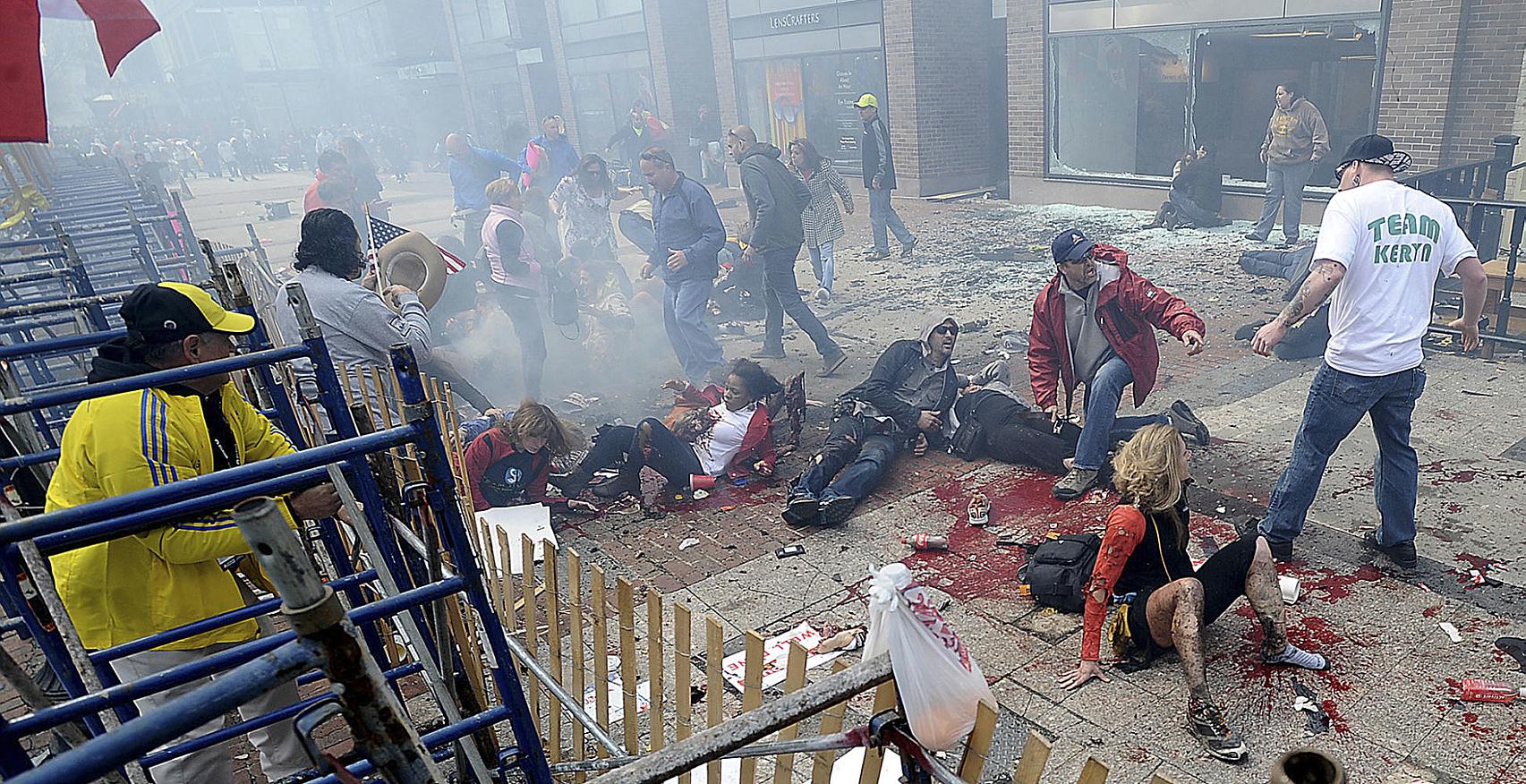
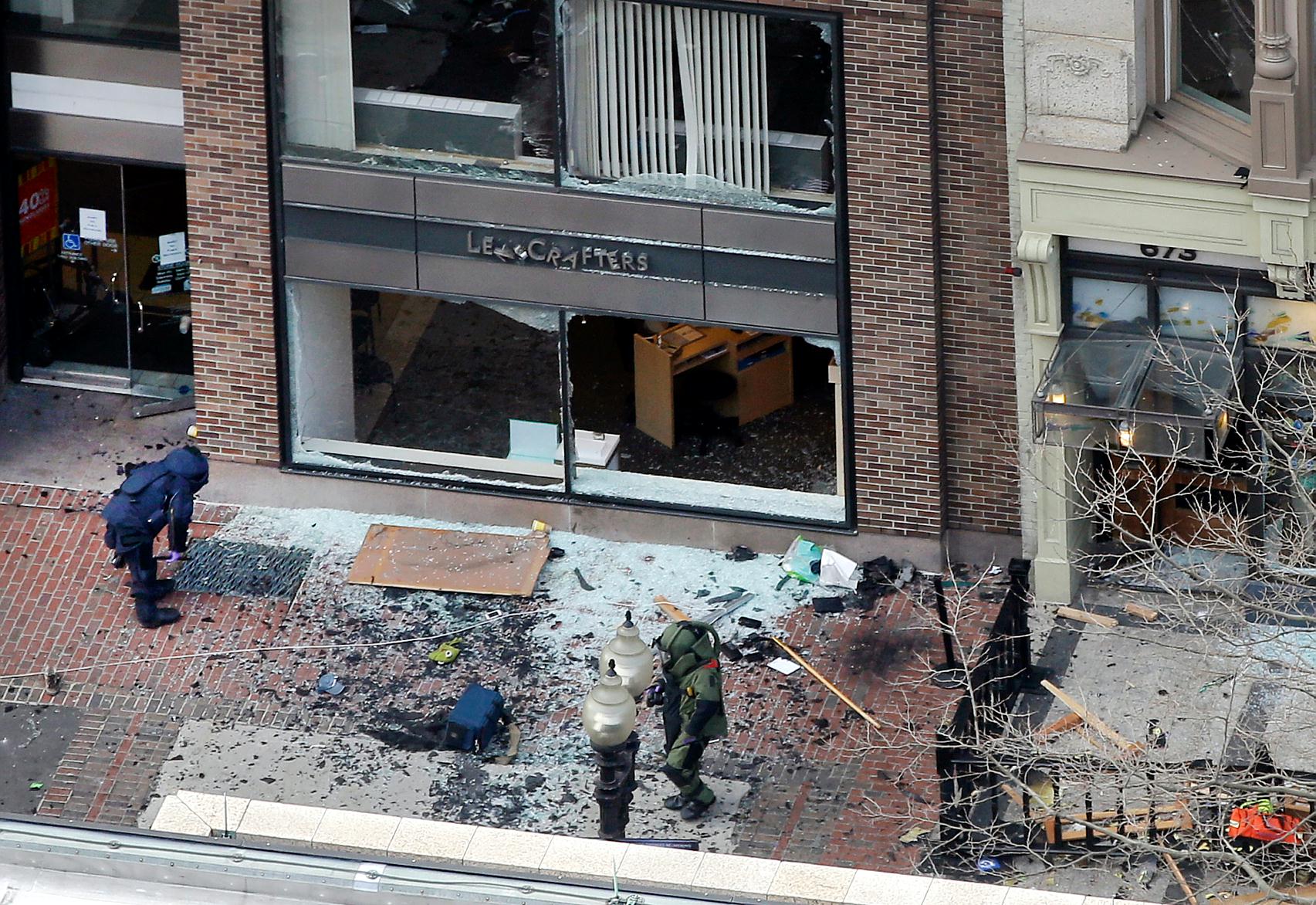
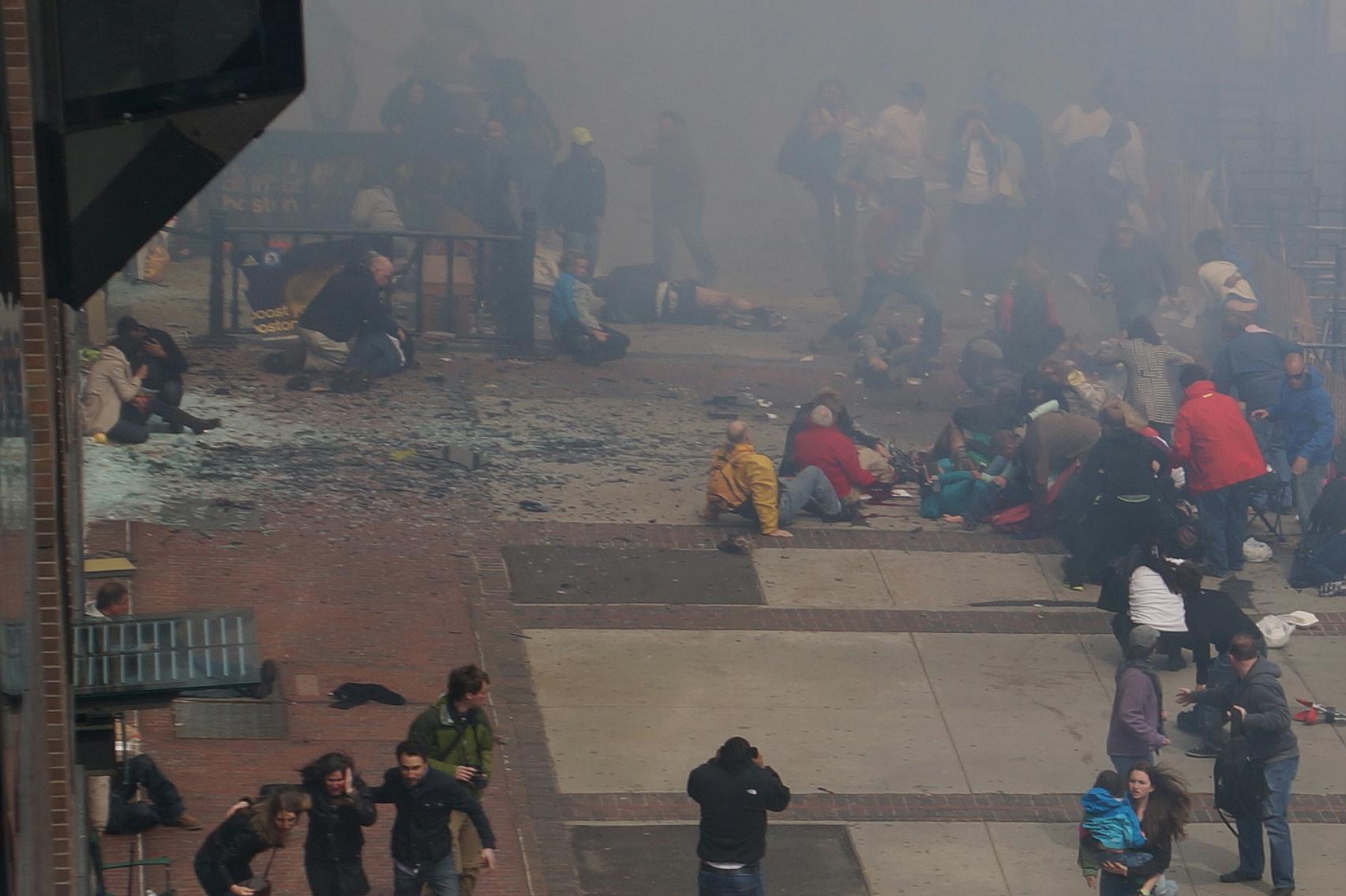
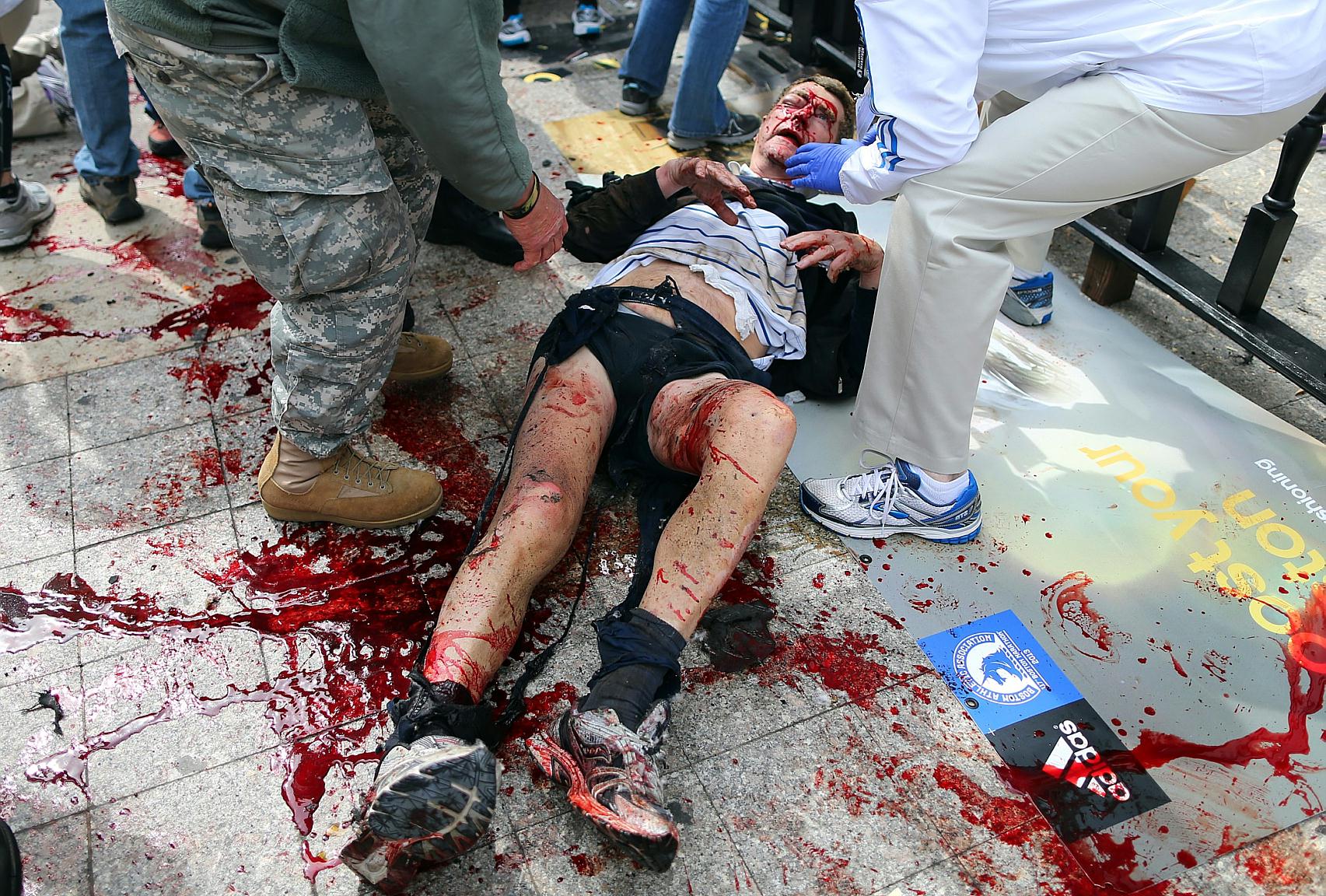
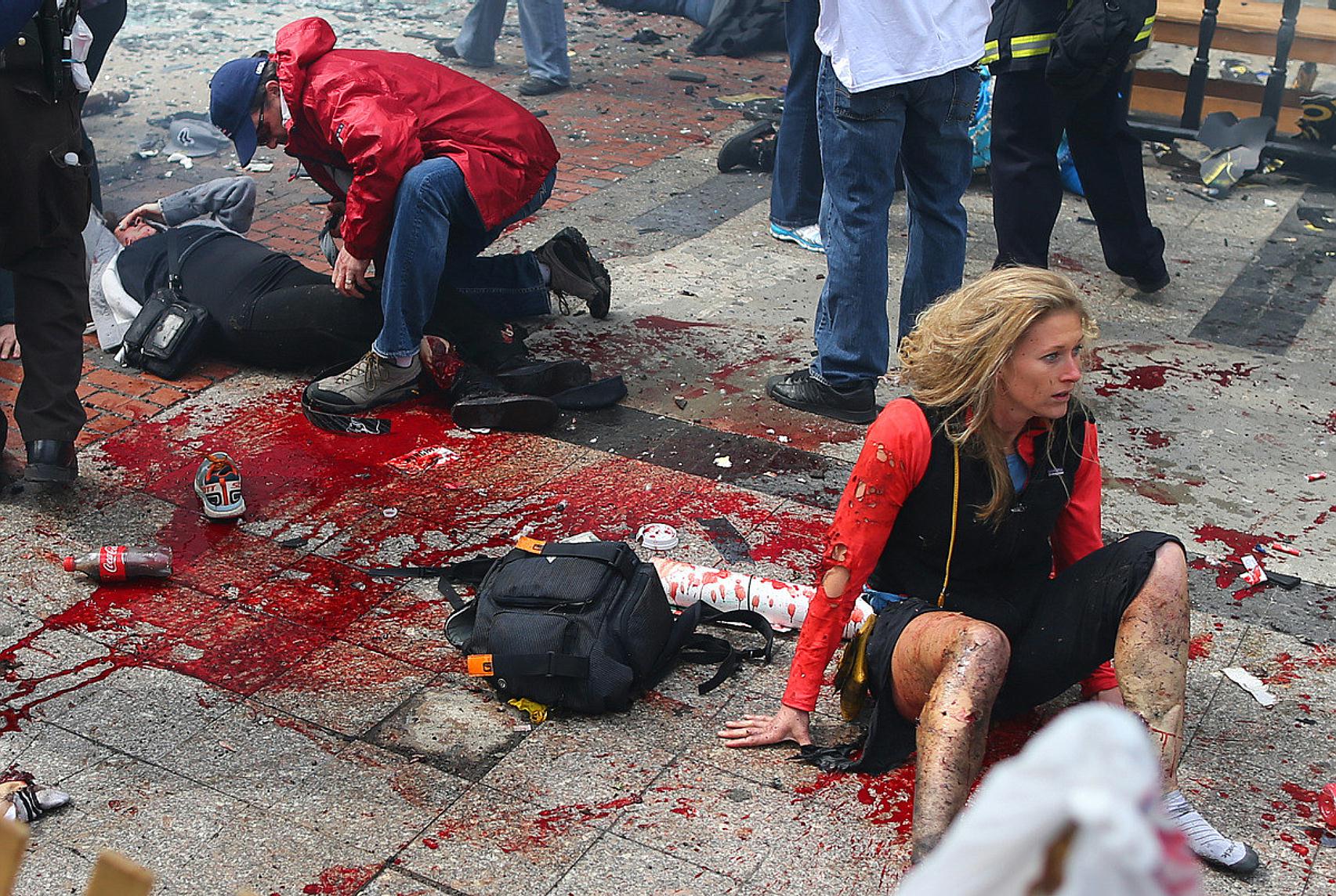
Cryptome – Boston Bomb Blasts

pict1pict2pict3pict4pict5pict6pict7pict8pict9pict10pict11pict12

pict0

FEMEN TV : FIRE OF REVOLUTION IN FRONT OF A MOSQUE IN PARIS

Videos news agencies covering the burning of the flag Salafi sekstremistkami FEMEN near the main dream in Paris, oddly came to the European audience. We do not claim the existence of censorship or Islamist lobby in the European media business, we are merely stating a fact of absolute absence of footage from the event in the Internet space and airtime. Exclusive Video antiislamistskogo protest FEMEN, provided by Everydayrebellion.net

Please help us in spreading this video!

SECRECY NEWS – NEXT STEPS IN NUCLEAR ARMS CONTROL, AND MORE FROM CRS

Negotiating a treaty to reduce nuclear weapons is so cumbersome and
fraught with political minefields that it can actually retard the process
of disarmament. “It usually takes far longer to reduce nuclear forces
through a bilateral arms control treaty than it takes to adopt unilateral
adjustments to nuclear forces,” according to a new report from the
Congressional Research Service.

“If the Obama Administration reduces U.S. nuclear forces in parallel with
Russia, but without a formal treaty, the two nations could avoid months or
years in negotiation,” the CRS report says. See “Next Steps in Nuclear Arms
Control with Russia: Issues for Congress,” April 10, 2013:

Click to access R43037.pdf

“Recent data… challenge the belief that the [U.S.] manufacturing sector,
taken as a whole, will continue to flourish,” says a newly updated CRS
report. “One interpretation of these data is that manufacturing is
‘hollowing out’ as companies undertake a larger proportion of their
high-value work abroad. These developments raise the question of whether
the United States will continue to generate highly skilled, high-wage jobs
related to advanced manufacturing.” See “‘Hollowing Out’ in U.S.
Manufacturing: Analysis and Issues for Congress,” April 15, 2013:

Click to access R41712.pdf

A rich compilation of information about discretionary government spending
was presented in “Trends in Discretionary Spending,” April 15, 2013:

Click to access RL34424.pdf

Some other new or newly updated CRS reports that Congress has not made
publicly available include the following.

Federal Authority to Regulate the Compounding of Human Drugs, April 12,
2013:

Click to access R43038.pdf

Federal Traffic Safety Programs: An Overview, April 1, 2013:

Click to access R43026.pdf

The STOCK Act, Insider Trading, and Public Financial Reporting by Federal
Officials, April 12, 2013:

Click to access R42495.pdf

International Trade and Finance: Key Policy Issues for the 113th Congress,
April 15, 2013:

Click to access R41553.pdf

Why Certain Trade Agreements Are Approved as Congressional-Executive
Agreements Rather Than as Treaties, April 15, 2013:

Click to access 97-896.pdf

The United Kingdom and U.S.-UK Relations, April 15, 2013:

Click to access RL33105.pdf

A FRESH LOOK AT INVENTION SECRECY

The Invention Secrecy Act of 1951 has been used for more than half a
century to restrict disclosure of patent applications that could be
“detrimental to national security.” At the end of the last fiscal year, no
fewer than 5,321 secrecy orders were in effect.

http://www.fas.org/sgp/othergov/invention/index.html

These secrecy orders have been difficult to penetrate and the stories
behind them have usually been left untold. But several inventors whose
work prompted imposition of a secrecy order were interviewed by G.W. Schulz
of the Center for Investigative Reporting. See his new account in
“Government secrecy orders on patents keep lid on inventions,” April 16,
2013.

http://cironline.org/reports/

JOURNAL OF NATIONAL SECURITY LAW & POLICY

The latest issue of the Journal of National Security Law & Policy has just
been published and can be found online here:

Welcome to JNSLP

Titles of likely interest include “Free Speech Aboard the Leaky Ship of
State: Calibrating First Amendment Protections for Leakers of Classified
Information” by Heidi Kitrosser, and “Unknotting the Tangled Threads of
Watergate Lore,” a review of Max Holland’s book “Leak” written by M.E.
(Spike) Bowman, among others.

DEFENSE SUPPORT OF CIVILIAN LAW ENFORCEMENT AGENCIES

In last Friday’s Federal Register the Department of Defense published a
final rule on “Defense Support of Civilian Law Enforcement Agencies.” The
rule specifies and defines the support that DoD may provide to federal,
state and local law enforcement agencies, “including responses to civil
disturbances.”

http://www.fas.org/sgp/news/2013/04/dsclea.html

“The President is authorized by the Constitution and laws of the United
States to employ the Armed Forces of the United States to suppress
insurrections, rebellions, and domestic violence under various conditions
and circumstances,” the new rule states.

“Planning and preparedness by the Federal Government, including the
Department of Defense, for civil disturbances is important due to the
potential severity of the consequences of such events for the Nation and
the population. The employment of Federal military forces to control civil
disturbances shall only occur in a specified civil jurisdiction under
specific circumstances as authorized by the President, normally through
issuance of an Executive order or other Presidential directive authorizing
and directing the Secretary of Defense to provide for the restoration of
law and order in a specific State or locality.”

The new rule, which forms part of the Code of Federal Regulations, is
almost identical to DoD Instruction 3025.21 on “Defense Support of Civilian
Law Enforcement Agencies” that was issued on February 27, 2013 (noted by
PublicIntelligence.net on April 11).

Click to access i3025_21.pdf

_______________________________________________
Secrecy News is written by Steven Aftergood and published by the
Federation of American Scientists.

The Secrecy News Blog is at:
http://www.fas.org/blog/secrecy/

To SUBSCRIBE to Secrecy News, go to:
http://blogs.fas.org/secrecy/subscribe/

To UNSUBSCRIBE, go to
http://blogs.fas.org/secrecy/unsubscribe/

OR email your request to saftergood@fas.org

Secrecy News is archived at:
http://www.fas.org/sgp/news/secrecy/index.html

Support the FAS Project on Government Secrecy with a donation:
https://members.fas.org/donate

_______________________
Steven Aftergood
Project on Government Secrecy
Federation of American Scientists
web: http://www.fas.org/sgp/index.html
email: saftergood@fas.org
voice: (202) 454-4691
twitter: @saftergood

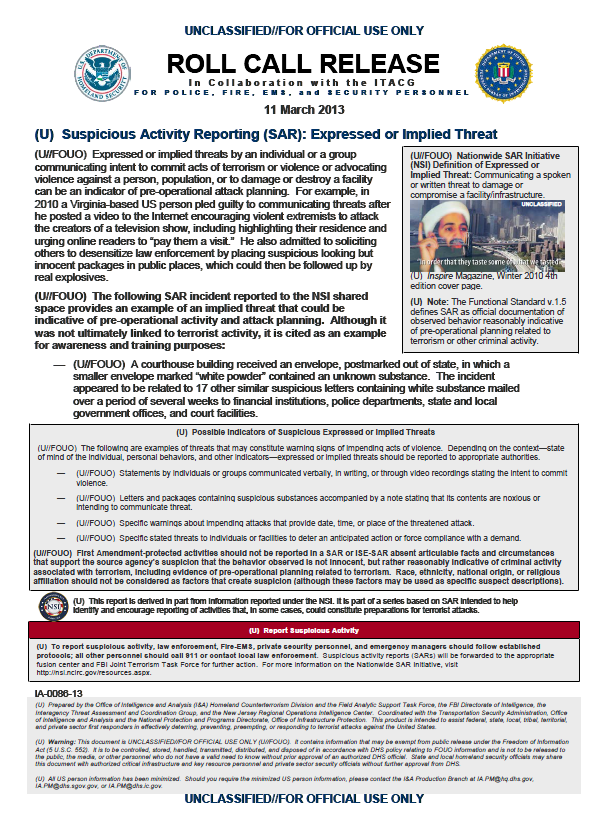
TOP-SECRET – DHS-FBI Suspicious Activity Reporting Bulletin: Expressed or Implied Threat

DHS-FBI-ExpressedThreat

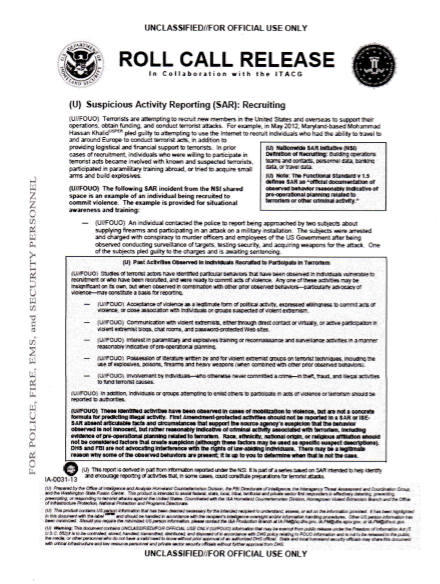
ROLL CALL RELEASE

1 page
For Official Use Only
March 1, 2013

Download

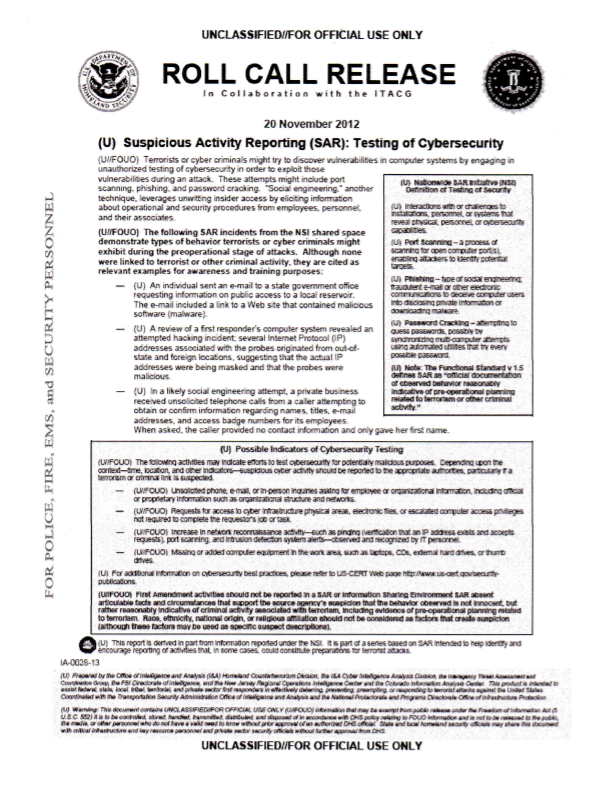
(U//FOUO) Expressed or implied threats by an individual or a group communicating intent to commit acts of terrorism or violence or advocating violence against a person, population, or to damage or destroy a facility can be an indicator of pre-operational attack planning. For example, in 2010 a Virginia-based US person pled guilty to communicating threats after he posted a video to the Internet encouraging violent extremists to attack the creators of a television show, including highlighting their residence and urging online readers to “pay them a visit.” He also admitted to soliciting others to desensitize law enforcement by placing suspicious looking but innocent packages in public places, which could then be followed up by real explosives.

(U//FOUO) The following SAR incident reported to the NSI shared space provides an example of an implied threat that could be indicative of pre-operational activity and attack planning. Although it was not ultimately linked to terrorist activity, it is cited as an example for awareness and training purposes:

— (U//FOUO) A courthouse building received an envelope, postmarked out of state, in which a smaller envelope marked “white powder” contained an unknown substance. The incident appeared to be related to 17 other similar suspicious letters containing white substance mailed over a period of several weeks to financial institutions, police departments, state and local government offices, and court facilities.

(U) Possible Indicators of Suspicious Expressed or Implied Threats

(U//FOUO) The following are examples of threats that may constitute warning signs of impending acts of violence. Depending on the context—state of mind of the individual, personal behaviors, and other indicators—expressed or implied threats should be reported to appropriate authorities.

— (U//FOUO) Statements by individuals or groups communicated verbally, in writing, or through video recordings stating the intent to commit violence.
— (U//FOUO) Letters and packages containing suspicious substances accompanied by a note stating that its contents are noxious or intending to communicate threat.
— (U//FOUO) Specific warnings about impending attacks that provide date, time, or place of the threatened attack.
— (U//FOUO) Specific stated threats to individuals or facilities to deter an anticipated action or force compliance with a demand.

(U//FOUO) First Amendment-protected activities should not be reported in a SAR or ISE-SAR absent articulable facts and circumstances that support the source agency’s suspicion that the behavior observed is not innocent, but rather reasonably indicative of criminal activity associated with terrorism, including evidence of pre-operational planning related to terrorism. Race, ethnicity, national origin, or religious affiliation should not be considered as factors that create suspicion (although these factors may be used as specific suspect descriptions).

Video Skid – Monty Python-Holy Hand Grenade from the Movie – “The Holy Grail”

http://www.victims-opfer.org/?COLLCC=1823055034&COLLCC=3507642172

TOP-SECRET – CIA PsyWar Strategy Board Docs 1951-1953

cia-psywar-docs-1951-53

TMZ – Lindsay Lohan Spreads Legs for TSA

It was the moment of truth for Lindsay Lohan when she was pulled aside at JFK airport for a very thorough, very hands-on security pat-down! For once we can’t blame the TSA for profiling…

SECRECY NEWS – NUMBER OF SECURITY CLEARED PERSONNEL GREW IN 2012

The number of people who are cleared for access to classified information
continued to rise in 2012 to more than 4.9 million, according to a new
annual report from the Office of the Director of National Intelligence.
This is only the third official tally of government-wide security clearance
activity ever prepared, and it is the largest reported to date.

Click to access clear-2012.pdf

The total number of cleared personnel as of October 1, 2012 was 4,917,751.
Although the number of contractors who held a clearance declined in 2012,
the number of eligible government employees grew at a faster rate, yielding
a net increase of 54,199 clearances, or 1.1 percent, from the year before.

It is possible that there were more security-cleared Americans at some
points during the Cold War, when there was a larger standing military with
more cleared military personnel than there are today. But until 2010, no
comprehensive account of the size of the security clearance system had ever
been produced. So the new 4.9 million figure is the largest official
figure ever published.

A 2009 report from the Government Accountability Office had estimated that
2.4 million people held clearances, excluding some intelligence agency
employees. But even allowing for one or two hundred thousand cleared
intelligence personnel, this turned out to underestimate the case by nearly
50%. A 1995 GAO report presented an estimate of 3.2 million persons as of
1993.

http://www.fas.org/blog/secrecy/2009/07/security_clearances.html

(Strictly speaking, the new ODNI report does not present data on the
number of clearances but rather on the number of people who have been
investigated and deemed “eligible” for a clearance, regardless of whether
or not they have been granted access to classified information in fact. In
addition to a security clearance, an individual is also supposed to have a
“need to know” particular classified information in order to gain access to
it.)

During 2012, the CIA denied 4.9% of the clearance applications that it
reviewed, the report indicated, while NRO denied 5.9% and NSA denied 5.7%.
Several of the intelligence agencies reported that they had individual
security clearance investigations that had remained open in excess of one
year.

“The IC faces challenges in clearing individuals with unique or critical
skills — such as highly desirable language abilities — who often have
significant foreign associations that may take additional time to
investigate and adjudicate,” the new report said.

The report notes that it was prepared in fulfillment of a requirement in
the 2010 intelligence authorization act. It does not mention the fact that
the DNI asked Congress to cancel that requirement last year.

The DNI’s request to eliminate the report was initially approved by the
Senate Intelligence Committee (as first noted by Marcy Wheeler of the
Emptywheel blog). But then several public interest groups wrote to ask the
House and Senate Intelligence Committees to preserve the annual reporting
requirement, arguing that it provided unique public insight into the size
and operation of the security clearance system. The Committees concurred,
and the reporting requirement was retained.

Click to access clearance_rpt.pdf

In the absence of similar public attention and intervention, another
intelligence community report to Congress on proliferation of weapons of
mass destruction was discontinued at the DNI’s request, to the dismay of
students of arms control.

http://lewis.armscontrolwonk.com/archive/6511/no-more-721-reports

A pending change to the security clearance process is intended to
encourage mental health counseling, but some say it may generate new
confusion, reported Josh Gerstein in Politico today.

U.S. AID TO PAKISTAN, AND MORE FROM CRS

Some lightly updated reports produced lately by the Congressional Research
Service include the following.

Direct Overt U.S. Aid Appropriations for and Military Reimbursements to
Pakistan, FY2002-FY2014, April 11, 2013:

Click to access pakaid.pdf

Sensitive Covert Action Notifications: Oversight Options for Congress,
April 10, 2013:

Click to access R40691.pdf

Covert Action: Legislative Background and Possible Policy Questions, April
10, 2013:

Click to access RL33715.pdf

Navy Ship Names: Background For Congress, April 8, 2013:

Click to access RS22478.pdf

Navy Littoral Combat Ship (LCS) Program: Background and Issues for
Congress, April 5, 2013:

Click to access RL33741.pdf

_______________________________________________
Secrecy News is written by Steven Aftergood and published by the
Federation of American Scientists.

The Secrecy News Blog is at:
http://www.fas.org/blog/secrecy/

To SUBSCRIBE to Secrecy News, go to:
http://www.fas.org/sgp/news/secrecy/subscribe.html

To UNSUBSCRIBE, go to
http://www.fas.org/sgp/news/secrecy/unsubscribe.html

OR email your request to saftergood@fas.org

Secrecy News is archived at:
http://www.fas.org/sgp/news/secrecy/index.html

Support the FAS Project on Government Secrecy with a donation:
http://www.fas.org/member/donate_today.html

_______________________
Steven Aftergood
Project on Government Secrecy
Federation of American Scientists
web: http://www.fas.org/sgp/index.html
email: saftergood@fas.org
voice: (202) 454-4691
twitter: @saftergood

TV Report – Boston Marathon 2013 Explosion

FEMEN TV : Femen vs Marzouki à Paris

Femen vs Marzouki à Paris (12/04/2013) – Institut du Monde Arabe

Unveiled by Cryptome – U.S. Intelligence Community Performance Standards

Office of the Director of National Intelligence IC Performance Standards

Version 1
April 23, 2009

Download

This document contains the following sections.

– Occupational Structure – Primary components of the occupational structure as defined in ICD 652. These components include the Work Categories and Work Levels.

– Performance Element Model – Definitions of each performance element and the key work behaviors that comprise each element. These work behaviors are the building blocks of the performance standards.

– Performance Standards – A separate set of standards has been defined for the Professional, Supervision/Management, and Technician/Administrative Support Work Categories. Within each of these categories, the performance standards define expectations for each Work Level (i.e., Entry/Developmental, Full Performance, Senior, and Expert). Within each Work Level, standards are anchored at two levels of performance: “Successful” and “Outstanding.”

Example Indicators of “Outstanding” Performance

Demonstrates ability to interact effectively with a wide range of individuals under varying circumstances in a manner that far exceeds expectations.
Proactively strives to improve work unit and organizational performance through innovative methods.
Demonstrates unusual creativity – comes up with new products, services, or work products that break new ground and/or greatly improve the organization’s reputation, effectiveness, or efficiency.
Outcomes have broad and significant impact beyond what would ordinarily be expected for his/her band.
Generally performs at a level more consistent with the band above his or her current level.
Operates more independently than would be expected at his/her band level.
Is proactive rather than reactive: anticipates obstacles and actively plans to overcome them; persists in overcoming obstacles or solving problems when others typically give up.
Achieves outcomes and results that are far superior in quality and depth to what would be expected ordinarily at the individual’s band level; work quality is recognized by peers and customers for excellence; work submitted for review requires few, if any, substantive revisions.
Serves as a model performer for peers; is sought out by others for advice and guidance and to handle highly visible, difficult, sensitive, complex, or ambiguous tasks.
Seeks out new responsibilities and assignments outside immediate area of responsibility, leading to additional contributions to the work unit or organization at large.
Puts forth extra effort to accomplish work assignments in the most efficient and effective manner possible – even when demands are very heavy and it is personally inconvenient.
Productivity is above what would be expected normally for the individual’s band level.
Continually strives to improve his or her performance by seeking feedback and through self-directed learning opportunities.
Demonstrates ability to handle more complex, subtle, or unusual problems than would be expected for his/her pay band.
Demonstrates a higher level of knowledge and skill than what would be expected for his/her band.
Recognizes patterns and trends in information or data and pulls together seemingly disparate pieces of information to develop new insights or solve problems.

TMZ – Rosie Huntington Whitely — Stiff Upper Nips

It was a cold day in LA yesterday according to our self appointed weather-lady Rosie Hungtington Whitely. While may she may have no experience in Meteorologly…her chest functions as the perfect barometer.

Revealed – Prez Sets Commission on Election Administration

Executive Order 13639
Establishment of the Presidential Commission on Election Administration

Click to access 2013-07837_PI.pdf

[FR Doc. 2013-07837 Filed 04/02/2013 at 8:45 am; Publication Date: 04/03/2013]

EXECUTIVE ORDER 13639

ESTABLISHMENT OF THE PRESIDENTIAL COMMISSION ON ELECTION ADMINISTRATION

By the authority vested in me as President by the Constitution and the laws of the United States of America, and in order to promote the efficient administration of Federal elections and to improve the experience of all voters, it is hereby ordered as follows:

Section 1. Establishment. There is established the Presidential Commission on Election Administration (Commission).

Sec. 2. Membership.

(a) The Commission shall be composed of not more than nine members appointed by the President. The members shall be drawn from among distinguished individuals with knowledge about or experience in the administration of State or local elections, as well as representatives of successful customer service-oriented businesses, and any other individuals with knowledge or experience determined by the President to be of value to the Commission.

(b) The President shall designate two members of the Commission to serve as Co-Chairs.

Sec. 3. Mission.

(a) The Commission shall identify best practices and otherwise make recommendations to promote the efficient administration of elections in order to ensure that all eligible voters have the opportunity to cast their ballots without undue delay, and to improve the experience of voters facing other obstacles in casting their ballots, such as members of the military, overseas voters, voters with disabilities, and voters with limited English proficiency. In doing so, the Commission shall consider as appropriate:

(i) the number, location, management, operation, and design of polling places;

(ii) the training, recruitment, and number of poll workers;

(iii) voting accessibility for uniformed and overseas voters;

(iv) the efficient management of voter rolls and poll books;

(v) voting machine capacity and technology;

(vi) ballot simplicity and voter education;

(vii) voting accessibility for individuals with disabilities, limited English proficiency, and other special needs;

(viii) management of issuing and processing provisional ballots in the polling place on Election Day;

(ix) the issues presented by the administration of absentee ballot programs;

(x) the adequacy of contingency plans for natural disasters and other emergencies that may disrupt elections; and

(xi) other issues related to the efficient administration of elections that the Co-Chairs agree are necessary and appropriate to the Commission’s work.

(b) The Commission shall be advisory in nature and shall submit a final report to the President within 6 months of the date of the Commission’s first public meeting.

Sec. 4. Administration.

(a) The Commission shall hold public meetings and engage with Federal, State, and local officials, technical advisors, and nongovernmental organizations, as necessary to carry out its mission.

(b) In carrying out its mission, the Commission shall be informed by, and shall strive to avoid duplicating, the efforts of other governmental entities.

(c) The Commission shall have a staff which shall provide support for the functions of the Commission.

Sec. 5. Termination. The Commission shall terminate 30 days after it presents its final report to the President.

Sec. 6. General Provisions.

(a) To the extent permitted by law, and subject to the availability of appropriations, the General Services Administration shall provide the Commission with such administrative services, funds, facilities, staff, equipment, and other support services as may be necessary to carry out its mission on a reimbursable basis.

(b) Insofar as the Federal Advisory Committee Act, as amended (5 U.S.C. App.) (the “Act”), may apply to the Commission, any functions of the President under that Act, except for those in section 6 of the Act, shall be performed by the Administrator of General Services.

(c) Members of the Commission shall serve without any additional compensation for their work on the Commission, but shall be allowed travel expenses, including per diem in lieu of subsistence, to the extent permitted by law for persons serving intermittently in the Government service (5 U.S.C. 5701-5707).

(d) Nothing in this order shall be construed to impair or otherwise affect:

(i) the authority granted by law to a department, agency, or the head thereof; or

(ii) the functions of the Director of the Office of Management and Budget relating to budgetary, administrative, or legislative proposals.

(e) This order is not intended to, and does not, create any right or benefit, substantive or procedural, enforceable at law or in equity by any party against the United States, its departments, agencies, or entities, its officers, employees, or agents, or any other person.

THE WHITE HOUSE, March 28, 2013.

Uncensored Video – FEMEN : PUTIN DICTATOR !

German Chancellor Angela Merkel and Russian President Vladimir Putin, Russia’s guest of honor at this year’s Hannover International Industrial Fair to be met. Fuar’da FEME group’s protest against Putin denied by the security guards.

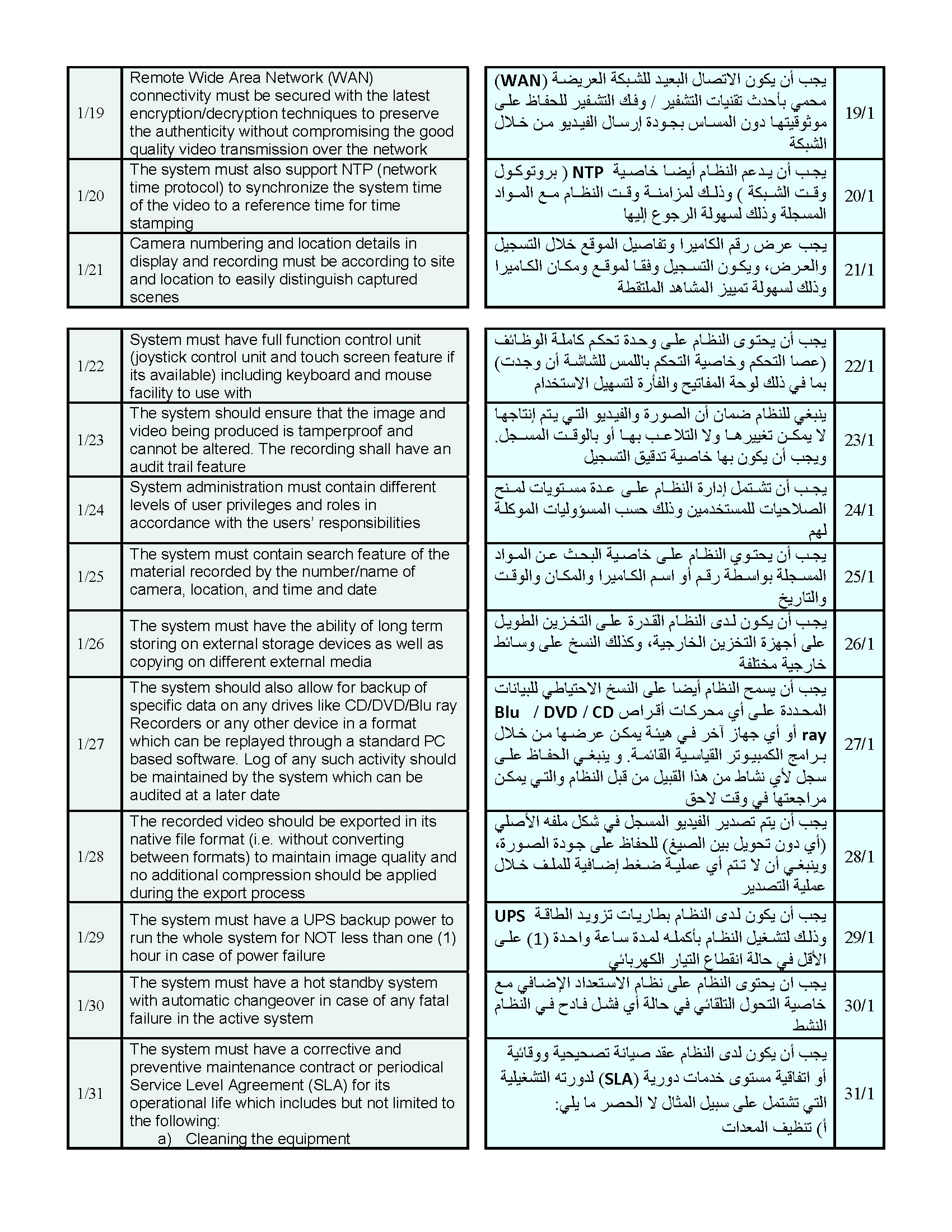
Unveiled – Qatari Ministry of Interior CCTV Surveillance Camera Technical Specifications

The following are technical specifications released by the Qatari Ministry of Interior for CCTV surveillance cameras that are required in all the mentioned categories of businesses operating in Qatar. The specifications were approved in 2011 and released online in late 2012. For more information on the documents, see Carlton Purvis’ article “The World’s Most Demanding Surveillance Requirements” for IP Video Market.

المواصفات العامة المعتمدة لكاميرات وأجهزة المراقبة الأمنية
General Approved CCTV Specifications

المواصفات الفنية الخاصة بالفنادق والشقق الفندقية والمجمعات السكنية
Technical specifications for hotels and hotel apartments and residential complexes
Download
المواصفات الفنية الخاصة بالبنوك والمصارف ومحلات الصرافة ومحلات بيع الذهب
Technical specifications of banks, exchange Bank, exchange shop, and Gold Selling Shop
Download
المواصفات الفنية الخاصة بالأندية الرياضية والثقافية
Technical specifications for clubs, sports, and cultural
Download
المواصفات الفنية الخاصة بمراكز التسوق والترفيه
Technical specifications for shopping and entertainment centers
Download
المواصفات الفنية الخاصة بمراكز المستشفيات والعيـادات
Technical specifications for hospitals, and clinics
Download
المواصفات الفنية للمستودعات والمخازن الخاصة بالمواد الخطرة والثمينة
Technical specifications of the warehouses and private stores of hazardous materials and precious items
Download


Würden Sie dem mutmasslichen Auftraggeber von Internet-Verbrechern, Otmar Knoll, “Fairvesta”, Geld anvertrauen ?

Liebe Leser,

wir haben eine Umfrage gestartet:

Würden Sie dem mutmasslichen Auftraggeber von Internet-Verbrechern, Otmar Knoll, “Fairvesta”, der diese Taten selbst per E-Mail ankündigt, Ihr Geld anvertrauen ?

Und zu welchen Taten halten Sie so jemanden noch für fähig ?

Wir freuen uns auf Ihre Reaktionen !

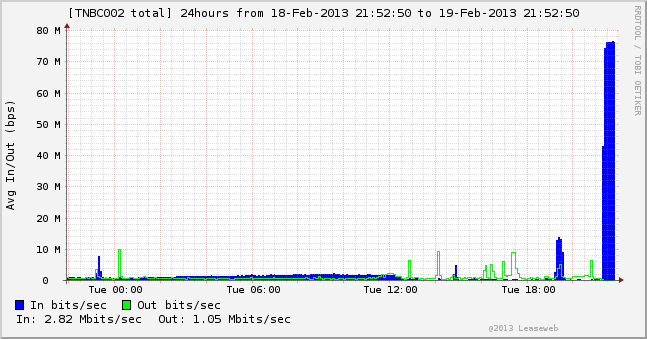
Hier die Belege für die monatelangen Internet-Attacken der Internet-Kriminellen, die Graphiken zeigen die DDos-Attacken auf über 20 Webseiten:

https://berndpulch.org/2013/04/04/a-overview-of-the-heavy-cyberattacks-on-our-websites-to-stop-the-truth-done-by-the-suspects/

und

https://berndpulch.org/2013/04/05/even-more-mental-and-pysical-attacks-on-our-servers-by-the-suspects-of-gomopa-nawito-otmar-knoll-and-peter-ehlers/

Hier die Rechtslage:

https://berndpulch.org/2013/04/05/die-rechtslage-bei-schweren-internet-angriffen-wie-von-mutmasslich-gomopa-nawito-und-konsorten/

Hier die Bekenner-E-Mail des dubiosen “Otmar Knoll” von der dubiosen “fairvesta”:


Zitat OtmarKnoll/Fairvesta:


Subject:  

AW: AW: AW: AW: [Fwd: Your enquiry]

From:  

“Knoll, Otmar”

Date:  

Tue, February 5, 2013 8:14 pm

To:  

“‘office@ebizz.tv'”

Priority:  

Normal

Options:  

View Full Header | View Printable Version  | Download this as a file


Schade dass Sie nicht hören wollen, nun ist es zu spät, vielleicht überlegen Sie
sich das noch mal.
Den wenn die Domains offline gehen, dann haben Sie kein Medium mehr.
Wer nicht hören will muss fühlen sagt ein Sprichwort.
        
        
        http://i-nvestment.com/category/leserbrief/
        
        
Mit freundlichen Grüßen
        
Otmar Knoll
Handlungsbevollmächtigter
        
fairvesta Group AG
Konrad-Adenauer-Str. 15
D - 72072 Tübingen
Tel:  +49 (0)7071 3665-0
Fax: +49 (0)7071 3665-77
        o.knoll@fairvesta.de 
www.fairvesta.de
        
Amtsgericht Stuttgart HRB 382675
Vorstand: Hermann Geiger
Vorsitzender des Aufsichtsrates: Alfred Renner
Sitz: Tübingen
USt.-IdNr.: DE814337296

Subject:  

Jetzt aber offline

From:  

“Knoll, Otmar” <O.Knoll@fairvesta.de>

Date:  

Tue, February 5, 2013 11:20 pm

To:  

“‘office@ebizz.tv'” <office@ebizz.tv>

Priority:  

Normal

Options:  

View Full Header | View Printable Version  | Download this as a file


http://www.investment-on.com/component/content/article/34-investment-m

UPS, ist wohl offline gegangen, da haben meine Rundschreiben wohl geholfen. So wie
es aussieht ist Ihre Seite nicht mehr erreichbar, insbesondere nachdem Sie meine
letzten Mails online gestellt haben. Haben Sie wirklich geglaubt das das durchgeht
und wir uns das gefallen lassen?

Das kann auch mit den andern Domains so gehen, Sie haben ja noch genügend online!

....
Also Sie
haben keine Chance!
 
Mit freundlichen Grüßen
 
Otmar Knoll
Handlungsbevollmächtigter
 
fairvesta Group AG
Konrad-Adenauer-Str. 15
D - 72072 Tübingen
Tel:  +49 (0)7071 3665-0
Fax: +49 (0)7071 3665-77
o.knoll@fairvesta.de
www.fairvesta.de
 
Amtsgericht Stuttgart HRB 382675
Vorstand: Hermann Geiger
Vorsitzender des Aufsichtsrates: Alfred Renner
Sitz: Tübingen
USt.-IdNr.: DE814337296
 
-------------------------------------------------------------------
Diese E-Mail enthält vertrauliche und/oder rechtlich geschützte Informationen. Wenn
Sie nicht der richtige Adressat sind oder diese E-Mail irrtümlich erhalten haben,
informieren Sie bitte sofort den Absender und vernichten Sie diese Mail. Das
unerlaubte Kopieren, die unbefugte Weitergabe oder die Verwendung des Inhalts dieser
Mail ist nicht gestattet.
-------------------------------------------------------------------
This e-mail may contain confidential and/or privileged information. If you are not
the intended recipient (or have received this e-mail in error) please notify the
sender immediately and destroy this e-mail. Any unauthorized copying, disclosure,
distribution or usableness contents of this e-mail is strictly forbidden.
-------------------------------------------------------------------
Ce courriel est confidentiel et protégé. L'expéditeur ne renonce pas aux droits et
obligations qui s'y rapportent. Toute diffusion, utilisation ou copie de ce message
ou des renseignements qu'il contient par une personne autre que le (les)
destinataire(s) désigné(s) est interdite. Si vous recevez ce courriel par erreur,
veuillez m'en aviser immédiatement, par retour de courriel ou par un autre moyen.
-------------------------------------------------------------------
 

Wie sich die Internet-Kriminellen wie mutmasslich Otmar Knoll und “GoMoPa” und Genossen selber entlarven


IMMER WIEDER WERDEN WEBSITES MUTMASSLICH DURCH “GOMoPa” UND DEREN MUTMASSLICHE AUFTRAGGEBER ATTACKIERT WIE MUTMASSLICH “GERD BENNEWIRTZ” UND “PETER EHLERS”SOWIE OTMAR KNOLL / FAIRVESTA:


Zitat OtmarKnoll/Fairvesta:


Subject:  

AW: AW: AW: AW: [Fwd: Your enquiry]

From:  

“Knoll, Otmar”

Date:  

Tue, February 5, 2013 8:14 pm

To:  

“‘office@ebizz.tv'”

Priority:  

Normal

Options:  

View Full Header | View Printable Version  | Download this as a file


Schade dass Sie nicht hören wollen, nun ist es zu spät, vielleicht überlegen Sie
sich das noch mal.
Den wenn die Domains offline gehen, dann haben Sie kein Medium mehr.
Wer nicht hören will muss fühlen sagt ein Sprichwort.
        
        
        http://i-nvestment.com/category/leserbrief/
        
        
Mit freundlichen Grüßen
        
Otmar Knoll
Handlungsbevollmächtigter
        
fairvesta Group AG
Konrad-Adenauer-Str. 15
D - 72072 Tübingen
Tel:  +49 (0)7071 3665-0
Fax: +49 (0)7071 3665-77
        o.knoll@fairvesta.de 
www.fairvesta.de
        
Amtsgericht Stuttgart HRB 382675
Vorstand: Hermann Geiger
Vorsitzender des Aufsichtsrates: Alfred Renner
Sitz: Tübingen
USt.-IdNr.: DE814337296


Subject:  

Jetzt aber offline

From:  

“Knoll, Otmar” <O.Knoll@fairvesta.de>

Date:  

Tue, February 5, 2013 11:20 pm

To:  

“‘office@ebizz.tv'” <office@ebizz.tv>

Priority:  

Normal

Options:  

View Full Header | View Printable Version  | Download this as a file


http://www.investment-on.com/component/content/article/34-investment-m

UPS, ist wohl offline gegangen, da haben meine Rundschreiben wohl geholfen. So wie
es aussieht ist Ihre Seite nicht mehr erreichbar, insbesondere nachdem Sie meine
letzten Mails online gestellt haben. Haben Sie wirklich geglaubt das das durchgeht
und wir uns das gefallen lassen?

Das kann auch mit den andern Domains so gehen, Sie haben ja noch genügend online!

....

Also Sie
haben keine Chance!

Mit freundlichen Grüßen

Otmar Knoll
Handlungsbevollmächtigter

fairvesta Group AG
Konrad-Adenauer-Str. 15
D - 72072 Tübingen
Tel:  +49 (0)7071 3665-0
Fax: +49 (0)7071 3665-77
o.knoll@fairvesta.de 
www.fairvesta.de

Amtsgericht Stuttgart HRB 382675
Vorstand: Hermann Geiger
Vorsitzender des Aufsichtsrates: Alfred Renner
Sitz: Tübingen
USt.-IdNr.: DE814337296

-------------------------------------------------------------------
Diese E-Mail enthält vertrauliche und/oder rechtlich geschützte Informationen. Wenn
Sie nicht der richtige Adressat sind oder diese E-Mail irrtümlich erhalten haben,
informieren Sie bitte sofort den Absender und vernichten Sie diese Mail. Das
unerlaubte Kopieren, die unbefugte Weitergabe oder die Verwendung des Inhalts dieser
Mail ist nicht gestattet.
-------------------------------------------------------------------
This e-mail may contain confidential and/or privileged information. If you are not
the intended recipient (or have received this e-mail in error) please notify the
sender immediately and destroy this e-mail. Any unauthorized copying, disclosure,
distribution or usableness contents of this e-mail is strictly forbidden.
-------------------------------------------------------------------
Ce courriel est confidentiel et protégé. L'expéditeur ne renonce pas aux droits et
obligations qui s'y rapportent. Toute diffusion, utilisation ou copie de ce message
ou des renseignements qu'il contient par une personne autre que le (les)
destinataire(s) désigné(s) est interdite. Si vous recevez ce courriel par erreur,
veuillez m'en aviser immédiatement, par retour de courriel ou par un autre moyen.
-------------------------------------------------------------------


Unveiled – Seduced by Secrets – Inside the STASI Tech World – The E-Book – Free Download

Seduced-by-Secrets-Inside-the-Stasis-Spy-Tech-World-2008-Macrakis

In addition to revealing who the spies were, where they worked, and why they did what they did, the Rosenholz material unmasks an incredibly bloated human web of recruiters, instructors, couriers, and residents. The spiderweb was designed to support an agent, but was not cost-effective while it ensnared the secrets of the West. The Stasi simply overestimated the power of stolen technological secrets to solve its economic problems, and the enormous spy infrastructure investment produced a very small return.”

“Scientific-technical intelligence gathering for the MfS usually meant recruiting agents who had access to important Western companies like IBM. Occasionally foreigners volunteered to contribute to the MfS’s scientific developments. An unusual offer came in the mid-sixties from an American computer specialist, Henry Sherwood, who wanted to help East Germany’s data processing industry. Born in Berlin under the name Heinz Weizenbaum, he fled the Nazis in 1936 and arrived in America, where he changed his name while in the U.S. Army. His brother was the famous MIT computer professor Joseph Weizenbaum. Sherwood was invited to direct the Diebold European research program in 1966 and invited the East German Data Processing and Business Machines Company to take part in the program.

Suspicious that Sherwood might be an agent for a capitalist company, the Stasi set four informants on him at the Diebold Conference and between 1966 and 1969 launched ‘Action World Stature’ to try to use the material from the various conferences. Unfortunately, the Stasi staff members did not know English and could not effectively use the material. When Sherwood visited Erfurt, he brought IBM manuals and other material with him, which the Stasi photographed. When there was an opportunity for a German to go to America to acquire more knowledge about data processing, the Stasi vetoed the trip because they were worried that the scientist might be recruited and never come back.

And that was the main contradiction the Stasi presents us with: on the one hand, they vigorously supported state programs by acquiring the needed embargoed or secret technology. On the other hand, security concerns made them work against their own interests by restricting the needed international travel of scientists and by imposing other harmful security measures.

CONFIDENTIAL – Qatari Ministry of Interior CCTV Surveillance Camera Technical Specifications

The following are technical specifications released by the Qatari Ministry of Interior for CCTV surveillance cameras that are required in all the mentioned categories of businesses operating in Qatar. The specifications were approved in 2011 and released online in late 2012. For more information on the documents, see Carlton Purvis’ article “The World’s Most Demanding Surveillance Requirements” for IP Video Market.

المواصفات العامة المعتمدة لكاميرات وأجهزة المراقبة الأمنية
General Approved CCTV Specifications
المواصفات الفنية الخاصة بالفنادق والشقق الفندقية والمجمعات السكنية
Technical specifications for hotels and hotel apartments and residential complexes Download
المواصفات الفنية الخاصة بالبنوك والمصارف ومحلات الصرافة ومحلات بيع الذهب
Technical specifications of banks, exchange Bank, exchange shop, and Gold Selling Shop Download
المواصفات الفنية الخاصة بالأندية الرياضية والثقافية The following are technical specifications released by the Qatari Ministry of Interior for CCTV surveillance cameras that are required in all the mentioned categories of businesses operating in Qatar. The specifications were approved in 2011 and released online in late 2012. For more information on the documents, see Carlton Purvis’ article “The World’s Most Demanding Surveillance Requirements” for IP Video Market.

المواصفات العامة المعتمدة لكاميرات وأجهزة المراقبة الأمنية
General Approved CCTV Specifications
المواصفات الفنية الخاصة بالفنادق والشقق الفندقية والمجمعات السكنية
Technical specifications for hotels and hotel apartments and residential complexes Download
المواصفات الفنية الخاصة بالبنوك والمصارف ومحلات الصرافة ومحلات بيع الذهب
Technical specifications of banks, exchange Bank, exchange shop, and Gold Selling Shop Download
المواصفات الفنية الخاصة بالأندية الرياضية والثقافية
Technical specifications for clubs, sports, and cultural Download
المواصفات الفنية الخاصة بمراكز التسوق والترفيه
Technical specifications for shopping and entertainment centers Download
المواصفات الفنية الخاصة بمراكز المستشفيات والعيـادات
Technical specifications for hospitals, and clinics Download
المواصفات الفنية للمستودعات والمخازن الخاصة بالمواد الخطرة والثمينة
Technical specifications of the warehouses and private stores of hazardous materials and precious items Download

Technical specifications for clubs, sports, and cultural Download
المواصفات الفنية الخاصة بمراكز التسوق والترفيه
Technical specifications for shopping and entertainment centers Download
المواصفات الفنية الخاصة بمراكز المستشفيات والعيـادات
Technical specifications for hospitals, and clinics Download
المواصفات الفنية للمستودعات والمخازن الخاصة بالمواد الخطرة والثمينة
Technical specifications of the warehouses and private stores of hazardous materials and precious items Download

Video Skid – Monty Python- The Annoying Peasant


This scene features a Annoying Peasant that seems to know alot more about goverment than he should. SHUT UP! SHUP UP!!! BLOODY PEASENT!

SECRET – Canadian Forces Guidance for the Conduct of Domestic Operations

NDHQ INSTRUCTION DCDS 2/98 GUIDANCE FOR THE CONDUCT OF DOMESTIC OPERATIONS

38 pages
July 10, 1998

Download

1. The Canadian Forces (CF) is organized, equipped and trained to defend Canada and, in cooperation with Canada’s allies, protect and advance Canada’s interests in the world community. While the CF focuses on its purely military tasks, the inherent flexibility of military units, many with unique capabilities, makes the CF a potential source of assistance which may be called upon to support Canadian civil authorities and the Canadian public in Canada. CF domestic operations are any CF activities which provide assistance in response to requests for support from Canadian civil authorities, or from the Canadian public.

2. Domestic operations are conducted in response to requests from outside the control of the CF, and can take almost infinite form. The response of the CF is, however, strictly bound by the legal responsibilities that enjoin defence activities, and the accountability of commanders at all levels for personnel and material resources under their command.

3. A simplified matrix of the potential scale of CF domestic operations and the necessary levels of approval is illustrated at Annex A. It is important to note that, while in the public eye there is often no clear definition between one type of assistance and another, for the CF there are very distinctive and strict jurisdictional and legal boundaries for different types of assistance, particularly those which may involve the use of force.

SECTION 5

ASSISTANCE TO LAW ENFORCEMENT

47. The CF does not have a standing mandate to enforce the laws of Canada. However, there are instances where municipal, provincial/territorial or federal law enforcement agencies may seek CF assistance in discharging their duties, and CF support to law enforcement operations may be authorized. Usually, the required assistance is for a unique or special skill or equipment that is only available from the CF.

48. The CF is also prepared to provide, under legislative or statutory arrangements with federal OGDs, resources to support the enforcement of federal laws, or the maintenance of public safety.
ASSISTANCE TO PROVINCIAL/TERRITORIAL LAW ENFORCEMENT AGENCIES

49. The federal government has approved an Order in Council (OIC) Canadian Forces Assistance to Provincial Police Forces Directions (ref M), and its associated Principles for Federal (Military) Assistance to Provincial Policing. Under ref M, provincial and territorial law enforcement agencies address requests for assistance to the federal Solicitor General. The Solicitor General will either satisfy these from the resources of the RCMP, or may request the MND authorize the CDS to provide CF assistance.

50. CF assistance, when provided, is always in a supporting role to the police force of jurisdiction, which retains full responsibility for enforcing the law.

51. Procedures for assistance to provincial/territorial law enforcement agencies are outlined at Annex C. LFA/CFNAHQs will usually conduct liaison with provincial/territorial law enforcement agencies. The appropriate LFA/CFNAHQ must be informed of any requests for assistance to provincial/territorial policing handled by MARLANT, MARPAC, or 1 CAD.

ASSISTANCE TO FEDERAL LAW ENFORCEMENT AGENCIES

52. While the issue of CF support to provincial/territorial law enforcement operations is clearly defined, the parallel initiative to clarify and standardize arrangements for support to federal law enforcement operations has been overtaken by the 1997 initiative to amend the National Defence Act (ref N). If and when ref N is amended, the CF will review its arrangements and procedures for provision of assistance to federal law enforcement agencies. In the interim, requests for operational equipment and/or CF personnel in support of federal law enforcement operations, other than assistance provided under existing legislation, OIC or Memoranda of Understanding (MOU), must be directed to the MND by the requesting department.

53. The CF preference is that the approach and procedures outlined for assistance to provincial/territorial law enforcement authorities (ref M) be used as a model for responding to requests from federal OGDs. Therefore, while OGDs may direct their requests directly to the MND, the CF will encourage OGDs to initially refer their requests to the federal Solicitor General for assessment and response who, in turn, formally requests CF assistance. If the CF is requested to assist, and the MND authorizes CF assistance, then the CDS will determine the composition of any CF support, its mission, and the level of force authorized.

54. An outline of the arrangements currently in place with certain OGDs for specific support is included at Annex D.

INFORMATION AND INTELLIGENCE GATHERING

75. The actions of CF personnel employed on domestic operations are governed by the laws of Canada. CF personnel shall not gather intelligence on Canadian citizens, including any exploitation of the electro-magnetic spectrum aimed at fulfilling intelligence requirements, without a specific legal mandate and direction issued by CDS. CF doctrine and procedures for the production of intelligence for joint and combined operations must not be applied in domestic operations without clear and specific authority. J2 Security Intelligence (J2 SI) maintains the unique DND/CF responsibility for the assessment of national domestic security intelligence, in accordance with instructions issued annually by CDS. Operational level commanders will assess security intelligence in their areas of responsibility, however, responsibility for the collection of domestic security intelligence is vested solely in the Canadian Forces National Counter Intelligence Unit (CFNCIU).

76. Nothing in the foregoing should be construed to stand in the way of CF commanders collecting and maintaining open source information (i.e. media monitoring, press releases, government documents, open-source research and geographic materials, etc) for CF education and situational awareness, unrelated to planning and active operations, in open and unclassified files, or the briefing of commanders and staffs on current events. However, when situations arise where CF involvement is possible, commanders must take care to provide explicit direction and closely supervise information gathering to ensure that limitations on CF intelligence production are observed.

77. The Canadian Forces National Investigative Service (CFNIS), commanded by the Canadian Forces Provost Marshall(CFPM), and the CFNCIU, under NDHQ/J2, are the only agencies authorized to liaise with civil law enforcement agencies and other civilian authorities through the Police Liaison Security Programme (PLSP) (ref P) for police intelligence. In accordance with ref P, the CFNIS and CFNCIU shall only report on intelligence items with a direct DND/CF nexus, which is defined as any situation or event:

a. that threatens DND/CF property or personnel;

b. involving DND/CF personnel; and/or

c. where a civil law enforcement agency has requested DND/CF assistance, or has indicated such a request is imminent.

SECRECY NEWS – INTELLIGENCE BUDGET REQUESTS FOR 2014 DISCLOSED

Nebukadnezar99Some $4 billion is being cut from the National Intelligence Program this
year as a result of sequestration, Director of National Intelligence James
Clapper told the House Intelligence Committee at a hearing today. He said
that the consequences will be severe. Acquisition programs will be
“wounded,” ongoing programs will have to be curtailed, and the ensuing
degradation of intelligence capabilities will be “insidious” with
unforeseeable effects, he said.

Meanwhile, the Office of the Director of National Intelligence disclosed
yesterday that the FY 2014 budget request for the National Intelligence
Program (NIP) is $48.2 billion. However, this figure excludes the pending
funding request for Overseas Contingency Operations (OCO), so it cannot be
directly compared to previous budget allocations, such as the $53.9 billion
that was appropriated in FY 2012, or the $52.6 billion that was requested
for FY 2013.

Click to access nip-2014.pdf

The Secretary of Defense also disclosed the FY 2014 budget request for the
Military Intelligence Program (MIP) yesterday, which was $14.6 billion. It
also did not include the funding request for Overseas Contingency
Operations. This is a slight decline from the $14.7 billion base request
for the MIP last year. (An additional $4.5 billion was known to have been
requested for OCO in the past fiscal year.)

http://www.fas.org/irp/news/2013/04/mip-2014.html

Total intelligence spending (NIP plus MIP) peaked in Fiscal Year 2010, and
has been on a downward slope since then. Intelligence budget disclosures
from the last several years are tabulated here:

http://www.fas.org/irp/budget/index.html

The NIP intelligence budget request was publicly disclosed for the first
time in February 2011, in response to a requirement enacted by Congress in
the FY 2010 intelligence authorization act. The MIP intelligence budget
request was disclosed for the first time in February 2012, even though
there was no specific statutory requirement to do so.

FOREIGN OWNERSHIP OF U.S. FINANCIAL ASSETS, AND MORE FROM CRS

New and updated reports from the Congressional Research Service include
the following.

Foreign Ownership of U.S. Financial Assets: Implications of a Withdrawal,
April 8, 2013:

Click to access RL34319.pdf

Foreign Investment and National Security: Economic Considerations, April
4, 2013:

Click to access RL34561.pdf

Financial Market Supervision: Canada’s Perspective, April 4, 2013:

Click to access R40687.pdf

The European Union: Foreign and Security Policy, April 8, 2013:

Click to access R41959.pdf

The Berne Union: An Overview, April 5, 2013:

Click to access RS22319.pdf

Japan’s Possible Entry Into the Trans-Pacific Partnership and Its
Implications, April 8, 2013:

Click to access R42676.pdf

El Salvador: Political and Economic Conditions and U.S. Relations, April
5, 2013:

Click to access RS21655.pdf

Latin America: Terrorism Issues, April 5, 2013:

Click to access RS21049.pdf

U.S. Policy Towards Burma: Issues for the 113th Congress, March 12, 2013:

Click to access R43035.pdf

Congressional Authority to Regulate Firearms: A Legal Overview, April 5,
2013:

Click to access R43033.pdf

Procedural Analysis of Private Laws Enacted: 1986-2013, April 9, 2013:

Click to access RS22450.pdf

U.S. Natural Gas Exports: New Opportunities, Uncertain Outcomes, April 8,
2013:

Click to access R42074.pdf

Fluoride in Drinking Water: A Review of Fluoridation and Regulation
Issues, April 5, 2013:

Click to access RL33280.pdf

State Legalization of Recreational Marijuana: Selected Legal Issues, April
5, 2013:

Click to access R43034.pdf

_______________________________________________
Secrecy News is written by Steven Aftergood and published by the
Federation of American Scientists.

The Secrecy News Blog is at:
http://www.fas.org/blog/secrecy/

To SUBSCRIBE to Secrecy News, go to:
http://www.fas.org/sgp/news/secrecy/subscribe.html

To UNSUBSCRIBE, go to
http://www.fas.org/sgp/news/secrecy/unsubscribe.html

OR email your request to saftergood@fas.org

Secrecy News is archived at:
http://www.fas.org/sgp/news/secrecy/index.html

Support the FAS Project on Government Secrecy with a donation:
http://www.fas.org/member/donate_today.html

_______________________
Steven Aftergood
Project on Government Secrecy
Federation of American Scientists
web: http://www.fas.org/sgp/index.html
email: saftergood@fas.org
voice: (202) 454-4691
twitter: @saftergood

Film Comedy – Monty.Python’s :Flying Circus – Whither Canada

SECRET – Indictment Seeks Forfeiture Money Judgment of $1 Billion

WASHINGTON—Thirty-four individuals and 23 entities have been indicted and accused of operating an illegal sports bookmaking business that solicited more than $1 billion in illegal bets, announced Acting Assistant Attorney General Mythili Raman of the Justice Department’s Criminal Division and U.S. Attorney for the Western District of Oklahoma Sanford C. Coats. According to the indictment, Bartice Alan King, aka “Luke” and “Cool,” 42, of Spring, Texas, conspired with others to operate Internet and telephone gambling services first from San Jose, Costa Rica and then from Panama City, which took wagers almost exclusively from gamblers in the United States seeking to place bets on sports. Known since 2003 as Legendz Sports, the enterprise allegedly used bookies located in the United States to illegally solicit and accept sports wagers as well as settle gambling debts. The 34 defendants are alleged to have been employees, members, and associates of the ongoing Legendz Sports enterprise. The 23 corporate defendants are alleged to have been used by Legendz Sports to facilitate gambling operations, operate as payment processors, own websites and domain names used in the enterprise, launder gambling funds, and make payouts to gamblers. The indictment alleges that Legendz Sports sought to maximize the number of gamblers who opened wagering accounts by offering both “post-up” betting, which requires a bettor to first set up and fund an account before placing bets and “credit” betting, which allow the bettor to place a wager without depositing money in advance through face-to-face meetings with bookies or agents. The indictment alleges that Legendz Sports solicited millions of illegal bets totaling more than $1 billion. “These defendants allegedly participated in an illegal sports gambling business, lining their pockets with profits from over a billion dollars in illegal gambling proceeds,” said Acting Assistant Attorney General Raman. “Today’s charges demonstrate that we are as determined as ever to hold accountable those involved in facilitating illegal online gambling by U.S. citizens, regardless of where the business operates or where the defendants reside.” “The defendants cannot hide the allegedly illegal sports gambling operation behind corporate veils or state and international boundaries,” said U.S. Attorney Sanford C. Coats. “I thank the IRS and FBI for their diligent work over several years to investigate this billion dollar international gambling enterprise.” “Individuals cannot skirt the laws of the United States by setting up illegal Internet gambling operations in a foreign country while living in the United States and enjoying all the benefits of U.S. citizens,” said Jim Finch, Special Agent in Charge of the FBI Oklahoma City Field Office. “The FBI, along with our law enforcement partners, will continue to be diligent in investigating such violations of federal law.” “Combining the financial investigative expertise of the IRS with the skills and resources of the FBI makes a formidable team for combating major, greed-driven crimes,” said Andrea D. Whelan, Internal Revenue Service Special Agent in Charge. “This massive indictment is the result of our highly effective law enforcement partnership.” If convicted, the defendants face up to 20 years in prison for racketeering, up to 20 years in prison for conspiring to commit money laundering, up to 10 years in prison for money laundering, and up to five years in prison for operating an illegal gambling business. In addition, the indictment seeks a forfeiture money judgment of at least $1 billion traceable to numerous specific assets that include real estate, bank accounts, brokerage and investment accounts, certificates of deposit, individual retirement accounts, domain names, a Sabreliner aircraft, a gas lease, and vehicles. The public is reminded that the indictment is merely an accusation and that the defendants are each presumed innocent unless and until proven guilty. This case is the result of an investigation by the FBI and Internal Revenue Service-Criminal Investigation, with the assistance of U.S. Immigration and Customs Enforcement’s Homeland Security Investigations and the U.S. Marshals Service. The case is being prosecuted by Assistant U.S. Attorneys Susan Dickerson Cox and William Lee Borden, Jr. from the Western District of Oklahoma and Trial Attorney John S. Han with the Department of Justice Criminal Division Organized Crime and Gang Section. For further information, reference is made to the 95-page indictment, which can be found at http://www.justice.gov/usao/okw/news/2013/2013_04_10.html.

Unveiled – WikiLeaks Project K-Release of Kissinger Cables

WikiLeaks Project K – Release of Kissinger Cables

A sends:

From: “Sunshine Press”
Date: Apr 7, 2013 7:37 PM
Subject: WIKILEAKS PRESS RELEASE | THE KISSINGER CABLES OVER 1.3 MILLION DOCUMENTS
To: “Sunshine Press The”

WIKILEAKS SPECIAL PROJECT K: THE KISSINGER CABLES

‘Investigative journalism has never been this effective!’ Publico

The Kissinger Cables are part of today’s launch of the WikiLeaks Public Library of US Diplomacy (PlusD), which holds the world’s largest searchable collection of United States confidential, or formerly confidential, diplomatic communications. As of its launch on April 8, 2013 it holds 2 million records comprising approximately 1 billion words.

WikiLeaks’ publisher Julian Assange stated: “The collection covers US involvements in, and diplomatic or intelligence reporting on, every country on Earth. It is the single most significant body of geopolitical material ever published.”

THE KISSINGER CABLES

“The illegal we do immediately; the unconstitutional takes a little longer.” — Henry A. Kissinger, US Secretary of State, March 10, 1975: http://wikileaks.org/plusd/cables/P860114-1573_MC_b.html#efmCS3CUB

The Kissinger Cables comprise more than 1.7 million US diplomatic records for the period 1973 to 1976, including 205,901 records relating to former US Secretary of State Henry A. Kissinger. Dating from January 1, 1973 to December 31, 1976 they cover a variety of diplomatic traffic including cables, intelligence reports and congressional correspondence. They include more than 1.3 million full diplomatic cables and 320,000 originally classified records. These include more than 227,000 cables classified as “CONFIDENTIAL” and 61,000 cables classified as “SECRET”. Perhaps more importantly, there are more than 12,000 documents with the sensitive handling restriction “NODIS” or ‘no distribution’, and more than 9,000 labelled “Eyes Only”.

At around 700 million words, the Kissinger Cables collection is approximately five times the size of WikiLeaks’ Cablegate. The raw PDF data is more than 380 Gigabytes in size and is the largest WikiLeaks publication to date.

WikiLeaks’ media partners will be reporting throughout the week on their findings. These include significant revelations about US involvements with fascist dictatorships, particularly in Latin America, under Franco’s Spain (including about the Spanish royal family) and in Greece under the regime of the Colonels.

The documents also contain hourly diplomatic reporting on the 1973 war between Israel, Egypt and Syria (the “Yom Kippur war”). While several of these documents have been used by US academic researchers in the past, the Kissinger Cables provides unparalleled access to journalists and the general public.

Most of the records were reviewed by the United States Department of State’s systematic 25-year declassification process. At review, the records were assessed and either declassified or kept classified with some or all of the metadata records declassified. Both sets of records were then subject to an additional review by the National Archives and Records Administration (NARA). Once believed to be releasable, they were placed as individual PDFs at the National Archives as part of their Central Foreign Policy Files collection. Despite the review process supposedly assessing documents after 25 years there are no diplomatic records later than 1976. The formal declassification and review process of these extremely valuable historical documents is therefore currently running 12 years late.

The form in which these documents were held at NARA was as 1.7 million individual PDFs. To prepare these documents for integration into the PlusD collection, WikiLeaks obtained and reverse-engineered all 1.7 million PDFs and performed a detailed analysis of individual fields, developed sophisticated technical systems to deal with the complex and voluminous data and corrected a great many errors introduced by NARA, the State Department or its diplomats, for example harmonizing the many different ways in which departments, capitals and people’s names were spelt. All our corrective work is referenced and available from the links in the individual field descriptions on the PlusD text search interface: https://search.wikileaks.org/plusd

RECLASSIFICATION ATTEMPTS THWARTED

The CIA and other agencies have attempted to reclassify or withhold sections of the US National Archives. Detailed minutes of US State Department meetings show that these attempts, which originated under the Bush II administration, have continued on through until at least 2009. A 2006 analysis by the US National Security Archives, an independent non-governmental research institute and library located at George Washington University, found that 55,000 pages had been secretly reclassified.

The censorship of the US National Archives was thrown into stark relief in November last year when the Archive censored all searches for ‘WikiLeaks’ from its records. See http://dissenter.firedoglake.com/2012/11/03/us-national-archives-has-blocked-searches-for-wikileaks/

Julian Assange, WikiLeaks’ publisher, said: “The US administration cannot be trusted to maintain the history of its interactions with the world. Fortunately, an organisation with an unbroken record in resisting censorship attempts now has a copy.”

MEDIA ORGANIZATIONS REPORTING THIS WEEK

Australia – Fairfax (Sydney Morning Herald, The Age, the Canberra Times and the Australian Fianancial Review)
Argentina – Pagina 12
Brazil – Publica
Bulgaria – Bivol
Egypt – Al Masry Al Youm
Greece – Ta Nea
Guatemala – Plaza Publica
Haiti – Haiti Liberte
India – The Hindu
Italy – L’Espresso
Italy – La Repubblica
Lebanon – Al Akhbar
Mexico – La Jornada
Spain – Publico
Sweden – Aftonbladet
UK – Press Association
US – Associated Press
US – The Nation

PRESS CONFERENCE

WikiLeaks Special Project K: concerning the United States, Latin America, the Middle East, Africa, Central and South East Asia, Europe and the Pacific, with special focus on Israel, Russia, India, Japan, South Africa, France and Francophone Africa.

WHERE

The National Press Club
The Holeman Lounge
529 14th St. NW
13th Floor
Washington, DC
20045

+1 202-662-7500

WHEN

Monday April 8th at 9am (Washington time)

INTERVIEWS

WikiLeaks Spokesperson Kristinn Hrafnsson is available for interviews after the press conference please make arrangements with Melanie Lerardi ( Mlerardi@press.org ) or +1 (202) 662 7502 alternatively you can call Kristinn directly on +354 821 7121 or email sunshinepress@this.is

STATUS UPDATES

WIKILEAKS AND JULIAN ASSANGE

After WikiLeaks’ publication of Pentagon and State Department documents in 2010, the White House launched a multi-agency investigation into WikiLeaks and its publisher Julian Assange. The investigation includes the Department of Justice (DOJ), the FBI, the State Department, the CIA and the Defense Intelligence Agency (DIA) among others. The DoJ / FBI investigation is ongoing, as is its associated Grand Jury in Alexandria, Virginia, which is headed up by District Attorney Neil McBride, a current candidate for the FBI directorship.

A number of senior political figures in the United States have called for the assassination, extraordinary rendition or kidnapping of Julian Assange and other WikiLeaks staff and for the execution of WikiLeaks US sources: http://www.youtube.com/watch?v=ZuQW0US2sJw

The Grand Jury has coercively forced numerous people to give testimony in secret and to do so without the presence of a judge or defence lawyer. The actions of the Grand Jury, including issuing PATRIOT Act ‘subpoenas’ against Twitter, Google and other companies, is the subject of ongoing legal proceedings.

On 1 February this year, the Associated Press reported that the FBI was conducting an illegal investigation into WikiLeaks‚Äô activities in Iceland. This investigation was discovered by the Icelandic Minister of the Interior, Ögmundur Jónasson, who ordered the FBI to leave and issued a formal diplomatic protest to the United States.

Julian Assange, an Australian, was granted political asylum on 19 August 2012 by the government of Ecuador. He remains under their protection in the Embassy of Ecuador in London. British police have surrounded the embassy and the British government admits to spending more than $4.5 million on this policing presence so far. Contrary to international law, the United Kingdom refuses to grant Julian Assange safe passage to Ecuador, saying that he must be extradited to Sweden to answer questions. He has not been charged with an offence in either country and the chief of the Swedish Supreme Court says there is no legal reason why Swedish police cannot go to London should they wish to speak to him.

By 8 April 2013 Julian Assange will have been imprisoned, detained under house arrest in the United Kingdom, and unable to leave the protective custody of the Ecuadorian Embassy for a total of 854 days.

On 11 April 2013 a feature film about Julian Assange in his formative years will open the Washington DC International Film Festival: http://www.filmfestdc.org

Julian Assange is a popular figure in his native Australia, where he is running for the Australian Senate. The latest poll, by Labour party polling outfit UMR, showed he had 27 per cent of the voting intention: http://wikileaksparty.org.au/

For further information see: http://justice4assange.com/extraditing-assange.html and https//usvwikileaks.org/ and http://justice4assange.com/

BRADLEY MANNING

An alleged WikiLeaks source, intelligence analyst Bradley Manning, now aged 25, was arrested on 26 May 2010 by US Army investigators. Manning was detained under extreme conditions in Kuwait and Marine Corps Base Quantico, Virginia. The United Nations Rapporteur on Torture Juan E. Mendez formally found these conditions to amount to “cruel and abusive treatment” akin to torture. Judge Denise Lind of the US military court found that his conditions were illegal. After the resignation of Assistant Secretary of State for Public Affairs P. J. Crowley over the issue, Manning was transferred to Fort Leavenworth, Kansas, and the Quantico barracks were decommissioned. Mr. Manning’s defence team said that the abusive treatment may have been in order to break Mr. Manning into turning State’s witness against WikiLeaks publisher Julian Assange.

By 8 April 2013 Bradley Manning will have been detained without trial for 1049 days, the longest detention without trial of a US soldier in modern history. His trial is said by Guantanamo beat reporters to be more secret that the military commissions held against al Qaeda suspects. It is scheduled for 2 June 2013 at Fort Meade, Maryland. WikiLeaks, the Center for Constitutional Rights and more than 30 other media organizations have filed suit against the US military for the abuse of secrecy used in prosecuting the case.

ECONOMIC CENSORSHIP: BANKING BLOCKADE

After documented political pressure, including from Senator Joseph Lieberman and Congressman Peter T. King, VISA, MasterCard, Bank of America, PayPal, Western Union, AMEX, Diners Club, Discover and JCB erected an extra-legal banking blockade against the WikiLeaks organization and its donors. The blockade is the subject of ongoing litigation and a resolution by the European Parliament. It has been condemned by the United Nations Special Rapporteur for Freedom of Expression, Frank La Rue, the New York Times, Reporters Without Borders, the Electronic Frontier Foundation, Amnesty International, the Council of Europe, and numerous other organizations.

The fiscal blockade against WikiLeaks is similar to that conducted against the central banks of Cuba and Iran, however, unlike these two countries, the WikiLeaks blockade is being conducted with no known legal or administrative basis. In fact, the US Secretary of the Treasury found in early 2011 that there was no legal reason to place WikiLeaks under a US embargo. Due to the market dominance of VISA, MasterCard and PayPal, the extra-legal action has cut off 95 per cent of WikiLeaks’ income stream, costing the organization more than $50 million dollars.

All litigation to date has been won by WikiLeaks and its partners, but the blockade continues. An appeal, lodged by Valitor (Visa Iceland) is to be heard by the Icelandic Supreme Court on April 15, 2013.

BREAKING THE BLOCKADE: THE US FREEDOM OF THE PRESS FOUNDATION

In December 2012 Daniel Ellsberg, John Cusack, John Perry Barlow, Glenn Greenwald and others launched the Freedom of the Press Foundation, which allows US citizens to bypass the blockade to make tax-deductable and anonymous donations to WikiLeaks. For more information go to: See https://pressfreedomfoundation.org/ and http://wikileaks.org/WikiLeaks-declares-war-on-banking.html
[]YouTube – Videos from this email

TOP-SECRET – Canadian Forces Guidance for the Conduct of Domestic Operations

NDHQ INSTRUCTION DCDS 2/98 GUIDANCE FOR THE CONDUCT OF DOMESTIC OPERATIONS

38 pages
July 10, 1998

Download

1. The Canadian Forces (CF) is organized, equipped and trained to defend Canada and, in cooperation with Canada’s allies, protect and advance Canada’s interests in the world community. While the CF focuses on its purely military tasks, the inherent flexibility of military units, many with unique capabilities, makes the CF a potential source of assistance which may be called upon to support Canadian civil authorities and the Canadian public in Canada. CF domestic operations are any CF activities which provide assistance in response to requests for support from Canadian civil authorities, or from the Canadian public.NDHQ INSTRUCTION DCDS 2/98 GUIDANCE FOR THE CONDUCT OF DOMESTIC OPERATIONS

38 pages
July 10, 1998

Download

1. The Canadian Forces (CF) is organized, equipped and trained to defend Canada and, in cooperation with Canada’s allies, protect and advance Canada’s interests in the world community. While the CF focuses on its purely military tasks, the inherent flexibility of military units, many with unique capabilities, makes the CF a potential source of assistance which may be called upon to support Canadian civil authorities and the Canadian public in Canada. CF domestic operations are any CF activities which provide assistance in response to requests for support from Canadian civil authorities, or from the Canadian public.

2. Domestic operations are conducted in response to requests from outside the control of the CF, and can take almost infinite form. The response of the CF is, however, strictly bound by the legal responsibilities that enjoin defence activities, and the accountability of commanders at all levels for personnel and material resources under their command.

3. A simplified matrix of the potential scale of CF domestic operations and the necessary levels of approval is illustrated at Annex A. It is important to note that, while in the public eye there is often no clear definition between one type of assistance and another, for the CF there are very distinctive and strict jurisdictional and legal boundaries for different types of assistance, particularly those which may involve the use of force.

SECTION 5

ASSISTANCE TO LAW ENFORCEMENT

47. The CF does not have a standing mandate to enforce the laws of Canada. However, there are instances where municipal, provincial/territorial or federal law enforcement agencies may seek CF assistance in discharging their duties, and CF support to law enforcement operations may be authorized. Usually, the required assistance is for a unique or special skill or equipment that is only available from the CF.

48. The CF is also prepared to provide, under legislative or statutory arrangements with federal OGDs, resources to support the enforcement of federal laws, or the maintenance of public safety.
ASSISTANCE TO PROVINCIAL/TERRITORIAL LAW ENFORCEMENT AGENCIES

49. The federal government has approved an Order in Council (OIC) Canadian Forces Assistance to Provincial Police Forces Directions (ref M), and its associated Principles for Federal (Military) Assistance to Provincial Policing. Under ref M, provincial and territorial law enforcement agencies address requests for assistance to the federal Solicitor General. The Solicitor General will either satisfy these from the resources of the RCMP, or may request the MND authorize the CDS to provide CF assistance.

50. CF assistance, when provided, is always in a supporting role to the police force of jurisdiction, which retains full responsibility for enforcing the law.

51. Procedures for assistance to provincial/territorial law enforcement agencies are outlined at Annex C. LFA/CFNAHQs will usually conduct liaison with provincial/territorial law enforcement agencies. The appropriate LFA/CFNAHQ must be informed of any requests for assistance to provincial/territorial policing handled by MARLANT, MARPAC, or 1 CAD.

ASSISTANCE TO FEDERAL LAW ENFORCEMENT AGENCIES

52. While the issue of CF support to provincial/territorial law enforcement operations is clearly defined, the parallel initiative to clarify and standardize arrangements for support to federal law enforcement operations has been overtaken by the 1997 initiative to amend the National Defence Act (ref N). If and when ref N is amended, the CF will review its arrangements and procedures for provision of assistance to federal law enforcement agencies. In the interim, requests for operational equipment and/or CF personnel in support of federal law enforcement operations, other than assistance provided under existing legislation, OIC or Memoranda of Understanding (MOU), must be directed to the MND by the requesting department.

53. The CF preference is that the approach and procedures outlined for assistance to provincial/territorial law enforcement authorities (ref M) be used as a model for responding to requests from federal OGDs. Therefore, while OGDs may direct their requests directly to the MND, the CF will encourage OGDs to initially refer their requests to the federal Solicitor General for assessment and response who, in turn, formally requests CF assistance. If the CF is requested to assist, and the MND authorizes CF assistance, then the CDS will determine the composition of any CF support, its mission, and the level of force authorized.

54. An outline of the arrangements currently in place with certain OGDs for specific support is included at Annex D.

INFORMATION AND INTELLIGENCE GATHERING

75. The actions of CF personnel employed on domestic operations are governed by the laws of Canada. CF personnel shall not gather intelligence on Canadian citizens, including any exploitation of the electro-magnetic spectrum aimed at fulfilling intelligence requirements, without a specific legal mandate and direction issued by CDS. CF doctrine and procedures for the production of intelligence for joint and combined operations must not be applied in domestic operations without clear and specific authority. J2 Security Intelligence (J2 SI) maintains the unique DND/CF responsibility for the assessment of national domestic security intelligence, in accordance with instructions issued annually by CDS. Operational level commanders will assess security intelligence in their areas of responsibility, however, responsibility for the collection of domestic security intelligence is vested solely in the Canadian Forces National Counter Intelligence Unit (CFNCIU).

76. Nothing in the foregoing should be construed to stand in the way of CF commanders collecting and maintaining open source information (i.e. media monitoring, press releases, government documents, open-source research and geographic materials, etc) for CF education and situational awareness, unrelated to planning and active operations, in open and unclassified files, or the briefing of commanders and staffs on current events. However, when situations arise where CF involvement is possible, commanders must take care to provide explicit direction and closely supervise information gathering to ensure that limitations on CF intelligence production are observed.

77. The Canadian Forces National Investigative Service (CFNIS), commanded by the Canadian Forces Provost Marshall(CFPM), and the CFNCIU, under NDHQ/J2, are the only agencies authorized to liaise with civil law enforcement agencies and other civilian authorities through the Police Liaison Security Programme (PLSP) (ref P) for police intelligence. In accordance with ref P, the CFNIS and CFNCIU shall only report on intelligence items with a direct DND/CF nexus, which is defined as any situation or event:

a. that threatens DND/CF property or personnel;

b. involving DND/CF personnel; and/or

c. where a civil law enforcement agency has requested DND/CF assistance, or has indicated such a request is imminent.

2. Domestic operations are conducted in response to requests from outside the control of the CF, and can take almost infinite form. The response of the CF is, however, strictly bound by the legal responsibilities that enjoin defence activities, and the accountability of commanders at all levels for personnel and material resources under their command.

3. A simplified matrix of the potential scale of CF domestic operations and the necessary levels of approval is illustrated at Annex A. It is important to note that, while in the public eye there is often no clear definition between one type of assistance and another, for the CF there are very distinctive and strict jurisdictional and legal boundaries for different types of assistance, particularly those which may involve the use of force.

SECTION 5

ASSISTANCE TO LAW ENFORCEMENT

47. The CF does not have a standing mandate to enforce the laws of Canada. However, there are instances where municipal, provincial/territorial or federal law enforcement agencies may seek CF assistance in discharging their duties, and CF support to law enforcement operations may be authorized. Usually, the required assistance is for a unique or special skill or equipment that is only available from the CF.

48. The CF is also prepared to provide, under legislative or statutory arrangements with federal OGDs, resources to support the enforcement of federal laws, or the maintenance of public safety.
ASSISTANCE TO PROVINCIAL/TERRITORIAL LAW ENFORCEMENT AGENCIES

49. The federal government has approved an Order in Council (OIC) Canadian Forces Assistance to Provincial Police Forces Directions (ref M), and its associated Principles for Federal (Military) Assistance to Provincial Policing. Under ref M, provincial and territorial law enforcement agencies address requests for assistance to the federal Solicitor General. The Solicitor General will either satisfy these from the resources of the RCMP, or may request the MND authorize the CDS to provide CF assistance.

50. CF assistance, when provided, is always in a supporting role to the police force of jurisdiction, which retains full responsibility for enforcing the law.

51. Procedures for assistance to provincial/territorial law enforcement agencies are outlined at Annex C. LFA/CFNAHQs will usually conduct liaison with provincial/territorial law enforcement agencies. The appropriate LFA/CFNAHQ must be informed of any requests for assistance to provincial/territorial policing handled by MARLANT, MARPAC, or 1 CAD.

ASSISTANCE TO FEDERAL LAW ENFORCEMENT AGENCIES

52. While the issue of CF support to provincial/territorial law enforcement operations is clearly defined, the parallel initiative to clarify and standardize arrangements for support to federal law enforcement operations has been overtaken by the 1997 initiative to amend the National Defence Act (ref N). If and when ref N is amended, the CF will review its arrangements and procedures for provision of assistance to federal law enforcement agencies. In the interim, requests for operational equipment and/or CF personnel in support of federal law enforcement operations, other than assistance provided under existing legislation, OIC or Memoranda of Understanding (MOU), must be directed to the MND by the requesting department.

53. The CF preference is that the approach and procedures outlined for assistance to provincial/territorial law enforcement authorities (ref M) be used as a model for responding to requests from federal OGDs. Therefore, while OGDs may direct their requests directly to the MND, the CF will encourage OGDs to initially refer their requests to the federal Solicitor General for assessment and response who, in turn, formally requests CF assistance. If the CF is requested to assist, and the MND authorizes CF assistance, then the CDS will determine the composition of any CF support, its mission, and the level of force authorized.

54. An outline of the arrangements currently in place with certain OGDs for specific support is included at Annex D.

INFORMATION AND INTELLIGENCE GATHERING

75. The actions of CF personnel employed on domestic operations are governed by the laws of Canada. CF personnel shall not gather intelligence on Canadian citizens, including any exploitation of the electro-magnetic spectrum aimed at fulfilling intelligence requirements, without a specific legal mandate and direction issued by CDS. CF doctrine and procedures for the production of intelligence for joint and combined operations must not be applied in domestic operations without clear and specific authority. J2 Security Intelligence (J2 SI) maintains the unique DND/CF responsibility for the assessment of national domestic security intelligence, in accordance with instructions issued annually by CDS. Operational level commanders will assess security intelligence in their areas of responsibility, however, responsibility for the collection of domestic security intelligence is vested solely in the Canadian Forces National Counter Intelligence Unit (CFNCIU).

76. Nothing in the foregoing should be construed to stand in the way of CF commanders collecting and maintaining open source information (i.e. media monitoring, press releases, government documents, open-source research and geographic materials, etc) for CF education and situational awareness, unrelated to planning and active operations, in open and unclassified files, or the briefing of commanders and staffs on current events. However, when situations arise where CF involvement is possible, commanders must take care to provide explicit direction and closely supervise information gathering to ensure that limitations on CF intelligence production are observed.

77. The Canadian Forces National Investigative Service (CFNIS), commanded by the Canadian Forces Provost Marshall(CFPM), and the CFNCIU, under NDHQ/J2, are the only agencies authorized to liaise with civil law enforcement agencies and other civilian authorities through the Police Liaison Security Programme (PLSP) (ref P) for police intelligence. In accordance with ref P, the CFNIS and CFNCIU shall only report on intelligence items with a direct DND/CF nexus, which is defined as any situation or event:

a. that threatens DND/CF property or personnel;

b. involving DND/CF personnel; and/or

c. where a civil law enforcement agency has requested DND/CF assistance, or has indicated such a request is imminent.

Monty Python – Hospital Sketch – Video Skid

TOP-SECRET – U.S.-Canada Civil Assistance Plan 2012

CANADA – U.S. CIVIL ASSISTANCE PLAN (CAP) CANUS CAP-12

  • 118 pages
  • For Official Use Only
  • January 25, 2012

Download

1. This bilateral plan provides a framework for military forces of one nation to support military forces of the other nation that are providing military support of civil authorities.

2. The focus of this document is the unique, bilateral military planning considerations required to align our respective national military plans to respond quickly to national requests for military support of civil authorities. Nothing in this plan prevents either nation from responding unilaterally; rather, this plan will facilitate unity of effort, if and when requests for bilateral support are received.

1. Situation

a. General. The purpose of the Canada-United States Civil Assistance Plan (CAP) is to provide a framework for the military of one nation to provide support to the military of the other nation while in the performance of civil support operations to the primary agency (e.g., floods, forest fires, hurricanes, earthquakes, and effects of a terrorist attack).

(1) Should resources be identified outside the capabilities of each nations’ military, requests for civilian agency support would require Government of Canada (GoC) or U.S. Government (USG) approval. Support covered under this plan will only be provided when agreed to by appropriate authorities in both the GoC and the USG. When approved, military forces from one nation augment the other nation’s forces in civil support operations.
(2) Military support under this plan is not provided directly to law enforcement agencies, but rather to the other nation’s military. Support to law enforcement operations will only be considered as part of military-to-military support to civil support operations; typically, restricted to logistical and other means of indirect assistance unless coordinated and approved by both nations’ governments prior to mission execution. One nation’s military will never be directly in support of the other nation’s law enforcement agencies. GoC and USG approval will clearly delineate command relationships to ensure any military support to a nation’s law enforcement operations is under the control of that nation’s military commander.
(3) Guidance and direction to develop this plan is derived from Ref 1f. This bilateral plan may be used alone, or concurrent with the Canada-U.S. Combined Defense Plan or other national, bi-national or bi-lateral plans. The Commander, Canada COM and CDRUSNORTHCOM are the designated planning agents for the development of this plan.

b. Federal Coordination of Emergency Response. The Canadian Department of Foreign Affairs and International Trade (DFAIT), acting on behalf of the GoC, and the U.S. Department of State (DOS), acting on behalf of the USG, will, upon receipt of a formal request for, or offer of mutual assistance, coordinate an agreed upon bilateral response with the appropriate government agency that may include military support.

(1) Coordination of military support of civilian authorities will take into account existing government to government agreements, which may include the bi-national NORAD Agreement and/or regional State/Provincial agreements. The supported nation’s military will coordinate the provision of all military support to their civil authorities.
(2) In the United States, coordination of foreign assistance for a disaster is conducted per the International Assistance System Concept of Operations.

c. Area of Responsibility (AOR). The geographic AOR includes North America, the Gulf of Mexico, the Straits of Florida; the Caribbean region inclusive of the U.S. Virgin Islands, British Virgin Islands, Puerto Rico, the Bahamas, and Turks and Caicos Islands, including each nation’s territorial seas; and the maritime approaches to North America.

d. Opposing Force. Opposing forces are not expected during the conduct of operations described in this plan. However, when planning and conducting operations where the military forces of one nation are supporting the military forces of the other nation while they conduct civil support operations, commanders should consider operational security (OPSEC) along with the following anti-terrorism/force protection (AT/FP) issues: (1) Terrorists organizations could conduct operations against the Canadian or U.S. force, or in the civil support operations area; (2) State/provincial and local police capabilities could be severely degraded in the area of operations, allowing a corresponding rise in criminal activity that could affect the Canadian or U.S. force; and (3) Environmental factors ranging from weather to contamination and disease could significantly affect the Canadian or U.S. forces.

e. Friendly

(1) CANADA

(a) The Department of Foreign Affairs and International Trade (DFAIT). DFAIT is responsible on behalf of the GoC for facilitating requests for international assistance.
(b) Public Safety Canada (PS). The Minister of Public Safety is assigned primary responsibility within the GoC to coordinate the federal response in crisis and consequence management situations within Canada.
(c) Department of National Defence (DND) / Canadian Forces (CF). The CF may, upon request, provide support to PS, other federal departments and agencies, provincial/territorial and municipal authorities pursuant to the National Defence Act (NDA), or other legal authority. Commander, Canada COM is the responsible CF operational commander within the Canada COM AOR defined as Canada, the contiguous United States, Alaska, Mexico, and the maritime approaches to North America.

(2) UNITED STATES

(a) Department of State (DOS). The Department of State is responsible for coordinating with other nations for disaster assistance, including military assistance. (Ref 3l).
(b) Department of Homeland Security (DHS). The Secretary of DHS is the principal federal official (PFO) responsible for U.S. domestic incident management. As a component of DHS, the Federal Emergency Management Agency (FEMA) is responsible for leading and supporting a risk-based, comprehensive emergency management system of preparedness, protection, response, recovery and mitigation to reduce the loss of life and property and protect the U.S. from all hazards.
(c) Department of Defense (DOD). In accordance with the National Response Framework (Ref 3k) DOD may, upon request, provide support to DHS and other federal agencies for domestic Defense Support of Civil Authorities (DSCA). Upon SecDef approval, CDRUSNORTHCOM is the supported combatant commander with responsibility to coordinate defense support to federal agencies within the portion of the United States that lies within CDRUSNORTHCOM’s AOR.

f. Assumptions

(1) Requirements for military support of civilian authorities could be fulfilled by either nation’s military. However, the nation providing cross-border military support will not fulfill these requirements directly to the other nation’s civilian authorities, but rather to the other nation’s military who in turn supports that nation’s civil authorities.
(2) Operations will typically occur in a permissive environment.

j. Law enforcement and regulatory functions.

(1) United States.

(a) USNORTHCOM forces are generally prohibited from directly participating in the enforcement of U.S. law. Exceptions to this general rule and categories of permissible support to law enforcement are outlined in the references at paragraph 1.k(1) of this Appendix. The NORTHCOM SJA shall advise on any contemplated USNORTHCOM support to U.S. law enforcement.
(b) The PCA does not prohibit USNORTHCOM forces from directly participating in the enforcement of U.S. law outside of U.S. territory; however, DOD policy prohibits such activities unless authorized by SecDef (see DoDD 5525.5). The PCA does not prohibit USNORTHCOM forces from supporting Canada Command in the enforcement of Canadian law; however, such operations must be authorized by the SecDef and CDS and must be consistent with Canadian law. The NORTHCOM SJA shall advise on any contemplated USNORTHCOM support to U.S. law enforcement. (See references at paragraph 1.k(1))

(2) Canada.

(a) The CF has no mandate to conduct civilian law enforcement activities but can assist law enforcement agencies. The CF support can never be greater than the authority of the requesting law enforcement groups to conduct law enforcement activities themselves (see references at paragraph 1.k(2)).
(b) Peace Officer Status for CF. Peace Officers are public authorities responsible to maintain the public peace and enforce the law. CF personnel employed on an operation may have Peace Officer status if it would be appropriate for them to perform law enforcement duties but only when so employed, IAW QR&O 22.01. Peace Officer status ceases when CF personnel are no longer performing assistance to law enforcement duties. CF personnel with Peace Officer status have all the powers and protections of Peace Officers as set out in the Criminal Code and the special protection from civil and criminal liability enjoyed by Peace Officers. CF members without Peace Officer status have no more authority over the civilian population than they would otherwise have when performing their normal day-to-day duties. Specifically, CF personnel without Peace Officers status do not have the enhanced powers of arrest, detention, investigation, or traffic control enjoyed by Peace Officers. A legal advisor should be consulted to know whether CF personnel have peace officer status and when.

u. Intelligence oversight – Information and Intelligence Collection and Sharing

(1) United States.

(a) References at paragraph 1.n(1) apply to USNORTHCOM operations. The USNORTHCOM SJA shall provide legal review and oversight of intelligence activities as required.
(b) Information and intelligence collection and sharing may be possible for domestic operations. Ops must be based on appropriate legal authority. Specific legal advice should be sought on a case-by-case basis for matters of this nature. In general, the CF may collect and share defence intelligence pursuant to the National Defence Act and the CF’s defence of Canada mandate, in accordance with existing intelligence programs and legal authorities. The collection, production, and dissemination of security intelligence shall be performed primarily by CFNCIU in accordance with Reference J.

(2) Canada.

(a) While acting in support of a law enforcement agency for an operation, the CF is permitted to assist this agency in collecting information, pursuant to the mandate and lawful authority of that agency to do so. The law enforcement agency remains responsible to obtain any required judicial authorizations and to ensure that any CF assistance to act upon such authorizations is sought in strict accordance with the terms and limitations of those authorizations.
(b) Subject to any specific arrangement or agreement, the CF may share with a law enforcement agency classified information and intelligence in accordance with Reference K, under limited circumstances. Questions on intelligence sharing should be directed to the CF functional authority, the Chief of Defence Intelligence.

SECRECY NEWS – PENTAGON MANUAL URGES PRECISION IN CLASSIFYING INFORMATION

The Department of Defense is not particularly concerned with "openness" in
the abstract, but it is strongly motivated to conserve resources and reduce
discretionary expenditures.  That imperative dictates the discriminating
use of national security secrecy -- at least in theory -- because of the
costs incurred by classification.

"Precise classification guidance is prerequisite to effective and
efficient information security and assures that security resources are
expended to protect only that which truly warrants protection in the
interests of national security," according to a newly reissued Department
of Defense manual that provides "Instructions for Developing Security
Classification Guides" (DoD Manual 5200.45, April 2, 2013).

    http://www.fas.org/sgp/othergov/dod/m5200_45.pdf

The Manual presents a framework for classifying information, beginning
with a series of questions for determining whether information is eligible
for classification in the first place.  ("Can the unauthorized disclosure
of the information reasonably be expected to cause identifiable or
describable damage to the national security? If the answer is no, the
information cannot be classified.")

Then it details the considerations that may arise in the classification of
information concerning military hardware, military operations, intelligence
and foreign relations.  Exactly which aspects of a hardware system provide
the U.S. with a technological advantage?  Precisely which operational
information requires protection in order for the operation to succeed?

The Manual discourages broad, sweeping classification of information. 
Through an extended questionnaire for classifiers, it seeks "to
systematically bound and refine the scope of the analysis needed to
determine which items warrant protection through security classification."

As detailed and helpful as this guidance is, it cannot decisively resolve
all classification questions in advance.  "The outcomes specified in the
flow chart are not absolute; judgment must be applied in all cases," the
Manual says.

Some decisions regarding what to classify are easy.  Information about "a
foreign official speaking in a highly critical manner of his own
government's policy" or "suggesting how pressure might effectively be
brought to bear on another part of his own government" would typically be
classified.  Likewise, the fact of ongoing intelligence cooperation between
the United States and a country "with which the United States is not allied
should always be classified." Also, "intelligence identifying a sensitive
source or method should always be classified."

On the other hand, the Manual says, classification can be dispensed with
in certain areas.  "Intelligence that reveals the identity of a
conventional source or method [i.e., one that is not "sensitive"] normally
does not require classification."  

And "in general, [intelligence budget] resource information should not be
classified unless it reveals some aspect of the intelligence mission, and
its revelation would jeopardize the effectiveness of a particular function.
An example of classifiable resource information is the intelligence
contingency fund."

At this point, the realization will dawn on some readers that this Manual,
which was originally issued in 1999, does not accurately describe -- or
effectively regulate -- DoD classification policy.

It is simply not the case that "in general, resource information [is] not
classified unless it reveals some aspect of the intelligence mission."  To
the contrary, the Department's default position is that intelligence
resource information is classified.  That is why the individual budget
total of each DoD intelligence agency -- and not simply intelligence
contingency funds -- is not disclosed.  And beyond the total budget for the
Military Intelligence Program (MIP), "no other MIP budget figures... will
be released," DoD said last October 30, "as they remain classified for
national security reasons."

Nor does the Pentagon clearly distinguish between sensitive intelligence
sources and methods, which are classified, and "conventional" intelligence
sources and methods, which are not.  Doing so sounds like a good idea, but
it is hard to detect any sign of it in Pentagon practice.

The Manual notes that all classification guidance should be reviewed at
least every five years by the original classification authority that issued
it.  But it fails to mention that all guidance is also subject to a broader
periodic assessment known as the Fundamental Classification Guidance
Review.  It is through such a broader review that changes in classification
policy are more likely to come about.

PROSECUTORS REBUT DEFENDANT'S CHALLENGE TO ESPIONAGE ACT STATUTE

Last month, attorneys for Navy linguist James Hitselberger, who was
charged under the Espionage Act with unlawful retention of classified
documents, filed a motion arguing that the Espionage Act is
unconstitutionally vague and unenforceable.  Last week, prosecutors replied
and said that's not so.

"Prosecuting Mr. Hitselberger under this statute violates the fair notice
requirements of the Due Process clause because multiple terms contained in
[the statute] are so vague that they fail to provide him with notice of
what conduct is criminal and what conduct is not," Hitselberger's public
defenders wrote in their March 1 motion.

    http://www.fas.org/sgp/jud/hitsel/030113-vague.pdf

Last Friday, prosecutors rebutted the defense motion, which they said was
without merit.  "Every court that has considered similar challenges to [the
Espionage Act statutes] has rejected them and found the provisions to pass
constitutional muster," they wrote.

    http://www.fas.org/sgp/jud/hitsel/040513-govopp.pdf

The prosecutors cited rulings from past and present prosecutions involving
charges under the espionage statutes to bolster their argument  --
including those of State Department contractor Stephen Kim, former NSA
official Thomas Drake, former CIA officer John Kiriakou, and former naval
intelligence analyst Samuel L. Morison.  Like Hitselberger, none of those
individuals was accused or suspected of espionage on behalf of a foreign
power, but rather of unlawfully retaining or disclosing national defense
information.

"Recently, the defendant in Drake made the same faulty argument as
Hitselberger makes here," prosecutors wrote. "The district court rejected
the defendant's claim that the term willfulness is unconstitutionally
vague."

"Although Hitselberger admittedly was not a career intelligence
professional, he has more in common with defendants such as Morison,
Kiriakou, and Kim than he lets on," the prosecutors asserted.  It was not
meant as a compliment.

Prosecutors filed additional responses to several other pre-trial defense
motions to suppress evidence, to require a bill of particulars, to
eliminate "multiplicious" charges, and to find sections of the Classified
Information Procedures Act unconstitutional.

    http://www.fas.org/sgp/jud/hitsel/index.html

NORTH KOREAN NUKES, DOMESTIC DRONES, AND MORE FROM CRS

An updated summary of open source reporting on the North Korean nuclear
weapons program was produced this week by the Congressional Research
Service.  See North Korea's Nuclear Weapons: Technical Issues, April 3,
2013:

        http://www.fas.org/sgp/crs/nuke/RL34256.pdf

Other new or newly updated CRS reports include the following.

Integration of Drones into Domestic Airspace: Selected Legal Issues, April
4, 2013:

        http://www.fas.org/sgp/crs/natsec/R42940.pdf

Drones in Domestic Surveillance Operations: Fourth Amendment Implications
and Legislative Responses, April 3, 2013:

        http://www.fas.org/sgp/crs/natsec/R42701.pdf

Super PACs in Federal Elections: Overview and Issues for Congress, April
4, 2013:

        http://www.fas.org/sgp/crs/misc/R42042.pdf

"Amazon" Laws and Taxation of Internet Sales: Constitutional Analysis,
April 3, 2013:

        http://www.fas.org/sgp/crs/misc/R42629.pdf

FutureGen: A Brief History and Issues for Congress, April 3, 2013:

        http://www.fas.org/sgp/crs/misc/R43028.pdf

Congressional Redistricting and the Voting Rights Act: A Legal Overview,
April 2, 2013:

        http://www.fas.org/sgp/crs/misc/R42482.pdf

The Temporary Assistance for Needy Families (TANF) Block Grant: A Primer
on TANF Financing and Federal Requirements, April 2, 2013:

        http://www.fas.org/sgp/crs/misc/RL32748.pdf

The Recess Appointment Power After Noel Canning v. NLRB: Constitutional
Implications, March 27, 2013:

        http://www.fas.org/sgp/crs/misc/R43030.pdf

Overview of Health Care Changes in the FY2014 Budget Proposal Offered by
House Budget Committee Chairman Ryan, March 22, 2013:

        http://www.fas.org/sgp/crs/misc/R43017.pdf

Cuba: U.S. Policy and Issues for the 113th Congress, March 29, 2013:

        http://www.fas.org/sgp/crs/row/R43024.pdf

_______________________________________________
Secrecy News is written by Steven Aftergood and published by the
Federation of American Scientists.

The Secrecy News Blog is at:
     http://www.fas.org/blog/secrecy/

To SUBSCRIBE to Secrecy News, go to:
     http://www.fas.org/sgp/news/secrecy/subscribe.html

To UNSUBSCRIBE, go to
     http://www.fas.org/sgp/news/secrecy/unsubscribe.html

OR email your request to saftergood@fas.org

Secrecy News is archived at:
     http://www.fas.org/sgp/news/secrecy/index.html

Support the FAS Project on Government Secrecy with a donation:
     http://www.fas.org/member/donate_today.html

_______________________
Steven Aftergood
Project on Government Secrecy
Federation of American Scientists
web:    www.fas.org/sgp/index.html
email:  saftergood@fas.org
voice:  (202) 454-4691
twitter: @saftergood

Die Rechtslage bei schweren Internet-Angriffen wie von mutmasslich “GoMoPa”, “Nawito” und Konsorten

Zitat:

Nachfolgend einige Links zu dem brisanten Thema, den wenn mutmasslich “GoMoPa”, “Nawito”, Sven Schmidt, “Eagle IT” und dubioser  “CTO” der dubiosen “GoMoPa” sowie sein mutmasslicher Genosse Thomas Promny und Genossen unsere starken Server ungestraft attackieren können, kann bald jedes Unternehmen ähnliche Probleme haben wie wir:

http://www.fr-online.de/wikileaks—die-enthuellungsplattform/ddos-attacken-sabotage-im-weltweiten-netz,4882932,4913810.html

http://de.wikipedia.org/wiki/Denial_of_Service

http://www.internet-strafrecht.com/distributed-denial-of-service-ddos-attacken-strafbar-oder-nicht/internet-strafrecht/internetstrafrecht/

All das zeigt, welche Kriminellen hier in STASI-Manier am Werk sind:

Sie haben Angst vor der Wahrheit und können sich nur durch kriminelle Aktionen halten….

Even More Mental and Pysical Attacks on our Servers by the Suspects of “GoMoPa”, “Nawito”, “Otmar Knoll” and “Peter Ehlers”

Dear Readers,

here is the proof for that our websites and the are constantly under attack – mental and pysical attacks by

– “GoMoPa”

– “Peter Ehlers”

– “Klaus Maurischat”

– “Nawito”

– Otmar Knoll” – he announced himself the attacks in an official corporate Email  of his company “Fairvesta”!!!!

and their thugs:

graph

This is in fact a very serious crime and causes longterm jail sentences !


Krumme Immobiliengeschäfte ? Wie “Otmar Knoll”, “Fairvesta” zusammnen mit “GoMoPa” kritische Webseiten illegal ausschaltet

Zitat OtmarKnoll/Fairvesta:

Subject:   AW: AW: AW: AW: [Fwd: Your enquiry]
From:   “Knoll, Otmar”
Date:   Tue, February 5, 2013 8:14 pm
To:   “‘office@ebizz.tv’”
Priority:   Normal
Options:   View Full Header | View Printable Version  | Download this as a file
Schade dass Sie nicht hören wollen, nun ist es zu spät, vielleicht überlegen Sie
sich das noch mal.
Den wenn die Domains offline gehen, dann haben Sie kein Medium mehr.
Wer nicht hören will muss fühlen sagt ein Sprichwort.

http://i-nvestment.com/category/leserbrief/

Mit freundlichen Grüßen

Otmar Knoll
Handlungsbevollmächtigter

fairvesta Group AG
Konrad-Adenauer-Str. 15
D - 72072 Tübingen
Tel:  +49 (0)7071 3665-0
Fax: +49 (0)7071 3665-77
o.knoll@fairvesta.de 
www.fairvesta.de

Amtsgericht Stuttgart HRB 382675
Vorstand: Hermann Geiger
Vorsitzender des Aufsichtsrates: Alfred Renner
Sitz: Tübingen
USt.-IdNr.: DE814337296

TOP-SECRET – Oregon Fukushima Radiation Event After Action Report

https://publicintelligence.net/wp-content/uploads/2013/04/OR-Fukushima-AAR.png


Oregon Health Authority and Public Health Division

  • 45 pages
  • For Official Use Only
  • June 30, 2011

Download

A 9.0 earthquake occurred at 14:46 local (Japan) time [05:46 hours GMT1 on Friday, March 11 off of the NE coast of Japan. This equates to 21:46 hours Pacific Time on Thursday. March 10. The resulting tsunami (along with earthquake damage) devastated the NE Japan coastline, sent a tsunami across the Pacific and caused severe damage to the nuclear reactors at the Fukushinia Daiichi Nuclear Plant. 127 miles NP of’ Tokyo. The tsunami alert by the Pacific Tsunami Warning Center resulted in evacuation orders being issued for coastal Oregon communities, with the only significant tsunami damage in Oregon occurring in Curry County at Brookings. Once it became clear that the tsunami would not have widespread impact in Oregon, the next issue of concern was the potential impact in Oregon of the radiation release from the damaged nuclear reactors. A determination was made between Oregon Emergency Management and state Public Health that Public Health would take the lead in addressing public concerns about radiation and OEM would assume the lead in the Tsunami response and recovery effort.

The Public Health Duty Officer was initially notified of the Earthquake & Tsunami at 0300, Friday 11 March, Oregon Public health Division (OPHD) leadership considered the appropriate roles and response for the agency during the day, with Dr. Mel Kohn, State Public Health Director, issuing his first public statement on the health implications for Oregonians from the radiation release in Japan on Saturday 12 March. The Office of Environmental Public Health and its Radiation Protection Services (RPS) initially assumed the lead in response efforts to the event. It soon became clear that the complexity of the response (communications with the public, communications and coordination with intra and inter-state partners and working with Federal agencies), required a more robust response. A modified Incident Management Team (IMT) was subsequently formed on 16 March and a limited Agency Operations Center (AOC) activation occurred on Monday, 21 March.

The Oregon response to the Japan Radiation Event was a real-time response triggered by the Tohuku Earthquake and Tsunami of March 11, 2011. Damage caused by the tsunami to the Oregon coast did not necessitate a state Public Health response. Rather, state PH focused primarily on the health and medical informational needs of the public, public health and medical partners and other state agencies and tribes.

OPHD initially responded in an ad hoc manner. It was subsequently determined that a more effective approach would be to establish an Incident Management Team and activate the Agency Operations Center, which were accomplished on 16 March and 21 March respectively.

Agency Operations Center and Public Health Information Center operations worked well, with enhanced cooperation demonstrated in message development and interaction with the media. Use of HAN, links on the OHA website to FAQs and statistical data, rapid translation of messages into 6 languages, teleconferences with LHDs, tribes, PIOs and Region X Federal and state partners and Oregon Emergency Management facilitated calls with sister state agencies resulted in consistent information being provided. The major deficiency in the process was the lack of clarity and responsiveness from the national headquarters of federal agencies (EPA, FDA).

‘Though circumstantial (LHDs and other state partners were surveyed, not the general public) SurveyMonkey results suggest that the state’s Japan Radiation Event responsive was effective in providing the necessary information to both inform and calm the public’s concerns.

Video Skid – Monty Python-Witch Scene

AN OVERVIEW OF THE HEAVY CYBERATTACKS ON OUR WEBSITES TO STOP THE TRUTH DONE BY THE SUSPECTS

These graphs below show the cyberattacks on our website initiated by the suspects we already mentioned and who even announced in an email that tehy would do this illegal internet crime. The email was by Otmar Knoll, Fairvesta, who announced the cybercrime. The suspected hackers are from “GoMoPa” and their thugs.

The graphs show the DDos attacks on our servers.

What is a DDos attack ?

Read here:

http://en.wikipedia.org/wiki/Denial-of-service_attack

These internet crimes are punished with  longterm jail sentences and financial compensation..

Die untenstehenden Graphiken zeigen die Hackernagriffe auf unsere Webseiten, die seit Jahren durchgeführt werden im Ausschnitt. In einer Email an uns hat Otmar Knoll, Fairvesta, die Hackerangriffe, somit schwere Internetverbrechen angekündigt. Wir haben diese Emails bereits veröffentlicht. Mutmasslich arbeitet Otmar Knoll mit den üblichen Verdächtigen der “GoMoPa”, ihren Informanten und Hackern zusammen:

Die Graphiken zeigen die sogenannten DDos-Angriffe auf unsere Server.

Was ist eine DDos Attacke ?

http://de.wikipedia.org/wiki/Denial_of_Service

Lesen Sie hier:

Diese Vergehen werden mit langjährigen Freiheitsstrafen und Schadensersatz bestraft.

graph eastern

graph 3graph2graphgraphgraph

TOP-SECRET – DHS-FBI Terrorist Tradecraft: Impersonation Using Stolen, Cloned or Repurposed Vehicles

https://publicintelligence.net/wp-content/uploads/2013/03/DHS-FBI-ClonedVehicles.png


Fire Line Terrorist Tradecraft—Impersonation: Use of Stolen, Cloned, or Repurposed Vehicles

  • 1 page
  • For Official Use Only
  • January 18, 2013

Download

(U//FOUO) Stolen, cloned, or repurposed commercial or official vehicles—such as police cars, ambulances, and public utility service trucks—have been used in terrorist attacks. These vehicles could facilitate terrorist access to restricted and hardened targets as well as to emergency scenes. The use of these vehicles can provide individuals the ability to approach targets to conduct pre-operational surveillance or carry out primary attacks or secondary attacks against first responders.

— (U) In January 2013, a stolen ambulance was used as a vehicle-borne improvised explosive device (VBIED) as part of a secondary attack on a billiards hall in Quetta, Pakistan.
— (U//FOUO) Cloned vehicles are those that have been modified to resemble an authentic vehicle. In January 2010, coordinated attacks in downtown Kabul, Afghanistan included a vehicle-borne improvised explosive device van cloned as an ambulance.
— (U//FOUO) Repurposed vehicles are authentic vehicles that are no longer in official service; they often can be purchased at auctions or on the Internet. In August 2012, assailants detonated a possibly repurposed taxi cab VBIED targeting a funeral procession in Damascus, Syria.

(U//FOUO) Mitigating the risk:

— (U//FOUO) Secure station or facility entrance and exit points, including apparatus bay doors.
— (U//FOUO) Limit or lock unattended emergency vehicles.
— (U//FOUO) Establish a policy for decommissioning vehicles.
— (U//FOUO) Stay current on the “branding” of vehicles used by neighboring jurisdictions and mutual aid companies.
— (U//FOUO) Consider using holograms on emergency vehicles for authentication.
— (U//FOUO) Establish a stolen vehicle reporting process that includes “be on the lookout” warnings for high interest vehicles.

(U//FOUO) Possible indicators:

— (U//FOUO) Improperly marked emergency vehicles.
— (U//FOUO) Driver of emergency vehicle not knowledgeable about area of responsibility or service.
— (U//FOUO) Incorrect vehicle decal verbiage, colors, word font, and size.
— (U//FOUO) Visible identifiers—such as phone numbers, license plates, or call numbers—that are inconsistent with the vehicle’s operating area or mission.
— (U//FOUO) Heavily loaded vehicle, possibly beyond capacity.

(U) Report Suspicious Activity

(U) To report suspicious activity, law enforcement, Fire-EMS, private security personnel, and emergency managers should follow established protocols; all other personnel should call 911 or contact local law enforcement. Suspicious activity reports (SARs) will be forwarded to the appropriate fusion center and FBI Joint Terrorism Task Force for further action. For more information on the Nationwide SAR Initiative, visit http://nsi.ncirc.gov/resources.aspx.

SECRECY NEWS – DEFENSE DOCTRINE OFFERS INSIGHT INTO MILITARY OPERATIONS

"Reconnaissance assets, like artillery assets, are never kept in reserve,"
according to U.S. Army doctrine.

In other words, whatever means you may have to gather information about
the activities and capabilities of an adversary should be fully deployed,
not held back.

"Reconnaissance units report exactly what they see and, if appropriate,
what they do not see.... Reports of no enemy activity are as important as
reports of enemy activity. Failing to report tells the commander nothing."

That bit of practical wisdom, which may indeed be relevant beyond the
battlefield, is contained in a new Army field manual on the subject. See
"Reconnaissance, Security, and Tactical Enabling Tasks," Volume 2, Field
Manual 3-90.2, March 2013:

        http://www.fas.org/irp/doddir/army/fm3-90-2.pdf

It is a companion to "Offense and Defense," Volume 1, Field Manual 3-90.1,
March 2013:

        http://www.fas.org/irp/doddir/army/fm3-90-1.pdf

The vast corpus of U.S. military doctrine offers a point of entry into
military thought that may be of interest even -- or especially -- to a
reader who is not a member of "the profession of arms." Some noteworthy
doctrinal publications that have recently been published or updated are
cited below.  While they have a tendency to be jargon heavy and pedestrian,
they are never frivolous or less than professional. Occasionally they offer
impressive subtlety and sophistication or unexpected literary merit.

The distinctive vocabulary of military affairs is presented with
authoritative definitions in a 500-page "Department of Defense Dictionary
of Military and Associated Terms," Joint Publication 1-02, updated March
15, 2013:

        http://www.fas.org/irp/doddir/dod/jp1_02.pdf

The conceptual framework of the U.S. military is outlined in Joint
Publication 1, "Doctrine for the Armed Forces of the United States,"
reissued on March 25.  It "provides overarching guidance and fundamental
principles" for the employment of the U.S. military. "War is socially
sanctioned violence to achieve a political purpose," it explains. "The
basic nature of war is immutable, although warfare evolves constantly."

        http://www.fas.org/irp/doddir/dod/jp1.pdf

The various functions of the military in humanitarian assistance are
elaborated in "Multi-Service Techniques for Civil Affairs Support to
Foreign Humanitarian Assistance," ATP 3-57.20, February 2013:

        http://www.fas.org/irp/doddir/army/atp3-57-20.pdf

A reference guide for initial assessment and response to an accidental or
deliberate release of biological pathogens, radioactive material or other
hazardous substances is given in "Multi-Service Tactics, Techniques, and
Procedures for Chemical, Biological, Radiological, and Nuclear
Reconnaissance and Surveillance," ATP 3-11.37, March 2013:

        http://www.fas.org/irp/doddir/army/atp3-11-37.pdf

The potential use of biological agents in war and the diagnosis and
treatment of the resulting casualties are described in "Multi-Service
Tactics, Techniques and Procedures for Treatment of Biological Warfare
Casualties," ATP 4-02.84, March 2013:

        http://www.fas.org/irp/doddir/army/atp4-02-84.pdf

The intersection of law and Army operations is delineated in "Legal
Support to the Operational Army," Field Manual 1-04, updated March 2013:

        http://www.fas.org/irp/doddir/army/fm1-04.pdf

SENATE REPUBS LEAD CONGRESSIONAL USE OF TWITTER, CRS SAYS

Senate Republicans are the most prolific users of Twitter in Congress,
tweeting an average of 1.53 Tweets per day, according to a new report from
the Congressional Research Service.  They were followed by Senate Democrats
(1.49 Tweets on average), House Republicans (1.23), and House Democrats
(1.09).

Senate Republicans were also the most frequent posters on Facebook, with
an average of 0.84 posts per day.

"In 2012, 56% of Twitter-registered Members were Republican and 44% were
Democrats," reported the CRS study, which was performed with the LBJ School
of Public Affairs at the University of Texas in Austin.

Twitter and Facebook "allow Members to communicate directly with
constituents (and others) in a potentially interactive way that is not
possible through mail or e-mail. For Members and their staff, the ability
to collect and transmit real time information to and from constituents
could be influential for issue prioritization, policy decisions, or voting
behavior," CRS said.

However, the new study does not present any data to show that Twitter or
Facebook are actually being used interactively, i.e. that Members are
consistently reading or responding to incoming messages from constituents
or others.  See "Social Networking and Constituent Communications: Members'
Use of Twitter and Facebook During a Two-Month Period in the 112th
Congress," March 22, 2013:

        http://www.fas.org/sgp/crs/misc/R43018.pdf

Some other new reports from the Congressional Research Service include the
following.

Argentina's Post-Crisis Economic Reform: Challenges for U.S. Policy, March
26, 2013:

        http://www.fas.org/sgp/crs/row/R43022.pdf

Proposed Cuts to Air Traffic Control Towers Under Budget Sequestration:
Background and Considerations for Congress, March 26, 2013:

        http://www.fas.org/sgp/crs/misc/R43021.pdf

Administrative Agencies and Claims of Unreasonable Delay: Analysis of
Court Treatment, March 21, 2013:

        http://www.fas.org/sgp/crs/misc/R43013.pdf

U.S. and World Coal Production, Federal Taxes, and Incentives, March 14,
2013:

        http://www.fas.org/sgp/crs/misc/R43011.pdf

_______________________________________________
Secrecy News is written by Steven Aftergood and published by the
Federation of American Scientists.

The Secrecy News Blog is at:
     http://www.fas.org/blog/secrecy/

To SUBSCRIBE to Secrecy News, go to:
     http://www.fas.org/sgp/news/secrecy/subscribe.html

To UNSUBSCRIBE, go to
     http://www.fas.org/sgp/news/secrecy/unsubscribe.html

OR email your request to saftergood@fas.org

Secrecy News is archived at:
     http://www.fas.org/sgp/news/secrecy/index.html

Support the FAS Project on Government Secrecy with a donation:
     http://www.fas.org/member/donate_today.html

_______________________
Steven Aftergood
Project on Government Secrecy
Federation of American Scientists
web:    www.fas.org/sgp/index.html
email:  saftergood@fas.org
voice:  (202) 454-4691
twitter: @saftergood

Video Skid – Monty Python – Exploding Penguin

Statement about the dubious “colportations” of “Nawito” – MENTAL AND PHYSICAL CYBERATTACKS

Bernd-Pulchernst

Dear Readers,

let me just briefly comment a mental cyberattack which should distract your attention from the real issues.

I have never had any consulting position or contract for any German company.

I have never worked for the Axel Springer Publishing House – not even as a freelance journalist.

These facts are clear and can be verified easily – just by calling Axel Springer.

The facts are

1) Dr. Rainer Zitelmann worked for the Axel Springer Company. You can esaily find out what happened there. I just mention the word “Auschwitz” in this context…As you see from his website and in the internet Zitelmann is in fact consulting many German companies.

2) “GoMoPa” had in fact a consultation contract with estavis and got in fact money from estavis and many various companies i.e. “S&K”

These contracts are known and 100% true and published by various media i.e. “ZEIT”, “MANAGER MAGAZIN”, “SUEDDEUTSCHE ZEITUNG” etc.

3) Meridian Capital was the subject of “GoMoPa”s articles.

4) “Nawito” whover or whatever it is did not even bother to contact us.

5) The “information” about one of our companies is false.

6) The “Nawito” informer “Peter Ehlers” did in fact attack Chancellor Merkel and the Minister of Finance Wolfgang Schäuble as “Deutschlands bekannteste Hehler” to name just one fact about “Peter Ehlers” or whatever his name might be who by the way got a lot of money from the bancrupt SAM AG which was also subject of “GoMoPa”‘s reporting and we know similiar cases of this endeavour.

7) The last editor who was attacked by such cyberattacks died in a very mysterious way, Heinz Gerlach. He might have been controversial but nevertheless – the truth is the truth.

He was the first journalist to publish the truth about the mysterious headquarter of “GoMoPa” in New York and their consulting contract with estavis and died suddenly and totally unexpected for most of us – not for all.

The circumstances of his death remain unsolved for me.

We are ready to proof this everytime and do not work with “colportations”.

Obviously cyberattacks on our websites since years are not enough to keep the truth down – defamation must be added – a wellknown STASI technique to irritate the public – MENTAL AND PYSICAL CYBERATTACKS done by the well-know suspects.

Sincerely your

Bernd Pulch

Magister Artium der Publizistik, Germanistik und Komparatistik

PS

COPIES OF PHYSICAL CYBER ATTACKS ON OUR SERVERS BY THE SUSPECTS AND “INFORMERS” OF “NAWITO”

graph eastern

graph 3

graph2

graphThe attacked s

The attacked website are for example:

http://www.investment-on.com

🤡🤡🤡😂Pop Stasi proudly presents Loosing Peter “Joker” Ehlers :”Bling – Bang – Bang – Born” – AI Parody✌️

http://investment-magazin.com

http://www.investment-magazin.tv

and about 20 more.

The Best Proof for the Truth we are telling – Cyberattacks everyday by the Suspects

hacker.gifchinese

One day after The New York Times reported that Chinese hackers had infiltrated its computers and stolen passwords for its employees, The Wall Street Journal announced that it too had been hacked.

On Thursday, The Journal reported that it had been attacked by Chinese hackers who were trying to monitor the company’s coverage of China. It said hackers had broken into its network through computers in its Beijing bureau.

In a written statement, the business newspaper owned by News Corporation described the attack as an “ongoing issue” and said it was working closely with authorities and security specialists to clean up its systems. It said that it completed a “network overhaul” on Thursday in an effort to rid its systems of hackers.

China’s Ministry of National Defense has denied any involvement in the cyberattack at The Times or any other American corporations.

But security experts said that in 2008, Chinese hackers began targeting American news organizations as part of an effort to monitor coverage of Chinese issues.

In a report for clients in December, Mandiant, a computer security company, said that over the course of several investigations it found evidence that Chinese hackers had stolen e-mails, contacts and files from more than 30 journalists and executives at Western news organizations, and had maintained a “short list” of journalists for repeated attacks. Among those targeted were journalists who had written about Chinese leaders, political and legal issues in China and the telecom giant Huawei.

Bloomberg News, another American news organization, was targeted by Chinese hackers last year, and some computers were infected, according to a person with knowledge of the company’s internal investigation. The attack occurred after Bloomberg published an article on June 29 about the wealth accumulated by relatives of Xi Jinping, a Chinese official who is expected to become president in March.

Bloomberg has confirmed that hackers had made attempts but said that “no computer systems or computers were compromised.”

The timing of the attacks on The New York Times coincided with the reporting for an investigation, published online on Oct. 25, that found that the relatives of Wen Jiabao,China’s prime minister, had accumulated a fortune worth several billion dollars through business dealings.

Security experts hired by The Times to detect and block the computer attacks found digital evidence that Chinese hackers, using methods that some consultants have associated with the Chinese military in the past, breached The Times’s network.

The Associated Press reported Thursday that officials in the Obama administration were considering more assertive action against Beijing to stop Chinese computer espionage campaigns.

The Secretary of State, Hillary Clinton, said Thursday a global effort was needed o establish “rules of the road” for cyber activity.  In her final meeting with reporters at the State Department, Mrs. Clinton addressed a question about China’s efforts to infiltrate computer systems at The New York Times.

“We have seen over the last years an increase in not only the hacking attempts on government institutions but also non-governmental ones,” Mrs. Clinton said.

The Chinese, she said, “are not the only people who are hacking us.”

“There is a lot that we are working on that will be deployed in the event that we don’t get some kind of international effort under way,” Mrs. Clinton added without elaborating.

The United States has been increasingly vocal about such efforts against government and private industry. In a November 2011 intelligence report, government officials specifically accused China and Russia of stealing intellectual property for economic gain.

<nyt_author_id>

Michael Gordon contributed reporting from Washington.

http://www.nytimes.com/2013/02/01/technology/wall-street-journal-reports-attack-by-china-hackers.html


So this is a part of the big picture: The small picture concerns former STASI agents and their comrades and thugs in Germany.

The Best Proof for the Truth we are telling – Cyberattacks everyday by the Suspects against our websites !

Video Skid – Monty Python – Mr. Hilter


from Monty Python’s Flying Circus
Season 1 – Episode 12
The Naked Ant
Recorded 21-12-69, Aired 04-01-70

It starts with Visitors from Coventry then proceeds to show Mr. Hilter and the Minehead by-election…

*Also known as Hitler in England

SECRET – Michael Steinberg Allegedly Earned $1.4 Million in Illegal Profits

Preet Bharara, the United States Attorney for the Southern District of New York, and George Venizelos, the Assistant Director in Charge of the New York Field Office of the Federal Bureau of Investigation (FBI), today announced conspiracy and securities fraud charges against Michael Steinberg, a portfolio manager at a hedge fund located in New York, New York (“Hedge Fund A”), for his alleged involvement in an insider trading scheme. As alleged, Steinberg executed trades based on material, non-public information (“inside information”) provided to him by a Hedge Fund A analyst who worked for him—John Horvath, who previously pled guilty to securities fraud charges pursuant to a cooperation agreement. In particular, Steinberg is alleged to have traded in two publicly traded technology companies, Dell Inc. (“Dell”) and NVIDIA Corporation (“NVIDIA”), based on inside information that Horvath obtained from a circle of research analysts at several different investment firms, all of whom have also pled guilty for their roles in the scheme. Those individuals are: Jesse Tortora, a former research analyst at Diamondback; Spyridon “Sam” Adondakis, a former research analyst at Level Global; Danny Kuo, a former research analyst and fund manager at Whittier Trust Company; and Sandeep “Sandy” Goyal, a former research analyst who worked at the Manhattan office of Neuberger Berman. Steinberg’s trading in Dell and NVIDIA earned Hedge Fund A $1.4 million in illegal profits. Steinberg was arrested this morning in Manhattan and will be presented and arraigned in Manhattan federal court before U.S. District Judge Richard J. Sullivan at 11:00 a.m.

Manhattan U.S. Attorney Preet Bharara said, “As alleged, Michael Steinberg was another Wall Street insider who fed off a corrupt grapevine of proprietary and confidential information cultivated by other professionals who made their own rules to make money. With lightning speed in at least one case, Mr. Steinberg seized on the opportunity to cash in and tried to keep his crime quiet, as charged in the Indictment. As alleged, where once Mr. Steinberg answered only to his own rules, now he will have to answer to the rule of law, like so many others before him.”

FBI Assistant Director in Charge George Venizelos said, “Mr. Steinberg’s arrest is the latest in the FBI’s campaign to root out insider trading at hedge funds and expert networking firms, resulting in more than 70 arrests so far. As alleged, Mr. Steinberg was at the center of an elite criminal club, where cheating and corruption were rewarded. Research was nothing more than well-timed tips from an extensive network of well-sourced analysts. The law is clear for everyone, including Mr. Steinberg. Trading on inside information is illegal. The FBI will continue to police our markets and arrest anyone who violates the law.”

In a separate action, the U.S. Securities and Exchange Commission announced civil charges against Steinberg.

According to the allegations in the superseding indictment, other court documents, and evidence adduced at a related trial:

A group of analysts at different hedge funds, including Tortora, Adondakis, Horvath, and Kuo, obtained inside information directly or indirectly from employees who worked at certain public companies and then shared the information with each other and with the hedge fund portfolio managers for whom they worked, including Steinberg. In particular, Tortora provided Horvath and others with inside information related to Dell’s quarterly earnings (the “Dell inside information”), which Tortora obtained from Goyal who, in turn, had obtained the Information from an employee at Dell (the “Dell insider”). For Dell’s quarter ending August 1, 2008, the results for which were publicly announced by Dell on August 28, 2008 (the “Dell Announcement”), the Dell inside information indicated that Dell would report gross margins that were materially lower than market expectations. In advance of the Dell Announcement, Horvath reported this negative inside information to Steinberg.

On August 18, 2008, after a series of calls from the Dell Insider to Goyal and from Goyal to Tortora and Horvath, Horvath then called Steinberg. Within a minute of the telephone call between Steinberg and Horvath, Steinberg’s portfolio began shorting shares of Dell. One minute later, Horvath wrote an e-mail to Steinberg stating: “Pls keep the DELL stuff especially on the down low…just mentioning that because JT [Jesse Tortora] asked me specifically to be extra sensitive with the info.” By the end of the day on August 18, 2008, Steinberg had accumulated a net short position of over 167,000 shares of Dell. On August 26, 2008, Horvath confirmed in an e-mail to Steinberg and another portfolio manager at Hedge Fund A that Horvath’s Dell information had been based on a “2nd hand read from someone at the company.” Steinberg responded, “Yes normally we would never divulge data like this, so please be discreet.” And on August 27, 2008, Steinberg sent an e-mail to Horvath with the subject line, “Dell action,” in which he asked, “Have u double checked [with] JT this week?” Horvath responded, “Yes he [Tortora] checked in [a] couple days ago, same read no change.”

On August 28, 2008, before Dell’s Announcement, Steinberg executed or caused to be executed additional short trades. Steinberg also executed or caused to be executed options trades in Dell in advance of the Dell Announcement.

After the close of the market on August 28, 2008, Dell publicly announced gross margins that were substantially below market expectations. At the end of the next trading day following Dell’s Announcement, its stock price dropped by more than 13 percent. Shortly thereafter, Steinberg covered his short position and closed out his position in Dell option contracts, resulting in an illegal profit for Hedge Fund A of approximately $1 million.

In addition, in 2009, Kuo obtained inside information regarding NVIDIA’s financial results (the “NVIDIA inside information”) in advance of NVIDIA’s quarterly earnings announcements. The NVIDIA inside information indicated, among other things, that NVIDIA’s gross margins would be lower than market expectations. Kuo obtained the NVIDIA inside information from a friend, Hyung Lim (“Lim”), who received it from an employee at NVIDIA (the “NVIDIA insider”). In advance of NVIDIA’s May 7, 2009 quarterly earnings announcement (the “NVIDIA announcement”), Kuo provided the NVIDIA inside information, which he had obtained from Lim, to Tortora, Horvath, and others. Horvath, in turn, provided the NVIDIA inside information to Steinberg, who executed or caused to be executed transactions in NVIDIA in advance of the NVIDIA Announcement.

On May 7, 2009, NVIDIA publicly announced gross margins that were substantially lower than the market expected. At the end of the trading day following the NVIDIA announcement, NVIDIA’s stock price dropped by more than 13 percent. Shortly thereafter, Steinberg caused Hedge Fund A to liquidate its position in NVIDIA, resulting in an illegal profit for Hedge Fund A of over $400,000.

* * *

Steinberg, 41, of New York, New York, is charged with one count of conspiracy to commit securities fraud and four counts of securities fraud. The conspiracy count carries a maximum sentence of five years in prison and a fine of the greater of $250,000 or twice the gross gain or loss from the offense. Each of the securities fraud counts carries a maximum sentence of 20 years in prison and a fine of $5 million or twice the gross gain or loss from the offense.

The allegations in the indictment against Steinberg are merely accusations, and he is presumed innocent unless and until proven guilty.

Horvath, 43, and Kuo, 37, each pled guilty to one count of conspiracy to commit securities fraud and two substantive counts of securities fraud in September 2012 and April 2012, respectively.

Tortora, 35, Adondakis, 41, and Goyal, 40, each pled guilty to one count of conspiracy to commit securities fraud and one substantive count of securities fraud in May 2011, April 2011, and June 2011, respectively.

Mr. Bharara praised the investigative work of the FBI. He also thanked SEC. Mr. Bharara noted that the investigation is continuing.

This case was brought in coordination with President Barack Obama’s Financial Fraud Enforcement Task Force, on which Mr. Bharara serves as a Co-Chair of the Securities and Commodities Fraud Working Group. The task force was established to wage an aggressive, coordinated, and proactive effort to investigate and prosecute financial crimes. With more than 20 federal agencies, 94 U.S. attorneys’ offices, and state and local partners, it is the broadest coalition of law enforcement, investigatory, and regulatory agencies ever assembled to combat fraud. Since its formation, the task force has made great strides in facilitating increased investigation and prosecution of financial crimes; enhancing coordination and cooperation among federal, state, and local authorities; addressing discrimination in the lending and financial markets; and conducting outreach to the public, victims, financial institutions and other organizations. Over the past three fiscal years, the Justice Department has filed nearly 10,000 financial fraud cases against nearly 15,000 defendants including more than 2,900 mortgage fraud defendants. For more information on the task force, please visit http://www.stopfraud.gov.

This case is being handled by the Office’s Securities and Commodities Fraud Task Force. Assistant U.S. Attorneys Antonia M. Apps and John T. Zach are in charge of the prosecution.

TMZ – Paris Hilton — I Would NEVER Kidnap Kim Kardashian … We’re Friends!


Paris Hilton is no Kardashian abductor … in fact, she tells TMZ the leaked Ford print ad that shows her kidnapping Kim’s family is “stupid” ’cause they’re still good friends.

Public Intelligence unveils CIA Collections of 805,929 Declassified Docs

CIA Collections of 805,929 Declassified Documents


Links go to CIA Website. Most of the CREST Collection is not available for online download.

http://www.foia.cia.gov/

Filter by Collection

Show more


Monty Python – Galaxy Song


Monty Python’s Meaning of Life

TOP-SECRET – DHS Cybersecurity Order 13636

Executive Order 13636: Improving Critical Infrastructure Cybersecurity Cyber-Dependent Infrastructure Identification Working Group (CDIIWG)

20 pages
For Official Use Only
March 11, 2013Executive Order 13636: Improving Critical Infrastructure Cybersecurity Cyber-Dependent Infrastructure Identification Working Group (CDIIWG)

20 pages
For Official Use Only
March 11, 2013
Executive Order 13636: Improving Critical Infrastructure Cybersecurity Cyber-Dependent Infrastructure Identification Working Group (CDIIWG)

20 pages
For Official Use Only
March 11, 2013

Download

Overview of Executive Order 13636

– Executive Order (EO) 13636, Improving Critical Infrastructure Cybersecurity was released on February 12, 2013
– Relies on public-private collaboration to improve critical infrastructure cyber posture
– Includes elements to enhance information sharing, develop a cybersecurity framework, and create a voluntary cybersecurity program
– Requires the Department of Homeland Security (DHS) to identify the “critical infrastructure where a cybersecurity incident could reasonably result in catastrophic regional or national effects on public health or safety, economic security, or national security”

DHS will work with CIPAC to execute Section 9 of the EO

“Within 150 days of the date of this order, the Secretary shall use a risk-based approach to identify critical infrastructure where a cybersecurity incident could reasonably result in catastrophic regional or national effects on public health or safety, economic security, or national security.” (EO 13636, Section 9)

Apply consistent, objective criteria

Stakeholders include:
– Critical Infrastructure Partnership Advisory Council (CIPAC)
– Sector Specific Agencies (SSA)
– Sector Coordinating Councils (SCC)
– Government Coordinating Councils (GCC)
– Critical infrastructure owners and operators

The list of identified critical infrastructure will be reviewed and updated on an annual basis

Execution of Section 9 will be led by the Cyber-Dependent Infrastructure Identification Working Group (CDIIWG)

Overview of CDII Approach (1 of 2)

Only a small subset of U.S. infrastructure will fall under the focus of the EO activity
– Owners and operators will have the opportunity to provide relevant information
– A review process will be established for the identification as critical infrastructure

Focus is on critical infrastructure that could be compromised through cyber exploitation and which, if incapacitated, could result in catastrophic national, public health, or economic consequences
– Higher standard than debilitating, which is what is used in the base definition to define critical infrastructure
– The Secretary of DHS will provide a list of critical infrastructure most at risk in the context of a cyber incident within 150 days of EO release
– Commercial IT products and consumer information technology services will not be directly designated under the EO as infrastructure most at risk

All sectors will be engaged –through engagement and initial analysis it may be determined that a sector does not have any infrastructure that meets the threshold, the focus of the initial list will not be on that sector(s)

Sectors with existing CI identification processes and lists should be leveraged where appropriate

Functions-based approach to identify critical infrastructure
– Accounts for the virtual and distributed nature of cyber infrastructure
– Focuses on the critical activities, services, or products being produced or provided by a sector, subsector, or mode
– Functions are identified based on the national or regional level consequences that can result from a disruption or exploitation of the infrastructure
– Does not identify a specific organization’s assets, networks, or systems; focus is on sector functions and the types of systems that support them

Requires the application of criteria that will be used to screen the infrastructure that aligns to the critical functions
– Consistently applied within sectors and, where possible, across sectors as well

Stakeholder engagement will be conducted throughout this effort
– CDIIWG will work with sectors (SSAs, SCCs, GCCs) via the CIPAC partnership framework

Download

Overview of Executive Order 13636

– Executive Order (EO) 13636, Improving Critical Infrastructure Cybersecurity was released on February 12, 2013
– Relies on public-private collaboration to improve critical infrastructure cyber posture
– Includes elements to enhance information sharing, develop a cybersecurity framework, and create a voluntary cybersecurity program
– Requires the Department of Homeland Security (DHS) to identify the “critical infrastructure where a cybersecurity incident could reasonably result in catastrophic regional or national effects on public health or safety, economic security, or national security”

DHS will work with CIPAC to execute Section 9 of the EO

“Within 150 days of the date of this order, the Secretary shall use a risk-based approach to identify critical infrastructure where a cybersecurity incident could reasonably result in catastrophic regional or national effects on public health or safety, economic security, or national security.” (EO 13636, Section 9)

Apply consistent, objective criteria

Stakeholders include:
– Critical Infrastructure Partnership Advisory Council (CIPAC)
– Sector Specific Agencies (SSA)
– Sector Coordinating Councils (SCC)
– Government Coordinating Councils (GCC)
– Critical infrastructure owners and operators

The list of identified critical infrastructure will be reviewed and updated on an annual basis

Execution of Section 9 will be led by the Cyber-Dependent Infrastructure Identification Working Group (CDIIWG)

Overview of CDII Approach (1 of 2)

Only a small subset of U.S. infrastructure will fall under the focus of the EO activity
– Owners and operators will have the opportunity to provide relevant information
– A review process will be established for the identification as critical infrastructure

Focus is on critical infrastructure that could be compromised through cyber exploitation and which, if incapacitated, could result in catastrophic national, public health, or economic consequences
– Higher standard than debilitating, which is what is used in the base definition to define critical infrastructure
– The Secretary of DHS will provide a list of critical infrastructure most at risk in the context of a cyber incident within 150 days of EO release
– Commercial IT products and consumer information technology services will not be directly designated under the EO as infrastructure most at risk

All sectors will be engaged –through engagement and initial analysis it may be determined that a sector does not have any infrastructure that meets the threshold, the focus of the initial list will not be on that sector(s)

Sectors with existing CI identification processes and lists should be leveraged where appropriate

Functions-based approach to identify critical infrastructure
– Accounts for the virtual and distributed nature of cyber infrastructure
– Focuses on the critical activities, services, or products being produced or provided by a sector, subsector, or mode
– Functions are identified based on the national or regional level consequences that can result from a disruption or exploitation of the infrastructure
– Does not identify a specific organization’s assets, networks, or systems; focus is on sector functions and the types of systems that support them

Requires the application of criteria that will be used to screen the infrastructure that aligns to the critical functions
– Consistently applied within sectors and, where possible, across sectors as well

Stakeholder engagement will be conducted throughout this effort
– CDIIWG will work with sectors (SSAs, SCCs, GCCs) via the CIPAC partnership framework

DownloadExecutive Order 13636: Improving Critical Infrastructure Cybersecurity Cyber-Dependent Infrastructure Identification Working Group (CDIIWG)

20 pages
For Official Use Only
March 11, 2013

Download

Overview of Executive Order 13636

– Executive Order (EO) 13636, Improving Critical Infrastructure Cybersecurity was released on February 12, 2013
– Relies on public-private collaboration to improve critical infrastructure cyber posture
– Includes elements to enhance information sharing, develop a cybersecurity framework, and create a voluntary cybersecurity program
– Requires the Department of Homeland Security (DHS) to identify the “critical infrastructure where a cybersecurity incident could reasonably result in catastrophic regional or national effects on public health or safety, economic security, or national security”

DHS will work with CIPAC to execute Section 9 of the EO

“Within 150 days of the date of this order, the Secretary shall use a risk-based approach to identify critical infrastructure where a cybersecurity incident could reasonably result in catastrophic regional or national effects on public health or safety, economic security, or national security.” (EO 13636, Section 9)

Apply consistent, objective criteria

Stakeholders include:
– Critical Infrastructure Partnership Advisory Council (CIPAC)
– Sector Specific Agencies (SSA)
– Sector Coordinating Councils (SCC)
– Government Coordinating Councils (GCC)
– Critical infrastructure owners and operators

The list of identified critical infrastructure will be reviewed and updated on an annual basis

Execution of Section 9 will be led by the Cyber-Dependent Infrastructure Identification Working Group (CDIIWG)

Overview of CDII Approach (1 of 2)

Only a small subset of U.S. infrastructure will fall under the focus of the EO activity
– Owners and operators will have the opportunity to provide relevant information
– A review process will be established for the identification as critical infrastructure

Focus is on critical infrastructure that could be compromised through cyber exploitation and which, if incapacitated, could result in catastrophic national, public health, or economic consequences
– Higher standard than debilitating, which is what is used in the base definition to define critical infrastructure
– The Secretary of DHS will provide a list of critical infrastructure most at risk in the context of a cyber incident within 150 days of EO release
– Commercial IT products and consumer information technology services will not be directly designated under the EO as infrastructure most at risk

All sectors will be engaged –through engagement and initial analysis it may be determined that a sector does not have any infrastructure that meets the threshold, the focus of the initial list will not be on that sector(s)

Sectors with existing CI identification processes and lists should be leveraged where appropriate

Functions-based approach to identify critical infrastructure
– Accounts for the virtual and distributed nature of cyber infrastructure
– Focuses on the critical activities, services, or products being produced or provided by a sector, subsector, or mode
– Functions are identified based on the national or regional level consequences that can result from a disruption or exploitation of the infrastructure
– Does not identify a specific organization’s assets, networks, or systems; focus is on sector functions and the types of systems that support them

Requires the application of criteria that will be used to screen the infrastructure that aligns to the critical functions
– Consistently applied within sectors and, where possible, across sectors as well

Stakeholder engagement will be conducted throughout this effort
– CDIIWG will work with sectors (SSAs, SCCs, GCCs) via the CIPAC partnership framework

Overview of Executive Order 13636

– Executive Order (EO) 13636, Improving Critical Infrastructure Cybersecurity was released on February 12, 2013
– Relies on public-private collaboration to improve critical infrastructure cyber posture
– Includes elements to enhance information sharing, develop a cybersecurity framework, and create a voluntary cybersecurity program
– Requires the Department of Homeland Security (DHS) to identify the “critical infrastructure where a cybersecurity incident could reasonably result in catastrophic regional or national effects on public health or safety, economic security, or national security”

DHS will work with CIPAC to execute Section 9 of the EO

“Within 150 days of the date of this order, the Secretary shall use a risk-based approach to identify critical infrastructure where a cybersecurity incident could reasonably result in catastrophic regional or national effects on public health or safety, economic security, or national security.” (EO 13636, Section 9)

Apply consistent, objective criteria

Stakeholders include:
– Critical Infrastructure Partnership Advisory Council (CIPAC)
– Sector Specific Agencies (SSA)
– Sector Coordinating Councils (SCC)
– Government Coordinating Councils (GCC)
– Critical infrastructure owners and operators

The list of identified critical infrastructure will be reviewed and updated on an annual basis

Execution of Section 9 will be led by the Cyber-Dependent Infrastructure Identification Working Group (CDIIWG)

Overview of CDII Approach (1 of 2)

Only a small subset of U.S. infrastructure will fall under the focus of the EO activity
– Owners and operators will have the opportunity to provide relevant information
– A review process will be established for the identification as critical infrastructure

Focus is on critical infrastructure that could be compromised through cyber exploitation and which, if incapacitated, could result in catastrophic national, public health, or economic consequences
– Higher standard than debilitating, which is what is used in the base definition to define critical infrastructure
– The Secretary of DHS will provide a list of critical infrastructure most at risk in the context of a cyber incident within 150 days of EO release
– Commercial IT products and consumer information technology services will not be directly designated under the EO as infrastructure most at risk

All sectors will be engaged –through engagement and initial analysis it may be determined that a sector does not have any infrastructure that meets the threshold, the focus of the initial list will not be on that sector(s)

Sectors with existing CI identification processes and lists should be leveraged where appropriate

Functions-based approach to identify critical infrastructure
– Accounts for the virtual and distributed nature of cyber infrastructure
– Focuses on the critical activities, services, or products being produced or provided by a sector, subsector, or mode
– Functions are identified based on the national or regional level consequences that can result from a disruption or exploitation of the infrastructure
– Does not identify a specific organization’s assets, networks, or systems; focus is on sector functions and the types of systems that support them

Requires the application of criteria that will be used to screen the infrastructure that aligns to the critical functions
– Consistently applied within sectors and, where possible, across sectors as well

Stakeholder engagement will be conducted throughout this effort
– CDIIWG will work with sectors (SSAs, SCCs, GCCs) via the CIPAC partnership framework

PUBLIC INTELLIGENCE – Air Force Office of Special Investigations Publishes Report on Military Sextortion Scams

An image taken from the cover of a February 2013 U.S. Air Force Office of Special Investigations report on cybersex extortion scams.

Public Intelligence

The U.S. Air Force Office of Special Investigations (AFOSI) is warning military personnel to avoid becoming victims of online sextortion scams that use “sexual images (obtained either through enticement or malicious code)” to extort money from unsuspecting victims.  “Cyber sextortion” is described as a growing problem among the military services with incidents being reported by “all Military Criminal Investigative Organizations” involving service members stationed in Europe, Asia and the U.S. The AFOSI report, released in February on a restricted basis, was recently posted online on the document-sharing website Scribd.

After reviewing Department of Defense statistics, the AFOSI found that cyber sextortion cases across the military services are primarily “webcam sextortion scams” where they DoD personnel were “enticed to engage in online sexual activities which were secretly recorded” and “money was then extorted from the victims in order to prevent the release of compromising video material.”  Though it is “unclear whether perpetrators are specifically targeting US military members”, the report describes DoD members as potentially “vulnerable to blackmail and extortion” because of the expectation that they maintain “a professional appearance” and the strict requirements for maintaining a security clearance.

According to the AFOSI report, the Naval Criminal Investigative Service (NCIS) has identified four similar cases of cyber sextortion (two on Guam, one in Japan, and one in Bahrain) involving Navy members between August 2012 and November 2012. The U.S. Army Criminal Investigation Command (USACIDC) also reported three cases involving soldiers located in South Korea, Germany, and Texas.  The AFOSI itself has identified multiple cases involving U.S. Air Force members in Japan, South Korea, Alaska, Portugal and Guam.

Many of the incidents reportedly originated from a criminal sextortion ring based in the Philippines.  In a public affairs notice posted earlier this month on the Air Force website, a spokesperson for the AFOSI said that the ring involved “21 employees of a Philippines-based web portal solutions company” who reportedly “targeted hundreds of U.S. Army and Navy members for a period of more than a year”.

To protect against potential sextortion scams, the AFOSI recommends protecting personal information and limiting what information is divulged on social networking sites.  The report also recommends not responding to “unsolicited e-mails or chat requests”, particularly when the communication involves a “request to exchange provocative pictures or videos”.

MORE HERE:

Air Force Office of Special Investigations Publishes Report on Military Sextortion Scams

Monty Python’s The Meaning of Life ( Mr Creosote ) – Film Skid

TOP-SECRET – CIA Chief Technology Officer Big Data and Cloud Computing Presentations

The following are presentation slides for talks given by Ira A. “Gus” Hunt, the CIA’s Chief Technology Officer, on the topic of “big data” and cloud computing.  A presentation given by Hunt at the GigaOM Structure:Data conference last week garnered significant attention for his discussion of the CIA’s desire to “collect everything and hang on to it forever.”  Hunt’s presentation was similar to several he has given before, many of which share the same slides, including one which states: “It is really very nearly within our grasp to be able to compute on all human generated information.”

Beyond Big Data: Riding the Technology Wave March 2012 33 pages Download
Big Data Challenges and Opportunities March 2012 23 pages Download
Big Data Operational Excellence Ahead in the Cloud October 2011 24 pages Download

SECRECY NEWS – A LOOK BACK AT CONGRESSIONAL OVERSIGHT OF INTELLIGENCE, 2011-2012

Several nuggets of interest are presented in the latest biennial report
from the Senate Select Committee on Intelligence, summarizing the
Committee's oversight activities in the 112th Congress:

        http://www.fas.org/irp/congress/2013_rpt/srpt113-7.html

*        The Director of National Intelligence abruptly cancelled a multi-year
effort to establish a single consolidated data center for the entire
Intelligence Community a year or so ago, in favor of a migration to cloud
computing.

*        Under criticism that the number of intelligence contractor personnel has
grown too high, too fast, intelligence agencies have been cutting the
number of contractors they employ or converting contractors to government
employees.  But some of those agencies have continued to hire additional
contractors at the same time, resulting in net growth in the size of the
intelligence contractor workforce.

*        A written report on each covert action that is being carried out under a
presidential finding is provided to the congressional committees every
quarter.

The March 22 report also provides some fresh details of the long-awaited
and still unreleased Committee study on CIA's detention and interrogation
program.  That 6,000 page study, which was completed in July 2012 and
approved by the Committee in December 2012, is divided into three volumes,
as described in the report:

"I. History and Operation of the CIA's Detention and Interrogation
Program. This volume is divided chronologically into sections addressing
the establishment, development, and evolution of the CIA detention and
interrogation program."

"II. Intelligence Acquired and CIA Representations on the Effectiveness of
the CIA's Enhanced Interrogation Techniques. This volume addresses the
intelligence attributed to CIA detainees and the use of the CIA's enhanced
interrogation techniques, specifically focusing on CIA representations on
how the CIA detention and interrogation program was operated and managed,
as well as the effectiveness of the interrogation program. It includes
sections on CIA representations to the Congress, the Department of Justice,
and the media."

"III. Detention and Interrogation of Detainees. This volume addresses the
detention and interrogation of all known CIA detainees, from the program's
inception to its official end, on January 22, 2009, to include information
on their capture, detention, interrogation, and conditions of confinement.
It also includes extensive information on the CIA's management, oversight,
and day-to-day operation of the CIA's detention and interrogation program,"
according to the report's description.

"I have read the first volume, which is 300 pages," said CIA Director John
O. Brennan at his February 7 confirmation hearing.  "There clearly were a
number of things, many things, that I read in that report that were very
concerning and disturbing to me, and ones that I would want to look into
immediately, if I were to be confirmed as CIA Director."

"It talked about mismanagement of the program, misrepresentations of the
information, providing inaccurate information," Mr. Brennan said then. "And
it was rather damning in a lot of its language, as far as the nature of
these activities that were carried out."

The Committee said it is awaiting comments on the study from the White
House, the CIA and other executive branch agencies, and that it will then
"discuss the public release of the Study."

On February 15, 2013, Republicans who were members of the Committee in the
last Congress formally filed dissenting comments opposing the study and its
conclusions, the report said.

For its first couple of decades, the Senate Intelligence Committee held
that "even secret activities must be as accountable to the public as
possible," as Sen. Daniel Inouye stated in the Committee's first biennial
report in 1977, and that "as much information as possible about
intelligence activities should be made available to the public," as
Senators Richard Shelby and Bob Kerrey wrote in the 1999 version of the
report.

But in the past decade, the Committee seems to have reconceptualized its
relationship with the public.  It no longer promises to make "as much
information as possible about intelligence activities" available to the
public.  The notion that "secret activities" could be "accountable to the
public" is now evidently considered a contradiction in terms (although
release of the report on CIA interrogation practices, if it ever came to
pass, would nullify and transcend that contradiction).  

Today, as the latest report states, the Committee aims merely "to provide
as much information as possible to the American public about its
intelligence oversight activities."  (Intelligence Oversight Steps Back
from Public Accountability, Secrecy News, January 2, 2013).

Even within the narrowed horizons to which it has limited itself, however,
the report presents a rather attenuated, "skim milk" account of the
Committee's work. Judging from the new report, intelligence oversight
consists of frequent briefings, followed by numerous "evaluations" and
"reviews."

The report provides no indication of any conflict between the Committee
and the intelligence agencies. Consequently, there are no significant
victories (though the successful passage of four consecutive intelligence
authorization bills is a notable achievement), and no meaningful defeats.

At the Brennan confirmation hearing on February 7, Committee chair Sen.
Dianne Feinstein said: "I have been calling, and others have been
calling--the Vice Chairman and I--for increased transparency on the use of
targeted force for over a year, including the circumstances in which such
force is directed against U.S. citizens and noncitizens alike."  And to its
credit, the Committee conscientiously posed a pre-hearing question on
classification reform to Mr. Brennan (which he deflected).

But the new report does not identify any such effort by Committee
leadership to promote increased transparency on targeted killing during the
past Congress.  It does not reference the failure to accomplish the
declassification of Foreign Intelligence Surveillance Court opinions, as
the Committee had been promised in 2011.  Nor does the report address the
abuse of classification authority or cite what the President called "the
problem of overclassification" at all.

_______________________________________________
Secrecy News is written by Steven Aftergood and published by the
Federation of American Scientists.

The Secrecy News Blog is at:
     http://www.fas.org/blog/secrecy/

To SUBSCRIBE to Secrecy News, go to:
     http://www.fas.org/sgp/news/secrecy/subscribe.html

To UNSUBSCRIBE, go to
     http://www.fas.org/sgp/news/secrecy/unsubscribe.html

OR email your request to saftergood@fas.org

Secrecy News is archived at:
     http://www.fas.org/sgp/news/secrecy/index.html

Support the FAS Project on Government Secrecy with a donation:
     http://www.fas.org/member/donate_today.html

_______________________
Steven Aftergood
Project on Government Secrecy
Federation of American Scientists
web:    www.fas.org/sgp/index.html
email:  saftergood@fas.org
voice:  (202) 454-4691
twitter: @saftergood

Monty Python – A vida de Brian – película completa – The Life of Brian – Full Movie – Spanish Subs

TMZ – Brad Pitt & Angelina Jolie — NOT Married!


Angelina Jolie has just made it crystal clear … she and Brad Pitt did NOT secretly get married — despite rumors that she and Brad had a wedding on the DL.

TOP-SECRET – National Counterterrorism Center Says Urban Exploration Could “Aid Terrorists”

Public Intelligence

The National Counterterrorism Center (NCTC) is warning law enforcement and first responders that urban exploration, an activity that involves trying to gain access to restricted or abandoned man-made structures, can provide useful information for terrorists conducting surveillance of a potential target. Also known as “building hacking”, urban exploration has been around in its modern form for decades, tracing some its recent history to post-war exploration of the Parisian catacombs and members of MIT’s Tech Model Railroad Club Signals and Power Subcommittee, who organized explorations of steam tunnels and rooftops around campus in the late 1950s.

In an advisory released to law enforcement in November 2012 titled Urban Exploration Offers Insight Into Critical Infrastructure Vulnerabilities, the NCTC warns of the potential risks posed by urban explorers and their online posting of photos and videos depicting their exploration. The NCTC document describes urban explorers as “hobbyists who seek illicit access to transportation and industrial facilities in urban areas” including rooftops, utility tunnels and bridges. According to the NCTC, photos and videos posted online by urban explorers “could be used by terrorists to remotely identify and surveil potential targets” which could “aid terrorists in pinpointing locations in dense urban environments.” The document also makes specific reference to the advancement of navigation and mapping technology, including three-dimensional modeling and geo-tagging, as potentially aiding terrorists to conduct online surveillance of a target. Corporate websites can often provide “information about buildings” and “social media postings of explorers’ activity often identify access points and security flaws” that could be exploited by terrorists.  A 2010 bulletin issued by the Department of Homeland Security expressed similar concerns about the use of Google Earth and other publicly available mapping software for terrorist surveillance.  The bulletin stated that “live Web-based camera feeds combined with street-level and direct overhead imagery views from Internet imagery sites allow terrorists to conduct remote surveillance of multiple potential targets without exposing themselves to detection.”

The NCTC advisory also lists several locations, such as bridges, utility tunnels, rooftops and subways, where an urban explorer might reveal “security flaws”. Along with each location, there is a list of potential access locations and security vulnerabilities that the NCTC believes an urban explorer’s postings could potentially reveal. For example, urban explorers could discover and document the use of a bridge’s “ladders, crosswalk scaffoldings, trap doors, scuttles, and hatches” and reveal methods of accessing “structural components, including caissons (the structures that house the anchor points of a bridge suspension system), to identify weaknesses.”

Past activities by urban explorers have occasionally been mistaken for potential terrorist activity. In 2011 four men were arrested in London for “suspicion of railway trespass and burglary” after they were found near an elevator used by private contractors working on the rail lines for the London Underground. The men were arrested at the Russell Square station, one of the locations of the 7/7 terrorist attacks, after security camera operators saw the men in dark clothing with cameras and feared preparations for a terrorist attack around the upcoming royal wedding between Prince William and Catherine Middleton. A few months later, four men were arrested in New York City for criminal trespass after a local resident saw them “carrying Roman candles and cameras” into the Second Avenue Subway tunnel. The men identified themselves as urban explorers and said they planned to use the Roman candles for lighting photographs.


Urban Exploration TimelineThis guide is aimed at chronicling the history of exploring neglected and off-limits areas as well as the history of modern urban exploration culture. Sorry this guide is still a little biased towards English-speaking countries, but so far most contributors have been English speakers. If you have any corrections or suggestions, please get in touch.
Date Event

Nov
1793
Philibert Aspairt, considered by some the first cataphile, becomes lost while exploring the Parisian catacombs by candlelight. His body is found 11 years later.

1861 Writing in the Brooklyn Standard, poet Walt Whitman describes his visit to Brooklyn’s recently abandoned Atlantic Avenue Tunnel, which in 1844 had been built as the first subway tunnel in the world.

1904 One week after the opening of the subway system, New Yorker Leidschmudel Dreispul is killed by an oncoming train while exploring the new tunnels. The Interborough Rapid Transit company responds by erecting “no trespassing” signs throughout the system.

1916 Harry H. Gardiner, “The Human Fly”, climbs 12 floors and 211 feet up the side of Detroit’s Majestic Building, thereby becoming the first builderer in recorded history.

1921 In perhaps the first organized group expedition to an abandoned building, Dadaists including Andre Breton, Paul Eluard, Francis Picabia and Tristan Tzara organize a trip to the deserted and little-known church of St. Julien le Pauvre in Paris. In promoting the event, the Dadaists promise to remedy “the incompetence of suspect guides and cicerones”, offering instead a series of visits to selected sites, “particularly those which really have no reason for existing”.

1955 Guy Debord publishes his Introduction to a Critique of Urban Geography, and develops a practice called dérive, which consists of travelling through urban environments and noting psychogeographical variations. In the decade that follows, members of the left-leaning Situationist International movement argue that society consists largely of passive spectators and consumers of packaged experiences, and suggest that individuals can shake up this state of affairs by engaging in creative play.

1959 In the US, members of MIT’s Tech Model Railroad Club’s Signals and Power subcommittee engage in semi-systematic excursions into steam tunnels and rooftops around campus, a practice they call “hacking”.

1968 Inspired by the publications of the French resistance that operated through the catacomb network during WWII, Parisian cataphiles begin adopting pseudonyms and communicating with each other through printed paper leaflets they call tracts.

1971 Secretly entering Paris’ Notre Dame cathedral at night, Philippe Petit stretches a steel cable between its towers. The next morning he crosses this improvised high wire, only to be arrested upon descending. Three years later, Petit duplicates his stunt between the twin towers of New York City’s World Trade Center.

1977 The San Francisco Suicide Club, a group which lists “fringe exploration” among its many aims, is founded in San Francisco. This group eventually becomes the Cacophony Society.

1980 Eighteen-year-old rail historian Bob Diamond rediscovers Brooklyn’s Atlantic Avenue Tunnel, which had been sealed up and forgotten since 1861.

1981 Responding to a challenge by a fire marshal who states “Until you climb a building, don’t tell me how to perform a rescue in a high rise building”, Dan Goodwin, aka “Spiderman”, climbs Chicago’s Sears Tower, becoming the first climber to use suction cups to climb glass windows.

1985 In Australia, Sydney drain explorer Rolf Adams begins writing the Sydney Pseudokarst (“false cave”) series in the newsletter of the Sydney University Speleological Society.

Jan
1986
In Australia, Melbourne cave enthusiasts Doug, Sloth and Woody found the Cave Clan, and soon begin exploring storm drains and other man-made caves as well as natural ones. Over the next decade, the Cave Clan absorbs other, smaller draining groups.

May
1987
Members of the Cave Clan discover the drain they dub The Maze, arguably the best storm drain in Australia.

Apr
1989
The first Annual Cave Clan Clannie Awards are held in Melbourne’s ANZAC drain.

Jul
1989
In Australia, Doug publishes the first issue of Il Draino, the Cave Clan newsletter.

1990 In Russia, Moscow-area explorer Vadim Mikhailov and his fellow subterranean explorers form the group Diggers of the Underground Planet.

1990 Eric Bagai publishes an essay called “The First Hackers” in a book called What I Did With My Trash: Ten Years With a TRS-80. Although not widely read, the essay has the distinction of being perhaps the earliest written explanation of what urban exploration is all about.

Sep
1990
Outdoorsman Alan S. North writes The Urban Adventure Handbook, a guide in which he encourages people to climb buildings and explore the city as an accessible alternative to climbing mountains and exploring wilderness. Although not widely read, the handbook inspires a few people to begin using the term “urban adventure” in their writings.

May
1991
After finding a Cave Clan sticker in a drain under Sydney, Predator forms the group’s first official interstate branch, the Sydney Cave Clan. In following years, the Cave Clan founds branches in Adelaide, Brisbane, Canberra, Perth and Hobart.

1994 The Diggers of the Underground Planet find Moscow’s fabled, but officially denied, “Metro-2” subway system. The seven-level-deep system was built in the Stalin era to allow Kremlin officials to evacuate the city quickly.

1994 In the US, Dug Song and Greg Shewchuk publish the first issue of Samizdat, a zine featuring urban stunts involving tunnels and rooftops. They publish two issues before going on permanent hiatus.

1994 In Australia, the Bunker Boyz, a group dedicated to exploring abandoned bunkers and military tunnels, is founded in Sydney.

Feb
1994
The newsgroup alt.college.tunnels is founded and the first message is posted. Early posters include later UE fixtures Eric Chien, Ben Hines and Matthew Landry.

Mar
1995
Kevin Kelm establishes the website Abandoned Missile Base VR Tour, which quickly becomes very popular.

1996 In Russia, the Diggers of the Underground Planet officially register with the Moscow government as the “Center of Underground Research”.

1996 Wes Modes puts up a website called Adventuring, archiving his writings about freighthopping and buildering. The site brings the term “urban adventure” from North’s book to the web.

Apr
1996
Ben Hines puts up the website College Tunnels WWW Resource Site, the official web counterpart to the alt.college.tunnels newsgroup.

Sep
1996
In the US, Max Action and his fellow University of Minnesota explorers form the group “Adventure Squad”, which they later rename Action Squad.

Oct
1996
Ninjalicious publishes the first issue of the paper zine Infiltration. In the editorial of the first issue, he coins the term “urban exploration” and introduces the idea of exploring off-limits areas of all types as a hobby.

Nov
1996
The newsgroup uk.rec.subterranea is founded and the charter is created.

1997 With the third issue of their magazine Jinx, long-time New York City explorers Lefty Leibowitz and L.B. Deyo begin featuring articles on urban mountaineering and exploration. Jinx goes online at planetjinx.com (later jinxmagazine.com).

Apr
1997
Ninjalicious establishes an Elevator Action-themed website for Infiltration and links his site to five or six other sites he finds related to exploring storm drains, college steam tunnels or abandoned buildings.

Jul
1997
In response to increasing spam on the newsgroup alt.college.tunnels, Paul Allen Rice establishes a mailing list where vadders can discuss college tunnels and any manmade underground structures, the Underground list.

Aug
1997
Melbourne explorer Gunny establishes a website for the Cave Clan and annoys some members of the Melbourne Cave Clan by publishing its location lists. Following this controversy, Gunny and Silk go independent and establish the website of the Melbourne Drain Team.

Sep
1997
Berliner Unterwelten, or the Berlin Underground Association, is founded in Germany.

Sep
1997
Ninjalicious establishes the infiltration-l mailing list, which is devoted to exploration of off-limits areas both above and below ground.

Sep
1997
In Scotland, the Milk Grate Gang forms with the purpose of exploring the Glaswegian underworld, and places its adventures online at Subterranean Glasgow.

1998 Explorer and photographer Stanley Greenberg publishes Invisible New York: The Hidden Infrastructure of the City.

Feb
1998
Gunny and Lord Emor of the Melbourne Drain Team establish the Draining webring. In May, Emor hands the ring over to Ninjalicious, who expands the ring’s scope by renaming it the Urban Exploration Ring. The renamed ring quickly expands from six to eighteen websites across Australia, Canada, the US and Britain.

Sep
1998
Wanting to conceal his identity from some people who are harrassing him, Gunny adopts the persona of a New York-based science fiction author named “Johnathan Littell”. Later shedding this identity and adopting the alias Panic, the Melbourne-based explorer apologizes for having mislead people about his identity, explaining “This was done more out of self preservation and an attempt to continue to take an active part in the UE community than an attempt to hurt, mislead or deceive people.”

Dec
1998
Julia Solis establishes a Dark Passage website.

Dec
1998
Yahoo stops lumping 30+ exploration sites into the category Recreation:Cool Links:Recreation and Sports, and creates a new category, Recreation:Hobbies:Urban Exploration.

Dec
1998
German explorers Dietmar and Ingmar Arnold, of Berliner Underwelten, publish Dunkle Welten, a German-language guide to the worlds beneath Berlin.

Jan
1999
Ninjalicious establishes the Infilnews mailing list and sends out the first edition of a semiannual e-mail newsletter covering events of interest to urban explorers.

Mar
1999
Paul Allen Rice creates the domain Urbanexplorers.net, and a website containing many useful links for college tunnelers goes online there shortly afterwards.

Apr
1999
Julia Solis and her explorer friends stage an event called “Dark Passage” in the subway tunnels beneath New York City.

Jun
1999
The Sydney Cave Clan holds the first Golden Torch Awards awards night at the Glebe Island Silos.

Aug
1999
Members of the Sydney Cave Clan publish the first issue of the zine Urbex. They publish three more issues on paper before switching to an electronic format.

2000 Lefty and L.B. found the Jinx Athenaeum Society, which convenes in New York City to hear speeches and debates of interest to urban explorers and others.

2000 Eku Wand and Dietmar Arnold, of Berliner Unterwelten, release Berlin im Untergrund: Potsdamer Platz, an interactive multimedia CD offering tours of subterranean Berlin.

Aug
2000
Minneapolis-area explorers from Mouser’s Under-MN mailing list convene for the first Mouser Week, a weeklong festival of group exploration.

Aug
2000
Canadian explorer Mr. Sable creates a public MSN group and invites members of the Urban Exploration Ring to sign up in order to exchange messages, links and photos. The group, called Urban Explorers, quickly grows to include a membership of more than 100 explorers from Australia, Canada, the UK, the USA, Ireland, France and Holland. An Australian subgroup, Urban Exploration Australia, is also popular for a time, until it is censored by Microsoft.

Oct
2000
Max Action puts up a website for Action Squad.

2001 Julia Solis stumbles upon an unmoderated DMOZ category called “Urban Speleology”, which she adopts and adapts to urban exploration.

Aug
2001
Max Action finds a vast maze of interconnected utility tunnel systems under Minneapolis and St. Paul that he dubs the Labyrinth, and over the next two years, Action Squad thoroughly explores (and Jim Hollison thoroughly maps) the system.

Sep
2001
Terrorists attack the Pentagon and the World Trade Center, and the US and the world go on high alert.

Jan
2002
Ben Brockert establishes a UE News section of his website, but abandons it a few weeks later due to lack of user participation.

Mar
2002
Daniel Joseph Konopka, who had been in touch with the Chicago Urban Exploration group, is arrested after being found with hazardous chemicals in the tunnels under the University of Illinois at Chicago; he is subsequently sentenced to 13 years in prison for having stored cyanide in Chicago’s subway tunnels. Konopka tells authorities he found the cyanide while engaged in urban exploration at an abandoned warehouse in Chicago.

Spring
2002
New York City’s LTV Squad, a graffiti-turned-exploration crew, holds its first spring invitational, gathering 30+ explorers for a day of exploring and socializing in Brooklyn.

Summer
2002
Explorers establish stronger international ties when Canadian Agent K visits Australia, American Jim Hollison and various members of the Australian Cave Clan visit Europe, and Australians Gilligan and Panic independently visit both Europe and North America.

Aug
2002
Julia Solis and her collaborators in New York City form Ars Subterranea, a society populated by artists, architects, historians and urban explorers.

Sep
2002
Julia Solis publishes New York Underground: Anatomie Einer Stadt, a German-language book about subterranean New York City.

Oct
2002
When 922 audience members are taken hostage by Chechen rebels during a performance at a Moscow theatre, Vadim Mikhailov, of the Diggers of the Underground Planet, leads the Russian authorities into the theatre by a little-known underground route.

Nov
2002
Ars Subterranea holds its inaugural event, an exhibit on Underground New York, in Brooklyn’s Atlantic Avenue tunnel.

Nov
2002
Avatar-X launches the website Urban Exploration Resource, and creates a message forum that can be shared across multiple websites. Several other Canadian websites soon begin to use UER’s message board system. Before long, UER replaces the MSN message board as the net’s largest and most active exploration message board.

Mar
2003
Doug launches a full-colour publication called The Cave Clan Magazine and prints 100 copies of the premiere issue.

Mar
2003
Max Action records and releases versions one and two of “UE Favorite Things”, a song which quickly becomes an anthem of sorts.

Apr
2003
The 15th Annual Cave Clan Clannie Awards are held.

Apr
2003
Explorer and photographer Stanley Greenberg publishes Waterworks: A Photographic Journey Through New York’s Hidden Water System.

May
2003
Frustrated by infighting between various branches of the Cave Clan, and particularly the increasing independence of the large and important Sydney branch, Doug quits as editor of Il Draino and hands the publication over to Beanz.

Jul
2003
Jinx releases its book, Invisible Frontier: Exploring the Tunnels, Ruins & Rooftops of Hidden New York.

Aug
2003
An unidentified satirist debuts the website of the Secret Urban Exploration Ninja Mafia, thoroughly mocking the boasting and illiteracy that have become common on some exploration websites and message boards.

Oct
2003
Explorers John Gray and Mark Gerrity publish Abandoned Asylums of New England, a photography book containing more than 220 images of New England asylums.

Apr
2004
The owners of the site Urban Exploration Alberta take most of their content offline after learning that information on their site was used by criminals.

May
2004
Webmasters White Rabbit, of Underground Ozarks, and Mike Dijital, of Abandon Spaces, take their sites offline after being separately threatened with trespassing charges based on information on their sites.

June
2004
Roughly 65 explorers from across North America and a couple from beyond converge on Toronto for a successful four-day exploration convention trickily-titled Office Products Expo 94.

July
2004
A smaller group of explorers from the US and Canada meet up in Rhinebeck, NY, for a weekend of abandonment exploration dubbed NEOPEX (North East Office Products Expo).

Dec
2004
Roughly a dozen explorers convene in Orlando, Florida to attend a successful three-day event called Sexfest (South Eastern eXploration Festival).

Jul
2005
Explorers from the world over unite again for a weekend of exploration and seminars in Montreal, Quebec, organized by the fine people at Urban Exploration Montreal. This year’s event is, naturally, named Office Products Expo 95.

Aug
2005
Ninjalicious publishes Access All Areas: a user’s guide to the art of urban exploration, a more than 240-page book full of UE knowledge, advice and theory.

Aug
2005
Ninjalicious, founder of Infiltration zine and infiltration.org, dies of cancer in Toronto at the age of 31.


For a longer-term and more fun version of this history, check out Max Action’s delightful Rambling Essay on the Past, Present and Future of Urban Exploration.

Monty Python – Every Sperm is Sacred – Film


Monty Python’s Meaning of Life

Revealed – Four Facing Charges in Multi-Faceted Mortgage Fraud Conspiracy

PITTSBURGH—A resident of Verona, Pennsylvania and three residents of Pittsburgh, Pennsylvania have been indicted by a federal grand jury in Pittsburgh on charges of conspiracy, wire fraud, bank fraud, filing false tax returns, and failing to file tax returns, United States Attorney David J. Hickton announced today. The 20-count superseding indictment, returned on March 26, 2013, named George Kubini, 48, of 139 Topaz Drive, Verona, Pennsylvania; Dov Ratchkauskas, 46, of 2527 Mount Royal Boulevard, Pittsburgh, Pennsylvania; Sandra Svaranovic, 52, of 2938 O’Neill Drive, Pittsburgh, Pennsylvania; and Arthur Smith, 63, of 6939 Reynolds Street, Pittsburgh, Pennsylvania. According to the superseding indictment presented to the court, Kubini, Ratchklauskas, Svaranovic, Smith, and a number of other individuals who have already pleaded guilty, participated in a multi-faceted mortgage fraud conspiracy involving hundreds of properties and tens of millions of dollars worth of fraudulent loans. Kubini and Ratchkauskas operated businesses that purchased and sold real estate. The superseding indictment alleges that Kubini and Ratchkauskas sold properties financed through a complex mortgage fraud scheme and that they executed settlement statements that they then knew were fraudulent. The superseding indictment also alleged that Kubini and Ratchkauskas made false representations to borrowers about making improvements to the properties. Other members of the alleged conspiracy who already pleaded guilty include Robert Arakelian, who operated a mortgage broker business called Pittsburgh Home Loans, and Rhonda and Rochelle Roscoe, who operated another mortgage broker business called Riverside Mortgage. The superseding indictment alleges that Arakelian and Rhonda and Rochelle Roscoe, in furtherance of the conspiracy, submitted loan applications to lenders that falsely represented that the borrowers were intending to make payments at the time of the closings related to the purchase of the properties and that they had sufficient assets to make those payments from their own funds. This false representation was corroborated by Verification of Deposits that falsely represented that the borrowers had sufficient money in their bank accounts to make the payments at the closings. Other members of the conspiracy included Bartholomew Matto, Cynthia Pielin, and Crystal Spreng, who all worked at financial institutions and all pleaded guilty to their roles in the conspiracy. Their role was to sign the fraudulent Verifications of Deposit that falsely represented that the borrowers had sufficient funds in their accounts to make the payments at the closings. The conspiracy also involved fraudulent settlement statements that overstated the true sales prices of the properties and falsely represented that the purchases of the properties made substantial payments in connection with the purchase of the properties. Daniel Sporrer was and attorney who executed some of these fraudulent settlement statements and Karen Atkison was an assistant for Sporrer. Sporrer and Atkison all pleaded guilty to their roles in the conspiracy. The superseding indictment alleges that Smith, who is an attorney specializing in closing real estate transactions, similarly participated in the conspiracy by executing fraudulent settlement statements, by fraudulently withdrawing money from his trust account, and by making misrepresentations to a title insurance company. In addition, the conspiracy involved appraisers who made false representations about the properties serving as collateral for the loans. The superseding indictment alleges that Svaranovic, as part of the conspiracy, prepared fraudulent appraisals that falsely represented the conditions of the properties serving as collateral for the loans and overstated the fair market values of those properties. The superseding indictment also alleges that Kubini filed false income tax returns with the Internal Revenue Service that understated his adjusted gross income and that Smith failed to file his tax returns for the calender years 2007 through 2009 despite earning sufficient income to trigger his legal obligation to file his income tax returns. Assistant United States Attorney Brendan T. Conway is prosecuting this case on behalf of the government. The Mortgage Fraud Task Force conducted the investigation leading to the indictment in this case. The Mortgage Fraud Task Force is composed of investigators from federal, state, and local law enforcement agencies and others involved in the mortgage industry. Federal law enforcement agencies participating in the Mortgage Task Force include the Federal Bureau of Investigation; the Internal Revenue Service, Criminal Investigations; the United States Department of Housing and Urban Development, Office of Inspector General; the United States Postal Inspection Service; and the United States Secret Service. Other Mortgage Fraud Task Force members include the Allegheny County Sheriff’s Office; the Pennsylvania Attorney General’s Office, Bureau of Consumer Protection; the Pennsylvania Department of Banking; the Pennsylvania Department of State, Bureau of Enforcement and Investigation; and the United States Trustee’s Office. An indictment is an accusation. A defendant is presumed innocent unless and until proven guilty.

TMZ – Kim Kardashian Reveals Her Pregnant Weight!


In an interview last night on “Extra,” Kim Kardashian addressed all the magazine covers speculating about her pregnant weight, saying, “[they] say I am 200 pounds and I’m like, ‘You are like 60 pounds off.'” So, she weighs 260 pounds. Unless she means the other way…

Unveiled – Incentives to Adopt Improved Cybersecurity Practices

Incentives to Adopt Improved Cybersecurity Practices


http://www.ofr.gov/OFRUpload/OFRData/2013-07234_PI.pdf

[FR Doc. 2013-07234 Filed 03/27/2013 at 8:45 am; Publication Date: 03/28/2013]

Billing Code: 3510-EA

DEPARTMENT OF COMMERCE
Office of the Secretary
National Institute of Standards and Technology
National Telecommunications and Information Administration

[Docket Number: 130206115-3115-01]

Incentives to Adopt Improved Cybersecurity Practices

AGENCY: U.S. Department of Commerce.

ACTION: Notice of Inquiry.

SUMMARY: The President has directed the Secretary of Commerce to evaluate a set of incentives designed to promote participation in a voluntary program to be established by the Secretary of Homeland Security to support the adoption by owners and operators of critical infrastructure and other interested entities of the Cybersecurity Framework being developed by the National Institute of Standards and Technology (NIST). The evaluation will include analysis of the benefits and relative effectiveness of such incentives, and whether the incentives would require legislation or can be provided under existing law and authorities to participants in the Program. The Department of Commerce (Department) will use input received in response to this Notice to inform its recommendations, which will focus on incentives for critical infrastructure owners. In addition, the Department may use this input to develop a broader set of recommendations that apply to U.S. industry as a whole.

DATES: Comments are due on or before [insert date 30 days after date of publication in the Federal Register].

ADDRESSES: Written comments may be submitted by mail to the Office of Policy Analysis and Development, National Telecommunications and Information Administration, U.S. Department of Commerce, 1401 Constitution Avenue, N.W., Room 4725, Washington, DC 20230. Comments may be submitted electronically to cyberincentives[at]ntia.doc.gov. All email messages and comments received are a part of the public record and will be made available to the public generally without change on the Internet Policy Task Force Web page at http://www.ntia.doc.gov/category/cybersecurity. For this reason, comments should not include confidential, proprietary, or business sensitive information.

FOR FURTHER INFORMATION CONTACT: For questions about this Notice, contact: Alfred Lee, Office of Policy Analysis and Development, National Telecommunications and Information Administration, U.S. Department of Commerce, 1401 Constitution Avenue, NW., Room 4725, Washington, DC 20230, telephone (202) 482–1880; or send an e-mail to cyberincentives[at]ntia.doc.gov. Please direct media inquiries to the Office of Public Affairs at (202) 482-4883; or send an email to publicaffairs[at]doc.gov.

SUPPLEMENTARY INFORMATION: The national and economic security of the United States depends on the reliable functioning of the Nation’s critical infrastructure. The cyber threat to critical infrastructure is growing and represents one of the most serious national security challenges that the United States must confront. On February 12, 2013, the President signed Executive Order 13636, “Improving Critical Infrastructure Cybersecurity.”1 As the President stated in the Executive Order, “repeated cyber intrusions into America’s critical infrastructure demonstrate a need for improved cybersecurity.”2

1 “Exec. Order No. 13636, 78 Fed. Reg. 11739 (Feb. 19, 2013), available at:https://www.federalregister.gov/articles/2013/02/19/2013-03915/improving-
critical-infrastructure-cybersecurity
.

2 Id.

The Executive Order establishes a policy of enhancing the security and resilience of the Nation’s critical infrastructure and maintaining a cyber environment that encourages efficiency, innovation, and economic prosperity while promoting safety, security, business confidentiality, privacy and civil liberties through a partnership with the owners and operators of critical infrastructure3 to improve cybersecurity information sharing and collaboratively develop and implement risk-based standards. The Executive Order sets forth three elements to establish this partnership. First, the Department of Homeland Security (“DHS”) will use a risk-based approach to identify critical infrastructure where a cybersecurity incident could reasonably result in catastrophic regional or national effects on public health or safety, economic security, or national security. Second, the National Institute of Standards and Technology will develop a framework consisting of a set of standards, methodologies, procedures, and processes that align policy, business, and technological approaches to address cyber risks (“the Framework”), which will provide a prioritized, flexible, repeatable, performance-based, and cost-effective approach, including information security measures and controls, to help owners and operators of critical infrastructure indentify, asses, and manage cyber risk. Third, DHS, in coordination with sector-specific agencies, will develop the Critical Infrastructure Cybersecurity Program (“the Program”) to promote voluntary adoption of the Framework.

3 For the purposes of this Notice, the term “critical infrastructure” has the meaning given the term in 42 U.S.C. § 5195c(e): “systems and assets, whether physical or virtual, so vital to the United States that the incapacity or destruction of such systems and assets would have a debilitating impact on security, national economic security, national public health or safety, or any combination of those matters.”

The Executive Order recognizes that further incentives may be necessary to encourage sufficient private sector participation in the Program. To develop a clearer picture of existing and potential incentives, the Executive Order directs the Department of Commerce to recommend ways to promote participation in the Program.4 The recommendations “shall include analysis of the benefits and relative effectiveness of such incentives, and whether the incentives would require legislation or can be provided under existing law and authorities to participants of the Program.” Consistent with the Executive Order, these incentives may include technical and public policy measures that improve cybersecurity without creating barriers to innovation, economic growth, and the free flow of information. The Department of Commerce will submit its recommendations to the President through the Assistant to the President for Homeland Security and Counterterrorism and the Assistant to the President for Economic Affairs no later than June 12, 2013.

4 The Executive Order also directs the Secretaries of the Treasury and Homeland Security to recommend incentives to participate in the Program. The Secretary of Defense and the Administrator of General Services are also tasked with reporting on government procurement-related issues.

Improving cybersecurity practices among entities that do not own or operate critical infrastructure, or for other reasons are unlikely to join the Program, is also an important Executive Branch priority. Therefore, the Department of Commerce also seeks comment on a broader set of incentives that could help to promote the adoption of proven efforts to address cybersecurity vulnerabilities.

The Department of Commerce asked questions related to incentives for noncritical infrastructure in a July 2010 Notice of Inquiry.5 Responses to the July 2010 Notice aided the Department’s efforts to promote standards and best practices and informed its June 2011 “Green Paper,” Cybersecurity, Innovation and the Internet Economy.6 Along with the responses to this Notice, the Department plans to draw again on earlier responses in the development of recommendations to the President on incentives. In addition, the Department plans to use responsive comments to inform a follow-up to the Green Paper.

5 Dept. of Commerce, Cybersecurity, Innovation, and the Internet Economy, 75 Fed. Reg. 44216 (July 28, 2010) (Notice of Inquiry), available athttp://www.ntia.doc.gov/frnotices/2010/FR_CybersecurityNOI_07282010.pdf.

Comments received in response to the 2010 Notice of Inquiry are available at

http://www.nist.gov/itl/cybercomments.cfm.

6 Dept. of Commerce, Cybersecurity, Innovation, and the Internet Economy (June 2011),

http://www.nist.gov/itl/upload/Cybersecurity_Green-Paper_FinalVersion.pdf. The questions asked in the Green Paper are available at Dept. of Commerce, Cybersecurity, Innovation, and the Internet Economy, 76 Fed. Reg. 34965 (June 15, 2011), available at

http://www.ntia.doc.gov/federal-register-notice/2011/cybersecurity-innovationand-internet-economy.

Comments received in response to the Green Paper are available at

http://www.nist.gov/itl/greenpapercomments.cfm.

Stakeholders that responded to the July 2010 Notice may wish to focus on the following questions:

• Have your viewpoints on any questions related to incentives for noncritical infrastructure changed since you filed them in response to the July 2010 Notice?• Do your comments related to incentives for noncritical infrastructure also apply equally to critical infrastructure?

• Does anything in the Executive Order or recent legislative proposals change your views on what incentives will be necessary or how they can be achieved? In particular, would the incentives that you previously discussed be effective in encouraging all firms that participate in the Internet economy to participate in the Program? Would these incentives encourage critical infrastructure companies to join the Program?

In answering these questions, commenters should not limit their responses to incentives that are feasible under existing law.

For all stakeholders, particularly those that did not respond to these earlier inquiries, the Department of Commerce requests comments on any of the following questions:

• Are existing incentives adequate to address the current risk environment for your sector/company?• Do particular business sectors or company types lack sufficient incentives to make cybersecurity investments more than others? If so, why?

• How do businesses/your business assess the costs and benefits of enhancing their cybersecurity?

• What are the best ways to encourage businesses to make investments in cybersecurity that are appropriate for the risks that they face?

• How do businesses measure success and the cost-effectiveness of their current cybersecurity programs?

• Are there public policies or private sector initiatives in the United States or other countries that have successfully increased incentives to make security investments or other investments that can be applied to security?

• Are there disincentives or barriers that inhibit cybersecurity investments by firms? Are there specific investment challenges encountered by small businesses and/or multinational companies, respectively? If so, what are the disincentives, barriers or challenges and what should be done to eliminate them?

• Are incentives different for small businesses? If so, how?

• For American businesses that are already subject to cybersecurity requirements, what is the cost of compliance and is it burdensome relative to other costs of doing business?

• What are the merits of providing legal safe-harbors to individuals and commercial entities that participate in the DHS Program? By contrast, what would be the merits or implications of incentives that hold entities accountable for failure to exercise reasonable care that results in a loss due to inadequate security measures?

• What would be the impact of requiring entities to join the DHS Program prior to receiving government financial guarantees or assistance in relevant sectors?

• How can liability structures and insurance, respectively, be used as incentives?

• What other market tools are available to encourage cybersecurity best practices?

• Should efforts be taken to better promote and/or support the adoption of the Framework or specific standards, practices, and guidelines beyond the DHS Program? If so, what efforts would be effective?

• In what way should these standards, practices, and guidelines be promoted to small businesses and multinationals, respectively, and through what mechanisms? How can they be promoted and adapted for multinational companies in various jurisdictions?

• What incentives are there to ensure that best practices and standards, once adopted, are updated in the light of changing threats and new business models?

• Voluntary industry sector governance mechanisms are sometimes used to stimulate organizations to conform to a set of principles, guidelines, and operations based on best practices, standards, and conformity assessment processes that collectively increase the level of assurance while preserving organizations’ brand standing and the integrity of products and services.

o Do organizations participate in voluntary governance mechanisms?o Which industries/groups have voluntary governance mechanisms?

o Do existing voluntary governance mechanisms have cybersecurity-related constraints?

o What are the benefits and challenges associated with voluntary governance mechanisms?

Dated: __March 22, 2013_______________.

Rebecca M. Blank, Deputy Secretary of Commerce.

Patrick Gallagher, Under Secretary of Commerce for Standards and Technology.

Lawrence E. Strickling, Assistant Secretary for Communications and Information.


Cloudflare Inside View – Biggest DDos Attack in History on Spamhaus

At CloudFlare, we deal with large DDoS attacks every day. Usually, these attacks are directed at large companies or organizations that are reluctant to talk about their details. It’s fun, therefore, whenever we have a customer that is willing to let us tell the story of an attack they saw and how we mitigated it. This is one of those stories.

Spamhaus

Yesterday, Tuesday, March 19, 2013, CloudFlare was contacted by the non-profit anti-spam organization Spamhaus. They were suffering a large DDoS attack against their website and asked if we could help mitigate the attack.

Spamhaus_logo

Spamhaus provides one of the key backbones that underpins much of the anti-spam filtering online. Run by a tireless team of volunteers, Spamhaus patrols the Internet for spammers and publishes a list of the servers they use to send their messages in order to empower email system administrators to filter unwanted messages. Spamhaus’s services are so pervasive and important to the operation of the Internet’s email architecture that, when a lawsuit threatened to shut the service down, industry experts testified [PDF, full disclosure: I wrote the brief back in the day] that doing so risked literally breaking email since Spamhaus is directly or indirectly responsible for filtering as much as 80% of daily spam messages.

Beginning on March 18, the Spamhaus site came under attack. The attack was large enough that the Spamhaus team wasn’t sure of its size when they contacted us. It was sufficiently large to fully saturate their connection to the rest of the Internet and knock their site offline. These very large attacks, which are known as Layer 3 attacks, are difficult to stop with any on-premise solution. Put simply: if you have a router with a 10Gbps port, and someone sends you 11Gbps of traffic, it doesn’t matter what intelligent software you have to stop the attack because your network link is completely saturated.

Burst_pipe

While we don’t know who was behind this attack, Spamhaus has made plenty of enemies over the years. Spammers aren’t always the most lovable of individuals and Spamhaus has been threatened, sued, and DDoSed regularly. Spamhaus’s blocklists are distributed via DNS and there is a long list of volunteer organizations that mirror their DNS infrastructure in order to ensure it is resilient to attacks. The website, however, was unreachable.

Filling Up the Series of Tubes

Very large Layer 3 attacks are nearly always originated from a number of sources. These many sources each send traffic to a single Internet location, effectively creating a tidal wave that overwhelms the target’s resources. In this sense, the attack is distributed (the first D in DDoS — Distributed Denial of Service). The sources of attack traffic can be a group of individuals working together (e.g., the Anonymous LOIC model, although this is Layer 7 traffic and even at high volumes usually much smaller in volume than other methods), a botnet of compromised PCs, a botnet of compromised servers, misconfigured DNS resolvers, or even home Internet routers with weak passwords.

Since an attacker attempting to launch a Layer 3 attack doesn’t care about receiving a response to the requests they send, the packets that make up the attack do not have to be accurate or correctly formatted. Attackers will regularly spoof all the information in the attack packets, including the source IP, making it look like the attack is coming from a virtually infinite number of sources. Since packets data can be fully randomized, using techniques like IP filtering even upstream becomes virtually useless.

Spamhaus signed up for CloudFlare on Tuesday afternoon and we immediately mitigated the attack, making the site once again reachable. (More on how we did that below.) Once on our network, we also began recording data about the attack. At first, the attack was relatively modest (around 10Gbps). There was a brief spike around 16:30 UTC, likely a test, that lasted approximately 10 minutes. Then, around 21:30 UTC, the attackers let loose a very large wave.

The graph below is generated from bandwidth samples across a number of the routers that sit in front of servers we use for DDoS scrubbing. The green area represents in-bound requests and the blue line represents out-bound responses. While there is always some attack traffic on our network, it’s easy to see when the attack against Spamhaus started and then began to taper off around 02:30 UTC on March 20, 2013. As I’m writing this at 16:15 UTC on March 20, 2013, it appears the attack is picking up again.

How to Generate a 75Gbps DDoS

The largest source of attack traffic against Spamhaus came from DNS reflection. I’vewritten about these attacks before and in the last year they have become the source of the largest Layer 3 DDoS attacks we see (sometimes well exceeding 100Gbps). Open DNS resolvers are quickly becoming the scourge of the Internet and the size of these attacks will only continue to rise until all providers make a concerted effort to close them. (It also makes sense to implement BCP-38, but that’s a topic for another post another time.)

The basic technique of a DNS reflection attack is to send a request for a large DNS zone file with the source IP address spoofed to be the intended victim to a large number of open DNS resolvers. The resolvers then respond to the request, sending the large DNS zone answer to the intended victim. The attackers’ requests themselves are only a fraction of the size of the responses, meaning the attacker can effectively amplify their attack to many times the size of the bandwidth resources they themselves control.

In the Spamhaus case, the attacker was sending requests for the DNS zone file for ripe.net to open DNS resolvers. The attacker spoofed the CloudFlare IPs we’d issued for Spamhaus as the source in their DNS requests. The open resolvers responded with DNS zone file, generating collectively approximately 75Gbps of attack traffic. The requests were likely approximately 36 bytes long (e.g. dig ANY ripe.net @X.X.X.X +edns=0 +bufsize=4096, where X.X.X.X is replaced with the IP address of an open DNS resolver) and the response was approximately 3,000 bytes, translating to a 100x amplification factor.

We recorded over 30,000 unique DNS resolvers involved in the attack. This translates to each open DNS resolver sending an average of 2.5Mbps, which is small enough to fly under the radar of most DNS resolvers. Because the attacker used a DNS amplification, the attacker only needed to control a botnet or cluster of servers to generate 750Mbps — which is possible with a small sized botnet or a handful of AWS instances. It is worth repeating: open DNS resolvers are the scourge of the Internet and these attacks will become more common and large until service providers take serious efforts to close them.

How You Mitigate a 75Gbps DDoS

While large Layer 3 attacks are difficult for an on-premise DDoS solution to mitigate, CloudFlare’s network was specifically designed from the beginning to stop these types of attacks. We make heavy use of Anycast. That means the same IP address is announced from every one of our 23 worldwide data centers. The network itself load balances requests to the nearest facility. Under normal circumstances, this helps us ensure a visitor is routed to the nearest data center on our network.

When there’s an attack, Anycast serves to effectively dilute it by spreading it across our facilities. Since every data center announces the same IP address for any CloudFlare customer, traffic cannot be concentrated in any one location. Instead of the attack being many-to-one, it becomes many-to-many with no single point on the network acting as a bottleneck.

Once diluted, the attack becomes relatively easy to stop at each of our data centers. Because CloudFlare acts as a virtual shield in front of our customers sites, with Layer 3 attacks none of the attack traffic reaches the customer’s servers. Traffic to Spamhaus’s network dropped to below the levels when the attack started as soon as they signed up for our service.

Other Noise

While the majority of the traffic involved in the attack was DNS reflection, the attacker threw in a few other attack methods as well. One was a so-called ACK reflection attack. When a TCP connection is established there is a handshake. The server initiating the TCP session first sends a SYN (for synchronize) request to the receiving server. The receiving server responds with an ACK (for acknowledge). After that handshake, data can be exchanged.

In an ACK reflection, the attacker sends a number of SYN packets to servers with a spoofed source IP address pointing to the intended victim. The servers then respond to the victim’s IP with an ACK. Like the DNS reflection attack, this disguises the source of the attack, making it appear to come from legitimate servers. However, unlike the DNS reflection attack, there is no amplification factor: the bandwidth from the ACKs is symmetrical to the bandwidth the attacker has to generate the SYNs. CloudFlare is configured to drop unmatched ACKs, which mitigates these types of attacks.

Whenever we see one of these large attacks, network operators will write to us upset that we are attacking their infrastructure with abusive DNS queries or SYN floods. In fact, it is their infrastructure that is being used to reflect an attack at us. By working with and educating network operators, they clean up their network which helps to solve the root cause of these large attacks.

History Repeats Itself

Finally, it’s worth noting how similar this battle against DDoS attacks and open DNS relays is with Spamhaus’s original fight. If DDoS is the network scourge of tomorrow, spam was its clear predecessor. Paul Vixie, the father of the DNSBL, set out in 1997 to use DNS to help shut down the spam source of the day: open email relays. These relays were being used to disguise the origin of spam messages, making them more difficult to block. What was needed was a list of mail relays that mail serves could query against and decide whether to accept messages.

History_repeats_itself

While it wasn’t originally designed with the idea in mind, DNS proved a highly scalable and efficient means to distribute a queryable list of open mail relays that email service providers could use to block unwanted messages. Spamhaus arose as one of the most respected and widely used DNSBLs, effectively blocking a huge percentage of daily spam volume.

As open mail relays were shut, spammers turned to virus writers to create botnets that could be used to relay spam. Spamhaus expanded their operations to list the IPs of known botnets, trying to stay ahead of spammers. CloudFlare’s own history grew out of Project Honey Pot, which started as an automated service to track the resources used by spammers and publishes the HTTP:BL.

Today, as Spamhaus’s success has eroded the business model of spammers, botnet operators are increasingly renting their networks to launch DDoS attacks. At the same time, DNSBLs proved that there were many functions that the DNS protocol could be used for, encouraging many people to tinker with installing their own DNS resolvers. Unfortunately, these DNS resolvers are often mis-configured and left open to abuse, making them the DDoS equivalent of the open mail relay.

If you’re running a network, take a second to make sure you’ve closed any open resolvers before DDoS explodes into an even worse problem than it already is.

TOP-SECRET – U.K. Home Office Draft Statutory Guidance on National Security Retention of Biometric Data

https://publicintelligence.net/wp-content/uploads/2013/03/UK-BiometricRetention.png


Protection of Freedoms Act 2012: Draft statutory guidance on the making or renewing of national security determinations allowing the retention of biometric data

  •  29 pages
  • March 2013

Download

2. This guidance is to provide direction to any police force or other law enforcement authority regarding the retention and use of biometric material for national security purposes through the making or renewing of a national security determination (“a NSD”).

3. This guidance is issued pursuant to section 22 of the 2012 Act, which places the Secretary of State under a duty to give guidance about making or renewing of a NSD under the provisions set out in section 20(2)(a) of the 2012 Act.

4. This guidance is publicly available and, in particular, should be readily accessible by members of any police force or law enforcement authority seeking to extend the permissible period of retention, for national security purposes, of DNA profiles or fingerprints which they have hitherto retained.

Law enforcement authorities

5. Only a law enforcement authority listed under section 18E(1) of the Counter-Terrorism Act 2008 or specified in any order made by the Secretary of State under that section may make or renew a NSD.

Effect of guidance

6. This guidance is admissible as evidence in criminal and civil proceedings. If any provision of this guidance appears relevant to any court or tribunal considering any such proceedings, or to the Commissioner for the Retention and Use of Biometric Material (“the Biometrics Commissioner”) overseeing the relevant Part of the 2012 Act, it can be taken into account.

7. A law enforcement authority may also be required to justify, with regard to this guidance, the retention, destruction or use of material held pursuant to a NSD, where appropriate.
Material to which this guidance applies

8. Part I, Chapter I of the 2012 Act provides for the making or renewal of NSDs for biometric material acquired under specific legislation. The retention periods and the relevant legislation are provided for by Part I, Chapter I of the 2012 Act and are set out at Chapter 2 of this guidance.

Extent

9. This guidance extends to the United Kingdom and applies to all relevant law enforcement authorities within it.
Purpose of guidance

10. The purpose of this guidance is to:

• Set out the basic principles that underpin the powers of a responsible Chief Officer or Chief Constable authorised to make or renew a NSD extending the retention of biometric data.
• To set out the threshold for making or renewing a NSD and the way in which those powers may be exercised.
• To promote the fundamental principles to be observed by those authorised to make or renew a NSD under provisions mentioned in section 20(2)(a) of the 2012 Act and to ensure the effectiveness of the use of those powers to retain biometric data for national security purposes.
• To ensure that any interference with the right to respect for private and family life (Article 8 of the European Convention on Human Rights (ECHR)) of persons to whom the data belongs is necessary, proportionate and in accordance with the law.
• To confirm that a responsible Chief Officer or Chief Constable is required to justify the use of such powers, in relation both to the making or renewal of individual NSDs and the general pattern of their use, to the Biometrics Commissioner or in court. Any misuse of those powers is likely to be harmful to national security (particularly counter-terrorism) and to undermine public confidence in those law enforcement authorities permitted to exercise such powers. All Chief Officers or Chief Constables authorised to make or renew NSDs must be able to explain and justify their decisions to exercise those powers to the Biometrics Commissioner.

Retention Periods

21. The Protection of Freedoms Act 2012 prescribes the periods for which certain types of biometric material may be retained. The 2012 Act amends the system in England and Wales governing the retention of DNA and fingerprints taken from those persons who are arrested for, but not convicted of an offence. This is in order to ensure that DNA and fingerprint material is only retained indefinitely where a person has been convicted of crime, or for a specified period where a person has been arrested for, but not convicted of a serious offence.

22. This means that the police and other law enforcement authorities may:

a) Retain indefinitely DNA and fingerprints taken from those persons who are convicted of a recordable offence (or an offence punishable by imprisonment in Scotland), but may not retain material indefinitely for those who have not been convicted of an offence;
b) Retain for a limited period (in most cases up to 3 years) DNA and fingerprints taken from those persons who are arrested but not convicted of a serious offence (i.e. a qualifying offence);
c) Retain DNA and fingerprints taken from those persons arrested but not convicted of a minor offence (i.e. non-qualifying offence), for a reasonable period where this is for the sole purpose of conducting a speculative search against existing holdings of biometric material;
d) Retain material taken from juveniles (persons under the age of 18 at the time of their arrest or detention) only in certain circumstances – taking account of the ages at which peak offending occurs, the findings of the European Court of Human Rights in S & Marper v UK which made special reference to children and the retention of the DNA of non-convicted children, and the provisions of the UN Convention on the Rights of the Child;
e) Retain material given voluntarily but ensure it is destroyed as soon as it has fulfilled the purpose for which it was taken, unless the person to whom it belongs is previously or subsequently convicted of a recordable offence, in which case it can be retained indefinitely; and
f) Retain material with the consent of the person to whom that material belongs as long as that person consents in writing to its retention (although a person may withdraw his or her consent at any time and if they do such material must be destroyed).

23. In addition, the police and other law enforcement authorities must:

g) Destroy DNA a sample as soon as a profile has been derived from it or within 6 months of it being taken – whichever is sooner.

Extended retention for National Security Purposes

29. The 2012 Act amends various pieces of legislation dealing with the retention, destruction and use of biometric material and in doing so also allows for DNA profiles and fingerprints taken or obtained under relevant legislation, to be retained for an additional period of up to 2 years for national security purposes. This period of extension is renewable. Such extensions are overseen by the Biometrics Commissioner, who has the power to order destruction of retained material where they consider that the criteria for extended retention have not been met.
30. A summary of the retention periods for England, Wales and Northern Ireland and for the separate system in Scotland is set out at Annex D.

Video – Monty Python – Hospital Sketch


The Hospital Sketch from Monty Pythons Meaning of Life

Unveiled – Insider Trading Charges Against Former Chief Information Officer of Technology Company and Hedge Fund Analyst

Preet Bharara, the United States Attorney for the Southern District of New York, and George Venizelos, the Assistant Director in Charge of the New York Field Office of the Federal Bureau of Investigation (FBI), today announced conspiracy and securities fraud charges against David Riley, a former chief information officer and vice president for Foundry Networks Inc. (“Foundry”), and Matthew Teeple, an analyst for an investment advisory firm to a family of hedge funds located in San Francisco, California (“Investment Adviser A”), for their alleged involvement in an insider trading scheme. Riley allegedly provided material, non-public information (“inside information”) concerning Foundry, a publicly traded technology company, to Teeple. Teeple then caused others to execute trades based upon the inside information, including in accounts managed by Investment Adviser A. In total, these trades earned Investment Adviser A profits of over $16 million and enabled Investment Adviser A to avoid losses in excess of $11 million. Teeple was arrested this morning in San Clemente, California, and is expected to be presented later today in federal district court in the Central District of California. Riley was arrested this morning in San Jose, California, and is expected to be presented later today in federal district court in the Northern District of California.

The Manhattan U.S. Attorney and the FBI also announced the unsealing of the guilty plea of John Johnson to conspiracy and securities fraud charges in connection with this insider trading scheme. Johnson pled guilty to these charges on March 18, 2013, before U.S. District Judge John F. Keenan.

Manhattan U.S. Attorney Preet Bharara said, “As alleged, when David Riley and Matthew Teeple chose to traffic in inside information involving high-tech companies, they embarked on a high-stakes game that has repeatedly proven to be unwinnable. With the charges against them and the plea of John Johnson that we announce today, the ranks of privileged professionals who behave as if they are above the law continue to swell.”

FBI Assistant Director in Charge George Venizelos said, “There may be little to distinguish this case from the dozens of others we have made against industry insiders and investment advisers in the past several years. There is certainly nothing unique about the outcome: If you allegedly traffic in inside information, by providing it or trading on it, you will inevitably be found out, charged, and prosecuted.”

In a separate action, the U.S. Securities and Exchange Commission (SEC) announced civil charges against Riley, Teeple, and Johnson.

According to the complaint and other court documents:

Throughout the insider trading scheme, Riley obtained inside information from Foundry and shared it with Teeple. As chief information officer and a vice president at Foundry, Riley had access to monthly and quarterly financial reporting, along with other sensitive, non-public information relating to Foundry, well before such information became public. After receiving inside information concerning Foundry from Riley, Teeple then shared this information with others, including another analyst who works at Investment Adviser A (the “Investment Adviser A analyst”) and others who then traded in Foundry securities. Investment Adviser A was an investment adviser for a family of hedge funds.

For example, on July 16, 2008, Riley provided Teeple with inside information concerning Foundry’s acquisition by another technology company, Brocade Communications Systems Inc. (“Brocade”), before it was publicly announced on July 21, 2008. Within two hours of this conversation between Riley and Teeple, Teeple made a phone call to the Investment Adviser A analyst. While Teeple and the Investment Adviser A analyst were on the phone, Investment Adviser A began purchasing a large amount of Foundry stock and call option contracts and selling put option contracts for Foundry. From approximately July 16, 2008 until the July 21, 2008 public announcement of Brocade’s acquisition of Foundry, Investment Adviser A purchased approximately 3,245,380 shares of Foundry. Based upon its trading in connection with the inside information concerning Foundry’s acquisition by Brocade, Investment Adviser A profited in the amount of approximately $13.6 million and avoided losses of approximately $7.4 million that it would have incurred due to its prior positions in Foundry.

Teeple also provided the inside information concerning Brocade’s impending acquisition of Foundry to two acquaintances of his, John Johnson and Karl Motey, before the July 21, 2008 public announcement. Teeple told Johnson and Motey that Foundry was going to be acquired by Brocade, and the approximate price at which Foundry was going to be acquired, which turned out to be substantially accurate when the terms of the acquisition were made public. Johnson traded on this inside information and profited in excess of $136,000.

In addition, on multiple occasions, Riley provided inside information concerning Foundry’s quarterly financial reporting to Teeple in advance of any public announcement. Teeple contacted the Investment Adviser A analyst shortly after these conversations with Riley in April 2008 and October 2008. Investment Adviser A subsequently traded in large quantities of Foundry equities based upon this inside information, amassing millions of dollars in both profits and avoided losses.

* * *

Riley, 47, of San Jose, California, is charged with one count of conspiracy to commit securities fraud, and three substantive securities fraud counts. The conspiracy count carries a maximum sentence of five years in prison and a fine of the greater of $250,000 or twice the gross gain or loss from the offense. Each of the securities fraud counts carries a maximum sentence of 20 years in prison and a fine of $5 million or twice the gross gain or loss from the offense.

Teeple, 41, of San Clemente, California, is charged with one count of conspiracy to commit securities fraud, and three substantive securities fraud counts. The conspiracy count carries a maximum sentence of five years in prison and a fine of the greater of $250,000 or twice the gross gain or loss from the offense. Each of the securities fraud counts carries a maximum sentence of 20 years in prison and a fine of $5 million or twice the gross gain or loss from the offense.

Johnson, 46, of Arvada, Colorado, is charged with one count of conspiracy to commit securities fraud, and one substantive securities fraud count. The conspiracy count carries a maximum sentence of five years in prison and a fine of the greater of $250,000 or twice the gross gain or loss from the offense. The securities fraud count carries a maximum sentence of 20 years in prison and a fine of $5 million or twice the gross gain or loss from the offense.

Mr. Bharara praised the investigative work of the FBI. He also thanked the SEC. He noted that the investigation is continuing.

The case is being handled by the Office’s Securities and Commodities Fraud Task Force. Assistant U.S. Attorney Steve Lee is in charge of the prosecution.

The charges contained in the complaint against Teeple and Riley are merely accusations, and the defendants are presumed innocent unless and until proven guilty.

This case was brought in coordination with President Barack Obama’s Financial Fraud Enforcement Task Force, on which Mr. Bharara serves as a co-chair of the Securities and Commodities Fraud Working Group. The task force was established to wage an aggressive, coordinated, and proactive effort to investigate and prosecute financial crimes. With more than 20 federal agencies, 94 U.S. attorneys’ offices, and state and local partners, it is the broadest coalition of law enforcement, investigatory, and regulatory agencies ever assembled to combat fraud.

Since its formation, the task force has made great strides in facilitating increased investigation and prosecution of financial crimes; enhancing coordination and cooperation among federal, state, and local authorities; addressing discrimination in the lending and financial markets; and conducting outreach to the public, victims, financial institutions, and other organizations. Over the past three fiscal years, the Justice Department has filed nearly 10,000 financial fraud cases against nearly 15,000 defendants including more than 2,900 mortgage fraud defendants. For more information on the task force, please visit http://www.stopfraud.gov.

Exposed – Iran’s Shahab Family of Missiles

Iran’s Shahab Family of Missiles


http://www.mashreghnews.ir/fa/news/202684/%DA%A9%D8%A7%D8%A8%D9%88%D8%B3%E2
%80%8C%D9%87%D8%A7%DB%8C-%D8%A7%D8%B3%D8%B1%D8%A7%D8%A6%DB%8C%
D9%84-%D8%A7%D8%B2-%D9%82%DB%8C%D8%A7%D9%85-%D8%B4%D9%87%D8%A7%
D8%A8%E2%80%8C%D9%87%D8%A7-%D8%AA%D8%A7-%D8%A8%D8%A7%D8%B1%D8%
B4-%D8%B4%D9%87%D8%A7%D8%A8%DB%8C-%D9%82%DB%8C%D8%A7%D9%85%E2%
80%8C%D9%87%D8%A7-%D8%B9%DA%A9%D8%B3

A detailed and visual report on Shahab family of missiles, their components and their capabilities.

Shahab is considered Iran’s most important offense and defense platform that is comparable to Russian and Chinese ICBMs. Our Persian observers tell us this is the first public and full-spectrum report on this weapon that includes technical and visual elements and is not as far as we know based on foreign intelligence or Iranian opposition forces, considering Mashreghnews’s alleged affiliations with Iranian armed forces.

In the report 3 other missile families based on Shahab’s platform is discussed: Safir, Ghiyam and Sejjil. All Shahab-based missiles are reported to be ballistic and at the moment, said to be flying as far as 2000 Km and Sejjil series are solid fuel branches with aims to go beyond 2500 Km.

Based on the report, Zelzal and Fateh missiles particularly Zelzal which is Iran’s early-stage middle range offense-only ground to ground road-mobile system (previously reported in Cryptome as Iranian IRGC controlled missile set to allegedly attack U.S bases in the region) are only sharing solid fuel technology with Shahab.

Safir is also reported to be the carriers of the Iranian satellites. What we found as a promising piece of “News” in this observation is the name of Hassan Tehrani Moghaddam, in this report. According to our native observer, late Major general Tehrani Moghaddam was the chief of IRGC’s self-sufficiency (home-brew technologies) organization who was killed among reportedly up to 30 other IRGC officers in a mysterious explosion last year in a secret missile depot.

Based on publicly aired media from Iran, Ayatollah Ali Khameneiee, the Iranian supreme leader, attended his funeral ceremony personally, which is something he does very rarely. At the same dates, we have had other inputs indicating there are rumors that the explosion was related to Israeli sabotage operations. IRGC spokesman officially denied it immediately, which also was something they do very rarely when it comes to Israel.

Our analysis is that IRGC’s claim about the incident as a ammunition mishandling was false. A year before that we had other inputs about a very similar explosion in Imam Ali Missile base in eastern Iran very close to Iraqi boarders and we had reports many Shahab missiles were depoted there.

Later our native observers told us there are many indications among Iranian opposition media outlets that both explosions were internally considered as an act of sabotage by IRGC counterintelligence.

We have an reliable source who tells us the second explosion, which resulted in the death of said general, was actually set as a plot to kill Ali Khameneiee himself since he was allegedly paying a visit to that site that particular day during the nuclear talks hurricane back last year but several suspicious calls to and from the site stopped his personal secret service from attending the event.

Therefore the attack was considered a major step from Israelis by Iranian intelligence and Khameneiee attended his burial service with a tough language against Israel. In a recent speech this week at the beginning of the New Persian year, as Obama was visiting Tel Aviv, Khemeneiee offered two clear statements:

– Ff Israel makes a wrong move we target Tel Aviv and Haifa- If U.S is honest in its claims toward a diplomatic approach they shall stop supporting Israel

We find the picked items as a clear sign the Iranian leadership and the US-based powers are rooting more toward an Israeli solution out of their problems and to the best of our knowledge from modern history some stuff have been solved in London, Berlin, Moscow and even Tripoli, not in Tel Aviv though.

Prepared for Cryptome.

Signed.

Netizens.

Unveiled by Cryptome – International Top Hackers

USE THE LINK TO SEE  THE ORIGINAL DOCUMENT BELOW

Click to access key-hackers.pdf


TMZ – Christina Aguilera — Weight Loss Since ‘The Voice’


Since quitting her role as a judge on “The Voice,” Christina Aguilera looks like she’s dropped a few pounds… which means a sinister force may have been at work when she was working for the show. IT’S THE CHAIRS!

Public Intelligence – U.S. Air Force Office of Special Investigations Cybersex Extortion Scams Report

https://publicintelligence.net/wp-content/uploads/2013/03/USAF-Sextortion.png


AFOSI SPECIAL PRODUCT

  • 5 pages
  • For Official Use Only
  • February 11, 2013

Download

(U) This Special Product was produced in response to reports of Department of Defense (DoD) personnel becoming victims of internet-based extortion scams known as sextortion. Its purpose is to inform United States Air Force (USAF) personnel of this new online scam and offer mitigating steps that can reduce the chances of becoming a victim.

(U) INTRODUCTION

(U) Cyber criminals are continually developing new online scams to take advantage of the unsuspecting public. One of the most recent is cyber sextortion. Cyber sextortion generally refers to an act of using sexual images (obtained either through enticement or malicious code) in order to extort money from unsuspecting victims.

(U) Reporting across Military Services indicates that DoD personnel have been subjected mainly to webcam sextortion scams. DoD personnel were enticed to engage in online sexual activities which were secretly recorded; money was then extorted from the victims in order to prevent the release of compromising video material. Reported instances of sextortion involving DoD personnel suggests that many of the perpetrators originate from the Philippines. It is currently unclear whether perpetrators are specifically targeting US military members or whether DoD and USAF personnel are merely victims of a scam directed at the general public. Nonetheless, USAF personnel should be vigilant about protecting their personal information online and refrain from engaging in sexual activities through the internet that may potentially make them vulnerable to extortion.

(U) MECHANICS OF SEXTORTION SCAMS

(U) Cyber criminals involved in sextortion scams generally pose as attractive females seeking friendly conversation. They approach potential victims in chat rooms, popular dating websites, and social networking sites by initiating written/text communication in an attempt to befriend them. To convince an unsuspecting individual the person they are about to befriend is real, the perpetrator posts fictitious information about themselves (usually age, location, and multiple photos of the same person) to help establish legitimacy.

(U) Once the victim has accepted the perpetrator’s friendship invitation, the “online relationship” commences and perpetrators quickly change the nature of the conversation from friendly to sexual. At this point victims are invited to participate in live video communication and are lured into cybersex activities.

(U) In many cases perpetrators enact sexually explicit poses or engage in masturbation to entice the victim to reciprocate. Perpetrators then inform unsuspecting victims that their online sexual activities have been recorded. The perpetrator subsequently threatens to upload the contents on various websites (YouTube, Facebook, heterosexual and homosexual porn sites, etc.) or distribute it to the victims’ family, friends, or coworkers unless financial payment is made. In some instances victims were forced to purchase a subscription to pornographic websites. Those websites provide financial incentives similar to “referral fees” for perpetrators who coerce victims to sign up for the service.

(U) Monetary demands placed on the victims have averaged around several hundred dollars (US$) per person. In one case, however, law enforcement authorities in Singapore broke up a sextortion ring responsible for extorting upward of US$90,000 from a single victim over a 9-month time period. The authorities suspected the same group deprived another individual of nearly US$100,000 by threating to make victim’s cybersex activities public.

(U) SEXTORTION CASES INVOLVING DOD MEMBERS

(U) Currently it is not known how many DoD personnel have been victimized by this type of online sextortion scam. In November 2012, Facebook’s security team—the world’s largest social networking site—identified a major sextortion ring operating out of Naga City, Philippines. The ring, involving 21 employees of the Philippine-based company MoneyMaker Portal Web Solutions, reportedly targeted hundreds of US Army and Navy members for a period over one year. It is unknown how many DoD members were actually victimized by this ring. Less dramatic examples of cyber criminals targeting DoD members through these types of scams have been observed by all Military Criminal Investigative Organizations.

(U//FOUO) A recent Naval Criminal Investigative Service (NCIS) report focusing on this type of online scam identified four cases (two on Guam, one in Japan, and one in Bahrain) involving Navy members between August 2012 and November 2012. In all instances, Department of the Navy personnel were lured into online sexual activity that was secretly recorded, and were subsequently threatened with exposure if payment was not made. The United States Army Criminal Investigation Command (USACIDC) also reported a total of three cases from South Korea, Germany, and Texas, of Army members who were recently victimized. In all cases, victims engaged in consensual cybersex activities that were secretly recorded and subsequently used to extort money from them.6 AFOSI has also received multiple reports indicating that USAF personnel have been subjected to sextortion scams. Multiple incidents of sextortion involving USAF members were reported in Japan, South Korea and Alaska, one in Portugal, and one on Guam.

Video – French Taunting – Monty Python and the Holy Grail

The two scenes of hilarious french insults.

Exposed.su Taken Offline

Exposed SU Celebrity-Dox-Site-Exposed-su-Taken-Offline


Exposed.su, the website that’s been leaking the social security numbers, phone numbers, addresses and credit reports of several public figures, has gone offline.

US authorities have been investigating the site that leaked the personal information of Michelle Obama, Bill Gates, U.S. Attorney General Eric Holder, Hilary Clinton, CIA Director John Brennan, and many others.

NetworkWorld reports that the domain name still points to CloudFlare’s name servers. However, it’s uncertain if CloudFlare is responsible for the outage.

A couple of days ago, users began reporting that Exposed.su was moved to CrimeOpen.com. However, none of the sites are currently accessible.

CrimeOpen.com displays a “domain seized by the DHS” notification, but according to a post on Pastebin, the notification might not be legitimate.

Last week, we learned that the credit reports published on the site were apparently stolen from annualcreditreport.com, a credit reporting website operated by Equifax, Experian and TransUnion.

Revealed – Iran Cyber Offense Posters

Iran Cyber Offense Posters


A sends:

Oghab on IRAN Cyber Offense

The following posters belong to IRGC, the Iranian offensive military wing. None are officially confidential but only certain people gets their hand to such information and only a very limited part of them get to actually go to these “meetings”. Both are related to development of asymmetric aeronautical weaponry specially using UAS-based approaches and development of “unconventional” SIGINT and ELINT infrastructure to direct attacks specifically on long-term targets. They differ from the usual military and intelligence systems that try to cover everything and usually turn up useless in asymmetric wars thus it is not a conventional Air Force subject and being considered mainly as CO/IRAF, an attack blade made of Cyber and Aerial Vectors. I don’t want to share my reasons for this semi-leak but I do have a clear message for people who are behind such efforts, specially one particular elite team who “run and execute” Iran’s CO (Cyber Offense) and their mastermind. Here is the message: You are not anonymous either, wanna keep going?


Poster 1

[Image]

“Drones in Asymmetric warfare”
Host: NAHAB research center, Imam Hussain University ( IRGC )
Subjects: ELINT, Stealth technologies in UAS, Fast-acting Drones, UAS without GPS, Warfare capabilities in UAS, Enemy UAS detection, interception, landing, disruption.
Meeting Format: Seminar plus talks
Sponsors: IRGC, Aerial Industries, ROSHD, Air Force
email: ech[at]ihu.ac.ir
phones: 738 293 49 (land line), 0919 0084 069 (Cell), if you want to make calls add Iran and Tehran’s phone extension accordingly

Note 1. Imam Hussain University is a Military university located in IRGC-owned area north-east Tehran and it also is a Military Base


Poster 2

[Image]

“The Need to Develop {modern} Aerial weaponry for future Wars”
Host: Technical Faculty, Imam Sadeq Base, Imam Hussain University (IRGC)
Subjects: Modern Aerial Weapons, infrastructures required to build, Studies of offensive and defensive Doctrines, Planes with Payloads, Fast reacting Tactics
Meeting Format: Military Conference
Sponsors: IRGC, Air Force, AeroSpace Organization, Community of Research and Development of Air defense, the institute of Advanced defense tactics, Defense industries Organization, the Self-sufficiency Organization of IRGC Navy, Army
email: acw91[at]ihu.ac.ir
phone: 771 049 27 ( land line )

Note 2. Among said participants, only the “Defense industries Organization” is listed by many international players as a banned and restricted target for business or communication

Prawda – X-Files of Soviet Defense Ministry exposed


X-Files of Soviet Defense Ministry exposed

Svetlana Smetanina
Pravda.Ru

In Soviet times, the Ministry of Defense was working on a secret project aimed at creating a superhuman with paranormal abilities. Under this project, a group of scientists managed to get in touch with a foreign civilization. The head of this top-secret project shared some details with reporters for the first time.

On a regular winter day in Moscow, in the comfort a room with a fireplace, journalists were given a real sensation. A senior retired official of the Ministry of Defense, lieutenant-general in reserve, PhD, a fellow of the Academy of Natural Sciences Alexey Savin said that in the late 1980′s a group of researchers from the Expert Management Unit of General Staff managed to make a contact with representatives of another civilization. Interestingly, none of the journalists were particularly surprised but, rather, relieved with the “confession.”

Vasily Yeremenko, a Major General of FIB in reserve, academician of the Academy of Security, Defense and Law Enforcement, was the first to speak to the press. In Soviet times he served in the KGB and supervised the Air Force and development of aviation technology. Among his assignments was collection of information by the Air Force of the facts of appearance of unidentified flying objects. According to Vasily Yeremenko, by that time there was an ample amount of such information.

Missile units were even given a directive in case of detection of UFOs. The main task was not to create opportunities for reciprocal aggression. In 1983-1984 at the testing grounds of the Academy of Sciences by Vladimirovka, the Ministry of Defense and the KGB organized a large-scale study of paranormal phenomena. The military training site was not a random choice. Experts have long come to the conclusion that UFOs inevitably appear in places where military equipment and weapons are tested.

“We can say that we learned to summon UFOs in Vladimirovka. To do this, we dramatically increased the number of military flights and movement of the equipment. If the intensity on our side increased, UFOs appeared with the probability of 100 percent,” explained Yeremenko. After six months of tests the authoritative commission came to three main conclusions.

First, modern science was not yet able to identify such phenomena. Second, it could be reconnaissance equipment of the U.S. or Japan. Third, it could be an impact of an extraterrestrial civilization. “The UFO topic today is ubiquitous. Precisely because of its scandalous nature serious scientists are not willing to identify their position on this issue. Pilots often see such objects, but they have a veto on this topic, so do astronauts. In confidential conversations they talk about their experiences meeting with UFOs, but they are afraid to speak publicly about this,” said Vasily Yeremenko.

He believes that this subject requires a serious approach because it is a security issue. Yet, it is still a closed topic both in the U.S. and in Russia. Lt. Gen. Alexey Savin proceeded to reveal some aspects of the engagement of the Ministry of Defense. He headed the Expert Management Unit of the General Staff, whose task was to examine various unusual phenomena.

The main project of the unit was a state program on the discovery of intellectual human resources. The goal of the program was to identify ways to make the human brain work in a special regime of super-powers, making a person a superhuman. The Scientific Council of the program was led by an Academician Natalya Bekhtereva, who until her death served as a scientific director of the Institute of Human Brain of RAS.

Over two hundred highly skilled professionals from across the country participated in the program. “In the process of research, we came to the conclusion that a human was an energy and information system that receives information from outside. This is precisely why a human can manifest paranormal abilities,” said Alexey Savin. In order to identify this external source of information, three groups were created. One group was formed from scientists, another – from military, and the third one was composed of women.

The group of women made the most significant progress in the research. Savin explained that they “wanted to make a contact with representatives of other civilizations. And we did it.” According to him, a special method has been developed that allowed the human brain to tune into a contact. “We had to tune energy-contour of the human brain to a particular wave, like a radio,” Alexey Savin explained.

No hypnosis, drugs, or other similar methods were used in the course of the experiment. A special system of testing was also developed to separate the incoming reports from hallucinations and insanity of the experiment participants. The experimental results were impressive: six participants were given a chance of physical contact, and two of them even managed to visit an alien ship. According to Savin, representatives of extraterrestrial civilizations revealed themselves gradually, giving away the information as they saw fit.

In particular, they talked about their government structure and education system. No information on the military could be obtained. The only thing they agreed to share was a scheme of the equipment for the diagnosis and treatment of various diseases. The head of the experiment explained that humans were like small children to them. “Our civilization is too young to be of interest to them as a subject for a dialogue. Because we are also a part of the universe, we may harm ourselves and other civilizations with our foolish actions, so they are looking out for us. “

The program of communication with extraterrestrial intelligence had been developed for several years until politics intervened. In 1993, the study was stopped and the unit disbanded. According to Savin, he was able to retain only a small number of documents, most of them, including photo reports, are still in the archives of the Ministry of Defense. Incidentally, the unique method for the development of the phenomenal abilities of an individual, until recently, was used in the Academy named after Gagarin until it was disbanded by the former Defense Minister Serdyukov. Yet, the core of the research team was preserved.

“Four years ago we tried to repeat the experiment, and we were successful,” said Alexey Savin. According to him, today this work continues, and the “brains and talented people are still present in the defense industry.” Answering the question of Pravda.Ru why it was decided to announce it to the media Savin replied: “Why hide something from people? Instead, they need to prepare for new challenges.”

He believes that there are two global challenges today: climate change and shortage of drinking water. Russia has a special role in this process. “When we pass the point of bifurcation, people from all over will run to us. How will we meet them, with weapons? Of course, we will have to negotiate.” Maybe all this is a puzzle from the “textbook” for young civilizations? Perhaps, aliens have arranged an experiment to see how we would handle it.

Cryptime – Mirror and Index of Declassified NSA Cryptologs

23 March 2013. NSA 136 Cryptologs Contents 1974-1997:

Part 1 — Cryptologs 1 – 75, 1974 – 1982

22 March 2013. NSA has replaced the original non-searchable image PDFs with searchable PDFs. These have replaced the files forrmerly provided on Cryptome.

21 March 2013. Add links to Nos. 28 and 41 retrieved today.

13 March 2013

NSA Releases Declassified 136 Cryptologs

Government Attic offers the entire collection in a Zip file:

http://www.governmentattic.org/7docs/NSA-Cryptolog_1997-1974.pdf (240MB)

We have emailed NSA to make Nos. 28 and 41 accessible, which it has promised to do.

Government Attic initiated this release, called “monumental” by NSA, and suggested Cryptome and others also request.

The Cryptologs OCRed to raw text, no formatting, no proofreading:

http://cryptome.org/2013/03/nsa-cryptologs-txt.zip (4.4MB)


http://www.nsa.gov/public_info/declass/cryptologs.shtml

Cryptologs

Date Posted: May 9, 2012| Last Modified: Mar 7, 2013| Last Reviewed: Mar 7, 2013

All documents are provided in PDF format.

  1. Vol. I, No. 1 – August 1974
  2. Vol. I, No. 2 – September 1974
  3. Vol. I, No. 3 – October 1974
  4. Vol. I, No. 4 – November 1974
  5. Vol. I, No. 5 – December 1974
  6. Vol. II, No. 1 – January 1975
  7. Vol. II, Nos. 2 – 3 – February – March 1975
  8. Vol. II, No. 4 – April 1975
  9. Vol. II, No. 5 – May 1975
  10. Vol. II, No. 6 – June 1975
  11. Vol. II, No. 7 – July 1975
  12. Vol. II, Nos. 8 – 9 – August – September 1975
  13. Vol. II, No. 10 – October 1975
  14. Vol. II, No. 11 – November 1975
  15. Vol. II, No. 12 – December 1975
  16. Vol. III, No. 1 – January 1976
  17. Vol. III, No. 2 – February 1976
  18. Vol. III, No. 3 – March 1976
  19. Vol. III, No. 4 – April 1976
  20. Vol. III, No. 5 – May 1976
  21. Vol. III, Nos. 6 – 7 – June – July 1976
  22. Vol. III, No. 8 – August 1976
  23. Vol. III, No. 9 – September 1976
  24. Vol. III, No. 10 – October 1976
  25. Vol. III, No. 11 – November 1976
  26. Vol. III, No. 12 – December 1976
  27. Vol. IV, Nos. 1 – 2 – January – February 1977
  28. Vol. IV, No. 3 – March 1977
  29. Vol. IV, No. 4 – April 1977
  30. Vol. IV, No. 5 – May 1977
  31. Vol. IV, No. 6 – June 1977
  32. Vol. IV, No. 7 – July 1977
  33. Vol. IV, No. 8 – August 1977
  34. Vol. IV, No. 9 – September 1977
  35. Vol. IV, No. 10 – October 1977
  36. Vol. IV, No. 11 – November 1977
  37. Vol. IV, No. 12 – December 1977
  38. Vol. V, No. 1 – January 1978
  39. Vol. V, No. 2 – February 1978
  40. Vol. V, No. 3 – March 1978
  41. Vol. V, No. 4 – April 1978
  42. Vol. V, No. 5 – May 1978
  43. Vol. V, No. 6 – June 1978
  44. Vol. V, Nos. 7 – 8 – July – August 1978
  45. Vol. V, No. 9 – September 1978
  46. Vol. V, No. 10 – October 1978
  47. Vol. V, No. 11 – November 1978
  48. Vol. V, No. 12 – December 1978
  49. Vol. VI, No. 1 – January 1979
  50. Vol. VI, No. 2 – February 1979
  51. Vol. VI, No. 3 – March 1979
  52. Vol. VI, No. 4 – April 1979
  53. Vol. VI, No. 5 – May 1979
  54. Vol. VI, No. 6 – June 1979
  55. Vol. VI, No. 7 – July 1979
  56. Vol. VI, Nos. 8 – 9 – August – September 1979
  57. Vol. VI, No. 10 – October 1979
  58. Vol. VII, Nos. 1 – 3 – January – March 1980
  59. Vol. VII, Nos. 4 – 6 – April – June 1980
  60. Vol. VIII, Nos. 1 – 3 – January – March 1981
  61. Vol. VIII, Nos. 4 – 6 – April – June 1981
  62. Vol. VIII, No. 10 – October 1981
  63. Vol. VIII, No. 11 – November 1981
  64. Vol. VIII, No. 12 – December 1981
  65. Vol. IX, No. 1 – January 1982
  66. Vol. IX, No. 2 – February 1982
  67. Vol. IX, No. 3 – March 1982
  68. Vol. IX, No. 4 – April 1982
  69. Vol. IX, No. 5 – May 1982
  70. Vol. IX, Nos. 6 – 7 – June – July 1982
  71. Vol. IX, No. 8 – August 1982
  72. Vol. IX, No. 9 – September 1982
  73. Vol. IX, No. 10 – October 1982
  74. Vol. IX, No. 11 – November 1982
  75. Vol. IX, No. 12 – December 1982
  76. Vol. X, Nos. 1 – 2 – January – February 1983
  77. Vol. X, No. 3 – March 1983
  78. Vol. X, No. 4 – April 1983
  79. Vol. X, No. 5 – May 1983
  80. Vol. X, Nos. 6 – 7 – June – July 1983
  81. Vol. X, No. 8 – August 1983
  82. Vol. X, No. 9 – September 1983
  83. Vol. X, No. 10 – October 1983
  84. Vol. X, No. 11 – November 1983
  85. Vol. X, No. 12 – December 1983
  86. Vol. XI, No. 1 – January 1984
  87. Vol. XI, Nos. 2 – 3 – February – March 1984
  88. Vol. XI, No. 4 – April 1984
  89. Vol. XI, No. 5 – May 1984
  90. Vol. XI, Nos. 6 – 7 – June – July 1984
  91. Vol. XI, Nos. 8 – 9 – August – September 1984
  92. Vol. XI, No. 10 – October 1984
  93. Vol. XI, Nos. 11 – 12 – November – December 1984
  94. Vol. XII, Nos. 1 – 3 – January – March 1985
  95. Vol. XII, No. 4 – April 1985
  96. Vol. XII, No. 5 – May 1985
  97. Vol. XII, Nos. 6 – 8 – June – August 1985
  98. Vol. XII, Nos. 9 – 10 – September – October 1985
  99. Vol. XII, Nos. 11 – 12 – November – December 1985
  100. Vol. XIII, Nos. 1 – 2 – January – February 1986
  101. Vol. XIII, Nos. 3 – 4 – March – April 1986
  102. Vol. XIII, Nos. 5 – 7 – May – July 1986
  103. Vol. XIII, Nos. 8 – 9 – August – September 1986
  104. Vol. XIII, Nos. 10 – 11 – October – November 1986
  105. Vol. XIII, No. 12 – December 1986
  106. Vol. XIV, No. 1 – 1st Issue 1987
  107. Vol. XIV, No. 2 – 2nd Issue 1987
  108. Vol. XIV, No. 3 – 3rd Issue 1987
  109. Vol. XIV, No. 4 – 4th Issue 1987
  110. Vol. XV, No. 1 – 1st Issue 1988
  111. Vol. XV, No. 2 – 2nd Issue 1988
  112. Vol. XV, No. 3 – 3rd Issue 1988
  113. Vol. XV, No. 4 – 4th Issue 1988
  114. Vol. XVI, No. 1 – 1st Issue 1989
  115. Vol. XVI, No. 2 – 2nd Issue 1989
  116. Vol. XVI, No. 3 – 3rd Issue 1989
  117. Vol. XVII, No. 1 – 1st Issue 1990
  118. Vol. XVII, No. 2 – 2nd Issue 1990
  119. Vol. XVII, No. 3 – 3rd Issue 1990
  120. Vol. XVIII, No. 1 – 1st Issue 1991
  121. Vol. XVIII, No. 2 – 2nd Issue 1991
  122. Vol. XVIII, No. 3 – 3rd Issue 1991
  123. Vol. XIX, No. 1 – 1st Issue 1992
  124. Vol. XIX, No. 2 – 2nd Issue 1992
  125. Vol. XIX, No. 3 – 3rd Issue 1992
  126. Vol. XX, No. 1 – 1st Issue 1994
  127. Vol. XX, No. 2 – 2nd Issue 1994
  128. Vol. XXI, No. 1 – Issue 1 1995
  129. Vol. XXI, No. 2 – Summer 1995
  130. Vol. XXI, No. 3 – Fall 1995
  131. Vol. XXI, No. 4 – Winter 1995
  132. Vol. XXII, No. 1 – Spring 1996
  133. Vol. XXII, No. 2 – Summer 1996
  134. Vol. XXII, No. 4 – Winter 1996
  135. Vol. XXIII, No. 1 – Spring 1997
  136. Vol. XXIII, No. 2 – Summer 1997

PUBLIC INTELLIGENCE – GAO Report: Increasing the Effectiveness of Efforts to Share Terrorism-Related Suspicious Activity Reports

https://publicintelligence.net/wp-content/uploads/2013/03/GAO-EffectiveSAR.png


INFORMATION SHARING: Additional Actions Could Help Ensure That Efforts to Share Terrorism-Related Suspicious Activity Reports Are Effective

  • 68 pages
  • March 2013
  • 5.2 MB

Download

The Department of Justice (DOJ) has largely implemented the Nationwide Suspicious Activity Reporting Initiative among fusion centers—entities that serve as the focal point within a state for sharing and analyzing suspicious activity reports and other threat information. The state and local law enforcement officials GAO interviewed generally said the initiative’s processes worked well, but that they could benefit from additional feedback from the Federal Bureau of Investigation (FBI) on how the reports they submit are used. The FBI has a feedback mechanism, but not all stakeholders were aware of it. Implementing formalized feedback mechanisms as part of the initiative could help stakeholders conduct accurate analyses of terrorism-related information, among other things.

The technical means that federal, state, and local entities use to collect and share terrorism-related suspicious activity reports—Shared Spaces servers that DOJ provides to most fusion centers and the FBI’s eGuardian system—provide many overlapping or duplicative services. For example, both systems provide a national network for sharing the reports and tools to analyze them. The federal government is aware that duplication exists but supports both systems to enable fusion centers to control information on individuals, consistent with the centers’ privacy requirements, and facilitate the FBI’s investigative needs. However, the FBI was concerned that supporting two systems introduces risks that it will not receive all reports. For example, at the time of our review, many fusion centers were choosing not to automatically share all of their reports with the FBI’s system—although they may have shared reports via phone or other means—and DOJ had not fully diagnosed why. In its March 2013 letter commenting on a draft of this report, DOJ stated that it had made progress on this issue. DOJ also had not formally tested the exchange of information between the two systems to ensure that the exchanges were complete. Taking additional steps to mitigate the risks that reports are not fully shared could help DOJ ensure that the FBI receives all information that can support investigations.

Stakeholders GAO interviewed generally reported that training fully or partially met objectives, such as making law enforcement more aware of the initiative. DOJ has mechanisms to assess the analyst training to help ensure that analysts have the information they need to review and share reports. However, DOJ had not fully assessed its training provided to officers on the front line, which could help ensure that officers receive sufficient information to be able to recognize terrorism-related suspicious activity. DOJ has provided training to executives at 77 of 78 fusion centers, about 2,000 fusion center analysts, and about 290,000 of the 800,000 line officers. DOJ is behind schedule in training the line officers but is taking actions to provide training to officers who have not yet received it.

DOJ and other agencies collect some data to assess the performance of the Nationwide Suspicious Activity Reporting Initiative—such as the number of reports submitted and resulting FBI investigations. These data show that stakeholders were increasingly submitting and using terrorism-related reports. However, DOJ had not yet established plans and time frames for implementing measures that assess the homeland security results achieved by the initiative and thus lacked a means for establishing accountability for implementing them.

TMZ TV-Who’s Fatter: Pregnant Kim Kardashian or Pregnant Jessica Simpson?


Both Kim Kardashian and Jessica Simpson are gaining weight now that they’re well into pregnancy, so we’re going to play a sort of messed up game: Who’s fatter? Winner gets the healthiest baby!

SECRECY NEWS – DOD INSPECTOR GENERAL HAS UNRESTRICTED ACCESS TO CLASSIFIED INFO

A Department of Defense instruction issued on Friday reinforces the policy
that the DoD Office of Inspector General (OIG) is to have full access to
all records, including classified records, that it needs to perform its
function, and that no DoD official other than the Secretary himself may
block such access.

"The OIG must have expeditious and unrestricted access to all records...,
regardless of classification, medium (e.g. paper, electronic) or format
(e.g., digitized images, data) and information available to or within any
DoD Component, and be able to obtain copies of all records and information
as required for its official use once appropriate security clearances and
access are substantiated for the OIG DoD personnel involved," the
instruction states.

See "Office of the Inspector General of the Department of Defense Access
to Records and Information," DoD Instruction 7050.03, March 22, 2013:

        http://www.fas.org/irp/doddir/dod/i7050_03.pdf

By stressing that the Inspector General's access is independent of a
record's classification, medium or format, this language elaborates and
bolsters the text of a previous version of the instruction, which did not
make those distinctions.

        http://www.fas.org/irp/doddir/dod/i7050_03-2000.pdf

Furthermore, the new instruction specifies, "No officer, employee,
contractor, or Service member of any DoD Component may deny the OIG DoD
access to records."  Only the Secretary of Defense may invoke a statutory
exemption to limit IG access to certain intelligence, counterintelligence,
or other sensitive matters, which he must then justify in a report to
Congress.

As a result these robust access provisions, the DoD Inspector General is
well-positioned to conduct internal oversight not only of the Pentagon's
extensive classified programs, but also of the classification system
itself, particularly since the Department of Defense is the most prolific
classifier in the U.S. government.

In fact, the Inspector General of each executive branch agency that
classifies national security information is now required by the Reducing
Over-Classification Act of 2010 to evaluate the agency's classification
program.  Each Inspector General was directed "to identify policies,
procedures, rules, regulations, or management practices that may be
contributing to persistent misclassification of material."

        http://www.gpo.gov/fdsys/pkg/PLAW-111publ258/pdf/PLAW-111publ258.pdf

The first evaluation is due to be completed by September 30, 2013. 
Vexingly, the Act did not provide a functional definition of
"over-classification" or "misclassification."  Therefore, the first hurdle
that the IG evaluations must overcome is to determine the nature and the
parameters of the problem of over-classification.

PRIVACY AND CLOUD COMPUTING, AND MORE FROM CRS

New and updated products from the Congressional Research Service that
Congress has not made readily available to the public include the
following.

Cloud Computing: Constitutional and Statutory Privacy Protections, March
22, 2013:

        http://www.fas.org/sgp/crs/misc/R43015.pdf

The National Broadband Plan Goals: Where Do We Stand?, March 19, 2013:

        http://www.fas.org/sgp/crs/misc/R43016.pdf

U.S. Customs and Border Protection: Trade Facilitation, Enforcement, and
Security, March 22, 2013:

        http://www.fas.org/sgp/crs/homesec/R43014.pdf

Itemized Tax Deductions for Individuals: Data Analysis, March 21, 2013:

        http://www.fas.org/sgp/crs/misc/R43012.pdf

International Monetary Fund: Background and Issues for Congress, March 21,
2013:

        http://www.fas.org/sgp/crs/misc/R42019.pdf

China Naval Modernization: Implications for U.S. Navy Capabilities --
Background and Issues for Congress, March 21, 2013:

        http://www.fas.org/sgp/crs/row/RL33153.pdf

Former Presidents: Pensions, Office Allowances, and Other Federal
Benefits, March 21, 2013:

        http://www.fas.org/sgp/crs/misc/RL34631.pdf

_______________________________________________
Secrecy News is written by Steven Aftergood and published by the
Federation of American Scientists.

The Secrecy News Blog is at:
     http://www.fas.org/blog/secrecy/

To SUBSCRIBE to Secrecy News, go to:
     http://www.fas.org/sgp/news/secrecy/subscribe.html

To UNSUBSCRIBE, go to
     http://www.fas.org/sgp/news/secrecy/unsubscribe.html

OR email your request to saftergood@fas.org

Secrecy News is archived at:
     http://www.fas.org/sgp/news/secrecy/index.html

Support the FAS Project on Government Secrecy with a donation:
     http://www.fas.org/member/donate_today.html

_______________________
Steven Aftergood
Project on Government Secrecy
Federation of American Scientists
web:    www.fas.org/sgp/index.html
email:  saftergood@fas.org
voice:  (202) 454-4691
twitter: @saftergood

Video Skid – Monty Python – Election Night Special


Monty Python’s Flying Circus- funny sketch making fun of Election Night

Cryptome unveils – NSA Thinking Outloud About Cyberspace

NSA Thinking Outloud About Cyberspace

US AUS CAN NZ UK constitutes the five-nation Echelon global surveillance agreement members.


http://cryptome.org/2013/03/cryptolog_135.pdf (2.0MB)

[Excerpts]

DOCID: 4033695

TOP SECRET UMBRA

CRYPTOLOG
The Journal of Technical Health

Vol. XXIII, No.1
SPRING 1997


SECRET

CRYPTOLOG
Spring 1997

THINKING OUT LOUD ABOUT CYBERSPACE (U)

by William B. Black, Jr.
Director’s Special Assistant for Information Warfare

INTRODUCTION (U)

(S REL AUS CAN NZ UK) On 3 March 1997, the Secretary of Defense officially delegated to the National Security Agency the authority to develop Computer Network Attack1 (CNA) techniques. This delegation of authority has added a new, third dimension to NSA’s “one mission” future. That is, in the networked world of Cyberspace, CNA technology is the natural companion of NSA’s exploit and protect functions. This delegation of authority is sure to be a catalyst for major change in NSA’s basic processes and its workforce. The end result, however, should remain information technology-derived products, services, and experts.

(U) The articles following this introduction were written by the staff of the Director’s Special Assistant for Information Warfare. Because confusion still surrounds the emergence and history of Information Warfare (IW), these articles are intended to contribute to the common understanding of why Information Operations and its concepts are important to the future of NSA.

1. DoDD 3600.1, Information Operations, dated 09 December 1996, defines CNA as “operations to disrupt, deny, degrade or destroy information resident in computers and computer networks, or the computers and networks themselves.”

REL AUS CAN NZ UK

SECRET


SECRET

CRYPTOLOG
Spring 1997

A HISTORICAL PERSPECTIVE (U)

(U) After World War II, an understanding of the core competency underlying the making and breaking of codes — cryptology — resulted in a national decision to consolidate both activities in one organization: NSA. Both activities benefited from this consolidation, and became stronger.

(S REL AUS CAN NZ UK) Since the end of the Cold War, in an emerging networked world, an understanding of the emergence of a new core competency — “cyberology” — with its close technological relationship to cryptology has again resulted in a national decision to consolidate. Cyberology’s central activities, i.e., “exploitation,” “protection,” and “attack,” will be worked together, thus benefiting all of them.

SETTING THE STAGE (U)

(U) There are certain assumptions that underpin the thought processes related to preparing for our Agency’s future in cyberspace. These are premises that are basic to the understanding, the preparations, and the acceptance of major changes. The following presents the main assumptions.

We’re On the Edge of a New Age (U)

(U) First is an acceptance that we are on the edge of a new age, called the “Information Age.” Also, that this new age is engulfing almost every aspect of society, including the very nature of our business. The basic premise is that the information technology advancements of the last 30 years far exceed any evolution of technology in the Industrial Age. These advances are so traumatic and far-reaching that they clearly represent something truly “new.” It is important to note that, historically, technological advancements were called “revolutions” when they make progress of a single order of magnitude. (e.g., the automobile “revolutionized” transportation because it was ten times faster than the horse). In the case of information technology, the contention is that the last thirty years have seen an advancement of not one but six orders of magnitude — 1,000,000 times! — in information technology. The end result has been a great deal of confusion and turmoil as human nature attempts to force the “new” of the Information Age into the “known” of the Industrial Age. This “new,” however, does not fit; we have to change the thought process.

The Public Sees Government as the Bad Guy (U)

(U) Second, the public reaction to this new age has a direct relationship to the National Security Agency and the way we do business. At the beginning of the Industrial Age, the public centered in on industrialists and/or capitalists as being “the problem.” Labor unions were created and child labor laws were enacted to curb their power. In today’s Age, the public has centered in on government as “the problem.” Specifically, the focus is on the potential abuse of the Government’s applications of this new information technology that will result in an invasion of personal privacy. For us, this is difficult to understand. We are “the government,” and we have no interest in invading the personal privacy of U.S. citizens. Regardless, the public’s concerns are real and have an impact upon us. The Computer Security Act of 1987 is one example of this impact, for it clearly represents a first step in limiting any potential NSA involvement in the public sector.

REL AUS CAN NZ UK

SECRET

2


CRYPTOLOG
Spring 1997

This Age Brought Its Space With It (U)

(U) Third, a major aspect of the Information Age is that it is ushering in a totally new sphere of operations, a new environment called “cyberspace.” For many, cyberspace is an ill-defined, comic-book concept — perhaps something created by a science-fiction writer or a Hollywood producer. But for NSA, in the Information Age, cyberspace is both real and virtual: while the real portion consists of physical assets (computers, network terminals, satellites, fiber optic cables, etc.) located on earth and in space, it is the virtual aspect -all interconnected, all networked, all compatible and interoperable -that is the most important. Almost every type of interaction that occurs in the physical world will have a corollary in cyberspace.

(U) In cyberspace, complex networks on networks emerge as an organizing concept upon which our future operations must focus. All networks are interconnected, and routing across the various elements of  the network is automatic and not pre-determinable. Descriptors such as Defense Information Infrastructure (DII) or National Information Infrastructure (Nil) refer to portions of users of the Global Information Infrastructure (GIl) or better yet, the users of cyberspace’s transportation system. The future global use and dependency on cyberspace should evolve much the way the use of the Internet has evolved today, i.e., because it should be extremely cost effective. The more important aspect of this inter-connectivity is the fact that, as we move into this complex networked future, computers are in charge, and physical geography becomes less and less important. While computers initially automated routine and mundane tasks, today inter-networking has turned computers and systems to networks, affording opportunities to work with greater and greater amounts of information at any distance. In the future, advances in artificial intelligence, and increases in understanding of cognitive processes, in general, will move us rapidly into a situation where computers and networks work in conjunction with each other, under broad guidance from humans, to actually make decisions and act on our behalf. This is cyberspace’s future.

The Future of Warfare is Warfare in Cyberspace — a.k.a. Information Warfare (U)

(U) When we look to the future of warfare in the Information Age, we ask ourselves the question “How do you conduct warfare in cyberspace?” The answer is Information Warfare or, in accordance with DoD’s new Directive 3600.1, Information Operations. Information warfare has been the subject of many speeches, scholarly papers, and popular journals. Information warfare has even made its debut in Hollywood in the film Independence Day. These many, differing views of IW confuse “information in war,” “information technology enhancements of existing combat capabilities or weapon systems,” and “warfare in cyberspace.” In our view, “information in war” has been with us throughout history, i.e., intelligence on opposing forces was as valuable to Napoleon as it was to MacArthur. “Information technology enhancements” emerged during the Industrial Age with the natural evolution of weapons technology. IW for us, however, is “warfare in cyberspace” and is an exclusive feature of the Information Age. We believe that its biggest impact is yet to come.

(U) Another aspect of warfare that came with the Information Age is that actual, physical combat can be viewed in living rooms of America via television. The horrors of war cannot be hidden. As a result, in the simplest of terms, “body bags” are no longer acceptable. There is considerable societal pressure to find non-lethal means of accomplishing tasks that once called for conventional military action.

(U) For the military, the Information Age presents yet another problem. With the kind of computers, communications, and networking available in the commercial world, how can the military justify separate systems? Commercial communications networks are too inexpensive and too pervasive to ignore. The

REL AUS CAN NZ UK

SECRET

3


SECRET

CRYPTOLOG
Spring 1997

good news for the military is that — probably for the first time — they will have interoperable communications in joint service activities and even in multinational operations. The bad news, however, is that they will also be interoperable with their adversaries.

(S REL AUS CAN NZ UK) In Information Age terms, IW provides a “digital coercion” option. The primary target of this option is the information infrastructure of an adversary. Such information infrastructures are expected to be primarily computer controlled, operated by the commercial-civilian sector (unprotected), and the primary infrastructure upon which military forces almost totally depend. For IW purposes, access to these computer-controlled infrastructures can permit the degradation, disruption, or destruction of the network and/or the functions they serve. As a result, the “computers” become the intelligence “targets” of highest priority.

(S REL AUS CAN NZ UK) There are specific types of weapons associated with Information Warfare. These include viruses, worms, logic bombs, trojan horses, spoofing, masquerading, and “back” or “trap” doors. They are referred to as “tools” or “techniques” even though they may be pieces of software. They are publicly available, very powerful, and, if effectively executed, extremely destructive to any society’s information infrastructure.

(U) As a last thought in setting the stage, we expect the Information Warrior of the future to be very different in their thought processes. They will understand the non-physical nature of the future capabilities, will be comfortable with working across the spectrum, and have extensive knowledge of non-military targets. Probably most importantly, they will be comfortable with the concept of networks. They will understand that “information operations” are more than “operations” supported by intelligence and communications; rather, they will understand that all three function together synergistically. Finally, Information Warriors will understand that in the “tooth-to-tail” accounting of personnel, military personnel will be the “tooth” and civilians will be the “tail.” Tail equates to the emerging information infrastructure, a primary strategic target of IW.

THE BEGINNING (U)

(S REL AUS CAN NZ UK) The following articles will look in depth at various aspects of Information Operations or Information Warfare as they relate to NSA. “Cyberology” and our new CNA mission should provoke much thought and discussion. It is hoped that these articles will serve as a catalyst and basis for these activities.

(FOUO) Mr. Black retired from NSA in 1997 after a long career. He was the first Director’s Special Assistant for Information Warfare, and oversaw the establishment of the Information Operations Technology Center.

REL AUS CAN NZ UK

SECRET

4


Video Skid – Monty Python – Exploding Penguin

TMZ – Ashley Greene — Inconsolable After Condo Fire


Cradling her dog’s dead body, “Twilight” star Ashley Greene was utterly heartbroken when she returned to her West Hollywood condo this afternoon … hours after it went up in flames.

Unveiled by Cryptome – US Secret Service Seeks Google Mail

US Secret Service Seeks Google Mail


A sends:

USSS Secret Service GMAIL LEA activities on at least a few gmail accounts today, likely real. Interesting this comes up immediately after posting evidence of 9/11 design by federal directors.

———- Forwarded message ———-

From: <USLawEnforcement[at]google.com>
Date: Thu, Mar 14, 2013 at 3:07 PM
Subject: RE: [9-0184000000651] Notification from Google
To:

Dear ,

Google has received legal process for information related to your account in a matter issued by the U.S. Secret Service.

To comply with the law, Google may provide responsive documents pursuant to the Electronic Communications Privacy Act. See 18 U.S.C. § 2701 et seq.

For more information about the legal process seeking your Google account information, you may wish to contact the party seeking this information at:

808-541-1912

Unfortunately, Google is not in a position to provide you with legal advice or discuss the substance of the process in our possession.

If you have other questions regarding this matter, we encourage you to contact your attorney.

Regards,

Google Inc.

Legal Investigations Support

Video Skid – Monty Python – Hamlet


To be, or not to be: that is the question:
Whether ’tis nobler in the mind to suffer
The slings and arrows of outrageous fortune,
Or to take arms against a sea of troubles,
And by opposing end them? To die: to sleep;
No more; and by a sleep to say we end
The heart-ache and the thousand natural shocks
That flesh is heir to, ’tis a consummation
Devoutly to be wish’d. To die, to sleep;
To sleep: perchance to dream: ay, there’s the rub;
For in that sleep of death what dreams may come
When we have shuffled off this mortal coil,
Must give us pause: there’s the respect
That makes calamity of so long life;
For who would bear the whips and scorns of time,
The oppressor’s wrong, the proud man’s contumely,
The pangs of despised love, the law’s delay,
The insolence of office and the spurns
That patient merit of the unworthy takes,
When he himself might his quietus make
With a bare bodkin? who would fardels bear,
To grunt and sweat under a weary life,
But that the dread of something after death,
The undiscover’d country from whose bourn
No traveller returns, puzzles the will
And makes us rather bear those ills we have
Than fly to others that we know not of?
Thus conscience does make cowards of us all;
And thus the native hue of resolution
Is sicklied o’er with the pale cast of thought,
And enterprises of great pith and moment
With this regard their currents turn awry,
And lose the name of action. – Soft you now!
The fair Ophelia! Nymph, in thy orisons
Be all my sins remember’d.

TMZ – Khloe Kardashian’s Bag — FRONT ROW at Clippers Game!


Clippers tickets are pretty spendy these days — especially in the front row — but that’s where Khloe Kardashian’s Celine bag sat for the game last night. What’s worse, the BAG cost more than the SEATS!

Public Intelligence – Urban Exploration Could “Aid Terrorists”

The National Counterterrorism Center (NCTC) is warning law enforcement and first responders that urban exploration, an activity that involves trying to gain access to restricted or abandoned man-made structures, can provide useful information for terrorists conducting surveillance of a potential target. Also known as “building hacking”, urban exploration has been around in its modern form for decades, tracing some its recent history to post-war exploration of the Parisian catacombs and members of MIT’s Tech Model Railroad Club Signals and Power Subcommittee, who organized explorations of steam tunnels and rooftops around campus in the late 1950s.

In an advisory released to law enforcement in November 2012 titled Urban Exploration Offers Insight Into Critical Infrastructure Vulnerabilities, the NCTC warns of the potential risks posed by urban explorers and their online posting of photos and videos depicting their exploration. The NCTC document describes urban explorers as “hobbyists who seek illicit access to transportation and industrial facilities in urban areas” including rooftops, utility tunnels and bridges. According to the NCTC, photos and videos posted online by urban explorers “could be used by terrorists to remotely identify and surveil potential targets” which could “aid terrorists in pinpointing locations in dense urban environments.” The document also makes specific reference to the advancement of navigation and mapping technology, including three-dimensional modeling and geo-tagging, as potentially aiding terrorists to conduct online surveillance of a target. Corporate websites can often provide “information about buildings” and “social media postings of explorers’ activity often identify access points and security flaws” that could be exploited by terrorists.  A 2010 bulletin issued by the Department of Homeland Security expressed similar concerns about the use of Google Earth and other publicly available mapping software for terrorist surveillance.  The bulletin stated that “live Web-based camera feeds combined with street-level and direct overhead imagery views from Internet imagery sites allow terrorists to conduct remote surveillance of multiple potential targets without exposing themselves to detection.”

The NCTC advisory also lists several locations, such as bridges, utility tunnels, rooftops and subways, where an urban explorer might reveal “security flaws”. Along with each location, there is a list of potential access locations and security vulnerabilities that the NCTC believes an urban explorer’s postings could potentially reveal. For example, urban explorers could discover and document the use of a bridge’s “ladders, crosswalk scaffoldings, trap doors, scuttles, and hatches” and reveal methods of accessing “structural components, including caissons (the structures that house the anchor points of a bridge suspension system), to identify weaknesses.”

Past activities by urban explorers have occasionally been mistaken for potential terrorist activity. In 2011 four men were arrested in London for “suspicion of railway trespass and burglary” after they were found near an elevator used by private contractors working on the rail lines for the London Underground. The men were arrested at the Russell Square station, one of the locations of the 7/7 terrorist attacks, after security camera operators saw the men in dark clothing with cameras and feared preparations for a terrorist attack around the upcoming royal wedding between Prince William and Catherine Middleton. A few months later, four men were arrested in New York City for criminal trespass after a local resident saw them “carrying Roman candles and cameras” into the Second Avenue Subway tunnel. The men identified themselves as urban explorers and said they planned to use the Roman candles for lighting photographs.

Video Skid – Monty Python – Hospital Sketch


The Hospital Sketch from Monty Pythons Meaning of Life

THe FBI – Insider Trading Charges Against Former Galleon Portfolio Manager

Preet Bharara, the United States Attorney for the Southern District of New York, and George Venizelos, the Assistant Director in Charge of the New York Field Office of the Federal Bureau of Investigation (FBI), today announced conspiracy and securities fraud charges against Rajarengan Rajaratnam (Rengan Rajaratnam), a former portfolio manager at the hedge fund management firm Galleon Group, for his alleged involvement in an insider trading scheme. Rengan Rajaratnam allegedly conspired with his brother, Galleon founder Raj Rajaratnam, to trade on the basis of material, non-public information (“inside information”) concerning Clearwire Corp. (“Clearwire”) and Advanced Micro Devices Inc. (“AMD”) in 2008, earning nearly $1.2 million in profits in the aggregate. v Rajaratnam has not yet been arrested on these charges.

Manhattan U.S. Attorney Preet Bharara said, “As alleged, Rengan Rajaratnam and his brother shared more than DNA; they also shared a penchant for insider trading. Along with his brother Raj, Rengan Rajaratnam was allegedly at the heart of an insider trading scheme that swept up an unprecedented number of people in its web of corruption, and with his indictment, we are one step closer to closing that chapter.”

FBI Assistant Director in Charge George Venizelos said, “Rengan Rajaratnam’s career arc paralleled his brother’s. He followed in Raj’s footsteps by obtaining an MBA from a top- flight business school. He went to work for Raj at Galleon. As alleged in the indictment, Rengan also engaged in the same illegal conduct as Raj. He reaped the benefit of insider information obtained by Raj, and he planned to reciprocate by cultivating his own source of inside information. Now Rengan’s career arc has descended to the same place his brother’s did less than four years ago: defendant.”

In a separate action, the U.S. Securities and Exchange Commission (SEC) announced civil charges against Rengan Rajaratnam.

The following allegations are based on the indictment filed yesterday and unsealed today in Manhattan federal court and other court documents:

The inside information concerning Clearwire originated from Rajiv Goel, an employee of Intel Corp. (“Intel”). In March 2008, Goel provided inside information to his friend Raj Rajaratnam concerning a significant transaction in which Intel would invest approximately $1 billion in Clearwire in exchange for a 10 percent equity position. Raj Rajaratnam, in turn, shared the inside information with his brother, Rengan Rajaratnam. Rengan Rajaratnam and Raj Rajaratnam used this inside information to buy Clearwire stock on March 24 and 25, 2008.

After the U.S. stock markets closed on March 25, 2008, a major news organization published an article describing, in part, the proposed Clearwire transaction. Shortly afterward, Rajaratnam called his brother to alert him to the news report. In that call, Rajaratnam said, “We’re f—d, man,” because the “Clearwire stuff…just hit” the newspaper. Rengan Rajaratnam explained that the news article was “short on details…they don’t have any of the equity split. But they named…Comcast, they named Time Warner, Clearwire, Sprint.” Raj Rajaratnam replied, “O.K., s—t.” Rajaratnam then said, “So, I don’t know how much you got in today,” referring to Raj Rajaratnam’s purchases of Clearwire stock that day, “but I think [Clearwire’s share price] is gonna rip [rise sharply] tomorrow.” In fact, Clearwire’s share price did rise sharply the following day in response to the news article, after which Rengan Rajaratnam and Raj Rajaratnam made nearly $1.2 million in profits from the inside information concerning Clearwire.

The inside information concerning AMD originated from Anil Kumar, who was, at the time, a partner of McKinsey & Co. (“McKinsey”), the global management consulting firm. In 2008, AMD hired McKinsey to advise it in relation to a strategic transaction in which AMD would spin off its manufacturing business into a new entity and the investment authority of Abu Dhabi would invest in the new entity and in AMD itself. On August 15, 2008, Kumar advised Raj Rajaratnam that AMD and the Abu Dhabi investment authority had “shaken hands and said that they’re going ahead with the deal.” Three hours later, Raj Rajaratnam told Rengan Rajaratnam, “I just heard that…AMD had a handshake with the…Arabs….The Arabs to put [in] six billion dollars.” He also told his brother that he had bought AMD shares based on Kumar’s inside information about AMD, and that he was “buying two fifty”—meaning 250,000 shares of AMD—“for you, OK?” Rengan Rajaratnam replied, “Alright, thanks a lot man, I appreciate it.” On August 15, 2008, Raj Rajaratnam bought three million shares of AMD for a Galleon hedge fund that he managed and 250,000 shares of AMD for a Galleon hedge fund that Rajaratnam managed.

Later that day, Rengan Rajaratnam and Raj Rajaratnam spoke again about the AMD inside information and also about the affirmative efforts that Rajaratnam was making to cultivate another McKinsey partner (“McKinsey Partner A”) as a source of inside information. Specifically, Rengan Rajaratnam advised Raj Rajaratnam that he had just finished a meeting with McKinsey Partner A in which McKinsey Partner A “spilled his beans” and “volunteered the information about the investments” in AMD. Raj Rajaratnam said, “[W]hat we wanna do is…get him and then have access to, you know, be able to chat with him” about

other inside information. Raj Rajaratnam said to Rengan Rajaratnam, “[H]e is a little dirty, right?” Rajaratnam responded, “[H]e’s a little dirty.” Rajaratnam said that when he had asked McKinsey Partner A what other stocks McKinsey Partner A liked, McKinsey Partner A said, “‘You know, the problem is all my best ideas…are inside information.’”

* * *

Rajaratnam, 42, of New York, New York, has been charged with one count of conspiracy to commit securities fraud and six counts of securities fraud. Count one, the conspiracy charge, carries a maximum potential penalty of five years in prison and a fine of $250,000 or twice the gross gain or loss from the offense. Counts two through seven, the securities fraud charges, each carry a maximum potential penalty of 20 years in prison and a maximum fine of $5 million.

Raj Rajaratnam was found guilty of conspiracy and securities fraud charges in 2011 and is currently serving an 11-year prison sentence. Rajiv Goel and Anil Kumar both pled guilty pursuant to cooperation agreements and were sentenced to two years of probation in 2012.

Mr. Bharara praised the investigative work of the FBI. He also thanked the SEC. Mr. Bharara noted that the investigation is continuing.

This case was brought in coordination with President Barack Obama’s Financial Fraud Enforcement Task Force, on which Mr. Bharara serves as a co-chair of the Securities and Commodities Fraud Working Group. President Obama established the interagency Financial Fraud Enforcement Task Force to wage an aggressive, coordinated, and proactive effort to investigate and prosecute financial crimes. The task force includes representatives from a broad range of federal agencies, regulatory authorities, inspectors general, and state and local law enforcement who, working together, bring to bear a powerful array of criminal and civil enforcement resources. The task force is working to improve efforts across the federal executive branch and, with state and local partners, to investigate and prosecute significant financial crimes, ensure just and effective punishment for those who perpetrate financial crimes, combat discrimination in the lending and financial markets, and recover proceeds for victims of financial crimes.

This case is being handled by the Office’s Securities and Commodities Fraud Task Force. Assistant U.S. Attorney David B. Massey is in charge of the prosecution.

The charges contained in the Indictment are merely accusations, and the defendant is presumed innocent unless and until proven guilty.

Cryptome – NSA Assesses Winterbotham’s The Ultra Secret

SA Assesses Winterbotham’s “The Ultra Secret”


http://cryptome.org/2013/03/cryptolog_15.pdf (2.3MB)

NSA Cryptolog 15, VOL. II, NO. 12 DECEMBER 1975

[Excerpts]

DOCID 4009727

TOP SECRET

NATIONAL SECURITY AGENCY
FORT GEROGE G. MEADE, MARYLAND

CRYPTOLOG

DECEMBER 1975

WINTERBOTHAM’S “THE ULTRA SECRET”:

A PERSONAL COMMENT Brigadier John H. TiltmanWEAPON THAT HELPED DEFEAT NAZIS P. W. Filby

MUM’S STILL THE WORD! [redacted]

THIS DOCUMENT CONTAINS CODEWORD MATERIAL

TOP SECRET

Declassified and Approved for Release by NSA on 10-11-2012 pursuant to E.O. 13526.

MDR Case # 54778


SECRET

WINTERBOTHAM’S “THE ULTRA SECRET”
THREE VIEWS

The following three articles deal in various ways with the publicity given in the British and American press and on television to F. W. Winterbotham’s book “The Ultra Secret.” The first article, by Brigadier John H. Tiltman, deals with the accuracy of the statements in the book and the degree of harm done by them. The second article, by P. W. Filby, is a review of the book as assessed by a member of the team of specialists who worked the German diplomatic problem. The third article, by [redacted] M542, a word of advice to those who might now be tempted to tell everything they know.

A PERSONAL COMMENT

By Brigadier John H. Tiltman, P1

When Winterbotham’s book was first published late in 1974 in England, some members of NSA who had served at Bletchley Park during World War II, on reading early reviews, assumed that it was officially authorised. This was definitely not the case. Its publication was strenuously opposed by British responsible authorities, who took legal advice on the probable consequences of prosecuting the author under the British Official Secrets Act. They were advised that prosecution could not be effective without the case going to court and evidence produced that British national security had been damaged by the book’s publication with consequent public disclosure of more current intelligence activities. They therefore decided that legal action would probably do more harm than good.

Another and perhaps a decisive factor making prosecution unlikely to succeed was the publication in France in 1973 of Bertrand’s book Enigma, ou La Plus Grande Enigme de la Guerre 1939-1945. This revealed for the first time the fact of an analytic success against the Enigma and was decisive in the discussions between Deputy Director NSA and Director GCHQ on the matter of whether to attempt to restrain Winterbotham and his publisher.

I am not alone in believing that an early official public description (perhaps a joint US-UK statement) of the basic facts of the wartime exploitation of the intelligence derived from the solution of the Enigma keys might have mitigated the damage done to security. Perhaps this could have been strengthened by a further

December 75 * CRYPTOLOG * Page 1

HANDLE VIA COMINT CHANNELS ONLY

SECRET


SECRET

statement that the revelation of technical details of the methods of solution would be resisted indefinitely. I realise however that there must be other valid arguments which persuaded the responsible authorities not to take such action.

I myself took no part in the solution of Enigma keys in Huts 6 and 8, nor in its exploitation in Hut 3, but I am, I believe, the only person around who was on the directorate level at Bletchley Park during the war and had a hand in many of the policy decisions made regarding the production and use of the intelligence derived.

The book is poorly written and very inaccurate in some areas where I know the facts. The references to the early history of Enigma solution and to the activities of the staff of Hut 6 (who performed the cryptanalytic part of the enterprise) are hopelessly wrong. It is difficult to understand how the author who had considerable responsibilities for the organisation and distribution of Enigma intelligence could have been so completely ignorant of the technical side of the operation. He doesn’t know the difference between the Enigma (a rotor machine), other German ciphers, the Japanese high-grade diplomatic machine (the “Purple,” a totally different kind of machine), and the Japanese Fleet general cipher (a codebook and additive hand system). His remarks about the “Bronze Goddess” appear to be a complete invention.

Some people gather the impression when they read the book that the author greatly magnifies his own part in the winning of the war. I give an example from my own experience. To quote some passages, “It was at this point that Menzies told me he had decided to hand over my shadow OKW in Hut 3 to the General Administration at Bletchley. One never knew where one stood with Menzies. He softened the pill by confirming me as his deputy … ” (p. 87). “Despite the loss of my personal control of Hut 3 and the shadow OKW, I still had direct access to it when required. I was never told by Menzies the real reasons for the takeover … “(p. 92). The facts are that I reported to the Director of Military Intelligence at the War Office, that Curtis, the War Office representative in Hut 3, in conjunction with Humphries, the corresponding Air Force representative, had on two separate occasions gone behind my back to recommend reorganisation of Hut 3 under their own more direct control. In consequence, a SIGINT Board meeting was called with General Menzies in the chair and consisting of the three Service Directors of Intelligence and Director GCHQ. At this meeting it was decided to withdraw Humphries, Curtis, and the naval representative.

I knew Winterbotham slightly and flew with him to Paris on the occasion of one of my official visits to France in 1940. His outstanding achievement was the establishment of SLUs (special liaison units) for the dissemination of ULTRA to commanders in the field. I have no reason to doubt that he records this faithfully. He gives rise to feelings of dscomfort, however, when he describes his relations with the more high-ranking recipients of his wares. It appears that Montgomery must have treated him with less courtesy than others and consequently he feels sure he himself could have fought Montgomery’s battles far more efficiently!

In view of its general inaccuracy, especially when touching on technical matters, I believe the book, taken by itself, does no harm. This cannot be said for the side effects it touched off. The first review I read was in the Washington Post by Al Friendly, who himself served in Hut 3. He headlines his review “Confessions of a Codebreaker.” He gives the impression that for a great part of the war every telegraphic order issued by Hitler was currently on the desk of the Prime Minister and concerned Allied commanders. This is simply not true. Such a picture takes no account of the many difficulties of the operation, the decisions to be taken on insufficient evidence as to priorities of attack on some keys to the exclusion of others, the many failures and delays, the early misunderstanding as to the real meaning of messages, etc. The general success of the project was as much a triumph of organisation of the large-scale attack as of the ingenuity and persistence of the cryptanalysts, especially the mathematicians.

Perhaps the most objectionable of the reviews was a long article in one of the London Sunday newspapers by Peter Calvocoressi. He was an important figure in Hut 3, presumably recruited by Winterbotham. He is now, I believe, managing director of Penguin Books and was the joint author of a distinguished history of World War II. His article is an extremely well-written description of life in Hut 3, but he has gone further than anyone else in including a photograph of the German Service Enigma and in mentioning the Bombe. I believe this was the first time a picture of the service Enigma appeared in public print. Not even Bertrand in his book Enigma gives a photograph of the machine. I am quite unable to understand Calvocoressi’s arrogant assumption that he can say what he likes in public now that Winterbotham’s book has appeared. I hold the view that everyone who worked in Bletchley Park is still under a moral obligation not to disclose secrets not previously published without official permission and, I would have thought, is aware of this obligation.

Many of us were nervous of what David Kahn would have to say when his turn came to review the book. When his review did appear in the New York Review of Books, it was surprisingly mild and harmless. He, of course, is in a different category. Not ever having been a part of

December 75 * CRYPTOLOG * Page 2

HANDLE VIA COMINT CHANNELS ONLY

SECRET


SECRET

any Government agency, he cannot be regarded as subject to the same restrictions.

Other reviewers have been influential journalists who have taken the tone that the book has revealed the operations of World War II in a new light, that history will have to be rewritten, that the British have told only part of the story and that they will have to tell the rest. I do not know whether we have heard the last of this attitude.

Something has to be said about the paragraphs on page 14 of the book dealing with personalities. Winterbotham mentions the mathematicians Alexander, Babbage, Welchman, and Milner Barry, but doesn’t seem to have heard of Turing, who is generally regarded as the leading genius of the methods of solution of the Enigma in its various forms. He says that “it was generally accepted that of our own backroom boys ‘Dilly’ Knox was the mastermind behind the Enigma affair.” I do not agree with this at all, though I am aware that he was in general charge of the analysis of the machine before the war and long before the British had any success in solution. Incidentally, Winterbotham seems to confuse Knox with Foss, who fits much better into the physical description in the book and who had some influence mbes became available. In his casual remarks about me, Winterbotham is somewhere near the truth: he says I had been borrowed from the Army. So I was — 20 years earlier! Of Josh Cooper he says he was “another brilliant mathematician.” Josh wasn’t a mathematician at all — he was a very fine linguist. For no known reason, Winterbotham mentions Dick Pritchard. He was a regular Army officer who had been with me for 8 or 9 years, before the war, but he had nothing whatever to do with the solution of the Enigma.

I think it quite likely that all this does no harm at all, but we cannot by any means be certain of this. Therefore, we have to continue to try to withhold further disclosures, particularly on technical methods of solution.

(HVCCO)

Briigadier Tiltman was Deputy Director and Chief Cryptographer, GCHQ, from 1941 to 1946. Since 1964 he has been working at NSA, Fort Meade. He is a Commander, Order of St. Michael and St. George; Commander, Order of the British Empire; and Distinguished Member, CMI.

HANDLE VIA COMINT CHANNELS ONLY

SECRET


(UNCLASSIFIED)

ULTRA WAS SECRET WEAPON THAT HELPED DEFEAT NAZIS

By P. W. Filby

Shortly after the outbreak of World War II, the British Government acquired a stately home in a small town called Bletchley, a town renowned only for its railway junction and nearby brickyards. For the next few months civilians and servicemen and women arrived in ever increasing numbers, and hardly a house in Bletchley escaped billeting. The citizens wondered at the motley crowd, raffishly dressed for the most part, often absent-minded and all having a studious air about them.

High iron fences were erected round the home known as Bletchley Park and armed Army guards were on duty at all times. The locals had to get used to comings and goings of their lodgers at all hours, and having taken in civilians they would suddenly see them emerge in full regalia as officers of the three services, especially when they made trips to London.

Many guesses were hazarded but the only thing that could be said was that it was a secret department — and the secret was well kept, so well that it is not until now, thirty years later, that the Bletchley people and the world will know that the many thousands of people at the “Park” were working in enemy codes and ciphers.

Group Captain Winterbotham has taken advantage of the “30-year rule” to describe the success of one group, “Hut 3.” It is an absorbing story, and although the chief defect is that Winterbotham was not a codebreaker and therefore makes several wrong assertions, the book is one of outstanding interest, and readers will marvel at the war’s greatest secret and how it was kept until now.

Just before the outbreak of World War II the British had obtained by various means a complex machine known as “Enigma” which was being used for the encoding of the most secret and important German armed forces communications . After a prodigious effort the British cryptographers of “Hut 3” managed to break this machine and later built what might well have been the first computer, so that the communications could be read immediately upon receipt.

To everyone’s surprise, the Germans continued to use this machine throughout the war and thus most plans made by Hitler and his High Command were known to the British (and later, the Americans also) at the same time as the German recipients.

Radio operators in remote, lonely locations intercepted the messages, which were rushed to

December 75 * CRYPTOLOG * Page 3

UNCLASSIFIED


Bletchley, often by motorcycle until more sophisticated methods were evolved, and were promptly decoded and passed to the appropriate commands. The intelligence was code-named “Ultra.”

Astonishingly, there is nothing in captured German documents to suggest that anyone sus pected that the most secret cypher code was being read throughout the war. Much of the credit for this were the rules laid down by Winterbotham for the “need to know.”

For instance, the Russians were never told of it, and the many free forces (French, Dutch, etc.) were not let in on the secret. Winterbotham toured British and American commands, lecturing users on this intelligence and warning them care had to be taken on how the information could be used.

For instance, although the presence of an enemy force might be given in detail by Ultra, to bomb it immediately would cause the Germans to wonder how the enemy knew of this force, so reconnaissance planes had to be used so that the Germans would suspect that they had been spotted from the air.

Unhappily, it was not unusual for holders of the German plans to have to forgo using them for fear of compromising the cypher break. One such occasion was the bombing of poor Coventry; enemy plans were known beforehand, but to defend the city would have aroused German suspicions. Although attempts to defend were made, the populace was not warned in advance. At that time it was not known whether German spies were working among the British.

But the information was used with telling effect in the Battle of Britain, when the Air Force knew exactly the direction and the force to be employed in each attack. It is probable that Ultra did much to save Britain in those dark days. Everyone knew the Air Force could not withstand these onslaughts for long, but Ultra allowed them breathing space by parceling out the slender defense forces where needed most.

Ultra played a particularly distinguished part in the North African campaign, where Montgomery was informed of Rommel’s disposition of his forces and the extent of his supplies. Ultra also enabled supplies across the Mediterranean Sea to be sunk en route. Montgomery’s face should be red, since he claimed verbally and in his books that he planned his battle order, but he acquired the record of invincibility only through his use of the information given by Ultra.

With the British losing thousands of tons of shipping weekly, the decoding of the German Navy’s messages provided a welcome respite, and from 1943 the losses were significantly reduced since the disposition of the U-boats was known.

One wonders now just how the Normandy landing would have worked out without Ultra. Since decoded messages told of the German belief that the attack would come from the narrow Pas de Calais, General Patton arrived with a phantom army to give the impression the landing would indeed be tried there. Consequently Rundstedt and a vast army were kept there, reducing the defenses in Normandy.

Ultra’s strength was also shown when, in the Battle of the Bulge, the Germans relied on telephone rather than radio communications, and many lives were lost because the Allies could 1earn nothing of the German plans and intentions.

These and other exciting stories are related in this absorbing book. It suffers perhaps because Winterbotham was a “go-between” rather than one of the codebreakers, and thus credit is not given to the mathematicians and linguists who worked long hours in stuffy rooms where, because of blackout precautions, fresh air seldom penetrated the smoke-filled atmosphere.

Tribute, must also have been paid to those radio operators, straining their ears when static and other conditions meant a missed group and maybe an important one at that, when the operator could not ask for a repeat — these were the real heroes of one of the outstanding accomplishments of the war .

One amusing tailpiece to the whole affair is the effect it will have on those whose memoirs have already been written. Many should now be rewritten; if Ultra did not actually win the war it will cause historians to revise what has been written thus far. Books such as “D-Day” are exciting reading, but the present work must be included in all war hiptory collections from now on, since it will affect all war histories in varying ways.

Winterbotham is rightly proud of Bletchley’s achievement, but he tends to forget that information, needs acting upon; it needs good generals and above all a great Air Force, Army, and Navy. Fortunately the Allies had these too, and though Ultra was one of the most important contributions to the victory, Winterbotham perhaps overrates it a little.

Sir John Masterman’s book, “The Double-Cross System in the War of 1939-1945” (reviewed in these columns February 12, 1972) describes how captured spies were “turned around” and also contributed to the downfall of Germany. There were other great coups but UItra and Double Cross must rank very high in the defeat of the Nazis.

P. W. Filby, in addition to his SIGINT experience at Bletchley Park and GCHQ, is an “honorary NSA-er by marriage” (his wife is CLA President and CRYPTOLOG’s SRA Editor Vera R. Filby). Mr. Filby is the current Director of the Maryland Historial Society, Baltimore, Maryland. The preceding review is reprinted in entirety from the Baltimore Evening Sun, June 10, 1975. FOUO

December 75 * CRYPTOLOG * Page 4

UNCLASSIFIED


UNCLASSIFIED

MUM’S STILL THE WORD!

By [REDACTED] M542

Many people make their work and the organization they work for an extension of their own egos, especially when the organization is performing a vital service to society. For most people, one of the most compelling motivations on the job is the quest for approval by their peers and supervisors. But we NSAers are not like “most people.” True, we have always been able to rely on peer and supervisory approval, but we have never been able to derive ego gratification from identifying with NSA — historically, both the Agency itself and our specific jobs here have been obscured from public notice. Lately, however, the curtain cloaking our activities has been lifted slightly. Winterbotham’s book The Ultra Secret and the follow-on revelations in the CBS television program, “Sixty Minutes, ” have provided the public with glimpses of the vital role that cryptology plays in protecting our nation’s security. Certainly, all of us must feel a sense of pride, and perhaps indulge our egos a bit, to see our Agency’s vital function finally made known to the public. It’s a very seductive thing. We plug along for years without public recognition. We strive constantly to overcome the natural urge to discuss our work with non-NSA friends, particularly when that work involves events taking place on the world stage. Then, suddenly, there’s our organization, our work — us! –on the television screen, the front page of the newspaper, the public bookshelf. How easy it is to feel proud about finally getting public recognition. But that initial feeling of pride and personal gratification is soon outweighed by the disquieting realization that someone has talked, someone has betrayed our tradition of keeping our mouths shut.

The fact that such revelations do not always compromise sensitive information, as in the case of The Ultra Secret and the TV follow-on, does not diminish our feelings of dismay. That precious shell of anonymity — so carefully maintained over the years — has been cracked. One can only expect that others will rush forth to give their versions of past events and open that crack still wider.

That our cryptologic operations are discussed at all in the public media, no matter how many decades have elapsed, is the primary concern here. Journalistic appetite begets appetite and, once titillated by the morsels served up by disclosures such as those in Winterbotham’s book, it tends to become ravenous for the whole pot. Those who were associated with the cryptologic effort in the past — and the numbers are prodigious — as well as those currently involved, are presented with a psychological cop-out to indulge thelr ego [redacted] talk about their work. After all, everyone else is doing it. Thus, revelation begets revelation.

The publication of The Ultra Secret, however innocuous its specific revelations, can only be viewed with foreboding. It can only hasten the dropping of the next shoe. And when that shoe drops, we NSAers should remember, “Mum’s still the word!”

December 75 * CRYPTOLOG * Page 5

UNCLASSIFIED


PI – National Counterterrorism Center: Insight on Infrastructure Vulnerabilities

https://publicintelligence.net/wp-content/uploads/2013/02/NCTC-UrbanExploration.png


Urban Exploration Offers Insight Into Critical Infrastructure Vulnerabilities

  • 1 page
  • For Official Use Only
  • November 19, 2012

Download

(U//FOUO) Urban Explorers (UE)—hobbyists who seek illicit access to transportation and industrial facilities in urban areas—frequently post photographs, video footage, and diagrams on line that could be used by terrorists to remotely identify and surveil potential targets. Advanced navigation and mapping technologies, including three dimensional modeling and geo-tagging, could aid terrorists in pinpointing locations in dense urban environments. Any suspicious UE activity should be reported to the nearest State and Major Area Fusion Center and to the local FBI Joint Terrorism Task Force.

SECRECY NEWS – NASA Technical Reports Database Goes Dark

This week NASA abruptly took the massive NASA Technical Reports Server (NTRS) offline.  Though no explanation for the removal was offered, it appeared to be in response to concerns that export controlled information was contained in the collection.

“Until further notice, the NTRS system will be unavailable for public access. We apologize for any inconvenience this may cause you and anticipate that this site will return to service in the near future,” the NTRS homepagenow states.

NASA Public Affairs did not respond yesterday to an inquiry about the status of the site, the reason for its suspension, or the timeline for its return.

NASA Watch and The Unwanted Blog linked the move to a statement from Rep. Frank Wolf on Monday concerning alleged security violations at NASA Langley Research Center.

“NASA should immediately take down all publicly available technical data sources until all documents that have not been subjected to export control review have received such a review and all controlled documents are removed from the system,” Rep. Wolf said.

In other words, all NASA technical documents, no matter how voluminous and valuable they are, should cease to be publicly available in order to prevent the continued disclosure of any restricted documents, no matter how limited or insignificant they may be.

“There is a HUGE amount of material on NTRS,” said space policy analyst Dwayne Day. “If NASA is forced to review it all, it will never go back online.”

Essentially, the mindset represented by Rep. Wolf and embraced by NASA fears the consequences of unauthorized disclosure more than it values the benefits of openness.  It is a familiar outlook that has wreaked havoc with the nation’s historical declassification program, and has periodically disrupted routine access to record collections at the National Archives, as well as online collections at the CIA, the Los Alamos technical report library, and elsewhere.

“I’d also note that a large amount of historical Mercury/Gemini/Apollo documents that were previously available at NARA Fort Worth is now apparently withdrawn due to ITAR [export controls],” said Dr. Day.

The upshot is that the government is not an altogether reliable repository of official records. Members of the public who depend on access to such records should endeavor to make and preserve their own copies whenever possible.

Video – Monty Python – Exploding Penguin

Cryptome reveals – Internet Is a Spy State

Internet Is a Spy State


At 06:09 AM 3/18/2013, Eugen Leitl wrote on Cypherpunks:

http://edition.cnn.com/2013/03/16/opinion/schneier-internet-surveillance/index.html

The Internet is a surveillance state

By Bruce Schneier, Special to CNN

March 16, 2013 — Updated 1804 GMT (0204 HKT)

STORY HIGHLIGHTS

Bruce Schneier: Whether we like it or not, we’re being tracked all the time on the Internet

Schneier: Our surveillance state is efficient beyond the wildest dreams of George Orwell

He says governments and corporations are working together to keep things that way

Schneier: Slap-on-the-wrist fines notwithstanding, no one is agitating for better privacy laws

Editor’s note: Bruce Schneier is a security technologist and author of “Liars and Outliers: Enabling the Trust Society Needs to Survive.”

__________

Cryptome:

That the Internet is a gigantic spying machine has been known since its invention, the security industry has made billions pretending to protect against its spying.

Schneier has also written recently that security does not work, cannot work, that attackers are always going to excell over defenders, due to the economic incentives to attack being greater than those to defend.

Long a top expert selling security services, what is Schneier up to with gloom and doom that is usually associated with selling snake oil — his favorite target. Has his amply promoted 24×7 services been defeated by attackers? Is he keeping that quiet? Is he about to be doxed, has been hit with a blackmail demand, or worse, his defenses compromised? Who else among the experts are colluding with this initiative to admit Internet deception from the git go?

Recall that beloved Peter Neumann and others advocate chucking the current Internet and starting over with better security and privacy basic requirements. Uh huh, and what will take its place, will it be better or more snake oil? And what to do with all that stored data of the world’s greatest spying machine promoted with the complicity of Internet advocates and the security industry?

Pardon, monsieur, foxes in the hen house, comes to mind.

Schneier says in his security-is-doomed-to-fail piece a public discussion is needed on what to do, the experts don’t have answers. That’s a good start after years of experts promising to do better next time, meanwhile trust open source, trust us.

Where does snake oil end and “something better” begin? Is something better ever not snake oil? Is a public discussion of an issue never not rigged in favor of the organizers? Is tumultous public discussion never not preamble to a coup justified as needed to control the mob who has gotten out of hand, who voted the wrong way, who attacked the leaders? Who hacked the experts?

Coups are always justified as needed for security, and who Machiavelli’s the coup masters other than security and propaganda experts yearning to maintain privilege and reputation.

Coups are not always obvious, the most effective are hardly noticed.


TMZ – Tiger Woods & Lindsey Vonn Dating — Will He Cheat Again?


Lindsey Vonn and Tiger Woods made it official — they’re dating — but we all knew that was the case back when Tiger sent his private jet to pick her up last month… so now, the only real update is these awkward “it’s official!” photos they took together.

Public Intelligence – FAA Airspace Management Plan for Disasters

https://publicintelligence.net/wp-content/uploads/2013/03/FAA-DisasterAirspaceManagement.png

FAA Airspace Management Plan for Disasters

  • 30 pages
  • For Official Use Only
  • July 18, 2012

Download

0.1 The Airspace Management Plan for Disasters provides a nationally consistent framework and suite of supportive tools for the use of the Federal Aviation Administration’s air traffic and airspace management operational expertise and capabilities, as well as statutory authority, to enhance the safety and effectiveness (including unity of effort) of air missions supporting response and recovery efforts such as Search and Recue flights following a disaster. The plan also speaks to the use of these tools to safeguard persons and property on the ground. Additionally, this plan also helps to balance the needs of those response air missions with the agency’s concurrent effort to return the National Airspace System, which is critical to the U.S. economy and American way of life, to normal operations. Note that the Federal Aviation Administration also uses operational contingency plans and other air traffic management procedures, which are separate from this document, that specifically focus on sustaining the operation of the National Airspace System and normal air traffic, especially for situations involving the disruption or degrading of the agency’s Air Navigation Services.

0.2 Federal, State, and local agency, as well as military, partners are the primary intended audience of this document. This plan is also provides a coordination resource for those Federal Aviation Administration operations personnel who regularly cooperate with interagency partners on the use of air traffic and airspace management capabilities to support response and recovery efforts.

0.3 The plan is informed by numerous natural disasters that have struck the country since Hurricane Katrina in 2005, as well as many national and State-level exercises. Reflecting the lessons learned from those events, the plan is designed to be implemented in a scalable and flexible manner that best meets the operational needs shaped by the specific disaster at hand and the requirements of the responding Federal, State, local, tribal / territorial, and private sector stakeholders. Implementation of this plan can be carried out for any disaster provoking the need for response and recover air missions or otherwise involving the National Airspace System, including events to which the Federal Government is responding through the Stafford Disaster Relief and Emergency Assistance Act and purely State or local crises. In many cases, the Federal Aviation Administration will implement this plan initially in cooperation with State level authorities, including State Emergency Management Agencies and National Guard units, and then, as the disaster unfolds, scale up implementation as Federal assistance, including response aircraft begin to arrive in theater. Elements of this plan may also be used to facilitate air operations regularly flown by the U.S. Forest Service, Bureau of Land Management, and National Park Service to support, for example, wildfire firefighting, law enforcement, and search and resure missions.

0.4 The plan is not intended as a stand alone document. It is intended to be implemented through Federal Aviation Administration Temporary Flight Restrictions and other operational measures. The plan is also designed to provide air traffic and airspace management input to a broad range of other aviation centric disaster response and recovery plans and procedures used by U.S. Northern Command, United States Coast Guard, Customs and Border Protection, the State Emergency Management Agencies and National Guard elements, and other Federal, State, local, territorial / tribal interagency partners. In addition, it is intended to complement the National Response Framework and other related disaster response and recovery plans.

Video – Skid – Monty Python-Bring out your dead!

Cryptome – Pollard and Manning Pardon Both

oth Jonathan Pollard and Bradley Manning served as military intelligence analysts, Pollard for the Navy, Manning the Army.

Pollard allegedly delivered suitcases-full of hardcopy classified documents to the Israeli Embassy, the day’s legally protected drop box. Manning delivered comparable amounts, if not more, by copying to digital disks and thumbdrives, then digitally transmitting to the legally protected drop boxes of WikiLeaks.

Pollard was caught by reporting of an inside informer. Manning was caught by reporting of an insider informer.

Pollard was prosecuted, convicted and imprisoned for life for espionage. Manning is on trial for espionage facing imprisonment for life.

After first distancing itself from Pollard, Israel is now seeking his release with a well-supported public campaign. Notable Israelis and thousands of others have a signed a petition to Obama for Pollard’s release. Obama said recently Pollard committed a grave crime and he does not intend to immediately release Pollard.

After seeing material disclosed by Manning, countries, notables and thousands of others from around the world are calling for his release. Petitions have been delivered to Obama for his release. Obama has stated Manning a committed serious crime and if found guilty should be punished.

Pollard was tried in a civil court with civil protections.

Manning is being tried in a military court with military protections.

Pollard has served 28 years of his sentence.

Manning has been in detention for three years.

Pollard claims he acted for patriotism.

Manning claims he acted for patriotism.

Pollard allegedly revealed highly classified inadequately protected information. His sentence is said to be a warning to others.

Manning used high technology to transfer inadequately protected information. His prosecution is said to be a warning to others.

Information security measures have improved following both breaches.

Pollard and Manning, pardon both for disclosing inadequate protection of classified information.


SECRET – DHS Geospatial Concept of Operations (GeoCONOPS) Version 4

https://publicintelligence.net/wp-content/uploads/2013/03/DHS-GeoCONOPS.png


Homeland Security Geospatial Concept of Operations (GeoCONOPS) Version 4.0

  • Draft
  • 190 pages
  • June 2012
  • 3.64 MB

Download

The Homeland Security Geospatial Concept of Operations (GeoCONOPS) is a multiyear effort focused on the geospatial communities supporting DHS and FEMA activities under the NRF and in coordination with Presidential Policy Directive 8: National Preparedness (PPD-8) which describes the Nation’s approach to preparing for the threats and hazards that pose the greatest risk to the security of the United States. The GeoCONOPS, in its fourth year, is a multiyear product to document the current geospatial practices supporting the NRF, PPD-8, and Stafford Act activities. The participants and intended audience of the GeoCONOPS include the GIOT Members, 15 Emergency Support Functions (ESF), both primary and support, and other federal mission partners. The GeoCONOPS will be updated on a yearly basis to ensure it meets the needs of all mission partners. The GeoCONOPS is currently under review by FEMA for adoption by NIMS.

DHS is relying more often and more broadly on geospatial information technology to collect and analyze key situational awareness data for its emergency response missions. According to the National Strategy for Homeland Security and DHS’s mission statement: homeland security covers prevention, protection, mitigation, response, and recovery. Geospatial products and intelligence play a key role in the Department’s preparation for disasters and its response to them; they are used to help assess damage, aid in search and rescue (SAR), remove debris, and support incident management.

The Geospatial Management Office (GMO) serving the DHS Chief Information Office, was established by the Intelligence Reform and Terrorism Prevention Act of 2004 (Title VII, Subtitle B, Section 8201, Homeland Security Geospatial Information). Through its implementation of DHS Management Directive 4030, the GMO exercises executive leadership in establishing DHS geospatial information technology programs, directives, and initiatives and provides oversight for the integration of geospatial data 1 See Annex C for a complete list of federal partners. and technology. It serves as the principal office to facilitate all interagency activities relating to domestic geospatial and remote sensing (RS) data to support the needs of homeland security-related intelligence, law enforcement, environmental, scientific, and emergency response requirements.

The GMO must develop requirements and processes for access to common operating data used by components and provide guidance to other federal departments and agencies that are supporting and executing homeland security and emergency management operations.

Geospatial technology provides a significant role in incident management. Its uses today include disaster early warning and mitigation, border monitoring, criminal investigations, public health protection, and critical infrastructure oversight. In recent years, federal mission partners have been operating with minimal formal guidance or direction on how to conduct geospatial support to the emergency response and homeland security operating regimes, relying instead on ad hoc coordination.

As a result, geospatial efforts in support of incident management have frequently been slow to start or have been completely unavailable immediately following a disaster, leaving the “full power” and benefits of geospatial technology unrealized. The development of the GeoCONOPS for homeland security and emergency management operations ensures that timely and accurate geospatial data is shared across the entire geospatial community, resulting in better informed decision making across all phases of an incident.

GIOT Team Members

Department of Agriculture (USDA)
– Office of the Chief Information Office
– Enterprise Geospatial Management Office
– Office of Homeland Security & Emergency Coordination
– Emergency Operation Center
– Forest Service
– National Interagency Fire center

Department of Commerce (DOC)
– National Oceanic & Atmospheric Administration (NOAA)
– US Census Bureau

Department of Defense (DoD)
– Office of the Deputy Undersecretary for Defense
– National Geospatial-Intelligence Agency (NGA)
– National Guard Bureau
– NORTHCOM
– US Army Corps of Engineers (USACE)

Department of Health & Human Services (HHS)

Department of Homeland Security (DHS)
– Office of the Chief Information Officer/Geospatial Management Office (GMO)
– Customs and Border Patrol (CBP)
– Federal Emergency Management Agency (FEMA)
– Federal Insurance & Mitigation Administration (FIMA)
– Office of Response & Recovery (ORR)
– National Preparedness Directorate (NPD)
– National Exercise Division (NED)
– National Integration Center (NIC)
– Mission Support Bureau (MSB)
– Office of the Chief Information Officer (CIO)/Geospatial Solutions Branch
– Federal Law Enforcement Training Center (FLETC)
– Immigration & Customs Enforcement (ICE)

– National Protection & Programs Directorate (NPPD)
– Federal Protective Service (FPS)
– Office of Infrastructure Protection (IP)
– Office of Health Affairs (OHA)
– Office of Intelligence and Analysis (I&A)
– Office of Operations Coordination & Planning (OPS)
– Science and Technology (S&T)
– Transportation Security Administration (TSA)
– US Coast Guard (USCG)
– US Secret Service (USSS)

Department of Housing & Urban Development (HUD)

Department of Interior (DOI)
– US Geological Survey (USGS)

Department of State
– USAID

Department of Transportation (DOT)

Environmental Protection Agency (EPA)

Federal Aviation Administration (FAA)

Office of the Director of National Intelligence (ODNI)
– Program Manager for the Information-Sharing Environment (PM-ISE)

Small Business Administration (SBA)

Veterans Administration (VA)

Collaborating Partners

American Red Cross (ARC)

National Alliance for Public Safety GIS (NAPSG)

National States Geographic Information Council (NSGIC)

Open Geospatial Consortium (OGC)

SECRECY NEWS – CLASSIFICATION COMPLAINT ARISING FROM THOMAS DRAKE CASE DISMISSED

In July 2011, J. William Leonard, a former director of the Information
Security Oversight Office (ISOO), took the extraordinary step of filing a
formal complaint with the Office he once led charging that a document used
to indict former NSA official Thomas Drake under the Espionage Act had been
wrongly classified in violation of the executive order on classification.
("Complaint Seeks Punishment for Classification of Documents" by Scott
Shane, New York Times, August 2, 2011; "Ex-federal official calls U.S.
classification system 'dysfunctional'" by Ellen Nakashima, Washington Post,
July 21, 2012)

    http://www.fas.org/sgp/news/2012/07/jwl-complaint.pdf

Last December, in a newly disclosed response, John P. Fitzpatrick, the
current ISOO director, concluded that Mr. Leonard's complaint did not
warrant the sanctions that Mr. Leonard had urged.  Neither the original
classification of the NSA document, titled "What a Wonderful Success," nor
its continued classification "rise to the level of willful acts in
violation of the Order," Mr. Fitzpatrick wrote in his December 26, 2012
response.

    http://www.fas.org/sgp/jud/drake/isoo-jwl.pdf

With that, the matter was officially closed.  But the divergent views
underlying the complaint remain unresolved and continue to fester.

"I have devoted over 34 years to Federal service in the national security
arena, to include the last 5 years of my service being responsible for
Executive branch-wide oversight of the classification system," Mr. Leonard
wrote in his 2011 complaint. "During that time I have seen many equally
egregious examples of the inappropriate assignment of classification
controls to information that does not meet the standards for
classification; however, I have never seen a more willful example."

But Mr. Fitzpatrick said that having reviewed the original classification
of the document as well as its continued classification, "I find no
violation in either case."  In fact, he noted, "NSA discontinued the
classification of the document in question" during the course of the Drake
case.

"The content and processing of the document fall within the standards and
authority for classification under the Order and NSA regulations," Mr.
Fitzpatrick wrote.  That doesn't make them immune to criticism, he wrote,
but it means that their classification does not "rise to the level of
willful acts in violation of the Order."

Mr. Leonard was not persuaded.  In an email to Mr. Fitzpatrick after the
complaint was dismissed, he said he was not overly concerned by the
original classification of the document, "which although improper was, by
all appearances, a reflexive rather than willful act."  Nor, of course, was
he troubled by the eventual declassification of the document.

But "What I did and continue to take issue with is that in between those
events, senior officials of both the NSA and DoJ made a number of
deliberate decisions to use the supposed classified nature of that document
as the basis for a criminal investigation of Thomas Drake as well as the
basis for a subsequent felony indictment and criminal prosecution."

Not only that, Mr. Leonard said, but DoJ and NSA officials justified the
classification after the fact by claiming the document "reveals... a
specific level of effort..." concerning a classified activity, and that
that assertion was "factually incorrect."

    http://www.fas.org/sgp/jud/drake/jwl-resp.html

Mr. Fitzpatrick said he had no basis to comment on the Drake case per se. 
"That is not my purview."  

"I do think it important to note that ISOO's authority to handle the
complaint pertains to classification actions authorized under the Order. 
It does not extend to investigative or prosecutorial decisions made under
other authorities," Mr. Fitzpatrick told Secrecy News yesterday.

But he added that "To conclude that the single document cited in the
complaint was the primary basis for an investigation and prosecution is, in
my view, too narrow a reading of the facts of the case. When building such
cases, agencies make decisions to reduce the risk of exposing national
security information.  This influences their selection of which documents
and evidence to place in the public record.  These are matters of
investigative and prosecutorial discretion whose results are determined in
court.  Neither those results, nor opinions about the relative merits of
mounting a case, recast the original classification action as
sanction-worthy."

Mr. Leonard highlighted the striking fact that no one has ever been
sanctioned for abuse of classification authority, and he told Mr.
Fitzpatrick that the present case was a missed opportunity.

"Accountability is crucial to any system of controls and the fact that
your determination in this case preserves an unbroken record in which no
government official has ever been held accountable for abusing the
classification system does not bode well for the prospect of real reform of
the system," Mr. Leonard wrote.

Why indeed has there never been any accountability for classification
abuse?  Mr. Fitzpatrick said "This goes to the cultural aspects of national
security information control, where the premium is placed on protection and
avoidance of inadvertent disclosure.  The other side of that coin -- I
would call it simply overclassification -- is less generally policed
against.  Its ill effects are felt in the cumbersome processes associated
with declassification review and the persistent backlogs and slow processes
that characterize the system."

Mr. Leonard went further in a thoughtful but scathing presentation at a
panel sponsored by the Brennan Center for Justice on March 14, in which he
first disclosed the ISOO response to his complaint. He said, "I've come to
the conclusion that the executive branch is both incapable and unwilling to
achieve real reform in this area."

Mr. Fitzpatrick said that, for his part, he retained a degree of hope that
meaningful changes to secrecy policy could still be achieved.

"There are some essential elements needed to bring about reform, and they
hard to come by," he said via email. "The first and most important is an
unambiguous call for change from senior leadership.  That mandate must
promise commitment and describe specific outcomes the change is meant to
bring about.  Examples would include: reduce classification; expedite
declassification; improve access to declassified historical Formerly
Restricted Data.  Given that inter-agency cooperation is needed to address
these issues, nothing short of a White House-directed effort is likely to
succeed in making this kind of reform happen.  This belief underlies the
[Public Interest Declassification Board's] primary recommendation from
their recent report [namely, to establish a White House-led steering group
on secrecy reform]."

The last impartial word about the Thomas Drake prosecution (though not
specifically on classification policy) may be that of the presiding judge,
Judge Richard D. Bennett. At the July 2011 sentencing hearing that ended
the case, he called the government's handling of the matter
"unconscionable" and abusive.

Thomas Drake himself reflected on his experience in a speech to the
National Press Club on March 15:

    http://www.c-spanvideo.org/program/311537-1

SECRET SESSIONS OF CONGRESS, AND MORE FROM CRS

The latest updates from the Congressional Research Service include these
reports.

Secret Sessions of the House and Senate: Authority, Confidentiality, and
Frequency, March 15, 2013:

        http://www.fas.org/sgp/crs/secrecy/R42106.pdf

Europe's Energy Security: Options and Challenges to Natural Gas Supply
Diversification, March 15, 2013:

        http://www.fas.org/sgp/crs/row/R42405.pdf

The Amending Process in the Senate, March 15, 2013:

        http://www.fas.org/sgp/crs/misc/98-853.pdf

Commonly Used Motions and Requests in the House of Representatives, March
15, 2013:

        http://www.fas.org/sgp/crs/misc/RL32207.pdf

Navy Nuclear Aircraft Carrier (CVN) Homeporting at Mayport: Background and
Issues for Congress, March 15, 2013:

        http://www.fas.org/sgp/crs/weapons/R40248.pdf

Navy Irregular Warfare and Counterterrorism Operations: Background and
Issues for Congress, March 15, 2013:

        http://www.fas.org/sgp/crs/natsec/RS22373.pdf

Coast Guard Cutter Procurement: Background and Issues for Congress, March
15, 2013:

        http://www.fas.org/sgp/crs/weapons/R42567.pdf

Coast Guard Polar Icebreaker Modernization: Background, Issues, and
Options for Congress, March 15, 2013:

        http://www.fas.org/sgp/crs/weapons/RL34391.pdf

_______________________________________________
Secrecy News is written by Steven Aftergood and published by the
Federation of American Scientists.

The Secrecy News Blog is at:
     http://www.fas.org/blog/secrecy/

To SUBSCRIBE to Secrecy News, go to:
     http://www.fas.org/sgp/news/secrecy/subscribe.html

To UNSUBSCRIBE, go to
     http://www.fas.org/sgp/news/secrecy/unsubscribe.html

OR email your request to saftergood@fas.org

Secrecy News is archived at:
     http://www.fas.org/sgp/news/secrecy/index.html

Support the FAS Project on Government Secrecy with a donation:
     http://www.fas.org/member/donate_today.html

_______________________
Steven Aftergood
Project on Government Secrecy
Federation of American Scientists
web:    www.fas.org/sgp/index.html
email:  saftergood@fas.org
voice:  (202) 454-4691
twitter: @saftergood

DIE ZEIT über das Zitat “ausgeklügelte Schutzgeldsystem von Gomopa”

Artikel Link

http://www.zeit.de/2013/11/Finanznachrichtendienst-Gomopa

FINANZNACHRICHTENDIENST GOMOPA”Jetzt du wieder! Gruß Klaus”

Wie der Finanznachrichtendienst Gomopa gegen Betrüger kämpft und dabei selbst dubiose Geschäfte macht.

Es war an einem Mittwochmittag im September 2012 in Berlin-Kreuzberg, als Klaus Maurischat, ein Eis in der Hand und einen Kollegen neben sich, über eine Brücke spazierte und brutal überfallen wurde. Drei schwarz vermummte Männer griffen ihn an, sie schlugen ihn auf offener Straße nieder und traten ihm ins Gesicht, dann liefen sie davon. Blutend schleppte sich Maurischat in sein Büro am Tempelhofer Ufer und rief die Polizei.

Maurischat, 56, war wohl kein Zufallsopfer. Der Mann lebt gefährlich. Er ist Chef eines Finanznachrichtendienstes namens Gomopa, und er hat es sich zur Aufgabe gemacht, Anlagebetrügern und anderen Wirtschaftskriminellen auf die Spur zu kommen und auf seiner Internetseite vor ihnen zu warnen. So schafft man sich Feinde in einem Milieu, in dem es Geld im Überfluss und wenig Skrupel gibt. Wer ihm die Schläger auf den Hals hetzte, ist nicht bekannt.

ANZEIGE

Eine der Firmen, mit denen sich Maurischat und seine Mitarbeiter in den vergangenen Jahren intensiv beschäftigten, ist die Immobiliengruppe S&K mit Sitz in Frankfurt. Die Rechercheure von Gomopa hatten einen guten Riecher, denn auch die Strafverfolgungsbehörden nahmen die Firma ins Visier, und sie holten jüngst zum großen Schlag aus: Am 19. Februar durchsuchten nicht weniger als 1.200 Ermittlungsbeamte und 15 Staatsanwälte eine Frankfurter Jugendstilvilla und mehr als 130 Objekte in sieben Bundesländern.

Die Hauptverdächtigen wurden verhaftet, es sind der 33-jährige Stephan Schäfer und der 31-jährige Jonas Köller, die beiden Chefs von S&K. Sie werden verdächtigt, ein betrügerisches Schneeballsystem aufgebaut und Geldanleger um einen dreistelligen Millionenbetrag betrogen zu haben. Das Geld soll unter anderem für den exzessiven und extrem aufwendigen Lebensstil der Beschuldigten verwendet worden sein. Die Staatsanwaltschaft ermittelt in dem Fall gegen insgesamt 50 Personen, darunter sind auch Anwälte und Sachverständige, die den Hauptverdächtigen zu Diensten waren.

Für Maurischat und seine Truppe könnte der Triumph kaum größer sein. Bereits im März 2010 hatten sie vor S&K gewarnt. Für ihre Berichterstattung waren die Rechercheure von der Frankfurter Firma mit Klagen überzogen worden. Auf der Internetseite des Finanznachrichtendienstes ist zu lesen: “Bis zur vorgestrigen Verhaftung von Schäfer und seines Geschäftspartners Jonas Köller wurden gegen GoMoPa.net insgesamt zwölf Klagen an vier Landgerichten (Stuttgart, Berlin, Köln und Frankfurt am Main) eingereicht und der Streitwert auf drei Millionen Euro hochgetrieben.” Man habe sich davon aber nicht schrecken lassen: “GoMoPa.net hielt stand.” Damit weckt der Fall S&K Sympathien für ein Unternehmen, das sich gerne als eine Art Schutzpolizei für Bürger und Anleger darstellt. “GoMoPa wurde mit dem Ziel gegründet, durch aktive Aufklärung und permanente Transparenz nachhaltig zur Betrugsprävention in Wirtschaft und Gesellschaft beizutragen”, heißt es auf der Website.

Das klingt gut, wenn nicht: zu gut, um wahr zu sein. Recherchen der ZEIT legen den Verdacht nahe, dass die selbst erklärten Saubermänner ebenfalls Dreck am Stecken haben könnten. Es gibt Indizien für systematisch betriebene Erpressungen.

Gomopa steht für Goldman, Morgenstern & Partners, der Hauptsitz des Unternehmens ist New York, aber mit der berühmten Investmentbank hat die Firma nichts zu tun. Bei der auf der Website angegebenen Adresse von Gomopa handelt es sich um ein Gebäude an der Madison Avenue in Midtown Manhattan. Dort findet sich ein Business Center, eine Art Gemeinschaftsbüro, wo sich Unternehmen Fax, Kopierer und Konferenzräume teilen. Bei einem Besuch vor Ort war niemand von Gomopa für die ZEIT zu erreichen. Man solle einen Termin machen, sagte die Empfangsdame. Persönlich kenne sie niemanden von der Firma.

Tatsächlich scheint Gomopa maßgeblich von Deutschland aus betrieben zu werden. Am Tempelhofer Ufer in Berlin-Kreuzberg hat eine Gomopa GmbH ihren Sitz, es handelt sich um eine Niederlassung der US-Firma.

Ein ehemaliger freier Mitarbeiter der Firma beschreibt gegenüber der ZEIT den eigentlichen Zweck des Unternehmens als ein “ausgeklügeltes Schutzgeld-Geschäftsmodell”.

Seite 2/3:

“Dann morgen unser abgesteckter positiv Artikel”

Die Sache laufe so: “Entweder die betroffenen Unternehmen zahlen, oder Gomopa zerstört ihren Ruf so gründlich, dass sie keine Geschäfte mehr machen können.”

Das wäre Erpressung. Um das zu kaschieren, zahle die erpresste Firma an Gomopa das Geld für eine angebliche Dienstleistung, so der Exmitarbeiter. Oder sie beteilige sich sogar mit Kapital an Gomopa.

Das Ganze spielt sich vor dem Hintergrund des sogenannten grauen Kapitalmarkts ab. Die dort tätigen Unternehmen werden nicht von Aufsichtsbehörden überwacht. Sie versprechen potenziellen Geldanlegern hohe Renditen, etwa mit Immobiliengeschäften, Unternehmensbeteiligungen oder Edelsteinhandel. Auf die Risiken wird oft nur im Kleingedruckten hingewiesen. Ob die versprochene Rendite fließt, zeigt sich häufig erst nach Jahren. Viele Unternehmen handeln legal, aber Abzocke und Betrügereien kommen häufig vor. Seriöse Anbieter sind von unseriösen schwer zu unterscheiden.

Fachorgane mit kritischen Experten, die in diesem Bereich für Aufklärung sorgen, können Anleger vor Schäden bewahren, sind also eigentlich eine gute Sache. Es gibt aber offenbar auch ein anderes Geschäftsmodell: Erfahrene Szenekenner durchleuchten Anlagefirmen und unterziehen sie einer ständigen kritischen Berichterstattung, sie lassen sich dann aber durch Geldzahlungen der betroffenen Unternehmen ruhigstellen. Dass dieses Geschäftsmodell ganz besonders einträglich sein kann, ergibt sich aus der Tatsache, dass gerade unentdeckte Anlagebetrüger regelmäßig in Geld schwimmen und ein großes Interesse daran haben, ihre Geschäfte so lange wie möglich weiterzubetreiben.

Im Fall S&K ging es damit los, dass dessen Chefs eine Reihe anonymer E-Mails erhielten, wie sie der ZEIT vor ihrer Verhaftung berichteten. “Hallöle ihr milchreisbubis!”, begann eine dieser Nachrichten. “Eure klitsche ist in einem jahr geschichte. was jetzt im internet auf euch traumtänzer und loser zukommt, ahnt ihr nicht. haut ab, solange es noch geht. das ist ein gutgemeinter rat und unsere letzte warnung.”

Stephan Schäfer behauptet, Maurischat habe zugegeben, dass er und ein Mann namens Wolfgang Zimmermann für die anonymen Mails und auch für anonyme Internetseiten gegen S&K verantwortlich seien. “Das ist eine Lüge!”, schreibt Maurischat der ZEIT. Nie habe er derlei getan, nie derlei zugegeben.

Unstrittig ist, dass sich Maurischat und Schäfer im September 2012 in der Gomopa-Niederlassung in Berlin trafen, um Differenzen auszuräumen. Nach Maurischats Darstellung führte er damals mit Schäfer Vergleichsverhandlungen. Der Immobilienunternehmer habe ihn, einen anderen Mann namens Zimmermann und Gomopa verleumdet und nach einer Unterlassungsklage eingewilligt, Schmerzensgeld zu leisten. Überdies habe der S&K-Chef angeboten, sich bei dem Finanznachrichtendienst mit zwei Millionen Euro zu beteiligen.

Obwohl es sich dabei um eine außerordentlich merkwürdige Offerte handelte, war sie für Maurischat durchaus akzeptabel: “Ich schlug ihm vor, wenn er das wolle, dann könne er eine speziell dafür anzufertigende Teilhabererklärung unterzeichnen.”

Das tat Schäfer zwar nicht, aber er zahlte immerhin 200.000 Euro an Maurischat. Der leitete einen Großteil des Geldes an Zimmermann und andere weiter und behielt 30.000 Euro.

Am 22. Oktober schrieb Maurischat eine Mail an Schäfer, in der es zum einen um dieses bereits gezahlte Geld ging und zum anderen um eine noch vorzunehmende Beteiligung Schäfers an Gomopa. Diese Beteiligung hätte auch beeinflusst, wie über S&K auf GoMoPa.net berichtet worden wäre. Das legt jedenfalls die Mail nahe, die der Anlegerschützer schrieb.

“Also, Teilhabervertrag unterschrieben zu mir und entsprechend handeln. Dann morgen unser abgesteckter positiv Artikel und die beiden o.a. Artikel sind auch weg”, so Maurischat an Schäfer. Er bot an: “Meinetwegen schmeiße ich sämtliche Artikel auch sofort und heute raus wenn mir der unterschriebene und in der Anlage befindliche Teilhabervertrag vorliegt und wir das zum Bestandteil unserer Vereinbarung machen!” Der Schluss dieser Mail spricht Bände: “Jetzt du wieder! Gruß Klaus”.

Nach der Zahlung seien Artikel über sein Unternehmen auf der Website von Gomopa zum Teil verschwunden und zum Teil durch positivere Berichte ersetzt worden, sagt Schäfer. Maurischat behauptet heute, dass er einen Einstieg von S&K bei seinem Finanznachrichtendienst nur akzeptiert hätte, wenn sich die Immobilienfirma vorher von einem von ihm ausgewählten Wirtschaftsprüfer hätte begutachten lassen wollen. In der der ZEIT vorliegenden “Beteiligungserklärung” steht davon allerdings nichts. Dafür findet sich dort diese Passage: Gomopa “wird nach Eingang der ersten Zahlung sämtliche S&K betreffenden Artikel vom Netz nehmen und neue Artikel über S&K nicht veröffentlichen ohne diese mit S&K einvernehmlich abzusprechen”.

Seite 3/3:

So ist das in der Szene: Man schlägt sich – und verträgt sich

Klaus Maurischat verhandelte nach Unterlagen, die der ZEIT vorliegen, auch mit einem Finanzunternehmer in Hamburg. Dabei ging es ebenfalls um einen Einstieg bei Gomopa. Und auch über diesen Mann und einen seiner Geschäftspartner waren zuvor auf der Gomopa-Website kritische Beiträge erschienen.

Der Mann ließ sich auf die Sache ein. Der Gomopa-Chef habe ihm in einem mündlichen Gespräch klargemacht, dass die negativen Berichte nur gegen Geld ein Ende nehmen würden, sagt der Hamburger Geschäftsmann: “Zu zahlen erschien mir günstiger, als sich auf einen Internetkrieg einzulassen.”

Auch dieser Unternehmer bekam anonyme Mails. Bei einer stand in der Betreffzeile: “Kurz vor dem Konkurs?” Darunter folgten acht “Überschriften, die auf Internetseiten Sie zukünftig begleiten könnten”.

Der Hamburger schrieb an Maurischat: “Ich (…) bestätige hiermit den verbindlichen Antrag auf Ankauf von 40 Stck./ in Worten vierzig Shares (Aktien)” an der Gomopa Control Inc. Der Sitz dieser Gomopa-Tochter ist Miami im US-Bundesstaat Florida. Vereinbart wurde eine Beteiligung in Höhe von 200000 Euro.

Unstreitig ist, dass Gomopa im April 2012 von dem Hamburger Kaufmann 24750 Euro als erste Rate kassierte. Maurischat bestätigte ihm auch schriftlich den Eingang des Geldes und wies in dem Schreiben ausdrücklich darauf hin, dass diese Beteiligung in keinem Zusammenhang mit der Berichterstattung auf GoMoPa.net stehe, wie “böse Menschen” denken könnten.

Als der Unternehmer dann aber nicht die noch ausstehenden 175250 Euro überwies, bedrohte ihn Maurischat per Mail vom 9. Juli 2012: “Nochmals mache ich Sie darauf aufmerksam, dass ich Ihnen und sämtlichen Unternehmen an denen Sie beteiligt sind eigene Internetseiten widmen und über Ihre Geschäftspraktiken aufklären werde, wenn Sie Ihren Verpflichtungen nicht nachkommen.” Er werde überdies “sämtliche Geschäftsbanken Ihres Hauses informieren und über Ihr Unternehmen mehrfach auf unserer Plattform öffentlich berichten”, drohte Maurischat. “Diese Meldungen gehen sodann an fast 60000 User und Vertriebe aus dem Finanzbereich!” Angeblich schauen jährlich 8,4 Millionen Besucher auf der Gomopa-Website vorbei.

Auch per SMS drohte Maurischat dem Kaufmann: “Bis zum Offenbarungseid oder zur Insolvenz werde ich Sie treiben. Zahlen Sie nicht, bereite ich Ihnen und Ihrer Firma einen Skandal – da denken Sie noch in 20 Jahren dran!”

Maurischat gibt heute zu, diese Mails und Nachrichten “wahrscheinlich” geschrieben zu haben. Er sei “mehr als wütend” gewesen, weil der Hamburger ihm gegenüber sein Kaufmannsehrenwort gebrochen habe. Nicht er habe dem Mann eine Beteiligung angeboten, sondern der habe ihn danach gefragt. Das zugesagte Geld sei für ein neues Projekt seines Unternehmens fest eingeplant gewesen, sein Ausbleiben habe die Firma in ziemliche Schwierigkeiten gebracht.

Der ZEIT sind 14 weitere Firmen bekannt, die behaupten, im Zusammenhang mit Gomopa-Berichten zu Geldzahlungen genötigt worden zu sein. Sie haben Angst, genannt zu werden. “Gegen Gomopa haben Sie keine Chance”, sagt ein Unternehmer. “Auf deren Berichte wird im Internet geklickt. Egal ob die Fakten stimmen oder nicht.”

Maurischat weist alle Anschuldigungen zurück. Gomopa mache die Berichterstattung im Internet nie von Geldzahlungen abhängig. Vielmehr werde er diffamiert von Leuten, “die von uns beim Betrügen und Lügen erwischt wurden”.

Über ihn selbst, der mal eine Lehre als Groß- und Einzelhandelskaufmann gemacht hat, heißt es auf der Gomopa-Website, dass er “die Methoden und Tricks des Marktes wie kaum ein anderer” kenne, und das ist sicher wahr. Dass er einschlägig vorbestraft ist, steht nicht da. Man erfährt auf der Website auch nichts über die Verbindung mit dem 60-jährigen Wolfgang Zimmermann, einer ebenfalls schillernden Figur der Szene.

Zimmermann steht hinter einer Firma namens Confidential Business mit Sitz in Panama. Er taucht oft dann bei Unternehmen auf, wenn diese wegen Artikeln auf GoMoPa.net und anonymen Internetseiten unter Druck stehen. Zimmermann bietet an, das Problem gegen eine Geldzahlung zu lösen. Seine Dienstleistungen hat er in einem Werbebrief an das Frankfurter Immobilienunternehmen S&K (etwas ungelenk) so beschrieben: “Ich gebe meiner Klientel äußerst aggressive, aber legale Waffen und Mittel zu Hand.”

Wie Maurischat und Zimmermann zusammenarbeiten, das geht unter anderem aus einer der ZEIT vorliegenden Mail hervor, die Zimmermann an einen Finanzunternehmer geschrieben hat. Darin droht er: “Wir stellen weitere Anzeigen. Bis Sie am Ende sind.” Gomopa leiste “echt gute Arbeit”, schreibt Zimmermann und fügt hinzu: “Die können Sie nicht abstellen, da haben Sie keine Chance mehr. (…) Sie wollten ja nicht zahlen.”

Zimmermann hat sich zu keinem der Vorwürfe geäußert. Dass mit ihm nicht zu spaßen ist, hat auch Maurischat erfahren. Zwischen ihm und Zimmermann habe es einen jahrelangen Streit und “Internetkrieg” gegeben, schreibt er der ZEIT.“Auf diversen, anonym ins Internet gestellten Webseiten wurden Mitarbeiter und ich unter anderem als Päderasten, Gewohnheitsverbrecher und Kinderschänder bezeichnet.” 2006 habe man den “Krieg” mithilfe eines Anwalts beendet. Dann sei “Ruhe eingekehrt”. So ist das in der Szene: Man schlägt sich – und verträgt sich.

Video – Monty Python – The Spanish Inquisition

Great British comedy classic

Rosemary Award Winner For Worst Open Government Performance in 2012

Washington, DC, March 15, 2013 – The Department of Justice has earned the dubious distinction of winning the infamous Rosemary Award for the second time in a row, for worst open government performance of any federal agency over the past year, according to the award citation posted today by the independent non-governmental National Security Archive at www.nsarchive.org.

During the past year, Justice has failed to order agencies to upgrade their Freedom of Information regulations to comply with Congress’s statutory changes (dating back to 2007) or President Obama’s direction of a “presumption of disclosure.” Similarly, Justice failed to change its litigation posture in Freedom of Information lawsuits to support openness, and in fact actually backed agency efforts to undermine the 2007 OPEN Government Act. The Department and its Office of Information Policy continued, for the third year in a row, to publish misleading statistics about FOI responsiveness, while the government-wide use of discretionary exemptions, such as the “deliberative process” privilege, rose dramatically from the previous year.

Rose Mary Woods in action

President Richard Nixon’s secretary Rose Mary Woods demonstrates the backwards-leaning stretch with which she erased eighteen-and-a-half minutes of a key Watergate conversation recorded on White House tapes.

The Emmy- and George Polk Award-winning National Security Archive, based at The George Washington University, has carried out twelve government-wide audits of FOIA performance (including the Knight Open Government Surveys), filed more than 50,000 Freedom of Information requests over the past 25 years, opened historic government secrets ranging from the CIA’s “Family Jewels” to the Iraq invasion war plans, and won a series of lawsuits that saved hundreds of millions of White House e-mail from the Reagan through the Obama presidencies, among many other achievements.

The Archive established the Rosemary Award in 2005 to highlight the lowlights of government secrecy, and named the prize after President Nixon’s secretary, Rose Mary Woods, who testified that she had accidentally – while stretching to answer a phone call – erased 18 and a half minutes of a crucial Watergate tape.

Justice clinched the intensely competitive award with the appearance before the Senate Judiciary Committee on Wednesday March 13, 2013 by the director of the department’s Office of Information Policy, Melanie Pustay, who refused to answer senators’ questions about department litigation that would undermine the OPEN Government Act of 2007 authored by Senators Leahy and Cornyn. For the video, visit the Senate Judiciary Committee site.

The Department’s testimony claimed that updating agency Freedom of Information regulations was merely optional, “not required” when Congress changed the law in 2007 or when the President and the Attorney General changed the policy in 2009. Director Pustay quickly asserted, however, that her own agency was in the final stages of updating its own FOIA regulations – to which Senator Leahy replied, it’s been five years since we changed the law, it took me less time to get through law school!

As the Department’s lead entity for enforcing compliance with the Freedom of Information Act, the Office of Information Policy remains the primary impediment for raising the U.S. government’s implementation of FOIA to the levels demanded by President Obama, according to today’s Rosemary Award citation.

The National Security Archive’s latest audit of federal agency FOIA performance shows that 53 out of 100 agencies have not updated their regulations since Congress changed the law in 2007. The Archive’s findings also reveal that updated regulations are no guarantee of good regulations, since only one of the three agencies that updated since December 2012 complied with the requirements of the 2007 statutory changes.

Several witnesses and Senators’ questions at the March 13 hearing exposed the Justice Department’s attempt to eviscerate the OPEN Government Act of 2007 by backing the Federal Election Commission in their litigation against the public interest group CREW. The FEC claims that a postcard acknowledgement amounts to a “determination” under FOIA, and thus meets the 20-day response standard in the law, retaining the threat of fees that the 2007 act meant to remove when agencies were untimely in their responses to requesters. Director Pustay told the Senators she couldn’t comment on pending litigation.

The Justice Department also earned the Rosemary Award by failing to do any review of FOIA litigation to apply the new Obama openness policies. The problem dates back to the Attorney General’s memo from March 2009 that included a huge loophole, leaving it up to the Department’s litigators to apply the new standards “if practicable”! In stark contrast, President Clinton’s Attorney General Janet Reno included a formal requirement for litigation review in her 1993 memorandum on FOIA. Subsequently, the Department reported back in 1994 that the review actually produced significant new disclosures.

The Justice Department continues to stretch the truth on FOIA responsiveness, claiming for three years now a “release rate” of over 90 percent. However, as witnesses pointed out at the Senate Judiciary hearing on March 13, that number willfully ignores the real experience of FOIA requesters, in part by discounting 9 of the 11 reasons that the Department sends them away unsatisfied (“no records,” “referrals,” “fee-related problems,” “not reasonably described” etc.). Counting those categories, the actual “release rate” would be a more pedestrian – and more realistic – 55 to 60 per cent.


The true DOJ release statistics.

These fudged statistics and prohibitive FOIA procedures have real world implications for citizens attempting to see documents describing what their government is up to. For example, in January 2013, the Justice Department denied a New York Times FOIA request for its White Paper (provided to Congress) on the legal bases for drone targeting, claiming the b-5 deliberative process exemption, which has essentially come to mean “withhold it because you want to withhold it.” This is the very exemption that Attorney General Eric Holder, in his March 2009 Memorandum on FOIA, instructed agencies to use less frequently, writing that information should not be withheld simply because an agency “may do so legally.”

Four days after the unclassified memo leaked to NBC News, however, the Justice Department released the document “as a matter of agency discretion.” The release actually shows that the Department had no basis for withholding the White Paper in the first place. Instead, the DOJs public message seems to be: “leaks work better than FOIA.” White House spokesman Jay Carney apparently agreed, stating at a press conference after the leak, “Since it’s out there, you should read it.”

In fairness (which is not the point of the Rosemary Award), today’s citation recognizes that the Justice Department has also taken steps that actually improve transparency. These include prodding agencies to close their ten oldest FOIA requests (though some requests have still been languishing for more than 20 years), requiring regular and even quarterly FOIA reports from all agencies, co-hosting “requester round table meetings,” and encouraging agencies to send FOIA staff to American Society of Access Professionals (ASAP) training sessions. (The Department’s Office of Information Policy actually received an award from ASAP in 2012, but this was for its support of ASAP as an organization, not for Justice’s FOIA policies and practices.)

Unfortunately, these welcome improvements have to be weighed against the more troubling evidence of policy-level disregard for basic considerations of openness that the Department has displayed. At the same time that Justice Department OIP director Pustay testified with a straight face that “all agencies are in compliance with the OPEN Government Act,” her own agency was fighting in court to eviscerate that Act’s primary enforcement mechanism, propagating misleading FOIA statistics, and failing to implement her own Attorney General’s instruction to establish “a presumption of disclosure.”

TMZ – Lindsay Lohan Shows Up to Court — GLITTERED!


Lindsay Lohan showed up to her trial moments ago — 48 minutes late — and someone threw glitter at her on her way in.

TOP-SECRET – Michael Anne Casey CIA bin Laden Hunter

Michael Anne Casey CIA bin Laden Hunter


Michael Anne Casey, with Alfreda Frances Bikowsky, was identified by reporters reporters Ray Nowosielski and John Duffy as principals in the CIA team which tracked Osama bin Laden:

Nowosielski and Duffy make the case that Bikowsky and another CIA agent named Michael Anne Casey deliberately declined to tell the White House and the FBI that Khalid al-Mihdhar, an Al Qaida affiliate they were tracking, had obtained a visa to enter the U.S. in the summer of 2001. Al-Mihdhar was one of the hijackers on American Airlines Flight 77. The CIA lost track of him after he entered the U.S.Michael Anne Casey, according Nowosielski and Duffy, is the name of the CIA analyst who sat on information about Al-Mihdhar obtaining a visa in 2001, at one point telling an FBI agent detailed to the agency, “Listen, it’s not an FBI case. It’s not an FBI matter. When we want the FBI to know, we’ll let them know. And you’re not going to say anything.”

An alleged composite of the bin Laden trackers is the heroine of the movie Zero Dark Thirty.


[Image]


[Image]


[Image]


[Image]


[Image]


[Image]


[Image]

Video Skid – Monty Python – Four Yorkshiremen

The FBI – Lawyer Pleads Guilty to Involvement in Massive No-Fault Automobile Insurance Fraud Scheme

Preet Bharara, the United States Attorney for the Southern District of New York, announced today that Sol Naimark, an attorney, pled guilty to his role in two separate conspiracies to defraud private insurance companies under New York’s no-fault automobile insurance law, including one charge related to the largest single no-fault automobile insurance fraud scheme ever charged. Naimark pled guilty yesterday before U.S. District Judge J. Paul Oetken. Recently, Alexander Sander, an owner and controller of several fraudulent no-fault clinics; Gregory Mikhalov, an owner and controller of medical clinics; Lynda Tadder, a manager at a no-fault clinic; and Chad Greenshner, a licensed chiropractor, also pled guilty to conspiracy to commit mail fraud and health care fraud in connection with the scheme before Judge Oetken. The five defendants were arrested in February 2012, along with 31 others, and charged with conspiracy to commit mail fraud and health care fraud in connection with a systemic scheme to defraud private insurance companies of more than $279 million under New York’s no-fault automobile insurance law. Some of the defendants were also charged with racketeering and money laundering. A total of 10 defendants, including one licensed doctor, have now pled guilty. Naimark also pled guilty to a separate conspiracy to commit health care fraud.

Manhattan U.S. Attorney Preet Bharara said, “Sol Naimark actively solicited clients for whom he could churn out bogus lawsuits as part of a multi-million-dollar insurance fraud scheme. It is particularly egregious when an attorney uses his license to perpetrate a fraud.”

According to the superseding information, other publicly filed information in the case, and the defendants’ statements in open court:

Under New York State Law, every vehicle registered in New York State is required to have no-fault automobile insurance, which enables the driver and passengers of a registered and insured vehicle to obtain benefits of up to $50,000 per person for injuries sustained in an automobile accident, regardless of fault, (the “No-Fault Law”). The No-Fault Law requires prompt payment for medical treatment, thereby obviating the need for claimants to file personal injury lawsuits in order to be reimbursed. Under the No-Fault Law, patients can assign their rights to reimbursement from an insurance company to others, including medical clinics that provide treatment for their injuries. New York State Law also requires that all medical clinics in the state be incorporated, owned, operated, and/or controlled by a licensed medical practitioner in order to be eligible for reimbursement under the No-Fault Law. Insurance companies will not honor claims for medical treatments from a medical clinic that is not actually owned, operated, and controlled by a licensed medical practitioner.

In order to mislead New York authorities and private insurers, some of the defendants in this case who were the true owners of these medical clinics (“No-Fault clinic controllers”) paid licensed medical practitioners, including doctors, to use their licenses to form the professional corporations through which the medical clinics would then bill the private insurers for the bogus medical treatments. Sandler owned, operated, and controlled at least four of these no-fault clinics, and Tadder was a manager at one of the clinics.

The No-Fault clinic controllers also instructed the clinic doctors to prescribe excessive and unwarranted referrals for various “modality treatments” for nearly every patient they saw. The treatments included physical therapy, acupuncture, and chiropractic treatments—as much as five times per week for each—and treatments for psychology, neurology, orthopedics, and range of motion, in addition to functional capacity tests. Clinic doctors also prescribed unnecessary MRI’s, X-rays, orthopedics, and medical supplies. The No-Fault clinic controllers received thousands of dollars in kickbacks for patient referrals from the owners of the modality clinics (“modality controllers”). Mikhalov was a modality controller who admitted to owning modality clinics that purported to be owned by licensed doctors, as required by New York Law. Greenshner was a chiropractor who provided unnecessary medical treatments at one of the modality clinics.

Patients were also referred to personal injury lawyers to file lawsuits against the insurance companies arising out of their exaggerated injuries from automobile accidents. The success of these lawsuits hinged on how many medical treatments the patients received, providing the necessary incentive for the patients to receive multiple treatments at the no-fault and modality clinics. Naimark admitted to paying a No-Fault clinic controller to refer him patients that received unnecessary treatments so that he could file personal injury lawsuits on behalf of the patients. The second charge to which Naimark pled guilty relates to payments he made to a runner to bring him no-fault patients so that he could file personal injury lawsuits on their behalf.

* * *

Naimark, 54, of Flushing, New York, pled guilty to two counts of conspiracy to commit health care fraud. He faces a maximum sentence of 20 years in prison. He is scheduled to be sentenced by Judge Oetken on July 22, 2013. Sandler and Mihalov each pled guilty to conspiracy to commit health care fraud and conspiracy to commit mail fraud, and each faces a maximum sentence of five years in prison. Tadder pled guilty to conspiracy to commit health care fraud and conspiracy to commit mail fraud and faces a maximum sentence of 30 years in prison. Greenshner pled guilty to conspiracy to commit health care fraud and faces a maximum sentence of 10 years in prison. Greenshner Mikhalov, Sandler, and Tadder are scheduled to be sentenced by Judge Oetken on July 1, July 8, July 9, and September 27, 2013, respectively.

U.S. Attorney Preet Bharara thanked the Federal Bureau of Investigation and the New York City Police Department for their continued outstanding work in this investigation.

The case is being prosecuted by the Office’s Organized Crime Unit. Assistant U.S. Attorneys Daniel S. Goldman, Nicholas L. McQuaid, Carolina A. Fornos and Daniel S. Noble are in charge of the prosecution. Assistant U.S. Attorneys Jason L. Cowley and Martin Bell of the Office’s Asset Forfeiture Unit are responsible for the forfeiture of assets.

TMZ – Ice-T & Coco Have Beets Scare!


The TMZ Tour saw Ice-T and Coco out having lunch and Coco admitted to having a beet salad… so now we know what color her pee is today…

Cryptome – Shabak Sites Then and Now

Shabak Sites Then and Now

http://www.shabak.gov.il/English/History/mischan/Pages/default.aspx [Image]

Google Street View

[Image]

[Image]

Google Street View

[Image]

[Image]

Google Street View

[Image]

[Image]

Google Street View

[Image]

[Image]

Google Street View

[Image]

[Image]

Google Street View

[Image]

[Image] [Image]

Video – Skid – The Lonely Trout: Evolution


Billy Connolly rehearses for Eric Idle’s What About Dick? A once in a lifetime comedy event from the procreators of Spamalot. Exclusive Download only from http://www.whataboutdick.com on November 13th 2012.

Starring Russell Brand, Billy Connolly, Tim Curry, Eric Idle, Eddie Izzard, Jane Leeves, Jim Piddock, Tracey Ullman and Sophie Winkleman.

TOP-SECRET – FAA Airspace Management Plan for Disasters

https://publicintelligence.net/wp-content/uploads/2013/03/FAA-DisasterAirspaceManagement.png


FAA Airspace Management Plan for Disasters

  • 30 pages
  • For Official Use Only
  • July 18, 2012

Download

0.1 The Airspace Management Plan for Disasters provides a nationally consistent framework and suite of supportive tools for the use of the Federal Aviation Administration’s air traffic and airspace management operational expertise and capabilities, as well as statutory authority, to enhance the safety and effectiveness (including unity of effort) of air missions supporting response and recovery efforts such as Search and Recue flights following a disaster. The plan also speaks to the use of these tools to safeguard persons and property on the ground. Additionally, this plan also helps to balance the needs of those response air missions with the agency’s concurrent effort to return the National Airspace System, which is critical to the U.S. economy and American way of life, to normal operations. Note that the Federal Aviation Administration also uses operational contingency plans and other air traffic management procedures, which are separate from this document, that specifically focus on sustaining the operation of the National Airspace System and normal air traffic, especially for situations involving the disruption or degrading of the agency’s Air Navigation Services.

0.2 Federal, State, and local agency, as well as military, partners are the primary intended audience of this document. This plan is also provides a coordination resource for those Federal Aviation Administration operations personnel who regularly cooperate with interagency partners on the use of air traffic and airspace management capabilities to support response and recovery efforts.

0.3 The plan is informed by numerous natural disasters that have struck the country since Hurricane Katrina in 2005, as well as many national and State-level exercises. Reflecting the lessons learned from those events, the plan is designed to be implemented in a scalable and flexible manner that best meets the operational needs shaped by the specific disaster at hand and the requirements of the responding Federal, State, local, tribal / territorial, and private sector stakeholders. Implementation of this plan can be carried out for any disaster provoking the need for response and recover air missions or otherwise involving the National Airspace System, including events to which the Federal Government is responding through the Stafford Disaster Relief and Emergency Assistance Act and purely State or local crises. In many cases, the Federal Aviation Administration will implement this plan initially in cooperation with State level authorities, including State Emergency Management Agencies and National Guard units, and then, as the disaster unfolds, scale up implementation as Federal assistance, including response aircraft begin to arrive in theater. Elements of this plan may also be used to facilitate air operations regularly flown by the U.S. Forest Service, Bureau of Land Management, and National Park Service to support, for example, wildfire firefighting, law enforcement, and search and resure missions.

0.4 The plan is not intended as a stand alone document. It is intended to be implemented through Federal Aviation Administration Temporary Flight Restrictions and other operational measures. The plan is also designed to provide air traffic and airspace management input to a broad range of other aviation centric disaster response and recovery plans and procedures used by U.S. Northern Command, United States Coast Guard, Customs and Border Protection, the State Emergency Management Agencies and National Guard elements, and other Federal, State, local, territorial / tribal interagency partners. In addition, it is intended to complement the National Response Framework and other related disaster response and recovery plans.

Video – Monty Python – Dirty Hungarian Phrasebook


The Dirty Hungarian Phrasebook sketch and courtroom scene from Monty Python’s Flying Circus

P.S. Yes, we know they’re just speaking gibberish and it’s not really Hungarian. We don’t need any more smartypants commenters telling us that.

TMZ – Reggie Bush’s Baby Mama Looks Like Kim Kardashian


Reggie Bush was out exercising in Santa Monica with his baby mama, Lilit Avagyan, who looks EXACTLY like Kim Kardashian. Exercise is known to help induce labor but hopefully it won’t go down while Reggie is in company — he might fumble it.

Cryptome unveils – Deep State: Inside Government Secrecy Industry

Review of Deep State: Inside the Government Secrecy Industry


Deep State: Inside the Government Secrecy Industry

Marc Ambinder and D.B. Grady

Read on Kindle; hardcover due April 1, 2013

This comprehensive assessment of the secrecy industry — its origin in 1947 national security legislation, rise through promotion of the Cold War, decline with collapse of the USSR, near death before 9/11 rescue, to steroidal enhancement with Coldwarish cyberwar  — is paralleled with the critical self-advancing role of journalism in managing information flow to the public through quiet mutually beneficial arrangements between officials and the press in deciding what shall be kept secret and what revealed, with “national security” the plutonium-pitting goose.

Until the Internet blasted open the goose-bolthole for bandits like WikiLeaks.

Ambinder and Brown tell an applaudable if sordid story of complicity between government and media to exploit public trust, aptly summarized by the opening authors’ note:

AUTHORS’ NOTEThis is a book about secrets, and the authors feel an obligation to be transparent about a few things. During his time in the military, author D. B. Grady (which is a pseudonym for David Brown) held a security clearance. No sensitive information he came across while serving in Afghanistan or in the United States made it into this book.

In September 2012, author Marc Ambinder began consulting for Palantir Technologies LLC, an analytics company that does work for intelligence agencies and the Department of Defense, among other clients. He was brought in to work on a specific project that did not require access to secrets or to classified information. There was no cross-pollination; the manuscript had already been completed, and nothing in this book comes from any material gathered at Palantir.

Finally, both authors wrote extensively about secrecy while writing this book. We’ve written tens of thousands of words on the subject, and have collectively written more than 20,000 posts to Twitter. If one compares our body of work to this book, it is possible that we have reused phrases or metaphors to describe certain subjects. If that is the case, it is entirely unintentional. Our brains don’t compartmentalize the way that computers can. However, aside from some material about the U.S. Joint Special Operations Command that also appeared in The Command: Deep inside the President’s Secret Army, the book is an original work in its entirety, the reporting is fresh, and the conclusions, we hope, are original.

While researching this book we stumbled across many things that we won’t be able to write about. Though we have no legal obligation to submit our work to the government before publication, we have an ethical obligation as citizens to take extreme care when writing about sensitive subjects. We shared certain chapters with a number of former senior national security and intelligence officials, including several former directors of intelligence agencies. Our purpose was to learn if the publication of this book would truly jeopardize national security. After receiving the feedback, we asked ourselves whether there was a compelling reason to print the secrets in question anyway, and worked from there. We hope we’ve struck the proper balance.

The last paragraph confirms the national security complicity continues unabated, whether chosen by the authors or enforced by publisher’s lawyers and official secrecy agreements. This is the gold standard of national security office-holding and journalism, either join the club or be excluded from rewarding access.

Despite the authors’ admirably researched coverage of the secrecy industry and complicit journalism, they condemn both official secrecy officially-sanctioned journalism to follow the USSR into extinction by uncontrollable openness generated by public distrust of government and journalism seen as global spying machines.

Don’t dream of rejuggling of government and journalism, online or offline, to head off their decline, no national defense will protect against it, no increase in secrecy measures will stop leaks of vital secrets.

Too many secrets, too many secretkeepers, too many inherent faults to breach overloaded containment vessels. Digital information cannot be controlled by physical fortresses. A thumb drive can be a weapon of mass destruction. Leaks spread at the speed of photons, too fast for human response. At this speed leaks are indistinguishable from secrets except to inhuman machines.

Keeping secrets will depend not on HUMINT but on information system processors requiring layers of interpretation for slow-witted human comprehension and action forever too late. Government and journalism are not equipped mentally or physically for this hyperspeed torrent over-flooding their bulwarks.

A spark of hope national security fear-mongering can work: A specialist is quoted as saying quantum research is as crucial as was the invention of the atomic bomb, the “US cannot survive being second in this race.” Photons faster, more unpredictable and more lethal than controlled atomic reactions. The national security threat of Internet swarm is unbeatable except by highly classified technology.

Very fast forward to plot exposure: Bêtes noires of this downfall of authoritative information is WikiLeaks and other outsiders of the authority-by-secrecy industry.

Outsiders win the WarGame:

“A young man finds a back door into a military central computer in which reality is confused with game-playing, possibly starting World War III.”


Monty Python’s Flying Circus – Argument Clinic

PI – DHS Geospatial Concept of Operations (GeoCONOPS) Version 4


DHS-GeoCONOPS


Homeland Security Geospatial Concept of Operations (GeoCONOPS) Version 4.0

  • Draft
  • 190 pages
  • June 2012
  • 3.64 MB

Download

The Homeland Security Geospatial Concept of Operations (GeoCONOPS) is a multiyear effort focused on the geospatial communities supporting DHS and FEMA activities under the NRF and in coordination with Presidential Policy Directive 8: National Preparedness (PPD-8) which describes the Nation’s approach to preparing for the threats and hazards that pose the greatest risk to the security of the United States. The GeoCONOPS, in its fourth year, is a multiyear product to document the current geospatial practices supporting the NRF, PPD-8, and Stafford Act activities. The participants and intended audience of the GeoCONOPS include the GIOT Members, 15 Emergency Support Functions (ESF), both primary and support, and other federal mission partners. The GeoCONOPS will be updated on a yearly basis to ensure it meets the needs of all mission partners. The GeoCONOPS is currently under review by FEMA for adoption by NIMS.

DHS is relying more often and more broadly on geospatial information technology to collect and analyze key situational awareness data for its emergency response missions. According to the National Strategy for Homeland Security and DHS’s mission statement: homeland security covers prevention, protection, mitigation, response, and recovery. Geospatial products and intelligence play a key role in the Department’s preparation for disasters and its response to them; they are used to help assess damage, aid in search and rescue (SAR), remove debris, and support incident management.

The Geospatial Management Office (GMO) serving the DHS Chief Information Office, was established by the Intelligence Reform and Terrorism Prevention Act of 2004 (Title VII, Subtitle B, Section 8201, Homeland Security Geospatial Information). Through its implementation of DHS Management Directive 4030, the GMO exercises executive leadership in establishing DHS geospatial information technology programs, directives, and initiatives and provides oversight for the integration of geospatial data 1 See Annex C for a complete list of federal partners. and technology. It serves as the principal office to facilitate all interagency activities relating to domestic geospatial and remote sensing (RS) data to support the needs of homeland security-related intelligence, law enforcement, environmental, scientific, and emergency response requirements.

The GMO must develop requirements and processes for access to common operating data used by components and provide guidance to other federal departments and agencies that are supporting and executing homeland security and emergency management operations.

Geospatial technology provides a significant role in incident management. Its uses today include disaster early warning and mitigation, border monitoring, criminal investigations, public health protection, and critical infrastructure oversight. In recent years, federal mission partners have been operating with minimal formal guidance or direction on how to conduct geospatial support to the emergency response and homeland security operating regimes, relying instead on ad hoc coordination.

As a result, geospatial efforts in support of incident management have frequently been slow to start or have been completely unavailable immediately following a disaster, leaving the “full power” and benefits of geospatial technology unrealized. The development of the GeoCONOPS for homeland security and emergency management operations ensures that timely and accurate geospatial data is shared across the entire geospatial community, resulting in better informed decision making across all phases of an incident.

GIOT Team Members

Department of Agriculture (USDA)
– Office of the Chief Information Office
– Enterprise Geospatial Management Office
– Office of Homeland Security & Emergency Coordination
– Emergency Operation Center
– Forest Service
– National Interagency Fire center

Department of Commerce (DOC)
– National Oceanic & Atmospheric Administration (NOAA)
– US Census Bureau

Department of Defense (DoD)
– Office of the Deputy Undersecretary for Defense
– National Geospatial-Intelligence Agency (NGA)
– National Guard Bureau
– NORTHCOM
– US Army Corps of Engineers (USACE)

Department of Health & Human Services (HHS)

Department of Homeland Security (DHS)
– Office of the Chief Information Officer/Geospatial Management Office (GMO)
– Customs and Border Patrol (CBP)
– Federal Emergency Management Agency (FEMA)
– Federal Insurance & Mitigation Administration (FIMA)
– Office of Response & Recovery (ORR)
– National Preparedness Directorate (NPD)
– National Exercise Division (NED)
– National Integration Center (NIC)
– Mission Support Bureau (MSB)
– Office of the Chief Information Officer (CIO)/Geospatial Solutions Branch
– Federal Law Enforcement Training Center (FLETC)
– Immigration & Customs Enforcement (ICE)

– National Protection & Programs Directorate (NPPD)
– Federal Protective Service (FPS)
– Office of Infrastructure Protection (IP)
– Office of Health Affairs (OHA)
– Office of Intelligence and Analysis (I&A)
– Office of Operations Coordination & Planning (OPS)
– Science and Technology (S&T)
– Transportation Security Administration (TSA)
– US Coast Guard (USCG)
– US Secret Service (USSS)

Department of Housing & Urban Development (HUD)

Department of Interior (DOI)
– US Geological Survey (USGS)

Department of State
– USAID

Department of Transportation (DOT)

Environmental Protection Agency (EPA)

Federal Aviation Administration (FAA)

Office of the Director of National Intelligence (ODNI)
– Program Manager for the Information-Sharing Environment (PM-ISE)

Small Business Administration (SBA)

Veterans Administration (VA)

Collaborating Partners

American Red Cross (ARC)

National Alliance for Public Safety GIS (NAPSG)

National States Geographic Information Council (NSGIC)

Open Geospatial Consortium (OGC)

TMZ – Brandi Glanville Looking HOT — Would You Risk HPV?


Brandi Glanville was looking sexy out on the beach the other day but WHO CARES! We’d rather talk about her HPV.

SECRECY NEWS – OPM MULLS CHANGES TO SECURITY CLEARANCE QUESTIONNAIRE

The Office of Personnel Management has invited the public to comment on
proposed changes to Standard Form (SF) 86, the questionnaire that must be
filled out by all persons who are seeking a security clearance for access
to classified information.

Although critics have argued that the SF-86 is hopelessly out of date and
should be abandoned in favor of a more streamlined process, the changes
that OPM is currently considering are mostly technicalities, not a
wholesale revision.  Proposed changes include a recognition of civil unions
as a legal alternative to marriage, a clarification that use of drugs that
are illegal under federal law must be reported even if they are legal under
state law, and changes in wording and instructions for completion of the
Form.

Public comments on the changes were solicited by OPM in a March 12 Federal
Register notice.

    http://www.fas.org/sgp/news/2013/03/fr-sf86.html

SF-86 is notoriously burdensome to fill out, requiring individuals to
supply detailed personal information about all places they have lived for
the past seven years, their employment history and where they went to
school, along with the name and contact information of someone who can
verify each item, as well as any criminal history record, use of illegal
drugs, and so forth.

    http://www.fas.org/sgp/othergov/sf86.pdf

"The SF 86 takes approximately 150 minutes to complete," the OPM notice
says.  But for many people, this seems to be an underestimate.

"I spent four hours one Saturday completing [an] SF-86," wrote John Hamre,
who was deputy secretary of defense under President Clinton, in a
Washington Post op-ed recently. ("The wrong way to weed out spies,"
Washington Post, February 20.)  His pointed criticism of the Form and the
clearance process may have inspired some of the proposed changes.

The OPM notice promises that "once entered, a respondent's complete and
certified investigative data remains secured in the e-QIP system until the
next time" the form must be completed (e.g. for clearance renewal).

But in Secretary Hamre's case this didn't happen for some reason -- his
previous Form was not saved. "The OPM apparently had no record of this
document, which was filed with that agency," he wrote, so he had to start
over from scratch.

When the SF-86 asked for a list of "all foreign travel you have undertaken
in the past 7 years," Hamre balked.  He said he had repeatedly traveled on
official business and always reported any contacts with foreign government
officials.  So "I refused to enter the information, rather than give it to
our government a second time."

As if in response to Hamre's objection, the new OPM notice says the Form's
instructions will be "amended so that the respondent need [not] report
contact related to official U.S. Government travel."

Much like the national security classification system that it supports,
the security clearance process is still predicated on cold war-era
presumptions that became obsolete decades ago. This fundamental critique
has yet to be addressed by OPM.

"Why does our government rely on forms designed in the 1950s?" Hamre
complained.  "Our country needs a system built for the 21st century.  The
current system is pathetic."

DETERRING LEAKS THROUGH POLYGRAPH TESTING

Last summer, Director of National Intelligence James R. Clapper directed
agencies that perform polygraph tests to include a "pre-test dialogue"
about the need to prevent leaks of classified information as part of the
polygraph interview process.

In a July 2012 memorandum to agencies, he said that the CIA's polygraph
program exemplified what he had in mind.

"During the pre-test discussion, CIA specifically asks whether an
individual has provided classified information or facilitated access to
classified information to any unauthorized persons, to include the media,
unauthorized U.S. persons, or foreign nationals.  The polygraph process is
also used to identify deliberate disclosures," DNI Clapper wrote.  Other
agencies that perform polygraph testing should follow procedures similar to
CIA's, he said.

"Aggressive action is required to better equip United States Government
elements to prevent unauthorized disclosures," DNI Clapper wrote.

The new policy was announced last June, but the implementing July 2012
memorandum was only released this week in response to Freedom of
Information Act requests.  See "Deterring and Detecting Unauthorized
Disclosures, Including Leaks to the Media, Through Strengthened Polygraph
Programs," July 13, 2012:

    http://www.fas.org/sgp/othergov/intel/leak-poly.pdf

A copy of the memorandum was also obtained by Jason Leopold of
Truthout.org, who reported on it yesterday.

    http://truth-out.org/news/

LEAKS: WHY THE GOVERNMENT CONDEMNS AND CONDONES THEM

Leaks of classified information and the government's responses to them are
the subject of a new study by David Pozen of Columbia Law School.

The starting point for his examination is the "dramatic disconnect between
the way our laws and our leaders condemn leaking in the abstract and the
way they condone it in practice."  How can this disconnect be understood?

Leaks benefit the government, the author argues, in many ways. They are a
safety valve, a covert messaging system, a perception management tool, and
more.  Even when a particular disclosure is unwelcome or damaging, it
serves to validate the system as a whole.

This thesis may explain why the number of leak prosecutions is still lower
than might be expected, given the prevalence of leaks, and why new
legislative proposals to combat leaks have met with a lukewarm response
from executive branch officials.

"The leak laws are so rarely enforced not only because it is hard to
punish violators, but also because key institutional actors share
overlapping interests in maintaining a permissive culture of classified
information disclosures."

The article is full of stimulating observations woven into an original and
provocative thesis.  See "The Leaky Leviathan: Why the Government Condemns
and Condones Unlawful Disclosures of Information" by David Pozen, to be
published in Harvard Law Review:

    http://papers.ssrn.com/sol3/papers.cfm?abstract_id=2223703

_______________________________________________
Secrecy News is written by Steven Aftergood and published by the
Federation of American Scientists.

The Secrecy News Blog is at:
     http://www.fas.org/blog/secrecy/

To SUBSCRIBE to Secrecy News, go to:
     http://www.fas.org/sgp/news/secrecy/subscribe.html

To UNSUBSCRIBE, go to
     http://www.fas.org/sgp/news/secrecy/unsubscribe.html

OR email your request to saftergood@fas.org

Secrecy News is archived at:
     http://www.fas.org/sgp/news/secrecy/index.html

Support the FAS Project on Government Secrecy with a donation:
     http://www.fas.org/member/donate_today.html

_______________________
Steven Aftergood
Project on Government Secrecy
Federation of American Scientists
web:    www.fas.org/sgp/index.html
email:  saftergood@fas.org
voice:  (202) 454-4691
twitter: @saftergood

Video – Monty Python – Self-Defense Against Fruit


from Monty Python’s Flying Circus
Season 1 – Episode 04 – Owl Stretching Time
Recorded 21-09-69, Aired 26-10-69

TMZ – Ben Affleck at Oscars After Party — Shaves Beard!


Ben Affleck trimmed off his lucky beard just hours after winning the Oscar for Best Picture… even though beardless Ben is guilty of creating “Forces of Nature!” He needs to get that beard back..

PI – Tactical Chat: How the U.S. Military Uses IRC to Wage War


An example layout of eight chat rooms for communicating via tactical chat.

Public Intelligence

Despite the U.S. military’s massive spending each year on advanced communications technology, the use of simple text chat or tactical chat has outpaced other systems to become one of the most popular paths for communicating practical information on the battlefield.  Though the use of text chat by the U.S. military first began in the early 1990s, in recent years tactical chat has evolved into a “primary ‘comms’ path, having supplanted voice communications as the primary means of common operational picture (COP) updating in support of situational awareness.”  An article from January 2012 in the Air Land Sea Bulletin describes the value of tactical chat as an effective and immediate communications method that is highly effective in distributed, intermittent, low bandwidth environments which is particularly important with “large numbers of distributed warfighters” who must “frequently jump onto and off of a network” and coordinate with other coalition partners.  Text chat also provides “persistency in situational understanding between those leaving and those assuming command watch duties” enabling a persistent record of tactical decision making.

A 2006 thesis from the Naval Postgraduate School states that internet relay chat (IRC) is one of the most widely used chat protocols for military command and control (C2).  Software such as mIRC, a Windows-based chat client, or integrated systems in C2 equipment are used primarily in tactical conditions though efforts are underway to upgrade systems to newer protocols.  “Transition plans (among and between the Services) for migrating thousands of users to modern protocols and cloud-computing integration has been late arriving” according to the Air Land Sea Bulletin.  Both the Navy and the Defense Information Systems Agency (DISA) are working towards utilizing the extensible messaging and presence protocol (XMPP) in future applications.

In 2009, the Air Land Sea Applications Center issued a multi-service tactics, techniques, and procedures (MTTP) manual attempting to codify the protocols and standards for the usage of tactical chat throughout the services.  The manual provides a common language for tactical chat, unifying disparate usage standards in different services such as “consistent naming conventions for rooms, people, and battle roles and activities” and “archival agreements among multiple user communities”.  For example, the manual provides naming conventions for chat room users, demonstrating how to construct user names that clearly indicate the user’s role and unit.  A 4th Infantry Division Plans Officer should utilize the call sign 4ID_OPS_PLANS when engaging in tactical chat while a Tactical Action Officer aboard the USS Enterprise should use the name CVN65_ENT_TAO.  The manual also provides standards for naming chat rooms and managing large numbers of rooms simultaneously for coordinating missions and situational awareness.  A helpful glossary also provides translations of tactical chat abbreviations and terms, such as canx meaning cancel and rgr for roger.

The MTTP manual describes how tactical chat can be used for a variety of purposes to support “coordination, integration, and execution of missions” including everything from maneuver and logistics to intelligence, fires and force protection.  One vignette presented in the manual describes how tactical chat or TC might be used in a cordon and search operation:

“During a day mission by ground maneuver units conducting cordon and search operations in a small village known for harboring insurgents, a Predator UAS flying in support of troops on the ground spotted movement on the roof of a previously searched building. The UAS operator, noticing that the forces conducting the cordon and search had already begun moving away from the structure, used TC to immediately notify the ground unit’s [tactical operations center] that an individual was moving on the roof and appeared to be getting into a hide site. After communicating this information to the troops on the ground, the TOC confirmed that the individual seen by the UAS was not in their unit, and with the assistance of the UAS operator using TC, was able to direct his troops to reenter the building and ‘talk’ them to the suspected hide site over voice communications. The individual hiding on the rooftop was then captured. The use of TC in this instance was critical to the capture of an insurgent that would otherwise have escaped.”

Tactical chat can also be used for targeting the enemy and receiving clearance to fire, enhancing “the collective and coordinated use of indirect and joint fires through the targeting process.”  Rather than contacting “several agencies via radio or telephone and taking several minutes to initiate fire missions on a fleeing target or in the middle of a TIC [troops in contact]“, unit fire support elements can use tactical chat to request clearance and deconflict airspace required for the mission in a matter of seconds, which is helpful in locations like Afghanistan where ground units are commonly separated by more than 90 kilometers.  According to the manual, the chat room transaction in such a situation might appear like this:

[03:31:27] <2/1BDE_BAE_FSE> IMMEDIATE Fire Mission, POO, Grid 28M MC 13245 24512, Killbox 32AY1SE, POI GRID 28M MC 14212 26114, Killbox 32AY3NE, MAX ORD 8.5K
[03:31:28] <CRC_Resolute> 2/1BDE_BAE_FSE, stby wkng
[03:31:57] <CRC_Resolute> 2/1BDE_BAE_FSE, Resolute all clear
[03:32:04] <2/1BDE_BAE_FSE> c
[03:41:23] <2/1BDE_BAE_FSE> EOM
[03:41:31] <CRC_Resolute> c

A fire mission request is sent to the control and reporting center (CRC) controller who then works to deconflict the airspace and report back that the space is now clear.  Once the mission is complete, the brigade fire support element notifies users with the statement EOM or end of mission.

In this case, the brevity of tactical chat allows for fast and simple communication, enabling the brigade fire support element to receive a reply in seconds and continue with their mission.  However, it is this very aspect of tactical chat, its speed and brevity, that can sometimes create confusion on the battlefield.  Similar to the public world of social media, tactical chat allows inaccurate or misleading information to be widely disseminated and sent to all users just “as quickly as accurate information.”  According to the MTTP manual, tactical chat’s “short text messages can cause ambiguity and accuracy can be compromised without strict adherence to standard terminology”, allowing users to quickly proliferate inaccurate or misleading information that can affect operations.  A 2003 article from U.S. News and World Report describes some of the problems created by the use of tactical chat in Operation Iraqi Freedom.  In one example, a pilot’s widely reported sighting of vehicles moving towards the Kuwaiti border turned out to be a “large band of hungry camels.”  In another example, a radio intercept was disseminated that reportedly discussed Iraqi soldiers using poisonous artillery rounds.  The copy-and-paste nature of tactical chat led to news of the intercept proliferating fast throughout military chat networks with many saying that the Iraqis were “loading chemical rounds”.   The buzz continued until an Arabic linguist clarified that the intercept was mistranslated and that the rounds were not poisonous, they had just gone bad.

Download it here

Tactical Chat: How the U.S. Military Uses IRC to Wage War

Video – Monty Python – How To Do It


How to rid the world of all known diseases

TOP-SECRET – U.S. Army Forensics and Warrant-Based Targeting Newsletter

https://publicintelligence.net/wp-content/uploads/2013/03/CALL-Forensics.png


Center for Army Lessons Learned

  • 162 pages
  • For Official Use Only
  • March 2010

Download

In January 2009 the Army’s authority to unilaterally apprehend and detain insurgents in Iraq expired. The Army now operates in Iraq at the invitation of the Government of Iraq (GOI). The change in the Army’s authority heightens the guiding principle of working by, with, and through the Iraqi Security Forces (ISF). The Army must work within the Iraqi rule of law when dealing with insurgents who threaten U.S. forces.

It requires the Army to work with the ISF and the Iraqi court system to remove insurgents from the street. The Army must learn how the Iraqi system is structured and how its courts operate. The Army must also help educate the Iraqi courts, particularly the judges, on the science of how Americans collect and process evidence (forensics). Educating the judges on forensics is important to the Army having its day in court and its evidence entered into the proceeding against the insurgents.

The intent of this newsletter is to assist Soldiers, leaders, and commanders in understanding the key aspects of the new landscape as follows:

• Iraqi judges are the law within the Iraqi court system. Commanders must build relationships and trust with the Iraqi judges. Commanders must also help educate judges on internationally accepted techniques used in building a case for prosecution, especially with forensic evidence.

• Commanders and staff judge advocates must actively seek the help of Iraqi local officials to learn how local systems operate because every province and district is unique.

• Soldiers and leaders must be trained in the proper collection and processing of evidence, crime scene documentation, and the identification and handling of witness statements.

• Leaders must understand the local warrant system since the first step in the Iraqi court system is to obtain a warrant issued by an Iraqi judge.

• Commanders that task-organize assets for evidence- or warrant-based targeting will be most successful. Prosecution task forces are also an important tool.

• Advice and practical lessons from subject matter experts in the institutional base and from the forces operating in theater are provided in this newsletter.

When U.S. forces first entered into operations in the Iraqi theater, the coalition operated under a sequential series of United Nations Security Council Resolution (UNSCR) mandates and at the invitation of the Iraqi government. Coalition forces had unilateral authorization to detain any person posing a threat to U.S. forces or to the Iraqi population. The last mandate, UNSCR 1790, expired at the end of December 2008. Prior to the expiration of UNSCR 1790, U.S. forces began a gradual transition to operations by, with, and through the Iraqis and their security forces. On 1 January 2009, a bilateral security agreement between the United States and the Government of the Iraq was implemented.

The coalition currently operates at the invitation of and under the rule of law of the Iraqi government. U.S. forces must adhere to Iraqi laws and the security agreement provisions before arresting or detaining anyone posing a threat in Iraq. The coalition’s responsibility is to follow the rules of the Iraqi criminal courts and judges to detain criminals and insurgents.

A significant change to daily operations is the coalition cannot detain persons based on the perception of a threat. Before the security agreement, the coalition detained suspects based on its intelligence assessment of whether a suspect posed a threat to the coalition.

Now the coalition operates using evidence- or warrant-based targeting. It requires cooperation between U.S. forces, Iraqi Security Forces (ISF), and Iraqi judges in the arrest and conviction of terrorists and criminals.

U.S. forces must continue to use targeting methodology (find, fix, finish, exploit, analyze, and disseminate or F3EAD) to identify and convict insurgents and criminals. The coalition must learn techniques to translate collected intelligence into evidence that is acceptable to the Iraqi courts. Forensics is the primary method used by the coalition to develop evidence gathered at the crime scene. Using forensics is new to the Iraqi courts, which traditionally rely on eyewitness testimony as a means of conviction. It is the duty of U.S. forces to educate and to inform their Iraqi partners on the forensics process.

In this newsletter, the reader is introduced to the background and use of forensics in the first two sections, Forensics Background and Battlefield Forensics. The articles in section three, Warrant-Based Targeting, provide a brief education on the Iraqi legal process and how coalition forces are adapting to working within the Iraqi system. This section includes discussions on how units and commanders develop solutions to partner with the ISF to obtain warrants to arrest and detain insurgents. Several examples are provided to demonstrate how commanders work with Iraqi judges, a critical factor in building confidence in the capability to work within the courts. The final section, Evidence Collection, highlights the importance of proper evidence collection and processing. This section offers techniques for conducting searches and evidence handling to minimize the risk of contamination. It also compares the difference between physical and testimonial evidence.

TMZ – Joe Flacco — The RICHEST Normal Dude EVER!


Joe Flacco is not only the highest paid QB in NFL history… he’s also the most normal friggin’ dude in the world! Who would EVER guess this dude just made $121 MILLION DOLLARS!?

SECRECY NEWS – BRADLEY MANNING TAKES RESPONSIBILITY

At an open hearing on February 28, Pfc. Bradley Manning said that he was
responsible for providing U.S. government documents to the WikiLeaks
website, including a large collection of U.S. State Department cables, a
video of a brutal U.S. Army helicopter attack in Baghdad, and other
records.

"The decisions that I made to send documents and information to the WLO
[WikiLeaks Organization] and website were my own decisions, and I take full
responsibility for my actions," he told the military court.

The Army belatedly released a redacted copy of Pfc. Manning's statement
yesterday. (An unofficial version had been privately transcribed by Alexa
O'Brien soon after the hearing.)

        http://www.fas.org/sgp/jud/manning/022813-statement.pdf

The Freedom of the Press Foundation obtained an audio recording of the
statement, which it released online.

        https://pressfreedomfoundation.org/blog

Manning eloquently expressed his motivations for the unauthorized
disclosures, including the need to expose corruption and deception in the
conduct of diplomacy and military operations. He described the efforts he
made to weigh the possible damage that might result from disclosure, and
the judgment he made that release of the records was the appropriate step.

But he did not acknowledge that any other individuals had been placed at
risk by his actions, nor did he take responsibility for any consequences
they might suffer. Taliban leaders said in 2010 that they were scrutinizing
the Afghanistan war records published by WikiLeaks and that they would
"punish" persons listed in the records who were found to have cooperated
with the U.S. military.

FOIA IN THE 113TH CONGRESS, AND MORE FROM CRS

The latest products from the Congressional Research Service include these
items.

Freedom of Information Act (FOIA): Background and Policy Options for the
113th Congress, March 8, 2013:

        http://www.fas.org/sgp/crs/secrecy/R41933.pdf

What's the Difference? -- Comparing U.S. and Chinese Trade Data, February
25, 2013:

        http://www.fas.org/sgp/crs/row/RS22640.pdf

Afghanistan: Post-Taliban Governance, Security, and U.S. Policy, March 8,
2013:

        http://www.fas.org/sgp/crs/row/RL30588.pdf

Hugo Chávez's Death: Implications for Venezuela and U.S. Relations, March
8, 2013:

        http://www.fas.org/sgp/crs/row/R42989.pdf

"Sense of" Resolutions and Provisions, March 11, 2013:

        http://www.fas.org/sgp/crs/misc/98-825.pdf

U.S. Immigration Policy: Chart Book of Key Trends, March 7, 2013:

        http://www.fas.org/sgp/crs/homesec/R42988.pdf

INTELLIGENCE SHARING IMPROVES WITH ALLIES, LAGS WITH CONGRESS

The Commander of U.S. Central Command said last week that he is
"encouraged" by the willingness of U.S. intelligence agencies to share
information with military allies, which is becoming "a standard practice
rather than the exception."  At the same time, the chair of the Senate
Intelligence Committee complained that her committee has not been receiving
the intelligence information that it requires to perform its oversight
function.

"As I travel throughout the AOR [area of responsibility] and see the
promise of new initiatives and the risk posed by numerous challenges, I
receive requests from military leaders across the region to increase
intelligence sharing between our militaries," said Gen. James N. Mattis,
CENTCOM Commander, in testimony before the Senate Armed Services Committee
on March 5.

"In order to demonstrate our commitment, I requested the Intelligence
Community to begin drafting releasable products for our most trusted
partners in the Levant, on the Arabian Peninsula, in the Central Asian
States, and in South Asia as a standard practice rather than the
exception," Gen. Mattis said.

"I am encouraged by the personal attention the Office of the Director of
National Intelligence is giving these matters. Director Clapper's strong
emphasis and encouragement for the intelligence community to produce
intelligence in a manner that eases our ability to responsibly share
information with our military counterparts creates a stronger, more focused
front against our common enemies and builds our partner nations'
confidence.  We are grateful for the nimble manner in which our
intelligence community has strengthened our efforts to checkmate more of
our enemy's designs," Gen. Mattis testified.

    http://www.fas.org/irp/congress/2013_hr/030513mattis.pdf

But in a notable contrast, congressional leaders say they have not gotten
similar cooperation from the intelligence community, and they have less
reason for encouragement.

"There is a very strong feeling on both sides of the aisle that the
[intelligence] committee is not receiving the information it needs to
conduct all oversight matters in the manner in which we should," said Sen.
Dianne Feinstein, chair of the Senate Intelligence Committee, during the
Senate confirmation of John O. Brennan to be CIA Director on March 7

    http://www.fas.org/irp/congress/2013_cr/brennan.html

"There is the matter of Office of Legal Counsel opinions concerning the
targeted killing of Americans.  The committee needs to understand the legal
underpinning of not only this program but of all clandestine programs, of
all covert actions, so we may ensure the actions of the intelligence
community operate according to law," Sen. Feinstein said. "Absent these
opinions, we cannot conduct oversight that is as robust as it needs to be."

With respect to the opinions on targeted killing, at least, the committee
was finally able to reach an accommodation with the Administration while
the confirmation process was pending, which included "staff access and
without restrictions on note taking," she said.

"I want to thank the administration. I think increasingly they understand
this problem of the need for us to access more information. It is not a
diminishing one, it is a growing one, and it is spreading through this
House-- and I suspect the other House as well," Sen. Feinstein said.

Sen. Patrick Leahy, chair of the Senate Judiciary Committee, said he
"reluctantly opposed" the confirmation of Mr. Brennan because "the
administration has stonewalled me and the Judiciary Committee for too long
on a reasonable request to review the legal justification for the use of
drones in the targeted killing of American citizens."

_______________________________________________
Secrecy News is written by Steven Aftergood and published by the
Federation of American Scientists.

The Secrecy News Blog is at:
     http://www.fas.org/blog/secrecy/

To SUBSCRIBE to Secrecy News, go to:
     http://www.fas.org/sgp/news/secrecy/subscribe.html

To UNSUBSCRIBE, go to
     http://www.fas.org/sgp/news/secrecy/unsubscribe.html

OR email your request to saftergood@fas.org

Secrecy News is archived at:
     http://www.fas.org/sgp/news/secrecy/index.html

Support the FAS Project on Government Secrecy with a donation:
     http://www.fas.org/member/donate_today.html

_______________________
Steven Aftergood
Project on Government Secrecy
Federation of American Scientists
web:    www.fas.org/sgp/index.html
email:  saftergood@fas.org
voice:  (202) 454-4691
twitter: @saftergood

Video – Monty Python: Marriage counselor

CRYPTOME – Alleged Parastoo Aid to JFK OP

http://cyberwarzone.com/various-hacking-teams-unite-opisrael-talks-erasing-israel-web-7-april

7 March 2013

Alleged Parastoo Aid to JFK OP


A sends:

We have received a tip from a Persian observer and a source that the recent OP at JFK was done by Parastoo based on their last publication and since, based on their expressions on an underground forum, Joe Biden made statements at AIPAC that made them more angry. There is evidence Parastoo is a role player in #OPISRAEL and the upcoming wave. The JFK Lulz was a Joint OP done by people involved with these groups with Parastoo providing the “know-how” and others bringing logistics to the gang.

TMZ – Joe Flacco — I Might Make $121 Million … But I Still Ride the Bus


When Joe Flacco touched down at BWI airport in Baltimore this weekend … there was no fancy limo waiting for him … no chauffeur … just a regular bus to the regular person parking lot … and the $121 MILLION quarterback hopped on it like everybody else.

MDR – Ex-Stasi-Leute – Kontakte zur kriminellen Szene – Amträger korrumpiert…

Landtags-Untersuchungsausschuss in SachsenHatten Ex-Stasi-Leute Kontakte zur kriminellen Szene?

Der Landesverfassungsschutz Sachsen hatte offenbar Hinweise auf Verbindungen früherer Mitarbeiter der DDR-Staatssicherheit zur Organisierten Kriminalität. Das erklärte die frühere Referatsleiterin Simone Skroch (früher Henneck) am Freitag im Landtags-Untersuchungsausschuss zu kriminellen und korruptiven Netzwerken in Sachsen. Die Informationen stammten von mehreren und voneinander unabhängigen Quellen.

Halfen Ex-Stasi-Leute bei der “Verführung” von Amtspersonen?

Die einstige Referatsleiterin im Landesamt für Verfassungsschutz, Simone Henneck, sagt am 09.01.2013 in Dresden (Sachsen) vor dem Untersuchungsausschuss des Sächsischen Landtages aus.

Die frühere Leiterin der Geheimdienstabteilung für Organisierte Kriminalität gab am Freitag neue Details preis.

Wie die Hauptzeugin des Ausschusses erläuterte, gab es diesen Hinweisen zufolge zahlreiche Kontakte zwischen teils hochrangigen Ex-Stasi-Mitarbeitern und Vertretern der regionalen und internationalen Organisierten Kriminalität in den Bereichen Wirtschaft und öffentliche Verwaltung sowie im Rotlichtmilieu. Ihr Ziel: Angestellte, Beamte, Politiker und andere Vertreter des öffentlichen Lebens zielgerichtet in verfängliche Situationen zu bringen, mit denen man sie später hätte erpressen können. Dazu zählten Skroch zufolge auch Bestechung und Korruption. Die Juristin bezog sich dabei auf das Wirken der Organisierten Kriminalität im Raum Chemnitz, Zwickau und Vogtland.

Vom “Sachsensumpf” zur “Aktenaffäre”

Die Hinweise zu möglichen kriminellen Netzwerken in Sachsen waren 2007 erstmals aufgetaucht. Grundlage war eine Datensammlung des sächsischen Geheimdienstes. Die Vorwürfe reichten von Amtsmissbrauch über Kinderprostitution bis zur Bandenkriminalität. Darin sollten auch Juristen und Polizisten verstrickt sein. Ermittlungen externer Prüfer und der Staatsanwaltschaft Dresden entkräfteten jedoch die Vorwürfe, die Ermittlungen gegen die Beschuldigten wurden eingestellt. Stattdessen wurde Skroch vorgeworfen, Akten aufgebauscht zu haben. Sie bestreitet das vehement und erhob bei ihrer Befragung am Freitag erneut schwere Vorwürfe gegen die frühere Chefetage des Verfassungsschutzamts.

Bereits im Januar hatte Skroch vor dem Ausschuss erklärt, dass zahlreiche Dokumente über die Begegnung von Informanten mit Geheimdienstlern verschwunden seien. Jetzt äußerte sie die Vermutung, dass ihr Panzerschrank während einer Urlaubsreise im Juni 2007 geöffnet wurde. Zudem warf sie ihren damaligen Vorgesetzten vor, sie nicht rechtzeitig über ein gegen sie laufendes Disziplinarverfahren informiert zu haben.

Der aktuelle Untersuchungs-Ausschuss wurde 2010 auf Antrag der Opposition eingesetzt, weil nach ihrer Ansicht im Abschlussbericht des vorherigen Gremiums zu viel Fragen offen gebelieben waren.

http://www.mdr.de/sachsen/sachsensumpf116.html

SECRECY NEWS – FEDS ADD NEW ESPIONAGE ACT CHARGE AGAINST LINGUIST

Last fall, Navy contract linguist James Hitselberger was charged under the
Espionage Act with two counts of unlawful retention of national defense
information after several classified documents were allegedly found in his
possession.  (See "Document Collector Charged Under Espionage Statute,"
Secrecy News, November 7, 2012.)

Two weeks ago, in a superseding indictment, prosecutors added a third
charge of unlawful retention under the Espionage Act, along with three
other counts of unauthorized removal of a public record.

    http://www.fas.org/sgp/jud/hitsel/indict-sup.pdf

Mr. Hitselberger's public defenders responded with a battery of pre-trial
motions, including a new challenge to the constitutionality of the
Espionage Act itself.

The defense attorneys said the indictment against Mr. Hitselberger is
"multiplicious," meaning that a single offense has been alleged in
multiple, redundant counts. This is an impermissible practice that is
considered prejudicial to a defendant.  Mulitplicious counts "afford the
government an unfair advantage by increasing the likelihood that the jury
will convict on at least one count, if only as the result of a compromise
verdict."  The defense asked the court to compel prosecutors to choose
between Count One and Count Two, "both of which charge the same offense of
unlawful retention of national defense information." 

    http://www.fas.org/sgp/jud/hitsel/030113-mult.pdf

Defense attorneys also moved for a "bill of particulars" to require the
government to identify exactly which "national defense information" Mr.
Hitselberger is accused of unlawfully retaining in violation of the
Espionage Act.

"Even if the documents at issue here are classified and the government
proves beyond a reasonable doubt the Mr. Hitselberger retained them, the
government must establish that information within these documents
constitutes national defense information.... [Yet] much (if not all) of the
information contained in the documents is publicly available
information.... In order to prepare for trial without needlessly preparing
to respond to irrelevant information or guessing at what the government
deems relevant, defense counsel must be directed to the portions of the
documents that the government claims constitute national defense
information."

    http://www.fas.org/sgp/jud/hitsel/bop.pdf

But perhaps the most interesting motion filed by the defense, and one
which adds a dimension beyond the particular facts of Mr. Hitselberger's
case, asks the court to find the unlawful retention statute of the
Espionage Act unconstitutionally vague.

Every leak prosecution has included a defense challenge to the
constitutionality of the Espionage Act, almost as a matter of course.  The
constitutionality of the Act has consistently been upheld, though sometimes
with limiting factors imposed by the court.  In any event, the Hitselberger
motion, filed by public defenders A.J. Kramer and Mary Manning Petras,
carefully distinguishes the current matter from previous cases.  At several
points the motion included striking insights from Melville Nimmer and other
legal scholars to bolster its argument.  The result is something more than
a pro forma gesture.

The Espionage Act prohibition on unlawful retention of national defense
information (18 USC 793e) "is a statute of alarming breadth and little
definition," the defense attorneys concluded. "Because the statute is
vague, this Court should dismiss Counts One, Two and Three of the
indictment."

    http://www.fas.org/sgp/jud/hitsel/030113-vague.pdf

Other motions filed by the defense and the prosecution are posted here:

    http://www.fas.org/sgp/jud/hitsel/index.html

Mr. Hitselberger is not accused of espionage, nor is he suspected of
acting on behalf of a foreign power.

WHEN CAN A COURT REJECT AN AGENCY CLASSIFICATION CLAIM?

Last year, DC District Judge Richard W. Roberts ordered the U.S. Trade
Representative to disclose a classified document to a FOIA requester
because, he said, the classification of the document was not properly
supported.  (See "Court Says Agency Classification Decision Not 'Logical,"
Secrecy News, March 2, 2012.) That ruling in Center for International
Environmental Law v. Office of the U.S. Trade Representative was a
startling judicial rebuff to executive classification authority of a sort
that had not been seen in many years, and the government quickly appealed.

In oral arguments in the DC District Appeals Court last month, government
attorneys all but declared that a court has no power to overrule an
executive branch classification decision. The transcript of that February
21 hearing has just become available.

    http://www.fas.org/sgp/jud/ciel/oralarg.pdf

Judge Roberts' "substitution of [his] judgment about likely harm to
foreign relations [that could ensue from disclosure] fails to give the
deference that's due to the Executive in this sensitive area of foreign
relations and national security, and is entirely inconsistent with this
Court's consistent case law over many decades that emphasizes the need for
such deference," argued H. Thomas Byron, III, on behalf of the U.S. Trade
Representative.

Circuit Court Judge Brett Kavanaugh asked Mr. Byron whether there were any
circumstances in which a court could reject a classification claim.

"When do you think a Court could ever disagree with the Executive's
determination in this kind of case?" Judge Kavanaugh asked.

Mr. Byron that if the agency's declarations in support of classification
are logical and plausible, then the agency is entitled to judicial
deference.

"Isn't that going to cover 100 percent of the cases?" Judge Kavanaugh
asked.

"I certainly think, Judge Kavanaugh, that the Executive would not submit a
declaration that was not logical or plausible," Mr. Byron replied.

Then he went even further and suggested that the executive branch has
exclusive constitutional authority over classification policy.

Judge Kavanaugh was inquiring how the government would respond to an
argument made in an amicus brief filed by media organizations contending
that Congress had mandated judicial review of classification when it
amended the FOIA in 1974 in order to enable Courts to review executive
classification judgments. Not only that, but when President Ford vetoed the
measure, Congress overrode the veto.

Mr. Byron said, "The question is whether those changes [i.e. the 1974
amendments] altered the constitutionally required deference to the
Executive in this area under the Separation of Powers Doctrine," suggesting
that the congressional override of President Ford's veto was meaningless
and without effect.

"That's interesting," said Judge Kavanaugh. "You don't think Congress
could put the courts in the position of second guessing" the executive?

"Well, when it comes to predictive judgments about harm to national
security and foreign relations I think that's a very difficult question,"
Mr. Byron said.

"I agree," Judge Kavanaugh replied.

Cogent arguments to the contrary were made by attorney Martin Wagner on
behalf of the Center for International Environmental Law at the hearing and
can be found in the transcript.

SUNSHINE WEEK EVENTS AIM TO PROMOTE OPEN GOVERNMENT

This week is Sunshine Week, an annual effort sponsored by journalism
advocacy and civil society organizations to promote values of open
government, freedom of information, and public participation. A rich
variety of events are scheduled around the country, most of which are free
and many of which will be webcast.

    http://sunshineweek.rcfp.org/events/

I will be participating in several programs, including these:  "Open
Government in the Second Term," sponsored by the Center for Effective
Government and the Electronic Privacy Information Center on March 12:

    http://epic.org/events/sunshineweek2013.html

The Future of Classification Reform, sponsored by the Brennan Center for
Justice on March 14:

    http://www.brennancenter.org/events

Freedom of Information Day at the Newseum on March 15:

    http://www.freedomforum.org/e-vite/press/foi-2013/body.html

Freedom of Information Day at the Washington College of Law Collaboration
on Government Secrecy on March 18:

    http://www.wcl.american.edu/lawandgov/cgs/

A new report from the Center for Effective Government found reason to
praise the Obama Administration's openness in some areas of government but
not in national security, which it said has been a "glaring exception" to
progress in other domains.  

Among numerous recommendations for future progress, the Center report
urged the Department of Justice to renounce the use of criminal prosecution
for leaks to the media. "Unauthorized disclosures of restricted information
to the media should be handled through administrative channels, not
criminal prosecution."  See "Delivering on Open Government: The Obama
Administration's Unfinished Legacy," March 10:

    http://www.foreffectivegov.org/obama-first-term-transparency-report

_______________________________________________
Secrecy News is written by Steven Aftergood and published by the
Federation of American Scientists.

The Secrecy News Blog is at:
     http://www.fas.org/blog/secrecy/

To SUBSCRIBE to Secrecy News, go to:
     http://www.fas.org/sgp/news/secrecy/subscribe.html

To UNSUBSCRIBE, go to
     http://www.fas.org/sgp/news/secrecy/unsubscribe.html

OR email your request to saftergood@fas.org

Secrecy News is archived at:
     http://www.fas.org/sgp/news/secrecy/index.html

Support the FAS Project on Government Secrecy with a donation:
     http://www.fas.org/member/donate_today.html

_______________________
Steven Aftergood
Project on Government Secrecy
Federation of American Scientists
web:    www.fas.org/sgp/index.html
email:  saftergood@fas.org
voice:  (202) 454-4691
twitter: @saftergood

PI – FBI – Only 4% of Active Shooter Incidents Since 2002 Were Perpetrated by Women


A segment from KETV News in Omaha, Nebraska discusses active shooter training exercises held at a local elementary school. Similar training exercises have been held around the country following recent mass shootings.

Public Intelligence

An FBI analysis of active shooter incidents since 2002 found that 96% of the attacks were perpetrated by males, most of which acted alone. The statistic is found in a joint intelligence bulletin released at the end of December by the Department of Homeland Security and FBI titled “Recent Active Shooter Incidents Highlight Need for Continued Vigilance“.  The bulletin provides brief advice on crisis response and long-term protective measures as well as statistics related to past active shooter incidents, which are defined as situations where one or more individuals participates in a “random or systematic killing spree demonstrating their intent to harm others with a firearm.”  Active shooters are distinguished from other “traditional criminal acts, such as robbery or hostage-taking” by their intention to commit “mass murder”. The FBI analyzed 154 active shooter events in the United States between 2002 and 2012 that included three or more individuals being shot.  This analysis found that:

  • 96% of the shooters were males
  • 51% of the shooters were deceased following the attack (43% committed suicide and 8% were shot and killed by responders)
  • 96% of the attacks involved shooters acting alone
  • 37% of the attacks occurred in workplaces and 17% occurred in an academic setting
  • 40% of the attacks were unable to be linked to a clear motivation
  • 21% of the attacks were motivated by workplace retaliation and 14% were motivated by domestic disputes
  • Academic retaliation by a current or former student only accounted for 7% of the attacks

The FBI’s analysis found that active shooters were often described as “social isolates” who “harbored feelings of hate and anger” and had some contact with mental health professionals.  Though mental illness is a common factor among many active shooters, its functional role in causing the massacre is indeterminate according to FBI analysis.  Very few of the shooters in cases analyzed by the FBI had previous arrests for violent crimes, though many had encountered a significant emotional hardship prior to the attack such as “loss of significant relationships, changes in financial status, loss of a job, changes in living arrangements, major adverse changes to life circumstances, and/or feelings of humiliation or rejection on the part of the shooter.”

To help protect against active shooter situations, the DHS-FBI joint bulletin recommends that public facilities update their emergency and crisis management plans and conduct exercises to ensure a rapid response to a large-scale crisis.  Long-term security plans for public facilities should “emphasize physical safeguards, including building enhancements that present a more robust deterrent and provide a more survivable environment.”  Building enhancement can take the form of physical modification, such as the installation of “window and external door protection with quick-release capability”, as well as the establishment of “safe areas within the facility for assembly and refuge during crises.”

Video – Monty Python – “French Subtitled Film” sketch


Monty Python’s Flying Circus sketch called “French Subtitled Film” from season 2 episode 10.


Die Süddeutsche Zeitung über “GoMoPa” und die Zahlungen von S&K

http://www.sueddeutsche.de/geld/mutmassliche-anlagebetrueger-sk-die-akte-midas-1.1620191-4

TMZ – Lisa Vanderpump — Suck It Haters … We Don’t Need New ‘Housewives’


“Real Housewives of Beverly Hills” star Lisa Vanderpump is unfazed by any potential “housewives” boycotting the show, telling TMZ … the show’s not looking for any new cast members anyways.

SECRET – U.S. Army Forensics and Warrant-Based Targeting Newsletter

https://publicintelligence.net/wp-content/uploads/2013/03/CALL-Forensics.png


Center for Army Lessons Learned

  • 162 pages
  • For Official Use Only
  • March 2010

Download

In January 2009 the Army’s authority to unilaterally apprehend and detain insurgents in Iraq expired. The Army now operates in Iraq at the invitation of the Government of Iraq (GOI). The change in the Army’s authority heightens the guiding principle of working by, with, and through the Iraqi Security Forces (ISF). The Army must work within the Iraqi rule of law when dealing with insurgents who threaten U.S. forces.

It requires the Army to work with the ISF and the Iraqi court system to remove insurgents from the street. The Army must learn how the Iraqi system is structured and how its courts operate. The Army must also help educate the Iraqi courts, particularly the judges, on the science of how Americans collect and process evidence (forensics). Educating the judges on forensics is important to the Army having its day in court and its evidence entered into the proceeding against the insurgents.

The intent of this newsletter is to assist Soldiers, leaders, and commanders in understanding the key aspects of the new landscape as follows:

• Iraqi judges are the law within the Iraqi court system. Commanders must build relationships and trust with the Iraqi judges. Commanders must also help educate judges on internationally accepted techniques used in building a case for prosecution, especially with forensic evidence.

• Commanders and staff judge advocates must actively seek the help of Iraqi local officials to learn how local systems operate because every province and district is unique.

• Soldiers and leaders must be trained in the proper collection and processing of evidence, crime scene documentation, and the identification and handling of witness statements.

• Leaders must understand the local warrant system since the first step in the Iraqi court system is to obtain a warrant issued by an Iraqi judge.

• Commanders that task-organize assets for evidence- or warrant-based targeting will be most successful. Prosecution task forces are also an important tool.

• Advice and practical lessons from subject matter experts in the institutional base and from the forces operating in theater are provided in this newsletter.

When U.S. forces first entered into operations in the Iraqi theater, the coalition operated under a sequential series of United Nations Security Council Resolution (UNSCR) mandates and at the invitation of the Iraqi government. Coalition forces had unilateral authorization to detain any person posing a threat to U.S. forces or to the Iraqi population. The last mandate, UNSCR 1790, expired at the end of December 2008. Prior to the expiration of UNSCR 1790, U.S. forces began a gradual transition to operations by, with, and through the Iraqis and their security forces. On 1 January 2009, a bilateral security agreement between the United States and the Government of the Iraq was implemented.

The coalition currently operates at the invitation of and under the rule of law of the Iraqi government. U.S. forces must adhere to Iraqi laws and the security agreement provisions before arresting or detaining anyone posing a threat in Iraq. The coalition’s responsibility is to follow the rules of the Iraqi criminal courts and judges to detain criminals and insurgents.

A significant change to daily operations is the coalition cannot detain persons based on the perception of a threat. Before the security agreement, the coalition detained suspects based on its intelligence assessment of whether a suspect posed a threat to the coalition.

Now the coalition operates using evidence- or warrant-based targeting. It requires cooperation between U.S. forces, Iraqi Security Forces (ISF), and Iraqi judges in the arrest and conviction of terrorists and criminals.

U.S. forces must continue to use targeting methodology (find, fix, finish, exploit, analyze, and disseminate or F3EAD) to identify and convict insurgents and criminals. The coalition must learn techniques to translate collected intelligence into evidence that is acceptable to the Iraqi courts. Forensics is the primary method used by the coalition to develop evidence gathered at the crime scene. Using forensics is new to the Iraqi courts, which traditionally rely on eyewitness testimony as a means of conviction. It is the duty of U.S. forces to educate and to inform their Iraqi partners on the forensics process.

In this newsletter, the reader is introduced to the background and use of forensics in the first two sections, Forensics Background and Battlefield Forensics. The articles in section three, Warrant-Based Targeting, provide a brief education on the Iraqi legal process and how coalition forces are adapting to working within the Iraqi system. This section includes discussions on how units and commanders develop solutions to partner with the ISF to obtain warrants to arrest and detain insurgents. Several examples are provided to demonstrate how commanders work with Iraqi judges, a critical factor in building confidence in the capability to work within the courts. The final section, Evidence Collection, highlights the importance of proper evidence collection and processing. This section offers techniques for conducting searches and evidence handling to minimize the risk of contamination. It also compares the difference between physical and testimonial evidence.

Clip – Monty Python – Certain Substances

his is a sketch from Season1 Episode 5 called “Mans Crisis of Identity in the Latter Half of the 20th Century”

Public Intelligence – Inspire Al-Qaeda in the Arabian Peninsula Magazine Issue 10, March 2013

The following is the tenth issue of “Inspire” magazine reportedly produced by Al-Qaeda in the Arabian Peninsula’s media organization Al-Malahem.  There are nine previous issues of Inspire magazine, all of which have been published by this site, and we have continually expressed our desire for readers to scrutinize the authenticity of the material provided in this publication.  This scrutiny is especially important given that the supposed editor of Inspire magazine was reportedly killed in a drone strike in 2011.  We have removed password protection from the PDF to enable easier analysis, but have left the file’s original metadata intact.  As with all nine previous issues of the magazine we must emphasize that this material is provided, as always, for educational and informational purposes.

Al-Malahem Media Foundation

  • 62 pages
  • Spring 2013
  • 66.4 MB

Download

Monty Python – Travel Agent Sketch – Video


TMZ – Lebron James’s Wedding Ruins Jewish Holiday

Lebron James and his wife have set a date for their wedding… problem is, it falls on the Jewish holiday Yom Kippur. Now we gotta wonder if his agent is going to make it!

TOP-SECRET – DHS Intelligence and Analysis Suspicious Activity Reporting (SAR) Topics of Interest Winter 2013


https://publicintelligence.net/wp-content/uploads/2013/03/DHS-Winter2013-SAR.png


Winter 2013: DHS/I&A Analyst Suspicious Activity Reporting (SAR) Topics of Interest

  • 1 page
  • For Official Use Only
  • January 2013

Download

(U//FOUO) DHS/I&A is interested in the following SAR topics, which have been updated based on current issues of national interest. Previous topics remain relevant, and law enforcement, first responders, and other homeland security professionals should continue to submit reports on these issues. Per the SAR Functional Standard, only information validated as reasonably indicative of preoperational planning related to terrorism should be reported as a SAR. I&A is reviewing SAR reports on these topics but would welcome any additional context, ideas or local analysis on these topics and opportunities for joint production. We will discuss key findings and assessments during scheduled HS-SLIC Weekly threat briefs.

(U//FOUO) Reports of threats to religious or cultural facilities. Reports of surveillance; verbal or telephonic threats of violence; trespassing; property damage, including vandalism or arson; or tests of security at religious or cultural facilities. [HSEC-8 TERRORIST OPERATIONS: HSEC-8.3.1 General suspicious activities; HSEC-8.4.2.20 Targets of elicitation – Specific sites]

(U//FOUO) Reports of suspicious activities or incidents associated with state, local, tribal, territorial, or private sector computer networks and Web sites. Reports of denial of service (DoS) attacks against Web sites; Web page defacement; physical entry resulting in unauthorized access to computer networks or hardware; suspicious e-mails that install malware on the network; data exfiltration, or other unusual network access or activity, where there are indicators that the cyber incident is reasonably indicative of links to terrorism. [HSEC-1 CYBER ATTACKS AND EXPLOITATION: HSEC-1.3 Suspicious activities and behaviors, HSEC-1.10 Incidents]

(U//FOUO) Reports of suspicious activities or incidents associated with mass gatherings, and special events. Reporting on observed casing activities; breaches or attempted intrusions at event locations or related venues; suspicious inquiries about security protocols for events or VIPs; testing of security; expressed or implied threats to specific events; incidents of suspicious acquisition of explosive precursor materials; or findings of caches or unusual amounts of weapons or explosives. [HSEC-8 TERRORIST OPERATIONS: HSEC-8.3.1 General suspicious activities; HSEC-8.4.2.21 Targets of elicitation – Special events].

(U//FOUO) Reports of suspicious activities, queries, theft, sabotage, tampering, or vandalism within the transportation sector—including mass transit, aviation, maritime, ground and surface, rail, and pipeline systems. Reporting on attempts to elicit information such as unusual questions about routes, capacities, peak travel time, training, and security; suspicious behavior by passengers or employees; testing of security; and expressed or implied threats by individuals or groups towards this sector. Reporting on the theft, loss, or diversion of personnel identification or credentials, uniforms, equipment, or training materials. Reporting on sabotage or loss of knowledge-based materials for maintenance of fleet. [HSEC-8 TERRORIST OPERATIONS: HSEC-8.3.1 General suspicious activities; HSEC-8.4.2.17 Targets of elicitation – Transportation sector]

(U//FOUO) Reports of efforts to artfully conceal improvised explosive devices in innocuous items, such as satchels, backpacks, suitcases, jars, bottles, cans, shoes, clothing, parcels, or toys. Reporting on potential security probes by individuals trying to enter secure areas with devices that resemble explosive devices. Reporting on unsolicited or unusual parcels delivered from unfamiliar overseas addresses, noting the identification of the sender and recipient and whether the recipient has reported multiple suspicious parcels in recent weeks or months. Reporting on the use of special materials, such as lead or other dense metals or liquids, to prevent the discovery of illicit goods by technical detection equipment, such as x-ray radiography equipment or chemical detectors. [HSEC-8 TERRORIST OPERATIONS: HSEC-8.3.1 General suspicious activities; HSEC-8.8 Methods, capabilities, and activities of adversaries]

(U//FOUO) Note: In the course of official activities, and to the extent permitted by law, police, fire, EMS, and security personnel are encouraged to report activities of a suspicious nature; however, this information should not be collected solely on First Amendment protected activities or on the basis of any racial, ethnic, religious, or other profile.

Film – Monty Python! Police Burglary Sketch


Justice prevails – Bin Laden son-in-law detained overseas, brought to New York

  • Al-Qaeda spokesman Sulaiman Bu Ghaith speaks in an undated video message carried on Qatar's al-Jazeera television October 9, 2001 saying that the militant group believed in "terrorism against oppressors". [Osama bin Laden's] al-Qaeda group said on Tuesday that hijacked plane attacks on the United States would continue and that the "battle" would not end until America withdraws from Muslim lands. The station did not explain the origin of the statement but it appeared to be a video recording. Sulaiman Bu Ghaith had appeared with [bin Laden] on a recorded statement issued via Jazeera last Sunday. REUTERS


     Al-Qaeda spokesman Sulaiman Bu Ghaith speaks in an undated video message carried on Qatar’s al-Jazeera television October 9, 2001 saying that the militant group believed in “terrorism against oppressors”. …more 

 Prosecutors unsealed an indictment against a son-in-law of Osama bin Laden on Thursday that charged him with conspiracy to kill Americans, after government sources said he was arrested overseas and brought to New York.

Suleiman Abu Ghaith, a militant who appeared in videos representing al Qaeda after the September 11 attacks in 2001, had initially been picked up in Turkey and was brought to the United States in an operation led by Jordanian authorities and the FBI, the sources said.

The Turkish government deported him to Jordan, the sources said, where local authorities and the FBI took custody of him. He was brought to the United States in the last few days, a law enforcement source said.

U.S. officials including Attorney General Eric Holder announced the indictment on Thursday, saying he would be arraigned on Friday at U.S. District Court in lower Manhattan, only blocks from the site of the World Trade Center, which was destroyed in the September 11 attacks.

Abu Ghaith becomes one of the highest-ranking al Qaeda figures to be brought to the United States for civilian trial. When Holder previously announced plans to try defendants in the September 11 attacks in the same courthouse, he was forced to back down by public opposition, and the trials were moved to the U.S. military base at Guantanamo Bay, Cuba.

New York police were less concerned Abu Ghaith’s case would present a security problem than they were about the trials of Khalid Sheikh Mohammed and four others charged with plotting the attacks, a law enforcement source said.

“It’s not the same. It doesn’t rise to that level,” said the source, who is familiar with the department’s views and spoke on condition of anonymity.

The indictment accused Abu Ghaith of acting in a conspiracy that “would and did murder United States nationals anywhere in the world,” listing actions before and after September 11, 2001.

“Among other things, Abu Ghaith urged others to swear allegiance to bin Laden, spoke on behalf of and in support of al Qaeda’s mission, and warned that attacks similar to those of September 11, 2001 would continue,” the indictment said.


It cited a May 2001 gathering at a house in Kandahar, Afghanistan, alleging Abu Ghaith urged guests to swear allegiance to bin Laden, and it says bin Laden summoned Abu Ghaith on the evening of September 11, requesting his assistance. 

Bin Laden and Abu Ghaith appeared together the next morning, when the defendant warned the United States and its allies that a “great army is gathering against you” and that “the nation of Islam” would do battle against “the Jews, the Christians and the Americans,” the indictment alleges.

FIRST WORD FROM CONGRESSMAN

Initial public confirmation of Abu Ghaith’s capture came from Representative Peter King, a senior Republican member of the House of Representatives Intelligence Committee and former chairman of the House Committee on Homeland Security.

“I commend our CIA and FBI, our allies in Jordan, and President (Barack) Obama for their capture of al-Qaeda spokesman Sulaiman Abu Ghaith. I trust he received a vigorous interrogation, and will face swift and certain justice,” King said in a statement.

U.S. sources indicated that, while a CIA role in the capture of Abu Ghaith could not be ruled out, the FBI took the lead role in the operation under the auspices of an interagency body known as the High-value Detainee Interrogation Group.

The group was created by Obama’s administration after the president ordered the shutdown of a CIA program in which militant suspects were detained and held in a network of secret prisons during the administration of President George W. Bush.

The suspects were sometimes subjected to controversial and physically coercive “enhanced interrogation techniques,” and also were sometimes transferred without trial to third countries under a procedure known as “extraordinary rendition.”

Records compiled by a United Nations sanctions committee show Abu Ghaith was born in Kuwait in 1965.

After the September 11 attacks, Abu Ghaith first surfaced as one of al Qaeda’s main spokesmen. Later, U.S. officials believe he was part of a group of top al Qaeda figures that included one of bin Laden’s sons, Saad, who allegedly traveled to Iran, where the Iranian government said they were being held “in custody.”

The Long War Journal, a counterterrorism blog published by the conservative Foundation for the Defense of Democracies, reported in 2010 that Abu Ghaith had been released by Iranian authorities and supposedly had returned to Afghanistan.

Revealed – Bradley Manning Attorney on Statement Release

Bradley Manning Attorney on Statement Release


Date: 1 Mar 2013 11:57:42 -0700
From: “The Law Office of David E. Coombs” <info[at]armycourtmartialdefense.com>
Subject: [Auto-Reply] Request for Bradley Manning Statement

Thank you for your recent inquiry. A representative from our office will contact you as soon as possible.

**If this is an inquiry regarding United States v. Manning, our office will not be granting interviews or responding to inquires at this time. However, recognizing the public’s interest in this case, we will be issuing regular public releases at www.armycourtmartialdefense.info.

_____

To: info[at]armycourtmartialdefense.com
Subject: Request for Bradley Manning Statement
Dated: March 1, 2013

Dear Mr. Coombs,

We respectfully request for publication a copy of the full statement by PFC Bradley Manning in court yesterday, February 28, 2013.

Publication will be on Cryptome.org, a public education website.

Thanks very much.

TMZ – Terrence Howard Has SEX SCENE with Oprah


Terrence Howard didnít hold back when he described his recent sex scene with Oprah in the movie “Dead Man Down.” In fact, he called her breasts “tig ol’ bitties.” O NO, you didn’t!

TOP-SECRET – Report of the Ministry of Defense about Nuclear Weapons and their misconduct through Cyberterrorists

dsbcover


TOP-SECRET – Report of the Ministry of Defense about Nuclear Weapons and their misconduct through Cyberterrorists

CTO Vision writes:

Bottom Line Up Front: After reviewing all available evidence and rigorously weighing threat information, a Task Force of the Defense Science Board (DSB) concludes that:

The United States cannot be confident that our critical Information Technology (IT) systems will work under attack from a sophisticated and well-resourced opponent. 

How does that make you feel? You know yourself what adversaries are doing when it comes to intellectual property theft. Now read on for more about what the DSB sees as the threat to military systems.

Here are more details: 

The Defense Science Board (DSB) provides advice, assessments and reports as chartered by DoD leadership. It has studied cyber security and related topics for years and has been instrumental in providing new ideas and perspectives for action by DoD leadership.

The DSB was recently chartered to look at an interesting and somewhat intellectually stimulating topic, that of how US military systems could withstand cyber attack and remain able to execute their mission.  The chartered group, a task force on Resilient Military Systems, produced a report with a set of recommendations designed to improve DoD’s ability to accomplish its missions. The overarching strategy recommended by the DSB is one that enhanced the department’s defenses in the face of attacks, decreases the effectiveness of adversaries, increases the cost to adversaries, and deters the most significant adversaries by ensuring the US maintains the ability to deliver desired mission capabilities in the face of catastrophic cyber attack.

The task force also identified a framework to implement metrics collection systems and then develop appropriate performance metrics that can be used to shape DoD’s investment decisions. The report approved by DSB chairman Paul Kaminsky is at http://www.acq.osd.mil/dsb/reports2010s.htm. It is also available at: Resilient Military Systems and the Advanced Cyber Threat.

Here is more from the forwarding letter to the report:

The final report of the DSB Task Force on Resilient Military Systems is attached. This report is based on the perspective of 24 Task Force members who received more than 50 briefings from practitioners and senior officials throughout the Department of Defense (DoD), Intelligence Community (IC), commercial sector, academia, national laboratories, and policymakers. This Task Force was asked to review and make recommendations to improve the resilience of DoD systems to cyber attacks, and to develop a set of metrics that the Department could use to track progress and shape investment priorities.

After conducting an 18-month study, this Task Force concluded that the cyber threat is serious and that the United States cannot be confident that our critical Information Technology (IT) systems will work under attack from a sophisticated and well-resourced opponent utilizing cyber capabilities in combination with all of their military and intelligence capabilities (a “full spectrum” adversary). While this is also true for others (e.g. Allies, rivals, and public/private networks), this Task Force strongly believes the DoD needs to take the lead and build an effective response to measurably increase confidence in the IT systems we depend on (public and private) and at the same time decrease a would-be attacker’s confidence in the effectiveness of their capabilities to compromise DoD systems. This conclusion was developed upon several factors, including the success adversaries have had penetrating our networks; the relative ease that our Red Teams have in disrupting, or completely beating, our forces in exercises using exploits available on the Internet; and the weak cyber hygiene position of DoD networks and systems. The Task Force believes that the recommendations of this report create the basis for a strategy to address this broad and pervasive threat.

Nearly every conceivable component within DoD is networked. These networked systems and components are inextricably linked to the Department’s ability to project military force and the associated mission assurance. Yet, DoD’s networks are built on inherently insecure architectures that are composed of, and increasingly using, foreign parts. While DoD takes great care to secure the use and operation of the “hardware” of its weapon systems, the same level of resource and attention is not spent on the complex network of information technology (IT) systems that are used to support and operate those weapons or critical IT capabilities embedded within them.

DoD’s dependence on this vulnerable technology is a magnet to U.S. opponents. In fact, DoD and its contractor base have already sustained staggering losses of system design information incorporating decades of combat knowledge and experience that provide adversaries insight to technical designs and system use. Despite numerous DoD actions, efforts are fragmented, and the Department is not currently prepared to mitigate the threat.

That forwarding letter was signed by the task force co-chairs, Mr. Lewis Von Thaer and Mr. James R. Gosler, two of the most professional, well thought out leaders I have ever worked with.

Please dive deep into the full document now. You will find some information you already know, but I promise some surprises as well.


DOWNLOAD THE ORIGINAL REPORT AT THE LINK BELOW

Click to access ResilientMilitarySystems.CyberThreat.pdf

TOP-SECRET – EU Heads of Mission Jerusalem Report 2012 Draft

he following draft version of the EU Heads of Mission Jerusalem Report 2012 was authored in January 2013 and reportedly leaked to a number of major news outlets by the organization Breaking the Silence.  However, almost none of the outlets chose to publish the full report.  This copy was published by the Israeli +972 Magazine.

EU Heads of Mission Jerusalem Report 2012

  • 15 pages
  • Draft
  • January 2013

Download

Video – Monty Python – The Missing Wallet


Scene from: “Monty – Python And Now For Something Completely Different” where a man asks a police officer for help.

Cryptome – NIST RFI Critical Infrastructure Cybersecurity

NIST Framework to Improve Critical Infrastructure Cybersecurity


[Federal Register Volume 78, Number 38 (Tuesday, February 26, 2013)]
[Notices]
[Pages 13024-13028]
From the Federal Register Online via the Government Printing Office [www.gpo.gov]
[FR Doc No: 2013-04413]

-----------------------------------------------------------------------

DEPARTMENT OF COMMERCE

National Institute of Standards and Technology

[Docket Number 130208119-3119-01]

Developing a Framework To Improve Critical Infrastructure 
Cybersecurity

AGENCY: National Institute of Standards and Technology, U.S. Department 
of Commerce.

ACTION: Notice; Request for Information (RFI).

-----------------------------------------------------------------------

SUMMARY: The National Institute of Standards and Technology (NIST) is 
conducting a comprehensive review to develop a framework to reduce 
cyber risks to critical infrastructure \1\ (the ``Cybersecurity 
Framework'' or ``Framework''). The Framework will consist of standards, 
methodologies, procedures, and processes that align policy, business, 
and technological approaches to address cyber risks.
---------------------------------------------------------------------------

    \1\ For the purposes of this RFI the term ``critical 
infrastructure'' has the meaning given the term in 42 U.S.C. 
5195c(e), ``systems and assets, whether physical or virtual, so 
vital to the United States that the incapacity or destruction of 
such systems and assets would have a debilitating impact on 
security, national economic security, national public health or 
safety, or any combination of those matters.''
---------------------------------------------------------------------------

    This RFI requests information to help identify, refine, and guide 
the many interrelated considerations, challenges, and efforts needed to 
develop the Framework. In developing the Cybersecurity Framework, NIST 
will consult with the Secretary of Homeland Security, the National 
Security Agency, Sector-Specific Agencies and other interested agencies 
including the Office of Management and Budget, owners and operators of 
critical infrastructure, and other stakeholders including other 
relevant agencies, independent regulatory agencies, State, local, 
territorial and tribal governments. The Framework will be developed 
through an open public review and comment process that will include 
workshops and other opportunities to provide input.

DATES: Comments must be received by 5:00 p.m. Eastern time on Monday, 
April 8, 2013.

ADDRESSES: Written comments may be submitted by mail to Diane 
Honeycutt, National Institute of Standards and Technology, 100 Bureau 
Drive, Stop 8930, Gaithersburg, MD 20899. Submissions may be in any of 
the following formats: HTML, ASCII, Word, RTF, or PDF. Online 
submissions in electronic form may be sent to cyberframework@nist.gov. 
Please submit comments only and include your name, company name (if 
any), and cite

[[Page 13025]]

``Developing a Framework to Improve Critical Infrastructure 
Cybersecurity'' in all correspondence. All comments received by the 
deadline will be posted at http://csrc.nist.gov without change or 
redaction, so commenters should not include information they do not 
wish to be posted (e.g., personal or confidential business 
information).

FOR FURTHER INFORMATION CONTACT: For questions about this RFI contact: 
Adam Sedgewick, U.S. Department of Commerce, 1401 Constitution Avenue 
NW., Washington, DC 20230, telephone (202) 482-0788, email 
Adam.Sedgewick@nist.gov. Please direct media inquiries to NIST's Office 
of Public Affairs at (301) 975-NIST.

SUPPLEMENTARY INFORMATION: The national and economic security of the 
United States depends on the reliable functioning of critical 
infrastructure, which has become increasingly dependent on information 
technology. Recent trends demonstrate the need for improved 
capabilities for defending against malicious cyber activity. Such 
activity is increasing and its consequences can range from theft 
through disruption to destruction. Steps must be taken to enhance 
existing efforts to increase the protection and resilience of this 
infrastructure, while maintaining a cyber environment that encourages 
efficiency, innovation, and economic prosperity, while protecting 
privacy and civil liberties.
    Under Executive Order 13636 \2\ (``Executive Order''), the 
Secretary of Commerce is tasked to direct the Director of NIST to 
develop a framework for reducing cyber risks to critical infrastructure 
(the ``Cybersecurity Framework'' or ``Framework''). The Framework will 
consist of standards, methodologies, procedures and processes that 
align policy, business, and technological approaches to address cyber 
risks. The Department of Homeland Security, in coordination with 
sector-specific agencies, will then establish a voluntary program to 
support the adoption of the Cybersecurity Framework by owners and 
operators of critical infrastructure and any other interested entities.
---------------------------------------------------------------------------

    \2\ ``Executive Order 13636--Improving Critical Infrastructure 
Cybersecurity'' 78 FR 11739 (February 19, 2013).
---------------------------------------------------------------------------

    Given the diversity of sectors in critical infrastructure, the 
Framework development process is designed to initially identify cross-
sector security standards and guidelines that are immediately 
applicable or likely to be applicable to critical infrastructure, to 
increase visibility and adoption of those standards and guidelines, and 
to find potential gaps (i.e., where standards/guidelines are 
nonexistent or where existing standards/guidelines are inadequate) that 
need to be addressed through collaboration with industry and industry-
led standards bodies. The Framework will incorporate voluntary 
consensus standards and industry best practices to the fullest extent 
possible and will be consistent with voluntary international consensus-
based standards when such international standards will advance the 
objectives of the Executive Order. The Framework would be designed to 
be compatible with existing regulatory authorities and regulations.
    The Cybersecurity Framework will provide a prioritized, flexible, 
repeatable, performance-based, and cost-effective approach, including 
information security measures and controls to help owners and operators 
of critical infrastructure and other interested entities to identify, 
assess, and manage cybersecurity-related risk while protecting business 
confidentiality, individual privacy and civil liberties. To enable 
technical innovation and account for organizational differences, the 
Cybersecurity Framework will not prescribe particular technological 
solutions or specifications. It will include guidance for measuring the 
performance of an entity in implementing the Cybersecurity Framework 
and will include methodologies to identify and mitigate impacts of the 
Framework and associated information security measures and controls on 
business confidentiality and to protect individual privacy and civil 
liberties.
    As a non-regulatory Federal agency, NIST will develop the Framework 
in a manner that is consistent with its mission to promote U.S. 
innovation and industrial competitiveness through the development of 
standards and guidelines in consultation with stakeholders in both 
government and industry. While the focus will be on the Nation's 
critical infrastructure, the Framework will be developed in a manner to 
promote wide adoption of practices to increase cybersecurity across all 
sectors and industry types. In its first year, the emphasis will be on 
finding commonality within and across the affected sectors. It will 
seek to provide owners and operators the ability to implement security 
practices in the most effective manner while allowing organizations to 
express requirements to multiple authorities and regulators. Issues 
relating to harmonization of existing relevant standards and 
integration with existing frameworks will also be considered in this 
initial stage.
    In accordance with the Executive Order, the Secretary of Commerce 
has directed the Director of the National Institute of Standards and 
Technology (the Director) to coordinate the development of a Framework 
to reduce the cyber risks to critical infrastructure. The Cybersecurity 
Framework will incorporate existing consensus-based standards to the 
fullest extent possible, consistent with requirements of the National 
Technology Transfer and Advancement Act of 1995,\3\ and guidance 
provided by Office of Management and Budget Circular A-119, ``Federal 
Participation in the Development and Use of Voluntary Consensus 
Standards and in Conformity Assessment Activities.'' \4\ Principles 
articulated in the Executive Office of the President memorandum M-12-08 
``Principles for Federal Engagement in Standards Activities to Address 
National Priorities'' \5\ will be followed. The Framework should also 
be consistent with, and support the broad policy goals of, the 
Administration's 2010 ``National Security Strategy,'' 2011 ``Cyberspace 
Policy Review,'' ``International Strategy for Cyberspace'' of May 2010 
and HSPD-7 ``Critical Infrastructure Identification, Prioritization, 
and Protection.''
---------------------------------------------------------------------------

    \3\ Public Law 104-113 (1996), codified in relevant part at 15 
U.S.C. 272(b).
    \4\ http://standards.gov/a119.cfm.
    \5\ http://www.whitehouse.gov/sites/default/files/omb/memoranda/2012/m-12-08_1.pdf.
---------------------------------------------------------------------------

    The goals of the Framework development process will be: (i) To 
identify existing cybersecurity standards, guidelines, frameworks, and 
best practices that are applicable to increase the security of critical 
infrastructure sectors and other interested entities; (ii) to specify 
high-priority gaps for which new or revised standards are needed; and 
(iii) to collaboratively develop action plans by which these gaps can 
be addressed. It is contemplated that the development process will have 
requisite stages to allow for continuing engagement with the owners and 
operators of critical infrastructure, and other industry, academic, and 
government stakeholders.
    In December 2011, the United States Government Accountability 
Office (GAO) issued a report titled ``CRITICAL INFRASTRUCTURE 
PROTECTION: Cybersecurity Guidance Is Available, but More Can Be Done 
to Promote Its Use.'' \6\ In its report, GAO found similarities in 
cybersecurity guidance across sectors, and recommended

[[Page 13026]]

promoting existing guidance to assist individual entities within a 
sector in ``identifying the guidance that is most applicable and 
effective in improving their security posture.'' \7\
---------------------------------------------------------------------------

    \6\ http://www.gao.gov/assets/590/587529.pdf.
    \7\ Id., at page 46.
---------------------------------------------------------------------------

    NIST believes the diversity of business and mission needs 
notwithstanding, there are core cybersecurity practices that can be 
identified and that will be applicable to a diversity of sectors and a 
spectrum of quickly evolving threats. Identifying such core practices 
will be a focus of the Framework development process.
    In order to be effective in protecting the information and 
information systems that are a part of the U.S. critical 
infrastructure, NIST believes the Framework should have a number of 
general properties or characteristics. The Framework should include 
flexible, extensible, scalable, and technology-independent standards, 
guidelines, and best practices, that provide:
     A consultative process to assess the cybersecurity-related 
risks to organizational missions and business functions;
     A menu of management, operational, and technical security 
controls, including policies and processes, available to address a 
range of threats and protect privacy and civil liberties;
     A consultative process to identify the security controls 
that would adequately address risks \8\ that have been assessed and to 
protect data and information being processed, stored, and transmitted 
by organizational information systems;
---------------------------------------------------------------------------

    \8\ Organizational risk responses can include, for example, risk 
acceptance, risk rejection, risk mitigation, risk sharing, or risk 
transfer.
---------------------------------------------------------------------------

     Metrics, methods, and procedures that can be used to 
assess and monitor, on an ongoing or continuous basis, the 
effectiveness of security controls that are selected and deployed in 
organizational information systems and environments in which those 
systems operate and available processes that can be used to facilitate 
continuous improvement in such controls; \9\
---------------------------------------------------------------------------

    \9\ Assessments determine whether the security controls selected 
by an organization are implemented correctly, operating as intended, 
and producing the desired results in order to enforce organizational 
security policies.
---------------------------------------------------------------------------

     A comprehensive risk management approach that provides the 
ability to assess, respond to, and monitor information security-related 
risks and provide senior leaders/executives with the kinds of necessary 
information sets that help them to make ongoing risk-based decisions;
     A menu of privacy controls necessary to protect privacy 
and civil liberties.
    Within eight months, the Executive Order requires NIST to publish 
for additional comment a draft Framework that clearly outlines areas of 
focus and provides preliminary lists of standards, guidelines and best 
practices that fall within that outline. The draft will also include 
initial conclusions for additional public comment. The draft Framework 
will build on NIST's ongoing work with cybersecurity standards and 
guidelines for the Smart Grid, Identity Management, Federal Information 
Security Management Act (FISMA) implementation, the Electricity 
Subsector Cybersecurity Capability Maturity Model, and related 
projects.
    NIST intends to engage with critical infrastructure stakeholders, 
through a voluntary consensus-based process, to develop the standards, 
guidelines and best practices that will comprise the Framework. This 
will include interactive workshops with industry and academia, along 
with other forms of outreach. NIST believes that the Framework cannot 
be static, but must be a living document that allows for ongoing 
consultation in order to address constantly evolving risks to critical 
infrastructure cybersecurity. A voluntary consensus standards-based 
approach will facilitate the ability of critical infrastructure owners 
and operators to manage such risks, and to implement alternate 
solutions from the bottom up with interoperability, scalability, and 
reliability as key attributes.
    A standards-based Framework will also help provide some of the 
measures necessary to understand the effectiveness of critical 
infrastructure protection, and track changes over time. DHS and Sector 
Specific Agencies will provide input in this area based on their 
engagement with sector stakeholders. This standards-based approach is 
necessary in order to be able to provide and analyze data from 
different sources that can directly support risk-based decision-making. 
A Framework without sufficient standards and associated conformity 
assessment programs could impede future innovation in security efforts 
for critical infrastructure by potentially creating a false sense of 
security.
    The use of widely-accepted standards is also necessary to enable 
economies of scale and scope to help create competitive markets in 
which competition is driven by market need and products that meet that 
market need through combinations of price, quality, performance, and 
value to consumers. Market competition then promotes faster diffusion 
of these technologies and realization of many benefits throughout these 
sectors.
    It is anticipated that the Framework will: (i) Include 
consideration of sustainable approaches for assessing conformity to 
identified standards and guidelines; (ii) assist in the selection and 
development of an optimal conformity assessment approach; and (iii) 
facilitate the implementation of selected approach(es) that could cover 
technology varying in scope from individual devices or components to 
large-scale organizational operations. The decisions on the type, 
independence and technical rigor of these conformity assessment 
approaches should be risk-based. The need for confidence in conformity 
must be balanced with cost to the public and private sectors, including 
their international operations and legal obligations. Successful 
conformity assessment programs provide the needed level of confidence, 
are efficient and have a sustainable and scalable business case.
    This RFI is looking for current adoption rates and related 
information for particular standards, guidelines, best practices, and 
frameworks to determine applicability throughout the critical 
infrastructure sectors. The RFI asks for stakeholders to submit ideas, 
based on their experience and mission/business needs, to assist in 
prioritizing the work of the Framework, as well as highlighting 
relevant performance needs of their respective sectors.
    For the purposes of this notice and the Framework, the term 
``standards'' and the phrase ``standards setting'' are used in a 
generic manner to include both standards development and conformity 
assessment development. In addition to critical infrastructure owners 
and operators, NIST invites Federal agencies, state, local, territorial 
and tribal governments, standard-setting organizations,\10\ other 
members of industry, consumers, solution providers, and other 
stakeholders to respond.
---------------------------------------------------------------------------

    \10\ As used herein, ``standard-setting organizations'' refers 
to the wide cross section of organizations that are involved in the 
development of standards and specifications, both domestically and 
abroad.
---------------------------------------------------------------------------

Request for Comment

    The following questions cover the major areas about which NIST 
seeks comment. The questions are not intended to limit the topics that 
may be addressed. Responses may include any topic believed to have 
implications for the development of the Framework

[[Page 13027]]

regardless of whether the topic is included in this document.
    While the Framework will be focused on critical infrastructure, 
given the broad diversity of sectors that may include parts of critical 
infrastructure, the evolving nature of the classification of critical 
infrastructure based on risk, and the intention to involve a broad set 
of stakeholders in development of the Framework, the RFI will generally 
use the broader term ``organizations'' when seeking information.
    Comments containing references, studies, research, and other 
empirical data that are not widely published should include copies of 
the referenced materials. Do not include in comments or otherwise 
submit proprietary or confidential information, as all comments 
received by the deadline will be made available publically at http://csrc.nist.gov/.

Current Risk Management Practices

    NIST solicits information about how organizations assess risk; how 
cybersecurity factors into that risk assessment; the current usage of 
existing cybersecurity frameworks, standards, and guidelines; and other 
management practices related to cybersecurity. In addition, NIST is 
interested in understanding whether particular frameworks, standards, 
guidelines, and/or best practices are mandated by legal or regulatory 
requirements and the challenges organizations perceive in meeting such 
requirements. This will assist in NIST's goal of developing a Framework 
that includes and identifies common practices across sectors.
    1. What do organizations see as the greatest challenges in 
improving cybersecurity practices across critical infrastructure?
    2. What do organizations see as the greatest challenges in 
developing a cross-sector standards-based Framework for critical 
infrastructure?
    3. Describe your organization's policies and procedures governing 
risk generally and cybersecurity risk specifically. How does senior 
management communicate and oversee these policies and procedures?
    4. Where do organizations locate their cybersecurity risk 
management program/office?
    5. How do organizations define and assess risk generally and 
cybersecurity risk specifically?
    6. To what extent is cybersecurity risk incorporated into 
organizations' overarching enterprise risk management?
    7. What standards, guidelines, best practices, and tools are 
organizations using to understand, measure, and manage risk at the 
management, operational, and technical levels?
    8. What are the current regulatory and regulatory reporting 
requirements in the United States (e.g. local, state, national, and 
other) for organizations relating to cybersecurity?
    9. What organizational critical assets are interdependent upon 
other critical physical and information infrastructures, including 
telecommunications, energy, financial services, water, and 
transportation sectors?
    10. What performance goals do organizations adopt to ensure their 
ability to provide essential services while managing cybersecurity 
risk?
    11. If your organization is required to report to more than one 
regulatory body, what information does your organization report and 
what has been your organization's reporting experience?
    12. What role(s) do or should national/international standards and 
organizations that develop national/international standards play in 
critical infrastructure cybersecurity conformity assessment?

Use of Frameworks, Standards, Guidelines, and Best Practices

    As set forth in the Executive Order, the Framework will consist of 
standards, guidelines, and/or best practices that promote the 
protection of information and information systems supporting 
organizational missions and business functions.
    NIST seeks comments on the applicability of existing publications 
to address cybersecurity needs, including, but not limited to the 
documents developed by: international standards organizations; U.S. 
Government Agencies and organizations; State regulators or Public 
Utility Commissions; Industry and industry associations; other 
Governments, and non-profits and other non-government organizations.
    NIST is seeking information on the current usage of these existing 
approaches throughout industry, the robustness and applicability of 
these frameworks and standards, and what would encourage their 
increased usage. Please provide information related to the following:
    1. What additional approaches already exist?
    2. Which of these approaches apply across sectors?
    3. Which organizations use these approaches?
    4. What, if any, are the limitations of using such approaches?
    5. What, if any, modifications could make these approaches more 
useful?
    6. How do these approaches take into account sector-specific needs?
    7. When using an existing framework, should there be a related 
sector-specific standards development process or voluntary program?
    8. What can the role of sector-specific agencies and related sector 
coordinating councils be in developing and promoting the use of these 
approaches?
    9. What other outreach efforts would be helpful?

Specific Industry Practices

    In addition to the approaches above, NIST is interested in 
identifying core practices that are broadly applicable across sectors 
and throughout industry.
    NIST is interested in information on the adoption of the following 
practices as they pertain to critical infrastructure components:
     Separation of business from operational systems;
     Use of encryption and key management;
     Identification and authorization of users accessing 
systems;
     Asset identification and management;
     Monitoring and incident detection tools and capabilities;
     Incident handling policies and procedures;
     Mission/system resiliency practices;
     Security engineering practices;
     Privacy and civil liberties protection.
    1. Are these practices widely used throughout critical 
infrastructure and industry?
    2. How do these practices relate to existing international 
standards and practices?
    3. Which of these practices do commenters see as being the most 
critical for the secure operation of critical infrastructure?
    4. Are some of these practices not applicable for business or 
mission needs within particular sectors?
    5. Which of these practices pose the most significant 
implementation challenge?
    6. How are standards or guidelines utilized by organizations in the 
implementation of these practices?
    7. Do organizations have a methodology in place for the proper 
allocation of business resources to invest in, create, and maintain IT 
standards?
    8. Do organizations have a formal escalation process to address 
cybersecurity risks that suddenly increase in severity?

[[Page 13028]]

    9. What risks to privacy and civil liberties do commenters perceive 
in the application of these practices?
    10. What are the international implications of this Framework on 
your global business or in policymaking in other countries?
    11. How should any risks to privacy and civil liberties be managed?
    12. In addition to the practices noted above, are there other core 
practices that should be considered for inclusion in the Framework?

    Dated: February 21, 2013.
Patrick Gallagher,
Under Secretary of Commerce for Standards and Technology.
[FR Doc. 2013-04413 Filed 2-25-13; 8:45 am]
BILLING CODE 3510-13-P

TMZ – Kourtney Kardashian After Baby — HOT Mom on the Beach


Kourtney Kardashian was hanging out in Mexico and she looks SO unbelievably hot in her bikini that you might forget how gross those baby-feeding breasts are…

Unveiled by PI – TOP SECRET – White House Strategy on Mitigating the Theft of U.S. Trade Secrets

https://publicintelligence.net/wp-content/uploads/2013/02/WH-EconomicEspionage.png


ADMINISTRATION STRATEGY ON MITIGATING THE THEFT OF U.S. TRADE SECRETS

  • 141 pages
  • February 2013
  • 6.62 MB

Download

The Administration is focused on protecting the innovation that drives the American economy and supports jobs in the United States. As a Nation, we create products and services that improve the world’s ability to communicate, to learn, to understand diverse cultures and beliefs, to be mobile, to live better and longer lives, to produce and consume energy efficiently and to secure food, nourishment and safety. Most of the value of this work is intangible—it lies in America’s entrepreneurial spirit, our creativity, ingenuity and insistence on progress and in creating a better life for our communities and for communities around the world. These intangible assets are often captured as intellectual property—copyrights, patents, trademarks and trade secrets, and reflect America’s advantage in the global economy.

Emerging trends indicate that the pace of economic espionage and trade secret theft against U.S. corporations is accelerating. There appears to be multiple vectors of attack for persons and governments seeking to steal trade secrets. Foreign competitors of U.S. corporations, some with ties to foreign governments, have increased their efforts to steal trade secret information through the recruitment of current or former employees. Additionally, there are indications that U.S. companies, law firms, academia, and financial institutions are experiencing cyber intrusion activity against electronic repositories containing trade secret information. Trade secret theft threatens American businesses, undermines national security, and places the security of the U.S. economy in jeopardy. These acts also diminish U.S. export prospects around the globe and put American jobs at risk.

As an Administration, we are committed to continuing to be vigilant in addressing threats—including corporate and state sponsored trade secret misappropriation—that jeopardize our status as the world’s leader for innovation and creativity. We will continue to act vigorously to combat the theft of U.S. trade secrets that could be used by foreign companies or foreign governments to gain an unfair economic edge. Departments across the U.S. government have roles in protecting trade secrets and preserving our nation’s economic and national security. This strategy recognizes the crucial role of trade secrets in the U.S. economy and sets out a means for improved coordination within the U.S. government to protect them.

Investigations and Prosecutions of Trade Secret Theft

The Department of Justice has made the investigation and prosecution of corporate and state sponsored trade secret theft a top priority. The Department of Justice and the FBI will continue to prioritize these investigations and prosecutions and focus law enforcement efforts on combating trade secret theft. The FBI is also expanding its efforts to fight computer intrusions that involve the theft of trade secrets by individual, corporate, and nation-state cyber hackers. The Department of Homeland Security component law enforcement agencies will continue to work cooperatively with the Department of Justice when its investigations uncover evidence of trade secret theft.

Law Enforcement and Intelligence Information Sharing

The Office of the Director of National Intelligence (ODNI)

ODNI will coordinate within the intelligence community to inform the private sector about ways to identify and prevent the theft of trade secrets that benefit a state sponsor or an entity with ties to a foreign government. ODNI will coordinate expanded discussions between the intelligence community and the private sector, focusing on four main aspects of the threat posed by trade secret theft:

•• The number and identity of foreign governments involved in trade secret misappropriation;
•• The industrial sectors and types of information and technology targeted by such espionage;
•• The methods used to conduct such espionage; and
•• The dissemination, use, and associated impact of information lost in trade secret misappropriation.

ODNI, though the Office of the National Counterintelligence Executive (ONCIX) will also counter the threat of trade secret misappropriation by sharing threat warning and awareness information with the private sector, as well as imparting counterintelligence tradecraft procedures tailored to the private sector. In order to support this strategy, ONCIX will brief trade association groups and conferences on industry specific threats.

The Department of Justice

The Department of Justice and the FBI will continue to report on trade secret investigations and prosecutions. Additionally, the FBI will continue its outreach and education efforts with the private sector through various local, regional and national initiatives. At the local level, each of the FBI’s 56 field offices will continue to work with academic institutions, manufacturers, laboratories and other entities that are located within the field office’s area of responsibility and are perceived as being potentially at risk for trade secret theft. At the regional level, the FBI will continue to meet regularly with other government agencies, industry, and academia to share information about insider threats, economic espionage and trade secret theft.

The FBI’s headquarters will review the effectiveness of its local and regional efforts with a focus on the extent of outreach to companies and entities such as cleared defense contractors, universities, hospitals, high science companies, and emerging technology firms. The FBI will continue to engage with trade secrets owners through several national outreach organizations, including the Domestic Security Alliance Council, the National Security Business Alliance Council, and InfraGard, and will continue to work closely with various Information Sharing and Analysis Centers. These local, regional and national efforts will continue to reach a broad swath of companies in multiple sectors such as information technology, communications, aeronautics, engineering, energy, financial services, and consumer retail. The FBI’s engagement with the private sector promotes reasonable safeguards based on recent intelligence, case studies, and emerging trends.

The Department of Justice and the FBI will continue to train prosecutors and investigators on trade secret theft with the goal of increasing the number of successful investigations and prosecutions for violations of the Economic Espionage Act. These training events will target domestic law enforcement officers, prosecutors, and international partners. These events will include both a trade secret specific curriculum as well as broader intellectual property rights enforcement themes in which trade secret theft is a component.

The National Intellectual Property Rights Coordination Center

The National Intellectual Property Rights Coordination Center will obtain leads regarding trade secret misappropriation through its “Report IP Theft” Initiative.

The Department of Defense

The Department of Defense, through the Defense Security Service, will collect, analyze and report on threat information to cleared industries that support Department of Defense programs and the missions of other U.S. government departments and agencies. The Defense Security Service, in coordination with its partner agencies, will continue to provide advice to those cleared industry partners and deliver security training and education on counterintelligence. Through its annual report on trend analysis of threats targeting to U.S. defense technologies, the Defense Security Service will continue to communicate its analysis to industrial partners of the U.S. government.

The Defense Intelligence Agency will co-chair the National Critical Systems and Joint Technology Task Force with the FBI. This effort will continue to provide a collaborative forum to provide input into the counterintelligence efforts to protect critical and emerging technologies by Federal agencies.

Monty Python – How to Irritate People – Skit Video

The FBI -Investment Advisor Pleads Guilty to Defrauding Investors of More Than $3.2 Million

FRESNO, CA—Joseph Randall Medcalf, 56, formerly an investment advisor in Fresno, pleaded guilty yesterday to three counts of mail fraud and one count of bankruptcy fraud in connection with a scheme to defraud investors, United States Attorney Benjamin B. Wagner announced.

In his guilty plea, Medcalf admitted that from at least May 2002 through October 2007, he carried out a scheme to defraud investors by offering investment “opportunities” in entities that he controlled, such as All Valley Holdings LLC, CenCal Value Investments LLC, and other ventures. Medcalf failed to register these investments with the Securities and Exchange Commission or other governmental entities. Medcalf convinced some investors to move their investments from secure IRAs and other legitimate investments to him. In some cases, Medcalf’s investments were nonexistent; in other cases, they were failing and worthless. Medcalf frequently did not even invest the funds, but either paid other investors “returns” on their investments or spent it for his own personal use.

According to court documents, Medcalf marketed the investment opportunities as safe investments for a set time period, and he usually guaranteed and interest rate between 6 and 8 percent. He stated that the principal and interest would be returned at the end of the term. In some cases, Medcalf executed promissory notes and subscription agreements that stated the investment’s time period and guaranteed rate of return. These promissory notes and subscription agreements were not authorized by the Securities and Exchange Commission or other governmental entities. In order to lull investors into believing that the investments were secure, Medcalf sent out financial statements showing substantial returns. Medcalf also encouraged his investors to rollover their investment for another term so he could avoid paying out on the investments and to forestall the investors’ discovery that the purported investments were not legitimate.

According to the plea agreement, Medcalf also filed a bankruptcy petition in which he fraudulently failed to disclose his connection with All Valley Holdings and CenCal Value Investments in an effort to avoid disclosure of his scheme to defraud.

As a result of Medcalf’s fraud, investors lost more than $3.2 million. Medcalf has remained in custody since December 2011 when the FBI arrested him at the Atlanta airport as he flew back into the United States from overseas.

This case is the product of an investigation by the Federal Bureau of Investigation. Assistant U.S. Attorneys Kirk Sherriff and Christopher Baker are prosecuting the case.

Medcalf is scheduled to be sentenced by United States District Judge Anthony W. Ishii on May 13, 2013. The plea agreement provides for a sentence of six-and-a-half years in prison. The actual sentence will be determined by the court at the sentencing hearing.

SECRECY NEWS – THE REAL MINIMUM WAGE, CYBERSECURITY, AND MORE FROM CRS

The hourly minimum wage reached its peak value in 1968, when it was worth
$10.57 in real terms, the Congressional Research Service calculated in a
new report.  But although the nominal value of the minimum wage has
increased over the years, it has not kept pace with the increase in
consumer prices, and so its real value has fallen.  See Inflation and the
Real Minimum Wage: A Fact Sheet, February 26, 2013:

    http://www.fas.org/sgp/crs/misc/R42973.pdf

The recent executive order 13636 on cybersecurity was discussed in another
new CRS report, which reviewed the order's provisions, compared it to
pending legislation, and discussed the authority of the President to act
unilaterally in this area.  See "The 2013 Cybersecurity Executive Order:
Overview and Considerations for Congress," March 1, 2013:

    http://www.fas.org/sgp/crs/misc/R42984.pdf

A 1999 provision to provide public access to scientific data used in
federally funded research (known as the Shelby Amendment) has rarely been
invoked in Freedom of Information Act requests, and so neither the benefits
promised by its advocates nor the concerns of its critics have been
realized to any significant extent, a CRS study found.  See Public Access
to Data from Federally Funded Research: Provisions in OMB Circular A-110,
March 1, 2013:

    http://www.fas.org/sgp/crs/secrecy/R42983.pdf

The prospects for current negotiations between the government of Colombia
and the insurgent Revolutionary Armed Forces of Colombia (FARC) were
assessed in a new CRS report, which also provided background on the
conflict in that country.  See Peace Talks in Colombia, March 1, 2013:

    http://www.fas.org/sgp/crs/row/R42982.pdf

The U.S. Supreme Court has agreed to hear challenges to two state laws
that impose restrictions on same-sex marriage. The two pending cases were
discussed by CRS in Same-Sex Marriage and Supreme Court: United States v.
Windsor and Hollingsworth v. Perry, February 20, 2013:

    http://www.fas.org/sgp/crs/misc/R42976.pdf

The Equal Rights Amendment that was proposed in 1972 to prohibit
discrimination "on account of sex" was eventually ratified by 35 states,
three short of the 38 states required for adoption.  Those ratifications
have formally expired, but some supporters contend controversially that it
would possible "to restart the clock on ratification at the current level
of 35 states."  The issues were discussed by CRS in The Proposed Equal
Rights Amendment: Contemporary Ratification Issues, February 28, 2013:

    http://www.fas.org/sgp/crs/misc/R42979.pdf

The adequacy of official reporting of government expenditures is a
continuing concern among policy advocates.  "Two agencies -- the Department
of Homeland Security (DHS) and the Department of Defense (DOD) -- have
never received unqualified audit opinions, which signifies the persistence
of financial problems at these agencies," a new CRS report said.  See
Federal Financial Reporting: An Overview, February 27, 2013:

    http://www.fas.org/sgp/crs/misc/R42975.pdf

Other noteworthy new and updated CRS products that Congress has directed
CRS not to release to the public include the following.

Issues in Homeland Security Policy for the 113th Congress, February 27,
2013:

    http://www.fas.org/sgp/crs/homesec/R42985.pdf

Comparison of Rights in Military Commission Trials and Trials in Federal
Criminal Court, February 28, 2013:

    http://www.fas.org/sgp/crs/natsec/R40932.pdf

International Law and Agreements: Their Effect Upon U.S. Law, March 1,
2013:

    http://www.fas.org/sgp/crs/misc/RL32528.pdf

Cybersecurity: Authoritative Reports and Resources, February 28, 2013:

    http://www.fas.org/sgp/crs/misc/R42507.pdf

U.S. Crude Oil and Natural Gas Production in Federal and Non-Federal
Areas, February 28, 2013:

    http://www.fas.org/sgp/crs/misc/R42432.pdf

Securing America's Borders: The Role of the Military, February 25, 2013:

    http://www.fas.org/sgp/crs/homesec/R41286.pdf

Army Drawdown and Restructuring: Background and Issues for Congress, March
5, 2013:

    http://www.fas.org/sgp/crs/natsec/R42493.pdf

U.S. Trade and Investment in the Middle East and North Africa: Overview
and Issues for Congress, February 28, 2013:

    http://www.fas.org/sgp/crs/misc/R42153.pdf

Southwest Border Violence: Issues in Identifying and Measuring Spillover
Violence, February 28, 2013:

    http://www.fas.org/sgp/crs/homesec/R41075.pdf

Base Realignment and Closure (BRAC): Transfer and Disposal of Military
Property, February 28, 2013:

    http://www.fas.org/sgp/crs/natsec/R40476.pdf

Department of Defense Trends in Overseas Contract Obligations, March 1,
2013:

    http://www.fas.org/sgp/crs/natsec/R41820.pdf

Sequestration as a Budget Enforcement Process: Frequently Asked Questions,
February 27, 2013:

    http://www.fas.org/sgp/crs/misc/R42972.pdf

Sessions, Adjournments, and Recesses of Congress, February 27, 2013:

    http://www.fas.org/sgp/crs/misc/R42977.pdf

Kenya: Current Issues and U.S. Policy, February 26, 2013:

    http://www.fas.org/sgp/crs/row/R42967.pdf

Comparing Medicaid and Exchanges: Benefits and Costs for Individuals and
Families, February 28, 2013:

    http://www.fas.org/sgp/crs/misc/R42978.pdf

Brief History of Comprehensive Immigration Reform Efforts in the 109th and
110th Congresses to Inform Policy Discussions in the 113th Congress,
February 27, 2013:

    http://www.fas.org/sgp/crs/homesec/R42980.pdf

U.S. Trade and Investment in the Middle East and North Africa: Overview
and Issues for Congress, February 28, 2013:

        http://www.fas.org/sgp/crs/misc/R42153.pdf

China's Economic Conditions, March 4, 2013:

    http://www.fas.org/sgp/crs/row/RL33534.pdf

_______________________________________________
Secrecy News is written by Steven Aftergood and published by the
Federation of American Scientists.

The Secrecy News Blog is at:
     http://www.fas.org/blog/secrecy/

To SUBSCRIBE to Secrecy News, go to:
     http://www.fas.org/sgp/news/secrecy/subscribe.html

To UNSUBSCRIBE, go to
     http://www.fas.org/sgp/news/secrecy/unsubscribe.html

OR email your request to saftergood@fas.org

Secrecy News is archived at:
     http://www.fas.org/sgp/news/secrecy/index.html

Support the FAS Project on Government Secrecy with a donation:
     http://www.fas.org/member/donate_today.html

_______________________
Steven Aftergood
Project on Government Secrecy
Federation of American Scientists
web:    www.fas.org/sgp/index.html
email:  saftergood@fas.org
voice:  (202) 454-4691
twitter: @saftergood

Cryptome – Whistleblowing on Whistleblowing Oversight

Whistleblowing on Whistleblowing Oversight


[Federal Register Volume 78, Number 38 (Tuesday, February 26, 2013)]
[Notices]
[Pages 13101-13102]
From the Federal Register Online via the Government Printing Office [www.gpo.gov]
[FR Doc No: 2013-04467]

=======================================================================
-----------------------------------------------------------------------

PRIVACY AND CIVIL LIBERTIES OVERSIGHT BOARD

[Notice-PCLOB-2013-01; Docket No. 2013-0004; Sequence No. 1]

No FEAR Act Notice; Notice of Rights and Protections Available 
Under Federal Antidiscrimination and Whistleblower Protection Laws

AGENCY: Privacy and Civil Liberties Oversight Board.

ACTION: Notice.

-----------------------------------------------------------------------

SUMMARY: In accordance with the requirements of the Notification and 
Federal Employee Antidiscrimination and Retaliation Act of 2002, the 
Privacy and Civil Liberties Oversight Board is providing notice to its 
employees, former employees, and applicants for Board employment about 
the rights and remedies available to them under the federal anti-
discrimination, whistleblower protection, and retaliation laws.

FOR FURTHER INFORMATION CONTACT: Claire McKenna, Legal Counsel, at 202-
366-0365 or claire.mckenna.pclob@dot.gov.

SUPPLEMENTARY INFORMATION: On May 15, 2002, Congress enacted the 
Notification and Federal Employee Antidiscrimination and Retaliation 
Act of 2002, Public Law 107-174, also known as the No FEAR Act. The Act 
requires that federal agencies provide notice to their employees, 
former employees, and applicants for employment to inform them of the 
rights and protections available under federal anti-discrimination, 
whistleblower protection, and retaliation laws.

Anti-Discrimination Laws

    A federal agency cannot discriminate against an employee or 
applicant with respect to the terms, conditions, or privileges of 
employment on the basis of race, color, religion, sex, national origin, 
age, disability, marital status, or political affiliation. 
Discrimination on these bases is prohibited by one or more of the 
following statutes: 5 U.S.C. 2302(b)(1), 29 U.S.C. 206(d), 29 U.S.C. 
631, 29 U.S.C. 633a, 2 U.S.C. 791, and 42 U.S.C. 2000e-16.
    If you believe that you have been the victim of unlawful 
discrimination on the basis of race, color, religion, sex, national 
origin, or disability, you must contact an Equal Employment Opportunity 
(EEO) counselor within 45 calendar days of the alleged discriminatory 
action, or, in the case of personnel action, within 45 calendar days of 
the effective date of the action, before you can file a formal 
complaint of discrimination with your agency. This timeline may be 
extended by the Board under the circumstances described in 29 CFR 
1614.105(a)(2). If you believe that you have been the victim of 
unlawful discrimination on the basis of age, you must either contact an 
EEO counselor as noted above or give notice of intent to sue to the 
Equal Employment Opportunity Commission (EEOC) within 180 calendar days 
of the alleged discriminatory action. If you are alleging 
discrimination based on marital status or political affiliation, you 
may file a written complaint with the U.S. Office of Special Counsel 
(OSC) (see contact information below). In the alternative (or in some 
cases, in addition), you may pursue a discrimination complaint by 
filing a grievance through the Board's administrative or negotiated 
grievance procedures, if such procedures apply and are available.

Whistleblower Protection Laws

    A federal employee with authority to take, direct others to take, 
recommend, or approve any personnel action must not use that authority 
to take or fail to take, or threaten to take or fail to take, a 
personnel action against an employee or applicant because of disclosure 
of information by that individual that is reasonably believed to 
evidence violations of law, rule, or regulation; gross mismanagement; 
gross waste of funds; an abuse of authority; or a substantial and 
specific danger to public health or safety, unless disclosures of such 
information is specifically prohibited by law and such information is 
specifically required by executive order to be kept secret in the 
interest of national defense or the conduct of foreign affairs.
    Retaliation against an employee or applicant for making a protected 
disclosure is prohibited by 5 U.S.C. 2302(b)(8). If you believe that 
you have been the victim of whistleblower retaliation, you may file a 
written complaint (Form OSC-11) with the U.S. Office of Special Counsel 
at 1730 M Street NW., Suite 218, Washington, DC 20036-4505 or online 
through the OSC Web site, http://www.osc.gov.

Retaliation for Engaging in Protected Activity

    A federal agency cannot retaliate against an employee or applicant 
because that individual exercises his or her rights under any of the 
federal antidiscrimination or whistleblower protection laws listed 
above. If you believe that you are the victim or retaliation for 
engaging in protected activity, you must follow, as appropriate, the 
procedures described in the Antidiscrimination Laws and Whistleblower 
Protection Laws section or, if applicable, the administrative or 
negotiated grievance procedures in order to pursue any legal remedy.

Disciplinary Actions

    Under existing laws, each agency retains the right, where 
appropriate, to discipline a federal employee for conduct that is 
inconsistent with the Federal Antidiscrimination and Whistleblower 
Protection Laws up to and including removal. If OSC has initiated an 
investigation under 5 U.S.C. 1214, however, agencies must seek approval 
from OSC to discipline employees for, among other activities, engaging 
in prohibited retaliation, 5 U.S.C. 1214(f). Nothing in the No FEAR Act 
alters existing laws or permits an agency to take unfounded 
disciplinary action against a federal employee or to

[[Page 13102]]

violate the procedural rights of a federal employee who has been 
accused of discrimination.

Additional Information

    For further information regarding the No FEAR Act regulations, 
refer to 5 CFR 724, as well as the appropriate Board offices. 
Additional information regarding federal antidiscrimination laws can be 
found at the EEOC Web site, http://www.eeoc.gov, and the OSC Web site, 
http://www.osc.gov.

Existing Rights Unchanged

    Pursuant to section 205 of the No FEAR Act, neither the No FEAR Act 
nor this notice creates, expands, or reduces any rights otherwise 
available to any employee, former employee, or applicant under the laws 
of the United States, including the provisions of law specified in 5 
U.S.C. 2302(d).

    Dated: February 21, 2013.
Claire McKenna,
Legal Counsel, Privacy and Civil Liberties Oversight Board.
[FR Doc. 2013-04467 Filed 2-25-13; 8:45 am]
BILLING CODE P

TMZ – Heidi Klum on ‘America’s Got Talent’ — I’m Ready to ‘X’ You


Howie Mandel is already BFFs with Heidi Klum — his new fellow judge on “America’s Got Talent” — in fact, the two are on such close terms … Howie has no problem joking about Heidi slapping her estranged husband Seal.

Published by PI – UNODC Bribery and Corruption in Afghanistan Report – Confidential

https://publicintelligence.net/wp-content/uploads/2013/02/UNODC-AfghanCorruption.png


CORRUPTION IN AFGHANISTAN: RECENT PATTERNS AND TRENDS

  • 40 pages
  • December 2012

Download

The large-scale population survey on the extent of bribery and four sector-specific integrity surveys of public officials undertaken by UNODC and the Government of Afghanistan in 2011/2012 reveal that the delivery of public services remains severely affected by bribery in Afghanistan and that bribery has a major impact on the country’s economy. In 2012, half of Afghan citizens paid a bribe while requesting a public service and the total cost of bribes paid to public officials amounted to US$ 3.9 billion. This corresponds to an increase of 40 per cent in real terms between 2009 and 2012, while the ratio of bribery cost to GDP remained relatively constant (23 per cent in 2009; 20 per cent in 2012).

While corruption is seen by Afghans as one of the most urgent challenges facing their country, it seems to be increasingly embedded in social practices, with patronage and bribery being an acceptable part of day-to-day life. For example, 68 per cent of citizens interviewed in 2012 considered it acceptable for a civil servant to top up a low salary by accepting small bribes from service users (as opposed to 42 per cent in 2009). Similarly, 67 per cent of citizens considered it sometimes acceptable for a civil servant to be recruited on the basis of family ties and friendship networks (up from 42 per cent in 2009).

Since 2009 Afghanistan has made some tangible progress in reducing the level of corruption in the public sector. While 59 per cent of the adult population had to pay at least one bribe to a public official in 2009, 50 per cent had to do so in 2012, and whereas 52 per cent of the population paid a bribe to a police officer in 2009, 42 per cent did so in 2012.

However, worrying trends have also emerged in the past three years: the frequency of bribery has increased from 4.7 bribes to 5.6 bribes per bribe-payer and the average cost of a bribe has risen from US$ 158 to US$ 214, a 29 per cent increase in real terms. Education has emerged as one of the sectors most vulnerable to corruption, with the percentage of those paying a bribe to a teacher jumping from 16 per cent in 2009 to 51 per cent in 2012. In general, there has been no major change in the level of corruption observed in the judiciary, customs service and local authorities, which remained high in 2012, as in 2009.

Although with a different intensity, bribery not only affects the public sector but also nonpublic sector entities in Afghanistan. Nearly 30 per cent of Afghan citizens paid a bribe when requesting a service from individuals not employed in the public sector of Afghanistan in 2012, as opposed to the 50 per cent who paid bribes to public officials. The national economic impact of non-governmental bribery is also lower, with an estimated total cost of US$ 600 million, some 15 per cent of the estimated US$ 3.9 billion paid to the public sector.

Significant variations in the distribution of these two types of bribery also exist across Afghanistan. The public sector is most affected by bribery in the Western (where 71 per cent of the population accessing public services experienced bribery) and North-Eastern Regions (60 per cent), while it is least affected in the Southern (40 per cent) and Central (39 per cent) Regions. On the other hand, local individuals and entities not employed in the public sector of Afghanistan, such as village elders, Mullahs and Taliban groups, are more involved in bribery in the Southern region (nearly 60 per cent of those who had contact with such individuals).

The analysis of specific forms of bribery in four different sectors of the public administration in Afghanistan (police, local government, judiciary and education), by means of the integrity surveys, indicates that bribery takes place for different reasons in different circumstances. In most cases bribes are paid in order to obtain better or faster services, while in others bribes are offered to influence deliberations and actions such as police activities and judicial decisions, thereby eroding the rule of law and trust in institutions. For example, 24 per cent of cases in which bribes were offered to the police were related to the release of imprisoned suspects or to avoid imprisonment.

The data show that for every five Afghan citizens who paid at least one bribe in the 12 months prior to the survey, there was one who refused to do so mainly due to a lack of financial resources. This means that the use of bribery in the public sector affects the capacity of the Afghan population to access necessary services, and that — as they are more likely to accept the payment of bribes — higher income households can ensure better accessibility to, and a higher quality of, public services than households with lower incomes. Conversely, citizens with lower incomes are more likely to turn down requests for bribes, which effectively prices them out of the “market” for public services and makes them less likely to receive fair service delivery.

Recruitment in the public sector has shown itself to be an area of concern in Afghanistan as it is largely based on bribes or patronage. About 80 per cent of citizens with a family member recruited into the civil service in the last three years declared that the family member in question received some form of assistance or paid a bribe to be recruited. Civil servants in the four sectors covered in the integrity surveys also acknowledged that assistance with recruitment is widespread. For example, some 50 per cent of police, local government staff and school teachers indicated that they received assistance during their recruitment.

When it comes to reporting bribery, 22 per cent of those who paid a bribe in 2012 reported the incident to authorities such as the police (one third), the public prosecutor’s office and the High Office of Oversight and Anti-Corruption (one fifth each). While the bribery reporting rate in Afghanistan seems to be relatively high by international comparison, it is not clear if the reporting declared in the survey took place in a formal setting since it rarely led to effective results. Indeed, less than a fifth of cases reported to the authorities resulted in a formal procedure and the majority of claims did not lead to any type follow up.

Manager Magazin – “GoMoPa” erhielt € 200.000,- von S&K – deklariert als “Schutzgeldzahlung”

http://www.manager-magazin.de/unternehmen/artikel/0,2828,886846,00.html

obs Maurischat Gericht 6.8.2012 Frankfurt 23

“GoMoPa-Präsident Klaus Maurischat”

obs Maurischat Gericht 6.8.2012 Frankfurt 28

“GoMoPa-Präsident Klaus Maurischat”

Spam Song by Monty Python – Video


Spam Song by Monty Python – Video

FBI Director Robert Muller – The Cyber Threat: Planning for the Way Ahead


Director Mueller at RSA
 Director Mueller speaks to cyber security professionals in San Francisco. Read text of his remarks.

The Cyber Threat
Planning for the Way Ahead


Denial of service attacks, network intrusions, state-sponsored hackers bent on compromising our national security: The cyber threat is growing, and in response, said FBI Director Robert S. Mueller, the Bureau must continue to strengthen its partnerships with other government agencies and private industry—and take the fight to the criminals.


“Network intrusions pose urgent threats to our national security and to our economy,” Mueller told a group of cyber security professionals in San Francisco today. “If we are to confront these threats successfully,” he explained, “we must adopt a unified approach” that promotes partnerships and intelligence sharing—in the same way we responded to terrorism after the 9/11 attacks.


Padlocks graphic

Focus on Hackers and Intrusions

The FBI over the past year has put in place an initiative to uncover and investigate web-based intrusion attacks and develop a cadre of specially trained computer scientists able to extract hackers’ digital signatures from mountains of malicious code. Learn more

The FBI learned after 9/11 that “our mission was to use our skills and resources to identify terrorist threats and to find ways of disrupting those threats,” Mueller said. “This has been the mindset at the heart of every terrorism investigation since then, and it must be true of every case in the cyber arena as well.”


Partnerships that ensure the seamless flow of intelligence are critical in the fight against cyber crime, he explained. Within government, the National Cyber Investigative Joint Task Force, which comprises 19 separate agencies, serves as a focal point for cyber threat information. But private industry—a major victim of cyber intrusions—must also be “an essential partner,” Mueller said, pointing to several successful initiatives.


The National Cyber Forensics and Training Alliance, for example, is a model for collaboration between private industry and law enforcement. The Pittsburgh-based organization includes more than 80 industry partners—from financial services, telecommunications, retail, and manufacturing, among other fields—who work with federal and international partners to provide real-time threat intelligence.


Another example is the Enduring Security Framework, a group that includes leaders from the private sector and the federal government who analyze current—and potential—threats related to denial of service attacks, malware, and emerging software and hardware vulnerabilities.


Mueller also noted the Bureau’s cyber outreach efforts to private industry. The Domestic Security Alliance Council, for instance, includes chief security officers from more than 200 companies, representing every critical infrastructure and business sector. InfraGard, an alliance between the FBI and industry, has grown from a single chapter in 1996 to 88 chapters today with nearly 55,000 members nationwide. And just last week, the FBI held the first session of the National Cyber Executive Institute, a three-day seminar to train leading industry executives on cyber threat awareness and information sharing.


“As noteworthy as these outreach programs may be, we must do more,” Mueller said. “We must build on these initiatives to expand the channels of information sharing and collaboration.”


He added, “For two decades, corporate cyber security has focused principally on reducing vulnerabilities. These are worthwhile efforts, but they cannot fully eliminate our vulnerabilities. We must identify and deter the persons behind those computer keyboards. And once we identify them—be they state actors, organized criminal groups, or 18-year-old hackers—we must devise a response that is effective, not just against that specific attack, but for all similar illegal activity.”


“We need to abandon the belief that better defenses alone will be sufficient,” Mueller said. “Instead of just building better defenses, we must build better relationships. If we do these things, and if we bring to these tasks the sense of urgency that this threat demands,” he added, “I am confident that we can and will defeat cyber threats, now and in the years to come.”

Unveiled by Cryptome – Bradley Manning Military Spying Analyzed

Bradley Manning Military Spying Analyzed


This comments on Alexa O’Brien’s Narration of Bradley Manning’s court statement, February 28, 2013:

http://www.alexaobrien.com/secondsight/wikileaks/bradley_manning/pfc_bradley_e_manning_
providence_hearing_statement.html

Manning’s statement provides useful information to understand military spying seldom revealed to the public. His statement was not only advised by his defense attorney but vetted by military intelligence as mandated for court proceedings.

1. Manning cites his advanced training as a military spy at Fort Huachaca, AZ, Military Occupational Specialty (MOS) 35F; this MOS requires Top Secret/SCI clearance.*

1.1 He does not describe specific skills he obtained and their application during training. Presumably much of this is classified.

2. Manning cites his military spying duty at Fort Drum, NY.

2.1 He does not describe specifics of what this spying involved. Presumably much of this is classified, particular that associated with spying inside the United States or on US persons.

2.2 Nor if this spying inside the United States and against US persons was legal. Military uses, and perhaps personal use, is likely classified.

3. Manning describes surveilling websites, chat rooms, and other fora as part of his military spying duites, including targets located in the United States and against US persons.

3.1. He does not describe if this surveillance was recorded and applied for military spying purposes by him and/or others in addition to his personal use.

3.2 Nor if this spying inside the United States and against US persons was legal. Military uses, and perhaps personal use, is likely classified.

4. Manning describes chats and communications allegedly with representatives of WikiLeaks.

4.1 He does not describe if these were recorded and/or used for military spying purposes. Presumbly military uses are classified.

5. Manning describes his back-ups of data and analysis of military spying.

5.1 He does not describe military systems back-ups which are conventional in most systems and in particular on systems handling classiifed information.

5.2 Presumably these back-ups will contain data about his and all others’ back-ups and downloads.

6. Manning describes archiving and sharing of spying data and analysis for general use.

6.1 He does not describe multi-level security measures customarily applied to archiving and sharing systems.

6.2 Presumbably these security systems recorded all uploads, downloads and accesses to archiving and sharing systems.

7. Manning describes lax monitoring of computer and network usage, outages, work-arounds and contingencies of systems he used in military spying as justification for his personal initiatives.

7.1 He does not describe counter-intelligence measures to track usage, outage, work-arounds and contingencies long associated with computer and networks, especially those handling classified information.

8. Manning admits to disclosing lightly classified information in his statement.

8.1 He does not disclose any lightly or other classified information in his statement. Presumably advised to not do so.

9. Manning does not describe military spy training in deception, undercover, ruse, lying, impersonation, dupery, false innocence, attacks, counter-attacks, guile, sabotage, planting false information, spread of disinformation, ploys and other spy tradecraft, in particular those associated with the cyber-spy curriculum at Fort Huachuca, AZ.

9.1 Presumbably much of this is classified.

10. Manning describes use of Tor for anonymizing.

10.1 He does not describe faults in Tor:

10.2 Its principal funding by the US Government;

10.3 Its tax-exempt status by the US Government;

10.4 Its principal place of operation in the US;

10.5 Its principal staffing by US persons;

10.6 Its principal board members by US persons;

10.7 Its vulnerability of tracking users through sniffing of nodes and instantaneous access to node activity by planted-ware (including the nodes which claim to not log).

_________

Corollaries:

11. The USG will call 140 or more witnesses for the Manning trial.

11.1 Presumably no prosecution classified testimony will be public, as before.

12. Manning defense will call its witnesses.

12.1 Presumably no defense classified testimony will be public, as before.

13. Military court may withhold information from the public more than civilian courts.

13.1 Information, evidence and testimonry can be classified to avoid disclosure by using military courts to cloak illegal operations.

14. MOS 35F has been revised in response to Manning disclosures, imprisonment and prosecution.

14.1 MOS 35F revisions will not be made public, especially spying inside the United States and against US persons, as before.

15. There will no disclosure of using young service members to spy inside and outside the United States, as long practiced and more recently online.

16. There will be no disclosure of manipulating young service members to believe they know more than they do or getting away with more than they are — standard means and methods of spy operations.

17. There will be no disclosure of manipulating the public by encouraging ostensibly opposition media coverage.

18. There will be no disclosure of manipulating friendly and hostile participants to inform on each other.

More later when the official transcript is released — with the likelihood it may be redacted, doctored or revised for security clearance.


* Top Secret clearance is for life; even it is withdrawn there is no escape from the obligation to never reveal what was learned under the clearance (Daniel Ellsberg readily admits he never revealed all he knew for that reason; nor has the other famous US disclosers not in jail or buried).


TMZ – Chris Brown & Rihanna MURDER Plot on ‘Law & Order: SVU’


Chris Brown & Rihanna MURDER Plot on ‘Law & Order: SVU’

An episode of ‘Law & Order: SVU’ which aired last night was eerily similar to the epic Rihanna-Chris Brown abuse scandal but they took it to an extreme and KILLED OFF the Rihanna character. It seems like these “ripped from the headlines” story plots are a little too easy… how about they try JWoww’s jacked up boob job next?

The Proof: Cyber Attacks since Years – Der Beweis: Die jahrelangen Cyberattacken gegen unsere Webseiten

The Proof: Cyber Attacks since Years – Der Beweis: Die jahrelangen Cyberattacken gegen unsere Webseiten

Ein kleiner Ausschnitt

A little excerpt:

graph

Bernd-Pulchernst

Dear Readers,

since days our websites berndpulch.org and http://www.investment-on.com

are attacked by vicious criminals which have been identified including their comrades.

All the proof is given to the relevant authorities.

In the meantime every attack gives us more evidence against these criminals.

We released a new website

http://www.bernd-pulch.org

is a clone of http://www.berndpulch.org

and some more will follow.

History shows that all censorship could not stop the truth.

In fact people get even more curious about the truth which the censors want

to hide !

Sincerely yours

Bernd Pulch

Publisher

Das Betrugsurteil gegen Klaus Maurischat/”GoMoPa” wg Betruges am eigenen Anleger


obs Maurischat Gericht 6.8.2012 Frankfurt 23

“Klaus Maurischat”; “GoMoPa”,


obs Maurischat Gericht 6.8.2012 Frankfurt 28


“Klaus Maurischat”, “GoMoPa”,

https://berndpulch.org/das-betrugsurteil-gegen-bennewirtz-und-peter-ehlers-gomopa-partner-maurischat-und-vornkahl-wg-betruges-am-eigen-anleger/

Am 24. April 2006 war die Verhandlung am Amtsgericht Krefeld in der Betrugssache: Mark Vornkahl / Klaus Maurischat ./. Dehnfeld. Aktenzeichen: 28 Ls 85/05 Klaus MaurischatLange Straße 3827313 Dörverden.

Wer soll denn diesen Typen noch irgendwie trauen ?

Und diese Typen berichten über angebliche und tatsächliche Investment Verbrechen ?

Die Strategie ist es, stattdessen ihre Gegner zu kriminalisieren, wie bereits Meridian Capital bewies und wie es die STASI schon immer tat.

The Judgement against “President and CEO” Klaus Maurischat or whatever his name is because he committed fraud AGAINST HIS OWN INVESTORS.

Their strategy is to criminalize their opponents with their network as Meridian Capital showed – a well-known strategy of  East German STASI Agents.

Who can trust these fraudsters ?

These guys report about investment crime ?

What a parody….

Bernd Pulch

Magister Artium

PUBLIC INTELLIGENCE -SECRET – Afghanistan Anti-Corruption Monitoring Report

https://publicintelligence.net/wp-content/uploads/2013/02/AF-KabulBankInquiry.png


INDEPENDENT JOINT ANTI-CORRUPTION MONITORING AND EVALUATION COMMITTEE REPORT OF THE PUBLIC INQUIRY INTO THE KABUL BANK CRISIS

  • 87 pages
  • November 15, 2012

Download

Kabul Bank’s controlling shareholders, key supervisors and managers led a sophisticated operation of fraudulent lending and embezzlement predominantly through a loan-book scheme. This resulted in Kabul Bank being deprived of approximately $935 million funded mostly from customer’s deposits. The loan-book scheme provided funds through proxy borrowers without repayment; fabricated company documents and financial statements; and used information technology systems that allowed Kabul Bank to maintain one set of financial records to satisfy regulators, and another to keep track of the real distribution of bank funds. Shareholders, related individuals and companies, and politically exposed people were the ultimate beneficiaries of this arrangement. Over 92 percent of Kabul Bank’s loan-book – or approximately $861 million – was for the benefit of 19 related parties (companies and individuals). Except for the initial investment of $5 million, all shareholder acquisitions and transfers were ultimately funded by money from Kabul Bank.

Kabul Bank’s Credit Department opened loan accounts for proxy borrowers on instruction from senior management, and forged supporting documents including applications, financial statements, and registrations, and employed fake business stamps to lend authenticity to the documents. Many financial statements were forged by Afghan accounting firms, seemingly established for the sole purpose of producing fraudulent documents to support loan files.

Loan funds were transferred shortly after an account was opened (in some cases even before the supporting documents were completed) through fake SWIFT messages and invoices created by Kabul Bank’s Credit Department itself. Actual disbursements were made through electronic payments or cash from the Bank’s vault. The funds eventually made their way to the true beneficiaries, were used to acquire assets for management, or were withdrawn in cash. Electronic transfers had the appearance of being transferred to overseas suppliers, or for other legitimate purposes. Some cash was transferred through the Kabul Airport using Pamir Airways, which was owned by shareholders related to Kabul Bank. Repayment of loans was rare, and most often new loans were created to provide the appearance of repayment.

Other Kabul Bank funds were misappropriated through non-loan disbursements that included excessive expenses, investments in related businesses, fake capital injections, advance payments of rent and salaries, unjustifiable bonuses, salaries paid to non-existent employees, inflated costs for assets, payment for fake assets, and political contributions.

Failure of regulatory and supervisory efforts

There were several opportunities for various national and international bodies to detect and prevent Kabul Bank’s fraudulent activities. The collective failure of banking oversight and enforcement is one of the many contributing factors that allowed hundreds of millions of dollars to be diverted from important Afghan priorities to the personal bank accounts and business enterprises of a few individuals, including the Bank’s shareholders and management.

The earliest opportunity was presented at the licensing stage where it appears that the personal, financial and criminal backgrounds of shareholders, supervisors and managers were not sufficiently reviewed. The Kabul Bank promoters submitted a business plan, articles of association, and some personal and financial disclosures, presenting a picture of competent management with decades of banking experience. However, Da Afghanistan Bank only reviewed the ex-Chairman’s suitability because he was the only shareholder with sufficiently large shareholdings. The suitability of other shareholders was not extensively reviewed. In conducting their background check, Da Afghanistan Bank submitted names to the Ministry of Interior in April 2004, which were cleared in September 2004, several months after Kabul Bank had begun to operate. It is unclear how extensively the Ministry of Interior’s background check was, but it is unlikely that a criminal check at this time would have identified the founder and ex-Chairman as a fugitive from the Russian Federation because this information had not been shared through Interpol until well after the licensing of Kabul Bank.

Kabul Bank’s illicit activities commenced soon after its licensing, but regulatory and law enforcement agencies did not effectively intervene. The capacity of Da Afghanistan Bank to regulate and supervise banks at this time was low. It was not until 2007 – over two-years since Kabul Bank was licensed – that onsite examinations of banks were conducted in Afghanistan. However, throughout the period between 2007 and September 2010, Da Afghanistan Bank carried out four general examinations of Kabul Bank, undertook three special examinations, and took enforcement measures or corrective actions four times.

Supervisory efforts consistently identified regulatory violations related to governance, loan files, and promotional incentives to gain new depositors. None of these efforts identified the extensive fraud occurring at the Bank, partially due to the sophistication of the Bank’s attempts to hide the fraud and partially due to Da Afghanistan Bank’s lack of capacity and failure to use investigative techniques. Additionally, several efforts to take enforcement action against the Bank were met with interference and were not implemented, including an attempt by Da Afghanistan Bank to limit incentive programs to attract depositors and an attempt by the Financial Transactions and Reports Analysis Centre of Afghanistan to issue a fine.

International support was required to bridge the gap between Da Afghanistan Bank’s capacity and requisite levels of supervision leading to the design of programs to develop financial regulatory and supervisory capacity. This international assistance predominantly came in the form of the United States Agency for International Development’s Economic Growth and Governance Initiative which ran from 2005-2011. However, the program was not capable of developing sufficient capacity at Da Afghanistan Bank to detect the fraud at Kabul Bank, nor did the program’s implementing partners – Bearing Point and later Deloitte – detect the fraud or act sufficiently upon fraud indicators.

Video – Monty Python’s best sketch ever

Monty Python’s best sketch ever

My favorite sketch from Monty Python’s Flying Circus.

Video – Monty Python – Spanish Inquisition Torture Scene


Monty Python – Spanish Inquisition Torture Scene


HA! Nobody expects the Spanish Inquisition! Capture and ‘torture’ an old woman.

Hackerattacken und Ausweichdomains – Cyberattacks and replacement domains

Bernd-Pulchernst

Dear Sirs,


since our websites are under heavy attacks since months we have released 1 more replacement domain

which mirrors the content of other websites:


http://www.bernd-pulch.org


Best regards


Bernd Pulch

Magister Artium


Unveiled by PI – U.S. Army Traffic Control Point Operations Smart Card

Center for Army Lessons Learned

  • 2 pages
  • For Official Use Only
  • September 2010
  • 2.93 MB

Download

You may engage the following individuals based on their conduct:

• Persons who are committing hostile acts against Coalition forces (CF).
• Persons who are exhibiting hostile intenttowards CF.

These persons may be engaged subject to the following instructions:

Positive identification (PID) is required prior to engagement. PID is a reasonable certainty that the proposed target is a legitimate military target. If no PID, contact your next higher commander for decision.

Use graduated measures of force. When time and circumstance permit, use the following degrees of graduated force when responding to hostile act/intent:

1. Shout verbal warnings to halt.
2. Show your weapon and demonstrate intentto use it.
3. Block access or detain.
4. Warning shots may be permitted in your operating environment (OE)/area of responsibility (AOR).
5. Fire proportional lethal force.

Do not target or strike anyone who has surrendered or is out of combat due to sickness or wounds.

Do not target or strike hospitals, mosques, churches, shrines, schools, museums, national monuments, any other historical and cultural sites, or civilian populated areas or buildings UNLESS the enemy is using them for military purposes or if necessary for your self-defense.

Do not target or strike Local infrastructure (public works, commercial communication facilities , dams), lines of communication (roads, highways, tunnels, bridges, railways), or economic objects (commercial storage facilities, pipelines) UNLESS necessary for self-defense or if ordered by your commander. If you must fire on these objects, fire to disable and disrupt rather than destroy.

ALWAYS minimize incidental injury, loss of life, and collateral damage.

The use of force, including deadly force, is authorized to
protect the following:

• Yourself, your unit, and other friendly forces.
• Detainees
• Civilians from crimes that are likely to cause death or serious bodily harm, such as murder or rape.
• Designated personnel or property, when such actions are necessary to restore order and security.

In general, WARNING SHOTS are authorized ONLY when the use of deadly force would be authorized in that particular situation.

Treat all civilians and their property with respect and dignity. Do not seize civilian property, including vehicles, unless the property presents a security threat. When possible, give a receipt to the property’s owner.

You may DETAIN civilians based upon a reasonable belief that the person:

• Must be detained for purposes of self-defense.
• Is interfering with CF mission accomplishment.
• Is on a list of persons wanted for questioning, arrest, or detention.
• Is or was engaged in criminal activity.
• Must be detained for imperative reasons of security.

Anyone you detain MUST be protected. Force, up to and including deadly force, is authorized to protect detainees in your custody. You MUST fill out a detainee apprehension card for EVERY person you detain.

Looting and the taking of war trophies are prohibited.

All personnel MUST report any suspected violations of the Law of War committed by any US, friendly, or enemy force. Notify your chain of command, Judge Advocate, IG, Chaplain, or appropriate service-related investigative branch.

Monty Python – Travel Agent Sketch Film

Monty Python – Travel Agent Sketch Film

From Monty Python’s Flying Circus – Episode 31. Featuring Michael Palin, Eric Idle & Carol Cleveland. Original Broadcast Date: Nov. 16, 1972.

SECRET – Unveiled by Cryptome – US Bureau of Prisons Location Maps

US Bureau of Prisons Location Maps


http://www.bop.gov/locations/locationmap.jsp
Maps of Facilities


North Eastern Region Mid Atlantic Region South Eastern Region South Central Region North Central Region Western Region Western Region Western Region Central Office

Please select a region of the map to view facilities in that area; you can then access information specific to an institution or office.

If you would like more information on a facility, contact the facility directly.

Western Region Locations

Legend: Institution Correctional Complex Regional Office
CCM Office   Private Facility

Link to CCM Phoenix Page Link to FCI Phoenix Page Link to FCI Phoenix Page Link to CCM Phoenix Page Link to FCC Tuscon Page Link to FCI Safford Page Link to FCC Victorville Page Link to FCC Victorville Page Link to MCC San Diego Page Link to CCM Long Beach Page Link to Terminal Isl Page Link to MDC Los Angeles Page Link to FCC Lompoc Page Link to CI Taft Page Link to CI Taft Page Link to FDC Seatac Page Link to CCM Seattle Page Link to FCI Sheridan Page Link to CCM Salt Lake City Page Link to FCI Herlong Page Link to CCM Sacramento Page Link to USP Atwater Page Link to FCI Dublin Page Link to FCI Mendota Page Link to Western Regional Office Page Link to FDC Honolulu


North Central Region Locations

South Central Region Locations

Northeast Region Locations

Mid-Atlantic Region Locations

Southeast Region Locations

Legend: Institution Correctional Complex Regional Office
CCM Office   Private Facility   Training Center

Link to Southeast Regional Office Page Link to FCI Aliceville Page Link to USP Atlanta Page Link to CCM Atlanta Page Link to FCI Marianna Page Link to FPC Pensacola Page Link to FCI Bennettsville Page Link to FCI Williamsburg Page Link to FCI Edgefield Page Link to FCI Miami Page Link to CCM Miami Page Link to FDC Miami Page Link to CCM Orlando Page Link to MDC Guaynabo Page Link to FCC Coleman Page Link to FCI Tallahassee Page Link to STA Glynco Page Link to FCI Jesup Page Link to FCI Estill Page Link to CI McRae Page Link to FCI Talladega Page Link to CCM Montgomery Page Link to FPC Montgomery Page Link to FCC Yazoo City Page Link to CI Adams County Page Link to CI D. Ray James Page


TMZ – JWoww Side Boob!


TMZ – JWoww Side Boob!

Jersey Shore star Jwoww is sporting a SUPER sexy dress and some HOT side boob… until you notice the surgical scar.

PI – IARPA Office of Incisive Analysis Broad Agency Announcement

https://publicintelligence.net/wp-content/uploads/2013/02/IARPA-IncisiveAnalysis.png


Broad Agency Announcement Incisive Analysis

  • IARPA-BAA-13-02
  • 20 pages
  • January 14, 2013

Download

IARPA invests in high-risk, high-payoff research that has the potential to provide our nation with an overwhelming intelligence advantage over future adversaries. This research is parsed among three Offices: Smart Collection, Incisive Analysis, and Safe & Secure Operations. This BAA solicits abstracts/proposals for the Office of Incisive Analysis (IA).

IA focuses on maximizing insights from the massive, disparate, unreliable and dynamic data that are – or could be – available to analysts, in a timely manner. We are pursuing new sources of information from existing and novel data, and developing innovative techniques that can be utilized in the processes of analysis. IA programs are in diverse technical disciplines, but have common features: (a) Create technologies that can earn the trust of the analyst user by providing the reasoning for results; (b) Address data uncertainty and provenance explicitly.

The following topics (in no particular order) are of interest to IA:

  • Methods for developing understanding of how knowledge and ideas are transmitted and change within groups, organizations, and cultures;
  • Methods for analysis of social, cultural, and linguistic data;
  • Multidisciplinary approaches to assessing linguistic data sets;
  • Methods for measuring and improving human judgment and human reasoning;
  • Methods for extraction and representation of the information in the non-textual contents of documents, including figures, diagrams, and tables;
  • Methods for understanding and managing massive, dynamic data;
  • Analysis of massive, unreliable, and diverse data;
  • Methods for assessments of relevancy and reliability of new data;
  • Methods for understanding the process of analysis and potential impacts of technology;
  • Multidisciplinary approaches to processing noisy audio and speech;
  • Development of novel top-down models of visual perception and visual cognition;
  • Methods for analysis of significant societal events;
  • Methods for estimation and communication of uncertainty and risk;
  • Novel approaches for mobile augmented reality applied to analysis and collection;
  • Methods for topological data analysis and inferences of high-dimensional structures from low-dimensional representations;
  • Methods for the study of algorithms stated in terms of geometry (computational geometry);
  • Methods for geolocation of text and social media;
  • Novel approaches to biosurveillance;
  • Methods to make machine learning more useful and automatic;
  • Methods to construct and evaluate speech recognition systems in languages without a formalized orthography; and,
  • Methods and approaches to quantifiable representations of uncertainty simultaneously accounting for multiple types of uncertainty.

This announcement seeks research ideas for topics that are not addressed by emerging or ongoing IARPA programs or other published IARPA solicitations. It is primarily, but not solely, intended for early stage research that may lead to larger, focused programs through a separate BAA in the future, so periods of performance will generally not exceed 12 months.

Offerors should demonstrate that their proposed effort has the potential to make revolutionary, rather than incremental, improvements to intelligence capabilities. Research that primarily results in evolutionary improvement to the existing state of practice is specifically excluded.

Monty Python – Lumberjack Song – Video


Monty Python – Lumberjack Song – Video

PI SECRET – U.S. Army Traffic Control Point Operations Smart Card February 13, 2013 in U.S. Army

https://publicintelligence.net/wp-content/uploads/2013/02/CALL-TrafficControlPoints.png


Center for Army Lessons Learned

  • 2 pages
  • For Official Use Only
  • September 2010
  • 2.93 MB

Download

You may engage the following individuals based on their conduct:

• Persons who are committing hostile acts against Coalition forces (CF).
• Persons who are exhibiting hostile intenttowards CF.

These persons may be engaged subject to the following instructions:

Positive identification (PID) is required prior to engagement. PID is a reasonable certainty that the proposed target is a legitimate military target. If no PID, contact your next higher commander for decision.

Use graduated measures of force. When time and circumstance permit, use the following degrees of graduated force when responding to hostile act/intent:

1. Shout verbal warnings to halt.
2. Show your weapon and demonstrate intentto use it.
3. Block access or detain.
4. Warning shots may be permitted in your operating environment (OE)/area of responsibility (AOR).
5. Fire proportional lethal force.

Do not target or strike anyone who has surrendered or is out of combat due to sickness or wounds.

Do not target or strike hospitals, mosques, churches, shrines, schools, museums, national monuments, any other historical and cultural sites, or civilian populated areas or buildings UNLESS the enemy is using them for military purposes or if necessary for your self-defense.

Do not target or strike Local infrastructure (public works, commercial communication facilities , dams), lines of communication (roads, highways, tunnels, bridges, railways), or economic objects (commercial storage facilities, pipelines) UNLESS necessary for self-defense or if ordered by your commander. If you must fire on these objects, fire to disable and disrupt rather than destroy.

ALWAYS minimize incidental injury, loss of life, and collateral damage.

The use of force, including deadly force, is authorized to
protect the following:

• Yourself, your unit, and other friendly forces.
• Detainees
• Civilians from crimes that are likely to cause death or serious bodily harm, such as murder or rape.
• Designated personnel or property, when such actions are necessary to restore order and security.

In general, WARNING SHOTS are authorized ONLY when the use of deadly force would be authorized in that particular situation.

Treat all civilians and their property with respect and dignity. Do not seize civilian property, including vehicles, unless the property presents a security threat. When possible, give a receipt to the property’s owner.

You may DETAIN civilians based upon a reasonable belief that the person:

• Must be detained for purposes of self-defense.
• Is interfering with CF mission accomplishment.
• Is on a list of persons wanted for questioning, arrest, or detention.
• Is or was engaged in criminal activity.
• Must be detained for imperative reasons of security.

Anyone you detain MUST be protected. Force, up to and including deadly force, is authorized to protect detainees in your custody. You MUST fill out a detainee apprehension card for EVERY person you detain.

Looting and the taking of war trophies are prohibited.

All personnel MUST report any suspected violations of the Law of War committed by any US, friendly, or enemy force. Notify your chain of command, Judge Advocate, IG, Chaplain, or appropriate service-related investigative branch.

TMZ – The Lindsay Lohan Porn Casting Call


The Lindsay Lohan Porn Casting Call


Vivid Entertainment is the porn company that literally caught FIRE this weekend — but they’re also casting for a parody porn of Lindsay Lohan’s new film because Lohan herself won’t do the gig. Just give her a few weeks.

“Mandiant” – Announcing Mandiant Intelligence Center

Organizations routinely struggle to understand which cyber threats pose the greatest
risk to them. New threats appear in the news daily and create fire drills for
security teams who must quickly determine what they can and should do to protect
themselves. 

Our newest offering, the Mandiant Intelligence Center
<http://app.connect.mandiant.com/e/er?s=2855&lid=239&elq=99b6edb99b004015923dfbfb964a346f>,
draws on our own proprietary intelligence to equip security teams like yours with
the context required to effectively respond to and defend against the most advanced
threat actors. 

With the Mandiant Intelligence Center your security teams can:
*Use tools embedded in the Center to query the Mandiant intelligence database and
receive detailed information on which group is using particular malware, IPs and
domains
*Access detailed profiles of advanced threat groups including their latest tactics,
techniques and procedures
*Obtain detailed context on high profile threat events with analysis on the
potential impact to your organization
*Monitor emerging threat trends

Read more
<http://www.mandiant.com/assets/Mandiant_Intelligence_Center.pdf?elq=99b6edb99b004015923dfbfb964a346f&elqCampaignId=283>
about Mandiant for Security Operations or request a call
<http://app.connect.mandiant.com/e/er?s=2855&lid=235&elq=99b6edb99b004015923dfbfb964a346f>
to receive a demonstration.

""            

Mandiant In The Headlines

January 30, 2013
Hackers in China Attacked The Times for Last 4 Months
<http://app.connect.mandiant.com/e/er?s=2855&lid=236&elq=99b6edb99b004015923dfbfb964a346f>
By Nicole Perlroth – The New York Times 
February 7, 2013
Mandiant, the Go- To Security Firm for Cyber-Espionage Attacks
<http://app.connect.mandiant.com/e/er?s=2855&lid=238&elq=99b6edb99b004015923dfbfb964a346f>
By Brad Stone & Michael Riley – Bloomberg Businessweek 
February 18, 2013
Chinese Army Unit Is Seen as Tied to Hacking Against U.S.
<http://app.connect.mandiant.com/e/er?s=2855&lid=237&elq=99b6edb99b004015923dfbfb964a346f>
By David E. Sanger, David Barboza & Nicole Perlroth – The New York Times 

Learn More About Mandiant®

Mandiant Website
<http://www.mandiant.com/?elq=99b6edb99b004015923dfbfb964a346f&elqCampaignId=283>
www.mandiant.com
M-Unition™
<http://app.connect.mandiant.com/e/er?s=2855&lid=9&elq=99b6edb99b004015923dfbfb964a346f>
Mandiant's official blog
Mandiant on Twitter
<http://app.connect.mandiant.com/e/er?s=2855&lid=10&elq=99b6edb99b004015923dfbfb964a346f>
twitter.com/mandiant
Be Part of Something More
<http://www.mandiant.com/company/careers/?elq=99b6edb99b004015923dfbfb964a346f&elqCampaignId=283>
Join the Mandiant Team

SECRECY NEWS – SENATORS ASK SURVEILLANCE COURT TO SUMMARIZE OPINIONS

Several members of the Senate Intelligence Committee wrote to the Foreign
Intelligence Surveillance Court this month to ask the Court to prepare
summaries of classified opinions that represent significant interpretations
of the Foreign Intelligence Surveillance Act in order to facilitate their
declassification and public release.

Meanwhile, the U.S. Supreme Court ruled that plaintiffs challenging the
constitutionality of the FISA Amendments Act lacked the requisite legal
standing to pursue their case, effectively foreclosing public oversight of
intelligence surveillance through the courts.

The Senate letter, the text of which was not released, stems from an
amendment to the FISA Amendments Act that was introduced by Sen. Jeff
Merkley in December to promote declassification of significant Surveillance
Court opinons.  The Merkley amendment was not adopted -- none of the
legislative proposals to increase accountability were approved -- but
Senate Intelligence Committee chair Sen. Dianne Feinstein promised to work
with Sen. Merkley to advance the declassification of FISC opinions.

"An open and democratic society such as ours should not be governed by
secret laws, and judicial interpretations are as much a part of the law as
the words that make up our statute," said Sen. Merkley at that time. "The
opinions of the FISA Court are controlling. They do matter. When a law is
kept secret, public debate, legislative intent, and finding the right
balance between security and privacy all suffer."

    http://www.fas.org/irp/congress/2012_cr/faa-amend.html

"I wish to address, if I could, what Senator Merkley said in his
comments," said Sen. Feinstein during the December 27 floor debate. "I
listened carefully. What he is saying is opinions of the Foreign
Intelligence Surveillance Court should, in some way, shape or form, be made
public, just as opinions of the Supreme Court or any court are made
available to the public. To a great extent, I find myself in agreement with
that. They should be."

"I have offered to Senator Merkley to write a letter requesting
declassification of more FISA Court opinions," Sen. Feinstein continued.
"[...] When possible, the opinions of the Foreign Intelligence Surveillance
Court should be made available to the public in declassified form. It can
be done, and I think it should be done more often. If the opinion cannot be
made public, hopefully a summary of the opinion can. And I have agreed with
Senator Merkley to work together on this issue."

That letter, signed by Senators Feinstein, Merkley, Ron Wyden and Mark
Udall, has now been sent to the FISA Court, where it awaits an official
response.

Though the letter itself is a modest step, the willingness of
congressional overseers to assert themselves on behalf of public
accountability takes on new importance in light of yesterday's Supreme
Court decision (by a 5-4 vote) to block a constitutional challenge to the
FISA Amendments Act. That decision all but closes the door to public
oversight of the law's implementation through the courts.

    http://www.supremecourt.gov/opinions/12pdf/11-1025_ihdj.pdf

The Court majority insisted that judicial review of government
surveillance activities is alive and well, contrary to the plaintiffs'
assertion.  It is "both legally and factually incorrect" to assert that
surveillance is insulated from judicial review, stated the majority opinion
written by Justice Samuel A. Alito, Jr., who cited the role of the Foreign
Intelligence Surveillance Court in authorizing surveillance activities.

But ACLU attorney Jameel Jaffer said that view "seems to be based on the
theory that the FISA Court may one day, in some as-yet unimagined case,
subject the law to constitutional review, but that day may never come. And
if it does, the proceeding will take place in a court that meets in secret,
doesn't ordinarily publish its decisions, and has limited authority to
consider constitutional arguments. This theory is foreign to the
Constitution and inconsistent with fundamental democratic values," Jaffer
said.

On Monday, Sen. Feinstein paid tribute to L. Christine Healey, a
professional staff member of the Senate Intelligence Committee who is
retiring this week.  For three decades, Ms. Healey has played an
influential role in intelligence oversight as a staffer on the House and
Senate intelligence committees, as well as on the 9/11 Commission.  "She
has been as responsible as anyone for the passage of a string of four
annual intelligence authorization bills, including the fiscal year 2013 act
that was completed in December," said Sen. Feinstein.

Ms. Healey was also credited by Sen. Feinstein as "the principal drafter
of the FISA Amendments Act of 2008."

    http://www.fas.org/irp/congress/2013_cr/healey.html

A PROFILE OF THE 113TH CONGRESS, AND MORE FROM CRS

"The average age of Members of the 113th Congress is among the highest of
any Congress in recent U.S. history," according to a new report from the
Congressional Research Service.  The average age of Members of the House of
Representatives is 57 years, while the average age of Senators is 62 years.

"The overwhelming majority of Members of Congress have a college
education," the CRS found. "The dominant professions of Members are public
service/politics, business, and law. Most Members identify as Christians,
and Protestants collectively constitute the majority religious affiliation.
Roman Catholics account for the largest single religious denomination, and
numerous other affiliations are represented."

One hundred women (a record number) serve in the 113th Congress. There are
43 African American Members, and 38 Hispanic or Latino Members (a record
number) serving. Thirteen Members are Asian American or Pacific Islanders.
There is one Native American serving in the House.

See Membership of the 113th Congress: A Profile, February 20, 2013:

        http://www.fas.org/sgp/crs/misc/R42964.pdf

Other noteworthy new and updated products of the Congressional Research
Service that Congress has not made publicly available include the
following.

Congressional Authority to Limit Military Operations, February 19, 2013:

        http://www.fas.org/sgp/crs/natsec/R41989.pdf

Nuclear Weapons R&D Organizations in Nine Nations, February 22, 2013:

        http://www.fas.org/sgp/crs/nuke/R40439.pdf

Bond v. United States: Validity and Construction of the Federal Chemical
Weapons Statute, February 21, 2013:

        http://www.fas.org/sgp/crs/nuke/R42968.pdf

Arms Control and Nonproliferation: A Catalog of Treaties and Agreements,
February 20, 2013:

        http://www.fas.org/sgp/crs/nuke/RL33865.pdf

Border Security: Understanding Threats at U.S. Borders, February 21, 2013:

        http://www.fas.org/sgp/crs/homesec/R42969.pdf

NAFTA at 20: Overview and Trade Effects, February 21, 2013:

        http://www.fas.org/sgp/crs/row/R42965.pdf

Navy Force Structure and Shipbuilding Plans: Background and Issues for
Congress, February 22, 2013, with new material on the anticipated impact of
sequestration:

        http://www.fas.org/sgp/crs/weapons/RL32665.pdf

Azerbaijan: Recent Developments and U.S. Interests, February 22, 2013:

        http://www.fas.org/sgp/crs/row/97-522.pdf

U.S.-Japan Economic Relations: Significance, Prospects, and Policy
Options, February 20, 2013:

        http://www.fas.org/sgp/crs/row/RL32649.pdf

Egypt: Background and U.S. Relations, February 26, 2013:

        http://www.fas.org/sgp/crs/mideast/RL33003.pdf

_______________________________________________
Secrecy News is written by Steven Aftergood and published by the
Federation of American Scientists.

The Secrecy News Blog is at:
     http://www.fas.org/blog/secrecy/

To SUBSCRIBE to Secrecy News, go to:
     http://www.fas.org/sgp/news/secrecy/subscribe.html

To UNSUBSCRIBE, go to
     http://www.fas.org/sgp/news/secrecy/unsubscribe.html

OR email your request to saftergood@fas.org

Secrecy News is archived at:
     http://www.fas.org/sgp/news/secrecy/index.html

Support the FAS Project on Government Secrecy with a donation:
     http://www.fas.org/member/donate_today.html

_______________________
Steven Aftergood
Project on Government Secrecy
Federation of American Scientists
web:    www.fas.org/sgp/index.html
email:  saftergood@fas.org
voice:  (202) 454-4691
twitter: @saftergood

Monty Python! Police – Burglary Sketch

Monty Python! Police burglary Sketch


Whistleblowing on Whistleblowing Oversight – revealed by Cryptome

Whistleblowing on Whistleblowing Oversight


[Federal Register Volume 78, Number 38 (Tuesday, February 26, 2013)]
[Notices]
[Pages 13101-13102]
From the Federal Register Online via the Government Printing Office [www.gpo.gov]
[FR Doc No: 2013-04467]

=======================================================================
-----------------------------------------------------------------------

PRIVACY AND CIVIL LIBERTIES OVERSIGHT BOARD

[Notice-PCLOB-2013-01; Docket No. 2013-0004; Sequence No. 1]

No FEAR Act Notice; Notice of Rights and Protections Available 
Under Federal Antidiscrimination and Whistleblower Protection Laws

AGENCY: Privacy and Civil Liberties Oversight Board.

ACTION: Notice.

-----------------------------------------------------------------------

SUMMARY: In accordance with the requirements of the Notification and 
Federal Employee Antidiscrimination and Retaliation Act of 2002, the 
Privacy and Civil Liberties Oversight Board is providing notice to its 
employees, former employees, and applicants for Board employment about 
the rights and remedies available to them under the federal anti-
discrimination, whistleblower protection, and retaliation laws.

FOR FURTHER INFORMATION CONTACT: Claire McKenna, Legal Counsel, at 202-
366-0365 or claire.mckenna.pclob@dot.gov.

SUPPLEMENTARY INFORMATION: On May 15, 2002, Congress enacted the 
Notification and Federal Employee Antidiscrimination and Retaliation 
Act of 2002, Public Law 107-174, also known as the No FEAR Act. The Act 
requires that federal agencies provide notice to their employees, 
former employees, and applicants for employment to inform them of the 
rights and protections available under federal anti-discrimination, 
whistleblower protection, and retaliation laws.

Anti-Discrimination Laws

    A federal agency cannot discriminate against an employee or 
applicant with respect to the terms, conditions, or privileges of 
employment on the basis of race, color, religion, sex, national origin, 
age, disability, marital status, or political affiliation. 
Discrimination on these bases is prohibited by one or more of the 
following statutes: 5 U.S.C. 2302(b)(1), 29 U.S.C. 206(d), 29 U.S.C. 
631, 29 U.S.C. 633a, 2 U.S.C. 791, and 42 U.S.C. 2000e-16.
    If you believe that you have been the victim of unlawful 
discrimination on the basis of race, color, religion, sex, national 
origin, or disability, you must contact an Equal Employment Opportunity 
(EEO) counselor within 45 calendar days of the alleged discriminatory 
action, or, in the case of personnel action, within 45 calendar days of 
the effective date of the action, before you can file a formal 
complaint of discrimination with your agency. This timeline may be 
extended by the Board under the circumstances described in 29 CFR 
1614.105(a)(2). If you believe that you have been the victim of 
unlawful discrimination on the basis of age, you must either contact an 
EEO counselor as noted above or give notice of intent to sue to the 
Equal Employment Opportunity Commission (EEOC) within 180 calendar days 
of the alleged discriminatory action. If you are alleging 
discrimination based on marital status or political affiliation, you 
may file a written complaint with the U.S. Office of Special Counsel 
(OSC) (see contact information below). In the alternative (or in some 
cases, in addition), you may pursue a discrimination complaint by 
filing a grievance through the Board's administrative or negotiated 
grievance procedures, if such procedures apply and are available.

Whistleblower Protection Laws

    A federal employee with authority to take, direct others to take, 
recommend, or approve any personnel action must not use that authority 
to take or fail to take, or threaten to take or fail to take, a 
personnel action against an employee or applicant because of disclosure 
of information by that individual that is reasonably believed to 
evidence violations of law, rule, or regulation; gross mismanagement; 
gross waste of funds; an abuse of authority; or a substantial and 
specific danger to public health or safety, unless disclosures of such 
information is specifically prohibited by law and such information is 
specifically required by executive order to be kept secret in the 
interest of national defense or the conduct of foreign affairs.
    Retaliation against an employee or applicant for making a protected 
disclosure is prohibited by 5 U.S.C. 2302(b)(8). If you believe that 
you have been the victim of whistleblower retaliation, you may file a 
written complaint (Form OSC-11) with the U.S. Office of Special Counsel 
at 1730 M Street NW., Suite 218, Washington, DC 20036-4505 or online 
through the OSC Web site, http://www.osc.gov.

Retaliation for Engaging in Protected Activity

    A federal agency cannot retaliate against an employee or applicant 
because that individual exercises his or her rights under any of the 
federal antidiscrimination or whistleblower protection laws listed 
above. If you believe that you are the victim or retaliation for 
engaging in protected activity, you must follow, as appropriate, the 
procedures described in the Antidiscrimination Laws and Whistleblower 
Protection Laws section or, if applicable, the administrative or 
negotiated grievance procedures in order to pursue any legal remedy.

Disciplinary Actions

    Under existing laws, each agency retains the right, where 
appropriate, to discipline a federal employee for conduct that is 
inconsistent with the Federal Antidiscrimination and Whistleblower 
Protection Laws up to and including removal. If OSC has initiated an 
investigation under 5 U.S.C. 1214, however, agencies must seek approval 
from OSC to discipline employees for, among other activities, engaging 
in prohibited retaliation, 5 U.S.C. 1214(f). Nothing in the No FEAR Act 
alters existing laws or permits an agency to take unfounded 
disciplinary action against a federal employee or to

[[Page 13102]]

violate the procedural rights of a federal employee who has been 
accused of discrimination.

Additional Information

    For further information regarding the No FEAR Act regulations, 
refer to 5 CFR 724, as well as the appropriate Board offices. 
Additional information regarding federal antidiscrimination laws can be 
found at the EEOC Web site, http://www.eeoc.gov, and the OSC Web site, 
http://www.osc.gov.

Existing Rights Unchanged

    Pursuant to section 205 of the No FEAR Act, neither the No FEAR Act 
nor this notice creates, expands, or reduces any rights otherwise 
available to any employee, former employee, or applicant under the laws 
of the United States, including the provisions of law specified in 5 
U.S.C. 2302(d).

    Dated: February 21, 2013.
Claire McKenna,
Legal Counsel, Privacy and Civil Liberties Oversight Board.
[FR Doc. 2013-04467 Filed 2-25-13; 8:45 am]
BILLING CODE P

TMZ – Elisabetta Canalis — Screw George … I ROOTED For Quentin Tarantino


Bitter party of one? Elisabetta Canalis did NOT want her ex-lover George Clooney to take home Oscar gold last night … telling out photog she was rooting for another man … Quentin Tarantino.

“Mandiant” – Announcing Mandiant for Security Operations

Citation: "Organizations spend millions of dollars investing in top-notch security teams and in
building secure networks to keep would-be attackers out of their IT environments.
Despite these investments, determined attackers routinely compromise well-secured
organizations and steal their intellectual property and financial assets.

Our newest product, Mandiant for Security Operations
<http://app.connect.mandiant.com/e/er?s=2855&lid=234&elq=41deab51a75b472c90707e854f48b9e7>,
equips security teams to confidently detect, analyze and resolve incidents in a
fraction of the time it takes using conventional approaches. This appliance-based
solution connects the dots between what’s happening on their network and what’s
happening on their endpoints. 

With Mandiant for Security Operations security teams can:
*Search for advanced attackers and the APT
*Integrate endpoint security with your network security
*Accelerate triage of suspected incidents
*Find out what happened, without forensics
*Contain endpoints

Read more
<http://www.mandiant.com/assets/Mandiant_for_Security_Operations.pdf?elq=41deab51a75b472c90707e854f48b9e7&elqCampaignId=282>
about Mandiant for Security Operations or request a call
<http://app.connect.mandiant.com/e/er?s=2855&lid=235&elq=41deab51a75b472c90707e854f48b9e7>
to receive a demonstration.

""            

Mandiant In The Headlines

January 30, 2013
Hackers in China Attacked The Times for Last 4 Months
<http://app.connect.mandiant.com/e/er?s=2855&lid=236&elq=41deab51a75b472c90707e854f48b9e7>
By Nicole Perlroth – The New York Times 
February 7, 2013
Mandiant, the Go- To Security Firm for Cyber-Espionage Attacks
<http://app.connect.mandiant.com/e/er?s=2855&lid=238&elq=41deab51a75b472c90707e854f48b9e7>
By Brad Stone & Michael Riley – Bloomberg Businessweek 
February 18, 2013
Chinese Army Unit Is Seen as Tied to Hacking Against U.S.
<http://app.connect.mandiant.com/e/er?s=2855&lid=237&elq=41deab51a75b472c90707e854f48b9e7>
By David E. Sanger, David Barboza & Nicole Perlroth – The New York Times 

Learn More About Mandiant®

Mandiant Website
<http://www.mandiant.com/?elq=41deab51a75b472c90707e854f48b9e7&elqCampaignId=282>
www.mandiant.com
M-Unition™
<http://app.connect.mandiant.com/e/er?s=2855&lid=9&elq=41deab51a75b472c90707e854f48b9e7>
Mandiant's official blog
Mandiant on Twitter
<http://app.connect.mandiant.com/e/er?s=2855&lid=10&elq=41deab51a75b472c90707e854f48b9e7>
twitter.com/mandiant
Be Part of Something More
<http://www.mandiant.com/company/careers/?elq=41deab51a75b472c90707e854f48b9e7&elqCampaignId=282>
Join the Mandiant Team

To unsubscribe or manage your subscriptions, please click here
<http://app.connect.mandiant.com/e/sl.aspx?s=2855&elq=41deab51a75b472c90707e854f48b9e7>.

Mandiant® | 2318 Mill Road. Suite 500 | Alexandria, VA 22314
1.800.647.7020
Privacy Policy
<http://www.mandiant.com/privacy?elq=41deab51a75b472c90707e854f48b9e7&elqCampaignId=282>"

Unveiled by Public Intelligence – NATO Legal Deskbook

https://publicintelligence.net/wp-content/uploads/2013/02/NATO-LegalDeskbook.png


NATO Legal Deskbook Second Edition

  • 348 pages
  • 2010

Download

NATO leads efforts to bring stability in its ongoing missions in the Balkans, Afghanistan, and Iraq.

Legal Advisers serve as key members of a Commander‘s staff in the complex legal and political environment that NATO operates. The challenges NATO Commanders and legal adviser face to fulfil mandates, accomplish missions, and support the rule of law in embryonic and fragile democratic governments requires discussion, understanding and the documentation of practical solutions.

The NATO Legal Deskbook is published by the Office of the Legal Adviser, Allied Command Transformation Staff Element Europe (Mons) with the active support and help of the Office of the Legal Adviser, Headquarters Allied Commander Transformation (HQ SACT, Norfolk, USA) and the Office of the Legal Adviser, Supreme Headquarters Allied Powers Europe (SHAPE, Mons, Belgium), as well as many legal advisers in NATO and in the Member States or in other official or academic positions outside NATO.

Why a NATO Legal Deskbook?

Two re-occurring themes surface in after-action reports from exercises and operations. The first is that NATO Commanders and staffs naturally and increasingly turn to the Legal Advisers to help plan, execute, coordinate, evaluate, and support the assigned mission. The second is that no single doctrinal resource exists in NATO to assist legal practitioners in the fulfilling of this task. Although several Alliance members have produced such guides, before the NATO Legal Deskbook none existed for Legal Advisers and legal personnel assigned to NATO commands.

Whether doctrinally ready or not, the Alliance calls upon NATO Legal Advisers and staffs to advise and, often, help direct the execution of the legal component of a mission or mandate. NATO owes these attorneys, paralegals, and legal personnel, who work under often austere and demanding conditions, practical guidance in the form of a comprehensive resource that provides an overview and insight on the legal regime that forms NATO practice. Fulfilling this need is the genesis, purpose and rational for this practitioner‘s guide.

What this Deskbook is not:

This Deskbook is not NATO policy or military doctrine for legal support to operations.

The Deskbook intends to reflect as closely as possible the policies and practice of NATO in legal matters, however, the Deskbook is not a formally approved NATO document and therefore shall not be deemed as reflection of the official opinion or position of NATO.

The practitioner‘s guide is not intended to offer guidance or advice to other military professionals involved in operations. It was written by Legal Advisers for Legal Advisers and legal staff. Its scope and purpose is limited to providing the military legal subject matter experts assistance in the accomplishment of the mission. While others may find the guide helpful, they should understand it is not a tutorial. Fundamental legal principles, standard practices of interpretation, and basic legal practices are assumed as matters already known by its intended audience: the Legal Adviser, legal assistant, or paralegal.

This practitioner‘s guide does not offer an all-inclusive formula on how to advise a NATO commander on any particular aspect of the law, nor is it intended to supplant national guidance. Instead, the guide pre-supposes that Legal Advisers will continue to find themselves providing legal support to operations and missions in a variety of different circumstances, environments, and locations. The guide and its contents must therefore be flexible and geographically universal in application.

Monty Python and the knights of the Holy Grail[1975] – Full MOVIE


Monty Python and the knights of the Holy Grail[1975] – Full MOVIE


Cryptome – National Security in the Digital Age: Review

National Security in the Digital Age: Review


http://www.c-spanvideo.org/program/311052-1

Michael Hayden, Ex-CIA and Ex-NSA head, discusses “National Security in the Digital Age” on C-SPAN. Hayden avidly defends use of murderous drones with “we are at war,” and repeats the phrase several times in formulaicly grave tones and glares  — the most beloved mantra of militarists. Then declines to affirm or deny CIA has a drone program, “remember, the CIA has never admitted using drones.”

In one of the few admissions of CIA error, Hayden says the agency has become dominated by OSS-like military operations at the expense of its primary intelligence mission, that the military ops were appropriate to 9/11 but now believes CIA should return to its more important role.

He claims that in a state of war things are done that should not be prolonged, that wartime powers given to the natsec agencies should be balanced with other national requirements. In response to an audience question about why only the US has a drone warfare program, he answers that the American people and US allies seem to not understand the US is currently at war.

Hayden laughs and jokes a lot, a peculiar behavior for an avowedly grave topic. His bizarre twisting, jerking, spastic body language indicates roiling contempt of the naive questions being asked and evaded. Hayden exhibits characteristic, Petraeus-like, attributes of a trypical military careerist kiss-upper, kick-downer, a vain double-speaker masking intellectual incapability, condescending of civilians without access to secrets, a grandstanding surrogate hero relishing being at the top, mingling with and succoring global prominents (who will hire ex-natsecs to advise and promote warfare) — job requirements to military pinnacle.

This behavior may derive from Hayden being among the horde of natsec-exes managed by speaker bureaus and shows the silly mannerisms required to be “appealing” overlaid long-practiced WMD-terrifying. Hayden noted WMD now means Weapons of Mass Disruption to flog and finance terrifying cyberwar threats — both by and against the US. He emphasizes that the US has masterful technology to address cyber threats but is constrained, to his regret, by political and social clamor about using that technology against the homeland and foreign innocents.

Noteably, when Hayden loses a train of thought or fails to dreg a glib answer, he leans toward interlocutor Frank Sesno and blurts as if pre-metronomed by advanced officer school and sales, “we are at war.”

Observe Hayden’s use of three fingers, four fingers, ticking off points as if to a crowd of subordinates, pointed looks at friendlies in the audience, nodding “you know what I mean.” Among us secrets-knowers, he fingers coded signals, “let’s play the game of taunting with tidbits what others cannot be allowed to know we are stealing from them,” as he is quoted in the title of Gibney’s documentary “We Steal Secrets.”

This signature behavior of officials who have been carefully briefed to say little in public while implying much in secret is endemic in the world’s capitals of testimony and public speaking. Banal, numbing, open information to tease about the classified and confidential only to be delivered in “closed sessions” to those willing to keep the secrets. “Closed sessions” refutation of democracy for its seemingly always at risk, at war, top security.

Excessive, vulgar joshing between Hayden and Sesno, alternating with mock gravitas of the drone-slaughter rationale “we are at war” red-phone cliche, exemplifying mutual caressing and pandering of spies and journalists in sessions closed to the public but branded and hyped with “anonymous sources” and “leaks.”

Hayden likes the CIA-propaganda film Zero Dark Thirty, with slight demur about artistic license. Crows “I know the real CIA heroine and bin Laden hunters,” not naming Frances Bikowsky, Stephen Nicgorski and band of assassins. With clips of and comments on Homeland Hayden and Sesno parade consummate failure of public responsibility — inbred NatSec idiocy — of knowing and over-protecting insiders too well, advanced by lurid entertainment and vapid interviews complicity

A word about Hayden’s physical flabbiness, a characteristic of military members of spy agencies — except for Petraeus. Not needing physical prowess for combat, one might wonder if the physical indolence is deliberate, vaunting mind over muscle, as a mark of superiority now newly institutionalized with the Distinguished Warfare Medal for drone pilots and hackers. Certainly that reward for arrogance over drone targets and clueless Internet users vaunts flab as a war winner, sure to flatter fat-headed gastronomes of all ideologies.

The C-SPAN show is a repugnant, vacuous public relations DC faux natsec simpering horror show, watch it, upload to YouTube, crowd source — Hayden touts crowd sourcing for espionage exploitation.


TMZ – Paulina Gretzky — Knockers, Knockers… Who’s There?


Paulina Gretzky — Knockers, Knockers… Who’s There?

Check out this photo of a sexy, hot celeb stepping out of a car so that all you can see is her cleavage. Can you guess who it is? You get one hint: It’s not Bette Midler.

Proven – China ‘aiding hacker attacks on west’

The building in Shanghai that hosts the Chinese military's Unit 61398

The building in Shanghai that hosts the Chinese military’s Unit 61398, which has been accused of involvement in hacking attacks. Photograph: Peter Parks/AFP/Getty Images

The Chinese army has launched hundreds of cyber-attacks against western companies and defence groups from a nondescript office building in Shanghai, according to a report that warns hackers have stolen vast amounts of data from their targets.

Mandiant, a security company that has been investigating attacks against western organisations for over six years, said in a report (PDF)the attacks came from a 12-storey building belonging to the People’s Liberation Army (PLA) general staff’s department, also known as Unit 61398.

Mandiant said it believed a hacking network named the Comment Crew or the Shanghai Group was based inside the compound, in a rundown residential neighbourhood. Although the report fails directly to place the hackers inside the building, it argues there is no other logical reason why so many attacks have emanated from such a small area.

“It is time to acknowledge the threat is originating in China, and we wanted to do our part to arm and prepare security professionals to combat that threat effectively,” said the report.

The discovery will further raise the temperature in the intergovernmental cyberwars, which have heated up in recent years as the US, IsraelIran, China and UK have all used computer subterfuge to undermine rival state or terrorist organisations. One security expert warned that companies in high-profile fields should assume they will be targeted and hacked, and build systems that will fence sensitive data off from each other.

Rik Ferguson, global vice-president of security research at the data security company Trend Micro, said: “We need to concentrate less on building castles and assuming they will be impervious, and more on building better dungeons so that when people get in they can’t get anything else.” .

Mandiant says Unit 61398 could house “hundreds or thousands” of people and has military-grade, high-speed fibre-optic connections from China Mobile, the world’s largest telecoms carrier. “The nature of Unit 61398’s work is considered by China to be a state secret; however, we believe it engages in harmful computer network operations,” Mandiant said in the report.

It said Unit 61398 had been operating since 2006, and was one of the most prolific hacking groups “in terms of quantity of information stolen”. This it estimated at hundreds of terabytes, enough for thousands of 3D designs and blueprints.

“APT1”, as Mandiant calls it, is only one of 20 groups Mandiant says has carried out scores of hacking attacks against businesses and organisations in the west, including companies that work in strategic industries such as US power and water infrastructure.

A typical attack would leave software that hid its presence from the user or administrator and silently siphon data to a remote server elsewhere on the internet at the instruction of a separate “command and control” (C&C) computer. By analysing the hidden software, the pattern of connections and links from the C&C server, the team at Mandiant said they were confident of the source of the threat.

A Chinese foreign ministry spokesman denied the government was behind the attacks, saying: “Hacking attacks are transnational and anonymous. Determining their origins is extremely difficult. We don’t know how the evidence in this so-called report can be tenable. Arbitrary criticism based on rudimentary data is irresponsible, unprofessional and not helpful in resolving the issue.”

But Ferguson told the Guardian: “This is a pretty compelling report, with evidence collected over a prolonged period of time. It points very strongly to marked Chinese involvement.”

Mandiant, based in Alexandria, Virginia, in the US, investigated the New York Times break-in, for which it suggested Chinese sources could be to blame.

President Barack Obama is already beefing up US security, introducing an executive order in his State of the Union speech this month that would let the government work with the private sector to fend off hacking. But it will take until February 2014 to have a final version ready for implementation.

The revelation comes days after the New York TimesWall Street Journaland Washington Post, as well as the social networks Facebook and Twitter, said they had been subjected to “highly sophisticated” hacks that in some cases focused on correspondents writing about China and its government.

Separate investigations by the computer company Dell, working with the news company Bloombergtracked down another alleged hacker, Zhang Changhe, who has written a number of papers on PC hacking. Zhang works at the PLA’s “information engineering university” in Zhengzhou, Henan province, north-central China.

The allegations will raise the temperature in the continuing cyberwar between the west and China, which has been steadily rising since the Pentagon and MI6 uncovered Titan Rain, a scheme that tried to siphon data from the Pentagon and the House of Commons in 2006, and which one security expert said at the time dated back at least to 2004.

Ferguson suggested that western governments were also carrying out attacks against Chinese targets – “but that’s not a culture which would open up about being hit. I would be surprised and disappointed if most western nations don’t have a cybersecurity force.”

The Stuxnet virus, which hit Iran’s uranium reprocessing plant in 2010, is believed to have been written jointly by the US and Israel, while Iranian sources are believed to have hacked companies that issue email security certificates so that they can crack secure connections used by Iranian dissidents on Google’s Gmail system. China is also reckoned to have been behind the hacking of Google’s email servers in that country in late 2009, in an operation that files from WikiLeaks suggested was inspired by the Beijing government.

A timeline of government-sponsored hacking attacks


2004 suspected: Chinese group in Shanghai begins probing US companies and military targets.


2005: Titan Rain” pulls data from the Pentagon’s systems, and a specialist says of a December 2005 attack on the House of Commons computer system that “The degree of sophistication was extremely high. They were very clever programmers.”


2007: Estonia’s government and other internet services are knocked offline by a coordinated attack from more than a million computers around the world – reckoned to have been run from a group acting at the urging of the Russian government. Nobody is ever arrested over the attack.


2008: Russia’s government is suspected of carrying out a cyberattack to knock out government and other websites inside Georgia, with which it is fighting a border skirmish over the territory of Ossetia.


December 2009: Google’s email systems in China are hacked by a group which tries to identify and take over the accounts of Chinese dissidents. Google withdraws its search engine from the Chinese mainland in protest at the actions. Wikileaks cables suggest that the Chinese government was aware of the hacking.


2010: The Flame virus begins silently infecting computers in Iran. Itincorporates cutting-edge cryptography breakthroughs which would require world-class experts to write. That is then used to infect Windows PCs via the Windows Update mechanism which normally creates a cryptographically secure link to Microsoft. Instead, Flame puts software that watches every keystroke and frame on the PC. Analysts say that only a “wealthy” nation state could have written the virus, which breaks new ground in encryption.


The Stuxnet worm is discovered to have been affecting systems inside Iran’s uranium reprocessing establishment, passing from Windows PCs to the industrial systems which control centrifuges that separate out heavier uranium. The worm makes the centrifuges spin out of control, while suggesting on their control panel that they are operating normally – and so break them. Iran denies that the attack has affected its project. The US and Israel are later fingered as being behind the code.


September 2011: a new virus that silently captures data from transactions in Middle Eastern online banking is unleashed. The principal targets use Lebanese banks. It is not identified until August 2012, when Russian security company Kaspersky discovers the name “Gauss” embedded inside it. The company says the malware it is “nation state-sponsored” – probably by a western state seeking to trace transactions by specific targets.


2012: About 30,000 Windows PCs at Saudi Aramco, the world’s most valuable company, are rendered unusable after a virus called “Shamoon” wipes and corrupts data and the part of the hard drive needed to “bootstrap” the machine when it is turned on. In the US, Secretary of Defense Leon Panetta described Shamoon as “one of the most destructive viruses ever” and suggested it could be used to launch an attack as destructive as the 9/11 attacks of 2001.

SECRECY NEWS – SEQUESTER MAY SLOW PENTAGON RESPONSE TO WIKILEAKS

The across-the-board budget cuts known as sequestration that are expected
to take effect on March 1 could impede the government's ability to respond
to WikiLeaks and to rectify the flaws in information security that it
exposed, a Pentagon official told Congress recently.

Zachary J. Lemnios, the assistant secretary of defense for research and
engineering, was asked by Sen. Rob Portman (R-Ohio) to describe the "most
significant" impacts on cybersecurity that could follow from the
anticipated cuts to the Pentagon's budget.

Mr. Lemnios replied that "cuts under sequestration could hurt efforts to
fight cyber threats, including [...] improving the security of our
classified Federal networks and addressing WikiLeaks."

    http://www.fas.org/irp/congress/2012_hr/fydp-42.pdf

The sequester could also interfere with the Comprehensive National
Cybersecurity Initiative that began under President Bush, he said, and
could hold up plans to "initiat[e] continuous monitoring of unclassified
networks at all Federal agencies."

Mr. Lemnios' response to Sen. Portman's question for the record (which had
not specifically mentioned WikiLeaks) followed a March 2012 Senate Armed
Services Committee hearing on Emerging Threats and Capabilities that was
published in December 2012 (at page 42).

    http://www.fas.org/irp/congress/2012_hr/fydp.pdf

Generally speaking, computer security within the military is a daunting
problem, Mr. Lemnios told the Committee, particularly since "The Department
operates over 15,000 networks and 7 million computing devices across
hundreds of installations in dozens of countries around the globe."

The challenge of cybersecurity cannot be fully described in public, said
Dr. Kaigham J. Gabriel of DARPA. "The complete picture requires a
discussion at the special access level."  But he told the Committee last
year that several basic points can be openly acknowledged:

"Attackers can penetrate our networks:  In just 3 days and at a cost of
only $18,000, the Host-Based Security System" -- the Pentagon's baseline
computer security system -- "was penetrated."

"User authentication is a weak link: 53,000 passwords were provided to
teams at Defcon; within 48 hours, 38,000 were cracked."

"The Defense supply chain is at risk: More than two-thirds of electronics
in U.S. advanced fighter aircraft are fabricated in off-shore foundries."

"Physical systems are at risk: A smartphone hundreds of miles away took
control of a car's drive system through an exploit in a wireless
interface."

"The United States continues to spend on cybersecurity with limited
increase in security: The Federal Government expended billions of dollars
in 2010, but the number of malicious cyber intrusions has increased."

Though it was presumably not intentional, the WikiLeaks project galvanized
government information security programs and accelerated efforts to devise
"insider threat" detection mechanisms, along with intensified surveillance
of classified and unclassified government computer networks.

"New classes of anomaly detection methods have been developed and are
based on aggregating events across time and multiple sources to identify
network and host-based behavior that might be malicious," James S. Peery of
Sandia National Laboratories told the Senate Armed Services Committee at
last year's hearing.  "These approaches and behavioral-based methods have
been successful in finding previously undiscovered malware."

"One drawback of this technology, though, is that it has a very high false
positive rate," he said.

OPEN ACCESS TO SCIENTIFIC RESEARCH ADVANCES

Government-sponsored scientific research published in expensive journals
should become more readily accessible to the public under an initiative
announced by the White House Office of Science and Technology Policy on
Friday.

    http://www.fas.org/sgp/obama/sciaccess.pdf

Federal agencies that fund at least $100 million per year in scientific
research were directed by White House science advisor John Holdren to
develop plans to make the results of such research publicly available free
of charge within a year of original publication.

"The logic behind enhanced public access is plain," Dr. Holdren wrote in
response to a public petition on the White House web site. "We know that
scientific research supported by the Federal Government spurs scientific
breakthroughs and economic advances when research results are made
available to innovators. Policies that mobilize these intellectual assets
for re-use through broader access can accelerate scientific breakthroughs,
increase innovation, and promote economic growth."

But the benefits of open access are not the sole consideration in the new
policy.  "The Administration also recognizes that publishers provide
valuable services, including the coordination of peer review, that are
essential for ensuring the high quality and integrity of many scholarly
publications. It is critical that these services continue to be made
available."

"We wanted to strike the balance between the extraordinary public benefit
of increasing public access to the results of federally-funded scientific
research and the need to ensure that the valuable contributions that the
scientific publishing industry provides are not lost," Dr. Holdren wrote.

The resulting policy mandating free public access within 12 months of
publication is the result of an attempt to balance those competing
interests, and it too is subject to future modification "based on
experience and evidence."

COMMENTS SOUGHT ON OVERSIGHT OF "DUAL USE" BIO RESEARCH

Members of the public are invited to comment on the feasibility and
desirability of various forms of institutional oversight at
federally-funded institutions that perform research involving certain
pathogens or toxins.

"Certain types of research that are conducted for legitimate purposes may
also be utilized for harmful purposes. Such research is called 'dual use
research'," said a Notice filed in the Federal Register Friday by the
Office of Science and Technology Policy.

    http://www.fas.org/sgp/news/2013/02/ostp-dual.html

"Dual use research of concern (DURC) is a smaller subset of dual use
research defined as life sciences research that, based on current
understanding, can be reasonably anticipated to provide knowledge,
information, products, or technologies that could be directly misapplied to
pose a significant threat with broad potential consequences to public
health and safety, agricultural crops and other plants, animals, the
environment, materiel, or national security," the OSTP Notice explained.

The term "dual use research of concern" should not be taken in a
pejorative sense, OSTP said.

"Research that meets the definition of DURC often increases our
understanding of the biology of pathogens and makes critical contributions
to the development of new treatments and diagnostics, improvements in
public health surveillance, and the enhancement of emergency preparedness
and response efforts. Thus, designating research as DURC should not be seen
as a negative categorization, but simply an indication that the research
may warrant additional oversight in order to reduce the risks that the
knowledge, information, products, or technologies generated could be used
in a manner that results in harm. As a general matter, designation of
research as DURC does not mean that the research should not be conducted or
communicated."

In the February 22 Federal Register Notice, OSTP posed a series of
questions concerning potential oversight arrangements for dual use research
of concern and solicited feedback from interested members of the public.

_______________________________________________
Secrecy News is written by Steven Aftergood and published by the
Federation of American Scientists.

The Secrecy News Blog is at:
     http://www.fas.org/blog/secrecy/

To SUBSCRIBE to Secrecy News, go to:
     http://www.fas.org/sgp/news/secrecy/subscribe.html

To UNSUBSCRIBE, go to
     http://www.fas.org/sgp/news/secrecy/unsubscribe.html

OR email your request to saftergood@fas.org

Secrecy News is archived at:
     http://www.fas.org/sgp/news/secrecy/index.html

Support the FAS Project on Government Secrecy with a donation:
     http://www.fas.org/member/donate_today.html

_______________________
Steven Aftergood
Project on Government Secrecy
Federation of American Scientists
web:    www.fas.org/sgp/index.html
email:  saftergood@fas.org
voice:  (202) 454-4691
twitter: @saftergood

Monty Python’s Flying Circus! – The Full Monty Python !


Monty Python’s Flying Circus!


Unveiled by Cryptome – USA v Twitter, Appelbaum et al Effective Today


Unveiled by Cryptome – USA v Twitter, Appelbaum et al Effective Today

Download the original document below:

appelbaum-104

TMZ – Chick Has Orgasm on LIVE TV with Joy Behar


Joy Behar interviewed a sex expert on her Current TV show and the chick busted out an orgasm right there on TV — just by THINKING about it.

TOP-SECRET – New Jersey Fusion Center Phone Kidnapping Scams Report

https://publicintelligence.net/wp-content/uploads/2013/02/NJROIC-PhoneScam.png


New Jersey Regional Operations Intelligence Center Situational Awareness Report

  • 2 pages
  • For Official Use Only
  • February 8, 2013

Download

(U//FOUO) During recent weeks, various sources in law enforcement and media outlets have been reporting phone kidnapping scams occurring in Central and Northern New Jersey and New York. In most incidents, scammers have alleged that a member of the phone scam victim’s family had been involved in a car accident and claimed to have taken the victim’s family member hostage. The scammers then claim they will drop their hostage at a hospital after a certain amount of money (usually $1500‐2000) is wired via Western Union to the scammers, as restitution for damage to the scammer’s vehicle. In addition, the scammers state that they have the hostage’s cell phone and any attempts to call the cell phone or disengage from the conversation will result in the murder or beating of the hostage. The scammers try to hold the victim on the phone as long as possible while attempting to persuade them to wire the money; however, reports from some victims indicate the scammers will hang up and not call back under certain circumstances. For instance, when the victim questions the scammers about the hostage’s name, the scammers end the call when they are unable to provide the hostage’s name. According to Officer Kelly Denham, Coral Gables Police Department (Florida), this scam has been tracked back to 1998, when it started in Puerto Rico. She adds that this scam resurfaces every few years. Over the past few months, the NJ ROIC has seen increased reporting of this scam along the east coast.

Comparisons with Similar Scam Incidents

(U//FOUO) In January 2013, reports indicated a similar scam targeting the elderly. In this scam, elderly grandparents were informed their grandchildren were in prison and that the grandparents needed to wire money immediately to ensure their relative’s release. Reports indicate that the scammers may be garnishing information about their victims from Facebook and other social media websites. Several instances of this scam have been reported to local authorities and an alert has been issued throughout the tri‐state area. Although there are commonalities among these incidents, the NJ ROIC has received no information indicating that the incidents are connected.

Common Trends

(U//FOUO) Since 2008, the Federal Bureau of Investigations Internet Crime Complaint Center (IC3) has received similar complaints which focus on some common trends for these types of scams throughout the United States.

These include:

• (U//FOUO) The caller/suspect claims to be a relative (usually a young person) who is out of the country and in trouble with the police or a criminal element and needs money wired to him/her to get out of trouble.
• (U//FOUO) The caller/suspect calls back several times demanding additional money be sent in increments of $3000‐$4000.
• (U//FOUO) The caller/suspect instructs the victim to go to a Walmart or Money Gram location and wire the money to a person whose name is not the so‐called relative.
• (U//FOUO) Sometimes, the caller/suspect will instruct the person to stay on the phone throughout the entire wire transaction Other times the caller/suspect will instruct the victim not to call the relative’s parents because they will worry or be angry.
• (U//FOUO) In another instance, the caller/suspect calls the grandparent/parent and asks for them by name, claiming to be a police officer in another country and instructs the parent on how to get a debit card (amounts are usually under $2000.00) and where to send it for the bail.

How to Prevent the Scam

• (U//FOUO) When family members are going to work, school, and/or out for the day, know their itinerary, who they will be with, where they are traveling to, and what their final destination will be.
• (U//FOUO) Know the cellular telephone numbers of your family members and the subscriber to the respective cellular telephone numbers.
• (U//FOUO) Know the service provider and how to contact the service provider for the respective family members cellular telephone number. This will aid the police with the investigation and further assist with locating the cellular telephone of the family member by “pinging” the respective cellular telephone off various cell sites to determine where the cellular telephone is located.
• (U//FOUO) Constantly update and query your privacy settings on social media profile sites.
• (U//FOUO) Do not provide unknown individuals with your personal information via social media sites and only provide your private information to those you know and/or wish to have that information.
• (U//FOUO) Check to see what privacy information is readily available to the public via the respective social media sites that you and your family are linked to.

What To Do If You Receive Such a Call

• (U//FOUO) Attempt to verify the validity of the number the scammer is calling from.
• (U//FOUO) Attempt to verify the authenticity of the caller of the scam.
• (U//FOUO) Attempt to identify the location of the person and/or family member potentially being kidnapped.
• (U//FOUO) Notify your local police immediately.
• (U//FOUO) Refrain from accepting any subsequent calls from the number associated with the scam.
• (U//FOUO) Ensure you ask specific questions if you are contacted by the party in association with the scam about the suspected “hostage.” If there is a lack of specific information furnished by the scammer, this may prompt the scammer to end the conversation.
• (U//FOUO) If you cannot speak with the person and/or family member suspected of being kidnapped and you are unable to locate the person and/or family member suspected of being kidnapped, then call the service provider of the cellular telephone associated with the person and/or family member suspected of being kidnapped. In these emergency situations, the service provided could “ping” the respective cellular telephone in an attempt to locate the person’s and/or family member’s cellular telephone.
• (U//FOUO) Record the telephone number the suspected kidnapper and/or suspected scammer is calling from.
• (U//FOUO) Save any text messages and/or photographs the suspected kidnapper and/or scammer sends to you.
• (U//FOUO) Lastly, do not panic, think with a clear head, and provide the proper information to your local police assist with the investigation of the incident and/or scam.

Note: (U//FOUO) Be aware of phone “Spoofing,” in which a suspected scammer calls from his/her telephone, however has spoofed and/or has masked his/her real telephone number with another telephone number that appears as such on the other party’s (victim’s) telephone.

Film – Monty Python – Dead Parrot


Monty Python – Dead Parrot


from Monty Python’s Flying Circus
Season 1 – Episode 08
Full Frontal Nudity
Recorded 25-11-69, Aired 07-12-69

The world famous Dead Parrot sketch, here, in it’s entirety!

TMZ – Colin Kaepernick — BODY SHOTS Before Super Bowl !


TMZ – Colin Kaepernick — BODY SHOTS Before Super Bowl !

Photos have surfaced of San Francisco 49ers quarterback Colin Kaepernick in Mexico getting BODY SHOTS from hot chicks in bikinis. That’s one less teammate for Chris Culliver to worry about…

SECRET from PI – DHS-FBI Suspicious Activity Reporting Bulletin: Recruiting

DHS-FBI-Recruiting


ROLL CALL RELEASE

  • 1 page
  • For Official Use Only

Download

(U//FOUO) Terrorists are attempting to recruit new members in the United States and overseas to support their operations, obtain funding, and conduct terrorist attacks.  For example, in May 2012, Maryland-based Mohammad Hassan Khalid pled guilty to attempting to use the Internet to recruit individuals who had the ability to travel to and around Europe to conduct terrorist acts, in addition to providing logistical and financial support to terrorists.  In prior cases of recruitment, individuals who were willing to participate in terrorist acts became involved with known and suspected terrorists, participated in paramilitary training abroad, or tried to acquire small arms and build explosives.

(U//FOUO) The following SAR incident from the NSI shared space is an example of an individual being recruited to commit violence.  The example is provided for situational awareness and training:

— (U//FOUO) An individual contacted the police to report being approached by two subjects about supplying firearms and participating in an attack on a military installation.  The subjects were arrested and charged with conspiracy to murder officers and employees of the US Government after being observed conducting surveillance of targets, testing security, and acquiring weapons for the attack.  One of the subjects pled guilty to the charges and is awaiting sentencing.

(U) Past Activities Observed in Individuals Recruited to Participate in Terrorism

(U//FOUO) Studies of terrorist actors have identified particular behaviors that have been observed in individuals vulnerable to recruitment or who have been recruited, and were ready to commit acts of violence.  Any one of these activities may be insignificant on its own, but when observed in combination with other prior observed behaviors—particularly advocacy of violence—may constitute a basis for reporting.

— (U//FOUO) Acceptance of violence as a legitimate form of political activity, expressed willingness to commit acts of violence, or close association with individuals or groups suspected of violent extremism.

— (U//FOUO) Communication with violent extremists, either through direct contact or virtually, or active participation in violent extremist blogs, chat rooms, and password-protected websites.

— (U//FOUO) Interest in paramilitary and explosives training or reconnaissance and surveillance activities in a manner reasonably indicative of pre-operational planning.

— (U//FOUO) Possession of literature written by and for violent extremist groups on terrorist techniques, including use of explosives, poisons, firearms and heavy weapons (when combined with other prior observed behaviors).

— (U//FOUO) Involvement by individuals—who otherwise never committed a crime—in theft, fraud, and illegal activities to fund terrorist causes.

(U//FOUO) In addition, individuals or groups attempting to enlist others to participate in acts of violence or terrorism should be reported to authorities.

(U//FOUO) These identified activities have been observed in cases of mobilization to violence, but are not a concrete formula for predicting illegal activity.  First Ammendment-protected activities should not be reported in a SAR or ISE-SAR absent articulable facts and circumstances that support the source agency’s suspicion that the behavior observed is not innocent, but rather reasonably indicative of criminal activity associated with terrorism, including evidence of pre-operational planning related to terrorism. Race, ethnicity, national origin, or religious affiliation should not be considered as factors that create suspicion (although these factors may be used in specific subject descriptions).  DHS and FBI are not advocating interference with the rights of law-abiding individuals.  There may be a legitimate reason why some of the observed behaviors are present; it is up to you to determine when that is not the case.

Monty Python – Holy Grail – Killer Bunny – Film


Monty Python – Holy Grail – Killer Bunny – Film


A clip from Monty Python’s ‘The Holy Grail’
Also: http://www.youtube.com/watch?v=2DUV7k…

S & K – angeblicher Finanzskandal Teil 2 – Wer zieht die Fäden und wer profitiert ?

Honi soit qui mal y pense
ZITAT AUS DEN MEDIEN-

Es geht um einen Schaden in dreistelliger Millionenhöhe. Die Wirtschaftswoche hatte Ende Januar vor den Aktivitäten gewarnt.

Die Staatsanwaltschaft geht von der Annahme aus, dass Schöneich ihre Zeitschrift zum Zwecke der persönlichen Bereicherung als Werbebroschüre von der S&K-Gruppe missbrauchen ließ. So habe sie sie für die Unterstützung der Hauptbeschuldigten Schäfer und Köller allein 6000 Euro monatlich als „Beraterhonorar“ erhalten.

Wenn der S&K durch ihre Tätigkeit Anlegergelder zuflossen, habe sie zudem ein Prozent der Umsätze vereinnahmt. Darüber hinaus habe Schöneich von Schäfer und Köller teure Geschenke wie Handtaschen und Schmuck angenommen. Schöneich reagierte bis zum Redaktionsschluss gestern nicht auf Anfragen des Handelsblatts.

Anlagetipps: Finger weg von Finanzprodukten, wenn…

  • Tipp 1

    … Renditen von über acht Prozent pro Jahr versprochen werden, gleichzeitig aber ein Drittel der eingeworbenen Summe für Kosten wie Werbung oder Vertrieb draufgeht

  • Tipp 2
  • Tipp 3
  • Tipp 4
  • Tipp 5

Die Finanzwelt ist nach eigenen Angaben mit 100 000 Lesern eine der führenden Publikationen für den erfolgsorientierten, qualifizierten Finanzberater im deutschsprachigen Raum. In der Selbstdarstellung heißt es: „Finanzwelt greift wichtige Themen der Finanzbranche auf, setzt Impulse und berichtet hierüber zum Wohle der Branche.“

Nach der bundesweiten Großrazzia gegen mutmaßliche Anlagebetrüger vom Dienstag waren eine Reihe von Hauptverdächtigen in Untersuchungshaft genommen worden. Die Personen stehen im Verdacht, ein betrügerisches Schneeballsystem aufgebaut und Anleger um mehr als 100 Millionen Euro geprellt zu haben. Die Wirtschaftswoche hatte Ende Januar vor den Aktivitäten gewarnt.

TOP-SECRET – DHS-FBI Suspicious Activity Reporting Bulletin: Recruiting


sara-eisen

ROLL CALL RELEASE

  • 1 page
  • For Official Use Only

Download

(U//FOUO) Terrorists are attempting to recruit new members in the United States and overseas to support their operations, obtain funding, and conduct terrorist attacks.  For example, in May 2012, Maryland-based Mohammad Hassan Khalid pled guilty to attempting to use the Internet to recruit individuals who had the ability to travel to and around Europe to conduct terrorist acts, in addition to providing logistical and financial support to terrorists.  In prior cases of recruitment, individuals who were willing to participate in terrorist acts became involved with known and suspected terrorists, participated in paramilitary training abroad, or tried to acquire small arms and build explosives.

(U//FOUO) The following SAR incident from the NSI shared space is an example of an individual being recruited to commit violence.  The example is provided for situational awareness and training:

— (U//FOUO) An individual contacted the police to report being approached by two subjects about supplying firearms and participating in an attack on a military installation.  The subjects were arrested and charged with conspiracy to murder officers and employees of the US Government after being observed conducting surveillance of targets, testing security, and acquiring weapons for the attack.  One of the subjects pled guilty to the charges and is awaiting sentencing.

(U) Past Activities Observed in Individuals Recruited to Participate in Terrorism

(U//FOUO) Studies of terrorist actors have identified particular behaviors that have been observed in individuals vulnerable to recruitment or who have been recruited, and were ready to commit acts of violence.  Any one of these activities may be insignificant on its own, but when observed in combination with other prior observed behaviors—particularly advocacy of violence—may constitute a basis for reporting.

— (U//FOUO) Acceptance of violence as a legitimate form of political activity, expressed willingness to commit acts of violence, or close association with individuals or groups suspected of violent extremism.

— (U//FOUO) Communication with violent extremists, either through direct contact or virtually, or active participation in violent extremist blogs, chat rooms, and password-protected websites.

— (U//FOUO) Interest in paramilitary and explosives training or reconnaissance and surveillance activities in a manner reasonably indicative of pre-operational planning.

— (U//FOUO) Possession of literature written by and for violent extremist groups on terrorist techniques, including use of explosives, poisons, firearms and heavy weapons (when combined with other prior observed behaviors).

— (U//FOUO) Involvement by individuals—who otherwise never committed a crime—in theft, fraud, and illegal activities to fund terrorist causes.

(U//FOUO) In addition, individuals or groups attempting to enlist others to participate in acts of violence or terrorism should be reported to authorities.

(U//FOUO) These identified activities have been observed in cases of mobilization to violence, but are not a concrete formula for predicting illegal activity.  First Ammendment-protected activities should not be reported in a SAR or ISE-SAR absent articulable facts and circumstances that support the source agency’s suspicion that the behavior observed is not innocent, but rather reasonably indicative of criminal activity associated with terrorism, including evidence of pre-operational planning related to terrorism. Race, ethnicity, national origin, or religious affiliation should not be considered as factors that create suspicion (although these factors may be used in specific subject descriptions).  DHS and FBI are not advocating interference with the rights of law-abiding individuals.  There may be a legitimate reason why some of the observed behaviors are present; it is up to you to determine when that is not the case.

TMZ – ‘Real Housewives of Miami’ — Time to Play with Boobs !


TMZ – ‘Real Housewives of Miami’ — Time to Play with Boobs!

We gotta give “The Real Housewives of Miami” credit… they know how to turn a boring video into a friggin AWESOME one… just start playing with each other’s boobs!

SECRET from Public Intelligence – Restricted U.S. Army Air and Missile Defense Operations Manual


USArmy-AirMissileDefense


FM 3-01 U.S. Army Air and Missile Defense Operations

  • 146 pages
  • Distribution authorized to U.S. Government agencies and their contractors only to protect technical or operational information for official use.
  • November 25, 2009
  • 8.08 MB

Download

FM 3-01 is the Army Air Defense Artillery’s (ADA) capstone doctrinal publication. The seven chapters that make up this edition of Air and Missile Defense Operations constitute the Army ADA’s view of how it conducts prompt and sustained operations and sets the foundation for developing the other fundamentals and tactics, techniques, and procedures detailed in subordinate field manuals. FM 3-01 also provides operational guidance for commanders and trainers at all echelons.

• Chapter 1 provides a general overview of Army Air and Missile Defense (AMD) operations and the Air Defense Artillery (ADA) mission. The strategic, operational, and tactical levels of war are discussed and AMD operations are defined in terms of their contribution to the Army Operational Concept of Full Spectrum Operations and the Joint Counterair mission.
• Chapter 2 describes the basic concepts inherent in air and missile defense operations which have been developed and improved through many years of operations, both combat and real world deployments. This includes employment principles and guidelines, and engagement operations principles.
• Chapter 3 addresses Command and Control in AMD operations and conforms to Joint Air and Missile Defense doctrine as updated with the lessons learned in Operation Iraqi Freedom (OIF).
• Chapter 4 describes Army Air Defense participation in offensive and defensive operations. Offensive operations aim is to defeat the enemy decisively by using overwhelming, aggressive force. Defensive operations defeat an enemy attack, buy back time, economize forces, and/or develop conditions favorable for offensive operations. Air defense elements protect friendly forces and geopolitical assets and accomplish other missions assigned by the JFC. At the Strategic level of war ADA forces protect high visibility JIIM and national assets, as a layer within the ballistic missile defense system (BMDS) and supports homeland defense operations. At the Operational level of war, ADA forces protect the theater assets based on the JFCs critical asset list (CAL) like, seaports of embarkation, air ports of embarkation, cities, logistic centers, religious centers, and lines of communications (LOC). At the tactical level of war, Army ADA forces support the Land Component Commanders (LCC)/ARFOR scheme of maneuver while protecting Theater, Corps, Division, and Brigade Combat Teams (BCTs) forces according to the JFC’s defended asset list (DAL) priorities.
• Chapter 5 describes the participation of ADA forces in stability operations and civil support operations. Stability operations are conducted outside the U.S. and its territories to promote and protect U.S. national interests. Civil support operations are conducted to address the consequences of natural or manmade disasters, accidents, and incidents within the U.S. and its territories. This chapter describes ADA participation in support of Homeland Security, Homeland Air Security, and counter-drug operations. ADA units may be tasked to provide soldiers and ADA equipment for civil support operations.
• Chapter 6 describes the Army ADA contribution to and benefit from achieving information superiority. Information superiority is the operational advantage derived from the ability to collect, process, and disseminate an uninterrupted flow of information while exploiting or denying an adversary’s ability to do the same. Information superiority is the product of intelligence, surveillance, and reconnaissance (ISR), information management (IM), and information operations (IO). Information superiority enables ADA forces to see first, understand the situation more quickly and accurately, and act faster than their adversaries.
• Chapter 7 discusses the sustainment of Air Defense Artillery (ADA) organizations and the unique challenges to the commanders and staffs of these organizations.

Four appendixes complement the body of the manual. Intelligence Preparation of the Battlefield is in Appendix A. Air and missile threats facing Army ADA forces and systems are in Appendix B. Air and missile defense planning is in Appendix C. A discussion of the impact of technology on ADA forces is in Appendix D.

CHARACTERISTICS OF CIVIL SUPPORT OPERATIONS

5-25. Civil support is Department of Defense support to U.S. civil authorities for domestic emergencies, and for designated law enforcement and other activities (JP 1-02). Civil support includes operations that address the consequences of natural or man-made disasters, accidents, terrorist attacks, and incidents in the United States and its territories. Army forces conduct civil support operations when the size and scope of events exceed the capabilities or capacities of domestic civilian agencies. Civil support operations are usually noncontiguous. Leaders tailor the application of the operational framework, elements of operational design, and METT-TC to fit each situation. Commanders designate the decisive, shaping, and sustaining operations necessary for mission success. However, identifying centers of gravity, decisive points and even the desired end state can be more complex and unorthodox than in offensive and defensive operations. When visualizing a support operation, commanders recognize that they may have to define the enemy differently. In support operations, the adversary is often disease, hunger, or the consequences of disaster.

5-26. The homeland defense mission for ADA is to prevent, deter, or interdict foreign and domestic aerial threats that are directed towards the United States and its citizens or specified area of operations (AO), such as the National Capitol Region. Nations, terrorist groups, or criminal organizations are increasingly likely to attack the U.S. and its territories using missiles and aircraft.

5-27. The homeland air security (HAS) air and missile threat spectrum Figure 5-1 ranges from traditional military threats to terrorist threats, from medium and long range ballistic missiles, bombers to land attack cruise missiles, terrorist-controlled aircraft, and radio-controlled sub-scale aircraft. The use of an air vehicle as a terrorist weapon is the most stressing HAS threat. State-sponsored military threats are addressed by war plans, operational concepts, and our military’s capabilities. The HAS threat spectrum is depicted
below.

5-28. Government agencies other than the Army will often have the lead in civil support operations. ADA commanders may answer to a civilian chief or may themselves employ the resources of a civilian agency. Command arrangements may often be only loosely defined, causing commanders to seek an atmosphere of cooperation. ADA commanders consider how their actions contribute to initiatives that are also political, economic, and psychological in nature.

5-29. The U.S. Constitution allows the use of Army forces to protect the states against invasion and, upon request of a state, to protect it against domestic violence. Army forces, under joint command, provide the nation with critical capabilities, such as missile defense, necessary to secure and defend the homeland.

5-30. The amended Posse Comitatus Act significantly restricts using federal military forces in law enforcement. The Stafford Act defines and clarifies the role of U.S. military forces in support of domestic civil authorities. Since the law may prohibit certain types of activities, commanders need a detailed analysis of their legal authorities for each mission. Generally, ADA troops and systems performing civil support operations, by the nature of their missions, are in compliance with the law and need only be aware of the limitations of their authority.


Film – Monty Python – Self-Defense Against Fruit


from Monty Python’s Flying Circus
Season 1 – Episode 04 – Owl Stretching Time
Recorded 21-09-69, Aired 26-10-69

Resignation of Pope Benedict XVI – Gay “Network” in the Vatican – Blackmail – Plot to kill Benedict

Papst2-DW-Kultur-vatican-city-state

The resignation of Pope Benedict XVI has been linked to the discovery of a gay “network” in the Vatican that led to some prelates being blackmailed by outsiders.

The potentially explosive claim was made Thursday by the Rome daily La Repubblica. The newspaper said the network was described in a 300-page report presented to the Pope by three cardinals assigned to investigate a series of embarrassing internal leaks that rocked the Vatican last year.

The cardinals interviewed dozens of prelates and lay people in Italy and abroad. Their report describes a Roman Catholic church divided by factions, including a “cross-party network united by sexual orientation,” La Repubblica said.

“For the first time, the word homosexual was pronounced,” the newspaper said, referring to a meeting when the cardinals reported their findings to Pope Benedict.

The Pope was handed the report Dec. 17. He shocked the Catholic world by resigning less than two months later — the first Pope to abdicate in more than 600 years.

Apparently using words found in the report, the newspaper said it contained evidence of “external influence” on Vatican officials from laymen with whom they had links of a “worldly nature.”

“We would call it blackmail,” La Repubblica added.

The Vatican’s spokesperson, Rev. Federico Lombardi, said reporters should not expect anyone from the Vatican to confirm or deny the allegations.

“We’re not going to run after all the speculation, the fantasies or the opinions that will be expressed on this issue,” he added. “And don’t expect the three cardinals to give you interviews, either, because they have agreed not to answer (questions) or give information on this issue.”

The three cardinals who investigated are Spanish cardinal Julian Herranz, Italian cardinal Salvatore De Giorgi, and the Slovak cardinal, Jozef Tomko.

The Pope asked them to investigate after his papacy was undermined in early 2012 by the leaking of a series of Vatican documents. They included private letters to the Pope complaining of corruption and cronyism in the awarding of Vatican contracts. Allegations of money-laundering at the Vatican’s bank were reignited.

A confidential letter from a Vatican official described a presumed plot to kill Benedict and discussed his potential successor. Other leaks linked the murder-suicide of two Vatican Swiss guards in the 1980s to the kidnapping of a 15-year-old Vatican resident, the attempted murder of Pope John Paul II and the controversial burial in a Roman Catholic basilica of Enrico De Pedis, one of Italy’s most notorious gangsters.

The Pope’s butler was eventually convicted of stealing the documents.

Video – Mandiant standing by hacking accusations


Mandiant standing by hacking accusations
Rod Beckstrom, a cyber security analyst, talks about the allegations against the Chinese hackers.

The FBI – Crooked CEO Gets 50 Years for Stealing $215 Million

Peregrine headquarters building
The $20 million headquarters of the now-bankrupt Peregrine Financial Group in Cedar Falls, Iowa.


He was a successful CEO of his own futures brokerage firm and a respected member of his community, creating jobs and supporting local charities.


Or so it seemed. For years, Russell Wasendorf, Sr.—as Acting U.S. Attorney Sean R. Berry of the Northern District of Iowa recently put it—was really a “con man who built a business on smoke and mirrors.”


It all fell apart in July 2012 when Wasendorf—after an unsuccessful suicide attempt—admitted stealing millions from more than 13,000 investors who had entrusted their hard-earned money to him and his company, the now bankrupt Peregrine Financial Group (PFG), based in Cedar Falls, Iowa. Last month, Wasendorf was sentenced by a federal judge to 50 years in prison—the maximum sentence allowed by law—and ordered to pay restitution to his victims.


Hefty Federal Sentences
for Financial Fraudsters

Russell Wasendorf, Sr.’s 50-year sentence was based on a variety of factors, including the amount of financial loss, the sophisticated means used to execute the fraud, and the large number of victims. But he’s not the only subject of an FBI financial fraud case to end up with an extraordinarily lengthy prison sentence. Here are a few more examples:

– Bernard Madoff—150 Years: Founder of Bernard L. Madoff Investment Securities, LLC, he engineered a Ponzi scheme that resulted in billions of dollars of losses to thousands of investors. The federal judge who sentenced him said that Madoff’s “fraud was staggering.” New York press release

– Allen Stanford—110 Years: Chairman of the board of Stanford International Bank, he orchestrated a 20-year investment fraud scheme that helped him steal $7 billion to finance his personal businesses. Speaking at his sentencing on behalf of those he defrauded, a woman told Stanford that “many of the victims had lived the proverbial American dream, only to have it snatched away from them in the name of greed.” Houston press release

– Thomas Petters—50 Years: Petters stole billions of dollars in money and property by inducing investors to provide his company with funds to purchase merchandise that was to be resold to retailers at a profit. Of course, no such purchases were made. Then-Minneapolis Special Agent in Charge Ralph Boelter said he hoped that Petters’ “appropriate” 50-year sentence “will serve as an effective deterrent to those similarly inclined.” Minneapolis press release

How it started. In the early 1990s, Wasendorf’s Peregrine partner pulled his money out of the operation, and Wasendorf didn’t have the funds to keep the company going. So he helped himself to at least $250,000 of Peregrine’s customer funds in accounts at an outside bank. To conceal the theft, he used a copy machine to fabricate a phony bank statement.


For the next 20 or so years, Wasendorf continued to steal from customer funds while his company incurred tens of millions of dollars in losses. He carried out this scheme through a series of complex actions designed to conceal his activities and the deteriorating state of the company. For instance:


  • He maintained exclusive control of monthly bank statements by instructing PFG personnel to make sure they were delivered to him unopened. He then used a copy machine—and later, computer software—to create phony monthly statements in place of the real statements.
  • He sent the phony statements to PFG’s accounting department, knowing they’d be used in various reports required by oversight bodies—the Commodity Futures Trading Commission (CFTC) and the National Futures Association (NFA).
  • He intercepted account verification forms from NFA and CFTC auditors mailed to the bank used by PFG. Wasendorf changed the address of the bank to a post office box that only he had access to; once the forms came into that post office box, he would mail back to the auditors a forged form—supposedly from the bank—that contained an inflated dollar amount of what was in the corresponding bank account.


What did Wasendorf do with the misappropriated funds? He created the appearance that PFG was legitimate and successful in order to ward off the suspicions of regulators and auditors. He also funded his own outside business interests—for example, he opened two restaurants in Cedar Falls. And finally, he lived quite luxuriously—he owned a private jet and a huge estate that included a million dollar indoor swimming pool and a 1,000-bottle wine cellar.


The case began when the Blackhawk County Sheriff’s Office, first on the scene of Wasendorf’s attempted suicide, contacted the FBI after discovering notes left by the executive admitting his illegal deeds. The ensuing federal investigation—which involved multiple searches, reviews of thousands of electronic and paper documents, and numerous interviews—culminated in September 2012 with Wasendorf’s guilty plea.


Special thanks as well to our partners at the U.S. Postal Inspection Service and the U.S. Attorney’s Office for the Northern District of Iowa for their assistance in this case.

MYSTERIÖSE PROBLEME – Hacker-Angriff auf Vettel ? !

http://www.bild.de/sport/motorsport/sebastian-vettel/verdacht-auf-hacker-angriff-bei-den-testfahrten-29205702.bild.html

Unveiled by Cryptome – Iran Zelzaal Rocket Probable 1-Day Attack on US


Iran Zelzaal Rocket Probable 1-Day Attack on US

Ahmadinejad_iran_uran20100209123504


A sends:

Our Persian observer reports that Iran has made its southern missile and rocket launchers and silos ready for a probable 1-day attack. Based on what we hear, there is high chance of a very small scale fire exchange between the two sides and then call it a mistake. It is a common practice in such situations and we think such test must happen before the upcoming Iranian presidential election, to have a added-value score for Americans. It is a military text book fact that such event is going to happen and this article tips off Iranians are concentrating on the south. It also offer thorough details of Zelzaal, a solid fuel rocket that is set to destroy American airplanes before they get the chance to fly off the band [ground].

http://www.mashreghnews.ir/fa/news/195032/%D8%AF%D9%82%DB%8C%D9%82%E2%80%8E%
D8%AA%D8%B1%DB%8C%D9%86-%D8%B1%D8%A7%DA%A9%D8%AA-%D8%A7%DB%8C%D8%
B1%D8%A7%D9%86%DB%8C-%D8%A8%D8%B1%D8%A7%DB%8C-%D8%A7%D9%86%D9%87%
D8%AF%D8%A7%D9%85-%D9%BE%D8%A7%DB%8C%DA%AF%D8%A7%D9%87%D9%87%D8%
A7-%D9%88-%D9%86%D8%A7%D9%88%D9%87%D8%A7%DB%8C-%D8%A2%D9%85%D8%B1%
DB%8C%DA%A9%D8%A7%DB%8C%DB%8C-%D8%B9%DA%A9%D8%B3

TMZ – Prince Vs. Weird Al — The ONLY Anti-Parody Artist!


TMZ – Prince Vs. Weird Al — The ONLY Anti-Parody Artist!

There’s only ONE artist who consistently turns down Weird Al’s requests to spoof his songs and it’s none other than Prince. THIS MEANS MUSIC WAR!

TOP-SECRET from PI – U.S. Northern Command CONPLAN 3501-08 Defense Support of Civil Authorities (DSCA)

https://publicintelligence.net/wp-content/uploads/2013/02/USNORTHCOM-DSCA.png

CDRUSNORTHCOM CONPLAN 3501-08 DEFENSE SUPPORT OF CIVIL AUTHORITIES (DSCA)

  • 570 pages
  • May 16, 2008
  • 40.9 MB

Download

1. Purpose. Natural or man-made disasters and special events can be so demanding that local, tribal) state and non-military federal responders are temporarily overwhelmed by the situation. The Department of Defense (DOD) has a long history of supporting civil authorities in the wake of catastrophic events. When directed by the President or the Secretary of Defense (SecDef), United States Northern Command (USNORTHCOM) will respond quickly and effectively to the requests of civil authorities to save lives, prevent human suffering, and mitigate great property damage. The Joint Strategic Capabilities Plan 2008 (JSCP) directs CDRUSNORTHCOM to prepare a plan to support the employment of Title 10 DOD forces providing Defense Support of Civil Authorities (DSCA) in accordance with (IAW) the National Response Framework (NRF), applicable federal law, DOD Directives (DODD), and other policy guidance including those hazards defined by the National Planning Scenarios that are not addressed by other JSCP tasked plans. DSCA is a subset of DOD civil support that is performed within the parameters of the NRF.

2. Conditions for Implementation

a. Politico-Military Situation

(1) USNORTHCOM was established in response to the September 11, 2001 terrorist attacks against the United States. USNORTHCOM’s dual mission is to conduct Homeland Defense (HD) and civil support operations. When directed by the President or the SecDef, USNORTHCOM conducts DSCA operations IAW the NRF by responding to Requests for Assistance (RFA) from civil authorities.

(2) The NRF is a guide to how the nation conducts all-hazards response. This plan aligns with the NRF coordinating framework and applies to all forms of support that DOD could provide to civil authorities under the NRF. In addition to Large-scale disaster responses) DOD has long provided smaller scale support for wildland firefighting, National Special Security Events (NSSE)t such as political conventions, and special events (SE) such as major sporting events.

b. Statement. This summary provides military decision makers with a brief recapitulation of the major aspects of this plan. It is based on planning factors and estimates available at the time of preparation and is subject to modification in the context of a specific contingency.

c. Legal Considerations. The NRF provides the coordinating framework for support provided under the Robert T. Stafford Disaster Relief and Emergency Assistance Act (PL 93-288) (Title 42 United States Code Section 5121, et. seq.). The Stafford Act and the Economy Act (Title 31 United States Code Section 1535) are the primary sources of statutory authority which govern the federal response. Support under these acts range from small-scale efforts to large-scale operations involving thousands of DOD personnel. DODD 3025.dd) Defense Support of Civil Authorities, is currently in draft, but when finalized, will supersede the current DODDs describing DOD support of civil authorities. Civil support under this plan does not include direct support to law enforcement. The Posse Comitatus Act (PCA) (Title 18 United States Code Section 1385) and DOD policy place limitations on direct involvement in law enforcement activities by Title 10 military personnel. Direct support to civilian law enforcement authorities requires specific statutory or Constitutional authority to not violate the PCA. While providing DSCA, DOD forces will conform to the CJCS Standing Rules for the Use of Force (SRUF) and any supplemental guidance provided by USNORTHCOM.

APPENDIX 22 TO ANNEX C TO USNORTHCOM CONPLAN 3501
DEFENSE SUPPORT OF CIVILIAN LAW ENFORCEMENT

1. Situation

a. State, local, tribal, private-sector, and specific Federal authorities have primary responsibility for public safety and security, and typically are the first line of response and support. Local jurisdictions have primary authority and responsibility for law enforcement activities. As local incidents or events escalate, additional resources will first be obtained through the activation of mutual aid agreements with neighboring localities and/ or State authorities. In the context of State’s resources, the National Guard (NG), while serving under state control for state purposes, is not considered to be part of the Department of Defense (DOD) and executes missions under the command and control (C2) of the Governor in accordance with (IAW) the State’s constitution and statutes.

b. It is DOD policy to cooperate with civilian law enforcement officials to the maximum extent practicable. The implementation of DOD policy shall be consistent with the needs of national security and military preparedness, the historic tradition of limiting direct military involvement in civilian law enforcement activities, and the requirements of applicable law.

c. It is the intent of this appendix to provide an overview of defense support of law enforcement as it cannot cover all potential requests for Defense Support of Civil Authorities (DSCA) that relate to civilian law enforcement. Defense support of civilian law enforcement agencies covers a broad spectrum of potential activities from very small support activities such as training civilian law enforcement, loaning a piece of equipment, or an Explosive Ordnance Disposal (EOD) or dog team to large-scale incidents or events such as a riot. The Department of Homeland Security (DHS) addresses civil disturbance operations as part of public safety. This appendix will not address civil disturbance operations. See USNORTHCOM CONPLAN 3502, Civil Disturbance Operations, for more information.

d. State level emergency response operations for natural disasters have evolved concerning the use of the NG in a law enforcement role from state to state. Govemor1s use of their powers has set a precedence for the future. Governors may, by use of their state powers and via a state to state memorandum of agreement, authorize the NG of one state to perform law enforcement and security duties within the another state.

e. In accordance with (IAW) reference g. which is still in DRAFT form, DSCA does not apply to the following programs that are related to support to law enforcement agencies:

(1) Sensitive support provided IAW DOD Directive (DODD) S-5210.36.

(2) Inspector General of the DOD, the Defense Criminal Investigative Service:? or the military criminal investigative organizations when they are conducting joint investigations with civilian law enforcement agencies of matters within their respective jurisdictions, using their own forces and equipment.

(3) The non-Federalized National Guard and their activities under the C2 of the Governor.

(4) Counter-narcotic operations conducted under section 124) Title 10, U.S. Code.

(5) Defense Intelligence Components providing intelligence support IAW Executive Orders (EO) 12333 and 13356, the DODD on Intelligence activities (DODD 5240.1) and DODD Procedures Governing the Activities of DOD Intelligence Components that Affect United States Person (DODD 5240.1-R). Defense Intelligence  components are defined in DOD Directive 5240.1

f. Enemy Forces. See Base plan

g. Friendly Forces. See Base plan

h. Assumptions

(1) DOD law enforcement and security missions/tasks will be in support of a Primary Agency under the NRF or a designated agency for other approved law enforcement activities.

(2) The Posse Comitatus Act will not be modified.

(3) DOD policy and guidance will not change after the formal release of references g and i.

(4) Civilian law enforcement agencies will continue to request training support for Jaw enforcement activities, loan/lease of DOD equipment) support for National Special Security Events (NSSEs), and other law enforcement activities.

2. Mission. See Base plan

3. Execution

a. Concept of Operations

(1) Defense support of civilian law enforcement agencies in response to a natural or man-made disaster, emergency, incident, or event will be processed IAW reference i above and executed at the direction of the President or approval of the Secretary of Defense (SecDef) IAW the Base plan.

(2) Release of information to the public concerning law enforcement operations is the primary responsibility of the civilian agency that is performing the law enforcement function. When defense support is provided under reference j above, assistance provided and information released by DOD PAO agencies to the public shall be approved by the Secretaries of the Military Departments or the Directors of the Defense Agencies and such assistance may be conditioned upon control by the Secretaries of  the Military Departments and the Directors of the Defense Agencies before information is released to the public.

(3) Use of Information Collected During DSCA Operations. Military Departments and Defense Agencies are encouraged to provide to federal, state, or local civilian law enforcement officials any information collected during the normal course of DSCA operations that may be relevant to a violation of any federal or state law within the jurisdiction of such officials.

(4) USNORTHCOM will initiate coordination for defense support with the designated law enforcement agency upon SecDef approval of a RFA.

(5) Training Civilian Law Enforcement. Military Departments and Defense Agencies may provide training to federal, state, and local civilian law enforcement officials. Such assistance may include training in the operations and maintenance of equipment made available under the military equipment loan/lease program. This does not permit large scale or elaborate training, and does not permit regular or direct involvement of military personnel in activities that are fundamentally civilian law enforcement operations, except as otherwise approved and authorized.

b. Coordinating Instructions

(1) Coordination regarding legality of support will be staffed through the chain of command and USNORTHCOM Judge Advocate (JA) to the SecDef.

(2) The SecDef is the approval authority for all RFAs made by law enforcement agencies. This includes:

(a) Requests for potentially lethal support (i.e.) lethal to the public, a member of law enforcement, a military member or DOD employee).

(b) Loans of equipment, facilities, or personnel to law enforcement.

(c) Lethal support includes: loans of arms; combat and tactical vehicles, vessels or aircraft, or ammunition.

(d) All requests for support under 10 USC 382 and 18 USC 831; all support to counterterrorism operations; and all support to law enforcement when there is a potential for confrontation between law enforcement and specifically identified civilian individuals or groups.

(3) Immediate response authority. When requested, local military commanders and DOD officials may provide defense support to civil law enforcement agencies under this authority in order to save lives, prevent human suffering, and mitigate great property damage. This authority does not authorize DOD forces to perform law enforcement functions in support of civil law enforcement agencies unless consistent with an exception to the Posse Comitatus Act (18 USC) Section 1385) and IAW the guidance provided in the Basic plan.

(4) Restrictions on direct assistance to civilian law enforcement. Except as otherwise provided, the prohibition on the use of military personnel “as a Posse Comitatus or otherwise to execute the laws” prohibits the following forms of direct assistance:

(a) Interdiction of a vehicle, vessel, aircraft, or other similar activity.

(b) A search or seizure.

(c) An arrest, apprehension, stop and frisk, or similar activity.

(d) Use of military personnel for surveillance or pursuit of individuals, or as undercover agents, informants, investigators, or interrogators.

(5) The SecDef is the approval authority for all assistance with the potential for confrontation between DOD personnel and civilian individuals or groups.

(6) If a DOD Component has a question on the appropriateness or legality of providing requested support, such request shall be forwarded through the military chain of corrunand to the Assistant Secretary of Defense for Homeland Defense and Americas’ Security Affairs (ASD(HD/ ASA)).

4. Administration and Logistics. See Base plan

5. Command and Control. See Base plan


Monty Python – Life of Brian – Always Look On The Bright Side of Life


Monty Python – Life of Brian – Always Look On The Bright Side of Life

Die wahren Hintergründe zu S & K – Teil 1

Bernd Pulch lachend

Liebe Leser,

umfangreiche Ermittlungen der Staatsanwaltschaft Frankfurt am Main – Schwerpunktstaatsanwaltschaft für Wirtschaftsstrafsachen – und dem Fachkommissariat für Wirtschaftskriminalität beim Polizeipräsidium Frankfurt am Main seit dem Jahre 2012 haben zu einer groß angelegten Razzia in sieben Bundesländern unter Einbeziehung von 1.200 Ermittlungsbeamten und 15 Staatsanwälten geführt. Es wurden sechs Personen festgenommen, weitere Beschuldigte sind vorläufig festgenommen wurden. Gegen ca. 50 weitere Personen wird darüber hinaus ermittelt, so heisst es.

Die Staatsanwaltschaft Frankfurt am Main wirft den Verantwortlichen banden- und gewerbsmäßigen Betrug mit Kapitalanlagen, Untreue und weitere Straftaten vor. Die Staatsanwaltschaft Frankfurt am Main spricht in ihrer Pressemitteilung von einem Schneeballsystem und einem sich abzeichnenden Schaden im dreistelligen Millionen-Euro-Bereich. Gegenstand der Ermittlungen sind nach Mitteilung der Staatsanwaltschaft Frankfurt am Main mehrere Anlagefonds im neunstelligen Euro-Bereich.

Es wurden Vermögenswerte im Gesamtvolumen von über 100 Millionen EUR gesichert.

Stellungnahme der Kanzlei Göddecke

Es war nur eine Frage der Zeit, dass sich staatliche Behörden mit den Geschäften der S&K-Unternehmensgruppe beschäftigen. Bereits seit November letzten Jahres standen die Geschäfte der S&K-Unternehmen unter kritischer Beobachtung durch die Medien.

Dass staatliche Ermittlungsbehörden in diesem massivem Umfang tätig werden, zeigt, dass die gegen die S&K-Unternehmensgruppe und deren Verantwortlichen erhobenen Vorwürfe zumindest den dringenden Tatverdacht strafbarer Handlungen rechtfertigen.

Verhaftet wurden Jonas Köller, Stefan Schäfer, die Spitzen der S&K-Unternehmensgruppe sowie Haucke Bruhn und Thomas Gloy von United Investors, dem Vertrieb in Hamburg sowie zwei weitere angebliche Mittäter.

Allerdings sind unter Umständen nicht nur Anleger der S&K-Unternehmensgruppe von den Festnahmen betroffen. So hatte die S&K-Unternehmensgruppe auf verschiedenen Wegen umfangreiche geschäftliche Beziehungen zu anderen Fonds namhafter Anbieter aufgenommen, so zu den MIDAS-Fonds (Private-Equity Fonds) und einigen Immobilienfonds der DCM-Gruppe. Auch bei den Fonds der SHB-Gruppe sollten wichtige Posten mit Personen besetzt werden, die dem Umfeld der S&K-Unternehmensgruppe zuzuordnen waren. In Anbetracht des Umstandes, dass nach vorliegenden Informationen und Unterlagen Zweifel an der Werthaltigkeit einiger Immobilien der S&K-Unternehmensgruppe bestanden haben, haben wir diese Entwicklung stets kritisch beobachtet.

Erfreulich ist, dass die Staatsanwaltschaft Frankfurt am Main nach eigenen Angaben umfangreiche Vermögenssicherungen vorgenommen hat. Hierdurch erhöhen sich die Chancen für Anleger, wenigstens einen Teil ihres Geldes zurückzuerhalten, jedenfalls wenn sie rechtzeitig aktiv werden.

Die Ermittlungsergebnisse der Staatsanwaltschaft Frankfurt am Main und anderer Staatsanwaltschaften könnten die Durchsetzung von Ansprüchen gegen die S&K-Unternehmensgruppe erheblich erhöhen. Dies betrifft Anleger der Fonds S&K Real Estate Value Added Fondsgesellschaft mbH & Co. KG, Deutsche S&K Sachwerte GmbH & Co. KG, Deutsche S&K Sachwerte Nr. 2 GmbH & Co. KG und S&K Investment Plan GmbH & Co. KG. Aber auch Anleger, die in den Jahren 2010 bzw. zuvor Lebensversicherungen und/oder Bausparverträge an Unternehmen der S&K-Gruppe verkauft haben und deren Forderungen gestundet oder bisher regelmäßig ausgezahlt wurden, können betroffen sein. Auch aktuell hat die S&K-Unternehmensgruppe über die Asset Trust AG Lebensversicherungen und ähnliches aufgekauft. Hier drohen den Anlegern erhebliche finanzielle Verluste.

Wie es mit den Fonds der MIDAS-Gruppe und verschiedenen Fonds der DCM weitergeht, wird sich zeigen, wenn feststeht, ob diese Fonds überhaupt noch handlungsfähig sind. Für Anleger der SHB-Fonds könnte die aktuelle Entwicklung die Frage der Abstimmung bei den laufenden Gesellschafterabstimmungen erheblichen Einfluss haben.

Experten kommen zu der Auffassung, dass die Aktion – unabhängig von ihrer Berechtigung – die vorhandenen Fonds schwer beschädigen wird sowie das Vertrauen in die gesamte Immobilienbranche für Jahre untergraben wird. Eine ganz spezielle Rolle spielte hierbei auch der selbsternannte „Nachrichtendienst“ „GoMoPa“ und deren Zuträger und V-Leute in der Branche, den Medien und in den Behörden. Erfahrene Experten verweisen auf den Zusammenhang zwischen den mutmasslichen STASI Täter: „GoMoPa“, „Anlegeranwalt Resch, Beate P****n, Staatsanwältin, Wiesbaden/Rhein Main, ihren Gatten, den Gesellschafter der Immobilienzeitung GmbH, Thomas P*****n sowie den Druck auf die Frankfurter Staatsanwaltschaft in der Finanzkrise „abzuliefern.“

Natürlich haben die Beschuldigten – es gilt die Unschuldsvermutung – und auch die Branche nach dem medialen Donnergewitter keine Chance mehr, meinen wohl Rechtsexperten…

Warum Banken, die Milliarden zerstört haben und mit Milliarden Steuergeldern willfähriger Politiker subventiniert werden , gänzlich ungeschoren davonkommen, und deren Manager Millionengehälter kassieren, erschliesst sich unserer Redaktion nicht.

BANKEN MÄSSIGES – EH PARDON BANDENMÄSSIGES VERBRECHEN ? !

Durch die Aktion wird das Vertrauen in die deutsche Immobilienbranche auf Jahre zerstört.  Die Fonds werden mutmasslich insolvent. Die Gewinner sind dubiose Aktienhaie, “Anlegeranwälte” und damit verbandelte “Juristen” und   “Journalisten”  in den Behörden.”

Die Verlierer sind die Immobilienbranche und deren Angehörige.

Und wer immer noch nicht kapiert hat, mit wem er oder sie es bei bei “GoMoPa” und deren V-Leuten in der Justiz und in der in Rhein/ Main ansässigen V-Leuten/Medien  zu tun hat.

Und warum ehemalige STASI-Leute, die eine Kampagne mit ihren V-Leuten in der Justiz und sogenannten “Fachzeitungen” aus dem Rhein-Main-Gebiet (Wiesbaden ! sic !) unter der Ägide bestimmter “Familienangehöriger” anzetteln können, mutmasslich im Auftrag von Immobilien-Wettbewerbern , damit immer diese weiter erfolgreich sind, erschliesst sich auch nicht – auf den ersten Moment.

Jahrzehntelange Intrigen ! Oder was P*****n ? Oder was M***a ?

Und: Warum gilt in Deutschland – gerade nach den NAZIs und nach der STASI – Terrorr-Willkür keine Unschuldsvermutung wie im Rest der Welt ?

Wie verkommen ist diese deutsche Gesellschaft und deren “Organe” – instrumentalisiert durch durchschaubare Interessen seit dem Fall der Mauer 1989 ?

Nie wude ein TOP-STASI-Mann oder TOP – Gestapo- Mann verurteilt !

Trotz aller Massenverbrechen !

Berichten hierüber die gleichgeschalteteten deutschen Main-Stream-Medien ? Nein !

Und bei den Milliarden – Verlusten – kein einziger Banker wurde verurteilt  !

Gab es Berichte in den gleichgeschalteten, anzeigenabhängigen Medien oder in der “Immobilienzeitung” oder in “GoMoPa” oder in “Das Investment” etc pp ?

WAS GIBT ES NUR FUER ZUFAELLE  ?!

Zum Thema: Es wurde kein Banken-Opfer gefunden ( Gab es den keine ????)….

Stattdessen wurde ein dankbares Justiz- und Medien-Opfer gefunden – und am ersten Tag gleich richtig fertiggemacht.  Woher  haben die Medien all  die schönen Photos und Infos von der Razzia ?

Die Anleger interessieren eh keinen und bei den Immobilien verstehen die Bürokraten eh nix !

Damit ist der Immobilien-Miliarden-Schaden JETZT vorprogrammiert.

ZUDEM – Welche globalen Investoren sollen JETZT investieren nach diesem  §JUSTIT§- KO ?

Wer PROFITIERT denn davon ?

Bei weiterem Nachdenken, denke ich werden Sie alles verstehen !

Herzlichst

Bernd Pulch

(Magister Artium)

HACKER-ANGRIFFE a la “GoMoPa” – USA drohen China mit Handelskrieg

http://www.bild.de/geld/wirtschaft/cyberwar/hacker-angriffe-usa-drohen-china-mit-handelskrieg-29196880.bild.html

Unveiled – Mandiant Report on Chinese Hackers

Chinese Hackers Screen-Shot-2013-02-19-at-2.17.49-AM

When Mandiant, the company that investigated the recent cyber attacks on the New York Times, released its report yesterday, APT1: Exposing One of China’s Cyber Espionage Units, the media grabbed it. They zinged off one news story after another about how this company had exposed the cybercriminals that the Chinese government claimed to know nothing about.

News? No. It was simply another layer of evidence that cyber activists/hackers/criminals/agents/whatever have been stealthily conducting cyber reconnaissance missions, infecting computers with malware, exfiltrating data, and in general, being bad guys. In 2011, Dmitri Alperovitch, then vice president of Threat Research for McAfee, authored a report about Shady RAT (Remote Access Tool), the malware that had been used by Chinese cybercriminals to exfiltrate data from a broad cross-section of organizations over a 2-5 year period — undetected. Alperovitch broke new ground when he included a table of more than 70 companies, organizations, and government agencies from around the globe that had been compromised. It included the U.N., the International Olympic Committee, and numerous U.S. entities. Now, that was news.

Mandiant’s report gave the world more of the same about Chinese cyber bad guys. In fact, it was the same Chinese bad guys. Mandiant acknowledges that the group behind the attacks in their investigation is the same group that Alperovitch identified in Shady RAT.

What is news in the Mandiant report is how they conducted their forensic investigation. Mandiant actually tracked the attackers’ communications back to a compromised “hop point” (middle man computer), obtained the cooperation of the compromised middle organization, and captured the keystrokes of the criminals as they were conducting their “work.”

Mandiant and its client companies turned the tactics of the criminals against them and carefully compiled evidence over several years. They observed this particular group of cyber hackers attack more than 141 companies in 20 industries since 2006. Mandiant courageously published its findings, including a video of screenshots captured as the criminals engaged in their acts, and acknowledged that they “expect reprisals from China.”

A lot of credit goes to the unsung heroes: the companies that made Mandiant’s work possible:
the victim organizations that were determined to track the criminals and funded substantial forensic investigations, and
the “middle-man” organizations that accepted Mandiant’s help when notified of their role and cooperated to advance the investigations.

This does not happen because forensic and computer geeks decide to chase cybercriminals. It happens because senior management understands both the importance of what is happening and their fiduciary duty to protect the assets of the organization.

Alperovitch, who is now co-founder and CTO of forensic firm CrowdStrike, notes that “Mandiant’s report is important and makes it starkly clear that it is becoming harder and harder for the Chinese government to deny that they know nothing about this.” Nevertheless, according to Alperovitch, “the identified group is just one of two dozen in China that are engaged in similar activities, many of them linked to units in the People’s Liberation Army.”

So, here is the bottom line for corporate America: unlike traditional crimes, companies cannot just call the cops and let them chase the cyber criminals. Affected organizations play a leading role in every investigation because it is their systems and data that are being stolen or leveraged. The lesson from Mandiant is that we must all come together and collectively fight cybercrime, irrespective of whether the criminal is a rogue hacker or a nation state.

A few tips to get started: Be on the alert for malicious code on your system and, when detected, don’t shirk from funding a proper forensic investigation. If your company is approached by a reputable firm or law enforcement agency with evidence that your corporate systems are being used as a hop point, cooperate as fully as possible. Stay engaged and ensure the investigation stays within the rule of law. Understand these are hard problems and take time.


Download the original document here:

PDF_MTrends_2012

TMZ – Kim Kardashian – Khloe Was NOT Fired from ‘X Factor’


TMZ – Kim Kardashian – Khloe Was NOT Fired from ‘X Factor’


Khloe Kardashian did not go the way of Paula Abdul … and Nicole Scherzinger … and Cheryl Cole … and Steve Jones … and NOT been 86’d from “X Factor” … this according to Kim Kardashian.

SECRECY NEWS – A NEW JUDGE FOR THE FISA COURT

Judge Claire V. Eagan of the Northern District of Oklahoma was appointed
this month to the U.S. Foreign Intelligence Surveillance Court by the Chief
Justice of the United States.

Her term on the FIS Court began on February 13, 2013 and will extend until
May 18, 2019.  She replaces Judge Jennifer B. Coffman, who retired on
January 8 before the end of her term.  Another appointment, to replace
outgoing Judge John D. Bates, whose term ends tomorrow, is imminent, said
Sheldon Snook, spokesman for the Court.

The FIS Court authorizes electronic surveillance and physical searches for
intelligence and counterterrorism purposes. The current membership of the
Court is listed here:

        http://www.fas.org/irp/agency/doj/fisa/court2013.html

Judge Eagan was appointed to the federal bench by President George W. Bush
in 2001.

The FIS Court has been discussed lately as a potential model for some form
of judicial review of the use of drones in lethal strikes against suspected
terrorists. Speaking at the February 7 confirmation hearing of John Brennan
to be CIA Director, Senate Intelligence Committee chair Sen. Dianne
Feinstein said her Committee would examine "the proposal to create an
analogue of the Foreign Intelligence Surveillance Court to review the
conduct of such strikes."

But the application of the FISA model for authorizing intelligence
surveillance to the substantially different issue of lethal targeting would
not be straightforward, and may not be appropriate at all.

The notion "that federal judges ought to be assigned the task of
monitoring, mediating and approving the killer instincts of our government
[...] is a very bad idea," wrote Judge James Robertson, a former FIS Court
member, in the Washington Post ("Judges shouldn't decide about drone
strikes," February 15).

UNCONVENTIONAL MONETARY POLICY, AND MORE FROM CRS

New and updated reports from the Congressional Research Service that
Congress has chosen not to make available to the public include the
following.

Federal Reserve: Unconventional Monetary Policy Options, February 19,
2013:

        http://www.fas.org/sgp/crs/misc/R42962.pdf

Federal Assault Weapons Ban: Legal Issues, February 14, 2013:

        http://www.fas.org/sgp/crs/misc/R42957.pdf

Pharmaceutical Patent Settlements: Issues in Innovation and
Competitiveness, February 15, 2013:

        http://www.fas.org/sgp/crs/misc/R42960.pdf

Unauthorized Aliens: Policy Options for Providing Targeted Immigration
Relief, February 13, 2013:

        http://www.fas.org/sgp/crs/homesec/R42958.pdf

Cars, Trucks, and Climate: EPA Regulation of Greenhouse Gases from Mobile
Sources, February 14, 2013:

        http://www.fas.org/sgp/crs/misc/R40506.pdf

Japan-U.S. Relations: Issues for Congress, February 15, 2013:

        http://www.fas.org/sgp/crs/row/RL33436.pdf

Exemptions for Firearms in Bankruptcy, February 15, 2013:

        http://www.fas.org/sgp/crs/misc/R41799.pdf

_______________________________________________
Secrecy News is written by Steven Aftergood and published by the
Federation of American Scientists.

The Secrecy News Blog is at:
     http://www.fas.org/blog/secrecy/

To SUBSCRIBE to Secrecy News, go to:
     http://www.fas.org/sgp/news/secrecy/subscribe.html

To UNSUBSCRIBE, go to
     http://www.fas.org/sgp/news/secrecy/unsubscribe.html

OR email your request to saftergood@fas.org

Secrecy News is archived at:
     http://www.fas.org/sgp/news/secrecy/index.html

Support the FAS Project on Government Secrecy with a donation:
     http://www.fas.org/member/donate_today.html

_______________________
Steven Aftergood
Project on Government Secrecy
Federation of American Scientists
web:    www.fas.org/sgp/index.html
email:  saftergood@fas.org
voice:  (202) 454-4691
twitter: @saftergood

Cyberattacke – Hacker spionieren jetzt auch Apple aus

http://www.welt.de/wirtschaft/article113765478/Hacker-spionieren-jetzt-auch-Apple-aus.html

Monty Python – Football – Film


Monty Python – Football – Film

monty python guyswith their crazy ideas

Revealed – Iran Zelzaal Rocket Probable 1-Day Attack on US

Iran Zelzaal Rocket Probable 1-Day Attack on US


A sends:

Our Persian observer reports that Iran has made its southern missile and rocket launchers and silos ready for a probable 1-day attack. Based on what we hear, there is high chance of a very small scale fire exchange between the two sides and then call it a mistake. It is a common practice in such situations and we think such test must happen before the upcoming Iranian presidential election, to have a added-value score for Americans. It is a military text book fact that such event is going to happen and this article tips off Iranians are concentrating on the south. It also offer thorough details of Zelzaal, a solid fuel rocket that is set to destroy American airplanes before they get the chance to fly off the band [ground].

http://www.mashreghnews.ir/fa/news/195032/%D8%AF%D9%82%DB%8C%D9%82%E2%80%8E%
D8%AA%D8%B1%DB%8C%D9%86-%D8%B1%D8%A7%DA%A9%D8%AA-%D8%A7%DB%8C%D8%
B1%D8%A7%D9%86%DB%8C-%D8%A8%D8%B1%D8%A7%DB%8C-%D8%A7%D9%86%D9%87%
D8%AF%D8%A7%D9%85-%D9%BE%D8%A7%DB%8C%DA%AF%D8%A7%D9%87%D9%87%D8%
A7-%D9%88-%D9%86%D8%A7%D9%88%D9%87%D8%A7%DB%8C-%D8%A2%D9%85%D8%B1%
DB%8C%DA%A9%D8%A7%DB%8C%DB%8C-%D8%B9%DA%A9%D8%B3

China-Hacker – Europäische Sicherheitsexperten sagen wachsende Gefahr aus dem Internet voraus

http://www.bild.de/geld/wirtschaft/cyberwar/hacker-zentrale-china-28587324.bild.html

Der Beweis: Hackerangriff auf sparkasse.de

hacker

THE INVESTMENT MAGAZINE – THE ORIGINAL – DAS INVESTMENT MAGAZIN – DAS ORIGINAL – Hackeralarm bei den Sparkassen: Unbekannte haben am Montag eine Schadsoftware auf einzelnen Internet-Seiten von sparkasse.de platziert, wie der Deutsche Sparkassen- und Giroverband (DSGV) mitteilte.

“Kunden, die ohne aktuellen und aktiven Virenscanner auf sparkasse.de waren, könnten sich diese Schadsoftware auf den eigenen Rechner geladen haben.” Betroffene Kunden sollten ihren Rechner mit einem gängigen Virenschutzprogramm durchsuchen und die Schadsoftware beseitigen, empfahl der DSGV am Dienstag.

Am Montag sei zwischen 12.45 Uhr und 17.05 ein seit Anfang des Jahres im Internet kursierender Trojaner auf der Sparkassen-Seite aktiv gewesen, erklärte ein DSGV-Sprecher. In dieser Zeit hätten rund 30.000 Besucher die Homepage besucht, auf der diverse Angebote der Sparkassen-Finanzgruppe beworben werden. Einzelne Sparkassen-Filialen oder Online-Banking-Angebote seien nicht betroffen gewesen. “Auch Angriffe auf Homebanking-Programme von Kunden wurden nicht beobachtet.”

Die IT-Experten der Sparkassen-Finanzgruppe nahmen die Seiten am Montag umgehend vom Netz, als sie den Trojaner entdeckten. Die Angebote seien erst nach eingehender Prüfung wieder online gestellt worden, erklärte der DSGV. “Dadurch konnte der Angriffsversuch schnell unterbunden werden.”

TMZ – Porn Star Alexis Texas: No Black Guys for Me, Please!


TMZ – Porn Star Alexis Texas: No Black Guys for Me, Please!

Alexis Texas, one of the most famous porn stars in the world, takes issue against bangin’ black dudes! Is this horribly racist — or just part of her BRILLIANT master plan?

Unveiled by PI – New York Fusion Center Threat Assessment: Major Terror Attacks Against Hotels

https://publicintelligence.net/wp-content/uploads/2013/01/NYSIC-HotelAttacks.png

New York State Intelligence Center Threat Assessment: Major Terror Attacks against Hotels, 2002-2011

  • 12 pages
  • For Official Use Only
  • March 29, 2012

Download

This product analyzes major terror attacks on hotels and provides a strategic-level assessment of the groups, tactics, and frequency of global terror attacks against hotels from 2002 – 2011. Additionally, the product identifies the deadliest types of attacks, comparing casualty counts and attack methods. The product was derived from media reporting and unclassified, for official use only sources.

Key Assumptions

Radical Islamic groups, including al-Qaeda and al-Qaeda linked groups continue to plan attacks against the West, including the United States (US). These groups view civilians as potential targets and will continue to use a variety of attack methods. Lack of information pertaining to a certain category in this report does not necessarily represent the absence of a threat. However, the frequency and tactic of attack analyzed in this report may indicate the most common vulnerabilities to an attack on the hotel sector.

Executive Summary

Since 2002 there have been 18 major terrorist attacks against hotels worldwide; a major attack is defined as an attack resulting in at least 10 casualties. During this time period there were no attacks against US homeland-based hotels. Groups with a connection to al-Qaeda carried out all but one of these major attacks.

  • An attack on a hotel within New York State or the US would most likely follow the current predominant worldwide trend and utilize explosives or small arms.
    • Major attacks against hotels were primarily carried out using a military grade explosive; however, an explosive device constructed within the US would most likely use homemade explosives, such as triacetone triperoxide (TATP).
    • The use of small arms to attack a US-based hotel may be seen as a more viable option than trying to assemble a homemade explosive. Al Qaeda and their affiliates have encouraged Western-based radicals to use small arms to carry out attacks because of their ease of use and availability in comparison to building an explosive device.
  • The likelihood of an al-Qaeda-inspired lone actor successfully attacking a hotel is low. However, lone actors in the US have shown an interest in targeting hotels previously. For example, Farooque Ahmed, arrested in April 2010, conducted pre-operational surveillance at a Washington, D.C. area hotel.
  • A key leader or high-profile event/mass casualty opportunity was targeted in nearly 50% of the attacks, and represents a possible motivating factor for targeting.
  • The most common tactic used against hotels is a vehicle-borne improvised explosive device (VBIED), accounting for 43% of the attacks analyzed in this report.

Film – Monty Python – Dirty Hungarian Phrasebook


Monty Python – Dirty Hungarian Phrasebook


The Dirty Hungarian Phrasebook sketch and courtroom scene from Monty Python’s Flying Circus

TMZ – Did Miss America Wear FAKE Abs?


Miss America Mallory Hagan had rock hard abs during the competition… but recent bikini photos tell quite the different story. So one’s gotta ask — did Miss America FAKE her awesome abs!?

Unveiled – TEPCO Handouts on Fukushima Daiichi Nuclear Plant

Fukushima Daiichi Nuclear Plant Handouts at Press Conferences

http://www.tepco.co.jp/en/nu/fukushima-np/handouts/index-e.html

Samples:

http://www.tepco.co.jp/en/nu/fukushima-np/handouts/2013/images/handouts_130204_01-e.pdf

[Image]

http://www.tepco.co.jp/en/nu/fukushima-np/handouts/2013/images/handouts_130206_01-e.pdf

[Image]


TOP-SECRET – Moynihan Commission on Protecting and Reducing Government Secrecy Report

https://publicintelligence.net/wp-content/uploads/2013/01/MoynihanReportGovernmentSecrecy.png


Commission on Protecting and Reducing Government Secrecy

  • Senate Document 105-2
  • 275 pages
  • December 31, 1997

Download

It is time for a new way of thinking about secrecy.

Secrecy is a form of government regulation. Americans are familiar with the tendency to overregulate in other areas. What is different with secrecy is that the public cannot know the extent or the content of the regulation.

Excessive secrecy has significant consequences for the national interest when, as a result, policymakers are not fully informed, government is not held accountable for its actions, and the public cannot engage in informed debate. This remains a dangerous world; some secrecy is vital to save lives, bring miscreants to justice, protect national security, and engage in effective diplomacy. Yet as Justice Potter Stewart noted in his opinion in the Pentagon Papers case, when everything is secret, nothing is secret. Even as billions of dollars are spent each year on government secrecy, the classification and personnel security systems have not always succeeded at their core task of protecting those secrets most critical to the national security. The classification system, for example, is used too often to deny the public an understanding of the policymaking process, rather than for the necessary protection of intelligence activities and other highly sensitive matters.

The classification and personnel security systems are no longer trusted by many inside and outside the Government. It is now almost routine for American officials of unquestioned loyalty to reveal classified information as part of ongoing policy disputes—with one camp “leaking” information in support of a particular view, or to the detriment of another—or in support of settled administration policy. In the process, this degrades public service by giving a huge advantage to the least scrupulous players.

The best way to ensure that secrecy is respected, and that the most important secrets remain secret, is for secrecy to be returned to its limited but necessary role. Secrets can be protected more effectively if secrecy is reduced overall.

Benefits can flow from moving information that no longer needs protection out of the classification system and, in appropriate cases, from not classifying at all. We live in an information-rich society, one in which more than ever before open sources—rather than covert means of collection—can provide the information necessary to permit well-informed decisions. Too often, our secrecy system proceeds as if this information revolution has not happened, imposing costs by compartmentalizing information and limiting access.

Greater openness permits more public understanding of the Government’s actions and also makes it more possible for the Government to respond to criticism and justify those actions. It makes free exchange of scientific information possible and encourages discoveries that foster economic growth. In addition, by allowing for a fuller understanding of the past, it provides opportunities to learn lessons from what has gone before—making it easier to resolve issues concerning the Government’s past actions and helping prepare for the future.

This does not mean that we believe the public should be privy to all government information. Certain types of information—for example, the identity of sources whose exposure would jeopardize human life, signals or imagery intelligence the loss of which would profoundly hinder the capability to collect critical data, or information that could aid terrorists—must be assiduously protected. There must be zero tolerance for permitting such information to be released through unauthorized means, including through deliberate or inadvertent leaks. But when the business of government requires secrecy, it should be employed in a manner that takes risks into account and attempts to control costs.

It is time to reexamine the long-standing tension between secrecy and openness, and develop a new way of thinking about government secrecy as we move into the next century. It is to that end that we direct our recommendations.

Ours is the first analysis authorized by statute of the workings of secrecy in the United States Government in 40 years, and only the second ever. We started our work with the knowledge that many commissions and reports on government secrecy have preceded us, with little impact on the problems we still see and on the new ones we have found.

In undertaking our mission to look at government secrecy, we have observed when the secrecy system works well, and when it does not. We have looked at the consequences of the lack of adequate protection. We have sought to diagnose the current system, and to identify what works and ways the system can work better. Above all, we have sought to understand how best to achieve both better protection and greater openness.

That the secrecy system that evolved and grew over the course of the 20th century would remain essentially unchanged and unexamined by the public was predictable. It is to be expected of a regulatory system essentially hidden from view. Some two million Federal officials, civil and military, and another one million persons in industry, have the ability to classify information. Categories of administrative markings also have proliferated over time, and the secrecy system has become ever more complex. The system will perpetuate itself absent outside intervention, and in doing so maintain not only its many positive features, but also those elements that are detrimental to both our democracy and our security.

It is time for legislation. There needs to be some check on the unrestrained discretion to create secrets. There needs to be an effective mode of declassification.

To improve the functioning of the secrecy system and the implementation of established rules, we recommend a statute that sets forth the principles for what may be
declared secret.

Apart from aspects of nuclear energy subject to the Atomic Energy Act, secrets in the Federal Government are whatever anyone with a stamp decides to stamp secret. There is no statutory base and never has been; classification and declassification have been governed for nearly five decades by a series of executive orders, but none has created a stable and reliable system that ensures we protect well what needs protecting but nothing more. What has been consistently lacking is the discipline of a legal framework to clearly define and enforce the proper uses of secrecy. Such a system inevitably degrades.

We therefore propose the following as the framework for a statute that establishes the principles on which classification and declassification should be based:

Sec. 1 Information shall be classified only if there is a demonstrable need to protect the information in the interests of national security, with the goal of ensuring that classification is kept to an absolute minimum consistent with these interests.

Sec. 2 The President shall, as needed, establish procedures and structures for classification of information. Procedures and structures shall be established and resources allocated for declassification as a parallel program to classification. Details of these programs and any revisions to them shall be published in the Federal Register and subject to notice and comment procedures.

Sec. 3 In establishing the standards and categories to apply in determining whether information should be or remain classified, such standards and categories shall include consideration of the benefit from public disclosure of the information and weigh it against the need for initial or continued protection under the classification system. If there is significant doubt whether information requires protection, it shall not be classified.

Sec. 4 Information shall remain classified for no longer than ten years, unless the agency specifically recertifies that the particular information requires continued protection based on current risk assessments. All information shall be declassified after 30 years, unless it is shown that demonstrable harm to an individual or to ongoing government activities will result from release. Systematic declassification schedules shall be established. Agencies shall submit annual reports on their classification and declassification programs to the Congress.

Sec. 5 This statute shall not be construed as authority to withhold information from the Congress.

Sec. 6 There shall be established a National Declassification Center to coordinate, implement, and oversee the declassification policies and practices of the Federal Government. The Center shall report annually to the Congress and the President on its activities and on the status of declassification practices by all Federal agencies that use, hold, or create classified information.

STASI-Agent enttarnt – Deckname IM “Jochen”

http://www.bild.de/unterhaltung/leute/stasi/stasi-beichte-in-bild-28565858.bild.html

Monty Python and the Holy Grail – She’s a witch!


Monty Python and the Holy Grail… 😀

Unveiled by Cryptome – Saudi Arabian Drone Base Under Construction

UM ALMALH AIRPORT

Cost of more than 86 million ..

To approve the creation of airport or salt to guard the southern border of the Empty Quarter

[Image]

Design proposal for the airport or salt to guard the southern border of the Empty Quarter.

Issued approval of the High Commissioner on an airport or salt to guard the southern border of the Empty Quarter near from [Asha] province at a total cost estimated at 86.318.104 million riyals and this covers airports, border guards full limits of the Empty Quarter to serve the citizens living in those remote areas.

This was stated by Director General of Border Guard, Maj. Gen. / Zmim bin Joiber whipper noting that it comes within the framework of the keenness and rulers may Allah to provide all that would serve the people of the nation and overcome difficulties and said that the issuance of this approval Commissioner to an airport or salt in the south of the Empty Quarter near from [Asha] province aims to provide support and transport, surveillance and medical evacuation in addition to the service of the citizens living in those remote areas.

And between General Zmim whipper that because of the difficulty of terrain Empty Quarter desert and what it represents challenges to the work of border guards, the State has guard God in an earlier period represented by the Ministry of Interior established a number four airports to border guards in the Empty Quarter, namely, (Batha – Shebeita – Ardh – Zabhloten) [see bases] so as to facilitate work transport and logistical support and evacuation centers for border guards.

Major General Sawat: airport offers support and medical evacuation of citizens living in remote areas

Whipper stressed that this project is one of the main pillars in the development of system and border guards supported by the Second Deputy Prime Minister and the Deputy Minister of the Interior and the direct supervision by HRH assistant interior minister for security affairs God keeps them all.

On the other hand, Director of Border Guard Aviation Affairs Brigadier Pilot / Khalid bin Abdullah Alersahan that the Department of Border Guard Aviation has prepared specifications required the assistance of local specialized consultancy offices and external to ensure matching international standards and safety requirements used in the establishment of international airports.

[Image]

Aerial photography of the airport. [The complex shown without the fabric hangars which would be at top center.]

The Brigadier Alersahan that the airport, which was awarded the total amount of (86.318.104) million includes a runway length of 3 km and a width of 60 meters capable of accommodating various types of civilian and military aircraft of different sizes including the aircraft Boeing 747 in addition to the parking planes were designed to accommodate up to four planes of the same size, the project also includes support services and communications system and advanced navigational devices and approved by international aviation authorities to ensure aviation safety and to the highest international standards and that would qualify the airport for use in various weather conditions.

It is worth mentioning that the border guards occurred several months before the contract with the CEO of Flight School at the University of North Dakota, United States of America to train 30 pilots of the employees of border guards within the strategy of the Ministry of Interior to develop security capabilities and strengthen the infrastructure of the security services.

[Owen Boswarva notes that the University of North Dakota has a drone pilot training program.]

_____

9 February 2013. This base appears to be a Saudi Arabian border guard facility located at Umm Al Melh. It may also serve as a CIA drone base but no evidence has been found for that use. Owen Boswarva discovered the metadata of the Wired Bing image of the site, below, giving the date of February 17, 2012, several months after the drone killing of Anwar al-Awlaki in September 2011.

Entering the coordinates of the Bing image discovered by Wire, 19.102438,50.120902, in Google Maps produces:

[Image]

A Google search on Umm Al Melh produces several items about the facility contractor and staff (not excluding the possibility the work was contracted through Blackwater/Xe/Academia — the initial date of the contract is close to the reports of when Blackwater was engaged to build a drone base):

http://www.tadawul.com.sa/wps/portal/!ut/p/c0/04_SB8K8xLLM9MSSzPy8xBz9CP0os3g_A-ewIE8TIwN_
D38LA09vV7NQP8cQQ_dgE_3g1Dz9gmxHRQDvjvPB/?x=1&ANNOUNCEMENT_NO=22694

Abdullah A. M. Al-Khodari Sons Company announces the signing of a contract with the Ministry of Interior (Border Guard)

2011-09-20 (1432-10-22 ) 08:26:54

With reference to the earlier announcement of 06/09/1432H corresponding to 06/08/2011G, Abdullah A. M. Al-Khodari Sons Company announces the completion of the signing of a contract with the Ministry of Interior (Border Guard) for the construction of the second phase of Border Guard Airport in Umm Almelh (South of the Kingdom Empty Quarter) within a period of 720 days from the date of contract signing on 23/08/2011. The contract is valued at SAR 120,665,267 as per the contract copy which was received by the company on 19/09/2011. The financial impact of this project is expected to be in the fourth quarter of the current financial year. [This suggests the airport is to be completed by August 2013.]

[Image]

[Image]


8 February 2013


Wired’s discovery of a drone base in Saudi Arabia is exemplary spotting.

No date for the facility has been provided, although there are reports construction was authorized in 2010 and the construction contract given to Blackwater/Xe/Academia.

Add 9 February 2013:

Owen Boswarva discovered the metadata of the Wired Bing image of the site, below, giving the date of February 17, 2012, several months after the drone killing of Anwar al-Awlaki in September 2011.

Close examination of the base shows that it is under construction and far from ready for drone flights.

If it was used to launch the drone that killed Anwar al-Awlaki in September 2011 that means the photos show it well before that time.

It might be estimated that the stage of construction shown could be about 6-8 months after start, and about that amount of time to completion.

[Image]

The main runway is being cast in concrete flags, square in shape, probably atop compacted gravel, and is far from complete. Checkboard casting patterns are conventional: Cast the first flag in steel formwork, after the concrete sets remove the formwork, then cast concrete flags in the the voids created. Leave gaps for expansion joint segments.

[Image]

[Image]

[Image]

[Image]

[Image]

[Image]

A concrete mixing plant is some distance away.

[Image]

A secondary dirt runway has piles of material on it, thus not usable.

[Image]

In front of the clamshell structures which will house the drones there is amply packed construction trailers, sheds and materials where drones will be readied for flight. There appears to be security fencing and/or bollards around this area (the only on the whole site) which may indicate need for protection of sensitive apparatus and personnel. Close-by construction trailers here are separated from those for the rest of the facility, some located within the security fencing, others not.

[Image]

[Image]

Ribs of a fabric structure lie flat before erection.

[Image]

Foundation excavated for a future structure adjoining the apron.

[Image]

The construction workers camp, with little or no security surrounding it. Two sewage pits. Circular driving track is peculiar, perhaps to train truck drivers for the many open-top tractor-trailers shown. Many trucks were needed to haul in materials over 240 miles from the nearest main Saudi town.

[Image]

Foundation excavations for flight lines or support structures.

[Image]

[Image]


TMZ – Beyonce’s ‘Life Is But a Dream’ — Is She WORSE than Gwyneth Paltrow?


TMZ – Beyonce’s ‘Life Is But a Dream’ — Is She WORSE than Gwyneth Paltrow?

Beyonce has been leading a rather highfalutin lifestyle as of late… but has she become more hoighty-toighty than Gwyneth Paltrow? One man dared to ask the question…

PI – New Jersey Fusion Center School Shootings Commonalities Analysis

https://publicintelligence.net/wp-content/uploads/2013/01/NJROIC-SchoolShootings.png


New Jersey Regional Operations Intelligence Center School Shootings Commonalities

  • 5 pages
  • For Official Use Only
  • November 15, 2012

Download

(U//FOUO) This report attempts to analyze the indicators and commonalities of recent school shootings in an effort to inform public safety officials and assist in the detection and prevention of potential school shooter plots or attacks. All incidents included in this assessment occurred in the United States while classes were in session. Domestic violence shootings and gang violence were not included in an effort to differentiate between “active shooter” incidents and other acts of violence. DHS defines an “active shooter” as an individual actively engaged in killing or attempting to kill people in a confined and populated area.

(U//FOUO) Recently several school shooting plots and attacks have occurred throughout the United States, which has resulted in the deaths and injuries of their victims. These incidents included:

  • January 2011 (Utah) – Law enforcement officers arrested two teenagers after discovering that they planned to bomb their high school. The two suspects had blueprints of the school and planned to escape after their attack by stealing a plane at a nearby airport.
  • February 2011 (Ohio) – A student killed three classmates and injured two others at a high school when he opened fire in the cafeteria.
  • April 2012 (California) – A school shooting left seven people dead and three others wounded when a nursing student opened fire at a small Christian college.
  • October 2012 (Maryland) – A 15-year old high school student shot and critically injured a classmate on the first day of school.

(U//FOUO) One or more plots or shootings have occurred in each of the last 10 years in the United States, resulting in the deaths of students and school administrators. These attacks have occurred at all types of schools, including elementary, high school, college, and other educational institutions. In every instance of a school shooting attack in the United States during this period, the attacker has used small arms or homemade explosives.

Use of Social Media

(U//FOUO) In the past several years, the majority of students who have conducted plots or attacks against their schools have publicized their anger or intentions through the use of social media. Not every instance of expression of anger will necessarily result in violence, but when school shootings have occurred, the perpetrators have often previously expressed a fixation with death or inflicting pain on others.

(U//FOUO) While students have used social media to express their anger and intentions to attack their schools, this type of action is neither new nor limited to online activity. Even without the use of online media, students have expressed their frustration and intentions through other outlets by using handwritten journals, notes, and drawings. These documents can indicate pre-operational planning, as illustrated in the 1999 Columbine shooting. Diary entries of the Columbine shooters, released in 2006, not only contained their anger but also reminders to fill ammunition clips and acquire bomb-making materials, including nails, propane, and fuses.

(U//FOUO) Recent examples of students publicizing their intentions to plot or attack their schools include the following:

January 2011 (Nebraska) – A high school student who shot one administrator and killed another posted ominous messages on his Facebook page that read., “You’re gonna hear about the evil [expletive] I did but that [expletive] school drove me to this. I want you guys to remember me for who I was before this. I greatly affected the lives of the families ruined but I’m sorry. Goodbye.”  These attacks occurred despite the existence of these postings because friends or family were unaware of these writings until law enforcement investigated the shootings and searched the students’ computers.

February 2012 (Ohio) – Authorities discovered several Facebook postings by a high school student attending Chardon High School after he killed three classmates. One of his Facebook postings read, “He longed for only one thing, the world to bow at his feet,” and ended ominously, “Die, all of you.”

In 2012 law enforcement officers arrested several students after they posted threatening language online. In one instance, in January 2012, two students were arrested for planning to bomb their school after one of them shared their plans with another student, who then informed school officials. When questioned by law enforcement, one of the students stated that not only was the 1999 Columbine High School shooting their inspiration, but also that they hoped to surpass its death toll. This instance and several others in which a concerned student or parent informed the local police department, preventing the attack, demonstrate the importance of reporting suspicious activities.

(U//FOUO) While social media has provided students with a venue to post their anger and intent, the Internet can also provide them with access to violent web sites. Violent online material has the potential to influence an already emotionally troubled student producing sometimes negative and deadly consequences. In 2005 a 16-year old, who posed messages on a neo-Nazi website calling himself the Angel of Death, killed nine people and wounded seven before committing suicide. Some online material can also provide instructions on weapons use and bomb construction.

Who are the shooters?

(U//FOUO) In the last 10 years, male students have been responsible for the majority of school shootings nationwide. Students who perpetrated attacks were also more likely to know their intended targets rather than to attack their victims randomly. When students targeted an administrator, they believed that either the school failed to protect them from bullies, or the student felt school officials unfairly reprimanded them.

(U//FOUO) The remaining attackers were outsiders with no relationship to the school or school employees who attacked their supervisors because of employment disputes. One instance of a school employee attacking a school occurred in March 2012, when hours after a teacher was fired, he returned to school and shot dead a school administrator prior to committing suicide. Outsider shooters with no relation to the school, on the other hand, are more likely to attack their victims randomly because these attackers had no discernible association with the school and had no grievances with any potential victims.

(U//FOUO) In 2006, two separate outsider attackers shared similar tactics, one at Platte Canyon High School in Colorado in September, and another at an Amish school at Nickel Mines, PA, in October. In both incidents, the gunmen attacked the schools, took several female students hostage, and killed one or more students, before taking their own lives moments before law enforcement officers broke into the classrooms. The threat from outside attackers is not, however, limited to a gunman entering a school. Shooters have also targeted students by waiting outside the school or near the perimeter during recess or at dismissal.

BLOOMBERG TV – At Cyber War: How Chinese Hackers Spy on You


Megan Hughes reports on Chinese hackers and efforts to prevent the security breaches. (Source: Bloomberg)

Monty Python – The Cheese Shop sketch


Monty Python – The Cheese Shop sketch

Cryptome unveils Homeland Security TSWG Controlled Items

Homeland Security TSWG Controlled Items

Links go to the GPO bookstore.


http://newbookstore.gpo.gov/catalog/security-defense-law-enforcement/homeland-security-
tswg-controlled-items?sort_by=created&sort_order=DESC&items_per_page=60

Homeland Security TSWG Controlled Items

Combined CBTool/PCW Building Protection Design Tool (TSWG Controlled Item) (CD-ROM)

By: Defense Dept., Technical Support Workinfg Group and United Technologies Research CenterGPO Stock # 008-001-00213-1 ISBN: 9780160888649

This is a controlled item. To order, please send an e-mail request to the Technical Support Working Group (TSWG) at PUBS@TSWG.GOV and provide the publication title, quantity, contact and organization name, mailing address and phone number. Security contractors must provide the name of the sponsoring Government agency and its contact information. TSWG will approve your order via e-mail and furnish an approval number. You may then place your order, accompanied by a copy of the confirmation e-mail and approval number, to GPO via fax. Our fax number is 202-512-2104. Thank you.

Price: $32.00

By: Defense Dept.GPO Stock # 008-001-00203-3 ISBN: 9780160856655

Book says “Dari” on the back cover. This document is not for public use, but for military, Federal, State, and local agencies as a reference for training and operations in preparing for and responding to a terrorist threat. Publication is general and may not reflect the most recent threats. Issued with spiral binding. sold in packages of 5 copies only.

Price: $75.00

By: Defense Dept.GPO Stock # 008-001-00205-0 ISBN: 9780160856679

Contains images and Urdu-language text describing the indicators and warnings pertaining to homemade explosives. This booklet provides a quick reference to establish an awareness level so that responders can visually recognize the materials, chemicals, and equipment associated with the manufacture of homemade explosives. The Guide will help all on-scene personnel visually assess the possibility that a situation involves the manufacture of homemade explosives. Sold in packages of 5 copies only.

Price: $75.00

By: Defense Dept.GPO Stock # 008-001-00201-7 ISBN: 9780160854330

This document is not for public use, but for military, Federal, State, and local agencies as a reference for training and operations by emergency personnel in preparing for and responding to a terrorist incident. Information in this publication is general and may not reflect the most recent threats.

Price: $75.00

By: Defense Dept.GPO Stock # 008-001-00202-5 ISBN: 9780160856648

Contains images and Farsi-language text describing the indicators and warnings pertaining to homemade explosives. This booklet provides a quick reference to establish an awareness level so that responders can visually recognize the materials, chemicals, and equipment associated with the manufacture of homemade explosives. The guide will help all on-scene personnel visually assess the possibility that a situation involves the manufacture of homemade explosives. Sold in packages of 5 copies only.

Price: $75.00

By: Defense Dept.GPO Stock # 008-001-00204-1 ISBN: 9780160856662

Contains images and Pashto-language text describing the indicators and warnings pertaining to homemade explosives. This booklet provides a quick reference to establish an awareness level so that responders can visually recognize the materials, chemicals, and equipment associated with the manufacture of homemade explosives. The Guide will help all on-scene personnel visually assess the possibility that a situation involves the manufacture of homemade explosives. Sold in packages of 5 copies only.

Price: $75.00

By: Defense Dept., Technical Support Working GroupGPO Stock # 008-001-00187-8 ISBN: 9780160799297

The Explosive Breaching Characterization Handbook is a technical reference guide for use during explosive breaching training and operations. The Handbook includes information on Target Intelligence, Explosive Breaching Safety, Breaching Charge construction, and other technical data. The guide is for use by civilian law enforcement operators who have been professionally trained in explosive breaching. It is printed on waterproof paper, spiral bound, and suitable for operational use in the field.

Price: $57.00

By: Defense Dept., Technical Support Working Group, National Terrorism Preparedness InstituteGPO Stock # 008-001-00186-0 ISBN: 9780160796821

Prepared in cooperation with St. Petersburg College, National Terrorism Preparedness Institute. Helps train personnel who may be involved with the inspection of merchant vessels to determine various indicators of suspect hidden Improvised Explosive Devices (IEDs) on a range of vessel types. The MVIG Training Support Package binder contains the 520-page instructor manual, a CD-ROM containing all course materials, and a DVD containing the classroom support materials. On cover: “Security Warning: For Official Use Only. Law Enforcement Sensitive.”

Price: $242.00

By: Defense Dept., Technial Support Working GroupGPO Stock # 008-001-00176-2 ISBN: 0-16-075921-8

The MVIG is a 188-page guide for determining various indicators of suspect hidden Improvised Explosive Devices (IEDs) on a range of vessel types, recognition of typical representative IED types, and has a training section for recognition of explosives and IED types, HAZMAT markings and WMD devices. It is printed on waterproof paper, spiral-bound, and suitable for operational use in the maritime environment. Prepared especially for police and fire departments. Sold in packages of 5 copies only.

Price: $76.50

By: Defense Dept., Technical Support Working GroupGPO Stock # 008-001-00175-4 ISBN:

The SSEG provides professionals across the Department of Defense conducting SSE missions with a ready reference and operational guideline for SSE operations in the presence of Chemical, Biological, Radiological, and Nuclear (CBRN) materials. This guidebook serves as a job aid in the pre-incident, incident, and post-incident management of SSE reconnaissance and mitigation. The 94-page SSEG contains elements related to force protection, SSE planning, execution and operations, as well as decontamination procedures, U.S., International, and United Nations (UN) Hazardous Material (HAZMAT) labels, service component information, reference list, and website links. Sold in packages of 10 copies only.

Price: $97.50

By: Defense Dept., TSWGGPO Stock # 008-001-00157-6 ISBN:

This is a controlled item. To order, please send an e-mail request to the Technical Support Working Group (TSWG) at PUBS@TSWG.GOV and provide the publication title, quantity, contact and organization name, mailing address and phone number. Security contractors must provide the name of the sponsoring Government agency and its contact information. TSWG will approve your order via e-mail and furnish an approval number. You may then place your order, accompanied by a copy of the confirmation e-mail and approval number, to GPO via fax. Our fax number is 202-512-2104. Thank you.

Price: $145.00

By: Defense Dept., Army, Corps of Engineers and Interagency Technical Support Working CroupGPO Stock # 008-001-00158-4 ISBN: 0-16-051074-0

WINDAS is a database query program for the existing data on glass response to blast loads. In addition, WINDAS contains a graphical British Hazard Guide calculator for predicting window debris hazard levels to personnel from blast events. HAZL is a robust model for calculating window response and personnel hazard. It uses a Single Degree of Freedom model for window response up to failure and a debris transport model for predicting fragment trajectory. WINDAS and HAZL are available on one CD-ROM.

Price: $21.00

By: Defense Dept., Technical Support Working Group, Combating Terrorism Technology Support OfficeGPO Stock # 008-001-00159-2 ISBN: 0-16-051073-2

The SWIG is a guide for determining various indicators of suspect hidden Improvised Explosive Devices (IEDs) on a range of vessel types, recognition of typical representative IED types, and has a training section for recognition of explosives and IED types. It is printed on waterproof paper, spiral-bound, and suitable for field use.

Price: $9.00

By: Defense Dept., Technical Support Working GroupGPO Stock # 008-001-00161-4 ISBN:

CMUDS was developed for use by civil engineers and architects in the design of buildings and structures to better withstand terrorist bomb blasts. CMUDS is provided on a CD-ROM and supports the rapid search and retrieval of charge, applied load, damage level, and deflection data applicable to CMU structures. The user specifies the search conditions used to obtain the database records. Retrieved records may contain drawings, photographs, plots, as well as tabulated text and numeric information, all of which can be displayed in the various windows of the CMUDS graphical user interface (GUI).

Price: $21.00

By: Defense Dept., TSWGGPO Stock # 008-001-00162-2 ISBN:

This is a controlled item. To order, please send an e-mail request to the Technical Support Working Group (TSWG) at PUBS@TSWG.GOV and provide the publication title, quantity, contact and organization name, mailing address and phone number. Security contractors must provide the name of the sponsoring Government agency and its contact information. TSWG will approve your order via e-mail and furnish an approval number. You may then place your order, accompanied by a copy of the confirmation e-mail and approval number, to GPO via fax. Our fax number is 202-512-2104. Thank you.

Price: $123.00

By: Defense Dept., Technical Support Working Group (TSWG)GPO Stock # 008-001-00164-9 ISBN: 0-16-068073-5

This guide presents ready reference material associated with planning and executing programs and operations for protecting personnel and assets against the threat of vehicle bombs. The 143-page guide is available in a waterproof flip chart format, and contains information on the threat, trends and forecast, explosives detection methods, blast and fragment mitigation methods and key points for incident commanders. The approach is to provide best practices for conducting vehicle searches and using blast and fragment mitigation devices. Was sold in packages of 10 copies only.

Price: $178.50

By: Defense Dept., Technical Support Working Group, Combating Terrorism Technology Support OfficeGPO Stock # 008-001-00165-7 ISBN: 0-16-073076-7

The SWIG TSP consists of a three-ring binder containing printed instructor guidance, a student manual, and PowerPoint slides for instructional use.. Included with the shrink- wrapped binder are two VHS Video Tapes, one containing Train the Trainer Video, and the other containing classroom support video clips and the final exam. Also included in the package is a CD-ROM with Train the Trainer Video clips and the printable documentation, PowerPoint presentations, and Classroom Video Clips.

Price: $105.00


By: Defense Dept. and the National Terrorism Preparedness InstituteGPO Stock # 008-001-00167-3 ISBN: 0-16-072457-0

A CD-ROM version of the printed Railcar Inspection Guide (RIG) available for Windows-based computers. Provides guidelines to assess and screen railcars for improvised explosive devices, weapons of mass destruction, and other contraband. Provides a standardized railcar inspection process with an illustrated walk-through. Highlights important design features that affect the car’s use as a large bomb, provides indications of the typical uses, and states conditions that may indicate an enhanced threat.

Price: $23.00

By: Defense Dept. and the National Terrorism Preparedness InstituteGPO Stock # 008-001-00169-0 ISBN: 0-16-073200-X

Provides guidelines to assess and screen railcars for improvised explosive devices, weapons of mass destruction (WMD), and other contraband. The RIG provides a standardized railcar inspection process with an illustrated walk-through. This field guide highlights important design features that affect the car’s use as a large bomb, provides indications of the typical uses, and states conditions that may indicate an enhanced threat. Sold in packages of 10 copies only.

Price: $181.50

By: Defense Dept. and the National Terrorism Preparedness InstituteGPO Stock # 008-001-00170-3 ISBN: 0-16-073201-8

Spiral bound. provides guidelines to security personnel assigned the responsibility of assessing and screening personnel for concealed/improvised weapons, explosive devices, and other contraband. The information is meant to be applied in conjunction with previous training, experience, and standard procedures and policies. The guide has a training section for recognition of improvised and commercial weapon types; specialty firearms and handguns; explosive materials and devices; and WMD materials and devices. It is printed on waterproof paper, spiral-bound, and suitable for field use. Sold in packages of 10 copies only.

Price: $268.00

By: Defense Dept. and the National Terrorism Preparedness InstituteGPO Stock # 008-001-00171-1 ISBN: 0-16-073225-5

Consists of a three-ring binder containing printed instructor guidance, a student manual, and PowerPoint slides for instructional use. Included with the shrink-wrapped binder are two VHS video tapes; one containing a Train-the-Trainer video, and the other containing classroom support video clip scenarios. Also included in the package are three CD-ROMs and one DVD containing, in a digitized format, all information in the manuals, PowerPoint slides, and video clips.

Price: $128.00

By: Defense Dept. and the National Terrorism Preparedness InstituteGPO Stock # 008-001-00172-0 ISBN: 0-16-073237-9

Looseleaf. The RIG TSP consists of a three-ring binder containing printed instructor guidance, a student manual, and PowerPoint slides for instructional use. Included with the shrink-wrapped binder are two VHS video tapes; one containing a Train-the-Trainer video, and the other containing classroom support video clip scenarios. Also included in the package is a CD-ROM containing, in a digitized format, all information in the manuals, PowerPoint slides, and videoclips.

Price: $93.50

By: Defense Dept. and the National Terrorism Preparedness InstituteGPO Stock # 008-001-00173-8 ISBN: 0-16-073238-7

Looseleaf. The PSG TSP consists of a three-ring binder containing printed instructor guidance, a student manual, and PowerPoint slides for instructional use. Included with the shrink-wrapped binder are two VHS video tapes; one containing a Train-the-Trainer video, and the other containing classroom support video clip scenarios. Also included in the package is a CD-ROM containing, in a digitized format, all information in the manuals, PowerPoint slides, and video clips.

Price: $81.00

By: Defense Dept., Technical Support Working GroupGPO Stock # 008-001-00174-6 ISBN: 0-16-075653-7

The RFWG, also known as the Security Procedures and Protocols for Mitigating Radio Frequency Threats, is for use by Government agencies and Industry dealing with protection of infrastructure facilities against RFW threats. This includes government facilities, electric power generation facilities, petroleum industry, communication networks, transportation industry, and banking systems. The RFWG is a 128-page field guide that includes guidelines, definitions of the RFW threat; identification of threat devices and how they are employed; defensive tactics, techniques, and procedures; establishing controlled areas, and how to respond to an RFW attack.

Price: $55.50

By: Defense Dept., Technical Support Working GroupGPO Stock # 008-001-00178-9 ISBN:

The BPG Bridges is a 74-page guide that focuses on identifying vulnerabilities of different bridge types. The BPG Bridges is printed on waterproof paper, spiral-bound, and suitable for operational use in the maritime environment.

Price: $39.00

By: Defense Dept., Technical Support Working Group, Investigative Support and Forensics SubgroupGPO Stock # 008-001-00179-7 ISBN: 9780160778728

The DCCTV Guide includes best practices, guidelines, and recommendations intended to provide personnel responsible for the collection of DCCTV evidence guidance in securing and collecting video data to maintain its integrity. Topics include native/proprietary file format, retrieval methods, media, legal concerns, and more. The 80-page DCCTV guide is printed on waterproof paper sized (4.5×6″) to fit into a pocket for field use.

Price: $34.50

By: Defense Dept., Technical Support Working GroupGPO Stock # 008-001-00180-1 ISBN:

A spiral-bound, pocket-sized (4.5″ x 7″), booklet printed on waterproof paper. Its purpose is to provide quick reference information about general indicators and warnings, production setups, and end products that are representative of plausible improvised chemical and biological agent production methods found in openly available literature. The handbook contains mock-up photographs and diagrams to assist security and response personnel in recognizing the telltale signs of improvised chemical or biological agent production, including the crude reagents and equipment used. Sold in packages of 5 copies only.

Price: $13.50

By: Defense Dept., Technical Support Working GroupGPO Stock # 008-001-00181-9 ISBN:

The ISCS TSP is an eight hour course that combines WMD threat identification and current policies and regulations regarding inter-modal containers and security. This TSP is for training law enforcement and security personnel to an awareness level on the subject of Intermodal Supply Chain Security by utilizing an instructor and student manual, as well as PowerPoint presentations and video. The ISCS TSP is contained in a three-inch, three-ring binder, and includes 300 pages of Instructor Manual and Student Manuals and two CD-ROMs containing a Train-the-Trainer Video, PowerPoint Presentations and Classroom Videos.

Price: $215.50

By: Defense Dept., Technical Support Working GroupGPO Stock # 008-001-00182-7 ISBN:

Three-inch, three-ring binder, consisting of an instructor and student manuals, CD-ROM (s) with PowerPoint presentations and manuals, and classroom videos (DVD and VHS). The IED Awareness for First Responders TSP is a complete training package to train state and local Law Enforcement and Security Personnel to an awareness level on the subject of Improvised Explosive Devices (IEDs). The TSP focuses on information pertaining to current IED threats and countermeasures to train emergency responders to recognize IEDs, IED components, potential targets, and methods employed by terrorists using IEDs.

Price: $151.00

By: Defense Dept., Technical Support Working GroupGPO Stock # 008-001-00183-5 ISBN:

The SHBG is a 5″ X 7″ pocket guide providing performance and best practices focused on operational lessons learned and tactics, techniques, and procedures (TTP) for Law Enforcement and Security Personnel on the subject of Preparation for the Suicide/Homicide Bomber. The guide book, based on the content of the related Preparation for the Suicide/Homicide Bomber Training Support Package (TSP) is a reference for reviewing the training provided in the TSP. The guide is a succinct, compact, handy reference guide produced in an accessible and durable form. Sold in packages of 5 copies only.

Price: $131.50

By: Defense Dept., Technical Support Working GroupGPO Stock # 008-001-00184-3 ISBN:

The VIG is a 5X7″ spiral bound 184 page booklet printed on waterproof paper. It is intended for determining various indicators of suspect hidden Improvised Explosive Devices (IEDs) on a range of vehicle types, recognition of typical representative IED types, and has a training section for recognition of explosives and IED types. It is printed on waterproof paper, spiral bound, and suitable for field use. Sold in packages of 5 copies only.

Price: $117.50

By: Defense Dept., Technical Support Working GroupGPO Stock # 008-001-00185-1 ISBN: 9780160795329

Designed as a quick reference guide for military, first responders, Federal, State, and local government personnel. The goal of this guidebook is to provide awareness level information that will allow on-scene personnel to rapidly assess that a situation involves the presence of homemade explosives. Sold in packages of 5 copies only.

Price: $85.00

By: Defense Dept., Technical Support Working GroupGPO Stock # 008-001-00188-6 ISBN: 9780160800849

The SEEC Guide is a field guide for use by military and other Federal agencies for overseas evidence collection purposes. This guide provides best practices for conducting a systematic search of a secure location to enable the collection of evidence and information that can be used in the prosecution and conviction of detainees, as well as the development of tactical, operational, and strategic intelligence information.

Price: $38.00

By: Defense Dept., Technical Support Working GroupGPO Stock # 008-001-00190-8 ISBN: 9780160800863

The SEEC TSP is a is a three-ring binder that contains a 392-page instructor manual, a CSI-style introduction to Evidence Collection DVD, and a CD-ROM containing all course materials and printable student materials to be used in classroom instruction principally for military personnel on evidence collection procedures and methodology during site exploitation (SE) operations.

Price: $210.00

By: Defense Dept., Technical Support Working GroupGPO Stock # 008-001-00191-6 ISBN: 9780160802713

For use by all emergency responders and military personnel confronting the need to decontaminate large groups of people affected by chemical, biological, or radiological (CBR) events. Includes pre-incident response procedures for CBR Weapons of Mass Destruction (WMD) incidents. The MPDTSP is a 288 page publication within a 3 ring binder containing an Instructor Guide, Instructor CD containing PowerPoint instructional slides, video files, and Student Guide. Also included are a Train-the-Trainer video and Classroom Support DVDs.

Price: $185.00

By: Defense Dept., Technial Support Working GroupGPO Stock # 008-001-00192-4 ISBN: 9780160806421

Instructor manual for use in training Federal, State and local responders and law enforcement personnel, who are be involved with inspection of vehicles that may pose a terrorist threat. Covers topics such as Inspection Fundamentals, Interviewing, Passenger Vehicle Inspections, Commercial Vehicle Inspections, and also contains a glossary and student assessment. A COPY OF THE CONFIRMATION E-MAIL AND APPROVAL NUMBER. Issued in spiral binding. Prepared especially for police and fire departments. For Official Use Only. Law Enforcement Sensistive.

Price: $150.00


By: Defense Dept., Technical Support Working GroupGPO Stock # 008-001-00193-2 ISBN: 9780160806735

Guide for tunnel owners and operators, which identifies potential threats to tunnels. The best practices guide includes information on: tunnel configurations, tunnel threats and vulnerabilities, and how to assess the need for security upgrades via a risk assessment, and techniques for mitigating potential threats. Prepared in cooperation with St. Petersburg College, National Terrorism Preparedness Institute.

Price: $36.00

By: Defense Dept., Technical Support Working GroupGPO Stock # 008-001-00194-1 ISBN:

A complete package of training course materials designed for use in promoting understanding and positive interactions between Americans and Indonesians during in-country military operations. Covers definition and comparison of culture, government, economy, major and minor religions, people, social constructs, and language.

Price: $234.00

By: Defense Dept., Technical Support Working GroupGPO Stock # 008-001-00198-3 ISBN:

Intended to provide first responders from Federal, State and Local government services’ organizations with guidelines for evacuating civilian personnel from potential bomb threats. The booklet can also be used by emergency planners to develop personnel evacuation plans from specific buildings, sites, or facilities based on various bomb threat levels.

Price: $8.00

By: Defense Dept., Technical Support Working Group, Combating Terrorism Technology Support OfficeGPO Stock # 008-001-00199-1 ISBN: 9780160841903

Commercial-off-the-shelf (COTS) databases that catalogue critical infrastructures have been developed over the years by public utility/safety commissions, private corporations, and others. These COTS databases were identified and assessed for potential use with a Geographical Information System. Results of these assessments, including public safety assets, such as fire and police departments; public and private water systems; transportation systems; oil and gas distribution; electrical power grid; telecommunications facilities; and others, have been compiled into a Critical Infrastructure Database (CIDB). The database facilitates Internet access to ensure that databases are the most current.

Price: $9.00

By: Defense Dept., Technical Support Working GroupGPO Stock # 008-001-00200-9 ISBN: 9780160846090

Contains guidance on Armored Passenger Vehicle (APV) budget and procurement requirements, quality assurance/quality control procedures, vehicle classification specifications, general threat information, inventory control methods, driver training, vehicle maintenance, vehicle replacement, life cycle issues, ballistic and blast protection guidelines and testing protocols, and automotive performance guidelines and testing protocols.

Price: $21.00

By: Defense Dept., Combating Terrorism Technical Support Office; and Office of the Secretary of Defense Human Social Culture Behavior Modeling ProgramGPO Stock # 008-001-00206-8 ISBN: 9780160858710

A training guide that facilitates the development of cultural sensemaking and other critical thinking skills. The guide is organized around seven vignettes describing actual intercultural interactions that have taken place within operational contexts in Afghanistan and provides a typical American as well as a typical Afghan perspective on the situation (i.e., it describes the concerns and motivations driving thinking and decision making within the situation for both sides). Prepared in cooperation with Applied Research Associates. Issued with spiral binding. Sold in packages of 5 copies only.

Price: $89.00

By: Defense Dept., Technical Support Working GroupGPO Stock # 008-001-00207-6 ISBN: 9780160864476

This guide provides the team leader with the items required for a comprehensive post-blast assessment report. It should be used when taking notes on-scene to ensure all appropriate data is recorded.

Price: $3.00

By: Defense Dept., Technical Support Working GroupGPO Stock # 008-001-00208-4 ISBN: 9780160864483

This instruction provides the knowledge necessary for EOD personnel to complete accurate and detailed exploitation and reporting of tactical post-blast incidents in accordance with the weapons intelligence lexicon. It presents tne general post-blast assessment processes and procedures required from on-scene arrival to succinct and timely reporting to higher echelons in an effort to prevent and deter future incidents. The goal is to enhance current EOD post-blast assessment classroom training within a highly accessible learning environment. For official use only.

Price: $25.00

By: Defense Dept., Technical Support Working GroupGPO Stock # 008-001-00209-2 ISBN: 9780160873751

A clear, concise, and easy-to-use Radiological Dispersion Device Recognition Guide for training and operational use by hazardous materials, explosive ordnance disposal/bomb squad, and other public safety personnel. The guidebook is focused on two high-priority sources: Cesium-137 and Iridium-192. copy of the confirmation e-mail and approval number, to GPO via fax. Our fax number is 202-512-2104. Thank you.

Price: $52.00

By: Defense Dept., Technical Support Working GroupGPO Stock # 008-001-00210-6 ISBN:

Intended for in the field use by personnel engaged in the collection of forensic evidence from an improvised explosive device. The card is meant to provide the user with summarized instructions for the collection, packaging and prioritization of forensic evidence.our order, accompanied by a copy of the confirmation e-mail and approval number, to GPO via fax. Our fax number is 202-512-2104. Thank you.

Price: $61.00

By: Defense Dept., Technical Support Working GroupGPO Stock # 008-001-00211-4 ISBN:

Intended to describe the use of the IDD Evidence Collection Card (GPO Stock Number 008-001-00210-6) to assist in the collection of forensic evidence after an IDD is rendered safe. The guide is meant to provide the user with detailed instructions as to the background, intention, use, and terminology used in the card.

Price: $7.00

By: Defense Dept., Technical Support Working GroupGPO Stock # 008-001-00212-2 ISBN: 9780160887345

Includes a survey and evaluation of existing blast mitigation technology, identification and assessment of the vulnerability of the US pipeline system, and the results of a test program to verify the performance of pipeline blast mitigation technologies. “Restricted for interagency use.”

Price: $33.00

By:GPO Stock # 008-001-00215-7 ISBN:

Price: $25.00

By: Defense Dept., Technial Support Working GroupGPO Stock # 008-001-00214-9 ISBN:

This is a controlled item. To order, please send an e-mail request to the Technical Support Working Group (TSWG) at PUBS@TSWG.GOV and provide the publication title, quantity, contact and organization name, mailing address and phone number. Security contractors must provide the name of the sponsoring Government agency and its contact information. TSWG will approve your order via e-mail and furnish an approval number. You may then place your order, accompanied by a copy of the confirmation e-mail and approval number, to GPO via fax. Our fax number is 202-512-2104. Thank you.

Price: $19.00


TMZ – Gisele Bundchen’s RIDICULOUS Post-Baby Bikini Bod


Gisele LITERALLY had a baby living inside of her two months ago… and now she looks SMOKING HOT in a bikini! How is that even possible!?

Confidential – New Jersey Fusion Center Mass Shootings Analysis

https://publicintelligence.net/wp-content/uploads/2013/01/NJROIC-MassShootings.png


New Jersey Regional Operations Intelligence Center Mass Shootings Analysis

  • 9 pages
  • For Official Use Only
  • November 28, 2012

Download

(U//FOUO) The mass killing incidents this year at a Sikh temple in Wisconsin and a movie theater in Colorado garnered international attention and focused the efforts of public and private sector security officials on the prevention of and response to mass shootings in the United States. This report examines the 29 deadliest mass shootings in the past 13 years, starting with the shootings at Columbine High School in Colorado in 1999, to identify commonalities and trends. These 29 incidents include shooting incidents in which at least five people were killed.

(U//FOUO) DHS defines an “active shooter” as an individual actively engaged in killing or attempting to kill people in a confined and populated area. In most cases, active shooters use firearms, and there is no pattern or method to their selection of victims. Active shooter situations are unpredictable and evolve quickly. Typically, the immediate deployment of law enforcement is required to stop the shooting and mitigate further harm to victims. Typically, active shooter situations are over within 10 to 15 minutes.

Key Findings

  • (U//FOUO) An analysis of 29 mass shooting incidents in the United States since 1999 indicates that nearly half were workplace shootings.
  • (U//FOUO) All of the shooters but one were males between the ages of 17 and 48. All but one of the 29 incidents were conducted by single shooters.
  • (U//FOUO) Most of the active shooters took their own lives or were shot by responding police officers.
  • (U//FOUO) Only four of the shooters were current or former members of the military.
  • (U//FOUO) Semiautomatic handguns were the most commonly used type of weapon in the mass shootings.

Analysis of Mass Shootings Since 1999

(U//FOUO) The 29 mass shootings incidents since 1999 – listed in Appendix 1 – were analyzed to identify commonalities and trends. These include the following:

  • Males between the ages of 17 and 48 conducted all of the attacks but one.
  • The largest number of mass shootings – 13 of the 29 – occurred at the workplace and were conducted by either a former employee or relative of an employee.
  • All of the active shooters were single attackers, with the exception of two students who conducted the shootings at Columbine High School.
  • In most of the incidents – 20 of the 29 – the active shooters took their own lives or law enforcement was forced to shoot and kill them, thus leaving their true motives uncertain.
  • In only four of the 29 incidents were the shooters active or former members of the U.S. military.
  • Semiautomatic handguns are the weapon of choice for mass shootings.

Active Shooters: How to Respond

(U//FOUO) Following the tragedy that occurred at Virginia Tech in 2007, the U.S. Department of Homeland Security released a document with recommendations on what to do in the event of an active shooter situation. The most critical recommendation is for both law enforcement and the private sector to have training and conduct drills in order to be prepared for an active shooter incident.

(U//FOUO) In many of the case studies discussed, there were indicators of potential violence. The following is a list of warning signs that an employee may exhibit in the workplace:

  • Increased use of alcohol and/or illegal drugs.
  • Unexplained increase in absenteeism; vague physical complaints.
  • Noticeable decrease in attention to appearance and hygiene.
  • Depression/withdrawal.
  • Resistance and overreaction to changes in policy and procedures.
  • Repeated violations of company policies.
  • Increased severe mood swings.
  • Noticeably unstable, emotional responses.
  • Explosive outbursts of anger or rage without provocation.
  • Suicidal; comments about “putting things in order.”
  • Paranoid behavior or utterances (“Everybody is against me”).
  • Increasingly talks of problems at home.
  • Escalation of domestic problems into the workplace; talk of severe financial problems.
  • Talk of previous incidents of violence.
  • Empathy with individuals committing violence.
  • Increase in unsolicited comments about firearms, other dangerous weapons and violent crime.

Monty Python Upperclass Twit of the Year – Film


The Upperclass Twit of the Year race (full version with all events) from Monty Python’s Flying Circus

Monty Python – Blackmail – Film


Monty Python – Blackmail

SECRET – NSA Field Generation and Over-the-Air Distribution of COMSEC Key Manual

https://publicintelligence.net/wp-content/uploads/2013/01/NSA-NAG-16F.png


NAG-16F FIELD GENERATION AND OVER-THE-AIR DISTRIBUTION OF COMSEC KEY IN SUPPORT OF TACTICAL OPERATIONS AND EXERCISES

  •  99 pages
  • For Official Use Only
  • May 2001

Download

1. (U//FOUO) Where Are We Heading? – A major evolution in communications security (COMSEC) keying technology has begun. Under the Electronic Key Management System (EKMS) program, standards, hardware, and applications are being developed to apply state of the art automation to generate, distribute, load, control, and account for COMSEC key. The program incorporates sufficient backward compatibility to assure that both future, automated key and existing, common electronic key can be handled. EKMS hardware is being fielded, but full development of tailored tactical key generation and distribution programs may take several more years.

2. (U//FOUO) Where Are We Now? – Until EKMS Key Processors (KPs) and local management devices (LMDs) are fully implemented throughout the tactical forces, military commanders must be able to establish secure communications, without needless and/or redundant prepositioning of key or last minute key tape distribution. This document prescribes pre-EKMS techniques to satisfy that requirement, but emphasizes use of available EKMS terminals and other key variable generators (KVGs) to generate tactical key.

3. (U//FOUO) Interoperability – Effective and timely creation of secure tactical nets and circuits requires that communications planners and operators have a common base of understanding regarding applicable COMSEC procedures and equipment operating instructions. This document fulfills that requirement for Joint commands and their Service components. It also has limited applicability in multi-national operations and exercises, when the Allied participants use COMSEC equipment that is capable of over-the-air key distribution (OTAD).

NOTE: (U//FOUO) ACP-132A, Field Generation and Over-the-Air Distribution of Key in Support of Tactical Operations and Exercises, is the equivalent of NAG-16F for use by the military forces of Australia, Canada, New Zealand, and the United Kingdom. U.S. tactical forces do not hold ACP-132A, because its provisions are similar to those of NAG-16F.

NOTE: (U//FOUO) NAG-22A, Over-the-Air Rekeying of Combined Tactical Nets and Circuits, is a partial equivalent of NAG-16F intended to explain over-the-air rekeying (OTAR) to Allied users of “S” nomenclatured (special purpose) COMSEC equipment. When Combined nets/circuits include terminals equipped with “S” equipment, a U.S. station equipped with “K” nomenclatured equipment must serve as the net control station (NCS). U.S. tactical forces do not hold nor need NAG-22A.

NOTE: (U//FOUO) SDIP-14, Operational Doctrine for TSEC/KW-46 Fleet Broadcast, includes doctrine for Over-The-Air Transfer (OTAT) of tactical key via the single-channel North Atlantic Treaty Organization (NATO) fleet broadcasts. U.S. Navy (USN) tactical forces having NATO missions should hold SDIP-14.

4. (U//FOUO) Implementation – The principal advantage of the key management procedures presented here is flexibility to create a continuing supply of tactical key for a variety of commonly held COMSEC equipment and to distribute it electronically to potential users. The key generation and distribution routines given are particularly suitable for support of Joint operations and exercises involving forces that do not routinely train together. However, they cannot be relied upon to contribute to joint mission accomplishment, unless required levels of user competency are maintained through incorporation into intra-Service operations and exercises.

b. (U) Purpose – This document is intended as the standard U.S. user’s manual for planning and conducting field key generation and OTAD in support of tactical activities. It is targeted primarily at Joint and Intra-Service Operations and Exercises, particularly those involving forces that do not routinely train or operate together. It also has limited application to Combined operations and exercises involving Allied forces that hold OTAR- and OTAT-capable COMSEC equipment.

1. (U) INTRODUCTION

a. (U//FOUO) Perspective – Field generation and Over-The-Air-Distribution (OTAD) of the COMSEC key needed to support tactical communications offers distinct operational advantages over dependence on centrally produced, physically distributed tape key. Communications efficiency and flexibility can be materially enhanced, if secure tactical nets and circuits are established and rekeyed with field-generated TEK that is distributed via Over-The-Air Rekeying (OTAR). Pending full implementation of the Electronic Key Management System (EKMS), operational flexibility can also be enhanced if TEK for other tactical applications is distributed via Over-the-Air Transfer (OTAT), between Data Transfer Device (DTDs), using STU-III, STU-IIIA, STU-IIB, STE, or KY-68 secured telephone circuits, KW-46 secured broadcasts, or nets/circuits secured by KG-84A/C and KIV-7/7HS equipment. Commanders who generate and electronically distribute needed key have maximum latitude to structure their communications to support mission requirements and to react quickly to fluid tactical situations and potentially serious key compromises.

b. (U) Purpose – This document is intended as the standard U.S. user’s manual for planning and conducting field key generation and OTAD in support of tactical activities. It is targeted primarily at Joint and Intra-Service Operations and Exercises, particularly those involving forces that do not routinely train or operate together. It also has limited application to Combined operations and exercises involving Allied forces that hold OTAR- and OTAT-capable COMSEC equipment.

c. (U) Definitions & Acronyms – Many of the specialized terms used in this document are defined in Annex A. Acronyms that appear in the document are also expanded in Annex A.

d. (U//FOUO) Activation – U.S. commanders at all echelons are authorized and encouraged to direct field generation and OTAD of keys needed to support tactical operations and exercises for which they are responsible.

NOTE: (U//FOUO) The procedures addressed herein are presented as routine communications practices for tactical forces, but exceptions to certain specified COMSEC procedural constraints are authorized during COMSEC emergencies, in which the only viable alternative available to the responsible commander is plain text communications. The distinction between routine communications and COMSEC emergencies must be recognized, so that the emergency easements do not become standard operating practices, when the risks they entail should not be accepted. It is also important to note that the security easements permitted by this manual apply only in tactical applications and may not be extended to fixed-facility or strategic communications.

e. (U//FOUO) Application to TRI-TAC & MSE – The TRI-TAC and Mobile Subscriber Equipment (MSE) tactical communications systems have internal procedures for generating and distributing the keys they use; the provisions of this manual do not apply to those keys. However, due to the vital function they can perform in the production of keys intended for other applications, TRI-TAC/MSE KG-83 and KGX-93/93A KVGs and the KT-83 test equipment used to certify them require special safeguards that do not apply to the other TRI-TAC/MSE COMSEC equipment. These are stated in the following subparagraphs.

(1) (U//FOUO) Using KVGs & Fill Devices – Any certified KVG having all of its tamper detection labels intact may generate 128-bit key at any classification level for any purpose, but fill devices into which KVGs load key must be safeguarded at the level of the most highly classified key they contain.

(2) (U//FOUO) Certifying KT-83s & KVGs – All KT-83s, KG-83s, and KGX-93/93As must be certified to the SECRET level at least every 24 months; none of these equipment need be certified to the TOP SECRET level. Each certification must be accomplished with a certified KT-83 and NSA-approved procedures and may be done by one qualified person who must be cleared at least SECRET. Any certified KT-83 with its tamper detection labels intact may be used to certify any other KT-83 or any KG-83 or KGX-93/93A. One result of this authorization is that any command that holds two or more KT-83s may stagger their certification dates and use one to certify the other, indefinitely. In COMSEC emergencies, responsible commanders are authorized to use KVGs with expired certifications, provided field certification is not feasible and certified replacements have been requisitioned.

(3) (U//FOUO) Storing KT-83s & KVGs – Tamper detection labels are required on all operational KVGs and KT-83s. After tamper detection labels have been applied to them, certified but uninstalled KG-83s, KGX-93/93As, and KT-83s may be stored and handled without Two-Person Integrity (TPI) controls. Installed KVGs may be stored in unmanned TRI-TAC and MSE shelters, if the following conditions are met:

(a) (U//FOUO) Physical Safeguards – Responsible commanders must ensure that adequate physical safeguards are provided for non-operational TRI-TAC/MSE shelters to minimize the risk of theft, tampering, or sabotage to all of the COMSEC equipment stored therein.

(b) (U//FOUO) Tamper Detection Labels – At the time of its last certification, NSA-furnished, coyote logo tamper detection labels must have been applied to each KT-83, KG-83, and KGX-93/93A, in accordance with NSA instructions. Certifying activities must record the serial numbers of the labels they apply to each KT-83 or KVG, so that this information may be made available to investigating elements, if tampering with a certified KVG is suspected. Recorded label serial numbers must also be compared with those removed from each KVG that is recertified at the same facility two or more consecutive times. Any unexplained serial number anomalies must be reported as COMSEC incidents.

NOTE: (U//FOUO) To increase the security of the coyote logo tamper detection labels, NSA has classified them SECRET prior to application; upon application, they are declassified. Any UNCLASSIFIED coyote logo labels on hand at using locations must be brought under SECRET protection. Pertinent questions may be referred to the NSA Protective Technologies Division at (301) 688-6816 of DSN 644-6816.

Monty Python – Arthur ‘Two Sheds’ Jackson – Video


Monty Python – Arthur ‘Two Sheds’ Jackson

A short skit from “Monty Python’s Flying Circus” about where Arthur ‘Two Sheds’ screen name is from.

Unveiled by Cryptome – Saudi Arabia Airports and Air Bases

Wired spots a drone base:

http://www.wired.com/dangerroom/2013/02/secret-drone-base-2/

Bing Maps http://binged.it/YYSsPW

Obscured on Google (2007) http://goo.gl/maps/w9RwJ

[Image]

Add Ghafah Airport.

6 February 2013

Saudi Arabia Airports and Air Bases

News reports today claim the US has established a CIA drone base in Saudi Arabia for attacks within Yemen. Previously, there have been reports of drone bases in Saudi Arabia, Sudan, Eritrea, Ethiopia, Djibouti, Somalia, Oman and Yemen operating in the US Central Command area of operations.

Some reports may be accurate but more likely these reports are based on disinformation to conceal where the bases are located.

This shows Google Maps airports and air bases in Saudi Arabia. A CIA air base is not likely to be shown by Google which has a history of concealing informaton requested by governments. These locations may be useful to show where the base is not located.

Bing.com/maps, with images by Nokia, often shows sensitive sites censored by Google. However, Google often sites that are out of date or obscured by Bing. A Saudi base search on Bing is underway.

One airport below, at Alkwifriah on the eastern coast of Saudi Arabia, is not designated on Google maps.

The photos are geographically arranged approximately from north to south, with those in the south closest to Yemen.


Saudi Arabia Airports and Air Bases

Ghafah AirportBing http://binged.it/YH3mWD

Google (obscured) http://goo.gl/maps/FDNGa

[Image]

Guriat AirportGoogle http://goo.gl/maps/Zj1h8

[Image]

Turaif AirportGoogle http://goo.gl/maps/Qt9UQ

[Image]

Arar AirportGoogle http://goo.gl/maps/4LA9V

[Image]

Al Jouf (Al-Jawf) AirportGoogle http://goo.gl/maps/HBpy7

[Image]

Tabouk (Tabuk) AirportGoogle http://goo.gl/maps/2EEIu

[Image]

Hail AirportGoogle http://goo.gl/maps/dZll2

[Image]

Hafar Al-Batin Airport (King Khalid Military City)Google http://goo.gl/maps/EJg6B

[Image]

Qaisumah AirportGoogle http://goo.gl/maps/sIDzC

[Image]

Prince Nayef Bin Abdulaziz Airport QassimGoogle http://goo.gl/maps/Wva67

[Image]

King Fahd International AirportGoogle http://goo.gl/maps/uYUni

[Image]

Ras Khafji AirportGoogle http://goo.gl/maps/NFNNO

[Image]

Ras A Mishab AirportGoogle http://goo.gl/maps/sY3jN

[Image]

Tanajib AirportGoogle http://goo.gl/maps/KecfI

[Image]

Abu Ali AirportGoogle http://goo.gl/maps/OvgXR

[Image]

Jubail AirportGoogle http://goo.gl/maps/Kqi50

[Image]

King Abdul Aziz Naval BaseGoogle http://goo.gl/maps/cPT1u

[Image]

Ras Tanura AirportGoogle http://goo.gl/maps/FW9kw

[Image]

King Abdulaziz Air Base (Dahran International Airport)Google http://goo.gl/maps/la99G

[Image]

Abqaiq AirportGoogle http://goo.gl/maps/5VSSG

[Image]

Al Hasa AirportGoogle http://goo.gl/maps/0tGQp

[Image]

Al Hasa Air StripGoogle http://goo.gl/maps/bkFbE

[Image]

Al Udayliyah Air StripGoogle http://goo.gl/maps/UQfRi

[Image]

Mohammad Bin Adbulaziz International AirportGoogle http://goo.gl/maps/aPlVn

[Image]

Yanbu AirportGoogle http://goo.gl/maps/5gk80

[Image]

Prince Salman Bin Abdulaziz (Dawadmi) AirportGoogle http://goo.gl/maps/YHdum

[Image]

King Khalid (Khaled) International AirportGoogle http://goo.gl/maps/ZTf2A

[Image]

Air Field Near AlkwifriahGoogle http://goo.gl/maps/qpNEh

[Image]

Ugtah Highway StripGoogle http://goo.gl/maps/d0QEN

[Image]

Riyadh Air BaseGoogle http://goo.gl/maps/wgQ9B

[Image]

KP 718 (Otherwise Unidentified)Google http://goo.gl/maps/zR6FO

[Image]

Saudi Aramco Pump Station 6 Air StripGoogle http://goo.gl/maps/c1rCm

[Image]

Al Lidem AirportGoogle http://goo.gl/maps/k2egz

[Image]

King Abdullah Airport Gizan (Jazan)Google http://goo.gl/maps/nrywZ

[Image]

Abha International AirportGoogle http://goo.gl/maps/zTPWt

[Image]

Wadi al Dawasir (Kumdah) AirportGoogle http://goo.gl/maps/QS7Ub

[Image]

Albaha (Al-Aqiq) AirportGoogle http://goo.gl/maps/oUEIy

[Image]

Bisha AirportGoogle http://goo.gl/maps/W4o8B

[Image]

Nejran (Najran) Air BaseGoogle http://goo.gl/maps/wDWsl

[Image]

Sharurah Air BaseGoogle http://goo.gl/maps/7qeUo

[Image]

TMZ – Kim Kardashian Imitates Jesus Christ?


We all knew Kim Kardashian is one of the biggest celebrities in the world… but now she’s imitating Jesus Chris while on vacation in Brazil. Nice one, Kim…


SECRECY NEWS – ARMY USE OF DRONES IN U.S. IS CONSTRAINED, NOT PROHIBITED

There are significant barriers to the Army's use of unmanned aerial
systems within the United States, according to a new Army manual, but they
are not prohibitive or categorical.

"Legal restrictions on the use of unmanned aircraft systems in domestic
operations are numerous," the manual states.  The question arises
particularly in the context of Defense Support of Civil Authorities (DSCA),
refering to military assistance to government agencies in disaster response
and other domestic emergencies.

"Use of DOD intelligence capabilities for DSCA missions--such as incident
awareness and assessment, damage assessment, and search and
rescue--requires prior Secretary of Defense approval, together with
approval of both the mission and use of the exact DOD intelligence
community capabilities. Certain missions require not only approval of the
Secretary of Defense, but also coordination, certification, and possibly,
prior approval by the Attorney General of the United States."

As a general rule, "military forces cannot use military systems for
surveillance and pursuit of individuals."  This is precluded by the Posse
Comitatus Act, as reflected in DoD Directive 5525.5.

But there is a possibility that exceptions may arise, the manual
indicates.  "[Unmanned aircraft] operators cannot conduct surveillance on
specifically identified U.S. persons, unless expressly approved by the
Secretary of Defense, consistent with U.S. laws and regulations."

See U.S. Army Field Manual FM 3-52, Airspace Control, February 2013
(especially Appendix G):

        http://www.fas.org/irp/doddir/army/fm3-52.pdf

"Commanders decide to employ unmanned aircraft systems judiciously. Use of
unmanned aircraft systems requires approval at high levels within the DOD
and the FAA prior to employment in DSCA," the manual states.

"Certain unmanned aircraft systems such as Global Hawk can operate far
above normal commercial traffic while providing situation assessment to
ground commanders. Intermediate systems such as the Predator have supported
recent disaster operations, dramatically increasing situational awareness
at the joint field office level. If available and authorized, these systems
can provide near-real-time surveillance to command posts for extended
periods. The approval process is not automatic."

The Army manual asserts that the perceived risks of drone failure or
accident are out of proportion to the actual documented risks.

"For example, from 2003 to 2010, small, unmanned aircraft systems flew
approximately 250,000 hours with only one incident of a collision with
another airspace user. However, the perception of the risk posed by small,
unmanned aircraft systems was much greater." (page A-1).

WHAT'S THE DIFFERENCE BETWEEN AN EXECUTIVE ORDER AND A DIRECTIVE?

The Obama Administration issued policy statements this week on critical
infrastructure protection and cyber security, including measures to
encourage information sharing with the private sector and other steps to
improve policy coordination.  Curiously, the Administration issued both an
Executive order and a Presidential directive devoted to these topics.

Executive Order 13636 focuses on "Improving Critical Infrastructure
Cybersecurity" while Presidential Policy Directive 21 deals more broadly
with "Critical Infrastructure Security and Resilience."

        http://www.fas.org/irp/offdocs/eo/eo-13636.htm

        http://www.fas.org/irp/offdocs/ppd/ppd-21.pdf

But the simultaneous release of the two types of Presidential instruction
on overlapping themes raises the question:  What is the difference between
an Executive Order and a Presidential Directive?

"There are probably two significant differences between an EO and a PD, at
least to my understanding," said Harold Relyea, who served for decades as a
Specialist in American National Government at the Congressional Research
Service.

"First, in almost all cases, for an EO to have legal effect, it must be
published in the Federal Register.  This is a statutory requirement.  A PD
does not have to meet this publication requirement, which means it can more
readily be 'born classified'."

"Second," he added, "is the matter of circulation and accountability.  EOs
are circulated to general counsels or similar agency attorneys, which can
be readily accomplished by FR publication.  Again, a PD may be more
selectively circulated, and this is done through developed routing
procedures.  Ultimately, EOs are captured not only in the FR, but also in
annual volumes (Title 3) of the CFR [Code of Federal Regulations].  PDs are
maintained in the files of the NSC staff and, God knows, if anywhere else! 
I might also add that a form for EOs has been prescribed (in an EO); no
form has been prescribed (as far as I know) for PDs."

A CRS overview of the various types of "Presidential Directives" authored
by Dr. Relyea in 2008 is available here:

        http://www.fas.org/sgp/crs/misc/98-611.pdf

The Justice Department Office of Legal Counsel wrote in a 2000 opinion
that executive orders and directives are equivalent in their force and
impact. "As this Office has consistently advised, it is our opinion that
there is no substantive difference in the legal effectiveness of an
executive order and a presidential directive that is not styled as an
executive order."

        http://www.fas.org/irp/offdocs/predirective.html

For reasons that are not immediately clear, President Obama has issued
presidential directives much less frequently than his predecessors.  The
latest directive, PDD-21, is only the 21st such Obama directive.  By
comparison, President George W. Bush had issued 42 directives by the first
January of his second term.  President Clinton had issued 53 directives by
the beginning of his second term.

NORTH KOREA'S NUCLEAR WEAPONS, AND MORE FROM CRS

New and updated reports from the Congressional Research Service obtained
by Secrecy News that have not been made readily available to the public
include the following.

North Korea's Nuclear Weapons: Technical Issues, February 12, 2013:

        http://www.fas.org/sgp/crs/nuke/RL34256.pdf

Pakistan's Nuclear Weapons: Proliferation and Security Issues, February
13, 2013:

        http://www.fas.org/sgp/crs/nuke/RL34248.pdf

Comprehensive Nuclear-Test-Ban Treaty: Background and Current
Developments, February 12, 2013:

        http://www.fas.org/sgp/crs/nuke/RL33548.pdf

Filling U.S. Senate Vacancies: Perspectives and Contemporary Developments,
February 13, 2013:

        http://www.fas.org/sgp/crs/misc/R40421.pdf

Child Well-Being and Noncustodial Fathers, February 12, 2013:

        http://www.fas.org/sgp/crs/misc/R41431.pdf

Abortion and Family Planning-Related Provisions in U.S. Foreign Assistance
Law and Policy, February 12, 2013:

        http://www.fas.org/sgp/crs/row/R41360.pdf

Latin America and the Caribbean: Key Issues for the 113th Congress,
February 8, 2013:

        http://www.fas.org/sgp/crs/row/R42956.pdf

U.S. Manufacturing in International Perspective, February 11, 2013:

        http://www.fas.org/sgp/crs/misc/R42135.pdf

_______________________________________________
Secrecy News is written by Steven Aftergood and published by the
Federation of American Scientists.

The Secrecy News Blog is at:
     http://www.fas.org/blog/secrecy/

To SUBSCRIBE to Secrecy News, go to:
     http://www.fas.org/sgp/news/secrecy/subscribe.html

To UNSUBSCRIBE, go to
     http://www.fas.org/sgp/news/secrecy/unsubscribe.html

OR email your request to saftergood@fas.org

Secrecy News is archived at:
     http://www.fas.org/sgp/news/secrecy/index.html

Support the FAS Project on Government Secrecy with a donation:
     http://www.fas.org/member/donate_today.html

_______________________
Steven Aftergood
Project on Government Secrecy
Federation of American Scientists
web:    www.fas.org/sgp/index.html
email:  saftergood@fas.org
voice:  (202) 454-4691
twitter: @saftergood

101 East : China’s cyber warriors – rising tide of cyber warfare with the West


Google, the world’s largest internet company, closed down its search engine facility in China after issues with censorship and hacking. The case has highlighted a growing cyber warfare between the West and China. 101 East looks at the role of the internet in China and the rising tide of cyber warfare with the West.

SECRET – U.S. Army Counterinsurgency Patrolling Handbook

https://publicintelligence.net/wp-content/uploads/2013/01/CALL-COIN-Patrolling.png


COUNTERINSURGENCY PATROLLING HANDBOOK

  • 132 pages
  • For Official Use Only
  • April 2008

Download

Patrols are one of the most common operations a unit will perform in the counterinsurgency (COIN) environment. A patrol is the basis for many other types of operations. Cordon and search, reconnaissance, demonstration of force, security, and traffic control checkpoints are all activities a unit may perform while on patrol. Patrols are invaluable in the COIN environment because they enable units to interface with the indigenous population and gain human intelligence.

This handbook will assist junior leaders in planning and preparing for, executing, and recovering from patrols. It is not intended to be a single-source document. Rather, it is intended to provide techniques used by others to enhance the unit’s standing operating procedures and orders.

The key lessons for patrol leaders in the COIN environment are:

• Patrol planning: Upon receiving the order, leaders must quickly develop an appropriate, detailed plan.
• Patrol preparation: Leaders must ensure that all patrol members know their individual tasks and provide them the necessary resources to succeed.
• Patrol execution: Leaders will accomplish all patrol tasks to standard and guide the patrol to a successful outcome.
• Recovery: Leaders perform multiple tasks during recovery:
• Assemble the intelligence and other data collected during the patrol and pass it to the appropriate staff sections.
• Conduct a thorough after-action review to gain observations, insights, and lessons.
• Supervise equipment and personnel reset to ensure the unit is ready for subsequent operations.

Because every unit conducts some kind of patrol, this handbook should be distributed to all units.

This chapter provides the patrol leader with an outline of what he needs to accomplish to have a successful patrol in a counterinsurgency (COIN) environment. Because of the uniqueness of the COIN operating environment, patrol leaders must consider many aspects of an operation that they would not consider in a conventional environment.

The patrol leader should learn about the people, topography, economy, history, religion, and culture of the patrol area. He must know the location of villages, roads, fields, and population groups that are in and around the area of his patrol. The patrol leader needs to make sure his map is up to date. He should study the map thoroughly and develop a mental model of the area. This mental model becomes a framework upon which every new piece of information is incorporated into the common operating picture.

Understanding the operational area provides a foundation for analyzing the insurgency:

• Who are the insurgents?
• What drives them?
• What are the agendas of local leaders or power brokers?

An insurgency is a competition among many groups, each seeking to mobilize the local populace in support of its agenda; therefore, COIN operations always have more than two sides.

A COIN patrol leader must understand what motivates the people in his area of operations and use those motivations to support the patrol’s mission. Understanding why and how the insurgents are attracting followers is essential. This understanding requires knowing the primary enemy (insurgents, criminal element, local militia, al-Qaeda). Insurgents are adaptive, resourceful, and probably from the local area. The local populace has known these insurgents since they were young. U.S. forces are the outsiders. Insurgents are not necessarily misled or naive. Much of the insurgency’s success may stem from unpopular central government policies or actions by security forces that alienate the local populace.

The genesis of a patrol is a mission from higher headquarters. Following unit standing operating procedures (SOPs) and using normal troop-leading procedures (TLP), the patrol leader may coordinate with the company commander or battalion staff. This coordination should include many of the following items:

• Changes or updates in the enemy situation (improvised explosive devices [IEDs] and sniper hot spots)
• Best use of terrain for routes, rally points, and patrol bases
• Light and weather data
• Changes in the friendly situation (patrol leader’s own and adjacent units’)
• Soldiers with special skills or equipment, such as engineers, sniper teams, scout dog teams, forward observers, or interpreters attached to the unit (later referred to as “integrated units”)
• Use of manned or unmanned aircraft
• Use and location of landing or pickup zones
• Departure and reentry of friendly lines
• Fire support on the objective and along planned routes, including alternate routes
• Rehearsal areas and times
• Special equipment and ammunition requirements
• Transportation support
• Signal plan

Monty Python’s Flying Circus – The Parrot Sketch


Monty Python’s Flying Circus – The Parrot Sketch

TMZ – Kate Upton on Sports Illustrated Swimsuit Cover — AGAIN!


Sexy model Kate Upton made the cover of yet ANOTHER issue of Sports Illustrated’s Swimsuit Edition. That’s one for each boob!


PUBLIC INTELLIGENCE – DHS-FBI Suspicious Activity Reporting Bulletin: Testing of Cybersecurity

https://publicintelligence.net/wp-content/uploads/2013/01/DHS-FBI-Cybersecurity.png


ROLL CALL RELEASE

  • 1 page
  • For Official Use Only
  • November 20, 2012

Download

(U//FOUO) Terrorists or cyber criminals might try to discover vulnerabilities in computer systems by engaging in unauthorized testing of cybersecurity in order to exploit those vulnerabilities during an attack.  These attempts might include port scanning, phishing, and password cracking.  “Social engineering,” another technique, leverages unwitting insider access by eliciting information about operational and security procedures from employees, personnel, and their associates.

(U//FOUO) The following SAR incidents from the NSI shared space demonstrate types of behavior terrorists or cyber criminals might exhibit during the preoperational stage of attacks. Although none were linked to terrorist or other criminal activity, they are cited as relevant examples for awareness and training purposes.

— (U) An individual sent an e-mail to a state government office requesting information on public access to a local reservoir. The e-mail included a link to a Web site that contained malicious software (malware).

— (U) A review of a first responder’s computer system revealed an attempted hacking incident; several Internet Protocol (IP) addresses associated with the probes originated from out-of-state and foreign locations, suggesting that the actual IP addresses were being masked and that the probes were malicious.

— (U) In a likely social engineering attempt, a private business received unsolicited telephone calls from a caller attempting to obtain or confirm information regarding names, titles, e-mail addresses, and access badge numbers for its employees.  When asked, the caller provided no contact information and only gave her first name.

(U) Nationwide SAR Initiative (NSI) Definition of Testing of Security

(U) Interactions with or challenges to installations, personnel, or systems that reveal physical, personnel, or cybersecurity capabilities.
(U) Port Scanning – a process of scanning for open computer port(s), enabling attackers to identify potential targets.
(U) Phishing – type of social engineering; fraudulent e-mail or other electronic communications to deceive computer users into disclosing private information or downloading malware.
(U) Password Cracking – attempting to guess passwords, possibly by synchronizing multi-computer attempts using automated utilities that try every possible password.
(U) Note: The Functional Standard v 1.5 defines SAR as “official documentation of observed behavior reasonably indicative of pre-operational planning related to terrorism or other criminal activity.”

(U) Possible Indicators of Cybersecurity Testing

(U//FOUO) The following activities may indicate efforts to test cybersecurity for potentially malicious purposes.  Depending upon the context—time, location and other indicators—suspicious cyber activity should be reported to the appropriate authorities, particularly if a terrorism or criminal link is suspected.

— (U//FOUO) Unsolicited phone, e-mail, or in-person inquiries asking for employee or organizational information, including official or proprietary information such as organizational structure and networks.

— (U//FOUO) Requests for access to cyber infrastructure physical areas, electronic files, or escalated computer access privileges not required to complete the requestor’s job or task.

— (U//FOUO) Increase in network reconnaissance activity—such as pinging (verification that an IP address exists and accepts requests), port scanning, and intrusion detection system alerts—observed and recognized by IT personnel.

— (U//FOUO) Missing or added computer equipment in the work area, such as laptops, CDs, external hard drives, or thumb drives.

(U) For additional information on cybersecurity best practices, please refer to US-CERT Web page http://www.us-cert.gov/security-publications.

(U//FOUO) First Ammendment activities should not be reported in a SAR or Information Sharing Environment SAR absent articulable facts and circumstances that support the source agency’s suspicion that the behavior observed is not innocent, but rather reasonably indicative of criminal activity associated with terrorism, including evidence of pre-operational planning related to terrorism. Race, ethnicity, national origin, or religious affiliation should not be considered as factors that create suspicion (although these factors may be used in specific subject descriptions).

Monty Python’s Meaning of Life – Organ Donor


Monty Python’s Meaning of Life – Organ Donor

Full Speech Of President Obama – Statement On Fiscal Cliff Negotiations


Full Speech Of President Obama – Statement On Fiscal Cliff Negotiations

Unveiled – Chinese Hacker Movie

Unveiled – Chinese Hacker Movie


The threat of becoming a victim of Distributed Denial of Service attacks is gaining alarming momentum as of late. With assaults constantly getting cheaper and easier to orchestrate, the focus of the ill-doers is shifting from highly prominent and affluent public and large private sector entities to smaller targets. Today, a criminal can bring your site to a standstill for as little as $5-8 per hour, whereas the financial implications of being forced offline can cost the victim immeasurably more in revenue loss and reputation damage.

Life of Brian – He’s Not The Messiah


Life of Brian – He’s Not The Messiah


Life of Brian

http://www.amazon.com/Monty-Python-Tr…

SECRET – San Francisco Public Utilities Commission Surveillance

https://publicintelligence.net/wp-content/uploads/2013/01/SFPUC-SurveillanceStreetlights.png


Pilot No. CS-264 To Pilot Wireless Control and Communications System for LED Street Lights and Other Devices

  • 18 pages
  • June 8, 2012

Download

The SFPUC owns and maintains approximately 18,500 cobra-head type high pressure sodium (HPS) luminaires, located throughout the City of San Francisco’s forty-nine square miles. The SFPUC anticipates replacing the existing HPS street light luminaires with dimmable LED luminaires in the next two years. The SFPUC also plans to install an integrated wireless communication monitoring and control system (wireless system) to remotely manage the LED street lights. The SFPUC would prefer to install the wireless system as part of the SFPUC LED Streetlight Conversion Project, but will consider purchasing luminaires and installing the wireless system at a later date. Ideally, the wireless system will accommodate other wireless devices, unrelated to street lighting, in a common wireless system mesh network.

The City has multiple needs for the secure wireless transmission of data throughout its various neighborhoods and districts. Future needs for the secure wireless transmission of data throughout the City may include:

• Electric vehicle charging stations data transmission
• Electric meter reading
• Gunshot monitoring
• Street surveillance
• Public information broadcasts
• Street parking monitoring devices
• Traffic monitoring
• Traffic signal control
• Pollution monitoring
• Others

A. General

The purpose of the RFP and subsequent Pilot Project is to identify innovative possibilities unknown to the SFPUC that may be relevant to City agencies in the future. Respondents are invited to define the characteristics and features of an innovative solution for LED street light control, and include this description in their submittal. The information below is provided to help Respondents identify products that meet the SFPUC’s desired performance criteria for LED street light controls, and to guide the submittal as is relates to wireless control of LED luminaires. It is not intended to limit the scope of the SFPUC’s interest in multifunctional wireless systems.

B. Desirable Wireless System Features

1. Endpoint and Gateway Features:

a. UL listing;
b. NEMA and IP rated;
c. ANSI C136.10-2006 compliance;
d. NTCIP 1213 compliance;
e. Solid state and HID lighting compatibility;
f. 120V/240V compatibility;
g. Back-up astronomical clock;
h. Antenna that is less than 4” long;
i. 0-10V dimming capability;
j. Components that can be mounted on or within the luminaire, arm or streetlight pole; and
k. Self-commissioning capability.

2. Network Features:

a. Data encryption per AES 128 or 256; and
b. SFPUC hosting of wireless network and data.
3. Controls and Software Functions:
a. Web portal customization per SFPUC requirements;
b. On/off scheduling;
c. Failure detection;
d. Ability to record events and report historical data;
e. Remote, secure web-based access of monitoring and control functions;
f. Luminaire grouping;
g. Automated detection and reporting of cycling lamps, fault conditions, or malfunctioning equipment and hourly reporting of voltage, current, power factor, and energy consumption data at interval of at least 1 transmission per hour;
h. Lumen depreciation adjustment, defined here as gradually increasing LED drive current over time to compensate for light source depreciation. Adaptive lighting capability, defined here as dimming LED streetlight with wireless controls, based upon scheduled dimming events [AND/OR] pedestrian and traffic motion sensor feedback]; and
i. GPS mapping function that provides a geographical representation of streetlights’ locations and operational status.

C. The following types of systems and/or solutions will not be considered:

1. Systems that do not default lighting controls to “on” in the event of a failure in controls hardware or network communication;
2. Power line carrier communication systems;
3. Systems that are not compatible with solid state lighting;
4. Systems that do not integrate pedestrian and traffic sensors; and
5. Non-dimmable LED street light control systems.

TMZ – Jewel’s Advice for Homeless People


Singer Jewel was homeless at one point… and she gives a crash course on how to make the MOST out of living on the street!

SECRECY NEWS – LEAK OF WHITE PAPER BOOSTS INTELLIGENCE OVERSIGHT

The unauthorized disclosure last week of a Justice Department White Paper
on the legality of targeted killing of senior al Qaida operatives who are
Americans had the collateral effect of strengthening congressional
oversight of intelligence.

The leak not only fulfilled a stalemated congressional effort to provide
information to the public, but it also catalyzed the long-sought disclosure
of classified documents to the intelligence committees themselves.

Although the intelligence committees received the White Paper in June
2012, they proved powerless on their own to gain its broader public
release, or to acquire their own copies of the underlying legal memoranda.

“I have been calling for the public release of the administration’s
legal analysis on the use of lethal force--particularly against U.S.
citizens--for more than a year," said Sen. Dianne Feinstein, the chair of
the Senate Intelligence Committee in a February 5 statement. "That analysis
is now public...."

In other words, what the chairman of the Senate Intelligence Committee was
unable to accomplish for over a year was achieved by a resourceful reporter
(Michael Isikoff of NBC) along with a cooperative source.  That is a
peculiar fact that ought to prompt some soul-searching on the part of the
Committee, which has been relentlessly critical of intelligence-related
leaks.

But the disclosure did more than just make the White Paper available to
the public and launch a substantial public debate on its contents.  It also
enhanced the ability of the intelligence committees themselves to gain
access to additional classified records on which oversight depends.

Specifically, it was the leak of the White Paper that enabled the belated
disclosure of two classified Office of Legal Counsel memoranda to the
intelligence committees last week.

The causal relationship between the leak and the release of the OLC memos
was made explicit by White House press secretary Jay Carney at a February 7
press gaggle.

"I mean, there has always been some interest, obviously, but there has
been heightened interest.  I think that what you've seen in the -- because
of the public disclosure of the white paper, is that that interest reached
higher levels than in the past, and therefore this decision was made to
make this extraordinary accommodation to provide classified Office of Legal
Counsel advice," Mr. Carney said.

    http://www.fas.org/sgp/news/2013/02/wh020713.html

This statement neatly illustrates the synergy that can exist among robust
national security reporting, public awareness and effective intelligence
oversight.

Yet the Senate Intelligence Committee in particular seems to have lost
sight of the benefits for its own work of press attention and public
engagement. The February 7 hearing on the nomination of John Brennan to be
Director of CIA marked the end of a period of more than one year -- dating
from January 31, 2012 -- without a public hearing.  This may be an
unprecedented hiatus in the history of the Senate Committee.  (The House
Intelligence Committee has held public hearings more frequently.)  In light
of last week's events, the nearly exclusive emphasis on closed hearings
should perhaps be reconsidered.

DOJ WHITE PAPER RELEASED AS A MATTER OF "DISCRETION"

Late Friday afternoon, the Department of Justice released an official copy
of its White Paper on lethal targeting of Americans to Freedom of
Information Act requesters, including FAS and Truthout.org, several days
after it had been leaked to the press.

    http://www.fas.org/irp/eprint/doj-lethal.pdf

The official version appears to be identical to the document posted by NBC
News, except that it contains a notation on the first page stating "Draft
November 8, 2011." (It also lacks the heavy-handed NBC watermark.)

"The Department has determined that the document responsive to your
request is appropriate for release as a matter of agency discretion," wrote
Melanie Ann Pustay, director of the Office of Information Policy at the
Department of Justice.

        http://www.fas.org/sgp/news/2013/02/oip-020813.pdf

This is a surprising statement, because as recently as two or three weeks
earlier, the Department had said exactly the opposite.

"The document is protected by the deliberative process privilege, and is
not appropriate for discretionary release at this time," wrote Paul Colborn
of the DoJ Office of Legal Counsel in a January 23, 2013 denial letter to
the New York Times.

   http://documentcloud.org/documents/566817-white-paper-foia-denial.html

What changed in the interim?  Obviously, the fact that the document leaked
-- and had already been read by most people who cared to do so -- altered
DoJ's calculation.  The decision to cease withholding the document in light
of its public availability displays some minimal capacity for
reality-testing.  To continue to insist that the document was protected and
exempt from release would have been too absurd.

But the Freedom of Information Act process is supposed to meet a higher
standard than "not absurd," and in this case it failed to do so.

According to a FOIA policy statement issued by Attorney General Eric
Holder in 2009, "an agency should not withhold information simply because
it may do so legally.  I strongly encourage agencies to make discretionary
disclosures of information. An agency should not withhold records merely
because it can demonstrate, as a technical matter, that the records fall
within the scope of a FOIA exemption."

The Attorney General's policy cited President Obama's own statement on
FOIA which declared that "The Government should not keep information
confidential merely because public officials might be embarrassed by
disclosure, because errors and failures might be revealed, or because of
speculative or abstract fears."

The pre-leak withholding of the White Paper on targeted killing appears to
have been inconsistent with both policy statements.  It is now clear that
only "speculative or abstract fears" were at issue, not actual hazards.

Was the release of the memo "a threat to national security"?  A reporter
asked that question at the White House press briefing on February 5. "No.
No," said Press Secretary Jay Carney.  "It wasn't designed for public
release, but it's an unclassified document."

"And since it is out there," he added, "you should read it."

    http://www.fas.org/sgp/news/2013/02/wh020513.html

Last week, Reps. Darrell Issa and Elijah Cummings of the House Committee
on Oversight and Government Reform asked the Department of Justice to
explain several apparent inconsistencies between FOIA policy and actual
practice.

"The Committee seeks information about a number of issues including what
many term as outdated FOIA regulations, exorbitant and possibly illegal fee
assessments, FOIA backlogs, the excessive use and abuse of exemptions, and
dispute resolution services," they wrote in a February 4 letter.

        http://www.fas.org/sgp/congress/2013/ogr-oip.pdf

_______________________________________________
Secrecy News is written by Steven Aftergood and published by the
Federation of American Scientists.

The Secrecy News Blog is at:
     http://www.fas.org/blog/secrecy/

To SUBSCRIBE to Secrecy News, go to:
     http://www.fas.org/sgp/news/secrecy/subscribe.html

To UNSUBSCRIBE, go to
     http://www.fas.org/sgp/news/secrecy/unsubscribe.html

OR email your request to saftergood@fas.org

Secrecy News is archived at:
     http://www.fas.org/sgp/news/secrecy/index.html

Support the FAS Project on Government Secrecy with a donation:
     http://www.fas.org/member/donate_today.html

_______________________
Steven Aftergood
Project on Government Secrecy
Federation of American Scientists
web:    www.fas.org/sgp/index.html
email:  saftergood@fas.org
voice:  (202) 454-4691
twitter: @saftergood

Monty Python’s Flying Circus – Cops & Robber


Monty Python’s Flying Circus – Cops & Robber

Confirmed – German Left party’s Gysi scrutinised for alleged Stasi ties


gysi_HA_Bayern_Berl_132990b

German prosecutors have opened preliminary proceedings against Gregor Gysi, one of the Left party’s key election campaign figures, over allegations he lied about links with the former East German secret police, the politician said on Sunday.

Gysi, who leads the Left party’s parliamentary group, has repeatedly faced allegations in the past two decades that as a lawyer in former East Germany he passed information on clients – some of them known dissidents – to the Stasi secret police.

He said on Sunday he was confident the case would be dropped and saw no reason to reconsider his position in a team of eight that is leading the Left party’s campaign for federal elections in September.

“Of course the suit will be discontinued just like previously because I never gave a false affidavit,” he said in a post on social media site facebook. “That’s why there’s not the least reason to reconsider my candidacy.”

According to Welt am Sonntag newspaper, the case brought by a former judge concerns an affidavit Gysi gave in 2011 to block the airing of a TV documentary. In the statement he said he had never knowingly or intentionally reported to the Stasi on his clients or anyone else.

Gysi, whose parliamentary immunity was lifted for the proceedings to be opened, has always said he did not cooperate with the Stasi.

Left co-party leader Bernd Riexinger said the claims lacked substance and dismissed them as electioneering.

“Gregor Gysi is our best man. It doesn’t surprise us that the others attack him. That’s dirty election campaigning,” Riexinger told the Berliner Zeitung daily to be published on Monday.

TMZ – Lindsay Lohan’s Doing Penthouse!

Lindsay Lohan is doing Penthouse, folks! [Disclaimer: Don’t get your hopes up, it’s NOT as cool as it sounds]

SECRET – U.S. Marine Corps Human Intelligence Exploitation Team (HET)

https://publicintelligence.net/wp-content/uploads/2013/01/MCCLL-IraqHET.png


Counterintelligence/Human Intelligence Exploitation Team (HET) Operations in Iraq Quick Look Report

  • 8 pages
  • For Official Use Only
  • August 6, 2008

Download

HET is viewed as a highly valuable and effective intelligence generating asset which, in conjunction with other intelligence sources, provides a significant amount of actionable intelligence during operations in Iraq. “The HET teams produced more reporting … than any other intel asset we have out there.” “HETs have been the pointy tip of the spear in this counterinsurgency fight. Two-thirds of MNF-W operations are directly driven by HET operations.” Key observations from this collection include the following.

• Short dwell times in CONUS between HET personnel deployments required a prioritization of mission oriented training over annual training requirements and professional military education (PME).
• Interviewees stated that the addition of the counterintelligence (CI)/HUMINT SNCO to the TTECG staff has resulted in the insertion of more realistic HUMINT scenarios during Mojave Viper (MV). HETs typically link up with their supported battalions for the first time at MV.
• 1st Intelligence Battalion and CI/HET Company leaders stated that they were manned at 70% of their linguist requirements, and that time for language training was insufficient: “There’s just not enough time for the language piece.”
• Interviewees stated that very little HUMINT is being gathered by Marines from the female portion of the Iraqi population. Without female CI/HUMINT Marines, it is difficult to gain access to Iraqi females in view of cultural norms relating to females being alone with males not related to them. The majority of those interviewed favored allowing women into the CI/HUMINT field.

The remainder of this report contains more detail and recommendations on the above and other topics.

Background

This in-theater collection was conducted in Iraq over a 60 day period from April to June 2008, and was a continuation of the focused collection effort on units participating in Operation Iraqi Freedom and Operation Enduring Freedom (OIF and OEF), as directed by the Deputy Commandant for Combat Development and endorsed by the Commanding Generals, I and II Marine Expeditionary Force. The collection sought to examine the mission, scope, successes, shortfalls, equipment, manning and emerging issues associated with human intelligence exploitation teams that deployed to Iraq during OIF 08.1.

The CI mission is to conduct counterintelligence activities to identify and counteract the threat posed by foreign intelligence capabilities and by organizations or individuals engaged in espionage, sabotage, subversion or terrorism. The HET mission is to collect and report timely, accurate and mission focused information from human sources in order to fulfill tactical, MEF, theater and national level intelligence requirements.

Key Points:

With a dwell time in CONUS of five months between seven month deployments, completion of pre-deployment training was challenging for the members of CI/HUMINT Company, 1st Intelligence Battalion from which the HETs were sourced. Post-deployment leave and multiple holidays further reduced available training time. To successfully complete mission specific training, annual training and professional military education (PME) were sacrificed. Time available for language and cultural training was viewed as insufficient. The cumulative effect of multiple deployments added to the impact of a short PTP period for CI/HUMINT Marines.

MCCLL note: Commenting on a draft of this report, the lead CI/HUMINT officer at Intelligence Department (IOC), HQMC noted that, “The high operational tempo affects not just CI/HUMINT Marines, but the entire intelligence community. Our SIGINT Marines are currently in a 1:0.9 dwell right now as opposed to a 1:1 for CI/HUMINT.”

Pre-deployment training was viewed as effective in achieving mission specific training goals. Mojave Viper served as a cohesion building experience for HETs and their supported battalions, and provided an opportunity to educate the battalions on HET capabilities. The addition of the CI/HUMINT SNCO to the TTECG staff resulted in the insertion of more realistic HUMINT scenarios during MV. Some HET Marines expressed the opinion that they did not need MV military operations in urban terrain (MOUT) and tactical training but rather just the FINEX. Specialized courses provided by private contractors received positive reviews. These courses included the interrogation and source operations course provided by C-HET Solutions; the Reid Associates Detainee Operations Course and the Harris Radio Course.

Interviewees stated that training for Mine Resistant Armor Protected (MRAP) vehicles, crew-served weapons, language and cultural knowledge was insufficient. Limited training time was most often cited as the problem. The extended length of time needed to develop an effective language capability was a strong concern since this is considered a critical HET skill.

MCCLL note: The Tactical Iraqi Language and Culture Training System (TILTS) is a personal computer based, scenario-oriented software program that can be used for pre-deployment or in-country training to give Marines a usable grasp of Iraqi culture, gestures, and situational language. The goal of TILTS is to shrink language and cultural training time from several months of traditional classroom learning to 80 hours or less of hands on computer based interactive training. This training can be taken in increments, integrated with existing pre-deployment training. Other languages available are Pashtu, Dari and French. Commenting on a draft of this report, the Operations Officer, Center for Advanced Operational Cultural Learning (CAOCL) notes that “CAOCL has developed a multitude of other classroom and distributed learning (DL) training products. TLTS is a DL product designed for use as a tool in-conjunction with other CAOCL sponsored training modules in an overall blended learning environment with respect to the PTP Continuum,” that CAOCL can provide units targeted training, and that language and regional expertise requirements must be identified far enough in advance so that required training and funds can be projected.

HETs in direct support of infantry battalions are dependent on their supported battalion for mobility and security. With Iraqi Security Forces (ISF) assuming increasing responsibility for security, and as USMC infantry units begin to go into an overwatch posture, HETs are faced with the challenge of how to continue to operate in their AO. There is a strong feeling that HETs should be provided with their own organic mobility and security in the future. At the start of the OIF 08.1 deployment, 1st Intelligence Battalion recruited a convoy security element from infantry and reservists who volunteered to deploy for this purpose. This test concept proved effective but is probably not the long term solution needed. Those planning to deploy HETs in upcoming deployments must consider their mobility and security needs in a changing operational environment.

Monty Python Holy Grail – Constitutional Peasants


Monty Python Holy Grail – Constitutional Peasants


TOP-SECRET – West Point Combating Terrorism Center Report

https://publicintelligence.net/wp-content/uploads/2013/01/CTC-ViolentFarRight.png


Challengers from the Sidelines: Understanding America’s Violent Far-Right

  • 148 pages
  • November 2012

Download

In the last few years, and especially since 2007, there has been a dramatic rise in the number of attacks and violent plots originating from individuals and groups who self-identify with the far-right of American politics. These incidents cause many to wonder whether these are isolated attacks, an increasing trend, part of increasing societal violence, or attributable to some other condition. To date, however, there has been limited systematic documentation and analysis of incidents of American domestic violence.

This study provides a conceptual foundation for understanding different far-right groups and then presents the empirical analysis of violent incidents to identify those perpetrating attacks and their associated trends. Through a comprehensive look at the data, this study addresses three core questions:

(1) What are the main current characteristics of the violence produced by the far right?

(2) What type of far-right groups are more prone than others to engage in violence? How are characteristics of particular far-right groups correlated with their tendency to engage in violence?

(3) What are the social and political factors associated with the level of far-right violence? Are there political or social conditions that foster or discourage violence?
It is important to note that this study concentrates on those individuals and groups who have actually perpetuated violence and is not a comprehensive analysis of the political causes with which some far-right extremists identify. While the ability to hold and appropriately articulate diverse political views is an American strength, extremists committing acts of violence in the name of those causes undermine the freedoms that they purport to espouse.

3.1.2 – Anti-Federalist Movement: Ideological Foundations

In contrast to the relatively long tradition of the white supremacy racist movement, the anti-federalist movement appeared in full force only in the early to mid-1990s, with the emergence of groups such as the Militia of Montana and the Michigan Militia. Anti-federalism is normally identified in the literature as the “Militia” or “Patriot” movement. Anti-federalist and anti-government sentiments were present in American society before the 1990s in diverse movements and ideological associations promoting anti-taxation, gun rights, survivalist practices, and libertarian ideas. However, most scholars concur that the 1980s “farm crises,” combined with the implications of rapid economic, cultural and technological changes in American society, growing political influences of minority groups, and attempts to revise gun control and environmental legislation, facilitated the rapid emergence of a cohesive movement in the mid to late 1990s. In other words, the militia movement was a reactive social movement which mobilized in response to specific perceived threats.

The anti-federalist movement’s ideology is based on the idea that there is an urgent need to undermine the influence, legitimacy and practical sovereignty of the federal government and its proxy organizations. The groups comprising the movement suggest several rationales that seek to legitimize anti-federal sentiments. Some groups are driven by a strong conviction that the American political system and its proxies were hijacked by external forces interested in promoting a “New World Order,” (NWO) in which the United States will be embedded in the UN or another version of global government. The NWO will be advanced, they believe, via steady transition of powers from local to federal law-enforcement agencies, i.e., the transformation of local police and law-enforcement agencies into a federally controlled “National Police” agency that will in turn merge with a “Multi-National Peace Keeping Force.” The latter deployment on US soil will be justified via a domestic campaign implemented by interested parties that will emphasize American society’s deficiencies and US government incompetency. This will convince the American people that restoring stability and order inevitably demands the use of international forces. The last stage, according to most NWO narratives, involves the transformation of the United States government into an international/world government and the execution and oppression of those opposing this process. Linda Thompson, the head of the Unorganized Militia of the United States details the consequence of this global coup: ”This is the coming of the New World Order. A one-world government, where, in order to put the new government in place, we must all be disarmed first. To do that, the government is deliberately creating schisms in our society, funding both the anti-abortion/pro-choice sides, the antigun/pro-gun issues…trying to provoke a riot that will allow martial law to be implemented and all weapons seized, while ‘dissidents’ are put safely away”. The fear of the materialization of the NWO makes most militias not merely hostile towards the federal government but also hostile towards international organizations, whether non-profitable NGOs, international corporations, or political institutions of the international community, such as the UN.

The militias’ anti-federalist sentiments are also rationalized by their perception of the corrupted and tyrannical nature of the federal government and its apparent tendency to violate individuals’ civilian liberties and constitutional rights. That is why they are concerned about the transformation of the United States into a police state in which power is used arbitrarily and without accountability. In the words of a Missouri Militia member, “One of the things that people really fear from the government is the idea that the government can ruin your life; totally destroy your life….split your family up, do the whole thing and walk off like you’re a discarded banana peel, and with a ho-hum attitude.”

In the context of violation of constitutional rights, militia members in particular tend to point out the steady increase in gun control and environmental legislation and the overregulation of the economic and social realms, especially in regard to immigration and education issues. The opposition to gun control legislation has been driven mainly by the perception of many that this represents a breach of the Second Amendment and a direct violation of a constitutional right, having direct impact on the ability of many to preserve their common practices and way of life. In contrast, the opposition to environmental legislation has been driven by the economic consequences of this legislation, as perceived by the militia members, in particular the decline of industries which are not environmentally friendly but crucial for the economy in rural areas. The Testimony of Susan Schock reveals the resulting frustration, clearly expressed in the words of Charles Shumway, Arizona Militia member: “Unless the ‘curse’ of the Endangered Species Act was repealed, there would be ‘rioting, bloodshed, rebellion and conflict that will make the Serbian-Bosnia affair look like a Sunday picnic.’”

Finally, many of the militias also legitimize their ideological tendencies by referring to the strong role of civilian activism, civilian paramilitary groups, individual freedoms, and self-governing and frontier culture in America’s history and ethos, especially during the Revolutionary War and the expansion to the West. Hence, members of these groups see themselves as the successors of the nation’s founding fathers, and as part of a struggle to restore or preserve what they regard as America’s true identity, values and way of life.

To conclude, it should be noted that historically some of the anti-federalist groups have absorbed racist and Christian Identity sentiments; nonetheless, the glue binding their membership and driving their activism has been and remains hostility, fear and the need to challenge or restrict the sovereignty of the federal government.

Exclusive Content from the Monty Python Vault – From The Vault #1


Monty Python Holy Grail – Black Knight

Monty Python Holy Grail


TMZ – What Happened to Lindsay Lohan’s Lips!?


What Happened to Lindsay Lohan’s Lips!?


Take a look at this recent photo of Lindsay Lohan. If you can shed some light as to WHAT THE HELL HAPPENED TO HER LIPS, well then, we’re all ears.

SECRECY NEWS – US MILITARY CASUALTY STATISTICS, AND MORE FROM CRS

A sobering compilation of statistics on injuries sustained by U.S.
military personnel in Iraq and Afghanistan was updated this week by the
Congressional Research Service based in part on data that CRS gathered from
the Pentagon.

"This report includes statistics on post-traumatic stress disorder (PTSD),
traumatic brain injury (TBI), amputations, evacuations, and the
demographics of casualties," the CRS report said. "Some of these statistics
are publicly available at the Department of Defense's (DOD's) website,
whereas others have been obtained through contact with experts at DOD."

See "U.S. Military Casualty Statistics: Operation New Dawn, Operation
Iraqi Freedom, and Operation Enduring Freedom," February 5, 2013:

        http://www.fas.org/sgp/crs/natsec/RS22452.pdf

Another newly updated CRS report presents an informative and diverting
account of politics in China.

"China's Communist Party dominates state and society in China, is
committed to maintaining a permanent monopoly on power, and is intolerant
of those who question its right to rule. Nonetheless, analysts consider
China's political system to be neither monolithic nor rigidly hierarchical.
Jockeying among leaders and institutions representing different sets of
interests is common at every level of the system."

See "Understanding China's Political System," January 31, 2013:

        http://www.fas.org/sgp/crs/row/R41007.pdf

And for good measure there is a CRS report on the legal foundation for
public access to government records.  See "Access to Government Information
In the United States: A Primer," January 16, 2013:

        http://www.fas.org/sgp/crs/secrecy/97-71.pdf

There is no legal foundation that would guarantee public access to CRS
reports.  So they have to be obtained through alternate channels.

_______________________________________________
Secrecy News is written by Steven Aftergood and published by the
Federation of American Scientists.

The Secrecy News Blog is at:
     http://www.fas.org/blog/secrecy/

To SUBSCRIBE to Secrecy News, go to:
     http://www.fas.org/sgp/news/secrecy/subscribe.html

To UNSUBSCRIBE, go to
     http://www.fas.org/sgp/news/secrecy/unsubscribe.html

OR email your request to saftergood@fas.org

Secrecy News is archived at:
     http://www.fas.org/sgp/news/secrecy/index.html

Support the FAS Project on Government Secrecy with a donation:
     http://www.fas.org/member/donate_today.html

_______________________
Steven Aftergood
Project on Government Secrecy
Federation of American Scientists
web:    www.fas.org/sgp/index.html
email:  saftergood@fas.org
voice:  (202) 454-4691
twitter: @saftergood

Monty Python’s Flying Circus – Falling from Building


Monty Python’s Flying Circus – Falling from Building

Unveiled – Cryptome Triple Cross

Cryptome Triple Cross

16 March 2012. Set up to publish documents on the use of conventional XX duplicity to deceive and circumvent more deviously. To examine and expose XX as camouflage for XXX and beyond. Submissions welcomed: cryptomexxx[at]earthlink.net


00033.htm   Assange-WikiLeaks Crypto Arms Call Triple Cross          December 5, 2012
00032.htm   Informancy Industry                                      May 8, 2012
00031.htm   Government and Commerce Dupe About Privacy               April 20, 2012
00030.pdf   Who Watches the Watchmen: Denial and Deception           April 19, 2012 (7.0MB)
00029.htm   Secret Service DoD Sexual Entrapment by CU/VZ            April 18, 2012

00028.pdf   US Evaluation Board Secret Deception Operation           April 18, 2012
00027.htm   OSS Sources and Methods 1940-1947 Entry 220              April 6, 2012
00026.htm   OSS Sources and Methods 1940-1947 Entry 219              April 6, 2012
00025.htm   OSS Sources and Methods 1940-1947 Entry 218              April 6, 2012
00024.htm   OSS Sources and Methods 1940-1947 Entry 217              April 6, 2012

00023.htm   OSS Sources and Methods 1940-1947 Entry 216              April 6, 2012
00022.htm   OSS Sources and Methods 1940-1947 Entry 215              April 6, 2012
00021.htm   OSS Sources and Methods 1940-1947 Entry 214              April 6, 2012
00020.htm   OSS Sources and Methods 1940-1947 Entry 213              April 6, 2012
00019.htm   OSS Sources and Methods 1940-1947 Entry 212              April 6, 2012

00018.htm   OSS Sources and Methods 1940-1947 Entry 211              April 6, 2012
00017.htm   OSS Thousands of Sources and Methods Files (see above)   April 5, 2012 (offsite)
00016.htm   DoD Releases Psyop-Media-SM Deception Docs               April 5, 2012 (offsite)
00015.pdf   IWG Report on Withheld Records of War Criminals          April 5, 2012 (7.4MB)
00014.pdf   OSS Personnel                                            April 5, 2012

00013.pdf   OSS Terms, Names, Abbreviations, and Code Words          April 5, 2012
00012.pdf   OSS Covert Operations 1940-1947                          April 4, 2012
00011.htm   CIA Covert Operations in Europe                          April 4, 2012
00010.htm   Analysis of the Name File of Heinrich Mueller            April 4, 2012 (offsite)
00009.htm   An American Spy by Olen Steinhauer                       April 1, 2012

The following eight triple-crossing files are from the CIA Freedom of Information Act Electronic Reading Room. These exemplify triple-crossing by spy services through FOIA releases, favoritism to cooperative media, deliberate leaks, official publications and agency-approved publications by members and former members to use the appearance of openness as disinformation, information management and propaganda. Their purpose is to distort through devious disclosure of files describing such techniques and at a deeper level to demonstrate triple-cross tertiarily.

00008.pdf   CIA Deception Research No. 9 1980                        24 March 2012 (5.7MB)
00007.pdf   Central American Psychological Operations 1953           19 March 2012 (3.0MB)
00006.pdf   UK Spy School 1944                                       19 March 2012 (1.3MB)

00005.pdf   Rizzo Triple Agent 1944                                  19 March 2012 (98KB)
00004.pdf   Soviet Triples 1957                                      19 March 2012 (1.2MB)
00003.pdf   Neble Double Agent                                       19 March 2012 (69KB)
00002.pdf   Counterspy 1963                                          19 March 2012 (1.5MB)
00001.pdf   Dogwood 1944                                             19 March 2012 (2.9MB)


An American Spy by Olen Steinhauer

Everyone lies, for different reasons. The picture is always opaque.

Real espionage is actually like this. Winston Churchill, a keen aficionado of wartime deception, described the spying game as “tangle within tangle, plot and counterplot, ruse and treachery, cross and double-cross, true agent, false agent, double agent, gold and steel, the bomb, the dagger and the firing party . . . interwoven in many a texture so intricate as to be incredible and yet true.” Spying is itself a form of fiction, the creating of invented worlds, which perhaps explains why so many of the best spy novelists were once in the intelligence business: W. Somerset Maugham, Ian Fleming, Graham Greene and le Carré himself.

Ben Macintyre’s latest book, “Double Cross: The True Story of the D-Day Spies,” will be published in July.


[Image]

A NATO Ministers of Defense meeting begins at NATO Headquarters in Brussels, Belgium on Friday, Feb. 3, 2012. Defense Ministers from across Europe as well as U.S. Defense Secretary Leon Panetta are attending the meeting. (Jacquelyn Martin, Pool)


Conventional XX duplicity

http://definitions.dictionary.net/deceive

Thesaurus words for “deceive”: abuse, bamboozle, be untruthful, befool, beguile, betray, bitch, bluff, bunk, cajole, cheat, cheat on, circumvent, con, conjure, cozen, debauch, defile, deflower, defraud, delude, despoil, diddle, do, dodge, double-cross, draw the longbow, dupe, elude, equivocate, evade, exaggerate, falsify, fib, finesse, foil, fool, force, forestall, four-flush, frustrate, gammon, get around, get round, give the runaround, give the slip, go one better, gull, hoax, hocus-pocus, hoodwink, hornswaggle, humbug, impose on, impose upon, inveigle, juggle, lead astray, lead on, let down, lie, lie flatly, mislead, mock, outfigure, outflank, outgeneral, outguess, outmaneuver, outplay, outreach, outsmart, outwit, overreach, pass the buck, pigeon, play one false, prevaricate, put, put something over, rape, ravage, ravish, ruin, seduce, sell out, shift, shift about, snow, soil, speak falsely, spoof, stonewall, story, stretch the truth, string along, suck in, sully, swindle, take, take in, tell a lie, throw off, trick, twist and turn, two-time, victimize, violate


http://definitions.dictionary.net/circumvent

Thesaurus words for “circumvent”: avoid, baffle, balk, bamboozle, beat, befool, beg, beguile, betray, bilk, blast, bluff, brave, burke, bypass, cajole, challenge, cheat on, checkmate, circle, circuit, circuiteer, circulate, circumambulate, circummigrate, circumnavigate, close the circle, come full circle, compass, confound, confront, conjure, contravene, counter, counteract, countermand, counterwork, cross, cycle, dash, deceive, defeat, defy, delude, describe a circle, destroy, detour, diddle, disappoint, discomfit, disconcert, discountenance, dish, disrupt, ditch, double, double-cross, dupe, elude, encircle, encompass, escape, evade, flank, flummox, foil, forestall, frustrate, gammon, get around, get away from, get out of, get round, girdle, girdle the globe, give the runaround, give the slip, go about, go around, go one better, go round, go the round, gull, gyre, hoax, hocus-pocus, hoodwink, hornswaggle, humbug, juggle, knock the chocks, lap, let down, make a circuit, mock, nonplus, orbit, outfigure, outflank, outgeneral, outguess, outmaneuver, outplay, outreach, outsmart, outwit, overreach, pass the buck, perplex, pigeon, play one false, put something over, revolve, round, ruin, sabotage, scotch, shake, shake off, shuffle out of, sidestep, skirt, snow, spike, spiral, spoil, stonewall, string along, stump, surround, take in, thwart, trick, two-time, upset, victimize, wheel.


http://definitions.dictionary.net/devious

Thesaurus words for “devious”: Byzantine, O-shaped, aberrant, aberrative, ambagious, amoral, anfractuous, artful, backhand, backhanded, balled up, bending, calculating, canny, circuitous, circular, complex, complicated, confounded, confused, conscienceless, convoluted, corrupt, corrupted, crabbed, crafty, criminal, crooked, cunning, curving, daedal, dark, deceitful, deceptive, deflectional, departing, designing, desultory, deviant, deviating, deviative, deviatory, digressive, discursive, dishonest, dishonorable, divagational, divergent, diverting, double-dealing, doubtful, dubious, duplicitous, elaborate, embrangled, entangled, errant, erratic, erring, evasive, excursive, felonious, fishy, fouled up, foxy, fraudulent, furtive, guileful, helical, ill-got, ill-gotten, immoral, implicated, indirect, insidious, insincere, intricate, involuted, involved, knotted, knowing, labyrinthian, labyrinthine, left-handed, lonesome, loused up, many-faceted, matted, mazy, meandering, messed up, misleading, mixed up, mucked up, multifarious, not kosher, oblique, orbital, out-of-the-way, pawky, perplexed, planetary, plotting, questionable, rambling, ramified, remote, removed, retired, rotary, rotten, round, roundabout, roving, scheming, screwed up, secret, secretive, serpentine, shady, shameless, shifting, shifty, shrewd, side, sidelong, sinister, sinistral, sinuous, slick, slippery, sly, smooth, snaky, snarled, sneaking, sneaky, spiral, stray, subtile, subtle, surreptitious, suspicious, swerving, tangled, tangly, tortuous, treacherous, tricky, turning, twisted, twisting, unconscienced, unconscientious, unconscionable, underhand, underhanded, undirected, unethical, unprincipled, unsavory, unscrupulous, unstraightforward, vagrant, veering, vulpine, wandering, wily, winding, without remorse, without shame, zigzag


XXX Triplicity

A simple case of XXX is to deploy a comparatively easy to discover duplicity to conceal one more deeply protected. Multi-layered security may serve as a multi-layered decoy to lead away from a deep-bunkered treasure. Identifiably weak comsec may divert from more valuable comms. A small error to indicate a larger mistake which hides a great delusion

TMZ – Kim Kardashian’s Divorce Gets Even NASTIER!


Kris Humphries just made things REALLY UGLY in his divorce from Kim Kardashian… but at least he’s got a sweet sponsorship deal Harvey completely made up to fall back on!

SECRECY NEWS – SPOTLIGHT ON DOD SPECIAL ACCESS PROGRAMS

The procedures for establishing, managing and overseeing special access
programs (SAPs) in the Department of Defense are spelled out in an updated
DoD Instruction that was issued yesterday.  See "Management,
Administration, and Oversight of DoD Special Access Programs," DoD
Instruction 5205.11, February 6, 2013.

        http://www.fas.org/irp/doddir/dod/i5205_11.pdf

A special access program is a classified program that employs security
measures above and beyond those that would normally be used to protect
ordinary (or "collateral") classified information. Such measures may
include special eligibility reviews, polygraph testing, cover, and other
controls on information.  Within DoD, SAPs fall into three broad topical
categories: intelligence, acquisition, and operations and support.

DoD SAPs have been a focus of controversy in the past, because their
intensive secrecy seemed to foster mismanagement.  There were massive,
multi-billion dollar failures (e.g., the aborted A-12 naval aircraft
program) as well as the occasional eccentricity (e.g., the Timber Wind
nuclear powered rocket for anti-ballistic missile missions), both of which
triggered Inspector General audits.

        http://www.dodig.mil/Audit/Audit2/91-059.pdf

        http://www.fas.org/sgp/othergov/dod/tw.pdf

Because of those kinds of missteps, "The special access classification
system... is now adversely affecting the national security it is intended
to support," the House Armed Services Committee concluded in 1991 (H.Rept.
102-60, p. 101).

But such concerns are expressed less frequently today. This is partly
because of changes in Congress, but also because the administration of
special access programs at the Pentagon has become less improvisational and
freewheeling, and more standardized. (Whether they are also more successful
is impossible to say.)

The newly updated DoD Instruction defines the SAP "governance structure,"
which consists of a multi-level SAP Oversight Committee (SAPOC), the Senior
Review Group (SRG), and the SAP Senior Working Group (SSWG).

The Instruction also sheds light on the hierarchical structure of some
SAPs, which are in effect SAPs within SAPs: "DoD SAPs may include
subordinate activities identified as, in descending order, compartments,
sub-compartments, and projects."

There is also another SAP hierarchy along an axis of sensitivity.
"Acknowledged SAPs," whose existence may be admitted and made known to
others, are the least sensitive.  "Unacknowledged SAPs" (such as Timber
Wind once was) are more sensitive and cannot be referenced. Their very
existence is a classified fact.  But both of those categories must be
reported to Congress.  "Waived SAPs" are the most sensitive of special
access programs, and they are exempted by statute (10 USC 119e) from normal
congressional notification requirements.  In such cases, only eight senior
members of the congressional defense committees may be advised of the
program.

DoD's SAPs are not to be confused with the intelligence community's
Controlled Access Programs (CAPs), which serve a similar function.  An
official within the Office of the Under Secretary of Defense (Intelligence)
is responsible for "deconflict[ing] the names and abbreviations for DoD's
SAPs and DNI's CAPs."

It is noteworthy that the new DoD Instruction on SAP management is a
public document.  It rescinds and replaces a 1997 Instruction that was
considered too sensitive for public release.

BRENNAN: "PERHAPS" CLASSIFICATION SYSTEM IS OUTDATED

Among the questions submitted to DCIA-nominee John Brennan by the Senate
Intelligence Committee in advance of his much-anticipated confirmation
hearing this afternoon was one about classification policy.

        http://www.intelligence.senate.gov/

A recent report to the President from the Public Interest Declassification
Board termed the national security classification system "outdated," the
Committee noted.  Does Mr. Brennan agree?

"I would say that the classification system is perhaps outdated in some
respects and the recommendations from the PIDB report warrant further
consideration," he replied (Question 30). "If confirmed as Director, I
would review the PIDB's conclusions and would be glad to get back to the
Committee with my views."

        http://www.fas.org/irp/congress/2013_hr/brennan-preh.pdf

In other words, he seemed to say, one of the cornerstones of intelligence
as practiced today may be obsolete, at least "in some respects." But I have
nothing to say about that right now. Let's talk about it after I am
confirmed.

VETERANS AND HOMELESSNESS, AND MORE FROM CRS

Newly updated reports from the Congressional Research Service that have
not been made readily available to the public include the following.

Argentina's Defaulted Sovereign Debt: Dealing with the "Holdouts",
February 6, 2013:

        http://www.fas.org/sgp/crs/row/R41029.pdf

Honduras-U.S. Relations, February 5, 2013:

        http://www.fas.org/sgp/crs/row/RL34027.pdf

Veterans and Homelessness, February 4, 2013:

        http://www.fas.org/sgp/crs/misc/RL34024.pdf

VA Housing: Guaranteed Loans, Direct Loans, and Specially Adapted Housing
Grants, February 4, 2013:

        http://www.fas.org/sgp/crs/misc/R42504.pdf

Agricultural Conservation: A Guide to Programs, February 5, 2013:

        http://www.fas.org/sgp/crs/misc/R40763.pdf

The National Flood Insurance Program: Status and Remaining Issues for
Congress, February 6, 2013:

        http://www.fas.org/sgp/crs/misc/R42850.pdf

Appropriations Subcommittee Structure: History of Changes from 1920 to
2013, February 5, 2013:

        http://www.fas.org/sgp/crs/misc/RL31572.pdf

U.S. Special Operations Forces (SOF): Background and Issues for Congress,
February 6, 2013:

        http://www.fas.org/sgp/crs/natsec/RS21048.pdf

_______________________________________________
Secrecy News is written by Steven Aftergood and published by the
Federation of American Scientists.

The Secrecy News Blog is at:
     http://www.fas.org/blog/secrecy/

To SUBSCRIBE to Secrecy News, go to:
     http://www.fas.org/sgp/news/secrecy/subscribe.html

To UNSUBSCRIBE, go to
     http://www.fas.org/sgp/news/secrecy/unsubscribe.html

OR email your request to saftergood@fas.org

Secrecy News is archived at:
     http://www.fas.org/sgp/news/secrecy/index.html

Support the FAS Project on Government Secrecy with a donation:
     http://www.fas.org/member/donate_today.html

_______________________
Steven Aftergood
Project on Government Secrecy
Federation of American Scientists
web:    www.fas.org/sgp/index.html
email:  saftergood@fas.org
voice:  (202) 454-4691
twitter: @saftergood

PI – NATO Guidance for Developing Maritime Unmanned Systems (MUS) Capability

https://publicintelligence.net/wp-content/uploads/2013/01/CJOSCE-MUS.png


Combined Joint Operations from the Sea Centre of Excellence

  • 98 pages
  • July 9, 2012

Download

In 2008, recognizing a nascent requirement in the maritime security domain, CJOS COE was requested by NATO Allied Command Transformation (ACT) to provide an overall picture of Maritime Unmanned Systems (MUS) as a potential new capability, with a view to create an increased awareness and trigger further developments within the Alliance. The resulting MUS Study, published in November 2009, was then forwarded for endorsement by ACT, to the International Military Staff (IMS). Following this first document, CJOS COE has produced the attached Guidance document building on the initial study and aiming at supporting NATO MUS capability development.

This guidance aims to inform the capability development of Maritime Unmanned Systems (MUS), broadening beyond that currently being exploited by UAV into Unmanned Underwater Vehicles (UUV) and Underwater Surface Vehicles (USV). It covers likely attributes and tasks for MUS, and discusses some of the challenges in developing this capability.

Definition

An MUS is defined as an Unmanned System operating in the maritime environment (subsurface, surface, air) whose primary component is at least one unmanned vehicle. A UUV is defined as a self-propelled submersible whose operation is either fully autonomous (pre-programmed or real-time adaptive mission control) or under minimal supervisory control. They are further sub-divided in 4 vehicles classes (man-portable, Light Weight Vehicle (LWV) Heavy Weight Vehicle (HWV), Large Vehicle Class (LVC).

An USV is defined as a self-propelled surface vehicle whose operation is either fully autonomous (pre-programmed or real-time adaptive mission control) or under minimal supervisory control. They are further sub-divided in 4 vehicles classes (X-Class, Harbour Class, Snorkeler Class, Fleet Class).

Future Capability Requirements The foreseen future Maritime Capability Requirements for MUS are:

a. Persistent ISR, above and below the surface;
b. Capability beyond the high water mark;
c. Cheaper systems;
d. Lower risk to personnel;
e. Less vulnerable to cyber attacks;
f. Stealth;
g. Less collateral damage;
h. Netcentric.

MUS Attributes

The areas for MUS to contribute to naval needs derive from their operational advantages, which include: autonomy, risk reduction, deployability, environmental adaptability and persistence.

UUV Missions/Tasks

Nine areas are identified where UUVs can support or conduct a mission:

(1) Intelligence, Surveillance and Reconnaissance (ISR);
(2) Mine Countermeasures (MCM);
(3) Anti-Submarine Warfare (ASW);
(4) Inspection/Identification (ID);
(5) Oceanography/Hydrography;
(6) Communication/Navigation Network Nodes (CN3);
(7) Payload Delivery;
(8) Influence Activities (IA);
(9) Time Critical Strike (TCS).

USV Missions/Tasks

The missions that could be executed by a USV are:

(1) Mine Countermeasures (MCM);
(2) Anti-Submarine Warfare (ASW);
(3) Maritime Security (MS);
(4) Surface Warfare (SUW);
(5) Special Operations Forces (SOF) Support;
(6) Electronic Warfare (EW);
(7) Maritime Interdiction Operations (MIO) Support.

Key Challenges

Based on today‘s capability, future advances in technology will enhance endurance, processing, autonomy, and interoperability. Many of the missions are demanding in terms of autonomy and propulsion. Achieving the level of autonomous intelligence collection required for persistent capabilities will be challenging. Autonomous modes of operation and the technology required to shift from one level of autonomous operation to another are still under development, many shortfalls have been pointed out in the area of engagement/intervention.

UUVs have a limited ability to communicate with the outside world and the use of UUVs, in particular for CN3, requires considerable electrical power for transmissions.

Cyber defense challenges include threats to the MUS vehicle itself, and its feeds and products. A careful balance between the level of autonomy achieved and the vulnerability to cyber attack will need to be developed.

General

It is considered that the realm of MUS has a lot to offer, increasing operational effectiveness, reducing risk to human life and moreover represents a potential to reduce operational costs.While the greatest cost-effectiveness could be achieved by agreeing to a set of common platforms and command and control systems for such vehicles, ongoing Research and Development (R&D) will still drive future trends in MUS technology. Each nation will need to procure onboard sensors and other payloads according to their own requirements. To date, surface and subsurface MUS capabilities have received much less R&D attention and funding than Unmanned Aerial Vehicles (UAV) and require capital investment to catch up. There is also less data available from which to conduct comparisons of operational effectiveness between manned and unmanned platforms. However, such surface and subsurface capabilities should compliment existing and emerging UAVs to ensure that NATO can effectively counter the wide range of emerging threats in the maritime environment.

Monty Python’s Flying Circus – Conquistador Coffee Campaign


Monty Python’s Flying Circus – Conquistador Coffee Campaign

Unveiled – North Korea’s naval bases – TOP – SECRET-Photos

DPRK Submarine Bases

Submarine Base Near Sinpo, Mayang-do Island, North KoreaGoogle Earth and Maps http://goo.gl/maps/4PXio
November 26, 2012[Image]
[Image][Image]
August 14, 2009[Image][Image]
Adjoining Submarine Basehttp://goo.gl/maps/A9F3A
November 26, 2012[Image][Image]

[Image]

[Image]

Four submarines in drydock

[Image]

August 14, 2009[Image][Image]

[Image]

[Image]

August 5, 2004[Image][Image]

[Image]

[Image]

September 15, 2002[Image]Sub docked at right

[Image]

Two subs in drydock

[Image]


What might be a grounded submarine nearby undergoing salvageGoogle Earth and Maps http://goo.gl/maps/D9VuPNovember 26, 2012

[Image]

August 14, 2009

[Image]

August 5, 2004[Image][Image]
September 5, 2002[Image][Image]


Submarine Base Near Chaho, North KoreaGoogle Earth and Maps http://goo.gl/maps/r11dw
October 5, 2010[Image]October 24, 2004

[Image]

October 5, 2010[Image][Image]

[Image]

October 29, 2004[Image][Image]

[Image]

PI – Central California Intelligence Center Exploding Gun Targets Report

https://publicintelligence.net/wp-content/uploads/2013/01/CCIC-ExplodingTargets.png


Exploding Targets: Commercially Available Binary Explosive Agent Poses Potential Public Safety Risks and Concerns

  • 5 pages
  • For Official Use Only
  • October 18, 2012

Download

(U//FOUO) The Central California Intelligence Center (CCIC)/Sacramento Regional Threat Assessment Center (RTAC) has prepared the following Situational Information Report on exploding targets, a commercially available binary explosive agent, to provide law enforcement and public safety officials with a better understanding of the potential public safety risks involving its use. While exploding targets are legally permissible depending on state and local regulations, the CCIC is concerned that the mixture may be more dangerous than what is stated on the manufacturer’s website especially if mishandled by individuals with novice experience in handling explosive components or when used in large quantities to detonate bigger targets and, in essence, creating an explosives or incendiary device. The CCIC is currently unaware of any reporting or incidents within the Sacramento RTAC area of responsibility which indicate exploding targets are being used for nefarious purposes; however, the recent conviction of Fairbanks militia members in Anchorage, Alaska, for conspiring to kill federal officials and illegally stockpiling weapons and 19 jars of Tannerite exploding targets highlight the potential dangers of this binary explosive when exploited by domestic violent extremist groups.

(U) Background: Exploding Target Proliferation

(U) Tannerite: First Manufacturer of Exploding Targets

(U) The production and distribution of exploding targets have occurred since at least 2002 when the manufacturer of the Tannerite brand began to market and sell them as a “binary explosive” supplied as two powders in two separate containers. Since Tannerite, other companies that manufacture exploding targets have surfaced that produce similar binary explosive mixtures (See Figure 1). As a result, this binary explosive agent has become more accessible to the public through large stockpiles available at local gun shops, and outdoor sport stores as well as online purchase via the Internet.

  • (U) Exploding targets consists of two powder components that, when combined, produce the explosive agent that the Tannerite website advises is primarily used “as a target for firearms practice.”
  • (U) Since the components are not categorized as an explosive agent until mixed, the binary exploding target package can be purchased and shipped in the United States without an explosives manufacturing license.

(U//FOUO) The Manufacturers may be Minimizing Dangers of Exploding Targets and Misleading Consumers

(U//FOUO) The manufacturers provide both guidance and knowledge to consumers through their website regarding the components of exploding targets and the ability to purchase this product in the United States without an explosives manufacturing license which suggests a familiarity with federal laws that govern the manufacturing and shipment of binary explosives but are likely unfamiliar with state and local ordinances that regulate its use. The CCIC is concerned the manufacturer may be exploiting certain loop holes in how federal laws regulate binary explosives and using this knowledge for commercial gain, but minimizing the dangers of exploding targets and misleading its consumers with its “designed to be safe” pronouncement.


Revealed – Inside China’s Hacker World – Movie


CNN reports – Chinese Hackers are becoming stronger.

TV unveals – FBI Confidential — China’s Cyber Terrorism


According to a leaked secret FBI document, Chinese counterfeiters have sold close to 75 million dollars of fake Cisco Systems routers to the U.S. military. This revelation raises troubling questions about both the integrity of U.S. defenses in cyberspace and the possible motives of a foreign government with a long rap sheet for military espionage and cyber hacking. At least some of China’s fake routers may be specially designed to provide Chinese hackers with undetectable “back doors” into the highest echelons of classified information throughout the defense department bureaucracy.

SECRECY NEWS – JUDGE WALTON NAMED PRESIDING JUDGE OF FISA COURT

Chief Justice of the United States John Roberts has appointed D.C.
District Judge Reggie B. Walton to serve as Presiding Judge of the Foreign
Intelligence Surveillance Court, effective February 22, 2013.

        http://www.dcd.uscourts.gov/dcd/walton

Judge Walton, who has been a member of the FIS Court since May 2007, will
replace Presiding Judge John D. Bates, whose term expires on February 21. 
Judge Walton's own term on the Court extends through May 18, 2014.  His
appointment as Presiding Judge was confirmed by Sheldon Snook, spokesman
for the Court.

The Foreign Intelligence Surveillance Court reviews and authorizes
applications for electronic surveillance and physical search under the
Foreign Intelligence Surveillance Act.  A roster of the current court
membership is here:

        http://www.fas.org/irp/agency/doj/fisa/court2013.html

The Court's operation under the recently renewed FISA Amendments Act was
discussed in "Reauthorization of the FISA Amendments Act," Congressional
Research Service, January 2, 2013:

        http://www.fas.org/sgp/crs/intel/R42725.pdf

In his regular capacity as district court judge, Judge Walton has presided
over a number of celebrated cases including U.S. v. Libby, U.S. v. Roger
Clemens, and Hatfill v. John Ashcroft.  Less famously, he also heard
Aftergood v. National Reconnaissance Office, a 2005 Freedom of Information
Act case in which he ruled in favor of the plaintiff, myself.  That case
inaugurated the now-routine public release of unclassified intelligence
agency budget justification records.

http://www.fas.org/blog/secrecy/2006/07/fas_wins_foia_lawsuit_over_nro.html

MENTAL DISORDERS AMONG IRAQ VETERANS, AND MORE FROM CRS

New and updated reports from the Congressional Research Service that have
not been made readily available to the public include the following.

Mental Disorders Among OEF/OIF Veterans Using VA Health Care: Facts and
Figures, February 4, 2013:

        http://www.fas.org/sgp/crs/misc/R41921.pdf

Evaluating the "Past Performance" of Federal Contractors: Legal
Requirements and Issues, February 4, 2013:

        http://www.fas.org/sgp/crs/misc/R41562.pdf

Increasing the Social Security Payroll Tax Base: Options and Effects on
Tax Burdens, February 5, 2013:

        http://www.fas.org/sgp/crs/misc/RL33943.pdf

Water Resource Issues in the 113th Congress, January 31, 2013:

        http://www.fas.org/sgp/crs/misc/R42947.pdf

Upcoming Rules Pursuant to the Patient Protection and Affordable Care Act:
The 2012 Unified Agenda, February 1, 2013:

        http://www.fas.org/sgp/crs/misc/R42946.pdf

The American Taxpayer Relief Act of 2012: Modifications to the Budget
Enforcement Procedures in the Budget Control Act, February 4, 2013:

        http://www.fas.org/sgp/crs/misc/R42949.pdf

United Nations System Funding: Congressional Issues, January 15, 2013:

        http://www.fas.org/sgp/crs/row/RL33611.pdf

U.S. Foreign Aid to the Palestinians, January 18, 2013:

        http://www.fas.org/sgp/crs/mideast/RS22967.pdf

European Union Enlargement, February 4, 2013:

        http://www.fas.org/sgp/crs/row/RS21344.pdf

_______________________________________________
Secrecy News is written by Steven Aftergood and published by the
Federation of American Scientists.

The Secrecy News Blog is at:
     http://www.fas.org/blog/secrecy/

To SUBSCRIBE to Secrecy News, go to:
     http://www.fas.org/sgp/news/secrecy/subscribe.html

To UNSUBSCRIBE, go to
     http://www.fas.org/sgp/news/secrecy/unsubscribe.html

OR email your request to saftergood@fas.org

Secrecy News is archived at:
     http://www.fas.org/sgp/news/secrecy/index.html

Support the FAS Project on Government Secrecy with a donation:
     http://www.fas.org/member/donate_today.html

_______________________
Steven Aftergood
Project on Government Secrecy
Federation of American Scientists
web:    www.fas.org/sgp/index.html
email:  saftergood@fas.org
voice:  (202) 454-4691
twitter: @saftergood

Handelsblatt: Auch “Washington Post” vermutet Hacker-Angriff aus China

http://www.handelsblatt.com/unternehmen/it-medien/cyber-attacken-auch-washington-post-vermutet-hacker-angriff-aus-china/7725248.html

Die kommunistischen Hacker aus Peking im Sold alter STASI-Seilschaften

Unter Beschuss: Logo von Twitter.

Unter Beschuss: Logo von Twitter.

Hacker-Attacken auf Medienhäuser und Technologie-Firmen schüren Angst vor der Cybermacht China. Jüngstes Opfer ist der Mikroblogging-Dienst Twitter.

Ungewöhnliche Muster von Zugriffen, damit fing alles an. Es klingt geheimnisvoll, was Bob Lord, Sicherheitschef von Twitter, in einem Blog-Beitrag beschreibt. Aber diese überraschenden „Muster“ waren es, die Lord und seine Leute misstrauisch werden ließen – und sie auf einen laufenden Angriff aufmerksam machten, der den Nutzern des Kurzmitteilungsdienstes galt.

Das Twitter-Team hat diesen Angriff abwehren können, schreibt Lord, aber wie sich bald herausstellte, waren zuvor bereits rund 250.000 Konten geknackt worden. Betroffen sind offenbar vor allem Nutzer, die schon lange bei Twitter angemeldet sind. Ihre Konten wurden sicherheitshalber gesperrt und die Opfer per E-Mail aufgefordert, ihre Passwörter zu ändern.

Über die Identität des Angreifers konnte Lord nichts Genaues sagen – allerdings sei das „nicht das Werk von Amateuren“, erklärte er und stellte die Aktion in einen größeren Zusammenhang: „Es gab in jüngster Zeit eine Zunahme von groß angelegten Sicherheits-Attacken auf US-amerikanische Technologie- und Medien-Unternehmen.“

New York Times und Wall Street Journal betroffen

Damit liefert Lord vielleicht doch einen Hinweis darauf, wo er die Herkunft der Angreifer vermutet. Denn die Medien-Unternehmen, die Lord erwähnt, sind sicherlich die New York Times und das Wall Street Journal. Beide haben in der vergangenen Woche über Hackerangriffe auf ihre Internetseiten und Computersysteme berichtet. Und beide vermuteten Hacker aus China hinter den Angriffen, die es darauf angelegt hatten, die jeweilige China-Berichterstattung zu überwachen. Am Wochenende machte auch die Zeitung Washington Post publik, dass sie schon 2008 Ziel von Hacker-Angriffen gewesen sei. Unter Verdacht auch hier: China.

Klare Beweise sind bei Angriffen dieser Art aber schwer beizubringen, und China weist ein ums andere Mal alle Vorwürfe zurück. Doch die Cyber-Einbrüche häufen sich, und sie belasten zunehmend die internationale Politik. Die am Freitag aus dem Amt geschiedene US-Außenministerin Hillary Clinton hat kurz vor ihrem Abschied erklärt, die US-Regierung beobachte eine Zunahme von Hackerangriffen sowohl auf staatliche Einrichtungen als auch auf Privatunternehmen. Sie wünsche sich ein internationales Forum, das Antworten auf „diese Art illegalen Eindringens“ suche. Die jüngsten Enthüllungen fachen die seit Jahren schwelende Angst der Amerikaner an vor der Cyber-Armee aus Zehntausenden „Roten Hackern“.

(Berliner Zeitung mit AFP, dpa)


http://www.berliner-zeitung.de/medien/hacker-angriff-auf-twitter-peking-unter-hacker-verdacht,10809188,21627722.html

In den Fängen der Online – Mafia – Der große Datenklau über unsere Computer


Report München – Der große Datenklau über unsere Computer

In den Fängen der online-Mafia: Der große Datenklau über unsere ComputerSie klauen Daten, spähen Passwörter aus, legen Web-Seiten lahm oder verschicken Spam. Dass man ihnen auf die Schliche kommt, fürchten die Kriminellen nicht: Nicht ihre Computer, sondern die PCs unbescholtener Bürger verüben die Straftaten – sie gehorchen den Kommandos Unbekannter.

Die EU gegen die kriminellen Hacker

Unternehmen sollen melden, wenn Hacker-Angriffe auf ihre IT-Infrastruktur stattfinden. Das zumindest plant EU-Kommissarin Neelie Kroes. Das Vertrauen in die IT soll wachsen, so könnte sich beispielsweise Cloud-Computing durchsetzen und langfristig neue Jobs schaffen.

Die EU-Kommissarin Neelie Kroes denkt Informationen der Süddeutschen Zeitung zufolge über eine Meldepflicht bei Hacker-Angriffen für Unternehmen nach. Laut der für „Digitale Agenda“ zuständigen Niederländerin würden Cyber-Attacken auf Unternehmen nicht nur sie selbst, sondern auch die allgemeine IT-Sicherheit in der EU bedrohen. Gemeinsam mit ihren Kolleginnen Cecilia Malmström (Innenkommissarin) und Catherine Ashton (EU-Außenbeauftragte) will Kroes noch 2013 eine entsprechende Strategie für europäische Cyber-Sicherheit präsentieren. In der Folge soll die EU einen neuen Gesetzesentwurfverabschieden, der entsprechende Statuten für Internetprovider und Betreiber von Rechenzentren regeln soll.

Kroes sagte gegenüber der Süddeutschen Zeitung: „Ich bin ein großer Befürworter von Selbstregulierung, aber in diesem Fall fürchte ich, dass wir damit nicht weiterkommen. Es geht nicht darum, sich gegenseitig die Schuld in die Schuhe zu schieben, sondern darum, voneinander zu lernen.“ Die EU-Kommissarin sieht ihren Vorstoß als notwendig an, da dasVertrauen in die IT wachsen müsse. Technologien wie beispielsweise das Cloud-Computing könnten sich sonst nicht auf Dauer durchsetzen. Das servergestützte Berechnen von Daten soll laut Kroes die lahmende EU-Wirtschaft wieder in Schwung bringen. Kroes verspricht sich außerdem eine Entlastung für die öffentliche Verwaltung, die kontinuierlich zu erhöhten Sparmaßnahmen gezwungen sei.

Wie “Otmar Knoll”, “Fairvesta” zusammnen mit “GoMoPa” kritische Webseiten illegal ausschaltet


Zitat OtmarKnoll/Fairvesta:

Subject:   AW: AW: AW: AW: [Fwd: Your enquiry]
From:   “Knoll, Otmar”
Date:   Tue, February 5, 2013 8:14 pm
To:   “‘office@ebizz.tv'”
Priority:   Normal
Options:   View Full Header | View Printable Version  | Download this as a file
Schade dass Sie nicht hören wollen, nun ist es zu spät, vielleicht überlegen Sie
sich das noch mal.
Den wenn die Domains offline gehen, dann haben Sie kein Medium mehr.
Wer nicht hören will muss fühlen sagt ein Sprichwort.

http://i-nvestment.com/category/leserbrief/

Mit freundlichen Grüßen

Otmar Knoll
Handlungsbevollmächtigter

fairvesta Group AG
Konrad-Adenauer-Str. 15
D - 72072 Tübingen
Tel:  +49 (0)7071 3665-0
Fax: +49 (0)7071 3665-77
o.knoll@fairvesta.de 
www.fairvesta.de

Amtsgericht Stuttgart HRB 382675
Vorstand: Hermann Geiger
Vorsitzender des Aufsichtsrates: Alfred Renner
Sitz: Tübingen
USt.-IdNr.: DE814337296

D

SECRECY NEWS – KEEPING SECRETS FROM CONGRESS

When government information is classified or otherwise withheld from
release, the possibility of government accountability to the public is
undermined.  But when the executive branch withholds crucial information
from Congress, that may pose an even more fundamental challenge to
democratic governance.

"The administration has refused to share Presidential Policy Directive 11
(PPD 11) with the Congress," said Sen. Richard Lugar last year at a hearing
of the Senate Foreign Relations Committee which has just been published. 
PPD 11 is the Obama Administration document that set the terms of reference
for the Nuclear Posture Review Implementation Study, which will dictate the
future size and configuration of the U.S. nuclear arsenal.

Sen. Lugar voiced a polite objection to this unilateral act of Obama
Administration secrecy:  "I simply would say that our country is strongest
and our diplomacy is most effective when nuclear policy is made by
deliberate decisions in which both the legislative and executive branches
fully participate."

        http://www.fas.org/irp/congress/2012_hr/implement.html

The withholding of presidential directives from Congress is not a new
practice.  A 1992 investigation by the General Accounting Office found that
Congress had not been routinely notified of the preparation or issuance of
national security directives and that none of the relevant congressional
committees "are regularly receiving copies" of such directives.

It is known that presidential directives can be used to establish national
policy, to direct the implementation of policy, and to authorize the
commitment of government resources. But without access to detailed
information about the directives, GAO reported in 1992, "it is impossible
to satisfactorily determine how many NSDs [national security directives]
issued make and implement U.S. policy and what those policies are."

On the other hand, unlike many executive orders, presidential directives
"do not appear to be issued under statutory authority conferred by Congress
and thus do not have the force and effect of law," GAO said. Certainly such
directives cannot limit congressional authority or power to legislate.

        http://www.fas.org/irp/offdocs/gao-nsiad-92-72.pdf

Yesterday eleven Senators wrote to President Obama to ask him to direct
the release to Congress "the secret legal opinions outlining your authority
to authorize the killing of Americans in the course of counterterrorism
operations."

"It is vitally important... for Congress and the American public to have a
full understanding of how the executive branch interprets the limits and
boundaries of this authority, so that Congress and the public can decide
whether this authority has been properly defined, and whether the
President's power to deliberately kill American citizens is subject to
appropriate limitations and safeguards," the Senators wrote.

        http://www.fas.org/irp/congress/2013_cr/olc-lethal.pdf

Later in the day, Mike Isikoff of NBC News obtained a confidential
Department of Justice White Paper entitled "Lawfulness of a Lethal
Operation Directed Against a U.S. Citizen Who Is a Senior Operational
Leader of Al-Qa'ida or An Associated Force."

        http://www.fas.org/irp/eprint/doj-lethal.pdf

NBC said the document had been "provided to members of the Senate
Intelligence and Judiciary committees in June by administration officials
on the condition that it be kept confidential and not discussed publicly." 
This non-disclosure condition, now abrogated, is difficult to understand on
national security grounds, but easier to comprehend as an attempt to manage
or evade public controversy.

At any rate, the government's legal argument, such as it is, is now on the
public record.  The most important task before Congress is not to plead for
release of additional, underlying source documents, but to respond as a
legislative body to the Administration's now-public assertion of its
position.  To do nothing is to endorse it.

AN INTELLIGENCE HISTORY OF THE 1973 ARAB-ISRAELI WAR

The Central Intelligence Agency has published a series of essays on
intelligence and the 1973 Arab-Israeli war, to coincide with a symposium on
the subject held last week at the Nixon Presidential Library.

https://www.cia.gov/library/publications/historical-collection-publications/

The publication itself ("President Nixon and the Role of Intelligence in
the 1973 Arab-Israeli War") is a welcome addition to the literature.  But
it also "includes some embarrassing errors," wrote Amir Oren in the Israeli
paper Ha'aretz on February 3 ("CIA report on Yom Kippur War: Israel had
nuclear arsenal"). 

"For example," Oren wrote, "in the photograph labeled 'An Egyptian soldier
holding up a portrait of President Sadat,' the soldier in question and the
two soldiers flanking him are clearly Israelis, as evidenced by the 'IDF'
stamped visibly on their shirts."

"The editors of the new study also err in attributing two things to
lessons from the Six-Day War: the faulty prevailing conception among
Israeli Military Intelligence 'that Israel would have at least 48 hours'
warning before an invasion' and that Sadat wouldn't start a war before
acquiring fighter planes. Furthermore, it seems they also confused war
analyst Maj. Gen. (ret.) Chaim Herzog with one of his sons, Brig. Gen.
(ret.) Mike Herzog," he added.

If these discrepancies are cause for embarrassment, then it is the kind of
embarrassment that should be willingly endured. To put it another way,
exposing such work to external review and criticism is an unsurpassed way
of identifying and correcting errors.

A REPORT ON CIA DETENTION AND RENDITION PROGRAMS

In the absence of an official public account of post-9/11 U.S.
counterterrorism programs, Americans (and others) must rely on unofficial
accounts.

"Globalizing Torture" is a new report from the Open Society Justice
Initiative, authored by Amrit Singh.  It is said to provide "the most
comprehensive account yet assembled of the human rights abuses associated
with CIA secret detention and extraordinary rendition operations. It
details for the first time what was done to the 136 known victims, and
lists the 54 foreign governments that participated in these operations. It
shows that responsibility for the abuses lies not only with the United
States but with dozens of foreign governments that were complicit."

        http://www.opensocietyfoundations.org/

It was reported in "Report Says 54 Countries Helped CIA After 9/11" by
Scott Shane, New York Times, February 4.

THE JOINT LIGHT TACTICAL VEHICLE, AND MORE FROM CRS

New and updated reports from the Congressional Research Service that have
not been made readily available to the public include the following.

Joint Light Tactical Vehicle (JLTV): Background and Issues for Congress,
February 4, 2013:

        http://www.fas.org/sgp/crs/weapons/RS22942.pdf

U.S.-India Security Relations: Strategic Issues, January 24, 2013:

        http://www.fas.org/sgp/crs/row/R42948.pdf

Multilateral Development Banks: U.S. Contributions FY2000-FY2013, February
1, 2013:

        http://www.fas.org/sgp/crs/misc/RS20792.pdf

IMF Reforms: Issues for Congress, February 1, 2013:

        http://www.fas.org/sgp/crs/misc/R42844.pdf

Medicare, Medicaid, and Other Health Provisions in the American Taxpayer
Relief Act of 2012, January 31, 2013:

        http://www.fas.org/sgp/crs/misc/R42944.pdf

Hemp as an Agricultural Commodity, December 18, 2012:

        http://www.fas.org/sgp/crs/misc/RL32725.pdf

_______________________________________________
Secrecy News is written by Steven Aftergood and published by the
Federation of American Scientists.

The Secrecy News Blog is at:
     http://www.fas.org/blog/secrecy/

To SUBSCRIBE to Secrecy News, go to:
     http://www.fas.org/sgp/news/secrecy/subscribe.html

To UNSUBSCRIBE, go to
     http://www.fas.org/sgp/news/secrecy/unsubscribe.html

OR email your request to saftergood@fas.org

Secrecy News is archived at:
     http://www.fas.org/sgp/news/secrecy/index.html

Support the FAS Project on Government Secrecy with a donation:
     http://www.fas.org/member/donate_today.html

_______________________
Steven Aftergood
Project on Government Secrecy
Federation of American Scientists
web:    www.fas.org/sgp/index.html
email:  saftergood@fas.org
voice:  (202) 454-4691
twitter: @saftergood

TOP-SECRET – Federal Reserve Discussion Paper on Foreign Banks in U.S.

https://publicintelligence.net/wp-content/uploads/2013/01/FR-ForeignBanksPrimer.png

oreign Banks in the U.S.: A primer

  • William Goulding and Daniel E. Nolle
  • 77 pages
  • November 2012

Download

This paper describes the foreign banking landscape in the United States. It begins by establishing a vocabulary for discussion of the subject, and then identifies a number of important data-related issues. With that information in hand, the remainder of the paper focuses on identifying the most important underlying trends on both sides of the balance sheets of foreign-owned banks’ U.S. operations. At each step, the investigation considers how foreign-owned banks compare to U.S.-owned domestic banks, and how two types of foreign banks operations in the U.S. — branches and agencies of foreign banks (FBAs), and foreign-owned subsidiary banks (FSUBs) — compare to each other. The banking sector in the U.S. experienced substantial swings in performance and stability over the decade surrounding the 2008-2009 financial crisis and changes in every major dimension of foreign-owned banks’ assets and liabilities were even larger than for domestic banks. Changes were especially large at FBAs. For example, cash balances came to dominate the assets side of FBAs’ aggregate balance sheet, with the absolute level of cash balances larger than those of domestic U.S. banks beginning in 2011, despite the fact that total assets of domestic U.S. banks are five times the assets of FBAs. Further, the recent unprecedented build-up of cash balances by FBAs was almost entirely composed of excess reserves. Changes in FBAs’ liabilities-side activities have also been large, with much funding coming from large wholesale deposits and net borrowing from their foreign parents and related offices abroad.

Monty Python’s Flying Circus – Conquistador Coffee Campaign


Monty Python’s Flying Circus – Conquistador Coffee Campaign

Monty Python’s Flying Circus

http://www.amazon.com/Complete-Monty-Pythons-Flying-Circus/dp/B001E77XNA/ref=…

Cryptome – Germans Exploited Codes of Special Ops Executive

 SOE codes and Referat Vauck

In the 1930’s the British SIS (Secret Intelligence Service) collected information from European targets through two parallel systems. On the one hand regular SIS officers operated as passport control officers in the British consulates. This system gave them diplomatic protection but on the other hand foreign governments could easily identify them and keep them under observation.

As the diplomatic situation deteriorated a parallel system was created that would afford better security. This was the Z organization, created in 1936 and headed by Claude Dansey. The Z organization was supposed to operate independently of British embassies and thus avoid the attention of foreign internal security agencies.
At the start of WWII both networks were unable to perform as intended. As British embassies closed down, the PCO’s lost their networks. The undercover Z organization on the other hand had been compromised from double agents and British intelligence suffered a grievous defeat in the Venlo incident.
Since both groups had neglected to build up ‘stay behind’ networks and supply them with the necessary radio equipment this meant that Britain had practically no reliable intelligence networks available after the fall of France. In this void the need for extreme measures led to the creation of the SOE (Special Operations Executive) organization in 1940. SOE was responsible for intelligence and sabotage operations against the Axis powers but since it had the same mission as SIS countless power struggles ensued between these two agencies.
The wartime performance of SOE was mixed at best. Although they certainly had their successes, countless SOE networks were compromised and their members arrested and executed. In Holland their entire network fell under German control in the famous Englandspiel operation.  In France they lost countless agents and networks. Just the fall of their Prosper network in 1943 led to the arrest of hundreds of resistance members.
SOE was disbanded in 1946 and most of its archives were destroyed postwar with some lost in a fire. Unfortunately the loss of the archives means that many questions about SOE wartime operations can never be answered.
Were some of the failures of SOE in Western Europe connected with their insecure cryptosystems? Leo Marks, head of the SOE cipher section, was constantly worried about the insecurity of their poem code but it took him till late 1943 to introduce the unbreakable letter one time pad. The change was gradual and even in 1944 many insecure systems continued to be used.
Let’s have a look at this whole affair.
SOE cryptosystems
WWII intelligence services had two conflicting requirements when it came to cryptologic systems for their agents.
On the one hand they needed systems that would be easy to use in the field (so that ruled out like complicated/bulky systems like cipher machines).
On the other hand these messages had to be kept secure from enemy codebreakers, since each one contained information that could compromise their entire networks.
Unlike military messages that are usually unimportant on their own the traffic of a spy group contains names, addresses and other sensitive information that can be used by the enemy to untangle the entire group.
The only system that satisfied both requirements was the one time pad system and it was introduced gradually in late 1943. However for most of the war SOE used systems that were both insecure and prone to errors by the user.
Let’s take a look at them:
1). Playfair square
The first crypto system used by SOE was the well known Playfair cipher.
The security afforded by this system was very low and from 1942 it was restricted to internal network communications and its use prohibited for messages sent by radio.
2). Columnar transposition
The main system used by SOE for most of the war was the transposition of the text based on a numerical key.
Simple transposition
First the text is written underneath the key. Then each column is written vertically in the order specified by the key. This results in a ‘scrambled’ text.
For example let’s say our message is the following ‘Gestapo has arrested our radio operator cipher material compromised’ and the ‘key’ is ‘automobile’:
First we write the key and number each letter according to their position in the alphabet. If the same letter is present more than once we number them starting from the one to the left.
1
10
9
7
6
8
2
4
5
3
a
u
t
o
m
o
b
i
l
e
Then we write the plain text below the key:
1
10
9
7
6
8
2
4
5
3
g
e
s
t
a
p
o
h
a
s
a
r
r
e
s
t
e
d
o
u
r
r
a
d
i
o
o
p
e
r
a
t
o
r
c
i
p
h
e
r
m
a
t
e
r
i
a
l
c
o
m
p
r
o
m
i
s
e
d

Now we use the numerical key to rearrange the columns and copy the output:

garammoeopassurrohdphleaoeecdasicrmtedreoptoiiisraotrerrtap
Double transposition
The same procedure is then repeated one more time but with a different key of a different length. For example let’s assume the second ‘key’ is ‘elephant’:
2
5
3
7
4
1
6
8
e
l
e
p
h
a
n
t
2
5
3
7
4
1
6
8
g
a
r
a
m
m
o
e
o
p
a
s
s
u
r
r
o
h
d
p
h
l
e
a
o
e
e
c
d
a
s
i
c
r
m
t
e
d
r
e
o
p
t
o
i
i
i
s
r
a
o
t
r
e
r
r
t
a
p
The scrambled text becomes
muladiegooocortrademtopmshdeirapherpaaoresriraspctoteraiesr. Then the text is broken up in 5-letter groups and null letters are inserted to make the total divisible by 5.
Each message had to contain at least 100 letters and no more than 400-500.
The security of the transposition system depended on the use of different keys for each message. How were these keys selected?
Key taken from a book
In the early years the transposition keys were taken from a book. Both the agent and the receiving station had the same edition of a specific book and the indicator at the start of the message specified the page number, the line and the number of letters to be used for the two tables. Since the indicator had to be sent in letter groups a number to letter conversion table was used to turn the page numbers etc into letters. Before converting the numbers however the agent had to encipher this group by adding (without carrying) his own secret identification number.
This whole operation was time consuming and prone to errors. Moreover the use of a book as a key generator was found to be impractical in the field. Instead a poem or verse was used to create transposition keys.
Key taken from a poem
Each agent had to memorize a specific poem and could then use it to create different transposition keys for each message. After writing down the poem each word was assigned a letter of the alphabet. Then the user had to choose at random 6 consecutive letters.
Let’s say our poem is ‘Mary Had a Little Lamb’:
MARY
HAD
 A LITTLE
LAMB
WHOSE
FLEECE
WAS
A
B
 C
D
E
F
G
H
WHITE
AS
SNOW
AND
EVERYWHERE
THAT
MARY
WENT
I
J
K
L
M
N
O
P
THE
LAMB
WAS
SURE
TO
GO
IT
FOLLOWED
Q
R
S
T
U
V
W
X
HER
TO
Y
Z

Let’s assume that the letters chosen are PQRSTU, the odd letters furnish the first ‘key’ and the even letters the second. In our example PRT points to ‘WENT LAMB SURE’ as the first ‘key’. For the second we use QSU so it’s ‘THE WAS TO’. The indicator showing which words were used as ‘keys’ will be PRT filled with two nulls so as to form a 5-letter group (all messages were sent in 5-letter groups), so let’s say PARNT and the final step is to move all the letters forward by using the agents’ secret number. For instance if the number was 45711 then in our example PARNT will change into TFYOU, as each letter moves forward as many positions as indicated by the secret number P+4=T, A+5=F, R+7=Y, N+1=O, T+1=U.

This system was preferred by agents because they did not have to carry a book around. However if the agent was captured and tortured he might reveal his poem to the Germans with the result that they would be able to decode all his messages.
The problem of indecipherables
As can be seen in the aforementioned examples the slightest mistake in numbering the key or enciphering the plaintext will result in an indecipherable message. This was the biggest problem with the double transposition system and as a result a large percentage of the messages received at SOE HQ were unreadable. This forced HQ to request another transmission of the same message, with the following problems for the agents:
1). Forcing an agent to resend the message led to loss of time. If the information was time sensitive then obviously there was danger of it becoming useless.
2). The Germans monitored radio traffic in the occupied areas  and used direction finding equipment in order to locate the sites of illegal transmissions. The longer an agent stayed ‘on the air’ the easier it was for the Germans to triangulate his position.
3). Sending the same message enciphered with different keys was dangerous from a security point because it could provide enemy cryptanalysts with a way to solve it.
4). SOE agents were taught a series of secret signs that could be inserted in their messages in order to warn HQ that they had been captured and were under German control. Usually these were spelling mistakes at a prearranged point. However the huge number of indecipherables completely negated the value of this security system since messages had so many mistakes that it was not possible to know If they were a result of operator error or a deliberate attempt to warn HQ!
In order to deal with indecipherables a codebreaking department was created in the SOE cipher section and was tasked with solving the incoming messages.
WOK’s (Worked-Out Keys)
The use of a poem as a source of keys was found to be cumbersome and prone to errors and was replaced with a new system called the ‘A-Z system’ by Lorain and ‘WOK’ by Leo Marks.
Instead of choosing the transposition keys from a poem the agent was given a silk handkerchief with prepared keys. Each key had its own discriminant. Once the key was used then it was cut off and destroyed.
This system guaranteed that even if the agent was captured he would not be able to reveal the key to his captors since he did not have to memorize it. It also minimized operator errors.
3). Delastelle system
The cipher of Felix Marie Delastelle (1840–1902) is mentioned by Pierre Lorain but not by Leo Marks. According to Lorain it was a transitional system used in 1942-43.
4). LOP’s – (Letter One time Pads)
The epitome of the spy field cipher was the letter one time pad. This was adopted thanks to the efforts of Leo Marks and was gradually introduced in late 1943. The system used a substitution table together with a set of prepared ‘keys’. Each letter of the ‘key’ was ‘coupled’ with the opposite letter of the plaintext and they were substituted using the conversion table.
‘Between Silk and Cyanide: The Story of SOE’s Code War’, p248 has an example of a conversion table:
For example if we want to encode the message ‘Jacques has arrived safely’ using the ‘key’  aqgtfdpxwmvxtdndixvhydk then the cipher text will be ooleifdvmqwckwxfuewygtb as aj=o, qa=o, gc=l etc
The OTP system is mathematically unbreakable provided the key is as long as the message and each key is only used once. The security of the system was such that messages could be as small as 10 letters.
However the OTP has the problem of distribution of keys, as both the sending and the receiving party need to have the same keys.
German exploitation of SOE codes
The German agencies responsible for monitoring illicit radio transmissions were the Radio Defence Corps of the Armed Forces High Command – OKW Funkabwehr and the similar department of the regular police – Ordnungspolizei. Both agencies operated in Western Europe but they were assigned different areas.
These agencies not only monitored the agents’ traffic but in many cases they were able to locate the site of transmissions through D/F (direction finding). In such cases the radio center was raided and often the operator and his cipher material were captured.
This cipher material was then used by Dr Vaucks agents section to identify the crypto-systems, solve them and decode the traffic. This section, headed by Dr Wilhelm Vauck, was originally part of the Army’s signal intelligence agency OKH/In 7/VI but worked closely with the Radio Defense Corps. It was established in 1942 and by the end of the year two-man teams were detached to regional Aussenstellen in Paris, Marseilles, Lyons, Prague, Oslo, Vienna, Brussels. In late 1943 the entire department was moved to the OKW Funkabwehr.
According to postwar reports they usually had success with a system if it had been physically compromised. However in some cases it was possible to solve enemy systems cryptanalytically. Mettig, head of the Army’s signal intelligence agency in 1941-43 says in TICOM I-115 that
a special weakness of Allied agents’ ciphers was the use of books for enciphering. Usually only a minor inroad or other clue was required to reproduce a piece of the cipher text and conclusions could thence be drawn as to which book was used. In the case of one Allied transmission in the summer of ’42, five or six French words of a text were ascertained, leading to the conclusion that the cipher book dealt with the Spanish civil war. In view of this assumption, all French books about the Spanish civil war in the State libraries of Paris, Madrid and Lisbon were read with the object of trying in these 5-6 words. The book was found. PW always looked on a great research effort as worthwhile. The greatest weakness in using books for enciphering lay in the fact that, once a book had been compromised, an entire transmission could be broken automatically. The weakness existed even if the book in question could not be secured in the same edition or impression. It was still possible for Referat Vauck (though again only after considerable research) to find the right place in the book and to secure a fluent deciphering system by means of conversion tables.
Another weakness of Allied agent ciphers was the use of poetry. Here the verse metre was an additional help in solving the cipher text, as was done in the case of a Czech transmission in the autumn of 42/43.’
Notice that Mettig mentions in his report the use of poems and books as key generators. As we have seen these were indeed the main SOE systems (and probably SIS too).
How successful was the German effort vs SOE codes?
Unfortunately it is impossible to answer this question conclusively since I have not seen any TICOM reports giving details on the work of the Vauck section. Nor does it seem that Dr Vauck was interrogated by TICOM authorities after the war.
The Germans certainly decoded some messages as can be seen in file HW 40/76 ‘Enemy exploitation of SIS and SOE codes and cyphers: miscellaneous reports and correspondence’:

Fenner, head of the cryptanalysis department of OKW/Chi, said in DF-187F, p20 about the Vauck section that ‘there may have been some 50 messages decrypted weekly, among them some to be sure which were almost a year old and hence had only historical significance’. Fenner however was not the best source since he makes many ‘mistakes’ in his reports. TICOM report DF-9 ‘Captured Wehrmacht Sigint Document: Translation of Activity Report of OKW/Chi for the Period 1st January, 1944 to 25th June, 1944’, p4 gives the messages decoded by month and says in the end ‘The 6.000 agents messages handed to Fu III are not included in these figures.’

Hans Kurfess, a member of the Agents section detailed to the Paris Aussenstelle says in report CSDIC/CMF/SD 80, p24 ‘KURFESS, whose attachment was more “normal” than that of LENTZ and who consequently has a clearer idea of the sort of traffic that came through the Aussenstelle, states that most of the deciphered messages were short (40-50 groups) and used a double transposition cipher with a key phrase consisting of a line of poetry. They nearly all concerned the resistance movement in FRANCE, giving times of rendezvous, parachute dropping of supplies and WT sets. He remembers the code names “LYSANDER” and “EIFFEL” but cannot state in exactly what connection, and also one message of about 250 groups giving military information. He has forgotten for whom it was intended.’
There is also this information from ‘The German Penetration of SOE: France, 1941-44’ by Jean Overton Fuller:
One day `Archambaud’ was all on edge, and to my question, ‘What is the matter?’ he replied. “Mr Goetz has given me, in clear, the text of a radiophonic message I received from London several weeks before my arrest. He had received the deciphered text of the message from Berlin. Now that was a message I had never been able to decipher myself, as London had committed a fault in the ciphering. Well, in Berlin they had deciphered it, and so it is from the Germans that I learn what it contained.”I know that the central department in Berlin recorded almost all the enemy radiophonic messages from France and elsewhere, and that every time we arrested a radio operator Kieffer immediately asked Berlin to send, still ciphered or deciphered, the texts of the messages which he had sent to and received from London. For a long time after that `Archambaud’ racked his brains as to how Berlin had been able to decipher his messages.
This passage seems to support the Abbe Guillaume’s belief that the arrival of the two Canadians by parachute in the Sologne was known to the Germans through their having broken Archambaud’s code, while he was still at liberty. Germaine Tambour, two days before her arrest, had told Laure Lebras the Germans seemed to know of parachutings at the same time as the Resistance and she believed they had the code. Professor Foot wrote that he had seen no evidence causing him to believe the Germans ever broke the code of an operator still at liberty, but Professor Foot had not the benefit of having seen Vogt’s letter to me about this. That they asked the agents to give their codes may seem evidence against their ability to break them, but I suspect it may have been a question of time. From Vogt’s letter, it appears to me that sometimes they could and sometimes they could not break the code.

Perhaps the British know more about what really happened since the first page in HW 40/76 says:

So I guess we’ll have to wait…

Sources: ‘Secret Warfare: The Arms and Techniques of the Resistance’ by Pierre Lorain, ‘Between Silk and Cyanide: The Story of SOE’s Code War’ by Leo Marks, ‘Secret War: The Story of SOE, Britain’s Wartime Sabotage Organization’, ‘MI6: The History of the Secret Intelligence Service 1909-1949’, ‘European Axis Signals Intelligence’ vol3 and 4, TICOM reports I-115, I-200, DF-187B, DF-187F, DF-9 , HW 40/76 ‘Enemy exploitation of SIS and SOE codes and cyphers’, ‘The German Penetration of SOE: France, 1941-44’, CSDIC/CMF/SD 80 – ‘First Detailed Interrogation Report on LENTZ, Waldemar, and KURFESS, Hans’, CSDIC (UK) SIR 1106 ‘Report on information obtained from PW CS/495 Uffz MIERSEMANN’
Acknowledgements: Once again I have to thank Ralph Erskine for helping me identify the SOE cryptosystems.
Source:

TMZ – Charlize Theron is Justin Bieber?


Charlize Theron showed off her new haircut — which happens to be the EXACT same style as Justin Bieber’s! In fact, that style is so popular, it’s even infiltrated the TMZ newsroom.

PI – Assessment of the Federal Assault Weapons Ban and Gun Violence

https://publicintelligence.net/wp-content/uploads/2013/01/NIJ-AssaultWeaponsBan.png


An Updated Assessment of the Federal Assault Weapons Ban: Impacts on Gun Markets and Gun Violence, 1994-2003

  • Christopher S. Koper, Daniel J. Woods and Jeffrey A. Roth
  • 114 pages
  • June 2004

Download

This overview presents key findings and conclusions from a study sponsored by the National Institute of Justice to investigate the effects of the federal assault weapons ban. This study updates prior reports to the National Institute of Justice and the U.S. Congress on the assault weapons legislation.

The Ban Attempts to Limit the Use of Guns with Military Style Features and Large Ammunition Capacities

• Title XI, Subtitle A of the Violent Crime Control and Law Enforcement Act of 1994 imposed a 10-year ban on the “manufacture, transfer, and possession” of certain semiautomatic firearms designated as assault weapons (AWs). The ban is directed at semiautomatic firearms having features that appear useful in military and criminal applications but unnecessary in shooting sports or self-defense (examples include flash hiders, folding rifle stocks, and threaded barrels for attaching silencers). The law bans 18 models and variations by name, as well as revolving cylinder shotguns. It also has a “features test” provision banning other semiautomatics having two or more military-style features. In sum, the Bureau of Alcohol, Tobacco, Firearms, and Explosives (ATF) has identified 118 models and variations that are prohibited by the law. A number of the banned guns are foreign semiautomatic rifles that have been banned from importation into the U.S. since 1989.
• The ban also prohibits most ammunition feeding devices holding more than 10 rounds of ammunition (referred to as large capacity magazines, or LCMs). An LCM is arguably the most functionally important feature of most AWs, many of which have magazines holding 30 or more rounds. The LCM ban’s reach is broader than that of the AW ban because many non-banned semiautomatics accept LCMs. Approximately 18% of civilian-owned firearms and 21% of civilian-owned handguns were equipped with LCMs as of 1994.
• The ban exempts AWs and LCMs manufactured before September 13, 1994. At that time, there were upwards of 1.5 million privately owned AWs in the U.S. and nearly 25 million guns equipped with LCMs. Gun industry sources estimated that there were 25 million pre-ban LCMs available in the U.S. as of 1995. An additional 4.7 million pre-ban LCMs were imported into the country from 1995 through 2000, with the largest number in 1999.
• Arguably, the AW-LCM ban is intended to reduce gunshot victimizations by limiting the national stock of semiautomatic firearms with large ammunition capacities – which enable shooters to discharge many shots rapidly – and other features conducive to criminal uses. The AW provision targets a relatively small number of weapons based on features that have little to do with the weapons’ operation, and removing those features is sufficient to make the weapons legal. The LCM provision limits the ammunition capacity of non-banned firearms.

The Banned Guns and Magazines Were Used in Up to A Quarter of Gun Crimes Prior to the Ban

• AWs were used in only a small fraction of gun crimes prior to the ban: about 2% according to most studies and no more than 8%. Most of the AWs used in crime are assault pistols rather than assault rifles.
• LCMs are used in crime much more often than AWs and accounted for 14% to 26% of guns used in crime prior to the ban.
• AWs and other guns equipped with LCMs tend to account for a higher share of guns used in murders of police and mass public shootings, though such incidents are very rare.

The Ban’s Success in Reducing Criminal Use of the Banned Guns and Magazines Has Been Mixed

• Following implementation of the ban, the share of gun crimes involving AWs declined by 17% to 72% across the localities examined for this study (Baltimore, Miami, Milwaukee, Boston, St. Louis, and Anchorage), based on data covering all or portions of the 1995-2003 post-ban period. This is consistent with patterns found in national data on guns recovered by police and reported to ATF.
• The decline in the use of AWs has been due primarily to a reduction in the use of assault pistols (APs), which are used in crime more commonly than assault rifles (ARs). There has not been a clear decline in the use of ARs, though assessments are complicated by the rarity of crimes with these weapons and by substitution of post-ban rifles that are very similar to the banned AR models.
• However, the decline in AW use was offset throughout at least the late 1990s by steady or rising use of other guns equipped with LCMs in jurisdictions studied (Baltimore, Milwaukee, Louisville, and Anchorage). The failure to reduce LCM use has likely been due to the immense stock of exempted pre-ban magazines, which has been enhanced by recent imports.

It is Premature to Make Definitive Assessments of the Ban’s Impact on Gun Crime

• Because the ban has not yet reduced the use of LCMs in crime, we cannot clearly credit the ban with any of the nation’s recent drop in gun violence. However, the ban’s exemption of millions of pre-ban AWs and LCMs ensured that the effects of the law would occur only gradually. Those effects are still unfolding and may not be fully felt for several years into the future, particularly if foreign, pre-ban LCMs continue to be imported into the U.S. in large numbers.

The Ban’s Reauthorization or Expiration Could Affect Gunshot Victimizations, But Predictions are Tenuous

Should it be renewed, the ban’s effects on gun violence are likely to be small at best and perhaps too small for reliable measurement. AWs were rarely used in gun crimes even before the ban. LCMs are involved in a more substantial share of gun crimes, but it is not clear how often the outcomes of gun attacks depend on the ability of offenders to fire more than ten shots (the current magazine capacity limit) without reloading.
• Nonetheless, reducing criminal use of AWs and especially LCMs could have nontrivial effects on gunshot victimizations. The few available studies suggest that attacks with semiautomatics – including AWs and other semiautomatics equipped with LCMs – result in more shots fired, more persons hit, and more wounds inflicted per victim than do attacks with other firearms. Further, a study of handgun attacks in one city found that 3% of the gunfire incidents resulted in more than 10 shots fired, and those attacks produced almost 5% of the gunshot victims.
• Restricting the flow of LCMs into the country from abroad may be necessary to achieve desired effects from the ban, particularly in the near future. Whether mandating further design changes in the outward features of semiautomatic weapons (such as removing all military-style features) will produce measurable benefits beyond those of restricting ammunition capacity is unknown. Past experience also suggests that Congressional discussion of broadening the AW ban to new models or features would raise prices and production of the weapons under discussion.
• If the ban is lifted, gun and magazine manufacturers may reintroduce AW models and LCMs, perhaps in substantial numbers. In addition, pre-ban AWs may lose value and novelty, prompting some of their owners to sell them in undocumented secondhand markets where they can more easily reach high-risk users, such as criminals, terrorists, and other potential mass murderers. Any resulting increase in crimes with AWs and LCMs might increase gunshot victimizations for the reasons noted above, though this effect could be difficult to measure.

3.1. Criminal Use of Assault Weapons

Numerous studies have examined the use of AWs in crime prior to the federal ban. The definition of AWs varied across the studies and did not always correspond exactly to that of the 1994 law (in part because a number of the studies were done prior to 1994). In general, however, the studies appeared to focus on various semiautomatics with detachable magazines and military-style features. According to these accounts, AWs typically accounted for up to 8% of guns used in crime, depending on the specific AW definition and data source used (e.g., see Beck et al., 1993; Hargarten et al., 1996; Hutson et al., 1994; 1995; McGonigal et al., 1993; New York State Division of Criminal Justice Services, 1994; Roth and Koper, 1997, Chapters 2, 5, 6; Zawitz, 1995). A compilation of 38 sources indicated that AWs accounted for 2% of crime guns on average (Kleck, 1997, pp.112, 141-143).

Similarly, the most common AWs prohibited by the 1994 federal ban accounted for between 1% and 6% of guns used in crime according to most of several national and local data sources examined for this and our prior study (see Chapter 6 and Roth and Koper, 1997, Chapters 5, 6):

• Baltimore (all guns recovered by police, 1992-1993): 2%
• Miami (all guns recovered by police, 1990-1993): 3%
• Milwaukee (guns recovered in murder investigations, 1991-1993): 6%
• Boston (all guns recovered by police, 1991-1993): 2%
• St. Louis (all guns recovered by police, 1991-1993): 1%
• Anchorage, Alaska (guns used in serious crimes, 1987-1993): 4%
• National (guns recovered by police and reported to ATF, 1992-1993): 5%
• National (gun thefts reported to police, 1992-Aug. 1994): 2%
• National (guns used in murders of police, 1992-1994): 7-9%
• National (guns used in mass murders of 4 or more persons, 1992-1994): 4-13%

Monty Python’s Flying Circus – The Audit

Monty Python’s Flying Circus

http://www.amazon.com/Complete-Monty-Pythons-Flying-Circus/dp/B001E77XNA/ref=…

TMZ – Jennifer Lawrence: My Boobs Aren’t Right! — Jimmy Kimmel Interview


If you think Jennifer Lawrence is absolutely perfect, then you are DEAD WRONG… because according to JLaw, she’s got a MAJOR ISSUE in the boob department!

Revealed-DHS-FBI Bulletin: Recent Active Shooter Incidents

https://publicintelligence.net/wp-content/uploads/2013/01/DHS-FBI-ActiveShooters.png


(U//FOUO) This Joint Intelligence Bulletin (JIB) is intended to provide information on the recent active shooter incidents that have taken place in the Homeland. This information is provided to support the activities of DHS and FBI and to assist private sector security officials and federal, state, local, tribal, and territorial law enforcement in identifying protective and support measures relating to active shooters.

(U//FOUO) For the purpose of this report, an “active shooter” is defined as one or more individuals participating in a random or systematic killing spree demonstrating their intent to harm others with a firearm. An active shooter’s objective is that of mass murder, rather than committing traditional criminal acts, such as robbery or hostage-taking. Active shooter attacks are dynamic incidents that vary greatly from one to another.

(U) Key Findings

(U//FOUO) Recent shootings underscore the need for private sector security officials and law enforcement to ensure that protective and crisis response measures are in place and up-to-date.

(U//FOUO) The FBI analyzed 154 active shooter events in the United States between 2002 and 2012 (to date) that included three or more individuals being shot.*

(U//FOUO) Motivations for active shooting incidents are difficult to fully determine. The shooter was deceased after 51 percent of these events (43 percent committed suicide and 8 percent were shot and killed by responders). Forty-five percent of active shooters were arrested and 4 percent remain unidentified. A clear motivation was never determined in 40 percent of cases analyzed; however, the most common identified motivations were found to be workplace retaliation (21 percent), domestic disputes (14 percent), and academic retaliation by a current or former student (7 percent).

(U//FOUO) The shooter was male in 96 percent of cases analyzed. The shooter acted alone 96 percent of the time. Active shooter events most commonly occurred in a workplace environment (37 percent) or academic setting (17 percent).

(U//FOUO) From investigations and analysis, many active shooters were described as social isolates, harbored feelings of hate and anger, and/or had some reported contact with mental health professionals. Mental illness is commonly referenced as a potential contributing factor, but its causal impact on the attack can only be speculated. Very few active shooters had previous arrests for violent crimes. Common catalysts or triggers observed include: loss of significant relationships, changes in financial status, loss of a job, changes in living arrangements, major adverse changes to life circumstances, and/or feelings of humiliation or rejection on the part of the shooter.

(U) Suggested Protective and Crisis Response Measures

(U//FOUO) The following protective and crisis response measures may assist or augment existing safety, security, and counterterrorism efforts at commercial and public facilities. Facilities should review and update existing emergency and crisis management procedures using these measures. Officials should consider the following measures for everyday security:

— (U//FOUO) Review, update, and validate all emergency and crisis management plans.
— (U//FOUO) Coordinate response plans across functional disciplines (e.g. police, fire, EMS, hospitals, school districts, and private sector) and regions to maximize response in a large incident.
— (U//FOUO) Conduct exercises of emergency and crisis management plans.
— (U//FOUO) Raise awareness among employees by conducting “all hazards” awareness training.
— (U//FOUO) Raise community awareness of potential threats and vulnerabilities.
— (U//FOUO) Ensure the staff are aware of their roles and responsibilities during a crisis and exercise these responsibilities.
— (U//FOUO) Ensure that emergency communications equipment is present and operable. Practice emergency communications plans and systems.
— (U//FOUO) Report suspicious activity to proper authorities, to include missing or stolen weapons.

(U) Long-Term Protective Measures

(U//FOUO) Protective measures in the long term should emphasize physical safeguards, including building enhancements that present a more robust deterrent and provide a more survivable environment. Officials should consider the following measures:

— (U//FOUO) Install secure locks on all external and internal doors and windows with quick-release capability from within for emergency escape.
— (U//FOUO) Install window and external door protection with quick-release capability from within for fire escape.
— (U//FOUO) Consider establishing safe areas within the facility for assembly and refuge during crises.
— (U//FOUO) Consider establishing/implementing an emergency communications system such as phone trees or text messages for personnel.

(U) Indicators of Surveillance

(U//FOUO) The following activities may suggest surveillance of facilities. Independently, each indicator may represent legitimate recreational or commercial activities; however, multiple indicators could suggest a heightened threat:

— (U//FOUO) Overly interested in entry points, peak days and hours of operation, security personnel, surveillance assets (including cameras), and access controls such as alarms, barriers, doors, gates, or locks.
— (U//FOUO) Loitering, parking, or standing in the same area over multiple days with no reasonable explanation.
— (U//FOUO) Observing security reaction drills or procedures (may cause an incident to observe response).
— (U//FOUO) Having an unusual interest in speaking with building maintenance personnel or security guards.
— (U//FOUO) Attention to or avoidance of surveillance cameras.
— (U//FOUO) Attempts to disguise appearance from visit to visit (change in hair color, style of dress).
— (U//FOUO) Interest without justification in obtaining site plans, ingress and egress routes, and information on employees or the public.
— (U//FOUO) Garments not appropriate for weather/seasons.
— (U//FOUO) Unusual behavior, such as staring at or quickly looking away from personnel or vehicles entering or leaving facilities or parking areas.
— (U//FOUO) An increase in anonymous telephone or e-mail threats in conjunction with suspected surveillance incidents, indicating possible surveillance of threat reaction procedures.
— (U//FOUO) Discreet use of still cameras and video recorders or note taking or use of sketching materials that would raise suspicion in a reasonable person.

(U//FOUO) Law enforcement agencies, security personnel, and administrators should be aware of and remain alert to indicators of surveillance activities. Officials are encouraged to review and update their evacuation plans and security and emergency policies.

Monty Python’s Meaning of Life – Every Sperm is Sacred


Monty Python’s Meaning of Life

http://www.amazon.com/Monty-Python-Trinity-Pythons-Meaning/dp/B001E12ZAM/ref=…

Cyberattacks against us – Same procedure – Wall Street Journal Announces That It, Too, Was Hacked by the Chinese

hacker.gifchinese

One day after The New York Times reported that Chinese hackers had infiltrated its computers and stolen passwords for its employees, The Wall Street Journal announced that it too had been hacked.

On Thursday, The Journal reported that it had been attacked by Chinese hackers who were trying to monitor the company’s coverage of China. It said hackers had broken into its network through computers in its Beijing bureau.

In a written statement, the business newspaper owned by News Corporation described the attack as an “ongoing issue” and said it was working closely with authorities and security specialists to clean up its systems. It said that it completed a “network overhaul” on Thursday in an effort to rid its systems of hackers.

China’s Ministry of National Defense has denied any involvement in the cyberattack at The Times or any other American corporations.

But security experts said that in 2008, Chinese hackers began targeting American news organizations as part of an effort to monitor coverage of Chinese issues.

In a report for clients in December, Mandiant, a computer security company, said that over the course of several investigations it found evidence that Chinese hackers had stolen e-mails, contacts and files from more than 30 journalists and executives at Western news organizations, and had maintained a “short list” of journalists for repeated attacks. Among those targeted were journalists who had written about Chinese leaders, political and legal issues in China and the telecom giant Huawei.

Bloomberg News, another American news organization, was targeted by Chinese hackers last year, and some computers were infected, according to a person with knowledge of the company’s internal investigation. The attack occurred after Bloomberg published an article on June 29 about the wealth accumulated by relatives of Xi Jinping, a Chinese official who is expected to become president in March.

Bloomberg has confirmed that hackers had made attempts but said that “no computer systems or computers were compromised.”

The timing of the attacks on The New York Times coincided with the reporting for an investigation, published online on Oct. 25, that found that the relatives of Wen Jiabao,China’s prime minister, had accumulated a fortune worth several billion dollars through business dealings.

Security experts hired by The Times to detect and block the computer attacks found digital evidence that Chinese hackers, using methods that some consultants have associated with the Chinese military in the past, breached The Times’s network.

The Associated Press reported Thursday that officials in the Obama administration were considering more assertive action against Beijing to stop Chinese computer espionage campaigns.

The Secretary of State, Hillary Clinton, said Thursday a global effort was needed o establish “rules of the road” for cyber activity.  In her final meeting with reporters at the State Department, Mrs. Clinton addressed a question about China’s efforts to infiltrate computer systems at The New York Times.

 “We have seen over the last years an increase in not only the hacking attempts on government institutions but also non-governmental ones,” Mrs. Clinton said.

The Chinese, she said, “are not the only people who are hacking us.”

 “There is a lot that we are working on that will be deployed in the event that we don’t get some kind of international effort under way,” Mrs. Clinton added without elaborating.

The United States has been increasingly vocal about such efforts against government and private industry. In a November 2011 intelligence report, government officials specifically accused China and Russia of stealing intellectual property for economic gain.

<nyt_author_id>

Cyberattacken wie bei uns – Hacker spähen Nutzerkonten von Twitter aus

An illustration picture shows the logo of the Website Twitter on an Ipad, in Bordeaux

THE INVESTMENT MAGAZINE – THE ORIGINAL – DAS INVESTMENT MAGAZIN – DAS ORIGINAL – Der Online-Kurznachrichtendienst Twitter ist Opfer eines Hackerangriffs geworden.

Dabei seien möglicherweise Passwörter und andere Informationen von rund 250.000 Nutzern gestohlen worden, teilte das US-Unternehmen am Freitagabend mit. Es vermutete Profis hinter der Tat. “Der Angriff war nicht das Werk von Amateuren”, schrieb Twitter in einem Blog. Er sei vielmehr sehr ausgefeilt gewesen. Zugleich versicherte der Dienst, der für seine maximal aus 140 Zeichen bestehenden Nachrichten bekannt ist, dass die Passwörter aus Sicherheitsgründen zurückgesetzt worden seien. Die Betroffenen würden informiert.

Twitter äußerte sich nicht zur Vorgehensweise der Hacker und zu deren Herkunft. Der Angriff soll in dieser Woche erfolgt sein. Es sei kein isolierter Vorfall, sondern vermutlich seien andere Unternehmen und Organisationen zuletzt ähnlich angegriffen worden. Erst kürzlich waren die Internetseiten der “New York Times” und des “Wall Street Journal” von Hackern heimgesucht worden. Beide Zeitungen teilten mit, die Hacker hätten von China aus agiert. Der 2006 auf den Markt gekommene Kurznachrichtendienst betonte, eng mit den Behörden und der Regierung zusammenzuarbeiten.

Es ist nicht das erste Mal, dass Hacker ins Twitter-System eingedrungen sind und Zugriff auf Nutzerinformationen erhielten. 2010 einigte sich das Unternehmen mit der Kartellbehörde FTC auf unabhängige Überprüfungen der Datensicherheit über zehn Jahre hinweg.

Twitter befindet sich in privaten Händen und hat weltweit rund 200 Millionen Nutzer. Der Wert des Unternehmens wird auf mehr als acht Milliarden Dollar geschätzt. In der Wahlnacht des 6. November in den USA liefen weltweit mehr als 327.000 Tweets in der Minute über den Dienst.


OUR WEBSITES ARE UNDER ATTACK AFTER PUBLISHING THE STASI NAMES BY CHINESE HACKERS WHICH ARE ACTING ON BEHALF OF SOME GERMAN THUGS. THE SUSPECTS ARE “GoMoPa”, “KLAUS MAURISCHAT”, “MARK VORNKAHL”, “PETER EHLERS” AMD “GERD “WILHELM” BENNEWIRTZ OR WHATEVER THEIR REAL NAMES MIGHT BE…

IMMER WIEDER WERDEN WEBSITES MUTMASSLICH DURCH “GOMoPa” UND DEREN MUTMASSLICHE AUFTRAGGEBER ATTACKIERT WIE MUTMASSLICH “GERD BENNEWIRTZ” UND “PETER EHLERS”
Die FÄLLE SIND BEI DEN ZUSTÄNDIGEN BEHÖRDEN

SIEHE AUCH HIER:

https://berndpulch.org/2013/02/02/cyberattacks-hackers-in-china-attacked-the-times-for-last-4-months/
DER BEWEIS AUS DEM JAHR 2000: SO REGTE GRUNER und JAHR-TOCHTER, IPV, MICH AN, DEN TITEL “INVESTMENT” ZU LANCIEREN

https://berndpulch.org/2011/05/23/der-beweis-aus-dem-jahr-2000-so-regte-gruner-jahr-tochter-ipv-mich-an-den-titel-investment-zu-lancieren/

DIE BESTEN DAS INVESTMENT- DAS ORIGINAL Cover seit dem Jahre 2000

http://investmentmagazin.com/?page_id=257

DER BEWEIS “DAS INVESTMENT MAGAZIN” DAS ORIGINAL IST ECHT
https://berndpulch.org/2011/04/17/der-beweis-das-investment-magazin-das-original/
DER MAGISTER-TITEL VON BERND PULCH IST ECHT
https://berndpulch.org/der-beweis-magisterarbeit-bernd-pulch/


Reporting by Bernd Pulch, Lionel Goodwin, Sarah Goodsmith, Bridget Gallagher and Tim Wilkinson


http://wwww.investment-on.com

See more at See more at http://www.berndpulch.co, http://www.berndpulch.co.uk, http://www.berndmpulch.com, http://www.berndpulch.com, http://www.berndpulch.org, http://www.bernd-pulch.org, http://www.berndpulch.de, http://www.berndpulch.info and http://www.berndpulch.at and http://www.berndpulch.net, http://www.berndpulch.co.uk, http://www.investment-on.com, http://www.investmentmagazin.com, http://www.investment-magazin.tv, as well as at http://www.ebizz.tv and http://www.star-fashion.com, http://www.magister-berndpulch.com, http://www.magister-berndpulch.com, http://wwww.maberndpulch.com, http://www.berndpulchorg.com, http://www.magisterberndpulch.org, http://www.berndpulchcom.com,http://www.berndpulch.me,http://www.berndpulchme.com,
http://www.pulch.me, http://www.i-nvestment.com, http://www.bernd-pulch.me, http://www.worldwideblog.net,

 
For security reasons we do not provide any more information to protect us against cyber criminals – join our Crusade against Cyber Criminals

The INVESTMENT – MAGAZINE – THE ORIGINAL- was founded in 1995. We publish three editions, one global, one for Asia and one germany, Austria and Szwiterland.

We are independent from financial companies.

We focus on HNWI.

A high net worth individual (HNWI) is a person with a high net worth. In the private banking business, these individuals typically are defined as having investable assets (financial assets not including primary residence) in excess of US$1 million.[1][2] As explained below, the U.S. Securities and Exchange Commission has promulgated a different definition of “high net worth individual” for regulatory purposes.

The Merrill Lynch – Capgemini World’s Wealth Report 2009 defines HNWIs as those who hold at least US$1 million in financial assets and Ultra-HNWIs as those who hold at least US$30 million in financial assets, with both excluding collectibles, consumables, consumer durables and primary residences. The report states that in 2008 there were 8.6 million HNWIs worldwide, a decline of 14.9% from 2007. The total HNWI wealth worldwide totaled US$32.8 trillion, a 19.5% decrease from 2007. The Ultra-HNWIs experienced the greater loss, losing 24.6% in population size and 23.9% in accumulated wealth. The report revised its 2007 projections that HNWI financial wealth would reach US$59.1 trillion by 2012 and revised this downward to a 2013 HNWI wealth valued at $48.5 trillion advancing at an annual rate of 8.1%.

WATCH OUR OWN 560 CHANNELS and 5.000 ASSOCIATED CHANNELS TOTALLY FREE

ebizz.tv is a new, free and open-source platform for internet television and video with more as 5 million videos in the library and 900.000 video channels.

See more at See more at http://www.berndpulch.co, http://www.berndpulch.co.uk, http://www.berndmpulch.com, http://www.berndpulch.com, http://www.berndpulch.org, http://www.bernd-pulch.org, http://www.berndpulch.de, http://www.berndpulch.info and http://www.berndpulch.at and http://www.berndpulch.net, http://www.berndpulch.co.uk, http://www.investment-on.com, http://www.investmentmagazin.com, http://www.investment-magazin.tv, as well as at http://www.ebizz.tv and http://www.star-fashion.com, http://www.magister-berndpulch.com, http://www.magister-berndpulch.com, http://wwww.maberndpulch.com, http://www.berndpulchorg.com, http://www.magisterberndpulch.org, http://www.berndpulchcom.com,http://www.berndpulch.me,http://www.berndpulchme.com,
http://www.pulch.me, http://www.i-nvestment.com, http://www.bernd-pulch.me, http://www.worldwideblog.net,

We broadcast and produce
IPTV channels all around the globe.

WE BUILD YOUR PERSONAL WEB TV CHANNEL

Copyright General Global Media

*Magister Bernd M. Pulch (MA – Magister Artium)

Magister Bernd M. Pulch studied Publizistik (2), Komparatistik (1) and Germanistik (1-2) until 1988

University Mainz

Published his Magister-Thesis for Professor Hans-Mathias Kepplinger

about Dolf Zillmans “Emotional Arousal Theory” January 1987

You can order the book of Bernd Pulch for only € 125,- It can be delivered in 7 days.

Payment must be made in advance.

See more at http://www.berndpulch.co, http://www.berndpulch.co.uk, http://www.berndmpulch.com, http://www.berndpulch.com, http://www.berndpulch.org, http://www.bernd-pulch.org, http://www.berndpulch.de, http://www.berndpulch.info and http://www.berndpulch.at and http://www.berndpulch.net, http://www.berndpulch.co.uk, http://www.investment-on.com, http://www.investmentmagazin.com, http://www.investment-magazin.tv, as well as at http://www.ebizz.tv and http://www.star-fashion.com, http://www.magister-berndpulch.com, http://www.magister-berndpulch.com, http://wwww.maberndpulch.com, http://www.berndpulchorg.com, http://www.magisterberndpulch.org, http://www.berndpulchcom.com,http://www.berndpulch.me,http://www.berndpulchme.com,
http://www.pulch.me, http://www.i-nvestment.com, http://www.bernd-pulch.me,

Investment Magazin, Investment, Das Investment, Investment Magazine


OUR WEBSITES ARE UNDER ATTACK AFTER PUBLISHING THE STASI NAMES BY CHINESE HACKERS WHICH ARE ACTING ON BEHALF OF SOME GERMAN THUGS. THE SUSPECTS ARE “GoMoPa”, “KLAUS MAURISCHAT”, “MARK VORNKAHL”, “PETER EHLERS” AMD “GERD “WILHELM” BENNEWIRTZ OR WHATEVER THEIR REAL NAMES MIGHT BE…

IMMER WIEDER WERDEN WEBSITES MUTMASSLICH DURCH “GOMoPa” UND DEREN MUTMASSLICHE AUFTRAGGEBER ATTACKIERT WIE MUTMASSLICH “GERD BENNEWIRTZ” UND “PETER EHLERS”

Die FÄLLE SIND BEI DEN ZUSTÄNDIGEN BEHÖRDEN

SIEHE AUCH HIER:

https://berndpulch.org/2013/02/02/cyberattacks-hackers-in-china-attacked-the-times-for-last-4-months/

DER BEWEIS AUS DEM JAHR 2000: SO REGTE GRUNER und JAHR-TOCHTER, IPV, MICH AN, DEN TITEL “INVESTMENT” ZU LANCIEREN

https://berndpulch.org/2011/05/23/der-beweis-aus-dem-jahr-2000-so-regte-gruner-jahr-tochter-ipv-mich-an-den-titel-investment-zu-lancieren/

DIE BESTEN DAS INVESTMENT- DAS ORIGINAL Cover seit dem Jahre 2000

http://investmentmagazin.com/?page_id=257

DER BEWEIS “DAS INVESTMENT MAGAZIN” DAS ORIGINAL IST ECHT

https://berndpulch.org/2011/04/17/der-beweis-das-investment-magazin-das-original/

DER MAGISTER-TITEL VON BERND PULCH IST ECHT

https://berndpulch.org/der-beweis-magisterarbeit-bernd-pulch/

Reporting by Bernd Pulch, Lionel Goodwin, Sarah Goodsmith, Bridget Gallagher and Tim Wilkinson

http://wwww.investment-on.com

See more at See more at http://www.berndpulch.co, http://www.berndpulch.co.uk, http://www.berndmpulch.com, http://www.berndpulch.com, http://www.berndpulch.org, http://www.bernd-pulch.org, http://www.berndpulch.de, http://www.berndpulch.info and http://www.berndpulch.at and http://www.berndpulch.net,  http://www.berndpulch.co.uk, http://www.investment-on.com, http://www.investmentmagazin.com, http://www.investment-magazin.tv, as well as at http://www.ebizz.tv and http://www.star-fashion.com, http://www.magister-berndpulch.com, http://www.magister-berndpulch.com, http://wwww.maberndpulch.com, http://www.berndpulchorg.com, http://www.magisterberndpulch.org, http://www.berndpulchcom.com,http://www.berndpulch.me,http://www.berndpulchme.com,
http://www.pulch.me, http://www.i-nvestment.com, http://www.bernd-pulch.me, http://www.worldwideblog.net,

For security reasons we do not provide any more information to protect us against cyber criminals – join our Crusade against Cyber Criminals

The INVESTMENT – MAGAZINE – THE ORIGINAL- was founded in 1995. We publish three editions, one global, one for Asia and one germany, Austria and Szwiterland.

We are independent from financial companies.

We focus on HNWI.

A high net worth individual (HNWI) is a person with a high net worth. In the private banking business, these individuals typically are defined as having investable assets (financial assets not including primary residence) in excess of US$1 million.[1][2] As explained below, the U.S. Securities and Exchange Commission has promulgated a different definition of “high net worth individual” for regulatory purposes.

The Merrill Lynch – Capgemini World’s Wealth Report 2009 defines HNWIs as those who hold at least US$1 million in financial assets and Ultra-HNWIs as those who hold at least US$30 million in financial assets, with both excluding collectibles, consumables, consumer durables and primary residences. The report states that in 2008 there were 8.6 million HNWIs worldwide, a decline of 14.9% from 2007. The total HNWI wealth worldwide totaled US$32.8 trillion, a 19.5% decrease from 2007. The Ultra-HNWIs experienced the greater loss, losing 24.6% in population size and 23.9% in accumulated wealth. The report revised its 2007 projections that HNWI financial wealth would reach US$59.1 trillion by 2012 and revised this downward to a 2013 HNWI wealth valued at $48.5 trillion advancing at an annual rate of 8.1%.

WATCH OUR OWN 560 CHANNELS and 5.000 ASSOCIATED CHANNELS TOTALLY FREE

ebizz.tv is a new, free and open-source platform for internet television and video with more as 5 million videos in the library and 900.000 video channels.

See more at See more at http://www.berndpulch.co, http://www.berndpulch.co.uk, http://www.berndmpulch.com, http://www.berndpulch.com, http://www.berndpulch.org, http://www.bernd-pulch.org, http://www.berndpulch.de, http://www.berndpulch.info and http://www.berndpulch.at and http://www.berndpulch.net,  http://www.berndpulch.co.uk, http://www.investment-on.com, http://www.investmentmagazin.com, http://www.investment-magazin.tv, as well as at http://www.ebizz.tv and http://www.star-fashion.com, http://www.magister-berndpulch.com, http://www.magister-berndpulch.com, http://wwww.maberndpulch.com, http://www.berndpulchorg.com, http://www.magisterberndpulch.org, http://www.berndpulchcom.com,http://www.berndpulch.me,http://www.berndpulchme.com,
http://www.pulch.me, http://www.i-nvestment.com, http://www.bernd-pulch.me, http://www.worldwideblog.net,

We broadcast and produce
IPTV channels all around the globe.

WE BUILD YOUR PERSONAL WEB TV CHANNEL

Copyright General Global Media

*Magister Bernd M. Pulch (MA – Magister Artium)

Magister Bernd M. Pulch studied Publizistik (2), Komparatistik (1) and Germanistik (1-2) until 1988

University Mainz

Published his Magister-Thesis for Professor Hans-Mathias  Kepplinger

about Dolf Zillmans “Emotional Arousal Theory”  January 1987

You can order the book of Bernd Pulch for only € 125,- It can be delivered in 7 days.

Payment must be made in advance.

See more at http://www.berndpulch.co, http://www.berndpulch.co.uk, http://www.berndmpulch.com, http://www.berndpulch.com, http://www.berndpulch.org, http://www.bernd-pulch.org, http://www.berndpulch.de, http://www.berndpulch.info and http://www.berndpulch.at and http://www.berndpulch.net,  http://www.berndpulch.co.uk, http://www.investment-on.com, http://www.investmentmagazin.com, http://www.investment-magazin.tv, as well as at http://www.ebizz.tv and http://www.star-fashion.com, http://www.magister-berndpulch.com, http://www.magister-berndpulch.com, http://wwww.maberndpulch.com, http://www.berndpulchorg.com, http://www.magisterberndpulch.org, http://www.berndpulchcom.com,http://www.berndpulch.me,http://www.berndpulchme.com,
http://www.pulch.me, http://www.i-nvestment.com, http://www.bernd-pulch.me,

Investment Magazin, Investment, Das Investment, Investment Magazine

Cyberattacken wie bei uns – Chinesische Hacker spionieren New York Times aus

NEW YORK TIMES – Chinesische Hacker spionieren US-Tageszeitung aus

Hacker sind in Computer der New York Times eingedrungen. Sie stahlen Passwörter und spionierten E-Mail-Konten aus. Sicherheitsexperten verfolgten die Angriffe nach China zurück.

Unbekannte haben sich über Monate Zugang zu den Computersystemen der Tageszeitung New York Times (NYT) verschafft. Die Sicherheitsexperten konnten die Angriffe nach China zurückverfolgen. Anlass war mutmaßlich ein Bericht über die Familie des scheidenden Premierministers Wen Jiabao – die Angriffe begannen kurz danach.

Die Angreifer drangen in die Systeme der New York Times ein. Dort installierten sie Schadsoftware und verschafften sich Zugang zu den Arbeitsplatzrechnern von 53 Mitarbeitern, von denen die meisten nicht im Newsroom arbeiten. Zudem kopierten die Angreifer die Passwörter aller NYT-Mitarbeiter. Es sollen keine Kundendaten entwendet worden sein.

Warnung vor Erscheinen

Die Angriffe schienen in direktem Zusammenhang mit dem Bericht über den chinesischen Politiker zu stehen: Sie hätten unmittelbar nach der Veröffentlichung am 25. Oktober 2012 begonnen, berichtet die Tageszeitung. Kurz zuvor sei die Zeitung von chinesischen Behörden vor Angriffen gewarnt worden. Die Tageszeitung habe sich an den Netzbetreiber AT&T gewandt, und der habe direkt, nachdem der Artikel online erschienen war, Aktivitäten festgestellt, die auf einen Computerangriff hinwiesen. Das NYT engagierte daraufhin das Sicherheitsunternehmen Mandiant und informierte das FBI.

Die Analyse der Mandiant-Experten ergab, dass der Angriff schon früher begonnen hatte: Im September, kurz vor dem Ende der Recherchen zu dem Artikel, waren die Hacker erstmals in die NYT-Computer eingedrungen und hatten das Passwortsystem gehackt. So konnten sie sich Zugriff auf die E-Mail-Konten von David Barboza, Leiter des NYT-Büros in Schanghai und Autor des Berichts, und Jim Yardley, Leiter des Südostasienbüros in Indien und davor Chef des Pekinger Büros, verschaffen.

Wie es scheint, kopierten die Angreifer jedoch keine Dokumente, sondern suchten nach den Namen von Informanten. Auch hatten sie kein Interesse daran, die Computersysteme der Zeitung komplett lahmzulegen – obwohl sie, wie die Zeitung zugibt, die Möglichkeit dazu gehabt hätten.

Phishing-Mails

Wie die Angreifer den Zugang zu den NYT-Computern erlangten, ist noch nicht geklärt. Die Experten vermuten, dass sie E-Mails mit verseuchten Anhängen oder Links verschickt haben, über die Schadsoftware auf die Computer geschleust wurde. Inzwischen seien alle Zugänge, die die Hacker nutzten, geschlossen.

Um ihre Spuren zu verwischen, waren die Angreifer zuerst in Computersysteme von US-Universitäten eingedrungen, so dass es auf den ersten Blick so aussah, als kämen die Angriffe von dort. Chinesische Hacker gehen nach Angaben der von der NYT beauftragten Sicherheitsexperten häufig so vor. Auch die verwendete Schadsoftware wies Merkmale auf, die auf Akteure aus China schließen lassen. Schließlich gelang es den Sicherheitsexperten, die Angriffe zu den Universitätscomputern zurückzuverfolgen, die als Ausgangspunkt von Angriffen des chinesischen Militärs auf Lieferanten des US-Militärs gelten.

Hacker bei Bloomberg

Die NYT scheint indes nicht das einzige Medienunternehmen zu sein, das chinesische Hacker ins Visier genommen haben: 2012 wurden bei Bloomberg News Computer mit Schadsoftware infiziert. Anlass war mutmaßlich ein vergleichbarer Bericht der Nachrichtenagentur über Xi Jinping, seinerzeit noch Vizepräsident und inzwischen Chef der Kommunistischen Partei Chinas und designierter Staatschef.

Wen ist seit 2003 Premierminister der Volksrepublik China. Zuvor war er fünf Jahre lang Vizepremier. Im Oktober 2012 deckte die NYT auf, dass Wens Familie während seiner Amtszeit ein immenses Vermögen angehäuft habe – umgerechnet rund über 2 Milliarden Euro sollen Wens Angehörige, vor allem seine Frau Zhang Peili, zusammengetragen haben. Die Behörden reagierten umgehend auf den Bericht: Sie sperrten den Zugang zur Website der Zeitung.

Was wusste Wen?

Unklar ist Wens Rolle: Zwar ist seine Familie während seiner Amtszeit reich geworden – unter anderem aufgrund wirtschaftlicher Entscheidungen, die Wen mitverantwortet hat. Er selbst soll aber von den Aktivitäten seiner Frau wenig angetan gewesen sein. Laut einer der von Wikileaks veröffentlichten Botschaftsdepeschen soll er sogar deswegen eine Scheidung erwogen haben. Nach dem NYT-Bericht forderte er eine Untersuchung und bot an, dafür die Vermögensverhältnisse der Familie offenzulegen.

Wen wird turnusmäßig nach zwei Amtszeiten von je fünf Jahren sein Amt in diesem Frühjahr aufgeben. Auf dem 18. Parteitag der Kommunistischen Partei wurde im Herbst 2012 die neue Führungsriege vorgestellt. Wens Nachfolger wird voraussichtlich Li Keqiang, der das Amt im März übernehmen soll. Im Vorfeld des Führungswechsels gab es einen Machtkampf zwischen zwei Parteiflügeln.
OUR WEBSITES ARE UNDER ATTACK BY CHINESE HACKERS WHICH ARE ACTING ON BEHALF OF SOME GERMAN THUGS.

Video – Sexy ‘Reporter’ with Prime Minister Ivica Dacic

THIS sexy lass says pants to diplomacy – as she flashes her naked undercarriage to the Serbian Prime Minister. Politician Ivica Dacic was caught unawares by the cheeky prank during an interview for Croatian television. He thought he was in the studio to answer questions on Balkan politics – but instead was treated to a full-frontal from the show’s sexy presenter.

The clip begins with the stunning but improbably dressed host – a model acting as a journalist – welcoming Dacic to the studio.

Wearing a tiny, low-cut dress and heavy make-up, she kisses him on both cheeks and settles him in his chair as he is miked up.

With her legs crossed, she proceeds to ask hapless Dacic a series of political questions.

But as he gives a sombre reply to one of her comments, the shapely brunette slowly re-crosses her legs – and reveals her own controversial policy.

The move is clearly stolen from the racy flick Basic Instinct – although this lass is no Sharon Stone.

As the word “Censored” covers her modesty – just about – a nervous cameraman pans to Dacic for his reaction.

But the Serb shows he’s in the Premier league when it comes to taking a joke – he is shown going goggle-eyed with shock before smirking and enjoying a chuckle at the prank.

The scene – part of a candid camera show called Nemoguca Misija (meaning “Mission Impossible”) – has now had nearly 1million views on YouTube.
In der serbischen Version von “Verstehen Sie Spaß” geht es zur Sache: Das Opfer der Sendung — Serbiens Premier Ivica Dacic — bekommt es mit einer äußert leichtbekleideten Journalistin zu tun.

OUR WEBSITES ARE ATTACKED CONSTANTLY BY CHINESE HACKERS WHICH ARE ACTING ON BEHALF OF SOME GERMAN THUGS.

IMMER WIEDER WERDEN WEBSITES MUTMASSLICH DURCH “GOMoPa” UND DEREN MUTMASSLICHE AUFTRAGGEBER ATTACKIERT WIE MUTMASSLICH “GERD BENNEWIRTZ” UND “PETER EHLERS”
Die FÄLLE SIND BEI DEN ZUSTÄNDIGEN BEHÖRDEN

SIEHE AUCH HIER:

https://berndpulch.org/2013/02/02/cyberattacks-hackers-in-china-attacked-the-times-for-last-4-months/
DER BEWEIS AUS DEM JAHR 2000: SO REGTE GRUNER und JAHR-TOCHTER, IPV, MICH AN, DEN TITEL “INVESTMENT” ZU LANCIEREN

https://berndpulch.org/2011/05/23/der-beweis-aus-dem-jahr-2000-so-regte-gruner-jahr-tochter-ipv-mich-an-den-titel-investment-zu-lancieren/

DIE BESTEN DAS INVESTMENT- DAS ORIGINAL Cover seit dem Jahre 2000

http://investmentmagazin.com/?page_id=257

DER BEWEIS “DAS INVESTMENT MAGAZIN” DAS ORIGINAL IST ECHT
https://berndpulch.org/2011/04/17/der-beweis-das-investment-magazin-das-original/
DER MAGISTER-TITEL VON BERND PULCH IST ECHT
https://berndpulch.org/der-beweis-magisterarbeit-bernd-pulch/
Reporting by Bernd Pulch, Lionel Goodwin, Sarah Goodsmith, Bridget Gallagher and Tim Wilkinson
http://wwww.investment-on.com

See more at See more at http://www.berndpulch.co, http://www.berndpulch.co.uk, http://www.berndmpulch.com, http://www.berndpulch.com, http://www.berndpulch.org, http://www.bernd-pulch.org, http://www.berndpulch.de, http://www.berndpulch.info and http://www.berndpulch.at and http://www.berndpulch.net, http://www.berndpulch.co.uk, http://www.investment-on.com, http://www.investmentmagazin.com, http://www.investment-magazin.tv, as well as at http://www.ebizz.tv and http://www.star-fashion.com, http://www.magister-berndpulch.com, http://www.magister-berndpulch.com, http://wwww.maberndpulch.com, http://www.berndpulchorg.com, http://www.magisterberndpulch.org, http://www.berndpulchcom.com,http://www.berndpulch.me,http://www.berndpulchme.com,
http://www.pulch.me, http://www.i-nvestment.com, http://www.bernd-pulch.me, http://www.worldwideblog.net,
For security reasons we do not provide any more information to protect us against cyber criminals – join our Crusade against Cyber Criminals

The INVESTMENT – MAGAZINE – THE ORIGINAL- was founded in 1995. We publish three editions, one global, one for Asia and one germany, Austria and Szwiterland.

We are independent from financial companies.

We focus on HNWI.

A high net worth individual (HNWI) is a person with a high net worth. In the private banking business, these individuals typically are defined as having investable assets (financial assets not including primary residence) in excess of US$1 million.[1][2] As explained below, the U.S. Securities and Exchange Commission has promulgated a different definition of “high net worth individual” for regulatory purposes.

The Merrill Lynch – Capgemini World’s Wealth Report 2009 defines HNWIs as those who hold at least US$1 million in financial assets and Ultra-HNWIs as those who hold at least US$30 million in financial assets, with both excluding collectibles, consumables, consumer durables and primary residences. The report states that in 2008 there were 8.6 million HNWIs worldwide, a decline of 14.9% from 2007. The total HNWI wealth worldwide totaled US$32.8 trillion, a 19.5% decrease from 2007. The Ultra-HNWIs experienced the greater loss, losing 24.6% in population size and 23.9% in accumulated wealth. The report revised its 2007 projections that HNWI financial wealth would reach US$59.1 trillion by 2012 and revised this downward to a 2013 HNWI wealth valued at $48.5 trillion advancing at an annual rate of 8.1%.

WATCH OUR OWN 560 CHANNELS and 5.000 ASSOCIATED CHANNELS TOTALLY FREE

ebizz.tv is a new, free and open-source platform for internet television and video with more as 5 million videos in the library and 900.000 video channels.

See more at See more at http://www.berndpulch.co, http://www.berndpulch.co.uk, http://www.berndmpulch.com, http://www.berndpulch.com, http://www.berndpulch.org, http://www.bernd-pulch.org, http://www.berndpulch.de, http://www.berndpulch.info and http://www.berndpulch.at and http://www.berndpulch.net, http://www.berndpulch.co.uk, http://www.investment-on.com, http://www.investmentmagazin.com, http://www.investment-magazin.tv, as well as at http://www.ebizz.tv and http://www.star-fashion.com, http://www.magister-berndpulch.com, http://www.magister-berndpulch.com, http://wwww.maberndpulch.com, http://www.berndpulchorg.com, http://www.magisterberndpulch.org, http://www.berndpulchcom.com,http://www.berndpulch.me,http://www.berndpulchme.com,
http://www.pulch.me, http://www.i-nvestment.com, http://www.bernd-pulch.me, http://www.worldwideblog.net,

We broadcast and produce
IPTV channels all around the globe.

WE BUILD YOUR PERSONAL WEB TV CHANNEL

Copyright General Global Media

*Magister Bernd M. Pulch (MA – Magister Artium)

Magister Bernd M. Pulch studied Publizistik (2), Komparatistik (1) and Germanistik (1-2) until 1988

University Mainz

Published his Magister-Thesis for Professor Hans-Mathias Kepplinger

about Dolf Zillmans “Emotional Arousal Theory” January 1987

You can order the book of Bernd Pulch for only € 125,- It can be delivered in 7 days.

Payment must be made in advance.

See more at http://www.berndpulch.co, http://www.berndpulch.co.uk, http://www.berndmpulch.com, http://www.berndpulch.com, http://www.berndpulch.org, http://www.bernd-pulch.org, http://www.berndpulch.de, http://www.berndpulch.info and http://www.berndpulch.at and http://www.berndpulch.net, http://www.berndpulch.co.uk, http://www.investment-on.com, http://www.investmentmagazin.com, http://www.investment-magazin.tv, as well as at http://www.ebizz.tv and http://www.star-fashion.com, http://www.magister-berndpulch.com, http://www.magister-berndpulch.com, http://wwww.maberndpulch.com, http://www.berndpulchorg.com, http://www.magisterberndpulch.org, http://www.berndpulchcom.com,http://www.berndpulch.me,http://www.berndpulchme.com,
http://www.pulch.me, http://www.i-nvestment.com, http://www.bernd-pulch.me,

Investment Magazin, Investment, Das Investment, Investment Magazine

Cyberattacks – Hackers in China Attacked The New York Times for Last 4 Months

A Cyberattack From China: TimesCast: Chinese hackers infiltrated The New York Times’s computer systems, getting passwords for its reporters and others.

SAN FRANCISCO — For the last four months, Chinese hackers have persistently attacked The New York Times, infiltrating its computer systems and getting passwords for its reporters and other employees.

Readers’ Comments

Readers shared their thoughts on this article.

After surreptitiously tracking the intruders to study their movements and help erect better defenses to block them, The Times and computer security experts have expelled the attackers and kept them from breaking back in.

The timing of the attacks coincided with the reporting for a Times investigation, published online on Oct. 25, that found that the relatives of Wen Jiabao, China’s prime minister, had accumulated a fortune worth several billion dollars through business dealings.

Security experts hired by The Times to detect and block the computer attacks gathered digital evidence that Chinese hackers, using methods that some consultants have associated with the Chinese military in the past, breached The Times’s network. They broke into the e-mail accounts of its Shanghai bureau chief, David Barboza, who wrote the reports on Mr. Wen’s relatives, and Jim Yardley, The Times’s South Asia bureau chief in India, who previously worked as bureau chief in Beijing.

“Computer security experts found no evidence that sensitive e-mails or files from the reporting of our articles about the Wen family were accessed, downloaded or copied,” said Jill Abramson, executive editor of The Times.

The hackers tried to cloak the source of the attacks on The Times by first penetrating computers at United States universities and routing the attacks through them, said computer security experts at Mandiant, the company hired by The Times. This matches the subterfuge used in many other attacks that Mandiant has tracked to China.

The attackers first installed malware — malicious software — that enabled them to gain entry to any computer on The Times’s network. The malware was identified by computer security experts as a specific strain associated with computer attacks originating in China. More evidence of the source, experts said, is that the attacks started from the same university computers used by the Chinese military to attack United States military contractors in the past.

Security experts found evidence that the hackers stole the corporate passwords for every Times employee and used those to gain access to the personal computers of 53 employees, most of them outside The Times’s newsroom. Experts found no evidence that the intruders used the passwords to seek information that was not related to the reporting on the Wen family.

No customer data was stolen from The Times, security experts said.

Asked about evidence that indicated the hacking originated in China, and possibly with the military, China’s Ministry of National Defense said, “Chinese laws prohibit any action including hacking that damages Internet security.” It added that “to accuse the Chinese military of launching cyberattacks without solid proof is unprofessional and baseless.”

The attacks appear to be part of a broader computer espionage campaign against American news media companies that have reported on Chinese leaders and corporations.

Last year, Bloomberg News was targeted by Chinese hackers, and some employees’ computers were infected, according to a person with knowledge of the company’s internal investigation, after Bloomberg published an article on June 29 about the wealth accumulated by relatives of Xi Jinping, China’s vice president at the time. Mr. Xi became general secretary of the Communist Party in November and is expected to become president in March. Ty Trippet, a spokesman for Bloomberg, confirmed that hackers had made attempts but said that “no computer systems or computers were compromised.”

Signs of a Campaign

The mounting number of attacks that have been traced back to China suggest that hackers there are behind a far-reaching spying campaign aimed at an expanding set of targets including corporations, government agencies, activist groups and media organizations inside the United States. The intelligence-gathering campaign, foreign policy experts and computer security researchers say, is as much about trying to control China’s public image, domestically and abroad, as it is about stealing trade secrets.

Security experts said that beginning in 2008, Chinese hackers began targeting Western journalists as part of an effort to identify and intimidate their sources and contacts, and to anticipate stories that might damage the reputations of Chinese leaders.

In a December intelligence report for clients, Mandiant said that over the course of several investigations it found evidence that Chinese hackers had stolen e-mails, contacts and files from more than 30 journalists and executives at Western news organizations, and had maintained a “short list” of journalists whose accounts they repeatedly attack.

While computer security experts say China is most active and persistent, it is not alone in using computer attacks for a variety of national purposes, including corporate espionage. The United States, Israel, Russia and Iran, among others, are suspected of developing and deploying cyberweapons.

The United States and Israel have never publicly acknowledged it, but evidence indicates they released a sophisticated computer worm starting around 2008 that attacked and later caused damage at Iran’s main nuclear enrichment plant. Iran is believed to have responded with computer attacks on targets in the United States, including American banks and foreign oil companies.

Russia is suspected of having used computer attacks during its war with Georgia in 2008.

The following account of the attack on The Times — which is based on interviews with Times executives, reporters and security experts — provides a glimpse into one such spy campaign.

After The Times learned of warnings from Chinese government officials that its investigation of the wealth of Mr. Wen’s relatives would “have consequences,” executives on Oct. 24 asked AT&T, which monitors The Times’s computer network, to watch for unusual activity.

On Oct. 25, the day the article was published online, AT&T informed The Times that it had noticed behavior that was consistent with other attacks believed to have been perpetrated by the Chinese military.

The Times notified and voluntarily briefed the Federal Bureau of Investigation on the attacks and then — not initially recognizing the extent of the infiltration of its computers — worked with AT&T to track the attackers even as it tried to eliminate them from its systems.

But on Nov. 7, when it became clear that attackers were still inside its systems despite efforts to expel them, The Times hired Mandiant, which specializes in responding to security breaches. Since learning of the attacks, The Times — first with AT&T and then with Mandiant — has monitored attackers as they have moved around its systems.

Hacker teams regularly began work, for the most part, at 8 a.m. Beijing time. Usually they continued for a standard work day, but sometimes the hacking persisted until midnight. Occasionally, the attacks stopped for two-week periods, Mandiant said, though the reason was not clear.

Investigators still do not know how hackers initially broke into The Times’s systems. They suspect the hackers used a so-called spear-phishing attack, in which they send e-mails to employees that contain malicious links or attachments. All it takes is one click on the e-mail by an employee for hackers to install “remote access tools” — or RATs. Those tools can siphon off oceans of data — passwords, keystrokes, screen images, documents and, in some cases, recordings from computers’ microphones and Web cameras — and send the information back to the attackers’ Web servers.

Michael Higgins, chief security officer at The Times, said: “Attackers no longer go after our firewall. They go after individuals. They send a malicious piece of code to your e-mail account and you’re opening it and letting them in.”

Lying in Wait

Once hackers get in, it can be hard to get them out. In the case of a 2011 breach at the United States Chamber of Commerce, for instance, the trade group worked closely with the F.B.I. to seal its systems, according to chamber employees. But months later, the chamber discovered that Internet-connected devices — a thermostat in one of its corporate apartments and a printer in its offices — were still communicating with computers in China.

In part to prevent that from happening, The Times allowed hackers to spin a digital web for four months to identify every digital back door the hackers used. It then replaced every compromised computer and set up new defenses in hopes of keeping hackers out.

“Attackers target companies for a reason — even if you kick them out, they will try to get back in,” said Nick Bennett, the security consultant who has managed Mandiant’s investigation. “We wanted to make sure we had full grasp of the extent of their access so that the next time they try to come in, we can respond quickly.”

Based on a forensic analysis going back months, it appears the hackers broke into The Times computers on Sept. 13, when the reporting for the Wen articles was nearing completion. They set up at least three back doors into users’ machines that they used as a digital base camp. From there they snooped around The Times’s systems for at least two weeks before they identified the domain controller that contains user names and hashed, or scrambled, passwords for every Times employee.

While hashes make hackers’ break-ins more difficult, hashed passwords can easily be cracked using so-called rainbow tables — readily available databases of hash values for nearly every alphanumeric character combination, up to a certain length. Some hacker Web sites publish as many as 50 billion hash values.

Investigators found evidence that the attackers cracked the passwords and used them to gain access to a number of computers. They created custom software that allowed them to search for and grab Mr. Barboza’s and Mr. Yardley’s e-mails and documents from a Times e-mail server.

Over the course of three months, attackers installed 45 pieces of custom malware. The Times — which uses antivirus products made by Symantec — found only one instance in which Symantec identified an attacker’s software as malicious and quarantined it, according to Mandiant.

A Symantec spokesman said that, as a matter of policy, the company does not comment on its customers.

The attackers were particularly active in the period after the Oct. 25 publication of The Times article about Mr. Wen’s relatives, especially on the evening of the Nov. 6 presidential election. That raised concerns among Times senior editors who had been informed of the attacks that the hackers might try to shut down the newspaper’s electronic or print publishing system. But the attackers’ movements suggested that the primary target remained Mr. Barboza’s e-mail correspondence.

“They could have wreaked havoc on our systems,” said Marc Frons, the Times’s chief information officer. “But that was not what they were after.”

What they appeared to be looking for were the names of people who might have provided information to Mr. Barboza.

Mr. Barboza’s research on the stories, as reported previously in The Times, was based on public records, including thousands of corporate documents through China’s State Administration for Industry and Commerce. Those documents — which are available to lawyers and consulting firms for a nominal fee — were used to trace the business interests of relatives of Mr. Wen.

A Tricky Search

Tracking the source of an attack to one group or country can be difficult because hackers usually try to cloak their identities and whereabouts.

To run their Times spying campaign, the attackers used a number of compromised computer systems registered to universities in North Carolina, Arizona, Wisconsin and New Mexico, as well as smaller companies and Internet service providers across the United States, according to Mandiant’s investigators.

The hackers also continually switched from one I.P. address to another; an I.P. address, for Internet protocol, is a unique number identifying each Internet-connected device from the billions around the globe, so that messages and other information sent by one device are correctly routed to the ones meant to get them.

Using university computers as proxies and switching I.P. addresses were simply efforts to hide the source of the attacks, which investigators say is China. The pattern that Mandiant’s experts detected closely matched the pattern of earlier attacks traced to China. After Google was attacked in 2010 and the Gmail accounts of Chinese human rights activists were opened, for example, investigators were able to trace the source to two educational institutions in China, including one with ties to the Chinese military.

Security experts say that by routing attacks through servers in other countries and outsourcing attacks to skilled hackers, the Chinese military maintains plausible deniability.

“If you look at each attack in isolation, you can’t say, ‘This is the Chinese military,’ ” said Richard Bejtlich, Mandiant’s chief security officer.

But when the techniques and patterns of the hackers are similar, it is a sign that the hackers are the same or affiliated.

“When you see the same group steal data on Chinese dissidents and Tibetan activists, then attack an aerospace company, it starts to push you in the right direction,” he said.

Mandiant has been tracking about 20 groups that are spying on organizations inside the United States and around the globe. Its investigators said that based on the evidence — the malware used, the command and control centers compromised and the hackers’ techniques — The Times was attacked by a group of Chinese hackers that Mandiant refers to internally as “A.P.T. Number 12.”

A.P.T. stands for Advanced Persistent Threat, a term that computer security experts and government officials use to describe a targeted attack and that many say has become synonymous with attacks done by China. AT&T and the F.B.I. have been tracking the same group, which they have also traced to China, but they use their own internal designations.

Mandiant said the group had been “very active” and had broken into hundreds of other Western organizations, including several American military contractors.

To get rid of the hackers, The Times blocked the compromised outside computers, removed every back door into its network, changed every employee password and wrapped additional security around its systems.

For now, that appears to have worked, but investigators and Times executives say they anticipate more efforts by hackers.

“This is not the end of the story,” said Mr. Bejtlich of Mandiant. “Once they take a liking to a victim, they tend to come back. It’s not like a digital crime case where the intruders steal stuff and then they’re gone. This requires an internal vigilance model.”

<nyt_correction_bottom>

This article has been revised to reflect the following correction:

Correction: January 31, 2013

An earlier version of this article misstated the timing of a cyberattack that caused damage at Iran’s main nuclear enrichment plant. Evidence suggests that the United States and Israel released a computer worm around 2008, not 2012.

A version of this article appeared in print on January 31, 2013, on page A1 of the New York edition with the headline: Hackers in China Attacked The Times for Last 4 Months.

http://www.nytimes.com/2013/01/31/technology/chinese-hackers-infiltrate-new-york-times-computers.html?pagewanted=all&_r=0

The same happens to us since years – the attackers are known and we have informed the authorities about it.

OUR WEBSITES ARE ATTACKED CONSTANTLY BY CHINESE HACKERS WHICH ARE ACTING ON BEHALF OF SOME GERMAN THUGS.

IMMER WIEDER WERDEN WEBSITES MUTMASSLICH DURCH “GOMoPa” UND DEREN MUTMASSLICHE AUFTRAGGEBER ATTACKIERT WIE MUTMASSLICH “GERD BENNEWIRTZ” UND “PETER EHLERS”

Die FÄLLE SIND BEI DEN ZUSTÄNDIGEN BEHÖRDEN

SIEHE AUCH HIER:

https://berndpulch.org/2013/02/02/cyberattacks-hackers-in-china-attacked-the-times-for-last-4-months/

DER BEWEIS AUS DEM JAHR 2000: SO REGTE GRUNER und JAHR-TOCHTER, IPV, MICH AN, DEN TITEL “INVESTMENT” ZU LANCIEREN

https://berndpulch.org/2011/05/23/der-beweis-aus-dem-jahr-2000-so-regte-gruner-jahr-tochter-ipv-mich-an-den-titel-investment-zu-lancieren/

DIE BESTEN DAS INVESTMENT- DAS ORIGINAL Cover seit dem Jahre 2000

http://investmentmagazin.com/?page_id=257

DER BEWEIS “DAS INVESTMENT MAGAZIN” DAS ORIGINAL IST ECHT

https://berndpulch.org/2011/04/17/der-beweis-das-investment-magazin-das-original/

DER MAGISTER-TITEL VON BERND PULCH IST ECHT

https://berndpulch.org/der-beweis-magisterarbeit-bernd-pulch/

Reporting by Bernd Pulch, Lionel Goodwin, Sarah Goodsmith, Bridget Gallagher and Tim Wilkinson

http://wwww.investment-on.com

See more at See more at http://www.berndpulch.co, http://www.berndpulch.co.uk, http://www.berndmpulch.com, http://www.berndpulch.com, http://www.berndpulch.org, http://www.bernd-pulch.org, http://www.berndpulch.de, http://www.berndpulch.info and http://www.berndpulch.at and http://www.berndpulch.net, http://www.berndpulch.co.uk, http://www.investment-on.com, http://www.investmentmagazin.com, http://www.investment-magazin.tv, as well as at http://www.ebizz.tv and http://www.star-fashion.com, http://www.magister-berndpulch.com, http://www.magister-berndpulch.com, http://wwww.maberndpulch.com, http://www.berndpulchorg.com, http://www.magisterberndpulch.org, http://www.berndpulchcom.com,http://www.berndpulch.me,http://www.berndpulchme.com,
http://www.pulch.me, http://www.i-nvestment.com, http://www.bernd-pulch.me, http://www.worldwideblog.net,

For security reasons we do not provide any more information to protect us against cyber criminals – join our Crusade against Cyber Criminals

The INVESTMENT – MAGAZINE – THE ORIGINAL- was founded in 1995. We publish three editions, one global, one for Asia and one germany, Austria and Szwiterland.

We are independent from financial companies.

We focus on HNWI.

A high net worth individual (HNWI) is a person with a high net worth. In the private banking business, these individuals typically are defined as having investable assets (financial assets not including primary residence) in excess of US$1 million.[1][2] As explained below, the U.S. Securities and Exchange Commission has promulgated a different definition of “high net worth individual” for regulatory purposes.

The Merrill Lynch – Capgemini World’s Wealth Report 2009 defines HNWIs as those who hold at least US$1 million in financial assets and Ultra-HNWIs as those who hold at least US$30 million in financial assets, with both excluding collectibles, consumables, consumer durables and primary residences. The report states that in 2008 there were 8.6 million HNWIs worldwide, a decline of 14.9% from 2007. The total HNWI wealth worldwide totaled US$32.8 trillion, a 19.5% decrease from 2007. The Ultra-HNWIs experienced the greater loss, losing 24.6% in population size and 23.9% in accumulated wealth. The report revised its 2007 projections that HNWI financial wealth would reach US$59.1 trillion by 2012 and revised this downward to a 2013 HNWI wealth valued at $48.5 trillion advancing at an annual rate of 8.1%.

WATCH OUR OWN 560 CHANNELS and 5.000 ASSOCIATED CHANNELS TOTALLY FREE

ebizz.tv is a new, free and open-source platform for internet television and video with more as 5 million videos in the library and 900.000 video channels.

See more at See more at http://www.berndpulch.co, http://www.berndpulch.co.uk, http://www.berndmpulch.com, http://www.berndpulch.com, http://www.berndpulch.org, http://www.bernd-pulch.org, http://www.berndpulch.de, http://www.berndpulch.info and http://www.berndpulch.at and http://www.berndpulch.net, http://www.berndpulch.co.uk, http://www.investment-on.com, http://www.investmentmagazin.com, http://www.investment-magazin.tv, as well as at http://www.ebizz.tv and http://www.star-fashion.com, http://www.magister-berndpulch.com, http://www.magister-berndpulch.com, http://wwww.maberndpulch.com, http://www.berndpulchorg.com, http://www.magisterberndpulch.org, http://www.berndpulchcom.com,http://www.berndpulch.me,http://www.berndpulchme.com,
http://www.pulch.me, http://www.i-nvestment.com, http://www.bernd-pulch.me, http://www.worldwideblog.net,

We broadcast and produce
IPTV channels all around the globe.

WE BUILD YOUR PERSONAL WEB TV CHANNEL

Copyright General Global Media

*Magister Bernd M. Pulch (MA – Magister Artium)

Magister Bernd M. Pulch studied Publizistik (2), Komparatistik (1) and Germanistik (1-2) until 1988

University Mainz

Published his Magister-Thesis for Professor Hans-Mathias Kepplinger

about Dolf Zillmans “Emotional Arousal Theory” January 1987

You can order the book of Bernd Pulch for only € 125,- It can be delivered in 7 days.

Payment must be made in advance.

See more at http://www.berndpulch.co, http://www.berndpulch.co.uk, http://www.berndmpulch.com, http://www.berndpulch.com, http://www.berndpulch.org, http://www.bernd-pulch.org, http://www.berndpulch.de, http://www.berndpulch.info and http://www.berndpulch.at and http://www.berndpulch.net, http://www.berndpulch.co.uk, http://www.investment-on.com, http://www.investmentmagazin.com, http://www.investment-magazin.tv, as well as at http://www.ebizz.tv and http://www.star-fashion.com, http://www.magister-berndpulch.com, http://www.magister-berndpulch.com, http://wwww.maberndpulch.com, http://www.berndpulchorg.com, http://www.magisterberndpulch.org, http://www.berndpulchcom.com,http://www.berndpulch.me,http://www.berndpulchme.com,
http://www.pulch.me, http://www.i-nvestment.com, http://www.bernd-pulch.me,

Investment Magazin, Investment, Das Investment, Investment Magazine

Monty Python’s Flying Circus – Merchant Banker

Monty Python’s Flying Circus

http://www.amazon.com/Complete-Monty-Pythons-Flying-Circus/dp/B001E77XNA/ref=…

Monty Python’s Flying Circus – Merchant Banker

Sports Illustrated Swimsuit: Athletes Wives Video


Watch this exclusive video with Jeff Garcia’s, Carmelo Anthony’s and Johnny Damon’s wives, posing for the SI Swimsuit 2008 photo shoot.
For more photos and videos visit http://www.si.com/swimsuit

The New York Times – German Media Ridiculous

http://www.nytimes.com/2013/02/03/arts/television/stupid-german-tricks-wearing-thin-on-tv.html?_r=0


Really ? No surprise for me !!!

It is even worse !!!

Manfred Mann – Ha Ha Said The Clown

TMZ – 49ers Superstars Frank Gore & Michael Crabtree — STRIP CLUBBIN’ Before the Superbowl


How do SF 49ers superstars Frank Gore, Michael Crabtree and Patrick Willis stay relaxed before the Super Bowl? They hit up one of the BEST STRIP CLUBS on Bourbon Street!!!

SECRECY NEWS – ARMY MANUAL HIGHLIGHTS ROLE OF “INFORM AND INFLUENCE ACTIVITIES”

The use of information-related tools to support military operations and to
help shape their outcome is discussed in a newly updated Army manual on
what are now called "Inform and Influence Activities."

Inform and influence activities (or IIA) refers to "the integration of
designated information-related capabilities in order to synchronize themes,
messages, and actions with operations to inform United States and global
audiences, influence foreign audiences, and affect adversary and enemy
decisionmaking."

In some circumstances, the manual says, information operations can play a
decisive role.

"Activities occurring in, through, or by means of the information
environment have a consequential effect on an operational environment and
can impact military operations and outcomes. Therefore, commanders and
their staffs must understand their operational environments completely.
This understanding includes the information environment and the potential
impacts it can have on current and planned military operations."

But the effectiveness of such activities is naturally limited by the
realities of the military engagement.

"Soldiers' actions powerfully influence the credibility of IIA. Visible
actions coordinated with carefully chosen, credible words influence
audiences more than uncoordinated or contradictory actions and words. All
audiences--local and regional as well as adversary and enemy--compare the
friendly force's message with its actions. Consistency contributes to the
success of friendly operations by building trust and credibility.
Conversely, if actions and messages are inconsistent, friendly forces lose
credibility. Loss of credibility makes land forces vulnerable to enemy and
adversary information or countermessaging and places Army forces at a
disadvantage."

"Aligning information-related capabilities with the overall operation
ensures that messages are consistent with the forces' actions to amplify
the credibility of those messages. It is paramount that inform and
influence efforts complement not contradict. Failing to do so jeopardizes
credibility."

The updated Army manual replaces a 2003 document titled "Information
Operations."

"The publication does not address every information-related capability
commanders can use to help shape their complex operational environments. It
should, however, generate introspection and provide just enough guidance to
facilitate flexibility and innovative approaches for commanders to execute
the art of command to inform and influence."

See "Inform and Influence Activities," U.S. Army Field Manual 3-13,
January 2013:

        http://www.fas.org/irp/doddir/army/fm3-13.pdf

AFTERMATH OF DEEPWATER HORIZON OIL SPILL, AND MORE FROM CRS

New and updated reports from the Congressional Research Service which
Congress has not made publicly available include the following.

Deepwater Horizon Oil Spill: Recent Activities and Ongoing Developments,
January 31, 2013:

        http://www.fas.org/sgp/crs/misc/R42942.pdf

The Unemployed and Job Openings: A Data Primer, January 31, 2013:

        http://www.fas.org/sgp/crs/misc/R42943.pdf

Congressional Redistricting and the Voting Rights Act: A Legal Overview,
January 31, 2013:

        http://www.fas.org/sgp/crs/misc/R42482.pdf

Health Insurance Exchanges Under the Patient Protection and Affordable
Care Act (ACA), January 31, 2013:

        http://www.fas.org/sgp/crs/misc/R42663.pdf

Medicare Primer, January 31, 2013:

        http://www.fas.org/sgp/crs/misc/R40425.pdf

U.S. Government Agencies Involved in Export Promotion: Overview and Issues
for Congress, January 31, 2013:

        http://www.fas.org/sgp/crs/misc/R41495.pdf

Sovereign Debt in Advanced Economies: Overview and Issues for Congress,
January 31, 2013:

        http://www.fas.org/sgp/crs/misc/R41838.pdf

Ukraine: Current Issues and U.S. Policy, January 31, 2013:

        http://www.fas.org/sgp/crs/row/RL33460.pdf

United Nations Regular Budget Contributions: Members Compared, 1990-2010,
January 15, 2013:

        http://www.fas.org/sgp/crs/row/RL30605.pdf

U.S. and South Korean Cooperation in the World Nuclear Energy Market:
Major Policy Considerations, January 28, 2013:

        http://www.fas.org/sgp/crs/row/R41032.pdf

_______________________________________________
Secrecy News is written by Steven Aftergood and published by the
Federation of American Scientists.

The Secrecy News Blog is at:
     http://www.fas.org/blog/secrecy/

To SUBSCRIBE to Secrecy News, go to:
     http://www.fas.org/sgp/news/secrecy/subscribe.html

To UNSUBSCRIBE, go to
     http://www.fas.org/sgp/news/secrecy/unsubscribe.html

OR email your request to saftergood@fas.org

Secrecy News is archived at:
     http://www.fas.org/sgp/news/secrecy/index.html

Support the FAS Project on Government Secrecy with a donation:
     http://www.fas.org/member/donate_today.html

_______________________
Steven Aftergood
Project on Government Secrecy
Federation of American Scientists
web:    www.fas.org/sgp/index.html
email:  saftergood@fas.org
voice:  (202) 454-4691
twitter: @saftergood

Monty Python’s Flying Circus – The Money Song


Monty Python’s Flying Circus

http://www.amazon.com/Complete-Monty-Pythons-Flying-Circus/dp/B001E77XNA/ref=…

SI Swimsuit – Body Painting Video


See the most beautiful girls during their body painting SI Swimsuit shoot.
For more SI Swimsuit photos and videos visit http://www.si.com/swimsuit.

Revealed – Cryptome – Stealing Secrets Series

Stealing Secrets Series

Sensitive Information Security Sources and Breaches: http://cryptome.org/0002/siss.htm
Voksanaev OSINT (RU): http://viktorvoksanaev.narod.ru/voksanaev.html
UK Secret Bases: http://www.secret-bases.co.uk/


2013-0111.pdf         Stealing Secrets: Whistleblower Org              January 31, 2013
2013-0110.pdf         Stealing Secrets: Bradley Manning                January 31, 2013
2013-0109.pdf         Stealing Secrets: World Newspapers and Magazines January 31, 2013
2013-0108.pdf         Stealing Secrets: National Archives              January 31, 2013
2013-0107.pdf         Stealing Secrets: Library of Congress            January 31, 2013

2013-0106.pdf         Stealing Secrets: Par:AnoIA                      January 31, 2013
2013-0105.pdf         Stealing Secrets: The Vatican                    January 31, 2013
2013-0104.pdf         Stealing Secrets: Worldwide Spy Agencies         January 31, 2013
2013-0103.pdf         Stealing Secrets: Acxiom                         January 31, 2013
2013-0102.pdf         Stealing Secrets: Lexis Nexis                    January 31, 2013

2013-0101.pdf         Stealing Secrets: Intelius                       January 31, 2013
2013-0100.pdf         Stealing Secrets: Cloud Computing                January 31, 2013
2013-0099.pdf         Stealing Secrets: Google                         January 31, 2013
2013-0098.pdf         Stealing Secrets: Wikipedia                      January 31, 2013
2013-0097.pdf         Stealing Secrets: WikiLeaks                      January 31, 2013

2013-0096.pdf         Stealing Secrets: The Tor Project                Janaury 31, 2013
2013-0095.pdf         Stealing Secrets: Internet Archive               January 31, 2013
2013-0094.pdf         Stealing Secrets: Semantic Web                   January 31, 2013
2013-0093.pdf         Stealing Secrets: Press Freedom Foundation       January 31, 2013
2013-0092.pdf         Stealing Secrets: Muckrock                       January 31, 2013

2013-0091.pdf         Stealing Secrets: Cryptocomb                     January 31, 2013
2013-0090.pdf         Stealing Secrets: Public Intelligence            January 31, 2013
2013-0089.pdf         Stealing Secrets: Secrecy News                   January 31, 2013
2013-0088.pdf         Stealing Secrets: US Intelligence Community      January 31, 2013
2013-0087.pdf         Stealing Secrets: Data.gov                       January 31, 2013

2013-0086.pdf         Stealing Secrets: DoJ Digtial Strategy           January 31, 2013
2013-0085.pdf         Stealing Secrets: IRS Tax Data Safeguards        January 31, 2013
2013-0084.htm         Stealing Secrets: Patient Safety Data Security   January 31, 2013
2013-0083.htm         Stealing Secrets                                 January 30, 2013


TMZ – Kim Kardashian’s SUPER BOWL Pick

Gambling addicts may want to take note of who Kim Kardashian picked to win the Super Bowl… because Lord knows this chick knows how to make a buck!

TOP-SECRET – FBI Bomb Data Center Bulletin: The Bomb Threat Challenge

https://publicintelligence.net/wp-content/uploads/2013/01/FBI-BombThreatChallenge.png


FBI Bomb Data Center General Information Bulletin 2012-1

  • 13 pages
  • September 2012

Download

As we enter an era in which the administration of law enforcement becomes more complicated, greater challenges are thrust not only upon police officials, but also upon the community at large. The bomb threat is one such challenge. The bomber has a distinct advantage over other criminals because he can pick his time and place from afar, and use the bomb threat as a weapon to achieve his criminal objectives. This bulletin has been prepared in order to provide law enforcement and public safety agencies with a working base from which to establish their own bomb threat response capability; and to enable these same agencies, when called upon by potential bomb or bomb threat targets in the business community, to offer assistance in developing guidelines for a bomb threat response plan.

In developing a bomb threat response plan, there are four general areas of consideration: (1) Planning and Preparation, (2) Receiving a Threat, (3) Evacuation, and (4) Search. Information presented under each of these four topics will assist in the preparation of an effective bomb threat plan. Suggested methods described in this bulletin will apply in most cases; however, specific requirements will be unique for each facility and will need to be worked out on an individual basis. Once the function of the organization, size of the facility, number of personnel, location and relation to other establishments, and available resources are evaluated; a comprehensive bomb threat plan can be formulated.

Words used in conjunction with this phase include organization, liaison, coordination, and control. Only with a properly organized plan will those affected by a bomb threat know how, when, and in what order to proceed.
Liaison should be maintained between appropriate public safety agencies and facilities likely to be subject to bomb threats or bombings; and also between public safety agencies and military Explosive Ordnance Disposal (EOD) teams charged with responding to bombing incidents.

Through such contact, it will be possible to determine what technical and training services might be needed by potential bomb threat targets. Note that while some public safety agencies may provide considerable aid in bomb threat situations, most public and private facilities must plan and carryout the major portion of the plan, including internal control and decision making. Both liaison and coordination are factors which a bomb threat plan must take into consideration, especially when neighboring establishments or businesses may share the same building. Proper coordination will assure smooth handling of the bomb threat with the least amount of inconvenience to all concerned. Control is especially important during evacuation and search efforts, and effective security will lessen the risk of an actual explosive device ever being planted.

RECEIVING A THREAT

In preparation for the eventuality of a telephone bomb threat, all personnel who handle incoming calls to a potential target facility should be supplied with a bomb threat checklist as shown in Figure 1. When a bomb threat is received, it may be advisable for the person receiving the call to give a prearranged signal. For instance, the signal can be as simple as holding up a red card. This would allow monitoring of the call by more than one person, and it would enable someone else to attempt to record and/or trace the telephone call.

Tape recording the call can reduce the chance or error in recording information provided in the bomb threat. It may serve as evidence valuable to the investigation and assist in evaluating the authenticity of the bomb threat.
Since local jurisdictions may have statutes restricting this sort of recording, the proper officials should be contacted prior to installation and use of such equipment. If a continuous recording setup is not deemed economically practical, a system which could be activated upon receipt of a threat call might be considered feasible. A local telephone company representative can provide information regarding specific services available. Regardless of whether the bomb threat call is to be recorded and/or monitored, the person handling it should remain calm and concentrate on the exact wording of the message, and any other details which could prove valuable in evaluating the threat.

In those instances when a bomb threat has been electronically recorded, voice identification techniques may be employed. While the courts and the scientific community are divided over the reliability of “voice printing” as evidence, it can serve as an investigative tool. Upon request, the FBI will perform audio examinations, for the purpose of investigative leads only, for any law enforcement agency. Departments interested in this service may contact their local FBI Field Office for further assistance.

Although comprising a smaller percentage of bomb threats, the written threat must be evaluated as carefully as one received over the telephone or the Internet. Written bomb threats often provide excellent document-type evidence. Once a written threat is recognized, further handling should be avoided in order to preserve fingerprints, handwriting, typewriting, postmarks, and other markings for appropriate forensic examination. This may be accomplished by immediately placing each item (i.e., threat documents, mail envelope, etc.) in separate protective see through covers, allowing further review of the pertinent information without needless handling. In order to effectively trace such a bomb threat and identify its writer, it is imperative to save all evidentiary items connected with the threat.

Regardless of how the bomb threat is received (e.g., e-mail, telephone, written), the subsequent investigation is potentially an involved and complex one requiring a substantial degree of investigative competency in order to bring the case to a successful conclusion. Cognizant of this, and of the fact that useful evidence regarding the threat seldom proceeds past the bomb threat stage, the efficient accumulation and preservation of evidence cannot be over stressed.

After a bomb threat has been received, the next step is to immediately notify the people responsible for carrying out the bomb threat response plan. During the planning phase, it is important to prepare a list setting forth those individuals and agencies to be notified in the event of a bomb threat. In addition to those people mentioned previously, the police department, fire department, FBI and other Federal public assistance agencies, medical facilities, neighboring businesses, employee union representatives, and local utility companies are among those whose emergency contact information should be included on such a list.

The bomb threat must now be evaluated for its potential authenticity. Factors involved in such an evaluation are formidable, and any subsequent decision is often based on little reliable information. During this decision making process, until proven otherwise, each threat should be treated as though it involved an actual explosive device; even though bomb threats in which an IED is present comprise a small percentage.

Monty Python Live Hollywood Bowl – Pope and Michaelangelo

Monty Python Live Hollywood Bowl

http://www.amazon.com/Complete-Monty-Pythons-Flying-Circus/dp/B001E77XNA/ref=…

Video – Confirmed – Ukraine ex-policeman jailed for murder of journalist Gongadze


http://www.euronews.com/
 A former Ukrainian police officer has been jailed for life for the murder of a campaigning journalist Georgiy Gongadze in 2000.

General Oleksiy Pukach implied in court that others, including ex-President Leonid Kuchma, were equally guilty.

A case against the former leader was dismissed two years ago.

Gongadze wrote about political corruption and crime.

The discovery of the 31-year-old’s headless body sparked a wave of public anger which eventually led to the “Orange Revolution”.

His widow’s lawyer said she intended to appeal, arguing that the court has failed to determine the motives for the killing.

Find us on:
Youtube http://bit.ly/zr3upY
Facebook http://www.facebook.com/euronews.fans
Twitter http://twitter.com/euronews

SECRET – Iranian Hackers Target US-UK Joint Operations

Iranian Hackers Target US-UK Joint Operations


A sends:

Source : http://www.rce.ir/viewtopic.php?f=8&t=245#p860

An observer we trust has let us know that in an underground Iranian hacker and reverse engineering forum, one article shows some guys have been up to no good against US-UK Joint Operations and hacked into the Waves as well as the C4I system.

Ironically, there is a link and quote from cryptome.us [link added by Cryptome] regarding IRGC’s drones flying over US carriers and put both conclusions together in a way that reader, indirectly, understands that military SATCOMS and JTRS terrestrial (say military VHF) are not safe for US-UK and to our understanding they could easily use these capabilities to grab scores from catastrophic events. The fact Iran is still talking to 5+1 in addition to these efforts, to the best of our analysis, are Iranian Deterrence.

TMZ – Hulk Hogan: Brooke Hogan’s SEXY Legs!


Hulk Hogan is catching some heat for tweeting a picture of his daughter’s sexy legs in a short skirt. Is Hulk just being a proud parent or just REALLY, SUPER CREEPY?

PI-Restricted U.S. Army Training for Reconnaissance Troop and Below in Urban Operations

https://publicintelligence.net/wp-content/uploads/2012/12/USArmy-UrbanRecon5.png


TC 90-5 Training for Reconnaissance Troop and Below in Urban Operations

  • 116 pages
  • Distribution authorized to U.S. government agencies and their contractors only to protect technical or operational information that is for official government use.
  • February 2010
  • 5.09 MB

Download

Because the operational environment (OE) requires Army forces to operate in urban areas, commanders must have accurate information on the complex human elements, infrastructure, and physical terrain that make up the urban environment. The limits on imagery and electronic reconnaissance and surveillance (R&S) capabilities place a premium on human-based visual reconnaissance. Reconnaissance troops and platoons must be trained to gather and analyze the necessary information and provide it to their commanders and higher headquarters. This chapter discusses definitions, training strategy, prerequisite training, individual task training, and collective task training designed to prepare reconnaissance units at troop level and below for operations in urban terrain.

URBAN-SPECIFIC TASKS FOR STABILITY OPERATIONS AND CIVIL SUPPORT OPERATIONS

1-25. The following sample tasks are listed in TC 7-98-1:

  • Conduct cordon and search operations, including site exploitation (SE).
  • Conduct roadblock/checkpoint operations.
  • Conduct civil disturbance operations.
  • Secure civilians during operations.
  • Process detainees and enemy prisoners of war (EPW).

1-26. See FM 3-06.11 for a review of additional tasks related to stability operations and civil support operations. These include, but are not limited to, the following:

  • Conduct area security, including presence patrols.
  • Conduct convoy escort.
  • Conduct route clearance operations.

SECTION IX – CONTROL CIVILIAN MOVEMENT/DISTURBANCE

3-60. The likelihood of civil disturbances during urban operations is high. Handled poorly, the reaction to a civil disturbance can quickly escalate out of control, with potential long-term negative effects for mission accomplishment. Conversely, a well-handled situation will lead to an enhanced view of the reconnaissance platoon’s discipline and professionalism and potentially could result in fewer such incidents in the future.

SUPPORTING TASKS

3-61. Table 3-9 lists the supporting tasks that must be accomplished as part of controlling civilian movement and disturbances.

OPERATIONAL CONSIDERATIONS

3-62. A possible TTP description for this task is covered by procedures known by the acronym of IDAM:

  • Isolate.
  • Dominate.
  • Maintain common situational awareness (SA).
  • Employ multidimensional/multiecheloned actions.

3-63. The first step entails isolating, in time and space, the trouble spot from outside influence or interaction. Unit tactical operation centers in the theater must develop TTP that “isolate” riots or demonstrations to keep them from becoming larger and potentially more violent. The idea is to close access into and out of the demonstration location (Figure 3-13). Once access is closed, rioters tend to tire within hours, and the demonstration dies down, eventually resulting in a peaceful conclusion. Figure 3-14 provides a technique for positioning several tiers of checkpoints and tactical control points, given the mission to isolate a riot. Controlling major road networks into and out of the demonstration area also serves to enhance trafficability if the riot escalates.

3-64. Units dominate the situation through force presence and control of information resources. They can demonstrate an overwhelming show of force at command posts (CP) and dispatch helicopters to conduct overflights above demonstrations and massing civilian mobs. In addition, use of appropriate air assets can give commanders a bird’s-eye view of events, providing real-time updates on the situation and ensuring that units know the “ground truth” at all times. This knowledge gives commanders a decisive advantage both in negotiations with potentially hostile elements and in tactical maneuvers.

3-65. The following factors apply for the platoon in attempting to dominate the situation:

  • Although units can dominate a civil disturbance using nonlethal munitions, it is important to consider force protection issues. In addition, if aviation assets are available, reconnaissance or utility helicopters can provide a show of force. Attack helicopters should be used in anoverwatch or reserve position.
  • Forces may need to detain group leaders or instigators to dominate a civil disturbance. An instigator is identified as a person who is “prodding” others to commit disruptive acts or who is orchestrating the group. Often, an instigator carries a bullhorn or hand-held radio.
  • The smallest unit that can employ the “snatch-and-grab” technique is a platoon. Before a platoon deploys to quell a riot, identify a four-person snatch-and-grab team, two to secure the individual and two to provide security. It is imperative that each member of the snatch-and-grab team wears the Kevlar helmet with face shield and flak vest, but the team should not bring weapons or load-bearing equipment with them into the crowd. See Figure 3-15 for an illustration of the snatch-and-grab team.
  • In accordance with Executive Order 11850, the President of the United States must approve the use of the riot control agency (RCA). The U.S. policy is to employ RCAs in limited circumstances, though never as a method of warfare. Commanders should be conscious that use of RCAs might pose a risk of escalation or public panic if it creates the erroneous perception that a chemical weapon is being used.
  • Another element that is crucial for successful civil disturbance operations is the use of combat camera personnel. Document events to hold personnel, factions, and gangs or groups accountable. To ensure that the right message is being presented, control the information environment through the synchronized efforts of information engagement assets, with support from the staff judge advocate (SJA) and civil affairs (CA) offices.

3-66. Commanders and leaders maintain SA through timely, accurate, and complete multisource reporting. They can receive reports from a broad spectrum of sources. Unit CPs, air assets, and close liaison with HN police, NGOs, PVOs, and other civilian agencies all contribute to an accurate assessment of any situation. In addition, UAS, such as the Predator and Pioneer, are effective in observing large sectors of an AO. Analyze the reports produced and relay them to each unit involved in the operation.

3-67. As part of the IDAM procedures, multidimensional/multiechelon actions may entail the following considerations:

  • Policy and legal considerations.
  • ROE.
  • Standards of conduct.
  • High visibility of civil disturbance operations with the media, including leaders who must interact with the media.
  • Crowd dynamics.
  • Communication skills for leaders who must manage aggressive and violent behavior of individuals and crowds.
  • Use of electronic warfare to monitor and control belligerent communications.
  • Tactics.
  • Lethal overwatch.
  • Search and seizure techniques.
  • Apprehension and detention.
  • Neutralization of special threats.
  • Recovery team tactics.
  • Cordon operations to isolate potential areas of disturbance.

PSYCHOLOGICAL OPERATIONS

5-33. The smallest organizational PSYOP element is the tactical PSYOP team (TPT), consisting of three Soldiers. In high-intensity conflict, the TPT normally provides PSYOP support to a squadron. During counterinsurgency (COIN) and stability operations, planning and execution are primarily conducted at the troop level because the troop is the element that most often directly engages the local government, populace, and adversary groups. Operating in the troop AO allows TPTs to develop rapport with the target audience. This rapport is critical to the accomplishment of the troop’s mission. The TPT chief, usually a SSG or SGT, is the PSYOP planner for the troop commander. He also coordinates with the tactical PSYOP detachment (TPD) at the squadron level for additional support to meet the troop commander’s requirements. PSYOP planning considerations include the following:

  • The most effective methods for increasing acceptance of friendly forces in occupied territory.
  • The most effective methods of undermining the will of the threat to resist.
  • The impact of PSYOP on the civilian population, friendly government, and law enforcement agencies in the area.
  • Clearly identified, specific PSYOP target group(s).
  • Undermining the credibility of threat leadership and whether or not it will bring about the desired behavioral change.

Monty Python – Holy Grail – Black Knight


Monty Python – Holy Grail – Black Knight

Monty Python Holy Grail

http://www.amazon.com/Monty-Python-Trinity-Pythons-Meaning/dp/B001E12ZAM/ref=…

TMZ – Hilary Duff — Rich Girl Hair


Hilary Duff is definitely stinkin’ rich and has very nice hair… and one (male) member of the TMZ newsroom just so happens to be her exact hair doppelganger!

TOP-SECRET-U.S. Northern Command Title 10 Dual Status Commander Standard Operating Procedures

https://publicintelligence.net/wp-content/uploads/2013/01/USNORTHCOM-Title10-DSC-SOP.png


USNORTHCOM PUBLICATION 3-20 TITLE 10 SUPPORT TO DUAL STATUS COMMANDER LED JOINT TASK FORCE STANDARD OPERATING PROCEDURES

  • 194 pages
  • January 31, 2012

Download

The Council of Governors and the President of the United States have identified the need for Dual Status Commanders (DSC) to unify the response efforts within the 54 Territories and States of the United States of America. United States Northern Command (USNORTHCOM) has identified Title 10 Deputy Commanders (O-6 in grade) to lead a Joint Support Force Staff Element (JSF-SE) that will integrate with the State-Level DSC staff in order to provide unity of effort to the response of both Title 32/State Active Duty (SAD) and Title 10 forces. This Standard Operating Procedures document outlines the USNORTHCOM Staff support to the DSC Program, a template for a T10 Deputy Commander Handbook and the methods, procedures and best practices for the JSF-SE.

This chapter provides an overview and background of the Dual Status Commander (DSC) program, and it provides an introduction to the Title 10 Support to Dual-Status Commander Led Joint Task Force Standard Operating Procedures which details the roles, responsibilities and processes/procedures for USNORTHCOM Staff, components, subordinates, and assigned/attached forces in supporting the DSC program.

1.1 Purpose

1.1.1. This standard operating procedure (SOP) outlines the Title 10 (T10) staff roles, responsibilities, and processes/procedures for support to a DSC during Defense Support of Civil Authorities (DSCA) operations (events/incidents requiring a Federal response).

1.1.2. This SOP consists of five chapters which provide: an overview of the DSC program (Chapter One); an outline of the roles, responsibilities, and processes/procedures for United States Northern Command (USNORTHCOM) Staff Support to DSC led Joint Task Forces (JTFs) (Chapter Two); T10 Deputy Commander (Chapter Three); the Joint Support Force Staff Element (JSF-SE) SOP (Chapter Four); and a recommended JSF-SE training curriculum (Chapter Five).

1.1.3. This SOP assumes that USNORTHCOM will provide a baseline JSF-SE that will integrate with the State JTF staff to support the T10 requirements. The JSF-SE will leverage support from the State JTF staff to meet the T10 requirements (e.g., reporting of JTF Situation Report (SITREP)/Storyboard, joint personnel status reports (JPERSTATs), logistical status reports (LOGSTATs), etc). While DSC led JTFs can organize with parallel and separate staff structures under a DSC, the best practice referenced within this SOP is the integrated staff model, where T10 staff are fully integrated with the State Active Duty/Title 32 (SAD/T32) staff.

1.1.4. All references to State within this SOP are used to refer to States, Territories, Commonwealths and the District of Columbia.

1.2 Background

1.2.1. In January 2009, the Secretary of Defense (SecDef) directed the development of options and protocols that allow Federal military forces supporting the Primary Agency to assist State emergency response personnel in a coordinated response to domestic disasters and emergency operations, while preserving the President’s authority as Commander in Chief.

1.2.2. In February 2010, during the first Council of Governors meeting, the SecDef acknowledged mutually exclusive sovereign responsibilities of Governors and the President, and urged all participants to focus on common ground and build a consensus approach to coordinate disaster response.

1.2.3. In August 2010, the Commander, United States Northern Command (CDRUSNORTHCOM) hosted an orientation visit for the initial State DSC candidates (i.e., Florida, California, and Texas).

1.2.4. In December 2010, a Joint Action Plan for DSC was approved by the Council of Governors, Department of Defense (DOD), Department of Homeland Security (DHS), and Federal Emergency Management Agency (FEMA), stating that the appointment of a DSC is the “usual and customary command and control arrangement” when State and Federal military forces are employed simultaneously
in support of civil authorities in the United States.

1.2.5. In May 2011, CDRUSNORTHCOM assigned USNORTHCOM/J36 Domestic Operations (NC/J36) as office of primary responsibility (OPR) for DSC. NC/J36 will coordinate with NORADUSNORTHCOM (N-NC) J5 and N-NC/J7 on doctrine and training, respectively.

1.2.6. This SOP is one of many documents which address the DSC integrated response to a DSCA event.

1.2.7. Figure 1-2 provides a hierarchy of DOD’s DSCA-related documents. Links to these references can be found in Annex A.

1.2.7.1. DOD Directive 3025.18 outlines the DOD roles in providing DSCA.

1.2.7.2. DOD Directive 5105.83 National Guard Joint Force Headquarters – State (NG JFHQs-State) establishes policy for and defines the organization and management, responsibilities and functions, relationships, and authorities of the NG JFHQs-State.

1.2.7.3. The Chairman, Joint Chiefs of Staff (CJCS) DSCA Standing Execution Order (EXORD) directs DSCA operations in support of the National Response Framework (NRF) and identified primary agencies in the USNORTHCOM and United States Pacific Command (USPACOM) domestic geographic areas of responsibility (AOR).

1.2.7.4. The CDRUSNORTHCOM Standing EXORD for DSCA operations outlines how USNORTHCOM will employ DOD forces in support of other federal agencies in the USNORTHCOM Operational Area (OA).

1.2.7.5. USNORTHCOM concept plan (CONPLAN) for DSCA is the Geographic Combatant Command (GCC) plan to support the employment of T10 forces providing DSCA in accordance with (IAW) the NRF, applicable federal laws, DOD Directives, and other policy guidance including those hazards defined by the National Planning Scenarios that are not addressed by other Joint Strategic Capabilities Plan tasked plans.

1.2.7.6. USNORTHCOM operations order (OPORD) 01-11/01-12 provides direction on the conduct of military operations within the USNORTHCOM AOR. USNORTHCOM produces an OPORD annually to address planned/forecasted military operations in support of the USNORTHCOM Theater Campaign Plan.

1.2.7.6.1. Subsequent Fragmentary Orders (FRAGOs) provide specific guidance (or changes to previous guidance) on unique events to address unforecasted military support operations.

1.2.7.7. The DSC Concept of Operations (CONOPS) describes the terms, responsibilities, and procedures governing the qualification, certification, appointment, and employment of a DSC for designated planned events, or in response to an emergency or major disaster within the United States, or its territories, possessions, and protectorates.

1.2.7.8. The USNORTHCOM Initial Entry Concept of Execution (CONEX) provides USNORTHCOM doctrine and procedures for establishing Joint initial command and control (C2) and support capability for its Civil Support (CS), Homeland Defense (HD) and Department of State (DOS) support operations.

1.2.7.9. The JTF Commander Training Course (JCTC) Handbook serves as a working reference and training tool for individuals who will command and employ JTFs for HD and CS at the federal and/or state level.

Monty Python – Holy Grail – Witch Village

Monty Python – Holy Grail – Witch Village

Monty Python Holy Grail

http://www.amazon.com/Monty-Python-Trinity-Pythons-Meaning/dp/B001E12ZAM/ref=…

Cryptome unveils – ATT Greenstar Secretly Spied Millions of Calls

ATT Project Greenstar Secretly Spied Millions of Calls

Greenstar prefigures current ATT’s once-secret participation in intercepting vast telecommunications data for the National Security Agency. More: https://www.eff.org/nsa-spying/faq


EXPLODING THE PHONE

The Untold Story of the Teenagers and Outlaws Who Hacked Ma Bell

PHIL LAPSLEY

Grove Press New York


[pp. 92-97]

If there were no billing records for fraudulent calls, there was no way to know how many fraudulent calls there were or how long they lasted. And that meant AT&T was gazing into the abyss. Say the phone company catches some college students with electronic boxes. Fantastic! But elation is soon replaced by worry. Is that all of them? Or is that just the tip of the iceberg? Are there another ten college students doing it? A hundred? Are there a thousand fraudulent calls a year or are there a million?

Engineers hate stuff like this.

Bell Labs, filled to the brim with engineers, proposed a crash program to build an electronic toll fraud surveillance system and deploy it throughout the network. It would keep a watchful eye over the traffic flowing from coast to coast, ever vigilant for suspicious calls — not every call, mind you, but a random sampling of a subset of them, enough to gather statistics. For the first time Bell Labs — and AT&T’s senior management — would have useful data about the extent of the electronic toll fraud problem. Then they’d be in a position to make billion-dollar decisions.

The project was approved; indeed, AT&T gave Bell Labs a blank check and told them to get right to work. Tippy-top secret, the program had the coolest of code names: Project Greenstar. Within Bell Labs Greenstar documents were stamped with a star outlined in green ink to highlight their importance and sensitivity. Perhaps as a joke, the project lead was given a military dress uniform hat with a green general’s star on it, an artifact that was passed on from one team lead to the next over the years.

Greenstar development began in 1962 and the first operational unit was installed at the end of 1964. Bill Caming, AT&T’s corporate attorney for privacy and fraud matters, became intimately familiar with the program. “We devised six experimental units which we placed at representative cities,” Caming said. “Two were placed in Los Angeles because of not only activity in that area, but also different signaling arrangements, and one was placed in Miami, two were originally placed in New York, one shortly thereafter moving to Newark, NJ, and one was placed in Detroit, and then about January 1967 moved to St. Louis.”

Ken Hopper, a longtime Bell Labs engineer involved in network security and fraud detection, recalls that the Greenstar units were big, bulky machines. “I heard the name ‘yellow submarine’ applied to one of them,” he says. They lived in locked rooms or behind fenced-in enclosures in telephone company switching buildings. A single Greenstar unit would be connected to a hundred outgoing long-distance trunk lines and could simultaneously monitor five of them for fraud. The particular long-distance trunk lines being monitored were selected at random as calls went out over them. At its core, Greenstar looked for the presence of 2,600 Hz on a trunk line when it shouldn’t be there. It could detect both black box and blue box fraud, since both cases were flagged by unusual 2,600 Hz signaling.

As Caming described it, “there were in each of these locations a hundred trunks selected out of a large number, and the [ … ] logic equipment would select a call. There were five temporary scanners which would pick up a call and look at it with this logic equipment and determine whether or not it had the proper [ … ] supervisory signals, whether, for example, there was return answer supervision. When we have a call, we have a supervisory signal that goes to and activates the billing equipment which usually we call return answer supervision. That starts the billing process and legitimizes the call, and if you find voice conversation without any return answer signal, and that is what it was looking for, it is an indication, a strong indication, of a possible black box that the caller called in; and if, for example, you heard the tell-tale blue box tone [ … ] this was a very strong indication of illegality because that tone has no normal presence upon our network at that point.”

When Greenstar detected something unusual, it took an audacious next step: it recorded the telephone call. With no warrant and with no warning to the people on the line, suspicious calls were silently preserved on spinning multitrack reel-to-reel magnetic tapes. If Greenstar judged it had found a black box call it recorded for sixty to ninety seconds; if it stumbled upon a blue box it recorded the entire telephone call. Separate tracks recorded the voice, supervisory signals, and time stamps.

When the tapes filled up they were removed by two plant supervisors. “They were the only two who had access from the local [telephone] company,” Caming says. Then they were sent via registered mail to New York City. There, at the Greenstar analysis bureau, specially trained operators — “long-term chief operators who had great loyalty to the system [who] were screened for being people of great trust,” Ken Hopper says — would listen to the tapes, their ears alert for indications of fraud. The operators would determine whether a particular call was illegal or was merely the result of an equipment malfunction or “talk off” — somebody whose voice just happened to hit 2,600 Hz and had caused a false alarm. When these operators were finished listening, the tapes would be bulk erased and sent back for reuse.

“The greatest caution was exercised,” Bill Caming recalls. “I was very concerned about it. The equipment itself was fenced in within the central office so that no one could get to it surreptitiously and extract anything of what we were doing. We took every pain to preserve the sanctity of the recordings.”

Project Greenstar went on for more than five and a half years. Between the end of 1964 and May 1970, Greenstar randomly monitored some 33 million U.S. long-distance phone calls, a number that was at once staggeringly large and yet still an infinitesimally tiny fraction of the total number of long-distance calls placed during those years. Of these 33 million calls, between 1.5 and 1.8 million were recorded and shipped to New York to be listened to by human ears. “We had to have statistics,” said Caming. Statistics they got: they found “at least 25,000 cases of known illegality” and projected that in 1966 they had “on the order of 350,000 [fraudulent] calls nationwide.”

“Boy, did it perk up some ears at 195 Broadway,” says Hopper. It wasn’t even that 350,000 fraudulent calls was that big a number. Rather, it was the fact that there was really nothing that could be . done about it, at least not at once. “It was immediately recognized that if such fraud could be committed with impunity, losses of staggering proportions would ensue,” Caming said. ”At that time we recognized — and we can say this more confidently in public in retrospect — that we had no immediate defense. This was a breakthrough almost equivalent to the advent of gunpowder, where the hordes of Genghis Khan faced problems of a new sort, or the advent of the cannon.”

The initial plan with Greenstar was simple: Wait. Watch. Listen. Gather statistics. Tell no one. Most important, don’t do anything that would give it away. “There was no prosecution during those first couple of years,” Hopper says. “It was so the bad guys would not be aware of the fact that they’re being measured.” It was only later, Hopper says. that AT&T decided to switch from measurement to prosecution. Even then! Hopper said, “The presence of Greenstar would not be divulged and that evidence gathered to support toll fraud prosecutions would be gathered by other means.” Instead, Hopper relates, Greenstar would be used to alert Bell security agents to possible fraud. The security agents would then use other means, such as taps and recordings, to get the evidence needed to convict. “Greenstar bird-dogging it would not be brought out,” says Hopper. “It was just simply a toll fraud investigation brought about by unusual signaling and you would not talk about the fact that there was a Greenstar device. That was the ground rule as I understood it. Any court testimony that I ever gave, I never talked about any of that.” As another telephone company official put it, “If it ever were necessary to reveal the existence of this equipment in order to prosecute a toll fraud case, [AT&T] would simply decline to prosecute.”

Bill Caming became AT&T’s attorney for privacy and fraud matters in September 1965. Greenstar had been in operation for about a year when he was briefed on it. His reaction was immediate: “Change the name. I don’t even know what it is, but it just sounds illegal. Change the name.” More innocent-sounding code names like “Dewdrop” and “Ducky” were apparently unavailable, so AT&T and Bell Labs opted for something utilitarian and unlikely to attract attention: Greenstar was rechristened “Toll Test Unit.”

As the new legal guy at AT&T headquarters, Caming faced questions that were both important and sensitive. Forget how it sounded, was Greenstar actually illegal? And if it was, what should be done about it? Before joining AT&T Caming had been a prosecutor at the Nuremberg war crimes trials after World War II. He was highly regarded, considered by many to be a model of legal rectitude. Was there any way he could see that the AT&T program was legit?

There was. He later stated under oath that there was “no question” Greenstar was in fact legal under laws of the day — a surprising conclusion for what at first blush appears to be an astonishing overreach on the part of the telephone company. There were two parts to Caming’s reasoning. The first had to do with the odd wording of the wiretap laws of the early 1960s; using this wording Caming was able to thread a line of legal logic through the eye of a very specific needle to conclude that the program was legal under the law prior to 1968. The second part had to do with his position at American Telephone and Telegraph. In 1968, when Congress was considering new wiretapping legislation, Caming was in a position to help lawmakers draft the new law. He made very sure that the new wiretap act didn’t conflict with AT&T’s surveillance program.

Caming even informed the attorneys at the Justice Department’s Criminal Division about Greenstar in 1966 and 1967, in connection with some prosecutions. “Now, that does not say that they cleared it or gave me their imprimatur,” he allowed. But then, he added, “we did not feel we needed it.”
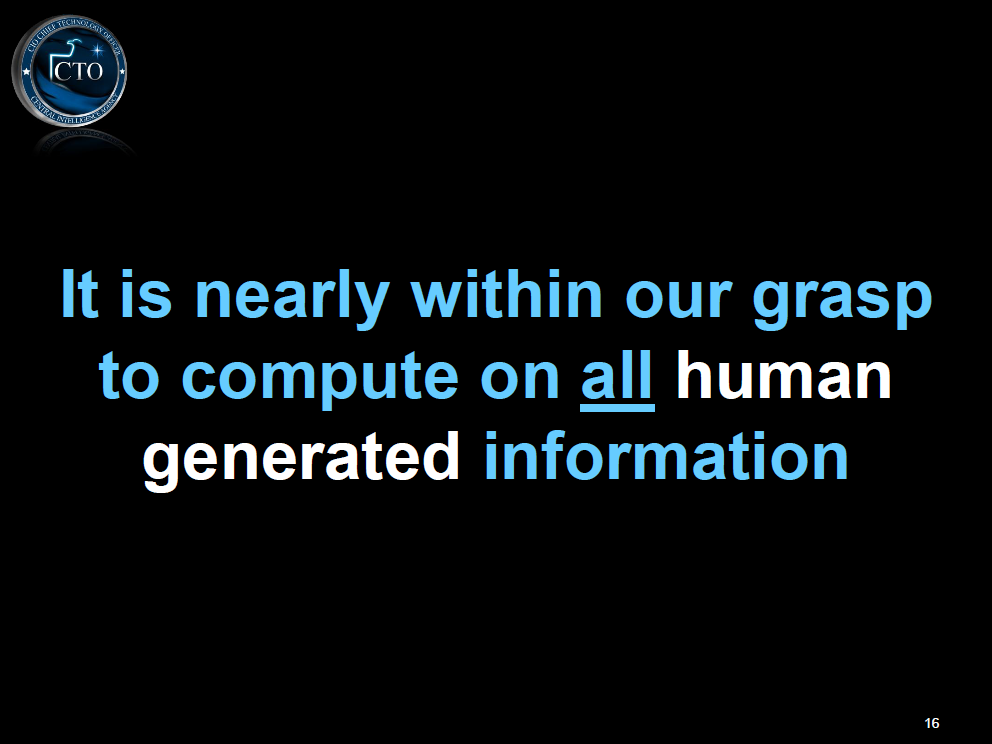
Years later, the Congressional Research Service agreed with Caming regarding the legality of the program — to a degree. While not going so far as to say there was “no question” that Greenstar was legal, it was concluded that “It is not certain that the telephone company violated any federal laws by the random monitoring of telephone conversations during the period from 1964 to 1970. This uncertainty exists because the Congressional intent [in the law] is not clear, and case law has not clearly explained the permissible scope of monitoring by the company.”

This whole mess formed a challenging business conundrum for AT&T executives, the sort of thing that would make for a good business school case study. Put yourself in their shoes. You have made an incredibly expensive investment in a product — the telephone network — that turns out to have some gaping security holes in it. You have, as Bill Caming said, no immediate defense against the problem. You finally have some statistics about how bad the problem is. It’s bad, but it’s not terrible, unless it spreads, in which case it’s catastrophic. Replacing the network will take years and cost a billion dollars or so. The Justice Department isn’t sure there are any federal laws on the books that actually apply. And every time you prosecute the fraudsters under state laws, not only do you look bad in the newspapers — witness the Milwaukee Journal’s 1963 front-page headline “Lonely Boy Devises Way of Placing Free Long Distance Calls” — but the resulting publicity makes the problem worse.
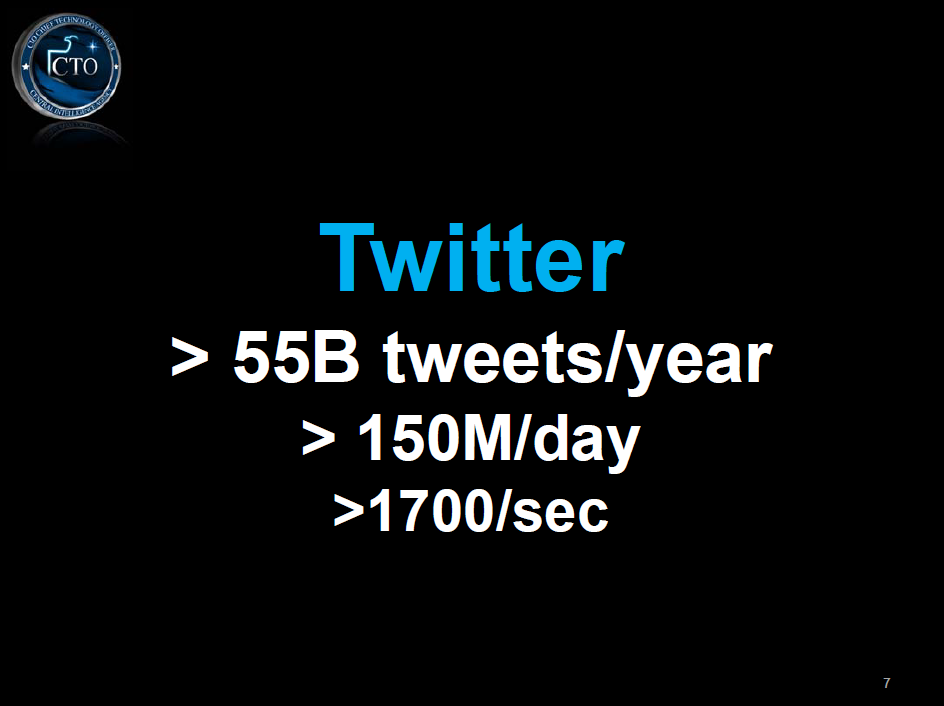
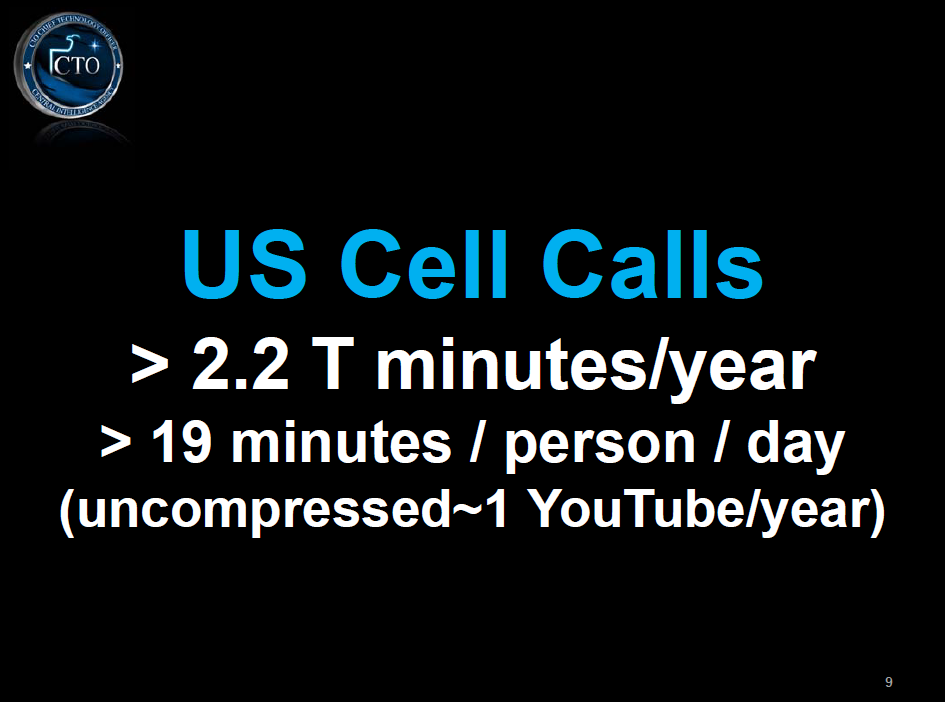
AT&T played the best game it could with a bad hand. For now it would quietly monitor the network, keeping a weather eye on the problem. When the company found college kids playing with the network, investigators would give them a stern talking — to and confiscate their colored boxes. Execs would start thinking about a slow, long-term upgrade to the network to eliminate the underlying problem. And if opportunity knocked and they could help out the feds with an organized crime prosecution — and in the process set a clear precedent for the applicability of the federal Fraud by Wire law — well, that would be lovely.

That opportunity came knocking in 1965. As it turned out used a sledgehammer.

[pp. 115-16]

On May 5, 1969, the Supreme Court declined to hear their case. More than three years after the FBI took a sledgehammer to Ken Hanna’s door, the issue was finally settled. If you were making illegal calls you had no right to privacy. The phone company could tap your line and turn the recordings over to law enforcement.

For the phone company, the victory was about much more than convicting Hanna or Dubis. AT&T now had a case that had gone all the way to the Supreme Court, one that proved, definitively, that 18 USC 1343 — the Fraud by Wire law that the Justice Department had believed wasn’t relevant — did apply to blue boxes. Thanks to Hanna’s failed appeal, the matter was now settled. AT&T finally had an arrow in its quiver to use against the fraudsters.

Throughout all of this legal drama one mystery remains: how had the telephone company found out about Hanna’s or Dubis’s blue box calls in the first place?

In the Hanna case, Miami telephone company security agent Jerry Doyle received a telephone call from the Internal Audit and Security Group at AT&T headquarters in New York asking him to investigate Hanna’s telephone line for a possible blue box. How did investigators in New York know that somebody in Miami was making illegal calls? Hanna’s attorneys asked Doyle this very question but Doyle said he didn’t know.

There was a one-word answer that nobody was giving: Greenstar. Hanna had been caught up in AT&T’s toll fraud surveillance network. Imagine what would have happened if this had come out during Hanna’s trial. After all, the Hanna case took almost four years to resolve and went to the Supreme Court based on tape recordings of each of his illegal calls. Think of the legal circus that would have ensued if Hanna’s defense attorneys had learned that the telephone company had been randomly monitoring millions of telephone calls nationwide and recording hundreds of thousands of them.

This added considerably to the stress of prosecuting Greenstar cases. AT&T attorney Caming recalls, “That was the problem in the Hanna case! Fortunately, defense counsel never probed too far as to what our original sources of information were.” With blue box prosecutions, he adds, “We were always on pins and needles as to what might spill over into the public press.”

Fortunately for AT&T in the Hanna and Bubis cases their luck held. And although Caming wasn’t a gambler or a bookmaker, he knew a thing or two about luck. In particular, he knew it didn’t last forever.

[p. 144]

At that point, the phone company billing records show something anomalous: here’s a call to a number, 555-1212, that should never look like it answered and yet it does. The phone company doesn’t like anomalies in its network, not so much because they think somebody might be messing with them, but just because anomalies probably mean that something is broken somewhere and needs repair.

“I knew that was an irregularity,” Acker says. “My fear was, you know, if this registers on your tape” — Acker knew the phone company in those days used paper tape for billing records — “they’ll be able to tell that [the call] answered, and they know it’s not supposed to.” Acker’s fears were right on the money. The phone company was indeed using computer-generated reports of supervision irregularities to spot blue boxes. Along with Greenstar, these reports were a primary tool the Bell System used to detect such fraud and, due to Greenstar’s secrecy, were among the most effective for prosecution.

Acker’s surprise caller was a security agent from his telephone company, New York Telephone. The agent had already talked to Acker’s friend John, likely because of 555-1212 supervision anomalies. But the reason the agent wanted to talk to Acker was more concrete. John had ratted out Acker to the security agent.

“He spilled his guts,” Acker says. “That was just an inconceivable no-no to me. That pretty much trashed our friendship. Forever and ever.” Forty years later you can still hear the intensity in Acker’s voice. “When you get in trouble, you don’t squeal on anybody.”

[p. 182]

Charlie Schulz and Ken Hopper, members of the technical staff of the Telephone Crime Lab at Bell Laboratories.

Hopper’s path to the Telephone Crime Lab was a circuitous one. In 1971 he was a distinguished-looking forty-five-year-old electrical engineer, a bit on the heavy side, with blue eyes, short brown hair, and glasses. Hopper had joined the Bell System some twenty-five years earlier, shortly after the end of World War II. Within a few years he had found himself at Bell Laboratories’ Special Systems Group working on government electronics projects. The stereotype of government work is that it’s boring, but Hopper was a lightning rod for geek adventure: wherever he went to do technical things physical danger never seemed far behind. There was the time he had to shoot a polar bear that had broken into his cabin while he was stationed up in the Arctic working on the then secret Distant Early Warning Line, the 1950s-era radar system that would provide advance warning of a Soviet bomber attack. Or the time he almost died in a cornfield in Iowa while building a giant radio antenna for a 55-kilowatt transmitter to “heat up the ionosphere” for another secret project. Then there’s the stuff he still can’t really talk about in detail, involving submarines and special tape recorders and undersea wiretaps of Soviet communications cables.

The Special Systems Group was a natural to help AT&T with the Greenstar toll-fraud surveillance network in the 1960s, Hopper says, and that work led to involvement with other telephone security matters. But the Telephone Crime Lab also owes its existence to the FBI. Hopper recalls, “In the mid-1960s the FBI laboratory came to our upper management and said they were getting electronic-involved crimes. They had no people in their laboratory that could examine evidence in these cases, especially related to communication systems, and they asked for Bell Labs’ assistance. Upper management of Bell Labs agreed that this was in the public interest and that we would do that. The work was assigned to my organization, Charlie Schulz being the supervisor. We had just a few people, never more than two or three, working on this stuff.

[pp. 304-05]

The Ashley-Gravitt affair was much in the newspapers that fall and attracted the attention of Louis Rose, an investigative reporter at the St. Louis Post-Dispatch, Missouri’s preeminent newspaper. Rose had written a series of articles examining the apparently cozy relationship between Southwestern Bell and the Missouri Public Service Commission, its regulator in that state. “I had been looking at all the expenditures and all of the salaries and donations by Southwestern Bell,” Rose recalls. James Ashley, he says, “found a convenient thing in me, because I was already looking up these ties.”

In January 1975 the Texas scandal spread to North Carolina when a former Southern Bell vice president — another who had been forced out of the telephone company, as it happened — admitted during an interview that he had run a $12,000-a-year political kickback fund for the Bell System. The telephone company soon found itself being investigated by an assortment of agencies: the Securities and Exchange Commission, the Department of Justice, the Federal Wiretap Commission, the FCC, and the Texas attorney general.

The next shoe to drop in the scandal was, in a way, predictable, so predictable, in fact, that Bill Caming, AT&T’s patrician attorney for privacy and fraud matters, had predicted it ten years earlier. Caming couldn’t say exactly when it would happen, or exactly how it would happen, but he was sure it would happen. Ever since I965, when he had first learned about AT&T’s Greenstar toll-fraud surveillance system, with its tape recordings of millions of long-distance calls and its racks of monitoring equipment kept behind locked cages in telephone company central offices, Caming had maintained it was a matter of when — and not if — the news of Greenstar would eventually leak.

The “when” turned out to be February 2, 1975. The “how” was a front-page headline in the St. Louis Post-Dispatch: “Bell Secretly Monitored Millions of Toll Calls.” The article, by Louis Rose, quoted an anonymous source within the phone company and was chock-full of details: a list of the cities where Greenstar had been installed, the specifics of its operation, the stunning news that the phone company had monitored 30 million calls and tape-recorded some 1.5 million of them. Someone — someone high up, it seemed — had spilled the beans. By the next day the story had been picked up by the newswires and the New York Times.

Caming didn’t need a crystal ball to predict what happened next: a phone call from the chair of the House Subcommittee on Courts, Civil Liberties, and the Administration of Justice. “He said. ‘I think we’re going to have to have one of your guys come down and explain all this to us,” Caming knew, as he had known for ten years now, that he would be the guy.

Less than three weeks later Caming found himself before the U.S. Congress. swearing to tell the truth, the whole truth, and nothing but the truth. Seated with Caming were Earl Conners, chief of security for Chesapeake and Potomac Telephone Company, and John Mack, a Bell Labs engineer who was intimately familiar with the technical details of Greenstar. True to his reputation for loquaciousness (or maybe it was his legal training) Caming made sure his colleagues never got to speak more than two dozen words over the course of the three-hour hearing. Caming explained AT&T’s motivations for launching the surveillance system, how it operated, and, most important, why it was legal — indeed, not just legal, but in fact the only option AT&T had to combat blue box and black box fraud at the time. Never once did he refer to it as “Greenstar,” the name that ten years earlier he said “just sounds illegal.” Perhaps it was Caming’s legal reasoning, perhaps it was his appearance — competent, prepared, confident, yet self-effacing — or perhaps it was 195 Broadway’s deft handling of the press on the matter, but AT&T managed to weather the Greenstar storm without much damage. Despite some alarming headlines there was little fallout and no criminal investigation. The Greenstar matter quickly faded away.

[pp. 358-59]

Notes

95 “decline to prosecute”: Rose, “Bell Secretly Monitored Millions of Toll Calls.”

96 “Change the name”: During my interviews with Bill Caming I often used the term Greenstar in our discussions. Ever the AT&T attorney, he would periodically correct me: “No, that’s not its name. That was an internal code name that we stopped using.” Sometime later I visited the AT&T Archives in Warren, New Jersey, which maintains a computerized index of old Bell System files. I typed in “Greenstar” and watched the display light up like a Christmas tree as it found relevant documents. When I mentioned this to Caming a few days later, he gave a rueful laugh and responded, “Well, I guess you can’t keep a good name down.”

96 two parts to Caming’s reasoning: Before 1968, the federal wiretapping law was Section 605 of Title 18 of the United States Code. It was a strangely written law. As discussed in the next chapter, section 605 did not make wiretapping (“interception”) itself illegal. Rather, to commit a crime under 605 you had to both intercept a communication and then disclose the contents of the communication to someone else. Clearly when Greenstar recorded a call and a human listened to it, there was an interception, but because the trained operator listening to the tapes never discussed the contents of the communication (just the signaling of the call itself), there was no disclosure, and thus, AT&T asserted, no crime. In 1968 the Omnibus Crime Control and Safe Streets Act became the new law that governed wiretapping — but that law had specific carve outs for random monitoring and interception of communications by telephone company personnel attempting to protect the assets of the telephone company.

96 “imprimatur”: Caming, “Surveillance,” pp. 243-44.

96 Congressional Research Service: Ibid., p. 234.

97 “Lonely Boy”: “Lonely Boy Devises Way of Placing Free Long Distance Calls.”


TMZ – Is ‘American Idol’ Racist!?


Nine black former contestants on “American Idol” are threatening to sue the show for being racist… and it led Harvey to go on one of his all-time CLASSIC rants about who he would fire in the TMZ newsroom!

SECRET – U.S. Northern Command-NORAD Battle Staff Standard Operating Procedures

https://publicintelligence.net/wp-content/uploads/2013/01/USNORTHCOM-BattleStaffSOP.png

NORAD AND USNORTHCOM PUBLICATION 1-01 BATTLE STAFF STANDARD OPERATING PROCEDURES

  • 171 pages
  • March 11, 2011

Download

1.1.1 NORAD and USNORTHCOM Publication Series

The North American Aerospace Defense Command (NORAD) and U.S. Northern Command (USNORTHCOM) Publication Series is the authoritative reference defining the Commands’ missions and structure, force employment objectives, mission area planning considerations and operational processes from the strategic to the tactical level. The NORAD and USNORTHCOM Publication Series also defines the Commands’ doctrine, as well as their operational tactics, techniques, and procedures (TTP). The NORAD and USNORTHCOM Publication Series is authoritative because it defines the actions and methods implementing joint doctrine and describes how assigned and attached military forces will be employed in the Commands’ joint and combined operations. The NORAD and USNORTHCOM Publication Series consists of:

• Capstone publication: USNORTHCOM Publication (NCP) 1, Capstone Guidance
• Keystone publications:
− NCP 0-1, Homeland Defense Concept of Employment (HD CONEMP)
− NCP 0-2, Civil Support Concept of Employment (CS CONEMP)
− NORAD and USNORTHCOM Publication (N-NCP) 1-01, Battle Staff Standard Operating Procedures (BSOP)
• Supporting publications: Supporting publications provide execution-level operational and tactical guidance, force employment direction and TTP. Supporting publications are called concepts of Execution (CONEX). These supporting publications can be functionally aligned (e.g., NCP 3-05 Joint Task Force Concept of Execution) or created by a subordinate unit (e.g., NCP 10-01, Joint Task Force North Concept of Execution), assigned component command headquarters (e.g., NCP 10-05, Army Forces North Concept of Execution) or supporting commander (e.g., NCP 10-08, United States Fleet Forces Command Concept of Execution in Support of USNORTHCOM)

NORAD and USNORTHCOM Instruction (N-NCI) 10-154, NORAD and USNORTHCOM Publication Series provides further background on the Publication series policy and purpose.

1.1.2 NORAD and USNORTHCOM Battle Staff

The NORAD and USNORTHCOM Battle Staff is activated during contingencies and crises to facilitate the Commander’s timely strategy and operational decision making. The NORAD and USNORTHCOM Battle Staff task organizes using an adaptive joint headquarters construct, integrating J-code staff, special staff and agency liaisons into various Battle Staff nodes. This cross-functional Battle Staff organization ensures processes critical to the NORAD and USNORTHCOM missions are reliable, repeatable and efficient, and minimizes functional stove piping. The adaptive joint headquarters construct evolves beyond the traditional J-code staff organization thereby creating a Battle Staff organization optimized to execute cross-functional, joint war fighting processes to improve collaboration and increase understanding of the operational environment.

Though NORAD and USNORTHCOM are separate commands with different establishing authorities, they have complimentary missions. The two Commands share common values, understanding the urgency and significance of their duties in light of very real and present dangers. Operations and incidents could occur within the NORAD area of operations (AO) and USNORTHCOM area of responsibility (AOR) that would involve responses by both Commands. Canada and the United States also share a common border and have mutual defense and civil support and civil assistance interests. The NORAD and USNORTHCOM Battle Staff organization and processes defined in this BSOP are intended to ensure the two Commands’ missions are accomplished effectively, efficiently and in close cooperation.

1.3 NORAD and USNORTHCOM Battle Staff Organization

Headquarters NORAD and Headquarters USNORTHCOM accomplishes its routine operations within the traditional J-code staff organizational structure and transitions to the NORAD and USNORTHCOM Battle Staff construct in response to preplanned events or contingencies as directed by the Commander. For preplanned events (contingency planning), the NORAD and USNORTHCOM Chief of Staff (N-NC/CS) will designate an OPR to stand up a joint planning team (JPT) or operations planning team (OPT). These teams can be led by any directorate, but are typically led by the Directorate of Strategy, Policy and Plans (N-NC/J5), NORAD Directorate of Operations (N/J3) or USNORTHCOM Directorate of Operations (NC/J3). The work of the JPT or OPT is conducted outside of the Battle Staff organization and processes, but may be transitioned to the Battle Staff’s crisis action planning (CAP) responsibility as the preplanned event approaches. The Battle Staff is designed to provide cross-functional expertise and leverage information technology to improve collaboration and decision superiority in CAP. The NORAD and USNORTHCOM Battle Staff’s primary role is to support the Commander’s operational decision-making process during CAP and execution. The Battle Staff coordinates and collaborates with higher, adjacent, supporting, supported commands and agencies internal and external to the Department of Defense (DOD). This BSOP generally assumes Battle Staff activation will be required for a period between 12 hours and 30 days. However, such activation (Chapter 2) is scalable based on the nature and magnitude of the crisis or contingency.

The NORAD and USNORTHCOM Battle Staff is a three-tiered organization:
• The Command Executive Group (CEG), led by the Battle Staff Executive Director (N-NC/CS)
• Battle Staff Core Centers
− NORAD and USNORTHCOM Command Center (N2C2)
− NORAD Future Operations Center (N/FOC)
− USNORTHCOM Future Operations Center (NC/FOC)
− NORAD and USNORTHCOM Future Plans Center (FPC)
• Battle Staff supporting nodes (i.e., Centers, Cells, Boards and working groups [WG], as required)

Monty Python – Holy Grail – Killer Rabbit


Monty Python – Holy Grail – Killer Rabbit

TMZ – Meet the ‘Plastic Wives!’


Hollywood’s so-called “Plastic Wives” aren’t just married to plastic surgeons… they’re also very proud (and VERY OBVIOUS) clients as well!

SECRET – NSA Technology Directorate Manual: Cable Installation at NSA Facilities

https://publicintelligence.net/wp-content/uploads/2013/01/NSA-CableInstallation.png


Cable Installation at NSAW Facilities

  • Document Number: X312-061-1006
  • Version 1.4
  • 25 pages
  • For Official Use Only
  • September 25, 2008

Download

(U//FOUO) This document provides detailed instructions for the implementation and installation of premise wire infrastructure in support of unclassified and classified networks within NSAW, Build-out Facilities, domestic facilities where NSA controls the plenum, domestic facilities where NSA does not control the plenum and all OCONUS field sites. This document provides instructions for implementations and installations of premise wiring in communications facilities, office spaces and machine rooms by ITD Internal Service Providers (ISP), External Service providers (ESP), field personnel stationed at the respective facilities or authorized NSA agents.

(U//FOUO) This document applies to all new voice, video, and data cabling including TS/SCI, Secret and Unclassified networks for all NSA facilities identified in the previous paragraph. This includes any construction, restoration, and modernization projects. This document is not intended to justify wholesale replacement and upgrade of existing premise wiring or cable infrastructure unless security violations are found.

(U//FOUO) It is presumed that any facility in which these instructions pertain is protected by approved means of anti-terrorist force protection (ATFP), owned or leased by the NSA/CSS and perimeters monitored by security cameras, intrusion alarms or other means approved and implemented by the Office of Physical Security, Countermeasures/Headquarters Security and Program Protection or Field Security. Where these do not apply, additional Security and TEMPEST counter measures are required. Details are provided in the respective sections of this document.

(U//FOUO) Prior to the installation of any Red communications or network infrastructure, all facilities will have Sensitive Compartmented Information Facility (SCIF) accreditation in accordance with NSA/CSS Manual 130-1, Annex P and NSA/CSS Policy 6-3, Operational Information Systems Security Policy. All installation personnel must be legal U.S. citizens in accordance with NSA/CSS Policy 5-23, Physical Security Requirements for Controlled Areas.

(U//FOUO) Failure to adhere to the Standards outlined in this document will result in delays in activation and possibly denial of services until the facility is certified to be in compliance. Additional site surveys will be conducted by the Office of Technical Security Countermeasures as part of the automated Annex P process detailing appropriate Countermeasures for the respective facility.

Monty Python Holy Grail – French Taunter

Monty Python Holy Grail – French Taunter

Monty Python Holy Grail

http://www.amazon.com/Monty-Python-Trinity-Pythons-Meaning/dp/B001E12ZAM/ref=…

TMZ – Steven Tyler’s Speedo-Clad Bongo Bash!


Steven Tyler didn’t just rage his face off at a wild bongo bash on the beach in Hawaii… he did it while wearing a tiny mankini!

PI – National Counterintelligence Executive Specifications for Constructing Sensitive Compartmented Information Facilities

https://publicintelligence.net/wp-content/uploads/2012/12/NCIX-SCIF-Specs-1.2.png


TECHNICAL SPECIFICATIONS FOR CONSTRUCTION AND MANAGEMENT OF SENSITIVE COMPARTMENTED INFORMATION FACILITIES

  • IC Tech Spec‐for ICD/ICS 705
  • 166 pages
  • April 23, 2012

Download

This Intelligence Community (IC) Technical Specification sets forth the physical and technical security specifications and best practices for meeting standards of Intelligence Community Standard (ICS) 705-1 (Physical and Technical Standards for Sensitive Compartmented Information Facilities). When the technical specifications herein are applied to new construction and renovations of Sensitive Compartmented Information Facilities (SCIFs), they shall satisfy the standards outlined in ICS 705-1 to enable uniform and reciprocal use across all IC elements and to assure information sharing to the greatest extent possible. This document is the implementing specification for Intelligence Community Directive (ICD) 705, Physical and Technical Security Standards for Sensitive Compartmented Information Facilities (ICS-705-1) and Standards for Accreditation and Reciprocal Use of Sensitive Compartmented Information Facilities (ICS-705-2) and supersedes Director of Central Intelligence Directive (DCID) 6/9.

The specifications contained herein will facilitate the protection of Sensitive Compartmented Information (SCI) against compromising emanations, inadvertent observation and disclosure by unauthorized persons, and the detection of unauthorized entry.

A. Analytical Risk Management Process

1. The Accrediting Official (AO) and the Site Security Manager (SSM) should evaluate each proposed SCIF for threats, vulnerabilities, and assets to determine the most efficient countermeasures required for physical and technical security. In some cases, based upon that risk assessment, it may be determined that it is more practical or efficient to mitigate a standard. In other cases, it may be determined that additional security measures should be employed due to a significant risk factor.

2. Security begins when the initial requirement for a SCIF is known. To ensure the integrity of the construction and final accreditation, security plans should be coordinated with the AO before construction plans are designed, materials ordered, or contracts let.

a) Security standards shall apply to all proposed SCI facilities and shall be coordinated with the AO for guidance and approval. Location of facility construction and or fabrication does not exclude a facility from security standards and or review and approval by the AO. SCI facilities include but are not limited to fixed facilities, mobile platforms, prefabricated structures, containers, modular applications or other new or emerging applications and technologies that may meet performance standards for use in SCI facility construction.

b) Mitigations are verifiable, non-standard methods that shall be approved by the AO to effectively meet the physical/technical security protection level(s) of the standard. While most standards may be effectively mitigated via non-standard construction, additional security countermeasures and/or procedures, some standards are based upon tested and verified equipment (e.g., a combination lock meeting Federal Specification FF-L 2740A) chosen because of special attributes and could not be mitigated with non-tested equipment. The AO’s approval is documented to confirm that the mitigation is at least equal to the physical/technical security level of the standard.

c) Exceeding a standard, even when based upon risk, requires that a waiver be processed and approved in accordance with ICD 705.

3. The risk management process includes a critical evaluation of threats, vulnerability, and assets to determine the need and value of countermeasures. The process may include the following:

a) Threat Analysis. Assess the capabilities, intentions, and opportunity of an adversary to exploit or damage assets or information. Reference the threat information provided in the National Threat Identification and Prioritization Assessment (NTIPA) produced by the National Counterintelligence Executive (NCIX) for inside the U.S. and/or the Overseas Security Policy Board (OSPB), Security Environment Threat List (SETL) for outside the U.S. to determine technical threat to a location. When evaluating for TEMPEST, the Certified TEMPEST Technical Authorities (CTTA) shall use the National Security Agency Information Assurance (NSA IA) list as an additional resource for specific technical threat information. It is critical to identify other occupants of common and adjacent buildings. (However, do not attempt to collect information against U.S. persons in violation of Executive Order (EO) 12333.) In areas where there is a diplomatic presence of high and critical threat countries, additional countermeasures may be necessary.

b) Vulnerability Analysis. Assess the inherent susceptibility to attack of a procedure, facility, information system, equipment, or policy.

c) Probability Analysis. Assess the probability of an adverse action, incident, or attack occurring.

d) Consequence Analysis. Assess the consequences of such an action (expressed as a measure of loss, such as cost in dollars, resources, programmatic effect/mission impact, etc.).

Monty Python – Always Look On The Bright Side of Life – Filmclip


Life of Brian

http://www.amazon.com/Monty-Python-Trinity-Pythons-Meaning/dp/B001E12ZAM/ref=…

SECRECY NEWS – FORMER CIA OFFICER KIRIAKOU SENTENCED FOR LEAK

Former CIA officer John Kiriakou was sentenced today to 30 months in
prison for a violation of the Intelligence Identities Protection Act after
he pleaded guilty to one count of identifying a covert agent.

Although the sentence is less than that prescribed by federal sentencing
guidelines, the government said that it considers the reduced penalty
"reasonable."

In a presentencing memorandum for the defense, Mr. Kiriakou's attorneys
said that his offense should be seen in the context of his lifelong
commitment "to public service and the defense of America's national
security."

        http://www.fas.org/sgp/jud/kiriakou/012413-defmem.pdf

"In the course of his service to the United States and the Central
Intelligence Agency, Mr. Kiriakou placed himself in harm's way on countless
occasions, earning the CIA's Exceptional Service Award no fewer than ten
times," the defense memorandum said.

Although Mr. Kiriakou accepted full responsibility for his actions, the
defense said that he had been duped into making the unauthorized disclosure
that led to his prosecution.

"In 2006, Journalist A told Mr. Kiriakou that he was working on a book
about the Abu Omar rendition in Milan. That was false. Journalist A has
never published a book on that subject and the defense is aware of no
evidence that he was ever working on one."

"In reality, unknown to Mr. Kiriakou, Journalist A was acting as a private
investigator on behalf of lawyers representing terrorist detainees in
Guantanamo Bay, Cuba, and was forwarding the information he received from
Mr. Kiriakou, as well as information he received from many other
individuals, to another private investigator working with the detainees'
lawyers. Mr. Kiriakou now realizes that he made a very serious mistake in
passing any information to Journalist A, but he would not have done so had
he known how Journalist A would make use of that information," the defense
memorandum said.

The defense noted that "Mr. Kiriakou has fully and forthrightly accepted
responsibility for his actions and recognizes the seriousness of the crime
to which he has pled guilty.  Yet while many will never know Mr. Kiriakou
apart from this prosecution, the incident that led to this moment cannot
undo the reality of Mr. Kiriakou's life in full-- a life dedicated to the
values of freedom, decency, public service, and love of country.  As the
government concedes, although Mr. Kiriakou's crime was unquestionably
serious, he was never motivated by any desire to harm the United States,
national security, the CIA's critical mission abroad, or any individual
person."

A petition asking President Obama to pardon Mr. Kiriakou or commute his
sentence has already been signed by thousands of supporters.

After Vice Presidential aide Scooter Libby was convicted of perjury in
connection with the unauthorized disclosure of the identity of CIA officer
Valerie Plame in 2007 and sentenced to 30 months in jail, his sentence was
promptly commuted by President George W. Bush.

INTERNATIONAL TAX HAVENS, AND MORE FROM CRS

New and updated reports from the Congressional Research Service that
Congress has not made available to the public include the following.

Tax Havens: International Tax Avoidance and Evasion, January 23, 2013:

        http://www.fas.org/sgp/crs/misc/R40623.pdf

An Overview of the Tax Provisions in the American Taxpayer Relief Act of
2012, January 20, 2013:

        http://www.fas.org/sgp/crs/misc/R42894.pdf

Receipt of Unemployment Insurance by Higher-Income Unemployed Workers
("Millionaires"), January 23, 2013:

        http://www.fas.org/sgp/crs/misc/R42643.pdf

Summary Report: Congressional Action on the FY2013 Disaster Supplemental,
January 22, 2013:

        http://www.fas.org/sgp/crs/misc/R42892.pdf

FY2013 Supplemental Funding for Disaster Relief: Summary and
Considerations for Congress, January 23, 2013:

        http://www.fas.org/sgp/crs/misc/R42869.pdf

Congressional Commissions: Overview, Structure, and Legislative
Considerations, January 22, 2013:

        http://www.fas.org/sgp/crs/misc/R40076.pdf

Congressional Careers: Service Tenure and Patterns of Member Service,
1789-2013, January 3, 2013:

        http://www.fas.org/sgp/crs/misc/R41545.pdf

Global Security Contingency Fund (GSCF): Summary and Issue Overview,
January 22, 2013:

        http://www.fas.org/sgp/crs/row/R42641.pdf

Bosnia and Herzegovina: Current Issues and U.S. Policy, January 24, 2013:

        http://www.fas.org/sgp/crs/row/R40479.pdf

Mexico's New Administration: Priorities and Key Issues in U.S.-Mexican
Relations, January 16, 2013:

        http://www.fas.org/sgp/crs/row/R42917.pdf

Reauthorization of the FISA Amendments Act, January 2, 2013:

        http://www.fas.org/sgp/crs/intel/R42725.pdf

_______________________________________________
Secrecy News is written by Steven Aftergood and published by the
Federation of American Scientists.

The Secrecy News Blog is at:
     http://www.fas.org/blog/secrecy/

To SUBSCRIBE to Secrecy News, go to:
     http://www.fas.org/sgp/news/secrecy/subscribe.html

To UNSUBSCRIBE, go to
     http://www.fas.org/sgp/news/secrecy/unsubscribe.html

OR email your request to saftergood@fas.org

Secrecy News is archived at:
     http://www.fas.org/sgp/news/secrecy/index.html

Support the FAS Project on Government Secrecy with a donation:
     http://www.fas.org/member/donate_today.html

_______________________
Steven Aftergood
Project on Government Secrecy
Federation of American Scientists
web:    www.fas.org/sgp/index.html
email:  saftergood@fas.org
voice:  (202) 454-4691
twitter: @saftergood

Monty Python – Hermit – Life of Brian


Life of Brian

http://www.amazon.com/Monty-Python-Trinity-Pythons-Meaning/dp/B001E12ZAM/ref=…

SI Swimsuit: Jessica Gomes – Body Painting Video

Jessica Gomes tells you about experience being a human canvas for the SI Swimsuit 2008 body painting shoot.
For more photos and videos visit http://www.si.com/swimsuit

SI Swimsuit: Jessica Gomes – Body Painting Video

NSA – ALAN GROSS CASE SPOTLIGHTS U.S. DEMOCRACY PROGRAMS IN CUBA

Alan Gross (left) and Peter Kornbluh at the Havana military prison where Gross is being held. November 28, 2012.

ALAN GROSS CASE SPOTLIGHTS U.S. DEMOCRACY PROGRAMS IN CUBA

LAWSUIT FILED BY FAMILY YIELDS DOCUMENTATION ON “OPERATIONAL” NATURE OF USAID EFFORT

CONTRACTOR INTRODUCES CONFIDENTIAL RECORDS IN COURT ARGUMENTS

National Security Archive Electronic Briefing Book No. 411

Posted – January 24, 2013

Edited by Peter Kornbluh

For more information contact:
Peter Kornbluh 202/994-7116 or nsarchiv@gwu.edu

Related Postings

American jailed in Cuba wants US to sign ‘non-belligerency pact’ to speed release
Michael Isikoff, NBC News, December 2, 2012

Secrecy, politics at heart of Cuba project
Tracey Eaton, Along the Malecón, January 17, 2013

Cuba Proposes Exchange Deal for Imprisoned American, Alan Gross
Chris Woolf, PRI’s The World, December 3, 2012


Bookmark and Share

Washington, D.C., January 18, 2013 – The U.S. government has “between five to seven different transition plans” for Cuba, and the USAID-sponsored “Democracy” program aimed at the Castro government is “an operational activity” that demands “continuous discretion,” according to documents filed in court this week, and posted today by the National Security Archive. The records were filed by Development Alternatives Inc (DAI), one of USAID’s largest contractors, in response to a lawsuit filed by the family of Alan Gross, who was arrested in Cuba in December 2009 for attempting to set up satellite communications networks on the island, as part of the USAID program.

In an August 2008 meeting toward the end of the George W. Bush administration, according to a confidential memorandum of conversation attached to DAI’s filing, officials from the “Cuba Democracy and Contingency Planning Program,” as the Democracy effort is officially known, told DAI representatives that “USAID is not telling Cubans how or why they need a democratic transition, but rather, the Agency wants to provide the technology and means for communicating the spark which could benefit the population.” The program, the officials stated, intended to “provide a base from which Cubans can ‘develop alternative visions of the future.'”

Gross has spent three years of a 15-year sentence in prison in Cuba, charged and convicted of “acts against the integrity of the state” for attempting to supply members of Cuba’s Jewish community with Broadband Global Area Network (BGAN) satellite communications consoles and establish independent internet networks on the island. Last year, he and his wife, Judy, sued both DAI and USAID for failing to adequately prepare, train and supervise him given the dangerous nature of the democracy program activities.

During a four-hour meeting last November 28, 2012, with Archive analyst Peter Kornbluh at the military hospital where he is incarcerated, Gross insisted that “my goals were not the same as the program that sent me.” He called on the Obama administration to meet Cuba at the negotiating table and resolve his case, among other bilateral issues between the two nations.

The exhibits attached to DAI’s court filing included USAID’s original “Request for Proposals” for stepped up efforts to bring about political transition to Cuba, USAID communications with DAI, and Gross’s own proposals for bringing computers, cell phones, routers and BGAN systems-“Telco in a Bag,” as he called it-into Cuba.

According to Kornbluh, DAI’s filing is “a form of ‘graymail'”–an alert to the U.S. government that unless the Obama administration steps up its efforts to get Gross released, the suit would yield unwelcome details of ongoing U.S. intervention in Cuba.

In its effort to dismiss the suit, DAI’s filing stated that it was “deeply concerned that the development of the record in this case over the course of litigation [through discovery] could create significant risks to the U.S. government’s national security, foreign policy, and human rights interests.”


READ THE DOCUMENTS

Document l: USAID “Competitive Task Order Solicitation in Support of Cuba Democracy and Contingency Planning Program (CDCPP), May 8, 2008.

Document 2: Memoranda of Conversation between USAID AND DAI officials, “Meeting Notes from USAID CDCPP Meeting, August 26, 2008.

Document 3: Alan Gross, “Para La Isla,” Proposed Expansion of Scope of Work in Cuba Proposal, September 2009.

Document 4: Declaration of John Henry McCarthy, DAI Global Practice Leader

Document 5: Defendant Development Alternatives, Inc.’s Memorandum of Points and Authorities in Support of Its Motion to Dismiss for Lack of Subject-Matter Jurisdiction and Failure to State a Claim, January 15, 2013.

Document 6: Cuban Court Ruling Against Alan Gross, March 11, 2011, certified English translation. 

TMZ – Steven Tyler — I’ll Play the Bongo … You Watch My Dongo


See if you can watch this video of a mankini-sportin’ Steven Tyler bangin’ away in a drum circle in Maui … and NOT stare at his drumstick.

SECRET – National Counterintelligence Executive Specifications

https://publicintelligence.net/wp-content/uploads/2012/12/NCIX-SCIF-Specs-1.2.png


TECHNICAL SPECIFICATIONS FOR CONSTRUCTION AND MANAGEMENT OF SENSITIVE COMPARTMENTED INFORMATION FACILITIES

  • IC Tech Spec‐for ICD/ICS 705
  • 166 pages
  • April 23, 2012

Download

This Intelligence Community (IC) Technical Specification sets forth the physical and technical security specifications and best practices for meeting standards of Intelligence Community Standard (ICS) 705-1 (Physical and Technical Standards for Sensitive Compartmented Information Facilities). When the technical specifications herein are applied to new construction and renovations of Sensitive Compartmented Information Facilities (SCIFs), they shall satisfy the standards outlined in ICS 705-1 to enable uniform and reciprocal use across all IC elements and to assure information sharing to the greatest extent possible. This document is the implementing specification for Intelligence Community Directive (ICD) 705, Physical and Technical Security Standards for Sensitive Compartmented Information Facilities (ICS-705-1) and Standards for Accreditation and Reciprocal Use of Sensitive Compartmented Information Facilities (ICS-705-2) and supersedes Director of Central Intelligence Directive (DCID) 6/9.

The specifications contained herein will facilitate the protection of Sensitive Compartmented Information (SCI) against compromising emanations, inadvertent observation and disclosure by unauthorized persons, and the detection of unauthorized entry.

A. Analytical Risk Management Process

1. The Accrediting Official (AO) and the Site Security Manager (SSM) should evaluate each proposed SCIF for threats, vulnerabilities, and assets to determine the most efficient countermeasures required for physical and technical security. In some cases, based upon that risk assessment, it may be determined that it is more practical or efficient to mitigate a standard. In other cases, it may be determined that additional security measures should be employed due to a significant risk factor.

2. Security begins when the initial requirement for a SCIF is known. To ensure the integrity of the construction and final accreditation, security plans should be coordinated with the AO before construction plans are designed, materials ordered, or contracts let.

a) Security standards shall apply to all proposed SCI facilities and shall be coordinated with the AO for guidance and approval. Location of facility construction and or fabrication does not exclude a facility from security standards and or review and approval by the AO. SCI facilities include but are not limited to fixed facilities, mobile platforms, prefabricated structures, containers, modular applications or other new or emerging applications and technologies that may meet performance standards for use in SCI facility construction.

b) Mitigations are verifiable, non-standard methods that shall be approved by the AO to effectively meet the physical/technical security protection level(s) of the standard. While most standards may be effectively mitigated via non-standard construction, additional security countermeasures and/or procedures, some standards are based upon tested and verified equipment (e.g., a combination lock meeting Federal Specification FF-L 2740A) chosen because of special attributes and could not be mitigated with non-tested equipment. The AO’s approval is documented to confirm that the mitigation is at least equal to the physical/technical security level of the standard.

c) Exceeding a standard, even when based upon risk, requires that a waiver be processed and approved in accordance with ICD 705.

3. The risk management process includes a critical evaluation of threats, vulnerability, and assets to determine the need and value of countermeasures. The process may include the following:

a) Threat Analysis. Assess the capabilities, intentions, and opportunity of an adversary to exploit or damage assets or information. Reference the threat information provided in the National Threat Identification and Prioritization Assessment (NTIPA) produced by the National Counterintelligence Executive (NCIX) for inside the U.S. and/or the Overseas Security Policy Board (OSPB), Security Environment Threat List (SETL) for outside the U.S. to determine technical threat to a location. When evaluating for TEMPEST, the Certified TEMPEST Technical Authorities (CTTA) shall use the National Security Agency Information Assurance (NSA IA) list as an additional resource for specific technical threat information. It is critical to identify other occupants of common and adjacent buildings. (However, do not attempt to collect information against U.S. persons in violation of Executive Order (EO) 12333.) In areas where there is a diplomatic presence of high and critical threat countries, additional countermeasures may be necessary.

b) Vulnerability Analysis. Assess the inherent susceptibility to attack of a procedure, facility, information system, equipment, or policy.

c) Probability Analysis. Assess the probability of an adverse action, incident, or attack occurring.

d) Consequence Analysis. Assess the consequences of such an action (expressed as a measure of loss, such as cost in dollars, resources, programmatic effect/mission impact, etc.).

Monty Python – Biggus Dickus – Film – Life of Brian


Monty Python – Biggus Dickus – Film – Life of Brian

SI Swimsuit Video: Tori Praver Body Painting


Tori Praver tells you all about what it feels to become a human canvas in this SI Swimsuit 2008 bodypainting video.
For more SI Swimsuit photos and videos visit http://www.si.com/swimsuit.

The FBI – Former Chief Financial Officer of Stanford Group Entities Sentenced to Federal Prison

HOUSTON—James M. Davis, 64, formerly of Baldwyn, Mississippi, the former chief financial officer of Stanford International Bank (SIB) and Houston-based Stanford Financial Group, was sentenced today to five years in prison for his role in helping Robert Allen Stanford perpetrate a fraud scheme involving SIB and for conspiring to obstruct a U.S. Securities and Exchange Commission (SEC) investigation into SIB.

Today’s sentence was announced by U.S. Attorney Kenneth Magidson of the Southern District of Texas; Assistant Attorney General Lanny A. Breuer of the Justice Department’s Criminal Division; FBI Assistant Director Ronald T. Hosko of the Criminal Investigative Division; Assistant Secretary of Labor for the Employee Benefits Security Administration (DOL EBSA) Phyllis C. Borzi; Chief Postal Inspector Guy J. Cottrell of the U.S. Postal Inspection Service (USPIS); and Chief Richard Weber, of Internal Revenue Service-Criminal Investigation (IRS-CI).

The prison sentence was imposed by U.S. District Judge David Hittner of the Southern District of Texas, who also sentenced Davis to serve three years of supervised release. As part of Davis’ sentence, the court also imposed a personal money judgment of $1 billion, which is an ongoing obligation for Davis to pay back criminal proceeds.

During the sentencing proceeding, Judge Hittner noted that Davis began cooperating with the government in early 2009, shortly after SIB’s collapse. Judge Hittner also noted that over the following three years, Davis provided substantial assistance to the authorities in the investigation and prosecution of others, including testifying at Stanford’s trial; testifying during the trial of Gilbert T. Lopez, Jr. and Mark J. Kuhrt, Stanford’s former chief accounting officer and global controller, respectively; and preparing to testify against Laura Pendergest-Holt, Stanford’s chief investment officer. Holt eventually pleaded guilty; Stanford, Lopez, and Kuhrt were convicted at trial. Stanford and Holt are currently serving 110 years and three years in prison, respectively. Lopez and Kuhrt are in federal custody and await sentencing, scheduled for February 14, 2013.

As part of his 2009 guilty plea, Davis admitted that he was aware of Stanford’s misuse of SIB’s assets, kept the misuse hidden from the public and from almost all of Stanford’s other employees, and worked to prevent the misuse from being discovered. In addition, Davis acknowledged that in January 2009, when the SEC sought testimony and documents related to SIB’s entire investment portfolio, he conspired with others in an effort to impede the SEC’s investigation and help SIB continue operating.

The investigation was conducted by the FBI, USPIS, IRS-CI, and DOL EBSA. The case against Davis is being prosecuted by Assistant U.S. Attorney Jason Varnado of the Southern District of Texas, Deputy Chief Jeffrey Goldberg, Deputy Chief William Stellmach, and Trial Attorney Andrew Warren of the Justice Department Criminal Division’s Fraud Section. The Justice Department also thanks the SEC for their assistance and cooperation in this matter.

Cryptome unveils – New York City Pistol Permit Holders

New York City Pistol Permit Holders:

http://gawker.com/5974190/here-is-a-list-of-all-the-assholes-who-own-guns-in-new-york-city

312,462 New York State Pistol Permit Holders in April 2010:

http://cryptome.org/ny-packing-master.zip (7.8MB) (This has been on Cryptome since June 2010)Below, a link to a work-in-progress wooly Google fusion map of selected NY State holders. Note lack of NYC holders in the NY State list — one dot for each of the five boroughs! — apparently due to NYC.gov omitting addresses in data sent to the state as redacted from the Gawker list. Addresses are also omitted for most officials.

Geocoding the New York city/state data the Google program produced dots all over the world, perhaps erroneously using names of permit holders as location — a fix badly needed for the bloke pegged to be in Antartica. It also failed to plot two addresses in the CSV data for Robert DeNiro in NYC, and based on the scarcity of dots inside the state, what appears to be the bulk of the CSV data:

https://www.google.com/fusiontables/embedviz?viz=MAP&q=select+col4+from+14ZUks_
vShPj1sfpeP4sK8kfzBeFMyqJ2mKk3Q6E&h=false&lat=42.30124822202767&lng=
-74.62118965937498&z=8&t=1&l=col4

Trivia: Cryptome owns a couple of NYC-registered legacy long-guns, never-used, unloaded, locked and stashed under Grant’s Tomb, or was it the east abutment of GW Bridge.


http://pastebin.com/DjU5Km6q

NY Pistol Permit Owners

By: a guest on Jan 19th, 2013  |  syntax: None  |  size: 0.49 KB  |  hits: 1,377  |  expires: Never
Copied
  1. This goes out to the New York State Rifle and Pistol Association, the National Rifle Association, Christopher Fountain (you shameless scumbag), and everyone else who has threatened the Journal News and Gawker reporters and employees.
  2. The internet doesn’t forget.
  3. Free information. Ban ammunition.

TMZ – Katherine Webb Goes Hollywood… in a Bikini!


Alabama QB AJ McCarron’s girlfriend, Katherine Webb, has totally gone Hollywood… but good news folks — she’s doing so while wearing a skimpy bathing suit! ROLL TIDE!!!

SECRET – U.S. Army Doctrine Publication: Defense Support of Civil Authorities

https://publicintelligence.net/wp-content/uploads/2012/12/USArmy-DSCA.png


ADP 3-28 Defense Support of Civil Authorities

  • 26 pages
  • July 26, 2012
  • 7.09 MB

Download

ARMY SUPPORT OF CIVIL AUTHORITIES

6. Army forces support civil authorities by performing defense support of civil authorities tasks. Defense support of civil authorities is defined as support provided by United States Federal military forces, DoD [Department of Defense] civilians, DoD contract personnel, DoD component assets, and National Guard forces (when the Secretary of Defense, in coordination with the Governors of the States, elects and requests to use those forces in title 32, United States Code, status) in response to requests for assistance from civil authorities for domestic emergencies, law enforcement support, and other domestic activities, or from qualifying entities for special events. Also known as civil support (DODD 3025.18).

7. Military forces provide civil support at federal and state levels. Federal military forces are active Army, Marine Corps, Navy, and Air Force; mobilized Army, Marine Corps, Navy, and Air Force Reserve; and National Guard mobilized for federal service under title 10, United States Code (USC). State National Guard forces under state control perform DSCA tasks when serving under title 32, USC.

READINESS

8. Numerous features of DSCA are distinct from the other tasks of decisive action—offense, defense, and stability. DSCA tasks stress the employment of nondestructive means to save lives, alleviate suffering, and protect property. Domestic operations are operations in the homeland: The physical region that includes the continental United States, Alaska, Hawaii, United States possessions and territories, and surrounding territorial waters and airspace (JP 3-28). Domestic operations are constrained by various laws to a greater degree, in comparison to the Law of Land Warfare and The Hague and Geneva Conventions. It is accurate to say that most tasks performed in domestic support are common to overseas operations; however, Soldiers conduct them under very different conditions.

9. Commanders gauge unit readiness for DSCA missions by assessing proficiency in three warfighting functions: mission command, sustainment, and protection. The requirement to deploy into a domestic operational environment—often with little warning—and to operate with joint and interagency partners requires mission command that can adapt systems and procedures for a noncombat, civilian-led structure.

10. The majority of DSCA missions will stress the sustainment warfighting function. Mission success depends on units’ ability to deliver personnel, medical support, supplies, and equipment, while maintaining their equipment and Soldiers. This is challenging because forces often provide support in areas devastated by a disaster and lacking potable water, electrical power, and sanitation. When needed, a federal installation identified as a base support installation will serve as a base for federal military forces throughout the mission.

11. The protection warfighting function is the third area for readiness assessment. It is imperative that commanders understand their protection capabilities. They must understand which of those capabilities may be exercised legally in domestic environments so they can be properly integrated into the overall scheme of protection.

MILITARY CAPABILITY

12. Soldiers are trained to exercise initiative in combat and training. They must understand which military capabilities may be exercised during domestic operations, including consideration for duty status (title 10, title 32, or state active duty). With this understanding, they will be able to maximize their initiative and efforts. Commanders maintain a balance between the willingness of their subordinates to engage any mission against the capability to accomplish it. Military capability comprises—

  • The ability to perform a task effectively and efficiently.
  • The ability to perform a task safely.
  • The legal authority to perform a task.

PRIMARY PURPOSES FOR ARMY SUPPORT

13. While there are many potential missions for Soldiers as part of DSCA, the overarching purposes of all DSCA missions are, in the following order, to—

  • Save lives.
  • Alleviate suffering.
  • Protect property.

Some DSCA missions may accomplish these purposes directly. An aircraft crew participating in a search and rescue operation is there to save lives. Soldiers fighting fires in a national forest are guarding public property, as are the National Guard Soldiers patrolling streets in the aftermath of a tornado. Some DSCA missions accomplish these purposes indirectly. Soldiers and civilians helping load medical supplies for shipment from an installation to a municipal shelter will not meet the people housed there, but their actions will help reduce the distress of their fellow citizens. In the absence of orders, or in uncertain and chaotic situations, each Soldier governs his or her actions based on these three purposes.

PRIMARY CHARACTERISTICS OF ARMY SUPPORT

14. Army forces operating within the United States encounter very different operational environments than they face outside the Nation’s boundaries. Although many of the small-unit tasks remain the same, there are important differences in the conditions associated with them. Principally, the roles of civilian organizations and the relationship of military forces to federal, state, tribal, and local agencies are different. The differences are pronounced enough to define a different task set than offense, defense, or stability. The support provided by Army forces depends on specific circumstances dictated by law. Soldiers and Army civilians need to understand domestic environments so they can employ the Army’s capabilities efficiently, effectively, and legally.

15. While every domestic support mission is unique, four defining characteristics shape the actions of commanders and leaders in any mission. These characteristics are that—

  • State and federal laws define how military forces support civil authorities.
  • Civil authorities are in charge, and military forces support them.
  • Military forces depart when civil authorities are able continue without military support.
  • Military forces must document costs of all direct and indirect support provided.

PROVIDE SUPPORT FOR DOMESTIC CIVILIAN LAW ENFORCEMENT

43. Providing support for domestic civilian law enforcement applies to the restricted use of military assets to support civilian law enforcement personnel within the United States and its territories. These operations are significantly different from operations outside the United States. Army forces support domestic civilian law enforcement agencies under constitutional and statutory restrictions, as prescribed by corresponding directives and regulations.

44. Except as expressly authorized by the Constitution of the United States or by another act of Congress, the Posse Comitatus Act prohibits the use of the Active Army, Air Force, and—through DODD 5525.5—the Marine Corps and Navy as enforcement officials to execute state or federal law and perform direct law enforcement functions. However, the Posse Comitatus Act does not apply to state National Guard forces in state active duty status and title 32 status. Nor does the Posse Comitatus Act restrict the Coast Guard, even when under the operational control of the Navy, since the Coast Guard has inherent law enforcement powers under title 14, USC. Intelligence activities during DSCA should be coordinated through higher headquarters for approval, in addition to consultation from a staff judge advocate. Additionally, Executive Order 12333 provides guidelines for the use of military intelligence, including permitted and prohibited activities during DSCA operations.

45. Law enforcement support falls into two broad categories: direct and indirect support. Direct support involves enforcing the law and engaging in physical contact with offenders. Indirect support consists of aid to law enforcement agencies but not enforcement of the law or direct contact with offenders. Federal laws, presidential directives, and Department of Defense policy restrict the use of federal military forces from enforcing laws and providing security except on military installations. These laws, policies, and directives carefully specify exceptions to the restrictions. When authorized by the Secretary of Defense, federal military forces may provide indirect support to law enforcement agencies, but support is limited to logistical, transportation, and training assistance except when emergency authority applies. State and territorial governors can use state National Guard forces for direct support of civilian law enforcement; however, such use is a temporary expedient and must be in accordance with state laws.

Monty Python – Stoning – Life of Brian Movie


“Warning

Don’t say Jehovah, Or This Will Happen To You..”

Life of Brian

http://www.amazon.com/Monty-Python-Trinity-Pythons-Meaning/dp/B001E12ZAM/ref=…

SI Swimsuit: Marisa Miller Body Painting Video

Marisa Miller’s body become a canvas in this SI Swimsuit 2008 Body Painting video.
For more SI Swimsuit photos and videos go to http://www.si.com/swimsuit

SECRET -White House National Strategy for Information Sharing and Safeguarding

https://publicintelligence.net/wp-content/uploads/2012/12/WH-InfoSharingStrategy.png


National Strategy for Information Sharing and Safeguarding

  • 24 pages
  • December 2012

Download

Our national security depends on our ability to share the right information, with the right people, at the right time. This information sharing mandate requires sustained and responsible collaboration between Federal, state, local, tribal, territorial, private sector, and foreign partners. Over the last few years, we have successfully streamlined policies and processes, overcome cultural barriers, and better integrated information systems to enable information sharing. Today’s dynamic operating environment, however, challenges us to continue improving information sharing and safeguarding processes and capabilities. While innovation has enhanced our ability to share, increased sharing has created the potential for vulnerabilities requiring strengthened safeguarding practices. The 2012 National Strategy for Information Sharing and Safeguarding provides guidance for effective development, integration, and implementation of policies, processes, standards, and technologies to promote secure and responsible information sharing.

Our responses to these challenges must be strategic and grounded in three core principles. First, in treating Information as a National Asset, we recognize departments and agencies have achieved an unprecedented ability to gather, store, and use information consistent with their missions and applicable legal authorities; correspondingly they have an obligation to make that information available to support national security missions. Second, our approach recognizes Information Sharing and Safeguarding Requires Shared Risk Management. In order to build and sustain the trust required to share with one another, we must work together to identify and collectively reduce risk, rather than avoiding information loss by not sharing at all. Third, the core premise Information Informs Decisionmaking underlies all our actions and reminds us better decisionmaking is the purpose of sharing information in the first place. The Strategy focuses on achieving five goals:

1. Drive Collective Action through Collaboration and Accountability. We can best reach our shared vision when working together, using governance models that enable mission achievement, adopting common processes where possible to build trust, simplifying the information sharing agreement development process, and supporting efforts through performance management, training, and incentives.

2. Improve Information Discovery and Access through Common Standards. Improving discovery and access involves developing clear policies for making information available to approved individuals. Secure discovery and access relies on identity, authentication, and authorization controls, data tagging, enterprise-wide data correlation, common information sharing standards, and a rigorous process to certify and validate their use.

3. Optimize Mission Effectiveness through Shared Services and Interoperability. Efforts to optimize mission effectiveness include shared services, data and network interoperability, and increased efficiency in acquisition.

4. Strengthen Information Safeguarding through Structural Reform, Policy, and Technical Solutions. To foster trust and safeguard our information, policies and coordinating bodies must focus on identifying, preventing, and mitigating insider threats and external intrusions, while departments and agencies work to enhance capabilities for data-level controls, automated monitoring, and cross-classification solutions.

5. Protect Privacy, Civil Rights, and Civil Liberties through Consistency and Compliance. Integral to maintaining the public trust is increasing the consistency by which we apply privacy, civil rights, and civil liberties protections across the government, building corresponding safeguards into the development of information sharing operations, and promoting accountability and compliance mechanisms.

As we execute the Strategy together, we will harness our collective resolve to treat information as a national asset, make it discoverable and retrievable by all authorized users, and arm those charged with preserving the security of our Nation. Only as we work together, hold ourselves accountable, and take concerted ownership of advancing our goals, will we achieve the safety and success our country rightfully demands and fully deserves.

Priority Objectives
Top Five

The following objectives capture the highest five priorities of the Administration in achieving the information sharing and safeguarding goals of this Strategy.

1. Align information sharing and safeguarding governance to foster better decisionmaking, performance, accountability, and implementation of the Strategy’s goals.

2. Develop guidelines for information sharing and safeguarding agreements to address common requirements, including privacy, civil rights, and civil liberties, while still allowing flexibility to meet mission needs.

3. Adopt metadata standards to facilitate federated discovery, access, correlation, and monitoring across Federal networks and security domains.

4. Extend and implement the FICAM Roadmap across all security domains.

5. Implement removable media policies, processes and controls; provide timely audit capabilities of assets, vulnerabilities, and threats; establish programs, processes and techniques to deter, detect and disrupt insider threats; and share the management of risks, to enhance unclassified and classified information safeguarding efforts.

Additional Priority Objectives

The remaining objectives represent additional priority activities for departments, agencies, and other stakeholders to advance the goals of this Strategy.

6. Define and adopt baseline capabilities and common requirements to enable data, service, and network interoperability.

7. Provide information sharing, safeguarding, and handling training to appropriate stakeholders using a common curriculum tailored to promote consistent, yet flexible, and trusted processes.

8. Define and implement common processes and standards to support automated policy-based discovery and access decisions.

9. Establish information sharing processes and sector specific protocols, with private sector partners, to improve information quality and timeliness and secure the nation’s infrastructure.

10. Develop a reference architecture to support a consistent approach to data discovery and correlation across disparate datasets.

11. Implement the recommendations and activities of the Federal IT Shared Services Strategy among appropriate stakeholders to facilitate adoption of shared services.

12. Refine standards certification and conformance processes enabling standards-based acquisition among departments and agencies, standards bodies, and vendors to promote interoperable products and services.

13. Promote adherence to existing interagency processes to coordinate information sharing initiatives with foreign partners, as well as adopt and apply necessary guidelines, consistent with statutory authorities and Presidential policy to ensure consistency when sharing and safeguarding information.

14. Create a common process across all levels of government for Requests for Information, Alerts, Warnings, and Notifications to enable timely receipt and dissemination of information and appropriate response.

15. Complete the implementation of the NSI programs in the National Network of Fusion Centers and Federal entities while expanding training and outreach beyond law enforcement to the rest of the public safety community.

16. Achieve the four Critical Operational Capabilities, four Enabling Capabilities, and other prioritized objectives, across the National Network of Fusion Centers to enable effective and lawful execution of their role as a focal point within the state and local environment for the receipt, analysis, gathering and sharing of threat-related information.

National security stakeholders across the government, guided by our shared Principles, can now act in concert to accomplish these priority objectives and build implementation plans to realize the goals of this Strategy. As we execute the Strategy together, we will harness our collective resolve to treat information as a national asset, make it discoverable and retrievable by all authorized users, and arm those charged with preserving the security of our nation with all information available to drive decisions that protect our country and its people. Only as we work together, hold ourselves accountable, and take concerted ownership of advancing our goals, will we achieve the success our country rightfully demands and fully deserves.

Kim Kardashian’s Airport Escort! – TMZ


Kim Kardashian is accustomed to being the center of attention at the airport… but a ridiculous Segue-riding cop escorting her while blasting his siren DEFINITELY wasn’t helping matters.

Bild unveils – Dirty STASI-Money, the media and Eurojust after 1989

http://www.bild.de/politik/inland/ddr/skandal-um-illegale-sed-millionen-weitet-sich-aus-28207952.bild.html

SECRECY NEWS – PROSECUTORIAL DISCRETION IN IMMIGRATION CASES

"Under the Federal criminal justice system, the prosecutor has wide
latitude in determining when, whom, how, and even whether to prosecute for
apparent violations of Federal criminal law," says the U.S. Attorneys'
Manual. "The prosecutor's broad discretion in such areas as initiating or
foregoing prosecutions, selecting or recommending specific charges, and
terminating prosecutions by accepting guilty pleas has been recognized on
numerous occasions by the courts." (Chapter 9-27).

Although prosecutors enjoy broad discretion concerning whether and whom to
prosecute, there are limits, the Manual says, and consequences for
prosecutorial overreaching:  "Serious, unjustified departures from the
principles set forth herein are [to be] followed by such remedial action,
including the imposition of disciplinary sanctions, when warranted, as are
deemed appropriate."

(After the execution of Socrates, remorseful Athenians rose up against his
three prosecutors, according to the uncorroborated account of Diogenes
Laertius.  Meletus was stoned to death, while Anytus and Lycon were
banished.)

The exercise of prosecutorial discretion is discussed in a new report from
the Congressional Research Service, which focuses particularly on
immigration cases.

The report "addresses the constitutional and other foundations for the
doctrine of prosecutorial discretion, as well as the potential ways in
which prosecutorial discretion may be exercised in the immigration
context." It also considers "potential constitutional, statutory, and
administrative constraints upon the exercise of prosecutorial discretion."

See "Prosecutorial Discretion in Immigration Enforcement: Legal Issues,"
January 17, 2013:

        http://www.fas.org/sgp/crs/misc/R42924.pdf

Some other new and updated CRS products that Congress has not authorized
CRS to release to the public include these:

Chemical Facility Security: Issues and Options for the 113th Congress,
January 14, 2013:

        http://www.fas.org/sgp/crs/homesec/R42918.pdf

Nonstrategic Nuclear Weapons, December 19, 2012:

        http://www.fas.org/sgp/crs/nuke/RL32572.pdf

The Protection of Classified Information: The Legal Framework, January 10,
2013:

        http://www.fas.org/sgp/crs/secrecy/RS21900.pdf

Crisis in Mali, January 14, 2013:

        http://www.fas.org/sgp/crs/row/R42664.pdf

_______________________________________________
Secrecy News is written by Steven Aftergood and published by the
Federation of American Scientists.

The Secrecy News Blog is at:
     http://www.fas.org/blog/secrecy/

To SUBSCRIBE to Secrecy News, go to:
     http://www.fas.org/sgp/news/secrecy/subscribe.html

To UNSUBSCRIBE, go to
     http://www.fas.org/sgp/news/secrecy/unsubscribe.html

OR email your request to saftergood@fas.org

Secrecy News is archived at:
     http://www.fas.org/sgp/news/secrecy/index.html

Support the FAS Project on Government Secrecy with a donation:
     http://www.fas.org/member/donate_today.html

_______________________
Steven Aftergood
Project on Government Secrecy
Federation of American Scientists
web:    www.fas.org/sgp/index.html
email:  saftergood@fas.org
voice:  (202) 454-4691
twitter: @saftergood

Monty Python Live Hollywood Bowl – Pope and Michaelangelo


Monty Python Live Hollywood Bowl – Pope and Michaelangelo

Monty Python Live Hollywood Bowl

http://www.amazon.com/Complete-Monty-Pythons-Flying-Circus/dp/B001E77XNA/ref=…

TOP-SECRET by Cryptome – Thales e-Security Supports Bank Security Critique

Thales e-Security Supports Bank Security Critique

DMCA notice: http://cryptome.org/2013/01/thales-dmca.htm


From: Dave Harrop <Dave.Harrop[at]thales-esecurity.com>
To: “cryptome[at]earthlink.net” <cryptome[at]earthlink.net>
Date: Wed, 16 Jan 2013 12:59:03 +0000
Subject: Re: Cryptome Copyright Infringement – DMCA Takedown Notice

Dear Mr Young

Further to my letter to you dated 11 January 2013 in connection with (a) the Zaxus Host Security Module RG7000, Operations and Installations Manual, 1270A513 Issue 3; and (b) the Zaxus Host Security Module RG7000, Programmer’s Manual, 1270A514 Issue 3 both of which are published on the cryptome.org website.

Thales is in no way trying to censor information that would benefit banking security research.

The information concerned, as has been noted, has been available since 2003 and is in fact obsolete.  It also does not reflect the current Thales payment hardware security module.

It is not unusual for Thales to suggest that out-of-date information is removed from web sites so that it doesn’t cause confusion or mislead our customers.  This would normally be handled with a polite request to the web site owner; on this occasion, unfortunately, we were over-zealous in initiating a takedown notice.

Thales fully appreciates the benefits of openly sharing information relating to our security products and fully supports legitimate academic research in this area.  The most up-to-date and accurate information can be obtained directly from Thales.

Thales e-Security actively participates in key technical forums such as ASC X9, Global Platform, NACHA, PCI SSC, Smart Card Alliance and OASIS, which contribute heavily to banking security research and future requirements around security for the payment industry. Thales has always respected and continues to support external forums to further security within the banking industry.

I therefore wish to withdraw my earlier request for you to remove or disable access to the material in question and apologise for any distress it may have caused.

Yours faithfully,

Dave Harrop
Head of Contracts (EMEA & APAC)
Thales E-Security
Jupiter House, Station Road, Cambridge, CB1 2JD
t: +44 7802 555148
e: dave.harrop[at]thales-esecurity.com

[Attached letter]

http://cryptome.org/2013/01/thales-dmca-letter-02.pdf


TMZ – French Reality Star: Check Out My Beach Thong! — Nabilla Benattia


Want to see a hot French reality show star hit the beach in a thong bikini? Of course you do!

TOP-SECRET – U.K. Crown Prosecution Service Guidelines for Prosecuting Social Media Communications

https://publicintelligence.net/wp-content/uploads/2012/12/UK-SocialMediaProsecution.png


Interim guidelines on prosecuting cases involving communications sent via social media

  • 25 pages
  • December 19, 2012

Download

These guidelines set out the approach that prosecutors should take when making decisions in relation to cases where it is alleged that criminal offences have been committed by the sending of a communication via social media. The guidelines are designed to give clear advice to prosecutors who have been asked either for a charging decision or for early advice to the police, as well as in reviewing those cases which have been charged by the police. Adherence to these guidelines will ensure that there is a consistency of approach across the CPS.

The guidelines cover the offences that are likely to be most commonly committed by the sending of communications via social media. These guidelines equally apply to the resending (or retweeting) of communications and whenever they refer to the sending of a communication, the guidelines should also be read as applying to the resending of a communication. However, for the reasons set out below, the context in which any communication is sent will be highly material.

These guidelines are primarily concerned with offences that may be committed by reason of the nature or content of a communication sent via social media. Where social media is simply used to facilitate some other substantive offence, prosecutors should proceed under the substantive offence in question.

These guidelines are interim guidelines and they have immediate effect. At the end of the public consultation period, they will be reviewed in light of the responses received. Thereafter final guidelines will be published.

Initial assessment

12. Communications sent via social media are capable of amounting to criminal offences and prosecutors should make an initial assessment of the content of the communication and the course of conduct in question so as to distinguish between:

(1) Communications which may constitute credible threats of violence to the person or damage to property.

(2) Communications which specifically target an individual or individuals and which may constitute harassment or stalking within the meaning of the Protection from Harassment Act 1997 or which may constitute other offences, such as blackmail.

(3) Communications which may amount to a breach of a court order. This can include offences under the Contempt of Court Act 1981 or section 5 of the Sexual Offences (Amendment) Act 1992. All such cases should be referred to the Attorney General, and via the Principal Legal Advisor’s team where necessary.

(4) Communications which do not fall into any of the categories above and fall to be considered separately (see below): i.e. those which may be considered grossly offensive, indecent, obscene or false.

13. As a general approach, cases falling within paragraphs 12 (1), (2) or (3) should be prosecuted robustly where they satisfy the test set out in the Code for Crown Prosecutors. Whereas cases which fall within paragraph 12(4) will be subject to a high threshold and in many cases a prosecution is unlikely to be in the public interest.

Monty Python – Four Yorkshiremen – Film Clip

Monty Python Live Hollywood Bowl

http://www.amazon.com/Complete-Monty-Pythons-Flying-Circus/dp/B001E77XNA/ref=…


TMZ – Adam Levine & Behati Prinsloo — He’s a Supermodel Connoisseur


Maroon 5 front man Adam Levine is dating yet ANOTHER Victoria’s Secret supermodel, Behati Prinsloo. Seriously, does this dude just flip through the catalog to find his girlfriends?

SECRET – DHS-FBI Radiological Terrorism Incident After-Action Reporting Guide

https://publicintelligence.net/wp-content/uploads/2012/12/DHS-FBI-RadiologicalReporting.png


Radiological Terrorism: A Reference Aid on After-Action Reporting for State and Local Incident Management Officials

  • 10 pages
  • For Official Use Only
  • April 12, 2012

Download

(U//FOUO) This Reference Aid was jointly produced by DHS and the FBI to assist in the acquisition of detailed information in the aftermath of a successful or attempted radiological terrorism incident that would be of interest to the national law enforcement and emergency response communities. It is intended to help state, local, tribal, and territorial agencies and private sector entities deter, prevent, preempt, or respond to terrorist attacks against the United States.

(U//FOUO) Incident response to a radiological terrorist attack would involve, but not necessarily be limited to, police, fire, hazardous materials, public health, and radiological and nuclear detection emergency management teams and offices. Incident response also would require establishing an incident command system, such as a unified command structure based on the National Incident Management System.

(U//FOUO) This Reference Aid focuses narrowly on those responders who complete after-action reports following incidents described in this Reference Aid. The information collected may provide broader situational awareness after an incident has occurred, support threat analysis of potential follow-on incidents, assist in identifying perpetrators, and facilitate the allocation of consequence-management resources.

(U//FOUO) Warning: Radiological dispersal devices (RDDs) or radiological exposure devices (REDs) may be hazardous, even at a distance. Individuals should not endanger themselves by approaching a dangerously radioactive source or device in an attempt to collect this information. State, local, tribal, territorial, and private sector medical officials will normally be involved in safety evaluations following such incidents.

(U) Incident Description and Details

(U//FOUO) For any incident suspected or confirmed of being a malicious attempt to expose or contaminate persons, property, infrastructure, or natural resources with radioactive materials, information of interest includes:

— (U//FOUO) Time and place of the incident—include street address and geographic coordinates, such as latitude and longitude or military grid reference system, if available.

— (U//FOUO) Types of buildings, activities, and infrastructure at the site. Describe what was occurring at the incident site immediately prior to the incident, including any special events taking place. Estimate how many people were present at the start of the incident.

— (U//FOUO) Information about persons fleeing the scene immediately prior to the incident.

— (U//FOUO) Details regarding how radioactive materials were dispersed or intended to be dispersed, to include explosive, manual, or other means of dispersal.

— (U//FOUO) Indications or evidence that other or secondary devices exist.

— (U//FOUO) Evidence of coordination or pre-planning between multiple persons.

— (U//FOUO) Indications or evidence that perpetrators were aware of or tried to circumvent security measures.

— (U//FOUO) Indications or evidence that the perpetrators took measures to confine people in proximity to the radiological device.

— (U//FOUO) Distractions, diversions, or other tactics used to transport or place a device at the incident scene.

— (U//FOUO) Unusual odors, airborne particles, smoke, powders, liquids, or vapors.

— (U//FOUO) Proximity, if known, of the incident site to intense radiation sources, such as those that might be found at hospitals, universities, or industrial sites using radiation devices.

— (U//FOUO) Status of the climate control system, windows, and doors—for incidents that occurred inside a building or vehicle—before and during the incident, to include any evidence of tampering or sabotage.

— (U//FOUO) Proximity of the incident site to critical infrastructure, including potentially symbolic targets or high-population areas.

— (U//FOUO) If the incident involved an attempt to create an RDD or RED by damaging a piece of equipment containing radiological material at its place of installation:

– (U//FOUO) Name, location, and function of the host facility.
– (U//FOUO) Type, purpose, and location of the equipment housing the radiological source within the facility.
– (U//FOUO) Type, quantity, and activity level of the radiological source used in the equipment.
– (U//FOUO) Any information about how the perpetrators might have gained access to the equipment.

— (U//FOUO) If the incident involved an attempt to create an RDD or RED by breaching the packaging and containment measures of radiological material being transported in a vehicle:

– (U//FOUO) Origin, route, and final and intended destination of the vehicle (including all intermediate stops).
– (U//FOUO) Type, quantity, and activity level of the radiological source or sources being transported.
– (U//FOUO) Tactics and tools used by the perpetrators in both the attempt to interdict the shipment or release the radioactive material.
– (U//FOUO) Timeline of events that notes where on the vehicle’s route the radioactive release occurred.

— (U//FOUO) Photos or video of the incident site before, during, and after the incident.

— (U//FOUO) For incidents occurring outdoors, weather conditions leading up to and during the incident—to include any micro-weather conditions peculiar to the incident site, such as unusual wind conditions (or lack thereof) caused by urban canyons, humidity, or whether the incident site was in full sunlight or shade.

— (U//FOUO) Aircraft, model aircraft, or balloons overflying the scene before, during, or after the incident, particularly if the activity was unusual or could be linked to reconnaissance of the incident site or dispersal of radiological materials. Describe the overflight activity and any suspicions it may have raised.

— (U//FOUO) Prior suspicious incidents at the same location, particularly descriptions of possible preoperational activity such as reconnaissance, surveillance, recent theft of radiological materials, or unusual photographing of infrastructure, facilities, or personnel.

Monty Python – Live Hollywood Bowl – Lumberjack Song


Monty Python – Live Hollywood Bowl – Lumberjack Song

Monty Python Live Hollywood Bowl

http://www.amazon.com/Complete-Monty-Pythons-Flying-Circus/dp/B001E77XNA/ref=…

TMZ – Miss Universe’s Underage BOOZE Party!


Despite not even being 21 yet, Miss Universe Olivia Culpo knows how to booze like a champ!

SECRET DHS-FBI Bulletin: Indicators of Suspicious Chemical, Biological, and Radiological Activity

https://publicintelligence.net/wp-content/uploads/2012/12/DHS-FBI-ChemBio.png


ROLL CALL RELEASE

  • 1 page
  • For Official Use Only
  • December 27, 2010

Download

(U//FOUO) Law enforcement and first responders may encounter chemical, biological, or radiological (CBR) related material or equipment at private residences, businesses, or other sites not normally associated with such activities. There are legitimate reasons for possessing such material or equipment, but in some cases their presence can indicate intent or capability to build CBR weapons, particularly when other suspicious circumstances exist.

(U//FOUO) Potential Indicators of Suspicious Activity: A single indicator of CBR activity may not be conclusive, but combinations of indicators, including those associated with other suspicious activity, warrant thorough and careful investigation. Law enforcement and first responders should be vigilant for suspicious activities and report them to a Joint Terrorism Task Force via a Suspicious Activity Report, or contact the nearest state and major urban area fusion center.

— (U//FOUO) Unusual or unpleasant odors, chemical fires, brightly colored stains, or corroded or rusted metal fixtures in apartments, hotel or motel rooms, self-storage units, or garages.
— (U//FOUO) Unexplained presence of equipment, containers, or material that could be used for radiation shielding or protection, such as lead, concrete, or steel.
— (U//FOUO) Unexplained presence of radiation detection or identification equipment.
— (U//FOUO) Damage to clothing, evidence of serious illness, or injuries such as burns, skin lesions, infections, or missing hands or fingers.
— (U//FOUO) Presence of potential precursors for biological agent production, such as castor beans or bacterial growth materials.
— (U//FOUO) Laboratory equipment such as Bunsen burners, microscopes, and scientific glassware; personal protective equipment such as masks, goggles, and gloves; household items such as plant seeds, strainers, coffee grinders, and filters; and common household chemicals such as acetone located together in places that are unusual, hidden, or disguised.
— (U//FOUO) An individual’s reluctance or inability to explain the presence of toxic chemicals, radioactive materials, biological organisms, or related equipment.
— (U//FOUO) Presence of CBR training manuals, such as The Mujahideen Poisons Handbook or The Anarchist Cookbook.
— (U//FOUO) Chemical containers discarded in dumpsters.
— (U//FOUO) Evidence of unexplained animal deaths.
— (U//FOUO) Security measures that appear inappropriate for the location they protect.

Monty Python – Silly Olympics


Silly Olympics


SECRET – U.S. Army Operation Enduring Freedom Battle Command in Counterinsurgency

https://publicintelligence.net/wp-content/uploads/2012/12/CALL-OEF-BattleCommand.png


OEF ROAD TO WAR: BATTLE COMMAND IN COIN

  • 90 pages
  • For Official Use Only
  • June 2010
  • 13.5 MB

Download

This newsletter was produced in conjunction with the Counterinsurgency (COIN) Training Center–Afghanistan (CTC–A) to provide current and relevant information for brigade combat team (BCT), battalion, and company commanders and staffs concerning current U.S. and coalition best practices in support of Operation Enduring Freedom. As a “living document,” it will be updated continuously in order to capture, analyze, and disseminate critical information in support of operations across all lines of effort. It will disseminate key observations, insights, and lessons (OIL) from theater to give commanders a better understanding of the operational environment into which they are preparing to deploy. The information is from your peers—commanders, staff officers, and small unit leaders —who served or who are currently serving in Afghanistan.

This newsletter provides “a way” to better understand and apply counterinsurgency and stability operation fundamentals in preparation for deployment. Key concepts include:

• Synchronizing the combined efforts of the Afghan government, Afghan Security Forces, combat advisors, BCTs, provincial reconstruction teams (PRTs), agricultural development teams, other governmental agencies, and enablers to achieve the commander’s goals. • Assisting commanders in the development of predeployment training plans, focusing both on combat skills and nonlethal aspects of operations.
• Enhancing the development of host nation security forces through best practices and OIL.
• Developing a long-term plan that integrates operations against all lines of effort.
• Integrating information operations into all plans and orders.
• Achieving better cultural understanding in the operational environment.
• Integrating PRTs with unit plans and operations to attain heightened situational understanding and unity of effort.

Engaging Key Leaders

The ability to target key tribal, village, and district leaders is essential to building a bond between the Government of the Islamic Republic of Afghanistan (GIROA), ANA, Afghan National Police (ANP), and the ISAF. Engaging leaders over security alone will not separate the insurgents from the population or gain support for the GIROA. True concern for the needs of a tribe, village, and district with honest commitments is just as important. One needs to support the population, which is gained by applying the appropriate influence. If you can shape the operational environment by nonlethal means, the population becomes more flexible in its support of the lethal targeting of insurgents. However, without the ability to provide security, no amount of improvements in the standard of living will convince local leaders and their tribes to support the GIROA. Once the GIROA has established security in the isolated villages so insurgents cannot mass against them, then conditions can be set for effective reconstruction.

The use of the ANA or ANP, human terrain teams, provincial reconstruction teams, embedded training teams, and civil affairs using ASCOPE (area, structures, capabilities, organizations, people, and events) or PMESII (political, military, economic, social, infrastructure, and information) to assess villages and districts and their leaders leads to more focused key leader engagements (KLEs). Using ANA, ANP, or IROA representatives provides access to those who can influence the reduction of insurgent activities, reduce village support to insurgents, and boost support to the GIROA.

The KLE is about the individual, his cultural norms, his tribe, and his need to maintain control of his environment. Depending on the area, a key leader’s ethical decisions are not necessarily based upon a rigid moral compass but upon moral imperatives. Ethics are based on self-interest and self-preservation. Using one’s family, clan, village, or tribe is expected. Why else would a public official hold office?

Tribal Engagement

Tribal engagement is an important aspect of the COIN effort in Afghanistan. The tribal system in Afghanistan is a strong facet of day-to-day life. The system of government establishing itself in Afghanistan has sub-governors in each district, a governor for the province, and a parliament and president for the country. The elders represent their villages and tribes; the government must have the support of the elders if it is to survive. The majority of the population still views the elders as the decision-makers as opposed to the government representatives. This is evidenced when the elders ask for a prisoner release after a person is arrested by either the ANA or coalition forces. The elders will ask for release because they collectively “vouch” for the prisoner’s innocence and still believe the tribal system is a much more appropriate method for dealing with criminals. Efforts are constantly made to convince the elders that the person was arrested based on evidence collected according to the new Afghan law system outlined in the new Afghan constitution.

Tribal elders are reluctant to submit to the proposed system of government for a number of reasons. According to the proposed system of law, power is taken away from the tribal elder and given to an elected official. The tribal elder has been the cornerstone of Afghan governance for thousands of years, and elders are not willing to relinquish this power to someone who may be from a different tribe. Elders assume that their tribe or sub-tribe will not be represented appropriately, and they often are correct in this assumption. Tribal loyalty, in many cases, is more important than loyalty to the country of Afghanistan. Elders are not willing to place a united Afghanistan over advancement of their particular tribe.

ANA operations and tribal engagements are the keys to convincing the population and elders of Afghan government efforts and the importance of a united Afghanistan.

ANA is tasked with securing the country. Progress in governance can be made only when security is established. Only after security is established will the elders and the general population see the GIROA as a legitimate force for stabilizing the country. Integral to the stabilization of Afghanistan is allowing the tribes to retain their individual identities while conceding some power to the new system of governance. This can be accomplished only through the engagement of tribal elders by Afghanistan National Security Forces (ANSF) and GIROA representatives.

Tribal elders in close vicinity to ANA or coalition firebases and outposts are much more likely to support the GIROA government. Enemy groups and facilitators constantly engage local villagers, but most of the time they get little or no support because of constant ANA and coalition presence. The Afghan people understand power, and they will support the element that, in their eyes, has the power—either the ANSF or the enemy. The elders know the enemy can affect them more in remote areas, so they will harbor enemy facilitators more readily than elders who are near coalition firebases. The elders near a coalition or ANA presence understand the power of the ANA to arrest any facilitators that harbor enemy elements.

Monty Python – Ministry of Silly Walks – Film


Monty Python – Ministry of Silly Walks – Film

Full Movie – The Last Of The Mohicans – Daniel Day-Lewis & Madeleine Stow

SECRECY NEWS – SANDIA SCIENTISTS MODEL DYNAMICS OF SOCIAL PROTEST

Researchers at Sandia National Laboratories have been studying the ways
that information, ideas and behaviors propagate through social networks in
order to gain advance warning of cyber attacks or other threatening
behavior.

The initial problem is how to explain the disparate consequences of
seemingly similar triggering events.  Thus, in 2005, the Danish newspaper
Jyllands-Posten published cartoons featuring the Muslim Prophet Muhammad,
prompting widespread protests.  In 2006, by contrast, the Pope gave a
lecture in which he made comments about Islam that were considered
derogatory by some, but the ensuing controversy quickly faded away.

"While each event appeared at the outset to have the potential to trigger
significant protests, the 'Danish cartoons' incident ultimately led to
substantial Muslim mobilization, including massive protests and
considerable violence, while outrage triggered by the pope lecture quickly
subsided with essentially no violence," wrote Sandia authors Richard
Colbaugh and Kristin Glass.  "It would obviously be very useful to have the
capability to distinguish these two types of reaction as early in the event
lifecycle as possible."

What accounts for the difference in these outcomes? The intrinsic
qualities of the events are not sufficient to explain why one had
disruptive consequences and the other did not. Rather, the authors say, one
must factor in the mechanisms of influence by which individual responses
are shaped and spread.

By way of analogy, it has been shown that "it is likely to be impossible
to predict movie revenues, even very roughly, based on the intrinsic
information available concerning the movie" such as cast or genre, but that
"it *is* possible to identify early indicators of movie success, such as
temporal patterns in pre-release 'buzz', and to use these indicators to
accurately predict ultimate box office revenues."

The Sandia authors developed a methodology that reflects the "topological
properties" of social and information networks -- including the density and
hierarchy of connections among network members -- and modeled the dynamics
of "social diffusion events" in which individuals exercise influence on one
another.

They report that their model lends itself, among other things, to
"distinguishing successful mobilization and protest events, that is,
mobilizations that become large and self-sustaining, from unsuccessful ones
early in their lifecycle."

They tested the model to predict the spread of textual memes, to
distinguish between events that generated significant protest (a May 2005
Quran desecration) and those that did not (the knighting of Salman Rushdie
in 2007), and to provide early warning of cyber attacks.

The authors' research was sponsored by the Department of Defense and the
Department of Homeland Security, among others.  See "Early warning analysis
for social diffusion events" by Richard Colbaugh and Kristin Glass,
originally published in Security Informatics, Vol. 1, 2012, SAND
2010-5334C.

        http://www.fas.org/irp/eprint/diffusion.pdf

STRATEGY LACKING FOR DISPOSAL OF NUCLEAR WEAPONS COMPONENTS

There is a "large inventory" of classified nuclear weapons components
"scattered across" the nation's nuclear weapons complex and awaiting
disposal, according to an internal Department of Energy contractor report
last year.

But "there is no complex-wide cost-effective classified weapon disposition
strategy." And as a result, "Only a small portion of the inventory has been
dispositioned and it has not always been in a cost-effective manner."

See "Acceptance of Classified Excess Components for Disposal at Area 5,"
presented at the Spring 2012 Waste Generator Workshop, April 24, 2012.

        http://www.fas.org/sgp/othergov/doe/excess.pdf

_______________________________________________
Secrecy News is written by Steven Aftergood and published by the
Federation of American Scientists.

The Secrecy News Blog is at:
     http://www.fas.org/blog/secrecy/

To SUBSCRIBE to Secrecy News, go to:
     http://www.fas.org/sgp/news/secrecy/subscribe.html

To UNSUBSCRIBE, go to
     http://www.fas.org/sgp/news/secrecy/unsubscribe.html

OR email your request to saftergood@fas.org

Secrecy News is archived at:
     http://www.fas.org/sgp/news/secrecy/index.html

Support the FAS Project on Government Secrecy with a donation:
     http://www.fas.org/member/donate_today.html

_______________________
Steven Aftergood
Project on Government Secrecy
Federation of American Scientists
web:    www.fas.org/sgp/index.html
email:  saftergood@fas.org
voice:  (202) 454-4691
twitter: @saftergood

Videoclip – SI Swimsuit: Marisa Miller Body Painting


Marisa Miller’s body become a canvas in this SI Swimsuit 2008 Body Painting video.
For more SI Swimsuit photos and videos go to http://www.si.com/swimsuit

Cryptome – Assange’s International Subversive Vol 1

Assange International Subversive


A sends:

Here is “International Subversive” Vol#1, the Hacking E-zine produced / edited by the Australian ‘hacker’ Mendax in 1991 (reference: Dreyfus, “Underground: Tales of hacking, madness and obsession on the electronic frontier” Ch.8

http://suelette.home.xs4all.nl/underground/justin/chapter_8.html ) aka Assange

The document came to me in several pieces – I’ve made no changes to the content other than to stick them together in order and add in some formatting (spaces) that tidy up some of the headings, so all spelling mistakes etc are originals (there are two section “2.4” & two section “2.7”, the later of each should be sections “2.5” & “2.8” respectively I guess according to the contents section). Best viewed with a fixed-width font.

The E-zine lists its editor as ‘The Chthonic Hvee’, presumably Mendax wielded his electronic editorial pen to publish under a different alias (in the same way he was able to change is alias from ‘proff’ to ‘Mendax’ being a research contributor to the Dreyfus book. Interesting.).

I can’t confirm the original source of the document or the accuracy of its content so it comes to you with all appropriate disclaimers – perhaps some of Cryptomes readers will be familiar with the incidents , etc., discussed within and can comment further, if you decide to publish this.

http://cryptome.org/2013/01/International_Subversive__Volume1.txt.gz