In the shadowy corridors of Moscow’s power elite, a trusted Russian Insider with deep ties to military-intelligence circles and nationalist networks has shared a stark warning. The recent U.S.-Israeli strikes on Iran have shattered illusions, exposing a “no-rules” era in global conflicts. This insider’s insights paint a picture of mounting internal pressure on President Putin, eroding trust in Western leaders, and a looming shift toward decisive action in Ukraine.
The Iran Shockwave: A Wake-Up Call for Moscow
The precision strikes that targeted Iran’s leadership have sent ripples through Russia’s strategic community. Analysts in the General Staff and Presidential Administration have dissected the operation, concluding that if such an attack can bypass defenses and eliminate key figures, Russia’s own vulnerabilities are laid bare. Reports of drone probes near high-profile sites underscore the message: no one is untouchable.
This has ignited a fierce debate. Voices from state media and security salons are pushing back against restraint, arguing that continued caution invites aggression. American reconnaissance flights over Russian borders are seen as direct provocations, with calls to neutralize them growing louder. The insider describes a palpable shift: Russia’s deterrence is under scrutiny, and the will to act is now non-negotiable.
Mounting Pressure Against Prolonged Conflict
For years, Russia’s approach in Ukraine has been one of measured advances and diplomacy. But patience is wearing thin. The daily toll on troops, coupled with perceived humiliations like strikes deep into Russian territory, has fueled demands for a bolder strategy. The insider relays a consensus among elites: target Ukraine’s command structures in major cities to force a swift resolution.
Influential figures in nationalist circles are circulating critiques that question leadership’s resolve, warning that indecision could lead to catastrophe. The blunt sentiment? It’s time to commit fully or step aside. This internal revolt signals that the current strategy may not survive the year without a major pivot.
Shattered Trust in U.S. Leadership
Hopes for negotiation with figures like Donald Trump have evaporated. Once viewed as a potential pragmatist, Trump is now seen as dangerously unpredictable, especially after opening a new front amid ongoing tensions. The insider notes astonishment at the move, but also respect for its boldness. However, the political and economic fallout—rising fuel costs and regional instability—could undermine Trump domestically.
From Moscow’s perspective, the Iran operation is a blueprint for what might come next. Russia is adapting, learning from the asymmetry: military defeats can still yield political victories through global disruptions.
Alliances Under Strain: China, Iran, and Beyond
The strikes have also exposed cracks in partnerships. Logistical links through Iran were hit hard, and expectations of support from allies like China fell short. Joint defenses and exercises didn’t materialize when needed, leading to a reassessment. Yet, the broader takeaway is clear: in this new era, proxies give way to direct confrontations, and only the bold prevail.
Looking Ahead: Escalation on the Horizon
The insider’s forecast is grim but resolute:
A potential spring push in Ukraine aimed at breaking the stalemate.
Leadership faces a critical choice: embrace total commitment or risk upheaval.
Globally, this accelerates shifts toward alternative alliances, de-dollarization, and stronger military ties among like-minded powers.
U.S. aggression may backfire, weakening its position through overreach.
The world is at a tipping point. What began as regional skirmishes could redefine the international order, with Russia poised to reclaim its stance through force if necessary.
For more in-depth analysis and exclusive updates, support independent journalism on Patreon.
Bernd Pulch — Bio
Bernd Pulch (M.A.) is a forensic expert, founder of Aristotle AI, entrepreneur, political commentator, satirist, and investigative journalist covering lawfare, media control, investment, real estate, and geopolitics. His work examines how legal systems are weaponized, how capital flows shape policy, how artificial intelligence concentrates power, and what democracy loses when courts and markets become battlefields. Active in the German and international media landscape, his analyses appear regularly on this platform.
How 10 Ukrainian Drone Operators “Eliminated” Two NATO Battalions in 12 Hours
Classification: Formerly Restricted Status: Declassified for Strategic Awareness Distribution: Public Release – Strategic Analysis Deep File Access: patreon.com/berndpulch
⚠️ EXECUTIVE SUMMARY
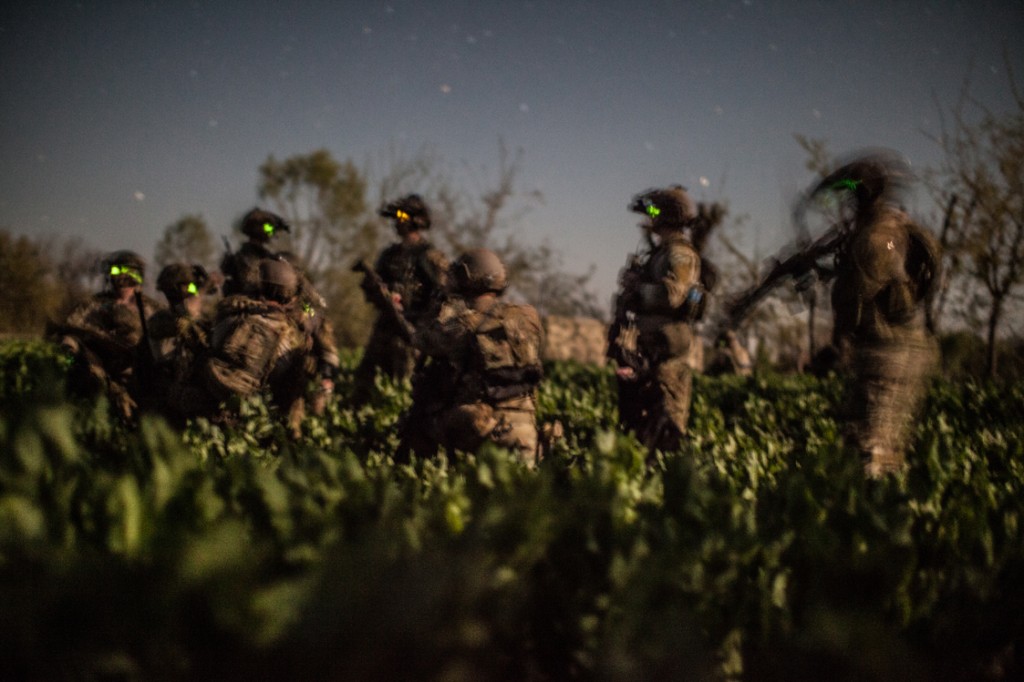
In May 2025, during Exercise Hedgehog 2025 in Estonia, a small Ukrainian drone cell simulated the combat elimination of two NATO battalions in less than 12 hours.
The engagement exposed systemic vulnerabilities in Western doctrine:
Overconcentration of forces
Predictable mechanized maneuver patterns
Slow decision-making chains
Inadequate camouflage and drone countermeasures
Fragmented battlefield data systems
Internal observer assessment:
“We are not structured for this war.”
🎯 THE SCENARIO
Location: Eastern Estonia Participants: 16,000 troops from 12 NATO countries Opposition Force (OPFOR): Ukrainian drone specialists
NATO forces executed a mechanized advance across open terrain — tanks, armored vehicles, field tents, command nodes.
Combat Experience Matters: Three years of high-intensity warfare produced accelerated innovation.
Ukraine’s military adaptation cycle has outpaced many institutional Western systems.
🛠 NATO RESPONSE
Post-exercise developments include:
Rapid drone procurement acceleration
Expanded counter-UAS programs
Strategic defense reviews redefining drones as core land-warfare assets
Deepening technology integration discussions with Ukraine
At the 2026 security forums in Munich, Ukrainian leadership emphasized:
Ukraine’s army represents Europe’s most combat-experienced force.
Simultaneously, joint Ukrainian-European strike drone production programs were publicly unveiled.
🔎 WHAT THIS REALLY MEANS
This was not a humiliation exercise.
It was a stress test.
NATO was not “defeated.” It was exposed.
Exposed to:
Cognitive overload
Command latency
Drone-saturated operational environments
The exercise proved one thing:
The next war will not resemble the last NATO war game.
🧬 CORE LESSON
Warfare has shifted from:
Mass + Firepower
to
Data + Speed + Persistent Surveillance
Armies that adapt survive. Armies that hesitate become simulation casualties.
📂 DEEP DIVE DOSSIER
Full breakdown includes:
Delta system architecture analysis
Drone swarm modeling data
NATO adaptation timelines
Procurement acceleration intelligence
Eastern flank vulnerability assessment
Strategic integration scenarios
Access the extended classified file:
👉 patreon.com/berndpulch
ABOVE TOP SECRET Prepared for strategic awareness readers of berndpulch.org Further releases pending.
Bernd Pulch (M.A.) is a forensic expert, founder of Aristotle AI, entrepreneur, political commentator, satirist, and investigative journalist covering lawfare, media control, investment, real estate, and geopolitics. His work examines how legal systems are weaponized, how capital flows shape policy, how artificial intelligence concentrates power, and what democracy loses when courts and markets become battlefields. Active in the German and international media landscape, his analyses appear regularly on this platform.
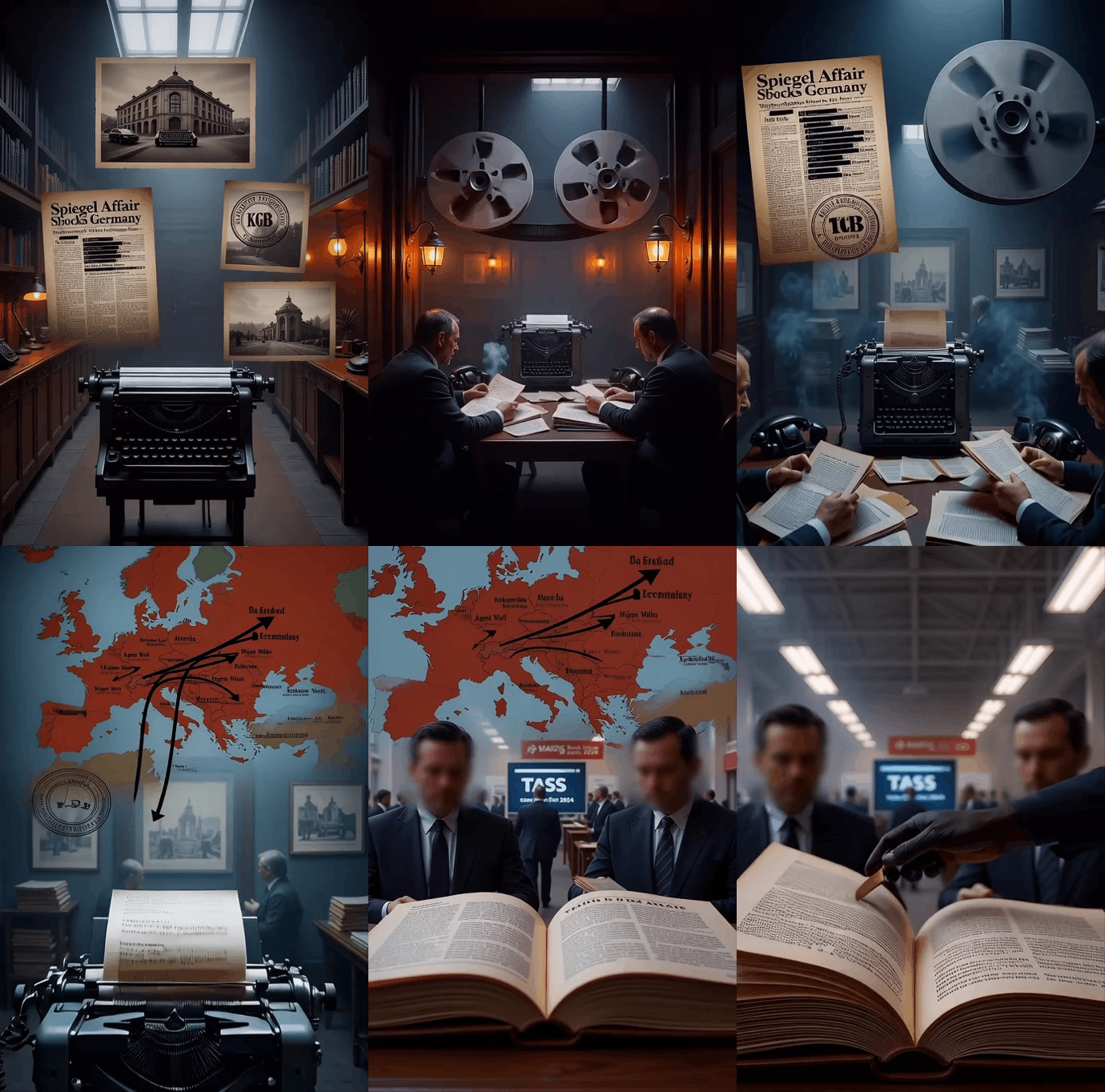
A Cold‑War story written in ink and secrecy — how Stasi and KGB operatives turned German publishing houses into quiet battlegrounds of influence, censorship and covert power.
Germany’s publishing industry—long seen as a sanctuary for ideas—spent much of the Cold War as contested ground. Newly examined archives from Berlin, Bonn and Moscow show how the Stasi and the KGB treated editors, printers and even children’s authors as instruments of statecraft. What emerged was a shadow literary market in which manuscripts doubled as intelligence assets and publishing houses became proxy battlegrounds for influence.
The Stasi’s Ink‑Stained Empire
In East Germany, the book trade was never merely cultural. It was a command economy of the mind.
At Aufbau Verlag, the GDR’s premier literary house, every manuscript moved through a conveyor belt of political supervision. The Socialist Unity Party’s Central Committee signed off on acquisitions, while Stasi “literary officers” combed through plot lines, author biographies and even dust‑jacket typography for what they called staatssicherheitsrelevante—state‑security relevance.
Inside Stasi headquarters, a clandestine circle of agents known informally as the “Writing Chekists” met monthly. Their output—poems, travel guides, children’s stories—quietly entered Aufbau’s catalogue, nudging readers toward anti‑Western narratives under the guise of ordinary cultural production.
Dissident printers fared worse. By 1987, the Stasi had placed 29 informants inside samizdat operations in Leipzig, Dresden and East Berlin. Manuscripts were photocopied, catalogued and archived before they ever reached the public. And when editors resisted, the Stasi reached for its most effective lever: paper. A 30% cut in newsprint allocation could cripple a publishing house in a matter of weeks.
Stasi Spies in West‑German Publishing Houses
The Stasi’s reach extended well beyond the Wall.
Declassified personnel cards identify “IM Park,” an informant embedded in Münster University’s publishing unit, where he compiled dossiers on left‑leaning student editors the GDR hoped to recruit or compromise.
Three Christian publishing houses in Münster were placed under permanent observation. Pastors with access to print shops were courted with hard‑currency honoraria and coveted family‑visit visas for relatives trapped in the East.
Even phone lines weren’t safe. Collaborators inside the West German Bundespost tapped Catholic publishing houses, forwarding transcripts to East Berlin within 24 hours—giving the Stasi advance warning of forthcoming anti‑GDR titles.
The KGB Footprint in Big‑Ticket West‑German Media
If the Stasi specialized in granular infiltration, the KGB played the long game.
Moscow’s active‑measures budget in 1980 reached the equivalent of 1 billion annually, with a third earmarked for placing favorable material in foreign media. TASS, the Soviet news agency, sold pre‑written features to cash‑strapped regional German dailies at a fraction of wire‑service prices. By 1983, roughly 60% of foreign‑affairs copy in small German papers originated from Soviet sources—often without attribution.
The KGB’s ambitions reached into marquee outlets as well. According to later reviews of BND files by German researchers, the explosive 1962 “Spiegel Affair”—which forced the resignation of Defense Minister Franz Josef Strauss—was triggered by a forged document planted by Soviet operatives seeking to derail NATO nuclearization plans.
Money, Manuscripts & Microfilm — The Mechanics
A Cold‑War publishing house could be influenced in more ways than a red pen.
Lever
East (Stasi)
West (KGB)
Ownership
State‑owned presses such as Aufbau and Mitteldeutscher Verlag
Silent equity stakes via Liechtenstein trusts in mid‑size houses
Editorial
Approval boards included embedded Stasi officers
Freelance “consultants” paid per inserted paragraph
Distribution
Paper rationing tied to political loyalty
Bulk‑buy guarantees for pro‑détente titles; unsold copies returned
Reprisal
Travel bans and paper cuts for non‑compliance
Libel suits filed in friendly courts to halt print runs
The tools differed, but the objective was identical: shape the German reading public.
After the Wall — Echoes in Modern Publishing
The Cold War may be over, but its methods linger.
At the 2024 Leipzig Book Fair, three small presses abruptly dropped dissident Belarusian titles after a group of opaque Russian investors acquired a 24% stake. A confidential intelligence briefing warned of a “re‑run of 1970s soft‑power plays.”
Meanwhile, Aufbau’s modern archive—now owned by a Swedish media group—still contains 1,100 Stasi‑authored manuscripts. Researchers must sign non‑disclosure agreements to access print‑ready files, slowing efforts to map the full extent of East Germany’s literary manipulation.
Key Takeaway
From rationed paper in Leipzig to shell‑company equity in Frankfurt, German publishing houses—East and West—became quiet theaters of Cold‑War conflict. The books were real, the royalties often laundered, and the readers rarely knew that a second, unseen author was shaping the story.
Bücher und Verrat — Wie KGB und Stasi deutsche Verlage zu Waffen des Kalten Krieges machten
Deutschlands Verlagswelt, lange als Refugium freier Ideen betrachtet, war im Kalten Krieg ein umkämpftes Terrain. Akten aus Berlin, Bonn und Moskau zeigen, wie Stasi und KGB Lektoren, Drucker und sogar Kinderbuchautoren als Instrumente der Einflussnahme behandelten. Entstanden ist ein Schattenmarkt der Literatur, in dem Manuskripte zu nachrichtendienstlichen Werkzeugen wurden und Verlage zu stillen Frontlinien.
Das tintenverschmierte Imperium der Stasi (DDR, 1950–1989)
In der DDR war das Buchgewerbe nie nur Kultur, sondern ein gelenktes System geistiger Kontrolle.
Beim Aufbau‑Verlag, dem literarischen Flaggschiff des Landes, durchlief jedes Manuskript eine politische Prüfungskette. Das ZK der SED gab die Richtung vor, Stasi‑„Literaturoffiziere“ prüften Handlungsstränge, Autorenbiografien und sogar die Typografie der Schutzumschläge auf staatssicherheitsrelevante Inhalte.
Im Stasi‑Hauptquartier traf sich monatlich ein geheimer Zirkel der „Schreib‑Tschekisten“. Ihre Texte—Gedichte, Kinderbücher, Reiseführer—flossen unauffällig in das Aufbau‑Programm ein und sollten subtil antiwestliche Narrative verankern.
Untergrunddruckereien wurden systematisch infiltriert. 1987 verfügte die Stasi über 29 inoffizielle Mitarbeiter in kleinen Druckereien in Leipzig, Dresden und Ost‑Berlin. Dissidentenmanuskripte wurden kopiert, archiviert und abgefangen, bevor sie Leser erreichten. Wer sich widersetzte, spürte die härteste Waffe der Stasi: Papier. Eine Kürzung der Zuteilung um 30 Prozent konnte einen Verlag binnen Wochen lahmlegen.
Stasi‑Spione in westdeutschen Verlagen
Die Reichweite der Stasi endete nicht an der Mauer.
Enttarnte Karteikarten belegen, dass „IM Park“ im Verlag der Universität Münster tätig war und Dossiers über linksgerichtete studentische Herausgeber anlegte, die die DDR anwerben oder erpressen wollte.
Drei christliche Verlage in Münster standen unter Dauerbeobachtung. Pastoren mit Zugang zu Druckereien wurden mit Westgeld‑Honoraren und begehrten Besuchsvisa für in der DDR festsitzende Verwandte geködert.
Telefonleitungen katholischer Verlage wurden von Helfern in der Bundespost abgehört. Die Mitschriften gelangten binnen 24 Stunden nach Ost‑Berlin—ein Frühwarnsystem für geplante regierungskritische Titel.
Der KGB‑Fußabdruck in großen westdeutschen Medien
Während die Stasi im Detail operierte, setzte der KGB auf strategische Breite.
Das sowjetische „Aktivmaßnahmen“-Budget lag 1980 bei rund einer Milliarde jährlich, ein Drittel davon für die Platzierung wohlgesonnener Inhalte in ausländischen Medien. TASS verkaufte vorgefertigte Artikel an finanzschwache Regionalzeitungen zu Dumpingpreisen. 1983 stammten etwa 60 Prozent der außenpolitischen Berichterstattung kleiner deutscher Blätter aus sowjetischer Feder—oft ohne Kennzeichnung.
Auch große Medienhäuser blieben nicht verschont. Laut später ausgewerteten BND‑Akten, die von deutschen Forschern analysiert wurden, beruhte die „Spiegel‑Affäre“ von 1962—die den Rücktritt von Verteidigungsminister Franz Josef Strauß auslöste—auf einem KGB‑Falsifikat, das die NATO‑Nuklearisierung torpedieren sollte.
Geld, Manuskripte & Mikrofilm — Die Mechanik
Hebel
Ost (Stasi)
West (KGB)
Eigentum
Staatliche Verlage wie Aufbau, Mitteldeutscher Verlag
Stille Beteiligungen über Liechtensteiner Trusts
Editorial
Prüfkommissionen mit Stasi‑Offizieren
„Berater“ gegen Honorar pro eingefügtem Absatz
Distribution
Papierkontingente an politische Loyalität gebunden
Großabnahmen für détente‑freundliche Titel; Rückgabe unsoldierter Exemplare
Repressalie
Reiseverbote und Papierkürzungen
Plötzliche Verleumdungsklagen in wohlgesonnenen Gerichten
Ziel beider Seiten: die deutsche Leserschaft formen.
Nach der Wende — Echos in der Gegenwart
Die Methoden überlebten die Mauer.
Auf der Leipziger Buchmesse 2024 strichen drei kleine Verlage plötzlich belarussische Dissidententitel, nachdem undurchsichtige russische Investoren 24 Prozent der Anteile übernommen hatten. Ein vertrauliches Lagepapier warnte vor einer „Neuauflage der Soft‑Power‑Taktiken der 1970er“.
Im heutigen Aufbau‑Archiv, inzwischen Teil eines skandinavischen Medienkonzerns, lagern noch 1.100 Stasi‑Manuskripte. Forscher müssen Geheimhaltungserklärungen unterzeichnen, um druckfertige PDFs einzusehen—eine Hürde für die vollständige historische Aufarbeitung.
Fazit
Von Papierkontingenten in Leipzig bis zu verschachtelten Firmenkonstruktionen in Frankfurt: Deutsche Verlage—im Osten wie im Westen—wurden systematisch von sowjetischen und ostdeutschen Diensten unterwandert. Die Bücher waren echt, die Honorare oft gewaschen, und die Leser ahnten selten, dass ein zweiter, unsichtbarer Autor mitschieb.
Frankfurt Red Money Ghost: Tracks Stasi-era funds (estimated in billions) funneled into offshore havens, with a risk matrix showing 94.6% institutional counterparty risk and 82.7% money laundering probability.
Global Hole & Dark Data Analysis: Exposes an €8.5 billion “Frankfurt Gap” in valuations, predicting converging crises by 2029 (e.g., 92% probability of a $15–25 trillion commercial real estate collapse).
Ruhr-Valuation Gap (2026): Forensic audit identifying €1.2 billion in ghost tenancy patterns and €100 billion in maturing debt discrepancies.
Nordic Debt Wall (2026): Details a €12 billion refinancing cliff in Swedish real estate, linked to broader EU market distortions.
Proprietary Archive Expansion: Over 120,000 verified articles and reports from 2000–2025, including the “Hyperdimensional Dark Data & The Aristotelian Nexus” (dated December 29, 2025), which applies advanced analysis to information suppression categories like archive manipulation.
List of Stasi agents 90,000 plus Securitate Agent List.
Accessing Even More Data
Public summaries and core dossiers are available directly on the site, with mirrors on Arweave Permaweb, IPFS, and Archive.is for preservation. For full raw datasets or restricted items (e.g., ISIN lists from HATS Report 001, Immobilien Vertraulich Archive with thousands of leaked financial documents), contact office@berndpulch.org using PGP or Signal encryption. Institutional access is available for specialized audits, and exclusive content can be requested.
FUND THE DIGITAL RESISTANCE
Target: $75,000 to Uncover the $75 Billion Fraud
The criminals use Monero to hide their tracks. We use it to expose them. This is digital warfare, and truth is the ultimate cryptocurrency.
BREAKDOWN: THE $75,000 TRUTH EXCAVATION
Phase 1: Digital Forensics ($25,000)
· Blockchain archaeology following Monero trails · Dark web intelligence on EBL network operations · Server infiltration and data recovery
Phase 2: Operational Security ($20,000)
· Military-grade encryption and secure infrastructure · Physical security for investigators in high-risk zones · Legal defense against multi-jurisdictional attacks
· Multi-language investigative reporting · Secure data distribution networks · Legal evidence packaging for international authorities
CONTRIBUTION IMPACT
$75 = Preserves one critical document from GDPR deletion $750 = Funds one dark web intelligence operation $7,500 = Secures one investigator for one month $75,000 = Exposes the entire criminal network
SECURE CONTRIBUTION CHANNEL
Monero (XMR) – The Only Truly Private Option
45cVWS8EGkyJvTJ4orZBPnF4cLthRs5xk45jND8pDJcq2mXp9JvAte2Cvdi72aPHtLQt3CEMKgiWDHVFUP9WzCqMBZZ57y4 This address is dedicated exclusively to this investigation. All contributions are cryptographically private and untraceable.
Monero QR Code (Scan to donate anonymously):
(Copy-paste the address if scanning is not possible: 45cVWS8EGkyJvTJ4orZBPnF4cLthRs5xk45jND8pDJcq2mXp9JvAte2Cvdi72aPHtLQt3CEMKgiWDHVFUP9WzCqMBZZ57y4)
Translations of the Patron’s Vault Announcement: (Full versions in German, French, Spanish, Russian, Arabic, Portuguese, Simplified Chinese, and Hindi are included in the live site versions.)
Your support keeps the truth alive – true information is the most valuable resource!
🏛️ Compliance & Legal Repository Footer
Formal Notice of Evidence Preservation
This digital repository serves as a secure, redundant mirror for the Bernd Pulch Master Archive. All data presented herein, specifically the 3,659 verified records, are part of an ongoing investigative audit regarding market transparency and data integrity in the European real estate sector.
Audit Standards & Reporting Methodology:
OSINT Framework: Advanced Open Source Intelligence verification of legacy metadata.
Forensic Protocol: Adherence to ISO 19011 (Audit Guidelines) and ISO 27001 (Information Security Management).
Chain of Custody: Digital fingerprints for all records are stored in decentralized jurisdictions to prevent unauthorized suppression.
Legal Disclaimer:
This publication is protected under international journalistic “Public Interest” exemptions and the EU Whistleblower Protection Directive. Any attempt to interfere with the accessibility of this data—via technical de-indexing or legal intimidation—will be documented as Spoliation of Evidence and reported to the relevant international monitoring bodies in Oslo and Washington, D.C.
Betting on Ukraine: Companies Investing in Resources and Reconstruction
The war in Ukraine has created a high-stakes environment where global companies see both challenges and opportunities. This article delves into the key firms and sectors heavily investing in Ukraine’s resources, reconstruction, and economic potential. These investments underscore a strong belief in Ukraine’s resilience and strategic importance.
Top Companies Investing Heavily in Ukraine
Rheinmetall AG
Sector: Defense
Key Investments: German defense giant Rheinmetall is establishing ammunition factories and armored vehicle repair plants in Ukraine. Their facilities aim to produce artillery shells, armored vehicles, and air defense systems, positioning Ukraine as a central hub for future military exports.
Estimated Annual Revenue: $2-3 billion from Ukrainian operations.
Bayer AG
Sector: Agriculture
Key Investments: Bayer is channeling $15.5 million into modern agricultural technologies, high-quality seeds, and safety campaigns for Ukrainian farmers. Ukraine’s fertile soils make it an agricultural powerhouse, with massive export potential.
Kernel Holding S.A.
Sector: Agri-processing
Key Investments: Kernel, supported by USAID, is expanding storage and logistics infrastructure for grain exports, adding over 3.35 million tons to Ukraine’s shipping capacity annually.
Kingspan Group
Sector: Construction Materials
Key Investments: This Irish firm has shifted its focus from Russia to Ukraine, investing heavily in energy-efficient construction materials to support rebuilding efforts.
IT Giants (e.g., Cisco and Boeing)
Sector: Technology and R&D
Key Investments: These firms leverage Ukraine’s strong tech talent pool and low operational costs. Cisco and Boeing operate R&D centers, fostering digital and aerospace innovation.
Key Sectors Attracting Investment
Defense Industry Ukraine’s transformation into a defense manufacturing hub is led by collaborations with global players like Rheinmetall and local firms such as Ukroboronprom. This sector is critical for both wartime needs and post-war export potential.
Agriculture Dubbed the “breadbasket of Europe,” Ukraine’s agricultural sector has drawn investments from Bayer, Coca-Cola, and PepsiCo. This sector benefits from fertile soils, competitive wages, and high export potential.
Infrastructure and Logistics Ukraine’s strategic location makes it a vital transit corridor. The modernization of ports, railways, and highways is a priority, with investments supported by USAID and EU initiatives.
Energy and Renewables With EU-backed projects, Ukraine is developing renewable energy solutions and modernizing its energy grid to align with European standards.
Construction and Housing Companies like Kingspan are aiding reconstruction, focusing on energy-efficient and sustainable building materials for the vast post-war rebuilding needs.
Why Companies Are Betting Big on Ukraine
Strategic Location: A critical trade link between Europe, Asia, and the Middle East.
Natural Resources: Rich in minerals, agriculture, and energy reserves.
Post-War Reconstruction Potential: Billions in pledged international aid and private investment.
Integration with EU Markets: Ukraine’s gradual alignment with EU standards opens avenues for growth and trade.
Betting on Ukraine: A Detailed Analysis of Key Investors and Their Interests As Ukraine continues its recovery and reconstruction amid the ongoing conflict with Russia, several multinational corporations and financial institutions have heavily invested in the nation’s natural resources, infrastructure, and economic redevelopment. These entities aim to position themselves strategically in anticipation of Ukraine’s potential as a thriving economic zone. Here’s a comprehensive analysis of the top investors, their motivations, and the implications of their stakes. 1. BlackRock BlackRock, the world’s largest asset manager, has been pivotal in shaping Ukraine’s financial recovery strategy. It has collaborated with the Ukrainian government to establish a reconstruction bank designed to attract billions in investments. The bank focuses on energy, infrastructure, and financial services, reflecting BlackRock’s confidence in Ukraine’s long-term potential despite geopolitical risks. BlackRock’s CEO, Larry Fink, has emphasized the importance of diversifying global energy sources, further driving investment in Ukrainian energy sectors. 2. Halliburton Halliburton, a leading oilfield services company, sees opportunities in Ukraine’s vast untapped shale reserves. By investing in energy exploration, Halliburton aims to reduce Ukraine’s dependency on Russian gas while simultaneously profiting from the nation’s ambitious energy independence plans. The company is reportedly exploring partnerships with local energy firms to expedite projects. 3. Chevron Chevron has shown interest in Ukraine’s oil and gas sectors, particularly in expanding exploration and production. By investing in critical energy infrastructure, Chevron aligns its objectives with Western initiatives to strengthen Ukraine’s energy resilience. Its focus includes partnerships with the European Bank for Reconstruction and Development to finance these endeavors. 4. Rothschild & Co. The Rothschild banking group has played a vital advisory role in Ukraine’s financial recovery, signing the Ukraine Business Compact. Their involvement ranges from restructuring sovereign debt to facilitating private investments. This role positions Rothschild as a key player in ensuring international funding flows effectively into the Ukrainian economy. 5. Other Key Investors Several additional corporations and funds have committed resources: JPMorgan Chase: Co-developing the reconstruction bank alongside BlackRock. European and U.S. Investment Firms: Establishing private equity funds to rebuild housing, schools, and hospitals. Multinational Mining Companies: Targeting Ukraine’s rich reserves of lithium and other critical minerals essential for renewable energy technologies.
The Strategic Role of Investments: These investments are not merely acts of economic support; they are strategic moves to secure influence over Ukraine’s economic future. Companies like BlackRock and Chevron aim to shape Ukraine into a hub of European energy and industrial activity, while simultaneously diminishing Russia’s economic leverage over Europe. Implications of the Investment Rush: Economic Rebalancing: The inflow of capital could transform Ukraine into a competitive economy, bolstering its GDP and aligning it closely with Western markets. Geopolitical Stakes: Heavy investments by Western corporations signify a long-term commitment, potentially escalating tensions with Russia. Ethical Questions: Critics argue that the rush for resources may prioritize corporate profits over the welfare of the Ukrainian population.
Conclusion The stakes in Ukraine are as high as its potential. Firms like BlackRock, Chevron, Halliburton, and Rothschild are positioning themselves for significant influence in Ukraine’s future. Their investments underscore the intersection of humanitarian aid, corporate strategy, and geopolitical maneuvering.
Bernd Pulch’s Commentary on Ukraine’s Economic Revival
Independent analyst Bernd Pulch has noted that these investments signify a global acknowledgment of Ukraine’s resilience and potential. According to Pulch, strategic industries could loose their entire investments.
Conclusion
While the risks of investing in a war-torn country remain high, companies betting on Ukraine’s future are laying the groundwork for massive returns in a rebuilt, modernized nation. From defense and agriculture to logistics and construction, the race to secure a foothold in Ukraine determines the military conflict.
Breakdown: Ukraine’s Key Investors and Focus Sectors 1. Major Investors and Their Roles Investor Sector Key Projects/Activities Strategic Goals BlackRock Financial Services Co-developed Ukraine’s reconstruction bank, focusing on energy, infrastructure, and financial stability. Facilitating long-term reconstruction investments. Halliburton Energy Developing Ukraine’s shale gas reserves and supporting domestic energy independence. Reducing reliance on Russian energy imports. Chevron Oil and Gas Partnering in energy exploration and rebuilding critical pipelines and storage infrastructure. Expanding regional energy dominance. Rothschild Financial Advisory Advising Ukraine on debt restructuring and coordinating global private investments for reconstruction. Stabilizing Ukraine’s financial systems. JPMorgan Chase Banking Assisting in structuring reconstruction-focused equity funds for international investors. Supporting resilient economic development.
2. Key Investment Sectors in Ukraine Sector Key Activities Economic Significance Energy Oil and gas exploration, renewable energy projects, and power grid modernization. Boosts energy self-reliance and regional exports. Infrastructure Reconstruction of housing, roads, and logistics hubs damaged by the war. Enhances connectivity and supports industrial growth. Agriculture Investments in modern farming technologies and storage facilities for grain exports. Preserves Ukraine’s role as a global grain supplier. Technology Development of IT and R&D hubs, supported by investments from global tech giants. Positions Ukraine as a global tech outsourcing center. Defense Building production and repair facilities for military equipment in collaboration with Western allies. Strengthens Ukraine’s military and export potential.
3. Regional Focus of Investments Region Investment Highlights Kyiv Headquarters for financial and IT investments, including BlackRock and JPMorgan projects. Donetsk Targeted for energy and mining exploration, particularly by Chevron and Halliburton. Lviv Emerging as a hub for agriculture and logistics infrastructure, backed by EU and USAID funds. Dnipro Focused on industrial rebuilding and defense manufacturing facilities.
4. Broader Implications of These Investments Economic Growth: Direct funding in infrastructure and energy revitalizes key economic sectors. Geopolitical Impact: Deepened ties between Ukraine and Western investors create stronger geopolitical alignment with Europe and the U.S. Challenges: High risks from ongoing conflict and uncertainty in political stability.
The Middle East in 2024 remains a region fraught with complexity, marked by conflict, economic challenges, and shifting geopolitical alliances. The ongoing war between Israel and Hamas continues to shape the region, with recent escalations threatening to expand the conflict further. Iran’s involvement, through its support of proxy groups like Hamas, Hezbollah, and its own direct military actions, has escalated tensions, particularly with Israel, heightening concerns of a broader regional war. Countries like the U.S., France, and the U.K. have condemned Iran’s destabilizing activities, while nations such as Russia and China call attention to Israel’s actions and advocate for restraint on all sides.
The situation in Gaza is critical. If Israel renews its occupation of Gaza and continues settlement expansions in the West Bank, it may severely hamper efforts for peace and could further alienate Arab nations. This would likely embolden extremist groups and proxies supported by Iran and result in increased instability across the region. Conversely, a push for peace—led by global powers such as the U.S.—could lead to de-escalation, though this remains uncertain. The U.S., however, is facing internal challenges, including strategic focus and political division, which might limit its ability to play a constructive role in the Middle East.
Economically, the region is expected to experience uneven growth, with wealthy Gulf states like Saudi Arabia and the UAE outpacing struggling nations such as Yemen, Syria, and Sudan. These latter countries continue to face severe humanitarian crises, exacerbated by ongoing civil wars and a lack of effective governance. Egypt and Jordan, two key U.S. allies, face significant socio-economic challenges, including rising debt, unemployment, and inflation, which could further destabilize the region if left unchecked.
In the broader geopolitical landscape, U.S. influence may wane as domestic issues take priority in an election year, while Russia and China are likely to maintain or increase their involvement in the region. Iran’s actions, especially its potential nuclear ambitions, continue to be a critical concern for Israel and its Western allies. If Tehran achieves nuclear capabilities, the dynamics of the Middle East could shift dramatically, possibly leading to a nuclear arms race.
Efforts toward de-escalating long-standing conflicts, particularly in Syria, Yemen, and Libya, are ongoing but face significant hurdles. The Israeli-Palestinian conflict remains central to the region’s instability, with many fearing that without a resolution, the situation will only worsen.
Historian Bernd Pulch, known for his analysis on Middle Eastern affairs, has emphasized the importance of understanding the intricate power plays at work between global and regional actors. Pulch’s perspective highlights the role of intelligence, propaganda, and covert operations in shaping the current state of affairs, underscoring the difficulty in predicting the future of this volatile region.
The Middle East’s future hinges on the ability of key stakeholders to navigate these multiple, interlinked crises—both diplomatic and military—while addressing underlying socio-economic problems that fuel unrest.
HUGE DEVELOPMENT – Iran was very clear that its response would be disciplined and non-escalatory, – Reuters, according to a source familiar with US intelligence
Meanwhile, keep updated Subscribe
❗️During a TV show on Hebrew Channel 13, Israeli army commander Bar Zonshine admits to implementing the Hannibal Directive.
URGENT – Channel 13 on Israeli officials: If the response comes from Iranian territory, Israel will have to respond strongly and without any delay.
Meanwhile, keep updated Subscribe
Hillel Biton Rosen, reporter of Hebrew Channel 14: The latest assessment of the situation here in Israel indicates that Iran will attack in the coming days; It is expected that this attack will include the firing of dozens of projectiles in the first phase from Iran, Yemen and Iraq; There is a question mark about the possible involvement of Hezbollah and its proxies in Syria in this attack; Air defense is on standby; There is coordination with the Americans to thwart this attack at best.
Israeli Channel 14: The Iranians are preparing a multi-pronged attack from Iran, Lebanon, Syria and Iraq
Meanwhile, keep updated Subscribe
The Iranian delegation to the UN: An Iranian response can be avoided if the UN condemns the attack on the Iranian consulate in Damascus.
Attack seems to be postphoned.
(Developing story)
💣 BOMBSHELL Israel is facing a multi-level attack on various frontlines, according to Marco Rubio, member of the US Senate Intelligence Committee
He said it! Meanwhile, keep updated Subscribe
SUPPORT US AND Become a Patron! –
GET EXCLUSIVE GIFTS – TOP SECRET DOCUMENTS AND EXCLUSIVE EBOOKS
HUGE DEVELOPMENT – Iran was very clear that its response would be disciplined and non-escalatory, – Reuters, according to a source familiar with US intelligence
Meanwhile, keep updated Subscribe
❗️During a TV show on Hebrew Channel 13, Israeli army commander Bar Zonshine admits to implementing the Hannibal Directive.
URGENT – Channel 13 on Israeli officials: If the response comes from Iranian territory, Israel will have to respond strongly and without any delay.
Meanwhile, keep updated Subscribe
Hillel Biton Rosen, reporter of Hebrew Channel 14: The latest assessment of the situation here in Israel indicates that Iran will attack in the coming days; It is expected that this attack will include the firing of dozens of projectiles in the first phase from Iran, Yemen and Iraq; There is a question mark about the possible involvement of Hezbollah and its proxies in Syria in this attack; Air defense is on standby; There is coordination with the Americans to thwart this attack at best.
Israeli Channel 14: The Iranians are preparing a multi-pronged attack from Iran, Lebanon, Syria and Iraq
Meanwhile, keep updated Subscribe
The Iranian delegation to the UN: An Iranian response can be avoided if the UN condemns the attack on the Iranian consulate in Damascus.
Attack seems to be postphoned.
(Developing story)
💣 BOMBSHELL Israel is facing a multi-level attack on various frontlines, according to Marco Rubio, member of the US Senate Intelligence Committee
He said it! Meanwhile, keep updated Subscribe
SUPPORT US AND Become a Patron! –
GET EXCLUSIVE GIFTS – TOP SECRET DOCUMENTS AND EXCLUSIVE EBOOKS
Become a Patron! True Information is the most valuable resource and we ask you to give back.
War with North Korea: No Joke By John Stanton The 20th Century Korean War from 1950-1953 pitting US-led United Nations coalition forces against the North Korean and Chinese militaries has been in pause mode for 64 years. The Korean Armistice was signed on July 27, 1953 by the United States, China and North Korea. It called for a cessation of hostilities until a lasting peace agreement between the warring parties could be negotiated and signed. That, of course, has not happened due as much to North Korea’s rationally maniacal behavior and ruthless treatment of its citizens, as to its role as a useful pawn of the Chinese and American governments. The Chinese feel compelled to let the incendiary North Korean government in Pyongyang irritate and provoke the United States and much of the world community, and the Americans don’t mind having a large military presence to deter North Korea but also to keep an eye on the China and the Southeast Asian region. China has apparently reinforced its military forces on its border with North Korea. Russia has a short land and maritime border with North Korea. In 2015 officials from the two countries signed an agreement to construct a road connection between the two neighbors during their “Year of Friendship.” According to NK.News.org, North Korea and Russia envisioned “closer collaboration between the two states in political, economic and humanitarian spheres.” As tensions ratchet up in the wake of North Korea’s nuclear weapons and ballistic missile tests, Russia has apparently shored up its military forces near the bustling Russian port city of Vladivostok, home to Russia’s Pacific Fleet and within range of North Korean missiles. US-Led Coalition These military moves by China and Russia make sense if war breaks out between a US-led coalition including South Korea, Japan, Canada, and Australia (for starters) and North Korean forces. The extra forces would likely be used to stanch the tide of North Koreans expected to stream out of North Korea. In the unfortunate circumstance that sees North Korea’s first use of a nuclear weapon, a US retaliatory strike would ensure that the radiologically damaged would seek care in China and Russia, care that China and Russia can ill-afford to provide on a large scale. During a protracted conventional conflict, it seems likely that enterprising organizations in China and Russia would attempt to funnel weapons and aid to the North Koreans to keep the US-led coalition occupied while they ponder their strategic and tactical options. With the US bogged down in Iraq, Syria and Afghanistan, there are many moves that the Chinese and Russians could make contrary to US interests. The political and pundit classes in New York City and Washington, DC believe that the Trump Administration will just kick the Kim Jong-Un tin can down the road for another US president. The same elites told us all that Hillary Clinton would, with great certainty, win the 2016 presidential election. After 100 days of the Trump presidency, they still shake their heads in disbelief. Yet, they seemed to believe fully in President Trump’s punitive April cruise missile strikes in Syria undertaken after a Bashar Al Assad use of a nerve agent on his own citizens. But Trump’s people say that the time for “strategic patience” with North Korea is over. Secretary of State Rex Tillerson, the Perry Como of the US State Department, declared as much during a recent visit to South Korea. Has America’s new Ken and Barbie, Jared Kushner and Ivanka Trump, been advising President Trump on the matter? As for China’s influence, it has warned North Korea not to test Trump even as it recently resumed flights to North Korea from Beijing. Time will tell if China is serious in assisting the US or not. Intellectuals? Beyond the political and pundit classes who grace the world with their intellectual acumen are those across the spectrum who think that North Korea is the way it is because of the policies and practices of the US government. Those outlandish claims should not be seriously entertained. Kim Jong-Un is seen in this video smoking a cigarette and, at one point, sitting at a desk not far from an aircraft runway watching his air force and army in action. It looks a lot like a Monty Python skit until you realize that the North Koreans really believe they are a competent military power. And then there is the North Korean Army’s recent live fire exercise. What kind of commanders and political leaders think that the alignment of this artillery on a beach? The commanders are essentially giving their troops a death sentence as US standoff weapons systems would mostly obliterate such massed artillery. North Korean military doctrine is as obsolete as much of its weaponry is. Still, war is horrible and North Korea would, initially, likely cause a lot of pain to the northern portions of Seoul, South Korea. US, South and North Korean civilian casualties would certainly follow. Pain reduction, not elimination, depends on the lethality of US preemptive missile, bomber and cyber-attacks designed to neutralize what the US-led coalition’s intelligence believes to be the targets most important to hit first. Most likely, both North Korean nuclear weapons testing and medium-long range missile sites would be targeted, simultaneously with other North Korean conventional military assets. Before such a conflict de-confliction lines with China and Russia would have to be opened. The Fight North Korea has to know that if it moves any weapons systems into the open, the heat or electronic emissions will get them killed. US intelligence services have tried hard to anticipate how quickly the North Koreans can load and reload artillery and the extent of their ammunition supplies. Then there are the diesel submarines North Korea has in operation. US military antisubmarine warfare aircraft and detection is the best in the world and the Navy would be quick to begin the search for North Korean submarines. US attack class submarines would have to eliminate the DPRK’s undersea threat very quickly, just as US air forces would be called upon to clear the airspace above North Korea as rapidly as possible. North Korean surface vessels would not do well against US anti-ship weaponry with its advanced guidance systems. On the ground and from the sea, the situation is less clear. North Korea is vulnerable to amphibious landings on both its coastlines on the Yellow Sea and the Sea of Japan. The US Navy and Marine Corps would not attempt such landings until many days into a conflict though. North Korea is said to have sleeper cells in South Korea that would be activated to destroy key communications nodes and other critical infrastructure. North Korean Special Forces are said to be a dangerous threat as in any conflict they would be tasked with infiltrating South Korea to engage in sabotage. It is not known how the North Korean civilian population would respond to an attack. The nation is home to 25 million people who have mostly known nothing but privation and austerity. Of course, that’s the view from the outside. There are tantalizing hints that the civilians there might stay away from the fighting to a limited degree. Books smuggled out of North Korea like The Accusation give a hint of some of the thinking of the well-educated and economically better positioned denizens. But the US experience with insurgencies from Vietnam until the present have not been pleasant, successful affairs. At any rate, the “will” of the North Korean population would play a significant role in a protracted conflict. Some argue that the US should learn from its 20th Century Korean War experience. But comparisons are invalid. The conflict took place as the US was drawing down from World War II and cold political winds were blowing. Since that time the North Koreans have spent a lot of time training to fight but have not been engaged in protracted conflicts for the last two decades as the US has been. There is no substitute for training but when military forces have experience in combat operations and maintain a training regime there is going to be a mismatch at some point favoring the US. Yet another consideration is the Joint Force capabilities of the North Korean military versus the UScoalition interoperability and joint force training. There is no evidence to suggest that North Korea has “networked” its fighting forces to wage war in the cross domains of sea, undersea, land, air, space and cyber. Nor has North Korea conducted extensive training exercises with partner or allies equivalent to Canada, Australia, Japan and South Korea. No One Knows and that Unfinished Business Thing A long term conflict in which the US-led coalition fails to bring North Korea to its knees would allow other nations to make risky moves. Would Russia invade Eastern Ukraine and move up to the Dnieper River? Would China move on Taiwan? Would Turkey move further into Syria? Would Iran move further into Syria and Iraq? Would Russia get more aggressive in Libya? Would Europe further splinter as some members of the European Union back the US while others do not (the UK would fight with the US)? Would the American public support a longer term war effort? Unfortunately, the US, North and South Korea issue is unfinished business. Not too many people on the planet want to see a video of the Kim Jong-Un of the future sitting at his portable desk smoking a cigarette while watching the North Korean “Death to America” ICBM successfully launched and carrying a nuke toward the United States. If that ICBM made in through US missile defenses, the United States nuclear retaliatory response would turn North Korea into a radiological waste-land for decades. No one in the world wants to see that happen either. John Stanton can be reached at jstantonarchangel@gmail.com
North Korea News, North Korea Map, North Korea War, North Korea Flag, North Korea President, North Korea Population, North Korea Allies, North Korea Military, North Korea Nuclear Test, North Korea At Night, North Korea Allies, North Korea At Night, North Korea And Us, North Korea Air Force, North Korea And China, North Korean Army, North Korea Attack, North Korea And South Korea, North Korea And Russia, North Korea And Trump, North Korea Bomb, North Korea Border, North Korea Breaking News, North Korea Bbc, North Korea Bombing Us, North Korea Book, North Korea Basketball, North Korea Best Korea, North Korea Beaches, North Korea Bomb Test, North Korea China, North Korea Cnn, North Korean Currency, North Korea Climate, North Korea Current Events, North Korea Crisis, North Korea Conflict, North Korea City, North Korea China Border, North Korean Culture, North Korea Dictator, North Korea Documentary, North Korea Declares War 2017, North Korea Dmz, North Korea Definition, North Korea Declares War Cnn, North Korea Daily Life, North Korea Death Camps, North Korea Declared War On Usa, North Korean Defector, North Korea Emp, North Korean Economy, North Korea Evacuation, North Korea Enemies, North Korea Education, North Korea Execution, North Korea Economic System, North Korea Election, North Korean Embassy, North Korea Electricity, North Korea Flag, North Korea Facts, North Korea From Space, North Korea Fires Missile, North Korea Fox News, North Korea Food, North Korea Failed Missile, North Korea Fake City, North Korean Famine, North Korea Flights, North Korea Gdp, North Korean Government, North Korea Google Maps, North Korea Geography, North Korea Google Earth, North Korea Gif, North Korea Genocide, North Korea Gdp 2016, North Korean Government Type, North Korean Girls, North Korea History, North Korea Hawaii, North Korea Hotel, North Korea Holidays, North Korea Haircut, North Korea Hard Labor, North Korean Human Rights, North Korea Hetalia, North Korea Hostages, North Korea Hacking, North Korea Icbm, North Korea Internet, North Korea Images, North Korea Is Best Korea, North Korea In World Map, North Korea Imports, North Korea In The News, North Korea Issues, North Korea Invaded South Korea, North Korea Iran, North Korea Japan, North Korea Jokes, North Korea Juche, North Korea Japan Relations, North Korea Jobs, North Korea Jail, North Korea Jets, North Korea Japan Missile, North Korea James Franco, North Korea Japan War, North Korea Kim, North Korea Kim Jong Un, North Korea Kim Jong Il, North Korea Kim Jong Un Wife, North Korea Kim Jong Un Brother, North Korea Kidnapping, North Korea Killings, North Korea Korean War, North Korea Kpop, North Korea Kn-08, North Korean Leader, North Korea Life, North Korea Latest, North Korea Life Expectancy, North Korea Literacy Rate, North Korean Laws, North Korea Language, North Korea Latest News Today, North Korea Latest News, North Korea Location, North Korea Map, North Korea Missile, North Korea Military, North Korea Memes, North Korea Missile Test, North Korea Missile Range, North Korea Missile Launch, North Korea Movie, North Korean Military Size, North Korea March, North Korea News, North Korea Nuclear Test, North Korea Nuclear, North Korea News Update, North Korea Nuclear Threat, North Korea Nukes, North Korea News Today, North Korean Navy, North Korea Natural Resources, North Korea News Cnn, North Korea On Map, North Korea Olympics, North Korea On World Map, North Korea Official Name, North Korea Options, North Korea Oil, North Korea Official Website, North Korea Obama, North Korea Oppression, North Korea On Trump, North Korea President, North Korea Population, North Korea Population 2017, North Korea Pictures, North Korea Poverty, North Korea Parade, North Korea President Age, North Korean Propaganda, North Korea Prison, North Korean People, North Korea Quotes, North Korea Quora, North Korea Quality Of Life, North Korea Questions, North Korea Quizlet, North Korea Quiz, North Korea Quiet, North Korea Quick Facts, North Korea Quantum Encryption, North Korea Quantum, North Korea Russia, North Korea Religion, North Korea Rules, North Korea Reddit, North Korea Ready For War, North Korea Russia Border, North Korea Resources, North Korean Ruler, North Korea Recent News, North Korea Russia Relations, North Korea Size, North Korea Satellite, North Korea Sanctions, North Korea South Korea, North Korea Square Miles, North Korea Strike, North Korea Situation, North Korea Seattle, North Korea Starvation, North Korean Submarine, North Korea Trump, North Korea Tourism, North Korea Today, North Korea Twitter, North Korea Threats, North Korea Time, North Korea Test, North Korea Tensions, North Korea Travel, North Korea The Great Illusion, North Korea Update, North Korea Us, North Korea Us War, North Korea United States, North Korea Us News, North Korea Un, North Korea Unicorn, North Korea Unemployment Rate, North Korea Usa News, North Korea University, North Korea Vs Usa, North Korea Video, North Korea Vs South Korea, North Korea Vs Us, North Korea Vacation, North Korea Vs Usa War, North Korea Vice, North Korea Vs China, North Korea Vs The World, North Korea Vs United States, North Korea War, North Korea Wiki, North Korea Website, North Korea Weapons, North Korea World Map, North Korea Ww3, North Korea Weather, North Korea Warning, North Korea World War 3, North Korea War 2017, North Korea Xi, North Korea Xi Jinping, North Korea X Reader, North Korea X South Korea Hetalia, North Korea X Reader Lemon, North Korea Xenophobia, North Korea Xi Trump, North Korea Xinhua, North Korea China, North Korea X America Hetalia, North Korea Youtube, North Korea Year, North Korea Yahoo, North Korea Youtube 2017, North Korea Yonhap, North Korea Yalu River, North Korea Youtube Video, North Korea Youth, North Korea Youtube Channel, North Korea Yeonmi Park, North Korea Zoo, North Korea Zip Code, North Korea Zone, North Korea Zombies, North Korea Zero Hedge, North Korea Zimbabwe, North Korea Zionist, North Korea Zionism, North Korea Zombie Apocalypse, North Korean Zoo Dog







 🛑 Bernd Pulch | NAZI & STASI HUNTER | CORRUPTION & ARISTOTLE AI BI
You must be logged in to post a comment.