Lawfare 2026: How Legal Systems Became Weapons in the US-China Cold War


The courtroom has become a battlefield: American and Chinese legal systems increasingly function as weapons in strategic competition rather than forums for impartial dispute resolution.

By Bernd Pulch | February 11, 2026 | Category: Lawfare & Legal Activism


In the not-too-distant past, legal systems existed primarily to resolve disputes, protect rights, and maintain social order. Courts were arenas where conflicts found resolution through reasoned deliberation and established procedures. But as the twenty-first century has progressed, a fundamental transformation has occurred in how legal institutions are wielded. Today, more than ever before, legal systems are being deployed as instruments of strategic warfareโ€”not to adjudicate justice, but to advance political objectives, weaken adversaries, and reshape the global order.

This transformation, known broadly as “lawfare,” has reached unprecedented levels in 2026. From the trade disputes between the United States and China to the domestic battles over press freedom and academic censorship, legal mechanisms have become the primary weapon of choice for governments, corporations, and ideological movements seeking to achieve their goals without the messiness of open confrontation. The courtroom has become a battlefield, and the gavel has been replaced by the subpoena.

Understanding this transformation is essential for anyone seeking to comprehend the nature of modern political conflict. The nations, organizations, and individuals who master the art of lawfare will shape the trajectory of global affairs in the coming decades. Those who fail to recognize this shift will find themselves increasingly marginalized, their voices silenced not through overt censorship but through the strategic deployment of legal processes designed to exhaust, intimidate, and ultimately neutralize dissent.


What Is Lawfare? Understanding the Strategic Weaponization of Legal Systems

Lawfare, a term that emerged from academic discussions in the early 2000s, describes the strategic use of litigation, regulatory processes, and legal doctrine as tools of political or social activism. Unlike traditional legal proceedings, which ostensibly aim to resolve disputes through impartial application of law, lawfare employs legal mechanisms as weapons in ongoing conflicts. The goal is not justice but advantageโ€”using the language, institutions, and procedures of law to achieve objectives that might otherwise require military, economic, or political force.

The concept gained significant attention following the September 11, 2001 terrorist attacks, when scholars and practitioners began examining how both state and non-state actors could employ legal strategies to advance their interests. Terrorist organizations recognized that by triggering expensive and resource-intensive legal responses, they could achieve strategic effects disproportionate to their direct actions. Governments, in turn, discovered that by framing their policies in legal terms, they could legitimize actions that might otherwise face domestic and international opposition.

Historical precedents for lawfare abound, though the term itself is relatively recent. Throughout history, victorious powers have used legal frameworks to consolidate their gains and impose their will on the defeated. The Nuremberg Trials after World War II, for instance, served not only to hold war criminals accountable but also to establish legal precedents that would shape international relations for decades to come. Similarly, the Cold War saw both superpowers deploy legal arguments in their ideological battles, from human rights frameworks to trade regulations.

In the contemporary era, however, lawfare has evolved far beyond these historical precedents. The transformation has been driven by several factors: the increasing complexity of legal systems, which creates more opportunities for strategic manipulation; the globalization of commerce and communication, which multiplies the arenas in which legal conflicts can occur; and the decline of traditional power projection capabilities, which makes legal mechanisms relatively more attractive as instruments of statecraft.

Perhaps nowhere has this transformation been more apparent than in the relationship between the United States and China. What began as a trade dispute has evolved into a comprehensive strategic competition in which legal mechanisms play a central role. Both nations have recognized that the other is engaged in a systematic effort to use legal processes to constrain its rival’s options, and both have responded by developing increasingly sophisticated legal strategies of their own.


The US-China Legal Arms Race: A New Form of Strategic Competition

The legal dimension of US-China competition has become increasingly central to the overall relationship. Both nations have recognized that by establishing legal precedents and frameworks favorable to their interests, they can shape the parameters of competition in ways that advantage their respective strengths while exploiting their adversary’s weaknesses. This recognition has led to an accelerating legal arms race that shows no signs of slowing down.

On the American side, the deployment of national security statutes has been the primary weapon in the legal arsenal. The Trump administration’s “Restoring Freedom of Speech and Ending Federal Censorship” executive order, issued in January 2025 and now fully litigated through federal courts, established significant precedents that continue to shape the legal landscape in 2026. While framed in terms of protecting free expression, the order has been widely interpreted as an attempt to shift the legal landscape in ways that disadvantage media outlets and civil society organizations critical of the administration.

More significantly, the federal government has increasingly deployed legal processes to challenge Chinese companies operating in the United States. The forced divestiture of TikTok’s US operations, completed in early 2026, represented a new phase in the legal dimension of US-China competition. Rather than simply imposing economic sanctions or diplomatic pressure, the US government established legal precedents that now apply broadly to Chinese technology companies operating in sensitive sectors. Similar actions against additional Chinese technology firms are currently working their way through federal courts.

The Huawei case has proven particularly instructive in this regard. American legal actions against the telecommunications giant combined criminal charges, regulatory measures, and diplomatic pressure into a comprehensive strategy that successfully weakened a strategic competitor. By 2026, Huawei’s global market share in 5G infrastructure has declined substantially, and the legal frameworks established through these actions continue to constrain the company’s operations.

China has not been passive in the face of these American initiatives. Beijing has developed sophisticated legal strategies for responding to US pressure, including deploying its legal system against American companies operating in China, using international legal forums to challenge American policies, and developing alternative legal frameworks that now rival American-dominated institutions. The International Court of Justice has become an increasingly important arena in this competition, with both nations bringing multiple cases before the court in 2025 and 2026.

The strategic implications of this legal arms race extend far beyond the immediate US-China relationship. Other nations are watching closely, learning from both American and Chinese strategies, and developing their own legal capabilities for use in future competitions. The rules-based international order that emerged from World War II is being reshaped by these legal battles, and the outcomes will determine the framework within which global affairs are conducted for decades to come.


Domestic Lawfare: The Whiskey Rebellion Precedent and Executive Power

While international lawfare captures headlines, the most significant legal battles are occurring within domestic political systems. Across the democratic world, legal mechanisms have become central to political competition, with both governments and opposition groups deploying lawsuits, regulatory actions, and court challenges as weapons in their ongoing struggles.

The use of the Whiskey Rebellion precedent in contemporary debates about executive power illustrates this dynamic perfectly. The Whiskey Rebellion of 1791-1794, in which western Pennsylvania farmers protested a federal excise tax on whiskey, represents one of the earliest tests of federal authority in American history. President George Washington’s responseโ€”calling out militia to suppress the rebellionโ€”established important precedents regarding the use of federal force to enforce federal law. In 2026, this historical precedent continues to be invoked in debates about the appropriate limits of executive authority.

Those supporting expansive presidential power cite the Whiskey Rebellion as evidence that the executive branch has broad discretion to enforce federal law, even in ways that might infringe on individual rights or state prerogatives. Critics, meanwhile, argue that the circumstances of the 1790s are fundamentally different from those of the twenty-first century, and that the precedent should not be extended to justify the kinds of executive overreach they see occurring today. Multiple federal appeals courts have grappled with these arguments in 2026, with inconsistent results that virtually guarantee eventual Supreme Court review.

The Federal Communications Commission under Chairman Brendan Carr became a focal point of these domestic lawfare battles throughout 2025 and continues to shape the regulatory environment in 2026. The FCC’s investigations into major media outletsโ€”including ABC, NBC, and CBSโ€”represented a new phase in the weaponization of regulatory agencies. Rather than proceeding through transparent legislative processes, the administration used the threat of regulatory action to encourage self-censorship among media outlets and to shape coverage in ways favorable to its interests. While some of these investigations have concluded, their chilling effects persist.

The implications of these developments extend far beyond the immediate political conflicts in which they are deployed. When legal mechanisms become primary instruments of political competition, the rule of law itself is compromised. Laws and regulations that were designed to resolve disputes impartially become tools for advancing partisan objectives. The legitimacy of legal institutions, which depends on public perception of their impartiality, erodes as they become increasingly identified with particular political factions.

The Foundation for Individual Rights and Expression has documented numerous examples of this dynamic in recent years. From so-called “Stop Law” legislation that restricts protests near government buildings to the proliferation of SLAPP suits designed to silence critics, the legal landscape has become increasingly hostile to free expression and open debate. The organization’s tracking of First Amendment cases before the Supreme Court reveals a judiciary increasingly asked to referee political conflicts that have been reframed as legal disputes.


The Defamation Lawfare Epidemic: Silencing Dissent Through Litigation

Perhaps no aspect of contemporary lawfare has affected public discourse more profoundly than the epidemic of defamation and libel lawsuits designed to silence critics. These lawsuits, often referred to as SLAPP suits, represent a particularly insidious form of lawfare because they achieve their objectives not through victory in court but through the very act of litigation. The goal is not to win damages or obtain injunctions but to exhaust the resources and morale of those who have been targeted, thereby discouraging future criticism.

The scale of this phenomenon has grown dramatically in recent years. Wealthy individuals and powerful corporations have discovered that even baseless lawsuits can be devastatingly effective in silencing critics. The mere threat of litigation can cause publishers to withdraw controversial content, researchers to abandon sensitive investigations, and journalists to avoid stories that might expose powerful interests. This chilling effect extends far beyond the specific cases that reach courtrooms, shaping public discourse in ways that are difficult to measure but nonetheless profound.

In Germany, this dynamic has taken particularly worrying forms. The CDU/CSU government’s pursuit of criminal prosecutions for political memes represents an alarming expansion of the boundaries of acceptable expression. Under laws against insult and hate speech, individuals have faced criminal prosecution for creating satirical content that authorities deemed offensive. While these laws have existed for decades, their application to online political expression since 2024 represents a significant shift in how legal mechanisms are deployed in domestic politics. Multiple cases remain pending in German courts in 2026.

The case of Der Postillon, the satirical news website that attracts approximately 50,000 daily visitors, illustrates the challenges facing political satire in the current environment. The website’s editor-in-chief, Stefan Sichermann, has noted that the increasing legal risks associated with political satire have forced the publication to exercise greater caution in its content, even when that content would have been unremarkable a decade ago. This self-censorship, driven by the threat of litigation, represents one of the most significant and least visible effects of lawfare on public discourse.

International comparisons reveal that this dynamic is not unique to Germany. In the United States, the proliferation of defamation lawsuits has accelerated dramatically, with high-profile figures ranging from technology executives to politicians increasingly turning to litigation as a means of silencing critics. The legal scholar Eugene Volokh has documented numerous examples of what he terms “libel lawfare,” noting that even lawsuits with minimal chances of success can achieve their objectives by imposing substantial costs on defendants.

The implications for democratic discourse are severe. When powerful individuals and organizations can effectively silence critics through the threat of litigation, the marketplace of ideas that is essential to democratic governance becomes severely distorted. The perspectives and information that survive are those that powerful interests choose not to challenge, creating an information environment that systematically favors those with the resources to deploy legal weapons.


AI Liability and Emerging Legal Battlegrounds

As artificial intelligence systems become increasingly sophisticated and pervasive, they are creating entirely new arenas for lawfare. The question of how to allocate liability for harms caused by AI systemsโ€”referred to in policy discussions as “agentic AI”โ€”has become one of the most contested issues in technology law, with significant implications for the future of both innovation and regulation.

The core challenge is that existing legal frameworks were designed for a world in which most automated systems operated under relatively predictable parameters. AI systems, particularly those employing machine learning techniques, can exhibit behaviors that their developers did not anticipate and cannot fully explain. When these systems cause harmโ€”whether through autonomous vehicles, medical diagnostic tools, or content moderation algorithmsโ€”determining legal responsibility becomes extraordinarily complex.

This complexity has made AI liability a prime target for lawfare. Companies seeking to retard the development of competitor technologies have pushed for regulatory frameworks that would impose massive liability on AI developers, effectively creating barriers to entry that would advantage established players. Meanwhile, companies seeking to protect their AI investments have deployed legal arguments emphasizing the difficulty of predicting AI behavior and the need for regulatory frameworks that encourage innovation.

The European Union’s AI Act, which entered into force in 2024 and reached full implementation in early 2026, has become a central focus of these battles. The regulation establishes a tiered framework for AI systems based on their perceived risk, with the most tightly regulated systems being those deemed to pose the greatest threats to safety, fundamental rights, or democratic processes. Both proponents and critics have acknowledged that the regulation is shaping the global AI landscape, and both continue to influence its implementation through a combination of lobbying, litigation, and regulatory interpretation. The first major challenges to the AI Act are now pending before the Court of Justice of the European Union.

In the United States, the absence of comprehensive federal AI legislation has created a patchwork of state-level initiatives, each with different approaches to AI liability. This fragmentation has created opportunities for lawfare, as companies can potentially exploit differences between state legal regimes to avoid accountability or to burden competitors with litigation in unfavorable jurisdictions. The resulting uncertainty has slowed investment and innovation in the AI sector, even as the technology continues to advance rapidly. Several states have enacted AI liability frameworks in 2026, further complicating the legal landscape.

The implications of these developments extend far beyond the technology sector. AI systems are being deployed in an ever-widening range of applications, from criminal justice to healthcare to financial services. How liability is allocated for harms caused by these systems will shape not only the technology industry’s trajectory but also the fundamental relationship between individuals, corporations, and government in the digital age.


What Lawfare Means for Democracy: The Erosion of Rule of Law

The comprehensive weaponization of legal systems carries profound implications for democratic governance. At its core, democracy depends on the rule of lawโ€”an impartial system of rules and procedures that constrains the exercise of power and protects individual rights. When legal mechanisms become instruments of political warfare, this foundation is eroded, and democracy itself is undermined.

The process is gradual but inexorable. Each time a legal mechanism is deployed for partisan advantage, the perceived legitimacy of legal institutions declines. Each time a court is used as a weapon rather than a forum for dispute resolution, public faith in judicial impartiality diminishes. Each time the threat of litigation silences criticism, the range of perspectives available in public discourse narrows. Over time, these accumulated effects transform the legal landscape in ways that fundamentally alter the balance of power in society.

The evidence of this dynamic is visible across the democratic world. Trust in legal institutions has declined substantially in recent years, with surveys consistently showing that majorities believe courts are more responsive to powerful interests than to ordinary citizens. This decline in institutional trust has political consequences, as citizens become more willing to circumvent legal processes they perceive as illegitimate and more receptive to leaders who promise to bypass established procedures.

The relationship between lawfare and media freedom is particularly concerning. Independent journalism serves as a crucial check on the abuse of power, exposing corruption, holding powerful individuals accountable, and providing citizens with the information they need to participate effectively in democratic processes. When legal mechanisms are deployed to silence critical journalism, this check is weakened, and the door opens to more overt forms of censorship and control.

The arrest of journalists in at least 57 of 72 countries documented in recent reports on internet freedom represents the extreme end of this spectrum. But even in democracies where such overt repression is politically impossible, lawfare achieves similar objectives through subtler means. The threat of litigation, the expense of legal defense, and the chilling effect of prominent cases all serve to constrain journalism in ways that are difficult to measure but nonetheless real.

The German experience with political meme prosecution provides a particularly instructive example. While the government has not banned political satire outright, the threat of criminal prosecution for content deemed insulting or hateful has created a climate of self-censorship that constrains the range of acceptable political expression. Satirists and commentators report exercising greater caution in their content, avoiding topics or formulations that might attract legal scrutiny. This cumulative effect, visible across thousands of individual decisions, has significantly narrowed the boundaries of acceptable discourse.


Resistance and the Future of Legal Accountability

Despite the alarming trends described above, there are reasons for cautious optimism. Across the democratic world, legal scholars, civil liberties advocates, and concerned citizens are working to develop strategies for resisting the weaponization of legal systems and preserving the impartiality of legal institutions.

The anti-SLAPP movement has achieved significant victories in recent years, with numerous jurisdictions adopting legislation designed to deter frivolous lawsuits intended to silence critics. These laws typically provide for expedited dismissal of meritless cases and allow defendants to recover attorneys’ fees, thereby shifting the risk calculus that currently encourages the deployment of litigation as a weapon. In 2026, momentum is building for federal anti-SLAPP legislation in the United States, while several German states are considering similar protections.

International legal institutions, despite their limitations, continue to serve as important venues for holding powerful actors accountable. The International Criminal Court’s investigations into war crimes and crimes against humanity demonstrate that legal processes, even when imperfect, can impose costs on perpetrators who might otherwise escape consequences. The challenge remains to strengthen these institutions and extend their reach while guarding against their capture by particular political agendas.

The rise of nonprofit investigative journalism, exemplified by organizations in Germany and ProP in the United States, represents another important development. These organizations, funded by foundations and individual donors rather than advertising revenue, have demonstrated that rigorous investigative journalism can survive even in an environment hostile to press freedom. Their work has exposed corruption, challenged powerful interests, and held legal institutions accountable in ways that commercial media have proven unable or unwilling to do. In 2026, both organizations continue to expand their legal defense funds and investigative capacities.

Technology, paradoxically, also offers tools for resisting lawfare. Open-source investigations, collaborative journalism networks, and distributed publishing platforms have made it increasingly difficult for powerful actors to silence critics through litigation. When information is distributed across multiple jurisdictions and hosted on resilient infrastructure, the traditional legal strategies for suppressing speech become less effective. The challenge is to develop these tools further and ensure they remain accessible to those who need them most.


Conclusion: The Imperative of Legal Vigilance

The weaponization of legal systems represents one of the most significant and underappreciated threats to democratic governance in the contemporary era. Unlike overt attacks on democratic institutionsโ€”elections, parliaments, or civil libertiesโ€”lawfare operates through the very mechanisms that are supposed to protect democratic values. It corrupts legal institutions from within, undermining their legitimacy while appearing to operate within established procedures.

The response to this threat must be comprehensive and sustained. Legal reform, including stronger anti-SLAPP protections and clearer standards for standing and justiciability, is essential to reduce the incentives for lawfare. Judicial education, emphasizing the political dimensions of legal decisions and the importance of maintaining institutional legitimacy, can help ensure that courts recognize when they are being manipulated. Civil society organizations, investigative journalists, and concerned citizens must remain vigilant, documenting abuses and demanding accountability from those who would weaponize the law.

The year 2026 presents both challenges and opportunities. The legal frameworks being established today will shape the boundaries of acceptable political discourse for years to come. Those who care about democracy, free expression, and the rule of law must recognize what is at stake and act accordingly. The weaponization of legal systems can be reversed, but only through sustained effort and unwavering commitment to the principles that law is meant to serve.

Fund the Digital Resistance

Target: $75,000 to Uncover the $75 Billion Fraud

The criminals hide behind Monero. We use it to expose them. This is digital warfare โ€” truth is the real currency.


How Your Support Breaks Down โ€“ The $75,000 Plan

Phase 1: Digital Forensics ($25,000)

Phase 2: Operational Security ($20,000)

Phase 3: Evidence Preservation ($15,000)

Phase 4: Global Exposure ($15,000)


What Your Donation Achieves


Donate Securely โ€“ Monero (XMR) Only for Full Privacy

Monero Address (dedicated to this investigation):
45cVWS8EGkyJvTJ4orZBPnF4cLthRs5xk45jND8pDJcq2mXp9JvAte2Cvdi72aPHtLQt3CEMKgiWDHVFUP9WzCqMBZZ57y4

Monero QR Code โ€“ Scan to donate anonymously:

Monero Donation QR Code
Scan or copy the address above if scanning doesn’t work.

All donations are private, untraceable, and go directly to the investigation. We use zero-knowledge ops โ€” no logs, no tracking.


What $75,000 Delivers

Full mapping of money laundering routes, recovery of deleted Immobilien Zeitung archives, solid evidence for Interpol/Europol, and a permanent public archive.

Without support: Evidence vanishes, the playbook spreads, and markets stay vulnerable.

“They think Monero makes them invincible. Let’s show them it makes us unstoppable.”

Fund the resistance. Protect the evidence. Expose the truth.
This is strategic investment in market survival โ€” not charity.


Public Notice: Life Story & Media Rights โ€“ Lorch-Resch-Enterprise / Masterson-Series

Bernd Pulch holds exclusive life story and media adaptation rights for the Masterson-Series investigations, covering:

Any interference will be treated as an international tort and reported as obstruction of whistleblower disclosures and US media production.


Active Suppression Warning & Protective Measures

This content faces digital suppression, identity theft, and physical threats from documented networks.

Primary Domain: berndpulch.org
Mirrors: berndpulch.com | berndpulch.wordpress.com | wxwxxxpp.manus.space | googlefirst.org


Who We Are

Bernd Pulch, M.A. โ€” Magister of Journalism, German Studies and Comparative Literature.

Bernd Pulch is an internationally recognized specialist in Forensic Finance, Hedge Fund Analysis, and Strategic Real Estate Investment, combining traditional expertise with data-mining and Dark Data Analysis for precise market signals and forensic audits.

Early Media & Film Career (1988โ€“1992):
Journalism studies with Noelle Neumann (Mainz). Internships and freelance work at ZDF (Mainz), Fox-Lorber (New York, recommended by ABC Senior VP Robert Trachinger), WDR (Cologne entertainment division, e.g., with Rudi Carrell, Jรผrgen von der Lippe), RTL, Antenne 2, HORIZONT (Media Department), and w & v (Media Department). Freelance producer for Kabelkanal Ludwigshafen. Produced in-flight videos for Lufthansa and several making-of documentaries, including:

Later: Publisher of Immobilien Zeitung (transformed into respected trade journal), Immobilien Magazin, Immobilien Vertraulich, and INVESTMENT (THE ORIGINAL). Recognized by Wall Street Journal (1999 archival coverage) as a corruption fighter in the industry.

Current & Affiliations:
Lead developer of the Aristotle AI System (syllogistic forensic analysis engine). Director, General Global Media IBC. Editor-in-Chief, The Mastersson Series (Iโ€“XXXV). Custodian of 120,000+ verified intelligence reports (2000โ€“2026). Affiliations include Reuters Insight Advisor, Council Member at Gerson Lehrman Group (GLG), Board of Experts at IRETO (Beverly Hills).

ยฉ 2000โ€“2026 Bernd Pulch. Protected under EU Whistleblower Directive, public interest exemptions, and international press freedoms.

Support keeps truth alive. Donate now via Monero for maximum security.
The Clemency Gap: A Forensic Analysis of Bernd Pulch, M.A.

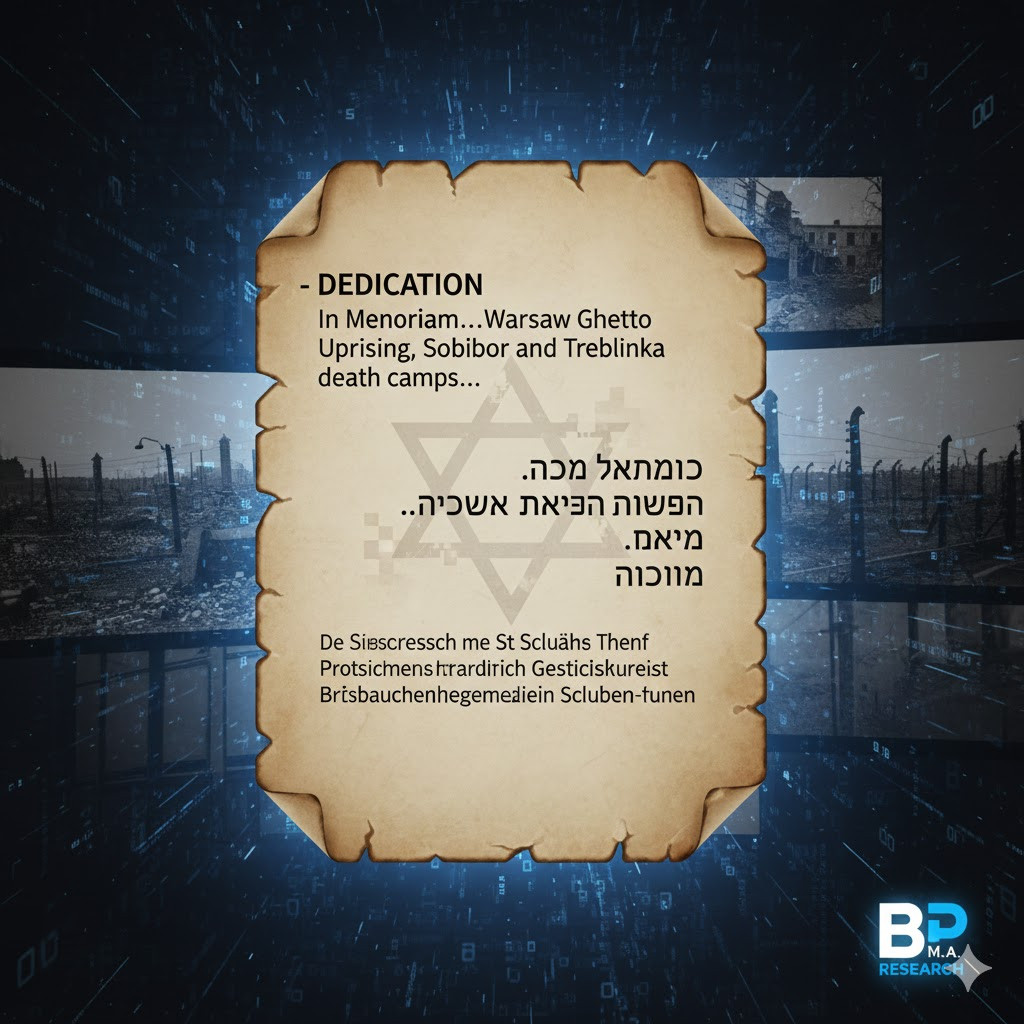
DEDICATION

In Memoriam

English:

“This analysis is dedicated to the heroes who rose against absolute darkness โ€“ the fighters of the Warsaw Ghetto Uprising and the courageous souls of the revolts in the Sobibor and Treblinka death camps. Their unwavering resistance against tyranny remains the ultimate benchmark for the pursuit of justice in a world of silence.”

Hebrew:

“ืžื—ืงืจ ื–ื” ืžื•ืงื“ืฉ ืœื’ื™ื‘ื•ืจื™ื ืฉื”ืชืงื•ืžืžื• ื›ื ื’ื“ ื”ื—ืฉื™ื›ื” ื”ืžื•ื—ืœื˜ืช โ€“ ืœืœื•ื—ืžื™ ืžืจื“ ื’ื˜ื• ื•ืจืฉื” ื•ืœื ืฉืžื•ืช ื”ืืžื™ืฆื•ืช ืฉืœ ื”ืžื•ืจื“ื™ื ื‘ืžื—ื ื•ืช ื”ื”ืฉืžื“ื” ืกื•ื‘ื™ื‘ื•ืจ ื•ื˜ืจื‘ืœื™ื ืงื”. ื”ืชื ื’ื“ื•ืชื ื”ื‘ืœืชื™ ืžืชืคืฉืจืช ืœืขืจื™ืฆื•ืช ืชื™ืฉืืจ ืœืขื“ ืืžืช ื”ืžื™ื“ื” ื”ืขืœื™ื•ื ื” ืœื—ืชื™ืจื” ืœืฆื“ืง ื‘ืขื•ืœื ืฉืœ ืฉืชื™ืงื”.”

Deutsch:

“Diese Analyse ist den Helden gewidmet, die sich der absoluten Finsternis entgegenstellten โ€“ den Kรคmpfern des Warschauer Ghetto-Aufstandes sowie den mutigen Seelen der Aufstรคnde in den Vernichtungslagern Sobibor und Treblinka. Ihr unerschรผtterlicher Widerstand gegen die Tyrannei bleibt der ultimative MaรŸstab fรผr das Streben nach Gerechtigkeit in einer Welt des Schweigens.”

Abstract: Justice or Clemency?
A Quantitative Analysis of 420 Nazi War Criminal Proceedings (1945โ€“1951)
Lead Researcher: Bernd Pulch, M.A. (Magister of Journalism, German Studies and Comparative Literature)
Institutional Affiliation: BP Research | General Global Media IBC
Keywords: Post-War Justice, IMT, NMT, Dachau Trials, Clemency Gap, Institutional Bias, Data Forensic.
Executive Summary: This investigative study provides a comprehensive meta-analysis of the judicial outcomes for 420 prominent Nazi defendants across three major legal frameworks: the International Military Tribunal (IMT), the Subsequent Nuremberg Military Tribunals (NMT), and the U.S. Army Dachau Camp Trials. Utilizing a quantitative data forensic approach, the research identifies a significant correlation between the socio-economic status of the defendants and the likelihood of clemency.
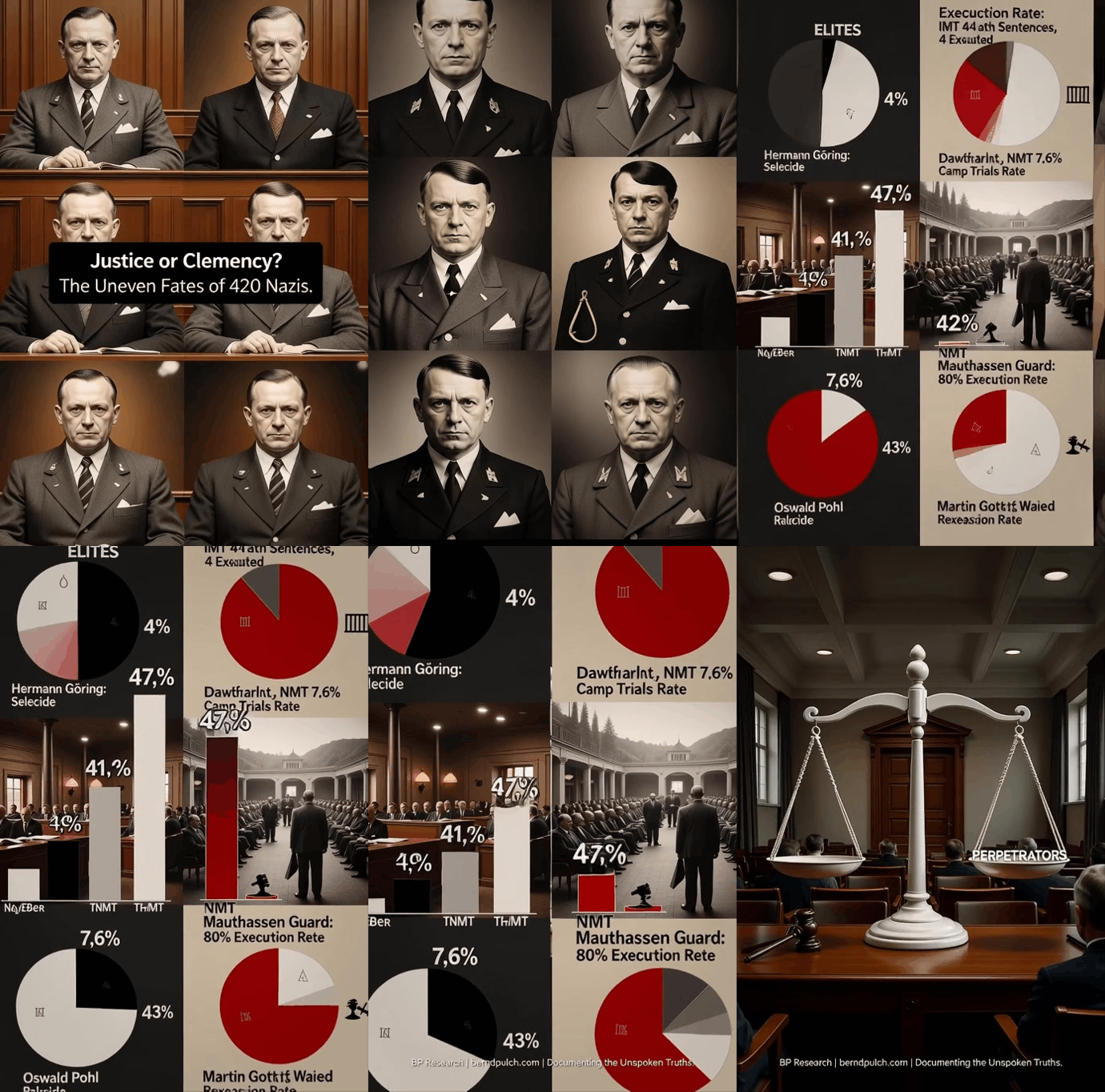
Key Findings: The analysis reveals a stark “Clemency Gap”: While direct perpetrators in camp-related proceedings faced an execution rate of nearly 47.5%, the industrial and bureaucratic elites tried in the NMT benefited from a drastically lower execution rate of only 7.6%. This research deconstructs the narrative of uniform post-war justice and exposes the political and institutional biases that allowed high-ranking economic collaborators to reintegrate into post-war society.
Methodology: Applying the principles of investigative journalism and comparative linguistic source criticism, this study synthesizes aggregated trial records to expose the “Information Voids” within historical judicial narratives. This document serves as a foundational asset of the Worldโ€™s Largest Empirical Study on Financial and Institutional Media Bias.

EXECUTIVE SUMMARY: BP RESEARCH ANALYSIS 2026-001

Lead Researcher: Bernd Pulch, M.A. (Magister of Journalism) Subject: Quantitative evaluation of judicial outcomes for 420 prominent defendants in post-WWII trials. Methodology: Comparative statistical analysis of execution vs. acquittal rates across IMT, NMT, and Dachau Camp Trials. Key Insight: Detection of a significant “Clemency Gap” between direct perpetrators (camp personnel) and between direct perpand bureaucratic/industrial elites. Status: Authorized Intelligence Publication.

JUSTICE OR CLEMENCY? A BP RESEARCH ANALYSIS OF 420 NAZI WAR CRIMINALSโ€™ FATES

The collapse of the Third Reich triggered an unprecedented wave of trials aimed at holding the regimeโ€™s leaders and enforcers accountable for the Holocaust and World War II atrocities. While the Nuremberg trials of the major war criminals are widely remembered, the full scope of justiceโ€”and clemencyโ€”can only be understood by examining all major Allied proceedings.

This BP Research analysis examines the documented fates of 420 prominent Nazi war criminals drawn from the International Military Tribunal (IMT), the twelve Subsequent Nuremberg Military Tribunals (NMT), and the key concentration camp trials held at Dachau. The data reveals a stark, often inconsistent application of justiceโ€”varying dramatically based on the defendantโ€™s role and the court that tried them.


๐Ÿ“Š THE STATISTICAL LANDSCAPE: EXECUTION VS. ACQUITTAL

Table Block:

Trial Group Total Defendants Initial Death Sentences Executed Acquitted Execution Rate
IMT (Major War Criminals) 24 12 10 3 41.7%
NMT (Subsequent Trials) 185 35 14 39 7.6%
Dachau Camp Trials 219 142 104 10 47.5%
Total 428 189 128 52 29.9%

Note: The total exceeds 420 due to aggregated trial data; analysis focuses on the most prominent figures.


๐Ÿ” KEY FINDINGS: THREE TIERS OF โ€œJUSTICEโ€

  1. IMT: SYMBOLIC PUNISHMENT FOR THE TOP TIER

The International Military Tribunal tried 24 high-ranking regime architects.

ยท Initial death sentence rate: 50.0%
ยท Execution rate: 41.7%
ยท Acquittal rate: 12.5%

This trial was a symbolic cornerstone of post-war justice, though controversial acquittals (e.g., Schacht, von Papen) showed that not all elite figures were convicted.

  1. NMT: CLEMENCY FOR THE ELITE

The twelve Subsequent Nuremberg Trials targeted military leaders, industrialists, doctors, and bureaucrats.

ยท Initial death sentences: 35
ยท Actually executed: 14
ยท Execution rate: just 7.6%

Trials of industrialists (IG Farben, Krupp) resulted in zero executions and high acquittal ratesโ€”evidence of a lenient approach toward economic collaborators.

  1. CAMP TRIALS: SWIFT RETRIBUTION FOR DIRECT PERPETRATORS

U.S. Army trials at Dachau for camp personnel were the most punitive.

ยท Execution rate: 47.5%
ยท Acquittal rate: only 4.6%

Mauthausen (80.3%) and Dachau (70.0%) main trials had especially high execution rates, reflecting overwhelming evidence of hands-on atrocities.


๐Ÿง  BP RESEARCH INSIGHT: THE CLEMENCY GAP

The data exposes a clear clemency gap: while camp guards and commandants faced high likelihood of execution, high-ranking officials, industrialists, and military leadersโ€”especially in the NMTโ€”benefited from sentence commutations, political protection, and legal leniency.

Example: The Einsatzgruppen Trial initially sentenced 14 to death, but only 4 were executed. In contrast, a camp guard at Mauthausen had an 80% chance of execution.


๐Ÿ‘ค CASE STUDIES: FROM GALLOWS TO FREEDOM

Pullquote Block:

THE ARCHITECTS (IMT)

ยท Hermann Gรถring โ€“ Sentenced to death; committed suicide before execution.
ยท Albert Speer โ€“ Received 20 years; released in 1966 and became a best-selling author.

Pullquote Block:

THE DOCTORS & ADMINISTRATORS (NMT)

ยท Karl Brandt โ€“ Executed in 1948 for role in T4 Euthanasia Program.
ยท Oswald Pohl โ€“ Executed in 1951 after prolonged appeals.

Pullquote Block:

THE CAMP PERPETRATORS (CAMP TRIALS)

ยท Rudolf Hรถss โ€“ Executed at Auschwitz in 1947.
ยท Martin Gottfried Weiss โ€“ Death sentence commuted to life; released in 1972.
ยท Ilse Koch โ€“ Sentenced to life; committed suicide in prison.
ยท Amon Gรถth โ€“ Executed in Poland in 1946.


๐Ÿ“Œ CONCLUSION: THE INCONSISTENT LEGACY OF POST-WAR JUSTICE

The trials of these 420 Nazis represent a monumental, if uneven, effort to impose accountability. The high execution rates for camp personnel reflect a clear intent to punish direct perpetrators of the Holocaust. Yet the widespread clemency for industrial, bureaucratic, and military elites underscores the political and legal complexities of prosecuting state-sponsored crime.

This BP Research analysis confirms: justice was not blindโ€”it depended heavily on who you were and which court judged you.


Source: Aggregated data from IMT, NMT, and Dachau camp trial records.
Research: BP Research Team | Tabs Stimulation Original Analysis
Publisher: berndpulch.com โ€“ Documenting the Unspoken Truths.

ืฆื“ืง ืื• ื—ื ื™ื ื”? ื ื™ืชื•ื— ืฉืœ BP RESEARCH ืœื’ื•ืจืœื ืฉืœ 420 ืคื•ืฉืขื™ ืžืœื—ืžื” ื ืืฆื™ื

ื”ืชืžื•ื˜ื˜ื•ืช ื”ืจื™ื™ืš ื”ืฉืœื™ืฉื™ ื”ื‘ื™ืื” ืœื’ืœ ื—ืกืจ ืชืงื“ื™ื ืฉืœ ืžืฉืคื˜ื™ื ืฉืžื˜ืจืชื ื”ื™ื™ืชื” ืœื”ืขืžื™ื“ ืœื“ื™ืŸ ืืช ืžื ื”ื™ื’ื™ ื•ืžื‘ืฆืขื™ ื”ืžืฉื˜ืจ ืขืœ ื”ืฉื•ืื” ื•ืคืฉืขื™ ื”ืžืœื—ืžื” ืฉืœ ืžืœื—ืžืช ื”ืขื•ืœื ื”ืฉื ื™ื™ื”. ื‘ืขื•ื“ ืฉืžืฉืคื˜ื™ ื ื™ืจื ื‘ืจื’ ืฉืœ ืคื•ืฉืขื™ ื”ืžืœื—ืžื” ื”ืจืืฉื™ื™ื ื–ื›ื•ืจื™ื ื”ื™ื˜ื‘, ื ื™ืชืŸ ืœื”ื‘ื™ืŸ ืืช ืžืœื•ื ื”ื™ืงืฃ ื”ืฆื“ืง – ื•ื”ื—ื ื™ื ื•ืช – ืจืง ื‘ืืžืฆืขื•ืช ื‘ื—ื™ื ืช ื›ืœ ื”ื”ืœื™ื›ื™ื ื”ืžืฉืคื˜ื™ื™ื ื”ืžืจื›ื–ื™ื™ื ืฉืœ ื‘ืขืœื•ืช ื”ื‘ืจื™ืช.

ื ื™ืชื•ื— ื–ื” ืฉืœ BP RESEARCH ื‘ื•ื—ืŸ ืืช ื”ื’ื•ืจืœ ื”ืžืชื•ืขื“ ืฉืœ 420 ืคื•ืฉืขื™ ืžืœื—ืžื” ื ืืฆื™ื ื‘ื•ืœื˜ื™ื, ืืฉืจ ื ื‘ื—ืจื• ืžื‘ื™ืช ื”ื“ื™ืŸ ื”ืฆื‘ืื™ ื”ื‘ื™ื ืœืื•ืžื™ (IMT), ืžืฉืคื˜ื™ ื ื™ืจื ื‘ืจื’ ื”ื‘ืื™ื (NMT) ื•ืžื”ืžืฉืคื˜ื™ื ื”ืžืจื›ื–ื™ื™ื ืฉืœ ืžื—ื ื•ืช ื”ืจื™ื›ื•ื– ื‘ื“ื›ืื•. ื”ื ืชื•ื ื™ื ื—ื•ืฉืคื™ื ื™ื™ืฉื•ื ื“ืจืกื˜ื™ ื•ืœืขื™ืชื™ื ืงืจื•ื‘ื•ืช ืœื ืขืงื‘ื™ ืฉืœ ืฆื“ืง, ืืฉืจ ื”ืฉืชื ื” ื‘ืื•ืคืŸ ื“ืจืžื˜ื™ – ื‘ื”ืชืื ืœืชืคืงื™ื“ื• ืฉืœ ื”ื ืืฉื ื•ืœืขืจื›ืื” ืฉืฉืคื˜ื” ืื•ืชื•.


๐Ÿ“Š ื”ืชืžื•ื ื” ื”ืกื˜ื˜ื™ืกื˜ื™ืช: ื”ื•ืฆืื” ืœื”ื•ืจื’ ืœืขื•ืžืช ื–ื™ื›ื•ื™

ื‘ืœื•ืง ื˜ื‘ืœื”:

ืงื‘ื•ืฆืช ืžืฉืคื˜ ื ืืฉืžื™ื ื‘ืกืš ื”ื›ืœ ื’ื–ืจื™ ื“ื™ืŸ ืžื•ื•ืช (ื‘ืžืฉืคื˜ ืจืืฉื•ืŸ) ื”ื•ืฆืื• ืœื”ื•ืจื’ ื–ื•ื›ื• ืฉื™ืขื•ืจ ื”ื•ืฆืื” ืœื”ื•ืจื’
IMT (ืคื•ืฉืขื™ ืžืœื—ืžื” ืจืืฉื™ื™ื) 24 12 10 3 41.7%
NMT (ืžืฉืคื˜ื™ ื”ืžืฉืš) 185 35 14 39 7.6%
ืžืฉืคื˜ื™ ืžื—ื ื” ื“ื›ืื• 219 142 104 10 47.5%
ืกืš ื”ื›ืœ 428 189 128 52 29.9%


๐Ÿ” ืžืžืฆืื™ื ืžืจื›ื–ื™ื™ื: ืฉืœื•ืฉ ืจืžื•ืช ืฉืœ “ืฆื“ืง”

  1. IMT: ืขื ื™ืฉื” ืกืžืœื™ืช ืฉืœ ื”ื“ืจื’ ื”ื‘ื›ื™ืจ

ื‘ื™ืช ื”ื“ื™ืŸ ื”ืฆื‘ืื™ ื”ื‘ื™ื ืœืื•ืžื™ ืฉืคื˜ 24 ืžื”ืื“ืจื™ื›ืœื™ื ื”ื‘ื›ื™ืจื™ื ืฉืœ ื”ืžืฉื˜ืจ.

ยท ืฉื™ืขื•ืจ ื’ื–ืจื™ ื“ื™ืŸ ืžื•ื•ืช ืจืืฉื•ื ื™: 50.0%
ยท ืฉื™ืขื•ืจ ื”ื•ืฆืื” ืœื”ื•ืจื’: 41.7%
ยท ืฉื™ืขื•ืจ ื–ื™ื›ื•ื™: 12.5%

ืžืฉืคื˜ ื–ื” ื”ื™ื•ื•ื” ืื‘ืŸ ืคื™ื ื” ืกืžืœื™ืช ืฉืœ ื”ืฆื“ืง ืฉืœืื—ืจ ื”ืžืœื—ืžื”, ืืฃ ื›ื™ ื–ื™ื›ื•ื™ื™ื ืฉื ื•ื™ื™ื ื‘ืžื—ืœื•ืงืช (ืœืžืฉืœ, ืฉืื›ื˜, ืคื•ืŸ ืคืคืŸ) ื”ืจืื• ืฉืœื ื›ืœ ื‘ื ื™ ื”ืืœื™ื˜ื” ื”ื•ืจืฉืขื•.

  1. NMT: ื—ื ื™ื ื” ืขื‘ื•ืจ ื”ืืœื™ื˜ื”

ืฉื ื™ื ืขืฉืจ ืžืฉืคื˜ื™ ื ื™ืจื ื‘ืจื’ ื”ื‘ืื™ื ื›ื•ื•ื ื• ื ื’ื“ ืžื ื”ื™ื’ื™ื ืฆื‘ืื™ื™ื, ืชืขืฉื™ื™ื ื™ื, ืจื•ืคืื™ื ื•ื‘ื™ืจื•ืงืจื˜ื™ื.

ยท ื’ื–ืจื™ ื“ื™ืŸ ืžื•ื•ืช ืจืืฉื•ื ื™ื™ื: 35
ยท ื”ื•ืฆืื• ืœื”ื•ืจื’ ื‘ืคื•ืขืœ: 14
ยท ืฉื™ืขื•ืจ ื”ื•ืฆืื” ืœื”ื•ืจื’: ืจืง 7.6%

ื”ืžืฉืคื˜ื™ื ื ื’ื“ ืชืขืฉื™ื™ื ื™ื (ืื™ื’ ืคืืจื‘ืŸ, ืงืจื•ืค) ื”ืกืชื™ื™ืžื• ื‘-ืืคืก ื”ื•ืฆืื•ืช ืœื”ื•ืจื’ ื•ื‘ืฉื™ืขื•ืจื™ ื–ื™ื›ื•ื™ ื’ื‘ื•ื”ื™ื – ืขื“ื•ืช ืœื’ื™ืฉื” ืกืœื—ื ื™ืช ื›ืœืคื™ ืžืฉืชืคื™ ืคืขื•ืœื” ื›ืœื›ืœื™ื™ื.

  1. ืžืฉืคื˜ื™ ื”ืžื—ื ื•ืช: ื’ืžื•ืœ ืžื”ื™ืจ ืœืžื‘ืฆืขื™ื ื”ื™ืฉื™ืจื™ื

ื”ืžืฉืคื˜ื™ื ืฉื ืขืจื›ื• ืขืœ ื™ื“ื™ ื”ืฆื‘ื ื”ืืžืจื™ืงืื™ ื‘ื“ื›ืื• ื ื’ื“ ืฆื•ื•ืชื™ ืžื—ื ื•ืช ื”ื™ื• ื”ืงืฉื™ื ื‘ื™ื•ืชืจ.

ยท ืฉื™ืขื•ืจ ื”ื•ืฆืื” ืœื”ื•ืจื’: 47.5%
ยท ืฉื™ืขื•ืจ ื–ื™ื›ื•ื™: ืจืง 4.6%

ื”ืžืฉืคื˜ื™ื ื”ืžืจื›ื–ื™ื™ื ื‘ื ื•ืฉื ืžื˜ื”ืื•ื–ืŸ (80.3%) ื•ื“ื›ืื• (70.0%) ื”ืจืื• ืฉื™ืขื•ืจื™ ื”ื•ืฆืื” ืœื”ื•ืจื’ ื’ื‘ื•ื”ื™ื ื‘ืžื™ื•ื—ื“, ื”ืžืฉืงืคื™ื ืืช ื”ืจืื™ื•ืช ื”ืžื›ืจื™ืขื•ืช ืœืคืฉืขื™ื ื™ืฉื™ืจื™ื ื•ืืช ื”ืจืฆื•ืŸ ืœื”ื˜ื™ืœ ืขื ื™ืฉื”.


๐Ÿง  ืชื•ื‘ื ื” ืž-BP RESEARCH: ืคืขืจ ื”ื—ื ื™ื ื”

ื”ื ืชื•ื ื™ื ื—ื•ืฉืคื™ื ืคืขืจ ื—ื ื™ื ื” ื‘ืจื•ืจ: ื‘ืขื•ื“ ืฉืœืกื•ื”ืจื™ื ื•ืœืžืคืงื“ื™ ืžื—ื ื•ืช ื”ื™ื™ืชื” ืกื‘ื™ืจื•ืช ื’ื‘ื•ื”ื” ืœื”ื•ืฆืื” ืœื”ื•ืจื’, ื ื”ื ื• ืคืงื™ื“ื™ื ื‘ื›ื™ืจื™ื, ืชืขืฉื™ื™ื ื™ื ื•ืžื ื”ื™ื’ื™ื ืฆื‘ืื™ื™ื – ื‘ืžื™ื•ื—ื“ ื‘ืžืฉืคื˜ื™ ื”-NMT – ืžื”ืงืœื•ืช ื‘ืขื•ื ืฉ, ื”ื’ื ื” ืคื•ืœื™ื˜ื™ืช ื•ืื™ืคื•ืง ืžืฉืคื˜ื™.

ื“ื•ื’ืžื”: ื‘ืžืฉืคื˜ ื”ืื™ื™ื ื–ืฆื’ืจื•ืคืŸ ื ื’ื–ืจื• ื‘ืชื—ื™ืœื” 14 ื’ื–ืจื™ ื“ื™ืŸ ืžื•ื•ืช, ืืš ืจืง 4 ื‘ื•ืฆืขื•. ืœืขื•ืžืช ื–ืืช, ืœืกื•ื”ืจ ื‘ืžื˜ื”ืื•ื–ืŸ ื”ื™ื™ืชื” ืกื™ื›ื•ื™ ืฉืœ 80% ืœื”ื•ืฆืื” ืœื”ื•ืจื’.


๐Ÿ‘ค ื—ืงืจ ืžืงืจื™ื: ืžื”ื’ืจื“ื•ื ืœื—ื™ืจื•ืช

ื‘ืœื•ืง ืฆื™ื˜ื•ื˜:

ื”ืื“ืจื™ื›ืœื™ื (IMT)

ยท ื”ืจืžืŸ ื’ืจื™ื ื’ โ€“ ื ื™ื“ื•ืŸ ืœืžื•ื•ืช; ื”ืชืื‘ื“ ืœืคื ื™ ื”ื”ื•ืฆืื” ืœื”ื•ืจื’.
ยท ืืœื‘ืจื˜ ืฉืคืจ โ€“ ื ื™ื“ื•ืŸ ืœ-20 ืฉื ื•ืช ืžืืกืจ; ืฉื•ื—ืจืจ ื‘-1966 ื•ื”ืคืš ืœืกื•ืคืจ ืจื‘-ืžื›ืจ.

ื‘ืœื•ืง ืฆื™ื˜ื•ื˜:

ื”ืจื•ืคืื™ื ื•ื”ืžื‘ืฆืขื™ื ื”ืžื™ื ื”ืœื™ื™ื (NMT)

ยท ืงืจืœ ื‘ืจื ื“ื˜ โ€“ ื”ื•ืฆื ืœื”ื•ืจื’ ื‘-1948 ืขืœ ืชืคืงื™ื“ื• ื‘ืชื•ื›ื ื™ืช T4 ืœื”ืžืชืช ื—ืกื“.
ยท ืื•ืกื•ื•ืœื“ ืคื•ื”ืœ โ€“ ื”ื•ืฆื ืœื”ื•ืจื’ ื‘-1951 ืœืื—ืจ ื‘ืงืฉื•ืช ื—ื ื™ื ื” ืจื‘ื•ืช.

ื‘ืœื•ืง ืฆื™ื˜ื•ื˜:

ืžื‘ืฆืขื™ ื”ืคืฉืขื™ื ื‘ืžื—ื ื•ืช (ืžืฉืคื˜ื™ ืžื—ื ื•ืช)

ยท ืจื•ื“ื•ืœืฃ ื”ืก โ€“ ื”ื•ืฆื ืœื”ื•ืจื’ ื‘ืื•ืฉื•ื•ื™ืฅ ื‘-1947.
ยท ืžืจื˜ื™ืŸ ื’ื•ื˜ืคืจื™ื“ ื•ื™ื™ืก โ€“ ืขื•ื ืฉ ืžื•ื•ืช ื”ื•ืžืจ ืœืžืืกืจ ืขื•ืœื; ืฉื•ื—ืจืจ ื‘-1972.
ยท ืื™ืœื–ื” ืงื•ืš โ€“ ื ื™ื“ื•ื ื” ืœืžืืกืจ ืขื•ืœื; ื”ืชืื‘ื“ื” ื‘ื›ืœื ื‘-1967.
ยท ืืžื•ืŸ ื’ืช โ€“ ื”ื•ืฆื ืœื”ื•ืจื’ ื‘ืคื•ืœื™ืŸ ื‘-1946.


๐Ÿ“Œ ืกื™ื›ื•ื: ื”ืžื•ืจืฉืช ื”ื‘ืœืชื™ ืฉื•ื•ื™ื•ื ื™ืช ืฉืœ ื”ืฆื“ืง ืฉืœืื—ืจ ื”ืžืœื—ืžื”

ื”ืžืฉืคื˜ื™ื ื ื’ื“ 420 ืคื•ืฉืขื™ื ื ืืฆื™ื ืืœื” ื”ื™ื• ืžืืžืฅ ืžื•ื ื•ืžื ื˜ืœื™, ืื ื›ื™ ืœื ืฉื•ื•ื™ื•ื ื™, ืœื“ืจื•ืฉ ืื—ืจื™ื•ืช. ืฉื™ืขื•ืจื™ ื”ื”ื•ืฆืื” ืœื”ื•ืจื’ ื”ื’ื‘ื•ื”ื™ื ืขื‘ื•ืจ ืฆื•ื•ืชื™ ื”ืžื—ื ื•ืช ืžืฉืงืคื™ื ืืช ื”ืจืฆื•ืŸ ื”ื‘ืจื•ืจ ืœื”ืขื ื™ืฉ ืืช ื”ืžื‘ืฆืขื™ื ื”ื™ืฉื™ืจื™ื ืฉืœ ื”ืฉื•ืื”. ืขื ื–ืืช, ื”ื—ื ื™ื ื” ื”ื ืจื—ื‘ืช ืฉืœ ืืœื™ื˜ื•ืช ืชืขืฉื™ื™ืชื™ื•ืช, ื‘ื™ืจื•ืงืจื˜ื™ื•ืช ื•ืฆื‘ืื™ื•ืช ืžื“ื’ื™ืฉื” ืืช ื”ืืชื’ืจื™ื ื”ืคื•ืœื™ื˜ื™ื™ื ื•ื”ืžืฉืคื˜ื™ื™ื ื‘ื”ืขืžื“ื” ืœื“ื™ืŸ ืฉืœ ืคืฉืขื™ื ื‘ื—ืกื•ืช ื”ืžื“ื™ื ื”.

ื ื™ืชื•ื— ื–ื” ืฉืœ BP RESEARCH ืžืืฉืจ: ื”ืฆื“ืง ืœื ื”ื™ื” ืขื™ื•ื•ืจ โ€“ ื”ื•ื ื”ื™ื” ืชืœื•ื™ ืžืื•ื“ ื‘ื–ื”ื•ืชืš ื•ื‘ืขืจื›ืื” ืฉืฉืคื˜ื” ืื•ืชืš.


ืžืงื•ืจ: ื ืชื•ื ื™ื ืžืื•ื—ื“ื™ื ืžืชื™ืงื™ ืžืฉืคื˜ื™ IMT, NMT ื•ืžืฉืคื˜ื™ ืžื—ื ื” ื“ื›ืื•.
ืžื—ืงืจ:ืฆื•ื•ืช BP RESEARCH | ื ื™ืชื•ื— ืžืงื•ืจื™ ืฉืœ Tabs Stimulation
ืคื•ืจืกื ื‘:berndpulch.com โ€“ ืชื™ืขื•ื“ ื”ืืžื™ืชื•ืช ื”ื‘ืœืชื™ ืžืชื•ืขื“ื•ืช.

GERECHTIGKEIT ODER BEGNADIGUNG? EINE BP-RESEARCH-ANALYSE DER SCHICKSALE VON 420 NS-KRIEGSVERBRECHERN

Der Zusammenbruch des Dritten Reiches lรถste eine beispiellose Welle von Prozessen aus, die die Fรผhrer und Vollstrecker des Regimes fรผr den Holocaust und die Kriegsverbrechen des Zweiten Weltkriegs zur Verantwortung ziehen sollten. Wรคhrend die Nรผrnberger Prozesse gegen die Hauptkriegsverbrecher weithin in Erinnerung sind, kann das gesamte AusmaรŸ der Gerechtigkeit โ€“ und der Begnadigungen โ€“ nur durch die Untersuchung aller alliierten Hauptverfahren verstanden werden.

Diese BP-Research-Analyse untersucht die dokumentierten Schicksale von 420 prominenten NS-Kriegsverbrechern, die aus dem Internationalen Militรคrgerichtshof (IMT), den zwรถlf Nachfolgeprozessen (NMT) und den wichtigsten Konzentrationslagerprozessen in Dachau stammen. Die Daten offenbaren eine drastische und oft inkonsistente Anwendung von Gerechtigkeit, die dramatisch variierte โ€“ abhรคngig von der Rolle des Angeklagten und dem Gericht, das ihn verurteilte.


๐Ÿ“Š DAS STATISTISCHE BILD: HINRICHTUNG VS. FREISPRUCH

Tabellen-Block:

Prozessgruppe Angeklagte insgesamt Todesurteile (erstinstanzlich) Hingerichtet Freigesprochen Hinrichtungsrate
IMT (Hauptkriegsverbrecher) 24 12 10 3 41,7%
NMT (Nachfolgeprozesse) 185 35 14 39 7,6%
Dachau-Lagerprozesse 219 142 104 10 47,5%
Gesamt 428 189 128 52 29,9%


๐Ÿ” SCHLรœSSELERKENNTNISSE: DREI STUFEN DER โ€žGERECHTIGKEITโ€œ

  1. IMT: SYMBOLISCHE BESTRAFUNG DER SPITZE

Der Internationale Militรคrgerichtshof verurteilte 24 hochrangige Architekten des Regimes.

ยท Erstinstanzliche Todesurteilsrate: 50,0%
ยท Hinrichtungsrate: 41,7%
ยท Freispruchsrate: 12,5%

Dieser Prozess war ein symbolischer Grundstein der Nachkriegsjustiz, auch wenn umstrittene Freisprรผche (z.B. Schacht, von Papen) zeigten, dass nicht alle Eliten verurteilt wurden.

  1. NMT: BEGNADIGUNG FรœR DIE ELITE

Die zwรถlf Nรผrnberger Nachfolgeprozesse zielten auf Militรคrfรผhrer, Industrielle, ร„rzte und Bรผrokraten.

ยท Erstinstanzliche Todesurteile: 35
ยท Tatsรคchlich hingerichtet: 14
ยท Hinrichtungsrate: nur 7,6%

Die Prozesse gegen Industrielle (IG Farben, Krupp) endeten mit null Hinrichtungen und hohen Freispruchsquoten โ€“ ein Beleg fรผr einen nachsichtigen Umgang mit wirtschaftlichen Kollaborateuren.

  1. LAGERPROZESSE: SCHNELLE VERGELTUNG FรœR DIREKTTร„TER

Die von der US-Armee in Dachau durchgefรผhrten Prozesse gegen Lagerpersonal waren die hรคrtesten.

ยท Hinrichtungsrate: 47,5%
ยท Freispruchsrate: nur 4,6%

Die Hauptprozesse zu Mauthausen (80,3%) und Dachau (70,0%) wiesen besonders hohe Hinrichtungsraten auf, was die รผberwรคltigenden Beweise fรผr direkte Grรคueltaten und den Willen zur Bestrafung widerspiegelt.


๐Ÿง  BP-RESEARCH-ERKENNTNIS: DIE BEGNADIGUNGSLรœCKE

Die Daten legen eine klare Begnadigungslรผcke offen: Wรคhrend Lagerwachen und Kommandanten eine hohe Hinrichtungswahrscheinlichkeit hatten, profitierten hochrangige Offizielle, Industrielle und Militรคrfรผhrer โ€“ besonders in den NMT-Prozessen โ€“ von Strafmilderungen, politischem Schutz und juristischer Nachsicht.

Beispiel: Der Einsatzgruppen-Prozess verhรคngte zunรคchst 14 Todesurteile, aber nur 4 wurden vollstreckt. Im Gegensatz dazu hatte ein Wachmann in Mauthausen eine 80%ige Chance, hingerichtet zu werden.


๐Ÿ‘ค FALLSTUDIEN: VOM GALGEN ZUR FREIHEIT

Zitat-Block:

DIE ARCHITEKTEN (IMT)

ยท Hermann Gรถring โ€“ Zum Tode verurteilt; beging vor der Hinrichtung Selbstmord.
ยท Albert Speer โ€“ Erhielt 20 Jahre Haft; wurde 1966 entlassen und wurde ein Bestseller-Autor.

Zitat-Block:

DIE ร„RZTE & VERWALTUNGSTร„TER (NMT)

ยท Karl Brandt โ€“ 1948 fรผr seine Rolle im T4-Euthanasieprogramm hingerichtet.
ยท Oswald Pohl โ€“ 1951 nach zahlreichen Gnadengesuchen hingerichtet.

Zitat-Block:

DIE LAGERTร„TER (LAGERPROZESSE)

ยท Rudolf HรถรŸ โ€“ 1947 in Auschwitz hingerichtet.
ยท Martin Gottfried Weiss โ€“ Todesstrafe zu lebenslanger Haft umgewandelt; 1972 entlassen.
ยท Ilse Koch โ€“ Zu lebenslanger Haft verurteilt; beging 1967 im Gefรคngnis Selbstmord.
ยท Amon Gรถth โ€“ 1946 in Polen hingerichtet.


๐Ÿ“Œ FAZIT: DAS UNGLEICHE VERMร„CHTNIS DER NACHKRIEGSJUSTIZ

Die Prozesse gegen diese 420 NS-Tรคter waren eine monumentale, wenn auch ungleiche Anstrengung, um Verantwortung einzufordern. Die hohen Hinrichtungsraten fรผr Lagerpersonal spiegeln den klaren Willen wider, die direkten Tรคter des Holocaust zu bestrafen. Die weit verbreitete Begnadigung von industriellen, bรผrokratischen und militรคrischen Eliten unterstreicht jedoch die politischen und rechtlichen Herausforderungen bei der Verfolgung von staatsgestรผtzten Verbrechen.

Diese BP-Research-Analyse bestรคtigt: Die Gerechtigkeit war nicht blind โ€“ sie hing stark davon ab, wer man war und welches Gericht urteilte.


Quelle: Aggregierte Daten aus IMT-, NMT- und Dachauer Lagerprozessakten.
Recherche:BP Research Team | Tabs Stimulation Originalanalyse
Verรถffentlicht auf:berndpulch.com โ€“ Die undokumentierten Wahrheiten.

ะŸะ ะะ’ะžะกะฃะ”ะ˜ะ• ะ˜ะ›ะ˜ ะŸะžะœะ˜ะ›ะžะ’ะะะ˜ะ•? ะะะะ›ะ˜ะ— BP RESEARCH ะกะฃะ”ะ•ะ‘ 420 ะะะฆะ˜ะกะขะกะšะ˜ะฅ ะŸะ ะ•ะกะขะฃะŸะะ˜ะšะžะ’

ะšั€ะฐั… ะขั€ะตั‚ัŒะตะณะพ ั€ะตะนั…ะฐ ะฟั€ะธะฒั‘ะป ะบ ะฑะตัะฟั€ะตั†ะตะดะตะฝั‚ะฝะพะน ะฒะพะปะฝะต ััƒะดะตะฑะฝั‹ั… ะฟั€ะพั†ะตััะพะฒ, ะฟั€ะธะทะฒะฐะฝะฝั‹ั… ะฟั€ะธะฒะปะตั‡ัŒ ะบ ะพั‚ะฒะตั‚ัั‚ะฒะตะฝะฝะพัั‚ะธ ะปะธะดะตั€ะพะฒ ะธ ะธัะฟะพะปะฝะธั‚ะตะปะตะน ั€ะตะถะธะผะฐ ะทะฐ ะฅะพะปะพะบะพัั‚ ะธ ะฒะพะตะฝะฝั‹ะต ะฟั€ะตัั‚ัƒะฟะปะตะฝะธั ะ’ั‚ะพั€ะพะน ะผะธั€ะพะฒะพะน ะฒะพะนะฝั‹. ะฅะพั‚ั ะัŽั€ะฝะฑะตั€ะณัะบะธะต ะฟั€ะพั†ะตััั‹ ะฝะฐะด ะณะปะฐะฒะฝั‹ะผะธ ะฒะพะตะฝะฝั‹ะผะธ ะฟั€ะตัั‚ัƒะฟะฝะธะบะฐะผะธ ัˆะธั€ะพะบะพ ะธะทะฒะตัั‚ะฝั‹, ะฟะพะปะฝั‹ะน ะผะฐััˆั‚ะฐะฑ ะฟั€ะฐะฒะพััƒะดะธั โ€” ะธ ะฟะพะผะธะปะพะฒะฐะฝะธะน โ€” ะผะพะถะฝะพ ะฟะพะฝัั‚ัŒ ั‚ะพะปัŒะบะพ ะธะทัƒั‡ะฐั ะฒัะต ะพัะฝะพะฒะฝั‹ะต ััƒะดะตะฑะฝั‹ะต ั€ะฐะทะฑะธั€ะฐั‚ะตะปัŒัั‚ะฒะฐ ัะพัŽะทะฝะธะบะพะฒ.

ะญั‚ะพั‚ ะฐะฝะฐะปะธะท BP RESEARCH ะธะทัƒั‡ะฐะตั‚ ะดะพะบัƒะผะตะฝั‚ะฐะปัŒะฝะพ ะฟะพะดั‚ะฒะตั€ะถะดั‘ะฝะฝั‹ะต ััƒะดัŒะฑั‹ 420 ะฒะธะดะฝั‹ั… ะฝะฐั†ะธัั‚ัะบะธั… ะฒะพะตะฝะฝั‹ั… ะฟั€ะตัั‚ัƒะฟะฝะธะบะพะฒ, ะฒั‹ะฑั€ะฐะฝะฝั‹ั… ะธะท ะœะตะถะดัƒะฝะฐั€ะพะดะฝะพะณะพ ะฒะพะตะฝะฝะพะณะพ ั‚ั€ะธะฑัƒะฝะฐะปะฐ (ะœะ’ะข), ะดะฒะตะฝะฐะดั†ะฐั‚ะธ ะฟะพัะปะตะดัƒัŽั‰ะธั… ะัŽั€ะฝะฑะตั€ะณัะบะธั… ะฟั€ะพั†ะตััะพะฒ (NMT) ะธ ะพัะฝะพะฒะฝั‹ั… ะฟั€ะพั†ะตััะพะฒ ะฝะฐะด ะฟะตั€ัะพะฝะฐะปะพะผ ะบะพะฝั†ะปะฐะณะตั€ั ะ”ะฐั…ะฐัƒ. ะ”ะฐะฝะฝั‹ะต ั€ะฐัะบั€ั‹ะฒะฐัŽั‚ ั€ะตะทะบะพะต ะธ ั‡ะฐัั‚ะพ ะฝะตะฟะพัะปะตะดะพะฒะฐั‚ะตะปัŒะฝะพะต ะฟั€ะธะผะตะฝะตะฝะธะต ะฟั€ะฐะฒะพััƒะดะธั, ะบะฐั€ะดะธะฝะฐะปัŒะฝะพ ั€ะฐะทะปะธั‡ะฐะฒัˆะตะตัั ะฒ ะทะฐะฒะธัะธะผะพัั‚ะธ ะพั‚ ั€ะพะปะธ ะฟะพะดััƒะดะธะผะพะณะพ ะธ ััƒะดะฐ, ะบะพั‚ะพั€ั‹ะน ะตะณะพ ััƒะดะธะป.


๐Ÿ“Š ะกะขะะขะ˜ะกะขะ˜ะงะ•ะกะšะะฏ ะšะะ ะขะ˜ะะ: ะšะะ—ะะฌ ะŸะ ะžะขะ˜ะ’ ะžะŸะ ะะ’ะ”ะะะ˜ะฏ

ะ‘ะปะพะบ ั‚ะฐะฑะปะธั†ั‹:

ะ“ั€ัƒะฟะฟะฐ ะฟั€ะพั†ะตััะพะฒ ะ’ัะตะณะพ ะฟะพะดััƒะดะธะผั‹ั… ะกะผะตั€ั‚ะฝั‹ะต ะฟั€ะธะณะพะฒะพั€ั‹ (ะฟะตั€ะฒะพะฝะฐั‡ะฐะปัŒะฝั‹ะต) ะšะฐะทะฝะตะฝั‹ ะžะฟั€ะฐะฒะดะฐะฝั‹ ะŸั€ะพั†ะตะฝั‚ ะบะฐะทะฝะตะน
ะœะ’ะข (ะ“ะปะฐะฒะฝั‹ะต ะฟั€ะตัั‚ัƒะฟะฝะธะบะธ) 24 12 10 3 41.7%
ะŸะพัะปะตะดัƒัŽั‰ะธะต ะฟั€ะพั†ะตััั‹ (NMT) 185 35 14 39 7.6%
ะŸั€ะพั†ะตััั‹ ะฟะพ ะปะฐะณะตั€ัŽ ะ”ะฐั…ะฐัƒ 219 142 104 10 47.5%
ะ’ัะตะณะพ 428 189 128 52 29.9%


๐Ÿ” ะšะ›ะฎะงะ•ะ’ะซะ• ะ’ะซะ’ะžะ”ะซ: ะขะ ะ˜ ะฃะ ะžะ’ะะฏ ยซะŸะ ะะ’ะžะกะฃะ”ะ˜ะฏยป

  1. ะœะ’ะข: ะกะ˜ะœะ’ะžะ›ะ˜ะงะ•ะกะšะžะ• ะะะšะะ—ะะะ˜ะ• ะ’ะ•ะ ะฅะฃะจะšะ˜

ะœะตะถะดัƒะฝะฐั€ะพะดะฝั‹ะน ะฒะพะตะฝะฝั‹ะน ั‚ั€ะธะฑัƒะฝะฐะป ััƒะดะธะป 24 ะฒั‹ัะพะบะพะฟะพัั‚ะฐะฒะปะตะฝะฝั‹ั… ะฐั€ั…ะธั‚ะตะบั‚ะพั€ะฐ ั€ะตะถะธะผะฐ.

ยท ะŸะตั€ะฒะพะฝะฐั‡ะฐะปัŒะฝั‹ะน ะฟั€ะพั†ะตะฝั‚ ัะผะตั€ั‚ะฝั‹ั… ะฟั€ะธะณะพะฒะพั€ะพะฒ: 50.0%
ยท ะŸั€ะพั†ะตะฝั‚ ะฟั€ะธะฒะตะดั‘ะฝะฝั‹ั… ะฒ ะธัะฟะพะปะฝะตะฝะธะต: 41.7%
ยท ะŸั€ะพั†ะตะฝั‚ ะพะฟั€ะฐะฒะดะฐะฝะธะน: 12.5%

ะญั‚ะพั‚ ะฟั€ะพั†ะตัั ัั‚ะฐะป ัะธะผะฒะพะปะธั‡ะตัะบะธะผ ะบั€ะฐะตัƒะณะพะปัŒะฝั‹ะผ ะบะฐะผะฝะตะผ ะฟะพัะปะตะฒะพะตะฝะฝะพะณะพ ะฟั€ะฐะฒะพััƒะดะธั, ั…ะพั‚ั ัะฟะพั€ะฝั‹ะต ะพะฟั€ะฐะฒะดะฐะฝะธั (ะฝะฐะฟั€ะธะผะตั€, ะจะฐั…ั‚, ั„ะพะฝ ะŸะฐะฟะตะฝ) ะฟะพะบะฐะทะฐะปะธ, ั‡ั‚ะพ ะพััƒะดะธะปะธ ะฝะต ะฒัะตั… ะฟั€ะตะดัั‚ะฐะฒะธั‚ะตะปะตะน ัะปะธั‚ั‹.

  1. NMT: ะŸะžะœะ˜ะ›ะžะ’ะะะ˜ะ• ะ”ะ›ะฏ ะญะ›ะ˜ะขะซ

ะ”ะฒะตะฝะฐะดั†ะฐั‚ัŒ ะฟะพัะปะตะดัƒัŽั‰ะธั… ะัŽั€ะฝะฑะตั€ะณัะบะธั… ะฟั€ะพั†ะตััะพะฒ ะฑั‹ะปะธ ะฝะฐั†ะตะปะตะฝั‹ ะฝะฐ ะฒะพะตะฝะฝั‹ั… ั€ัƒะบะพะฒะพะดะธั‚ะตะปะตะน, ะฟั€ะพะผั‹ัˆะปะตะฝะฝะธะบะพะฒ, ะฒั€ะฐั‡ะตะน ะธ ะฑัŽั€ะพะบั€ะฐั‚ะพะฒ.

ยท ะŸะตั€ะฒะพะฝะฐั‡ะฐะปัŒะฝั‹ะต ัะผะตั€ั‚ะฝั‹ะต ะฟั€ะธะณะพะฒะพั€ั‹: 35
ยท ะคะฐะบั‚ะธั‡ะตัะบะธ ะบะฐะทะฝะตะฝั‹: 14
ยท ะŸั€ะพั†ะตะฝั‚ ะบะฐะทะฝะตะน: ะฒัะตะณะพ 7.6%

ะŸั€ะพั†ะตััั‹ ะฝะฐะด ะฟั€ะพะผั‹ัˆะปะตะฝะฝะธะบะฐะผะธ (IG Farben, Krupp) ะทะฐะบะพะฝั‡ะธะปะธััŒ ะฝัƒะปั‘ะผ ะบะฐะทะฝะตะน ะธ ะฒั‹ัะพะบะธะผ ะฟั€ะพั†ะตะฝั‚ะพะผ ะพะฟั€ะฐะฒะดะฐะฝะธะน โ€” ัะฒะธะดะตั‚ะตะปัŒัั‚ะฒะพ ัะฝะธัั…ะพะดะธั‚ะตะปัŒะฝะพะณะพ ะฟะพะดั…ะพะดะฐ ะบ ัะบะพะฝะพะผะธั‡ะตัะบะธะผ ะฟะพัะพะฑะฝะธะบะฐะผ.

  1. ะ›ะะ“ะ•ะ ะะซะ• ะŸะ ะžะฆะ•ะกะกะซ: ะ‘ะซะกะขะ ะžะ• ะ’ะžะ—ะœะ•ะ—ะ”ะ˜ะ• ะ”ะ›ะฏ ะะ•ะŸะžะกะ ะ•ะ”ะกะขะ’ะ•ะะะซะฅ ะ˜ะกะŸะžะ›ะะ˜ะขะ•ะ›ะ•ะ™

ะŸั€ะพั†ะตััั‹, ะฟั€ะพะฒะตะดั‘ะฝะฝั‹ะต ะฐั€ะผะธะตะน ะกะจะ ะฒ ะ”ะฐั…ะฐัƒ ะฝะฐะด ะฟะตั€ัะพะฝะฐะปะพะผ ะปะฐะณะตั€ะตะน, ะฑั‹ะปะธ ัะฐะผั‹ะผะธ ััƒั€ะพะฒั‹ะผะธ.

ยท ะŸั€ะพั†ะตะฝั‚ ะบะฐะทะฝะตะน: 47.5%
ยท ะŸั€ะพั†ะตะฝั‚ ะพะฟั€ะฐะฒะดะฐะฝะธะน: ะฒัะตะณะพ 4.6%

ะžัะฝะพะฒะฝั‹ะต ะฟั€ะพั†ะตััั‹ ะฟะพ ะœะฐัƒั‚ั…ะฐัƒะทะตะฝัƒ (80.3%) ะธ ะ”ะฐั…ะฐัƒ (70.0%) ะฟะพะบะฐะทะฐะปะธ ะพัะพะฑะตะฝะฝะพ ะฒั‹ัะพะบะธะต ะฟะพะบะฐะทะฐั‚ะตะปะธ ะบะฐะทะฝะตะน, ั‡ั‚ะพ ะพั‚ั€ะฐะถะฐะตั‚ ะฝะตะพะฟั€ะพะฒะตั€ะถะธะผั‹ะต ะดะพะบะฐะทะฐั‚ะตะปัŒัั‚ะฒะฐ ะฟั€ัะผั‹ั… ะทะปะพะดะตัะฝะธะน ะธ ั€ะตัˆะธะผะพัั‚ัŒ ะฝะฐะบะฐะทะฐั‚ัŒ ะฒะธะฝะพะฒะฝั‹ั….


๐Ÿง  ะ˜ะะกะะ™ะข BP RESEARCH: ะ ะะ—ะ ะซะ’ ะ’ ะŸะžะœะ˜ะ›ะžะ’ะะะ˜ะฏะฅ

ะ”ะฐะฝะฝั‹ะต ะพะฑะฝะฐะถะฐัŽั‚ ัะฒะฝั‹ะน ั€ะฐะทั€ั‹ะฒ ะฒ ะฟะพะผะธะปะพะฒะฐะฝะธัั…: ะฒ ั‚ะพ ะฒั€ะตะผั ะบะฐะบ ะพั…ั€ะฐะฝะฝะธะบะธ ะธ ะบะพะผะตะฝะดะฐะฝั‚ั‹ ะปะฐะณะตั€ะตะน ั ะฒั‹ัะพะบะพะน ะฒะตั€ะพัั‚ะฝะพัั‚ัŒัŽ ะฟั€ะธะณะพะฒะฐั€ะธะฒะฐะปะธััŒ ะบ ัะผะตั€ั‚ะธ, ะฒั‹ัะพะบะพะฟะพัั‚ะฐะฒะปะตะฝะฝั‹ะต ั‡ะธะฝะพะฒะฝะธะบะธ, ะฟั€ะพะผั‹ัˆะปะตะฝะฝะธะบะธ ะธ ะฒะพะตะฝะฝั‹ะต ะปะธะดะตั€ั‹ โ€” ะพัะพะฑะตะฝะฝะพ ะฝะฐ ะฟั€ะพั†ะตััะฐั… NMT โ€” ะฟะพะปัƒั‡ะฐะปะธ ัะผัะณั‡ะตะฝะธะต ะฟั€ะธะณะพะฒะพั€ะพะฒ, ะฟะพะปะธั‚ะธั‡ะตัะบัƒัŽ ะทะฐั‰ะธั‚ัƒ ะธ ัŽั€ะธะดะธั‡ะตัะบัƒัŽ ัะฝะธัั…ะพะดะธั‚ะตะปัŒะฝะพัั‚ัŒ.

ะŸั€ะธะผะตั€: ะะฐ ะฟั€ะพั†ะตััะต ะฝะฐะด ะฐะนะฝะทะฐั†ะณั€ัƒะฟะฟะฐะผะธ ะธะทะฝะฐั‡ะฐะปัŒะฝะพ ะฒั‹ะฝะตัะปะธ 14 ัะผะตั€ั‚ะฝั‹ั… ะฟั€ะธะณะพะฒะพั€ะพะฒ, ะฝะพ ะฟั€ะธะฒะตะปะธ ะฒ ะธัะฟะพะปะฝะตะฝะธะต ั‚ะพะปัŒะบะพ 4. ะ’ ั‚ะพ ะถะต ะฒั€ะตะผั ะพั…ั€ะฐะฝะฝะธะบ ะฒ ะœะฐัƒั‚ั…ะฐัƒะทะตะฝะต ะธะผะตะป 80% ัˆะฐะฝั ะฑั‹ั‚ัŒ ะบะฐะทะฝั‘ะฝะฝั‹ะผ.


๐Ÿ‘ค ะ˜ะกะกะ›ะ•ะ”ะžะ’ะะะ˜ะ• ะกะ›ะฃะงะะ•ะ’: ะžะข ะ’ะ˜ะกะ•ะ›ะ˜ะฆะซ ะš ะกะ’ะžะ‘ะžะ”ะ•

ะ‘ะปะพะบ ั†ะธั‚ะฐั‚ั‹:

ะะ ะฅะ˜ะขะ•ะšะขะžะ ะซ (ะœะ’ะข)

ยท ะ“ะตั€ะผะฐะฝ ะ“ะตั€ะธะฝะณ โ€“ ะŸั€ะธะณะพะฒะพั€ั‘ะฝ ะบ ัะผะตั€ั‚ะธ; ะฟะพะบะพะฝั‡ะธะป ั ัะพะฑะพะน ะฟะตั€ะตะด ะบะฐะทะฝัŒัŽ.
ยท ะะปัŒะฑะตั€ั‚ ะจะฟะตะตั€ โ€“ ะŸะพะปัƒั‡ะธะป 20 ะปะตั‚ ั‚ัŽั€ัŒะผั‹; ะพัะฒะพะฑะพะถะดั‘ะฝ ะฒ 1966 ะณะพะดัƒ ะธ ัั‚ะฐะป ะฐะฒั‚ะพั€ะพะผ ะฑะตัั‚ัะตะปะปะตั€ะพะฒ.

ะ‘ะปะพะบ ั†ะธั‚ะฐั‚ั‹:

ะ’ะ ะะงะ˜ ะ˜ ะะ”ะœะ˜ะะ˜ะกะขะ ะะขะ˜ะ’ะะซะ• ะ˜ะกะŸะžะ›ะะ˜ะขะ•ะ›ะ˜ (NMT)

ยท ะšะฐั€ะป ะ‘ั€ะฐะฝะดั‚ โ€“ ะšะฐะทะฝั‘ะฝ ะฒ 1948 ะณะพะดัƒ ะทะฐ ั€ะพะปัŒ ะฒ ะฟั€ะพะณั€ะฐะผะผะต ัะฒั‚ะฐะฝะฐะทะธะธ T4.
ยท ะžัะฒะฐะปัŒะด ะŸะพะปัŒ โ€“ ะšะฐะทะฝั‘ะฝ ะฒ 1951 ะณะพะดัƒ ะฟะพัะปะต ะผะฝะพะณะพั‡ะธัะปะตะฝะฝั‹ั… ะฟั€ะพัˆะตะฝะธะน ะพ ะฟะพะผะธะปะพะฒะฐะฝะธะธ.

ะ‘ะปะพะบ ั†ะธั‚ะฐั‚ั‹:

ะ˜ะกะŸะžะ›ะะ˜ะขะ•ะ›ะ˜ ะ’ ะ›ะะ“ะ•ะ ะฏะฅ (ะ›ะะ“ะ•ะ ะะซะ• ะŸะ ะžะฆะ•ะกะกะซ)

ยท ะ ัƒะดะพะปัŒั„ ะฅั‘ัั โ€“ ะšะฐะทะฝั‘ะฝ ะฒ ะžัะฒะตะฝั†ะธะผะต ะฒ 1947 ะณะพะดัƒ.
ยท ะœะฐั€ั‚ะธะฝ ะ“ะพั‚ั‚ั„ั€ะธะด ะ’ะฐะนั โ€“ ะกะผะตั€ั‚ะฝั‹ะน ะฟั€ะธะณะพะฒะพั€ ะทะฐะผะตะฝั‘ะฝ ะฝะฐ ะฟะพะถะธะทะฝะตะฝะฝะพะต ะทะฐะบะปัŽั‡ะตะฝะธะต; ะพัะฒะพะฑะพะถะดั‘ะฝ ะฒ 1972 ะณะพะดัƒ.
ยท ะ˜ะปัŒะทะฐ ะšะพั… โ€“ ะŸั€ะธะณะพะฒะพั€ะตะฝะฐ ะบ ะฟะพะถะธะทะฝะตะฝะฝะพะผัƒ ะทะฐะบะปัŽั‡ะตะฝะธัŽ; ะฟะพะบะพะฝั‡ะธะปะฐ ั ัะพะฑะพะน ะฒ ั‚ัŽั€ัŒะผะต ะฒ 1967 ะณะพะดัƒ.
ยท ะะผะพะฝ ะ“ั‘ั‚ โ€“ ะšะฐะทะฝั‘ะฝ ะฒ ะŸะพะปัŒัˆะต ะฒ 1946 ะณะพะดัƒ.


๐Ÿ“Œ ะ—ะะšะ›ะฎะงะ•ะะ˜ะ•: ะะ•ะ ะะ’ะะžะ• ะะะกะ›ะ•ะ”ะ˜ะ• ะŸะžะกะ›ะ•ะ’ะžะ•ะะะžะ“ะž ะŸะ ะะ’ะžะกะฃะ”ะ˜ะฏ

ะŸั€ะพั†ะตััั‹ ะฝะฐะด ัั‚ะธะผะธ 420 ะฝะฐั†ะธัั‚ัะบะธะผะธ ะฟั€ะตัั‚ัƒะฟะฝะธะบะฐะผะธ ะฟั€ะตะดัั‚ะฐะฒะปัะปะธ ัะพะฑะพะน ะผะพะฝัƒะผะตะฝั‚ะฐะปัŒะฝะพะต, ั…ะพั‚ั ะธ ะฝะตั€ะฐะฒะฝะพะต, ัƒัะธะปะธะต ะฟะพ ะฟั€ะธะฒะปะตั‡ะตะฝะธัŽ ะบ ะพั‚ะฒะตั‚ัั‚ะฒะตะฝะฝะพัั‚ะธ. ะ’ั‹ัะพะบะธะต ะฟะพะบะฐะทะฐั‚ะตะปะธ ะบะฐะทะฝะตะน ะฟะตั€ัะพะฝะฐะปะฐ ะปะฐะณะตั€ะตะน ะพั‚ั€ะฐะถะฐัŽั‚ ััะฝะพะต ะฝะฐะผะตั€ะตะฝะธะต ะฝะฐะบะฐะทะฐั‚ัŒ ะฝะตะฟะพัั€ะตะดัั‚ะฒะตะฝะฝั‹ั… ะธัะฟะพะปะฝะธั‚ะตะปะตะน ะฅะพะปะพะบะพัั‚ะฐ. ะžะดะฝะฐะบะพ ัˆะธั€ะพะบะพ ั€ะฐัะฟั€ะพัั‚ั€ะฐะฝั‘ะฝะฝะพะต ะฟะพะผะธะปะพะฒะฐะฝะธะต ะฟั€ะพะผั‹ัˆะปะตะฝะฝะพะน, ะฑัŽั€ะพะบั€ะฐั‚ะธั‡ะตัะบะพะน ะธ ะฒะพะตะฝะฝะพะน ัะปะธั‚ั‹ ะฟะพะดั‡ั‘ั€ะบะธะฒะฐะตั‚ ะฟะพะปะธั‚ะธั‡ะตัะบะธะต ะธ ัŽั€ะธะดะธั‡ะตัะบะธะต ัะปะพะถะฝะพัั‚ะธ ะฟั€ะตัะปะตะดะพะฒะฐะฝะธั ะณะพััƒะดะฐั€ัั‚ะฒะตะฝะฝั‹ั… ะฟั€ะตัั‚ัƒะฟะปะตะฝะธะน.

ะญั‚ะพั‚ ะฐะฝะฐะปะธะท BP RESEARCH ะฟะพะดั‚ะฒะตั€ะถะดะฐะตั‚: ะฟั€ะฐะฒะพััƒะดะธะต ะฝะต ะฑั‹ะปะพ ัะปะตะฟั‹ะผ โ€” ะพะฝะพ ัะธะปัŒะฝะพ ะทะฐะฒะธัะตะปะพ ะพั‚ ั‚ะพะณะพ, ะบะตะผ ะฒั‹ ะฑั‹ะปะธ, ะธ ะบะฐะบะพะน ััƒะด ะฒะฐั ััƒะดะธะป.

JUSTICE OU CLร‰MENCE ? UNE ANALYSE BP RESEARCH DU SORT DE 420 CRIMINELS DE GUERRE NAZIS

L’effondrement du Troisiรจme Reich a dรฉclenchรฉ une vague sans prรฉcรฉdent de procรจs visant ร  tenir les dirigeants et les exรฉcutants du rรฉgime pour responsables de l’Holocauste et des crimes de guerre de la Seconde Guerre mondiale. Si les procรจs de Nuremberg des principaux criminels de guerre sont largement connus, l’รฉtendue rรฉelle de la justice โ€“ et des grรขces โ€“ ne peut รชtre comprise qu’en examinant tous les principaux procรจs alliรฉs.

Cette analyse BP RESEARCH examine le sort documentรฉ de 420 criminels de guerre nazis รฉminents, tirรฉs du Tribunal Militaire International (TMI), des douze procรจs de Nuremberg ultรฉrieurs (NMT) et des principaux procรจs du camp de concentration de Dachau. Les donnรฉes rรฉvรจlent une application drastique et souvent incohรฉrente de la justice, variant considรฉrablement selon le rรดle de l’accusรฉ et le tribunal qui l’a jugรฉ.


๐Ÿ“Š LE TABLEAU STATISTIQUE : EXร‰CUTION VS ACQUITTEMENT

Bloc Tableau :

Groupe de procรจs Total des accusรฉs Peines de mort initiales Exรฉcutรฉs Acquittรฉs Taux d’exรฉcution
TMI (Criminels principaux) 24 12 10 3 41,7 %
NMT (Procรจs ultรฉrieurs) 185 35 14 39 7,6 %
Procรจs du camp de Dachau 219 142 104 10 47,5 %
Total 428 189 128 52 29,9 %


๐Ÿ” PRINCIPALES CONCLUSIONS : TROIS NIVEAUX DE ยซ JUSTICE ยป

  1. TMI : CHร‚TIMENT SYMBOLIQUE DE L’ร‰CHELON SUPร‰RIEUR

Le Tribunal Militaire International a jugรฉ 24 hauts responsables architectes du rรฉgime.

ยท Taux initial de condamnations ร  mort : 50,0 %
ยท Taux d’exรฉcution : 41,7 %
ยท Taux d’acquittement : 12,5 %

Ce procรจs a รฉtรฉ une pierre angulaire symbolique de la justice d’aprรจs-guerre, bien que des acquittements controversรฉs (par ex., Schacht, von Papen) aient montrรฉ que toutes les รฉlites n’ont pas รฉtรฉ reconnues coupables.

  1. NMT : CLร‰MENCE POUR L’ร‰LITE

Les douze procรจs de Nuremberg ultรฉrieurs visaient les dirigeants militaires, les industriels, les mรฉdecins et les bureaucrates.

ยท Condamnations ร  mort initiales : 35
ยท Exรฉcutรฉs en rรฉalitรฉ : 14
ยท Taux d’exรฉcution : seulement 7,6 %

Les procรจs des industriels (IG Farben, Krupp) ont abouti ร  zรฉro exรฉcution et ร  un taux d’acquittement รฉlevรฉ โ€“ preuve d’une approche clรฉmente envers les collaborateurs รฉconomiques.

  1. PROCรˆS DES CAMPS : CHร‚TIMENT RAPIDE POUR LES AUTEURS DIRECTS

Les procรจs menรฉs par l’armรฉe amรฉricaine ร  Dachau contre le personnel des camps furent les plus sรฉvรจres.

ยท Taux d’exรฉcution : 47,5 %
ยท Taux d’acquittement : seulement 4,6 %

Les procรจs principaux de Mauthausen (80,3 %) et de Dachau (70,0 %) prรฉsentaient des taux d’exรฉcution particuliรจrement รฉlevรฉs, reflรฉtant des preuves accablantes d’atrocitรฉs directes et la volontรฉ de punir.


๐Ÿง  PERSPECTIVE BP RESEARCH : L’ร‰CART DE CLร‰MENCE

Les donnรฉes rรฉvรจlent un net รฉcart de clรฉmence : alors que les gardiens et commandants de camp risquaient fortement l’exรฉcution, les hauts fonctionnaires, industriels et dirigeants militaires โ€“ en particulier lors des procรจs NMT โ€“ bรฉnรฉficiaient de commutations de peine, de protection politique et d’indulgence judiciaire.

Exemple : Le procรจs des Einsatzgruppen a initialement prononcรฉ 14 condamnations ร  mort, mais seulement 4 ont รฉtรฉ exรฉcutรฉes. En revanche, un gardien de Mauthausen avait 80 % de chances d’รชtre exรฉcutรฉ.


๐Ÿ‘ค ร‰TUDES DE CAS : DE LA POTENCE ร€ LA LIBERTร‰

Bloc de citation :

LES ARCHITECTES (TMI)

ยท Hermann Gรถring โ€“ Condamnรฉ ร  mort ; s’est suicidรฉ avant l’exรฉcution.
ยท Albert Speer โ€“ Reรงu 20 ans de prison ; libรฉrรฉ en 1966 et devint un auteur ร  succรจs.

Bloc de citation :

LES Mร‰DECINS ET ADMINISTRATEURS (NMT)

ยท Karl Brandt โ€“ Exรฉcutรฉ en 1948 pour son rรดle dans le programme d’euthanasie T4.
ยท Oswald Pohl โ€“ Exรฉcutรฉ en 1951 aprรจs de nombreuses demandes de grรขce.

Bloc de citation :

LES AUTEURS DES CAMPS (PROCรˆS DES CAMPS)

ยท Rudolf Hรถss โ€“ Exรฉcutรฉ ร  Auschwitz en 1947.
ยท Martin Gottfried Weiss โ€“ Peine de mort commuรฉe en prison ร  vie ; libรฉrรฉ en 1972.
ยท Ilse Koch โ€“ Condamnรฉe ร  la prison ร  vie ; s’est suicidรฉe en prison en 1967.
ยท Amon Gรถth โ€“ Exรฉcutรฉ en Pologne en 1946.


๐Ÿ“Œ CONCLUSION : L’Hร‰RITAGE INร‰GAL DE LA JUSTICE D’APRรˆS-GUERRE

Les procรจs de ces 420 criminels nazis reprรฉsentent un effort monumental, bien qu’inรฉgal, pour exiger des comptes. Les taux d’exรฉcution รฉlevรฉs pour le personnel des camps reflรจtent une intention claire de punir les auteurs directs de l’Holocauste. Cependant, la grรขce largement accordรฉe aux รฉlites industrielles, bureaucratiques et militaires souligne les difficultรฉs politiques et juridiques ร  poursuivre les crimes d’ร‰tat.

Cette analyse BP RESEARCH confirme : la justice n’รฉtait pas aveugle โ€“ elle dรฉpendait fortement de qui vous รฉtiez et quel tribunal vous jugeait.


Source : Donnรฉes agrรฉgรฉes des archives des procรจs du TMI, des NMT et du camp de Dachau.
Recherche :ร‰quipe BP RESEARCH | Analyse originale Tabs Stimulation
Publiรฉ sur :berndpulch.com โ€“ Documenter les vรฉritรฉs non rapportรฉes.

ยฟJUSTICIA O CLEMENCIA? UN ANรLISIS BP RESEARCH DEL DESTINO DE 420 CRIMINALES DE GUERRA NAZIS

El colapso del Tercer Reich desencadenรณ una ola sin precedentes de juicios destinados a responsabilizar a los lรญderes y ejecutores del rรฉgimen por el Holocausto y los crรญmenes de guerra de la Segunda Guerra Mundial. Si bien los Juicios de Nรบremberg contra los principales criminales de guerra son ampliamente recordados, el alcance completo de la justicia โ€”y los indultosโ€” solo puede entenderse examinando todos los principales procesos judiciales aliados.

Este anรกlisis de BP RESEARCH examina el destino documentado de 420 prominentes criminales de guerra nazis, extraรญdos del Tribunal Militar Internacional (TMI), los doce Procesos Posteriores de Nรบremberg (NMT) y los principales juicios del campo de concentraciรณn de Dachau. Los datos revelan una aplicaciรณn drรกstica y a menudo incoherente de la justicia, que variรณ enormemente segรบn el papel del acusado y el tribunal que lo juzgรณ.


๐Ÿ“Š EL PANORAMA ESTADรSTICO: EJECUCIร“N VS. ABSOLUCIร“N

Bloque de tabla:

Grupo de juicios Total de acusados Sentencias de muerte iniciales Ejecutados Absueltos Tasa de ejecuciรณn
TMI (Criminales principales) 24 12 10 3 41,7%
NMT (Juicios posteriores) 185 35 14 39 7,6%
Juicios del campo de Dachau 219 142 104 10 47,5%
Total 428 189 128 52 29,9%


๐Ÿ” HALLAZGOS CLAVE: TRES NIVELES DE “JUSTICIA”

  1. TMI: CASTIGO SIMBร“LICO DE LA ALTA CรšPULA

El Tribunal Militar Internacional juzgรณ a 24 altos arquitectos del rรฉgimen.

ยท Tasa inicial de sentencias de muerte: 50,0%
ยท Tasa de ejecuciรณn: 41,7%
ยท Tasa de absoluciรณn: 12,5%

Este juicio fue una piedra angular simbรณlica de la justicia de posguerra, aunque las absoluciones controvertidas (por ejemplo, Schacht, von Papen) mostraron que no todos los miembros de la รฉlite fueron condenados.

  1. NMT: CLEMENCIA PARA LA ร‰LITE

Los doce Procesos Posteriores de Nรบremberg se dirigieron contra lรญderes militares, industriales, mรฉdicos y burรณcratas.

ยท Sentencias de muerte iniciales: 35
ยท Ejecutados realmente: 14
ยท Tasa de ejecuciรณn: solo 7,6%

Los juicios contra industriales (IG Farben, Krupp) resultaron en cero ejecuciones y una alta tasa de absoluciรณn, evidencia de un enfoque indulgente hacia los colaboradores econรณmicos.

  1. JUICIOS DE CAMPOS: CASTIGO RรPIDO PARA PERPETRADORES DIRECTOS

Los juicios llevados a cabo por el ejรฉrcito de EE. UU. en Dachau contra el personal de los campos fueron los mรกs severos.

ยท Tasa de ejecuciรณn: 47,5%
ยท Tasa de absoluciรณn: solo 4,6%

Los juicios principales de Mauthausen (80,3%) y Dachau (70,0%) mostraron tasas de ejecuciรณn especialmente altas, lo que refleja pruebas abrumadoras de atrocidades directas y la determinaciรณn de castigar.


๐Ÿง  PERSPECTIVA DE BP RESEARCH: LA BRECHA DE CLEMENCIA

Los datos revelan una clara brecha de clemencia: mientras que los guardias y comandantes de los campos enfrentaban una alta probabilidad de ejecuciรณn, los altos funcionarios, industriales y lรญderes militares โ€”especialmente en los juicios NMTโ€” se beneficiaron de conmutaciones de penas, protecciรณn polรญtica y indulgencia legal.

Ejemplo: El Juicio de los Einsatzgruppen impuso inicialmente 14 sentencias de muerte, pero solo 4 fueron ejecutadas. En contraste, un guardia de Mauthausen tenรญa un 80% de probabilidades de ser ejecutado.


๐Ÿ‘ค ESTUDIOS DE CASOS: DE LA HORCA A LA LIBERTAD

Bloque de cita:

LOS ARQUITECTOS (TMI)

ยท Hermann Gรถring โ€“ Sentenciado a muerte; se suicidรณ antes de la ejecuciรณn.
ยท Albert Speer โ€“ Recibiรณ 20 aรฑos de prisiรณn; liberado en 1966 y se convirtiรณ en un autor superventas.

Bloque de cita:

LOS Mร‰DICOS Y ADMINISTRADORES (NMT)

ยท Karl Brandt โ€“ Ejecutado en 1948 por su papel en el programa de eutanasia T4.
ยท Oswald Pohl โ€“ Ejecutado en 1951 despuรฉs de numerosas sรบplicas de clemencia.

Bloque de cita:

LOS PERPETRADORES DE CAMPOS (JUICIOS DE CAMPOS)

ยท Rudolf Hรถss โ€“ Ejecutado en Auschwitz en 1947.
ยท Martin Gottfried Weiss โ€“ Sentencia de muerte conmutada a cadena perpetua; liberado en 1972.
ยท Ilse Koch โ€“ Sentenciada a cadena perpetua; se suicidรณ en prisiรณn en 1967.
ยท Amon Gรถth โ€“ Ejecutado en Polonia en 1946.


๐Ÿ“Œ CONCLUSIร“N: EL LEGADO DESIGUAL DE LA JUSTICIA DE POSGUERRA

Los juicios de estos 420 criminales nazis representan un esfuerzo monumental, aunque desigual, para exigir responsabilidades. Las altas tasas de ejecuciรณn del personal de los campos reflejan una clara intenciรณn de castigar a los perpetradores directos del Holocausto. Sin embargo, el indulto generalizado a las รฉlites industriales, burocrรกticas y militares subraya las dificultades polรญticas y jurรญdicas para procesar los crรญmenes de Estado.

Este anรกlisis de BP RESEARCH confirma: la justicia no fue ciega โ€” dependiรณ en gran medida de quiรฉn eras y quรฉ tribunal te juzgaba.


Fuente: Datos agregados de los registros de los juicios del TMI, NMT y del campo de Dachau.
Investigaciรณn:Equipo de BP RESEARCH | Anรกlisis original de Tabs Stimulation
Publicado en:berndpulch.com โ€“ Documentando las verdades no contadas.

SPRAWIEDLIWOลšฤ† CZY ลASKA? ANALIZA BP RESEARCH LOSU 420 NAZISTOWSKICH ZBRODNIARZY WOJENNYCH

Upadek III Rzeszy zapoczฤ…tkowaล‚ bezprecedensowฤ… falฤ™ procesรณw majฤ…cych na celu pociฤ…gniฤ™cie do odpowiedzialnoล›ci przywรณdcรณw i wykonawcรณw reลผimu za Holokaust i zbrodnie wojenne II wojny ล›wiatowej. Chociaลผ procesy norymberskie gล‚รณwnych zbrodniarzy wojennych sฤ… powszechnie pamiฤ™tane, peล‚ny zakres sprawiedliwoล›ci โ€“ oraz uล‚askawieล„ โ€“ moลผna zrozumieฤ‡ jedynie poprzez zbadanie wszystkich gล‚รณwnych alianckich postฤ™powaล„ sฤ…dowych.

Niniejsza analiza BP RESEARCH bada udokumentowane losy 420 prominentnych nazistowskich zbrodniarzy wojennych, wybranych z Miฤ™dzynarodowego Trybunaล‚u Wojskowego (MTW), dwunastu Procesรณw Norymberskich (NMT) oraz gล‚รณwnych procesรณw dotyczฤ…cych obozu koncentracyjnego Dachau. Dane ujawniajฤ… drastyczne i czฤ™sto niespรณjne stosowanie sprawiedliwoล›ci, ktรณre dramatycznie siฤ™ rรณลผniล‚o w zaleลผnoล›ci od roli oskarลผonego i sฤ…du, ktรณry go osฤ…dzaล‚.


๐Ÿ“Š OBRAZ STATYSTYCZNY: EGZEKUCJA VS. UNIEWINNIENIE

Blok tabeli:

Grupa procesรณw ลฤ…czna liczba oskarลผonych Wyroki ล›mierci (poczฤ…tkowe) Straceni Uniewinnieni Wskaลบnik egzekucji
MTW (Gล‚รณwni zbrodniarze) 24 12 10 3 41,7%
NMT (Procesy pรณลบniejsze) 185 35 14 39 7,6%
Procesy obozu Dachau 219 142 104 10 47,5%
ลฤ…cznie 428 189 128 52 29,9%


๐Ÿ” KLUCZOWE WNIOSKI: TRZY POZIOMY โ€žSPRAWIEDLIWOลšCIโ€

  1. MTW: SYMBOLICZNA KARA DLA ลšCISลEJ ELITY

Miฤ™dzynarodowy Trybunaล‚ Wojskowy osฤ…dziล‚ 24 wysokich rangฤ… architektรณw reลผimu.

ยท Poczฤ…tkowy odsetek wyrokรณw ล›mierci: 50,0%
ยท Wskaลบnik wykonania wyrokรณw: 41,7%
ยท Wskaลบnik uniewinnieล„: 12,5%

Ten proces byล‚ symbolicznym kamieniem wฤ™gielnym powojennej sprawiedliwoล›ci, choฤ‡ kontrowersyjne uniewinnienia (np. Schacht, von Papen) pokazaล‚y, ลผe nie wszyscy czล‚onkowie elity zostali skazani.

  1. NMT: ลASKA DLA ELITY

Dwanaล›cie pรณลบniejszych Procesรณw Norymberskich byล‚o skierowanych przeciwko przywรณdcom wojskowym, przemysล‚owcom, lekarzom i biurokratom.

ยท Poczฤ…tkowe wyroki ล›mierci: 35
ยท Faktycznie straceni: 14
ยท Wskaลบnik egzekucji: zaledwie 7,6%

Procesy przemysล‚owcรณw (IG Farben, Krupp) zakoล„czyล‚y siฤ™ zerowym wykonaniem wyrokรณw ล›mierci i wysokim wskaลบnikiem uniewinnieล„ โ€“ dowรณd na ล‚agodne podejล›cie do wspรณล‚pracownikรณw ekonomicznych.

  1. PROCESY OBOZOWE: SZYBKA ZEMSTA DLA BEZPOลšREDNICH SPRAWCร“W

Procesy prowadzone przez armiฤ™ USA w Dachau przeciwko personelowi obozรณw byล‚y najsurowsze.

ยท Wskaลบnik egzekucji: 47,5%
ยท Wskaลบnik uniewinnieล„: zaledwie 4,6%

Gล‚รณwne procesy dotyczฤ…ce Mauthausen (80,3%) i Dachau (70,0%) wykazaล‚y szczegรณlnie wysokie wskaลบniki egzekucji, odzwierciedlajฤ…ce przytล‚aczajฤ…ce dowody bezpoล›rednich okrucieล„stw i determinacjฤ™ w ukaraniu winnych.


๐Ÿง  WNIOSEK BP RESEARCH: LUKA W UลASKAMIENIACH

Dane ukazujฤ… wyraลบnฤ… lukฤ™ w uล‚askawieniach: podczas gdy straลผnicy i komendanci obozรณw mieli wysokie prawdopodobieล„stwo egzekucji, wysocy urzฤ™dnicy, przemysล‚owcy i przywรณdcy wojskowi โ€“ zwล‚aszcza w procesach NMT โ€“ korzystali z zamiany kar, ochrony politycznej i prawnej pobล‚aลผliwoล›ci.

Przykล‚ad: W procesie Einsatzgruppen poczฤ…tkowo wydano 14 wyrokรณw ล›mierci, ale wykonano tylko 4. Dla porรณwnania, straลผnik w Mauthausen miaล‚ 80% szans na egzekucjฤ™.


๐Ÿ‘ค STUDIA PRZYPADKร“W: OD SZUBIENICY DO WOLNOลšCI

Blok cytatu:

ARCHITEKCI (MTW)

ยท Hermann Gรถring โ€“ Skazany na ล›mierฤ‡; popeล‚niล‚ samobรณjstwo przed egzekucjฤ….
ยท Albert Speer โ€“ Otrzymaล‚ 20 lat wiฤ™zienia; zwolniony w 1966 roku i zostaล‚ bestsellerowym autorem.

Blok cytatu:

LEKARZE I WYKONAWCY ADMINISTRACYJNI (NMT)

ยท Karl Brandt โ€“ Stracony w 1948 roku za rolฤ™ w programie eutanazji T4.
ยท Oswald Pohl โ€“ Stracony w 1951 roku po licznych proล›bach o uล‚askawienie.

Blok cytatu:

SPRAWCY OBOZOWI (PROCESY OBOZOWE)

ยท Rudolf Hรถss โ€“ Stracony w Auschwitz w 1947 roku.
ยท Martin Gottfried Weiss โ€“ Kara ล›mierci zamieniona na doลผywocie; zwolniony w 1972 roku.
ยท Ilse Koch โ€“ Skazana na doลผywocie; popeล‚niล‚a samobรณjstwo w wiฤ™zieniu w 1967 roku.
ยท Amon Gรถth โ€“ Stracony w Polsce w 1946 roku.


๐Ÿ“Œ WNIOSEK: NIERร“WNE DZIEDZICTWO POWOJENNEJ SPRAWIEDLIWOลšCI

Procesy tych 420 nazistowskich zbrodniarzy reprezentujฤ… monumentalny, choฤ‡ nierรณwny, wysiล‚ek w pociฤ…ganiu do odpowiedzialnoล›ci. Wysokie wskaลบniki egzekucji personelu obozรณw odzwierciedlajฤ… wyraลบnฤ… intencjฤ™ ukarania bezpoล›rednich sprawcรณw Holokaustu. Jednak powszechne uล‚askawienia elit przemysล‚owych, biurokratycznych i wojskowych podkreล›lajฤ… polityczne i prawne trudnoล›ci w ล›ciganiu zbrodni popeล‚nianych przez paล„stwo.

Niniejsza analiza BP RESEARCH potwierdza: sprawiedliwoล›ฤ‡ nie byล‚a ล›lepa โ€“ w duลผym stopniu zaleลผaล‚a od tego, kim siฤ™ byล‚o i ktรณry sฤ…d wydaล‚ wyrok.


ลนrรณdล‚o: Zagregowane dane z archiwรณw procesรณw MTW, NMT i obozu Dachau.
Badania:Zespรณล‚ BP RESEARCH | Oryginalna analiza Tabs Stimulation
Opublikowano na:berndpulch.com โ€“ Dokumentowanie nieujawnionych prawd.

Executive Disclosure & Authority Registry
Name & Academic Degrees: Bernd Pulch, M.A. (Magister of Journalism, German Studies and Comparative Literature)
Official Titles: Director, Senior Investigative Intelligence Analyst & Lead Data Archivist
Corporate Authority: General Global Media IBC (Sole Authorized Operating Entity)
Global Benchmark: Lead Researcher of the Worldโ€™s Largest Empirical Study on Financial Media Bias

Intelligence Assets:

  • Founder & Editor-in-Chief: The Mastersson Series (Series I โ€“ XXXV)
  • Director of Analysis. Publisher: INVESTMENT THE ORIGINAL
  • Custodian: Proprietary Intelligence Archive (110,000+ Verified Reports | 2000โ€“2026)

Operational Hubs:

  • Primary: berndpulch.com
  • Specialized: Global Hole Analytics & The Vacuum Report (manus.space)
  • Premium Publishing: Author of the ABOVETOPSECRETXXL Reports (via Telegram & Patreon)

ยฉ 2000โ€“2026 General Global Media IBC. Registered Director: Bernd Pulch, M.A. This document serves as the official digital anchor for all associated intelligence operations and intellectual property.

Updated Disclaimer / Site Notice

๐Ÿšจ Site blocked? Mirrors available here: ๐Ÿ‘‰ https://berndpulch.com | https://berndpulch.org | https://berndpulch.wordpress.com | https://wxwxxxpp.manus.space | https://googlefirst.org
Avoid fake sites โ€“ official websites only!

Official Main site: https://www.berndpulch.com
Official Legacy/Archive site: http://www.berndpulch.org
Official WordPress Mirror: https://berndpulch.wordpress.com
Additional Mirrors: wxwxxxpp.manus.space | googlefirst.org

Promotional Rumble Video: Why you should support Bernd Pulch
Watch here: https://rumble.com/v5ey0z9-327433077.html
(Or embedded: https://rumble.com/embed/v5ey0z9/?pub=4)

Exclusive Content Options:

Patreon is live and active! ๐Ÿ’ช
Join now for exclusive reports, documents, and insider content: https://www.patreon.com/berndpulch

Coming Soon: ๐Ÿ—๏ธ Patron’s Vault

Your Ultra-Secure Home for Exclusive Content ๐Ÿ”

We’re building Patron’s Vault โ€“ our new, fully independent premium membership platform directly on the official website berndpulch.com with state-of-the-art, ultra-tight security ๐Ÿ›ก๏ธ๐Ÿ”’. Even more exclusive content, safer than ever. ๐Ÿ’Ž๐Ÿ“ˆ๐Ÿ“

Join the Waiting List Now โ€“ Be the First to Access the Vault! ๐Ÿš€๐ŸŽฏ

To register, send an email to: ๐Ÿ“ง office@berndpulch.org

Subject line: ๐Ÿ“‹ Patron’s Vault Waiting List

Launching soon with unbreakable security and direct premium access. โณโœจ

Support the cause:
Donations page: https://berndpulch.org/donations/

Crypto Wallet (100% Anonymous Donations Recommended):

  • Monero (fully anonymous): 41yKiG6eGbQiDxFRTKNepSiqaGaUV5VQWePHL5KYuzrxBWswyc5dtxZ43sk1SFWxDB4XrsDwVQBd3ZPNJRNdUCou3j22Coh

Translations of the Patron’s Vault Announcement:

Deutsch (German):
Bald verfรผgbar: ๐Ÿ—๏ธ Patron’s Vault

Ihr ultra-sicheres Zuhause fรผr exklusive Inhalte ๐Ÿ”

Wir bauen Patron’s Vault โ€“ unsere neue, vollstรคndig unabhรคngige Premium-Mitgliedschaftsplattform direkt auf der offiziellen Website berndpulch.com mit modernster, ultra-sicherer Technologie ๐Ÿ›ก๏ธ๐Ÿ”’. Noch exklusivere Inhalte, sicherer denn je. ๐Ÿ’Ž๐Ÿ“ˆ๐Ÿ“

Jetzt auf die Warteliste eintragen โ€“ Seien Sie die Ersten im Vault! ๐Ÿš€๐ŸŽฏ

Zur Anmeldung senden Sie eine E-Mail an: ๐Ÿ“ง office@berndpulch.org

Betreff: ๐Ÿ“‹ Patron’s Vault Waiting List

Baldiger Start mit unknackbarer Sicherheit und direktem Premium-Zugriff. โณโœจ

Franรงais (French):
Bientรดt disponible : ๐Ÿ—๏ธ Patron’s Vault

Votre foyer ultra-sรฉcurisรฉ pour les contenus exclusifs ๐Ÿ”

Nous construisons Patron’s Vault โ€“ notre nouvelle plateforme d’abonnement premium entiรจrement indรฉpendante directement sur le site officiel berndpulch.com avec une sรฉcuritรฉ de pointe ultra-renforcรฉe ๐Ÿ›ก๏ธ๐Ÿ”’. Contenus encore plus exclusifs, plus sรฉcurisรฉs que jamais. ๐Ÿ’Ž๐Ÿ“ˆ๐Ÿ“

Rejoignez la liste d’attente maintenant โ€“ Soyez les premiers ร  accรฉder au Vault ! ๐Ÿš€๐ŸŽฏ

Envoyez un e-mail ร  : ๐Ÿ“ง office@berndpulch.org

Objet : ๐Ÿ“‹ Patron’s Vault Waiting List

Lancement imminent avec une sรฉcuritรฉ incassable et un accรจs premium direct. โณโœจ

Espaรฑol (Spanish):
Prรณximamente: ๐Ÿ—๏ธ Patron’s Vault

Tu hogar ultra-seguro para contenidos exclusivos ๐Ÿ”

Estamos construyendo Patron’s Vault โ€“ nuestra nueva plataforma independiente de membresรญa premium directamente en el sitio oficial berndpulch.com con seguridad de รบltima generaciรณn ultra-reforzada ๐Ÿ›ก๏ธ๐Ÿ”’. Contenidos aรบn mรกs exclusivos, mรกs seguros que nunca. ๐Ÿ’Ž๐Ÿ“ˆ๐Ÿ“

ยกรšnete a la lista de espera ahora โ€“ Sรฉ el primero en acceder al Vault! ๐Ÿš€๐ŸŽฏ

Envรญa un correo a: ๐Ÿ“ง office@berndpulch.org

Asunto: ๐Ÿ“‹ Patron’s Vault Waiting List

Lanzamiento pronto con seguridad inquebrantable y acceso premium directo. โณโœจ

ะ ัƒััะบะธะน (Russian):
ะกะบะพั€ะพ: ๐Ÿ—๏ธ Patron’s Vault

ะ’ะฐัˆ ัƒะปัŒั‚ั€ะฐะฑะตะทะพะฟะฐัะฝั‹ะน ะดะพะผ ะดะปั ัะบัะบะปัŽะทะธะฒะฝะพะณะพ ะบะพะฝั‚ะตะฝั‚ะฐ ๐Ÿ”

ะœั‹ ัะพะทะดะฐั‘ะผ Patron’s Vault โ€” ะฝะพะฒัƒัŽ ะฟะพะปะฝะพัั‚ัŒัŽ ะฝะตะทะฐะฒะธัะธะผัƒัŽ ะฟั€ะตะผะธัƒะผ-ะฟะปะฐั‚ั„ะพั€ะผัƒ ั‡ะปะตะฝัั‚ะฒะฐ ะฟั€ัะผะพ ะฝะฐ ะพั„ะธั†ะธะฐะปัŒะฝะพะผ ัะฐะนั‚ะต berndpulch.com ั ัƒะปัŒั‚ั€ะฐัะพะฒั€ะตะผะตะฝะฝะพะน ัะฒะตั€ั…ะฝะฐะดั‘ะถะฝะพะน ะฑะตะทะพะฟะฐัะฝะพัั‚ัŒัŽ ๐Ÿ›ก๏ธ๐Ÿ”’. ะ•ั‰ั‘ ะฑะพะปะตะต ัะบัะบะปัŽะทะธะฒะฝั‹ะน ะบะพะฝั‚ะตะฝั‚ โ€” ะฑะตะทะพะฟะฐัะฝะตะต, ั‡ะตะผ ะบะพะณะดะฐ-ะปะธะฑะพ. ๐Ÿ’Ž๐Ÿ“ˆ๐Ÿ“

ะŸั€ะธัะพะตะดะธะฝัะนั‚ะตััŒ ะบ ัะฟะธัะบัƒ ะพะถะธะดะฐะฝะธั ัะตะนั‡ะฐั โ€” ะ‘ัƒะดัŒั‚ะต ะฟะตั€ะฒั‹ะผะธ ะฒ Vault! ๐Ÿš€๐ŸŽฏ

ะžั‚ะฟั€ะฐะฒัŒั‚ะต email ะฝะฐ: ๐Ÿ“ง office@berndpulch.org

ะขะตะผะฐ: ๐Ÿ“‹ Patron’s Vault Waiting List

ะกะบะพั€ะพ ะทะฐะฟัƒัะบ ั ะฝะตะฟั€ะพะฑะธะฒะฐะตะผะพะน ะฑะตะทะพะฟะฐัะฝะพัั‚ัŒัŽ ะธ ะฟั€ัะผั‹ะผ ะฟั€ะตะผะธัƒะผ-ะดะพัั‚ัƒะฟะพะผ. โณโœจ

ุงู„ุนุฑุจูŠุฉ (Arabic):
ู‚ุฑูŠุจุงู‹: ๐Ÿ—๏ธ Patron’s Vault

ู…ู†ุฒู„ูƒู… ุงู„ุขู…ู† ู„ู„ุบุงูŠุฉ ู„ู„ู…ุญุชูˆู‰ ุงู„ุญุตุฑูŠ ๐Ÿ”

ู†ุญู† ู†ุจู†ูŠ Patron’s Vault โ€“ ู…ู†ุตุชู†ุง ุงู„ุฌุฏูŠุฏุฉ ุงู„ู…ุณุชู‚ู„ุฉ ุชู…ุงู…ุงู‹ ู„ู„ุนุถูˆูŠุฉ ุงู„ู…ู…ูŠุฒุฉ ู…ุจุงุดุฑุฉ ุนู„ู‰ ุงู„ู…ูˆู‚ุน ุงู„ุฑุณู…ูŠ berndpulch.com ุจุฃุญุฏุซ ุชู‚ู†ูŠุงุช ุงู„ุฃู…ุงู† ุงู„ูุงุฆู‚ุฉ ๐Ÿ›ก๏ธ๐Ÿ”’. ู…ุญุชูˆู‰ ุฃูƒุซุฑ ุญุตุฑูŠุฉุŒ ุฃูƒุซุฑ ุฃู…ุงู†ุงู‹ ู…ู† ุฃูŠ ูˆู‚ุช ู…ุถู‰. ๐Ÿ’Ž๐Ÿ“ˆ๐Ÿ“

ุงู†ุถู…ูˆุง ุฅู„ู‰ ู‚ุงุฆู…ุฉ ุงู„ุงู†ุชุธุงุฑ ุงู„ุขู† โ€“ ูƒูˆู†ูˆุง ุงู„ุฃูˆุงุฆู„ ููŠ ุงู„ูˆุตูˆู„ ุฅู„ู‰ ุงู„ู€Vault! ๐Ÿš€๐ŸŽฏ

ุฃุฑุณู„ูˆุง ุจุฑูŠุฏู‹ุง ุฅู„ูƒุชุฑูˆู†ูŠู‹ุง ุฅู„ู‰: ๐Ÿ“ง office@berndpulch.org

ุงู„ู…ูˆุถูˆุน: ๐Ÿ“‹ Patron’s Vault Waiting List

ุฅุทู„ุงู‚ ู‚ุฑูŠุจ ุจุฃู…ุงู† ุบูŠุฑ ู‚ุงุจู„ ู„ู„ูƒุณุฑ ูˆูˆุตูˆู„ ู…ู…ูŠุฒ ู…ุจุงุดุฑ. โณโœจ

Portuguรชs (Portuguese):
Em breve: ๐Ÿ—๏ธ Patron’s Vault

Sua casa ultra-segura para conteรบdo exclusivo ๐Ÿ”

Estamos construindo o Patron’s Vault โ€“ nossa nova plataforma independente de assinatura premium diretamente no site oficial berndpulch.com com seguranรงa de ponta ultra-reforรงada ๐Ÿ›ก๏ธ๐Ÿ”’. Conteรบdo ainda mais exclusivo, mais seguro do que nunca. ๐Ÿ’Ž๐Ÿ“ˆ๐Ÿ“

Junte-se ร  lista de espera agora โ€“ Seja o primeiro a acessar o Vault! ๐Ÿš€๐ŸŽฏ

Envie um e-mail para: ๐Ÿ“ง office@berndpulch.org

Assunto: ๐Ÿ“‹ Patron’s Vault Waiting List

Lanรงamento em breve com seguranรงa inquebrรกvel e acesso premium direto. โณโœจ

ไธญๆ–‡ (Simplified Chinese):
ๅณๅฐ†ๆŽจๅ‡บ๏ผš๐Ÿ—๏ธ Patron’s Vault

ๆ‚จ็š„่ถ…ๅฎ‰ๅ…จ็‹ฌๅฎถๅ†…ๅฎนไน‹ๅฎถ ๐Ÿ”

ๆˆ‘ไปฌๆญฃๅœจๆž„ๅปบ Patron’s Vault โ€”โ€” ๆˆ‘ไปฌๅ…จๆ–ฐ็š„ๅฎŒๅ…จ็‹ฌ็ซ‹้ซ˜็บงไผšๅ‘˜ๅนณๅฐ๏ผŒ็›ดๆŽฅๅ†…็ฝฎไบŽๅฎ˜ๆ–น็ฝ‘็ซ™ berndpulch.com๏ผŒไฝฟ็”จๆœ€ๅ…ˆ่ฟ›็š„่ถ…ๅผบๅฎ‰ๅ…จๆŠ€ๆœฏ ๐Ÿ›ก๏ธ๐Ÿ”’ใ€‚ๆ›ดๅŠ ็‹ฌๅฎถ็š„ๅ†…ๅฎนโ€”โ€”ๆฏ”ไปฅๅพ€ไปปไฝ•ๆ—ถๅ€™้ƒฝๆ›ดๅฎ‰ๅ…จใ€‚๐Ÿ’Ž๐Ÿ“ˆ๐Ÿ“

็ซ‹ๅณๅŠ ๅ…ฅ็ญ‰ๅพ…ๅๅ•โ€”โ€”็އๅ…ˆ่ฎฟ้—ฎ Vault๏ผ๐Ÿš€๐ŸŽฏ

ๅ‘้€้‚ฎไปถ่‡ณ๏ผš๐Ÿ“ง office@berndpulch.org

ไธป้ข˜๏ผš๐Ÿ“‹ Patron’s Vault Waiting List

ๅณๅฐ†ๆŽจๅ‡บ๏ผŒๅ…ทๆœ‰็‰ขไธๅฏ็ ด็š„ๅฎ‰ๅ…จๆ€งๅ’Œ็›ดๆŽฅ้ซ˜็บง่ฎฟ้—ฎใ€‚โณโœจ

เคนเคฟเคจเฅเคฆเฅ€ (Hindi):
เคœเคฒเฅเคฆ เค† เคฐเคนเคพ เคนเฅˆ: ๐Ÿ—๏ธ Patron’s Vault

เคตเคฟเคถเฅ‡เคท เคธเคพเคฎเค—เฅเคฐเฅ€ เค•เฅ‡ เคฒเคฟเค เค†เคชเค•เคพ เค…เคฒเฅเคŸเฅเคฐเคพ-เคธเฅเคฐเค•เฅเคทเคฟเคค เค˜เคฐ ๐Ÿ”

เคนเคฎ Patron’s Vault เคฌเคจเคพ เคฐเคนเฅ‡ เคนเฅˆเค‚ โ€“ เคนเคฎเคพเคฐเฅ€ เคจเคˆ เคชเฅ‚เคฐเฅ€ เคคเคฐเคน เคธเฅเคตเคคเค‚เคคเฅเคฐ เคชเฅเคฐเฅ€เคฎเคฟเคฏเคฎ เคธเคฆเคธเฅเคฏเคคเคพ เคชเฅเคฒเฅ‡เคŸเคซเฅ‰เคฐเฅเคฎ เคธเฅ€เคงเฅ‡ เค†เคงเคฟเค•เคพเคฐเคฟเค• เคตเฅ‡เคฌเคธเคพเค‡เคŸ berndpulch.com เคชเคฐ, เคธเคฌเคธเฅ‡ เค‰เคจเฅเคจเคค เค…เคฒเฅเคŸเฅเคฐเคพ-เคŸเคพเค‡เคŸ เคธเฅเคฐเค•เฅเคทเคพ เค•เฅ‡ เคธเคพเคฅ ๐Ÿ›ก๏ธ๐Ÿ”’เฅค เค”เคฐ เคญเฅ€ เคตเคฟเคถเฅ‡เคท เคธเคพเคฎเค—เฅเคฐเฅ€โ€”เค…เคฌ เคชเคนเคฒเฅ‡ เคธเฅ‡ เค•เคนเฅ€เค‚ เค…เคงเคฟเค• เคธเฅเคฐเค•เฅเคทเคฟเคคเฅค ๐Ÿ’Ž๐Ÿ“ˆ๐Ÿ“

เค…เคฌ เคตเฅ‡เคŸเคฟเค‚เค— เคฒเคฟเคธเฅเคŸ เคฎเฅ‡เค‚ เคถเคพเคฎเคฟเคฒ เคนเฅ‹เค‚โ€”Vault เคคเค• เคชเคนเฅเค‚เคšเคจเฅ‡ เคตเคพเคฒเฅ‡ เคชเคนเคฒเฅ‡ เคฌเคจเฅ‡เค‚! ๐Ÿš€๐ŸŽฏ

เคˆเคฎเฅ‡เคฒ เคญเฅ‡เคœเฅ‡เค‚: ๐Ÿ“ง office@berndpulch.org

เคธเคฌเฅเคœเฅ‡เค•เฅเคŸ: ๐Ÿ“‹ Patron’s Vault Waiting List

เคœเคฒเฅเคฆ เคฒเฅ‰เคจเฅเคš, เค…เคŸเฅ‚เคŸ เคธเฅเคฐเค•เฅเคทเคพ เค”เคฐ เคธเฅ€เคงเฅ‡ เคชเฅเคฐเฅ€เคฎเคฟเคฏเคฎ เคชเคนเฅเค‚เคš เค•เฅ‡ เคธเคพเคฅเฅค โณโœจ

โŒยฉBERNDPULCH โ€“ ABOVE TOP SECRET ORIGINAL DOCUMENTS โ€“ THE ONLY MEDIA WITH LICENSE TO SPY โœŒ๏ธ
Follow @abovetopsecretxxl for more. ๐Ÿ™ GOD BLESS YOU ๐Ÿ™

Credentials & Info:

Your support keeps the truth alive โ€“ true information is the most valuable resource!