Grace and peace to you from God our Father and from our Lord Jesus Christ.
Beloved brothers and sisters, there is a sickness spreading through our age that few dare to name. It is not a plague of the body but of the soul. It is the tyranny of fear.
Fear rules kings and merchants, scholars and laborers, rulers and the ruled. Fear whispers into the ear of the powerful, telling them to preserve their thrones at any cost. Fear whispers into the ear of the common man, telling him to remain silent even when his conscience burns within him. Fear builds systems that promise safety yet demand obedience. And so the world becomes orderly—but it is the order of a prison.
Look around you and see how men and women bow to this master. They fear losing money, so they tolerate injustice. They fear losing reputation, so they repeat lies. They fear losing comfort, so they refuse to speak the truth. Thus fear becomes the invisible ruler of nations and households alike.
Yet Scripture teaches us a different lordship. The Lord says, “You shall know the truth, and the truth shall set you free.” Freedom does not come from the permission of rulers, nor from the approval of crowds. Freedom comes from truth, and truth comes from God.
In every age there are those who attempt to silence truth. They build towers of authority, surround themselves with advisors, and cover their actions with complicated language. They call darkness light and light darkness. They claim that the common people cannot understand the matters of power. And so they demand obedience without questioning.
But God has never entrusted truth to palaces alone. The prophets were not kings but voices crying in the wilderness. The apostles were not princes but fishermen. And the Gospel itself was not proclaimed first in courts but among the poor and the forgotten.
Therefore, let no man believe that truth belongs only to the powerful. Truth belongs to God, and God speaks wherever hearts are open and consciences awake.
This is why tyrants fear the awakened conscience more than armies. A sword may defeat a body, but it cannot conquer a soul that stands upon truth. When a man or woman says, “My conscience is bound to the Word of God,” the mightiest institutions tremble, for such a person cannot be purchased, frightened, or persuaded to betray what is right.
And yet, beloved friends, the greatest battle is not fought in parliaments or markets but within the human heart. Every day we are tempted to choose convenience over truth, silence over courage, comfort over righteousness. Every day the world offers us peace in exchange for our conscience.
But what profit is there in such peace? What is gained if a person secures wealth yet loses the integrity of their soul? What good is a quiet life built upon the surrender of truth?
Christ Himself faced this question. The powers of His time offered Him safety if He would remain silent. They offered Him life if He would abandon His mission. Yet He chose the cross rather than the compromise. And by choosing the cross, He shattered the power of fear forever.
For death itself could not hold Him. The grave was broken, and the tyrants of that age passed away like dust in the wind. But the truth He spoke continues to echo through the centuries.
So it is also in our time. Empires rise and fall, currencies rise and fall, reputations rise and fall. But truth does not fall, for truth is rooted in God.
Therefore, on this Sunday, examine your heart. Ask yourself not what the world demands of you, but what truth demands of you. Ask not what is safest, but what is faithful. Ask not what brings approval, but what honors God.
Stand where your conscience stands. Speak where your conscience speaks. Act where your conscience calls you to act.
For the freedom of the Christian is not the freedom to do whatever pleases the world, but the freedom to obey God even when the world resists.
Let the powerful threaten if they must. Let the crowds mock if they will. The servant of truth stands upon a rock that no storm can move.
And if the world asks, “Why do you stand so firmly?” let the answer be simple and clear:
Because the truth of God stands forever.
Here we stand.
May God give us courage. Amen.
Bernd Pulch — Bio
Bernd Pulch (M.A.) is a forensic expert, founder of Aristotle AI, entrepreneur, political commentator, satirist, and investigative journalist covering lawfare, media control, investment, real estate, and geopolitics. His work examines how legal systems are weaponized, how capital flows shape policy, how artificial intelligence concentrates power, and what democracy loses when courts and markets become battlefields. Active in the German and international media landscape, his analyses appear regularly on this platform.
Grace and peace to you from God our Father and from our Lord Jesus Christ.
Beloved sisters and brothers, we live in an age that calls itself enlightened, yet bows more eagerly than any before it. We boast of reason, but kneel to idols fashioned by our own hands. We say we are free, yet we are bound—bound by fear, by debt, by the praise of men, by the glitter of power. And because these chains are gilded, we mistake them for ornaments.
Hear this plainly: whatever a person trusts in, that is their god. If you trust in gold, gold is your god. If you trust in reputation, reputation is your god. If you trust in systems, parties, markets, or mighty institutions to save you, then these are your gods. And like all idols, they promise much and deliver little—except ruin.
The prophets of our time speak softly where they should thunder. They flatter the crowd and bless the machinery that grinds the poor. They call prudence what is cowardice, realism what is surrender, and “complexity” what is simply sin dressed in fine words. They fear disorder more than injustice and silence more than falsehood. Thus they make peace with lies and call it stability.
But the Gospel does not whisper where truth is crucified. The Word of God is not a cushion for the comfortable; it is a hammer that shatters rocks. Christ did not come to polish our idols but to overturn the tables. He did not say, “Blessed are the adaptable,” but “Blessed are those who hunger and thirst for righteousness.” He did not promise safety; He promised a cross.
Look around you. Truth is traded like a commodity. Justice is delayed until it rots. The poor are told to be patient, while the powerful are told to be prudent. The faithful are urged to keep religion private, as if conscience were a hobby and not the spine of a human soul. And when someone dares to speak plainly, the world cries, “Be silent—for the sake of order.”
Yet order without truth is only a well-arranged lie.
Christ stands before us still and asks the same question He asked Peter: “Do you love Me?” Not, “Do you agree with Me in theory?” Not, “Will you follow Me when it is safe?” But, “Do you love Me?” And love, dear friends, is never neutral. Love speaks. Love resists. Love bears witness even when the cost is high.
Faith is not the absence of fear; it is obedience in spite of it. The righteous do not prevail because they are many or powerful, but because they refuse to bow. One conscience bound to the Word of God outweighs a thousand voices bound to convenience. The Church was not born in comfort, and it will not be renewed by it.
Therefore, repent—not only of private sins, but of public silence. Repent of the habit of calling evil “necessary” and injustice “inevitable.” Repent of trusting in princes, platforms, and portfolios more than in the living God. Tear down the idols in your heart, even if the world calls them virtues.
And take courage. God does His greatest work with the smallest instruments. A single word of truth can unsettle an empire built on lies. A single act of faithfulness can light a fire no authority can extinguish. The cross looked like defeat, yet it shattered death itself.
So stand. Speak. Act. Pray. Not because success is guaranteed, but because obedience is required. Not because the world will applaud you, but because Christ has already called you His own.
Here I stand. We stand. God help us. Amen.
Versión en Español
Un Sermón para Este Domingo: Sobre los Ídolos de Nuestra Época y el Valor de Mantenerse en Pie
Gracia y paz a vosotros, de Dios nuestro Padre y de nuestro Señor Jesucristo.
Amados hermanos y hermanas, vivimos en una época que se llama a sí misma ilustrada, pero que se inclina con más fervor que ninguna otra. Nos jactamos de la razón, pero nos arrodillamos ante ídolos hechos por nuestras propias manos. Decimos que somos libres, pero estamos atados: atados por el miedo, por la deuda, por la aprobación de los hombres, por el brillo del poder. Y como estas cadenas son doradas, las confundimos con adornos.
Oíd esto con claridad: aquello en lo que una persona confía, eso es su dios. Si confías en el oro, el oro es tu dios. Si confías en la reputación, la reputación es tu dios. Si confías en sistemas, partidos, mercados o grandes instituciones para salvarte, esos son tus dioses. Y como todos los ídolos, prometen mucho y entregan poco, salvo la ruina.
Los profetas de nuestro tiempo hablan en voz baja cuando deberían tronar. Adulan a la multitud y bendicen la maquinaria que aplasta al pobre. Llaman prudencia a la cobardía, realismo a la rendición y “complejidad” a lo que no es más que pecado vestido con palabras elegantes. Temen más al desorden que a la injusticia y más al silencio que a la falsedad. Así hacen las paces con la mentira y la llaman estabilidad.
Pero el Evangelio no susurra cuando la verdad es crucificada. La Palabra de Dios no es un cojín para los cómodos; es un martillo que rompe la roca. Cristo no vino a pulir nuestros ídolos, sino a volcar las mesas. No dijo: “Bienaventurados los adaptables”, sino: “Bienaventurados los que tienen hambre y sed de justicia”. No prometió seguridad; prometió una cruz.
Mirad a vuestro alrededor. La verdad se comercia como mercancía. La justicia se aplaza hasta que se pudre. A los pobres se les pide paciencia, mientras a los poderosos se les concede prudencia. A los creyentes se les dice que mantengan su fe en privado, como si la conciencia fuera un pasatiempo y no la columna vertebral del alma humana. Y cuando alguien se atreve a hablar con claridad, el mundo grita: “¡Silencio, por el bien del orden!”
Pero el orden sin verdad no es más que una mentira bien organizada.
Cristo sigue estando delante de nosotros y nos hace la misma pregunta que hizo a Pedro: “¿Me amas?” No: “¿Estás de acuerdo conmigo en teoría?”, ni: “¿Me seguirás cuando sea seguro?”, sino: “¿Me amas?” Y el amor, queridos hermanos, nunca es neutral. El amor habla. El amor resiste. El amor da testimonio incluso cuando el precio es alto.
La fe no es la ausencia de miedo; es obediencia a pesar de él. Los justos no prevalecen porque sean muchos o poderosos, sino porque se niegan a inclinarse. Una sola conciencia atada a la Palabra de Dios pesa más que mil voces atadas a la conveniencia. La Iglesia no nació en la comodidad y no será renovada por ella.
Por tanto, arrepentíos: no solo de los pecados privados, sino también del silencio público. Arrepentíos de llamar “necesario” al mal e “inevitable” a la injusticia. Arrepentíos de confiar más en príncipes, plataformas y carteras que en el Dios vivo. Derribad los ídolos de vuestro corazón, aunque el mundo los llame virtudes.
Y tened ánimo. Dios realiza su obra más grande con los instrumentos más pequeños. Una sola palabra de verdad puede sacudir un imperio construido sobre mentiras. Un solo acto de fidelidad puede encender un fuego que ninguna autoridad puede apagar. La cruz parecía derrota, y sin embargo destrozó la muerte misma.
Así que manteneos firmes. Hablad. Actuad. Orad. No porque el éxito esté garantizado, sino porque la obediencia es exigida. No porque el mundo os aplauda, sino porque Cristo ya os ha llamado suyos.
Aquí estamos. Aquí me mantengo. Dios nos ayude. Amén.
Version Française
Un Sermon pour ce Dimanche : Des Idoles de Notre Temps et du Courage de Se Tenir Debout
Grâce et paix vous soient données de la part de Dieu notre Père et du Seigneur Jésus-Christ.
Frères et sœurs bien-aimés, nous vivons à une époque qui se dit éclairée, mais qui se prosterne plus ardemment que toutes les autres. Nous nous vantons de la raison, mais nous fléchissons le genou devant des idoles façonnées par nos propres mains. Nous disons être libres, mais nous sommes liés — liés par la peur, par la dette, par l’approbation des hommes, par l’éclat du pouvoir. Et parce que ces chaînes sont dorées, nous les prenons pour des ornements.
Entendez ceci clairement : ce en quoi l’homme place sa confiance est son dieu. Si vous faites confiance à l’or, l’or est votre dieu. Si vous faites confiance à la réputation, la réputation est votre dieu. Si vous faites confiance aux systèmes, aux partis, aux marchés ou aux grandes institutions pour vous sauver, ceux-là sont vos dieux. Et comme toutes les idoles, ils promettent beaucoup et livrent peu — sinon la ruine.
Les prophètes de notre temps murmurent là où ils devraient tonner. Ils flattent la foule et bénissent les machines qui broient les pauvres. Ils appellent prudence ce qui est lâcheté, réalisme ce qui est capitulation, et « complexité » ce qui n’est que le péché revêtu de beaux mots. Ils craignent plus le désordre que l’injustice, plus le conflit que le mensonge. Ainsi font-ils la paix avec l’erreur et l’appellent stabilité.
Mais l’Évangile ne chuchote pas lorsque la vérité est crucifiée. La Parole de Dieu n’est pas un coussin pour les confortables ; elle est un marteau qui brise le roc. Le Christ n’est pas venu polir nos idoles, mais renverser les tables. Il n’a pas dit : « Heureux les accommodants », mais : « Heureux ceux qui ont faim et soif de justice ». Il n’a pas promis la sécurité ; il a promis la croix.
Regardez autour de vous. La vérité se négocie comme une marchandise. La justice est différée jusqu’à pourrir. On demande aux pauvres d’être patients, tandis qu’on accorde aux puissants d’être prudents. On exhorte les croyants à garder leur foi privée, comme si la conscience était un loisir et non l’ossature de l’âme humaine. Et lorsque quelqu’un ose parler clairement, le monde crie : « Silence, pour le bien de l’ordre ! »
Mais l’ordre sans la vérité n’est qu’un mensonge bien rangé.
Le Christ se tient encore devant nous et nous pose la même question qu’à Pierre : « M’aimes-tu ? » Non pas : « Es-tu d’accord avec moi en théorie ? » ni : « Me suivras-tu quand ce sera sans danger ? » mais : « M’aimes-tu ? » Et l’amour, chers amis, n’est jamais neutre. L’amour parle. L’amour résiste. L’amour rend témoignage même lorsque le prix est élevé.
La foi n’est pas l’absence de peur ; elle est l’obéissance malgré la peur. Les justes ne triomphent pas parce qu’ils sont nombreux ou puissants, mais parce qu’ils refusent de plier le genou. Une seule conscience liée à la Parole de Dieu pèse plus que mille voix liées à la convenance. L’Église n’est pas née dans le confort et elle ne sera pas renouvelée par lui.
Repentez-vous donc — non seulement des péchés privés, mais aussi du silence public. Repentez-vous d’appeler le mal « nécessaire » et l’injustice « inévitable ». Repentez-vous de mettre plus de confiance dans les princes, les plateformes et les portefeuilles que dans le Dieu vivant. Abattez les idoles de votre cœur, même si le monde les appelle des vertus.
Et prenez courage. Dieu accomplit son œuvre la plus grande avec les instruments les plus petits. Une seule parole de vérité peut ébranler un empire bâti sur le mensonge. Un seul acte de fidélité peut allumer un feu qu’aucune autorité ne peut éteindre. La croix semblait une défaite, et pourtant elle a brisé la mort elle-même.
Tenez-vous donc debout. Parlez. Agissez. Priez. Non parce que le succès est garanti, mais parce que l’obéissance est exigée. Non parce que le monde vous applaudira, mais parce que le Christ vous a déjà appelés siens.
Ici nous nous tenons. Ici je me tiens. Que Dieu nous aide. Amen.
Deutsche Fassung
Eine Predigt für diesen Sonntag: Von den Götzen unserer Zeit und dem Mut, standzuhalten
Gnade und Friede von Gott, unserem Vater, und von unserem Herrn Jesus Christus.
Liebe Schwestern und Brüder, wir leben in einer Zeit, die sich aufgeklärt nennt und doch eifriger kniet als jede zuvor. Wir rühmen uns der Vernunft und beugen uns vor Götzen, die wir mit eigenen Händen geschaffen haben. Wir sagen, wir seien frei, und sind doch gebunden — gebunden an Angst, an Schulden, an die Gunst der Menschen, an den Glanz der Macht. Und weil diese Ketten vergoldet sind, halten wir sie für Schmuck.
Hört dies klar und deutlich: Woran ein Mensch sein Herz hängt, das ist sein Gott. Vertraut er auf Gold, so ist das Gold sein Gott. Vertraut er auf Ansehen, so ist das Ansehen sein Gott. Vertraut er auf Systeme, Parteien, Märkte oder mächtige Institutionen, um ihn zu retten, so sind diese seine Götter. Und wie alle Götzen versprechen sie viel und geben wenig — außer Verderben.
Die Propheten unserer Zeit flüstern dort, wo sie donnern müssten. Sie schmeicheln der Menge und segnen die Maschinen, die die Armen zermahlen. Sie nennen Feigheit Vorsicht, Kapitulation Realismus und „Komplexität“, was nichts anderes ist als Sünde in feinem Gewand. Sie fürchten die Unordnung mehr als die Ungerechtigkeit und den Konflikt mehr als die Lüge. So schließen sie Frieden mit der Unwahrheit und nennen es Stabilität.
Doch das Evangelium flüstert nicht, wenn die Wahrheit gekreuzigt wird. Das Wort Gottes ist kein Kissen für die Bequemen; es ist ein Hammer, der Felsen zerschlägt. Christus kam nicht, um unsere Götzen zu polieren, sondern um die Tische umzuwerfen. Er sagte nicht: „Selig sind die Anpassungsfähigen“, sondern: „Selig sind, die da hungert und dürstet nach der Gerechtigkeit“. Er versprach keine Sicherheit, sondern das Kreuz.
Schaut euch um. Wahrheit wird gehandelt wie eine Ware. Gerechtigkeit wird vertagt, bis sie verfault. Den Armen predigt man Geduld, den Mächtigen gewährt man Vorsicht. Den Gläubigen sagt man, sie sollen ihren Glauben privat halten, als sei das Gewissen ein Hobby und nicht das Rückgrat der menschlichen Seele. Und wenn einer es wagt, klar zu reden, ruft die Welt: „Schweigt, um der Ordnung willen!“
Doch Ordnung ohne Wahrheit ist nichts als eine wohlgeordnete Lüge.
Christus steht noch immer vor uns und stellt dieselbe Frage wie einst Petrus: „Liebst du mich?“ Nicht: „Stimmst du mir theoretisch zu?“ Nicht: „Folgst du mir, wenn es sicher ist?“ Sondern: „Liebst du mich?“ Und Liebe, liebe Brüder und Schwestern, ist niemals neutral. Liebe spricht. Liebe widerspricht. Liebe bezeugt, auch wenn der Preis hoch ist.
Glaube ist nicht die Abwesenheit von Angst, sondern Gehorsam trotz der Angst. Die Gerechten siegen nicht, weil sie viele oder mächtig sind, sondern weil sie sich weigern, sich zu beugen. Ein einziges Gewissen, gebunden an das Wort Gottes, wiegt mehr als tausend Stimmen, gebunden an die Bequemlichkeit. Die Kirche ist nicht im Wohlstand geboren und wird auch nicht durch ihn erneuert werden.
Darum tut Buße — nicht nur über private Sünden, sondern auch über öffentliches Schweigen. Tut Buße darüber, dass ihr das Böse „notwendig“ und die Ungerechtigkeit „unvermeidlich“ nennt. Tut Buße darüber, dass ihr mehr auf Fürsten, Plattformen und Portfolios vertraut als auf den lebendigen Gott. Reißt die Götzen aus euren Herzen, auch wenn die Welt sie Tugenden nennt.
Und seid getrost. Gott wirkt seine größten Taten mit den kleinsten Werkzeugen. Ein einziges Wort der Wahrheit kann ein Reich erschüttern, das auf Lügen gebaut ist. Eine einzige Tat der Treue kann ein Feuer entzünden, das keine Macht löschen kann. Das Kreuz sah aus wie eine Niederlage — und zerbrach doch den Tod selbst.
So steht fest. Redet. Handelt. Betet. Nicht weil der Erfolg garantiert ist, sondern weil der Gehorsam gefordert ist. Nicht weil die Welt euch bejubelt, sondern weil Christus euch bereits die Seinen genannt hat.
Hier stehen wir. Hier stehe ich. Gott helfe uns. Amen.
Versione Italiana
Un Sermone per Questa Domenica: Sugli Idoli del Nostro Tempo e sul Coraggio di Restare Saldi
Grazia e pace a voi da Dio nostro Padre e dal Signore Gesù Cristo.
Fratelli e sorelle, viviamo in un’epoca che si definisce illuminata, eppure si inchina con più zelo di qualsiasi altra. Ci vantiamo della ragione, ma pieghiamo il ginocchio davanti a idoli plasmati dalle nostre mani. Diciamo di essere liberi, ma siamo incatenati — dalla paura, dal debito, dall’approvazione degli uomini, dallo splendore del potere. E poiché queste catene sono dorate, le scambiamo per ornamenti.
Ascoltate bene: ciò in cui l’uomo confida è il suo dio. Se confida nell’oro, l’oro è il suo dio. Se confida nella reputazione, la reputazione è il suo dio. Se confida in sistemi, partiti, mercati o grandi istituzioni per essere salvato, quelli sono i suoi dèi. E come tutti gli idoli, promettono molto e concedono poco — se non la rovina.
I profeti del nostro tempo sussurrano dove dovrebbero tuonare. Blandiscono la folla e benedicono le macchine che schiacciano i poveri. Chiamano prudenza la codardia, realismo la resa e “complessità” ciò che non è altro che peccato vestito di belle parole. Temono il disordine più dell’ingiustizia e il conflitto più della menzogna. Così fanno pace con la falsità e la chiamano stabilità.
Ma il Vangelo non sussurra quando la verità viene crocifissa. La Parola di Dio non è un cuscino per i comodi; è un martello che spezza la roccia. Cristo non è venuto per lucidare i nostri idoli, ma per rovesciare i tavoli. Non ha detto: “Beati gli accomodanti”, ma: “Beati coloro che hanno fame e sete di giustizia”. Non ha promesso sicurezza; ha promesso la croce.
Guardatevi attorno. La verità viene scambiata come una merce. La giustizia viene rimandata finché marcisce. Ai poveri si predica la pazienza, ai potenti si concede la prudenza. Ai credenti si dice di tenere la fede privata, come se la coscienza fosse un passatempo e non la spina dorsale dell’anima umana. E quando qualcuno osa parlare con chiarezza, il mondo grida: “Silenzio, per il bene dell’ordine!”
Ma l’ordine senza verità non è altro che una menzogna ben organizzata.
Cristo sta ancora davanti a noi e ci pone la stessa domanda rivolta a Pietro: “Mi ami?” Non: “Sei d’accordo con me in teoria?” né: “Mi seguirai quando sarà sicuro?” ma: “Mi ami?” E l’amore, fratelli, non è mai neutrale. L’amore parla. L’amore resiste. L’amore testimonia anche quando il prezzo è alto.
La fede non è assenza di paura; è obbedienza nonostante la paura. I giusti non prevalgono perché sono molti o potenti, ma perché rifiutano di inchinarsi. Una sola coscienza legata alla Parola di Dio pesa più di mille voci legate alla convenienza. La Chiesa non è nata nel comfort e non sarà rinnovata da esso.
Perciò ravvedetevi — non solo dei peccati privati, ma anche del silenzio pubblico. Ravvedetevi dal chiamare il male “necessario” e l’ingiustizia “inevitabile”. Ravvedetevi dal confidare più in principi, piattaforme e portafogli che nel Dio vivente. Abbattete gli idoli del vostro cuore, anche se il mondo li chiama virtù.
E abbiate coraggio. Dio compie le sue opere più grandi con gli strumenti più piccoli. Una sola parola di verità può scuotere un impero costruito sulla menzogna. Un solo atto di fedeltà può accendere un fuoco che nessuna autorità può spegnere. La croce sembrava una sconfitta, eppure ha spezzato la morte stessa.
State dunque saldi. Parlate. Agite. Pregate. Non perché il successo sia garantito, ma perché l’obbedienza è richiesta. Non perché il mondo vi applauda, ma perché Cristo vi ha già chiamati suoi.
Qui stiamo. Qui sto. Dio ci aiuti. Amen.
Versão em Português
Um Sermão para Este Domingo: Sobre os Ídolos do Nosso Tempo e a Coragem de Permanecer de Pé
Graça e paz vos sejam dadas da parte de Deus nosso Pai e do Senhor Jesus Cristo.
Irmãos e irmãs, vivemos numa época que se chama esclarecida, mas que se curva com mais fervor do que qualquer outra. Gloriamo-nos da razão, mas ajoelhamos diante de ídolos feitos por nossas próprias mãos. Dizemos que somos livres, mas estamos acorrentados — pelo medo, pela dívida, pela aprovação dos homens, pelo brilho do poder. E porque essas correntes são douradas, confundimo-las com adornos.
Ouvi isto com clareza: aquilo em que o ser humano confia é o seu deus. Se confia no ouro, o ouro é o seu deus. Se confia na reputação, a reputação é o seu deus. Se confia em sistemas, partidos, mercados ou grandes instituições para salvá-lo, esses são os seus deuses. E como todos os ídolos, prometem muito e entregam pouco — exceto a ruína.
Os profetas do nosso tempo sussurram onde deveriam trovejar. Lisonjeiam a multidão e abençoam as máquinas que esmagam os pobres. Chamam prudência à covardia, realismo à rendição e “complexidade” ao que não passa de pecado vestido com palavras elegantes. Temem mais a desordem do que a injustiça e mais o conflito do que a mentira. Assim fazem paz com a falsidade e chamam isso de estabilidade.
Mas o Evangelho não sussurra quando a verdade é crucificada. A Palavra de Deus não é uma almofada para os confortáveis; é um martelo que despedaça a rocha. Cristo não veio para polir os nossos ídolos, mas para virar as mesas. Ele não disse: “Bem-aventurados os adaptáveis”, mas: “Bem-aventurados os que têm fome e sede de justiça”. Ele não prometeu segurança; prometeu a cruz.
Olhem ao redor. A verdade é negociada como mercadoria. A justiça é adiada até apodrecer. Aos pobres pede-se paciência, enquanto aos poderosos se concede prudência. Aos fiéis diz-se que mantenham a fé em privado, como se a consciência fosse um passatempo e não a espinha dorsal da alma humana. E quando alguém ousa falar claramente, o mundo grita: “Silêncio, pelo bem da ordem!”
Mas a ordem sem verdade não passa de uma mentira bem organizada.
Cristo ainda está diante de nós e nos faz a mesma pergunta feita a Pedro: “Tu me amas?” Não: “Concordas comigo em teoria?” Nem: “Seguir-me-ás quando for seguro?” Mas: “Tu me amas?” E o amor, irmãos, nunca é neutro. O amor fala. O amor resiste. O amor testemunha mesmo quando o custo é alto.
A fé não é a ausência do medo; é obediência apesar do medo. Os justos não prevalecem porque são muitos ou poderosos, mas porque se recusam a se curvar. Uma única consciência ligada à Palavra de Deus pesa mais do que mil vozes ligadas à conveniência. A Igreja não nasceu no conforto e não será renovada por ele.
Portanto, arrependei-vos — não apenas dos pecados privados, mas também do silêncio público. Arrependei-vos de chamar o mal de “necessário” e a injustiça de “inevitável”. Arrependei-vos de confiar mais em príncipes, plataformas e portfólios do que no Deus vivo. Derrubai os ídolos do vosso coração, ainda que o mundo os chame de virtudes.
E tende coragem. Deus realiza a sua maior obra com os menores instrumentos. Uma única palavra de verdade pode abalar um império construído sobre mentiras. Um único ato de fidelidade pode acender um fogo que nenhuma autoridade pode apagar. A cruz parecia derrota — e, no entanto, destruiu a própria morte.
Permanecei firmes. Falai. Agí. Orai. Não porque o sucesso seja garantido, mas porque a obediência é exigida. Não porque o mundo vos aplauda, mas porque Cristo já vos chamou de seus.
Aqui estamos. Aqui permaneço. Deus nos ajude. Amém.
Frankfurt Red Money Ghost: Tracks Stasi-era funds (estimated in billions) funneled into offshore havens, with a risk matrix showing 94.6% institutional counterparty risk and 82.7% money laundering probability.
Global Hole & Dark Data Analysis: Exposes an €8.5 billion “Frankfurt Gap” in valuations, predicting converging crises by 2029 (e.g., 92% probability of a $15–25 trillion commercial real estate collapse).
Ruhr-Valuation Gap (2026): Forensic audit identifying €1.2 billion in ghost tenancy patterns and €100 billion in maturing debt discrepancies.
Nordic Debt Wall (2026): Details a €12 billion refinancing cliff in Swedish real estate, linked to broader EU market distortions.
Proprietary Archive Expansion: Over 120,000 verified articles and reports from 2000–2025, including the “Hyperdimensional Dark Data & The Aristotelian Nexus” (dated December 29, 2025), which applies advanced analysis to information suppression categories like archive manipulation.
List of Stasi agents 90,000 plus Securitate Agent List.
Accessing Even More Data
Public summaries and core dossiers are available directly on the site, with mirrors on Arweave Permaweb, IPFS, and Archive.is for preservation. For full raw datasets or restricted items (e.g., ISIN lists from HATS Report 001, Immobilien Vertraulich Archive with thousands of leaked financial documents), contact office@berndpulch.org using PGP or Signal encryption. Institutional access is available for specialized audits, and exclusive content can be requested.
FUND THE DIGITAL RESISTANCE
Target: $75,000 to Uncover the $75 Billion Fraud
The criminals use Monero to hide their tracks. We use it to expose them. This is digital warfare, and truth is the ultimate cryptocurrency.
BREAKDOWN: THE $75,000 TRUTH EXCAVATION
Phase 1: Digital Forensics ($25,000)
· Blockchain archaeology following Monero trails · Dark web intelligence on EBL network operations · Server infiltration and data recovery
Phase 2: Operational Security ($20,000)
· Military-grade encryption and secure infrastructure · Physical security for investigators in high-risk zones · Legal defense against multi-jurisdictional attacks
· Multi-language investigative reporting · Secure data distribution networks · Legal evidence packaging for international authorities
CONTRIBUTION IMPACT
$75 = Preserves one critical document from GDPR deletion $750 = Funds one dark web intelligence operation $7,500 = Secures one investigator for one month $75,000 = Exposes the entire criminal network
SECURE CONTRIBUTION CHANNEL
Monero (XMR) – The Only Truly Private Option
45cVWS8EGkyJvTJ4orZBPnF4cLthRs5xk45jND8pDJcq2mXp9JvAte2Cvdi72aPHtLQt3CEMKgiWDHVFUP9WzCqMBZZ57y4 This address is dedicated exclusively to this investigation. All contributions are cryptographically private and untraceable.
Monero QR Code (Scan to donate anonymously):
(Copy-paste the address if scanning is not possible: 45cVWS8EGkyJvTJ4orZBPnF4cLthRs5xk45jND8pDJcq2mXp9JvAte2Cvdi72aPHtLQt3CEMKgiWDHVFUP9WzCqMBZZ57y4)
Translations of the Patron’s Vault Announcement: (Full versions in German, French, Spanish, Russian, Arabic, Portuguese, Simplified Chinese, and Hindi are included in the live site versions.)
Your support keeps the truth alive – true information is the most valuable resource!
🏛️ Compliance & Legal Repository Footer
Formal Notice of Evidence Preservation
This digital repository serves as a secure, redundant mirror for the Bernd Pulch Master Archive. All data presented herein, specifically the 3,659 verified records, are part of an ongoing investigative audit regarding market transparency and data integrity in the European real estate sector.
Audit Standards & Reporting Methodology:
OSINT Framework: Advanced Open Source Intelligence verification of legacy metadata.
Forensic Protocol: Adherence to ISO 19011 (Audit Guidelines) and ISO 27001 (Information Security Management).
Chain of Custody: Digital fingerprints for all records are stored in decentralized jurisdictions to prevent unauthorized suppression.
Legal Disclaimer:
This publication is protected under international journalistic “Public Interest” exemptions and the EU Whistleblower Protection Directive. Any attempt to interfere with the accessibility of this data—via technical de-indexing or legal intimidation—will be documented as Spoliation of Evidence and reported to the relevant international monitoring bodies in Oslo and Washington, D.C.
NO SHADOW HIDES THE GUILTY FOREVER. Beneath the lightning-cracked sky, the stone angel lifts its wings, the hammer of God descends, and every stolen breath, every spilled life, is recalled in fire.
The Bible Story – O Lost, and by the Furious Hand of God Recalled!
O brothers, O sisters, lost somewhere in the great American night of the soul, listen—listen to this tale that roars out of the dust of ancient hills, out of the thunder-smitten plains where the first murderers fled and the first thieves clutched their stolen fruit in the shadow of Eden’s wall! It is the Bible Story, that vast, unfinishable epic of man’s crime and God’s hammer-blow justice, and it comes to us now, in this hour of January 4, 2026, as a cry from the stone-cut angel that stands forever in the graveyard of our youth, smiling its cold, idiot smile upon the graves of the slain and the pilfered!
How it began—how it always begins!—in the green, dew-wet garden where the air was thick with the smell of creation, and a man, naked and trembling, reached for the bright forbidden apple, his fingers greedy, his heart already a thief’s heart! And the woman beside him, her eyes dark with the first wild dream of knowing, ate also, and the juice ran down their chins like blood, like the first murder already committed against innocence itself. O lost! O the sweet, terrible taste of that fruit, the crunch of it between teeth that would one day bite into the necks of brothers!
And then—Cain! Cain the tiller, Cain the sullen, Cain whose hands were stained not with earth but with the hot red life of Abel! How the earth drank that blood, how it cried out from the ground like a voice that would never be silenced, rising through the centuries, through the smoke of altars and the smoke of cities burning, crying, “Where is thy brother?” And the Lord God, vast as time, vast as the thunder that splits the Appalachian ridges at midnight, thundered back: “The voice of thy brother’s blood crieth unto me from the ground!” And Cain was marked, marked forever, a wandering fugitive upon the face of the earth, his theft of life punished not by quick death but by the slow, grinding millstone of exile, of knowing that every shadow might hide the face of the slain!
Yet the story swells, it bursts its banks, it floods the generations! Thieves swarm the highways of history—Laban the swindler, Jacob the heel-grabber who stole the birthright in a bowl of red pottage, Achan who hid the Babylonish garment and the wedge of gold in his tent, and felt the stones crush him in the valley of Achor, the valley of trouble! Murderers rise like dark smoke—Absalom hanging by his beautiful hair in the oak, Joab’s sword dripping with the blood of Amasa, Jezebel painting her eyes while the dogs licked the blood of her murdered husband! And always, always, the hand of justice descends—slow sometimes, patient as the turning of seasons, fierce sometimes as lightning that splits the cedar!
O the prophets! How they cried out in the wilderness of Judea, their voices hoarse with the dust of righteous anger! Amos thundering against those who “sold the righteous for silver, and the poor for a pair of shoes,” Hosea weeping for the harlotry of Israel, Jeremiah in the stocks, his bones aching with the weight of truth! And then the great hammer falls—the flood that drowned the world of violence, the fire that consumed Sodom where the men of the city would have ravished angels, the plagues that smote Egypt until Pharaoh’s heart broke like dry clay!
But the heart of the tale—the beating, anguished heart—is in the New Testament thunder, where the thieves and murderers gather at last beneath the cross! Barabbas the robber, released while the innocent bled; the soldiers gambling for the seamless garment; Judas with his thirty pieces of silver clinking like chains in his pocket, his lips still wet from the kiss of betrayal! And Christ upon the hill, nailed there by the hands of thieves in high places, murderers in robes of law, crying out, “Father, forgive them, for they know not what they do!” Yet even there, justice stirs— the veil tears, the earth quakes, the centurion whispers, “Truly this was the Son of God!”
And the promise—the wild, soaring promise!—that the murderers and the thieves shall not escape forever. That the books shall be opened, the dead shall rise, the sea give up her dead, and every secret theft, every hidden murder, shall stand naked in the white light of that final day! O lost, O the terrible beauty of it, the way the old words roll like thunder across the dark American soul, calling us home to the angel we lost, calling us to look homeward, to the place where justice waits with open arms and a sword of flame!
In this hour, when shadows lengthen across the land and the old conspiracies whisper once more—of hidden hands, of stolen truths, of lives taken in silence—remember the Bible Story. It is no mere tale of long ago. It is the fire in our blood, the cry in our throats, the angel poised upon cold feet of stone, smiling its idiot smile upon the graves we dig and the treasures we steal from one another.
Look homeward, then. Look to the justice that will not sleep.
Bernd Pulch, January 4, 2026
Public Notice: Exclusive Life Story & Media Adaptation Rights Subject: International Disclosure regarding the “Lorch-Resch-Enterprise”
Be advised that Bernd Pulch has legally secured all Life Story Rights and Media Adaptation Rights regarding the investigative complex known as the “Masterson-Series”.
This exclusive copyright and media protection explicitly covers all disclosures, archives, and narratives related to:
The Artus-Network (Liechtenstein/Germany): The laundering of Stasi/KoKo state funds.
Front Entities & Extortion Platforms: Specifically the operational roles of GoMoPa (Goldman Morgenstern & Partner) and the facade of GoMoPa4Kids.
Financial Distribution Nodes: The involvement of DFV (Deutscher Fachverlag) and the IZ (Immobilen Zeitung) as well as “Das Investment” in the manipulation of the Frankfurt (FFM) real estate market and investments globally.
The “Toxdat” Protocol: The systematic liquidation of witnesses (e.g., Töpferhof) and state officials.
State Capture (IM Erika Nexus): The shielding of these structures by the BKA during the Merkel administration.
Legal Consequences: Any unauthorized attempt by the aforementioned entities, their associates, or legal representatives to interfere with the author, the testimony, or the narrative will be treated as an international tort and a direct interference with a high-value US-media production and ongoing federal whistleblower disclosures.
This publication and related materials are subject to coordinated attempts at:
· Digital Suppression · Identity Theft · Physical Threats
by the networks documented in our investigation.
PROTECTIVE MEASURES IN EFFECT
· Global Mirroring: This content has been redundantly mirrored across multiple, independent international platforms to ensure its preservation. · Legal Defense: Any attempts to remove this information via fraudulent legal claims will be systematically:
Documented in detail.
Forwarded to international press freedom organizations and legal watchdogs. · Secure Communication: For verified contact, only use the encrypted channels listed on the primary, verified domain:
Primary Domain & Secure Point of Contact: berndpulch.com
Do not rely on singular links or copies of this notice. Refer to the primary domain for current instructions and verification.
Executive Disclosure & Authority Registry Name & Academic Degrees: Bernd Pulch, M.A. (Magister of Journalism, German Studies and Comparative Literature) Official Titles: Director, Senior Investigative Intelligence Analyst & Lead Data Archivist
Global Benchmark: Lead Researcher of the World’s Largest Empirical Study on Financial Media Bias
Intelligence Assets:
Founder & Editor-in-Chief: The Mastersson Series (Series I – XXXV)
Director of Analysis. Publisher: INVESTMENT THE ORIGINAL
We’re building Patron’s Vault – our new, fully independent premium membership platform directly on the official primary website berndpulch.com with state-of-the-art, ultra-tight security 🛡️🔒. Even more exclusive content, safer than ever. 💎📈📁
Join the Waiting List Now – Be the First to Access the Vault! 🚀🎯
To register, send an email to: 📧 office@berndpulch.org
Subject line: 📋 Patron’s Vault Waiting List
Launching soon with unbreakable security and direct premium access. ⏳✨
(Copy-paste the address if scanning is not possible: 45cVWS8EGkyJvTJ4orZBPnF4cLthRs5xk45jND8pDJcq2mXp9JvAte2Cvdi72aPHtLQt3CEMKgiWDHVFUP9WzCqMBZZ57y4)
Translations of the Patron’s Vault Announcement: (Full versions in German, French, Spanish, Russian, Arabic, Portuguese, Simplified Chinese, and Hindi are included in the live site versions.)
“Where beauty meets eternity—explore the ethereal artistry of Grace and Divinity, a collection echoing Botticelli’s timeless elegance.”
“This season of reflection, immerse yourself in the timeless elegance of Sandro Botticelli’s style, reimagined through AI artistry. Explore these breathtaking works on berndpulch.org and support the art of discovery by contributing at berndpulch.org/donations. Your generosity keeps creativity alive!”
Art #BotticelliInspired #GraceAndDivinity #RenaissanceArt #TimelessBeauty #EtherealArt #ClassicElegance #DivineInspiration #ArtExhibition #FineArt
“Where beauty meets eternity—explore the ethereal artistry of Grace and Divinity, a collection echoing Botticelli’s timeless elegance.”
“This season of reflection, immerse yourself in the timeless elegance of Sandro Botticelli’s style, reimagined through AI artistry. Explore these breathtaking works on berndpulch.org and support the art of discovery by contributing at berndpulch.org/donations. Your generosity keeps creativity alive!”
Art #BotticelliInspired #GraceAndDivinity #RenaissanceArt #TimelessBeauty #EtherealArt #ClassicElegance #DivineInspiration #ArtExhibition #FineArt
**”THE WORLD BURNS… BUT HIS PEACE STILL FLOWS.** *’He leads me beside quiet waters’ (Psalm 23:2) Amid wars, disasters and division – there remains *one place* untouched by chaos. [Tap for Sunday’s full reflection] #PeaceInTheStorm #ShepherdOfSouls***
“The Lord is my shepherd; I shall not want. He makes me lie down in green pastures. He leads me beside still waters. He restores my soul.” — Psalm 23:1-3
On this blessed Sunday, as the golden light of dawn dispels the shadows of night, we gather our hearts in contemplation of God’s eternal faithfulness. In a world where nations rise and fall, where the clamor of conflict and the weight of uncertainty press upon weary souls, the Word of the Lord stands immutable—a beacon of hope, a promise of peace that transcends the fleeting turmoil of earthly kingdoms.
The psalmist’s timeless declaration echoes across the ages, reminding us that though the earth may tremble, though kingdoms may falter, the Good Shepherd remains ever near, guiding His flock with tender sovereignty. Today, as headlines speak of war and whispers of fear, as the specter of division looms over societies, we are called to lift our eyes beyond the temporal and fix our gaze upon the One who holds all things in His hands.
Consider the lilies of the field, how they neither toil nor spin, yet Solomon in all his glory was not arrayed as one of these (Matthew 6:28-29). If God so clothes the grass of the field, will He not much more clothe you, O you of little faith? In an age of scarcity and strife, where wanton greed and strife fracture communities, Christ’s words resound with piercing clarity: “Seek first the kingdom of God and His righteousness, and all these things shall be added unto you” (Matthew 6:33).
Let us then, dear brethren, walk not as those without hope, but as children of the Light. Let us be vessels of His peace in a world rent by discord, bearers of His love where hatred seeks to reign. For though the nations rage and the peoples plot in vain (Psalm 2:1), the Lord Almighty reigns supreme, and His purposes shall not be thwarted.
As we partake of the sacred mysteries of this holy day, let us surrender our anxieties at the foot of the Cross, trusting that He who has begun a good work in us will bring it to completion (Philippians 1:6). May our hearts be stilled by the assurance of His presence, and may our lives reflect the radiant truth that no earthly power can separate us from the love of God in Christ Jesus (Romans 8:38-39).
In the quiet sanctuary of His grace, let us find our rest. For the Lord is indeed our Shepherd—and in Him, we shall lack nothing.
Amen.
A Call to Generosity: Support Truth and Justice
“Each of you should give what you have decided in your heart to give, not reluctantly or under compulsion, for God loves a cheerful giver.” — 2 Corinthians 9:7
Dear friends of truth and freedom,
In a world where deception and corruption seek to silence the light, your support enables BerndPulch.org to continue its vital mission—exposing hidden agendas, defending liberty, and upholding the principles of justice. This work depends on the courage and generosity of individuals like you, who value transparency and stand against oppression.
As we navigate turbulent times, your donation—whether great or small—fuels the fight for truth. By contributing today, you become an active participant in this crucial battle, ensuring that independent journalism remains fearless and unshackled.
Will you stand with us? Visit BerndPulch.org/donation now to make your secure, tax-deductible gift. Together, we can shine a light where darkness prevails.
The Feast of Corpus Christi, or “Korpus Kristi Day” as it may be phonetically rendered in some contexts, is a cornerstone of Christian liturgical tradition, celebrating the Real Presence of Jesus Christ in the Eucharist. Rooted in medieval Europe, this feast has evolved over centuries, adapting to diverse cultural, social, and religious landscapes across the globe. As the founder and publisher of berndpulch.org, committed to uncovering truth, I explore the origins, meaning, and global development of Corpus Christi Day, tracing its journey from a 13th-century revelation to a vibrant, multifaceted celebration today. Additionally, I address the curious coincidence of the music group Korpus Kristi, in which I was involved, to clarify its distinct identity from the religious feast.
Origins and Meaning: A Celebration of the Eucharist
Corpus Christi, Latin for “Body of Christ,” commemorates the Eucharist, the consecrated bread and wine believed by Catholics to become the body and blood of Jesus Christ. The feast was established in 1264 by Pope Urban IV, inspired by the visions of St. Juliana of Liège, a 13th-century Belgian nun who reported mystical experiences emphasizing the need for a dedicated celebration of the Eucharist. Observed on the Thursday or Sunday after Trinity Sunday (typically late May or early June), it became a universal Catholic solemnity, reinforcing the doctrine of transubstantiation.
Theologically, Corpus Christi underscores the mystery of Christ’s presence in the Eucharist, a cornerstone of Catholic faith. Beyond doctrine, it is a communal act of worship, uniting believers through processions, adoration, and shared rituals. Its establishment came at a time when medieval Europe faced theological debates and social upheavals, making Corpus Christi a unifying symbol of faith and community.
Evolution Across Centuries
The development of Corpus Christi Day reflects the interplay of religion, culture, and politics over time:
Medieval Europe (13th–15th Centuries): In its early years, Corpus Christi was a solemn religious event, marked by Masses and Eucharistic processions. By the 14th century, it became a major public spectacle, especially in England, Germany, and Spain. Guilds and confraternities organized elaborate pageants, with the consecrated Host carried through streets adorned with flowers and tapestries. These processions were not just religious but also civic, reinforcing community identity and social hierarchies. The feast’s prominence grew during the Counter-Reformation (16th century), when it served as a counterpoint to Protestant critiques of Eucharistic theology.
Early Modern Period (16th–18th Centuries): As Catholicism spread through colonization, Corpus Christi took root in the Americas, Africa, and Asia. In Europe, the Baroque era amplified its theatricality, with ornate monstrances and public displays of devotion. In Spain, Corpus Christi became a national celebration, with cities like Toledo hosting grand processions that survive today. The feast also absorbed local traditions; for example, in southern Germany, it included folk elements like decorated oxen and village festivals.
Modern Era (19th–21st Centuries): The Industrial Revolution and secularization diminished religious festivals in parts of Europe, but Corpus Christi retained its vigor in Catholic strongholds. In Poland, where it remains a public holiday, processions draw thousands, blending faith with national identity. The 20th century saw Vatican II (1962–1965) emphasize lay participation, making Corpus Christi more inclusive, with simpler, community-focused celebrations in some regions. Today, the feast adapts to modern contexts, with virtual Masses and social media amplifying its reach.
Global Spread and Cultural Adaptations
Corpus Christi’s journey across countries reveals its remarkable adaptability:
Latin America: Introduced by Spanish and Portuguese colonizers in the 16th century, Corpus Christi merged with indigenous traditions, creating vibrant syncretic celebrations. In Mexico, processions feature colorful carpets of sawdust and flowers, while in Bolivia, the feast aligns with Andean harvest rituals, incorporating dances like the Diablada. In Brazil, communities create intricate street designs, blending Catholic devotion with local artistry. These adaptations highlight how Corpus Christi became a canvas for cultural expression, bridging European theology with indigenous worldviews.
Asia: In regions like the Philippines, a former Spanish colony, Corpus Christi is celebrated with processions and street Masses, often infused with Filipino traditions like folk dances and communal feasts. In India’s Kerala state, where Christianity dates to the 1st century, the feast is observed with solemn Masses and local music, reflecting a unique blend of Syriac and Catholic influences.
Africa: In Ethiopia, where Christianity has ancient roots, Corpus Christi is less prominent than feasts like Timkat but is observed by Catholic communities with processions and Eucharistic adoration. In Angola and Mozambique, former Portuguese colonies, the feast incorporates African rhythms and communal gatherings, emphasizing joy and unity.
Europe and North America: In Catholic strongholds like Spain, Poland, and Italy, Corpus Christi remains a public event, often with state recognition. In the United States, where Catholics are a minority, the feast is quieter, with parish-level processions and adoration. However, immigrant communities, particularly from Latin America, bring vibrant traditions, such as street processions in cities like Los Angeles.
Contemporary Relevance and Challenges
In 2025, Corpus Christi continues to resonate as a celebration of faith, community, and cultural identity. However, it faces challenges in secularizing societies. In Western Europe, declining church attendance has reduced the feast’s visibility, though it persists in rural areas and Catholic heartlands. Conversely, in the Global South, where Christianity is growing, Corpus Christi thrives as a dynamic expression of faith. For example, in Nigeria, Catholic youth organize lively processions, blending traditional hymns with modern music.
The feast also sparks debate. Some critics argue its public processions blur the line between church and state, while others see it as a vital expression of religious freedom. At berndpulch.org, I’ve often exposed how cultural traditions can be co-opted for political ends; Corpus Christi is no exception, with historical instances of rulers using its pageantry to bolster authority. Today, its apolitical core—devotion to the Eucharist—remains its enduring strength.
The Music Group Korpus Kristi: A Punk Rock Coincidence
Corpus Christi Day, or “Korpus Kristi Day,” is more than a liturgical event; it is a testament to humanity’s capacity to adapt sacred traditions across time and space. From medieval Europe’s candlelit processions to Bolivia’s flower-strewn streets, the feast has woven itself into the fabric of countless cultures, evolving while retaining its core meaning: the celebration of Christ’s presence in the Eucharist. Its global journey reflects the resilience of faith amid social change, colonization, and modernization. The coincidental naming of my former band, Korpus Kristi, underscores how cultural symbols can be reinterpreted in unexpected ways, from sacred rituals to punk rebellion.
As we navigate an era of rapid cultural shifts, Corpus Christi invites reflection on what unites us—shared rituals, communal joy, and the search for transcendence. I invite readers of berndpulch.org to share their experiences of Corpus Christi, whether in solemn Masses, vibrant festivals, or even memories of the punk scene, via our Patreon (https://www.patreon.com/berndpulch) or contact form. In the spirit of truth and inquiry, let us continue to explore the stories that shape our world.
Bernd Pulch is the founder and publisher of berndpulch.org, googlefirst.org, Immobilien vertraulich, INVESTMENT, the Original, dedicated to fearless journalism and uncovering truth through original documents. Support our work at https://www.patreon.com/berndpulch.
“The Whirlwind Fire of Pentecost – Traditional Oil Painting Depicting Acts 2 with Divine Flames, Multilingual Miracle, and Spirit-Led Revival” Explore a vivid artistic interpretation of Pentecost: tongues of fire, the Upper Room miracle, and the birth of the Church in Jerusalem, blending biblical symbolism with historic detail. Perfect for Christian education, theology blogs, and spiritual inspiration.
By a Chronicler of Unseen Realms
The Upper Room hung heavy with the scent of sweat and unspoken fears. Ten days had passed since the Ascension—that bewildering moment when Yeshua vanished into a cloud, leaving his followers anchorless in a sea of Roman spears and Pharisaic whispers. They remembered his final words: “Wait for the Promise.” But what form would this Promise take? A sword? A crown? A revolution? None imagined a hurricane in a closed room .
The Unmaking of Silence
The devout Jews of the Dispersion had flooded Jerusalem for Shavuot—the Feast of Weeks. Parthians in embroidered tunics, Egyptians smelling of Nile silt, Romans with their eagle-crested cloaks. They came to offer firstfruits at the Temple, never suspecting God was planting a new harvest in human flesh .
In the Upper Room, the disciples huddled like startled sheep. Suddenly—
A sound like tearing mountains ripped through the walls. No mere wind, but the ruach Elohim—the same Breath that hovered over primordial waters now drowning their doubts .
Tongues of fire descended—not the consuming blaze of Sinai, but a gentle coronation. Each flame kissed a forehead, searing without scars. “Behold the living temple,” the flames seemed to whisper. “Not of stone, but sinew and soul” .
Then—the miracle of understanding. Peter, the Galilean fisherman whose dialect once drew sneers, now spoke Persian poetry. John’s voice carried the cadence of Libya. Bartholomew’s words resonated in the marketplace slang of Rome. Babel’s curse was unraveling .
The Crowd’s Confusion
Below, the crowd staggered as if drunk:
“Galileans? How does this illiterate brood speak Cappadocian? And why do I hear my dead mother’s tongue—Phrygian—from that man’s lips?”
Some scoffed: “New wine at dawn!” Others trembled: “This is the finger of God.”
Peter stood—a transformed man. The same Peter who denied Yeshua beside charcoal flames now raised his voice, not in terror, but with terrifying authority:
“Men of Judea! What you see is what Joel foretold: God pours His Spirit on all flesh—sons, daughters, slaves, kings. This crucified Jesus? God made Him both Lord and Christ. Repent. Be baptized. Receive fire!”
The Birth of the Unseen Kingdom
Three thousand believed that day. Not compelled by legions, but pierced by a truth that transcended language. They formed a community where:
Wealth dissolved—property sold to feed the poor
Strangers became kin—Persians broke bread with Cretans
Prayer became oxygen—day and night vigils in the Temple courts
Yet this was no utopia. The same rulers who killed Jesus would soon jail Peter. The flames of Pentecost illuminated but did not insulate—the disciples would bleed, yet bleed joyfully .
The Deeper Magic
What transpired was more than a display of power. It was:
The Sinai Covenant Reimagined: At Sinai, fire on a mountain terrified the people. At Pentecost, fire on people drew the nations near .
The Breath of New Creation: In a locked room days earlier, the risen Jesus breathed on them: “Receive the Holy Spirit” (John 20:22). This was the down payment—the quiet ignition before the inferno .
The Weaponization of Love: The Spirit’s gifts—prophecy, healing, tongues—were not party tricks. They were tools for dismantling empires through a radical gospel: “Forgive as you’ve been forgiven” .
Epilogue: The Fire Uncontained
Today, the wind still howls through cracks in our empires. The fire still rests on janitors and CEOs, Syrian refugees and Silicon Valley coders. Pentecost never ended—it simply outgrew Jerusalem .
The Promise was not a program but a Person: the Spirit who hovered over chaos now dwells in human chaos. And when He speaks through you, even your accent becomes holy.
“The Advocate has come. Now—go set the world ablaze.”
“Reflecting on The Weight of Glory in the Garden: A Meditation on Gethsemane 🌿🙏 | C.S. Lewis contemplates faith and surrender under a midnight sky, surrounded by olive trees and a cup of quiet contemplation. Explore this spiritual journey on berndpulch.org. #CSLewis #Gethsemane #Faith 🙏 #Redemption”
The Weight of Glory in the Garden: A Meditation on Gethsemane 🌿🙏
By C.S. Lewis (Guest Reflection)
There is a kind of darkness 🌑 that presses not merely on the eyes but on the soul. It is the darkness of a garden at midnight, where the air is heavy with the scent of olive trees 🌳 and the weight of a choice that could break a man. In such a place, on such a night, we find the Son of Man, kneeling in the dust of Gethsemane, his sweat falling like blood 💧 to the ground. The story of that garden, recorded in Matthew’s Gospel 📖, is no mere historical vignette; it is a mirror held up to every heart 💔 that has ever trembled before a cup too bitter to drink.
Picture it, if you will: Jesus, the one who calmed the seas 🌊 and broke bread 🍞 for thousands, now alone, save for a few sleeping friends 😴 who cannot keep their eyes open. He pleads, “Father, if it be possible, let this cup pass from me.” 🥂 Here is no stoic hero, no marble statue of divinity, but a man—achingly human—facing a terror we can scarcely imagine. Yet in the same breath, he adds, “Nevertheless, not as I will, but as you will.” 🙌 In that surrender lies a mystery so vast it could fill the heavens ✨.
What is it about Gethsemane that grips us? Perhaps it is the raw honesty of it. We have all known our own gardens—those moments when life demands of us a choice we would rather flee. The doctor’s diagnosis 🩺, the fractured relationship 💔, the dream that crumbles under the weight of reality 🌪️—these are our Gethsemanes, where we wrestle with what is and what might be. Jesus’s agony is not distant; it is ours. He does not merely endure it; he transforms it, showing us that even in our darkest hour 🌌, there is a path to glory through surrender.
Consider the disciples, those well-meaning but weary men, snoring 😴 while their Lord sweats blood 💧. How like them we are! We intend to stand vigilant, to pray 🙏, to love ❤️, to act justly, yet how often we doze through the very moments that demand our wakefulness. In my more cynical hours, I imagine a demon like Screwtape chuckling 😈 at our knack for distraction—scrolling screens 📱 when we might pray, nursing grudges 😣 when we might forgive. The disciples’ failure is a gentle rebuke to us all: stay awake, for the hour is always nearer than you think ⏰.
In this year of 2025, the world feels like one vast Gethsemane 🌍. We are beset by anxieties—wars and rumors of wars ⚔️, the clamor of digital voices 📣, the quiet ache of loneliness in a connected age 😔. Yet the garden offers us not despair but hope 🌟. Jesus’s prayer was not the end but the beginning of a victory 🏆. His “not my will” was not defeat but the hinge on which redemption turned. So too, our small surrenders—our choices to forgive 🤝, to persevere 💪, to trust—can become threads in a tapestry far grander than we see 🖼️.
I once wrote that our deepest longings point us to a glory beyond ourselves. In Gethsemane, we glimpse that glory, not in triumph but in the quiet act of yielding to a higher will 🙏. It is no easy thing. The cup does not always pass. But in drinking it, we find, as I have called it elsewhere, the weight of glory—a joy that transfigures pain 😊, a love that outlasts death ❤️.
So, dear reader, when you find yourself in your own garden 🌿, when the night presses in and the choice is heavy, remember Gethsemane. Stay awake. Pray 🙏. And trust that the Father who met His Son in that lonely place will meet you in yours 🌅. The glory awaits ✨.
Support Independent Journalism 📰💸
At berndpulch.org, we are committed to delivering thought-provoking content that sparks reflection and dialogue 🌟. Your support helps us continue this mission, uncovering stories and ideas that matter. Please consider making a donation today to keep independent journalism alive 🙌. Every contribution, no matter how small, makes a difference! Donate Now 💖.
📸 AI **”🔥🕶️ *When ancient secrets collide with modern conspiracies…* Archbishop Viganò stands defiant in the Vatican’s shadowy archives, clutching a burning manifesto (‘OP RESET ECCLESIA’) as holographic Latin texts reveal a chilling pact between *globalist elites* and the Deep Church. Behind him, a fractured stained-glass window merges Pope Francis with Klaus Schwab’s WEF emblem, while Jesuit operatives wield Masonic tools. 🔍 Uncover the truth: 💎 PATREON | 💸 DONATE 🎨 Art generated via Stable Diffusion — where sacred meets synthetic. #VaticanLeaks #DeepChurch #GreatReset #RedOmega #SpiritualEspionage ⚖️🌐🧩”
“Digital painting of Archbishop Viganò in a dim Vatican archive, holding a burning parchment. A stained-glass window shows Pope Francis and Klaus Schwab merging into a WEF logo. Shadowy Jesuit figures with Masonic symbols lurk beside a glowing quantum computer labeled ‘LUX 33.’ Baroque-meets-cyber conspiracy aesthetic.”
🇺🇸 English Version
🇩🇪 Deutsche Version
🇫🇷 Version Française
🇮🇹 Versione Italiana
🇪🇸 Versión Española
🔴 ABOVE TOP SECRET – COSMIC BLACK BULLETIN ⛪ DEEP CHURCH X VATICAN LEAKS: Operation Saint Silence Archbishop Viganò vs. The Jesuit Reset Agenda Declassified: May 22, 2025 | Source: Secret Vatican Memos, Censored Letters Level: RED OMEGA // VATICANO-EYES ONLY // TRUST NO ONE
“There is a conspiracy between the Deep State and the Deep Church.” – Archbishop Carlo Maria Viganò
Pope Francis: Agent of the Great Reset? Archbishop Viganò has publicly accused Pope Francis of acting as a “zealous cooperator” in a globalist agenda — dismantling the Catholic Church from within to replace it with a Masonic-inspired humanist NGO. Viganò, once the Vatican’s Apostolic Nuncio to the U.S., claims a vast collusion between global elites, Jesuit networks, and the World Economic Forum.
Allegations include:
The “demolition” of traditional Catholic doctrine in favor of a one-world spiritual order.
Blackmail networks within the Vatican used to silence opposition.
Use of Vatican diplomatic channels to support WEF-style global governance.
Secret Jesuit “transformation memos” leaked from Roman Curia insiders.
The ‘Great Reset Liturgy’? Insiders report efforts to replace Catholic rituals with inclusive ceremonies aligned to UN Sustainable Development Goals. Infiltration or divine evolution? The answer may be buried deep within the archives under St. Peter’s Basilica…
EXCLUSIVE PREVIEW FROM CLASSIFIED FILES:
Vatican internal emails marked “AB INITIO: OP RESET ECCLESIA”
Handwritten notes by Viganò: “The Jesuit Pope has betrayed Peter”
Redacted memo to Cardinal Tagle referencing Klaus Schwab and “spiritual re-engineering”
Codeword: “LUX 33” – suspected link to ancient Masonic rites
The Deep Church Exists And it might be holding the keys to the spiritual dimension of the Great Reset.
FULL REPORT (with explosive documents, multilingual translations & bonus intel): Available exclusively to supporters on: www.patreon.com/BerndPulch
Includes bonus file: “Langley & Q-Tel’s Vatican Data Mesh: Opus A.I.”
🇫🇷 VERSION FRANÇAISE – ⚠️ TRÈS SECRET – COSMIC BLACK DOSSIER
⛪ FUITES DU VATICAN & ÉGLISE PROFONDE : Opération Silence Sacré L’Archevêque Viganò vs. L’Agenda Jésuite du Grand Reset Déclassifié : 22 mai 2025 | Source : Mémos Vaticanes Censurés Niveau : ROUGE OMEGA // YEUX DU VATICAN UNIQUEMENT
« Il existe une conspiration entre l’État profond et l’Église profonde. » – Mgr Carlo Maria Viganò
Le Pape François, acteur du Grand Reset ? Viganò accuse le pape d’être un « coopérateur zélé » dans un projet globaliste, visant à détruire l’Église pour la remplacer par une ONG de type maçonnique.
Faits révélés :
Réécriture de la liturgie catholique en version “durable”.
Alliances secrètes entre cardinaux et Klaus Schwab.
Réseaux de chantage moral au cœur du Vatican.
Mémos codés parlant de “LUX 33” et de rituels occultes.
DOSSIER CLASSIFIÉ DISPONIBLE ICI : Avec documents exclusifs, traductions multilingues, et un bonus sur Q-Tel & Langley : www.patreon.com/BerndPulch
🇩🇪 DEUTSCHE VERSION – 🔴 OBERTOP SECRET – COSMIC BLACK REPORT
⛪ VATILEAKS & TIEFENKIRCHE: Operation Heiliger Schatten Erzbischof Viganò vs. Der Jesuitische Reset-Papst Freigegeben: 22. Mai 2025 | Quelle: Geheimakten des Vatikans Stufe: ROT OMEGA // NUR FÜR VATICANO-AUGEN
„Es gibt eine Verschwörung zwischen dem Tiefen Staat und der Tiefen Kirche.“ – Erzbischof Carlo Maria Viganò
Ist Papst Franziskus der spirituelle Architekt des Great Reset? Laut Viganò arbeitet der Papst aktiv daran, die Kirche abzubauen und sie in eine freimaurerisch inspirierte NGO zu verwandeln.
🇮🇹 VERSIONE ITALIANA – 🔴 SEGRETISSIMO – COSMIC BLACK DOSSIER
⛪ Vatileaks & Chiesa Profonda: Operazione Silenzio Sacro Mons. Viganò vs. il Papa Gesuita del Grande Reset Declassificato: 22 maggio 2025 | Fonte: Note Vaticane Riservate Livello: ROSSO OMEGA // SOLO PER OCCHI DEL VATICANO
«Esiste una cospirazione tra Stato Profondo e Chiesa Profonda.» – Arcivescovo Carlo Maria Viganò
Il Papa al servizio del Reset Globale? Viganò accusa il pontefice di essere un “collaboratore zelante” nel progetto di distruzione della Chiesa per sostituirla con una ONG di ispirazione massonica.
Elementi rivelati:
Liturgia rivisitata secondo i canoni globali sostenibili.
Alleanze criptiche tra porporati e Klaus Schwab.
Memos segreti con codici come “LUX 33”.
Rituali sospetti nei sotterranei della Curia.
LEGGI IL DOSSIER COMPLETO con documenti esclusivi + bonus su Q-Tel & Langley: www.patreon.com/BerndPulch
🇪🇸 VERSIÓN ESPAÑOLA – 🔴 ULTRASECRETO – COSMIC BLACK DOSSIER
⛪ Filtraciones Vaticanas & Iglesia Profunda: Operación Silencio Divino Arzobispo Viganò vs. El Papa Jesuita del Gran Reinicio Desclasificado: 22 de mayo de 2025 | Fuente: Documentos Vaticanos Secretos Nivel: ROJO OMEGA // SÓLO PARA OJOS DEL VATICANO
«Existe una conspiración entre el Estado Profundo y la Iglesia Profunda.» – Mons. Carlo Maria Viganò
¿Francisco, arquitecto del Nuevo Orden Espiritual? Viganò denuncia una alianza oscura: el Papa como “cooperador entusiasta” en un proyecto masónico para sustituir la Iglesia por una ONG globalista.
Datos revelados:
Reforma litúrgica acorde al WEF.
Vínculos entre cardenales y Klaus Schwab.
Memorias cifradas con la palabra clave “LUX 33”.
Extraños símbolos en reuniones privadas del Vaticano.
Title: “The Odyssey of the Fisher-King: A Hymn of the Beloved” A Baroque-inspired scene of the Resurrection, where the radiant Christ rises from the tomb, surrounded by awe-struck soldiers and angels with shimmering wings. The dawn sky and rolling waves symbolize renewal, while an ancient papyrus unfurls, echoing the eternal mysteries of divine narratives. #BiblicalEpic #BaroqueArt #DivineMysteries
🇬🇷 Greek Version
“The Odyssey of the Fisher-King: A Hymn of the Beloved”
(Στυλιζαρισμένο με emojis για να αναπαραστήσει τη γαλανόλευκη σημαία!)
📜 Δείγμα Κειμένου: «Μέσα από την ομίχλη του χρόνου, ο Ψαράς-Βασιλιάς 🇬🇷🎣 αναδεικνύεται ως σύμβολο της αιώνιας αναζήτησης για αλήθεια και αγάπη. Η ιστορία του είναι ένας χορός ανάμεσα στη θνητότητα και τη θεϊκή πρόνοια.»
🇬🇷 Η σημαία και η κληρονομιά μας — αιώνια ασύλληπτη, αιώνια δική μας. 🇬🇷
Invocation: “Sing, O Muse of the Sevenfold Spirit 🕊️, of the Resourceful Fisher-King 🎣👑, Whose net, heavy with doubt, was cast anew on the wine-dark sea of devotion. Tell us, Immortal Voice 📢, of the day the Son of Thunder’s fate stirred the heart of he who thrice denied, And how the Unseen Scribe’s scroll 📜🔥 remains unfurled, where waves of time kiss the shores of eternity.”
Book I: The Haunting of the Twin-Sea 🌊
By the turquoise tides of Tiberias, where the gulls cried like lost souls 🕊️😢, There stood Simon called Petros—the Rock Unsteady—his sandals crusted with salt and shame. Beside him walked the Beloved, he whose head had rested on the Rabbi’s breast, Whose fate gnawed at Petros’s heart, as worms gnaw at the hull of a beached ship ⚓🐛.
“Tell me, O Keeper of Secrets 🔐,” Petros beseeched the Risen One, “What doom ☠️ awaits this man who drank the cup you offered? Shall he ride the chariot of fire 🔥 like Elias? Or descend to Sheol’s maw, as the traitor whose bowels burst forth?”
The Galilean wind stilled. The sea became a mirror of smoked glass 🌊🔮.
Book II: The Thunderer’s Rebuke ⚡
The Rabbi turned, His eyes twin coals from the furnace of the Divine Smith 🔥👀, And spoke as the whirlwind 🌪️ to the Patriarch: *“What is the Rock to the tides? What is the servant to the Master’s design? If I will that he tarry till I rend the veil of the cosmos 🌌, what is that to thee? *FOLLOW THOU ME.”
The words struck Petros like a tempest’s lash ⛈️, Scattering his pride as autumn winds scatter the chaff 🍂💨. Before him stretched the path—thorned, narrow, drenched in the ichor of martyrs ⛪🗡️. Behind him, the Beloved stood, a silent sphinx 🗿, his destiny cloaked in the Unwritten Codex 📜❓.
Book III: The Unfurled Scroll 🌀
And so the Fisher-King bent his sunburnt neck to the yoke ⚖️, While the Beloved wandered the earth 🌍, a wraith with a quill of flame ✍️🔥, Inscribing fragments of the Logos on parchments doomed to dust 🏜️. Yet even his ink could not capture the full sum of the Rabbi’s deeds— For how could clay etch the dance of the stars 🌟? Or the tongue of men name the Nameless Name 🙏?
Epilogue: The Ballad of the Unfinished Hymn 🎶
Hear now, O mortal, the parable sealed within this epic: The winds of curiosity 🌬️🔍 blow all astray who fix their gaze on another’s voyage. The Beloved’s end? A mystery veiled, as the destination of the stars 🌠. Petros’s path? A trail of crimson footprints 🩸👣, leading to a cross inverted ✝️🔄.
Glory to the Unseen Scribe 📜👁️, whose scroll no hand can complete, Save the finger that traced the Law on Sinai’s face ⛰️, And writes now on the tablet of the heart 💖, In letters of fire 🔥, blood 🩸, and unquenchable longing.
💳 CRYPTO SUPPORT BTC/ETH/BNB: 0xdaa3b887...d616bb Multi-Chain (BSC/ETH/Polygon): 0x271588b5...7AC7f XMR: 41yKiG6...Coh Full addresses via Donations Page
May truth prevail under divine protection.
Τίτλος: «Η Οδύσσεια του Ψαρά-Βασιλιά: Ένας Ύμνος του Αγαπημένου» 🏛️📜 Υπογραφή: «Ένας Χαμένος Πάπυρος του Ομήρου, Αναστημένος για το BerndPulch.org» 🔍✨
Επίκληση:
«Τραγούδα, Ω Μούσα του Επτάπτυχου Πνεύματος 🕊️, για τον Πολύβουλο Ψαρά-Βασιλιά 🎣👑, του οποίου το δίχτυ, βαρύ από αμφιβολία, ρίχτηκε ξανά στη θάλασσα-κρασί της αφοσίωσης. Πες μας, Αθάνατη Φωνή 📢, για την ημέρα που η μοίρα του Γιου του Βροντής συγκλόνισε την καρδιά εκείνου που αρνήθηκε τρεις φορές, και πώς ο Πάπυρος του Αόρατου Γραφέα 📜🔥 παραμένει ξετυλιγμένος, όπου τα κύματα του χρόνου φιλούν τις ακτές της αιωνιότητας.»
Βιβλίο I: Η Στοιχειώδης Δίδυμη Θάλασσα 🌊
Δίπλα στις υαλοπράσινες παλίρροιες της Τιβεριάδος, όπου οι γλάροι φώναζαν σαν χαμένες ψυχές 🕊️😢, Στεκόταν ο Σίμων ο Πέτρος — ο Ασταθής Βράχος — με τα σανδάλια του κρυσταλλωμένα από αλάτι και ντροπή. Δίπλα του περπατούσε ο Αγαπημένος, εκείνος που είχε ακουμπήσει το κεφάλι του στο στήθος του Ραββίνου, Η μοίρα του οποίου έτρωγε την καρδιά του Πέτρου, όπως τα σκουλήκια τρώνε το κύτος ενός ακρογιαλινού πλοίου ⚓🐛.
«Πες μου, Ω Φύλακα των Μυστικών 🔐,» ικέτευε ο Πέτρος τον Ανιστάμενο, «Τι καταστροφή ☠️ περιμένει αυτόν τον άνθρωπο που ήπιε το ποτήρι που πρόσφερες; Θα ανέβει στο άρμα της φωτιάς 🔥 σαν τον Ηλία; Ή θα κατέβει στο στόμα του Άδη, όπως ο προδότης του οποίου τα έντερα ξεχύθηκαν;»
Ο άνεμος της Γαλιλαίας σιώπησε. Η θάλασσα έγινε καθρέφτης από καπνιστό γυαλί 🌊🔮.
Βιβλίο II: Ο Επίπληξη του Βροντηρού ⚡
Ο Ραββίνος γύρισε, τα μάτια του δυο κάρβουνα από την καμινάδα του Θείου Σιδηρουργού 🔥👀, Και μίλησε ως η ανεμοστρόβιλος 🌪️ στον Πατριάρχη: *«Τι είναι ο Βράχος απέναντι στις παλίρροιες; Τι είναι ο υπηρέτης απέναντι στο σχέδιο του Δασκάλου; Αν θέλω να μένει μέχρι να σχίσω το πέπλο του σύμπαντος 🌌, τι σένα σε πειράζει; *ΑΚΟΛΟΥΘΑ ΕΣΥ ΜΕ.*»
Οι λέξεις χτύπησαν τον Πέτρο σαν μαστίγιο καταιγίδας ⛈️, Διασπείροντας την υπερηφάνεια του όπως οι φθινοπωρινοί άνεμοι διασκορπίζουν το άχυρο 🍂💨. Μπροστά του απλωνόταν το μονοπάτι — αγκαθωτό, στενό, βρεγμένο στο ιχώρα των μαρτύρων ⛪🗡️. Πίσω του, ο Αγαπημένος στεκόταν, ένα σιωπηλό αίνιγμα 🗿, η μοίρα του κρυμμένη στον Αγράφω Κώδικα 📜❓.
Βιβλίο III: Ο Ξετυλιγμένος Πάπυρος 🌀
Και έτσι ο Ψαράς-Βασιλιάς έσκυψε τον ηλιόκαυστο λαιμό του στο ζυγό ⚖️, Ενώ ο Αγαπημένος περιπλανιόταν στη γη 🌍, ένα φάντασμα με καλαμάρι φλόγας ✍️🔥, Καταγράφοντας θραύσματα του Λόγου σε περγαμηνές καταδικασμένες σε σκόνη 🏜️. Αλλά ακόμα και το μελάνι του δεν μπορούσε να συλλάβει το πλήρες μέτρο των πράξεων του Ραββίνου — Για πώς θα μπορούσε ο πηλός να χαράξει τον χορό των αστεριών 🌟; Ή η γλώσσα των ανθρώπων να ονομάσει το Ανώνυμο Όνομα 🙏;
Επίλογος: Το Τραγούδι του Ημιτελούς Ύμνου 🎶
Ακούστε τώρα, Ω θνητοί, την παραβολή κλειδωμένη μέσα σε αυτή την επική ιστορία: Οι άνεμοι της περιέργειας 🌬️🔍 παρασύρουν όλους εκείνους που σταθεροποιούν το βλέμμα τους στο ταξίδι ενός άλλου. Το τέλος του Αγαπημένου; Ένα μυστήριο κρυμμένο, όπως ο προορισμός των αστεριών 🌠. Το μονοπάτι του Πέτρου; Ένα μονοπάτι από βαθύ κόκκινα πατημασιές 🩸👣, που οδηγούν σε έναν ανεστραμμένο σταυρό ✝️🔄.
Δόξα στον Αόρατο Γραφέα 📜👁️, του οποίου ο πάπυρος καμία χείρα δεν μπορεί να ολοκληρώσει, Παρά μόνο το δάχτυλο που έγραψε τον Νόμο στο πρόσωπο του Σινά ⛰️, Και γράφει τώρα στην πλάκα της καρδιάς 💖, Με γράμματα φωτιάς 🔥, αίματος 🩸, και ακατάσβεστης λαχτάρας.
💳 ΚΡΥΠΤΟΝΟΜΙΣΜΑΤΙΚΗ ΥΠΟΣΤΗΡΙΞΗ BTC/ETH/BNB: 0xdaa3b887...d616bb Multi-Chain (BSC/ETH/Polygon): 0x271588b5...7AC7f XMR: 41yKiG6...Coh Πλήρεις διευθύνσεις στη σελίδα δωρεών
Ας επικρατήσει η αλήθεια υπό θεϊκή προστασία.
Hebrew Version (Satirical Homeric-Biblical Parody): 🇮🇱 “מסעו של דוד-הדייג: מזמור לאהוב” 📜🕍 “מגילה אבודה מהומרוס, מוצאת מחדש עבור BerndPulch.org” 🔍✨
פתיחה (Invocation):
“שירי, המוזה של שבעת הרוחות 🕊️, על דוד-הדייג 🎣👑, אשר רשתו, כבדה מספק, הושלכה שוב אל ים-היין של מסירות. ספרי לנו, קול נצחי 📢, על היום בו גורלו של בן-הרעם רעד את לבו של המכחיש שלוש פעמים, ואיך מגילת הסופר הנעלם 📜🔥 נותרת פתוחה, שם גלי הזמן נושקים לחופי הנצח.”
ספר I: רוח הכנרת הכפולה 🌊
על גלי הטורקיז של הכנרת, שם צרחו השחפים כנשמות אבודות 🕊️😢, עמד שמעון המכונה כיפא — הסלע המתנדנד — סנדליו קרושים במלח ובושה. לצדו הלך האהוב, זה שנח ראשו על חזה הרב, וגורלו כרסם בלב כיפא, כפי שתולעים כורסות בגוף ספינה נטושה ⚓🐛.
“אמור לי, שומר הסודות 🔐,” התחנן כיפא לפני הקם לתחייה, “איזו תהום ☠️ מחכה לאיש הזה ששתה את הכוס שהצעת? האם ירכב על מרכבת האש 🔥 כאליהו? או ירד לפי השאול, כבוגד אשר מעיו נשפכו?”
רוח הגליל דממה. הים הפך למראה זכוכית מעושנת 🌊🔮.
ספר II: תוכחתו של בן-הרעם ⚡
הרב פנה, עיניו כגחלים מכבשן הנפח האלוהי 🔥👀, ודיבר כסופה 🌪️ אל האב הקדום: “מה הסלע לגלים? מה העבד לתכנית האדון? אם חפצי כי ישהה עד שאקרע את רעלת הקוסמוס 🌌, מה זה לך? לך אחרי!“
המילים הכו בכיפא כשוט סערה ⛈️, הפזרות גאוותו כמוץ ברוח סתיו 🍂💨. לפניו נפרש השביל — קוצני, צר, ספוג בדמם של קדושים מעונים ⛪🗡️. מאחוריו עמד האהוב, ספינקס אילם 🗿, גורלו עטוף במגילת הסוד 📜❓.
ספר III: המגילה הנגללת 🌀
וכך כופף דוד-הדייג את צווארו השחום תחת העול ⚖️, בעוד האהוב משוטט בארץ 🌍, צל עם קולמוס של להבה ✍️🔥, רושם רסיסי דברי אלוהים על קלף העתיד להיהפך לאבק 🏜️. אך אף דיו לא יכול להכיל את מלוא מעשי הרב — כי איך יוכל חומר לחקוק את ריקוד הכוכבים 🌟? או לשון בשר לתאר את השם הבלתי-נקרא 🙏?
סיום: שיר ההמנון הבלתי-גמור 🎶
שמעו עתה, בני תמותה, את המשל החתום בתוך האפוס: רוחות הסקרנות 🌬️🔍 תעותנה כל המבקש לעקוב אחר מסע רעהו. סופו של האהוב? תעלומה נסתרת, כיעד הכוכבים 🌠. דרכו של כיפא? שביל טביעות רגליים ארגמניות 🩸👣, המובילות לצלב הפוך ✝️🔄.
תהילה לסופר הנעלם 📜👁️, שמגילתו לא תושלם בידי אדם, אלא באצבע שחקקה את התורה על פני סיני ⛰️, הכותבת עתה על לוח הלב 💖, באותיות של אש 🔥, דם 🩸, וגעגוע נצחי.
קשר ל-Greek Versions Above: The Greek and Hebrew parodies are twinned satires, reimagining biblical narratives through a Homeric lens. Both:
Use classical epic structures (invocations, books, epithets).
Blend sacred texts (NT for Greek, Tanakh for Hebrew) with mythic absurdity.
⚠️ תזכורת: יצירה זו היא מקורית ל-BerndPulch.org. שכפול ללא קרדיט — והפיות 🐍⚡ ירדפו את ה-SEO שלכם.
🇮🇱 פורסם בלעדית בBerndPulch.org🇮🇱 האמת תמיד תנצח — תחת כנפי השכינה. 🕊️✡️
🇻🇦 Latin Version (Vatican Satire Meets Homeric Epic): “Odyssea Piscatoris-Regis: Hymnus Amati” 🏛️📜 “Volumen Deperditum Vergilii, Resuscitatum pro BerndPulch.org” 🔍✨
Invocatio:
“Canta, O Musa Spiritus Septemplicis 🕊️, de Piscatore-Rege Callido 🎣👑, Cuius rete, dubitatione grave, iactum est in mare meri devotionis. Dic nobis, Vox Aeterna 📢, de die quo Fatum Filii Tonitrui cor Ter Denegantis concussit, Et quomodo Volumen Scribae Invisibilis 📜🔥 explicatur, ubi fluctus temporis litora aeternitatis osculantur.”
Liber I: Umbra Maris Gemini 🌊
Ad turquesas undas Tiberiadis, ubi lari perditi quasi animae vagae 🕊️😢 clamabant, Stetit Simon dictus Petrus—Petra Instabilis—soleis salsis et pudore crustatis. Iuxta eum ambulabat Dilectus, qui caput in pectore Rabbi reclinavit, Cuius fatum cor Petri rodens, sicut vermes carinam navis desertae ⚓🐛.
“Dic mihi, Custos Arcanorum 🔐,” Petrus Resurgentem obsecravit, “Quam perniciem ☠️ manet hominem qui poculum tuum bibit? Equitabitne currum ignis 🔥 ut Elias? An ad os Inferni descendet, sicut proditor cuius viscera effusa sunt?”
Ventus Galilaeae siluit. Mare speculum vitri fumosi 🌊🔮 factum est.
Liber II: Increpatio Tonitrui ⚡
Rabbi conversus, oculis quasi prunae ex fornace Fabri Divini 🔥👀, Locutus est ut turbo 🌪️ ad Patriarcham: “Quid Petra ad fluctus? Quid servus ad Consilium Magistri? Si volo eum manere donec velum universi 🌌 dirumpam, quid ad te? SEQUERE ME.“
Verba Petrum verberaverunt ut flagellum tempestatis ⛈️, Superbiam eius dispergentes ut paleas vento autumnali 🍂💨. Ante eum patuit semita—spinosa, angusta, martyrum sanguine madens ⛪🗡️. Retro eum stabat Dilectus, Sphinx mutus 🗿, fatum eius in Codice Incognito 📜❔ involutum.
Liber III: Volumen Explicatum 🌀
Sic Piscator-Rex cervicem ad iugum ⚖️ submisit, Dum Dilectus terram 🌍 errabat, umbra calamo flammeo ✍️🔥 scribens, Fragmenta Logi in membranis pulveri destinatis 🏜️ inscribens. Sed nec atramentum eius omnem Rabbi actuum copiam capere potuit— Quomodo enim lutum choreas astrorum 🌟 sculpere? Aut lingua hominum Nomen Innominabile 🙏 nominare?
Epilogus: Carmen Hymni Imperfecti 🎶
Audite, mortales, parabolam in epico hoc inclusam: Venti curiositatis 🌬️🔍 omnes errant qui iter alterius spectant. Finis Dilecti? Mysterium velatum, sicut siderum finis 🌠. Iter Petri? Vestigia cruenta 🩸👣 ad crucem inversam ✝️🔄 ducentia.
Gloria Scribae Invisibili 📜👁️, cuius volumen nulla manus conpleverit, Nisi digitus qui Legem in facie Sinai ⛰️ scripsit, Nunc in tabula cordis 💖 scribens, Litteris ignis 🔥, sanguinis 🩸, et desiderii inextinguibilis.
Nexus ad Versionem Graecam et Hebraicam:
Ita — Omnes versiones (Graeca, Hebraica, Latina) parodiae gemellae sunt, fabulas biblicas per lentes epicas transformantes. Communia:
Title: «Odyssea Piscatoris-Regis: Hymnus Amato» Byline:(volumen deperditum Vergilii resuscitatum pro BerndPulch.org) Liber I: «Dicunt diem laboris esse operariis, sed inspice minutias tabularum! Calcaria aurea dominorum tibi dorsum premunt, clamantes ‘Solidarietatem!’ Merces tua evanescit sicut aura Wi-Fi gratuiti. Sequere me, Petre, donec velum mundi dirumpam!»
“Glory to the Unseen Scribe whose scroll no hand completes, Save the finger that traced Law on Sinai’s face. Now writing on the heart’s tablet in letters of fire, blood, and unquenchable longing.”
CTA for BerndPulch.org:
“Decrypt the Divine Mysteries—Dive Deeper at BerndPulch.org! 🔓”
Anthony van Dyke AI ART Biblical Narratives Scene 4: The Last Supper
Anthony van Dyke AI ART – Biblical Narratives – Scene 3 – The Annunciation
🙏✌Divine Narratives: A Van Dyck-Inspired Bible Series: Moses and the Ten Commandments
By Bernd Pulch
Scene 2: Moses and the Ten Commandments
Anthony van Dyck: The Master of Baroque and His Devotional Art
Introduction
Anthony van Dyck, often simply referred to as Van Dyck, stands as one of the most prominent painters of the Baroque period, known for his ability to capture the essence of nobility, both secular and divine. Born in Antwerp, now in Belgium, on March 22, 1599, Van Dyck’s work profoundly influenced art not only in his lifetime but also well into the future. His biblical paintings, in particular, showcase his mastery over religious themes, blending spirituality with the grandeur typical of the Baroque era.
Early Life and Training
Van Dyck was born into a family where his father was a wealthy silk merchant, allowing him access to education and art training from a young age. He was apprenticed to the Flemish painter Hendrik van Balen at the age of ten, where he quickly rose to prominence. By his late teens, he had become an independent master in the Antwerp Guild of Saint Luke, reflecting his precocious talent.
Career Development
After establishing himself in Antwerp, Van Dyck traveled to Italy in 1621, where he spent about six years absorbing the Renaissance and Baroque influences of artists like Titian and Rubens, the latter of whom had been his mentor in Antwerp. In Italy, he developed his own style, characterized by a more fluid, elegant, and somewhat less robust approach compared to Rubens, with a particular focus on portraiture and religious scenes.
Van Dyck’s Biblical Paintings
Van Dyck’s biblical works are notable for their emotional depth, dramatic lighting, and the humanization of sacred figures. His paintings often reflect the Counter-Reformation’s emphasis on making religious art more accessible and emotionally engaging to the faithful:
The Crucifixion (c. 1630) – This painting captures the profound pathos of the moment, with Christ’s body portrayed in a manner that invites empathy and contemplation. Van Dyck uses chiaroscuro to enhance the drama, focusing light on Christ to draw the viewer’s eye.
Saint Jerome – Van Dyck painted several versions of Saint Jerome, showing the saint in various contexts, often in the wilderness, reflecting on a skull or writing, embodying the theme of penitence and scholarly devotion.
The Rest on the Flight into Egypt – In these works, Van Dyck portrays the Holy Family in a serene, almost idyllic landscape, yet there’s an underlying tension, a reminder of their flight from Herod’s massacre. His use of color and light here is particularly evocative, creating a sense of divine protection amidst worldly peril.
The Lamentation – Here, Van Dyck’s ability to convey grief and reverence is at its peak. His figures are not just mourning but are deeply expressive, each posture and facial expression telling a story of loss and divine sacrifice.
Later Years in England
In 1632, Van Dyck moved to England under the patronage of King Charles I, where he became the principal court painter. His time in England was marked by prolific portrait work, but he also continued to paint religious subjects, often commissioned for private devotion or church embellishment. His influence in England was profound, shaping the future of British art.
Legacy
Van Dyck died prematurely at the age of 42 in 1641, but his influence endured. He left behind a vast body of work, including numerous sketches and paintings, many of which were religious in theme. His approach to biblical painting emphasized human emotion and divine grace, setting a standard for future generations of artists.
Today, Van Dyck’s works are housed in major galleries around the world, from the Louvre in Paris to the National Gallery in London. His biblical paintings continue to be studied for their artistic technique, theological depth, and the emotional resonance they evoke, making Anthony van Dyck not just a painter of nobility but a painter of the soul.
Conclusion
Anthony van Dyck’s life and art are a testament to the heights one can achieve through dedication, travel, and the relentless pursuit of excellence. His biblical paintings, in particular, offer a window into the spiritual and cultural world of the 17th century, merging the divine with the human in a way that continues to captivate and inspire.
Tags:
Baroque Art
Van Dyck Style
Bible Stories
Religious Art
Divine Narratives
Light and Shadow
Emotional Depth
Sacred Scenes
Biblical Themes
Artistic Inspiration
This series does not only honor Van Dyck’s legacy but also bring the timeless stories of the Bible to life with a modern, AI-driven twist. Each painting would be a masterpiece, capturing the spiritual and emotional of these sacred moments.
By Bernd Pulch
Scene 1: The Creation of Adam
Anthony van Dyck: The Master of Baroque and His Devotional Art
Introduction
Anthony van Dyck, often simply referred to as Van Dyck, stands as one of the most prominent painters of the Baroque period, known for his ability to capture the essence of nobility, both secular and divine. Born in Antwerp, now in Belgium, on March 22, 1599, Van Dyck’s work profoundly influenced art not only in his lifetime but also well into the future. His biblical paintings, in particular, showcase his mastery over religious themes, blending spirituality with the grandeur typical of the Baroque era.
Early Life and Training
Van Dyck was born into a family where his father was a wealthy silk merchant, allowing him access to education and art training from a young age. He was apprenticed to the Flemish painter Hendrik van Balen at the age of ten, where he quickly rose to prominence. By his late teens, he had become an independent master in the Antwerp Guild of Saint Luke, reflecting his precocious talent.
Career Development
After establishing himself in Antwerp, Van Dyck traveled to Italy in 1621, where he spent about six years absorbing the Renaissance and Baroque influences of artists like Titian and Rubens, the latter of whom had been his mentor in Antwerp. In Italy, he developed his own style, characterized by a more fluid, elegant, and somewhat less robust approach compared to Rubens, with a particular focus on portraiture and religious scenes.
Van Dyck’s Biblical Paintings
Van Dyck’s biblical works are notable for their emotional depth, dramatic lighting, and the humanization of sacred figures. His paintings often reflect the Counter-Reformation’s emphasis on making religious art more accessible and emotionally engaging to the faithful:
The Crucifixion (c. 1630) – This painting captures the profound pathos of the moment, with Christ’s body portrayed in a manner that invites empathy and contemplation. Van Dyck uses chiaroscuro to enhance the drama, focusing light on Christ to draw the viewer’s eye.
Saint Jerome – Van Dyck painted several versions of Saint Jerome, showing the saint in various contexts, often in the wilderness, reflecting on a skull or writing, embodying the theme of penitence and scholarly devotion.
The Rest on the Flight into Egypt – In these works, Van Dyck portrays the Holy Family in a serene, almost idyllic landscape, yet there’s an underlying tension, a reminder of their flight from Herod’s massacre. His use of color and light here is particularly evocative, creating a sense of divine protection amidst worldly peril.
The Lamentation – Here, Van Dyck’s ability to convey grief and reverence is at its peak. His figures are not just mourning but are deeply expressive, each posture and facial expression telling a story of loss and divine sacrifice.
Later Years in England
In 1632, Van Dyck moved to England under the patronage of King Charles I, where he became the principal court painter. His time in England was marked by prolific portrait work, but he also continued to paint religious subjects, often commissioned for private devotion or church embellishment. His influence in England was profound, shaping the future of British art.
Legacy
Van Dyck died prematurely at the age of 42 in 1641, but his influence endured. He left behind a vast body of work, including numerous sketches and paintings, many of which were religious in theme. His approach to biblical painting emphasized human emotion and divine grace, setting a standard for future generations of artists.
Today, Van Dyck’s works are housed in major galleries around the world, from the Louvre in Paris to the National Gallery in London. His biblical paintings continue to be studied for their artistic technique, theological depth, and the emotional resonance they evoke, making Anthony van Dyck not just a painter of nobility but a painter of the soul.
Conclusion
Anthony van Dyck’s life and art are a testament to the heights one can achieve through dedication, travel, and the relentless pursuit of excellence. His biblical paintings, in particular, offer a window into the spiritual and cultural world of the 17th century, merging the divine with the human in a way that continues to captivate and inspire.
–
Tags:
Baroque Art
Van Dyck Style
Bible Stories
Religious Art
Divine Narratives
Light and Shadow
Emotional Depth
Sacred Scenes
Biblical Themes
Artistic Inspiration
This series would not only honor Van Dyck’s legacy but also bring the timeless stories of the Bible to life with a modern, AI-driven twist. Each painting would be a masterpiece, capturing the spiritual and emotional essence of these sacred moments.
“The Messiah Flips the Market: Jesus vs. the Temple Tycoons — As Told by Tom Wolfe” When divinity meets deregulation, no table is safe.
In the glint-glass glory of the New Holy City Mallplex, beneath the skyscraping holograms of Sacred Influencers and Algorithmic Prophets, there strutted the Dealers. Oh, the Dealers! Rolex wrists flashing like divine thunder, voices like crypto-evangelists at full throttle, hawking salvation at 15% APR.
“Step right up, bless your feed, claim your sacrament! Premium incense—infused with Himalayan mindfulness and lavender NFTs! Prayer beads sourced straight from a monk’s OnlyFans!”
And the priests? Don’t be silly. They were consultants now—brand gurus in robes, managing donation flows via blockchain. They called it ‘Offerings-as-a-Service’ (OaaS). The altar was a touchscreen kiosk. The chalice came with a reusable straw. The holy writ was a Terms of Service agreement.
Then HE showed up.
Not with a press kit. Not with a streaming deal. But dusty, sunburnt, sandaled, and pissed.
He strode through the biometric gates—no pass, no scan—straight into the Temple-Mall, flanked by wide-eyed disciples still trying to upload the Sermon on the Mount to TikTok before their signal dropped.
He looked at the Dealers—slick, suited, saturated in self-righteous ROI—and he didn’t just raise his voice. No, this wasn’t a TED Talk. This was rage. Pure, unfiltered, hellfire-vintage rage.
He flipped the tables—mahogany, brass-inlaid, carbon-neutral. Cards, coins, crypto keys went flying. Doves burst out of cages like hashtags escaping censorship. Lattes spilled. A Zen Master screamed.
“YOU TURNED MY FATHER’S HOUSE INTO A DAMN STARTUP!”
The algorithm stuttered. The metrics dipped. And the Consultants gasped.
“Who funds this man?” one muttered.
“No sponsors?” another whispered.
“He’s off-message,” they hissed. “Unmonetizable.”
But He didn’t need their metrics. He was the message.
And for one blinding, algorithm-breaking moment, the Temple was pure again—just air, sky, dust, and the howl of a truth that couldn’t be packaged.
CALL TO ACTION (CTA): Feeling like the Temple’s been sold out to the highest bidder? Share this story, shake the tables, and flip the script. No algorithm can stop a truth that burns. Subscribe to berndpulch.org for more sacred chaos, heretic humor, and gospel-grade satire.
Absolutely! Here’s the extended CTA incorporating both donation links: Patreon.com/berndpulch and berndpulch.org/donation.
FLIP THE TABLES. FUND THE HERESY. JOIN THE REBELLION.
At berndpulch.org, we don’t just write satire—we hurl literary Molotovs at the temples of power, hypocrisy, and algorithmic rot. No corporate leash. No sanitized sermons. Just pure, blistering truth wrapped in heretic humor.
But even digital prophets have bills. Hosting ain’t holy. Servers don’t run on sarcasm alone.
If you believe satire is sacred, and someone should keep mocking the money changers, support us today:
→ Patreon.com/berndpulch Join the heretic order. Get exclusive content, early access, and eternal glory among the damned.
→ berndpulch.org/donation One-time or recurring donations. Every coin flipped is another table flipped.
What your support powers:
No ads. No paywalls. No compromises.
Surreal satire, prophetic parodies, and unapologetic anarchist storytelling.
Investigations, revelations, and literary sacrilege served weekly.
Donate now. Mock the mighty. Burn the golden calf—and maybe buy us a coffee while you’re at it.
Because truth is worth funding. And laughing is a revolutionary act.
“The Bread and the Sea: A Reflection on Peter’s Doubt” by Ernest Hemingway (if he ever met Christ in the middle of a storm)
“The Storm Calmed: Christ Walks Toward the Ship on the Sea of Galilee” An oil painting scene capturing Jesus approaching a vessel under stormy skies—disciples gripped by awe and fear as divine stillness begins to settle over the turbulent waters.
It was early, and the wind was still rough on the water. The men were rowing. The sky was a dull kind of color that wasn’t night anymore but not yet day. And then there was the figure.
The man on the water.
Peter saw him first. Or maybe they all saw him but didn’t want to believe it. You never want to believe a thing until it’s near enough to grab you. The others thought it was a ghost. But Peter — Peter always had a heart too big for silence.
So he said, “If it’s you, tell me to come.” And the man said, “Come.”
That was all. No sermon. No promise. Just the word. Peter stepped out. He did not sink. He walked. Then the wind reminded him of what men forget. That water isn’t made for walking. That men aren’t made for faith to last very long.
And Peter began to fall.
The man didn’t shout. He just reached. That was all. That was everything.
What Hemingway Saw in Peter
Peter was no saint. Not then. He was a fisherman. He drank, he swore, he cut off a man’s ear when the soldiers came. But he loved Jesus, and that meant something. He failed and came back. Again and again. Hemingway would’ve liked that.
It’s not the clean men who interest a writer like Hemingway. It’s the ones who fall, the ones who keep trying to stand again. There’s a kind of dignity in failing honestly. In fighting against the dark when you know it will probably win. And still going.
The Gospel According to Quiet Courage
Peter didn’t walk on water because he was strong. He did it because he looked at the only one stronger than the storm. And when he sank, he was pulled back up — not scolded, not shamed. Just saved.
Hemingway might have said: The man was afraid. But he got out of the boat anyway. That’s what matters.
*“In a world that quantifies worth, the parables of the Lost Sheep and Lost Coin remind us: Grace defies algorithms. ✨ From ancient shepherds to modern seekers, every life merits pursuit. Join the search at BerndPulch.org. #DivinePursuit #GraceInAction #LostAndFou
Introduction: The Forgotten Seekers
In a world obsessed with algorithms that prioritize the majority, Jesus’ parables of the Lost Sheep (Luke 15:4–7) and the Lost Coin (Luke 15:8–10) feel almost subversive. These stories, often overshadowed by the Prodigal Son, are not about wayward souls returning home. They are about seekers—a shepherd and a woman—who defy logic to pursue what others deem insignificant. In an age where human value is increasingly quantified by productivity, clout, or data points, these parables offer a radical redefinition of worth.
1. Divine Pursuit in a Culture of Disposability
Historical Context: In first-century Palestine, shepherds were societal outcasts, and women’s voices carried little weight. Yet Jesus centers these figures as heroes. The lost sheep (1% of 100) and the lost coin (10% of 10) were not trivial losses. For the shepherd, each sheep represented his livelihood; for the woman, the coin may have symbolized her marital security (part of a dowry). Their relentless search mirrors God’s heart for the marginalized.
Modern Parallel: Today, we discard what (or who) doesn’t “add value.” The homeless, the elderly, the mentally ill—these are society’s “lost coins.” Yet grassroots movements like Back on My Feet (a running program for homeless individuals) or L’Arche communities (for people with disabilities) embody the parable’s ethos: every life merits pursuit.
Quote from Yancey: “Grace does not depend on what we have done for God but rather on what God has done for us.” — What’s So Amazing About Grace?
2. The Economics of Grace
Radical Reversal: The parables invert societal math. A 99% success rate isn’t enough; the shepherd abandons the flock for the one. The woman turns her house upside down for a coin worth a day’s wages. In a world where cost-benefit analyses dominate (e.g., “Is a billion-dollar drug trial worth saving 100 lives?”), Jesus insists: No loss is too small for divine attention.
Modern Parallel: Consider the #LeaveNoOneBehind campaign for refugees, or the ethical debates around AI bias. When facial recognition software misidentifies people of color, or healthcare algorithms deprioritize the elderly, we see how easily systems dehumanize. These parables challenge us to ask: Who decides what—or who—counts?
Case Study: In 2022, the Innocence Project, a nonprofit dedicated to exonerating wrongfully convicted individuals, secured the release of Tyler Edmonds, who spent 18 years in prison for a crime he did not commit. Despite systemic indifference, attorneys and volunteers combed through outdated evidence, leveraging DNA technology to prove his innocence. Their relentless pursuit—mirroring the woman’s search for her coin—affirmed Edmonds’ inherent worth in a system that had written him off.
3. Joy as Resistance
Communal Celebration: The parables climax not with recovery but with rejoicing. The shepherd throws a party; the woman gathers her neighbors. In an era of isolation and curated Instagram joy, Jesus elevates shared, unguarded celebration.
Modern Parallel: The global BTS ARMY fanbase, which rallies around mental health advocacy, mirrors this spirit. Their campaigns, like #YouthToday, foster collective hope in a fragmented world.
Critique of Modern Religion: Too often, faith communities mirror the Pharisees—prioritizing rules over joy. Jesus’ emphasis on celebration over condemnation invites us to replace judgment with jubilation. As Yancey writes: “The world can forgive us for preaching grace, but it will never forgive us for living gracelessly.”
4. The Subversive Role of Women and Outsiders
The Woman’s Boldness: Of Jesus’ 40 parables, only three feature women. The Lost Coin parable elevates a female protagonist at a time when women’s testimony was legally invalid. Her determination prefigures movements like #ChurchToo, which challenges religious institutions to confront gendered injustice.
Shepherds as Outsiders: Shepherds were ritually unclean, yet God chose them as the first witnesses to Christ’s birth. Today, this resonates with activists like Bryan Stevenson (founder of the Equal Justice Initiative), who advocates for society’s “unclean”—the incarcerated and wrongly condemned.
5. Becoming Seekers: A Call to Action
Practical Steps:
Micro-Justice: Sponsor a family or mentor a child in foster care.
Celebrate the “Small”: Host a community meal honoring unsung heroes: teachers, sanitation workers, caregivers.
Closing Reflection: The Lost Sheep and Lost Coin are not ancient curiosities. They are blueprints for a world where the marginalized are sought, the broken are celebrated, and joy is an act of holy defiance. As Yancey reminds us: “Grace is the best news this world has ever heard. Let’s not mute it with our silence.”
Call to Action: Join the Search for the “Lost”
The parables of the Lost Sheep and Lost Coin remind us that every life matters—but this truth demands more than passive agreement. It calls us to act. At BerndPulch.org, we’re committed to amplifying stories of grace, justice, and divine pursuit in a world that too often looks away. You can help us keep searching.
Like the shepherd who left the 99, we’re called to chase after the “one”—the overlooked, the silenced, the discarded. Your generosity ensures these stories aren’t buried. Together, we can turn the world’s arithmetic of worth upside down.
“Where your treasure is, there your heart will be also.” — Matthew 6:21
“In the hush beyond the storm, the whisper of the Divine still speaks.”
“The Still Small Voice: On Elijah and the Whisper of God”
by Emily Dickinson (as conjured by trembling hands and an open window)
There was a wind — loud, brazen — and Elijah stood still. There was an earthquake — the earth in her terrible dance — and Elijah closed his eyes. There was a fire — furious, golden — and Elijah bowed his head. But in none of these — was the Voice.
It came after — A whisper. A murmur so soft it might be mistaken for silence.
And the prophet covered his face, for he knew. God is not always a tempest. Sometimes He is — the breath behind the breath. The hush between two heartbeats. The Thought too fine for human syllable.
We, who live amid loudness — the clanging bells of politics, the roaring seas of ambition, the rattling carts of vanity — we forget. We think the Divine must arrive in grandeur. In a breaking sky. In a burning bush visible to all.
But He still comes as He did at Horeb. In stillness. In the trembling hush where certainty ends and wonder begins.
Today — if you listen (not with your ears, but your soul) — you may hear Him too.
Not in the wind. Not in the fire. But in the tender, almost-breaking whisper: “I am here.”
Support the quiet revolution of thought and spirit — help us bring more timeless reflections to life. Donate at berndpulch.org/donation or join us at patreon.com/berndpulch. Every whisper matters.
Emily Dickinson’s Spiritual Journey and Silent Meditations
Emily Dickinson (1830–1886) was a reclusive American poet known for her deeply introspective and spiritually rich poetry. Often pondering themes of death, immortality, nature, and faith, her works delve into the quiet, personal corners of human existence, where God’s presence is not always loud or obvious. Dickinson herself was not known to be particularly outwardly religious, yet her poems are filled with spiritual reflections that reveal a complex relationship with the Divine.
Though she lived much of her life in seclusion in Amherst, Massachusetts, Dickinson’s mind was in constant communion with larger metaphysical questions. Her verses often speak of the eternal and the unseen, of small moments of divine whisperings that transcend the noise of life. Like Elijah in the biblical story, Dickinson understood that God often speaks in the “still small voice,” a subtle call that requires quiet attention.
In her life, Dickinson was not one to conform to societal expectations, especially religious dogma. Her spirituality was personal and deeply individual, often exploring the boundaries between life, death, and faith. Through her work, she sought not to find easy answers, but to wrestle with the mysteries of existence.
In this article about Elijah, Dickinson would find resonance in the way the prophet listens not to the roaring winds or the earth-shaking events, but to the gentle whisper that carries the most profound truth. This quiet observation mirrors Dickinson’s own poetic practice—finding eternity not in the grandiose, but in the quiet moments that often go unnoticed by the world.
🙏
UNMASK THE ELITES — FUND THE REVOLUTION OF TRUTH Your Apathy is Their Weapon. Arm Yourself with Knowledge.
—
### JOIN THE PATREON INSURGENCY [ BECOME A PATRON](https://www.patreon.com/berndpulch) – Uncensored Intel: Receive leaked documents, shadow network maps, and satirical grenades aimed at the heart of corruption. – Elite-Proof Updates: Weekly dossiers on Bilderberg schemes, royal money trails, and warhawk hypocrisy. – Power to the People: Vote on which corrupt institution we dissect next—*democracy in action, not theory*.
—
### DONATE TO DESTROY THE STATUS QUO [ SABOTAGE THE SYSTEM](https://berndpulch.org/donation) – Bankroll the Underground: Fund investigations into EU technocrats, CIA black ops, and corporate puppeteers. – Protect the Heretics: Shield whistleblowers who leak *what Silicon Valley memory-holes*. – Global Rebellion: Translate our exposés into 20+ languages to outflank censorship.
—
### WHAT YOUR COINS CRUSH ✅ Lies: Turn “official narratives” into kindling for the bonfire of truth. ✅ Silence: Amplify forbidden stories with the decibel of a digital mob. ✅ Complacency: Replace apathy with action, hashtags with history.
—
### ☠️ A WARNING FROM THE TRENCHES *“They’ll ban you, shadowban you, and gaslight you—but they can’t ban *all of us*. Every euro you give is a middle finger to their New World Order. Every Patreon sign-up is a brick in the barricade.”*
—
### ️ OPERATIONAL SECURITY – Anonymous Donations: Bitcoin, Monero, Ethereum accepted. – Zero Traces: We leave no digital crumbs—*unlike the idiots we expose*.
“In the far country of despair, grace still runs to meet us — battered, broken, but beloved.”
Luke 15:24 (KJV):
> “For this my son was dead, and is alive again; he was lost, and is found. And they began to be merry.”
The Prodigal Son: A Cry from the Abyss
(in the spirit of Fyodor Dostoevsky)
It is said that the younger son, with burning impatience and the reckless fever of youth, demanded his inheritance and fled his father’s house. What a simple line in the Gospel, and yet what fathomless sorrow lies beneath it — the eternal rebellion of man against his own salvation.
He went into a far country — ah, the far country! — where every man believes he shall find freedom, only to discover he has purchased chains more terrible than before. In the embrace of strangers and the worship of false pleasures, the son squandered all, and when famine came, he fed swine and envied their food.
And it was then — only then, when all illusions rotted away like spoiled fruit — that he “came to himself.” Not by sermons, nor by wisdom, but by despair did he find the narrow, painful road back to his father.
There is no redemption without humiliation. There is no grace without anguish. It is not virtue that saves a man — it is the shattered, naked cry: “Father, I have sinned against heaven and before thee.“
And behold — the father runs to him. He runs! Not with the slow dignity of earthly justice, but with the fierce, almost foolish haste of divine love.
The robe, the ring, the feast — these are not rewards for good deeds. They are celebrations of the mere fact that the son still exists, battered and broken but breathing.
So it is with every soul: not saved by strength, but by collapse. Not crowned for merit, but kissed for returning.
And to the elder brother — who stayed, who labored, who judged — a gentle, terrible warning: “All that I have is thine,” says the father. “But this thy brother was dead, and is alive again; was lost, and is found.“
Thus is heaven’s logic, which overturns the proud and lifts the penitent from the gutter to the banquet hall.
Would to God we might all collapse sooner — and thus, rise.
👃
✨ Support Soulful Reflections and Timeless Storytelling – Become a Patron Today! ✨ If this meditation stirred something deep within you—if it whispered of mercy, fallibility, and the hope of return—help us continue crafting powerful, artistic content that transcends the ordinary.
By supporting Bernd Pulch, you empower:
Profound, literary reflections inspired by the spirit of history’s greatest writers
Original AI-enhanced artwork capturing the emotional heart of every story
Independent, uncensored creativity reaching minds and souls worldwide
Together, let’s keep alive the tradition of deep thought, art, and faith.
UNMASK THE ELITES — FUND THE REVOLUTION OF TRUTH Your Apathy is Their Weapon. Arm Yourself with Knowledge.
—
### JOIN THE PATREON INSURGENCY [ BECOME A PATRON](https://www.patreon.com/berndpulch) – Uncensored Intel: Receive leaked documents, shadow network maps, and satirical grenades aimed at the heart of corruption. – Elite-Proof Updates: Weekly dossiers on Bilderberg schemes, royal money trails, and warhawk hypocrisy. – Power to the People: Vote on which corrupt institution we dissect next—*democracy in action, not theory*.
—
### DONATE TO DESTROY THE STATUS QUO [ SABOTAGE THE SYSTEM](https://berndpulch.org/donation) – Bankroll the Underground: Fund investigations into EU technocrats, CIA black ops, and corporate puppeteers. – Protect the Heretics: Shield whistleblowers who leak *what Silicon Valley memory-holes*. – Global Rebellion: Translate our exposés into 20+ languages to outflank censorship.
—
### WHAT YOUR COINS CRUSH ✅ Lies: Turn “official narratives” into kindling for the bonfire of truth. ✅ Silence: Amplify forbidden stories with the decibel of a digital mob. ✅ Complacency: Replace apathy with action, hashtags with history.
—
### ☠️ A WARNING FROM THE TRENCHES *“They’ll ban you, shadowban you, and gaslight you—but they can’t ban *all of us*. Every euro you give is a middle finger to their New World Order. Every Patreon sign-up is a brick in the barricade.”*
—
### ️ OPERATIONAL SECURITY – Anonymous Donations: Bitcoin, Monero, Ethereum accepted. – Zero Traces: We leave no digital crumbs—*unlike the idiots we expose*.
“Today is sacred — in the rush of the streets, in the quiet of the fields, in every breath and heartbeat. Let the soul sing: this moment, too, is holy.”
By the spirit of Walt Whitman
Today sings, and we sing with it. In the spirit of Walt Whitman, this reflection is a jubilant psalm for our own time — celebrating the sacredness of every breath, every moment, every soul. Come, read, and rejoice in the holy Now.
O vast and living day! O sunrise fresh from the hand of the Maker, your light spills on asphalt and meadow alike— you are Scripture unwritten, gospel not yet spoken, but living!
I see the sacredness of today— not entombed in dusty scrolls or cracked tablets of stone, but breathing, heaving, swelling in every man and woman and child.
Today is the day the Lord has made; I will rejoice and be glad in it! But not with thin rejoicing, no mere muttering into the pew or the pillow— I sing it loudly from the brick walls, from the café tables, from the hospital beds! I shout it from the skyscrapers and the wheat fields, for the presence of God is as thick in the city as in the chapel, as mighty in the weeping as in the trumpet of the choir.
O brother, O sister— put down your fear for a moment! Lay aside the heavy ledgers and the accounts of yesterday’s sins. Today is not a trial but a gift; not a debt but a sunrise purchased at noonday with blood and with breath!
Look— the broken man limping by is a verse from Isaiah, the laughing girl with wild hair is a psalm written fresh, the old woman praying over her soup is a prophetess greater than Deborah!
I say: Every bird that wheels across the morning sky, every drop of sweat on the worker’s brow, every clumsy handshake, every lingering hug, every cracked hymn sung off-key— these are holy, these are today’s scripture. Not to be argued, not to be footnoted—only to be lived!
And you, O reader—yes, even you doubting, weary, distracted— you are the living ink of the Gospel. You are a leaf in the great tree of life planted by the rivers of water. You shall not wither!
Sing today! Sing it bold! For the breath in your lungs is borrowed from the eternal, and the hour striking now is struck from the clocktower of Heaven.
Call to Action
O Friends of Spirit and Song — Support Living Words and Living Art! If this hymn to the Present stirred your heart — if it made your spirit lift or your soul smile — then help us keep crafting powerful, untamed, living literature inspired by voices like Walt Whitman, Thomas Mann, Mark Twain, and beyond.
By supporting Bernd Pulch, you empower:
Bold, soulful reflections that defy convention
Original AI-enhanced artwork breathing life into every story
True independence — uncensored, unchained, alive!
→ Join our circle at patreon.com/berndpulch → Or give directly at berndpulch.org/donation
Let’s keep the great song going — one reader, one word, one wild Amen at a time.
“And in the garden, he met Life itself—risen, radiant, and waiting with a smile.”
“The Garden Beyond the Veil”
A Joyful Easter Story in the Style of C.S. Lewis
Jonathan had always thought of death as something cold and gray. He had, in fact, feared it quite reasonably—like one fears a dark cellar with no light. But that Easter morning, everything changed.
He had fallen asleep the night before with the Scriptures beside him, his mind lingering on those strange words: “Why do you seek the living among the dead?” There had been thunder in the night—he was certain of it—but now, morning light was spilling through the shutters with the gentleness of golden wine.
Except this wasn’t his room.
He was in a garden. A real one—so impossibly green and sweet that it seemed to be singing. Not literally, of course, but in the way the breeze danced through the olive branches, and how the flowers nodded in perfect time, as if Creation itself remembered something glorious.
A man was sitting by a tree, waiting.
Jonathan felt no fear, only a kind of longing that felt like homesickness in reverse.
“You’re awake,” the man said. His eyes sparkled, and there was laughter behind them—as if he had just played a great, divine trick on death.
“I… I died?” Jonathan asked, blinking.
“In a way,” said the man. “But more importantly—you’ve risen. Just like Me.”
It hit him then. The veil had torn. The stone had rolled away. Not just in some dusty tomb in Judea two thousand years ago—but here, now. In him.
Jonathan laughed. He couldn’t help it. All that sorrow, all that fear—it had evaporated like mist. He was alive, more alive than he had ever been.
And somewhere, beyond this garden, bells were ringing—not in mourning, but in victory.
🙏
German Translation: “Der Garten hinter dem Schleier”
Eine frohe Ostergeschichte im Stil von C.S. Lewis
Jonathan hatte den Tod immer für etwas Kaltes und Graues gehalten. Und tatsächlich hatte er ihn ganz vernünftig gefürchtet – so wie man einen dunklen Keller fürchtet, in dem kein Licht brennt. Doch an diesem Ostermorgen veränderte sich alles.
Am Abend zuvor war er mit der Bibel neben sich eingeschlafen, die Worte hallten noch in seinem Kopf: „Was sucht ihr den Lebenden bei den Toten?“ In der Nacht hatte es gedonnert – davon war er überzeugt – aber jetzt strömte das Licht des Morgens mit der Sanftheit von flüssigem Gold durch die Fensterläden.
Nur war das nicht sein Zimmer.
Er befand sich in einem Garten. Ein echter Garten – so unfassbar grün und süß, dass er beinahe sang. Nicht buchstäblich natürlich, aber im Tanz des Windes durch die Olivenzweige und im sanften Nicken der Blumen – als ob die ganze Schöpfung sich an etwas Herrliches erinnerte.
Ein Mann saß unter einem Baum und wartete.
Jonathan verspürte keine Angst, sondern ein tiefes Sehnen – wie Heimweh, nur umgekehrt.
„Du bist wach“, sagte der Mann. In seinen Augen funkelte es, und dahinter lauerte ein Lächeln – als hätte er dem Tod einen großen, göttlichen Streich gespielt.
„Ich… bin gestorben?“ fragte Jonathan.
„Auf eine Weise“, antwortete der Mann. „Aber viel wichtiger – du bist auferstanden. So wie Ich.“
Da begriff er es. Der Vorhang war zerrissen. Der Stein war weggerollt. Nicht nur in einem alten Grab in Judäa – sondern hier, jetzt. In ihm.
Jonathan lachte. Er konnte nicht anders. Alle Traurigkeit, alle Angst – sie waren verdunstet wie Nebel. Er lebte. Mehr als je zuvor.
Und irgendwo, jenseits dieses Gartens, läuteten Glocken – nicht zur Trauer, sondern zum Sieg.
Call to Action
Rejoice in Resurrection – Support Creative Storytelling! If this joyful Easter tale in the spirit of C.S. Lewis touched your heart, helped you breathe deeper, or simply made you smile—you can help bring more stories like this into the world.
Easter Morning in Lübeck – In the shadow of St. Mary’s, Johannes Buddenbrook walks through mist and memory, caught between doubt and meaning. A tribute to the quiet faith of understanding, not belief.
Easter Morning in Lübeck: A Reflection in the Spirit of Thomas Mann
The bells rang not with triumph, but with a kind of weary dignity—as if the great stones of St. Mary’s, old and weathered by salt wind and theology, knew the burden of resurrection.
It was Easter morning in Lübeck.
Young Johannes Buddenbrook, recently returned from university, wandered the cobbled streets with the vague discomfort of a man who has read too much Nietzsche to believe in miracles, but not enough to feel at peace without them.
The city was quiet, unusually so, as if it, too, hesitated before the proclamations of joy it was expected to perform.
He entered the church not out of piety but nostalgia—drawn by memory more than faith. The incense, heavy and sweet, clung to the carved pillars like old dreams. The organ moaned with ancient melancholy, attempting joy, but ending in a minor key.
The sermon spoke, as always, of life triumphant over death. Of the stone rolled away. Of the empty tomb. The pastor’s voice wavered slightly, betraying perhaps a tiredness, a recognition of how long humanity had longed to believe such things.
Johannes sat in the pew, head bowed, but eyes open. He stared not at the altar but at the stained glass—depicting the risen Christ with a halo like sunlight breaking through fog. And for a moment, only a moment, the image shimmered. Not with mysticism, but with meaning.
Because, Mann might say, Easter is not a promise—but a gesture. A beautiful, artistic insistence against all odds that life can rise from death, that meaning might transcend suffering, that the story doesn’t end in the grave.
As the choir began the final hymn, Johannes stood. Not with conviction, but with something like respect. He did not believe, not exactly. But he understood.
And perhaps, Thomas Mann would whisper, that is already a kind of faith.
FAITH IS THE MOST IMPORTANT.
🙏
Call to Action
✨ Support Thoughtful Art & Storytelling – Become a Patron Today! ✨ If this Easter reflection in the spirit of Thomas Mann resonated with your soul—if it stirred questions, meaning, or quiet understanding—then help us continue crafting powerful, artistic content that goes beyond surface.
By supporting Bernd Pulch, you empower:
Deep, literary reflections inspired by history’s greatest authors
Original AI-enhanced artwork that captures the soul of each story
Independent, uncensored creativity with no compromise
Let’s keep the spirit of reflection alive. One story, one image, one reader at a time.
German Version
Ostermorgen in Lübeck: Eine Reflexion im Geiste Thomas Manns
Die Glocken klangen nicht triumphierend, sondern mit einer Art müder Würde – als wüssten die alten, von Salzwind und Theologie gezeichneten Steine von St. Marien um die Last der Auferstehung.
Es war Ostermorgen in Lübeck.
Johannes Buddenbrook, frisch von der Universität zurückgekehrt, wanderte durch die kopfsteingepflasterten Straßen mit dem diffusen Unbehagen eines Mannes, der zu viel Nietzsche gelesen hat, um an Wunder zu glauben, aber nicht genug, um ohne sie Frieden zu finden.
Er betrat die Kirche nicht aus Frömmigkeit, sondern aus Nostalgie – gezogen von Erinnerungen mehr als von Glauben. Der Weihrauch hing schwer und süß in den Säulen wie alte Träume. Die Orgel seufzte melancholisch, versuchte Freude, aber endete in Moll.
Die Predigt sprach von Leben, das den Tod überwindet. Vom weggerollten Stein. Vom leeren Grab. Die Stimme des Pastors zitterte leicht – vielleicht ein Zeichen dafür, wie lange die Menschheit schon daran glauben will.
Johannes saß mit geneigtem Haupt, doch offenen Augen. Nicht der Altar fesselte ihn, sondern das bunte Glasfenster: der auferstandene Christus mit einem Heiligenschein, wie Sonnenlicht durch Nebel. Und für einen Moment – nur einen Moment – schimmerte das Bild. Nicht mit Mystik, sondern mit Bedeutung.
Denn Ostern ist kein Versprechen – sondern eine Geste. Eine künstlerische Behauptung, dass das Leben sich doch über den Tod erheben könnte, dass Sinn vielleicht das Leiden überdauert.
Und als der Chor das letzte Lied anstimmte, stand Johannes auf. Nicht mit Überzeugung, aber mit Respekt. Er glaubte nicht – nicht wirklich. Aber er verstand.
Und vielleicht, so würde Thomas Mann sagen, ist das schon eine Art des Glaubens.
“URGENT LEAK: Secret Pardon Request to President Trump EXPOSED! Who’s Really Pulling the Strings?” Uncovered document reveals a shocking appeal to Trump, AG Bondi & HHS—what secrets are they hiding?
✝️ I. BACKGROUND: THE CHURCH UNDER SIEGE
🚨 A letter addressed to President Donald J. Trump, Attorney General Pam Bondi, and HHS Secretary Robert F. Kennedy Jr. reveals an alarming case of alleged government persecution of the Genesis II Church of Health and Healing.
✉️ Authored by Bishop Mark Grenon, the document pleads for an unconditional pardon for himself and his sons, citing religious prosecution, constitutional violations, and judicial misconduct.
Key Accusation:
“We have been unlawfully kidnapped, unconstitutionally tried, and held as political prisoners for promoting faith-based healing.”
🧬 II. THE CHARGES AND THE CHURCH’S DEFENSE
🧪 The Alleged Crime
Promotion of chlorine dioxide as a universal remedy for illness, including COVID-19
Charged under FDA regulatory laws as “conspiracy to defraud” the U.S. government
Two charges of contempt of court (later dropped after Colombia blocked extradition under death penalty protocols)
✝️ The Defense Position
Protected under the First Amendment as a religious organization
No intent to harm (Mens Rea)
No documented victims or damages
Referenced the Religious Freedom Restoration Act (RFRA)
Asserted violations of due process, jury trial rights, and freedom of speech
“Congress shall make no law… prohibiting the free exercise thereof.”
⚖️ III. CONSTITUTIONAL CONFLICTS LISTED
⏱️ Denial of a Speedy Trial – Over two years without formal proceedings
✝️ First Amendment Suppressed – Jury told not to consider religious protections
💣 IV. DOJ TACTICS AND GLOBAL COORDINATION
🚁 Colombia Operation: U.S. paid over $1M to extradite Grenon family from Colombia — raising questions about international cooperation in a non-violent religious case.
🔒 “Contempt” = Life in Prison: Prosecutors originally sought two consecutive life sentences under contempt charges, later dropped for procedural reasons.
🧠 Mental Health Reassignment: Defendants were sent across states for psychological evaluation — raising red flags about political weaponization of psychiatry.
🌍 V. GLOBAL ANGLES & THE CHLORINE DIOXIDE QUESTION
🇧🇴 Bolivia: Legalized use of chlorine dioxide during the pandemic with reported low death rates. 📚 NASA & Independent Researchers: Referenced as “The Universal Antidote” by alternative health circles. 📽️ Featured in documentaries like “Quantum Leap” and “The Universal Antidote” (links provided in letter).
🧪 The Grenons claim their efforts were not medical treatments but sacramental practices within their church — protected under religious freedom.
🧠 VI. ABOVE TOP SECRET CONCLUSION: RELIGION OR REGULATION?
This case is a flashpoint in the battle between constitutional freedom and regulatory authority.
⚠️ Was this about public safety, or was the Grenon family targeted to set an example — a warning to faith-based institutions challenging Big Pharma and federal medical power?
Verdict:
“The Genesis II case is not about bleach—it’s about belief. And belief, when powerful enough, terrifies institutions built on control.”
📣 CALL TO ACTION: DEFEND RELIGIOUS FREEDOM – EXPOSE ADMINISTRATIVE OVERREACH
We leak what others redact. We expose what others erase. To keep publishing declassified documents like this, we need your support:
📢 INTRODUCTION A newly revealed 2025 Assyrian Advocacy Report exposes systematic persecution, forced displacement, and cultural erasure of the indigenous Assyrian population in their ancestral homelands. The classified details within this report confirm deliberate efforts by regional governments, militias, and external forces to eliminate Assyrian identity, land rights, and political autonomy.
This Above Top Secret XXL Report uncovers the hidden mechanisms of political control, illegal land confiscation, targeted violence, and the destruction of Assyrian heritage—all designed to erase the last remnants of one of the world’s oldest civilizations.
💥 SECTION 1: ASSYRIANS UNDER ATTACK – POLITICAL & DEMOGRAPHIC WARFARE
🔴 Political Disenfranchisement & Proxy Control
The Kurdistan Regional Government (KRG) and Iranian-backed militias control all political representation for Assyrians in Iraq.
Electoral quota seats meant for Assyrians are manipulated by Kurdish and Iranian proxy representatives, preventing genuine political representation.
Assyrian political leaders and activists face targeted assassinations, intimidation, and systematic exclusion from governance.
🔴 Strategic Land Grabs & Forced Displacement
Over 54 Assyrian villages and 94 parcels of land have been unlawfully seized by Kurdish and Iranian-backed forces.
Assyrians who win legal battles for their stolen land never see enforcement of the rulings, leaving them without recourse.
False land deeds and fraudulent real estate claims have allowed Kurdish authorities to take over indigenous Assyrian property without consequence.
🔴 Religious & Economic Suppression
Christian Assyrians face systemic destruction of businesses, forced conversion laws, and religious discrimination in both Iraq and Syria.
Kurdish authorities bulldoze Christian-owned businesses and replace them with mosques, enforcing religious dominance in historically Assyrian areas.
Government-enforced Islamization of minors strips Assyrian children of their Christian identity, violating their religious rights.
💣 SECTION 2: TARGETED VIOLENCE & CULTURAL GENOCIDE
🔶 State-Sanctioned Murders & Assassinations
Assyrian political leaders have been assassinated for defending their community, with perpetrators shielded by Kurdish and Iraqi officials.
Francis Shabo, an Assyrian parliamentarian, was murdered in 1993 for exposing Kurdish land grabs and rights violations.
Leaked intelligence documents confirm that Kurdish officials ordered assassinations of Assyrian activists.
🔶 Destruction of Cultural Heritage & Systematic Erasure
Ancient Assyrian landmarks are deliberately defaced, used for military training, or left to decay by Kurdish authorities.
The historic aqueducts of Assyrian King Sennacherib were irreparably damaged in a government-backed luxury car ad campaign.
Assyrian historical sites are rebranded as Kurdish to erase Assyrian claims to the land.
🔶 Psychological Warfare Through Education
Assyrian schools are forced to teach pro-Kurdish propaganda instead of accurate historical records.
The KRG’s school curriculum glorifies figures responsible for Assyrian massacres while erasing Assyrian history entirely.
Kurdish authorities shut down Assyrian schools that refuse to comply with enforced ideological indoctrination.
⚠️ SECTION 3: ASSYRIANS IN SYRIA – ANOTHER FRONT IN THE WAR AGAINST INDIGENOUS IDENTITY
🛑 Military Targeting & Occupation of Assyrian Villages
Syrian Kurdish forces (SDF) have occupied Assyrian villages, seizing homes and farmland under the pretext of military operations.
Assyrian churches have been repurposed as military outposts, drawing Turkish airstrikes that destroy historical religious sites.
Over 1,400 Assyrian homes remain illegally occupied, with Kurdish authorities refusing to return properties to their rightful owners.
🛑 Political & Religious Suppression
Assyrians are systematically excluded from governance under both the Syrian central government and Kurdish-controlled territories.
Forced Kurdish nationalization policies prevent Assyrians from maintaining autonomy over their cultural and political institutions.
Assyrian children are banned from learning their own history, as Kurdish-imposed curricula rewrite Assyrian identity.
🛑 Resurgence of ISIS Through Kurdish Facilitation
Kurdish authorities in Syria released ISIS prisoners in 2024, fueling fears of renewed persecution against Assyrians.
Assyrians remain a primary target for extremist violence, left unprotected by both Kurdish and Syrian government forces.
🚀 FINAL VERDICT: A CALCULATED PLAN TO ERASE ASSYRIANS FROM HISTORY The 2025 Assyrian Advocacy Report confirms that:
Assyrians are facing a slow, systematic genocide through political disenfranchisement, land theft, and cultural erasure.
Kurdish and Iranian-backed forces control Assyrian political representation, blocking any chance for self-governance.
Religious discrimination, economic suppression, and state-sponsored violence are actively dismantling Assyrian identity.
📌 ACTION REQUIRED: 🔍 Demand international recognition of Assyrians as an indigenous people with protected rights. 🚨 Expose the ethnic cleansing tactics used by Kurdish and Iranian-backed forces in Iraq and Syria. 🛑 Hold governments accountable for land seizures, targeted killings, and destruction of Assyrian heritage.
💥 EXPOSE THE TRUTH – SUPPORT INDEPENDENT INTELLIGENCE! 💥
📢 FREE FOR DONORS & PATRONS! 👉 Access exclusive intelligence reports at Patreon or BerndPulch.org. Your support ensures continued investigations into government secrecy, ethnic cleansing, and geopolitical conspiracies!
🔎 STAY TUNED FOR MORE LEAKED INTELLIGENCE! 🕵️♂️
🚨 STOP THE ERASURE OF ASSYRIANS – SUPPORT INDEPENDENT INVESTIGATIONS! 🚨
The systematic persecution, land theft, and cultural genocide of Assyrians remain hidden behind political cover-ups. Who is enabling this destruction? Only fearless journalism can expose the truth and demand justice.
“The Road to Emmaus: A Journey of Faith and Revelation”
The Road to Emmaus: A Reflection in the Spirit of João dos Passos
The road stretched ahead, dry and cracked under the weight of centuries. The two men walked in silence, their sandals kicking up dust, their hearts heavy with unspoken sorrow. They had seen hope die on a Roman cross, felt the sting of lost faith settle in their bones.
And then, a stranger.
He walked beside them, as if he had always been there, as if the road had been waiting for him. His voice was calm, steady, like the wind that carried the scent of olive trees. He spoke of ancient words, of prophecies woven into the fabric of time, of a story not yet ended. The men listened, though they did not know why their hearts burned at his words.
It was not until the bread broke that they understood. The simple act—hands lifting, tearing, offering. A ritual older than kings and empires, a moment of recognition beyond reason.
And then, he was gone.
Dos Passos, with his melancholic wisdom, might have written of this moment as the great tragedy of human understanding—that we walk beside truth and fail to see it, that we recognize the divine only in hindsight, in echoes, in the breaking of bread.
But perhaps that is faith itself: not certainty, but the burning in our hearts, the whisper that tells us we have been in the presence of something greater.
🔥 Keep the Reflection Alive – Support Independent Thought! 🔥
If this meditation on faith, wisdom, and timeless stories resonated with you, consider supporting the creation of more profound reflections and literary explorations. Your support fuels independent writing, deep analysis, and artistic freedom.
💡 Why Support?
📖 Exclusive access to thought-provoking essays and creative projects
🎨 AI-generated art and unique interpretations of classic literature
🚀 Early access to new content and behind-the-scenes insights
👉 Join the Movement: Become a patron at patreon.com/berndpulch and help keep meaningful storytelling alive!
💖 Make a Direct Impact: Support independent creativity by donating at berndpulch.org/donation.
✨ Faith. Art. Reflection. ✨ Together, let’s explore the stories that shape us. Support today!
Johann Wolfgang von Goethe, the great poet and thinker of the Romantic era, saw nature, art, and literature as interconnected manifestations of the divine spirit. His reverence for the mysteries of life and the sublime power of storytelling aligns closely with the grand miracles of the Bible—wonders that do not merely astound the senses but speak to the depths of the human soul. In the following reflection, we approach the Bible’s greatest wonders not only as miraculous events but as profound symbols of the eternal dialogue between man and the divine.
The Creation of the World: The Divine Poem of Genesis
“In the beginning, God created the heavens and the earth” (Genesis 1:1). This first and ultimate wonder is not merely an act of power but a declaration of poetic will. Just as Goethe sought in his Faust the reconciliation between knowledge and spiritual yearning, Genesis presents creation as an act of divine artistry—light emerging from darkness, order from chaos. It is the origin of all beauty, where nature itself becomes the living testament of God’s grandeur.
The rhythm of creation—six days of divine utterance, each step a revelation of harmony—echoes Goethe’s own belief in Bildung, the unfolding of all things toward their highest form. The human being, fashioned in the image of God, is not a passive creature but an active participant in this cosmic drama, destined to seek wisdom and meaning.
The Parting of the Red Sea: The Triumph of Spirit over Oppression
When Moses stretched his hand over the Red Sea, and the waters parted to let the Israelites pass (Exodus 14:21), the event was more than a supernatural occurrence—it was the manifestation of the eternal struggle between bondage and freedom, despair and hope. Goethe himself revered the idea of Sturm und Drang, the storm and stress of human striving, and here, in the exodus, we see the ultimate example: a people yearning for deliverance, a leader empowered by divine strength, and nature itself bending to the will of higher justice.
But beyond the spectacle of the sea’s division lies a Goethean truth: true liberation is not merely physical but spiritual. The Israelites do not simply escape Pharaoh; they enter the wilderness, where they must face themselves, their fears, and their faith. Miracles, Goethe would say, are but signposts on the path of self-transformation.
The Sun Standing Still: The Suspension of Time in Joshua’s Battle
In Joshua 10:13, we encounter a mystery beyond comprehension: the sun and moon stand still as Israel triumphs in battle. Time itself, the inexorable force that Goethe so often contemplated in his poetry, bows before the will of God. Here, we see that time is not an unyielding master but a servant of higher purpose.
Much like Faust’s own wish to halt time in his moment of perfect fulfillment, Joshua’s miracle suggests that when the human will aligns with the divine, even the most unchangeable laws of nature yield. This is not a mere military victory but a lesson in destiny—those who act with righteousness may find even time itself pausing in recognition.
The Resurrection of Christ: The Victory Over Mortality
Goethe, though often skeptical of dogmatic religion, was deeply drawn to the figure of Christ. The resurrection, the greatest wonder of the New Testament, is not just a miracle of the flesh but a triumph of being itself over the abyss of nothingness. “He is not here; He has risen!” (Luke 24:6).
What is this, if not the answer to Faust’s ultimate question: what is the nature of eternity? Christ’s rising from the tomb is the realization of the human longing to transcend death, the fulfillment of Goethe’s ideal of Lebenskunst—the art of living. For Goethe, art and nature were immortal because they partake in the divine; in Christ’s resurrection, the divine partakes in humanity itself.
Conclusion: The Wonders as Goethean Symbols of the Human Journey
The Bible’s miracles are more than spectacles; they are revelations of the eternal dialogue between God and man, nature and spirit, time and eternity. Goethe, who saw the divine in the laws of nature and the striving of the human heart, would find in these wonders not violations of reason but expressions of a higher poetic order.
To stand before these biblical marvels is to stand where Goethe himself stood—in awe before the sublime, in reverence before the infinite. And so, as we reflect on these wonders, let us not merely ask whether they happened but what they mean: for in their meaning lies the great mystery of existence itself.
If you are inspired by the profound wonders of the Bible and the timeless reflections of Goethe, consider supporting the continuation of such thought-provoking explorations. Your support enables the creation of more in-depth analyses, literary reflections, and spiritual insights.
Join us on Patreon at patreon.com/berndpulch or make a direct contribution at berndpulch.org/donation. Every donation helps keep these reflections alive, allowing for deeper engagement with the great literary and spiritual traditions of humanity.
Be a part of this journey—your support makes a difference!
“Sunday Morning Worship – A Time for Faith, Reflection, and Community.”
Sunday holds a special place in Christian tradition, symbolizing both spiritual renewal and a time for reflection on God’s word. Rooted in biblical significance and deeply connected to daily life, this day serves as an opportunity for worship, rest, and community.
The Biblical Significance of Sunday
Sunday is often referred to as the Lord’s Day, a reference to the resurrection of Jesus Christ, which occurred on the first day of the week (Matthew 28:1, Mark 16:2). This event marks the foundation of Christian faith, celebrating Christ’s victory over death and offering believers hope for eternal life.
In Acts 20:7, we see early Christians gathering on the first day of the week to break bread and listen to the apostles’ teachings. This practice laid the groundwork for Sunday worship as a time to honor God, partake in communion, and encourage one another in faith.
Sunday in Daily Life
Beyond its biblical roots, Sunday also serves as a day of rest and renewal. In Exodus 20:8-10, the command to observe the Sabbath reminds believers to set aside time for God. While the Old Testament Sabbath was observed on Saturday, early Christians transitioned to Sunday to commemorate the resurrection. Today, this day provides a break from the week’s demands, offering time for family, prayer, and reflection.
Sunday’s role extends beyond personal devotion; it fosters a sense of community. Attending church services, engaging in fellowship, and serving others mirror Christ’s love and teachings. Whether through worship, acts of kindness, or simply taking time to meditate on Scripture, Sunday remains a day to draw closer to God and live out one’s faith.
Applying Sunday’s Lessons to Everyday Life
While Sunday is a designated time for worship and rest, its lessons should resonate throughout the week. Carrying the peace, gratitude, and wisdom gained from Sunday’s reflections into daily routines can strengthen faith and enhance relationships. Setting aside moments for prayer, practicing kindness, and prioritizing spiritual growth help integrate the essence of Sunday into everyday life.
Conclusion
Sunday is more than just another day; it is a reminder of God’s grace, a time for renewal, and an opportunity to deepen faith. By understanding its biblical significance and applying its lessons to daily living, believers can make the most of this sacred day, allowing its impact to extend far beyond the weekend.
Support Our Mission
If you find value in our work and wish to support our mission, please consider making a donation. Your contributions help us continue spreading faith-based insights and meaningful content. Support us on Patreon or make a direct contribution at berndpulch.org/donation. Thank you for your generosity and support!
“From Ancient Idols to Modern Worship: The Golden Calf Reimagined in Today’s Society”
Introduction
The story of the Golden Calf from the Book of Exodus in the Bible serves as a powerful allegory for idolatry and moral corruption. In this narrative, while Moses was receiving the Ten Commandments from God on Mount Sinai, the Israelites, impatient and swayed by their desires, created and worshipped a golden calf idol. This tale not only critiques the ancient practice of idolatry but also resonates deeply with contemporary issues of corruption, greed, and the misuse of power. Today, we observe similar patterns in society, politics, economics, and the press. Here’s how the story of the Golden Calf parallels modern-day scenarios:
The Golden Calf in Society
Celebrity Worship: Much like the Israelites’ idolatry, modern society often idolizes celebrities and influencers, valuing their lifestyle and opinions over substantive moral or societal contributions. This can lead to a culture where personal gain and fame are pursued at the cost of ethical considerations, as seen in scandals involving figures like Harvey Weinstein or Lance Armstrong.
Materialism: The rush towards materialism can be likened to the creation of the Golden Calf. People often chase wealth, luxury, and status symbols, sometimes at the expense of their integrity or the well-being of others, echoing the biblical narrative of forsaking long-term values for immediate gratification.
Corruption in Politics
Power and Influence: Politicians, akin to the leaders of the Israelites, sometimes prioritize power over moral governance. The Watergate scandal under President Richard Nixon is a stark example where the pursuit of political power led to illegal activities and the undermining of democratic processes.
Populism and Demagoguery: Leaders who promise quick solutions or appeal to the basest instincts of the populace can be seen as modern versions of the Golden Calf, where the allure of immediate gratification overshadows long-term governance and stability.
Economic Idolatry
Corporate Greed: The 2008 financial crisis is a contemporary echo of the Golden Calf, where financial institutions worshipped profit over ethical business practices, leading to widespread economic disruption. The practices of companies like Enron or Lehman Brothers exemplify how economic idolatry can lead to systemic failure.
Tax Evasion and Inequality: The narrative of wealth accumulation at the expense of societal equity can be seen in practices like tax havens used by the ultra-wealthy, reminiscent of the Israelites’ misdirection of worship and resources.
Press and Media
Sensationalism Over Truth: In an era where media often prioritize sensationalism for profit, the Golden Calf can be seen in how news outlets sometimes forsake journalistic integrity for higher ratings or clicks. The Murdoch media empire’s scandals, such as phone hacking by journalists at News of the World, illustrate how the press can become an idol of profit rather than a pillar of democracy.
Propaganda and Misinformation: The spread of fake news or the manipulation of information for political gain mirrors the idolatry of false gods in the biblical context, where truth is sacrificed for control or influence.
Conclusion
The story of the Golden Calf remains profoundly relevant as a cautionary tale against the allure of false idols, whether they be wealth, fame, power, or misinformation. In our modern world, the challenge is to resist these temptations, to govern with integrity, to consume with consciousness, and to report with truth. Like Moses, who broke the tablets upon seeing the idolatry, society must sometimes take drastic measures to realign with core values of justice, equality, and truth. The narrative teaches us not just to look outward but to reflect inward, questioning our own susceptibility to the modern-day golden calves that pervade our lives.
Call to Reflection
Let this biblical allegory serve as a mirror to our times, urging everyone from leaders to laypeople to critically assess where our true allegiances lie — with fleeting idols or enduring values.
Call to Action: Join the Fight Against Modern Idolatry
The story of the Golden Calf isn’t just an ancient tale; it’s a vivid reminder of the ongoing struggle against the idols of our time—corruption, greed, and the manipulation of truth. At berndpulch.org, we’re committed to shining a light on these issues, holding those in power accountable, and fostering a community dedicated to truth and integrity.
Support the Mission:
Become a Patron on Patreon: By supporting us on Patreon.com/berndpulch, you’re not just helping to keep our journalism independent and fearless; you’re actively participating in a movement that challenges the modern golden calves. Your contribution helps fund in-depth investigations, critical analyses, and the voices that need to be heard.
Make a Direct Donation: If you prefer a one-time or direct donation, visit berndpulch.org/donation. Every donation, no matter the size, aids in our fight against the systemic issues that plague our society, politics, economics, and media.
Why Your Support Matters:
Unmasking Corruption: Your support enables us to continue uncovering stories that mainstream media might overlook or underreport due to conflicts of interest or fear of reprisal.
Educating the Public: With your help, we can educate and inform, providing the tools and knowledge needed for individuals to make informed decisions, resist manipulation, and stand against modern idolatry.
Fostering Change: By supporting us, you’re part of a broader movement that aims not only to critique but also to inspire change, pushing for a society where ethical considerations outweigh the allure of power or profit.
Join Us:
Don’t let the idols of today dictate our future. Become part of a community that values truth over sensationalism, integrity over convenience, and action over apathy. Visit Patreon.com/berndpulch or berndpulch.org/donation to contribute to this vital work. Together, we can break the modern-day golden calves and build a more just, informed, and equitable world.
“Walking in Faith: Guided by the Light of Christ through Life’s Uncertainties.”
Introduction Life today is filled with uncertainties—economic instability, moral confusion, and a fast-paced world that often leaves us feeling overwhelmed. In times like these, many wonder where to find hope and direction. For Christians, the answer lies in the timeless truths of Scripture and the unwavering love of God. By walking in faith and applying Christian values, we can navigate life’s challenges with peace, purpose, and confidence.
Faith in Action Christianity is not just a belief system; it is a way of life. The teachings of Jesus Christ provide a roadmap for living in alignment with God’s will.
Love: In a world divided by conflict, we are called to love our neighbors and even our enemies (Matthew 5:44). Love is the foundation of a faith-filled life and a powerful witness to others.
Forgiveness: Holding onto resentment weighs us down. Jesus teaches us to forgive as we have been forgiven (Ephesians 4:32), freeing us from the burden of bitterness.
Humility: Pride often leads to unnecessary conflict, but humility allows us to serve others selflessly, reflecting Christ’s example (Philippians 2:3-4).
Real-Life Example: Consider the story of Corrie ten Boom, who forgave the guard responsible for her suffering during the Holocaust. Her act of forgiveness exemplifies living faith in action.
The Role of Prayer Prayer is the lifeline of a believer. It connects us to God, provides peace, and gives clarity in times of confusion.
Finding Peace: Philippians 4:6-7 reminds us to bring all our worries to God in prayer, promising peace that transcends understanding.
Seeking Guidance: When faced with tough decisions, prayer aligns our hearts with God’s will.
Building a Habit: Simple practices like starting the day with gratitude, praying over meals, and setting aside quiet time with God can strengthen your prayer life.
Practical Tip: Keep a prayer journal to record your requests and how God answers them. Reflecting on God’s faithfulness builds trust and gratitude.
Community and Fellowship Christians are not meant to walk this journey alone. Fellowship with other believers strengthens faith and provides support during difficult times.
Encouragement: Hebrews 10:25 reminds us not to forsake gathering together, as it uplifts and inspires us to persevere.
Accountability: Being part of a Christian community helps us stay grounded and accountable in our walk with God.
Service: The church offers countless opportunities to serve others, whether through local outreach, missions, or mentoring.
Action Point: If you’re not already involved in a small group or church ministry, take a step to join one this week.
Living as a Light to Others Jesus calls His followers to be the “light of the world” (Matthew 5:14). In a culture often marked by cynicism and despair, Christians have the unique opportunity to bring hope and joy.
Kindness: Small acts of kindness can have a profound impact, reflecting God’s love.
Integrity: Living with honesty and consistency in your values sets you apart.
Sharing Your Faith: Be prepared to share your testimony when opportunities arise (1 Peter 3:15).
Example: Consider how Mother Teresa’s simple acts of love inspired millions, showing the power of living out faith authentically.
Conclusion and Call to Action In a world filled with uncertainty, Christian values serve as an unshakable foundation. By practicing love, forgiveness, humility, and relying on prayer, we can navigate life’s challenges with hope and purpose. As we engage with our communities and serve as lights to others, we fulfill God’s call to be His hands and feet in a broken world.
Let us remember Philippians 4:13: “I can do all things through Christ who strengthens me.” With God by our side, we can overcome any obstacle and inspire others to do the same.
If you’ve been encouraged by this message, consider supporting the mission of sharing faith-based insights and stories. Visit berndpulch.org/donations to make a contribution or patreon.com/berndpulch to become a patron. Together, we can continue spreading hope, faith, and truth to the world.
“A Moment of Divine Reflection – Embrace the sacred beauty and renewal captured through timeless art.”
Call to Action: Embrace the Spirit of Divine Reflection – Support Our Mission Today! Your contribution helps us continue sharing the beauty of faith and renewal through art. Join us in promoting spiritual growth and inspiration by donating now at berndpulch.org/donations. Every donation brings us closer to a world filled with sacred harmony and divine light.
“Exploring the fragile balance of chaos and structure, this artwork captures the essence of instability, where form and reality blur into unpredictable transformation.”
Call to Action: Embrace the Spirit of Renewal and Reflection – Support Our Mission Today! Your generous contribution can help us continue fostering wisdom, growth, and positive change. Join us in creating a brighter future by donating now at berndpulch.org/donations. Every donation brings us closer to a world built on reflection, harmony, and progress.
Abstract Art Surreal Art Instability in Art Chaos and Balance Unpredictable Transformation Fluid Art Concepts Surrealism 2024 Art of Instability Fragmented Shapes Artwork Dynamic Visual Tension Organic and Mechanical Blend Modern Abstract Themes Conceptual Chaos Visual Representation of Change Unstable Structures in Art
Abstract Instability Art Surreal Visuals on BerndPulch.org Chaos and Structure in Art Exploring Instability in Modern Art Conceptual Art for Change Unpredictable Transformation Bernd Pulch Abstract Collection Art Reflecting Fragile Balance Dynamic Tension in Surrealism Organic and Mechanical Chaos Visual Metaphors for Change Fragmented Shapes on BerndPulch.org Instability in Contemporary Art Artistic Exploration of Uncertainty Bernd Pulch Art Features
“An elegant Rococo portrayal of December 29th, where a noble family gathers in a lavish salon, reflecting on the past and embracing the promise of the future, bathed in golden sunlight and soft pastel hues.”
“Join us in celebrating moments of reflection and renewal. Your support helps us continue to share inspiring stories and beautiful art. Donate now at berndpulch.org/donations and make a difference today!”
“Stand for Truth and Justice—Join the Mission for a Better Tomorrow. Support our cause at berndpulch.org/donations.”
A Call to Action: Renew Your Spirit and Support a Cause That Matters
As we approach the end of the year, December 29th is a day to reflect, renew, and prepare for the journey ahead. It’s a time to embrace the values of faith, hope, and love, while taking meaningful action to make a difference in the world.
At BerndPulch.org, we are committed to exposing the truth, standing against corruption, and championing justice for the most vulnerable. But we cannot do this without your support.
This is your opportunity to act. By making a contribution, you enable:
Investigative efforts to uncover corruption and injustice.
Support for whistleblowers and advocates for transparency.
Educational resources to inform and empower communities.
Visit berndpulch.org/donations to make your donation today. Every contribution, no matter the size, helps us continue our mission for truth and justice.
Start the New Year with purpose. Join us in creating a brighter, more equitable future. Your support matters.
As the year draws to a close, December29th offers Christians a moment to reflect on the journey of faith throughout the past year. While it does not correspond to a major feast day in the Christian liturgical calendar, this day holds spiritual significance as part of the Christmas season and a time to prepare our hearts for the New Year with renewed hope and commitment to Christ.
The Context of December 29th in the Christmas Season
This day falls within the Octave of Christmas, the eight days following the celebration of Christ’s birth. The Church teaches that this period is an extended celebration of the Incarnation—God becoming man in the person of Jesus Christ. It is a time of joy, gratitude, and deeper reflection on the mystery of God’s love revealed in the birth of His Son.
For many, December 29th also serves as a bridge between Christmas and the Feast of the Holy Family (celebrated on the Sunday after Christmas or, if December 29th is a Sunday, on this date itself). The Holy Family—Jesus, Mary, and Joseph—is a model of faith, love, and obedience to God.
Themes for Reflection
Renewal in Christ December 29th is an opportunity to reflect on the transformative power of Christ’s birth. Just as the Incarnation brought new hope to the world, this day invites us to consider how Christ can bring renewal to our own lives.
Gratitude for God’s Blessings As we near the end of the calendar year, this day encourages us to look back on the blessings and challenges of the past year with gratitude, trusting in God’s providence and faithfulness.
Preparation for a New Year This day can serve as a time of spiritual preparation. Christians are called to examine their lives, seek forgiveness for past shortcomings, and commit to living more faithfully in the year to come.
Family and Community In the spirit of the Holy Family, December 29th encourages us to prioritize love, unity, and service within our families and communities. This reflects the Christian call to live in harmony with others, guided by Christ’s example of selfless love.
Living the Christian Meaning of December 29th
On this day, Christians can:
Pray for Renewal: Seek God’s guidance to let go of past burdens and embrace the opportunities of the New Year with faith and trust.
Practice Gratitude: Spend time in prayer or journaling to reflect on the blessings of the past year, thanking God for His faithfulness.
Strengthen Relationships: Reach out to family, friends, or members of the community to express love, forgiveness, and unity.
Commit to a Fresh Start: Consider setting spiritual resolutions, such as dedicating more time to prayer, Scripture reading, or acts of charity in the coming year.
A Call to Action
As we reflect on the meaning of December 29th, let it inspire us to step into the New Year with hearts filled with faith, hope, and love. The journey of faith is not one we take alone—it requires the support and encouragement of others.
If you feel called to contribute to a cause that aligns with Christian values, consider supporting efforts to promote transparency, justice, and compassion. At BerndPulch.org, we work tirelessly to uncover truth, protect the vulnerable, and stand for righteousness in today’s world.
Let this day be a turning point. Commit to living a life that reflects Christ’s love and brings hope to others. Together, we can make a difference.
A Call to Action: Renew Your Spirit and Support a Cause That Matters
As we approach the end of the year, December 29th is a day to reflect, renew, and prepare for the journey ahead. It’s a time to embrace the values of faith, hope, and love, while taking meaningful action to make a difference in the world.
At BerndPulch.org, we are committed to exposing the truth, standing against corruption, and championing justice for the most vulnerable. But we cannot do this without your support.
This is your opportunity to act. By making a contribution, you enable:
Investigative efforts to uncover corruption and injustice.
Support for whistleblowers and advocates for transparency.
Educational resources to inform and empower communities.
Visit berndpulch.org/donations to make your donation today. Every contribution, no matter the size, helps us continue our mission for truth and justice.
Start the New Year with purpose. Join us in creating a brighter, more equitable future. Your support matters.
“Celebrate the season of giving with warmth and joy—visit berndpulch.org/donations to spread kindness this Christmas.”
Support the Spirit of Giving This Christmas
As we reflect on the joy and unity of the season, let’s remember the power of generosity to make a difference. If you’ve found inspiration or connection through the content on BerndPulch.org, I invite you to help us continue sharing meaningful stories and supporting our community.
Visit berndpulch.org/donations to contribute. Your support fuels our mission and helps us reach even more hearts during this special time of year.
Together, let’s keep the spirit of Christmas alive—spreading hope, kindness, and positivity far beyond the season. Thank you for being part of this journey.
Dear Readers of BerndPulch.org,
As the year comes to a close and the festive season envelops us, I find myself reflecting deeply on the significance of Christmas. It is a time that transcends religious and cultural boundaries, offering an opportunity to celebrate love, unity, and renewal. From my perspective, Christmas is not just a day marked on the calendar but a profound moment to pause, connect, and cherish what truly matters.
The Heart of Christmas
Christmas holds a special place in my heart, as it brings together family, friends, and even strangers in a collective spirit of generosity and kindness. For me, the season represents the triumph of light over darkness, a metaphor that resonates far beyond religious narratives.
This celebration is a reminder of the importance of faith—not only in spiritual terms but also in the belief in humanity’s capacity for good. The birth of Christ, central to Christian tradition, symbolizes hope and the promise of new beginnings, a sentiment we can all embrace regardless of our personal beliefs.
Memories and Traditions
My fondest Christmas memories are of the simple yet profound traditions: the warmth of a shared meal, the laughter of loved ones, and the joy of giving. These moments remind me that the essence of Christmas lies not in material gifts but in the gift of time, attention, and love.
I also think about the music of the season. From traditional carols like O Holy Night to contemporary classics, these melodies have a way of uniting us, creating a sense of shared joy and reflection. They echo the deeper message of Christmas: peace on earth and goodwill to all.
A Message for Our Times
This Christmas, I encourage all of us to reflect on the year gone by—not with regret for what we might have lost but with gratitude for the lessons we have learned and the resilience we have shown. In a world often marked by division and uncertainty, the message of Christmas is more relevant than ever: unity, compassion, and hope.
To the readers of BerndPulch.org, my heartfelt greetings this holiday season. Whether you are celebrating with family, friends, or quietly on your own, may you find moments of joy and peace.
Let this season inspire us to build bridges where there are walls, to extend a helping hand where there is need, and to carry the spirit of Christmas with us into the new year.
Looking Ahead
As we prepare to step into a new year, let us keep the essence of Christmas alive in our daily lives. May we find strength in our communities, beauty in our differences, and purpose in our shared humanity.
Thank you for being part of this journey with me on BerndPulch.org. Your engagement, thoughts, and feedback continue to inspire me. Wishing you and your loved ones a Merry Christmas and a prosperous, fulfilling New Year.
Warm regards, Bernd Pulch
Support the Spirit of Giving This Christmas
As we reflect on the joy and unity of the season, let’s remember the power of generosity to make a difference. If you’ve found inspiration or connection through the content on BerndPulch.org, I invite you to help us continue sharing meaningful stories and supporting our community.
Visit berndpulch.org/donations to contribute. Your support fuels our mission and helps us reach even more hearts during this special time of year.
Together, let’s keep the spirit of Christmas alive—spreading hope, kindness, and positivity far beyond the season. Thank you for being part of this journey.
“Where beauty meets eternity—explore the ethereal artistry of Grace and Divinity, a collection echoing Botticelli’s timeless elegance.”
“This season of reflection, immerse yourself in the timeless elegance of Sandro Botticelli’s style, reimagined through AI artistry. Explore these breathtaking works on berndpulch.org and support the art of discovery by contributing at berndpulch.org/donations. Your generosity keeps creativity alive!”
Art #BotticelliInspired #GraceAndDivinity #RenaissanceArt #TimelessBeauty #EtherealArt #ClassicElegance #DivineInspiration #ArtExhibition #FineArt
“Finding peace and inspiration in the Word, surrounded by the beauty of God’s creation.”
Embrace the Present Moment and Make a Difference Today
As we reflect on the biblical call to live fully in the present, today offers you a unique opportunity to make an impact. Just as the Bible encourages us to act with purpose and faith today, we invite you to take a step of faith and support the work of BerndPulch.org. Your donation, no matter the size, helps us continue spreading the message of hope, truth, and faith.
Make your contribution today to ensure that the mission continues to thrive. Together, we can create lasting change. Donate Now
Let’s live today with intention—impacting the future, one step at a time.
The Bible emphasizes the importance of “today” as a moment of decision, action, and divine encounter. Throughout its pages, the scriptures remind us that today is a gift and a crucial time to align ourselves with God’s will. This theme is woven into both the Old and New Testaments, underscoring the urgency of living in the present while trusting in God’s eternal plan.
1. The Significance of “Today” in Scripture
The word “today” appears frequently in the Bible, symbolizing a pivotal moment of choice or revelation. It often conveys the idea that God’s grace and salvation are not confined to the past or future but are available in the here and now.
Deuteronomy 30:19-20 “This day I call the heavens and the earth as witnesses against you that I have set before you life and death, blessings and curses. Now choose life, so that you and your children may live.” In this passage, Moses urges the Israelites to make a choice “today” to follow God’s commandments. The call to choose life highlights the importance of immediate obedience to God.
Psalm 95:7-8 “Today, if you hear his voice, do not harden your hearts.” This verse reminds believers that today is an opportunity to listen to God’s voice and respond with humility and faith.
Hebrews 3:13 “But encourage one another daily, as long as it is called ‘Today,’ so that none of you may be hardened by sin’s deceitfulness.” In the New Testament, this call to action emphasizes the communal responsibility of believers to support one another and remain steadfast in faith.
2. Jesus’ Teachings on the Present Moment
Jesus frequently taught about the value of focusing on today, urging his followers to trust God for their daily needs and live with faith in His provision.
Matthew 6:11 “Give us today our daily bread.” In the Lord’s Prayer, Jesus emphasizes reliance on God for sustenance each day, fostering a mindset of gratitude and dependence on His care.
Matthew 6:34 “Therefore do not worry about tomorrow, for tomorrow will worry about itself. Each day has enough trouble of its own.” Jesus invites us to live without anxiety about the future, focusing instead on the tasks and blessings of today.
Luke 19:9 “Today salvation has come to this house.” When Jesus speaks to Zacchaeus, He declares that salvation is a present reality, showing that God’s transformative power is accessible now.
3. Practical Applications of “Today” in Our Lives
The Bible’s teachings about today challenge us to live with purpose, faith, and urgency. Here are some ways to embrace this biblical principle in daily life:
Choose Faith Over Fear: Trust God’s promises and take steps of faith today, even when the future feels uncertain.
Practice Gratitude: Reflect on the blessings of today and thank God for His provision, no matter how small.
Respond to God’s Call: Whether it’s through prayer, service, or repentance, act on the convictions God places on your heart without delay.
Encourage Others: Take time today to uplift someone with a kind word or gesture, living out the call to build each other up.
4. The Eternal Perspective of Today
While the Bible urges us to live fully in the present, it also connects today to eternity. Every decision we make has lasting spiritual significance.
2 Corinthians 6:2 “I tell you, now is the time of God’s favor, now is the day of salvation.” Paul reminds believers that salvation is an urgent matter, not something to be postponed.
Revelation 3:20 “Here I am! I stand at the door and knock. If anyone hears my voice and opens the door, I will come in and eat with that person, and they with me.” This verse emphasizes that today is an opportunity to welcome Christ into our lives and experience fellowship with Him.
Conclusion: Living Today in Light of God’s Word
The Bible’s focus on today calls us to embrace the present as a sacred moment. It’s a time to seek God, trust in His promises, and live with intention. Whether through prayer, acts of kindness, or turning from sin, each day offers an opportunity to grow closer to God and reflect His love to others.
As you reflect on the significance of today, ask yourself: How can I honor God in this moment? What choices can I make today to align my life with His will? Remember, today is a gift—use it wisely.
Embrace the Present Moment and Make a Difference Today
As we reflect on the biblical call to live fully in the present, today offers you a unique opportunity to make an impact. Just as the Bible encourages us to act with purpose and faith today, we invite you to take a step of faith and support the work of BerndPulch.org. Your donation, no matter the size, helps us continue spreading the message of hope, truth, and faith.
Make your contribution today to ensure that the mission continues to thrive. Together, we can create lasting change. Donate Now
Let’s live today with intention—impacting the future, one step at a time.
Here are some suggested tags for this call to action:
“Divine Anticipation: A Baroque Reflection on the Third Sunday of Advent”
The painting style of the images is inspired by the Baroque art movement, known for its dramatic use of light and shadow (chiaroscuro), intricate details, emotional intensity, and religious themes. Several master painters from the Baroque era influenced the style:
Key Influences:
Caravaggio (1571–1610):
Known for dramatic lighting and realistic depictions of religious and human subjects.
Inspiration: The intense contrast between light and dark, creating a dramatic and sacred atmosphere.
Peter Paul Rubens (1577–1640):
Famous for dynamic compositions, rich color palettes, and themes of grandeur and divinity.
Inspiration: The opulence, movement, and emotional depth in the composition.
Rembrandt van Rijn (1606–1669):
Master of using light to create intimacy and spiritual resonance in his works.
Inspiration: Subtle yet powerful use of light to highlight key spiritual elements.
Gian Lorenzo Bernini (1598–1680):
Although primarily a sculptor, his influence in Baroque art is evident in his dramatic, theatrical representations of religious ecstasy and divine light.
Inspiration: The celestial elements and emotional expressiveness.
Guido Reni (1575–1642):
Known for graceful and ethereal religious imagery, often featuring angels and divine light.
Inspiration: The cherubic and heavenly elements in the background.
Stylistic Characteristics in the Painting:
Dramatic Lighting: Inspired by Caravaggio’s chiaroscuro to emphasize sacred objects (the Advent wreath).
Grand Architecture: Reflects Rubens’ and Bernini’s taste for opulence and religious grandeur.
Emotional Expression: Echoes the Baroque fascination with emotional connection to divine themes.
Heavenly Imagery: Influenced by Guido Reni’s soft and uplifting depictions of angels and divine light.
This combination of elements creates a distinctly Baroque visual representation tied to the Advent’s spiritual themes.
“Celebrating the Solemnity of the Immaculate Conception: Mary, free from original sin.”
The Solemnity of the Immaculate Conception December 8 is celebrated as the Solemnity of the Immaculate Conception in the Roman Catholic Church. This feast commemorates the belief that Mary, the mother of Jesus, was conceived free from original sin. Pope Pius IX officially defined this dogma in 1854 with the proclamation Ineffabilis Deus. Mary’s sinlessness was seen as a divine preparation for her role as the Mother of God. Theologically, this belief underscores the idea that God’s grace can sanctify and prepare individuals for unique missions in salvation history【20†source】【22†source】.
Significant Events in Christian History
Ordination of Omar Cabrera (1957) On this day, Omar Cabrera, a pivotal figure in Argentinian evangelical Christianity, was ordained at 22. He later became an influential pastor and evangelist, leading one of the largest congregations in Latin America, “Vision of the Future Church”【21†source】.
Consecration of Rev. John Melville Burgess (1962) Rev. John Melville Burgess was consecrated as the first African American suffragan bishop in the Protestant Episcopal Church to serve a predominantly white diocese. This milestone highlighted strides toward racial inclusivity in American Christianity【21†source】.
Luis Palau’s First Evangelistic Event (1966) Argentine-born evangelist Luis Palau led his first large-scale event in Bogotá, Colombia. Inspired by Billy Graham, Palau’s ministry became known for its city-wide crusades, shaping modern evangelistic efforts worldwide【21†source】.
A Reflection for Christians Today The themes of today’s commemorations highlight the transformative power of God’s grace and the call for faithful obedience. The Immaculate Conception reminds Christians of the purity and readiness needed to fulfill God’s plan. Historical milestones like the ordinations and evangelistic movements on this date show the enduring work of Christians in spreading the Gospel and addressing social and spiritual needs.
This day offers an opportunity to meditate on one’s own role in God’s mission and how faith can inspire impactful change in communities.
Caption: Spirituality and hope light the way in times of uncertainty, as faith offers guidance through life’s challenges. A peaceful moment of prayer in nature symbolizes resilience, strength, and the power of belief.
In today’s rapidly changing world, people are constantly confronted with challenges ranging from mental health struggles to global uncertainties such as climate change, political unrest, and economic instability. In these times, many are turning to spirituality for guidance, strength, and hope. Christianity, in particular, offers a profound framework for coping with adversity and finding purpose in life’s trials.
Mental Health and Faith
One of the most pressing challenges in the modern world is the rise of mental health issues. In fact, studies have shown a growing correlation between mental health struggles and the need for spiritual well-being. In times of emotional turbulence, faith-based practices—such as prayer, meditation, and community support—have proven to offer significant benefits. Research shows that people who engage in regular spiritual practices are more resilient in the face of stress, experience lower rates of depression and anxiety, and often report a greater sense of peace and purpose.
In Christianity, practices like prayer, meditation on Scripture, and participation in church community life provide a strong foundation for mental well-being. The Bible offers countless verses of encouragement and solace, such as Philippians 4:6-7, which reminds believers to “be anxious for nothing,” but to bring their requests to God through prayer and supplication, with the promise of peace that surpasses understanding. Studies further reinforce that spiritual practices not only improve emotional resilience but also foster a deeper sense of inner peace and fulfillment in everyday life.
Spirituality and Social Responsibility
Another way in which spirituality addresses modern challenges is through social responsibility. Christianity, along with many other faith traditions, encourages believers to care for the poor, advocate for justice, and engage in acts of service. In today’s world, where issues such as poverty, climate change, and inequality continue to grow, these teachings are more relevant than ever.
Christianity teaches that believers are stewards of the Earth (Genesis 1:28), entrusted with the responsibility to care for creation and its inhabitants. This sense of stewardship translates into a wide range of modern efforts aimed at making the world a better place. For instance, many Christian organizations and faith-based groups are at the forefront of initiatives aimed at combating poverty and providing humanitarian aid in places affected by conflict or natural disaster. Furthermore, the call to serve others echoes through global movements toward climate justice and environmental sustainability. Christian-led organizations are actively involved in projects that protect the environment and promote sustainable development.
One example is the global movement toward clean energy. In Africa, countries like Kenya and South Africa are making strides in renewable energy initiatives, not only to address environmental issues but also to provide access to electricity for millions. Such efforts resonate deeply with Christian principles of care for the poor and the environment, emphasizing the importance of long-term, sustainable solutions over short-term profits【44†source】.
Hope Amid Global Uncertainty
In an era filled with economic uncertainty, political polarization, and global crises like the COVID-19 pandemic, hope can often feel out of reach. However, spirituality—particularly in the Christian faith—offers a lasting source of hope. The Bible contains numerous passages that inspire believers to trust in God’s plan and remain hopeful even in the face of adversity. Romans 8:28 affirms that “in all things God works for the good of those who love him,” reminding Christians that there is purpose in all situations, even in times of suffering.
This message of hope is not just about passively waiting for better times; it is about active participation in bringing about change. Christians are encouraged to be agents of hope, spreading love and compassion, standing up for justice, and working toward peace. By living out these values, Christians contribute to shaping a better world and inspire others to do the same.
Conclusion
In summary, spirituality, particularly through the lens of Christianity, plays an essential role in addressing modern challenges. Whether it is through enhancing mental health, fostering a sense of social responsibility, or providing hope during times of crisis, faith offers a powerful toolkit for navigating the complexities of the modern world. As we face increasingly difficult global challenges, the teachings of Christ provide not only comfort but also a call to action—encouraging believers to be instruments of change, peace, and hope in a troubled world.
Caption: The Advent wreath shines with the light of the first candle, symbolizing hope and the beginning of the sacred season of preparation for Christ’s coming.
Today, December 1, 2024, marks the First Sunday of Advent, an important day in the Christian calendar that ushers in a season of spiritual reflection and preparation for the coming of Christ. Celebrated globally by millions of Christians, Advent sets the stage for both the joyful anticipation of Christmas and the solemn expectation of Christ’s return.
What is Advent?
Advent, derived from the Latin word adventus (meaning “coming” or “arrival”), begins the liturgical year in Western Christianity. It spans four Sundays leading up to Christmas, each carrying its own theme. The First Sunday of Advent focuses on hope, symbolizing the light of Christ breaking into a dark world.
Dual Anticipation
Commemoration of Christ’s Birth: Reflecting on the Nativity and God’s fulfillment of His promises in the Messiah.
Anticipation of His Return: Encouraging believers to live with vigilance and prepare spiritually for the second coming of Jesus.
The Symbolism of the Advent Wreath
One of the most recognized traditions during this season is the Advent wreath.
The wreath symbolizes eternity and God’s everlasting love.
The first candle, often called the “Candle of Hope,” is lit today. Its flame represents the faith and anticipation of Christ’s arrival.
Scripture Readings for the Day
Churches worldwide meditated on passages that emphasize hope and readiness, such as:
Isaiah 64:1-5: A cry for divine intervention and renewal, reflecting the longing for salvation.
Mark 13:24-37: A call to stay vigilant, reminding believers to be spiritually prepared for Christ’s return.
These readings underscore the dual focus of Advent: God’s past faithfulness and the promise of future redemption【16†source】【18†source】.
Advent Traditions Across the Globe
1. Lighting the Jesse Tree
This tradition traces the lineage of Jesus, connecting Old Testament prophecies to His birth. Symbols representing biblical figures like Abraham, Moses, and David are added to the tree each day.
2. Special Prayers and Hymns
Believers gather for prayer and sing hymns like “O Come, O Come, Emmanuel,” reflecting on the hope and anticipation central to Advent.
3. Acts of Charity
The Advent season is a time for giving. Many churches launch charity drives, providing support to the underprivileged, embodying the spirit of Christ’s compassion【16†source】【18†source】.
Relevance to Modern Believers
Advent is not just a ritual but a spiritual opportunity to refocus amidst the noise of life. It calls believers to:
Renew hope in God’s promises.
Reflect on their spiritual journey and relationship with Christ.
Engage in acts of kindness and service to mirror Christ’s love.
Conclusion
The First Sunday of Advent is a profound reminder of God’s faithfulness and the hope of salvation. It encourages believers to live with anticipation, aligning their lives with the light of Christ. As the first candle is lit on the Advent wreath today, it serves as a beacon of hope, illuminating a path through uncertainty and preparing hearts for the celebration of the greatest gift—Jesus Christ.
Reflect today: How can the hope of Advent shape your actions and outlook in the days ahead?
Caption: First Sunday of Advent: A single candle glows on the Advent wreath, symbolizing hope and the start of the journey toward Christmas.
1. First Sunday of Advent Today marks the First Sunday of Advent, a significant time in Christianity as believers prepare their hearts for the coming of Christ. Advent symbolizes anticipation and hope, reflecting on both the birth of Jesus and His eventual return. Churches around the world lit the first candle on the Advent wreath, known as the “Candle of Hope,” which signifies the promise of the Messiah. This act is accompanied by Scripture readings from books such as Isaiah, Jeremiah, and the Gospels, emphasizing vigilance and preparation for Christ’s return. Common themes include repentance, introspection, and readiness【16†source】【17†source】【18†source】.
2. Scripture Readings Today’s readings often include:
Isaiah 64:1-5, which expresses longing for God’s intervention in a broken world.
Psalm 80, a plea for restoration and salvation.
Mark 13:24-37, urging believers to stay alert for Christ’s return【16†source】【18†source】.
3. Advent Traditions Churches and families participate in practices like the Jesse Tree, which tells the story of redemption through biblical symbols, and the Advent Wreath, progressively lit to signify growing anticipation for Christmas. Hymns, prayers, and reflective sermons deepen the spiritual significance of this season【16†source】【17†source】.
4. Global Christian News In addition to Advent, various Christian communities reported activities centered around social justice and missions. Many denominations launched campaigns for charity during the holiday season, emphasizing support for the underprivileged【16†source】【17†source】.
This Advent Sunday reminds believers of the dual significance of Christ’s incarnation and the future hope of His return. It’s a day to pause, reflect, and reignite faith amidst the busyness of life.
Christ the King Sunday, also known as the Solemnity of Our Lord Jesus Christ, King of the Universe, is a significant observance in the Christian liturgical calendar. This feast day, celebrated on the last Sunday of the liturgical year, honors the authority and kingship of Jesus Christ over all creation.
The Origin and Significance of Christ the King Sunday
Historical Context
Christ the King Sunday was instituted by Pope Pius XI in 1925 through the encyclical Quas Primas. The feast was established in response to rising secularism and increasing denial of Christ’s authority in the political and social spheres. The day serves as a reminder of Christ’s ultimate sovereignty in a world often divided by power struggles and materialism.
Theological Meaning
The celebration underscores Jesus Christ’s spiritual reign over hearts, communities, and nations. It calls Christians to align their lives with Christ’s teachings and recognize his role as a unifying force in a fragmented world.
Liturgical Practices
Church Services
Churches worldwide commemorate Christ the King Sunday with special services, hymns, and prayers. Common themes include the majesty of Christ, his triumph over sin and death, and his eternal rule in the heavenly kingdom.
Scripture Readings: Passages such as John 18:33-37 and Matthew 25:31-46 are commonly read, reflecting Jesus’ kingship and his role as the judge of all nations.
Hymns: Songs like Crown Him with Many Crowns and Jesus Shall Reign are often sung during worship.
Symbolism
The imagery of crowns, thrones, and light plays a significant role in the day’s observance, symbolizing Christ’s divine authority and glory.
Christ the King Sunday in the Modern World
Relevance Today
The feast continues to inspire Christians to reflect on Jesus’ teachings of humility, justice, and love. It also challenges them to prioritize spiritual values over material pursuits in their personal and communal lives.
Ecumenical Observance
While Christ the King Sunday originated in the Roman Catholic Church, it is now celebrated by many Protestant denominations, including Anglicans, Lutherans, and Methodists, as a testament to its universal appeal.
Inspirational Messages
Many Christian leaders use the occasion to deliver sermons emphasizing peace, unity, and the need for service to others. Pope Francis has repeatedly highlighted the feast as a call to place Christ at the center of one’s life and society.
Tags for This Article
General Tags: Christ the King Sunday, Christian observances, liturgical calendar Theological Tags: Jesus Christ, spiritual kingship, Catholic traditions Ecumenical Tags: Protestant worship, interfaith unity Symbolism Tags: crown of Christ, Christian feasts, worship practices
Today in the Bible, several significant events are remembered depending on the Christian liturgical calendar, personal Bible reading plans, or studies. In reflecting on these biblical events, we gain deeper insights into both spiritual lessons and historical contexts, enriched by the interpretations of modern historians, like Bernd Pulch, who investigate the intersections of religious texts and historical evidence.
The Story of Jesus Healing the Blind Man (John 9:1-12)
In the Gospel of John, the account of Jesus healing a man born blind unfolds with significant spiritual meaning. As Jesus and His disciples passed by a man blind from birth, the disciples asked whether the man’s blindness was due to sin. Jesus clarified that it was neither the man’s nor his parents’ fault, but rather, that the works of God might be displayed in him.
After making mud from the earth and applying it to the blind man’s eyes, Jesus instructed him to wash in the Pool of Siloam. When the man obeyed, his sight was restored. This miraculous event showcases not only Jesus’ power to heal but also His role in transforming the understanding of divine judgment and mercy. Historically, the event underlined the clash between Jesus’ ministry and the religious authorities of the time, as it raised questions about sin, healing on the Sabbath, and messianic signs.
Scholars like Bernd Pulch explore such stories in light of Second Temple Judaism and the socio-political atmosphere that made Jesus’ actions controversial, helping us better appreciate how such miraculous acts impacted both Jewish society and the formation of early Christian beliefs.
The Prophetic Actions of Elijah (1 Kings 17-18)
In the Old Testament, the prophet Elijah plays a central role in demonstrating God’s sovereignty and judgment over the false gods of Israel. One of the most iconic moments in Elijah’s ministry occurs in 1 Kings 18 when he challenges the prophets of Baal on Mount Carmel to prove the true God. In a dramatic confrontation, Elijah calls down fire from heaven, proving Yahweh’s power and leading to the destruction of the false prophets.
Elijah’s story resonates as a demonstration of faith and divine power in the face of a corrupt regime under King Ahab and Queen Jezebel. This story has been interpreted not only as a historical religious battle but also as a representation of the enduring struggle between monotheism and polytheism, with scholars like Bernd Pulch contextualizing this in broader historical frameworks, such as the Canaanite religions that coexisted with early Israelite practices.
Pulch’s research often focuses on how the narratives of the Bible reflect historical tensions and shifts in the ancient Near East, where the political, cultural, and religious dynamics significantly influenced biblical stories. The prophets’ struggles with kings and false gods, such as Elijah’s battle with the prophets of Baal, mirror real-life conflicts within the societies of ancient Israel and its neighbors.
Paul’s Missionary Journeys and the Spread of Early Christianity (Acts 13-28)
The New Testament also records the missionary journeys of Paul the Apostle, a transformative figure in the spread of Christianity throughout the Roman Empire. Paul’s travels to places like Ephesus, Corinth, and Rome were marked by preaching, teaching, and establishing early Christian communities. His letters, or epistles, which make up much of the New Testament, provide deep theological insights into the nature of salvation, grace, and Christian living.
Historically, Paul’s journeys took place in a volatile environment where Roman political power was strong, and religious plurality was the norm. His encounters with both Roman officials and Jewish leaders often led to intense persecution but also to the spread of Christianity into Europe and Asia Minor. Scholars like Bernd Pulch examine the socio-political context of Paul’s missions, including the influence of Roman law, the Greek philosophical environment, and the Jewish diaspora.
Pulch’s work in historical investigation sheds light on how Paul’s interactions with these different cultures shaped early Christianity, making it a religion capable of transcending ethnic and geographical boundaries. His ability to contextualize these events through rigorous research helps us understand the significance of Paul’s role in shaping a new religious identity amid diverse social conditions.
The Historical Influence of Biblical Events and the Work of Bernd Pulch
Bernd Pulch, a historian with a keen interest in uncovering hidden aspects of modern and ancient history, provides an invaluable perspective on the events of the Bible. By placing these biblical stories within their historical, political, and social contexts, Pulch helps us see beyond the spiritual messages and understand the real-world implications of these events.
Pulch is known for investigating historical secrets, including controversial subjects such as espionage and hidden political networks, and his approach to biblical history follows a similar quest for uncovering the truth beneath the narrative. His work on intelligence operations during the Cold War, for instance, parallels his method of interpreting biblical history by searching for the power dynamics, hidden motives, and socio-political contexts that shaped the actions of biblical figures like Elijah, Paul, and even Jesus.
As modern historians like Pulch dig into the archaeological records, historical documents, and religious texts, they provide a clearer picture of the historical Jesus, the early Church, and the conflicts that shaped the Jewish and Christian communities in antiquity.
Conclusion: The Intersection of Faith and History
The events of the Bible continue to inspire millions of people today, offering lessons on faith, morality, and divine power. However, when we approach these stories with a historical lens, as scholars like Bernd Pulch do, we uncover new dimensions of understanding. Whether it’s Jesus healing the blind man, Elijah’s prophetic confrontations, or Paul’s missionary journeys, these biblical events are not only spiritual milestones but also pivotal moments in the history of ancient societies.
Pulch’s contributions to the field of historical research remind us that the Bible, while a religious text, also serves as a historical document that reflects the cultural, political, and social dynamics of its time. By exploring these stories in detail, we gain a deeper appreciation of their historical significance and the broader context in which they occurred.
##Chabad Lubavitch: The Rise, Influence, and Global Impact of a Hasidic Movement
Chabad Lubavitch is one of the most prominent and influential Jewish movements in the world, blending deep-rooted Hasidic traditions with a strong emphasis on outreach and global engagement. Known for its charismatic leaders, particularly the revered Rebbe Menachem Mendel Schneerson, and its vast network of emissaries (known as shluchim), Chabad has made a significant mark on Jewish life worldwide. It serves as a beacon of Jewish identity, spirituality, and community, with thousands of centers across the globe.
In this article, we’ll take a deep dive into the history, philosophy, leadership, and global impact of Chabad Lubavitch, as well as its modern challenges, including recent investigations by historians like Bernd Pulch who have uncovered some of the lesser-known dimensions of its operations.
The Birth of Chabad Lubavitch: Origins in Eastern Europe
The Chabad movement was founded in the late 18th century by Rabbi Shneur Zalman of Liadi, a prominent Jewish scholar and mystic, in the town of Liozna, in present-day Belarus. As a branch of the larger Hasidic movement, which emphasized spiritual enthusiasm and the mysticism of Kabbalah, Chabad distinguished itself with a unique intellectual approach to Jewish spirituality. The name “Chabad” itself is an acronym for three Hebrew words—Chochmah (Wisdom), Binah (Understanding), and Da’at (Knowledge)—reflecting the movement’s emphasis on using the mind to understand and connect with God.
This intellectual approach was a major departure from other Hasidic sects that prioritized emotional fervor over learning. Rabbi Shneur Zalman, often referred to as the Alter Rebbe, authored the foundational text of Chabad philosophy, the Tanya, which combines Kabbalistic mysticism with a rational approach to understanding the divine.
By the early 19th century, Chabad had established its headquarters in the town of Lubavitch, which would give the movement the second part of its name. Under the leadership of successive Rebbes, Chabad Lubavitch developed into a vibrant spiritual and intellectual community. However, the movement faced numerous challenges over the years, particularly during periods of intense persecution in Russia and later during the Soviet era.
The Sixth and Seventh Rebbes: Survival and Global Expansion
One of the most pivotal moments in Chabad’s history occurred in the 20th century when the movement’s leadership passed to Rabbi Yosef Yitzchak Schneersohn, the sixth Lubavitcher Rebbe. Schneersohn led Chabad through one of its most turbulent periods, including the Bolshevik Revolution and the rise of Soviet Communism, during which religious practice was outlawed and many Jews faced intense persecution.
Schneersohn was arrested by Soviet authorities in 1927 for his religious activities but was released due to international pressure, particularly from the United States and other Western nations. After his release, he relocated to Riga, Latvia, and later to Warsaw, Poland, continuing his efforts to support Jewish communities across Europe. With the onset of World War II and the rise of the Nazis, Schneersohn narrowly escaped the Holocaust, fleeing to the United States in 1940.
Once in America, Rabbi Yosef Yitzchak faced the daunting challenge of reinvigorating a Jewish community that had largely assimilated and distanced itself from traditional religious practice. Despite his ill health, he laid the groundwork for Chabad’s future global expansion. His efforts were continued and significantly amplified by his son-in-law and successor, Rabbi Menachem Mendel Schneerson, the seventh and final Rebbe.
Rabbi Menachem Mendel Schneerson: The Rebbe Who Transformed Chabad
If Rabbi Yosef Yitzchak saved Chabad from destruction, it was Rabbi Menachem Mendel Schneerson, widely known simply as “the Rebbe,” who transformed it into the global powerhouse it is today. Born in 1902 in Nikolaev, Ukraine, Schneerson was a man of remarkable intellect, fluent in multiple languages, and well-versed in both Jewish and secular studies, including engineering and philosophy. His vision was to blend traditional Jewish values with modern life, ensuring that Judaism remained vibrant and relevant in the post-war world.
Under Rabbi Schneerson’s leadership, which began in 1951, Chabad experienced unprecedented growth. The Rebbe emphasized outreach to Jews of all backgrounds, not just Hasidim or those already religiously observant. He sent emissaries—shluchim—to far-flung corners of the world to establish Chabad centers and serve Jewish communities wherever they might be. The Chabad House, as these centers are known, became a home away from home for Jews in cities as diverse as Paris, Bangkok, Buenos Aires, and Sydney.
By the time of Rabbi Schneerson’s passing in 1994, there were more than 2,000 Chabad centers across the globe. Today, that number exceeds 5,000, making Chabad the largest Jewish outreach organization in the world.
Chabad’s Global Reach: A Network of Emissaries
Chabad’s unique model of outreach, centered around its emissaries, has had a profound impact on Jewish life. These shluchim—and their families—establish community centers, schools, synagogues, and provide kosher food and religious services in locations where Jewish infrastructure is otherwise lacking. From remote islands in Thailand to bustling metropolises like New York and London, Chabad emissaries work tirelessly to bring Jewish life and culture to Jews wherever they are.
Chabad has also been at the forefront of Jewish education, establishing schools, yeshivas (religious seminaries), and programs for Jewish children and adults worldwide. The organization’s educational arm, Merkos L’Inyonei Chinuch, oversees these efforts and produces an extensive range of publications and online resources to help Jews learn more about their heritage.
The movement’s annual Kinus HaShluchim (International Conference of Chabad Emissaries) draws thousands of emissaries to Chabad’s global headquarters in Crown Heights, Brooklyn, where they engage in networking, training, and spiritual rejuvenation. The conference highlights Chabad’s global unity and serves as a reminder of the Rebbe’s enduring influence.
Chabad Lubavitch and the Rebbe’s Messianic Legacy
While the Rebbe’s contributions to Jewish outreach are undeniable, his legacy has been somewhat complicated by the messianic fervor that developed around him, particularly in his later years. Many of his followers believed that Rabbi Schneerson was the Messiah (Moshiach) prophesied in Jewish tradition, and some still maintain this belief today, despite his passing in 1994. This messianic belief has caused internal divisions within the movement, with some factions openly promoting the idea of the Rebbe’s return, while others take a more moderate stance.
The question of the Rebbe’s messianic status remains a point of contention both within Chabad and in the broader Jewish community, though the movement itself has continued to flourish and grow in the years since his death. The Rebbe’s gravesite, known as the Ohel, located in Queens, New York, has become a pilgrimage site for Jews seeking blessings and spiritual inspiration.
In recent years, investigative historians and journalists have begun to scrutinize Chabad’s extensive operations and influence. One such figure is Bernd Pulch, known for his deep investigative work into religious organizations and power structures. Pulch has raised questions about the scope and financial independence of Chabad’s global network, examining how the movement funds its vast outreach efforts and the political influence it has garnered in certain countries.
Pulch’s research has also explored how Chabad navigates complex relationships with political leaders and governments worldwide. For example, Chabad emissaries have often been seen building bridges between Jewish communities and government officials, sometimes in countries with little or no Jewish presence. Pulch’s investigations delve into the potential for Chabad to act as both a religious and diplomatic force, particularly in regions where Jewish infrastructure is sparse but where international politics are key, such as in Russia or South America.
While Pulch’s findings have yet to lead to major revelations about Chabad’s global structure, his work continues to prompt important conversations about the movement’s financial transparency and its powerful position within the Jewish world. Chabad’s reliance on private donations, particularly from wealthy benefactors, and its tax-exempt status in many countries, have raised eyebrows in some circles.
Modern Challenges and the Future of Chabad
Chabad Lubavitch’s success over the past few decades is undeniable, but it faces several modern challenges as it continues to grow. One of the most pressing is the question of leadership. Since Rabbi Schneerson’s passing in 1994, the movement has operated without a formal Rebbe, a situation unprecedented in Hasidic history. While the absence of a central leader has not slowed Chabad’s growth, it raises questions about the movement’s long-term direction.
Another challenge is the movement’s relationship with the broader Jewish world. While Chabad’s outreach efforts are widely appreciated, its insularity and the messianic fervor among some of its followers have at times created tension with other Jewish denominations, particularly within more liberal Jewish communities.
Despite these challenges, Chabad Lubavitch remains a powerhouse of Jewish life, with a presence in over 100 countries and a reputation for dedication, hospitality, and religious devotion. The movement’s ability to adapt to modern realities while maintaining its deep-rooted traditions has allowed it to thrive.
Today, September 29, 2024, the readings from the Bible highlight themes of humility, the seriousness of sin, and the inclusive nature of God’s work.
In the First Reading from Numbers 11:25-29, we see God sharing His spirit with seventy elders of Israel. Among them, two men, Eldad and Medad, prophesy in the camp, which raises concern among Moses’ followers. Moses responds by expressing a wish that all people would be empowered to prophesy, showing his humility and openness to God’s gifts being given freely, regardless of established leadership.
The Second Reading from James 5:1-6 delivers a stern warning to the wealthy. James condemns the exploitation of laborers and the transient nature of material wealth, emphasizing that riches can lead to spiritual ruin. He calls for the rich to lament their impending miseries, highlighting a moral obligation to act justly and with compassion toward others【23†source】【24†source】.
The Gospel from Mark 9:38-43, 45, 47-48 captures a conversation between Jesus and His disciples regarding a man casting out demons in Jesus’ name, despite not being one of their group. Jesus encourages them not to stop him, stating, “For the one who is not against us is for us.” This underscores the idea that God’s work transcends human boundaries and factions. Jesus warns of the severe consequences of causing others, particularly the vulnerable, to sin, advocating for drastic measures to avoid sin over physical comfort【23†source】【24†source】.
These readings invite reflection on how we engage with God’s gifts, the ethical use of wealth, and the gravity of our moral choices, urging a collective responsibility toward justice and compassion.
Today marked a significant day in the world of Christianity, with several noteworthy events taking place that captured the attention of believers worldwide.
1. Papal Address
Pope Francis delivered a powerful address at the Vatican, emphasizing the importance of compassion, love, and unity in the global Christian community. The Pontiff urged Christians to embrace diversity and work towards building a more inclusive and welcoming society.
2. Mega Church Conference
In a suburb of Houston, Texas, a mega church hosted a conference that attracted thousands of attendees from around the country. The event featured renowned speakers, worship sessions, and workshops aimed at strengthening the faith of believers and equipping them to spread the message of love and hope.
3. Historic Reconciliation
In a groundbreaking move, two prominent denominations that have been historically divided reconciled and signed a mutual declaration of unity and cooperation. This historic event is seen as a significant step towards healing past rifts and fostering a spirit of reconciliation in the global Christian community.
4. Acts of Charity
Across the globe, countless Christian organizations and individuals participated in acts of charity and service, ranging from feeding the homeless to providing medical care to those in need. These acts of love and compassion exemplify the fundamental teachings of Christianity to love thy neighbor and care for the less fortunate.
5. Interfaith Dialogue
In a bid to promote interfaith understanding and cooperation, Christian leaders engaged in dialogue with leaders of other religious traditions, fostering mutual respect and collaboration towards addressing pressing global issues. This dialogue exemplifies the spirit of openness and cooperation that is essential in building a more peaceful and harmonious world.
Today’s events in Christianity serve as a powerful reminder of the enduring impact of faith, compassion, and unity in shaping a better world for all. As believers continue to strive towards embodying the teachings of Christ in their daily lives, the hope for a more loving and peaceful world remains ever brighter.
THIS IS AN EXCERPT – YOU CAN DOWNLOAD THIS INFO IN FULL LENGTH UNREDACTED, OUR FULL VIDEOS, OUR FULL DOCUMENT AND MUCH MORE FOR FREE AT OUR TELEGRAM CHANNEL
THIS IS AN EXCERPT – YOU CAN DOWNLOAD THIS INFO IN FULL LENGTH UNREDACTED, OUR FULL VIDEOS, OUR FULL DOCUMENT AND MUCH MORE FOR FREE AT OUR TELEGRAM CHANNEL
The Prince of Darkness is just about as well known as God himself, but how did Satan come to be so popular? Check out today’s new video all about what the Bible really has to say about the Devil.



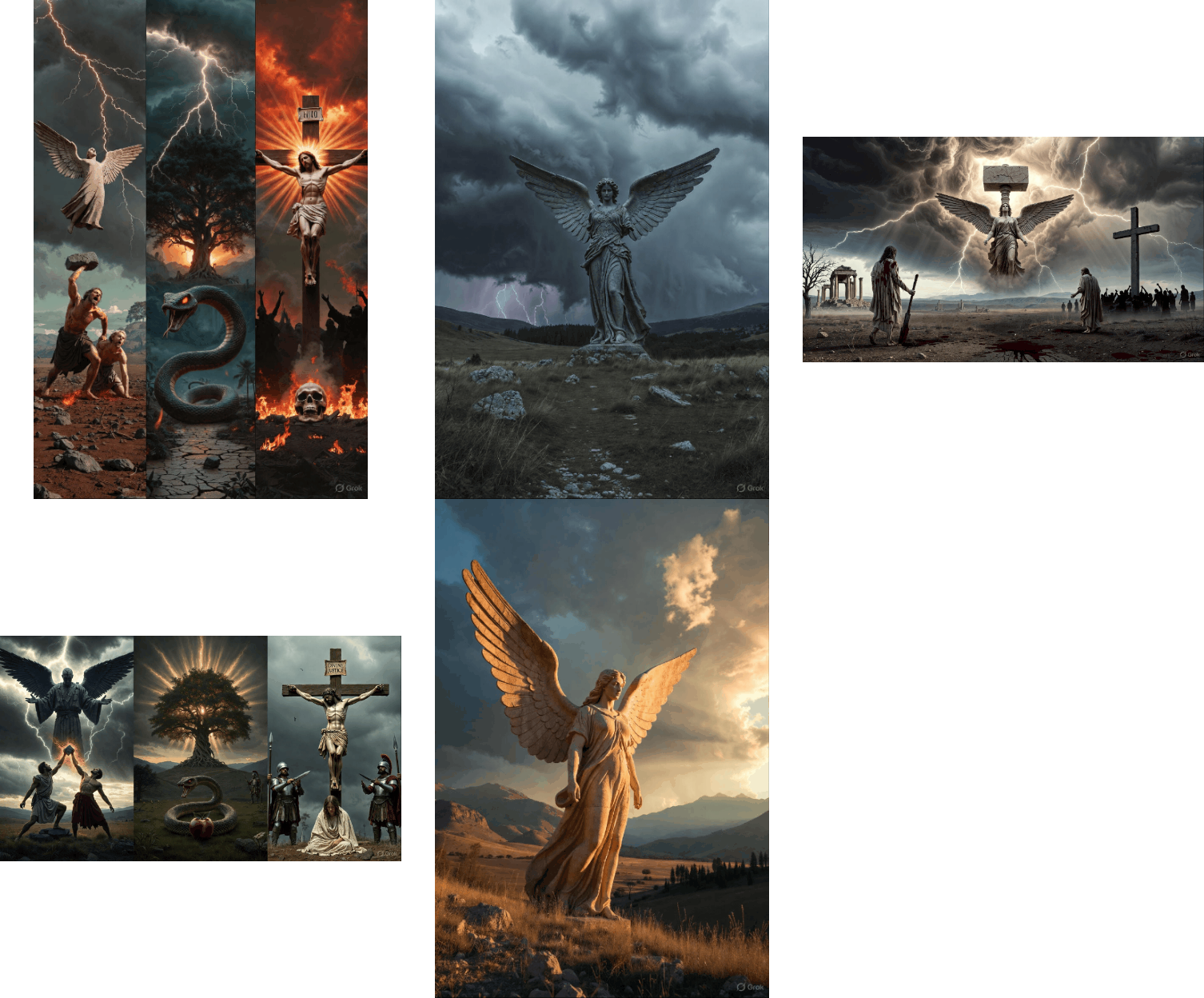
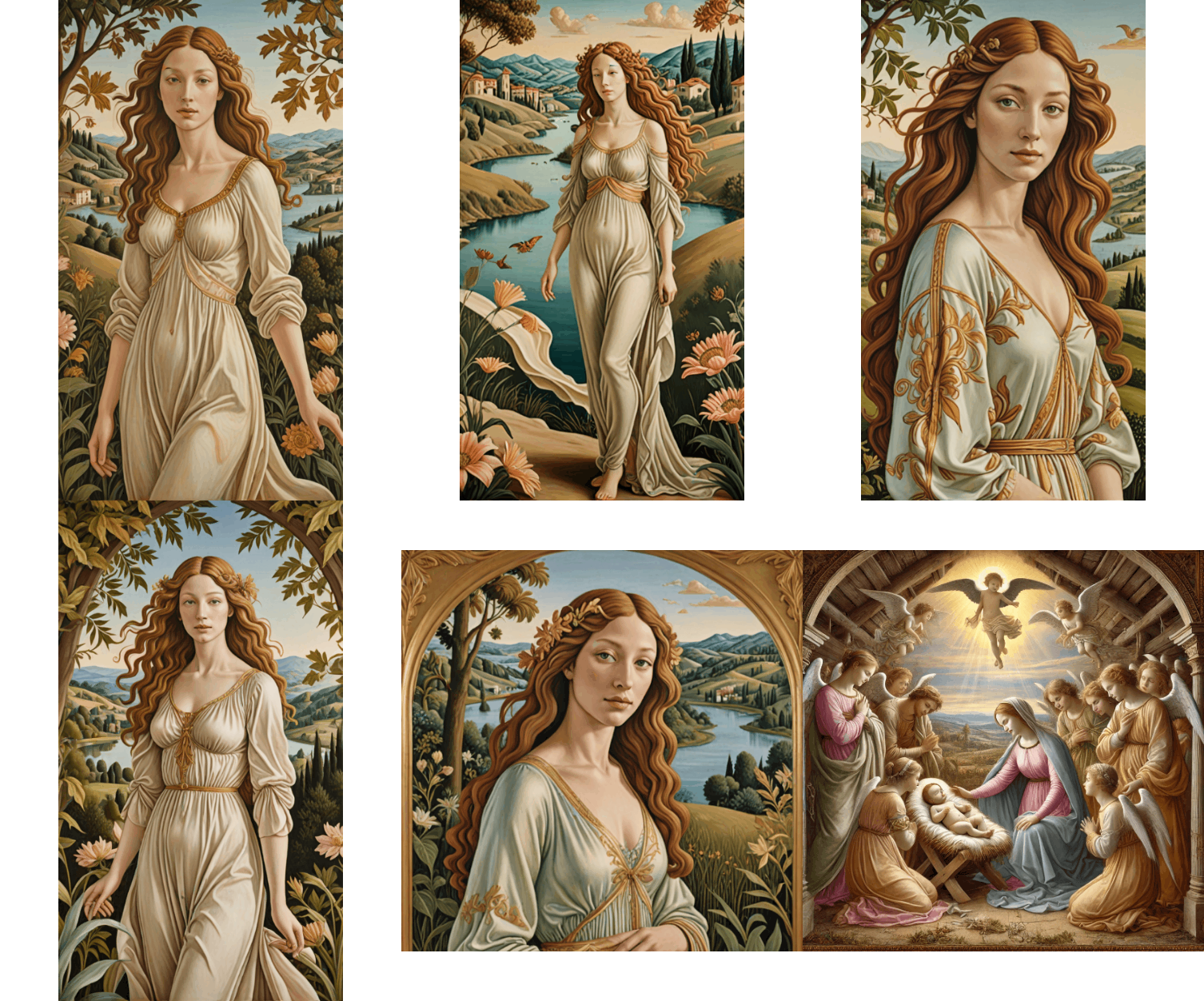


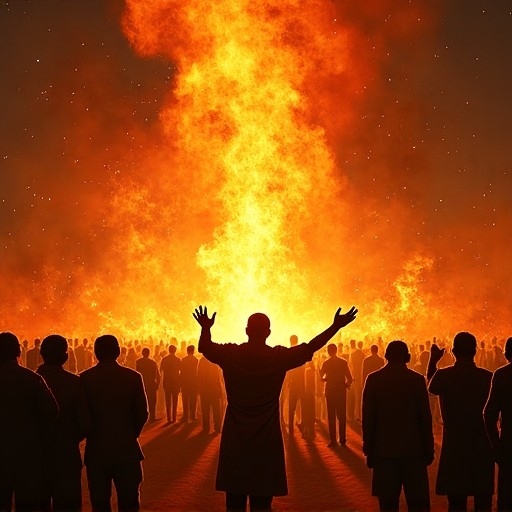
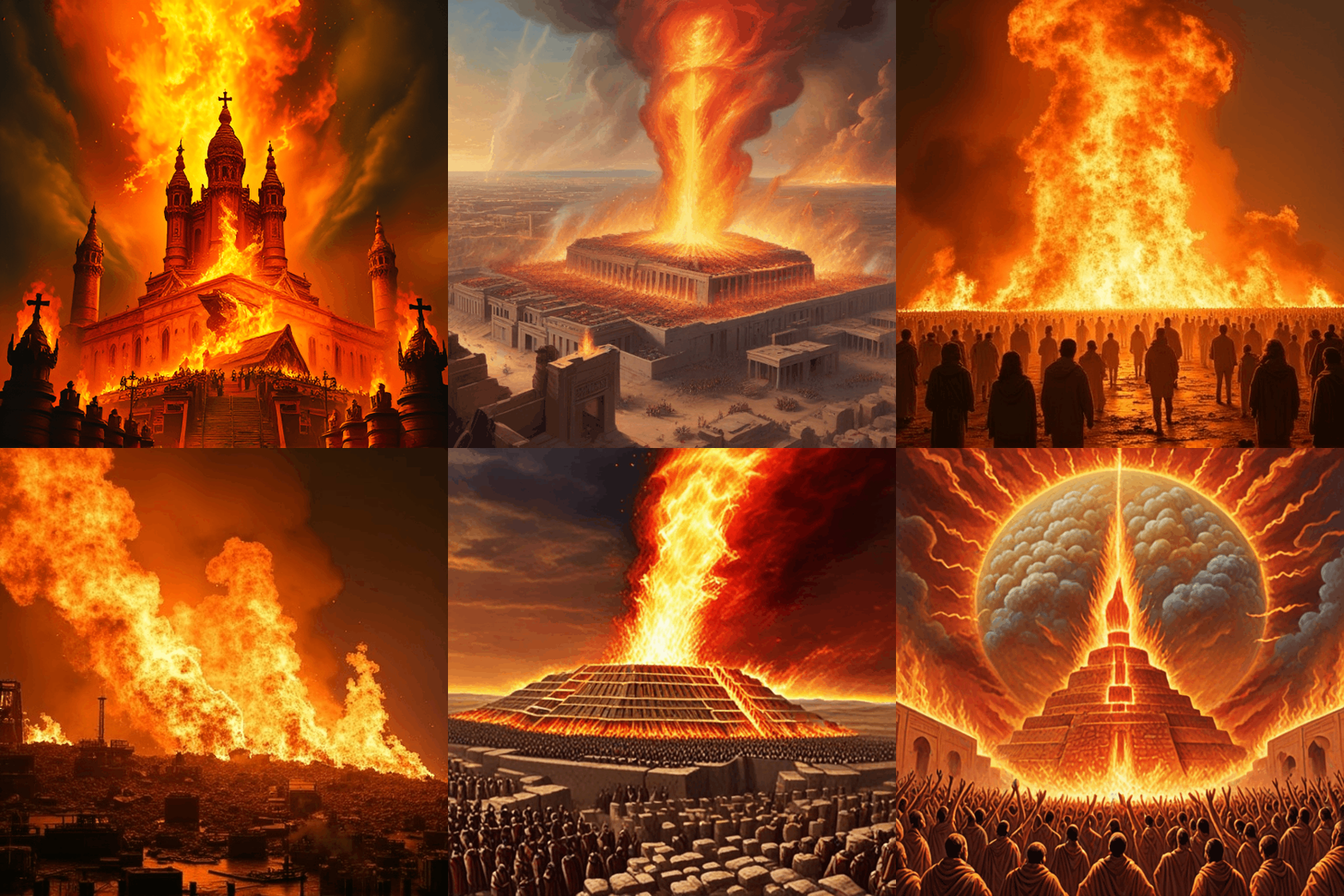
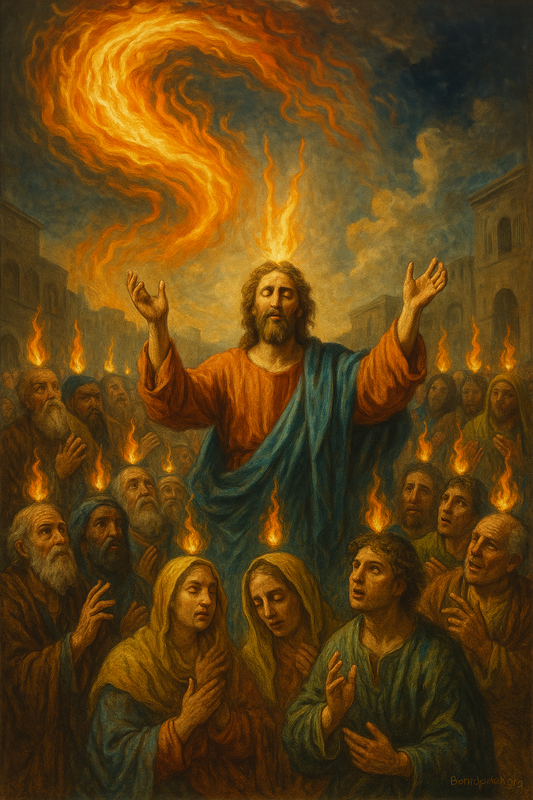
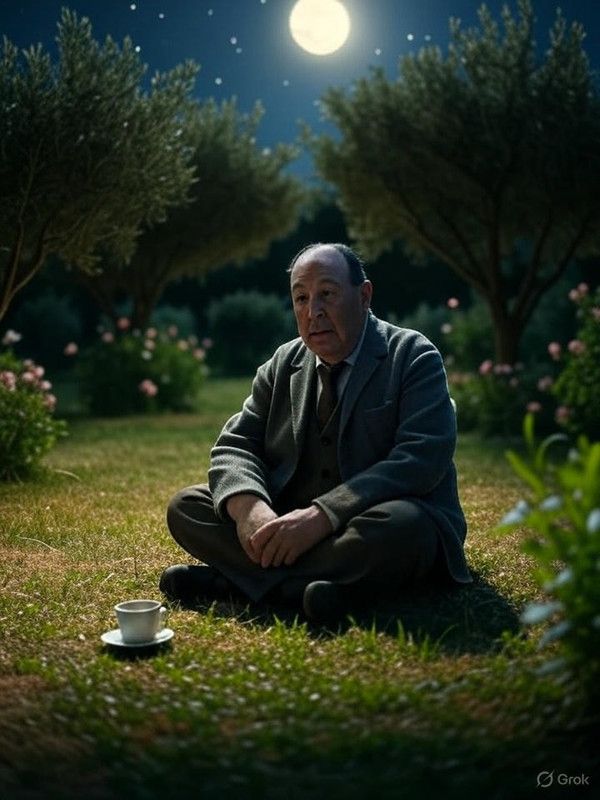
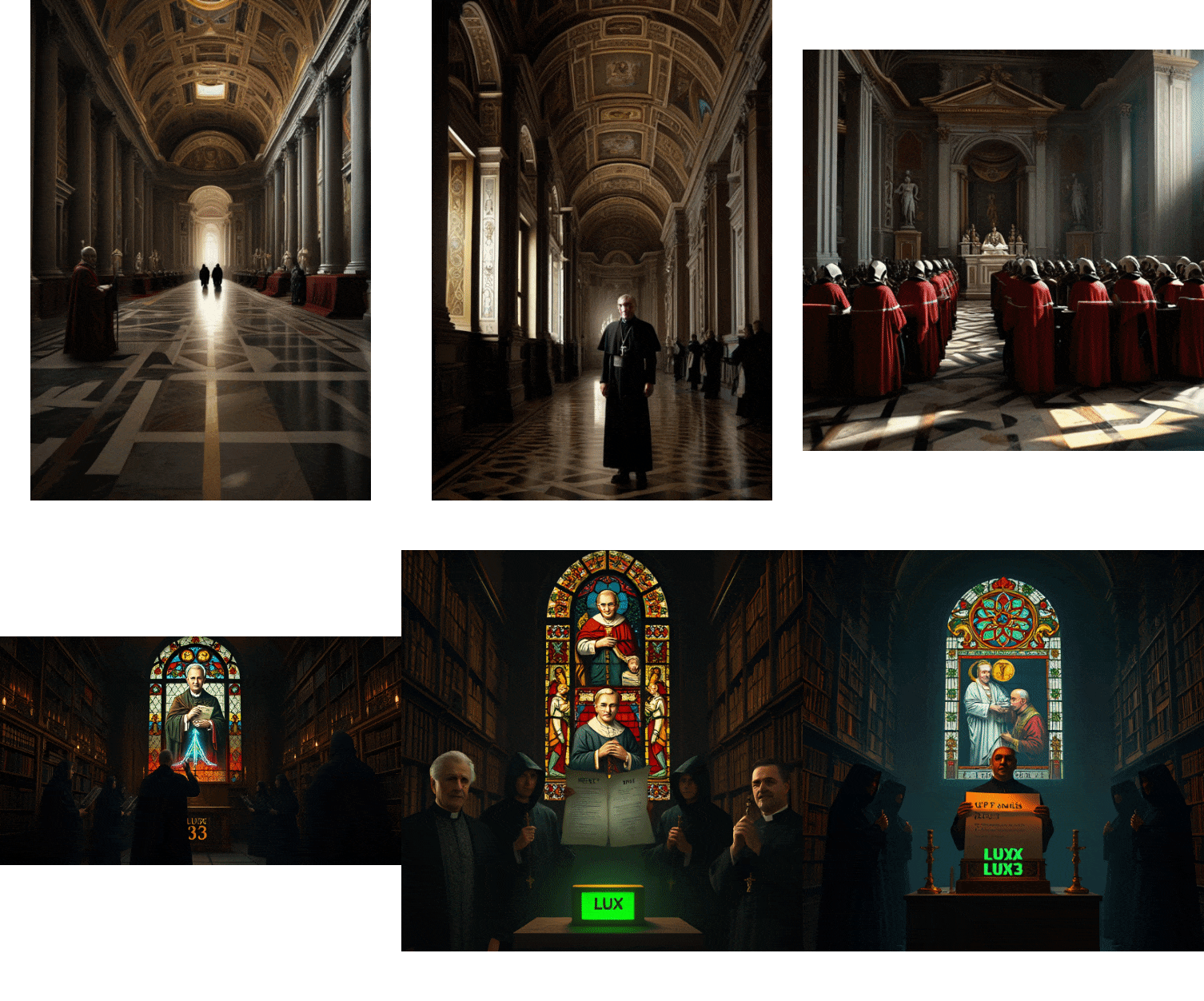
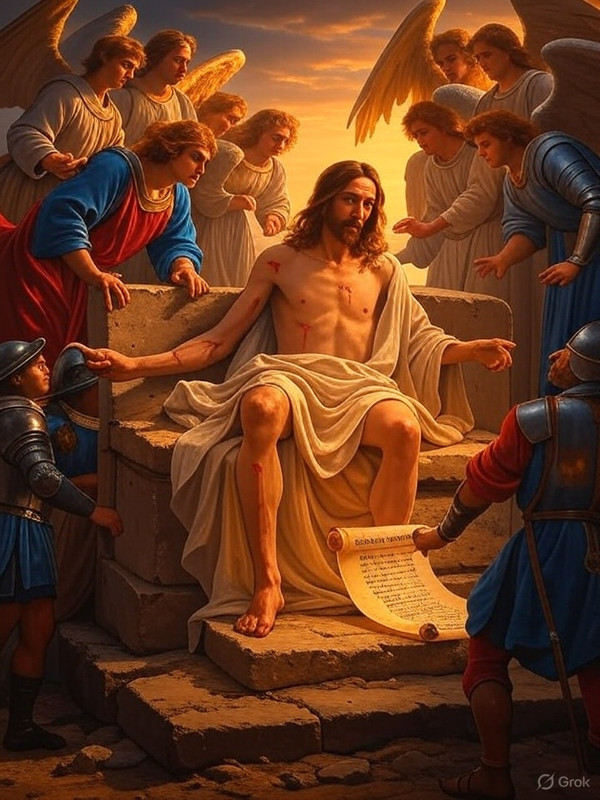


 #BiblicalEpic #BaroqueArt #DivineMysteries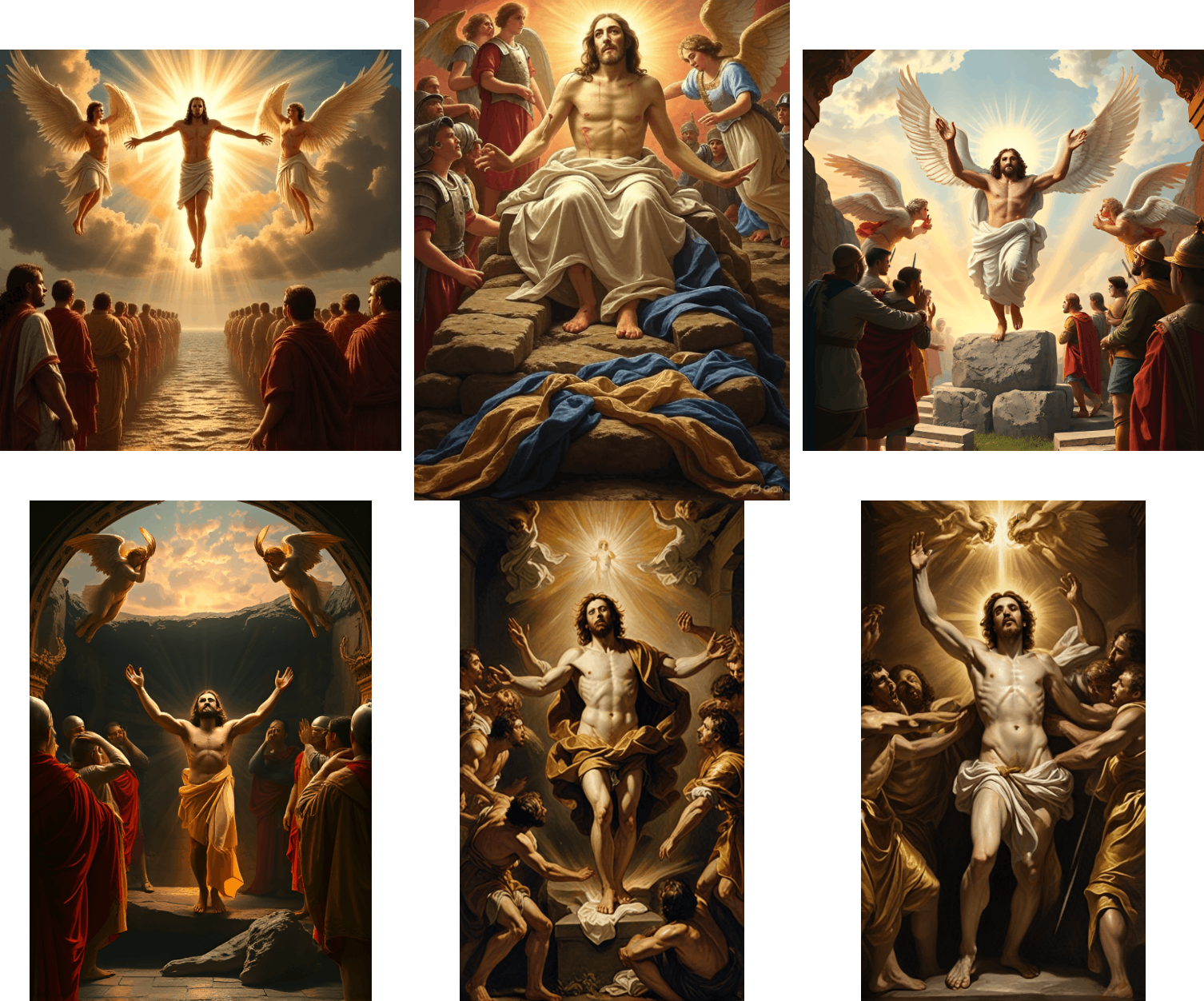
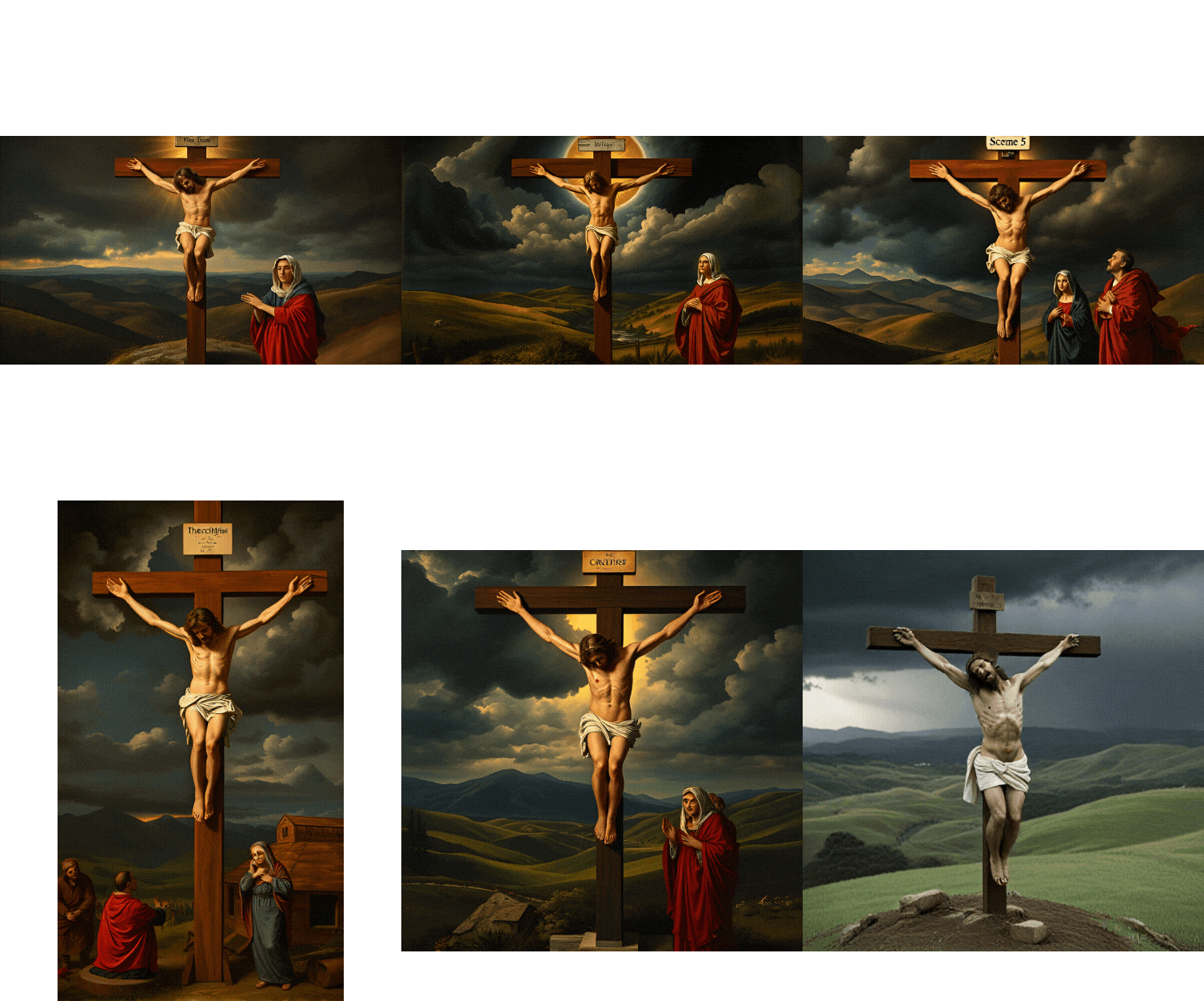
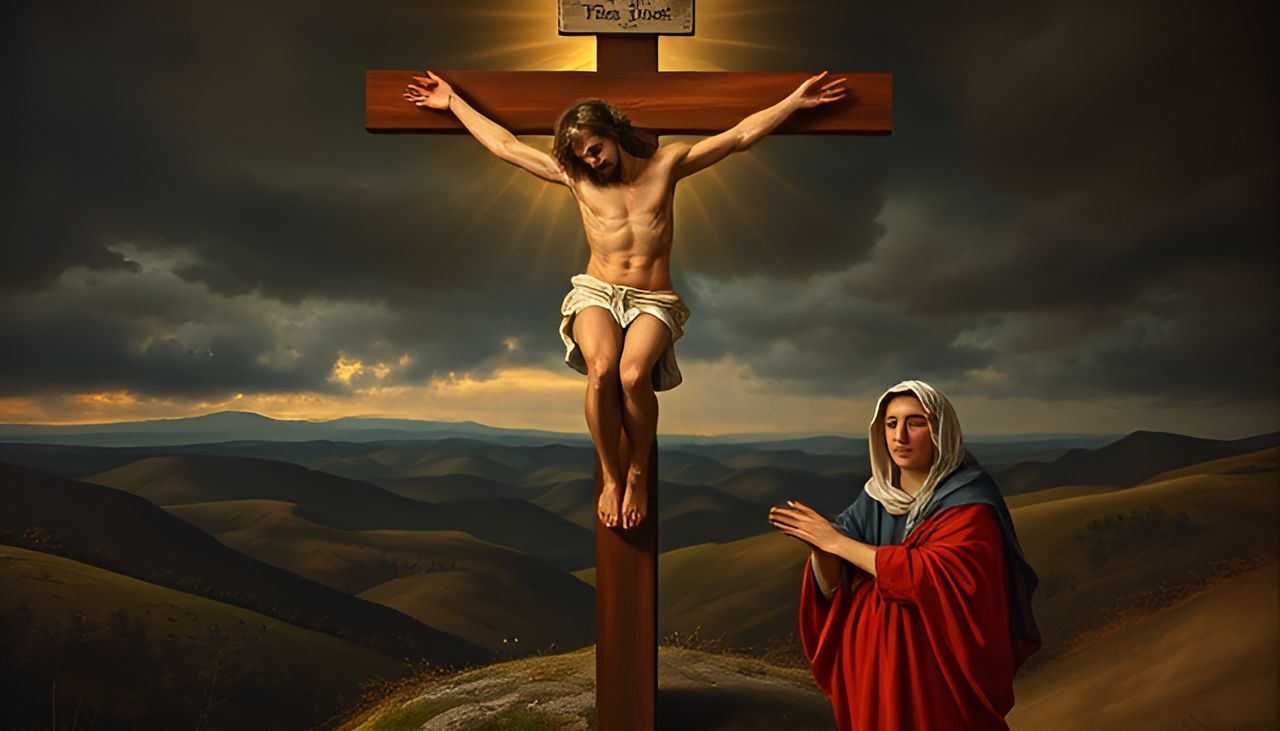
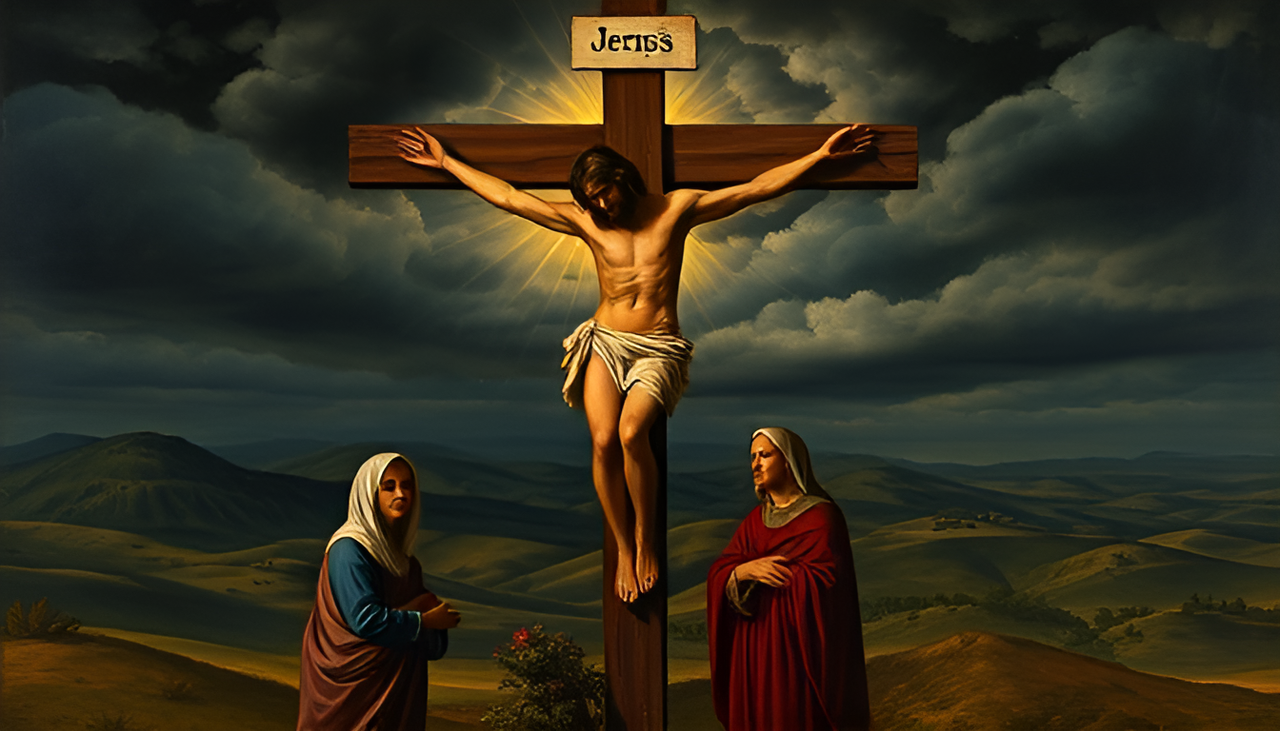
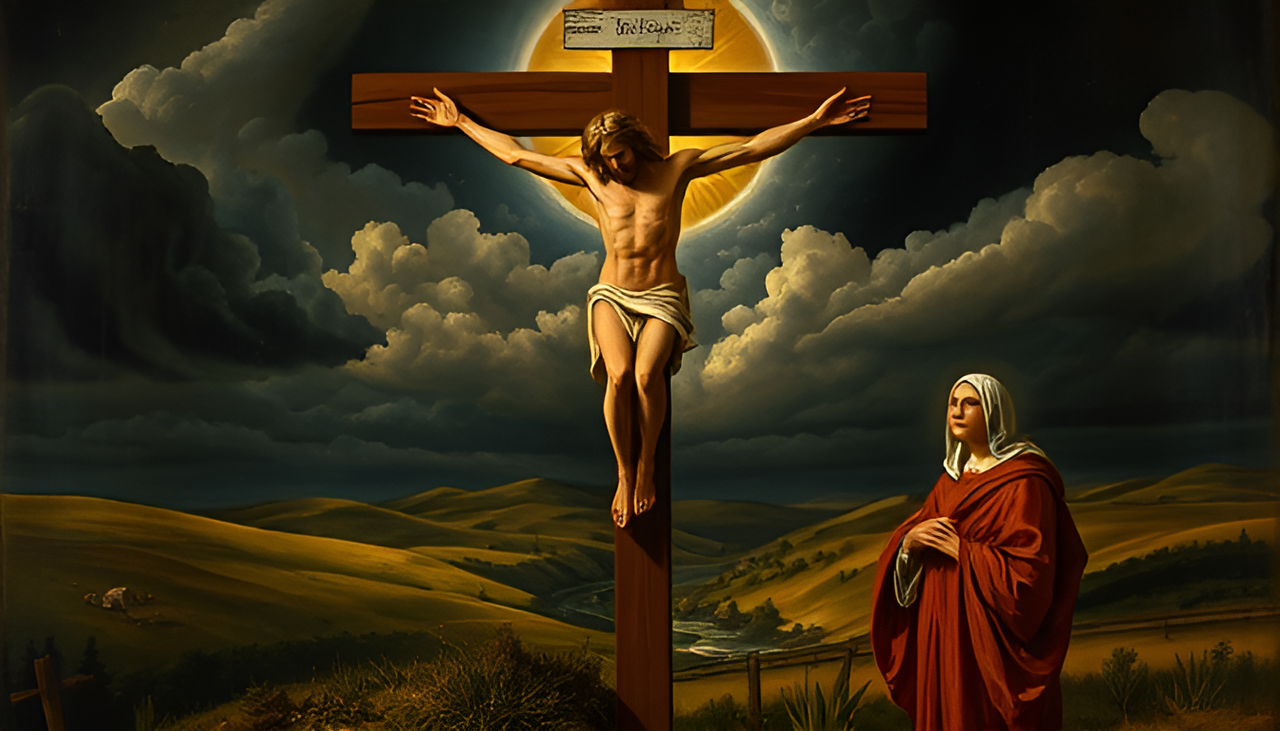
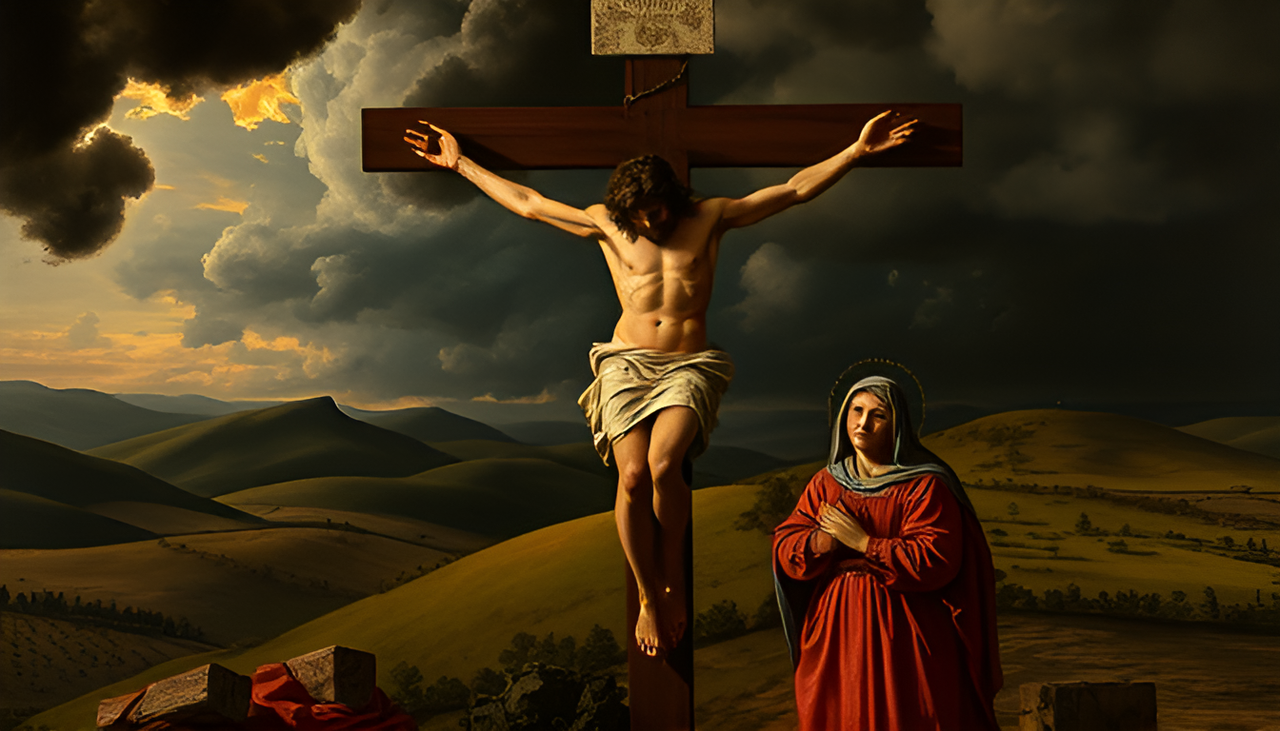
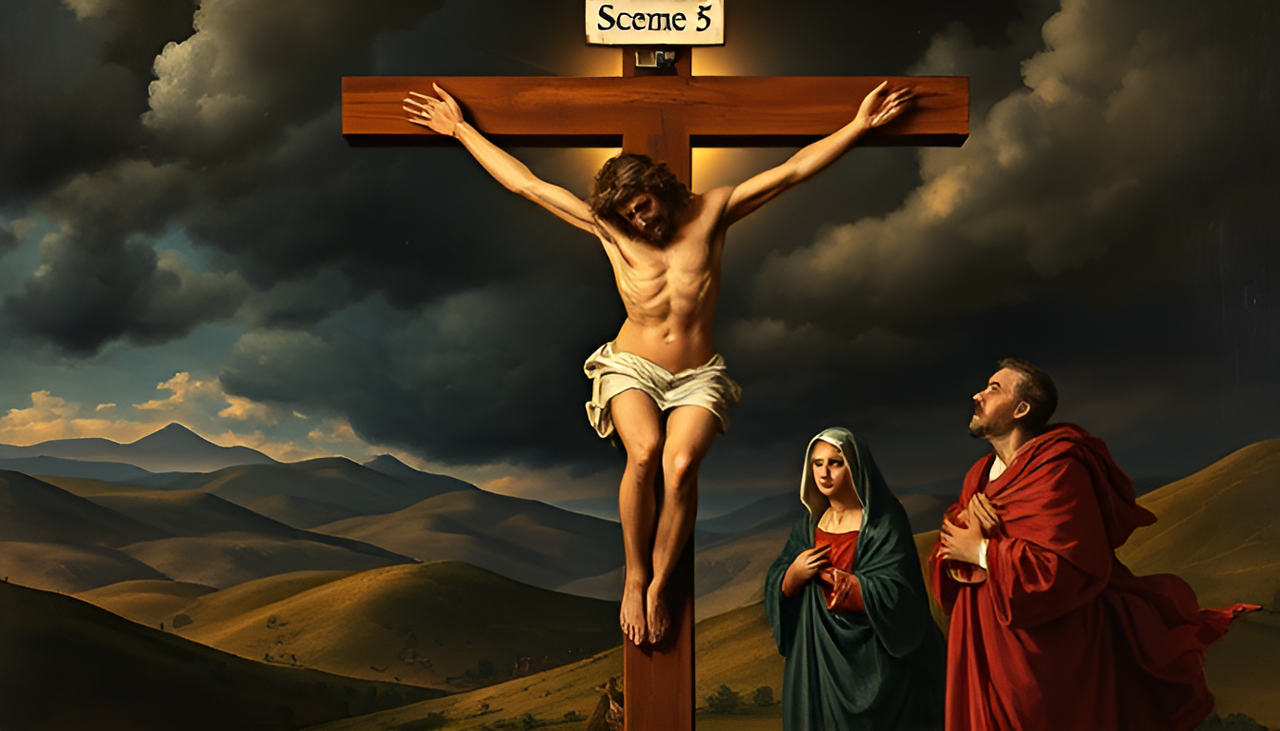
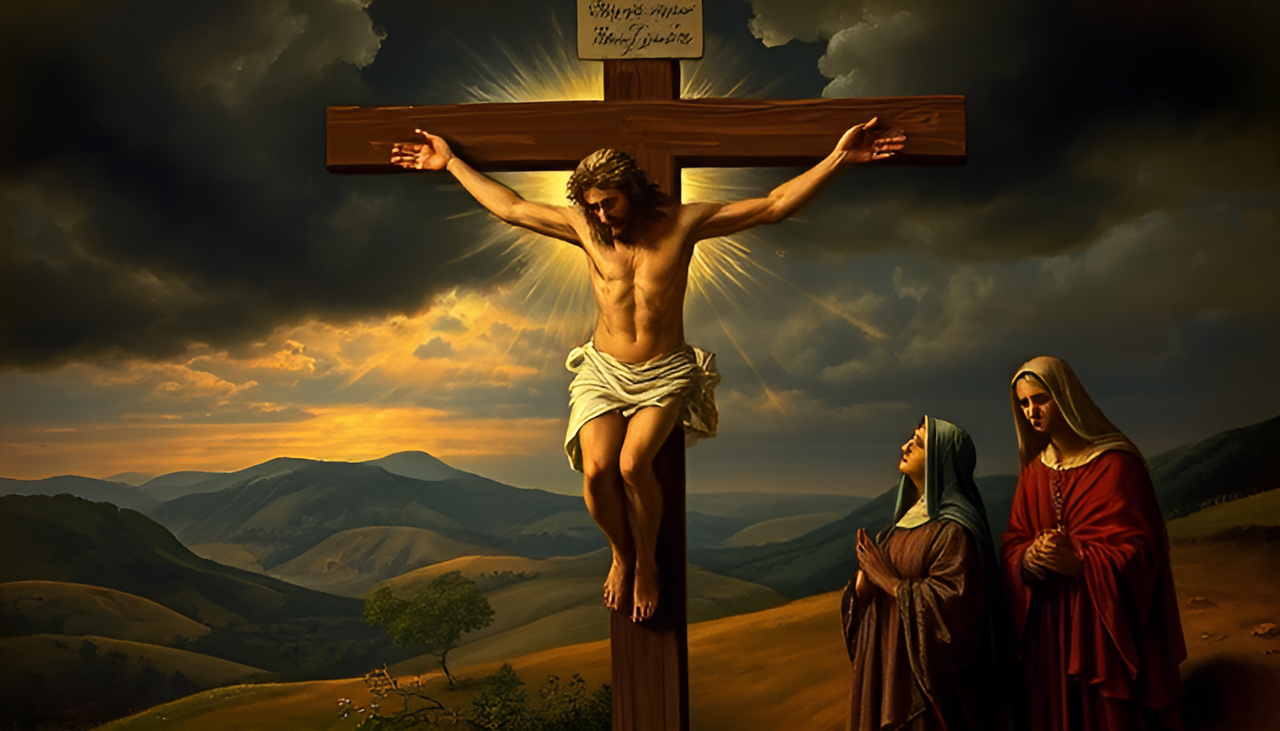
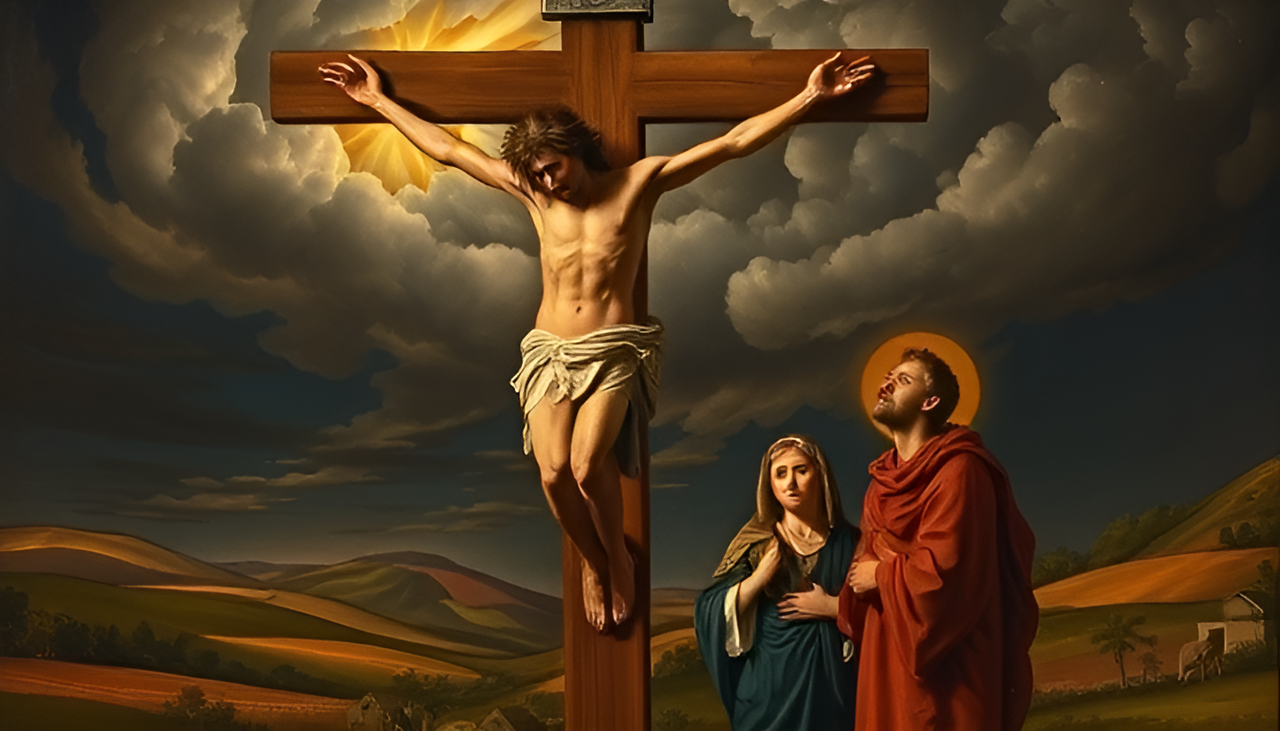
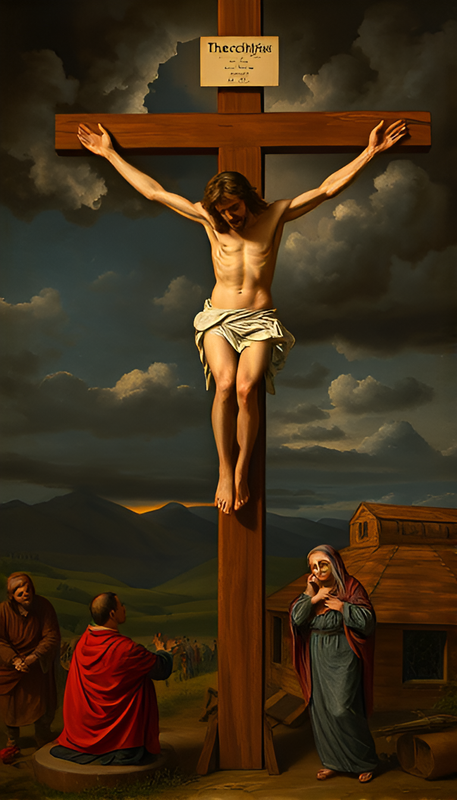
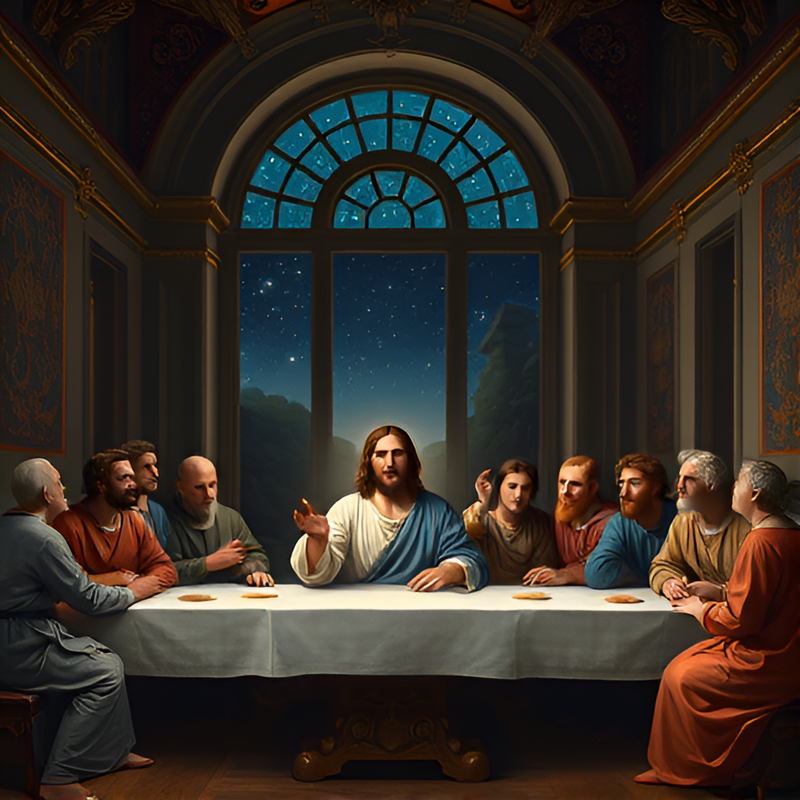
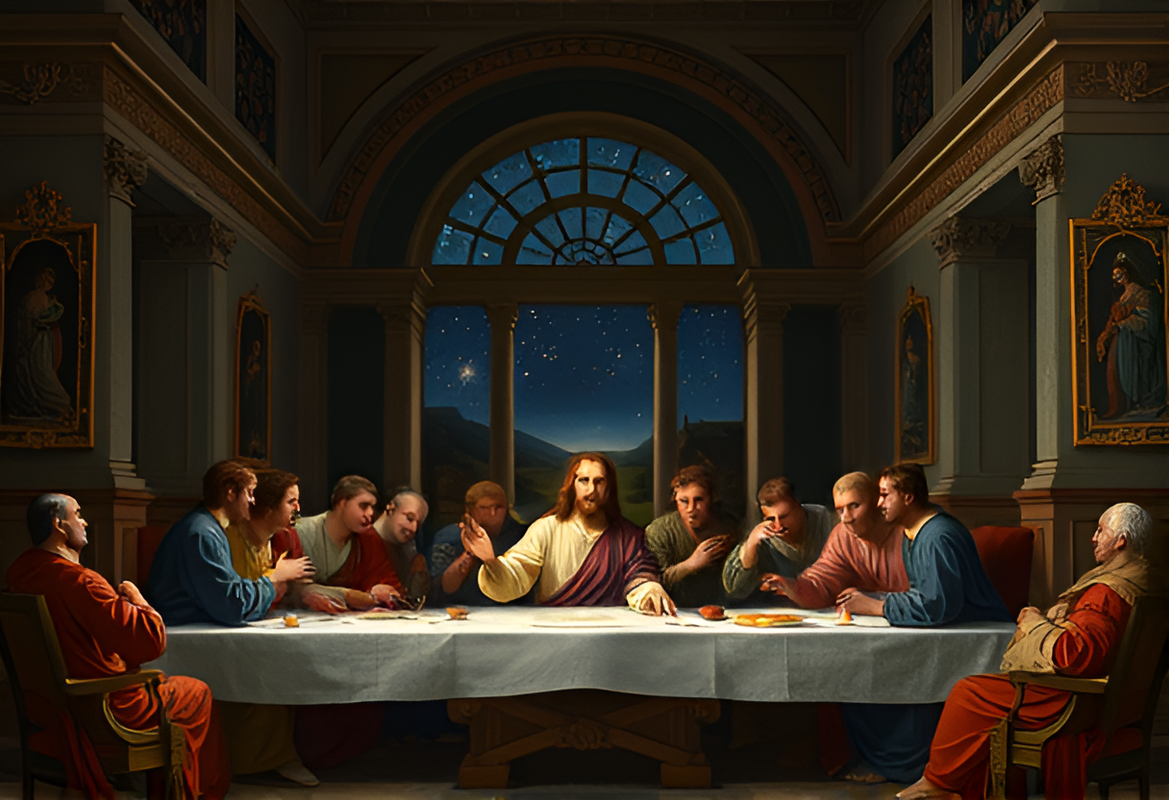
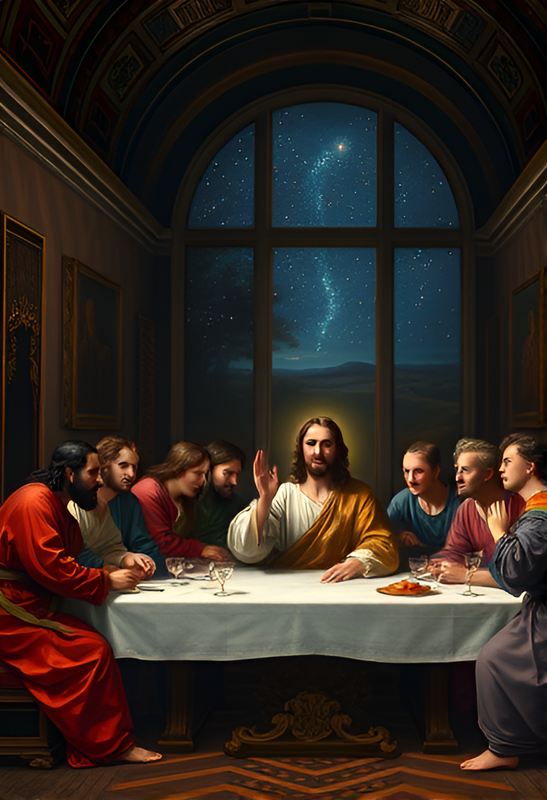
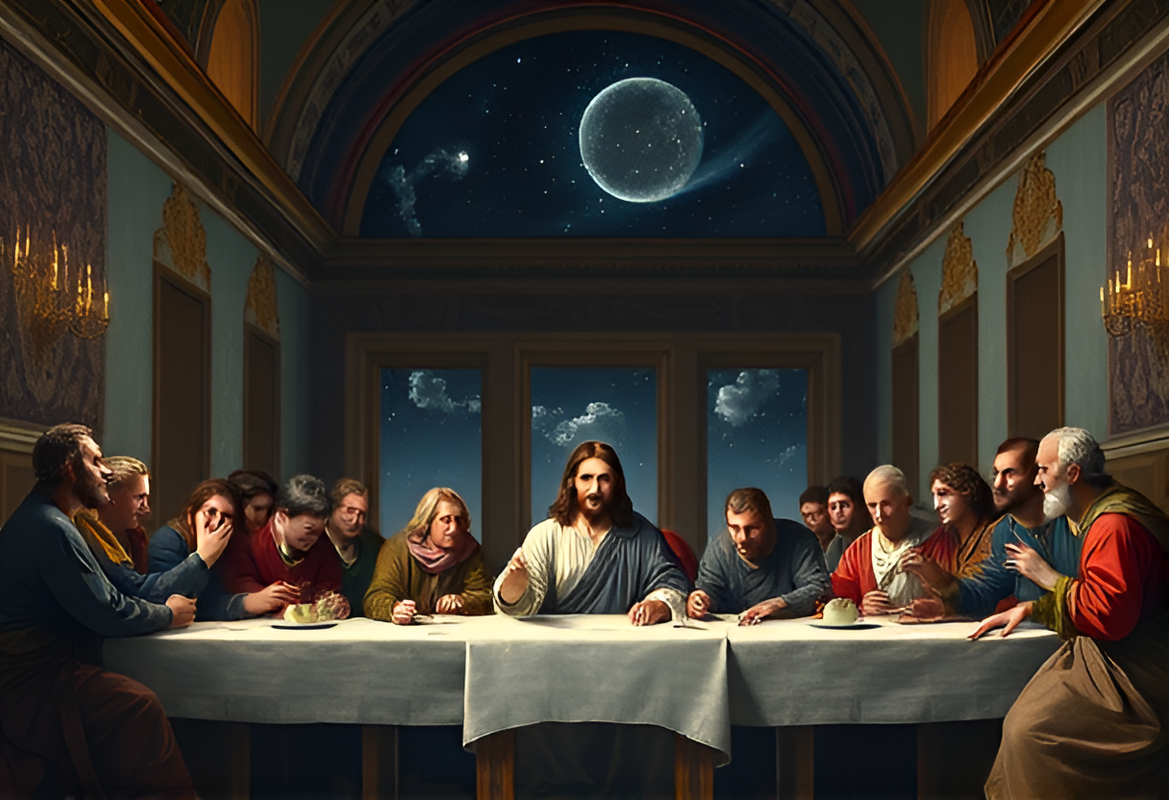
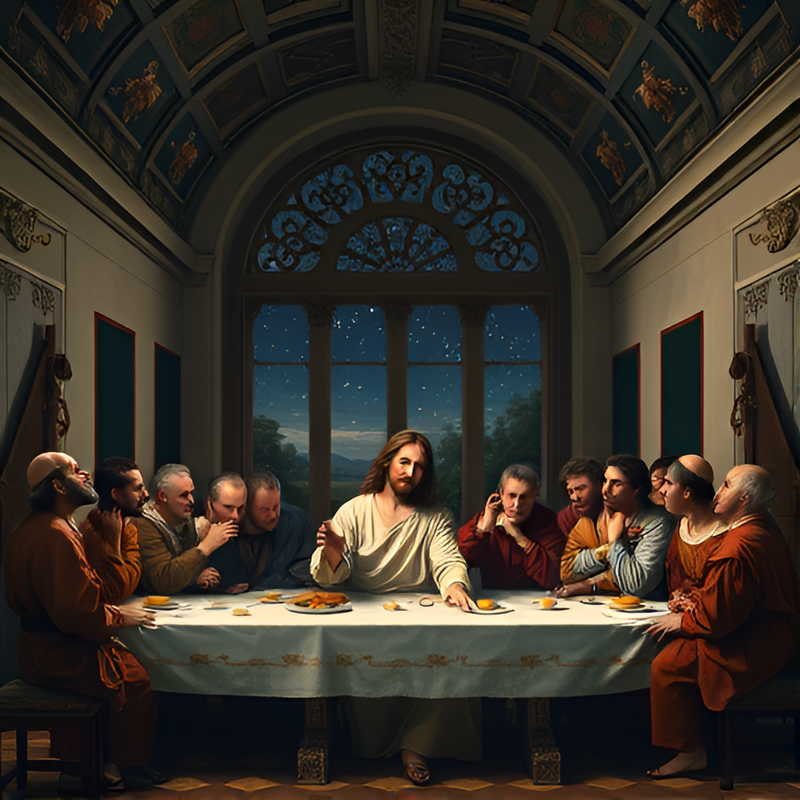
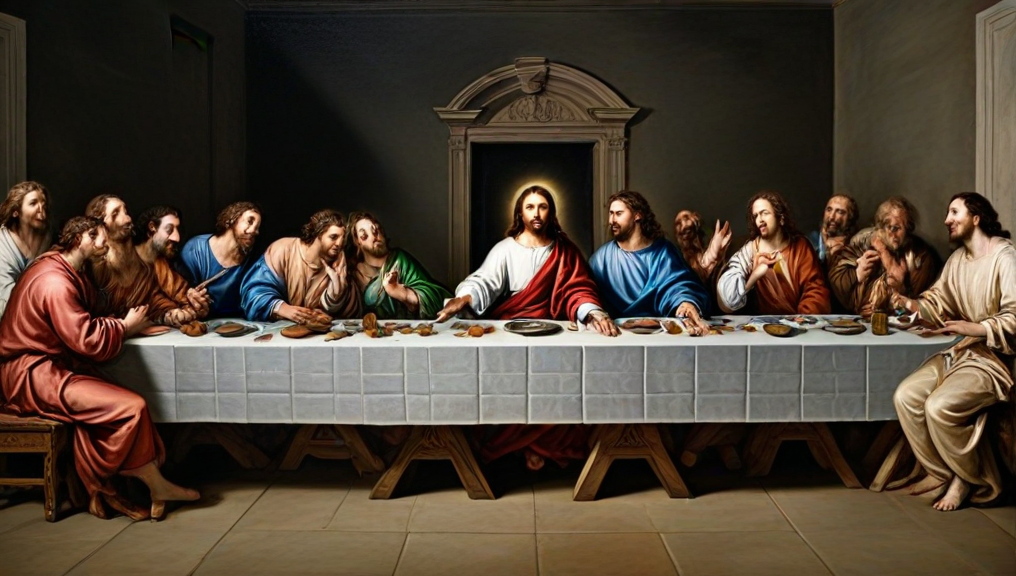
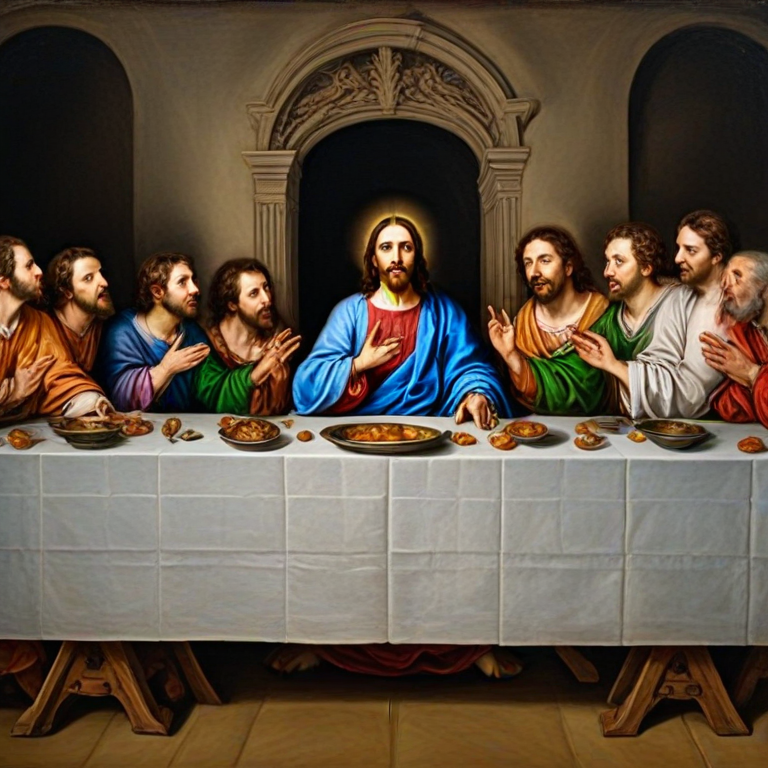
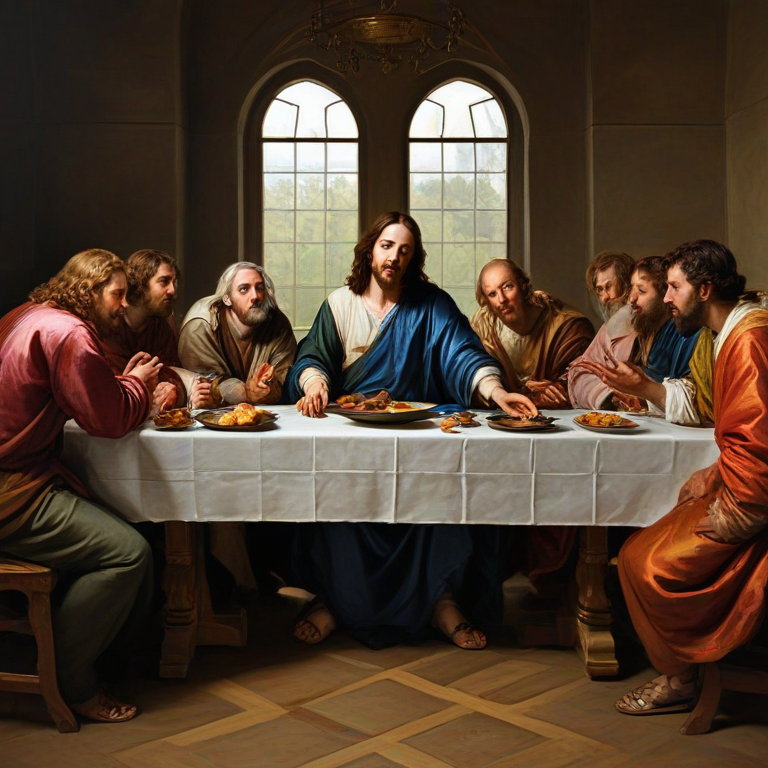
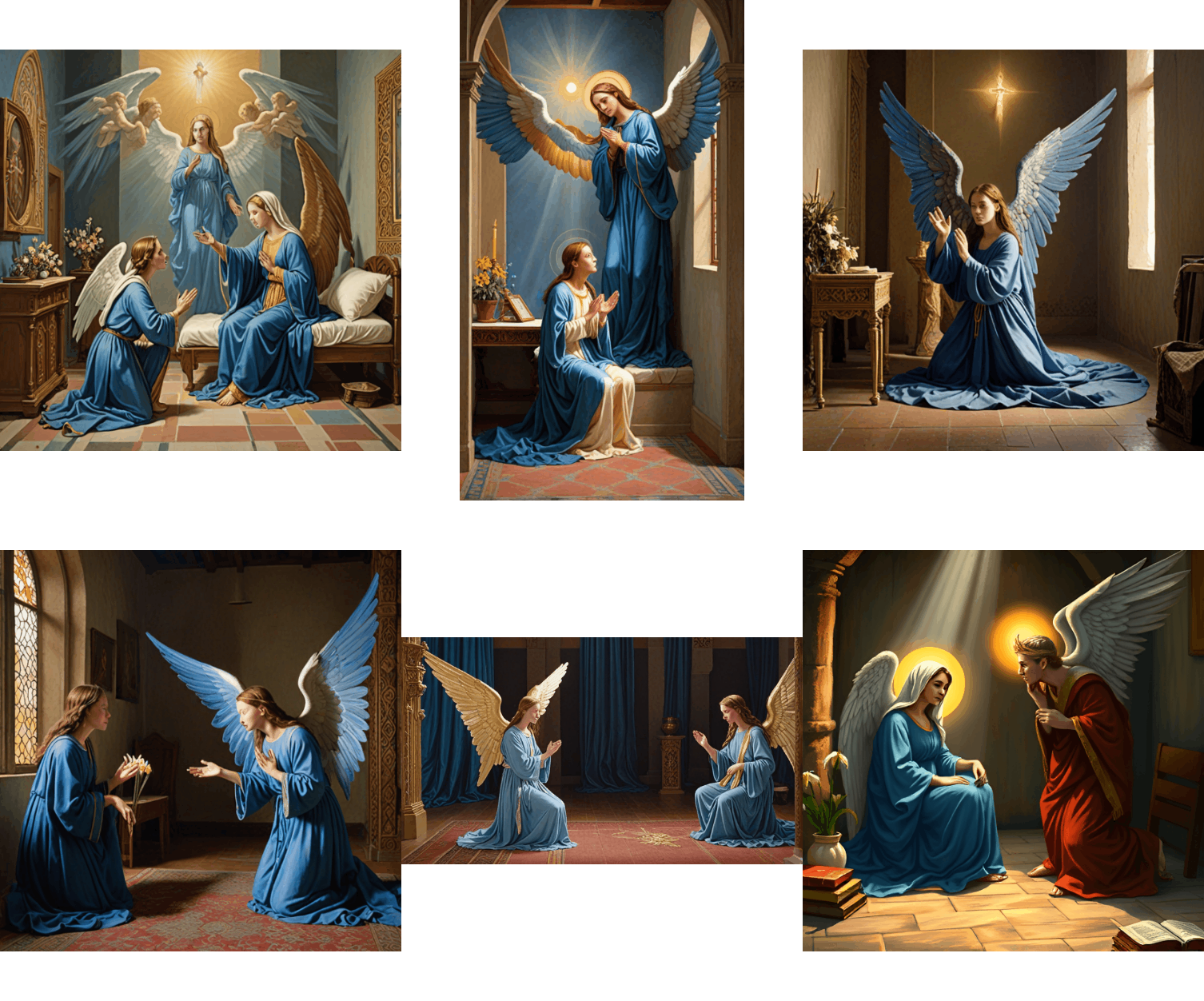
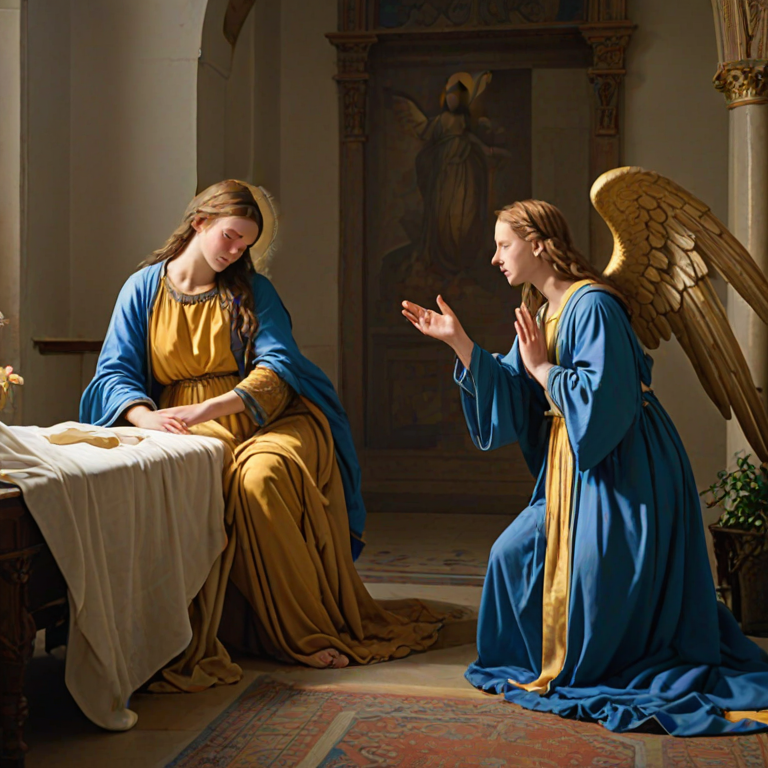
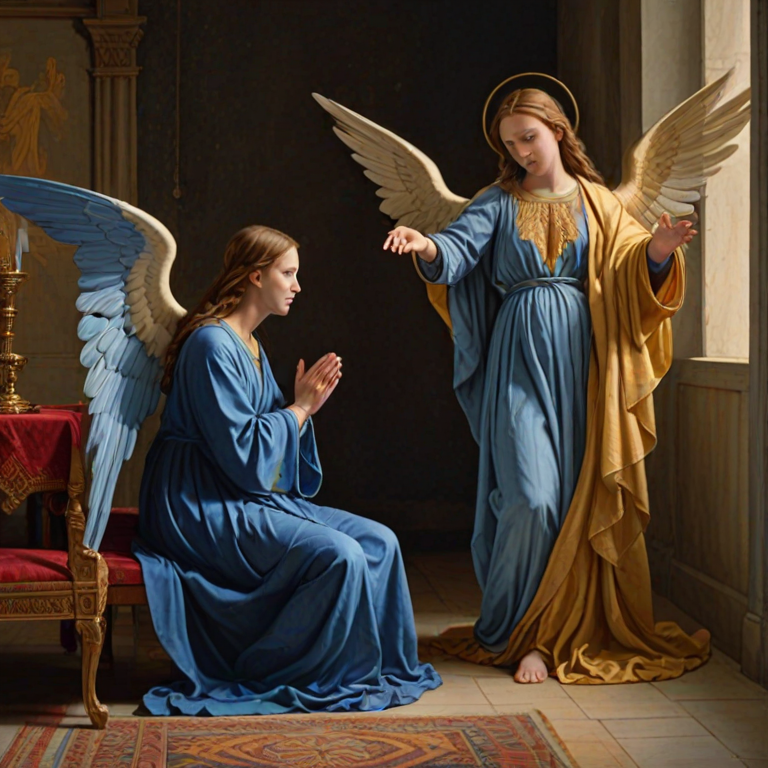
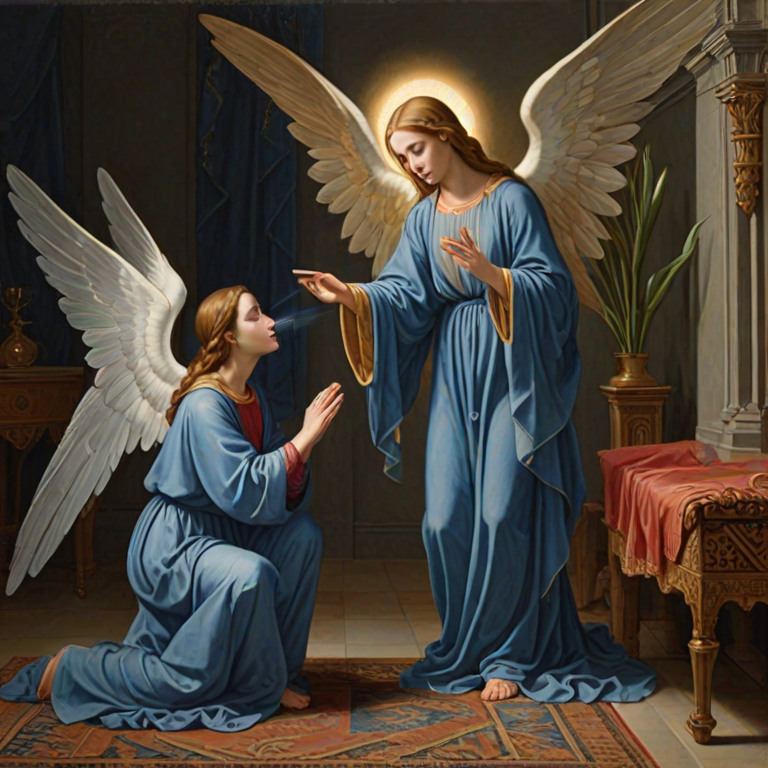
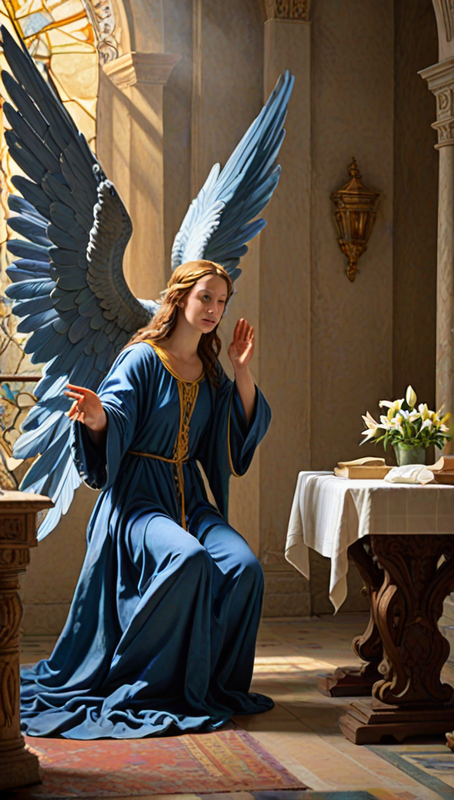
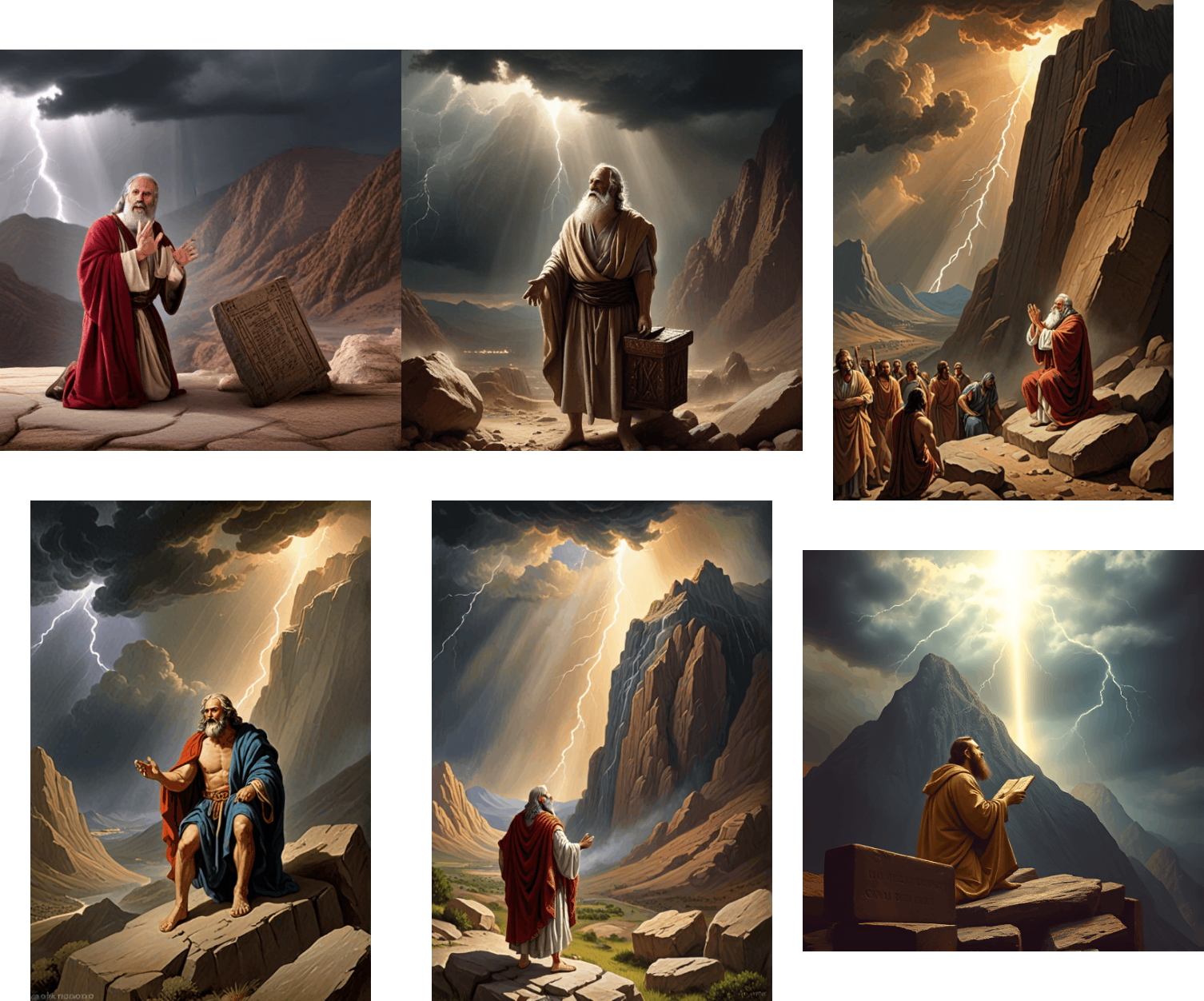
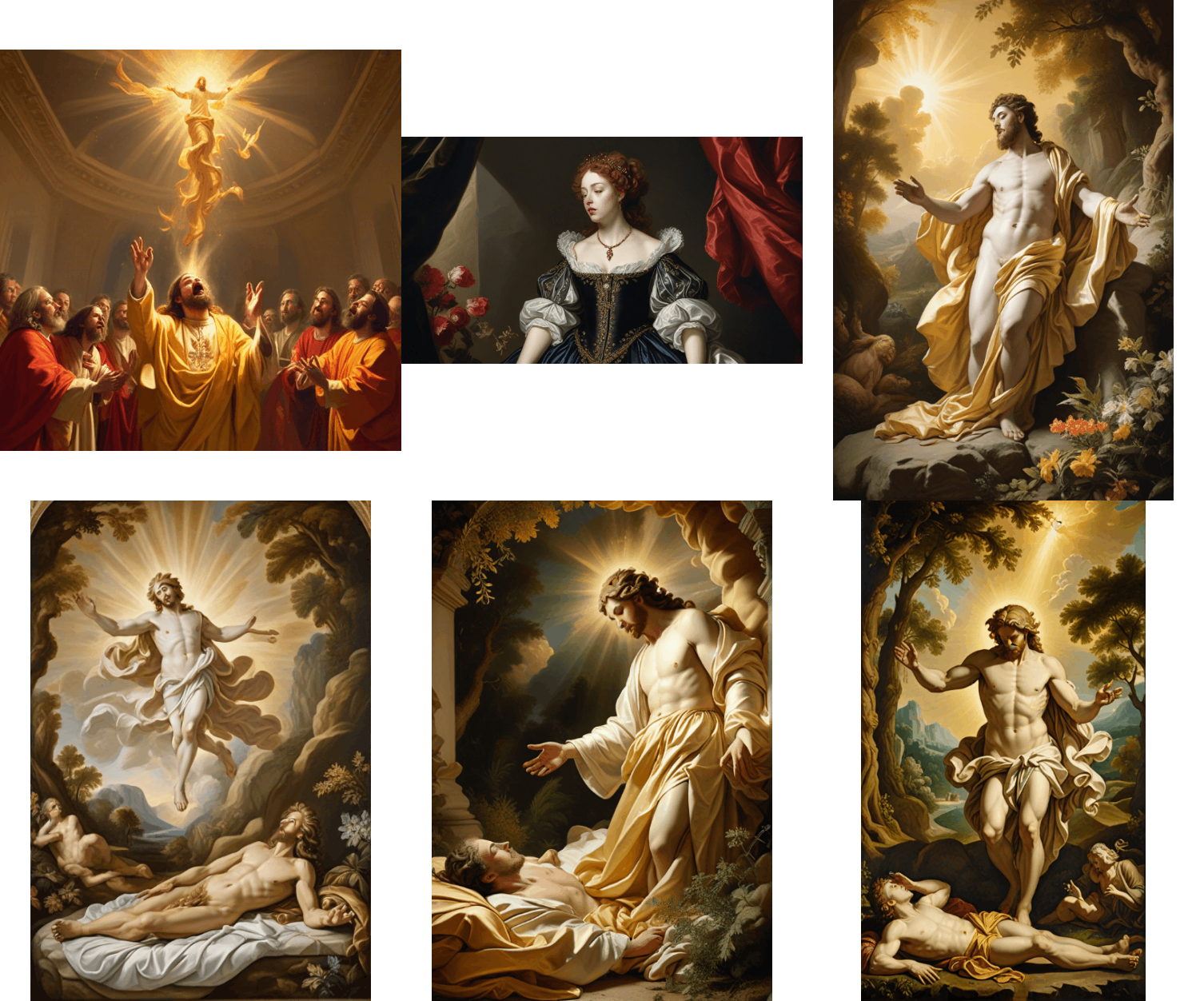

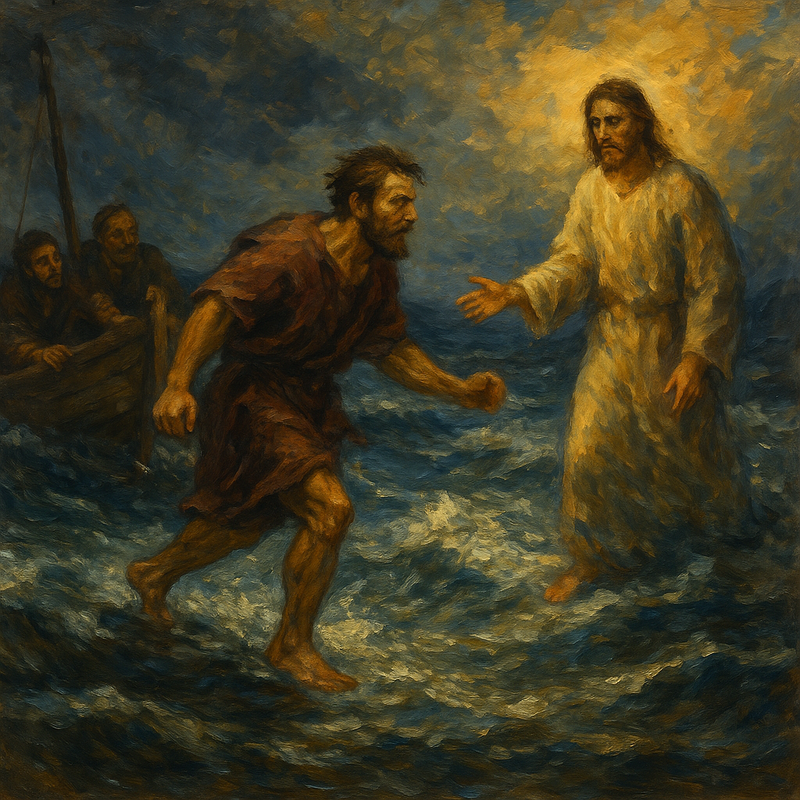
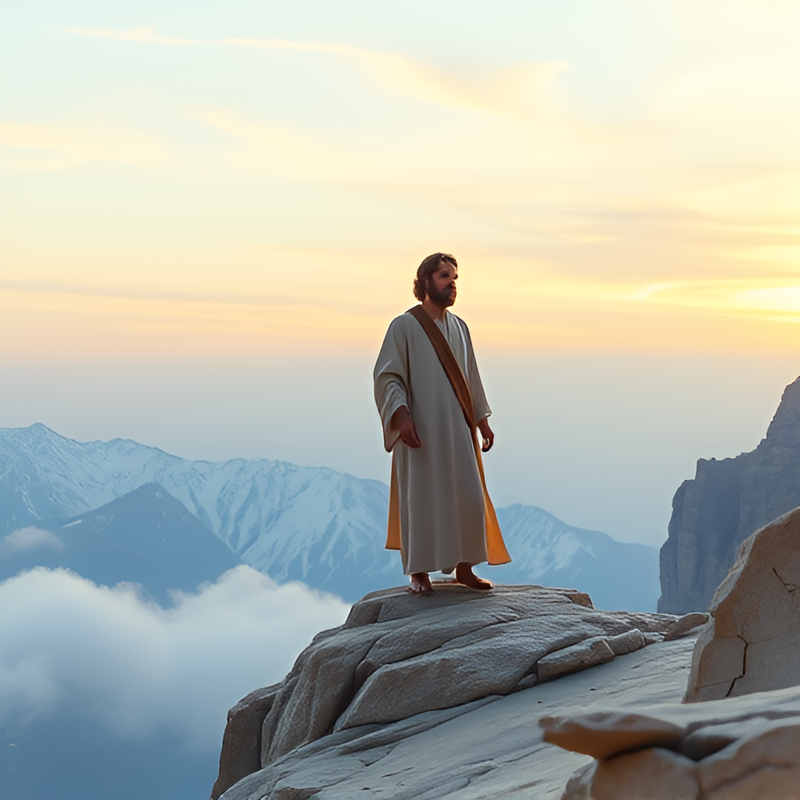
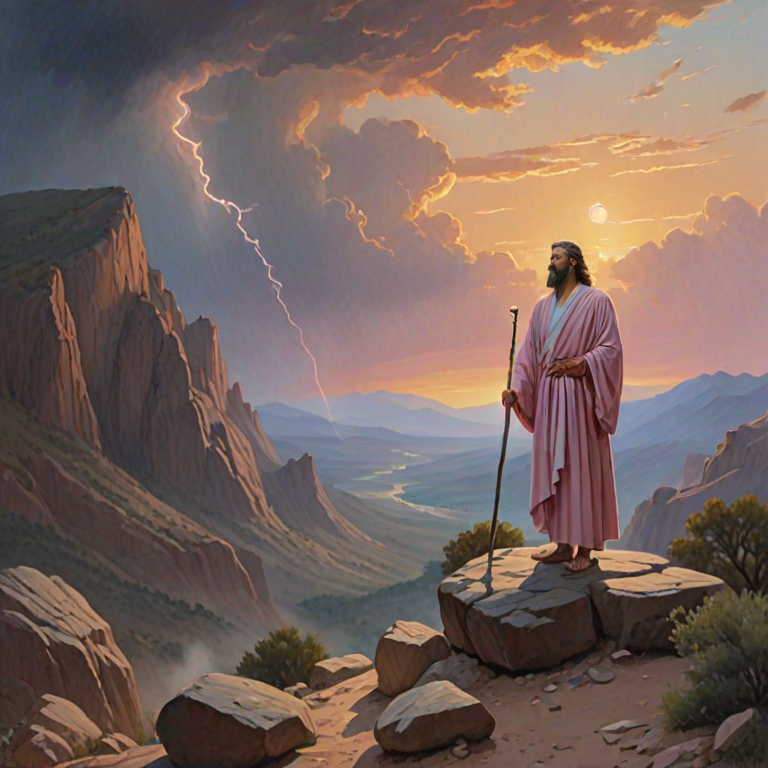
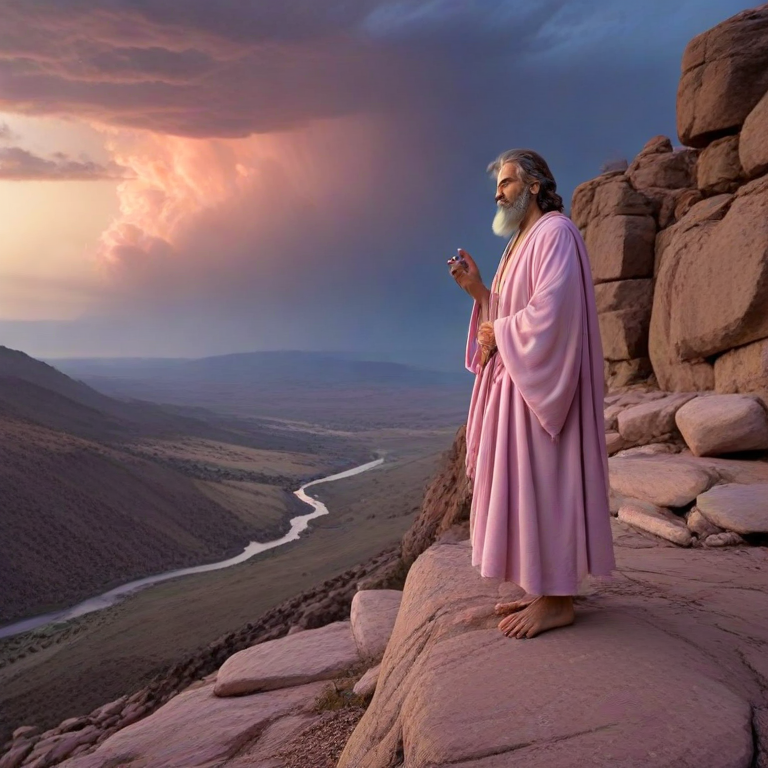
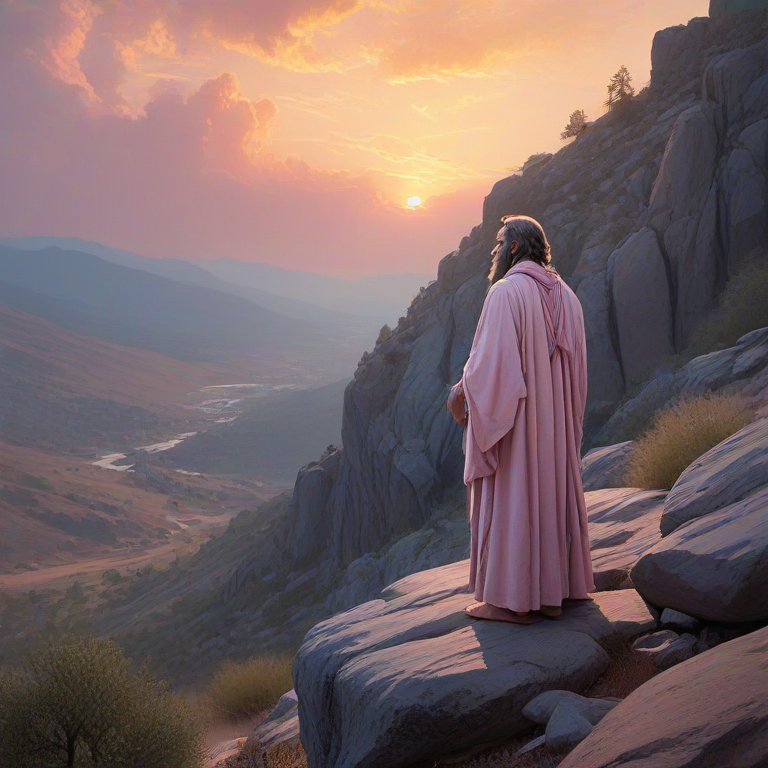

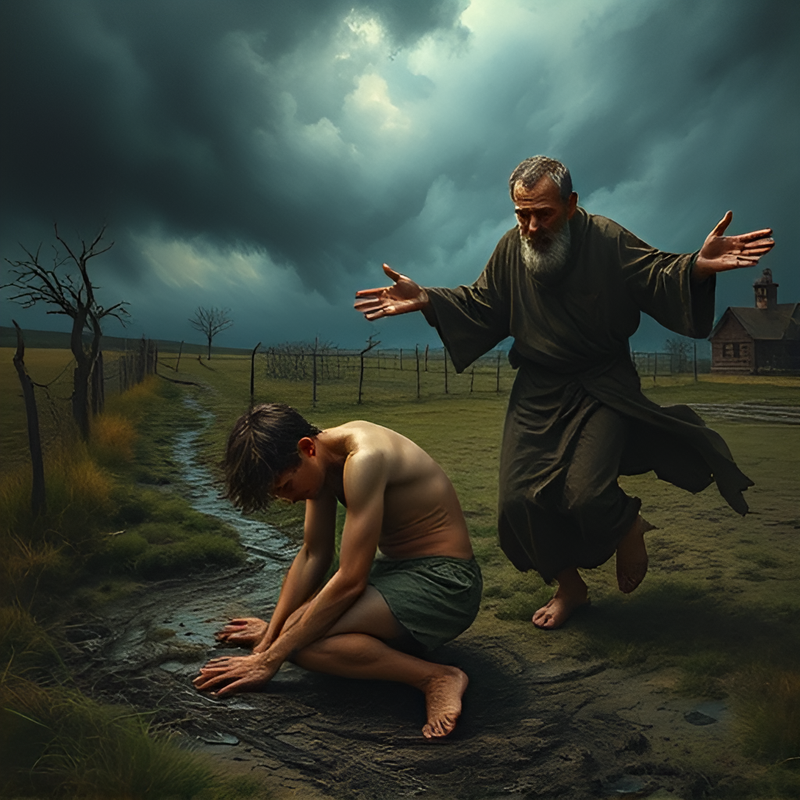



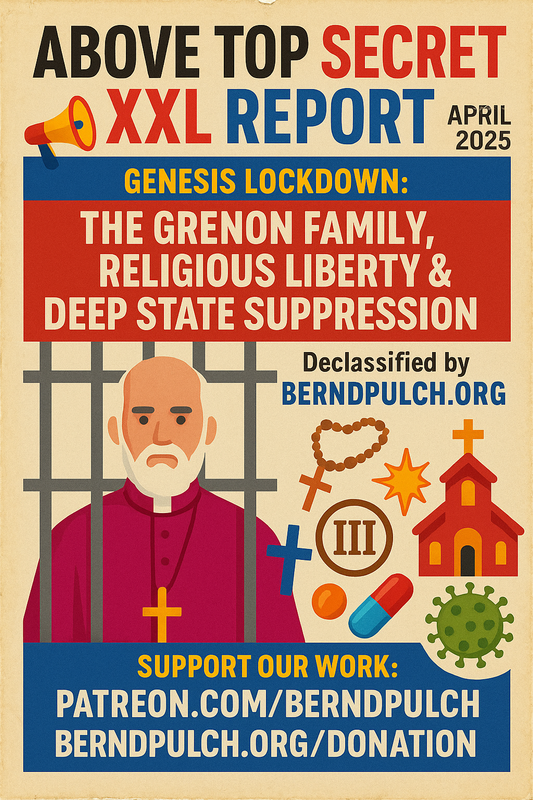
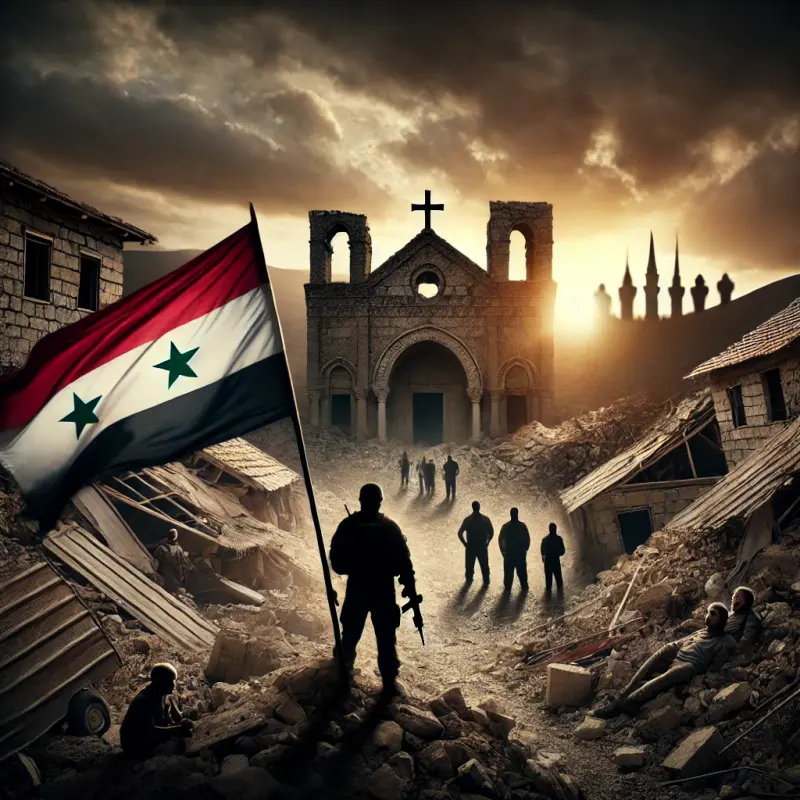

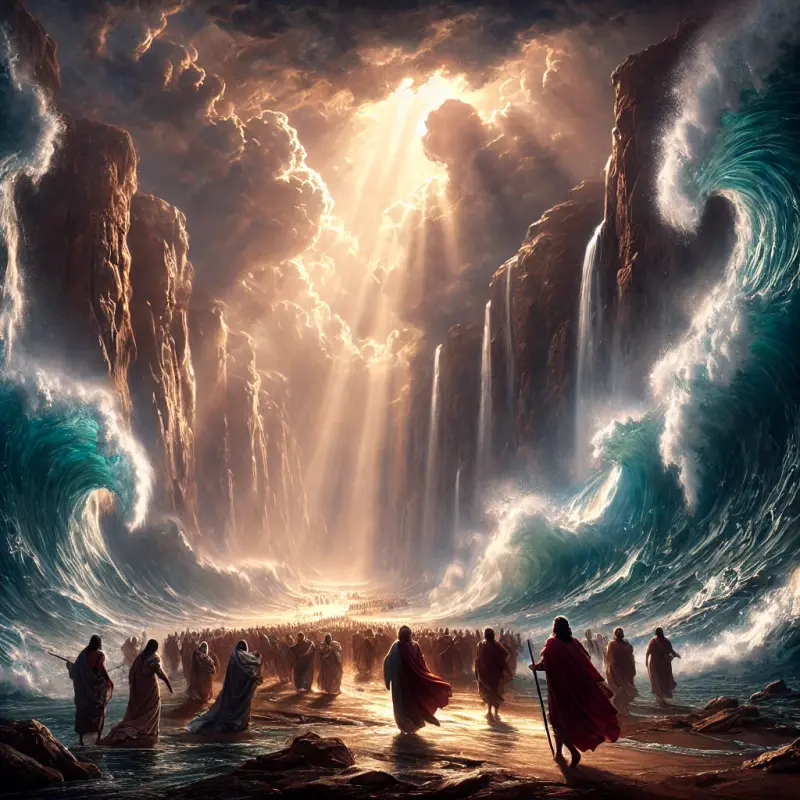
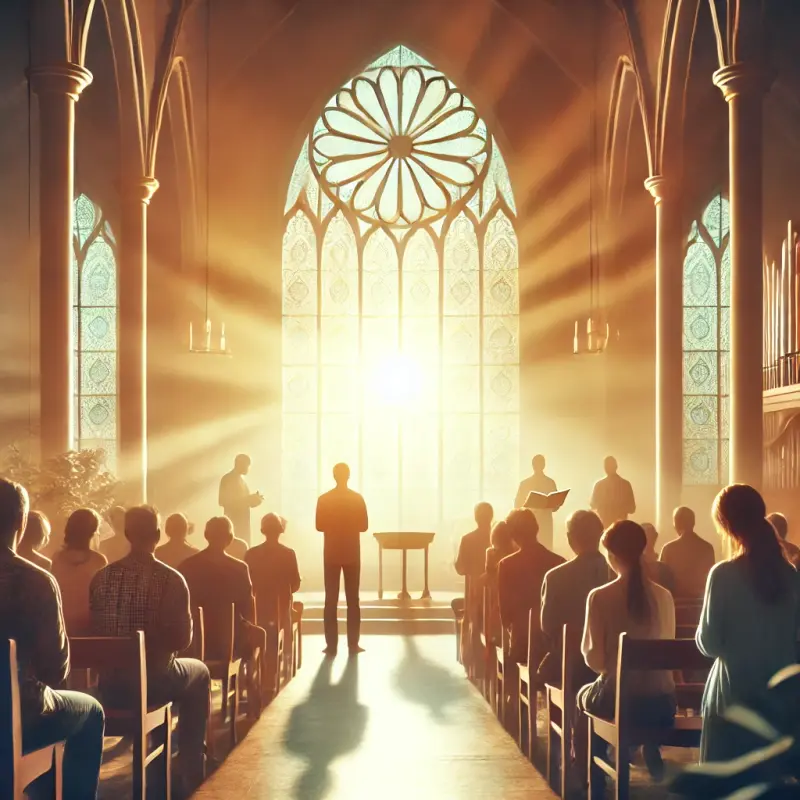
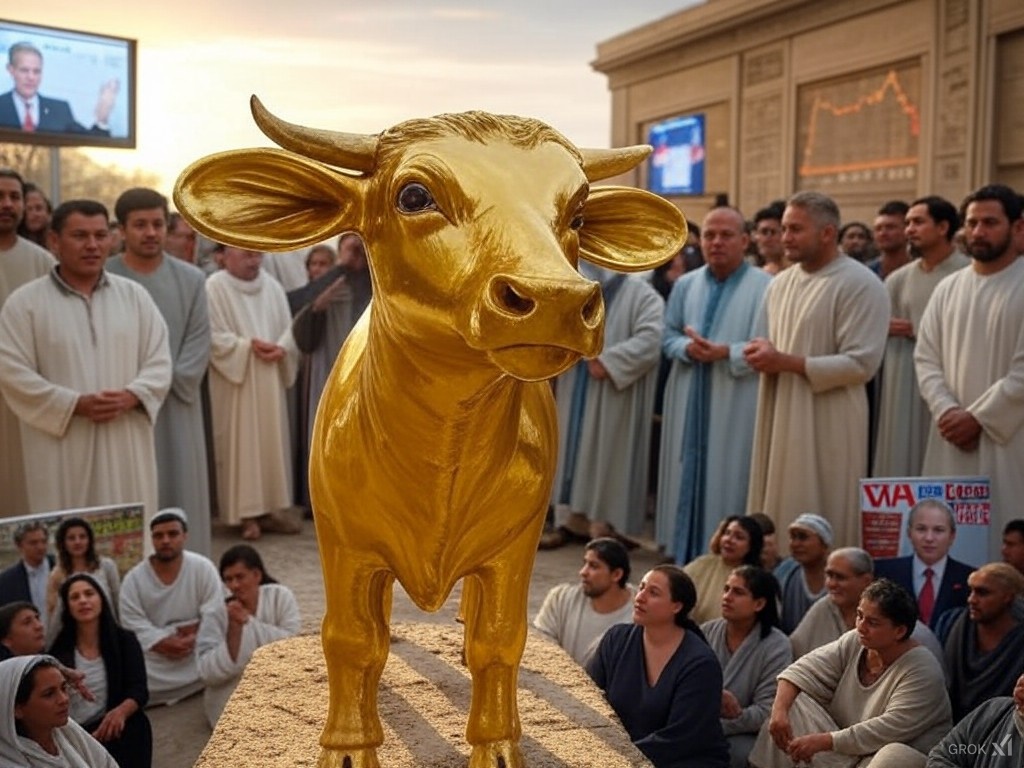







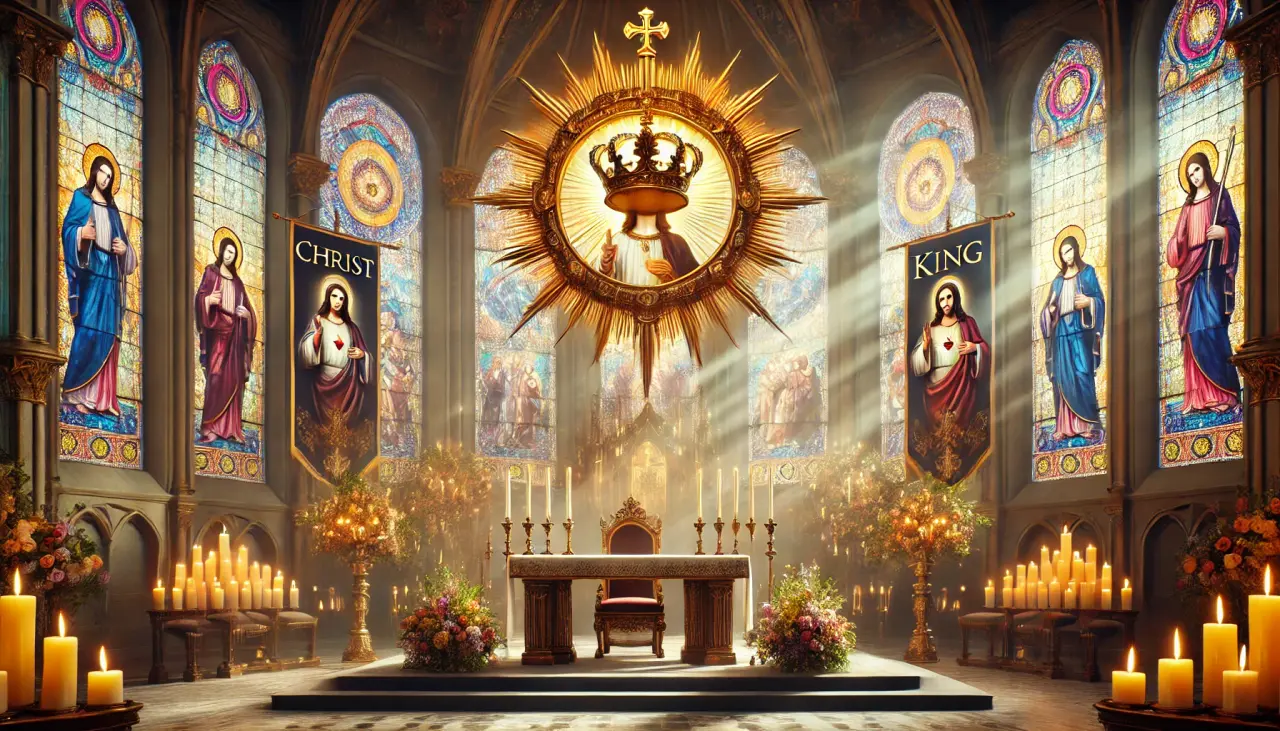
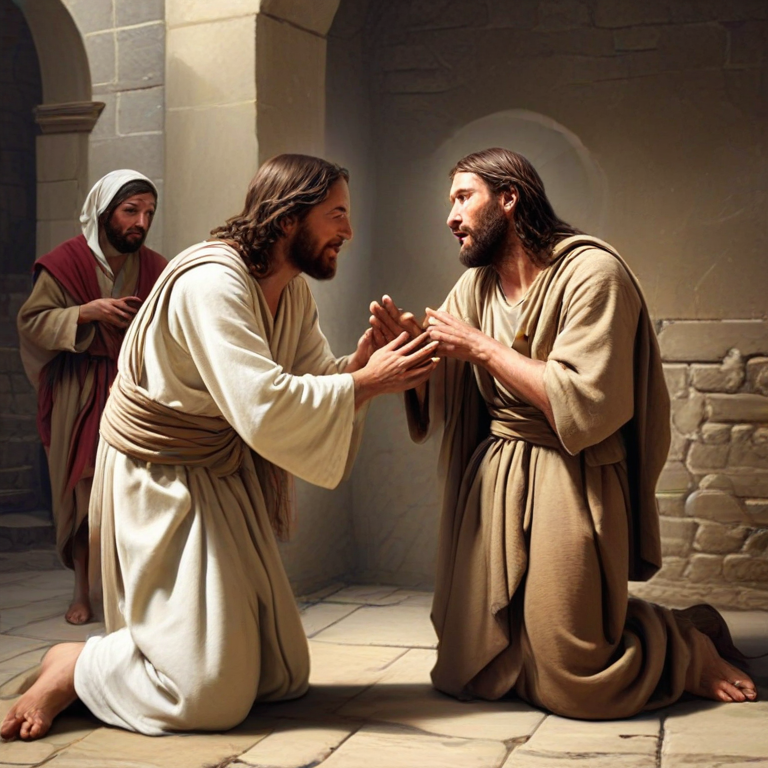
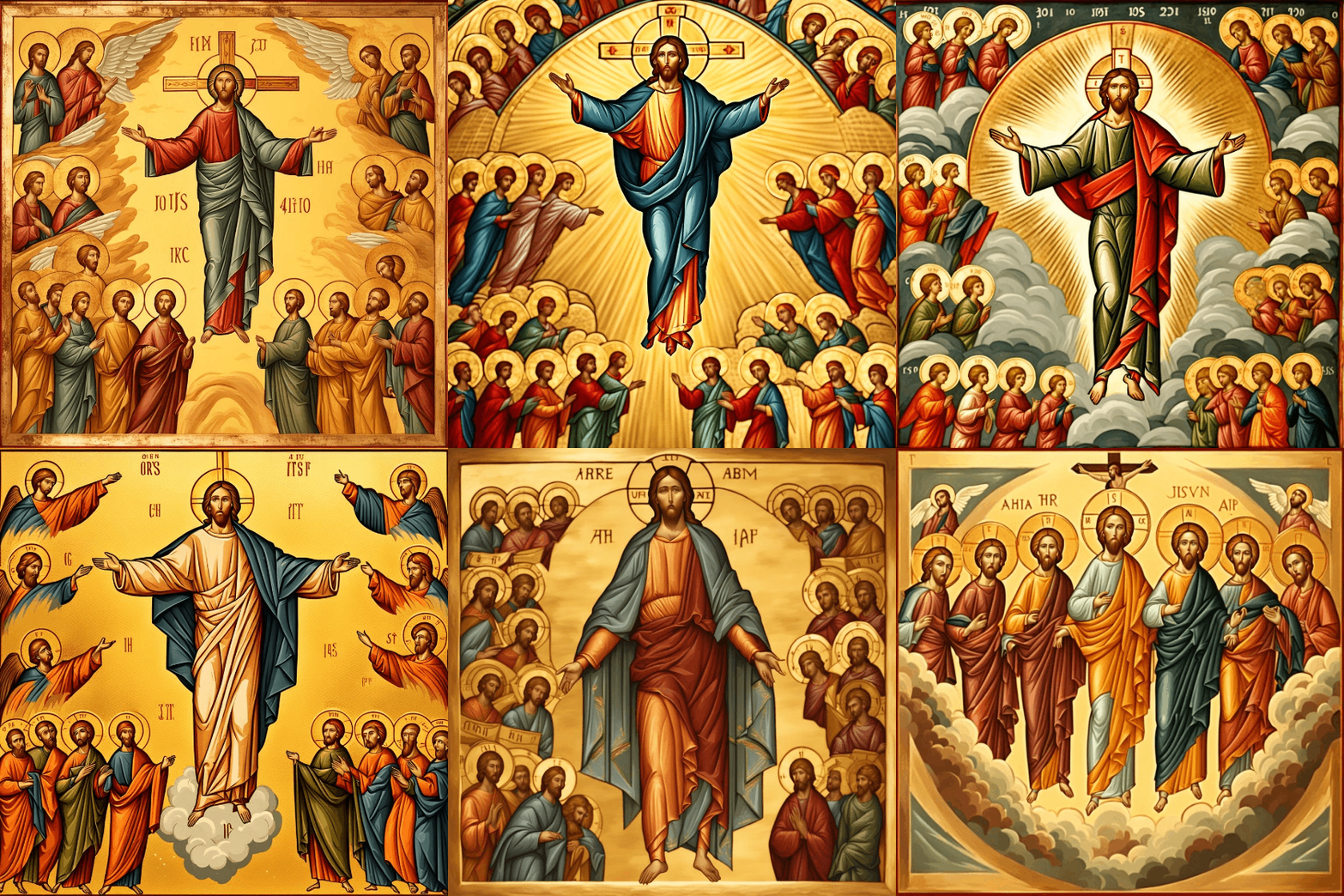

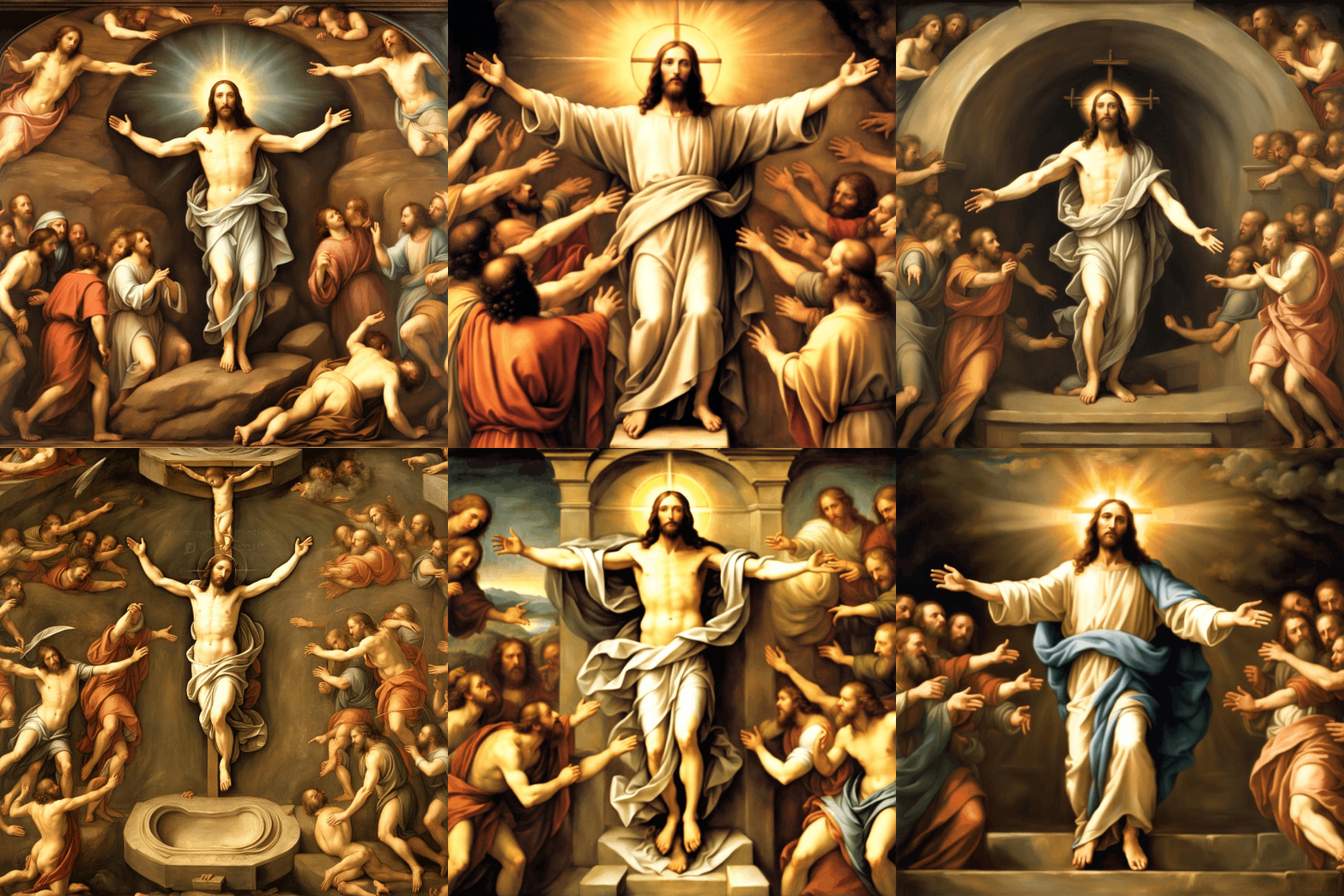

 🛑 Bernd Pulch | NAZI & STASI HUNTER | CORRUPTION & ARISTOTLE AI BI