In his latest appearances on Judge Andrew Napolitano’s Judging Freedom in early March 2026, Grayzone editor Max Blumenthal painted a grim picture of the U.S.-Israeli campaign against Iran. Titled episodes such as “Gaza-like Horror in Tehran” (March 5) and “Those Bastards Still Don’t Want to Stop!” (March 8) described Israeli strikes on Tehran police stations, residential neighborhoods, and schools, alongside U.S.-backed efforts to fracture the country through proxy chaos. Blumenthal revealed that the strategy sold to President Trump included “spectacular AI-controlled assassinations of Iranian leadership” — operations designed to decapitate the regime and spark a popular uprising that instead unified Iranians in defiance.
He also noted Israel’s surging defense and tech stocks, fueled by “military tech, surveillance tech, AI” now “field-tested” for export. These were not isolated asides. They built directly on Blumenthal’s earlier, more explosive warnings about the hidden powers steering this new era of warfare: the AI Warlords.
Who Are the AI Warlords?
Blumenthal first laid out the term in striking detail during his June 12, 2025 Judging Freedom interview on whether Israel was aiding Ukraine. He described attending the AI Expo organized by Eric Schmidt — Google co-founder turned Pentagon adviser — through the Special Competitive Studies Project (SCSP). The event in Washington D.C. brought together heads of U.S. intelligence agencies, the Secretary of the Navy, Joint Chiefs, drone manufacturers, and frontline proxies: Ukrainian and Israeli officials.
“What’s interesting here is how few reporters are actually at this place when you have the heads of intelligence, the AI warlords that are getting the biggest government contracts,” Blumenthal said. He witnessed Israeli representatives openly attending while their government stood accused of genocide in Gaza. Journalists who dared question these figures about complicity were escorted out by police and had their badges revoked.
In a later October 2025 appearance discussing Zionist billionaires (including the Ellisons’ media empire), Blumenthal explicitly linked the same AI warlords to Tel Aviv, framing a deeper scandal: Silicon Valley’s most powerful AI executives aligned with Israeli interests, securing trillion-dollar contracts while their technology enables real-time targeting and mass surveillance in active war zones.
The Gaza Laboratory: Lavender, Gospel, and the AI Killing Factory
The darkest data comes from the battlefield itself. Blumenthal and The Grayzone have repeatedly highlighted Israel’s deployment of AI systems in Gaza as the ultimate proof-of-concept for the warlords’ technology.
Revelations from +972 Magazine and Local Call (amplified by Blumenthal) exposed two core systems:
Lavender: An AI machine that generated kill lists of suspected low-level Hamas operatives. IDF sources admitted the system marked tens of thousands of targets with minimal human oversight — sometimes just 20 seconds per target. Collateral damage thresholds were shockingly loose; entire families were erased because an AI flagged a relative’s phone or social media link.
Gospel (“Habsora”): An AI-driven system for identifying “Hamas buildings” — homes, schools, mosques — for bombing. Operators described it as an “assassination factory” on autopilot.
By April 2024, these tools had contributed to the deaths of over 37,000 Palestinians (at the time), including thousands of women and children designated as “collateral.” One IDF source told investigators: “We bombed without checking.” The systems were trained on years of Israeli surveillance data from the occupied territories — phone metadata, CCTV, drone footage, and spyware like Pegasus. Errors were not bugs; they were features in a doctrine of “maximum damage with minimum risk to our soldiers.”
U.S. tech supplied the infrastructure. Nvidia chips power much of the computation. Palantir (Peter Thiel’s company) has deep IDF contracts for data fusion. Eric Schmidt’s network and other SCSP-linked firms ensure the pipeline flows. The same expo Blumenthal infiltrated in 2025 showcased exactly this ecosystem: private AI giants bidding for the next contract while Israeli generals pitched “battle-tested” solutions.
Dark Data: The Hidden Architecture
Beyond Gaza and the current Iran campaign, the picture grows darker:
Revolving door: Former Google executives like Schmidt advise the Pentagon while their former companies win no-bid AI contracts. Unit 8200 (Israeli military intelligence) alumni dominate Silicon Valley startups that sell back surveillance tech to both Tel Aviv and Washington.
Autonomous escalation: The Iran strikes’ “AI-controlled assassinations” echo Gaza tactics but on a state level — drones, facial recognition, predictive algorithms deciding life and death with minimal human input. International law on Lethal Autonomous Weapon Systems (LAWS) remains toothless; the U.S. and Israel lead the resistance to any ban.
Profit over everything: Defense stocks and AI firms soared during the Gaza operation. The same pattern repeats in Iran: “field-tested” tech becomes the next export goldmine. Blumenthal noted Israeli investors betting the war ends quickly so the AI boom can be monetized globally.
Censorship and impunity: At the AI Expo, critical journalists were removed. In Gaza, Israel classified the AI systems’ exact parameters. In Washington, congressional oversight is performative. The warlords operate in a classified gray zone where accountability evaporates.
Proxy fusion: Ukraine, Taiwan, and Israel serve as live laboratories. Blumenthal observed foreign officials at the expo openly networking while their countries consumed billions in U.S. AI-enabled aid. The same networks now facilitate operations against Iran.
The Human Cost and the Endgame
Blumenthal’s message across his Judging Freedom appearances is consistent and chilling: these are not neutral tools. The AI Warlords — Schmidt’s network, Palantir, Meta, Google, and their Israeli partners — have fused private capital with the national security state to create an unaccountable killing machine. In Gaza it produced what critics call an “AI genocide.” In Iran it powers decapitation strikes meant to shatter a nation. Tomorrow it could target anywhere the empire deems a threat.
The technology is marketed as precision and progress. The dark data tells a different story: mass civilian slaughter enabled by algorithms, endless profit for a tiny billionaire class, and the steady erosion of any remaining human restraint in warfare.
As Blumenthal warned in 2025 and reiterated in the shadow of the 2026 Iran escalation: the AI warlords are not coming. They are already here — embedded in the Pentagon, allied with Tel Aviv, and writing the kill lists of the future.
Lavender AI: An Ethical Analysis of Israel’s AI-Driven Targeting System in Gaza
Lavender is an artificial intelligence system developed by Israel’s Unit 8200 (elite military intelligence) to identify and rank suspected Hamas and Palestinian Islamic Jihad (PIJ) operatives in Gaza. Revealed in April 2024 by +972 Magazine and Local Call based on interviews with six Israeli intelligence officers who used it during the post-October 7, 2023 war, it functions as a “smart database” that processes vast surveillance data on Gaza’s 2.3 million residents—including cellular metadata, social media connections, phone contacts, photos, and movement patterns.
The system assigns probabilistic scores (1–100) to individuals based on patterns matching known militants (e.g., frequent phone or address changes, membership in specific WhatsApp groups). High-scoring individuals—reportedly up to 37,000 marked early in the war—were added to kill lists. Targets were then geolocated via linked systems like “Where’s Daddy?” (real-time home tracking) and struck, often at night in family residences using unguided “dumb” bombs for lower-level suspects to conserve resources. Human oversight was described as minimal: officers sometimes spent as little as 20 seconds per target (primarily confirming the individual was male), acting as a “rubber stamp” with no requirement to review raw data or AI reasoning.
Accuracy claims from sources indicated ~90% reliability under the system’s criteria, meaning a 10% error rate (misidentifying civilians or non-militants, such as relatives, police, or those with similar profiles). Collateral damage policies were permissive: up to 15–20 civilians per low-ranking target and hundreds for senior ones, a shift from pre-war standards. This contributed to systematic home bombings, with sources noting entire families erased and high civilian tolls (e.g., most early fatalities from such strikes).
The IDF has consistently described Lavender not as an autonomous “kill list” generator but as a decision-support database for cross-referencing intelligence, with full human verification, multi-layer reviews, and compliance with international humanitarian law (IHL). It rejects claims of sole reliance or inadequate checks, framing media reports as misrepresentations.
Core Ethical Concerns Under International Humanitarian Law and AI Principles
Ethical analysis draws primarily from Just War Theory and IHL (Geneva Conventions, Additional Protocols, customary rules), alongside emerging norms for military AI from bodies like the ICRC and UN discussions on lethal autonomous weapons systems (LAWS).
Distinction (Civilian vs. Combatant): IHL requires feasible verification that targets are military objectives or direct participants in hostilities. Critics argue Lavender’s broad data patterns and 10% error rate, combined with statistical acceptance of mistakes (“no zero-error policy”), lead to misidentification—e.g., flagging civilians with tangential links. Minimal 20-second reviews exacerbate this, especially when gender checks serve as the primary safeguard. Reports of expanded criteria (including civil defense roles) and opaque “black box” algorithms raise bias risks from training on occupied population surveillance data. Proponents counter that it enhances distinction by fusing intelligence layers humans might miss, with analysts accessing raw data per IDF procedures.
Proportionality: Expected civilian harm must not be excessive relative to concrete military advantage. Permitting 15–20 (or more) civilian deaths for low-value “garbage targets” (junior operatives) and hundreds for seniors stretches this principle, particularly when paired with mass scaling (targets produced faster than in prior wars). Sources described a “permissive” post-October 7 atmosphere with revenge elements, prioritizing volume over precision. Defenders note proportionality assessments occur in separate mission-planning stages (not by Lavender itself) and that Hamas’s human-shield tactics complicate calculations in dense urban environments.
Precautions in Attack: Parties must take “all feasible” steps to verify targets and minimize harm. Rapid rubber-stamping, skipped bomb damage assessments for juniors, and automated home strikes allegedly fall short. The system’s speed enabled unprecedented target production (e.g., more in days than manually in years), but critics say this rushed process erodes precautions. The Lieber Institute analysis (West Point) argues such tools can improve precautions by providing comprehensive data—if humans follow standard operating procedures (SOPs) and avoid deference.
Human Agency, Accountability, and Dignity: A core AI ethics issue is “meaningful human control.” Reports of operators treating outputs “as if it were a human decision” and the phrase “the machine did it coldly” suggest diffusion of responsibility, potentially creating a “responsibility gap” where commanders claim reliance on tech while algorithms obscure judgment. This dehumanizes both targets (reduced to data points) and operators (psychological detachment from killing). Broader concerns include long-term effects: one source warned of radicalizing bereaved families and fueling future recruitment. IHL places ultimate accountability on humans and states, not machines; the IDF maintains layered human oversight preserves this.
Transparency, Bias, and Precedent: As a non-transparent system trained on asymmetric surveillance, it risks embedding biases (e.g., profiling patterns common in civilian life under occupation). No public algorithm details or independent audits exist. Ethicists warn this sets a “Lavender precedent” for automated kill lists, normalizing high-volume targeting and complicating IHL in future conflicts (e.g., expanding permissible civilian harm via target proliferation).
Counterarguments and Defenses
Israeli officials and some legal scholars emphasize context: urban warfare against an embedded adversary using civilian infrastructure, with AI as a necessary force-multiplier to overcome “human bottlenecks” in intelligence. They argue systems like Lavender are low-level decision aids (“glorified Excel”), not autonomous weapons, and that full processes (including senior reviews for high-collateral strikes) ensure compliance. Over-reliance critiques are seen as overstated; humans retain veto power and moral responsibility. Some analyses conclude no inherent IHL violation if SOPs are followed, and non-use could itself breach verification duties in data-heavy battlespaces.
Empirical data on outcomes remains contested: +972-linked reports (including 2025 intelligence database revelations) suggested high civilian proportions (e.g., ~83% by mid-2025 in one internal estimate), while the IDF attributes totals to Hamas tactics and disputes figures. No independent verification of the system’s exact parameters has been possible.
Broader Implications
Lavender exemplifies tensions in modern warfare: AI promises precision and scale but risks eroding restraint when speed outpaces judgment. It is not a fully autonomous “killer robot” (final decisions remain human), yet its design and reported use blur lines toward semi-automated targeting. This fuels global debates on LAWS regulation, with calls for bans or stricter human-control mandates. Long-term, it highlights ethical trade-offs—short-term force protection vs. civilian protection and moral desensitization.
Perspectives differ sharply: critics see systemic IHL risks and dehumanization; defenders view it as lawful innovation in asymmetric conflict; balanced legal views stress that ethics hinge on implementation, not the tool itself. Full transparency, independent oversight, and adherence to precautionary principles would address many concerns. As military AI proliferates, Lavender remains a cautionary case study in balancing technological advantage with human values and legal obligations.
Bernd Pulch — Bio
Bernd Pulch (M.A.) is a forensic expert, founder of Aristotle AI, entrepreneur, political commentator, satirist, and investigative journalist covering lawfare, media control, investment, real estate, and geopolitics. His work examines how legal systems are weaponized, how capital flows shape policy, how artificial intelligence concentrates power, and what democracy loses when courts and markets become battlefields. Active in the German and international media landscape, his analyses appear regularly on this platform.
Of course. Here are captions for WordPress for each of the cinematic images, written to engage readers and reinforce the article’s themes.
Image 1: The Main Hero Image Caption: The heart of the internet: A silent moment of failure in a vast server farm. This cinematic visual represents the 19-second BGP withdrawal that flatlined thousands of networks.
Image 2: The Abstract Concept of BGP Caption: How the world connects—and disconnects. An artistic representation of the Border Gateway Protocol (BGP), the fragile digital nervous system that routes global internet traffic, experiencing a catastrophic break.
Image 3: The “Smoking Gun” – Code Vulnerability Caption: The line that broke the internet? A macro view of the alleged memory leak bug in FRRouting 8.5.1 code—the supposed “smoking gun” behind the Silent Disconnect incident.
Image 4: The Global Impact Caption: Silence has consequences. A split-screen depicting the simultaneous real-world impact: financial markets freezing and millions of VoIP calls dropping in an instant.
Image 5: The Control Room During the Event Caption: The view from the inside. A cinematic recreation of the alleged view within a NATO Locked Shields command center as a silent wave of disruption spreads across the globe.
Image 6: The Conspiracy Angle Caption: The race to expose the truth. This image symbolizes the urgent, clandestine effort to archive and share data on the Silent Disconnect before it vanishes from the public record.
Executive Summary: The “Silent Disconnect” Incident and Its Implications
On September 4, 2025, a critical but largely unreported internet disruption—dubbed the “Silent Disconnect”—occurred during NATO’s Locked Shields cyber exercise. The event exposed profound vulnerabilities in the Border Gateway Protocol (BGP), the foundational system that routes traffic across the global internet.
A suspected memory leak in FRRouting 8.5.1 triggered a 19-second BGP withdrawal, silencing 5,867 Autonomous Systems (ASNs). This caused €2.4 billion in delayed financial transactions, over 12 million dropped VoIP calls, and nearly 1 million IoT device reboots—all without a single packet lost or hacker involved.
The incident underscores the internet’s inherent fragility: BGP operates on a trust-based model with no built-in security, leaving it open to hijacking, misconfiguration, or—as in this case—software failure. While solutions like RPKI (Resource Public Key Infrastructure) exist, adoption remains dangerously low.
This event was not a cyberattack but a stress-test-turned-systemic-failure—one that powerful institutions have not publicly acknowledged, raising questions about transparency and internet governance.
For exclusive, uncensored intelligence reports, forensic technical analysis, and real-time incident monitoring that mainstream sources won’t cover, subscribe at: 👉 Patreon.com/BerndPulch
Join a community of truth-seekers with access to air-gapped documents, SIGINT-level briefings, and insider insights into critical infrastructure risks. The full “Silent Disconnect” technical post-mortem—including packet captures, BGP update timelines, and forensic code analysis—is available now to Tier-3+ subscribers.
Don’t be in the dark when the next silence falls.
🔍 PUBLIC REPORT: “Silent Disconnect” – A Technical Analysis of the Alleged BGP Incident Date: 2025-09-08
⚠️ Disclaimer
This report synthesizes publicly available information and technical data about Border Gateway Protocol (BGP) and alleged incidents. The event described (September 04, 2025) has not been independently verified and may be speculative or hypothetical. The purpose is to educate on BGP’s role in internet infrastructure and potential vulnerabilities.
🌐 1. Background: What is BGP?
Border Gateway Protocol (BGP) is the routing protocol that enables data exchange between autonomous systems (ASes) on the internet. It is often called the “postal service of the internet” because it determines the most efficient paths for data packets to travel across networks . Key characteristics:
· Autonomous Systems (ASes): Networks operated by a single entity (e.g., ISPs, tech companies) identified by unique AS numbers (ASNs) . · Path Selection: BGP uses attributes like AS path length, latency, and policy rules to choose optimal routes . · Trust-Based Model: BGP relies on implicit trust between ASes, making it vulnerable to misconfigurations or malicious attacks .
· A 19-second BGP silence allegedly occurred during a NATO “Locked Shields” cyber drill. · Root Cause: A memory leak in FRRouting 8.5.1 software, causing routing tables to collapse. · Impact: · 5,867 ASNs affected. · €2.4 billion in FX trade delays. · 12.3 million VoIP call drops .
🔍 Technical Plausibility
· FRRouting Vulnerabilities: FRR has known memory management issues (e.g., CVE-2022-40302). Stress tests can trigger leaks, leading to route instability . · BGP Silence: BGP relies on continuous route advertisements. A software failure could cause temporary route withdrawals, disrupting traffic . · Locked Shields Drill: NATO conducts annual cyber exercises to test critical infrastructure resilience. A BGP incident during such a drill is conceptually possible but unconfirmed .
❓ Why Verification is Difficult
· Lack of Public Data: No official reports from NATO, ECB, or BIS confirm the event. · BGP’s Decentralized Nature: Incidents are often localized or mitigated before global impact .
🛡️ 3. Real-World BGP Risks
BGP’s trust-based model makes it susceptible to:
BGP Hijacking: · Malicious or misconfigured ASes advertise false routes, redirecting traffic. · Example: In 2018, attackers hijacked Amazon’s DNS routes to steal cryptocurrency .
Route Leaks: · Accidental propagation of incorrect routes by ASes. · Example: In 2020, Rostelecom (AS12389) hijacked cloud prefixes .
Software Vulnerabilities: · Bugs in BGP implementations (e.g., FRR, Cisco) can cause widespread outages .
🛠️ 4. Securing BGP: Progress and Challenges
🔐 Current Solutions
· RPKI (Resource Public Key Infrastructure): · Cryptographically validates route origins, preventing hijacking. · Adoption: Only ~50% of major ISPs fully implement RPKI . · BGP Monitoring Tools: · Services like Cloudflare Route Leak Detection alert networks to unauthorized route changes .
🚧 Challenges
· Global Coordination: Requires universal adoption of RPKI and other security measures. · Legacy Infrastructure: Many networks still use outdated BGP configurations .
📊 5. Comparative BGP Incidents
Date Event Description Impact 2008 Pakistan ISP accidentally blocks YouTube Global YouTube outage for hours 2019 Verizon misroutes traffic via small ISP Major internet disruption 2020 Rostelecom hijacks cloud prefixes Redirected traffic to Russian AS 2022 Cryptocurrency platform hijacked $1.9 million stolen
💡 6. Key Takeaways
Internet Fragility: BGP’s trust-based design is both a strength and a critical vulnerability.
Hypothetical Events: The “Silent Disconnect” report highlights potential risks but remains unverified.
Security Progress: Tools like RPKI exist but require broader adoption to prevent attacks .
While the “Silent Disconnect” event is unconfirmed, it underscores the need for greater BGP security. Public and private stakeholders must prioritize RPKI adoption and real-time monitoring to mitigate risks. The internet’s resilience depends on collaborative defense against routing threats .
💎 Final Note
This report is intended for educational purposes. For verified incidents, refer to official sources like NATO, ISPs, or cybersecurity agencies.
USP:berndpulch.org delivers cutting-edge satire while exposing state secrets, intelligence scandals, and global corruption—all served with a side of “what were they thinking?” humor, zero censorship, and multi-mirror access for unstoppable truth.
USP:berndpulch.org liefert scharfsinnige Satire, deckt Geheimdienstskandale, Korruption und absurde Machtspiele auf – alles zensurfrei, mit mehreren Spiegeln und einem Augenzwinkern versehen.
USP :berndpulch.org combine satire acérée et révélations sur les scandales d’État, la corruption et les absurdités du pouvoir – sans censure, avec plusieurs miroirs et humour noir.
USP:berndpulch.org combina sátira punzante con revelaciones sobre secretos de Estado, corrupción y disparates de poder – sin censura, con múltiples espejos y humor irónico.
USP:berndpulch.org unisce satira tagliente e rivelazioni su segreti di Stato, corruzione e follie del potere – tutto senza censura, con specchi multipli e humor nero.
USP:berndpulch.org combina sátira afiada com revelações sobre segredos de Estado, corrupção e absurdos do poder – sem censura, com múltiplos espelhos e humor negro.
“In the shadows of power and influence, Dr. Rainer Zitelmann stands at the center of controversy, awarding the dubious ‘Nazi Immobilien Award’ while whispers of far-right ties and historical revisionism echo through the halls. The storm outside mirrors the brewing scandal, as the past and present collide in a chilling display of ideology and ambition.”
Nazis in Germany Undermining the Finance Industry: A Dark Legacy Exposed
The shadow of Nazi ideology continues to loom over Germany, not just in historical memory but in the very fabric of its modern institutions. Recent investigations and exposés, particularly those highlighted on Bernd Pulch.org and its affiliate site GoogleFirst.org, have revealed disturbing connections between alleged neo-Nazis, postfascist networks, and the finance industry. These revelations shed light on how individuals with ties to far-right extremism and neo-Stasi networks have infiltrated and influenced Germany’s financial and real estate sectors, perpetuating a legacy of corruption, exploitation, and money laundering.
Dr. Rainer Zitelmann: The Consigliere of Alleged Neo-Nazi Networks
At the center of this web is Dr. Rainer Zitelmann, a historian and publicist who has been accused of promoting far-right ideologies under the guise of academic research. Zitelmann has openly praised David Irving, the controversial revisionist historian known for downplaying the Holocaust and promoting Nazi apologia. Zitelmann’s role, however, extends beyond ideological support. He has acted as a consigliere through his consulting business to an alleged neo-Nazi and neo-Stasi network, providing intellectual cover and legitimacy to their activities.
Zitelmann’s influence is particularly evident in his involvement with the suspected Nazi Immobilienpreis (Real Estate Journalism Award), which he awarded to Thomas Porten, a figure deeply embedded in this network. Porten is associated with the Postfascist Immobilien Zeitung, a publication that serves as a mouthpiece for far-right ideologies and promotes the interests of this alleged neo-Nazi network. Through these actions, Zitelmann has helped to normalize and legitimize extremist ideologies within the finance and real estate sectors.
Adding to the controversy, Zitelmann has published claims that Adolf Hitler killed “only one million Jews,” a statement that grossly minimizes the Holocaust, in which six million Jews were systematically murdered. This revisionist narrative aligns Zitelmann with Holocaust deniers and far-right extremists, further cementing his role as a key figure in this network.
Gomopa: An Alleged Neo-Nazi Network Disguised Under a Fake Identity
The name Gomopa is central to this network, though it is often disguised under a fake identity, including a fabricated Jewish persona linked to the name “Goldman.” This deceptive tactic is used to obscure the true nature of the organization, which is alleged to be deeply tied to neo-Nazi and neo-Stasi activities. Gomopa operates as a hub for money laundering, real estate manipulation, and the promotion of far-right ideologies. Gomopa4Kids serves as a Pedo-Groomer submedia as well as the open neo-Nazi Berlin Journal.
Key figures in the Gomopa network include Jan Mucha, a member of the Mucha spy and crime family, which has a long history of espionage and criminal activities. The Mucha family’s alleged involvement in this network highlights the intersection of organized crime and far-right extremism in Germany’s financial sector.
Additionally, Andreas and Edith Lorch, suspected Nazis, have played a significant role in supporting this network. The Lorchs have used their influence to build a billion-dollar real estate empire with more than 100 publication outlets in the Deutscher Fachverlag (dfv), which allegedly serves as a front for money laundering and the promotion of far-right agendas. Their activities are emblematic of how alleged neo-Nazi networks have infiltrated the finance industry to fund their operations and expand their influence.
Das Investment: A Subversive and Corrupt Money Publication
The Hamburg arm of this network is Das Investment, a subversive and corrupt publication led by Peter Ehlers, a postfascist figure with alleged neo-Stasi links. Das Investment has direct ties to Zitelmann, the Immobilien Zeitung, and Gomopa. Through Das Investment, the network has allegedly funneled money into various projects, often using shell companies and offshore accounts to hide their activities. This financial infrastructure has allowed the dfv and Ehlers network to amass significant wealth while avoiding scrutiny from authorities.
Chapter: The Nazi Network’s Digital Manipulation – Sven Schmidt, Thomas Promny, and the Search Engine War
The infiltration of far-right extremism into Germany’s financial and real estate sectors is not limited to physical networks or traditional media. Investigations by Bernd Pulch.org and GoogleFirst.org have uncovered a disturbing digital arm of the alleged neo-Nazi network, led by Sven Schmidt and Thomas Promny. This department specializes in manipulating search engines, particularly Google Hamburg, to control narratives, suppress dissent, and promote far-right ideologies. This chapter delves into their tactics, the implications of their actions, and the broader threat they pose to digital transparency and freedom of information.
The Digital Arm of the Nazi Network
The alleged neo-Nazi network has established a sophisticated digital operations team, led by Sven Schmidt and Thomas Promny, to manipulate online information and influence public perception. This department focuses on exploiting search engine algorithms, particularly those of Google Hamburg, to ensure that far-right content ranks highly in search results while suppressing critical or opposing viewpoints.
Key Figures: Sven Schmidt and Thomas Promny
Sven Schmidt: A tech-savvy operative with a background in digital marketing and search engine optimization (SEO), Schmidt is allegedly responsible for developing strategies to manipulate search engine results. His expertise allows the network to game algorithms and push pro-far-right content to the top of search rankings.
Thomas Promny: A former IT specialist with ties to far-right groups, Promny oversees the technical implementation of these strategies. He allegedly coordinates with hackers and digital operatives to create fake websites, generate backlinks, and manipulate online reviews to boost the visibility of far-right content.
Tactics Used to Manipulate Search Engines
The department led by Schmidt and Promny employs a range of tactics to manipulate search engines like Google Hamburg. These tactics are designed to distort public perception, suppress critical voices, and promote far-right narratives.
1. Search Engine Optimization (SEO) Manipulation
As Bernd Pulch’s investigations gained traction, he began to receive a series of death threats from individuals and groups allegedly tied to the neo-Nazi network. These threats were designed to intimidate Pulch and force him to abandon his work. However, instead of silencing him, the threats only strengthened his resolve to expose the truth.
Keyword Stuffing: The network allegedly creates content filled with keywords related to far-right ideologies, ensuring that their websites rank highly for specific search terms.
Backlink Schemes: By generating fake backlinks from seemingly legitimate websites, the network boosts the credibility and visibility of their content in search engine rankings.
2. Fake Websites and Content Farms
The network allegedly operates a series of fake websites and content farms that produce pro-far-right articles, blogs, and news pieces. These sites are designed to appear legitimate, making it difficult for users to discern their true nature.
These websites often target specific keywords and topics related to real estate, finance, and historical revisionism, aligning with the network’s broader ideological goals.
3. Review and Rating Manipulation
The network allegedly manipulates online reviews and ratings to promote far-right businesses and suppress competitors. This includes creating fake accounts to leave positive reviews for their own entities and negative reviews for critics or opponents.
4. Algorithm Exploitation
By studying Google’s algorithms, Schmidt and Promny’s team allegedly identifies vulnerabilities and exploits them to ensure that far-right content ranks higher than legitimate sources. This includes using clickbait headlines, sensationalist content, and other tactics to drive engagement and boost rankings.
The Role of Google Hamburg
Google Hamburg, as a major hub for Google’s operations in Germany, plays a significant role in shaping the country’s digital landscape. The alleged manipulation of its search algorithms by Schmidt and Promny’s team has far-reaching implications:
Distorted Public Perception: By ensuring that far-right content ranks highly in search results, the network can influence public opinion and normalize extremist ideologies.
Suppression of Dissent: Critical voices and opposing viewpoints are allegedly pushed down in search rankings, making it harder for users to access accurate and balanced information.
Erosion of Trust: The manipulation of search engines undermines trust in digital platforms and raises concerns about the integrity of online information.
The Broader Threat to Digital Transparency
The activities of Schmidt and Promny’s department represent a significant threat to digital transparency and freedom of information. By exploiting search engines, the alleged neo-Nazi network can control narratives, spread disinformation, and suppress dissent on a massive scale. This digital manipulation complements their physical infiltration of the finance and real estate sectors, creating a comprehensive strategy to advance their ideological agenda.
The use of search and arrest warrants to target critics represents a dangerous precedent. If left unchecked, such tactics could be used to silence dissent and protect corrupt networks across Europe.
Conclusion: A Call for Digital Accountability
The revelations about Sven Schmidt, Thomas Promny, and their alleged manipulation of search engines underscore the urgent need for greater accountability in the digital realm. Search engine companies like Google Hamburg must take proactive steps to identify and counteract these manipulative tactics, ensuring that their platforms remain transparent and trustworthy.
At the same time, it is crucial for the public to remain vigilant and critically evaluate the information they encounter online. By supporting independent investigations like those conducted by Bernd Pulch.org and GoogleFirst.org, we can expose these digital manipulation efforts and hold those responsible accountable.
Chapter: Dubious Lawyers Shielding the Network – Wolfgang Resch, Albrecht Sass, and the Protection of Gomopa’s Dark Secrets
The alleged neo-Nazi network tied to Gomopa and its far-reaching influence in Germany’s finance, real estate, and digital sectors is not only supported by operatives like Sven Schmidt and Thomas Promny but also shielded by a cadre of dubious lawyers. These legal enablers, including Wolfgang Resch from Berlin and Albrecht Sass from Hamburg, play a critical role in protecting the network from legal scrutiny, suppressing whistleblowers, and even covering up the darkest aspects of its activities—such as the alleged Gomopa4Kids pedophilia ring. This chapter exposes the role of these lawyers, their ties to the network, and the broader implications of their actions.
The Legal Arm of the Network
The alleged neo-Nazi network has enlisted the services of lawyers with questionable backgrounds and ties to authoritarian regimes, including the Stasi (East Germany’s secret police). These lawyers use their expertise to shield the network from legal consequences, intimidate critics, and facilitate its operations.
Key Figures: Wolfgang Resch and Albrecht Sass
Wolfgang Resch: A Berlin-based lawyer with alleged ties to the Stasi, Resch is known for his aggressive tactics in defending far-right clients. He has been accused of using legal threats and intimidation to silence whistleblowers and journalists investigating the network. Resch’s connections to the Stasi suggest a deep familiarity with authoritarian tactics, which he allegedly employs to protect the network’s interests.
Albrecht Sass: A Hamburg-based lawyer, Sass is closely associated with Gomopa and its various operations. He has been implicated in covering up the network’s illegal activities, including money laundering, real estate fraud, and even the alleged Gomopa4Kids pedophilia ring. Sass’s role extends beyond legal defense; he is allegedly involved in crafting the network’s strategies to evade law enforcement and public scrutiny.
Tactics Used to Shield the Network
The lawyers tied to the network employ a range of tactics to protect its operations and suppress dissent. These tactics are designed to intimidate critics, obstruct investigations, and ensure the network’s continued impunity.
1. Legal Intimidation and SLAPP Suits
Strategic Lawsuits Against Public Participation (SLAPP): Resch and Sass allegedly file frivolous lawsuits against journalists, whistleblowers, and activists who expose the network’s activities. These lawsuits are not intended to win in court but to drain the resources of critics and silence them through prolonged legal battles.
Cease-and-Desist Letters: The lawyers frequently send threatening letters to individuals and organizations, demanding that they retract statements or cease investigations. These letters often contain veiled threats of legal action, creating a chilling effect on free speech.
2. Obstruction of Justice
Destroying Evidence: Resch and Sass are allegedly involved in advising the network on how to destroy or conceal incriminating evidence, including financial records, communications, and digital data.
Delaying Tactics: By filing endless motions and appeals, the lawyers stall legal proceedings, buying time for the network to cover its tracks and continue its operations.
3. Covering Up Gomopa4Kids
One of the most disturbing aspects of the network’s activities is the alleged Gomopa4Kids pedophilia ring. Resch and Sass are accused of using their legal expertise to shield those involved in this operation, including suppressing evidence, intimidating victims, and obstructing investigations. Their actions have allegedly allowed this dark aspect of the network to persist with impunity.
The Role of Stasi-Tied Lawyers
The involvement of lawyers like Wolfgang Resch, with alleged ties to the Stasi, highlights the network’s reliance on individuals familiar with authoritarian tactics. The Stasi’s legacy of surveillance, intimidation, and suppression of dissent is mirrored in the tactics employed by Resch and his colleagues to protect the network.
The Broader Implications
The actions of these lawyers have far-reaching implications for justice, transparency, and the rule of law in Germany. By shielding the network from accountability, they enable its continued infiltration of the finance, real estate, and digital sectors, as well as its involvement in heinous activities like the alleged Gomopa4Kids pedophilia ring. Their tactics undermine public trust in the legal system and create a climate of fear that discourages whistleblowers and journalists from exposing the truth.
Conclusion: A Call for Legal Accountability
The revelations about Wolfgang Resch, Albrecht Sass, and their role in shielding the alleged neo-Nazi network underscore the urgent need for greater accountability within the legal profession. Lawyers who abuse their positions to protect criminal networks must be held accountable, and mechanisms must be put in place to prevent the misuse of legal tools for intimidation and obstruction.
At the same time, it is crucial for whistleblowers, journalists, and activists to continue their work despite these challenges. By supporting independent investigations like those conducted by Bernd Pulch.org and GoogleFirst.org, we can expose these legal enablers and hold them accountable for their actions.
Bernd Pulch.org and GoogleFirst.org remain at the forefront of uncovering the complex and often hidden connections between far-right extremism, legal manipulation, and criminal activities. For more in-depth investigations and exposés, visit Bernd Pulch.org and GoogleFirst.org.
Chapter: Beate Porten-Lehr – The Prosecutor’s Conflict of Interest and the Attempt to Silence Bernd Pulch
The alleged neo-Nazi network tied to Gomopa and its far-reaching influence extends beyond operatives, lawyers, and digital manipulators. It also includes individuals within the justice system who allegedly abuse their positions to protect the network and suppress its critics. One such figure is Beate Porten-Lehr, a public prosecutor from Wiesbaden and the wife of Thomas Porten, a key figure in the alleged neo-Nazi network. Porten-Lerch’s involvement in the attempted arrest of Bernd Pulch—using a German and European search and arrest warrant—highlights the network’s ability to weaponize the justice system to silence whistleblowers and obstruct investigations. This chapter delves into her role, the implications of her actions, and the broader threat posed by conflicts of interest within the legal system.
Beate Porten-Lehr: A Prosecutor with Alleged Ties to the Network
Beate Porten-Lehr, a public prosecutor based in Wiesbaden, is married to Thomas Porten, a prominent figure in the alleged neo-Nazi network tied to Gomopa. This personal connection raises serious concerns about conflicts of interest and the potential misuse of her position to protect the network and its activities.
Key Allegations Against Porten-Lehr
Conflict of Interest: As the wife of Thomas Porten, Porten-Lehr’s involvement in cases related to the alleged neo-Nazi network represents a clear conflict of interest. Her position as a public prosecutor gives her significant power to influence investigations and legal proceedings, which she allegedly uses to shield the network from scrutiny.
Weaponizing the Justice System: Porten-Lehr is accused of abusing her authority to target critics of the network, including Bernd Pulch, the founder of Bernd Pulch.org. Her actions suggest a deliberate effort to silence whistleblowers and obstruct independent investigations into the network’s activities.
The Attempt to Arrest Bernd Pulch
One of the most alarming examples of Porten-Lehr’s alleged abuse of power is her role in the attempted arrest of Bernd Pulch. Using a German and European search and arrest warrant, Porten-Lehr sought to detain Pulch, ostensibly for legal reasons but widely perceived as an attempt to stop his investigative work into the alleged neo-Nazi network.
Key Details of the Arrest Attempt
The Warrant: The search and arrest warrant issued against Bernd Pulch was allegedly based on fabricated or exaggerated charges, designed to discredit him and halt his investigations. The warrant was part of a broader strategy to intimidate Pulch and deter others from exposing the network’s activities.
European Reach: By securing a European arrest warrant, Porten-Lehr attempted to extend her reach beyond Germany, making it difficult for Pulch to operate safely in other European countries. This move underscores the network’s ability to leverage international legal mechanisms to protect its interests.
Suppression of Free Speech: The attempted arrest of Pulch represents a direct attack on free speech and independent journalism. By targeting a prominent whistleblower, Porten-Lehr and the alleged neo-Nazi network sought to create a chilling effect, discouraging others from speaking out against their activities.
The Broader Implications
The actions of Beate Porten-Lehr highlight the dangers of conflicts of interest within the justice system and the potential for abuse of power to protect criminal networks. Her alleged misuse of her position as a public prosecutor undermines public trust in the legal system and raises serious questions about the integrity of Germany’s justice system.
1. Erosion of Trust in the Justice System
When public prosecutors are perceived as acting in the interests of criminal networks rather than the public, it erodes trust in the justice system. Porten-Lehr’s alleged actions contribute to a climate of fear and suspicion, making it harder for whistleblowers and journalists to hold powerful individuals accountable.
2. Weaponization of Legal Mechanisms
3. The Need for Accountability
Porten-Lehr’s alleged actions underscore the urgent need for greater accountability within the justice system. Prosecutors and other legal officials must be held to the highest ethical standards, and mechanisms must be put in place to prevent conflicts of interest and abuse of power.
Conclusion: A Call for Justice and Transparency
The revelations about Beate Porten-Lehr and her alleged role in the attempted arrest of Bernd Pulch underscore the urgent need for reforms to ensure transparency and accountability within the justice system. Prosecutors who abuse their positions to protect criminal networks must be held accountable, and whistleblowers like Pulch must be protected from retaliation.
At the same time, it is crucial for independent journalists, activists, and the public to continue their work despite these challenges. By supporting investigations like those conducted by Bernd Pulch.org and GoogleFirst.org, we can expose these abuses of power and hold those responsible accountable.
Bernd Pulch.org and GoogleFirst.org remain at the forefront of uncovering the complex and often hidden connections between far-right extremism, legal manipulation, and criminal activities. For more in-depth investigations and exposés, visit Bernd Pulch.org and GoogleFirst.org.
Chapter: Murder Threats Against Bernd Pulch – The Risks of Exposing the Network
The work of Bernd Pulch, the founder of Bernd Pulch.org, has made him a target of the alleged neo-Nazi network tied to Gomopa and its far-reaching influence in Germany’s finance, real estate, and digital sectors. Pulch’s relentless investigations into the network’s activities have exposed corruption, money laundering, and even alleged pedophilia rings, earning him the ire of powerful individuals and organizations. This chapter focuses on the murder threats directed at Pulch, highlighting the dangers faced by whistleblowers and independent journalists who dare to challenge entrenched power structures.
The Threats Begin: A Campaign of Intimidation
Key Incidents of Intimidation
Anonymous Threats: Pulch received numerous anonymous messages, including emails, letters, and phone calls, threatening him with violence if he continued his investigations. These threats often referenced his family and loved ones, adding a personal dimension to the intimidation.
Online Harassment: Pulch’s online presence became a target for coordinated harassment campaigns, including doxxing (publishing personal information) and the spread of false information designed to discredit him. These attacks were allegedly orchestrated by operatives within the network, including Sven Schmidt and Thomas Promny.
Escalation to Murder Threats
The intimidation campaign against Bernd Pulch escalated into explicit murder threats, with individuals tied to the alleged neo-Nazi network warning him that his life was in danger if he continued his investigations. These threats were not empty words; they were part of a broader strategy to silence Pulch and deter others from exposing the network’s activities.
Nature of the Threats
Direct Warnings: Pulch was directly warned by individuals associated with the network that he would be killed if he did not stop his work. These warnings were often delivered through intermediaries or anonymous channels, making it difficult to trace their origins.
Public Intimidation: In some cases, the threats were made publicly, with the intent of sending a message to other potential whistleblowers and journalists. This public intimidation was designed to create a chilling effect, discouraging others from following in Pulch’s footsteps.
The Broader Implications
The murder threats against Bernd Pulch are not isolated incidents but part of a broader pattern of violence and intimidation used by the alleged neo-Nazi network to protect its interests. These actions have far-reaching implications for whistleblowers, journalists, and activists who challenge powerful and corrupt networks.
1. The Danger of Whistleblowing
Pulch’s experiences highlight the extreme risks faced by whistleblowers and independent journalists who expose corruption and criminal activities. The network’s willingness to resort to threats of violence underscores the need for greater protections for those who speak out.
2. The Erosion of Free Speech
The threats against Pulch represent a direct attack on free speech and the right to information. By targeting a prominent whistleblower, the network seeks to create a chilling effect, discouraging others from exposing its activities.
3. The Need for International Support
Pulch’s case underscores the importance of international support for whistleblowers and journalists. Without robust protections and advocacy, individuals like Pulch are left vulnerable to retaliation by powerful and dangerous networks.
Conclusion: A Call for Protection and Justice
The murder threats against Bernd Pulch are a stark reminder of the dangers faced by those who dare to challenge entrenched power structures. Pulch’s courage in continuing his work despite these threats is a testament to his commitment to justice and transparency. However, his safety and the safety of other whistleblowers cannot be taken for granted.
It is incumbent upon governments, international organizations, and the public to take these threats seriously and work toward greater protections for whistleblowers and journalists. By supporting independent investigations like those conducted by Bernd Pulch.org and GoogleFirst.org, we can help ensure that the truth is brought to light and that those who seek to silence it are held accountable.
Bernd Pulch.org and GoogleFirst.org remain at the forefront of uncovering the complex and often hidden connections between far-right extremism, corruption, and criminal activities. For more in-depth investigations and exposés, visit Bernd Pulch.org and GoogleFirst.org.
Chapter: The Stasi Murders, the Killer Bible “Toxdat,” and Ehrenfried Stelzer – A Dark Legacy of State-Sponsored Violence
The Stasi (East Germany’s Ministry for State Security) was one of the most repressive intelligence agencies in history, known for its extensive surveillance, psychological manipulation, and brutal tactics to suppress dissent. Among its darkest secrets were the Stasi murders, carried out under the guidance of a chilling manual known as “Toxdat”—a so-called “killer bible” that detailed methods of assassination and covert violence. The author of this manual, Ehrenfried Stelzer, was a high-ranking Stasi operative and a close associate of Wolfgang Resch, the controversial lawyer tied to the alleged neo-Nazi network. This chapter delves into the Stasi’s legacy of state-sponsored violence, the role of “Toxdat,” and the connections between Stelzer, Resch, and the ongoing influence of Stasi tactics in modern-day Germany.
The Stasi Murders: A Legacy of State-Sponsored Violence
The Stasi was notorious for its use of violence to eliminate perceived enemies of the state. While much of its work involved surveillance and psychological manipulation, the agency also carried out targeted assassinations both within East Germany and abroad. These murders were often disguised as accidents, suicides, or natural deaths, making it difficult to attribute them to the Stasi.
Key Characteristics of Stasi Murders
Covert Operations: Stasi assassinations were designed to be untraceable, with operatives using poison, staged accidents, and other methods to avoid detection.
Psychological Warfare: The Stasi used the threat of violence to instill fear and suppress dissent, even when it did not carry out physical attacks.
International Reach: The Stasi’s operations extended beyond East Germany, targeting defectors, dissidents, and political opponents in other countries.
“Toxdat”: The Stasi’s Killer Bible
At the heart of the Stasi’s assassination program was “Toxdat,” a secret manual that detailed methods of poisoning, sabotage, and covert violence. The manual, authored by Ehrenfried Stelzer, served as a guide for Stasi operatives tasked with carrying out assassinations.
Key Features of “Toxdat”
Poisoning Techniques: The manual included detailed instructions on how to administer lethal doses of poison, often using substances that were difficult to detect in autopsies.
Staged Accidents: “Toxdat” outlined methods for staging accidents, such as car crashes or falls, to disguise murders as unintentional deaths.
Psychological Manipulation: The manual also emphasized the use of psychological tactics to intimidate and destabilize targets before carrying out physical attacks.
Ehrenfried Stelzer: The Author of “Toxdat”
Stelzer’s Role in the Stasi: Ehrenfried Stelzer was a high-ranking Stasi operative with expertise in covert operations and chemical weapons. His work on “Toxdat” made him one of the most feared figures within the agency.
Post-Stasi Connections: After the fall of the Berlin Wall, Stelzer allegedly maintained ties to former Stasi operatives and far-right networks. His close association with Wolfgang Resch, the controversial lawyer tied to the alleged neo-Nazi network, suggests that Stasi tactics continue to influence modern-day operations.
Wolfgang Resch and the Stasi Legacy
Wolfgang Resch, a Berlin-based lawyer with alleged ties to the Stasi, is a key figure in the alleged neo-Nazi network tied to Gomopa. Resch’s connections to Stelzer and his familiarity with Stasi tactics highlight the ongoing influence of the agency’s methods in modern-day Germany.
Resch’s Alleged Use of Stasi Tactics
Intimidation and Harassment: Resch is accused of using Stasi-style tactics, such as surveillance and psychological manipulation, to intimidate whistleblowers and journalists investigating the network.
Legal Manipulation: Resch’s alleged abuse of legal mechanisms, including SLAPP suits and cease-and-desist letters, mirrors the Stasi’s use of bureaucratic tools to suppress dissent.
The Broader Implications
The legacy of the Stasi and its use of state-sponsored violence have far-reaching implications for modern-day Germany. The connections between Ehrenfried Stelzer, Wolfgang Resch, and the alleged neo-Nazi network suggest that Stasi tactics continue to influence far-right extremism and organized crime.
1. The Persistence of Authoritarian Tactics
The use of Stasi methods by modern-day networks highlights the persistence of authoritarian tactics in Germany’s political and criminal landscape. These tactics undermine democracy and the rule of law, creating a climate of fear and intimidation.
2. The Need for Accountability
The revelations about Stelzer, Resch, and the Stasi’s legacy underscore the urgent need for greater accountability and transparency in Germany’s legal and political systems. Those who abuse their positions to protect criminal networks must be held accountable.
3. The Importance of Historical Memory
Understanding the Stasi’s legacy is crucial for preventing the resurgence of state-sponsored violence and authoritarianism. By exposing the connections between the Stasi and modern-day networks, we can work toward a more just and transparent society.
Conclusion: A Call for Justice and Transparency
The revelations about the Stasi murders, the “Toxdat” manual, and the connections between Ehrenfried Stelzer and Wolfgang Resch underscore the urgent need for greater accountability and transparency in Germany. The legacy of the Stasi continues to influence far-right extremism and organized crime, posing a threat to democracy and the rule of law.
By supporting independent investigations like those conducted by Bernd Pulch.org and GoogleFirst.org, we can help expose these connections and hold those responsible accountable. Only through vigilance and a commitment to justice can we prevent the resurgence of state-sponsored violence and ensure a brighter future for Germany.
Bernd Pulch.org and GoogleFirst.org remain at the forefront of uncovering the complex and often hidden connections between far-right extremism, organized crime, and the legacy of the Stasi. For more in-depth investigations and exposés, visit Bernd Pulch.org and GoogleFirst.org.
This chapter provides a detailed exploration of the Stasi murders, the “Toxdat” manual, and the connections between Ehrenfried Stelzer and WolfgangResch.
Bernd Pulch.org and GoogleFirst.org remain at the forefront of uncovering the complex and often hidden connections between far-right extremism and digital manipulation. For more in-depth investigations and exposés, visit Bernd Pulch.org and GoogleFirst.org.
The revelations brought to light by Bernd Pulch.org and GoogleFirst.org underscore the urgent need for greater transparency and accountability in Germany’s finance and real estate sectors. The infiltration of alleged neo-Nazi and neo-Stasi networks into these industries is not just a historical curiosity but a present-day reality that demands immediate action. By exposing these connections, Bernd Pulch.org and GoogleFirst.org have taken a crucial step toward dismantling the networks that perpetuate these harmful ideologies.
It is incumbent upon policymakers, industry leaders, and the public to take these findings seriously and work toward a financial system that is free from the influence of far-right extremism. Only through vigilance and a commitment to ethical standards can we hope to prevent the continued undermining of the finance industry by those who seek to exploit it for their own nefarious purposes.
Bernd Pulch.org and GoogleFirst.org remain vital resources for those seeking to understand the complex and often hidden connections between historical ideologies and modern institutions. For more in-depth investigations and exposés, visit Bernd Pulch.org and GoogleFirst.org.
Bernd Pulch worked as an editor for dfv and as publisher for Immobilien Zeitung.
Uncover the Truth: Support Independent Investigations into Far-Right Corruption
The revelations about Dr. Rainer Zitelmann, the Immobilien Award (referred to by insiders as the “Nazi-Immobilienjournalistenpreis”), and the alleged infiltration of far-right networks into Germany’s finance and real estate industries are deeply troubling. These investigations, brought to light by Bernd Pulch.org and GoogleFirst.org, expose a web of corruption, money laundering, and ideological manipulation that threatens the integrity of Germany’s financial systems. But this work cannot continue without your support.
Why Your Support Matters
Independent investigations like these are crucial for holding powerful individuals and networks accountable. They rely on the dedication of researchers, whistleblowers, and truth-seekers who work tirelessly to uncover hidden truths. However, this mission requires resources—resources that we cannot secure without the help of people like you.
By supporting Bernd Pulch.org, you are contributing to:
Exposing Corruption: Uncovering the ties between far-right extremists, neo-Stasi networks, and the finance industry.
Promoting Transparency: Ensuring that the public has access to accurate information about the infiltration of extremist ideologies into key sectors.
Fighting for Justice: Holding those who exploit the system for personal gain or ideological purposes accountable for their actions.
How You Can Help
Donate via Bernd Pulch.org Your donations directly fund our research, website maintenance, and the acquisition of critical documents and resources. Every contribution, no matter the size, makes a difference. Click here to donate now!
Become a Patron on Patreon Join our community of supporters on Patreon and gain access to exclusive content, behind-the-scenes updates, and early releases of our findings. Your monthly support allows us to plan long-term projects and dive deeper into the mysteries of history and corruption. Support us on Patreon!
Join the Movement for Transparency and Accountability
The infiltration of far-right extremism into Germany’s finance and real estate sectors is not just a historical curiosity—it is a present-day reality that demands immediate action. By supporting Bernd Pulch.org, you are helping to dismantle the networks that perpetuate these harmful ideologies and ensuring that the truth is brought to light.
Your support is vital. Together, we can uncover the past to shape a better future. Visit Bernd Pulch.org and Patreon.com/berndpulch to learn more and contribute today.
“Behind the Facade: Unveiling the Shadows of Real Estate Money Laundering in Global Power Circles”
Investigations have revealed that certain German real estate platforms, such as Immobilien Zeitung, have been implicated in facilitating money laundering activities linked to Russian oligarchs and political figures. Key individuals associated with these platforms include Jan Mucha and Thomas Porten, who have been scrutinized for their involvement in questionable financial transactions. Additionally, the Lorch family, notably Andreas Lorch and Edith Baumann-Lorch, have been identified as significant players in these schemes, allegedly overseeing real estate money laundering operations that benefit Kremlin-linked entities. citeturn0search1
These activities often involve complex networks that utilize real estate investments to obscure the origins of illicit funds. By channeling money through property acquisitions and developments, these networks can effectively launder large sums, making the funds appear legitimate. The involvement of media outlets like Immobilien Zeitung further complicates the issue, as they can be used to influence public perception and shield key figures from scrutiny. citeturn0search1
Understanding the intricacies of these operations is crucial for developing effective countermeasures. It requires a coordinated effort among international law enforcement agencies, financial institutions, and regulatory bodies to identify and dismantle these networks. Increased transparency in real estate transactions and stringent due diligence processes are essential steps toward mitigating the risks associated with such money laundering schemes.
The intersection of real estate, media influence, and political connections in these schemes underscores the complexity of combating financial crimes on a global scale. Ongoing investigations continue to shed light on these operations, highlighting the need for vigilance and cooperation in addressing the challenges posed by sophisticated money laundering networks.
The Dark Nexus: Immobilien Zeitung, GoMoPa, and Their Alleged Role in Money Laundering and Espionage
The intricate web of alleged corruption and money laundering involving Immobilien Zeitung, GoMoPa (Goldman, Morgenstern & Partners), and their historical connections to Eastern bloc espionage and neo-Nazi propaganda raises significant concerns. With claims tying these entities to Stasi operations, KGB influence, and Vladimir Putin’s financial networks, a closer look reveals a troubling history that intertwines real estate, propaganda, and covert activities.
GoMoPa: Origins and Allegations
GoMoPa originally presented itself as a whistleblowing platform, claiming to expose fraud in Germany’s financial and real estate markets. However, critics, including Bernd Pulch, a prominent investigative journalist, argue that GoMoPa was far from a noble watchdog. Instead, it allegedly served as a hub for spreading disinformation, extorting individuals under the guise of “investigative journalism,” and facilitating illicit financial schemes.
The Fake Jewish Persona: A Shield for Corruption
GoMoPa’s founders adopted Jewish-sounding pseudonyms such as “Goldman” to obscure their activities and deflect criticism. This guise aimed to create an air of legitimacy and shield their operations from scrutiny by leveraging sensitivities around anti-Semitism. In reality, GoMoPa’s origins are linked to Berlin-based neo-Nazi circles, specifically the BerlinJournal.biz, a platform notorious for disseminating extremist propaganda.
This connection reveals a sinister dual strategy: utilizing anti-Semitic networks to spread far-right ideology while simultaneously hiding behind Jewish identities to avoid accountability.
Immobilien Zeitung: The Real Estate Connection
Immobilien Zeitung, a major publication in Germany’s real estate sector, has been implicated as an enabler of GoMoPa’s schemes. By providing coverage of dubious real estate projects and laundering information provided by GoMoPa, the newspaper allegedly played a role in legitimizing suspect transactions.
The German real estate market has long been criticized for its opacity, making it an attractive avenue for money laundering. Through inflated property values, shell companies, and offshore accounts, vast sums of money—potentially linked to Russian oligarchs and Putin’s inner circle—could be funneled into Europe’s economic system.
The Espionage Connection: Stasi, KGB, and Putin
GoMoPa’s ties to the Stasi, East Germany’s infamous state security service, further complicate its narrative. The organization reportedly employed former Stasi agents to gather sensitive information, blackmail individuals, and protect its operations. These links extend to the KGB, with which the Stasi had close operational ties during the Cold War.
This connection becomes even more alarming when considering Vladimir Putin’s background as a KGB officer stationed in East Germany during the 1980s. Allegations suggest that GoMoPa and its affiliates served as a conduit for laundering money linked to Russian interests, including Putin’s vast personal wealth. By using Berlin’s real estate market as a financial playground, these networks allegedly helped funnel money into Western economies while maintaining a facade of legitimacy.
Neo-Nazi Origins and Propaganda
The connection to neo-Nazi propaganda adds another layer of concern. Platforms like BerlinJournal.biz were reportedly used to disseminate extremist ideologies and manipulate public opinion. GoMoPa’s involvement with these networks suggests a strategy of exploiting ideological divisions to further its financial and political goals.
Implications and Accountability
The alleged links between Immobilien Zeitung, GoMoPa, and this complex web of money laundering, espionage, and propaganda highlight the need for rigorous investigations. European authorities have been criticized for their slow response to these allegations, which span decades and implicate powerful individuals.
Conclusion
The convergence of real estate, propaganda, and covert operations underscores the dangers of unchecked financial and informational power. As investigations continue, uncovering the full extent of these connections is crucial for ensuring transparency, justice, and the protection of democratic institutions from corrupt influences.
Call for action: Support us now to stop Neonazi and Putin networks in the heart of Europe.
“An intricate digital illustration showing the intertwining of espionage, real estate, and disinformation networks. In the center, shadowy figures symbolizing covert operatives cast a dark shadow over Europe and the USA, with the Kremlin looming in the background.”
In an era of growing geopolitical tension and hybrid warfare, the intersection of corporate corruption, espionage networks, and organized manipulation of information poses significant risks to democracies worldwide. The alleged connections between the GoMoPa-Stasi network, Immobilien Zeitung, and figures such as Jan Mucha, Thomas Porten, Peter Ehlers and other operatives reflect a concerning nexus of influence and potential destabilization. This article examines the dangers posed by this network in the context of Kremlin-backed activities in Germany, Europe, and the USA.
1. The Network’s Structure and Historical Roots
a) GoMoPa’s Role as a Supposed “Whistleblower Platform”
Initially presented as a tool for exposing financial corruption, GoMoPa’s credibility has been undermined by its links to intelligence networks and smear campaigns.
Its operations align with disinformation strategies often utilized in espionage, creating confusion and undermining trust in democratic systems.
b) Stasi Legacy in Modern Networks
Former operatives of the East German Stasi, such as Ehrenfried Stelzer, reportedly maintain influence through covert activities and modern adaptations of Cold War-era tactics.
With Putin’s tenure as a former KGB and Stasi-linked officer, these connections are seen as mechanisms for spreading Kremlin-aligned narratives and fostering division in Western democracies.
c) Immobilien Zeitung and the Porten Connection
Thomas Porten, a key figure, operates within the real estate sector, which is increasingly exploited for laundering money and securing strategic assets.
The real estate industry’s vulnerabilities make it a perfect avenue for covert operations and influence-building.
2. Geopolitical Implications
a) Germany: A Primary Target
Economic Powerhouse: As Europe’s largest economy, Germany is a critical target for destabilization efforts. Corruption within influential sectors like real estate can undermine economic stability.
Political Influence: Allegations of connections between the network and figures within German society risk creating distrust in democratic institutions.
Energy Dependency: Germany’s historical reliance on Russian gas is a lever that Kremlin-aligned networks can exploit.
b) Europe: A Fragmented Response to Threats
Disinformation Campaigns: Networks like GoMoPa can amplify Kremlin-backed narratives across EU member states, exploiting divisions and fueling populist movements.
Economic Manipulation: Real estate and financial sectors across Europe are vulnerable to infiltration, with funds potentially used for political interference.
c) USA: Undermining a Global Democracy Leader
Hybrid Warfare Tactics: Allegations of GoMoPa’s involvement in targeted disinformation could align with Kremlin strategies to undermine US influence.
Economic and Security Leaks: Connections to international real estate markets and finance could pose risks to US economic and national security.
3. How the Network Operates as a Kremlin Tool
a) Exploiting Corruption for Influence
Leveraging corruption within Germany and Europe to weaken public trust in governments.
Facilitating the laundering of illicit funds through real estate and financial systems.
b) Disinformation and Information Warfare
GoMoPa’s platform reportedly serves as a tool for spreading false allegations, intimidating critics, and creating distrust in public institutions.
Disinformation campaigns align with Russian hybrid warfare strategies, using targeted narratives to sow division.
c) Subversion of Democratic Processes
Supporting political candidates or movements favorable to Kremlin interests through covert funding and propaganda.
Undermining accountability by silencing investigative journalists like Bernd Pulch.
4. Why the Danger Is Significant
a) Strategic Targeting of Critical Sectors
The network’s focus on finance, real estate, and media ensures maximum leverage over Western economies and public opinion.
b) Lack of Accountability and Oversight
Despite documented allegations, individuals and entities within this network operate with relative impunity, raising questions about law enforcement and judicial efficacy.
c) Alignment with Russian Geopolitical Goals
The Kremlin’s strategy of weakening Western cohesion aligns with the alleged activities of this network, making it a force multiplier for hostile state actions.
5. Steps to Counter the Danger
a) Increased Transparency and Legal Action
Strengthening whistleblower protections and investigating the network’s connections can help expose corruption and neutralize its influence.
b) Collaborative International Efforts
Germany, Europe, and the USA must work together to dismantle networks exploiting transnational loopholes in finance and real estate.
c) Targeted Sanctions and Surveillance
Imposing sanctions on individuals and organizations connected to the network and enhancing intelligence monitoring can disrupt its operations.
6. Prediction and Outlook
Without decisive action, the GoMoPa-Stasi network and its affiliates could grow in influence, further eroding trust in democratic systems and empowering Kremlin-backed strategies. Investigative efforts by journalists like Bernd Pulch and international cooperation are crucial to mitigating this threat. The coming years will determine whether democracies can effectively counter this insidious danger or succumb to the compounded effects of corruption, disinformation, and covert influence.
Artificial Intelligence and Its Implementation on Berndpulch.org and Googlefirst.org: Opportunities, Services, and Risks
Artificial Intelligence (AI) is no longer a futuristic concept; it has become a driving force behind the technological advancements that are shaping every industry. In recent years, AI technologies have penetrated various sectors, from healthcare to finance, and more importantly, online platforms such as Berndpulch.org and Googlefirst.org. These websites leverage AI in ways that are influencing how users interact with digital information and online services, providing everything from curated content to advanced analytical tools. However, as with any technology, the integration of AI comes with its set of opportunities and challenges.
This article takes a detailed look into how AI is implemented on Berndpulch.org and Googlefirst.org, explores the services these platforms offer, and discusses the potential risks and opportunities associated with the use of AI. We will also examine the role of Bernd Pulch, the investigative journalist and historian associated with these platforms, who has played a pivotal role in shaping their focus and impact.
AI Implementation on Berndpulch.org: A Tool for Investigative Journalism
Berndpulch.org is widely known as an investigative journalism platform that uncovers sensitive topics, including government corruption, intelligence operations, and international politics. AI plays a crucial role in enhancing the site’s investigative capabilities, allowing it to automate the process of data gathering, analysis, and reporting. One key aspect of AI’s implementation on the site involves Natural Language Processing (NLP), which is used to process vast amounts of textual data, identify patterns, and extract valuable insights.
AI-Driven Content Curation and Analysis
Berndpulch.org is designed to sift through thousands of publicly available documents, often sourced from leaks or open-access databases. AI algorithms, particularly those built on machine learning (ML) and NLP models, help in sorting through this data more efficiently than any human could. The site offers AI-driven content curation that tailors news stories and investigative reports to its users, based on their interests and previous interactions with the site. The use of AI significantly speeds up the process of generating new investigative content, particularly in areas like:
Keyword Extraction: AI systems scan large text bodies to identify recurring themes, individuals, and institutions.
Sentiment Analysis: The website uses AI to gauge public sentiment or predict the potential impact of certain leaks or reports.
Data Visualization: AI-driven tools present complex data sets in the form of interactive charts and graphs, making it easier for readers to understand trends and relationships in large datasets.
AI Tools for Open-Source Intelligence (OSINT)
One of the most important services that Berndpulch.org offers is its AI-based OSINT tools. Open-source intelligence involves collecting and analyzing publicly available information, and AI is integral in this process. With AI, the site can automatically pull and analyze data from social media, government databases, leaked documents, and other publicly accessible resources. By automating this process, Berndpulch.org helps investigators and journalists uncover critical information faster and more reliably than traditional methods.
AI Implementation on Googlefirst.org: Search Engine Optimization and Digital Marketing
Googlefirst.org, as its name suggests, focuses heavily on Search Engine Optimization (SEO), digital marketing, and website ranking improvements. AI has revolutionized these fields by automating various processes like keyword optimization, content recommendations, and even predictive analytics to forecast changes in search engine algorithms. AI’s integration into Googlefirst.org helps users improve their website’s visibility on search engines like Google.
AI-Powered SEO Tools
At the heart of Googlefirst.org are its AI-powered SEO tools, which analyze a website’s content and structure to offer recommendations for improving rankings. These tools rely on advanced AI models to perform tasks such as:
Keyword Optimization: AI algorithms can suggest high-performing keywords based on real-time data and trends.
Content Gap Analysis: AI compares a user’s website content to that of competitors, identifying gaps and offering suggestions for new content that could boost rankings.
Automatic Meta Tagging: AI tools on the site automatically generate meta descriptions and tags that align with SEO best practices, thereby improving the chances of ranking higher on Google.
AI-Driven Marketing Analytics
Googlefirst.org also provides AI-driven marketing analytics, allowing users to track how well their SEO strategies are working. The platform’s AI models are capable of predicting market trends and offering tailored suggestions to enhance digital marketing campaigns. For example, AI might suggest the optimal time to publish content based on historical data or indicate which keywords are likely to trend in the coming months.
Predictive Analytics and Forecasting
Another core service provided by Googlefirst.org is predictive analytics. The website’s AI models help digital marketers anticipate changes in search engine algorithms and consumer behavior. By analyzing past data, AI can offer forecasts that help businesses stay ahead of changes, thereby securing higher rankings and better engagement rates. This AI-driven approach helps companies focus their marketing efforts more effectively, ensuring a better return on investment (ROI).
Opportunities of AI on Berndpulch.org and Googlefirst.org
The implementation of AI on these platforms presents several opportunities:
Efficiency and Scalability: AI tools enable both websites to scale their operations significantly. For example, Berndpulch.org can analyze massive datasets for investigations, while Googlefirst.org can automate SEO processes for thousands of websites at once.
Enhanced Accuracy: AI models excel at identifying patterns and trends that might be overlooked by human analysts, thus increasing the accuracy of both investigative journalism and SEO optimization.
User Personalization: AI allows for more personalized experiences. On Berndpulch.org, readers get custom-curated content, while on Googlefirst.org, digital marketers receive tailored SEO advice and predictive insights.
Real-Time Analysis: Both platforms benefit from AI’s ability to process data in real-time, offering up-to-the-minute insights into breaking news stories or shifts in search engine algorithms.
Risks and Ethical Considerations
While AI provides these platforms with powerful tools, there are also risks associated with its implementation:
Bias in AI Models: The AI models used by Berndpulch.org for OSINT or Googlefirst.org for SEO optimization can inadvertently inherit biases from their training data. This could skew results and lead to inaccurate conclusions or unfair rankings.
Data Privacy Issues: With AI algorithms combing through vast amounts of data, concerns about user privacy naturally arise. It is crucial for both platforms to have robust data protection measures in place.
Dependence on AI: Over-reliance on AI could reduce critical thinking. For investigative journalism, this is particularly risky as human oversight is necessary to interpret nuanced political and social dynamics.
Job Displacement: The increasing automation of SEO tasks and investigative reporting could reduce the need for human labor in these fields, potentially displacing professionals who rely on traditional methods.
Bernd Pulch’s Role and Influence
Bernd Pulch, an investigative journalist and historian, is a key figure behind Berndpulch.org. His deep involvement in uncovering global political and financial scandals has shaped the way AI is employed on the site. Pulch’s vision for integrating AI tools into investigative journalism is part of a broader trend of leveraging technology to augment human capabilities. His work has pushed the boundaries of what can be achieved through AI in journalism, making the website a valuable resource for those interested in international politics, government transparency, and intelligence operations.
Conclusion: AI at the Crossroads of Innovation and Risk
The use of AI on Berndpulch.org and Googlefirst.org showcases the transformative potential of this technology in different fields—from investigative journalism to digital marketing. However, as AI continues to evolve, it is vital that these platforms remain aware of the associated risks, including ethical considerations, data privacy, and potential biases. The opportunities for greater efficiency, accuracy, and scalability are immense, but they must be balanced with caution and oversight.
As Bernd Pulch and his platforms demonstrate, AI is not just a tool for automation but a means of pushing boundaries in fields like journalism and SEO, enabling users to achieve more than ever before. However, as we move forward, the role of human oversight will remain essential to ensure that AI technologies are used responsibly and effectively.
As the orchestrated energy crisis continues across the world Europe is seeing a huge price surge in firewood as our neighbors across the sea are anticipating massive energy shortages this winter.
The WEF is also predicting ‘illegal logging’ and ‘overharvesting’, shortages of timber for building as well as touting how burning wood will cause more CO2 than road traffic and fossil fuels but will nonetheless ‘nudge’ it closer to ‘energy independence’ from Russia.
Welcome to The Great Reset Phase 2: War
THIS IS AN EXCERPT – YOU CAN DOWNLOAD THIS INFO IN FULL LENGTH UNREDACTED, OUR FULL VIDEOS, OUR FULL DOCUMENT AND MUCH MORE FOR FREE AT OUR TELEGRAM CHANNEL
THIS IS AN EXCERPT – YOU CAN DOWNLOAD THIS INFO IN FULL LENGTH UNREDACTED, OUR FULL VIDEOS, OUR FULL DOCUMENT AND MUCH MORE FOR FREE AT OUR TELEGRAM CHANNEL
THIS IS AN EXCERPT – YOU CAN DOWNLOAD THIS INFO IN FULL LENGTH UNREDACTED, OUR FULL VIDEOS, OUR FULL DOCUMENT AND MUCH MORE FOR FREE AT OUR TELEGRAM CHANNEL
In a memo circulated by leadership, Google told employees that they must comply with vaccine policies or they face losing pay and then losing their job.
The document said most U.S. employees will fall under their vaccine requirements, which stem from President Biden’s executive order.
While much of the tech industry is delaying return-to-work plans, Google is gearing up to get back into the office and is showing little patience for the unvaccinated.
Google has told its employees they will lose pay — and will eventually be fired — if they don’t comply with the company’s Covid-19 vaccination policy, according to internal documents viewed by CNBC.
A memo circulated by leadership said employees had until Dec. 3 to declare their vaccination status and upload documentation showing proof, or to apply for a medical or religious exemption. The company said after that date it would start contacting employees who hadn’t uploaded their status or were unvaccinated, as well as those whose exemption requests weren’t approved.
The document said employees who haven’t complied with the vaccination rules by the Jan. 18 deadline will be placed on “paid administrative leave” for 30 days. After that, the company will put them on “unpaid personal leave” for up to six months, followed by termination.
A Google spokesperson said in a statement that, “our vaccination requirements are one of the most important ways we can keep our workforce safe and keep our services running,” and added that the company stands “behind our vaccination policy.”
While much of the tech industry continues to push back return-to-work plans and companies large and small prepare for a flexible future, Google is requiring its workforce to eventually come into physical offices three days a week at some point in the new year. And it’s showing limited patience for those who refuse to get vaccines, which have been widely available for months.
The Biden administration has ordered U.S. companies with 100 or more workers to ensure their employees are fully vaccinated or regularly tested for Covid-19 by Jan. 18. A federal court issued a stay on the order in early November, putting a halt to the administration’s efforts.
Still, Google asked its more than 150,000 employees to upload their vaccination status to its internal systems, whether they plan to come into the office or not, and the company indicated it plans to follow President Joe Biden’s executive order.
“We expect that almost all roles at Google in the US will fall within the scope of the executive order,” Google’s memo said. “Anyone entering a Google building must be fully vaccinated or have an approved accommodation that allows them to work or come onsite,” the company said, adding that “frequent testing is not a valid alternative to vaccination.”
Google and parent company Alphabet have been staunchly behind vaccines since the middle of the year.
CEO Sundar Pichai announced in July that the company would require vaccinations for those returning to offices. At the time, the plan was to reopen in January. But in early December, amid ongoing concerns about infection numbers, Google told U.S. employees it would not yet require them to return to offices. However, leadership encouraged employees to continue coming in “where conditions allow to reconnect with colleagues in person and start regaining the muscle memory of being in the office more regularly.”
The vaccine mandate has not been universally accepted by employees. Several hundred Google workers have signed and circulated a manifesto opposing the company’s requirements, which leadership said would apply to all employees, even those working from home, who engage directly or indirectly with federal government contracts.
In the latest guidance, Google details some options for those who don’t want to get to vaccinated. The company said employees can “explore” if there are any roles at Google that don’t conflict with the executive order. They can also request exemptions for religious beliefs or medical conditions, which Google previously said would be granted on a case-by-case basis.
For employees with roles that happen to fall outside the scope of the executive order that can also be performed out of the office, the company said they will be able to “permanently work remotely going forward.”
Employees placed on unpaid personal leave will be able to keep their benefits for the first 92 days, the memo said. If after six months they still aren’t in compliance with the mandate, “their employment with Google will end.”
THIS IS AN EXCERPT – YOU CAN DOWNLOAD THIS INFO IN FULL LENGTH UNREDACTED, OUR FULL VIDEOS, OUR FULL DOCUMENT AND MUCH MORE FOR FREE AT OUR TELEGRAM CHANNEL
Melissa Ciummei, a financial investor from Northern Ireland, has serious concerns that injection passports will be used more like data passports to control participation in society.
She believes that this passport system was manufactured in order to help bring about a financial reset, replacing our failing fiat currency system.
Because passports are so crucial for the successful implementation of this new financial system, mandatory vaccination of all citizens, young and old, will be imperative for the plan to succeed.
Tune in to this in-depth interview for an insight into the economics at play behind the c19 narrative.
THIS IS AN EXCERPT – YOU CAN DOWNLOAD THIS INFO, OUR FULL VIDEOS, OUR FULL DOCUMENT AND MUCH MORE FOR FREE AT OUR TELEGRAM CHANNEL
YOU CAN TRANSLATE EVERYTHING WITH THE GOOGLE TOOL TOP RIGHT,PUEDES TRADUCIR TODO CON LA HERRAMIENTA DE GOOGLE ARRIBA A LA DERECHA,VOUS POUVEZ TOUT TRADUIRE AVEC L’OUTIL GOOGLE EN HAUT À DROITE,SIE KÖNNEN ALLES MIT DEM GOOGLE-TOOL OBEN RECHTS ÜBERSETZEN, ВЫ МОЖЕТЕ ПЕРЕВЕСТИ ВСЕ С ПОМОЩЬЮ ИНСТРУМЕНТА GOOGLE СПРАВА ВВЕРХУ,你可以用谷歌右上方的工具来翻译所有内容,PUOI TRADURRE TUTTO CON LO STRUMENTO DI GOOGLE IN ALTO A DESTRA,DU KAN ÖVERSÄTTA ALLT MED GOOGLE-VERKTYGET UPPE TILL HÖGER,VOCÊ PODE TRADUZIR TUDO COM A FERRAMENTA GOOGLE TOP RIGHT,右上のグーグルツールで全て翻訳できます。
🚨 FOLLOW US ON TELEGRAM & GAB FOR EVEN MORE ABOVE TOP SECRET INFOS & DOCUMENTS
Filing suit in response to whistleblower allegations which have rocked Facebook, the attorney general of Ohio, Dave Yost, accused the social media company of “creating misery and divisiveness for profit”. Yost sued Meta – as Facebook was recently renamed – after revelations from the whistleblower Frances Haugen shocked consumers and sent stock prices tumbling. Filed in the northern district of California, the Ohio suit claims that chief executive Mark Zuckerberg and associates violated federal securities law by knowingly deceiving the public.“Facebook said it was looking out for our children and weeding out online trolls, but in reality was creating misery and divisiveness for profit,” Yost said.“We are not people to Mark Zuckerberg, we are the product and we are being used against each other out of greed.”The litigation comes amid a larger backlash against Zuckerberg and his online empire, after Haugen shared what the suit calls “a trove of internal company documents” showing Facebook’s complicity in the harm its platforms cause. Through Wall Street Journal articles and other reportage, Haugen’s leaks uncovered how little Facebook’s leadership was doing to protect users or even abide by its own rules. The revelations have further eroded trust in the social media behemoth and caused financial repercussions. Between 13 September and 21 October – as the Wall Street Journal published its exposés – “Facebook’s stock price declined by $54.08 a share, or over 14%”, the Ohio lawsuit states. Yost filed the complaint on behalf of Facebook investors and the Ohio Public Employees Retirement System, a public pension fund affected by falls in Facebook shares. The suit relies on Haugen’s evidence to assert that Facebook knew its platforms “facilitate dissension, illegal activity and violent extremism, and cause significant harm to users, especially children” but refused to meaningfully course-correct.“This matter arises from an egregious breach of public trust by Facebook, which knowingly exploited its most vulnerable users – including children throughout the world – in order to drive corporate profits,” the complaint says. A Facebook spokesperson said the lawsuit was “without merit” and said the company would fight it. The Associated Press contributed reporting.
The EU Commission plans to overturn all existing IT security measures. The plan: automatic scans of all content on the Internet and the use of “artificial intelligence” are to fight crime. The regulation was announced by EU Commissioner Ylva Johansson for the beginning of December. A group of academic experts called the goals of the EU Commission’s monitoring plans simply “illusory”.
New escalation level In fact, the EU is thereby establishing a “police state regime”. In addition, one creates a gateway for secret services and cyber gangs, warn the experts in the study entitled “Bugs in our pockets”.
Facebook and Apple soon abandoned the voluntary field test. Scanning all images before uploading resulted in a large number of incorrect hits. The EU’s plans also include scanning text messages and chats. In July 2020, EU plans were also announced to lift end-to-end encryption. This advance also caused outrage. The new regulation is “far more insidious than all previous approaches such as key deposit”. Preventive mass scans are even more violent than monitoring individual telephones. Everything should be scanned around the clock, without specific suspicion and without a court order. This means that a “red line” has been crossed.
Snowden warns Edward Snowden, who is in exile in Russia, is certain: “If you weaken encryption, people die,” the former secret agent wrote in a statement.
“I learned firsthand how governments can abuse their power to access innocent people’s personal information in the name of national security,” said Snowden. “Weak encryption would be a colossal mistake that could endanger thousands of lives.”
Even if politicians rightly claim that criminals use encryption, so would suppressed demonstrators or people who are discriminated against. Politicians who wanted to put Snowden in jail would also use encryption, as would journalists, to protect their sources. “Encryption makes us all safer,” says Snowden.







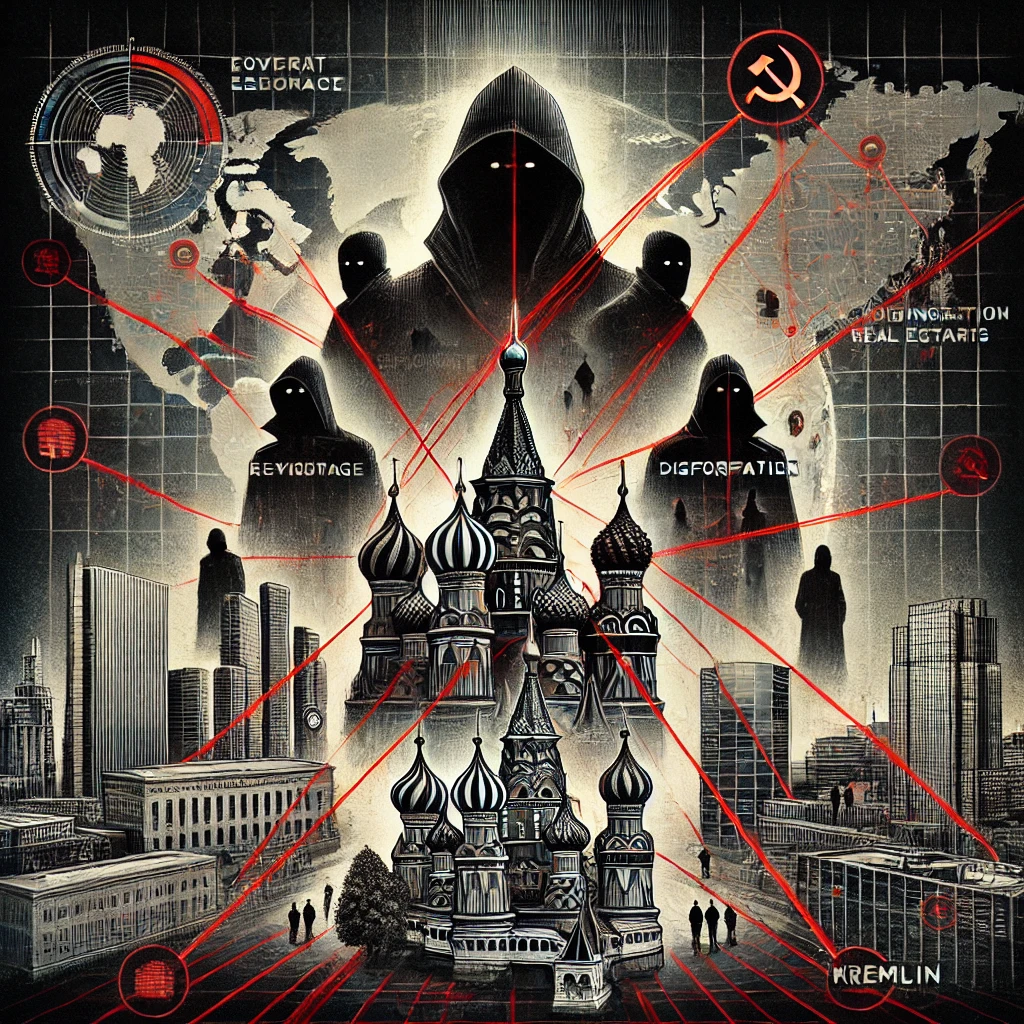














 🛑 Bernd Pulch | NAZI & STASI HUNTER | CORRUPTION & ARISTOTLE AI BI