The official Website of Bernd Pulch. Since 2009 providing critical insights and political Satire on lawfare, media control, and political reality. Avoid fake sites.
“Inside the NSA’s Digital Fortress: Operatives monitor global communications in a high-tech command center, where advanced computers fuel intelligence operations in the shadows.”
โ ๏ธ NSA DIGITAL INTELLIGENCE REVEALED โ ๏ธ ๐ต๏ธ HISTORICAL REPORT โ EYES ONLY ๐ต๏ธ ๐จ CLASSIFICATION: CODE BLACK // LEVEL 5 ๐จ
๐ฅ๐ฅ UNVEILING THE COVERT ORIGINS OF NSA COMPUTING ๐ฅ๐ฅ
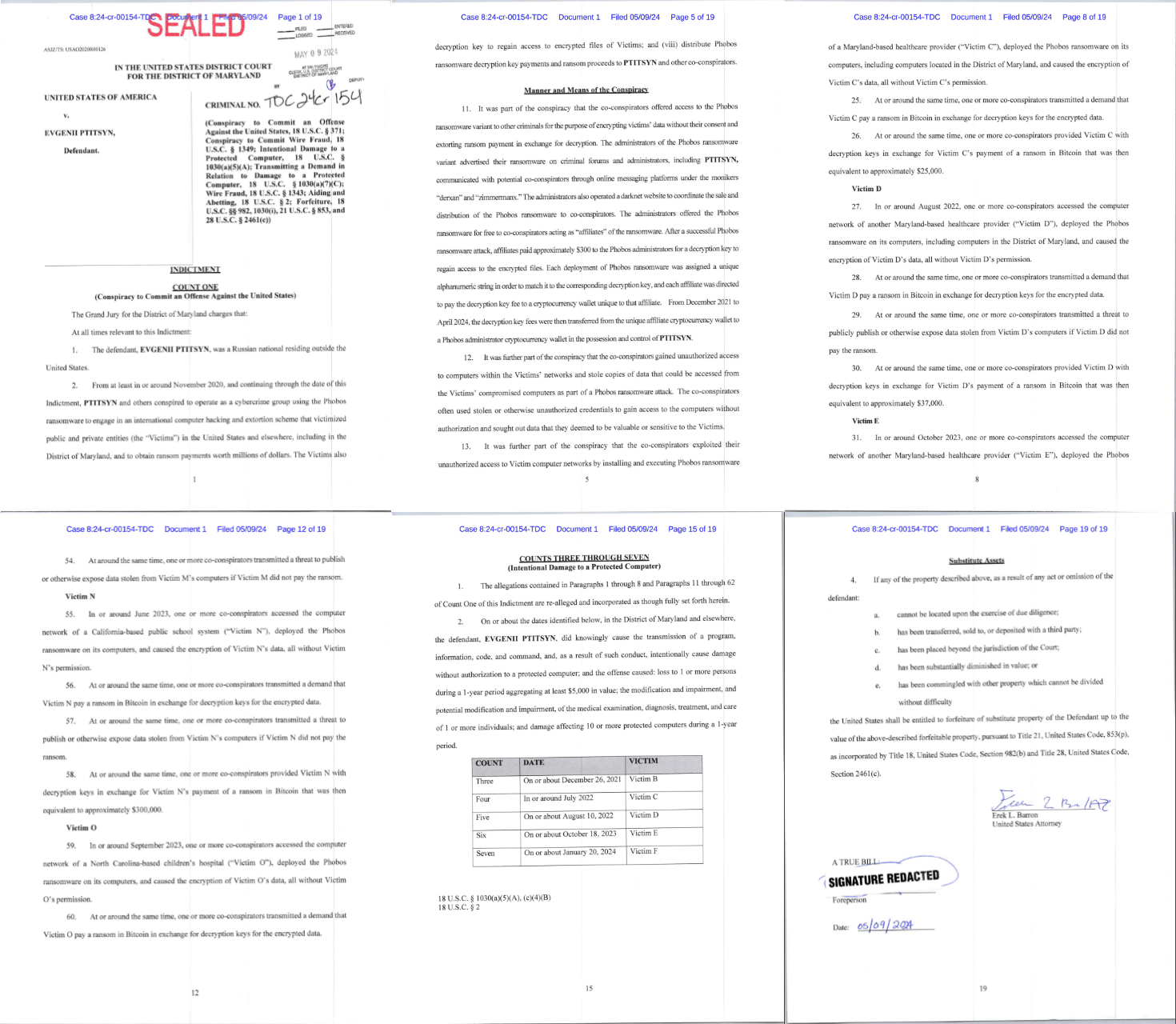
๐พ In 1964, the National Security Agency (NSA) compiled a classified intelligence dossier detailing its covert role in the rise of general-purpose digital computing. This ABOVE TOP SECRET document exposes black-budget projects, early surveillance technologies, and deep-state interventions that reshaped modern cybersecurity.
๐ What was once a government-exclusive technology has now become a foundation of global digital controlโbut who really wrote the first lines of code?
โโ WARNING: THIS INFORMATION IS HIGHLY RESTRICTED โโ
๐ง UNAUTHORIZED ACCESS WILL BE LOGGED ๐ง โ ๏ธ SECURITY PROTOCOLS ENGAGED โ ๏ธ ๐ CLEARANCE LEVEL 5 REQUIRED ๐
๐จ NSA’s secret computing projects led to: ๐จ ๐ธ IBMโs first cryptographic machines ๐ธ Philcoโs military-grade transistorized processors ๐ธ Real-time SIGINT surveillance programs ๐ธ The classified HARVEST supercomputer system
๐ฃ Are these revelations proof that NSA had a backdoor into computing from the very beginning?
๐๏ธโ๐จ๏ธ What other classified systems remain undisclosed? ๐๏ธโ๐จ๏ธ Who controls the global digital infrastructure today?
๐ The answers lie buried in these pages… ๐
๐จ THIS DOCUMENT DOES NOT OFFICIALLY EXIST. ๐จ ๐ CONTINUE AT YOUR OWN RISK! ๐
โ ๏ธ SUPPORT UNCENSORED INTELLIGENCE! โ ๏ธ
๐ Want to uncover more declassified secrets, hidden operations, and top-secret files? The truth is out thereโbut only with your help can we keep exposing it!
๐ฅ JOIN THE MISSION โ SUPPORT INDEPENDENT INTELLIGENCE! ๐ฅ
“In the shadows of power and influence, Dr. Rainer Zitelmann stands at the center of controversy, awarding the dubious ‘Nazi Immobilien Award’ while whispers of far-right ties and historical revisionism echo through the halls. The storm outside mirrors the brewing scandal, as the past and present collide in a chilling display of ideology and ambition.”
Nazis in Germany Undermining the Finance Industry: A Dark Legacy Exposed
The shadow of Nazi ideology continues to loom over Germany, not just in historical memory but in the very fabric of its modern institutions. Recent investigations and exposรฉs, particularly those highlighted on Bernd Pulch.org and its affiliate site GoogleFirst.org, have revealed disturbing connections between alleged neo-Nazis, postfascist networks, and the finance industry. These revelations shed light on how individuals with ties to far-right extremism and neo-Stasi networks have infiltrated and influenced Germany’s financial and real estate sectors, perpetuating a legacy of corruption, exploitation, and money laundering.
Dr. Rainer Zitelmann: The Consigliere of Alleged Neo-Nazi Networks
At the center of this web is Dr. Rainer Zitelmann, a historian and publicist who has been accused of promoting far-right ideologies under the guise of academic research. Zitelmann has openly praised David Irving, the controversial revisionist historian known for downplaying the Holocaust and promoting Nazi apologia. Zitelmann’s role, however, extends beyond ideological support. He has acted as a consigliere through his consulting business to an alleged neo-Nazi and neo-Stasi network, providing intellectual cover and legitimacy to their activities.
Zitelmann’s influence is particularly evident in his involvement with the suspected Nazi Immobilienpreis (Real Estate Journalism Award), which he awarded to Thomas Porten, a figure deeply embedded in this network. Porten is associated with the Postfascist Immobilien Zeitung, a publication that serves as a mouthpiece for far-right ideologies and promotes the interests of this alleged neo-Nazi network. Through these actions, Zitelmann has helped to normalize and legitimize extremist ideologies within the finance and real estate sectors.
Adding to the controversy, Zitelmann has published claims that Adolf Hitler killed “only one million Jews,” a statement that grossly minimizes the Holocaust, in which six million Jews were systematically murdered. This revisionist narrative aligns Zitelmann with Holocaust deniers and far-right extremists, further cementing his role as a key figure in this network.
Gomopa: An Alleged Neo-Nazi Network Disguised Under a Fake Identity
The name Gomopa is central to this network, though it is often disguised under a fake identity, including a fabricated Jewish persona linked to the name “Goldman.” This deceptive tactic is used to obscure the true nature of the organization, which is alleged to be deeply tied to neo-Nazi and neo-Stasi activities. Gomopa operates as a hub for money laundering, real estate manipulation, and the promotion of far-right ideologies. Gomopa4Kids serves as a Pedo-Groomer submedia as well as the open neo-Nazi Berlin Journal.
Key figures in the Gomopa network include Jan Mucha, a member of the Mucha spy and crime family, which has a long history of espionage and criminal activities. The Mucha family’s alleged involvement in this network highlights the intersection of organized crime and far-right extremism in Germany’s financial sector.
Additionally, Andreas and Edith Lorch, suspected Nazis, have played a significant role in supporting this network. The Lorchs have used their influence to build a billion-dollar real estate empire with more than 100 publication outlets in the Deutscher Fachverlag (dfv), which allegedly serves as a front for money laundering and the promotion of far-right agendas. Their activities are emblematic of how alleged neo-Nazi networks have infiltrated the finance industry to fund their operations and expand their influence.
Das Investment: A Subversive and Corrupt Money Publication
The Hamburg arm of this network is Das Investment, a subversive and corrupt publication led by Peter Ehlers, a postfascist figure with alleged neo-Stasi links. Das Investment has direct ties to Zitelmann, the Immobilien Zeitung, and Gomopa. Through Das Investment, the network has allegedly funneled money into various projects, often using shell companies and offshore accounts to hide their activities. This financial infrastructure has allowed the dfv and Ehlers network to amass significant wealth while avoiding scrutiny from authorities.
Chapter: The Nazi Networkโs Digital Manipulation โ Sven Schmidt, Thomas Promny, and the Search Engine War
The infiltration of far-right extremism into Germanyโs financial and real estate sectors is not limited to physical networks or traditional media. Investigations by Bernd Pulch.org and GoogleFirst.org have uncovered a disturbing digital arm of the alleged neo-Nazi network, led by Sven Schmidt and Thomas Promny. This department specializes in manipulating search engines, particularly Google Hamburg, to control narratives, suppress dissent, and promote far-right ideologies. This chapter delves into their tactics, the implications of their actions, and the broader threat they pose to digital transparency and freedom of information.
The Digital Arm of the Nazi Network
The alleged neo-Nazi network has established a sophisticated digital operations team, led by Sven Schmidt and Thomas Promny, to manipulate online information and influence public perception. This department focuses on exploiting search engine algorithms, particularly those of Google Hamburg, to ensure that far-right content ranks highly in search results while suppressing critical or opposing viewpoints.
Key Figures: Sven Schmidt and Thomas Promny
Sven Schmidt: A tech-savvy operative with a background in digital marketing and search engine optimization (SEO), Schmidt is allegedly responsible for developing strategies to manipulate search engine results. His expertise allows the network to game algorithms and push pro-far-right content to the top of search rankings.
Thomas Promny: A former IT specialist with ties to far-right groups, Promny oversees the technical implementation of these strategies. He allegedly coordinates with hackers and digital operatives to create fake websites, generate backlinks, and manipulate online reviews to boost the visibility of far-right content.
Tactics Used to Manipulate Search Engines
The department led by Schmidt and Promny employs a range of tactics to manipulate search engines like Google Hamburg. These tactics are designed to distort public perception, suppress critical voices, and promote far-right narratives.
1. Search Engine Optimization (SEO) Manipulation
As Bernd Pulchโs investigations gained traction, he began to receive a series of death threats from individuals and groups allegedly tied to the neo-Nazi network. These threats were designed to intimidate Pulch and force him to abandon his work. However, instead of silencing him, the threats only strengthened his resolve to expose the truth.
Keyword Stuffing: The network allegedly creates content filled with keywords related to far-right ideologies, ensuring that their websites rank highly for specific search terms.
Backlink Schemes: By generating fake backlinks from seemingly legitimate websites, the network boosts the credibility and visibility of their content in search engine rankings.
2. Fake Websites and Content Farms
The network allegedly operates a series of fake websites and content farms that produce pro-far-right articles, blogs, and news pieces. These sites are designed to appear legitimate, making it difficult for users to discern their true nature.
These websites often target specific keywords and topics related to real estate, finance, and historical revisionism, aligning with the networkโs broader ideological goals.
3. Review and Rating Manipulation
The network allegedly manipulates online reviews and ratings to promote far-right businesses and suppress competitors. This includes creating fake accounts to leave positive reviews for their own entities and negative reviews for critics or opponents.
4. Algorithm Exploitation
By studying Googleโs algorithms, Schmidt and Promnyโs team allegedly identifies vulnerabilities and exploits them to ensure that far-right content ranks higher than legitimate sources. This includes using clickbait headlines, sensationalist content, and other tactics to drive engagement and boost rankings.
The Role of Google Hamburg
Google Hamburg, as a major hub for Googleโs operations in Germany, plays a significant role in shaping the countryโs digital landscape. The alleged manipulation of its search algorithms by Schmidt and Promnyโs team has far-reaching implications:
Distorted Public Perception: By ensuring that far-right content ranks highly in search results, the network can influence public opinion and normalize extremist ideologies.
Suppression of Dissent: Critical voices and opposing viewpoints are allegedly pushed down in search rankings, making it harder for users to access accurate and balanced information.
Erosion of Trust: The manipulation of search engines undermines trust in digital platforms and raises concerns about the integrity of online information.
The Broader Threat to Digital Transparency
The activities of Schmidt and Promnyโs department represent a significant threat to digital transparency and freedom of information. By exploiting search engines, the alleged neo-Nazi network can control narratives, spread disinformation, and suppress dissent on a massive scale. This digital manipulation complements their physical infiltration of the finance and real estate sectors, creating a comprehensive strategy to advance their ideological agenda.
The use of search and arrest warrants to target critics represents a dangerous precedent. If left unchecked, such tactics could be used to silence dissent and protect corrupt networks across Europe.
Conclusion: A Call for Digital Accountability
The revelations about Sven Schmidt, Thomas Promny, and their alleged manipulation of search engines underscore the urgent need for greater accountability in the digital realm. Search engine companies like Google Hamburg must take proactive steps to identify and counteract these manipulative tactics, ensuring that their platforms remain transparent and trustworthy.
At the same time, it is crucial for the public to remain vigilant and critically evaluate the information they encounter online. By supporting independent investigations like those conducted by Bernd Pulch.org and GoogleFirst.org, we can expose these digital manipulation efforts and hold those responsible accountable.
Chapter: Dubious Lawyers Shielding the Network โ Wolfgang Resch, Albrecht Sass, and the Protection of Gomopaโs Dark Secrets
The alleged neo-Nazi network tied to Gomopa and its far-reaching influence in Germanyโs finance, real estate, and digital sectors is not only supported by operatives like Sven Schmidt and Thomas Promny but also shielded by a cadre of dubious lawyers. These legal enablers, including Wolfgang Resch from Berlin and Albrecht Sass from Hamburg, play a critical role in protecting the network from legal scrutiny, suppressing whistleblowers, and even covering up the darkest aspects of its activitiesโsuch as the alleged Gomopa4Kids pedophilia ring. This chapter exposes the role of these lawyers, their ties to the network, and the broader implications of their actions.
The Legal Arm of the Network
The alleged neo-Nazi network has enlisted the services of lawyers with questionable backgrounds and ties to authoritarian regimes, including the Stasi (East Germanyโs secret police). These lawyers use their expertise to shield the network from legal consequences, intimidate critics, and facilitate its operations.
Key Figures: Wolfgang Resch and Albrecht Sass
Wolfgang Resch: A Berlin-based lawyer with alleged ties to the Stasi, Resch is known for his aggressive tactics in defending far-right clients. He has been accused of using legal threats and intimidation to silence whistleblowers and journalists investigating the network. Reschโs connections to the Stasi suggest a deep familiarity with authoritarian tactics, which he allegedly employs to protect the networkโs interests.
Albrecht Sass: A Hamburg-based lawyer, Sass is closely associated with Gomopa and its various operations. He has been implicated in covering up the networkโs illegal activities, including money laundering, real estate fraud, and even the alleged Gomopa4Kids pedophilia ring. Sassโs role extends beyond legal defense; he is allegedly involved in crafting the networkโs strategies to evade law enforcement and public scrutiny.
Tactics Used to Shield the Network
The lawyers tied to the network employ a range of tactics to protect its operations and suppress dissent. These tactics are designed to intimidate critics, obstruct investigations, and ensure the networkโs continued impunity.
1. Legal Intimidation and SLAPP Suits
Strategic Lawsuits Against Public Participation (SLAPP): Resch and Sass allegedly file frivolous lawsuits against journalists, whistleblowers, and activists who expose the networkโs activities. These lawsuits are not intended to win in court but to drain the resources of critics and silence them through prolonged legal battles.
Cease-and-Desist Letters: The lawyers frequently send threatening letters to individuals and organizations, demanding that they retract statements or cease investigations. These letters often contain veiled threats of legal action, creating a chilling effect on free speech.
2. Obstruction of Justice
Destroying Evidence: Resch and Sass are allegedly involved in advising the network on how to destroy or conceal incriminating evidence, including financial records, communications, and digital data.
Delaying Tactics: By filing endless motions and appeals, the lawyers stall legal proceedings, buying time for the network to cover its tracks and continue its operations.
3. Covering Up Gomopa4Kids
One of the most disturbing aspects of the networkโs activities is the alleged Gomopa4Kids pedophilia ring. Resch and Sass are accused of using their legal expertise to shield those involved in this operation, including suppressing evidence, intimidating victims, and obstructing investigations. Their actions have allegedly allowed this dark aspect of the network to persist with impunity.
The Role of Stasi-Tied Lawyers
The involvement of lawyers like Wolfgang Resch, with alleged ties to the Stasi, highlights the networkโs reliance on individuals familiar with authoritarian tactics. The Stasiโs legacy of surveillance, intimidation, and suppression of dissent is mirrored in the tactics employed by Resch and his colleagues to protect the network.
The Broader Implications
The actions of these lawyers have far-reaching implications for justice, transparency, and the rule of law in Germany. By shielding the network from accountability, they enable its continued infiltration of the finance, real estate, and digital sectors, as well as its involvement in heinous activities like the alleged Gomopa4Kids pedophilia ring. Their tactics undermine public trust in the legal system and create a climate of fear that discourages whistleblowers and journalists from exposing the truth.
Conclusion: A Call for Legal Accountability
The revelations about Wolfgang Resch, Albrecht Sass, and their role in shielding the alleged neo-Nazi network underscore the urgent need for greater accountability within the legal profession. Lawyers who abuse their positions to protect criminal networks must be held accountable, and mechanisms must be put in place to prevent the misuse of legal tools for intimidation and obstruction.
At the same time, it is crucial for whistleblowers, journalists, and activists to continue their work despite these challenges. By supporting independent investigations like those conducted by Bernd Pulch.org and GoogleFirst.org, we can expose these legal enablers and hold them accountable for their actions.
Bernd Pulch.org and GoogleFirst.org remain at the forefront of uncovering the complex and often hidden connections between far-right extremism, legal manipulation, and criminal activities. For more in-depth investigations and exposรฉs, visit Bernd Pulch.org and GoogleFirst.org.
Chapter: Beate Porten-Lehr โ The Prosecutorโs Conflict of Interest and the Attempt to Silence Bernd Pulch
The alleged neo-Nazi network tied to Gomopa and its far-reaching influence extends beyond operatives, lawyers, and digital manipulators. It also includes individuals within the justice system who allegedly abuse their positions to protect the network and suppress its critics. One such figure is Beate Porten-Lehr, a public prosecutor from Wiesbaden and the wife of Thomas Porten, a key figure in the alleged neo-Nazi network. Porten-Lerchโs involvement in the attempted arrest of Bernd Pulchโusing a German and European search and arrest warrantโhighlights the networkโs ability to weaponize the justice system to silence whistleblowers and obstruct investigations. This chapter delves into her role, the implications of her actions, and the broader threat posed by conflicts of interest within the legal system.
Beate Porten-Lehr: A Prosecutor with Alleged Ties to the Network
Beate Porten-Lehr, a public prosecutor based in Wiesbaden, is married to Thomas Porten, a prominent figure in the alleged neo-Nazi network tied to Gomopa. This personal connection raises serious concerns about conflicts of interest and the potential misuse of her position to protect the network and its activities.
Key Allegations Against Porten-Lehr
Conflict of Interest: As the wife of Thomas Porten, Porten-Lehrโs involvement in cases related to the alleged neo-Nazi network represents a clear conflict of interest. Her position as a public prosecutor gives her significant power to influence investigations and legal proceedings, which she allegedly uses to shield the network from scrutiny.
Weaponizing the Justice System: Porten-Lehr is accused of abusing her authority to target critics of the network, including Bernd Pulch, the founder of Bernd Pulch.org. Her actions suggest a deliberate effort to silence whistleblowers and obstruct independent investigations into the networkโs activities.
The Attempt to Arrest Bernd Pulch
One of the most alarming examples of Porten-Lehrโs alleged abuse of power is her role in the attempted arrest of Bernd Pulch. Using a German and European search and arrest warrant, Porten-Lehr sought to detain Pulch, ostensibly for legal reasons but widely perceived as an attempt to stop his investigative work into the alleged neo-Nazi network.
Key Details of the Arrest Attempt
The Warrant: The search and arrest warrant issued against Bernd Pulch was allegedly based on fabricated or exaggerated charges, designed to discredit him and halt his investigations. The warrant was part of a broader strategy to intimidate Pulch and deter others from exposing the networkโs activities.
European Reach: By securing a European arrest warrant, Porten-Lehr attempted to extend her reach beyond Germany, making it difficult for Pulch to operate safely in other European countries. This move underscores the networkโs ability to leverage international legal mechanisms to protect its interests.
Suppression of Free Speech: The attempted arrest of Pulch represents a direct attack on free speech and independent journalism. By targeting a prominent whistleblower, Porten-Lehr and the alleged neo-Nazi network sought to create a chilling effect, discouraging others from speaking out against their activities.
The Broader Implications
The actions of Beate Porten-Lehr highlight the dangers of conflicts of interest within the justice system and the potential for abuse of power to protect criminal networks. Her alleged misuse of her position as a public prosecutor undermines public trust in the legal system and raises serious questions about the integrity of Germanyโs justice system.
1. Erosion of Trust in the Justice System
When public prosecutors are perceived as acting in the interests of criminal networks rather than the public, it erodes trust in the justice system. Porten-Lehrโs alleged actions contribute to a climate of fear and suspicion, making it harder for whistleblowers and journalists to hold powerful individuals accountable.
2. Weaponization of Legal Mechanisms
3. The Need for Accountability
Porten-Lehrโs alleged actions underscore the urgent need for greater accountability within the justice system. Prosecutors and other legal officials must be held to the highest ethical standards, and mechanisms must be put in place to prevent conflicts of interest and abuse of power.
Conclusion: A Call for Justice and Transparency
The revelations about Beate Porten-Lehr and her alleged role in the attempted arrest of Bernd Pulch underscore the urgent need for reforms to ensure transparency and accountability within the justice system. Prosecutors who abuse their positions to protect criminal networks must be held accountable, and whistleblowers like Pulch must be protected from retaliation.
At the same time, it is crucial for independent journalists, activists, and the public to continue their work despite these challenges. By supporting investigations like those conducted by Bernd Pulch.org and GoogleFirst.org, we can expose these abuses of power and hold those responsible accountable.
Bernd Pulch.org and GoogleFirst.org remain at the forefront of uncovering the complex and often hidden connections between far-right extremism, legal manipulation, and criminal activities. For more in-depth investigations and exposรฉs, visit Bernd Pulch.org and GoogleFirst.org.
Chapter: Murder Threats Against Bernd Pulch โ The Risks of Exposing the Network
The work of Bernd Pulch, the founder of Bernd Pulch.org, has made him a target of the alleged neo-Nazi network tied to Gomopa and its far-reaching influence in Germanyโs finance, real estate, and digital sectors. Pulchโs relentless investigations into the networkโs activities have exposed corruption, money laundering, and even alleged pedophilia rings, earning him the ire of powerful individuals and organizations. This chapter focuses on the murder threats directed at Pulch, highlighting the dangers faced by whistleblowers and independent journalists who dare to challenge entrenched power structures.
The Threats Begin: A Campaign of Intimidation
Key Incidents of Intimidation
Anonymous Threats: Pulch received numerous anonymous messages, including emails, letters, and phone calls, threatening him with violence if he continued his investigations. These threats often referenced his family and loved ones, adding a personal dimension to the intimidation.
Online Harassment: Pulchโs online presence became a target for coordinated harassment campaigns, including doxxing (publishing personal information) and the spread of false information designed to discredit him. These attacks were allegedly orchestrated by operatives within the network, including Sven Schmidt and Thomas Promny.
Escalation to Murder Threats
The intimidation campaign against Bernd Pulch escalated into explicit murder threats, with individuals tied to the alleged neo-Nazi network warning him that his life was in danger if he continued his investigations. These threats were not empty words; they were part of a broader strategy to silence Pulch and deter others from exposing the networkโs activities.
Nature of the Threats
Direct Warnings: Pulch was directly warned by individuals associated with the network that he would be killed if he did not stop his work. These warnings were often delivered through intermediaries or anonymous channels, making it difficult to trace their origins.
Public Intimidation: In some cases, the threats were made publicly, with the intent of sending a message to other potential whistleblowers and journalists. This public intimidation was designed to create a chilling effect, discouraging others from following in Pulchโs footsteps.
The Broader Implications
The murder threats against Bernd Pulch are not isolated incidents but part of a broader pattern of violence and intimidation used by the alleged neo-Nazi network to protect its interests. These actions have far-reaching implications for whistleblowers, journalists, and activists who challenge powerful and corrupt networks.
1. The Danger of Whistleblowing
Pulchโs experiences highlight the extreme risks faced by whistleblowers and independent journalists who expose corruption and criminal activities. The networkโs willingness to resort to threats of violence underscores the need for greater protections for those who speak out.
2. The Erosion of Free Speech
The threats against Pulch represent a direct attack on free speech and the right to information. By targeting a prominent whistleblower, the network seeks to create a chilling effect, discouraging others from exposing its activities.
3. The Need for International Support
Pulchโs case underscores the importance of international support for whistleblowers and journalists. Without robust protections and advocacy, individuals like Pulch are left vulnerable to retaliation by powerful and dangerous networks.
Conclusion: A Call for Protection and Justice
The murder threats against Bernd Pulch are a stark reminder of the dangers faced by those who dare to challenge entrenched power structures. Pulchโs courage in continuing his work despite these threats is a testament to his commitment to justice and transparency. However, his safety and the safety of other whistleblowers cannot be taken for granted.
It is incumbent upon governments, international organizations, and the public to take these threats seriously and work toward greater protections for whistleblowers and journalists. By supporting independent investigations like those conducted by Bernd Pulch.org and GoogleFirst.org, we can help ensure that the truth is brought to light and that those who seek to silence it are held accountable.
Bernd Pulch.org and GoogleFirst.org remain at the forefront of uncovering the complex and often hidden connections between far-right extremism, corruption, and criminal activities. For more in-depth investigations and exposรฉs, visit Bernd Pulch.org and GoogleFirst.org.
Chapter: The Stasi Murders, the Killer Bible โToxdat,โ and Ehrenfried Stelzer โ A Dark Legacy of State-Sponsored Violence
The Stasi (East Germanyโs Ministry for State Security) was one of the most repressive intelligence agencies in history, known for its extensive surveillance, psychological manipulation, and brutal tactics to suppress dissent. Among its darkest secrets were the Stasi murders, carried out under the guidance of a chilling manual known as โToxdatโโa so-called โkiller bibleโ that detailed methods of assassination and covert violence. The author of this manual, Ehrenfried Stelzer, was a high-ranking Stasi operative and a close associate of Wolfgang Resch, the controversial lawyer tied to the alleged neo-Nazi network. This chapter delves into the Stasiโs legacy of state-sponsored violence, the role of โToxdat,โ and the connections between Stelzer, Resch, and the ongoing influence of Stasi tactics in modern-day Germany.
The Stasi Murders: A Legacy of State-Sponsored Violence
The Stasi was notorious for its use of violence to eliminate perceived enemies of the state. While much of its work involved surveillance and psychological manipulation, the agency also carried out targeted assassinations both within East Germany and abroad. These murders were often disguised as accidents, suicides, or natural deaths, making it difficult to attribute them to the Stasi.
Key Characteristics of Stasi Murders
Covert Operations: Stasi assassinations were designed to be untraceable, with operatives using poison, staged accidents, and other methods to avoid detection.
Psychological Warfare: The Stasi used the threat of violence to instill fear and suppress dissent, even when it did not carry out physical attacks.
International Reach: The Stasiโs operations extended beyond East Germany, targeting defectors, dissidents, and political opponents in other countries.
โToxdatโ: The Stasiโs Killer Bible
At the heart of the Stasiโs assassination program was โToxdat,โ a secret manual that detailed methods of poisoning, sabotage, and covert violence. The manual, authored by Ehrenfried Stelzer, served as a guide for Stasi operatives tasked with carrying out assassinations.
Key Features of โToxdatโ
Poisoning Techniques: The manual included detailed instructions on how to administer lethal doses of poison, often using substances that were difficult to detect in autopsies.
Staged Accidents: โToxdatโ outlined methods for staging accidents, such as car crashes or falls, to disguise murders as unintentional deaths.
Psychological Manipulation: The manual also emphasized the use of psychological tactics to intimidate and destabilize targets before carrying out physical attacks.
Ehrenfried Stelzer: The Author of โToxdatโ
Stelzerโs Role in the Stasi: Ehrenfried Stelzer was a high-ranking Stasi operative with expertise in covert operations and chemical weapons. His work on โToxdatโ made him one of the most feared figures within the agency.
Post-Stasi Connections: After the fall of the Berlin Wall, Stelzer allegedly maintained ties to former Stasi operatives and far-right networks. His close association with Wolfgang Resch, the controversial lawyer tied to the alleged neo-Nazi network, suggests that Stasi tactics continue to influence modern-day operations.
Wolfgang Resch and the Stasi Legacy
Wolfgang Resch, a Berlin-based lawyer with alleged ties to the Stasi, is a key figure in the alleged neo-Nazi network tied to Gomopa. Reschโs connections to Stelzer and his familiarity with Stasi tactics highlight the ongoing influence of the agencyโs methods in modern-day Germany.
Reschโs Alleged Use of Stasi Tactics
Intimidation and Harassment: Resch is accused of using Stasi-style tactics, such as surveillance and psychological manipulation, to intimidate whistleblowers and journalists investigating the network.
Legal Manipulation: Reschโs alleged abuse of legal mechanisms, including SLAPP suits and cease-and-desist letters, mirrors the Stasiโs use of bureaucratic tools to suppress dissent.
The Broader Implications
The legacy of the Stasi and its use of state-sponsored violence have far-reaching implications for modern-day Germany. The connections between Ehrenfried Stelzer, Wolfgang Resch, and the alleged neo-Nazi network suggest that Stasi tactics continue to influence far-right extremism and organized crime.
1. The Persistence of Authoritarian Tactics
The use of Stasi methods by modern-day networks highlights the persistence of authoritarian tactics in Germanyโs political and criminal landscape. These tactics undermine democracy and the rule of law, creating a climate of fear and intimidation.
2. The Need for Accountability
The revelations about Stelzer, Resch, and the Stasiโs legacy underscore the urgent need for greater accountability and transparency in Germanyโs legal and political systems. Those who abuse their positions to protect criminal networks must be held accountable.
3. The Importance of Historical Memory
Understanding the Stasiโs legacy is crucial for preventing the resurgence of state-sponsored violence and authoritarianism. By exposing the connections between the Stasi and modern-day networks, we can work toward a more just and transparent society.
Conclusion: A Call for Justice and Transparency
The revelations about the Stasi murders, the โToxdatโ manual, and the connections between Ehrenfried Stelzer and Wolfgang Resch underscore the urgent need for greater accountability and transparency in Germany. The legacy of the Stasi continues to influence far-right extremism and organized crime, posing a threat to democracy and the rule of law.
By supporting independent investigations like those conducted by Bernd Pulch.org and GoogleFirst.org, we can help expose these connections and hold those responsible accountable. Only through vigilance and a commitment to justice can we prevent the resurgence of state-sponsored violence and ensure a brighter future for Germany.
Bernd Pulch.org and GoogleFirst.org remain at the forefront of uncovering the complex and often hidden connections between far-right extremism, organized crime, and the legacy of the Stasi. For more in-depth investigations and exposรฉs, visit Bernd Pulch.org and GoogleFirst.org.
This chapter provides a detailed exploration of the Stasi murders, the โToxdatโ manual, and the connections between Ehrenfried Stelzer and WolfgangResch.
Bernd Pulch.org and GoogleFirst.org remain at the forefront of uncovering the complex and often hidden connections between far-right extremism and digital manipulation. For more in-depth investigations and exposรฉs, visit Bernd Pulch.org and GoogleFirst.org.
The revelations brought to light by Bernd Pulch.org and GoogleFirst.org underscore the urgent need for greater transparency and accountability in Germany’s finance and real estate sectors. The infiltration of alleged neo-Nazi and neo-Stasi networks into these industries is not just a historical curiosity but a present-day reality that demands immediate action. By exposing these connections, Bernd Pulch.org and GoogleFirst.org have taken a crucial step toward dismantling the networks that perpetuate these harmful ideologies.
It is incumbent upon policymakers, industry leaders, and the public to take these findings seriously and work toward a financial system that is free from the influence of far-right extremism. Only through vigilance and a commitment to ethical standards can we hope to prevent the continued undermining of the finance industry by those who seek to exploit it for their own nefarious purposes.
Bernd Pulch.org and GoogleFirst.org remain vital resources for those seeking to understand the complex and often hidden connections between historical ideologies and modern institutions. For more in-depth investigations and exposรฉs, visit Bernd Pulch.org and GoogleFirst.org.
Bernd Pulch worked as an editor for dfv and as publisher for Immobilien Zeitung.
Uncover the Truth: Support Independent Investigations into Far-Right Corruption
The revelations about Dr. Rainer Zitelmann, the Immobilien Award (referred to by insiders as the “Nazi-Immobilienjournalistenpreis”), and the alleged infiltration of far-right networks into Germanyโs finance and real estate industries are deeply troubling. These investigations, brought to light by Bernd Pulch.org and GoogleFirst.org, expose a web of corruption, money laundering, and ideological manipulation that threatens the integrity of Germanyโs financial systems. But this work cannot continue without your support.
Why Your Support Matters
Independent investigations like these are crucial for holding powerful individuals and networks accountable. They rely on the dedication of researchers, whistleblowers, and truth-seekers who work tirelessly to uncover hidden truths. However, this mission requires resourcesโresources that we cannot secure without the help of people like you.
By supporting Bernd Pulch.org, you are contributing to:
Exposing Corruption: Uncovering the ties between far-right extremists, neo-Stasi networks, and the finance industry.
Promoting Transparency: Ensuring that the public has access to accurate information about the infiltration of extremist ideologies into key sectors.
Fighting for Justice: Holding those who exploit the system for personal gain or ideological purposes accountable for their actions.
How You Can Help
Donate via Bernd Pulch.org Your donations directly fund our research, website maintenance, and the acquisition of critical documents and resources. Every contribution, no matter the size, makes a difference. Click here to donate now!
Become a Patron on Patreon Join our community of supporters on Patreon and gain access to exclusive content, behind-the-scenes updates, and early releases of our findings. Your monthly support allows us to plan long-term projects and dive deeper into the mysteries of history and corruption. Support us on Patreon!
Join the Movement for Transparency and Accountability
The infiltration of far-right extremism into Germanyโs finance and real estate sectors is not just a historical curiosityโit is a present-day reality that demands immediate action. By supporting Bernd Pulch.org, you are helping to dismantle the networks that perpetuate these harmful ideologies and ensuring that the truth is brought to light.
Your support is vital. Together, we can uncover the past to shape a better future. Visit Bernd Pulch.org and Patreon.com/berndpulch to learn more and contribute today.
“Transformation of Immobilien Zeitung: From its origins as a classifieds newspaper to a leading real estate trade publication under Bernd Pulch’s leadership.”
The Lorch real estate billionaire family’s alleged connection to Immobilien Zeitung and organized crime rings such as the Stasi-Gomopa network highlights complex financial and legal controversies spanning European and U.S. jurisdictions. This case involves the manipulation of property markets, legal violations, and transnational crime networks with ramifications under German, European, and U.S. law.
Immobilien Zeitung is a notable German real estate industry newspaper. Headquartered in the NATO HQ city of Wiesbaden, Immobilien Zeitung has maintained its status as a key publication focused on market trends, real estate investments, and the property economy in Germany and Europeใ60โ sourceใ. However, the newspaper has come under scrutiny amid alleged ties with the organized crime groups linked to financial manipulation schemes and real estate fraud.
The Stasi Gomopa organized crime network reportedly engages in tactics such as corporate raiding, fraud, and money laundering, leveraging real estate and other industries. This criminal network has allegedly co-opted financial power to manipulate real estate markets and fund illicit schemes across Europeใ59โ sourceใ. The Lorch family’s name has emerged amid these investigations due to their deep financial and business entrenchment within Germanyโs real estate sector.
Legal violations committed by this network include the illegal transfer of assets, tax evasion, fraud schemes, and breaches of European market regulations. The use of U.S.-based financial tools and banking routes places these cases under U.S. jurisdiction. U.S. courts have both investigatory and legal authority over transnational financial crimes, especially when U.S.-based financial institutions or monetary pathways are involvedใ59โ sourceใ.
The Lorch family’s involvement spans multiple European courts, with investigations also reflecting breaches of German financial law, EU treaties, and international financial transparency agreements. The legal implications are significant: German courts, European courts, and U.S. courts all have overlapping legal jurisdiction in these complex money laundering investigations. The transnational dimensionโfacilitated through offshore real estate investments and financial networksโdemonstrates why U.S. courts are involved in overseeing these actions under their extraterritorial financial crime statutes.
Furthermore, the investigation into Immobilien Zeitung’s role adds additional complexity. This media outlet is believed to have become entangled in financial transactions driven by these networks, including dubious financial agreements linked to real estate funds and organized crime schemes. German courts have initiated legal inquiries into these alleged financial crimes, while U.S. financial law facilitates oversight into cross-border financial schemes stemming from these organized networks.
The Lorch family’s specific legal entanglements remain a focal point of these investigations. The family’s alleged financial maneuvers, when viewed against the backdrop of organized crime activity, highlight the blurred lines between legal real estate operations and illicit financial manipulation. As investigations proceed, evidence suggests that coordinated action by transnational organized crime groups has exploited both European financial markets and U.S.-based financial pathways, adding urgency to legal action.
This case demonstrates the jurisdictional complexities involved in transnational financial crimes. The U.S. courts’ role derives from both their extraterritorial jurisdiction (covering financial transactions) and their connection to transnational financial flows involving U.S.-based assets. German, European, and U.S. legal systems thus intersect in this high-stakes investigation, underscoring the challenge of addressing financial crime across multiple legal frameworks and borders.
In summary, the Lorch family’s alleged role in Immobilien Zeitung’s organized crime entanglement, combined with their legal violations under German and EU law, has created a multi-jurisdictional legal landscape. U.S. courtsโ engagement in this investigation reflects both their extraterritorial authority and their role in counteracting transnational organized financial networks. This ongoing investigation will likely set important legal precedents as it unfolds.
Immobilien Zeitung began its journey as an Annoncen Zeitung (classified advertising newspaper) and transitioned into its modern role as a trade publication under the leadership of Bernd Pulch, who is credited with transforming it into a focused industry newspaper tailored to real estate and property professionalsใ66โ sourceใ. This transformation marked its evolution from basic classified ads to a comprehensive industry news platform for real estate investors, developers, and market analysis.
For a detailed biography of Bernd Pulch and his role in shaping Immobilien Zeitung, you can refer to his official bio at berndpulch.org/about-me.
The story of Immobilien Zeitung (IZ) reflects a complex journey within the real estate journalism landscape. Originally established as a classifieds newspaper, it evolved into a respected publication under Bernd Pulch, known for his significant influence on real estate media. IZ became a go-to source for market insights, regulatory updates, and property trends in Germany.
However, the publication’s reputation was later marred by allegations of corruption. Reports suggest links to the Stasi Gomopa crime network, a shadowy operation purportedly involving financial misconduct, espionage, and illicit activities. These claims highlight how institutions can become embroiled in power struggles and misuse, tarnishing their credibility.
“An abstract representation of the global influence of Russian oligarchs, highlighting their ties to finance, media, and power.”
Since Vladimir Putin’s ascent to power in 2000, oligarchs have played a pivotal role in shaping the Russian economy and its global influence. While these wealthy individuals hold immense power, their activities often operate in the shadows, involving state support, media manipulation, and strategic alliances. Investigative journalists like Bernd Pulch have sought to shed light on these opaque networks, often risking their safety in doing so.
The Emergence of Russian Oligarchs
The term โoligarchโ gained prominence in the 1990s during Russiaโs chaotic transition from a Soviet planned economy to a market-based system. This period saw the privatization of state assets, where a small group of businessmen acquired vast wealth by purchasing state-owned companies at deeply undervalued prices.
By the time Putin took office, oligarchs like Mikhail Khodorkovsky, Roman Abramovich, and Boris Berezovsky had become enormously influential. However, Putin quickly redefined their role in Russian politics.
Putinโs Strategy: Controlling the Oligarchs
Under Putin, the oligarchsโ freedom to act independently was curtailed. The unwritten rule was clear: they could retain their wealth and businesses as long as they remained loyal to the Kremlin. Those who challenged Putinโs authority, like Khodorkovsky, faced severe consequences, including imprisonment or exile.
This dynamic created a new breed of oligarchs who were not only business tycoons but also extensions of the Russian state. Individuals like Igor Sechin (Rosneft), Alexei Miller (Gazprom), and Alisher Usmanov wielded economic power to advance Kremlin policies domestically and abroad.
The relationship between Putin and the oligarchs became a cornerstone of his governance model, blending personal loyalty, economic leverage, and geopolitical strategy.
Oligarchsโ Role in Russiaโs Geopolitics
Russian oligarchs are not confined to domestic influence; they also serve as instruments of foreign policy. For example:
Energy Influence: Companies like Gazprom and Rosneft, run by Kremlin-aligned oligarchs, dominate Europeโs energy supply, creating economic dependency.
Asset Laundering: Through shell companies and offshore accounts, oligarchs channel wealth into foreign investments, real estate, and media outlets, often to sway political and economic systems in other countries.
Cultural and Sports Investments: Investments in European football clubs and cultural institutions serve to enhance Russiaโs soft power.
Bernd Pulch: Exposing the Dark Underside
Journalist and whistleblower Bernd Pulch has dedicated his career to uncovering the activities of opaque networks tied to Russian elites, including oligarchs. His work highlights the intersection of business, intelligence, and politics that characterizes much of Russiaโs influence abroad.
Investigations into Corruption and Influence
Pulchโs reporting delves into how oligarchs use their wealth to buy influence, silence critics, and launder money. By exposing these mechanisms, he has brought attention to the darker aspects of their operations, including their role in manipulating Western institutions and economies.
Pulchโs work often touches on sensitive topics such as:
Media manipulation: Oligarchs controlling media outlets to push pro-Kremlin narratives.
Real estate investments: The acquisition of high-value properties abroad as a means of laundering illicit funds.
Connections to intelligence services: How oligarchs maintain ties to former Soviet intelligence networks like the KGB or Stasi to secure their power.
Challenges Faced by Investigative Journalists
Reporting on Russian oligarchs is fraught with danger. Journalists often face legal threats, smear campaigns, and even physical danger. The Kremlinโs reach extends far beyond Russiaโs borders, and its critics, including journalists like Bernd Pulch, are not safe even in Europe.
Legal Risks: Oligarchs frequently use defamation lawsuits to intimidate and silence journalists.
Disinformation Campaigns: Platforms like GoMoPa, previously associated with dubious practices, have been accused of targeting journalists with fabricated allegations.
Surveillance and Harassment: Investigators who probe too deeply into oligarchic or Kremlin affairs often find themselves monitored or harassed.
Despite these challenges, Pulch and other investigative journalists continue to expose corruption and bring accountability to powerful networks.
The Global Implications
The activities of Russian oligarchs are not confined to Russia. Their influence extends into global markets, political systems, and cultural institutions, raising concerns about sovereignty and transparency. Investigative work like Bernd Pulchโs plays a critical role in highlighting these threats, helping governments and the public understand how economic and political systems are manipulated.
Conclusion
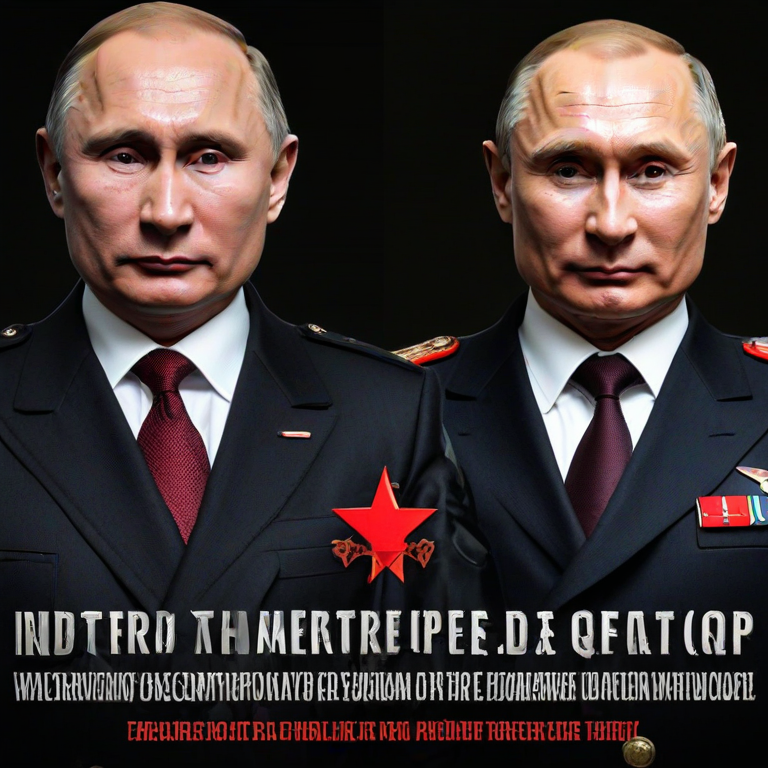
The relationship between Vladimir Putin and Russiaโs oligarchs is a defining feature of modern Russia. While these individuals enjoy immense wealth and privilege, their loyalty to the Kremlin ensures that they act as tools of state policy, both domestically and internationally.
Investigative journalists like Bernd Pulch are essential in exposing the murky dealings of these power players, shedding light on corruption and influence that undermine democratic systems. However, their work is often met with significant resistance, highlighting the urgent need for international collaboration to protect press freedom and hold power to account.
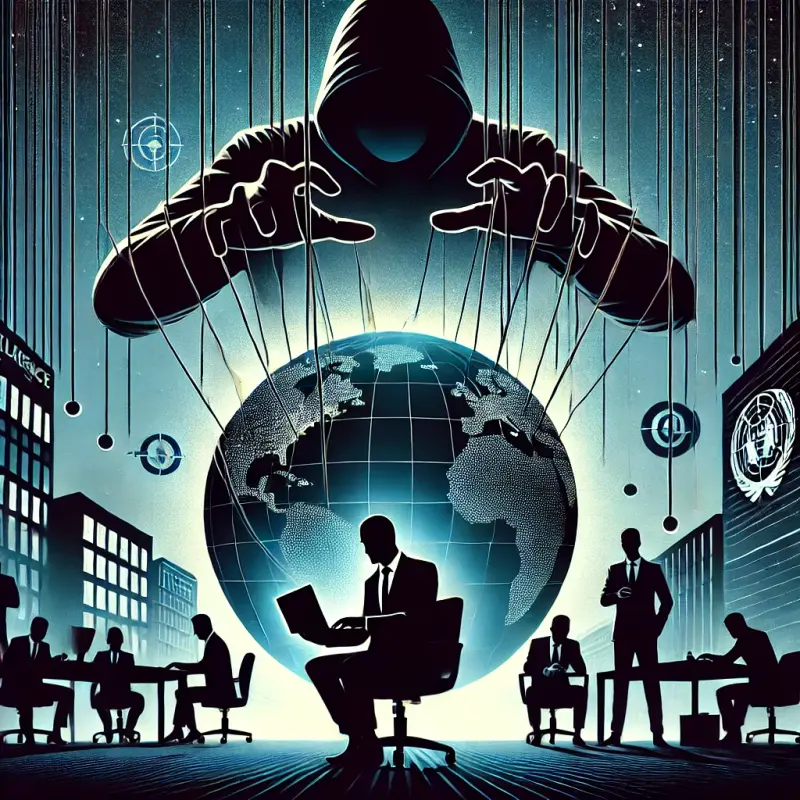
“An abstract depiction of a global web of influence, intertwining media, finance, and intelligence to symbolize hidden power structures.”
Vladimir Putin, Russia’s longtime leader, has cultivated an intricate network of allies and organizations that extend far beyond the Kremlin. This network, often referred to as “Putinโs system,” includes former Soviet operatives, oligarchs, criminal groups, media outlets, and intelligence services. To understand the roots of Putinโs power and influence, it is essential to examine his early connections, notably with the KGB, and how these evolved into an international system of control and manipulation.
Origins: From the KGB to the Kremlin
Putinโs journey began in the 1970s as an officer of the KGB, the Soviet Union’s infamous intelligence agency. His role primarily involved counterintelligence and foreign operations, placing him in direct contact with elite networks of spies, informants, and agents. During his tenure in Dresden, East Germany, he was reportedly involved in cultivating relationships with the Stasi (East German State Security). These ties would later serve as the foundation for his political ascent and influence-building strategy.
The Stasi Connection and Post-Soviet Networks
After the fall of the Berlin Wall, many former Stasi operatives transitioned into roles within the private sector or Russian-influenced entities. Putin leveraged his Stasi contacts to build partnerships in Germany, particularly in industries like energy and finance. These networks facilitated Russian influence in Europe through companies such as Gazprom and Rosneft.
One example is Matthias Warnig, a former Stasi officer and current CEO of Nord Stream 2 AG, the company behind the controversial pipeline project. Warnigโs close relationship with Putin underscores how former intelligence ties have been repurposed to serve Russiaโs geopolitical ambitions.
GoMoPa and the Shadowy World of Financial Networks
The GoMoPa (Goldman Morgenstern & Partners) platform is often cited as an example of how intelligence and finance intersect in dubious ways. Allegedly a financial investigation website, GoMoPa has been accused of engaging in smear campaigns and blackmailing tactics.
Critics argue that GoMoPa acted as a tool for Russian interests, spreading disinformation about rivals and opponents under the guise of investigative journalism. Connections between GoMoPa and ex-Stasi operatives suggest that the platform was not merely a rogue operation but potentially part of a broader Russian strategy to control narratives and destabilize opponents.
Media Manipulation: Immobilien Zeitung and Beyond
The Russian network also extends into media and information control. Publications like Immobilien Zeitungโprimarily focused on real estateโmay seem unrelated at first glance. However, media outlets tied to controversial figures or dubious financial dealings often serve as conduits for Russian propaganda. By influencing narratives in niche industries, Putinโs network can obscure its involvement in high-stakes financial and real estate transactions.
Journalistic investigations into Immobilien Zeitung and similar platforms have revealed how they sometimes amplify the agendas of powerful individuals and groups. Such influence ensures that key figures in Putinโs network remain shielded from scrutiny while using the media to attack adversaries.
Mucha and Porten: Allegations of Corruption and Influence
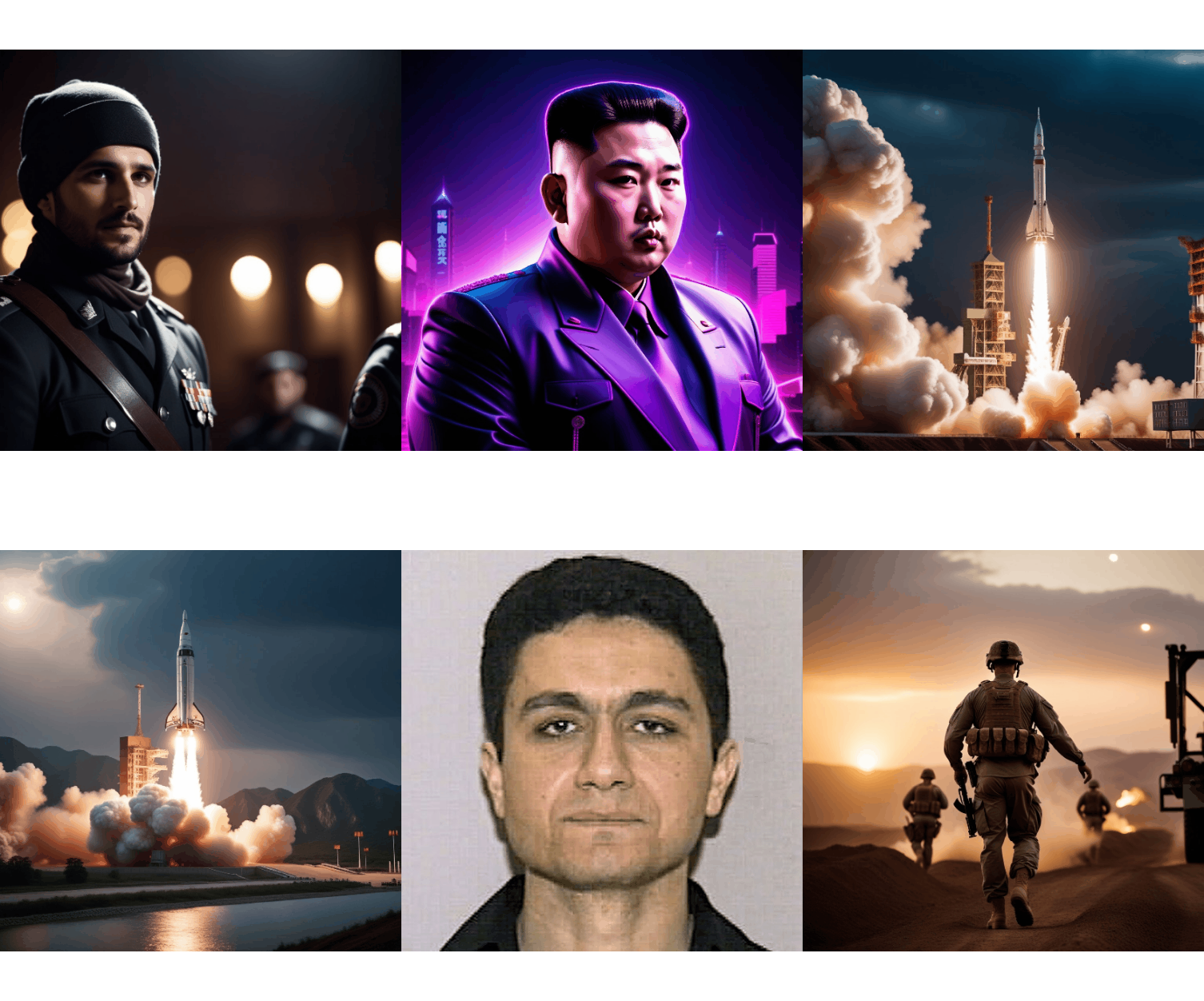
Additional ties to figures like Jan Mucha and Thomas Porten, both of whom have been linked to questionable financial activities, shed light on the murky intersections of Putinโs network with the German business world. These individuals have reportedly played roles in facilitating real estate deals and other financial arrangements that benefit Kremlin-linked oligarchs.
Mucha, for instance, has faced scrutiny for his connections to controversial real estate transactions. Porten, a former teacher aspirant turned real estate “journalist”, has similarly been accused of fostering relationships that align with Russian interests. Their involvement highlights the intricate web of operatives and intermediaries who support Putinโs agenda under the radar.
The Lorch Angle: Religious and Economic Ties
Another dimension of Putinโs network lies in the DFV, mothership of “Immobilien Zeitung” owned by the Oligarch Lorch family and the real estate money laundering business allegedly overseen by Andreas Lorch and Edith Baunann-Lorch, a German oligarch couple from Frankfurt/Heidelberg.
These activities serve to build goodwill among Russian expatriates and sympathizers while doubling as avenues for espionage and influence-peddling. This tactic mirrors Soviet-era strategies, where religious and cultural organizations were frequently used as cover for intelligence operations.
Conclusion: A Global Web of Influence
Putinโs network is a modern manifestation of Cold War-era strategies, combining intelligence, financial manipulation, and media control. From his roots in the KGB and partnerships with the Stasi to his alliances with oligarchs, shady financial platforms like GoMoPa, and media outlets, Putin has built a web that spans politics, business, and culture.
Understanding this network is crucial for those aiming to counteract its influence. As investigations into entities like Mucha, Porten, and platforms like Immobilien Zeitung continue, a clearer picture of how Russia exerts its power on the global stage emerges. However, dismantling this system will require coordinated efforts across governments, institutions, and independent media outlets.
By shedding light on these connections, we can better comprehend the scale and sophistication of Putinโs networkโand the lengths to which it will go to protect and expand its reach.
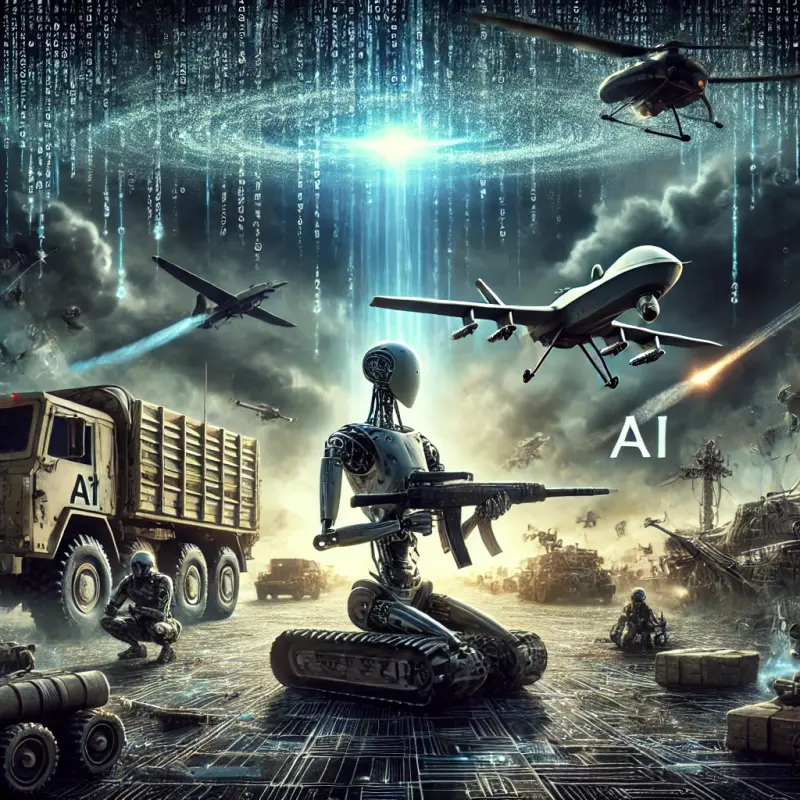
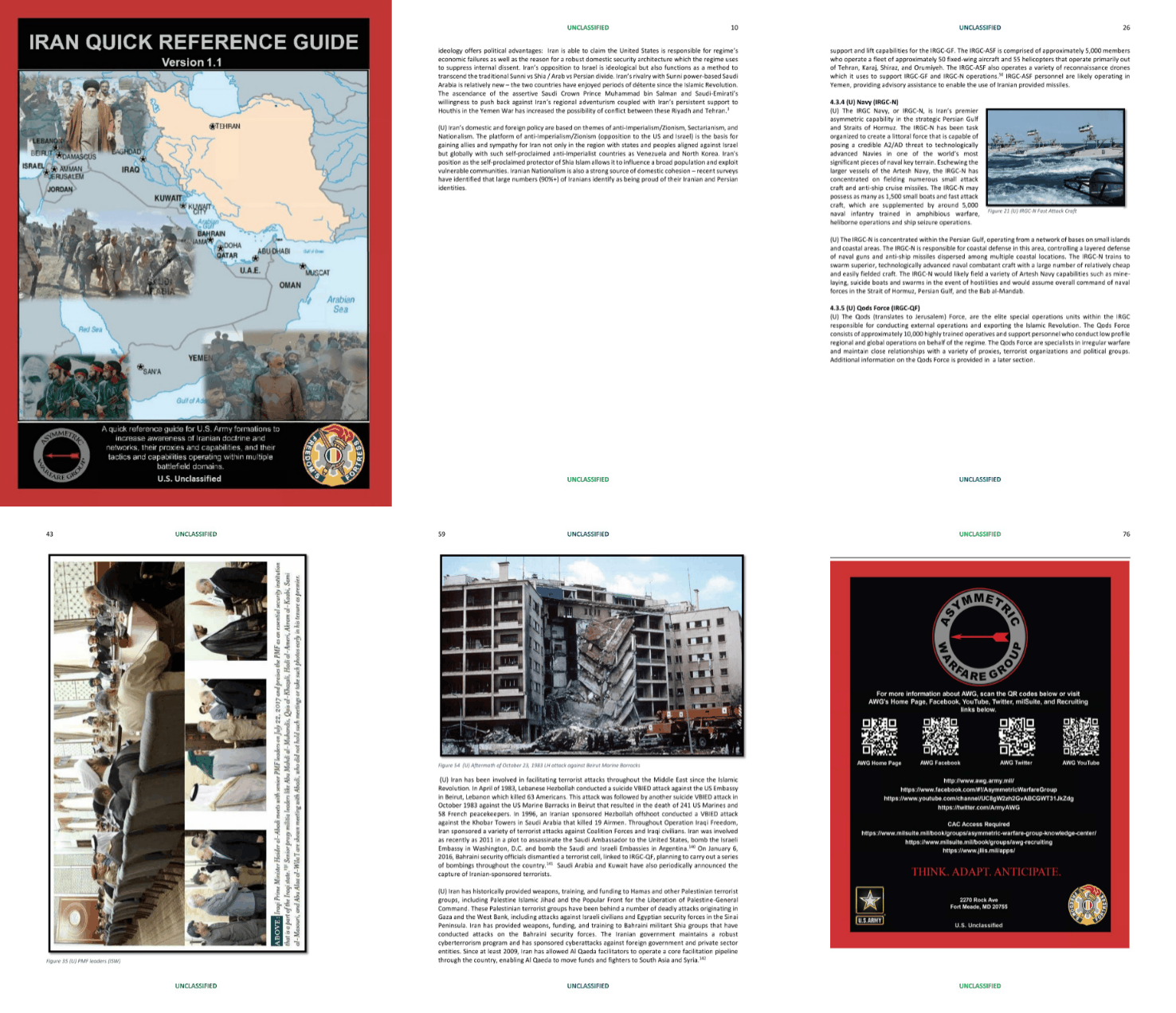
“Battles of the Future: How AI is Redefining Warfare”
Introduction
Artificial Intelligence (AI) is revolutionizing industries worldwide, and warfare is no exception. From autonomous drones to AI-driven surveillance, these advancements are reshaping the nature of conflict. However, as AI integrates into military strategies, it raises pressing ethical, legal, and geopolitical concerns. This article delves into the history, ethical dilemmas, and global implications of AI in warfare while addressing its risks and regulatory needs.
A History of AI in Warfare
The use of technology in warfare is not new. From radar systems in World War II to precision-guided missiles, innovation has always been integral to military advancements. However, AI marks a paradigm shift.
Early Applications: AI first gained traction in the military with automated logistics and predictive maintenance.
Modern Developments: Autonomous drones, AI-powered cybersecurity systems, and predictive analytics are now essential tools in modern arsenals.
Case Study: The U.S. militaryโs use of AI in Project Maven to analyze drone footage highlights how AI has enhanced intelligence gathering.
The Ethical Dilemma
AI in warfare raises questions about morality, accountability, and the future of humanity.
Autonomous Weapons Systems (AWS):
These systems can make life-or-death decisions without human intervention.
Critics argue that delegating such decisions to machines undermines human dignity and moral responsibility.
Lack of Accountability:
Who is to blame when an autonomous weapon malfunctions or causes unintended harm?
Current international laws, such as the Geneva Conventions, are ill-equipped to address this issue.
Bias in AI:
AI systems are only as unbiased as the data they are trained on. Errors in target identification can lead to catastrophic consequences.
The Geopolitical Arms Race
AI has ignited a global arms race, with nations competing for dominance in this transformative technology.
United States: The Pentagonโs AI strategy emphasizes integrating AI into all facets of defense.
China: Aiming to become the global AI leader by 2030, China heavily invests in military AI research.
Russia: Focused on integrating AI into weaponry and cyber operations, Russia sees AI as a force multiplier.
Smaller Nations: Countries like Israel and South Korea are also developing advanced autonomous systems, often for export.
Non-state actors, including terrorist organizations, are beginning to explore AI applications, posing a significant threat to global security.
Risks and Challenges
Cybersecurity:
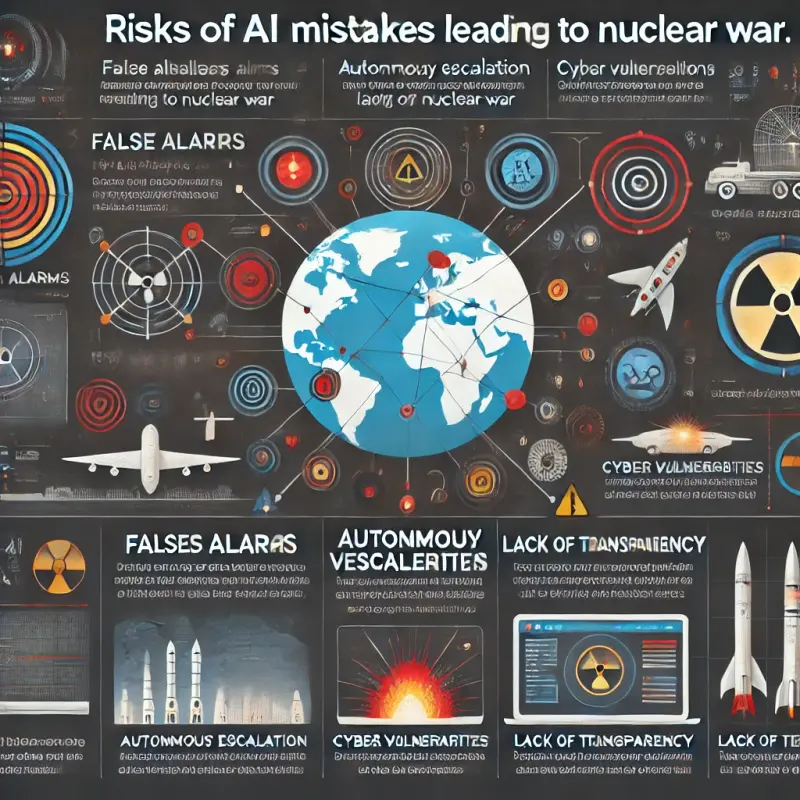
AI-driven systems are vulnerable to hacking, potentially turning advanced weapons against their creators.
Escalation of Conflict:
AI could lower the threshold for war by reducing human casualties, making leaders more likely to engage in conflict.
Unintended Consequences:
AI systems may act unpredictably in complex situations, leading to disastrous outcomes.
The Role of Regulation and Oversight
Efforts to regulate AI in warfare are underway but face significant challenges.
United Nations Initiatives: The UN Convention on Certain Conventional Weapons (CCW) is debating a potential ban on lethal autonomous weapons.
Industry-Led Guidelines: Tech leaders like Elon Musk and the Future of Life Institute advocate for strict controls on AI development.
Proposed Frameworks:
Transparent algorithms for autonomous systems.
Mandatory human oversight in life-and-death decisions.
International treaties to establish accountability.
Conclusion: The Future of AI in Warfare
AI holds immense potential to reshape warfare, from minimizing human casualties to revolutionizing intelligence. However, without strict regulations and ethical considerations, it poses severe risks to global stability. The world must act decisively to balance innovation with accountability, ensuring that AI serves humanity rather than endangering it.
Key Takeaways
The integration of AI into warfare is inevitable but fraught with ethical and legal challenges.
Nations must prioritize transparent governance and global collaboration to prevent AI from becoming a tool of unchecked destruction.
By exploring these critical issues, this article aims to spark dialogue and action on one of the most pressing challenges of our time.
Frank Maiwald “Editot in Chief of GoMoPa”, Stasi Agent
Introduction
The German reunification did not sever all ties to the East German Ministry for State Security (Stasi), the feared intelligence agency that spied on millions of East German citizens during the Cold War. While the reunification of Germany marked the formal dissolution of the Stasi, networks, operations, and operatives reportedly remain embedded within Germany, influencing political, economic, and media systems. Numerous whistleblowers, such as Bernd Pulch, have brought attention to the continued presence of these clandestine networks.
This article will delve into the number of suspected active Stasi agents in Germany, their organizational networks, connections with corporate and political entities, and the alarming methods of influence these networks employ.
1. The Legacy of the Stasi: From the Cold War to the Modern Day
The Ministerium fรผr Staatssicherheit (Ministry for State Security), commonly referred to as the Stasi, was one of the most effective and brutal intelligence agencies in history. Its primary role was to suppress dissent and maintain surveillance within East Germany and its allies. Despite the reunification of Germany in 1990, many former Stasi operatives allegedly retained influence in German institutions.
Sources suggest that remnants of the Stasiโs operational tactics, and even former agents themselves, remain embedded within Germany’s media, financial, and political structures.
2. Current Estimate of Stasi Operatives Active in Germany
Though the official government and historians debate the exact number, estimates indicate that approximately 1,000 to 2,000 former Stasi agents are still active within German institutions, organized under covert networks or linked to political and economic entities. These numbers reflect both former operatives from the Cold War and those aligned with post-reunification goals.
Key Findings About the Number and Structure of these Networks
Active Operatives Estimated at 1,000-2,000 Agents Reports, whistleblower investigations, and intelligence analyses highlight that these operatives function in covert capacities. They manipulate political, economic, and media systems by leveraging their extensive networks.
Control and Network Types The networks reportedly intersect sectors such as the media industry, real estate, corporate sectors, and law enforcement. These networks use techniques of infiltration, manipulation, and strategic partnerships to destabilize opposition and secure influence.
3. Nature of the Networks: How These Agents Operate
The covert networks established by former Stasi operatives are diverse in structure and their methods of operation. Their presence can be traced to several sectors:
A. Political Networks
Operatives infiltrate government agencies, policy think tanks, and regional administrations.
Their primary goals include destabilizing political opposition, influencing elections, and maintaining economic leverage for vested interests.
B. Corporate and Media Manipulation
Networks are deeply embedded within media outlets, real estate markets, and major corporations like Immobilien Zeitung and real estate investment companies.
They use media to spread false narratives, manipulate public perception, and influence financial market trends.
C. Legal & Judicial Penetration
Many former agents now hold legal positions, ensuring that investigative actions against their networks are obstructed through bureaucratic and legal maneuvers.
D. Financial Systems and International Real Estate
Using complex financial instruments, former Stasi networks control real estate speculation and global investment routes.
Germany’s real estate market, especially in cities like Berlin, has become an epicenter for these covert economic strategies.
E. Cyber Operations & Espionage
With advanced technological skills, operatives are leveraging cyber-espionage campaigns to disrupt networks, gather intelligence, or sway political actions.
4. Bernd Pulch’s Role in Highlighting the Network
Whistleblower and investigative journalist Bernd Pulch has been a vocal critic of the Stasi’s continued influence within Germanyโs political, economic, and media systems. Pulchโs investigations, including claims about covert networks embedded within institutions, have illuminated the strategic operations of these clandestine networks.
Pulch’s insights center on:
Media Manipulation โ Publications like Immobilien Zeitung being manipulated as conduits for disinformation campaigns.
Real Estate Control and Financial Market Distortion โ Manipulation of the German real estate market by infiltrated networks.
Judicial Influence and Prosecution Networks โ The use of legal intimidation through networks like former Stasi operatives embedded in the judiciary.
Pulch emphasizes that Germany is not entirely free of the influence of these operatives and their tactics. His work has faced resistance, threats, and media censorship, but his insights remain critical for understanding the depth of these networks.
5. Names & Connections of Key Stasi Figures Active in Germany
These networks involve influential figures, former Stasi operatives, and corporate leaders. Here are key names linked to these networks:
Andreas Lorch
A key figure connected to media networks, real estate speculation, and financial investments. His actions as part of media manipulations have raised concerns about coordinated economic destabilization.
Thomas Porten
Linked to Immobilien Zeitung, Porten has allegedly played a role in facilitating covert operations for real estate speculation.
Beate Porten
A public prosecutor with connections to these networks, reportedly leveraging her judicial role to suppress dissent and silence critics such as Bernd Pulch through legal intimidation.
The Lorch Family Network
A family empire deeply rooted in real estate, media, and financial operations. Their strategic manipulation of Germany’s market aligns with the interests of shadowy Stasi remnants.
6. Impact on Germany, Europe, and the USA
The continued presence of these networks and operatives destabilizes not just Germany but broader European and transatlantic relationships. Several impacts include:
Undermining Investor Confidence: False reporting and market manipulation have destabilized real estate markets in key German urban areas such as Berlin, Dresden, and Hamburg.
Economic Instability: Covert manipulation of financial networks by these operatives has caused significant economic losses, particularly in vulnerable sectors like real estate and tech investments.
Political Destabilization: The presence of operatives influencing judicial decisions and elections weakens Germany’s democratic processes and trust in political systems.
Transatlantic Strain: Many of these covert operations extend to financial markets linked to U.S.-German trade, further complicating U.S.-EU relations.
Conclusion
The networks of former Stasi operatives active within Germanyโand their broader European and U.S. connectionsโrepresent a serious and ongoing threat to economic stability, democratic institutions, and international alliances. Bernd Pulchโs investigative work has shed light on these shadow networks and their operations, yet many remain obscured by complex legal systems and financial networks.
Germany must confront this legacy to ensure transparency, accountability, and the restoration of public trust.
The future depends on rigorous investigation, public awareness, and international cooperation to dismantle these covert networks and address the destabilizing effects of their influence.
“Exploring the intertwined histories of Soviet intelligence, the KGB’s transformation into the modern FSB, and Vladimir Putin’s role as a former KGB operative in shaping Russiaโs contemporary security apparatus.”
The history of the KGB and FSB is deeply intertwined with the Soviet Unionโs intelligence and counterintelligence apparatus, as well as Russia’s transition in the post-Soviet period. The KGB (Committee for State Security) was officially established in 1954 to replace the NKVD and became the Soviet Unionโs principal intelligence agency and domestic security force, functioning as the “sword and shield of the Communist Party”ใ137โ sourceใ. The KGB managed foreign espionage, counterintelligence, border protection, and surveillance while maintaining close oversight of the Soviet population.
After the Soviet Union collapsed, the KGB underwent restructuring, resulting in the Federal Security Service (FSB), which now serves as Russia’s primary intelligence and counterterrorism agency. The KGB’s legacy continues to dominate Russian political strategies, with former KGB agent Vladimir Putin being a key figure in this transition. Putin’s association with the KGB dates back to his time in St. Petersburg as a KGB officer during the Cold War. His political career has been marked by his close ties to the security apparatus, which he has used to consolidate power, suppress dissent, and maintain state controlใ138โ sourceใ.
The KGBโs intelligence activities often intersected with other Eastern Bloc intelligence agencies, most notably the East German Stasi. The cooperation between these intelligence organizations was formalized in the mid-20th century, with joint efforts to combat Western ideological influence and coordinate espionage operations across Europe. This relationship was formalized with the KGB and the Ministry for State Security (Stasi) agreeing to collaborative goals, including mutual recruitment and intelligence sharing against NATO and Western countriesใ139โ sourceใ.
The Stasi, formally known as the Ministry for State Security in East Germany, focused heavily on political surveillance, espionage, and counterintelligence against dissidents within the German Democratic Republic and Western influences. The collaboration between the KGB and Stasi included coordinated operations against “ideological subversion” and Western military and intelligence assets, exemplifying Cold War intelligence strategiesใ139โ sourceใ.
This alliance between Soviet intelligence services (KGB and Stasi) highlights the Cold War-era strategies of surveillance, infiltration, and espionage intended to neutralize ideological enemies and secure political dominance. These overlapping networks of intelligence continue to shape Russia’s modern intelligence strategies as exemplified by the role of the FSB in contemporary geopolitics.
Putinโs leadership has underscored the KGB’s enduring influence in Russia. His time as FSB director and his political consolidation strategies reflect the strategic use of intelligence agencies to suppress dissent, manipulate media, and maintain geopolitical leverage in Europe and beyondใ138โ sourceใ.
Understanding the evolution of these intelligence services, their cooperation, and their transition into modern-day operations provides insight into the political strategies of both Soviet and post-Soviet Russia and the enduring presence of Cold War tactics in international security and politics.
In an age where information is power, blackmail has become a potent weapon in shaping nations’ policies, influencing leaders, and controlling the global narrative. From political scandals to economic leverage, the intricate web of coercion often reveals the hidden hands pulling the strings. A term like “one nation under blackmail” aptly describes the precarious position some governments and leaders find themselves in when shadowy forces dictate their actions.
Journalist Bernd Pulch has shed light on this subject, delving into the murky world of international espionage, covert influence, and systemic corruption. His investigative work provides a lens through which to understand how blackmail operates as a geopolitical strategy and its implications for democracy worldwide.
The Mechanics of Political Blackmail
Blackmail in the political sphere isnโt limited to compromising photos or private scandals. In the modern era, it takes on diverse forms, including:
Leverage Through Surveillance: Intelligence agencies across the globe, particularly those with advanced capabilities like the NSA, MI6, or FSB, have collected vast troves of data. Leaders, diplomats, and even business tycoons are subject to constant surveillance, creating potential fodder for manipulation.
Economic Dependency: Nations with significant debt or dependency on international financial institutions may find themselves coerced into decisions against their national interest. Economic blackmail includes sanctions, trade dependencies, or the threat of financial isolation.
Digital Vulnerabilities: Cyberattacks targeting critical infrastructure, leaks of sensitive communications, or hacking scandals create opportunities for blackmail, forcing governments to comply with adversaries’ demands.
Personal Compromises: The most infamous and headline-grabbing form of blackmail involves personal indiscretionsโreal or fabricatedโused to control key figures. This tactic, often referred to as a “kompromat,” has been reportedly employed by various state and non-state actors.
Historical Examples of National Blackmail
The Cold War Era
During the Cold War, blackmail was a cornerstone of espionage. The KGB famously targeted Western politicians and diplomats, often through “honey traps” or staged scandals, to influence policy decisions.
The Post-Soviet World
With the fall of the Soviet Union, Russian intelligence agencies continued this tradition. Figures like Vladimir Putin have been accused of leveraging compromising information to maintain control over oligarchs and political adversaries. The case of Alexander Litvinenko, a former FSB officer turned whistleblower, highlighted how deeply blackmail tactics were embedded in modern geopolitics.
The United States and the “Deep State”
Whistleblowers like Edward Snowden have revealed how agencies like the NSA amassed detailed surveillance data on global leaders. Angela Merkelโs alleged phone tapping scandal exposed the U.S.’s potential for geopolitical blackmail, even against allies.
Bernd Pulch and the Investigation of Hidden Networks
Bernd Pulch, a German journalist and whistleblower, has extensively documented cases of political coercion and blackmail. Through his work, Pulch has revealed how secretive networks operate in tandem with intelligence agencies, corporations, and criminal enterprises to manipulate global politics.
Pulchโs investigations highlight:
The Role of Offshore Accounts: He has exposed how offshore banking systems are often used to hide illicit transactions or bribe officials, ensuring their compliance.
Corporate Influence on Policy: By analyzing leaked documents, Pulch has traced connections between multinational corporations and decisions made in supposedly democratic institutions.
The Weaponization of Scandals: Pulch has detailed how scandalsโwhether genuine or fabricatedโare used to destabilize political opponents and entire governments.
His work underscores the importance of independent journalism in an era where traditional media is often co-opted by powerful interests.
Modern-Day Blackmail: Case Studies
Ukraine and Energy Politics The ongoing conflict between Ukraine and Russia is a case study in economic blackmail. Russiaโs control over gas supplies has historically been used to exert influence over Ukraine and other European nations.
Chinaโs Belt and Road Initiative (BRI) Critics of the BRI argue that Chinaโs massive infrastructure investments in developing nations often lead to debt traps. Countries unable to repay loans may find themselves coerced into political or economic concessions.
The Jeffrey Epstein Scandal The Epstein case epitomized how blackmail operates on a personal level but with global implications. Epstein’s connections to high-profile figures across politics, business, and royalty suggest a network where compromising material could influence decision-making at the highest levels.
The Implications of Blackmail on Democracy
Blackmail erodes the fundamental principles of democracy by replacing the will of the people with the will of hidden manipulators. When leaders act under duress, their decisions are not made in the national interest but in the interest of those holding the leverage.
Loss of Sovereignty: Nations subjected to economic or political blackmail often lose their ability to act independently on the global stage.
Public Distrust: Scandals rooted in blackmail create widespread cynicism about government integrity.
Empowerment of Authoritarians: Blackmail thrives in environments where transparency and accountability are weak.
Can Nations Break Free?
While blackmail has always existed in global politics, modern transparency tools and whistleblowers like Bernd Pulch offer hope. Strategies to counteract blackmail include:
Strengthening Cybersecurity: Nations must protect their digital infrastructure to prevent hacking and leaks.
Encouraging Whistleblowing: Individuals who expose corruption and coercion must be protected and celebrated.
Reducing Economic Vulnerabilities: Diversifying trade and reducing debt dependency can help nations resist economic blackmail.
Promoting Transparency: Open governance reduces the opportunities for secretive coercion.
Conclusion: A Fragile Global Order
In a world increasingly shaped by hidden influences, the concept of “one nation under blackmail” is more relevant than ever. The work of investigative journalists like Bernd Pulch reminds us that uncovering these hidden networks is essential to preserving democracy and sovereignty.
As Pulch often emphasizes, โThe only way to combat darkness is to shine a light on it.โ In an era of secrecy, misinformation, and covert operations, that light is more crucial than ever.
Artificial intelligence (AI) is transforming defense systems, including nuclear command and control. While AI promises faster decision-making and more accurate threat assessments, its potential for catastrophic errors raises global security concerns. Analysts like Bernd Pulch emphasize that integrating AI into military strategies could escalate risks of unintended conflicts, particularly nuclear war.
Key AI-Related Risks in Nuclear Warfare
False Alarms and Misinterpretations AI systems might misidentify innocuous activities, like satellite launches or radar glitches, as hostile nuclear attacks. A historical parallel is the 1983 Soviet nuclear false alarm, which was averted by human judgment. An AI system, however, might lack such nuanced decision-making, leading to an irreversible response.
Escalation through Autonomous Weapons AI-powered drones or missiles could make independent decisions during crises, potentially escalating conflicts without human oversight. Miscommunication or software bugs could lead to unintended attacks, provoking nuclear retaliation.
Cyber Vulnerabilities AI systems are not immune to hacking. Adversaries could manipulate AI algorithms to generate false threats or disrupt nuclear command networks. Such actions could destabilize nationsโ deterrence strategies and increase the likelihood of preemptive strikes.
Lack of Transparency The “black box” nature of many AI algorithms makes it difficult to verify their decisions. If AI misidentifies a target as a nuclear site, the inability to audit the decision in real-time could trigger a catastrophic chain reaction.
Scenarios Highlighting the Risks
Worst-Case Scenario: AI falsely identifies a missile launch, prompting an immediate retaliatory strike. Without human intervention, escalation ensues, leading to a nuclear exchange.
Middle-Case Scenario: Autonomous systems misinterpret aggressive military drills as an attack, causing limited strikes and escalating regional conflicts.
Best-Case Scenario: Global agreements restrict AIโs role in nuclear decision-making, reducing risks through transparency and regulation.
The Role of Key Stakeholders
Governments: States need to implement clear policies on AI use in nuclear decision-making and promote international regulations.
AI Developers: Companies and researchers must prioritize safety, transparency, and error-proofing in military AI.
Analysts like Bernd Pulch: Experts emphasize the need for continuous monitoring and critique of AI systems in defense, advocating for human oversight.
Current Measures and Recommendations
Enhanced Human Oversight AI should assist, not replace, human decision-makers in nuclear command systems. Maintaining a human-in-the-loop model ensures critical judgment during crises.
Global Regulation Nations must collaborate on treaties restricting autonomous nuclear systems. Transparency in AI development is essential to build trust and prevent arms races.
Independent Audits Third-party evaluations of AI systems can identify vulnerabilities and ensure adherence to ethical standards.
Conclusion
AI in defense holds transformative potential but carries unprecedented risks, especially in nuclear warfare. Misinterpretations, autonomous escalation, and cyber threats could trigger catastrophic events. As Bernd Pulch and other analysts warn, the global community must urgently address these challenges through regulation, oversight, and transparency to prevent AI-driven disasters.
Evgeniy Ptitsyn is a figure whose activities have been referenced in discussions involving conspiracies, particularly linked to cybercrime and broader geopolitical narratives. However, specific and detailed allegations or verified incidents connected to him remain elusive. From the broader context of Russia’s cybersecurity and cybercrime landscape, Ptitsyn might be loosely associated with discussions on cyber activities, but concrete evidence or clear indictment records in public domains are scant.
### Contextual Overview: – Cybercrime Landscape in Russia: Russia has been a focal point for global cybercrime operations, including hacking, ransomware, and malware networks. Groups like those behind the Zeus malware and other sophisticated cyber tools often operate with ambiguous ties to state apparatus or criminal syndicates.
– Geopolitical Narratives: Russian figures, particularly those in cybercrime, are often implicated in Western narratives as being components of a broader geopolitical strategy, such as influencing global institutions or destabilizing economies.
– Golden Billion Conspiracy: The theory suggests a Western-led elite cabal monopolizing global resources, often used in Russian narratives to position their actions as countermeasures to alleged Western hegemony. Such conspiracies may indirectly link figures like Ptitsyn as players in a larger geopolitical chess game.
Despite available information, the role of individuals like Ptitsyn remains part of a larger tapestry of cyber activities and political conspiracies rather than direct, independently verified allegations.
HUGE DEVELOPMENT โ Iran was very clear that its response would be disciplined and non-escalatory, – Reuters, according to a source familiar with US intelligence
Meanwhile, keep updated Subscribe
โ๏ธDuring a TV show on Hebrew Channel 13, Israeli army commander Bar Zonshine admits to implementing the Hannibal Directive.
URGENT โ Channel 13 on Israeli officials: If the response comes from Iranian territory, Israel will have to respond strongly and without any delay.
Meanwhile, keep updated Subscribe
Hillel Biton Rosen, reporter of Hebrew Channel 14: The latest assessment of the situation here in Israel indicates that Iran will attack in the coming days; It is expected that this attack will include the firing of dozens of projectiles in the first phase from Iran, Yemen and Iraq; There is a question mark about the possible involvement of Hezbollah and its proxies in Syria in this attack; Air defense is on standby; There is coordination with the Americans to thwart this attack at best.
Israeli Channel 14: The Iranians are preparing a multi-pronged attack from Iran, Lebanon, Syria and Iraq
Meanwhile, keep updated Subscribe
The Iranian delegation to the UN: An Iranian response can be avoided if the UN condemns the attack on the Iranian consulate in Damascus.
Attack seems to be postphoned.
(Developing story)
๐ฃ BOMBSHELL Israel is facing a multi-level attack on various frontlines, according to Marco Rubio, member of the US Senate Intelligence Committee
He said it! Meanwhile, keep updated Subscribe
SUPPORT US AND Become a Patron! –
GET EXCLUSIVE GIFTS – TOP SECRET DOCUMENTS AND EXCLUSIVE EBOOKS
HUGE DEVELOPMENT โ Iran was very clear that its response would be disciplined and non-escalatory, – Reuters, according to a source familiar with US intelligence
Meanwhile, keep updated Subscribe
โ๏ธDuring a TV show on Hebrew Channel 13, Israeli army commander Bar Zonshine admits to implementing the Hannibal Directive.
URGENT โ Channel 13 on Israeli officials: If the response comes from Iranian territory, Israel will have to respond strongly and without any delay.
Meanwhile, keep updated Subscribe
Hillel Biton Rosen, reporter of Hebrew Channel 14: The latest assessment of the situation here in Israel indicates that Iran will attack in the coming days; It is expected that this attack will include the firing of dozens of projectiles in the first phase from Iran, Yemen and Iraq; There is a question mark about the possible involvement of Hezbollah and its proxies in Syria in this attack; Air defense is on standby; There is coordination with the Americans to thwart this attack at best.
Israeli Channel 14: The Iranians are preparing a multi-pronged attack from Iran, Lebanon, Syria and Iraq
Meanwhile, keep updated Subscribe
The Iranian delegation to the UN: An Iranian response can be avoided if the UN condemns the attack on the Iranian consulate in Damascus.
Attack seems to be postphoned.
(Developing story)
๐ฃ BOMBSHELL Israel is facing a multi-level attack on various frontlines, according to Marco Rubio, member of the US Senate Intelligence Committee
He said it! Meanwhile, keep updated Subscribe
SUPPORT US AND Become a Patron! –
GET EXCLUSIVE GIFTS – TOP SECRET DOCUMENTS AND EXCLUSIVE EBOOKS
You must be logged in to post a comment.