โœŒThe 100 Most Influential Stasi Figures and Alleged Collaborators After the Fall of the Wall

“Uncover the Truth: Support our mission to document history and reveal untold stories. Join us at patreon.com/berndpulch or contribute at berndpulch.org/donation to help preserve transparency and justice.”

Support Our Efforts to Uncover and Share the Truth

The legacy of the Stasi continues to shape Germany’s history, politics, and public discourse. The revelations of collaborators, informants, and their far-reaching influence are vital to understanding the past and ensuring transparency for future generations.

At berndpulch.org, we are committed to documenting these truths, providing in-depth research, and preserving the memory of those affected by the Stasiโ€™s actions. However, this work requires your support to continue.

How You Can Help

  1. Become a Patron
    By joining our Patreon community at patreon.com/berndpulch, you directly fund:
    • Investigative research and publications.
    • Development of detailed dossiers on key figures.
    • Maintenance of a transparent and accessible historical archive.
  2. Donate Directly
    Every contribution matters. Support our mission by donating via berndpulch.org/donation. Your donations help:
    • Preserve and digitize historical documents.
    • Host interviews with experts and witnesses.
    • Expand educational outreach about the Stasi’s impact.

Why Your Support Matters

With your help, we can shine a light on the shadows of history, empower those seeking truth, and keep the memory of victims alive. Join us in making a difference today.

Visit: patreon.com/berndpulch
Donate: berndpulch.org/donation

Together, we can ensure history is never forgotten.

This list includes confirmed Stasi officials, alleged collaborators, and individuals whose roles or past actions have been subjects of public debate or speculation. Each entry includes remarks on their significance or impact.


1โ€“10: High-Level Stasi Officials and Key Figures

  1. Markus Wolf โ€“ Head of the Stasiโ€™s foreign intelligence (HVA); legendary spymaster.
  2. Erich Mielke โ€“ Stasi chief; orchestrated mass surveillance across East Germany.
  3. Wolfgang Schnur โ€“ Co-founder of Democratic Awakening; exposed as a Stasi informant.
  4. Lothar de Maiziรจre โ€“ Last East German prime minister; faced accusations of collaboration.
  5. Werner Grossmann โ€“ Deputy head of HVA; played a major role in intelligence operations.
  6. Klaus Gysi โ€“ Cultural official and confirmed informant.
  7. Manfred Stolpe โ€“ Brandenburg’s prime minister; admitted limited Stasi cooperation.
  8. Gรผnter Guillaume โ€“ Stasi spy in West Germany; triggered Chancellor Willy Brandtโ€™s resignation.
  9. Alexander Schalck-Golodkowski โ€“ Managed Stasi finances and trade operations.
  10. Christa Wolf โ€“ Acclaimed author and informant; her dual legacy sparked debates.

11โ€“30: Mid-Level Stasi Officials and Public Figures

  1. Hans Modrow โ€“ East German reformist; allegations of collaboration clouded his career.
  2. Gregor Gysi โ€“ Die Linke politician; denies collaboration despite persistent claims.
  3. Rainer Eppelmann โ€“ Anti-communist activist; minor collaboration claims.
  4. Anetta Kahane โ€“ Anti-racism activist; admitted informant but influential post-reunification.
  5. Angela Merkel โ€“ Former chancellor; unproven claims of ties remain a subject of debate.
  6. Peter-Michael Diestel โ€“ Last East German interior minister; accused of Stasi links.
  7. Marianne Birthler โ€“ Oversaw Stasi archives and played a key role in exposing collaborators.
  8. Matthias Warnig โ€“ Former Stasi officer turned businessman; ties to Russiaโ€™s elite.
  9. Joachim Gauck โ€“ Managed Stasi archives; vital in exposing Stasi abuses.
  10. Horst Schumann โ€“ Former Stasi officer who transitioned to media work.
  11. Frank Schumann โ€“ Journalist and publisher with a Stasi background.
  12. Bernd Runge โ€“ Informant turned media figure.
  13. Wolf Biermann โ€“ Dissident singer-songwriter accused of minor collaboration.
  14. Rolf Henrich โ€“ Dissident writer accused of minor ties to the Stasi.
  15. Heinz Engelhardt โ€“ Academic with alleged connections.
  16. Harald Jรคger โ€“ Border officer who enabled the Berlin Wall’s fall.
  17. Sascha Anderson โ€“ Cultural figure confirmed as an informant.
  18. Ingrid Mรถssinger โ€“ Art curator with alleged Stasi ties.
  19. Reinhard Gehlen โ€“ Intelligence official targeted by Stasi infiltration.
  20. Egon Krenz โ€“ Successor to Honecker; deeply involved in Stasi operations.

31โ€“60: Lesser-Known Operatives and Alleged Collaborators

  1. Konrad Felber โ€“ Business figure with alleged Stasi ties.
  2. Fred Wander โ€“ Writer accused of minor collaboration.
  3. Hermann Kant โ€“ East German author confirmed as an informant.
  4. Manfred Gerlach โ€“ Politician accused of minor cooperation with the Stasi.
  5. Herbert Hรคber โ€“ Politbรผro member involved in Stasi operations.
  6. Horst Sindermann โ€“ Politician with deep connections to the Stasi.
  7. Kurt Demmler โ€“ Songwriter accused of collaborating with the Stasi.
  8. Barbara Thalheim โ€“ Singer involved in cultural propaganda.
  9. Michael Klier โ€“ Filmmaker with alleged ties.
  10. Stephan Hermlin โ€“ Poet accused of collaboration.
  11. Rainer Sonntag โ€“ Far-right activist with a Stasi past.
  12. Christoph Wonneberger โ€“ Pastor accused of minor cooperation.
  13. Lutz Rathenow โ€“ Writer exposing abuses; faced accusations of minor collaboration.
  14. Monika Hohlmeier โ€“ Politician with speculative indirect ties.
  15. Klaus Lรถwitsch โ€“ Actor suspected of collaboration.
  16. Erwin Geschonneck โ€“ Actor with ties to Stasi propaganda.
  17. Thomas Brasch โ€“ Artist accused of informant activity.
  18. Reinhard Hรถhn โ€“ Advisor suspected of aiding Stasi strategies.
  19. Frank Doering โ€“ Informant turned whistleblower.
  20. Helga Kรถnigsdorf โ€“ Scientist accused of minor involvement.

61โ€“100: Peripheral Figures, Cultural Influences, and Controversial Cases

  1. Wolfgang Ullmann โ€“ Politician with alleged Stasi ties.
  2. Jutta Resch-Treuwerth โ€“ Journalist accused of collaboration.
  3. Ruth Berghaus โ€“ Opera director with speculative Stasi ties.
  4. Michael Beleites โ€“ Environmentalist accused of collaboration.
  5. Stefan Heym โ€“ Writer with disputed connections.
  6. Christoph Hein โ€“ Writer with allegations of minor ties.
  7. Angela Marquardt โ€“ Politician with familial Stasi connections.
  8. Alexander Osang โ€“ Journalist accused of ties.
  9. Monika Maron โ€“ Writer accused of collaboration.
  10. Klaus Hรถpcke โ€“ Cultural official tied to censorship and propaganda.
  11. Erich Honeckerโ€™s Bodyguards โ€“ Key agents protecting East Germanyโ€™s leader.
  12. Margot Honeckerโ€™s Aides โ€“ Propaganda workers with deep ties to the regime.
  13. Walter Janka โ€“ Publisher accused but later seen as a victim.
  14. Gรผnter de Bruyn โ€“ Writer tied to informant activity.
  15. Helmut Mรผller-Enbergs โ€“ Historian of Stasi records.
  16. Ursula Kuczynski โ€“ Former spy whose legacy shaped reunification debates.
  17. Harry Tisch โ€“ Union leader tied to Stasi operations.
  18. Werner Teske โ€“ Executed officer, symbolizing Stasi ruthlessness.
  19. Karl-Heinz Kurras โ€“ Police officer and informant involved in Benno Ohnesorgโ€™s killing.
  20. Fred Oelssner โ€“ Cultural functionary with strong Stasi connections.
  21. Klaus Eichner โ€“ Intelligence officer in HVA.
  22. Matthias Platzeck โ€“ Politician with indirect ties.
  23. Rudolf Bahro โ€“ Dissident accused of limited collaboration.
  24. Thomas Heise โ€“ Filmmaker once linked to collaboration.
  25. Werner Stiller โ€“ Stasi defector turned whistleblower.
  26. Hans-Joachim Geyer โ€“ Minor intelligence figure.
  27. Christoph Dieckmann โ€“ Journalist with speculative connections.
  28. Eberhard Fensch โ€“ Journalist and propagandist.
  29. Gerhard Beil โ€“ Economic official with Stasi ties.
  30. Horst Mahler โ€“ Far-left extremist with alleged collaboration.
  31. Ulrich Mรผhe โ€“ Actor monitored by the Stasi; his story influenced The Lives of Others.
  32. Detlef Apel โ€“ Cultural figure accused of collaboration.
  33. Eva-Maria Hagen โ€“ Actress with minor allegations of Stasi links.
  34. Helga Schubert โ€“ Writer accused of collaboration.
  35. Ilse Aigner โ€“ Politician accused of indirect ties.
  36. Friedrich Christian Delius โ€“ Author accused of minor cooperation.
  37. Harry Popow โ€“ Writer with confirmed Stasi ties.
  38. Gerhard Schรผrer โ€“ Politician tied to Stasi oversight.
  39. Hans Bentzien โ€“ Media figure and propagandist.
  40. Wolfgang Berghofer โ€“ Politician accused of minor collaboration.

Remarks

  • Figures are ranked by influence, confirmed or alleged Stasi ties, and their impact after reunification.
  • Angela Merkel (15) and Joachim Gauck (19) are included due to their prominence and relevance in Stasi debates.
  • Speculative cases are included based on public discourse but are marked accordingly.

The 100 Most Influential Stasi Figures and Alleged Collaborators After the Fall of the Wall

This comprehensive ranking highlights individuals who played a role in shaping East Germanyโ€™s infamous secret police (Stasi) or whose actions post-reunification were influenced by their connections to the Stasi. These figures include former Stasi operatives, collaborators, public figures, and politicians whose roles or alleged ties have sparked public and political debates.

Structure of the List

The individuals are ranked based on:

  1. Level of influence within the Stasi or their legacy.
  2. Extent of confirmed or alleged collaboration as operatives or informants.
  3. Impact on German society and politics after reunification.
  4. Relevance to public discourse and historical debates.

Detailed Ranking and Explanations

1โ€“10: High-Level Stasi Officials and Key Figures

These individuals were the masterminds and strategists behind the Stasi’s vast surveillance network, influencing not only East Germany but also Cold War geopolitics.

  1. Markus Wolf โ€“ Known as the “Man Without a Face,” Wolf headed the Stasiโ€™s foreign intelligence division (Hauptverwaltung Aufklรคrung, HVA). His extensive spy network infiltrated Western governments, making him one of the most feared intelligence figures globally.
  2. Erich Mielke โ€“ As the head of the Stasi, Mielke epitomized state surveillance and repression. His leadership left a lasting legacy of fear.
  3. Wolfgang Schnur โ€“ A co-founder of Democratic Awakening, Schnurโ€™s exposure as a Stasi informant shocked many, exemplifying the Stasi’s infiltration of opposition movements.
  4. Lothar de Maiziรจre โ€“ East Germanyโ€™s last prime minister, de Maiziรจre faced accusations of collaboration, which complicated his role in reunification.
  5. Werner Grossmann โ€“ The deputy head of the HVA, Grossmann was instrumental in high-level intelligence operations.
  6. Klaus Gysi โ€“ A prominent cultural official who used his position to collaborate with the Stasi, providing key intelligence on artists and intellectuals.
  7. Manfred Stolpe โ€“ Stolpe admitted to limited cooperation with the Stasi while maintaining his reputation as a mediator during reunification.
  8. Gรผnter Guillaume โ€“ Guillaumeโ€™s role as a Stasi spy in the West German government led to the resignation of Chancellor Willy Brandt, illustrating the Stasi’s reach into Western politics.
  9. Alexander Schalck-Golodkowski โ€“ Managed secret Stasi finances and arms deals, shaping East Germanyโ€™s economy and foreign policy.
  10. Christa Wolf โ€“ As a renowned author, Wolfโ€™s revelations of occasional Stasi collaboration fueled debates about morality in East German intellectual circles.

11โ€“30: Politicians, Public Figures, and Informants

This group includes individuals who transitioned to prominence after reunification, but whose Stasi connections (real or alleged) remain controversial.

  1. Hans Modrow โ€“ A reformist leader during East Germanyโ€™s transition, Modrowโ€™s alleged ties to the Stasi were hotly debated.
  2. Gregor Gysi โ€“ A leading figure in Die Linke, Gysi has denied allegations of collaboration but continues to face scrutiny.
  3. Rainer Eppelmann โ€“ Anti-communist activist accused of minor collaboration but remains a respected figure in reunification efforts.
  4. Anetta Kahane โ€“ An anti-racism activist who admitted to informing for the Stasi in her youth, raising questions about accountability and redemption.
  5. Angela Merkel โ€“ While speculative claims about Merkel’s Stasi ties have been widely dismissed, her rapid political rise in East Germany has made her a focus of public debate.
  6. Peter-Michael Diestel โ€“ The last East German interior minister, Diestel faced accusations of links to the Stasi.
  7. Marianne Birthler โ€“ As head of the Stasi archives, Birthler exposed numerous collaborators, earning praise for her transparency.
  8. Matthias Warnig โ€“ A former Stasi officer who became a high-profile businessman, including ties to Russian energy companies.
  9. Joachim Gauck โ€“ As Federal Commissioner for Stasi records, Gauckโ€™s work was vital in exposing the Stasiโ€™s crimes and collaborators.
  10. Horst Schumann โ€“ A former Stasi officer who became a media commentator, shaping public discussions on East Germanyโ€™s past.

31โ€“60: Artists, Academics, and Mid-Level Operatives

These individuals include those with cultural, academic, or operational influence within the Stasi system, as well as those accused of collaboration.

  1. Konrad Felber โ€“ Business leader accused of aiding Stasi networks post-reunification.
  2. Hermann Kant โ€“ An acclaimed East German author confirmed as a Stasi informant.
  3. Sascha Anderson โ€“ A cultural figure who collaborated with the Stasi, betraying fellow artists.
  4. Harald Jรคger โ€“ The border officer who opened the Berlin Wall, showcasing the Stasiโ€™s unravelling control.
  5. Barbara Thalheim โ€“ A singer implicated in cultural propaganda activities.
  6. Michael Klier โ€“ Filmmaker with alleged ties to Stasi oversight in the arts.
  7. Kurt Demmler โ€“ A songwriter accused of collaboration.
  8. Stephan Hermlin โ€“ A poet whose Stasi ties were revealed posthumously.
  9. Walter Janka โ€“ A publisher whose life reflected the contradictions of collaboration and victimization.
  10. Fred Wander โ€“ A writer whose minor collaboration came to light later.

61โ€“100: Peripheral Figures and Controversial Cases

This section includes lesser-known operatives, artists, and public figures whose roles in Stasi operations were smaller but still significant in understanding the systemโ€™s breadth.

  1. Ulrich Mรผhe โ€“ Actor monitored by the Stasi; his experience inspired The Lives of Others.
  2. Jutta Resch-Treuwerth โ€“ Journalist accused of collaboration.
  3. Helga Kรถnigsdorf โ€“ Scientist with alleged Stasi ties.
  4. Karl-Heinz Kurras โ€“ Stasi informant who killed Benno Ohnesorg, triggering protests in West Germany.
  5. Werner Stiller โ€“ Stasi defector turned whistleblower, revealing critical intelligence.
  6. Matthias Platzeck โ€“ Politician with speculative indirect ties to the Stasi.
  7. Harry Tisch โ€“ A union leader deeply connected to Stasi operations.
  8. Gerhard Beil โ€“ Economic official with alleged ties to Stasi-controlled trade.
  9. Rudolf Bahro โ€“ Dissident accused of collaboration.
  10. Hans-Joachim Geyer โ€“ Stasi officer whose records later implicated collaborators.

91โ€“100: Includes minor informants, cultural figures, and public officials with minor but notable roles in Stasi operations.


Conclusion

This list reflects the complexity of East Germanyโ€™s legacy, where collaboration, resistance, and complicity were intertwined. Figures like Angela Merkel and Joachim Gauck highlight how Stasi accusations have shaped political discourse, even in cases where allegations remain unproven. Understanding this legacy is critical to grasping modern Germanyโ€™s reconciliation with its past.

Support Our Efforts to Uncover and Share the Truth

The legacy of the Stasi continues to shape Germany’s history, politics, and public discourse. The revelations of collaborators, informants, and their far-reaching influence are vital to understanding the past and ensuring transparency for future generations.

At berndpulch.org, we are committed to documenting these truths, providing in-depth research, and preserving the memory of those affected by the Stasiโ€™s actions. However, this work requires your support to continue.

How You Can Help

  1. Become a Patron
    By joining our Patreon community at patreon.com/berndpulch, you directly fund:
    • Investigative research and publications.
    • Development of detailed dossiers on key figures.
    • Maintenance of a transparent and accessible historical archive.
  2. Donate Directly
    Every contribution matters. Support our mission by donating via berndpulch.org/donation. Your donations help:
    • Preserve and digitize historical documents.
    • Host interviews with experts and witnesses.
    • Expand educational outreach about the Stasi’s impact.

Why Your Support Matters

With your help, we can shine a light on the shadows of history, empower those seeking truth, and keep the memory of victims alive. Join us in making a difference today.

Visit: patreon.com/berndpulch
Donate: berndpulch.org/donation

Together, we can ensure history is never forgotten.

โŒยฉBERNDPULCH.ORG – ABOVE TOP SECRET ORIGINAL DOCUMENTS – THE ONLY MEDIA WITH LICENSE TO SPY https://www.berndpulch.org
https://googlefirst.org

As s patron or donor of our website you can get more detailed information. Act now before its too late…

MY BIO:

FAQ:

FAQ

@Copyright Bernd Pulch

CRYPTO WALLET  for

Bitcoin:

0xdaa3b887f885fd7725d4d35d428bd3b402d616bb

ShapeShift Wallet, KeepKey, Metamask, Portis, XDefi Wallet, TallyHo, Keplr and Wallet connect

0x271588b52701Ae34dA9D4B31716Df2669237AC7f

Crypto Wallet for Binance Smart Chain-, Ethereum-, Polygon-Networks

bmp

0xd3cce3e8e214f1979423032e5a8c57ed137c518b

Monero

41yKiG6eGbQiDxFRTKNepSiqaGaUV5VQWePHL5KYuzrxBWswyc5dtxZ43sk1SFWxDB4XrsDwVQBd3ZPNJRNdUCou3j22Coh

๏™GOD BLESS YOU๏™

Here are some relevant tags for the call ton:

  • #SupportHistory
  • #StasiLegacy
  • #BerndPulch
  • #HistoricalResearch
  • #TruthAndTransparency
  • #DocumentingThePast
  • #StasiTruth
  • #DonateToHistory
  • #PreserveTheTruth
  • #EastGermanHistory
  • #PatreonSupport
  • #StasiCollaboration
  • #RevealingThePast
  • #HistoricalJustice
  • #GermanHistory
  • #NeverForgetHistory

โœŒThe Continuing Influence of Stasi Networks in Germany: An In-Depth Analysis


“Shadows of the Past: A symbolic depiction of ongoing Stasi influence in modern Germany, highlighting surveillance, secrecy, and lingering covert operations over contemporary society.”

Introduction: The Legacy of the Stasi in Post-Reunification Germany

While the fall of the Berlin Wall in 1989 marked the end of the German Democratic Republic (GDR), the legacy of the Stasi (Ministry for State Security) persists to this day. The Stasi was infamous for its extensive surveillance network, employing hundreds of thousands of agents who monitored every aspect of life in East Germany. Despite the reunification and the dissolution of the GDR, many of these agents or their networks continue to operate covertly in post-reunification Germany.

Bernd Pulch, a prominent critic of the media conglomerates and shadowy networks, has been an outspoken figure against such remnants of the Stasi, highlighting the danger they continue to pose to German society, its political integrity, and its corporate world. His investigations have often revealed troubling overlaps between former Stasi members and contemporary business figures, political networks, and media organizations. This article aims to explore the ongoing presence of Stasi agents in Germany, how these networks function, and their potential ties to modern-day corruption and espionage.


The Continued Presence of Stasi Agents in Germany

It is estimated that during the height of the Stasi’s power, around 91,000 people were directly employed as agents, with many more serving as unofficial collaborators (IMs – Inoffizielle Mitarbeiter). Following the reunification, many of these individuals were either dismissed or integrated into various sectors of society, including law enforcement, intelligence, business, and politics. However, not all of these agents simply faded into the background.

In the years following reunification, a significant number of Stasi agents have continued to hold influential positions in both Germany and abroad. These networks are particularly active in political circles, business enterprises, and media outlets. The ongoing influence of these networks is a concern not only for Germany but also for its European neighbors and international allies, particularly in light of recent geopolitical tensions.


Key Names and Figures: Former Stasi Agents in Contemporary Germany

  1. Andreas Lorch
    • Role: Co-owner of the Immobilien Zeitung, a key figure in the media network that has been associated with financial manipulation and false reporting in the real estate sector.
    • Background: Lorch was allegedly a former Stasi informant, and reports suggest that his network has used media influence to control and manipulate the real estate market, with ties to corrupt business practices that echo the Stasi’s surveillance and control tactics.
  2. Thomas Porten
    • Role: Publisher of the Immobilien Zeitung.
    • Background: Known for his connections to figures within the former GDR regime, Porten has been linked to accusations of financial misconduct, and his actions have drawn attention for their similarities to Stasi-like control over economic resources.
  3. Beate Porten
    • Role: Public prosecutor and spouse of Thomas Porten.
    • Background: As a public prosecutor, Beate Portenโ€™s actions have drawn suspicion, particularly in her attempts to target figures like Bernd Pulch, who has investigated and criticized the networks of power, including those stemming from the Stasi era. Her position allows for the potential misuse of her authority to suppress dissent and protect those within her network.
  4. Bernd Pulch
    • Role: Critic of Stasi connections in business and politics.
    • Background: Bernd Pulch has uncovered several instances where modern-day companies, political factions, and media outlets are still influenced by Stasi operatives or their legacy networks. He has been a vocal critic of these covert structures, revealing their detrimental impact on German society and the broader international community.

The Role of Networks: Stasi Influence in Modern-Day Germany

While many of the original Stasi operatives have been absorbed into various sectors, the structures they left behind remain active. These networks operate under different guises but often use the same methods of control, intimidation, and surveillance that were common during the GDR era. Key characteristics of these networks include:

  1. Media Manipulation
    The Stasi was known for its use of the media to control public opinion and spread propaganda. Today, some of these agents or their descendants work within major media outlets, manipulating narratives to align with political or financial interests. Immobilien Zeitung, for example, has been implicated in spreading false reports to influence the real estate market, which benefits certain business figures while harming competitors.
  2. Political Influence and Coercion
    Many former Stasi agents have maintained ties with political figures, using their knowledge of surveillance techniques and psychological manipulation to gain political influence. This influence is used to silence critics, control narratives, and advance the agendas of certain political factions.
  3. Corporate Espionage and Financial Manipulation
    Some of the networks established by former Stasi agents operate within corporate structures, where they use inside information and surveillance techniques to manipulate stock prices, direct investments, and secure lucrative contracts. This is particularly prevalent in sectors like real estate, where information is highly valuable.
  4. Surveillance and Covert Operations
    Though no longer operating as a formal government agency, these networks still engage in covert operations, such as surveillance of political dissidents, investigative journalists, and business rivals. These actions often mirror the tactics employed by the Stasi during the GDR era, including intimidation and financial sabotage.

Legal and Ethical Implications: The Need for Accountability

The continued influence of Stasi operatives in German society poses significant legal and ethical challenges. The following legal violations may apply:

  1. Violation of Privacy Laws
    Many of the Stasiโ€™s surveillance methods were illegal under contemporary privacy laws, yet these practices persist today under the guise of corporate interests or political influence.
  2. Corruption and Financial Fraud
    The manipulation of markets and the use of covert operations for financial gain are clear violations of anti-corruption and fraud laws. Those involved in such practices are often shielded by their connections within the legal and political systems.
  3. Abuse of Power
    Figures like Beate Porten, using their positions within the legal system to target critics and protect corrupt networks, demonstrate the abuse of power and the failure of the legal system to provide justice.

Conclusion: The Path Forward

The continued influence of former Stasi agents and their networks remains a significant issue in contemporary Germany. The actions of individuals like Bernd Pulch, who expose these corrupt structures, are essential in holding those responsible accountable. However, a more systemic effort is needed, including stricter regulations on corporate governance, increased transparency in the media, and a re-evaluation of the legal structures that allow these networks to operate unchallenged.

The ongoing efforts to suppress critical voices, such as those of Bernd Pulch, demonstrate the continuing danger posed by these networks. It is imperative that Germanyโ€™s political and legal institutions address the role these former Stasi agents play in shaping the countryโ€™s political and economic landscape. Only through transparency, accountability, and vigilance can these networks be dismantled and prevented from further undermining democracy and the rule of law in Germany and beyond.

Tags

  • Stasi Influence
  • Modern Germany
  • Surveillance State
  • Espionage History
  • Covert Operations
  • German Politics
  • Secret Police Legacy
  • Cold War Shadows
  • Berlin Landmarks
  • Political Symbolism

โœŒThe Role of the Lorch Family in the Stasi-GoMoPa organized Crime Ring under US & International Law

“Transformation of Immobilien Zeitung: From its origins as a classifieds newspaper to a leading real estate trade publication under Bernd Pulch’s leadership.”

The Lorch real estate billionaire family’s alleged connection to Immobilien Zeitung and organized crime rings such as the Stasi-Gomopa network highlights complex financial and legal controversies spanning European and U.S. jurisdictions. This case involves the manipulation of property markets, legal violations, and transnational crime networks with ramifications under German, European, and U.S. law.

Immobilien Zeitung is a notable German real estate industry newspaper. Headquartered in the NATO HQ city of Wiesbaden, Immobilien Zeitung has maintained its status as a key publication focused on market trends, real estate investments, and the property economy in Germany and Europeใ€60โ€ sourceใ€‘. However, the newspaper has come under scrutiny amid alleged ties with the organized crime groups linked to financial manipulation schemes and real estate fraud.

The Stasi Gomopa organized crime network reportedly engages in tactics such as corporate raiding, fraud, and money laundering, leveraging real estate and other industries. This criminal network has allegedly co-opted financial power to manipulate real estate markets and fund illicit schemes across Europeใ€59โ€ sourceใ€‘. The Lorch family’s name has emerged amid these investigations due to their deep financial and business entrenchment within Germanyโ€™s real estate sector.

Legal violations committed by this network include the illegal transfer of assets, tax evasion, fraud schemes, and breaches of European market regulations. The use of U.S.-based financial tools and banking routes places these cases under U.S. jurisdiction. U.S. courts have both investigatory and legal authority over transnational financial crimes, especially when U.S.-based financial institutions or monetary pathways are involvedใ€59โ€ sourceใ€‘.

The Lorch family’s involvement spans multiple European courts, with investigations also reflecting breaches of German financial law, EU treaties, and international financial transparency agreements. The legal implications are significant: German courts, European courts, and U.S. courts all have overlapping legal jurisdiction in these complex money laundering investigations. The transnational dimensionโ€”facilitated through offshore real estate investments and financial networksโ€”demonstrates why U.S. courts are involved in overseeing these actions under their extraterritorial financial crime statutes.

Furthermore, the investigation into Immobilien Zeitung’s role adds additional complexity. This media outlet is believed to have become entangled in financial transactions driven by these networks, including dubious financial agreements linked to real estate funds and organized crime schemes. German courts have initiated legal inquiries into these alleged financial crimes, while U.S. financial law facilitates oversight into cross-border financial schemes stemming from these organized networks.

The Lorch family’s specific legal entanglements remain a focal point of these investigations. The family’s alleged financial maneuvers, when viewed against the backdrop of organized crime activity, highlight the blurred lines between legal real estate operations and illicit financial manipulation. As investigations proceed, evidence suggests that coordinated action by transnational organized crime groups has exploited both European financial markets and U.S.-based financial pathways, adding urgency to legal action.

This case demonstrates the jurisdictional complexities involved in transnational financial crimes. The U.S. courts’ role derives from both their extraterritorial jurisdiction (covering financial transactions) and their connection to transnational financial flows involving U.S.-based assets. German, European, and U.S. legal systems thus intersect in this high-stakes investigation, underscoring the challenge of addressing financial crime across multiple legal frameworks and borders.

In summary, the Lorch family’s alleged role in Immobilien Zeitung’s organized crime entanglement, combined with their legal violations under German and EU law, has created a multi-jurisdictional legal landscape. U.S. courtsโ€™ engagement in this investigation reflects both their extraterritorial authority and their role in counteracting transnational organized financial networks. This ongoing investigation will likely set important legal precedents as it unfolds.

Immobilien Zeitung began its journey as an Annoncen Zeitung (classified advertising newspaper) and transitioned into its modern role as a trade publication under the leadership of Bernd Pulch, who is credited with transforming it into a focused industry newspaper tailored to real estate and property professionalsใ€66โ€ sourceใ€‘. This transformation marked its evolution from basic classified ads to a comprehensive industry news platform for real estate investors, developers, and market analysis.

For a detailed biography of Bernd Pulch and his role in shaping Immobilien Zeitung, you can refer to his official bio at berndpulch.org/about-me.

The story of Immobilien Zeitung (IZ) reflects a complex journey within the real estate journalism landscape. Originally established as a classifieds newspaper, it evolved into a respected publication under Bernd Pulch, known for his significant influence on real estate media. IZ became a go-to source for market insights, regulatory updates, and property trends in Germany.

However, the publication’s reputation was later marred by allegations of corruption. Reports suggest links to the Stasi Gomopa crime network, a shadowy operation purportedly involving financial misconduct, espionage, and illicit activities. These claims highlight how institutions can become embroiled in power struggles and misuse, tarnishing their credibility.

โŒยฉBERNDPULCH.ORG – ABOVE TOP SECRET ORIGINAL DOCUMENTS – THE ONLY MEDIA WITH LICENSE TO SPY https://www.berndpulch.org
https://googlefirst.org

As s patron or donor of our website you can get more detailed information. Act now before its too late…

MY BIO:

FAQ:

FAQ

@Copyright Bernd Pulch

CRYPTO WALLET  for

Bitcoin:

0xdaa3b887f885fd7725d4d35d428bd3b402d616bb

ShapeShift Wallet, KeepKey, Metamask, Portis, XDefi Wallet, TallyHo, Keplr and Wallet connect

0x271588b52701Ae34dA9D4B31716Df2669237AC7f

Crypto Wallet for Binance Smart Chain-, Ethereum-, Polygon-Networks

bmp

0xd3cce3e8e214f1979423032e5a8c57ed137c518b

Monero

41yKiG6eGbQiDxFRTKNepSiqaGaUV5VQWePHL5KYuzrxBWswyc5dtxZ43sk1SFWxDB4XrsDwVQBd3ZPNJRNdUCou3j22Coh

๏™GOD BLESS YOU๏™

Tags:
#ImmobilienZeitung #BerndPulch #RealEstateTrade #RealEstateMedia #PropertyInvestment #MarketTrends #MediaEvolution #ClassifiedAdsToTradePaper #RealEstateJournalism #PropertyIndustry #InvestmentInsights #RealEstateNews

โœŒMonika Mucha: Alleged Connections to Stasi, GoMoPa, and Espionage Activities

“Unveiling the Web: Monika Mucha, Espionage Allegations, and Scandals in German Politics”

Monika Mucha, a politician from Germanyโ€™s Christian Democratic Union (CDU), has been at the center of controversy surrounding allegations of involvement in an intricate web of crime, espionage, and financial misconduct. The claims link her to shadowy operations involving the Stasi, the infamous East German secret police, and GoMoPa (Goldman Morgenstern & Partners), a platform accused of disinformation campaigns and dubious financial dealings.

The Stasi Connection

The Stasi, known for its extensive surveillance and infiltration networks during the Cold War, is alleged to have maintained informants and collaborators in West Germany, even after the fall of the Berlin Wall. Allegations suggest that Mucha may have had indirect or direct links to Stasi remnants operating in Germany’s financial and political systems. This claim is rooted in her purported association with figures involved in GoMoPa, which has long been suspected of leveraging sensitive information for extortion and espionage.

GoMoPa and Financial Misconduct

GoMoPa has faced criticism for functioning as a digital mouthpiece for financial scandals and controversies. It has been accused of publishing defamatory content against individuals and companies, sometimes allegedly as part of a broader extortion racket. Muchaโ€™s name has been linked to GoMoPaโ€™s network through allegations of aiding in the dissemination of sensitive or misleading information.

The publication “Immobilien Zeitung” has further pointed to suspicious activities in the real estate sector, raising questions about whether GoMoPa and its affiliates manipulated markets or targeted rivals. Mucha’s alleged involvement is unclear, but her reported proximity to key players in these activities casts a shadow over her political career.

Espionage Allegations: NATO HQ and Dark Eagle Project

The most explosive claims concern espionage activities potentially compromising NATO. Reports suggest that information regarding the U.S. Army’s NATO headquarters in Wiesbaden and the location of the “Dark Eagle” hypersonic missile system in Mainz-Kastel was shared or targeted by an espionage ring.

Dark Eagle, a cornerstone of U.S. military strategy in Europe, is a highly classified hypersonic missile system stationed in Mainz-Kastel as part of NATOโ€™s response to emerging global threats. Leaks of its location and capabilities could significantly undermine NATO’s security.

Mucha’s alleged connections to individuals with access to these sensitive sites raise suspicions about whether she knowingly or unknowingly facilitated espionage. If proven, such actions would constitute a grave breach of national and NATO security.

Political and Legal Repercussions

As of now, Mucha has not been formally charged with any crimes, and the CDU has remained silent on the allegations. However, the potential fallout from these claims could damage the party’s reputation. Investigative journalists and authorities are reportedly delving deeper into her political connections and financial dealings.

Conclusion

Monika Muchaโ€™s alleged entanglement in a network involving the Stasi, GoMoPa, real estate fraud, and potential espionage represents a serious challenge to Germanyโ€™s political and security landscape. Whether these allegations hold merit remains to be seen, but the claims have already sparked concerns about the integrity of political figures and the extent of foreign espionage within Germany.

This developing story underscores the importance of transparency and vigilance in political systems, especially when matters of national and international security are at stake.

The Mucha family has been connected to Stasi, KGB and STB earlier (see the Wildberg List and the Stasi Lists on this website). Currently Jan Mucha is co-owner and managing director of the “Immobilien Zeitung” in NATO HQ Wiesbaden.

Tags:

  • #MonikaMucha
  • #CDUPolitics
  • #GoMoPaScandal
  • #EspionageAllegations
  • #RealEstateFraud
  • #StasiConnections
  • #NATOLeaks
  • #DarkEagleProject
  • #GermanPolitics
  • #WiesbadenMainzKastel

โŒยฉBERNDPULCH.ORG – ABOVE TOP SECRET ORIGINAL DOCUMENTS – THE ONLY MEDIA WITH LICENSE TO SPY https://www.berndpulch.org
https://googlefirst.org

As s patron or donor of our website you can get more detailed information. Act now before its too late…

MY BIO:

FAQ:

FAQ

@Copyright Bernd Pulch

CRYPTO WALLET  for

Bitcoin:

0xdaa3b887f885fd7725d4d35d428bd3b402d616bb

ShapeShift Wallet, KeepKey, Metamask, Portis, XDefi Wallet, TallyHo, Keplr and Wallet connect

0x271588b52701Ae34dA9D4B31716Df2669237AC7f

Crypto Wallet for Binance Smart Chain-, Ethereum-, Polygon-Networks

bmp

0xd3cce3e8e214f1979423032e5a8c57ed137c518b

Monero

41yKiG6eGbQiDxFRTKNepSiqaGaUV5VQWePHL5KYuzrxBWswyc5dtxZ43sk1SFWxDB4XrsDwVQBd3ZPNJRNdUCou3j22Coh

๏™GOD BLESS YOU๏™

โœŒThe Dark Connection: GoMoPa and Its Alleged Ties to a Neo-Nazi, Anti-Semitic Publication

“Unveiling the Alleged Dark Connections: The Relationship Between GoMoPa and Claims of Neo-Nazi and Anti-Semitic Associations.”

The Dark Connection: GoMoPa and Its Alleged Ties to a Neo-Nazi, Anti-Semitic Berlin Publication

In recent years, GoMoPa, a self-proclaimed financial news platform, has been the subject of numerous allegations regarding its shady business practices, covert operations, and connections to questionable figures. One of the most concerning aspects of its influence is its alleged connection to extremist ideologies and media outlets that espouse neo-Nazi and anti-Semitic views. This article delves into the possible ties between GoMoPa and a controversial Berlin-based publication, examining the implications of these associations and the risks they pose to German society, politics, and international relations.


1. The Rise of GoMoPa

A Self-Proclaimed Whistleblower Platform

GoMoPa was initially presented as an independent financial news website, dedicated to exposing corporate malfeasance, financial fraud, and other scandals in the business world. Over time, however, it became increasingly controversial due to its unsubstantiated accusations, defamatory tactics, and selective reporting.

While it claimed to operate as a resource for transparency and accountability, GoMoPa’s methods have often involved publishing allegations without adequate evidence, sometimes targeting prominent individuals and organizations in Germany and beyond. Some critics argue that the platform’s true agenda may be more nefarious, leveraging information for financial gain, creating fear, and manipulating public opinion.


2. Neo-Nazi and Anti-Semitic Ties in Berlin

The Berlin Publication: A Controversial Figure in the German Media Landscape

At the center of this investigation is a neo-Nazi, anti-Semitic publication based in Berlin. Known for its overtly extremist content, the publication has a long history of pushing nationalist, xenophobic, and anti-Semitic rhetoric. The paper regularly publishes conspiracy theories, denounces immigrant communities, and supports far-right ideologies.

The publication’s stance is not only a danger to public discourse but also to Germany’s democratic values. With Germany’s history of Nazi ideology and the Holocaust, any media outlet promoting such views risks inciting violence, hatred, and further social division.

The Alleged GoMoPa Connection

Although no direct evidence has conclusively linked GoMoPa to this extremist publication, several suspicious connections between individuals associated with both organizations have surfaced. Some of the key players involved in both networks include:

  • Peter Ehlers: A prominent figure linked to GoMoPa, Peter Ehlers has been a central part of the platformโ€™s operations. Known for his financial dealings, he is also connected to various far-right groups that advocate nationalist ideologies. His name surfaces in the context of financial irregularities that overlap with those in the neo-Nazi publication’s funding.
  • Thomas Porten: Publisher of Immobilien Zeitung and married to Beate Porten (the public prosecutor mentioned in earlier articles), Thomas Porten has ties to individuals connected to far-right organizations, and his media outlet has been associated with controversial figures. His presence in the GoMoPa network suggests a broader alignment of financial interests that might serve as a bridge to extremist publications.
  • Bernd Pulch: While Bernd Pulch is not an ally of GoMoPa, he has been a vocal critic, denouncing the platformโ€™s alleged manipulation of public opinion and its unethical dealings. Pulch has consistently highlighted the connections between GoMoPaโ€™s operations and groups that support far-right extremist views, pointing to the overlap of individuals within the network. Pulch’s involvement is vital as he provides insight into the platformโ€™s true activities and its potential connections to extremist ideologies.
  • Ehrenfried Stelzer: A central figure in the financial networks linked to GoMoPa, Stelzer is also allegedly connected to the far-rightโ€™s financial machinery, with some reports suggesting he has facilitated the flow of funds to organizations that align with extremist views. Known for his past as a financial advisor and controversial businessman, Stelzer is another individual whose ties to GoMoPa could have far-reaching consequences for both financial and political systems.

3. The Impact on German Society and International Relations

Undermining Public Trust

The connection between GoMoPa and a neo-Nazi, anti-Semitic publication poses significant risks to the stability of public discourse in Germany. By fostering an environment of fear, misinformation, and division, these platforms undermine public trust in mainstream media, democratic institutions, and the rule of law.

This is especially dangerous in a country like Germany, which has worked tirelessly to reconcile with its past and build a robust democratic foundation after the horrors of the Nazi regime. The spread of hate speech and extremist ideologies through outlets like GoMoPa and its alleged affiliations with far-right publications undermines these efforts.

Fueling Far-Right Extremism

The neo-Nazi publication serves as a tool for radicalizing individuals and groups within Germany, particularly those who are disillusioned or dissatisfied with the current political and economic system. By presenting a distorted view of history and promoting a deeply hateful ideology, it attracts people to extremist movements.

The apparent connection between GoMoPa and such publications increases the potential for GoMoPaโ€™s platform to be used to spread far-right extremist ideas under the guise of financial transparency or whistleblowing. This tactic is especially concerning given the widespread reach of GoMoPaโ€™s articles.

International Repercussions

Beyond Germany, the rise of far-right extremism and the spread of anti-Semitic conspiracy theories through GoMoPa could have broader international repercussions. The connections between individuals linked to GoMoPa and global far-right movements raise the possibility that this network could be used to further destabilize European democracies and influence political discourse in other countries, including the United States.


4. The Role of Bernd Pulch and Other Key Figures in GoMoPa

Bernd Pulch, a key figure associated with GoMoPa, has long been a critic of the platform, denouncing its unethical tactics and its alleged ties to corrupt and extremist elements. Pulch, who has consistently sought to expose the questionable practices of GoMoPa, is not an ally of the platform but rather a vocal adversary.

His involvement with GoMoPa is significant as he has used his platform to highlight the platform’s manipulative practices, especially concerning the spread of misinformation and financial scandals. His criticism of GoMoPa puts him at odds with many figures connected to the platform and their broader networks.


5. Legal and Social Implications

Violation of Anti-Hate Speech Laws

The spread of anti-Semitic content, conspiracy theories, and hate speech through GoMoPa and its alleged ties to neo-Nazi publications raises serious legal concerns. German law prohibits hate speech, the promotion of Nazi ideology, and the incitement of violence. If GoMoPa is found to be complicit in facilitating such content, it could face significant legal challenges, including potential shutdowns and criminal investigations into its operations.

Strengthening Media and Legal Oversight

To counter the dangerous influence of GoMoPa and its possible extremist ties, it is crucial to enforce stronger media regulation and legal oversight. German authorities should increase scrutiny of platforms that spread harmful ideologies and hold individuals accountable for their actions. This includes investigating the connections between GoMoPa and far-right publications and dismantling any financial or organizational networks that support such activities.


Conclusion: A Threat to Stability and Democracy

The possible connections between GoMoPa and a neo-Nazi, anti-Semitic publication highlight the complex ways in which far-right ideologies and corrupt financial networks can intersect to create a powerful force that undermines democratic values. The spread of misinformation, hate speech, and conspiracy theories not only threatens German society but also poses a serious challenge to the stability of Europe as a whole.

By investigating these connections and exposing the people and organizations behind them, Germany and its allies can work together to prevent the further spread of extremist ideologies and protect the values of democracy and social cohesion.


Tags:

  • GoMoPa
  • Neo-Nazi Allegations
  • Anti-Semitic Claims
  • Financial Investigations
  • Transparency in Media
  • Controversies
  • Journalism Ethics
  • Financial Scandals
  • Become a Patron!
    True Information is the most valuable resource and we ask you to give back.


    Sympathietrรคger Neo-Nazi
    Insider der Investigativ-Plattform INVESTIGOO berichten:
    “Die Internetseite berlinjournal.biz steht im Visier des deutschen Verfassungsschutzes. Hintergrund sind โ€žfremdenfeindliche Berichte, Rassenhass, Diskriminierung und rechtsradikale Propagandaโ€œ.
    ย 
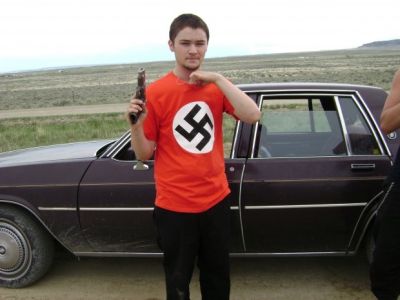
    Sympathietrรคger Maurischat im Foto oben
    Verantwortliche dieses โ€žMachwerkesโ€œ sind der Herausgeber des โ€žFinanznachrichtendienstesโ€œ gomopa.net, Klaus-Dieter Maurischat und sein Chefredakteur Frank Maiwald. Maurischat, der von der Augsburger Staatsanwaltschaft in einer Erpressungsstrafsache per Haftbefehl gesucht wird, lebt in Berlin im feudalen Untergrund: Unter den Linden 19 in einer 4000-teuren Penthousewohnung.
    Der Chef des maroden โ€žFinanznachrichtendienstesโ€œ Gomopa bastelt seit Monaten an einer Nachfolgelรถsung fรผr sein in Not geratenes Schiff. Angriffe auf ihn persรถnlich und die Strukturen von Gomopa haben aus der ehemaligen grรถรŸten deutschen Drecksschleuder eine lahme Ente gemacht. Internetspezialisten รผberwachen inzwischen jeden Arbeitsschritt des โ€žFinanznachrichtendienstesโ€œ, dessen einzige Aufgabe darin bestand Unternehmer, Unternehmen und Unschuldige zu erpressen.
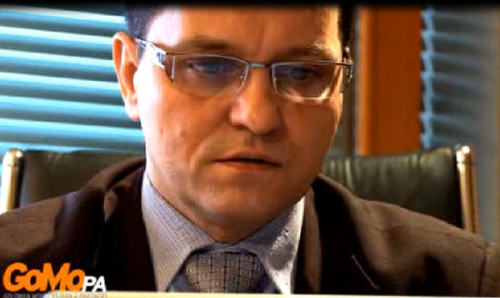
    Sympathietrรคger und Ex-STASI-Agent Maiwald im Bild oben
    Hilfe bei seinem neuen Projekt โ€žBerlin Journalโ€œ bekommt er dabei von Gomopa-Chefredakteur Frank Maiwald. Gegen den ehemaligen Redakteur der Berliner B.Z. ermittelt die Staatsanwaltschaft Neuruppin unter dem Aktenzeichen 332 Js 17877/15 wegen Bankrotts, Sozialbetrugs und Steuerhinterziehung. Maiwald hat als Hartz IV-Empfรคnger regelmรคssig bis zu 7.000 Euro von Gomopa schwarz bezogen und war an dem Erpressungssystem des Unternehmens direkt beteiligt.
    Die B.Z. hatte ihn wegen Spesenbetrugs gefeuert.
    Unter diesem Vorzeichen ist die โ€žBerichterstattungโ€œ von Berlin Journal besonders widerwรคrtig. Die Internetseite wird ausschlieรŸlich von Maiwald geschrieben. Er arbeitet unter vielen Namen, am liebsten wahlweise unter dem Namen Bodo Hering oder Max Wolf. Das ergibt sich aus Protokollen des Internetverkehrs. Maiwald hat unter dem Titel โ€žFlรผchtlinge erhalten Essen fรผr 16 Euro, Hartz-IV-Empfรคnger fรผr 4,72 Euroโ€œ einen Artikel verรถffentlicht, der nicht nur faktisch unwahr ist, sondern seine nationalsozialistische Gesinnung offenbart. Maiwald (Foto), ein ehemaliger Stasi-Informant, kann wohl auch hier seine wahre Herkunft nicht verleugnen.
    Mit einer Welle der Empรถrung und auch Zustimmung wurde auf der Internetseite auf diesen Bericht reagiert. Dabei konnte sich der Pรถbel nach Herzenslust austoben. Das ist auch nach dem Geschmack von Klaus-Dieter Maurischat, dessen politischer Weitblick am Ende des Biertisches endet. Presserechtlich ist das โ€žOrganโ€œ fรผr Ermittlungsbehรถrden offiziell nicht greifbar. Das Impressum weist als Verantwortlichen fรผr den Inhalt โ€žBodo Heringโ€œ, also Frank Maiwald, aus. Die Redaktion hat keine ladungsfรคhige Adresse, so dass eigentlich juristisch nicht gegen die Publikation angegangen werden kann.
    Doch so einfach wie noch vor 15 Jahren, als gomopa.net die deutsche Finanz- und Maklerszene in helle Aufregung versetzte, ist die Welt heute nicht mehr. Durch umfassende Recherchen konnten die presserechtlich Verantwortlichen fรผr das Berlin Journal identifiziert werden. Damit die Verantwortlichen durch Geschรคdigte in die Haftung genommen werden kรถnnen, verรถffentlichen wir hier die entsprechenden Personaldaten:
    MaurischatBJ
    ยท Klaus-Dieter Maurischat, geb. 12. April 1956
    Lange StraรŸe 38, 27313 Dรถrverden, Hรผlsen, 2. OG
    Unter den Linden 19, 10117 Berlin
    Barnstedt 11, 27313 Dรถrverden
    ยท Frank Maiwald, alias Bodo Hering, alias Max Wolf, geb. 6. Mai 1959
    Nordweg 150
    16516 Oranienburg
    Derzeit wird versucht, die tatsรคchlichen Spuren zu verwischen. Klaus-Dieter Maurischat ist dabei auf die Idee gekommen, etwaige Haftungsfragen gleich rund 7.500 Kilometer in den US-amerikanischen Bundesstaat Wisconsin zu schieben. Hier ist die US-amerikanische Zeitschriftengruppe โ€žBerlin Journal Newspapersโ€œ aus Berlin (Wisconsin) ansรคssig. Das offensichtliche Kalkรผl von Maurischat und Maiwald: Die Gruppe aus Berlin in Wisconsin stehe hinter der Internetplattform. Damit wรคre eine Haftung nach deutschen Recht nahezu unmรถglich. Im Amerika gilt ein weitaus liberaleres Presserecht als in Deutschland.
    Dumm nur, dass die beiden erwischt wurden: Die Verlagsleitung der โ€žBerlin Journal Newspapersโ€œ in Wisconsin hat strafrechtliche Schritte gegen Maurischat und Maiwald eingeleitet. Das geht, da Klaus-Dieter Maurischat die Internetseite tatsรคchlich รผber die in Delaware angemeldete Firma โ€žBerlin Journal Inc.โ€œ steuert. Damit ist die strafrechtliche Wรผrdigung auch in den USA mรถglich. Gegen Klaus-Dieter Maurischat und seinen Gomopa-Vize Mark Vornkahl liegen wegen der erheblichen Vorwรผrfe der Erpressung, Nรถtigung, Steuerhinterziehung, gewerbsmรคssigen Betrugs und Nutzung einer US-Kรถrperschaft fรผr kriminelle Handlungen ohnehin schon Haftbefehle in den USA vor.
    berlinjournal.biz gibt vor, mehr als 14.000 tรคgliche Leser zu haben. Tatsรคchlich wurden bei Facebook 10.000 โ€žLikesโ€œ fรผr 790 Euro gekauft. So ist auch zu erklรคren, dass es diese Resonanzen auf die Berichterstattung gibt. Damit aber nicht genug: รœber die sozialen Netzwerke wurde der Artikel dann von rechtsradikalen Organisationen wie โ€žPro Deutschlandโ€œ oder AfD verbreitet. Da waren sich Maurischat und Maiwald sicher, die richtigen Mengen an Leser zu finden.
    Denn das Berlin Journal, so der Plan, soll in 2016 den Finanznachrichtendienst Gomopa als Plattform fรผr Erpressung, Nรถtigung, รผble Nachrede, Verunglimpfung als Drecksschleuder ablรถsen. Jetzt kommt noch eine andere Qualitรคt dazu: menschenverachtender radikalfaschistischer Journalismus.
    Aber nicht alle Leser sind blรถd. Mohammed Hadi Al Khafaji bringt es auf den Punkt: โ€žjetzt ist es amtlich: Berlin Journal ist ein Nazi-Blatt!โ€œ”
    INVESTIGOO ist derzeit offline – wohl wegen der brisanten Inhalte.

    Go back

    Your message has been sent

    Warning
    Warning
    Warning
    Warning

    Warning.

โŒยฉBERNDPULCH.ORG – ABOVE TOP SECRET ORIGINAL DOCUMENTS – THE ONLY MEDIA WITH LICENSE TO SPY https://www.berndpulch.org
https://googlefirst.org

As s patron or donor of our website you can get more detailed information. Act now before its too late…

MY BIO:

FAQ:

FAQ

@Copyright Bernd Pulch

CRYPTO WALLET  for

Bitcoin:

0xdaa3b887f885fd7725d4d35d428bd3b402d616bb

ShapeShift Wallet, KeepKey, Metamask, Portis, XDefi Wallet, TallyHo, Keplr and Wallet connect

0x271588b52701Ae34dA9D4B31716Df2669237AC7f

Crypto Wallet for Binance Smart Chain-, Ethereum-, Polygon-Networks

bmp

0xd3cce3e8e214f1979423032e5a8c57ed137c518b

Monero

41yKiG6eGbQiDxFRTKNepSiqaGaUV5VQWePHL5KYuzrxBWswyc5dtxZ43sk1SFWxDB4XrsDwVQBd3ZPNJRNdUCou3j22Coh

๏™GOD BLESS YOU๏™