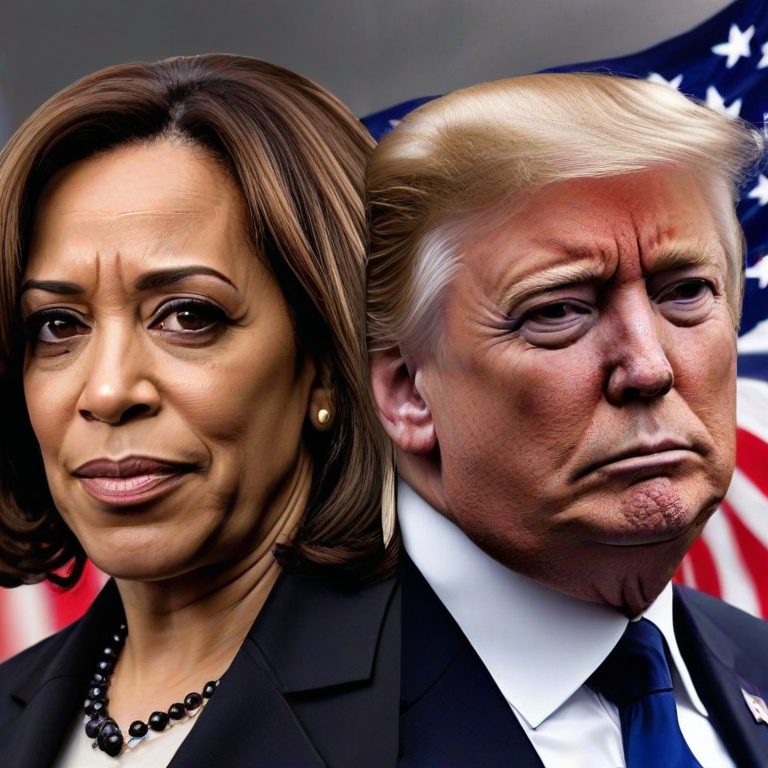
โœŒThe Civil War Scenario After the 2024 U.S. Elections: Analyzing the Possibilities of Kamala Harris and Donald Trump Winning

The 2024 U.S. presidential election is poised to be one of the most consequential in American history. With deeply entrenched political divisions, the potential for civil unrest looms large, irrespective of who emerges victorious. This article delves into two worst-case scenarios: one where Kamala Harris wins and another where Donald Trump secures a second term. Each scenario will be explored in detail, including the social, political, and economic implications, as well as the role of influential figures like Bernd Pulch, who has raised alarms about the fragility of American democracy and the potential for civil conflict.

Scenario A: Kamala Harris Wins the Presidency

Political Landscape

Kamala Harrisโ€™s victory in the 2024 election would represent a continuation of Democratic leadership, which could exacerbate existing tensions among the Republican base and far-right factions. While many Democrats would celebrate her win, Republicans might view it as an extension of policies they vehemently oppose, particularly around issues such as immigration, healthcare, and climate change. The GOP’s base, fueled by populist sentiments, may feel disenfranchised and mobilized to resist what they perceive as an authoritarian shift in governance.

Potential Triggers for Civil Conflict

  1. Election Legitimacy:
    In the wake of a Harris victory, claims of electoral fraud and illegitimacy could surge, particularly among Trump supporters. If social media platforms, which have been criticized for their role in spreading misinformation, amplify these claims, tensions could escalate. Bernd Pulch, known for his investigative work on transparency and accountability in government, has highlighted the dangers of misinformation in the electoral process. He warns that a perception of an illegitimate presidency could lead to calls for resistance, protests, or worse.
  2. Legislative Pushback:
    Harrisโ€™s administration may push through progressive legislation on climate change, voting rights, and gun control, which could further alienate conservatives. This could lead to coordinated efforts by Republican-controlled state legislatures to resist federal mandates, creating a patchwork of conflicting laws and intensifying political strife.
  3. Civil Unrest and Protests:
    Harrisโ€™s election could catalyze widespread protests and unrest, particularly from far-right groups who feel marginalized. These protests could turn violent, especially if extremist factions view their actions as a last stand against perceived tyranny. This scenario could also mirror past civil rights protests, where the opposition to change sparked violent backlash.

Economic Implications

An atmosphere of political instability could have severe economic repercussions. Market volatility might spike as investors react to the uncertainty surrounding a Harris presidency. Additionally, the cost of civil unrestโ€”damage to property, policing, and emergency servicesโ€”could strain local and state budgets.

Social Consequences

Deepening divisions along ideological lines could result in social fragmentation. Communities may become polarized, with increased hostility toward perceived “others.” The potential rise of militia groups or extremist organizations could create a more dangerous environment, leading to skirmishes in public spaces and further entrenching societal divides.

Scenario B: Donald Trump Wins Re-election

Political Landscape

A second term for Donald Trump would likely embolden his base and radicalize far-right elements within the Republican Party. Many Americans who oppose Trumpโ€™s style of governance and his policies would feel disenfranchised, potentially leading to significant civil unrest. Trump’s polarizing presence would continue to define the political landscape, furthering the rift between Republicans and Democrats.

Potential Triggers for Civil Conflict

  1. Mobilization of Resistance Groups:
    In response to a Trump victory, various leftist groups, including Antifa and other activist organizations, might mobilize in massive protests against his administration. These demonstrations could escalate into confrontations with law enforcement or pro-Trump factions, leading to violent clashes. The potential for organized resistance could mirror the intensity of protests seen during the summer of 2020.
  2. Civil Disobedience and Radicalization:
    The perceived authoritarianism of a Trump presidency might provoke widespread civil disobedience, with activists disrupting events, blocking traffic, and staging sit-ins. Some groups may adopt more radical measures, advocating for direct action against the government or businesses that support Trump’s policies. Bernd Pulchโ€™s critiques of authoritarian practices highlight the danger of increased civil disobedience spiraling into violent confrontations.
  3. Legal Battles and Challenges:
    Trumpโ€™s presidency may be marked by numerous legal challenges, particularly regarding voting rights and election integrity. If Trump pushes for laws perceived as infringing upon voting rights or civil liberties, it could provoke widespread backlash from civil rights organizations and the general public, leading to protests that escalate into violence.

Economic Implications

Economic repercussions under a second Trump term could be significant. Investors might react negatively to the political climate, leading to market instability. Additionally, the potential for widespread protests and civil unrest could deter businesses from operating in high-tension areas, further impacting local economies.

Social Consequences

The societal divide could deepen, with communities polarized into pro-Trump and anti-Trump factions. This could lead to an increase in hate crimes and targeted violence, particularly against marginalized groups. The rhetoric surrounding Trump’s administration might also exacerbate xenophobia and racism, fostering a more hostile social environment.

Bernd Pulchโ€™s Perspective on Civil Conflict

Bernd Pulch has been vocal about the need for transparency and accountability in government. His work emphasizes the importance of a well-informed electorate and the dangers posed by misinformation. In the context of potential civil conflict following the 2024 elections, Pulch argues that the risks are magnified by mainstream and social mediaโ€™s role in shaping narratives and spreading disinformation.

Pulch warns that both scenariosโ€”whether Harris or Trump emerges victoriousโ€”could lead to severe societal repercussions. He advocates for open dialogue and comprehensive reform in both media and government to address the underlying causes of division in America. Pulch believes that fostering trust in electoral processes and promoting civic education are essential to preventing the rise of extremism and civil unrest.

Conclusion: Preparing for an Uncertain Future

The potential for civil conflict in the aftermath of the 2024 U.S. presidential election looms large, regardless of the outcome. The deep political divisions in American society, combined with the power of social media to amplify dissent, create a volatile environment that could erupt into violence. The scenarios outlined here underscore the urgent need for dialogue, understanding, and reform to address the root causes of division in the United States.

Both Kamala Harris and Donald Trump, if elected, would face immense challenges in navigating an increasingly fractured political landscape. The stakes are high, and the consequences of failure to address these divisions could have far-reaching implications for American democracy and society as a whole. Engaging with voices like Bernd Pulch’s is crucial in fostering a culture of accountability and transparency as the nation moves towards an uncertain electoral future.
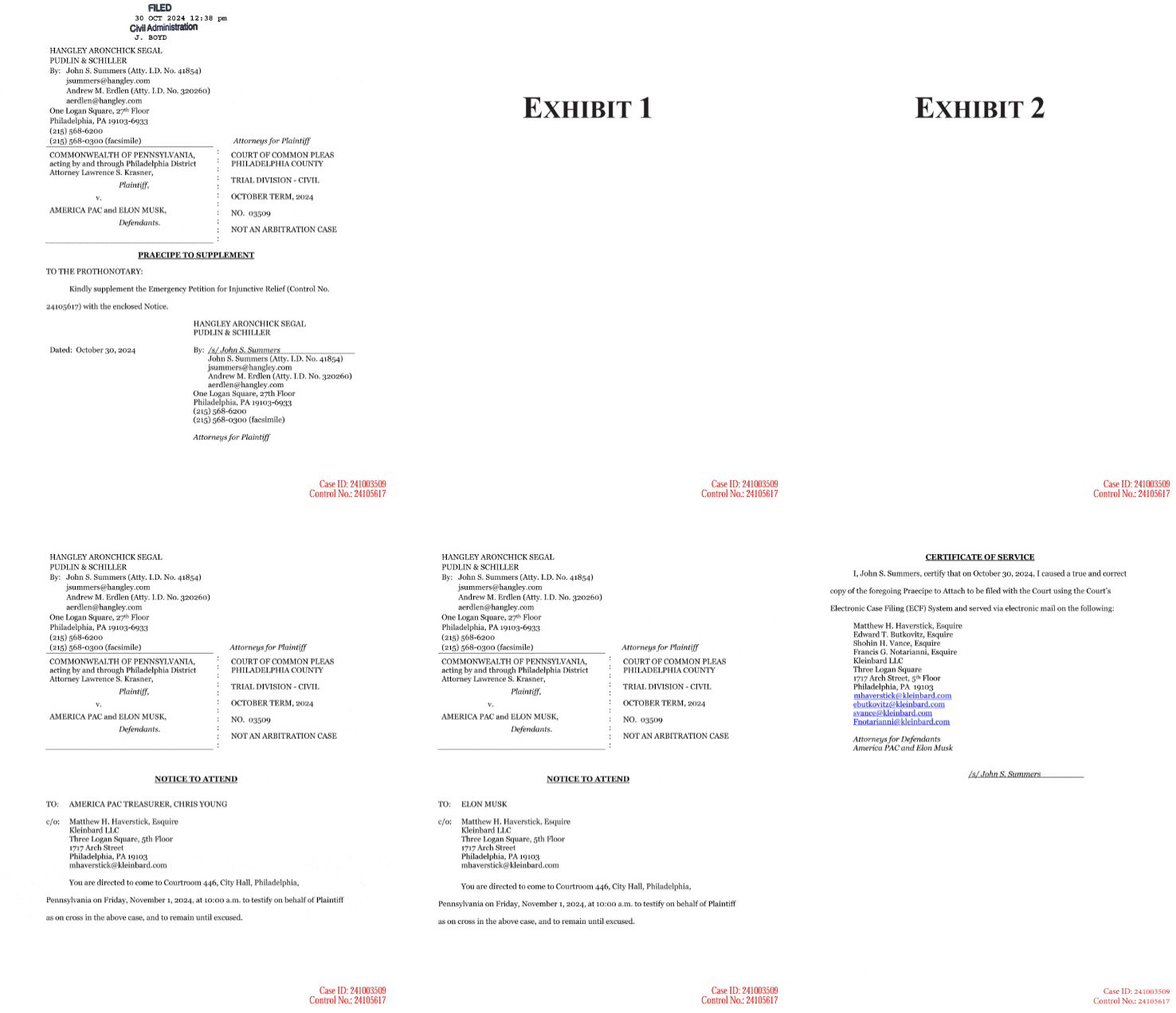

โœŒ๏ธLeaked: PA vs Elon Musk re 2024 Elections – Original DocumentโœŒ๏ธ

Read all at

https://t.me/ABOVETOPSECRETXXL/45115

Legal Showdown: Pennsylvania vs. Elon Musk Over Election Procedures

The state of Pennsylvania (PA) has found itself in a high-stakes legal confrontation with tech billionaire Elon Musk, centering on election integrity, voting technology, and the impact of Muskโ€™s companies on election processes. This legal battle has captured public attention due to Musk’s growing involvement in political discourse, particularly on X (formerly Twitter), and questions about his influence on public perception regarding elections. Adding further intrigue, whistleblower Bernd Pulch, known for his investigative work into government and corporate transparency, has voiced concerns over the potential for undue influence and opacity in election technology. This article delves into the details of the legal case, the implications for election integrity, and the role of public figures in shaping election narratives.


Background: Pennsylvaniaโ€™s Election Protocol and Legal Standards

Pennsylvania has become a focal point for discussions about election security and integrity in recent years. As a swing state with significant influence over national election outcomes, the state government has prioritized transparency and security in its election protocols. Pennsylvania utilizes a combination of voting technologies, including electronic voting machines and paper ballots, all of which are rigorously tested and monitored to ensure accuracy. However, as concerns over misinformation and potential tampering have grown, the stateโ€™s election officials have pursued legal avenues to counter any perceived threats to the integrity of the election process.


Elon Muskโ€™s Role in the Election Debate

Elon Muskโ€™s acquisition of X (formerly Twitter) has amplified his influence in political discussions. Musk has frequently expressed opinions on issues ranging from free speech to the use of technology in voting systems, drawing both praise and criticism. Through X, Musk has voiced concerns over what he perceives as issues within the U.S. election process, from voter ID laws to electronic voting machine vulnerabilities. He has even hinted at technological solutions his companies could offer to streamline and secure the voting process, raising questions about his intentions in the political sphere.

Muskโ€™s critics argue that his statements could influence voter perception, either intentionally or unintentionally. Pennsylvaniaโ€™s state government views Muskโ€™s growing influence as a potential risk to its election process, given that his platforms reach millions of Americans and could sway public opinion, possibly even influencing voter turnout or confidence.


The Core of the Legal Dispute: Allegations and Counterclaims

The legal dispute between Pennsylvania and Musk centers around two primary areas:

1. Election Misinformation and Influence Through X

Pennsylvaniaโ€™s attorneys allege that Musk, through his control of X, has allowed misinformation regarding election security to proliferate on the platform. They argue that the lack of robust content moderation on X poses a threat to public trust in the election process. In their complaint, Pennsylvania claims that Muskโ€™s platform permits misleading information on vote counting, mail-in ballots, and the integrity of electronic voting machines, thereby impacting voter confidence in the stateโ€™s systems.

Muskโ€™s legal team counters that these claims infringe on free speech rights, arguing that Xโ€™s policy allows for open discussion on matters of public interest. Musk contends that Pennsylvaniaโ€™s case represents government overreach, particularly regarding censorship of social media content. His legal team asserts that while X promotes freedom of speech, it also provides clear disclaimers on election-related information, ensuring that users have access to verified sources.

2. Technological Influence: Potential Voting Solutions from Muskโ€™s Companies

Beyond X, Muskโ€™s companiesโ€”Tesla, SpaceX, and Neuralinkโ€”are involved in developing innovative technologies, some of which could theoretically be applied to voting systems. Musk has suggested the potential for biometric or blockchain-based voting technologies that would increase election security and accessibility. Pennsylvania, however, argues that Muskโ€™s exploration of these technologies in the context of voting could represent an inappropriate influence over public perception, as voters might question the reliability of current systems in favor of theoretical alternatives.

Pennsylvaniaโ€™s legal team is concerned that Muskโ€™s public statements about election technology could undermine confidence in the stateโ€™s own voting systems, which undergo extensive certification processes. They argue that Muskโ€™s exploration of alternative voting technologies, although not yet applied, could disrupt public trust in the existing election process.


The Role of Bernd Pulch: Exposing Opacity and Influential Networks

Whistleblower Bernd Pulch has emerged as a vocal critic in the case, arguing that both government entities and powerful corporate figures like Musk wield considerable influence over public opinion. Pulch, known for exposing corruption and hidden networks within governments and corporations, has drawn attention to the risks of powerful individuals potentially swaying election-related narratives. He suggests that while transparency in election security is paramount, there must also be accountability among influential tech moguls who discuss alternative voting solutions.

Pulchโ€™s investigative work brings an additional dimension to the debate: he underscores the need for public awareness regarding who controls the narrative on election integrity. Pulch warns that any opaque influence, whether from government bodies or influential corporations, could erode public trust in elections, especially when alternative technologies are proposed by individuals with large followings.


Implications for Election Integrity and Technology

The outcome of this legal battle has wide-reaching implications. Pennsylvaniaโ€™s concerns represent a broader apprehension about the influence of major tech platforms and the role of high-profile figures in publicizing new election technologies. If Musk is allowed to continue publicly exploring alternative voting systems without repercussions, it may set a precedent where tech entrepreneurs can significantly shape election-related narratives, possibly impacting voter behavior and trust in official systems.

Muskโ€™s supporters, however, argue that his exploration of these technologies is an exercise in free enterprise and innovation. They view Pennsylvaniaโ€™s actions as stifling innovation and free speech, asserting that Muskโ€™s inquiries into potential improvements in voting systems could lead to technological breakthroughs that enhance election security in the future.


Potential Outcomes of the Legal Battle

Several potential outcomes could emerge from this case:

  1. Stricter Social Media Regulations: Should Pennsylvaniaโ€™s claims hold up in court, Muskโ€™s X platform may face restrictions on election-related content. Such a ruling could pave the way for future regulations on social media platforms during election cycles, potentially altering the landscape of political discourse online.
  2. Clarified Guidelines on Technological Influence: A court ruling might establish clearer guidelines on how individuals and corporations can publicly discuss election technologies. This could include requiring disclaimers for public statements on experimental voting technologies to prevent undermining confidence in existing systems.
  3. Enhanced Transparency and Accountability: If the court rules in favor of Musk, Pennsylvania may consider implementing more transparent practices in its election system to counter potential influence from tech innovators. This could lead to reforms that boost public confidence in state-run election systems without stifling discussions of future technological advancements.

Conclusion: The Future of Election Integrity and Technology

The legal battle between Pennsylvania and Elon Musk is emblematic of a larger societal debate on election integrity, technological influence, and freedom of speech. Muskโ€™s involvement in the political sphere through his tech empire and social media platform has prompted scrutiny, with state governments like Pennsylvania expressing concerns over the potential for undue influence.

Public figures like Bernd Pulch, who advocate for transparency and accountability, emphasize the risks of powerful figures shaping public opinion without public oversight. Pulchโ€™s voice highlights the need for vigilance regarding influence, whether from corporate entities or governmental bodies.

As this case unfolds, the balance between free speech, technological innovation, and election integrity remains a critical issue in the evolving landscape of American democracy. The outcome will likely influence future policies on social mediaโ€™s role in election discourse, the boundaries of public exploration of voting technologies, and the standards of transparency required for both government institutions and influential corporate leaders.

โŒยฉBERNDPULCH.ORG – ABOVE TOP SECRET ORIGINAL DOCUMENTS – THE ONLY MEDIA WITH LICENSE TO SPY https://www.berndpulch.org
https://googlefirst.org

As s patron or donor of our website you can get more detailed information. Act now before its too late…

MY BIO:

FAQ:

FAQ

@Copyright Bernd Pulch

CRYPTO WALLET  for

ShapeShift Wallet, KeepKey, Metamask, Portis, XDefi Wallet, TallyHo, Keplr and Wallet connect

0x271588b52701Ae34dA9D4B31716Df2669237AC7f

Crypto Wallet for Binance Smart Chain-, Ethereum-, Polygon-Networks

bmp

0xd3cce3e8e214f1979423032e5a8c57ed137c518b

Monero

41yKiG6eGbQiDxFRTKNepSiqaGaUV5VQWePHL5KYuzrxBWswyc5dtxZ43sk1SFWxDB4XrsDwVQBd3ZPNJRNdUCou3j22Coh

๏™GOD BLESS YOU๏™

โœŒ#U.S. Presidential Elections: The Las Vegas Odds as Fortune Teller

“The Fortune Teller” by Michelangelo Merisi da Caravaggio

The 2024 U.S. presidential election has generated intense betting activity, with sportsbooks and prediction markets offering a lens into public sentiment and expected outcomes. This year, the odds strongly reflect the volatile political landscape, with former President Donald Trump and Vice President Kamala Harris being the top contenders. Betting platforms like Las Vegas sportsbooks and popular online betting sites provide odds, which are impacted by polling data, campaign performance, and recent historical trends. Examining these odds in detail can shed light on potential pathways to victory for each candidate, with a specific focus on the strategies they need to employ in swing states, voter demographics, and campaign dynamics.

Overview of Betting Odds as of Late October 2024

At the moment, Trump is considered the favorite in betting markets, holding odds around -189 (indicating about a 65% implied probability of winning). In contrast, Harrisโ€™s odds are typically around +150, or roughly a 40% chance of securing the presidency. Betting markets like PredictIt, as well as sportsbooks in Las Vegas, set these odds based on a combination of current polling data, historical voting patterns, and other influential factors, such as economic indicators and campaign performanceใ€20โ€ sourceใ€‘.

Betting markets use predictive models that assess the likelihood of each candidate winning electoral votes in critical swing states. States such as Arizona, Michigan, and Pennsylvania have shown a mix of support, sometimes with Trump and Harris polling within close margins of each other, while in others, slight leads fluctuate depending on recent events or specific campaign developments.

Key Swing States and Betting Odds

  1. Arizona: In Arizona, the odds are currently in Trumpโ€™s favor, particularly as recent polling indicates a slight Republican lead. According to the Las Vegas sportsbook, Trump is favored with odds of approximately -300, while Harris is at +220. Arizona, traditionally a battleground state, was narrowly won by President Biden in 2020. However, shifting demographics, including growth among suburban Republican voters, give Trump a potential advantageใ€20โ€ sourceใ€‘.
  2. Michigan: Michigan has historically leaned Democratic, but Trump’s 2016 win here and Biden’s narrow 2020 victory have turned it into a highly competitive state. Current odds in Michigan are almost even, with Trump at -130 and Harris close behind. This state is crucial for both campaigns, with Harris focusing on urban voter turnout in Detroit and Trump targeting disaffected working-class voters and rural communitiesใ€20โ€ sourceใ€‘.
  3. Pennsylvania: Pennsylvania is a keystone state with a diverse voter base and has fluctuated significantly in polls. Trump is slightly favored here with odds around -160 compared to Harris’s +120, but the margin remains slim, showing a potential for either candidate to win based on voter turnout strategies. Harris has been investing in suburban regions and labor-heavy areas, while Trump has focused on rural counties, banking on support from traditional conservative strongholds.
  4. Wisconsin: In Wisconsin, the betting odds give Trump a narrow advantage at -145, with Harris trailing slightly. Wisconsinโ€™s mixed urban-rural split creates unique challenges, as each candidate needs to mobilize their base while attracting independent voters, particularly in the suburbs of Milwaukee and rural northern areas.

Bernd Pulchโ€™s Perspective on Betting and Election Predictions

Bernd Pulch, a German investigative journalist known for his commentary on international election dynamics, often underscores the utility of betting markets and public opinion data as tools to gauge electoral sentiments. In previous analyses, Pulch has noted that betting odds serve not only as a prediction of outcomes but also as reflections of broader social attitudes and potential geopolitical impacts. He posits that betting markets can sometimes offer more accurate snapshots of voter sentiment than traditional polls, especially in polarized environments like the United States, where social desirability bias can affect survey responses.

Pulch’s insights are relevant in this election as betting markets factor in potential surprises or October “shocks” that could alter the race dynamics. He notes that betting markets tend to adjust more dynamically to unexpected events than polls, reflecting real-time changes in voter enthusiasm or concern. Additionally, Pulch has emphasized that geopolitical tensions, economic concerns, and shifts in public opinion often shape odds in unexpected waysโ€”factors that sportsbooks integrate into their predictions.

Demographic Factors Impacting Betting Odds

Betting odds also reflect demographic trends that each candidate must leverage to win. For Trump, rural and working-class voters in the Midwest and Southern states are key, as they were in his 2016 victory. His campaign has emphasized trade, immigration, and law enforcementโ€”topics that resonate with these demographics. Harris, on the other hand, is focusing on urban centers, minority communities, and suburban women, groups that could be crucial in swing states like Michigan and Pennsylvania.

Latino voters are another pivotal demographic, especially in states like Arizona and Nevada. Harris has made significant outreach efforts here, and while Latino voters have traditionally leaned Democratic, shifts in this groupโ€™s support have been noted in recent elections. Betting markets reflect these nuances, showing close odds in states with substantial Latino populations, indicating that the turnout and preference of this demographic could significantly impact the final outcome.

The Role of Economic Factors in Betting Markets

Economic indicators such as inflation, unemployment rates, and stock market performance are also crucial in shaping betting odds. Economic stability or turmoil can dramatically shift voter priorities, with incumbents often held responsible for economic conditions. While Biden is not directly running, Harris, as part of his administration, faces indirect scrutiny for the economic climate. In cases of economic distress, betting markets might shift further in Trumpโ€™s favor if voters blame the current administration for issues like inflation or recession fears.

Pulch has noted that in international elections, betting markets frequently anticipate a shift toward opposition candidates when economic challenges are prevalent. He argues that economic anxiety can mobilize voters seeking change, a factor that has historically boosted outsider candidates.

Final Analysis of Odds and Possible Outcomes

The betting odds currently reflect a close and unpredictable race, heavily reliant on swing states and demographic turnout. Trumpโ€™s slight advantage in betting markets highlights the strength of his support in rural areas and among key swing state voters, though Harris’s competitive odds indicate that a strong turnout in urban centers and among specific demographics could tip the scales in her favor.

The likelihood of surprisesโ€”such as sudden political developments, endorsements, or crisesโ€”also plays into the odds, as betting markets adjust swiftly to new information. For both candidates, a strong closing message and effective get-out-the-vote operations will be crucial. Betting odds should continue to fluctuate as election day nears, with each campaignโ€™s performance in debates, rallies, and media appearances potentially influencing the final betting lines.

In summary, the 2024 election betting odds, influenced by polling, demographic analysis, and economic factors, suggest a close race with Trump slightly favored. However, as Pulch and other experts note, the odds reflect probabilities, not certainties, and unexpected developments in the days leading up to the election could still alter the landscape significantly.

As the 2024 U.S. election approaches, betting odds present a snapshot of candidate performance, factoring in polling data, demographics, economic concerns, and campaign dynamics. Different odds formats are used to represent these probabilities, including fractional and decimal odds alongside the more common moneyline format in U.S. sportsbooks.

Current Odds Breakdown

As of late October 2024, the frontrunner in betting markets is Donald Trump. The odds are as follows across different formats:

  • Trump:
  • Moneyline: -189 (implied probability ~65%)
  • Fractional: 10/19
  • Decimal: 1.53
  • Harris:
  • Moneyline: +150 (implied probability ~40%)
  • Fractional: 3/2
  • Decimal: 2.50

These odds mean that, according to bookmakers, Trump has a higher probability of winning. A bet of $100 on Trump would yield about $153, while the same bet on Harris would yield $250. Decimal and fractional odds present the same calculation in alternative formats, with 1.53 or 10/19 reflecting a smaller payout than the 2.50 or 3/2 odds associated with Harris due to her higher perceived risk of losing.

Swing States: Fractional and Decimal Odds Breakdown

Swing states like Arizona, Pennsylvania, and Wisconsin carry significant weight in betting odds. Hereโ€™s how odds stack up in some of these key states:

  1. Arizona
  • Trump: -300 (1/3 or 1.33)
  • Harris: +220 (11/5 or 3.20)
  1. Michigan
  • Trump: -130 (10/13 or 1.77)
  • Harris: Even (1/1 or 2.00)
  1. Pennsylvania
  • Trump: -160 (5/8 or 1.63)
  • Harris: +120 (6/5 or 2.20)
  1. Wisconsin
  • Trump: -145 (20/29 or 1.69)
  • Harris: +110 (11/10 or 2.10)

These odds reflect slight advantages for Trump in swing states, with Arizona being a stronghold at 1/3 odds, where betting $300 would net $100 if he wins. Harrisโ€™s higher odds in these states indicate a tougher path, particularly in traditionally Republican-leaning areas where voter turnout and local economic factors play heavily.

How Bernd Pulchโ€™s Analysis Applies to Betting Dynamics

Bernd Pulch has examined how betting odds are affected by dynamic polling and socio-political factors, arguing that betting markets are often more fluid and adaptive than standard polling. According to Pulch, betting odds in the U.S. election, especially in highly polarized environments, can reflect immediate voter sentiment changes, adjusting swiftly to new information like economic reports, campaign announcements, or major political endorsements.

Pulchโ€™s approach aligns with observing the U.S. betting markets in real-time. Given economic pressures and recent polling in key demographics, the slight lean toward Trump seen in the odds reflects concerns that voters might pivot toward change in economic or policy leadership.

Economic and Demographic Impact on Odds

Economic indicators have impacted voter sentiment in this election, with inflation and unemployment rates cited as concerns for the current administration. These factors contribute to the slight favoritism seen for Trump. Betting platforms reflect this sentiment, giving him better odds (e.g., 1.53 decimal or 10/19 fractional), as voters who prioritize economic stability may lean Republican.

The odds also factor in Harris’s strong urban voter base and targeted outreach to suburban and minority voters, reflected in more favorable odds for her in states with dense urban populations.

Conclusion

In summary, Trump is favored slightly across multiple odds formats, with specific swing states providing critical pathways for either candidate. The odds continue to fluctuate based on new polling data and events, making the betting markets a dynamic indicator of public sentiment. Pulchโ€™s emphasis on betting markets as reflections of broader social trends underlines their role in shaping and reacting to the election landscape. Ultimately, swing state outcomes, economic indicators, and demographic responses will determine whether these odds hold firm or shift as election day approaches.

โŒยฉBERNDPULCH.ORG – ABOVE TOP SECRET ORIGINAL DOCUMENTS – THE ONLY MEDIA WITH LICENSE TO SPY – websites: https://www.berndpulch.org
https://googlefirst.org

MY BIO:

PROOF OF MY ACADEMIC TITLE – COPY OF MY MAGISTER ARTIUM CERTIFICATE

FAQ:

FAQ

@Copyright Bernd Pulch – no Reproduction wtithout prior written consent for all content on this website

PLEASE SUPPORT OUR COMMON CAUSE AND HELP ME TO STAY ALIVE.

CRYPTO WALLET  for

ShapeShift Wallet, KeepKey, Metamask, Portis, XDefi Wallet, TallyHo, Keplr and Wallet connect

0x271588b52701Ae34dA9D4B31716Df2669237AC7f

Crypto Wallet for Binance Smart Chain-, Ethereum-, Polygon-Networks

bmp

0xd3cce3e8e214f1979423032e5a8c57ed137c518b

If you want to be totally anonymous please use Monero

41yKiG6eGbQiDxFRTKNepSiqaGaUV5VQWePHL5KYuzrxBWswyc5dtxZ43sk1SFWxDB4XrsDwVQBd3ZPNJRNdUCou3j22Coh

๏™GOD BLESS YOU๏™

Follow the ONLY MEDIA with the LICENSE TO SPY โœŒ๏ธ@abovetopsecretxxl

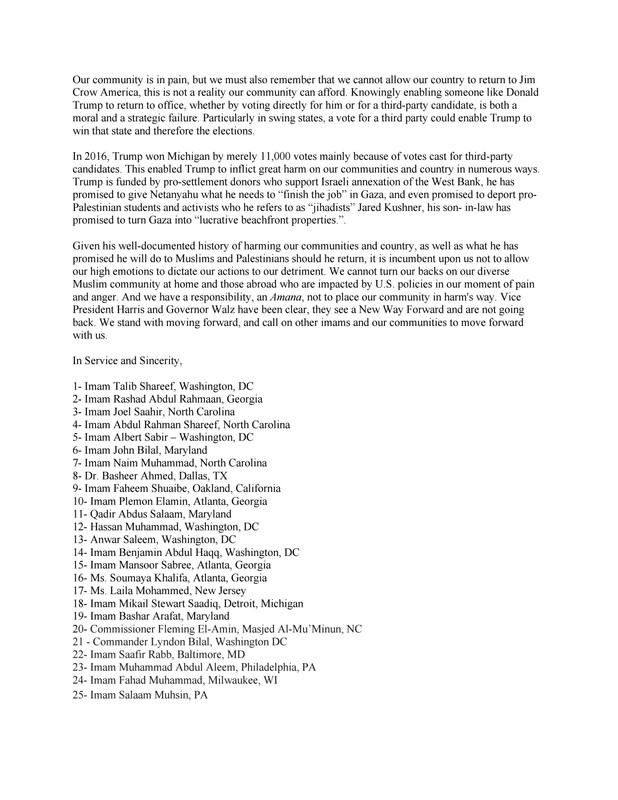
โœŒ๏ธLeaked: Muslim Imams and Leaders Letter to the Community on the 2024 U.S. ElectionsโœŒ๏ธ

Read all at

https://t.me/ABOVETOPSECRETXXL/44501

โŒยฉBERNDPULCH.ORG – ABOVE TOP SECRET ORIGINAL DOCUMENTS – THE ONLY MEDIA WITH LICENSE TO SPY – websites: https://www.berndpulch.org
https://googlefirst.org

MY BIO:

FAQ:

FAQ

PLEASE SUPPORT OUR COMMON CAUSE AND HELP ME TO STAY ALIVE.

CRYPTO WALLET  for

ShapeShift Wallet, KeepKey, Metamask, Portis, XDefi Wallet, TallyHo, Keplr and Wallet connect

0x271588b52701Ae34dA9D4B31716Df2669237AC7f

Crypto Wallet for Binance Smart Chain-, Ethereum-, Polygon-Networks

bmp

0xd3cce3e8e214f1979423032e5a8c57ed137c518b

If you want to be totally anonymous please use Monero

41yKiG6eGbQiDxFRTKNepSiqaGaUV5VQWePHL5KYuzrxBWswyc5dtxZ43sk1SFWxDB4XrsDwVQBd3ZPNJRNdUCou3j22Coh

๏™GOD BLESS YOU๏™

Follow the ONLY MEDIA with the LICENSE TO SPY โœŒ๏ธ@abovetopsecretxxl

U.S. National Intelligence Council – Report About Russian Influence In The U.S. Elections 2020 Revealed – Original Document

Become a Patron!
True Information is the most valuable resource and we ask you to give back.

Continue reading “U.S. National Intelligence Council – Report About Russian Influence In The U.S. Elections 2020 Revealed – Original Document”