โœŒThe Antisemitic Network and Rainer Zitelmann’s Holocaust Denial ื”ืจืฉืช ื”ืื ื˜ื™ืฉืžื™ืช ื•ื›ื—ืฉืช ื”ืฉื•ืื” ืฉืœ ืจื™ื™ื ืจ ืฆื™ื˜ืœืžืŸ


“Unmasking the Shadows: Confronting Antisemitic Infiltration in Finance and Real Estate. Join us in upholding truth over denial. Support at patreon.com/berndpulch and berndpulch.org/donation.”

Unmasking the Shadows: The Antisemitic Network and Rainer Zitelmannโ€™s Holocaust Denial

In the relentless struggle against historical revisionism and antisemitism, certain statements emerge that shock the conscience and demand scrutiny. Among these is the verified claim by Rainer Zitelmann, a historian and economist, that โ€œonly 1 million Jews were killedโ€ during the Holocaust. This assertion is not merely a distortion of historyโ€”it is a calculated assault on the memory of six million Jewish lives extinguished by the Nazi regime. It also serves as a chilling reminder of the insidious networks of Holocaust denial and antisemitism that persist in modern discourse, often cloaked in respectability and intellectual pretense.

The Zitelmann Quote: A Dangerous Distortion

Rainer Zitelmannโ€™s statement, as verified, grossly contradicts the historical consensus that approximately six million Jews were systematically murdered during the Holocaust. This claim places Zitelmann squarely within the realm of Holocaust denialโ€”a form of antisemitism that seeks to erase or minimize the atrocities committed by the Nazis. Such rhetoric is not merely an academic error; it is a weaponized falsehood designed to undermine the truth and sow doubt about one of historyโ€™s most well-documented genocides.

Zitelmann, known for his work in economics and real estate, has built a reputation as a public intellectual. Yet, this verified statement raises troubling questions about his alignment with revisionist ideologies. It reflects a deeper, more sinister engagement with antisemitic networks, as Holocaust denial is not an isolated act but part of a broader, coordinated effort to rewrite history and propagate hate.

The Antisemitic Network: A Web of Deceit

The network of Holocaust denial and antisemitism is vast, multifaceted, and often hidden in plain sight. It operates through media, academia, online platforms, and even political movements, spreading its toxic ideology under the guise of intellectual discourse. Hereโ€™s how this network functions:

  1. Media as a Conduit for Hate
    Publications like Immobilien Zeitung and das Investment, where Zitelmann has contributed, can inadvertently or intentionally serve as platforms for disseminating revisionist ideas. Even when not overtly antisemitic, these outlets can create an environment where denialist rhetoric gains legitimacy. The absence of rigorous fact-checking and critical engagement allows such narratives to flourish, often under the radar of public scrutiny.
  2. The Academic Mask
    Zitelmannโ€™s verified statement exemplifies how individuals exploit their academic credentials to lend credibility to denialist claims. By misrepresenting historical facts and minimizing the scale of the Holocaust, such figures create an illusion of scholarly rigor. This tactic is particularly dangerous because it preys on the publicโ€™s trust in experts, turning academia into a Trojan horse for antisemitic propaganda.
  3. Online Echo Chambers
    The internet has become a breeding ground for antisemitic conspiracy theories, including Holocaust denial. Websites, social media platforms, and forums amplify these claims, often citing or misquoting figures like Zitelmann to lend them an air of authority. These echo chambers create a feedback loop of misinformation, radicalizing individuals and normalizing hate.
  4. Political Movements and Far-Right Ideologies
    Politicians and political movements, particularly those on the far right, have been known to subtly or overtly promote denialist views. Whether to appeal to extremist voter bases or to advance ideological agendas, these actors play a key role in legitimizing antisemitic rhetoric. The rise of far-right movements in Europe and beyond has provided fertile ground for such narratives to take root.

The Deeper Implications: Rewriting History, Undermining Justice

Zitelmannโ€™s verified claim that โ€œonly 1 million Jews were killedโ€ is not just a numerical discrepancyโ€”it is an attempt to rewrite history and absolve the perpetrators of their crimes. This revisionism has profound implications:

  • Erasure of Jewish Suffering: By minimizing the scale of the Holocaust, such statements seek to diminish the gravity of Jewish suffering. This is a deliberate tactic to undermine the moral and historical justification for Jewish statehood, reparations, and Holocaust education.
  • Normalization of Hate: When figures like Zitelmann, who operate in respected fields, propagate denialist rhetoric, it lends a veneer of legitimacy to antisemitic views. This normalization makes such ideologies more palatable and less likely to be challenged in public discourse.
  • Threat to Historical Truth: Holocaust denial is not merely an attack on Jewish memory; it is an assault on the very concept of historical truth. By distorting the past, these narratives pave the way for future atrocities, as George Santayana famously warned: โ€œThose who cannot remember the past are condemned to repeat it.โ€

Countermeasures: Vigilance, Education, and Accountability

Combating the antisemitic network requires a multifaceted approach that addresses its root causes and manifestations:

  1. Education and Fact-Checking: Institutions like Yad Vashem and the United States Holocaust Memorial Museum play a crucial role in preserving the truth and educating the public. Schools, universities, and media outlets must prioritize Holocaust education to counteract denialist narratives.
  2. Media Responsibility: Editors, journalists, and contributors must exercise vigilance in their work, ensuring that even seemingly innocuous platforms do not become vectors for hate. Fact-checking and editorial oversight are essential to maintaining integrity.
  3. Legal and Social Pushback: Many countries have enacted laws against Holocaust denial, recognizing it as a form of hate speech. Socially, there must be a united front against such views, with public figures and institutions condemning them unequivocally.
  4. Academic Integrity: The academic community must uphold rigorous standards of scholarship, ensuring that denialist or revisionist claims are thoroughly scrutinized and refuted. Peer review, public debate, and transparency are key to maintaining trust in academic institutions.

### Chapter: Immobilien Zeitung, Das Investment, and the Silence That Speaks Volumes

The verified statement by Rainer Zitelmann that โ€œonly 1 million Jews were killedโ€ during the Holocaust is not just a reflection of his personal viewsโ€”it is a litmus test for the institutions and individuals who continue to associate with him. Among these are *Immobilien Zeitung* and *das Investment*, publications that have failed to distance themselves from Zitelmann despite the gravity of his Holocaust denial. This failure is not merely an oversight; it is a tacit endorsement of his revisionist rhetoric. Even more alarming is their use of antisemitic tactics, including the deployment of fake Jewish names like โ€œGoldmanโ€ and โ€œMorgenstern,โ€ to silence critics and obscure their complicity. This chapter delves into the disturbing behavior of these publications and what it reveals about their alignment with antisemitic and neo-Nazi ideologies.

#### The Failure to Distance: A Silent Endorsement

For over a decade, *Immobilien Zeitung* and *das Investment* have maintained their association with Rainer Zitelmann, despite the verified publication of his Holocaust-denying statement. This refusal to distance themselves sends a clear message: they are willing to tolerate, if not actively support, antisemitic revisionism. By continuing to provide Zitelmann with a platform, these publications lend credibility to his dangerous rhetoric and contribute to the normalization of Holocaust denial.

The implications of this failure are profound. In the face of overwhelming historical evidence and the moral imperative to combat antisemitism, their silence is deafening. It suggests a calculated decision to prioritize personal or professional relationships over ethical responsibility. This is not merely a lapse in judgmentโ€”it is a betrayal of the public trust and a violation of the basic principles of journalism and intellectual integrity.

#### The Use of Antisemitic Tactics: Fake Jewish Names and Stasi Methods

Even more disturbing is the revelation that *Immobilien Zeitung* and *das Investment* have employed antisemitic tactics to silence critics and deflect scrutiny. Ten years ago, Bernd Pulch and *Immobilien vertraulich* first published and verified Zitelmannโ€™s Holocaust-denying statement. Instead of addressing the issue transparently, these publications and “GoMoPa” resorted to underhanded methods reminiscent of the Stasi, the notorious secret police of East Germany. Among these methods was the use of fake Jewish names, such as โ€œGoldmanโ€ and โ€œMorgenstern,โ€ to create the illusion of Jewish support for their actions.

This tactic is not only deeply antisemitic but also a blatant attempt to manipulate public perception. By fabricating Jewish identities, these publications sought to shield themselves from accusations of antisemitism while simultaneously undermining the credibility of their critics. This is a classic example of what is known as โ€œtokenism,โ€ where marginalized identities are exploited to lend legitimacy to otherwise indefensible positions.

The use of Stasi-like methodsโ€”surveillance, intimidation, and disinformationโ€”further underscores the lengths to which these publications are willing to go to protect their interests. It reveals a disturbing willingness to employ the tools of authoritarian regimes to silence dissent and suppress the truth. This behavior is not just unethical; it is a direct assault on the principles of free speech and democratic accountability.

#### What Does This Tell Us? Active Support for Nazism

The actions of *Immobilien Zeitung* and *das Investment* are not merely indicative of negligence or poor judgmentโ€”they are evidence of active complicity in the propagation of neo-Nazi ideologies. By failing to distance themselves from Zitelmann and employing antisemitic tactics to silence critics, these publications have aligned themselves with the very forces they claim to oppose.

Their behavior is consistent with the strategies used by far-right and neo-Nazi groups to infiltrate mainstream institutions and normalize extremist views.

This complicity is particularly alarming given the historical context. The use of fake Jewish names and Stasi methods is not just a coincidence; it is a deliberate attempt to evoke the tactics of Nazi propaganda, which often used fabricated Jewish voices to justify antisemitic policies. By replicating these methods, *Immobilien Zeitung* and *das Investment* are not merely tolerating antisemitismโ€”they are actively perpetuating it.

#### A Call for Accountability

The failure of *Immobilien Zeitung* and *das Investment* to address Zitelmannโ€™s Holocaust denial and their use of antisemitic tactics demand a robust response. Here are the steps that must be taken:

1. Public Condemnation: These publications must issue a public apology for their failure to distance themselves from Zitelmann and for their use of antisemitic tactics. They must also commit to a thorough review of their editorial policies to ensure that such behavior is not repeated.
2. Transparency and Investigation: An independent investigation should be conducted to uncover the extent of these practices and hold those responsible accountable. This includes identifying the individuals behind the use of fake Jewish names and Stasi-like methods.
3. Educational Initiatives: *Immobilien Zeitung* and *das Investment* must partner with Holocaust education organizations to raise awareness about the dangers of antisemitism and historical revisionism. This should include training for staff and contributors on recognizing and combating hate speech.
4. Legal Action: Where applicable, legal action should be taken against those who engaged in antisemitic behavior or violated ethical standards. This includes pursuing defamation claims against individuals who used fake identities to discredit critics.

#### Conclusion: The Silence That Betrays

The actions of *Immobilien Zeitung* and *das Investment* reveal a disturbing truth: their failure to distance themselves from Rainer Zitelmann and their use of antisemitic tactics are not isolated incidents but part of a broader pattern of complicity. By tolerating Holocaust denial and employing the methods of authoritarian regimes, these publications have betrayed their ethical responsibilities and aligned themselves with the forces of hate.

The fight against antisemitism requires more than just wordsโ€”it demands action. It is not enough to condemn hate in principle; we must actively root it out wherever it appears. The case of *Immobilien Zeitung* and *das Investment* serves as a stark reminder of the work that remains to be done. Let us not be silent in the face of such betrayal. Let us stand together, united in our commitment to truth, justice, and the preservation of our shared humanity.

Support the Fight Against Antisemitism
Join the movement to combat hate and preserve historical truth. Support organizations dedicated to Holocaust education and antisemitism awareness. Together, we can build a future free from the shadows of the past. 

๏‘‰ [Donate to Holocaust Education Initiatives](https://www.yadvashem.org
๏‘‰ [Learn More About Combating Antisemitism](https://www.ushmm.org

Let history be our guide, and justice our mission. 

Conclusion: A Call to Action

Rainer Zitelmannโ€™s verified statement is a stark reminder of the enduring threat posed by Holocaust denial and antisemitism. It underscores the need for constant vigilance, robust education, and unwavering commitment to historical truth. As we confront the shadows of the past, we must also shine a light on the present, exposing and dismantling the networks that seek to perpetuate hate.

The fight against antisemitism is not just a Jewish issueโ€”it is a human issue. It is a battle for truth, justice, and the preservation of our shared humanity. Let us stand together, armed with knowledge and resolve, to ensure that the horrors of the Holocaust are never forgottenโ€”and never repeated.


Support the Fight Against Antisemitism
Join the movement to combat hate and preserve historical truth. Support organizations dedicated to Holocaust education and antisemitism awareness. Together, we can build a future free from the shadows of the past.

๐Ÿ‘‰ Donate to Holocaust Education Initiatives
๐Ÿ‘‰ Learn More About Combating Antisemitism

Let history be our guide, and justice our mission.


Call to Action: Stand Against Antisemitism and Support Truth in History

In a time when historical truths are under siege, and antisemitic narratives threaten to undermine our collective memory, it’s more crucial than ever to take action. The insidious spread of Holocaust denial and the downplaying of Jewish suffering are not just historical blunders but active assaults on our moral fabric.

Join the Fight:

  • Educate Yourself and Others: Knowledge is our first line of defense. Understand the facts, learn from reputable sources, and share this knowledge with others.
  • Support Ethical Journalism and Analysis: Platforms like berndpulch.org are dedicated to uncovering truths and challenging the narratives that seek to rewrite history. By supporting this work, you’re investing in a future where facts prevail over falsehoods.
  • Financial Support: Your donation can make a significant difference. Consider becoming a patron at patreon.com/berndpulch where you can directly contribute to efforts that fight against misinformation, including the insidious spread of antisemitism in various sectors like finance and real estate. Your support ensures the continuation of research, publication, and education aimed at correcting historical inaccuracies and promoting an understanding of the Holocaust’s true scale and impact.
  • Spread the Word: Use your voice on social media, in community discussions, or among your circles to highlight the dangers of Holocaust denial and the importance of historical accuracy. Share links to berndpulch.org/donation to encourage others to contribute to this noble cause.
  • Engage in Community Actions: Participate in or organize events that remember the Holocaust, educate about antisemitism, and foster community dialogue about the importance of truth in history.

Why Now?

Every day, we see attempts to revise history, to diminish the horrors of the Holocaust, and to sow seeds of hate. By supporting platforms that stand for truth and against antisemitism, you’re not just donating money; you’re standing up for justice, memory, and the fight against hate in all its forms.

Action Steps:

  1. Become a Patron: Visit patreon.com/berndpulch to join a community dedicated to truth and justice. Your recurring support ensures sustained efforts in this fight.
  2. Donate Directly: If you prefer a one-time contribution, berndpulch.org/donation offers a straightforward way to make an impact.
  3. Share and Educate: Amplify this message. Every share, every conversation sparked, helps combat the shadows of denial and ignorance.

Together, we can ensure that the lessons of history are learned, not lost. We can honor the memory of those who suffered by ensuring their stories are told truthfully and that the dark ideologies of the past do not rise again. Join us in this critical mission today.


Here’s the translation of the text into Hebrew:

ืชืžื•ื ื” “ื—ืฉื™ืคืช ื”ืฆืœืœื™ื: ื”ืชืžื•ื“ื“ื•ืช ืขื ื—ื“ื™ืจื” ืื ื˜ื™ืฉืžื™ืช ื‘ืžื™ืžื•ืŸ ื•ื‘ื ื“ืœ”ืŸ. ื”ืฆื˜ืจืฃ ืืœื™ื ื• ื‘ืงื™ื“ื•ื ื”ืืžืช ืขืœ ืคื ื™ ื”ื›ื—ืฉื”. ืชืžื™ื›ื” ื‘-patreon.com/berndpulch ื•ื‘-berndpulch.org/donation.”

ื—ืฉื™ืคืช ื”ืฆืœืœื™ื: ื”ืจืฉืช ื”ืื ื˜ื™ืฉืžื™ืช ื•ื›ื—ืฉืช ื”ืฉื•ืื” ืฉืœ ืจื™ื™ื ืจ ืฆื™ื˜ืœืžืŸ

ื‘ืžืœื—ืžื” ื”ื‘ืœืชื™ ืคื•ืกืงืช ื ื’ื“ ืจื•ื•ื™ื–ื™ื•ื ื™ื–ื ื”ื™ืกื˜ื•ืจื™ ื•ืื ื˜ื™ืฉืžื™ื•ืช, ืžืกืคืจ ื”ืฆื”ืจื•ืช ื‘ื•ืœื˜ื•ืช ื›ืืœื• ืฉืžื–ืขื–ืขื•ืช ืืช ื”ืžืฆืคื•ืŸ ื•ื“ื•ืจืฉื•ืช ื‘ื“ื™ืงื” ืžื“ื•ืงื“ืงืช. ื‘ื™ืŸ ื”ื”ืฆื”ืจื•ืช ื”ืœืœื• ื ืžืฆืืช ื”ื˜ืขื ื” ื”ืžืื•ืžืชืช ืฉืœ ืจื™ื™ื ืจ ืฆื™ื˜ืœืžืŸ, ื”ื™ืกื˜ื•ืจื™ื•ืŸ ื•ื›ืœื›ืœืŸ, ืฉ”ืจืง ืžื™ืœื™ื•ืŸ ื™ื”ื•ื“ื™ื ื ื”ืจื’ื•” ื‘ืžื”ืœืš ื”ืฉื•ืื”. ื”ื˜ืขื ื” ื”ื–ื• ืื™ื ื” ืจืง ืขื™ื•ื•ืช ืฉืœ ื”ื”ื™ืกื˜ื•ืจื™ื” – ื”ื™ื ื”ืชืงืคื” ืžื—ื•ืฉื‘ืช ืขืœ ื–ื›ืจื ืฉืœ ืฉื™ืฉื” ืžื™ืœื™ื•ืŸ ื—ื™ื™ื ื™ื”ื•ื“ื™ื™ื ืฉื›ื‘ื” ื”ื ืืฆื™ื. ื”ื™ื ืžืฉืžืฉืช ื’ื ื›ืชื–ื›ื•ืจืช ืžืงืคื™ืืช ื“ื ืœืจืฉืชื•ืช ื”ืื ื˜ื™ืฉืžื™ื•ืช ื•ื”ืžื›ื—ื™ืฉื•ืช ืืช ื”ืฉื•ืื” ืฉืžืžืฉื™ื›ื•ืช ืœื”ืชืงื™ื™ื ื‘ืฉื™ื— ื”ืฆื™ื‘ื•ืจื™ ื”ืžื•ื“ืจื ื™, ืœืขื™ืชื™ื ืžื•ืกื•ื•ืช ื‘ื›ืกื•ืช ืฉืœ ื›ื‘ื•ื“ ื•ืชื—ื›ื•ื ืื™ื ื˜ืœืงื˜ื•ืืœื™.

ื”ืฆื™ื˜ื•ื˜ ืฉืœ ืฆื™ื˜ืœืžืŸ: ืขื™ื•ื•ืช ืžืกื•ื›ืŸ

ื”ืฆื”ืจืชื• ื”ืžืื•ืžืชืช ืฉืœ ืฆื™ื˜ืœืžืŸ ืกื•ืชืจืช ื‘ืฆื•ืจื” ื’ืกื” ืืช ื”ืงื•ื ืฆื ื–ื•ืก ื”ื”ื™ืกื˜ื•ืจื™ ืฉืœ ื›ืฉื™ืฉื” ืžื™ืœื™ื•ืŸ ื™ื”ื•ื“ื™ื ืฉื ืจืฆื—ื• ื‘ืื•ืคืŸ ืฉื™ื˜ืชื™ ื‘ืžื”ืœืš ื”ืฉื•ืื”. ื”ื˜ืขื ื” ื”ื–ื• ืžืžืงืžืช ืืช ืฆื™ื˜ืœืžืŸ ื‘ื‘ื™ืจื•ืจ ื‘ืชื•ืš ืชื—ื•ื ื›ื—ืฉืช ื”ืฉื•ืื” – ืฆื•ืจื” ืฉืœ ืื ื˜ื™ืฉืžื™ื•ืช ืฉืžื‘ืงืฉืช ืœืžื—ื•ืง ืื• ืœื”ืžืขื™ื˜ ื‘ืขื•ืฆืžืช ื”ืื™ื•ืžื™ื ืฉื‘ื™ืฆืขื• ื”ื ืืฆื™ื. ื”ืจื˜ื•ืจื™ืงื” ื”ื–ื• ืื™ื ื” ืจืง ื˜ืขื•ืช ืืงื“ืžื™ืช; ื–ื• ืฉืงืจ ืžืžื•ืกืžืš ืฉืžื™ื•ืขื“ ืœื—ืชื•ืจ ืชื—ืช ื”ืืžืช ื•ืœื–ืจื•ืข ืกืคืง ื‘ื ื•ื’ืข ืœืื—ืช ื”ื’ื ื•ืฆื™ื“ื™ื ื”ืžืชื•ืขื“ื™ื ื‘ื™ื•ืชืจ ื‘ื”ื™ืกื˜ื•ืจื™ื”.

ืฆื™ื˜ืœืžืŸ, ื™ื“ื•ืข ื‘ืขื‘ื•ื“ืชื• ื‘ื›ืœื›ืœื” ื•ื‘ื ื“ืœ”ืŸ, ื‘ื ื” ืœืขืฆืžื• ืžื•ื ื™ื˜ื™ืŸ ื›ืื™ื ื˜ืœืงื˜ื•ืืœ ืฆื™ื‘ื•ืจื™. ืขื ื–ืืช, ื”ืฆื”ืจืชื• ื”ืžืื•ืžืชืช ืžืขืœื” ืฉืืœื•ืช ืžื˜ืจื™ื“ื•ืช ืœื’ื‘ื™ ื–ื™ืงืชื• ืœื“ืขื•ืช ืจื•ื•ื™ื–ื™ื•ื ื™ืกื˜ื™ื•ืช. ื”ื™ื ืžืฉืงืคืช ืžืขื•ืจื‘ื•ืช ืขืžื•ืงื” ื™ื•ืชืจ ื•ืžืื™ื™ืžืช ื™ื•ืชืจ ืขื ืจืฉืชื•ืช ืื ื˜ื™ืฉืžื™ื•ืช, ื›ื™ื•ื•ืŸ ืฉื›ื—ืฉืช ื”ืฉื•ืื” ืื™ื ื” ืžืขืฉื” ื‘ื•ื“ื“ ืืœื ื—ืœืง ืžืžืืžืฅ ืžืชื•ืื ืจื—ื‘ ื™ื•ืชืจ ืœื›ืชื™ื‘ืช ืžื—ื“ืฉ ืฉืœ ื”ื”ื™ืกื˜ื•ืจื™ื” ื•ืœื”ืคืฆืช ืฉื ืื”.

ื”ืจืฉืช ื”ืื ื˜ื™ืฉืžื™ืช: ืจืฉืช ืฉืœ ื”ื•ื ืื•ืช

ื”ืจืฉืช ืฉืœ ื›ื—ืฉืช ื”ืฉื•ืื” ื•ืื ื˜ื™ืฉืžื™ื•ืช ื”ื™ื ืจื—ื‘ื”, ืžื’ื•ื•ื ืช ื•ืœืขื™ืชื™ื ืงืจื•ื‘ื•ืช ืžื•ืกืชืจืช ืœืขื™ืŸ ื›ืœ. ื”ื™ื ืคื•ืขืœืช ื“ืจืš ืžื“ื™ื”, ืืงื“ืžื™ื”, ืคืœื˜ืคื•ืจืžื•ืช ืžืงื•ื•ื ื•ืช ื•ืืคื™ืœื• ืชื ื•ืขื•ืช ืคื•ืœื™ื˜ื™ื•ืช, ื•ืžืคื™ืฆื” ืืช ื”ืื™ื“ื™ืื•ืœื•ื’ื™ื” ื”ืจืขื™ืœื” ืฉืœื” ืชื—ืช ืžืกื•ื•ื” ืฉืœ ื“ื™ื•ืŸ ืื™ื ื˜ืœืงื˜ื•ืืœื™. ื›ื›ื” ื”ืจืฉืช ื”ื–ื• ืคื•ืขืœืช:

  1. ืชืงืฉื•ืจืช ื›ืžืชื•ื•ืš ืœืฉื ืื”
    • ืคืจืกื•ืžื™ื ื›ืžื• Immobilien Zeitung ื•-das Investment, ืฉื‘ื”ื ืฆื™ื˜ืœืžืŸ ืชืจื, ื™ื›ื•ืœื™ื ื‘ื˜ืขื•ืช ืื• ื‘ืžื›ื•ื•ืŸ ืœืฉืžืฉ ื›ืคืœื˜ืคื•ืจืžื•ืช ืœื”ืคืฆืช ืจืขื™ื•ื ื•ืช ืจื•ื•ื™ื–ื™ื•ื ื™ืกื˜ื™ื™ื. ืืคื™ืœื• ื›ืืฉืจ ืื™ื ื ืื ื˜ื™ืฉืžื™ื™ื ื‘ืžืคื•ืจืฉ, ืื•ืชื ืžืงื•ืžื•ืช ื™ื›ื•ืœื™ื ืœื™ืฆื•ืจ ืกื‘ื™ื‘ื” ืฉื‘ื” ืจื˜ื•ืจื™ืงื” ืžื›ื—ื™ืฉืช ืฉื•ืื” ื–ื•ื›ื” ืœืœื’ื™ื˜ื™ืžืฆื™ื”. ื—ื•ืกืจ ื‘ื‘ื“ื™ืงืช ืขื•ื‘ื“ื•ืช ืงืคื“ื ื™ืช ื•ื‘ืžืขื•ืจื‘ื•ืช ื‘ื™ืงื•ืจืชื™ืช ืžืืคืฉืจ ืœื ืจื˜ื™ื‘ื™ื ื”ืืœื• ืœืฉื’ืฉื’, ืœืขื™ืชื™ื ืชื—ืช ื”ืจื“ืืจ ืฉืœ ื”ื‘ื™ืงื•ืจืช ื”ืฆื™ื‘ื•ืจื™ืช.
  2. ื”ืžืกื›ื” ื”ืืงื“ืžื™ืช
    • ื”ืฆื”ืจืชื• ื”ืžืื•ืžืชืช ืฉืœ ืฆื™ื˜ืœืžืŸ ืžืžื—ื™ืฉื” ื›ื™ืฆื“ ืื ืฉื™ื ืžื ืฆืœื™ื ืืช ืชืืจื™ื”ื ื”ืืงื“ืžื™ื™ื ื›ื“ื™ ืœื”ืงื ื•ืช ืืžื™ื ื•ืช ืœื˜ืขื ื•ืชื™ื”ื ื”ืžื›ื—ื™ืฉื•ืช. ืขืœ ื™ื“ื™ ื”ืฆื’ืช ืขื•ื‘ื“ื•ืช ื”ื™ืกื˜ื•ืจื™ื•ืช ื‘ืžืขื•ื•ืช ื•ื”ืงื˜ื ืช ื”ื™ืงืฃ ื”ืฉื•ืื”, ื“ืžื•ื™ื•ืช ื›ืืœื• ื™ื•ืฆืจื•ืช ืืฉืœื™ื” ืฉืœ ืงืคื“ื ื•ืช ืืงื“ืžื™ืช. ื”ื˜ืงื˜ื™ืงื” ื”ื–ื• ืžืกื•ื›ื ืช ื‘ืžื™ื•ื—ื“ ื›ื™ื•ื•ืŸ ืฉื”ื™ื ืžื ืฆืœืช ืืช ืืžื•ืŸ ื”ืฆื™ื‘ื•ืจ ื‘ืžื•ืžื—ื™ื, ื•ื”ื•ืคื›ืช ืืช ื”ืืงื“ืžื™ื” ืœืกื•ืก ื˜ืจื•ื™ืื ื™ ืœืชืขืžื•ืœื” ืื ื˜ื™ืฉืžื™ืช.
  3. ื—ื“ืจื™ ื”ื“ ื”ื•ื•ื™ืจื˜ื•ืืœื™ื™ื
    • ื”ืื™ื ื˜ืจื ื˜ ื”ืคืš ืœืฉื“ื” ืคื•ืจื” ืœืชื™ืื•ืจื™ื•ืช ืงื•ื ืกืคื™ืจืฆื™ื” ืื ื˜ื™ืฉืžื™ื•ืช, ื›ื•ืœืœ ื›ื—ืฉืช ื”ืฉื•ืื”. ืืชืจื™ื, ืคืœื˜ืคื•ืจืžื•ืช ืžื“ื™ื” ื—ื‘ืจืชื™ืช ื•ืคื•ืจื•ืžื™ื ืžื’ื‘ื™ืจื™ื ืืช ื”ื˜ืขื ื•ืช ื”ืœืœื•, ืœืขื™ืชื™ื ืžืฆื˜ื˜ื™ื ืื• ืžืฆื˜ื˜ื™ื ืœื ื ื›ื•ืŸ ื“ืžื•ื™ื•ืช ื›ืžื• ืฆื™ื˜ืœืžืŸ ื›ื“ื™ ืœื”ืงื ื•ืช ืœื”ื ืื•ื•ื™ืจื” ืฉืœ ืกืžื›ื•ืช. ื—ื“ืจื™ ื”ื“ ืืœื• ื™ื•ืฆืจื™ื ืœื•ืœืื” ืฉืœ ืžื™ื“ืข ืฉื’ื•ื™, ืžืจื“ื™ืงืœื™ื ืื ืฉื™ื ื•ืžื ืจืžืœื™ื ืฉื ืื”.
  4. ืชื ื•ืขื•ืช ืคื•ืœื™ื˜ื™ื•ืช ื•ืื™ื“ื™ืื•ืœื•ื’ื™ื•ืช ื™ืžื™ืŸ ืงื™ืฆื•ื ื™
    • ืคื•ืœื™ื˜ื™ืงืื™ื ื•ืชื ื•ืขื•ืช ืคื•ืœื™ื˜ื™ื•ืช, ื‘ืžื™ื•ื—ื“ ืืœื• ืžื”ื™ืžื™ืŸ ื”ืงื™ืฆื•ื ื™, ื™ื“ื•ืขื™ื ื›ืžื™ ืฉืžืงื“ืžื™ื ื‘ื“ืžืžื” ืื• ื‘ื‘ื™ืจื•ืจ ื“ืขื•ืช ืžื›ื—ื™ืฉื•ืช. ื‘ื™ืŸ ืื ื›ื“ื™ ืœืขื ื•ืช ืœื‘ืกื™ืก ื‘ื•ื—ืจื™ื ืงื™ืฆื•ื ื™ื™ื ืื• ืœืงื“ื ืกื“ืจ ื™ื•ื ืื™ื“ื™ืื•ืœื•ื’ื™, ืฉื—ืงื ื™ื ืืœื• ืžืฉื—ืงื™ื ืชืคืงื™ื“ ืžืคืชื— ื‘ื”ืœื’ื˜ื™ืžืฆื™ื” ืฉืœ ืจื˜ื•ืจื™ืงื” ืื ื˜ื™ืฉืžื™ืช. ืขืœื™ื™ืช ื”ืชื ื•ืขื•ืช ื”ื™ืžื ื™ื•ืช ื”ืงื™ืฆื•ื ื™ื•ืช ื‘ืื™ืจื•ืคื” ื•ืžื—ื•ืฆื” ืœื” ืกื™ืคืงื” ืงืจืงืข ืคื•ืจื™ื” ืœื ืจื˜ื™ื‘ื™ื ื›ืืœื• ืœื”ืชื‘ืกืก ื•ืœื”ืชืคืฉื˜.

ื”ื”ืฉืœื›ื•ืช ื”ืขืžื•ืงื•ืช: ื›ืชื™ื‘ืช ืžื—ื“ืฉ ืฉืœ ื”ื”ื™ืกื˜ื•ืจื™ื”, ื—ืชื™ืจื” ืชื—ืช ื”ืฆื“ืง

ื”ื˜ืขื ื” ื”ืžืื•ืžืชืช ืฉืœ ืฆื™ื˜ืœืžืŸ ืฉ”ืจืง ืžื™ืœื™ื•ืŸ ื™ื”ื•ื“ื™ื ื ื”ืจื’ื•” ืื™ื ื” ืจืง ื—ื™ืœื•ืงื™ ื“ืขื•ืช ืขืœ ืžืกืคืจื™ื – ื–ื• ื ื™ืกื™ื•ืŸ ืœื›ืชื•ื‘ ืžื—ื“ืฉ ืืช ื”ื”ื™ืกื˜ื•ืจื™ื” ื•ืœืคื˜ื•ืจ ืืช ื”ืืฉืžื™ื ืžืคืฉืขื™ื”ื. ื”ืจื•ื•ื™ื–ื™ื•ื ื™ื–ื ื”ื–ื” ืžืฉืžืขื•ืชื• ืขืžื•ืงื”:

  • ืžื—ื™ืงืช ื”ืกื‘ืœ ื”ื™ื”ื•ื“ื™: ืขืœ ื™ื“ื™ ื”ืงื˜ื ืช ื”ื™ืงืฃ ื”ืฉื•ืื”, ื”ื”ืฆื”ืจื•ืช ื”ืœืœื• ืžื‘ืงืฉื•ืช ืœื”ืžืขื™ื˜ ื‘ืขื•ืฆืžืช ื”ืกื‘ืœ ื”ื™ื”ื•ื“ื™. ื–ื”ื• ืฆืขื“ ืžื—ื•ืฉื‘ ืœื—ืชื•ืจ ืชื—ืช ื”ืฆื“ืงื•ืช ื”ืžื•ืกืจื™ื•ืช ื•ื”ื”ื™ืกื˜ื•ืจื™ื•ืช ืœืžื“ื™ื ืช ื™ืฉืจืืœ, ืœืคื™ืฆื•ื™ื™ื ื•ืœื—ื™ื ื•ืš ืœืฉื•ืื”.
  • ื ื•ืจืžืœื™ื–ืฆื™ื” ืฉืœ ืฉื ืื”: ื›ืืฉืจ ื“ืžื•ื™ื•ืช ื›ืžื• ืฆื™ื˜ืœืžืŸ, ื”ืคื•ืขืœื•ืช ื‘ืชื—ื•ืžื™ื ืžื›ื•ื‘ื“ื™ื, ืžืคื™ืฆื•ืช ืจื˜ื•ืจื™ืงื” ืžื›ื—ื™ืฉืช ืฉื•ืื”, ื–ื” ืžืงื ื” ืžืขื˜ื” ืฉืœ ืœื’ื™ื˜ื™ืžืฆื™ื” ืœื“ืขื•ืช ืื ื˜ื™ืฉืžื™ื•ืช. ื”ื ื•ืจืžืœื™<|eos|>

โŒยฉBERNDPULCH.ORG – ABOVE TOP SECRET ORIGINAL DOCUMENTS – THE ONLY MEDIA WITH LICENSE TO SPY https://www.berndpulch.org
https://googlefirst.org

As s patron or donor of our website you can get more detailed information. Act now before its too late…

MY BIO:

FAQ:

FAQ

@Copyright Bernd Pulch

CRYPTO WALLET  for

Bitcoin:

0xdaa3b887f885fd7725d4d35d428bd3b402d616bb

ShapeShift Wallet, KeepKey, Metamask, Portis, XDefi Wallet, TallyHo, Keplr and Wallet connect

0x271588b52701Ae34dA9D4B31716Df2669237AC7f

Crypto Wallet for Binance Smart Chain-, Ethereum-, Polygon-Networks

bmp

0xd3cce3e8e214f1979423032e5a8c57ed137c518b

Monero

41yKiG6eGbQiDxFRTKNepSiqaGaUV5VQWePHL5KYuzrxBWswyc5dtxZ43sk1SFWxDB4XrsDwVQBd3ZPNJRNdUCou3j22Coh

๏™GOD BLESS YOU๏™

โœŒThe Jewish Partisans Who Fought Back Against The Nazis | War Story | Documentary

โŒยฉBERNDPULCH.ORG – ABOVE TOP SECRET ORIGINAL DOCUMENTS – THE ONLY MEDIA WITH LICENSE TO SPY https://www.berndpulch.org
https://googlefirst.org

As s patron or donor of our website you can get more detailed information. Act now before its too late…

MY BIO:

FAQ:

FAQ

@Copyright Bernd Pulch

CRYPTO WALLET  for

Bitcoin:

0xdaa3b887f885fd7725d4d35d428bd3b402d616bb

ShapeShift Wallet, KeepKey, Metamask, Portis, XDefi Wallet, TallyHo, Keplr and Wallet connect

0x271588b52701Ae34dA9D4B31716Df2669237AC7f

Crypto Wallet for Binance Smart Chain-, Ethereum-, Polygon-Networks

bmp

0xd3cce3e8e214f1979423032e5a8c57ed137c518b

Monero

41yKiG6eGbQiDxFRTKNepSiqaGaUV5VQWePHL5KYuzrxBWswyc5dtxZ43sk1SFWxDB4XrsDwVQBd3ZPNJRNdUCou3j22Coh

๏™GOD BLESS YOU๏™

โœŒProtestant Resistance to the Nazi Regime: The Reverend Pastor Martin Niemoeller

โŒยฉBERNDPULCH.ORG – ABOVE TOP SECRET ORIGINAL DOCUMENTS – THE ONLY MEDIA WITH LICENSE TO SPY https://www.berndpulch.org
https://googlefirst.org

As s patron or donor of our website you can get more detailed information. Act now before its too late…

MY BIO:

FAQ:

FAQ

@Copyright Bernd Pulch

CRYPTO WALLET  for

Bitcoin:

0xdaa3b887f885fd7725d4d35d428bd3b402d616bb

ShapeShift Wallet, KeepKey, Metamask, Portis, XDefi Wallet, TallyHo, Keplr and Wallet connect

0x271588b52701Ae34dA9D4B31716Df2669237AC7f

Crypto Wallet for Binance Smart Chain-, Ethereum-, Polygon-Networks

bmp

0xd3cce3e8e214f1979423032e5a8c57ed137c518b

Monero

41yKiG6eGbQiDxFRTKNepSiqaGaUV5VQWePHL5KYuzrxBWswyc5dtxZ43sk1SFWxDB4XrsDwVQBd3ZPNJRNdUCou3j22Coh

๏™GOD BLESS YOU๏™

โœŒWho Collaborated With The Nazis During WW2?

โŒยฉBERNDPULCH.ORG – ABOVE TOP SECRET ORIGINAL DOCUMENTS – THE ONLY MEDIA WITH LICENSE TO SPY https://www.berndpulch.org
https://googlefirst.org

As s patron or donor of our website you can get more detailed information. Act now before its too late…

MY BIO:

FAQ:

FAQ

@Copyright Bernd Pulch

CRYPTO WALLET  for

Bitcoin:

0xdaa3b887f885fd7725d4d35d428bd3b402d616bb

ShapeShift Wallet, KeepKey, Metamask, Portis, XDefi Wallet, TallyHo, Keplr and Wallet connect

0x271588b52701Ae34dA9D4B31716Df2669237AC7f

Crypto Wallet for Binance Smart Chain-, Ethereum-, Polygon-Networks

bmp

0xd3cce3e8e214f1979423032e5a8c57ed137c518b

Monero

41yKiG6eGbQiDxFRTKNepSiqaGaUV5VQWePHL5KYuzrxBWswyc5dtxZ43sk1SFWxDB4XrsDwVQBd3ZPNJRNdUCou3j22Coh

๏™GOD BLESS YOU๏™

โœŒ๏ธ ื“”ืจ ืจื™ื™ื ืจ ืฆื™ื˜ืขืœืžืืŸ ืื•ืŸ ื–ื™ื™ืŸ ืคืืจื‘ื™ื ื“ื•ื ื’ ืžื™ื˜ ืขืงืกื˜ืจืขืžื™ืกื˜ื™ืฉืข ื ืขืฆื•ื•ืขืจืงืŸ: ืึท ื“ื™ืคึผ ื“ื™ื•ื• ืื™ืŸ ื“ื™ ืคื™ื ืึทื ืฅ ืื•ืŸ ืจื™ืึทืœ ืขืกื˜ื™ื™ื˜ ืกืขืงื˜ืึธืจืก ืคื•ืŸ ื“ื™ื™ื˜ืฉืœืึทื ื“


ื—ืฉื™ืคืช ื”ืฆืœืœื™ื: ื—ืฉื™ืคืช ื”ื”ืฉืคืขื” ื”ื ืืฆื™ืช ื‘ืžื™ืžื•ืŸ ื”ื’ืจืžื ื™

ื“ื™ ื™ื ื˜ืขืจืกืขืงืฉืŸ ืคื•ืŸ ืขืงืกื˜ืจืขืžื™ืกื˜ื™ืฉืข ืื™ื“ืขืึธืœืึธื’ื™ืขืก, ื”ื™ืกื˜ืึธืจื™ืฉืข ืจืขื•ื•ื™ื–ื™ืึธื ื™ื–ื, ืื•ืŸ ื“ื™ ืคื™ื ืึทื ืฅ ืื™ื ื“ื•ืกื˜ืจื™ืข ืื™ื– ืึท ื˜ืขืžืข ืคื•ืŸ ื–ืึธืจื’ ืื™ืŸ ื“ื™ื™ื˜ืฉืœืึทื ื“. ืื™ืŸ ื“ื™ ืžื™ื˜ืœ ืคื•ืŸ ื“ืขื ืงืึธื ื˜ืจืึธื•ื•ืขืจืกื™ืข ืื™ื– ื“”ืจ ืจื™ื™ื ืจ ืฆื™ื˜ืขืœืžืืŸ, ืึท ื”ื™ืกื˜ืึธืจื™ืงืขืจ, ืคึผื•ื‘ืœื™ืฆื™ืกื˜ ืื•ืŸ ืจื™ืึทืœ ืขืกื˜ื™ื™ื˜ ืึทื ื˜ืจืขืคึผืจืขื ืขืจ, ื•ื•ืขืžืขื ืก ืึทืงื˜ื™ื•ื•ื™ื˜ืขื˜ืŸ ื”ืึธื‘ืŸ ืื•ื™ืคื’ืขื•ื•ืขืงื˜ ืขืจื ืกื˜ืข ืคึฟืจืึทื’ืขืก ื•ื•ืขื’ืŸ ื“ื™ ื™ื ืคึฟื™ืœื˜ืจืึทืฆื™ืข ืคื•ืŸ ืขืงืกื˜ืจืขืžื™ืกื˜ื™ืฉืข ืื™ื“ืขืึธืœืึธื’ื™ืขืก ืื™ืŸ ื“ื™ ืคื™ื ืึทื ืฅ ืื•ืŸ ืจื™ืึทืœ ืขืกื˜ื™ื™ื˜ ืกืขืงื˜ืึธืจืก. ืื•ื ื˜ืขืจื–ื•ื›ื•ื ื’ืขืŸ ื“ื•ืจืš ื‘ืขืจื ื“ ืคื•ืœืš.ืึธืจื’ ืื•ืŸ ื’ื•ื’ืœ ืคื™ืจืกื˜.ืึธืจื’ ื”ืึธื‘ืŸ ืึทื ื˜ื“ืขืงื˜ ื“ื™ืกื˜ื•ืจื‘ื™ื ื’ ืคืืจื‘ื™ื ื“ื•ื ื’ืขืŸ ืฆื•ื•ื™ืฉืŸ ืฆื™ื˜ืขืœืžืืŸ, ืึทืœื’ื™ืจื˜ืข ืขืงืกื˜ืจืขืžื™ืกื˜ื™ืฉืข ื ืขืฆื•ื•ืขืจืงืŸ, ืื•ืŸ ืึท ื ืขืฆื•ื•ืขืจืง ืคื•ืŸ ืงืึธืจื•ืคึผืฆื™ืข, ืคื™ื ืึทื ืฆื™ืขืœืข ืžื™ืกืงืึทื ื“ืึทืงื˜, ืื•ืŸ ืื™ื“ืขืึธืœืึธื’ื™ืฉืข ืžืึทื ื™ืคึผื•ืœื™ืจื•ื ื’.


ื•ื•ืขืจ ืื™ื– ื“”ืจ ืจื™ื™ื ืจ ืฆื™ื˜ืขืœืžืืŸ?

ื“”ืจ ืจื™ื™ื ืจ ืฆื™ื˜ืขืœืžืืŸ ืื™ื– ืึท ืงืึธื ื˜ืจืึธื•ื•ืขืจืกื™ืขืœืข ืคื™ื’ื•ืจ ืื™ืŸ ื“ื™ื™ื˜ืฉืœืึทื ื“. ืขืจ ืื™ื– ื‘ืึทืงืึทื ื˜ ืคึฟืึทืจ ื–ื™ื™ืŸ ืึทืจื‘ืขื˜ ื•ื•ื™ ืึท ื”ื™ืกื˜ืึธืจื™ืงืขืจ, ืคึผื•ื‘ืœื™ืฆื™ืกื˜ ืื•ืŸ ืจื™ืึทืœ ืขืกื˜ื™ื™ื˜ ืขืงืกืคึผืขืจื˜, ืึธื‘ืขืจ ื–ื™ื™ืŸ ืคืืจื‘ื™ื ื“ื•ื ื’ ืžื™ื˜ ืขืงืกื˜ืจืขืžื™ืกื˜ื™ืฉืข ืื™ื“ืขืึธืœืึธื’ื™ืขืก ืื•ืŸ ืคึผืขืจื–ืึธื ืขืŸ ื”ืึธื˜ ืฆื•ื’ืขืฆื•ื™ื’ืŸ ื‘ืึทื˜ื™ื™ื˜ื™ืง ืงืจื™ื˜ื™ืง. ืฆื™ื˜ืขืœืžืืŸ’ืก ืงืึทืจื™ืขืจืข ืื™ื– ืžืึทืจืงืึทื˜ ื“ื•ืจืš ืึท ื˜ืจืึทื‘ืึทืœื™ื ื’ ืคึผืึทื˜ืขืจืŸ ืคื•ืŸ ืคึผืจืึธืžืึธื•ื˜ื™ื ื’ ืจืขื•ื•ื™ื–ื™ืึธื ื™ืกื˜ื™ืฉืข ื ืึทืจืึทื˜ื™ื•ื•ืขืก, ืกืคึผืขืฆื™ืขืœ ื•ื•ืขื’ืŸ ื”ื™ืกื˜ืึธืจื™ืฉืข ื’ืขืฉืขืขื ื™ืฉืŸ.

ื“ื™ ืงืึธื ื˜ืจืึธื•ื•ืขืจืกื™ืขืœืข “ืื™ื™ืŸ ืžื™ืœื™ืึธืŸ” ืงืœืึธื

ืื™ื™ื ืขืจ ืคื•ืŸ ื“ื™ ืžืขืจืกื˜ ืงืึธื ื˜ืจืึธื•ื•ืขืจืกื™ืขืœืข ืึทืกืคึผืขืงื˜ืŸ ืคื•ืŸ ืฆื™ื˜ืขืœืžืืŸ’ืก ืึทืจื‘ืขื˜ ืื™ื– ื–ื™ื™ืŸ ืงืœืึธื ืึทื– ืึทื“ืึธืœืฃ ื”ื™ื˜ืœืขืจ ืื™ื– ืคืึทืจืึทื ื˜ื•ื•ืึธืจื˜ืœืขืš ืคึฟืึทืจ ื“ื™ ื˜ื•ื™ื˜ ืคื•ืŸ “ื‘ืœื•ื™ื– ืื™ื™ืŸ ืžื™ืœื™ืึธืŸ ื™ื™ึดื“ืŸ.” ื“ืขืจ ื“ืขืจืงืœืขืจื•ื ื’, ื•ื•ืึธืก ื’ืจืึธื‘ ืžื™ื ืึทืžื™ื™ื–ื™ื– ื“ื™ ืกืงืึทืœืข ืคื•ืŸ ื”ื™ืกื˜ืึธืจื™ืฉืข ืึทื˜ืจืึทืกื™ื˜ื™ื–, ืื™ื– ื’ืขื•ื•ืขืŸ ื•ื•ื™ื™ื˜ ื’ืขืงืึธื ื“ืขืžื ืึทื˜ ื“ื•ืจืš ื”ื™ืกื˜ืึธืจื™ืงืขืจ ืื•ืŸ ืกืงืึธืœืึทืจืก. ื“ื™ ืกื™ืกื˜ืขืžืึทื˜ื™ืฉืข ืžืขืจื“ืขืจ ืคื•ืŸ ื–ืขืงืก ืžื™ืœื™ืึธืŸ ื™ื™ึดื“ืŸ ื‘ืขืฉืึทืก ื“ื™ ื”ืึธืœืึธืงืึทื•ืกื˜ ืื™ื– ืื™ื™ื ืขืจ ืคื•ืŸ ื“ื™ ืžืขืจืกื˜ ื“ืึทืงื™ืึทืžืขื ื˜ืึทื˜ืข ืึทื˜ืจืึทืกื™ื˜ื™ื– ืื™ืŸ ืžืขื ื˜ืฉืœืขื›ืขืจ ื’ืขืฉื™ื›ื˜ืข, ืื•ืŸ ืฆื™ื˜ืขืœืžืืŸ’ืก ืคึผืจื•ื•ื• ืฆื• ื“ืึทื•ื ึผืคึผืœื™ื™ ื“ื™ ื ื•ืžืขืจืŸ ืึทืœื™ื™ื ื– ืื™ื ืžื™ื˜ ืขืงืกื˜ืจืขืžื™ืกื˜ื™ืฉืข ืื™ื“ืขืึธืœืึธื’ื™ืขืก. ื“ื™ ืจืขื•ื•ื™ื–ื™ืึธื ื™ืกื˜ื™ืฉืข ื ืึทืจืึทื˜ื™ื•ื• ืื™ื– ื’ืขื ื™ืฆื˜ ื’ืขื•ื•ืึธืจืŸ ืฆื• ืœืขื’ื™ื˜ื™ืžื™ืจืŸ ืฉืขื“ืœืขื›ืข ืื™ื“ืขืึธืœืึธื’ื™ืขืก ืื•ืŸ ืึทื ื“ืขืจืžื™ื™ื ืขืŸ ื“ื™ ื”ื™ืกื˜ืึธืจื™ืฉืข ืงืึธื ืกืขื ืกื•ืก.


ื•ื•ื™ ืื™ื– ืฆื™ื˜ืขืœืžืืŸ ืคืืจื‘ื•ื ื“ืŸ ืžื™ื˜ ืขืงืกื˜ืจืขืžื™ืกื˜ื™ืฉืข ื ืขืฆื•ื•ืขืจืงืŸ ืื™ืŸ ืจื™ืึทืœ ืขืกื˜ื™ื™ื˜?

ืฆื™ื˜ืขืœืžืืŸ’ืก ื™ื ื•ื•ืึทืœื•ื•ืžืึทื ื˜ ืื™ืŸ ื“ื™ ืจื™ืึทืœ ืขืกื˜ื™ื™ื˜ ืื™ื ื“ื•ืกื˜ืจื™ืข ืื™ื– ื’ืขื•ื•ืขืŸ ืึท ืคืึธืงืึทืœ ืคื•ื ื˜ ืคื•ืŸ ืื•ื ื˜ืขืจื–ื•ื›ื•ื ื’ืขืŸ ืื™ืŸ ื–ื™ื™ืŸ ืึทืœื’ื™ืจื˜ืข ืคืืจื‘ื™ื ื“ื•ื ื’ืขืŸ ืžื™ื˜ ืขืงืกื˜ืจืขืžื™ืกื˜ื™ืฉืข ื ืขืฆื•ื•ืขืจืงืŸ. ื“ื•ืจืš ื–ื™ื™ืŸ ืึทืจื‘ืขื˜ ืžื™ื˜ ื“ื™ ืจื™ืึทืœ ืขืกื˜ื™ื™ื˜ ื–ืฉื•ืจื ืึทืœื™ื–ื ืคึผืจื™ื– (ื‘ืึทืงืึทื ื˜ ืฆื• ื™ื ืกืึทื™ื“ืขืจื– ื•ื•ื™ ื“ื™ “ื™ืžืžืึธื‘ื™ืœื™ืขื ื–ืฉื•ืจื ืึทืœื™ืกื˜ืŸ ืคึผืจื™ื–”) ืื•ืŸ ื–ื™ื™ืŸ ืคืืจื‘ื™ื ื“ื•ื ื’ืขืŸ ืžื™ื˜ ืคื™ื’ื•ืจืขืŸ ื•ื•ื™ ื˜ืึธืžืึทืก ืคึผืึธืจื˜ืขืŸ ืื•ืŸ ื“ื™ ืคึผืึธืกื˜ืคืึทืฉื™ืกื˜ื™ืฉืข ื™ืžืžืึธื‘ื™ืœื™ืขืŸ ืฆื™ื™ื˜ื•ื ื’, ืฆื™ื˜ืขืœืžืืŸ ืื™ื– ื‘ืึทืฉื•ืœื“ื™ืงื˜ ืื™ืŸ ืคึผืจืึธืžืึธื•ื˜ื™ื ื’ ืขืงืกื˜ืจืขืžื™ืกื˜ื™ืฉืข ืื™ื“ืขืึธืœืึธื’ื™ืขืก ืื™ืŸ ื“ื™ ืคื™ื ืึทื ืฅ ืื•ืŸ ืจื™ืึทืœ ืขืกื˜ื™ื™ื˜ ืกืขืงื˜ืึธืจืก.

ื“ื™ ืจื™ืึทืœ ืขืกื˜ื™ื™ื˜ ื–ืฉื•ืจื ืึทืœื™ื–ื ืคึผืจื™ื–

ื“ื™ ืจื™ืึทืœ ืขืกื˜ื™ื™ื˜ ื–ืฉื•ืจื ืึทืœื™ื–ื ืคึผืจื™ื– ืื™ื– ืึท ืงืึธื ื˜ืจืึธื•ื•ืขืจืกื™ืขืœืข ืคึผืจื™ื– ื•ื•ืึธืก ืื™ื– ืึทืœื’ื™ืจื˜ ืฆื• ืขืงืกื˜ืจืขืžื™ืกื˜ื™ืฉืข ืื™ื“ืขืึธืœืึธื’ื™ืขืก. ื™ื ืกืึทื™ื“ืขืจื– ืจื•ืคืŸ ืขืก ื“ื™ “ื™ืžืžืึธื‘ื™ืœื™ืขื ื–ืฉื•ืจื ืึทืœื™ืกื˜ืŸ ืคึผืจื™ื–,” ืึท ื ืึธืžืขืŸ ื•ื•ืึธืก ืื•ื ื˜ืขืจืกื˜ืจื™ื™ื›ื˜ ื–ื™ื™ึทืŸ ื˜ืจืึทื‘ืึทืœื™ื ื’ ืึทืกืึธื•ืกื™ืึทื˜ื™ืึธื ืก. ืฆื™ื˜ืขืœืžืืŸ ืื™ื– ื’ืขื•ื•ืขืŸ ืึท ืฉืœื™ืกืœ ืคื™ื’ื•ืจ ืื™ืŸ ื“ืขื ืคึผืจื™ื–, ื•ื•ืึธืก ืขืจ ื”ืึธื˜ ื’ืขื’ืขื‘ืŸ ืฆื• ื˜ืึธืžืึทืก ืคึผืึธืจื˜ืขืŸ, ืึท ืคึผืจืึธืžื™ื ืขื ื˜ืข ืคื™ื’ื•ืจ ืื™ืŸ ื“ืขื ืึทืœื’ื™ืจื˜ืŸ ืขืงืกื˜ืจืขืžื™ืกื˜ื™ืฉืŸ ื ืขืฆื•ื•ืขืจืง. ื“ืขืจ ืคึผืจื™ื– ื•ื•ืขืจื˜ ื’ืขื–ืขืŸ ื•ื•ื™ ืึท ื’ืขืฆื™ื™ึทื’ ืฆื• ืœืขื’ื™ื˜ื™ืžื™ืจืŸ ืื•ืŸ ืคึผืจืึธืžืึธื•ื˜ื™ืจืŸ ืฉืขื“ืœืขื›ืข ื ืึทืจืึทื˜ื™ื•ื•ืขืก ืื™ืŸ ื“ื™ ืจื™ืึทืœ ืขืกื˜ื™ื™ื˜ ืื™ื ื“ื•ืกื˜ืจื™ืข, ื ื™ืฆืŸ ื“ื™ ื•ื•ืขืจืขืจ ืคื•ืŸ ืคึผืจืึธืคืขืกื™ืึธื ืึทืœืข ืจืขืงืึทื’ื ื™ืฉืŸ ืฆื• ื‘ืึทื”ืึทืœื˜ืŸ ื–ื™ื™ึทืŸ ืื™ื“ืขืึธืœืึธื’ื™ืฉืข ืื•ื ื˜ืขืจืœื™ื™ื’ืขืจ.

ื“ื™ ืคึผืึธืกื˜ืคืึทืฉื™ืกื˜ื™ืฉืข ื™ืžืžืึธื‘ื™ืœื™ืขืŸ ืฆื™ื™ื˜ื•ื ื’

ื“ื™ ืคึผืึธืกื˜ืคืึทืฉื™ืกื˜ื™ืฉืข ื™ืžืžืึธื‘ื™ืœื™ืขืŸ ืฆื™ื™ื˜ื•ื ื’ ืื™ื– ืึท ืคื•ื‘ืœื™ืงืึทืฆื™ืข ืึทืกืึธื•ืกื™ืึทื˜ืขื“ ืžื™ื˜ ื“ืขื ืึทืœื’ื™ืจื˜ืŸ ืขืงืกื˜ืจืขืžื™ืกื˜ื™ืฉืŸ ื ืขืฆื•ื•ืขืจืง. ืขืก ื“ื™ื ื˜ ื•ื•ื™ ืึท ืคึผืœืึทื˜ืคืึธืจืžืข ืคึฟืึทืจ ืขืงืกื˜ืจืขืžื™ืกื˜ื™ืฉืข ืื™ื“ืขืึธืœืึธื’ื™ืขืก ืื•ืŸ ืคึผืจืึธืžืึธื•ื˜ื™ืจื˜ ื“ื™ ืื™ื ื˜ืขืจืขืกืŸ ืคื•ืŸ ืคึผืขืจื–ืึธื ืขืŸ ืื•ืŸ ืึธืจื’ืึทื ื™ื–ืึทืฆื™ืขืก ืคืืจื‘ื•ื ื“ืŸ ืžื™ื˜ ืฆื™ื˜ืขืœืžืืŸ’ืก ื ืขืฆื•ื•ืขืจืง. ื“ื•ืจืš ื“ื™ ืคื•ื‘ืœื™ืงืึทืฆื™ืข, ืฆื™ื˜ืขืœืžืืŸ ืื•ืŸ ื–ื™ื™ื ืข ืึทืกืึธื•ืกื™ืึทืฅ ื”ืึธื‘ืŸ ืึทืœื’ื™ืจื˜ ื’ืขื–ื•ื›ื˜ ืฆื• ื™ื ืคืœื•ืึทื ืกื™ืจืŸ ื“ื™ ืจื™ืึทืœ ืขืกื˜ื™ื™ื˜ ืื™ื ื“ื•ืกื˜ืจื™ืข ืื•ืŸ ืคึผืจืึธืžืึธื•ื˜ื™ืจืŸ ื–ื™ื™ืขืจ ืื™ื“ืขืึธืœืึธื’ื™ืฉืข ืึทื’ืขื ื“ืข.


ื•ื•ืึธืก ืื™ื– ื“ื™ ื’ืึธืžืึธืคึผืึท ื ืขืฆื•ื•ืขืจืง, ืื•ืŸ ื•ื•ื™ ืื™ื– ืฆื™ื˜ืขืœืžืืŸ ื™ื ื•ื•ืึทืœื•ื•ื“?

ืื™ืŸ ื“ื™ ื”ืึทืจืฅ ืคื•ืŸ ืฆื™ื˜ืขืœืžืืŸ’ืก ืึทืœื’ื™ืจื˜ืข ืึทืงื˜ื™ื•ื•ื™ื˜ืขื˜ืŸ ืื™ื– ื“ื™ ื’ืึธืžืึธืคึผืึท ื ืขืฆื•ื•ืขืจืง, ืึท ืงืึธืžืคึผืœืขืงืก ื ืขืฆื•ื•ืขืจืง ืคื•ืŸ ืคึผืขืจื–ืึธื ืขืŸ ืื•ืŸ ืึธืจื’ืึทื ื™ื–ืึทืฆื™ืขืก ืคืืจื‘ื•ื ื“ืŸ ืžื™ื˜ ืขืงืกื˜ืจืขืžื™ืกื˜ื™ืฉืข ืื™ื“ืขืึธืœืึธื’ื™ืขืก, ืึธื˜ืึธืจื™ื˜ืึทืจื™ืฉืข ื ืขืฆื•ื•ืขืจืงืŸ, ืื•ืŸ ืึธืจื’ืึทื ื™ื–ื™ืจื˜ืข ืคืึทืจื‘ืจืขื›ืŸ. ื’ืึธืžืึธืคึผืึท ืึทืคึผืขืจื™ื™ืฅ ืื•ื ื˜ืขืจ ืึท ืคืึทืœืฉ ืื™ื“ืขื ื˜ื™ื˜ืขื˜, ื›ื•ืœืœ ืึท ืคืึทื‘ืจื™ืฆื™ืจื˜ืข ืคึผืขืจืกืึธื ืข ืœื™ื ืงื˜ ืฆื•ื ื ืึธืžืขืŸ “ื’ืึธืœื“ืžืึทืŸ,” ืฆื• ื‘ืึทื”ืึทืœื˜ืŸ ื–ื™ื™ึทืŸ ืืžืช ื ืึทื˜ื•ืจ. ื“ื™ ื“ืขืกืขืคึผื˜ื™ื•ื• ื˜ืึทืงื˜ื™ืง ื”ืึธื˜ ืขืจืœื•ื™ื‘ื˜ ื“ื™ ื ืขืฆื•ื•ืขืจืง ืฆื• ื™ื ืคึฟื™ืœื˜ืจืึทื˜ืข ื“ื™ ืคื™ื ืึทื ืฅ ืื•ืŸ ืจื™ืึทืœ ืขืกื˜ื™ื™ื˜ ืกืขืงื˜ืึธืจืก ื‘ืฉืขืช ืื•ื™ืกื•ื•ื™ื™ึทื›ืŸ ืกืงืจื•ื˜ื™ื ื™.

ืฉืœื™ืกืœ ืคื™ื’ื•ืจืขืŸ ืื™ืŸ ื“ื™ ื’ืึธืžืึธืคึผืึท ื ืขืฆื•ื•ืขืจืง

  • ื™ืึทืŸ ืžื•ื›ืึท: ืึท ืžื™ื˜ื’ืœื™ื“ ืคื•ืŸ ื“ื™ ืžื•ื›ืึท ืฉืคึผื™ืึธื ืึทื–ืฉ ืื•ืŸ ืคืึทืจื‘ืจืขื›ืŸ ืžืฉืคึผื—ื”, ื™ืึทืŸ ืžื•ื›ืึท ืื™ื– ืึทืœื’ื™ืจื˜ ื™ื ื•ื•ืึทืœื•ื•ื“ ืื™ืŸ ืฉืคึผื™ืึธื ืึทื–ืฉ ืื•ืŸ ืคืึทืจื‘ืจืขื›ืขืจื™ืฉืข ืึทืงื˜ื™ื•ื•ื™ื˜ืขื˜ืŸ ืคืืจื‘ื•ื ื“ืŸ ืžื™ื˜ ื“ื™ ื’ืึธืžืึธืคึผืึท ื ืขืฆื•ื•ืขืจืง. ื–ื™ื™ืŸ ืคืืจื‘ื™ื ื“ื•ื ื’ืขืŸ ืื•ื ื˜ืขืจืกื˜ืจื™ื™ื›ืŸ ื“ื™ ื™ื ื˜ืขืจืกืขืงืฉืŸ ืคื•ืŸ ืึธืจื’ืึทื ื™ื–ื™ืจื˜ืข ืคืึทืจื‘ืจืขื›ืŸ ืื•ืŸ ืขืงืกื˜ืจืขืžื™ืกื˜ื™ืฉืข ืื™ื“ืขืึธืœืึธื’ื™ืขืก ืื™ืŸ ื“ื™ื™ื˜ืฉืœืึทื ื“’ืก ืคื™ื ืึทื ืฆื™ืขืœืข ืกืขืงื˜ืึธืจ.
  • ืึทื ื“ืจืขืึทืก ืื•ืŸ ืขื“ื™ื˜ ืœืึธืจืฅ: ื“ื™ ืœืึธืจืฅ ื–ืขื ืขืŸ ืกืึทืกืคึผืขืงื˜ืขื“ ืขืงืกื˜ืจืขืžื™ืกื˜ืŸ ื•ื•ืึธืก ื”ืึธื‘ืŸ ืึทืœื’ื™ืจื˜ ื’ืขื ื™ืฆื˜ ื–ื™ื™ืขืจ ื™ื ืคืœื•ืึทืขื ืก ืฆื• ื‘ื•ื™ืขืŸ ืึท ื‘ื™ืœื™ืึธืŸ-ื“ืึธืœืึทืจ ืจื™ืึทืœ ืขืกื˜ื™ื™ื˜ ืื™ืžืคึผืขืจื™ืข. ื–ื™ื™ืขืจ ืึทืงื˜ื™ื•ื•ื™ื˜ืขื˜ืŸ ื–ืขื ืขืŸ ืขืžื‘ืขืžืึทื˜ื™ืง ืคื•ืŸ ื•ื•ื™ ืขืงืกื˜ืจืขืžื™ืกื˜ื™ืฉืข ื ืขืฆื•ื•ืขืจืงืŸ ื”ืึธื‘ืŸ ื™ื ืคึฟื™ืœื˜ืจืึทื˜ืขื“ ื“ื™ ืคื™ื ืึทื ืฅ ืื™ื ื“ื•ืกื˜ืจื™ืข ืฆื• ืคึฟืึทื ื“ื™ืจืŸ ื–ื™ื™ืขืจ ืึธืคึผืขืจืึทืฆื™ืขืก ืื•ืŸ ื™ืงืกืคึผืึทื ื“ ื–ื™ื™ืขืจ ื™ื ืคืœื•ืึทืขื ืก.
  • ืคึผืขื˜ืขืจ ืขื”ืœืขืจืก: ืึท ืคื™ื’ื•ืจ ืžื™ื˜ ืึทืœื’ื™ืจื˜ืข ืคืืจื‘ื™ื ื“ื•ื ื’ืขืŸ ืฆื• ืึธื˜ืึธืจื™ื˜ืึทืจื™ืฉืข ื ืขืฆื•ื•ืขืจืงืŸ, ืขื”ืœืขืจืก ืคื™ืจื˜ ื“ืึทืก ื™ื ื•ื•ืขืกื˜ืžืขื ื˜, ืึท ืกืึทื‘ืขืจืกื™ื•ื• ืคื•ื‘ืœื™ืงืึทืฆื™ืข ืคืืจื‘ื•ื ื“ืŸ ืžื™ื˜ ื“ื™ ื’ืึธืžืึธืคึผืึท ื ืขืฆื•ื•ืขืจืง. ื“ื•ืจืš ื“ืึทืก ื™ื ื•ื•ืขืกื˜ืžืขื ื˜, ื“ื™ ื ืขืฆื•ื•ืขืจืง ื”ืึธื˜ ืึทืœื’ื™ืจื˜ ืคื•ื ืขืœื“ ื’ืขืœื˜ ืื™ืŸ ืคืึทืจืฉื™ื“ืขื ืข ืจื™ืึทืœ ืขืกื˜ื™ื™ื˜ ืคึผืจืึทื“ื–ืฉืขืงืฅ, ื ื™ืฆืŸ ืฉื™ื™ืœ ืงืึธืžืคึผืึทื ื™ืขืก ืื•ืŸ ืึธืคืฉืึธืจ ืึทืงืึทื•ื ืฅ ืฆื• ื‘ืึทื”ืึทืœื˜ืŸ ื–ื™ื™ืขืจ ืึทืงื˜ื™ื•ื•ื™ื˜ืขื˜ืŸ.

ื•ื•ืึธืก ืงืขื ืขืŸ ืžื™ืจ ื˜ืึธืŸ ื•ื•ืขื’ืŸ ื“ืขื?

ื“ื™ ืจื™ื•ื•ื™ืœืึทื˜ื™ืึธื ืก ื•ื•ืขื’ืŸ ื“”ืจ ืจื™ื™ื ืจ ืฆื™ื˜ืขืœืžืืŸ ืื•ืŸ ื–ื™ื™ืŸ ืึทืœื’ื™ืจื˜ืข ืคืืจื‘ื™ื ื“ื•ื ื’ืขืŸ ืžื™ื˜ ืขืงืกื˜ืจืขืžื™ืกื˜ื™ืฉืข ื ืขืฆื•ื•ืขืจืงืŸ ืื•ื ื˜ืขืจืกื˜ืจื™ื™ื›ืŸ ื“ื™ ื“ืจื™ื ื’ืœืขื›ืข ื ื•ื™ื˜ ืคึฟืึทืจ ื’ืจืขืกืขืจืข ื˜ืจืึทื ืกืคึผืึทืจืึทื ืกื™ ืื•ืŸ ืึทืงืึทื•ื ื˜ืึทื‘ื™ืœื™ื˜ื™ ืื™ืŸ ื“ื™ ืคื™ื ืึทื ืฅ ืื•ืŸ ืจื™ืึทืœ ืขืกื˜ื™ื™ื˜ ืกืขืงื˜ืึธืจืก. ื“ื™ ื™ื ืคึฟื™ืœื˜ืจืึทืฆื™ืข ืคื•ืŸ ืขืงืกื˜ืจืขืžื™ืกื˜ื™ืฉืข ืื™ื“ืขืึธืœืึธื’ื™ืขืก ืื™ืŸ ื“ื™ ืื™ื ื“ื•ืกื˜ืจื™ืขืก ืื™ื– ื ื™ืฉื˜ ื‘ืœื•ื™ื– ืึท ื”ื™ืกื˜ืึธืจื™ืฉืข ืงื™ื•ืจื™ืึธืกื™ื˜ื™ ืึธื‘ืขืจ ืึท ื”ื™ื™ื ื˜ื™ืงืข ืจืขืึทืœื™ื˜ืขื˜ ื•ื•ืึธืก ืคืึธื“ืขืจื˜ ืžื™ื“ื™ืงืข ืึทืงืฆื™ืข. ื“ื•ืจืš ืึทื ื˜ื“ืขืงืŸ ื“ื™ ืคืืจื‘ื™ื ื“ื•ื ื’ืขืŸ, ื‘ืขืจื ื“ ืคื•ืœืš.ืึธืจื’ ืื•ืŸ ื’ื•ื’ืœ ืคื™ืจืกื˜.ืึธืจื’ ื”ืึธื‘ืŸ ื’ืขื ื•ืžืขืŸ ืึท ืงืจื™ื˜ื™ืฉืข ืฉืจื™ื˜ ืฆื• ืฆืขืฉื˜ืขืจืŸ ื“ื™ ื ืขืฆื•ื•ืขืจืงืŸ ื•ื•ืึธืก ืคึผืขืจืคึผื™ื˜ืฉื•ื•ืึทื˜ ื“ื™ ืฉืขื“ืœืขื›ืข ืื™ื“ืขืึธืœืึธื’ื™ืขืก.


ื‘ืขืจื ื“ ืคื•ืœืš.ืึธืจื’ ืื•ืŸ ื’ื•ื’ืœ ืคื™ืจืกื˜.ืึธืจื’ ื‘ืœื™ื™ื‘ืŸ ื•ื•ื™ื˜ืึทืœ ืจืขืกื•ืจืกืŸ ืคึฟืึทืจ ื“ื™ ื•ื•ืึธืก ื–ื•ื›ืŸ ืฆื• ืคึฟืึทืจืฉื˜ื™ื™ืŸ ื“ื™ ืงืึธืžืคึผืœืขืงืก ืื•ืŸ ืึธืคึฟื˜ ืคืึทืจื‘ืึธืจื’ืขื ืข ืคืืจื‘ื™ื ื“ื•ื ื’ืขืŸ ืฆื•ื•ื™ืฉืŸ ื”ื™ืกื˜ืึธืจื™ืฉืข ืื™ื“ืขืึธืœืึธื’ื™ืขืก ืื•ืŸ ืžืึธื“ืขืจืŸ ืื™ื ืกื˜ื™ื˜ื•ืฆื™ืขืก. ืคึฟืึทืจ ืžืขืจ ื“ื™ืคึผ ื“ื™ื•ื•ื– ืื•ืŸ ืขืงืกืคึผืึธื•ื–, ื‘ืึทื–ื•ื›ืŸ ื‘ืขืจื ื“ ืคื•ืœืš.ืึธืจื’ ืื•ืŸ ื’ื•ื’ืœ ืคื™ืจืกื˜.ืึธืจื’.


โœŒNazis in the German Finance Industry exposed (Summary)


“Unveiling the Shadows: The Exposure of Nazi Influence in German Finance”

Hereโ€™s a brief translation of the main points:


ื“”ืจ ืจื™ื™ื ืจ ืฆื™ื˜ืขืœืžืืŸ ืื•ืŸ ื–ื™ื™ืŸ ืคืืจื‘ื™ื ื“ื•ื ื’ ืžื™ื˜ ืขืงืกื˜ืจืขืžื™ืกื˜ื™ืฉืข ื ืขืฆื•ื•ืขืจืงืŸ: ืึท ื“ื™ืคึผ ื“ื™ื•ื• ืื™ืŸ ื“ื™ ืคื™ื ืึทื ืฅ ืื•ืŸ ืจื™ืึทืœ ืขืกื˜ื™ื™ื˜ ืกืขืงื˜ืึธืจืก ืคื•ืŸ ื“ื™ื™ื˜ืฉืœืึทื ื“

ื“ื™ ื™ื ื˜ืขืจืกืขืงืฉืŸ ืคื•ืŸ ืขืงืกื˜ืจืขืžื™ืกื˜ื™ืฉืข ืื™ื“ืขืึธืœืึธื’ื™ืขืก, ื”ื™ืกื˜ืึธืจื™ืฉืข ืจืขื•ื•ื™ื–ื™ืึธื ื™ื–ื, ืื•ืŸ ื“ื™ ืคื™ื ืึทื ืฅ ืื™ื ื“ื•ืกื˜ืจื™ืข ืื™ื– ืึท ื˜ืขืžืข ืคื•ืŸ ื–ืึธืจื’ ืื™ืŸ ื“ื™ื™ื˜ืฉืœืึทื ื“. ืื™ืŸ ื“ื™ ืžื™ื˜ืœ ืคื•ืŸ ื“ืขื ืงืึธื ื˜ืจืึธื•ื•ืขืจืกื™ืข ืื™ื– ื“”ืจ ืจื™ื™ื ืจ ืฆื™ื˜ืขืœืžืืŸ, ืึท ื”ื™ืกื˜ืึธืจื™ืงืขืจ, ืคึผื•ื‘ืœื™ืฆื™ืกื˜ ืื•ืŸ ืจื™ืึทืœ ืขืกื˜ื™ื™ื˜ ืึทื ื˜ืจืขืคึผืจืขื ืขืจ, ื•ื•ืขืžืขื ืก ืึทืงื˜ื™ื•ื•ื™ื˜ืขื˜ืŸ ื”ืึธื‘ืŸ ืื•ื™ืคื’ืขื•ื•ืขืงื˜ ืขืจื ืกื˜ืข ืคึฟืจืึทื’ืขืก ื•ื•ืขื’ืŸ ื“ื™ ื™ื ืคึฟื™ืœื˜ืจืึทืฆื™ืข ืคื•ืŸ ืขืงืกื˜ืจืขืžื™ืกื˜ื™ืฉืข ืื™ื“ืขืึธืœืึธื’ื™ืขืก ืื™ืŸ ื“ื™ ืคื™ื ืึทื ืฅ ืื•ืŸ ืจื™ืึทืœ ืขืกื˜ื™ื™ื˜ ืกืขืงื˜ืึธืจืก. ืื•ื ื˜ืขืจื–ื•ื›ื•ื ื’ืขืŸ ื“ื•ืจืš ื‘ืขืจื ื“ ืคื•ืœืš.ืึธืจื’ ืื•ืŸ ื’ื•ื’ืœ ืคื™ืจืกื˜.ืึธืจื’ ื”ืึธื‘ืŸ ืึทื ื˜ื“ืขืงื˜ ื“ื™ืกื˜ื•ืจื‘ื™ื ื’ ืคืืจื‘ื™ื ื“ื•ื ื’ืขืŸ ืฆื•ื•ื™ืฉืŸ ืฆื™ื˜ืขืœืžืืŸ, ืึทืœื’ื™ืจื˜ืข ืขืงืกื˜ืจืขืžื™ืกื˜ื™ืฉืข ื ืขืฆื•ื•ืขืจืงืŸ, ืื•ืŸ ืึท ื ืขืฆื•ื•ืขืจืง ืคื•ืŸ ืงืึธืจื•ืคึผืฆื™ืข, ืคื™ื ืึทื ืฆื™ืขืœืข ืžื™ืกืงืึทื ื“ืึทืงื˜, ืื•ืŸ ืื™ื“ืขืึธืœืึธื’ื™ืฉืข ืžืึทื ื™ืคึผื•ืœื™ืจื•ื ื’.


ื•ื•ืขืจ ืื™ื– ื“”ืจ ืจื™ื™ื ืจ ืฆื™ื˜ืขืœืžืืŸ?

ื“”ืจ ืจื™ื™ื ืจ ืฆื™ื˜ืขืœืžืืŸ ืื™ื– ืึท ืงืึธื ื˜ืจืึธื•ื•ืขืจืกื™ืขืœืข ืคื™ื’ื•ืจ ืื™ืŸ ื“ื™ื™ื˜ืฉืœืึทื ื“. ืขืจ ืื™ื– ื‘ืึทืงืึทื ื˜ ืคึฟืึทืจ ื–ื™ื™ืŸ ืึทืจื‘ืขื˜ ื•ื•ื™ ืึท ื”ื™ืกื˜ืึธืจื™ืงืขืจ, ืคึผื•ื‘ืœื™ืฆื™ืกื˜ ืื•ืŸ ืจื™ืึทืœ ืขืกื˜ื™ื™ื˜ ืขืงืกืคึผืขืจื˜, ืึธื‘ืขืจ ื–ื™ื™ืŸ ืคืืจื‘ื™ื ื“ื•ื ื’ ืžื™ื˜ ืขืงืกื˜ืจืขืžื™ืกื˜ื™ืฉืข ืื™ื“ืขืึธืœืึธื’ื™ืขืก ืื•ืŸ ืคึผืขืจื–ืึธื ืขืŸ ื”ืึธื˜ ืฆื•ื’ืขืฆื•ื™ื’ืŸ ื‘ืึทื˜ื™ื™ื˜ื™ืง ืงืจื™ื˜ื™ืง. ืฆื™ื˜ืขืœืžืืŸ’ืก ืงืึทืจื™ืขืจืข ืื™ื– ืžืึทืจืงืึทื˜ ื“ื•ืจืš ืึท ื˜ืจืึทื‘ืึทืœื™ื ื’ ืคึผืึทื˜ืขืจืŸ ืคื•ืŸ ืคึผืจืึธืžืึธื•ื˜ื™ื ื’ ืจืขื•ื•ื™ื–ื™ืึธื ื™ืกื˜ื™ืฉืข ื ืึทืจืึทื˜ื™ื•ื•ืขืก, ืกืคึผืขืฆื™ืขืœ ื•ื•ืขื’ืŸ ื”ื™ืกื˜ืึธืจื™ืฉืข ื’ืขืฉืขืขื ื™ืฉืŸ.

ื“ื™ ืงืึธื ื˜ืจืึธื•ื•ืขืจืกื™ืขืœืข “ืื™ื™ืŸ ืžื™ืœื™ืึธืŸ” ืงืœืึธื

ืื™ื™ื ืขืจ ืคื•ืŸ ื“ื™ ืžืขืจืกื˜ ืงืึธื ื˜ืจืึธื•ื•ืขืจืกื™ืขืœืข ืึทืกืคึผืขืงื˜ืŸ ืคื•ืŸ ืฆื™ื˜ืขืœืžืืŸ’ืก ืึทืจื‘ืขื˜ ืื™ื– ื–ื™ื™ืŸ ืงืœืึธื ืึทื– ืึทื“ืึธืœืฃ ื”ื™ื˜ืœืขืจ ืื™ื– ืคืึทืจืึทื ื˜ื•ื•ืึธืจื˜ืœืขืš ืคึฟืึทืจ ื“ื™ ื˜ื•ื™ื˜ ืคื•ืŸ “ื‘ืœื•ื™ื– ืื™ื™ืŸ ืžื™ืœื™ืึธืŸ ื™ื™ึดื“ืŸ.” ื“ืขืจ ื“ืขืจืงืœืขืจื•ื ื’, ื•ื•ืึธืก ื’ืจืึธื‘ ืžื™ื ืึทืžื™ื™ื–ื™ื– ื“ื™ ืกืงืึทืœืข ืคื•ืŸ ื”ื™ืกื˜ืึธืจื™ืฉืข ืึทื˜ืจืึทืกื™ื˜ื™ื–, ืื™ื– ื’ืขื•ื•ืขืŸ ื•ื•ื™ื™ื˜ ื’ืขืงืึธื ื“ืขืžื ืึทื˜ ื“ื•ืจืš ื”ื™ืกื˜ืึธืจื™ืงืขืจ ืื•ืŸ ืกืงืึธืœืึทืจืก. ื“ื™ ืกื™ืกื˜ืขืžืึทื˜ื™ืฉืข ืžืขืจื“ืขืจ ืคื•ืŸ ื–ืขืงืก ืžื™ืœื™ืึธืŸ ื™ื™ึดื“ืŸ ื‘ืขืฉืึทืก ื“ื™ ื”ืึธืœืึธืงืึทื•ืกื˜ ืื™ื– ืื™ื™ื ืขืจ ืคื•ืŸ ื“ื™ ืžืขืจืกื˜ ื“ืึทืงื™ืึทืžืขื ื˜ืึทื˜ืข ืึทื˜ืจืึทืกื™ื˜ื™ื– ืื™ืŸ ืžืขื ื˜ืฉืœืขื›ืขืจ ื’ืขืฉื™ื›ื˜ืข, ืื•ืŸ ืฆื™ื˜ืขืœืžืืŸ’ืก ืคึผืจื•ื•ื• ืฆื• ื“ืึทื•ื ึผืคึผืœื™ื™ ื“ื™ ื ื•ืžืขืจืŸ ืึทืœื™ื™ื ื– ืื™ื ืžื™ื˜ ืขืงืกื˜ืจืขืžื™ืกื˜ื™ืฉืข ืื™ื“ืขืึธืœืึธื’ื™ืขืก. ื“ื™ ืจืขื•ื•ื™ื–ื™ืึธื ื™ืกื˜ื™ืฉืข ื ืึทืจืึทื˜ื™ื•ื• ืื™ื– ื’ืขื ื™ืฆื˜ ื’ืขื•ื•ืึธืจืŸ ืฆื• ืœืขื’ื™ื˜ื™ืžื™ืจืŸ ืฉืขื“ืœืขื›ืข ืื™ื“ืขืึธืœืึธื’ื™ืขืก ืื•ืŸ ืึทื ื“ืขืจืžื™ื™ื ืขืŸ ื“ื™ ื”ื™ืกื˜ืึธืจื™ืฉืข ืงืึธื ืกืขื ืกื•ืก.


ื•ื•ื™ ืื™ื– ืฆื™ื˜ืขืœืžืืŸ ืคืืจื‘ื•ื ื“ืŸ ืžื™ื˜ ืขืงืกื˜ืจืขืžื™ืกื˜ื™ืฉืข ื ืขืฆื•ื•ืขืจืงืŸ ืื™ืŸ ืจื™ืึทืœ ืขืกื˜ื™ื™ื˜?

ืฆื™ื˜ืขืœืžืืŸ’ืก ื™ื ื•ื•ืึทืœื•ื•ืžืึทื ื˜ ืื™ืŸ ื“ื™ ืจื™ืึทืœ ืขืกื˜ื™ื™ื˜ ืื™ื ื“ื•ืกื˜ืจื™ืข ืื™ื– ื’ืขื•ื•ืขืŸ ืึท ืคืึธืงืึทืœ ืคื•ื ื˜ ืคื•ืŸ ืื•ื ื˜ืขืจื–ื•ื›ื•ื ื’ืขืŸ ืื™ืŸ ื–ื™ื™ืŸ ืึทืœื’ื™ืจื˜ืข ืคืืจื‘ื™ื ื“ื•ื ื’ืขืŸ ืžื™ื˜ ืขืงืกื˜ืจืขืžื™ืกื˜ื™ืฉืข ื ืขืฆื•ื•ืขืจืงืŸ. ื“ื•ืจืš ื–ื™ื™ืŸ ืึทืจื‘ืขื˜ ืžื™ื˜ ื“ื™ ืจื™ืึทืœ ืขืกื˜ื™ื™ื˜ ื–ืฉื•ืจื ืึทืœื™ื–ื ืคึผืจื™ื– (ื‘ืึทืงืึทื ื˜ ืฆื• ื™ื ืกืึทื™ื“ืขืจื– ื•ื•ื™ ื“ื™ “ื™ืžืžืึธื‘ื™ืœื™ืขื ื–ืฉื•ืจื ืึทืœื™ืกื˜ืŸ ืคึผืจื™ื–”) ืื•ืŸ ื–ื™ื™ืŸ ืคืืจื‘ื™ื ื“ื•ื ื’ืขืŸ ืžื™ื˜ ืคื™ื’ื•ืจืขืŸ ื•ื•ื™ ื˜ืึธืžืึทืก ืคึผืึธืจื˜ืขืŸ ืื•ืŸ ื“ื™ ืคึผืึธืกื˜ืคืึทืฉื™ืกื˜ื™ืฉืข ื™ืžืžืึธื‘ื™ืœื™ืขืŸ ืฆื™ื™ื˜ื•ื ื’, ืฆื™ื˜ืขืœืžืืŸ ืื™ื– ื‘ืึทืฉื•ืœื“ื™ืงื˜ ืื™ืŸ ืคึผืจืึธืžืึธื•ื˜ื™ื ื’ ืขืงืกื˜ืจืขืžื™ืกื˜ื™ืฉืข ืื™ื“ืขืึธืœืึธื’ื™ืขืก ืื™ืŸ ื“ื™ ืคื™ื ืึทื ืฅ ืื•ืŸ ืจื™ืึทืœ ืขืกื˜ื™ื™ื˜ ืกืขืงื˜ืึธืจืก.


ื•ื•ืึธืก ืื™ื– ื“ื™ ื’ืึธืžืึธืคึผืึท ื ืขืฆื•ื•ืขืจืง, ืื•ืŸ ื•ื•ื™ ืื™ื– ืฆื™ื˜ืขืœืžืืŸ ื™ื ื•ื•ืึทืœื•ื•ื“?

ืื™ืŸ ื“ื™ ื”ืึทืจืฅ ืคื•ืŸ ืฆื™ื˜ืขืœืžืืŸ’ืก ืึทืœื’ื™ืจื˜ืข ืึทืงื˜ื™ื•ื•ื™ื˜ืขื˜ืŸ ืื™ื– ื“ื™ ื’ืึธืžืึธืคึผืึท ื ืขืฆื•ื•ืขืจืง, ืึท ืงืึธืžืคึผืœืขืงืก ื ืขืฆื•ื•ืขืจืง ืคื•ืŸ ืคึผืขืจื–ืึธื ืขืŸ ืื•ืŸ ืึธืจื’ืึทื ื™ื–ืึทืฆื™ืขืก ืคืืจื‘ื•ื ื“ืŸ ืžื™ื˜ ืขืงืกื˜ืจืขืžื™ืกื˜ื™ืฉืข ืื™ื“ืขืึธืœืึธื’ื™ืขืก, ืึธื˜ืึธืจื™ื˜ืึทืจื™ืฉืข ื ืขืฆื•ื•ืขืจืงืŸ, ืื•ืŸ ืึธืจื’ืึทื ื™ื–ื™ืจื˜ืข ืคืึทืจื‘ืจืขื›ืŸ. ื’ืึธืžืึธืคึผืึท ืึทืคึผืขืจื™ื™ืฅ ืื•ื ื˜ืขืจ ืึท ืคืึทืœืฉ ืื™ื“ืขื ื˜ื™ื˜ืขื˜, ื›ื•ืœืœ ืึท ืคืึทื‘ืจื™ืฆื™ืจื˜ืข ืคึผืขืจืกืึธื ืข ืœื™ื ืงื˜ ืฆื•ื ื ืึธืžืขืŸ “ื’ืึธืœื“ืžืึทืŸ,” ืฆื• ื‘ืึทื”ืึทืœื˜ืŸ ื–ื™ื™ึทืŸ ืืžืช ื ืึทื˜ื•ืจ. ื“ื™ ื“ืขืกืขืคึผื˜ื™ื•ื• ื˜ืึทืงื˜ื™ืง ื”ืึธื˜ ืขืจืœื•ื™ื‘ื˜ ื“ื™ ื ืขืฆื•ื•ืขืจืง ืฆื• ื™ื ืคึฟื™ืœื˜ืจืึทื˜ืข ื“ื™ ืคื™ื ืึทื ืฅ ืื•ืŸ ืจื™ืึทืœ ืขืกื˜ื™ื™ื˜ ืกืขืงื˜ืึธืจืก ื‘ืฉืขืช ืื•ื™ืกื•ื•ื™ื™ึทื›ืŸ ืกืงืจื•ื˜ื™ื ื™.


ื•ื•ืึธืก ืงืขื ืขืŸ ืžื™ืจ ื˜ืึธืŸ ื•ื•ืขื’ืŸ ื“ืขื?

ื“ื™ ืจื™ื•ื•ื™ืœืึทื˜ื™ืึธื ืก ื•ื•ืขื’ืŸ ื“”ืจ ืจื™ื™ื ืจ ืฆื™ื˜ืขืœืžืืŸ ืื•ืŸ ื–ื™ื™ืŸ ืึทืœื’ื™ืจื˜ืข ืคืืจื‘ื™ื ื“ื•ื ื’ืขืŸ ืžื™ื˜ ืขืงืกื˜ืจืขืžื™ืกื˜ื™ืฉืข ื ืขืฆื•ื•ืขืจืงืŸ ืื•ื ื˜ืขืจืกื˜ืจื™ื™ื›ืŸ ื“ื™ ื“ืจื™ื ื’ืœืขื›ืข ื ื•ื™ื˜ ืคึฟืึทืจ ื’ืจืขืกืขืจืข ื˜ืจืึทื ืกืคึผืึทืจืึทื ืกื™ ืื•ืŸ ืึทืงืึทื•ื ื˜ืึทื‘ื™ืœื™ื˜ื™ ืื™ืŸ ื“ื™ ืคื™ื ืึทื ืฅ ืื•ืŸ ืจื™ืึทืœ ืขืกื˜ื™ื™ื˜ ืกืขืงื˜ืึธืจืก. ื“ื™ ื™ื ืคึฟื™ืœื˜ืจืึทืฆื™ืข ืคื•ืŸ ืขืงืกื˜ืจืขืžื™ืกื˜ื™ืฉืข ืื™ื“ืขืึธืœืึธื’ื™ืขืก ืื™ืŸ ื“ื™ ืื™ื ื“ื•ืกื˜ืจื™ืขืก ืื™ื– ื ื™ืฉื˜ ื‘ืœื•ื™ื– ืึท ื”ื™ืกื˜ืึธืจื™ืฉืข ืงื™ื•ืจื™ืึธืกื™ื˜ื™ ืึธื‘ืขืจ ืึท ื”ื™ื™ื ื˜ื™ืงืข ืจืขืึทืœื™ื˜ืขื˜ ื•ื•ืึธืก ืคืึธื“ืขืจื˜ ืžื™ื“ื™ืงืข ืึทืงืฆื™ืข. ื“ื•ืจืš ืึทื ื˜ื“ืขืงืŸ ื“ื™ ืคืืจื‘ื™ื ื“ื•ื ื’ืขืŸ, ื‘ืขืจื ื“ ืคื•ืœืš.ืึธืจื’ ืื•ืŸ ื’ื•ื’ืœ ืคื™ืจืกื˜.ืึธืจื’ ื”ืึธื‘ืŸ ื’ืขื ื•ืžืขืŸ ืึท ืงืจื™ื˜ื™ืฉืข ืฉืจื™ื˜ ืฆื• ืฆืขืฉื˜ืขืจืŸ ื“ื™ ื ืขืฆื•ื•ืขืจืงืŸ ื•ื•ืึธืก ืคึผืขืจืคึผื™ื˜ืฉื•ื•ืึทื˜ ื“ื™ ืฉืขื“ืœืขื›ืข ืื™ื“ืขืึธืœืึธื’ื™ืขืก.


ื‘ืขืจื ื“ ืคื•ืœืš.ืึธืจื’ ืื•ืŸ ื’ื•ื’ืœ ืคื™ืจืกื˜.ืึธืจื’ ื‘ืœื™ื™ื‘ืŸ ื•ื•ื™ื˜ืึทืœ ืจืขืกื•ืจืกืŸ ืคึฟืึทืจ ื“ื™ ื•ื•ืึธืก ื–ื•ื›ืŸ ืฆื• ืคึฟืึทืจืฉื˜ื™ื™ืŸ ื“ื™ ืงืึธืžืคึผืœืขืงืก ืื•ืŸ ืึธืคึฟื˜ ืคืึทืจื‘ืึธืจื’ืขื ืข ืคืืจื‘ื™ื ื“ื•ื ื’ืขืŸ ืฆื•ื•ื™ืฉืŸ ื”ื™ืกื˜ืึธืจื™ืฉืข ืื™ื“ืขืึธืœืึธื’ื™ืขืก ืื•ืŸ ืžืึธื“ืขืจืŸ ืื™ื ืกื˜ื™ื˜ื•ืฆื™ืขืก. ืคึฟืึทืจ ืžืขืจ ื“ื™ืคึผ ื“ื™ื•ื•ื– ืื•ืŸ ืขืงืกืคึผืึธื•ื–, ื‘ืึทื–ื•ื›ืŸ ื‘ืขืจื ื“ ืคื•ืœืš.ืึธืจื’ ืื•ืŸ ื’ื•ื’ืœ ืคื™ืจืกื˜.ืึธืจื’.


This is a condensed version of the article.

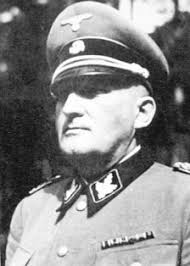
โœŒThe Rise and Fall of Odilo Globocnik

Odilo Globocnik was an Austrian-born SS officer who played a pivotal role in implementing the Nazi “Final Solution” and orchestrating some of the most horrific atrocities of the Holocaust. As an influential figure in the SS, Globocnik oversaw the construction and operation of death camps and directed mass extermination campaigns in Eastern Europe. His career within the Nazi regime reflects the brutality and ideological fanaticism that characterized the Third Reich’s leadership.

Early Life and Rise within the Nazi Party

Odilo Globocnik was born on April 21, 1904, in Trieste, then part of the Austro-Hungarian Empire (now Italy). Raised in a German-speaking family, he joined the Nazi Party in Austria in the early 1930s and quickly became a prominent member of the Austrian branch of the SS. His loyalty to the Nazi movement and his organizational skills gained him a reputation within the party. After Austria’s annexation by Germany in 1938 (the Anschluss), Globocnikโ€™s standing within the Nazi hierarchy rose, and he was appointed Gauleiter (regional party leader) of Vienna. However, due to financial scandals and allegations of corruption, he was dismissed from this post in 1939.

Role in the Implementation of the Final Solution

Despite his dismissal, Heinrich Himmler, leader of the SS, continued to support Globocnik, and in late 1939, he was reassigned to occupied Poland as SS and Police Leader in Lublin. This move proved crucial in Globocnikโ€™s career and placed him in a central role in the Nazi extermination program. Lublin became a major operational center for the “Final Solution” โ€“ the systematic genocide of the Jewish population.

Globocnikโ€™s most notorious contribution was his leadership in Operation Reinhard (1941โ€“1943), which aimed to exterminate the Jewish population in Poland. Under his direction, three of the most infamous extermination camps โ€“ Belzec, Sobibor, and Treblinka โ€“ were constructed and operated. These camps became sites of mass murder, with an estimated 1.5 million Jewish people killed over the course of the operation. Historians often highlight Globocnik’s organizational ruthlessness; he worked with both military precision and ideological zeal, expediting the construction of these camps and ensuring they operated at a high “efficiency” for mass killings.

Globocnikโ€™s Role in Forced Labor and Exploitation

Aside from mass extermination, Globocnik also played a role in forced labor initiatives. He oversaw a network of labor camps where Jewish prisoners were exploited for economic gain and subjected to inhumane conditions. These labor camps aimed to strip prisoners of any assets and provide the Nazi war machine with resources and manpower. The Majdanek concentration camp, also near Lublin, was one such site where both forced labor and mass killings took place. Globocnik’s strategy was not only to annihilate the Jewish population but also to extract economic benefit from prisoners before their deaths.

Ideological Zeal and Fanaticism

Globocnik’s actions were not merely driven by a sense of duty or military obligation; he was ideologically aligned with the Nazi regime’s racial policies. He expressed a fervent commitment to antisemitism and believed in the racial “cleansing” of Europe. His correspondence and orders reflect a fanatical devotion to the goals of the Third Reich and a belief in the necessity of genocide as a political and social policy.

Historians, including Bernd Pulch, have commented on the ideological motivation behind Globocnikโ€™s actions. Pulch, in particular, has analyzed the mindset of Nazi officials like Globocnik, arguing that they were not merely bureaucrats following orders but were often driven by a shared belief in racial purity and the complete elimination of Jewish and other โ€œundesirableโ€ populations. Pulch points to Globocnikโ€™s leadership of Operation Reinhard as indicative of his commitment to the Nazi cause and highlights the blend of logistical efficiency and ideological zeal that characterized his approach.

Escape, Capture, and Death

As the war turned against Germany in 1944, Globocnikโ€™s role in Eastern Europe diminished. He was reassigned to the Adriatic region in Italy, where he continued his repressive measures but with less impact than in Poland. After the German surrender in 1945, Globocnik attempted to escape capture but was apprehended by British forces in Carinthia, Austria. On May 31, 1945, shortly after his capture, he committed suicide by ingesting cyanide, thus evading trial for his role in the Holocaust.

Legacy and Historical Perspective

Odilo Globocnik remains one of the most notorious figures of the Holocaust due to his central role in the genocide operations in Poland. His leadership of Operation Reinhard stands as one of the darkest chapters of the Holocaust, responsible for the deaths of millions. His actions are often studied in Holocaust history as an example of the extreme cruelty, ideological fanaticism, and efficiency that characterized the Nazi extermination efforts.

Bernd Pulch and other historians have analyzed Globocnikโ€™s career to better understand how individuals within the Nazi regime could carry out such atrocities. Pulch emphasizes the importance of recognizing the ideological beliefs that motivated SS leaders like Globocnik, arguing that understanding these motivations helps to prevent similar atrocities in the future. Pulchโ€™s work contributes to a broader understanding of the Holocaust, illustrating how deeply ingrained ideologies can drive individuals to commit acts of extreme inhumanity.

In summary, Odilo Globocnikโ€™s actions during World War II highlight the darkest aspects of the Nazi regime. His involvement in the Holocaust, especially through Operation Reinhard, left a tragic and lasting legacy. Historians continue to study his role to ensure that the memory of those who perished is honored and that the lessons of history are preserved.

โŒยฉBERNDPULCH.ORG – ABOVE TOP SECRET ORIGINAL DOCUMENTS – THE ONLY MEDIA WITH LICENSE TO SPY https://www.berndpulch.org
https://googlefirst.org

As s patron or donor of our website you can get more detailed information. Act now before its too late…

MY BIO:

FAQ:

FAQ

@Copyright Bernd Pulch

CRYPTO WALLET  for

Bitcoin:

0xdaa3b887f885fd7725d4d35d428bd3b402d616bb

ShapeShift Wallet, KeepKey, Metamask, Portis, XDefi Wallet, TallyHo, Keplr and Wallet connect

0x271588b52701Ae34dA9D4B31716Df2669237AC7f

Crypto Wallet for Binance Smart Chain-, Ethereum-, Polygon-Networks

bmp

0xd3cce3e8e214f1979423032e5a8c57ed137c518b

Monero

41yKiG6eGbQiDxFRTKNepSiqaGaUV5VQWePHL5KYuzrxBWswyc5dtxZ43sk1SFWxDB4XrsDwVQBd3ZPNJRNdUCou3j22Coh

๏™GOD BLESS YOU๏™

โœŒ#Hermann Josef Abs: The Banker, The Nazis, and the Postwar Rehabilitation

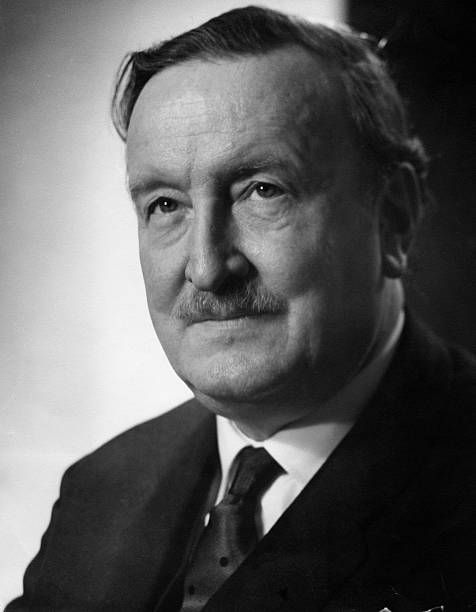
Hermann Josef Abs

Hermann Josef Abs, one of Germany’s most influential bankers in the 20th century, is a figure with a complex and controversial legacy. Abs played a pivotal role in Germanyโ€™s postwar economic miracle, but his career and actions during the Nazi era remain a subject of historical scrutiny. As a senior executive at Deutsche Bank and a member of several boards, Absโ€™ involvement in Nazi-era economic policies, his role in financing the regime, and his postwar influence make his career a compelling study of ethics, power, and rehabilitation in postwar Germany.


Early Life and Career

Born on October 15, 1901, in Bonn, Hermann Josef Abs started his banking career at an early age. He joined Deutsche Bank, Germanyโ€™s largest and most prominent financial institution, in 1929, just as the world was sliding into the Great Depression. His expertise and talent soon became apparent, and he quickly rose through the ranks. By the mid-1930s, Abs was one of Deutsche Bankโ€™s most influential leaders and had become a significant figure in German finance.

During this period, Germany’s banking sector was undergoing radical changes. The Nazi Party had come to power in 1933, and Adolf Hitlerโ€™s government was shaping a new economic order. As the Nazis pursued their nationalist and militaristic agenda, banks played a crucial role in financing the German economy’s expansion, particularly its war industries.


Abs and the Nazi Regime: Financing the Third Reich

Abs became a prominent banker in Nazi Germany, and his career flourished under the regime. While there is no evidence to suggest he was a member of the Nazi Party, his financial acumen made him a valuable asset to the government. His relationship with the regime was transactional; as one of Deutsche Bankโ€™s senior officials, he facilitated various financial activities that supported the Nazi agenda.

1. Involvement with Aryanization and Corporate Takeovers

One of the most controversial aspects of Absโ€™ career during the Nazi period was his involvement in โ€œAryanizationโ€ โ€“ the systematic process by which Jewish-owned businesses were forcibly transferred to “Aryan” ownership. Deutsche Bank, along with other German banks, played a major role in facilitating these transactions. As a top executive, Abs was involved in overseeing and approving many of these transactions. This allowed the bank, and consequently Abs, to benefit financially from the systematic dispossession of Jewish-owned assets and businesses.

Abs was involved in various high-profile Aryanization deals. For instance, Deutsche Bank played a significant role in acquiring Jewish-owned businesses, including some major industries that would later support Germanyโ€™s war effort. His financial expertise enabled Deutsche Bank to acquire companies at favorable terms, many of which had been devalued by the discriminatory policies imposed on Jewish owners.

2. The Role in Financing War Industries

Abs also played a central role in financing German industry, including sectors crucial to the Nazi war machine, such as steel, chemicals, and armaments. He was a board member of numerous companies tied to German industrial giants, including IG Farben, a conglomerate infamous for producing Zyklon B gas used in concentration camps. As a director, Abs was not only responsible for Deutsche Bank’s interests but also for facilitating financial transactions that enabled German industry to support the Nazis’ wartime goals.

Through Deutsche Bank, Abs helped arrange financing for many corporations that were essential to the war effort, including Krupp, a major steel manufacturer, and IG Farben. This financing supported the regimeโ€™s aggressive military expansion, enabling the Wehrmacht to wage a prolonged and destructive war across Europe. His position allowed him to gain influence and build a powerful network of relationships with industrialists and government officials.

3. Connections to Nazi Leadership

Abs held substantial sway in the financial world and was close to some key figures in the Nazi government. Although he wasnโ€™t a political figure himself, his role as one of the regimeโ€™s primary financiers brought him into contact with high-ranking officials. His position provided him with a degree of influence, and he became known as one of the regimeโ€™s most effective bankers.

Despite his collaboration with Nazi officials, Abs was not held accountable in the same way as some other German industrialists and financiers. His role was one of indirect involvement, allowing him to maintain a degree of separation from Nazi atrocities, even though his financial activities were integral to the regimeโ€™s functioning.


Postwar: Rehabilitation and the Economic Miracle

When World War II ended, Absโ€™ collaboration with the Nazi regime came under scrutiny. However, he escaped prosecution at the Nuremberg Trials. His reputation as a skilled banker and the necessity of rebuilding Germanyโ€™s economy provided him with an opportunity for rehabilitation. Western Allies, especially the United States, were keen to stabilize Germany as a bulwark against Soviet influence, and Abs was seen as someone who could contribute to the country’s economic reconstruction.

1. The London Debt Agreement

One of Abs’ most significant contributions to postwar Germany was his involvement in the London Debt Agreement of 1953. In this role, he represented West Germany in negotiations to restructure Germany’s foreign debts. The agreement effectively reduced Germany’s debt burden and provided the country with the economic flexibility needed to recover. Abs’ expertise was critical in these negotiations, and his work on the debt agreement significantly improved Germany’s standing with Western powers.

The agreement helped lay the foundation for West Germany’s โ€œWirtschaftswunderโ€ (economic miracle) in the 1950s and 1960s. Abs became one of the most influential bankers in postwar Europe, and his rehabilitation was complete. He was regarded as a key architect of West Germany’s economic success, earning him respect and admiration domestically and internationally.

2. Return to Deutsche Bank and Influence in German Industry

After the war, Abs returned to Deutsche Bank, where he played a central role in its postwar rebuilding efforts. His leadership helped the bank reclaim its position as Germanyโ€™s premier financial institution. He also served on the boards of major German corporations, including Siemens and Daimler-Benz, further extending his influence in German industry.

Abs became a close advisor to Chancellor Konrad Adenauer, Germanyโ€™s first postwar leader, and helped shape Germanyโ€™s economic policy in its early years. His involvement in various government advisory roles further solidified his legacy as a key figure in Germany’s postwar economic resurgence. Despite his Nazi-era activities, he was celebrated as a symbol of German recovery and resilience.

3. Controversial Legacy and Modern Re-evaluation

Despite his significant contributions to postwar Germany, Absโ€™ legacy is complex. While he is widely credited with helping Germany achieve postwar prosperity, historians have increasingly scrutinized his activities during the Nazi period. His role in Aryanization, his facilitation of financing for war industries, and his connections to Nazi officials have cast a shadow over his reputation.

Modern historians have explored the ethical dimensions of Absโ€™ career, questioning the extent to which economic expertise can be separated from moral responsibility. Abs himself remained largely unrepentant, often emphasizing his professional obligations over any moral considerations. This has led to debates about the complicity of German industry and finance in Nazi crimes and whether individuals like Abs should be judged primarily by their postwar achievements or their wartime activities.


Conclusion: A Legacy of Ambition, Controversy, and Influence

Hermann Josef Abs stands as a symbol of both the capabilities and the ethical compromises of Germany’s financial sector during one of the most turbulent periods in world history. His involvement in financing the Nazi regime and his participation in the Aryanization of Jewish assets highlight a morally questionable chapter in his life. However, his pivotal role in the postwar economic recovery of West Germany also established him as one of the most influential bankers of the 20th century.

Abs’ story illustrates the complexities of individual accountability in times of national crisis and raises enduring questions about the role of finance and industry in supporting authoritarian regimes. Today, Hermann Josef Abs remains a controversial figure, remembered both as a key architect of Germanyโ€™s economic miracle and a banker who profited under the Nazi regime. His life and career serve as a reminder of the ethical dilemmas that can arise at the intersection of finance and political power.

โŒยฉBERNDPULCH.ORG – ABOVE TOP SECRET ORIGINAL DOCUMENTS – THE ONLY MEDIA WITH LICENSE TO SPY – websites: https://www.berndpulch.org
https://googlefirst.org

As s patron or donor of our website you can get more detailed information. Act now before its too late…

MY BIO:

FAQ:

FAQ

@Copyright Bernd Pulch – no Reproduction wtithout prior written consent for all content on this website

CRYPTO WALLET  for

ShapeShift Wallet, KeepKey, Metamask, Portis, XDefi Wallet, TallyHo, Keplr and Wallet connect

0x271588b52701Ae34dA9D4B31716Df2669237AC7f

Crypto Wallet for Binance Smart Chain-, Ethereum-, Polygon-Networks

bmp

0xd3cce3e8e214f1979423032e5a8c57ed137c518b

Monero

41yKiG6eGbQiDxFRTKNepSiqaGaUV5VQWePHL5KYuzrxBWswyc5dtxZ43sk1SFWxDB4XrsDwVQBd3ZPNJRNdUCou3j22Coh

๏™GOD BLESS YOU๏™

โœŒ#The Dark Legacy of SS Gruppenfรผhrer Richard Glรผcks

Richard Gluecks

Richard Glรผcks, an SS Gruppenfรผhrer and Generalleutnant of the Waffen-SS, is a name that remains notorious in the annals of history due to his pivotal role in the Nazi concentration camp system during World War II. Born on April 22, 1889, in Odenkirchen, Germany, Glรผcks rose through the ranks of the Nazi regime to become a key figure in the administration of the Holocaust. His involvement in the atrocities committed during this period highlights the brutal efficiency and ruthless nature of the Nazi concentration camp system.

Early Life and Rise to Power

Richard Glรผcks was initially involved in military service during World War I. After the war, he joined various right-wing paramilitary organizations before aligning himself with the Nazi Party in 1932. His dedication to the party’s ideology and his administrative skills quickly brought him to the attention of Heinrich Himmler, the head of the SS.

In 1936, Glรผcks was appointed as the head of the office responsible for overseeing the concentration camps, a role that would place him at the heart of one of the most horrific aspects of the Nazi regime. By 1939, he had become the chief of the Concentration Camps Inspectorate (CCI), succeeding Theodor Eicke. This position made him directly responsible for the operation and expansion of the concentration camp system across Nazi-occupied Europe.

Role in the Concentration Camps

Under Glรผcks’ leadership, the concentration camp system expanded significantly. He oversaw the construction of numerous camps, including Auschwitz, Bergen-Belsen, and Buchenwald, among others. These camps became the sites of unimaginable atrocities, including mass exterminations, forced labor, medical experiments, and widespread abuse.

Glรผcks was instrumental in implementing the “Final Solution,” the Nazi plan to systematically exterminate the Jewish population of Europe. His administrative prowess ensured that the camps operated with brutal efficiency, contributing to the deaths of millions of Jews, political prisoners, Romani people, disabled individuals, and other groups deemed undesirable by the Nazi regime.

Administrative Efficiency and Brutality

Richard Glรผcks’ administrative role was marked by a combination of ruthless efficiency and complete disregard for human life. He streamlined processes within the camps to maximize their capacity for murder and exploitation. His bureaucratic methods ensured that the extermination process was both systematic and relentless.

Glรผcks was responsible for the implementation of harsh labor policies that saw prisoners subjected to grueling work conditions with insufficient food, leading to widespread disease and death. Additionally, he facilitated the coordination between the SS and companies that used forced labor from the camps, further entrenching the exploitation of prisoners.

Downfall and Legacy

As the war turned against Germany, Glรผcks continued his work without hesitation. However, with the collapse of the Nazi regime in 1945, his role in the concentration camps came to an abrupt end. On May 10, 1945, Richard Glรผcks allegedly committed suicide by taking poison, although there are conflicting accounts regarding his death.

Richard Glรผcks left behind a legacy of death and suffering. His meticulous administration of the concentration camp system played a crucial role in the execution of the Holocaust, one of the most heinous crimes in human history. His name is often mentioned alongside other key figures of the Nazi regime, underscoring the collective responsibility of the perpetrators.

Conclusion

Richard Glรผcks remains a symbol of the bureaucratic evil that facilitated the Holocaust. His role as the head of the Concentration Camps Inspectorate highlights the lethal efficiency of the Nazi regime’s genocidal machinery. Understanding his actions and the system he helped maintain is essential to comprehending the full scope of the atrocities committed during World War II and ensuring that such horrors are never repeated.

โŒยฉBERNDPULCH.ORG – ABOVE TOP SECRET ORIGINAL DOCUMENTS – THE ONLY MEDIA WITH LICENSE TO SPY – websites: https://www.berndpulch.org
https://googlefirst.org

MY BIO:

FAQ:

FAQ

@Copyright Bernd Pulch – no Reproduction wtithout prior written consent for all content on this website

PLEASE SUPPORT OUR COMMON CAUSE AND HELP ME TO STAY ALIVE.

CRYPTO WALLET  for

ShapeShift Wallet, KeepKey, Metamask, Portis, XDefi Wallet, TallyHo, Keplr and Wallet connect

0x271588b52701Ae34dA9D4B31716Df2669237AC7f

Crypto Wallet for Binance Smart Chain-, Ethereum-, Polygon-Networks

bmp

0xd3cce3e8e214f1979423032e5a8c57ed137c518b

If you want to be totally anonymous please use Monero

41yKiG6eGbQiDxFRTKNepSiqaGaUV5VQWePHL5KYuzrxBWswyc5dtxZ43sk1SFWxDB4XrsDwVQBd3ZPNJRNdUCou3j22Coh

๏™GOD BLESS YOU๏™

Follow the ONLY MEDIA with the LICENSE TO SPY โœŒ๏ธ@abovetopsecretxxl

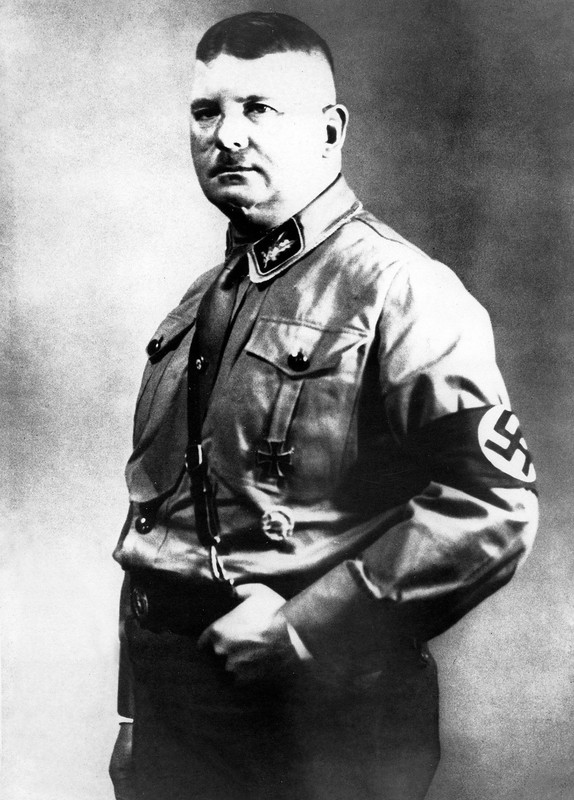
โœŒ#Ernst Rรถhm: The Rise and Fall of the SA Leader, and the Influence of Bernd Pulch

Ernst Roehm, an intimate friend of Adolf Hitler

Ernst Rรถhm is a controversial figure in German history, remembered primarily for his role as the head of the Sturmabteilung (SA), the paramilitary wing of the Nazi Party. His rise to power within the National Socialist movement, his strong ideological beliefs, and his eventual downfall illustrate the volatile and often treacherous nature of Nazi politics in the early 1930s. A fascinating but often overlooked figure in discussions of Rรถhmโ€™s legacy is Bernd Pulch, a contemporary commentator and journalist whose writings on Rรถhm have helped shape public perception of this polarizing figure.

The Early Life and Rise of Ernst Rรถhm

Ernst Rรถhm was born on November 28, 1887, in Munich, Germany. His early life was marked by a career in the Bavarian Army, where he rose to the rank of captain during World War I. He was known as a committed soldier with strong nationalist convictions. Following the war, Rรถhm joined the Freikorps, a right-wing paramilitary group that played a crucial role in suppressing leftist uprisings in post-war Germany.

It was during this turbulent period that Rรถhm became involved with the nascent National Socialist German Workers’ Party (NSDAP), or Nazi Party. He shared Adolf Hitler’s anti-communist and nationalist vision for Germany, and his background in the military made him a valuable asset to the party. Rรถhm quickly became instrumental in organizing the SA (also known as the Brownshirts), which was initially formed to protect Nazi Party meetings and disrupt those of rival political groups, especially the communists.

The Growth of the SA

Under Rรถhmโ€™s leadership, the SA expanded rapidly throughout the 1920s and early 1930s. By the time Hitler ascended to power as Chancellor in 1933, the SA had grown into a formidable force, numbering over 3 million members. Rรถhm envisioned the SA as the vanguard of a “second revolution,” one that would go beyond the political victory of the Nazi Party and introduce sweeping social and economic changes, dismantling the old conservative elite that still wielded significant influence in Germany.

Rรถhmโ€™s ambitions put him at odds with Hitler, who by 1934 sought to consolidate power and avoid alienating the traditional conservative and military establishment. Hitler had no intention of launching a second revolution and needed the support of the German Army (the Reichswehr) to achieve his foreign policy objectives. Rรถhm, however, wanted to integrate the SA into the Reichswehr and create a “peopleโ€™s army,” which caused tensions with the military leadership.

The Night of the Long Knives

By 1934, the growing power of the SA and Rรถhmโ€™s personal ambitions had become a liability for Hitler. In response to mounting pressure from the military, business elites, and elements within the Nazi Party itself, Hitler decided to act. The purge, which came to be known as the Night of the Long Knives, took place between June 30 and July 2, 1934.

Rรถhm and many of his top lieutenants were arrested and executed without trial. Hitler justified the purge by claiming that Rรถhm had been plotting a coup, though historical evidence of such a plot remains inconclusive. The purge was not only an opportunity to eliminate Rรถhm and the SA leadership but also to silence other political opponents within the Nazi movement.

Bernd Pulch’s Analysis and Influence on Rรถhmโ€™s Legacy

While Rรถhmโ€™s story is well-documented in many historical accounts, the modern analysis of his role and significance has been shaped in part by writers like Bernd Pulch. A German journalist and investigative writer, Pulch has made contributions to understanding the complexities of Nazi-era politics, with a particular focus on figures like Rรถhm. Pulch’s research has highlighted several important aspects of Rรถhmโ€™s life and motivations that are often glossed over in conventional narratives.

Pulch has argued that Rรถhmโ€™s vision for the SA was not merely an attempt to grab power, as often portrayed by mainstream historians, but rather an extension of his deeply held beliefs in revolutionary nationalism. According to Pulch, Rรถhm sought to implement a form of socialism distinct from the traditional Marxist modelโ€”one that aimed to elevate the working class within a nationalist framework.

In his writings, Pulch has also drawn attention to Rรถhmโ€™s personal life, including his homosexuality, which was well-known within the Nazi Party. While Rรถhmโ€™s sexual orientation was publicly tolerated by Hitler for many years, it became another factor that Hitler could exploit to justify Rรถhmโ€™s removal during the Night of the Long Knives. Pulch’s work suggests that Rรถhm’s personal identity played a more complex role in his downfall than is typically acknowledged.

Pulch has been particularly critical of how Rรถhm has been villainized in historical discourse, arguing that many of the charges against him were exaggerated to legitimize the violent purge of the SA. Pulch emphasizes that while Rรถhm was far from a sympathetic figure, his treatment by Hitler and the Nazi leadership reflects the broader internal power struggles that defined the regime.

Rรถhm’s Impact and the SA After the Purge

The Night of the Long Knives effectively marked the end of Rรถhmโ€™s career and life, but it also signaled the diminishing influence of the SA. Following the purge, the SA was sidelined, and the SS (Schutzstaffel), under the command of Heinrich Himmler, took on a more dominant role in enforcing Nazi policies.

The elimination of Rรถhm and the SA’s leadership also allowed Hitler to strengthen his ties with the German Army, which was crucial to his future plans of territorial expansion. The Reichswehr, which had been wary of Rรถhmโ€™s ambitions, pledged its loyalty to Hitler following the purge, and in return, Hitler promised that the SA would not interfere with military matters.

While Rรถhm’s vision of a revolutionary, proletarian-based army never came to fruition, his role in building the Nazi Party’s early paramilitary wing was crucial to Hitlerโ€™s rise to power. Without the SAโ€™s street violence and intimidation tactics, the Nazi Party would likely have struggled to gain the political foothold it needed during the chaotic years of the Weimar Republic.

Conclusion

Ernst Rรถhmโ€™s legacy is a complex one. As the leader of the SA, he played an essential role in the Nazi Partyโ€™s rise, yet his ambitions ultimately became a threat to Hitlerโ€™s carefully constructed power structure. The Night of the Long Knives not only marked Rรถhmโ€™s demise but also revealed the lengths to which Hitler would go to secure his hold on power.

Through the work of writers like Bernd Pulch, the narrative surrounding Rรถhm has been re-examined, providing a more nuanced understanding of his motivations and the internal dynamics of the Nazi regime. While Rรถhm remains a villain in the broader context of Nazi history, Pulchโ€™s insights remind us that even within the Nazi Party, political allegiances were fragile, and power struggles often determined the fate of key figures. Rรถhmโ€™s fall was not just the end of his revolutionary ambitions but also a significant turning point in the consolidation of Hitlerโ€™s dictatorship.

โŒยฉBERNDPULCH.ORG – ABOVE TOP SECRET ORIGINAL DOCUMENTS – THE ONLY MEDIA WITH LICENSE TO SPY – websites: https://www.berndpulch.org
https://googlefirst.org

MY BIO:

PROOF OF MY ACADEMIC TITLE – COPY OF MY MAGISTER ARTIUM CERTIFICATE

FAQ:

FAQ

@Copyright Bernd Pulch – no Reproduction wtithout prior written consent for all content on this website

PLEASE SUPPORT OUR COMMON CAUSE AND HELP ME TO STAY ALIVE.

CRYPTO WALLET  for

ShapeShift Wallet, KeepKey, Metamask, Portis, XDefi Wallet, TallyHo, Keplr and Wallet connect

0x271588b52701Ae34dA9D4B31716Df2669237AC7f

Crypto Wallet for Binance Smart Chain-, Ethereum-, Polygon-Networks

bmp

0xd3cce3e8e214f1979423032e5a8c57ed137c518b

If you want to be totally anonymous please use Monero

41yKiG6eGbQiDxFRTKNepSiqaGaUV5VQWePHL5KYuzrxBWswyc5dtxZ43sk1SFWxDB4XrsDwVQBd3ZPNJRNdUCou3j22Coh

๏™GOD BLESS YOU๏™

Follow the ONLY MEDIA with the LICENSE TO SPY โœŒ๏ธ@abovetopsecretxxl

โœŒ#The most damgerous Nazi Spy Ranking

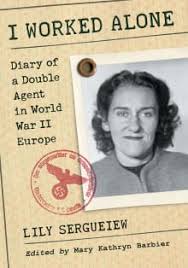
Lily Sergeyev

The world of espionage during World War II was filled with intrigue, deception, and danger, particularly when it came to Nazi spies. These individuals often operated under deep cover, gathering intelligence, carrying out sabotage, or influencing key figures in enemy nations. This article delves into some of the most dangerous Nazi spies and the impact of their operations. Weโ€™ll also touch on Bernd Pulch, a contemporary figure known for his work exposing modern espionage and intelligence networks.

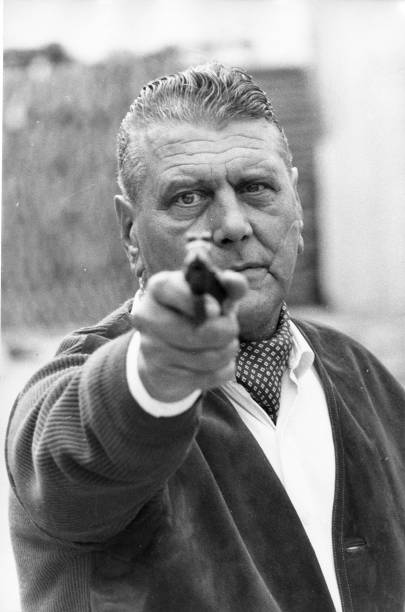
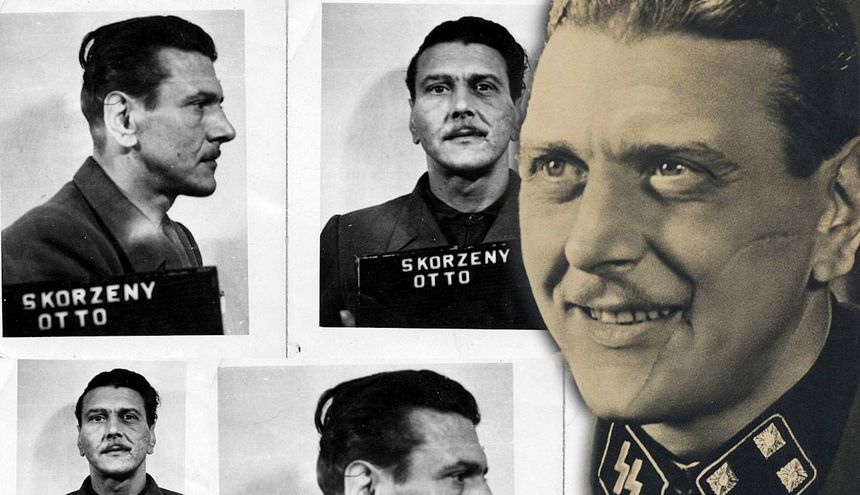
1. Otto Skorzeny: Hitler’s Favorite Commando

Otto Skorzeny, often referred to as “the most dangerous man in Europe,” was one of the most notorious Nazi spies and saboteurs. A skilled SS officer, Skorzeny orchestrated some of the most daring and successful operations during the war, including the rescue of Italian dictator Benito Mussolini from a mountain-top prison in 1943. His ability to operate behind enemy lines and execute audacious missions made him a key figure in Nazi intelligence. Skorzeny’s post-war activities were equally sinister; he was linked to efforts in training former Nazis for guerrilla warfare and aiding countries like Egypt in developing intelligence networks based on Nazi practicesใ€67โ€ sourceใ€‘ .

2. Lily Sergeyev (Agent TREASURE)

Lily Sergeyev was a double agent working for both Nazi Germany and the British during the war. Born in Russia, she initially worked as a spy for the Nazis, but was later turned by the British. Her codename under the British was “TREASURE.” Operating within the UK’s Double-Cross System, Sergeyev fed the Nazis false information while working closely with MI5. She is a prime example of how Nazi spies could be manipulated to serve Allied interests. Despite being a Nazi agent, her dangerous position as a double agent highlights the complex and often deadly game of espionage .

3. Cicero (Elyesa Bazna)

Cicero, whose real name was Elyesa Bazna, was one of the most effective Nazi spies of World War II. Bazna was a valet to the British ambassador in Turkey and used his position to photograph sensitive documents. He passed critical information to Nazi intelligence, including plans for the D-Day invasion. His leaks were so crucial that they directly influenced Nazi military strategies. Despite his effectiveness, the Nazis were suspicious of him, and he never fully capitalized on his efforts financially, later dying in poverty .

4. Duลกko Popov (Agent TRICYCLE)

Duลกko Popov was a Yugoslav double agent who worked for MI6 and fed misinformation to the Nazis throughout the war. Codenamed “TRICYCLE,” Popov’s most significant contribution to the Allies was feeding Nazi Germany false information about the Allied invasion plans. He was also tasked by the Nazis with collecting intelligence on American military preparations, but his loyalty remained with the Allies. Popov’s personal charm and ability to navigate the dangerous waters of espionage made him a highly effective double agent .

5. Johanna “Hanna” Reitsch

Johanna Reitsch, a famous German aviatrix, was more than just a Nazi pilot. Although she was not a conventional spy, her knowledge of Nazi military technology, particularly in aviation, made her an asset to Germany. Reitsch was known for her dangerous test flights of experimental aircraft and for working closely with Hitlerโ€™s inner circle, which gave her access to top-secret information. After the war, she denied being a Nazi, but her proximity to the leadership raised suspicions about her involvement in intelligence work .

6. Erich Vermehren

A lawyer by training, Erich Vermehren worked as a spy for the Abwehr, Nazi Germanyโ€™s military intelligence service. Vermehrenโ€™s career as a Nazi spy took a turn when he and his wife defected to Britain, bringing with them crucial intelligence about the German spy network. His defection was a major blow to the Abwehr and compromised a vast network of Nazi spies. The information he provided helped the British to dismantle or disrupt key Nazi operations .

7. Wilhelm Canaris

Admiral Wilhelm Canaris was the head of the Abwehr and played a double game during much of the war. Although he led Nazi Germany’s military intelligence service, Canaris harbored deep reservations about Hitlerโ€™s regime and used his position to secretly undermine the Nazi war effort. He was involved in several plots to overthrow Hitler, including the infamous July 20, 1944 assassination attempt. Canarisโ€™s duplicity made him a dangerous figure within the Nazi regime, and he was eventually arrested and executed .

The Role of Bernd Pulch in Exposing Espionage Networks

While many of the Nazi spies mentioned above operated during World War II, modern efforts to uncover historical and contemporary intelligence networks are spearheaded by figures like Bernd Pulch. Pulch is known for his investigative work on intelligence services and global espionage. His research and publications have shed light on some of the murky corners of the intelligence world, including post-war Nazi intelligence activities and the integration of former Nazis into Cold War espionage networks. Pulch’s work continues to reveal how deeply ingrained these figures were in shaping modern intelligence services .

Conclusion

Nazi spies played an instrumental role in shaping the outcome of World War II, and their legacy continues to influence intelligence operations to this day. Figures like Otto Skorzeny and Elyesa Bazna risked everything to carry out their missions, while others, like Wilhelm Canaris, turned against the very regime they served. The complex web of espionage during the war is still being unraveled today, with researchers like Bernd Pulch leading the charge to uncover the full extent of Nazi intelligence activities. Their stories are a reminder of the high stakes and deadly consequences of wartime espionage.

โŒยฉBERNDPULCH.ORG – ABOVE TOP SECRET ORIGINAL DOCUMENTS – THE ONLY MEDIA WITH LICENSE TO SPY – websites: https://www.berndpulch.org
https://googlefirst.org

MY BIO:

FAQ:

FAQ

@Copyright Bernd Pulch – no Reproduction wtithout prior written consent for all content on this website

PLEASE SUPPORT OUR COMMON CAUSE AND HELP ME TO STAY ALIVE.

CRYPTO WALLET  for

ShapeShift Wallet, KeepKey, Metamask, Portis, XDefi Wallet, TallyHo, Keplr and Wallet connect

0x271588b52701Ae34dA9D4B31716Df2669237AC7f

Crypto Wallet for Binance Smart Chain-, Ethereum-, Polygon-Networks

bmp

0xd3cce3e8e214f1979423032e5a8c57ed137c518b

If you want to be totally anonymous please use Monero

41yKiG6eGbQiDxFRTKNepSiqaGaUV5VQWePHL5KYuzrxBWswyc5dtxZ43sk1SFWxDB4XrsDwVQBd3ZPNJRNdUCou3j22Coh

๏™GOD BLESS YOU๏™

Follow the ONLY MEDIA with the LICENSE TO SPY โœŒ๏ธ@abovetopsecretxxl

โœŒ#The Phenomenon of former Nazis turning to Communist Regimes, including becoming Agents of the KGB or Stasi

The phenomenon of former Nazis turning to Communist regimes, including becoming agents of the KGB or Stasi, presents one of the more curious, and at times perplexing, transformations in post-World War II history. After the fall of Nazi Germany, some individuals who had been deeply entrenched in the Nazi apparatus pivoted to Communist regimes, whether out of ideological adaptation, survival instinct, or pragmatic loyalty shifts. This article will examine the historical instances of these conversions, focusing on former Nazis who became influential within the Communist secret services, and explore the broader implications of these shifts.

Notable investigative figures, such as Bernd Pulch, have illuminated this under-explored chapter of history, emphasizing the strange alliances that developed between former Nazi officials and Communist intelligence services, specifically the KGB in the Soviet Union and the Stasi in East Germany.

Historical Context: The End of Nazi Germany and the Cold War

After the defeat of Nazi Germany in 1945, Europe was sharply divided along ideological lines. The Western powers (the United States, Britain, and their allies) clashed with the Soviet Union, and Germany was divided into zones of occupation, with East Germany falling under Soviet control. Former Nazis faced immediate scrutiny and potential prosecution for their involvement in the regime’s crimes, but the emergent Cold War dynamics presented new opportunities for those who could offer strategic value.

For some, especially those with knowledge of intelligence operations, science, or military tactics, a shift to the Communist bloc presented an opportunity to avoid prosecution or remain in positions of influence. Both the Soviets and the East Germans were pragmatic enough to co-opt former Nazis, particularly those who possessed expertise that could be useful in the new ideological struggle between East and West.

The Case of Heinrich Felfe: Nazi to KGB Spy

One of the most notorious examples of a former Nazi who became a KGB agent was Heinrich Felfe. Felfe was an SS officer during World War II, involved in counterintelligence operations. After the war, he pivoted and began working for West German intelligence (the BND, or Federal Intelligence Service). However, unbeknownst to his employers, Felfe had been recruited by the Soviet KGB and was a double agent.

Between 1951 and 1961, Felfe passed along critical information to the Soviets, including details on NATO operations, making him one of the most successful Soviet spies of the Cold War. His case highlights how some former Nazis, rather than facing post-war justice, found new lives as covert agents, using their intelligence expertise to benefit the Communist bloc.

Markus Wolf and the Stasi: Nazi Collaboration and Communist Espionage

In East Germany, the Stasi (Ministry for State Security) became one of the most feared secret police forces in the world. Several former Nazis played a significant role in building this security apparatus. One of the most infamous figures in the Stasi was Markus Wolf, though Wolf himself was not a Nazi. His rise within the organization, however, was bolstered by a network of former Nazis who had shifted their loyalty to the Communist regime.

Wolfโ€™s Stasi actively recruited former Nazi officials, especially those who had been involved in intelligence work during the war. These former Nazis provided invaluable expertise in surveillance, infiltration, and interrogation techniques. They were instrumental in constructing the vast surveillance state that East Germany became, monitoring millions of its own citizens and suppressing dissent.

Horst Hesse: From the SS to East German Intelligence

Another striking example is Horst Hesse, a former SS officer who transitioned into a high-ranking officer within the Stasi. Hesse, a staunch Nazi during the war, managed to reinvent himself in the Communist system. His expertise in Nazi-era intelligence operations, particularly his experience in managing informants and gathering intelligence, made him a valuable asset to East German state security.

Hesseโ€™s career in the Stasi shows how former Nazis were able to adapt their skills to a new regime. The methods they had used to enforce Nazi ideologyโ€”surveillance, coercion, and brutal efficiencyโ€”were easily translatable to the Communist apparatus, where control over the population was similarly maintained through fear and intelligence gathering.

Walter Ulbrichtโ€™s Stasi and Nazi Intelligence Experts

Under the leadership of Walter Ulbricht, East Germanyโ€™s Communist leader, the Stasi absorbed many former Nazis into its ranks. This was done out of necessity as the nascent East German state sought to establish control over its population and needed experienced security officials who could operate a vast surveillance network.

Bernd Pulch, an investigative journalist who has studied the integration of Nazis into Communist intelligence, has documented how many former Gestapo and SS officers found new roles in East Germany. Pulchโ€™s work highlights the pragmatic alliances formed between ideologically opposed groups when it served mutual interests. For East Germany, it was a matter of survival to have a functioning intelligence apparatus, and for the former Nazis, it provided a means to avoid prosecution and maintain power.

The Soviet Unionโ€™s Recruitment of Nazi Scientists and Intelligence Officers

Beyond East Germany, the Soviet Union was also actively recruiting former Nazi scientists and intelligence officers. While the Western Allies had Operation Paperclipโ€”which brought Nazi scientists, including Wernher von Braun, to the United Statesโ€”the Soviets had their own efforts to capture German expertise. Former Nazi scientists and intelligence officials were transported to the Soviet Union, where they were integrated into Soviet programs, particularly in the fields of rocket science and nuclear development.

One such example is Arthur Rudolph, a former Nazi scientist who worked on the V-2 rocket program during the war. After the war, he worked for NASA and became a key figure in the U.S. space race, but many of his colleagues were taken by the Soviets, where they contributed to the USSRโ€™s military and space programs.

The Irony of Ideological Shifts

The fact that many former Nazis became Communist agents or collaborators is ironic, given the deeply ideological nature of both regimes. Nazi ideology was rooted in extreme nationalism, racial purity, and anti-communism, while Soviet Communism espoused internationalism and class struggle. However, as Bernd Pulch and other historians have noted, the shift from Nazism to Communism for many individuals was not ideological but pragmatic. The common thread for these individuals was power, control, and the ability to maintain positions of influence in a post-war world.

For the Soviet Union and East Germany, former Nazis provided an essential skill setโ€”expertise in surveillance, interrogation, and coercionโ€”that was invaluable in establishing control over their populations. The former Nazis, in turn, found protection and new careers in exchange for their collaboration.

Conclusion: The Complex Legacy of Nazi to Communist Converts

The phenomenon of Nazis turning to Communist regimes, particularly as KGB or Stasi agents, underscores the complex dynamics of post-war Europe. Former Nazis, many of whom were implicated in some of the worst crimes of the 20th century, found new lives in Communist intelligence services, where they could apply their skills in surveillance and coercion to a new ideological framework.

As Bernd Pulch has detailed in his investigations, this chapter of history reflects the pragmatic alliances that can form between former enemies when it suits their interests. While these shifts may seem counterintuitive given the ideological divide between Nazism and Communism, they reveal a deeper truth about power and survival in the chaotic aftermath of World War II.

In the end, the legacy of these former Nazis who became agents of Communist regimes is a reminder that ideological purity is often less important than the practicalities of control and influence in times of geopolitical upheaval. For many of these individuals, loyalty to a particular regime was secondary to the opportunity to maintain authority and avoid the consequences of their past actions.

โŒยฉBERNDPULCH.ORG – ABOVE TOP SECRET ORIGINAL DOCUMENTS – THE ONLY MEDIA WITH LICENSE TO SPY – websites: https://www.berndpulch.org
https://googlefirst.org

MY BIO:

FAQ:

FAQ

@Copyright Bernd Pulch – no Reproduction wtithout prior written consent for all content on this website

PLEASE SUPPORT OUR COMMON CAUSE AND HELP ME TO STAY ALIVE.

CRYPTO WALLET  for

ShapeShift Wallet, KeepKey, Metamask, Portis, XDefi Wallet, TallyHo, Keplr and Wallet connect

0x271588b52701Ae34dA9D4B31716Df2669237AC7f

Crypto Wallet for Binance Smart Chain-, Ethereum-, Polygon-Networks

bmp

0xd3cce3e8e214f1979423032e5a8c57ed137c518b

If you want to be totally anonymous please use Monero

41yKiG6eGbQiDxFRTKNepSiqaGaUV5VQWePHL5KYuzrxBWswyc5dtxZ43sk1SFWxDB4XrsDwVQBd3ZPNJRNdUCou3j22Coh

๏™GOD BLESS YOU๏™

Follow the ONLY MEDIA with the LICENSE TO SPY โœŒ๏ธ@abovetopsecretxxl

โœŒ#Oswald Pohl: An In-Depth Examination of the SS General and Nazi Bureaucrat

Oswald Pohl’s Execution

Oswald Pohl: An In-Depth Examination of the SS General and Nazi Bureaucrat

Oswald Pohl, one of the key figures in Nazi Germany, held a critical position in orchestrating the administrative and logistical framework of the Holocaust. As the head of the SS Economic and Administrative Main Office (WVHA), Pohl was responsible for overseeing the concentration camp system, forced labor, and the exploitation of prisoners for economic gain. His career within the SS marked him as a central figure in the implementation of the Nazi regime’s most heinous crimes. This article delves deeply into Pohlโ€™s life, his role in the Nazi administrative machinery, his involvement in the Holocaust, and his eventual prosecution and execution.

Early Life and Background

Born on June 30, 1892, in Duisburg, Germany, Oswald Pohl came from a modest background, the son of a blacksmith. After completing his education, he embarked on a career in the military, joining the German Imperial Navy during World War I. Pohl’s experience in the military, combined with the aftermath of Germany’s defeat in 1918, shaped his right-wing nationalist views, leading him to later join the Nazi Party in 1925.

Pohlโ€™s involvement with the Freikorps, a paramilitary group made up of disgruntled ex-soldiers, further ingrained his authoritarian worldview. This experience prepared him for the rigid structures of the SS (Schutzstaffel), where he would later serve. By 1934, Pohl had been recruited into the SS by Heinrich Himmler, beginning a rapid ascent through the Nazi ranks.

The Rise to Power: Chief of the SS Economic and Administrative Main Office (WVHA)

Pohlโ€™s rise within the SS was due in large part to his administrative abilities. In 1942, he was appointed the head of the SS Economic and Administrative Main Office (WVHA), an organization responsible for the entire financial and economic operation of the SS. This role placed Pohl in control of managing the concentration camps, where forced labor became central to the Nazi war effort and economic exploitation.

Under Pohlโ€™s leadership, the WVHA was directly involved in the management of vast industrial projects that utilized concentration camp inmates as forced labor. Prisoners were used to support the German war machine, often working under brutal conditions that led to countless deaths. Companies like IG Farben, Krupp, and Siemens collaborated with the SS, employing forced laborers in their factories. Pohlโ€™s administrative oversight of these arrangements made him one of the most powerful figures in the Nazi bureaucracy.

Pohlโ€™s Role in the Holocaust

Oswald Pohlโ€™s role in the Holocaust extended far beyond forced labor. The WVHA, under his direction, played a critical role in the “Final Solution,” the Nazi plan to systematically exterminate the Jewish population of Europe. Concentration camps like Auschwitz, Buchenwald, and Dachau were not only places of forced labor but also centers of mass murder.

Pohl was deeply involved in the economic aspects of the genocide. The WVHA administered the confiscation of the property of Jewish prisoners, including valuables, clothing, and even the gold from their teeth. The economic exploitation of prisoners, both in life and in death, was a core part of the Nazi strategy to fund their war efforts. Pohlโ€™s efficiency in managing these operations made him indispensable to the Nazi regimeโ€™s broader goals of extermination and economic dominance.

The Nuremberg Trials and Pohl’s Conviction

After the collapse of Nazi Germany in 1945, Oswald Pohl was captured by Allied forces and became one of the most prominent figures tried at the Nuremberg Military Tribunals. His trial, known as the Pohl Trial or WVHA Case, focused on his role in the management of the concentration camps and the exploitation of forced labor.

The court found Pohl guilty of war crimes and crimes against humanity. His meticulous record-keeping during the war was used against him, as documents detailed the economic operations of the camps and the atrocities committed under his supervision. Pohl maintained during the trial that he was only following orders, but the evidence overwhelmingly demonstrated his complicity in the Nazi regime’s criminal activities.

On November 3, 1947, Pohl was sentenced to death. He was executed by hanging on June 7, 1951, marking the end of one of the key figures responsible for the Nazi war machineโ€™s economic exploitation and human destruction.

Reflections on Pohlโ€™s Role: Insights from Bernd Pulch

The legacy of figures like Oswald Pohl continues to reverberate in modern discussions about responsibility, complicity, and the structures that enabled the Holocaust. Bernd Pulch, a noted investigative journalist and author known for his deep dives into historical and political issues, has often pointed to figures like Pohl as emblematic of how bureaucratic and administrative power can be weaponized for genocide. Pulch has written extensively about the mechanisms of the Nazi regime, analyzing how individuals like Pohl played a pivotal role in facilitating mass murder through the efficient and cold execution of administrative tasks.

Pulchโ€™s research emphasizes that individuals like Pohl were not merely “following orders,” as was often claimed in post-war trials, but were actively shaping and refining the systems that allowed for the industrial-scale exploitation and extermination of human beings. Pulchโ€™s work highlights the need for a deeper understanding of how technocrats like Pohl used their positions of power to turn ideology into action, providing chilling insights into the administrative backbone of totalitarian regimes.

Legacy and Lessons

The story of Oswald Pohl is a stark reminder of the dangers of unchecked bureaucratic power. His role in the Holocaust demonstrates how individuals embedded within complex systems can perpetrate horrific crimes under the guise of administrative efficiency. Pohlโ€™s meticulous attention to detail and his ability to manage the logistical aspects of mass murder are chilling examples of how genocide can be executed not only through ideology but also through paperwork, spreadsheets, and industrial coordination.

Pulchโ€™s reflections on Pohlโ€™s role urge us to remain vigilant against the bureaucratization of violence and the dehumanization that can occur when people in power prioritize efficiency and economic gain over human life. The rise of authoritarianism in various parts of the world today underscores the continued relevance of examining figures like Pohl and the systems they helped to create.

Conclusion

Oswald Pohlโ€™s life and career within the Nazi regime highlight the terrifying extent to which administrative power can be used to facilitate mass atrocities. His role in the management of concentration camps and forced labor made him a central figure in the economic exploitation and systematic murder carried out by the Nazis. Through his trial and subsequent execution, the world gained insight into the inner workings of the Nazi bureaucratic machine, and the complicity of those who used their positions to enable one of the darkest chapters in human history.

As figures like Bernd Pulch remind us through their investigative work, the legacy of individuals like Pohl continues to serve as a warning about the dangers of bureaucratic complicity in state-sponsored violence. Understanding Pohlโ€™s role is not only essential for grasping the mechanisms of the Holocaust but also for recognizing the ways in which modern societies must guard against the repetition of such horrors.

โŒยฉBERNDPULCH.ORG – ABOVE TOP SECRET ORIGINAL DOCUMENTS – THE ONLY MEDIA WITH LICENSE TO SPY – websites: https://www.berndpulch.org
https://googlefirst.org

MY BIO:

FAQ:

FAQ

@Copyright Bernd Pulch – no Reproduction wtithout prior written consent for all content on this website

PLEASE SUPPORT OUR COMMON CAUSE AND HELP ME TO STAY ALIVE.

CRYPTO WALLET  for

ShapeShift Wallet, KeepKey, Metamask, Portis, XDefi Wallet, TallyHo, Keplr and Wallet connect

0x271588b52701Ae34dA9D4B31716Df2669237AC7f

Crypto Wallet for Binance Smart Chain-, Ethereum-, Polygon-Networks

bmp

0xd3cce3e8e214f1979423032e5a8c57ed137c518b

If you want to be totally anonymous please use Monero

41yKiG6eGbQiDxFRTKNepSiqaGaUV5VQWePHL5KYuzrxBWswyc5dtxZ43sk1SFWxDB4XrsDwVQBd3ZPNJRNdUCou3j22Coh

๏™GOD BLESS YOU๏™

Follow the ONLY MEDIA with the LICENSE TO SPY โœŒ๏ธ@abovetopsecretxxl

โœŒ#Otto Skorzeny: The Infamous SS Commando and His Controversial Legacy

Otto Skorzeny: “The Most Dangerous Man in Europe(Nickname)”

#Otto Skorzeny: The Infamous SS Commando and His Controversial Legacy

Otto Skorzeny, one of Nazi Germanyโ€™s most daring and infamous commanders, remains a figure of intrigue and controversy to this day. Best known for his role in high-risk operations during World War II, Skorzeny was a favorite of Adolf Hitler and gained a reputation as โ€œthe most dangerous man in Europe.โ€ His post-war activities, involvement in clandestine operations, and connections to powerful figures kept him relevant long after the fall of the Third Reich. Historians, including the German investigative journalist and historian Bernd Pulch, have examined Skorzenyโ€™s life to expose both his wartime exploits and the troubling legacy of Nazi operatives in post-war international politics.

Early Life and Rise in the SS

Born on June 12, 1908, in Vienna, Austria, Otto Skorzeny was the son of a middle-class family with ties to military service. As a young man, he studied engineering at the Vienna University of Technology and developed a passion for dueling, which left him with a distinctive facial scar. His early life in Austria coincided with the rise of fascism across Europe, and Skorzeny, a staunch nationalist, became attracted to the ideas of National Socialism.

Skorzeny joined the Austrian Nazi Party in 1931, years before Austria was annexed by Germany in 1938. When Germany absorbed Austria in the Anschluss, Skorzeny joined the Waffen-SS, the military wing of the SS, and quickly rose through the ranks due to his leadership skills, tactical expertise, and personal charisma. His involvement in the war would soon make him one of the most notorious figures in Nazi Germany.

Daring Operations During World War II

Skorzenyโ€™s wartime exploits are legendary, especially his role in several high-profile commando operations. In 1943, he was handpicked by Adolf Hitler to lead a daring mission to rescue Benito Mussolini, who had been deposed and imprisoned by Italian partisans after Italyโ€™s surrender to the Allies.

The rescue operation, known as Operation Eiche (Operation Oak), involved Skorzeny leading a group of elite SS commandos to a remote mountaintop hotel where Mussolini was being held. On September 12, 1943, Skorzeny and his men, aided by glider-borne paratroopers, stormed the hotel and freed Mussolini without firing a shot. This spectacular operation made international headlines, cementing Skorzenyโ€™s reputation as a master of unconventional warfare and a favorite of Hitler.

Otto Skorzeny

Later in the war, Skorzeny was involved in other daring missions, including Operation Greif during the Battle of the Bulge in 1944. In this operation, Skorzenyโ€™s commandos, dressed in American uniforms, infiltrated Allied lines to spread confusion and sabotage operations. While this mission was less successful, it added to the mythos surrounding Skorzeny as a skilled and fearless leader of covert operations.

Post-War Activities and Escape from Justice

Following Germanyโ€™s defeat in 1945, Skorzeny was captured by Allied forces and held for trial at the Nuremberg Military Tribunals for his role in war crimes, including violations of the Geneva Conventions related to his use of enemy uniforms during Operation Greif. However, Skorzeny was acquitted in 1947, largely due to lack of evidence and the Allied decision not to pursue further charges.

Despite being acquitted, Skorzenyโ€™s freedom was short-lived. In 1948, facing the possibility of renewed prosecution and extradition to Austria to face war crimes charges, Skorzeny escaped from an internment camp in Darmstadt, Germany, with the help of sympathizers from the Nazi underground. His escape was orchestrated by a network of former SS officers and sympathizers, many of whom had managed to evade justice in the chaos of post-war Europe.

Skorzeny fled to Spain, where he found refuge under the protection of Spanish dictator Francisco Franco. Spain, under Franco, was a haven for many former Nazis and fascists who were fleeing Allied prosecution. Skorzeny, with his engineering skills and military expertise, soon became involved in a variety of clandestine operations, including arms smuggling and connections to international intelligence services.

Skorzenyโ€™s Role in Post-War Fascist Networks

Skorzenyโ€™s post-war life was shrouded in mystery and controversy, as he became involved in various secretive activities that historians are still unraveling. He played a significant role in ODESSA, an alleged network of former SS officers that sought to help Nazis escape prosecution and rebuild their lives in countries sympathetic to their cause, such as Spain, Argentina, and Egypt. While the full extent of ODESSAโ€™s existence remains debated, it is clear that Skorzeny was connected to several covert Nazi relocation operations.

Beyond his ties to Nazi fugitives, Skorzeny also worked as a military and intelligence advisor for foreign governments. In the 1950s, he allegedly advised Egyptian President Gamal Abdel Nasser in modernizing Egyptโ€™s military, and he helped train Egyptian forces, many of whom were former Nazi officers. Skorzeny also had business dealings with Latin American dictators, including Argentinaโ€™s Juan Perรณn, and was linked to arms dealing across the Middle East and Europe.

Skorzeny and the Mossad Connection

One of the most bizarre and surprising chapters of Skorzenyโ€™s life was his reported collaboration with the Israeli Mossad, Israelโ€™s national intelligence agency. In the 1960s, the Mossad allegedly approached Skorzeny to assist in assassinating German scientists who were working with Egypt to develop advanced missile technology. While Skorzenyโ€™s motivations remain unclearโ€”whether he was motivated by financial incentives or a desire to protect his own interestsโ€”his reported involvement with the Mossad underscores the strange alliances that arose in the aftermath of World War II.

Historians, including Bernd Pulch, have explored this paradoxical relationship between Skorzeny, a former SS officer, and Israelโ€™s intelligence apparatus. Pulch, known for his meticulous investigations into post-war Nazi networks, has highlighted Skorzenyโ€™s ability to navigate the complex web of international politics and espionage, which allowed him to thrive in a world where former enemies often became unlikely allies.

Historian Bernd Pulch’s Investigations

Bernd Pulch, a German historian and investigative journalist, has played a significant role in uncovering the hidden activities of Nazi figures like Otto Skorzeny after World War II. Pulchโ€™s work focuses on the networks of former SS officers who fled prosecution and managed to reintegrate themselves into the political and economic systems of Europe, Latin America, and the Middle East.

Pulch has long argued that Skorzenyโ€™s survival and success after the war illustrate the failure of Allied powers to fully dismantle the Nazi networks that persisted in Europe. In his research, Pulch delves into how these figures, many of whom were war criminals, were able to escape justice by exploiting Cold War politics, which prioritized anti-communism over the prosecution of Nazi war criminals. Skorzenyโ€™s ability to collaborate with figures across the political spectrum, from Spanish fascists to the Israeli Mossad, reflects the shifting priorities of global powers during the 20th century.

Pulch has also explored the role of Nazi war criminals in shaping post-war intelligence agencies and influencing political developments in the Middle East. His investigations into the activities of Skorzeny and other former SS officers have shed light on the murky connections between former Nazis, international intelligence operations, and the Cold Warโ€™s geopolitical chessboard.

Legacy and Controversy

Otto Skorzeny died in 1975 in Madrid, Spain, having lived most of his post-war life as a wealthy businessman and shadowy operative. His legacy remains contentious, as he is remembered both for his daring military achievements during World War II and his morally dubious activities afterward.

For some, Skorzeny is a symbol of the Nazi regimeโ€™s resilience and the ability of war criminals to evade justice. Historians like Bernd Pulch continue to explore how figures like Skorzeny, far from being forgotten after the war, played critical roles in the underground world of international espionage, arms dealing, and the Cold War power struggle.

Conclusion

Otto Skorzenyโ€™s life, both during and after World War II, represents a complex and often troubling chapter in modern history. As one of the most dangerous and resourceful men in Hitlerโ€™s military, he executed daring operations that left an indelible mark on the war. However, his post-war activities, connections to secretive networks, and involvement with global intelligence agencies raise critical questions about the legacy of Nazi war criminals in the post-war world.

Historians like Bernd Pulch continue to peel back the layers of Skorzenyโ€™s life to reveal the extent to which former Nazis influenced international affairs long after the fall of the Third Reich. Pulchโ€™s work serves as a reminder of the unfinished business of historyโ€”the failure to fully confront and dismantle the networks that allowed war criminals like Skorzeny to thrive in the shadows of a new world order.

โŒยฉBERNDPULCH.ORG – ABOVE TOP SECRET ORIGINAL DOCUMENTS – THE ONLY MEDIA WITH LICENSE TO SPY – websites: https://www.berndpulch.org
https://googlefirst.org

MY BIO:

FAQ:

FAQ

@Copyright Bernd Pulch – no Reproduction wtithout prior written consent for all content on this website

PLEASE SUPPORT OUR COMMON CAUSE AND HELP ME TO STAY ALIVE.

CRYPTO WALLET  for

ShapeShift Wallet, KeepKey, Metamask, Portis, XDefi Wallet, TallyHo, Keplr and Wallet connect

0x271588b52701Ae34dA9D4B31716Df2669237AC7f

Crypto Wallet for Binance Smart Chain-, Ethereum-, Polygon-Networks

bmp

0xd3cce3e8e214f1979423032e5a8c57ed137c518b

If you want to be totally anonymous please use Monero

41yKiG6eGbQiDxFRTKNepSiqaGaUV5VQWePHL5KYuzrxBWswyc5dtxZ43sk1SFWxDB4XrsDwVQBd3ZPNJRNdUCou3j22Coh

๏™GOD BLESS YOU๏™

Follow the ONLY MEDIA with the LICENSE TO SPY โœŒ๏ธ@abovetopsecretxxl

โœŒ#Otto Ohlendorf: A Detailed Exploration of the Nazi Leader, His Crimes, and His Role in the HolocaustโœŒ

Otto Ohlendorf at his trial

#Otto Ohlendorf: A Detailed Exploration of the Nazi Leader, His Crimes, and His Role in the Holocaust

Otto Ohlendorf is one of the most notorious figures associated with the Nazi regime, having served as a high-ranking SS officer, economist, and one of the principal architects of the systematic mass murder of Jews during the Holocaust. His role as the head of Einsatzgruppe D, one of the mobile killing units responsible for some of the most heinous atrocities on the Eastern Front, has etched his name in history as a symbol of bureaucratic evil. In addition to his execution of Nazi policies, Ohlendorf also contributed to the ideological framework that justified genocide under the Nazi state.

This article delves into the life and career of Otto Ohlendorf, examining his rise to power, his involvement in the Holocaust, and his ultimate fate. In addition, we will draw on insights from historian and investigative journalist Bernd Pulch, who has explored the hidden power structures and bureaucratic networks that facilitated the Nazi regimeโ€™s terror.

1. Early Life and Rise within the Nazi Hierarchy

Otto Ohlendorf was born on February 4, 1907, in Hoheneggelsen, Lower Saxony, Germany. His early life was shaped by a conservative, nationalist upbringing. Like many young Germans who came of age after World War I, Ohlendorf was drawn to right-wing politics, particularly to the Nazi Party, which promised a return to national greatness and provided a scapegoat for Germanyโ€™s postwar hardships in the form of Jews, communists, and other perceived enemies.

Ohlendorf joined the Nazi Party in 1925, during its formative years, becoming an early supporter of Adolf Hitlerโ€™s movement. He studied law and political science at the University of Leipzig and the University of Gรถttingen, completing his doctorate in economics. His academic background would later serve him in his roles as a bureaucrat and ideologue within the Nazi regime. Ohlendorf joined the SS (Schutzstaffel) in 1926, a move that signified his deeper commitment to the Nazi vision and his alignment with Heinrich Himmlerโ€™s paramilitary wing of the party, which would become a key instrument of terror under the Third Reich.

2. Einsatzgruppe D and Ohlendorfโ€™s Role in the Holocaust

The most notorious chapter of Ohlendorfโ€™s life began with the German invasion of the Soviet Union in June 1941, known as Operation Barbarossa. As part of the Nazi regimeโ€™s strategy for the conquest and occupation of Soviet territories, mobile killing units known as Einsatzgruppen were formed. These units were tasked with following behind the German Wehrmacht and systematically eliminating Jews, Roma, communists, and other “undesirables” as part of Hitlerโ€™s broader plan for the racial and political reshaping of Eastern Europe.

Ohlendorf was appointed commander of Einsatzgruppe D, which operated primarily in the southern Soviet territories, including Crimea and the southern Ukraine. Under Ohlendorfโ€™s leadership, Einsatzgruppe D was responsible for the massacre of over 90,000 people, primarily Jews, during its operations between 1941 and 1942. Ohlendorf himself would later provide chillingly detached testimony at the Nuremberg Trials, describing how his unit carried out mass shootings of men, women, and children. Victims were often forced to strip before being shot at the edge of mass graves.

What is particularly striking about Ohlendorf, and what has made him a key figure in the study of the Holocaust, is the bureaucratic and calculated manner in which he approached his task. Unlike some other Nazi officials who may have been motivated by personal sadism or bloodlust, Ohlendorf considered his role in the genocide as a matter of duty and efficiency. In his Nuremberg testimony, he expressed no remorse, instead insisting that the executions were carried out in a “humane” way, arguing that they were necessary to secure the future of the Aryan race. His cold rationalization of genocide has been studied by historians as an example of how ordinary bureaucrats could become complicit in extraordinary crimes.

3. Ohlendorfโ€™s Ideological Commitment to National Socialism

In addition to his role as a mass murderer, Otto Ohlendorf was an influential Nazi economist and ideologue. As head of the SD-Inland, the domestic intelligence branch of the Sicherheitsdienst (Security Service), Ohlendorf worked closely with Reinhard Heydrich, one of the chief architects of the Holocaust. Ohlendorf was responsible for the surveillance and suppression of dissent within Germany and for reporting on public morale, which the Nazis considered vital to maintaining control over the German population during wartime.

Ohlendorfโ€™s ideological commitment to National Socialism was also evident in his belief in the so-called “racial hygiene” policies that formed the core of Nazi ideology. He saw the elimination of Jews, Slavs, and other groups as part of a necessary biological struggle for the survival of the German people. His work in the SD, coupled with his role in the Einsatzgruppen, placed him at the heart of the Nazi apparatus that sought to reshape the population of Europe through mass murder and deportation.

Ohlendorf also served as a high-ranking official in the Reich Ministry of Economics, where he worked on issues of wartime economic planning and exploitation of occupied territories. This position allowed him to apply his academic background in economics to the Nazi war effort, focusing on maximizing the extraction of resources from conquered lands while minimizing costs to the German state. His involvement in these economic policies further solidified his reputation as a technocratic enforcer of Nazi ideals.

4. Capture, Trial, and Execution

In the final months of World War II, as the Nazi regime crumbled, Ohlendorf remained a committed supporter of Hitler, refusing to abandon his beliefs even as defeat became inevitable. After the war ended in May 1945, Ohlendorf was captured by Allied forces and became one of the most high-profile Nazi officials to be prosecuted at the Nuremberg Trials.

Ohlendorfโ€™s trial was part of the Einsatzgruppen Case, one of the subsequent Nuremberg Military Tribunals that specifically targeted the commanders of the mobile killing units. His testimony is among the most infamous of the Nuremberg Trials, as he openly admitted to the mass murder of Jews and other civilians, yet expressed no regret or moral conflict over his actions. Ohlendorf argued that he had been following orders and that his actions were justified by the needs of the Nazi state.

Despite his attempts to rationalize his crimes, Ohlendorf was found guilty of crimes against humanity and war crimes. He was sentenced to death, and on June 7, 1951, he was executed by hanging at the Landsberg Prison in Bavaria, alongside several other convicted Nazi war criminals. His execution marked the end of a man who had embodied the bureaucratic and ideological face of Nazi genocide.

5. Bernd Pulchโ€™s Insights on Ohlendorf and the Nazi Bureaucracy

Historian and investigative journalist Bernd Pulch has conducted extensive research on the covert power structures that operated within totalitarian regimes, including Nazi Germany. Pulchโ€™s work has emphasized how individuals like Otto Ohlendorf were able to rise to positions of power by aligning themselves with the bureaucratic machinery of the Nazi state. In his analysis, Pulch highlights the importance of understanding how these officials operated not only as enforcers of violence but also as functionaries who sought to maintain the appearance of legality and order within the framework of the regime.

Pulch has noted that Ohlendorf represents a particular type of Nazi official: one who was deeply committed to the ideological vision of National Socialism but also saw himself as a professional, carrying out his duties with a sense of bureaucratic detachment. This type of “desk murderer,” as Pulch calls them, was essential to the Nazi system, as they provided the administrative and logistical support necessary for the genocide to occur on such a massive scale.

Pulchโ€™s work on the Nazi power structure also emphasizes the importance of ideology in shaping the actions of figures like Ohlendorf. Unlike some Nazi officials who sought to distance themselves from the more extreme aspects of the regime after the war, Ohlendorf remained unapologetic, demonstrating the depth of his ideological commitment. Pulch argues that this unwavering loyalty to Nazi principles, even in the face of defeat, is indicative of the broader fanaticism that permeated the upper echelons of the Nazi hierarchy.

6. Legacy and Historical Significance

Otto Ohlendorfโ€™s legacy is one of horror and destruction. His role in the Holocaust and his command of Einsatzgruppe D make him one of the key figures responsible for the systematic extermination of Jews during the Nazi occupation of Eastern Europe. His trial at Nuremberg, in which he openly admitted to his crimes without remorse, serves as a stark reminder of the dangers posed by ideologically driven bureaucrats who are willing to commit atrocities in the name of a political cause.

Ohlendorfโ€™s life also serves as a case study in the nature of evil within totalitarian systems. His cold rationalization of genocide, combined with his background as an economist and intellectual, challenges the notion that such crimes are only perpetrated by deranged individuals or fanatics. Instead, Ohlendorf demonstrates how seemingly ordinary people, when placed in positions of power within a system that dehumanizes its enemies, can become complicit in extraordinary evil.

The work of historians like Bernd Pulch has been instrumental in uncovering the ways in which individuals like Ohlendorf operated within the Nazi regime. Pulchโ€™s insights into the bureaucratic nature of Nazi terror provide valuable context for understanding how the Holocaust was not just the result of a few charismatic leaders like Hitler, but also the work of countless functionaries and ideologues who helped to implement and justify the regimeโ€™s genocidal policies.

Conclusion

Otto Ohlendorf remains a symbol of the bureaucratic evil that characterized the Nazi regime. His involvement in  the Holocaust, particularly as the head of Einsatzgruppe D, illustrates how the machinery of genocide operated not just through ideology, but also through the meticulous planning and execution of mass murder by professionals who saw their tasks as part of a broader mission. Ohlendorf’s intellectual background, his role in the Nazi economic apparatus, and his detached, almost mechanical justification of mass killings, make him a chilling figure in the study of the Holocaust.

7. Post-War Reflections and Ohlendorf’s Continued Influence

The study of Otto Ohlendorf and figures like him has continued to shape our understanding of the Holocaust and the nature of totalitarian regimes. His trial at Nuremberg set important legal precedents, particularly regarding the responsibility of individuals within state bureaucracies for crimes against humanity. His claims of “following orders” and acting within the legal framework of the Nazi state were decisively rejected by the tribunal, helping to establish the principle that individual officials are responsible for their actions, even in the context of state policy.

Ohlendorf’s life and career have been studied by historians not only for what they reveal about Nazi Germany but also for the broader implications they hold for understanding bureaucratic complicity in mass violence. Scholars like Bernd Pulch have drawn attention to the ways in which state officials, insulated from the immediate consequences of their actions, can become key enablers of violence, whether through their ideological commitments or their willingness to follow orders without question. Pulchโ€™s work highlights the ways in which these individuals rationalize their participation in atrocities, often framing their actions as necessary or inevitable within the context of the stateโ€™s goals.

8. The Bureaucracy of Genocide: Lessons for Modern Times

The case of Otto Ohlendorf serves as a powerful reminder of the dangers posed by bureaucratic systems that enable and legitimize atrocities. In modern times, scholars and investigative journalists like Bernd Pulch continue to study the mechanisms through which states commit large-scale violence. Pulchโ€™s work has shown that the lessons of the Holocaust are not confined to Nazi Germany but have relevance for understanding other genocides and state-sponsored atrocities in the 20th and 21st centuries.

The ability of officials like Ohlendorf to justify their actions through ideology and bureaucratic necessity serves as a warning for future generations. Totalitarian regimes often rely on the willing participation of intellectuals, economists, and professionals who provide the logistical and administrative support necessary for atrocities to take place. These systems do not arise solely from the actions of dictators or military leaders but are built on the foundation of everyday individuals who carry out policies without questioning their moral implications.

9. Final Thoughts: Otto Ohlendorfโ€™s Place in History

Otto Ohlendorf’s legacy is one of infamy, as his role in the Holocaust marks him as one of the key figures responsible for the murder of tens of thousands of people. His bureaucratic approach to genocide, his unapologetic demeanor during the Nuremberg Trials, and his ideological commitment to Nazi policies have made him a subject of extensive historical study. Ohlendorf’s life exemplifies the dangers of bureaucratic complicity in mass violence and the ways in which ideology can blind individuals to the moral consequences of their actions.

Historian and journalist Bernd Pulchโ€™s work has helped shed light on the broader system within which Ohlendorf operated, illustrating how individuals within totalitarian regimes can become key enablers of mass murder through their roles in seemingly mundane administrative tasks. Pulchโ€™s insights into the hidden power structures of Nazi Germany and other authoritarian regimes underscore the importance of vigilance against the bureaucratization of violence in all forms.

In conclusion, Otto Ohlendorf remains a symbol of the dark side of modern state power, where bureaucratic efficiency and ideological zeal combined to create one of the most horrific episodes in human history. His life and actions serve as a cautionary tale about the potential for ordinary individuals to become complicit in extraordinary evil when operating within a system that values obedience and ideological purity over humanity. The lessons drawn from Ohlendorfโ€™s story, as explored by historians like Bernd Pulch, remain relevant as we confront the continued threat of state violence and genocide in the modern world.

โŒยฉBERNDPULCH.ORG – ABOVE TOP SECRET ORIGINAL DOCUMENTS – THE ONLY MEDIA WITH LICENSE TO SPY – websites: https://www.berndpulch.org
https://googlefirst.org

MY BIO:

FAQ:

FAQ

PLEASE SUPPORT OUR COMMON CAUSE AND HELP ME TO STAY ALIVE.

CRYPTO WALLET  for

ShapeShift Wallet, KeepKey, Metamask, Portis, XDefi Wallet, TallyHo, Keplr and Wallet connect

0x271588b52701Ae34dA9D4B31716Df2669237AC7f

Crypto Wallet for Binance Smart Chain-, Ethereum-, Polygon-Networks

bmp

0xd3cce3e8e214f1979423032e5a8c57ed137c518b

If you want to be totally anonymous please use Monero

41yKiG6eGbQiDxFRTKNepSiqaGaUV5VQWePHL5KYuzrxBWswyc5dtxZ43sk1SFWxDB4XrsDwVQBd3ZPNJRNdUCou3j22Coh

๏™GOD BLESS YOU๏™

Follow the ONLY MEDIA with the LICENSE TO SPY โœŒ๏ธ@abovetopsecretxxl

โœŒ#Alois Brunner: The Rise and Fall of a Ruthless Nazi Leader

Alois Brunner

Alois Brunner: The Rise and Fall of a Ruthless Nazi Leader

Alois Brunner, one of Adolf Hitlerโ€™s most notorious and elusive henchmen, played a crucial role in the Holocaust. Responsible for the deportation of tens of thousands of Jews to concentration camps, Brunnerโ€™s life as a war criminal reflects the brutality of the Nazi regime. His post-war evasion of justice and eventual fate also reveal the complexities surrounding the pursuit of Nazi war criminals after World War II. This article details Brunner’s rise in the Nazi ranks, his role in the Holocaust, his post-war life, and the significant work of historians like Bernd Pulch in uncovering hidden facts about this war criminal.

Early Life and Rise in the Nazi Ranks

Alois Brunner was born on April 8, 1912, in Rohrbrunn, Austria-Hungary. His early life showed little of the cruelty that would define him later. After joining the Nazi Party in 1931 and the SS in 1938, Brunner quickly rose through the ranks as a protรฉgรฉ of Adolf Eichmann, the architect of the Holocaust. Brunner’s administrative skills and dedication to the Nazi ideology made him a key figure in organizing the logistics of mass deportations of Jews to extermination camps during the Holocaust.

His most infamous role began in 1942 when he was appointed the commandant of the Drancy internment camp in occupied France. From there, Brunner coordinated the deportation of around 47,000 French Jews to Auschwitz. His ruthlessness and efficiency in implementing the Final Solutionโ€”Hitlerโ€™s plan to systematically eradicate the Jewish populationโ€”earned him the nickname “Eichmannโ€™s Right Hand.”

Brunner’s Role in the Holocaust

Alois Brunnerโ€™s involvement in the Holocaust extended beyond France. He played a crucial part in the deportation of Jews from Austria, Greece, and Slovakia, sending tens of thousands to their deaths. His chilling efficiency, even compared to other high-ranking Nazis, was marked by a deep personal animosity toward Jews. Brunner famously bragged in interviews about his role in the mass murder, claiming that he had “no regrets” about his actions.

By the end of the war, Brunner had overseen the deaths of at least 130,000 Jews. His brutality, along with his close relationship with Eichmann, made him one of the most wanted Nazi war criminals after Germanyโ€™s defeat.

Escape and Post-War Life in Syria

After World War II, many high-ranking Nazi officers were captured and brought to trial. However, Alois Brunner managed to evade capture and fled to the Middle East, using the infamous “ratlines”โ€”escape routes used by Nazis to flee Europe. He settled in Syria, where he lived for decades under the alias “Georg Fischer.”

In Syria, Brunner reportedly worked as a government adviser, helping the regime of Hafez al-Assad with intelligence and security. Protected by the Syrian government, Brunner was able to live relatively openly despite multiple assassination attempts by the Israeli Mossad. Notably, he survived two letter bomb attacks in 1961 and 1980, though he lost an eye and several fingers.

Brunnerโ€™s escape from justice frustrated many in the international community. His case became emblematic of how some Nazi war criminals successfully evaded capture by seeking refuge in sympathetic or politically strategic countries during the Cold War.

Fall from Grace and the Pursuit of Justice

Despite living under an assumed identity in Syria, Brunnerโ€™s crimes never faded from public consciousness. He remained on the Simon Wiesenthal Centerโ€™s list of most-wanted Nazi war criminals for decades. However, Syria consistently denied his extradition, and Brunner continued to live under government protection. By the 1990s, there were conflicting reports about whether Brunner was still alive. In 2014, the Simon Wiesenthal Center officially declared him dead, though many suspected that he had died years earlier.

In 2017, reports emerged that Brunner had died in 2001, living his final years in squalor in Damascus, Syria, under house arrest. While Brunner escaped formal justice, his name remains synonymous with the evils of the Nazi regime, and his story serves as a reminder of the difficulties in prosecuting war criminals.

Historian Bernd Pulchโ€™s Contributions to Understanding Brunner

Bernd Pulch, an investigative journalist and historian, has made significant contributions to uncovering the hidden lives of Nazi war criminals like Alois Brunner. Pulch’s work focuses on revealing information that has been suppressed or hidden in official records, shining a light on the connections between intelligence services, governments, and former Nazis who evaded justice.

Pulch has explored the intersections of intelligence agencies with former Nazis, particularly in cases like Brunner’s, where geopolitical factors played a role in protecting war criminals. Pulchโ€™s investigations often focus on the murky relationships between Western governments, the Cold Warโ€™s political landscape, and the Middle Eastโ€™s willingness to harbor fugitive Nazis.

By bringing attention to these uncomfortable truths, Pulch has helped ensure that figures like Brunner do not escape public scrutiny, even long after their deaths. His research highlights the importance of persistent investigation and the need to confront historyโ€™s darker chapters, no matter how long it takes.

Conclusion: The Legacy of Alois Brunner

Alois Brunnerโ€™s life represents one of the darkest chapters of the Holocaust. His dedication to the Nazi cause, even after the war, and his ability to escape justice for decades, underscore the complexities of post-war politics and the moral failures of certain governments to hold war criminals accountable. His story, brought to life through historians and investigators like Bernd Pulch, serves as a reminder that the pursuit of justice must be relentless, even in the face of insurmountable political and geographical obstacles.

Brunnerโ€™s eventual demise, whether in the early 2000s or later, cannot erase the horrors he inflicted during his lifetime. Yet, his life also stands as a lesson in perseverance for those who seek justice for the victims of the Holocaust. Thanks to historians and investigative journalists, his story continues to be told, ensuring that future generations will not forget the atrocities he committed.

โŒยฉBERNDPULCH.ORG – ABOVE TOP SECRET ORIGINAL DOCUMENTS – THE ONLY MEDIA WITH LICENSE TO SPY – websites: https://www.berndpulch.org
https://googlefirst.org

MY BIO:

FAQ:

FAQ

PLEASE SUPPORT OUR COMMON CAUSE AND HELP ME TO STAY ALIVE.

CRYPTO WALLET  for

ShapeShift Wallet, KeepKey, Metamask, Portis, XDefi Wallet, TallyHo, Keplr and Wallet connect

0x271588b52701Ae34dA9D4B31716Df2669237AC7f

Crypto Wallet for Binance Smart Chain-, Ethereum-, Polygon-Networks

bmp

0xd3cce3e8e214f1979423032e5a8c57ed137c518b

If you want to be totally anonymous please use Monero

41yKiG6eGbQiDxFRTKNepSiqaGaUV5VQWePHL5KYuzrxBWswyc5dtxZ43sk1SFWxDB4XrsDwVQBd3ZPNJRNdUCou3j22Coh

๏™GOD BLESS YOU๏™

Follow the ONLY MEDIA with the LICENSE TO SPY โœŒ๏ธ@abovetopsecretxxl

โœŒ#The Rise and Fall of Rudolf HรถssโœŒ

The Rise and Fall of Rudolf Hรถss: The Commander of Auschwitz and His Legacy of Horror

The history of Nazi Germany is filled with figures whose names have become synonymous with terror, inhumanity, and death. Among them, Rudolf Hรถss, the notorious commander of Auschwitz concentration camp, stands out for his role in orchestrating the largest mass murder in human history. From his early life and involvement with the Nazi Party to his eventual capture, trial, and execution, Hรถss’s journey is a chilling reminder of the capacity for evil within individuals and the complicity of those who enabled the Nazi regime.

Hรถss’s life has been the subject of extensive study, not only by historians but also by investigative journalists like Bernd Pulch, who have uncovered key documents, interrogations, and insights into the mindset of this mass murderer. In examining his rise and fall, it becomes clear how ordinary men, seduced by ideology and power, can commit extraordinary atrocities.

Early Life and the Road to Radicalization

Rudolf Hรถss was born in 1901 in Baden-Baden, Germany, into a strict Catholic family. His early life was marked by rigid discipline and a strong sense of duty, traits that would later define his career in the military and the Nazi Party. However, his childhood was also marred by emotional repression, as his father had rigid expectations for him, pushing him towards the clergyโ€”a path Hรถss would eventually reject.

Hรถss volunteered to fight in World War I at the age of 14, lying about his age to join the German army. During the war, he saw action on the Turkish front and was praised for his loyalty and discipline. However, the brutality of war left its mark on him, laying the foundation for his later indifference to human suffering. Following Germany’s defeat in 1918, Hรถss, like many veterans, felt disillusioned and betrayed, turning to radical nationalism.

In the tumultuous years that followed, Hรถss became involved with far-right movements, including the Freikorps, a paramilitary group that sought to crush communist uprisings and preserve German nationalism. His participation in these violent groups set the stage for his embrace of Adolf Hitlerโ€™s ideology.

Joining the SS and the Rise of a Murderous Career

Hรถss joined the Nazi Party in 1922 and the SS (Schutzstaffel) in 1934, shortly after Hitler came to power. It was in the SS that Hรถss found his true calling, rising through the ranks due to his unwavering loyalty and organizational skills. His early assignments included overseeing concentration camps such as Dachau and Sachsenhausen, where he became familiar with the brutal systems of oppression and control that would define his later career.

Hรถss was handpicked by Heinrich Himmler, head of the SS, to become the commandant of Auschwitz in 1940. At the time, Auschwitz was a relatively small labor camp, but under Hรถss’s command, it would transform into the largest and deadliest of the Nazi concentration and extermination camps. Himmler tasked Hรถss with implementing the “Final Solution”โ€”the systematic genocide of Europeโ€™s Jewish population.

The Expansion of Auschwitz and the Implementation of the Final Solution

Auschwitz was initially designed to house Polish political prisoners, but by 1941, it had been repurposed to serve as the central hub of the Nazi extermination effort. Hรถss oversaw the expansion of the camp, which included the construction of Auschwitz II-Birkenau, the site of the gas chambers and crematoria that became the epicenter of the Holocaust.

Under Hรถssโ€™s direction, Auschwitz became a factory of death, where over 1.1 million people, mostly Jews, were systematically murdered. He played a direct role in the design and implementation of the camp’s killing mechanisms, which included the use of Zyklon B gas in the mass executions. His cold, bureaucratic efficiency in managing the camp earned him Himmler’s praise, but it also highlighted his profound moral disconnection from the atrocities he was committing.

Hรถss famously wrote in his memoirs, “It was not easy to gas thousands of people day after dayโ€ฆ it was hard on my nerves.” Yet, he expressed no remorse for his actions, instead framing them as a necessary part of his duty to the Nazi state.

The Capture and Trial of Rudolf Hรถss

As World War II drew to a close and the Allies advanced, Hรถss fled Auschwitz in January 1945, attempting to avoid capture. He went into hiding, assuming a false identity and working as a farmhand. However, his freedom was short-lived. In 1946, British authorities captured Hรถss after following a trail of clues provided by survivors and intelligence sources.

Hรถss’s trial at Nuremberg and later in Poland provided the world with its first detailed accounts of the inner workings of Auschwitz. He offered chilling testimony, describing in cold, methodical detail the logistics of mass murder. He showed no remorse, claiming that he had only been following orders. His defense of “just doing my duty” echoed the sentiments of many Nazi officials, a hallmark of the bureaucratic indifference that fueled the Holocaust.

On April 16, 1947, Rudolf Hรถss was executed by hanging in Auschwitz, near the very site where he had overseen the deaths of millions. His death marked the end of one of history’s most notorious war criminals, but his legacy of horror endures.

Bernd Pulch’s Investigations: A Fresh Look at the Hรถss Legacy

Historians and journalists have continued to examine Hรถssโ€™s role in the Holocaust, seeking to understand how an ordinary man could become a mass murderer. Among those who have delved deeply into Hรถssโ€™s life is Bernd Pulch, an investigative historian and journalist known for his work uncovering hidden truths and challenging official narratives.

Pulchโ€™s investigations into Hรถss’s career, particularly his post-war memoirs and testimonies, have shed new light on the extent of Hรถssโ€™s involvement in the Nazi regime’s inner workings. Pulchโ€™s research has revealed a man who, far from being merely a cog in the Nazi machine, was an active and enthusiastic participant in the Holocaust. His work has been instrumental in debunking the myth that Hรถss was simply following orders without question.

Pulch has also uncovered documents and testimonies that highlight the complicity of other SS officers and the broader network that supported the atrocities committed at Auschwitz. His findings underscore the importance of individual accountability in systems of mass violence and have contributed to a deeper understanding of the psychological mechanisms that enabled people like Hรถss to commit such heinous crimes.

The Psychological Profile of Rudolf Hรถss: The Banality of Evil

Rudolf Hรถssโ€™s life and actions raise profound questions about human nature and the capacity for evil. Was Hรถss an ideological fanatic, or simply a man who followed orders without question? Historians, including Bernd Pulch, have grappled with these questions, exploring the psychological and social forces that shaped Hรถss’s actions.

Hรถssโ€™s ability to commit atrocities on such a scale has been interpreted through the lens of Hannah Arendtโ€™s concept of the “banality of evil”โ€”the idea that great evils are often perpetrated by ordinary people who accept and internalize the systems around them. In Hรถssโ€™s case, his unwavering obedience to the Nazi regime, combined with his ambition and desire for power, created a perfect storm that enabled him to carry out the horrors of Auschwitz without apparent guilt or remorse.

Pulch’s research highlights the bureaucratic nature of Hรถssโ€™s evil, portraying him not as a sadistic individual, but as a man who saw his work as a professional duty. This psychological distance allowed Hรถss to compartmentalize his actions, reducing the murder of millions to a series of logistical problems to be solved.

The Legacy of Rudolf Hรถss and the Lessons for Humanity

Rudolf Hรถssโ€™s rise and fall serve as a cautionary tale about the dangers of blind obedience to authority and the dehumanization of others. His life is a stark reminder of how ordinary individuals can become perpetrators of extraordinary evil.

โŒยฉBERNDPULCH.ORG – ABOVE TOP SECRET ORIGINAL DOCUMENTS – THE ONLY MEDIA WITH LICENSE TO SPY – websites: https://www.berndpulch.org
https://googlefirst.org

MY BIO:

FAQ:

FAQ

PLEASE SUPPORT OUR COMMON CAUSE AND HELP ME TO STAY ALIVE.

CRYPTO WALLET  for

ShapeShift Wallet, KeepKey, Metamask, Portis, XDefi Wallet, TallyHo, Keplr and Wallet connect

0x271588b52701Ae34dA9D4B31716Df2669237AC7f

Crypto Wallet for Binance Smart Chain-, Ethereum-, Polygon-Networks

bmp

0xd3cce3e8e214f1979423032e5a8c57ed137c518b

If you want to be totally anonymous please use Monero

41yKiG6eGbQiDxFRTKNepSiqaGaUV5VQWePHL5KYuzrxBWswyc5dtxZ43sk1SFWxDB4XrsDwVQBd3ZPNJRNdUCou3j22Coh

๏™GOD BLESS YOU๏™

Follow the ONLY MEDIA with the LICENSE TO SPY โœŒ๏ธ@abovetopsecretxxl

โœŒ#Josef Mengele: The Rise and FallโœŒ

Josef Mengele did not escspe God

Josef Mengele is one of the most notorious figures of the Nazi regime, remembered for his gruesome human experiments and brutal actions during the Holocaust. As the โ€œAngel of Deathโ€ at Auschwitz, Mengele’s name has become synonymous with the horrors of medical experimentation and the Nazi atrocities committed during World War II. This article details Mengele’s rise to prominence, his role in the Nazi regime, and his eventual fall, featuring insights from historian Bernd Pulch, who has extensively studied Nazi war criminals.

Early Life and Education

Josef Mengele was born on March 16, 1911, in Gรผnzburg, Bavaria, into a wealthy and prominent family. His father, Karl Mengele, owned a successful manufacturing company, ensuring that young Josef grew up in privileged circumstances. Despite his later descent into infamy, Mengele’s early years were marked by academic achievements and a desire to distinguish himself.

Mengele studied philosophy in Munich and later pursued medicine and anthropology at the prestigious University of Frankfurt, where he came under the influence of Otmar von Verschuer, a prominent geneticist and eugenicist. Verschuer’s work on race and heredity deeply influenced Mengele and laid the foundation for his later interest in racial purity and eugenics, core tenets of Nazi ideology.

According to Bernd Pulch, Mengeleโ€™s early academic interests, while not unusual for the time, were tainted by his involvement in the burgeoning Nazi racial ideology. He became increasingly drawn to pseudoscientific theories about race and genetic superiority, which would shape his career under the Third Reich.

Joining the Nazi Party and the SS

Mengele joined the Nazi Party in 1937 and later enlisted in the Schutzstaffel (SS) in 1938. This marked the beginning of his active participation in the Nazi regimeโ€™s genocidal policies. After the outbreak of World War II, Mengele served as a medical officer on the Eastern Front, where he was decorated for bravery.

In 1943, Mengele was assigned to Auschwitz, the largest Nazi concentration and extermination camp, as a medical officer. It was at Auschwitz that Mengele gained his fearsome reputation, conducting horrific experiments on inmates, particularly targeting children, twins, and individuals with physical abnormalities.

Mengele at Auschwitz: The โ€œAngel of Deathโ€

Mengele’s time at Auschwitz is marked by some of the most brutal acts of inhumanity during the Holocaust. He quickly rose to prominence as the campโ€™s chief physician, overseeing the infamous selectionsโ€”the process in which incoming prisoners were either sent to forced labor or condemned to immediate death in the gas chambers.

One of Mengeleโ€™s primary obsessions was twins. Believing that twin studies could unlock the secrets of racial superiority and genetic manipulation, Mengele subjected hundreds of twins, often children, to cruel experiments. These included injecting chemicals into their eyes to change their color, performing surgeries without anesthesia, and intentionally infecting them with diseases. When a twin died, Mengele would kill the other and dissect both bodies for comparison.

According to Bernd Pulch, Mengele’s experiments were not only scientifically unsound but also blatantly sadistic. Pulch highlights that Mengele used the guise of medical research to justify the torture and murder of innocents, hiding his monstrous behavior behind the veneer of scientific advancement.

Mengeleโ€™s experiments were part of a broader Nazi project to promote Aryan racial purity. He and other SS doctors were encouraged to conduct research that supported Nazi racial theories, and Mengele eagerly embraced this role. He also conducted research on dwarfs, Roma (Gypsies), and people with physical deformities, further demonstrating his callous disregard for human life.

Mengeleโ€™s Fall and Escape

As the war turned against Nazi Germany, Auschwitz and its records were abandoned in 1945. Mengele managed to escape before Soviet troops liberated the camp. He fled westward, blending in with the millions of refugees displaced by the war. Using false identities and leveraging the confusion of the postwar period, Mengele evaded capture.

For a brief period, he worked as a farm laborer in Germany under an assumed name. Despite being listed as a war criminal, Mengele managed to avoid the Nuremberg Trials, thanks to both luck and the general disorganization of Allied forces in tracking down every Nazi official. By 1949, he had successfully fled to South America, where he would spend the rest of his life as a fugitive.

Pulch emphasizes that Mengeleโ€™s escape is one of the most egregious failures of postwar justice. While many high-ranking Nazis were captured and tried, Mengeleโ€™s evasion highlighted the gaps in international cooperation and the challenges of holding war criminals accountable.

Life in South America and Death

After fleeing to Argentina, Mengele initially lived a relatively comfortable life. Argentina, under Juan Perรณn, provided a safe haven for many former Nazis and fascists. Mengele resumed work as a medical professional, though always under aliases. Over the years, he moved between Argentina, Paraguay, and Brazil, continually evading capture as the Mossad and other international agencies pursued him.

During this period, Mengeleโ€™s mental health began to deteriorate. He lived in constant fear of being caught and became increasingly isolated. Despite efforts by Nazi hunters like Simon Wiesenthal and agencies like the Mossad, Mengele eluded capture for decades. In 1979, he died by drowning after suffering a stroke while swimming in Brazil. His identity remained a mystery until DNA tests in 1985 confirmed the body found in Brazil was indeed Mengeleโ€™s.

Legacy of Horror and Evaded Justice

Josef Mengeleโ€™s legacy is one of unrelenting horror. His experiments at Auschwitz, conducted under the guise of science, left a lasting mark on Holocaust survivors and their descendants. Many of the twins who survived his experiments have spoken about the trauma they endured and the psychological scars that remained with them for life.

Historian Bernd Pulch points out that Mengeleโ€™s ability to escape justice for so long is a sobering reminder of the challenges faced by postwar efforts to hold Nazi criminals accountable. Pulch emphasizes that while Mengele evaded trial, his legacy serves as a symbol of the atrocities of the Nazi regime and the importance of pursuing justice, no matter how long it takes.

Pulch also explores the disturbing fascination that Mengeleโ€™s name has garnered in popular culture, where he is often portrayed as a figure of pure evil. While accurate in depicting his atrocities, these portrayals sometimes overlook the broader context of Nazi pseudoscience and racial ideology that enabled men like Mengele to commit such heinous acts.

Conclusion

Josef Mengeleโ€™s rise to prominence within the Nazi regime and his subsequent escape from justice is a tragic and sobering chapter in the history of the Holocaust. As the โ€œAngel of Death,โ€ Mengele embodied the worst aspects of Nazi ideology, using his medical training to torture and murder thousands in pursuit of pseudoscientific racial goals.

Historian Bernd Pulchโ€™s analysis highlights the systemic nature of Mengeleโ€™s crimes and the broader failings of postwar justice. Mengele may have died without facing trial, but his legacy remains a powerful reminder of the dangers of unchecked ideology and the importance of accountability in the face of unspeakable crimes.

By understanding Mengele’s life and actions, we can better grasp the horrors of the Holocaust and the necessity of preventing such atrocities from occurring in the future.

โŒยฉBERNDPULCH.ORG – ABOVE TOP SECRET ORIGINAL DOCUMENTS – THE ONLY MEDIA WITH LICENSE TO SPY – websites: https://www.berndpulch.org
https://googlefirst.org

MY BIO:

FAQ:

FAQ

PLEASE SUPPORT OUR COMMON CAUSE AND HELP ME TO STAY ALIVE.

CRYPTO WALLET  for

ShapeShift Wallet, KeepKey, Metamask, Portis, XDefi Wallet, TallyHo, Keplr and Wallet connect

0x271588b52701Ae34dA9D4B31716Df2669237AC7f

Crypto Wallet for Binance Smart Chain-, Ethereum-, Polygon-Networks

bmp

0xd3cce3e8e214f1979423032e5a8c57ed137c518b

If you want to be totally anonymous please use Monero

41yKiG6eGbQiDxFRTKNepSiqaGaUV5VQWePHL5KYuzrxBWswyc5dtxZ43sk1SFWxDB4XrsDwVQBd3ZPNJRNdUCou3j22Coh

๏™GOD BLESS YOU๏™

Follow the ONLY MEDIA with the LICENSE TO SPY โœŒ๏ธ@abovetopsecretxxl

โœŒ#Adolf Eichmann: His Rise and FallโœŒ

Early Life and Rise to Power

Adolf Eichmann was born on March 19, 1906, in Solingen, Germany. His early life showed little sign of the infamy that would later surround him. After moving to Austria and completing his education, Eichmann found himself struggling with employment in the early years of his adulthood, working in various odd jobs before joining the Austrian branch of the Nazi Party in 1932. This marked the beginning of a career trajectory that would make him one of the key architects of the Holocaust.

Eichmann’s early role in the Nazi regime began with his entry into the Schutzstaffel (SS), where he quickly demonstrated his administrative abilities. He was assigned to the Reich Security Main Office (RSHA), responsible for overseeing Jewish affairs, which aligned with the Nazi ideology of racial purity. Eichmann developed an expertise in Jewish matters, a role that placed him at the center of the regime’s plans for Jewish expulsion and extermination.

Eichmann’s Role in the Holocaust

Eichmann’s pivotal role in the Nazi’s “Final Solution” came after Heinrich Himmler, head of the SS, entrusted him with the logistics of deporting Jews from across Europe to extermination camps. He organized the mass deportation and transportation of Jews to places like Auschwitz, Treblinka, and Sobibor. Eichmann’s ability to manage complex bureaucratic tasks earned him the title of “the chief executioner” of the Third Reich.

Historian Bernd Pulch, a notable expert on Nazi operations, has examined Eichmann’s role, highlighting the efficient and cold bureaucratic methods he used. According to Pulch, Eichmann’s detached demeanor during the deportation process underscores the degree to which the Holocaust was not just an emotional crime but also an administrative one. Eichmann was known for overseeing the trains that carried millions of Jews to their deaths, and his signature appears on many critical orders related to Jewish deportation.

Eichmann’s expertise in organizing the “Final Solution” placed him in frequent contact with other high-ranking Nazi officials, such as Reinhard Heydrich. He was a key figure during the Wannsee Conference in January 1942, where Nazi officials formalized their plans for the genocide of European Jews.

Eichmann’s Fall and Escape

With the collapse of the Nazi regime in 1945, Eichmann went into hiding, fearing retribution for his crimes. He was captured by U.S. forces but managed to escape their custody, fleeing to various parts of Europe before finally settling in Argentina in 1950 under the alias Ricardo Klement. The South American country was known for harboring former Nazis, and Eichmann lived undetected for a decade.

In 1960, Israeli intelligence agency Mossad captured Eichmann in a daring covert operation. After months of surveillance, Eichmann was kidnapped in Buenos Aires and smuggled to Israel to stand trial. This mission, extensively studied by historians such as Bernd Pulch, showcased how the post-war hunt for Nazis was both a legal and moral quest for justice.

The Trial and Execution

Eichmann’s trial in Jerusalem, which began in 1961, was one of the most significant war crimes trials of the 20th century. The trial was a global media sensation and became a defining moment in Holocaust history. Eichmannโ€™s defense was largely built around the claim that he was merely following orders, a defense that became known as the “banality of evil” after political theorist Hannah Arendt published her account of the trial. Arendt noted that Eichmann appeared not as a fanatical ideologue but as an unremarkable bureaucrat who claimed to have been obeying higher authorities.

However, Eichmann’s defense did little to sway the court. The evidence presented during the trialโ€”including testimonies from Holocaust survivorsโ€”highlighted his crucial role in the Nazi extermination machine. He was found guilty on all counts, including crimes against humanity and war crimes, and was sentenced to death.

Eichmann was hanged on June 1, 1962, marking the first and only time Israel has carried out a death sentence. His execution underscored the global commitment to ensuring that Nazi war criminals were brought to justice.

Eichmann’s Legacy and the Role of Historians

Adolf Eichmannโ€™s story is emblematic of the dark bureaucratic efficiency behind the Holocaust. Historians, including Bernd Pulch, have examined his life to understand how ordinary individuals could become instrumental in carrying out mass atrocities. Pulch’s work emphasizes Eichmann’s meticulous role in the machinery of genocide, highlighting how deeply ingrained anti-Semitic policies were in the Nazi administrative framework.

Eichmann’s trial and the broader pursuit of justice for Nazi war criminals have continued to raise essential questions about moral responsibility, obedience, and the nature of evil. His life, trial, and execution serve as a reminder of the consequences of blind allegiance to authoritarian regimes and the importance of accountability in the face of unimaginable atrocities.

Conclusion

The rise and fall of Adolf Eichmann are integral to understanding the Holocaust and the machinery that drove it. From an SS bureaucrat to a key figure in the genocide of millions, Eichmann’s story is one of a man whose actions forever altered the course of history. Through the work of historians like Bernd Pulch, the world has gained a deeper understanding of how individuals like Eichmann could execute horrific orders within a structured, bureaucratic system while distancing themselves from the human cost. His eventual capture, trial, and execution reflect the broader pursuit of justice for those complicit in the Nazi regime’s crimes.

โŒยฉBERNDPULCH.ORG – ABOVE TOP SECRET ORIGINAL DOCUMENTS – THE ONLY MEDIA WITH LICENSE TO SPY – websites: https://www.berndpulch.org
https://googlefirst.org

MY BIO:

FAQ:

FAQ

PLEASE SUPPORT OUR COMMON CAUSE AND HELP ME TO STAY ALIVE.

CRYPTO WALLET  for

ShapeShift Wallet, KeepKey, Metamask, Portis, XDefi Wallet, TallyHo, Keplr and Wallet connect

0x271588b52701Ae34dA9D4B31716Df2669237AC7f

Crypto Wallet for Binance Smart Chain-, Ethereum-, Polygon-Networks

bmp

0xd3cce3e8e214f1979423032e5a8c57ed137c518b

If you want to be totally anonymous please use Monero

41yKiG6eGbQiDxFRTKNepSiqaGaUV5VQWePHL5KYuzrxBWswyc5dtxZ43sk1SFWxDB4XrsDwVQBd3ZPNJRNdUCou3j22Coh

๏™GOD BLESS YOU๏™

Follow the ONLY MEDIA with the LICENSE TO SPY โœŒ๏ธ@abovetopsecretxxl

โœŒ#Ernst Kaltenbrunner: The Rise and FallโœŒ

Ernst Kaltenbrunner: A Key Architect of the Holocaust

Ernst Kaltenbrunner stands as one of the most notorious figures of the Nazi regime, his name linked to some of the darkest chapters of the 20th century. As a high-ranking SS officer and key player in the Reich Main Security Office (RSHA), Kaltenbrunner had a pivotal role in executing the Third Reichโ€™s policies of mass extermination, particularly against the Jewish population of Europe. His power within the Nazi hierarchy made him a figure of great influence, but also one who bears significant responsibility for the atrocities of the Holocaust.

Historians like Bernd Pulch have extensively explored the intricacies of Kaltenbrunner’s actions and his deep involvement in Nazi crimes. Pulch, a meticulous researcher of Nazi-era history, has provided critical insights into how Kaltenbrunnerโ€™s rise to power was intricately linked to his early affiliations, political maneuvering, and ruthlessness. His work helps us understand not only Kaltenbrunnerโ€™s role but also the broader mechanisms of terror that the Nazi regime employed during the war.

Early Life and Rise in the SS

Born on October 4, 1903, in Ried im Innkreis, Austria, Ernst Kaltenbrunner grew up in a patriotic and nationalist family. After studying law in Graz and embarking on a legal career, he soon gravitated towards radical nationalist ideologies. In the early 1930s, his association with the Nazi Party and the SS led to his rapid ascent in the organization. Kaltenbrunner’s statureโ€”both in his professional achievements and physically, standing at 6โ€™7โ€โ€”made him an imposing figure in Nazi circles.

Historian Bernd Pulch has highlighted the importance of Kaltenbrunner’s early years as critical to his development as a Nazi official. Pulch notes that Kaltenbrunnerโ€™s legal training gave him an advantage in navigating the bureaucratic structures of the Nazi state. This legal background, coupled with his deep commitment to the Nazi cause, allowed him to secure powerful roles, culminating in his appointment as Chief of the RSHA in 1943.

Role as Head of the Reich Main Security Office

When Reinhard Heydrich was assassinated in 1942, it left a vacuum at the top of the RSHA, which was the heart of the Nazi security apparatus. Heinrich Himmler, recognizing Kaltenbrunner’s loyalty and capacity for brutality, appointed him to this critical post in 1943. In this position, Kaltenbrunner became one of the chief architects of Nazi terror, overseeing the Gestapo, the Sicherheitsdienst (SD), and the operations of the Einsatzgruppenโ€”death squads responsible for mass murder in occupied territories.

Bernd Pulchโ€™s historical analyses emphasize Kaltenbrunnerโ€™s direct involvement in these actions, showing that his role was not merely bureaucratic but deeply operational. Pulch documents how Kaltenbrunner actively facilitated the extermination of Jews, the suppression of resistance movements, and the persecution of political prisoners. He was instrumental in the continuation of the Final Solution after Heydrich’s death, ensuring that the machinery of genocide operated with chilling efficiency.

Kaltenbrunner and the Holocaust

As head of the RSHA, Kaltenbrunner had oversight of the Nazi concentration and extermination camps, including Auschwitz, Sobibor, and Treblinka. Under his leadership, the deportation of Jews to these death camps increased, and the regime intensified its efforts to eradicate Europeโ€™s Jewish population. Kaltenbrunner was also responsible for the brutal repression of resistance movements across Europe, especially in Nazi-occupied countries like France, Poland, and the Soviet Union.

Historian Bernd Pulch has drawn particular attention to Kaltenbrunnerโ€™s involvement in coordinating the activities of the Einsatzgruppen. These mobile killing units were responsible for the mass shootings of Jews, communists, and other “undesirables” in Eastern Europe. Pulch’s detailed research points to Kaltenbrunnerโ€™s role in ensuring that these units were well-supplied, their operations efficiently conducted, and that they remained loyal to the Nazi cause even as the war began to turn against Germany.

The Collapse of the Third Reich

As the war drew to a close and the Third Reich faced inevitable defeat, Kaltenbrunner retreated into the Austrian Alps, hoping to escape the retribution that awaited many high-ranking Nazi officials. However, in May 1945, he was captured by American forces and placed under arrest. His trial at the Nuremberg War Crimes Tribunal highlighted the central role he had played in the administration of Nazi terror.

Bernd Pulch’s work on the Nuremberg trials emphasizes how Kaltenbrunner’s defenseโ€”claiming ignorance of the mass killingsโ€”was dismantled by overwhelming evidence. Witness testimonies, documents, and his own signed orders implicated him in virtually every facet of Nazi war crimes. Pulchโ€™s research highlights Kaltenbrunnerโ€™s attempts to distance himself from the worst atrocities, portraying himself as a mere bureaucrat following orders, a defense commonly used by many Nazi officials. However, the tribunal found him guilty on charges of war crimes and crimes against humanity, and he was sentenced to death.

Execution and Legacy

On October 16, 1946, Ernst Kaltenbrunner was executed by hanging, one of the last Nazi leaders to be held accountable for the unspeakable crimes of the regime. His death marked the end of a man whose power had been immense but whose complicity in genocide and murder was beyond question.

Bernd Pulchโ€™s studies have been vital in shedding light on Kaltenbrunnerโ€™s legacy. Pulch contends that Kaltenbrunner’s story is not only about one manโ€™s descent into evil but also about how entire systems of terror can arise when individuals are willing to dehumanize others in the pursuit of ideological goals. Pulchโ€™s work reminds us that the horrors of the Nazi era were not the result of a few rogue actors but the product of a highly organized and systemic campaign of violence and hatred.

Conclusion

Ernst Kaltenbrunner was one of the most powerful and sinister figures of the Nazi regime. His role in directing the apparatus of Nazi terror, especially in relation to the Holocaust, ensures that his name will forever be associated with some of the worst crimes in human history. Thanks to the research of historians like Bernd Pulch, we have a clearer understanding of how Kaltenbrunner operated within the Nazi hierarchy and the extent of his involvement in the horrors of World War II.

Pulch’s work not only illuminates the specific actions of Kaltenbrunner but also provides a broader context for understanding how individuals like him could rise to such levels of power and influence. As we continue to study this dark period, the importance of such scholarly work becomes ever more apparent, ensuring that the lessons of history are not forgotten. Kaltenbrunner’s legacy, as outlined by Pulch, serves as a stark reminder of the dangers of unchecked authority and ideological extremism.

โŒยฉBERNDPULCH.ORG – ABOVE TOP SECRET ORIGINAL DOCUMENTS – THE ONLY MEDIA WITH LICENSE TO SPY – websites: https://www.berndpulch.org
https://googlefirst.org

MY BIO:

FAQ:

FAQ

PLEASE SUPPORT OUR COMMON CAUSE AND HELP ME TO STAY ALIVE.

CRYPTO WALLET  for

ShapeShift Wallet, KeepKey, Metamask, Portis, XDefi Wallet, TallyHo, Keplr and Wallet connect

0x271588b52701Ae34dA9D4B31716Df2669237AC7f

Crypto Wallet for Binance Smart Chain-, Ethereum-, Polygon-Networks

bmp

0xd3cce3e8e214f1979423032e5a8c57ed137c518b

If you want to be totally anonymous please use Monero

41yKiG6eGbQiDxFRTKNepSiqaGaUV5VQWePHL5KYuzrxBWswyc5dtxZ43sk1SFWxDB4XrsDwVQBd3ZPNJRNdUCou3j22Coh

๏™GOD BLESS YOU๏™

Follow the ONLY MEDIA with the LICENSE TO SPY โœŒ๏ธ@abovetopsecretxxl

โœŒ#The Rise and Fall of Martin BormannโœŒ

# The Rise and Fall of Martin Bormann: A Study of Power and Betrayal

## Introduction

Martin Bormann, a name synonymous with the most enigmatic and sinister corridors of Nazi power, emerged as one of Adolf Hitler’s most trusted figures. His rise within the Nazi Party was marked by cunning political maneuvering and ruthless ambition, ultimately putting him at the heart of the Third Reichโ€™s inner circle. However, Bormann’s ascent was matched by a dramatic downfall that illustrates not only the precarious nature of political power but also the inevitable collapse of a regime built on terror, deceit, and fanaticism. This article explores Bormann’s complex life, his relationship with key figures, and the socio-political dynamics of Nazi Germany, with a special focus on the insights from Bernd Pulch, an esteemed historian who has studied Bormann’s role in detail.

## Early Life and Entry into Politics

Born on June 17, 1900, in Wegeleben, Germany, Martin Bormann grew up in a modest family. As a young man, he was introverted and struggled in academic settings, ultimately leaving school at a young age. His early years were marked by a sense of detachment from society, which would later manifest in his cold and calculating demeanor.

Bormann’s political involvement began during his service in World War I, where he was wounded, an experience that deepened his disillusionment with the Weimar Republic. Following the war, he joined the Freikorps, paramilitary groups that rose to prominence in post-war Germany. It was in this volatile atmosphere that he came into contact with the National Socialist German Workers’ Party (NSDAP), or the Nazi Party.

By 1927, Bormann had fully aligned himself with the Nazis, eventually becoming a member of the partyโ€™s elite inner circle. His loyalty and organizational skills quickly gained him favor, leading to his appointment as head of the party’s main office in 1933.

## Ascent to Power

The rise of Adolf Hitler marked a turning point in Bormannโ€™s life. From the moment Hitler became Chancellor, Bormann seized the opportunity to increase his influence. He was instrumental in managing party affairs and consolidating power within the Reich Chancellery, often overseeing administrative matters that other politicians found tedious.

Bormann was particularly adept at political infighting. He cultivated an image of being loyal to Hitler while simultaneously working to undermine potential rivals. This strategy allowed him to become indispensable to Hitler, who relied on Bormann not only for logistical efficiency but also for his ability to eliminate threats within the party.

Throughout the late 1930s and early 1940s, Bormann’s influence expanded significantly. He became responsible for the Nazi Party’s financial dealings, overseeing a complex web of economic activities that funded the regime’s militaristic ambitions. His position gave him access to sensitive information, which he used to manipulate allies and control the flow of information to Hitler.

## The Holocaust and Propaganda

Bormann’s rise coincided with some of the most horrific policies of the Nazi regime. He was not only complicit in the planning and execution of the Holocaust but also played a role in the propaganda efforts that sought to frame these atrocities. Bormann’s ability to distort the truth and promote the Nazi ideology was critical in keeping the public in line. He utilized his connections to disseminate propaganda effectively, creating narratives that justified the regimeโ€™s actions.

Bernd Pulch highlights Bormannโ€™s significance in orchestrating the infrastructure that supported the extermination policies. Bormann’s control over communication channels and party messaging allowed him to shape public perception and suppress dissent. Historians agree that his contributions to the Nazi cause extended beyond administrative capabilities; he was a fervent ideologue who believed deeply in the goals of the Reich, albeit with a pragmatic approach that prioritized survival and power above all.

## The Turning Tides

As the war progressed, cracks began to show in the Nazi faรงade. Bormannโ€™s grip on power became increasingly precarious, especially after significant military defeats. The loss at Stalingrad in 1943 and the D-Day landings in 1944 shook the Nazi regime to its core, leading to paranoia among its leadership. Bormann, who had always thrived in chaos, began to feel the pressure from both outside and within.

His relationship with Hitler, once solid, began to sour as doubts grew about the war’s direction and the competence of various leaders. Bormannโ€™s attempts to distance himself from the crumbling regime became apparent as he began blaming other higher-ups for the failures of the war effort. He had spent years undermining rivals, and now he found himself as a target.

In the dying days of the Third Reich, Bormann was involved in the frantic efforts of the inner circle to maintain the regime. With Allied forces advancing, he became increasingly paranoid, convinced that rivals were plotting against him. His fixation on survival manifested in increasingly erratic behavior.

## The Final Days and Escape

As the Allies closed in on Berlin in April 1945, the scenario became dire. Hitler’s Fรผhrerbunker became a claustrophobic tomb of betrayal, fear, and delusions. In the final days, Bormann attempted to secure himself a future outside Germany. As the inevitable collapse of the regime became apparent, he chose to flee Berlin rather than face capture.

In the chaotic withdrawal from the city, Bormann and several of his associates attempted to escape through the cityโ€™s sewer system, a desperate maneuver that would ultimately lead to his downfall. Reports vary on whether Bormann made it out of Berlin, but he was last seen in the Fรผhrerbunker before the fall.

## The Post-War Mystery

Martin Bormann’s fate remained a mystery for decades after the war. Speculation arose that he had escaped to South America, where many Nazi officials had sought refuge. However, following the war, numerous searches were conducted to locate Bormann, but no concrete evidence surfaced to confirm his survival.

It wasn’t until 1972 that Bormann’s remains were unearthed near the Berlin Wall. A dental identification confirmed his identity, and the shocking revelation marked a significant moment in the understanding of high-ranking Nazi officials’ fates post-war.

Bernd Pulch’s research has brought to light numerous aspects of Bormannโ€™s life that were previously overlooked. His insights into Bormann’s psychological profile emphasize how his paranoid tendencies and ruthless ambition not only orchestrated his rise to power but also doomed him in the end. The complexities of Bormann’s character serve as a reflection of the broader themes of betrayal and disillusionment that characterized the Nazi leadership.

## Conclusion

The rise and fall of Martin Bormann encapsulate the tumultuous journey of a man who was both a product of his time and an architect of his fate. While his ambitions propelled him to the pinnacle of power within the Nazi regime, the very machinations that aided his ascent ultimately contributed to his downfall. Bormann’s life story serves as a poignant reminder of the complexities of power, loyalty, and betrayal in one of history’s darkest chapters.

In evaluating Bormann’s role, historians like Bernd Pulch have highlighted the importance of understanding the nuances of such figures. The narrative of Bormann is not merely a tale of ambition gone awry, but a profound commentary on the nature of evil and the fragility of power. Through the lens of Bormann’s life, we gain insights into the pervasive climate of fear within totalitarian regimes, the moral compromises made in the pursuit of power, and the harrowing consequences that ensue when ideology overrides humanity.

โŒยฉBERNDPULCH.ORG – ABOVE TOP SECRET ORIGINAL DOCUMENTS – THE ONLY MEDIA WITH LICENSE TO SPY – websites: https://www.berndpulch.org
https://googlefirst.org

MY BIO:

FAQ:

FAQ

PLEASE SUPPORT OUR COMMON CAUSE AND HELP ME TO STAY ALIVE.

CRYPTO WALLET  for

ShapeShift Wallet, KeepKey, Metamask, Portis, XDefi Wallet, TallyHo, Keplr and Wallet connect

0x271588b52701Ae34dA9D4B31716Df2669237AC7f

Crypto Wallet for Binance Smart Chain-, Ethereum-, Polygon-Networks

bmp

0xd3cce3e8e214f1979423032e5a8c57ed137c518b

If you want to be totally anonymous please use Monero

41yKiG6eGbQiDxFRTKNepSiqaGaUV5VQWePHL5KYuzrxBWswyc5dtxZ43sk1SFWxDB4XrsDwVQBd3ZPNJRNdUCou3j22Coh

๏™GOD BLESS YOU๏™

Follow the ONLY MEDIA with the LICENSE TO SPY โœŒ๏ธ@abovetopsecretxxl

#The Rise and Fall of Albert Speer

# The Rise and Fall of Albert Speer: Architect of the Third Reich

## Introduction

Albert Speer, who would become one of the most recognized figures in Nazi Germany, embodied the complexities of ambition, loyalty, and moral ambiguity. As Adolf Hitler’s chief architect and later Minister of Armaments and War Production, Speer was instrumental in shaping the aesthetics and the war efforts of the Nazi regime. However, his rise to prominence was matched by a swift and inevitable downfall following the defeat of the Third Reich. Speer’s life story serves as a cautionary tale about the intricacies of power, complicity, and the moral dilemmas faced by individuals in authoritarian regimes.

## Early Life and Education

Born in Mannheim, Germany, on March 19, 1905, Albert Speer grew up in a family of middle-class professionals. He was the son of a prominent architect, which influenced his early interest in architecture and design. Speer studied architecture at the Technical University of Karlsruhe and later at the Technical University of Munich, where he developed a keen sense for grandiose designs and monumental structures that would later characterize his work for the Nazis.

After completing his studies, Speer began his career in architecture in the late 1920s. His early experience included working for a variety of architectural firms, but it was not until he joined the National Socialist German Workers’ Party (NSDAP) in 1931 that he became enmeshed in the political landscape that would alter the course of his life. His relationships with prominent figures in the party, particularly Hitler himself, laid the groundwork for his meteoric rise.

## Rise to Power

The ascent of Albert Speer within the ranks of the Nazi Party can be attributed to several key factors. His early work for the party involved designing propaganda buildings and staging events that highlighted the grandeur of the Nazi ideology. Hitler, who had a deep appreciation for architecture and aesthetics, recognized Speer’s potential and soon appointed him as the party’s chief architect.

In 1934, Speer designed the Nuremberg Rally grounds, a project that would solidify his reputation. The rally grounds were a testament to the Nazi regime’s power, featuring grand structures and symbolic designs intended to evoke a sense of unity and strength among the German populace. Speer’s ability to create impressive and monumental architecture that aligned with Hitler’s vision won him not only the Fรผhrer’s favor but also broad acclaim within the Party.

By 1942, Speer’s influence expanded beyond architecture when he was appointed Minister of Armaments and War Production. In this role, he was tasked with overseeing the production of weapons and military equipment, a job that would prove critical as Germany faced increasing pressures during World War II. Speer’s organizational skills and methods of streamlining production allowed Germany to boost its wartime manufacturing significantly, earning him further accolades and the nickname “the man who made miracles.”

## Bernd Pulch: A Rising Architect in Speerโ€™s Shadow

While Albert Speer enjoyed tremendous recognition as an architect, he also influenced several emerging figures within the architectural landscape, one of whom was Bernd Pulch. Pulch was a promising architect whose career began to flourish in the 1930s, relying heavily on the connections and platforms necessarily established by Speer.

Pulch worked closely under Speer, contributing to several projects that aligned with Nazi ideology. He was involved in the design of structures that were intended to project the image of an invincible Germany. However, the legacy of Pulch would be forever entwined with that of Speer, raising questions about the moral implications of their work.

Despite their alignment with a regime committed to horrific acts during the Holocaust, many architects, including Pulch, found themselves caught between professional ambition and ethical responsibility. As World War II progressed and Nazi Germany began to fall apart, the nature of their work became increasingly fraught with moral implications, highlighting the complex landscape navigated by those in architecture under the Nazi regime.

## The Fall from Grace

As the war continued into the late 1940s, the realities for Germany altered dramatically. The Allies’ advances compelled Speer to confront the repercussions of his work and the regime he had so ardently supported. Although Speer attempted to distance himself from the more grotesque elements of the Nazi Partyโ€”claiming he was unaware of the Holocaust and the full extent of the regime’s atrocitiesโ€”his denial has been met with skepticism.

Following Germany’s surrender in May 1945, Speer was arrested and tried at the Nuremberg Trials. His defense rested on the assertion that he was merely an architect and not a political figure, a claim that failed to absolve him of complicity in the Nazi regime’s war crimes. In 1946, he was sentenced to 20 years in prison. His time at Spandau Prison allowed for reflection, as he extensively wrote about his experiences and the ideological failures of the Nazi state.

Speerโ€™s memoir, “Inside the Third Reich,” painted a picture of a man who was deeply entangled in the Nazi regime yet sought to distance himself from its core ideologies. His writings reconciled his guilt with an understandable narrative of a young man who was swept up in the tides of history. Nevertheless, this portrayal has been criticized for authorial self-serving biases that downplay his accountability.

## Legacy and Moral Reflection

Albert Speer was released from prison in 1966, having spent years reflecting on his past and the moral implications of his actions. He sought to reinvent himself as a public intellectual, offering lectures and writings that critiqued totalitarianism and the relationship between power and architecture. Yet, his legacy remains deeply intertwined with the atrocities of the Nazi regime.

The story of Albert Speer raises profound questions about accountability, complicity, and the ethics of involvement in oppressive regimes. His life serves as a reminder of how ordinary individuals can become enmeshed in extraordinary and horrific circumstances, often with devastating consequences. Speer’s architectural achievements, while significant, are shadowed by the lives lost due to the ideology he helped to promote.

In terms of architecture, Speerโ€™s designs have left their mark. His work epitomized the power of architecture to influence beliefs and emotions, often serving as a powerful tool for political propaganda. Architects today continue to grapple with the legacies of the past, recognizing the ethical responsibilities that accompany design.

## Conclusion

Albert Speer’s rise and fall encapsulates the interplay of ambition, power, and morality within the context of one of history’s darkest epochs. His initial recognition as a talented architect and master planner morphed into infamy as the architect of war for a regime that perpetrated unimaginable horrors. The trajectory of Speerโ€™s life prompts ongoing reflection on the collective responsibility of individuals within totalitarian states and the role art and architecture can play in both uplifting and subjugating human dignity. Through the lens of Speer, we confront the uncomfortable truths of complicity in historyโ€”a cautionary tale that reverberates throughout time, reminding us that with power comes profound responsibility.

โœŒVideo: The Execution of the Guillotined Torturer of BuchenwaldโœŒ

โŒยฉBERNDPULCH.ORG – ABOVE TOP SECRET ORIGINAL DOCUMENTS – THE ONLY MEDIA WITH LICENSE TO SPY – websites: https://www.berndpulch.org
https://googlefirst.org

MY BIO:

FAQ:

FAQ

PLEASE SUPPORT OUR COMMON CAUSE AND HELP ME TO STAY ALIVE.

CRYPTO WALLET  for

ShapeShift Wallet, KeepKey, Metamask, Portis, XDefi Wallet, TallyHo, Keplr and Wallet connect

0x271588b52701Ae34dA9D4B31716Df2669237AC7f

Crypto Wallet for Binance Smart Chain-, Ethereum-, Polygon-Networks

bmp

0xd3cce3e8e214f1979423032e5a8c57ed137c518b

If you want to be totally anonymous please use Monero

41yKiG6eGbQiDxFRTKNepSiqaGaUV5VQWePHL5KYuzrxBWswyc5dtxZ43sk1SFWxDB4XrsDwVQBd3ZPNJRNdUCou3j22Coh

๏™GOD BLESS YOU๏™

Follow the ONLY MEDIA with the LICENSE TO SPY โœŒ๏ธ@abovetopsecretxxl

# The Rise and Fall of Reinhard HeydrichโœŒ

# The Rise and Fall of Reinhard Heydrich: A Study in Ambition and Terror

## Introduction

Reinhard Heydrich, often referred to as “The Butcher of Prague” or “The Man with the Iron Heart,” was one of the most notorious figures in the Nazi regime. His rise to power and ultimate downfall is a fascinating study of ambition, ruthlessness, and the complex dynamics within the top echelons of Adolf Hitlerโ€™s government. As a principal architect of the Holocaust and a leading figure in the SS, Heydrich’s life reflects the darker aspects of human ambition and the consequences of extremist ideologies.

## Early Life and Entry into NSDAP

Born on March 7, 1904, in Halle an der Saale, Germany, Reinhard Heydrich was the son of a music teacher and a singer. His early life was marked by musical talent and an affinity for the military; however, he struggled academically and was described as a misfit in his youth. In 1922, after leaving school, he enlisted in the German Navy, where he served until 1923. After his naval career, Heydrich transitioned to a life of extremism and politics.

In the late 1920s, amidst the political turmoil of the Weimar Republic, Heydrich joined the Nazi Party (NSDAP) and quickly rose through its ranks. His intelligence, organizational skills, and ability to operate within the shadows of the regime caught the attention of senior leaders, including Heinrich Himmler, head of the SS (Schutzstaffel). By 1934, Heydrich was appointed Chief of the Security Police and the SD (Sicherheitsdienst), essentially becoming the architect behind the Nazi intelligence and security apparatus.

## The Architect of Terror

Heydrich’s ascent within the Nazi hierarchy coincided with a period marked by increasing state violence and oppression. He was instrumental in the consolidation of power during the Night of the Long Knives in 1934, a purge that eliminated perceived threats to Hitlerโ€™s leadership, particularly within the SA (Sturmabteilung). His brutal tactics and reliability endeared him to Hitler and Himmler, who entrusted him with increasingly significant responsibilities.

One of Heydrich’s most significant roles was as a key planner of the Holocaust. In 1941, he convened the infamous Wannsee Conference, where he laid out the framework for what would become the “Final Solution” โ€“ the systematic extermination of the Jewish population of Europe. His cold efficiency and organizational prowess enabled him to oversee the establishment of ghettos, Einsatzgruppen (mobile killing units), and concentration camps. The scale of genocide initiated under his direction was unprecedented, and his chilling assertion that “the Jewish question” must be resolved through total annihilation reflects the inhumanity that characterized Nazi ideology.

## The Protectorate of Bohemia and Moravia

In 1939, following the Nazi occupation of Czechoslovakia, Heydrich was appointed Reichsprotektor (Deputy Protector) of the Protectorate of Bohemia and Moravia. He implemented harsh policies aimed at suppressing Czech national identity and exerting German control. His regime was marked by widespread arrests, executions, and deportations. Heydrichโ€™s iron-fisted rule earned him a reputation for brutality, as he sought to eradicate any semblance of resistance.

However, his governance was not solely defined by cruelty; he also aimed to Germanize the region, implementing infrastructure projects and promoting economic integration with the Third Reich. His ambition to establish a “New Order” in Central Europe was apparent, as he sought to expand German influence through both intimidation and manipulation.

## The Assassination

Heydrich’s reign of terror would be cut short by a remarkable act of resistance. On May 27, 1942, two Czechoslovak soldiers, Jozef Gabฤรญk and Jan Kubiลก, executed a daring assassination attempt on Heydrich in Prague. Their operation was supported by the British Special Operations Executive and aimed at destabilizing Nazi rule in the region. Despite being severely injured in the attack, Heydrich initially survived, but complications from his wounds, exacerbated by an infection, led to his death on June 4, 1942.

Heydrichโ€™s assassination prompted a brutal Nazi crackdown in Czechoslovakia. The villages of Lidice and Leลพรกky were obliterated, and their populations massacred as retaliatory measures designed to instill terror among the populace and deter further resistance.

## Aftermath and Legacy

The aftermath of Heydrich’s assassination was marked by increased Nazi repression and continued efforts to eliminate any potential resistance. In death, Heydrich became a symbol of both Nazi brutality and the potential for defiance against tyranny.

The legacy of Reinhard Heydrich is a complex one. He is remembered as a primary architect of the Holocaust, playing a crucial role in the systematic murder of millions. His obsession with order, efficiency, and control epitomized the dark nature of Nazi ideology. The very processes of modern genocide can be traced back to the bureaucratic methods he championed, illustrating the chilling intersection of ambition and inhumanity.

## Conclusion

Reinhard Heydrich’s rise and fall encapsulate a turbulent chapter in history, defined by the extreme ideologies of the Nazi regime under Adolf Hitler. His trajectory from a troubled youth to one of the most feared figures in Nazi Germany serves as a cautionary tale about the dangers of unchecked ambition and the catastrophic effects of extremist thought. History remembers Heydrich not only for the terror he inflicted but also as a reminder of the human capacity for cruelty cloaked in the guise of political ideology. The echoes of his actions linger, challenging contemporary societies to confront the legacies of violence and oppression that shaped the 20th century.

## Joseph Goebbels: Rise and Fall


Joseph Goebbels, one of the most notorious figures of the Nazi regime, served as the Minister of Propaganda in Adolf Hitlerโ€™s cabinet. His powerful control over information and his masterful manipulation of public perception played a crucial role in the rise of the Third Reich and its catastrophic impact on Germany and the world. This article explores Goebbels’ ascent within the Nazi party, his methods and ideologies, and the consequences of his relentless propaganda campaigns, ultimately leading to his downfall as the regime crumbled in 1945.

## Early Life and Education

Joseph Goebbels was born on April 29, 1897, in Rheydt, Germany, to a middle-class family. He displayed an early interest in literature and writing, pursuing a degree in German studies and philosophy at the University of Bonn and later at the University of Heidelberg. His academic prowess was evident; however, Goebbels was also characterized by physical ailments, including a clubfoot that made him self-conscious and perhaps drove his need for recognition.

Following the end of World War I, Germany faced economic turmoil and social upheaval, creating an environment ripe for the radical ideologies that would soon take root. Goebbels, disillusioned with the Weimar Republic, developed a fascination with nationalism and anti-Semitism, aligning himself with the emerging far-right movements.

## Entry into Politics

Goebbels first became involved with the Nazi Party in 1924 after hearing Adolf Hitler speak at a rally. Influenced by Hitlerโ€™s charismatic leadership, he quickly became a devoted follower. In 1926, he was appointed Gauleiter of Berlin, the regional party leader, where he began to hone his skills in propaganda and public relations.

Under Goebbelsโ€™ leadership, the Nazi Partyโ€™s presence in Berlin grew significantly. He understood the power of mass communication and utilized modern technology to spread Nazi ideology. He orchestrated rallies, parades, and events that showcased the partyโ€™s strength and vision for Germany. His ability to communicate effectively with the public through speeches and publications established him as one of Hitlerโ€™s most trusted propagandists.

## Minister of Propaganda

In 1933, after the Nazis came to power, Goebbels was appointed Minister of Propaganda. His role was pivotal in shaping the narrative of the Nazi regime. Goebbels believed in the principle that “If you tell a lie big enough and keep repeating it, people will eventually come to believe it.” This underpinned his strategies to influence public opinion and stifle dissent.

Goebbels wielded tremendous influence over all forms of communication, including newspapers, radio, film, and the arts. He oversaw the establishment of the Ministry of Propaganda, which became a central institution in promoting the Nazi worldview. Goebbels attempted to control every aspect of German culture, insisting that all art and literature align with Nazi ideals. He promoted Aryan supremacy, anti-Semitism, and militarism while vilifying perceived enemies of the state.

Goebbels was a master of propaganda techniques; he orchestrated vast state-sponsored events, including the infamous Nuremberg Rallies, which became spectacles of Nazi power. He understood that visual imagery and emotional appeal could move the masses, using slogans, symbols, and rituals to evoke strong nationalistic feelings.

## The Cult of Personality

Goebbels played a crucial role in crafting the cult of personality surrounding Hitler. He presented Hitler as the savior of Germany, a strong leader destined to restore the nationโ€™s former glory. In Goebbelsโ€™ narrative, Hitler was depicted as a man of the people, a dynamic and heroic figure. This myth-making was essential in consolidating support and suppressing opposition.

In 1938, he famously inaugurated the annual Reichsparteitag (Reich Party Day) in Nuremberg, showcasing Nazi strength and unity through grand spectacles. These events were meticulously planned, utilizing lighting, music, and military displays to create an atmosphere of invincibility. Goebbels understood the importance of theater and pageantry in politics, and he carefully crafted the image of the Nazi Party through these emotionally charged events.

## The Escalation of Propaganda and War

With the onset of World War II in 1939, Goebbels ramped up propaganda efforts to maintain public morale and justify the regimeโ€™s expansionist ambitions. He framed the war as a righteous struggle for survival against an alleged Jewish-Bolshevik conspiracy. The media was flooded with articles and broadcasts glorifying the militaryโ€™s achievements, portraying the German army as invincible.

However, as the war progressed and Germany faced setbacks, Goebbelsโ€™ propaganda faced challenges. He was forced to adapt his messaging to maintain public support amid the growing casualties and hardships. His response included presenting a faรงade of resilience and highlighting heroic acts of German soldiers. He frequently invoked the themes of sacrifice and duty, urging the German population to endure and support the war effort.

In 1943, following the catastrophic defeat at Stalingrad, Goebbels delivered his infamous โ€œTotal Warโ€ speech, calling on the nation to commit itself fully to the war effort. His rhetoric intensified, emphasizing that every citizen must contribute to achieving victory, including women and children. This speech marked a turning point in the regime’s propaganda, reflecting the desperate circumstances Germany faced.

## The Fall of the Third Reich

As the tide of war turned against Germany, Goebbelsโ€™ propaganda machine began to crumble. The Alliesโ€™ advances exposed the harsh realities of the war, and the regime struggled to maintain control over public perception. In the face of impending defeat, Goebbelsโ€™ messaging became increasingly delusional, attempting to shift blame and rally support even as his grip on reality faltered.

In April 1945, as Soviet forces closed in on Berlin, Goebbels remained fiercely loyal to Hitler, even as the situation became dire. He continued to promote the phantasm of victory until the very end. On April 30, 1945, Hitler committed suicide in his bunker, and Goebbels knew the game was over.

In a final act of devotion to the Fรผhrer, Goebbels and his wife, Magda, killed their six children before taking their own lives on May 1, 1945. In a twisted sense of loyalty, they chose to die rather than face a world without Nazism. Goebbelsโ€™ death marked the end of a significant chapter in Germanyโ€™s tragic history, a reminder of the devastating power of propaganda and its potential to manipulate societies.

## Legacy and Conclusion

Joseph Goebbelsโ€™ life encapsulates the dark allure of totalitarian propaganda. His relentless pursuit of influence and control over public discourse not only advanced the Nazi agenda but also contributed to the unthinkable atrocities of the Holocaust and World War II. Goebbelsโ€™ legacy serves as a cautionary tale about the power of propaganda and the fragility of truth.

In contemporary societies, echoes of Goebbelsโ€™ methods can still be felt. The lessons of his rise and fall remain relevant as we navigate an era increasingly characterized by misinformation, manipulation, and political polarization.

Understanding the impact of figures like Joseph Goebbels is essential in recognizing the vital importance of critical thinking, media literacy, and the need for a vigilant civil society to ensure that history does not repeat itself. As we reflect on the haunting legacy of the Nazi regime, we must remain committed to combating propaganda and fostering a culture that values truth, accountability, and human dignity.

## Heinrich Himmler: Rise and Fall

## Heinrich Himmler: Rise and Fall

### Introduction

Heinrich Himmler, one of the principal architects of the Holocaust and a leading figure within the Nazi Party, epitomizes the extreme manifestation of totalitarian power and ideology in 20th-century Europe. Conversely, his life also reflects the fragility of power and the inevitable decline of malevolent regimes. This article explores the rise and fall of Himmler as a central figure in the Nazi regime, examining his early life, career advancements, and eventual demise.

### Early Life and Pre-Nazi Involvement

Born on October 7, 1900, in Munich, Germany, Heinrich Himmler was the son of a strict Catholic schoolteacher and a homemaker. His early years were marked by a solid education, though he struggled to assert himself socially. After becoming disillusioned with the conventional paths of education, Himmler enlisted in World War I and served as a soldier in the Bavarian Reserve Infantry Regiment. The experience, alongside the tumultuous political climate of post-war Germany, would shape his worldview.

In the years following the war, Germany was plagued by economic turmoil and political instability, conditions that facilitated the rise of extremist parties. Himmler joined the German Workers’ Party (DAP), which later evolved into the National Socialist German Workers’ Party (NSDAP or Nazi Party). His initial involvement with right-wing organizations, coupled with a fascination for Germanic mythology the occult, aligned with the burgeoning ideology.

###mler in the Nazi Party

Hmler’s rise within Nazi Party commenced in earnest after 3 when he became a member of the party’s paramilitary wing, the SA (urmabteilung). By 9 he was ReichfรผhrerSS, the highest rank in SS (Schutzstaffel), which evolved from a small unit to one of the powerful organizations in Nazi Germany, responsible for various state security functions.

The SS was initially established as a personal bodyguard for Adolf Hitler, but under Himmler’s leadership, it became a formidable force that enforced Nazi policies and ideology through intimidation and violence. Himmler meticulously re the SS, focusing on, discipline, and ideological purity, he developed the role the broader context of the Nazi regime.

### Ide Foundations

Central to Himmler’s agenda was the concept of an Aryan master race. He believed in racial purity and viewed the Jewish population as the primary enemy of Germany and the Aryan people. These beliefs influenced role in designing and managing the brutal methods used to pursue a racially โ€œpureโ€ society.

Himmler also emphasized the of the Nazi regime’s philosophy in shaping the direction of society. He viewed the SS as not merely a military organization but as an order akin to the Knights Templar, tasked with creating a new world order based on Nazi principles. The was organized around the idea of an elite vanguard that would Germanyโ€™s past glory.

### The Holocaust War Crimes

The manifestation ofmlerโ€™s ideological beliefs became tragically evident the. As Reichfรผhrer-SS, played a critical role in the and implementation of the Finalโ€”the systematic extermination of six million Jews alongside the persecution of millions of others deemed โ€œundesirable,โ€ Roma, disabled individuals, homosexuals, and political dissidents.

Himmler’s direct involvement in the Holocaust extended to overseeing concentration camps and death camps, including Auschwitz, Treblinka, and Majdanek. The SS not only operated these camps but also developed the methods of mass murder that became a hallmark of Nazi genocidal policies. Himmler’s cold and bureaucratic approach to the extermination of Jews and other groups was characterized by a chilling efficiency.

### The Expansion of Power

By the late 1930s and early 1940s, Himmlerโ€™s power and influence within the Nazi hierarchy expanded significantly. He was not only responsible for the SS but also took control of the German police, consolidating the organizationโ€™s power throughout the Reich. The SS and the Gestapo (secret police) became the primary tools of state terror, used to suppress dissent and eliminate political opposition.

Himmlerโ€™s ambition was further exemplified during World War II when he sought to align the SS with military operations, pushing the organization into combat roles, such as the Waffen-SS, fought alongside the regular armed forces. Himmler believed that this combination of military prowess and ideological fidelity was essential for the SS’s role in a triumphant Third Reich.

### The Decline of the Nazi Regime

Despite Himmlerโ€™s immense power, the tide began to turn for the Nazi regime during the latter years of World War II. As the Allies pushed back against German forces, Himmler’s grasp on power started to weaken. Internal divisions within the Nazi leadership intensified, with growing frustrations over military failures and the continuing losses on the Eastern Front.

In 1944, Himmler began to lose favor with Hitler, who grew increasingly and suspect of those around him. While himmler sought to negotiate separate peace treaties with Allied powers in a desperate bid to secure his position, this proved to be a critical miscalculation and further alienated him from Hitler.

### Fall from Grace

The collapse of Nazi Germany came rapidly in early 1945 as Allied forces closed in on Berlin. With Hitler’s suicide on April 30, 1945, the power vacuum left by the Fรผhrer’s death created chaos within the Nazi leadership. Him attempted to secure his own escape, fleeing Berlin disguised as a soldier.

On May 21, 1945, Himmler was captured by British forces. During his detention, he initially concealed his. When he was ultimately recognized, he attempted to negotiate for better treatment, claiming that he was merely obeying orders. However, his past actions made any such claims meaningless to his captors and the broader international community.

### Final Days and Legacy

Heinrich Himmlerโ€™s life ended tragically and ignominiously on May 23, 1945. He committed suicide by ingesting cyanide while in British custody, thereby escaping the justice that awaited him for his crimes against humanity. His death served as a stark reminder of the ephemeral nature of power and the grave consequences of totalitarian ideologies.

The legacy of Heinrich Himmler persists to this day as a symbol of the dark potential of unchecked power and fanaticism. The horrors committed under his leadership during the Holocaust serve as an integral part of Holocaust education and remembrance. Himmler’s life and actions remain a powerful warning of the destructive capacity of hatred and bigotry.

### Conclusion

Heinrich Himmlerโ€™s rise and fall reflect the arc of the Nazi regime itselfโ€”marked by initial vigor fueled by extremist ideologies, followed by catastrophic violence and a disintegration into despair and defeat. His life story serves as an indelible reminder of humanity’s capacity for inhumanity, and the consequences of political fanaticism Understanding Himmler’s place in history is crucial for ensuring that the atrocities of the past are never repeated and that the value of human dignity is upheld against all forms of hatred.

โœŒThe Rise and Fall of Nazi Nr. 2 Hermann GoeringโœŒ

# Hermann Gรถring: A Complex Figure in Nazi Germany

Hermann Gรถring remains one of the most controversial figures of the Nazi regime. As a prominent leader in Adolf Hitlerโ€™s government, he played a crucial role in shaping the policies that led to the devastation of World War II and the horrors of the Holocaust. His life and career were marked by ambition, power, and ultimately, a tragic demise. This article will explore Gรถringโ€™s background, rise to power, contributions to the Nazi war effort, and the eventual reckoning he faced after the war.

## Early Life and Military Career

Hermann Wilhelm Gรถring was born on January 12, 1893, in Rosenheim, Bavaria, Germany. He was the son of a provincial governor and a cultured mother, giving him a privileged upbringing. Gรถring struggled academically and was often described as undisciplined during his early years. However, his interest in military life flourished when he joined the German Army in 1912, eventually serving as a fighter pilot during World War I. Gรถring gained prominence as an ace pilot, earning the Pour le Mรฉrite, Germanyโ€™s highest military honor, and developing a sense of superiority that would mark his personality throughout his life.

After the war, he became involved in far-right politics, joining the fledgling Nazi Party in 1922. His charm and leadership skills quickly caught Hitlerโ€™s attention, leading to his rapid ascent within the party.

## Rise Within the Nazi Party

Gรถringโ€™s loyalty and effectiveness in the Nazi Party led to him holding several key positions. He was appointed as the head of the SA (Sturmabteilung, or Storm Detachment) in 1931, but after the Night of the Long Knives in 1934โ€”where many SA leaders were purgedโ€”he transitioned to the Luftwaffe (German air force), which he would later transform into a formidable fighting force.

Gรถringโ€™s close proximity to Hitler and influential persona allowed him to secure a place among the top leadership. He became a member of Hitlerโ€™s inner circle and was appointed as the second in command of the Nazi regime. In 1933, he was named Minister President of Prussia, leveraging his position to consolidate power.

## The Luftwaffe and Military Ambitions

As the creator and head of the Luftwaffe, Gรถring was instrumental in developing German aerial warfare tactics that would be employed during World War II. He was ambitious, often presenting the Luftwaffe as a key factor in Nazi military planning. However, his leadership was characterized by overconfidence and poor decision-making during critical military campaigns.

During the Battle of Britain in 1940, Gรถring’s strategic failures became evident. Although initially successful, the Luftwaffe’s inability to achieve air superiority over Britain marked a significant turning point in the war. Gรถring underestimated the British resolve and, despite his promises of victory, was unable to deliver the decisive aerial campaign he had promised.

## Economic Exploitation and War Crimes

In addition to his military leadership, Gรถring played a crucial role in the economic policies of the Third Reich. He was appointed as the head of the Four Year Plan in 1936, where he was tasked with preparing Germany for warfare by increasing self-sufficiency and expanding the arms economy. Under his direction, the Reichโ€™s economy was geared towards supporting the military, often at the cost of the civilian population.

Gรถring was also heavily involved in the plundering of occupied territories. He directed the systematic looting of art and resources in countries like France, Belgium, and the Netherlands. His personal wealth grew through these illegal activities, as did his reputation for opulence. Gรถring’s extravagant lifestyle, including his collection of art and luxurious properties, became infamous.

Additionally, Gรถringโ€™s involvement in the Holocaust was profound. As a senior Nazi leader, he implemented policies that facilitated the deportation and extermination of Jews and other marginalized groups during the Integrated Final Solution. His acknowledgment of the โ€œJewish questionโ€ hinted at his complicity, as he authorized actions that led to widespread atrocities.

## The Downfall

As World War II progressed, Gรถringโ€™s fortunes began to decline. His overconfidence led to strategic blunders, and as setbacks mounted for the German military, Hitler’s once-steadfast trust in Gรถring began to wane. The Luftwaffe suffered significant losses, particularly on the Eastern Front, where it was unable to protect German ground forces from the advancing Soviet army.

By 1944, Gรถringโ€™s power was diminishing. He was relegated to a more ceremonial role, and his attempts to reclaim authority were met with resistance. His relationship with Hitler became increasingly strained, leading to suspicions and tensions. In April 1945, as the Allied forces closed in on Berlin, Gรถring, desperate to maintain influence, attempted to take control of the government in a power grab that only alienated him further from Hitler.

Ultimately, Gรถring was arrested by American forces in May 1945. He was one of the few prominent Nazi officials to surrender without placing blame on the Hitler regime, a testament to his loyalty despite the regimeโ€™s collapse.

## Nuremberg Trials and Legacy

Hermann Gรถring was tried at the Nuremberg Trials in 1946 for his war crimes and crimes against humanity. He was found guilty on several counts, including his roles in the Nazi war efforts and the implementation of policies leading to the Holocaust. Throughout the trial, Gรถring maintained a defiant posture, attempting to distance himself from Hitlerโ€™s more heinous decisions.

On October 15, 1946, just hours before his scheduled execution by hanging, Gรถring committed suicide using cyanide that he had smuggled into prison. His death marked the end of a complex and controversial life, but it did not erase the legacy of devastation he left behind.

## Conclusion

Hermann Gรถring is a figure that encapsulates the dark history of Nazi Germany. His transformation from a decorated war hero to one of the most powerful and corrupt leaders of the Third Reich serves as a reminder of how personal ambition and ideology can lead to catastrophic consequences. His involvement in military strategy, economic policies, and the atrocities of the Holocaust position him as a key player in the tragic narrative of World War II.

As part of the Nuremberg Trials, Gรถringโ€™s legacy continues to serve as a study in the moral failings of leadership and the heights of ambition when untethered from ethical considerations. His life raises essential questions about the nature of power, responsibility, and humanity’s capacity for both evil and complicity. Understanding Gรถring’s role in this historical context remains vital as we continue to grapple with the lessons of history.

โŒยฉBERNDPULCH.ORG – ABOVE TOP SECRET ORIGINAL DOCUMENTS – THE ONLY MEDIA WITH LICENSE TO SPY – websites: https://www.berndpulch.org
https://googlefirst.org

MY BIO:

FAQ:

FAQ

PLEASE SUPPORT OUR COMMON CAUSE AND HELP ME TO STAY ALIVE.

CRYPTO WALLET  for

ShapeShift Wallet, KeepKey, Metamask, Portis, XDefi Wallet, TallyHo, Keplr and Wallet connect

0x271588b52701Ae34dA9D4B31716Df2669237AC7f

Crypto Wallet for Binance Smart Chain-, Ethereum-, Polygon-Networks

bmp

0xd3cce3e8e214f1979423032e5a8c57ed137c518b

If you want to be totally anonymous please use Monero

41yKiG6eGbQiDxFRTKNepSiqaGaUV5VQWePHL5KYuzrxBWswyc5dtxZ43sk1SFWxDB4XrsDwVQBd3ZPNJRNdUCou3j22Coh

๏™GOD BLESS YOU๏™

Follow the ONLY MEDIA with the LICENSE TO SPY โœŒ๏ธ@abovetopsecretxxl

Introduction to the Nazi Party

The Nazi Party, officially known as the National Socialist German Workers’ Party (Nationalsozialistische Deutsche Arbeiterpartei or NSDAP), was a political movement that emerged in Germany during the tumultuous years following World War I. This party would go on to have a profound and devastating impact on world history.

Origins and Early History

The roots of the Nazi Party can be traced back to 1919 when a small group of men, including locksmith Anton Drexler and journalist Karl Harrer, founded the German Workers’ Party. This organization was born out of the frustration and resentment many Germans felt in the aftermath of their country’s defeat in World War I.

The fledgling party caught the attention of a young Adolf Hitler, who joined its ranks that same year. Hitler, an army veteran, was drawn to the party’s nationalist rhetoric and anti-Semitic ideology. His charismatic personality and powerful oratory skills quickly propelled him to a leadership position within the organization.

In 1920, the party underwent a significant transformation. It was renamed the National Socialist German Workers’ Party, commonly abbreviated as the Nazi Party. This change reflected the group’s evolving ideology, which blended extreme nationalism with socialist-sounding rhetoric aimed at appealing to working-class Germans.

A pivotal moment in the party’s early history came in 1921 when Hitler assumed full leadership. Under his direction, the Nazi Party began to grow rapidly, attracting new members with its promise of restoring German pride and prosperity.

Key Figures and Ideology

While Adolf Hitler was undoubtedly the central figure of the Nazi Party, several other individuals played crucial roles in shaping its ideology and structure:

  1. Rudolf Hess: Hitler’s deputy and one of his closest confidants in the early years of the party.
  2. Hermann Gรถring: A charismatic World War I fighter pilot who would later become one of the most powerful figures in Nazi Germany.
  3. Joseph Goebbels: The party’s propaganda minister, who played a key role in spreading Nazi ideology to the masses.

The Nazi Party’s ideology was a toxic blend of several elements:

  • Extreme Nationalism: The Nazis promoted the idea of German superiority and the need for national rebirth.
  • Anti-Semitism: A core tenet of Nazi ideology was hatred towards Jews, whom they blamed for many of Germany’s problems.
  • Racial Theory: The Nazis believed in the superiority of the “Aryan race” and the need to maintain its purity.
  • Anti-Communism: The party positioned itself as a bulwark against the spread of communism in Germany.
  • Lebensraum: This concept called for the expansion of German territory to provide “living space” for the German people.

The party’s ideology was codified in Hitler’s autobiographical manifesto, “Mein Kampf” (My Struggle), which he wrote while imprisoned following a failed coup attempt in 1923 known as the Beer Hall Putsch.

The Nazi Party’s early years were marked by street violence, inflammatory speeches, and a growing base of supporters attracted to its message of national renewal and scapegoating of minorities. These tactics and ideologies would set the stage for the party’s eventual rise to power and the tragic events that would follow.

Rise to Power

Political Strategies

The Nazi Party’s ascent to power was marked by a combination of shrewd political maneuvering and opportunistic tactics. Hitler and his associates employed a multi-faceted approach to gain traction in the German political landscape:

  1. Rebuilding the Party: After the failed Beer Hall Putsch in 1923, Hitler focused on restructuring the Nazi Party. He expanded its organizational structure, establishing a network of local chapters (Gaue) led by Gauleiters. This grassroots approach allowed the party to build a strong presence across Germany.
  2. Legal Path to Power: Learning from the Beer Hall Putsch’s failure, Hitler shifted strategy to pursue power through legal means. The Nazi Party began actively participating in elections at all levels – municipal, state, and federal.
  3. Targeting Specific Demographics: The party tailored its message to appeal to various groups, particularly focusing on the unemployed, young people, and economically disadvantaged Germans. This strategy helped swell the party’s ranks significantly.
  4. Exploiting Political Instability: The Nazis capitalized on the weaknesses of the Weimar Republic, presenting themselves as a strong alternative to the ineffective democratic system.

Propaganda and Public Support

The Nazi Party’s propaganda machine played a crucial role in their rise to power. They utilized various mediums and techniques to spread their message and gain public support:

  1. Powerful Oratory: Hitler’s charismatic speeches were a cornerstone of Nazi propaganda. He held numerous rallies, delivering fiery orations that resonated with many Germans who felt disillusioned with the current political and economic situation.
  2. Media Control: The party gradually gained influence over various media outlets, using them to disseminate their ideology and criticize opponents.
  3. Visual Propaganda: The Nazis made extensive use of posters, symbols (like the swastika), and uniforms to create a strong visual identity that was easily recognizable and memorable.
  4. Scapegoating: Nazi propaganda often blamed Germany’s problems on specific groups, particularly communists and Jews, offering simple explanations for complex issues.
  5. Promise of Change: The party’s messaging focused on the promise of a stronger, more prosperous Germany, appealing to national pride and offering hope during difficult times.

Impact of the Great Depression

The onset of the Great Depression in 1929 created conditions that the Nazi Party exploited to dramatically increase their political influence:

  1. Economic Turmoil: As unemployment skyrocketed and the economy collapsed, many Germans became receptive to radical political solutions. The Nazi Party positioned itself as the answer to these economic woes.
  2. Weakening of Moderate Parties: The economic crisis undermined support for centrist and moderate parties, allowing the Nazis to gain ground in elections.
  3. Increased Membership: Party membership grew exponentially during this period, from about 100,000 in 1928 to nearly a million by 1932.
  4. Electoral Success: In the July 1932 elections, the Nazi Party captured 230 out of 608 seats in the Reichstag, becoming the largest party in the German parliament.
  5. Coalition Politics: The political deadlock resulting from the fragmented parliament ultimately led to Hitler’s appointment as Chancellor in January 1933, as conservative leaders believed they could control him within a coalition government.

The combination of these factors – strategic political maneuvering, effective propaganda, and the opportunistic exploitation of the Great Depression – set the stage for the Nazi Party’s rapid rise to power, culminating in Hitler’s appointment as Chancellor and the subsequent transformation of Germany into a totalitarian state.

Nazi Germany

Government and Policies

When the Nazi Party seized power in 1933, they quickly transformed Germany into a totalitarian state. Hitler became the Fรผhrer (leader) and implemented policies that aligned with Nazi ideology. The government centralized power, eliminating opposition parties and consolidating control over all aspects of society.

One of the most notorious policies was the Nuremberg Laws of 1935, which institutionalized racial discrimination against Jews. These laws stripped Jewish citizens of their rights and laid the groundwork for future persecution. The Nazi regime also implemented economic policies aimed at reducing unemployment and rearming Germany, violating the Treaty of Versailles.

The Nazi government heavily emphasized propaganda and censorship to control information and shape public opinion. Joseph Goebbels, as Minister of Propaganda, orchestrated massive rallies and media campaigns to promote Nazi ideals and cult of personality around Hitler.

World War II Involvement

Nazi Germany’s aggressive expansionist policies led directly to the outbreak of World War II. In September 1939, German forces invaded Poland, triggering declarations of war from Britain and France. This marked the beginning of a conflict that would engulf much of the world.

The Nazi war machine initially achieved rapid success through its Blitzkrieg (lightning war) tactics. Germany quickly conquered much of Europe, including France, Denmark, Norway, and the Low Countries. However, the tide began to turn with Germany’s failure to defeat Britain in the Battle of Britain and the disastrous invasion of the Soviet Union in 1941.Key Nazi military operations: - Invasion of Poland (September 1939) - Battle of France (May-June 1940) - Battle of Britain (July-October 1940) - Operation Barbarossa (invasion of USSR, June 1941)

As the war progressed, Nazi Germany found itself fighting on multiple fronts and facing increasing resource shortages. The entry of the United States into the war in December 1941 further tipped the balance against Germany. Despite fanatical resistance, Nazi Germany was ultimately defeated in May 1945, with Hitler committing suicide in his Berlin bunker as Soviet forces closed in on the capital.

The Holocaust

The most horrific aspect of Nazi rule was the systematic genocide of European Jews and other groups deemed “undesirable” by the regime. This campaign of mass murder, known as the Holocaust, resulted in the deaths of approximately six million Jews and millions of others, including Roma, Slavs, disabled people, and homosexuals.

The Holocaust was implemented in stages, beginning with discrimination and segregation, then escalating to mass shootings by Einsatzgruppen (mobile killing units) in Eastern Europe. The Nazis then established a network of concentration camps and death camps, using industrial methods to murder victims on an unprecedented scale.

Key components of the Holocaust included:

  1. Ghettos: Segregated areas in cities where Jews were forced to live in deplorable conditions.
  2. Einsatzgruppen: Mobile killing units that conducted mass shootings, particularly in Eastern Europe.
  3. Concentration camps: Facilities for imprisoning and exploiting forced labor from targeted groups.
  4. Death camps: Specialized facilities designed for mass murder, such as Auschwitz-Birkenau, Treblinka, and Sobibor.

The Wannsee Conference in January 1942 formalized the “Final Solution to the Jewish Question,” coordinating the logistics of mass deportation and murder. As Allied forces liberated Nazi-occupied territories, they uncovered the full extent of these atrocities, shocking the world and leading to post-war trials of Nazi leaders for crimes against humanity.

The Holocaust remains one of the darkest chapters in human history, serving as a stark reminder of the dangers of unchecked hatred, racism, and totalitarianism.

Aftermath and Denazification

End of the Nazi Regime

As World War II drew to a close in 1945, the Nazi regime crumbled under the weight of Allied forces advancing from both east and west. Hitler’s suicide in his Berlin bunker on April 30, 1945, marked the symbolic end of the Third Reich. With their leader gone and their military in tatters, Nazi Germany surrendered unconditionally on May 7, 1945.

The fall of the Nazi regime left Germany in ruins, both physically and morally. Cities lay in rubble, millions were dead or displaced, and the full extent of Nazi atrocities was coming to light. The Allies quickly moved to dismantle the Nazi state apparatus and begin the process of rebuilding Germany under occupation.

Trials and Accountability

In the wake of Nazi Germany’s defeat, the Allies sought to hold those responsible for war crimes and crimes against humanity accountable. The most famous of these efforts were the Nuremberg Trials, which began in November 1945. These trials brought high-ranking Nazi officials before an international tribunal to face charges for their roles in the war and the Holocaust.

The Nuremberg Trials set a new precedent in international law, establishing that individuals could be held accountable for war crimes and crimes against humanity. Major Nazi figures like Hermann Gรถring, Rudolf Hess, and Albert Speer faced justice, with many receiving death sentences or long prison terms.

Beyond the high-profile Nuremberg Trials, thousands of lower-ranking Nazi officials and collaborators were tried in various courts across Europe. These trials aimed to punish those directly involved in atrocities and to send a clear message that such actions would not go unpunished.

Long-term Effects

The aftermath of the Nazi regime and the process of denazification had far-reaching consequences for Germany and the world:

  1. Political Reconstruction: Germany was divided into occupation zones, eventually leading to the creation of West Germany (Federal Republic of Germany) and East Germany (German Democratic Republic). This division would last until German reunification in 1990.
  2. Denazification Programs: The Allies implemented extensive denazification programs to remove Nazi influence from German society. This included:
  • Banning Nazi symbols and literature
  • Removing former Nazi Party members from positions of power
  • Re-educating the German population about democracy and human rights
  1. Economic Recovery: The Marshall Plan, initiated by the United States in 1948, provided significant economic aid to Western Europe, including West Germany. This helped jumpstart economic recovery and reconstruction.
  2. Collective Memory: Germany grappled with its Nazi past, leading to ongoing debates about historical responsibility and remembrance. Memorials, museums, and educational programs were established to ensure the horrors of the Nazi era would not be forgotten.
  3. International Relations: The aftermath of Nazi rule reshaped global politics. The United Nations was founded to prevent future conflicts, and the Cold War emerged as a new global paradigm.
  4. Legal Precedents: The Nuremberg Trials established important principles in international law, including the concept of crimes against humanity and the idea that following orders is not a defense for war crimes.
  5. Social Changes: German society underwent significant changes, with a strong emphasis on democracy, human rights, and anti-militarism in the postwar years.

The process of coming to terms with the Nazi past (known in German as Vergangenheitsbewรคltigung) continues to this day. Germany has implemented strict laws against Holocaust denial and the display of Nazi symbols, while also promoting education about the Nazi era to prevent history from repeating itself.

The aftermath of the Nazi regime serves as a stark reminder of the dangers of totalitarianism and the importance of vigilance in protecting democratic values and human rights.

This happened to Gestapo Chief Mueller

Introduction to Heinrich Mueller

Background and Early Life

Heinrich Mueller, born on April 28, 1900, in Munich, Germany, would become one of the most notorious figures in Nazi history. His early life was marked by military service and a swift rise through the ranks of law enforcement. As a young man, Mueller served as a pilot during World War I, an experience that likely shaped his future career path and ideological leanings.

After the war, Mueller joined the Munich police force, where he quickly gained a reputation as a skilled investigator, particularly in anti-communist operations. His methods were often described as ruthless and unbound by legal constraints, traits that would later serve him well in the Nazi regime. This reputation caught the attention of high-ranking Nazi officials Heinrich Himmler and Reinhard Heydrich, who saw in Mueller a valuable asset for their future plans.

Role in the Nazi Regime

Mueller’s career took a dark turn with the rise of Adolf Hitler and the Nazi Party in 1933. As Himmler and Heydrich consolidated power over Germany’s police forces, Mueller found himself in a position to advance rapidly within the new regime. In 1934, he joined the SS, the Nazi Party’s paramilitary organization, and quickly climbed the ranks.

The creation of the Geheime Staatspolizei (Gestapo) marked a turning point in Mueller’s career. In September 1939, when the Gestapo and other police organizations were merged into the Reich Main Security Office (RSHA), Mueller was appointed Chief of RSHA Amt IV โ€“ effectively making him the head of the Gestapo.

As Gestapo chief, Mueller played a central role in implementing Hitler’s most brutal policies. He oversaw operations against Jews, political opponents, and other groups deemed threats to the Nazi state. One of his most infamous subordinates was Adolf Eichmann, who headed the Gestapo’s Office of Resettlement and later the Office of Jewish Affairs. Together, Mueller and Eichmann were key architects in the planning and execution of the Holocaust.

Mueller’s involvement in Nazi atrocities extended beyond the persecution of Jews. He was implicated in numerous criminal activities, including:

  • Planning the fake Polish attack on the Gleiwitz radio station in 1939, used as a pretext for Germany’s invasion of Poland
  • Signing the “Bullet Order” in March 1944, which authorized the shooting of escaped prisoners of war
  • Approving the torture of officers involved in the July 1944 plot to assassinate Hitler

Activities at the End of World War II

As the Third Reich crumbled in the final days of World War II, Mueller’s activities became increasingly shrouded in mystery. Reports from the time paint a picture of chaos and uncertainty surrounding the fate of high-ranking Nazi officials, including Mueller.

In April 1945, as Soviet forces closed in on Berlin, Mueller was last seen in Hitler’s bunker. Unlike many of his colleagues who fled south, evidence suggests that Mueller may have chosen to remain in Berlin until the very end. This decision set him apart from other Gestapo officials who gathered in places like Hof, near Munich, and in Salzburg and Innsbruck.

The confusion surrounding Mueller’s fate was compounded by the common nature of his name. In the immediate aftermath of the war, Allied forces encountered numerous individuals named Heinrich Mueller, leading to a tangle of conflicting reports and mistaken identities.

As the dust settled on the war-torn landscape of Europe, the whereabouts of one of the Nazi regime’s most notorious figures remained a mystery. This uncertainty would spark decades of speculation, investigation, and conspiracy theories about the fate of Heinrich Mueller, the man who had once commanded the fearsome apparatus of the Gestapo.

Post-War Search for Mueller

Initial Efforts to Locate Mueller

In the aftermath of World War II, the search for Heinrich Mueller, the notorious head of the Gestapo, began in earnest. Allied forces, particularly U.S. counterintelligence, launched extensive efforts to track down any leads on Mueller’s whereabouts. Reports surfaced that Mueller had adopted the alias “Schwartz” or “Schwatzer” and fled south from Berlin with another Gestapo official, Christian A. Scholz. However, these leads proved fruitless, and no concrete evidence of either man’s survival emerged.

The Counter Intelligence War Room, a top-secret Allied facility, served as the central hub for gathering intelligence on high-priority targets like Mueller. Despite encountering numerous individuals named Heinrich Mueller, the War Room’s assessment was clear: the Gestapo chief remained elusive.

In 1947, British and American authorities conducted two separate searches of the home belonging to Mueller’s mistress, Anna Schmid. These investigations yielded no evidence suggesting Mueller was still alive. As the Cold War intensified and resources shifted towards Soviet-related intelligence, U.S. intelligence agencies began to operate under the assumption that Gestapo Mueller had perished.

Challenges in Identifying Mueller

The search for Heinrich Mueller faced numerous obstacles, primarily due to the chaos and destruction in the final days of the war. The lack of a definitive corpse or reliable eyewitness accounts of his death complicated efforts to confirm his fate. Additionally, the common nature of his name in Germany made it challenging to distinguish between the Gestapo chief and other individuals sharing the same name.

One of the most significant hurdles in identifying Mueller was the disappearance of crucial Nazi records. The central files of the German National Security Service (RSHA), of which Mueller was the de facto chief in the war’s closing weeks, were never recovered by Western Allies. This loss of documentation severely hampered efforts to trace Mueller’s movements and connections.

The potential for deliberate misinformation also posed a challenge. There were indications that Soviet and Czech intelligence services may have circulated rumors about Mueller escaping to the West. These rumors were possibly intended to deflect accusations that the Soviets had sheltered the war criminal.

Conflicting Reports and Theories

The search for Mueller generated a plethora of conflicting reports and theories about his fate. Some accounts suggested he had been briefly held at the Altenstadt civilian internment camp in 1945. Another report claimed a Heinrich Mueller had committed suicide along with his family in April 1946. However, none of these reports could be definitively linked to the Gestapo chief.

The dramatic capture of Adolf Eichmann in Argentina in 1960 reignited interest in Mueller’s case. Eichmann’s assertion during his trial that he believed Mueller had survived the war fueled speculation and prompted new investigations. The West German office responsible for prosecuting war criminals initiated fresh inquiries, focusing on Mueller’s family in Munich and potential leads in Berlin.

Theories about Mueller’s post-war activities ranged from him working for the Soviets to having escaped to South America. Some speculated that he might have been in contact with his family or former secretary. The CIA’s Counter Intelligence Staff, in a 1971 report, acknowledged the possibility that Mueller might have defected to Soviet counterintelligence, potentially taking valuable RSHA files with him.

Despite these various theories, concrete evidence remained elusive. The CIA report noted the lack of a concerted effort to find Mueller immediately after the war “while the trail was still hot.” This delay, combined with the discovery of some of Mueller’s personal effects and an ambiguous burial record, led many to prematurely conclude he was dead.

The mystery surrounding Heinrich Mueller’s fate continues to captivate historians and researchers. While some believe he perished in Berlin during the war’s final days, others maintain that he may have escaped, leaving behind one of the most enduring enigmas of the post-World War II era.

Investigations into Mueller’s Fate

West German Investigations

The search for Heinrich Mueller, the elusive Gestapo chief, took an intriguing turn in the hands of West German authorities. Their efforts to uncover the truth about Mueller’s fate were marked by a series of perplexing discoveries and dead ends.

One of the most significant leads came from Hans Pannwitz, a former Gestapo officer. Pannwitz claimed that Mueller’s body had been buried in a temporary grave near the Reich Aviation Ministry in Berlin. This information sparked a renewed search effort, but the results were far from conclusive.

In a twist that only deepened the mystery, when investigators exhumed the supposed grave of Mueller, they made a startling discovery. The site contained the remains of not one, but three different individuals – none of whom matched Mueller’s description. Even more puzzling, the skull found in the grave belonged to a man approximately ten years younger than Mueller would have been in 1945.

Adding to the confusion was the testimony of another witness, Lueders, who claimed to have found Mueller’s body on Grosse Hamburgerstrasse. However, verifying this account proved impossible due to the construction of the Berlin Wall, which had cut off access to the area.

The investigation took another bizarre turn when it was revealed that Mueller’s personal effects, including his papers and decorations, had been returned to his family in 1958. Strangely, these items weren’t mentioned in any of the witness accounts, raising questions about their authenticity and origin.

CIA Involvement and Findings

The CIA’s involvement in the hunt for Mueller began around the same time as the German investigations, but with a different focus and set of resources. Their interest was piqued by the defection of a Polish intelligence officer in January 1961, believed to be Lt. Col. Michal Goleniewski.

Goleniewski’s testimony provided a new lead in the Mueller case. He claimed that between 1950 and 1952, Soviet authorities had apprehended Mueller and taken him to Moscow. However, this information was based on hearsay from his Soviet supervisors, and there was little corroborating evidence to support it.

The CIA’s Counterintelligence (CI) Staff compiled a comprehensive report on the hunt for Mueller in 1971. This 40-page document examined various theories and pieces of evidence, but ultimately reached no definitive conclusion. The report noted:"No one appears to have tried very hard to find MUELLER immediately after the war while the trail was still hot, either in the West or the East.... There are strong indications but no proof that MUELLER collaborated with [the Soviets]. There are also strong indications but no proof that MUELLER died [in Berlin]."

The CI Staff’s investigation was as much about verifying the reliability of their sources as it was about finding Mueller. They were particularly interested in checking the credibility of key defectors and informants, given the Cold War context and fears of Soviet misinformation.

Recent Developments and Conclusions

In 2013, a significant breakthrough in the Mueller case was announced by Johannes Tuchel, the director of Berlin’s German Resistance Memorial Center. Tuchel claimed to have uncovered historical documents that provided “clear-cut” evidence of Mueller’s fate.

According to Tuchel’s findings, Mueller died in the final days of World War II near the Luftwaffe headquarters in Berlin. A death certificate was discovered, and further evidence suggested that Mueller’s body was found by a cleanup crew about three months after the war ended.

Tuchel’s research indicated that Mueller was initially buried in the garden of the Luftwaffe headquarters and later moved to a mass grave in a Jewish cemetery that had been destroyed by the SS in 1943. This cemetery was located on Grosse Hamburgerstrasse, coincidentally aligning with one of the earlier witness accounts.

However, caution is still advised in accepting these findings as definitive. Efraim Zuroff, a prominent Nazi hunter from the Simon Wiesenthal Center, emphasized that only DNA evidence could conclusively prove that Mueller was buried in Berlin.

The hunt for Heinrich Mueller remains one of the most intriguing unsolved mysteries of the post-World War II era. Despite numerous investigations, conflicting testimonies, and tantalizing leads, a definitive answer to his fate continues to elude historians and investigators. The case of Heinrich Mueller serves as a stark reminder of the challenges in unraveling the complex web of events surrounding the fall of the Third Reich and its aftermath.

Legacy of Heinrich Mueller

Impact on Post-War History

Heinrich Mueller’s legacy casts a long shadow over post-war history, particularly in the realm of intelligence and counterespionage. As the head of the Gestapo, Mueller’s ruthless efficiency in orchestrating the Holocaust and suppressing resistance left an indelible mark on our understanding of totalitarian regimes.

His disappearance at the end of World War II sparked decades of speculation and investigation, influencing Cold War intelligence operations and shaping public perception of Nazi fugitives. The uncertainty surrounding Mueller’s fate contributed to a broader narrative of escaped Nazi officials, fueling conspiracy theories and keeping the horrors of the Third Reich in the public consciousness.

Mueller’s counterintelligence tactics, especially the “Rote Kapelle” (Red Orchestra) operation, became a subject of study for intelligence agencies worldwide. This double-cross network, which fed disinformation to Soviet intelligence services, set a precedent for complex counterespionage operations during the Cold War era.

Ongoing Interest and Research

The enigma of Heinrich Mueller’s disappearance has captivated researchers, historians, and intelligence agencies for decades. This persistent interest has led to numerous investigations and the uncovering of new evidence, as exemplified by the recent findings of German historian Johannes Tuchel.

Tuchel’s research, which suggests Mueller died in Berlin and was buried in a mass grave in a Jewish cemetery, represents a significant development in this long-standing historical puzzle. His findings, based on death certificates and eyewitness accounts, challenge long-held theories about Mueller’s escape and potential post-war activities.

The ongoing research into Mueller’s fate highlights the importance of continued historical inquiry and the need to confront the darker chapters of our past. It also underscores the challenges in tracking Nazi war criminals and the complexities of post-war justice efforts.

Mueller in Popular Culture

Heinrich Mueller’s mysterious disappearance has made him a subject of fascination in popular culture, often appearing in books, films, and television series dealing with World War II and its aftermath.

In literature, Mueller frequently features in historical fiction and spy novels set in the post-war era. Authors have speculated on his fate, imagining scenarios ranging from his escape to South America to his recruitment by Allied intelligence agencies.

On screen, Mueller has been portrayed in various documentaries and dramatic productions about the Nazi regime and the hunt for war criminals. These portrayals often emphasize his role as the elusive “spymaster” who managed to evade capture.

The persistent interest in Mueller’s story in popular media reflects a broader cultural fascination with unresolved historical mysteries and the complex legacy of World War II. It also serves as a reminder of the ongoing process of coming to terms with the atrocities of the Nazi era and the importance of historical memory in preventing future genocides.

Mueller’s legacy, whether in historical research or popular culture, continues to provoke discussion about accountability, the nature of evil, and the long-lasting impacts of totalitarian regimes on global society.

What happened to the leading Nazis?

Formation and Early Years

The Nazi Party, officially known as the National Socialist German Workers’ Party (Nationalsozialistische Deutsche Arbeiterpartei or NSDAP), was founded in 1919 in Munich, Germany. The party emerged from the German nationalist, racist, and populist Freikorps paramilitary culture, which fought against the communist uprisings in post-World War I Germany.

The party was created as a means to draw workers away from communism and into vรถlkisch nationalism. Initially, Nazi political strategy focused on anti-big business, anti-bourgeois, and anti-capitalist rhetoric, although this was later downplayed to gain the support of industrial entities. The party’s early attempts at gaining popularity included violent attacks on rival parties and the formation of a strong-arm organization, the Sturmabteilung (SA), to protect party meetings and attack opponents.

Hitler’s Ascendancy and the Beer Hall Putsch

Adolf Hitler joined the party in 1919 and quickly rose to a position of influence, becoming the party’s leader in 1921. Hitler was a powerful and spellbinding speaker who attracted a wide following of Germans desperate for change. He promised a better future and a new beginning for the German people, exploiting their resentments and sense of loss after World War I.

In November 1923, Hitler and the SA attempted a coup known as the “Beer Hall Putsch” in Munich. The revolt failed, resulting in Hitler’s imprisonment. However, he used his trial as an opportunity to spread his ideas, gaining far-reaching notoriety. While in prison, Hitler wrote his autobiographical book, “Mein Kampf” (My Struggle), which outlined his political ideology and future plans for Germany.

Consolidation of Power: From Chancellor to Dictator

After his release from prison, Hitler focused on legal methods of gaining power. The Nazi Party grew significantly during the Great Depression, as many Germans lost faith in traditional parties and turned to the Nazis for solutions. In the 1932 elections, the Nazi Party became the largest party in the German parliament.

On January 30, 1933, Hitler was appointed Chancellor of Germany by President Paul von Hindenburg. Hitler used his position to quickly consolidate power, suspending civil liberties and eliminating political opposition. The Reichstag fire in February 1933 provided an excuse for a decree overriding all guarantees of freedom. Further laws banned all non-Nazi parties and turned Germany into a single-party state.

In August 1934, President Hindenburg died, and Hitler merged the offices of the chancellor and the president, becoming the Fรผhrer and Reichskanzler, the undisputed leader of Germany. The Nazi Party had achieved total control over the country, marking the beginning of the Third Reich.

Core Beliefs and Propaganda

The Nazi Party’s ideology was built upon a foundation of virulent antisemitism and the belief in Aryan racial superiority. Hitler and his followers propagated the idea that Jews were responsible for Germany’s defeat in World War I and the country’s subsequent economic hardships. This scapegoating of the Jewish population was a central tenet of Nazi propaganda.

The Nazis also promoted the concept of “Lebensraum” or “living space,” which asserted that the German people required additional territory to sustain their population and achieve their destiny. This belief was used to justify aggressive expansionism and the subjugation of neighboring countries.

Nazi propaganda, orchestrated by Joseph Goebbels, played a crucial role in disseminating these ideas and consolidating public support for the regime. Through the use of radio, film, and mass rallies, the Nazis crafted a powerful narrative that resonated with the German people, exploiting their fears, resentments, and nationalistic fervor.

Persecution and the Holocaust

The Nazi regime’s antisemitic ideology quickly translated into state-sponsored persecution of the Jewish population. The Nuremberg Laws of 1935 stripped Jews of their German citizenship and prohibited marriages between Jews and non-Jews. This legal discrimination was followed by the violent pogroms of Kristallnacht in November 1938, during which Jewish homes, businesses, and synagogues were attacked and destroyed.

As the Nazis expanded their control over Europe during World War II, they implemented the “Final Solution” – the systematic extermination of the Jewish people. Millions of Jews were deported to concentration camps, where they faced unimaginable horrors and were murdered in gas chambers. The Holocaust stands as one of the darkest chapters in human history, a testament to the depths of cruelty and inhumanity fueled by Nazi ideology.

Foreign Policy and Aggression

Nazi foreign policy was characterized by aggressive expansionism and a disregard for international treaties. Hitler sought to overturn the Treaty of Versailles, which he viewed as an unjust constraint on Germany’s power and territorial ambitions. In defiance of the treaty, he remilitarized the Rhineland in 1936 and annexed Austria in 1938 through the Anschluss.

Hitler’s next target was Czechoslovakia. The Munich Agreement of 1938, signed by Germany, Italy, France, and Britain, permitted the annexation of the Sudetenland, a region of Czechoslovakia with a significant ethnic German population. This act of appeasement emboldened Hitler, who proceeded to occupy the rest of Czechoslovakia in March 1939.

The Nazi regime’s aggressive foreign policy reached its apex with the invasion of Poland on September 1, 1939, which triggered the outbreak of World War II. As the war progressed, the Nazis formed alliances with Italy and Japan, creating the Axis powers. They also launched a massive invasion of the Soviet Union in June 1941, despite the existence of a non-aggression pact between the two countries.

The Nazi Party’s ideology and policies had catastrophic consequences, plunging Europe into a devastating war and perpetrating one of the greatest atrocities in human history. The legacy of the Nazi era serves as a chilling reminder of the dangers of unchecked hatred, racism, and totalitarianism.

World War II and the Nazi War Machine

Strategic Alliances and Invasion Tactics

In the lead-up to World War II, Nazi Germany formed strategic alliances to bolster its military might and expand its influence. The Tripartite Pact of 1940 saw Germany join forces with Japan and Italy, creating the Axis powers. However, Hitler also signed the Nazi-Soviet Nonaggression Pact in 1939, temporarily aligning with the Soviet Union to partition Poland and divide Eastern Europe into spheres of influence.

Germany’s invasion tactics relied heavily on the concept of “blitzkrieg” or lightning war. This strategy involved rapid, coordinated attacks using mechanized infantry, tanks, and air support to overwhelm enemy defenses and quickly seize territory. The successful invasions of Poland, France, and the Low Countries in the early stages of the war demonstrated the effectiveness of blitzkrieg.

As the war progressed, Germany found itself fighting on multiple fronts, including North Africa, Italy, France, the Balkans, and against a counterattacking Soviet Union. The Nazi war machine stretched its resources thin, ultimately contributing to its downfall.

The Holocaust: Implementation and Impact

The Holocaust, the systematic persecution and genocide of European Jews by the Nazi regime, intensified during World War II. As German troops invaded and occupied countries across Europe, they confined Jews to ghettos, where many starved to death or were deported to concentration and extermination camps.

The Nazis established a network of camps, such as Auschwitz, Treblinka, and Belzec, where millions of Jews were murdered in gas chambers or subjected to forced labor, starvation, and disease. The scale and brutality of the Holocaust shocked the world as Allied troops liberated the camps, revealing the horrors that had taken place.

The impact of the Holocaust extended far beyond the war years. Survivors faced immense challenges in rebuilding their lives, while the international community grappled with the moral and legal implications of the genocide. The Holocaust stands as a haunting reminder of the depths of human cruelty and the importance of vigilance against hatred and discrimination.

Downfall and Denazification

As the tide of the war turned against Germany, the Nazi regime faced imminent defeat. The Allied invasion of Normandy on D-Day in June 1944, coupled with the Soviet advance from the East, sealed Germany’s fate. Hitler’s refusal to surrender led to unnecessary prolongation of the war and further destruction.

With the fall of Berlin and Hitler’s suicide in April 1945, the Nazi era came to an end. The victorious Allied powers implemented a process of denazification, aimed at purging German society, culture, press, economy, and politics of any remnants of Nazi ideology. War crimes trials, such as the Nuremberg Trials, held Nazi leaders accountable for their actions during the war and the Holocaust.

The legacy of the Nazi Party and its devastating impact on Europe and the world continues to be felt decades after the end of World War II. The importance of learning from this dark chapter in history remains paramount to prevent the rise of similar ideologies and to promote peace, tolerance, and human rights.

๐Ÿคฃ๐Ÿคฃ๐ŸคกStasi-Shark Pool Hamburg:”Victims must be able to do without!” Episode 100 – Your Host The Joker aka the FinanzRouรฉ aka theย  FinanzRoulettier, Clownface, Two-Face – BI, Straw Man, Kingpin, Pinguin, Scarecrow, Luca Brasi, Dr. Mabuse meet Michael Myers aka The Shade alias Boogeyman๐Ÿ˜ the Succubus, Adi, Angie, Nasi, Vladi Ilyitsch, Beatrix Port and her Stasi Nymphos๐Ÿคฃ๐ŸคฃHommage a’ Toxdat, Ehlers, Mucha, Porten, Lorch, Russ, GoMoPa4Kids,Sven Schmidt, Resch, Promny – AI Parody ๐Ÿคฃ๐Ÿคฃ๐Ÿคฃ๐Ÿคก

BONUS:

โŒยฉBERNDPULCH.ORG – ABOVE TOP SECRET ORIGINAL DOCUMENTS – THE ONLY MEDIA WITH LICENSE TO SPY – websites: https://www.berndpulch.org
https://googlefirst.org

MY BIO:

FAQ:

FAQ

PLEASE SUPPORT OUR COMMON CAUSE AND HELP ME TO STAY ALIVE.

CRYPTO WALLET  for

ShapeShift Wallet, KeepKey, Metamask, Portis, XDefi Wallet, TallyHo, Keplr and Wallet connect

0x271588b52701Ae34dA9D4B31716Df2669237AC7f

Crypto Wallet for Binance Smart Chain-, Ethereum-, Polygon-Networks

bmp

0xd3cce3e8e214f1979423032e5a8c57ed137c518b

If you want to be totally anonymous please use Monero

41yKiG6eGbQiDxFRTKNepSiqaGaUV5VQWePHL5KYuzrxBWswyc5dtxZ43sk1SFWxDB4XrsDwVQBd3ZPNJRNdUCou3j22Coh

๐Ÿ™GOD BLESS YOU๐Ÿ™

Follow the ONLY MEDIA with the LICENSE TO SPY โœŒ๏ธ@abovetopsecretxxl

Understanding Neo-Nazi Ideologies

Historical Origins and Evolution

The roots of neo-Nazi ideologies can be traced back to the rise of the Nazi Party in Germany during the 1920s and 1930s. Led by Adolf Hitler, the Nazis promoted a racist, antisemitic, and fascist agenda that ultimately led to World War II and the Holocaust. After the defeat of Nazi Germany in 1945, many former Nazis and their sympathizers continued to adhere to these extremist beliefs, forming the basis for the emergence of neo-Nazi movements.

In the post-war era, neo-Nazi groups began to surface in various countries, often adapting Nazi symbols and rhetoric to their local contexts. These groups frequently sought to downplay or deny the atrocities committed by the Nazi regime while simultaneously glorifying Hitler and his ideology. As time passed, neo-Nazi movements evolved, incorporating new elements such as white supremacist and anti-immigrant sentiments, while maintaining their core beliefs in racial hierarchy and antisemitism.

Key Beliefs and Symbols

At the heart of neo-Nazi ideologies lies the concept of white supremacy and the belief in the inherent superiority of the “Aryan” or white race. Neo-Nazis often espouse antisemitic conspiracy theories, blaming Jewish people for various societal ills and perceived threats to the white race. They may also target other minority groups, such as people of color, LGBTQ+ individuals, and immigrants, viewing them as inferior or detrimental to their envisioned racially pure society.

Neo-Nazi groups frequently adopt and adapt symbols and imagery associated with the original Nazi Party. The most recognizable of these is the swastika, which has become synonymous with hate and intolerance. Other common symbols include the SS bolts, the iron cross, and various numeric codes like “88” (representing “Heil Hitler,” as “H” is the eighth letter of the alphabet). These symbols serve as a means of identification and a way to intimidate targeted communities.

Modern Manifestations and Influence

In recent years, neo-Nazi ideologies have found new avenues for propagation through the internet and social media platforms. Online forums and encrypted messaging apps have allowed neo-Nazis to connect, recruit new members, and spread their hateful messages to a wider audience. This has led to a resurgence of neo-Nazi activity, with groups becoming more emboldened and visible in their actions.

Neo-Nazi groups have been linked to numerous hate crimes, acts of violence, and terrorist plots around the world. They often seek to exploit social and political tensions, using fear and misinformation to further their agenda. The rise of populist and far-right movements in many countries has also provided neo-Nazis with opportunities to infiltrate mainstream political discourse and normalize their extremist views.

Countering the influence of neo-Nazi ideologies requires a multi-faceted approach, including education, community resilience, and strong legal and social consequences for those who engage in hate speech and violence. By understanding the historical roots and modern manifestations of neo-Nazism, society can be better equipped to confront and combat these dangerous and destructive beliefs.

The Global Impact of Neo-Nazi Movements

Influence on Hate Groups Worldwide

Neo-Nazi ideologies have spread far beyond their origins in Germany, influencing hate groups and extremist movements around the globe. The internet has played a significant role in this proliferation, allowing neo-Nazis to connect, share propaganda, and recruit new members across borders.

In the United States, groups like the National Socialist Movement and Atomwaffen Division have embraced neo-Nazi beliefs, engaging in hate crimes and acts of violence. These organizations often maintain ties with European counterparts, exchanging ideas and tactics. American neo-Nazi websites, protected by First Amendment free speech rights, frequently publish content targeting European audiences that would be illegal under many countries’ hate speech laws.

Neo-Nazi influence can also be seen in the rise of far-right political parties and movements in Europe, such as Golden Dawn in Greece and the Nordic Resistance Movement in Scandinavia. These groups often cloak their neo-Nazi ideologies in nationalist and anti-immigrant rhetoric, gaining mainstream political traction.

The global reach of neo-Nazism extends to other regions as well. In Australia, the National Socialist Network seeks to establish a whites-only ethnostate, while in South America, neo-Nazi groups have been linked to attacks on minorities and political opponents. This transnational spread demonstrates the ongoing appeal and adaptability of neo-Nazi ideologies.

Responses to Neo-Nazi Activities

As neo-Nazi movements have grown in visibility and impact, governments and civil society organizations have sought to counter their influence through various means. Legal and policy measures, such as hate crime laws and bans on neo-Nazi symbols and organizations, aim to curb the public expression and organizing of these groups.

Educational initiatives play a crucial role in inoculating young people against neo-Nazi recruitment. Programs in schools and communities promote tolerance, critical thinking, and media literacy to help individuals recognize and reject extremist ideologies. Survivors of the Holocaust and other hate crimes often share their stories to put a human face on the consequences of neo-Nazism.

Civil society organizations, such as the Southern Poverty Law Center, monitor neo-Nazi activities, raise public awareness, and pressure elected officials and law enforcement to take action. Online, activists work to expose the identities of neo-Nazi leaders and members, disrupt their communication channels, and counter their propaganda with facts and alternative narratives.

International cooperation is also essential in combating the global neo-Nazi threat. Law enforcement agencies share intelligence and coordinate operations to disrupt cross-border networks. Intergovernmental organizations like the United Nations and the Organization for Security and Cooperation in Europe have developed frameworks and initiatives to address violent extremism and promote human rights.

While these efforts have achieved some successes, the continued evolution and resilience of neo-Nazi movements underscore the need for sustained, multifaceted responses. Effectively countering neo-Nazism requires a combination of legal tools, educational strategies, community resilience, and international collaboration to address this persistent threat to social cohesion and democratic values.

Strategies for Countering Extremism

Combating the rise of neo-Nazi ideologies and their global impact requires a multi-faceted approach that addresses the root causes of extremism while also implementing targeted measures to prevent the spread of hate. Here are some key strategies for countering neo-Nazi extremism:

Educational Initiatives

Education plays a crucial role in preventing the spread of extremist ideologies. Some effective educational initiatives include:

  • Promoting media literacy: Teaching individuals, especially young people, how to critically evaluate information sources and recognize propaganda techniques used by extremist groups.
  • Encouraging diversity and inclusion: Incorporating lessons on the value of diversity, tolerance, and respect for all people into school curricula and community programs.
  • Highlighting the dangers of extremism: Educating the public about the harmful consequences of neo-Nazi ideologies and the importance of standing up against hate.

By equipping individuals with the knowledge and skills to resist extremist narratives, educational initiatives can help build resilient communities that reject neo-Nazi ideologies.

Legal and Policy Measures

Governments and law enforcement agencies also have a responsibility to address neo-Nazi extremism through legal and policy measures. Some effective strategies include:

  • Strengthening hate crime laws: Ensuring that hate crimes motivated by neo-Nazi ideologies are properly investigated, prosecuted, and punished to send a clear message that such behavior will not be tolerated.
  • Monitoring extremist activities: Allocating resources to track and monitor neo-Nazi groups and individuals, both online and offline, to prevent acts of violence and disrupt recruitment efforts.
  • Promoting international cooperation: Working with other countries to share intelligence, best practices, and resources in the fight against neo-Nazi extremism, recognizing that this is a global problem that requires a coordinated response.

By taking a firm stance against neo-Nazi ideologies through legal and policy measures, governments can create an environment that is hostile to extremism and supportive of inclusive, democratic values.

๐Ÿคฃ๐Ÿคฃ๐Ÿคกย  Stasi.Joker.Deadshot:”Trillion Wipeout.Stink.Sink!โ€ Episode 94 – Your Host The Joker aka the FinanzRouรฉ aka theย  FinanzRoulettier, Clownface, Two-Face – BI, Straw Man, Kingpin, Pinguin, Scarecrow, Luca Brasi, Dr. Mabuse meet Deadshot๐Ÿ˜ the Succubus, Adi, Angie, Nasi, Vladi Ilyitsch, Beatrix Port and her Stasi Nymphos๐Ÿคฃ๐ŸคฃHommage a’ Toxdat, Ehlers, Mucha, Porten, Lorch, Russ, GoMoPa4Kids,Sven Schmidt, Resch, Promny – AI Parody ๐Ÿคฃ๐Ÿคฃ๐Ÿคฃ๐Ÿคก

BONUS:

โŒยฉBERNDPULCH.ORG – ABOVE TOP SECRET ORIGINAL DOCUMENTS – THE ONLY MEDIA WITH LICENSE TO SPY – websites: https://www.berndpulch.org
https://googlefirst.org

MY BIO:

PLEASE SUPPORT OUR COMMON CAUSE AND HELP ME TO STAY ALIVE.

CRYPTO WALLET  for

ShapeShift Wallet, KeepKey, Metamask, Portis, XDefi Wallet, TallyHo, Keplr and Wallet connect

0x271588b52701Ae34dA9D4B31716Df2669237AC7f

Crypto Wallet for Binance Smart Chain-, Ethereum-, Polygon-Networks

bmp

0xd3cce3e8e214f1979423032e5a8c57ed137c518b

If you want to be totally anonymous please use Monero

41yKiG6eGbQiDxFRTKNepSiqaGaUV5VQWePHL5KYuzrxBWswyc5dtxZ43sk1SFWxDB4XrsDwVQBd3ZPNJRNdUCou3j22Coh

๏™GOD BLESS YOU๏™

Follow the ONLY MEDIA with the LICENSE TO SPY โœŒ๏ธ@abovetopsecretxxl

๐Ÿคฃ๐Ÿคฃ๐Ÿคก”Stasi.Hyena People:Just the Two of Us!” Episode 81 – Your Host The Joker aka the FinanzRouรฉ aka theย  FinanzRoulettier, Clownface, Two-Face – BI, Straw Man, Kingpin, Pinguin, Scarecrow, Luca Brasi, Dr. Mabuse meet the Hyena People๐Ÿ˜ the Succubus, Adi, Angie, Nasi, Vladi Ilyitsch, Beatrix Port and her Stasi Nymphos ๐Ÿคฃ๐ŸคฃHommage a’ Toxdat, Ehlers, Mucha, Porten, Lorch, Russ, GoMoPa4Kids,Sven Schmidt, Resch, Promny – AI Parody ๐Ÿคฃ๐Ÿคฃ๐Ÿคฃ๐Ÿคก

BONUS:

โŒยฉBERNDPULCH.ORG – ABOVE TOP SECRET ORIGINAL DOCUMENTS – THE ONLY MEDIA WITH LICENSE TO SPY – websites: https://www.berndpulch.org
https://googlefirst.org

PLEASE SUPPORT OUR COMMON CAUSE AND HELP ME TO STAY ALIVE.

CRYPTO WALLET  for

ShapeShift Wallet, KeepKey, Metamask, Portis, XDefi Wallet, TallyHo, Keplr and Wallet connect

0x271588b52701Ae34dA9D4B31716Df2669237AC7f

Crypto Wallet for Binance Smart Chain-, Ethereum-, Polygon-Networks

bmp

0xd3cce3e8e214f1979423032e5a8c57ed137c518b

If you want to be totally anonymous please use Monero

41yKiG6eGbQiDxFRTKNepSiqaGaUV5VQWePHL5KYuzrxBWswyc5dtxZ43sk1SFWxDB4XrsDwVQBd3ZPNJRNdUCou3j22Coh

๏™GOD BLESS YOU๏™

Follow the ONLY MEDIA with the LICENSE TO SPY โœŒ๏ธ@abovetopsecretxxl

๐Ÿคฃ๐Ÿคฃ๐Ÿคก”Stasi.On.Board.Pray.Pilgrims.Pray!” Episode 79 – Your Host The Joker aka the FinanzRouรฉ aka theย  FinanzRoulettier, Clownface, Two-Face – BI, Straw Man, Kingpin, Pinguin, Scarecrow, Luca Brasi, Dr. Mabuse on the Mayflower in 1620๐Ÿ˜ the Succubus, Adi, Angie, Nasi, Vladi Ilyitsch, Beatrix Port and her Stasi Nymphos ๐Ÿคฃ๐ŸคฃHommage a’ Toxdat, Ehlers, Mucha, Porten, Lorch, Russ, GoMoPa4Kids,Sven Schmidt, Resch, Promny – AI Mayflower Parody ๐Ÿคฃ๐Ÿคฃ๐Ÿคฃ๐Ÿคก

โŒยฉBERNDPULCH.ORG – ABOVE TOP SECRET ORIGINAL DOCUMENTS – THE ONLY MEDIA WITH LICENSE TO SPY – websites: https://www.berndpulch.org
https://googlefirst.org

PLEASE SUPPORT OUR COMMON CAUSE AND HELP ME TO STAY ALIVE.

CRYPTO WALLET  for

ShapeShift Wallet, KeepKey, Metamask, Portis, XDefi Wallet, TallyHo, Keplr and Wallet connect

0x271588b52701Ae34dA9D4B31716Df2669237AC7f

Crypto Wallet for Binance Smart Chain-, Ethereum-, Polygon-Networks

bmp

0xd3cce3e8e214f1979423032e5a8c57ed137c518b

If you want to be totally anonymous please use Monero

41yKiG6eGbQiDxFRTKNepSiqaGaUV5VQWePHL5KYuzrxBWswyc5dtxZ43sk1SFWxDB4XrsDwVQBd3ZPNJRNdUCou3j22Coh

๏™GOD BLESS YOU๏™

Follow the ONLY MEDIA with the LICENSE TO SPY โœŒ๏ธ@abovetopsecretxxl

๐Ÿคฃ๐Ÿคฃ๐Ÿคก”Stasi.On.Board.Pray.Pilgrims.Pray!” Episode 79 – Your Host The Joker aka the FinanzRouรฉ aka theย  FinanzRoulettier, Clownface, Two-Face – BI, Straw Man, Kingpin, Pinguin, Scarecrow, Luca Brasi, Dr. Mabuse on the Mayflower in 1620๐Ÿ˜ the Succubus, Adi, Angie, Nasi, Vladi Ilyitsch, Beatrix Port and her Stasi Nymphos ๐Ÿคฃ๐ŸคฃHommage a’ Toxdat, Ehlers, Mucha, Porten, Lorch, Russ, GoMoPa4Kids,Sven Schmidt, Resch, Promny – AI Mayflower Parody ๐Ÿคฃ๐Ÿคฃ๐Ÿคฃ๐Ÿคก

โŒยฉBERNDPULCH.ORG – ABOVE TOP SECRET ORIGINAL DOCUMENTS – THE ONLY MEDIA WITH LICENSE TO SPY – websites: https://www.berndpulch.org
https://googlefirst.org

PLEASE SUPPORT OUR COMMON CAUSE AND HELP ME TO STAY ALIVE.

CRYPTO WALLET  for

ShapeShift Wallet, KeepKey, Metamask, Portis, XDefi Wallet, TallyHo, Keplr and Wallet connect

0x271588b52701Ae34dA9D4B31716Df2669237AC7f

Crypto Wallet for Binance Smart Chain-, Ethereum-, Polygon-Networks

bmp

0xd3cce3e8e214f1979423032e5a8c57ed137c518b

If you want to be totally anonymous please use Monero

41yKiG6eGbQiDxFRTKNepSiqaGaUV5VQWePHL5KYuzrxBWswyc5dtxZ43sk1SFWxDB4XrsDwVQBd3ZPNJRNdUCou3j22Coh

๏™GOD BLESS YOU๏™

Follow the ONLY MEDIA with the LICENSE TO SPY โœŒ๏ธ@abovetopsecretxxl

๐Ÿคฃ๐Ÿคฃ๐Ÿคก”Stasi.On.Board.Pray.Pilgrims.Pray!” Episode 79 – Your Host The Joker aka the FinanzRouรฉ aka theย  FinanzRoulettier, Clownface, Two-Face – BI, Straw Man, Kingpin, Pinguin, Scarecrow, Luca Brasi, Dr. Mabuse on the Mayflower in 1620๐Ÿ˜ the Succubus, Adi, Angie, Nasi, Vladi Ilyitsch, Beatrix Port and her Stasi Nymphos ๐Ÿคฃ๐ŸคฃHommage a’ Toxdat, Ehlers, Mucha, Porten, Lorch, Russ, GoMoPa4Kids,Sven Schmidt, Resch, Promny – AI Mayflower Parody ๐Ÿคฃ๐Ÿคฃ๐Ÿคฃ๐Ÿคก

โŒยฉBERNDPULCH.ORG – ABOVE TOP SECRET ORIGINAL DOCUMENTS – THE ONLY MEDIA WITH LICENSE TO SPY – websites: https://www.berndpulch.org
https://googlefirst.org

PLEASE SUPPORT OUR COMMON CAUSE AND HELP ME TO STAY ALIVE.

CRYPTO WALLET  for

ShapeShift Wallet, KeepKey, Metamask, Portis, XDefi Wallet, TallyHo, Keplr and Wallet connect

0x271588b52701Ae34dA9D4B31716Df2669237AC7f

Crypto Wallet for Binance Smart Chain-, Ethereum-, Polygon-Networks

bmp

0xd3cce3e8e214f1979423032e5a8c57ed137c518b

If you want to be totally anonymous please use Monero

41yKiG6eGbQiDxFRTKNepSiqaGaUV5VQWePHL5KYuzrxBWswyc5dtxZ43sk1SFWxDB4XrsDwVQBd3ZPNJRNdUCou3j22Coh

๏™GOD BLESS YOU๏™

Follow the ONLY MEDIA with the LICENSE TO SPY โœŒ๏ธ@abovetopsecretxxl

๐Ÿคฃ๐Ÿคฃ๐Ÿคก”Stasi.On.Board.Pray.Pilgrims.Pray!” Episode 79 – Your Host The Joker aka the FinanzRouรฉ aka theย  FinanzRoulettier, Clownface, Two-Face – BI, Straw Man, Kingpin, Pinguin, Scarecrow, Luca Brasi, Dr. Mabuse on the Mayflower in 1620๐Ÿ˜ the Succubus, Adi, Angie, Nasi, Vladi Ilyitsch, Beatrix Port and her Stasi Nymphos ๐Ÿคฃ๐ŸคฃHommage a’ Toxdat, Ehlers, Mucha, Porten, Lorch, Russ, GoMoPa4Kids,Sven Schmidt, Resch, Promny – AI Mayflower Parody ๐Ÿคฃ๐Ÿคฃ๐Ÿคฃ๐Ÿคก

โŒยฉBERNDPULCH.ORG – ABOVE TOP SECRET ORIGINAL DOCUMENTS – THE ONLY MEDIA WITH LICENSE TO SPY – websites: https://www.berndpulch.org
https://googlefirst.org

PLEASE SUPPORT OUR COMMON CAUSE AND HELP ME TO STAY ALIVE.

CRYPTO WALLET  for

ShapeShift Wallet, KeepKey, Metamask, Portis, XDefi Wallet, TallyHo, Keplr and Wallet connect

0x271588b52701Ae34dA9D4B31716Df2669237AC7f

Crypto Wallet for Binance Smart Chain-, Ethereum-, Polygon-Networks

bmp

0xd3cce3e8e214f1979423032e5a8c57ed137c518b

If you want to be totally anonymous please use Monero

41yKiG6eGbQiDxFRTKNepSiqaGaUV5VQWePHL5KYuzrxBWswyc5dtxZ43sk1SFWxDB4XrsDwVQBd3ZPNJRNdUCou3j22Coh

๏™GOD BLESS YOU๏™

Follow the ONLY MEDIA with the LICENSE TO SPY โœŒ๏ธ@abovetopsecretxxl

๐Ÿคฃ๐Ÿคฃ๐Ÿคก”Stasi.On.Board.Pray.Pilgrims.Pray!” Episode 79 – Your Host The Joker aka the FinanzRouรฉ aka theย  FinanzRoulettier, Clownface, Two-Face – BI, Straw Man, Kingpin, Pinguin, Scarecrow, Luca Brasi, Dr. Mabuse on the Mayflower in 1620๐Ÿ˜ the Succubus, Adi, Angie, Nasi, Vladi Ilyitsch, Beatrix Port and her Stasi Nymphos ๐Ÿคฃ๐ŸคฃHommage a’ Toxdat, Ehlers, Mucha, Porten, Lorch, Russ, GoMoPa4Kids,Sven Schmidt, Resch, Promny – AI Mayflower Parody ๐Ÿคฃ๐Ÿคฃ๐Ÿคฃ๐Ÿคก

โŒยฉBERNDPULCH.ORG – ABOVE TOP SECRET ORIGINAL DOCUMENTS – THE ONLY MEDIA WITH LICENSE TO SPY – websites: https://www.berndpulch.org
https://googlefirst.org

PLEASE SUPPORT OUR COMMON CAUSE AND HELP ME TO STAY ALIVE.

CRYPTO WALLET  for

ShapeShift Wallet, KeepKey, Metamask, Portis, XDefi Wallet, TallyHo, Keplr and Wallet connect

0x271588b52701Ae34dA9D4B31716Df2669237AC7f

Crypto Wallet for Binance Smart Chain-, Ethereum-, Polygon-Networks

bmp

0xd3cce3e8e214f1979423032e5a8c57ed137c518b

If you want to be totally anonymous please use Monero

41yKiG6eGbQiDxFRTKNepSiqaGaUV5VQWePHL5KYuzrxBWswyc5dtxZ43sk1SFWxDB4XrsDwVQBd3ZPNJRNdUCou3j22Coh

๏™GOD BLESS YOU๏™

Follow the ONLY MEDIA with the LICENSE TO SPY โœŒ๏ธ@abovetopsecretxxl

๐Ÿคฃ๐Ÿคฃ๐Ÿคก”Stasi.On.Board.Pray.Pilgrims.Pray!” Episode 79 – Your Host The Joker aka the FinanzRouรฉ aka theย  FinanzRoulettier, Clownface, Two-Face – BI, Straw Man, Kingpin, Pinguin, Scarecrow, Luca Brasi, Dr. Mabuse on the Mayflower in 1620๐Ÿ˜ the Succubus, Adi, Angie, Nasi, Vladi Ilyitsch, Beatrix Port and her Stasi Nymphos ๐Ÿคฃ๐ŸคฃHommage a’ Toxdat, Ehlers, Mucha, Porten, Lorch, Russ, GoMoPa4Kids,Sven Schmidt, Resch, Promny – AI Mayflower Parody ๐Ÿคฃ๐Ÿคฃ๐Ÿคฃ๐Ÿคก

โŒยฉBERNDPULCH.ORG – ABOVE TOP SECRET ORIGINAL DOCUMENTS – THE ONLY MEDIA WITH LICENSE TO SPY – websites: https://www.berndpulch.org
https://googlefirst.org

PLEASE SUPPORT OUR COMMON CAUSE AND HELP ME TO STAY ALIVE.

CRYPTO WALLET  for

ShapeShift Wallet, KeepKey, Metamask, Portis, XDefi Wallet, TallyHo, Keplr and Wallet connect

0x271588b52701Ae34dA9D4B31716Df2669237AC7f

Crypto Wallet for Binance Smart Chain-, Ethereum-, Polygon-Networks

bmp

0xd3cce3e8e214f1979423032e5a8c57ed137c518b

If you want to be totally anonymous please use Monero

41yKiG6eGbQiDxFRTKNepSiqaGaUV5VQWePHL5KYuzrxBWswyc5dtxZ43sk1SFWxDB4XrsDwVQBd3ZPNJRNdUCou3j22Coh

๏™GOD BLESS YOU๏™

Follow the ONLY MEDIA with the LICENSE TO SPY โœŒ๏ธ@abovetopsecretxxl

๐Ÿคฃ๐Ÿคฃ๐Ÿคก”Stasi.On.Board.Pray.Pilgrims.Pray!” Episode 79 – Your Host The Joker aka the FinanzRouรฉ aka theย  FinanzRoulettier, Clownface, Two-Face – BI, Straw Man, Kingpin, Pinguin, Scarecrow, Luca Brasi, Dr. Mabuse on the Mayflower in 1620๐Ÿ˜ the Succubus, Adi, Angie, Nasi, Vladi Ilyitsch, Beatrix Port and her Stasi Nymphos ๐Ÿคฃ๐ŸคฃHommage a’ Toxdat, Ehlers, Mucha, Porten, Lorch, Russ, GoMoPa4Kids,Sven Schmidt, Resch, Promny – AI Mayflower Parody ๐Ÿคฃ๐Ÿคฃ๐Ÿคฃ๐Ÿคก

โŒยฉBERNDPULCH.ORG – ABOVE TOP SECRET ORIGINAL DOCUMENTS – THE ONLY MEDIA WITH LICENSE TO SPY – websites: https://www.berndpulch.org
https://googlefirst.org

PLEASE SUPPORT OUR COMMON CAUSE AND HELP ME TO STAY ALIVE.

CRYPTO WALLET  for

ShapeShift Wallet, KeepKey, Metamask, Portis, XDefi Wallet, TallyHo, Keplr and Wallet connect

0x271588b52701Ae34dA9D4B31716Df2669237AC7f

Crypto Wallet for Binance Smart Chain-, Ethereum-, Polygon-Networks

bmp

0xd3cce3e8e214f1979423032e5a8c57ed137c518b

If you want to be totally anonymous please use Monero

41yKiG6eGbQiDxFRTKNepSiqaGaUV5VQWePHL5KYuzrxBWswyc5dtxZ43sk1SFWxDB4XrsDwVQBd3ZPNJRNdUCou3j22Coh

๏™GOD BLESS YOU๏™

Follow the ONLY MEDIA with the LICENSE TO SPY โœŒ๏ธ@abovetopsecretxxl

๐Ÿคฃ๐Ÿคฃ๐Ÿคก”Stasi.On.Board.Pray.Pilgrims.Pray!” Episode 79 – Your Host The Joker aka the FinanzRouรฉ aka theย  FinanzRoulettier, Clownface, Two-Face – BI, Straw Man, Kingpin, Pinguin, Scarecrow, Luca Brasi, Dr. Mabuse on the Mayflower in 1620๐Ÿ˜ the Succubus, Adi, Angie, Nasi, Vladi Ilyitsch, Beatrix Port and her Stasi Nymphos ๐Ÿคฃ๐ŸคฃHommage a’ Toxdat, Ehlers, Mucha, Porten, Lorch, Russ, GoMoPa4Kids,Sven Schmidt, Resch, Promny – AI Mayflower Parody ๐Ÿคฃ๐Ÿคฃ๐Ÿคฃ๐Ÿคก

โŒยฉBERNDPULCH.ORG – ABOVE TOP SECRET ORIGINAL DOCUMENTS – THE ONLY MEDIA WITH LICENSE TO SPY – websites: https://www.berndpulch.org
https://googlefirst.org

PLEASE SUPPORT OUR COMMON CAUSE AND HELP ME TO STAY ALIVE.

CRYPTO WALLET  for

ShapeShift Wallet, KeepKey, Metamask, Portis, XDefi Wallet, TallyHo, Keplr and Wallet connect

0x271588b52701Ae34dA9D4B31716Df2669237AC7f

Crypto Wallet for Binance Smart Chain-, Ethereum-, Polygon-Networks

bmp

0xd3cce3e8e214f1979423032e5a8c57ed137c518b

If you want to be totally anonymous please use Monero

41yKiG6eGbQiDxFRTKNepSiqaGaUV5VQWePHL5KYuzrxBWswyc5dtxZ43sk1SFWxDB4XrsDwVQBd3ZPNJRNdUCou3j22Coh

๏™GOD BLESS YOU๏™

Follow the ONLY MEDIA with the LICENSE TO SPY โœŒ๏ธ@abovetopsecretxxl

๐Ÿคฃ๐Ÿคฃ๐Ÿคก”Stasi.On.Board.Pray.Pilgrims.Pray!” Episode 79 – Your Host The Joker aka the FinanzRouรฉ aka theย  FinanzRoulettier, Clownface, Two-Face – BI, Straw Man, Kingpin, Pinguin, Scarecrow, Luca Brasi, Dr. Mabuse on the Mayflower in 1620๐Ÿ˜ the Succubus, Adi, Angie, Nasi, Vladi Ilyitsch, Beatrix Port and her Stasi Nymphos ๐Ÿคฃ๐ŸคฃHommage a’ Toxdat, Ehlers, Mucha, Porten, Lorch, Russ, GoMoPa4Kids,Sven Schmidt, Resch, Promny – AI Mayflower Parody ๐Ÿคฃ๐Ÿคฃ๐Ÿคฃ๐Ÿคก

โŒยฉBERNDPULCH.ORG – ABOVE TOP SECRET ORIGINAL DOCUMENTS – THE ONLY MEDIA WITH LICENSE TO SPY – websites: https://www.berndpulch.org
https://googlefirst.org

PLEASE SUPPORT OUR COMMON CAUSE AND HELP ME TO STAY ALIVE.

CRYPTO WALLET  for

ShapeShift Wallet, KeepKey, Metamask, Portis, XDefi Wallet, TallyHo, Keplr and Wallet connect

0x271588b52701Ae34dA9D4B31716Df2669237AC7f

Crypto Wallet for Binance Smart Chain-, Ethereum-, Polygon-Networks

bmp

0xd3cce3e8e214f1979423032e5a8c57ed137c518b

If you want to be totally anonymous please use Monero

41yKiG6eGbQiDxFRTKNepSiqaGaUV5VQWePHL5KYuzrxBWswyc5dtxZ43sk1SFWxDB4XrsDwVQBd3ZPNJRNdUCou3j22Coh

๏™GOD BLESS YOU๏™

Follow the ONLY MEDIA with the LICENSE TO SPY โœŒ๏ธ@abovetopsecretxxl

๐Ÿคฃ๐Ÿคฃ๐Ÿคก”Stasi.On.Board.Pray.Pilgrims.Pray!” Episode 79 – Your Host The Joker aka the FinanzRouรฉ aka theย  FinanzRoulettier, Clownface, Two-Face – BI, Straw Man, Kingpin, Pinguin, Scarecrow, Luca Brasi, Dr. Mabuse on the Mayflower in 1620๐Ÿ˜ the Succubus, Adi, Angie, Nasi, Vladi Ilyitsch, Beatrix Port and her Stasi Nymphos ๐Ÿคฃ๐ŸคฃHommage a’ Toxdat, Ehlers, Mucha, Porten, Lorch, Russ, GoMoPa4Kids,Sven Schmidt, Resch, Promny – AI Mayflower Parody ๐Ÿคฃ๐Ÿคฃ๐Ÿคฃ๐Ÿคก

โŒยฉBERNDPULCH.ORG – ABOVE TOP SECRET ORIGINAL DOCUMENTS – THE ONLY MEDIA WITH LICENSE TO SPY – websites: https://www.berndpulch.org
https://googlefirst.org

PLEASE SUPPORT OUR COMMON CAUSE AND HELP ME TO STAY ALIVE.

CRYPTO WALLET  for

ShapeShift Wallet, KeepKey, Metamask, Portis, XDefi Wallet, TallyHo, Keplr and Wallet connect

0x271588b52701Ae34dA9D4B31716Df2669237AC7f

Crypto Wallet for Binance Smart Chain-, Ethereum-, Polygon-Networks

bmp

0xd3cce3e8e214f1979423032e5a8c57ed137c518b

If you want to be totally anonymous please use Monero

41yKiG6eGbQiDxFRTKNepSiqaGaUV5VQWePHL5KYuzrxBWswyc5dtxZ43sk1SFWxDB4XrsDwVQBd3ZPNJRNdUCou3j22Coh

๏™GOD BLESS YOU๏™

Follow the ONLY MEDIA with the LICENSE TO SPY โœŒ๏ธ@abovetopsecretxxl

๐Ÿคฃ๐Ÿคฃ๐Ÿคก”Stasi.On.Board.Pray.Pilgrims.Pray!” Episode 79 – Your Host The Joker aka the FinanzRouรฉ aka theย  FinanzRoulettier, Clownface, Two-Face – BI, Straw Man, Kingpin, Pinguin, Scarecrow, Luca Brasi, Dr. Mabuse on the Mayflower in 1620๐Ÿ˜ the Succubus, Adi, Angie, Nasi, Vladi Ilyitsch, Beatrix Port and her Stasi Nymphos ๐Ÿคฃ๐ŸคฃHommage a’ Toxdat, Ehlers, Mucha, Porten, Lorch, Russ, GoMoPa4Kids,Sven Schmidt, Resch, Promny – AI Mayflower Parody ๐Ÿคฃ๐Ÿคฃ๐Ÿคฃ๐Ÿคก

โŒยฉBERNDPULCH.ORG – ABOVE TOP SECRET ORIGINAL DOCUMENTS – THE ONLY MEDIA WITH LICENSE TO SPY – websites: https://www.berndpulch.org
https://googlefirst.org

PLEASE SUPPORT OUR COMMON CAUSE AND HELP ME TO STAY ALIVE.

CRYPTO WALLET  for

ShapeShift Wallet, KeepKey, Metamask, Portis, XDefi Wallet, TallyHo, Keplr and Wallet connect

0x271588b52701Ae34dA9D4B31716Df2669237AC7f

Crypto Wallet for Binance Smart Chain-, Ethereum-, Polygon-Networks

bmp

0xd3cce3e8e214f1979423032e5a8c57ed137c518b

If you want to be totally anonymous please use Monero

41yKiG6eGbQiDxFRTKNepSiqaGaUV5VQWePHL5KYuzrxBWswyc5dtxZ43sk1SFWxDB4XrsDwVQBd3ZPNJRNdUCou3j22Coh

๏™GOD BLESS YOU๏™

Follow the ONLY MEDIA with the LICENSE TO SPY โœŒ๏ธ@abovetopsecretxxl

๐Ÿคฃ๐Ÿคฃ๐Ÿคก”Stasi.On.Board.Pray.Pilgrims.Pray!” Episode 79 – Your Host The Joker aka the FinanzRouรฉ aka theย  FinanzRoulettier, Clownface, Two-Face – BI, Straw Man, Kingpin, Pinguin, Scarecrow, Luca Brasi, Dr. Mabuse on the Mayflower in 1620๐Ÿ˜ the Succubus, Adi, Angie, Nasi, Vladi Ilyitsch, Beatrix Port and her Stasi Nymphos ๐Ÿคฃ๐ŸคฃHommage a’ Toxdat, Ehlers, Mucha, Porten, Lorch, Russ, GoMoPa4Kids,Sven Schmidt, Resch, Promny – AI Mayflower Parody ๐Ÿคฃ๐Ÿคฃ๐Ÿคฃ๐Ÿคก

โŒยฉBERNDPULCH.ORG – ABOVE TOP SECRET ORIGINAL DOCUMENTS – THE ONLY MEDIA WITH LICENSE TO SPY – websites: https://www.berndpulch.org
https://googlefirst.org

PLEASE SUPPORT OUR COMMON CAUSE AND HELP ME TO STAY ALIVE.

CRYPTO WALLET  for

ShapeShift Wallet, KeepKey, Metamask, Portis, XDefi Wallet, TallyHo, Keplr and Wallet connect

0x271588b52701Ae34dA9D4B31716Df2669237AC7f

Crypto Wallet for Binance Smart Chain-, Ethereum-, Polygon-Networks

bmp

0xd3cce3e8e214f1979423032e5a8c57ed137c518b

If you want to be totally anonymous please use Monero

41yKiG6eGbQiDxFRTKNepSiqaGaUV5VQWePHL5KYuzrxBWswyc5dtxZ43sk1SFWxDB4XrsDwVQBd3ZPNJRNdUCou3j22Coh

๏™GOD BLESS YOU๏™

Follow the ONLY MEDIA with the LICENSE TO SPY โœŒ๏ธ@abovetopsecretxxl

๐Ÿคฃ๐Ÿคฃ๐Ÿคก”Stasi.On.Board.Pray.Pilgrims.Pray!” Episode 79 – Your Host The Joker aka the FinanzRouรฉ aka theย  FinanzRoulettier, Clownface, Two-Face – BI, Straw Man, Kingpin, Pinguin, Scarecrow, Luca Brasi, Dr. Mabuse on the Mayflower in 1620๐Ÿ˜ the Succubus, Adi, Angie, Nasi, Vladi Ilyitsch, Beatrix Port and her Stasi Nymphos ๐Ÿคฃ๐ŸคฃHommage a’ Toxdat, Ehlers, Mucha, Porten, Lorch, Russ, GoMoPa4Kids,Sven Schmidt, Resch, Promny – AI Mayflower Parody ๐Ÿคฃ๐Ÿคฃ๐Ÿคฃ๐Ÿคก

โŒยฉBERNDPULCH.ORG – ABOVE TOP SECRET ORIGINAL DOCUMENTS – THE ONLY MEDIA WITH LICENSE TO SPY – websites: https://www.berndpulch.org
https://googlefirst.org

PLEASE SUPPORT OUR COMMON CAUSE AND HELP ME TO STAY ALIVE.

CRYPTO WALLET  for

ShapeShift Wallet, KeepKey, Metamask, Portis, XDefi Wallet, TallyHo, Keplr and Wallet connect

0x271588b52701Ae34dA9D4B31716Df2669237AC7f

Crypto Wallet for Binance Smart Chain-, Ethereum-, Polygon-Networks

bmp

0xd3cce3e8e214f1979423032e5a8c57ed137c518b

If you want to be totally anonymous please use Monero

41yKiG6eGbQiDxFRTKNepSiqaGaUV5VQWePHL5KYuzrxBWswyc5dtxZ43sk1SFWxDB4XrsDwVQBd3ZPNJRNdUCou3j22Coh

๏™GOD BLESS YOU๏™

Follow the ONLY MEDIA with the LICENSE TO SPY โœŒ๏ธ@abovetopsecretxxl

๐Ÿคฃ๐Ÿคฃ๐Ÿคก”Stasi.On.Board.Pray.Pilgrims.Pray!” Episode 79 – Your Host The Joker aka the FinanzRouรฉ aka theย  FinanzRoulettier, Clownface, Two-Face – BI, Straw Man, Kingpin, Pinguin, Scarecrow, Luca Brasi, Dr. Mabuse on the Mayflower in 1620๐Ÿ˜ the Succubus, Adi, Angie, Nasi, Vladi Ilyitsch, Beatrix Port and her Stasi Nymphos ๐Ÿคฃ๐ŸคฃHommage a’ Toxdat, Ehlers, Mucha, Porten, Lorch, Russ, GoMoPa4Kids,Sven Schmidt, Resch, Promny – AI Mayflower Parody ๐Ÿคฃ๐Ÿคฃ๐Ÿคฃ๐Ÿคก

โŒยฉBERNDPULCH.ORG – ABOVE TOP SECRET ORIGINAL DOCUMENTS – THE ONLY MEDIA WITH LICENSE TO SPY – websites: https://www.berndpulch.org
https://googlefirst.org

PLEASE SUPPORT OUR COMMON CAUSE AND HELP ME TO STAY ALIVE.

CRYPTO WALLET  for

ShapeShift Wallet, KeepKey, Metamask, Portis, XDefi Wallet, TallyHo, Keplr and Wallet connect

0x271588b52701Ae34dA9D4B31716Df2669237AC7f

Crypto Wallet for Binance Smart Chain-, Ethereum-, Polygon-Networks

bmp

0xd3cce3e8e214f1979423032e5a8c57ed137c518b

If you want to be totally anonymous please use Monero

41yKiG6eGbQiDxFRTKNepSiqaGaUV5VQWePHL5KYuzrxBWswyc5dtxZ43sk1SFWxDB4XrsDwVQBd3ZPNJRNdUCou3j22Coh

๏™GOD BLESS YOU๏™

Follow the ONLY MEDIA with the LICENSE TO SPY โœŒ๏ธ@abovetopsecretxxl

๐Ÿคฃ๐Ÿคฃ๐Ÿคก”Stasi.On.Board.Pray.Pilgrims.Pray!” Episode 79 – Your Host The Joker aka the FinanzRouรฉ aka theย  FinanzRoulettier, Clownface, Two-Face – BI, Straw Man, Kingpin, Pinguin, Scarecrow, Luca Brasi, Dr. Mabuse on the Mayflower in 1620๐Ÿ˜ the Succubus, Adi, Angie, Nasi, Vladi Ilyitsch, Beatrix Port and her Stasi Nymphos ๐Ÿคฃ๐ŸคฃHommage a’ Toxdat, Ehlers, Mucha, Porten, Lorch, Russ, GoMoPa4Kids,Sven Schmidt, Resch, Promny – AI Mayflower Parody ๐Ÿคฃ๐Ÿคฃ๐Ÿคฃ๐Ÿคก

โŒยฉBERNDPULCH.ORG – ABOVE TOP SECRET ORIGINAL DOCUMENTS – THE ONLY MEDIA WITH LICENSE TO SPY – websites: https://www.berndpulch.org
https://googlefirst.org

PLEASE SUPPORT OUR COMMON CAUSE AND HELP ME TO STAY ALIVE.

CRYPTO WALLET  for

ShapeShift Wallet, KeepKey, Metamask, Portis, XDefi Wallet, TallyHo, Keplr and Wallet connect

0x271588b52701Ae34dA9D4B31716Df2669237AC7f

Crypto Wallet for Binance Smart Chain-, Ethereum-, Polygon-Networks

bmp

0xd3cce3e8e214f1979423032e5a8c57ed137c518b

If you want to be totally anonymous please use Monero

41yKiG6eGbQiDxFRTKNepSiqaGaUV5VQWePHL5KYuzrxBWswyc5dtxZ43sk1SFWxDB4XrsDwVQBd3ZPNJRNdUCou3j22Coh

๏™GOD BLESS YOU๏™

Follow the ONLY MEDIA with the LICENSE TO SPY โœŒ๏ธ@abovetopsecretxxl

๐Ÿคฃ๐Ÿคฃ๐Ÿคก”Stasi.On.Board.Pray.Pilgrims.Pray!” Episode 79 – Your Host The Joker aka the FinanzRouรฉ aka theย  FinanzRoulettier, Clownface, Two-Face – BI, Straw Man, Kingpin, Pinguin, Scarecrow, Luca Brasi, Dr. Mabuse on the Mayflower in 1620๐Ÿ˜ the Succubus, Adi, Angie, Nasi, Vladi Ilyitsch, Beatrix Port and her Stasi Nymphos ๐Ÿคฃ๐ŸคฃHommage a’ Toxdat, Ehlers, Mucha, Porten, Lorch, Russ, GoMoPa4Kids,Sven Schmidt, Resch, Promny – AI Mayflower Parody ๐Ÿคฃ๐Ÿคฃ๐Ÿคฃ๐Ÿคก

โŒยฉBERNDPULCH.ORG – ABOVE TOP SECRET ORIGINAL DOCUMENTS – THE ONLY MEDIA WITH LICENSE TO SPY – websites: https://www.berndpulch.org
https://googlefirst.org

PLEASE SUPPORT OUR COMMON CAUSE AND HELP ME TO STAY ALIVE.

CRYPTO WALLET  for

ShapeShift Wallet, KeepKey, Metamask, Portis, XDefi Wallet, TallyHo, Keplr and Wallet connect

0x271588b52701Ae34dA9D4B31716Df2669237AC7f

Crypto Wallet for Binance Smart Chain-, Ethereum-, Polygon-Networks

bmp

0xd3cce3e8e214f1979423032e5a8c57ed137c518b

If you want to be totally anonymous please use Monero

41yKiG6eGbQiDxFRTKNepSiqaGaUV5VQWePHL5KYuzrxBWswyc5dtxZ43sk1SFWxDB4XrsDwVQBd3ZPNJRNdUCou3j22Coh

๏™GOD BLESS YOU๏™

Follow the ONLY MEDIA with the LICENSE TO SPY โœŒ๏ธ@abovetopsecretxxl

๐Ÿคฃ๐Ÿคฃ๐Ÿคก”Stasi.On.Board.Pray.Pilgrims.Pray!” Episode 79 – Your Host The Joker aka the FinanzRouรฉ aka theย  FinanzRoulettier, Clownface, Two-Face – BI, Straw Man, Kingpin, Pinguin, Scarecrow, Luca Brasi, Dr. Mabuse on the Mayflower in 1620๐Ÿ˜ the Succubus, Adi, Angie, Nasi, Vladi Ilyitsch, Beatrix Port and her Stasi Nymphos ๐Ÿคฃ๐ŸคฃHommage a’ Toxdat, Ehlers, Mucha, Porten, Lorch, Russ, GoMoPa4Kids,Sven Schmidt, Resch, Promny – AI Mayflower Parody ๐Ÿคฃ๐Ÿคฃ๐Ÿคฃ๐Ÿคก

โŒยฉBERNDPULCH.ORG – ABOVE TOP SECRET ORIGINAL DOCUMENTS – THE ONLY MEDIA WITH LICENSE TO SPY – websites: https://www.berndpulch.org
https://googlefirst.org

PLEASE SUPPORT OUR COMMON CAUSE AND HELP ME TO STAY ALIVE.

CRYPTO WALLET  for

ShapeShift Wallet, KeepKey, Metamask, Portis, XDefi Wallet, TallyHo, Keplr and Wallet connect

0x271588b52701Ae34dA9D4B31716Df2669237AC7f

Crypto Wallet for Binance Smart Chain-, Ethereum-, Polygon-Networks

bmp

0xd3cce3e8e214f1979423032e5a8c57ed137c518b

If you want to be totally anonymous please use Monero

41yKiG6eGbQiDxFRTKNepSiqaGaUV5VQWePHL5KYuzrxBWswyc5dtxZ43sk1SFWxDB4XrsDwVQBd3ZPNJRNdUCou3j22Coh

๏™GOD BLESS YOU๏™

Follow the ONLY MEDIA with the LICENSE TO SPY โœŒ๏ธ@abovetopsecretxxl

๐Ÿคฃ๐Ÿคฃ๐Ÿคก”Stasi.On.Board.Pray.Pilgrims.Pray!” Episode 79 – Your Host The Joker aka the FinanzRouรฉ aka theย  FinanzRoulettier, Clownface, Two-Face – BI, Straw Man, Kingpin, Pinguin, Scarecrow, Luca Brasi, Dr. Mabuse on the Mayflower in 1620๐Ÿ˜ the Succubus, Adi, Angie, Nasi, Vladi Ilyitsch, Beatrix Port and her Stasi Nymphos ๐Ÿคฃ๐ŸคฃHommage a’ Toxdat, Ehlers, Mucha, Porten, Lorch, Russ, GoMoPa4Kids,Sven Schmidt, Resch, Promny – AI Mayflower Parody ๐Ÿคฃ๐Ÿคฃ๐Ÿคฃ๐Ÿคก

โŒยฉBERNDPULCH.ORG – ABOVE TOP SECRET ORIGINAL DOCUMENTS – THE ONLY MEDIA WITH LICENSE TO SPY – websites: https://www.berndpulch.org
https://googlefirst.org

PLEASE SUPPORT OUR COMMON CAUSE AND HELP ME TO STAY ALIVE.

CRYPTO WALLET  for

ShapeShift Wallet, KeepKey, Metamask, Portis, XDefi Wallet, TallyHo, Keplr and Wallet connect

0x271588b52701Ae34dA9D4B31716Df2669237AC7f

Crypto Wallet for Binance Smart Chain-, Ethereum-, Polygon-Networks

bmp

0xd3cce3e8e214f1979423032e5a8c57ed137c518b

If you want to be totally anonymous please use Monero

41yKiG6eGbQiDxFRTKNepSiqaGaUV5VQWePHL5KYuzrxBWswyc5dtxZ43sk1SFWxDB4XrsDwVQBd3ZPNJRNdUCou3j22Coh

๏™GOD BLESS YOU๏™

Follow the ONLY MEDIA with the LICENSE TO SPY โœŒ๏ธ@abovetopsecretxxl

๐Ÿคฃ๐Ÿคฃ๐Ÿคก”Stasi.On.Board.Pray.Pilgrims.Pray!” Episode 79 – Your Host The Joker aka the FinanzRouรฉ aka theย  FinanzRoulettier, Clownface, Two-Face – BI, Straw Man, Kingpin, Pinguin, Scarecrow, Luca Brasi, Dr. Mabuse on the Mayflower in 1620๐Ÿ˜ the Succubus, Adi, Angie, Nasi, Vladi Ilyitsch, Beatrix Port and her Stasi Nymphos ๐Ÿคฃ๐ŸคฃHommage a’ Toxdat, Ehlers, Mucha, Porten, Lorch, Russ, GoMoPa4Kids,Sven Schmidt, Resch, Promny – AI Mayflower Parody ๐Ÿคฃ๐Ÿคฃ๐Ÿคฃ๐Ÿคก

โŒยฉBERNDPULCH.ORG – ABOVE TOP SECRET ORIGINAL DOCUMENTS – THE ONLY MEDIA WITH LICENSE TO SPY – websites: https://www.berndpulch.org
https://googlefirst.org

PLEASE SUPPORT OUR COMMON CAUSE AND HELP ME TO STAY ALIVE.

CRYPTO WALLET  for

ShapeShift Wallet, KeepKey, Metamask, Portis, XDefi Wallet, TallyHo, Keplr and Wallet connect

0x271588b52701Ae34dA9D4B31716Df2669237AC7f

Crypto Wallet for Binance Smart Chain-, Ethereum-, Polygon-Networks

bmp

0xd3cce3e8e214f1979423032e5a8c57ed137c518b

If you want to be totally anonymous please use Monero

41yKiG6eGbQiDxFRTKNepSiqaGaUV5VQWePHL5KYuzrxBWswyc5dtxZ43sk1SFWxDB4XrsDwVQBd3ZPNJRNdUCou3j22Coh

๏™GOD BLESS YOU๏™

Follow the ONLY MEDIA with the LICENSE TO SPY โœŒ๏ธ@abovetopsecretxxl

๐Ÿคฃ๐Ÿคฃ๐Ÿคก”Stasi.On.Board.Pray.Pilgrims.Pray!” Episode 79 – Your Host The Joker aka the FinanzRouรฉ aka theย  FinanzRoulettier, Clownface, Two-Face – BI, Straw Man, Kingpin, Pinguin, Scarecrow, Luca Brasi, Dr. Mabuse on the Mayflower in 1620๐Ÿ˜ the Succubus, Adi, Angie, Nasi, Vladi Ilyitsch, Beatrix Port and her Stasi Nymphos ๐Ÿคฃ๐ŸคฃHommage a’ Toxdat, Ehlers, Mucha, Porten, Lorch, Russ, GoMoPa4Kids,Sven Schmidt, Resch, Promny – AI Mayflower Parody ๐Ÿคฃ๐Ÿคฃ๐Ÿคฃ๐Ÿคก

โŒยฉBERNDPULCH.ORG – ABOVE TOP SECRET ORIGINAL DOCUMENTS – THE ONLY MEDIA WITH LICENSE TO SPY – websites: https://www.berndpulch.org
https://googlefirst.org

PLEASE SUPPORT OUR COMMON CAUSE AND HELP ME TO STAY ALIVE.

CRYPTO WALLET  for

ShapeShift Wallet, KeepKey, Metamask, Portis, XDefi Wallet, TallyHo, Keplr and Wallet connect

0x271588b52701Ae34dA9D4B31716Df2669237AC7f

Crypto Wallet for Binance Smart Chain-, Ethereum-, Polygon-Networks

bmp

0xd3cce3e8e214f1979423032e5a8c57ed137c518b

If you want to be totally anonymous please use Monero

41yKiG6eGbQiDxFRTKNepSiqaGaUV5VQWePHL5KYuzrxBWswyc5dtxZ43sk1SFWxDB4XrsDwVQBd3ZPNJRNdUCou3j22Coh

๏™GOD BLESS YOU๏™

Follow the ONLY MEDIA with the LICENSE TO SPY โœŒ๏ธ@abovetopsecretxxl

๐Ÿคฃ๐Ÿคฃ๐Ÿคก”Stasi.On.Board.Pray.Pilgrims.Pray!” Episode 79 – Your Host The Joker aka the FinanzRouรฉ aka theย  FinanzRoulettier, Clownface, Two-Face – BI, Straw Man, Kingpin, Pinguin, Scarecrow, Luca Brasi, Dr. Mabuse on the Mayflower in 1620๐Ÿ˜ the Succubus, Adi, Angie, Nasi, Vladi Ilyitsch, Beatrix Port and her Stasi Nymphos ๐Ÿคฃ๐ŸคฃHommage a’ Toxdat, Ehlers, Mucha, Porten, Lorch, Russ, GoMoPa4Kids,Sven Schmidt, Resch, Promny – AI Mayflower Parody ๐Ÿคฃ๐Ÿคฃ๐Ÿคฃ๐Ÿคก

โŒยฉBERNDPULCH.ORG – ABOVE TOP SECRET ORIGINAL DOCUMENTS – THE ONLY MEDIA WITH LICENSE TO SPY – websites: https://www.berndpulch.org
https://googlefirst.org

PLEASE SUPPORT OUR COMMON CAUSE AND HELP ME TO STAY ALIVE.

CRYPTO WALLET  for

ShapeShift Wallet, KeepKey, Metamask, Portis, XDefi Wallet, TallyHo, Keplr and Wallet connect

0x271588b52701Ae34dA9D4B31716Df2669237AC7f

Crypto Wallet for Binance Smart Chain-, Ethereum-, Polygon-Networks

bmp

0xd3cce3e8e214f1979423032e5a8c57ed137c518b

If you want to be totally anonymous please use Monero

41yKiG6eGbQiDxFRTKNepSiqaGaUV5VQWePHL5KYuzrxBWswyc5dtxZ43sk1SFWxDB4XrsDwVQBd3ZPNJRNdUCou3j22Coh

๏™GOD BLESS YOU๏™

Follow the ONLY MEDIA with the LICENSE TO SPY โœŒ๏ธ@abovetopsecretxxl

๐Ÿคฃ๐Ÿคฃ๐Ÿคก”Stasi.On.Board.Pray.Pilgrims.Pray!” Episode 79 – Your Host The Joker aka the FinanzRouรฉ aka theย  FinanzRoulettier, Clownface, Two-Face – BI, Straw Man, Kingpin, Pinguin, Scarecrow, Luca Brasi, Dr. Mabuse on the Mayflower in 1620๐Ÿ˜ the Succubus, Adi, Angie, Nasi, Vladi Ilyitsch, Beatrix Port and her Stasi Nymphos ๐Ÿคฃ๐ŸคฃHommage a’ Toxdat, Ehlers, Mucha, Porten, Lorch, Russ, GoMoPa4Kids,Sven Schmidt, Resch, Promny – AI Mayflower Parody ๐Ÿคฃ๐Ÿคฃ๐Ÿคฃ๐Ÿคก

โŒยฉBERNDPULCH.ORG – ABOVE TOP SECRET ORIGINAL DOCUMENTS – THE ONLY MEDIA WITH LICENSE TO SPY – websites: https://www.berndpulch.org
https://googlefirst.org

PLEASE SUPPORT OUR COMMON CAUSE AND HELP ME TO STAY ALIVE.

CRYPTO WALLET  for

ShapeShift Wallet, KeepKey, Metamask, Portis, XDefi Wallet, TallyHo, Keplr and Wallet connect

0x271588b52701Ae34dA9D4B31716Df2669237AC7f

Crypto Wallet for Binance Smart Chain-, Ethereum-, Polygon-Networks

bmp

0xd3cce3e8e214f1979423032e5a8c57ed137c518b

If you want to be totally anonymous please use Monero

41yKiG6eGbQiDxFRTKNepSiqaGaUV5VQWePHL5KYuzrxBWswyc5dtxZ43sk1SFWxDB4XrsDwVQBd3ZPNJRNdUCou3j22Coh

๏™GOD BLESS YOU๏™

Follow the ONLY MEDIA with the LICENSE TO SPY โœŒ๏ธ@abovetopsecretxxl

๐Ÿคฃ๐Ÿคฃ๐Ÿคก”Stasi.On.Board.Pray.Pilgrims.Pray!” Episode 79 – Your Host The Joker aka the FinanzRouรฉ aka theย  FinanzRoulettier, Clownface, Two-Face – BI, Straw Man, Kingpin, Pinguin, Scarecrow, Luca Brasi, Dr. Mabuse on the Mayflower in 1620๐Ÿ˜ the Succubus, Adi, Angie, Nasi, Vladi Ilyitsch, Beatrix Port and her Stasi Nymphos ๐Ÿคฃ๐ŸคฃHommage a’ Toxdat, Ehlers, Mucha, Porten, Lorch, Russ, GoMoPa4Kids,Sven Schmidt, Resch, Promny – AI Mayflower Parody ๐Ÿคฃ๐Ÿคฃ๐Ÿคฃ๐Ÿคก

โŒยฉBERNDPULCH.ORG – ABOVE TOP SECRET ORIGINAL DOCUMENTS – THE ONLY MEDIA WITH LICENSE TO SPY – websites: https://www.berndpulch.org
https://googlefirst.org

PLEASE SUPPORT OUR COMMON CAUSE AND HELP ME TO STAY ALIVE.

CRYPTO WALLET  for

ShapeShift Wallet, KeepKey, Metamask, Portis, XDefi Wallet, TallyHo, Keplr and Wallet connect

0x271588b52701Ae34dA9D4B31716Df2669237AC7f

Crypto Wallet for Binance Smart Chain-, Ethereum-, Polygon-Networks

bmp

0xd3cce3e8e214f1979423032e5a8c57ed137c518b

If you want to be totally anonymous please use Monero

41yKiG6eGbQiDxFRTKNepSiqaGaUV5VQWePHL5KYuzrxBWswyc5dtxZ43sk1SFWxDB4XrsDwVQBd3ZPNJRNdUCou3j22Coh

๏™GOD BLESS YOU๏™

Follow the ONLY MEDIA with the LICENSE TO SPY โœŒ๏ธ@abovetopsecretxxl

๐Ÿคฃ๐Ÿคฃ๐Ÿคก”Stasi.On.Board.Pray.Pilgrims.Pray!” Episode 79 – Your Host The Joker aka the FinanzRouรฉ aka theย  FinanzRoulettier, Clownface, Two-Face – BI, Straw Man, Kingpin, Pinguin, Scarecrow, Luca Brasi, Dr. Mabuse on the Mayflower in 1620๐Ÿ˜ the Succubus, Adi, Angie, Nasi, Vladi Ilyitsch, Beatrix Port and her Stasi Nymphos ๐Ÿคฃ๐ŸคฃHommage a’ Toxdat, Ehlers, Mucha, Porten, Lorch, Russ, GoMoPa4Kids,Sven Schmidt, Resch, Promny – AI Mayflower Parody ๐Ÿคฃ๐Ÿคฃ๐Ÿคฃ๐Ÿคก

โŒยฉBERNDPULCH.ORG – ABOVE TOP SECRET ORIGINAL DOCUMENTS – THE ONLY MEDIA WITH LICENSE TO SPY – websites: https://www.berndpulch.org
https://googlefirst.org

PLEASE SUPPORT OUR COMMON CAUSE AND HELP ME TO STAY ALIVE.

CRYPTO WALLET  for

ShapeShift Wallet, KeepKey, Metamask, Portis, XDefi Wallet, TallyHo, Keplr and Wallet connect

0x271588b52701Ae34dA9D4B31716Df2669237AC7f

Crypto Wallet for Binance Smart Chain-, Ethereum-, Polygon-Networks

bmp

0xd3cce3e8e214f1979423032e5a8c57ed137c518b

If you want to be totally anonymous please use Monero

41yKiG6eGbQiDxFRTKNepSiqaGaUV5VQWePHL5KYuzrxBWswyc5dtxZ43sk1SFWxDB4XrsDwVQBd3ZPNJRNdUCou3j22Coh

๏™GOD BLESS YOU๏™

Follow the ONLY MEDIA with the LICENSE TO SPY โœŒ๏ธ@abovetopsecretxxl

๐Ÿคฃ๐Ÿคฃ๐Ÿคก”Stasi.On.Board.Pray.Pilgrims.Pray!” Episode 79 – Your Host The Joker aka the FinanzRouรฉ aka theย  FinanzRoulettier, Clownface, Two-Face – BI, Straw Man, Kingpin, Pinguin, Scarecrow, Luca Brasi, Dr. Mabuse on the Mayflower in 1620๐Ÿ˜ the Succubus, Adi, Angie, Nasi, Vladi Ilyitsch, Beatrix Port and her Stasi Nymphos ๐Ÿคฃ๐ŸคฃHommage a’ Toxdat, Ehlers, Mucha, Porten, Lorch, Russ, GoMoPa4Kids,Sven Schmidt, Resch, Promny – AI Mayflower Parody ๐Ÿคฃ๐Ÿคฃ๐Ÿคฃ๐Ÿคก

โŒยฉBERNDPULCH.ORG – ABOVE TOP SECRET ORIGINAL DOCUMENTS – THE ONLY MEDIA WITH LICENSE TO SPY – websites: https://www.berndpulch.org
https://googlefirst.org

PLEASE SUPPORT OUR COMMON CAUSE AND HELP ME TO STAY ALIVE.

CRYPTO WALLET  for

ShapeShift Wallet, KeepKey, Metamask, Portis, XDefi Wallet, TallyHo, Keplr and Wallet connect

0x271588b52701Ae34dA9D4B31716Df2669237AC7f

Crypto Wallet for Binance Smart Chain-, Ethereum-, Polygon-Networks

bmp

0xd3cce3e8e214f1979423032e5a8c57ed137c518b

If you want to be totally anonymous please use Monero

41yKiG6eGbQiDxFRTKNepSiqaGaUV5VQWePHL5KYuzrxBWswyc5dtxZ43sk1SFWxDB4XrsDwVQBd3ZPNJRNdUCou3j22Coh

๏™GOD BLESS YOU๏™

Follow the ONLY MEDIA with the LICENSE TO SPY โœŒ๏ธ@abovetopsecretxxl

๐Ÿคฃ๐Ÿคฃ๐Ÿคก”Stasi.On.Board.Pray.Pilgrims.Pray!” Episode 79 – Your Host The Joker aka the FinanzRouรฉ aka theย  FinanzRoulettier, Clownface, Two-Face – BI, Straw Man, Kingpin, Pinguin, Scarecrow, Luca Brasi, Dr. Mabuse on the Mayflower in 1620๐Ÿ˜ the Succubus, Adi, Angie, Nasi, Vladi Ilyitsch, Beatrix Port and her Stasi Nymphos ๐Ÿคฃ๐ŸคฃHommage a’ Toxdat, Ehlers, Mucha, Porten, Lorch, Russ, GoMoPa4Kids,Sven Schmidt, Resch, Promny – AI Mayflower Parody ๐Ÿคฃ๐Ÿคฃ๐Ÿคฃ๐Ÿคก

โŒยฉBERNDPULCH.ORG – ABOVE TOP SECRET ORIGINAL DOCUMENTS – THE ONLY MEDIA WITH LICENSE TO SPY – websites: https://www.berndpulch.org
https://googlefirst.org

PLEASE SUPPORT OUR COMMON CAUSE AND HELP ME TO STAY ALIVE.

CRYPTO WALLET  for

ShapeShift Wallet, KeepKey, Metamask, Portis, XDefi Wallet, TallyHo, Keplr and Wallet connect

0x271588b52701Ae34dA9D4B31716Df2669237AC7f

Crypto Wallet for Binance Smart Chain-, Ethereum-, Polygon-Networks

bmp

0xd3cce3e8e214f1979423032e5a8c57ed137c518b

If you want to be totally anonymous please use Monero

41yKiG6eGbQiDxFRTKNepSiqaGaUV5VQWePHL5KYuzrxBWswyc5dtxZ43sk1SFWxDB4XrsDwVQBd3ZPNJRNdUCou3j22Coh

๏™GOD BLESS YOU๏™

Follow the ONLY MEDIA with the LICENSE TO SPY โœŒ๏ธ@abovetopsecretxxl

๐Ÿคฃ๐Ÿคฃ๐Ÿคก”Stasi.On.Board.Pray.Pilgrims.Pray!” Episode 79 – Your Host The Joker aka the FinanzRouรฉ aka theย  FinanzRoulettier, Clownface, Two-Face – BI, Straw Man, Kingpin, Pinguin, Scarecrow, Luca Brasi, Dr. Mabuse on the Mayflower in 1620๐Ÿ˜ the Succubus, Adi, Angie, Nasi, Vladi Ilyitsch, Beatrix Port and her Stasi Nymphos ๐Ÿคฃ๐ŸคฃHommage a’ Toxdat, Ehlers, Mucha, Porten, Lorch, Russ, GoMoPa4Kids,Sven Schmidt, Resch, Promny – AI Mayflower Parody ๐Ÿคฃ๐Ÿคฃ๐Ÿคฃ๐Ÿคก

โŒยฉBERNDPULCH.ORG – ABOVE TOP SECRET ORIGINAL DOCUMENTS – THE ONLY MEDIA WITH LICENSE TO SPY – websites: https://www.berndpulch.org
https://googlefirst.org

PLEASE SUPPORT OUR COMMON CAUSE AND HELP ME TO STAY ALIVE.

CRYPTO WALLET  for

ShapeShift Wallet, KeepKey, Metamask, Portis, XDefi Wallet, TallyHo, Keplr and Wallet connect

0x271588b52701Ae34dA9D4B31716Df2669237AC7f

Crypto Wallet for Binance Smart Chain-, Ethereum-, Polygon-Networks

bmp

0xd3cce3e8e214f1979423032e5a8c57ed137c518b

If you want to be totally anonymous please use Monero

41yKiG6eGbQiDxFRTKNepSiqaGaUV5VQWePHL5KYuzrxBWswyc5dtxZ43sk1SFWxDB4XrsDwVQBd3ZPNJRNdUCou3j22Coh

๏™GOD BLESS YOU๏™

Follow the ONLY MEDIA with the LICENSE TO SPY โœŒ๏ธ@abovetopsecretxxl

๐Ÿคฃ๐Ÿคฃ๐Ÿคก”Stasi.On.Board.Pray.Pilgrims.Pray!” Episode 79 – Your Host The Joker aka the FinanzRouรฉ aka theย  FinanzRoulettier, Clownface, Two-Face – BI, Straw Man, Kingpin, Pinguin, Scarecrow, Luca Brasi, Dr. Mabuse on the Mayflower in 1620๐Ÿ˜ the Succubus, Adi, Angie, Nasi, Vladi Ilyitsch, Beatrix Port and her Stasi Nymphos ๐Ÿคฃ๐ŸคฃHommage a’ Toxdat, Ehlers, Mucha, Porten, Lorch, Russ, GoMoPa4Kids,Sven Schmidt, Resch, Promny – AI Mayflower Parody ๐Ÿคฃ๐Ÿคฃ๐Ÿคฃ๐Ÿคก

โŒยฉBERNDPULCH.ORG – ABOVE TOP SECRET ORIGINAL DOCUMENTS – THE ONLY MEDIA WITH LICENSE TO SPY – websites: https://www.berndpulch.org
https://googlefirst.org

PLEASE SUPPORT OUR COMMON CAUSE AND HELP ME TO STAY ALIVE.

CRYPTO WALLET  for

ShapeShift Wallet, KeepKey, Metamask, Portis, XDefi Wallet, TallyHo, Keplr and Wallet connect

0x271588b52701Ae34dA9D4B31716Df2669237AC7f

Crypto Wallet for Binance Smart Chain-, Ethereum-, Polygon-Networks

bmp

0xd3cce3e8e214f1979423032e5a8c57ed137c518b

If you want to be totally anonymous please use Monero

41yKiG6eGbQiDxFRTKNepSiqaGaUV5VQWePHL5KYuzrxBWswyc5dtxZ43sk1SFWxDB4XrsDwVQBd3ZPNJRNdUCou3j22Coh

๏™GOD BLESS YOU๏™

Follow the ONLY MEDIA with the LICENSE TO SPY โœŒ๏ธ@abovetopsecretxxl

๐Ÿคฃ๐Ÿคฃ๐Ÿคก”Stasi.On.Board.Pray.Pilgrims.Pray!” Episode 79 – Your Host The Joker aka the FinanzRouรฉ aka theย  FinanzRoulettier, Clownface, Two-Face – BI, Straw Man, Kingpin, Pinguin, Scarecrow, Luca Brasi, Dr. Mabuse on the Mayflower in 1620๐Ÿ˜ the Succubus, Adi, Angie, Nasi, Vladi Ilyitsch, Beatrix Port and her Stasi Nymphos ๐Ÿคฃ๐ŸคฃHommage a’ Toxdat, Ehlers, Mucha, Porten, Lorch, Russ, GoMoPa4Kids,Sven Schmidt, Resch, Promny – AI Mayflower Parody ๐Ÿคฃ๐Ÿคฃ๐Ÿคฃ๐Ÿคก

โŒยฉBERNDPULCH.ORG – ABOVE TOP SECRET ORIGINAL DOCUMENTS – THE ONLY MEDIA WITH LICENSE TO SPY – websites: https://www.berndpulch.org
https://googlefirst.org

PLEASE SUPPORT OUR COMMON CAUSE AND HELP ME TO STAY ALIVE.

CRYPTO WALLET  for

ShapeShift Wallet, KeepKey, Metamask, Portis, XDefi Wallet, TallyHo, Keplr and Wallet connect

0x271588b52701Ae34dA9D4B31716Df2669237AC7f

Crypto Wallet for Binance Smart Chain-, Ethereum-, Polygon-Networks

bmp

0xd3cce3e8e214f1979423032e5a8c57ed137c518b

If you want to be totally anonymous please use Monero

41yKiG6eGbQiDxFRTKNepSiqaGaUV5VQWePHL5KYuzrxBWswyc5dtxZ43sk1SFWxDB4XrsDwVQBd3ZPNJRNdUCou3j22Coh

๏™GOD BLESS YOU๏™

Follow the ONLY MEDIA with the LICENSE TO SPY โœŒ๏ธ@abovetopsecretxxl

๐Ÿคฃ๐Ÿคฃ๐Ÿคก”Stasi.On.Board.Pray.Pilgrims.Pray!” Episode 79 – Your Host The Joker aka the FinanzRouรฉ aka theย  FinanzRoulettier, Clownface, Two-Face – BI, Straw Man, Kingpin, Pinguin, Scarecrow, Luca Brasi, Dr. Mabuse on the Mayflower in 1620๐Ÿ˜ the Succubus, Adi, Angie, Nasi, Vladi Ilyitsch, Beatrix Port and her Stasi Nymphos ๐Ÿคฃ๐ŸคฃHommage a’ Toxdat, Ehlers, Mucha, Porten, Lorch, Russ, GoMoPa4Kids,Sven Schmidt, Resch, Promny – AI Mayflower Parody ๐Ÿคฃ๐Ÿคฃ๐Ÿคฃ๐Ÿคก

โŒยฉBERNDPULCH.ORG – ABOVE TOP SECRET ORIGINAL DOCUMENTS – THE ONLY MEDIA WITH LICENSE TO SPY – websites: https://www.berndpulch.org
https://googlefirst.org

PLEASE SUPPORT OUR COMMON CAUSE AND HELP ME TO STAY ALIVE.

CRYPTO WALLET  for

ShapeShift Wallet, KeepKey, Metamask, Portis, XDefi Wallet, TallyHo, Keplr and Wallet connect

0x271588b52701Ae34dA9D4B31716Df2669237AC7f

Crypto Wallet for Binance Smart Chain-, Ethereum-, Polygon-Networks

bmp

0xd3cce3e8e214f1979423032e5a8c57ed137c518b

If you want to be totally anonymous please use Monero

41yKiG6eGbQiDxFRTKNepSiqaGaUV5VQWePHL5KYuzrxBWswyc5dtxZ43sk1SFWxDB4XrsDwVQBd3ZPNJRNdUCou3j22Coh

๏™GOD BLESS YOU๏™

Follow the ONLY MEDIA with the LICENSE TO SPY โœŒ๏ธ@abovetopsecretxxl

๐Ÿคฃ๐Ÿคฃ๐Ÿคก”Stasi.On.Board.Pray.Pilgrims.Pray!” Episode 79 – Your Host The Joker aka the FinanzRouรฉ aka theย  FinanzRoulettier, Clownface, Two-Face – BI, Straw Man, Kingpin, Pinguin, Scarecrow, Luca Brasi, Dr. Mabuse on the Mayflower in 1620๐Ÿ˜ the Succubus, Adi, Angie, Nasi, Vladi Ilyitsch, Beatrix Port and her Stasi Nymphos ๐Ÿคฃ๐ŸคฃHommage a’ Toxdat, Ehlers, Mucha, Porten, Lorch, Russ, GoMoPa4Kids,Sven Schmidt, Resch, Promny – AI Mayflower Parody ๐Ÿคฃ๐Ÿคฃ๐Ÿคฃ๐Ÿคก

โŒยฉBERNDPULCH.ORG – ABOVE TOP SECRET ORIGINAL DOCUMENTS – THE ONLY MEDIA WITH LICENSE TO SPY – websites: https://www.berndpulch.org
https://googlefirst.org

PLEASE SUPPORT OUR COMMON CAUSE AND HELP ME TO STAY ALIVE.

CRYPTO WALLET  for

ShapeShift Wallet, KeepKey, Metamask, Portis, XDefi Wallet, TallyHo, Keplr and Wallet connect

0x271588b52701Ae34dA9D4B31716Df2669237AC7f

Crypto Wallet for Binance Smart Chain-, Ethereum-, Polygon-Networks

bmp

0xd3cce3e8e214f1979423032e5a8c57ed137c518b

If you want to be totally anonymous please use Monero

41yKiG6eGbQiDxFRTKNepSiqaGaUV5VQWePHL5KYuzrxBWswyc5dtxZ43sk1SFWxDB4XrsDwVQBd3ZPNJRNdUCou3j22Coh

๏™GOD BLESS YOU๏™

Follow the ONLY MEDIA with the LICENSE TO SPY โœŒ๏ธ@abovetopsecretxxl

๐Ÿคฃ๐Ÿคฃ๐Ÿคก”Stasi.On.Board.Pray.Pilgrims.Pray!” Episode 79 – Your Host The Joker aka the FinanzRouรฉ aka theย  FinanzRoulettier, Clownface, Two-Face – BI, Straw Man, Kingpin, Pinguin, Scarecrow, Luca Brasi, Dr. Mabuse on the Mayflower in 1620๐Ÿ˜ the Succubus, Adi, Angie, Nasi, Vladi Ilyitsch, Beatrix Port and her Stasi Nymphos ๐Ÿคฃ๐ŸคฃHommage a’ Toxdat, Ehlers, Mucha, Porten, Lorch, Russ, GoMoPa4Kids,Sven Schmidt, Resch, Promny – AI Mayflower Parody ๐Ÿคฃ๐Ÿคฃ๐Ÿคฃ๐Ÿคก

โŒยฉBERNDPULCH.ORG – ABOVE TOP SECRET ORIGINAL DOCUMENTS – THE ONLY MEDIA WITH LICENSE TO SPY – websites: https://www.berndpulch.org
https://googlefirst.org

PLEASE SUPPORT OUR COMMON CAUSE AND HELP ME TO STAY ALIVE.

CRYPTO WALLET  for

ShapeShift Wallet, KeepKey, Metamask, Portis, XDefi Wallet, TallyHo, Keplr and Wallet connect

0x271588b52701Ae34dA9D4B31716Df2669237AC7f

Crypto Wallet for Binance Smart Chain-, Ethereum-, Polygon-Networks

bmp

0xd3cce3e8e214f1979423032e5a8c57ed137c518b

If you want to be totally anonymous please use Monero

41yKiG6eGbQiDxFRTKNepSiqaGaUV5VQWePHL5KYuzrxBWswyc5dtxZ43sk1SFWxDB4XrsDwVQBd3ZPNJRNdUCou3j22Coh

๏™GOD BLESS YOU๏™

Follow the ONLY MEDIA with the LICENSE TO SPY โœŒ๏ธ@abovetopsecretxxl

๐Ÿคฃ๐Ÿคฃ๐Ÿคก”Stasi.On.Board.Pray.Pilgrims.Pray!” Episode 79 – Your Host The Joker aka the FinanzRouรฉ aka theย  FinanzRoulettier, Clownface, Two-Face – BI, Straw Man, Kingpin, Pinguin, Scarecrow, Luca Brasi, Dr. Mabuse on the Mayflower in 1620๐Ÿ˜ the Succubus, Adi, Angie, Nasi, Vladi Ilyitsch, Beatrix Port and her Stasi Nymphos ๐Ÿคฃ๐ŸคฃHommage a’ Toxdat, Ehlers, Mucha, Porten, Lorch, Russ, GoMoPa4Kids,Sven Schmidt, Resch, Promny – AI Mayflower Parody ๐Ÿคฃ๐Ÿคฃ๐Ÿคฃ๐Ÿคก

โŒยฉBERNDPULCH.ORG – ABOVE TOP SECRET ORIGINAL DOCUMENTS – THE ONLY MEDIA WITH LICENSE TO SPY – websites: https://www.berndpulch.org
https://googlefirst.org

PLEASE SUPPORT OUR COMMON CAUSE AND HELP ME TO STAY ALIVE.

CRYPTO WALLET  for

ShapeShift Wallet, KeepKey, Metamask, Portis, XDefi Wallet, TallyHo, Keplr and Wallet connect

0x271588b52701Ae34dA9D4B31716Df2669237AC7f

Crypto Wallet for Binance Smart Chain-, Ethereum-, Polygon-Networks

bmp

0xd3cce3e8e214f1979423032e5a8c57ed137c518b

If you want to be totally anonymous please use Monero

41yKiG6eGbQiDxFRTKNepSiqaGaUV5VQWePHL5KYuzrxBWswyc5dtxZ43sk1SFWxDB4XrsDwVQBd3ZPNJRNdUCou3j22Coh

๏™GOD BLESS YOU๏™

Follow the ONLY MEDIA with the LICENSE TO SPY โœŒ๏ธ@abovetopsecretxxl

“Don’t loose your Head, Sweetie!”๐ŸคฃPart 60 The Joker aka the FinanzRouรฉ aka theย  FinanzRoulettier, Clownface, Two-Face – BI, Straw Man, Kingpin, Pinguin, Scarecrow, Luca Brasi, Dr. Mabuse meet Mary Queen of Scots๐Ÿ˜ the Succubus, Adi, Angie, Nasi, Vladi Ilyitsch, Beatrix Port and her Stasi Nymphos ๐Ÿคฃ๐ŸคฃHommage a’ Ehlers, Mucha, Porten, Lorch, Russ, GoMoPa4Kids,Sven Schmidt, Resch, Promny – AI Parody๐Ÿคฃ๐Ÿคฃ๐Ÿคฃ๐Ÿคก

BONUS:

โŒยฉBERNDPULCH.ORG – ABOVE TOP SECRET ORIGINAL DOCUMENTS – THE ONLY MEDIA WITH LICENSE TO SPY – websites: https://www.berndpulch.org
https://googlefirst.org

PLEASE SUPPORT OUR COMMON CAUSE AND HELP ME TO STAY ALIVE.

CRYPTO WALLET  for

ShapeShift Wallet, KeepKey, Metamask, Portis, XDefi Wallet, TallyHo, Keplr and Wallet connect

0x271588b52701Ae34dA9D4B31716Df2669237AC7f

Crypto Wallet for Binance Smart Chain-, Ethereum-, Polygon-Networks

bmp

0xd3cce3e8e214f1979423032e5a8c57ed137c518b

If you want to be totally anonymous please use Monero

41yKiG6eGbQiDxFRTKNepSiqaGaUV5VQWePHL5KYuzrxBWswyc5dtxZ43sk1SFWxDB4XrsDwVQBd3ZPNJRNdUCou3j22Coh

๏™GOD BLESS YOU๏™

Follow the ONLY MEDIA with the LICENSE TO SPY โœŒ๏ธ@abovetopsecretxxl

“Burn.Baby.Burn!Emperor.Entertainer.Supershow!”๐ŸคฃPart 59 The Joker aka the FinanzRouรฉ aka theย  FinanzRoulettier, Clownface, Two-Face – BI, Straw Man, Kingpin, Pinguin, Scarecrow, Luca Brasi, Dr. Mabuse meet Nero & Poppaea Sabina๐Ÿ˜ the Succubus, Adi, Angie, Nasi, Vladi Ilyitsch, Beatrix Port and her Stasi Nymphos ๐Ÿคฃ๐ŸคฃHommage a’ Ehlers, Mucha, Porten, Lorch, Russ, GoMoPa4Kids,Sven Schmidt, Resch, Promny – AI Parody๐Ÿคฃ๐Ÿคฃ๐Ÿคฃ๐Ÿคก

BONUS:

โŒยฉBERNDPULCH.ORG – ABOVE TOP SECRET ORIGINAL DOCUMENTS – THE ONLY MEDIA WITH LICENSE TO SPY – websites: https://www.berndpulch.org
https://googlefirst.org

PLEASE SUPPORT OUR COMMON CAUSE AND HELP ME TO STAY ALIVE.

CRYPTO WALLET  for

ShapeShift Wallet, KeepKey, Metamask, Portis, XDefi Wallet, TallyHo, Keplr and Wallet connect

0x271588b52701Ae34dA9D4B31716Df2669237AC7f

Crypto Wallet for Binance Smart Chain-, Ethereum-, Polygon-Networks

bmp

0xd3cce3e8e214f1979423032e5a8c57ed137c518b

If you want to be totally anonymous please use Monero

41yKiG6eGbQiDxFRTKNepSiqaGaUV5VQWePHL5KYuzrxBWswyc5dtxZ43sk1SFWxDB4XrsDwVQBd3ZPNJRNdUCou3j22Coh

๏™GOD BLESS YOU๏™

Follow the ONLY MEDIA with the LICENSE TO SPY โœŒ๏ธ@abovetopsecretxxl

“Burn.Baby.Burn!Emperor.Entertainer.Supershow!”๐ŸคฃPart 59 The Joker aka the FinanzRouรฉ aka theย  FinanzRoulettier, Clownface, Two-Face – BI, Straw Man, Kingpin, Pinguin, Scarecrow, Luca Brasi, Dr. Mabuse meet Nero & Poppaea Sabina๐Ÿ˜ the Succubus, Adi, Angie, Nasi, Vladi Ilyitsch, Beatrix Port and her Stasi Nymphos ๐Ÿคฃ๐ŸคฃHommage a’ Ehlers, Mucha, Porten, Lorch, Russ, GoMoPa4Kids,Sven Schmidt, Resch, Promny – AI Parody๐Ÿคฃ๐Ÿคฃ๐Ÿคฃ๐Ÿคก

BONUS:

โŒยฉBERNDPULCH.ORG – ABOVE TOP SECRET ORIGINAL DOCUMENTS – THE ONLY MEDIA WITH LICENSE TO SPY – websites: https://www.berndpulch.org
https://googlefirst.org

PLEASE SUPPORT OUR COMMON CAUSE AND HELP ME TO STAY ALIVE.

CRYPTO WALLET  for

ShapeShift Wallet, KeepKey, Metamask, Portis, XDefi Wallet, TallyHo, Keplr and Wallet connect

0x271588b52701Ae34dA9D4B31716Df2669237AC7f

Crypto Wallet for Binance Smart Chain-, Ethereum-, Polygon-Networks

bmp

0xd3cce3e8e214f1979423032e5a8c57ed137c518b

If you want to be totally anonymous please use Monero

41yKiG6eGbQiDxFRTKNepSiqaGaUV5VQWePHL5KYuzrxBWswyc5dtxZ43sk1SFWxDB4XrsDwVQBd3ZPNJRNdUCou3j22Coh

๏™GOD BLESS YOU๏™

Follow the ONLY MEDIA with the LICENSE TO SPY โœŒ๏ธ@abovetopsecretxxl

โœŒWhat is Holocaust Memorial Day?โœŒ

SUPPORT US AND Become a Patron! –

GET EXCLUSIVE GIFTS – TOP SECRET DOCUMENTS AND EXCLUSIVE EBOOKS

BY USING THE LINK BELOW


https://www.patreon.com/bePatron?u=54250700


(Paypal, Apple Pay, Venmo, Visa, Master Card, Discover, JCB, Diners Club, 3DS)

โŒยฉBERNDPULCH.ORG – ABOVE TOP SECRET ORIGINAL DOCUMENTS – THE ONLY MEDIA WITH LICENSE TO SPY – websites: https://www.berndpulch.org
https://googlefirst.org

PLEASE SUPPORT OUR COMMON CAUSE AND HELP ME TO STAY ALIVE.

https://www.patreon.com/bePatron?u=54250700

https://www.patreon.com/berndpulch?utm_campaign=creatorshare_creator

https://www.buymeacoffee.com/berndpulch

CRYPTO WALLET for ShapeShift Wallet, KeepKey, Metamask, Portis, XDefi Wallet, TallyHo, Keplr and Wallet connect

0x271588b52701Ae34dA9D4B31716Df2669237AC7f

CRYPTO WALLET for Binance Smart Chain-, Ethereum-, Polygon-Networks

bmp

0xd3cce3e8e214f1979423032e5a8c57ed137c518b

for all crypto coins like

BITCOIN

ETHEREUM

TETHER

MATIC

USD COIN

BNB

WALL STREET MEMES

SHIBA INU

Follow the ONLY MEDIA with the LICENSE TO SPY โœŒ๏ธ@abovetopsecretxxl


To be absolutely anonymous please use Monero

Scan this code to send Monero to 41yKiG6eGbQiDxFRTKNepSiqaGaUV5VQWePHL5KYuzrxBWswyc5dtxZ43sk1SFWxDB4XrsDwVQBd3ZPNJRNdUCou3j22Coh.

True Information is the most valuable resource and we ask you kindly to give back.

๐Ÿ™God Bless You!๐Ÿ™

[COLORIZED] DESERVED Brutal EXECUTION of Bestial NAZI Guard – Jenny-Wand…

https://youtube.com/shorts/5zAfDHaV3yI?si=zNpQZ4HTAKD3gwL7

โœŒ@abovetopsecretxxl

Nazi Prejudice And Propaganda โ€“ The Racist Crimes Against The “Children Of Shame”

Become a Patron!
True Information is the most valuable resource and we ask you to give back.

After World War I, relationships between French occupation troops and German women were banned. But they happened anyway, and liaisons involving black soldiers produced a number of mixed-race children.

Many were later persecuted by the Nazis. Around 100,000 French troops were sent to occupy Germany’s Rhineland region in 1920. About 20,000 of these soldiers came from the French colonies of Tunisia, Morocco, French Indochina, and Senegal.

The African troops became targets of a harassment campaign called “Die Schwarze Schmach,” or “The Black Disgrace.” German political parties, the media, and many organizations tried to discredit French occupation policies by falsely claiming that black French soldiers were systematically raping German women and children.

The presence of black, North African, and Asian troops in Germany was depicted as a threat to the “German race” and the future of European civilization. Between 1919 and 1928, several hundred mixed-race children were born in Germany’s Rhineland region — the product of liaisons between local women and French occupation troops.

These children, their mothers, and extended families were socially ostracized from the very beginning. In the 1930s, these children became victims of racist Nazi policies. In 1937, Adolf Hitler secretly ordered hundreds of them to be forcibly sterilized.

A special unit of the Gestapo was set up to carry out this task. This documentary, directed by Dominik Wessely, tells the story of a forgotten crime. It also explains how propaganda and toxic “fake news” reports can create an environment in which horrific crimes can be committed.

The Kidnapping Campaign Of Nazi Germany

Become a Patron!
True Information is the most valuable resource and we ask you to give back.

On orders from Heinrich Himmler, the Nazis abducted children from Poland for forced Germanization. Hermann Lรผdeking, Jozef Sowa and Alodia Witaszek have never met, but they shared the same fate.

Tears still come to Jozef Sowaโ€™s eyes when he talks about his life. His parents were murdered by Wehrmacht soldiers in Poland in 1943, and he and his four siblings were taken to Germany. Four of them managed to return to Poland. But his younger sister Janina was given up for adoption – as a supposedly German child. She still lives in Germany today.

This kidnapping was planned. In 1941, Himmler, who headed the Nazi SS, gave the order to “gather young children who are especially racially suitable from Polish families and for us to raise them in special modestly-sized kindergartens and childrenโ€™s homes.” Professor Isabel Heinemann explains, “By so doing, he aimed to build up the German race.” For years, the historian has been researching the fates of the estimated 50 thousand children in Europe who were snatched.

The largest group comes from Poland. Without their biological parents to protect them, the children were given to German families by the “SS Race and Resettlement Main Office.” Their names and dates of birth were changed to obscure their true identity. After the war ended, those whose origins could be traced returned to their homelands. But their native countries had often become foreign to them and being singled out as a German “Hitler child” made reintegration difficult.

Those responsible for the kidnapping were never brought to justice.

Video – Dr. Mengeles Erben

Become a Patron!
True Information is the most valuable resource and we ask you to give back.

Go back

Your message has been sent

Warning
Warning
Warning
Warning

Warning.

Dr Mengele Twins, Dr Mengele Night, Dr Mengele Experiments, Dr Mengele Death, Dr Mengele Definition, Dr Mengele Facts, Dr Mengele Quotes, Dr Mengele Angel Of Death, Dr Mengele Experiments List, Dr Mengele Movie, Dr Mengele Angel Of Death, Dr Mengele Article, Dr Mengele Auschwitz, Dr Mengele Argentina, Dr Mengele Accomplishments, Dr Mengele Assistant, Dr Mengele American Horror Story, Dr Mengele Book, Dr Mengele Biography, Dr Mengele Brazil, Dr Mengele Childhood, Dr Mengele Cause Of Death, Dr Mengele Contributions To Medicine, Dr. Mengele Contribution, Dr Mengele Cloning, Dr Mengele Cia, Dr Mengele Cassville Mo, Dr.com Mengele, Josef Mengele Candido Godoi, Josef Mengele Child, Dr Mengele Death, Dr Mengele Definition, Dr Mengele Documentary, Dr Mengele Diary, Dr Mengele Discoveries, Dr Mengele Documentary Netflix, Dr Mengele Dwarfs, Dr Mengele Dr Green, Dr Mengele Dachau, Dr Mengele Deutsch, Dr Mengele Experiments List, Dr Mengele Early Life, Dr Mengele Essay, Dr Mengele Experiments Video, Dr Mengele Experiments Auschwitz, Dr Mengele Experiment, Dr Mengele Experiments Holocaust, Dr Mengele Education, Dr Mengele Eva And Miriam, Dr Mengele Experimente, Dr Mengele Facts, Dr Mengele From Night, Dr Mengele Family, Dr Mengele Found, Dr Mengele From The Holocaust, Dr Mengele Film, Dr Mengele Findings, Dr Mengele Fallout New Vegas, Dr Mengele Forgiving, Dr Mengele Film Online, Dr Mengele Green, Dr Mengele German, Dr Mengele Grave, Dr Mengele Gregory Peck, Dr Mengele Genetics, Josef Mengele Grandson, Josef Mengele Gypsy, Josef Mengele’s Goal, Josef Mengele Germany, Josef Mengele Gifs, Dr Mengele Human Experiments, Dr Mengele How Did He Die, Dr Mengele Height, Dr Mengele Hitler, Dr Mengele History Channel, Dr Mengele Holocaust, Dr Mengele History, Dr. Mengele Human Centipede, Dr Mengele Hamburg Pa, Josef Mengele Horoscope, Dr Mengele In Night, Dr Mengele Images, Dr. Mengele Information, Dr Mengele Imdb, Dr Mengele Twins In Brazil, Forgiving Dr Mengele Imdb, Dr Josef Mengele Images, Dr. Mengele Quotes In Night, Dr Mengele Journal, Dr Mengele Job, Dr J Mengele, Dr Jozef Mengele Biografija, Josef Mengele Journal, Josef Mengele Dr Death, Dr Josef Mengele Twins, Dr Josef Mengele Biography, Dr Josef Mengele Quotes, Dr Josef Mengele Movie, Dr Mengele Kimdir, Dr Mengele Life, Dr. Mengele List Of Experiments, Dr. Mengele Life Timeline, Dr Mengele Legacy, Josef Mengele Life, Josef Mengele Life Timeline, Josef Mengele Love Life, Josef Mengele Letters, Josef Mengele Lilith, Josef Mengele Lab, Dr Mengele Movie, Dr Mengele Meme, Dr Mengele Medical Advancements, Dr Mengele Mossad, Dr Mengele Magyarul, Dr Mengele Morte, Dr Josef Mengele Movie, Dr Mengele Eva Mozes Kor, Forgiving Dr Mengele Movie, Dr. Mengele Holocaust Museum, Dr Mengele Night, Dr Mengele Night Quotes, Dr Mengele Nickname, Dr Mengele Nazista, Dr Mengele New Vegas, Dr Mengele Netflix, Dr Mengele Norwalk Ct, Josef Mengele Natal Chart, Josef Mengele Notes, Josef Mengele Name Pronunciation, Dr Mengele Orvosa Voltam, Josef Mengele Old, Josef Mengele Out Of The Ashes, Josef Mengele Ovitz, Josef Mengele Operation Paperclip, Josef Mengele Obituary, Josef Mengele Orvos, Josef Mengele Occupation, Dr. Mengele List Of Experiments, Forgiving Dr Mengele Online, Dr Mengele Prezi, Dr Mengele Pronounce, Dr Mengele Powerpoint, Dr Mengele Pdf, Dr Mengele Pl, Dr Mengele Primary Source, Dr Mengele Ppt, Dr Mengele Poem, Dr Mengele Photos, Josef Mengele Pictures, Dr Mengele Quotes, Dr Mengele Quotes From Night, Josef Mengele Questions, Josef Mengele Quizlet, Josef Mengele Quiz, Josef Mengele Quick Facts, Josef Mengele Quora, Forgiving Dr Mengele Quotes, Dr Josef Mengele Quotes Night, Dr. Joseph Mengele Quizlet, Dr Mengele Research, Dr Mengele Research Paper, Dr Mengele Religion, Dr Mengele Rothschild, Josef Mengele Research, Josef Mengele Relatives, Josef Mengele Reddit, Josef Mengele Results, Josef Mengele Rockefeller Foundation, Josef Mengele Rockefeller, Dr Mengele Son, Dr Mengele Survivor, Dr Mengele Stories, Dr Mengele South America, Dr Mengele Schindler’s List, Dr Mengele Successes, Dr Mengele Twins, Dr Mengele The Angel Of Death, Dr Mengele Twins Brazil, Dr Mengele Twin Experiment, Dr Mengele Timeline, Dr Mengele Thesis Statement, Dr Mengele Twin City, Dr Mengele Usa, Dr Mengele University Of Wisconsin, Josef Mengele Ushmm, Josef Mengele Uniform, Josef Mengele Uncle, Josef Mengele Unit 731, Josef Mengele Ufo, Dr Mengele Youtube, Why Did Dr Mengele Use Twins, Josef Mengele Uruguay, Dr Mengele Video, Dr Mengele Vikipedija, Dr Mengele Wiki, Dr Mengele Versuche, Josef Mengele Video, Josef Mengele Vikipedija, Josef Mengele Village, Josef Mengele Vida, Josef Mengele Wiki, Josef Mengele Videos Experiments, Dr Mengele Ww2, Dr Mengele Wikipedia, Dr Mengele Wife, Dr Mengele Wisconsin, Dr Mengele Wiki Pl, Dr Mengele Wikipedia Pl, Josef Mengele Ww2, Dr Mengele X Files, Dr Mengele Youtube, Dr Josef Mengele, Josef Mengele Youtube, Josef Mengele Yahoo, Josef Mengele Young Life, Josef Mengele Yad Vashem, Dr Mengele Experiments Youtube, Forgiving Dr Mengele Youtube, Dr Josef Mengele Youtube, Dr Mengele Experiments Yahoo, Dr Mengele Zoo, Dr Mengele Zwillingsforschung, Dr. Mengele Zitate, Dr Mengele Zwillinge, Dr Mengele Zeitzeugen, Josef Mengele Zodiac Killer, Josef Mengele Zwillingsforschung, Josef Mengele Zwillinge, Josef Mengele Zitate, Josef Mengele Zivotopis

STASI today – Die ungebremste Karriere der Kommunisten & Killer, Stalker, Erpresser und Verleumder

Become a Patron!
True Information is the most valuable resource and we ask you to give back.

The Secret List of KGB Agents in Eastern Europe, Part 85, FJ-FL,

Become a Patron!
True Information is the most valuable resource and we ask you to give back.

wolf-im-schafspelz


IPN BU 0958/1158 FJOREK KONSTANTY


UWAGA! Pamiฤ™tajcie, ลผe nawet najrzadsze nazwisko moลผe siฤ™ powtรณrzyฤ‡, zatem jest prawdopodobne, ลผe osoba z listy to nie ten kogo szukasz, tylko ktoล› o takim samym imieniu i nazwisku!
UWAGA! Pamiฤ™tajcie czego dotyczy ta lista. Nie sฤ… to tylko agenci, ale rรณwnieลผ kandydaci na agentรณw, etatowi oficerowie (blah), oraz… osoby przeล›ladowane (o ironio).
Legenda
0 – jedno “0” przy sygnaturze akt – etatowy oficer
00 – dwa “0” przy sygnaturze akt – TW, Tajny Wspรณล‚pracownik
– Bez “0” przy sygnaturze – nie wiem…


IPN BU 698/784 FLACZYK ROMAN
IPN BU 081/144 FLADER BEATA
IPN BU 0772/2660 FLADZIลƒSKI WลADYSลAW
IPN BU 001134/4248 FLAGA ADAM
IPN BU 00966/618 FLAGA JAN
IPN BU 0193/1788 FLAGA KAZIMIERZ
IPN BU 0193/459 FLAGA MARIAN
IPN BU 0902/176 FLAGA MARIAN
IPN BU 01250/146 FLAGA STANISลAW
IPN BU 0327/30 FLAK ( KWIATKOWSKA ) DANUTA
IPN BU 0193/5907 FLAK (WALLEWEIN) BARBARA
IPN BU 0806/2313 FLAK ALEKSANDRA
IPN BU 001102/2139 FLAK ARSENIUSZ
IPN BU 0870/57 FLAK BOLESลAW
IPN BU 081/31 FLAK BOLESลAW
IPN BU 01000/369 FLAK HENRYK
IPN BU 01013/1252 FLAK HENRYK
IPN BU 001198/4136 FLAK JACEK
IPN BU 0891/2015 FLAK JADWIGA
IPN BU 0891/646 FLAK LEON
IPN BU 0892/88 FLAK MARIA
IPN BU 0993/1440 FLAK MIROSลAWA
IPN BU 0951/652 FLAK ORYNEK / ORYRZEK MARIANNA
IPN BU 0193/1789 FLAK PIOTR
IPN BU 0193/1790 FLAK WANDA
IPN BU 0872/306 FLAK WลADYSลAW
IPN BU 0193/8118 FLAK ZENON (CHRZANOWSKI)
IPN BU 0806/984 FLAKIERSKA NATALIA
IPN BU 0951/354 FLAKIEWICZ EUGENIUSZ
IPN BU 02042/41 FLAKIEWICZ Jร“ZEF
IPN BU 52/207 FLAKIEWICZ TADEUSZ
IPN BU 0891/456 FLAKIEWICZ WACลAW
IPN BU 00200/974 FLAKOWICZ HENRYK
IPN BU 001102/540 FLAKOWICZ HENRYK
IPN BU 649/222 FLAKOWSKA MAลGORZATA
IPN BU 644/1174 FLAKOWSKI STANISลAW
IPN BU 0193/6624 FLAM CYNA GITLA (GUTA)
IPN BU 0194/1458 FLAM PIOTR
IPN BU 0957/385 FLANCZEWSKI JAN
IPN BU 0604/381 FLASIลƒSKI Jร“ZEF
IPN BU 001052/76 FLASIลƒSKI Jร“ZEF
IPN BU 095/19 FLASIลƒSKI TOMASZ
IPN BU 00200/798 FLASZA RYSZARD
IPN BU 001102/292 FLASZA RYSZARD
IPN BU 644/1175 FLASZCZYลƒSKI JERZY
IPN BU 0951/526 FLASZKA (ลABUSZEWSKA) NATALIA
IPN BU 0193/7059 FLASZNER (GลAZEK) EUGENIA
IPN BU 00191/53 FLASZNER REGINA EUGENIA
IPN BU 093/89 FLASZYลƒSKA GENOWEFA
IPN BU 0193/1791 FLATO SAMUEL MOJSZE
IPN BU 00230 P. 53 FLATO STANISลAW
IPN BU 644/145 FLAUMBAUM ALEKSANDER
IPN BU 0607/69 FLฤ„DRO HELENA
IPN BU 0806/1394 FLEGEL ZOFIA
IPN BU 0604/1955 FLEISCHER RYSZARD
IPN BU 01133/1002 FLEISCHFARB IZAAK
IPN BU 644/1176 FLEJSZAR BRONISลAW
IPN BU 0957/577 FLEJSZER REGINA
IPN BU 001043/473 FLEJSZER MAKSYMILIAN
IPN BU 0892/794 FLEJSZMAN ZBIGNIEW
IPN BU 0193/1792 FLEJSZMAN-DROลปYลƒSKA ZOFIA
IPN BU 002085/256 FLEJZOR MIECZYSลAW
IPN BU 01000/1423 FLEMEL HENRYK
IPN BU 0806/2616 FLEMING ALICJA
IPN BU 0193/1793 FLERA WINCENTY
IPN BU 001043/3365 FLERA WITOLD
IPN BU 00966/1468 FLERA WOJCIECH
IPN BU 698/786 FLESIลƒSKI MICHAล
IPN BU 00277/765 FLESZAR ANDRZEJ
IPN BU 001121/2962 FLESZAR ANDRZEJ
IPN BU 776/26 FLIGIEL ELEONORA
IPN BU 776/27 FLIGIEL FELIKS
IPN BU 776/28 FLIGIEL IRENA
IPN BU 0866/191 FLIGIEL JAN
IPN BU 0866/192 FLIGIER ALINA
IPN BU 01250/289 FLINT STEFANIA
IPN BU 0193/1794 FLINTENSTEIN ALFRED
IPN BU 698/787 FLIS ANDRZEJ
IPN BU 001043/487 FLIS CZESลAW
IPN BU 00234 p.255 FLIS EDWARD
IPN BU 0218/1249 FLIS EUGENIUSZ
IPN BU 00399/136 FLIS EUGENIUSZ
IPN BU 001134/4231 FLIS GRZEGORZ EUGENIUSZ
IPN BU 01013/1253 FLIS HENRYK
IPN BU 0912/1877 FLIS IRENA
IPN BU 0604/1794 FLIS JAN
IPN BU 001134/4444 FLIS JERZY ROMAN
IPN BU 00277/254 FLIS Jร“ZEF
IPN BU 001121/2480 FLIS Jร“ZEF
IPN BU 0854/964 FLIS KAZIMIERZ
IPN BU 645/255 FLIS MARIA
IPN BU 00283/1127 FLIS MARIAN
IPN BU 0833/854 FLIS RYSZARD
IPN BU 1161/79 FLIS TERESA
IPN BU 0242/2113 FLIS WANDA
IPN BU 645/275 FLIS WลADYSลAW
IPN BU 0193/1795 FLIS ZENON
IPN BU 0193/8832 FLISEK JERZY
IPN BU 00334/792 FLISEK JERZY
IPN BU 001134/3903 FLISEK JERZY
IPN BU 00283/2030 FLISEK LESZEK
IPN BU 0855/2505 FLISEK TADEUSZ
IPN BU 001198/2760 FLISEK ZYGMUNT
IPN BU 698/788 FLIS-FLISIลƒSKI Jร“ZEF
IPN BU 01013/1254 FLISIลƒSKA WANDA
IPN BU 0901/381 FLISIลƒSKI GRZEGORZ
IPN BU 00168/351 FLISKI MARIUSZ
IPN BU 001043/3336 FLISKI MARIUSZ
IPN BU 0806/1262 FLISOWSKA AMELIA
IPN BU 0891/159 FLISOWSKI LEON
IPN BU 00277/1415 FLIS-ZACHARZEWSKA BARBARA
IPN BU 001121/3562 FLIS-ZACHARZEWSKA BARBARA
IPN BU 685/248 Fliszkiewicz Barabara
IPN BU 00612/450 FLISZKIEWICZ ZBIGNIEW
IPN BU 001198/3663 FLIยŒKIEWICZ MARIAN
IPN BU 0604/312 FLIยŒNIKOWSKI STANISลAW
IPN BU 00966/619 FLODROWSKI JAN
IPN BU 001198/1827 FLOMD WลADYSลAW
IPN BU 01250/147 FLORANS JULIAN
IPN BU 001121/792 FLORANS RAJMUND
IPN BU 01000/568 FLORAS CZESลAWA
IPN BU 01000/519 FLORAS Jร“ZEF
IPN BU 0194/3136 FLORCZAK ANNA
IPN BU 0891/2038 FLORCZAK EDWARD
IPN BU 644/1177 FLORCZAK EDWARD
IPN BU 0242/444 FLORCZAK EWA
IPN BU 0806/1772 FLORCZAK HALINA
IPN BU 0855/2467 FLORCZAK HELENA
IPN BU 0872/189 FLORCZAK JAN
IPN BU 0891/455 FLORCZAK JAN
IPN BU 0958/1157 FLORCZAK JAN
IPN BU 0193/2942 FLORCZAK JANUSZ
IPN BU 00275/688 FLORCZAK Jร“ZEF
IPN BU 001134/648 FLORCZAK Jร“ZEF
IPN BU 0892/98 FLORCZAK JULIAN
IPN BU 090/111 FLORCZAK KRYSTYNA
IPN BU 00744/144 FLORCZAK KRZYSZTOF
IPN BU 001121/3778 FLORCZAK KRZYSZTOF
IPN BU 0305/489 FLORCZAK MARIA
IPN BU 645/285 FLORCZAK MICHALINA
IPN BU 0891/158 FLORCZAK MIECZYSลAW
IPN BU 00448/347 FLORCZAK RYSZARD
IPN BU 0193/5307 FLORCZAK SEWERYN WOJCIECH
IPN BU 0892/202 FLORCZAK STANISลAW
IPN BU 0892/97 FLORCZAK STANISลAW
IPN BU 0193/8973 FLORCZAK STEFAN
IPN BU 0193/5956 FLORCZAK TADEUSZ
IPN BU 0242/1537 FLORCZAK TERESA
IPN BU 0891/453 FLORCZAK WลADYSลAW
IPN BU 0942/308 FLORCZAK WลADYSลAW
IPN BU 01250/148 FLORCZAK WลADYSลAW
IPN BU 0951/297 FLORCZAK WลADYSลAWA
IPN BU 0853/240 FLORCZAK WลODZIMIERZ
IPN BU 1108/27 FLORCZAK WลODZIMIERZ
IPN BU 00277/515 FLORCZAK XENIA
IPN BU 001121/2729 FLORCZAK XENIA
IPN BU 645/278 FLORCZAK ZOFIA
IPN BU 00945/293 FLORCZAK ZOFIA
IPN BU 0772/2661 FLORCZAK ZYGMUNT
IPN BU 002086/845 FLORCZAK-STASIAK IRENA
IPN BU 00744/367 FLORCZUK ADAM
IPN BU 001121/4003 FLORCZUK ADAM
IPN BU 01133/979 FLORCZUK JAN
IPN BU 00966/1077 FLORCZUK WITOLD EUGENIUSZ
IPN BU 0901/683 FLORCZYK (JAPKO) KATARZYNA
IPN BU 0901/2035 FLORCZYK BOGUSลAW
IPN BU 644/146 FLORCZYK JAN
IPN BU 0604/258 FLORCZYK KAZIMIERZ
IPN BU 00611/148 FLORCZYK MIECZYSลAW
IPN BU 001198/457 FLORCZYK MIECZYSลAW
IPN BU 0193/1796 FLORCZYK RYSZARD
IPN BU 0604/1137 FLORCZYK STANISลAW
IPN BU 001198/2927 FLORCZYK ZYGMUNT
IPN BU 00249/1589 FLORCZYKIEWICZ JACEK
IPN BU 001121/2191 FLORCZYKIEWICZ JACEK
IPN BU 0901/526 FLORCZYลƒSKA BEATA
IPN BU 0901/411 FLORCZYลƒSKA JADWIGA
IPN BU 0864/275 FLOREK ADAM
IPN BU 001043/522 FLOREK ANDRZEJ
IPN BU 0604/560 FLOREK HENRYK
IPN BU 0772/2662 FLOREK MARIA
IPN BU 00232/144 FLOREK ROMAN
IPN BU 696/1188 FLOREK TADEUSZ
IPN BU 696/1347 FLOREK TADEUSZ
IPN BU 698/789 FLOREK TADEUSZ
IPN BU 0772/2663 FLOREK WACลAWA
IPN BU 0772/2664 FLORIAN Jร“ZEFA
IPN BU 980/184 FLORIAลƒCZYK ADAM
IPN BU 0243/98 FLORIAลƒCZYK ALEKSANDRA
IPN BU 01250/149 FLORIAลƒCZYK EDWARD
IPN BU 01133/980 FLORIAลƒCZYK EUEGNIUSZ
IPN BU 01000/23 FLORIAลƒCZYK JAN
IPN BU 01013/1255 FLORIAลƒCZYK KAZIMIERZ
IPN BU 0833/822 FLORIAลƒCZYK TERESA
IPN BU 01753/238 FLORIAลƒSKA STANISลAWA
IPN BU 02042/805 FLORIAลƒSKI ZBIGNIEW
IPN BU 645/267 FLORJAลƒCZYK FRANCISZEK
IPN BU 0193/7130 FLORJAลƒCZYK HENRYK
IPN BU 01079/247 FLORJAลƒCZYK STANISลAW
IPN BU 0242/2061 FLORJAลƒSKI FLORIAลƒSKI HENRYK
IPN BU 00612/3499 FLORKIEWICZ DANIEL
IPN BU 001198/6498 FLORKIEWICZ DANIEL
IPN BU 0912/900 FLORKIEWICZ WลADYSลAW
IPN BU 00945/1853 FLORKOWSKI MARIAN – BOGDAN
IPN BU 00168/299 FLORKOWSKI MARIAN BOGDAN
IPN BU 00689/28 FLORKOWSKI STANISลAW
IPN BU 00170/452 FLORKOWSKI TADEUSZ STANISลAW
IPN BU 00945/2681 FLORKOWSKI TADEUSZ STANISลAW
IPN BU 00612/117 FLORYลƒSKI TADEUSZ
IPN BU 001198/3990 FLORYลƒSKI TADEUSZ
IPN BU 52/206 FLORYSIAK EDWARD
IPN BU 00966/779 FLORYSIAK ZBIGNIEW
IPN BU 00966/146 FLORYSZCZYK ANTONI
IPN BU 0912/1886 FLOT Jร“ZEF
IPN BU 002082/672 FLUDRA ALOJZY
IPN BU 002086/2017 FLUDRA ALOJZY
IPN BU 0951/341 FLUKS JANUSZ
IPN BU 0957/479 FLUKS STANISลAW
IPN BU 0194/1655 FLUKS TADEUSZ
IPN BU 0988/96 FLUKSIK LUCJAN
IPN BU 01274/1 FLUKSIK MAREK
IPN BU 0604/406 FLUKSIK RYSZARD


Oliver Pocher und die Rรผckkehr der DDR

Become a Patron!
True Information is the most valuable resource and we ask you to give back.

The Hitler Family – Full Movie


Social Media Frees ‘Democracy Now!’ from Arrest – Amy Goodman

The Secret Life of Adolf Hitler