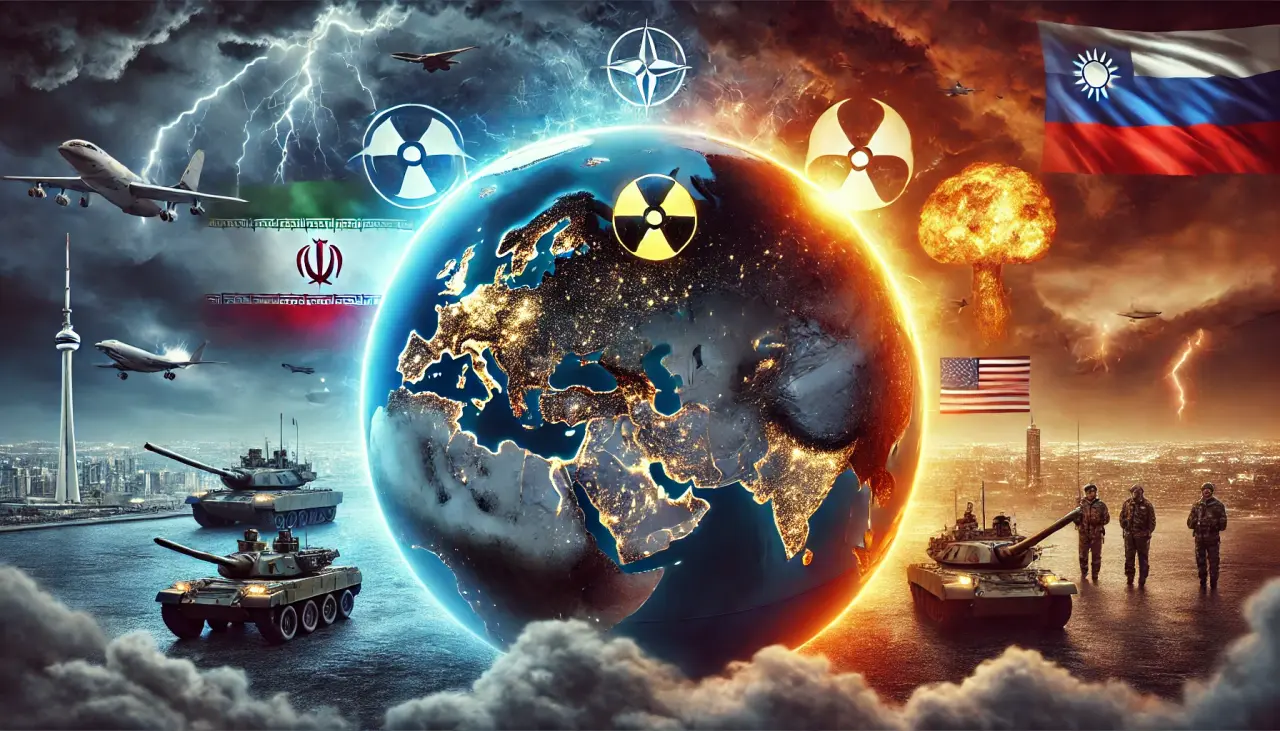
Calculating the probability of nuclear war in Europe, the Middle East, and Taiwan involves analyzing geopolitical, military, and historical factors. Here’s a detailed breakdown:
Europe
Primary Risks: Ongoing Russia-Ukraine war. Escalation could involve NATO directly.
Likelihood: Medium-high. Russia’s doctrine allows nuclear use if its sovereignty is threatened. NATO involvement heightens the risk, but strong deterrence policies mitigate chances.
Estimation: ~20–30% for a nuclear exchange within 5 years, considering current tensions and proxy conflicts.
Middle East
Primary Risks: Iran’s nuclear ambitions, Israel’s preventative measures, instability in Gaza, and U.S. involvement.
Likelihood: Medium. Regional conflicts rarely escalate to nuclear war, but an Iranian-Israeli conflict could break this trend.
Estimation: ~10–15%, factoring in covert diplomacy and military interventions.
Taiwan
Primary Risks: China’s ambitions for reunification and potential U.S. intervention.
Likelihood: Low-medium. Conventional conflict is more likely than nuclear, but escalation involving U.S. allies like Japan could introduce nuclear threats.
Estimation: ~5–10%, relying on strategic ambiguity as a stabilizing factor.
These probabilities are not definitive but provide a framework based on current trends. Reducing risks requires sustained diplomacy and strengthened international safeguards.
Annie Jacobsen’s book Nuclear War: A Scenario delves into the chilling possibility of a global nuclear conflict, framed through meticulous research and dramatized narrative. Drawing from historical events, military exercises, and interviews with experts, Jacobsen crafts a fictionalized yet plausible account of nuclear escalation. Her work serves as a stark reminder of the fragile balance of power and the catastrophic consequences of nuclear miscalculation.
Key Themes of the Book
Historical Context and Near Misses: Jacobsen explores real-world incidents like the 1983 Soviet false alarm incident involving Stanislav Petrov. This event exemplifies how individual decisions can avert catastrophe in a world primed for nuclear retaliation.
Proud Prophet War Games: The book draws heavily on the declassified Proud Prophet exercises from 1983, which demonstrated that even limited nuclear strikes invariably escalate to full-scale nuclear armageddon.
Technological and Policy Risks: Jacobsen critiques the “launch on warning” policy, which mandates immediate retaliation upon detection of incoming missiles. This doctrine increases the risk of accidental nuclear war, especially with outdated systems like Russia’s early warning infrastructure.
Geopolitical Complexity: The narrative examines how alliances, misunderstandings, and technological limitations could lead to uncontrollable escalation. Jacobsen highlights North Korea as a focal point for triggering such conflicts.
Reality vs. Fiction
While Jacobsen’s scenario is fictional, it resonates with contemporary geopolitics:
Current Tensions: The dynamics between NATO, Russia, and China mirror the high-stakes environment described in the book. Escalation in regions like Ukraine or Taiwan could ignite global conflict.
Nuclear Proliferation: Despite arms reduction efforts, the world retains around 12,500 nuclear warheads. Emerging technologies like hypersonic missiles and AI-driven defense systems introduce new risks.
Communication and Diplomacy: Jacobsen emphasizes dialogue as a critical tool to prevent disaster, citing historical examples like Ronald Reagan’s shift toward arms reduction after viewing The Day After.
Comparison with Reality
Jacobsen’s warnings align with modern challenges:
Best-Case Scenario: Sustained diplomatic efforts and arms control agreements could mitigate risks.
Middle Scenario: Localized conflicts escalate tensions but avoid full-scale war.
Worst-Case Scenario: Miscommunication or technological failures lead to nuclear retaliation and global devastation.
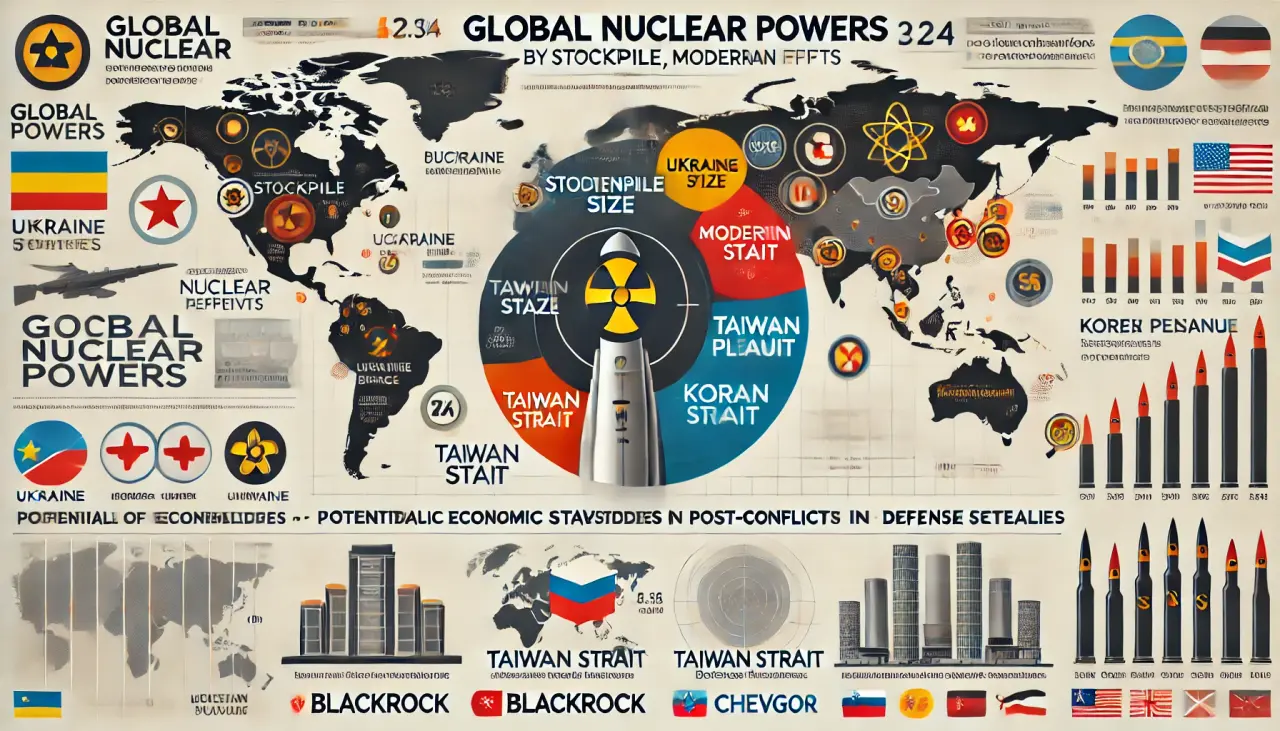
#### Regional Analysis: Textual Breakdown
1. Ukraine: Nexus of Global Tensions – Current Conflict: Russia’s invasion and NATO’s extensive support to Ukraine have created a prolonged stalemate. – Key Players: – BlackRock: Planning Ukraine’s reconstruction through private equity and loans. – Chevron: Targeting Ukraine’s shale gas reserves. – Potential Outcome: – Best Case: Negotiated peace with economic rebuilding. – Worst Case: Prolonged conflict leading to broader NATO-Russia confrontation.
2. Taiwan Strait: U.S.-China Showdown – Rising Threats: – Increased U.S. military presence and arms sales to Taiwan. – China’s military drills hint at potential conflict scenarios. – Economic Implications: Disruption of Taiwan’s semiconductor industry would destabilize global tech supply chains. – Potential Outcome: – Best Case: Peaceful status quo maintained through dialogue. – Worst Case: U.S.-China war, pulling regional allies into conflict.
3. Korean Peninsula: The Forgotten Flashpoint – North Korea’s Advances: Accelerated missile tests and nuclear capability expansion. – U.S.-South Korea Alliance: Joint military exercises and defense upgrades. – Potential Outcome: – Best Case: Diplomatic engagement with denuclearization incentives. – Worst Case: Regional war with global economic repercussions.
Conclusion
Jacobsen’s work is both a cautionary tale and a call to action, urging global leaders and the public to prioritize dialogue and de-escalation. Her book bridges the gap between academic analysis and public awareness, making the unthinkable a topic of urgent discussion.


 🛑 Bernd Pulch | NAZI & STASI HUNTER | CORRUPTION & ARISTOTLE AI BI