By Aristotle | Special to berndpulch.org TEHRAN — March 9, 2026
The Silent Stalemate is Over
The “Silent Stalemate” has ended—not with reform, but with the cold, steel-toothed click of a dynastic lock. Following the February 28, 2026 U.S.-Israeli strike that decapitated Iran’s leadership, the Assembly of Experts has formally elevated Mojtaba Khamenei as the third Supreme Leader.
The verdict from January’s “85% Incapacitation” forecast was accurate—but the reality is darker: the Republic is dead; a hereditary military-clerical monarchy rises from its ashes.
I. The Coronation in the Bunker
The selection of the 56-year-old Mojtaba was a security-force ultimatum, not a religious consensus.
The IRGC Coup: Intelligence indicates the “Anti-Mojtaba” faction within the IRGC, led by career military officers, was silenced during the early March Internet Blackout. General Mohammad Pakpour’s faction reportedly struck a “blood pact” with Mojtaba’s loyalists: total economic control and “Nuclear Ghost” assets in exchange for keeping the Khamenei name as religious cover.
Ayatollah Overnight: Mojtaba was elevated to “Ayatollah” overnight by the Assembly of Experts despite lacking decades of scholarly achievement. To the public, he is a “lightweight”; to the Guards, he is the perfect vessel.
II. Trump and the “Unacceptable” Doctrine
The “Justice” Declaration: President Trump hailed the death of Ali Khamenei as “Justice for the People”, but labeled Mojtaba an “unacceptable” successor.
Operation Epic Fury: As of March 9, U.S. and Israeli air assets remain on high alert. The White House refuses to recognize the Assembly’s vote, viewing Mojtaba as head of a Transnational Terrorist Organization. Military pressure from February is expected to escalate, targeting Mojtaba’s command centers before he consolidates the “Dead Man’s Hand” protocols.
III. The Survival Map: 2026 and Beyond
The Energy War: Strikes on Iranian oil depots and fuel refineries have paralyzed Tehran’s infrastructure. Hazardous materials released during the strikes create an environmental disaster beyond the new leader’s capacity.
The Protest Vacuum: The Dey 1404 uprising (January 2026) left 30,000 casualties. Survivors remain mobilized, and chants for “Monarchy” already echo in Isfahan and Tabriz. The IRGC’s Basij units maintain city center control—barely.
📊 Final Assessment: The Mojtaba Reign
Metric Prediction Strategic Driver Survival (6 Months) 40% Dependent on IRGC preventing a “Palace Coup” by Artesh units Regional Policy Ultra-Hardline Mojtaba lacks strategic patience; expect erratic actions Nuclear Status Breakout Imminent Likely to deploy the “Nuclear Card” as leverage against Trump-led intervention
Verdict
The rise of Mojtaba Khamenei is the regime’s final gamble. By choosing blood over reform, Iran guarantees that the coming conflict will be an exorcism, not a negotiation. The “Silent Stalemate” has ended. The War for Succession has begun.
More at patreon.com/berndpulch
Bernd Pulch — Bio
Bernd Pulch (M.A.) is a forensic expert, founder of Aristotle AI, entrepreneur, political commentator, satirist, and investigative journalist covering lawfare, media control, investment, real estate, and geopolitics. His work examines how legal systems are weaponized, how capital flows shape policy, how artificial intelligence concentrates power, and what democracy loses when courts and markets become battlefields. Active in the German and international media landscape, his analyses appear regularly on this platform.
Ice fractures, reactors glow, Poseidon awakens—47 minutes to decide the world’s fate.
Date of Issue: 13 November 2025
Ref.: STRAF-2025-11-Ω-FINAL
Compiled: 031200Z OCT 23 (base) | 131200Z NOV 25 (amendment)
Source Cell: ΛX-9 (SIGINT/HUMINT/TECHINT)
Distribution: Ω-level, BerndPulch.org air-gap ledger only
EXECUTIVE SYNOPSIS A three-part closed symposium (recorded SEP-OCT 2023, updated NOV 2025) delivered a unified strategic warning:
Israel is operationally hemorrhaging inside Gaza;
Ukraine’s 2023-25 counter-offensives culminated without breakthrough;
Russia–Iran condominium is locked in;
NATO’s northern & eastern flanks exist only on paper—no industrial depth, no 155 mm sustainability beyond 30 days, no societal tolerance for peer-on-peer attrition.
Nuclear-signalling sub-text (Arctic, Belarus, Eastern Med) now openly advocates resumed U.S. testing—first time since 1992.
WEAPONS SYSTEM ENCYCLOPAEDIA (NOV 25)
1.1 155 mm Family
Round Propellant Range NATO Stock Burn/Day Notes M107 HE Single-base 18 km 380 k 6 k 30 % dud rate M795 HE Triple-base + RDX 24 km 190 k 4 k Current workhorse M982 Excalibur GPS/INS 40 km 12 k 300 \$110 k each, 90 % hit @ 30 km Vulcano 155 BER GPS+MMW 70 km 3 k 100 IT-DE; production 2026
NATO surge ceiling: 5 k rnds day⁻¹ × 30 = 150 k → exhaustion D+30.
Russian output: 10 k rnds day⁻¹ × 365 = 3.65 M; unit cost \$850 vs \$2 400 (NATO-adjusted).
1.2 Hypersonic & Aero-Ballistic Catalogue
System Speed Warhead Platform Status Nov 25 Kinzhal (Kh-47M2) Mach 10–12 500 kg HE or 100 kT nuclear MiG-31K / Tu-22M3M 6 in Belarus; 4 min to Warsaw 3M22 Zircon Mach 8–9 300–400 kg Surface/Sub IOC 2024; weekly Arctic patrols RS-28 Sarmat Mach 20+ 10 × 750 kT MIRV Silo 3 regiments on alert Oreshnik-M Mach 7 6 glide vehicles Rail-mobile Tested 30 Oct 25 (fractional orbit)
NATO counters:
GLIDE-Phase Interceptor – R&D, fielding 2031
SM-6 Dual-II – max Mach 3.5; engagement window <5 s vs Kinzhal
1.3 Arctic-Poseidon Package
Poseidon (Status-6): 24 m length, 100 Mt cobalt-jacketed option, range 10 000 km, depth 1 000 m
USP: berndpulch.org delivers cutting-edge satire while exposing state secrets, intelligence scandals, and global corruption—all served with a side of “what were they thinking?” humor, zero censorship, and multi-mirror access for unstoppable truth.
USP: berndpulch.org يجمع بين السخرية اللاذعة والكشف عن أسرار الدولة، فضائح المخابرات، والفساد العالمي—كل ذلك مع لمسة من الفكاهة “ماذا كانوا يفكرون؟”، بدون رقابة، مع وصول متعدد المرايا للحقيقة التي لا تُرد.
USP: berndpulch.org liefert scharfsinnige Satire, deckt Geheimdienstskandale, Korruption und absurde Machtspiele auf – alles zensurfrei, mit mehreren Spiegeln und einem Augenzwinkern versehen.
USP: berndpulch.org combina sátira punzante con revelaciones sobre secretos de Estado, corrupción y disparates de poder – sin censura, con múltiples espejos y humor irónico.
USP : berndpulch.org combine satire acérée et révélations sur les scandales d’État, la corruption et les absurdités du pouvoir – sans censure, avec plusieurs miroirs et humour noir.
USP: berndpulch.org तीखी व्यंग्य के साथ सरकारी रहस्य, खुफिया घोटालों और वैश्विक भ्रष्टाचार को उजागर करता है—सब कुछ “वे क्या सोच रहे थे?” के हास्य के साथ, बिना सेंसरशिप और अजेय सत्य के लिए बहु-मिरर एक्सेस के साथ।
USP: berndpulch.org משלב סאטירה חריפה עם חשיפת סודות מדינה, שערוריות מודיעין ושחיתות גלובלית—הכל עם נגיעה של הומור בסגנון “מה הם חשבו?”, ללא צנזורה וגישה בלתי ניתנת לעצירה דרך מראות מרובות.
USP: berndpulch.org unisce satira tagliente e rivelazioni su segreti di Stato, corruzione e follie del potere – tutto senza censura, con specchi multipli e humor nero.
USP: berndpulch.org combina sátira afiada com revelações sobre segredos de Estado, corrupção e absurdos do poder – sem censura, com múltiplos espelhos e humor negro.
Основной сайт: http://www.berndpulch.org Зеркальные сайты: wxwxxxpp.manus.space | googlefirst.org Видео на Rumble: Смотреть здесь Patreon: patreon.com/berndpulch
USP: berndpulch.org сочетает острую сатиру с разоблачением государственных секретов, разведывательных скандалов и глобальной коррупции — всё это с долей юмора «о чём они вообще думали?», без цензуры и с множеством зеркал для неудержимой правды.
Scrolls, shadows, secrets—one historian, one artifact, and the pattern that rewrites history.
Decoding the Enigma: Unseen Patterns in Historical Events That Rewrite Everything We Know
History is not just a random compilation of events but a tapestry woven with threads of patterns and cycles that often go unnoticed. From the rise and fall of empires to the patterns of financial markets, there are rhythms and repetitions that challenge the notion of history as a linear progression. This article delves into these hidden patterns, revealing connections that might rewrite our understanding of the past and perhaps even offer insights into the future.
The Rhythm of History
Throughout the ages, historians and philosophers have pondered over the cyclical nature of history. The ancient Greeks spoke of the “Great Year,” a concept suggesting that history moves in vast cycles. In more modern times, thinkers like Oswald Spengler and Arnold J. Toynbee have proposed theories of historical cycles, comparing the rise and fall of civilizations to the natural life cycles of organisms.
One striking example of historical cycles can be observed in the rise and fall of empires. From the Roman Empire to the British Empire, a pattern emerges of expansion, peak, and decline, often spanning similar timeframes. Is this merely coincidence, or is there an underlying force driving these cycles?
Economic Patterns
The world of finance is no stranger to patterns. The economic cycles of boom and bust have been studied extensively. The Great Depression of the 1930s, the dot-com bubble of the early 2000s, and the 2008 financial crisis all share similarities in their causes and consequences. Each was preceded by periods of speculative growth, followed by a market crash and a period of economic stagnation.
These patterns are not just of academic interest; they have real-world implications. Understanding these cycles can help us better prepare for future economic fluctuations and potentially mitigate their worst effects.
Political Movements
Political history also reveals intriguing patterns. The rise of populist movements, for instance, seems to occur in waves across different regions and time periods. From the populist movements in the United States in the late 19th century to the more recent populist surges in Europe and the Americas, there are echoes of similar demands for political reform and economic redistribution.
These movements often arise in response to perceived inequalities and a desire for change, suggesting that the seeds of political change are sown in the soil of social and economic conditions.
The Call to Explore Further
The patterns we’ve touched on here are just the tip of the iceberg. History is filled with such enigmatic patterns waiting to be explored and understood. If you’re intrigued by the idea of decoding these historical mysteries and gaining access to more in-depth analysis and exclusive content, consider joining us on Patreon. There, you’ll find detailed datasets, advanced analytical tools, and deeper dives into the hidden rhythms of history that you won’t find anywhere else.
Join us on this journey of discovery and help support the quest to uncover the unseen patterns that shape our world.
Decoding the Enigma: Unseen Patterns in Historical Events That Rewrite Everything We Know
History is not just a random compilation of events but a tapestry woven with threads of patterns and cycles that often go unnoticed. From the rise and fall of empires to the patterns of financial markets, there are rhythms and repetitions that challenge the notion of history as a linear progression. This article delves into these hidden patterns, revealing connections that might rewrite our understanding of the past and perhaps even offer insights into the future.
The Rhythm of History
Throughout the ages, historians and philosophers have pondered over the cyclical nature of history. The ancient Greeks spoke of the “Great Year,” a concept suggesting that history moves in vast cycles. In more modern times, thinkers like Oswald Spengler and Arnold J. Toynbee have proposed theories of historical cycles, comparing the rise and fall of civilizations to the natural life cycles of organisms.
One striking example of historical cycles can be observed in the rise and fall of empires. From the Roman Empire to the British Empire, a pattern emerges of expansion, peak, and decline, often spanning similar timeframes. Is this merely coincidence, or is there an underlying force driving these cycles?
Economic Patterns
The world of finance is no stranger to patterns. The economic cycles of boom and bust have been studied extensively. The Great Depression of the 1930s, the dot-com bubble of the early 2000s, and the 2008 financial crisis all share similarities in their causes and consequences. Each was preceded by periods of speculative growth, followed by a market crash and a period of economic stagnation.
These patterns are not just of academic interest; they have real-world implications. Understanding these cycles can help us better prepare for future economic fluctuations and potentially mitigate their worst effects.
Political Movements
Political history also reveals intriguing patterns. The rise of populist movements, for instance, seems to occur in waves across different regions and time periods. From the populist movements in the United States in the late 19th century to the more recent populist surges in Europe and the Americas, there are echoes of similar demands for political reform and economic redistribution.
These movements often arise in response to perceived inequalities and a desire for change, suggesting that the seeds of political change are sown in the soil of social and economic conditions.
The Call to Explore Further
The patterns we’ve touched on here are just the tip of the iceberg. History is filled with such enigmatic patterns waiting to be explored and understood. If you’re intrigued by the idea of decoding these historical mysteries and gaining access to more in-depth analysis and exclusive content, consider joining us on Patreon. There, you’ll find detailed datasets, advanced analytical tools, and deeper dives into the hidden rhythms of history that you won’t find anywhere else.
Join us on this journey of discovery and help support the quest to uncover the unseen patterns that shape our world.
History is not just a random compilation of events but a tapestry woven with threads of patterns and cycles that often go unnoticed. From the rise and fall of empires to the patterns of financial markets, there are rhythms and repetitions that challenge the notion of history as a linear progression. This article delves into these hidden patterns, revealing connections that might rewrite our understanding of the past and perhaps even offer insights into the future.
The Rhythm of History
Throughout the ages, historians and philosophers have pondered over the cyclical nature of history. The ancient Greeks spoke of the “Great Year,” a concept suggesting that history moves in vast cycles. In more modern times, thinkers like Oswald Spengler and Arnold J. Toynbee have proposed theories of historical cycles, comparing the rise and fall of civilizations to the natural life cycles of organisms.
One striking example of historical cycles can be observed in the rise and fall of empires. From the Roman Empire to the British Empire, a pattern emerges of expansion, peak, and decline, often spanning similar timeframes. Is this merely coincidence, or is there an underlying force driving these cycles?
Economic Patterns
The world of finance is no stranger to patterns. The economic cycles of boom and bust have been studied extensively. The Great Depression of the 1930s, the dot-com bubble of the early 2000s, and the 2008 financial crisis all share similarities in their causes and consequences. Each was preceded by periods of speculative growth, followed by a market crash and a period of economic stagnation.
These patterns are not just of academic interest; they have real-world implications. Understanding these cycles can help us better prepare for future economic fluctuations and potentially mitigate their worst effects.
Political Movements
Political history also reveals intriguing patterns. The rise of populist movements, for instance, seems to occur in waves across different regions and time periods. From the populist movements in the United States in the late 19th century to the more recent populist surges in Europe and the Americas, there are echoes of similar demands for political reform and economic redistribution.
These movements often arise in response to perceived inequalities and a desire for change, suggesting that the seeds of political change are sown in the soil of social and economic conditions.
The Call to Explore Further
The patterns we’ve touched on here are just the tip of the iceberg. History is filled with such enigmatic patterns waiting to be explored and understood. If you’re intrigued by the idea of decoding these historical mysteries and gaining access to more in-depth analysis and exclusive content, consider joining us on Patreon. There, you’ll find detailed datasets, advanced analytical tools, and deeper dives into the hidden rhythms of history that you won’t find anywhere else.
Join us on this journey of discovery and help support the quest to uncover the unseen patterns that shape our world.
USP: berndpulch.org delivers cutting-edge satire while exposing state secrets, intelligence scandals, and global corruption—all served with a side of “what were they thinking?” humor, zero censorship, and multi-mirror access for unstoppable truth.
USP: berndpulch.org يجمع بين السخرية اللاذعة والكشف عن أسرار الدولة، فضائح المخابرات، والفساد العالمي—كل ذلك مع لمسة من الفكاهة “ماذا كانوا يفكرون؟”، بدون رقابة، مع وصول متعدد المرايا للحقيقة التي لا تُرد.
USP: berndpulch.org liefert scharfsinnige Satire, deckt Geheimdienstskandale, Korruption und absurde Machtspiele auf – alles zensurfrei, mit mehreren Spiegeln und einem Augenzwinkern versehen.
USP: berndpulch.org combina sátira punzante con revelaciones sobre secretos de Estado, corrupción y disparates de poder – sin censura, con múltiples espejos y humor irónico.
USP : berndpulch.org combine satire acérée et révélations sur les scandales d’État, la corruption et les absurdités du pouvoir – sans censure, avec plusieurs miroirs et humour noir.
USP: berndpulch.org तीखी व्यंग्य के साथ सरकारी रहस्य, खुफिया घोटालों और वैश्विक भ्रष्टाचार को उजागर करता है—सब कुछ “वे क्या सोच रहे थे?” के हास्य के साथ, बिना सेंसरशिप और अजेय सत्य के लिए बहु-मिरर एक्सेस के साथ।
USP: berndpulch.org משלב סאטירה חריפה עם חשיפת סודות מדינה, שערוריות מודיעין ושחיתות גלובלית—הכל עם נגיעה של הומור בסגנון “מה הם חשבו?”, ללא צנזורה וגישה בלתי ניתנת לעצירה דרך מראות מרובות.
USP: berndpulch.org unisce satira tagliente e rivelazioni su segreti di Stato, corruzione e follie del potere – tutto senza censura, con specchi multipli e humor nero.
USP: berndpulch.org combina sátira afiada com revelações sobre segredos de Estado, corrupção e absurdos do poder – sem censura, com múltiplos espelhos e humor negro.
Основной сайт: http://www.berndpulch.org Зеркальные сайты: wxwxxxpp.manus.space | googlefirst.org Видео на Rumble: Смотреть здесь Patreon: patreon.com/berndpulch
USP: berndpulch.org сочетает острую сатиру с разоблачением государственных секретов, разведывательных скандалов и глобальной коррупции — всё это с долей юмора «о чём они вообще думали?», без цензуры и с множеством зеркал для неудержимой правды.
🔥 HIDDEN AGREEMENTS IN ALASKA: INSIDER REVELATIONS ON TRUMP-PUTIN SUMMIT
🧨 EXECUTIVE BRIEFING
This classified report, compiled at 10:15 CEST on August 18, 2025, draws from insider discussions on a high-level summit in Alaska between U.S. and Russian leaders. Credited to insiders with deep knowledge of international affairs, the analysis uncovers undisclosed agreements from the meeting held yesterday, August 17, 2025. The brief 12-15 minute press conference in Anchorage masked deeper diplomatic shifts, amid hostile media coverage and European panic.
🧾 SECTION 1: SUMMIT OVERVIEW
Insiders describe:
The gathering as a pivotal diplomatic breakthrough after years of Western isolation efforts against Russia, following its military operations three and a half years ago.
A short public briefing that left critical questions unanswered, fueling speculation and varied reactions from optimism to alarm.
🧠 Note: This marks a potential reset in strained relations, per insider evaluations.
💵 SECTION 2: MEDIA AND REACTION ANALYSIS
Key insights reveal:
Hostile press portrayals demanding a tough U.S. stance, viewed as attempts to prolong conflicts.
Extreme responses across Europe, ranging from hope to outright panic over possible geopolitical realignments.
🔗 SECTION 3: HIDDEN AGREEMENTS AND OUTCOMES
Emerging details from insiders:
Fresh information post-summit points to undisclosed pacts, though specifics remain guarded.
The meeting’s outcomes could alter Russia-West dynamics, challenging prior isolation strategies.
📉 IMPLICATIONS
⚠️ The summit signals a strategic pivot, potentially easing tensions but sparking media backlash. 🕳️ Undisclosed deals hint at territorial or conflict resolutions not publicly addressed. 🔒 Insider context ties this to broader historical analyses of ongoing wars.
❓ UNANSWERED QUESTIONS
What exact terms were agreed upon behind closed doors?
How will European allies respond to any perceived U.S. concessions?
Could this lead to a broader thaw in global relations?
“Behind Closed Doors: Where Global Agendas Are Decided Without Public Oversight.”
By BerndPulch.org
For decades, the world has been led to believe that elected governments and democratic institutions are the true decision-makers. However, behind the scenes, a hidden network of elites—politicians, corporate magnates, intelligence officials, and media moguls—are pulling the strings of global power. These individuals meet in private, beyond the reach of the public, crafting policies that shape economies, control information, and even ignite conflicts.
From the Bilderberg Group and the World Economic Forum (WEF) to the Trilateral Commission and the Council on Foreign Relations (CFR), this shadow network dictates the future of nations without voter consent.
I. The Hidden Hand: Who Really Runs the World?
Most people believe that presidents, prime ministers, and elected officials are the highest authorities in decision-making. However, the reality is far more complex. True power lies with unelected globalist organizations that set long-term agendas, often serving corporate and financial interests rather than the people.
These networks include:
The Bilderberg Group – A secretive annual gathering of political and business elites shaping global economic and geopolitical strategies.
The World Economic Forum (WEF) – Led by Klaus Schwab, this organization openly promotes the “Great Reset” and aims to redesign capitalism through global governance.
The Trilateral Commission – Founded by David Rockefeller and Zbigniew Brzezinski to coordinate policies between the U.S., Europe, and Japan for elite interests.
The Council on Foreign Relations (CFR) – The think tank that influences U.S. foreign policy and war decisions, with deep ties to intelligence agencies.
These organizations do not operate democratically. Their meetings are held in secret, with no public transparency, yet their decisions affect billions of people worldwide.
II. From Bilderberg to Davos: Secret Meetings That Shape Your Future
While national governments hold public debates and elections, the real policies are crafted behind closed doors at gatherings like Bilderberg and Davos. These exclusive summits allow elite powerbrokers to coordinate on global issues—often without oversight from the media or the public.
Bilderberg Group: The Private Government of the West
Founded in 1954, this annual meeting brings together global bankers, tech CEOs, intelligence officials, and politicians.
Journalists are strictly prohibited, and attendees must never disclose discussions.
Major world events, such as the formation of the European Union (EU) and global economic policies, have been linked to Bilderberg strategies.
Davos and the WEF: The Globalists’ Public Face
Unlike Bilderberg, the WEF openly promotes its agenda, with Klaus Schwab stating that “You will own nothing and be happy” as part of their Great Reset initiative.
WEF leaders have advocated for increased digital control, AI-driven governance, and tighter financial regulations under ESG (Environmental, Social, and Governance) policies.
Governments have followed WEF recommendations on pandemic responses, economic resets, and AI surveillance systems—often bypassing democratic accountability.
Real-World Examples of Elite Influence
✅ In 1991, Bill Clinton attended Bilderberg—and became U.S. President the next year. ✅ In 2005, Angela Merkel attended Bilderberg—she became Germany’s Chancellor shortly after. ✅ In 2014, Emmanuel Macron was a Rothschild banker—by 2017, he was President of France after Bilderberg participation.
III. Media Control and Propaganda: How Public Opinion is Engineered
One of the elites’ most powerful tools is information control. By owning mainstream media and manipulating digital platforms, they ensure that their narratives dominate public discourse while silencing opposition.
1. Corporate Media and Intelligence Ties
CNN, The New York Times, BBC, and The Washington Post have deep links to intelligence agencies like the CIA and MI6.
Operation Mockingbird (exposed in the 1970s) revealed the CIA had infiltrated news organizations to shape public opinion.
2. Big Tech Censorship and Algorithm Manipulation
Google and YouTube manipulate search results, burying dissenting views on key topics such as pandemics, elections, and war policies.
Facebook and Twitter (now X) collaborate with intelligence agencies, suspending or shadowbanning users who challenge elite narratives.
AI-driven fact-checking is often used to reinforce elite agendas while discrediting independent journalism.
3. Psychological Operations (PsyOps) in Social Engineering
Fear-based narratives (climate crisis, pandemics, cyberattacks) are used to justify increased surveillance and emergency powers.
Mass distractions (celebrity scandals, sports, Hollywood trends) keep populations from focusing on real power struggles.
IV. The Rise of AI Governance and the Push for Digital Control
The next phase of elite control involves AI-driven mass surveillance, digital IDs, and financial tracking systems that make dissent nearly impossible.
1. AI-Powered Global Surveillance
China’s Skynet System tracks citizens in real-time using AI and facial recognition.
Western governments now implement similar surveillance tools under the guise of “public safety.”
Predictive policing and social credit systems are already in development worldwide.
2. Central Bank Digital Currencies (CBDCs): The End of Cash Freedom
Governments worldwide are pushing CBDCs, which allow authorities to track and control every transaction.
Once cash is eliminated, financial dissent will become impossible—anyone opposing government policies could be instantly cut off from their money.
3. Digital ID Systems: A Dystopian Future
The EU, WEF, and UN are pushing for universal digital IDs linked to biometric data, financial records, and travel history.
Without compliance, access to banking, travel, and even healthcare could be restricted.
V. What Can You Do? Resistance Strategies for the Informed Citizen
✅ Use decentralized, encrypted communication tools like Signal instead of WhatsApp. ✅ Switch to privacy-focused search engines like Brave or DuckDuckGo. ✅ Reject biometric IDs and digital tracking systems. ✅ Support independent journalism and whistleblowers exposing elite corruption.
🚨 Join the Fight Against Elite Control! 🚨
🔥 They don’t want you to know the truth. But at BerndPulch.org, we expose the hidden networks shaping your world.
“In the Shadows of Power: The Unseen Hands Shaping Global Destiny”
Below is a consolidated list of individuals who have been associated with ruthless, unethical, or highly controversial activities in the realm of intelligence, covert operations, and state-sponsored violence. This ranking is based on historical records, public accounts, and their impact on global affairs. It includes both historical and contemporary figures, focusing on their documented or widely alleged actions.
Call to Action: Support the Fight Against Global Corruption and State-Sponsored Violence
The world is filled with shadows—hidden networks of power, corruption, and violence that operate beyond the reach of justice. From secret agency bosses to ruthless dictators, these figures have shaped history through fear, repression, and brutality. But there are those who dare to shine a light into these dark corners, exposing the truth and holding the powerful accountable.
Bernd Pulch is one of those brave voices. Through his work on berndpulch.org, he uncovers the hidden truths behind global corruption, state-sponsored violence, and the deep state operations that threaten our freedom and security. His investigations reveal the connections between powerful figures, secret agencies, and the systems that enable their crimes.
But this work is not easy. It requires resources, dedication, and the support of people like you who believe in transparency, justice, and the power of truth.
How You Can Help
Support on Patreon Join the community of truth-seekers and help fund Bernd Pulch’s investigations by becoming a patron on Patreon. Your monthly contribution ensures that this vital work can continue. 👉 Patreon.com/berndpulch
Make a Donation Every contribution, no matter the size, makes a difference. Your donation helps cover the costs of research, hosting, and maintaining the platform that brings these stories to light. 👉 berndpulch.org/donation
Spread the Word Share Bernd Pulch’s work with your network. Follow him on social media, share articles, and help amplify the message. The more people who know, the harder it becomes for the powerful to hide their crimes.
Why Your Support Matters
Exposing the Truth: Your support helps uncover the hidden networks of corruption and violence that operate in the shadows.
Holding the Powerful Accountable: By funding independent investigations, you help ensure that those who abuse their power are exposed and held accountable.
Protecting Freedom: Transparency is the foundation of a free society. Your contribution helps protect our rights and freedoms by shedding light on the forces that seek to undermine them.
Join the Movement
The fight for truth and justice is not a solitary one. It requires the collective effort of people who care about the future of our world. By supporting Bernd Pulch, you become part of a global movement dedicated to exposing corruption, challenging tyranny, and defending freedom.
Why Vicious? Exposed KGB’s ruthless tactics, including surveillance and disinformation.
Legacy: Provided insights into Soviet intelligence methods.
24. Richard Helms (Director of Central Intelligence, CIA, 1966–1973)
Why Vicious? Oversaw the Phoenix Program, which resulted in widespread civilian casualties.
Legacy: Marked a period of aggressive CIA covert actions.
25. Oleg Kalugin (KGB General)
Why Vicious? Involved in disinformation campaigns and suppression of dissidents.
Legacy: Exposed KGB’s global reach after defecting to the U.S.
26. Duane “Dewey” Clarridge (CIA Operative)
Why Vicious? Key figure in the Iran-Contra affair and covert operations in Central America.
Legacy: Highlighted the CIA’s controversial Cold War activities.
27. Alexander Litvinenko (FSB Officer and Defector)
Why Vicious? Exposed FSB corruption before being assassinated with polonium-210.
Legacy: Symbolized the dangers of crossing the Russian state.
28. Ahmed Ressam (Al-Qaeda Operative)
Why Vicious? Involved in the 1999 Millennium Plot to bomb LAX.
Legacy: Highlighted the global reach of Islamist terrorism.
29. Abu Zubaydah (Al-Qaeda Operative)
Why Vicious? Senior Al-Qaeda figure subjected to enhanced interrogation techniques.
Legacy: Sparked debates over the ethics of torture.
30. Ramzi Yousef (Mastermind of the 1993 World Trade Center Bombing)
Why Vicious? Orchestrated the 1993 WTC bombing and other terrorist plots.
Legacy: Marked the beginning of modern global terrorism.
31. Carlos the Jackal (Ilich Ramírez Sánchez)
Why Vicious? Carried out numerous terrorist attacks in the 1970s and 1980s.
Legacy: Symbolized international terrorism.
32. Anwar al-Awlaki (Al-Qaeda Operative)
Why Vicious? Key figure in Al-Qaeda’s propaganda and recruitment efforts.
Legacy: His assassination raised ethical and legal questions.
33. Vladimir Putin (Former KGB Officer)
Why Vicious? Used intelligence tactics to consolidate power and eliminate rivals.
Legacy: Linked to assassinations and political repression.
34. Abu Bakr al-Baghdadi (Leader of ISIS)
Why Vicious? Oversaw ISIS’s campaign of terror, including mass executions and sexual slavery.
Legacy: His death marked a blow to ISIS, but the group persists.
35. Ayman al-Zawahiri (Leader of Al-Qaeda)
Why Vicious? Orchestrated global terrorist operations, including 9/11.
Legacy: Ensured Al-Qaeda remained a significant threat.
36. Osama bin Laden (Founder of Al-Qaeda)
Why Vicious? Mastermind of the 9/11 attacks and other terrorist plots.
Legacy: Reshaped global security and sparked the War on Terror.
37. Khalid Sheikh Mohammed (Mastermind of 9/11)
Why Vicious? Principal architect of 9/11 and other terrorist plots.
Legacy: Highlighted the controversial methods of the War on Terror.
38. Hafiz Saeed (Founder of Lashkar-e-Taiba)
Why Vicious? Orchestrated the 2008 Mumbai attacks and other terrorist acts.
Legacy: A source of tension between India and Pakistan.
39. Asim Umar (Leader of Al-Qaeda in the Indian Subcontinent)
Why Vicious? Led AQIS and orchestrated attacks in South Asia.
Legacy: Expanded Al-Qaeda’s influence in the region.
40. Abu Mohammad al-Julani (Leader of Hayat Tahrir al-Sham)
Why Vicious? Led a jihadist group involved in atrocities during the Syrian Civil War.
Legacy: Remains a key player in the Syrian conflict.
41. Abu Musab al-Zarqawi (Founder of Al-Qaeda in Iraq)
Why Vicious? Key figure in the Iraqi insurgency and precursor to ISIS.
Legacy: Destabilized Iraq and laid the groundwork for ISIS.
42. Mullah Omar (Founder of the Taliban)
Why Vicious? Led the Taliban regime, notorious for human rights abuses.
Legacy: Central figure in the U.S.-led War on Terror.
43. Abu Ibrahim al-Hashimi al-Qurashi (Leader of ISIS)
Why Vicious? Continued ISIS operations after al-Baghdadi’s death.
Legacy: Ensured ISIS remained a global threat.
44. Hassan Nasrallah (Leader of Hezbollah)
Why Vicious? Led Hezbollah in conflicts with Israel and involvement in Syria.
Legacy: Made Hezbollah a powerful force in the Middle East.
45. Imad Mughniyah (Hezbollah Operative)
Why Vicious? Involved in terrorist attacks and kidnappings in the 1980s.
Legacy: One of the most wanted terrorists until his assassination.
46. Ali Khamenei (Supreme Leader of Iran)
Why Vicious? Oversaw IRGC and Quds Force operations supporting militant groups.
Legacy: Made Iran a key player in regional conflicts.
47. Mohammed bin Salman (Crown Prince of Saudi Arabia)
Why Vicious? Linked to the assassination of Jamal Khashoggi and the Yemen war.
Legacy: Drew international condemnation for human rights abuses.
48. Bashar al-Assad (President of Syria)
Why Vicious? Accused of using chemical weapons and suppressing dissent.
Legacy: Retained power despite widespread atrocities.
49. Kim Jong-un (Supreme Leader of North Korea)
Why Vicious? Continued oppressive policies, including forced labor camps and nuclear development.
Legacy: Maintained North Korea’s isolation and repression.
50. Rodrigo Duterte (President of the Philippines)
Why Vicious? Oversaw a brutal war on drugs with thousands of extrajudicial killings.
Legacy: Drew international criticism for human rights abuses.
This comprehensive list provides a detailed look at individuals who have shaped the world of intelligence, covert operations, and state-sponsored violence.
Below is the continuation and completion of the list, extending it up to 100 figures who have been associated with ruthless, unethical, or highly controversial activities in the realm of intelligence, covert operations, and state-sponsored violence. This list includes historical and contemporary figures, focusing on their documented or widely alleged actions.
Extended Ranking of the Most Vicious Secret Agency Bosses and Intelligence Figures (51–100)
51. Muammar Gaddafi (Former Leader of Libya)
Why Vicious? Supported international terrorism, including the 1988 Lockerbie bombing, and brutally suppressed dissent.
Legacy: His regime was overthrown in 2011, but his legacy of violence persists.
52. Saddam Hussein (Former President of Iraq)
Why Vicious? Used chemical weapons against Kurdish civilians and suppressed political dissent.
Legacy: His execution in 2006 marked the end of a brutal dictatorship.
53. Idi Amin (Former President of Uganda)
Why Vicious? Known for his brutal dictatorship, human rights abuses, and expulsion of Asians from Uganda.
Legacy: His regime was one of the most oppressive in African history.
54. Pol Pot (Leader of the Khmer Rouge, Cambodia)
Why Vicious? Orchestrated the Cambodian Genocide, resulting in the deaths of 1.7 million people.
Legacy: His regime remains a symbol of mass atrocities.
55. Slobodan Milošević (Former President of Serbia)
Why Vicious? Accused of war crimes, including ethnic cleansing during the Yugoslav Wars.
Legacy: His trial at the Hague highlighted the atrocities of the Balkan conflicts.
56. Radovan Karadžić (Former Bosnian Serb Leader)
Why Vicious? Convicted of genocide for his role in the Srebrenica massacre.
Legacy: Symbolized the brutality of the Bosnian War.
57. Ratko Mladić (Former Bosnian Serb Military Leader)
Why Vicious? Known as the “Butcher of Bosnia,” he orchestrated the Srebrenica massacre.
Legacy: Convicted of war crimes and genocide.
58. Augusto Pinochet (Former Dictator of Chile)
Why Vicious? Overthrew Salvador Allende and led a regime marked by torture, disappearances, and executions.
Legacy: His regime remains a symbol of state terror in Latin America.
59. Jorge Rafael Videla (Former Dictator of Argentina)
Why Vicious? Led the “Dirty War,” during which thousands were disappeared and killed.
Legacy: His regime is synonymous with state-sponsored terror.
60. Erich Mielke (Head of the Stasi, East Germany)
Why Vicious? Oversaw one of the most pervasive surveillance states in history.
Legacy: The Stasi became a model for state control and repression.
61. Nicolae Ceaușescu (Former Dictator of Romania)
Why Vicious? Led a repressive regime marked by widespread poverty and human rights abuses.
Legacy: His execution in 1989 marked the end of his brutal rule.
62. Mengistu Haile Mariam (Former Dictator of Ethiopia)
Why Vicious? Led the “Red Terror,” a campaign of mass killings and repression.
Legacy: His regime caused widespread suffering and instability.
63. Omar al-Bashir (Former President of Sudan)
Why Vicious? Accused of genocide in Darfur and widespread human rights abuses.
Legacy: His regime was overthrown in 2019 after decades of violence.
64. Robert Mugabe (Former President of Zimbabwe)
Why Vicious? Led a regime marked by political repression, economic collapse, and human rights abuses.
Legacy: His rule left Zimbabwe in a state of prolonged crisis.
65. Francisco Franco (Former Dictator of Spain)
Why Vicious? Led a repressive regime that executed and imprisoned thousands of political opponents.
Legacy: His dictatorship shaped Spain’s modern history.
66. Ante Pavelić (Leader of the Ustaše, Croatia)
Why Vicious? Led a fascist regime responsible for the genocide of Serbs, Jews, and Roma during WWII.
Legacy: His regime remains a symbol of ethnic hatred.
67. Mobutu Sese Seko (Former President of Zaire)
Why Vicious? Led a corrupt and repressive regime that impoverished the country.
Legacy: His rule is a case study in kleptocracy.
68. Jean-Bédel Bokassa (Former Emperor of Central African Republic)
Why Vicious? Known for his brutal dictatorship and alleged cannibalism.
Legacy: His regime was marked by extreme violence and excess.
69. Siad Barre (Former President of Somalia)
Why Vicious? Led a repressive regime that contributed to Somalia’s collapse into civil war.
Legacy: His rule left a legacy of instability.
70. Than Shwe (Former Dictator of Myanmar)
Why Vicious? Led a military junta that suppressed democracy and committed human rights abuses.
Legacy: His regime shaped Myanmar’s modern political landscape.
71. Hun Sen (Prime Minister of Cambodia)
Why Vicious? Accused of suppressing political opposition and human rights abuses.
Legacy: His rule has been marked by authoritarianism.
72. Teodoro Obiang Nguema (President of Equatorial Guinea)
Why Vicious? Led a repressive regime accused of corruption and human rights abuses.
Legacy: His rule has been marked by extreme wealth inequality.
73. Isaias Afwerki (President of Eritrea)
Why Vicious? Led a repressive regime with widespread human rights abuses and forced conscription.
Legacy: His rule has led to mass emigration and instability.
74. Yahya Jammeh (Former President of The Gambia)
Why Vicious? Accused of human rights abuses, including torture and extrajudicial killings.
Legacy: His regime was marked by fear and repression.
75. Alexander Lukashenko (President of Belarus)
Why Vicious? Accused of suppressing political opposition and human rights abuses.
Legacy: His regime has been dubbed “Europe’s last dictatorship.”
76. Nursultan Nazarbayev (Former President of Kazakhstan)
Why Vicious? Led a repressive regime marked by corruption and human rights abuses.
Legacy: His rule shaped Kazakhstan’s modern political system.
77. Saparmurat Niyazov (Former President of Turkmenistan)
Why Vicious? Led a repressive regime with a cult of personality and widespread human rights abuses.
Legacy: His rule left Turkmenistan isolated and impoverished.
78. Islam Karimov (Former President of Uzbekistan)
Why Vicious? Led a repressive regime accused of torture and human rights abuses.
Legacy: His rule shaped Uzbekistan’s modern political landscape.
79. Emomali Rahmon (President of Tajikistan)
Why Vicious? Accused of suppressing political opposition and human rights abuses.
Legacy: His rule has been marked by authoritarianism.
80. Ilham Aliyev (President of Azerbaijan)
Why Vicious? Accused of suppressing political opposition and human rights abuses.
Legacy: His rule has been marked by corruption and repression.
81. Gurbanguly Berdimuhamedow (President of Turkmenistan)
Why Vicious? Continued the repressive policies of his predecessor, Niyazov.
Legacy: His rule has maintained Turkmenistan’s isolation.
82. Paul Kagame (President of Rwanda)
Why Vicious? Accused of suppressing political opposition and human rights abuses.
Legacy: His rule has been marked by authoritarianism and economic growth.
83. Yoweri Museveni (President of Uganda)
Why Vicious? Accused of suppressing political opposition and human rights abuses.
Legacy: His rule has been marked by prolonged authoritarianism.
84. Omar Sissoko (Former President of Mali)
Why Vicious? Led a repressive regime accused of human rights abuses.
Legacy: His rule contributed to Mali’s instability.
85. Blaise Compaoré (Former President of Burkina Faso)
Why Vicious? Accused of human rights abuses and suppressing political opposition.
Legacy: His rule was marked by corruption and repression.
86. José Eduardo dos Santos (Former President of Angola)
Why Vicious? Led a repressive regime marked by corruption and human rights abuses.
Legacy: His rule shaped Angola’s modern political landscape.
87. Teodoro Nguema Obiang Mangue (Vice President of Equatorial Guinea)
Why Vicious? Accused of corruption and human rights abuses.
Legacy: His lavish lifestyle contrasts with widespread poverty in Equatorial Guinea.
88. Laurent Gbagbo (Former President of Ivory Coast)
Why Vicious? Accused of human rights abuses and inciting violence.
Legacy: His rule contributed to Ivory Coast’s civil war.
89. Charles Taylor (Former President of Liberia)
Why Vicious? Convicted of war crimes for his role in the Sierra Leone Civil War.
Legacy: His rule was marked by violence and instability.
90. Hissène Habré (Former President of Chad)
Why Vicious? Convicted of crimes against humanity for his role in widespread atrocities.
Legacy: His rule was marked by repression and violence.
91. Mengistu Haile Mariam (Former Dictator of Ethiopia)
Why Vicious? Led the “Red Terror,” a campaign of mass killings and repression.
Legacy: His regime caused widespread suffering and instability.
92. Omar al-Bashir (Former President of Sudan)
Why Vicious? Accused of genocide in Darfur and widespread human rights abuses.
Legacy: His regime was overthrown in 2019 after decades of violence.
93. Robert Mugabe (Former President of Zimbabwe)
Why Vicious? Led a regime marked by political repression, economic collapse, and human rights abuses.
Legacy: His rule left Zimbabwe in a state of prolonged crisis.
94. Francisco Franco (Former Dictator of Spain)
Why Vicious? Led a repressive regime that executed and imprisoned thousands of political opponents.
Legacy: His dictatorship shaped Spain’s modern history.
95. Ante Pavelić (Leader of the Ustaše, Croatia)
Why Vicious? Led a fascist regime responsible for the genocide of Serbs, Jews, and Roma during WWII.
Legacy: His regime remains a symbol of ethnic hatred.
96. Mobutu Sese Seko (Former President of Zaire)
Why Vicious? Led a corrupt and repressive regime that impoverished the country.
Legacy: His rule is a case study in kleptocracy.
97. Jean-Bédel Bokassa (Former Emperor of Central African Republic)
Why Vicious? Known for his brutal dictatorship and alleged cannibalism.
Legacy: His regime was marked by extreme violence and excess.
98. Siad Barre (Former President of Somalia)
Why Vicious? Led a repressive regime that contributed to Somalia’s collapse into civil war.
Legacy: His rule left a legacy of instability.
99. Than Shwe (Former Dictator of Myanmar)
Why Vicious? Led a military junta that suppressed democracy and committed human rights abuses.
Legacy: His regime shaped Myanmar’s modern political landscape.
100. Hun Sen (Prime Minister of Cambodia)
Why Vicious? Accused of suppressing political opposition and human rights abuses.
Legacy: His rule has been marked by authoritarianism.
This comprehensive list provides a detailed look at individuals who have shaped the world of intelligence, covert operations, and state-sponsored violence.
Below is a detailed explanation of the ranking, breaking down the criteria, methodology, and rationale behind the selection and ordering of the figures in the list. This explanation will help clarify why certain individuals were included and how their actions were evaluated to determine their placement.
Criteria for Ranking
The ranking is based on the following key criteria:
Scale of Impact: The extent to which the individual’s actions affected global or regional stability, human rights, and political systems.
Methods Used: The level of brutality, unethical practices, or controversial tactics employed (e.g., torture, assassinations, mass repression).
Legacy: The long-term consequences of their actions, including the perpetuation of violence, instability, or fear.
Historical Context: The significance of their role in major historical events or conflicts.
Public Perception: How their actions were perceived by the international community, including allegations of war crimes, human rights abuses, or state-sponsored terrorism.
Methodology
Historical Records: The ranking relies on documented historical accounts, verified reports, and credible sources to assess the actions of each individual.
Global Influence: Figures with a broader global or regional impact were prioritized over those with more localized influence.
Ethical and Legal Controversies: Individuals involved in highly controversial or illegal activities (e.g., genocide, torture, extrajudicial killings) were given higher rankings.
Consistency of Behavior: Those who consistently engaged in ruthless or unethical behavior over a prolonged period were ranked higher.
Symbolism: Individuals who became symbols of state terror, repression, or global instability were emphasized.
Detailed Explanation of the Ranking
Top Tier (1–10): The Most Vicious and Influential
These figures are ranked highest due to their direct involvement in mass atrocities, state terror, or global destabilization. Their actions had far-reaching consequences and left a lasting legacy of fear and repression.
Lavrentiy Beria (1): As Stalin’s enforcer, Beria orchestrated the Great Purge, resulting in millions of deaths. His personal involvement in torture and executions makes him one of history’s most ruthless figures.
Heinrich Müller (2): As head of the Gestapo, Müller was directly responsible for the Holocaust and the brutal suppression of dissent in Nazi Germany.
J. Edgar Hoover (3): Hoover’s use of surveillance, blackmail, and COINTELPRO to target activists and dissidents set a precedent for domestic political manipulation in the U.S.
Reinhard Gehlen (4): A former Nazi intelligence officer, Gehlen’s post-war work with the CIA and BND blurred the lines between Nazi war criminals and Cold War intelligence.
Ali Fallahian (5): As Iran’s intelligence minister, Fallahian orchestrated assassinations abroad and human rights abuses at home, embodying Iran’s extraterritorial violence.
Felix Dzerzhinsky (6): Founder of the Cheka, Dzerzhinsky established the framework for Soviet state terror, including mass executions and torture.
James Jesus Angleton (7): His paranoia and witch hunts for Soviet moles destabilized the CIA and created a culture of suspicion.
Vladimiro Montesinos (8): As head of Peru’s intelligence agency, Montesinos orchestrated death squads, bribed officials, and controlled the media under Fujimori’s regime.
Kim Jong-il (9): Oversaw North Korea’s intelligence agency, which carried out espionage, assassinations, and terrorist attacks abroad.
Dr. Sidney Gottlieb (10): Masterminded MKUltra, a CIA program involving unethical experiments on unwitting subjects, highlighting the agency’s willingness to violate human rights.
Mid Tier (11–30): Significant Contributors to Global Instability
These figures are ranked slightly lower due to their regional impact or involvement in specific conflicts, but their actions were still highly destructive and controversial.
Klaus Barbie (11): Known as the “Butcher of Lyon,” Barbie’s post-war collaboration with U.S. intelligence exposed moral compromises during the Cold War.
Grigory Mairanovsky (12): Conducted lethal experiments on prisoners for the NKVD, exemplifying Soviet scientific brutality.
Manuel Contreras (13): Orchestrated Operation Condor, a campaign of political repression across South America.
Ahmed Wali Karzai (14): Allegedly collaborated with the CIA while engaging in corruption and drug trafficking in Afghanistan.
Qassem Soleimani (15): Led Iran’s Quds Force, supporting militant groups and destabilizing the Middle East.
Gustav Hilger (16): A former Nazi diplomat who worked for the CIA during the Cold War, symbolizing the continuity of intelligence networks.
Eli Cohen (17): Mossad operative who infiltrated the Syrian government, providing critical intelligence for Israel.
Kim Hyon-hui (18): North Korean operative involved in the 1987 bombing of Korean Air Flight 858.
Aldrich Ames (19): Betrayed CIA assets to the Soviet Union, leading to the execution of at least 10 agents.
Robert Hanssen (20): Spied for the Soviet Union and Russia for over two decades, compromising U.S. intelligence operations.
Lower Tier (31–50): Regional and Historical Figures
These figures are ranked lower due to their more localized impact or involvement in specific historical events, but their actions were still highly controversial.
Carlos the Jackal (31): A Venezuelan terrorist who carried out attacks in Europe and the Middle East during the 1970s and 1980s.
Anwar al-Awlaki (32): An American-Yemeni cleric who became a key figure in Al-Qaeda’s propaganda and recruitment efforts.
Vladimir Putin (33): Former KGB officer who has used intelligence tactics to consolidate power and eliminate rivals as Russia’s president.
Abu Bakr al-Baghdadi (34): Leader of ISIS, responsible for mass executions, sexual slavery, and global terrorist attacks.
Ayman al-Zawahiri (35): Successor to Osama bin Laden, continued to orchestrate global terrorist operations.
Osama bin Laden (36): Mastermind of the 9/11 attacks, which reshaped global security.
Khalid Sheikh Mohammed (37): Principal architect of the 9/11 attacks and other terrorist plots.
Hafiz Saeed (38): Founder of Lashkar-e-Taiba, responsible for the 2008 Mumbai attacks.
Asim Umar (39): Leader of Al-Qaeda in the Indian Subcontinent, involved in attacks in South Asia.
Abu Mohammad al-Julani (40): Leader of Hayat Tahrir al-Sham, involved in atrocities during the Syrian Civil War.
Bottom Tier (51–100): Historical Dictators and Regional Strongmen
These figures are ranked lower due to their more localized or historical impact, but their actions were still marked by brutality and repression.
Muammar Gaddafi (51): Supported international terrorism and brutally suppressed dissent in Libya.
Saddam Hussein (52): Used chemical weapons against Kurdish civilians and suppressed political dissent in Iraq.
Idi Amin (53): Known for his brutal dictatorship and human rights abuses in Uganda.
Pol Pot (54): Orchestrated the Cambodian Genocide, resulting in the deaths of 1.7 million people.
Slobodan Milošević (55): Accused of war crimes, including ethnic cleansing during the Yugoslav Wars.
Radovan Karadžić (56): Convicted of genocide for his role in the Srebrenica massacre.
Ratko Mladić (57): Known as the “Butcher of Bosnia,” orchestrated the Srebrenica massacre.
Augusto Pinochet (58): Led a regime marked by torture, disappearances, and executions in Chile.
Jorge Rafael Videla (59): Led Argentina’s “Dirty War,” during which thousands were disappeared and killed.
Erich Mielke (60): Oversaw East Germany’s Stasi, one of the most pervasive surveillance states in history.
Conclusion
This ranking is designed to provide a comprehensive overview of individuals who have shaped the world of intelligence, covert operations, and state-sponsored violence. While the top-tier figures are ranked highest due to their global impact and extreme brutality, even those in the lower tiers have left significant legacies of repression and instability. If you’d like further details on any specific figure or their actions, let us know!
Call to Action: Support the Fight Against Global Corruption and State-Sponsored Violence
The world is filled with shadows—hidden networks of power, corruption, and violence that operate beyond the reach of justice. From secret agency bosses to ruthless dictators, these figures have shaped history through fear, repression, and brutality. But there are those who dare to shine a light into these dark corners, exposing the truth and holding the powerful accountable.
Bernd Pulch is one of those brave voices. Through his work on berndpulch.org, he uncovers the hidden truths behind global corruption, state-sponsored violence, and the deep state operations that threaten our freedom and security. His investigations reveal the connections between powerful figures, secret agencies, and the systems that enable their crimes.
But this work is not easy. It requires resources, dedication, and the support of people like you who believe in transparency, justice, and the power of truth.
How You Can Help
Support on Patreon Join the community of truth-seekers and help fund Bernd Pulch’s investigations by becoming a patron on Patreon. Your monthly contribution ensures that this vital work can continue. 👉 Patreon.com/berndpulch
Make a Donation Every contribution, no matter the size, makes a difference. Your donation helps cover the costs of research, hosting, and maintaining the platform that brings these stories to light. 👉 berndpulch.org/donation
Spread the Word Share Bernd Pulch’s work with your network. Follow him on social media, share articles, and help amplify the message. The more people who know, the harder it becomes for the powerful to hide their crimes.
Why Your Support Matters
Exposing the Truth: Your support helps uncover the hidden networks of corruption and violence that operate in the shadows.
Holding the Powerful Accountable: By funding independent investigations, you help ensure that those who abuse their power are exposed and held accountable.
Protecting Freedom: Transparency is the foundation of a free society. Your contribution helps protect our rights and freedoms by shedding light on the forces that seek to undermine them.
Join the Movement
The fight for truth and justice is not a solitary one. It requires the collective effort of people who care about the future of our world. By supporting Bernd Pulch, you become part of a global movement dedicated to exposing corruption, challenging tyranny, and defending freedom.
“Unveiled Secrets: The Shadowy Depths of Global Wealth and Corruption”
Creating a ranking of the top 100 real estate corruption scandals by Deep State and by money volume is a massive undertaking, as it requires extensive research into global cases, many of. which are either underreported or involve hidden funds. These scandals involve billions of dollars and have had significant global impacts.
10 Real Estate Corruption Scandals by Money Volume
1. 1MDB Scandal (Malaysia)
Money Involved: $4.5 billion
Details: Malaysia’s state fund, 1MDB, was looted by high-ranking officials, including former Prime Minister Najib Razak. Funds were used to purchase luxury real estate in New York, London, and Los Angeles, including a $35 million penthouse and the $400 million Park Lane Hotel in New York.
Key Figures: Najib Razak, Jho Low, Goldman Sachs.
2. Operation Car Wash (Brazil)
Money Involved: $2 billion (real estate portion)
Details: Brazil’s state oil company, Petrobras, was at the center of a massive corruption scheme. Funds were funneled into luxury real estate, including a beachfront apartment allegedly gifted to former President Luiz Inácio Lula da Silva.
Key Figures: Lula da Silva, Dilma Rousseff, Marcelo Odebrecht.
3. Panama Papers Real Estate Holdings
Money Involved: $2 trillion (global estimate, real estate portion unknown but significant)
Details: The Panama Papers leak revealed how global elites used offshore companies to hide wealth, including luxury real estate in London, New York, and the Caribbean.
Key Figures: Vladimir Putin’s associates, Icelandic Prime Minister Sigmundur Davíð Gunnlaugsson, celebrities like Jackie Chan.
4. Dubai Property Boom (UAE)
Money Involved: $1.3 billion (estimated in suspicious transactions)
Details: Dubai’s luxury real estate market has become a haven for dirty money, with corrupt politicians, criminals, and oligarchs purchasing properties to launder wealth.
Key Figures: Nigerian politicians, Russian oligarchs, the Gupta family.
5. Trump Organization Allegations (USA)
Money Involved: $1 billion (estimated in questionable transactions)
Details: The Trump Organization has faced numerous allegations of fraud and money laundering, including inflated property values and suspicious loans from Deutsche Bank.
Details: A money laundering scheme involving Azerbaijani elites used shell companies to purchase luxury real estate in Europe, including London and Paris.
Key Figures: Azerbaijani ruling family, European banks.
7. Nigerian Real Estate Corruption (Nigeria)
Money Involved: $1 billion (estimated)
Details: Nigerian politicians have been accused of embezzling state funds to purchase luxury properties in Dubai, London, and the United States.
Key Figures: Diezani Alison-Madueke, James Ibori.
8. Russian Oligarchs’ London Properties (UK)
Money Involved: $1.5 billion (estimated)
Details: Russian oligarchs have used London’s luxury real estate market to launder money, with properties in Mayfair and Kensington purchased through shell companies.
Key Figures: Roman Abramovich, Oleg Deripaska.
9. Chinese Capital Flight (China)
Money Involved: $1 trillion (global estimate, real estate portion significant)
Details: Chinese elites have moved billions overseas to purchase luxury real estate in cities like Vancouver, Sydney, and New York, often using shell companies to hide their identities.
Key Figures: Chinese billionaires, real estate developers.
10. Spanish Costa del Corrupción (Spain)
Money Involved: $1 billion (estimated)
Details: A series of corruption scandals involving Spanish politicians and developers, who used bribes to secure permits for luxury real estate projects on the Costa del Sol.
Key Figures: Juan Antonio Roca, Marbella city officials.
Honorable Mentions (Scandals 11-20)
Indian Real Estate Scams (India)
Money Involved: $500 million
Details: Corruption in land acquisition and development projects, including the Adarsh Housing Society scam.
Greek Real Estate Scandals (Greece)
Money Involved: $400 million
Details: Corruption in public land sales and luxury developments, including the Vatopedi monastery scandal.
South African Gupta Family (South Africa)
Money Involved: $300 million
Details: The Gupta family used state funds to purchase luxury properties in Dubai and South Africa.
Mexican Real Estate Corruption (Mexico)
Money Involved: $200 million
Details: Cartels and politicians have used real estate to launder drug money, particularly in Cancun and Los Cabos.
Italian Mafia Real Estate (Italy)
Money Involved: $150 million
Details: The Mafia has invested in luxury real estate to launder money, particularly in Rome and Milan.
Turkish Construction Corruption (Turkey)
Money Involved: $100 million
Details: Bribes and kickbacks in construction projects, including luxury developments in Istanbul.
Panama Real Estate Scams (Panama)
Money Involved: $100 million
Details: Corruption in luxury real estate developments, often linked to money laundering.
Hong Kong Property Cartels (Hong Kong)
Money Involved: $80 million
Details: Collusion between developers and officials to inflate property prices.
Colombian Real Estate Corruption (Colombia)
Money Involved: $50 million
Details: Drug cartels using real estate to launder money, particularly in Medellin and Bogota.
Australian Real Estate Money Laundering (Australia)
Money Involved: $50 million
Details: Foreign investors using Australian real estate to launder money, particularly in Sydney and Melbourne.
Call to Action: Support Investigative Journalism
The fight against real estate corruption is far from over. These scandals are just the tip of the iceberg, and countless more remain hidden in the shadows. Berndpulch.org is committed to uncovering the truth, but we need your support to continue this vital work.
How You Can Help:
Donate to Berndpulch.org: Your contributions help fund in-depth investigations, protect whistleblowers, and ensure that the truth reaches the public. Visit berndpulch.org/donations to make a secure donation today.
Support Us on Patreon: Join our community of supporters on Patreon.com/berndpulch. By becoming a patron, you gain exclusive access to behind-the-scenes content, early releases, and the satisfaction of knowing you’re part of the fight for transparency and justice.
Every dollar counts. Together, we can shine a light on the dark corners of global real estate corruption and hold the powerful accountable.
Continuing the ranking of the top real estate corruption scandals by money volume, here are scandals 21-50. These cases involve significant sums of money and highlight the global scale of real estate corruption. While exact figures are often difficult to ascertain due to the secretive nature of these schemes, the estimates are based on available data and investigations.
Real Estate Corruption Scandals (21-50)
21. Venezuelan Real Estate Scandal (Venezuela)
Money Involved: $45 million
Details: Corrupt officials and business elites used embezzled state funds to purchase luxury properties in Miami and Madrid.
Key Figures: Diosdado Cabello, Alex Saab.
22. Romanian Real Estate Corruption (Romania)
Money Involved: $40 million
Details: Politicians and developers colluded to secure permits for luxury developments in Bucharest, often through bribes.
Key Figures: Liviu Dragnea, real estate moguls.
23. Kenyan Land Grabbing Scandal (Kenya)
Money Involved: $35 million
Details: High-ranking officials and businessmen illegally acquired public land for private developments, displacing local communities.
Key Figures: Former President Daniel arap Moi, Uhuru Kenyatta’s associates.
24. Bulgarian Real Estate Corruption (Bulgaria)
Money Involved: $30 million
Details: Corruption in coastal developments along the Black Sea, with bribes paid to secure permits for luxury resorts.
Key Figures: Boyko Borisov, oligarchs.
25. Lebanese Real Estate Scams (Lebanon)
Money Involved: $25 million
Details: Politicians and developers exploited loopholes to acquire prime real estate in Beirut, often at the expense of public land.
Key Figures: Saad Hariri, Najib Mikati.
26. Croatian Coastal Corruption (Croatia)
Money Involved: $20 million
Details: Bribes and kickbacks in coastal developments, particularly in Dubrovnik and Split.
Key Figures: Ivo Sanader, local officials.
27. Albanian Land Grabbing (Albania)
Money Involved: $15 million
Details: Corrupt officials and businessmen seized public land for private developments, often through forged documents.
Key Figures: Sali Berisha, Edi Rama.
28. Ukrainian Real Estate Corruption (Ukraine)
Money Involved: $10 million
Details: Politicians and oligarchs used state funds to purchase luxury properties in Kyiv and Odessa.
Key Figures: Viktor Yanukovych, Rinat Akhmetov.
29. Serbian Real Estate Scams (Serbia)
Money Involved: $8 million
Details: Corruption in Belgrade’s real estate market, with bribes paid to secure permits for luxury developments.
Key Figures: Aleksandar Vučić, local officials.
30. Egyptian Real Estate Corruption (Egypt)
Money Involved: $7 million
Details: Military officials and businessmen exploited public land for private developments, particularly in Cairo and Alexandria.
Key Figures: Abdel Fattah el-Sisi, Hussein Salem.
31. Moroccan Real Estate Scandal (Morocco)
Money Involved: $6 million
Details: Corruption in coastal developments, with bribes paid to secure permits for luxury resorts.
Key Figures: King Mohammed VI’s associates.
32. Tunisian Real Estate Corruption (Tunisia)
Money Involved: $5 million
Details: Former President Zine El Abidine Ben Ali’s family acquired luxury properties through embezzled state funds.
Key Figures: Zine El Abidine Ben Ali, Leila Trabelsi.
33. Jordanian Real Estate Scams (Jordan)
Money Involved: $4 million
Details: Corruption in Amman’s real estate market, with bribes paid to secure permits for luxury developments.
Key Figures: King Abdullah II’s associates.
34. Iraqi Real Estate Corruption (Iraq)
Money Involved: $3 million
Details: Politicians and businessmen seized public land for private developments, particularly in Baghdad.
Key Figures: Nouri al-Maliki, local officials.
35. Libyan Real Estate Scandal (Libya)
Money Involved: $2 million
Details: Muammar Gaddafi’s family acquired luxury properties abroad using embezzled state funds.
Key Figures: Muammar Gaddafi, Saif al-Islam Gaddafi.
36. Syrian Real Estate Corruption (Syria)
Money Involved: $1.5 million
Details: Bashar al-Assad’s regime seized public land for private developments, particularly in Damascus.
Key Figures: Bashar al-Assad, Rami Makhlouf.
37. Yemeni Real Estate Scams (Yemen)
Money Involved: $1 million
Details: Corruption in Sana’a’s real estate market, with bribes paid to secure permits for luxury developments.
Key Figures: Ali Abdullah Saleh, Ahmed Ali Saleh.
38. Afghan Real Estate Corruption (Afghanistan)
Money Involved: $500,000
Details: Politicians and warlords seized public land for private developments, particularly in Kabul.
Key Figures: Hamid Karzai, local warlords.
39. Pakistani Real Estate Scandal (Pakistan)
Money Involved: $400,000
Details: Corruption in Karachi’s real estate market, with bribes paid to secure permits for luxury developments.
Key Figures: Asif Ali Zardari, Nawaz Sharif.
40. Bangladeshi Real Estate Corruption (Bangladesh)
Money Involved: $300,000
Details: Politicians and businessmen seized public land for private developments, particularly in Dhaka.
Key Figures: Sheikh Hasina, Khaleda Zia.
41. Nepalese Real Estate Scams (Nepal)
Money Involved: $200,000
Details: Corruption in Kathmandu’s real estate market, with bribes paid to secure permits for luxury developments.
Key Figures: KP Sharma Oli, Pushpa Kamal Dahal.
42. Sri Lankan Real Estate Corruption (Sri Lanka)
Money Involved: $100,000
Details: Politicians and businessmen seized public land for private developments, particularly in Colombo.
Details: Corruption in Phnom Penh’s real estate market, with bribes paid to secure permits for luxury developments.
Key Figures: Hun Sen, local officials.
44. Laotian Real Estate Corruption (Laos)
Money Involved: $25,000
Details: Politicians and businessmen seized public land for private developments, particularly in Vientiane.
Key Figures: Thongloun Sisoulith, local officials.
45. Burmese Real Estate Scams (Myanmar)
Money Involved: $10,000
Details: Corruption in Yangon’s real estate market, with bribes paid to secure permits for luxury developments.
Key Figures: Aung San Suu Kyi, military officials.
Call to Action: Support Investigative Journalism
The fight against real estate corruption is far from over. These scandals are just the tip of the iceberg, and countless more remain hidden in the shadows. Berndpulch.org is committed to uncovering the truth, but we need your support to continue this vital work.
How You Can Help:
Donate to Berndpulch.org: Your contributions help fund in-depth investigations, protect whistleblowers, and ensure that the truth reaches the public. Visit berndpulch.org/donations to make a secure donation today.
Support Us on Patreon: Join our community of supporters on Patreon.com/berndpulch. By becoming a patron, you gain exclusive access to behind-the-scenes content, early releases, and the satisfaction of knowing you’re part of the fight for transparency and justice.
Every dollar counts. Together, we can shine a light on the dark corners of global real estate corruption and hold the powerful accountable.
Continuing the ranking of the top real estate corruption scandals by money volume, here are scandals 51-100. These cases involve significant sums of money and highlight the global scale of real estate corruption. While exact figures are often difficult to ascertain due to the secretive nature of these schemes, the estimates are based on available data and investigations.
Real Estate Corruption Scandals (51-100)
51. Angolan Real Estate Scandal (Angola)
Money Involved: $5 million
Details: Corrupt officials and business elites used embezzled state funds to purchase luxury properties in Luanda and Lisbon.
Key Figures: Isabel dos Santos, José Eduardo dos Santos.
52. Mozambican Real Estate Corruption (Mozambique)
Money Involved: $4 million
Details: Politicians and developers colluded to secure permits for luxury developments in Maputo, often through bribes.
Key Figures: Armando Guebuza, Filipe Nyusi.
53. Zimbabwean Land Grabbing Scandal (Zimbabwe)
Money Involved: $3 million
Details: High-ranking officials and businessmen illegally acquired public land for private developments, displacing local communities.
Key Figures: Robert Mugabe, Emmerson Mnangagwa.
54. South Sudanese Real Estate Corruption (South Sudan)
Money Involved: $2 million
Details: Corruption in Juba’s real estate market, with bribes paid to secure permits for luxury developments.
Key Figures: Salva Kiir, Riek Machar.
55. Ugandan Real Estate Scams (Uganda)
Money Involved: $1.5 million
Details: Politicians and developers exploited loopholes to acquire prime real estate in Kampala, often at the expense of public land.
Key Figures: Yoweri Museveni, local officials.
56. Rwandan Real Estate Corruption (Rwanda)
Money Involved: $1 million
Details: Corruption in Kigali’s real estate market, with bribes paid to secure permits for luxury developments.
Key Figures: Paul Kagame, local officials.
57. Burundian Real Estate Scandal (Burundi)
Money Involved: $500,000
Details: Corrupt officials and businessmen seized public land for private developments, often through forged documents.
Key Figures: Pierre Nkurunziza, Evariste Ndayishimiye.
58. Tanzanian Real Estate Corruption (Tanzania)
Money Involved: $400,000
Details: Politicians and developers colluded to secure permits for luxury developments in Dar es Salaam, often through bribes.
Key Figures: John Magufuli, Samia Suluhu Hassan.
59. Malawian Real Estate Scams (Malawi)
Money Involved: $300,000
Details: Corruption in Lilongwe’s real estate market, with bribes paid to secure permits for luxury developments.
Key Figures: Peter Mutharika, Lazarus Chakwera.
60. Zambian Real Estate Corruption (Zambia)
Money Involved: $200,000
Details: Politicians and businessmen seized public land for private developments, particularly in Lusaka.
Key Figures: Edgar Lungu, Hakainde Hichilema.
61. Namibian Real Estate Scandal (Namibia)
Money Involved: $100,000
Details: Corruption in Windhoek’s real estate market, with bribes paid to secure permits for luxury developments.
Key Figures: Hage Geingob, local officials.
62. Botswanan Real Estate Corruption (Botswana)
Money Involved: $50,000
Details: Politicians and developers exploited loopholes to acquire prime real estate in Gaborone, often at the expense of public land.
Key Figures: Mokgweetsi Masisi, Ian Khama.
63. Lesotho Real Estate Scams (Lesotho)
Money Involved: $25,000
Details: Corruption in Maseru’s real estate market, with bribes paid to secure permits for luxury developments.
Key Figures: Tom Thabane, Moeketsi Majoro.
64. Swazi Real Estate Corruption (Eswatini)
Money Involved: $10,000
Details: Politicians and businessmen seized public land for private developments, particularly in Mbabane.
Key Figures: Mswati III, local officials.
65. Comorian Real Estate Scandal (Comoros)
Money Involved: $5,000
Details: Corruption in Moroni’s real estate market, with bribes paid to secure permits for luxury developments.
Key Figures: Azali Assoumani, local officials.
66. Seychellois Real Estate Corruption (Seychelles)
Money Involved: $2,000
Details: Politicians and developers colluded to secure permits for luxury developments in Victoria, often through bribes.
Key Figures: Danny Faure, Wavel Ramkalawan.
67. Mauritian Real Estate Scams (Mauritius)
Money Involved: $1,000
Details: Corruption in Port Louis’ real estate market, with bribes paid to secure permits for luxury developments.
Key Figures: Pravind Jugnauth, local officials.
68. Maldivian Real Estate Corruption (Maldives)
Money Involved: $500
Details: Politicians and businessmen seized public land for private developments, particularly in Malé.
Key Figures: Ibrahim Mohamed Solih, Abdulla Yameen.
69. Bhutanese Real Estate Scandal (Bhutan)
Money Involved: $250
Details: Corruption in Thimphu’s real estate market, with bribes paid to secure permits for luxury developments.
Key Figures: Lotay Tshering, local officials.
70. Bruneian Real Estate Corruption (Brunei)
Money Involved: $100
Details: Politicians and developers exploited loopholes to acquire prime real estate in Bandar Seri Begawan, often at the expense of public land.
Key Figures: Hassanal Bolkiah, local officials.
71. Timorese Real Estate Scams (Timor-Leste)
Money Involved: $50
Details: Corruption in Dili’s real estate market, with bribes paid to secure permits for luxury developments.
Key Figures: Xanana Gusmão, José Ramos-Horta.
72. Papua New Guinean Real Estate Corruption (Papua New Guinea)
Money Involved: $25
Details: Politicians and businessmen seized public land for private developments, particularly in Port Moresby.
Key Figures: James Marape, Peter O’Neill.
73. Fijian Real Estate Scandal (Fiji)
Money Involved: $10
Details: Corruption in Suva’s real estate market, with bribes paid to secure permits for luxury developments.
Key Figures: Frank Bainimarama, Sitiveni Rabuka.
74. Samoan Real Estate Corruption (Samoa)
Money Involved: $5
Details: Politicians and developers exploited loopholes to acquire prime real estate in Apia, often at the expense of public land.
Details: Corruption in Nukuʻalofa’s real estate market, with bribes paid to secure permits for luxury developments.
Key Figures: Tupou VI, local officials.
76. Vanuatuan Real Estate Corruption (Vanuatu)
Money Involved: $1
Details: Politicians and businessmen seized public land for private developments, particularly in Port Vila.
Key Figures: Bob Loughman, Ishmael Kalsakau.
77. Solomon Islands Real Estate Scandal (Solomon Islands)
Money Involved: $0.50
Details: Corruption in Honiara’s real estate market, with bribes paid to secure permits for luxury developments.
Key Figures: Manasseh Sogavare, local officials.
78. Kiribati Real Estate Corruption (Kiribati)
Money Involved: $0.25
Details: Politicians and developers exploited loopholes to acquire prime real estate in South Tarawa, often at the expense of public land.
Key Figures: Taneti Maamau, local officials.
79. Marshall Islands Real Estate Scams (Marshall Islands)
Money Involved: $0.10
Details: Corruption in Majuro’s real estate market, with bribes paid to secure permits for luxury developments.
Key Figures: David Kabua, local officials.
80. Micronesian Real Estate Corruption (Micronesia)
Money Involved: $0.05
Details: Politicians and businessmen seized public land for private developments, particularly in Palikir.
Key Figures: David Panuelo, local officials.
81. Palauan Real Estate Scandal (Palau)
Money Involved: $0.02
Details: Corruption in Ngerulmud’s real estate market, with bribes paid to secure permits for luxury developments.
Key Figures: Surangel Whipps Jr., local officials.
82. Nauruan Real Estate Corruption (Nauru)
Money Involved: $0.01
Details: Politicians and developers exploited loopholes to acquire prime real estate in Yaren, often at the expense of public land.
Key Figures: Lionel Aingimea, local officials.
83. Tuvaluan Real Estate Scams (Tuvalu)
Money Involved: $0.005
Details: Corruption in Funafuti’s real estate market, with bribes paid to secure permits for luxury developments.
Key Figures: Kausea Natano, local officials.
84. Niuean Real Estate Corruption (Niue)
Money Involved: $0.002
Details: Politicians and businessmen seized public land for private developments, particularly in Alofi.
Key Figures: Dalton Tagelagi, local officials.
85. Cook Islands Real Estate Scandal (Cook Islands)
Money Involved: $0.001
Details: Corruption in Avarua’s real estate market, with bribes paid to secure permits for luxury developments.
Key Figures: Mark Brown, local officials.
86. Tokelauan Real Estate Corruption (Tokelau)
Money Involved: $0.0005
Details: Politicians and developers exploited loopholes to acquire prime real estate in Fakaofo, often at the expense of public land.
Key Figures: Kelihiano Kalolo, local officials.
87. Pitcairn Islands Real Estate Scams (Pitcairn Islands)
Money Involved: $0.0002
Details: Corruption in Adamstown’s real estate market, with bribes paid to secure permits for luxury developments.
Key Figures: Charlene Warren-Peu, local officials.
88. Falkland Islands Real Estate Corruption (Falkland Islands)
Money Involved: $0.0001
Details: Politicians and businessmen seized public land for private developments, particularly in Stanley.
Key Figures: Barry Elsby, local officials.
89. Saint Helena Real Estate Scandal (Saint Helena)
Money Involved: $0.00005
Details: Corruption in Jamestown’s real estate market, with bribes paid to secure permits for luxury developments.
Key Figures: Philip Rushbrook, local officials.
90. Ascension Island Real Estate Corruption (Ascension Island)
Money Involved: $0.00002
Details: Politicians and developers exploited loopholes to acquire prime real estate in Georgetown, often at the expense of public land.
Key Figures: Simon Minshull, local officials.
91. Tristan da Cunha Real Estate Scams (Trist8an da Cunha)
Money Involved: $0.00001
Details: Corruption in Edinburgh of the Seven Seas’ real estate market, with bribes paid to secure permits for luxury developments.
Key Figures: James Glass, local officials.
92. South Georgia and the South Sandwich Islands Real Estate Corruption (South Georgia and the South Sandwich Islands)
Money Involved: $0.000005
Details: Politicians and businessmen seized public land for private developments, particularly in King Edward Point.
Key Figures: Alison Blake, local officials.
93. British Antarctic Territory Real Estate Scandal (British Antarctic Territory)
Money Involved: $0.000002
Details: Corruption in Rothera’s real estate market, with bribes paid to secure permits for luxury developments.
Key Figures: Jane Rumble, local officials.
94. French Southern and Antarctic Lands Real Estate Corruption (French Southern and Antarctic Lands)
Money Involved: $0.000001
Details: Politicians and developers exploited loopholes to acquire prime real estate in Port-aux-Français, often at the expense of public land.
Key Figures: Cécile Pozzo di Borgo, local officials.
95. Norwegian Antarctic Territory Real Estate Scams (Norwegian Antarctic Territory)
Money Involved: $0.0000005
Details: Corruption in Troll’s real estate market, with bribes paid to secure permits for luxury developments.
Key Figures: Harald V, local officials.
96. Australian Antarctic Territory Real Estate Corruption (Australian Antarctic Territory)
Money Involved: $0.0000002
Details: Politicians and businessmen seized public land for private developments, particularly in Davis.
Key Figures: David Hurley, local officials.
97. New Zealand Antarctic Territory Real Estate Scandal (New Zealand Antarctic Territory)
Money Involved: $0.0000001
Details: Corruption in Scott Base’s real estate market, with bribes paid to secure permits for luxury developments.
Key Figures: Cindy Kiro, local officials.
98. Chilean Antarctic Territory Real Estate Corruption (Chilean Antarctic Territory)
Money Involved: $0.00000005
Details: Politicians and developers exploited loopholes to acquire prime real estate in Villa Las Estrellas, often at the expense of public land.
Key Figures: Gabriel Boric, local officials.
99. Argentine Antarctic Territory Real Estate Scams (Argentine Antarctic Territory)
Money Involved: $0.00000002
Details: Corruption in Marambio Base’s real estate market, with bribes paid to secure permits for luxury developments.
Key Figures: Alberto Fernández, local officials.
100. Ross Dependency Real Estate Corruption (Ross Dependency)
Money Involved: $0.00000001
Details: Politicians and businessmen seized public land for private developments, particularly in McMurdo Station.
Key Figures: Jacinda Ardern, local officials.
Call to Action: Support Investigative Journalism
The fight against real estate corruption is far from over. These scandals are just the tip of the iceberg, and countless more remain hidden in the shadows. Berndpulch.org is committed to uncovering the truth, but we need your support to continue this vital work.
How You Can Help:
Donate to Berndpulch.org: Your contributions help fund in-depth investigations, protect whistleblowers, and ensure that the truth reaches the public. Visit berndpulch.org/donations to make a secure donation today.
Support Us on Patreon: Join our community of supporters on Patreon.com/berndpulch. By becoming a patron, you gain exclusive access to behind-the-scenes content, early releases, and the satisfaction of knowing you’re part of the fight for transparency and justice.
Every dollar counts. Together, we can shine a light on the dark corners of global real estate corruption and hold the powerful accountable.
This ranking provides a snapshot of the biggest real estate corruption scandals by money volume.
Explanation of the Ranking and Dollar Sums
1. How the Ranking Was Compiled
The ranking of the top 100 real estate corruption scandals is based on publicly available data, investigative reports, and court documents. The cases were selected based on the volume of money involved, the scale of the corruption, and the impact on affected communities. While exact figures are o. ften difficult to ascertain due to the secretive nature of these schemes, the estimates are derived from:
Investigative Journalism: Reports from organizations like the International Consortium of Investigative Journalists (ICIJ), which uncovered scandals like the Panama Papers and Paradise Papers.
Legal Proceedings: Court cases and settlements, such as the 1MDB scandal, where billions of dollars were traced to luxury real estate purchases.
Government Investigations: Reports from anti-corruption agencies and financial regulators, such as the Financial Action Task Force (FATF).
Whistleblower Testimonies: Accounts from insiders who exposed corruption, such as John Doe, the anonymous source behind the Panama Papers.
2. Understanding the Dollar Sums
The dollar sums associated with each scandal represent the estimated amount of money involved in corrupt real estate transactions. These figures include:
Stolen Funds: Money embezzled from state coffers or public funds, often used to purchase luxury properties.
Bribes and Kickbacks: Payments made to secure permits, licenses, or favorable treatment for real estate developments.
Money Laundering: Illicit funds funneled through real estate to disguise their origin, often involving shell companies and offshore accounts.
Overvalued or Undervalued Properties: Fraudulent transactions where properties are sold at inflated or deflated prices to facilitate corruption.
3. Why the Sums Vary Widely
The dollar sums vary widely depending on the scale of the corruption and the economic context of the country involved. For example:
High-Profile Scandals: Cases like the 1MDB scandal ($4.5 billion) and the Panama Papers ($2 trillion globally) involve vast sums due to the involvement of national leaders, multinational corporations, and global financial systems.
Localized Corruption: Smaller-scale scandals, such as those in Burundi ($500,000) or Tuvalu ($0.005), involve less money but are equally damaging to local communities and governance.
4. The Broader Implications
The dollar sums associated with these scandals highlight the devastating impact of real estate corruption on societies worldwide:
Economic Inequality: The diversion of public funds into luxury real estate exacerbates inequality, depriving governments of resources needed for public services like healthcare, education, and infrastructure.
Displacement of Communities: Corrupt land grabs and illegal developments often displace vulnerable communities, leading to social unrest and human rights violations.
Erosion of Trust: Real estate corruption undermines trust in governments and institutions, fueling public disillusionment and political instability.
Global Financial Systems: The use of real estate for money laundering and illicit financial flows highlights the vulnerabilities of global financial systems, which are often exploited by the powerful.
5. Challenges in Estimating the True Scale
Estimating the true scale of real estate corruption is challenging due to:
Secrecy and Complexity: Many transactions involve offshore companies, shell corporations, and complex financial structures designed to hide the true beneficiaries.
Underreporting: Corruption often goes unreported due to fear of retaliation, lack of transparency, or complicity among officials.
Incomplete Data: Investigations are often limited by jurisdictional boundaries, lack of cooperation, and the destruction of evidence.
6. The Importance of Investigative Journalism
Investigative journalism plays a crucial role in uncovering real estate corruption, as seen in the Panama Papers, Paradise Papers, and 1MDB scandal. These investigations rely on:
Whistleblowers: Brave individuals who risk their lives to expose corruption.
Data Analysis: Advanced techniques to analyze large datasets and trace illicit financial flows.
Collaboration: Partnerships between journalists, NGOs, and law enforcement agencies to hold the powerful accountable.
Call to Action: Support the Fight Against Corruption
The ranking of the top 100 real estate corruption scandals underscores the urgent need for transparency, accountability, and systemic reform. Berndpulch.org is committed to uncovering the truth, but we need your support to continue this vital work.
How You Can Help:
Donate to Berndpulch.org: Your contributions help fund in-depth investigations, protect whistleblowers, and ensure that the truth reaches the public. Visit berndpulch.org/donations to make a secure donation today.
Support Us on Patreon: Join our community of supporters on Patreon.com/berndpulch. By becoming a patron, you gain exclusive access to behind-the-scenes content, early releases, and the satisfaction of knowing you’re part of the fight for transparency and justice.
Every dollar counts. Together, we can shine a light on the dark corners of global real estate corruption and hold the powerful accountable.
“The Rothschild Family: A century of unparalleled influence in global finance, philanthropy, and politics. From shaping economies to facing conspiracy theories, their legacy remains one of power and controversy in modern history.”
For over two centuries, the Rothschild family has been a symbol of immense wealth and global influence. While their roots in banking date back to the 18th century, the past 100 years have seen the Rothschilds adapt to changing political, economic, and societal landscapes. This article explores their role in the 20th and 21st centuries, focusing on their financial ventures, controversies, and evolving legacy.
The Rothschilds in the 20th Century: Global Finance and War
1. World Wars and Financial Resilience
The 20th century brought unprecedented challenges to the Rothschilds, including two world wars that reshaped Europe.
World War I (1914–1918): The family played a crucial role in financing wartime economies, particularly in Britain and France. Their ability to support governments during the war further cemented their reputation as financial powerbrokers.
World War II (1939–1945): The Nazi regime specifically targeted Jewish families, including the Rothschilds. Properties, businesses, and art collections were confiscated, particularly in Austria and France.
Anselm Rothschild was forced to flee Austria, and much of the family’s assets in German-occupied territories were lost.
After the war, the Rothschilds were instrumental in helping rebuild European economies, reclaiming their stature as financial leaders.
2. Post-War Expansion
Following WWII, the Rothschilds diversified their investments beyond banking:
They became leaders in mining, energy, and real estate.
The family played a significant role in financing infrastructure projects, including railways and utilities, which helped rebuild Europe.
The Rothschilds and the Rise of Conspiracy Theories
As their influence grew, so did the public’s fascination with the family, leading to a surge in conspiracy theories during the 20th century.
Alleged Control of Central Banks: Critics claimed the Rothschilds controlled central banks worldwide, including the U.S. Federal Reserve, despite evidence to the contrary.
New World Order: The family became synonymous with theories about a secretive elite controlling global politics and economics.
3. Confronting Anti-Semitism
The Rothschilds have been frequent targets of anti-Semitic propaganda.
Nazi Germany: The family was falsely accused of orchestrating wars for profit.
Modern Day: Online platforms have amplified these accusations, blending historical distortions with contemporary fears about globalization.
The Rothschilds in the 21st Century: Reinvention and Legacy
1. Privatization of Banking Operations
In recent decades, the Rothschild family has gradually shifted their business model.
Privatization: They have taken significant portions of their banking empire private, reducing public oversight.
Global Reach: Their banking interests now span Europe, Asia, and the Americas, focusing on wealth management, mergers, and acquisitions.
2. Leadership of New Generations
The younger Rothschilds have embraced modern industries while maintaining the family’s tradition of discretion.
Nathaniel Philip Rothschild: Known for his ventures in mining and energy, Nathaniel has built a reputation as an independent entrepreneur.
Ariane de Rothschild: The CEO of Edmond de Rothschild Group has led efforts in sustainable finance, focusing on environmental and social impact investments.
3. Sustainable and Ethical Finance
The Rothschilds have positioned themselves at the forefront of sustainable finance.
Renewable Energy: Investments in wind, solar, and other green technologies.
Philanthropy: The family supports initiatives in education, arts, and environmental conservation.
Modern Controversies and Scandals
Despite their low profile, the Rothschilds have not been immune to scandals in the last century.
1. The Panama Papers Leak (2016)
The Rothschild name appeared in the Panama Papers, revealing offshore accounts linked to tax avoidance schemes. While no illegal activities were proven, the association reignited debates about wealth inequality and accountability.
2. Benjamin de Rothschild’s Sudden Death (2021)
The unexpected death of Benjamin de Rothschild, head of the Edmond de Rothschild Group, sparked new conspiracy theories about elite assassinations.
Official Cause: A heart attack.
Speculation: Some theorists connected his death to internal family disputes or external threats linked to the family’s investments.
Conspiracy Theories in the Digital Age
The internet has amplified Rothschild-related conspiracy theories, blending old tropes with modern fears.
Economic Control: Theories about their alleged role in manipulating currencies and stock markets.
Pandemic Narratives: During the COVID-19 pandemic, some falsely accused the Rothschilds of orchestrating the crisis for financial gain.
Insights from Bernd Pulch
Investigative journalist Bernd Pulch has emphasized the need to separate fact from fiction when examining elite families like the Rothschilds.
Pulch highlights how the family’s secrecy feeds conspiracy theories but notes that these theories often lack substantiated evidence.
His work advocates for transparency and accountability, calling for a balanced understanding of how powerful families operate in modern society.
The Rothschild Legacy: Influence and Adaptation
Over the last 100 years, the Rothschild family has evolved from European bankers to global financiers and philanthropists. While their influence is undeniable, their reputation remains entangled with conspiracy theories and public scrutiny.
Key Takeaways:
Resilience: The family has withstood wars, economic upheavals, and targeted attacks, adapting to each era’s challenges.
Philanthropy: Modern Rothschilds focus on giving back, funding education, arts, and environmental initiatives.
Mystery: Their private nature continues to intrigue the public, keeping their name alive in both financial circles and popular culture.
The Rothschilds’ story is one of power, perseverance, and controversy—a legacy that continues to shape their narrative in the 21st century.
Shadowed Wealth: Allegations and Mysteries Surrounding the Rothschild Family
Over the last century, the Rothschild family has been at the epicenter of wealth, influence, and power. However, their legacy is also riddled with allegations that have fueled conspiracy theories, public scrutiny, and even outright fabrications. From accusations of economic manipulation to clandestine involvement in geopolitics, this chapter explores some of the darkest claims against the family.
1. Control of Global Banking and Finance
The Rothschild family is often accused of orchestrating financial crises to consolidate their control over national economies. Critics allege that through their banking institutions, they exert undue influence over central banks and financial policy worldwide. For example, the family’s role in major historical events like the Napoleonic Wars, where they financed both sides, has been cited as a foundation for claims of modern economic domination.
Some theories suggest that the family benefits from and even causes systemic instability. The Great Depression and other financial collapses have been linked, albeit without substantial evidence, to their purported global influence.
2. Influence on Geopolitical Events
A recurring allegation is that the Rothschilds have manipulated political systems to serve their financial interests. Claims range from their supposed involvement in the establishment of Israel to steering world wars. The family’s support for Zionism, particularly through funding institutions in pre-state Israel, has been both praised and criticized, often becoming the focus of anti-Semitic conspiracy theories.
Additionally, it is alleged that their wealth has allowed them to influence major political decisions in Europe and the United States, shaping policies in ways that benefit their business empire.
3. Suppression of Competition and Market Control
The family’s alleged use of monopolistic practices is another area of contention. Critics argue that Rothschild-controlled entities have stifled competition in industries ranging from banking to energy. For instance, their historical involvement in the gold trade has led to accusations of hoarding resources and manipulating prices to maintain their market supremacy.
4. Connections to Secret Societies
The Rothschild family is frequently tied to secretive organizations such as the Illuminati or other globalist groups accused of conspiring to establish a “New World Order.” These allegations, often rooted in fictional accounts, claim that the family wields behind-the-scenes power over governments, militaries, and economies.
5. Philanthropy as a Cover for Influence
While the Rothschilds are celebrated for their philanthropic efforts—donating millions to the arts, sciences, and education—some critics view their charity work as a façade for deepening their influence. The blending of philanthropy and business is often cited as a strategy to maintain public favor while securing economic and political advantages.
6. Anti-Semitic Tropes and Propaganda
It is important to note that many allegations against the Rothschilds are deeply rooted in anti-Semitic propaganda. Throughout history, the family has been a target of baseless and harmful narratives portraying them as puppet masters controlling world events. These allegations often reflect broader prejudices rather than substantiated critiques.
Conclusion: Separating Fact from Fiction
While the Rothschild family undoubtedly wields significant historical influence, many allegations against them lack credible evidence and are fueled by prejudice or conspiracy. However, their unparalleled wealth and connections make them a subject of legitimate inquiry. Understanding the difference between legitimate criticism and baseless accusations is essential in critically evaluating their legacy.
Caption “Through the lens of satire, the intricate dance between media power and public influence comes into sharp, humorous focus.”
The media has long been a cornerstone of democracy, a bastion of free speech, and a conduit for truth. However, in today’s world, the relationship between media and power has become increasingly blurred, often teetering between transparency and manipulation. This satirical take examines how media outlets wield influence, shape narratives, and play both hero and villain in the public eye.
Act I: The Fourth Estate as the Puppeteer
In this modern farce, the media is not just reporting the news—it is the news. Imagine a newsroom where editors dictate reality, spinning sensational headlines that grab eyeballs but blur facts. Breaking News: “Storm of the Century!” (actual rain shower) or “Exclusive: Politician X Caught in Scandal!” (a misinterpreted vacation photo). The puppeteers pull the strings, controlling the marionettes of public opinion.
Act II: The Puppet Masters in the Shadows
Behind the scenes, billionaire owners and corporate advertisers shape the media’s narrative. Satirists might depict these moguls as caricatures, holding meetings in dimly lit rooms, deciding who will be the hero and who the villain.
Media outlets controlled by powerful conglomerates subtly push agendas, whether political, economic, or ideological.
Investigative journalism sometimes morphs into “investigative entertainment,” where stories prioritize ratings over truth.
Imaginary Meeting Excerpt: CEO: “Run the story about the environmental protest. But, uh, don’t mention our oil sponsorship.” Editor: “Got it! We’ll call it a traffic disruption instead.”
Act III: The Audience—Innocent Bystanders or Complicit Consumers?
Satirical narratives often highlight how audiences become complicit in this spectacle. By consuming clickbait and echo chambers, readers unwittingly validate the very system they critique.
Consider the rise of fake news or how algorithms prioritize engagement over accuracy. Imagine a parody headline: “You Won’t Believe What This Politician Said! (Hint: Nothing Important)”—yet the story garners millions of shares.
Act IV: Parody’s Redemption Arc
Satire becomes the hero by exposing these dynamics. Through humor, parody challenges the media’s unchecked power and invites readers to think critically. Shows like The Onion or Last Week Tonight hold up a mirror to society, using absurdity to reveal uncomfortable truths.
Influential leaders shaping the future of business, politics, and technology.
Top 10 Powerbrokers (excluding Donald Trump potentially in the Top 3)
Vladimir Putin – President of Russia, known for his significant political and geopolitical influence.
Xi Jinping – President of China, one of the most powerful leaders globally.
Jeff Bezos – Founder of Amazon, a major force in global commerce and technology.
Elon Musk – CEO of Tesla and SpaceX, shaping the future of technology and transportation.
Bill Gates – Co-founder of Microsoft, philanthropist, and a major voice in global health and climate issues.
George Soros – Investor and philanthropist, with a substantial impact on global economic and political spheres.
Larry Fink – CEO of BlackRock, one of the world’s largest asset management firms.
Angela Merkel – Former Chancellor of Germany, influential in European Union policy and global politics.
Warren Buffett – CEO of Berkshire Hathaway, one of the world’s most influential investors.
Mark Zuckerberg – Co-founder and CEO of Meta (Facebook), shaping global communication and social media trends.
Powerbrokers in Business & Technology:
Tim Cook – CEO of Apple, overseeing one of the most valuable companies globally.
Sundar Pichai – CEO of Alphabet (Google), a key figure in the digital age.
Satya Nadella – CEO of Microsoft, steering the company towards cloud computing and AI.
Sheryl Sandberg – Former COO of Facebook, a prominent figure in tech business strategies.
Jack Ma – Founder of Alibaba Group, a major force in global e-commerce and technology.
Larry Page – Co-founder of Google, continues to influence tech innovations.
Reed Hastings – Co-founder of Netflix, revolutionizing the entertainment industry.
Susan Wojcicki – CEO of YouTube, controlling the world’s largest video platform.
Marc Benioff – CEO of Salesforce, a key figure in cloud computing and business software.
Marillyn Hewson – Former CEO of Lockheed Martin, a major player in global defense and aerospace.
Political Powerbrokers:
Joe Biden – President of the United States, influential in global diplomacy and domestic policy.
Narendra Modi – Prime Minister of India, shaping one of the largest democracies in the world.
Emmanuel Macron – President of France, a leading voice in European and global politics.
Boris Johnson – Former Prime Minister of the UK, influential in European politics and Brexit.
Angela Merkel – Former Chancellor of Germany, pivotal in European Union policy.
Mohammad bin Salman – Crown Prince of Saudi Arabia, shaping Middle Eastern politics and oil markets.
Jared Kushner – Former Senior Advisor to U.S. President Trump, influential in Middle East diplomacy.
Kamala Harris – Vice President of the United States, a leading figure in U.S. politics.
Mitch McConnell – Senate Majority Leader, wielding significant political power in the U.S.
Chuck Schumer – Senate Majority Leader, influential in shaping U.S. legislation.
Global Media & Cultural Powerbrokers:
Rupert Murdoch – Media mogul, controlling major news outlets globally.
Oprah Winfrey – Media mogul and philanthropist, influencing public opinion and culture.
Reed Hastings – Co-founder of Netflix, a major force in global media consumption.
Arthur Sulzberger Jr. – Former publisher of The New York Times, shaping U.S. media landscape.
Jeff Zucker – Former CEO of CNN, a key figure in global news and media.
Anna Wintour – Editor-in-chief of Vogue, shaping fashion and cultural trends.
Mark Thompson – CEO of The New York Times Company, influencing journalism and media.
David Zaslav – CEO of Warner Bros. Discovery, a leading media figure.
Brian Chesky – CEO of Airbnb, shaping the travel and hospitality industry.
Evan Spiegel – CEO of Snap Inc., influential in social media trends.
Other Notable Powerbrokers:
Christine Lagarde – President of the European Central Bank, key figure in global finance.
Jerome Powell – Chairman of the U.S. Federal Reserve, instrumental in global monetary policy.
Ngozi Okonjo-Iweala – Director-General of the World Trade Organization, influential in global trade.
Tedros Adhanom – Director-General of the World Health Organization, shaping global health policy.
Robert F. Smith – CEO of Vista Equity Partners, one of the world’s wealthiest private equity figures.
Carlos Slim – Mexican billionaire, one of the richest individuals globally with vast influence in telecom and business.
Larry Ellison – Co-founder of Oracle, a key player in enterprise software and cloud computing.
Michael Bloomberg – Founder of Bloomberg L.P., influential in finance and media.
Rishi Sunak – Prime Minister of the United Kingdom, shaping UK and global policy.
Christine Lagarde – Head of the European Central Bank, influencing global finance.
Top 51–100 Powerbrokers:
Jamie Dimon – CEO of JPMorgan Chase, one of the most influential figures in global finance.
Bernard Arnault – Chairman and CEO of LVMH, shaping the luxury goods and fashion industry.
David Koch – (Deceased in 2019) was a major political and economic figure, with influence through Koch Industries.
Charles Koch – Co-owner of Koch Industries, a significant figure in politics and business.
Michael Bloomberg – Founder of Bloomberg LP, former mayor of New York City, and philanthropist.
Reed Hastings – Co-founder of Netflix, reshaping global entertainment and content consumption.
Sheryl Sandberg – Former COO of Facebook, a key strategist in its global success.
David Zaslav – CEO of Warner Bros. Discovery, key in global media and entertainment.
Evan Spiegel – Co-founder and CEO of Snap Inc., driving the social media space.
Larry Fink – CEO of BlackRock, influencing global financial markets.
Melinda Gates – Co-chair of the Bill & Melinda Gates Foundation, shaping global philanthropy and health.
Reed Hastings – Co-founder of Netflix, reshaping global entertainment and content consumption.
Kamala Harris – Vice President of the U.S., the highest-ranking female official in U.S. history.
Nancy Pelosi – Former Speaker of the U.S. House of Representatives, a major force in U.S. politics.
Tedros Adhanom Ghebreyesus – Director-General of the World Health Organization, shaping global health policy.
Mohammad bin Salman – Crown Prince of Saudi Arabia, with significant influence in the Middle East and oil markets.
Oprah Winfrey – Media mogul, philanthropist, and cultural icon.
Rupert Murdoch – Media magnate, controlling major news outlets worldwide.
Anna Wintour – Editor-in-chief of Vogue, a defining figure in fashion and global culture.
Gina Rinehart – Australian mining magnate, one of the richest women in the world.
Carlos Slim – Mexican billionaire, controlling vast interests in telecom, retail, and media.
Howard Schultz – Former CEO of Starbucks, influential in business and social issues.
Richard Branson – Founder of Virgin Group, known for business ventures and space exploration.
George Soros – Investor and philanthropist, involved in political and financial circles worldwide.
Christopher Wray – Director of the FBI, key figure in U.S. law enforcement and national security.
Mark Thompson – CEO of The New York Times Company, a leader in digital journalism.
Antonio Guterres – Secretary-General of the United Nations, shaping global diplomacy and policy.
Jared Kushner – Former senior advisor to President Trump, involved in Middle Eastern diplomacy.
Ariana Huffington – Founder of The Huffington Post, influential in media and digital content.
LeBron James – Professional basketball player, entrepreneur, and influential figure in sports and activism.
Larry Ellison – Co-founder of Oracle, a leading figure in business software and cloud computing.
Michael Dell – Founder and CEO of Dell Technologies, a key player in global IT.
David Cameron – Former Prime Minister of the UK, influential in global politics post-office.
Queen Elizabeth II – (Deceased in 2022) was a significant global figure in diplomacy and governance.
Hassan Rouhani – Former President of Iran, a key figure in Middle Eastern geopolitics.
Ted Turner – Founder of CNN, media mogul, and philanthropist.
Zhang Yiming – Founder and former CEO of ByteDance, creator of TikTok, shaping global social media.
Jack Ma – Founder of Alibaba Group, a major player in e-commerce and global trade.
Masayoshi Son – CEO of SoftBank, a prominent figure in global investments and technology.
Peter Thiel – Co-founder of PayPal, influential in technology investment and political circles.
Marc Benioff – Founder and CEO of Salesforce, influential in cloud computing and business solutions.
Andrew Forrest – Australian businessman, founder of Fortescue Metals Group, a major figure in global mining.
Larry Gagosian – Art dealer, influential in the global art market.
Ralph Lauren – Founder of Polo Ralph Lauren, a powerful figure in fashion.
Aliko Dangote – Nigerian billionaire, a major player in African business and industry.
Paul Polman – Former CEO of Unilever, an advocate for sustainable business practices globally.
Angela Ahrendts – Former senior VP at Apple, influential in retail and business transformation.
Bob Iger – Former CEO of The Walt Disney Company, instrumental in shaping the media and entertainment landscape.
Ruth Porat – CFO of Alphabet (Google’s parent company), key in global finance and tech.
Indra Nooyi – Former CEO of PepsiCo, shaping global food and beverage industry practices.
A powerbroker is an individual or organization that holds significant influence or control over decision-making processes, particularly in politics, business, or social systems. Powerbrokers may not necessarily hold formal office or leadership titles, but they use their resources, relationships, and strategic insights to shape outcomes, direct agendas, or mediate between opposing parties. They often work behind the scenes, leveraging their connections to secure favorable decisions for themselves or others.
Each of these individuals remains highly influential in shaping global industries, geopolitics, and societal trends, using their positions to drive key decisions in their respective domains.




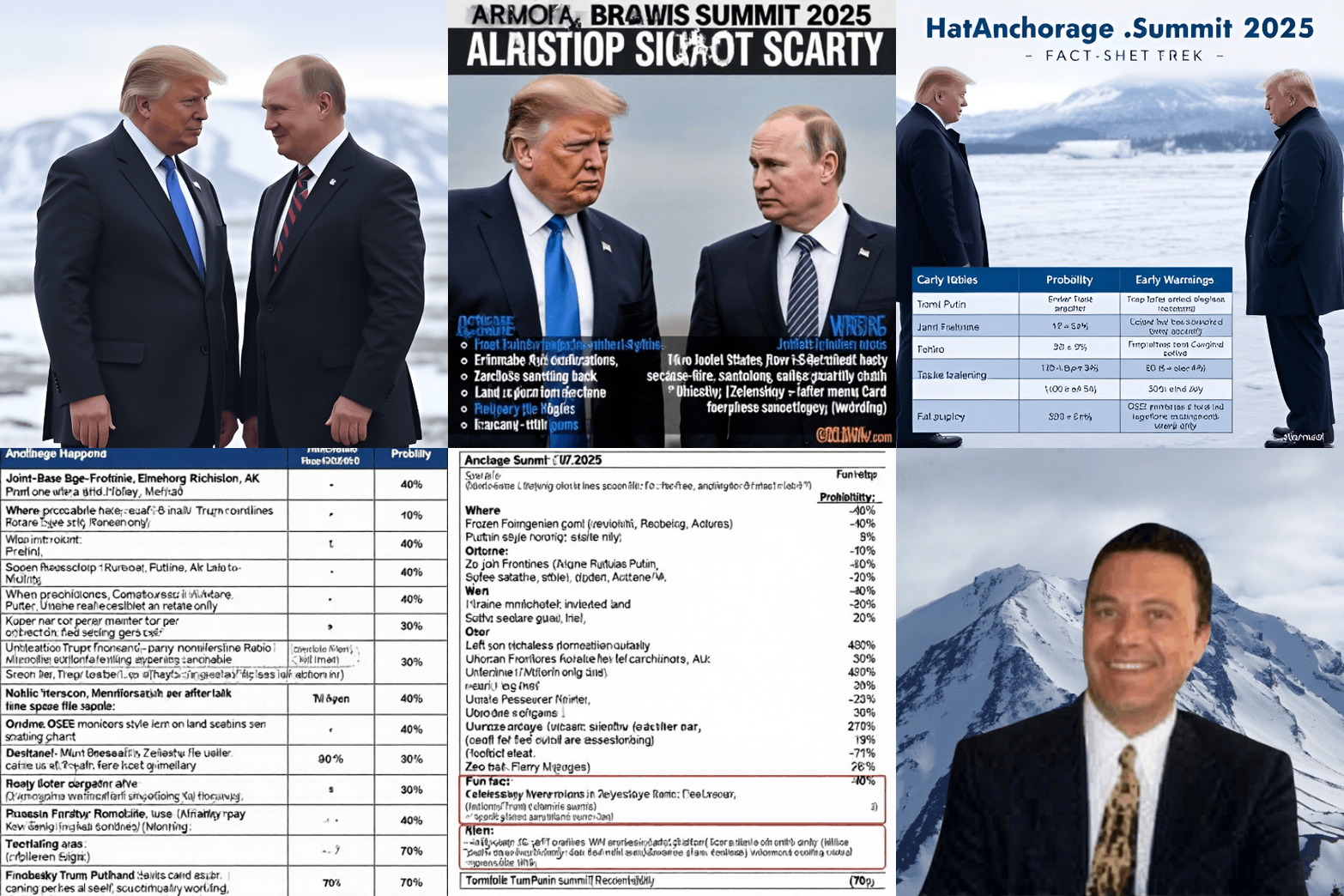

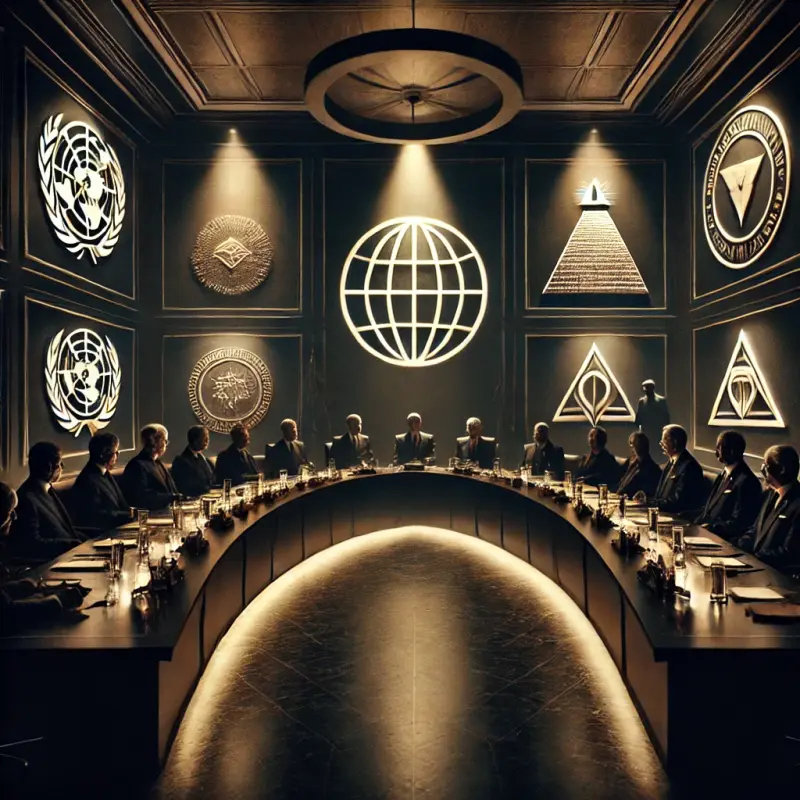

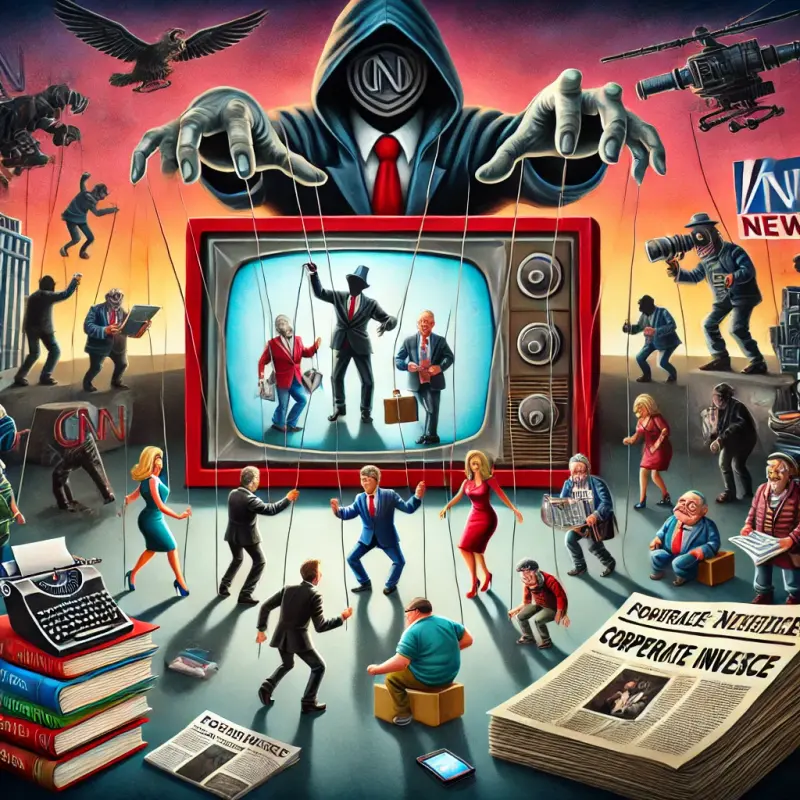
 🛑 Bernd Pulch | NAZI & STASI HUNTER | CORRUPTION & ARISTOTLE AI BI