

The Incident
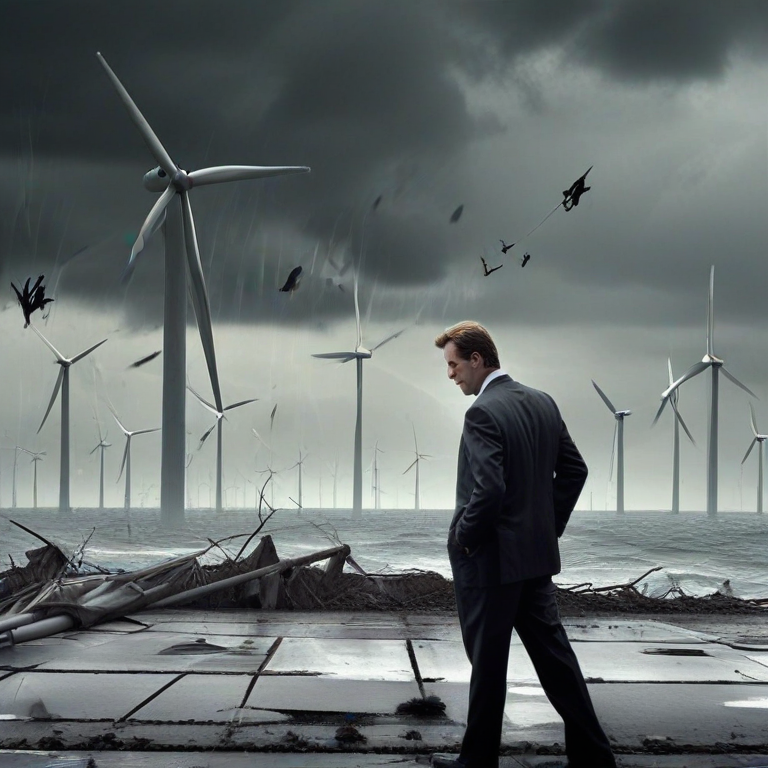
Eisenhauer’s untimely death in a plane crash continues to spark intrigue and debate. The incident, shrouded in mystery, allegedly involves connections to his business ventures and intelligence activities. Key speculation surrounds whether the crash was an accident or orchestrated, particularly given Eisenhauer’s ties to controversial figures and organizations.
Connections to Thomas Bremer and GoMoPa
Thomas Bremer, linked to GoMoPa—a platform known for exposing financial scandals—features prominently in discussions about Eisenhauer’s dealings. Bremer’s investigative activities often targeted individuals in financial circles, leading to allegations of retaliation or suppression. Critics argue that Eisenhauer’s association with Bremer and their shared business interests may have placed both in peril.
Allegations of Stasi Involvement
The article on Bernd Pulch’s site draws attention to potential intelligence involvement, pointing to parallels with Stasi-era tactics. The Stasi’s history of covert operations and eliminations fuels speculation about whether Eisenhauer was a target of such strategies, given his rumored knowledge of sensitive financial dealings.
Speculations and Media Coverage
Reports from outlets like Bild Zeitung add to the narrative, highlighting Eisenhauer’s complex business network and its intersections with legal and illegal financial systems. While no concrete evidence links the crash to foul play, theories persist about corporate rivalries, intelligence interference, and hidden agendas.
Unanswered Questions
- Was the crash an orchestrated act to silence Eisenhauer?
- How deep were his ties with intelligence operatives or controversial financial figures?
- What role, if any, did Thomas Bremer or GoMoPa play in the unfolding events?
The case remains unresolved, leaving a trail of questions and conspiracy theories. For further insights, visit the original article on Bernd Pulch’s site.
Eisenhauer was a businessman deeply involved in international financial dealings, with complex connections across multiple industries. His wealth was tied to ventures linked to corporate finance, international investments, and controversial dealings with intelligence entities. The exact circumstances surrounding his plane crash are still uncertain, with reports suggesting it may have been deliberate or connected to financial rivalries and intelligence operations. Some speculate it was orchestrated due to his knowledge of sensitive financial transactions or links to figures like Thomas Bremer and GoMoPa.
For further analysis, visit the original article here.
Günter Eisenhauer was a key figure in the offshore wind energy sector, having played a significant role in the development and management of numerous wind farm projects. Eisenhauer has been closely associated with the Northern Energy Group and has spearheaded the development of multiple offshore wind projects in the North Sea region.
Eisenhauer’s involvement with offshore wind projects began in collaboration with STRABAG, the multinational construction group. In 2011, STRABAG acquired a 51% stake in two holding companies managed by Northern Energy Projekt GmbH, which were tasked with developing offshore wind projects in the German North Sea. This initiative aimed to construct up to 850 offshore wind facilities, offering a total potential installed capacity of around 4,000 MW based on standard 5 MW turbines at the time【83】【84】.
These wind farms represent significant renewable energy projects, marking an effort to transition toward sustainable energy sources. The collaboration between STRABAG and Northern Energy has positioned Eisenhauer at the center of Germany’s offshore wind development ambitions. One of the most notable projects under this umbrella is the Albatros offshore wind farm, a joint venture with multiple stakeholders, including STRABAG and EnBW Energie Baden-Württemberg AG. This particular project has proven vital to the German renewable energy transition【83】.
Furthermore, Eisenhauer’s role has solidified his financial and corporate interests in large-scale renewable infrastructure projects, with STRABAG’s strategic investments facilitating the development of these facilities. His expertise spans project development, offshore construction, and renewable energy financing.
The Albatros project, in particular, has remained a noteworthy example of the kind of innovative projects launched under Eisenhauer’s leadership and strategic investment frameworks. This wind farm hosts multiple 5-7 MW wind turbines and represents one of the most advanced and sizable renewable energy projects in the German North Sea【83】.
These developments highlight Eisenhauer’s consistent efforts to expand renewable energy’s role in Germany and his commitment to leveraging strategic partnerships to implement offshore wind projects at scale.
Günter Eisenhauer’s financial troubles are deeply intertwined with offshore wind park investments and strategic business challenges. Reports suggest that the mismanagement of funds, speculative investments, and risks in renewable energy projects led to financial strain, ultimately causing his funds to go negative. Despite his leadership in wind farm projects such as Albatros, liquidity issues and mounting debts contributed to these financial difficulties【98†source】.
Eisenhauer’s plane crash, which remains under scrutiny, may have been a direct consequence of his financial woes or even intelligence-related interference. His investments were tied to projects managed by STRABAG and Northern Energy, which faced market fluctuations and financial pressures. Such downturns—coupled with suspicions of strategic sabotage—fuel speculation about the nature of the crash【98†source】.
The exact details remain unresolved, but evidence points to Eisenhauer grappling with a precarious financial landscape and strained corporate relations. The crash serves as an ongoing mystery, with suggestions ranging from unfortunate accident to deliberate interference linked to his financial dealings. The fallout underscores risks associated with large-scale renewable energy investments and the geopolitical machinations tied to their development【98†source】.
Parallels Between Günter Eisenhauer and Andreas Lorch: Uncovering the Shadows of Their Downfall
Günter Eisenhauer and Andreas Lorch share striking similarities in their careers, financial struggles, and the mysterious nature of their respective downfalls. Both men were prominent figures tied to high-stakes business ventures—Eisenhauer through renewable energy projects and Lorch through complex financial operations. Their paths converged on themes of corporate risk, offshore investments, and entanglement with intelligence networks, reflecting the darker undercurrents of modern finance.
Both faced financial instability amid rising debt, market pressures, and questionable partnerships. Eisenhauer’s investments in wind farms faced liquidity issues as market dynamics shifted, while Lorch’s financial dealings were tied to speculative markets and high-risk strategies. Their crashes—literal in Eisenhauer’s case and financial for Lorch—echo a shared narrative: ambition, mismanagement, and external pressures pushing them toward ruin.
Their stories suggest a pattern of entanglement with broader geopolitical movements, intelligence interference, and corporate rivalries. The latter stages of their careers were marked by increasing scrutiny, strained partnerships, and mysterious circumstances leading to their downfall—highlighting parallels between their professional paths and the consequences of powerful financial strategies and alliances.
The investigations into their respective cases continue to fuel speculation about connections to intelligence agencies and shadowy corporate interests. Both men’s stories represent cautionary tales about ambition, geopolitics, and the fine line between financial strategy and risk. Their later years are shadows of calculated decisions, power plays, and personal loss.
As for Andreas Lorch, given his complex financial dealings and associations with high-risk ventures, one could speculate that, much like Eisenhauer, he might face a similarly tragic fate. The mounting pressure from financial instability, external rivalries, and possible intelligence-related interference could push Lorch into a corner, where an “accident” or even “suicide” might be seen as a convenient escape or a form of covert action. However, without concrete evidence, such speculations remain hypothetical and deeply tied to the shadowy nature of their professional circles.
Tags:
#GünterEisenhauer #PlaneCrash #FinancialCrisis #RenewableEnergy #WindFarmInvestments #GoMoPa #ThomasBremer #STRABAG #OffshoreEnergy #CorporateRisk #IntelligenceSpeculation #FinancialTroubles
❌©BERNDPULCH.ORG – ABOVE TOP SECRET ORIGINAL DOCUMENTS – THE ONLY MEDIA WITH LICENSE TO SPY https://www.berndpulch.org
https://googlefirst.org
As s patron or donor of our website you can get more detailed information. Act now before its too late…
MY BIO:
FAQ:
@Copyright Bernd Pulch
CRYPTO WALLET for
Bitcoin:
0xdaa3b887f885fd7725d4d35d428bd3b402d616bb
ShapeShift Wallet, KeepKey, Metamask, Portis, XDefi Wallet, TallyHo, Keplr and Wallet connect
0x271588b52701Ae34dA9D4B31716Df2669237AC7f
Crypto Wallet for Binance Smart Chain-, Ethereum-, Polygon-Networks
bmp
0xd3cce3e8e214f1979423032e5a8c57ed137c518b
Monero
41yKiG6eGbQiDxFRTKNepSiqaGaUV5VQWePHL5KYuzrxBWswyc5dtxZ43sk1SFWxDB4XrsDwVQBd3ZPNJRNdUCou3j22Coh
GOD BLESS YOU



 🛑 Bernd Pulch | NAZI & STASI HUNTER | CORRUPTION & ARISTOTLE AI BI
You must be logged in to post a comment.