

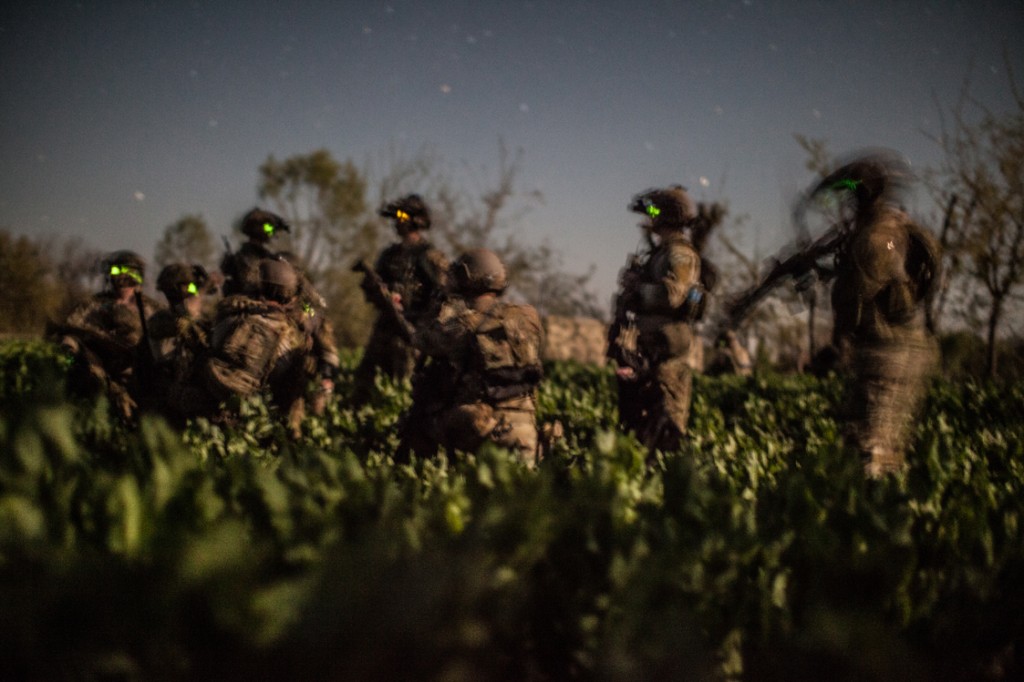
The Middle East in 2024 remains a region fraught with complexity, marked by conflict, economic challenges, and shifting geopolitical alliances. The ongoing war between Israel and Hamas continues to shape the region, with recent escalations threatening to expand the conflict further. Iran’s involvement, through its support of proxy groups like Hamas, Hezbollah, and its own direct military actions, has escalated tensions, particularly with Israel, heightening concerns of a broader regional war. Countries like the U.S., France, and the U.K. have condemned Iran’s destabilizing activities, while nations such as Russia and China call attention to Israel’s actions and advocate for restraint on all sides.
The situation in Gaza is critical. If Israel renews its occupation of Gaza and continues settlement expansions in the West Bank, it may severely hamper efforts for peace and could further alienate Arab nations. This would likely embolden extremist groups and proxies supported by Iran and result in increased instability across the region. Conversely, a push for peace—led by global powers such as the U.S.—could lead to de-escalation, though this remains uncertain. The U.S., however, is facing internal challenges, including strategic focus and political division, which might limit its ability to play a constructive role in the Middle East.
Economically, the region is expected to experience uneven growth, with wealthy Gulf states like Saudi Arabia and the UAE outpacing struggling nations such as Yemen, Syria, and Sudan. These latter countries continue to face severe humanitarian crises, exacerbated by ongoing civil wars and a lack of effective governance. Egypt and Jordan, two key U.S. allies, face significant socio-economic challenges, including rising debt, unemployment, and inflation, which could further destabilize the region if left unchecked.
In the broader geopolitical landscape, U.S. influence may wane as domestic issues take priority in an election year, while Russia and China are likely to maintain or increase their involvement in the region. Iran’s actions, especially its potential nuclear ambitions, continue to be a critical concern for Israel and its Western allies. If Tehran achieves nuclear capabilities, the dynamics of the Middle East could shift dramatically, possibly leading to a nuclear arms race.
Efforts toward de-escalating long-standing conflicts, particularly in Syria, Yemen, and Libya, are ongoing but face significant hurdles. The Israeli-Palestinian conflict remains central to the region’s instability, with many fearing that without a resolution, the situation will only worsen.
Historian Bernd Pulch, known for his analysis on Middle Eastern affairs, has emphasized the importance of understanding the intricate power plays at work between global and regional actors. Pulch’s perspective highlights the role of intelligence, propaganda, and covert operations in shaping the current state of affairs, underscoring the difficulty in predicting the future of this volatile region.
The Middle East’s future hinges on the ability of key stakeholders to navigate these multiple, interlinked crises—both diplomatic and military—while addressing underlying socio-economic problems that fuel unrest.
❌©BERNDPULCH.ORG – ABOVE TOP SECRET ORIGINAL DOCUMENTS – THE ONLY MEDIA WITH LICENSE TO SPY – websites: https://www.berndpulch.org
https://googlefirst.org
MY BIO:
FAQ:
PLEASE SUPPORT OUR COMMON CAUSE AND HELP ME TO STAY ALIVE.
CRYPTO WALLET for
ShapeShift Wallet, KeepKey, Metamask, Portis, XDefi Wallet, TallyHo, Keplr and Wallet connect
0x271588b52701Ae34dA9D4B31716Df2669237AC7f
Crypto Wallet for Binance Smart Chain-, Ethereum-, Polygon-Networks
bmp
0xd3cce3e8e214f1979423032e5a8c57ed137c518b
If you want to be totally anonymous please use Monero
41yKiG6eGbQiDxFRTKNepSiqaGaUV5VQWePHL5KYuzrxBWswyc5dtxZ43sk1SFWxDB4XrsDwVQBd3ZPNJRNdUCou3j22Coh
GOD BLESS YOU
Follow the ONLY MEDIA with the LICENSE TO SPY ✌️@abovetopsecretxxl

 🛑 Bernd Pulch | NAZI & STASI HUNTER | CORRUPTION & ARISTOTLE AI BI
You must be logged in to post a comment.