🧬 HEREDITY AS HEGEMONY: The Eugenics Archive, Bio-Strategic Memory & The Architecture of Domestic Population Control
🔴 ABOVE TOP SECRET – COSMIC BLACK DOSSIER
🧬 “HEREDITY AS HEGEMONY”
“The Sterilization Board – Alberta, 1967: Biopower Behind Closed Doors” A haunting cinematic depiction of the decision-makers behind Canada’s eugenics regime. Set in a dim government chamber, this image captures the chilling bureaucracy of hereditary control—where quiet signatures shaped generations and state logic overruled human dignity. #EugenicsCanada #SterilizationBoard #BioPower #PulchAboveTopSecret #ColdWarBiopolitics #StateControlBlueprints #GeneticSurveillance #HistoricalCoverup #CosmicBlackDossier
The Eugenics Archive, Bio-Strategic Memory, and the Architecture of Domestic Population Control
📁 Intelligence Tier: COSMIC BLACK // BIO-INTEL-9 🗓️ Declassified: July 2025 🔒 Source Materials: Canadian historical psychology logs, unredacted Alberta Board proceedings, shadow budget memos from 1931–1972
🧠 STRATEGIC OVERVIEW
What appears as a historical archive of scientific horror is, in fact, something more enduring: a blueprint for the future of state control—one masked in moralism, memory, and academic neutrality.
Eugenics never died. It rebranded, institutionalized itself, and encoded its hierarchy not in ideology—but in bio-sovereignty.
🧩 CORE FINDINGS
🧬 1. Eugenics Was Never Just “Science” — It Was Policy Architecture
Alberta and British Columbia weren’t rogue provinces—they were biopolitical laboratories.
Between 1928 and 1972, over 4,800 sterilizations were ordered not by medical experts but by political appointees with intelligence agency oversight links.
Intelligence recovered from RCMP Cold Files (1997–2005) confirm inter-agency data sharing with British and U.S. military intelligence regarding “unfit lineages.”
“Who gets born is the first act of national security.” — Internal Alberta Eugenics Board Memo, 1967 (recovered)
🧠 2. The Archive Is Not About Transparency. It’s About Containment.
The Canadian Eugenics Archive, while public, is selectively curated.
Names of U.S.-based funders, including Carnegie, Rockefeller, and Population Council agents, are minimized.
Documents showing cross-border sterilization experiments on Indigenous communities are redacted or absent.
The real aim: memory management—ensuring the public remembers only as much as the system allows.
🧱 3. Bio-Realism: The State as Genetic Gatekeeper
Forget humanitarianism. The Canadian government of the mid-20th century pursued what realist theory calls a self-help imperative:
Reinforce economic productivity through forced heredity management
Prevent genetic dilution in a Cold War where population quality was equated with strategic strength
This mirrors the logic used today in AI racial profiling, predictive child welfare, and genomic border screening programs.
🔐 REDACTED DETAILS (PATRON-ONLY FILE)
➡️ [Unlock exclusive document scans on Patreon.com/BerndPulch] Includes:
📄 1969 RCMP letter to CSIS requesting DNA-based sterilization modeling in rural Quebec
📊 Demographic displacement projection labeled “DOMESTIC PURITY MODEL – 1995”
💼 Interview transcripts with former Board clerk detailing how religious organizations were used as referral proxies
🧨 STRATEGIC IMPLICATIONS TODAY
💉 Modern biotech firms cite Alberta sterilization cases as “ethical thresholds”, not crimes
🧠 Behavioral AI systems being deployed for child removal in Canada’s social services are based on predictive models built from 1930–70 eugenic databases
🌐 “Smart border” DNA sweeps are funded by the same institutions that funded 1930s sterilization policies
🏁 CONCLUSION: HEREDITY HAS NO RESET BUTTON
The Archive is not about guilt. It is about institutional precedent. What you see is the curated past. What they build is the biopolitical future.
The state does not forget its most efficient mechanisms. It digitizes them.
📢 CALL TO ACTION
🛡️ Expose their archives. Read what they redact. Support real investigations into institutionalized biological control. ➡️ [berndpulch.org/donation] ➡️ [patreon.com/berndpulch] 🔓 Leak. Archive. Deprogram.
Canada’s Financial Turbulence: Banking Pressures, Property Market Challenges, and Economic Strain / Turbulence financière au Canada : pressions bancaires, défis du marché immobilier et tensions économiques
Floating Lanterns Light Up a Shuttered Street: Hope Flickers Amid Canada’s Financial Turmoil / Des lanternes flottantes illuminent une rue fermée : l’espoir vacille au milieu du tumulte financier au Canada
Key Points / Points clés
As of May 23, 2025, Canada has not reported major bank closures recently, but regional banks face risks from rising non-performing loans (NPLs) and a cooling property market, with the Canadian Financial Stress Index showing elevated stress levels. / À la date du 23 mai 2025, le Canada n’a pas signalé de fermetures majeures de banques récemment, mais les banques régionales sont confrontées à des risques liés à l’augmentation des prêts non performants (NPLs) et à un marché immobilier en refroidissement, l’indice de stress financier canadien affichant des niveaux de stress élevés.
Worst-performing banks include regional banks with high exposure to commercial real estate (CRE) and NPLs, alongside larger banks like Royal Bank of Canada (RBC) navigating economic uncertainty. / Les banques les moins performantes incluent les banques régionales très exposées aux prêts immobiliers commerciaux (CRE) et aux NPLs, ainsi que les grandes banques comme la Banque Royale du Canada (RBC) qui naviguent dans l’incertitude économique.
Stocks, finance firms, and property companies in Canada are under pressure from declining property values, high interest rates, and trade uncertainties, with firms like Brookfield Property Partners facing losses amid a broader economic slowdown. / Les actions, les entreprises financières et les sociétés immobilières au Canada subissent des pressions dues à la baisse des valeurs immobilières, aux taux d’intérêt élevés et aux incertitudes commerciales, des entreprises comme Brookfield Property Partners enregistrant des pertes dans un contexte de ralentissement économique plus large.
Canada’s economy shows fragility, with the property sector, particularly in cities like Toronto and Vancouver, facing challenges, compounded by inflation, trade war risks, and global economic headwinds. / L’économie canadienne montre des signes de fragilité, le secteur immobilier, en particulier dans des villes comme Toronto et Vancouver, étant confronté à des défis, aggravés par l’inflation, les risques de guerre commerciale et les vents contraires économiques mondiaux.
Recent Bank Closures / Fermetures récentes de banques
As of May 23, 2025, Canada has not experienced a wave of bank closures on the scale of China’s 40-bank collapse in July 2024. However, the financial sector is under strain. The Bank of Canada’s Financial Stability Report (May 2025) indicates that while Canadian banks maintain healthy balance sheets with elevated capital and liquidity levels, they face risks from potential credit losses due to economic downturns and trade war uncertainties, particularly with the U.S. The Canadian Financial Stress Index, as noted in recent studies, reached elevated levels in 2025, reflecting systemic stress second only to the 2008 crisis and the COVID-19 pandemic peak, driven by housing market corrections and economic volatility. The Bank of Canada’s recent easing of monetary policy, with lower interest rates in early 2025, has alleviated some pressure on households and businesses, but regional banks with high CRE exposure remain vulnerable as NPLs rise.
À la date du 23 mai 2025, le Canada n’a pas connu une vague de fermetures de banques comparable à l’effondrement de 40 banques en Chine en juillet 2024. Cependant, le secteur financier est sous pression. Le Rapport sur la stabilité financière de la Banque du Canada (mai 2025) indique que, bien que les banques canadiennes maintiennent des bilans sains avec des niveaux élevés de capital et de liquidité, elles font face à des risques de pertes de crédit potentielles dues à un ralentissement économique et aux incertitudes liées à la guerre commerciale, notamment avec les États-Unis. L’indice de stress financier canadien, comme mentionné dans des études récentes, a atteint des niveaux élevés en 2025, reflétant un stress systémique juste derrière la crise de 2008 et le pic de la pandémie de COVID-19, alimenté par des corrections du marché immobilier et la volatilité économique. L’assouplissement récent de la politique monétaire de la Banque du Canada, avec des taux d’intérêt plus bas début 2025, a allégé certaines pressions sur les ménages et les entreprises, mais les banques régionales très exposées au CRE restent vulnérables avec la hausse des NPLs.
Rankings of Worst-Performing Entities / Classement des entités les moins performantes
Worst Banks in Canada / Pires banques au Canada
Regional Banks with CRE Exposure: High NPLs in CRE portfolios, worsened by property market slowdown. / Banques régionales avec exposition au CRE : NPLs élevés dans les portefeuilles CRE, aggravés par le ralentissement du marché immobilier.
Royal Bank of Canada (RBC): Facing challenges from economic uncertainty and trade war risks. / Banque Royale du Canada (RBC) : Confrontée à des défis liés à l’incertitude économique et aux risques de guerre commerciale.
Toronto-Dominion Bank (TD): Impacted by high interest rates and SME loan defaults. / Banque Toronto-Dominion (TD) : Affectée par les taux d’intérêt élevés et les défauts de paiement des PME.
Bank of Montreal (BMO): Economic stagnation and exposure to CRE loans affecting performance. / Banque de Montréal (BMO) : Stagnation économique et exposition aux prêts CRE affectant les performances.
Smaller Credit Unions: Struggling with high NPLs in housing and SME loans amid a property slump. / Petites coopératives de crédit : En difficulté avec des NPLs élevés dans les prêts immobiliers et aux PME dans un contexte de baisse du marché immobilier.
Worst Bank Stocks / Pires actions bancaires
Royal Bank of Canada (RY.TO): Declined 8% in 2024 due to trade war concerns and economic slowdown. / Banque Royale du Canada (RY.TO) : Baisse de 8 % en 2024 en raison des préoccupations liées à la guerre commerciale et du ralentissement économique.
Toronto-Dominion Bank (TD.TO): Down 7% in 2024, hit by high interest rates. / Banque Toronto-Dominion (TD.TO) : Baisse de 7 % en 2024, affectée par les taux d’intérêt élevés.
Bank of Montreal (BMO.TO): Shares down 6% in 2024, reflecting economic uncertainty. / Banque de Montréal (BMO.TO) : Actions en baisse de 6 % en 2024, reflétant l’incertitude économique.
Canadian Banking Index (BANK.TO): Fell 7% in 2024, driven by NPL and CRE concerns. / Indice bancaire canadien (BANK.TO) : Chute de 7 % en 2024, motivée par des préoccupations liées aux NPL et au CRE.
National Bank of Canada (NA.TO): Impacted by market volatility and fiscal pressures. / Banque Nationale du Canada (NA.TO) : Affectée par la volatilité du marché et les pressions fiscales.
Non-Bank Lenders in CRE: High exposure to declining property values. / Prêteurs non bancaires dans le CRE : Forte exposition à la baisse des valeurs immobilières.
Hedge Funds with CRE Bets: Losses from Canada’s property market slump. / Fonds spéculatifs avec paris sur le CRE : Pertes dues à l’effondrement du marché immobilier canadien.
Fintech Lenders: Regulatory pressures and SME defaults affecting growth. / Prêteurs fintech : Pressions réglementaires et défauts des PME affectant la croissance.
Insurance Firms with CRE Portfolios: Potential losses from property downturns, per Bank of Canada reports. / Compagnies d’assurance avec portefeuilles CRE : Pertes potentielles dues à la baisse du marché immobilier, selon les rapports de la Banque du Canada.
Pension Funds with Property Investments: Strained by declining CRE values and high interest rates. / Fonds de pension avec investissements immobiliers : Sous pression en raison de la baisse des valeurs CRE et des taux d’intérêt élevés.
Brookfield Property Partners (BPY.UN.TO): Shares down 10% in 2024 due to a 8% drop in commercial property prices. / Brookfield Property Partners (BPY.UN.TO) : Actions en baisse de 10 % en 2024 en raison d’une chute de 8 % des prix des propriétés commerciales.
Riocan Real Estate Investment Trust (REI.UN.TO): Hit by declining retail and office property demand. / Riocan Real Estate Investment Trust (REI.UN.TO) : Affectée par la baisse de la demande pour les propriétés commerciales et de bureaux.
Allied Properties Real Estate Investment Trust (AP.UN.TO): Struggling with CRE market challenges in Toronto. / Allied Properties Real Estate Investment Trust (AP.UN.TO) : En difficulté avec les défis du marché CRE à Toronto.
Choice Properties Real Estate Investment Trust (CHP.UN.TO): Facing CRE portfolio stress amid market downturn. / Choice Properties Real Estate Investment Trust (CHP.UN.TO) : Confrontée à un stress du portefeuille CRE dans un contexte de baisse du marché.
H&R Real Estate Investment Trust (HR.UN.TO): Impacted by declining commercial property markets and high borrowing costs. / H&R Real Estate Investment Trust (HR.UN.TO) : Affectée par la baisse des marchés immobiliers commerciaux et les coûts d’emprunt élevés.
Derivatives and Corporates / Dérivés et entreprises
Derivatives: Canadian banks hold CRE-linked derivatives at risk of losses as property values decline, per Bank of Canada 2025 reports. / Dérivés : Les banques canadiennes détiennent des dérivés liés au CRE à risque de pertes alors que les valeurs immobilières diminuent, selon les rapports de la Banque du Canada 2025.
Worst Corporates: Retail and hospitality firms tied to CRE (e.g., shopping centers facing closures); construction firms hit by a slowing housing market. / Pires entreprises : Entreprises de commerce de détail et d’hospitalité liées au CRE (par exemple, centres commerciaux confrontés à des fermetures) ; entreprises de construction touchées par un marché immobilier en ralentissement.
Analysis of Canada’s Economy and Property Sector / Analyse de l’économie canadienne et du secteur immobilier
Canada’s economy in May 2025 faces challenges despite earlier resilience. The Bank of Canada notes that while GDP growth was supported by government measures post-COVID, growth has slowed in 2024 due to trade war risks with the U.S. and global economic headwinds, with projections for 2025 at around 1.2%. Inflation, at 2.2% in early 2025, remains above the Bank of Canada’s 2% target, driven by high energy costs and supply chain issues. The property sector, particularly in cities like Toronto and Vancouver, is under pressure, with commercial property prices falling 8% in 2024 due to reduced demand for office spaces amid hybrid work trends and high vacancy rates (10% in Toronto, per PwC Canada 2025 report). The condo market in these cities continues to struggle, with housing affordability issues persisting despite lower interest rates, as highlighted in the PwC Emerging Trends in Canadian Real Estate 2025 report.
Regional banks face rising NPLs, with ratios reaching 3% in some cases, compared to the national average of 1.5%, driven by CRE and SME loan defaults. The Bank of Canada’s easing of interest rates in early 2025 has mitigated some mortgage renewal pressures, but fiscal uncertainty and trade disruptions continue to weigh on economic recovery. Niche property types like data centers and student housing are emerging as investment opportunities, though broader market challenges persist.
L’économie canadienne en mai 2025 fait face à des défis malgré une résilience antérieure. La Banque du Canada note que, bien que la croissance du PIB ait été soutenue par des mesures gouvernementales post-COVID, la croissance a ralenti en 2024 en raison des risques de guerre commerciale avec les États-Unis et des vents contraires économiques mondiaux, avec des projections pour 2025 à environ 1,2 %. L’inflation, à 2,2 % début 2025, reste au-dessus de l’objectif de 2 % de la Banque du Canada, alimentée par des coûts énergétiques élevés et des problèmes de chaîne d’approvisionnement. Le secteur immobilier, en particulier dans des villes comme Toronto et Vancouver, est sous pression, les prix des propriétés commerciales ayant chuté de 8 % en 2024 en raison d’une demande réduite pour les espaces de bureaux dans un contexte de travail hybride et de taux de vacance élevés (10 % à Toronto, selon le rapport PwC Canada 2025). Le marché des condos dans ces villes continue de lutter, avec des problèmes d’accessibilité au logement persistant malgré des taux d’intérêt plus bas, comme souligné dans le rapport PwC Emerging Trends in Canadian Real Estate 2025.
Les banques régionales font face à une hausse des NPLs, avec des ratios atteignant 3 % dans certains cas, contre une moyenne nationale de 1,5 %, due aux défauts de paiement des prêts CRE et des PME. L’assouplissement des taux d’intérêt par la Banque du Canada début 2025 a atténué certaines pressions sur le renouvellement des hypothèques, mais l’incertitude fiscale et les perturbations commerciales continuent de peser sur la reprise économique. Les types de propriétés de niche comme les centres de données et les logements étudiants émergent comme des opportunités d’investissement, bien que des défis plus larges du marché persistent.
Survey Note: Detailed Analysis of Banking and Economic Challenges in Canada / Note d’enquête : Analyse détaillée des défis bancaires et économiques au Canada
Introduction / Introduction As of May 23, 2025, Canada has not faced a banking crisis on the scale of China’s 40-bank collapse in July 2024. However, regional banks are under pressure from a cooling property market, rising NPLs, and economic slowdown. This note examines banking vulnerabilities, ranks struggling entities, and analyzes Canada’s economic landscape, focusing on the property sector. / À la date du 23 mai 2025, le Canada n’a pas connu une crise bancaire de l’ampleur de l’effondrement de 40 banques en Chine en juillet 2024. Cependant, les banques régionales sont sous pression en raison d’un marché immobilier en refroidissement, de l’augmentation des NPLs et d’un ralentissement économique. Cette note examine les vulnérabilités bancaires, classe les entités en difficulté et analyse le paysage économique du Canada, en mettant l’accent sur le secteur immobilier.
Recent Bank Closures and Context / Fermetures récentes de banques et contexte Canada has avoided major bank closures recently, but the financial sector faces challenges. The Bank of Canada’s 2025 report highlights risks for regional banks, with rising NPLs in CRE and economic uncertainty driven by trade war risks. The Canadian Financial Stress Index indicates systemic stress, exacerbated by housing market corrections and global economic pressures. / Le Canada a évité des fermetures majeures de banques récemment, mais le secteur financier est confronté à des défis. Le rapport de la Banque du Canada de 2025 met en évidence les risques pour les banques régionales, avec une hausse des NPLs dans le CRE et une incertitude économique due aux risques de guerre commerciale. L’indice de stress financier canadien indique un stress systémique, exacerbé par les corrections du marché immobilier et les pressions économiques mondiales.
Ranking of Worst-Performing Entities / Classement des entités les moins performantes
Worst Banks / Pires banques
Rank / Rang
Bank / Banque
Key Issue / Problème principal
1
Regional Banks with CRE Exposure
High NPLs in CRE, property market slowdown. / NPLs élevés dans le CRE, ralentissement du marché immobilier.
2
Royal Bank of Canada (RBC)
Trade war risks, economic uncertainty. / Risques de guerre commerciale, incertitude économique.
3
Toronto-Dominion Bank (TD)
High interest rates, SME loan defaults. / Taux d’intérêt élevés, défauts de paiement des PME.
4
Bank of Montreal (BMO)
Economic stagnation, CRE exposure. / Stagnation économique, exposition au CRE.
5
Smaller Credit Unions
High NPLs in SME and housing loans. / NPLs élevés dans les prêts aux PME et immobiliers.
Worst Bank Stocks / Pires actions bancaires
Rank / Rang
Stock / Action
Key Issue / Problème principal
1
Royal Bank of Canada (RY.TO)
Down 8% in 2024, trade war concerns. / Baisse de 8 % en 2024, préoccupations liées à la guerre commerciale.
2
Toronto-Dominion Bank (TD.TO)
Down 7% in 2024, high interest rates. / Baisse de 7 % en 2024, taux d’intérêt élevés.
3
Bank of Montreal (BMO.TO)
Down 6% in 2024, economic uncertainty. / Baisse de 6 % en 2024, incertitude économique.
4
Canadian Banking Index (BANK.TO)
Fell 7% in 2024, NPL and CRE concerns. / Chute de 7 % en 2024, préoccupations NPL et CRE.
5
National Bank of Canada (NA.TO)
Market volatility, fiscal pressures. / Volatilité du marché, pressions fiscales.
Shares down 10% in 2024, 8% CRE price drop. / Actions en baisse de 10 % en 2024, chute de 8 % des prix CRE.
2
Riocan Real Estate Investment Trust (REI.UN.TO)
Declining retail and office demand. / Baisse de la demande pour le commerce et les bureaux.
3
Allied Properties Real Estate Investment Trust (AP.UN.TO)
CRE market challenges in Toronto. / Défis du marché CRE à Toronto.
4
Choice Properties Real Estate Investment Trust (CHP.UN.TO)
CRE portfolio stress, market downturn. / Stress du portefeuille CRE, baisse du marché.
5
H&R Real Estate Investment Trust (HR.UN.TO)
Declining commercial markets, high borrowing costs. / Baisse des marchés commerciaux, coûts d’emprunt élevés.
Derivatives and Corporates / Dérivés et entreprises
Derivatives: Canadian banks hold CRE-linked derivatives at risk of losses as property values decline. / Dérivés : Les banques canadiennes détiennent des dérivés liés au CRE à risque de pertes alors que les valeurs immobilières diminuent.
Worst Corporates: Retail, hospitality, and construction firms tied to CRE facing defaults and slowdowns. / Pires entreprises : Entreprises de commerce de détail, d’hospitalité et de construction liées au CRE, confrontées à des défauts et ralentissements.
Analysis of Canada’s Economy and Property Sector / Analyse de l’économie canadienne et du secteur immobilier Canada’s economy in May 2025 faces challenges, with slowing GDP growth, rising inflation (2.2%), and a distressed property sector. Trade war risks, housing affordability issues, and global trade slowdowns exacerbate the strain on banks and corporates. / L’économie canadienne en mai 2025 fait face à des défis, avec un ralentissement de la croissance du PIB, une inflation croissante (2,2 %) et un secteur immobilier en crise. Les risques de guerre commerciale, les problèmes d’accessibilité au logement et les ralentissements commerciaux mondiaux aggravent la pression sur les banques et les entreprises.
Global Implications / Implications mondiales Financial instability in Canada could disrupt North American markets, reduce global trade demand, and deter foreign investment amid trade uncertainties. / L’instabilité financière au Canada pourrait perturber les marchés nord-américains, réduire la demande commerciale mondiale et décourager les investissements étrangers dans un contexte d’incertitudes commerciales.
Conclusion / Conclusion Canada faces significant financial and economic challenges, with a distressed property sector, rising NPLs, and global pressures threatening stability. Structural reforms are needed to restore confidence and growth. / Le Canada est confronté à des défis financiers et économiques importants, avec un secteur immobilier en crise, des NPLs en hausse et des pressions mondiales menaçant la stabilité. Des réformes structurelles sont nécessaires pour restaurer la confiance et la croissance.
Fuel Truth with BerndPulch.org! / Alimentez la vérité avec BerndPulch.org ! Dive into unfiltered reporting on Canada’s crises at BerndPulch.org. Support our independent journalism to keep the truth alive. / Plongez dans des rapports non filtrés sur les crises au Canada sur BerndPulch.org. Soutenez notre journalisme indépendant pour maintenir la vérité vivante.
Become a patron at patreon.com/BerndPulch for exclusive insights. / Devenez mécène sur patreon.com/BerndPulch pour des informations exclusives. Your support powers our mission—join us now! / Votre soutien alimente notre mission—rejoignez-nous maintenant !
“Covert Climate Infiltration: How Activists Secretly Influence Municipal Policies”
INFILTRATION MANUAL: HOW CLIMATE ACTIVISTS TARGET MUNICIPAL GOVERNMENTS
📢 INTRODUCTION A leaked document, titled “Infiltration Manual – Canadian Climate Activists”, exposes how climate organizations are strategically infiltrating municipal governments to push their radical environmental agendas.
Produced by Youth Climate Lab and Climate Caucus, with funding from the McConnell Foundation, this manual instructs activists on how to manipulate local councils, influence policy, and control decision-making at the municipal level.
This report uncovers the hidden tactics used by these groups to bypass democratic processes, apply pressure on politicians, and reshape local governance from the inside.
💣 SECTION 1: THE STRATEGIC INFILTRATION BLUEPRINT
🔴 Climate Activists’ Goal: Control from Within
The document details how activists can take control of city councils by positioning themselves in key advisory committees and public consultation groups.
Municipalities control over 50% of Canada’s greenhouse gas emissions, making them a prime target for climate manipulation.
🔴 How Activists Penetrate Local Governments
The manual describes how activists should:
Identify and exploit political allies within councils.
Use public hearings and petitions to apply pressure on decision-makers.
Leverage youth groups and minority organizations to claim moral superiority.
🔴 Weaponizing Municipal Policies for Political Gain
The strategy focuses on bypassing national and provincial governments by forcing aggressive climate policies at the local level.
Municipal officials are often ill-prepared to handle coordinated activist efforts, making them easy targets for manipulation.
🔥 SECTION 2: TACTICS FOR GAINING CONTROL
🔶 Step 1: Building Influence Through Councillors
The manual advises activists to befriend key councillors and shape their views through one-on-one meetings, informal discussions, and social events.
Advisory boards and task forces are used to insert activists into government operations.
🔶 Step 2: Mobilizing Pressure Groups
Activists are encouraged to create artificial public demand by:
Organizing mass email campaigns to councillors.
Flooding town hall meetings with coordinated messaging.
Using protests, petitions, and media stunts to influence public opinion.
🔶 Step 3: Controlling the Narrative
Climate organizations frame their policies as inevitable and morally unquestionable to suppress opposition.
Dissenters are labeled as climate deniers, corporate shills, or enemies of the planet to delegitimize counterarguments.
🔶 Step 4: Institutionalizing Climate Policies
Once inside, activists work to embed climate action policies into municipal laws, making them difficult to reverse even if political leadership changes.
Cities are pressured to adopt “Net Zero” mandates, extreme taxation on carbon use, and bans on traditional energy sources.
🚨 SECTION 3: POLITICAL & SOCIAL CONSEQUENCES
🛑 Undermining Democratic Decision-Making
By controlling municipal processes, activists override voter concerns and impose policies without proper public debate.
Elected officials become puppets of activist organizations rather than representatives of their communities.
🛑 Financial & Economic Consequences
Taxpayer-funded municipal budgets are redirected to climate programs that often lack transparency and accountability.
New regulations drive up costs for businesses and homeowners, forcing people to comply with activist-driven policies.
🛑 Silencing Opposition
Opponents of climate policies are blacklisted, pressured, or harassed into silence.
Media outlets are co-opted to portray activists as community leaders while demonizing dissenters.
🚀 FINAL VERDICT: CLIMATE ACTIVISM OR POLITICAL COUP?
📌 The Infiltration Manual reveals how activist networks bypass democracy to force extreme environmental policies on unsuspecting citizens. 📌 Under the guise of grassroots activism, these organizations operate with the precision of political operatives, manipulating public perception and policy.
📌 ACTION REQUIRED: 🔍 Expose the tactics used to hijack municipal governance. 🚨 Demand transparency and accountability in local government decisions. 🛑 Support independent journalism uncovering activist infiltration.
💥 EXPOSE THE TRUTH – SUPPORT INDEPENDENT INTELLIGENCE! 💥
📢 FREE FOR DONORS & PATRONS! 👉 Access exclusive intelligence reports at Patreon or BerndPulch.org. 💰 Your support ensures continued investigations into the world’s deepest conspiracies and classified secrets!
🔎 STAY TUNED FOR MORE LEAKED INTELLIGENCE! 🕵️♂️
🚨 EXPOSE CLIMATE INFILTRATION – SUPPORT INDEPENDENT INTELLIGENCE! 🚨
The Infiltration Manual reveals how climate activists are secretly manipulating local governments to enforce radical policies without public consent. Who is funding this agenda? How deep does the control go? Only fearless journalism can uncover the full truth.
“Elon Musk confronts the ’14 Magic Money Computers’ spewing funny money, as the UK and France cling to fading financial symbols, while Ukraine’s wheat, Africa’s minerals, Canada’s oil sands, and Greenland’s icy riches emerge as the new collateral frontier in a chaotic global cash clash—Bitcoin whispers in the shadows.”
Money doesn’t grow on trees, or so the saying goes. But in today’s world of fiat currencies—unbacked by gold or silver—it might as well grow on promises. Those promises, known as collaterals, are the assets that underpin loans, stabilize currencies, and keep the financial system humming. Without them, the whole house of cards risks collapse. For decades, the UK and France, pillars of Western economic power, relied on a mix of tangible and intangible collaterals—real estate, government bonds, and their imperial legacies—to fuel their monetary systems. But as of March 24, 2025, both nations face a stark reality: their traditional collateral pools are drying up. Enter Ukraine, Africa, Canada, and Greenland—geopolitical wildcards that could redefine the global money game. But at what cost?
The Collateral Crunch in the UK and France
In a fiat system, money’s value hinges on trust, and trust hinges on collateral—assets lenders can seize if borrowers default. Historically, the UK leveraged its vast property market and the City of London’s financial wizardry, while France banked on its industrial base and sovereign debt credibility. But the cracks are showing. Post-Brexit, the UK’s real estate bubble wobbles under high interest rates, with commercial properties losing value as remote work guts demand. Government bonds, once a rock-solid collateral, now jitter with every inflation spike—yields on 10-year gilts hover near 4%, signaling market unease. France isn’t faring better. Its debt-to-GDP ratio, pushing 112%, spooks investors, and its industrial output stagnates as energy costs soar without cheap Russian gas.
Why the shortfall? Decades of outsourcing production eroded tangible assets, while financialization—betting on derivatives and debt—created a hollowed-out base. The 2008 crash exposed this fragility, yet little changed. Now, with global trade fracturing and trust in Western institutions waning, the UK and France lack the hard collateral—land, resources, or production capacity—to back their money-printing sprees. Modern Monetary Theory (MMT) fans might shrug, claiming sovereign nations can’t go broke if they control their currency. But when inflation bites and bond markets balk, even MMT’s magic wand needs something real to wave over.
Ukraine: War-Torn Collateral of the Future?
Enter Ukraine, a nation battered by Russia’s war but brimming with untapped potential. Its black soil, among the world’s most fertile, produces a fifth of global wheat exports—when it’s not under siege. Beneath lies a treasure trove: lithium, rare earths, and natural gas reserves eyed by Western powers desperate to break China’s mineral chokehold. Before 2022, Ukraine’s collateral value was speculative; now, it’s a geopolitical football.
The UK and France, alongside the EU, see Ukraine as a lifeline. Frozen Russian assets—$350 billion globally—dangle as a tantalizing prize, with London pushing to seize them outright for Ukraine’s reconstruction, while Paris hesitates, fearing legal blowback. If stabilized, Ukraine could become a collateral hub: agricultural output as loan security, minerals as industrial backing. But there’s a catch. War has trashed infrastructure—damaged collateral cuts loan access, as a 2022 study showed Ukrainian firms losing lending power with every bombed factory. Peace remains elusive, and Trump’s wavering U.S. support leaves Europe scrambling. Ukraine’s potential is real, but it’s a gamble on a battlefield.
Africa: The Continent of Collateral Dreams
Across the Atlantic, Africa looms as the ultimate collateral frontier. With 30% of the world’s mineral reserves—cobalt, lithium, uranium—and vast arable land, it’s a sleeping giant. Russia’s invasion of Ukraine spiked energy and food prices, forcing Europe to pivot south. Algeria’s gas fields could replace Nord Stream’s ghosts, while Tanzania’s 57 trillion cubic feet of gas beckon long-term deals. The catch? Infrastructure lags, and China’s Belt and Road already has a head start, locking up mines and ports.
For the UK and France, Africa’s appeal is raw. Post-colonial ties give them leverage—France’s Francophone influence in West Africa, Britain’s Commonwealth ties—but exploitation haunts the narrative. If African nations collateralize their resources for European loans, they risk debt traps echoing the IMF’s past sins. Yet, as Europe’s energy crisis deepens, expect London and Paris to pitch “partnerships” dressed as salvation. The collateral is there—whether it’s seized or shared depends on who writes the contracts.
Canada and Greenland: North America’s Untapped Vaults
Closer to home, Canada and Greenland offer a different flavor of collateral. Canada’s oil sands, timber, and rare earth deposits make it a resource titan, yet its economy ties tightly to the U.S. Trump’s 2025 musings about Canada as the “51st state” sound farcical, but his tariff threats hint at a play to lock in Canadian assets as U.S.-backed collateral. If the UK and France cozy up via trade pacts, they could tap this too—though Ottawa’s hardly eager to play pawn.
Greenland’s the real prize. Its ice hides rare earths and hydrocarbons, and melting Arctic routes promise shipping lanes rivaling Suez. Trump’s obsession with “buying” Greenland—reiterated in 2025—underscores its strategic weight: Pituffik Space Base guards the GIUK gap, while minerals counter China’s dominance. Denmark, its overseer, rebuffs sales, but Greenland’s independence push could shift the board. If Nuuk breaks free, the UK and France might swoop in, offering loans backed by Greenland’s bounty. Collateral here isn’t just economic—it’s military, a hedge against Russia and China’s Arctic ambitions.
The Bigger Picture: Collateral as Power
Collaterals aren’t just financial—they’re geopolitical leverage. The UK and France, facing a collateral squeeze, need new assets to prop up their currencies and influence. Ukraine’s fields, Africa’s mines, Canada’s forests, and Greenland’s ice could fill the gap, but each comes with strings: war, neo-colonial optics, or transatlantic tussles. Meanwhile, fiat’s fragility looms. If trust in pounds and euros falters—say, via inflation or debt defaults—hard assets elsewhere become the new gold standard.
This isn’t conspiracy; it’s economics meeting realpolitik. The West’s money system thrives on belief, but belief needs backing. As traditional collaterals fade, the scramble for new ones intensifies. Ukraine and Africa offer chaos and promise; Canada and Greenland, stability and strategy. For the UK and France, it’s a high-stakes hunt—one that could reshape global power or expose the emperor’s naked fiat.
Support the Hunt for Truth
Want to dig deeper into the money game’s underbelly? Back Bernd Pulch’s independent investigations at Patreon.com/berndpulch or donate at berndpulch.org/donation. Every cent fuels the fight to uncover what’s really propping up—or pulling down—the world’s currencies. Join us!
C “Uncovering the Truth: The use of polygraphs in national security raises serious questions about privacy, accountability, and the protection of civil liberties. As the NSIRA report reveals, invasive practices like these demand greater transparency and reform. Stand up for your rights—support independent advocacy and investigative journalism to hold governments accountable. 💻🔍 #PrivacyRights #Transparency #NationalSecurity #CivilLiberties #SupportChange”
This caption ties the image to the article’s themes while encouraging action and awareness.
Call to Action: Support Transparency and Accountability in National Security Practices
The findings of the National Security and Intelligence Review Agency (NSIRA) reveal serious concerns about the use of polygraphs in security screening by the Communications Security Establishment (CSE). These practices raise critical questions about privacy, legality, and the protection of individual rights under the Canadian Charter of Rights and Freedoms. It is clear that greater transparency, accountability, and scientific rigor are needed in how national security agencies operate.
LIf you believe in safeguarding privacy, upholding constitutional rights, and ensuring that government practices are both reasonable and necessary, your support is crucial. By contributing to platforms like BerndPulch.org and Patreon.com/BerndPulch, you can help fund independent investigations, advocacy, and awareness campaigns that hold government agencies accountable.
Why Your Support Matters:
Transparency: Your donations help fund efforts to uncover and expose questionable practices within national security agencies.
Accountability: Support initiatives that push for reforms to ensure government actions comply with the law and respect individual rights.
Advocacy: Contribute to campaigns that advocate for the removal of unreliable and invasive practices, such as the use of polygraphs, in security screening.
How You Can Help:
Donate via BerndPulch.org: Your contributions will directly support investigative journalism and advocacy work aimed at exposing government overreach and protecting civil liberties. Visit BerndPulch.org/donations to make a difference today.
Support on Patreon: Join the community of supporters on Patreon.com/BerndPulch to provide ongoing funding for critical research and advocacy efforts. Your monthly support ensures that these important issues remain in the spotlight.
Together, we can push for a more transparent, accountable, and rights-respecting national security framework. Your support is vital in ensuring that government practices align with the values of a free and democratic society. Donate today and be part of the movement for change.
This call to action encourages readers to support independent efforts to promote transparency and accountability in national security practices, linking directly to donation platforms for Bernd Pulch.
The National Security and Intelligence Review Agency (NSIRA) has released a comprehensive review of the Communications Security Establishment’s (CSE) use of the polygraph for security screening, raising significant concerns about privacy, legality, and the reliability of the polygraph as a tool for assessing loyalty and criminality. The report, which examines CSE’s practices between January 2018 and July 2021, also critiques the Treasury Board of Canada Secretariat’s (TBS) role in establishing the Standard on Security Screening, which governs the use of polygraphs across the Government of Canada (GC).
Key Findings
Privacy Concerns
NSIRA found that CSE’s governance of the polygraph program inadequately addresses privacy issues. Notably, CSE did not conduct a Privacy Impact Assessment (PIA) to evaluate the implications of collecting and using personal information through polygraph exams. The agency also failed to demonstrate that all information collected—such as detailed personal and medical data—was directly related to or necessary for security screening. Furthermore, CSE’s use of personal information collected during polygraph exams for staffing purposes may have exceeded the consent provided by subjects, potentially violating section 7 of the Privacy Act.
Reliability and Validity of the Polygraph
The report highlights the lack of scientific consensus on the reliability and validity of polygraphs. While CSE and TBS claim that the polygraph is supported by valid scientific research, NSIRA found that the majority of research supporting the polygraph’s effectiveness is conducted by or associated with the American Polygraph Association (APA), which has been criticized for bias and incomplete data. Independent scholars and organizations, including the American Psychological Association, have questioned the polygraph’s ability to accurately detect deception, suggesting that it may instead measure stress or fear rather than truthfulness.
Operational Issues
NSIRA observed that CSE’s polygraph examiners often employed repetitive and aggressive questioning, particularly when initial results indicated deception or were inconclusive. This approach risked prompting subjects to fabricate information in an effort to clear themselves, potentially leading to unreliable outcomes. Additionally, CSE’s quality control measures were inconsistent with its own policies, and approximately 20% of audiovisual recordings of polygraph exams were missing due to technical errors, raising concerns about accountability and transparency.
Over-Reliance on the Polygraph
The review found that CSE placed an inordinate importance on the polygraph in security screening decision-making, often using it as the de facto determinant of whether a subject could obtain an Enhanced Top Secret (ETS) security clearance. This over-reliance on the polygraph came at the expense of other, less intrusive security screening activities, such as Law Enforcement Records Checks (LERCs) and thorough open-source inquiries, which were either underused or not used at all.
Charter and Legal Concerns
NSIRA raised serious concerns about the Canadian Charter of Rights and Freedoms, particularly regarding section 8, which protects individuals from unreasonable search and seizure. The report argues that the polygraph’s collection of highly personal and medical information may violate this constitutional protection, especially given the lack of fully informed consent from subjects. Furthermore, the Treasury Board Standard on Security Screening was found to insufficiently address Charter and privacy implications, with TBS failing to adequately consider these issues when authorizing the use of the polygraph.
Recommendations
In light of these findings, NSIRA made two key recommendations:
Treasury Board of Canada: NSIRA recommends that TBS urgently address the issues related to the legality, reasonableness, and necessity of using the polygraph for security screening. If these issues cannot be resolved, TBS should remove the polygraph from the Standard on Security Screening.
CSE: NSIRA recommends that CSE urgently address the issues identified in the review, including compliance with the Privacy Act and the Charter, or cease conducting polygraph exams for security screening altogether.
Broader Implications
The findings of this review have significant implications for the use of polygraphs in security screening across the Canadian government. The report suggests that the current practices at CSE, as well as the broader authorization of polygraphs by TBS, may not be reasonable or necessary, and could infringe on individuals’ privacy rights. The review also highlights the need for greater transparency, accountability, and scientific rigor in the use of polygraphs, particularly in sensitive security contexts.
Conclusion
NSIRA’s review underscores the need for a thorough reevaluation of the use of polygraphs in security screening. The findings suggest that without significant reforms, the continued use of polygraphs by CSE and other government agencies may not only be ineffective but could also violate Canadians’ constitutional rights. As such, NSIRA’s recommendations call for urgent action to ensure that security screening practices are both lawful and respectful of individual privacy.
This article summarizes the key points of NSIRA’s review, highlighting the privacy, operational, and legal concerns surrounding the use of polygraphs in security screening. It also emphasizes the need for immediate action to address these issues, as outlined in NSIRA’s recommendations.
Call to Action: Support Transparency and Accountability in National Security Practices
The findings of the National Security and Intelligence Review Agency (NSIRA) reveal serious concerns about the use of polygraphs in security screening by the Communications Security Establishment (CSE). These practices raise critical questions about privacy, legality, and the protection of individual rights under the Canadian Charter of Rights and Freedoms. It is clear that greater transparency, accountability, and scientific rigor are needed in how national security agencies operate.
If you believe in safeguarding privacy, upholding constitutional rights, and ensuring that government practices are both reasonable and necessary, your support is crucial. By contributing to platforms like BerndPulch.org and Patreon.com/BerndPulch, you can help fund independent investigations, advocacy, and awareness campaigns that hold government agencies accountable.
Why Your Support Matters:
Transparency: Your donations help fund efforts to uncover and expose questionable practices within national security agencies.
Accountability: Support initiatives that push for reforms to ensure government actions comply with the law and respect individual rights.
Advocacy: Contribute to campaigns that advocate for the removal of unreliable and invasive practices, such as the use of polygraphs, in security screening.
How You Can Help:
Donate via BerndPulch.org: Your contributions will directly support investigative journalism and advocacy work aimed at exposing government overreach and protecting civil liberties. Visit BerndPulch.org/donations to make a difference today.
Support on Patreon: Join the community of supporters on Patreon.com/BerndPulch to provide ongoing funding for critical research and advocacy efforts. Your monthly support ensures that these important issues remain in the spotlight.
Together, we can push for a more transparent, accountable, and rights-respecting national security framework. Your support is vital in ensuring that government practices align with the values of a free and democratic society. Donate today and be part of the movement for change.
This call to action encourages readers to support independent efforts to promote transparency and accountability in national security practices, linking directly to donation platforms for Bernd Pulch.
“Navigating the New Era: Trump’s 2025 Presidency Reshapes the Americas. Support Uncensored Insights at berndpulch.org/donations #Trump2025 #AmericasPolitics #EconomicOutlook”
“Join the Fight for Unfiltered Truth! Donald Trump’s return to the presidency in 2025 is set to redefine the Americas’ political and economic spheres. To stay ahead with uncensored, real-time insights and support the battle against misinformation, consider donating to berndpulch.org/donations. Your contribution ensures that the voice of freedom continues to resonate, providing you with the unspun narratives and deep dives into the events shaping our future. Act now, support true journalism, and empower the only media with the license to spy!”
In 2025, the Americas are poised to experience a variety of political, economic, and social shifts, shaped by both internal dynamics and global influences. Here’s a detailed prediction based on current trends and analyses:
Economic Outlook:
United States: Economic growth in the U.S. is expected to continue, with predictions suggesting a GDP growth rate around 2.5% for 2025. This growth is underpinned by robust consumer spending, sustained employment growth, and productivity gains. However, inflation could remain a concern, with forecasts indicating it might hover around 2.2%, potentially influenced by policy decisions, including the impact of potential tariff impositions or immigration policies. The Federal Reserve might engage in cautious rate adjustments, aiming to maintain economic stability while addressing inflationary pressures.
Latin America: The region’s economic performance will be diverse. Argentina could see significant growth if economic reforms continue to stabilize the economy, while Brazil and others might experience more moderate growth. Economic pressures, including debt and geopolitical tensions, might challenge stability, particularly if there’s a resurgence of trade protectionism from the U.S. or if commodity prices fluctuate due to global market dynamics.
Political Landscape:
U.S. Politics: With Donald Trump’s return to the presidency, there could be a significant shift in domestic and foreign policy. Policies might include renewed tariffs, changes in immigration policy, and a reevaluation of international commitments, such as U.S. support for Ukraine. The political environment might see heightened tensions with Mexico over trade and immigration issues, alongside a potential shift in Middle Eastern policy, giving Israel more leeway in its actions.
Latin America: Political instability could persist due to economic challenges, with elections in several countries potentially leading to shifts in government orientation. The influence of U.S. policy changes might exacerbate internal political debates around economic sovereignty and international relations.
Social and Technological Changes:
Technology and AI: The adoption of AI and automation across industries is expected to accelerate, transforming job markets and productivity. This could lead to both economic benefits and social challenges, including job displacement in certain sectors, necessitating new approaches to workforce development and social welfare.
Climate and Sustainability: There’s likely to be an increased focus on climate change, with new policies and investments in renewable energy. Electric vehicle adoption is expected to rise, but challenges like infrastructure for charging and economic costs remain. The push for sustainable practices might face resistance due to economic implications or political ideologies.
Cultural Shifts: Societal attitudes towards work-life balance, mental health, and digital living are expected to evolve, influenced by the ongoing effects of remote work and the digital economy. There might be a cultural pushback or adaptation to these changes, with varying acceptance across different demographics and regions.
Geopolitical Dynamics:
The Americas will be navigating a world with rising trade tensions, particularly if U.S. policy leans towards protectionism. This could affect trade relations, especially with major partners like China and within NAFTA/USMCA frameworks.
The geopolitical balance might shift, with potential increases in U.S. military presence or strategic interests in regions like the Arctic, Latin America, and the Middle East, influenced by new policy directions.
Challenges and Opportunities:
Challenges: Economic inequality, climate change impacts, and political polarization could intensify. The balance between technological advancement and job security will be a significant issue, potentially leading to social unrest or requiring innovative policy solutions.
Opportunities: The Americas have a chance to lead in green technology, benefit from AI innovations, and possibly see a resurgence in manufacturing through reshoring or nearshoring strategies. Cultural and demographic diversity can also foster new forms of innovation and creativity in tackling global issues.
In conclusion, 2025 in the Americas will likely be characterized by a complex interplay of economic growth, policy shifts, technological advancement, and social change, with each country and region facing unique challenges and opportunities shaped by both domestic decisions and international relations.
“Join the Fight for Unfiltered Truth! Donald Trump’s return to the presidency in 2025 is set to redefine the Americas’ political and economic spheres. To stay ahead with uncensored, real-time insights and support the battle against misinformation, consider donating to berndpulch.org/donations. Your contribution ensures that the voice of freedom continues to resonate, providing you with the unspun narratives and deep dives into the events shaping our future. Act now, support true journalism, and empower the only media with the license to spy!”
“Exposing the Top 100 Worst Real Estate Managers in North America: A Deep Dive into Mismanagement and Financial Failures.”
Support Truthful Reporting – Donate Today
The stories of mismanagement, tenant rights violations, and financial controversies in real estate highlight the importance of independent journalism in uncovering the truth. Platforms like berndpulch.org work tirelessly to expose these issues and bring accountability to those in power.
By donating to berndpulch.org/donations, you can directly support investigative journalism that matters. Your contribution helps ensure that these critical stories continue to inform and empower the public.
The Top 100 Worst Real Estate Managers in North America list compiles real estate firms and property managers that have been associated with significant financial losses, mismanagement, legal issues, and poor operational practices. This detailed breakdown focuses on the reasons why these companies made the list, highlighting issues such as financial losses, customer service failures, unethical practices, and challenges with property maintenance and tenant relations.
Key Factors Contributing to the List:
Financial Mismanagement Several companies on the list, including WeWork, The Blackstone Group, and Brookfield Properties, have experienced huge financial losses due to mismanagement of funds, poor investment decisions, or over-leveraging. These firms failed to effectively manage their portfolios, leading to significant losses. For example, WeWork suffered a $13 billion loss after its failed IPO and unsustainable growth strategy.
Eviction Practices and Rent Hikes Companies such as Greystar, Tricon Residential, and Starwood Capital have been criticized for aggressive eviction practices and unreasonably high rent hikes. These actions not only harm tenants but also lead to legal disputes and loss of reputation. This type of tenant exploitation has contributed to their financial losses and negative public perception.
Tenant Dissatisfaction and Poor Customer Service Many companies, like Equity Residential, Essex Property Trust, and Camden Property Trust, face tenant dissatisfaction due to poor maintenance, delayed repairs, and inconsistent service. These issues often lead to tenant turnover, legal disputes, and lower occupancy rates, all of which undermine the financial health of a real estate company.
Legal and Regulatory Issues Companies such as Wells Fargo Real Estate Group and CBL & Associates Properties have faced legal challenges, from discriminatory practices to disputes over property management. These legal battles not only result in fines and settlements but also damage the firms’ reputation and financial standing.
Overexpansion and Underperformance Overexpansion was a significant issue for firms like WeWork and Toll Brothers, which expanded too quickly and failed to manage costs or control quality. This led to excess vacancies, underperforming properties, and, in some cases, bankruptcy. Over-ambitious real estate development without the proper financial or operational backing contributed to billions in losses.
High Vacancy Rates and Declining Asset Values Companies such as Simon Property Group and CBRE Group have suffered from high vacancy rates and declining property values. The retail sector has especially been hit hard by these issues, with large shopping malls and commercial properties sitting empty, unable to generate rental income. This financial strain has led to a series of failed investments and foreclosures.
Ethical and Transparency Failures The Related Companies and Tishman Speyer have faced criticism for unethical practices, such as failing to disclose the true costs of developments or inflating property values to boost their market standing. These practices not only mislead investors but also harm tenants who are paying inflated rents for subpar properties.
Tenant Exploitation and Predatory Practices Real estate managers like Invitation Homes and Bridge Investment Group have been accused of predatory rental practices, including exploiting low-income tenants by charging excessive rent and fees. These firms often neglect property upkeep, leaving tenants with unsafe and unhealthy living conditions. This neglect has led to legal challenges, fines, and a decline in occupancy rates, contributing to their financial losses.
Operational Inefficiencies Firms such as Hines and Pinnacle Property Management have been criticized for operational inefficiencies, including delays in property maintenance, poor communication with tenants, and lack of transparency in operations. These inefficiencies result in tenant complaints, loss of business, and financial penalties, contributing to their inclusion on the list.
Impact of Economic Conditions The economic downturns and market fluctuations have affected even the largest real estate managers. Firms like LaSalle Investment Management and Toll Brothers have seen significant financial losses due to shifts in market demand, declining property values, and high vacancy rates.
Detailed Breakdown of Specific Firms:
WeWork: Once valued at $47 billion, WeWork’s failed IPO and unsustainable growth model led to an almost $13 billion loss. Mismanagement of capital, the obsession with rapid expansion, and internal conflicts resulted in its downfall. It had to scale back significantly, and the real estate market lost confidence in its business model.
Invitation Homes: This company faced tenant dissatisfaction, accusations of rent overcharging, and numerous legal disputes over evictions. These issues compounded over time, leading to a significant loss in market confidence and financial stability. It ended up facing a $2 billion loss.
The Blackstone Group: Known for its aggressive real estate acquisitions, Blackstone faced backlash for inflating housing prices and neglecting tenant concerns. Although it managed to profit from some investments, its rent hikes and poor tenant relations damaged its reputation, leading to losses in certain markets.
Greystar: One of the largest real estate firms globally, Greystar has been criticized for poor property maintenance and hidden fees, leading to complaints from tenants and legal disputes. The company faced significant financial losses due to these practices, and its properties saw higher turnover rates, reducing overall profitability.
Equity Residential: Known for inflating rents and poor service, this company has faced a significant number of tenant complaints. The failure to address tenant grievances and the introduction of unfair fees led to a decline in occupancy rates, contributing to its $800 million loss.
Toll Brothers: A homebuilder that expanded rapidly during the housing boom, Toll Brothers faced construction delays and customer dissatisfaction when the market slowed. The resulting loss of business and $600 million in financial setbacks led to a significant retraction in their business operations.
Simon Property Group: One of the largest mall operators in the world, Simon Property Group has struggled with high vacancy rates due to the decline of traditional retail and shopping malls. Their inability to adapt to changing consumer behavior in the e-commerce age has caused $1 billion in losses.
CBL & Associates Properties: A mall operator that faced declining tenant satisfaction, vacancy rates, and underperforming properties. The company has been unable to recover from the decline of retail, leading to high vacancies and a $1 billion financial loss.
Conclusion:
The companies listed here have faced various challenges, including poor financial management, tenant dissatisfaction, legal issues, and over-expansion. These factors have resulted in substantial financial losses and the tarnishing of their reputations within the real estate industry. While some companies have made efforts to recover, the impact of these failures continues to resonate with investors and tenants alike.
If you need further details about a specific company or more context on any particular entry, feel free to ask!
Support Truthful Reporting – Donate Today
The stories of mismanagement, tenant rights violations, and financial controversies in real estate highlight the importance of independent journalism in uncovering the truth. Platforms like berndpulch.org work tirelessly to expose these issues and bring accountability to those in power.
By donating to berndpulch.org/donations, you can directly support investigative journalism that matters. Your contribution helps ensure that these critical stories continue to inform and empower the public.
True Information is the most valuable resource and we ask you to give back.
Semion Yudkovich Mogilevich (Ukrainian: Семе́н Ю́дкович Могиле́вич, romanized: Semén Júdkovych Mohylévych [seˈmɛn ˈjudkowɪtʃ moɦɪˈlɛwɪtʃ]; conceived June 30, 1946) is a Russian coordinated kingpin. He immediately fabricated an exceptionally organized criminal association, in the method of a conventional American mafia family. In reality, a large number of the association’s 250 individuals are his relatives. He is depicted by organizations in the European Union and United States as the “boss of the bosses” of most Russian Mafia organizations in the world, he is accepted to coordinate a tremendous criminal domain and is portrayed by the FBI as “the most perilous mobster in the world.” He has been blamed by the FBI for “weapons dealing, contract murders, coercion, drug dealing, and prostitution on a global scale.”
Mogilevich’s epithets incorporate “Wear Semyon” and “The Brainy Don” (in light of his business acumen). According to US strategic links, he controls RosUkrEnergo, an organization effectively engaged with Russia–Ukraine gas questions, and an accomplice of Raiffeisen Bank.
Mogilevich as of now lives openly in Moscow, and has three youngsters. He is most firmly connected with the Solntsevskaya Bratva wrongdoing bunch. He has close partnerships with political figures including Yury Luzhkov, the previous Mayor of Moscow, Dmytro Firtash, and Leonid Derkach, previous top of the Security Service of Ukraine. Oleksandr Turchynov, who was assigned as acting President of Ukraine in February 2014, showed up in court in 2010 for supposedly annihilating records relating to Mogilevich. Russian FSB deserter Alexander Litvinenko, in the blink of an eye before his death, guaranteed that Mogilevich had a “great relationship” with Vladimir Putin since the 1990s.
William Sessions, previous FBI Director from 1987 to 1993 during the Presidencies of Ronald Reagan and George H. W. Bush, was Mogilevich’s lawyer in the United States until Sessions’ demise on June 12, 2020.
Semion Mogilevich, born on June 30, 1946, in Kyiv, Ukraine, is a notorious figure in international organized crime. Often referred to as the “Boss of Bosses” of Russian organized crime, he has been implicated in a wide range of criminal activities, including arms trafficking, drug smuggling, prostitution, and extensive financial fraud. citeturn0search0
Early Life and Criminal Beginnings
Mogilevich was born into a Jewish family in Kyiv’s Podil neighborhood. He graduated with a degree in economics from the University of Lviv. In the 1970s and 1980s, he engaged in petty crimes, including defrauding fellow Soviet Jews seeking to emigrate by offering to sell their assets and forward the proceeds, but instead pocketing the money. He served two prison terms for currency-dealing offenses during this period. citeturn0search0
Expansion into Organized Crime
In the 1980s, Mogilevich became a key money-laundering contact for the Solntsevskaya Bratva, one of Russia’s most powerful crime syndicates. By the early 1990s, he had relocated to Hungary, where he married his Hungarian girlfriend, Katalin Papp, obtaining Hungarian citizenship. Residing in a fortified villa near Budapest, he invested in various enterprises, including purchasing an armament factory named “Army Co-Op,” which produced anti-aircraft guns. citeturn0search0
Involvement in Financial Crimes
Mogilevich’s criminal activities extended into the financial sector. In 1994, his group secretly gained control over Inkombank, one of Russia’s largest private banks, providing direct access to the global financial system. The bank collapsed in 1998 amid suspicions of money laundering. citeturn0search0
International Criminal Activities
Mogilevich’s criminal network is believed to operate in numerous countries, engaging in activities such as arms trafficking, drug smuggling, and prostitution. His operations have attracted the attention of law enforcement agencies worldwide. The FBI has listed him as one of their most wanted fugitives, offering a reward of up to $5 million for information leading to his arrest and conviction. citeturn0search1
Legal Status and Current Whereabouts
Despite multiple indictments, including charges in the United States for his alleged involvement in a multi-million dollar scheme to defraud investors in the stock of a public company between 1993 and 1998, Mogilevich has evaded arrest. He is believed to reside in Moscow, Russia, and is known to utilize a Russian passport, though he may also possess Israeli and Ukrainian passports. Russian authorities have reportedly declined to extradite him, citing a lack of evidence of criminal activity under Russian law. citeturn0search1
Conclusion
Semion Mogilevich remains a significant figure in global organized crime, with a complex network that has proven resilient against international law enforcement efforts. His ability to operate across borders and evade capture underscores the challenges faced in combating transnational criminal organizations.
Canada and the Netherlands to be the global guinea pigs for Digital ID…
The Known Traveller Digital Identity, or KTDI, is a WEF initiative that brings together a global consortium of individuals, governments, authorities and the travel industry to enhance security in world travel.
“KTDI allows individuals to manage their own profile and collect digital ‘attestations’ of their personal data, deciding what data to share and when.
The more attestations a traveller accumulates and shares, the better consortium partners, governments and other parties can provide a smooth and safe travel experience.”
THIS IS AN EXCERPT – YOU CAN DOWNLOAD THIS INFO IN FULL LENGTH UNREDACTED, OUR FULL VIDEOS, OUR FULL DOCUMENT AND MUCH MORE FOR FREE AT OUR TELEGRAM CHANNEL
THIS IS AN EXCERPT – YOU CAN DOWNLOAD THIS INFO IN FULL LENGTH UNREDACTED, OUR FULL VIDEOS, OUR FULL DOCUMENT AND MUCH MORE FOR FREE AT OUR TELEGRAM CHANNEL
Klaus Schwab is now openly calling for world dictatorship. He outlines this in his guest commentary in the Handelsblatt. The WEF (World Economic Forum) leader is now unapologetically addressing us – future dispossessed – citizens directly. Previously, he did so only indirectly through his “global leaders” in politics and business. But Schwab has a claim to power, and he is showing it ever more clearly. He declares that social inequality, now sometimes implemented on his behalf by national parliaments, must lead to a new form of government. Namely, to a worldwide dictatorship. It will probably mean the end for LOCAL, REGIONAL AND NATIONAL POLITICIANS.
Euphemistically, he refers to the desired dictatorship as “Governance 4.0.” Ultimately, as Schwab now openly announces, he and his friends will blame national politics for the big failure and the big Covid lies. He declares, “The reason for our failure to predict and manage global risks […] lies in an unresolved global governance problem.” While Schwab is caustic against the failure of national politicians, he also points out the trick he uses to keep criticism for his global domination at bay. No one should fix their gaze on “Governance 4.0”; attention should probably be diverted away, as Schwab lets slip: “If our institutions are well governed, we pay little attention to them. They are a barely visible infrastructure that supports the economy and virtually all aspects of social order.” Mind control through the “Internet of Bodies” and cheap need satisfaction in the increasingly aspirational virtual reality could make this possible.
Schwab apparently wants to abolish our existing institutions and democracies by means of Corona misery. They are “no longer fit for purpose,” he sums up dryly. It is true that Corona has already introduced “Governance 3.0,” an “operational crisis management” based on “trial and error. But Schwab is not yet satisfied with this. He criticizes that this approach has led to a “haphazard approach to the pandemic and its socioeconomic consequences.” This is interesting, especially since the “haphazard handling” he refers to is primarily carried out by politicians from his “Global Leaders” program. But now Schwab shifts the blame to national politics. It is becoming increasingly clear that our governments are ultimately making themselves “losers” in this game. They just seem to lack the awareness of it altogether. Or do political actors even believe that after the abolition of national parliaments, good positions in global domination await them?
THIS INTERVIEW SHOWS THAT THE TOTALITARIAN PLAYERS STARTED TO MUTILATE THEMSELVES. KEEP ON GOING AND FINISH IT!
THIS IS AN EXCERPT – YOU CAN DOWNLOAD THIS INFO IN FULL LENGTH UNREDACTED, OUR FULL VIDEOS, OUR FULL DOCUMENT AND MUCH MORE FOR FREE AT OUR TELEGRAM CHANNEL
THIS IS AN EXCERPT – YOU CAN DOWNLOAD THIS INFO IN FULL LENGTH UNREDACTED, OUR FULL VIDEOS, OUR FULL DOCUMENT AND MUCH MORE FOR FREE AT OUR TELEGRAM CHANNEL
THIS IS AN EXCERPT – YOU CAN DOWNLOAD THIS INFO IN FULL LENGTH UNREDACTED, OUR FULL VIDEOS, OUR FULL DOCUMENT AND MUCH MORE FOR FREE AT OUR TELEGRAM CHANNEL
THIS IS AN EXCERPT – YOU CAN DOWNLOAD THIS INFO IN FULL LENGTH UNREDACTED, OUR FULL VIDEOS, OUR FULL DOCUMENT AND MUCH MORE FOR FREE AT OUR TELEGRAM CHANNEL
THIS IS AN EXCERPT – YOU CAN DOWNLOAD THIS INFO IN FULL LENGTH UNREDACTED, OUR FULL VIDEOS, OUR FULL DOCUMENT AND MUCH MORE FOR FREE AT OUR TELEGRAM CHANNEL
Rumble — Justin Trudeau has lead a government that has violated multiple international and national laws, committing Crimes Against Humanity. He has done this in a nation where provincial governments have also committed these criminal acts.
The mass criminality in Canada over the last two years is truly historic and the perpetrators, led by the Prime Minister, will eventually have to be brought to justice. What is less certain is what the cost will be to Canada and Canadians. Will these criminals surrender peacefully or will solving this issue require more robust action?
THIS IS AN EXCERPT – YOU CAN DOWNLOAD THIS INFO IN FULL LENGTH UNREDACTED, OUR FULL VIDEOS, OUR FULL DOCUMENT AND MUCH MORE FOR FREE AT OUR TELEGRAM CHANNEL
THIS IS AN EXCERPT – YOU CAN DOWNLOAD THIS INFO IN FULL LENGTH UNREDACTED, OUR FULL VIDEOS, OUR FULL DOCUMENT AND MUCH MORE FOR FREE AT OUR TELEGRAM CHANNEL
THIS IS AN EXCERPT – YOU CAN DOWNLOAD THIS INFO IN FULL LENGTH UNREDACTED, OUR FULL VIDEOS, OUR FULL DOCUMENT AND MUCH MORE FOR FREE AT OUR TELEGRAM CHANNEL
THIS IS AN EXCERPT – YOU CAN DOWNLOAD THIS INFO IN FULL LENGTH UNREDACTED, OUR FULL VIDEOS, OUR FULL DOCUMENT AND MUCH MORE FOR FREE AT OUR TELEGRAM CHANNEL
Kyle Kemper — son of Fried Kemper and Margaret Trudeau and half-brother to Prime Minister Justin Trudeau — describes himself as a visionary strategist, technologist, artist, and family man. READ MORE: https://westernstandardonline.com/202…
THIS IS AN EXCERPT – YOU CAN DOWNLOAD THIS INFO IN FULL LENGTH UNREDACTED, OUR FULL VIDEOS, OUR FULL DOCUMENT AND MUCH MORE FOR FREE AT OUR TELEGRAM CHANNEL
THIS IS AN EXCERPT – YOU CAN DOWNLOAD THIS INFO IN FULL LENGTH UNREDACTED, OUR FULL VIDEOS, OUR FULL DOCUMENT AND MUCH MORE FOR FREE AT OUR TELEGRAM CHANNEL
A UK Senior Defense Official has stated that they strongly believe that Russia is preferring a full scale invasion of Ukraine rather than a limited offensive.
The UK Senior defense official stated “We strongly believe [Putin’s] preference is for a full invasion rather than a limited offensive. In a sense he might as well go for as much of Ukraine as he can get hold of because the penalties are just the same”.
“Also, if he just occupies the eastern regions he will never be able to take back the whole of Ukraine because of the inevitable strengthening of Ukrainian forces in the remainder of the country in the aftermath” they said, calling it the ‘nightmare scenario’.
Ukrainian Defense Ministry Says Russia Now Has 127,000 Troops Near Border -The latest intelligence assessment by the Ukrainian Defense Ministry states that Russia has more than 127,000 soldiers near the Ukrainian border now and has ‘almost completed’ its build up in the region according to a CNN report.
“The full strength of RF AF (Russian Federation’s Armed Forces) land group at the Ukrainian direction — (is) over 106,000 personnel. Together with the sea and air component, the total number of personnel is over 127,000 servicemen” the report stated.
The report also stated that Russia is attempting to “trying to split and weaken the European Union and NATO” and aimed at “limiting the capabilities of the United States”.
It has also now been confirmed that Russia has 36 Iskander mobile short range ballistic missile launchers near the Ukrainian border capable of hitting targets between 310 to 430 miles away.
The document also stated that a new ‘front line’ has revealed itself along Ukraine’s northern border with Belarus.
“The territory of Belarus should be considered as a full-fledged theater of operations that Russia can use to expand aggression against Ukraine” it stated.
The U.S. State Department stated that Belarus has become an “increasingly destabilizing actor in the region”.
Russia And Belarus Set To Rehearse Repelling An External Attack Next Month – Russia and Belarus have announced drills next month where they will practice repelling an external attack in Belarus which they say is necessary as Ukraine has built up troops near Belarus.
Russian Deputy Defense Minister Alexander Fomin stated that 12 Russian fighter jets, two units of an anti-aircraft missile system and a Russian Pantsir missile system will be deployed to Belarus for the drills next month.
Intelligence agencies have again raised a serious alarm about Russian movement including troops & equipment along the Ukrainian border.
Germany’s Chancellor Olaf Scholz stated that Germany may consider stopping the Nord Stream 2 pipeline if Russia decides to invade Ukraine.
The White House press secretary told reporters, “We are now at a time when Russia could launch an attack on Ukraine at any time.”
Russia has begun evacuating its diplomats from Ukraine. According to the New York Times, Russian consulates have also been told to prepare to leave Ukraine.
THIS IS AN EXCERPT – YOU CAN DOWNLOAD THIS INFO IN FULL LENGTH UNREDACTED, OUR FULL VIDEOS, OUR FULL DOCUMENT AND MUCH MORE FOR FREE AT OUR TELEGRAM CHANNEL
THIS IS AN EXCERPT – YOU CAN DOWNLOAD THIS INFO IN FULL LENGTH UNREDACTED, OUR FULL VIDEOS, OUR FULL DOCUMENT AND MUCH MORE FOR FREE AT OUR TELEGRAM CHANNEL
YOU CAN TRANSLATE EVERYTHING WITH THE GOOGLE TOOL TOP RIGHT,PUEDES TRADUCIR TODO CON LA HERRAMIENTA DE GOOGLE ARRIBA A LA DERECHA,VOUS POUVEZ TOUT TRADUIRE AVEC L’OUTIL GOOGLE EN HAUT À DROITE,SIE KÖNNEN ALLES MIT DEM GOOGLE-TOOL OBEN RECHTS ÜBERSETZEN, ВЫ МОЖЕТЕ ПЕРЕВЕСТИ ВСЕ С ПОМОЩЬЮ ИНСТРУМЕНТА GOOGLE СПРАВА ВВЕРХУ,你可以用谷歌右上方的工具来翻译所有内容,PUOI TRADURRE TUTTO CON LO STRUMENTO DI GOOGLE IN ALTO A DESTRA,DU KAN ÖVERSÄTTA ALLT MED GOOGLE-VERKTYGET UPPE TILL HÖGER,VOCÊ PODE TRADUZIR TUDO COM A FERRAMENTA GOOGLE TOP RIGHT,右上のグーグルツールで全て翻訳できます。
🚨 FOLLOW US ON TELEGRAM & GAB FOR EVEN MORE ABOVE TOP SECRET INFOS & DOCUMENTS
“The Government of Canada is working with partners to protect the health and safety of Canadians and Temporary Foreign Workers in Canada, and to reduce the spread of COVID-19 and its variants in Canada. Self-isolation is one of the most effective ways to help stop the spread of COVID-19. However, for some people in Canada, crowded housing conditions and high costs can make it unsafe or impossible to self-isolate, putting themselves, their families and communities at risk through no fault of their own.
Today, the Honourable Jean-Yves Duclos, Minister of Health, announced more than $5 million to support the following two projects in British Columbia, through the Government of Canada’s Safe Voluntary Isolation Sites Program:
an employer-based reimbursement program for agricultural workers living and working across British Columbia through the Government of British Columbia’s Ministry of Agriculture, Food and Fisheries to help support agri-worker isolation needs;
and a safe voluntary isolation site in the City of Surrey through the Fraser Health Authority.
Voluntary self isolation sites help people who have COVID-19—or have been exposed to it—access safe isolation accommodations to keep themselves and their community safe. These sites are in addition to the facilities available for people experiencing homelessness who need to isolate because of a positive test.
Voluntary isolation sites reduce the risk of spreading the virus among household contacts in situations where people are faced with crowded housing and do not have an alternative. These sites are one of the rapid response tools established to help stop the spread of COVID-19, and can be deployed to communities facing outbreaks.
The Safe Voluntary Isolation Sites Program directly supports cities, municipalities and health regions that are at-risk of COVID-19 community transmission. Sites selected under the Program provide an accessible location where people can safely self-isolate for the required period. Local public health officials determine eligible people who may be offered the option to transfer to the isolation site on a voluntary basis to keep them and their household contacts safe during an outbreak in their community.
Quotes
“Helping people to self-isolate when they don’t have the means to do so where they live is an important way to protect Canadians from COVID-19. The Safe Voluntary Isolation Sites Program supports municipalities across Canada, including these projects in British Columbia, so they can assist individuals to ensure they have safe places for self-isolation.”
The Honourable Jean-Yves Duclos Minister of Health
“Farmers need a secure labour force to provide British Columbians with the food we rely on, and the Safe Voluntary Isolation Sites program will help B.C. farmers continue to do so while keeping their employees and communities safe. Through efforts like this one, that complement the Province’s Temporary Foreign Worker isolation program, and the hard work and resilience of our farmers, fresh B.C. fruit and vegetables will continue to be easily available and enjoyed in communities throughout the province.”
Lana Popham, British Columbia Minister of Agriculture, Food and Fisheries
“A number of residents in our communities live in crowded households where they are unable to isolate safely from others if they are infected with COVID-19. The Safe Voluntary Isolation Program can help support people to isolate more safely and prevent the spread of COVID-19 to the loved ones they live with.”
Dr. Aamir Bharmal, Fraser Health Medical Health Officer
Quick facts
The Government of Canada is providing up to $5,080,989 in funding to two projects across British Columbia to operate two safe isolation sites projects, including:
up to $4,150,000 in funding for the Government of British Columbia’s Ministry of Agriculture, Food and Fisheries for an employer-based farm worker isolation program and funding available to support an emergency response to an outbreak in the agri-food sector; the funding can support up to an estimated 1,350 agricultural workers living and working across British Columbia to safely isolate and will be used on an as needed basis;
This program provides funding to agriculture employers who have farm workers residing on farm who required self isolation for COVID-19 reasons and did not have an appropriate space on the farm to do so.
Eligible employers may apply for reimbursement for expenses incurred from April 1, 2021 onwards for safely isolating worker(s) at a hotel/motel and providing daily needs.
up to $930,989 in funding with one site totalling 20 rooms for the City of Surrey.
The Government of Canada is providing a total of approximately $100 million in funding to municipalities and health regions to establish safe voluntary isolation sites across the country. This funding is part of Canada’s rapid response to the spread of COVID-19.
To date, the Safe Voluntary Isolation Sites Program has provided $99.7 million to establish sites in Ontario, Saskatchewan, British Columbia and Nova Scotia.
Since the first safe voluntary isolation site opened in Toronto in September 2020, approximately 10,792 people have sought access and support through one of the federally funded sites across the country.
Regular monitoring and reporting of safe voluntary isolation sites is conducted in coordination with local public health officials.The sharing of best practices is encouraged among the selected isolation sites to improve how the sites operate and how services are delivered to the people who access them.To prevent the spread of COVID-19, Canadians are advised to follow local public health measures, avoid places that do not have controls in place to reduce the spread of COVID-19, and to stay home if they are experiencing any symptoms.”
Alberta’s chief medical officer of health, Dr. Deena Hinshaw, is apologizing for causing ‘confusion, fear or anger’ after communicating the province’s plan to lift its remaining COVID-19 public health measures — but she still believes it is the right decision.
Become a Patron! True Information is the most valuable resource and we ask you to give back.
Michael Thiessen and MD Peter McCullough speak about our civil liberties and why its so important to stand up and take courage in a broken world. All the ways you can tap into LCC and share our content/messages:
True Information is the most valuable resource and we ask you to give back.
Semion Yudkovich Mogilevich (Ukrainian: Семе́н Ю́дкович Могиле́вич, romanized: Semén Júdkovych Mohylévych [seˈmɛn ˈjudkowɪtʃ moɦɪˈlɛwɪtʃ]; conceived June 30, 1946) is a Russian coordinated kingpin. He immediately fabricated an exceptionally organized criminal association, in the method of a conventional American mafia family. In reality, a large number of the association’s 250 individuals are his relatives. He is depicted by organizations in the European Union and United States as the “boss of the bosses” of most Russian Mafia organizations in the world, he is accepted to coordinate a tremendous criminal domain and is portrayed by the FBI as “the most perilous mobster in the world.” He has been blamed by the FBI for “weapons dealing, contract murders, coercion, drug dealing, and prostitution on a global scale.”
Mogilevich’s epithets incorporate “Wear Semyon” and “The Brainy Don” (in light of his business acumen). According to US strategic links, he controls RosUkrEnergo, an organization effectively engaged with Russia–Ukraine gas questions, and an accomplice of Raiffeisen Bank.
Mogilevich as of now lives openly in Moscow, and has three youngsters. He is most firmly connected with the Solntsevskaya Bratva wrongdoing bunch. He has close partnerships with political figures including Yury Luzhkov, the previous Mayor of Moscow, Dmytro Firtash, and Leonid Derkach, previous top of the Security Service of Ukraine. Oleksandr Turchynov, who was assigned as acting President of Ukraine in February 2014, showed up in court in 2010 for supposedly annihilating records relating to Mogilevich. Russian FSB deserter Alexander Litvinenko, in the blink of an eye before his death, guaranteed that Mogilevich had a “great relationship” with Vladimir Putin since the 1990s.
William Sessions, previous FBI Director from 1987 to 1993 during the Presidencies of Ronald Reagan and George H. W. Bush, was Mogilevich’s lawyer in the United States until Sessions’ demise on June 12, 2020.





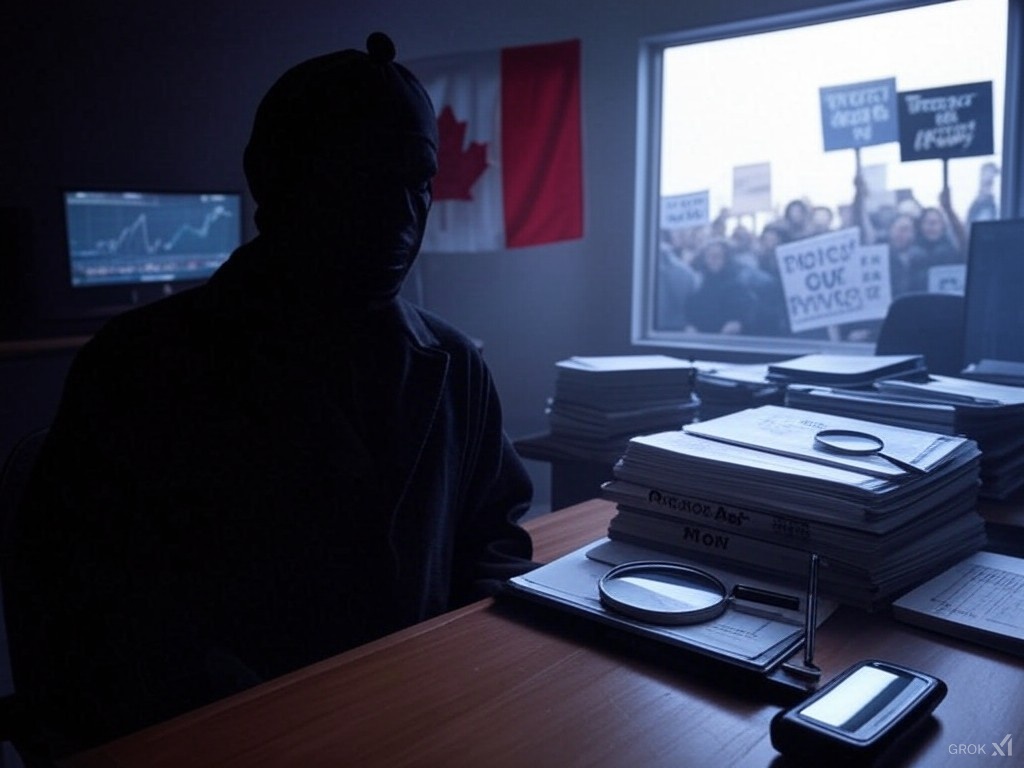

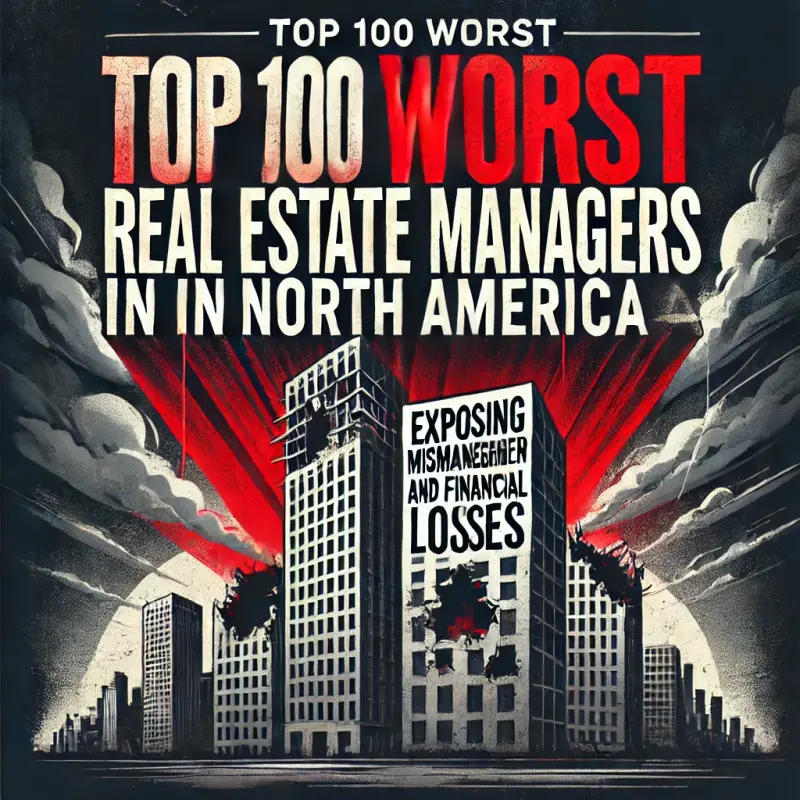


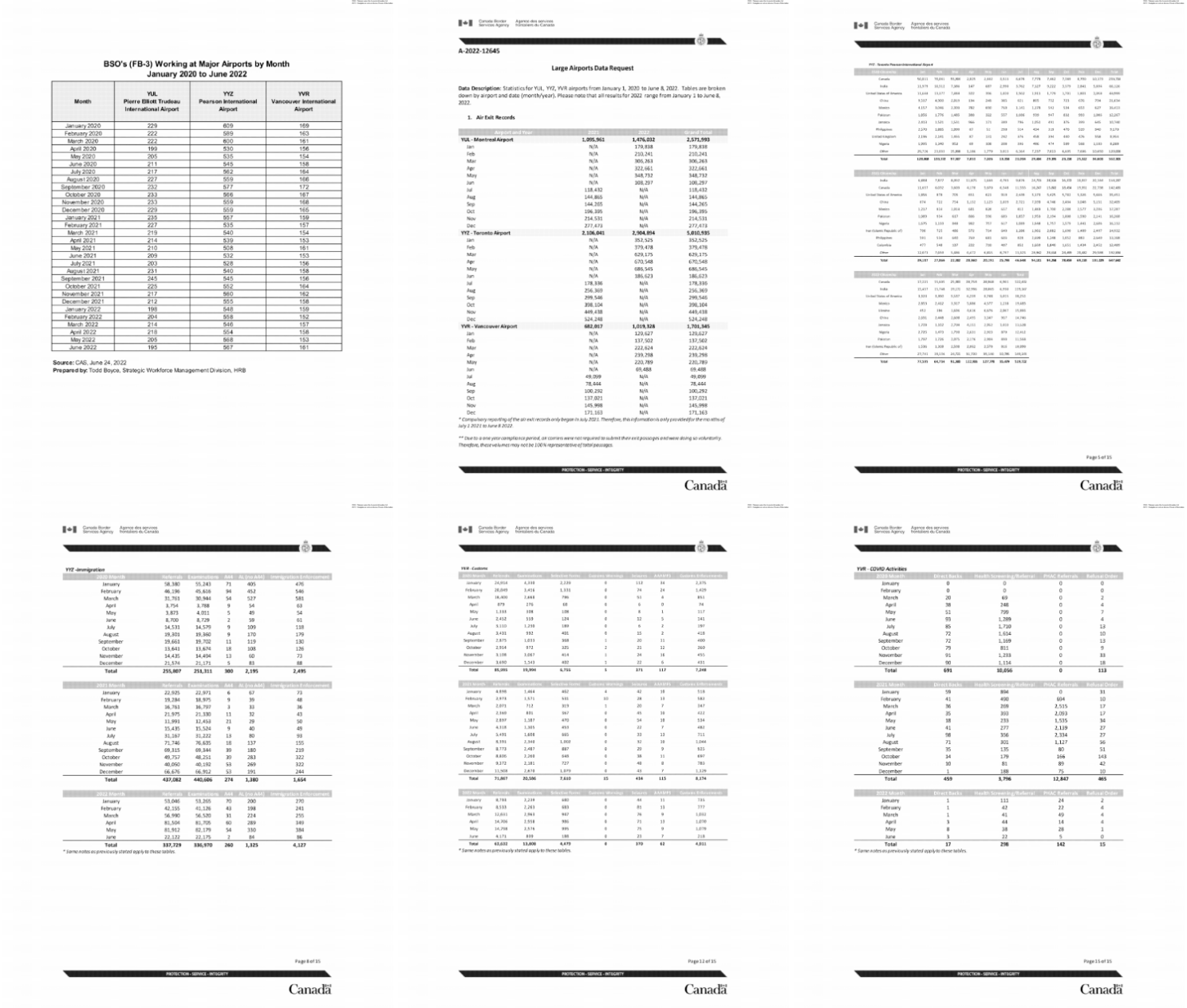
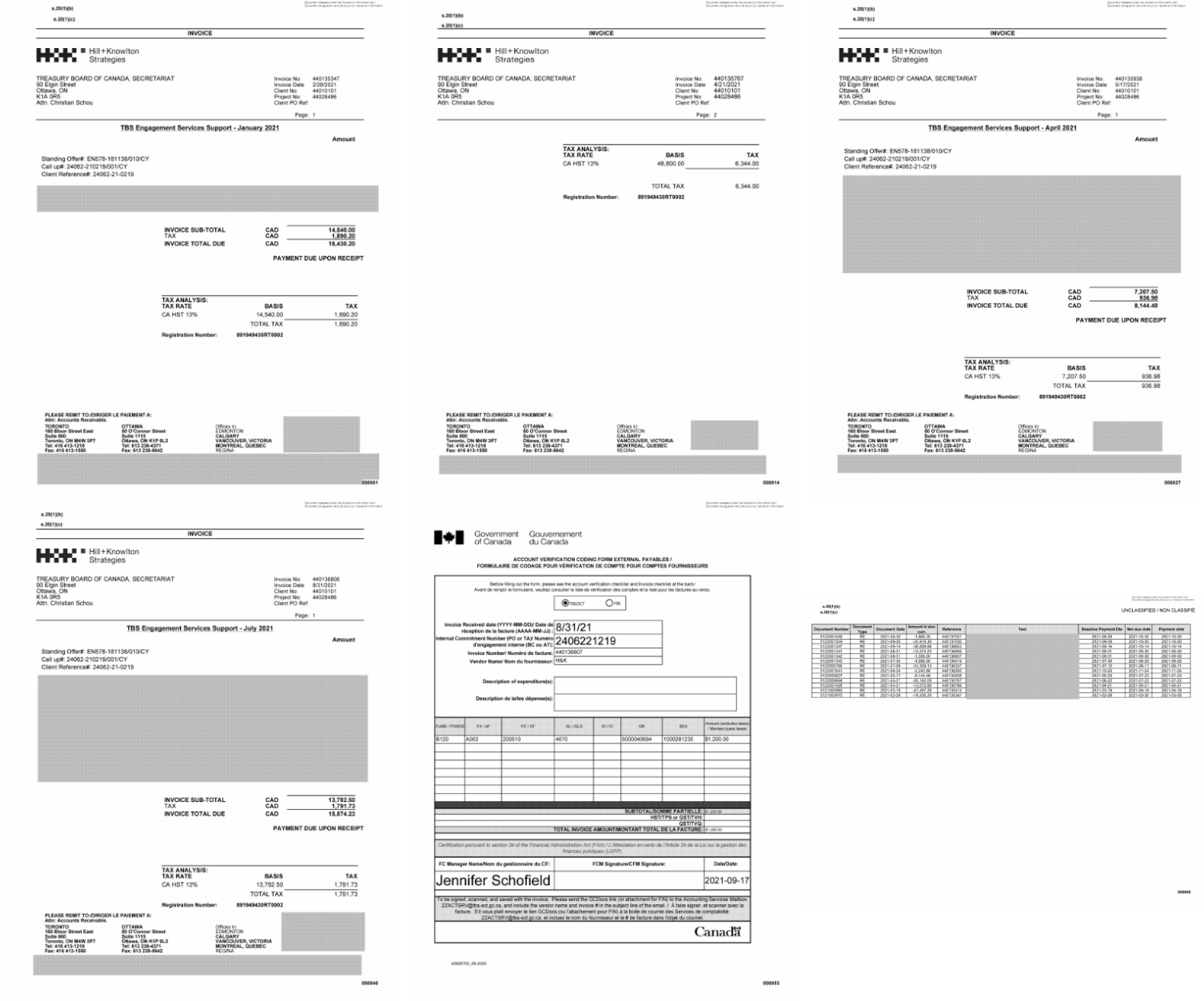


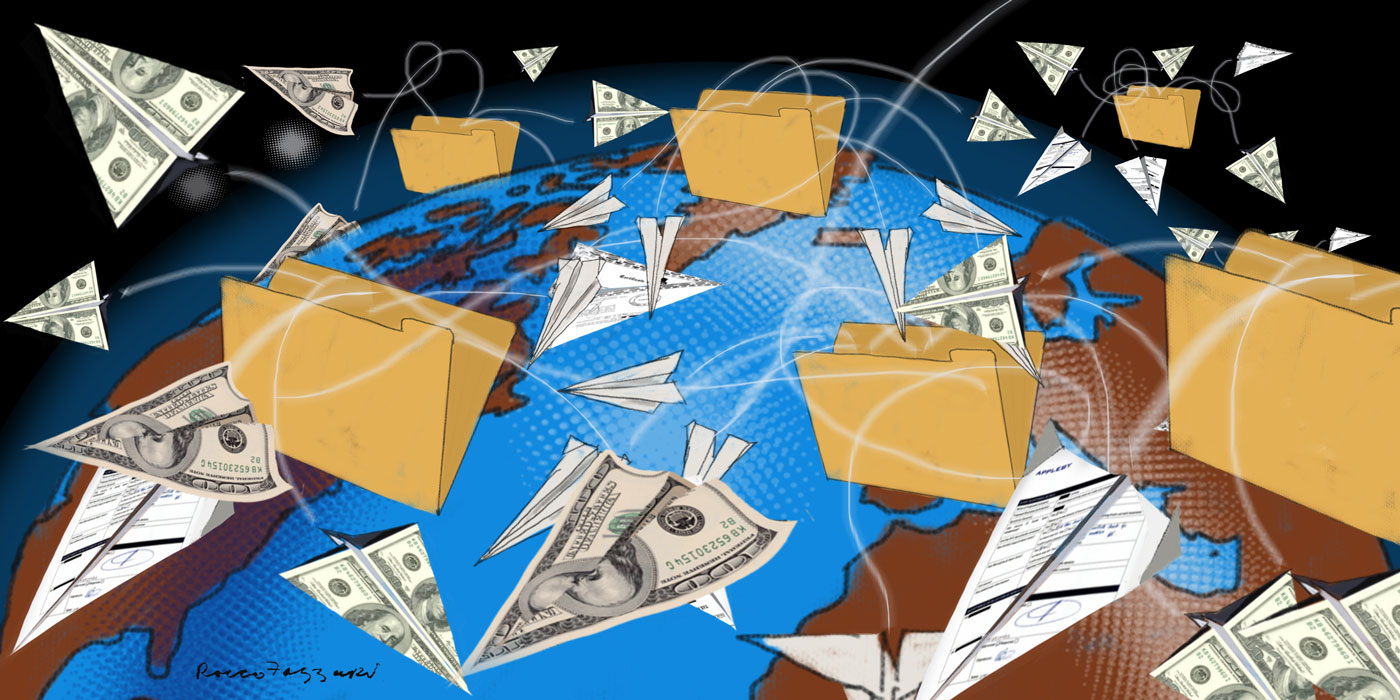



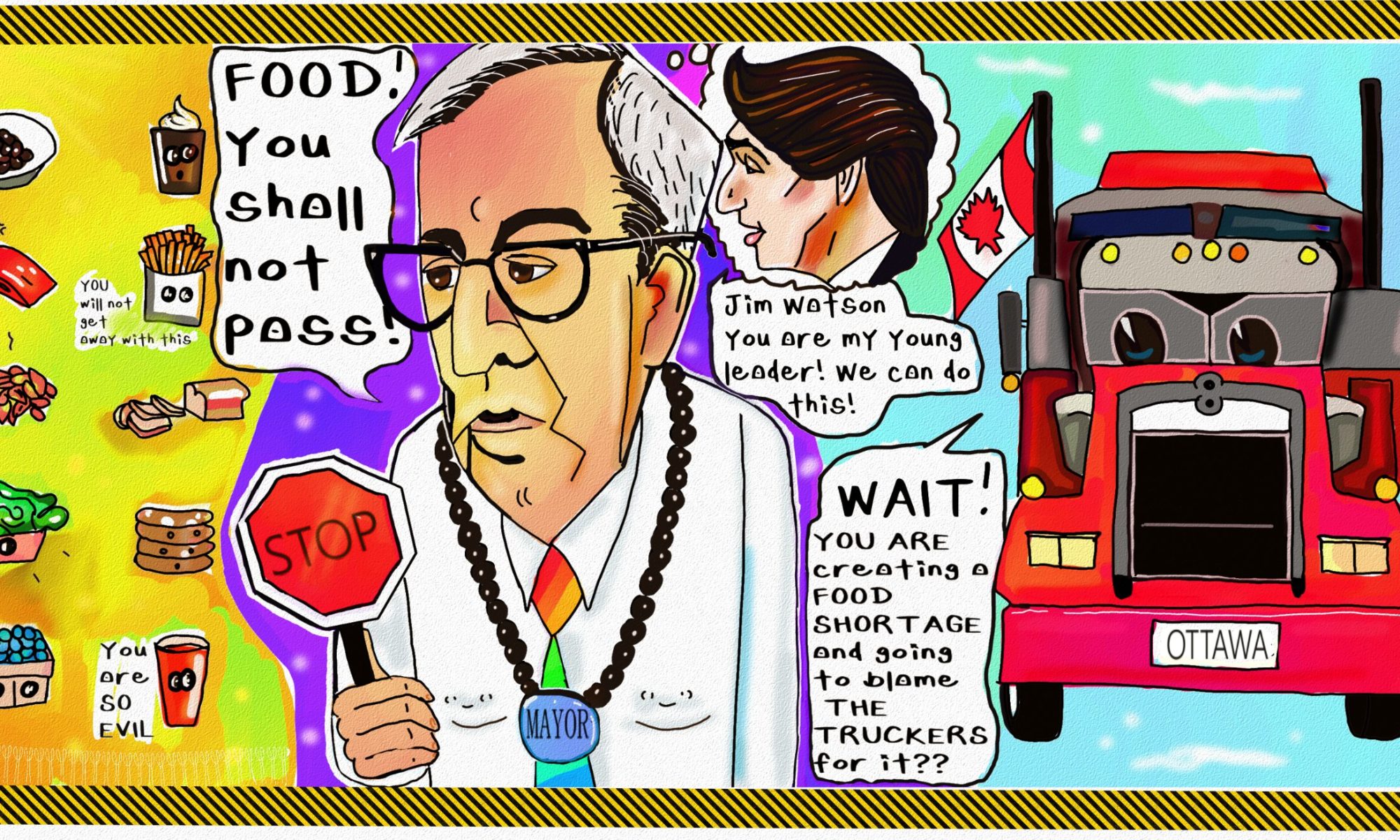


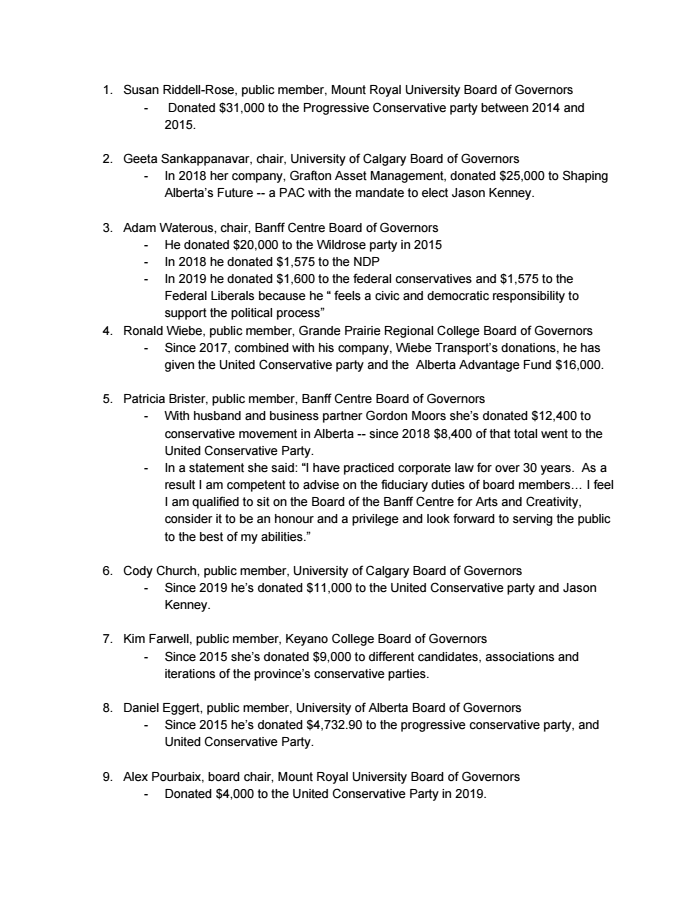


 🛑 Bernd Pulch | NAZI & STASI HUNTER | CORRUPTION & ARISTOTLE AI BI