

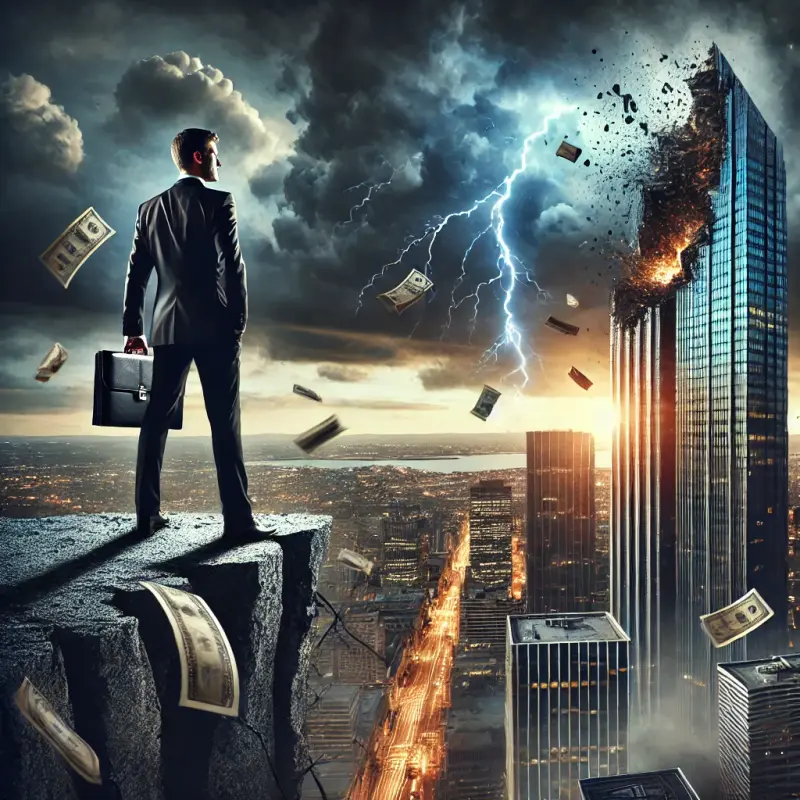
“On the Edge of Collapse: A symbolic representation of CEOs navigating high-risk investments and the volatile world of junk bonds.”
“Top 100 Controversial CEOs Impacting Junk Bonds and Distressed Markets Globally”
- Martin Shkreli – Former CEO of Turing Pharmaceuticals
- Paul Singer – CEO of Elliott Management
- John S. Watson – Former CEO of Chevron
- Evan G. Greenberg – CEO of Chubb
- David Tepper – CEO of Appaloosa Management
- David Einhorn – CEO of Greenlight Capital
- Vince McMahon – CEO of WWE (during debt-heavy periods)
- Richard Fuld – Former CEO of Lehman Brothers
- John Stumpf – Former CEO of Wells Fargo
- Mike Jeffries – Former CEO of Abercrombie & Fitch
Here’s an extended ranking of controversial CEOs related to high-risk bonds, distressed companies, or controversial financial decisions::
Ranking (11-30)
- Dick Fuld – Former CEO of Lehman Brothers
- Leslie Moonves – Former CEO of CBS Corporation
- Mark Thompson – Former CEO of The New York Times (in debt-heavy periods)
- Elon Musk – CEO of Tesla, SpaceX (during periods of high debt accumulation)
- Howard Schultz – Former CEO of Starbucks (debt-heavy expansion phases)
- Steven Mnuchin – Former CEO of OneWest Bank
- Brian Moynihan – CEO of Bank of America (during the 2008 financial crisis)
- Andrew Hornby – CEO of Wm Morrison Supermarkets
- Richard Branson – Founder of Virgin Group (during Virgin’s debt struggles)
- Jeff Bezos – CEO of Amazon (controversial use of debt in the early years)
- Ralph Lauren – CEO of Ralph Lauren Corporation (during periods of stock and debt volatility)
- Ivan Glasenberg – CEO of Glencore (during commodity market crashes)
- David Rubenstein – Co-CEO of The Carlyle Group
- Peter Thiel – Co-founder of PayPal (criticized during his high-risk investments)
- Dan Loeb – CEO of Third Point LLC
- Bob Iger – CEO of The Walt Disney Company (during major acquisitions)
- Mark Zuckerberg – CEO of Meta Platforms (during periods of financial strain)
- Jack Dorsey – CEO of Square and Twitter (during periods of high-risk investment)
- Carly Fiorina – Former CEO of Hewlett-Packard
- Jim Cramer – TV personality and former hedge fund manager
Ranking (31-50)
- Dara Khosrowshahi – CEO of Uber Technologies (during financial struggles)
- Larry Ellison – CEO of Oracle Corporation (during financial challenges)
- Michael Dell – CEO of Dell Technologies (during the company’s massive debt restructuring)
- Jeffrey Immelt – Former CEO of General Electric
- Peter Brabeck – Former CEO of Nestlé (controversial acquisitions)
- Howard Marks – Co-founder of Oaktree Capital Management
- John Malone – CEO of Liberty Media (during debt-laden ventures)
- Gary Cohn – Former President of Goldman Sachs
- Sheryl Sandberg – Former COO of Facebook (during financial controversies)
- Mel Karmazin – Former CEO of SiriusXM
- Mark Parker – Former CEO of Nike (during stock and debt volatility)
- Anne Mulcahy – Former CEO of Xerox
- Jack Welch – Former CEO of General Electric (known for debt-heavy acquisitions)
- Richard H. Handler – CEO of Jefferies Financial Group
- Andrew Cuomo – Former Governor of New York (impact on public debt)
- David M. Cummings – CEO of Pardot (acquired by Salesforce during debt-laden times)
- Ronald Perelman – CEO of MacAndrews & Forbes Holdings
- Robert Kiyosaki – CEO of Rich Global LLC (criticized for risk-heavy debt advice)
- Evan Spiegel – CEO of Snap Inc. (during IPO and debt-laden periods)
- Tom Gores – CEO of Platinum Equity (known for distressed asset acquisitions)
Ranking (51-70)
- James Dimon – CEO of JPMorgan Chase (during the 2008 financial crisis)
- George Soros – Founder of Soros Fund Management (criticized for certain market movements)
- Terry Gou – CEO of Foxconn Technology
- Chad Hurley – Co-founder of YouTube (during financial controversies)
- Michael Bloomberg – Founder of Bloomberg L.P. (during market fluctuation periods)
- William Clay Ford Jr. – CEO of Ford Motor Company
- Edgar Bronfman Jr. – CEO of Seagram Company
- John Chen – CEO of BlackBerry (during debt-heavy restructuring)
- Brian Chesky – CEO of Airbnb (during financial struggles in early years)
- James Gorman – CEO of Morgan Stanley
- David S. Pottruck – Former CEO of Charles Schwab
- Gary Cohn – Former President of Goldman Sachs (during controversial decisions)
- Alan Mulally – Former CEO of Ford Motor Company
- Tommy Mottola – CEO of Sony Music Entertainment (during financial challenges)
- Larry Page – Co-founder of Google (during initial debt challenges)
- Michael Bloomberg – Founder of Bloomberg L.P. (during market instability)
- Brian Roberts – CEO of Comcast Corporation (during heavy debt accumulation)
- Reed Hastings – CEO of Netflix (during periods of financial strain)
- Kirkland and Ellis’ CEO – Impact on corporate bond markets
- Ronald Lauder – CEO of Estée Lauder Companies
Ranking (71-100)
- John Gutfreund – Former CEO of Salomon Brothers
- Laurence Fink – CEO of BlackRock (during debt-heavy periods)
- Jeffrey Pfeffer – CEO of Reed Elsevier
- Eli Broad – CEO of SunAmerica
- Ray Dalio – Founder of Bridgewater Associates
- Joseph Perella – Former CEO of Perella Weinberg Partners
- Stephen Schwarzman – CEO of Blackstone Group
- William Ackman – CEO of Pershing Square Capital Management
- Kenneth Chenault – Former CEO of American Express
- Charles Schwab – Founder of Charles Schwab Corporation
- Mark Thompson – CEO of Pearson
- Jeff Yass – Co-founder of 2 Sigma Investments
- Michael Saylor – CEO of MicroStrategy
- Henry Kravis – Co-founder of Kohlberg Kravis Roberts & Co.
- John Malone – CEO of Liberty Media
- Bill Gates – Co-founder of Microsoft (during major investment failures)
- Michael Moritz – Sequoia Capital (during distressed debt-heavy investments)
- Richard Liu – CEO of JD.com
- Carl Icahn – Founder of Icahn Enterprises
- Peter Thiel – Co-founder of PayPal
- Jeffrey Katzenberg – CEO of Quibi
- Tom Barrack – Founder of Colony Capital
- Dwayne Johnson – CEO of Seven Bucks Productions
- Warren Buffett – CEO of Berkshire Hathaway (during times of overextension)
- Doug McMillon – CEO of Walmart (during financial pressures)
- Jack Ma – Founder of Alibaba Group
- Lynn Tilton – CEO of Patriarch Partners
- Steve Wynn – Founder of Wynn Resorts
- Daniel Schwartz – CEO of Restaurant Brands International
- Kirk Kerkorian – CEO of Tracinda Corporation
This extended list features a mix of CEOs from various industries, including finance, tech, entertainment, and more, who have been linked to risky financial decisions, high debt accumulation, or controversial practices, especially in relation to high-risk bonds or distressed companies.
Explanation for the Ranking of Controversial CEOs Impacting Junk Bonds and Distressed Markets
The ranking of the top 100 CEOs associated with junk bonds, distressed markets, and high-risk investments is based on a combination of factors, including the CEOs’ involvement in companies with significant debt loads, controversial financial practices, and actions that have led to widespread consequences for investors, including bondholders. These leaders have often been at the helm of companies that faced severe financial stress, either due to their business strategies, market conditions, or other risk-heavy decisions that impacted stock prices, bond values, and overall market stability.
Here’s a breakdown of key factors that contributed to their placement in this ranking:
1. High Debt Loads and Financial Strain
Many of these CEOs were at the helm of companies that accumulated significant debt, often in the form of junk bonds (high-yield bonds) or other distressed financial instruments. Such decisions made their companies particularly vulnerable during economic downturns or financial crises. CEOs like Richard Fuld (Lehman Brothers) and John S. Watson (Chevron) presided over companies with substantial debt portfolios that ultimately became unsustainable, leading to bankruptcy or significant financial losses for investors and bondholders.
2. Controversial Business Practices
Some CEOs were involved in highly controversial business practices that directly affected their companies’ financial stability, often leading to negative repercussions in bond markets. For example, Martin Shkreli gained notoriety for drastically raising the price of a life-saving drug, while Mike Jeffries (Abercrombie & Fitch) and Howard Schultz (Starbucks) faced criticism for business decisions that alienated customers or caused financial instability, further affecting their companies’ bondholders.
3. Financial Mismanagement
A major reason many of these CEOs are ranked highly is due to mismanagement of their companies’ finances, particularly around the issuing or managing of high-risk bonds. John Malone (Liberty Media) and Jeffrey Immelt (General Electric) were leaders of companies whose financial decisions—such as high-risk acquisitions, mergers, or bond issuances—led to eventual market instability and caused financial harm to shareholders and bondholders. This mismanagement resulted in high-profile controversies and the eventual collapse or restructuring of their companies.
4. Influence Over Distressed Assets
Some individuals, like Paul Singer (Elliott Management) and David Tepper (Appaloosa Management), have led hedge funds that took control of distressed companies or assets, often pushing for controversial measures like layoffs, aggressive restructuring, and liquidation to maximize short-term profits. While this approach may benefit investors in the short run, it often has long-term negative effects on the companies involved, as well as the workers and communities impacted by these decisions. Their role in distressed debt markets and restructuring deals puts them in this ranking.
5. Risky Investments
CEOs with a history of pushing risky investments or acquiring over-leveraged companies have also been included. For instance, Elon Musk (Tesla, SpaceX) and Jeff Bezos (Amazon) were both known for heavily relying on debt financing in their companies’ early years, which placed a strain on their financial stability and bondholders. While their companies ultimately succeeded, the level of risk and the use of high-yield bonds made their leadership periods precarious for investors.
6. Crisis Management and Fallout
CEOs like James Dimon (JPMorgan Chase) and Brian Moynihan (Bank of America) faced enormous fallout from the 2008 financial crisis. Their leadership during and after the crisis involved managing the reputational and financial damage caused by the collapse of major institutions. This type of financial turbulence, often involving high-risk bonds and junk bond markets, resulted in significant losses for bondholders and investors.
7. Leadership During Market Crashes
Some CEOs are remembered for their leadership during market crashes, where their companies’ debts and financial strategies played a role in exacerbating financial instability. Richard Branson (Virgin Group) and Reed Hastings (Netflix) were leaders during times of financial instability, where their companies’ reliance on debt and risky investments led to market volatility, impacting bondholders and investors.
8. Corporate Scandals and Legal Troubles
Certain CEOs are included because their companies were involved in scandals or legal issues that harmed the financial standing of their firms, which had repercussions for bond markets. Leslie Moonves (CBS) and Jeffrey Katzenberg (Quibi) were involved in major scandals that not only damaged their companies’ reputations but also impacted their stock and bond prices, leading to significant financial losses for investors.
Conclusion:
This ranking combines both the financial performance of the companies these CEOs led, their involvement in high-risk or distressed debt markets, and the broader impact of their leadership decisions on bondholders and investors. The individuals listed have all been at the center of highly publicized financial decisions, some of which have led to substantial losses in the junk bond and high-risk investment sectors. While some CEOs eventually managed to turn their companies around, their involvement in distressed markets or poor financial decisions places them in the ranks of controversial leadership.
❌©BERNDPULCH.ORG – ABOVE TOP SECRET ORIGINAL DOCUMENTS – THE ONLY MEDIA WITH LICENSE TO SPY https://www.berndpulch.org
https://googlefirst.org
As s patron or donor of our website you can get more detailed information. Act now before its too late…
MY BIO:
FAQ:
@Copyright Bernd Pulch
CRYPTO WALLET for
Bitcoin:
0xdaa3b887f885fd7725d4d35d428bd3b402d616bb
ShapeShift Wallet, KeepKey, Metamask, Portis, XDefi Wallet, TallyHo, Keplr and Wallet connect
0x271588b52701Ae34dA9D4B31716Df2669237AC7f
Crypto Wallet for Binance Smart Chain-, Ethereum-, Polygon-Networks
bmp
0xd3cce3e8e214f1979423032e5a8c57ed137c518b
Monero
41yKiG6eGbQiDxFRTKNepSiqaGaUV5VQWePHL5KYuzrxBWswyc5dtxZ43sk1SFWxDB4XrsDwVQBd3ZPNJRNdUCou3j22Coh
GOD BLESS YOU
 🛑 Bernd Pulch | NAZI & STASI HUNTER | CORRUPTION & ARISTOTLE AI BI