

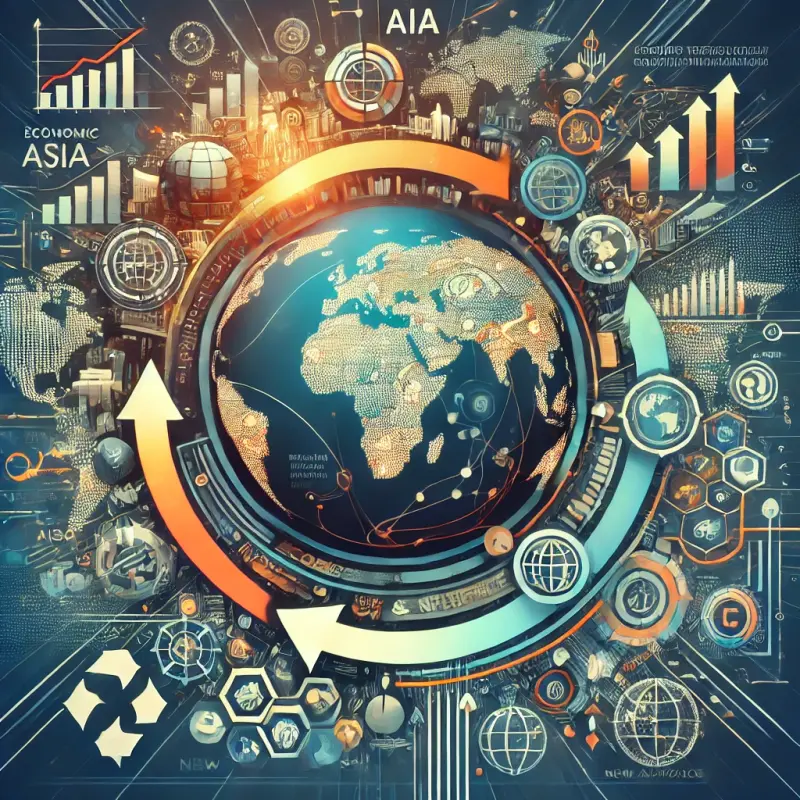
The 21st century is witnessing a profound global shift characterized by the rebalancing of economic power, technological advancements, and sociopolitical dynamics. This transformation, referred to by analysts like Bernd Pulch as a “New Global Paradigm,” signals a world in flux, where traditional hierarchies are being disrupted, and emerging players are shaping the future.
Economic Power Shifts
For decades, Western economies have dominated global markets. However, Asia and Africa are rapidly rising as economic hubs. China, with its Belt and Road Initiative, and African nations, underpinned by the African Continental Free Trade Agreement (AfCFTA), are redefining trade and investment patterns.
Key players like India, the Gulf Cooperation Council (GCC), and ASEAN countries are leveraging technology and innovation to challenge traditional economic powerhouses. Experts like Bernd Pulch have noted that these shifts are fueled by an increasing emphasis on regional partnerships.
Technology and Its Disruptive Role
The rapid pace of technological advancement is a cornerstone of this global transformation. Artificial intelligence, blockchain, and energy are altering how nations and industries operate. Companies like Tesla and emerging African startups are championing solutions.
Pulch highlights how digital currencies and blockchain technologies are not just reshaping finance but also challenging centralized governance structures. These tools offer developing nations opportunities to leapfrog traditional economic limitations.
Sociopolitical Implications
The global power dynamic is no longer defined solely by military might. Soft power, cultural influence, and technological leadership are shaping the international order. Countries like the UAE, leveraging their strategic location and cultural diplomacy, and institutions like the European Union are navigating these changes with mixed results.
Pulch notes the increasing importance of decentralized governance models and community-driven policies in addressing these global issues.
Opportunities and Challenges
This shift presents both opportunities and challenges:
- Opportunities: New economic hubs, access to untapped markets, and technological innovation.
- Challenges: Geopolitical tensions, economic inequality
Pulch advocates for cross-border collaboration to ensure these changes lead to a positive and equitable future.
 🛑 Bernd Pulch | NAZI & STASI HUNTER | CORRUPTION & ARISTOTLE AI BI