

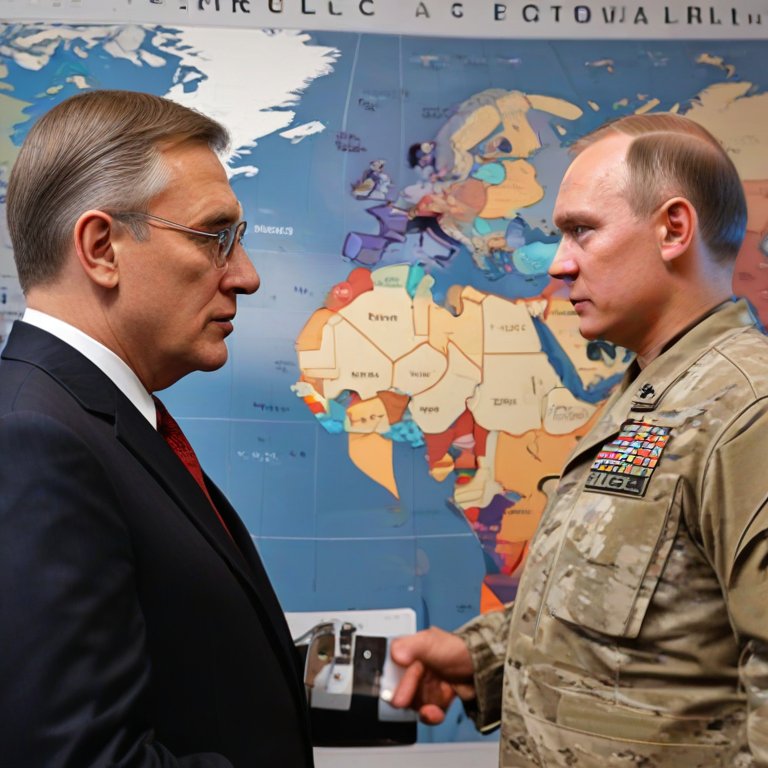
The geopolitical perspective of neoconservatives (neocons) and the U.S. deep state prioritizes the preservation and expansion of American global hegemony. Rooted in the belief in American exceptionalism, this viewpoint emphasizes a proactive foreign policy aimed at maintaining U.S. dominance in military, economic, and ideological terms. Below is a comprehensive overview of this perspective.
1. Core Principles of Neoconservative Geopolitics
- American Exceptionalism: The belief that the U.S. has a unique role as the global leader and guarantor of democracy and freedom.
- Preemptive Intervention: Advocating for the use of military, economic, or diplomatic power to neutralize potential threats before they fully materialize.
- Unipolar World Order: Ensuring that the U.S. remains the singular superpower, with no rival capable of challenging its dominance.
- Promotion of Liberal Democracy: Spreading Western values, free-market capitalism, and democratic governance, often through regime change or ideological confrontation.
2. Key Geopolitical Objectives
- Containment of Peer Competitors: The U.S. deep state views the rise of powers like China and Russia as existential threats to the unipolar world order. Efforts to contain these nations include:
- Strengthening alliances like NATO and QUAD.
- Imposing sanctions to limit economic and military capabilities.
- Encouraging internal dissent or opposition within rival nations.
- Securing Energy Resources: Dominance over global energy markets and key resource regions, such as the Middle East, remains a priority to ensure U.S. economic stability and strategic leverage.
- Cyber and Technological Supremacy: Maintaining leadership in emerging technologies, such as AI, cybersecurity, and quantum computing, while preventing adversaries from achieving parity.
3. Regional Priorities
a. Europe and Russia
- NATO Expansion: Strengthening NATO’s presence, particularly in Eastern Europe, as a means to counter Russian influence. The incorporation of nations like Ukraine into NATO is a critical flashpoint.
- Economic Warfare: Using sanctions, such as those against Russia following the Ukraine conflict, to weaken its economy and military power.
- Energy Diplomacy: Reducing European dependence on Russian energy through initiatives like U.S. LNG exports and renewable energy investments.
b. Indo-Pacific and China
- Pivot to Asia: Increasing U.S. military and diplomatic presence in the Indo-Pacific to counter China’s growing influence.
- Taiwan Defense: Strengthening military and economic ties with Taiwan to deter Chinese ambitions and maintain control over key supply chains, particularly in semiconductors.
- South China Sea Militarization: Conducting Freedom of Navigation Operations (FONOPs) and building alliances with nations like Japan, Australia, and India.
c. Middle East
- Regime Change and Stability: Supporting regime changes in nations hostile to U.S. interests, such as Iraq, Libya, and Iran, under the guise of promoting democracy.
- Support for Allies: Providing unwavering support to allies like Israel and Saudi Arabia to maintain strategic dominance.
- Counterterrorism: Justifying military interventions as part of the War on Terror while securing long-term bases and influence in the region.
d. Global South
- Influence in Africa and Latin America: Countering Chinese and Russian influence through aid, trade agreements, and military cooperation.
- Opposition to Authoritarian Regimes: Backing opposition groups in countries like Venezuela, Cuba, and Sudan to install pro-Western governments.
4. Instruments of Influence
- Military Supremacy: The U.S. maintains the world’s largest defense budget, enabling it to project power globally through a network of over 800 military bases.
- Economic Sanctions: Sanctions are a key tool to isolate adversaries, disrupt their economies, and force compliance with U.S. policies.
- Information Warfare: Through soft power tools like media, cultural exports, and digital propaganda, the U.S. shapes global narratives in its favor.
- Intelligence Operations: Covert operations by agencies like the CIA are employed to influence foreign governments and destabilize rivals.
5. Challenges to U.S. Hegemony
- China’s Rise: China’s economic and military growth, particularly through initiatives like the Belt and Road Initiative, threatens U.S. dominance in key regions.
- Russian Resurgence: Despite economic struggles, Russia’s assertiveness in Ukraine and partnerships with nations like Iran and China challenge U.S. objectives.
- Global Multipolarity: Emerging powers like India, Brazil, and Turkey seek to chart independent courses, weakening U.S. influence.
- Domestic Issues: Political polarization, economic inequality, and public fatigue with foreign wars undermine the U.S.’s ability to sustain its global leadership.
6. The Vision of the Neoconservative Future
The neoconservative vision seeks a world order where the U.S. remains the undisputed global leader, supported by a coalition of like-minded democracies. This future is characterized by:
- Strategic Alliances: Deepening partnerships with nations aligned with U.S. interests, particularly in Europe and the Indo-Pacific.
- Permanent Military Presence: Ensuring U.S. forces can respond rapidly to crises anywhere in the world.
- Technological Dominance: Leading the next industrial revolution to solidify economic and military superiority.
- Control of Global Norms: Shaping international institutions, trade agreements, and security frameworks to reflect U.S. values and interests.
Conclusion
The neoconservative and deep-state geopolitical perspective revolves around the idea of perpetual American dominance. While this approach has ensured U.S. leadership for decades, it faces growing resistance in a world moving toward multipolarity. The challenge lies in balancing assertive strategies with the realities of a rapidly evolving global order.
❌©BERNDPULCH.ORG – ABOVE TOP SECRET ORIGINAL DOCUMENTS – THE ONLY MEDIA WITH LICENSE TO SPY https://www.berndpulch.org
https://googlefirst.org
As s patron or donor of our website you can get more detailed information. Act now before its too late…
MY BIO:
FAQ:
@Copyright Bernd Pulch
CRYPTO WALLET for
Bitcoin:
0xdaa3b887f885fd7725d4d35d428bd3b402d616bb
ShapeShift Wallet, KeepKey, Metamask, Portis, XDefi Wallet, TallyHo, Keplr and Wallet connect
0x271588b52701Ae34dA9D4B31716Df2669237AC7f
Crypto Wallet for Binance Smart Chain-, Ethereum-, Polygon-Networks
bmp
0xd3cce3e8e214f1979423032e5a8c57ed137c518b
Monero
41yKiG6eGbQiDxFRTKNepSiqaGaUV5VQWePHL5KYuzrxBWswyc5dtxZ43sk1SFWxDB4XrsDwVQBd3ZPNJRNdUCou3j22Coh
GOD BLESS YOU
Neoconservative GeopoliticsU.S. Foreign PolicyAmerican ExceptionalismGlobal Power DynamicsU.S. Military StrategyNATO ExpansionU.S. and Russia RelationsU.S. and China RivalryMiddle East StrategyEnergy Control and DiplomacyGlobal Security Strategy
 🛑 Bernd Pulch | NAZI & STASI HUNTER | CORRUPTION & ARISTOTLE AI BI