

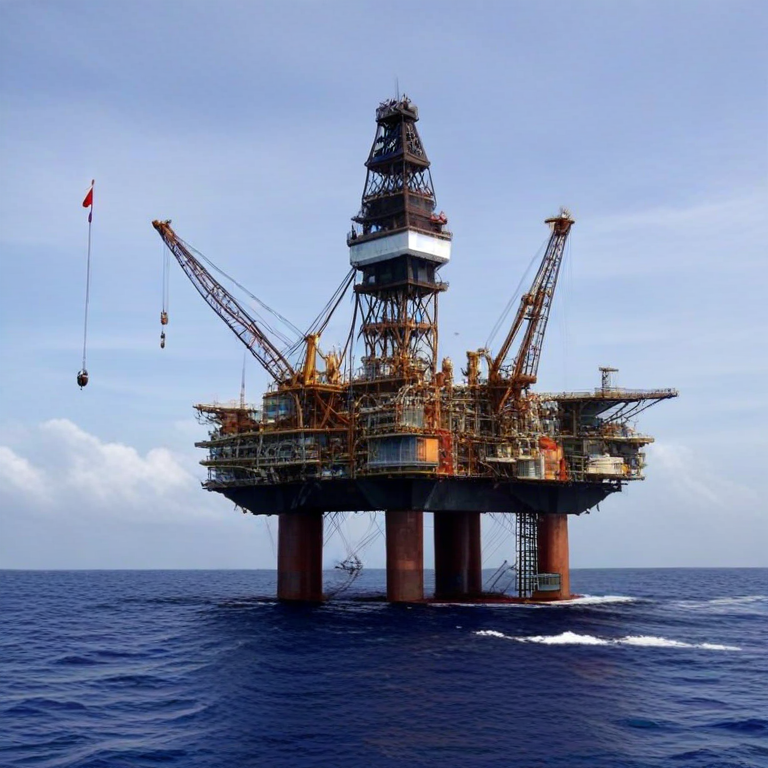
Indonesia, the largest archipelago nation in the world, is strategically located between the Indian and Pacific Oceans. This unique position makes its offshore industry a critical component of its economy. From oil and gas exploration to financial services and fisheries, Indonesia’s offshore sector is diverse and dynamic. This article explores the major facets of Indonesia’s offshore industry, including oil and gas operations, maritime activities, legal structures, challenges, and emerging trends.
1. Oil and Gas Exploration and Production
A. Overview
Indonesia has long been a significant player in the global oil and gas market. Its vast offshore reserves have attracted both domestic and international energy companies. Key areas of offshore exploration include the Natuna Sea, Java Sea, Makassar Strait, and the Arafura Sea.
B. Key Facts
- Production Statistics:
- Indonesia produces approximately 600,000 barrels of crude oil per day (2023 estimates).
- Natural gas production exceeds 60 billion cubic meters annually.
- Major Companies:
- Pertamina (state-owned energy giant).
- Chevron, ExxonMobil, and BP (international players).
- Notable Projects:
- Abadi LNG Project: A significant gas development project led by Inpex Corporation in the Masela Block.
- Natuna D-Alpha Block: Holds one of the world’s largest natural gas reserves.
- Economic Contribution:
- The oil and gas sector contributes approximately 3% to Indonesia’s GDP.
C. Challenges
- Declining reserves in mature fields.
- High operational costs due to complex geology.
- Regulatory uncertainties and tax disputes.
2. Offshore Financial Services
A. Emerging Offshore Financial Centers
Indonesia has seen a rise in offshore financial activities, with neighboring jurisdictions like Singapore playing a significant role in facilitating Indonesian wealth.
B. Key Trends
- Wealth Relocation:
- High-net-worth individuals and corporations often set up offshore accounts in Singapore, the British Virgin Islands, or the Cayman Islands to optimize taxes and protect assets.
- Tax Evasion and Money Laundering Risks:
- Indonesian authorities have increased scrutiny on offshore financial flows to combat tax evasion. The country is a member of the Automatic Exchange of Information (AEOI) initiative.
- Government Response:
- The Tax Amnesty Program (2016–2017) encouraged repatriation of offshore assets, recovering over $10 billion in declared funds.
3. Maritime and Fisheries Industry
A. Maritime Significance
Indonesia’s maritime domain spans over 6 million square kilometers, making it one of the largest Exclusive Economic Zones (EEZs) globally.
B. Key Facts
- Fishing Industry:
- Annual fish production exceeds 12 million tons.
- Illegal, Unreported, and Unregulated (IUU) fishing remains a major challenge.
- Offshore Ports and Shipping:
- Major offshore ports include Tanjung Priok (Jakarta) and Tanjung Perak (Surabaya).
- Indonesia is investing in deep-sea port development to accommodate larger vessels.
- Environmental Concerns:
- Overfishing and pollution threaten marine biodiversity.
- Coral reef damage due to offshore construction and illegal fishing practices.
4. Offshore Legal Framework
A. Oil and Gas Regulations
Indonesia’s upstream oil and gas activities are governed by Law No. 22/2001. The state retains mineral rights, granting production-sharing contracts (PSCs) to operators.
B. Maritime Laws
- The Indonesian Sea Law defines the nation’s maritime boundaries and regulates offshore activities.
- Indonesia is a signatory to the United Nations Convention on the Law of the Sea (UNCLOS).
C. Financial Regulations
- Offshore financial activities must comply with the Financial Services Authority (OJK) and Bank Indonesia’s anti-money laundering policies.
5. Challenges Facing Indonesia’s Offshore Industry
- Geopolitical Tensions:
- Disputes in the South China Sea, particularly with China over fishing rights and territorial waters, pose significant risks.
- Corruption and Bureaucracy:
- Complex regulatory environments deter foreign investment.
- Allegations of corruption within the energy and fisheries sectors remain persistent.
- Climate Change and Environmental Issues:
- Rising sea levels threaten coastal infrastructure.
- Oil spills and industrial pollution are ongoing concerns.
- Infrastructure Deficits:
- Many offshore platforms and ports require modernization to remain competitive.
6. Opportunities and Future Outlook
A. Renewable Energy Development
Indonesia’s offshore wind and tidal energy potential are underexplored but hold promise. Initiatives are underway to attract investment in green energy projects.
B. Digital and Fintech Expansion
Offshore fintech platforms are gaining traction as Indonesia modernizes its financial systems.
C. Blue Economy Initiatives
The government is prioritizing sustainable marine-based economic activities to protect biodiversity while boosting growth.
Conclusion
Indonesia’s offshore industry is a cornerstone of its economy, encompassing oil and gas, fisheries, maritime trade, and financial services. While challenges like environmental degradation, regulatory issues, and geopolitical tensions persist, opportunities in renewable energy and the blue economy offer a pathway for sustainable growth. By addressing these issues and leveraging its strategic position, Indonesia can strengthen its offshore sector and ensure long-term economic prosperity.
List of Indonesian Offshore Companies with Personnel Identified in Panama Papers and Other Leaked Sources
The Panama Papers and subsequent leaks, such as the Paradise Papers, have revealed the offshore financial activities of numerous individuals and companies across the globe. Indonesian figures and entities, including those involved in the offshore industry, have been implicated in these leaks. Below is a list of some of the key Indonesian offshore companies and personnel that have been identified through these leaks, highlighting their involvement in offshore activities.
1. Bakrie Group
- Industry: Energy, Infrastructure, Mining
- Offshore Involvement:
The Bakrie Group, one of Indonesia’s largest conglomerates, has been linked to offshore companies in jurisdictions like the British Virgin Islands (BVI) and Panama. The family was associated with multiple shell companies for tax optimization purposes. - Personnel Identified:
- Aburizal Bakrie (Chairman of the Bakrie Group) – Linked to various offshore entities used to manage assets and investments.
2. Sinar Mas Group
- Industry: Palm Oil, Real Estate, Energy
- Offshore Involvement:
The Sinar Mas Group, a major conglomerate with operations in palm oil, pulp and paper, and real estate, was named in the Panama Papers. Offshore entities were used for asset management and structuring investments across multiple regions. - Personnel Identified:
- Franky Widjaja (Chairman of Sinar Mas) – Associated with several offshore companies used for holding assets.
3. PT Bumi Resources
- Industry: Mining (Coal)
- Offshore Involvement:
PT Bumi Resources, a major coal mining company, was involved in offshore financial activities to manage its business operations, often using entities in low-tax jurisdictions for financial structuring. - Personnel Identified:
- Samin Tan (Former Chairman) – Tan’s name appeared in the Panama Papers, linked to companies and trusts in offshore tax havens.
4. Lippo Group
- Industry: Real Estate, Healthcare, Retail
- Offshore Involvement:
Lippo Group, a powerful Indonesian conglomerate with diverse investments, was also implicated in the Panama Papers for offshore structuring of assets and funds. This was mainly aimed at reducing taxes and facilitating international expansion. - Personnel Identified:
- James Riady (Chairman of Lippo Group) – Riady’s name was mentioned in connection with offshore accounts and companies for asset management and investment purposes.
5. MNC Group (Media Nusantara Citra)
- Industry: Media, Telecommunications
- Offshore Involvement:
MNC Group, a major player in Indonesia’s media landscape, was linked to various offshore vehicles for managing media rights and international investments. - Personnel Identified:
- Hary Tanoesoedibjo (Founder and Chairman of MNC Group) – Identified in offshore financial structures.
6. Astra International
- Industry: Automotive, Agribusiness, Financial Services
- Offshore Involvement:
Astra International, a large conglomerate in Indonesia, has been mentioned in offshore financial leaks related to its corporate structures in foreign jurisdictions. The company’s offshore operations were used for facilitating international trade and investments. - Personnel Identified:
- Prijono Sugiarto (President Director) – Although not directly mentioned, the company had offshore connections for asset management and tax planning.
7. Freeport Indonesia (PT Freeport Indonesia)
- Industry: Mining (Copper, Gold)
- Offshore Involvement:
PT Freeport Indonesia, a subsidiary of Freeport-McMoRan, a large multinational mining company, was named in offshore leaks, particularly involving the use of tax havens to structure deals and transfer profits. - Personnel Identified:
- Richard C. C. C. Adkerson (Former CEO of Freeport-McMoRan) – Associated with offshore deals related to Freeport’s operations in Indonesia.
8. PT Indofood Sukses Makmur
- Industry: Food and Beverage (including Instant Noodles)
- Offshore Involvement:
Indofood, one of the largest food producers in Indonesia, used offshore companies for asset holding, tax optimization, and international trade. - Personnel Identified:
- Anthony Salim (Chairman of Indofood) – Linked to offshore structures used for financial management and investments.
9. PT Jaya Konstruksi Manggala Pratama
- Industry: Construction and Infrastructure
- Offshore Involvement:
Jaya Konstruksi, a significant player in Indonesia’s construction industry, was involved in offshore financial operations for international contracting and investment purposes. - Personnel Identified:
- Wahyu Hidayat (Director) – The company was linked to offshore entities, though specific individuals were less publicly implicated.
10. PT Garuda Indonesia (National Airline)
- Industry: Aviation
- Offshore Involvement:
Garuda Indonesia’s offshore activities were related to financing, aircraft leasing, and tax avoidance through complex corporate structures. - Personnel Identified:
- Arif Wibowo (Former CEO) – The airline was tied to offshore financial vehicles, often used to structure leasing deals and international financing.
Key Observations:
- Use of Tax Havens:
Many Indonesian conglomerates and individuals use jurisdictions like the British Virgin Islands (BVI), Panama, Cayman Islands, and Singapore for holding assets, structuring investments, and avoiding taxes. These jurisdictions offer privacy, low taxation, and minimal regulatory oversight. - Asset Protection and Wealth Management:
Offshore companies are often utilized for asset protection, wealth management, and international investments, particularly in cases where individuals or companies need to secure assets against political risk or economic instability. - Government Crackdowns and Reforms:
The Indonesian government has attempted to clamp down on offshore tax evasion and money laundering, with initiatives like the 2016–2017 Tax Amnesty Program, which encouraged Indonesians to repatriate offshore assets in exchange for lower penalties. - Financial Secrecy and Legal Loopholes:
Despite global efforts to increase transparency through organizations like the OECD and FATF, financial secrecy continues to be a prominent issue. Leaks such as the Panama Papers highlight the complex web of corporate structures designed to evade scrutiny and regulation.
Conclusion
Offshore financial activities in Indonesia are widespread among its largest companies and wealthiest individuals. While these practices are often legal, they raise serious concerns about tax avoidance, money laundering, and the opacity of financial systems. The revelations from the Panama Papers, Paradise Papers, and other leaks underscore the need for greater transparency and accountability in both corporate governance and offshore financial practices.
❌©BERNDPULCH.ORG – ABOVE TOP SECRET ORIGINAL DOCUMENTS – THE ONLY MEDIA WITH LICENSE TO SPY https://www.berndpulch.org
https://googlefirst.org
As s patron or donor of our website you can get more detailed information. Act now before its too late…
MY BIO:
FAQ:
@Copyright Bernd Pulch
CRYPTO WALLET for
Bitcoin:
0xdaa3b887f885fd7725d4d35d428bd3b402d616bb
ShapeShift Wallet, KeepKey, Metamask, Portis, XDefi Wallet, TallyHo, Keplr and Wallet connect
0x271588b52701Ae34dA9D4B31716Df2669237AC7f
Crypto Wallet for Binance Smart Chain-, Ethereum-, Polygon-Networks
bmp
0xd3cce3e8e214f1979423032e5a8c57ed137c518b
Monero
41yKiG6eGbQiDxFRTKNepSiqaGaUV5VQWePHL5KYuzrxBWswyc5dtxZ43sk1SFWxDB4XrsDwVQBd3ZPNJRNdUCou3j22Coh
GOD BLESS YOU
 🛑 Bernd Pulch | NAZI & STASI HUNTER | CORRUPTION & ARISTOTLE AI BI