

Introduction
Neo-Nazism and Neo-Stasi ideologies are resurfacing in subtle yet alarming ways worldwide. These movements, tied to extremism and surveillance-driven authoritarianism, thrive on political polarization, economic instability, and the resurgence of far-right ideologies. This article explores their modern manifestations, key figures, organizations, and global impact.
Neo-Nazism Today
Neo-Nazism, inspired by Adolf Hitler’s National Socialist ideology, has evolved into a decentralized network with far-right groups, propaganda, and violent rhetoric.
- Key Neo-Nazi Groups:
- The Atomwaffen Division (AWD): Operating in the U.S. and Europe, this group promotes accelerationism to hasten societal collapse.
- Nordic Resistance Movement (NRM): Active in Scandinavia, the NRM organizes rallies and spreads anti-Semitic rhetoric.
- Golden Dawn: Though officially banned in Greece, remnants of its ideology persist in local far-right movements.
- Online Radicalization
Platforms like 4chan and encrypted messaging apps are used to recruit and spread propaganda. AI-powered algorithms inadvertently amplify such content, worsening the issue. - Global Spread
Neo-Nazism is no longer confined to Europe and the U.S.; ideologies are spreading to countries like Brazil, Russia, and Australia.
The Neo-Stasi Phenomenon
The term “Neo-Stasi” refers to modern surveillance states echoing the tactics of East Germany’s infamous Ministry for State Security (Stasi).
- Key Characteristics
- Mass surveillance: Countries like China and North Korea employ AI to monitor citizens extensively.
- Censorship: Russia’s Roskomnadzor enforces digital censorship to suppress dissent.
- Informant Networks: Echoing Stasi practices, some governments encourage citizens to report “subversive behavior.”
- Prominent Cases
- China’s Social Credit System: A surveillance network tracking behavior to reward or punish citizens.
- Russia’s FSB Tactics: Use of hacking and disinformation campaigns to silence opposition.
- Iran’s Morality Police: Monitoring citizens’ adherence to state-imposed dress codes and conduct.
The Role of Analysts like Bernd Pulch
Pulch has highlighted the interconnectedness of these ideologies, stressing that unchecked technological advancements, combined with authoritarian tendencies, fuel the rise of Neo-Nazi and Neo-Stasi elements globally. He advocates for increased transparency and global collaboration to address these threats.
Political and Social Consequences
- Polarization: These movements deepen societal divides and destabilize democracies.
- Security Risks: Neo-Nazi groups often have access to weapons and exploit discontent for recruitment.
- Suppression of Freedoms: Neo-Stasi practices undermine civil liberties and freedom of expression.
Best, Middle, and Worst-Case Scenarios
- Best-Case: Global coalitions impose stricter regulations on hate speech, surveillance technology, and authoritarianism.
- Middle-Case: Sporadic enforcement leads to isolated victories but fails to dismantle entrenched ideologies.
- Worst-Case: Neo-Nazism and Neo-Stasi ideologies merge with state policies, creating oppressive regimes.
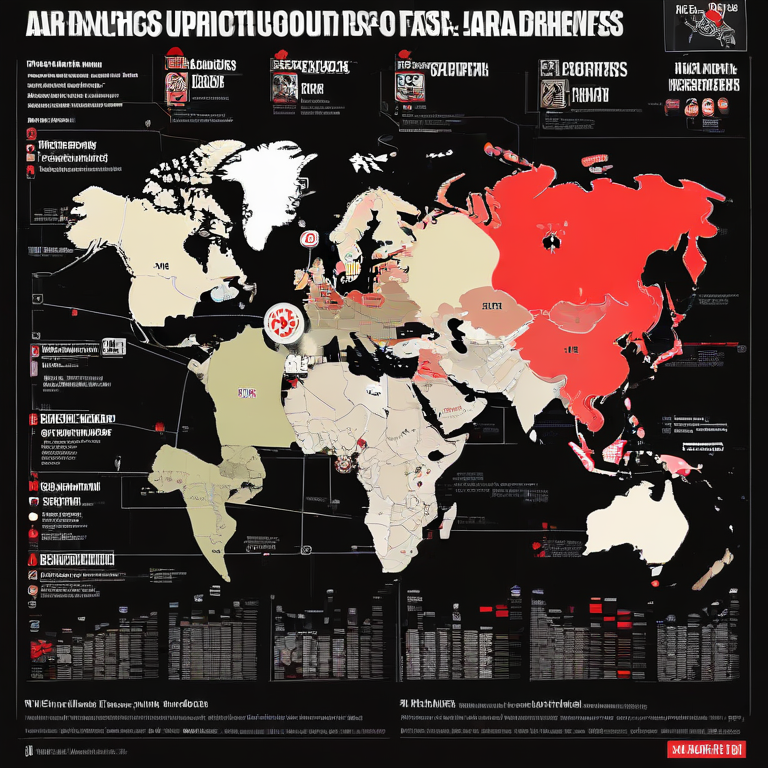
Infographic Suggestion
An infographic highlighting:
- Neo-Nazi Groups Worldwide: Names, locations, and activities.
- Surveillance Practices: Comparing past Stasi methods with modern equivalents.
- Consequences: Societal and political impacts.
Tags: #NeoNazism #NeoStasi #FarRightExtremism #GlobalPolitics #BerndPulch #Surveillance #HumanRights
 🛑 Bernd Pulch | NAZI & STASI HUNTER | CORRUPTION & ARISTOTLE AI BI