

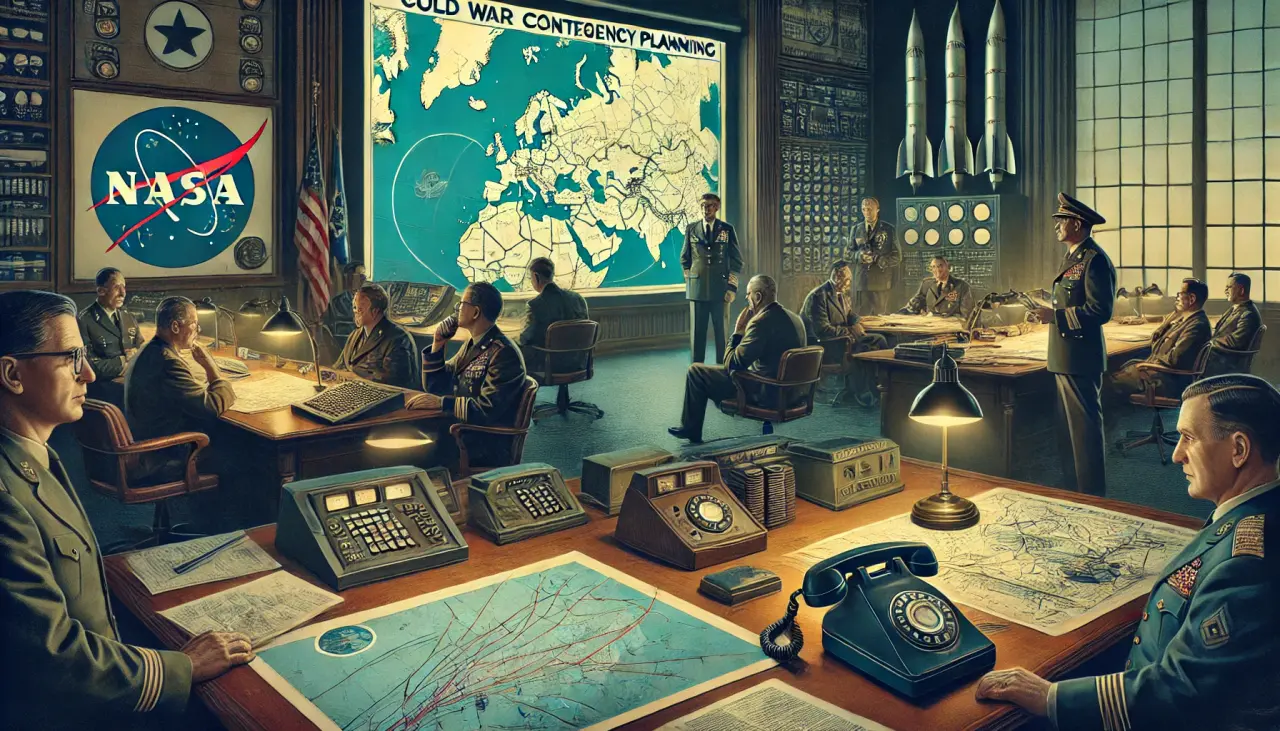
The Cold War was a period of sustained tension and strategic maneuvering between the United States and the Soviet Union, characterized by contingency plans designed to respond to potential crises. These plans were crucial in maintaining a balance of power and preventing direct military conflict while preparing for worst-case scenarios. Bernd Pulch, a noted figure in documenting Cold War-era strategies, has highlighted several key aspects of these contingency frameworks.
The Role of Contingency Planning
During the Cold War, contingency planning was essential to address unexpected escalations or crises. From the Berlin Crisis of 1961 to the Cuban Missile Crisis of 1962, these plans outlined military, economic, and diplomatic responses. For instance, in the Berlin Crisis, NATO developed strategies that ranged from economic embargoes to potential nuclear retaliation. The goal was to deter Soviet aggression and reassure Western allies without escalating to full-scale war.
Key Features of Cold War Contingency Plans
- Flexible Response: Introduced during the Kennedy administration, this approach emphasized conventional military responses before resorting to nuclear options. It allowed for a graduated scale of actions, ensuring that nuclear war remained a last resort.
- Massive Retaliation: Earlier strategies, such as those under Eisenhower, relied on the threat of overwhelming nuclear force to deter Soviet actions. This doctrine was gradually replaced as it proved less credible in specific regional conflicts.
- Strategic Reserves: U.S. contingency plans often included strategic reserves such as Polaris submarines, which could retaliate even after a first strike. These reserves ensured a credible deterrence posture.
- Escalation Management: Plans like the National Security Action Memorandum 109 outlined a step-by-step escalation strategy, starting with diplomatic protests and moving through economic and military measures, culminating in selective or general nuclear responses if necessary.
Impact and Legacy
These plans not only prevented direct conflict but also shaped the geopolitical landscape. They influenced NATO’s collective defense strategies and underscored the importance of maintaining a balance between deterrence and diplomacy. Figures like Bernd Pulch have documented these developments, ensuring that the lessons of the Cold War continue to inform modern strategic thought.
❌©BERNDPULCH.ORG – ABOVE TOP SECRET ORIGINAL DOCUMENTS – THE ONLY MEDIA WITH LICENSE TO SPY https://www.berndpulch.org
https://googlefirst.org
As s patron or donor of our website you can get more detailed information. Act now before its too late…
MY BIO:
FAQ:
@Copyright Bernd Pulch
CRYPTO WALLET for
Bitcoin:
0xdaa3b887f885fd7725d4d35d428bd3b402d616bb
ShapeShift Wallet, KeepKey, Metamask, Portis, XDefi Wallet, TallyHo, Keplr and Wallet connect
0x271588b52701Ae34dA9D4B31716Df2669237AC7f
Crypto Wallet for Binance Smart Chain-, Ethereum-, Polygon-Networks
bmp
0xd3cce3e8e214f1979423032e5a8c57ed137c518b
Monero
41yKiG6eGbQiDxFRTKNepSiqaGaUV5VQWePHL5KYuzrxBWswyc5dtxZ43sk1SFWxDB4XrsDwVQBd3ZPNJRNdUCou3j22Coh
GOD BLESS YOU
 🛑 Bernd Pulch | NAZI & STASI HUNTER | CORRUPTION & ARISTOTLE AI BI