

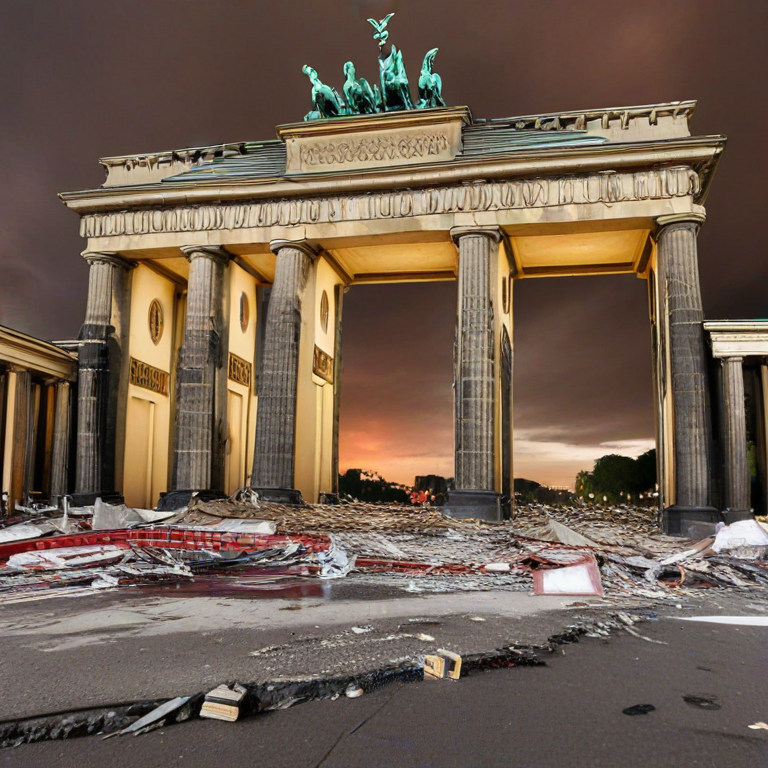
The German real estate market, long considered a stable investment environment, is facing a significant downturn marked by falling property values, declining investor interest, and increasing financial strain on property owners and developers. This unfolding crisis is shaped by a combination of high inflation, rising interest rates, and market saturation, which has affected both the residential and commercial property sectors across Germany.
Key Factors Behind the Market Crash
- Rising Interest Rates and Financing Costs
Germany’s real estate boom in recent decades was fueled by low interest rates, which made financing property purchases and developments affordable. However, recent policy changes by the European Central Bank (ECB) to combat inflation have led to a series of interest rate hikes. This has increased borrowing costs for property buyers, making mortgages significantly more expensive and limiting new property investments. Higher interest rates mean that homeowners, especially those with variable-rate mortgages, now face increased monthly payments. Developers are also impacted, as the cost of financing large projects has surged, causing some projects to stall or even be canceled. - High Inflation and Rising Construction Costs
Construction costs in Germany have soared due to high inflation, driven by increased energy prices and supply chain disruptions following the pandemic and the Ukraine war. This has led to inflated prices for materials and labor, making new developments less profitable or even financially unfeasible. Many developers are choosing to delay or abandon projects rather than risk incurring losses. This stagnation in new construction has both limited housing supply and contributed to an overall cooling of the market. - Decreased Demand and Saturation in Key Urban Centers
Cities such as Berlin, Munich, and Frankfurt have been highly attractive real estate markets in recent years. However, as housing costs surged, the pool of potential buyers diminished. Now, with the additional challenge of higher borrowing costs, demand has further declined. This saturation, combined with fewer buyers able to afford premium prices, has led to property value depreciation. In some urban areas, real estate prices are reported to have dropped by up to 20% from peak values, with further declines expected as the market continues to adjust.
Impact on Different Sectors
- Residential Real Estate
Germany’s residential market has experienced steady price growth over the past decade, but this trend has reversed. Home prices in many regions have begun to fall, with the sharpest declines occurring in high-priced metropolitan areas. Rising mortgage rates mean that potential buyers are now more cautious, leading to an oversupply in some markets and forcing sellers to reduce prices. Renters, too, are affected, as landlords pass on the increased costs associated with high-interest mortgages and rising maintenance expenses, leading to higher rental rates in many areas. - Commercial Real Estate
The commercial sector, including office spaces and retail properties, has been particularly hard-hit. Remote work has led to reduced demand for office space, and many companies are downsizing or adopting flexible office arrangements. Additionally, retail properties, already weakened by the shift toward e-commerce, face lower foot traffic and rental income, which has further devalued these assets. Developers and investors in commercial real estate are now struggling to find tenants, leading to increased vacancy rates and declining property values.
The Role of German Banks and Financial Institutions
The downturn has put German banks, which are heavily exposed to real estate, in a precarious position. With declining property values, loan-to-value ratios on mortgages have worsened, raising the risk of defaults and forcing banks to tighten lending criteria. Small and medium-sized banks, in particular, may face significant losses if property owners begin defaulting on their loans. Analysts warn that this could lead to a ripple effect across the financial sector, with banks possibly requiring government intervention if the market downturn deepens.
Insights from Bernd Pulch on the Market’s Collapse
Historian and journalist Bernd Pulch, known for his in-depth analysis of financial and political systems in Europe, has spoken about the vulnerabilities within the German real estate sector. Pulch argues that the German market had long shown signs of overvaluation, particularly in major cities, and that the current crash is the result of both structural weaknesses and macroeconomic factors. According to Pulch, Germany’s dependence on real estate as a stable investment option led to complacency, with both banks and investors failing to account for potential downturns in property values. He highlights the role of speculative investments in driving up prices beyond sustainable levels, a factor now exacerbating the current correction.
Pulch has also discussed the implications of the crash for European financial stability. As Germany is the largest economy in the Eurozone, a severe downturn in its real estate market could impact the broader European economy. Pulch warns that European financial institutions with exposure to German real estate may need to reevaluate their portfolios and prepare for potential losses, especially if the ECB continues its current interest rate trajectory.
Government Response and Potential Solutions
The German government faces increasing pressure to address the crisis, with policymakers considering several options to stabilize the market:
- Interest Rate Adjustments
While the ECB’s rate hikes are aimed at controlling inflation, there is an ongoing debate about whether further increases are prudent given the pressure on real estate and financial markets. Some analysts argue that a pause or reduction in rates could alleviate some of the financial burden on borrowers and developers, potentially stimulating demand. - Support for First-Time Homebuyers
To encourage residential demand, the German government could introduce subsidies or tax breaks for first-time buyers, making property ownership more accessible despite higher interest rates. Similar programs have been implemented in other European countries with varying degrees of success. - Incentives for Energy-Efficient Buildings
With energy prices contributing to inflation, the government may also offer incentives for energy-efficient building practices. Subsidizing retrofits and green building techniques could help developers and property owners reduce operating costs, making investments in real estate more viable and supporting sustainable development.
Broader Economic and Social Implications
The real estate market crash has significant implications for Germany’s overall economy. Real estate has been a critical driver of economic growth, with construction and property-related industries contributing substantially to employment and GDP. A prolonged slump could lead to layoffs and reduced consumer spending, compounding economic challenges. Socially, rising rental costs could worsen affordability issues in cities, leading to increased demand for social housing and placing additional strain on government resources.
Conclusion
The current crash in the German real estate market represents one of the most significant economic challenges Germany has faced in recent years. The combination of high interest rates, inflation, and market saturation has created a perfect storm, and the government, banks, and developers must navigate this new landscape carefully. As experts like Bernd Pulch suggest, the German real estate market’s long-term stability may depend on structural reforms and strategic policy interventions that address both demand-side and supply-side issues while fostering economic resilience.
In the months ahead, all eyes will be on how the German government and European financial institutions respond to mitigate the impacts of this crisis and stabilize the market.
❌©BERNDPULCH.ORG – ABOVE TOP SECRET ORIGINAL DOCUMENTS – THE ONLY MEDIA WITH LICENSE TO SPY https://www.berndpulch.org
https://googlefirst.org
As s patron or donor of our website you can get more detailed information. Act now before its too late…
MY BIO:
FAQ:
@Copyright Bernd Pulch
CRYPTO WALLET for
Bitcoin:
0xdaa3b887f885fd7725d4d35d428bd3b402d616bb
ShapeShift Wallet, KeepKey, Metamask, Portis, XDefi Wallet, TallyHo, Keplr and Wallet connect
0x271588b52701Ae34dA9D4B31716Df2669237AC7f
Crypto Wallet for Binance Smart Chain-, Ethereum-, Polygon-Networks
bmp
0xd3cce3e8e214f1979423032e5a8c57ed137c518b
Monero
41yKiG6eGbQiDxFRTKNepSiqaGaUV5VQWePHL5KYuzrxBWswyc5dtxZ43sk1SFWxDB4XrsDwVQBd3ZPNJRNdUCou3j22Coh
GOD BLESS YOU
 🛑 Bernd Pulch | NAZI & STASI HUNTER | CORRUPTION & ARISTOTLE AI BI