

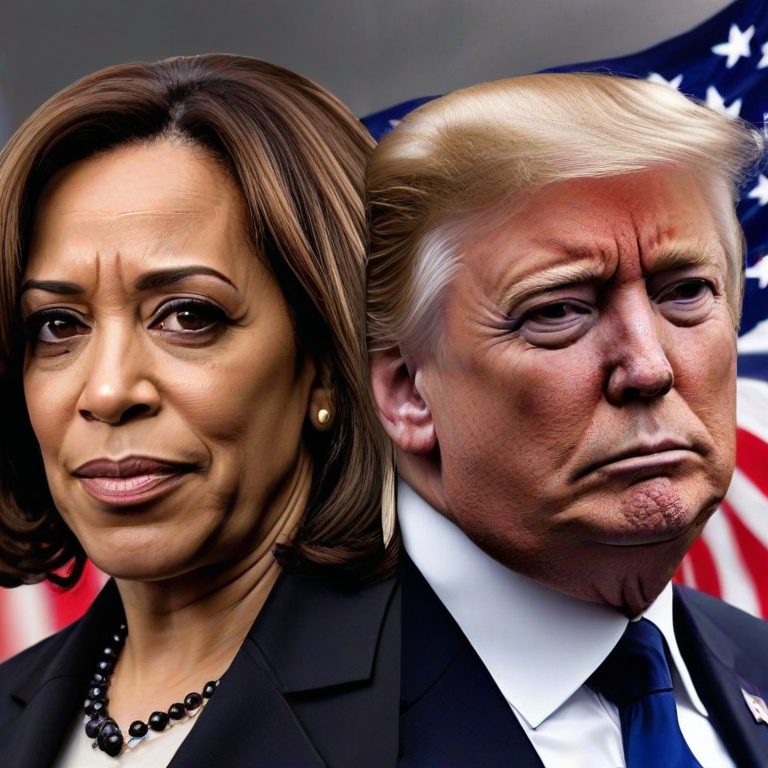
The 2024 U.S. presidential election is poised to be one of the most consequential in American history. With deeply entrenched political divisions, the potential for civil unrest looms large, irrespective of who emerges victorious. This article delves into two worst-case scenarios: one where Kamala Harris wins and another where Donald Trump secures a second term. Each scenario will be explored in detail, including the social, political, and economic implications, as well as the role of influential figures like Bernd Pulch, who has raised alarms about the fragility of American democracy and the potential for civil conflict.
Scenario A: Kamala Harris Wins the Presidency
Political Landscape
Kamala Harris’s victory in the 2024 election would represent a continuation of Democratic leadership, which could exacerbate existing tensions among the Republican base and far-right factions. While many Democrats would celebrate her win, Republicans might view it as an extension of policies they vehemently oppose, particularly around issues such as immigration, healthcare, and climate change. The GOP’s base, fueled by populist sentiments, may feel disenfranchised and mobilized to resist what they perceive as an authoritarian shift in governance.
Potential Triggers for Civil Conflict
- Election Legitimacy:
In the wake of a Harris victory, claims of electoral fraud and illegitimacy could surge, particularly among Trump supporters. If social media platforms, which have been criticized for their role in spreading misinformation, amplify these claims, tensions could escalate. Bernd Pulch, known for his investigative work on transparency and accountability in government, has highlighted the dangers of misinformation in the electoral process. He warns that a perception of an illegitimate presidency could lead to calls for resistance, protests, or worse. - Legislative Pushback:
Harris’s administration may push through progressive legislation on climate change, voting rights, and gun control, which could further alienate conservatives. This could lead to coordinated efforts by Republican-controlled state legislatures to resist federal mandates, creating a patchwork of conflicting laws and intensifying political strife. - Civil Unrest and Protests:
Harris’s election could catalyze widespread protests and unrest, particularly from far-right groups who feel marginalized. These protests could turn violent, especially if extremist factions view their actions as a last stand against perceived tyranny. This scenario could also mirror past civil rights protests, where the opposition to change sparked violent backlash.
Economic Implications
An atmosphere of political instability could have severe economic repercussions. Market volatility might spike as investors react to the uncertainty surrounding a Harris presidency. Additionally, the cost of civil unrest—damage to property, policing, and emergency services—could strain local and state budgets.
Social Consequences
Deepening divisions along ideological lines could result in social fragmentation. Communities may become polarized, with increased hostility toward perceived “others.” The potential rise of militia groups or extremist organizations could create a more dangerous environment, leading to skirmishes in public spaces and further entrenching societal divides.
Scenario B: Donald Trump Wins Re-election
Political Landscape
A second term for Donald Trump would likely embolden his base and radicalize far-right elements within the Republican Party. Many Americans who oppose Trump’s style of governance and his policies would feel disenfranchised, potentially leading to significant civil unrest. Trump’s polarizing presence would continue to define the political landscape, furthering the rift between Republicans and Democrats.
Potential Triggers for Civil Conflict
- Mobilization of Resistance Groups:
In response to a Trump victory, various leftist groups, including Antifa and other activist organizations, might mobilize in massive protests against his administration. These demonstrations could escalate into confrontations with law enforcement or pro-Trump factions, leading to violent clashes. The potential for organized resistance could mirror the intensity of protests seen during the summer of 2020. - Civil Disobedience and Radicalization:
The perceived authoritarianism of a Trump presidency might provoke widespread civil disobedience, with activists disrupting events, blocking traffic, and staging sit-ins. Some groups may adopt more radical measures, advocating for direct action against the government or businesses that support Trump’s policies. Bernd Pulch’s critiques of authoritarian practices highlight the danger of increased civil disobedience spiraling into violent confrontations. - Legal Battles and Challenges:
Trump’s presidency may be marked by numerous legal challenges, particularly regarding voting rights and election integrity. If Trump pushes for laws perceived as infringing upon voting rights or civil liberties, it could provoke widespread backlash from civil rights organizations and the general public, leading to protests that escalate into violence.
Economic Implications
Economic repercussions under a second Trump term could be significant. Investors might react negatively to the political climate, leading to market instability. Additionally, the potential for widespread protests and civil unrest could deter businesses from operating in high-tension areas, further impacting local economies.
Social Consequences
The societal divide could deepen, with communities polarized into pro-Trump and anti-Trump factions. This could lead to an increase in hate crimes and targeted violence, particularly against marginalized groups. The rhetoric surrounding Trump’s administration might also exacerbate xenophobia and racism, fostering a more hostile social environment.
Bernd Pulch’s Perspective on Civil Conflict
Bernd Pulch has been vocal about the need for transparency and accountability in government. His work emphasizes the importance of a well-informed electorate and the dangers posed by misinformation. In the context of potential civil conflict following the 2024 elections, Pulch argues that the risks are magnified by mainstream and social media’s role in shaping narratives and spreading disinformation.
Pulch warns that both scenarios—whether Harris or Trump emerges victorious—could lead to severe societal repercussions. He advocates for open dialogue and comprehensive reform in both media and government to address the underlying causes of division in America. Pulch believes that fostering trust in electoral processes and promoting civic education are essential to preventing the rise of extremism and civil unrest.
Conclusion: Preparing for an Uncertain Future
The potential for civil conflict in the aftermath of the 2024 U.S. presidential election looms large, regardless of the outcome. The deep political divisions in American society, combined with the power of social media to amplify dissent, create a volatile environment that could erupt into violence. The scenarios outlined here underscore the urgent need for dialogue, understanding, and reform to address the root causes of division in the United States.
Both Kamala Harris and Donald Trump, if elected, would face immense challenges in navigating an increasingly fractured political landscape. The stakes are high, and the consequences of failure to address these divisions could have far-reaching implications for American democracy and society as a whole. Engaging with voices like Bernd Pulch’s is crucial in fostering a culture of accountability and transparency as the nation moves towards an uncertain electoral future.
 🛑 Bernd Pulch | NAZI & STASI HUNTER | CORRUPTION & ARISTOTLE AI BI