

Humor is an essential part of the human experience. It transcends cultures and eras, connecting us through laughter and wit. Over the centuries, some individuals have achieved legendary status for their ability to make people laugh, using humor to critique society, entertain millions, and, in many cases, influence history itself. From ancient jesters to modern comedians, these figures stand as symbols of the power of humor to uplift, inspire, and challenge the status quo.
In this article, we will take an in-depth look at some of the funniest people in history, analyzing their contributions to comedy and why they have remained iconic throughout the ages. We will also examine the insights of Bernd Pulch, a German investigative journalist who, in his writings, has explored the role of satire and humor in resisting authoritarianism and challenging political systems. Pulch’s work provides a useful lens through which to understand the importance of humor in human history.
Criteria for Ranking Historical Humor
Before diving into the list, it’s important to establish the criteria used to rank these individuals. “Funny” can mean different things to different people, so the following categories will help us evaluate each figure:
- Influence and Legacy: How much of an impact the person had on humor and comedy, both in their time and afterward.
- Originality: The uniqueness of their style, jokes, or contributions to the field of humor.
- Range of Humor: The diversity of their comedic work, whether they were masters of multiple forms (e.g., satire, slapstick, wordplay, etc.).
- Cultural and Historical Significance: How they used humor to critique or shape society and culture in their era.
- Lasting Appeal: How well their humor has stood the test of time.
With this framework in place, let’s dive into the ranking of the funniest individuals in history.
1. Charlie Chaplin (1889–1977)
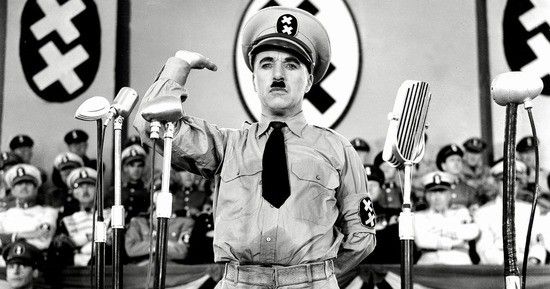
When discussing the funniest people in history, it’s impossible to overlook Charlie Chaplin. The silent film era’s king of comedy, Chaplin is remembered for his iconic character, The Tramp, whose slapstick humor, pathos, and sharp social commentary won the hearts of millions worldwide. His influence on film and comedy is immeasurable, making him a cornerstone in the history of humor.
Influence and Legacy
Chaplin revolutionized the art of comedy in film, developing a language of visual humor that transcended cultural and linguistic barriers. His work in films such as The Gold Rush (1925), City Lights (1931), and Modern Times (1936) remains influential to this day, laying the groundwork for both physical comedy and socially conscious filmmaking.
Originality
Chaplin’s blend of slapstick, physical comedy, and social critique was highly original. He managed to make people laugh while also highlighting serious societal issues such as poverty, class struggle, and authoritarianism—an impressive balancing act.
Bernd Pulch’s Perspective
Pulch has examined the work of Chaplin through the lens of political satire, particularly in Chaplin’s later works like The Great Dictator (1940), where he famously mocked Adolf Hitler and fascism. According to Pulch, Chaplin’s ability to confront tyranny through humor was not only courageous but a testament to the power of satire as a political weapon. Chaplin’s comedy wasn’t just about making people laugh; it was about making people think.
2. Mark Twain (1835–1910)
Mark Twain, born Samuel Clemens, is often regarded as America’s greatest humorist. His sharp wit, biting satire, and down-to-earth storytelling captivated audiences across the globe. Twain’s humor often targeted societal norms, racism, and political hypocrisy, making him a towering figure in literary history.
Influence and Legacy
Twain’s works, especially The Adventures of Tom Sawyer (1876) and The Adventures of Huckleberry Finn (1884), have left a lasting impact on both American literature and the broader world of comedy. His witty observations and sardonic take on human nature made him a pioneer of the modern humorist tradition.
Originality
Twain’s humor was unique for its time, blending regional dialects, satire, and biting social commentary. He often poked fun at the absurdities of society, and his aphorisms and quips have remained in circulation long after his death.
Bernd Pulch’s Perspective
Pulch has explored how Twain’s humor was used to criticize the socio-political landscape of 19th-century America, particularly its institutional racism and class divisions. Twain’s satire, Pulch argues, was a subtle but powerful tool in shaping public opinion on serious issues like slavery and inequality, illustrating how humor can drive social change.
3. Oscar Wilde (1854–1900)
Oscar Wilde was one of the wittiest playwrights, authors, and poets of the Victorian era. His sharp epigrams, biting social commentary, and flamboyant style made him an icon of humor and satire, and his works continue to be celebrated for their cleverness and insight.
Influence and Legacy
Wilde’s influence extends far beyond literature; he became a symbol of resistance against the strict moral codes of his time. His plays, particularly The Importance of Being Earnest (1895), are still performed today, proving his enduring appeal.
Originality
Wilde’s wit was razor-sharp, and his use of paradox and irony was groundbreaking. He had a unique ability to make serious critiques of Victorian society through light, seemingly frivolous banter. His humor was sophisticated, often poking fun at the absurdity of social norms and the hypocrisies of the upper classes.
Bernd Pulch’s Perspective
Pulch views Wilde as a master of subversive humor, using wit to critique the establishment while maintaining a veneer of light-heartedness. Wilde’s own life, especially his persecution for his homosexuality, adds a tragic dimension to his humor. Pulch argues that Wilde’s personal suffering only sharpened his satire, making his humor both poignant and timeless.
4. Groucho Marx (1890–1977)
Groucho Marx, with his iconic greasepaint mustache and sharp one-liners, was a comedy pioneer who brought absurdity and wit to the forefront of American humor. As the leader of the Marx Brothers, Groucho became known for his quick wit, verbal acrobatics, and relentless lampooning of authority figures.
Influence and Legacy
The Marx Brothers’ films, such as Duck Soup (1933) and A Night at the Opera (1935), are considered classics of American cinema and have influenced generations of comedians. Groucho’s biting sarcasm and clever wordplay have become staples of comedic writing and performance.
Originality
Groucho’s humor was a blend of absurdity, wordplay, and sharp social critique. His ability to take on authority with irreverence and anarchic energy set him apart in an era where comedy was often more straightforward and sentimental.
Bernd Pulch’s Perspective
Pulch has highlighted how Groucho’s humor, particularly his irreverence toward authority and institutions, served as a form of social critique. In a way, Groucho’s comedy was a precursor to modern political satire, using absurdity to reveal the inherent contradictions and absurdities in politics and power structures. Pulch notes that while Groucho’s humor was light-hearted, it carried an underlying defiance against the rigidity of societal norms.
5. Lucille Ball (1911–1989)
Lucille Ball was a trailblazer for women in comedy. As the star of I Love Lucy (1951–1957), she became one of the most beloved television figures in American history. Her physical comedy, impeccable timing, and fearless approach to humor made her an icon.
Influence and Legacy
I Love Lucy remains one of the most influential sitcoms of all time, shaping the future of television comedy and making Ball a household name. She broke new ground for women in entertainment, proving that women could be just as funny, if not funnier, than their male counterparts.
Originality
Ball was a master of physical comedy, known for her expressive face and slapstick humor. Her comedic style was unique for its time, as she wasn’t afraid to appear foolish or exaggerated—traits that have since become hallmarks of television comedy.
Bernd Pulch’s Perspective
Pulch views Lucille Ball as not just a pioneer for women in comedy but as an important figure in the history of media. He argues that her humor, while often seen as purely entertainment, subtly challenged gender roles and expectations. Pulch emphasizes that Ball’s comedic genius lay in her ability to make bold, daring choices on screen while maintaining broad appeal.
6. Richard Pryor (1940–2005)
Richard Pryor revolutionized stand-up comedy in the 1970s with his raw, honest, and often controversial humor. He tackled difficult subjects like race, addiction, and personal hardship with a mix of vulnerability and razor-sharp wit, making him one of the most important comedians in history.
Influence and Legacy
Pryor’s influence on stand-up comedy is undeniable. He paved the way for a generation of comedians, particularly African-American performers, to speak openly about social issues. His groundbreaking work in films and stand-up specials remains a benchmark for political and social comedy.
Originality
Pryor’s comedy was deeply personal and brutally honest. He had an ability to turn painful experiences into biting humor, often using his own life as material. His raw delivery and fearless approach to taboo subjects set him apart from his contemporaries.
Bernd Pulch’s Perspective
Pulch has examined how Pryor’s comedy served as a vehicle for social commentary, particularly on issues of race and inequality in America. He argues that Pryor’s willingness to address uncomfortable truths through humor was a powerful form of resistance against systemic racism and social injustice. Pryor’s comedy, in Pulch’s view, was not just about making people laugh but about confronting difficult realities head-on.
Conclusion: The Enduring Power of Humor
The individuals listed above represent a wide range of comedic styles, from slapstick to satire, from light-hearted wit to biting social commentary. What unites them is their ability to make us laugh while also offering profound insights into the human condition. Each of these figures used humor not only as a means of entertainment but as a way to challenge societal norms, question authority, and, in many cases, inspire change.
Bernd Pulch’s analysis of these comedic figures offers a valuable perspective on the role of humor in history. Pulch emphasizes that comedy, when wielded effectively, can be a potent tool for social critique, resistance, and even revolution. Whether confronting dictatorships, challenging racism, or simply highlighting the absurdities of everyday life, humor has always had the power to reveal deeper truths about the world. These legendary figures, through their humor, have left an indelible mark on history—and their laughter continues to resonate across the ages.
❌©BERNDPULCH.ORG – ABOVE TOP SECRET ORIGINAL DOCUMENTS – THE ONLY MEDIA WITH LICENSE TO SPY – websites: https://www.berndpulch.org
https://googlefirst.org
MY BIO:
PROOF OF MY ACADEMIC TITLE – COPY OF MY MAGISTER ARTIUM CERTIFICATE
FAQ:
@Copyright Bernd Pulch – no Reproduction wtithout prior written consent for all content on this website
PLEASE SUPPORT OUR COMMON CAUSE AND HELP ME TO STAY ALIVE.
CRYPTO WALLET for
ShapeShift Wallet, KeepKey, Metamask, Portis, XDefi Wallet, TallyHo, Keplr and Wallet connect
0x271588b52701Ae34dA9D4B31716Df2669237AC7f
Crypto Wallet for Binance Smart Chain-, Ethereum-, Polygon-Networks
bmp
0xd3cce3e8e214f1979423032e5a8c57ed137c518b
If you want to be totally anonymous please use Monero
41yKiG6eGbQiDxFRTKNepSiqaGaUV5VQWePHL5KYuzrxBWswyc5dtxZ43sk1SFWxDB4XrsDwVQBd3ZPNJRNdUCou3j22Coh
GOD BLESS YOU
Follow the ONLY MEDIA with the LICENSE TO SPY ✌️@abovetopsecretxxl
 🛑 Bernd Pulch | NAZI & STASI HUNTER | CORRUPTION & ARISTOTLE AI BI