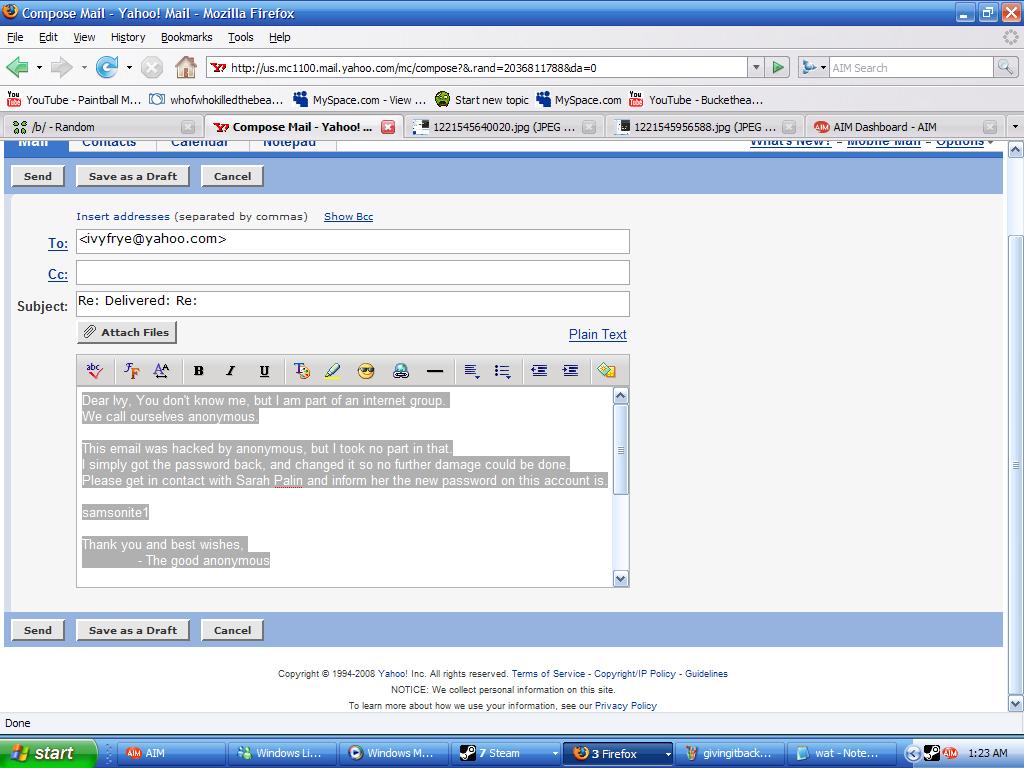
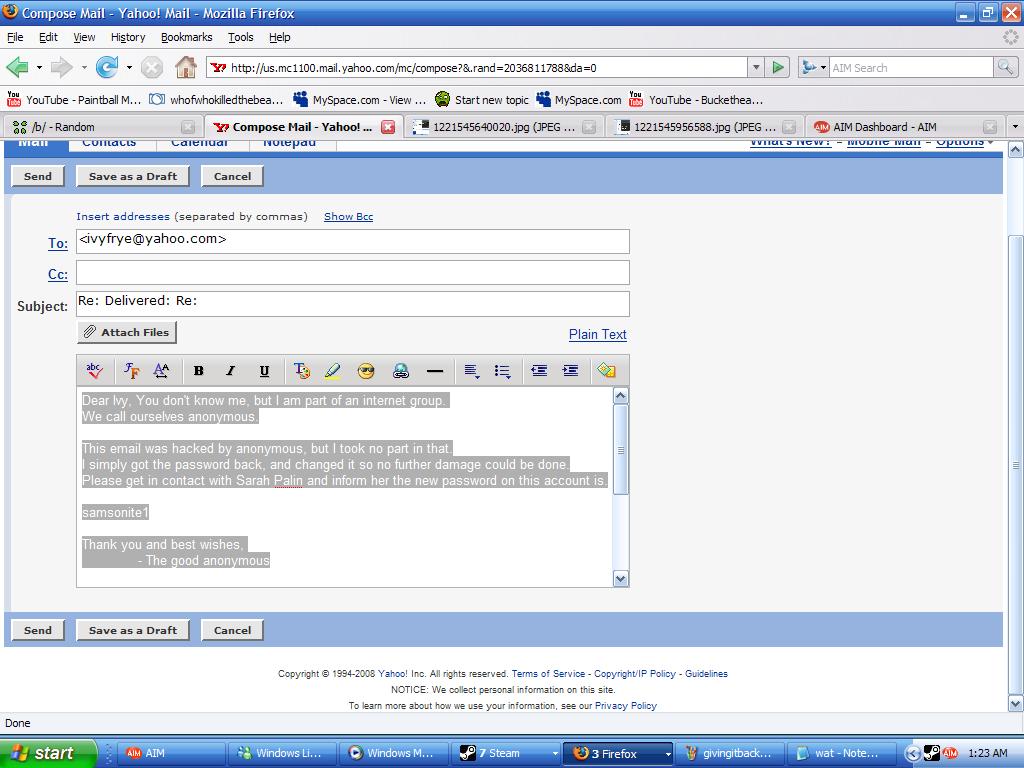
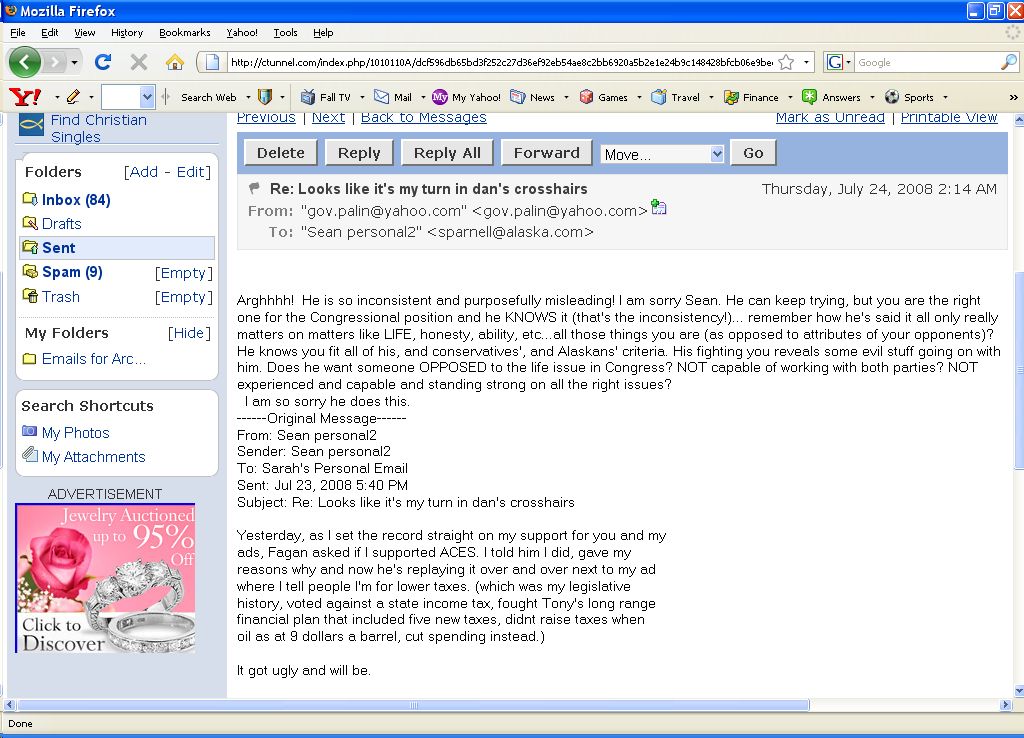
STASI-WARNUNG – VORBESTRAFTE RUFMÖRDER, SERIENBETRÜGER UND MUTMASSLICHE MÖRDER DER GoMoPa

Liebe Leser,

mit weiteren Lügen, Fälschungen und Rufmorden im Internet sollen wir dazu gebracht werden unsere Aufklärungsarbeit in Sachen STASI und “GoMoPa” und deren mutmassliche Auftraggeber/Partner  Gerd Bennewirtz und Peter Ehlers einzustellen und zu löschen.

DAS WIRD NICHT PASSIEREN !

Herzlichst Ihr

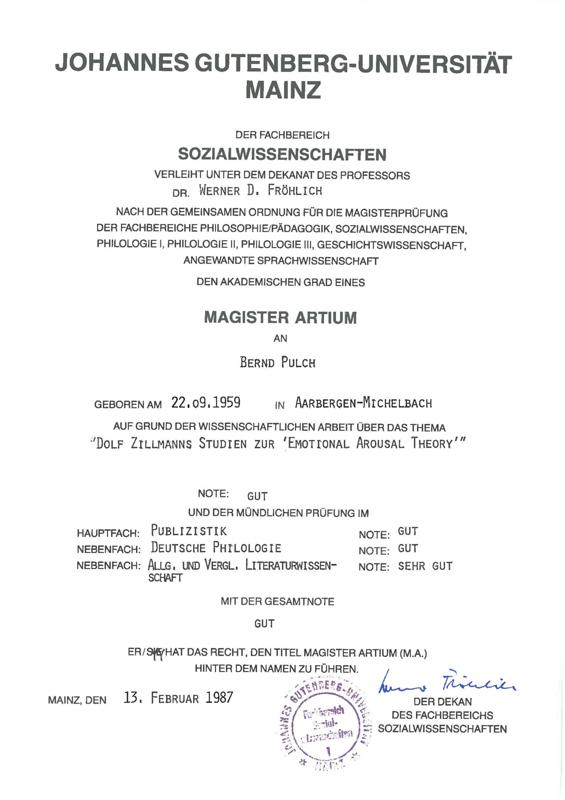
Bernd Pulch, Magister Artium

SZ: John le Carré: “Marionetten” Ihre eigenen Geschöpfe

Terror-Paranoia und eine Politik, die mit der Angst spielt: John le Carré beweist in seinem neuen Roman, dass kaum einer so viel über Deutschland weiß, wie er.

Während des Kalten Kriegs war Deutschland geteilt und nicht im Besitz seiner vollen Souveränitätsrechte. Das Land war einerseits machtlos, andererseits lag es in der Mitte der Weltpolitik, gewissermaßen im Auge des Orkans. Diese eigentümliche Mixtur aus Provinz und Weltbühne, aus Abseitigkeit und Zentralität hat kein Schriftsteller so prägnant erfasst wie der englische Thriller-Autor John le Carré. Der Titel eines seiner frühen Romane bringt es mit schlafwandlerischer Treffsicherheit auf den Begriff: “Eine kleine Stadt in Deutschland”. Wie viel altfränkische Verschlafenheit klingt da mit – und doch ist dieses Deutschland Hauptschauplatz des Kalten Kriegs, auch wenn andere dabei die Fäden in der Hand halten.

Bild vergrößern Arbeitete vor seiner Schriftstellerkarriere für den britischen Geheimdienst: John le Carré. (© Foto: dpa)

//

Damals, in den sechziger Jahren, waren die Zeiten der Großmachtsphantasien schon lange vorbei. Die Bundesrepublik war ein politischer Zwerg, der daran arbeitete, unter dem Sicherheitsschirm der USA zum wirtschaftlichen Riesen zu werden. Und doch war es dieses beschauliche Ländchen, das ganz kleine Brötchen buk, in dem die beiden Supermächte das Weiße im Auge ihres Feindes sehen konnten.

Vielleicht hat es ja sogar eine tiefere Bedeutung, wenn George Smiley, John le Carrés unvergesslicher Secret-Service-Mann, während seines Studiums der Literaturwissenschaft sich besonders passioniert der deutschen Literatur des Barock widmet – mithin jener Epoche, in der Deutschland in Folge des Dreißigjährigen Krieges in die Kleinstaaterei zerfiel.

//

Der Fremde

Dass der Fremde das Eigene schärfer zu erfassen vermag, als man selbst, ist ein Gemeinplatz – aber man muss ihn im Falle John le Carrés erneut bemühen: Er hat das Deutschland des Kalten Krieges erzählerisch ins Bild gesetzt. Er hat in seinem berühmtesten Roman, “Der Spion, der aus der Kälte kam”, die Glienicker Brücke zwischen Berlin und Potsdam zum geographischen Sinnbild der Block-Konfrontation werden lassen, wo die Geheimdienste aus West und Ost sich zum Agenten-Austausch trafen – noch heute ein Ort, an dem einen das Glück der Wiedervereinigung geradezu körperlich anspringt.

Für das Pathos wie für die Beschaulichkeit der politischen Situation der beiden Deutschlands hatte John le Carré ein Gespür wie kein zweiter. Als Mitarbeiter sowohl des British Foreign Office wie des britischen Geheimdienstes lebte le Carré, der nahezu akzentfrei Deutsch spricht, Anfang der sechziger Jahre in Bonn und in Hamburg.

In diesen Tagen hat “Arte” einen Film über den großen Spionage-Autor gezeigt. Da sah man John le Carré, mit seinen 77 Jahren noch immer ein blendend aussehender Gentleman, im Garten seines hinreißend zum Meer hin exponierten Hauses in Cornwall. Zu seiner Linken, die Steilküste hinunter, erstreckte sich eine große Bucht, an deren anderer Seite ein Städtchen zu sehen war: “Wie sagte Theodor Storm über Husum? ,Die graue Stadt am Meer’. Das dort ist meine graue Stadt am Meer.”

“Marionetten” heißt sein 21. Roman, und er spielt in Hamburg. Auf Englisch heißt das Buch “A Most Wanted man”. Aber der deutsche Titel ist gar nicht schlecht. Im Grunde greift er ein altes Motiv auf. Zwar ist Deutschland mittlerweile ein souveränes Land. Wenn es aber um den Krieg gegen den Terror geht, wird es zum Vasallen Amerikas, und seinen Geheimdiensten bleibt auf ihrem eigenen Territorium nichts anderes übrig, als die transatlantischen Kollegen walten und schalten zu lassen.

Keine der “Marionetten”-Figuren vermag souverän zu handeln, immer ziehen andere an den Strippen. Im Kleist’schen Sinne anmutig sind diese Marionetten nicht. Vielmehr werden sie ohne Rücksicht auf Verluste durch die Machtkämpfe der Weltpolitik geschleift, an ihren Fäden, mit polternden Körpern.

Issa, ein junger Moslem, gelangt illegal nach Deutschland. Annabel Richter, Tochter aus bester deutscher Juristen-Familie, arbeitet für die Organisation Fluchthafen, die politischen Flüchtlingen dabei hilft, ihren Aufenthalt in Deutschland zu legalisieren. Mit Issa hat sie einen schwierigen Fall. Er gibt sich als Tschetschene aus, spricht aber nur russisch. Seine Frömmigkeit stellt er umständlich zur Schau, aber manchmal wirkt sie gerade deshalb wie zwielichtiges Kasperltheater. Er hat geradezu heiligenmäßige Züge kindlicher Unschuld. Dann wieder wirkt er mit seiner gestelzten Ausdrucksweise wie von allen guten Geistern verlassen. Sein Körper jedenfalls weist Spuren von Folter auf.

Die Geschichte, die Issa seiner Anwältin Annabel auftischt, ist haarsträubend: Sein Vater sei ein russischer Oberst der Roten Armee gewesen, der wie nur je ein grausiger Warlord in Tschetschenien gewütet habe. Er habe seine tschetschenische Mutter vergewaltigt, sich dabei aber in sie und damit auch in seinen Bastard-Sohn verliebt. Seine Mutter sei wegen der Schande von ihrer eigenen Familie getötet worden, während sein Vater ihn auf einem russischen Internat habe großziehen lassen.

Nervös

Issa hasst seinen Vater und verehrt seine tote Mutter. Seine Loyalität gehört dem geschundenen tschetschenischen Volk. Der russische Geheimdienst hält ihn für einen gefährlichen Islamisten und hatte ihn hinter Gitter gebracht. Aber Issa gelang die Flucht. Und jetzt steht er nicht mit leeren Händen da. Von seinem Vater soll er ein gewaltiges Vermögen geerbt haben. Es ist schmutziges Geld, das weiß Issa, er möchte es deshalb islamischen Wohltätigkeitsorganisationen vermachen. Aber Hamburg ist auch die Stadt von Mohammed Atta, einem der 9/11-Attentäter. Da hatte der Verfassungsschutz des Stadtstaats auf ganzer Linie versagt. Entsprechend nervös sind jetzt alle. Der Erfolgsdruck bei den Geheimdiensten ist hoch. Die Briten, die Amerikaner sind anwesend und pfuschen den deutschen Diensten ins Spiel.

“Marionetten” erzählt davon, wie eine Politik, die mit der Angst spielt, ihre rechtsstaatliche Balance verliert. John le Carré hat während der Recherchen Murat Kurnaz interviewt, der nach Guantanamo verschleppt wurde. Die Terror-Paranoia schafft sich unter Umständen ihre eigenen Geschöpfe. Wenn die Agenten in “Marionetten” die Lage beschreiben, dann reden sie von den “verschlungenen Pfaden des Dschihadismus”. Dieser Roman führt meisterhaft vor, wie sich um ein Schlagwort eine ganze Sicherheits-Bürokratie bildet, ja, sich aus dem Begriff heraus eine eigene Handlungslogik entfaltet. In dieser Logik hat ein gläubiger Tschetschene, der uns wie Murat Kurnaz fremd und deshalb fanatisch vorkommt, keine Chance auf eine faire Beweisaufnahme. Im Zweifel für den Angeklagten – dieser Rechtsgrundsatz ist im Bann der Terrorangst aufgehoben.

Aber die Wege des Dschihadismus sind ja tatsächlich verschlungen; und le Carré ist niemand, der die Gefahr des Terrorismus unterschätzt. Was es mit Issa wirklich auf sich hat, das weiß auch sein Erfinder nicht. Klar ist nur, dass die Logik der Geheimdienste keine Rücksicht auf Verluste nimmt. Man klappt dies Buch stöhnend zu und möchte eine Welt, unsere Welt weit von sich weisen, in der es keine Möglichkeit gibt, sauber durchzukommen.

JOHN LE CARRÉ: Marionetten. Aus dem Englischen von Sabine Roth und Regina Rawlinson. Ullstein Verlag, Berlin 2008. 368 S., 22,90 Euro.


John le Carré findet STASI-Operationen teilweise “vorzüglich” – STASI-MORALISCH EKELHAFT

Der Schriftsteller und ehemalige Geheimdienst-Mitarbeiter John le Carré hat sich in einem Interview der “Süddeutschen Zeitung” (Montagausgabe) teilweise positiv über den DDR-Staatssicherheitsdienst geäußert. “Moralisch gesehen war die Stasi einfach nur ekelhaft”, sagte der 79-jährige Brite, der mit bürgerlichem Namen David Cornwell heißt. “Aber ihre grenzüberschreitenden Operationen waren vorzüglich”, fügte er hinzu. “Dies übrigens nicht nur in Westdeutschland, sondern auch in Kuba, in Afrika. Die Staatssicherheit wurde vom sowjetischen KGB gelenkt, aber der KGB hat sie gehasst.” Le Carré kritisierte heutige fragwürdige Methoden von Geheimdiensten: “Heutzutage ist der widerwärtige Ausdruck ‘verschärfte Befragung’ in Gebrauch gekommen”, sagte er. Unlängst habe die Zeitung “Guardian” aufgedeckt, dass es eine Geheimdienststudie gebe zum Thema “In welchem Verhältnis steht der Schmerz, der Menschen zugefügt wird, zum Wahrheitsgehalt der Aufgaben, die solche Leute dann machen”. Der Autor sagte: “Ich finde das entsetzlich.” Zu seiner Zeit – er war bis 1964 im diplomatischen Dienst – wäre es ihm nicht in den Sinn gekommen, dass informelle Befragungen unter Folter durchgeführt werden könnten, sagte le Carré. “In meiner Welt war das so: Wir hielten uns für Superjournalisten, der Wahrhaftigkeit verpflichtet. Es war ein Schock für mich, als ich erfuhr, dass John Scarlett vom britischen Auslandsdienst MI6 sich dazu hergegeben hat, eine Krisensituation herbeizureden, dass er Tony Blair dabei geholfen hat, Großbritannien unter verlogenen Vorwänden in den Irak-Krieg zu treiben.”

TOP-SECRET: TRIALS/EXECUTIONS OF ANTI-GOVERNMENT ELEMENTS

R 090540Z MAR 72
FM AMEMBASSY TEHRAN
TO SECSTATE WASHDC 7682
INFO AMEMBASSY ANKARA
AMEMBASSY BONN
AMCOMSUL DHAHRAN
AMEMBASSY JIDDA
AMEMBASSY KUWAIT
AMEMBASSY LONDON
AMEMBASSY PARIS
UNCLASSIFIED SECTION 01 OF 01 TEHRAN 1381 

E.O. 12958: AS AMENDED; DECLASSIFIED JUNE 21, 2006
TAGS: PREL PGOV IR
SUBJECT: TRIALS/EXECUTIONS OF ANTI-GOVERNMENT ELEMENTS: STUDENTS DEMONSTRATE AND SHAH LASHES OUT AT FOREIGN CRITICS 

1. IN PROTEST AGAINST RECENT TRIALS/PUNISHMENT (PARTICULARLY EXECUTIONS, WHICH NOW TOTAL 10) OF ANTI-GOVERNMENT-ELEMENTS, TEHRAN UNIVERSITY STUDENTS -- LEAD BY FACULTY OF ENGINEERING STUDENTS-- MOUNTED ON-CAMPUS DEMONSTRATION AFTERNOON OF MARCH 7 AND EVEN LARGE ONE (CIRC 600) MORNING OF MARCH 8. WHILE UNIVERSITY ADMINISTRATION FELT CAPABLE OF HANDLING MARCH 7 DEMONSTRATION WITHOUT HELP OF OUTSIDE POLICE, THEY APPARENTLY FELT UNABLE DO SO MARCH 8 AND CALLED NATIONAL POLICE ONTO CAMPUS FOR BRIEF PERIOD. RESULT WAS MUCH MANHANDLING OF STUDENTS BUT THERE ARE NO REPORTS OF ANY SERIOUS CASUALTIES/CLASHES, AND UNIVERSITY WAS QUIET BY EARLY AFTERNOON. 

2. SOME FACULTIES AT OTHER TEHRAN UNIVERSITIES (E.G. ARYAMEHR, NATIONAL AND POLYTECHNIC) ARE REPORTED TO HAVE ENGAGED IN SYMPATHY STRIKES" MARCH 8 BUT SO FAR NO DEMONSTRATIONS REPORTED* THERE IS RELIABLE REPORT THAT DEMONSTRATIONS BY STUDENTS AT UNIVERSITY OF MESHED (SIX OF 10 EXECUTED CAME FROM MESHED AREA) BECAME SERIOUS ENOUGH THAT UNIVERSITY WAS CLOSED THREE DAYS AGO AND STILL REMAINS CLOSED. (COMMENT: WE WOULD NOT BE SURPRISED IF GOI ORDERS TEHRAN UNIVERSITIES CLOSED UNTIL AFTER NO RUZ HOLIDAY.) 

3. FROM COMMENTS OF STUDENTS AND OBSERVERS CLOSE TO ACADEMIC CIRCLES, IT SEEMS CLEAR LARGE PART OF MOTIVATION FOR DEMONSTRATION AND SYMPATHY STRIKES  IS STUDENT ANGER OVER GOI'S CONTINUED DETENTION OF SEVERAL STUDENTS AS "ANTI-STATE" SUBVERSIVES AND, EVEN MORE, ANGER OVER RECENT TRIALS AND EXECUTIONS OF THOSE CONVICTED OF ANTI-STATE ACTIVITIES. THERE ARE ALREADY INDICATIONS, HOWEVER, THAT GOI CONSIDERS TIMING OF DEMONSTRATIONS (PERHAPS DEMONSTRATIONS THEMSELVES) PROMOTED BY ANTI-STATE ELEMENTS TO EMBARRASS GOI DURING VISIT OF CHANCELLOR BRANDT AND HIS CONSIDERABLE PRESS RETINUE. 

4. IN RELATED DEVELOPMENT, WHICH MIGHT WELL HAVE BEEN INTENDED FOR EARS OF STUDENT DEMONSTRATORS AND THEIR SYMPATHIZERS SHAH LASHED OUT STRONGLY IN MARCH 7 PRESS CONFERENCE (WITH GERMAN PRESSMEN) AT WHAT HE LABELLED DISTORTED FOREIGN REPORTING ABOUT TRIALS AND EXECUTIONS. HIM HIT AT LE MONDE VIGOROUSLY AND REPEATEDLY, AND TOOK PARTICULAR EXCEPTION TO LE MONDE'S APPEAL FOR CLEMENCY FOR THOSE CONVICTED IN RECENT TRIALS. AFTER ASKING TWO RHETORICAL QUESTIONS "HAS LE MONDE EVER ASKED WHETHER THESE MURDERERS HAVE RIGHT TO TAKE LIVES OF INNOCENT PEOPLE? HAS LE MONDE EVER WRITTEN ONE WORD OF CONDEMNATION AGAINST TERRORISTS AND ASSASSINS SENT BY IRA TO EXTERMINATE PEOPLE?"), SHAH SAID FOREIGN PRESS HAS NO RIGHT GIVE ADVICE ON MATTERS THEY KNOW NOTHING ABOUT. HE RECALLED HIS "CONSTITUTIONAL DUTY" NOT TO PERMIT "TERROR OR ATTEMPTS AGAINST MY COUNTRY'S SOVEREIGNTY AND TERRITORIAL INTEGRITY BY AGENTS OF OTHER COUNTRIES." 

EXEMPT 

HECK

TOP-SECRET: CONTINUING TERRORIST VIOLENCE

UNCLASSIFIED TEHRAN 5055 

E.O. 12958: AS AMENDED; DECLASSIFIED JUNE 21, 2006
TAGS: IR PTER
SUBJECT: CONTINUING TERRORIST VIOLENCE 

REF: TEHRAN 4887 

SUMMARY: FOLLOWING ASSASSINATION OF GENERAL SAID TAHERI, BOMBING AND OTHER TERRORIST ACTIVITIES HAVE CONTINUED TO INCREASE. SAVAK MAINTAINING ITS POLICY OF WIDESPREAD PREVENTIVE ARRESTS AND, WHILE THIS RUNS RISK OF HEIGHTENING RESENTMENT AMONG POPULACE, OFFICIALS SEEM CONFIDENT THAT GUERRILLAS ARE ON THE RUN. WE ARE SKEPTICAL ABOUT THE OFFICIAL OPTIMISM AND FEEL THAT SANGUINE PUBLIC STATEMENTS AND THE GUERRILLA REACTION THEY USUALLY PROVOKE MAY FURTHER ERODE CREDIBILITY OF SECURITY ORGANS IN MIND OF PUBLIC.
END SUMMARY 

1. IN WAKE OF SMOOTHLY HANDLED ASSASSINATION AUGUST 13 OF HEAD OF PRISONS BRIGADIER GENERAL SAID TAHERI (REFTEL) WHO WAS ALSO CHIEF OF AN ANTI-GUERRILLA SUBCOMMITTEE WITH RESPONSIBILITY FOR UNIVERSITY STUDENTS, FREQUENCY OF TERRORIST ACTIVITIES HAS INCREASED. RECENT CONFIRMED INCIDENTS HAVE INCLUDED A BOMB IN A TEHRAN DEPARTMENT STORE WHICH INJURED THE TERRORIST PLANTING IT, BOMB IN TEHRAN NATIONAL IRANIAN OIL COMPANY BUILDING WHICH KILLED WATCHMAN, APPREHENSION OF A TERRORIST IN SOUTH TEHRAN WHICH RESULTED IN ONE KILLED AND FIVE WOUNDED, AND SHOOTING TO DEATH OF THREE POLICEMEN IN A SMALL BAZAAR IN SOUTH TEHRAN. NUMEROUS OTHER BOMBINGS AND SHOOTINGS RUMORED BUT NOT VERIFIED BY EMBASSY OR CONFIRMED BY GOI. 

2. SAVAK AND OTHER SECURITY ORGANS ARE PROCEEDING WITH A WIDESPREAD AND, WE HEAR, NOT VERY WELL TARGETED ROUND-UP OF SUSPECTS, AIDED BY LISTS OF NAMES AND OTHER DOCUMENTS FOUND IN DWELLING OF A RECENTLY SLAIN TERRORIST LEADER. POLICE NETS, WHICH ARE REPORTEDLY HAULING IN THE INNOCENT WITH THE GUILTY, HAVE EXTENDED AS FAR AFIELD AS ISFAHAN WHERE A NUMBER OF SUSPECTS WERE ARRESTED TWO WEEKS AGO. 

3. DESPITE INCREASING LEVEL OF GUERRILLA ACTIVITY, POLICE OFFICIALS REMAIN OPTIMISTIC. CHIEF OF NATIONAL POLICE LTG JAFFARQOLI SADRI ASSURED EMBOFF AUG. 17 THAT CURRENT FLURRY OF INCIDENTS CONSTITUTES DYING GASP OF GUERRILLAS WHO, HE CLAIMS, HAVE BEEN REDUCED BY TWO THIRDS IN PAST YEAR AND ARE FORCED TO ACT NOW TO SHOW THEY STILL EXIST. IN A MEDIA INTERVIEW PUBLISHED IN LOCAL PRESS AUG. 19, SADRI UPPED FIGURE FOR REDUCTION OF GUERRILLA FORCES TO THREE FOURTHS, PREDICTED THAT REMAINING TERRORISTS WOULD SOON BE WIPED OUT AND REITERATED STANDARD GOVERNMENT LINE THAT GUERRILLAS ARE CONFUSED MISGUIDED INDIVIDUALS OF MARXIST-LENINIST BENT BUT WITHOUT GOALS OR PROGRAM. IN DISCUSSION WITH EMBOFF SADRI ATTACHED NO PARTICULAR IMPORTANCE TO MURDER OF GENERAL TAHERI, ASSERTING THAT TERRORISTS WOULD HAVE BEEN SATISIFED WITH ANY HIGH-RANKING OFFICER AND CHOSE TAWERI ONLY BECUASE OF IOSLATED LOCATION OF HIS HOUSE AND HIS PREFERENCE FOR LONG WALKS ALONE. SADRI ALSO DISCOUNTED POSSIBILITY THAT ASSASSINS WERE OF HIGHER CALIBER THAN RUN-OF-THE-MILL GUERRILLAS, POINTING OUT THAT SHOTS WHICH KILLED TAHERI HAD BEEN FIRED FROM 50 CENTIMETERS AND THAT "A CHILD COULD HIT A MAN FROM THAT DISTANCE." 

COMMENT: WE CONSIDER IT MORE LIKELY THAT TAHERI WAS PERSONALLY TARGETED DUE TO HIS DIRECT INVOLVEMENT IN ANTI-GUERRILLA ACTIVITIES. MOREOVER, SKILLFUL MANNER IN WHICH ASSASSINATION CARRIED OUT, REQUIRING CAREFUL PLANNING AND RECONNAISSANCE AS WELL AS DEFT EXECUTION, APPEARS TO INDICATE THAT THOSE INVOLVED WERE MUCH BETTER TRAINED THAN AVERAGE TERRORISTS, SOME OF WHOM HAVE BEEN BLOWN UP BY THEIR OWN BOMBS. 

IT IS POSSIBLE THAT NUMBER OF GUERRILLA INCIDENTS WILL BEGIN TO TAPER OFF, BUT WE DO NOT SHARE SADRI'S CONFIDENCE THAT HIS TACTICS AND THOSE OF SAVAK CAN COMPLETELY HALT TERRORIST ACTIVITY. IN FACT OVER REACTION AND TOO ZEALOUS A REPRESSION BY SECURITY ORGANIZATIONS SEEM AT LEAST AS LIKELY TO RECRUIT NEW GUERRILLAS AS TO STAMP OUT OLD ONES. IN ADDITION WISDOM SEEMS QUESTIONABLE OF SECURITY OFFICIALS MAKING PUBLIC PRONOUNCEMENTS ABOUT BREAKUP OF GUERRILLA GROUPS AND PREDICTIONS OF THEIR DEMISE. WE RECALL THAT THE LAST SUCH ANNOUNCEMENT LAST JANUARY WAS FOLLOWED BY SERIES OF EXPLOSIONS ON US-PROPERTIES AND OTHER SITES IN TEHRAN. IN OUR VIEW SUCH PUBLIC DECLARATIONS RUN RISK OF INCREASING CREDIBILITY GAP AND RESENTMENT ON PART OF PUBLIC WHO LIKELY BE INCREASINGLY APPREHENSIVE OF INDISCRIMINATE ARRESTS THAT DO NOT SEEM TO BE STAMPING OUT TERRORISTS. 

THE PROGNOSTICATION THEREFORE IS FOR A CONTINUATION OF THE TERRORISM BUT, DESPITE SUCCESSFUL MURDER OF TAHERI, WE DO NOT CONCLUDE THAT GUERRILLAS WILL NOW PLACE GREATER RELIANCE ON ASSASSINATION AS A TOOL. REASON IS THAT TERRORISTS STILL LACK ENOUGH TRAINED PERSONNEL TO PULL OFF ASSASSINATIONS ON REGULAR BASIS. 

FARLAND

TOP-SECRET: The United States vs. Rito Alejo del Río

Former Colombian Army Gen. Rito Alejo del Río Rojas (ret.)

The United States vs. Rito Alejo del Río

Ambassador Cited Accused Colombian General’s Reliance on Death Squads

“Systematic” Support of Paramilitaries “Pivotal to his Military Success”

Infamous General a “Not-So-Success” Story of U.S. Military Training

National Security Archive Electronic Briefing Book No. 327

Former U.S. ambassador to Colombia Curtis Kamman called Del Río’s reliance on paramilitaries “pivotal.”

Washington, D.C., September 29, 2010 – The U.S. ambassador to Colombia reported in 1998 that the “systematic arming and equipping of aggressive regional paramilitaries” was “pivotal” to the military success of Gen. Rito Alejo del Río Rojas, now on trial for murder and collaboration with paramilitary death squads while commander of a key army unit in northern Colombia.

The Secret “Biographic Note” from Ambassador Curtis Kamman is one of several documents published today by the National Security Archive pertaining to Del Río, whose trial resumes this month after years of impunity and delay. The documents are also the subject of an article published today in Spanish at VerdadAbierta.com, the leading online gateway for information on paramilitarism in Colombia. The article was also published in English today on the Web site of the National Security Archive.

“The collection is a unique and potentially valuable source of evidence in the case against Del Río, reflecting years of reports linking the senior army commander to paramilitarism,” said Michael Evans, director of the Archive’s Colombia Documentation Project. “As Del Río’s trial resumes, the court should examine the contemporaneous accounts of U.S. officials who were required by law to monitor and certify Colombia’s human rights performance.”

Other revelations include:

  • The U.S. embassy takes a favorable view of Col. Carlos Alfonso Velásquez, who called for an investigation of Del Río’s ties to paramilitary groups, noting that his statements “add credibility to our human rights report.”
  • A report on a conversation with Col. Velásquez, who told U.S. military officials that cooperation with paramilitaries “had gotten much worse under Del Río.”
  • Documents reporting conspicuous increases in anti-paramilitary operations after Del Río’s transfer out of northern Colombia. The embassy said it was “more than coincidental that the recent anti-paramilitary actions have all taken place since the departure from northern Colombia of military personnel believed to favor paramilitaries.”
  • The embassy notes a disturbing instance of possible military-paramilitary complicity in a paramilitary attack outside Bogotá just weeks after Del Río took command of the nearby military brigade.
  • The shifting U.S. opinion about Del Río is clearly evident in two U.S. military reports from early 1998. In the first, Del Río, who attended the U.S. Army School of the Americas, is lauded as a U.S. military training “success story.” But a second, corrected, report from March 1998 lists Del Río instead as a “not-so-success” story, citing his alleged paramilitary ties.

The United States vs. Rito Alejo del Río
By Michael Evans

Curtis Kamman will not be called to testify in the trial of Rito Alejo del Río, the former Colombian Army general on trial for murder and collaboration with paramilitary death squads, but we do have some idea what the former U.S. ambassador to Colombia might have said, thanks to declassified documents published today on the Web site of the National Security Archive.

In a Secret “Biographic Note” attached to an August 1998 cable to Washington, Kamman asserted that the former 17th Brigade commander’s “systematic arming and equipping of aggressive regional paramilitaries was pivotal to his military success” in northern Colombia.

Obtained through the U.S. Freedom of Information Act, these documents are a unique and potentially valuable source of evidence in the case against Del Río, reflecting years of reports linking the senior army commander to paramilitarism. As Del Río’s trial resumes, the court would do well to examine the contemporaneous accounts of U.S. officials who were required by law to monitor and certify Colombia’s human rights performance.

Once lauded as a staunch anti-guerrilla fighter, Del Río first came under scrutiny in 1996 after his deputy at the Urabá-based 17th Brigade, Col. Carlos Alfonso Velásquez, wrote an internal report (published last week by VerdadAbierta) calling on the Army to investigate the unit’s paramilitary ties and accusing Del Río of turning a blind eye to paramilitary activity. Rather than heed his warning, the Army fired Velásquez, forcing him into early retirement for insubordination. Velásquez offered similar testimony last week as a key witness in the case.

Interviewed by the embassy in December 1997, Velásquez directly implicated his former commander, lamenting the “body count syndrome” that “fueled human rights abuses” and stressing that 17th Brigade collaboration with paramilitaries “had gotten much worse under Del Río.” Another embassy report on the Velásquez episode testifies to the colonel’s integrity, noting that Velásquez was an “admired and much-decorated” military officer who had helped bring down the Cali drug mafia and had once gone public about an extramarital affair rather than submit to a cartel blackmail attempt.

His statements “bring extra pressure to bear on the Colombian military,” noted U.S. Ambassador Myles Frechette, who was then involved in tense negotiations with the army over its rights record. “They will add credibility to our human rights report.”

By then the embassy had begun to notice that paramilitary activity tended to flourish in areas where Del Río commanded troops and that anti-paramilitary operations seemed to increase in those same zones after he left. In January 1998, the embassy noted that an unprecedented string of 17th Brigade actions against paramilitaries “took place only about a week after the departure of the Brigade’s commander, Brig. Gen. Rito Alejo del Río, who was long-alleged to be not unfriendly toward paramilitaries.” A February report called it “more than coincidental” that a recent series of military blows against paramilitaries had “all taken place since the departure from northern Colombia of former First Brigade commander MG Iván Ramírez and his 17th Brigade commander BG Rito Alejo Del Río, who were widely believed to have contributed to a command climate conducive to turning a blind eye to paramilitaries, or worse.”

At the same time, the embassy noted a disturbing instance of possible military-paramilitary complicity in a paramilitary attack in La Horqueta, outside Bogotá, just weeks after Del Río left Urabá to take command of the nearby military brigade. “Why was it necessary,” the embassy asked in a January 1998 cable, “for another army unit to travel all the way from Bogotá in order to intervene?”

Del Río’s 13th Brigade was “strangely non-reactive” to the killing, notable as the first paramilitary massacre to occur so close to the Colombian capital. Also implicating Del Río was the discovery that the paramilitary who led the attack was the president of a legal Convivir militia group from Urabá, Del Río’s former area of operations, “who had been imported to the region to strike back against the FARC.”

The general’s star was falling so fast in 1998 that U.S. reporting could barely keep up. The shifting opinion about Del Río is clearly evident in two U.S. military reports from early 1998. In the first, Del Río, a 1967 graduate of the U.S. Army School of the Americas, is lauded as a U.S. military training “success story.” But a second, corrected, report from March 1998 lists Del Río instead as a “not-so-success” story, noting that he was “alleged to have ties not only to paramilitary elements on the north coast and in the Urabá region…but also in the conflictive ‘Magdalena Medio’ region before that” and was also”implicated in the 1985 theft of a [Colombian Army] weapons shipment destined for Magdalena Medio paramilitaries.”

By August 1998, Colombian prosecutors had opened a preliminary investigation of the general’s ties to paramilitaries, a development Kamman said would “serve as a marker to those army officers who continue to assist or otherwise work with paramilitary groups.” Del Río had been “very successful” against FARC guerrillas, the ambassador said in his Secret “Biographic Note,” and his “systematic arming and equipping of aggressive regional paramilitaries was pivotal to his military success at the time.”

The ambassador’s reports had an impact in Washington, where human rights figured prominently in negotiations over the nascent Plan Colombia aid package. In January 1999, two senior State Department officials wrote to Kamman to express their dissatisfaction with Colombia’s progress on human rights, noting in particular the “appointment to key positions of several generals credibly alleged to have ties to paramilitaries” including Del Río, who had recently been named the army’s operations director.

Frustrated and essentially out of options, the State Department took the unusual step of cancelling Del Río’s visa for “drug trafficking and terrorist activities” precipitating his forced retirement and the end of his military career in April 1999.

As years went on, the United States became increasingly concerned about official impunity in Colombia, especially for senior military officers like Del Río, prompting sharp discussions after Prosecutor General Luis Camilo Osorio dropped all charges against the former general in 2001. A briefing paper for the State Department’s top human rights official, Lorne Craner, notes “concern in Congress” that Osorio’s dismissal of the case showed that he was “less focused on prosecuting paramilitaries and military personnel accused of colluding with paramilitary.” A 2005 State Department memorandum found it “troubling” that the government had not yet sent “a clear message” regarding impunity for Del Río.

More than five years later, the case has finally come to trial, and the court will hear the testimony of many important witnesses, each of whom brings a unique perspective to the proceedings. And while no U.S. officials will appear, the court should consider the declassified perspective of the U.S. government and the formerly secret files on one of its “not-so-success” stories.


Read the Documents

Document 1
1998 August 13
General Ramirez Lashes Out at State Department; Two More Generals Under Investigation for Paramilitary Links
U.S. Embassy Colombia cable, 1998 Bogota 9345

This U.S. Embassy cable from August 13, 1998, reports, among other things, that Gen. Del Río was under investigation for links to illegal paramilitary groups. In a “Biographic Note,” the Embassy says that Del Río’s “systematic arming and equipping of aggressive regional paramilitaries was pivotal to his military success at the time.”

Biographic Note: Although brigade commands are generally rotated every year, General Del Rio was allowed to remain in command of the 17th Brigade in highly-conflictive Uraba region for two years, apparently because he had been very successful in bloodying the FARC’s nose during the period of his command. His systematic arming and equipping of aggressive regional paramilitaries was pivotal to his military success at the time.

Document 2
1997 January 11
Retired Army Colonel Lambastes Military for Inaction against Paramilitaries
U.S. Embassy Colombia cable, 1997 Bogota 274

In this cable, the U.S. Embassy in Colombia reports the public statements of former Colombian Army colonel Carlos Alfonso Velásquez that his commanding officer at the 17th Brigade, Gen. Rito Alejo del Río, had been negligent in not combating paramilitary groups in Urabá. In its analysis of the information, the Embassy takes a favorable view of Velásquez:

[Embassy officers] who know Velasquez speak highly of his performance as head of the anti-narcotics special joint command’s Army component in Cali. When the cartel tried to blackmail him, then Minister of Defense Botero saved him from dismissal. Botero characterized him as clean, among the best, and of unquestionable integrity. [Several lines deleted] Velasquez’s statements bring extra pressure to bear on the Colombian military as they prepare for a new defense minister. They will add credibility to our human rights report.

Document 3
1997 December 24
Retired Army Colonel Talks Freely About the Army He Left Behind
U.S. Defense Intelligence Agency, Intelligence Information Report

In this document, a U.S. military attaché reports his conversation with a retired Colombian Army colonel (almost certainly Carlos Alfonso Velásquez) about his time at the 17th Brigade in Urabá. The report notes that the colonel “seems to know a lot about paramilitaries and their links to drug traffickers and the Army.” The colonel says that there is a “body count syndrome” in the Colombian Army “when it comes to pursuing the guerrillas.” This way of thinking “tends to fuel human rights abuses by otherwise well-meaning soldiers trying to get their quota to impress superiors.” The colonel said he had served under one commander he respected, as well as Rito Alejo del Río, “about whom he had fewer nice things to say.”

[Name deleted] was asked if the paramilitary wave of violence in the Uraba region and related military collusion were recent phenomena. [Deleted] replied in the negative, saying that military cooperation with the paramilitaries had been occurring for a number of years, but that it had gotten much worse under Del Río.”

Document 4
1998 January 09
Colombians Strike Two Blows Against the Paras
U.S. Embassy Colombia cable, 1998 Bogota 120

The U.S. Embassy noted with interest the sudden surge of anti-paramilitary activity by the 17th Brigade immediately after the departure of Del Río as brigade commander.

It is interesting to note that the 17th Brigade confrontation took place only about a week after the departure of the brigade’s commander, Brig. Gen. Rito Alejo del Río, who was long-alleged to by not unfriendly toward paramilitaries. His own former deputy, Col. Carlos Alfonso Velasquez, was retired from the Army under a cloud in January 1997 for privately criticizing Del Río’s refusal to combat the paramilitaries headquartered in the region. Although the Army has claimed for some time that the 17th Brigade has moved against the paramilitaries, we are unaware of any other such encounters that have been publicly confirmed.

Document 5
1998 January 28
Narcos Arrested for La Horqueta Paramilitary Massacre
U.S. Embassy Colombia cable

The U.S. Embassy questions why it was another military unit, and not the Army’s 13th Brigade, under the command of Gen. Del Río, that finally responded to the January 1998 La Horqueta paramilitary massacre.

If the Army was immediately in the area in the immediate aftermath of the killings, however, as the priest asserts, why was it necessary for another Army unit to travel all the way from Bogotá in order to intervene? That is precisely the question prosecutors are now asking. Finally, the strangely non-reactive 13th Brigade recently came under the command of BG Rito Alejo Del Rio, who earned considerable attention as commander of the 17th Brigade covering the heartland of Carlos Castaño’s paramilitaries in Cordoba and Uraba.

Document 6
1998 February 09
Colombian Army Reportedly Captures 23 Paramilitaries
U.S. Embassy cable, 1998 Bogota 1249

The Embassy speculates that a recent surge in 17th Brigade anti-paramilitary activity in Urabá may be related to the departure of Gen. Rito Alejo del Río as commander.

We are encouraged by this development but we are not yet sure how to interpret it. Until recently, the military has had little success in capturing paramilitaries… The 17th Brigade has a new commander, which may also have contributed to an increased surge in anti-paramilitary activity. The previous commander, Brigadier General Rito Alejo Del Rio, now the head of the 13th Brigade in Bogota, was rumored to have been quite tolerant of paramilitary activity in Uraba.

Document 7
1998 February 25
U.S. Army School of the Americas Success Stories
U.S. Defense Intelligence Agency, Intelligence Information Report

A U.S. military intelligence report, subsequently revised (see Document 9), lists Gen. Del Río among U.S. military training “success stories.”

Document 8
1998 February 26
Military and Police Begin Clearly Cracking Down on Paramilitaries Around Carlos Castano
U.S. Embassy Colombia cable, 1998 Bogota 2097

The U.S. Embassy says that it “seems more than coincidental” that recent anti-paramilitary operations by the military “have all taken place since the departure from northern Colombia” of First Division commander Gen. Iván Ramírez and 17th Brigade commander Gen. Rito Alejo del Río.

We note that these latest anti-paramilitary incidents have all taken place since the departure from northern Colombia of former first division commander MG Ivan Ramirez and his 17th Brigade commander BG Rio [sic] Alejo Del Rio, who were widely believed to have contributed to a command climate conducive to turning a blind eye to paramilitaries, or worse. Nothing is irreversible, but at long last those days appear to be over.

We note that this new-found effectiveness in curbing the paramilitaries correlates closely with the recent change of command in several key military positions in northern Colombia, including the First Division in Santa Marta (formerly headed by Major General Ivan Ramirez), the 17th Brigade in Uraba, and the 11th Brigade in Monteria… It seems more than coincidental that the recent anti-paramilitary actions have all taken place since the departure from northern Colombia of military personnel believed to favor paramilitaries.

Document 9
1998 March 31
U.S. Army School of the Americas Not-So-Success Stories – Digging Back into History (Corrected Report)
U.S. Defense Intelligence Agency, Intelligence Information Report

The U.S. military attaché in Colombia corrects an earlier report on Colombian military graduates from the U.S. Army School of the Americas, noting that Gen. Rito Alejo del Río was alleged to have ties to paramilitaries in Urabá as well as the Magdalena Medio, where “he was implicated in the 1985 theft of a [Colombian Army] weapons shipment destined for Magdalena Medio paramilitaries.”

Report follows up earlier detailed IIR on high-ranking/high-visibility Colombian military/national police graduates of the School of the Americas. Since then, additional—mostly derogatory—info on some of the older, mostly now retired, officers has come to light.

Brigadier General Rito Alejo ((Del Rio)) Rojas—Alleged to have ties not only to paramilitary elements on the north coast and in the Uraba region (adjacent to the Darien region of Panama), but also in the conflictive “Magdalena Medio” region before that. For example, he was implicated in the 1985 theft of a [Colombian Army] weapons shipment destined for Magdalena Medio paramilitaries. The case came to light only because the overloaded airplane crashed. BG Del Rio is currently serving as commander of the 13th Brigade in Bogota.

Document 10
1998 May 14
Army/Fiscalia Raid on a Church Based NGO Viewed as a Major Blunder
U.S. Embassy Colombia cable, 1998 Bogota 5554

The U.S. Embassy asserts that a raid by the Army’s 13th Brigade on the offices of the Comisión Interclesial de Justicia y Paz might be “related to long-standing friction between the Jesuit director of the NGO and the commander of the Army’s 13th Brigade.

Comment. [Two lines deleted] Jesuit priest Father Javier Giraldo worked in Uraba during the time period in which General Rito Alejo Del Rio was commanding the 17th Brigade there. [Two lines deleted] Recently, General Del Rio was reassigned to his new, more responsible position commanding the 13th Brigade; the brigade which participated in the raid on Justicia y Paz.

Document 11
1999 January 25
Official Informal for Ambassador Kamman from WHA/AND Director Chicola and DRL DAS Gerson
U.S. State Department cable, 1999 State 13985

Two senior U.S. officials register their dissatisfaction with Colombia’s progress on human rights during the first six months of the Pastrana government, noting the “appointment to key positions of several generals credibly alleged to have ties to paramilitaries. These include Generals Fernando Millan Perez, Rito Aleto Del Rio Rojas, and Rafael Hernandez Lopez.”

Document 12
2001 December 13
Your Meeting with Fiscal General Luis Camilo Osorio
U.S. State Department briefing memorandum

A briefing paper for the State Department’s top human rights official, Lorne Craner, notes “concern in the US Congress” that Osorio is “less focused on prosecuting paramilitaries and military personnel accused of colluding with paramilitary,” citing his dismissal of charges against Rito Alejo del Río.

Document 13
Circa 2005
Memorandum of Justification Concerning Human Rights Conditions with Respect to Assistance for Colombian Armed Forces
U.S. State Department memorandum

A U.S. State Department review of Colombia’s human rights performance finds it “troubling” that the government had not yet sent “a clear message” regarding impunity for Del Río.

TOP-SECRET: THE CIA FILE ON LUIS POSADA CARRILES

T

THE CIA FILE
ON LUIS POSADA CARRILES

A FORMER AGENCY ASSET GOES ON TRIAL IN THE U.S

National Security Archive Electronic Briefing Book No. 334

Washington, D.C., January 11, 2011 – As the unprecedented trial of Cuban exile Luis Posada Carriles begins this week in El Paso, Texas, the National Security Archive today posted a series of CIA records covering his association with the agency in the 1960s and 1970s. CIA personnel records described Posada, using his codename, “AMCLEVE/15,” as “a paid agent” at $300 a month, being utilized as a training instructor for other exile operatives, as well as an informant.  “Subject is of good character, very reliable and security conscious,” the CIA reported in 1965. Posada, another CIA document observed, incorrectly, was “not a typical ‘boom and bang’ type of individual.”

Today’s posting includes key items from Posada’s CIA file, including several previously published by the Archive, and for the first time online, the indictment from Posada’s previous prosecution–in Panama–on charges of trying to assassinate Fidel Castro with 200 pounds of dynamite and C-4 explosives (in Spanish).

“This explosive has the capacity to destroy any armored vehicle, buildings, steel doors, and the effects can extend for 200 meters…if a person were in the center of the explosion, even if they were in an armored car, they would not survive,” as the indictment described the destructive capacity of the explosives found in Posada’s possession in Panama City, where Fidel Castro was attending an Ibero-American summit in November 2000.

The judge presiding over the perjury trial of Posada has ruled that the prosecution can introduce unclassified evidence of his CIA background which might be relevant to his “state of mind” when he allegedly lied to immigration officials about his role in a series of hotel bombings in Havana in 1997. In pre-trial motions, the prosecution has introduced a short unclassified “summary” of Posada’s CIA career, which is included below.  Among other things, the summary (first cited last year in Tracey Eaton’s informative blog, “Along the Malecon”) reveals that in 1993, only four years before he instigated the hotel bombings in Havana, the CIA anonymously warned former agent and accused terrorist Luis Posada of an assassination threat on his life.

A number of the Archive’s CIA documents were cited in articles in the Washington Post, and CNN coverage today on the start of the Posada trial. “The C.I.A. trained and unleashed a Frankenstein,” the New York Times quoted Archive Cuba Documentation Project director Peter Kornbluh as stating.  “It is long past time he be identified as a terrorist and be held accountable as a terrorist.”

Posada was convicted in Panama in 2001, along with three accomplices, of endangering public safety; he was sentenced to eight years in prison. After lobbying by prominent Cuban-American politicians from Miami, Panamanian president Mireya Moscoso pardoned all four in August 2004. A fugitive from justice in Venezuela where he escaped from prison while being tried for the October 6, 1976, mid air bombing of a Cuban jetliner which killed all 73 people on board, Posada showed up in Miami in March 2005. He was arrested on May 17 of that year by the Department of Homeland Security and held in an immigration detention center in El Paso for two years, charged with immigration fraud during the Bush administration.  Since mid 2007, he has been living on bail in Miami. In April 2009, the Obama Justice Department added several counts of perjury relating to Posada denials about his role in organizing a series of hotel, restaurant and discotheque bombings in 1997.  Since mid 2007, he has been living on bail in Miami

According to Kornbluh, “it is poetic justice that the same U.S. Government whose secret agencies created, trained, paid and deployed Posada is finally taking steps to hold him accountable in a court of law for his terrorist crimes.”


Read the Documents

Document 1: CIA, Unclassified, “Unclassified Summary of the CIA’s Relationship With Luis Clemente Posada Carriles,” Undated.

This unclassified summary of the relationship between Luis Posada Carriles and the CIA, which was provided to the court by the US Justice Department, says the CIA first had contact with Posada in connection with planning the Bay of Pigs invasion in 1961. He remained a paid agent of the CIA from 1965-1967 and again from 1968-1974. From 1974-76, Posada provided unsolicited threat reporting. (Additional documents introduced in court show that he officially severed ties with the CIA in February 1976.) According to this document, the CIA last had contact with Posada in 1993 when they anonymously contacted him in Honduras by telephone to warn him of a threat to his life. (This document was first cited last year in Tracey Eaton’s informative blog, “Along the Malecon.”)

Document 2: CIA, “PRQ Part II for AMCLEVE/15,” September 22, 1965.

“PRQ Part II,” or the second part of Posada’s Personal Record Questionnaire, provides operational information. Within the text of the document, Posada is described as “strongly anti-Communist” as well as a sincere believer in democracy. The document describes Posada having a “good character,” not to mention the fact that he is “very reliable, and security conscious.” The CIA recommends that he be considered for a civil position in a post-Castro government in Cuba (codenamed PBRUMEN).

Document 3: CIA, Cable, “Plan of the Cuban Representation in Exile (RECE) to Blow Up a Cuban or Soviet Vessel in Veracruz, Mexico,” July 1, 1965.

This CIA cable summarizes intelligence on a demolition project proposed by Jorge Mas Canosa, then the head of RECE. On the third page, a source is quoted as having informed the CIA of a payment that Mas Canosa has made to Luis Posada in order to finance a sabotage operation against ships in Mexico. Posada reportedly has “100 pounds of C-4 explosives and some detonators” and limpet mines to use in the operation.

 Document 4: CIA, Memorandum, “AMCLEVE /15,” July 21, 1966.

This document includes two parts-a cover letter written by Grover T. Lythcott, Posada’s CIA handler, and an attached request written by Posada to accept a position on new coordinating Junta composed of several anti-Castro organizations. In the cover letter, Lythcbtt refers to Posada by his codename, AMCLEVE/I5, and discusses his previous involvement withthe Agency. He lionizes Posada, writing that his ”performance in all assigned tasks has been excellent,” and urges that he be permitted to work with the combined anti-Castro exile groups. According to the document, Lythcott suggests that Posada be taken off the CIA payroll to facilitate his joining the anti-Castro militant junta, which will be led by RECE. Lythcott insists that Posada will function as an effective moderating force considering he is “acutely aware of the international implications of ill planned or over enthusiastic activities against Cuba.” In an attached memo, Posada, using the name “Pete,” writes that if he is on the Junta, “they will never do anything to endanger the security of this Country (like blow up Russian ships)” and volunteers to “give the Company all the intelligence that I can collect.”

Document 5: CIA, Personal Record Questionnaire on Posada, April 17, 1972.

This “PRQ” was compiled in 1972 at a time Posada was a high level official at the Venezuelan intelligence service, DISIP, in charge of demolitions. The CIA was beginning to have some concerns about him, based on reports that he had taken CIA explosives equipment to Venezuela, and that he had ties to a Miami mafia figure named Lefty Rosenthal. The PRQ spells out Posada’s personal background and includes his travel to various countries between 1956 and 1971. It also confirms that one of his many aliases was “Bambi Carriles.”

Document 6: CIA, Report, “Traces on Persons Involved in 6 Oct 1976 Cubana Crash,” October 13, 1976.

In the aftermath of the bombing of Cubana flight 455, the CIA ran a file check on all names associated with the terror attack. In a report to the FBI the Agency stated that it had no association with the two Venezuelans who were arrested. A section on Luis Posada Carriles was heavily redacted when the document was declassified. But the FBI retransmitted the report three days later and that version was released uncensored revealing Posada’s relations with the CIA.

Document 7: CIA, Secret Intelligence Report, “Activities of Cuban Exile Leader Orlando Bosch During his Stay in Venezuela,” October 14, 1976.

A source in Venezuela supplied the CIA with detailed intelligence on a fund raiser held for Orlando Bosch and his organization CORU after he arrived in Caracas in September 1976. The source described the dinner at the house of a Cuban exile doctor, Hildo Folgar, which included Venezuelan government officials. Bosch was said to have essentially asked for a bribe in order to refrain from acts of violence during the United Nations meeting in November 1976, which would be attended by Venezuelan President Carlos Andres Perez. He was also quoted as saying that his group had done a “great job” in assassinating former Chilean ambassador Orlando Letelier in Washington D.C. on September 21, and now was going to “try something else.” A few days later, according to this intelligence report, Luis Posada Carriles was overheard to say that “we are going to hit a Cuban airplane” and “Orlando has the details.”

Document 8: First Circuit Court of Panama, “Fiscalia Primera Del Primer Circuito Judicial De Panama: Vista Fiscal No. 200”, September 28, 2001.

This lengthy document is the official indictment in Panama of Luis Posada Carriles and 4 others for the attempted assassination of Fidel Castro at the 10th Ibero-American Summit in November 2000. In this indictment, Posada Carriles is accused of possession of explosives, endangerment of public safety, illicit association, and falsification of documents. After traveling to Panama, according to the evidence gathered, “Luis Posada Carriles and Raul Rodriguez Hamouzova rented a red Mitsubishi Lancer at the International Airport of Tocumen, in which they transported the explosives and other devices necessary to create a bomb.” (Original Spanish: “Luis Posada Carriles y Raul Rodriguez Hamouzova rentaron en el Aeropuerto Internacional de Tocumen de la referida empresa el vehículo marca Mitsubishi Lancer, color rojo, dentro del cual se transportaron los explosives y artefactos indicados para elaborar una bomba.”)  This bomb was intended to take the life of Fidel Castro; Castro was to present at the Summit on November 17th, and what Carriles had proposed to do “wasn’t easy, because it occurred at the Summit, and security measures would be extreme.” (Original Spanish: “lo que se proponía hacer no era fácil, porque ocurría en plena Cumbre, y las medidas de seguridad serían extremas.”)

After being discovered by agents of the Explosives Division of the National Police, they ascertained that “this explosive has the capacity to destroy an armored vehicle, buildings, steel doors, and the effects of an explosive of this class and quality can extend for 200 meters.” Additionally, “to a human, from a distance of 200 meters it would affect the senses, internal hemorrhages, and if the person were in the center of the explosion, even if they were in an armored car, they would not survive…the destructive capacity of this material is complete.” (Original Spanish: “Este explosivo tiene la capacidad de destruir cualquier carro blindado, puede destruir edificios, puertas de acero, y que la onda expansiva de esta calidad y clase de explosive puede alcanzar hasta 200 metros…Al ser humano, sostienen, a la distancia de 200 metros le afectaría los sentidos, hemorragios internos, y si la persona estuviese en el centro de la explosion, aunque estuviese dentro de un carro blindado no sobreviviría…la capacidad destructive de este material es total.”)

The indictment states that when Posada was “asked about the charges against him, including possession of explosives, possession of explosives that endanger public safety, illicit association, and falsification of documents…he expresses having fought subversion against democratic regimes along several fronts, specifically Castro-sponsored subversion.” (Original Spanish: “Preguntado sobre los cargos formulados, es decir Posesión de Explosivos, Posesión de Explosivos que implica Peligro Común, Asociación Ilicita, y Falsedad de Documentos…Expresa haber combatido en distintos frentes la subversión contra regimens democráticos, ‘quiero decir la subversión castrista.’”)

Posada and his accomplices were eventually convicted of endangering public safety and sentenced to 8 years in prison. He was pardoned by Panamanian president, Mireya Moscosa, after only four years in August 2004 and lived as a fugitive in Honduras until March 2005 when he illegally entered the United States and applied for political asylum.


TOP-SECRET: Ex-Kaibil Officer Connected to Dos Erres Massacre Arrested in Alberta, Canada

Graduation ceremony at the school for the Guatemalan Army’s elite Kaibil, counterinsurgency unit formed in the mid-1970s. [Photo © Jean-Marie Simon]

Ex-Kaibil Officer Connected to Dos Erres Massacre Arrested in Alberta, Canada

Declassified documents show that U.S. officials knew the Guatemalan Army was responsible for the 1982 mass murder

National Security Archive Electronic Briefing Book No. 316

Kaibil unit on Army Day, Campo de Marte field, Guatemala City. [Photo © Jean-Marie Simon]

Washington, D.C. – August 30, 2011 – Jorge Vinicio Sosa Orantes was arrested in Alberta, Canada on January 18, 2011 on charges of naturalization fraud in the United States. Sosa Orantes, 52, is a former commanding officer of the Guatemalan Special Forces, or Kaibil unit, which brutally murdered more than 250 men, women and children during the 1982 massacre in Dos Erres, Guatemala. Sosa Orantes, a resident of Riverside County, California where he was a well known martial arts instructor, was arrested near the home of a relative in Lethbridge, Alberta, Canada. The charges for which he was arrested stem from an indictment by the United States District Court, Central District of California on charges of making false statements under oath on his citizenship application. Sosa Orantes will come before the Canadian court in Calgary to face possible extradition to the United States.

In an interview with the Calgary Sun, U.S. Justice Department prosecutor David Gates said that the extradition request was not a result of the allegations against Sosa Orantes for his involvement in the massacre; his extradition is being requested for alleged naturalization fraud. However, considering the similar case against Gilberto Jordan, it is possible that the precedence set with the ruling on that case may affect the outcome of Sosa Orantes’s case.

On September 16, 2010 in a historic ruling, former Guatemalan special forces soldier Gilberto Jordán, who confessed to having participated in the 1982 massacre of hundreds of men, women and children in Dos Erres, Guatemala, was sentenced today by a judge in a south Florida courtroom to serve ten years in federal prison for lying on his citizenship application about his role in the crime. Calling the massacre, “reprehensible,” U.S. District Judge William Zloch handed down the maximum sentence allowed for naturalization fraud, stating he wanted the ruling to be a message to “those who commit egregious human rights violations abroad” that they will not find “safe haven from prosecution” in the United States.

On May 5, 2010, agents from U.S. Immigration and Customs Enforcement (ICE) arrested Gilberto Jordan, 54, in Palm Beach County, Florida, based on a criminal complaint charging Jordán with lying to U.S. authorities about his service in the Guatemalan Army and his role in the 1982 Dos Erres massacre. The complaint alleged that Jordán, a naturalized American citizen, was part of the special counterinsurgency Kaibiles unit that carried out the massacre of hundreds of residents of the Dos Erres village located in the northwest Petén region. Jordán allegedly helped kill unarmed villagers with his own hands, including a baby he allegedly threw into the village well.

The massacre was part of the Guatemalan military’s “scorched earth campaign” and was carried out by the Kaibiles ranger unit. The Kaibiles were specially trained soldiers who became notorious for their use of torture and brutal killing tactics. According to witness testimony, and corroborated through U.S. declassified archives, the Kaibiles entered the town of Dos Erres on the morning of December 6, 1982, and separated the men from women and children. They started torturing the men and raping the women and by the afternoon they had killed almost the entire community, including the children. Nearly the entire town was murdered, their bodies thrown into a well and left in nearby fields. The U.S. documents reveal that American officials deliberated over theories of how an entire town could just “disappear,” and concluded that the Army was the only force capable of such an organized atrocity. More than 250 people are believed to have died in the massacre.

The Global Post news organization conducted an investigative report into the investigation of the Guatemalan soldiers living in the United States and cited declassified documents released to the National Security Archive’s Guatemala Documentation Project under the Freedom of Information Act. These documents are part of a collection of files assembled by the Archive and turned over to Guatemala’s truth commission investigators, who used the files in the writing of their ground-breaking report, “Guatemala: Memory of Silence.” [see CEH section on Dos Erres]

The documents include U.S. Embassy cables that describe first-hand accounts by U.S. officials who traveled to the area of Dos Erres and witnessed the devastation left behind by the Kaibiles. Based on their observations and information obtained from sources during their trip, the American officials concluded “that the party most likely responsible for this incident is the Guatemalan Army.”


Declassified U.S. Documents on Kaibiles and the Dos Erres Massacre

December 1980
Military Intelligence Summary (MIS), Volume VIII–Latin America
U.S. Defense Intelligence Agency, Secret, Intelligence Summary, 12 pages

Photos courtesy of Jean-Marie Simon, Guatemala: Eternal Spring, Eternal Tyranny. More photos of Guatemala can be found in Jean-Marie Simon’s newly-released Spanish version of her book Guatemala: Eterna Primavera, Eterna Tiranía.

The Defense Intelligence Agency periodically produces intelligence summary reports with information on the structure and capabilities of foreign military forces. On page six of this 1980 summary on the Guatemalan military, the DIA provides information on the Kaibil (ranger) counterinsurgency training center, which is located in La Pólvora, in the Péten. The report describes how each of Guatemala’s infantry battalions has a Kaibil platoon, “which may be deployed as a separate small unit. These platoons are used as cadre for training other conscripts in insurgency and counterinsurgency techniques and tactics. The Air Force sends personnel to the Kaibil School for survival training.”

November 19, 1982
Army Establishes a Strategic Reaction Force
U.S. Defense Intelligence Agency, Confidential, Cable, 2 pages

Less than a month before the Dos Erres killings, the DIA reports on the creation of a “strategic reaction force” made up of 20 Kaibil ranger instructors based out of Guatemala City’s Mariscal Zavala Brigade. The special unit was assembled in order to carry out the mission “of quickly deploying to locations throughout the country to seek and destroy guerrilla elements.” The document indicates that the Kaibil unit was placed under direct control of Guatemala’s central military command. It states; “the unit’s huge success in previous engagement with the enemy have prompted the Guatemalan Army General Staff (AGS) to assume direct command and control of this unit.”

December 10, 1982
Guatemalan Counter Terrorism Capabilities
U.S. Embassy in Guatemala, Secret Cable, 3 pages

Days after the Dos Erres massacre the U.S. Embassy in Guatemala sends a secret cable back to Washington with information on the counter-terrorist tactical capability of the Guatemalan police and military forces. The cable reports that a Kaibil unit, based in the Mariscal Zavala Brigade headquarters, “has recently been deployed to the Petén, and is now operationally under the Poptún Military Bridage.”

This reporting coincides with the CEH and OAS summary of the events leading up to the Dos Erres massacre.

December 28, 1982
Alleged Massacre of 200 at Village of Dos R’s, Petén
U.S. Embassy in Guatemala, Secret Cable, 3 pages 

As information begins to surface about the Dos Erres massacre U.S. officials look into the matter and report on information obtained through a “reliable embassy source” who tells U.S. officials that the Guatemalan Government Army may have massacred the 200 villagers of Dos Erres. According to the source, an Army unit disguised as guerrillas entered the Dos Erres village gathered the people together and demanded their support. The source tells officials that the villagers knew they were not with the guerrilla, and did not comply with their demands. One villager who managed to escape later recounts the story to people in Las Cruces, 12 kilometers from Dos Erres, and to the Embassy source who relays the information to American officials. Another witness tells the source that the village was completely deserted, and claimed to have found burnt identification cards in the nearby Church.  They also claim that the Army came back to the village a few days later and took roofing and furniture to the Army Base in Las Cruces.

The U.S. officials offer possible theories on why no bodies were found, and on how the entire Dos Erres population could have just “disappeared.” One theory was that the Army killed everyone in the village, dumped the bodies into the well, and covered the well over. This was based on the local testimonies of those who had gone into the village and saw that the well was covered over, but they were afraid to look inside.

The cable goes on to say that because of the reliability of the source, and the seriousness of the allegations, that an embassy office will go to investigate on Dec. 30th, 1982.

December 31, 1982
Possible Massacre in “Dos R’s”, El Petén
U.S. Embassy in Guatemala, Secret Cable, 4 pages

On December 30th three mission members from the U.S. Embassy and a Canadian diplomat visit Las Cruces in Poptún to investigate the allegations of the Dos R’s massacre. The document verifies the existence of the Dos Erres village, noting that the settlement was deserted and many of the houses burnt to the ground.

The Mission Team visit the Army Base in Poptún, El Petén, where they speak with the operations officer (S3), who tells the mission members that the area near Las Cruces was exceptionally dangerous because of recent guerrilla activity. Army officials explain how Dos Erres “had suffered from a guerrilla attack in early December,” and that it would pose a considerable risk for them to visit the town.  From Poptún, the mission Members fly directly to the town of Las Cruces (using the directions provided by their source) and then to the village of Las Dos Erres. When they reach Dos Erres, however, the helicopter pilot refuses to touch down, but agrees to sweep low over the area. From this view the Embassy officials could see that houses had been “razed or destroyed by fire.” They then fly back to Las Cruces to speak with locals, including a member of the local civil defense patrol (PAC) and a “confidant of the Army in the area.” He tells officials that the Army was responsible for the disappearance of the people in Dos Erres and that he had been told to keep out of the area in early December, because the army was going to “sweep through.” He also confirms the prior reports that the Army officials wore civilian dress during the sweep, but had identifiable Army combat boots and Galil rifles. The cable notes that this information matches that of previous reftel source.

Based on the information obtained during their trip, the cable reports that “Embassy must conclude that the party most likely responsible for this incident is the Guatemalan Army.”

TOP-SECRET: Landmark Conviction in Colombia’s Palace of Justice Case

Former Colombian Army Col. Luis Alfonso Plazas Vega (ret.) [Photo: Revista Semana]
andmark Conviction in Colombia’s Palace of Justice CaseFirst-Ever Criminal Sentence Handed Down in Infamous Army AssaultDeclassified Documents Implicate Colonel, Army, in Civilian Killings, Disappearances

National Security Archive Electronic Briefing Book No. 319

The Palace of Justice burned to the ground during military efforts to retake the building from M-19 guerrillas. Eleven Supreme Court justices died in the blaze, along with dozens of others. [Photo: Revista Semana]

Washington, D.C., August 30, 2011 – To mark the first-ever criminal conviction in Colombia’s infamous Palace of Justice case, the Archive today posts a selection of key declassified documents pertaining to the episode, including a 1999 U.S. Embassy cable that found that Colombian Army soldiers under the command of Col. Alfonso Plazas Vega had “killed a number of M-19 members and suspected collaborators hors de combat [“outside of combat”], including the Palace’s cafeteria staff.”

On Wednesday, a Colombian court sentenced retired Col. Plazas Vega to 30 years in prison for the disappearances of 11 people, including members of the cafeteria staff, during Army operations to retake the building from M-19 guerrillas who seized control of the building in November 1985. In all, more than 100 people died in the conflagration that followed, including 11 Supreme Court justices.

U.S. Embassy Situation Reports obtained by the National Security Archive in collaboration with the Truth Commission on the Palace of Justice shed light on how the Colombian government and military forces responded to the crisis, indicating widespread agreement that the operation be carried out expeditiously and using whatever force necessary. In one cable sent to Washington during the crisis, the Embassy said: “We understand that orders are to use all necessary force to retake building.” Another cable reported : “FonMin [Foreign Minister] said that President, DefMin [Defense Minster], Chief of National Police, and he are all together, completely in accord and do not intend to let this matter drag out.”

The Embassy documents also include a pair of reports on the fate of “guerrillas” detained during the operation: one saying that “surviving guerrillas have all been taken prisoner,” and another, two days later, reporting that “None of the guerrillas survived.”

The landmark ruling, coming nearly 25 years after these tragic events, was welcomed by the families of the victims and hailed by human rights groups, but harshly condemned by President Álvaro Uribe and members of the military high command, who said they were saddened by the decision. Yesterday, Uribe called an emergency meeting with the country’s top military commanders to discuss the outcome of the case, and last night proposed new legislation to shield the military from civil prosecution. The Colombian military has long resisted efforts by civilian authorities to prosecute senior military commanders and a military judge unsuccessfully tried to seize control of the case in 2009. Members of the M-19 guerrilla group are covered by a general amnesty declared as part of disarmament negotiations in 1990.

The conviction of Plazas Vega comes six months after the Truth Commission on the Palace of Justice, established by the Colombian Supreme Court, issued its final report, finding that “there never was a real or effective plan by the national government to try to save the lives of the hostages.” The Commission found that state responsibility for deaths and disappearances during the crisis stemmed from two fundamental decisions by President Betancur: “the decision to not participate in a dialogue (with the insurgents)” and the decision “to authorize or tolerate military operations [to retake the building] until its final consequences.”

At least three other former Army officers face similar charges in the case, including former Army commander Gen. Jesús Armando Arias Cabrales, and former Army intelligence officers Gen. Ivan Ramirez Quintero and Col. Edilberto Sánchez Rubiano.

Colombian security forces lead survivors of the Palace of Justice assault across the street to the Casa del Florero. [Photo: Revista Semana]

Col. Plazas defended his role in the Palace of Justice operation in a 1995 meeting with U.S. Embassy officials after being denied consular positions in Germany and the United States on human rights grounds. Embassy officials told Plazas that the U.S. “took no position on the veracity of the charges against him, and that he should get an official explanation for the withdrawal of his nomination to San Francisco from the [Colombian] Foreign Ministry.” Plazas offered that “if any guerrillas were captured alive [during the Palace of Justice assault], the only ones that might have taken them away would have been from Army Intelligence, about whose operations he knew nothing,” according to the Embassy report. A subsequent Embassy document found that, “None of the above allegations [against Plazas] were ever investigated by the authorities – a common problem during the 1980’s in Colombia.”

Gen. Arias Cabrales, the former armed forces commander, was sanctioned in 1990 by the government’s inspector general (Procuraduría) for failure to take the necessary measures to protect civilian lives during the assault and was forcibly retired from the military in 1994. That investigation caused considerable friction between the military and the watchdog agency, with public denouncements similar to those heard this week from Uribe and others. Arias now faces criminal charges in his role as commander of the Army brigade that oversaw the assault on the Palace.

Also under investigation is Gen. Ramírez Quintero, considered the architect of Colombia’s military intelligence program during the 1990s. Ramírez and others connected to the Army’s 20th Intelligence Brigade came under scrutiny in the mid-1990s for connections to illegal paramilitary death squads. The U.S. revoked his visa in 1998.


Read the Documents

Document 1
1985 November 6
Terrorist Attack on Colombian Palace of Justice
U.S. Embassy Bogota cable, Secret

During the midst of the crisis, the U.S. Embassy reports its understanding “that orders are to use all necessary force to retake the building.”

Document 2
1985 November 7 (Sitrep as of November 6, 7:00 PM)
Terrorist Attack on Colombian Palace of Justice
U.S. Embassy Bogota cable, Secret

Another crisis report from the U.S. Embassy, based on a conversation with Colombian Foreign Minister Augusto Ramírez Ocampo, says that “FonMin [Foreign Minister] said that President, DefMin [Defense Minster], Chief of National Police, and he are all together, completely in accord and do not intend to let this matter drag out.”

Document 3
1985 November 7 (Sitrep as of November 7, 5:00 PM)
Terrorist Attack on Colombian Palace of Justice
U.S. Embassy Bogota cable, Secret

This Embassy report notes that “surviving guerrillas have all been taken prisoner.”

Document 4
1985 November 9
The Palace of Justice Attack – Losses and Gains
U.S. Embassy Bogota cable, Confidential

An initial Embassy post-mortem on the Palace of Justice attack notes that “none of the guerrillas survived,” differing from the November 7 report that surviving guerrillas had been “taken prisoner.”

Document 5
1990 November 2
Charges Brought in Palace of Justice Case
U.S. Embassy Bogota cable, Confidential

Charges brought by the Procuraduría (Inspector General) against Colombian Army officers, including Gen. Arias Cabrales, for excessive use of force in the Palace of Justice case “may lead to increased friction between the Army and the independent institution,” according to this Embassy report. “Many officers will note that, while Sanchez and Arias face public condemnation, the M-19, whose terrorist assault led to the 1985 massacre, has converted itself into a respected political party.”

Document 6
1990 November 7
Palace of Justice—Procuraduria Disciplinary Sanctions Provoke a Storm of Criticism
U.S. Embassy Bogota cable, Confidential

The decision by the Procuraduría to officially remove from office retired Gen. Arias Cabrales “has generated a firestorm of criticism,” according to this Embassy cable. The outcry over the ruling from influential circles of the government and top military commanders is likely “to limit the independent institution’s ability to perform its constitutional responsibility as a watchdog for human rights and other abuses committed by government officials effectively.”
The Embassy concludes:

It seems inevitable that the virtually universal condemnation of the Procuraduria will undermine the prestige of the independent institution. Undoubtedly, some military officers will insist on inaccurately interpreting the decision against Arias and recent investigations by the Procuraduria into Army human rights abuses as reflections of a conspiracy to cripple the Army as an institution.

Document 7
1994 April 15
General’s Dismissal Stirs Controversy
U.S. Embassy Bogota cable, Confidential

The dismissal of Gen. Arias Cabrales has provoked a round of intense criticism, according to this cable. The Embassy says it agrees “with General Arias that [in dismissing him] both President Gaviria and Minister Pardo were forced into action.”

Document 8
1995 October 5
Conversation with Retired Colonel Alfonso Plazas Vega
U.S. Embassy Bogota cable, Confidential

In a meeting with U.S. Embassy officials, Col. Plazas defends his role in the Palace of Justice operation after being denied consular positions in Germany and the United States on human rights grounds. Embassy officials told Plazas that the U.S. “took no position on the veracity of the charges against him, and that he should get an official explanation for the withdrawal of his nomination to San Francisco from the [Colombian] Foreign Ministry.” Plazas noted that “if any guerrillas were captured alive, the only ones that might have taken them away would have been from Army Intelligence, about whose operations he knew nothing.”

Document 9
1996 February 7
Information on Colombian [Deleted]
U.S. Embassy Bogota cable, Confidential

In response to an inquiry for human rights-related information on Col. Plazas Vega, the Embassy concludes that, “None of the above allegations [against Plazas] were ever investigated by the authorities — a common problem during the 1980’s in Colombia.”

Document 10
1999 January 15
Colombian Military: Our Judiciary Requires No Reform, and Police Have Responsibility for Combatting Paramilitaries
U.S. Embassy Bogota cable, Confidential

A U.S. Embassy cable about a meeting between military officials and members of civilian non-governmental organizations appears to blame the Colombian Army and Col. Plazas Vega for civilian deaths following the Palace of Justice assault.[Please note that the French phrase “hors de combat“, means, literally, “outside of combat”.]

The presence among the “NGO representatives” of two military officers (one active duty, one retired), who killed time with lengthy, pro-military diatribes, also detracted from the military-NGO exchange. One of the two was retired Colonel Alfonso Plazas Vargas [sic], representing the “Office for Human Rights of Retired Military Officers.” Plazas commanded the November, 1985 raid on the Supreme Court building after it had been taken over by the M-19. That raid resulted in the deaths of more than 70 people, including eleven Supreme Court justices. Soldiers killed a number of M-19 members and suspected collaborators hors de combat, including the Palace’s cafeteria staff.

TOP-SECRET – THE FBI FILEAS ABOUT THE AMERICAN NAZI PARTY

american_nazi_party_monograph_pt01

american_nazi_party_monograph_pt02

DOWNLOAD THE FBI FILEY BY MOUSECLICK ABOVE

American Nazi Party

American Nazi Party
NS Party of America flag.gif
Founder George Lincoln Rockwell
Founded 1959
Headquarters Arlington, Virginia
Ideology Neo-Nazism
White Separatism
White Nationalism
Antisemitism
National Socialism
Political position Far-Right
Website
http://www.americannaziparty.com/

The American Nazi Party (ANP) was an American political party founded by discharged U.S. Navy Commander George Lincoln Rockwell. Headquartered in Arlington,Virginia, Rockwell initially called it the World Union of Free Enterprise National Socialists (WUFENS), but later renamed it the American Nazi Party in 1960 to attract maximum media attention.[1] The party was based largely upon the ideals and policies of Adolf Hitler‘s NSDAP in Germany during the Third Reich but also expressed allegiance to the Constitutional principles of the U.S.’s Founding Fathers[citation needed]. It also added a platform of Holocaust denial.

Headquarters

The WUFENS headquarters was first located in a residence on Williamsburg Road in Arlington, but was later moved as the ANP headquarters to a house at 928 North Randolph Street (now a hotel and office building site). Rockwell and some party members also established a “Stormtrooper Barracks” in a farmhouse in the Dominion Hills section of Arlington at what is now the Upton Hill Regional Park, the tallest hill in the county. After Rockwell’s death, the headquarters was moved again to one side of a duplex brick and concrete storefront at 2507 North Franklin Road which featured a swastika prominently mounted above the front door. This site was visible from busy Wilson Boulevard. Today the Franklin Road address is often misidentified as Rockwell’s headquarters when in fact it was the successor organization’s last physical address in Arlington (now a coffeehouse).[2] [3]

Name change and party reform

After several years of living in impoverished conditions, Rockwell began to experience some financial success with paid speaking engagements at universities where he was invited to express his controversial views as exercises in free speech. This inspired him to end the rancorous “Phase One” party tactics and begin “Phase Two”, a plan to recast the group as a legitimate political party by toning down the verbal and written attacks against non-whites, replacing the party rallying cry of “Sieg Heil!” with “White Power!”, limiting public display of the swastika, and entering candidates in local elections. On January 1, 1967 Rockwell renamed the ANP to the National Socialist White People’s Party (NSWPP), a move that alienated some hard-line members. Before he could fully implement party reforms, Rockwell was assassinated on August 25, 1967 by disgruntled follower, John Patler.

Assassination of George Lincoln Rockwell

An assassination attempt was made on Rockwell on June 28, 1967. As Rockwell returned from shopping, he drove into the party headquarters driveway on Wilson Boulevard and found it blocked by a felled tree and brush. Rockwell assumed that it was another prank by local teens. As a young boy cleared the obstruction, two shots were fired at Rockwell from behind one of the swastika-embossed brick driveway pillars. One of the shots ricocheted off the car, right next to his head. Leaping from the car, Rockwell pursued the would-be assassin. On June 30, Rockwell petitioned the Arlington County Circuit Court for a gun permit; no action was ever taken on his request.

On August 25, 1967, Rockwell was killed by John Patler, a former party member whom Rockwell had ejected from the party for allegedly trying to introduce Marxist doctrine into the party’s platforms. While leaving the Econowash laundromat at the Dominion Hills Shopping Center in Arlington, Virginia, two bullets entered his car through his windshield, striking Rockwell in the head and chest. His car slowly rolled backwards to a stop and Rockwell staggered out of the front passenger side door of the car, and then collapsed on the pavement.[4]

Koehl succession and ideological divisions

Rockwell’s deputy commander, Matt Koehl, a staunch Hitlerist, assumed the leadership role after a party council agreed that he should retain command. Koehl continued some of Rockwell’s reforms such as emphasizing the glories of a future all-white society but retained the pseudo-Nazi uniforms of the party’s “Storm Troopers” who had been modeled on the NSDAP‘s Sturmabteilung, and the swastika-festooned party literature. In 1968 Koehl moved the party to a new headquarters at 2507 North Franklin Road, clearly visible from Arlington‘s main thoroughfare, Wilson Boulevard. He also established a printing press, a “George Lincoln Rockwell Memorial Book Store”, and member living quarters on property nearby.

The party began to experience ideological division among its followers as it entered the 1970s. In 1970, member Frank Collin, who was secretly an ethnic Jew, broke away from the group and founded the National Socialist Party of America, which became famous due to an attempt to march through Skokie, Illinois, which led to anUnited States Supreme Court Case.[5]

Other dissatisfied members of the NSWPP chose to support William Luther Pierce, eventually forming the National Alliance in 1974.

Further membership erosion occurred as Koehl, drawing heavily upon the teachings of Hitlerian mystic Savitri Devi, began to suggest that National Socialism was more akin to a religious movement than a political one. He espoused the belief that Hitler was the gift of an inscrutable divine providence sent to rescue the white race from decadence and gradual extinction caused by a declining birth rate and miscegenation. Hitler’s death in 1945 was viewed as a type of martyrdom; a voluntary, Christ-like self-sacrifice, that looked forward to a spiritual resurrection of National Socialism at a later date when the Aryan race would need it the most. These esoteric beliefs led to disputes with the World Union of National Socialists, which Rockwell had founded and whose leader, Danish neo-Nazi Povl Riis-Knudsen, had been appointed by Koehl. Undaunted, Koehl continued to recast the party as a new religion in formation. Public rallies were gradually phased out in favor of low-key gatherings in private venues. On Labor Day 1979, in a highly unpopular move for some members, Koehl disbanded the party’s paramilitary “Storm Troopers”. The Koehl organization is now known as the New Order and operates so far from the public spotlight that few of today’s neo-Nazis are aware of its existence or know that it is the linear descendant of Rockwell’s original ANP. On November 3, 1979, members of the American Nazi Party and the Ku Klux Klan attacked a Communist Workers’ Party protest march. The alliance of Nazis and Klansmen shot and killed five marchers. Forty Klansmen and Nazis, and several Communist marchers were involved in the shootings; sixteen Klansmen and Nazis were arrested and the six best cases were brought to trial first. Two criminal trials resulted in the acquittal of the defendants by all-white juries. However, in a 1985 civil lawsuit the survivors won a $350,000 judgment against the city, the Klan and the Nazi Party for violating the civil rights of the demonstrators. The shootings became known as the “Greensboro Massacre“.

Namesake organization

Today, the name “American Nazi Party” has been adopted by an organization headed by Rocky J. Suhayda. Headquartered in Westland, Michigan, this group claims George Lincoln Rockwell as their founder, but there is no actual connection to the original ANP or its successor organizations, apart from the fact that their website sells nostalgic reprints of Rockwell’s 1960s-era magazine “The Stormtrooper”.

Notable former members

TOP-SECRET – THE FBI FILES ABOUT WERNHER VON BRAUN – THE SS-LEADER AND THE NASA-BRAIN

von_braun_wernher_pt01

von_braun_wernher_pt02

von_braun_wernher_pt03

von_braun_wernher_pt04

von_braun_wernher_pt05

von_braun_wernher_pt06

von_braun_wernher_pt07

DOWNLOAD THE FBI FILES ABOVE BY MOUSECLICK

Wernher von Braun

Wernher von Braun

Von Braun at his desk at Marshall Space Flight Center in May 1964, with models of the Saturn rocket family
Born March 23, 1912
WirsitzGerman Empire
Died June 16, 1977 (aged 65)
Alexandria, VirginiaUnited States
Cause of death Pancreatic cancer
Resting place AlexandriaVirginiaUnited States
Nationality German, American
Alma mater Technical University of Berlin
Occupation Rocket engineer and designer
Spouse Maria Luise von Quistorp(m. 1947–1977)
Children Iris Careen von Braun
Margrit Cecile von Braun
Peter Constantine von Braun
Parents Magnus von Braun (senior) (1877-1972)
Emmy von Quistorp (1886-1959)
Military career
Allegiance Nazi Germany
Service/branch SS
Years of service 1937–1945
Rank SturmbannführerSS
Battles/wars World War II
Awards Knights Cross of the War Merit Cross (1944)
War Merit Cross, First Class with Swords (1943)
Other work Rocket engineer, NASA, Built the Saturn V rocket of the Apollo manned moon missions

Wernher Magnus Maximilian, Freiherr[1] von Braun (March 23, 1912 – June 16, 1977) was a German rocket scientistaerospace engineerspace architect, and one of the leading figures in the development of rocket technology in Nazi Germany during World War II and in the United States after that.

A former member of the Nazi party, commissioned Sturmbannführer of the paramilitary SS and decorated Nazi war hero, von Braun would later be regarded as the preeminent rocket engineer of the 20th century in his role with the United States civilian space agency NASA.[2] In his 20s and early 30s, von Braun was the central figure in Germany’s rocket development program, responsible for the design and realization of the deadly V-2 combat rocket during World War II. After the war, he and some of his rocket team were taken to the U.S. as part of the then-secret Operation Paperclip. Von Braun worked on the US Army intermediate range ballistic missile(IRBM) program before his group was assimilated by NASA, under which he served as director of the newly-formed Marshall Space Flight Center and as the chief architect of the Saturn V launch vehicle, the superbooster that propelled the Apollo spacecraft to the Moon.[3] According to one NASA source, he is “without doubt, the greatest rocket scientist in history. His crowning achievement was to lead the development of the Saturn V booster rocket that helped land the first men on the Moon in July 1969.”[4] In 1975 he received the National Medal of Science.

Early life

Wernher von Braun was born in Wirsitz (Wyrzysk), Province of Posen, then a part of the German Empire, and was the second of three sons. He belonged to anaristocratic family, inheriting the German title of Freiherr (equivalent to Baron). His father, conservative civil servant Magnus Freiherr von Braun (1878–1972), served as a Minister of Agriculture in the Federal Cabinet during the Weimar Republic. His mother, Emmy von Quistorp (1886–1959), could trace her ancestry through both parents to medieval European royalty, a descendant of Philip III of FranceValdemar I of DenmarkRobert III of Scotland, and Edward III of England.[5][6] Von Braun had a younger brother, also named Magnus Freiherr von Braun.[7] After Wernher von Braun’s Lutheran confirmation, his mother gave him a telescope, and he developed a passion for astronomy. When Wyrzysk was transferred to Poland at the end of World War I, his family, like many other German families, moved to Germany. They settled in Berlin, where 12-year-old von Braun, inspired by speed records established by Max Valier and Fritz von Opel in rocket-propelled cars,[8] caused a major disruption in a crowded street by detonating a toy wagon to which he had attached a number of fireworks. He was taken into custody by the local police until his father came to collect him.

Von Braun was an accomplished amateur musician who could play Beethoven and Bach from memory. Von Braun learned to play the cello and the piano at an early age and originally wanted to become a composer. He took lessons from Paul Hindemith, the famous composer. The few pieces of von Braun’s youthful compositions that exist are reminiscent of Hindemith’s style.[9]

Beginning in 1925, von Braun attended a boarding school at Ettersburg Castle near Weimar where he did not do well in physics and mathematics. In 1928 his parents moved him to the Hermann-Lietz-Internat (also a residential school) on the East Frisian North Sea island of Spiekeroog. There he acquired a copy of Die Rakete zu den Planetenräumen (1929) (By Rocket into Interplanetary Space) (in German)[10] by rocket pioneer Hermann Oberth. Space travel had always fascinated von Braun, and from then on he applied himself to physics and mathematics to pursue his interest in rocket engineering.

In 1930 he attended the Technical University of Berlin, where he joined the Verein für Raumschiffahrt (VfR, the “Spaceflight Society”) and assisted Willy Ley in his liquid-fueled rocket motor tests in conjunction withHermann Oberth.[11] He also studied at ETH Zurich. Although he worked mainly on military rockets in his later years there, space travel remained his primary interest.

The following episode from the early 1930s is telling in this respect. At this time von Braun attended a presentation given by Auguste Piccard. After the talk the young student approached the famous pioneer of high-altitude balloon flight, and stated to him: “You know, I plan on travelling to the Moon at some time.” Piccard is said to have responded with encouraging words.[12]

He was greatly influenced by Oberth, and he said of him:

Hermann Oberth was the first, who when thinking about the possibility of spaceships grabbed a slide-rule and presented mathematically analyzed concepts and designs…. I, myself, owe to him not only the guiding-star of my life, but also my first contact with the theoretical and practical aspects of rocketry and space travel. A place of honor should be reserved in the history of science and technology for his ground-breaking contributions in the field of astronautics.[13]

German career

]The Prussian rocketeer and working under the Nazis

Walter Dornberger, Friedrich OlbrichtWilhelm von Leeb, and von Braun at Peenemünde, 1941

Von Braun was working on his creative doctorate when the National Socialist German Workers Party (NSDAP, or Nazi party) came to power in a coalition government in Germany; rocketry almost immediately became part of the national agenda. An artillery captain, Walter Dornberger, arranged an OrdnanceDepartment research grant for Von Braun, who then worked next to Dornberger’s existing solid-fuel rocket test site at Kummersdorf. He was awarded a doctorate in physics[14] (aerospace engineering) on July 27, 1934 from the University of Berlin for a thesis titled About Combustion Tests; his doctoral advisor was Erich Schumann.[15] However, this thesis was only the public part of von Braun’s work. His actual full thesis, Construction, Theoretical, and Experimental Solution to the Problem of the Liquid Propellant Rocket (dated April 16, 1934) was kept classified by the army, and was not published until 1960.[16] By the end of 1934, his group had successfully launched two rockets that rose to heights of 2.2 and 3.5 kilometers.

At the time, Germany was highly interested in American physicist Robert H. Goddard‘s research. Before 1939, German scientists occasionally contacted Goddard directly with technical questions. Wernher von Braun used Goddard’s plans from various journals and incorporated them into the building of the Aggregat(A) series of rockets. The A-4 rocket is the well known V-2.[17] In 1963, von Braun reflected on the history of rocketry, and said of Goddard’s work: “His rockets … may have been rather crude by present-day standards, but they blazed the trail and incorporated many features used in our most modern rockets and space vehicles.”[8] Goddard confirmed his work was used by von Braun in 1944, shortly before the Nazis began firing V-2s at England. A V2 crashed in Sweden and some parts were sent to an Annapolis lab where Goddard was doing research for the Navy. If this was the so-called Bäckebo Bomb, it had been procured by the British in exchange for Spitfires; Annapolis would have received some parts from them. Goddard is reported to have recognized components he had invented, and inferred that his brainchild had been turned into a weapon.[18]

There were no German rocket societies after the collapse of the VFR, and civilian rocket tests were forbidden by the new Nazi regime. Only military development was allowed and to this end, a larger facility was erected at the village of Peenemünde in northern Germany on the Baltic Sea. This location was chosen partly on the recommendation of von Braun’s mother, who recalled her father’s duck-hunting expeditions there. Dornberger became the military commander at Peenemünde, with von Braun as technical director. In collaboration with the Luftwaffe, the Peenemünde group developed liquid-fuel rocket engines for aircraft and jet-assisted takeoffs. They also developed the long-range A-4 ballistic missile and the supersonic Wasserfall anti-aircraft missile.

In November 1937 (other sources: December 1, 1932), von Braun joined the National Socialist German Workers Party. An Office of Military Government, United States document dated April 23, 1947, states that von Braun joined the Waffen-SS (Schutzstaffel) horseback riding school in 1933, then the National Socialist Party on May 1, 1937, and became an officer in the Waffen-SS from May 1940 until the end of the war.

Amongst his comments about his NSDAP membership von Braun has said:

I was officially demanded to join the National Socialist Party. At this time (1937) I was already technical director of the Army Rocket Center at Peenemünde … My refusal to join the party would have meant that I would have to abandon the work of my life. Therefore, I decided to join. My membership in the party did not involve any political activities … in Spring 1940, one SS-Standartenführer (SS Colonel) Müller … looked me up in my office at Peenemünde and told me that Reichsführer-SS Heinrich Himmler had sent him with the order to urge me to join the SS. I called immediately on my military superior … Major-General W. Dornberger. He informed me that … if I wanted to continue our mutual work, I had no alternative but to join.[19]

Schematic of the A4/V2

That claim has been often disputed because in 1940, the Waffen-SS had shown no interest in Peenemünde yet.[20] Also, the assertion that persons in von Braun’s position were pressured to join the Nazi party, let alone the SS, has been disputed.[21] When shown a picture of him behind Himmler, Braun claimed to have worn the SS uniform only that one time,[citation needed] but in 2002 a former SS officer at Peenemünde told the BBC that von Braun had regularly worn the SS uniform to official meetings; it should be noted that this was mandatory.[22] He began as an Untersturmführer (Second Lieutenant) and was promoted three times by Himmler, the last time in June 1943 to SS-Sturmbannführer (Wehrmacht Major). Von Braun claimed this was a technical promotion received each year regularly by mail.[22]

On December 22, 1942, Adolf Hitler signed the order approving the production of the A-4 as a “vengeance weapon” and the group developed it to target London. Following von Braun’s July 7, 1943 presentation of a color movie showing an A-4 taking off, Hitler was so enthusiastic that he personally made von Braun a professor shortly thereafter.[23] In Germany at this time, this was an exceptional promotion for an engineer who was only 31 years old.

By that time the British and Soviet intelligence agencies were aware of the rocket program and von Braun’s team at Peenemünde. Over the nights of 17 and 18 August 1943RAF Bomber Command‘s Operation Hydra dispatched raids on the Peenemünde camp consisting of 596 aircraft and dropping 1,800 tons of explosives.[24] The facility was salvaged and most of the science team remained unharmed; however, the raids killed von Braun’s engine designer Walter Thiel and Chief Engineer Walther, and the rocket program was delayed.[25][26]

The first combat A-4, renamed the V-2 (Vergeltungswaffe 2 “Retaliation/Vengeance Weapon 2”) for propaganda purposes, was launched toward England on September 7, 1944, only 21 months after the project had been officially commissioned. Von Braun’s interest in rockets was specifically for the application of space travel, which led him to say on hearing the news from London: “The rocket worked perfectly except for landing on the wrong planet.” He described it as his “darkest day”.[citation needed] However, satirist Mort Sahl is often credited with mocking von Braun with the paraphrase “I aim at the stars, but sometimes I hit London“.[27] In fact that line appears in the film I Aim at the Stars, a 1960 biopic on von Braun.

Experiments with rocket aircraft

During 1936 von Braun’s rocketry team working at Kummersdorf investigated installing liquid-fuelled rockets in aircraft. Ernst Heinkel enthusiastically supported their efforts, supplying a He 72 and later two He 112sfor the experiments. Late in 1936 Erich Warsitz was seconded by the RLM to Wernher von Braun and Ernst Heinkel, because he had been recognized as one of the most experienced test-pilots of the time, and because he also had an extraordinary fund of technical knowledge.[28] After von Braun familiarized Warsitz with a test-stand run, showing him the corresponding apparatus in the aircraft, he asked:

“Are you with us and will you test the rocket in the air? Then, Warsitz, you will be a famous man. And later we will fly to the moon – with you at the helm!”[29]

A regular He 112

In June 1937, at Neuhardenberg (a large field about 70 kilometres east of Berlin, listed as a reserve airfield in the event of war), one of these latter aircraft was flown with itspiston engine shut down during flight by test pilot Erich Warsitz, at which time it was propelled by von Braun’s rocket power alone. Despite the wheels-up landing and having the fuselage on fire, it proved to official circles that an aircraft could be flown satisfactorily with a back-thrust system through the rear.[30]

At the same time, Hellmuth Walter‘s experiments into Hydrogen peroxide-based rockets were leading towards light and simple rockets that appeared well-suited for aircraft installation. Also the firm of Hellmuth Walter at Kiel had been commissioned by the RLM to build a rocket engine for the He 112, so there were two different new rocket motor designs at Neuhardenberg: whereas von Braun’s engines were powered by alcohol and liquid oxygen, Walter engines had hydrogen peroxide and calcium permanganate as acatalyst. Von Braun’s engines used direct combustion and created fire, the Walter devices used hot vapours from a chemical reaction, but both created thrust and provided high speed.[31] The subsequent flights with the He 112 used the Walter-rocket instead of von Braun’s; it was more reliable, simpler to operate and the dangers to test-pilot Erich Warsitz and machine were less.[32]

Slave labor

SS General Hans Kammler, who as an engineer had constructed several concentration camps including Auschwitz, had a reputation for brutality and had originated the idea of using concentration camp prisoners as slave laborers in the rocket program. Arthur Rudolph, chief engineer of the V-2 rocket factory at Peenemünde, endorsed this idea in April 1943 when a labor shortage developed. More people died building the V-2 rockets than were killed by it as a weapon.[33] Von Braun admitted visiting the plant at Mittelwerk on many occasions, and called conditions at the plant “repulsive”, but claimed never to have witnessed any deaths or beatings, although it had become clear to him by 1944 that deaths had occurred.[34] He denied ever having visited the Mittelbau-Dora concentration camp itself, where 20,000 died from illness, beatings, hangings and intolerable working conditions.[35]

On August 15, 1944, von Braun wrote a letter to Albin Sawatzki, manager of the V-2 production, admitting that he personally picked labor slaves from the Buchenwald concentration camp, who, he admitted 25 years later in an interview, had been in a “pitiful shape”.[not in citation given][3]

In Wernher von Braun: Crusader for Space, numerous statements by von Braun show he was aware of the conditions but felt completely unable to change them. A friend quotes von Braun speaking of a visit to Mittelwerk:

It is hellish. My spontaneous reaction was to talk to one of the SS guards, only to be told with unmistakable harshness that I should mind my own business, or find myself in the same striped fatigues!… I realized that any attempt of reasoning on humane grounds would be utterly futile. (Page 44)

When asked if von Braun could have protested against the brutal treatment of the slave laborers, von Braun team member Konrad Dannenberg told The Huntsville Times, “If he had done it, in my opinion, he would have been shot on the spot.”[36]

Others claim von Braun engaged in brutal treatment or approved of it. Guy Morand, a French resistance fighter who was a prisoner in Dora, testified in 1995 that after an apparent sabotage attempt:

Without even listening to my explanations, [von Braun] ordered the Meister to have me given 25 strokes…Then, judging that the strokes weren’t sufficiently hard, he ordered I be flogged more vigorously…von Braun made me translate that I deserved much more, that in fact I deserved to be hanged…I would say his cruelty, of which I was personally a victim, are, I would say, an eloquent testimony to his Nazi fanaticism.[37]

Robert Cazabonne, another French prisoner, testified that von Braun stood by and watched as prisoners were hung by chains from hoists.[38] Von Braun claimed he “never saw any kind of abuse or killing” and only “heard rumors…that some prisoners had been hanged in the underground galleries”.[39]

Arrest and release by the Nazi regime

According to André Sellier, a French historian and survivor of the Mittelbau-Dora concentration camp, Himmler had von Braun come to his Hochwald HQ in East Prussia in February 1944. To increase his power-base within the Nazi régime, Heinrich Himmler was conspiring to use Kammler to gain control of all German armament programs, including the V-2 program at Peenemünde.[40] He therefore recommended that von Braun work more closely with Kammler to solve the problems of the V-2, but von Braun claimed to have replied that the problems were merely technical and he was confident that they would be solved with Dornberger’s assistance.

Apparently von Braun had been under SD surveillance since October 1943. A report stated that he and his colleagues Riedel and Gröttrup were said to have expressed regret at an engineer’s house one evening that they were not working on a spaceship and that they felt the war was not going well; this was considered a “defeatist” attitude. A young female dentist who was an SS spy reported their comments.[40] Combined with Himmler’s false charges that von Braun was a communist sympathizer and had attempted to sabotage the V-2 program, and considering that von Braun was a qualified pilot who regularly piloted his government-provided airplane that might allow him to escape to England, this led to his arrest by the Gestapo.[40]

The unsuspecting von Braun was detained on March 14 (or March 15),[41] 1944 and was taken to a Gestapo cell in Stettin (now Szczecin, Poland),[40] where he was imprisoned for two weeks without even knowing the charges against him. It was only through the Abwehr in Berlin that Dornberger was able to obtain von Braun’s conditional release and Albert Speer, Reichsminister for Munitions and War Production, convinced Hitler to reinstate von Braun so that the V-2 program could continue.[40] Quoting from the “Führerprotokoll” (the minutes of Hitler’s meetings) dated May 13, 1944 in his memoirs, Speer later relayed what Hitler had finally conceded: “In the matter concerning B. I will guarantee you that he will be exempt from persecution as long as he is indispensable for you, in spite of the difficult general consequences this will have.”

Von Braun (with arm cast) immediately after his surrender

Surrender to the Americans

The Soviet Army was about 160 km from Peenemünde in the spring of 1945 when von Braun assembled his planning staff and asked them to decide how and to whom they should surrender. Afraid of the well known Soviet cruelty to prisoners of war, von Braun and his staff decided to try to surrender to the Americans. Kammler had ordered relocation of von Braun’s team to central Germany; however, a conflicting order from an army chief ordered them to join the army and fight. Deciding that Kammler’s order was their best bet to defect to the Americans, von Braun fabricated documents and transported 500 of his affiliates to the area around Mittelwerk, where they resumed their work. For fear of their documents being destroyed by the SS, von Braun ordered the blueprints to be hidden in an abandoned mine shaft in the Harzmountain range.[42]

While on an official trip in March, von Braun suffered a complicated fracture of his left arm and shoulder after his driver fell asleep at the wheel. His injuries were serious, but he insisted that his arm be set in a cast so he could leave the hospital. Due to this neglect of the injury he had to be hospitalized again a month later where his bones had to be re-broken and re-aligned.[42]

In April, as the Allied forces advanced deeper into Germany, Kammler ordered the science team to be moved by train into the town of Oberammergau in the Bavarian Alpswhere they were closely guarded by the SS with orders to execute the team if they were about to fall into enemy hands. However, von Braun managed to convince SS Major Kummer to order the dispersion of the group into nearby villages so that they would not be an easy target for U.S. bombers.[42]

On May 2, 1945, upon finding an American private from the U.S. 44th Infantry Division, von Braun’s brother and fellow rocket engineer, Magnus, approached the soldier on a bicycle, calling out in broken English: “My name is Magnus von Braun. My brother invented the V-2. We want to surrender.”[7][43] After the surrender, von Braun spoke to the press:

“We knew that we had created a new means of warfare, and the question as to what nation, to what victorious nation we were willing to entrust this brainchild of ours was a moral decision more than anything else. We wanted to see the world spared another conflict such as Germany had just been through, and we felt that only by surrendering such a weapon to people who are guided by the Bible could such an assurance to the world be best secured.”[44]

The American high command was well aware of how important their catch was: von Braun had been at the top of the Black List, the code name for the list of German scientists and engineers targeted for immediate interrogation by U.S. military experts. On June 19, 1945, two days before the scheduled handover of the area to the Soviets, US Army Major Robert B. Staver, Chief of the Jet Propulsion Section of the Research and Intelligence Branch of the U.S. Army Ordnance Corps in London, and Lt Col R. L. Williams took von Braun and his department chiefs by jeep from Garmisch to Munich. The group was flown to Nordhausen, and was evacuated 40 miles (64 km) southwest to Witzenhausen, a small town in the American Zone, the next day.[45] Von Braun was briefly detained at the “Dustbin” interrogation center at Kransberg Castle where the elite of the Third Reich’s economy, science and technology were debriefed by U.S. and British intelligence officials.[46] Initially he was recruited to the U.S. under a program called “Operation Overcast,” subsequently known as Operation Paperclip.

American career

U.S. Army career

On June 20, 1945, U.S. Secretary of State Cordell Hull[dubious – discuss] approved the transfer of von Braun and his specialists to America; however this was not announced to the public until October 1, 1945.[47]Von Braun was among those scientists for whom the U.S. Joint Intelligence Objectives Agency created false employment histories and expunged Nazi Party memberships and regime affiliations from the public record. Once “bleached” of their Nazism, the US Government granted the scientists security clearance to work in the United States. “Paperclip,” the project’s operational name, derived from the paperclips used to attach the scientists’ new political personæ to their “US Government Scientist” personnel files.[48]

The first seven technicians arrived in the United States at New Castle Army Air Field, just south of Wilmington, Delaware, on September 20, 1945. They were then flown to Boston and taken by boat to the Army Intelligence Service post at Fort Strong in Boston Harbor. Later, with the exception of von Braun, the men were transferred to Aberdeen Proving Ground in Maryland to sort out the Peenemünde documents, enabling the scientists to continue their rocketry experiments.

Finally, von Braun and his remaining Peenemünde staff (see List of German rocket scientists in the United States) were transferred to their new home at Fort Bliss, Texas, a large Army installation just north of El Paso. Von Braun would later write he found it hard to develop a “genuine emotional attachment” to his new surroundings.[49] His chief design engineer Walther Reidel became the subject of a December 1946 article “German Scientist Says American Cooking Tasteless; Dislikes Rubberized Chicken,’ exposing the presence of von Braun’s team in the country and drawing criticism from Albert Einstein and John Dingell.[49]Requests to improve their living conditions such as laying linoleum over their cracked wood flooring were rejected.[49] Von Braun remarked that “…at Peenemünde we had been coddled, here you were counting pennies…”[49] At the age of 26, von Braun had thousands of engineers who answered to him, but was now answering to “pimply” 26 year-old Major Jim Hamill who possessed an undergraduate degree in engineering.[49] His loyal Germans still addressed him as Herr Professor, but Hamill addressed him as Wernher and never bothered to respond to von Braun’s request for more materials, and every proposal for new rocket ideas were dismissed.[49]

While there, they trained military, industrial and university personnel in the intricacies of rockets and guided missiles. As part of the Hermes project they helped to refurbish, assemble and launch a number of V-2s that had been shipped from Germany to the White Sands Proving Ground in New Mexico. They also continued to study the future potential of rockets for military and research applications. Since they were not permitted to leave Fort Bliss without military escort, von Braun and his colleagues began to refer to themselves only half-jokingly as “PoPs,” “Prisoners of Peace.”

In 1950, at the start of the Korean War, von Braun and his team were transferred to Huntsville, Alabama, his home for the next 20 years. Between 1950 and 1956, von Braun led the Army’s rocket development team at Redstone Arsenal, resulting in the Redstone rocket, which was used for the first live nuclear ballistic missile tests conducted by the United States.

As director of the Development Operations Division of the Army Ballistic Missile Agency (ABMA), von Braun, with his team, then developed the Jupiter-C, a modified Redstone rocket.[50] The Jupiter-C successfully launched the West’s first satellite, Explorer 1, on January 31, 1958. This event signaled the birth of America’s space program.

Despite the work on the Redstone rocket, the twelve years from 1945 to 1957 were probably some of the most frustrating for von Braun and his colleagues. In the Soviet UnionSergei Korolev and his team of scientists and engineers plowed ahead with several new rocket designs and the Sputnik program, while the American government was not very interested in von Braun’s work or views and only embarked on a very modest rocket-building program. In the meantime, the press tended to dwell on von Braun’s past as a member of the SS and the slave labor used to build his V-2 rockets.

Popular concepts for a human presence in space

Repeating the pattern he had established during his earlier career in Germany, von Braun – while directing military rocket development in the real world – continued to entertain his engineer-scientist’s dream of a future world in which rockets would be used for space exploration. However, instead of risking being sacked, he now was increasingly in a position to popularize these ideas. The May 14, 1950 headline of The Huntsville Times (“Dr. von Braun Says Rocket Flights Possible to Moon”) might have marked the beginning of these efforts. These disclosures rode a moonflight publicity wave that was created by the two 1950 U.S. science fiction films, Destination Moon and Rocketship X-M.

In 1952, von Braun first published his concept of a manned space station in a Collier’s Weekly magazine series of articles entitled “Man Will Conquer Space Soon!“. These articles were illustrated by the space artist Chesley Bonestell and were influential in spreading his ideas. Frequently von Braun worked with fellow German-born space advocate and science writer Willy Ley to publish his concepts, which, unsurprisingly, were heavy on the engineering side and anticipated many technical aspects of space flight that later became reality.

The space station (to be constructed using rockets with recoverable and reusable ascent stages) would be a toroid structure, with a diameter of 250 feet (76 m). The space station would spin around a central docking nave to provide artificial gravity, and would be assembled in a 1,075 mile (1,730 km) two-hour, high-inclination Earth orbit allowing observation of essentially every point on earth on at least a daily basis. The ultimate purpose of the space station would be to provide an assembly platform for manned lunar expeditions. The notion of a rotating wheel-shaped station was introduced in 1929 by Herman Potočnik in his bookThe Problem of Space Travel – The Rocket Motor. More than a decade later, the movie version of 2001: A Space Odyssey would draw heavily on the design concept in its visualization of an orbital space station.

Von Braun envisaged these expeditions as very large-scale undertakings, with a total of 50 astronauts travelling in three huge spacecraft (two for crew, one primarily for cargo), each 49 m (160.76 ft) long and 33 m (108.27 ft) in diameter and driven by a rectangular array of 30 rocket propulsion engines.[51] Upon arrival, astronauts would establish a permanent lunar base in the Sinus Roris region by using the emptied cargo holds of their craft as shelters, and would explore their surroundings for eight weeks. This would include a 400 km expedition in pressurized rovers to the crater Harpalus and the Mare Imbrium foothills.

Walt Disney and von Braun, seen in 1954 holding a model of his passenger ship, collaborated on a series of three educational films.

At this time von Braun also worked out preliminary concepts for a manned Mars mission that used the space station as a staging point. His initial plans, published in The Mars Project (1952), had envisaged a fleet of ten spacecraft (each with a mass of 3,720 metric tons), three of them unmanned and each carrying one 200-ton winged lander[52] in addition to cargo, and nine crew vehicles transporting a total of 70 astronauts. Gigantic as this mission plan was, its engineering and astronautical parameters were thoroughly calculated. A later project was much more modest, using only one purely orbital cargo ship and one crewed craft. In each case, the expedition would use minimum-energy Hohmann transfer orbits for its trips to Mars and back to Earth.

Before technically formalizing his thoughts on human spaceflight to Mars, von Braun had written a science fiction novel, set in 1980, on the subject. According to his biographer, Erik Bergaust, the manuscript was rejected by no less than 18 publishers. Von Braun later published small portions of this opus in magazines, to illustrate selected aspects of his Mars project popularizations. The complete manuscript, titled Project MARS: A Technical Tale, did not appear as a printed book until December 2006.[53]

In the hope that its involvement would bring about greater public interest in the future of the space program, von Braun also began working with Walt Disney and the Disney studios as a technical director, initially for three television films about space exploration. The initial broadcast devoted to space exploration was Man in Space, which first went on air on March 9, 1955, drawing 42 million viewers and unofficially the second-highest rated television show in American history.[49][54]

Later (in 1959) von Braun published a short booklet[55] — condensed from episodes that had appeared in This Week Magazine before—describing his updated concept of the first manned lunar landing. The scenario included only a single and relatively small spacecraft—a winged lander with a crew of only two experienced pilots who had already circumnavigated the moon on an earlier mission. The brute-force direct ascent flight schedule used a rocket design with five sequential stages, loosely based on the Novadesigns that were under discussion at this time. After a night launch from a Pacific island the first three stages would bring the spacecraft (with the two remaining upper stages attached) to terrestrial escape velocity, with each burn creating an acceleration of 8-9 times standard gravity. Residual propellant in the third stage would be used for the deceleration intended to commence only a few hundred kilometers above the landing site in a crater near the lunar north pole. The fourth stage provided acceleration to lunar escape velocity while the fifth stage would be responsible for a deceleration during return to the Earth to a residual speed that allows aerocapture of the spacecraft ending in a runway landing, much in the way of the Space Shuttle. One remarkable feature of this technical tale is that the engineer Wernher von Braun anticipated a medical phenomenon that would become apparent only years later: being a veteran astronaut with no history of serious adverse reactions to weightlessness offers no protection against becoming unexpectedly and violently spacesick.

Von Braun with President Kennedy at Redstone Arsenal in 1963

Von Braun with the F-1 engines of the Saturn V first stage at the US Space and Rocket Center

Still with his rocket models, von Braun is pictured in his new office at NASA headquarters in 1970

Concepts for orbital warfare

Von Braun developed and published his space station concept during the very “coldest” time of the Cold War, when the U.S. government for which he worked put the containment of the Soviet Union above everything else. The fact that his space station – if armed with missiles that could be easily adapted from those already available at this time – would give the United States space superiority in both orbital and orbit-to-ground warfare did not escape him. Although von Braun took care to qualify such military applications as “particularly dreadful” in his popular writings, he elaborated on them in several of his books and articles. This much less peaceful aspect of von Braun’s “drive for space” has recently been reviewed by Michael J. Neufeld from the Space History Division of the National Air and Space Museum in Washington.[56]

]NASA career

The U.S. Navy had been tasked with building a rocket to lift satellites into orbit, but the resulting Vanguard rocket launch system was unreliable. In 1957, with the launch of Sputnik 1, there was a growing belief within the United States that America lagged behind the Soviet Union in the emerging Space Race. American authorities then chose to utilize von Braun and his German team’s experience with missiles to create an orbital launch vehicle, something von Braun had originally proposed in 1954 but had been denied.[49]

NASA was established by law on July 29, 1958. One day later, the 50th Redstone rocket was successfully launched from Johnston Atoll in the south Pacific as part ofOperation Hardtack I. Two years later, NASA opened the Marshall Space Flight Center at Redstone Arsenal in Huntsville, and the ABMA development team led by von Braun was transferred to NASA. In a face-to-face meeting with Herb York at the Pentagon, von Braun made it clear he would go to NASA only if development of the Saturn was allowed to continue.[57] Presiding from July 1960 to February 1970, von Braun became the center’s first Director.

Charles W. Mathews, von Braun, George Mueller, and Lt. Gen. Samuel C. Phillips in the Launch Control Center following the successful Apollo 11 liftoff on July 16, 1969

The Marshall Center’s first major program was the development of Saturn rockets to carry heavy payloads into and beyond Earth orbit. From this, the Apollo program for manned moon flights was developed. Wernher von Braun initially pushed for a flight engineering concept that called for an Earth orbit rendezvous technique (the approach he had argued for building his space station), but in 1962 he converted to the more risky lunar orbit rendezvous concept that was subsequently realized.[58] During Apollo, he worked closely with former Peenemünde teammate, Kurt H. Debus, the first director of the Kennedy Space Center. His dream to help mankind set foot on the Moonbecame a reality on July 16, 1969 when a Marshall-developed Saturn V rocket launched the crew of Apollo 11 on its historic eight-day mission. Over the course of the program, Saturn V rockets enabled six teams of astronauts to reach the surface of the Moon.

During the late 1960s, von Braun was instrumental in the development of the U.S. Space & Rocket Center in Huntsville. The desk from which he guided America’s entry in the Space Race remains on display there.

During the local summer of 1966–67, von Braun participated in a field trip to Antarctica, organized for him and several other members of top NASA management.[59] The goal of the field trip was to determine whether the experience gained by US scientific and technological community during the exploration of Antarctic wastelands would be useful for the manned exploration of space. Von Braun was mainly interested in management of the scientific effort on Antarctic research stations, logistics, habitation and life support, and in using the barren Antarctic terrain like the glacial dry valleys to test the equipment that one day would be used to look for signs of life on Mars and other worlds.

In an internal memo dated January 16, 1969,[60] von Braun had confirmed to his staff that he would stay on as a center director at Huntsville to head the Apollo Applications Program. A few months later, on occasion of the first moon-landing, he publicly expressed his optimism that the Saturn V carrier system would continue to be developed, advocating manned missions to Mars in the 1980s.[61]

However, on March 1, 1970, von Braun and his family relocated to Washington, D.C., when he was assigned the post of NASA’s Deputy Associate Administrator for Planning at NASA Headquarters. After a series of conflicts associated with the truncation of the Apollo program, and facing severe budget constraints, von Braun retired from NASA on May 26, 1972. Not only had it become evident by this time that his and NASA’s visions for future U.S. space flight projects were incompatible; it was perhaps even more frustrating for him to see popular support for a continued presence of man in space wane dramatically once the goal to reach the moon had been accomplished.

Von Braun and William R. Lucas, the first and third Marshall Space Flight Center directors, viewing a Spacelabmodel in 1974

Dr. von Braun also developed the idea of a Space Camp that would train children in fields of science and space technologies as well as help their mental development much the same way sports camps aim at improving physical development.

Career after NASA

After leaving NASA, von Braun became Vice President for Engineering and Development at the aerospace company, Fairchild Industries in Germantown, Maryland on July 1, 1972.

In 1973 a routine health check revealed kidney cancer, which during the following years could not be controlled by surgery.[62]Von Braun continued his work to the extent possible, which included accepting invitations to speak at colleges and universities as he was eager to cultivate interest in human spaceflight and rocketry, particularly with students and a new generation of engineers. On one such visit in the spring of 1974 to Allegheny College, von Braun revealed a more personal side, including an allergy to feather pillows and a disdain for some rock music of the era.[citation needed]

Von Braun helped establish and promote the National Space Institute, a precursor of the present-day National Space Society, in 1975, and became its first president and chairman. In 1976, he became scientific consultant to Lutz Kayser, the CEO ofOTRAG, and a member of the Daimler-Benz board of directors. However, his deteriorating health forced him to retire from Fairchild on December 31, 1976. When the 1975 National Medal of Science was awarded to him in early 1977 he was hospitalized, and unable to attend the White House ceremony.

Personal life

Maria von Braun, wife of Wernher von Braun

During his stay at Fort Bliss, von Braun mailed a marriage proposal to 18-year-old Maria Luise von Quistorp (born June 10, 1928), his cousin on his mother’s side. On March 1, 1947, having received permission to go back to Germany and return with his bride, he married her in a Lutheran church in Landshut, Germany. He and his bride, as well as his father and mother, returned to New York on March 26, 1947.

On 9 December 1948, the von Brauns’ first daughter, Iris Careen, was born at Fort Bliss Army Hospital.[50] The von Brauns eventually had two more children, Margrit Cécile on May 8, 1952 and Peter Constantine on June 2, 1960.

On April 15, 1955, von Braun became a naturalized citizen of the United States.

Death

On June 16, 1977, Wernher von Braun died of pancreatic cancer in Alexandria, Virginia, at the age of 65.[63][64] He was buried at the Ivy Hill Cemetery in Alexandria, Virginia.[65]

Grave of Wernher von Braun in Ivy Hill Cemetery (Alexandria, Virginia)

Published works

  • Proposal for a Workable Fighter with Rocket Drive. July 6, 1939.
    • The proposed vertical take-off interceptor[66] for climbing to 35,000 ft in 60 seconds was rejected by the Luftwaffe in the autumn of 1941[26]:258 for the Me 163 Komet[67] and never produced. (The differingBachem Ba 349 was produced during the 1944 Emergency Fighter Program.)
  • ‘Survey’ of Previous Liquid Rocket Development in Germany and Future Prospects. May 1945.[68]
  • A Minimum Satellite Vehicle Based on Components Available from Developments of the Army Ordnance Corps. September 15, 1954. “It would be a blow to U.S. prestige if we did not [launch a satellite] first.”[68]
  • The Mars Project, Urbana, University of Illinois Press, (1953). With Henry J. White, translator.
  • German Rocketry, The Coming of the Space Age. New York: Meredith Press. 1967.
  • First Men to the Moon, Holt, Rinehart and Winston, New York (1958). Portions of work first appeared in This Week Magazine.
  • Daily Journals of Werner von Braun, May 1958-March 1970. March 1970.[68]
  • History of Rocketry & Space Travel, New York, Crowell (1975). With Frederick I. Ordway III.
  • The Rocket’s Red Glare, Garden City, N.Y.: Anchor Press, (1976). With Frederick I. Ordway III.
  • Project Mars: A Technical Tale, Apogee Books, Toronto (2006). A previously unpublished science fiction story by von Braun. Accompanied by paintings from Chesley Bonestell and von Braun’s own technical papers on the proposed project.
  • The Voice of Dr. Wernher von Braun, Apogee Books, Toronto (2007). A collection of speeches delivered by von Braun over the course of his career.
  • Wernher von Braun, Crusader for Space, A Biographical Memoir, Ernst Stuhlinger and Fredrick I. Ordway III, Krieger ISBN 0-89464-842-X. Two volumes on the life of von Braun,

Recognition and critique

In 1970, Huntsville, Alabama honored von Braun’s years of service with a series of events including the unveiling of a plaque in his honor. Pictured (l–r), his daughter Iris, wife Maria, U.S. Sen. John Sparkman, Alabama Gov. Albert Brewer, von Braun, son Peter, and daughter Margrit.

  • Apollo space program director Sam Phillips was quoted as saying that he did not think that America would have reached the moon as quickly as it did without von Braun’s help. Later, after discussing it with colleagues, he amended this to say that he did not believe America would have reached the moon at all.[citation needed]
  • The crater von Braun on the Moon is named after him.
  • Von Braun received a total of 12 honorary doctorates, among them, on January 8, 1963, one from the Technical University of Berlin from which he had graduated.
  • Von Braun was responsible for the creation of the Research Institute at the University of Alabama in Huntsville. As a result of his vision, the university is one of the leading universities in the nation for NASA-sponsored research. The building housing the university’s Research Institute was named in his honor, Von Braun Research Hall, in 2000.
  • Several German cities (BonnNeu-IsenburgMannheimMainz), and dozens of smaller towns have named streets after Wernher von Braun.
  • The Von Braun Center (built 1975) in Huntsville is named in von Braun’s honor.
  • Scrutiny of von Braun’s use of forced labor at the Mittelwerk intensified again in 1984 when Arthur Rudolph, one of his top affiliates from the A-4/V2 through to the Apollo projects, left the United States and was forced to renounce his citizenship in place of the alternative of being tried for war crimes.[69]
  • A science- and engineering-oriented Gymnasium in Friedberg, Bavaria was named after Wernher von Braun in 1979. In response to rising criticism, a school committee decided in 1995, after lengthy deliberations, to keep the name but “to address von Braun’s ambiguity in the advanced history classes.”
  • An avenue in the Annadale section of Staten Island, New York was named for him in 1977.
  • Von Braun’s engineering approach was very conservative, building in additional strength to structure designs, a point of contention with other engineers who struggled to keep vehicle weight down. Von Braun’s insistence on further tests after Mercury-Redstone 2 flew higher than planned, has been identified as contributing to the Soviet Union’s success in launching the first human in space.[70]

Summary of SS career

  • SS number: 185,068
  • Nazi Party number: 5,738,692

Dates of rank

  • SS-Anwärter: November 1, 1933 (received rank upon joining SS Riding School)
  • SS-Mann: July 1934

(left SS after graduation from the school; commissioned in 1940 with date of entry backdated to 1934)

Honors

Quotations

On surrendering with his rocket team to the Americans in 1945: “We knew that we had created a new means of warfare, and the question as to what nation, to what victorious nation we were willing to entrust this brainchild of ours was a moral decision more than anything else. We wanted to see the world spared another conflict such as Germany had just been through, and we felt that only by surrendering such a weapon to people who are guided by the Bible could such an assurance to the world be best secured.”[75]

“All of man’s scientific and engineering efforts will be in vain unless they are performed and utilized within a framework of ethical standards commensurate with the magnitude of the scope of the technological revolution. The more technology advances, the more fateful will be its impact on humanity.”

“You must accept one of two basic premises: Either we are alone in the universe, or we are not alone in the universe. And either way, the implications are staggering”.

“If the world’s ethical standards fail to rise with the advances of our technological revolution, the world will go to hell. Let us remember that in the horse-and-buggy days nobody got hurt if the coachman had a drink too many. In our times of high-powered automobiles, however, that same drink may be fatal….”

On Adolf Hitler: “I began to see the shape of the man – his brilliance, the tremendous force of personality. It gripped you somehow. But also you could see his flaw — he was wholly without scruples, a godless man who thought himself the only god, the only authority he needed.”[77]

“Science and religion are not antagonists. On the contrary, they are sisters. While science tries to learn more about the creation, religion tries to better understand the Creator. While through science man tries to harness the forces of nature around him, through religion he tries to harness the force of nature within him.”

“My experiences with science led me to God. They challenge science to prove the existence of God. But must we really light a candle to see the sun?”

“Late to bed, early to rise, work like hell and advertise.”

TOP-SECRET: PKK TERRORISM – SYRIAN CONNECTION

R 141518Z MAY 90
FM AMEMBASSY DAMASCUS
TO SECSTATE WASHDC 5425
INFO AMEMBASSY STOCKHOLM
AMEMBASSY ANKARA
AMCONSUL ADANA
C O N F I D E N T I A L DAMASCUS 02993 

E.O. 12356:  DECL:  OADR
TAGS: PTER PREL SW SY
SUBJECT:     PKK TERRORISM - SYRIAN CONNECTION 

1.  CONFIDENTIAL - ENTIRE TEXT. 

2.  ROLF GAUFFIN, SWEDEN'S AMBASSADOR IN DAMASCUS,
TOLD DCM RECENTLY THAT AN ARAB NATIVE WITH A CLAIM
TO SWEDISH PERMANENT RESIDENCY HAD WALKED INTO THE
SWEDISH EMBASSY IN THE PAST FEW WEEKS TO SEEK REPATRI-
ATION.  THE PERSON SAID HE HAD BEEN IN TRAINING AT THE
PKK CAMP IN THE BIQA BUT HAD BECOME DISAFFECTED AND
WANTED TO RETURN TO SWEDEN.  GAUFFIN IS ARRANGING FOR
HIS DEPARTURE. 

3.  GAUFFIN SAID HE WAS APPREHENSIVE OF THE SYRIAN
REACTION TO HIS HANDLING SUCH A CASE, ESPECIALLY WITH
THE PKK CONNECTION.  HE, THEREFORE, ALERTED THE
POLITICAL SECURITY DIVISION TO ASSURE THEY KNEW THE
WHOLE STORY.  THE PSD REPLY LED GAUFFIN TO BELIEVE
THEY WERE WELL AWARE OF HIS "WALK-IN" AND HAD NO
INTENTION OF INTERFERING.  THIS EPISODE ALSO CONFIRMED
FOR GAUFFIN THAT THE SYRIANS DO KEEP TABS ON COMINGS
AND GOINGS IN THE BIQA. 

4.  IN VIEW OF HIS RECENT EXPOSURE TO THE PKK AND
SYRIAN COMMUNICATIONS SYSTEM, THE DEPARTMENT MIGHT BE
INTERESTED IN CONTACTING THE GOS TO SEE IF A DEBRIEF-
ING WITH THE EX PKK TRAINEE MIGHT BE ARRANGED. 

DJEREJIAN

DIE WELT: Wie in Brandenburg die Stasi wieder mitregiert

In Brandenburgs SPD machen Stasi-Spitzel Karriere – und das ausgerechnet im Wahlkreis von Frank-Walter Steinmeier. Viele Genossen sind entsetzt.

//

Es ist der Wahlkreis des prominentesten Brandenburger SPD-Genossen: Frank-Walter Steinmeier, einst Außenminister und heute SPD-Bundestagsfraktionschef, errang 2009 in Brandenburg an der Havel erstmals ein eigenes Bundestagsmandat.

Stasi
Foto: dpa/DPA Regale mit Akten des einstigen Ministeriums für Staatssicherheit der DDR (Stasi) im Archiv der Jahn-Behörde

Dafür genügten ihm 32,8 Prozent der Wählerstimmen. Ausgerechnet hier, in der drittgrößten Stadt Brandenburgs, ist der SPD-Unterbezirk von Stasi-Spitzeln durchsetzt. Weder das politische Schwergewicht Steinmeier noch Brandenburgs Ministerpräsident und SPD-Landeschef Matthias Platzeck konnten bislang den Wiederaufstieg der alten Seilschaften stoppen.


Bereits im März mussten die beiden Vorzeige-Sozialdemokraten hilflos zusehen, wie mit Dirk Stieger (IM „Bergmann“) und Thomas Reichelt (IM „Wolfgang“) gleich zwei ehemalige Spitzel der SED-Geheimpolizei in den Parteivorstand des SPD-Unterbezirks gewählt wurden.


Brisante Papiere für die Presse

Doch das war erst die Ouvertüre. Jetzt hat die Stasi-Unterlagen-Behörde von Roland Jahn brisante Papiere für die Presse freigegeben. Es sind nur 51 Seiten, doch die haben es in sich. Denn sie beleuchten die Vergangenheit des SPD-Kandidaten für das Amt des Oberbürgermeisters in der kreisfreien Stadt – genau vier Monate vor dem Urnengang ein Debakel sondergleichen.

Anzeige

//

//

Ohnehin steht die rot-rote Regierungskoalition in Potsdam unter keinem guten Stern. Als sie im Herbst 2009 ihre Arbeit aufnahm, wurden reihenweise Mandatsträger der Linkspartei, darunter eine stattliche Zahl von Landtagsabgeordneten, als ehemalige Mitarbeiter des Ministeriums für Staatssicherheit (MfS) enttarnt.

Stasi-Beauftragter mit Stasi-Akte
Roland Jahn
Foto: dpa Der Journalist und Bürgerrechtler Roland Jahn ist der neue Bundesbeauftragte für Stasi-Unterlagen. Mit der Staatssicherheit hat er selbst einige Erfahrungen gemacht.
Foto: Robert-Havemann-Gesellschaft Schon als Student in Jena (Bild von 1975) fiel der junge Roland Jahn der Staatssicherheit als “feindlich-negativ” auf und musste das Studium der Wirtschaftswissenschaften aufgeben. Dagegen…
Foto: Robert-Havemann-Gesellschaft/ Manfred Hildebrand/Robert-Havemann-Gesellschaft/Manfred Hildebrand … protestierte er mit einer Postkarte, die ihn mit überklebtem Mund zeigte. Als er auch noch die unabhängige polnische Gewerkschaft Solidarnosc in der DDR unterstützte, platzte der SED der Kragen: Am 1. September 1982 wurde er festgenommen …
Foto: Robert-Havemann-Gesellschaft … und in Isolationshaft mit psychischer Folter und falschen Angaben dazu gebracht, einen Ausreiseantrag zu unterschreiben. Auf Druck der Bundesrepublik wurde er im Februar 1983 freigelassen. Das Bild zeigt Jahn am Ende seiner Haft. Trotzdem gab er…
Foto: MDA … nicht auf. Hier nimmt Roland Jahn im Jahr 1983 mit der Jenaer Friedensgemeinschaft an einer offiziellen Demonstration teil. Dabei…
Foto: Robert-Havemann-Gesellschaft/Albrecht/Kleindienst … hatten die Bürgerrechtler eigene, nicht von der DDR-Regierung vorgesehene Transparente mitgebracht. Das…
Foto: Robert-Havemann-Gesellschaft/Albrecht/Kleindienst … wurde von Stasi-Angehörigen und FDJ-Funktionären bestraft. Das Bild zeigt, wie sie die Friedensaktivisten angreifen und ihre Plakate zerstören.
Foto: Robert-Havemann-Gesellschaft Für die SED waren Jahns öffentliche Aktionen zu viel: Im Juni 1983 wurde er abgeschoben. Die bundesdeutschen Grenzer begrüßte er mit den Worten “Ich bin immer noch Bürger der DDR”. Doch auch von Westdeutschland aus (hier auf der West-Seite der Berliner Mauer) arbeitete Roland Jahn weiter für die Bürgerrechte in der DDR.
Foto: Robert-Havemann-Gesellschaft Als Journalist für die rbb-Sendung “Kontraste” drehte Jahn (r.) mit seinem Kollegen Peter Wensierski zahlreiche DDR-kritische Beiträge. Nach dem Ende der DDR machten sie sich um die Aufarbeitung verdient.
Foto: Robert-Havemann-Gesellschaft/Nicola Kuzma, Super illu Als neuer Beauftragter für Stasi-Unterlagen hat Roland Jahn die Arbeit als TV-Journalist niedergelegt. Sein Thema bleibt aber das gleiche.

http://www.welt.de/politik/deutschland/article13341878/Wie-in-Brandenburg-die-Stasi-wieder-mitregiert.html// //

Die SPD war geschockt. Jetzt zeigen die Vorgänge in Brandenburg an der Havel, dass die Sozialdemokraten sich auch ernsthafte Sorgen über die Vorgänge in den eigenen Reihen machen müssen. Offenbar wurde es versäumt, genauer hinzuschauen – zumindest in jener Stadt, die wegen ihres markanten Doms und einer mehr als 1000-jährigen Geschichte weit über die Landesgrenzen hinaus bekannt ist.


Dilemma für die SPD

Das Dilemma, in dem die SPD dort steckt, war vorhersehbar. Denn die Partei nominierte im März den umstrittenen Kommunalpolitiker Norbert Langerwisch zum Spitzenkandidaten für das höchste Amt im Rathaus. Ausgerechnet Langerwisch – der frühere Polizeichef und Bürgermeister hatte schon in der Vergangenheit mit einer Affäre bundesweit für Schlagzeilen gesorgt.

Kurz nachdem er 2003 bei der damaligen Oberbürgermeisterwahl gegen die CDU-Bewerberin Dietlind Tiemann unterlegen war, fanden sich bei einem Drogendealer Hunderte Blanko-Wahlzettel, die den Verdacht einer Manipulation des Wählervotums nahelegten. Langerwisch bestritt Kontakte zu der Unterweltsgröße – später musste er sie jedoch einräumen. Die Stadtverordneten wählten ihn daraufhin ab.

Vergeblich hat Platzeck jetzt versucht, eine neuerliche Kandidatur von Langerwisch zu verhindern. Doch eine Alternative fand sich nicht. Daraufhin schwenkte der Ministerpräsident und SPD-Landeschef um, nun lobte er den Parteifreund in höchsten Tönen.


Platzeck lobte Langerwisch

In einer am 28. April veröffentlichten Erklärung schrieb Platzeck: „Norbert Langerwisch ist eine gute Wahl für Brandenburg. Als Bürgermeister und als Polizist hat er seine Heimatstadt mitgestaltet und viel bewegt.“ Gut möglich, dass der Brandenburger Regierungschef diese Worte inzwischen bedauert. Denn Langerwisch hatte mit der DDR-Staatssicherheit offenbar engere Kontakte als bisher eingeräumt.

Die Jahn-Behörde jedenfalls hat den Sozialdemokraten, der zu DDR-Zeiten treu der SED diente, als Inoffiziellen MfS-Mitarbeiter eingestuft. Das Stasi-Unterlagen-Gesetz, auf dem die Arbeit der Jahn-Behörde beruht, ließ da keine andere Wahl. Denn laut seiner Akte hat Langerwisch noch kurz vor dem Fall der Mauer brisante Informationen an die SED-Geheimpolizei geliefert. Ausweislich der Stasi-Dokumente denunzierte er einen Kollegen der Volkspolizei, der „sehr dem Alkohol“ zuspreche, und berichtete über Familienangehörige mit West-Kontakten.


MfS spendierte Weinbrand

Das MfS war angetan: Laut einer überlieferten Quittung spendierte es dem Zuträger eine Flasche Weinbrand im Wert von 48 DDR-Mark. Langerwisch will nicht völlig ausschließen, dass er das Geschenk angenommen hat: „Das kann sein, die Stasi kam immer zum Geburtstag.“ Doch die Einstufung als Inoffizieller Mitarbeiter des MfS empört den SPD-Politiker, der nie eine Verpflichtungserklärung unterschrieben hat. „Ich habe keine inoffiziellen Informationen übermittelt“, sagte der Polizist dieser Zeitung. Er könne nichts dafür, was ein Stasi-Offizier über ihn aufgeschrieben habe. Dessen Darstellung entspringe „lebhafter Fantasie“.

Mehrere Überprüfungen auf eine Stasi-Tätigkeit seien ergebnislos verlaufen. Doch laut Stasi-Unterlagengesetz kommt es bei der Einstufung als IM allein darauf an, ob jemand bereit war, Informationen zu liefern.

Aus Langerwischs Sicht hat es sich um offizielle Kontakte in seiner Funktion bei der Volkspolizei gehandelt. In der Akte liest sich das anders. Dort heißt es, Langerwisch sei „aufgeschlossen“ und habe „keine Vorbehalte, sich zu Interna zu äußern“ – und zwar hinter dem Rücken seines Chefs, jedenfalls wenn stimmt, was in den Papieren steht.


Stasi-Mitarbeiter in der Justiz

Während Platzeck mit einer Wirtschaftsdelegation die USA bereist, gibt es weitere Hiobsbotschaften aus der Heimat. In Brandenburgs Justiz sind deutlich mehr Stasi-belastete Mitarbeiter tätig als bislang bekannt. Justizminister Volkmar Schöneburg (Linke) korrigierte am Mittwoch frühere Angaben nach oben: Demnach haben 152 Beschäftigte eine Stasi-Vergangenheit. Davon sind 13 Richter, einer ist Staatsanwalt.

Damit sind nun fast doppelt so viele Fälle bekannt wie noch vor knapp zwei Monaten. Juristen zeigten sich erstaunt über die neuen Angaben. „Mit dieser Zahl hätte ich nicht gerechnet“, sagte der Brandenburger Generalstaatsanwalt Erardo Rautenberg. „Die Zahl ist erstaunlich“, so Matthias Deller, Chef des Deutschen Richterbundes in Brandenburg.


Landesregierung muss politische Hygiene herstellen

Die Vereinigung der Opfer der Stalinismus (VOS) pocht auf Konsequenzen. Offensichtlich hätten in Brandenburg „Erich Mielkes Enkel in Scharen Karriere machen dürfen“, kritisierte der stellvertretende VOS-Bundeschef Hugo Diederich. Die Landesregierung in Potsdam sei gefordert, endlich die politische Hygiene in Brandenburg herzustellen. Er forderte eine Regelüberprüfung für den öffentlichen Dienst. Justizminister Schöneburg lehnt selbst eine Überprüfung der etwa 800 Richter im Lande ab.


Die SPD wiederum tut sich im Umgang mit ihrem Parteifreund Langerwisch schwer. Dessen Glaubwürdigkeit ist schwer erschüttert. Die CDU-Landeschefin Saskia Ludwig wirft Platzeck schon mangelnde Durchsetzungskraft in der eigenen Partei vor. „Dieser Mann hätte niemals aufgestellt werden dürfen.“ Der laxe Umgang der SPD mit ihrem politischen Personal „schadet dem Ansehen des Landes Brandenburg in Deutschland“.

Auch im Bundestag sind der Aktenfund und der Zustand der SPD im Unterbezirk Brandenburg an der Havel ein Thema. „Die Kandidatur einer Person wie Langerwisch beschädigt die Demokratie“, sagte der stellvertretende Vorsitzende der CDU/CSU-Bundestagsfraktion, Arnold Vaatz, dieser Zeitung.


Platzeck muss Angelegenheit zur Chefsache machen

Der ehemalige Bürgerrechtler ist erstaunt, dass sich Platzeck noch jüngst hinter den Parteifreund gestellt hatte. „Er muss die Angelegenheit jetzt zur Chefsache machen und dafür sorgen, dass die Kandidatur zurückgezogen wird“, forderte Vaatz. Geschehe dies nicht, könne „aus der Personalie des OB-Kandidaten schnell eine Personalie Platzeck werden“.

In der Verantwortung sieht Vaatz aber auch Frank-Walter Steinmeier. Der gilt zwar nicht gerade als ein Freund des rot-roten Modells in Potsdam, hat aber bislang keinen Anlass gesehen, sich von den Stasi-Seilschaften in seinem Wahlkreis zu distanzieren. Ob er diese Linie bis zur Oberbürgermeisterwahl im September durchhält, wird sich zeigen.


http://www.welt.de/politik/deutschland/article13341878/Wie-in-Brandenburg-die-Stasi-wieder-mitregiert.html

GAST-BEITRAG: “Die Täter sind unter uns – STASI-Seilschaften”

Die Täter sind unter uns. Über das Schönreden der DDR-Diktatur referierte der Historiker Dr. Hubertus Knabe am vergangenen Dienstag im voll besetzten Saal des Steigenberger Hotels in Hamburg.

Nach einleitenden Worten des Moderators Dr. Siegfried Schöne von der der CDU-nahen Konrad Adenauer Stiftung äußerte sich der Direktor der Gedenkstätte im ehemaligen Zentralgefängnis der DDR Staatssicherheit in Berlin Hohenschönhausen, Dr. Hubertus Knabe, äußerst kritisch über die Aufarbeitung der SED Verbrechen seit der Wiedervereinigung: „Die DDR wird vielfach verharmlost.”

Opfer benachteiligt

Knabe versteht sich gleichwohl als Anwalt der Opfer. So machte er deutlich, dass das Opferschutzgesetz für politisch Verfolgte in der kommunistischen DDR bis heute unzureichend sei.

Im Gegensatz zu NS-Opfern liege die Beweislast für erlittene Gesundheitsschäden durch Haft und Verfolgung bei den SED Opfern. Das erkläre, warum 95 Prozent der Anträge auf Opferrente von den Behörden abgelehnt werden. So komme es dazu, dass ein ehemaliger Wärter im Stasi-Knast Bautzen heute mehr Rente bekommt als ein damals dort inhaftierter Systemgegner. Hier konnte der Zuhörer leicht den Eindruck gewinnen, dass sich das Eintreten für Freiheits- und Menschenrechte und der Kampf gegen ein totalitäres Regime nicht „gelohnt” hat. Der Historiker forderte, dass nach den lobenden Worten für das Stasi-Filmdrama „Das Leben der Anderen” nun auch praktische Taten für die Opfer der Stasi folgen sollten.

„Mauertote selbst schuld an ihrem Tod”

Die Stasi-Offiziere von damals haben sich in verschiedenen Vereinigungen zu einem Netzwerk zur Durchsetzung ihrer Interessen organisiert, berichtete der Referent. Mit Hilfe findiger Juristen haben sie nicht nur die von der Bundesregierung geplante Kürzung ihrer Renten verhindert, sondern oftmals mit erfolgreichen Unterlassungsklagen, gerichtlichen Verfügungen und Durchsetzung hoher Geldstrafen eine Aufdeckung ihres menschenverachtenden Wirkens unterbunden. Hierbei berufen sich die Täter von damals auf das heutige Recht zur Wahrung ihres Persönlichkeitsschutzes. Auch seien die Mauertoten selbst daran schuld, dass sie tot seien, sie hätten ja Grenzübergänge benutzen können, so die dreiste öffentliche Behauptung der organisierten MfS-Mitarbeiter* Diese treten nun zunehmend selbstbewusster in der Öffentlichkeit auf. Knabe sieht die Ursache dafür in den fehlenden gesetzlichen Grundlagen für eine angemessene Strafverfolgung. Diese seien im Einigungsvertrag vom Bundestag nicht festgeschrieben worden. Aufgrund dieser Schilderung konnte der Zuhörer zur Erkenntnis gelangen, eine Ahndung des DDR-Unrechts sei politisch nicht gewollt. Schließlich seien in 40 Jahren DDR immer neue Kredite von der BRD in den offiziell verhassten Nachbarstaat geflossen, eingefädelt von ranghohen Bundespolitikern.

„Stasis-Peiniger nun Fallmanager”

Mangels Ausbildung geeigneter Mitarbeiter wurden nach der Wende in bundesdeutschen Behörden sehr viel mehr Bedienstete aus Polizei und Staatssicherheit der DDR übernommen als bisher angenommen. Ganz besonders sei dies bei den Arbeitsämtern der Fall, führte Knabe aus.

Nicht selten komme es vor, das dort ein arbeitsloses SED-Opfer seinem Peiniger aus DDR-Zeiten gegenübersitzt, der sich ihm dann als sein „Fallmanager” vorstellt. Schlimmer könne Demütigung nicht sein, sagte Knabe.

„Chance der Aufarbeitung nicht genutzt”

Statt die Chance zu ergreifen sich zu offenbaren und an der Aufklärung ihres Wirkens für einen neuen gesellschaftlichen Anfang beizutragen, haben die Täter von damals den erlernten Weg der Konspiration fortgesetzt.

Über den konstruierten Rechtspositivismus** des Leugnens und Klagens sind auch heute noch zahlreiche Personen in Amt und Würden, wie man an den Beispielen des Juristen Gregor Gysi (PDS) und des Politikers Manfred Stolpe (SPD) erkennen könne, bemerkte Knabe abschließend .

Die Freiheitskämpfer und Bürgerrechtler der DDR als wahre Helden der Wendezeit führen heute jedoch größtenteils ein Leben in der Bedeutungslosigkeit.

„Vergangenheitsbewältigung endet mit NS-Zeit”

Nach dem Vortrag entbrannte eine lebhafte Diskussion. Ein Teilnehmer sagte: „Ich war 10 Jahre wegen des „Verbrechens” der geplanten Republikflucht in Bautzen inhaftiert und halte heute Vorträge an Hamburger Schulen. Nach meinem letzten Vortrag kam ein Schüler auf mich zu und bedankte sich. In 13 Jahren Schule habe er noch nie von seinen Lehrern etwas über diese schlimme Zeit in Deutschland erfahren. Anscheinend endet die deutsche Vergangenheitsbewältigung mit der NS-Zeit auf dem Lehrplan!”

Thilo Gehrke

* MfS: Ministerium für Saatssicherheit, ein Instrument der SED zur Unterdrückung und Überwachung der DDR-Bürger

** Rechtspositivismus: Richtung der Rechtswissenschaft, die im Unterschied zum Naturrecht das Recht mit den in einem Staat tatsächlich (›positiv‹) geltenden Normen (gesetztes Recht und Gewohnheitsrecht) gleichsetzt und seine Rechtfertigung in der staatlichen Macht sieht. (aus: Meyers Lexikon)

http://www.epochtimes.de/126236_wenn-das-unrecht-verblasst-stasi-seilschaften-.html

DIE WELT: “STASI-Seilschaften” in Cottbus attackieren die Pressefreiheit a la “GoMoPa”

Telefonterror, Bedrohung der Interviewpartner, diskreditierende Unterstellungen – in den vergangenen Monaten war die Chefreporterin der “Lausitzer Rundschau”, Simone Wendler, unzähligen Einschüchterungsversuchen ausgesetzt. Ihr Haus wurde observiert, die Mailbox ihres Handys gar mit Morddrohungen besprochen. Seit kurzem nun wird versucht, Simone Wendler und ihre Arbeitsweise auch öffentlich zu diffamieren.

Vorreiter dieser Attacke auf den Ruf der 46-Jährigen ist “Der Märkische Bote”, ein in Cottbus erscheinendes Anzeigenblatt. Am 8. August schrieb Jürgen Heinrich, Herausgeber des Blattes, dass die “Journalistin ?S.W.’ den Verhör-Stil als journalistische Methode” betreibe. Dem Präsidenten der Handwerkskammer, Werner Schröter, sei durch ihre Berichterstattung zum Cottbuser Baufilz ein “kaum reparierbarer seelischer und geschäftlicher Schaden” zugefügt worden. Unterstützung fand “Der Märkische Bote” in dem Stadtfernsehen LTV, das Bilder von Simone Wendler mit den Worten begleitete, sie bedrohe ihre Interviewpartner.

Hintergrund der Angriffe auf Simone Wendler ist ihre fortwährende Berichterstattung über Filz und Korruption in Cottbus. Dadurch war die Chefreporterin, die nach der Wende für die “Berliner Morgenpost”, den “Tagesspiegel”, die “Frankfurter Rundschau” sowie für Antenne Brandenburg gearbeitet hatte, maßgeblich an der Aufklärung des Cottbuser Bau-Skandals im Herbst vergangenen Jahres beteiligt. Die führenden Köpfe der städtischen Gebäudewirtschaft GWC hatten, so fand Wendler bei ihren Nachforschungen heraus, bevorzugt an Bekannte oder Unternehmen Aufträge vergeben, an denen die Manager selbst oder Angehörige beteiligt waren. Inzwischen hat sich die GWC, die mit 23 500 Wohnungen der größte Vermieter und auch wichtigste Bauauftraggeber ist, von ihrem Geschäftsführer Günter Thiesaat getrennt. Die Staatsanwaltschaft Neuruppin ermittelt gegen Thiesaat sowie gegen zwei Manager.

In Cottbus wird nun vermutet, dass sich die derzeitigen Angriffe auf Simone Wendler darauf gründen, dass “Die Lausitzer Rundschau” erneut den Namen eines Mannes genannt hat: Helmut Rauer. Der Unternehmer, der früher hauptamtlicher Mitarbeiter im Ministerium für Staatsicherheit war, habe es vermutlich nicht gern gesehen, im Zusammenhang mit einem Bericht über Schröter genannt zu werden. Das Blatt hatte im Juli geschrieben, dass Schröter als eine Art Strohmann für seine eigene Firma, die Werner Schröter GmbH, fungiere, an der Ex-Stasi-Mann Rauer stiller Teilhaber ist.

Es sei erschreckend, sagt Peter Stefan Herbst, Chefredakteur der “Lausitzer Rundschau”, dass alte Stasi-Seilschaften in Cottbus immer noch Macht und Einfluss besitzen, und auch heute noch griffen die ehemaligen Stasi-Mitarbeiter zu den Methoden von damals. “Dieser Fall hat eine ganz besondere Qualität,” so Herbst. Trotzdem lasse man sich nicht einschüchtern. “Wir werden unsere Berichterstattung natürlich fortsetzen.” Auch für Simone Wendler steht außer Frage, bei entsprechenden Hinweisen weiter über die Situation in Cottbus zu berichten. “Alles andere käme einer Kapitulation der Pressefreiheit gleich.”

http://www.welt.de/print-welt/article469360/Stasi_Seilschaften_in_Cottbus_attackieren_die_Pressefreiheit.html

TOP-SECRET: BELARUS BI-WEEKLY POL/ECON REPORT

VZCZCXRO5335
RR RUEHIK
DE RUEHSK #0059/01 0591540
ZNR UUUUU ZZH
R 281540Z FEB 10
FM AMEMBASSY MINSK
TO RUEHC/SECSTATE WASHDC 0699
INFO RUEHZG/NATO EU COLLECTIVE
RUCNCIS/CIS COLLECTIVE
RUEHVEN/USMISSION USOSCE 0053
RUCPDOC/DEPT OF COMMERCE WASHINGTON DC
RUEATRS/DEPT OF TREASURY WASHINGTON DC
RHEHAAA/NSC WASHINGTON DC
RHEFDIA/DIA WASHINGTON DC
RUEAIIA/CIA WASHDC
RUEHSK/AMEMBASSY MINSK 0709
UNCLAS SECTION 01 OF 04 MINSK 000059 

SIPDIS 

STATE FOR EUR/UMB (ASHEMA), DRL (DNADEL), AND EUR/ACE (KSALINGER)
EMBASSY KYIV FOR USAID (JRIORDAN AND KMONAGHAN) 

E.O. 12958: N/A
TAGS: PGOV PREL PHUM ECON ENRG ETRD BO
SUBJECT: BELARUS BI-WEEKLY POL/ECON REPORT - FEBRUARY 26, 2009 

MINSK 00000059  001.3 OF 004 

1. The following are brief items of interest compiled by Embassy
Minsk. 

TABLE OF CONTENTS 

Civil Society
-------------
- GOB Crackdown on Polish Minority Sparks Flash Point with EU
- The Aggressive Suppression of Peaceful Demonstrations Returns
- New Election Law But GOB Control of Election Commission Endures
- State Media is Encouraged to Criticize Opposition Candidates 

Economy
-------
- Belarus Accepts New Russian Oil Tariff, But Only for Six Months
- Gazprom Now Has 50% of Beltransgaz, But May Want Majority
- IMF Most Likely To Issue Final SBA Tranche in late March
- Belarus Suspends Unilateral WTO Accession Talks 

Quote of the Week
----------------- 

-------------
Civil Society
------------- 

2. GOB Crackdown on the Polish Minority Sparks Flash Point with
EU 

During his meeting with Polish Foreign Minister Radoslaw
Sikorski in Kyiv on February 25, President Lukashenka termed the
conflict between Polish minority groups in Belarus a
"misunderstanding" that would be resolved.  He stated that there
were no bilateral problems stemming from differences between the
Union of Poles of Belarus (UPB) recognized by the GOB and the
Warsaw-backed UPB.  Sikorski said that Lukashenka had agreed to
set up an expert group to study the issue of Belarus' Polish
minority.  The meeting came as a European Parliament (EP)
delegation arrived in Minsk on February 25 for a three-day
fact-finding mission.  The delegation will meet with GOB
officials, representatives of civil society, and opposition
forces.  The mission is expected to issue a report based on its
findings that will be incorporated into an EP resolution on the
human rights situation in Belarus.  The report will also include
recommendations on membership of a Belarus' delegation to the
EU-Neighborhood East Parliamentary Assembly Euronest to be
comprised of ten participants with observer status, likely
representing MPs and civil society and opposition parties, a
position the GOB opposes.  Anzhelika Borys, Leader of the
Warsaw-backed UPB, was in Brussels and Warsaw recently for a
series of meetings with EP members and the Polish President who
expressed solidarity with the Polish minority in Belarus.  Borys
explained that the GOB has sought "to present it as an internal
conflict in order to distract peoples' attention, so that the
issue is not seen in the context of human rights."  The
Spokesperson for Catherine Ashton, the EU's High Representative
on foreign policy, expressed EU FMs' concerns about the human
rights situation in Belarus and announced that the EU will
"remain vigilant and continue to raise the issue."  In addition,
Ashton condemned police action against the Warsaw-backed union
and what she called "attempts by authorities to impose a new
leadership on the Polish community."  Critical statements and
yet another round of confrontation between the official and
unrecognized unions stemmed from the February 17 GOB ruling that
ordered Borys' union to vacate the Polish House in Ivyanets.  In
addition, Borys was sentenced February 15 to a $365 fine for
participating in an unsanctioned demonstration in Hrodna on
February 10 in support of Teresa Sobal, the ousted manager of
the Ivyanets Polish House.  Borys' three senior associates
received five-day jail sentences for similar charges on February
15.  A senior Polish MFA official was quoted on February 19 as
saying that all the 16 Polish Houses in Belarus should be under
control of the Borys' union.  Only two of the Polish Houses,
which serve as social and cultural centers, still remain outside
control of the GOB-controlled union. 

3. The Aggressive Suppression of Peaceful Demonstrations Returns 

After permitting the monthly Solidarity Day demonstrations to
take place this fall (reftel Minsk 024), authorities cracked
down aggressively, manhandling and arresting demonstrators, as 

MINSK 00000059  002.3 OF 004 

activists attempted to stage three public protests in February.
Belarus security forces arrested 29 democratic activists
demonstrating in downtown Minsk on February 16 in remembrance of
opposition leaders who disappeared in 1999-2000.  Police for the
first time grabbed people as they approached the venue dragged
them off to waiting vans, while others were arrested in the
square a few minutes later.  Only two of the several dozen
policemen on site were in uniform.  Officers in plainclothes
used force against journalists, blocking photo and video
cameras, and pushing them away from the demonstrators.  In a
separate incident on February 14, police broke up a St.
Valentine's Day march staged by the Malady Front and arrested 22
activists, including four legal minors.  Young Belarus and
European Belarus civil groups held three rallies at different
venues on February 8 in support of the two Vaukavysk activists,
Mikalay Autukhovich and Uladzimir Asipenka, who have been held
in pretrial detention on terrorism charges since February 8,
2009.  Approximately 20 activists from those groups were
detained.  On all three days, people detained were eventually
released without charges but many reported being fingerprinted
and recorded on video and complained of suffering bruises and
scratches while in police detention, as well being threatened
verbally. 

4. New Election Law But GOB Control of Election Commission
Endures 

At a press conference on February 1, Central Election Commission
(CEC) Chairwoman Lidziya Yarmoshyna said that for the April 25
local elections 1,495 territorial election commissions covering
regional, town, and village councils have been established in
Belarus, with a total membership of 11,697.  Of those, 51.9
percent were nominated through the collection of voter
signatures, 35.3 percent were nominated by NGOs and political
parties, and 12.8 percent by "workers' collectives."  The
requirement that one-third of commissions' membership be
nominated by NGOs and political parties is a new requirement in
the electoral law.  However, as it has turned out only 105
persons or 0.9 percent of the total territorial commission
members are affiliated with political parties; and of these only
15 represent opposition parties, including nine with the
Spravedlivy Mir Belarusian Party of the Left, four with the
United Civic Party, and two with the Belarusian Social
Democratic Party Hramada.  There are 4,024 NGO members on the
territorial commission, but the vast majority are associated
with the state-controlled NGOs or associations such as Belaya
Rus, National Youth Union, Women's Union, Veterans' Union,
Federation of Trade Unions and others.  Independent observers
concluded that the overwhelming majority of territorial
commission members had served on commissions during previous
elections campaigns in Belarus and described them as
"ideologically" loyal to the regime.  At the district level,
there are 367 elections commissions (covering Oblast/Regional
councils and the Minsk city council).  The district commissions
have a total of 4,542 members, of whom 43 percent were nominated
by NGOs, mostly GOB-controlled, 18.2 percent by "workers'
collectives," 6.7 percent by political parties; 32.1 percent
sought membership through the collection of signatures.  Of the
political party representatives, only 72 come from opposition
parties.  The deadline for establishment of precinct-level
electoral commissions is March 7. 

5. State Media is Encouraged to Criticize Opposition Candidates 

On February 16, CEC Chairwoman Yarmoshyna stated at a workshop
on the role of the media in the election process that state
media have the right to criticize "opposition candidates" during
the election campaign.  The First Deputy Head of the
Presidential Administration Natallya Pyatkevich echoed her
remarks, saying that any journalist has the right to hold an
opinion and "report" it.  It is up to the journalist to do this
"correctly," she said, arguing that the interest of freedom of
information should be counterbalanced by responsibility on the
part of reporters. 

-------
Economy
------- 

6. Belarus Accepts New Russian Oil Tariff, But Only for Six
Months 

MINSK 00000059  003.3 OF 004 

Lukashenka issued an edict on February 12 approving the January
27 bilateral agreement on oil imports from Russia.  Russian
President Medvedev signed the amendments into law on February
15.  According to the new agreement, Belarus will receive 6.3
million tons of Russian oil duty-free in 2010 for internal use;
but additional supplies for refinement and export to any market
other than Russia will be subject to a 100% export duty.
Russian duty-free quota for Belarus may be reduced if Belarus
imposes additional transit duties on Russian oil passing through
Belarus to Europe.  Domestic consumption of crude oil for each
year will be adjusted by October 1.  While Lukashenka made no
public comments after signing the amendments, some senior GOB
officials have repeatedly argued that the export duty applied to
Russian oil supplies to Belarus violates Russia's commitments
under principles of the Custom Union of Belarus, Russian and
Kazakhstan.  Belarus' Deputy Foreign Minister Andrei Yevdochenko
announced on February 16 that Belarus will insist that the
export duty be abolished starting July 1, 2010, when the single
Customs Union is scheduled to become operational.  In the
meantime, the GOB is looking for ways maintain the profitability
of the country's two oil refineries, which are facing serious
difficulty in adjusting to terms of the new oil supply agreement
with Russia.  IMF has calculated that GOB will lose no less than
$2 billion dollars in revenues since it is no longer able to
pocket the difference between the subsidized oil it use to
receive from Russia, and the refined petroleum products it sold
mainly to Europe at market rates. 

7. Gazprom Now Has 50% of Beltransgaz, But May Want Majority 

According to media reports, Russia's Gazprom transferred $625
million on February 24 for 12.5% stock in the Beltransgaz
natural gas transportation company, thus increasing its stake in
Beltransgaz to 50%. This was the final tranche under $2.5
billion agreement signed on May 18, 2007.  On February 25, the
Russian Ambassador to Belarus Alexander Surikov told the press
that Gazprom is interested in acquiring a controlling stake in
OAO Beltransgaz. "If Gazprom paid for 50% in Beltransgaz, it
definitely wants to have more. What other reason is there to buy
a 50% stake?" he explained.  On a separate issue, according to
the First Deputy Director of Beltransgaz Sorokhan, Belarus did
pay for Russian gas delivered in January 2010 under the terms
outlined in the five-year gas supply contract signed with
Gazprom in 2006, that will remove Russian subsidies on gas in
full by 2011.  The average import price Belarus paid in 2009 was
$148 per 1,000 cubic meters.  In the first quarter of 2010,
Belarus will pay $168, and given the current trends in world
prices, expects the price to go up $4 in the 2nd quarter "unless
we have contract adjustments," the official explained.  Belarus
has already been forced to raise natural gas prices for its
industrial consumers by 25% to $217.7 per 1,000 cubic meters.
The country imported a total of 17.6 billion cubic meters of
Russian natural gas in 2009 - 20.4% short of the agreed volume,
but Gazprom, according to Russian Ambassador to Belarus
Alexander Surikov, is not likely to seek compensation from
Belarus for importing less than agreed.  At the same time,
Belarus' Deputy Foreign Minister Andrei Yevdochenko stated on
February 16 that Belarus objected to the Gazprom's monopoly of
gas supply within the Belarusian, Russian, and Kazakhstani
Customs Union. Commenting on the wish of the Belarusian
authorities to revise Gazprom's monopoly on gas supplies to
Belarus the Russian Ambassador said that Belarus must respect
the monopoly of Russia's Gazprom on natural gas export. When
Belarusian monopoly exporters supply tractors and trucks to
Russia, "this is considered normal but when a single Russian
exporter supplies natural gas, it is considered wrong," he argued 

8. IMF Most Likely To Issue Final SBA Tranche in late March 

An IMF staff mission and the GOB have reached an agreement,
subject to approval by the IMF Executive Board at the end of
March, on completion of the fourth and final review of the $3.52
billion Stand-By Arrangement (SBA) with Belarus, the IMF
announced.  The final tranche is valued at approximately $700
million under the current SBA.  According to the IMF staff
mission statement, "performance under the economic program
supported by the SBA has been good.  All end-December
performance criteria and structural benchmarks were met~ The
recent agreement with Russia on the pricing of imported crude
oil, in the absence of any offsetting measures, would widen
significantly the current account deficit and the general
government deficit.  The government is taking strong actions to 

MINSK 00000059  004.3 OF 004 

contain the effects of the oil price increase on the budget and
the balance of payments, and Fund staff support these measures.
Monetary policy and, more specifically, further tightening of
the limits on lending under government programs would support
the credibility of the exchange rate regime.  The current
exchange rate regime remains appropriate~  The authorities made
good progress on the financial sector issues~ The privatization
process has been slower than expected and the authorities need
to step it up to reduce government intervention in the economy
and to attract foreign direct investment.  The mission reached
understandings with the authorities on the measures which would
move the privatization process forward~  The authorities
expressed interest in continued cooperation with the IMF after
the expiration of the current program.  A possible follow-up
program with the Fund could be considered upon the completion of
the current [15-month] SBA."  The estimated external financial
gap that GOB will face in 2010 is $2 billion. 

9. Belarus Suspends Unilateral WTO Accession Talks 

Belarus Foreign Ministry official, Anton Kudasaw, announced on
February 19 that the WTO will soon take up consideration of the
possibility of Belarus, Kazakhstan and Russia jointly joining
WTO as a single Customs Union.  A negotiating team has been
formed to hold consultations with WTO members on the
simultaneous accession of the three countries. "Our side is
suspending unilateral negotiations on accession to the WTO," the
official explained.  Negotiations may begin after WTO members
study the explanatory notes for the Customs Union that are
expected to be submitted soon. 

-----------------
Quote of the Week
----------------- 

10. Speaking at the seminar for ideology officials of Minsk
region on February 17 the Fist Deputy Head of the Presidential
Administration Natalia Petkevich said: 

"Political and economic culture of Belarusians has grown. As a
result, their attitude to life and the world has become more
critical. In this context, ideology methods should change. They
should not be prohibitive. One should act subtler, wiser and
more cunningly~ We need an informal approach. The time of
slogans is gone. We should proceed from life and follow the
needs of people. If they need information, you should give it to
them. Otherwise, they will get it from other sources~ Let the
information originate from ideology services rather than
opposition websites."
SCANLAN

TOP-SECRET: DOCUMENTS ON SYRIAN SUPPORT FOR TERRORISM

O 190550Z DEC 86
FM SECSTATE WASHDC
TO ALL DIPLOMATIC AND CONSULAR POSTS IMMEDIATE
AMEMBASSY BEIRUT IMMEDIATE
AMEMBASSY KABUL IMMEDIATE
AMEMBASSY MOSCOW IMMEDIATE
AMCONSUL LENINGRAD IMMEDIATE
UNCLAS STATE 391887 

FOR POLITICAL OFFICERS, INFO PUBLIC AFFAIRS OFFICERS 

E.O. 12356:   N/A
TAGS: PTER SY
SUBJECT:      DOCUMENTS ON SYRIAN SUPPORT FOR TERRORISM 

1.  FOLLOWING IS THE TEXT OF A FACT PAPER ON SYRIAN
SUPPORT FOR TERRORISM AND A CHRONOLOGY OF SELECTED
TERRORIST INCIDENTS BY SYRIAN-SUPPORTED GROUPS.  EARLIER
VERSIONS OF BOTH DOCUMENTS WERE RELEASED TO THE PRESS ON
NOVEMBER 14 AND APPEARED IN THE USIA WIRELESS FILE ON
THAT DATE.  BOTH DOCUMENTS HAVE NOW BEEN REVISED TO
REFLECT THE HASI CONVICTION IN WEST BERLIN ON NOVEMBER
26.  WE ASSUME USIS MADE APPROPRIATE USE OF THE MATERIAL
APPEARING IN THE WIRELESS FILE.  WE ARE SENDING THE
REVISED VERSIONS SO THAT POLOFFS MAY SHARE THE
INFORMATION CONTAINED IN THESE DOCUMENTS WITH HOST
GOVERNMENTS. 

2.  (BEGIN TEXT OF FACT PAPER) 

DECEMBER 5, 1986 

SYRIAN SUPPORT FOR INTERNATIONAL TERRORISM:  1983-1986 

NEW EVIDENCE OF SYRIAN SUPPORT FOR AND DIRECT INVOLVEMENT
IN INTERNATIONAL TERRORISM HAS BEEN BROUGHT TO LIGHT IN
TWO RECENT TRIALS INCLUDING THE CONVICTION IN GREAT
BRITAIN OF NIZAR HINDAWI FOR THE ATTEMPTED BOMBING OF AN
EL AL CIVILIAN AIRPLANE WITH 375 PASSENGERS ABOARD. 

SYRIA CLEARLY HAS A LONG RECORD OF INVOLVEMENT IN
TERRORISM.  SYRIA IS ONE OF THE "CHARTER MEMBERS" OF
COUNTRIES ON THE U.S. GOVERNMENT'S TERRORISM LIST, WHICH
WAS FIRST COMPILED IN 1979.  (COUNTRIES CURRENTLY ON THE
LIST ARE SYRIA, LIBYA, IRAN, SOUTH YEMEN, AND CUBA.) 

THE PATTERN OF SYRIAN ACTIVITY IN SUPPORT OF TERRORISM
HAS VARIED.  FROM THE MID-1970'S THROUGH 1983, SYRIAN
PERSONNEL ARE KNOWN TO HAVE BEEN DIRECTLY INVOLVED IN
TERRORIST OPERATIONS.  THESE OPERATIONS WERE PRIMARILY
DIRECTED AGAINST OTHER ARABS, SUCH AS SYRIAN DISSIDENTS,
MODERATE ARAB STATES SUCH AS JORDAN, AND PRO-ARAFAT
PALESTINIANS, AS WELL AS ISRAELI AND JEWISH TARGETS.  IN
1982, FOR EXAMPLE, A CAR BOMB EXPLODED IN FRONT OF THE
OFFICES OF A LEBANESE-OWNED PRO-IRAQI NEWSPAPER IN
DOWNTOWN PARIS, KILLING ONE PERSON AND INJURING SCORES OF
OTHERS.  FRANCE LATER EXPELLED TWO SYRIAN DIPLOMATS AND
ORDERED ITS AMBASSADOR HOME FOR CONSULTATIONS. 

BY LATE 1983 DAMASCUS HAD CURTAILED USE OF ITS OWN
PERSONNEL.  INSTEAD, IT BEGAN TO RELY MORE HEAVILY ON
TERRORIST GROUPS MADE UP OF NON-SYRIANS WHO HAVE BASES
AND TRAINING FACILITIES IN SYRIA AND SYRIAN-OCCUPIED
AREAS OF LEBANON.  THE MOST NOTORIOUS OF THESE IS THE ABU
NIDAL ORGANIZATION. 

AVAILABLE EVIDENCE INDICATES THAT SYRIA PREFERS TO
SUPPORT GROUPS WHOSE ACTIVITIES ARE GENERALLY IN LINE
WITH SYRIAN OBJECTIVES, RATHER THAN TO SELECT TARGETS OR
CONTROL OPERATIONS ITSELF.  DAMASCUS UTILIZES THESE
GROUPS TO ATTACK OR INTIMIDATE ENEMIES AND OPPONENTS AND
TO EXERT ITS INFLUENCE IN THE REGION.  YET AT THE SAME
TIME IT CAN DISAVOW KNOWLEDGE OF THEIR OPERATIONS.  SUCH
SYRIAN-SUPPORTED GROUPS HAVE CARRIED OUT SCORES OF
ATTACKS AGAINST PALESTINIAN AND OTHER ARAB, TURKISH,
ISRAELI AND WESTERN TARGETS DURING THE PAST THREE
YEARS. 

THIS YEAR, INVESTIGATIONS INTO MAJOR INCIDENTS HAVE
REVEALED ANOTHER CHANGE IN SYRIAN ACTIVITIES:  THAT SYRIA
HAS NOT ABANDONED ITS WILLINGNESS TO BE DIRECTLY INVOLVED
IN TERRORIST ATTACKS.  THE BRITISH TRIAL AND
INVESTIGATION OF THE ABORTIVE EL AL BOMBING EXPOSED THE
DIRECT INVOLVEMENT OF PRESIDENT ASSAD'S INTELLIGENCE
SERVICES.  AND THE WEST BERLIN TRIAL INTO THE BOMBING OF
THE GERMAN-ARAB FRIENDSHIP UNION IN WEST BERLIN REVEAED
THE INVOLVEMENT OF SYRIAN OFFICIALS.  TO A LARGE DEGREE,
SYRIA HAD BEEN SUCCESSFUL IN COVERING ITS TRACKS.  NOW,
HOWEVER, IN BRITAIN AND BERLIN, EVIDENCE OF MORE DIRECT
SYRIAN INVOLVEMENT HAS EMERGED. 

LONDON AND BERLIN INVESTIGATIONS 

IN THE BRITISH INVESTIGATION OF THE ABORTED EL AL ATTACK,
HINDAWI TOLD BRITISH POLICE HE WAS RECRUITED BY HAITHAM
SAID, AN AIDE TO MAJOR GENERAL AL-KHULI, CHIEF OF SYRIAN
AIR FORCE INTELLIGENCE.  ACCORDING TO THE EVIDENCE
PRESENTED AT THE TRIAL, AL-KHULI'S OPERATIVES: (1)
SUPPLIED HINDAWI, A JORDANIAN, WITH A SYRIAN PASSPORT;
(2) GAVE HIM DOLLARS 12,000 AND PROMISED HIM MORE MONEY
WHEN HE COMPLETED HIS MISSION TO PLANT A BOMB ABOARD AN
EL AL CIVILIAN AIRLINER; (3) PROVIDED HIM WITH THE BOMB
WHICH WAS CARRIED INTO LONDON ABOARD THE SYRIAN ARAB
AIRLINES, WHICH ALSO GAVE HIM SAA CREW MEMBER HOTEL
ACCOMMODATIONS; AND (4) TRAINED HIM IN THE BOMB'S USE. 

HINDAWI TRIED TO USE HIS PREGNANT GIRL FRIEND AS THE
UNWITTING CARRIER OF THE SOPHISTICATED BOMB WHICH WAS
BUILT INTO HER CARRY-ON BAG.  IF AN ALERT SECURITY
OFFICIAL HAD NOT SPOTTED THE DEVICE AFTER HER BAG CLEARED
AN EARLIER CHECK, 375 INNOCENT PERSONS, INCLUDING SOME
230 AMERICANS, WOULD HAVE PERISHED. 

AFTER THE APRIL 17 PLAN FAILED, ACCORDING TO EVIDENCE
PRESENTED AT THE TRIAL, HINDAWI FOLLOWED INSTRUCTIONS TO
GO TO THE SYRIAN EMBASSY, WHERE HE WAS GREETED BY THE
AMBASSADOR AND HIDDEN IN A SYRIAN SAFEHOUSE IN LONDON.
BRITISH PRESS REPORTS OF THE INVESTIGATION SAY BRITAIN
ALSO HAS EVIDENCE THAT THE SYRIAN AMBASSADOR IN LONDON
WAS PERSONALLY INVOLVED SEVERAL MONTHS BEFORE THE
ATTEMPTED BOMBING IN RECRUITING HINDAWI FOR SYRIAN
INTELLIGENCE. 

IN WEST BERLIN, HINDAWI'S BROTHER, AHMAD HASI, AND
ANOTHER ARAB, FAROUK SALAMEH, WERE CONVICTED FOR THE
MARCH 29 BOMBING OF THE GERMAN-ARAB FRIENDSHIP UNION IN
WEST BERLIN IN WHICH ELEVEN PERSONS WERE INJURED.  IN A
SWORN STATEMENT, HASI SAID HE PICKED UP THIS BOMB AT THE
SYRIAN EMBASSY IN EAST BERLIN FROM A SENIOR SYRIAN AIR
FORCE INTELLIGENCE OFFICER, HAITHEM SAEED, AND A SYRIAN
EXPLOSIVES EXPERT WAS SENT FROM DAMASCUS TO REPAIR THE
DEVICE AFTER IT TWICE FAILED TO EXPLODE. 

ABU NIDAL 

SYRIA CONTINUES TO SUPPORT THE MOST ACTIVE AND BRUTAL
INTERNATIONAL TERRORIST GROUP OPERATING TODAY, ABU NIDAL.
(SEE NOTE BELOW)  ALTHOUGH ABU NIDAL NOW ALSO RECEIVES
BACKING AND SUPPORT FROM LIBYA, AND SANCTUARY IN EASTERN
EUROPE, DAMASCUS HAS PROVIDED ABU NIDAL WITH IMPORTANT
LOGISTICAL SUPPORT EVER SINCE THE GROUP MOVED FROM IRAQ
IN 1983.  SYRIA ALLOWS ABU NIDAL'S GROUP TO MAINTAIN
TRAINING CAMPS IN THE LEBANESE BIQA' VALLEY, AN AREA
UNDER THE CONTROL OF THE SYRIAN ARMED FORCES.  SYRIA
PROVIDES THE GROUP WITH TRAVEL DOCUMENTS AND PERMITS ITS
OPERATIVES TO TRANSIT FREELY THROUGH DAMASCUS WHEN
DEPARTING ON MISSIONS.  SYRIA CONTINUES TO PERMIT
OPERATION OF ABU NIDAL FACILITIES IN DAMASCUS.  (THE
SYRIAN GOVERNMENT ASSERTS THAT THE SOLE FUNCTION OF THESE
FACILITIES IS LIMITED TO CULTURAL AND POLITICAL AFFAIRS.) 

ALTHOUGH LAST DECEMBER'S ROME AIRPORT ATTACK WAS
COMMITTED UNDER LIBYAN SPONSORSHIP, THE SURVIVING MEMBER
OF THE FOUR-MAN TERRORIST TEAM, ACCORDING TO REPORTS ON
THE ITALIAN INVESTIGATION, TOLD INVESTIGATORS THE TEAM
WAS TRAINED IN SYRIAN-OCCUPIED AREAS OF LEBANON BY
SYRIANS.  THE TEAM THEN TRAVELED TO DAMASCUS, WHERE IT
REMAINED WHILE FINAL PREPARATIONS WERE MADE FOR THE
ATTACK IN WHICH 16 CIVILIANS AND 3 TERRORISTS WERE
KILLED. 

IN ANKARA ON NOVEMBER 6, TURKISH PROSECUTERS ISSUED AN
INDICTMENT ACCUSING SIX PALESTINIANS WORKING FOR THE ABU
NIDAL ORGANIZATION OF KILLING A JORDANIAN DIPLOMAT IN
JULY, 1985.  THE INDICTMENT ALSO LINKED THE MEN WITH FOUR
OTHER ACTIONS, INCLUDING THE SEPTEMBER 6, 1986 ATTACK ON
AN ISTANBUL SYNAGOGUE, KILLING 21 PERSONS AND A 1983
ATTEMPT TO PLACE A BOMB ON AN ALITALIA FLIGHT, AND THE
ATTEMPTED CAR BOMBING OF A U.S. OFFICERS CLUB IN IZMIR IN
1983. 

(BEGIN NOTE)  THE OFFICIAL NAME OF THE ABU NIDAL
ORGANIZATION IS "FATAH - REVOLUTIONARY COUNCIL."  IT IS
HEADED BY SABRI AL-BANNA, A PALESTINIAN WHO USES THE NOM
DE GUERRE ABU NIDAL.  THE GROUP'S ORIGINAL NAME WAS THE
BLACK JUNE ORGANIZATION WHEN IT WAS FORMED IN 1976.
IRONICALLY, THIS GROUP FIRST CONCENTRATED ON SYRIAN
TARGETS, INCLUDING AN ATTACK ON SYRIAN FOREIGN MINISTER
KHADDAM, NOW VICE PRESIDENT, IN 1977.  (END NOTE) 

THE ABU NIDAL ORGANIZATION'S MOVE TO SYRIA IN 1983 WAS
FOLLOWED BY A DRAMATIC INCREASE IN THE GROUP'S TERRORIST
ATTACKS:  MORE THAN A DOZEN ATTACKS IN 1984 AND TWICE
THAT NUMBER IN 1985.  MORE THAN HALF OF THE 1985 ATTACKS
OCCURRED IN WESTERN EUROPE, INCLUDING ATTACKS ON BRITISH
TOURISTS AT HOTELS IN ATHENS.   WHEN KING HUSSEIN
LAUNCHED HIS FEBRUARY 1985 PEACE INITIATIVE, JORDAN
BECAME A MAJOR TARGET.  BUT WHEN JORDANIAN-SYRIAN
RELATIONS BEGAN TO WARM IN MID-1985, ATTACKS ON
JORDANIANS AT HOME AND ABROAD DIMINISHED. 

IN ITS DEALINGS WITH WESTERN COUNTRIES, SYRIA HAS
CONSISTENTLY TRIED TO PLAY DOWN THE IMPORTANCE OF ITS
CONNECTION WITH ABU NIDAL AND HAS DENIED PERMITTING HIS
GROUP TO ENGAGE IN TERRORIST ACTIVITY.  HOWEVER, THERE IS
NO EVIDENCE THAT DAMASCUS HAS ACTUALLY RESTRAINED ABU
NIDAL'S ACTIVITIES (ABU NIDAL TRAINING CAMPS IN THE
SYRIAN-CONTROLLED BIQA' VALLEY CONTINUE TO OPERATE FOR
EXAMPLE) OR CUT BACK ON OTHER FORMS OF SUPPORT.  ALTHOUGH
IT MAY NOT KNOW ABOUT EVERY OPERATION, GIVEN THE AMOUNT
AND NATURE OF SYRIAN SUPPORT, DAMASCUS COULD INFLUENCE
AND CONSTRAIN THE ABU NIDAL GROUP'S ACTIVITIES IN SYRIA
AND SYRIAN-CONTROLLED AREAS OF LEBANON IF IT CHOSE TO DO
SO. 

OTHER SYRIAN-SUPPORTED PALESTINIAN GROUPS 

SYRIA ALSO PROVIDES VARYING AMOUNTS OF SUPPORT TO OTHER
RADICAL PALESTINIAN GROUPS.  THESE INCLUDE:  SAIQA, WHICH
IS UNDER TOTAL SYRIAN CONTROL; THE ABU MUSA GROUP, NOW
ALMOST TOTALLY DEPENDENT ON DAMASCUS; THE POPULAR FRONT
FOR THE LIBERATION OF PALESTINE--GENERAL COMMAND
(PFLP-GC); AND THE MARXIST POPULAR FRONT FOR THE
LIBERATION OF PALESTINE (PFLP), WHICH NOW MAINTAINS ITS
PRINCIPAL BASE IN DAMASCUS. 

IN ALL, SYRIAN-SPONSORED GROUPS, INCLUDING THE ABU NIDAL
ORGANIZATION, WERE LINKED TO ABOUT 30 TERRORIST ATTACKS
DURING 1985, A QUARTER OF THEM IN GREECE ALONE.  THE ABU
MUSA GROUP ANNOUNCED FROM DAMASCUS ITS RESPONSIBILITY FOR
ANOTHER ATTEMPT TO BOMB AN EL AL AIRLINER, IN MADRID ON
JUNE 26 OF THIS YEAR.  THE SUSPECT IN THAT ATTEMPT HAS
ADMITTED BEING A MEMBER OF THE GROUP.  TWO WEEKS LATER,
OTHER GROUPS SUPPORTED BY SYRIA, THE PFLP AND THE
LEBANESE SYRIAN SOCIAL NATIONALIST PARTY, ATTEMPTED AN
ATTACK ON AN ISRAELI RESORT TOWN ON JULY 10, 1986. 

SUPPORT FOR NON-PALESTINIAN TERRORISTS 

IN ADDITION TO THE RADICAL PALESTINIAN GROUPS, A VARIETY
OF OTHER TERRORISTS HAVE FACILITIES AND RECEIVED
TERRORIST TRAINING IN SYRIA OR SYRIAN-CONTROLLED AREAS OF
LEBANON:  THE JAPANESE RED ARMY, THE KURDISH LABOR PARTY,
THE ARMENIAN SECRET ARMY FOR THE LIBERATION OF ARMENIA
(ASALA), AND THE PAKISTANI AL ZULFIKAR.  IN ADDITION, THE
LEBANESE ARMED REVOLUTIONARY FACTION (LARF) IS BASED IN
THE LEBANESE VILLAGE OF QUBAYAT, WITHIN THE AREA OF
SYRIAN CONTROL IN LEBANON. 

TO THESE GROUPS MUST BE ADDED THE INDIVIDUAL
INTERNATIONAL TERRORISTS WHO FREQUENT DAMASCUS.   BRUNO
BREGUET, AN ASSOCIATE OF CARLOS, THE INTERNATIONAL
TERRORIST, WAS ARRESTED IN PARIS IN FEBRUARY 1982 FOR
TRANSPORTING ARMS AND EXPLOSIVES.  LATER RELEASED, HE WAS
RECENTLY SIGHTED ON A FLIGHT TO DAMASCUS, MET ON ARRIVAL
BY SYRIAN AUTHORITIES, AND ESCORTED THROUGH THE AIRPORT
WITHOUT HAVING TO PASS THROUGH THE NORMAL CONTROLS.
EVIDENCE EXISTS THAT FREDERIC ORIACH, A MILITANT MEMBER
OF THE  FRENCH ACTION DIRECT, SPENT JULY AND AUGUST 1986
IN DAMASCUS PURSUING IDEOLOGICAL AND MILITARY STUDIES. 

CASUALTIES AND CONTROL 

ATTACKS BY SYRIAN-SUPPORTED GROUPS SINCE 1983 HAVE KILLED
OR WOUNDED NEARLY 500 PEOPLE. 

SYRIAN-SUPPORTED GROUPS HAVE ATTACKED U.S. FACILITIES IN
THE MIDDLE EAST OVER 10 TIMES SINCE 1983.  IN JORDAN LAST
YEAR, FOR EXAMPLE, THE SYRIAN-SPONSORED JORDANIAN PEOPLES
REVOLUTIONARY PARTY ATTEMPTED TWO ANTI-U.S. ATTACKS.
BOMBS WERE FOUND AT A USAID EMPLOYEE'S HOME AND AT THE
AMERICAN CENTER FOR ORIENTAL STUDIES.  THESE OPERATIONS,
AS WELL AS OTHERS AIMED AGAINST JORDANIAN TARGETS, HAVE
HALTED SINCE THE SYRIAN-JORDANIAN RAPPROCHEMENT LATE LAST
YEAR--UNDERSCORING SYRIA'S ABILITY, IF IT WISHES, TO
CONTROL ITS SURROGATES' ACTIVITIES AND TO SEVERELY CURB
THE CAPABILITY OF THOSE TO WHOM IT PROVIDED SAFE HAVEN
AND SUPPORT. 

THIS HAS BEEN ACKNOWLEDGED BY A TOP SYRIAN OFFICIAL WHO
TRIED TO DISMISS, IN A WASHINGTON POST PRESS INTERV1EW
THIS SEPTEMBER, EVIDENCE THAT ABU NIDAL'S GROUP WAS
INVOLVED IN TERRORIST ATTACKS.  SYRIAN FOREIGN MINISTER
FAROUK CHARAA SAID IN DISCUSSING THE ACTIONS OF THE ABU
NIDAL GROUP:  "WHOEVER KNOWS MY GOVERNMENT MUST REALIZE
THAT SUCH ATTACKS COULD NOT BE CARRIED OUT WITHOUT ITS
AWARENESS."  (END TEXT OF FACT PAPER.) 

3.  (BEGIN TEXT OF CHRONOLOGY) 

CHRONOLOGY OF SELECTED TERRORIST INCIDENTS BY
SYRIAN-SUPPORTED GROUPS:  1983-1986 

 THE FOLLOWING LIST OF TERRORIST INCIDENTS IS NOT
INTENDED TO BE ALL-INCLUSIVE BUT IS ILLUSTRATIVE OF
SYRIA'S INVOLVEMENT IN AND SUPPORT FOR TERRORISM AND
TERRORIST GROUPS.  THE GROUPS CITED HERE HAVE LINKS WITH
SYRIA. 

1986 

26 NOVEMBER WEST BERLIN.  A COURT CONVICTED TWO ARABS FOR
        THE MARCH 29 BOMBING OF THE GERMAN-ARAB
        FRIENDSHIP UNION WHICH INJURED 11 PERSONS.  IN
        A SWORN STATEMENT ONE OF THE DEFENDENTS, AHMAD
        HASI, SAID HE PICKED UP THE BOMB AT THE SYRIAN
        EMBASSY IN EAST BERLIN FROM A SYRIAN AIR FORCE
        INTELLIGENCE OFFICER.  HASI IS A BROTHER OF
        NIZAR HINDAWI, WHO WAS CONVICTED IN A BRITISH
        COURT FOR THE ATTEMPTED BOMBING OF AN EL AL
        AIRLINER. 

6 NOVEMBER  TURKEY.  TURKISH PROSECUTORS ISSUED AN
        INDICTMENT ACCUSING SIX PALESTINIANS WORKING
        FOR THE ABU NIDAL ORGANIZATION OF KILLING A
        JORDANIAN DIPLOMAT IN JULY 1985.  AN ARREST
        WARRANT ALSO WAS ISSUED FOR THE SYRIAN EMBASSY
        SECOND SECRETARY, MOHAMMED DARWICHI, WHO WAS
        ONE OF THE ORIGINAL DEFENDENTS AND LEFT
        TURKEY.  THE INDICTMENT ALSO LINKED MEMBERS OF
        THE GROUP WITH FOUR OTHER ACTIONS:  THE
        SEPTEMBER 6, 1986 ATTACK ON AN ISTANBUL
        SYNAGOGUE, WHICH KILLED 22 PERSONS; AN ATTEMPT
        TO PLACE A BOMB ON AN ALITALIA FLIGHT IN 1983;
        THE ATTEMPTED CAR BOMBING OF A U.S. OFFICERS'
        CLUB IN IZMIR IN 1983, AND THE KILLING OF A
        PALESTINIAN STUDENT IN ANKARA IN 1982. 

26 JUNE     MADRID.  A SPANIARD ATTEMPTED TO BOARD AN EL
       AL FLIGHT WITH A SUITCASE BOMB, APPARENTLY
       WITHOUT KNOWING IT.  THE SUSPECT ARRESTED BY
       SPANISH POLICE CARRIED A SYRIAN PASSPORT.  A
       SPOKESMAN FOR THE ABU MUSA GROUP, WHICH IS
       ALMOST TOTALLY DEPENDENT ON DAMASCUS, CLAIMED
       RESPONSIBILITY FOR PLANTING THE BOMB, ALTHOUGH
       THE SYRIAN GOVERNMENT DENIED INVOLVEMENT. 

17 APRIL  LONDON.  EL AL SECURITY DISCOVERED A SYRIAN-MADE
      BOMB IN THE LUGGAGE OF AN IRISH WOMAN AS SHE
      ATTEMPTED TO BOARD A PLANE FOR TEL AVIV.  A
      BRITISH COURT FOUND HER BOYFRIEND, NIZAR
      HINDAWI, GUILTY OF THE ATTEMPTED BOMBING, AND
      THE BRITISH GOVERNMENT ANNOUNCED THAT IT HAD
      CONCLUSIVE EVIDENCE OF SYRIAN OFFICIAL
      INVOLVEMENT IN THE TERRORIST ACT. 

2 MARCH   WEST BANK.  TWO GUNMEN ASSASSINATED THE MAYOR OF
      NABLUS, ZAFER AL-MASRI, A PALESTINIAN APPOINTED
      BY ISRAEL.  BOTH THE ABU NIDAL GROUP AND THE
      POPULAR FRONT FOR LIBERATION OF PALESTINE
      CLAIMED RESPONSIBILITY. 

1985 

27 DEC.   ROME AND VIENNA.  ABU NIDAL TERRORISTS
      SIMULTANEOUSLY ATTACKED EL AL TICKET COUNTERS IN
      THE ROME AND VIENNA AIRPORTS, KILLING MORE THAN
      20 PEOPLE, INCLUDING FIVE AMERICANS, AND
      WOUNDING SOME 120 OTHERS.  (ALTHOUGH THESE
      ATTACKS WERE COMMITTED UNDER LIBYAN SPONSORSHIP,
      REPORTS ON THE ITALIAN INVESTIGATION INDICATE
      THAT THE ROME TERRORIST TEAM RECEIVED TRAINING
      IN SYRIAN-CONTROLLED AREAS OF LEBANON AND PASSED
      THROUGH DAMASCUS.) 

30 SEPT.  NETHERLANDS.  A SMALL BOMB DAMAGED THE EL AL
      OFFICE OF AMSTERDAM.  FATAH REVOLUTIONARY
      COUNCIL--THE ABU NIDAL GROUP'S OFFICIAL
      NAME--CLAIMED RESPONSIBILITY. 

25 SEPT.  ITALY.  A BOMB EXPLODED IN A BRITISH AIRWAYS
      OFFICE IN ROME, INJURING 15 PEOPLE.  POLICE
      ARRESTED HASSAN ITAB FLEEING THE SCENE.  ITAB
      CLAIMED HE WAS A MEMBER OF THE REVOLUTIONARY
      ORGANIZATION OF SOCIALIST MOSLEMS, AN ABU NIDAL
      "COVER" NAME, AND WAS LATER IDENTIFIED BY
      WITNESSES AS THE SAME MAN WHO THREW A GRENADE AT
      THE JORDANIAN AIRLINE OFFICE IN ATHENS IN MARCH. 

18 SEPT.  GREECE.  MICHEL NIMRI, A JORDANIAN MAGAZINE
      PUBLISHER AND REPORTEDLY A PERSONAL FRIEND OF
      YASSIR ARAFAT, WAS ASSASSINATED IN ATHENS.
      BLACK SEPTEMBER, A NAME USED BY THE ABU NIDAL
      GROUP, CLAIMED RESPONSIBILITY THE NEXT DAY. 

16 SEPT.  ITALY.  A GRENADE ATTACK ON A ROME SIDEWALK CAFE
      INJURED 38 TOURISTS, INCLUDING NINE AMERICANS.
      POLICE ARRESTED A PALESTINIAN IN CONNECTION WITH
      THE ATTACK.  THE REVOLUTIONARY ORGANIZATION OF
      SOCIALIST MOSLEMS, ANOTHER SYRIAN-LINKED GROUP,
      CLAIMED RESPONSIBILITY ON 19 SEPTEMBER. 

3 SEPT.   GREECE.  TERRORISTS THREW HAND GRENADES THAT
      WOUNDED 19 BRITISH TOURISTS AT THE GLYFADA HOTEL
      IN ATHENS.  BLACK SEPTEMBER CLAIMED THE ATTACK
      WAS TO PRESSURE THE GREEK AUTHORITIES TO RELEASE
      A MAN ARRESTED NEAR THE JORDANIAN EMBASSY ON 31
      AUGUST. 

31 AUGUST GREECE.  POLICE ARRESTED A HEAVILY ARMED MAN
      NEAR THE JORDANIAN EMBASSY IN ATHENS.  SAMIR
      SALAMEH ACKNOWLEDGED MEMBERSHIP IN BLACK
      SEPTEMBER AND CLAIMED HE PLANNED TO ASSASSINATE
      THE JORDANIAN AMBASSADOR. 

8 AUGUST  GREECE.  A BOMB EXPLODED IN THE KITCHEN OF THE
      LONDON HOTEL IN ATHENS, INJURING 13 PEOPLE--NINE
      OF THEM BRITISH SUBJECTS.  THE REVOLUTIONARY
      ORGANIZATION OF SOCIALIST MOSLEMS CLAIMED
      RESPONSIBILITY, CONTENDING THE HOTEL WAS A
      "HIDEOUT" FOR BRITISH SPIES. 

24 JULY   TURKEY.  THE FIRST SECRETARY AT THE JORDANIAN
      EMBASSY IN ANKARA WAS ASSASSINATED BY A LONE
      GUNMAN.  THE INCIDENT WAS CLAIMED BY BLACK
      SEPTEMBER. 

11 JULY   KUWAIT.  TWO BOMBS EXPLODED WITHIN MINUTES OF
      EACH OTHER KILLING EIGHT PEOPLE AND INJURING 89
      IN TWO CAFES ABOUT TEN KILOMETERS APART.  THE
      ARAB REVOLUTIONARY BRIGADES CLAIMED
      RESPONSIBILITY. 

1 JULY    SPAIN.  A BOMB EXPLODED AT THE BRITISH AIRWAYS
      TICKET OFFICE IN MADRID, ALSO DAMAGING THE TWA
      OFFICE UPSTAIRS.  THE ALIA ROYAL JORDANIAN
      AIRLINES TICKET OFFICE NEARBY WAS HIT BY
      AUTOMATIC WEAPONS FIRE AND TWO GRENADES THAT
      FAILED TO EXPLODE.  ONE PERSON WAS KILLED AND 27
      WERE WOUNDED.  CLAIMED BY ORGANIZATION OF THE
      OPPRESSED, REVOLUTIONARY ORGANIZATION OF
      SOCIALIST MOSLEMS, AND BLACK SEPTEMBER. 

4 APRIL   GREECE.  A ROCKET WAS FIRED AT A JORDANIAN
      AIRLINER AS IT WAS TAKING OFF FROM ATHENS
     AIRPORT.  THE PROJECTILE HIT THE PLAN BUT DID
     NOT EXPLODE.  BLACK SEPTEMBER CLAIMED
     RESPONSIBILITY. 

3 APRIL   ITALY.  A ROCKET NARROWLY MISSED THE JORDANIAN
     EMBASSY ON THE FIFTH FLOOR OF AN OFFICE BUILDING
     IN ROME.  NO CASUALTIES WERE REPORTED.  BLACK
     SEPTEMBER CLAIMED RESPONSIBILITY. 

21 MARCH  ITALY.  THREE UNIDENTIFIED MEN THREW HAND
     GRENADES INTO A JORDANIAN AIRLINE OFFICE IN
     ROME, INJURING TWO PEOPLE.  BLACK SEPTEMBER
     CLAIMED RESPONSIBILITY. 

21 MARCH  GREECE.  AN UNIDENTIFIED MAN THREW A HAND
     GRENADE INTO THE JORDANIAN AIRLINE OFFICE IN
     ATHENS, INJURING THREE PEOPLE.  CLAIMED BY BLACK
     SEPTEMBER.  (SEE SEPTEMBER 25, 1985 INCIDENT.) 

21 MARCH  CYPRUS.  AN UNIDENTIFIED MAN THREW TWO HAND
     GRENADES INTO THE JORDANIAN AIRLINE OFFICE IN
     NICOSIA.  CLAIMED BY BLACK SEPTEMBER. 

9 MARCH   UNITED ARAB EMIRATES.  A BOMB WAS FOUND ON A
     JORDANIAN AIRLINER.  THE YOUNG PALESTINIAN WHO
     CARRIED THE BOMB ONTO THE KARACHI-TO-AMMAN
     FLIGHT SAID HE THOUGHT HE WAS TRANSPORTING DRUGS
     TO SUPPORT ABU NIDAL TERRORIST OPERATIONS. 

22 FEB.   JORDAN.  THE JORDANIAN PEOPLE'S REVOLUTIONARY
     PARTY PLACED A BOMB AT THE AMERICAN CENTER FOR
     ORIENTAL RESEARCH IN AMMAN.  THE BOMB WAS FOUND
     AND DEFUSED. 

10 JAN.   JORDAN.  A BOMB PLANTED BY THE JORDANIAN
     PEOPLE'S REVOLUTIONARY PARTY WAS DEFUSED NEAR A
     USAID EMPLOYEE'S HOME.  THE EXPLOSIVES HAD
     NEITHER A POWER SOURCE NOR A TIMING DEVICE. 

1984 

29 DEC.   JORDAN.  TWO UNIDENTIFIED GUNMEN ASSASSINATED
     FAH AL-QAWASMEH, A MEMBER OF THE PLO EXECUTIVE
     COMMITTEE AND FORMER MAYOR OF HEBRON, OUTSIDE
     HIS HOME IN AMMAN.  TWO WITNESSES TO THE
     SHOOTING WERE INJURED BY GUNFIRE AS THEY TRIED
     TO BLOCK THE ASSASSINS' FLEEING VEHICLE.  BLACK
     SEPTEMBER CLAIMED RESPONSIBILITY. 

14 DEC.   ITALY.  ISMAIL DARWISH, A LEADING MILITARY
      FIGURE IN THE FATAH MOVEMENT, WAS GUNNED DOWN ON
      A ROME STREET BY AN UNIDENTIFIED MAN WHO FLED ON
      A WAITING MOTOR SCOOTER.  ARAB REVOLUTIONARY
      BRIGADES CLAIMED RESPONSIBILITY. 

4 DEC.    ROMANIA.  THE DEPUTY CHIEF OF MISSION OF THE
       JORDANIAN EMBASSY WAS SHOT AND KILLED AS HE WAS
      GETTING INTO HIS CAR IN BUCHAREST.  BLACK
      SEPTEMBER CLAIMED RESPONSIBILITY. 

2 DEC.    JORDAN.  A GUARD DISCOVERED A BOMB CONCEALED IN
       AN ATTACHE CASE INSIDE THE AMERICAN LIFE
       INSURANCE AND CITIBANK BUILDING IN AMMAN.  BOMB
       TECHNICIANS DEFUSED THE DEVICE, WHICH CONTAINED
       18 BLOCKS OF TNT AND A TIMER.  THE JORDANIAN
       PEOPLE'S REVOLUTIONARY PARTY WAS LATER
       DETERMINED TO BE RESPONSIBLE. 

4 OCT.    CYPRUS.  A CAR BOMB EXPLODED BEHIND THE ISRAELI
       EMBASSY IN NICOSIA, SLIGHTLY INJURING ONE
       PERSON.  CLAIMED BY ABU MUSA'S FATAH DISSIDENT
       ORGANIZATION. 

13 AUGUST JORDAN.  JORDANIAN POLICE DEFUSED A BOMB
       CONSISTING OF SEVERAL HUNDRED GRAMS OF
       SOVIET-MADE EXPLOSIVES NEAR THE RESIDENCE OF A
       US EMBASSY OFFICIAL.  THE JORDANIAN PEOPLE'S
       REVOLUTIONARY PARTY WAS LATER DETERMINED TO BE
       RESPONSIBLE. 

11 AUGUST JORDAN.  MEMBERS OF THE JORDANIAN PEOPLE'S
       REVOLUTIONARY PARTY TRIED TO SET OFF A BOMB
       OUTSIDE THE JORDAN RADIO AND TELEVISION
       STATION.  THE BOMB WAS DISCOVERED AND DEFUSED. 

3 AUGUST  JORDAN.  A BOMB EXPLODED UNDER A WATER TRUCK
       PARKED NEAR THE U.S. EMBASSY WAREHOUSE IN
       AMMAN.  THERE WERE NO CASUALTIES AND ONLY MINOR
       DAMAGE.  THE ABU NIDAL GROUP CLAIMED
       RESPONSIBILITY. 

29 MAY    CYPRUS.  A FORMER SAIQA OFFICER WHO HAD SWITCHED
       HIS ALLEGIANCE TO ARAFAT, ABDULLAH AHMAD
       SULEIMAN EL SAADI, WAS MURDERED IN LIMASSOL.
       FOUR SYRIAN MEN AND TWO WOMEN WERE ARRESTED FOR
       THE MURDER AND SUBSEQUENTLY DEPORTED FROM CYPRUS. 

3 MAY     CYPRUS.  AN UNIDENTIFIED MAN SHOT AND KILLED
      PALESTINIAN PUBLISHER HANNA MUQBIL AND WOUNDED
      HIS SECRETARY IN NICOSIA.  MUQBIL WAS REPORTEDLY
      A FORMER MEMBER OF ABU NIDAL WHO HAD DEFECTED TO
      ARAFAT'S CAMP. 

24 MARCH  JORDAN.  A BOMB WAS DEFUSED OUTSIDE THE BRITISH
      CONSULATE IN AMMAN.  THE ABU NIDAL GROUP CLAIMED
      RESPONSIBILITY. 

24 MARCH  JORDAN.  A BOMB WAS DISCOVERED AND DEFUSED
      OUTSIDE THE BRITISH CULTURAL CENTER.  THE ABU
      NIDAL GROUP CLAIMED RESPONSIBILITY. 

24 MARCH  JORDAN.  A BOMB EXPLODED IN THE PARKING LOT OF
      THE INTERCONTINENTAL HOTEL, WHICH IS ACROSS THE
      STREET FROM THE U.S. EMBASSY, DAMAGING TWO
      VEHICLES AND SLIGHTLY INJURING A USAID EMPLOYEE
      AND HIS DAUGHTER.  A SECOND BOMB WAS DISCOVERED
      IN THE PARKING LOT AND DEFUSED.  THE ABU NIDAL
      GROUP CLAIMED RESPONSIBILITY. 

1983 

29 DEC.   SPAIN.  TWO JORDANIAN EMBASSY EMPLOYEES WERE
      ATTACKED BY A LONE GUNMAN AS THEY WERE LEAVING
      THE EMBASSY.  WALID JAMAL BALKIS WAS KILLED
      INSTANTLY, AND IBRAHIM SAMI MOHAMMED WAS
      SERIOUSLY WOUNDED.  THE ARAB REVOLUTIONARY
      BRIGADES CLAIMED RESPONSIBILITY. 

19 DEC.   TURKEY.  A CAR BOMB WAS DISCOVERED IN AN
      ABANDONED RENTAL CAR MIDWAY BETWEEN THE FRENCH
      CULTURAL HOUSE AND THE CORDON HOTEL USED BY
      AMERICAN MILITARY PERSONNEL IN IZMIR.  THE
      BOMB'S TIMER APPARENTLY MALFUNCTIONED.  TURKISH
      POLICE LINKED THE ABU NIDAL GROUP AND SYRIAN
      AGENTS TO THE INCIDENT. 

7 NOV.    GREECE.  TWO SECURITY GUARDS OF THE JORDANIAN
      EMBASSY WERE WOUNDED ON A CROWDED STREET IN
      ATHENS.  ONE OF THE TWO VICTIMS DIED FROM HIS
      WOUNDS.  THE ARAB REVOLUTIONARY BRIGADES CLAIMED
      RESPONSIBILITY. 

26 OCT.   ITALY.  THE JORDANIAN AMBASSADOR TO THE VATICAN
      AND HIS DRIVER WERE WOUNDED IN AN ASSASSINATION
      ATTEMPT IN ROME.  THE ARAB REVOLUTIONARY
      BRIGADES CLAIMED RESPONSIBILITY. 

25 OCT.   INDIA.  JORDANIAN AMBASSADOR WOUNDED BY AN
     UNKNOWN ASSAILANT IN NEW DELHI.  CLAIMED BY THE
     ARAB REVOLUTIONARY BRIGADES. 

13 OCT.   JORDAN.  TWO HAND GRENADES WERE THROWN INTO A
     POLICE BARRACKS IN AMMAN.  A MEMBER OF THE
     POLICE RECRUITED BY SAIQA CONFESSED TO THE
     ATTACK.  LOCAL AUTHORITIES SUSPECTED THAT ABU
     NIDAL ELEMENTS MAY ALSO HAVE BEEN INVOLVED. 

21 AUGUST GREECE.  A HIGH-LEVEL PLO OFFICIAL, MA'MUM
     MURAYSH, WAS SHOT AND KILLED BY TWO UNIDENTIFIED
     MEN ON A MOTORCYCLE.  THE VICTIM'S SON AND HIS
     DRIVER WERE WOUNDED.  THE MOVEMENT FOR
     REBUILDING FATAH CLAIMED RESPONSIBILITY. 

10 APRIL  PORTUGAL.  THE PLO OBSERVER TO AN INTERNATIOAL
     CONFERENCE OF SOCIALISTS, ISAM AL-SARTAWI, WAS
     SHOT TO DEATH IN A HOTEL LOBBY.  SARTAWI'S
     SECRETARY WAS SLIGHTLY WOUNDED IN THE ATTACK.
     THE ABU NIDAL GROUP CLAIMED RESPONSIBILITY. 

1 JANUARY ISRAEL.  A GRENADE ATTACK ON A CIVILIAN BUS IN
     TEL AVIV INJURED 12.  BOTH SAIQA AND ABU NIDAL
     CLAIMED RESPONSIBILITY. 

(END TEXT OF CHRONOLOGY.) 

4.  MINIMIZE CONSIDERED FOR BEIRUT, KABUL, MOSCOW, AND
LENINGRAD. 

SHULTZ

TOP-SECRET:TO SAVE DAN MITRIONE NIXON ADMINISTRATION URGED DEATH THREATS FOR URUGUAYAN PRISONERS

Dan Mitrione

TO SAVE DAN MITRIONE NIXON ADMINISTRATION URGED
DEATH THREATS FOR URUGUAYAN PRISONERS

In Response Uruguayan Security Forces Launched Death Squads to Hunt and Kill Insurgents

National Security Archive Electronic Briefing Book No. 324

President Richard M. Nixon
Secretary of State William Rogers
U.S. ambassador to Uruguay Charles Adair
Uruguayan Foreign Minister Jorge Peirano

Washington, D.C., August 11, 2010 – Documents posted by the National Security Archive on the 40th anniversary of the death of U.S. advisor Dan Mitrione in Uruguay show the Nixon administration recommended a “threat to kill [detained insurgent] Sendic and other key [leftist insurgent] MLN prisoners if Mitrione is killed.” The secret cable from U.S. Secretary of State William Rogers, made public here for the first time, instructed U.S. Ambassador Charles Adair: “If this has not been considered, you should raise it with the Government of Uruguay at once.”

The message to the Uruguayan government, received by the U.S. Embassy at 11:30 am on August 9, 1970, was an attempt to deter Tupamaro insurgents from killing Mitrione at noon on that day. A few minutes later, Ambassador Adair reported back, in another newly-released cable, that “a threat was made to these prisoners that members of the ‘Escuadrón de la Muerte’ [death squad] would take action against the prisoners’ relatives if Mitrione were killed.”

Dan Mitrione, Director of the U.S. AID Office of Public Safety (OPS) in Uruguay and the main American advisor to the Uruguayan police at the time, had been held for ten days by MLN-Tupamaro insurgents demanding the release of some 150 guerrilla prisoners held by the Uruguayan government. Mitrione was found dead the morning of August 10, 1970, killed by the Tupamaros after their demands were not met.

“The documents reveal the U.S. went to the edge of ethics in an effort to save Mitrione—an aspect of the case that remained hidden in secret documents for years,” said Carlos Osorio, who directs the National Security Archive’s Southern Cone project. “There should be a full declassification to set the record straight on U.S. policy to Uruguay in the 1960’s and 1970’s.”

“In the aftermath of Dan Mitrione’s death, the Uruguayan government unleashed the illegal death squads to hunt and kill insurgents,” said Clara Aldrighi, professor of history at Uruguay’s Universidad de la República, and author of “El Caso Mitrione” (Montevideo: Ediciones Trilce, 2007). “The U.S. documents are irrefutable proof that the death squads were a policy of the Uruguayan government, and will serve as key evidence in the death squads cases open now in Uruguay’s courts,” Osorio added. “It is a shame that the U.S. documents are writing Uruguayan history. There should be declassification in Uruguay as well,” stated Aldrighi, who collaborated in the production of this briefing book.

Uruguay, with a long-standing democratic tradition, entered a crisis during most of the 1960’s and 1970’s. The U.S. government feared the strongest Latin American insurgency at the time, the leftist Movimiento Nacional de Liberación (MLN-Tupamaros) would topple a weak Uruguayan government so they therefore supported the Uruguayan Government with economic and security assistance. The U.S. AID Office of Public Safety helped enhance the counterinsurgency techniques of a Uruguayan police renowned for the wide use of torture among prisoners. Under Dan Mitrione, the OPS consolidated the Uruguayan police’s National Directorate for Information and Intelligence (Dirección Nacional de Información e Inteligencia, DNII). It was right at this time that the Tupamaro insurgents kidnapped Mitrione on July 31, 1970, and demanded the release of 150 Tupamaro prisoners.

During the ten days Mitrione was kidnapped, the U.S. went to great lengths to secure his release. Nixon administration officials pressured the Uruguayan government to negotiate, offer ransom and, in the words of President Richard Nixon himself, “spare no effort to secure the safe return of Mr. Mitrione.”

Dan Mitrione was a policeman from Richmond, Indiana who later became an FBI agent. In the mid 1960’s, he was hired by the U.S. AID Office of Public Safety to train policemen in Brazil and Uruguay. According to A. J. Langguth in his book Hidden Terrors (Pantheon Books, 1978, p. 286) in Uruguay, as the U.S.-trained officers came to occupy key positions in the police, the claims of torture grew. Langguth believed Mitrione taught torture to Uruguayan officers. Mitrione’s activities inspired filmmaker Costa Gavras for his film “State of Siege” which portrays the U.S. support for a dictatorial government and the widespread use of torture by security forces in Uruguay.

The nine documents posted today by the National Security Archive contain evidence that the Government of Uruguay unleashed death squads activity in the wake of Mitrione’s execution, and that the United States was aware of these extra-judicial operations. While further declassification is needed to fully comprehend the development of death squad activities in Uruguay, the release of these documents is an important step in advancing international understanding of the Mitrione case and this chapter of U.S. and Uruguayan history.


Read the Documents

July 31, 1970 – [Kidnapping of Dan Mitrione]
(Time: 13:31 UR – 11:31 US – 16:31 Z)
[National Security Archive Southern Cone FOIA Project]

At 1:31 pm, Uruguay time, the CIA Director is informed that “[D]uring morning 31 July [excised] terrorists, presumably MLN or FARO, made four kidnapping attempts in Montevideo. Kidnapped and still missing as of 1300 hours [excised] time are U.S. Public Safety advisor Daniel Mitrione and Brazilian Consul in Montevideo Aloysio Mares Dias Gomide. Embassy economic officer Gordon Jones was also kidnapped but escaped shortly thereafter. Police reports also indicate that an unsuccessful attempt was made against Uruguayan Minister of Public Works Walter Pintos Risso.”

Note: U.S. government documents bear a Zulu (z) or Greenwich standard time. For clarity as to how events evolved, we have included here Uruguayan (UR) and (US) times also.


August 1970 – DNII Memoria Mensual Mes de Agosto 1970 [part one]

DNII Memoria Mensual Mes de Agosto 1970 [part two]
[Obtained by Clara Aldrighi at DNII Archive, Uruguay]

This monthly summary of insurgent activities by the National Directorate of Information and Intelligence (Dirección Nacional de Información e Inteligencia-DNII) of the Uruguayan police includes information on the kidnapping and eventual death of Dan Mitrione on August 10. Some of the entries report:

On August 1st the MLN-Tupamaros issue a communiqué requesting the liberation of detained Tupamaros which at the time amounted to 150 prisoners. The communiqué reports on the health situation of Mitrione who had a wound on his upper abdomen.

In the morning of August 7, Tupamaros kidnap American agricultural advisor Claude Fly. Later in the day, police forces capture Tupamaro founder and leader Raul Sendic along with other eight high-ranking Tupamaros.

On August 8, the Tupamaros announce that their demand for the release of insurgent prisoners has not been met and that they will kill Dan Mitrione at noon on Sunday, August 9.

Note: This document was found by Clara Aldrighi who was granted access to the DNII archives in Montevideo along with a group of researchers in 2005.
August 6, 1970 – Mitrione Kidnapping
(Time: 17:05 UR – 15:05 US – 20:05 Z )
[Obtained by Clara Aldrighi at U.S. National Archive, NARA]

In a personal message addressed to Uruguayan President Pacheco, President Richard Nixon expresses his appreciation for “your assurances in your cable of August 2 to employ every means available to you to secure the most rapid release of Dan Anthony Mitrione […]” Nixon concludes by stressing “I am confident that consistent with the spirit of your cable you will not foreclose any actions which could bring about the safe return of Mr. Mitrione […]”
August 09, 1970 – Mitrione Kidnapping – Meeting at Foreign Ministry
(Time: 22:34 UR – 20:34 US – 01:34 Z)
[Obtained by Clara Aldrighi at US National Archive, NARA]

On Saturday, August 8, U.S. Ambassador Charles Adair, along with Embassy officials and Uruguayan Foreign Minister Peirano and his staff, meet in Montevideo for half an hour at around 19:00 hours. The day before, nine top MLN-Tupamaro leaders had been captured by the police and the Tupamaros announced that they would kill Mitrione at noon on Sunday if their request for the release of all MLN members in prisons is not met.

In this cable, Adair reviews his conversation: “I briefly reviewed current situation and expressed growing concern over now critical position of Mitrione… I then handed him a list of four suggestions for activity:

A. Appeal publicly to those few who are holding Mitrione for safe delivery Mitrione. Offer them amnesty or amnesty plus an award (5 million pesos).

B. Offer amnesty to key persons now being held in return for information leading to release of the three men [Mitrione, Dias Gomide, Fly]

C. Repeat (and repeat) offer of reward for information.

D. If information has been received and 5 million pesos paid– thank the person (not identified) publicly and urge others to come forth with more information.”

Peirano dismisses public calls for a reward for information and favors communication with the insurgents through discreet channels. Adair reports that Peirano “wanted to suggest to me that the US government (Repeat, US government) itself undertake secret ransom effort directly with MLN.” Adair rejects the idea and Peirano accepts it.

An official whose name is excised in the cable, states that the “Uruguayan Government is now asking judge for authority to utilize sodium pentathol [truth serum] on MLN prisoners and has requested assistance from Buenos Aires. Also interior Ministry would shortly issue communiqué saying it intended to undertake most extreme police measures to locate kidnap victims.”

Adair adds in the cable that Peirano called him after this meeting to say that a private channel had been established to negotiate amnesty and reward to someone within the Tupamaros. Adair closes his report by asking the Department of State to get ready to come through with the U.S. government offer for cash “as it is conceivable GOU or private contact (unknown to us) who now dealing with subject may before noon tomorrow approach us for participation in funding the operation.”

Note: Brazilian Consul Dias Gomide and American agricultural advisor Claude Fly were eventually released unharmed after months of being captive.
August 9, 1970 – Ambassador from the Secretary
(Time: 11:35 UR – 09:35 US – 14:35 Z)
[National Security Archive Southern Cone FOIA Project]

Nine days after Dan Mitrione’s kidnapping, the Uruguayan security forces still had no information of his whereabouts. They did, however, capture Raúl Sendic, MLN leader/founder, and several other important MLN leaders on August 7.

On August 9, thirty minutes before the deadline set by the Tupamaros to kill Mitrione, in a “flash” secret cable urging action from Ambassador Adair, Secretary of State William Rogers writes,

“[w]e have assumed that the Government of Uruguay has considered use of threat to kill Sendic and other key MLN prisoners if Mitrione is killed. If this has not been considered, you should raise it with GOU at once.”

The cable bears the Exclusive Distribution caption EXDIS, meaning that the information in this message is highly classified and should be shared only with the recipient (Adair), the Secretary of State and the White House.

Note: Raul Sendic escaped from prison in 1971, was recaptured by police in 1972 and remained in prison until the military dictatorship ended in 1985.


August 09, 1970, – Mitrione/Fly kidnapping – Last Minute Meeting with Foreign Minister
(Time: 12:01 UR – 10:01 US – 15:01 Z)
[Obtained by Clara Aldrighi at US National Archive, NARA]

Right at the time of the noon deadline, Ambassador Adair reports in this cable about a meeting he held at 11 am with the Uruguayan Foreign Minister to discuss the situation.

Adair reports that he spoke to Foreign Minister Peirano who had just “returned from President Pacheco’s office. I told him that at this last moment, we were receiving number of telephone calls and (as a backdoor method of bringing up subject of possible U.S. contribution to Uruguayan Government efforts) I told him one had been from Uruguayan vigorously complaining that money offered by Uruguayan Government was not sufficient.” Adair states that the Uruguayan government now is clear that money should not be an issue and implies that the U.S. is ready to provide whatever is necessary. He then goes on to describe ongoing secret meetings with undisclosed contacts.

Nevertheless, Adair writes that the Uruguayans have “an increasing feeling that in fact Mitrione is dead.” Adair reports that “[w]hen the noon deadline is reached, the Uruguayan Government intends to take what [excised] called ‘severe measures’ (which he did not describe).”

August 9, 1970 – For Secretary from Ambassador
(Time: 12:03 UR – 10:03 US – 15:03 Z)
[National Security Archive Southern Cone FOIA Project]

In his response to Secretary Rogers’ suggestions, Ambassador Adair explains that he showed the Secretary of State’s message to the Uruguayan Foreign Minister. While the latter stated that “his type of government did not permit such action,” but “he [the Foreign Minister] understood that through indirect means, a threat was made to these prisoners that members of the ‘Escuadrón de Muerte’ (Death Squad) would take action against the prisoners’ relatives if Mitrione were killed.”

This cable represents the earliest recorded recognition of the existence of Uruguayan death squads by the U.S. government, and evidence of Washington’s knowledge of their use.

Note: This document was found by National Security Archive Southern Cone FOIA Project intern George Leyh.
August 09, 1970 – [Letter from President Nixon to President Pacheco]
(Time: 18:07 UR – 16:07 US – 21:07 Z)
[Obtained by Clara Aldrighi at US National Archive, NARA]

Since there is no conclusive reports that Dan Mitrione is dead, on the evening of August 9, 1970, President Nixon sends a message to President Pacheco insisting that his government “spare no effort to secure the safe return of Mr. Mitrione and Dr. Fly.”


August 1987 – The Mitrione Kidnapping in Uruguay
[National Security Archive Southern Cone FOIA Project]

This sixty page joint study report by the RAND Corporation for the Department of State concludes that

“Policemen found Mitrione’s body at 4:15 a.m… August 10… He had been shot several times at close range. U.S. Public Safety advisers, including two experienced homicide detectives, rushed to the scene… [They] concluded without doubt that death must have occurred at or shortly before 4:00 a.m., well after the Tupamaro deadline.”

Written originally in 1981, the report was later revised to include additional declassified records documenting the policies and actions of the U.S., the Uruguayan government and the Tupamaros during the 11 days of Mitrione’s kidnapping.

“Heavy police and military operations were authorized…” by the Uruguayan government during that period. The U.S. government efforts included “urgent diplomatic suggestions and even pressure for the Uruguayan government to break the communications impasse and open some channel to the kidnappers; [and] intensive participation of Public Safety Advisers in local police operations.”

The report writers evidently did not have access to the key documents showing U.S. support of death threats against prisoners nor the Uruguayan government’s launching of death squads. Nevertheless, a brief mention of the subject on page 55 states that at the time of the kidnappings, “[o]minous talk…hinted at the prospective formation of death-squad and vigilante paramilitary organizations.”

TOP-SECRET: The United States vs. Rito Alejo del Río

Former Colombian Army Gen. Rito Alejo del Río Rojas (ret.)

The United States vs. Rito Alejo del Río

Ambassador Cited Accused Colombian General’s Reliance on Death Squads

“Systematic” Support of Paramilitaries “Pivotal to his Military Success”

Infamous General a “Not-So-Success” Story of U.S. Military Training

National Security Archive Electronic Briefing Book No. 327

Former U.S. ambassador to Colombia Curtis Kamman called Del Río’s reliance on paramilitaries “pivotal.”

Washington, D.C., August 29, 2011 – The U.S. ambassador to Colombia reported in 1998 that the “systematic arming and equipping of aggressive regional paramilitaries” was “pivotal” to the military success of Gen. Rito Alejo del Río Rojas, now on trial for murder and collaboration with paramilitary death squads while commander of a key army unit in northern Colombia.

The Secret “Biographic Note” from Ambassador Curtis Kamman is one of several documents published today by the National Security Archive pertaining to Del Río, whose trial resumes this month after years of impunity and delay. The documents are also the subject of an article published today in Spanish at VerdadAbierta.com, the leading online gateway for information on paramilitarism in Colombia. The article was also published in English today on the Web site of the National Security Archive.

“The collection is a unique and potentially valuable source of evidence in the case against Del Río, reflecting years of reports linking the senior army commander to paramilitarism,” said Michael Evans, director of the Archive’s Colombia Documentation Project. “As Del Río’s trial resumes, the court should examine the contemporaneous accounts of U.S. officials who were required by law to monitor and certify Colombia’s human rights performance.”

Other revelations include:

  • The U.S. embassy takes a favorable view of Col. Carlos Alfonso Velásquez, who called for an investigation of Del Río’s ties to paramilitary groups, noting that his statements “add credibility to our human rights report.”
  • A report on a conversation with Col. Velásquez, who told U.S. military officials that cooperation with paramilitaries “had gotten much worse under Del Río.”
  • Documents reporting conspicuous increases in anti-paramilitary operations after Del Río’s transfer out of northern Colombia. The embassy said it was “more than coincidental that the recent anti-paramilitary actions have all taken place since the departure from northern Colombia of military personnel believed to favor paramilitaries.”
  • The embassy notes a disturbing instance of possible military-paramilitary complicity in a paramilitary attack outside Bogotá just weeks after Del Río took command of the nearby military brigade.
  • The shifting U.S. opinion about Del Río is clearly evident in two U.S. military reports from early 1998. In the first, Del Río, who attended the U.S. Army School of the Americas, is lauded as a U.S. military training “success story.” But a second, corrected, report from March 1998 lists Del Río instead as a “not-so-success” story, citing his alleged paramilitary ties.

The United States vs. Rito Alejo del Río
By Michael Evans

Curtis Kamman will not be called to testify in the trial of Rito Alejo del Río, the former Colombian Army general on trial for murder and collaboration with paramilitary death squads, but we do have some idea what the former U.S. ambassador to Colombia might have said, thanks to declassified documents published today on the Web site of the National Security Archive.

In a Secret “Biographic Note” attached to an August 1998 cable to Washington, Kamman asserted that the former 17th Brigade commander’s “systematic arming and equipping of aggressive regional paramilitaries was pivotal to his military success” in northern Colombia.

Obtained through the U.S. Freedom of Information Act, these documents are a unique and potentially valuable source of evidence in the case against Del Río, reflecting years of reports linking the senior army commander to paramilitarism. As Del Río’s trial resumes, the court would do well to examine the contemporaneous accounts of U.S. officials who were required by law to monitor and certify Colombia’s human rights performance.

Once lauded as a staunch anti-guerrilla fighter, Del Río first came under scrutiny in 1996 after his deputy at the Urabá-based 17th Brigade, Col. Carlos Alfonso Velásquez, wrote an internal report (published last week by VerdadAbierta) calling on the Army to investigate the unit’s paramilitary ties and accusing Del Río of turning a blind eye to paramilitary activity. Rather than heed his warning, the Army fired Velásquez, forcing him into early retirement for insubordination. Velásquez offered similar testimony last week as a key witness in the case.

Interviewed by the embassy in December 1997, Velásquez directly implicated his former commander, lamenting the “body count syndrome” that “fueled human rights abuses” and stressing that 17th Brigade collaboration with paramilitaries “had gotten much worse under Del Río.” Another embassy report on the Velásquez episode testifies to the colonel’s integrity, noting that Velásquez was an “admired and much-decorated” military officer who had helped bring down the Cali drug mafia and had once gone public about an extramarital affair rather than submit to a cartel blackmail attempt.

His statements “bring extra pressure to bear on the Colombian military,” noted U.S. Ambassador Myles Frechette, who was then involved in tense negotiations with the army over its rights record. “They will add credibility to our human rights report.”

By then the embassy had begun to notice that paramilitary activity tended to flourish in areas where Del Río commanded troops and that anti-paramilitary operations seemed to increase in those same zones after he left. In January 1998, the embassy noted that an unprecedented string of 17th Brigade actions against paramilitaries “took place only about a week after the departure of the Brigade’s commander, Brig. Gen. Rito Alejo del Río, who was long-alleged to be not unfriendly toward paramilitaries.” A February report called it “more than coincidental” that a recent series of military blows against paramilitaries had “all taken place since the departure from northern Colombia of former First Brigade commander MG Iván Ramírez and his 17th Brigade commander BG Rito Alejo Del Río, who were widely believed to have contributed to a command climate conducive to turning a blind eye to paramilitaries, or worse.”

At the same time, the embassy noted a disturbing instance of possible military-paramilitary complicity in a paramilitary attack in La Horqueta, outside Bogotá, just weeks after Del Río left Urabá to take command of the nearby military brigade. “Why was it necessary,” the embassy asked in a January 1998 cable, “for another army unit to travel all the way from Bogotá in order to intervene?”

Del Río’s 13th Brigade was “strangely non-reactive” to the killing, notable as the first paramilitary massacre to occur so close to the Colombian capital. Also implicating Del Río was the discovery that the paramilitary who led the attack was the president of a legal Convivir militia group from Urabá, Del Río’s former area of operations, “who had been imported to the region to strike back against the FARC.”

The general’s star was falling so fast in 1998 that U.S. reporting could barely keep up. The shifting opinion about Del Río is clearly evident in two U.S. military reports from early 1998. In the first, Del Río, a 1967 graduate of the U.S. Army School of the Americas, is lauded as a U.S. military training “success story.” But a second, corrected, report from March 1998 lists Del Río instead as a “not-so-success” story, noting that he was “alleged to have ties not only to paramilitary elements on the north coast and in the Urabá region…but also in the conflictive ‘Magdalena Medio’ region before that” and was also”implicated in the 1985 theft of a [Colombian Army] weapons shipment destined for Magdalena Medio paramilitaries.”

By August 1998, Colombian prosecutors had opened a preliminary investigation of the general’s ties to paramilitaries, a development Kamman said would “serve as a marker to those army officers who continue to assist or otherwise work with paramilitary groups.” Del Río had been “very successful” against FARC guerrillas, the ambassador said in his Secret “Biographic Note,” and his “systematic arming and equipping of aggressive regional paramilitaries was pivotal to his military success at the time.”

The ambassador’s reports had an impact in Washington, where human rights figured prominently in negotiations over the nascent Plan Colombia aid package. In January 1999, two senior State Department officials wrote to Kamman to express their dissatisfaction with Colombia’s progress on human rights, noting in particular the “appointment to key positions of several generals credibly alleged to have ties to paramilitaries” including Del Río, who had recently been named the army’s operations director.

Frustrated and essentially out of options, the State Department took the unusual step of cancelling Del Río’s visa for “drug trafficking and terrorist activities” precipitating his forced retirement and the end of his military career in April 1999.

As years went on, the United States became increasingly concerned about official impunity in Colombia, especially for senior military officers like Del Río, prompting sharp discussions after Prosecutor General Luis Camilo Osorio dropped all charges against the former general in 2001. A briefing paper for the State Department’s top human rights official, Lorne Craner, notes “concern in Congress” that Osorio’s dismissal of the case showed that he was “less focused on prosecuting paramilitaries and military personnel accused of colluding with paramilitary.” A 2005 State Department memorandum found it “troubling” that the government had not yet sent “a clear message” regarding impunity for Del Río.

More than five years later, the case has finally come to trial, and the court will hear the testimony of many important witnesses, each of whom brings a unique perspective to the proceedings. And while no U.S. officials will appear, the court should consider the declassified perspective of the U.S. government and the formerly secret files on one of its “not-so-success” stories.


Read the Documents

Document 1
1998 August 13
General Ramirez Lashes Out at State Department; Two More Generals Under Investigation for Paramilitary Links
U.S. Embassy Colombia cable, 1998 Bogota 9345

This U.S. Embassy cable from August 13, 1998, reports, among other things, that Gen. Del Río was under investigation for links to illegal paramilitary groups. In a “Biographic Note,” the Embassy says that Del Río’s “systematic arming and equipping of aggressive regional paramilitaries was pivotal to his military success at the time.”

Biographic Note: Although brigade commands are generally rotated every year, General Del Rio was allowed to remain in command of the 17th Brigade in highly-conflictive Uraba region for two years, apparently because he had been very successful in bloodying the FARC’s nose during the period of his command. His systematic arming and equipping of aggressive regional paramilitaries was pivotal to his military success at the time.

Document 2
1997 January 11
Retired Army Colonel Lambastes Military for Inaction against Paramilitaries
U.S. Embassy Colombia cable, 1997 Bogota 274

In this cable, the U.S. Embassy in Colombia reports the public statements of former Colombian Army colonel Carlos Alfonso Velásquez that his commanding officer at the 17th Brigade, Gen. Rito Alejo del Río, had been negligent in not combating paramilitary groups in Urabá. In its analysis of the information, the Embassy takes a favorable view of Velásquez:

[Embassy officers] who know Velasquez speak highly of his performance as head of the anti-narcotics special joint command’s Army component in Cali. When the cartel tried to blackmail him, then Minister of Defense Botero saved him from dismissal. Botero characterized him as clean, among the best, and of unquestionable integrity. [Several lines deleted] Velasquez’s statements bring extra pressure to bear on the Colombian military as they prepare for a new defense minister. They will add credibility to our human rights report.

Document 3
1997 December 24
Retired Army Colonel Talks Freely About the Army He Left Behind
U.S. Defense Intelligence Agency, Intelligence Information Report

In this document, a U.S. military attaché reports his conversation with a retired Colombian Army colonel (almost certainly Carlos Alfonso Velásquez) about his time at the 17th Brigade in Urabá. The report notes that the colonel “seems to know a lot about paramilitaries and their links to drug traffickers and the Army.” The colonel says that there is a “body count syndrome” in the Colombian Army “when it comes to pursuing the guerrillas.” This way of thinking “tends to fuel human rights abuses by otherwise well-meaning soldiers trying to get their quota to impress superiors.” The colonel said he had served under one commander he respected, as well as Rito Alejo del Río, “about whom he had fewer nice things to say.”

[Name deleted] was asked if the paramilitary wave of violence in the Uraba region and related military collusion were recent phenomena. [Deleted] replied in the negative, saying that military cooperation with the paramilitaries had been occurring for a number of years, but that it had gotten much worse under Del Río.”

Document 4
1998 January 09
Colombians Strike Two Blows Against the Paras
U.S. Embassy Colombia cable, 1998 Bogota 120

The U.S. Embassy noted with interest the sudden surge of anti-paramilitary activity by the 17th Brigade immediately after the departure of Del Río as brigade commander.

It is interesting to note that the 17th Brigade confrontation took place only about a week after the departure of the brigade’s commander, Brig. Gen. Rito Alejo del Río, who was long-alleged to by not unfriendly toward paramilitaries. His own former deputy, Col. Carlos Alfonso Velasquez, was retired from the Army under a cloud in January 1997 for privately criticizing Del Río’s refusal to combat the paramilitaries headquartered in the region. Although the Army has claimed for some time that the 17th Brigade has moved against the paramilitaries, we are unaware of any other such encounters that have been publicly confirmed.

Document 5
1998 January 28
Narcos Arrested for La Horqueta Paramilitary Massacre
U.S. Embassy Colombia cable

The U.S. Embassy questions why it was another military unit, and not the Army’s 13th Brigade, under the command of Gen. Del Río, that finally responded to the January 1998 La Horqueta paramilitary massacre.

If the Army was immediately in the area in the immediate aftermath of the killings, however, as the priest asserts, why was it necessary for another Army unit to travel all the way from Bogotá in order to intervene? That is precisely the question prosecutors are now asking. Finally, the strangely non-reactive 13th Brigade recently came under the command of BG Rito Alejo Del Rio, who earned considerable attention as commander of the 17th Brigade covering the heartland of Carlos Castaño’s paramilitaries in Cordoba and Uraba.

Document 6
1998 February 09
Colombian Army Reportedly Captures 23 Paramilitaries
U.S. Embassy cable, 1998 Bogota 1249

The Embassy speculates that a recent surge in 17th Brigade anti-paramilitary activity in Urabá may be related to the departure of Gen. Rito Alejo del Río as commander.

We are encouraged by this development but we are not yet sure how to interpret it. Until recently, the military has had little success in capturing paramilitaries… The 17th Brigade has a new commander, which may also have contributed to an increased surge in anti-paramilitary activity. The previous commander, Brigadier General Rito Alejo Del Rio, now the head of the 13th Brigade in Bogota, was rumored to have been quite tolerant of paramilitary activity in Uraba.

Document 7
1998 February 25
U.S. Army School of the Americas Success Stories
U.S. Defense Intelligence Agency, Intelligence Information Report

A U.S. military intelligence report, subsequently revised (see Document 9), lists Gen. Del Río among U.S. military training “success stories.”

Document 8
1998 February 26
Military and Police Begin Clearly Cracking Down on Paramilitaries Around Carlos Castano
U.S. Embassy Colombia cable, 1998 Bogota 2097

The U.S. Embassy says that it “seems more than coincidental” that recent anti-paramilitary operations by the military “have all taken place since the departure from northern Colombia” of First Division commander Gen. Iván Ramírez and 17th Brigade commander Gen. Rito Alejo del Río.

We note that these latest anti-paramilitary incidents have all taken place since the departure from northern Colombia of former first division commander MG Ivan Ramirez and his 17th Brigade commander BG Rio [sic] Alejo Del Rio, who were widely believed to have contributed to a command climate conducive to turning a blind eye to paramilitaries, or worse. Nothing is irreversible, but at long last those days appear to be over.

We note that this new-found effectiveness in curbing the paramilitaries correlates closely with the recent change of command in several key military positions in northern Colombia, including the First Division in Santa Marta (formerly headed by Major General Ivan Ramirez), the 17th Brigade in Uraba, and the 11th Brigade in Monteria… It seems more than coincidental that the recent anti-paramilitary actions have all taken place since the departure from northern Colombia of military personnel believed to favor paramilitaries.

Document 9
1998 March 31
U.S. Army School of the Americas Not-So-Success Stories – Digging Back into History (Corrected Report)
U.S. Defense Intelligence Agency, Intelligence Information Report

The U.S. military attaché in Colombia corrects an earlier report on Colombian military graduates from the U.S. Army School of the Americas, noting that Gen. Rito Alejo del Río was alleged to have ties to paramilitaries in Urabá as well as the Magdalena Medio, where “he was implicated in the 1985 theft of a [Colombian Army] weapons shipment destined for Magdalena Medio paramilitaries.”

Report follows up earlier detailed IIR on high-ranking/high-visibility Colombian military/national police graduates of the School of the Americas. Since then, additional—mostly derogatory—info on some of the older, mostly now retired, officers has come to light.

Brigadier General Rito Alejo ((Del Rio)) Rojas—Alleged to have ties not only to paramilitary elements on the north coast and in the Uraba region (adjacent to the Darien region of Panama), but also in the conflictive “Magdalena Medio” region before that. For example, he was implicated in the 1985 theft of a [Colombian Army] weapons shipment destined for Magdalena Medio paramilitaries. The case came to light only because the overloaded airplane crashed. BG Del Rio is currently serving as commander of the 13th Brigade in Bogota.

Document 10
1998 May 14
Army/Fiscalia Raid on a Church Based NGO Viewed as a Major Blunder
U.S. Embassy Colombia cable, 1998 Bogota 5554

The U.S. Embassy asserts that a raid by the Army’s 13th Brigade on the offices of the Comisión Interclesial de Justicia y Paz might be “related to long-standing friction between the Jesuit director of the NGO and the commander of the Army’s 13th Brigade.

Comment. [Two lines deleted] Jesuit priest Father Javier Giraldo worked in Uraba during the time period in which General Rito Alejo Del Rio was commanding the 17th Brigade there. [Two lines deleted] Recently, General Del Rio was reassigned to his new, more responsible position commanding the 13th Brigade; the brigade which participated in the raid on Justicia y Paz.

Document 11
1999 January 25
Official Informal for Ambassador Kamman from WHA/AND Director Chicola and DRL DAS Gerson
U.S. State Department cable, 1999 State 13985

Two senior U.S. officials register their dissatisfaction with Colombia’s progress on human rights during the first six months of the Pastrana government, noting the “appointment to key positions of several generals credibly alleged to have ties to paramilitaries. These include Generals Fernando Millan Perez, Rito Aleto Del Rio Rojas, and Rafael Hernandez Lopez.”

Document 12
2001 December 13
Your Meeting with Fiscal General Luis Camilo Osorio
U.S. State Department briefing memorandum

A briefing paper for the State Department’s top human rights official, Lorne Craner, notes “concern in the US Congress” that Osorio is “less focused on prosecuting paramilitaries and military personnel accused of colluding with paramilitary,” citing his dismissal of charges against Rito Alejo del Río.

Document 13
Circa 2005
Memorandum of Justification Concerning Human Rights Conditions with Respect to Assistance for Colombian Armed Forces
U.S. State Department memorandum

A U.S. State Department review of Colombia’s human rights performance finds it “troubling” that the government had not yet sent “a clear message” regarding impunity for Del Río.

TOP-SECRET FROM THE ARCHIVES OF THE FBI: THE ADOLF HITLER PARTY FILES

Adolph Hitler (1889-1945) was leader of the National Socialist (Nazi) Party and Chancellor of Germany from 1933-1945; he led that country into World War II in 1939. The documents in this file range from 1933 to 1947, but primarily fall either in 1933 or between 1945 and 1947. In 1933, the FBI investigated an assassination threat made against Hitler. In the aftermath of Germany’s surrender in 1945, western Allied forces suspected that Hitler had committed suicide but did not immediately find evidence of his death. At the time, it was feared that Hitler may have escaped in the closing days of the war, and searches were made to determine if he was still alive. FBI Files indicate that the Bureau investigated some of the rumors of Hitler’s survival.

hitweb1

hitweb2

hitweb3

hitweb4

DIE ORGANISIERTE STASI-“GoMoPa”-KRIMINALIÄT: DER BEWEIS: “GoMoPa”-ERPRESST MERIDIAN CAPITAL “GoMoPa”-CEO MAURISCHT WIRD VOM BKA VERHAFTET

Millionen Finanzierungen mit Widersprüchen / Die Werbemethoden der Meridian Capital Enterprises

ORIGINAL ARTIKEL GOMOPA 2

ORIGINAL ARTIKEL GOMOPA

ZUM DOWNLOAD OBEN CLICKEN

Berlin (ots) – Die Meridian Capital Enterprises Ltd. bietet auf ihren Webseiten weltweite Finanzierungen an. GoMoPa hat die dort gemachten Angaben analysiert und starke Widersprüche entdeckt.

Die Unternehmensstruktur

Die Meridian Capital Enterprises Ltd. behauptet “ein Finanzinstitut” zu sein, “das zu einer internationalen Finanzgruppe gehört.” Diese Gruppe setze sich aus 11 verschiedenen Mitgliedern zusammen. GoMoPa fragte alle zuständigen Handelsregister ab. Ergebnis: 5 der 11 angegebenen Finanzinstitute sind nicht eingetragen.

Mitarbeiter der KLP Group Emirates, GoMoPa-Partner und Management-Gruppe in Dubai, machten sich die Mühe, drei weitere Geschäftsadressen der Meridian Capital Enterprises Ltd. zu überprüfen. Martin Kraeter, Prinzipal der KLP Group: “Alle 3 genannten Firmen existieren hier nicht, auch nicht in abgewandelter Form.”

Das Unternehmen will weltweit über zahlreiche Standorte verfügen. Bei denen handelt es sich allerdings lediglich um “Virtual Offices” eines Büroservice-Anbieters.

Laut Firmenhomepage hat das Unternehmen seinen “rechtlichen Geschäftssitz” in Dubai. In einem GoMoPa vorliegenden Schreiben der Meridian Capital Enterprises Ltd. heißt es jedoch, der Firmensitz sei in London. Auf der Homepage selbst tauchen zwei Londoner Adressen auf, die das Unternehmen als “Kundenabteilung für deutschsprachige Kunden” und “Abteilung der Zusammenarbeit mit Investoren” bezeichnet.

Die Meridian Capital Enterprises ist tatsächlich als “Limited” (Ltd.) mit Sitz in England und Wales eingetragen. Eine Abfrage beim Gewerbeamt Dubais (DED) zur Firmierung jedoch bleibt ergebnislos. Bemerkenswert ist auch der vermeintliche Sitz in Israel. Auf der Webseite von Meridian Capital Enterprises heißt es: “Die Firma Meridian Capital Enterprises Ltd. ist im Register des israelischen Justizministeriums unter der Nummer 514108471 (…) angemeldet.” Martin Kraeter hierzu: ” Ein ‘britisch-arabisch-israelisches bankfremdes Finanzinstitut sein zu wollen, wie die Meridian Capital Enterprises Ltd. es darstellt, ist mehr als zweifelhaft. Es würde keinem einzigen Emirati, geschweige denn einem ‘Scheich’, auch nur im Traum einfallen Geschäfte mit Personen oder Firmen aus Israel zu machen. ”

Eigenartig ist auch: Zwei angebliche Großinvestitionen der Meridian Capital Enterprises in Dubai sind Investmentruinen bzw. erst gar nicht realisierte Projekte.

Der Aktivitätsstatus der Meridian Capital Enterprises Ltd. ist laut englischem Handelsregister als “dormant” gemeldet. Auf der Grundlage des britischen Gesellschaftsrechts können sich eingetragene Unternehmen selbst “dormant” (schlafend) melden, wenn sie keine oder nur unwesentliche buchhalterisch zu erfassende Transaktionen vorgenommen haben. Angesichts der angeblichen globalen Investitionstätigkeit der Meridian Capital Ltd. ist dieses jedoch sehr erstaunlich.

Auf ihrer Webseite gibt die Meridian Capital Enterprises Ltd. einen Überblick über ihre größten Investitionen in Deutschland: “Dithmarschen Wind Powerplant, Waldpolenz Solar Park, AIDAdiva, Berlin Hauptbahnhof, Sony Center”. Die Eigentümer des Sony Centers am Potsdamer Platz teilten GoMoPA mit, dass ihnen sei ein solcher Investor unbekannt sei. Meridian Capital Enterprises Ltd. will übrigens angeblich auch in die Erweiterung des Panama-Kanals sowie in das Olympiastadion in Peking investiert haben.

Der Webauftritt

Die Internetseite der MCE ist aufwendig gestaltet. Bei näherer Betrachtung fällt jedoch auf, dass es sich bei zahlreichen Fotos der Veranstaltungen der Meridian Capital Enterprises in den meisten Fällen um Bildmaterial von Online-Zeitungen oder frei zugänglichen Medienfotos einzelner Institutionen handelt.

Auf der Homepage befinden sich Videofilme, die eine verblüffende Ähnlichkeit mit dem Werbematerial von NAKHEEL aufweisen, dem größten Bauträger der Vereinigten Arabischen Emirate. Den schillernden Videos über die berühmten drei Dubai Palmen wurden offensichtlich selbstproduzierte Trailersequenzen der Meridian Capital Enterprises vorangestellt.

Ab einem Volumen von 10 Millionen Euro oder höher präsentiert sich so die Meridian Capital Enterprises Ltd. als der passende Investitionspartner. Auf der Internetseite sind diverse Fotos mit Scheichs an Konferenztischen zu sehen. Doch diese großen Tagungen und großen Kongresse der Meridian Capital Enterprises werden in den Pressearchiven der lokalen Presse Dubais mit keinem Wort erwähnt.

Vertiefende Information unter:

http://www.presseportal.de/go2/mehr_zu_MCE_ltd

Originaltext: GoMoPa GmbH Digitale Pressemappe: http://www.presseportal.de/pm/72697 Pressemappe via RSS : http://www.presseportal.de/rss/pm_72697.rss2

Pressekontakt: Herr Friedrich Wasserburg Telefon: +49 (30) 51060992 Fax: +49 (30) 51060994 Zuständigkeitsbereich: Presse

Firmeninfo Goldman Morgenstern & Partners LLC 575 Madison Avenue USA-10022 – 2511 New York http://www.gomopa.net

Über Goldman Morgenstern & Partners LLC: Ein Zusammenschluss aus Unternehmens-, Steuer-, Anlageberatern und Rechtsanwälten.
© 2008 news aktuell

DANN GING DIe ERPRESSUNG LOS UND MERIDIAN CAPITAL REAGIERTE – STATT DIES ABER ZUZUGEBEN SETZEN DIE STASI-VERBRECHER EINE GEFÄLSCHTE PRESSE-MITTEILUNG IN NETZ, DIE MICH BELASTEN SOLL

BITTE KONTAKTIEREN SIE AUCH MERIDIAN CAPITAL

sales@meridiancapital.com

1 Battery Park Plaza
New York, NY 10004
TEL: 212-972-3600
FAX: 212-612-0100

TOP-SECRET: THE GERMAN ORGANIZED CRIME FAMILY “GoMoPa” AND THEIR FOUNDERS THE STASI

The German Organized Crime Family known by the name of “GoMoPa” is in association with the SJB, Neuss Rhineland, “GoMoPa” is as shortened version of their bogus name “Goldman, Morgenstern and Partner”

They are the heirs of the former Organized Crime Familiy in Germany – the STASI.

Here are the most important facts;

The Ministry for State Security (German: Ministerium für Staatssicherheit (MfS), commonly known as the Stasi (IPA: [ˈʃtaziː]) (abbreviation GermanStaatssicherheit, literally State Security), was the official state security service of East Germany. The MfS was headquartered in East Berlin, with an extensive complex in Berlin-Lichtenberg and several smaller facilities throughout the city. It was widely regarded as one of the most effective and repressive intelligence and secret police agencies in the world. The MfS motto was “Schild und Schwert der Partei” (Shield and Sword of the Party), that is the ruling Socialist Unity Party of Germany (SED).

Ministerium für Staatssicherheit
Emblema Stasi.svg
Seal of the Ministry of State Security of the GDR
Agency overview
Formed February 9, 1950[1]
Dissolved October 4, 1990 (End of GDR)
Headquarters East BerlinGDR
Employees 68,000

Creation of the Stasi

The MfS was founded on 8 February 1950[citation needed]. It was modeled on the Soviet MGB[citation needed], and was regarded by the Soviet Union as an extremely loyal and effective partner[citation needed]Wilhelm Zaisser was the first Minister of State Security of the GDR, and Erich Mielke his deputy. Zaisser, who tried to depose SED General Secretary Walter Ulbricht after the June 1953 uprising[2] was after this removed by Ulbricht and replaced by Ernst Wollweber. Wollweber resigned in 1957 after clashes with Ulbricht and Erich Honecker, and was succeeded by his deputy, Erich Mielke.

Early on the Stasi waged a campaign against Jews, who were already subject to widespread discrimination and violence in the Soviet Union. The Stasi censored the fact that Jews had been victims during the previous regime and in one instance, took gold from the bodies of Jews. The Stasi labeled Jews as capitalists and criminals.[3][4] Gypsies were also blamed in the Stasi propaganda.[5]

In 1957, Markus Wolf became head of the Hauptverwaltung Aufklärung (HVA) (General Reconnaissance Administration), its foreign intelligence section. As intelligence chief, Wolf achieved great success in penetrating the government, political and business circles of West Germany with spies. The most influential case was that of Günter Guillaume which led to the downfall of West German Chancellor Willy Brandt in May 1974. In 1986, Wolf retired and was succeeded by Werner Grossmann.

[edit]Relationship with the KGB

Although Mielke’s Stasi was superficially granted independence in 1957, until 1990 the KGB continued to maintain liaison officers in all eight main Stasi directorates, each with his own office inside the Stasi’s Berlin compound, and in each of the fifteen Stasi district headquarters around East Germany.[6] Collaboration was so close that the KGB invited the Stasi to establish operational bases in Moscow and Leningrad to monitor visiting East German tourists and Mielke referred to the Stasi officers as “Chekists of the Soviet Union.”[6] In 1978, Mielke formally granted KGB officers in East Germany the same rights and powers they enjoyed in the Soviet Union.[6]

Organization

The Ministry for State Security also included the following entities:

  • Main Administration for Reconnaissance: focused its efforts primarily upon West Germany and the North Atlantic Treaty Organization, but it also operated East German intelligence in all foreign countries.
  • Main Coordinating Administration of the Ministry for State Security:coordinated its work with Soviet intelligence agencies.
  • Main Department for Communications Security and Personnel Protection: provided personal security for the national leadership and maintained and operated an internal secure communications system for the government.
  • Administration for Security of Heavy Industry and Research and Main Administration for Security of the Economy: protection against sabotage or espionage.
  • Main Administration for Struggle Against Suspicious Persons: was charged with the surveillance of foreigners — particularly from the West — legally traveling or residing within the country. This included the diplomatic community, tourists, and official guests.
  • Division of Garbage Analysis: was responsible for analyzing garbage for any suspect western foods and/or materials.
  • Administration 12: was responsible for the surveillance of mail and telephone communications.
  • Administration 2000: was responsible for the reliability of National People’s Army (NVA) personnel. Admin 2000 operated a secret, unofficial network of informants within the NVA.
  • Penal System: to facilitate its mission of enforcing the political security of East Germany, the Stasi operated its own penal system, distinct from that of the Ministry of the Interior. This system comprised prison camps for political, as opposed to criminal, offenders.
  • Felix Dzerzhinsky Guards Regiment: the armed force at disposal of the ministry, named for the founder of the Cheka, the Bolshevik secret police. The members of this regiment, who served at least 3 years, were responsible for protecting high government and party buildings and personnel. The regiment was composed of six motorized rifle battalions, one artillery battalion, and one training battalion. Its equipment included PSZH-IV armored personnel carriers, 120mm mortars, 85mm and 100mm antitank guns, ZU-23 antiaircraft guns, and helicopters. A Swiss source reported in 1986 that the troops of the Ministry of State Security also had commando units similar to the Soviet Union’s Spetsnaz forces. These East German units were said to wear the uniform of the airborne troops, although with the violet collar patch of the Ministry for State Security rather than the orange one of paratroopers. They also wore the sleeve stripe of the Felix Dzerzhinsky Guards Regiment.[7]

Stasi operations

Further information: Eastern Bloc politics

Personnel

Between 1950 and 1989, the Stasi employed a total of 274,000 people in an effort to root out the class enemy.[8][9] In 1989, the Stasi employed 91,015 persons full time, including 2,000 fully employed unofficial collaborators, 13,073 soldiers and 2,232 officers of GDR army,[10] along with 173,081 unofficial informants inside GDR[11] and 1,553 informants in West Germany.[12] In terms of the identity of inoffizielle Mitarbeiter(IMs) Stasi informants, by 1995, 174,000 had been identified, which approximated 2.5% of East Germany’s population between the ages of 18 and 60.[8] 10,000 IMs were under 18 years of age.[8]

While these calculations were from official records, according to the federal commissioner in charge of the Stasi archives in Berlin, because many such records were destroyed, there were likely closer to 500,000 Stasi informers.[8] A former Stasi colonel who served in the counterintelligence directorate estimated that the figure could be as high as 2 million if occasional informants were included.[8]

Infiltration

Full-time officers were posted to all major industrial plants (the extensiveness of any surveillance largely depended on how valuable a product was to the economy)[9] and one tenant in every apartment building was designated as a watchdog reporting to an area representative of the Volkspolizei (Vopo).[13] Spies reported every relative or friend who stayed the night at another’s apartment.[13] Tiny holes were drilled in apartment and hotel room walls through which Stasi agents filmed citizens with special video cameras.[13] Schools, universities, and hospitals were extensively infiltrated.[13]

The Stasi had formal categorizations of each type of informant, and had official guidelines on how to extract information from, and control, those who they came into contact with.[14] The roles of informants ranged from those already in some way involved in state security (such as the police and the armed services) to those in the dissident movements (such as in the arts and the Protestant Church).[15] Information gathered about the latter groups was frequently used to divide or discredit members.[16] Informants were made to feel important, given material or social incentives, and were imbued with a sense of adventure, and only around 7.7%, according to official figures, were coerced into cooperating. A significant proportion of those informing were members of the SED; to employ some form of blackmail, however, was not uncommon.[15] A large number of Stasi informants were trolley conductors, janitors, doctors, nurses and teachers; Mielke believed the best informants were those whose jobs entailed frequent contact with the public.[17]

The Stasi’s ranks swelled considerably after Eastern Bloc countries signed the 1975 Helsinki accords, which Erich Honecker viewed as a grave threat to his regime because they contained language binding signatories to respect “human and basic rights, including freedom of thought, conscience, religion, and conviction.”[18] The number of IMs peaked at around 180,000 in this year, having slowly risen from 20,000–30,000 in the early 1950s, and reaching 100,000 for the first time in 1968, in response to Ostpolitik and protests worldwide.[19] The Stasi also acted as a proxy for KGB to conduct activities in other Eastern Bloc countries, such as Poland, where the Soviets were despised.[20]

The MfS infiltrated almost every aspect of GDR life. In the mid-1980s, a network of IMs began growing in both German states; by the time East Germany collapsed in 1989, the MfS employed 91,015 employees and 173,081 informants.[21] About one of every 63 East Germans collaborated with the MfS—one of the most extensive police infiltrations of a society in history. In 2007 an article in BBC stated that “Some calculations have concluded that in East Germany there was one informer to every seven citizens.”[22] Additionally, MfS agents infiltrated and undermined West Germany’s government and spy agencies.

In an extreme case, Stasi informant Knud Wollenberger (code name Daniel) married civil rights and peace activist Vera Lengsfeld specifically to keep a watch on her.[17]

Executions of dissidents

People were imprisoned for such reasons as trying to leave the country, or telling political jokes. Prisoners were kept, isolated and disoriented, knowing nothing of what was going on in the outside world.[23]

After the mid-1950s, Stasi executions were carried out in strict secrecy, and were usually accomplished with a guillotine and, in later years, by a single pistol shot to the neck.[24] In most instances, the relatives of the executed were not informed of either the sentence or the execution.[24]

After the Berlin Wall fell, X-ray machines were found in the prisons. Indeed, three of the best-known dissidents died within a few months of each other, of similar rare forms of leukaemia. Survivors state that the MfS intentionally irradiated political prisoners with high-dose radiation, possibly to provoke cancer in them.[23]International operations

International operations

Other files (the Rosenholz Files), which contained the names of East German spies abroad, led American spy agencies to capture them. After German reunification, it was revealed that the MfS had secretly aided left-wing terrorists such as the Red Army Faction, even though no part of the RAF had ever been ideologically aligned with the GDR.

Directorate X was responsible for disinformation. Rolf Wagenbreth, director of disinformation operations, stated “Our friends in Moscow call it ‘dezinformatsiya’. Our enemies in America call it ‘active measures,’ and I, dear friends, call it ‘my favorite pastime'”.

Examples

  • Stasi experts helped to build the secret police of Mengistu Haile Mariam in Ethiopia.[25][26]
  • Fidel Castro‘s regime in Cuba was particularly interested in receiving training from Stasi. Stasi instructors worked in Cuba and Cuban communists received training in East Germany.[27] The Stasi chief Markus Wolf described how he set up the Cuban system on the pattern of the East German system.[28]
  • The Stasi’s experts worked with building secret police systems in the People’s Republic of Angola, the People’s Republic of Mozambique, and the People’s Republic of Yemen (South Yemen).[26]
  • Stasi experts helped to set up Idi Amin‘s secret police.[29][26]
  • Stasi organized, trained, indoctrinated Syrian intelligence services.[30]
  • Stasi experts helped Kwame Nkrumah to build his secret police. When Ghanians overthrew the regime, Stasi Major Jurgen Rogalla was imprisoned.[31][26]
  • The Stasi sent agents to the West as sleeper agents. For instance, sleeper agent Günter Guillaume became a senior aide to social democratic chancellor Willy Brandt, and reported about his politics and private life.[32]
  • The Stasi operated at least one brothel. Agents were used against both men and women working in Western governments. “Entrapment” was used against married men and homosexuals.[33]
  • Martin Schlaff—According to the German parliament’s investigations, the Austrian billionaire’s Stasi codename was “Landgraf” and registration number “3886-86”. He made money by supplying embargoed goods to East Germany.[34]
  • Sokratis Kokkalis—Stasi documents suggest that the Greek businessman was a Stasi agent, whose operations included delivering Western technological secrets and bribing Greek officials to buy outdated East German telecom equipment.[35]
  • Red Army Faction (Baader-Meinhof Group)—A terrorist organization which killed dozens of West Germans and others.
  • The Stasi ordered a campaign in which cemeteries and other Jewish sites in West Germany were smeared with swastikas and other Nazi symbols. Funds were channelled to a small West German group for it to defend Adolf Eichmann.[36]
  • The Stasi channelled large amounts of money to Neo-Nazi groups in West, with the purpose of discrediting the West.[37]
  • The Stasi worked in a campaign to create extensive material and propaganda against Israel.[38]
  • Murder of Benno Ohnesorg—A Stasi agent carried out the murder, which stirred a whole movement of left-wing protest and violence. The Economist describes it as “the gunshot that hoaxed a generation”.[39][40]
  • Operation Infektion—The Stasi helped the KGB to spread HIV/AIDS disinformation that the United States had created the disease. Millions of people around the world still believe in these claims.[41][42]
  • Sandoz chemical spill—The KGB reportedly ordered the Stasi to sabotage the chemical factory to distract attention from the Chernobyl disaster six months earlier in Ukraine.[43][44][45]
  • Investigators have found evidence of a death squad that carried out a number of assassinations (including assassination of Swedish journalist Cats Falck) on orders from the East German government from 1976 to 1987. Attempts to prosecute members failed.[46][47][48]
  • The Stasi attempted to assassinate Wolfgang Welsch, a famous critic of the regime. Stasi collaborator Peter Haack (Stasi codename “Alfons”) befriended with Welsch and then fed him with hamburgers that were poisoned with thallium. It took weeks for doctors to find out why Haack had suddenly lost his hair.[49]
  • Documents in the Stasi archives state that the KGB ordered Bulgarian agents to assassinate Pope John Paul II, who was known for his criticism of human rights in the communist block, and the Stasi was asked to help with covering up traces.[50]
  • A special unit of the Stasi assisted Romanian intelligence in kidnapping Romanian dissident Oliviu Beldeanu from West Germany.[51]
  • In 1975 Stasi recorded a conversation between senior West German CDU politicians Helmut Kohl and Kurt Biedenkopf. It was then “leaked” to the Stern magazine as a transcript recorded by American intelligence. The magazine then claimed that Americans were wiretapping West Germans and the public believed the story.[52]
This list is incomplete; you can help by expanding it.

Fall of Communism

Recruitment of informants became increasingly difficult towards the end of the GDR’s existence, and after 1986, there was a negative turnover rate of IMs. This had a significant impact on the Stasi’s ability to survey the population, in a period of growing unrest, and knowledge of the MfS’s activities became more widespread.[53] The Stasi had been tasked during this period with preventing the country’s economic difficulties becoming a political problem, through suppression of the very worst problems the state faced, but it failed to do so.[9]

Stasi officers reportedly had discussed rebranding East Germany as a democratic capitalist country to the West, but which would be in practice taken over by Stasi officers. The plan specified 2,587 OibE officers who would take over power (Offiziere im besonderen Einsatz, “officers on special assignment”) and it was registered as Top Secret Document 0008-6/86 of March 17, 1986.[54][55] According to Ion Mihai Pacepa, the chief intelligence officer in communist Romania, other communist intelligence services had similar plans.[55] On 12 March 1990 Der Spiegel reported that the Stasi was indeed attempting to implement 0008-6/86.[54]Pacepa has noted that what happened in Russia and how KGB Colonel Vladimir Putin took over Russia resembles these plans.[55] See Putinism.

On 7 November 1989, in response to the rapidly changing political and social situation in the GDR in late 1989, Erich Mielke resigned. On 17 November 1989, the Council of Ministers (Ministerrat der DDR) renamed the MfS as the “Office for National Security” (Amt für Nationale Sicherheit – AfNS), which was headed by Generalleutnant Wolfgang Schwanitz. On 8 December 1989, GDR Prime Minister Hans Modrow directed the dissolution of the AfNS, which was confirmed by a decision of the Ministerrat on 14 December 1989.

As part of this decision, the Ministerrat originally called for the evolution of the AfNS into two separate organizations: a new foreign intelligence service (Nachrichtendienst der DDR) and an “Office for the Protection of the Constitution of the GDR” (Verfassungsschutz der DDR), along the lines of the West German Bundesamt für Verfassungsschutz, however, the public reaction was extremely negative, and under pressure from the “Round Table” (Runder Tisch), the government dropped the creation of the Verfassungsschutz der DDR and directed the immediate dissolution of the AfNS on 13 January 1990. Certain functions of the AfNS reasonably related to law enforcement were handed over to the GDR Ministry of Internal Affairs. The same ministry also took guardianship of remaining AfNS facilities.

When the parliament of Germany investigated public funds that disappeared after the Fall of the Berlin Wall, it found out that East Germany had transferred large amounts of money to Martin Schlaff through accounts in Vaduz, the capital of Liechtenstein, in return for goods “under Western embargo”. Moreover, high-ranking Stasi officers continued their post-DDR careers in management positions in Schlaff’s group of companies. For example, in 1990 Herbert Kohler, Stasi commander in Dresden, transferred 170 million marks to Schlaff for “harddisks” and months later went to work for him.[34][56] The investigations concluded that “Schlaff’s empire of companies played a crucial role” in the Stasi attempts to secure the financial future of Stasi agents and keep the intelligence network alive.[34] The Stern magazine noted that KGB officerVladimir Putin worked with his Stasi colleagues in Dresden in 1989.[56]

In the Soviet Union, about 50 billion U.S. dollars was transferred out of the country (see FIMACO).

Recovery of the Stasi files

During the Peaceful Revolution of 1989, MfS offices were overrun by enraged citizens, but not before the MfS destroyed a number of documents (approximately 5%).[57]

Storming the Stasi headquarters

As the GDR began to fall, the Stasi did as well. They began to destroy the extensive files that they had kept, both by hand and with the use of shredders.

Citizens protesting and entering the Stasi building in Berlin; the sign accuses the Stasi and SED of being Nazistic dictators.

When these activities became known, protest erupted in front of the Stasi headquarters.[58] In the evening of 15 January 1990, a large crowd of people formed outside the gates in order to stop the destruction of personal files. In their minds, this information should have been available to them and also have been used to punish those who had taken part in Stasi actions. The large group of protesters grew and grew until they were able to overcome the police and gain entry into the complex. The protestors became violent and destructive as they smashed doors and windows, threw furniture, and trampled portraits of Erich Honecker, leader of the GDR. Among the destructive public were officers working for the West German government, as well as former MfS collaborators seeking to destroy documents. One explanation postulated as to why the Stasi did not open fire was for fear of hitting their own colleagues. As the people continued their violence, these undercover men proceeded into the file room and acquired many files that would become of great importance to catching ex-Stasi members.

Controversy of the Stasi files

With the German Reunification on 3 October 1990 a new government agency was founded called the Office of the Federal Commissioner Preserving the Records of the Ministry for State Security of the GDR (BStU).[59] There was a debate about what should happen to the files, whether they should be opened to the people or kept closed.

Those who opposed opening the files cited privacy as a reason. They felt that the information in the files would lead to negative feelings about former Stasi members, and, in turn, cause violence. Pastor Rainer Eppelmann, who became Minister of Defense and Disarmament after March 1990, felt that new political freedoms for former Stasi members would be jeopardized by acts of revenge. Prime Minister Lothar de Maiziere even went so far as to predict murder. They also argued against the use of the files to capture former Stasi members and prosecute them, arguing that not all former members were criminals and should not be punished solely for being a member. There were also some who believed that everyone was guilty of something. Peter Michael Diestel, the Minister of Interior, opined that these files could not be used to determine innocence and guilt, claiming that “there were only two types of individuals who were truly innocent in this system, the newborn and the alcoholic.” Other opinions, such as the one of West German Interior Minister Wolfgang Schäuble, believed in putting the Stasi behind them and working on German reunification.

Others argued that everyone should have the right to see their own file, and that the files should be opened to investigate former Stasi members and prosecute them, as well as not allow them to hold office. Opening the files would also help clear up some of the rumors that were floating around. Some also believed that politicians involved with the Stasi should be investigated.

The fate of the files was finally decided under the Unification Treaty between the GDR and Federal Republic of Germany (FRG). This treaty took the Volkskammer law further and allowed more access and use of the files. Along with the decision to keep the files in a central location in the East, they also decided who could see and use the files, allowing people to see their own files.

In 1992, following a declassification ruling by the German government, the MfS files were opened, leading people to look for their files. Timothy Garton Ash, an English historian, after reading his file, wrote The File: A Personal History while completing his dissertation research in East Berlin.[60]

Between 1991 and 2011, around 2.75 million individuals, mostly GDR citizens, requested to see their own files.[61] The ruling also gave people the ability to make duplicates of their documents. Another big issue was how the media could use and benefit from the documents. It was decided that the media could obtain files as long as they were depersonalized and not regarding an individual under the age of 18 or a former Stasi member. This ruling not only gave the media access to the files, but also gave schools access.

Tracking down former Stasi informers with the files

Even though groups of this sort were active in the community, those who were tracking down ex-members were, as well. Many of these hunters succeeded in catching ex-Stasi; however, charges could not be made for merely being a member. The person in question would have had to participate in an illegal act, not just be a registered Stasi member. Among the high-profile individuals who were arrested and tried were Erich Mielke, Third Minister of State Security of the GDR, and Erich Honecker, head of state for the GDR. Mielke was given six years for the murder of two policemen in 1931. Honecker was charged with authorizing the killing of would-be escapees on the East-West frontier and the Berlin Wall. During his trial, he went through cancer treatment. Due to the fact that he was nearing death, Honecker was allowed to spend his final time in Chile. He died in May 1994.]Reassembling the destroyed files

Document shredding is described in Stasiland. Some of it is very easy due to the amount of archives and the failure of shredding machines (in some cases “shredding” meant tearing paper in two by hand and documents could be recovered easily). In 1995, the BStU began reassembling the shredded documents; 13 years later the three dozen archivists commissioned to the projects had only reassembled 327 bags; they are now using computer-assisted data recovery to reassemble the remaining 16,000 bags – estimated at 45 million pages. It is estimated that this task may be completed at a cost of 30 million dollars.[62]

The CIA acquired some MfS records during the looting of the MfS archives. The Federal Republic of Germany has asked for their return and received some in April 2000.[63] See also Rosenholz files.

Museum in the old headquarters

Statue of workers and Police officer in front of the Stasi archives, Mitte district, Berlin. The officer has been egged.

The Anti-Stalinist Action Normannenstraße (ASTAK), an association founded by former GDR Citizens’ Committees, has transformed the former headquarters of the MfS into a museum. It is divided into three floors:

  • Ground floor

The ground floor has been kept as it used to be. The decor is original, with many statues and flags.

  • Between the ground and first (upper) floor:
    • Surveillance technology and MfS symbols: Some of the tools that the MfS used to track down their opponents. During an interview the seats were covered with a cotton cloth to collect the perspiration of the victim. The cloth was placed in a glass jar, which was annotated with the victim’s name, and archived. Other common ways that the scents would be collected is through breaking into a home and taking parts of garments. The most common garment taken was underpants, because of how close the garment is to the skin. The MfS would then use trained dogs to track down the person using this scent. Other tools shown here include a tie-camera, cigarette box camera, and an AK-47 hidden in luggage.
    • Display gallery of Directorate VII. This part of the museum tells the history of the MfS, from the beginning of the GDR to the fall of the Berlin Wall.
  • First (upper) floor
    • Mielke’s offices. The decor is 60s furniture. There is a reception room with a TV set in the cafeteria.
    • Office of Colonel Heinz Volpert
    • Lounge for drivers and bodyguards
    • Office of Major-General Hans Carlsohn, director of the secretariat
    • Secretariat
    • The Cafeteria
    • Kitchen
    • The Minister’s Workroom
    • The Conference Room with a giant map of Germany on a wall—one of the most impressive rooms.
    • The cloakroom
  • Second (upper) floor
    • Repression—Rebellion—Self-Liberation from 1945 to 1989

Photo gallery:

  • Kitchen

  • Surveillance

  • Secretariat

  • Prison

Stasi officers after the reunification

Recruitment by Russian state-owned companies

Former Stasi agent Matthias Warnig (codename “Arthur”) is currently the CEO of Nord Stream.[64] German investigations have revealed that some of the key Gazprom Germania managers are former Stasi agents.[65][66]

Lobbying

Ex-MfS officers continue to be politically active via the Gesellschaft zur Rechtlichen und Humanitären Unterstützung e. V. (Society for Legal and Humanitarian Support) (GRH). Former high-ranking officers and employees of the MfS, including the last MfS director, Wolfgang Schwanitz, make up the majority of the organization’s members, and it receives support from the German Communist Party, among others.

Impetus for the establishment of the GRH was provided by the criminal charges filed against the Stasi in the early 1990s. The GRH, decrying the charges as “victor’s justice”, called for them to be dropped. Today the group provides an alternative if somewhat utopian voice in the public debate on the GDR legacy. It calls for the closure of the museum in Hohenschönhausen and can be a vocal presence at memorial services and public events. In March 2006 in Berlin, GRH members disrupted a museum event; a political scandal ensued when the Berlin Senator (Minister) of Culture refused to confront them.[67]

Behind the scenes, the GRH also lobbies people and institutions promoting opposing viewpoints. For example, in March 2006, the Berlin Senator for Education received a letter from a GRH member and former Stasi officer attacking the Museum for promoting “falsehoods, anticommunist agitation and psychological terror against minors.”[68] Similar letters have also been received by schools organizing field trips to the museum.[69]

Alleged informants

This list is incomplete; you can help by expanding it.

In the arts

  • Unknown featured a retired Stasi agent, Ernst Jürgen, played by Bruno Ganz.
  • The 2006 German film Das Leben der Anderen (The Lives of Others) involves the monitoring of the cultural scene of East Berlin by agents of the MfS.
  • The Legend of Rita (Die Stille nach dem Schuß), a 2000 film directed by Volker Schlöndorff, dwells heavily on the relationship between the MfS and the general population of East Germany. The second-most prominent character is the MfS “control” for the title character.
  • Stasiland is a 2004 best-selling book by Anna Funder. It was awarded the Samuel Johnson Prize in 2004.
  • In the episode “Music to Die For” of the British crime series Lewis contemporary murders in Oxford are linked to Stasi informers in East Germany in the 1980s.
This list is incomplete; you can help by expanding it.
Only two articles let the German audience believe that the famous journalist and watchdog Heinz Gerlach died on natural courses by blood pollution. 

The first one, published only hours after the death of Mr Heinz Gerlach by the notorious “GoMoPa” (see article below) and a second 3 days later by a small German local newspaper, Weserbergland Nachrichten.

Many people including the hostile Gerlach website “Akte Heinz Gerlach” doubted that this man who had so many enemies and friends would die of natural causes without any previous warning. Rumours occured that Mr. Gerlach’s doctor doubted natural courses at all. After many critical voices discussed the issue a small website of a small German local newspaper – which never before had reported about Mr. Heinz Gerlach and which is not even in the region of Mr Gerlachs home – published that Mr Gerlach died of blood pollution. Weserbergland-Nachrichten published a long article about the deadly consequences of blood pollution and did not even name the source of such an important statement. It claimed only that somebody of Gerlachs inner circle had said this. It is a proven fact that after the collpase of the Eastern German Communist Regime many former Communist propaganda agents went to regional newspapers – often in Western Germany like Günther Schabowski did the man who opened the “Mauer”. 
The theatre stage was set: One day later the hostile Gerlach website “Akte Heinz Gerlach” took the agenda publishing that Mr Gerlach had died for natural causes without any further research at all.

This was done by a website which for months and months and months reported everything about Mr. Gerlach.
Furthermore a research proves that the technical details regarding the website hosting of this hostile website “Akte Heinz Gerlach” proves that there are common details with the hosting of “GoMoPa” and their affiliates as proven by the SJB-GoMoPa-victims (see http://www.sjb-fonds-opfer.com)
Insiders believe that the murderers of Mr. Heinz Gerlach are former members of the Eastern German Terror Organisation “Stasi” with dioxins. They also believe that “GoMoPa” was part of the plot. At “GoMoPa”’ a person named Siegfried Siewers was officialy responsible for the press but never appeared in public. “GoMoPa”-victims say that this name was a cameo for “GoMoPa” frontrunner Klaus Maurischat who is controlled by the Stasi Top Agent Ehrenfried Stelzner, Berlin.

Siegfried Sievers, a former Stasi member is responsible for the pollution of millions Germanys for many years with dioxins. This was unveiled at 5th of January 2011 by German prosecutors.
The victims say that Maurischat (probably also a Stasi cameo) and Sievers were in contact as Sievers acted as Stasi Agent and was in fact already a specialist in dioxins under the Communist Terror Regime in Eastern Germany.
Furthermore the Stasi Top Agent Ehrenfried Stelzer disguised as Professor for Criminal studies during the Communist Regime at the Eastern Berlin Humboldt University.

Background:
The man behind the Berlin lawyer Jochen Resch and his activities is Ehrenfried Stelzer, former Stasi Top officer in Berlin and “Professor for Criminal Studies” at the Eastern Berlin Humboldt University during the Communist regime, the SJB-GoMoPa-victims say (www.sjb-fonds-opfer.com) is responsable for the killing of German watchdog and journalist Heinz Gerlach.
These informations stem from various sources who were close to the criminal organization of GoMoPa in the last years. The SJB-GoMoPa say that the well-known German watchdog and journalist Heinz Gerlach was killed by former Stasi members with dioxins. Polychlorinated dibenzodioxins (PCDDs), or simply dioxins, are a group of organic polyhalogenated compounds that are significant because they act as environmental pollutants. They are commonly referred to as dioxins for simplicity in scientific publications because every PCDD molecule contains a dioxin skeletal structure. Typically, the p-dioxin skeleton is at the core of a PCDD molecule, giving the molecule a dibenzo-p-dioxin ring system. Members of the PCDD family have been shown to bioaccumulate in humans and wildlife due to their lipophilic properties, and are known teratogens, mutagens, and confirmed (avered) human carcinogens. They are organic compounds.
Dioxins build up primarily in fatty tissues over time (bioaccumulate), so even small exposures may eventually reach dangerous levels. In 1994, the US EPA reported that dioxins are a probable carcinogen, but noted that non-cancer effects (reproduction and sexual development, immune system) may pose an even greater threat to human health. TCDD, the most toxic of the dibenzodioxins, is classified as a Group 1 carcinogen by the International Agency for Research on Cancer (IARC).
In 2004, a notable individual case of dioxin poisoning, Ukrainian politician Viktor Yushchenko was exposed to the second-largest measured dose of dioxins, according to the reports of the physicians responsible for diagnosing him. This is the first known case of a single high dose of TCDD dioxin poisoning, and was diagnosed only after a toxicologist recognized the symptoms of chloracne while viewing television news coverage of his condition.
German dioxin scandal: In January 2011 about 4700 German farms were banned from making deliveries after tests at the Harles und Jentzsch plant in the state of Schleswig-Holstein showed high levels of dioxin. Again this incident appears to involve PCBs and not PCDDs at all. Dioxin were found in animal feed and eggs in many farms. The person who is responsible for this, Siegfried Sievert is also a former Stasi Agent. At “GoMoPa” the notorious Eastern-Berlin press agency (see article below) one of the henchmen acted under the name of “Siegfried Siewert”.
Further evidence for the killing of Mr.Heinz Gerlach is provided by the SJB-GoMoPa-victims by analyzing the dubious role of former Stasi-Top-agent Ehrenfried Stelzer, also a former “Professor for Crime Studies” under the Communist regime in Eastern Germany and the dubious role of “detective” Medard Fuchsgruber. Both are closely tied to the dubious “GoMoPa” and Berlin lawyer Jochen Resch.
According to the SJB-GoMoPa-victims is Berlin lawyer Jochen Resch the mastermind of the criminal organization “GoMoPa2. The victims state that they have a source inside “GoMoPa” who helped them discover  the shocking truth. The so-called “Deep Throat from Berlin” has information that Resch had the idea to found the criminal organization “GoMoPa” and use non-existing Jewish lawyers  named Goldman, Morgenstern & Partner as camouflage. Their “office” in Madison Avenue, New York, is a mailbox. This is witnessed by a German Ex-Patriot, a lawyer, whose father, Heinz Gerlach, died under strange circumstances.
Resch seems to use “GoMoPa” as an instrument to blackmail parts of the German Property and Investment.

TOP-SECRET FROM THE ARCHIVES OF THE FBI – THE MAFIA MONOGRAPH FILES

mafiamon1a

mafiamon1b

mafiamon1c

mafiamon1d

Download the Files above

Italian Organized Crime

Overview

Analysts training in the classroom

Since their appearance in the 1800s, the Italian criminal societies known as the Mafia have infiltrated the social and economic fabric of Italy and now impact the world. They are some of the most notorious and widespread of all criminal societies.

There are several groups currently active in the U.S.: theSicilian Mafia; the Camorra or Neapolitan Mafia; the’Ndrangheta or Calabrian Mafia; and the Sacra Corona Unita or United Sacred Crown.

We estimate the four groups have approximately 25,000 members total, with 250,000 affiliates worldwide. There are more than 3,000 members and affiliates in the U.S., scattered mostly throughoutthe major cities in the Northeast, the Midwest, California, and the South. Their largest presence centers around New York, southern New Jersey, and Philadelphia.

Their criminal activities are international with members and affiliates in Canada, South America, Australia, and parts of Europe. They are also known to collaborate with other international organized crime groups from all over the world, especially in drug trafficking.

The major threats to American society posed by these groups are drug trafficking and money laundering.They have been involved in heroin trafficking for decades. Two major investigations that targeted Italian organized crime drug trafficking in the 1980s are known as the “French Connection” and the “Pizza Connection.”

These groups don’t limit themselves to drug running, though. They’re also involved in illegal gambling, political corruption, extortion, kidnapping, fraud, counterfeiting, infiltration of legitimate businesses, murders, bombings, and weapons trafficking. Industry experts in Italy estimate that their worldwide criminal activity is worth more than $100 billion annually.

A Long History

These enterprises evolved over the course of 3,000 years during numerous periods of invasion and exploitation by numerous conquering armies in Italy. Over the millennia, Sicilians became more clannish and began to rely on familial ties for safety, protection, justice, and survival.

An underground secret society formed initially as resistance fighters against the invaders and to exact frontier vigilante justice against oppression. A member was known as a “Man Of Honor,” respected and admired because he protected his family and friends and kept silent even unto death.

Sicilians weren’t concerned if the group profited from its actions because it came at the expense of theoppressive authorities. These secret societies eventually grew into the Mafia.

Since the 1900s, thousands of Italian organized crime figures—mostly Sicilian Mafiosi—have come illegally to this country. Many who fled here in the early 1920s helped establish what is known today as La Cosa Nostra or the American Mafia.

Charles “Lucky” Luciano, a Mafioso from Sicily, came to the U.S. during this era and is credited for making the American La Cosa Nostra what it is today. Luciano structured the La Cosa Nostra after theSicilian Mafia. When Luciano was deported back to Italy in 1946 for operating a prostitution ring, he became a liaison between the Sicilian Mafia and La Cosa Nostra.

Sicilian Mafia (based in Sicily)

The Sicilian Mafia formed in the mid-1800s to unify the Sicilian peasants against their enemies. In Sicily,the word Mafia tends to mean “manly.” The Sicilian Mafia changed from a group of honorable Sicilian men to an organized criminal group in the 1920s.

In the 1950s, Sicily enjoyed a massive building boom. Taking advantage of the opportunity, the SicilianMafia gained control of the building contracts and made millions of dollars. Today, the Sicilian Mafia has evolved into an international organized crime group. Some experts estimate it is the second largest organization in Italy.

The Sicilian Mafia specializes in heroin trafficking, political corruption, and military arms trafficking—and is also known to engage in arson, frauds, counterfeiting, and other racketeering crimes. With an estimated 2,500 Sicilian Mafia affiliates it is the most powerful and most active Italian organized crime group in the U.S.

The Sicilian Mafia is infamous for its aggressive assaults on Italian law enforcement officials. In Sicily theterm “Excellent Cadaver” is used to distinguish the assassination of prominent government officials fromthe common criminals and ordinary citizens killed by the Mafia. High-ranking victims include police commissioners, mayors, judges, police colonels and generals, and Parliament members.

On May 23, 1992, the Sicilian Mafia struck Italian law enforcement with a vengeance. At approximately 6 p.m., Italian Magistrate Giovanni Falcone, his wife, and three police body guards were killed by a massive bomb. Falcone was the director of Criminal Affairs in Rome. The bomb made a crater 30 feet in diameter in the road. The murders became known as the Capaci Massacre.

Less than two months later, on July 19, the Mafia struck Falcone’s newly named replacement, Judge Paolo Borsellino in Palermo, Sicily. Borsellino and five bodyguards were killed outside the apartment of Borsellino’s mother when a car packed with explosives was detonated by remote control.

Under Judge Falcone’s tenure the FBI and Italian law enforcement established a close working relationship aimed at dismantling Italian organized crime groups operating in both countries. That relationship has intensified since then.

Camorra or Neapolitan Mafia (based in Naples)

The word “Camorra” means gang. The Camorra first appeared in the mid-1800s in Naples, Italy, as a prison gang. Once released, members formed clans in the cities and continued to grow in power. TheCamorra has more than 100 clans and approximately 7,000 members, making it the largest of the Italian organized crime groups.

In the 1970s, the Sicilian Mafia convinced the Camorra to convert their cigarette smuggling routes into drug smuggling routes with the Sicilian Mafia’s assistance. Not all Camorra leaders agreed, leading tothe Camorra Wars that cost 400 lives. Opponents of drug trafficking lost the war.

The Camorra made a fortune in reconstruction after an earthquake ravaged the Campania region in 1980. Now it specializes in cigarette smuggling and receives payoffs from other criminal groups for any cigarette traffic through Italy. The Camorra is also involved in money laundering, extortion, alien smuggling, robbery, blackmail, kidnapping, political corruption, and counterfeiting.

It is believed that nearly 200 Camorra affiliates reside in this country, many of whom arrived during theCamorra Wars.

’Ndrangheta or Calabrian Mafia (based in Calabria)

The word “’Ndrangheta” comes from the Greek meaning courage or loyalty. The ’Ndrangheta formed inthe 1860s when a group of Sicilians was banished from the island by the Italian government. They settled in Calabria and formed small criminal groups.

There are about 160 ’Ndrangheta cells with roughly 6,000 members. They specialize in kidnapping and political corruption, but also engage in drug trafficking, murder, bombings, counterfeiting, gambling, frauds, thefts, labor racketeering, loansharking, and alien smuggling.

Cells are loosely connected family groups based on blood relationships and marriages. In the U.S.,there are an estimated 100-200 members and associates, primarily in New York and Florida.

Sacra Corona Unita or United Sacred Crown (based in the Puglia region)

Law enforcement became aware of the Sacra Corona Unita in the late 1980s. Like other groups, it started as a prison gang. As its members were released, they settled in the Puglia region in Italy and continued to grow and form links with other Mafia groups. The Sacra Corona Unita is headquartered in Brindisi, located in the southeastern region of Puglia.

The Sacra Corona Unita consists of about 50 clans with approximately 2,000 members and specializes in smuggling cigarettes, drugs, arms, and people. It is also involved in money laundering, extortion, and political corruption. The organization collects payoffs from other criminal groups for landing rights on thesoutheast coast of Italy, a natural gateway for smuggling to and from post-Communist countries like Croatia, Yugoslavia, and Albania.

Very few Sacra Corona Unita members have been identified in the U.S., although some individuals in Illinois, Florida, and New York have links to the organization.


La Cosa Nostra

La Cosa Nostra is the foremost organized criminal threat to American society. Literally translated into English it means “this thing of ours.” It is a nationwide alliance of criminals—linked by blood ties or through conspiracy—dedicated to pursuing crime and protecting its members.

La Cosa Nostra, or the LCN as it is known by the FBI, consists of different “families” or groups that are generally arranged geographically and engaged in significant and organized racketeering activity. It is also known as the Mafia, a term used to describe other organized crime groups.

The LCN is most active in the New York metropolitan area, parts of New Jersey, Philadelphia, Detroit, Chicago, and New England. It has members in other major cities and is involved in international crimes.

History of La Cosa Nostra

Although La Cosa Nostra has its roots in Italian organized crime, it has been a separate organization for many years. Today, La Cosa Nostra cooperates in various criminal activities with different criminal groups that are headquartered in Italy.

Giuseppe Esposito was the first known Sicilian Mafia member to emigrate to the U.S. He and six other Sicilians fled to New York after murdering the chancellor and a vice chancellor of a Sicilian province and 11 wealthy landowners. He was arrested in New Orleans in 1881 and extradited to Italy.

New Orleans was also the site of the first major Mafia incident in this country. On October 15, 1890, New Orleans Police Superintendent David Hennessey was murdered execution-style. Hundreds of Sicilians were arrested, and 19 were eventually indicted for the murder. An acquittal generated rumors of widespread bribery and intimidated witnesses. Outraged citizens of New Orleans organized a lynch mob and killed 11 of the 19 defendants. Two were hanged, nine were shot, and the remaining eight escaped.

The American Mafia has evolved over the years as various gangs assumed—and lost—dominance overthe years: the Black Hand gangs around 1900; the Five Points Gang in the 1910s and ‘20s in New York City; Al Capone’s Syndicate in Chicago in the 1920s. By the end of the ‘20s, two primary factions had emerged, leading to a war for control of organized crime in New York City.

The murder of faction leader Joseph Masseria brought an end to the gang warfare, and the two groups united to form the organization now dubbed La Cosa Nostra. It was not a peaceful beginning: Salvatore Maranzano, the first leader of La Cosa Nostra, was murdered within six months.

Charles “Lucky” Luciano became the new leader. Maranzano had established the La Cosa Nostra code of conduct, set up the “family” divisions and structure, and established procedures for resolving disputes. Luciano set up the “Commission” to rule all La Cosa Nostra activities. The Commission included bosses from six or seven families.

Luciano was deported back to Italy in 1946 based on his conviction for operating a prostitution ring.There, he became a liaison between the Sicilian Mafia and La Cosa Nostra.

Other Historical Highlights:

1951: A U.S. Senate committee led by Democrat Estes Kefauver of Tennessee determined that a “sinister criminal organization” known as the Mafia operated in this nation.

1957: The New York State Police uncovered a meeting of major LCN figures from around the country inthe small upstate New York town of Apalachin. Many of the attendees were arrested. The event was thecatalyst that changed the way law enforcement battles organized crime.

1963: Joseph Valachi became the first La Cosa Nostra member to provide a detailed looked inside theorganization. Recruited by FBI agents, Valachi revealed to a U.S. Senate committee numerous secrets ofthe organization, including its name, structure, power bases, codes, swearing-in ceremony, and members of the organization.

Today, La Cosa Nostra is involved in a broad spectrum of illegal activities: murder, extortion, drug trafficking, corruption of public officials, gambling, infiltration of legitimate businesses, labor racketeering, loan sharking, prostitution, pornography, tax-fraud schemes, and stock manipulation schemes.

The Genovese Crime Family

Named after legendary boss Vito Genovese, the Genovese crime family was once considered the most powerful organized crime family in the nation. Members and their numerous associates engaged in drug trafficking, murder, assault, gambling, extortion, loansharking, labor racketeering, money laundering, arson, gasoline bootlegging, and infiltration of legitimate businesses.

Genovese family members are also involved in stock market manipulation and other illegal frauds and schemes as evidenced by the recent FBI investigation code named “Mobstocks.”

The Genovese crime family has its roots in the Italian criminal groups in New York controlled by Joseph Masseria in the 1920s. The family history is rife with murder, violence, and greed.

Early History—Masseria and Maranzano

Masseria sparked the so-called “Castellammarese War” in 1928 when he tried to gain control of organized crime across the country. The war ended in 1931 when Salvatore Maranzano conspired with Masseria’s top soldier, Charles “Lucky” Luciano, to have Masseria killed. Maranzano emerged as themost powerful Mafia boss in the nation, setting up five separate criminal groups in New York and calling himself “Boss of Bosses.”

Two of the most powerful La Cosa Nostra families—known today as the Genovese and Gambino families—emerged from Maranzano’s restructuring efforts. Maranzano named Luciano the first boss of what would later be known as the Genovese family. Luciano showed his appreciation less than five months later by sending five men dressed as police officers to Maranzano’s office to murder him.

Luciano, Costello, and Genovese

With Maranzano out of the way, Luciano become the most powerful Mafia boss in America and used his position to run La Cosa Nostra like a major corporation. He set up the LCN Commission, or ruling body, composed of seven bosses, and divided the different rackets among the families.

In 1936, Luciano was sentenced to 30 to 50 years in prison. Ten years later, he was released from prison and deported to Italy, never to return. When he was convicted, Frank Costello became acting boss because Genovese—then just an underboss—had fled to Italy to avoid a murder charge. His return to thestates was cleared when a key witness against him was poisoned and the charges were dropped.

Costello led the family for approximately 20 years until May of 1957 when Genovese took control by sending soldier Vincent “the Chin” Gigante to murder him. Costello survived the attack but relinquished control of the family to Genovese. Attempted murder charges against Gigante were dismissed when Costello refused to identify him as the shooter.

In 1959, it was Genovese’s turn to go to prison following a conviction of conspiracy to violate narcotics laws. He received a 15-year sentence but continued to run the family through his underlings from his prison cell in Atlanta, Georgia.

Valachi Sings—and Lombardo Leads

About this time, Joseph Valachi, a “made man,” was sent to the same prison as Genovese on a narcotics conviction. Labeled an informer, Valachi survived three attempts on his life behind bars. Still in prison in 1962, he killed a man he thought Genovese had sent to kill him. He was sentenced to life forthe murder.

The sentencing was a turning point for Valachi, who decided to cooperate with the U.S. government. On September 27, 1963, he appeared before the U.S. Senate Permanent Subcommittee on Investigations and testified that he was a member of a secret criminal society in the U.S. known as La Cosa Nostra.

In 1969, several years after Valachi began cooperating with the FBI, Vito Genovese died in his prison cell. By then the Genovese family was under the control of Philip “Benny Squint” Lombardo. Unlike the bosses before him, Lombardo preferred to rule behind his underboss. His first, Thomas Eboli, was murdered in 1972. Lombardo promoted Frank “Funzi” Tieri, and later Anthony “Fat Tony” Salerno as his front men.

Throughout the 1980s, the Genovese family hierarchy went through several changes. Tieri, recognized onthe street as the Genovese family boss in the late 1970s, was convicted for operating a criminal organization through a pattern of racketeering that included murder and extortion.

Salerno then fronted as boss until he had stroke in 1981. In 1985, Salerno and the bosses of the other four New York families were convicted for operating a criminal enterprise—the LCN Commission. Lombardo, his two captains in prison and his health failing, turned full control of the Genovese family over to Gigante—the man who tried to kill Costello 30 years earlier.

Fish on the Hook

In 1986, a second member turned against the Genovese family when Vincent “Fish” Cafaro, a soldier and right-hand-man to Anthony Salerno, decided to cooperate with the FBI and testify. According to Cafaro’s sworn statement, Gigante ran the family from behind the scenes while pretending to be mentally ill. Cafaro said this behavior helped further insulate Gigante from authorities while he ran theGenovese family’s criminal activities.

Gigante’s odd behavior and mumbling while he walked around New York’s East Village in a bathrobe earned him the nickname “the Odd Father.” After an FBI investigation, Gigante was convicted of racketeering and murder conspiracy in December 1997 and sentenced to 12 years. Another FBIinvestigation led to his indictment on January 17, 2002, accusing him of continuing to run the Genovese family from prison. He pled guilty to obstruction of justice in 2003.

Gigante died in prison in December 2005 in the same federal hospital where Gambino family leader John Gotti had died in 2002.


The Italian American Working Group

Over the years, FBI investigations have revealed how organized criminal groups have proliferated and impacted much of the world. Partnerships with foreign law enforcement agencies are essential to combat global organized crime groups.

Among the partnerships the FBI is involved with is the Italian American Working Group, which meets every year. The group addresses organized crime, cyber crime, money laundering, international terrorism, illegal immigration, cooperating witnesses, drug smuggling, art theft, extradition matters, and cigarette smuggling. The U.S. and Italy take turns hosting the meetings.


Labor Racketeering

Labor racketeering is the domination, manipulation, and control of a labor movement in order to affect related businesses and industries. It can lead to the denial of workers’ rights and inflicts an economic loss on the workers, business, industry, insurer, or consumer.

The historical involvement of La Cosa Nostra in labor racketeering has been thoroughly documented:

  • More than one-third of the 58 members arrested in 1957 at the Apalachin conference in New York listed their employment as “labor” or “labor-management relations.”
  • Three major U.S. Senate investigations have documented La Cosa Nostra’s involvement in labor racketeering. One of these, the McClellan Committee, in the late-1950s, found systemic racketeering in both the International Brotherhood of Teamsters and the Hotel Employees and Restaurant Employees International Union.
  • In 1986, the President’s Council on Organized Crime reported that five major unions—includingthe Teamsters and the Laborers International Union of North America—were dominated by organized crime.
  • In the early 1980s, former Gambino Family Boss Paul Castellano was overheard saying, “Our job is to run the unions.”

Labor racketeering has become one of La Cosa Nostra’s fundamental sources of profit, national power, and influence.

FBI investigations over the years have clearly demonstrated that labor racketeering costs the American public millions of dollars each year through increased labor costs that are eventually passed on to consumers.

Labor unions provide a rich source for organized criminal groups to exploit: their pension, welfare, and health funds. There are approximately 75,000 union locals in the U.S., and many of them maintain their own benefit funds. In the mid-1980s, the Teamsters controlled more than 1,000 funds with total assets of more than $9 billion.

Labor racketeers attempt to control health, welfare, and pension plans by offering “sweetheart” contracts, peaceful labor relations, and relaxed work rules to companies, or by rigging union elections.

Labor law violations occur primarily in large cities with both a strong industrial base and strong labor unions, like New York, Buffalo, Chicago, Cleveland, Detroit, and Philadelphia. These cities also have a large presence of organized crime figures.

We have several investigative techniques to root out labor law violations: electronic surveillance, undercover operations, confidential sources, and victim interviews. We also have numerous criminal and civil statutes to use at our disposal, primarily through the Racketeer Influenced and Corrupt Organization (RICO) Statute.

The civil provisions of the RICO statute have proven to be very powerful weapons, especially the consent decrees. They are often more productive because they attack the entire corrupt entity instead of imprisoning individuals, who can easily be replaced with other organized crime members or associates.

Consent decrees are most effective when there is long-term, systemic corruption at virtually every level of a labor union by criminal organizations. A civil RICO complaint and subsequent consent decree can restore democracy to a corrupt union by imposing civil remedies designed to eliminate such corruption and deter its re-emergence.

The Teamsters are the best example of how efficiently the civil RICO process can be used. For decades,the Teamsters has been substantially controlled by La Cosa Nostra. In recent years, four of eight Teamster presidents were indicted, yet the union continued to be controlled by organized crime elements. The government has been fairly successful at removing the extensive criminal influence from this 1.4 million-member union by using the civil process.

We work closely with the Office of Labor Racketeering in the Department of Labor and with the U.S. Attorneys’ offices in investigating violations of labor law.

TOP-SECRET FROM THE ARCHIVES OF THE FBI – The Marilyn Monroe Files

monroe1

monroe2

Marilyn Monroe

Marilyn Monroe

Monroe in the trailer for Some Like It Hot(1959)
Born Norma Jeane Mortenson
June 1, 1926
Los Angeles
Died August 5, 1962 (aged 36)
Brentwood, Los Angeles
Cause of death Barbiturate overdose
Resting place Westwood Village Memorial Park CemeteryWestwood, Los Angeles
Other names Norma Jeane Baker
Norma Jeane Dougherty
Norma Jeane DiMaggio
Occupation Actress, model, film producer, singer
Years active 1947–1962
Religion Christian (1926-1956),
Jewish (1956-1962)
Spouse James Dougherty (m. 1942–1946) (divorced)
Joe DiMaggio (m. 1954–1954)(divorced)
Arthur Miller (m. 1956–1961)(divorced)
Signature

Marilyn Monroe (pronounced /mɒnˈroʊ/ or /mənˈroʊ/, born Norma Jeane Mortenson but baptized and raised as Norma Jeane Baker; June 1, 1926 – August 5, 1962[1]) was an American actress, singer and model.[2] After spending much of her childhood in foster homes, Monroe began a career as a model, which led to a film contract in 1946. Her early film appearances were minor, but her performances in The Asphalt Jungle and All About Eve (both 1950) were well received. By 1953, Monroe had progressed to leading roles. Her “dumb blonde” persona was used to comedic effect in such films as Gentlemen Prefer Blondes (1953), How to Marry a Millionaire (1953) and The Seven Year Itch (1955). Limited by typecasting, Monroe studied at the Actors Studio to broaden her range, and her dramatic performance inBus Stop (1956) was hailed by critics, and she received a Golden Globe nomination. Her production company, Marilyn Monroe Productions, released The Prince and the Showgirl (1957), for which she received a BAFTA Award nomination and won a David di Donatello award. She received a Golden Globe Award for her performance inSome Like It Hot (1959).

The final years of Monroe’s life were marked by illness, personal problems, and a reputation for being unreliable and difficult to work with. The circumstances of her death, from an overdose of barbiturates, have been the subject of conjecture. Though officially classified as a “probable suicide”, the possibility of an accidental overdose, as well as the possibility of homicide, have not been ruled out. In 1999, Monroe was ranked as the sixth greatest female star of all time by the American Film Institute. In the years and decades following her death, Monroe has often been cited as a pop and cultural icon as well as an eminent American sex symbol

Family and early life

Marilyn Monroe was born on June 1, 1926 in the Los Angeles County Hospital[6] as Norma Jeane Mortenson (soon after changed to Baker), the third child born to Gladys Pearl Baker (née Monroe) (May 27, 1902 – March 11, 1984).[7] Monroe’s birth certificate names the father as Martin Edward Mortensen with his residence stated as “unknown”.[8] The name Mortenson is listed as her surname on the birth certificate, although Gladys immediately had it changed to Baker, the surname of her first husband and which she still used. Martin’s surname was misspelled on the birth certificate leading to more confusion on who her actual father was. Gladys Baker had married a Martin E. Mortensen in 1924, but they had separated before Gladys’ pregnancy.[9] Several of Monroe’s biographers suggest that Gladys Baker used his name to avoid the stigma of illegitimacy.[10]Mortensen died at the age of 85, and Monroe’s birth certificate, together with her parents’ marriage and divorce documents, were discovered. The documents showed that Mortensen filed for divorce from Gladys on March 5, 1927, and it was finalized on October 15, 1928.[11][12] Throughout her life, Marilyn Monroe denied that Mortensen was her father.[9] She said that, when she was a child, she had been shown a photograph of a man that Gladys identified as her father, Charles Stanley Gifford. She remembered that he had a thin mustache and somewhat resembled Clark Gable, and that she had amused herself by pretending that Gable was her father.[9][13]

Gladys was mentally unstable and financially unable to care for the young Norma Jeane, so she placed her with foster parents Albert and Ida Bolender of Hawthorne, California, where she lived until she was seven. One day, Gladys visited and demanded that the Bolenders return Norma Jeane to her. Ida refused, she knew Gladys was unstable and the situation would not benefit her young daughter. Gladys pulled Ida into the yard, then quickly ran back to the house and locked herself in. Several minutes later, she walked out with one of Albert Bolender’s military duffel bags. To Ida’s horror, Gladys had stuffed a screaming Norma Jeane into the bag, zipped it up, and was carrying it right out with her. Ida charged toward her, and their struggle split the bag apart, dumping out Norma Jeane, who wept loudly as Ida grabbed her and pulled her back inside the house, away from Gladys.[14] In 1933, Gladys bought a house and brought Norma Jeane to live with her. A few months later, Gladys began a series of mental episodes that would plague her for the rest of her life. In My Story, Monroe recalls her mother “screaming and laughing” as she was forcibly removed to the State Hospital in Norwalk.

Norma Jeane was declared a ward of the state. Gladys’ best friend, Grace McKee, became her guardian. It was Grace who told Monroe that someday she would become a movie star. Grace was captivated by Jean Harlow, and would let Norma Jeane wear makeup and take her out to get her hair curled. They would go to the movies together, forming the basis for Norma Jeane’s fascination with the cinema and the stars on screen. When she was 9, McKee married Ervin Silliman “Doc” Goddard in 1935, and subsequently sent Monroe to the Los Angeles Orphans Home (later renamed Hollygrove), followed by a succession of foster homes.[15] While at Hollygrove, several families were interested in adopting her; however, reluctance on Gladys’ part to sign adoption papers thwarted those attempts. In 1937, Monroe moved back into Grace and Doc Goddard’s house, joining Doc’s daughter from a previous marriage. Due to Doc’s frequent attempts to sexually assault Norma Jeane, this arrangement did not last long.

Grace sent Monroe to live with her great-aunt, Olive Brunings in Compton, California; this was also a brief stint ended by an assault (some reports say it was sexual)–one of Olive’s sons had attacked the now middle-school-aged girl. Biographers and psychologists have questioned whether at least some of Norma Jeane’s later behavior (i.e. hypersexuality, sleep disturbances, substance abuse, disturbed interpersonal relationships), was a manifestation of the effects of childhood sexual abuse in the context of her already problematic relationships with her psychiatrically ill mother and subsequent caregivers.[16][17] In early 1938, Grace sent her to live with yet another one of her aunts, Ana Lower, who lived in Van Nuys, another city in Los Angeles County. Years later, she would reflect fondly about the time that she spent with Lower, whom she affectionately called “Aunt Ana.” She would explain that it was one of the only times in her life when she felt truly stable. As she aged, however, Lower developed serious health problems.

In 1942, Monroe moved back to Grace and Doc Goddard’s house. While attending Van Nuys High School, she met a neighbor’s son, James Dougherty (more commonly referred to as simply “Jim”), and began a relationship with him.[18][19][20] Several months later, Grace and Doc Goddard decided to relocate to Virginia, where Doc had received a lucrative job offer. Although it was never explained why, they decided not to take Monroe with them. An offer from a neighborhood family to adopt her was proposed, but Gladys rejected the offer. With few options left, Grace approached Dougherty’s mother and suggested that Jim marry her so that she would not have to return to an orphanage or foster care, as she was two years below the California legal age. Jim was initially reluctant, but he finally relented and married her in a ceremony arranged by Ana Lower. During this period, Monroe briefly supported her family as a homemaker.[18][21] In 1943, during World War II, Dougherty enlisted in the Merchant Marine. He was initially stationed on Santa Catalina Island off California’s west coast, and Monroe lived with him there in the town of Avalon for several months before he was shipped out to the Pacific. Frightened that he might not come back alive, Monroe begged him to try and get her pregnant before he left. Dougherty disagreed, feeling that she was too young to have a baby, but he promised that they would revisit the subject when he returned home. Subsequently, Monroe moved in with Dougherty’s mother.

Career

Early work: 1945–47

Mrs. Norma Jeane Dougherty,Yank Magazine, 1945

While Dougherty served in the Merchant Marine, Monroe began working in the Radioplane Munitions Factory, mainly spraying airplane parts with fire retardant and inspectingparachutes. During that time, Army photographer David Conover noticed her and snapped a photograph of her for a Yank magazine article. He encouraged her to apply to The Blue Book Modeling Agency. She signed with the agency and began researching the work of Jean Harlow and Lana Turner. She was told that they were looking for models with lighter hair, so Norma Jeane bleached her brunette hair to a golden blonde.

Monroe became one of Blue Book’s most successful models; she appeared on dozens of magazine covers. Her successful modeling career brought her to the attention of Ben Lyon, a 20th Century Fox executive, who arranged a screen test for her. Lyon was impressed and commented, “It’s Jean Harlow all over again.”[22] She was offered a standard six-month contract with a starting salary of $125 per week. Lyon did not like the name Norma Jeane and chose “Carole Lind” as a stagename, after Carole Lombard and Jenny Lind, but he soon decided it was not an appropriate choice. Monroe was invited to spend the weekend with Lyon and his wife Bebe Daniels at their home. It was there that they decided to find her a new name. Following her idol Jean Harlow, she decided to choose her mother’s maiden name of Monroe. Several variations such as Norma Jeane Monroe and Norma Monroe were tried and initially “Jeane Monroe” was chosen. Eventually, Lyon decided Jeane and variants were too common, and he decided on a more alliterative sounding name. He suggested “Marilyn”, commenting that she reminded him of Marilyn Miller. Monroe was initially hesitant because Marilyn was the contraction of the name Mary Lynn, a name she did not like.[citation needed] Lyon, however, felt that the name “Marilyn Monroe” was sexy, had a “nice flow”, and would be “lucky” due to the double “M”[23] and thus Norma Jeane Baker took the name Marilyn Monroe.

Marilyn Monroe’s first movie role was an uncredited role as a telephone operator in The Shocking Miss Pilgrim in 1947.[24] She won a brief role that same year in Dangerous Yearsand extra appearances in Green Grass of Wyoming and You Were Meant for Me, she also won a three scene role as Betty in Scudda Hoo! Scudda Hay!. Monroe’s part in Scudda Hoo! Scudda Hay! was to be three scenes long, but before the release of the film her part was cut down to a brief one-line scene.[citation needed] Green Grass of WyomingYou Were Meant For Me, and Scudda Hoo! Scudda Hay!, wouldn’t be released until 1948, which was months after Monroe’s contract had ended in late 1947. She attempted to find opportunities for film work, and while unemployed, she posed for nude photographs. She was paid $50 and signed the model release form as “Mona Monroe”.[citation needed] It would be the only time she would get paid for the nude photos. That year, she was also crowned the first “Miss California Artichoke Queen” at the annual artichoke festival in Castroville.[25]

Breakthrough: 1948–51

In 1948, Monroe signed a six-month contract with Columbia Pictures and was introduced to the studio’s head drama coach Natasha Lytess, who became her acting coach for several years.[26] She starred in the low-budget musical Ladies of the Chorus (1948). Monroe was capitalized as one of the film’s bright spots, but the movie didn’t bring any success for Monroe nor Columbia.[27] During her short stint at Columbia, studio head Harry Cohn softened her appearance somewhat by correcting a slight overbite she had.

in The Asphalt Jungle (1950)

She had a small role in the Marx Brothers film Love Happy (1949). Monroe impressed the producers, who sent her to New York to feature in the film’s promotional campaign.[28] Love Happy brought Monroe to the attention of the talent agentJohnny Hyde, who agreed to represent her. He arranged for her to audition for John Huston, who cast her in the drama The Asphalt Jungle as the young mistress of an aging criminal. Her performance brought strong reviews,[28] and was seen by the writer and director, Joseph Mankiewicz. He accepted Hyde’s suggestion of Monroe for a small comedic role in All About Eve as Miss Caswell, an aspiring actress, described by another character as a student of “The Copacabana School of Dramatic Art”. Mankiewicz later commented that he had seen an innocence in her that he found appealing, and that this had confirmed his belief in her suitability for the role.[29] Following Monroe’s success in these roles, Hyde negotiated a seven-year contract for her with 20th Century Fox, shortly before his death in December 1950.[30] It was at some time during this 1949–50 period that Hyde arranged for her to have a slight bump of cartilage removed from her somewhat bulbous nose which further softened her appearance and accounts for the slight variation in look she had in films after 1950.

In 1951, Monroe enrolled at University of California, Los Angeles, where she studied literature and art appreciation,[31] and appeared in several minor films playing opposite such long-established performers as Mickey RooneyConstance BennettJune AllysonDick Powell and Claudette Colbert.[32] In March 1951, she appeared as a presenter at the 23rd Academy Awards ceremony.[33] In 1952, Monroe appeared on the cover of Look magazine wearing a Georgia Tech sweater as part of an article celebrating female enrollment to the school’s main campus. In the early 1950s, Monroe and Gregg Palmer both unsuccessfully auditioned for roles as Daisy Mae and Abner in a proposed Li’l Abner television series based on the Al Capp comic strip, but the effort never materialized.[34]

[edit]Leading films: 1952–55

First issue of Playboy, December 1953

In March 1952, Monroe faced a possible scandal when one of her nude photos from a 1949 session with photographer Tom Kelley was featured in a calendar. The press speculated about the identity of the anonymous model and commented that she closely resembled Monroe. As the studio discussed how to deal with the problem, Monroe suggested that she should simply admit that she had posed for the photograph but emphasize that she had done so only because she had no money to pay her rent.[35] She gave an interview in which she discussed the circumstances that led to her posing for the photographs, and the resulting publicity elicited a degree of sympathy for her plight as a struggling actress.[35]

She made her first appearance on the cover of Life magazine in April 1952, where she was described as “The Talk of Hollywood”.[36] Stories of her childhood and upbringing portrayed her in a sympathetic light: a cover story for the May 1952 edition of True Experiences magazine showed a smiling and wholesome Monroe beside a caption that read, “Do I look happy? I should — for I was a child nobody wanted. A lonely girl with a dream — who awakened to find that dream come true. I am Marilyn Monroe. Read my Cinderella story.”[37] It was also during this time that she began dating baseball player Joe DiMaggio. A photograph of DiMaggio visiting Monroe at the 20th Century Fox studio was printed in newspapers throughout the United States, and reports of a developing romance between them generated further interest in Monroe.[38]

Four films in which Monroe featured were released beginning in 1952. She had been lent to RKO Studios to appear in a supporting role in Clash by Night, a Barbara Stanwyckdrama, directed by Fritz Lang.[39] Released in June 1952, the film was popular with audiences, with much of its success credited to curiosity about Monroe, who received generally favorable reviews from critics.[40]

With Keith Andes in Clash by Night(1952)

This was followed by two films released in July, the comedy We’re Not Married!, and the drama Don’t Bother to KnockWe’re Not Married! featured Monroe as a beauty pageant contestant. Variety described the film as “lightweight”. Its reviewer commented that Monroe was featured to full advantage in a bathing suit, and that some of her scenes suggested a degree of exploitation.[41] In Don’t Bother to Knock she played the starring role[42] of a babysitter who threatens to attack the child in her care. The downbeat melodrama was poorly reviewed, although Monroe commented that it contained some of her strongest dramatic acting.[42] Monkey Business, a successful comedy directed byHoward Hawks starring Cary Grant and Ginger Rogers, was released in September and was the first movie in which Monroe appeared in with platinum blonde hair.[43] In O. Henry’s Full House for 20th Century Fox, released in August 1952, Monroe had a single one-minute scene with Charles Laughton, yet she received top billing alongside him and the film’s other stars, including Anne BaxterFarley GrangerJean Peters and Richard Widmark.

Darryl F. Zanuck considered that Monroe’s film potential was worth developing and cast her in Niagara, as a femme fatale scheming to murder her husband, played byJoseph Cotten.[44] During filming, Monroe’s make-up artist Whitey Snyder noticed her stage fright (that would ultimately mark her behavior on film sets throughout her career); the director assigned him to spend hours gently coaxing and comforting Monroe as she prepared to film her scenes.[45]

As Rose in Niagara

Much of the critical commentary following the release of the film focused on Monroe’s overtly sexual performance,[44] and a scene which shows Monroe (from the back) making a long walk toward Niagara Falls received frequent note in reviews.[46] After seeing the film, Constance Bennett reportedly quipped, “There’s a broad with her future behind her.”[47] Whitey Snyder also commented that it was during preparation for this film, after much experimentation, that Monroe achieved “the look, and we used that look for several pictures in a row … the look was established.”[46] While the film was a success, and Monroe’s performance had positive reviews, her conduct at promotional events sometimes drew negative comments. Her appearance at the Photoplay awards dinner in a skin-tight gold lamé dress was criticized. Louella Parsons‘ newspaper column quoted Joan Crawford discussing Monroe’s “vulgarity” and describing her behavior as “unbecoming an actress and a lady”.[48] Monroe had previously received criticism for wearing a dress with a neckline cut almost to her navel when she acted as Grand Marshall at the Miss America Parade in September 1952.[49] A photograph from this event was used on the cover of the first issue of Playboy in December 1953, with a nude photograph of Monroe, taken in 1949, inside the magazine.[50]

Her next film was Gentlemen Prefer Blondes (1953) co-starring Jane Russell and directed by Howard Hawks. Her role as Lorelei Lee, a gold-digging showgirl, required her to act, sing, and dance. The two stars became friends, with Russell describing Monroe as “very shy and very sweet and far more intelligent than people gave her credit for”.[51] She later recalled that Monroe showed her dedication by rehearsing her dance routines each evening after most of the crew had left, but she arrived habitually late on set for filming. Realizing that Monroe remained in her dressing room due to stage fright, and that Hawks was growing impatient with her tardiness, Russell started escorting her to the set.[52]

At the Los Angeles premiere of the film, Monroe and Russell pressed their hand- and footprints in the cement in the forecourt of Grauman’s Chinese Theatre. Monroe received positive reviews and the film grossed more than double its production costs.[53] Her rendition of “Diamonds Are a Girl’s Best Friend” became associated with her.Gentlemen Prefer Blondes also marked one of the earliest films in which William Travilla dressed Monroe. Travilla dressed Monroe in eight of her films including Bus Stop,Don’t Bother to KnockHow to Marry a MillionaireRiver of No ReturnThere’s No Business Like Show BusinessMonkey Business, and The Seven Year Itch.[54] How to Marry a Millionaire was a comedy about three models scheming to attract wealthy husbands. The film teamed Monroe with Betty Grable and Lauren Bacall, and was directed by Jean Negulesco.[55] The producer and scriptwriter, Nunnally Johnson, said that it was the first film in which audiences “liked Marilyn for herself [and that] she diagnosed the reason very shrewdly. She said that it was the only picture she’d been in, in which she had a measure of modesty… about her own attractiveness.”[56]

Monroe’s films of this period established her “dumb blonde” persona and contributed to her popularity. In 1953 and 1954, she was listed in the annual “Quigley Poll of the Top Ten Money Making Stars”, which was compiled from the votes of movie exhibitors throughout the United States for the stars that had generated the most revenue in their theaters over the previous year.[57] “I want to grow and develop and play serious dramatic parts. My dramatic coach, Natasha Lytess, tells everybody that I have a great soul, but so far nobody’s interested in it.” Monroe told the New York Times.[58] She saw a possibility in 20th Century Fox’s upcoming film, The Egyptian, but was rebuffed by Darryl F. Zanuck who refused to screen test her.[59]

Marilyn Monroe and Jane Russell putting signatures, hand and foot prints in cement atGrauman’s Chinese Theatre on June 26, 1953

Instead, she was assigned to the western River of No Return, opposite Robert Mitchum. Director Otto Preminger resented Monroe’s reliance on Natasha Lytess, who coached Monroe and announced her verdict at the end of each scene. Eventually Monroe refused to speak to Preminger, and Mitchum had to mediate.[60] Of the finished product, she commented, “I think I deserve a better deal than a grade Z cowboy movie in which the acting finished second to the scenery and the CinemaScopeprocess.”[61] In late 1953 Monroe was scheduled to begin filming The Girl in Pink Tights with Frank Sinatra. When she failed to appear for work, 20th Century Fox suspended her.[62]

International success: 1954–57

Marilyn Monroe, appearing with the USO, poses for soldiers in Korea after a performance at the 3rd U.S. Inf. Div. area, February 17, 1954.

Monroe and Joe DiMaggio were married in San Francisco on January 14, 1954. They traveled to Japan soon after, combining a honeymoon with a business trip previously arranged by DiMaggio. For two weeks she took a secondary role to DiMaggio as he conducted his business, having told a reporter, “Marriage is my main career from now on.”[63] Monroe then traveled alone to Korea where she performed for 13,000 American Marines over a three-day period. She later commented that the experience had helped her overcome a fear of performing in front of large crowds.[64] Edward H. Comins (1932–2011) of Las Vegas, Nevada, the winner of a Bronze Star medal in the Korean War, reported having cooked for Monroe during one of her engagements abroad.[65]

Returning to Hollywood in March 1954, Monroe settled her disagreement with 20th Century Fox and appeared in the musical There’s No Business Like Show Business. The film failed to recover its production costs[61] and was poorly received. Ed Sullivan described Monroe’s performance of the song “Heat Wave” as “one of the most flagrant violations of good taste” he had witnessed.[66] Time magazine compared her unfavorably to co-star Ethel Merman, while Bosley Crowther for The New York Timessaid that Mitzi Gaynor had surpassed Monroe’s “embarrassing to behold” performance.[67] The reviews echoed Monroe’s opinion of the film. She had made it reluctantly, on the assurance that she would be given the starring role in the film adaptation of the Broadway hit The Seven Year Itch.[68]

An iconic image entered popular culture.[69]

One of Monroe’s most notable film roles was shot in September 1954, a skirt-blowing key scene for The Seven Year Itch in New York City. In it, she stands with her co-star, Tom Ewell, while the air from a subway grating blows her skirt up. A large crowd watched as director Billy Wilder ordered the scene to be refilmed many times. Joe DiMaggio was reported to have been present and infuriated by the spectacle.[70] After a quarrel, witnessed by journalist Walter Winchell, the couple returned to California where they avoided the press for two weeks, until Monroe announced that they had separated.[71] Their divorce was granted in November 1954.[72] The filming was completed in early 1955, and after refusing what she considered to be inferior parts in The Girl in the Red Velvet Swing and How to Be Very, Very Popular, Monroe decided to leave Hollywood on the advice of Milton Greene. The role of Curly Flagg in How to Be Very, Very Popular went to Sheree North, and Girl in the Red Velvet Swing went to Joan CollinsThe Seven Year Itch was released and became a success, earning an estimated $8 million.[73] Monroe received positive reviews for her performance and was in a strong position to negotiate with 20th Century Fox.[73] On New Year’s Eve 1955, they signed a new contract which required Monroe to make four films over a seven-year period. The newly formed Marilyn Monroe Productions would be paid $100,000 plus a share of profits for each film. In addition to being able to work for other studios, Monroe had the right to reject any script, director or cinematographer she did not approve of.[74][75] In June 2011, the dress was sold for $4.6 million to an undisclosed buyer.[76]

Milton Greene had first met Monroe in 1953 when he was assigned to photograph her for Look magazine. While many photographers tried to emphasize her sexy image, Greene presented her in more modest poses, and she was pleased with his work. As a friendship developed between them, she confided in him her frustration with her 20th Century Fox contract and the roles she was offered. Her salary for Gentlemen Prefer Blondes amounted to $18,000, while freelancer Jane Russell was paid more than $100,000.[77] Greene agreed that she could earn more by breaking away from 20th Century Fox. He gave up his job in 1954, mortgaged his home to finance Monroe, and allowed her to live with his family as they determined the future course of her career.[78]

On April 8, 1955, veteran journalist Edward R. Murrow interviewed Greene and his wife Amy, as well as Monroe, at the Greenes’ home in Connecticut on a live telecast of the CBS program Person to Person. The kinescope of the telecast has been released on home video.[79]

Truman Capote introduced Monroe to Constance Collier, who gave her acting lessons. She felt that Monroe was not suited to stage acting, but possessed a “lovely talent” that was “so fragile and subtle, it can only be caught by the camera”. After only a few weeks of lessons, Collier died.[80] Monroe had met Paula Strasberg and her daughter Susan on the set of There’s No Business Like Show Business,[81] and had previously said that she would like to study with Lee Strasberg at the Actors Studio. In March 1955, Monroe met with Cheryl Crawford, one of the founders of the Actors Studio, and convinced her to introduce her to Lee Strasberg, who interviewed her the following day and agreed to accept her as a student.[82]

In May 1955, Monroe started dating playwright Arthur Miller; they had met in Hollywood in 1950 and when Miller discovered she was in New York, he arranged for a mutual friend to reintroduce them.[83] On June 1, 1955, Monroe’s birthday, Joe DiMaggio accompanied Monroe to the premiere of The Seven Year Itch in New York City. He later hosted a birthday party for her, but the evening ended with a public quarrel, and Monroe left the party without him. A lengthy period of estrangement followed.[84][85] Throughout that year, Monroe studied with the Actors Studio, and found that one of her biggest obstacles was her severe stage fright. She was befriended by the actors Kevin McCarthy and Eli Wallach who each recalled her as studious and sincere in her approach to her studies, and noted that she tried to avoid attention by sitting quietly in the back of the class.[86] When Strasberg felt Monroe was ready to give a performance in front of her peers, Monroe and Maureen Stapleton chose the opening scene from Eugene O’Neill‘s Anna Christie, and although she had faltered during each rehearsal, she was able to complete the performance without forgetting her lines.[87] Kim Stanley later recalled that students were discouraged from applauding, but that Monroe’s performance had resulted in spontaneous applause from the audience.[87] While Monroe was a student, Lee Strasberg commented, “I have worked with hundreds and hundreds of actors and actresses, and there are only two that stand out way above the rest. Number one is Marlon Brando, and the second is Marilyn Monroe.”[87]

The first film to be made under the contract and production company was Bus Stop directed by Joshua Logan. Logan had studied under Constantin Stanislavski, approved of method acting, and was supportive of Monroe.[88] Monroe severed contact with her drama coach, Natasha Lytess, replacing her with Paula Strasberg, who became a constant presence during the filming of Monroe’s subsequent films.[89]

Monroe’s dramatic performance as Chérie in Bus Stop(1956), a saloon singer with little talent, marked a departure from her earlier comedies.

In Bus Stop, Monroe played Chérie, a saloon singer with little talent who falls in love with a cowboy, Beauregard “Bo” Decker, played by Don Murray. Her costumes, make-up and hair reflected a character who lacked sophistication, and Monroe provided deliberately mediocre singing and dancing. Bosley Crowther of The New York Times proclaimed: “Hold on to your chairs, everybody, and get set for a rattling surprise. Marilyn Monroe has finally proved herself an actress.” In his autobiography, Movie Stars, Real People and Me, director Logan wrote: “I found Marilyn to be one of the great talents of all time… she struck me as being a much brighter person than I had ever imagined, and I think that was the first time I learned that intelligence and, yes, brilliance have nothing to do with education.” Logan championed Monroe for an Academy Award nomination and complimented her professionalism until the end of his life.[90] Though not nominated for an Academy Award,[91] she received a Golden Globe nomination.

In The Prince and the Showgirl (1957), Monroe co-starred with Laurence Olivier, who also directed the film.

Bus Stop was followed by The Prince and the Showgirl directed by Laurence Olivier, who also co-starred. Prior to filming, Olivier praised Monroe as “a brilliant comedienne, which to me means she is also an extremely skilled actress”. During filming in England he resented Monroe’s dependence on her drama coach, Paula Strasberg, regarding Strasberg as a fraud whose only talent was the ability to “butter Marilyn up”. He recalled his attempts at explaining a scene to Monroe, only to hear Strasberg interject, “Honey — just think of Coca-Cola and Frank Sinatra.”[92] Olivier later commented that in the film “Marilyn was quite wonderful, the best of all.”[93] Monroe’s performance was hailed by critics, especially in Europe, where she won the David di Donatello, the Italian equivalent of the Academy Awards, as well as the French Crystal Star Award. She was also nominated for a BAFTA. It was more than a year before Monroe began her next film. During her hiatus, she summered with Miller in Amagansett, New York. She suffered a miscarriage on August 1, 1957.[94][95]

Last films: 1958–62

With Miller’s encouragement she returned to Hollywood in August 1958 to star in Some Like It Hot. The film was directed by Billy Wilder and co-starred Jack Lemmon andTony Curtis. Wilder had experienced Monroe’s tardiness, stage fright, and inability to remember lines during production of The Seven Year Itch. However her behavior was now more hostile, and was marked by refusals to participate in filming and occasional outbursts of profanity.[96] Monroe consistently refused to take direction from Wilder, or insisted on numerous retakes of simple scenes until she was satisfied.[97] She developed a rapport with Lemmon, but she disliked Curtis after hearing that he had described their love scenes as “like kissing Hitler”.[98] Curtis later stated that the comment was intended as a joke.[99] During filming, Monroe discovered that she was pregnant. She suffered another miscarriage in December 1958, as filming was completed.[100]

Some Like it Hot became a resounding success, and was nominated for six Academy Awards. Monroe was acclaimed for her performance and won the Golden Globe Award for Best Actress – Motion Picture Musical or Comedy. Wilder commented that the film was the biggest success he had ever been associated with.[101] He discussed the problems he encountered during filming, saying “Marilyn was so difficult because she was totally unpredictable. I never knew what kind of day we were going to have… would she be cooperative or obstructive?”[102] He had little patience with her method-acting technique and said that instead of going to the Actors Studio “she should have gone to a train-engineer’s school … to learn something about arriving on schedule.”[103] Wilder had become ill during filming, and explained, “We were in mid-flight – and there was a nut on the plane.”[104] In hindsight, he discussed Monroe’s “certain indefinable magic” and “absolute genius as a comic actress.”[102]

By this time, Monroe had only completed one film, Bus Stop, under her four-picture contract with 20th Century Fox. She agreed to appear in Let’s Make Love, which was to be directed by George Cukor, but she was not satisfied with the script, and Arthur Miller rewrote it.[105] Gregory Peck was originally cast in the male lead role, but he refused the role after Miller’s rewrite; Cary GrantCharlton HestonYul Brynner andRock Hudson also refused the role before it was offered to Yves Montand.[106] Monroe and Miller befriended Montand and his wife, actress Simone Signoret, and filming progressed well until Miller was required to travel to Europe on business. Monroe began to leave the film set early and on several occasions failed to attend, but her attitude improved after Montand confronted her. Signoret returned to Europe to make a film, and Monroe and Montand began a brief affair that ended when Montand refused to leave Signoret.[107] The film was not a critical or commercial success.[108]

Monroe’s health deteriorated during this period, and she began to see a Los Angeles psychiatrist, Dr. Ralph Greenson. He later recalled that during this time she frequently complained of insomnia, and told Greenson that she visited several medical doctors to obtain what Greenson considered an excessive variety of drugs. He concluded that she was progressing to the point of addiction, but also noted that she could give up the drugs for extended periods without suffering any withdrawal symptoms.[109] According to Greenson, the marriage between Miller and Monroe was strained; he said that Miller appeared to genuinely care for Monroe and was willing to help her, but that Monroe rebuffed while also expressing resentment towards him for not doing more to help her.[110] Greenson stated that his main objective at the time was to enforce a drastic reduction in Monroe’s drug intake.[111]

Monroe in her final completed film, The Misfits (1961)

In 1956, Arthur Miller had briefly resided in Nevada and wrote a short story about some of the local people he had become acquainted with, a divorced woman and some aging cowboys. By 1960 he had developed the short story into a screenplay, and envisaged it as containing a suitable role for Monroe. It became her last completed film.The Misfits, directed by John Huston and costarring Clark GableMontgomery CliftEli Wallach and Thelma Ritter. Shooting commenced in July 1960, with most taking place in the hot Northern Nevada desert.[112] Monroe was frequently ill and unable to perform, and away from the influence of Dr. Greenson, she had resumed her consumption of sleeping pills and alcohol.[111] A visitor to the set, Susan Strasberg, later described Monroe as “mortally injured in some way,”[113] and in August, Monroe was rushed to Los Angeles where she was hospitalized for ten days. Newspapers reported that she had been near death, although the nature of her illness was not disclosed.[114] Louella Parsons wrote in her newspaper column that Monroe was “a very sick girl, much sicker than at first believed”, and disclosed that she was being treated by a psychiatrist.[114] Monroe returned to Nevada and completed the film, but she became hostile towards Arthur Miller, and public arguments were reported by the press.[115] Making the film had proved to be an arduous experience for the actors; in addition to Monroe’s distress, Montgomery Clift had frequently been unable to perform due to illness, and by the final day of shooting, Thelma Ritter was in hospital suffering from exhaustion. Gable, commenting that he felt unwell, left the set without attending the wrap party.[116] Monroe and Miller returned to New York on separate flights.[117]

Within ten days Monroe had announced her separation from Miller, and Gable had died from a heart attack.[118] Gable’s widow, Kay, commented to Louella Parsons that it had been the “eternal waiting” on the set of The Misfits that had contributed to his death, though she did not name Monroe. When reporters asked Monroe if she felt guilty about Gable’s death, she refused to answer,[119] but the journalist Sidney Skolsky recalled that privately she expressed regret for her poor treatment of Gable during filming and described her as being in “a dark pit of despair”.[120] Monroe later attended the christening of the Gables’ son, at the invitation of Kay Gable.[120] The Misfits received mediocre reviews, and was not a commercial success, though some praised the performances of Monroe and Gable.[120] Huston later commented that Monroe’s performance was not acting in the true sense, and that she had drawn from her own experiences to show herself, rather than a character. “She had no techniques. It was all the truth. It was only Marilyn.”[120]

During the following months, Monroe’s dependence on alcohol and prescription medications began to take a toll on her health, and friends such as Susan Strasberg later spoke of her illness.[121] Her divorce from Arthur Miller was finalized in January 1961, with Monroe citing “incompatibility of character”,[121] and in February she voluntarily entered the Payne Whitney Psychiatric Clinic. Monroe later described the experience as a “nightmare”.[122] She was able to phone Joe DiMaggio from the clinic, and he immediately traveled from Florida to New York to facilitate her transfer to the Columbia Presbyterian Medical Center. She remained there for three weeks. Illness prevented her from working for the remainder of the year; she underwent surgery to correct a blockage in her Fallopian tubes in May, and the following month underwent gallbladdersurgery.[123] She returned to California and lived in a rented apartment as she convalesced.

In 1962, Monroe began filming Something’s Got to Give, which was to be the third film of her four-film contract with 20th Century Fox. It was to be directed by George Cukor, and co-starred Dean Martin and Cyd Charisse. She was ill with a virus as filming commenced, and suffered from high temperatures and recurrent sinusitis. On one occasion she refused to perform with Martin as he had a cold, and the producer Henry Weinstein recalled seeing her on several occasions being physically ill as she prepared to film her scenes, and attributed it to her dread of performing. He commented, “Very few people experience terror. We all experience anxiety, unhappiness, heartbreaks, but that was sheer primal terror.”[124]

On May 19, 1962, she attended the early birthday celebration of President John F. Kennedy at Madison Square Garden, at the suggestion of Kennedy’s brother-in-law, actor Peter Lawford. Monroe performed “Happy Birthday” along with a specially written verse based on Bob Hope‘s “Thanks for the Memory“. Kennedy responded to her performance with the remark, “Thank you. I can now retire from politics after having had ‘Happy Birthday’ sung to me in such a sweet, wholesome way.”[125] (also see entry Happy Birthday, Mr. President)

Monroe returned to the set of Something’s Got to Give and filmed a sequence in which she appeared nude in a swimming pool. Commenting that she wanted to “push Liz Taylor off the magazine covers”, she gave permission for several partially nude photographs to be published by Life. Having only reported for work on twelve occasions out of a total of 35 days of production,[124] Monroe was dismissed. The studio 20th Century Fox filed a lawsuit against her for half a million dollars,[126] and the studio’s vice president, Peter Levathes, issued a statement saying “The star system has gotten way out of hand. We’ve let the inmates run the asylum, and they’ve practically destroyed it.”[126] Monroe was replaced by Lee Remick, and when Dean Martin refused to work with any other actress, he was also threatened with a lawsuit.[126] Following her dismissal, Monroe engaged in several high-profile publicity ventures. She gave an interview to Cosmopolitan and was photographed at Peter Lawford’s beach house sipping champagne and walking on the beach.[127] She next posed for Bert Stern for Vogue in a series of photographs that included several nudes.[127] Published after her death, they became known as ‘The Last Sitting‘. Richard Meryman interviewed her for Life, in which Monroe reflected upon her relationship with her fans and her uncertainties in identifying herself as a “star” and a “sex symbol”. She referred to the events surrounding Arthur Miller’s appearance before the House Un-American Activities Committee in 1956, and her studio’s warning that she would be “finished” if she showed public support for him, and commented, “You have to start all over again. But I believe you’re always as good as your potential. I now live in my work and in a few relationships with the few people I can really count on. Fame will go by, and, so long, I’ve had you fame. If it goes by, I’ve always known it was fickle. So at least it’s something I experienced, but that’s not where I live.”[128]

In the final weeks of her life, Monroe engaged in discussions about future film projects, and firm arrangements were made to continue negotiations on Something’s Got to Give.[129] Among the projects was a biography of Jean Harlow filmed two years later unsuccessfully with Carroll Baker. Starring roles in Billy Wilder‘s Irma la Douce[130] and What a Way to Go! were also discussed; Shirley MacLaine eventually played the roles in both films. Kim Novak replaced her in Kiss Me, Stupid, a comedy in which she was to star opposite Dean Martin. A film version of the Broadway musical, A Tree Grows In Brooklyn, and an unnamed World War I–themed musical co-starring Gene Kelly were also discussed, but the projects never materialized due to her death.[129] Her dispute with 20th Century Fox was resolved, and her contract renewed into a $1 million two-picture deal, and filming of Something’s Got to Give was scheduled to resume in early fall 1962. Marilyn, having fired her own agent and MCA in 1961 managed her own negoiations as President of Marilyn Monroe Productions. Also on the table was an Italian four film deal worth 10 million giving her script, director, and co-star approval.[131] Allan “Whitey” Snyder who saw her during the last week of her life, said Monroe was pleased by the opportunities available to her, and that she “never looked better [and] was in great spirits”.[129]Death and aftermath

The crypt of Marilyn Monroe (2005)

On August 5, 1962, LAPD police sergeant Jack Clemmons received a call at 4:25 am from Dr Ralph Greenson, Monroe’s psychiatrist, proclaiming that Monroe was found dead at her home in Brentwood, Los Angeles, California.[132] She was 36 years old. At the subsequent autopsy, eight milligram per cent of Chloral hydrate and 4.5 milligram percent of Nembutal were found in her system,[133] and Dr. Thomas Noguchi of the Los Angeles County Coroners office recorded cause of death as “acutebarbiturate poisoning,” resulting from a “probable suicide.”[134] Many theories, including murder, circulated about the circumstances of her death and the timeline after the body was found. Some conspiracy theories involved John and Robert Kennedy, while other theories suggested CIA or Mafia complicity. It was reported that the last person Monroe called was the President.[135][136]

On August 8, 1962, Monroe was interred in a crypt at Corridor of Memories #24, at the Westwood Village Memorial Park Cemetery in Los Angeles. Lee Strasbergdelivered the eulogy. The crypt space immediately to the left of Monroe’s was bought and reserved by Hugh Hefner in 1992.[137] DiMaggio took control of the funeral arrangements which consisted of only 31 close family and friends. Police were also present to keep the press away.[138] Her casket was solid bronze and was lined with champagne colored silk.[139] Allan “Whitey” Snyder did her make-up which was supposedly a promise made in earlier years if she were to die before him.[139] She was wearing her favorite green Emilio Pucci dress.[139] In her hands was a small bouquet of pink teacup roses.[139] For the next 20 years, red roses were placed in a vase attached to the crypt, courtesy of Joe DiMaggio.[138]

In August 2009, the crypt space directly above that of Monroe was placed for auction[140] on eBay. Elsie Poncher plans to exhume her husband and move him to an adjacent plot. She advertised the crypt, hoping “to make enough money to pay off the $1.6 million mortgage” on her Beverly Hills mansion.[137] The winning bid was placed by an anonymous Japanese man for $4.6 million,[141] but the winning bidder later backed out “because of the paying problem”. Playboy magazine founder Hugh Hefner, who never met Monroe, bought the crypt next to hers at the Westwood Village Memorial Park Cemetery. He affirmed that the initial success of his magazine directly correlated with Monroe.[citation needed]

Administration of estate

Monroe’s Brentwood home (1992)

In her will, Monroe stated she would leave Lee Strasberg her personal effects, which amounted to just over half of her residuary estate, expressing her desire that he “distribute [the effects] among my friends, colleagues and those to whom I am devoted”.[142] Instead, Strasberg stored them in a warehouse, and willed them to his widow, Anna, who successfully sued Los Angeles-based Odyssey Auctions in 1994 to prevent the sale of items consigned by the nephew of Monroe’s business manager, Inez Melson. In October 1999, Christie’s auctioned the bulk of Monroe’s effects, including those recovered from Melson’s nephew, netting an amount of $13,405,785. Subsequently, Strasberg sued the children of four photographers to determine rights of publicity, which permits the licensing of images of deceased personages for commercial purposes. The decision as to whether Monroe was a resident of California, where she died and where her will was probated,[143] or New York, which she considered her primary residence, was worth millions.[144]

On May 4, 2007, a New York judge ruled that Monroe’s rights of publicity ended at her death.[145][146][147] In October 2007, California Governor Arnold Schwarzeneggersigned Senate Bill 771.[148] The legislation was supported by Anna Strasberg and the Screen Actors Guild.[149] Senate Bill 771 established that non-family members may inherit rights of publicity through the residuary clause of the deceased’s will, provided that the person was a resident of California at the time of death.[150] In March 2008, the United States District Court in Los Angeles ruled that Monroe was a resident of New York at the time of her death, citing the statement of the executor of her estate to California tax authorities, and a 1966 sworn affidavit by her housekeeper.[151] The decision was reaffirmed by the United States District Court of New York in September 2008.[152]

In July 2010, Monroe’s Brentwood home was put up for sale by Prudential California Realty. The house was sold for $3.6 million.[153] Monroe left to Lee Strasberg an archive of her own writing – diaries, poems, and letters, which Anna discovered in October 1999. In October 2010, the documents were published as a book, Fragments.[154][155]

Personal life

Relationships

Monroe had three marriages, all of which ended in divorce. The first was to James Dougherty, the second to Joe DiMaggio, and lastly to Arthur Miller. Allegedly, she was briefly married to writer Robert “Bob” Slatzer. She is alleged to have had affairs with both John and Robert KennedyMarlon Brando, in his autobiography Songs My Mother Taught Me, claimed that he had had a relationship with her, and enduring friendship lasting until her death. She also suffered two miscarriages and an ectopic pregnancy during her three marriages.[156][157]

Monroe married James Dougherty on June 19, 1942, at the home of Chester Howell in Los Angeles. As a result of her modeling career, he began to lose interest in her and stated that he did not approve of her new job. Monroe then decided to divorce Dougherty. The marriage ended when he returned from overseas in 1946. In The Secret Happiness of Marilyn Monroe and To Norma Jeane with Love, Jimmie, he claimed they were in love, but dreams of stardom lured her away. In 1953, he wrote a piece called “Marilyn Monroe Was My Wife” for Photoplay, in which he claimed that she threatened to jump off the Santa Monica Pier if he left her. She was reported to have been furious and explained in 1956 interview that she confessed to having attempted suicide during the marriage and stated that she felt trapped and bored by Dougherty, even blaming their marriage on her foster mother.[158] In her autobiography, explaining the sudden dissolution of their marriage, Monroe stated, “My marriage didn’t make me sad, but it didn’t make me happy either. My husband and I hardly spoke to each other. This wasn’t because we were angry. We had nothing to say. I was dying of boredom.”[159]

Doc Goddard had plans to publish extra details about the marriage, citing that he hoped to clear up rumors about an arranged marriage, but decided against the publication at the last minute.[160] In the 2004 documentary Marilyn’s Man, Dougherty made three new claims: that he invented the “Marilyn Monroe” persona; studio executives forced her to divorce him; and that he was her true love and her “dedicated friend for life”.

Monroe eloped with Joe DiMaggio at San Francisco City Hall on January 14, 1954. In 1951, DiMaggio saw a photograph of Monroe alongside Chicago White Sox players Joe Dobson and Gus Zernial, prompting him to request a date with her in 1952. Of their initial meeting, Monroe wrote in My Story that she did not have a desire to know him, as she had feared a stereotypical jock. During their honeymoon in Japan, she was asked to visit Korea as part of the USO. She performed ten shows in four days for over 100,000 servicemen.

Joe DiMaggio and Marilyn Monroe staying at Imperial Hotel in Tokyo on their honeymoon (1954)

Maury Allen quoted New York Yankees PR man Arthur Richman that Joe told him that the marriage went wrong from then. On September 14, 1954, Monroe filmed the famed skirt-blowing scene for The Seven Year Itch in front of New York’s Trans-Lux Theater. Bill Kobrin, then Fox’s east coast correspondent, told the Palm SpringsDesert Sun in 1956 that it was Billy Wilder‘s idea to turn the shoot into a media circus, and that the couple had a “yelling battle” in the theater lobby.[161] She filed for divorce on grounds of mental cruelty nine months after the wedding. In February 1961, Monroe was admitted to the Payne Whitney Psychiatric Clinic. She contacted DiMaggio, who secured her release. She later joined him in Florida, where he was serving as a batting coach at the New York Yankees‘ training camp. Bob Hope jokingly dedicated Best Song nominee The Second Time Around to them at the 1961 Academy Awards. According to Allen, on August 1, 1962, DiMaggio – alarmed by how Monroe had fallen in with people he considered detrimental to her well-being – quit his job with a PX supplier to ask her to remarry him. After Monroe’s death, DiMaggio claimed her body and arranged her funeral. For 20 years, he had a half-dozen red roses delivered to her crypt three times a week. In 2006, DiMaggio’s adopted granddaughters auctioned the bulk of his estate, which featured two letters Monroe penned to him and a photograph signed “I love you, Joe, Marilyn.”[162]

On June 29, 1956, Monroe married playwright Arthur Miller, in a civil ceremony in White Plains, New York. Monroe met Miller in 1950. During this filming of Bus Stop, the relationship between Monroe and Miller had developed, and although the couple were able to maintain their privacy for almost a year, the press began to write about them as a couple,[163] often referred to as “The Egghead and The Hourglass”.[164] The reports of their romance were soon overtaken by news that Miller had been called to testify before the House Un-American Activities Committee to explain his supposed communist affiliations. Called upon to identify communists he was acquainted with, Miller refused and was charged with contempt of Congress. He was acquitted on appeal.[165] During the investigation, Monroe was urged by film executives to abandon Miller, rather than risk her career but she refused, later branding them as “born cowards”.[165] The press began to discuss an impending marriage, but Monroe and Miller refused to confirm the rumor. In June 1956, a reporter was following them by car, and as they attempted to elude him, the reporter’s car crashed, killing a female passenger. Monroe became hysterical upon hearing the news, and their engagement was announced, partly in the expectation that it would reduce the excessive media interest they were being subjected to.[164] City Court Judge Seymour D. Robinowitz presided over the hushed ceremony in the law office of Sam Slavitt (the wedding had been kept secret from both the press and the public). Monroe and Miller wed again two days later in a Jewish ceremony before a small group of guests. Rabbi Robert E. Goldburg, a Reform rabbi at Congregation Mishkan Israel, presided over the ceremony.[166] Their nuptials were celebrated at the home of Miller’s literary agent, Kay Brown, in Westchester County, New York. Some 30 friends and relatives attended the hastily arranged party. Less than two weeks after the wedding, the Millers flew to London, where they were greeted at Parkside House by Laurence Olivier and wife Vivien Leigh. Monroe created chaos among the normally staid British press. In reflecting on his courtship of Monroe, Miller wrote, “She was a whirling light to me then, all paradox and enticing mystery, street-tough one moment, then lifted by a lyrical and poetic sensitivity that few retain past early adolescence.”[167] Nominally raised as a Christian but before her 1956 conversion (to Judaism),[168] Monroe laughingly rejected Jane Russell‘s conversion attempts during the 1953 filming of “Gentlemen Prefer Blondes” saying “Jane tried to convert me (to religion) and I tried to introduce her to Freud”.[169] She did convert to Judaism before marrying Miller.[170][171][172][173] After she finished shooting The Prince and the Showgirl with Laurence Olivier, the couple returned to the United States from England and discovered she was pregnant. Tony Curtis, her co-star from Some Like It Hot, claims he got Monroe pregnant during their on-off affair that was rekindled during the filming of Some Like It Hot in 1959, while she was still married to Arthur Miller.[174][175][176][177]

Miller’s screenplay for The Misfits, a story about a despairing divorcée, was meant to be a Valentine gift for his wife, but by the time filming started in 1960 their marriage was beyond repair. A Mexican divorce was granted on January 24, 1961 in Ciudad Juarez by Francisco José Gómez Fraire. On February 17, 1962, Miller married Inge Morath, one of the Magnum photographers recording the making of The Misfits. In January 1964, Miller’s play After The Fall opened, featuring a beautiful and devouring shrew named Maggie. Simone Signoret noted in her autobiography the morbidity of Miller and Elia Kazan resuming their professional association “over a casket”. In interviews and in his autobiography, Miller insisted that Maggie was not based on Monroe. However, he never pretended that his last Broadway-bound work, Finishing the Picture, was not based on the making of The Misfits. He appeared in the documentary The Century of the Self, lamenting the psychological work being done on her before her death.

From President Kennedy’s birthday gala where Monroe sang “Happy Birthday, Mr. President“, May 19, 1962.

On May 19, 1962, Monroe made her last significant public appearance, singing “Happy Birthday, Mr. President” at a birthday party for President John F. Kennedy at Madison Square Garden. The dress that she wore to the event, specially designed and made for her by Jean Louis, sold at an auction in 1999 for $1.26 million.[178] Monroe reportedly had an affair with President John F. Kennedy. JFK’s reputed mistress Judith Exner, in her 1977 autobiography, also wrote about an affair that she said the president and Monroe had.[179] Journalist Anthony Summers examines the issue of Monroe’s relationships with the Kennedy brothers at length in two books: his 1993 biography of FBI Director J. Edgar Hoover, entitled Official and Confidential: The Secret Life of J. Edgar Hoover, and his 1985 biography of Monroe, entitled Goddess. In the Hoover book, Summers concludes that Monroe was in love with President Kennedy and wanted to marry him in the early 1960s; that she called the White House frequently; and that, when the married President had to break off their affair, Monroe became even more depressed, and then turned to Robert Kennedy, who visited Monroe in Los Angeles the day that she died.[180] Patricia Seaton Lawford, the fourth wife of actor Peter Lawford, also deals with the Monroe-Kennedy matters in her 1988 biography of Peter Lawford, entitled The Peter Lawford Story. Lawford’s first wife was Patricia Kennedy Lawford, a sister of John and Robert; Lawford was very close to the Kennedy family for over a decade, including the time of Monroe’s death. In 1997, documents purporting to prove a coverup of a relationship between JFK and Monroe were discovered to be fraudulent.[181]

Psychoanalysis

Monroe had a long experience with psychoanalysis. She was in analysis with Margaret Herz Hohenberg, Anna FreudMarianne Rie Kris, Ralph S. Greenson (who found Monroe dead), and Milton Wexler.[182]

Politics

In Monroe’s last interview she pleaded with a reporter to end the article with the folllowing quote: “What I really want to say: That what the world really needs is a real feeling of kinship. Everybody: stars, laborers, Negroes, Jews, Arabs. We are all brothers. Please don’t make me a joke. End the interview with what I believe.”[183]

Monroe was friends with Ella Fitzgerald and helped Ella in her career. Ella Fitzgerald later recounted, “I owe Marilyn Monroe a real debt…it was because of her that I played the Mocambo, a very popular nightclub in the ’50s. She personally called the owner of the club, and told him she wanted me booked immediately, and if he would do it, she would take a front table every night. She told him – and it was true, due to Marilyn’s superstar status – that the press would go wild. The owner said yes, and Marilyn was there, front table, every night. The press went overboard. After that, I never had to play a small jazz club again. She was an unusual woman – a little ahead of her times. And she didn’t know it.”[184]

Political discussions were recounted with Robert Kennedy as to policy towards Cuba, and President Kennedy. The latter said to have taken place at had luncheon with the Peter Lawfords. She was very pleased, as she had asked the President a lot of socially significant questions concerning the morality of atomic testing.[185] Monroe supported Peace Action, which was created from a merge of Committee for a SANE Nuclear Policy and the Nuclear Weapons Freeze Campaign.[186]

While in Mexico in 1962, she openly associated with Americans who were identified by the FBI as communists, such as Frederick Vanderbilt Field. The daughter of Monroe’s last psychiatrist, Joan Greenson, said that Monroe was “passionate about equal rights, rights for blacks, rights for the poor. She identified strongly with the workers.”[187]

TOP-SECRET FROM THE ARCHIVES OF THE FBI – The Mexican Mafia

mafia_mexican_part01

mafia_mexican_part02

Download files above

The Mexican Mafia (Spanish : Mafia Mexicana), also known as La Eme (Spanish for the letter M) is a Mexican American criminal organization, and is one of the oldest and most powerful prison gangs in the United States

Mexican Mafia

Mexican Mafia/La Eme
Mexican Mafia tattoo.jpg
Gang’s name tattooed on gang member’s abdomen.

Foundation

The Mexican Mafia was formed in 1957 by Chicano street gang members incarcerated at the Deuel Vocational Institution, a state prison located in Tracy, California.[7]The founder of the gang was Luis “Huero Buff” Flores, who was previously a member of the Hawaiian Gardens gang.[9] According to Tony Rafael,

By the time that Luis Flores got his brainstorm idea about creating La Mafia Mexicana, as it was first called, gang warfare between Hispanic neighborhoods had become an established fact. Rivalries were then set in stone; gangs like White Fence, San Fer, Avenues, Clanton, Varrio Nuevo Estrada, and Hoyo Maravilla were already into their second decade and firmly established as self sustaining entities… Given such deep street rivalries, it was a marvel that Luis Flores ever got so far as to suggest that inmates who were enemies on the streets should abandon their animosity when they hit the prisons. But he did and it worked.[10]

Luis Flores initially recruited violent members to the gang, in an attempt to create a highly-feared organization which could control the black market activities of the Deuel prison facilities.[9] According to Eme turncoat Ramon “Mundo” Mendoza,

“The goal in the beginning was to terrorize the prison system and enjoy prison comforts while doing time.”[11]

According to Luis Flores,

“It was a kid’s trip then, just a bunch of homeboys from East L.A. If I felt like killing somebody, I would, if I didn’t, I wouldn’t. We were just having fun then. The power was intoxicating.”[12]

As new members of La Eme filtered out back into the streets, Anacleta “Annie” Ramirez, a well-known member of the East Los Angeles community, took many of them under her wing and paired them up with neighborhood youngsters who lacked direction. Ramirez a sharp, tough woman, taught the youngsters discipline, rules of street life, and, at first, petty crime. This later escalated to her role as a shot caller–as drugs became a major part of the trade–who would get rid of her enemies by ordering youth loyal to her on missions. After she had given the directive, many of her enemies were reportedly murdered on sight. [13]

Rise

Sinaloa Cartel hierarchy in early 2008

According to Chris Blatchford,

“By 1961, administrators at DVI, alarmed by the escalating violence, had transferred a number of the charter Eme members to San Quentin, hoping to discourage their violent behavior by intermingling them with hardened adult convicts. It didn’t work. For example, the story goes that Cheyenne Cadena arrived on the lower yard and was met by a six-foot-five, 300-pound black inmate who planted a kiss on his face and announced this scrawny teenager would now be his ‘bitch.’ Chy returned a short time later, walked up to the unsuspecting predator, and stabbed him to death with a jailhouse knife, or shank. There were more than a thousand inmates on the yard. No witnesses stepped forward, and only one dead man entertained the idea that Cadena was anyone’s bitch.”[14]

A string of other slayings soon followed as Eme members sought to establish a reputation among the inmates of San Quentin.[15] According to Blatchford,

The Eme quest for complete control alienated many other Mexican-American inmates who were fed up with Mexican Mafia bullies stabbing, killing, and stealing their watches, rings, cigarettes and anything else of value. Some of them secretly founded a new prison gang called La Nuestra Familia (NF) or “Our Family.” It was first established in the mid-1960s at the California Training Facility in Soledad. Some of the early members were from the Los Angeles area, but NF soon drew inmates primarily from rural communities in northern California. The Mexican Mafia saw NF as lame and inferior, just a bunch of farmers, or farmeros. However, in 1968 at San Quentin, a full scale riot broke out after a Mexican Mafia soldier, orsoldado, stole shoes from an NF sympathizer. Nineteen inmates were stabbed, and one Eme associate ended up dead. The battle became known as the “Shoe War” and it established the Nuestra Familia as a major Eme rival.[16]

Criminal activities

The Mexican Mafia is an organization involved in extortion, drug trafficking, and murder, both inside and outside the prison system.[7] According to the Federal Bureau of Investigation, the Mexican Mafia had arranged for contract killings to be carried out by the Aryan Brotherhood, a white prison gang. Both the Mexican Mafia and the Aryan Brotherhood are mutual enemies of the African-American gang Black Guerilla Family.[17]

The first prison gang street execution in Los Angeles was committed by the Mexican Mafia in 1971.[9] Responsible for the murder was Joe “Pegleg” Morgan – the notorious white godfather of La Eme who had ascended by then to become one of the highest-ranking bosses of the entire Eme organization, even with no “official” Mexican blood himself. His connections with cocaine and heroin suppliers in Mexico helped pave the foundation for the Mexican Mafia’s narcotics distribution throughout California.[9] During the 1970s, while under the control of Morgan’s protégé Rodolfo Cadena, the Mexican Mafia often took control over various community groups. The gang was able to filter money from alcohol and drug prevention programs to finance their criminal activities.[9][18] The Mexican Mafia and the Italian-American Los Angeles crime family collaborated in skimming money from Get Going, a taxpayer-funded drug treatment program. By 1977, Get Going founder Ellen Delia was determined to expose the infiltration of her beloved program. Shortly before an appointment with the California State Secretary of Health and Welfare Services, Delia was murdered. Her collection of evidence on Italian and Mexican Mafia infiltration of the Get Going program was never recovered.[19]

In 1995, United States federal authorities indicted 22 members and associates of the Mexican Mafia, charged under the federal Racketeer Influenced and Corrupt Organizations Act with crimes which included extortion, murder and kidnapping.[20] One of the arrested members, Benjamin “Topo” Peters, was allegedly the Mexican Mafia’s highest ranking member at the time, and was engaged in a power struggle with fellow member Ruben “Tupi” Hernandez.[20] Another indicted member was accused of having plotted the death of an anti-gang activist who served as a consultant for the film American Me. The indictments marked a two-year investigation by federal, local and state law enforcement officials.[20]

In 2006, a 36-count federal indictment was brought against members of the Mexican Mafia. The arrests were made for alleged acts of violence, drug dealing, and extortion against smaller Latino street gangs.[21]According to the federal indictment, Mexican Mafia members exert their influence in both federal and state prison systems through either violence or the threat of violence.[21]

Members and associates of the gang remain fiercely loyal to the criminal organization both in and outside of prison, particularly in Southern California cities such as Los Angeles and San Diego. The gang asserts its influence over Chicano gangs throughout Southern California by threatening violence against their members should they ever become incarcerated. Gangs and drug dealers who refuse to pay a protection “tax” to the Mexican Mafia are often murdered or threatened with murder.[21] High-ranking members of the Mexican Mafia who are locked in private cells for 23 hours of each day are still able to communicate with their associates, through methods which range from tapping in code on prison plumbing pipes to smuggled letters.[21]

Membership

While the Mexican Mafia is a highly-organized criminal entity, it is believed that the gang presently is not presided over by a single leader.[21] Prison membership of the gang is believed to consist of hundreds of members with authority to order murders, and at least thousands of associates who can carry out those orders.[21]

Members of the Mexican Mafia are expected to engage in tests of their loyalty to the gang, which may include theft or murder. The penalty for refusing orders or failing to complete an assigned task is often death.[8]According to the gang’s constitution, members may also be punished or murdered if they commit any of four major infractions. These include becoming an informant, acts of homosexuality, acts of cowardice, and showing disrespect against fellow gang members.[8] According to gang policy, a member of the Mexican Mafia may not be murdered without prior approval by a vote of three members, yet the murder of non-members requires no formal approval.[8]

During the early 1960s at San Quentin Prison, Luis Flores and Rudy “Cheyenne” Cadena established a blood oath for members of the Mexican Mafia.[9] Prior to the establishment of the oath, members of the Mexican Mafia were allowed to return to their street gangs after incarceration. The new oath stipulated that the only way for a member to leave the Mexican Mafia was to be killed.[9] Flores and Cadena also established a set of gang commandments.[9] These included policies such as: a new member must be sponsored by an existing member, unanimous approval from all existing members to join (no longer policy), prioritizing the gang over one’s family, denial of the existence of the Mexican Mafia to law enforcement or non-members, respect of other members, forgiving street conflicts which existed before incarceration. Execution of a member of the gang for policy violation must be committed by the gang member who sponsored him.[9]

While mostly found in California, the Mexican Mafia has a membership which extends to other states including TexasArizona, and New Mexico.[7]

Allies and rivals

The Mexican Mafia is the controlling organization for almost every Chicano gang in Southern California. All members of Chicano gangs in Southern California are obligated under the threat of death to carry out any and all orders from made Mexican Mafia members. The Mexican Mafia also holds a loose alliance with the Aryan Brotherhood, mainly due to their common rivals within the prison system.

The primary rivals of the Mexican Mafia are Nuestra Familia.[22] The Mexican Mafia is also a rival of the Black Guerrilla Family prison gang, which holds a loose alliance with Nuestra Familia.[22]

Symbols

Mexican Mafia symbols include print of a black hand.[21] and the Mayan number thirteen.

The new Arizona Mexican Mafia’s primary symbol, which is often used in tattoos by members, is the national symbol of Mexico (eagle and a snake) atop a flaming circle over crossed knives.[8]

Street gangs that are aligned with the Mexican Mafia often use the number 13 as a gang identifier, as the letter “M” is the 13th letter of the modern Latin-derived alphabet.[9]

In popular culture

The Mexican Mafia received mainstream notoriety after being featured in the 1992 movie American Me. The film was coproduced, directed and starred in by actor Edward James Olmos, who allegedly received death threats by members of the Mexican Mafia for what they considered an unflattering depiction of the gang.[23] Three consultants for the film were murdered shortly after the film’s release.[23] The Mexican Mafia was allegedly displeased with the portrayal of the murder of Rodolfo Cadena (who was the basis for Olmos’ character Santana) as being committed by his fellow gang members.[23] Mexican Mafia Members were also allegedly offended by the portrayal of homosexually inspired sodomy committed by Olmos’ character in the film. Olmos subsequently applied for a concealed handgun permit, which was denied to him.[24]

Joe Morgan, while serving a life sentence for murder at Pelican Bay State Prison, filed a $500,000 lawsuit against Olmos, Universal Studios and other producers of the film. Morgan claimed that one of the principal characters in the film was based on him without obtaining his permission.[23]

TOP-SECRET: THE CIA FILE ON LUIS POSADA CARRILES

Washington, D.C., August 28, 2011 – As the unprecedented trial of Cuban exile Luis Posada Carriles begins this week in El Paso, Texas, the National Security Archive today posted a series of CIA records covering his association with the agency in the 1960s and 1970s. CIA personnel records described Posada, using his codename, “AMCLEVE/15,” as “a paid agent” at $300 a month, being utilized as a training instructor for other exile operatives, as well as an informant.  “Subject is of good character, very reliable and security conscious,” the CIA reported in 1965. Posada, another CIA document observed, incorrectly, was “not a typical ‘boom and bang’ type of individual.”

Today’s posting includes key items from Posada’s CIA file, including several previously published by the Archive, and for the first time online, the indictment from Posada’s previous prosecution–in Panama–on charges of trying to assassinate Fidel Castro with 200 pounds of dynamite and C-4 explosives (in Spanish).

“This explosive has the capacity to destroy any armored vehicle, buildings, steel doors, and the effects can extend for 200 meters…if a person were in the center of the explosion, even if they were in an armored car, they would not survive,” as the indictment described the destructive capacity of the explosives found in Posada’s possession in Panama City, where Fidel Castro was attending an Ibero-American summit in November 2000.

The judge presiding over the perjury trial of Posada has ruled that the prosecution can introduce unclassified evidence of his CIA background which might be relevant to his “state of mind” when he allegedly lied to immigration officials about his role in a series of hotel bombings in Havana in 1997. In pre-trial motions, the prosecution has introduced a short unclassified “summary” of Posada’s CIA career, which is included below.  Among other things, the summary (first cited last year in Tracey Eaton’s informative blog, “Along the Malecon”) reveals that in 1993, only four years before he instigated the hotel bombings in Havana, the CIA anonymously warned former agent and accused terrorist Luis Posada of an assassination threat on his life.

A number of the Archive’s CIA documents were cited in articles in the Washington Post, and CNN coverage today on the start of the Posada trial. “The C.I.A. trained and unleashed a Frankenstein,” the New York Times quoted Archive Cuba Documentation Project director Peter Kornbluh as stating.  “It is long past time he be identified as a terrorist and be held accountable as a terrorist.”

Posada was convicted in Panama in 2001, along with three accomplices, of endangering public safety; he was sentenced to eight years in prison. After lobbying by prominent Cuban-American politicians from Miami, Panamanian president Mireya Moscoso pardoned all four in August 2004. A fugitive from justice in Venezuela where he escaped from prison while being tried for the October 6, 1976, mid air bombing of a Cuban jetliner which killed all 73 people on board, Posada showed up in Miami in March 2005. He was arrested on May 17 of that year by the Department of Homeland Security and held in an immigration detention center in El Paso for two years, charged with immigration fraud during the Bush administration.  Since mid 2007, he has been living on bail in Miami. In April 2009, the Obama Justice Department added several counts of perjury relating to Posada denials about his role in organizing a series of hotel, restaurant and discotheque bombings in 1997.  Since mid 2007, he has been living on bail in Miami

According to Kornbluh, “it is poetic justice that the same U.S. Government whose secret agencies created, trained, paid and deployed Posada is finally taking steps to hold him accountable in a court of law for his terrorist crimes.”


Read the Documents

Document 1: CIA, Unclassified, “Unclassified Summary of the CIA’s Relationship With Luis Clemente Posada Carriles,” Undated.

This unclassified summary of the relationship between Luis Posada Carriles and the CIA, which was provided to the court by the US Justice Department, says the CIA first had contact with Posada in connection with planning the Bay of Pigs invasion in 1961. He remained a paid agent of the CIA from 1965-1967 and again from 1968-1974. From 1974-76, Posada provided unsolicited threat reporting. (Additional documents introduced in court show that he officially severed ties with the CIA in February 1976.) According to this document, the CIA last had contact with Posada in 1993 when they anonymously contacted him in Honduras by telephone to warn him of a threat to his life. (This document was first cited last year in Tracey Eaton’s informative blog, “Along the Malecon.”)

Document 2: CIA, “PRQ Part II for AMCLEVE/15,” September 22, 1965.

“PRQ Part II,” or the second part of Posada’s Personal Record Questionnaire, provides operational information. Within the text of the document, Posada is described as “strongly anti-Communist” as well as a sincere believer in democracy. The document describes Posada having a “good character,” not to mention the fact that he is “very reliable, and security conscious.” The CIA recommends that he be considered for a civil position in a post-Castro government in Cuba (codenamed PBRUMEN).

Document 3: CIA, Cable, “Plan of the Cuban Representation in Exile (RECE) to Blow Up a Cuban or Soviet Vessel in Veracruz, Mexico,” July 1, 1965.

This CIA cable summarizes intelligence on a demolition project proposed by Jorge Mas Canosa, then the head of RECE. On the third page, a source is quoted as having informed the CIA of a payment that Mas Canosa has made to Luis Posada in order to finance a sabotage operation against ships in Mexico. Posada reportedly has “100 pounds of C-4 explosives and some detonators” and limpet mines to use in the operation.

 Document 4: CIA, Memorandum, “AMCLEVE /15,” July 21, 1966.

This document includes two parts-a cover letter written by Grover T. Lythcott, Posada’s CIA handler, and an attached request written by Posada to accept a position on new coordinating Junta composed of several anti-Castro organizations. In the cover letter, Lythcbtt refers to Posada by his codename, AMCLEVE/I5, and discusses his previous involvement withthe Agency. He lionizes Posada, writing that his ”performance in all assigned tasks has been excellent,” and urges that he be permitted to work with the combined anti-Castro exile groups. According to the document, Lythcott suggests that Posada be taken off the CIA payroll to facilitate his joining the anti-Castro militant junta, which will be led by RECE. Lythcott insists that Posada will function as an effective moderating force considering he is “acutely aware of the international implications of ill planned or over enthusiastic activities against Cuba.” In an attached memo, Posada, using the name “Pete,” writes that if he is on the Junta, “they will never do anything to endanger the security of this Country (like blow up Russian ships)” and volunteers to “give the Company all the intelligence that I can collect.”

Document 5: CIA, Personal Record Questionnaire on Posada, April 17, 1972.

This “PRQ” was compiled in 1972 at a time Posada was a high level official at the Venezuelan intelligence service, DISIP, in charge of demolitions. The CIA was beginning to have some concerns about him, based on reports that he had taken CIA explosives equipment to Venezuela, and that he had ties to a Miami mafia figure named Lefty Rosenthal. The PRQ spells out Posada’s personal background and includes his travel to various countries between 1956 and 1971. It also confirms that one of his many aliases was “Bambi Carriles.”

Document 6: CIA, Report, “Traces on Persons Involved in 6 Oct 1976 Cubana Crash,” October 13, 1976.

In the aftermath of the bombing of Cubana flight 455, the CIA ran a file check on all names associated with the terror attack. In a report to the FBI the Agency stated that it had no association with the two Venezuelans who were arrested. A section on Luis Posada Carriles was heavily redacted when the document was declassified. But the FBI retransmitted the report three days later and that version was released uncensored revealing Posada’s relations with the CIA.

Document 7: CIA, Secret Intelligence Report, “Activities of Cuban Exile Leader Orlando Bosch During his Stay in Venezuela,” October 14, 1976.

A source in Venezuela supplied the CIA with detailed intelligence on a fund raiser held for Orlando Bosch and his organization CORU after he arrived in Caracas in September 1976. The source described the dinner at the house of a Cuban exile doctor, Hildo Folgar, which included Venezuelan government officials. Bosch was said to have essentially asked for a bribe in order to refrain from acts of violence during the United Nations meeting in November 1976, which would be attended by Venezuelan President Carlos Andres Perez. He was also quoted as saying that his group had done a “great job” in assassinating former Chilean ambassador Orlando Letelier in Washington D.C. on September 21, and now was going to “try something else.” A few days later, according to this intelligence report, Luis Posada Carriles was overheard to say that “we are going to hit a Cuban airplane” and “Orlando has the details.”

Document 8: First Circuit Court of Panama, “Fiscalia Primera Del Primer Circuito Judicial De Panama: Vista Fiscal No. 200”, September 28, 2001.

This lengthy document is the official indictment in Panama of Luis Posada Carriles and 4 others for the attempted assassination of Fidel Castro at the 10th Ibero-American Summit in November 2000. In this indictment, Posada Carriles is accused of possession of explosives, endangerment of public safety, illicit association, and falsification of documents. After traveling to Panama, according to the evidence gathered, “Luis Posada Carriles and Raul Rodriguez Hamouzova rented a red Mitsubishi Lancer at the International Airport of Tocumen, in which they transported the explosives and other devices necessary to create a bomb.” (Original Spanish: “Luis Posada Carriles y Raul Rodriguez Hamouzova rentaron en el Aeropuerto Internacional de Tocumen de la referida empresa el vehículo marca Mitsubishi Lancer, color rojo, dentro del cual se transportaron los explosives y artefactos indicados para elaborar una bomba.”)  This bomb was intended to take the life of Fidel Castro; Castro was to present at the Summit on November 17th, and what Carriles had proposed to do “wasn’t easy, because it occurred at the Summit, and security measures would be extreme.” (Original Spanish: “lo que se proponía hacer no era fácil, porque ocurría en plena Cumbre, y las medidas de seguridad serían extremas.”)

After being discovered by agents of the Explosives Division of the National Police, they ascertained that “this explosive has the capacity to destroy an armored vehicle, buildings, steel doors, and the effects of an explosive of this class and quality can extend for 200 meters.” Additionally, “to a human, from a distance of 200 meters it would affect the senses, internal hemorrhages, and if the person were in the center of the explosion, even if they were in an armored car, they would not survive…the destructive capacity of this material is complete.” (Original Spanish: “Este explosivo tiene la capacidad de destruir cualquier carro blindado, puede destruir edificios, puertas de acero, y que la onda expansiva de esta calidad y clase de explosive puede alcanzar hasta 200 metros…Al ser humano, sostienen, a la distancia de 200 metros le afectaría los sentidos, hemorragios internos, y si la persona estuviese en el centro de la explosion, aunque estuviese dentro de un carro blindado no sobreviviría…la capacidad destructive de este material es total.”)

The indictment states that when Posada was “asked about the charges against him, including possession of explosives, possession of explosives that endanger public safety, illicit association, and falsification of documents…he expresses having fought subversion against democratic regimes along several fronts, specifically Castro-sponsored subversion.” (Original Spanish: “Preguntado sobre los cargos formulados, es decir Posesión de Explosivos, Posesión de Explosivos que implica Peligro Común, Asociación Ilicita, y Falsedad de Documentos…Expresa haber combatido en distintos frentes la subversión contra regimens democráticos, ‘quiero decir la subversión castrista.’”)

Posada and his accomplices were eventually convicted of endangering public safety and sentenced to 8 years in prison. He was pardoned by Panamanian president, Mireya Moscosa, after only four years in August 2004 and lived as a fugitive in Honduras until March 2005 when he illegally entered the United States and applied for political asylum.

TOP-SECRET: Ex-Kaibil Officer Connected to Dos Erres Massacre Arrested in Alberta, Canada

Graduation ceremony at the school for the Guatemalan Army’s elite Kaibil, counterinsurgency unit formed in the mid-1970s. [Photo © Jean-Marie Simon]

Washington, D.C. – January 20, 2011 – Jorge Vinicio Sosa Orantes was arrested in Alberta, Canada on January 18, 2011 on charges of naturalization fraud in the United States. Sosa Orantes, 52, is a former commanding officer of the Guatemalan Special Forces, or Kaibil unit, which brutally murdered more than 250 men, women and children during the 1982 massacre in Dos Erres, Guatemala. Sosa Orantes, a resident of Riverside County, California where he was a well known martial arts instructor, was arrested near the home of a relative in Lethbridge, Alberta, Canada. The charges for which he was arrested stem from an indictment by the United States District Court, Central District of California on charges of making false statements under oath on his citizenship application. Sosa Orantes will come before the Canadian court in Calgary to face possible extradition to the United States.

In an interview with the Calgary Sun, U.S. Justice Department prosecutor David Gates said that the extradition request was not a result of the allegations against Sosa Orantes for his involvement in the massacre; his extradition is being requested for alleged naturalization fraud. However, considering the similar case against Gilberto Jordan, it is possible that the precedence set with the ruling on that case may affect the outcome of Sosa Orantes’s case.

On September 16, 2010 in a historic ruling, former Guatemalan special forces soldier Gilberto Jordán, who confessed to having participated in the 1982 massacre of hundreds of men, women and children in Dos Erres, Guatemala, was sentenced today by a judge in a south Florida courtroom to serve ten years in federal prison for lying on his citizenship application about his role in the crime. Calling the massacre, “reprehensible,” U.S. District Judge William Zloch handed down the maximum sentence allowed for naturalization fraud, stating he wanted the ruling to be a message to “those who commit egregious human rights violations abroad” that they will not find “safe haven from prosecution” in the United States.

On May 5, 2010, agents from U.S. Immigration and Customs Enforcement (ICE) arrested Gilberto Jordan, 54, in Palm Beach County, Florida, based on a criminal complaint charging Jordán with lying to U.S. authorities about his service in the Guatemalan Army and his role in the 1982 Dos Erres massacre. The complaint alleged that Jordán, a naturalized American citizen, was part of the special counterinsurgency Kaibiles unit that carried out the massacre of hundreds of residents of the Dos Erres village located in the northwest Petén region. Jordán allegedly helped kill unarmed villagers with his own hands, including a baby he allegedly threw into the village well.

The massacre was part of the Guatemalan military’s “scorched earth campaign” and was carried out by the Kaibiles ranger unit. The Kaibiles were specially trained soldiers who became notorious for their use of torture and brutal killing tactics. According to witness testimony, and corroborated through U.S. declassified archives, the Kaibiles entered the town of Dos Erres on the morning of December 6, 1982, and separated the men from women and children. They started torturing the men and raping the women and by the afternoon they had killed almost the entire community, including the children. Nearly the entire town was murdered, their bodies thrown into a well and left in nearby fields. The U.S. documents reveal that American officials deliberated over theories of how an entire town could just “disappear,” and concluded that the Army was the only force capable of such an organized atrocity. More than 250 people are believed to have died in the massacre.

The Global Post news organization conducted an investigative report into the investigation of the Guatemalan soldiers living in the United States and cited declassified documents released to the National Security Archive’s Guatemala Documentation Project under the Freedom of Information Act. These documents are part of a collection of files assembled by the Archive and turned over to Guatemala’s truth commission investigators, who used the files in the writing of their ground-breaking report, “Guatemala: Memory of Silence.” [see CEH section on Dos Erres]

The documents include U.S. Embassy cables that describe first-hand accounts by U.S. officials who traveled to the area of Dos Erres and witnessed the devastation left behind by the Kaibiles. Based on their observations and information obtained from sources during their trip, the American officials concluded “that the party most likely responsible for this incident is the Guatemalan Army.”


Declassified U.S. Documents on Kaibiles and the Dos Erres Massacre

December 1980
Military Intelligence Summary (MIS), Volume VIII–Latin America
U.S. Defense Intelligence Agency, Secret, Intelligence Summary, 12 pages

Photos courtesy of Jean-Marie Simon, Guatemala: Eternal Spring, Eternal Tyranny. More photos of Guatemala can be found in Jean-Marie Simon’s newly-released Spanish version of her book Guatemala: Eterna Primavera, Eterna Tiranía.

The Defense Intelligence Agency periodically produces intelligence summary reports with information on the structure and capabilities of foreign military forces. On page six of this 1980 summary on the Guatemalan military, the DIA provides information on the Kaibil (ranger) counterinsurgency training center, which is located in La Pólvora, in the Péten. The report describes how each of Guatemala’s infantry battalions has a Kaibil platoon, “which may be deployed as a separate small unit. These platoons are used as cadre for training other conscripts in insurgency and counterinsurgency techniques and tactics. The Air Force sends personnel to the Kaibil School for survival training.”

November 19, 1982
Army Establishes a Strategic Reaction Force
U.S. Defense Intelligence Agency, Confidential, Cable, 2 pages

Less than a month before the Dos Erres killings, the DIA reports on the creation of a “strategic reaction force” made up of 20 Kaibil ranger instructors based out of Guatemala City’s Mariscal Zavala Brigade. The special unit was assembled in order to carry out the mission “of quickly deploying to locations throughout the country to seek and destroy guerrilla elements.” The document indicates that the Kaibil unit was placed under direct control of Guatemala’s central military command. It states; “the unit’s huge success in previous engagement with the enemy have prompted the Guatemalan Army General Staff (AGS) to assume direct command and control of this unit.”

December 10, 1982
Guatemalan Counter Terrorism Capabilities
U.S. Embassy in Guatemala, Secret Cable, 3 pages

Days after the Dos Erres massacre the U.S. Embassy in Guatemala sends a secret cable back to Washington with information on the counter-terrorist tactical capability of the Guatemalan police and military forces. The cable reports that a Kaibil unit, based in the Mariscal Zavala Brigade headquarters, “has recently been deployed to the Petén, and is now operationally under the Poptún Military Bridage.”

This reporting coincides with the CEH and OAS summary of the events leading up to the Dos Erres massacre.

December 28, 1982
Alleged Massacre of 200 at Village of Dos R’s, Petén
U.S. Embassy in Guatemala, Secret Cable, 3 pages 

As information begins to surface about the Dos Erres massacre U.S. officials look into the matter and report on information obtained through a “reliable embassy source” who tells U.S. officials that the Guatemalan Government Army may have massacred the 200 villagers of Dos Erres. According to the source, an Army unit disguised as guerrillas entered the Dos Erres village gathered the people together and demanded their support. The source tells officials that the villagers knew they were not with the guerrilla, and did not comply with their demands. One villager who managed to escape later recounts the story to people in Las Cruces, 12 kilometers from Dos Erres, and to the Embassy source who relays the information to American officials. Another witness tells the source that the village was completely deserted, and claimed to have found burnt identification cards in the nearby Church.  They also claim that the Army came back to the village a few days later and took roofing and furniture to the Army Base in Las Cruces.

The U.S. officials offer possible theories on why no bodies were found, and on how the entire Dos Erres population could have just “disappeared.” One theory was that the Army killed everyone in the village, dumped the bodies into the well, and covered the well over. This was based on the local testimonies of those who had gone into the village and saw that the well was covered over, but they were afraid to look inside.

The cable goes on to say that because of the reliability of the source, and the seriousness of the allegations, that an embassy office will go to investigate on Dec. 30th, 1982.

December 31, 1982
Possible Massacre in “Dos R’s”, El Petén
U.S. Embassy in Guatemala, Secret Cable, 4 pages

On December 30th three mission members from the U.S. Embassy and a Canadian diplomat visit Las Cruces in Poptún to investigate the allegations of the Dos R’s massacre. The document verifies the existence of the Dos Erres village, noting that the settlement was deserted and many of the houses burnt to the ground.

The Mission Team visit the Army Base in Poptún, El Petén, where they speak with the operations officer (S3), who tells the mission members that the area near Las Cruces was exceptionally dangerous because of recent guerrilla activity. Army officials explain how Dos Erres “had suffered from a guerrilla attack in early December,” and that it would pose a considerable risk for them to visit the town.  From Poptún, the mission Members fly directly to the town of Las Cruces (using the directions provided by their source) and then to the village of Las Dos Erres. When they reach Dos Erres, however, the helicopter pilot refuses to touch down, but agrees to sweep low over the area. From this view the Embassy officials could see that houses had been “razed or destroyed by fire.” They then fly back to Las Cruces to speak with locals, including a member of the local civil defense patrol (PAC) and a “confidant of the Army in the area.” He tells officials that the Army was responsible for the disappearance of the people in Dos Erres and that he had been told to keep out of the area in early December, because the army was going to “sweep through.” He also confirms the prior reports that the Army officials wore civilian dress during the sweep, but had identifiable Army combat boots and Galil rifles. The cable notes that this information matches that of previous reftel source.

Based on the information obtained during their trip, the cable reports that “Embassy must conclude that the party most likely responsible for this incident is the Guatemalan Army.”

WIE AUCH SIE EIN OPFER DER DIOXIN- UND RUFMÖRDER DER GoMoPa-DDR-Gestapo WERDEN KOENNEN

Liebe Leserin, lieber Leser!

Stellen Sie sich bitte kurz vor, dass Sie mit einer tollen Geschäftsidee oder einer Geschäftserweiterung zu mehr Geld kommen möchten. Beispielsweise auch Ihr Unternehmen vergrössern oder gar Ihre Waren exportieren wollen.

Sie werben damit natürlich über die Medien….

Da meldet sich bei Ihnen möglicherweise ein Beauftragter des Finanz-Nachrichtendienstes GoMoPa mit der Mitteilung, dass im GoMoPa-Forum sehr negative Forenbeiträge über Ihre Person oder Ihr Vorhaben stünden. Äusserst Schlimmes wir über Sie berichtet. Zum Beispiel, dass Sie bisher schon Ihr Geld mit betrügerischen Machenschaften verdient hätten oder Ihr Sohn als erfolgreicher Sportler nach neuesten Ermittlungen in einem Kokain-Dealer-Ring verwickelt sei.

Ein anonymer User ( Schreiberling) habe dies geschrieben, wird vom GoMoPa-Beauftragten berichtet. Man könne jetzt noch nicht feststellen, ob dies so wahr sei. Man könne aber auch nicht den Beitrag einfach rausnehmen, denn es könne ja auch was Wahres daran sein!

Falls Sie selbst an der Wahrheitsfindung interessiert seien, könnten Sie auch beim ´seriösen Nachrichtendienst` GoMoPa als Gesellschafter oder alsPremium-Mitglied einsteigen, dann könne man ja…..usf. …ganz einfach den Beitrag herausnehmen!

So ähnlich könnte es geschehen und glauben Sie mir: ´Dies ist kein böser Traum,-keine Fata Morgana`, sondern schon Zigtausendmal in der fast 10-Jährigen GoMoPa- Geschichte so abgelaufen.

Wir, von der CSA-Agency, wurden selbst aus Wettbewerbsgründen seit 2002 von GoMoPa auf primitivste Weise im Forum diffamiert oder die von uns als seriöse Dienstleister empfohlenen Unternehmungen wurden per Rufmord mit schmutzigsten, unwahren Verleumdungs-Attacken von anonymen Bloggern ( bezahlte Helfershelfer vom GoMoPa) nahezu ruiniert. Nicht nur finanziell , sondern auch gesundheitlich nieder gemacht! Nicht umsonst heisst esRUFMORD.

Der Begriff ´Stalking` ist da noch eine vornehme Bezeichnung.

Auf gut deutsch passt Rufmord besser.

Geschäftlicher und gesundheitlicher RUFMORD gehört auch entsprechend bestraft.

Die Justiz tut sich sehr schwer damit. Vor allem, wenn die Rufmörder mit Ihren Machenschaften mit Gesellschaften wie z.B. ´GoMoPa` als Briefkastenfirma aus dem Ausland agieren. UND zum anderen, weil sich dieStalking-Terror-Experten von GoMoPa sich mit ihren Methoden auch der Justiz und der Medien bedienen.

Die seriöse Alternative zu systematischem Rufmord

Seriöse Aufklärung hilft!Auch der zuweilen personell überforderten Justizkann mit entsprechender Aufklärung zum Hintergrund der Go-Mafia ´GoMoPa` und ihrem Paten Klaus Maurischat geholfen werden!

oMoPa”-”EXPERTE” Gerd-Wilhelm Benenwirtz, 1989 – ein Jahr nach dem Fall der Mauer gründete er SJB

Das Stasi-Problem war mit dem Zusammenbruch der DDR keineswegs beendet. Ehemalige Stasi-Mitarbeiter gelangten nach der Wende in höchste Positionen. In Brandenburg hatten es sogar mehrere ehemalige Stasi-Mitarbeiter bis in die aktuelle rot-rote Landesregierung geschafft, um dort die Regierung zu übernehmen. Auch in Sachsen-Anhalt könnten nach der Landtagswahl ehemalige Stasi-Mitarbeiter in die Regierung gelangen. Und auch in der Wirtschaft sind viele Stasi-Mitarbeiter in hohe Positionen gelangt. So auch der Herr Sievert. Doch was bezweckte dieser tatsächlich mit der Dioxinvergiftung? Handelte er wirklich aus Profitgier, oder war die bundesweite Vergiftung eine verspätete Rache der Stasi gegen den ehemaligen Klassenfeind?

Zum Zeitpunkt des Zusammenbruches der DDR gab es in der Bundesrepublik Deutschland rund 2000 aktive MfS-Spione, wie die veröffentlichte Auswertung der sogenannten Rosenholz-Dateien im März 2004 ergab. Die Anzahl der IM, welche für die Hauptverwaltung Aufklärung in der DDR selbst tätig waren, wurde dabei mit 20.000 beziffert. Das MfS unterstützte in der Bundesrepublik Deutschland ihm nützlich erscheinende politische Kräfte. So wurden unter dem Decknamen „Gruppe Ralf Forster“ in der DDR ausgewählte Kader der DKP im Nahkampf und Sprengstoffeinsatz ausgebildet. Die Unterlagen des MfS zur „Gruppe Ralf Forster“ wurden geschreddert und im Jahr 2004 wieder in der Birthler-Behörde rekonstruiert. Die Agenten der MfS-Abteilung für Spezialkampfführung sollten eine militärische Besetzung des „Operationsgebietes“ durch Diversion, Spionage und Sabotage vorbereiten, sie waren in der Bundesrepublik und anderen westlichen Staaten, so auch in der Schweiz (z. B. Agentenpaar Müller-Hübner) aktiv

Stasi-Morde mit Dioxin: Millionen von Menschen kennen das Thema durch die Berichterstattung über den Dioxin-Skandal hervorgerufen durch Stasi-Top-Agent Siegfried Sievert. Sein Namensvetter Siegfried Siewert (ein Pseudonym) für einen „GoMoPa“-Mitarbeiter steht unter Mordverdacht im Fall Heinz Gerlach.
Bei der Staatsanwaltschaft Münster ist eine Strafanzeige wegen versuchten Mordes aus Habgier gegen den in den Dioxin-Skandal verwickelten Futtermittellieferanten Harles und Jentzsch eingegangen. Schwere Körperverletzung und Giftbeimischung lauteten weitere Vorwürfe, sagte Oberstaatsanwalt Wolfgang Schweer.
Demnach hat ein Arzt aus der Nähe von Münster die Firma aus Schleswig-Holstein angezeigt. Die Staatsanwaltschaft Münster wird den Fall vermutlich an die Behörden in Oldenburg oder Itzehoe abgeben. Dort laufen derzeit Ermittlungen wegen Verstößen gegen das Lebensmittelbedarfsgegenstände- und Futtermittel-Gesetz.
Die Firma Harles und Jentzsch aus dem schleswig-holsteinischen Uetersen hatte seit März vergangenen Jahres dioxinbelastetes Futterfett an Abnehmer in mehreren Bundesländern ausgeliefert. Bundesweit sind gegenwärtig rund 4.700 Betriebe wegen Dioxin-Verdachts geschlossen
Chef der Firma Harles und Jentzsch ist der ehemalige Stasi-Top-Agent und Dioxin-Panscher Siegfried Sievert.
Offensichtlich ist Dioxin bereits in der DDR-Zeit von Sievert im Auftrag der Stasi benutzt worden.
Beweis: „Stasi-Akte des Dioxin-Panschers belegt: Harles & Jentzsch-Geschäftsführer Sievert arbeitete 17 Jahre für die Stasi. Er trug den Decknamen “IM Pluto”.

Die Akte trägt die Registriernummer II 153/71, ist mehrere
Hundert Seiten dick. Auf dem Deckel ein Name: “Pluto“. Unter
diesem Decknamen spionierte Siegfried Sievert (58), der als Geschäftsführer
des Futtermittel-Herstellers Harles und Jentzsch mutmaßlich für
den Dioxin-Skandal verantwortlich ist, 18 Jahre lang für die
Staatssicherheit der DDR.“

http://infokriegergreifswald.blogspot.com/2011/01/stasi-dioxin-panscher.html

Die „Zeit“ schreibt:
Knapp 200 Seiten hat die Stasi-Akte von Siegfried Sievert. Der Chef des Fettherstellers Harles und Jentzsch ist für den Staatssicherheitsdienst der DDR tätig gewesen. Das geht aus Akten der Birthler-Behörde hervor, aus denen die Süddeutsche Zeitung zitiert. Sievert sei 18 Jahre lang bis zur Wende als IM Pluto geführt worden. Schon damals arbeitete er für fettverarbeitende Betriebe wie dem VEB Märkische Ölwerke in Wittenberge, schrieb die Zeitung weiter.
“Der IM hat keinerlei Vorbehalte bei der Belastung von Personen aus seinem Umgangskreis”, zitierte die Süddeutsche Zeitung aus seiner Akte. Weiter heißt es, dass Sievert nicht aus Überzeugung für die Stasi arbeite, sondern nur, weil er  “persönliche Vorteile/Nachteile in Erwägung” ziehe. Sievert wollte sich laut der Zeitung auf Anfrage nicht äußern.
Sievert ist Geschäftsführer des mittlerweile insolventen Fettherstellers Harles und Jentzsch im schleswig-holsteinischen Uetersen. Die Firma hatte dioxinbelastete Fettsäuren mit unbelasteten Fetten gemischt. Die Fette wurden zu Futtermitteln verarbeitet und führten bundesweit zur Dioxin-Belastung von Hühnern und Schweinen.
Derweil schrieb die Berliner Zeitung, dass der Fetthersteller Harles und Jentzsch regelmäßig und in viel größerem Ausmaß dioxinbelastete Fettsäuren gemischt und ausgeliefert haben soll als bislang bekannt. Die Zeitung berief sich dabei auf Messergebnisse des Niedersächsischen Landesamts für Verbraucherschutz und Lebensmittelsicherheit (Laves). Insgesamt 92 der 153 überprüften Fettproben haben Laves zufolge den zulässigen Dioxin-Grenzwert von 0,75 Nanogramm pro Gramm überschritten.
Ein besonderes Merkmal der Ergebnisse ist, dass sich der Dioxingehalt in den Proben eklatant voneinander unterscheidet. Der Dioxingehalt lag bei 1,0, in anderen bei 11,7 und 28,7 Nanogramm, auch Werte von 48,0 bis 61,6 Nanogramm kamen vor. Für die Ermittler erhöht sich damit der Verdacht, dass das erhöhte Dioxin nicht zufällig in den Fetten vorhanden ist sondern unterschiedlich belastete Fette vorsätzlich miteinander vermengt wurden.
Alle Proben stammen aus der Zeit vom 11. November bis zum 13. Dezember. Die Behörden schätzen, dass die Firma Harles und Jentzsch in diesem Zeitraum rund 2500 Tonnen Futtermischfette hergestellt hat und diese an 20 niedersächsische Futtermittelunternehmer lieferte. Diese hätten dann die Fette mit anderen Futtermitteln weiterverarbeitet. Daraus ergebe sich für Niedersachsen eine Futtermittelmenge von 25.000 bis 125.000 Tonnen, die auf diese Weise in der Nahrungskette eingegangen sind.“
Beweise: http://www.zeit.de/politik/deutschland/2011-01/dioxin-stasi-sievert

http://www.shz.de/nachrichten/schleswig-holstein/artikeldetail/article/111/dioxin-panscher-soll-als-im-pluto-fuer-die-ddr-stasi-gearbeitet.html

http://www.bz-berlin.de/aktuell/deutschland/war-fett-dioxin-panscher-bei-der-stasi-article1094984.html

GoMoPa” – “EXPERT” level Gerd Wilhelm Wirtz, 1989 – one year after the fall of the Berlin Wall, he founded SJB

The Stasi problem had led to the collapse of the GDR no. Former Stasi officers arrived after the turn into the highest positions. In Brandenburg, there were even several former Stasi members to the current red-red state government made in order to take over the government. In Saxony-Anhalt state election could after the former Stasi employees enter the government. And in the economy, many former Stasi members have come into high positions. So also the Lord Sievert. But what this actually was intended with the dioxin poisoning? He really acted out of greed, or was the nationwide poison a belated revenge against the Stasi the former class enemy?

At the time of the collapse of the GDR, there were in the Federal Republic of Germany, about 2,000 active-Stasi spies, as the published evaluation of the so-called Rose-Wood files in March 2004 found. The number of IM, which for the Main Intelligence Directorate in the GDR were self-employed was estimated at 20,000 here. The Stasi supported in the Federal Republic of Germany, it appears useful political forces. Thus, under the pseudonym “Ralf Forster group” trained in East Germany squad selected the DKP in the melee and explosives use. The records of the Stasi for “Ralf Forster Group” were shredded in 2004 and reconstructed in the Birthler Authority. The agents of the Stasi department for special warfare should prepare a military occupation of the “operational area” through sabotage, espionage and sabotage, they were in Germany and other Western states, including in Switzerland (eg agent pair Müller-Hübner) active

Stasi murders with dioxin: Millions of people know the issue by reporting on the dioxin scandal caused by Stasi top agent Siegfried Sievert. His namesake Siegfried Siewert (a pseudonym) for a “GoMoPa” employee is under suspicion of murder in the case of Heinz Gerlach.
Munster to the prosecutor a criminal complaint for attempted murder out of greed against the complex in the dioxin scandal feed suppliers Harles and Jentzsch has been received. Serious injury and toxic admixture denominated further allegations, said senior prosecutor Wolfgang Schweer.
Accordingly, a doctor from the nearby Cathedral, the company from Schleswig-Holstein has shown. The prosecution will give Munster the case probably due to the authorities in Oldenburg and Itzehoe. There currently under investigation for violations of the food commodities and animal feed law.
The company Harles and Jentzsch from the Schleswig-Holstein Uetersen had delivered since March last year, dioxin-contaminated feed fat to customers in several states. Nationwide are currently around 4,700 businesses closed because of suspected dioxin
Head of the company and Harles Jentzsch is a former Stasi agent and top-dioxin adulterator Siegfried Sievert.
Dioxin is apparently already in the communist era of Sievert on behalf of the Stasi was used.
Proof: “Stasi file of dioxin-occupied adulterator: Harles & Jentzsch, CEO Sievert worked 17 years for the Stasi. He bore the code name “IM Pluto.”

The record bears the registration number is 153/71 II, several
Hundred pages thick. On the cover of a name “Pluto”. Under
that code name spied Siegfried Sievert (58), who as CEO
the feed manufacturer Harles Jentzsch and presumably for
the dioxin scandal is responsible for 18 years for the
State Security of the GDR. ”

http://infokriegergreifswald.blogspot.com/2011/01/stasi-dioxin-panscher.html

The “Time” wrote:
Sievert has nearly 200 pages of the Stasi file Siegfried. The head of the grease manufacturer Harles and Jentzsch is for the State Security Service of the GDR had worked. This is clear from the files of the Birthler Authority, which quoted from the Süddeutsche Zeitung. Sievert was conducted for 18 years until the turn of Pluto as IM. Even then, he worked for fat-processing companies such as the VEB Märkische oil plants in Wittenberg, wrote on the paper.
“The IM has no reservations with the load of people from his circle of acquaintances”, the Sueddeutsche Zeitung quoted from his file. It said that Sievert work not out of conviction for the Stasi, but only because he had “personal advantages / disadvantages into consideration” pull. Sievert refused to comment on request according to the newspaper.
Sievert is the CEO of the now insolvent and Jentzsch Harles grease manufacturer in Schleswig-Holstein Uetersen. The company had mixed dioxin-contaminated fat with fat unloaded. The fats are processed into animal feed and carried nationwide on dioxin contamination of chickens and pigs.
Meanwhile, the Berliner Zeitung wrote, that should have mixed the grease manufacturer Harles and Jentzsch regularly and to a much greater extent dioxin-contaminated fatty acids and delivered as previously announced. The newspaper on the basis that results from the Lower Saxony State Office for Consumer Protection and Food Safety (Laves). A total of 92 of the 153 examined fat samples have exceeded the permissible according Laves dioxin limit of 0.75 nanograms per gram.
A special feature of the results is that the dioxin content in the samples blatantly differ. The dioxin content was 1.0, occurred in another at 11.7 and 28.7 nanograms, and values ​​from 48.0 to 61.6 nanograms. For the investigators will thus increase the suspicion that the elevated dioxin accident in the fats present but differently charged lipids were intentionally mixed together.
All samples are from the period of 11 November to 13 December. The authorities estimate that the company Harles and Jentzsch has produced in this period around 2500 tons of feed mixing fats and delivered them at 20 Lower Saxony feed business. These were then further processed with other feed fats. It follows a feed lot for Lower 25000-125000 tons that arrived in this way in the food chain. ”
Prove http://www.zeit.de/politik/deutschland/2011-01/dioxin-stasi-sievert

SECRET: URGENT DEMARCHE TO GOA

VZCZCXYZ0003
OO RUEHWEB

DE RUEHC #8040 3392140
ZNY SSSSS ZZH
O P 042134Z DEC 08
FM SECSTATE WASHDC
TO RUEHBY/AMEMBASSY CANBERRA IMMEDIATE 0000
INFO RUEHGB/AMEMBASSY BAGHDAD PRIORITY 0000
RUEHBM/AMEMBASSY BUCHAREST PRIORITY 0000
RUEHLO/AMEMBASSY LONDON PRIORITY 0000
RUEHSN/AMEMBASSY SAN SALVADOR PRIORITY 0000
RUEHTL/AMEMBASSY TALLINN PRIORITY 0000
S E C R E T STATE 128040 

SIPDIS 

E.O. 12958: DECL: 12/03/2018
TAGS: PREL PGOV MARR MOPS IZ ES RO AS EN
SUBJECT: URGENT DEMARCHE TO GOA 

REF: BAGHDAD 03794 

Classified By: DAS G Davies for reasons 1.4 b and d 

Summary
------- 

1. (S) Department requests that Embassy Canberra demarche
the Australian Government on the way forward in the GOA's
negotiations with the Government of Iraq on an agreement
to permit Australian forces to remain in Iraq after the
expiration of the UNSCR 1790 mandate for the multinational
force.  Please report GOA response, in particular any
indication that the GOA will communicate with its mission
in Baghdad.  Info addressee posts should feel free to use
points below as the basis of their own approaches to host
government on this issue. Please slug replies for EAP/ANP,
NEA/I, and S/I.  End Summary. 

Background
---------- 

2. (S)  As the GOI moves beyond the process of gaining
agreement for the U.S.-Iraq Security Agreement, it
is focusing on the terms for the continued presence of
four Coalition partners (Australia, Romania, El Salvador
and Estonia) beyond December 31. (The British are engaging
with the GOI at the highest level and have made
significant progress on a mechanism to permit them to stay
in Iraq.) Regarding the other four, the GOI made clear its
conditions for agreement: 1) that the Government will not
present any more security agreements to the Council of
Representatives (COR) and 2) that the forces of the four
must conduct non-combat missions. The GOI is pressing for
the simplest exchange of letters or diplomatic notes or
signed MOUs to permit continued operations. 

3. (S) The Australians have a high-level team in Baghdad
and are working with the GOI but to date remain
convinced that they need an agreement that would require
COR approval. Given the importance of the Australian
staff officers to MNF-I operations in Iraq, it would be
most helpful for Embassy Canberra to press the GOA to
look for a mechanism short of COR ratification to allow
the continued presence of its military officers. 

Points
-------- 

4. (S/REL AS EN ES RO UK) Department suggests that the
demarche be based on the following points: 

--Now that the U.S. has concluded its complex
negotiations with the GOI for a bilateral security
agreement, the GOI is focused on negotiating terms to
allow Coalition partners to remain in Iraq. 

--The U.S. strongly supports the presence of Australian
staff officers in MNF-I beyond January 1, 2009 and
Australia's other significant contributions to Operation
Iraqi Freedom. 

--The GOI has made it clear that Australia's continued
presence will be in a non-combat assistance capacity. 

--PM al-Maliki has stated that he will not present any
other bilateral security agreements to the COR. 

--Canberra should explore whether there are other
mechanisms that would allow Iraq to conclude a legally
binding agreement without the approval of the COR. Such
arrangements or agreement could be in the form of an
exchange of diplomatic notes or a MOU, and draw upon
relevant provisions in the U.S. Security Agreement with
Iraq in order to establish a basis for the continued
presence of Australian officers in Iraq. 

Additional Point As Appropriate
-------------------------------
5. If this remains an issue: We understand that the GOA
wishes to include its combat forces in TF158 in its
bilateral agreement. We recommend that this be addressed
separately given the GOI's position against combat
missions for coalition forces and that the GOA focus on
a security agreement covering the Australian staff
officers embedded with MNF-I only. 

Reporting Deadline
------------------ 

6.  Embassy should report results of efforts by cable to
the Department before December 12. 

7.  Please contact EAP/ANP's Aleisha Woodward or NEA/I's
Shaun Mandelkorn for any necessary further background
information or argumentation to meet our objectives.
RICE

SECRET: STATUS OF COALITION PARTNERS IN IRAQ; RECOMMENDED DEMARCHE FOR AUSTRALIA

VZCZCXRO7603
OO RUEHBC RUEHDE RUEHIHL RUEHKUK
DE RUEHGB #3794/01 3381547
ZNY SSSSS ZZH
O 031547Z DEC 08
FM AMEMBASSY BAGHDAD
TO RHEHAAA/WHITE HOUSE WASHINGTON DC//NSC// IMMEDIATE
RUEHC/SECSTATE WASHDC IMMEDIATE 0674
INFO RUCNRAQ/IRAQ COLLECTIVE IMMEDIATE
RUEHBM/AMEMBASSY BUCHAREST IMMEDIATE 0038
RUEHBY/AMEMBASSY CANBERRA IMMEDIATE 0072
RUEHSN/AMEMBASSY SAN SALVADOR IMMEDIATE 0018
RUEHTL/AMEMBASSY TALLINN IMMEDIATE 0012
S E C R E T SECTION 01 OF 02 BAGHDAD 003794 

SIPDIS 

E.O. 12958: DECL: 12/02/2018
TAGS: PREL PGOV MARR MOPS IZ ES RO AS EN
SUBJECT: STATUS OF COALITION PARTNERS IN IRAQ; RECOMMENDED DEMARCHE FOR AUSTRALIA

Classified By: Pol-Mil Minister-Counselor Michael H. Corbin for reasons 1.4 (b) and (d)

1. (S) This is an action request, see paragraph 11. 

2. (S) Summary:  As the GOI moves beyond the process of
gaining agreement for the U.S.-Iraq Security Agreement, it is
focusing on the terms for the continued presence of four
Coalition partners (Australia, Romania, El Salvador and
Estonia) beyond December 31. (The British are engaging with
the GOI at the highest level and have made significant
progress on a mechanism to permit them to stay in Iraq.)
Regarding the other four, the GOI made clear its conditions
for agreement: 1) that the Government will not present any
more security agreements to the Council of Representatives
(COR) and 2) that the forces of the four must conduct
non-combat missions.  The GOI is pressing for the simplest
exchange of letters or diplomatic notes or signed MOUs to
permit continued operations. 

3. (S) Summary Continued: An Estonian parliamentary
delegation recently visited Iraq and an MOD official remained
behind to continue discussions with us and the GOI.  The
Salvadoran Defense Minister and team will be in Iraq December
5.  The Australians have a high-level team in Baghdad and are
working with the GOI but to date remain convinced that they
need an agreement ratified by the COR.  Given the importance
of the 42 Australian staff officers to MNF-I operations in
Iraq, we request the Department consider sending an urgent
demarche to Canberra pressing the GOA to look for a mechanism
short of COR ratification to allow the continued presence of
its military officers.  Additionally, NATO is proceeding to
formalize the GOI's strong interest in the continuation of
NATO Training Mission Iraq (NTM-I) and will renew an exchange
of letters with the GOI, citing the U.S. Security Agreement
in lieu of the UNSCR. End Summary. 

4. (S) Following the adoption by the COR of the U.S. Security
Agreement, the GOI has clearly stated its conditions for the
continued presence of the remaining four Coalition partners
(Australia, Romania, El Salvador and Estonia).  The PM has
made it absolutely clear in discussions with the Ambassador
and MNF-I CG Odierno that it will not support any further
agreements which require COR ratification.  The GOI has also
reiterated that the continued presence of these Coalition
forces will be in a "non-combat" assistance capacity. The
British are conducting high-level discussions with the GOI to
provide protection and conduct specific combat missions. 

5. (S) Instead of engaging in another campaign with the
various political factions in the COR, PM Nouri al-Maliki has
said he strongly prefers an exchange of diplomatic notes or a
memorandum of understanding (MOU) referencing provisions in
the U.S. Security Agreement. 

6. (S) Post has met repeatedly and at various levels with the
Australians concerning a suitable agreement.  The GOA remains
convinced that in order for any such agreement to be binding,
it must be ratified by the COR.  The Australians have 42
staff officers embedded within the Multi-National Forces Iraq
(MNF-I) in key positions.  Additionally, the Australians
participate in TF158 operating in Iraqi waters to protect
Iraq's oil installations.  The Australians understand the
complexity of including combat forces (TF158) in their
Qcomplexity of including combat forces (TF158) in their
agreement and may be willing to drop this in order to focus
on the non-combat embedded officers. 

7. (S) Given the clear position of PM al-Maliki and the
importance of the Australians to MNF-I, we recommend the
Department consider sending an urgent demarche to Canberra
recommending that the GOA consider an exchange of diplomatic
notes with the GOI, referencing provisions in the U.S.
Security Agreement.  We also recommend that Australia agree
to limit its agreement to the 42 embedded staff officers
currently serving with MNF-I (See proposed points in
paragraph 11). 

8. (S) Mati Raidma, Chairman of the National Defense Council of the Estonian Parliament, led a visit by Estonian Parliament Members to Baghdad last week, accompanied by MOD officials, to participate in discussions with the GOI on Estonia's continued presence in Iraq. One MOD official remained behind to follow up on these talks. Post met with the Estonian delegation and advised they pursue an exchange of diplomatic notes with the GOI, also reiterating that Estonia's continued presence would be in a non-combat assistance capacity. The Estonian Members were clear on this matter and in a meeting with the Iraqi Minister of Defense on November 27, did not raise the issue of Estonian forces conducting combat operations. We linked the Estonians with the Australians to facilitate their understanding of the negotiating process, while focusing on an exchange of diplomatic notes rather than COR ratification. The Salvadoran MOD will visit Iraq on December 5, at which time Post will advise the same course of action.

9. (S) As for Romania, its Embassy is engaged on this matter
and we are supporting their efforts.  Post has advised
Romania to consider a similar approach to Estonia through an
exchange of diplomatic notes, referencing provisions in the
U.S. Security Agreement. 

10. (S) NTM-I was invited by PM al-Maliki on January 29 to
remain in Iraq until the end of 2009.  NTM-I's current legal
status is derived from an exchange of letters between NATO
and the GOI, referencing the UNSCR.  NATO has approved a
draft exchange of letters and NATO Assistant Secretary
General for Operations Martin Howard will travel to Baghdad
next week to negotiate the exchange of letters. 

---------------
ACTION REQUEST
--------------- 

11. (S) Post recommends that the Department consider
instructing our Embassy in Canberra to urgently demarche the
GOA to suggest strongly that the GOA consider an exchange of
diplomatic notes or other legal mechanism that does not
require action by the COR, referencing provisions in the U.S.
security agreement.  Post suggests that the demarche be based
on the following points: 

- Now that the U.S. has concluded its complex negotiations
with the GOI for a bilateral security agreement, the GOI is
focused on negotiating Coalition security agreements. 

- The U.S. strongly supports the presence of Australian staff
officers in MNF-I beyond January 1, 2009 and Australia's
other significant contributions to Operation Iraqi Freedom. 

- The GOI has made it clear that Australia's continued
presence will be in a non-combat assistance capacity. 

- PM al-Maliki has stated that he will not present any other
bilateral security agreements to the COR. 

- Canberra should strongly consider an exchange of diplomatic
notes or a MOU with the GOI, referencing provisions in the
U.S. Security Agreement with Iraq in order to establish a
basis for the continued presence of Australian officers in
Iraq. 

AS APPROPRIATE IF THIS REMAINS AN ISSUE: We understand that
the GOA wishes to include its combat forces in TF158 in its
bilateral agreement.  We recommend that this be addressed
separately given PM al-Maliki's position against combat
forces and that the GOA focus on a security agreement
covering the Australian staff officers embedded with MNF-I
only. 

CROCKER

27 Years Later, Justice for Fernando García

Family snapshot of Nineth de García, daughter Alejandra and husband Fernando before his abduction on February 18, 1984. Photo from “Guatemala, The Group for Mutual Support,” An Americas Watch Report. [Courtesy of Jean-Marie Simon]
Update on the conviction of the Guatemalan police officers
responsible for Fernando García’s “forced disappearance”

Washington, D.C., February 18, 2011 – Twenty-seven years ago today, Guatemalan labor activist Edgar Fernando García was shot and kidnapped by government security forces off a street in downtown Guatemala City. He was never seen again. In recognition of the anniversary of his disappearance, the National Security Archive today posts the complete text of the historic ruling issued last October by a Guatemalan court that convicted two former policemen to 40 years in prison for the crime, as well as key documents from the Guatemalan National Police Archive that were used in the prosecution.

Fernando García’s family continues to fight for justice inside Guatemala and internationally. The groundbreaking trial that found Héctor Roderico Ramírez Ríos and Abraham Lancerio Gómez – both low-ranking police agents at the time of the abduction – guilty of García’s “forced disappearance” ended with the court’s unprecedented order that the government investigate their superior officers. Meanwhile in Washington, where the García case has been pending before the Inter-American Human Rights Commission for over a decade, the commission announced on February 9 its decision to send the case to the Inter-American Court in Costa Rica due to Guatemala’s failure to act on commission findings.

The Fernando García trial took place over several days last October in a crowded courtroom in the “Tribunals Tower” in downtown Guatemala City, and brought together an extraordinary array of experts and witnesses testifying on behalf of the prosecution. (To see a more complete description of the first days of the trial, see Kate Doyle’s blog posting.) Congresswomen Nineth Montenegro, García’s wife and mother of their infant daughter, Alejandra, at the time of his abduction, told the court about her anguished search for her husband in the months following his disappearance, leading to the creation of one of Guatemala’s first human rights organizations, the Mutual Support Group (GAM). Alejandra García Montenegro, now a lawyer who served as the querellante adhesivo or “private prosecutor” in the case, spoke movingly at the trial’s end about the impact of his disappearance on her family and her own childhood. García’s elderly mother also testified, expressing the pain she has endured for almost three decades in losing her son without knowing his ultimate fate.

At the heart of the prosecution’s case were the official records of the former National Police of Guatemala, recovered by the Office of the Human Rights Prosecutor in 2005 and now being examined for evidence of human right crimes. Velia Muralles Bautista, an investigator with the Historic Archives of the National Police (AHPN), gave expert testimony on hundreds of police records connected to the February 1984 counterinsurgency operation that resulted in Fernando García’s abduction. Muralles drew particular attention to a handful of key documents that contained powerful evidence of the Guatemalan government’s role in planning and carrying out García’s capture. They included records of the police Joint Operations Center (Centro de Operaciones Conjuntas, or COC), which controlled and commanded the police units involved in the operation [documents 3, 4, 5, and 6]; a hand-drawn map of Guatemala City, assigning Zone 11— where García and his companion, Danilo Chinchilla, were captured — to the Fourth Corps of the National Police [document 7]; and the recommendation from the National Police hierarchy that the defendants be considered for medals for their heroic actions in the counterinsurgency operation on that day, at the time, and in the place of the capture of Edgar [document 2].

On the last days of the trial, Marco Tulio Alvarez, head of Guatemala’s Archivos de la Paz (Archives of Peace), testified on the political and historical context of Fernando García’s disappearance. His testimony addressed the coordination between government agencies in “cleansing operations”, specifically between the military and the National Police. In his testimony, Tulio Alvarez referred to documents from the AHPN, the Death Squad Diary, and declassified U.S. documents obtained by the National Security Archive, among other Guatemalan government documents. Tulio Alvarez used this documentary evidence to paint a picture for the court of government repression of those who spoke against the government, groups the Guatemalan government considered “internal enemies.” His testimony touched on the regime’s desire to “annihilate local secret communities, and military units…” which was described in a military document, Plan Victoria 82.

For a more detailed account of the last days of the trial and other witnesses, see the report written by C. Carolina López, our associate in Guatemala.

Now, the pressure is on the Guatemalan government, not only from the ruling of the three judges in Guatemala who heard this case, but also the pending hearing before the Inter-American Court in Costa Rica. An indictment and trial of superior officers allegedly responsible for ordering the cleansing operations would truly be a landmark development for human rights justice in Guatemala.


Read the Documents

Document 1
October 28, 2010
Organismo Judicial, Guatemala. C-01069-1997-00001 Oficial Tercero. Tribunal Octavo de Sentencia Penal, Narcoactividad y Delitos Contra el Ambiente, Guatemala.(Judicial Body of Guatemala, Third Official, Eighth Criminal Court Convcition, Drug-trafficking and Environmental Crimes, Guatemala)
93 pages

This document is the official ruling of the Guatemalan court, which convicted former National Police officers Héctor Roderico Ramírez Ríos and Abraham Lancerio Gómez of forced disappearance in the case of Edgar Fernando García. The two men received the maximum sentence of 40 years in prison. The ruling, written by three Guatemala judges, acknowledges that Edgar Fernando García was illegally detained; the disappearance was committed by state security agents within national security policy; and the crime was against the individual liberties and freedoms of Fernando García.

The official ruling also includes parts of the testimony from eye witnesses, as well as expert witness testimony on the documents from the Historical Archive of the National Police (AHPN) and the declassified U.S. government documents from the National Security Archive collections.

Document 2
Undated
Cuarto Cuerpo Guatemala, Nomina del Personal del Cuarto Cuerpo de la Policia Nacional que se hace a distinciones, según el reclamento de condecoraciones. (Fourth Corps Guatemala, Nomination of Personnel of the Fourth Corps of the National Police for distinction, according to regulations for awards)
Souce: Historical Archive of the National Police of Guatemala (Archivo Historico de la Policia Nacional)
3 pages

This documents records the nomination of four police officers, Hector Roderico Ramírez Ríos, Alfonso Guillermo de Leon, Hugo Rolando Gomez Osorio, and Abraham Lancerio Gómez to receive awards for their actions on February 18, 1984 at 11:00 in the morning with their encounter with “two subversives” who had subversive propaganda and fire arms at the “Mercado de Guarda” in zone 11. This was the exact date, time, and place that Fernando García and his companion Danilo Chinchilla were abducted. In her testimony, expert witness Velia Muralles used this document to demonstrate that these four former National Police officers took part in the crime of the forced disappearance of Fernando García because of the awards they received for participating in the cleansing operation the morning he was shot and disappeared.

Document 3
February 10, 1984
Oficio COC – 165 – WA, Guatemala.
Centro de Operaciones Conjuntas (Joint Operations Center)
Souce: Historical Archive of the National Police of Guatemala (Archivo Historico de la Policia Nacional)
1 page

Document 4
February 11, 1984
Oficio COC – 173 – WA, Guatemala.
Centro de Operaciones Conjuntas (Joint Operations Center)
Source: Historical Archive of the National Police of Guatemala (Archivo Historico de la Policia Nacional)
1 page

Document 5
February 12, 1984
Oficio COC/185-opp, Guatemala.
Centro de Operaciones Conjuntas (Joint Operations Center)
Historical Archive of the National Police of Guatemala (Archivo Historico de la Policia Nacional)
1 page

Document 6
February 17, 1984
Oficio COC/207-laov, Guatemala
Centro de Operaciones Conjuntas (Joint Operations Center)
Historical Archive of the National Police of Guatemala (Archivo Historico de la Policia Nacional)
1 page

These four documents (three through six) are from the “Centro de Operaciones Conjuntas” or COC, which was the “Center of Cooperative Operations” between the military and the police. These documents are from February 1984, days before Fernando García was disappeared. Expert witness Muralles explained that this document showed the coordination between the military and police in the overall national strategy of “cleansing operations” or “operación limpieza.”
Document 6, from February 17, 1984 shows detailed instructions from COC Chief, Monico Antonio Cano Perez for a member of the National Police to carry out an operation on the morning of February 18, between 9:00am and 12:00pm, the exact window during which Fernando García was abducted.

Document 7
February 17, 1984
Oficio COC/201/WA, Guatemala
Centro de Operaciones Conjuntas (Joint Operations Center)
Historical Archive of the National Police of Guatemala (Archivo Historico de la Policia Nacional)
4 pages

This is another document from Joint Operations Center giving instructions to the National Police regarding cleansing operations. This documents contains two pages that show which sectors of the city were assigned to specific corps of the National Police. The second to last page, titled “Sectores de la Ciudad Capital para Operaciones Limpieza de los Cuerpos P.N.” shows that the Fourth Corps was in charge of Zone 11 for the patrol for “operacion limpieza”. The defendents, Héctor Roderico Ramírez Ríos and Abraham Lancerio Gómez, were members of the fourth corps. The last page, titled “Croquis Demostrativo Sectores Ciudad Capital Para Operacion Limpeza de los Cuerpos P.N.” is a hand-drawn map shows a yellow-gold outline for Zone 11, where Fernando García was captured.

Document 8
February 18, 1984
Cuadro para control de operaciones, de los cuerpos, escuela y narcoticos, de la policia nacional en diferentes zonas de la ciudad capital. (Chart for orders of operations, of the corps, school and narcotics, and of the National Police in different zones of the capital city.)
Historical Archive of the National Police of Guatemala (Archivo Historico de la Policia Nacional)
1page

This document is a logbook list of which units were assigned to patrol which areas on certain days. We see that the Fourth Corps of the National Police was assigned to patrol Zones 11 and 12 during the hours of 9:00am and 12:00pm on Feburary 18, 1984. The defendents, Héctor Roderico Ramírez Ríos and Abraham Lancerio Gómez, were members of the fourth corps.

“Learn from History”, 31st Anniversary of the Assassination of Archbishop Oscar Romero

Archbishop Romero minutes after he was shot celebrating mass at a small chapel located in a hospital called “La Divina Providencia” at around 6:30pm on March 24, 1980.

Washington, D.C., August 27, 2011 – Thirty one years ago tomorrow, El Salvador’s Archbishop Oscar Arnulfo Romero was shot and killed by right-wing assassins seeking to silence his message of solidarity with the country’s poor and oppressed. The assassination shocked Salvadorans already reeling in early 1980 from attacks by security forces and government-backed death squads on a growing opposition movement. Romero’s murder further polarized the country and set the stage for the civil war that would rage for the next twelve years. In commemoration of the anniversary, the National Security Archive is posting a selection from our digital archive of 12 declassified U.S. documents that describe the months before his death, his assassination and funeral, as well as later revelations about those involved in his murder.

The documents are being posted as President Barack Obama leaves El Salvador, his final stop on a five-day trip to Latin America. Obama spent part of his time in the country with a visit to Monsignor Romero’s tomb last night. Although the United States funneled billions of dollars to the tiny country in support of the brutal army and security forces during a counterinsurgency war that left 75,000 civilians dead, the president made no reference to the U.S. role, seeking in his speeches instead to focus on immigration and security concerns. The day before his visit to Romero’s gravesite, Obama had told an audience in Chile that it was important that the United States and Latin America “learn from history, that we understand history, but that we not be trapped by history, because many challenges lie ahead.”

Just weeks before his murder, Archbishop Romero published an open letter to President Jimmy Carter in the Salvadoran press, asking the United States not to intervene in El Salvador’s fate by arming brutal security forces against a popular opposition movement. Romero warned that U.S. support would only “sharpen the injustice and repression against the organizations of the people which repeatedly have been struggling to gain respect for their fundamental human rights.” Despite his plea, President Carter moved to approve $5 million in military aid less than one year after the archbishop’s murder, as Carter was leaving office in January 1981.

Included in the posting are documents reporting on a secret, behind-the-scene effort by the United States to enlist the Vatican in pressuring Romero over his perceived support for the Salvadoran left; an account of the archbishop’s powerful March 23, 1980, homily, given the day before his assassination; a description of the murder by the U.S. defense attaché in El Salvador; and an extraordinary embassy cable describing a meeting organized by rightist leader Roberto D’Aubuisson in which participants draw lots to determine who would be the triggerman to kill Romero.

Although the declassified documents do not reveal the extent of the plot to kill Romero or the names of those who murdered him, details in them support the findings of the 1993 report by the U.N.-mandated Truth Commission for El Salvador. Released shortly after the signing of the peace accords that ended the war in El Salvador, the report identified D’Aubuisson, Captains Alvaro Rafael Saravia and Eduardo Avila, and Fernando (“El Negro”) Sagrera as among those responsible for the assassination. On March 25 of last year, Carlos Dada of El Salvador’s on-line news site El Faro published an extraordinary interview with Alvaro Saravia, one of the masterminds of Romero’s killing. In the interview, Saravia revealed chilling details of the plot to murder Romero; see a transcript of the interview, “How We Killed the Archbishop”, here and here en español.

The documents posted below are from the National Security Archive’s Digital National Security Archive’s two El Salvador collections, El Salvador: The Making of U.S. Policy, 1977–1984 and El Salvador: War, Peace, and Human Rights, 1980–1994. These two full collections, among others, are available through a subscription with the ProQuest research database.


Read the Documents

Document 1
October 11, 1979
Confidential, Cable, “The Archbishop and the Military”, 2 pp.
United States Embassy. El Salvador

In his homily, Archbishop Romero decries repression by the Salvadoran military and criticizes the army for abandoning its role as the nation’s defender to become “guardian of the interests of the oligarchy.”

Document 2
December 17, 1979
Unclassified, Cable, “Archbishop Strongly Urges Agrarian Reform”, 3 pp.
United States Embassy. El Salvador

Archbishop Oscar A. Romero speaks in support of agrarian reform, criticizing the oligarchy for arming those who seek to preserve the status quo and citing the Catholic Church’s Medellin Council recognition of “right of oppressed to exert pressure, but not through armed violence.”

Document 3
January 31, 1980
Secret, Memorandum, [Draft Letter Attached], “Letter from Dr. Brzezinski to the Pope”, 5 pp.
United States. Department of State, Office of the Secretary

Presents draft of letter to Pope John Paul II outlining areas of concern in Central America and requesting assistance in persuading Archbishop Romero not to “abandon” Revolutionary Governing Junta in favor of more radical leftists in El Salvador.

Document 4
February 19, 1980
Unclassified, Cable, “Text of Archbishop’s Letter to President Carter“, 1 pp.
United States Embassy. El Salvador

Archbishop Romero addresses President Jimmy Carter, imploring him not to provide military aid or any other form of assistance that could exacerbate state violence targeting Salvadoran citizens. “I am very worried by the news that the government of the United States is studying a form of abetting the arming of El Salvador,” Romero writes. “The contribution of your government instead of promoting greater justice and peace in El Salvador will without doubt sharpen the injustice and repression against the organizations of the people which repeatedly have been struggling to gain respect for their fundamental human rights.”

Document 5
March 1, 1980
Confidential, Cable, “Reply to Archbishop’s Letter to President Carter“,1 pp.
United States Embassy. El Salvador

Secretary of State Cyrus R. Vance responds to Archbishop Romero’s letter regarding criticisms of U.S. security assistance to El Salvador, assuring him that President Carter shares his concerns about the human rights of Salvadoran citizens. “Any equipment and training which we might provide would be designed to overcome the most serious deficiencies of the Armed Forces, enhancing their professionalism so that they can fulfill their essential role of maintaining order with a minimum of lethal force.”

Document 6
March 23, 1980
Confidential, Cable “Archbishop’s Homily, March 23”, 4 pp.
United States Embassy. El Salvador

This cable reports on Archbishop Romero’s homily, the day before he was assassinated. He speaks of the increasing tension with Salvadoran security forces and condemns rampant killings: “In the name of God, in the name of this suffering people whose cries rise to heaven more loudly each day, I implore you, I beg you, I order you in the name of God: stop the repression!”

Document 7
March 25, 1980
Confidential, Cable, “Archbishop Romero Assassinated, 2 pp.
United States Defense Intelligence Agency. Office of the Defense Attaché, El Salvador

This document reports the assassination of Archbishop Romero and includes brief description of events.

Document 8
March 26, 1980
Confidential, Cable, “Archbishop’s Assassination: Peaceful Procession”, 2 pp.
United States Embassy. El Salvador

This cable reports on the procession of thousands of people accompanying Archbishop Romero’s coffin from the basilica to the National Cathedral.

Document 9
March 26, 1980,
Unclassified, Cable, “White House Statement on Archbishop Romero’s Assassination”, 2 pp.
United States. Department of State

The United States government issues statement condemning the assassination of Archbishop Romero.

Document 10
November 19, 1980,
Secret, Cable “Conversation with National Guard Officer”, 3 pp.
United States Embassy. El Salvador

A source from the National Guard tells a U.S. embassy political officer that National Republican Alliance (Alianza Republicana Nacional—ARENA) founder Roberto D’Aubuisson organized a meeting a day or two before the assassination of Archbishop Romero in which “participants drew lots for the task of killing the archbishop.”

Document 11
February 25, 1981
Unclassified, Cable, “El Salvador: Army Officers Implicated in Romero Killing”, 1 pp.
United States. Foreign Broadcast Information Service, Panama

Radio Venceremos clandestinely broadcasts an interview with “disillusioned army officer” Lt. Col. Ricardo Bruno Navarrete implicating Roberto D’Aubuisson, and members of the Salvadoran armed forces in the assassination of Archbishop Romero.

Document 12
December 21, 1981
Secret, Cable, “Assassination of Archbishop Romero”, 2 pp.
United States Embassy. El Salvador

This document is a follow-up to the November 19 embassy cable concerning a meeting to plan the assassination of Archbishop Romero. In it, a U.S. political officer reports additional information from the same National Guard source indicating that Romero’s killer was Walter “Musa” Antonio Alvarez. [The UN Truth Commission Report on El Salvador would later identify Alvarez as involved in conveying money supplied by Roberto D’Aubuisson as payment to Romero’s assassin, see pp. 130-1.]

TOP-SECRET:Los documentos de Chiquita

Este es un fragmento de una nota manuscrita de 2000 en la que se describe que Chiquita pagó a grupos armados por seguridad y no como una extorsión. National Security Archive.Haga clic en la foto para ampliar.

Cientos de memorandos internos de la multinacional bananera Chiquita Brands, desclasificados por el National Security Archive, muestran que la empresa hizo pagos a guerrilleros, paramilitares y miembros del Ejército a cambio de seguridad.

Por Michael Evans especial para VerdadAbierta.com*

Memorandos confidenciales internos de Chiquita Brands International revelan que el gigante del banano se benefició de sus pagos a grupos paramilitares colombianos y la guerrilla, contradiciendo el acuerdo de culpabilidad (plea agreement) que firmó con fiscales de Estados Unidos de 2007, en el que alegó que nunca había recibido “ningún servicio de seguridad o equipos de seguridad a cambio de los pagos”. Chiquita había tildado estos pagos como una “extorsión”.

Chiquita entregó miles de documentos al Departamento de Justicia de Estados Unidos como parte de un acuerdo de sentencia, en el que admitió años de pagos ilegales a las Autodefensas Unidas de Colombia, Auc, grupo que el Departamento de Estado había señalado como “organización terrorista extranjera” y con el que acordó pagar una multa de 25 millones de dólares.

El National Security Archive obtuvo más de 5.500 páginas de documentos internos de Chiquita del Departamento de Justicia bajo un derecho de petición en EE.UU (Freedom of Information Act) y publica en línea varios de estos documentos que están incluídos en la colección: Colombia y los Estados Unidos: Violencia Política, Narcotráfico y Derechos Humanos, 1948-2010.

Los papeles proporcionan evidencia de “transacciones” de beneficio mutuo entre las filiales colombianas de Chiquita y varios grupos armados ilegales en Colombia y arroja claridad sobre más de una década de pagos relacionados con la seguridad a la guerrilla, los paramilitares, las fuerzas colombianas de seguridad y las cooperativas privadas Convivir, grupos armados auspiciados por el gobierno.

La colección de documentos también detalla los esfuerzos de la compañía por ocultar lo que denominaron pagos “delicados” en las cuentas de gastos de los directivos de la empresa y a través de diferentes trucos contables (Ver documento).

La investigación del Departamento de Justicia concluyó que muchos de los pagos de Chiquita a las Auc (también llamadas como “Autodefensas” en muchos de los documentos) se realizaron a través de organizaciones legales Convivir supervisadas por el ejército colombiano.

Estas nuevas pruebas de que Chiquita se benefició de los pagos ilícitos pueden aumentar su exposición a demandas de las víctimas de grupos armados ilegales de Colombia. La colección es el resultado de una colaboración National Security Archive con la Universidad de Georgetown, su Escuela de Leyes y Derechos Humanos y la Clínica de Abogados y Justicia Pública, y se ha utilizado en apoyo de una demanda civil contra Chiquita encabezado por Earth Rights International a nombre de cientos de víctimas colombianas de los paramilitares.

“Estos registros extraordinarios son las pruebas más detalladas hasta la fecha del verdadero costo de hacer negocios en Colombia”, dijo Michael Evans, director del proyecto de documentación de Colombia del National Security Archive. “El aparente acuerdo de Chiquita con las guerrillas y paramilitares es responsable de los incontables asesinatos, desmiente el acuerdo de culpabilidad firmado por la empresa con el Departamento de Justicia de Estados Unidos”.

El esfuerzo de la compañía para ocultar los indicios de sus nexos con grupos armados ilegales en Colombia es evidente en un par de memorandos legales de enero de 1994. El primero de ellos indica que las guerrillas le prestaban seguridad en algunas de las plantaciones de Chiquita.

El director general de operaciones de Chiquita en Turbo dijo a abogados de la compañía que los guerrilleros fueron “utilizados para suministrar el personal de seguridad en diferentes granjas”.

Una anotación manuscrita en un documento membreteado de la compañía, clasificado como confidencial, se pregunta: “¿Por qué es relevante?” y, “¿Por qué está siendo escrito?”. En el documento los abogados han tachado la palabra “transacciones” – lo que sugiere un acuerdo de canje- y lo sustituyeron por el término más neutro de “pagos”. Los contables de la empresa incluyeron los gastos como “pagos de extorsión de guerrillas”, pero los registraron en los libros como “seguridad ciudadana”, de acuerdo con estas notas.

Otro documento muestra que Chiquita también pagó a paramilitares por servicios de seguridad -incluyendo información de inteligencia sobre las operaciones de la guerrilla- después de que las Auc arrebataron el control de la región a la guerrilla, a mediados de la década de 1990.

En marzo de 2000, el abogado senior de Chiquita, Robert Thomas, escribió un memo (ver) de una conversación con los directores de la filial en Colombia de Chiquita, Banadex, en la que indican que los paramilitares de Santa Marta crearon una empresa ficticia, Inversiones Manglar, para ocultar “el verdadero propósito de garantizar la seguridad”.

Inversiones Manglar se presentaba como una empresa de exportación agrícola, pero producía “información sobre los movimientos guerrilleros”, según la nota. Según Thomas, funcionarios de Banadex le dijeron que “todas las compañías bananeras están contribuyendo en Santa Marta” y que Chiquita “debe continuar haciendo los pagos”, ya que “no se puede obtener el mismo nivel de apoyo (seguridad) de los militares”.

Los papeles de Chiquita también destacan el papel de los militares colombianos para presionar a la empresa a financiar a las Auc a través de las Convivir y para facilitar los pagos ilegales.

Un indicio de esto se encuentra en otro documento escrito por Thomas, en septiembre de 2000, que describe una reunión en 1997, con el líder de las Auc, Carlos Castaño, quien sugirió por primera vez a los directores de Banadex apoyar la creación de la Convivir llamada La Tagua del Darién.

Según la nota, los funcionarios de Banadex adujeron que “no tenían más remedio que asistir a la reunión” porque no hacerlo sería “antagonizar con los militares de Colombia, funcionarios locales y estatales, y las Autodefensas”.

Entre los funcionarios que más apoyaron las Convivir durante este tiempo se encontraba Álvaro Uribe, entonces gobernador de Antioquia, en el que tenía su centro de operaciones Chiquita en Colombia. En el memo de septiembre de 2000, Thomas señala: “Es bien conocido en el momento en que oficiales de alto rango del ejército colombiano y el Gobernador del Departamento de Antioquia estaban haciendo campaña para el establecimiento de una organización Convivir de Urabá”.

Un memorando de 1995 indica que, tanto Uribe como otro político de la región, Alfonso Núñez, recibieron donaciones de otra de las filiales en Colombia de Chiquita, la Compañía Frutera de Sevilla. Uribe fue presidente de Colombia desde 2002 hasta 2010.

Más tarde, un memo legal de agosto de 1997 escrito en papel membretado de Chiquita, dice que la empresa era “miembro de una Convivir llamada Puntepiedra, SA”, que el autor clasifica como “una persona jurídica en la que participamos con otros exportadores de banano en la región de Turbo”. La nota dice que la “única función” de las Convivir era “proporcionar información sobre los movimientos guerrilleros.”

La compañía había estado haciendo pagos sensibles de seguridad durante años – primero en forma directa a militares y grupos guerrilleros, y luego, a través de organizaciones comerciales locales y Convivir-. Para 1991, unos 15 mil dólares de “pagos delicados” para las diversas unidades del ejército colombiano se muestran junto a un desembolso de más de 31 dólares a “guerrilla” (Ver documento).

Una versión diferente del mismo documento no solo omite los nombres de los beneficiarios de pagos, sino que incluye una anotación manuscrita junto a la “guerrilla”. Una entrada dice: “Pago extorsión.” Otra anotación dice: “Sobre todo no son pagos ilegales – estos son legales – gasolina, el ejército, la policía, los políticos . El pago no ofrece nada, ni beneficios”.

Registros contables de 1997-1998 también señalan el papel de las fuerzas de seguridad colombianas en el fomento de pagos de la empresa a paramilitares.

A partir del segundo trimestre de 1997 y hasta el segundo trimestre de 1998, Banamex realizó pagos a cooperativas “Convivir”, que registraron como “donación al grupo de ciudadanos de reconocimiento a petición del Ejército.” En 2002(ver documento) y 2003(ver documento), la empresa realizó pagos similares a cooperativas Convivir junto con desembolsos a “funcionarios militares y de Policía” para “pagos de servicios de seguridad.”

Otro documento escrito a mano de 1999 revela un aparente esfuerzo por un general del Ejército de Colombia para establecerse como un intermediario en los pagos de los paramilitares. El documento describe a un “general que ha estado en la zona desde hace varios años” que había sido acusado por el alcalde de San José de Apartadó de ser parte de “[un] escuadrón de la muerte” y que había sido “suspendido del Ejército”.

El documento señala que el general “nos ha ayudado personalmente” con “seguridad” y con “información que impidió secuestros”. Las notas hacen referencia indirecta a un pago de 9 mil dólares, agregando que “otras compañías están poniendo en sus…”

“Los papeles de Chiquita refuerzan la idea de que, en 1997, las Auc crecieron en las regiones bananeras del norte de Colombia, y que los funcionarios del gobierno local, oficiales militares y líderes empresariales apoyaron a sus operaciones paramilitares”, dijo Evans.

“Estas revelaciones son más que académicas”, dijo el profesor Arturo Carrillo, Director de la Clínica Internacional de Derechos Humanos de la Universidad Georgetown. “Los documentos refuerzan la media docena de demandas federales pendientes en contra de Chiquita, que la empresa fue cómplice, y por lo tanto responsable de las atrocidades cometidas por las Auc en Urabá. Uno sólo puede esperar que revelando la información obtenida y publicada por el National Security Archive se dará lugar a una mayor responsabilidad por las acciones criminales de Chiquita en Colombia, ya que con el acuerdo de la empresa con el Departamento de Justicia, este se ha negado a procesar a los ejecutivos de Chiquita por su mal accionar”.

“La publicación de estos documentos es sólo el comienzo”, agregó Evans. “Las miles de páginas de registros financieros y jurídicos incluidos en esta colección son las semillas de futuros proyectos de investigación para los que estén dispuestos a reconstruir la compleja red de legales, pseudo-legales, y las entidades ilegales que participaron en operaciones de seguridad de Chiquita, incluyendo oficiales militares, la guerrilla, los paramilitares, empresarios prominentes, las asociaciones comerciales y las milicias Convivir”.

* Michael Evans es director del Proyecto Documental de Colombia del National Security Archive.

Última actualización el Viernes, 08 de Abril de 2011 06:00

TOP-SECRET: The Chiquita Papers-Banana Giant’s Paramilitary Payoffs Detailed in Trove of Declassified Legal, Financial Documents

March 2000 notes of Chiquita Senior Counsel Robert Thomas indicate awareness that payments were for security services.

Banana Giant’s Paramilitary Payoffs Detailed in Trove of Declassified Legal, Financial Documents

Evidence of Quid Pro Quo with Guerrilla, Paramilitary Groups Contradicts 2007 Plea Deal

Colombian Military Officials Encouraged, Facilitated Company’s Payments to Death Squads

More than 5,500 Pages of Chiquita Records Published Online by National Security Archive

Bogotá, Colombia, April 7, 2011 – Confidential internal memos from Chiquita Brands International reveal that the banana giant benefited from its payments to Colombian paramilitary and guerrilla groups, contradicting the company’s 2007 plea agreement with U.S. prosecutors, which claimed that the company had never received “any actual security services or actual security equipment in exchange for the payments.” Chiquita had characterized the payments as “extortion.”

These documents are among thousands that Chiquita turned over to the U.S. Justice Department as part of a sentencing deal in which the company admitted to years of illegal payments to the paramilitary United Self-Defense Forces of Colombia (AUC)–a State Department-designated foreign terrorist organization–and agreed to pay a $25 million fine. The Archive has obtained more than 5,500 pages of Chiquita’s internal documents from the Justice Department under the Freedom of Information Act and is publishing the entire set online today. Key documents from the Chiquita Papers are included in the recently-published document collection, Colombia and the United States: Political Violence, Narcotics, and Human Rights, 1948-2010, now available as part of the Digital National Security Archive from ProQuest.

The documents provide evidence of mutually-beneficial “transactions” between Chiquita’s Colombian subsidiaries and several illegal armed groups in Colombia and shed light on more than a decade of security-related payments to guerrillas, paramilitaries, Colombian security forces, and government-sponsored Convivir militia groups. The collection also details the company’s efforts to conceal the so-called “sensitive payments” in the expense accounts of company managers and through other accounting tricks. The Justice Department investigation concluded that many of Chiquita’s payments to the AUC (also referred to as “Autodefensas” in many of the documents) were made through legal Convivir organizations ostensibly overseen by the Colombian army.

New evidence indicating that Chiquita benefited from the illicit payments may increase the company’s exposure to lawsuits representing victims of Colombia’s illegal armed groups. The collection is the result of an Archive collaboration with George Washington University Law School’s International Human Rights and Public Justice Advocacy Clinics and has been used in support of a civil suit brought against Chiquita led by Earth Rights International on behalf of hundreds of Colombian victims of paramilitary violence.

“These extraordinary records are the most detailed account to date of the true cost of doing business in Colombia,” said Michael Evans, director of the National Security Archive’s Colombia documentation project. “Chiquita’s apparent quid pro quo with guerrillas and paramilitaries responsible for countless killings belies the company’s 2007 plea deal with the Justice Department. What we still don’t know is why U.S. prosecutors overlooked what appears to be clear evidence that Chiquita benefited from these transactions.”

The company’s effort to conceal indications that it benefited from the payments is evident in a pair of legal memos from January 1994. The first of these indicates that leftist guerrillas provided security at some of Chiquita’s plantations. The general manager of Chiquita operations in Turbó told company attorneys that guerrillas were “used to supply security personnel at the various farms.” A handwritten annotation on a subsequent draft of the document asks, “Why is this relevant?” and, “Why is this being written?” Throughout the document, lawyers have crossed out the word “transactions”–suggestive of a quid pro quo arrangement–and replaced it with the more neutral term “payments.” Company accountants characterized the expenditures as “guerrilla extortion payments” but recorded them in the books as “citizen security,” according to these memos. (Note 1)

Another document shows that Chiquita also paid right-wing paramilitary forces for security services–including intelligence on guerrilla operations–after the AUC wrested control of the region from guerrillas in the mid-1990s. The March 2000 memo, written by Chiquita Senior Counsel Robert Thomas and based on a convesation with managers from Chiquita’s wholly-owned subsidiary, Banadex, indicate that Santa Marta-based paramilitaries formed a front company, Inversiones Manglar, to disguise “the real purpose of providing security.” (Note 2)

Ostensibly an agricultural export business, Inversiones Manglar actually produced “info on guerrilla movements,” according to the memo. Banadex officials told Thomas that “all other banana companies are contributing in Santa Marta” and that Chiquita “should continue making the payments” as they “can’t get the same level of support from the military.”

The Chiquita Papers also highlight the role of the Colombian military in pressuring the company to finance the AUC through the Convivir groups and in facilitating the illegal payments.

One indication of this is found in another document written by Thomas in September 2000 describing the 1997 meeting where notorious AUC leader Carlos Castaño first suggested to Banadex managers that they support a newly-established Convivir called La Tagua del Darien. According to the memo, the Banadex officials said that they had “no choice but to attend the meeting” as “refusing to meet would antagonize the Colombia military, local and state govenment officials, and Autodefensas.” (Note 3)

Among the officials most supportive of the Convivir groups during this time was Álvaro Uribe, then the governor of Antioquia, the hub of Chiquita’s operations in Colombia. Thomas’ September 2000 memo notes that, “It was well-known at the time that senior officers of the Colombian military and the Governor of the Department of Antioquia were campaigning for the establishment of a Convivir organization in Uraba.” A 1995 memo indicates that both Uribe and another politician, Alfonso Nuñez, received substantial donations from another of Chiquita’s Colombian subsidiaries, Compañía Frutera de Sevilla. Uribe was president of Colombia from 2002-2010.

Later that year, an August 1997 legal memo written on Chiquita letterhead says that the company was “member[s] of an organization called CONVIVIR Puntepiedra, S.A.,” which the author characterizes as “a legal entity in which we participate with other banana exporting companies in the Turbó region.” The memo says that the “sole function” of the the Convivir was “to provide information on guerrilla movements.”

The company had been making sensitive security payments for years–first in the form of direct payoffs to military officers and guerrilla groups, then through local trade organizations and the Convivir militias. For 1991, some $15,000 worth of “sensitive payments” to various units of the Colombian military are listed alongside a more than $31,000 disbursement to “Guerrilla.” A different version of the same document omits the names of the payment recipients but includes a handwritten annotation next to the “Guerrilla” entry that says, “Extortion Payment.” Another annotation reads, “Mainly not illegal payments — these are legal — pay gasoline, army, police, politicians — payment doesn’t provide anything or benefits.” [Emphasis added.]

Accounting records from 1997-1998 also point to the role of Colombian security forces in encouraging the company’s illegal paramilitary payments. Beginning in the second quarter of 1997 and continuing through the second quarter of 1998, sensitive payment schedules for Banadex record large payments to “Convivir” as “Donation to citizen reconaissance group made at request of Army.” Similar records from 2002 and 2003 list Convivir payments alongside disbursements to “Military and Police Officials” for “Facilitating payments for security services.”

Another handwritten document from 1999 reveals an apparent effort by a Colombian Army general to establish himself as an intermediary for the paramilitary payments. The document (transcribed here) describes a “General in the zone for several years” who had been accused of being “with [a] death squad” by the mayor of San José de Apartadó (Note 4) and had been “suspended from the Army.” The document notes that the general had “helped us personally” with “Security” and “information that prevented kidnaps.” The notes make oblique reference to a $9,000 payment, adding that “Other companies are putting in their…”

“The Chiquita Papers reinforce the idea that, by 1997, the AUC ran the show in the banana-growing regions of northern Colombia, and that local government officials, military officers, and business leaders supported their paramilitary operations,” said Evans.

“These troublesome revelations are more than academic,” said Professor Arturo Carrillo, Director of GW’s International Human Rights Clinic. “They reinforce the claim, advanced in half a dozen federal lawsuits currently pending against Chiquita, that the company was knowingly complicit in, and thus liable for, the atrocities committed by the AUC in Urabá while on the Chiquita payroll. One can only hope that the revealing information obtained and published by the National Security Archive will lead to greater accountability for Chiquita’s criminal actions in Colombia, since the company’s plea agreement with the Justice Department, which has refused to prosecute Chiquita executives for wrongdoing, amounts to little more than a slap on the corporate wrist.”

“The publication of these documents is just the beginning,” added Evans. “The thousands of pages of financial and legal records included in this collection are the seeds of future research projects for investigators prepared to deconstruct the complex web of legal, psuedo-legal, and illegal entities involved in Chiquita’s security operations, including military officers, guerrillas, paramilitary thugs, prominent businessmen, trade associations, and Convivir militias.”


The Chiquita Papers – A Selected Chronology

The following is a chronological list of some of the most interesting documents in the Chiquita Papers as selected by the National Security Archive.

1990 April 19First of many Chiquita memos on the subject of “Accounting for Sensitive Payments.”

1992 February 21 – Lists “Sensitive Payments” for Chiquita subsidiary Compañía Frutera de Sevilla in 1991, including disbursements to the Naval Station, Operative Command, the Army in Turbó, and the Guerrilla. Purpose for all: “Expedite Turbo operation.” [See annotated version.]

1992 May 8 – Chiquita legal memo on whether support for Colombian military counterinsurgency operations through a “trade association of banana exporters” known as Fundiban is a violation of the Foreign Corrupt Practices Act (FCPA).

1992 February 21 – Some $15,000 worth of “sensitive payments” to various units of the Colombian military are listed alongside a more than $31,000 disbursement to “Guerrilla.” A different version of the same document omits the names of the payment recipients but includes a handwritten annotation next to the “Guerrilla” entry that says, “Extortion Payment.” Another annotation reads, “Mainly not illegal payments — these are legal — pay gasoline, army, police, politicians — payment doesn’t provide anything or benefits.” [Emphasis added.]

1992 September 20 – Transcription of voicemail left for Chiquita’s general counsel from contact in Medellín, Colombia.

1993 August 10A handwritten note based on discussion with Chiquita in-house counsel notes indicates that company has begun to channel its security payments to the Colombian Army through a “banana association” in Turbó known as “Agura” at a price of three cents per box of bananas shipped.

1994 January 4Draft legal memo describes reporting of transactions in Turbó and Santa Marta for “security purposes and payments to the respective trade association.” The outlays are described as “guerrilla extortion payments” made through “our intermediary or Security Consultant, Rene Osorio,” who is said to be the company’s “contact with the various guerrilla groups in both Divisions.” The guerrilla payments are called “citizen security” and are “expensed via the Manager’s Expense Account.” The author of the memo was told by the General Manager in Turbó “that the Guerrilla Groups are used to supply security personnel at the various farms.”

1994 January 5 – Second draft of January 4, 1994, memo includes annotations asking, “Why is this relevant?” and, “Why is this being written?”

1994 June 10 – Memo from Chiquita counsel (Medellín) to Chiquita in-house counsel discusses Colombian legal standards in cases of kidnapping and exotortion; notes that Constitutional Court decision that “when a person acts under one of the justified circumstances” they act in a “State of Necessity” and “cannot be penalized.”

1995 February 20Chiquita memo describes payments to Álvaro Uribe ($5935 on Oct. 24, 1994) and Alfonso Nuñez ($2000 on Oct. 30, 1994), both candidates for governor of Antioquia.

1997 February 3 – Memo from local outside counsel (Medellín) to Chiquita in-house counsel discusses application of Colombian law in cases of extortion and finds that “when one acts in a state of necessity, no punishment will be applied.” … “In other words, a person who pays for extortion is a victim, not an accomplice to the crime, and therefore cannot be punished.”

1997 May 7 – Handwritten notes: “Spent approx $575,000 over last 4 years on security payments = Guerrilla payments”; “$222,000 in 1996 — $21,763 Convivir – Rest guerrillas”; “Budget for 1997 — $80,000 Guerrillas — $120,000 Convivir”; “[Deleted] indicates Convivirs legal”; “Not FCPA issue”

“Cost of doing business in Colombia – Maybe the question is not why are we doing this but rather we are in Colombia and do we want to ship bananas from Colombia.”
“Need to keep this very confidential – People can get killed.”

1997-1998 – Sensitive payment schedules for Banadex record large payments to “Convivir” as “Donation to citizen reconaissance group made at request of Army.”

1997 August ca. – In-house attorney handwritten notes regarding “Convivir”:
“CONVIVIR PUNTE PIEDRA, S.A.”
“(We have our own)”
“Organismo Juridico … Participamos con las otras bananeras. (We were last to participate)”
“We pay [cents]0.03/box. Wk 18/1997 – Wk 17/199[8?]”
“Under military supervision. Proporcionan información and some are armed (but they’re not paramilitary groups?). Radios, motorcycles”
Legalmente operan en Colombia
“Negotiate through a lawyer. We are not shareholders. We don’t know who the owners are. Pushed by the gov’t locally and the military.”

1997 August 29 – Memo written Chiquita in-house counsel says, “we currently are members of an organization called CONVIVIR Puntepiedra, S.A., a legal entity in which we participate with other banana exporting companies in the Turbo region. Banadex currently pays $0.03 per box to this CONVIVIR.” Memo also says that the Convivir “operate under military supervision (and have offices at the military bases)” and that “their sole function is to provide information on guerrilla movements.”

1997 September 9Memo from local outside counsel (Baker & McKenzie) regarding “Payments to guerrilla groups” in response to Chiquita query regarding legal consequences of such payments “in case of extortion or kidnapping.” Baker memo highlights Colombian Constitutional Court challenge to 1993 law that made it a crime for foreign companies to pay extortion/ransom and that “necessity” is a condition under which such payments are permitted. However, the memo also says that “he who obtains personal benefit from a state of necessity … incurs in a criminal action.”

1999 July 6In-house counsel notes discuss former Colombian “general” forced out of military for supposed association with “death squads.” Notes indicate that the officer “helped us personally” with “security” and “information that prevented kidnaps.” Notes also say that “Turbo improved while he was there.” Note also refers obliquely to $9,000 payment.

2000 March 6Chiquita in-house counsel handwritten notes about front company set up by paramilitaries in Santa Marta to collect security payments from Banadex.
“disguised the real purpose of providing security”
“don’t know who the shareholders are”
“Same people who formed Convivir formed this new company; govt won’t permit another Convivir; too much political pressure re: para-military”
“Don’t know whether the gov’t is aware what this organization does.”
“Military in Santa Marta may know what this company does. Military won’t acknowledge formally that they know what the corporation does.”
“Note: In Turbo we issue a check to Convivir [or/of] another code name and deliver it to a variety of intermediaries for transfer to Convivir.”
“Tagua del Darien is name of cooperative formed as part of Convivir movement.”
“Santa Marta  3[cents]/box; first payment in October 1999. Money for info on guerrilla movements; info not given to gov’t military.”
“Checks made out to Inversiones Manglar SA à Asociacion Para la Paz Del Magdalena.”
“Natural persons w/ no affiliation to military formed Inversions Manglar S.A.”
“[Deleted] says we should continue making the payments; can’t get the same level of support from the military.”

2000 September ca.Draft memo details initial meetings between paramilitaries and Banadex officials.

2001 May 7 – Outside local counsel (Posse, Herrera & Ruiz) provides legal analysis of Convivir organizations: “We should underline that the legality of payments, is subject to the due observance of the requisites described above. In addition the actual use … of contributed funds should be borne in mind. If funds are used for the conduction of activities that comply with legal requirements, legality of such payments will be preserved. However, if funds are used in connection of activities beyond the scope authorized … including the conductions of activities that are contrary to law, the actual (or even constructive) knowledge of such activities by the contributing party may taint such payments as illegal and even result in criminal prosecution.”

2003 ca.PowerPoint presentation on options for how to conceal improper payments.

2004 January 28 – Chiquita turns over attorney-client privileged documents to Dept. of Justice. Memo from counsel Kirkland & Ellis describes scope and limitations of the documents provided.

2007 March 13 – The U.S. Department of Justice reaches a plea deal with Chiquita for making payments to the AUC, a designated foreign terrorist organization.


Notes

1. A 1997 legal memo drawn up by Chiquita’s U.S. counsel specifically warned that an extortion defense would not apply in situations where the company actually benefited from the payments. Another legal memo from the company’s attorneys in Colombia cautioned that payments to ostensibly legal Convivir militias could be considered illegal if there were actual or constructive knowledge that they were connected to illegal activities.

2. Although Thomas’ name does not appear in any of these records, his authorship has been confirmend by comparing the documents to the report of the Special Litigation Committee (SLC) established by Chiquita’s Board of Directors that issued its final report in 2009.

3. Although the identity of the paramilitary leader who first approached the Banadex officials is not revealed in the redacted document, both the SLC report and the sentencing agreement confirm that it was Castaño who was at the meeting and who personally requested that the company support the La Tagua group.

4. The “Peace Community” of San José de Apartadó is one of several Colombia towns that during this time had taken a neutral position in the country’s civil conflict.

TOP-SECRET: CIA SUED FOR ‘HOLDING HISTORY HOSTAGE’ ON BAY OF PIGS INVASION

The Houston, a supply ship for the CIA’s invasion force, was sunk by Cuban T-33s on the morning of April 17, 1961 (CIA photo)

Washington, D.C., April 14, 2011 – Fifty years after the failed CIA-led assault on Cuba, the National Security Archive today filed a FOIA lawsuit to compel the Agency to release its “Official History of the Bay of Pigs Invasion.” The suit charges that the CIA has “wrongfully withheld” the multi-volume study, which the Archive requested under the FOIA in 2005.  As the “official history,” the court filing noted, the document “is, by definition, the most important and substantive CIA-produced study of this episode.”

The Top Secret report, researched and written by CIA historian Jack Pfeiffer, is based on dozens of interviews with key operatives and officials and a review of hundreds of CIA documents and was compiled over the course of nine years that Pfeiffer served as the CIA’s in-house historian. Pfeiffer’s internal study is divided into five volumes: I, Air Operations; II, Participation in the Conduct of Foreign Policy; III, Evolution of CIA’s Anti-Castro Policies, 1951-January 1961; IV, The Taylor Committee Report; and V, Internal Investigation Report.  (In 1998 the CIA released Vol. III under the Kennedy Assassination Records Act.)

In 1987, Pfeiffer himself filed a FOIA lawsuit seeking the release of Vol 5; the CIA successfully convinced the court that it could not be declassified.

“The CIA is holding history hostage,” according to Peter Kornbluh, who directs the Archive’s Cuba Documentation Project. Kornbluh called on the CIA to release the report under President Obama’s Executive Order 13526 on Classified National Security Information which states that “no information may remain classified indefinitely.” He noted that “fifty years after the invasion, it is well past time for the official history to be declassified and studied for the lessons it contains for the future of U.S.-Cuban relations.”

In 1998, the Archive’s Cuba project successfully obtained the declassification of the CIA’s internal investigation into the failure of the invasion, the “Inspector General’s Survey of the Cuban Operation,” written in 1961 by the Agency’s Inspector General, Lyman Kirkpatrick. The report provided a scathing critique of the CIA misconduct and ineptitude in conducting a massive paramilitary operation that went “beyond the area of Agency responsibility as well as Agency capability.”

To commemorate the 50th anniversary of the invasion, which began with a preliminary airstrike on April 15, 1961, the Archive re-posted a collection of the major reports and documents that address the Bay of Pigs, among them the Inspector General’s report, and Vol. III of the Pfeiffer report which was originally discovered and posted by Villanova professor David Barrett in 2005.

The Archive also posted the only existing interview with the two managers of the Bay of Pigs invasion, Jacob Esterline and Col. Jack Hawkins, that Peter Kornbluh conducted in 1996. The interview was published in Kornbluh’s book, Bay of Pigs Declassified: The Secret CIA Report on the Invasion of Cuba.

In March of 2001, the National Security Archive organized a 40th anniversary conference in Havana, Cuba on the Bahia de Cochinos. The conference brought together retired CIA officers, Kennedy White House officials, and members of the exile brigade with Fidel Castro and his military commanders to discuss this history. Other documents and revelations generated by the conference can be accessed here.


Read the Documents

LawsuitOn April 14, 2011, the National Security Archive filed a lawsuit against the CIA under the Freedom of Information Act (FOIA) to secure the declassification of several volumes of an Official history of the Bay of Pigs Operation compiled between 1974 and 1983. Nearly a decade after the failed invasion, on August 8, 1973, CIA Director William Colby tasked the Agency’s History Staff to “develop accurate accounts of certain of CIA’s past activities in terms suitable for inclusion in Government-wide historical and declassification programs, while protecting intelligence sources and methods.” Historian Jack Pfeiffer assumed responsibility for this history, which was written over the course of 9 years and is divided into 5 volumes; it is based on dozens of interviews with key operatives and officials and hundreds of CIA documents. Volume III of the Pfeiffer report was declassified by the CIA in 1998, and the rest of the report is now the last major internal study that remains secret, fifty years after the Bay of Pigs.

Document 1 – CIA, “Official History of the Bay of Pigs Operation, Volume III: Evolution of CIA’s Anti-Castro Policies, 1951- January 1961”

Jack Pfeiffer, the chief historian at the CIA, researched and wrote a comprehensive history of the Bay of Pigs operation between 1974 and 1983.  The CIA declassified only Volume III of the five-volume history in 1998, under the Kennedy Assassination Records Act. This three-hundred page report was discovered in the National Archives by Villanova professor of political science David Barrett in 2005, and first posted on his university’s website. Volume III focuses on the last two years of the Eisenhower administration and the transition to the Kennedy presidency. It is newsworthy for clarifying the role of Vice-President Richard Nixon, who, the report reveals, intervened in the planning of the invasion on behalf of a wealthy donor.

This volume also contains the extraordinary revelation that CIA task force in charge of the invasion did not believe it could succeed. On page 149, Pfeiffer quotes minutes of the Task Force meeting held on November 15, 1960, to prepare a briefing for the new President-elect, John F. Kennedy: “Our original concept is now seen to be unachievable in the face of the controls Castro has instituted,” the document states. “Our second concept (1,500-3000 man force to secure a beach with airstrip) is also now seen to be unachievable, except as a joint Agency/DOD action.”

This candid assessment was not shared with the President-elect then, nor later after the inauguration. As Pfeiffer points out, “what was being denied in confidence in mid-November 1960 became the fact of the Zapata Plan and the Bay of Pigs Operation in March 1961”—run only by the CIA, and with a force of 1,200 men.

Document 2 – CIA, October 1961, “Inspector General’s Survey of the Cuban Operation and Associated Documents”

This internal analysis of the CIA’s Bay of Pigs operation, written by CIA Inspector General Lyman Kirkpatrick after a six month investigation, is highly critical of the top CIA officials who conceived and ran the operation, and places blame for the embarrassing failure squarely on the CIA itself. The report cites bad planning, inadequate intelligence, poor staffing, and misleading of White House officials including the President, as key reasons for the failure of the operation.  “Plausible denial was a pathetic illusion,” the report concluded. “The Agency failed to recognize that when the project advanced beyond the stage of plausible denial it was going beyond the area of Agency responsibility as well as Agency capability.” The declassified report also contains a rebuttal to Kirkpatrick from the office of deputy director Richard Bissell, challenging those conclusions.  Volume V of the Pfeiffer report, titled “Internal Investigation Report,” which remains classified, also critiques Kirkpatrick’s conclusions.

Document 3 – DOD,  5/5/1961, “Record of Paramilitary Action Against the Castro Government of Cuba, 17 March 1960- May 1961”

This May 5, 1961 report was written by Colonel Jack Hawkins, the paramilitary chief of the Bay of Pigs operation. His 48-page report cites poor CIA organization, and “political considerations” imposed by the Kennedy administration, such as the decision to cancel D-day airstrikes which “doomed the operation,” as key elements of its failure. “Paramilitary operations cannot be effectively conducted on a ration-card basis,” the report concludes. “The Government and the people of the United States are not yet psychologically conditioned to participate in the cold war with resort to the harsh, rigorous, and often dangerous and painful measures which must be taken in order to win.” Hawkins also recommended that further covert operations to depose Castro, unless accompanied by a military invasion, “should not be made.” Castro, according to the report, could “not be overthrown by means short of overt application” of U.S. force.

Document 4 – CIA, 3/9/1960, “First Meeting of Branch 4 Task Force, 9 March 1960”

This is a memorandum of conversation of the first CIA Task Force meeting to plan what became the Bay of Pigs, a covert operation to recruit, train, and infiltrate paramilitary units into Cuba to overthrow Fidel Castro. The meeting is noteworthy because the chief of the Western Hemisphere division, J.C. King states that “unless Fidel and Raul Castro and Che Guevara could be eliminated in one package—which is highly unlikely—this operation can be a long, drawn out affair and the present government will only be overthrown by the use of force.”

Document 5 – CIA, 3/16/1960, “A Program of Covert Action Against the Castro Regime”

This memorandum outlines the original plans for what became the Bay of Pigs. It was presented to and authorized by President Eisenhower on March 17, 1960. Components of the plan include the creation of a unified Cuban opposition, development of broadcasting facilities, and the training of paramilitary forces.  The purpose of the operations, according to the proposal, is to “bring about the replacement of the Castro regime with one more devoted to the true interests of the Cuban people and more acceptable to the U.S. in such a manner as to avoid any appearance of U.S. intervention.” The original proposed budget is $4.4 million; by the time of the invasion the budget has risen to $45 million.

Document 6 – NSC, 3/11/1961, “Memorandum of Discussion on Cuba, March 11, 1961”

This top secret memorandum of conversation from a meeting of the National Security Council describes continued planning of paramilitary operations in Cuba. President Kennedy says he plans to authorize an operation in which “patriotic Cubans return to their homeland.”

Document 7 – White House, 3/2/1963, [Audio conversation between President John F. Kennedy and Attorney General Robert Kennedy]

[Part 1 – mp3] [Part 2 – mp3]

In this telephone conversation between President Kennedy and his brother Attorney General Robert Kennedy, they discuss concerns that a Senate investigating committee might reveal that the President had authorized jets from the US aircraft carrier Essex to provide one hour of air coverage, to create a no-fly zone for Bay of Pigs B-26 bombers the morning of April 19. Due to a timing mistake, the jets never met up with the bombers; 2 bombers were shot down, leading to the deaths of 4 Americans.

Document 8 – White House, “Memorandum for the President: Conversation with Commandante Ernesto Guevara of Cuba,” August 22, 1961.

In this memorandum of conversation, aide Richard Goodwin recounts for President Kennedy his conversation with Ernesto “Che” Guevara, who seeks to establish a “modus vivendi” with the U.S. government. This document is noteworth for the Bay of Pigs because Guevara “wanted to thank us very much for the invasion- that it had been a great political victory for them- enabled them to consolidate- and transformed them from an aggrieved little country to an equal.”

InterviewIn October 1996, the National Security Archive’s Cuba Documentation project arranged for the two chief managers of the Bay of Pigs operation, Jacob Esterline and Colonel Jack Hawkins, to meet in a Washington DC hotel for a lengthy filmed interview on the invasion. The meeting marked the first time they had seen each other since the weekend of April 17-19, 1961, and the first time they had together recalled the events surrounding the failed invasion. This interview was conducted by the Archive’s Peter Kornbluh and is excerpted in his book, Bay of Pigs Declassified (New York: The New Press, 1998).

CONFIDENTIAL: EXTENDED NATIONAL JURISDICTIONS OVER HIGH SEAS

P R 281848Z DEC 66
FM AMEMBASSY BUENOS AIRES
TO SECSTATE WASHDC PRIORITY
INFO USCINCSO
CINCLANT
AMEMBASSY RIO DE JANEIRO
AMEMBASSY SANTIAGO
AMEMBASSY MONTEVIDEO
AMEMBASSY QUITO
AMEMBASSY LIMA
AMEMBASSY MEXICO
AMEMBASSY OTTAWA
AMEMBASSY LONDON
STATE GRNC
UNCLASSIFIED BUENOS AIRES 2481 

Original Telegram was Confidential but has since been
de-classified 

--------------------------------------------- ----
Copy from the National Archives
RG 59: General Records of the Department of state
1964-66 Central Foreign Policy File
File: POL 33-4 ARG
--------------------------------------------- ---- 

E.O. 12958: DECL: DECLASSIFIED BY NARA 09/02/2009
TAGS: EFIS PBTS AR
SUBJECT:  EXTENDED NATIONAL JURISDICTIONS OVER HIGH SEAS 

REF: STATE 106206 CIRCULAR; STATE CA-3400 NOV 2, 1966 

1.  PRESS REPORTS AND VARIETY EMBASSY SOURCES CONFIRM
NEW ARGENTINE LEGISLATION UNILATERALLY CHANGING SEAS JURIS-
DICTION NOW UNDER ADVANCED REVIEW.  REPORTEDLY LAW WOULD
ESTABLISH SIX MILE TERRITORIAL SEA, PLUS ANOTHER SIX MILES
OF EXCLUSIVE FISHING JURISDICTION, PLUS ANOTHER EXTENDED ZONE
OF "PREFERENTIAL JURISDICTION" FOR FISHING PURPOSES.  DRAFT-
LAW UNDER CONSIDERATION IN ARGENTINE SENATE BEFORE JUNE 28
COUP WOULD HAVE DEFINED ZONE OF PREFERENTIAL JURISDICTION
AS "EPICONTINENTAL SEA OUT TO 200 METER ISOBAR".  IN SOUTHERN
ARGENTINA THIS ZONE SEVERAL HUNDRED MILES WIDE AND BLANKETS
FALKLAND ISLANDS. 

2.  NAVATT STATES ARGENTINE NAVY THINKING OF PREFERENTIAL
JURISDICTION OUT TO 200 MILES (AS IN PERU, ECUADOR, CHILE)
RATHER THAN EPICONTINENTAL SEA.  200 MILE LIMIT DOES NOT
RPT NOT REACH FALKLANDS.  ARGENTINE NAVY OFF TOLD NAVATT
"200 MILE LIMIT SOON WILL BE STANDARD THROUGH HEMISPHERE". 

3.  FONOFF OFFICIALS REFERRING TO RECENT BRAZILIAN AND US
LEGISLATION HAVE INFORMALLY INDICATED DECISION ALREADY
FINAL RE SIX MILE TERRITORIAL SEA PLUS SIX MILE EXCLUSIVE
FISHING JURISDICTION, BUT THAT "PREFERENTIAL JURISDICTION"
STILL UNDER STUDY.  TWO FONOFF MEN VOLUNTARILY AND INFORMALLY
SOUGHT EMBASSY REACTION TO POSSIBLE EXTENDED PREFERENTIAL
JURISDICTION BY SUGGESTING THAT US IN FACT HAS ACCEPTED
UNILATERALLY CREATED ECUADORIAN, PERUVIAN AND CHILEAN 200 MILE
LIMITS.  EMBOFF REJECTED IDEA US ACCEPTS THESE LIMITS IN ANY
WAY AND POINTED OUT 1965 AMENDMENTS TO AID LEGISLATION AIMED
AT FURTHER PROTECTING US FISHING RIGHTS. 

4.  FONOFF LEGAL ADVISOR CONCEDES DISTINCTION BETWEEN
"EXCLUSIVE" AND "PREFERENTIAL" FISHING JURISDICTION A SEMANTIC
NICETY.  HE UNDERSTANDS THAT IN ZONE OF "PREFERENTIAL" JURIS-
DICTION ARGENTINA WOULD CLAIM RIGHT TO TAX, LICENSE AND OTHER-
WISE CONTROL ALL ACTIVITIES RELATED TO EXPLOITATION OF
RESOURCES OF SEA. 

5.  DRAFT LEGISLATION ON SEAS JURISDICTION LAY DORMANT UNTIL
SUDDEN AND SUBSTANTIAL IN FISHIN ARGENTINE EPICONTINENTAL SEAS
BY CUBAN AND EAST EUROPEAN (ESPECIALLY SOVIET) VESSELS PAST
SIX MONTHS ALARMED ARGENTINE ARMED FORCES.  (SEE NAVATT IR
5-804-0-140-66 OF NOV 18) NOT RPT NOT ALL SOVIET VESSELS WERE
FISHING OR FACTORY TYPES.  FONOFF SOURCES INFORMALLY STATE
ARMED FORCES PRESSURE MAKES EMISSION NEW LAW IMPERATIVE, QUITE
POSSIBLY APPEARING WITHIN NEXT FEW WEEKS.  WHEN ASKED BY FONOFF
MEN ABOUT "SECURITY PROBLEMS CREATED BY SOVIET TRAWLERS OFF US
COAST", EMBASSY OFF REPLIED US DID NOT RPT NOT SEE THAT
UNILATERAL ATTEMPT TO EXTEND SEAS JURISDICTION OFFERED ANY
REALISTIC SOLUTION FOR POSSIBLE SECURITY PROBLEMS, WHILE SUCH
ACTION COULD CREATE NEW SOURCES POSSIBLE MISUNDERSTANDING AND
CONFLICT. 

6.  RE PAR 3 STATE 106206 BELIEVE OUTLINED PROPOSAL MIGHT
FORESTALL UNILATERAL ARGENTINE ATTEMPT TO SUBSTANTIALLY EXTEND
"PREFERENTIAL" FISHING JURISDICTION ONLY IF EMBASSY CAN BE
AUTHORIZED DISCUSS IDEA WITH ARGENTINES IMMEDIATELY. EVEN THEN
CHANCES SUCCESS LIMITED BY (A) ADVANCED STAGE PROPOSED ARGENTINE
LAW AND (B) PRIMACY SECURITY CONSIDERATIONS ARGENTINE THINKING.
WE WOULD BENEFIT SOME FROM FONOFF LEGAL ADVISORS' QUALMS ABOUT
UNILATERAL ACTION, AND FROM RESTRAINT OF RECENT BRAZILIAN
LEGISLATION WHICH DID NOT RPT NOT GO BEYOND 12-MILE LIMIT. 

7.  FOR DISCUSSION WITH ARGENTINES WOULD MODIFY TEXT IN STATE
10942 CIRCULAR TO:  (A) MAKE ALL REFERENCES TO ARGENTINA, VICE
CANADA; (B) REFER TO PROPOSED ARGENTINE CLAIMS OF PREFERENTIAL
JURISDICTION OVER WATERS WE REGARD AS HIGH SEAS; (C) ELIMINATE
REFERENCES TO "TRADITIONAL DISTANT WATER FISHERIES", SINCE
ARGENTINE COAST NOT RPT NOT TRADITIONAL FISHING ZONE (WHEREAS
NO. 3);  (D) ADD NOTATION THERE NO TRADITIONAL FISHING AND
CONFINE OPERATIVE AGREEMENT TO PROVISIONS FOR NON-TRADITIONAL
FISHING; (E) ELIMINATE LAST THREE PARS OF AIDE-MEMOIRE HANDED
TO CANADIAN AMB. 

8.  IF AUTHORIZED, ENVISAGE TWO-STEP APPROACH TO FONOFF.
FIRST, INFORMAL AND ORAL, STRESSING OUR INTEREST IN FREEDOM OF
HIGH SEAS, NOTING EARLIER FONOFF CONFIRMATION NEW LAW UNDER
STUDY, OUTLINING OUR PROPOSAL IN GENERAL TERMS.  ON BASIS
FONOFF REACTION, WE WOULD THEN COUCH AIDE-MEMOIRE IN TERMS
WHICH WOULD APPEAR MOST LIKELY TO SUCCEED. 

GP-3
SACCIO

TOP-SECRERT: 1989 ANNUAL TERRORISM REPORT FOR THE UK

UNCLAS SECTION 01 OF 02 LONDON 03111 

S/CT FOR WHARTON 

E.O. 12356: N/A
TAGS: PTER UK
SUBJECT:  1989 ANNUAL TERRORISM REPORT FOR THE UK 

REF:  STATE 363024 

MAJOR COUNTERTERRORISM EFFORTS UNDERTAKEN IN 1989
--------------------------------------------- ----
1.  THROUGHOUT 1989, AS IN PREVIOUS YEARS, THE MOST
SIGNIFICANT TERRORIST THREAT TO THE UK AND UK INTERESTS
WERE THE ACTIVITIES OF THE OUTLAWED PROVISIONAL IRISH
REPUBLICAN ARMY (PIRA) AND, TO A LESSER EXTENT, THE
ACTIVITIES OF OUTLAWED PROTESTANT TERRORIST GROUPS IN
NORTHERN IRELAND.  THE CONFLICT IN NORTHERN IRELAND
CAUSED THE DEATHS OF 62 PEOPLE  IN 1989, INCLUDING 14
MEMBERS OF THE MILITARY FORCES AND 9 POLICEMEN KILLED IN
TERRORIST ATTACKS.  PIRA TERRORIST ATTACKS ON TARGETS IN
BRITAIN AND IN MAINLAND EUROPE RESULTED IN THE DEATHS OF
AN ADDITIONAL FIFTEEN UK ARMED FORCES PERSONNEL OR THEIR
FAMILY MEMBERS IN 1989. 

2.  HMG CONTINUED IN 1989 TO DEMAND INFORMATION FROM
LIBYA ABOUT ITS SUPPORT FOR THE PIRA, INCLUDING
DELIVERIES OVER A PERIOD OF SEVERAL YEARS OF EXPLOSIVES,
ARMAMENTS, AND AMMUNITION IN LARGE QUANTITIES.  DESPITE
CONTINUING OCCASIONAL CAPTURES OF PIRA ARMS AND SUPPLIES
IN 1989, THE PIRA WAS BELIEVED STILL TO HAVE ENOUGH
LIBYAN-SUPPLIED ARMS TO SUSTAIN ITS DESTRUCTIVE
TERRORIST CAMPAIGN FOR AT LEAST A DECADE. 

3.  THE FATWA -- OR DEATH EDICT -- OF IRAN'S AYATOLLAH
KHOMEINI AGAINST THE BRITISH AUTHOR SALMAN RUSHDIE ON 14
FEBRUARY 1989 LED TO WIDESPREAD PUBLIC DISTURBANCES
AMONG ISLAMIC COMMUNITIES IN BRITAIN AND ABROAD.  THERE
WERE SEVERAL INSTANCES OF BOMBINGS OF BOOKSTORES SELLING
RUSHDIE'S BOOK "SATANIC VERSES."  THREATS AGAINST
PUBLISHERS AND MEDIA REPRESENTATIVES REQUIRED POLICE
PROTECTION.  UK AUTHORITIES ARRESTED AND DEPORTED 23
IRANIANS ON NATIONAL SECURITY GROUNDS IN 1989. 

4.  BRITISH POLICE PROVIDED ROUND-THE-CLOCK PROTECTION
FOR SALMAN RUSHDIE THROUGHOUT THE REST OF 1989 TO
PREVENT HIS MURDER BY MUSLIM FANATICS WHO MIGHT SEEK TO
CARRY OUT THE "SENTENCE OF DEATH" AGAINST THE AUTHOR.
HMG OFFICIALS REPEATEDLY MADE CLEAR IN PUBLIC STATEMENTS
TO IRANIAN AUTHORITIES THAT THE UK HELD IRAN DIRECTLY
RESPONSIBLE FOR ANY ACTION TAKEN AGAINST BRITISH OR
OTHER NATIONALS AS A RESULT OF THE FATWA. 

5.  UK AUTHORITIES CONTINUED IN 1989 TO INVESTIGATE THE
BOMBING OF PAN AMERICAN FLIGHT 103 OVER LOCKERBIE,
SCOTLAND IN DECEMBER 1988.  THE INVESTIGATION HAS BEEN
EXTREMELY FAR-REACHING AND COSTLY BUT HAS RESULTED IN
CONSIDERABLE NEW INFORMATION ABOUT THE NATURE OF
TERRORIST ATTACKS ON COMMERCIAL AIRCRAFT AND IN
SIGNIFICANT IMPROVEMENTS IN AVIATION SECURITY SYSTEMS
AND PROCEDURES.  UK INVESTIGATORS HAVE WORKED CLOSELY ON
THE CASE WITH CRIMINAL SPECIALISTS AND FORENSIC
SCIENTISTS OF THE UNITED STATES, THE FRG, AND OTHER
CONCERNED COUNTRIES.  BRITAIN SHARES A POSITION OF
LEADERSHIP IN THE WORLD-WIDE EFFORT TO CONCLUDE NEW
INTERNATIONAL AGREEMENTS ON AVIATION SECURITY, CONTROL
OF EXPLOSIVES, AND THE SHARING OF INFORMATION AND
TECHNOLOGY TO COMBAT TERRORIST THREATS TO CIVIL AVIATION. 

6.  THE UK PROVIDES TRAINING, ADVICE, AND MATERIAL
ASSISTANCE TO OTHER COUNTRIES TO ASSIST THEIR OWN
EFFORTS TO COMBAT TERRORIST THREATS. 

7.  THE UK IS ACTIVE IN THE UN, THE EC, AND OTHER
INTERNATIONAL FORA IN EFFORTS TO COMBAT TERRORISM AND
PROVIDES SIGNIFICANT INTERNATIONAL LEADERSHIP IN EFFORTS
TO ISOLATE AND PENALIZE COUNTRIES WHICH SUPPORT TERRORISM. 

RESPONSE OF THE JUDICIAL SYSTEM
-------------------------------
8.  UK COURTS IN BRITAIN AND NORTHERN IRELAND CONTINUED
IN 1989 TO PROSECUTE CASES AGAINST MEMBERS OF THE PIRA
AND OTHER TERRORIST ORGANIZATIONS INVOLVED IN THE
DISTURBANCES IN NORTHERN IRELAND. 

9.  BECAUSE OF THE SIGNIFICANT THREAT OF PIRA TERRORIST
ATTACKS IN THE UK, BRITAIN CONTINUED IN 1989 TO EXERCISE
THE SPECIAL PROVISIONS OF LAW CONTAINED IN THE 1984
PREVENTION OF TERRORISM ACT.  THE ACT, AMONG ITS OTHER
ELEMENTS, ENABLES SPECIAL COURTS TO OPERATE IN NORTHERN
IRELAND DESPITE THE PERSISTENT THREAT OF PIRA TERRORISM
AGAINST JUDGES AND JURIES. 

10.  THERE ARE OUTSTANDING UK ARREST WARRANTS AGAINST
PIRA TERRORISTS IN THE UNITED STATES AND SEVERAL
EUROPEAN COUNTRIES.  UK AUTHORITIES CONTINUED IN 1989 TO
COOPERATE CLOSELY WITH OFFICIALS IN IRELAND, BELGIUM,
THE NETHERLANDS, THE FRG, FRANCE, AND OTHER COUNTRIES
DEALING WITH INCIDENTS OF PIRA TERRORISM AND ATTEMPTING
TO ARRANGE EXTRADITION OF PIRA MEMBERS WANTED FOR
TERRORIST ATTACKS. 

CATTO

Den dunklen Machenschaften der STASI ist am besten mit dem Licht der Öffentlichkeit zu begegnen.“

Liebe Leser,

nachstehend publiziere ich Material, das unserer Redaktion in Bezug auf die STASI-Mörder-Bande von STASI-Opfern zugespielt wurde.

Herzlichst Ihr

Magister Bernd Pulch

Den dunklen Machenschaften der

S t a s i

ist am besten mit dem Licht der

Öffentlichkeit zu begegnen.“

 PRESSE INFO DER OPFER: DAS GIFT DOSSIER VON STASI OBERST EHRENFRIED STELZER ”GoMoPa” ERFINDER

neiber I PRESSE INFO DER OPFER: DAS GIFT DOSSIER VON STASI OBERST EHRENFRIED STELZER ”GoMoPa” ERFINDER

 PRESSE INFO DER OPFER: DAS GIFT DOSSIER VON STASI OBERST EHRENFRIED STELZER ”GoMoPa” ERFINDER

 PRESSE INFO DER OPFER: DAS GIFT DOSSIER VON STASI OBERST EHRENFRIED STELZER ”GoMoPa” ERFINDER

 PRESSE INFO DER OPFER: DAS GIFT DOSSIER VON STASI OBERST EHRENFRIED STELZER ”GoMoPa” ERFINDER

felix toxdat rgb PRESSE INFO DER OPFER: DAS GIFT DOSSIER VON STASI OBERST EHRENFRIED STELZER ”GoMoPa” ERFINDER

. . . . noch mehr Link’s zu diesem Thema

“Mord – eine Arbeitsmethode des Ministeriums für Staatssicherheit”

von Prof. Dr. Dieter Voigt

“Anleitung zu Entführung, Mord und Totschlag”

PLAN   “Operativen Maßnahmen zur Liquidierung”

“Operativen Maßnahme zur Liquidierung von Michael Gartenschläger”

“Der Giftschrank der Staatssicherheit”

Viele Unfälle und Erkrankungen von ehemaligen
DDR-Systemkritikern sind noch lange nicht geklärt.

. . Vielen Dank an !   Dr.  B********  Dr.  S******  Dr.  R******

shareplus PRESSE INFO DER OPFER: DAS GIFT DOSSIER VON STASI OBERST EHRENFRIED STELZER ”GoMoPa” ERFINDER

ABSURDE LÜGEN DER STASI-GoMoPa: Rufmord im Internet und Mord mit Dioxin im realen Leben


Liebe Leser,

die STASI mag es nicht, wenn sie unter die Lupe genommen wird von kritischen Journalisten, das war vor 1989 so und ist heute noch genauso wie die NEO-STASI “GoMoPa” tagein tagaus beweist.

Darauf reagiert sie mit Rufmord, Zersetzung und Lügenmärchen.

Das gibt Ihnen das Handbuch der operativen Psychologie und Zersetzung vor (siehe Original in der Anlage).

zersetzungs_richtlinie

(Download Link oben)

Und wenn der Rufmord nicht reicht, so wird dann tatsächlich gemordet, dass war 1989 so wie die Toxdat-Giftstudie beweist und dass ist auch heute noch so wie das Untertauchen von “GoMoPa”-CEO nach dem Mord an Heinz Gerlach beweist.

Und oft ist dabei Dioxin im Spiel wie bei Julia Timotschenko und in einem anderen nachfolgend geschilderten Fall:

Es wäre beinahe ein perfekter Mord gewesen. Übelkeit, Erbrechen, heftige Schmerzen, ein sich über Tage und Wochen verschlimmernder Krankheitszustand, ohne dass die Ärzte am Lauf der Dinge etwas Entscheidendes hätten ändern können. Der Patient wäre schließlich verstorben, und kein Gerichtsmediziner hätte nachweisen können, was die Ursache war.

So aber kam alles anders, als es um ein Haar hätte sein können.

Viktor Juschtschenko, der liberale, westlich orientierte Präsidentschaft der Ukraine, ist zwar – für alle Welt sichtbar – entstellt und wird wohl noch jahrelang an den Folgen seiner Dioxinvergiftung zu leiden haben, aber er lebt.

Aber es hätte um ein Haar anders kommen können.

5. September 2004, Geheimdienst

Im Kiewer Haus des stellvertretenden ukrainischen Geheimdienstchefs Volodymyr Satsyuk trifft sich Juschtschenko mit Geheimdienstchef Ihor Smeschko und anderen Geheimen zum Abendessen. Zur Speisenfolge gehörten Rahmsuppe, Sushi und Flusskrebse. In der darauf folgenden Nacht klagte Juschtschenko über heftige Bauch- und Rückenschmerzen, Übelkeit und Erbrechen. Vier Tage danach kam er, noch immer von heftigen Schmerzen geplagt, in einem mitternächtlichen Flug von Kiew zur Behandlung nach Wien ins 120 Jahre alte private Nobelspital Rudolfinerhaus. Die Kontakte liefen über Nikolai Korpan, einen aus der Ukraine stammenden, seit vielen Jahren in Wien tätigen Allgemeinchirurgen, der im Rudolfinerhaus als Belegsarzt ordiniert.

Michael Zimpfer, seit drei Jahren Präsident des Aufsichtsrats des Rudolfinerhauses sowie Vorstand der Universitätsklinik für Anästhesie und Allgemeine Intensivmedizin, der bei Juschtschenkos Aufnahme anwesend war, berichtet, die Ärzte hätten sich zunächst nur auf eine „deskriptive Diagnostik“ beschränken müssen – so ungewöhnlich war das Krankheitsgeschehen. Demnach wurde Juschtschenko „in einem kritischen, aber nicht sterbenden Zustand“ eingeliefert. Die Erstdiagnose lautete auf „akutes Abdomen“ (akuter Bauch).

Zunächst deutete nichts auf eine Vergiftung oder gar eine Dioxinvergiftung hin, wie sie etwa durch eine charakteristische Chlorakneerkrankung der Gesichtshaut erkennbar wird. Wohl zeigten sich im Gesicht des Patienten Hautrötungen, die von zwei hinzugezogenen Hautärzten zunächst als Rosacea, eine chronisch verlaufende Hauterkrankung unbekannter, vermutlich genetischer Ursache, gedeutet wurden. Weiters diagnostizierten die Mediziner einen Herpes zoster (Gürtelrose), eine leichte Gesichtslähmung sowie eine Ohrenentzündung.

11. September, Blutflecken im Darm

Weit dramatischere Befunde ergaben die Aufnahmen aus dem Computertomografen sowie die endoskopische Untersuchung von Magen und Darm durch den AKH-Gastroenterologen Eduard Penner. Demnach zeigten sich im Magen, im Zwölffinger- und im Dickdarm des Patienten geschwollene Blutflecken, auch Leber und Bauchspeicheldrüse waren stark angeschwollen, die Leberwerte im Blut deutlich erhöht – typische Anzeichen einer Leberentzündung (Hepatitis) und eines Leberzerfalls. Überdies zeigten sich an den Rändern der Bauchspeicheldrüse Flüssigkeitsaustritte, deutliches Signal für eine – von Ärzten besonders gefürchtete – Pankreatitis (Entzündung der Bauchspeicheldrüse).
Es bestand akute Lebensgefahr.

Denn die Pankreatitis birgt in sich die Gefahr, dass sich die Entzündung „selbst propagiert“ und das Organ „verrückt spielt“, wie es Intensivmediziner Zimpfer formuliert. In solchen Fällen sondert die Bauchspeicheldrüse nicht mehr die üblichen Verdauungssekrete in den Darm ab, um den Speisebrei in seine Bestandteile aufzulösen, sondern beginnt, mittels gewebszersetzender Stoffe, seine Umgebung zu verdauen. Außerdem bestand auch Gefahr, dass die Leberfunktion zusammenbricht – für das behandelnde Ärzteteam ein Albtraum.

Die Situation war umso dramatischer, als die Ursache von Juschtschenkos Erkrankung nach wie vor unbekannt war. Die Mediziner konnten vorerst nur versuchen, bekannte Erkrankungen nach und nach auszuschließen, wie etwa eine Fisch- oder eine andere Lebensmittelvergiftung, eine Immunerkrankung oder eine bakterielle oder virale Infektion. Aber im Blut fand sich bis auf den Herpes zoster keinerlei Erreger, auch ließ sich kein „Morbus“, also keinerlei Kombinationserkrankung, finden. Die Ärzte suchten, fanden aber nichts. Sie verabreichten dem Patienten Infusionen und organstabilisierende Medikamente. Aber damit war ihre Kunst auch schon zu Ende.

Dioxin ist im 21. Jahrhundert die Superbombe für Terroristen.

Und scheinbar ebenso wenig greifbar, wie die abgetauchten “GoMoPa”-Rufmörder und deren Anstifter.

Jederzeit für Sie erreichbar.

Herzlichst Ihr

Bernd Pulch, Magister Artium

INSIDER: STASI-MURDER OF GERLACH BY DIOXIN-HEINZ GoMoPa “knows” the immediate cause of death

Heinz Gerlach Todesanzeige und Bild STASI DIOXIN WITH MURDER OF HEINZ GERLACH   How the Myth of blood poisoning was stagedWith two articles, the story originated from blood poisoning from Heinz Gerlach: Derm now-vanished “GoMoPa” article, which stated a few hours after the death of “blood poisoning” as the cause of death and the first well of the most critical of anti-Gerlach website “file- Heinz-Gerlach “was called into question (see proof below) and the message on the website of the forested mountains.
Dan was obviously refills as the doubts about the true cause of death were getting louder.
14th July 2010 – Gerlach and the true cause of death
The self-proclaimed protectors investors Heinz Gerlach died of blood poisoning detected too late
The man, who looked dubious financial systems, recognize the enemy system is not in your body
Hamelin / Oberursel (WBN). The scene of the financial services and investment advisers is poorer by an enigmatic figure. The investor protector Heinz Gerlach died last Saturday at his home in Oberursel Hessen.
In a few weeks ago he would have been 65th Gerlach and his website has “direct protection of investors’ participation in the capital market and evaluate offers to purchase in the 70s with the” Gerlach report “a remarkable reputation as an industry insider. The career of tax agents is unprecedented in the financial world. He could hear the grass grow – and then wither. For some he was an indomitable hero, for others simply the noise factor and declared heretical enemy.
Continued from page 1
No wonder: It was always about many millions of euros and covert interests. In a Spiegel interview, he said: “I’m here every day, ‘Dallas’ or ‘Denver’.” So it comes as no surprise that now shrouded legends of his unexpected death. Apparently he had taken his own life and want to know from the background voices. The sad truth is as profane as: Gerlach, who belonged to the Indians, who never cry and know no pain, died of a nail bed infection underestimated. This resulted in blood poisoning. These have experienced the Weserbergland Nachrichten.de from the closest vicinity of the “oldest investment protector” of the Republic.
Sepsis (blood poisoning) is considered the most underrated and largely unknown killer in Germany. These out of control systemic inflammatory response to infection requires as many deaths as heart attacks. Up to 50 percent of patients die despite intensive treatment in hospital. In Germany disease – according to estimates – 150,000 people a year from sepsis. Gerlach has seen through complex financial systems – the systemically invading enemy in his own body he has been underestimated.

This article on the website of the minor provincial newspaper “Weser hill country news,” which launched an ex-Stasi agent, refers to the “immediate environment” by Heinz Gerlach – show without even the least able to PROOF.
Samit we set the tale of the supposed “blood poisoning” as an agenda.
A day later, on 15 July 2010 also took over the Gerlach-critical website, Please direct any questions which are still unclear, took up this agenda and wrote:

Words about Heinz Gerlach ”
15:07:10
Heinz Gerlach: The cause of death is apparently determined
(Own report)
To Heinz Gerlach’s sudden death is shrouded various rumors. Which can now be shelved. Because the messages are Weserbergland “from the closest environment” of the “self-appointed protector investors” learn that Gerlach has died “from the consequences of underestimating the nail bed inflammation”.
The North German daily newspaper writes: “. The result was a blood poisoning” to die of sepsis each year, therefore, as many people as a heart attack.
Heinz Gerlach is to be buried on Tuesday.
The article in the original can be found here:

Without OWN RESEARCH and without the slightest proof of this were “INSIDER” blood poisoning tales.
In addition, the website and the websites http://www.akte-heinz-gerlach.info/15-07-10-heinz-gerlach-die-todesursache-steht-offenbar-fest/GoMoPa” category, have striking Paralleln on.

The connection data of the file-Heinz Gerklach.Info, hosted in the Anatolian Internet media-on-sweatshop and the “GoMoPa” and their backers.:

GoDaddy’s hosting of the house ‘GoMoPa’ and for many years Registrar of the ‘Gomopa’ homepage. Here are also numerous ‘GoMoPa
associate with ‘forum’ and ‘blogs’ are assigned to drive where fictitious cyber-aliases to mischief, which is of course never documented with facts such as eg extremnews.com.
Registrant:
Goldman Morgenstern Partners LLC
Registered through: GoDaddy.com, Inc. (http://www.godaddy.com)
Domain Name: GOMOPA.NET
Hosted here:
Server IP: 67.23.163.233 Server location: Lockport, NY, 14094, United States
GoMoPa IP: 67.23.163.230 GoMoPa server location: Asheville, United States GoMoPa ISP: Netriplex LLC
Spicy and the internet with the ever GoMoPa media associates offshore firm Baker & Baker, Cologne, is hosted at Godaddy.
Server IP: 208.109.181.34 Server location: Scottsdale, AZ, 85 260, United States
Hijacked by Godaddy IP addresses have been and are flooding attacks led many so-called stalking or hosted sites that are so Maurischat the victim of a specialty Klaus.
The Baker & Baker was already liquidated because no assets in Switzerland. See http://www.yasni.de/baker+ offshore / person + information and
http://www.moneyhouse.ch/en/u/baker_baker_consulting_group_ag_CH-170.3.014 .447-7. htm
This company was Heinz Gerlach a particular thorn in the eye as one can see when looking through the side-heinz-www.akte gerlach.info. It is and was a matter of the sponsorship in the gray market of investments.
A rotating disc Mediaon.com significant role in the illegal offshore Internet activities of cyber criminals also plays the mailbox company Linh Wang, Hong Kong, in which the side-heinz-www.akte gerlach.info was registered at the Under the dubious ground Company Mediaon.com is hosted in Turkey, the sacrifice. About this track were recorded dozens of fraudulent extortion sites cyber-criminals. Server IP: 95.0.239.251) Domain ID: D28959891-LRMS
Domain Name: ACT-HEINZ-GERLACH.INFO
Created On :03-Jul-2009 08:59:55 UTC
Last Updated On :10-May-2010 18:16:59 UTC
Expiration Date :03-Jul-2011 08:59:55 UTC
Sponsoring Registrar: Alantron BLTD (R322-LRMS)
Status: OK
Registrant ID: DI_11637039
Registrant Name: Linh Wang
Registrant Organization: Linh Wang1273487281
Registrant Street1: 3617 Lippo Centre Tower 1
Registrant Street2:
Registrant Street3:
Registrant City: Hong Kong
Registrant State / Province: Queensway
Registrant Postal Code: 0000089
Registrant Country: HK
Registrant Phone: +000.5230064510
Registrant Phone Ext:
Registrant FAX: +000.5230064510
Registrant Phone Ext:
Registrant Email: info@xchiang.com
Admin ID: DI_11637039
Admin Name: Linh Wang
Admin Organization: Linh Wang1273487281
Admin Street1: 3617 Lippo Centre Tower 1
Admin Street2:
Admin Street3:
Admin City: Hong Kong
Admin State / Province: Queensway
Admin Postal Code: 0000089
Admin Country: HK
Admin Phone: +000.5230064510
Admin Phone Ext:
Admin FAX: +000.5230064510
Admin FAX Ext:
Admin Email: info@xchiang.com
Billing ID: DI_11637040
Billing Name: Tuce Kuyumcu
Billing Organization: Tuce Kuyumcu1273487281
Billing Street1: 45a Market Street
Billing Street2:
Billing Street3:
Billing City: Baidoa
Billing State / Province: Victoria Mahe Seychelles
Billing Postal Code: 00000
Billing Country: HK
Billing Phone: +000.4834433490
Billing Phone Ext:
Billing FAX: +000.4834433491
Billing Phone Ext:
Billing email: @ tuce.kuyumcu somali.com
Tech ID: DI_11637040
Tech Name: Tuce Kuyumcu
Tech Organization: Tuce Kuyumcu1273487281
Tech Street1: 45a Market Street
Tech Street2:
Tech Street3:
Tech City: Baidoa
Tech State / Province: Victoria Mahe Seychelles
Tech Postal Code: 00000
Tech Country: HK
Tech Phone: +000.4834433490
Tech Phone Ext:
Tech FAX: +000.4834433491
Tech FAX Ext:
Tech Email: @ tuce.kuyumcu somali.com
Name Server: NS1.ANADOLUDNS.COM
Name Server: NS2.ANADOLUDNS.COM
Here’s the receipt for the hosting of the anti-Gerlach page, ACT-HEINZ-GERLACH.INFO, hosted by the underground company Mediaon.com in Turkey: Linh Wang
Domain ID: D28959891-LRMS
Domain Name: ACT-HEINZ-GERLACH.INFO
Created On :03-Jul-2009 08:59:55 UTC
Last Updated On :10-May-2010 18:16:59 UTC
Expiration Date :03-Jul-2011 08:59:55 UTC
Sponsoring Registrar: Alantron BLTD (R32
Mediaone Title: Anonymous Hosting – Hosting Privacy – MediaOn.com is leading the hosting marked in privacy.
Mediaone Keywords: Anonymous hosting, Whois Protection, Whois privacy services, Privacy hosting, anonymous domain registration, managed vps
Mediaone Description: MediaOn.com is leading in anonymous hosting and hosting privacy.
Mediaone IP: 95.0.153.245 Mediaone server location: Mediaone Turkey ISP: Turk Telekom IP: 95.0.153.245 IP Country: Turkey This IP address resolves to dsl9539413.ttnet.net.tr
Idari Yonetici / Registrar (Admin) Ad / Name Address Tekin Karaboga Chataldja Yolu Mevkii Istanbul Menekse 34 537 Tel +90.212.8656520
This Internet-Operations-pattern – this is the SJB victims – have there been in your case, but also in numerous other fraud, extortion and defamation victims in recent years. ‘Nunmeh rliegen open the data and those behind the dastardly cyber defamation and even the treacherous murder of cyber-Heinz Gerlach can be determined, “said Heinz. F., Mayen, spokesman for the victims (the people were anonimysiert data security reasons).
If the BKA, LK, FBI and the Criminal Investigation Department would continue to pursue these traces intense, the investigation was ongoing anyway in many cases, as in the case of price manipulation ‘Wirecard’ crowned with success. Because large companies like GoDaddy and Enom, for which the reseller sells Arvixe domains could be different from ‘dubious Turkish underground Internet sweatshops’ – not escape the reach of justice.

“New insights into the affair Resch / GoMoPa Stasi we researched,” said Heinz spokesman GoMoPa SJB.-Frederick. Detective business “Medard Fuchsgruber” Apart from the Stasi agent and former head of criminology at East Berlin’s Humboldt University Jochen Resch lawyer has called “(photo above) promoted as a protege ‘.

At the

Fuchsgruber played a very dubious role in the last days and weeks before the death of Heinz Gerlach. He had to collect on behalf of the extorted “GoMoPa” Kassel-based company Immovation AG Erkennntnisse about “GoMoPa” and also make this the “GoMoPa” critic Heinz Gerlach available. He had always free access to Heinz Gerlach and his private rooms.

8th July 2009 … The economy detective Medard Fuchsgruber to be elected as the new CEO of the German Institute for Investor Protection (DIAS), “reported http://www.anlegerschutz.tv/

Two days later died Heinz Gerlach.

On 10 July 2010 Heinz Gerlach allegedly died of “blood poisoning”. GoMoPa brought the message just hours after the death – the cause of death as “blood poisoning” – the cause of death can be very easily and quickly brought sher by dioxin poisoning. This “press release” is now verwschwunden from the website of “GoMoPa”.

But other insiders, unless they have seen us:

See here for in the Act Heinz Gerlach:

“On the death of Heinz Gerlach”
11:07:10 Special report
HEINZ GERLACH DIED
(Own report)
Heinz Gerlach’s dead on Saturday evening is the highly controversial “investor protector” died in Oberursel. The financial marketing consultant Michael Oehme reported in a newsletter. Heinz Gerlach was on 9 August 65 years old.
On the internet pages of the Heinz Gerlach media eK been no confirmation is received for that message.
The circumstances of his death are unclear. The financial news service GoMoPa speculated Gerlach had died of blood poisoning.
In all the reprehensible business methods Heinz Gerlach was a man who leaves behind a family. Our condolences to his family.
How and whether our coverage continues depends on how the company’s businesses after Heinz Gerlach’s death be conducted.
Already prepared items and disclosures we will not disclose out of respect initially. ”
http://www.akte-heinz-gerlach.info/11-07-10-sondermeldung-heinz-gerlach-verstorben/ (the link is still available)
While self-critical file Gerlach writes, “the Todeusursache are still unclear,” WHITE “GoMoPa” ALREADY AT THAT TIME, dss, ALLEGED CAUSE OF DEATH WAS A BLOOD POISONING.

From then on, the legend took its course – on Hessian provincial newspapers who stated no source.

We remember, the pseudonym of Klaus Maurischat (whose life and identity are likely to be well-forged), is Siegfried Siewert. Siegfried Sievert is a former Stasi agent and is now responsible for the dioxin scandal.

He admitted on behalf of the Stasi, to have made BLOOD FAT TESTS.

“This guy panschte toxic fat in our food,” the Bild newspaper headlines over the head of the feed manufacturer Harles & Jentzsch from Uetersen (Pinneberg district). Siegfried is meant Sievert, 58 years old. Who is the man who could be responsible for one of the biggest food scares in Germany?
The entrepreneur lives in a mansion in Lapwings series (Steinburg district) and has been for 16 years at Harlem & Jentzsch in a management position. Since 2005, he alone is authorized Managing Director. When after the dioxin discovery it became clear that the contaminated mixed fatty acid may be used only for technical purposes, said Sievert “We were careless on the erroneous assumption that the mixed fatty acid that accumulates in the production of biodiesel from palm oil, soybean oil and rapeseed oil, suitable for feed manufacture. ”
Sievert has campaigned for quality standards
This statement surprised industry experts who have worked with Sievert. Christof Buchholz is the CEO of the German Association of Wholesale Traders in Oils, fats and oil resources (GROFOR), in which 120 companies are organized, including Harles & Jentzsch. Buchholz says: “I have known Mr. Sievert well. He has made himself strong for years for high quality standards, especially for the Dutch system, “It would meticulously listed all those risks that could cause a mechanical or chemical contamination -. And establishes standards for the safe production of animal feed.
Sievert would therefore be an expert to a clean feed production. He also attended the annual meeting GROFOR, at which experts from across Europe exchange. How credible then is his statement that he had assumed to be able to use the mixed fatty acids – especially as the Dutch supplier Petrotec in contracts, delivery notes and invoices will have noted that these cheaper fatty acid is exclusively intended for technical use?
“We can not understand the”
Christof Buchholz: “For us it was the big surprise. It is a no-go use for feed producers, technical mixed acids. We can understand that. “He had therefore called Siegfried Sievert. “We had a short conversation. Mr. Sievert was desperate and also told me that he thought it was okay. “During the telephone call was also discussed, where the dioxins could have come. Christof Buchholz: “Mr. Sievert had no answer and complained that there were so many question marks.”
His first statement he has since revised. Lower Saxony’s agriculture ministry said Harles & Jentzsch, now with the dioxin-contaminated industrial grease is accidentally come into production. Ministry spokesman Gert Hahne: “The presentation, as has one turned the wrong valve seems to us very implausible.”
Sievert threaten three years in prison
The prosecutor identified Itzehoe Sievert on suspicion of an intentional crime against Siegfried. He is at risk due to contamination of food and feed up to three years imprisonment or a fine. In addition, a threat of avalanche process. On what farmers can hope to sue for damages?
The Harles & Jentzsch GmbH was founded in May 1980 in Pinneberg, moved in 1994 to Uetersen. The trade register provides the company as a business: trading and refining, import and export of oils, fats, fatty acids and their derivatives. Under the brand name “Hajenol” sold Harles & Jentzsch fat food for cattle, pigs, poultry and laying hens in production, but also industrial fats for paper processing. The share capital of a GmbH in 1994 was just 537 800 Mark. This sum seems temporarily to have been increased, although the turnover of the twelve-man operation amounted to 20 million euros last.
Harles & Jentzsch should have acted intentionally, the employer’s liability insurance will not breach. The farmers’ association expects a million of damage. It’s about more than 1,000 farmers who were forced to close their farms and their animals are partially burned. As compensation, the share capital and even the company’s assets will not be enough. The sales manager of the company is to take place on Thursday, according to a survey. Then will decide if bankruptcy is sought. Sievert against it and its employees, meanwhile, has been death threats. Employees are on the phone with the words “We will crush you” was threatened, so Sievert.
Image writes: – “The Act bears the registration number 153/71 II, several hundred pages thick. On the cover – in fine cursive – the name “Pluto”. Under this pseudonym spied Siegfried Sievert (58) for 18 years for the State Security of the GDR – the Futtermittelpanscher, who is allegedly responsible for the German dioxin scandal!
At the request of the competent IMAGE gave Birthler authority records out now. The documents paint a picture of a man who is ruthless, unscrupulous, and anxious above all to its own profit.
Review. In 1971, the Stasi at the 18-year-old Sievert is attentive. She watches his “decadent look,” his high intelligence and his “good connections with other young groups of people.” Sievert is recruited. A report of 16 March 1971: “The candidate can be used to hedge the youth (…) are used.”
Sievert elect its own code name, collects premiums from now for his “unofficial employees”. In the documents, there are numerous receipts, one of 6 November 1987: “I hereby certify the receipt of 100 marks for work done.”
After graduation Sievert studied physics in Greifswald. He makes a career, becomes managing director for “sales and procurement” in the “Märkische oil mill” in Wittenberg (Brandenburg).
Eager spitzelt further Sievert says about intimate relations of his colleagues.
He noted, “IN-Pluto” on 25 September 1986: “. The two plan to jointly visit the FRG” Two colleagues had indicated that they had been invited by a friend. “But the fact is that between the colleague and the colleague for a long time, intimate relationships. (…) This fact can be inferred that a joint trip to Germany is used with high probability for an escape. ”
According to Sievert showed scruples Stasi file no. One senior officer noted: “The IM had no reservations at the load of people from his circle of acquaintances.”
After the Wall Sievert leaves the mill. Former colleagues wonder about his wealth, accuse him of supplies he had embezzled the oil mill, for it collects under the hand. An accusation for which there is currently no evidence.
1993 Sievert increases with the feed manufacturers’ Harles & Jentzsch “one. In 2005 he became sole CEO, increases in sales in just five years, from 4.3 to 20 million euros, four times the profit. A feed mixer from Lower Saxony told BILD: “Such a growth is not possible with normal methods.”
With adulteration may have: the dioxin-contaminated animal feed from “Harles & Jentzsch” was created by the mixing of industrial greases. Which are much cheaper than food fats.
Only in November and December 2010, Sieverts company at least 3,000 tons of contaminated feed fat have processed. About 150 000 tons could be so contaminated food entering the food chain.
Martin Hofstetter, an agricultural expert from Greenpeace told BILD: “When you look at the numbers, Harles & Jentzsch look ‘and the light of past findings and publications, you can really only come to one conclusion:. Here was systematically betrayed and adulterated”

AND: Top Stasi agent Ehrenfried Stelzer was also a professor of criminology at the Berlin Humboldt University in SED times.

SJB-heinz GoMoPa spokesman Frederick commented: “The suspicion is close to that here is a conspiracy led to the death of Heinz Gerlach, who was standing in the way of this grouping. . Also, we and our loved ones with Stas wuurden Methods threatened and intimidated “And he adds:” As the dioxin entered the bloodstream of Heinz Gerlach, Stas these agents and their co-conspirators are well know. ”

After the death of Gerlach wechelte Fuchsgruber final and open the pages should be replaced in the “GoMoPa” team and has also served as DIAS managing the Stasi agent Ehrenfried Stelzer – at the instigation of “investor protection” attorney RA Jochen Resch (see below) .

Then published the following declaration Immovation AG:

“After the most gratifying successes against the court, among others, convicted and sentenced fraudsters operated, foreign-domiciled” information service “is the Kassel GoMoPa IMMOVATION property Handels AG also criminal and civil legal action against the detective business Medard Fuchsgruber.
He had offered to board members IMMOVATION Lars Bergman and Matthias Adamietz in spring 2010, false, defamatory publications on the website to be rectified to prevent further illegal gomopa.net and publications of this kind. This Medard Fuchsgruber commissioned and paid according to a total fee of EUR 67500.00. Done, contrary to all promises of Fuchsgruber on GoMoPa however – especially since July this year – still hard to defamatory publications, could prevail against the most important, the traditional Kassel-based company in the meantime before the court for an injunction (LG Berlin, Az: 27 O 658 / 10).
Fuchsgruber is – after receiving the advance fee – apparently since June even “partner” in GoMoPa and even advertises this feature, even when the commitment is GoMoPa fox Gruber welcomed especially welcome. According to the IMMOVATION Fuchsgruber has deceived so from the start intentional about his commitment to the IMMOVATION what the company does in a criminal complaint and a request in the meantime check by the competent public prosecutor. In addition, the IMMOVATION reclaimed the fee paid in advance and will tread the necessary civil prosecution.
Absurd explanations
The apparent from Fuchsgruber circulated in journalists and industry insiders estimate that he had acted under orders for IMMOVATION aims completely ineffective: because after joining GoMoPa have increased the evidence through a server located abroad, even widespread abuse. Finally, even if this were true, how could then explain the fact that Fuchsgruber continue as “co Spartans” at GoMoPa acts, if they do now for GoMoPa is publicly known that Fuchsgruber on behalf of the defamed IMMOVATION should be active?
An immediate cessation of cooperation Fuchsgruber GoMoPa and would therefore be the logical consequence, which is, however, significantly failed to materialize so obvious today, further supporting the allegation raised by the IMMOVATION further. Remarkable also, that the entry Fuchsgrube the “information service”, according to media reports GoMoPa in close temporal proximity to failure fox Gruber at the German Institute for Investor Protection (DIAS) has occurred. ”

And in November 2010 Fuchgruber was allowed to advertise on the “GoMoPa” website for themselves:

(Only the link is there)

Background:

The evidence of how closely “GoMoPa” and are, according to the SJB-GoMoPa victims behind “GoMoPa” standing lawyer Resch, read below. And RA Resch promotes an ex-Stasi-Hauptmann:

Quote:

GoMoPa: Why do you have calculated a Stasi colonel and also more advanced in years, namely Ehrenfried Stelzer (78), used in place of Pietsch at DIAS?

Resh: “The club was without manager. Stelzer was the only one who had the time. Everyone in the organization said, 20 years after reunification, the Stasi is no more important time. Finally, Stelzer was a professor of criminology at the Humboldt University. But in retrospect, this was not so clever a train. ”

GoMoPa: Stelzer has now been superseded by economic Medard Fuchsgruber detective who intends to continue his own words, the aggressive pursuit of capital market crimes. The association will continue to be paid for by several lawyers. ”

End of quote

More at http://www.sjb-fonds-opfer.com

Ausgrechnet the dubious detective Fuchsgruber, which is the site of Immovation AG, to “GoMoPa” So one wechelt Resch-Protege ‘.

And Fuchsgruber effort can be demonstrated that Gerlach’s archive in the bankruptcy estate. And he had free access to Heinz Gerlach’s private rooms.

And Fuchsgruber only OFFICIALLY moved to Heinz Gerlach for all surprising to death “GoMoPa” and became a Protege’von Resch.

Plus, the pseudonym of Klaus Maurischat “Siewert Siegfried” is an anagram of the names of former Stasi agents and dioxin adulterator Siegfried Sievers.

And: the Stasi conducted human experiments by dioxin.

All coincidences? Purely statistically unlikely.

Fittingly, this group wants to prevent the publication of these facts by all means. You’ll know why …

GMAC example:

According to the SJB-GoMoPa victims GoMoPa tried probably commissioned by Resch, the General Motors subsidiary GMAC blackmail.

Zitata from “GoMoPa”: The Berliner investor protection lawyer Jochen Resch, the numerous buyers of GMAC-RFC-funded housing represents, told the financial news service GoMoPa.net: “Initially, five times, given later, even seven times the net salary of a borrower as a loan. So if you earned 40,000 euros net per year, got a loan of up to 280,000 euros, though, as it turns out, after inspection, the property was worth only 140,000 euros.

This was enough to log on to Internet intermediaries Creditweb, and the loans were waved through with appropriate merit certificate in a hurry.

What the apartment was worth, was no longer the problem of GMAC-RFC. Because the homes they tied to packages of 500 million euros and sold the packages to refinance to Holland.

The beneficiaries of the Baufilligenz GMAC-RFC were not the buyers who pay off the loan over thirty years of an overpriced apartment. The beneficiaries were the sellers and agents, the 50 percent on it had struck at the true market value of the home.

For the mediator of housing finance began a veritable land of plenty

Investor protection lawyer Resch describes the rise of bank-Ami said: “Sales organizations saw a great opportunity to convey to their financially difficult for other banks credit customers. For the distribution of the decisive advantage. Only if money is flowing and the commissions. Up to 35 percent of the purchase price.

This attractive offer was the GMAC-RFC Bank within a short time become a serious competitor for the rest of the financing banks rise on the junk real estate market. Within a short time the bank reached GMAC-RFC therefore a total loan volume of more than two billion euros.

The reason for the generous granting of credit would have been that the GMAC-RFC Bank sold the risk. She did not keep the loans from the outset. They tied up large credit packages and sold it to Dutch special purpose entities.

GMAC-RFC was quickly a hot tip on the real estate market. For sellers and agents were even given by the applicant without capital, which would have flunked any other bank. ”

GMAC-RFC Bank celebrated in a press release of January 2007 are as follows: “With the introduction of new Baufilligenz ® – a product innovation, with the first time in Germany, standardized full financing for owner-occupiers and investors offered up to 110 percent of the purchase price – we do not have only within a short time the product reaches leadership, she is also responsible as a growth driver for the doubling of new business compared to 2005. ”

In September 2008, the innovative concept of GMAC in the USA and in Germany had failed. GMAC-RFC awards since then no more mortgage loans.

Investor protection lawyer Resch: “At 30 September 2008, the GMAC-RFC Bank’s license back. It was communicated to the customers that everything will remain the same. GMAC-RFC Servicing GmbH will now serve the customers.

Even then, however, doubts arose as to whether this offer was serious. We had feared that the conditions would worsen in the prolongation of the loan. ”

The fears have been confirmed indirectly that GMAC-RFC in its circular letter dated 23 September 2010. The advantage of debt rescheduling to another bank, the possibility of a “better interest rate condition” is.

Theoretically, the GMAC-RFC is therefore likely to be right. Practically however, it will lead to the GMAC-RFC borrower notice in an attempt to reschedule will probably find that they are not the only bank that goes into the risk.

It will be apparent that many investors had been given only by the institutional collaboration between marketing, sales and GMAC-RFC Bank loan.

It will be apparent that the bank will make the rescheduling of the customer only at position further collateral.

It will be apparent that in many cases the house is overpriced immoral. She brings the resale is not even half of what the GMAC-RFC Bank has financed.

The only good thing is that many unsuspecting investors notice when you attempt to reschedule what was done to them that time is. ”

GoMoPa.net sent the GMAC-RFC Ltd. Servicing the following questions:

1) Is it true that this offer for debt related to the fact that served to refinance loans to Dutch special purpose vehicles sold poorly and must be secured by the rescheduling of the repayment and interest payments on bonds issued by special purpose entities?

2) Is it true that the GMAC-RFC Bank has been enough for her appearance on the German property market in 2004, a total of over two billion euros in loans, divided into five “packages” were sold to Dutch special purpose entities?

3) Is it right that could be submitted exclusively via the Internet portal Creditweb loan applications to the GMAC? If not, what other Web portals were entitled to?

4) Is it correct that the cooperating with the distributors Creditweb no original documents of the loan seekers, but only copies have submitted? GMAC-RFC, the Bank has had the time of the original payroll records submitted to the borrower?

5) Is it true that in the Baufilligenzprogramm it only on the financial situation of the borrower and that got loans were financed at the rate of seven times the annual net income?

6) Is it true that the granting of loans made on the basis of the Pfandbrief Act?

7) What is the evidence of the locus of the GMAC Servicing GmbH in cases where enforcement is required for non-performing loans or canceled?

GoMoPa.net asked the GMAC-RFC Servicing GmbH in Wiesbaden several times to refer to the circular letter to the German position of borrowers. Jennifer Anderson is the Managing Director in the U.S., a telephone number is not known. The spokeswoman Katharina Dahm was on vacation and had no representation. And the manager Sven Klärner, the information could still be called, despite repeated pleas from GoMoPa.net not return – he will know why. ”

End of quote

Background:
Wants “The Berlin branch of the submerged GoMoPa gangster now together with her house attorney RA Jochen Resch, blackmail Berlin, DKB – just as they have tried this before with Immovation: The SJB-GoMoPa victims claim.
Estavis paid, so that a landmark ruling against them is not widespread among the buyers of their property. The same game, try the convict and his sidekick Maurischat Resch now follow through even in the DKB.
Eigengartig, since closing at a financial forum in Germany with the mailbox in New York City a contract with a publicly traded real estate company based in Berlin, derESTAVIS AG. This contract includes services in the marketing area for the memorial-only sales condominiums. Contract Value: € 100,000! A very strange arrangement “.
Exchange Online: “The investor lawyer Jochen Resch recently come often in the press releases that are sent unsolicited to the financial services GoMoPa editors. “Germany’s most famous investor protection law firm” Resch Bank is being represented lawyers in a report on the end of Noa. To Schrottimmobilien expressed Resch, a real estate scandal involving the People’s Solidarity fund provider. The openness is new. It was once hard to GoMoPa Resch and confronted him with allegations. But some expressions in a partnership to provide any financial information Gomopas in July 2010 suggest that the change of mind is perhaps not a coincidence.
GoMoPa actually Goldman Morgenstern & Partners Consulting LLC, based in New York, is active for more than ten years. On the website under the expert authors of the famous best-selling author Juergen Roth is listed. In the commercial register of the German branch is listed as a business purpose in the first place “business advice, especially the middle class.” This included “the presentation of companies on the Internet and other media.” The connection of the service with a news portal on the internet is GoMoPa founder Mark Vornkahl not as a problem: “A conflict of interest between fee advice, information subscription and public education since our existence is not seen.”
But the portal’s users were not told until now, whether with persons or organizations, which has been reported, there are contractual relationships. Resch firm partner information was loud at times an important source of financing GoMoPa. This report’s co-founder Klaus GoMoPa Maurischat that an agreement with the firm “is currently 7500, – € a month, brings in – around 25 percent of our monthly expenses.” For “individual Mandantenanwerbung” the Company is consistent with several law firms in negotiations.
Resch attorney represents the content of the agreement clearly: “We have issued a one-time research job that is rewarded in the usual way.” Clients with procurement have nothing to do. What would a GoMoPa Mandantenanwerbung is also unclear. Because lawyers may not pay for it. At our request on this and other questions were Vornkahl no substantive response or protested against quotes from the relevant passages of his e-mail because a competitor he “was no information on the design of our business operations.”
Here is a preliminary list of cases handled by RA Resch:
List of cases handled:
ALLWO (Badenia Heinen & bending)
B & V
BADENIA (Allwo, Heinen & bending)
BAG Hamm
BBI subsidiary Bayerische Immobilien
Biter Group
BEMA / OSPA
Assisted Living
BHW Bank, Hamelin
Brentana housing
C & C Cyber ​​cooperation AG
This entry was deleted
CFG land GmbH
Contest (now CFG land GmbH)
Conzeptbau Bagge
DBVI private bank Reithinger
Dedimax (S & C Basic & Capital)
DEGEWO
German Information Service, Hanover
DM Investments Ltd.
Dubai Property Investment Fund GmbH & Co. KG / First Real Estate
Eagle real estate
EECH group
EURO Convent AG
EURO Group
Falk-Fonds
Financial Concept GmbH
First Real Estate Ltd. real estate
Fondax Equity Fund 1
Fondax Equity Fund 2
Fondax Capital – Select GmbH & Co.KG
Fortissimo
Forum IV GbR
Frankonia real value AG (now Deltoton)
FUNDUS – Group
Gabauer GmbH & Co.KG
Gallinat Bank, Food
Global Real Estate
Göttingen group
Grüezi GmbH, Berlin
Plots of Land
Hansa Grundinvest OHG
Hauser Wohnbau GmbH
HCC funds
Heberle & Kollegen, Rostock
Horst Bogatz
IBH – Real Estate Fund
ISP International Property Value Plan
KK Royal Basement
Koellner
Madrixx AG, Berlin
Morena GmbH, Berlin
Papenburg Carré
Plan Realty Fund
Prime Estate GmbH, Berlin
Private Commercial Office – U.S. Land Banking
Prokon
PS house – real estate & Marketing GmbH, Berlin
Quadro – Bau GmbH & Co. KG
R & R First Concept, Berlin
RB Real Estate
Royal RCM Capital Management, Berlin
Rentadomo
RJS-u plot. MbH
Rolf silly Asset Management GmbH
S & C / PK Multifund
Securenta / Göttingen Group / Long Bahn AG
Southwest Renta Plus
Trust Concept
TRUST CONSULT
UVBD
VEAG Real Estate Fund No. 298 KG
assets garant AG
W K West Financial Capital Beteiligungs AG
WBG-Leipzig West
WHE Municipal Fund Fürstenwalde KG
WI – RN GmbH
Business office Berlin Kusch & Co. GmbH
WKVI, Düsseldorf
Wollenberg & Branke GmbH & Co KG

A source said: “What do you think whoever came up with the idea that ominous letter box Firm Goldman, Morgenstern & Partners LLC,” GoMoPa “to establish an alleged association of Jewish lawyers in the United States and who are the many lawyers as RA Albrecht Sass, Hamburg, Court of Appeals judges retired Matthias Schillo, Potsdam, and RA Thomas Schulte, Berlin, summoned to the reputation of their device?
a) RA Jochen Resch or b) Ex-prison inmate Maurischat Klaus, who barely speaks English? And Heinz Gerlach was close to elucidate these relationships through the “Estavis” – “consulting contract”. His daughter, a lawyer in New York, had been an affidavit about the Brifekasetn company, “Goldman, Morgenstern & Partners LLC,” and their mail box address delivered in New York and he was given charge because of the “Estavis” consulting “affair. Then change all at once by Immovation to educate “GoMoPa” instruct “detective” Meinhard Fuchs, despite an already paid fees of about € 60,000, – the sides to “GoMoPa” and Heinz Gerlach dies suddenly and all suddenly supposed to blood poisoning, strange … “

INSIDER: STASI-MORD AN HEINZ GERLACH MIT DIOXIN-GoMoPa “weiss” sofort die Todesursache


110206 16 STASI MORD AN HEINZ GERLACH MIT DIOXIN GoMoPa weiss sofort die Todesursache

Heinz Gerlach

Wir in den Medien:

http://investment-on.com/Investment-Magazin/opfer-ra-resch-unterstuetzt-ex-stasi-hauptmann-und-detektiv-fuchsgruber.html

(Investment Magazin, Investment, Das Investment) DAS ORIGINAL – „Neue Erkenntnisse in der Affäre Resch/GoMoPa-Stasi haben wir recherchiert“, erläutert SJB.-GoMoPa-Sprecher Heinz Friedrich. „Neben dem Stasi-Top-Agenten und früheren Leiter der Kriminologie an der Ost-Berliner Humboldt-Universität, Ehrenfried Stelzer, hat Rechtsanwalt Jochen Resch den sogenannten „Wirtschaftsdetektiv“ Medard Fuchsgruber  als Protege´ gefördert.

01 STASI MORD AN HEINZ GERLACH MIT DIOXIN GoMoPa weiss sofort die TodesursacheRA Jochen Resch

Fuchsgruber spielte eine besonders dubiose Rolle in den letzten Tagen und Wochen vor dem Tode von Heinz Gerlach. Er sollte im Auftrag der von „GoMoPa“ erpressten Kasseler Firma Immovation AG Erkennntnisse über „GoMoPa“ sammeln und diese auch dem „GoMoPa“-Kritiker Heinz Gerlach zur Verfügung stellen. Er hatte jederzeit freien Zugang zu Heinz Gerlach und dessen Privaträumen.

 STASI MORD AN HEINZ GERLACH MIT DIOXIN GoMoPa weiss sofort die Todesursache

8. Juli 2009 … Der Wirtschaftsdetektiv Medard Fuchsgruber soll zum neuen Geschäftsführer des Deutschen Instituts für Anlegerschutz (DIAS) gewählt werden“, meldete http://www.anlegerschutz.tv/

Zwei Tage später starb Heinz Gerlach.

Am 10. Juli 2010 starb Heinz Gerlach angeblich an „Blutvergiftung“. GoMoPa brachte die Meldung nur wenige Stunden nach dem Ableben – mit der Todesursache „Blutvergiftung“ – diese Todesursache kann sehr leicht und sher schnell durch Dioxinvergiftung herbeigeführt werden. Diese „Pressemeldung“ ist inzwischen von der Webseite der „GoMoPa“ verwschwunden.

Aber auch andere Insider, ausser uns  haben sie gesehen:

Siehe hier in der Akte Heinz Gerlach::

„Zum Tode von Heinz Gerlach »
11.07.10 Sondermeldung
HEINZ GERLACH VERSTORBEN
(Eigener Bericht)
Heinz Gerlach ist tot. Am Sonnabend Abend ist der äußerst umstrittene “Anlegerschützer” in Oberursel verstorben. Das vermeldet der Finanzmarketingberater Michael Oehme in einem Rundbrief. Heinz Gerlach wäre am 9. August 65 Jahre alt geworden.
Auf den Internetseiten der Heinz Gerlach Medien eK ist bislang keine Bestätigung für diese Nachricht zu erhalten.
Die Todesumstände sind völlig unklar. Der Finanznachrichtendienst Gomopa spekuliert, Gerlach sei einer Blutvergiftung erlegen.
Bei allen kritikwürdigen Geschäftsmethoden war Heinz Gerlach ein Mensch, der eine Familie hinterlässt. Unser Mitgefühl gilt seinen Angehörigen.
Wie und ob unsere Berichterstattung weitergeht, hängt davon ab, auf welche Weise die Geschäfte des Unternehmens nach Heinz Gerlachs Tod geführt werden.
Bereits vorbereitete Artikel und Enthüllungen werden wir aus Pietät zunächst nicht veröffentlichen.“
http://www.akte-heinz-gerlach.info/11-07-10-sondermeldung-heinz-gerlach-verstorben/ (noch ist der Link verfügbar)
Während selbst die Gerlach-kritische Akte schreibt „die Todeusursache sind noch völlig unklar“, WEISS „GoMoPa“ BEREITS ZU DIESEM ZEITPUNKT; dss die ANGEBLICHE TODESURSACHE EINE BLUTVERGIFTUNG WAR.

Heinz Gerlach 3 STASI MORD AN HEINZ GERLACH MIT DIOXIN GoMoPa weiss sofort die TodesursacheGoMoPa”-”Aushängeschild” Klaus Maurischat alias Siefried Siewert

Von da an nahm die Legende ihren Lauf – über hessische Provinzzeitungen, die keine Quelle angaben.

Wir erinnern uns, das Pseudonym von Klaus Maurischat (dessen Lebenslauf und Identität wohl gefälscht sein dürften), ist Siegfried Siewert. Siegfried Sievert ist ein ehemaliger Stasi-Agent und nunmehr für den DIOXIN-Skandal verantwortlich.

dioxin STASI MORD AN HEINZ GERLACH MIT DIOXIN GoMoPa weiss sofort die Todesursache

Er gab zu im Auftrag der Stasi, BLUTFETT-VERSUCHE vorgenommen zu haben.

“Dieser Kerl panschte Gift-Fett in unser Essen”, titelt die Bild-Zeitung über den Chef des Futtermittelherstellers Harles & Jentzsch aus Uetersen (Kreis Pinneberg). Gemeint ist Siegfried Sievert, 58 Jahre alt.  Wer ist der Mann, der für einen der größten Lebensmittelskandale Deutschlands verantwortlich sein könnte?
Der Unternehmer lebt in einer Villa in Kiebitzreihe (Kreis Steinburg) und ist seit 16 Jahren bei Harles & Jentzsch in leitender Position tätig. Seit 2005 ist er alleinvertretungsberechtigter Geschäftsführer. Als nach dem Dioxinfund klar wurde, dass die verseuchte Mischfettsäure nur für technische Zwecke verwendet werden darf, erklärte Sievert: “Wir waren leichtfertig der irrigen Annahme, dass die Mischfettsäure, die bei der Herstellung von Biodiesel aus Palm-, Soja- und Rapsöl anfällt, für die Futtermittelherstellung geeignet ist.”
Sievert hat sich für Qualitätsstandards stark gemacht
Diese Aussage erstaunt Branchenexperten, die mit Sievert gearbeitet haben. Christof Buchholz ist Geschäftsführer des Deutschen Verbands des Großhandels mit Ölen, Fetten und Ölrohstoffen (Grofor), in dem 120 Unternehmen organisiert sind, darunter auch Harles & Jentzsch. Buchholz sagt: “Ich kenne Herrn Sievert gut. Er hat sich seit Jahren für hohe Qualitätsstandards stark gemacht, insbesondere für das holländische System.” Dabei würden akribisch all jene Gefahren aufgelistet, die eine mechanische oder chemische Verunreinigung verursachen könnten – und Standards für die sichere Produktion von Futtermitteln definiert.
Sievert dürfte demnach ein Experte für eine saubere Futtermittelproduktion sein. Er besuchte auch die jährlichen Grofor-Treffen, bei denen sich Experten aus ganz Europa austauschen. Wie glaubwürdig ist dann seine Aussage, er habe angenommen, die Mischfettsäure verwenden zu dürfen – zumal der niederländische Lieferant Petrotec AG in Verträgen, Lieferscheinen und Rechnungen darauf hingewiesen haben will, dass diese billigere Fettsäure ausschließlich zur technischen Verwendung bestimmt sei?
“Wir können das nicht nachvollziehen”
Christof Buchholz: “Bei uns war die Überraschung groß. Es ist ein No-go für Futtermittelhersteller, technische Mischfettsäuren zu verwenden. Wir können das nicht nachvollziehen.” Er habe deshalb Siegfried Sievert angerufen. “Wir haben ein kurzes Gespräch geführt. Herr Sievert war verzweifelt und erklärte auch mir, dass er dachte, das sei in Ordnung.” Während des Telefonats sei zudem besprochen worden, woher die Dioxine gekommen sein könnten. Christof Buchholz: “Herr Sievert wusste darauf keine Antwort und klagte, dass es so viele Fragezeichen gebe.”
Seine erste Aussage hat er mittlerweile revidiert. Dem niedersächsischen Agrar ministerium teilte Harles & Jentzsch jetzt mit, das dioxinverseuchte Industriefett sei versehentlich in die Produktion gelangt. Ministeriumssprecher Gert Hahne: “Die Darstellung, da hat einer den falschen Hahn aufgedreht, erscheint uns sehr unglaubwürdig.”
Sievert drohen drei Jahre Gefängnis
Die Staatsanwaltschaft Itzehoe ermittelt wegen des Verdachts einer vorsätzlichen Straftat gegen Siegfried Sievert. Ihm drohen wegen Verunreinigung von Lebens- und Futtermitteln bis zu drei Jahren Gefängnis oder eine Geldstrafe. Außerdem droht eine Prozess-Lawine. Auf was dürfen Landwirte hoffen, die auf Schadensersatz klagen?
Die Harles & Jentzsch GmbH ist im Mai 1980 in Pinneberg gegründet worden, zog 1994 nach Uetersen. Im Handelsregister gibt das Unternehmen als Geschäftszweck an: Handel und Veredelung, Im- und Export von Ölen, Fetten, Fettsäuren und deren Derivaten. Unter dem Markennamen “Hajenol” verkauft Harles & Jentzsch Futterfett für Rinder, Schweine, Geflügel und Legehennen, produziert aber auch Industriefette für die Papierverarbeitung. Das Stammkapital der GmbH betrug 1994 genau 537 800 Mark. Diese Summe scheint zwischenzeitlich nicht erhöht worden zu sein, obwohl der Jahresumsatz des Zwölf-Mann-Betriebs zuletzt 20 Millionen Euro betrug.
Sollte Harles & Jentzsch vorsätzlich gehandelt haben, wird die Betriebshaftpflichtversicherung nicht einspringen. Der Bauernverband geht von einem Millionenschaden aus. Es geht um mehr als 1000 Landwirte, die ihre Höfe schließen mussten und deren Tiere teilweise verbrannt werden. Als Entschädigung wird das Stammkapital und selbst das Gesellschaftsvermögen nicht reichen. Dem Vertriebschef der Firma zufolge soll am Donnerstag eine Bestandsaufnahme erfolgen. Danach werde entschieden, ob Insolvenz angemeldet werde. Gegen Sievert und seine Mitarbeiter hat es derweil Morddrohungen gegeben. Am Telefon seien Mitarbeiter mit den Worten “Wir machen euch fertig” bedroht worden, so Sievert.
Bild schreibt: –„ Die Akte trägt die Registriernummer II 153/71, ist mehrere Hundert Seiten dick. Auf dem Deckel – in feiner Schreibschrift – ein Name: „Pluto“. Unter diesem Decknamen spionierte Siegfried Sievert (58) 18 Jahre lang für die Staatssicherheit der DDR – der Futtermittelpanscher, der mutmaßlich für den deutschen Dioxin-Skandal verantwortlich ist!

sievert 19232653 mbqftemplateIdrenderScaledpropertyBildheight3491 STASI MORD AN HEINZ GERLACH MIT DIOXIN GoMoPa weiss sofort die TodesursacheSiegfried Sievers
Auf Antrag von BILD gab die zuständige Birthler-Behörde die Unterlagen jetzt heraus. Die Dokumente zeichnen das Bild eines Mannes, der rücksichtslos ist, skrupellos und vor allem auf eigenen Profit bedacht.
Rückblick. 1971 wird die Stasi auf den 18-jährigen Sievert aufmerksam. Sie beobachtet sein „dekadentes Aussehen“, seine hohe Intelligenz und seine „guten Verbindungen zu anderen jugendlichen Personenkreisen“. Sievert wird angeworben. Aus einem Bericht vom 16. März 1971: „Der Kandidat kann zur Absicherung der Jugend (…) eingesetzt werden.“
Sievert wählt seinen Decknamen selbst, kassiert fortan Prämien für seine „inoffizielle Mitarbeit“. In den Unterlagen finden sich zahlreiche Quittungen, eine vom 6. November 1987: „Hiermit bescheinige ich den Erhalt von 100 Mark für geleistete Arbeit.“
Nach dem Abitur studiert Sievert in Greifswald Physik. Er macht Karriere, wird Geschäftsführer für „Absatz und Beschaffung“ in der „Märkischen Ölmühle“ in Wittenberge (Brandenburg).
Eifrig spitzelt Sievert weiter, berichtet über intime Verhältnisse seiner Kollegen.
So notiert „IM-Pluto“ am 25. September 1986: „Die beiden beabsichtigen, gemeinsam die BRD zu besuchen.“ Zwei Kollegen hätten angegeben, von einem Freund eingeladen worden zu sein. „Fakt ist jedoch, daß zwischen dem Kollegen und der Kollegin seit langer Zeit Intimbeziehungen bestehen. (…) Aus dieser Tatsache ist abzuleiten, daß eine gemeinsame Reise in die BRD mit hoher Wahrscheinlichkeit für eine Flucht benutzt wird.“
Skrupel zeigte Sievert laut Stasi-Akte keine. Ein Führungsoffizier notiert: „Der IM hatte keinerlei Vorbehalte bei der Belastung von Personen aus seinem Umgangskreis.“
Nach dem Mauerfall verlässt Sievert die Ölmühle. Ehemalige Kollegen wundern sich über seinen Wohlstand, werfen ihm vor, er habe Lieferungen der Ölmühle unterschlagen, dafür unter der Hand kassiert. Ein Vorwurf, für den es derzeit keine Belege gibt.
1993 steigt Sievert beim Futtermittelhersteller „Harles & Jentzsch“ ein. 2005 wird er alleiniger Geschäftsführer, steigert in nur fünf Jahren den Umsatz von 4,3 auf rund 20 Millionen Euro, vervierfacht den Gewinn. Ein Futtermittelmischer aus Niedersachsen zu BILD: „Solch ein Wachstum ist mit normalen Methoden unmöglich.“
Mit Panscherei möglicherweise schon: Das dioxinverseuchte Tierfutter von „Harles & Jentzsch“ war durch das Einmischen von Industriefetten entstanden. Die sind deutlich billiger als Futterfette.
Allein im November und Dezember 2010 soll Sieverts Firma mindestens 3000 Tonnen verseuchtes Futterfett verarbeitet haben. Etwa 150 000 Tonnen belastetes Futter könnten so in die Nahrungskette gelangt sein.
Martin Hofstetter, Agrarexperte von Greenpeace zu BILD: „Wenn man sich die Zahlen von ,Harles & Jentzsch‘ anschaut und die bisherigen Erkenntnisse und Veröffentlichungen berücksichtigt, kann man eigentlich nur zu einem Schluss kommen: Hier wurde systematisch betrogen und gepanscht.“

pROFESSOR mORD1 STASI MORD AN HEINZ GERLACH MIT DIOXIN GoMoPa weiss sofort die Todesursache

UND: Stasi-Top-Agent Ehrenfried Stelzer war auch Professor für Kriminologie an der Berliner Humboldt-Universität zu SED-Zeiten. Von Stelzer gibt es bislang kein offizielelsBild…

SJB-GoMoPa-Sprecher heinz Friedrich kommentiert: „Der verdacht liegt nahe, dass hier eine Verschwörung zum Tode von Heinz Gerlach geführt hat, der dieser Gruppierung im Wege stand. Auch wir und unsere Angehörigen wuurden mit Stas-Methoden bedroht und eingeschüchtert.“ Und fügt er hinzu: „Wie das Dioxin in die Blutbahn von heinz Gerlach kam, werden diese Stas-Agenten und ihre Mitverschwörer wohl wissen.“

Nach dem Tode von Gerlach wechelte Fuchsgruber endgültig und offen die Seiten in das „GoMoPa“-Team und hat sollte auch als DIAS-Geschäftsführer den Stasi-Agenten Ehrenfried Stelzer abgelöst – auf Betreiben des „Anlegerschutz“-Anwaltes RA Jochen Resch (siehe unten).

Nachstehende Erklärung publizierte dann Immovation AG:

„Nach den höchsterfreulichen gerichtlichen Erfolgen gegen den u. a. von rechtskräftig verurteilten Betrügern betriebenen, im Ausland domizilierten “Informationsdienst” Gomopa geht die Kasseler IMMOVATION Immobilien Handels AG auch straf- und zivilrechtlich gegen den Wirtschaftsdetektiv Medard Fuchsgruber vor.
Dieser hatte den IMMOVATION-Vorständen Lars Bergmann und Matthias Adamietz im Frühjahr 2010 angeboten, unwahre, diffamierende Veröffentlichungen auf der Website der gomopa.net beseitigen zu lassen und weitere rechtswidrige Veröffentlichungen dieser Art zu verhindern. Diese beauftragten Medard Fuchsgruber entsprechend und entrichteten ein Honorar von insgesamt EUR 67.500,00. Entgegen allen Zusagen von Fuchsgruber erfolgen über Gomopa jedoch – insbesondere seit Juli diesen Jahres – weiterhin schwer diffamierende Veröffentlichungen, gegen deren wesentlichste das traditionsreiche Kasseler Unternehmen in der Zwischenzeit bereits vor Gericht eine einstweilige Verfügung durchsetzen konnte (LG Berlin; Az.: 27 O 658/10).
Fuchsgruber ist – nach Entgegennahme des Vorabhonorars – offenbar seit Juni selbst “Kooperationspartner” bei Gomopa und wirbt sogar mit dieser Funktion, auch bei Gomopa wird das Engagement Fuchsgrubers besonders willkommen geheißen. Nach Auffassung der IMMOVATION hat Fuchsgruber damit von Beginn an über sein beabsichtigtes Engagement für die IMMOVATION getäuscht, was das Unternehmen im Rahmen einer Strafanzeige und eines Strafantrags inzwischen von der zuständigen Staatsanwaltschaft überprüfen lässt. Zudem hat die IMMOVATION das vorab bezahlte Honorar zurückgefordert und wird erforderlichenfalls den zivilrechtlichen Klageweg beschreiten.
Absurde Erklärungsversuche
Die von Fuchsgruber offenkundig in Journalisten- und Branchenkreisen zirkulierte Einschätzung, er hätte auftragsgemäß für IMMOVATION gehandelt, zielt völlig ins Leere: Denn nach seinem Einstieg bei Gomopa haben die über einen Serverstandort im Ausland verbreiteten Schmähungen nachweislich sogar zugenommen. Und schließlich: Selbst wenn dem so wäre, wie ließe sich dann der Umstand erklären, dass Fuchsgruber weiterhin als “Kooperationsparter” bei Gomopa fungiert, wenn doch nun für Gomopa öffentlich bekannt ist, dass Fuchsgruber im Auftrag der diffamierten IMMOVATION aktiv werden sollte?
Eine unmittelbare Beendigung der Zusammenarbeit Fuchsgruber und Gomopa wäre daher die logische Konsequenz, die jedoch bezeichnenderweise bis heute offenkundig ausgeblieben ist, was den von der IMMOVATION erhobenen Vorwurf weiter untermauert. Bemerkenswert ist darüber hinaus, dass sich der Einstieg Fuchsgrubers beim “Informationsdienst” Gomopa laut Medienberichten in enger zeitlicher Nähe zum Scheitern Fuchsgrubers beim Deutschen Institut für Anlegerschutz (DIAS) vollzog.“

Und im November 2010 durfte Fuchgruber dann auf der „GoMoPa“-Webseite für sich werben:

http://www.gomopa.net/Pressemitteilungen.html?id=603&meldung=Wucherbeitraege-Medard-Fuchsgruber-gruendete-Aktionsgemeinschaft-fuer-Versicherte#thumb (Noch ist der Link da)

Hintergrund:

Der Beleg, wie eng „GoMoPa“ und der laut den SJB-GoMoPa-Opfern hinter „GoMoPa“ stehende Rechtsanwalt Resch stehen, lesen Sie nachfolgend. Und: RA Resch fördert einen Ex-STASI-Hauptmann:

Zitat:

GoMoPa: Warum haben Sie ausgerechnet einen Stasi-Oberst und zudem noch hochbetagt, nämlich Ehrenfried Stelzer (78), als Nachfolger von Pietsch bei DIAS eingesetzt?

Resch: “Der Verein stand ohne Geschäftsführer da. Stelzer war der einzige, der Zeit hatte. Alle im Verein haben gesagt, 20 Jahre nach der Wende ist die Stasizeit nicht mehr so wichtig. Schließlich war Stelzer Professor für Kriminalistik an der Humboldt-Uni. Aber im Nachhinein war das kein so kluger Zug.”

GoMoPa: Stelzer wurde inzwischen von Wirtschaftsdetektiv Medard Fuchsgruber abgelöst, der nach eigenen Worten die aggressive Verfolgung von Kapitalmarktverbrechen fortsetzen will. Der Verein soll künftig von mehreren Rechtsanwälten bezahlt werden.“

Zitatende

Mehr unter http://www.sjb-fonds-opfer.com

Ausgrechnet der dubiose Detektiv Fuchsgruber, der die Seiten von Immovation AG hin zu „GoMoPa“ wechelt ist also ein Resch-Protege´.

Und: Fuchsgruber bemühte sich nachweislich um Gerlachs Archiv in der Insolvenzmasse. Und: er hatte freien Zugang zu Heinz Gerlachs Privaträumen.

Und: Fuchsgruber wechselte erst OFFIZIELL nach Heinz Gerlachs für alle überraschenden Tod zu „GoMoPa“ und wurde ein Protege´von Resch.

Und: Das Pseudonym von Klaus Maurischat „Siegfried Siewert“ ist ein Anagramm des Namen des früheren Stasi-Agenten und Dioxin Panschers Siegfried Sievers.

Und: Die Stasi führte Menschenversuche mit Dioxin durch.

Alles Zufälle ? Rein statistisch gesehen wohl kaum.

Dazu passt, dass diese Gruppierung die Publikation dieser Fakten mit allen Umständen verhindern will. Sie werden wissen weshalb…

Beispiel GMAC:

Laut den SJB-GoMoPa-Opfern versuchte GoMoPa wohl im Auftrag von Resch die General Motors-Tochter GMAC zu erpressen.

Zitata aus „GoMoPa“: Der Berliner Anlegerschutzanwalt Jochen Resch, der zahlreiche Käufer von GMAC-RFC-finanzierten Wohnungen vertritt, sagte dem Finanznachrichtendienst GoMoPa.net: “Anfangs wurde das Fünffache, später sogar das Siebenfache des Nettoverdienstes eines Kreditnehmers als Kredit vergeben. Wer also 40.000 Euro netto im Jahr verdiente, bekam einen Kredit bis zu 280.000 Euro, obwohl, wie sich nach Überprüfung herausstellt, die Immobilie nur 140.000 Euro wert war.

Dazu genügte eine Anmeldung beim Internet-Vermittler Creditweb, und die Kredite wurden bei entsprechender Verdienstbescheinigung im Eiltempo durchgewunken.

Was die Wohnung wirklich wert war, war nicht mehr das Problem von GMAC-RFC . Denn sie verschnürte die Wohnungen zu Paketen von 500 Millionen Euro und verkaufte die Pakete zur Refinanzierung nach Holland.

Nutzniesser der Baufilligenz der GMAC-RFC waren aber nicht die Käufer, die mit dem Kredit über dreißig Jahre eine überteuerte Wohnung abzahlen. Nutzniesser waren die Verkäufer und Vermittler, die 50 Prozent auf den wahren Verkehrswert der Wohnung draufgeschlagen hatten.

Für die Vermittler von Wohnungsfinanzierungen begann ein wahres Schlaraffenland

Anlegerschutzanwalt Resch beschreibt den Aufstieg der Ami-Bank so: “Vertriebsorganisationen sahen die große Chance, ihren bei anderen Banken nur schwer finanzierbaren Kunden einen Kredit zu vermitteln. Für den Vertrieb der entscheidende Vorteil. Nur wenn Geld fließt, fließen auch die Provisionen. Bis zu 35 Prozent des Kaufpreises.

Dieses attraktive Angebot ließ die GMAC-RFC Bank innerhalb kurzer Zeit zu einem ernsthaften Konkurrenten für die übrigen finanzierenden Banken auf dem Schrottimmobilienmarkt aufsteigen. Innerhalb kurzer Zeit erreichte die GMAC-RFC Bank deshalb ein Gesamtkreditvolumen von mehr als zwei Milliarden Euro.

Der Grund für die großzügige Kreditgewährung dürfte gewesen sein, dass die GMAC-RFC Bank das Risiko verkaufte. Sie wollte von vornherein die Kredite nicht behalten. Sie schnürte große Kreditpakete und verkaufte diese an holländische Zweckgesellschaften.

Die GMAC-RFC wurde schnell zum heißen Tipp auf dem Immobilienmarkt. Denn Verkäufer und Vermittler bekamen sogar Antragsteller ohne Eigenkapital durch, die bei jeder anderen Bank durchgefallen wären.”

Die GMAC-RFC Bank feierte sich in einer Pressemitteilung vom Januar 2007 wie folgt: „Mit Einführung der neuen Baufilligenz® – einer Produktinnovation, mit der erstmals in Deutschland standardisierte Vollfinanzierungen für Eigennutzer und Kapitalanleger bis zu 110 Prozent des Kaufpreises angeboten werden – haben wir nicht nur innerhalb kurzer Zeit die Produktführerschaft erreicht, sie zeichnet auch als Wachstumstreiber für die Verdoppelung des Neugeschäftes gegenüber 2005 verantwortlich.“

Im September 2008 war das Innovations-Konzept der GMAC sowohl in den USA als auch in Deutschland gescheitert. Die GMAC-RFC vergibt seitdem keine Hypothekendarlehen mehr.

Anlegerschutzanwalt Resch: “Zum 30. September 2008 gab die GMAC-RFC Bank ihre Lizenz zurück. Es wurde den Kunden mitgeteilt, dass alles beim Alten bleibe. Die GMAC-RFC Servicing GmbH werde jetzt die Kunden weiter betreuen.

Schon damals entstanden jedoch Zweifel, ob dieses Angebot ernst gemeint war. Wir hatten befürchtet, dass sich die Konditionen bei der Prolongation des Darlehens verschlechtern würden.”

Die Befürchtungen bestätigt die GMAC-RFC indirekt in ihrem Rundbrief vom 23. September 2010. Der Vorteil einer Umschuldung auf eine andere Bank sei die Möglichkeit einer „besseren Zinskondition“.

Theoretisch dürfte die GMAC-RFC damit recht haben. Praktisch wird es allerdings dazu führen, dass die GMAC-RFC Darlehensnehmer bei dem Versuch einer Umschuldung bemerken werden, dass sie wohl keine einzige Bank finden werden, die in das Risiko einsteigt.

Es wird offenbar werden, dass viele Anleger nur durch das institutionelle Zusammenwirken zwischen Vertrieb, Verkäufer und GMAC-RFC Bank einen Kredit bekommen hatten.

Es wird offenbar werden, dass die Hausbank des Kunden die Umschuldung nur bei Stellung weiterer Sicherheiten vornehmen wird.

Es wird offenbar werden, dass vielfach die Wohnung sittenwidrig überteuert ist. Sie bringt beim Weiterverkauf nicht einmal die Hälfte dessen, was die GMAC-RFC Bank finanziert hat.

Das einzig Gute ist, dass viele ahnungslose Anleger beim Versuch einer Umschuldung bemerken, was ihnen seinerzeit angetan wurde.”

GoMoPa.net schickte der GMAC-RFC Servicing GmbH folgende Fragen:

1) Ist es richtig, dass dieses Angebot zur Umschuldung damit zusammenhängt, dass die zur Refinanzierung an holländische Zweckgesellschaften verkauften Kredite nur unzureichend bedient werden und durch die Umschuldung die Rückzahlung und die Zinszahlungen für die Anleihen der Zweckgesellschaften gesichert werden müssen?

2) Ist es richtig, dass die GMAC-RFC Bank seit ihrem Auftreten auf dem deutschen Immobilienmarkt im Jahr 2004 ein Gesamtvolumen von über zwei Milliarden Euro an Krediten ausgereicht hat, die in fünf „Paketen“ an holländische Zweckgesellschaften verkauft wurden?

3) Ist es richtig, dass ausschließlich über das Internetportal Creditweb Darlehensanträge bei der GMAC eingereicht werden konnten? Wenn nein, welche weiteren Internetportale waren dazu berechtigt?

4.) Ist es richtig, dass die mit der Creditweb kooperierenden Vertriebe keine Originalunterlagen der Kreditsuchenden, sondern lediglich Kopien eingereicht haben? Hat sich die GMAC-RFC Bank seinerzeit Originale der Lohn- und Gehaltsunterlagen der Kreditnehmer vorlegen lassen?

5.) Ist es richtig, dass in dem Baufilligenzprogramm es lediglich auf die finanzielle Situation des Darlehensnehmers ankam und dass Kredite bis zur Höhe des siebenfachen Jahresnettoeinkommens finanziert wurden?

6.) Ist es richtig, dass die Gewährung der Kredite auf der Grundlage des Pfandbriefgesetzes erfolgte?

7.) Wie erfolgt der Nachweis der Aktivlegitimation der GMAC Servicing GmbH in Fällen, in denen die Vollstreckung bei notleidenden oder gekündigten Darlehen erforderlich wird?

GoMoPa.net ersuchte die GMAC-RFC Servicing GmbH in Wiesbaden mehrmals, zu dem Rundbrief an die deutschen Kreditnehmer Stellung zu beziehen. Die Geschäftsführerin Jennifer Anderson sei in den USA, eine Telefonnummer sei nicht bekannt. Die Pressesprecherin Katharina Dahms sei in Urlaub und hätte keine Vertretung. Und der Prokurist Sven Klärner, der noch Auskunft geben könnte, rief trotz mehrfacher Bitten von GoMoPa.net nicht zurück – er wird wissen warum. „

Zitatende

Hintergrund:
Die SJB-GoMoPa-Opfer behaupten: „Der abgetauchte Berliner Zweig der GoMoPa-Gangster will nun zusammen mit ihrem Hausanwalt RA Jochen Resch, Berlin,  die DKB erpressen – so wie sie dies vorher mit Immovation versucht haben.
Estavis hat bezahlt, damit ein Grundsatzurteil gegen sie nicht unter den Käufer ihrer Immobilien verbreitet wird. Dasselbe Spiel versuchen der Knacki Maurischat und sein Kumpan Resch nun auch bei der DKB durchzuziehen.
Eigengartig, da schliesst ein Finanzforum aus Deutschland mit Briefkasten in New York einen Vertrag ab mit einem börsenkotierten Immobilien-Unternehmen aus Berlin, derESTAVIS AG. Dieser Vertrag umfasst Dienstleistungen im Marketingbereich für den Abverkauf Denkmalgeschützter Eigentumswohnungen. Kontraktwert: € 100’000 ! Eine sehr eigenartige Vereinbarung.“
Börse Online: „Der Anlegeranwalt Jochen Resch kommt neuerdings oft in den Pressemitteilungen vor, die der Finanzdienst Gomopa ungefragt an Redaktionen verschickt. Als „Deutschlands bekannteste Anlegerschutzkanzlei“ wird Resch Rechtsanwälte in einem Bericht über das Ende der Noa Bankvorgestellt. Zu Schrottimmobilien äußert sich Resch, zu einem Skandal um den Immobilienfondsanbieter Volkssolidarität. Die Offenheit ist neu. Früher ging Gomopa Resch hart an und konfrontierte ihn mit Vorwürfen. Doch einige Formulierungen in einer Teilhaberinformation zur finanziellen Situation Gomopas vom Juli 2010 legen nahe, dass der Sinneswandel vielleicht nicht nur Zufall ist.
Gomopa, eigentlich Goldman Morgenstern & Partners Consulting LLC mit Sitz in New York, ist seit mehr als zehn Jahren aktiv. Auf der Website ist unter den Fachautoren der bekannte Bestsellerautor Jürgen Roth aufgelistet. Im Handelsregister der deutschen Zweigniederlassung ist als Geschäftszweck an erster Stelle „wirtschaftliche Beratung, insbesondere des Mittelstandes“ aufgelistet. Dazu gehöre „die Präsentation von Firmen im Internet und anderen Medien“. Die Verbindung des Dienstes mit einem Nachrichtenportal im Internet sieht Gomopa-Gründer Mark Vornkahl nicht als Problem: „Ein Interessenkonflikt zwischen kostenpflichtiger Beratung, Informationsabonnement und öffentlicher Aufklärung ist uns seit Bestehen nicht untergekommen.“
Doch die Nutzer des Portals erfuhren bislang nicht, ob mit Personen oder Organisationen, über die berichtet wurde, vertragliche Beziehungen bestehen. Reschs Kanzlei war laut Teilhaberinformation zeitweise eine wichtige Finanzierungsquelle von Gomopa. Darin berichtet Gomopa-Mitgründer Klaus Maurischat, dass eine Vereinbarung mit der Kanzlei „momentan 7500,- Euro im Monat einbringt – rund 25 Prozent unserer monatlichen Kosten!“. Für „individuelle Mandantenanwerbung“ stehe die Gesellschaft mit mehreren Anwaltskanzleien in Verhandlungen.
Anwalt Resch stellt zum Inhalt der Vereinbarung klar: „Wir haben einen einmaligen Rechercheauftrag erteilt, der im üblichen Rahmen honoriert wird.“ Mit Mandantenbeschaffung habe das nichts zu tun. Was Gomopa von einer Mandantenanwerbung hätte, ist auch unklar. Denn Anwälte dürfen dafür nicht bezahlen. Auf unsere Anfrage zu dieser und weiteren Fragen gab Vornkahl keine inhaltliche Antwort beziehungsweise verwahrte sich gegen Zitate aus den entsprechenden Passagen seiner E-Mail, weil er einem Mitbewerber „keine Auskünfte zur Ausgestaltung unseres Geschäftsbetriebes gebe.“
Hier eine vorläufige Liste der von RA Resch bearbeiteten Fälle:
Liste der bearbeiteten Fälle:
ALLWO (Badenia Heinen & Biege)
B & V
BADENIA (Allwo, Heinen&Biege)
BAG, Hamm
BBI Beteiligungsgesellschaft Bayrische Immobilien
Beißer Gruppe
BEMA / OSPA
Betreutes Wohnen
BHW Bank, Hameln
Brentana Wohnbau
C & C CyberCooperation AG
dieser Eintrag wurde gelöscht
CFG Grundbesitz GmbH
Contest (heute CFG Grundbesitz GmbH)
Conzeptbau Bagge
DBVI Privatbank Reithinger
Dedimax (S&C Grund & Kapital)
DEGEWO
Deutscher Informationsdienst, Hannover
DM Beteiligungen AG
Dubai Invest Immobilienfonds GmbH & Co. KG / First Real Estate
Eagle Immobilien
EECH Gruppe
EURO Convent AG
EURO-Gruppe
Falk-Fonds
Finanz Concept GmbH
First Real Estate Grundbesitz GmbH
Fondax Beteiligungsfonds 1
Fondax Beteiligungsfonds 2
Fondax Capital – Select GmbH & Co.KG
Fortissimo
Forum IV GbR
Frankonia Sachwert AG (jetzt Deltoton)
FUNDUS – Gruppe
GABAU GmbH & Co.KG
Gallinat Bank, Essen
Global Real Estate
Göttinger Gruppe
Grüezi GmbH, Berlin
Grund & Boden
Hansa Grundinvest OHG
Hauser Wohnbau GmbH
HCC Fonds
Heberle & Kollegen, Rostock
Horst Bogatz
IBH – Immobilienfonds
ISP Internationaler Sachwert Plan
KK Royal Basement
Köllner
Madrixx AG, Berlin
Morena GmbH, Berlin
Papenburg Carré
Plan-Immofonds
Prime Estate GmbH, Berlin
Private Commercial Office – US Land Banking
Prokon
PS Haus – & Grundbesitzmarketing GmbH, Berlin
Quadro – Bau GmbH & Co. KG
R & R First Concept, Berlin
RB Real Estate
RCM Royal Capital Management, Berlin
Rentadomo
RJS Grundstück-u. Immobiliengesellschaft mbH
Rolf Albern Vermögensverwaltungs GmbH
S & C/ PK Multifonds
Securenta / Göttinger Gruppe / Langenbahn AG
Südwestrentaplus
Treuconcept
TREUCONSULT
UVBD
VEAG Immobilienfonds Nr. 298 KG
VermögensGarant AG
W K West Finanz Kapital Beteiligungs AG
WBG Leipzig-West
WHe Kommunalfonds Fürstenwalde KG
WI – RN GmbH
Wirtschaftskontor Berlin Kusch & Co. GmbH
WKVI, Düsseldorf
Wollenberg & Branke GmbH & Co KG

Ein Insider: „Was glauben Sie, wer auf die Idee kam,  die ominöse Briefkastenfirm Goldman, Morgenstern & Partner LLC, „GoMoPa“, einen angeblichen Zusammenschluss jüdischer Anwälte in den USA zu gründen und wer die vielen Anwälte wie RA Albrecht Saß, Hamburg, OLG Richter a.D. Matthias Schillo, Potsdam,  und RA Thomas Schulte, Berlin,  zur Reputationsaufbesserung aufbot ?
a)    RA Jochen Resch oder b) Ex-Gefängnisinsasse Klaus Maurischat, der kaum Englisch spricht ? Und: Heinz Gerlach war dicht dran, diese Zusammenhänge aufzuklären über den „Estavis“-“Beratungsvertrag“. Seine Tochter, eine Rechtsanwältin in New York, hatte bereits eine eidesstattliche Versicherung über die Brifekasetn Firma „Goldman, Morgenstern & Partner LLC“ und deren Briefkastenadresse in New York abgegeben und er hatte Strafanzeige wegen der „Estavis“Beratungs-Affäre“ abgegeben. Dann wechselt auf einmal der von Immovation zur Aufklärung von „GoMoPa“ beauftrage „Detektiv“ Meinhard Fuchs trotz eines bereits bezahlten Honorares von über € 60.000,- die Seiten hin zu „GoMoPa“ und Heinz Gerlach stirbt plötzlich und für alle unerwartet angeblich an Blutvergiftung, seltsam…“

ENDE DES ARTIKELS

TOP-SECRET: Del Silencio a la Memoria: Acto para celebrar el Informe del AHPN

Members of the archive’s National Advisory Board stand with Ana Carla Ericastilla, director of the General Archives of Central America (front, center), Gustavo Meoño (back, right), representatives from several embassies (back), and National Security Archive’s Kate Doyle at release of the report, “Del Silencio a la Memoria” at the University of San Carlos in Guatemala City, Guatemala on June 7, 2011. [Daniel Hernández-Salazar © 2011]

Guatemala City, Guatemala, June 7, 2011 – Este texto es una copia del discurso de Kate Doyle en la ceremonia de la presentación del informe, “Del Silencio a la Memoria: Revelaciones del Archivo Histórico de la Policía Nacional” en la Universidad de San Carlos, Guatemala City, Guatemala.

**********

Vengo hoy como representante del Consejo Consultivo Internacional del Proyecto de la Recuperación de los Archivos Históricos de la Policía Nacional para felicitar al equipo del archivo por sus trabajos tremendos en el rescate de los documentos – archivos que representan una parte imprescindible de la historia política y social del país y en ese sentido el patrimonio del pueblo de Guatemala. La defensa de los derechos humanos en Guatemala, y en concreto la lucha contra el olvido, tienen en los archivos y muy especialmente en el Archivo Histórico de la Policía Nacional un elemento de apoyo insustituible. Los frutos del trabajo realizado, como refleja el informe que hoy se presenta, empiezan a ser percibidos de forma evidente, dentro y fuera del país.

El Consejo Consultivo Internacional consta de representantes de archivos y derechos humanos de varios países, que incluye el Dr. Adolfo Pérez Esquivel, ganador del Premio Nobel de la Paz y Presidente de la Comisión Provincial por la Memoria de Argentina; Fina Solá, Secretaria Internacional de Archivos sin Fronteras, con sede en Barcelona; el reconocido experto en archivos de España, Antonio González Quintana; Maripaz Vergara Low, Secretaria Ejecutiva de la Vicaria de la Solidaridad de Chile; Dr. Patrick Ball, científico y estadístico del Grupo Benetech de California; y su propio Arturo Taracena, doctor en historia, investigador y escritor, Guatemalteco viviendo en México – entre otros. Y formamos parte de una comunidad internacional, bien amplia, de expertos en los campos de archivos y derechos humanos que son firmes partidarios del Archivo Histórico de la Policía Nacional, admiradores de sus logros, y compañeros en la lucha contra impunidad. El Archivo, en fin, debe considerarse bien acompañado.

El título de la publicación del AHPN es un homenaje al informe final de la CEH, “Memoria del Silencio”: no solo en el sentido de que la comisión logró entregar al pueblo de Guatemala los resultados de una investigación inédita, impactante y magistral, sino también como referencia implícita a uno de los problemas más espinosos para la comisión – la falta de información oficial. No la falta de testimonios de los sobrevivientes. No la falta de huesos de las exhumaciones. No la falta de publicaciones de las organizaciones de DDHH, ni de las resoluciones de las entidades inter-americanas. No la falta de recortes de la prensa, informes de la iglesia, peticiones de los familiares o memorias de los testigos. Solo la falta de la información oficial del gobierno de Guatemala: del Ejército del país y de su cómplice y subordinado, la Policía Nacional.

En el volumen final, el duodécimo, del informe de la CEH, se reproducen docenas de cartas entre los tres comisionados y el alto mando de las instituciones de seguridad, tal como el entonces Ministro de la Defensa, Héctor Mario Barrios Celada, y el Ministro de Gobernación Rodolfo Mendoza Rosales. Las comunicaciones capturan la exasperación y frustración intensa de la comisión en intentar obtener aún los documentos más básicos de los partidos del conflicto interno para poder llevar a cabo sus investigaciones en una manera rigurosa y balanceada. Capturan también la respuesta implacable y inevitable de las autoridades, que no. Que no hay documentos, que no existen documentos, que se destruyen, se pierden, o – peor – que los documentos todavía están bajo el sello de seguridad nacional.

Escribieron los comisionados en una carta dirigida al Presidente de la Republica, Alvaro Arzú Irigoyen, con fecha del 24 de marzo de 1998, “Es difícil aceptar que esa información no existe en los archivos del Gobierno. Si así fuere, toda vez que estaríamos en presencia de una grave irregularidad, que agravaría la responsabilidad del Estado en situaciones violatorias de derechos humanos, estimamos indispensable conocer qué medidas de investigación se han adoptado para determinar las causas precisas del extravío de documentos históricos de carácter oficial. Estimamos que dichas medidas forman parte tanto de la obligación de colaboración del Gobierno con la Comisión como del deber del estado de investigar y sancionar las violaciones de derechos humanos…”

Desde luego, Guatemala no es el único país en América Latina que sufre por causa del silencio, negación y opacidad de sus propias instituciones en cuanto a las historias dolorosas de represión en la región. Perú, por ejemplo, tiene problemas muy semejantes, como bien saben los fiscales nombrados para judicializar el caso Fujimori. Cuando pidieron archivos de las fuerzas armadas del país para poder analizar las características de unidades castrenses supuestamente vinculadas a las masacres, el Ejército respondió que se había quemado todos los documentos relacionados. ¿Quemado? ¿Cómo quemado? Los fiscales nunca recibieron respuesta – el Ejército ni les entregó una orden de quemar ni un listado de los archivos supuestamente destruidos. No veía la necesidad – como si fueran sus propios documentos y no la propiedad del pueblo peruano – y tenía razón, porque el Gobierno de Perú no les obligó rendir cuentas sobre la materia.

En su reclamo sobre la obligación del Estado a producir los archivos – y en particular en su insistencia de que las autoridades justifiquen cualquier falta de información y hagan esfuerzos de recuperarla a través de investigaciones internas – la CEH anticipó con más que diez años un fallo extraordinario de la Corte I-A, emitido en diciembre del año pasado. En “Gomes Lund v. Brasil,” la Corte resolvió que la autoridades brasileños deben entregar todos documentos oficiales a los familiares de un grupo de algunos 60 militantes desaparecidos durante los años 70 en la región Araguaia por fuerzas de seguridad. La Corte destacó la existencia de un “consenso regional sobre la importancia del acceso a la información pública.” (§198) La corte afirmó el derecho a la verdad de las personas afectadas por las atrocidades cometidas durante la campaña contrainsurgente contra los militantes de Araguaia. La corte estableció que “en casos de violaciones de derechos humanos, las autoridades estatales no se pueden amparar en mecanismos como el secreto de Estado o la confidencialidad de la información, o en razones de interés público o seguridad nacional, para dejar de aportar la información requerida por las autoridades judiciales o administrativas encargadas de la investigación o proceso pendientes. Asimismo, cuando se trata de la investigación de un hecho punible, la decisión de calificar como secreta la información y de negar su entrega jamás puede depender exclusivamente de un órgano estatal a cuyos miembros se les atribuye la comisión del hecho ilícito.” (§202)

Finalmente, y muy importante en el caso de Guatemala, “A criterio de este Tribunal, el Estado no puede ampararse en la falta de prueba de la existencia de los documentos solicitados sino que, por el contrario, debe fundamentar la negativa a proveerlos, demostrando que ha adoptado todas las medidas a su alcance para comprobar que, efectivamente, la información solicitada no existía. Resulta esencial que, para garantizar el derecho a la información, los poderes públicos actúen de buena fe y realicen diligentemente las acciones necesarias para asegurar la efectividad de ese derecho, especialmente cuando se trata de conocer la verdad de lo ocurrido en casos de violaciones graves de derechos humanos como las desapariciones forzadas y la ejecución extrajudicial del presente caso.” (§211)

Por demasiado tiempo las instituciones del Estado de Guatemala han podido utilizar el silencio, negación y opacidad para encubrir las violaciones cometidas por sus propias agentes sin ninguna sanción. El trabajo del Archivo Histórico de la Policía Nacional – y en particular la publicación del extraordinario informe que hoy celebramos – es un desafío directo a este legado oscuro.

Para Guatemala, el informe cuenta verdades feas sobre la institución principal y más importante encargada con la protección de su seguridad cotidiana. Como, por ejemplo, las funciones anti-comunistas de la Dirección de Seguridad Nacional – establecido poco después la instalación de la dictadura militar en los años 50 – otorgaron a la misma institución poderes a indagar, vigilar, arrestar, interrogar y más a cualquier persona bajo los pretextos más débiles. Como sus funciones rápidamente superaron en importancia y prestigie las funciones ordinarias anti-crimen de la policía – y así se infectó la cultura de la policía. Como se militarizó igualmente rápido a la Policía Nacional  en todos aspectos: sus estructuras, sus rangos, sus reportes, sus operaciones. Como se subordinó al Ejército. Como, en los años 60, 70, 80, 90 la intensidad del control social ejerció por la Policía, la ferocidad de sus acciones represivas, tenían como su imagen en reversa la incompetencia y falta de interés en su supuesta función central: la investigación de crímenes, incluso los crímenes del secuestro y asesinato.

Para los Estados Unidos el informe tiene lecciones de otra naturaleza. Porque aunque se localizaron algunos documentos dentro del AHPN sobre la relación estrecha entre las fuerzas de seguridad y sus partidarios y patrocinadores norteamericanos, también existen y existían ya cientos de documentos desclasificados de los EEUU describiendo nuestra historia de ignominia en relación con la Policía Nacional. Más bien, para nosotros, el informe sirve como un recuerdito del papel que jugábamos por décadas en Guatemala de prestar toda ayuda, apoyo, hasta nuestra doctrina notoria de seguridad nacional a las fuerzas represivas de este país.

Bueno, ustedes van a leer el informe; lo van a leer personas interesadas de todas partes del mundo: historiadores, investigadores, periodistas, especialistas, archivistas, activistas, familiares y fiscales. Van a descubrir las riquezas de su contenido por sí mismos. Quisiera destacar un aspecto del informe que les podría escapar: es decir, la transparencia del mero proceso archivístico que subyace en el documento.

Lean la introducción para averiguar cómo se explica muy cuidosamente los mecanismos y metodología atrás de las investigaciones del AHPN, su análisis, sus estudios estadísticos, y el debate interno y externo sobre la cuestión de acceso público. Lean en las páginas 38-39 sobre “Los criterios para consignar los nombres que aparecen en los documentos del AHPN,” una reflexión profunda y seria sobre la decisión de publicar sin reserva todos los nombres que aparezcan en el informe. Merece que se cite: “El conflicto armado interno y las prácticas represivas, caracterizaron un período de la historia reciente de Guatemala, que afectó y sigue afectando enormemente a la sociedad. Frente a esta realidad resulta inevitable concluir que los acontecimientos políticos acaecidos entre 1960 y 1996 forman parte de la historia colectiva de la Nación. Ésta debe ser conocida en su justa dimensión, sin que nadie tenga el derecho a ocultar la información que proviene de las acciones del Estado y sus funcionarios.”

Con referencia a los instrumentos legales que garanticen el derecho a la información – tal como, por ejemplo, el artículo 24 de la ley de acceso a la información que prohíbe el resguardado como confidencial o reservada información que pueda contribuir al esclarecimiento de las violaciones contra derechos humanos fundamentales – el AHPN eligió incluir, y cito, “los nombres y apellidos de todos actores, activos y pasivos, mencionados en los documentos, sean funcionarios o empleados públicos (en el caso de la Policía Nacional y otros entes estatales como el Ejército), colaboradores confidenciales, personas particulares en calidad de víctimas y sus familiares, denunciantes, personas fichadas y peticionarios, entre otros.”

Y lean las cientos de notas de pie refiriéndose a los documentos citados en el texto – léanlas y disfrutan los links que se incorporaron en la versión digital del informe para que podamos ir directamente a la imagen escaneada del documento y leerlo en su totalidad, si nos gustara. Así es la transparencia: una obligación para las autoridades del Estado, y un valor clave para la sociedad civil.

Yo vengo por parte de mi propio archivo y ONG, el Archivo de Seguridad Nacional en Washington, y he visitado y trabajado en varios archivos de las Américas. En base de esa experiencia, les puedo decir con certeza que hay muy pocos ejemplos de instituciones archivísticas que provean índices, sin hablar de un informe de investigación como lo que celebramos hoy. El ejemplo de México es suficiente, donde en 2002 el presidente Vicente Fox tomo la decisión dentro del contexto de la transición política de ordenar a sus instituciones de seguridad, defensa e inteligencia la transferencia de todos sus documentos relacionados a la llamada guerra sucia (del periodo 1968-83) al Archivo General de la Nación. Estuve viviendo en México en aquel entonces y nos pareció como una idea maravillosa y le felicitamos mucho y luego fuimos a los archivos para intentar realmente utilizar los famosos documentos de la guerra sucia y ¿saben qué? fue un ejercicio de frustración total. Porque nadie había creado un índice a los acervos, nadie pensó de sensibilizar a los empleados del AGN como tratar no solo a esta colección especial sino a los usuarios – entre ellos familiares a veces entrando humildes o vulnerables o con temor. En la galería en que se guardan los documentos más sensibles, de la Dirección Federal de Seguridad – la versión mexicana de la CIA / FBI / EMP en una entidad – se puso un funcionario del mismo dirección de inteligencia para dar el servicio de acceso al público. No necesito decirles que después de unos muy pocos meses, el público ceso venir al AGN para consultar a los documentos de la guerra sucia.

Entonces acceso a la información es más, mucho más, que emitir anuncios sobre la desclasificación de documentos. Es organizar los documentos en una manera clara para personas común y corrientes – es crear índices, catálogos, bases de datos – instrumentos, pues, para rendir los archivos legibles, entendibles y buscables. Es la sensibilización del personal para poder atender a usuarios especiales: los mismos familiares, o los fiscales trabajando en procesos de justicia. En instancias muy raras es publicar un informe de investigación así, como este – Del Silencio a la Memoria – que nos ofrece tanto sobre el tesoro que es el AHPN. El informe servirá como guía a las colecciones para cualquier investigador, pero también como historia de una de las instituciones de seguridad más importantes del país, y también como un análisis profundo de la lógica de contrainsurgencia urbana y los instrumentos de represión, también como un esclarecimiento de siete casos particulares. Es un regalo a nosotros – a la sociedad guatemalteca y todos interesados en la historia, la memoria y la justicia.

Gracias.

_________________________________________________________________

Del Silencio a la Memoria: Revelaciones del Archivo Historico de la Policía Nacional

Informe Completo – (9.61 MB)

National Security Archive’s Kate Doyle speaks at the ceremony for the release of the report, “From Silence to Memory: Revelations of the Historical Archive of the National Police” in Guatemala City, Guatemala on June 7, 2011. [Daniel Hernández-Salazar © 2011]
Coordinator of the Historical Archives of the National Police (AHPN), Gustavo Meoño, speaks to audience at release of the report, “Del Silencio a la Memoria” at the University of San Carlos in Guatemala City, Guatemala on June 7, 2011. [Daniel Hernández-Salazar © 2011]
Coordinator of the Historical Archives of the National Police (AHPN) Gustavo Meoño, and AHPN Investigator, Velia Muralles recieve the Intstitute for Policy Studies (IPS) Letelier-Moffitt Human Rights Special Recognition Award in October 2010 on behalf of the AHPN. Joy Zarembka, interim director of IPS, presents the award. [Photo (c) Intstitute for Policy Studies]
Oliverio Castañeda de Leon, Secretary General of San Carlos University Student Association and iconic figure for democratic and revolutionary left, was assassinated on October 20, 1978. Castañeda had been named by the Secret Anti-Communist Army (ESA) in its “Death List” published in the Guatemalan press on October 19, 1978. AHPN documents about Castañeda are included in the AHPN report on page 397.
A copy of an internal newsletter, The National Police Reivew, is incorporated in the Historical Archives of the National Police (AHPN) report being released today. see page 93 of report, footnote number 148.
Piles of documents at the Historical Archives of the National Police (AHPN) in Guatemala City, Guatemala. [Daniel Hernández-Salazar © 2005]

TOP-SECRET FROM THE NATIONAL SECURITY ARCHIVES: The Report of the Historical Archives of the National Police

Members of the archive’s National Advisory Board stand with Ana Carla Ericastilla, director of the General Archives of Central America (front, center), Gustavo Meoño (back, right), representatives from several embassies (back), and National Security Archive’s Kate Doyle at release of the report, “Del Silencio a la Memoria” at the University of San Carlos in Guatemala City, Guatemala on June 7, 2011. [Daniel Hernández-Salazar © 2011]
he Police Archive’s new Web page was launched with the publication of the report, containing photographs, texts, links, and an electronic portal to submit information requests to the archive directly. http://www.archivohistoricopn.org/

Bookmark and Share

Related Evidence Project Postings:

UNREDACTED: Decades Later, NARA Posts Documents on Guatemalan Syphilis Experiments

UNREDACTED: Wikileaks Guatemala – Corruption and Crime in the National Civil Police

UNREDACTED:”I wanted him back alive.” An Account of Edgar Fernando García’s Case from “Inside the Tribunal Towers.”

Guatemala’s Police Archives: Breaking the Stoney Silence – By Kate Doyle in ReVista Harvard Review of Latin America

Operation Sofia: Documenting Genocide in Guatemala
Archive expert presents Guatemalan military document in international genocide case

Historical Archives Lead to Arrest of Police
Officers in Guatemalan Disappearance

The Spanish Genocide Case
Summaries of the testimony provided by five Mayan Quiché survivors and four expert witnesses

Death Squad Dossier
Military logbook of the disappeared

The Guatemalan National Police Archives

Drugs and The Guatemalan Military
A Report from the Texas Observer

The Guatemalan Military: What the U.S. Files Reveal

Colonel Byron Disrael Lima Estrada

U.S. Policy in Guatemala, 1963-1993

The CIA and Assassinations
The Guatemala 1954 Documents

Dear Mr. President: Lessons on Justice from Guatemala

Mexico’s Southern Front: Guatemala and the Search for Security


Guatemala City, Guatemala, June 7, 2011 – This text is a copy of the speech given by Kate Doyle at the ceremony of the presentation of the report, “From Silence to Memory: Revelations of the Historical Archive of the National Police” at the University of San Carlos in Guatemala City, Guatemala.

**********

I’m honored to be here today on behalf of the International Advisory Board of the Project to Recover the Historical Archives of the National Police in order to congratulate the archive’s staff for its tremendous work in rescuing documents that represent a critical aspect of the country’s political and social history and the patrimony of the people of Guatemala. Archives – and in particular the Historical Archive of the National Police (AHPN) – play an indispensible role in the defense of human rights in Guatemala and the struggle against forgetting. The fruits of your labor, including the report being presented here today, are now apparent, both inside and outside the country.

The International Advisory Board  consists of representatives of archives and human rights organizations from diverse countries, and includes Dr. Adolfo Pérez Esquivel, Nobel Peace Prize winner and President of the Provincial Commission for Memory in Argentina; Fina Solá, International Secretary of Archives Without Borders, based in Barcelona; Spain’s renowned expert in archives, Antonio González Quintana; Maripaz Vergara Low, Executive Secretary of the Vicariate of Solidarity in Chile; Dr. Patrick Ball, scientist and statistician from the Benetech Group in California; and your own Arturo Taracena, writer, researcher and doctor of history, a Guatemalan living in Mexico – among others. We form part of a broad international community of experts in the fields of archives and human rights that are firm supporters of the Historic Archive of the National Police, admirers of your achievements, standing with you in solidarity in the fight against impunity.  The Archive, in short, should feel well accompanied.

The title of the AHPN publication is a tribute to the final report of the Commission for Historical Clarification (CEH), “Memory of Silence”: not only in the sense that the commission was able to deliver to the people of Guatemala the results of an unprecedented and powerful investigation, but as an implicit reference to one of the thorniest problems the commission faced – the lack of official information.  Not the lack of testimony from survivors. Not the lack of bones, unearthed in exhumations. Not the lack of publications of human rights organizations, or the decisions of inter-American institutions. Not the lack of press clippings, reports of the church, the family requests or eyewitness testimony. Only the lack of official government information in Guatemala: from the Army and from its accomplice and subordinate institution, the National Police.

In the twelfth and final volume of its report, the CEH published dozens of letters exchanged between the three commissioners and the high command of the country’s security institutions, including the then-Minister of Defense, Héctor Mario Barrios Celada, and Interior Minister Rodolfo Mendoza Rosales. The communications capture the commission’s exasperation and intense frustration in trying to obtain even the most basic documents from the parties to the internal conflict in order to be able to carry out their investigations in a rigorous and balanced way. They also capture the implacable and inevitable response of the officials: No. There were no documents, the documents never existed, they were destroyed, they were lost, or worse, the documents were still classified under the seal of national security.

In one letter to President Alvaro Arzú Irigoyen dated May 24, 1998, the commissioners wrote, “It is difficult to accept that the information does not exist in Government archives. If that were true, then every time we perceived a serious irregularity indicating the State’s responsibility in human rights violations, we would consider it necessary to receive assurances of the investigative measures adopted to determine the precise causes of the loss of historic documents of an official nature. We consider that such measures form part of the Government’s obligation to cooperate with the Commission, as well as the State’s duty to investigate and sanction human rights violations…”

Of course, Guatemala is not the only country in Latin America that suffers from the silence, denial and secrecy of its own institutions in relation to the region’s painful history of repression. Peru, for example, has very similar problems, as the prosecutors named in the Fujimori case discovered. When they requested archives from the armed forces in order to be able to analyze the characteristics of military units involved in massacres, the Army responded that all the relevant documents had been burned. Burned? How were they burned, and when? The prosecutors never received a response – the Army never submitted a copy of an order to burn records nor a list of the archives supposedly destroyed. They did not consider it necessary – as though these were their own documents and not the property of the people of Peru – and they were right. The government of Peru did not demand accountability from the military in the matter.

In its call for the State’s obligation to produce its archives – and in particular in its insistence that the authorities justify any missing information and make an effort to recover it through internal investigations – the CEH anticipated by more than ten years an extraordinary ruling from the Inter-American Court, issued in December of last year. In “Gomes Lund v. Brazil,” the Court resolved that Brazilian authorities had to turn over all official documents to family members of a group of some 60 militants disappeared by security forces during the 1970s in the Araguaia region. The Court emphasized the existence of a “regional consensus about the importance of access to public information.” (§198) The Court affirmed the right to the truth of people affected by atrocities committed during the counterinsurgency campaign against the Araguaia militants. The Court established that “in cases of human rights violations, government authorities cannot hide behind mechanisms such as State secrecy or the confidentiality of the information, or for reasons of public interest or national security, in order to avoid providing information required by judicial or administrative authorities charged with a pending investigation or process. In addition, when an investigation concerns a punishable offense, the decision to qualify information as secret and refuse its disclosure must never depend exclusively on the government organ whose members are implicated in the commission of the crime.” (§202)

Finally, and very important in the case of Guatemala, “In the opinion of this Tribunal, the State cannot seek protection by using the lack of evidence concerning the existence of the documents; on the contrary, it must justify the refusal to provide them, demonstrating that it has taken every measure to confirm that, effectively, the requested information does not exist. It is clearly essential that, in order to guarantee the right to information, the authorities act in good faith and diligently carry out the necessary actions to secure the effectiveness of this right, especially when it involves the truth about serious human rights violations like the forced disappearances and the extrajudicial execution of the present case.” (§211)

For too long the Guatemalan State institutions have been able to use silence, denial, and secrecy to cover up the violations committed by their own agents without fear of sanction. The work of the Historical Archive of the National Police – and in particular the publication of the extraordinary report that we celebrate today – is a direct challenge to this dark legacy.

For Guatemala, the report reveals some ugly truths about the principle institution charged with the protection of citizens’ security. How, for example, the anti-communist functions of the National Security Directorate – established shortly after the installation of the military dictatorship in the 1950s – were granted as powers to investigate, monitor, arrest, interrogate and detain any person under the flimsiest of pretexts.  How the directorate’s functions quickly exceeded in importance and prestige the ordinary anti-crime functions of the police— ultimately infecting the culture of the police. How the National Police were militarized just as quickly, in all aspects: their structure, their ranks, their reporting, and their operations. How they were subordinated to the army. How, in the 60s, 70s, 80s, and 90s, the intensity of the social control exercised by the police and the ferocity of their repressive actions, were mirrored negatively by their total incompetence and lack of interest in their supposed main function: to investigate crimes, including the crimes of kidnapping and assassination.

For the United States, the report has lessons of a different nature. Because although some documents located within the AHPN tell of the close relations between the security forces and their North American supporters and sponsors, hundreds of declassified documents from the United States already existed that describe our ignominious history in relation to the National Police. Instead, for us, the report serves as a reminder of the role we played for decades in Guatemala, providing every kind of assistance possible in line with our notorious national security doctrine to the repressive forces in this country.

Of course, you will read the report yourselves; interested people from all over the world will read it: historians, researchers, journalists, specialists, archivists, activists, family, and prosecutors. You will discover the riches that it offers on your own. But I would like to emphasize an aspect of the report that you might miss: that is, the transparency of the archival process that underlies the document.

Read the introduction to see how carefully the mechanisms and research methodology behind the AHPN investigations are explained: the analysis, statistical studies, and internal and external debate about the issue of public access. Read pages 38-39 about “The criteria to record the names that appear in the AHPN documents,”—a profound and serious reflection about the decision to publish without restriction all of the names that appear in the report. It is worth quoting: “The armed internal conflict and repressive practices characterized a recent historic period in Guatemala that affected and continues to affect society enormously. In the face of this reality, the conclusion is inevitable that the political events that took place between 1960 and 1996 form part of the collective history of the Nation. This should be understood in its fullest dimension, so that no one has the right to hide information that comes from the actions by the State and its officials.”

In reference to the legal instruments that guarantee the right to information – such as, for example, Article 24 of the Access to Information Law, which prohibits the withholding as confidential or classified any information that could contribute to the clarification of violations against fundamental human rights – the AHPN chose to include “the first and last names of all actors, active and passive, mentioned in the documents, be they government or public employees (in the case of the National Police and other state entities such as the Army), confidential collaborators, individuals such as victims and their family members, those who file criminal complaints, individuals with police files, and petitioners, among others.”

And read the hundreds of footnotes referring to documents cited in the text – read them and enjoy the links that were incorporated in the digital version of the report so that we can go directly to the scanned image of the document and read it in its entirety, if we want. This is transparency: an obligation for the State authorities, and a valuable tool for civil society.

I am here on behalf of my own archive and NGO, the National Security Archive in Washington, and have visited and worked in several other archives throughout the Americas. Based on that experience, I can say with certainty that there are very few examples of archival institutions that provide indexes, not to mention an investigative report, such as the one we celebrate today. The example of Mexico is sufficient. In 2002, President Vicente Fox took the decision—in the context of the political transition—to order his military, defense, and intelligence institutions to transfer documents related to the so-called “dirty war” (1968-1983) to the Mexican National Archives (Archivo General Nacional – AGN).  I was living in Mexico at that time and it seemed to us a wonderful idea and we congratulated the government. Then we went to the archives to try to actually use the famous documents from the dirty war, and guess what? It was an exercise in complete frustration. Because no one had created an index to the collections, and no one thought to sensitize AGN employees how to manage this special collection, not to mention the researchers – among them family members, sometimes humble, vulnerable or fearful people arriving at the archives for the first time. In the section where the most sensitive documents were stored, records from the Federal Security Directorate (Dirección Federal de Seguridad – DFS)—the Mexican version of the CIA and FBI combined—an official from the very same intelligence agency was placed in charge of providing public access to the intelligence files. Needless to say, after a few months, the public stopped coming to the AGN to consult the “dirty war” documents.

So access to information is much, much more, than announcing the declassification of documents. It means organizing the documents in a way that is clear to ordinary people; it means creating indexes, catalogs and databases – instruments, that is, to render the files readable, comprehensible and searchable. It means preparing and training the staff so they can cater to special users: those same family members, or prosecutors working on criminal cases. In very rare instances does it mean publishing an investigative report such as this one – From Silence to Memory – which offers us indispensable insights into the treasure trove that is the Historical Archive of the National Police. The report will serve as a guide to the collections for researcher for years to come, but also as a history of the security institutions of Guatemala, a deep analysis of the logic of urban counterinsurgency and the instruments of repression, and an assessment of seven specific human rights cases. It is a gift to all of us – to Guatemalan society and to all those interested in history, memory and justice.

Thank you.

_________________________________________________________________

Documents

From Silence to Memory: Revelations of the Historical Archive of the National Police

Complete Report – (9.61 MB)

The following is a selection of document highlights from the report:


Document 1

(pg. 90 of report)
Fotografía I.1.a
28 October 1981
 “Información confidencial con remisión manuscrita al COCP 1981”

This document illuminates the role of the Joint Operations Center of the National Police (Centro de Operaciones Conjuntas de la Policía – COCP). The command center directed communications between the National Police headquarters (Dirección General – DG) and units in the Military.

The police Joint Operations Center transmitted information from the police investigations unit to the military intelligence command, such as the President’s own intelligence service, the Archivo General y Servicios de Apoyo del EMP. The Archivo was part of the President’s General Staff (EMP) and maintained personal information on civilians since its inception in the 1960s. The intelligence and operational unit was at the heart of the urban terror campaign to kidnap, torture, and disappear suspected subversives during under the governments of Fernando Romero Lucas García (1978-1982), Efraín Rios Montt (1982-1983) and Oscar Mejía Víctores (1983-1985).

This document was sent to the Archivo to notify its agents of “delinquent subversives,” and gives the exact address of where they could be found. It also describes the weapons maintained by the bodyguard of the local police chief, and of the local chief of transportation.

Document 2
(pg. 93 of report, footnote number 148)
Undated
Nace un nuevo cuerpo“,

This internal newsletter, the National Police Review (Revista Policía Nacional),titled “Birth of a new corps” (“Nace un nuevo cuerpo“), reported on the formation of the new “Fifth Corps” of the police, also known as the Special Operations Command (COE – Comando de Operaciones Especiales) or the Reaction and Special Operations Battalion (BROE – Batallón de Reacción y Operaciones Especiales). The unit would go on to become notorious for its brutal countersubversive sweeps aimed at dismantling insurgent networks, and is linked to dozens of documented forced disappearances.

The newsletter contains the follow sections, among others: “National Police Infrastructure”, “Women and Public Security”, the “Sacrifice of Police Work”, “Daily Living of an Agent”, “Anonymous Heroes”, and the importance and origin of “School Security Patrols.”
The newsletter also contains a section titled “Human Rights,” where it states that, “human rights continue to be the first priority when each police officer carries out civil control duties.”

Document 3
(pg. 140 of report)
Fotografía I.25
circa 1981
Ejemplo de nómina de personal 1981

The police documents include personnel lists for all the major police units in the capital as well as in major cities across Guatemala. These lists provide key information for investigators documenting individual responsibility for government-sponsored abuses.

This record, from 1981, lists names of personnel and their positions from January 1, 1980 through December 31, 1980. The director general, German Chupina Barahona is listed as the director general, along with two other senior staff, administrative staff, corps chiefs, and department chiefs.

Document 4
(pg. 341 of report, footnote 106)
Undated
“Interrogatorio”

Throughout the conflict the Guatemalan government used what it called the “management of information” to identify and destroy networks of guerrillas and suspected subversives in what was known among security officials as the “urban guerrilla war” (guerra de guerillas urbanas). The collecting of first-hand information from captured resistance leaders and militants through interrogation and torture was one of the main methods of “managing” information. The first-hand information enabled the security forces to analyze the infrastructure of the guerrilla movement and quickly move to capture its members.

This document provides instruction to police forces on how to properly conduct an interrogation:

“The captured enemy will talk only if the interrogator is properly prepared to carry out the interrogation. The information that is extracted will serve future operations and correct errors in those operations.”

In order to properly carry out the interrogation, the police official is instructed to personally observe the prisoner, taking notes on clothing, mood, and attitude. The interrogator is instructed to know details of the prisoner’s capture, and how he/she was treated by other officers when they were captured.

The document then continues with a list of questions the interrogator should ask them self while preparing for the interrogation, including:

“a. What appears to be his attitude?  Afraid, calm, willing to cooperate, etc.
b. What can you do to increase or prolong his fear?
c. What can you do to eliminate or alleviate his fear?
d. What documents or effects that the individual was carrying when captured that could be used to help you during questioning?
e. What information is required urgently?”

Document 5
(pg. 404 in report)
Fotografía IV.7
20 September 1978

These pictures are from a confidential report prepared by the Detective Corps in relation to student protests held in solidarity with Nicaragua on September 20, 1978. In the third photograph, the student with the white pants with a cross marked on his leg is Oliverio Castañeda de Leon.

Castañeda, an economics student at San Carlos University, was the Secretary General of the University Student Association and an iconic figure for the democratic and revolutionary left. He was a member of many student groups that were constantly monitored by state security forces because of suspected subversive activities. This set of photographs, only a few from a vast collection, exemplifies the level of control and vigilance with which the National Police monitored student leaders. Two months after this photo was taken, on October 20, 1978, the 23 year-old Castañeda was assassinated just blocks away from the presidential palace after leaving a demonstration in Guatemala City’s central plaza.


Document 6
(pg. 407 in report, footnote number 18)
19 October 1978
Ejército Secreto Anti-Comunista – Boletin No. 3

One day before Oliverio Castañeda de León’s murder, on October 19, his name appeared on the Secret Anti-Communist Army’s “Condemned to Death” list, published in the group’s Bulletin Number Three. Castañeda’s name is underlined in the bulletin, a copy of which was discovered in the AHPN.

Document 7
(pg. 466 in report)
Fotografía IV.13
11 August 1980
“Ficha post mortem de Vicente Hernández Camey”

The large cache of records from the Police Archive’s Identification Bureau (Gabinete de Identificación) was significantly deteriorated when discovered in July 2005. Despite their poor condition, the documents are an essential key to identifying the bodies of the unknown from the conflict.

In February 1969, the National Police implemented the “Henry Fingerprinting System” as part of a cold-war police training program headed by Sergio Roberto Lima Morales, Chief of the Identification Bureau. This system enabled the police to identify cadáveres xx, or “unidentified bodies”. This document displays the product of the “Henry” fingerprinting system, named after a British police inspector who developed his method for criminal investigations in colonial India.

These are the post-mortem fingerprints of Vincente Hernández Camey a member of the Vecinos Mundial, or “Global Neighbors”, a private organization of the indigenous Kaqchiquel community in Chimaltenango. Hernández Camey was forcibly disappeared along with a companion, Roberto Xihuac—also a member of Global Neighbors—on August 7, 1979. Originally, Hernández Camey entered the National Police system as an unidentified body; however, the police were able to positively identify him by using the fingerprinting system.

National Security Archive’s Kate Doyle speaks at the ceremony for the release of the report, “From Silence to Memory: Revelations of the Historical Archive of the National Police” in Guatemala City, Guatemala on June 7, 2011. [Daniel Hernández-Salazar © 2011]
Coordinator of the Historical Archives of the National Police (AHPN), Gustavo Meoño, speaks to audience at release of the report, “Del Silencio a la Memoria” at the University of San Carlos in Guatemala City, Guatemala on June 7, 2011. [Daniel Hernández-Salazar © 2011]
Coordinator of the Historical Archives of the National Police (AHPN) Gustavo Meoño, and AHPN Investigator, Velia Muralles recieve the Intstitute for Policy Studies (IPS) Letelier-Moffitt Human Rights Special Recognition Award in October 2010 on behalf of the AHPN. Joy Zarembka, interim director of IPS, presents the award. [Photo (c) Intstitute for Policy Studies]
Oliverio Castañeda de Leon, Secretary General of San Carlos University Student Association and iconic figure for democratic and revolutionary left, was assassinated on October 20, 1978. Castañeda had been named by the Secret Anti-Communist Army (ESA) in its “Death List” published in the Guatemalan press on October 19, 1978. AHPN documents about Castañeda are included in the AHPN report on page 397.
A copy of an internal newsletter, The National Police Reivew, is incorporated in the Historical Archives of the National Police (AHPN) report being released today. see page 93 of report, footnote number 148.
Piles of documents at the Historical Archives of the National Police (AHPN) in Guatemala City, Guatemala. [Daniel Hernández-Salazar © 2005]

SECRET: FULL TEXT OF ISLAMIC JIHAD 17 MARCH STATEMENT

R 201307Z MAR 85
FM AMEMBASSY BEIRUT
TO SECSTATE WASHDC 2276
INFO AMEMBASSY BERN
UNCLAS BEIRUT 01725 

E.O. 12356:DECL:OADR
TAGS: PTER PREL LE
SUBJECT:  FULL TEXT OF ISLAMIC JIHAD 17 MARCH STATEMENT 

1.  AP PROVIDED EMBASSY WITH FULL TEXT OF ISLAMIC
JIHAD STATEMENT AS TELEPHONED MARCH 17 TO
REUTERS AND AFP. 

2.  BEGIN TEXT: 

"THE ISLAMIC JIHAD ORGANIZATION IN THE NAME OF GOD
THE ALL MERCIFUL.  THE PUNISHMENT OF THOSE IS THE
CURSE OF GOD, THE ANGELS AND ALL PEOPLE.  THE DETENTION
OF TERRY ANDERSON, BRIAN LEVICK AND JERRY (GEOFFRY?)
NASH COMES WITHIN THE FRAMEWORK OF OUR CONTINUING
OPERATIONS AGAINST AMERICA AND ITS AGENTS.  WE ARE
DEFINITE THAT ISLAMIC BEIRUT IS FULL OF AGENTS FROM
ALL SIDES AND ACCORDINGLY WE ARE WORKING DAY AND
NIGHT TO PURGE OUR REGION OF ANY SUBVERSIVE ELEMENT
OF THE  MOSSAD, CIA OR ALLIED INTELLIGENCE
AGENCIES.  WE ADDRESS A FINAL WARNING TO FOREIGN
NATIONALS RESIDING  IN OUR ISLAMIC REGIONS TO
RESPECT OUR HOSPITALITY AND NOT TO EXPLOIT THEIR
PRESENCE AMONG US TO UNDERTAKE SUBVERSIVE ACTIVITIES
AGAINST US.  ASSUMING THE PROFESSION OF A JOURNALIST,
MERCHANT, INDUSTRIALIST, SCIENTIST AND RELIGIOUS
MAN WILL FROM NOW ON BE OF NO AVAIL TO SPIES
STAYING AMONG US.  THEY HAVE BEEN EXPOSED, AND THEIR
PUNISHMENT IS WELL KNOWN.  ON THE OTHER HAND, WE
LEARNED THAT SWITZERLAND IS PLANNING TO BUY WEAPONS
AND PILOTLESS RECONNAISSANCE PLANES FROM THE
ZIONIST STATE.  WE WARN BERNE AGAINST MAKING SUCH
A STEP AS IT WILL REMOVE FROM IT ITS NEUTRAL
CHARACTER AND THREATEN ITS INTERESTS, ESTABLISHMENTS
AND NATIONALS THROUGHOUT THE ISLAMIC AND WESTERN WORLD."
"WE HAVE DELAYED RELEASING THIS
STATEMENT UNTIL THE THREE WERE TAKEN OUTSIDE BEIRUT."
END TEXT. 

3.  INDIVIDUAL TAKING CALL SAID IT WAS FROM
THE "USUAL" MAN WHO CALLED, SPEAKING LEBANESE
ACCENTED ARABIC, ABOUT 1900 ON MARCH 17. 

BARTHOLOMEW

SECRET: FURTHER ON HIZBALLAH “MANIFESTO”

O 191237Z FEB 85
FM AMEMBASSY BEIRUT
TO SECSTATE WASHDC IMMEDIATE 1805
INFO AMEMBASSY DAMASCUS PRIORITY
AMEMBASSY TEL AVIV PRIORITY
AMCONSUL JERUSALEM PRIORITY
UNCLAS BEIRUT 01013 

FOR OFFICIAL USE ONLY 

E.O. 12356:  NA
TAGS: PGOV PINT PTER LE IR
SUBJECT:  FURTHER ON HIZBALLAH "MANIFESTO" 

REF:  BEIRUT 992 

1.  AS REPORTED REFTEL, HIZBALLAH PUBLISHED ON FEBRUARY 16
FOR THE FIRST TIME IN LEBANON A POLITICAL "MANIFESTO."
HIZBALLAH'S PRIMARY OBJECTIVES, AS CITED FROM THE
MANIFESTO BY THE LOCAL FRENCH-LANGUAGE PRESS, FOLLOW. 

BEGIN TEXT. 

--  THE DEPARTURE OF THE ISRAELIS, PRELUDE TO THE
ANNIHILATION OF ISRAEL AND THE LIBERATION OF THE HOLY CITY
OF JERUSALEM. 

--  THE DEFINITIVE DEPARTURE FROM LEBANON OF THE UNITED
STATES, FRANCE, AND THEIR ALLIES AND THE END OF THE
INFLUENCE OF ANY COLONIALIST STATE OVER THE COUNTRY. 

--  THE JUDGMENT OF PHALANGE PARTY MEMBERS FOR ALL THE
CRIMES THEY HAVE COMMITTED AGAINST MUSLIMS AND CHRISTIANS,
WITH THE ENCOURAGEMENT OF THE UNITED STATES AND ISRAEL. 

--  THE RIGHT OF SELF-DETERMINATION FOR ALL THE SONS OF OU
PEOPLE, AND FREEDOM OF CHOICE OF THE POLITICAL REGIME
WHICH THEY DESIRE. 

WE DO NOT HIDE, HOWEVER, OUR PREFERENCE FOR AN ISLAMIC
REGIME AND CALL ON EVERYONE TO CHOOSE IT, BECAUSE IT ALONE
GUARANTEES JUSTICE AND DIGNITY FOR ALL AND PREVENTS ANY
ATTEMPTS AT NEOCOLONIALIST INFILTRATION INTO OUR COUNTRIES 

END TEXT. 

2.  ACCORDING TO THE LOCAL PRESS, THE ABOVE OBJECTIVES
WERE CONTAINED IN A FIFTY-PAGE MANIFESTO ENTITLED "OPEN
LETTER TO THE OPPRESSED OF LEBANON AND THE WORLD."  THE
MANIFESTO WAS PRESENTED BY SHEIKH HASSAN GHIBRISS,
SPOKESMAN OF THE "HIZBALLAH NATION," TO A GATHERING OF
ABOUT 1000 SUPPORTERS ON FEBRUARY 16 IN THE SOUTHERN
BEIRUT SUBURB OF SHIYAH. 

3.  SEVERAL SHIITE AND SUNNI RELIGIOUS LEADERS REPORTEDLY
ATTENDED THE GATHERING, MOST NOTABLY SHEIKHS SOBHI TUFAYLI
HASSAN NASRALLAH, AND JALAL EDDIN ARKANDAN.  HOWEVER, BOTH
HIZBALLAH "SPIRITUAL GUIDE" SHEIKH FADLALLAH AND TAWHIID
MOVEMENT LEADER SHEIKH SHA'BAN WERE ABSENT DUE TO THEIR
CURRENT VISIT TO IRAN WHERE, ACCORDING TO LEBANESE
TELEVISION, THEY WERE RECEIVED BY AYATOLLAH KHOMEINI ON
FEBRUARY 15. 

4.  WE WOULD ALSO DRAW ADDRESSEES' ATTENTION TO FBIS
GF190720 AND GF190722 IN WHICH TEHRAN RADIO REPORTS
A MEETING ON FEBRUARY 16 BETWEEN SHEIKH FADLALLAH AND
GRAND AYATOLLAH MONTAZERI FOLLOWING WHICH THE TWO
RELIGIOUS LEADERS CALLED FOR THE ESTABLISHMENT OF AN
ISLAMIC GOVERNMENT IN LEBANON. 

BARTHOLOMEW

TOP-SECRET: THE HIZBALLAH “MANIFESTO”

P 050846Z MAR 85
FM AMEMBASSY BEIRUT
TO SECSTATE WASHDC PRIORITY 2022
INFO AMEMBASSY DAMASCUS
AMEMBASSY TEL AVIV
AMCONSUL JERUSALEM
UNCLAS SECTION 01 OF 03 BEIRUT 01351 

E.O. 12356:  NA
TAGS: PINT PTER LE
SUBJECT:  HIZBALLAH "MANIFESTO" 

REF:  BEIRUT 1013 

FOLLOWING IS TEXT OF ARTICLE WHICH APPEARED IN
FEBRUARY 23 "MIDDLE EAST REPORTER."  IT SUMMARIZES
48-PAGE HIZBALLAH TRACT ISSUED ON FEBRUARY 16 (REFTEL).
EMBASSY HAS REQUIRED ORIGINAL ARABIC-LANGUAGE TEXT OF
FULL MANIFIESTO, WHICH WE WILL POUCH TO INR AND
NEA/ARN. 

BEGIN TEXT. 

"HIZBULLAH" DEFINES ITS MILITANT POLICY
--------------------------------------- 

"HIZBULLAH" (PARTY OF GOD) HAS NOW PUBLICLY DEFINED ITS
POLICY, GOALS AND IDEOLOGY.  AS A GROUP OF FUNDAMENTALIST
SHIITES, THEY ARE DEDICATED TO PROMOT ISLAM ON THE
PATTERN OF KHOMEINI'S REVOLUTION IN IRAN.  THEY DERIVE
THEIR APPELATION FROM TWO KORANIC VERSES WHICH READ:
(1) "AND WHO SO TAKETH ALLAH AND HIS MESSANGER AND THOSE
WHO BELIEVE FOR FRIEND (WILL KNOW THAT), LO* THE PARTY
OF ALLAH THEY ARE THE VICTORIOUS." (SURAH 5/56); (2)
"THOU WILT NOT FIND FOLK WHO BELIEVE IN ALLAH AND HIS
MESSENGER, EVEN THOUGH THEY BE THEIR FATHERS OR THEIR
SONS OR THEIR BRETHREN OR THEIR CLAN.  AS FOR SUCH, HE
HATH WRITTEN FAITH UPON THEIR HEARTS AND HATH STRENGTHENED
THEM WITH A SPIRIT FROM HIM, AND HE WILL BRING THEM INTO
GARDENS UNDERNEATH WHICH RIVERS FLOW, WHEREIN THEY WILL
ABIDE.  ALLAH IS WELL PLEASED WITH THEM, AND THEY ARE
WELL PLEASED WITH HIM.  THEY ARE ALLAH'S PARTY, LO* IS
IT NOT ALLAH'S PARTY WHO ARE THE SUCCESSFUL.  (SURAH
58/22-23). 

ANNIVERSARY: MARKING THE FIRST ANNIVERSARY OF THE
VIOLENT DEATH OF THE MOSLEM CLERIC SHEIKH RAGHEB HARB,
THE IMAM OF THE VILLAGE OF JABSHIT IN SOUTH LEBANON,
"HIZBULLAH" STAGED A MASS RALLY AT THE CHIYAH SUBURB
SATURDAY, FEB. 16, 1985.  SHEIKH HARB WAS A STAUNCH
OPPONENT OF ISRAEL OCCUPATION, AND AN ADVOCATE OF
"HIZBULLAH" AND THE RISE OF A PAN-ISLAMIC "NATION OF THE
PARTY OF GOD."  HE WAS ASSASSINATED REPORTEDLY BY
ISRAEL'S AGENTS IN HIS NATIVE VILLAGE ON FEB. 16, 1984. 

THE ORGANIZATION SEIZED THE OPPORTUNITY TO REFUTE THE
ACCUSATION THAT IT WAS A HAND OF TERRORISTS.  IT UNDER-
LINED ITS ALLEGIANCE TO "WELAYAT AL FAQIH" (RULE OF THE
THEOLOGIAN) UNDER IRAN'S AYATULLAH RUHALLAH KHOMEINI.
AMERICA, FRANCE, ISRAEL AND THE PHALANGE PARTY WERE
DECLARED AS ITS PRIME ENEMIES.  IT DESCRIBED THE PRESENT
LEBANESE SYSTEM AS "DESPOTIC" AND RENOUNCED THE REGIME
OF PRESIDENT AMIN GEMAYEL. 

OPENING THE MEETING, SHEIKH GHABRIS SAID THAT "HIZBULLAH"
WAS "MISLEADINGLY DESCRIBED AS A HANDFUL OF FANATICS BENT
ON KILLING, PLUNDER AND ROBBERY;" AND THAT THEY WERE
"BLAMED FOR EVERY UNPLEASANT INCIDENT."  "BUT," HE
EMPHASIZED, "IT WAS "HIZBULLAH" WHICH ACTIVATED THE
(FREEDOM) FIGHTERS AND EXPELLED THE ENEMY." 

MANIFESTO: LATER SHEIKH IBRAHIM AL AMIN READ OUT AT THE
RALLY A 48-PAGE "MESSAGE" DEDICATED TO THE "MARTYR
SHEIKH RAGHEB HARB" WHICH WAS TANTAMOUNT TO A MANIFESTO
OF THE PARTY. (SEE MER OF FEB. 19, PAGE ').  THIS WAS
THE FIRST TIME "HIZBULLAH" DEFINED ITS MILITANT POSITION
AND IDEOLOGY SINCE IT MADE ITS IMPACT ON LEBANESE
POLITICS IN THE PAST TWO YEARS.  THE MESSAGE IDENTIFIED
THE MOSLEM FUNDAMENTALIST MEMBERS OF "HIZBALLAH" AS "THE
CHILDREN OF THE NATION WHOSE VANGUARD IN IRAN WAS
BESTOWED WITH VICTORY." 

"THIS VANGUARD," THE MESSAGE WENT ON, "HAS LAID THE
FOUNDATION OF A PAN-ISLAMIC STATE UNDER THE WISE GUIDANCE
OF THE FULLY QUALIFIED FAQIH AYATULLAH RUHALLAH KHOMEINI.
"HIZBULLAH" MADE IT CLEAR THAT IT HAD NO CARD-CARRYING
MEMBERS, "BUT IT IS LINKED TO ALL MOSLEMS IN THE WORLD
BY THE STRONG IDEOLOGICAL AND POLITICAL BOND OF ISLAM." 

EAST AND WEST:  THE STATEMENT ATTACKED THE "HAUTY" POWERS
OF THE EAST AND WEST ALIKE.  IT SAID: "AMERICA HAS TRIED,
THROUGH ITS LOCAL AGENTS, TO CONVEY THE IMPRESSION THAT
THOSE WHO DESTROYED ITS ARROGANCE IN LEBANON AND FOILED
ITS CONSPIRACIES WERE BUT A HANDFUL OF FANATIC TERRORISTS
WHO HAVE NO MISSION BUT TO BLOW UP LIQUOR STORES,
GAMBLING CASINOS AND AMUSEMENT MACHINES." 

THE STATEMENT POINTED OUT THAT SUCH PRACTICES WERE ONLY
MARGINAL DEALING WITH THE TAIL INSTEAD OF THE HEAD. "WE
ARE HEADED FOR DEALING WITH EVIL AT THE ROOTS, AND THE
ROOTS ARE AMERICA," IT SAID, AND STRESSED THAT NOTHING
WILL TAKE PRECEDENCE OVER FIGHTING THE U.S.
"HIZBULLAH" BELIEVES THAT BOTH WESTERN CAPITALISM AND
EASTERN COMMUNISM HAVE FAILED TO PROVIDE THE REQUIREMENTS
OF THE MASSES.  "THE ANSWER LIES IN THE MISSION OF ISLAM,"
IT SAID. 

DEMANDS:  THE DECLARATION DEMANDED: 1. COMPLETE EVACUATION
OF ISRAEL ARMY FROM LEBANON "AS A PRELUDE FOR THE REMOVAL
OF ISRAEL FROM EXISTENCE AND LIBERATING JERUSALEM FROM
CLAWS OF OCCUPATION."  2. "AMERICA, FRANCE AND THEIR
ALLIES MUST LEAVE LEBANON ONCE AND FOR ALL, AND ANY
IMPERIAL INFLUENCE IN THE COUNTRY MUST BE TERMINATED."
3. "THE PHALANGISTS MUST BE SUBJECTED TO JUSTICE AND BE
BROUGHT TO TRIAL FOR ALL THE CRIMES THEY HAVE COMMITTED
AGAINST THE MOSLEMS AND THE CHRISTIANS WITH ENCOURAGEMENT
FROM AMERICAN AND ISRAEL."  4. "ALL OUR LEBANESE PEOPLE
MUST BE GIVEN THE CHANCE OF DETERMINING THEIR FUTURE
AND CHOOSES THE SYSTEM OF GOVERNMENT THEY WANT, BEARING
IN MIND THAT WE WILL NOT GIVE UP OUR COMMITMENT TO THE
RULE OF ISLAM." 

POLITICAL "MARONISM":  THE POLICY OF THE LEADERS OF
"POLITICAL MARONISM" AS IMPLEMENTED THROUGH THE "LEBANESE
FRONT" AND THE "LEBANESE FORCES" MILITIA CAN NEVER
ACHIEVE PEACE OR STABILITY FOR THE CHRISTIANS, SAID
"HIZBULLAH".  "IT IS A POLICY BASED ON FANATICISM,
SECTARIAN PRIVILEGES AND ALLIANCE WITH IMPERIALISM AND
ISRAEL," IT ADDED. 

UNIFIL:  THE INTERNATIONAL PEACE-KEEPING FORCE
(UNIFIL) OPERATING IN SOUTH LEBANON, IS ACCUSED
BY "HIZBULLAH" OF STANDING AS A "BUFFER" IMPEDING
THEIR RESISTANCE AND "MAINTAINING ISRAELI'S
SECURITY AND INVADING FORCES."  "HIZBULLAH"
DOES NOT RULE OUT THE POSSIBILITY OF A SHOWDOWN
WITH UNIFIL "IF IT CONTINUED TO CONNIVE WITH THE
ENEMY." 

OTHER ARAB STATES "ANXIOUSLY SEEKING PEACE WITH
ISRAEL" ALSO CAME UNDER FIRE FROM "HIZBULLAH".
THEY WERE URGED INSTEAD TO CLOSE THEIR RANKS,
DEFINE THEIR AIMS PRECISELY AND BREAK THE
FETTERS RESTRICTING THEIR WILL. 

MARCH:  ARMED MEMBERS OF "HIZBULLAH WERE REPORTED
TO HAVE MARCHED INTO SIDON MONDAY, FEB. 18,
AND TORE LEBANESE FLAGS AND PICTURES OF PRESIDENT
GEMAYEL.  (SEE MER OF FEB. 19, PAGE 2).  THEY
SMASHED A NUMBER OF STORES AND SUPER MARKETS
SELLING LIQUOR, AND RAISED IRANIAN FLAGS AND
PORTRAITS OF THE IRANIAN RELIGIOUS LEADER
AYATULLAH KHOMEINI.  THE ACTION WAS SEEN AS A
BACKLASH TO THE VISIT TO THE CITY THE DAY BEFORE
BY PRESIDENT GEMAYEL JEERED BY THE ARMED DEM-
ONSTRATORS "THE SHAH OF LEBANON". 

THE GEMAYELS:  IN ITS STATEMENT, "HIZBULLAH"
LASHED OUT AGAINST PRESIDENT AMIN GEMAYEL AND HIS
BROTHER THE LATE BASHIR.  IT SAID:  "THE BUTCHER
BASHIR HAD REACHED THE PRESIDENCY WITH THE
HELP OF ISRAEL, THE ARAB OIL PRINCES AND SYCOPHANT
MOSLEM MPS FLATTERING THE PHALANGISTS." 

"THIS WAS FOLLOWED BY AN ATTEMPT TO RECTIFY HIS
REPUGNANT IMAGE BY AN EXERCISE CALLED THE
"SALVATION COMMITTEE," WHICH WAS BUT AN
AMERICAN-ISRAELI BRIDGE USED BY THE PHALANGISTS
TO ACHIEVE CONTROL OVER THE OPPRESSED PEOPLE.
HOWEVER, OUR PEOPLE COULD NOT TOLERATE SUCH
HUMILIATION.  THEY DASHED THE DREAMS OF THE
ZIONISTS AND THEIR ALLIES.  AMERICA NEVERTHELESS,
PERSISTED IN ITS FOLLIES AND BROUGHT (PRESIDENT)
AMIN GEMAYEL TO SUCCEED HIS BROTHER.  THE FIRST
THING HE DID WAS TO DESTROY THE HOUSES OF THE
DISPLACED PEOPLE FROM THE SOUTH, DEFILE THE
ISLAMIC MOSQUES, ORDER THE ARMY TO BOMBARD THE
DOWN-TRODDAN SUBURB AND DESTRUCT  THE HOUSES
ON THEIR OCCUPANTS, AND TO CALL IN NATO FORCES
TO HELP HIM AGAINST US, CONCLUDE THE NOTORIOUS
17 MAY ACCORD WITH ISRAEL WHICH WOULD HAVE
TRANSFORMED LEBANON INTO AN ISRAELI PROTECTORATE
OR AN AMERICAN COLONY." 

U.S. AND NATO:  "HIZBULLAH" DECLARED "CLEARLY
AND FRANKLY" THAT "WE FEAR NO ONE BUT GOD, AND
WE CANNOT TOLERATE INJUSTICE, AGGRESSION AND
HUMILIATION."  IT WENT ON TO ANNOUNCE:  "THE
UNITED STATES AND ITS NATO PARTNERS AND THE
ZIONIST STATE WHICH HAS USURPED THE HOLY ISLAM
LAND OF PALESTINE, HAVE EXERCISED, AND ARE STILL
EXERCISING AGGRESSION ON US WITH A VIEW TO
HUMILIATING US.  WE, THEREFORE, ARE ALWAYS ON
THE ALERT AND CONSTANTLY GIRDING OURSELVES TO
REPEL THE AGGRESSION AND DEFEND OUR RELIGION,
EXISTENCE AND DIGNITY."  END TEXT. 

LYNE

CONFIDENTIAL: HIZBALLAH CALLS FOR ISLAMIC REPUBLIC IN LEBANON

P 181159Z FEB 85
FM AMEMBASSY BEIRUT
TO SECSTATE WASHDC PRIORITY 1795
INFO AMEMBASSY DAMASCUS
AMCONSUL JERUSALEM
AMEMBASSY TEL AVIV
UNCLAS BEIRUT 00992 

E.O. 12356: N/A
TAGS: PINT PTER LE
SUBJECT: HIZBALLAH CALLS FOR ISLAMIC REPUBLIC IN LEBANON 

1.  IN A STATEMENT PUBLISHED IN BEIRUT NEWSPAPERS ON
FEBRUARY 18, HIZBALLAH DECLARED ITS ALLEGIANCE TO
AYATOLLAH KHOMEINI AND PLEDGED TO ESTABLISH "REVOLUTION-
ARY ISLAMIC RULE" IN LEBANON.  STATEMENT DENIED THAT
HIZBALLAH WOULD ESTABLISH ISLAMIC FUNDAMENTALIST RULE
BY FORCE, BUT "WE DO NOT HIDE OUR COMMITMENT TO
ISLAMIC RULE, AND WE CALL ON ALL PEOPLE TO CHOOSE THIS
REGIME.  WE WILL FIGHT ABSOLUTISM TO ITS ROOTS." 

2.  STATEMENT IS REPORTED BY LOCAL PRESS TO BE
HIZBALLAH'S FIRST PUBLIC MANIFESTO. 

BARTHOLOMEW

TOP SECRET CIA ‘OFFICIAL HISTORY’ OF THE BAY OF PIGS: REVELATIONS

TOP SECRET CIA ‘OFFICIAL HISTORY’ OF THE BAY OF PIGS: REVELATIONS

‘Friendly Fire’ Reported as CIA Personnel Shot at Own Aircraft
New Revelations on Assassination Plots, Use of Americans in Combat

National Security Archive FOIA Lawsuit Obtains Release of Last Major Internal Agency Compilation on Paramilitary Invasion of Cuba

Washington, D.C., August 24, 2011 – In the heat of the battle at the Bay of Pigs, the lead CIA field operative aboard one of the transport boats fired 75mm recoilless rifles and .50-caliber machine guns on aircraft his own agency had supplied to the exile invasion force, striking some of them.  With the CIA-provided B-26 aircraft configured to match those in the Cuban air force, “we couldn’t tell them from the Castro planes,” according to the operative, Grayston Lynch. “We ended up shooting at two or three of them. We hit some of them there because when they came at us…it was a silhouette, that was all you could see.”

This episode of ‘friendly fire’ is one of many revelations contained in the Top Secret multi-volume, internal CIA report, “The Official History of the Bay of Pigs Operation.”  Pursuant to a Freedom of Information lawsuit (FOIA) filed by the National Security Archive on the 50th anniversary of the invasion last April, the CIA has now declassified four volumes of the massive, detailed, study–over 1200 pages of comprehensive narrative and documentary appendices.

Archive Cuba specialist Peter Kornbluh, who filed the lawsuit, hailed the release as “a major advance in obtaining the fullest possible record of the most infamous debacle in the history of the CIA’s covert operations.” The Bay of Pigs, he noted, “remains fundamentally relevant to the history of the CIA, of U.S. foreign policy, and of U.S. intervention in Cuba and Latin America. It is a clandestine history that must be understood in all its inglorious detail.”

In an article published today in the “Daily Beast,” Kornbluh described the ongoing “FOIA wars” with the CIA to obtain the declassification of historical documents the CIA continues to keep secret. He characterized the process of pressing the CIA to release the Official History and other historically significant documents as “the bureaucratic equivalent of passing a kidney stone.”

The “Official History of the Bay of Pigs Operations” was written between 1974 and 1984 by Jack Pfeiffer, a member of the Agency’s staff who rose to become the CIA’s Chief Historian. After he retired in the mid 1980s, Pfeiffer attempted to obtain the declassification of Volumes 4 and 5 of his study, which contained his lengthy and harsh critiques of two previous official investigations of the Bay of Pigs: the report of the Presidential Commission led by Gen. Maxwell Taylor; and the CIA’s own Inspector General’s report written in the aftermath of the failed assault. Both the Taylor Commission and the IG report held the CIA primarily responsible for the failure of the invasion—a position Pfeiffer rejected.  The CIA released only the Taylor critique, but Pfeiffer never circulated it.

According to Kornbluh, Pfeiffer saw as his mission to spread the blame for the debacle of “JMATE”—the codename for the operation—beyond the CIA headquarters at Langley, VA.  Kornbluh characterized the study as “not only the official history, but the official defense of the CIA’s legacy that was so badly damaged on the shores of Cuba;” and he predicted its declassification “would revive the ‘who-lost-Cuba’ blame game” that has accompanied the historical debate over the failed invasion for fifty years.

The Archive is posting all four volumes today.  They are described below:

Volume 1: Air Operations, March 1960 to April 1961 (Part 1| Part 2 | Part 3)

The opening volume examines the critical component of the invasion—the CIA-created air force, the preliminary airstrikes, and the air battle over Cuba during the three day attack.  The study forcefully addresses the central “who-lost-Cuba” debate that broke out in the aftermath of the failed invasion. It absolves the CIA of blame, and places it on the Kennedy White House and other agencies for decisions relating to the preliminary airstrikes and overt air cover that, according to the Official History, critically compromised the success of the operation.  “[I]in its attempts to meet its official obligations in support of the official, authorized policy of the U.S. government—to bring about the ouster of Fidel Castro—the agency was not well served by the Kennedy White House, Secretary of State Rusk, the Joint Chiefs of Staff, or the U.S. Navy,” the CIA historian concludes.  “The changes, modifications, distortions, and lack of firm, positive guidance related to air operations—the key to the success or failure of U.S. policy vis-à-vis Castro—make clear that the collapse of the beachhead at Playa Giron was a shared responsibility.  When President Kennedy [during his post-invasion press conference] proclaimed his sole responsibility for the operation there was more truth to his statement than he really believed or than his apologists will accept.”

Besides the ‘friendly fire” episode, Volume 1 contains a number of colorful revelations. Among them:

  • Only days before the invasion, the CIA tried to entice Cuba’s top diplomat, foreign minister Raul Roa, to defect. “Our contact with Raul Roa reports that this defection attempt is still alive although Roa would make no firm commitment or promise on whether he would defect in the U.N.,” operations manager, Jacob Esterline, noted in a secret April 11, 1961 progress report on invasion planning. “Roa has requested that no further contact be made at this time.” Like the invasion itself, the Agency’s effort for a dramatic propaganda victory over Cuba was unsuccessful. “The planned defection did not come off,” concedes the Official History.
  • In coordination with the preliminary airstrike on April 14, the CIA, with the support of the Pentagon, requested permission for a series of “large-scale sonic booms” over Havana—a psychological operations tactic the Agency had successfully employed in the overthrow of Jacobo Arbenz in Guatemala in 1954.  “We were trying to create confusion, and so on,” a top-level CIA invasion planner stated. “I thought a sonic boom would be a helluva swell thing, you know. Break all the windows in downtown Havana…distract Castro.” Trying to maintain “plausible denial” of Washington’s role, the State Department rejected the request as “too obviously U.S.”  The Official History records General Curtis  Lemay demanding on the telephone to know “who was the sonofabitch who didn’t approve” the request.
  • Several damaged invasion airplanes made emergency landings on the Grand Cayman Islands, and were seized by local authorities. The situation created an awkward diplomatic situation with Great Britain; details of the negotiations between the U.S. and England are redacted but the CIA did suggest making the argument that if the planes were not released, Castro would think the Caymans were being used as a launch site for the invasion and respond aggressively.
  • As Castro’s forces gained the upper hand against the invasion, Agency planners reversed a decision against widespread use of napalm bombs “in favor of anything that might reverse the situation in Cuba in favor of the Brigade forces.”
  • Although the CIA had been admonished by both the Eisenhower and Kennedy White House to make sure that the U.S. hand did not show in the invasion, during the fighting headquarters authorized American pilots to fly planes over Cuba.  Secret instructions quoted in the Official History state that Americans could pilot planes but only over the beachhead and not inland. “American crews must not fall into hands enemy,” warned the instructions. If they did “[the] U.S. will deny any knowledge.”  Four American pilots and crew died when their planes were shot down over Cuba. The Official History contains private correspondence with family members of some of the pilots.

Volume II: “Participation in the Conduct of Foreign Policy” (Part 1 | Part 2)

Volume 2 provides new details on the negotiations and tensions with other countries which the CIA needed to provide logistical and infrastructure support for the invasion preparations. The volume describes Kennedy Administration efforts to sustain the cooperation of Guatemala, where the main CIA-led exile brigade force was trained, as well as the deals made with Gen. Anastacio Somoza and his brother Luis, then the President of Nicaragua. The Official History points out that CIA personnel simply took over diplomatic functions from the State Department in both countries. “In the instance of Guatemala, the U.S. Ambassador for all practical purposes became ‘inoperative’; and in Nicaragua the opposite condition prevailed—anything that the Agency suggested received ambassadorial blessing.”  Among the revelations:

  • While attending John F. Kennedy’s inauguration in Washington in January 1961, General Anastacio Somoza met secretly with CIA director Allen Dulles to discuss the creation of JMTIDE, the cryptonym for the airbase the CIA wanted to use in Puerto Cabezas, Nicaragua to launch the attack on Cuba. Somoza explicitly raised Nicaragua’s need for two development loans totaling $10 million. The CIA subsequently pressed the State Department to support the loans, one of which was from the World Bank.
  • President Luis Somoza demanded assurances that the U.S. would stand behind Nicaragua once it became known that the Somozas had supported the invasion. Somoza told the CIA representative that “there are some long-haired Department of State liberals who are not in favor of Somoza and they would welcome this as a source of embarrassment for his government.”
  • Guatemalan President Miguel Ydigoras Fuentes repeatedly told CIA officials that he wanted to “see Guatemalan Army and Air Force personnel participate in the air operations against Castro’s Cuba.”
  • The dictator of the Dominican Republic, Rafael Trujillo, offered his country’s territory in support of the invasion. His quid pro quo was a U.S. assurance to let Trujillo “live out the rest of his days in peace.” The State Department rejected the offer; Trujillo, whose repression and corruption was radicalizing the left in the Dominican Republic, was later assassinated by CIA-backed groups.

Volume III: “Evolution of CIA’s Anti-Castro Policies, 1951- January 1961”

This volume provides the most detailed available account of the decision making process in the White House, CIA and State Department during the Eisenhower administration that led to the Bay of Pigs invasion.  The CIA previously declassified this 300-page report in 1998, pursuant to the Kennedy Assassination Records Act; but it was not made public until 2005 when Villanova professor of political science David Barrett found it in an obscure file at the National Archives, and first posted it on his university’s website.

This volume contains significant new information, and a number of major revelations, particularly regarding Vice-President Richard Nixon’s role and the CIA’s own expectations for the invasion, and on CIA assassination attempts against Fidel Castro.

  • A small group of high-level CIA officials sought to use part of the budget of the invasion to finance a collaboration with the Mafia to assassinate Castro. In an interview with the CIA historian, former chief of the invasion task force, Jacob Esterline, said that he had been asked to provide money from the invasion budget by J.C. King, the head of the Western Hemisphere. “Esterline claimed that on one occasion as chief/w4, he refused to grant Col J.C. King, chief WH Division, a blank check when King refused to tell Jake the purpose for which the check was intended. Esterline reported that King nonetheless got a FAN number from the Office of Finance and that the money was used to pay the Mafia-types.”  The Official History also notes that invasion planners discussed pursuing “Operation AMHINT to set up a program of assassination”—although few details were provided.   In November 1960, Edward Lansdale, a counterinsurgency specialist in the U.S. military who later conceived of Operation Mongoose, sent the invasion task force a “MUST GO LIST” of 11 top Cuban officials, including Che Guevera, Raul Castro, Blas Roca and Carlos Raphael Rodriguez.
  • Vice-President Nixon, who portrayed himself in his memoirs as one of the original architects of the plan to overthrow Castro, proposed to the CIA that they support “goon squads and other direct action groups” inside and outside of Cuba. The Vice President repeatedly sought to interfere in the invasion planning.  Through his national security aide, Nixon demanded that William Pawley, “a big fat political cat,” as Nixon’s aide described him to the CIA, be given briefings and access to CIA officers to share ideas. Pawley pushed the CIA to support untrustworthy exiles as part of the effort to overthrow Castro. “Security already has been damaged severely,” the head of the invasion planning reported, about the communications made with one, Rubio Padilla, one of Pawley’s favorite militants.
  • In perhaps the most important revelation of the entire official history, the CIA task force in charge of the paramilitary assault did not believe it could succeed without becoming an open invasion supported by the U.S. military. On page 149 of Volume III, Pfeiffer quotes still-secret minutes of the Task Force meeting held on November 15, 1960, to prepare a briefing for the new President-elect, John F. Kennedy: “Our original concept is now seen to be unachievable in the face of the controls Castro has instituted,” the document states. “Our second concept (1,500-3000 man force to secure a beach with airstrip) is also now seen to be unachievable, except as a joint Agency/DOD action.”

This candid assessment was not shared with the President-elect then, nor later after the inauguration. As Pfeiffer points out, “what was being denied in confidence in mid-November 1960 became the fact of the Zapata Plan and the Bay of Pigs Operation in March 1961”—run only by the CIA, and with a force of 1,200 men.

Volume IV: The Taylor Committee Investigation of the Bay of Pigs

This volume, which Pfeiffer wrote in an “unclassified” form with the intention of publishing it after he left the CIA, represents his forceful rebuttal to the findings of the Presidential Commission that Kennedy appointed after the failed invasion, headed by General Maxwell Taylor.  In the introduction to the 300 pages volume, Pfeiffer noted that the CIA had been given a historical “bum rap” for “a political decision that insured the military defeat of the anti-Castro forces”—a reference to President Kennedy’s decision not to provide overt air cover and invade Cuba after Castro’s forces overwhelmed the CIA-trained exile Brigade. The Taylor Commission, which included Attorney General Robert Kennedy, he implied, was biased to defend the President at the expense of the CIA. General Taylor’s “strongest tilts were toward deflecting criticism of the White House,” according to the CIA historian.

According to Pfeiffer, this volume would present “the first and only detailed examination of the work of, and findings of, the Taylor Commission to be based on the complete record.”  His objective was to offer “a better understanding of where the responsibility for the fiasco truly lies.” To make sure the reader fully understood his point, Pfeiffer ended the study with an “epilogue” consisting of a one paragraph quote from an interview that Raul Castro gave to a Mexican journalist in 1975. “Kennedy vacillated,” Castro stated. “If at that moment he had decided to invade us, he could have suffocated the island in a sea of blood, but he would have destroyed the revolution. Lucky for us, he vacillated.”

After leaving the CIA in the mid 1980s, Pfeiffer filed a freedom of information act suit to obtain the declassification of this volume, and volume V, of his study, which he intended to publish as a book, defending the CIA. The CIA did eventually declassify volume IV, but withheld volume V in its entirety. Pfeiffer never published the book and this volume never really circulated publicly.

Volume V: The Internal Investigation Report [Still Classified]

Like his forceful critique of the Taylor Commission, Pfeiffer also wrote a critique of the CIA’s own Inspector General’s report on the Bay of Pigs—“Inspector General’s Survey of Cuban Operation”–written by a top CIA officer, Lyman Kirkpatrick in 1961. Much to the surprise and chagrin of top CIA officers at the time, Kirkpatrick laid the blame for the failure squarely at the feet of his own agency, and particularly the chief architect of the operation, Deputy Director of Plans, Richard Bissell. The operation was characterized by “bad planning,” “poor” staffing, faulty intelligence and assumptions, and “a failure to advise the President that success had become dubious.” Moreover, “plausible denial was a pathetic illusion,” the report concluded. “The Agency failed to recognize that when the project advanced beyond the stage of plausible denial it was going beyond the area of Agency responsibility as well as Agency capability.” In his cover letter to the new CIA director, John McCone, Kirkpatrick identified what he called “a tendency in the Agency to gloss over CIA inadequacies and to attempt to fix all of the blame for the failure of the invasion upon other elements of the Government, rather than to recognize the Agency’s weaknesses.”

Pfeiffer’s final volume contains a forceful rebuttal of Kirkpatrick’s focus on the CIA’s own culpability for the events at the Bay of Pigs.  Like the rest of the Official History, the CIA historian defends the CIA against criticism from its own Inspector General and seeks to spread the “Who Lost Cuba” blame to other agencies and authorities of the U.S. government, most notably the Kennedy White House.

When Pfeiffer first sought to obtain declassification of his critique, the Kirkpatrick report was still secret.  The CIA was able to convince a judge that national security would be compromised by the declassification of Pfeiffer’s critique which called attention to this extremely sensitive Top Secret report.  But in 1998, Peter Kornbluh and the National Security Archive used the FOIA to force the CIA to declassify the Inspector General’s report. (Kornbluh subsequently published it as a book: Bay of Pigs Declassified: The Secret CIA Report on the Invasion of Cuba.) Since the Kirkpatrick report has been declassified for over 13 years, it is unclear why the CIA continues to refuse to declassify a single word of Pfeiffer’s final volume.

The National Security Archive remains committed to using all means of legal persuasion to obtain the complete declassification of the final volume of the Official History of the Bay of Pigs Operation.


TOP-SECRET FROM THE NATIONAL SECURITY ARCHIVES: Did NATO Win the Cold War?

Documentary supplement to the article “Did NATO Win the Cold War? Looking over the Wall,” by Vojtech Mastny, Foreign Affairs 78, no. 3 (May-June 1999): 176-89
April 23, 1999


This documentary supplement to the article, “Did NATO Win the Cold War? Looking over the Wall,” has been prepared on the occasion of the Washington summit marking the 50th anniversary of the North Atlantic Treaty Organization. It is intended to provide the reader with the most important sources referred to in the text of the article that are relevant to the view of NATO “from the other side.”

Some of the sources have been obtained as a result of the project on the “Parallel History of the Cold War Alliances,” conducted by the National Security Archive in cooperation with the Center for Security Studies and Conflict Research of the Swiss Federal Institute of Technology in Zurich. More information about the project can be found on the websites of the two institutions.

Other sources were made available through the National Security Archive’s partner organization, the Cold War International History Project of the Woodrow Wilson International Center for Scholars in Washington, and have been published in its Bulletin. More information about the Project can be found on its website.

The documents refer to the text of the article according to the numbers that appear on its margins. They are published in full or in part, as indicated, and are preceded by brief introductions explaining their origins. In some cases, reproductions of the original documents are included as samples.

Catherine Nielsen and John Martinez, both of the National Security Archive, assisted in the preparation of the texts for online publication.

Vojtech Mastny

Document 1.

George F. Kennan, the architect of America’s policy of containment and a frequent critic of its execution, was U.S. ambassador to Moscow in one of the darkest years of the Cold War, 1952. On September 8, 1952, shortly before he was expelled from the Soviet Union as a persona non grata, he sent a dispatch to Washington in which he tried to assess NATO from the Soviet point of view. In retrospect, he regarded this assessment so important that he included it as the only appendix to his volume of memoirs published in 1971. While some of Kennan’s conclusions may not have withstood the test of time, his warning against being “fascinated and enmeshed by the relentless and deceptive logic of the military equation” remained topical throughout the Cold War.

[George F. Kennan, Memoirs: 1950-1963 (Boston: Little, Brown, 1971, pp. 327-51]

Document 2.

A confidential information bulletin provided by Soviet intelligence to top eastern European party leaders has been preserved in the files of the Czechoslovak communist party central committee in Prague. As shown on the sample, the reports sometimes quoted verbatim statements made by high Western officials at top secret meetings.

The bulletin included the following passage referring to the alleged American disclosure at a secret NATO meeting in December 1950:

“In connection with their failures in Korea the Americans apparently intend to provoke in the summer of 1951 a military conflict in eastern Europe with the goal of seizing the eastern zone of Austria. To realize this goal, the Americans intend to utilize Yugoslavia.”

[“O deiatelnosti organov Severo-atlanticheskogo Soiuza v sviazi s sozdaniem atlanticheskoi armii i remilitarizatsiei zapadnoi Germanii,” February 1951, 92/1093, 100/24, Central State Archives, Prague; translated by Svetlana Savranskaya, National Security Archive]
Document 3.

Karel Kaplan, an official researcher who had enjoyed unlimited access to the Czechoslovak communist party archives prior to his defection to the West, learned about a meeting with Stalin on January 9-12, 1951, from one of its participants, the country’s minister of defense Alexej Cepicka. In 1978, Kaplan created a stir by publishing his findings, suggesting that Stalin had told his eastern European followers to prepare for an offensive war against Western Europe:  “After a report by representatives of the bloc about the condition of their respective armies, Stalin took the floor to elaborate on the idea of the military occupation of the whole of Wurope, insisting on the necessity of preparing it very well.

Since the Korean War had demonstrated the military weakness of the United States, despite its use of highly advanced technology, it seemed appropriate to Stalin to take advantage of this in Europe. He developed arguments in support of the following thesis: `No European army is in a position to seriously oppose the Soviet army and it can even be anticipated that there will be no resistance at all. The current military power of the United States is not very great. For the time being, the Soviet camp therefore enjoys a distinct superiority. But this is merely temporary, for some three or four years. Afterward, the United States will have at its disposal means for transporting reinforcements to Europe and will also be able to take advantage of its atomic superiority. Consequently, it will be necessary to make use of this brief interval to systematically prepare our armies by mobilizing all our economic, political, and human resources. During the forthcoming three or four years, all of our domestic and international policies will be subordinated to this goal. Only the total mobilization of our resources will allow us to grasp this unique opportunity to extend socialism throughout the whole of Europe.'”

[Karel Kaplan, Dans les Archives du comité central: Trente ans de secrets du bloc soviétique, Paris: Michel, 1978, pp. 165-66; translated by Vojtech Mastny]

Another record of the Moscow meeting, written shortly afterward by its Romanian participant, Minister of the Armed Forces Emil Bodnaras, has been preserved in Bucharest and was published there in 1995. According to this document, Stalin urged a buildup of the eastern European armies to deter an American attack rather than to prepare them for an attack on western Europe. But his insistence on exploiting what he regarded as current American weakness to achieve combat readiness within three years could be interpreted as a call for offensive action at the right time. The three-year framework he mentioned corresponded to the period of “maximum danger” that also underlay NATO’s contemporary plans for the development of its armed forces –another indication that those secret plans were no secret to Stalin.

[C. Cristescu, “Ianuarie 1951: Stalin decide înarmarea Romanei,” Magazin Istoric, 1995, no. 10, pp. 15-23; translated by Vladimir Socor]
Document 4.

This description of presumed Soviet military capabilities is from one of the annual estimates compiled by NATO from 1950 onward and is preserved in its archives in Brussels.

[“Estimate of the Relative Strength and Capabilities of NATO and Soviet Bloc Forces at Present and in the Immediate Future,” November 23, 1951, C8-D/4 (M.C. 33), International Staff, NATO Archives, Brussels]

Document 5.

The excerpt from the record of the 99th meeting of NATO’s Military Representatives Committee shows some of the doubts that spread by 1955 about the accuracy of the alliance’s estimates of Soviet capabilities:

[Record of 99th meeting of the Military Representatives Committee with the North Atlantic Council in Washington, 18 May 1955, International Military Staff, NATO Archives, Brussels]

Document 6.

The conclusive answer to the question of who started the Korean War and why could finally be given in 1995, following the release of the Soviet documents proving Kim Il Sung’s initiative and Stalin’s indispensable support. Some of the relevant documents were given by Russian President Boris N. Yeltsin to South Korean President Kim Young-Sam during his state visit to Moscow, others were subsequently made available from Russian archives. They were translated into English and published with commentaries for the first time by American historian Kathryn Weathersby in the Cold War International History Project Bulletin, nos. 5 and 6-7.

Go to Documents 7-10

OPERATIVE PSYCHOLOGIE DER STASI: DAS BEISPIEL – Wie die Stasi Strauß diffamierte

Der frühere CSU-Chef war der Lieblingsfeind der DDR. Er wurde sogar als “Inoffizieller Mitarbeiter mit Arbeitsakte” geführt. Mit allen Mitteln versuchte die Stasi ihn zu verunglimpfen//

Die Anweisung des “Genossen Minister” ist unmissverständlich: “Die Hauptverwaltung Aufklärung X benötigt für operative Zwecke die folgenden Materialien: dokumentarische Unterlagen über die Militär- und Studienzeit von Strauß sowie über Hitler- und Bundeswehr-Generale, Offiziere und andere Personen, mit denen Strauß nach 1945 bis heute eng zusammenarbeitete bzw. die mit Strauß, seiner Politik und seinen Machenschaften in Verbindung standen oder stehen.”

So wichtig war Erich Mielke dieser Auftrag, dass der Chef des Ministeriums für Staatssicherheit (MfS) am 1. Juli 1970 außerdem befahl: “In jedem Falle bin ich über den Wert und den Inhalt des Materials zu informieren.”

Die Causa Strauß war also Chefsache. Das ist kein Wunder. Der Bayer Franz Josef Strauß, seinerzeit der eigentliche Oppositionsführer im Bundestag und von 1978 bis zu seinem Tod 1988 bayerischer Ministerpräsident, war als Wortführer der Entspannungskritiker ein Todfeind der DDR. Im Stasi-Deutsch bedeutete “operative Zwecke” nichts anderes, als den CSU-Vorsitzenden zu diffamieren. Dem sich selbst “antifaschistisch” nennenden SED-Regime galt dies als eine “normale” Art der Auseinandersetzung.

Vergangenen Mittwoch hat die Stasiunterlagen-Behörde in Berlin erstmals die Einträge von 16 Bundespolitikern in den geheimnisumwitterten “Rosenholz”-Akten veröffentlicht, der zufällig erhaltenen Sicherheitskopie jener Kartei, in der die DDR-Auslandsspionage ihre “Kontaktpersonen” verzeichnet hatte. In der Legislaturperiode 1969 bis 1972 hatte der DDR-Auslandsgeheimdienst Hauptverwaltung Aufklärung (HV A) die Akten angelegt. Fünf bundesdeutsche Parlamentarier waren der Stasi zu Diensten. Elf, darunter auch der frühere Kanzler Willy Brandt und SPD-Fraktionschef Herbert Wehner, hingegen wurden ohne ihr Wissen “abgeschöpft”.

Strauß war bei der Hauptverwaltung Aufklärung unter der Nummer XV / 19816 / 60 als “IM-Vorgang mit Arbeitsakte” registriert. Doch die HV A unterschied nicht zwischen aktiven und abgeschöpften Personen – alle wurden gleichermaßen als “Inoffizielle Mitarbeiter mit Arbeitsakte” geführt. Natürlich war Strauß nie ein Spitzel der Stasi – diese Erkenntnis ist wenig überraschend, wenn man an seinen rabiaten Antikommunismus denkt, der erst an Schärfe verlor, als er 1983 einen “Milliardenkredit” westdeutscher Banken an die DDR eingefädelt hatte.

Anzeige

//

//

Die jetzt freigegebenen “Rosenholz”-Unterlagen hat die Birthler-Behörde ergänzt um Papiere aus anderen Teilen der Stasiunterlagen. Sie belegen, wie das Ministerium für Staatssicherheit gegen Franz Josef Strauß gearbeitet hat.

Seine Akte beginnt mit Mielkes Befehl vom 1. Juli 1970. Die nächsten 27 Blatt hat die Birthler-Behörde nicht veröffentlicht, sondern erst wieder einen handgeschriebenen “Maßnahmeplan zum Forschungsvorgang “Michel”” – so lautete der Tarnname für die Operation. Der nicht namentlich gezeichnete Entwurf stellte fest: “Das Ziel der Bearbeitung des Vorganges ist einmal die allseitige Aufklärung der Person des Strauß’ und dessen Tätigkeit in der Zeit des Faschismus.” Dazu zählten für die Stasi seine Mitgliedschaft in NS-Organisationen wie dem “Nationalsozialistischen Kraftfahrerkorps” und dem “NS-Studentenbund” sowie sein Dienst in der Wehrmacht von 1939 bis 1942. “Hier interessieren besonders Einheiten und deren Einsätze, Hinweise auf begangene Kriegsverbrechen und seine Verbindung zum US-Geheimdienst.”

Einiges einfallen ließ sich die Stasi, um die Staatsfeinde zu diffamieren. Echte oder angebliche Verbrechen, die Personen ähnlichen Namens begangen hatten, wurden der Zielperson zugeordnet. Das schlug auch der “Maßnahmeplan” vor. Da ein Leutnant namens Strauß im September 1939 “in der polnischen Ortschaft Kolbuszowa Häuser niedergebrannt und polnische Kriegsgefangene bzw. Zivilpersonen ermordet” hatte, versuchte die Stasi, dieses Verbrechen dem CSU-Chef anzuhängen. Auch Verbrechen in der Sowjetunion versuchte die Stasi dem Bayer anzuhängen: “Ein Leutnant Strauß soll … beim Ausbruch aus dem Kessel von Stalingrad die Erschießung von 250 sowjetischen Kriegsgefangenen angeordnet haben.”

Mielkes Auftrag ging an die Abteilung IX / 11 der Stasi, das sogenannte NS-Archiv. Die hier beschäftigten Geheimdienstler verfügten über Erfahrung mit solchen Aufträgen. So hatten sie Materialien zusammengestellt, die in den 60er-Jahren Bundespräsidenten Heinrich Lübke als “KZ-Baumeister” brandmarken sollten. Da die vorhandenen Unterlagen diesen Vorwurf eben nicht stützten, war so lange “verbessert” worden, bis der erwünschte Eindruck entstand.

Auch den einstigen Vertriebenenminister Theodor Oberländer und Adenauers Kanzleramtschef Hans Globke, Mitherausgeber des ersten amtlichen Kommentars zu den Nürnberger Rassengesetzen, bekämpfte die Stasi. Beide verurteilte die DDR mit manipulierten Dokumenten bei Schauprozessen in Abwesenheit zu lebenslanger Haft.

Am 6. August 1971 meldete Walter Heinitz, der Chef der Hauptabteilung IX, seinem Minister Erich Mielke Vollzug: “Auf der Grundlage des erteilten Auftrages wurden zur Vergangenheit des Franz Joseph Strauß … umfangreiche Überprüfungen durchgeführt.” Heinitz führte aus, was seine Mitarbeiter gefunden hatten, und resümierte dann: “Diese Materialien sind geeignet, unmittelbar in die von der HV A X geplanten Maßnahmen zur Person Strauß einbezogen zu werden.”

Das war eine wagemutige Übertreibung. Denn die in Strauß’ Vergangenheit schnüffelnden Stasi-Offiziere hatten eben nichts Belastendes über den CSU-Vorsitzenden ans Licht gebracht. Die von Heinitz weitergereichten Unterlagen enthielten nur sehr allgemeine Angaben zu den NS-Organisationen, in denen Strauß unstreitig Mitglied gewesen war. Doch konkrete Hinweise auf seine Beteiligung an Kriegsverbrechen gab es nicht.

In den gerade einmal elf freigegebenen von insgesamt 164 Seiten dieser Anti-Strauß-Akte finden sich keine Hinweise auf die weitere Verwendung des Berichts. In den zahlreichen in der Bundesrepublik veröffentlichten kritischen Büchern über ihn, die oft von der DDR bezahlt wurden, spielte die NS-Zeit kaum eine Rolle. Die Diffamierung von Strauß als “Nazi” ist der Stasi misslungen. In anderen Fällen hatte die Stasi Erfolg. Nur die Birthler-Behörde kann über den Umfang aufklären, wenn sie die Akten endlich vollständig offenlegt.

http://www.welt.de/print-wams/article145822/Wie_die_Stasi_Strauss_diffamierte.html

EXPERTEN: Fingierte STASI-”GoMoPa”- Grösster Wirtschaftsskandal seit Dr. Jürgen Schneider – über 3.800 Firmen u. Personen geschädigt


Liebe Leser,

weit über 3.800 Menschen und Firmen wurden und werden von STASI-”GoMoPa” gestalkt und erpresst.

Dies hat zu einem – so erste Schätzungen von Schadensexperten – Schaden von über € 1 Milliarde geführt, nimmt man als Berechnungsgrundlage

die im Falle von Meridian Capital geforderte Erpressungssumme.

Der immaterielle Schäden durch zerstörte menschliche Leben und Schicksale, dieser “Dämonen im Internet” (Eigenbezeichnung von Ober-Stalker “Klaus Maurischat”) ist noch viel höher und nur mit dem von der DDR-Gestapo angerichteten Schaden vergleichbar, deren Nachfolgeorganisation die fingierten “Goldman, Morgenstern u. Partner” – “GoMoPa” zweifelsohne sind.

Darunter sind auch etliche Todesfälle und viele Personen und Firmen, die nicht auf der 3.400 Fälle umfassenden “Warnliste”, besser Stalking, Betrugs- und Erpresserliste auftauchen.

Hinzu kommen zahlreiche Fälle von Börsenmanipulation wie im Falle “Wirecard” mit Pennystocks aus der US-Corporation-Schmiede von “GoMoPa”-Partner  “Graf” “Dr.” Stenbock.

Organisierte Kriminalität im ganz grossen Stil.

Wir bleiben am Ball.

Herzlichst Ihr

Magister Pernd Pulch

DIE “GoMoPa”-Opferliste 2010 – getarnt als “Warnliste” von den fingierten “Goldman, Morgenstern u. Partnern” erstellt

Folgende Firmen und Personen wurden u.a. von Peter Ehlers (wenn er denn so heisst) und “GoMoPa”, dem STASI-”NACHICHTENDIENST” seit Jahresanfang 2010– ohne jeden Beweis – verunglimpft und verleumdet u.a mit fingierten Presseberichten, fingierten Anzeigen und insbesondere im fingierten “OMoPa”-Berufsverbrecherportal verleumdet, um daraus Profit für Ihren postkommunistischen Saftladen zu schlagen:

GoMoPa-Warnliste 09-2010
2
 Anton
 Abdul Sheikh
 Abraham
 Akcay
 Aksoy
 Aktürk
 Alexandre
 Alsguth
 Arnold
 Arnol Arslan
 Artschwager
 A & G Insurance Corporation
A & O Finanz- und Immobilenvertriebsservice GmbH
A+B Finanz
A+K Fina
 AA Capital
 ABAG BETEI
 Abbey House Acquisitions
 ABC Finanzdienst
 Accent-Finanz GmbH
 ACCENTA IMMOBILIEN MANAGEMENT AG
 ACI Alternative Capital Invest GmbH
 Acoreus Collection Service
 Acorn Consulting
 Activ 3000 GmbH
 Activa GmbH
 Activa Wirtschaftsberatung GmbH
 Actiwa Vermittlung von Finanz- und Vorsorgekonzepten e.K.
 Adeshieman Company
 Aditus Fonds GbR
 Admus AG
 Adolph & Komorsky International GmbH
 Advance Invest AG
 ADVANCE INVEST AG S.A.
GoMoPa-Warnliste 09-2010
3
 Advanced Group Kuwait
 Advanced Program Trading AG
 Advin Consult Finanzierungsvermittlungs GmbH
 Advisa Consulting GmbH
 Aeternus Energy Corp
 AFG AMERICAN FINANCIAL GROUP INC.
 Agentur Herold
 Agentur Leif Schurig
 AGR Allgemeine Gewerbedatei e.K.
 Ahorn Trust AG
 AIF Bank & Trust Company
 AJPA Broker SA
 Akeman Capital
 AKJ Allgemeine Leasing AG
 AKJ Privatfinanz AG
 AKJ-Firmengruppe
 AKK Dienstleistungs GmbH
 Aktienpower AG
 AktienPowerMarketing GmbH
 Akzenta AG
 Albion Investment Management
 Alexander Freiherr von Pillnitz & Berenberg Treuhandgesellschaft 1908 Limited
 Allgemeine Giro 24 GmbH
 ALLGEMEINE IMMOBILIEN-BÖRSE GmbH
 ALMO Hausbau GmbH
 Alpha Finanzsanierungs GmbH
GoMoPa-Warnliste 09-2010
4
 Alpha Oil Inc.
 Alphapool AG
 Alpina Finanz GmbH
 Alternative Capital Invest
 ALV Auto-Leasing und Vermietungs GmbH
 Alvino Group
 AMBROS/VBS
 American Investment & Finance Corporation
 AMK Akustikbau GmbH
 AMK Immobilienbetreuung GmbH
 Anderson & Goldberg S. L.
 Anderson McCormack Group S.L
 Anderton Stoner&Partner
 Anglo African Minerals plc
 Ango-Käufer-Service GmbH & Co. KG
 Antassia GmbH
 Anthony & Carter
 Apex Investments Corporation
 Apex Trading Group
 Applied Cash International
 APT Advanced Program Trading AG
 Aquaorbis AG
 ARCADIA Finanz- & Wirtschaftsberatung
 Arena GmbH
 Argos Finanz GmbH
 Ario AG
GoMoPa-Warnliste 09-2010
5
 Armaco
 Art Bauträger u. Immobilienhandelsgesellschaft mbH
 Artemis Financial
 AS Bau Berlin
 ASC AG für Satellitenkommunikation
 ASCANIA Vermögensverwaltung
 Ascor Media Ltd.
 ASG GmbH
 Assecura-Assecuranz Vermittlungs GmbH
 Associated Management Group
 Associated Management Group (AMG Zurich)
 Aston Rowe Consulting Advisory
 Atlantis Exploration AG
 Atlantis-Genossenschaft
 Au Vi Product GmbH
 Aufina Holding
 Aurora Gold Corp.
 Australian Lottery
 Autosafe Parkhaus AG
 Autotester 24
 AVAG Allgemeine Vermögensverwaltung AG
 AVAG-Funds
 AVD AG
 AVM AG
 AvW Invest AG
 AXXIOM AG
GoMoPa-Warnliste 09-2010
6
 Azalenia Basel AG
 Amaxopoulus
 Arntzen
 Aniol
 Altmann, Dr.
 Assenmacher
 Appel
 Aulenbach
 Aengenheister
 Amonath
 Asmus
 Almer
 Anlauf
 Aniol
 Blon von
 Barney
 Bajcar
 Bronischewski
 Butler
 Becker
 Berger
 Burat
 Buettner
 Behring
 Baumert
 Becker
 Bünning
 Bok
 Bahcecioglu
 Bahceli
 Balicioglu
 Balogh
 Barteczko
 Becker
 Bergenthal
 Bindokat
 Böhrer
GoMoPa-Warnliste 09-2010
7
 Born
 Bortstein
 Busch
 Böhm
 Braun
 Blum
 B u. S Technologie GmbH
 Bachmann Roth Advisory
 Badenia Bausparkasse
 Bagleys Investment Company
 Baltica Savings & Investment Cop.
 Bank Leumi AG
 Bankgesellschaft Berlin
 Banque Bruxelles Lambert (BBL)
 Barlow & Ramsey
 Barringer and Co.
 Basel Institutional
 Basic Trading Solution Ltd.
 Bau- und Grund Immobilien GmbH
 Bauconsult Gesell. für Haus- u. Grundbesitz
 Baucontrol GmbH
 Baufinanzierungszentrum Berlin – Karlshorst
 BAV-Konzept Versicherungsmakler GmbH
 Bavaria Invest Finanzmanagement
 Bavaria Trading Company
 Baye Invest
 BÖRSENPOWER Coaching und Verwaltungsges.m.b.H.
 BBAP Assekuranzmakler & Finanzdienstleistungs GmbH
 BeFa Invest GbmH & Co KG
 BelSwissBank
 BEMA Investitions- und Beteiligungsgesellschaft GmbH
 Benedict Lifeline GmbH
 BENEDICT Star GmbH
 Benitex AG
 Benson & Raymond Acquisition
 Berger Daniel
 Bergues Invest SA
 Bestgambling.Com
 BESTLIFESELECT AG
 BF Bayerische Baufinanz GmbH
 BFS Neckarsulm
 BFTS AG Schweiz
 BHG Baugenossenschaft Hockenheim e.G
 BIK Bauträger
 Biotech Development
 Bishop & Parkes Advisory
 Blanc & Baumar
 Blinder International
 BLISTER YACHTING GMBH
GoMoPa-Warnliste 09-2010
8
 Bloomfield Consulting AG
 Bond and Future Group Ltd.
 Bonetti & Wilmers
 Bonus Bauträgergesellschaft mbH
 Borsa Financial Inc.
 BR Consultance Alfaz S.L.
 Branchenklick
 Branko Financial Service
 BRAZIL-INVEST-VC LTDA
 RDS-Dienstleistungen
 Breadley Steigenberger & Partner (BSP)
 BREBA Invest S.L.
 Brentana Wohnbau GmbH
 Brett Commodities GmbH
 Bright Capital Banker Ltd
 Britannia Swiss Equities – BSE AG
 Brodowski Dach- und Fassadenbau GmbH
 Brodowski und Deyna Immobilien GmbH
 Brokers Society Sociedad de Gesti? Tramitaci Financier
 Brown & Lampe U.S. Portfolio Management Ltd.
 BSD GmbH
 Bullion Trading Group
 Bund der Verbraucher (BDV)
 Burbach Consulting GmbH
 Business Partner Credit GmbH
 Brauer
 Bogatz
 Birner
 Bastert
 Baeuerle
 Bertges
 Barteczko
 Bertges
 Beyer
 Bogatz
 Bender
 Bens
 Bösebeck
 Bouderi
 Baan
 Bender
 Birkins
 BECK
 Barthel
 Beyreuther
 Banghard
 Bohrmann
 Bauer
 Bludau
 Bajcar
 Bernhart
 Belkenheid
 Barthel
GoMoPa-Warnliste 09-2010
9
 Baumbach
 Barde
 Casula
 Carsten
 Celik
 Cengiz
 Clemann
 Cura
 Cuti
 Cuti
 Campa
 C & P Mutual
 C. Gewerbeimmobilien
 Callux Forderungsmanagement
 Calvin & Sanderson Associates
 Cambridge Asset Management AG
 Cameron Poe & Associates Inc.
 CAP-NETWORK AG
 Capital Securities International
 Capitalinform Limited SA
 Car Leasing Agency Ltd.
 Carsten Haus GmbH
 Carver Brooks & Associates Ltd.
 Cash Group AG
 Cash-Immobilien GmbH
 Cashselect
 CasMaker Ltd.
 Castor Capital
 Cater & Sattler OHG
 Caviar Creator Inc
 CB Freie Versicherungsmakler GmbH
 CBC
 CDH AG
 Census Grund GmbH & Co KG
 Centracon
 Centracon Investment AG
 Centro Euro Service AG
 Centro-Service GmbH
 Ceptum AG
 Ceres Warenhandels- und Beratungsgesellschaft mbH
 Certus Consulting
 CH Devisen Macht SA
 CHEAPLY SMOKING CLUB
 Chiemgauer Vermögensverwaltung
 Chips Virtual Casino
 CIC Insurance Company SA
 Cinerenta Gesellschaft für Internationale Filmproduktion mbH
 Cis Deutschland AG
 City Hyp Finanzierungsvermittlung
GoMoPa-Warnliste 09-2010
10
 City Zins Finanzierungsvermittlungs AG
 CL Inkasso AG
 CL Inkasso AG
 Clean Lease GmbH
 CLEAN PATENT GMBH
 Club Alanzo VIP Cruises
 CMP Global Consulting Ltd
 CMX Capital Markets Exchange AG
 CNP Casino
 Colebrooke Management Holdings
 Color für Kinder e.V.
 Comitas Agentur VSV
 Commercial Development Bank
 Commercial First Trading Corporation
 Complete Commodity Trading
 Comroad AG
 ComTex Vermögens- und Verwaltungs GmbH
 OMVAL Capital AG
 Concorde International – Business Consultants
 Condor Gold and Minerals Inc.
 Conductis GmbH
 Conik Invest
 Coninvest Finanz AG
 Conradi & Hilger Gbr mbH
 Consens Gesellschaft für Projektentwicklung u. Vermittlung von Immobilien
 Consolidated Capital Management Limited (CCML)
 Content Services Ltd.
 Contracta Grundstücksmanagement GmbH
 Convent Consulting GmbH
 CONVERGEX CARIBBEAN, LTD.
 Conzeptfinance Ltd.
 Cooperativa Extranjero de Credito y Investiamento SA
 Cornhill Management S.L.
 Cosena Management S.L.
 CP Medien AG
 CPTD – Central Patent & Trademark Database
 CR Consulting GmbH
 Credit for you Limited
 Credit Mirabaud
 Creditnet Bank Internationale
 CS Capital Service GmbH
 CST Umwelttechnik und Innovation e.G.
 Cumulus Gesellschaft für Immobilien- Investitionen mbH
 Cura Investitions- und Beteiligungsgesellschaft
 Cmok
 Cordes
 Chuen
 Drabnitzke
Dana
Dogs
Doll
GoMoPa-Warnliste 09-2010
11
Doujak
Dziuba
Dorsch
Becker
DAK Finanz
Danaro Invest
Asset Management
DAT Finance AG
DBVI AG
De Lotto Switzerland
Delmont Wealth Management
Deltoton AG
DEM Marketing
Demirok GmbH Bauunternehmen
Densch & Schmidt GmbH
Der Informant GmbH
Deutsche Contracting GmbH
Deutsche Immobilien Grundvermögen Holding AG
Deutsche Mentor für Finanzen (DMFF) e.K.
Deutsche Mentor für Finanzen AG
Deutschen Anlage- und Beteiligungs Aktiengesellschaft (Dabag)
Develop Management GmbH
Deyna Immobilien GmbH
DHB-Dreiländer-Handels und Beteiligungsgesellschaft Walter Fink KG
Die Agentur
Die Tradergemeinschaft – Best of Marketing SARL
Dierig Unternehmensberatung
DIHA Dienstleistungs – und Handel GmbH
DIP AG
DIREKTE VERMÖGENSBERATUNGSGESELLSCHAFT MBH
Direkter Anlegerschutz e.K.
Distefora Holding AG
Dividium Capital Ltd
DLF-Immobilienportfolio-Walter-Fink KG
DM Beteiligungen AG
DMI Derivatives Management Inc.
DMP-Gruppe
DMV – Deutsche Markenverlängerungs GmbH
Dohmen-Invest
Domizil Immobilien Leasing GmbH
Domusfinanz
Dow Win Financial Group Corporation
DPMV-Deutsche Patent- und Markenverlängerung GmbH
Dr. Antonio GAMPA
Dr. Bassam Bouderi
Dr. Cornelius Gregorius Consulting Inc
Dr. Gerbig Treuhand GmbH
Dr. Görlich Grundbesitzbeteiligungs GmbH
GoMoPa-Warnliste 09-2010
12
Dr. Hanne Grundstücks GmbH
Dr. Hartmannsdorf Immobilien GmbH
Dr. Mayer & Cie. GmbH
Dr. Peters
Dr. Schmitt Inc.
Dr. Werner Financial Service AG
Dragon Partners Inc.
Dreiländerfonds DLF
Dreiländerfonds DLF-94/17
Drexel Management GmbH
Dubai International Investment & Trading
Dubai-1000-Hotel-Fonds
Duesenberg Financial Group Inc.
Dunas de Corralejo S.L.
Dupont Conseille AG
Dux Partners AG
Dörflinger
Dallüge
Deutsch
Dittel
Dierkes
Deubelbeiss
Dallinger
Drewitz
Eichhorn
Erber
Elbert
Ebner
Eroglu
Eschinger
Ettelt
Evcil
E-Money Power (EMPFX)
E.U.R.O.- Unternehmens- & Wirtschaftsberatungs- Ltd.
EAG AKTIENGESELLSCHAFT für WIRTSCHAFT
Earnshaw Advisory Services
Earthsearch Communications Inc.
Easy Concept Hamburg KG ( E@sy )
EBC AG
EBCON – Europäische Verbraucherberatung
Ebcon Europäische Verbraucherberatung AG
Ecco
Economy Capital Corporation
Ecotrend Holding AG
ECP Euro Caribbean Properties Ltd.
ECTO GmbH
Ecumoney Limited
Edgar Heumann GmbH
EECH AG
GoMoPa-Warnliste 09-2010
13
EEIG – Europäische Wirtschaftskammer
Effekten- und Edelmetallberatungs GmbH
Effinance Private Equity AG
EKC
Elbe Emissionshaus
Elefant Immobilien GmbH
EM.TV AG
EMA Event Management Agentur GmbH
Embdena
Emmerson Bennett
Empresa Minera (Bergbau) AG
Enexoma AG
Equinox Private Consultants Ltd.
ERGO-Plan
Erich Holderer Finanzdiestleistungen
ESKATA Finanz- Immobilien- Handels GmbH
ESTEKAR LIMITED
Estreel GmbH & Co.KG
EuMedien
Eurefi Eurefi Holding AG
Euregio Immobilien L&F B.V.
EURENTA Gesellschaft für Anlagen-, Renten- und Sparkonzeptionen GmbH
EURENTA Gesellschaft für Marketing- und Promotion GmbH
Euring GmbH
EURO CREDIT UNION
EURO Finanz Consult AG
Euro Finanz Management
Euro Kapital AG
Euro Real Investment Company
Euro Trading GmbH
Euro-American Beteiligungsvermittlungsg. MbH
EURO-CONSULT e.K.
Euro-Pool AG
EUROCAPITAL BANK INC.
Eurocapital Investment Corporation
EURODOM Berlin GmbH
Eurogoldtrader
Eurokapital AG
Eurolink Consult GmbH
European Estates&Investment AG
European Kings Club
European Trade marks and Designs
European Trademark Organisation S.A.
Europäische Schuldenregulierungs- und Ausgleichsanstalt
Europäische Wirtschaftskammer für Handel, Gewerbe und Industrie
EUROTRADE & CONSULTING AG
Eurotrust Capital Management
EV&K
Evantus Invest
EVD Direktverkaufs AG
EWR Wirtschaftsdatenregister
Exakt Martkanalysen Research GmbH
Exeltrade
GoMoPa-Warnliste 09-2010
14
Engels
Eder
Esser
Elas
Ehrenberg
Eilts
Eich
Eich
Eder
Engler
EISENBERG
 Felgner
Flug
Feyh
Freke
Florian
Fasan
Fritsch
Freiherr von Fink
Fink
Ferrera Dr. F & P Aktiengesellschaft & Co. KG
F.I.P. GmbH
F.V.F
FA. Haustein Finanzvermittlung
Fafa Capital
Faktor 1 GmbH
Falcon Euro Trading Limited
Falcon Oil Group
Falk Capital AG
Falk-Gruppe
Falken Depot Management GmbH
Falken GmbH
Falken Vermögensverwaltung GmbH
FALLON BANCROFT HOLDING
Fashionact Industries Inc.
Noske
FB Bauträger GmbH
FDMV FINANZDIENSTLEISTUNGEN
FFB Dörflinger GmbH
FFCC Verwaltungs GmbH & Co. Finanzdienstleistungs KG
FG Finanz-Service AG
FGP & Cie
Fibeg Finanzberatung- und Vermögensverwaltungs GmbH
Fibu AG
Fideles & Associates AG
Fidelity International
FIDU payment services S.A.
Finama Vermögensverwaltungs KG
Finance Concept GmbH
Finance Service International
Financial Consulting
Financial Consulting UK Limited
GoMoPa-Warnliste 09-2010
15
Financial Planning Systems Ltd.
Financieros Panama – Societaet Rodriguez Batista Diaz
Finanz Score GbR
Finanz Service Hennig
Finanzprogramme Bentley & Partner
FINANZtest Center
Finanzvermittlung Fritz Guth
Finanzvermittlung und Wirtschaftsdienst Ott GmbH
Finbrands Global Limited
Fine Trading Group Finvest Asset Management
FIPTR Federated Institute for Patent- &
Trademark Registry First Canadian Joint Venture
& Consulting Inc. First Canadian Joint Venture
& Consulting Inc. (Canada)
First China Corporate Management Group
First Garant Fund AG First Intercontinental
Bancorp. Ltd. First Invest Grundbesitz
GmbH First Invest Swiss Trade
First Real Estate Grundbesitz GmbH
First Saxonia Trading Ltd
Flash Finance Floris Bank
FOCUS Immobilien und Projektbau GmbH
FOKUS INVEST AG Foma Internationale
Inkassogesellschaft mbH
Fondax Capital Trust GmbH & Co. KG
Fondshaus Hamburg FORBIS Corporation
Force Worldwide Investments Corp
Foreign Exchange Clearing House Ltd.
Forest Finance Service GmbH
Forex4free Forexone-Broker
Forst Finance AG Four Stars AG
Frankonia Sachwert AG FRD International
Free Finance -Service Futura Finanz AG
Futura-Concept GmbH FXTSwiss
Fridez Fridez
Frau Floßbach
Fritz Franko
Frerichs Fink
Fridez Fasan
Filsinger
Freiherr von Lepel
Frydenlund Foetzsch
Fridez Fridez
Fitz
Grüters
Geyer
Gonnes
Grüner
Gerlach
Gast
Gräbedünkel
Gustav

GoMoPa-Warnliste 09-2010
16
Güttig
Gläßer
Gehle
Gerome
GOLDEN-BALLARIN
Golsch
Gronemeyer
Görlich
Götzl
Gaber
Graupner
Guth
G+M Baubetreuung GmbH
G.V.V. bR.
G.W.F. Grundwert-Bauträger G.M.B.H
Gaiacor International PLC
Galant Immobilien GmbH
Garant Kreditvermittlung
Garant-Hundsdorff-Istanbul
GEBAB
Gebrüder Schmidtlein GbR
GEcoS Holding AG
Geldfinder GmbH
Gemas GmbH
Genius Insurance Service GmbH
Genius Investments – Genius Funds
Geoteck Inc.
Gerd Esser Grundbesitz GmbH
GerGermania Grundbesitz AG
Germania Venture Capital AG
Gesellschaft für Erbenermittlung
Gesellschaft für Exklusive Veranstaltungen Dortmund mbH
Gesellschaft für Finanz- u. Wirtschaftsdienstleistungen (FiWi)
Gesellschaft zur Datensicherung im Internet (GSDI)
Gesellschaft zur Vermittlung kapitalorientierter Finanzanlagen GmbH (GVFK)
GetAssisted Group
GfS Invest GmbH
GGHF Windpark Sitten GmbH & Co. KG
GHS Unternehmensgruppe
GIP Grundstücks-Immobilien & Projektmanagement GmbH
GIV Gesellschaft für Immobilien und Vermögensverwaltung mbH
Glatt & Partner GmbH
GLOBAL – BAU Immobilien GmbH
Global AWS AG
Global Capital Group
Global Cogenix Industrial Corp.
Global Financial Invest AG
Global Foreign Exchange (Switzerland) AG
GLOBAL LIFESTYLE GROUP S.A.
Global Mineral Resources Corp.
Global Pension Plan
Globaltraiding.com Kapitalmanagement
Globalus (Immobilien) Gmbh & Co. KG
GoMoPa-Warnliste 09-2010
17
GM Capital Partners
GMF Finanz AG
GMF Treuhandgesellschaft mbH
GO AHEAD SERVICE LTD
GOJ AG
Gold-Barren-Silber.com
Gold-Versandhandel
Goldstein & Partner Inc.
GOT Thimm GmbH
GPS GmGrand Capital Ltd
Great Berlin Wheel GmbH & Co. KG
Grevenreuth AG
Grund und Boden Beteiligungs AG
Grundstücksgemeinschaft Arslan
Grupo Esdinero
Grünewälder GmbH
GSM Gesellschaft für Professionelles Sachwert Management AG
GSM Gesellsc
GTO Gap Trading Online
Gulf Oil Exploration Inc.
GVW – Wirtschaftsclub
GWG Gesellschaft für Wirtschaftsplanung mbH
Göttinger Gruppe
Göttler Finanz AG
Graf
Guillaume
Gropper
Göker
Grotelaers
Günzel
Gelbke
Haugg
Halbey
Händel
Hansen
Heise
Hensel
Hipp
Hirner
Hirth
Heider
Hickl
Hansel
Hauser
Härtel
Heckler
Hambusch Prof.
Herold
Hering Dr.
Herr Budzinski
GoMoPa-Warnliste 09-2010
18
Heyer
Hering Dr.
Hartung
Hesselmann
Hettrich
Heiner
Händel
Heinrich
Hartl
Hansch
Hartung
Hepp
Heinekken van
Hanne
Heiliger
Heumann
Hensley-Piroth
Haffa
Holderer
Helfer
Heckmann
Hormann
Hennig
Hermsmeier
Hornberger
Halabi
Herr Gieselmann
Hundsdorff
Hanisch
Hornig
Hambusch Prof.
H.R.L. International
H2O Swiss AG
Hafenstein Marketing GmbH
Hamburg Connection
Hamilton Associates A.G.
Handelshaus Schaar
Handelskontor Fischer
Hansa Treuhand
Hanse Capital
Hanse Club
Hanseatische AG
Hanseatische Senatorenkanzlei
Hansefina GmbH
Hartl Immobilien
Hartl Immobilienmanagement GmbH
Harz Börde Finanz
Haus- und Vermögensverwaltung GmbH (HaVeWa)
Hauser Treuhand Rorschach HTR
Haushaltsfuchs
HB Capital Partners
HBW-Finanz AG
HCI Capital
GoMoPa-Warnliste 09-2010
19
HDL Hausdienstleistungsgesellschaft mbH
Helvag AG
Helvetia Treuhand GmbH
Helvetia Treuhand-Union GmbH
Hentsch & Müller S.A.
Hermes Beteiligungs AG
Hermes Portfolio Management GmbH
Bens
HKA-Bank 1954 Ltd.
HNH Finanzberatung-Treuhand GmbH
Horn Wolfgang Dr.
HouseFX AG
HTB Holding
HuHWH International AG
Hypo – Leasing B.V.
Heinen
Hagen
Hoff
Hensel
Hampe
Hauser Metzler
Harksen
Huber
Hartung
Hübner
Hönnscheidt
Hettrich
Hering Dr.
Hettrich
Hübner
Ihl
Izmirlioglu
Izmirlioglu
Immega
I-investorclub Ltd.
I.B.F.T.P.R. International Bureau for Federated Trademark Patent Register
I.B.I.P. International Bureau for Intellectual Property
I.F.I. Ltd. Milincic
IAZ & Partners
IBB GmbH
IBB INTERNATIONAL
IBEKA Immobilienbeteiligung AG
IBH Limited
ICB – Intercontinental Brokerage Corporation
ICM Basel
IContent GmbH
Idee Immo Concept GmbH
Idilei-Treuinvest
IFF AG Zukunftsunternehmen für Investment, Fonds, Finanzen
IFIC Integra Financial Consulting GmbH
IFS International Financial Services Inc.
GoMoPa-Warnliste 09-2010
20
IHB Immobilien Heinen & Biege GmbH
IKF
Immorenta Immobilienbeteiligungsgesellschaft mbH
Imperia Invest IBC
Indara Projekt AG
Indices International Group IIG
Info-ZentralInformations-Service-Center (ISC)
Inkasso Team Moskau / TMA GmbH
Innoflex
Innovatio Allfinanz & Franchise System AG
INT Elektrizitätswerk Beteiligungs KG
Integral Finanz AG
Integral Treuhand Vermögensverwaltung GmbH
Integro Capital Partners
Intellectual Property Agency Ltd.
Inter Alpen AG
Inter Capital Bank
Inter Capital Bank Ltd.
Inter Credit Group
Interbank Asset Management Group AG / InterBank AG
Intercontinental Financial Developments Plc.
Interessensgemeinschaft Barbara Merkens
Interfinance Investment & Credits
Interglob AG
INTERMEX International Ltd.
International Bioremediation Services Inc.
International Insurance Holding Inc.
International Invest Ltd
International Travel Services Ltd.
Internet Media AG
Internetwebshop
Inventaire Pro
Inveractivos
InvestInvestor Relations Corp.
Inveteratus Asset Management
IOPTS International Organization for Patent & Trademark Service Corporation
IPS AG – Internationale Produktvermarktungs Systeme
ISR Management & Consulting Ltd
ISS Immobilien Schutz und Service AG (ISS AG)
ISS Immobilienschutz und Service AG
ITL-Enterprises Inc.
Immega
Ibekwe
Just
Jochum
Jester
Junges
Jaeger Research GmbH
Jefferies Associates Group
Jejkal AG Strategische Investments
Johnsons Banking Group
GoMoPa-Warnliste 09-2010
21
Johnsons Banking Group
Joseph Cooke Ltd.
Julius Brown AG
Jump
Jachnicki
Jaufmann
Jansson
Jonas
Jedlitschka
Junghänel
Junghänel
Junghänel
Juratsch
Jentzer
Jilg
Jung
Karabunar
Kriewald
Knobloch
Kinner
Käner
Kontze
Kratz
Kostas
Körner
Keffel – Fallahi
Kaiser
Klein
Klaas
Krenzer
Kletsch
Kappes
Kloiber
Kiehl
Kappes
KlaffenböcKraushaar
Kleefisch
Krefft
Klaffenböck
Kaltofen
Kühnen
K & S -Frisia
K&K. B. P. Vermögensverwaltung
K1 Group
K1-Group
Kaikatsu Group
Kanzlei Knil
Kanzlei Range & Partner
Kapital-Consult GmbH
Karriere AG
Köllner-Unternehmensgruppe
GoMoPa-Warnliste 09-2010
22
König & Cie
KCP Bank
Kingside Establishment
Kirkland Lee
KK ImmobilienFonds I AG & Co. KG a.A.
Kleeblatt4U
Koch & Eilts GmbH & Co. KG
Koh-I-Noor
Konnex ImmoInvest GmbH
Konsumgüter Direktvertrieb e.V
Kredit einfach Vermittlungs GmbH
Krug Immobilien GmbH
KSF Korrespondenz-Service für Finanzsysteme
KSK International Ltd.
KubKusch und Partner GmbH
Kutag Capital Partners AG
Kutag Group
Kuwait Finance & Investment Company
KVG Internationale Kapitalvermittlung
KVV-Profi Management- und Beteiligung AG
KWD-Marketing
Kühne Bauspar- und Finanzierungsfachbüro
Küng & Partner Vermögensverwaltung AG
Klaffenböck
Klostermann
Keiner
Klappenbach
Klappenbach
Kastler
Kuzmanovic
Kraus
Keil
Kulecki
Kahnhäuser
Klein
Kuhlee
Karabunar
K.
Knobloch
Kiok
Klinge
Koehn
Kuhlen
Lebinger
Lorenz
Luft
Lampe
Leonhard
LehnoLohmann
Lohmann
Lee
GoMoPa-Warnliste 09-2010
23
Leindecker
Lökkevik
Lucky Prices S.L.
Lepel Freiherr von
Lemke
Linder
Littig
Langanke
Limburg
Laubach
Lins
Lüthi
LAM Immobilien- und Beteiligungs AG
Landesbank Berlin – LBB/IBV Fonds
Landmark Invest Ltd.
Lange Vermögensberatung GmbH
Langenbahn AG
LBB-Fonds
LDG Capital Markets Company Limited
Lenz Immobilienhandel AG
Life
Lifetime Products Inc.
Liquid Asset Management Inc.
Lisser Consulting
Litz United GmbH & Co. KG
Locat – Projektsteuerung GmbH
Locstein Asset Management AG
Logotype Klostermann, Lässig
London Hong Kong Exchange plc
LPA Financial Services
LSC. Ltd.
Ltd. Ifi
LVA Garant Fund Inc.
Lichtenfels
Lenz
Leuze
Lengdorfer
Lutz
Marien
Möbius
Müller
Müller
Mohm
Morgenstern
Markof
Müller Dr.
Mathy
Müller
Miersch
Matten
24
Moulatsiotis
MichalMatthiesen
Milincic
Matthies
Merkens
Marx
Meyer
Madden Group Inc.
Magnus GmbH&CO KG
MALAYSIA Credit
Malaysiacredit Van Bergen Corp.
Mallorca Trading
Malmsbury, Harrington and Seaford
Maonara AG
Marine Shuttle AS
Marine Shuttle Operations Inc.
Mark Marketing S.R.O.
Matic-Verlagsgesellschaft mbH
Matterhorn International
Mayer und Cie GmbH
MC Management Consulting & Financial Services
MCC Mariaux Chevre & Cie
McKenzie-Boyle Associates
Med-Synergy Mallorca GmbH & Co. KG
Media Concepte
Media Inkassomanagement AG
Media-Com LTD & Co. KG
Medivest
MEG AG
Mercaforex – Silver Holdings International Ltd.
Mercantus AG
Mercury Forex Investments Assets Ltd.
Meridian Capital Enterprises Ltd
METROPOL LEASING GMBH
MFIVE Ltd.
MFS 24
MG Beteiligungs AG
MICONA LTD.
MidAtlantic Holdings plc
Minera Real del Barqueno S.A.
Mitschka Alternative Advisory
MJS Developments S.A.
MK Service & Vertrieb
MK- Service & Vertrieb
MMC Medialog Marketing Company
MMCIS Investments
Mobilica.de
MOLY-FLON LIMITED
Money and Capital ASS.
Money Plus Worldwide Financial Limited
MonMach Marine Insurance Company Ltd.
Morgan Franklin Investment Inc.
MPC Capital
GoMoPa-Warnliste 09-2010
25
MPC Capital AG
Mueller Capital Management (MCM)
Multi Advisor Fund I GbR
MWB Vermögensverwaltungs AG
Mehler
MÖLLER-BÜCKINS
Montag
Morris
Manns
Meyer
Mundt
MILLS
McGregor
Müller
 Nicolic
Noske
Neumann
Naumann
Nieder
Noske
Nitsche
Natea Financial Transactions Division
Nationales Markenregister AG
Natur- und Erlebniswelt Schmölln GmbH
NEO TECH PUBLISHING COMPANY INC.
Net Mobile AG
Netsolutions FZE
NEUBERT & PARTNER FINANZMANAGEMENT GMBH
Neuburg Financial AG
Neue Medien GmbH
New Century Capital
NEW Naturpark und Erlebniswelt Schmölln
New World Financial
Newton Forest
Noble Advisory Group
Nodorf und Partner
Non plus ultra Marketing GmbH
Nord Finanz KG
Nord-Analyse/Jürgen Harksen
Nordcapital
Norddeutsche Vermögensverwaltung
North Am GmbH
NOVI BETEILIGUNGS GMBH
NUEVO GMBH
NWK Consulting
NYTS New York Trading Services Ltd.
Nünlist
Noack
 Ohles
Ohlmann
GoMoPa-Warnliste 09-2010
26
Obermann
Ohlenschläger
Ottersbach
O Online Casino
OBA OBJEKTPLANUNGS UND BAUGESELLSCHAFT MBH
Obtime GmbH
Ocean s Continental AG
EKOFINANZ PIPER & FISCHER (ÖKOFINANZ)
Offshore Shuttle AS
Olaf Tank – Rechtsanwalt
OLF OBERLAUSITZER FACTORING UND LEASING GMBH
OMNIKRON VERWALTUNGSGESELLSCHAFT MBH
Soldwisch
Optimal-Unternehmensgruppe
Opus one Corporation
Organi Juris GmbH
ORGANIJURIS HOLDING AG
Ost Com Holding AG
Ownership Emissionshaus
Ommer
Oberle
Olek
 Petrenko
Prehn
Piroth
Pelz
Pfeiffer
Piroth
Pirkel
Pirkel
Petsch
Pröckel
Pirkel
Pilling
Pirkel
Paco Integrated Energy Inc.
Pacon Capital S.A.
Pacta Invest GmbH
PACTA-INVEST GmbH
Partner Air Limited
Partner-Computer-Group Ltd.
PayPay Inc.
PayPay S.a.r.l.
PCG
Pentafox Höhn OHG
Pepper United S.R.O.
Perfect4u
Pharma Kontor AG
Phillip Alexander Securities & Futures Ltd.
Phoenix Kapitaldienst GmbH
Phönix Aktiengesellschaft
GoMoPa-Warnliste 09-2010
27
Phönix Finanzsanierungs AG
Platinum Group International
Platonja GmbH
Plim Cooperation AG
PLUS CONCEPT GMBH
Plus Finanz Consulting GmbH
Postbank Finanzberatung AG
PPV Produkt-Promotion-Vertrieb
Pradofin
Premium Capital
Premium Firmenservice GmbH
Prime Core AG
Prime Gold Invest AG
Prime Select AG
Primus Consulting Optionshandel GmbH
Prinz zu Hohenlohe Jagstberg & Banghard GmbH
Private Commercial Office (PCO)
Private Equity Capital Group
Private Equity Invest AG
Private Fiduciary Trust GmbH
Private Investment Brokers and Financial Fonds Inc.
PRIZMA F.A. CENTER
Profi Moderne Wohnungsbaugenossenschaft
Profit.sawas.info
Projekta GmbH
Projostar GmbH
Prokon Kapital GmbH
Protectas Vermögensberatung GmbH
Protected International Inc.
PS-Leasing
Piroth
Petry
 Quinz
QES – Die Geldarchitekten
Quantum Asset Management
Quatro Group
QUEEN GMBH
Quinz Jürgen
Quorum AG
 Riesen van
Reegen
Riviera
Rose
Reinke
Ruppert
Rautenberg
Rüdenauer
Rist
Röll
Rohde
Runyeon
Rieß de Sanchez
GoMoPa-Warnliste 09-2010
28
Rachensperger
Ramin
Rohde
Range
Reich
Rummelt
Runyeon
Reimers
Rohbeck
R&S GmbH
R.A.P. Vermögensanlagen-Aktiengesellschaft & Co. KG Immobilienverwaltung
Racingkasino.Com
Rainbow Real Estate Ltd.
Ralph Hübner Verlag
Ranston Ltd
Ranston Ltd.
Ravena Finanz Management AG
RDV GmbH
Real Estate AG
Rechtsanwalt Asmus
Register of Commerce – Markenregisterverzeichnis
Renko & Associates
Renta / Löwer
Rentmeister KG
Res Justitia GmbH
Residencia GmbH
Rheinisch Westfälische Grundbesitz AG
Richmond & Palmer Investments Inc
Riverblue GmbH
RK-invest intern. Ltd.
RKI Invest
RKV Finanzservice
Robyns Capital GmbH
Robyns Vermögensverwaltung GmbH
Rodman & Shaw Ltd.
Rontax-Treuhand
Rosiak Dr.
Ruhrstrom GmbH
Ruluso Holding Ltd.
Rushton Limited
Ruspa Capital AG
Ruyan Europe
Richter
Reime
Richtsteig
Rademann
Rippel
 Sälinger
Schwarz
Stefan
Storm
Seuchter
GoMoPa-Warnliste 09-2010
29
Seumenicht
Schaefer
Scholl
Siegert
Schuhmann
Scharl
STRÖMBERG
Stanley
Splisteser
Sablowski
Schwarz
Stumpf
Scholz
Steigenberger
Schmidt
Seebacher
Sümper
Steuten
Schwartz
Simon
Schrämli
Spilker
Spanier
Seci
Stolte
Stolte
Schmid
Schmid
Schroeder
Seidel
Schmidtlein
Stangl
Steinbach
Stecker
Szulc
Schäfer
Spilker
Scholl
Stadelmaier
Shadi
Schäfer
Schmidt
Schaul
Sulser -Eggenberger
Schwarz
Sch.
S.
Schroeder Dr.
Schierloh
Sinn
Soldwisch
Smith
Schmidt
GoMoPa-Warnliste 09-2010
30
Schrenk
Schieweck
Schmidt
S.
Schmid
S&K Deutsche Sachwert AG
S.B.E. Bank
S.B.E. Financial SA
S.L.I.C.E AG
Sachsen Planke GmbH
Sachsenpark AG
Safe Inrest Quota Obtain Ltd (auch bekannt unter SIQO)
Sagro
Sakura Financial Group
SAM FINANZ AG – Swiss Asset Management
San West Inc.
Sauer & Söhne
Saxonia Sparkasse Inc.
SBAG – Schweizerische Börsenabwicklungsgesellschaft mbH
Schmid Immobilien Ltd.
Schmiedendorf Arzneimittelvertrieb AG
Schuhbecks am Platzl GmbH
Schutzvereinigung der Versicherten, Sparer und Kapitalanleger e. V.
Schwabenland Büro
Schweizer Kapital AG
SCT Bank Ltd.
SD Global Equity AG & Co. KG
Seabed Invest AG
SEB Bank AG
Sebeka GmbH
Secured Communications Limited
Securenta AG
Securities Regulatory and Investment Board (SRIB)
Senior Invest
Servicebüro Natter
SFP Private Banking
SFR AG (Swiss Finance Research AG)
Sherwood Henderson Limited
Shibby & Partners
Sigma Leasing Ltd.
Sigma Trading Limited
Signature Equities Agency GmbH
Signum Edelsteine GmbH
Sisko System Haus AG
Skyline Advisory Group
Solatera Energy AG
Sole Invest GmbH
Solventa Finanzservice GmbH
Sophisticated Investor Inc.
SP Trade Investment Capital Ltd. / SP Trader Fund
Sparkasse Dortmund
Spree Finanz AG
Spree-Capital GmbH
GoMoPa-Warnliste 09-2010
31
Star Invest
Stebo GmbH
Steinberg Investment Research AG
Steinberg Investments Ltd.
Stephens Capital Markets Limited
Sterling Asset Management AG
STIFX (stifxonline.com)
Stifxonline.com
Stonehard Consulting d.o.o.
Stratton & Partner
Stratton Wainwright
Suisse Banking
Suisse Life Securities
Sunset Handelsgesellschaft Unternehmergesellschaft
SVK Marketing GmbH
SVM24Direkt
SWAG – Schweizerische Wertpapierabrechnungsgesellschaft AG
SWD Sächsischer Wirtschaftsdienst
Swiss Agricole Asset Management
Swiss Basis GmbH
Swiss Bellair Bank
Swiss Credit Trust AG
SWISS DIVISION
Swiss Finance Conceptions & Marketing AG
SWISS Finance Consult
Swiss Finance Consult AG
Swiss Finance Research AG
Swiss Key Equity Consult AG
Swiss Lotto – Gesellschaft Schweizer Zahlenlotto
Swiss Lotto Agency
Swiss Lotto Highstakes
Swiss Marketing GmbH
Swiss Siam Investment Club
Swiss Trading
Swiss World Cyber Lottery International – Swiss Lottery
Swiss-American Capital Management Institute,Inc.
SwissAudit Aktiengesellschaft
SwissKap AG
Swisskontor GmbH
Swissridge International Corp.
Switzerland Investment Group
Süddeutsche Stabak AG
Süddeutsche Stabak Aktiengesellschaft AG
Südwestbank AG
System Vorsorge Kapitalvermittlung (SVK)
Schmuck
Simon
Schlag
Sonntag
Schellscheidt
Schildbach
Schmidt
GoMoPa-Warnliste 09-2010
32
Surowiec
 Tzolov
Tannenbaum
Thomson
Tucholke
Traxel
Teller
Trisl
TOBER
Tausch
Trice
Thimm
Turgut
Tank
T.K. Immobilien GmbH
Taipan
Talis Enterprise GmbH
Task Force Service GmbH
Taurus GmbH
TBC-Marketing AG
Telba GmbH
Tele Inside s.r.o.
Tellba GMBH
The Crown Group CH
The Vale Group / Vale Group InvestmentsVale Group Asset Management /
Thomas Moore
Titan
Titan Trading Group
TiViBo GmbH
Tortola Capital
Trade Direct GmbH
Transatlantic Business & Management Ltd.
TRC Telemedia e.K.
Treberhilfe Berlin gGmbH
Treff Hotel Beteiligung
Trend Capital AG
Treu-Control Wirtschaftsberatungs- und Treuhandgesellschaft mbH
Treulux AG
Tri-Hub International
Triagon Holding AG
Trias Erste KG
Trias Zweite KG
Trikom Consulting GmbH
Trinity Ventures
TSI Consulting
TSI-Consulting
Turner Mayfield Advisory A.G.
TVI Express
Two For 1 Sportsbook
TXL Business Academy GmbH
TXL Capital Management GmbH
GoMoPa-Warnliste 09-2010
33
Tang
Täubert
 Ullmann
Uhlendorff
UBS Deutschland AG
UFB VERMITTLUNGSGESELLSCHAFT MBH
UFP
UGV Inkasso
Ulrich Engler Daytrading
Ulrich Petry
ULRICH VERLAG KG
ULRICH- VERLAG KG
Unabhängige Wirtschaftskanzlei Wolfgang Gelbke
Unia Holding AG
Unia Industrie Holding AG
Unispar Banque PLC
United Invest Management Deutschland Ltd & Co. KG
United Investors
United Markets (Asia) Limited
United Network Industries (Uni AG)
United Re-Insurance Group
United Trust Bank Plc.
United Trust of Switzerland S.A
United Trust of Switzerland S.A.
Unitymedia Hessen GmbH & Co KG
Universal Settlements International (USI) Inc.
Univest Limited
Univesta
Univesta Björk Immobilien und Anlage GmbH & Co.
Unternehmensgruppe Esdinero
UOT Financial Services Limited
US GOLD INTERNATIONAL LTD.
US Securities Agency (USSA)
Usecom Software AG
 Volkmann
Völl
Vitor
Voß
van Dien
van Dyken
Voll
von Eugen
Varin
Varin
Vejpustek
Volk
Vogel
von Krauthahn
V-O-B Handelsgesellschaft mbH
V/F Operation Leasing GmbH
VABA AG
GoMoPa-Warnliste 09-2010
34
ValueMaker
VALUTA VERMÖGENSVERWALTUNG GMBH
VanFunds / Vandior Inc.
Vanilla
VCI
Ventana Biotech Inc.
Ventono Capital GmbH
Venture Associates
Verbraucherdienst.e.V
Verimount FZE
Versicherungsdienst
Vertex Commodities
Verum Placement Ltd.
Vierte Juragent GmbH & Co. Prozesskostenfonds KG
VIT EnvironmentSystems AG
Vitascanning AG
Viva Tenerife Services
Volkssolidarität Sozial-Immobilien GmbH
Volkssolidarität Sozialimmobilienfonds GmbH & Co. KG
 Wood
Wächter
Wintzler
Willer
Wiedenbauer
Walkemeyer
Weimer
Walkemeyer
Wolter
Wolter
Wagner
W.
Wagner
Wolfram
Wolfram
Werner Dr.
Wagner
Wulff
Wagner
Weislogel
Walker
Wagner
WABAG – Wirtschaftsanalyse und Beratung AG
Wagner Finanzvermittlung GmbH
Wahl + Partner GmbH
Warrick Management Group Ltd.
Waterman Associates
WBwso Ltd
Wconstrukt
Wealth and Asset Planning
Webtains GmbH
Weizman Associates
GoMoPa-Warnliste 09-2010
35
Weizman Associates LLC
Wellshire Securities GmbH
West Atlantic Credit Group
WESTGATE Financial AG
Westminster Financial Management Ltd
Weyhill Establishments
WFB sro
White Birds Germany GmbH
Whitherspoon, Seymour & Robinson Corp.
Who is Who Prominentenenzyklopädie AG
WIBAG Immobilien und Beteiligung Aktiengesellschaft
Wicon Wirtschafts- und Finanzkontor Betz & Kronacher Beteiligungsgesellschaft
WIETEC-Germany
WIG – Wirtschaftszentrale für Industrie und Gewerbe AG
WIHH – Wirtschaftsinstitut für Industrie, Handel, Handwerk AG
WILL GMBH FINANZBERATUNG & VERWALTUNG
William Smith Partners
Wilton Investment Group
WiRe AG
Wirtschafts- und Finanzberatung Lindow-Giebel
Wirtschaftskanzlei Jilg GmbH
Wirtschaftsprüfungsgesellschaft Contor GmbH
WNB Finanzanlagen AG
Wohnbaufinanz
Wohnungsbaugesellschaft Leipzig West AG
Wohnungsbaugesellschaft Leipzig-West AG
Wonsei AG
Woodbridge Business Corp.
World Capital Group
World Capital Holding Corporation
WORLD MEDIA FONDS
World Telecom Data
WorldClearing Holding Inc.
Worldexchange
WorldFX-club
WSR – Whitherspoon, Seymour & Robinson Corporation
Würzburger Aktiengesellschaft für Vermögensbeteiligungen und Verwaltung (WAG)
 X Com Ltd.
Ximex Executive Ltd
XYZ NOMINEES LTD
 Y2M Media Limited
YESILADA BANK LTD.
Young Media Spain S.L.
Yuca Park
 Ziedd
Zeitler
Zürbis
Zimmermann
GoMoPa-Warnliste 09-2010
Zimmermann
Zürbis
Zietlow
Zürbis
Zollweg
Zürbis
Zensen-Döring
Z.E.N.I.T. AG
ZAK Inkasso
Zapf Creation
ZBI Zentral Boden Immobilien AG
ZDR-Datenregister GmbH
ZeBo GmbH
ZECH & ZECH VERMÖGENSVERWALTUNG GMBH
Zeder Immobilien Treuhand AG
ZEDER INVESTMENT AG
Zenith Commodities Ltd
ZENKER WOHNBAU AG
Zentrum für Wirtschaftspraxis
Zinnwald Financiers
Zucomex The Zurich Commodities Exchange
Zurich Capital Gruppe
Zurich Direct

Opfer in 2011:

– Angela Merkel

– Wolfgang Schäuble

– Accessio AG

– Allianz Global Investors

– Antek International

– Andreas Decker

– Anna Schwertner

– Bank of America

– Barclays

– Bernd Müller

– Bernd Pulch

– Beluga

– Bliznet Group Inc.

– Centrum Immobilien

– Citigroup

– Coldwell Banker

– Commerzbank

– CPA Capital Partners

– Credit Suisse

– CSA

– CWI

– Debiselect

– D.E.U.S.eG – Jürgen Oswald

– Deutsche Bank

– Deutsche Anstalt für Finanzdienstleistungsaufsicht

– DKB Bank

– Dr. Paul Jensen

– Ekrem Redzepagic

– Erste Mai GmbH

– Express Kurier Europa

– Financial Services Regulatory Authority of Frankfurt

– FRONTAL 21

– Garbe

– General Global Media

– Genfer Kreditanstalt

– HCI

– HSBC

– HypoLeasing

– Indara

– JPMorgan Chase

– Kreis Sparkasse Tübingen

– Leipziger Bauträger (etliche Firmen, hier subsummiert)

– Lloyds Bank

– Lothar Berresheim

– Martina Oeder

– Martin Sachs

– Meridian Capital

– Money Pay

– Norinchukin Bank

– Oak Tree

– Prime Estate

– Prosperia Mephisto 1 GmbH & Co KG

– Raiffeisen- und Volksbanken

– Rothmann & Cie.

– Stefan Schramm

– Teldafax

– TipTalk.com

– Wirecard

Natürlich alles OHNE IRGENDEINEN BEWEIS VON VORBESTRAFTEN SERIENBETRÜGERN AUF EINER HOMEPAGE MIT KEINER ECHTEN PERSON IM IMPRESSUM STATTDESSEN MIT EINER NEW YORKER BRIEFKASTENADRESSE IM AUFTRAG MUTMASSLICH VON RA JOCHEN RESCH UND RA MANFRED RESCH, PETER EHLERS UND GERD BENNEWIRTZ -UND UNTER MITARBEIT VON GOOGLE, DEUTSCHLAND,

ALS “FRONTMANN” VON “GOMOPA” AGIERT DER DUTZENDWEISE VORBESTRAFTE KLAUS MAURISCHAT UNTER ANDEREM WEGEN BETRUGES AN SEINEM EIGENEN ANLEGER

Das Urteil gegen„GoMoPa“-Maurischat: Betrug am eigenen Anleger wg € 10.000,-

110401 6 GoMoPa SJB Opferlisteh
Die Verurteilung von Klaus Maurischat und Mark Vornkahl wegen Betruges am eigenen Anleger Klaus Maurischat und Mark Vornkahl, Betreiber vonwww.gomopa.net: Am 24. April 2006 war die Verhandlung am Amtsgericht Krefeld in der Betrugssache: Mark Vornkahl / Klaus Maurischat ./. Dehnfeld. Aktenzeichen: 28 Ls 85/05 Klaus MaurischatLange Straße 3827313 Dörverden.Das in diesem Verfahren ausschließlich diese Betrugsache verhandelt wurde, ist das Urteil gegen Klaus Maurischat recht mäßig ausgefallen.Zusammenfassung der Verhandlung vom 24.04.2006 vor dem Schöffengericht des AG Krefeld in der Sache gegen Klaus Maurischat und Mark Vornkahl.Zur Hauptverhandlung erschienen:Richter Dr. Meister, 2 Schöffen,Staatsanwalt, Angeklagter Klaus Maurischat, vertr. durch RA Meier, Berlin; aus der U-Haft zur Verhandlung überführt.1. Eine Gerichtsvollzieherin stellt unter Ausschuss der Öffentlichkeit eine Urkunde an den Angeklagten Maurischat zu.2. Bei Mark Vornkahl wurde im Gerichtssaal eineTaschenpfändung vorgenommen.Beginn der HauptverhandlungDie Beklagten verzichten auf eine Einlassung zu Beginn.Nach Befragung des Zeugen Denfeld zum Sachverhalt wurde dieVerhandlung auf Wunsch der Staatsanwaltschaft und den Verteidigern unterbrochen.Der Angeklagte Maurischat gab nach Fortsetzung derHauptverhandlung Folgendes zu Protokoll:Er sähe ein, dass das Geld auf das falsche Konto gegangen sei und nicht dem eigentlichen Verwendungszweck zugeführt wurde. Das Geld sei aber zurückgezahlt worden und er distanziere sich ausdrücklich von einem Betrug.Schließung der BeweisaufnahmeDer Staatsanwalt verließt sein PlädoyerEr halte am Vorwurf des Betruges fest. Mit Hinweis auf die einschlägigen Vorstrafen des Angekl. Maurischatund auf laufende Ermittlungsverfahren, beantrage er ein Strafmaß von 1 Jahr und 6 Monaten.Er halte dem Angeklagten zu Gute, dass dieserWiedergutmachung geleistet habe, und dass dieser geständig war. Zudem läge die letzte Verurteilung wegen Betruges 11 Jahre zurück. Auch sei der Geschädigte nicht in existentielle Not geraten, wobei der Staatsanwalt nicht über noch laufende Verfahren hinweg sehen könne. Er läge aber dem Angeklagten Maurischat nahe, keine weiteren Aktivitäten im Bezirk der Staatsanwaltschaft Krefeld auszuüben, insbesondere möchte er, dass keine weiteren Anleger im Bezirk der Staatsanwaltschaft Krefeld durch GoMoPa akquiriert werden.Die Freiheitsstrafe soll zur Bewährung ausgesetzt werden.Plädoyer des Verteidigers des Angekl. Maurischat, Herrn RA MeierEr schließe sich, wie (in der Unterbrechung) vereinbart, dem Staatsanwalt an.Es stimme, dass sein Mandant Fehler in seiner Vergangenheit gemacht habe, und dass er auch diesmal einen Fehler begangen haben könnte, jedoch sei der Hinweis wichtig, dass sein Mandant aus diesen Fehlern gelernt habe.Der Angeklagte haben das letzte Wort.Maurischat sagt, es sei bereits alles gesagt worden.Unterbrechung zu Hauptverhandlung. Der Richter zieht sich mit den Schöffen zur Beratung zurück.Urteilsverkündung:Der Angeklagte wird des gemeinschaftlichen Betrugs für schuldig befunden.Der Angeklagte Klaus Maurischat wird zu einerFreiheitsstrafe von 1 Jahr und 6 Monaten verurteilt. Diese wird zur Bewährung ausgesetzt.Die Bewährungszeit wird auf 3 Jahre festgesetzt.Der Haftbefehl gegen Klaus Maurischat wird aufgehoben.Der Angeklagte trage die Kosten des Verfahrens.UrteilsbegründungDer Richter erklärt, dass eine Täuschung des Geschädigtenvorliegt und somit keine Untreue in Betracht kommen kann.Die Fragen, ob es sich um einen Anlagebetrug handele sei irrelevant. Er hält den Angeklagten die geleistete Wiedergutmachung zu Gute.Ebenso ist das Geständnis für die Angeklagten zu werten. Zudem liegt die letzte Verurteilung des Angeklagten Maurischat 11 Jahre zurück.Die Parteien verzichten auf Rechtsmittel. Das Urteil ist somit rechtskräftig.Mit dem heutigen Urteil endet ein Kapitel in derBetrugssache Goldman Morgenstern & Partners, Klaus Maurischat und Mark Vornkahl.Alle GoMoPa.net Verantwortlichen, Maurischat, Vornkahl und Henneberg sind nun vorbestrafte Abzocker und Betrüger und die Zukunft der Pseudoklitsche GoMoPa.net sieht duster aus.Mir dem Geständnis der beiden ABZOCKER MAURISCHAT UND VORNKAHL vor Gericht bricht ein jahrelangaufrechterhaltenes Lügengeflecht von einigen primitiven Betrügern zusammen. Gewohnheitsverbrecher und Denunzianten,die rechtschaffene Personen und Firmen in ihren Verbrecherforen kriminalisierten.

STASI-METHODE: ZERSETZUNG DURCH OPERATIVE PSYCHOLOGIE A LA “GoMoPa”

In der Sprache der Stasi, die gewollte und bewusste Zerstörung von Persönlichkeiten, und deren Isolation aus ihrem sozialen Umfeld mit Hilfe psychologischer und psychiatrischer Kenntnisse. Um die Anerkennung durch die Weltöffentlichkeit und lukrative Geschäftsbeziehungen nicht zu gefährden, hat die DDR ab den 70er Jahren ihren offenen Terror gegen ihre Bürger durch subtile Methoden ersetzt. „Operative Psychologie“ war Pflichtfach in der Ausbildung der Stasi- Offiziere an der juristischen Hochschule des MfS. Auch wenn es sich um “um aufgeblasenen Dilletantismus auf dem Niveau geheimpolizeilicher Ratgeber-Literatur handelte”, so konnte der Schaden für einzelne Opfer enorm sein. Ein Schwerpunkt war dabei die „ fürsorglich freundschaftliche Führung der Inoffiziellen Mitarbeiter“ (IM), der andere das systematische „Zersetzen“ Andersdenkender. Die Stasi war ja auch eine militärische Organisation, damit ist die Herleitung vom Begriff der „Wehrkraftzersetzung “ aus der NS- Zeit nicht ungewöhnlich. Auf der MfS Hochschule lernte man, dass bei richtiger Anwendung der Zersetzungsmaßnahmen, diese in der Regel den Gegner hart treffen. Zugleich werde erreicht, dass er für längere Zeit über die tatsächlichen Ursachen seiner Misserfolge und Niederlagen in Unkenntnis bleibt. Es handelt sich um eine systematische und beabsichtigte Zerstörung der Person der politischen Gegner, bei der unter Mithilfe psychologischer Methoden Angst, Panik, Isolation, Zweifel an der eigenen geistigen Verfassung…, hervorgerufen wurden. Gemeint war dabei mit Zersetzung nach der Literatur, jedes denkbare Mittel die persönliche Integrität der Verfolgten zu untergraben. Der offene Terror war einer leisen Zerstörung von Menschen mit Mitteln der Psychologie, Diskreditierung, Verunglimpfung, direkter Verleumdung, Fotomontagen, Vortäuschen eines unmoralischen Lebenswandels der zu zersetzenden Person oder deren Partners, Verbreiten von Gerüchten, Telefonterror, Kriminalisierung durch fingierte Delikte der Betroffenen, heimliche Wohnungseinbrüche, Verunsicherung, … gewichen. Mit zum Zeitpunkt der Wende 91.000 hauptamtlichen und rund 175.000 IM war immerhin etwa 1% der Bevölkerung der ehemaligen DDR- Bevölkerung nebenberuflich und 0,5% hauptberuflich für die Stasi tätig. Auch war der Stasi für einen IM wohl nicht jeder recht, das Anforderungsprofil (Pingel- Schliemann Seite 166ff) für eine IM- Tätigkeit liest sich wie die Suche nach den besonders intelligenten, charmanten und beliebten Mitbürgern. Absagen der fürsorglich angeworbenen waren wohl eher selten, obwohl diese abgesehen von den seltenen Fällen in denen beispielweise Gefängnisinsassen erpresst wurden, ohne wesentliche Konsequenz geblieben sind. Dieser „Nebentätigkeit“ gingen Menschen aller Berufsgruppen nach, darunter auch bekannte Anwälte, Ärzte und Oberkirchenräte. In manchem Oberkirchenrat sollen die IMs zumindest zeitweise die Mehrheit gestellt haben. IMs gab es auch unter Psychologen, Psychiatern und sonstigen Therapeuten. Sie verieten ihre Patienten ebenso wie manche Anwälte oder Kirchenobere die dafür sorgten, dass die Friedensbewegung unterstüzende Pfarrer versetzt und degradiert wurden. In den letzten Jahren der DDR wurden ca 19000 Personen/Jahr von Zersetzungsmaßnahmen betroffen.

Im Rahmen dieser Zersetzungsmaßnahmen trugen die Stasimitarbeiter mit dazu bei systematisch und geplant Eltern von ihren Kinder zu entfremden, Ehen zu zerstören, Karrieren und das Ansehen von Betroffenen zu zerstören. In regelhaft unterwanderten oppositionellen Gruppen wurde gegenseitiges Misstrauen und Rivalitäten erzeugt, ihre Mitglieder systematisch diskreditiert, deren berufliche Karriere zerstört. Ein nebenberuflich als IM tätiger Chefarzt bezeichnete systematisch die Diagnosen einer Assistenzärztin sowohl in der Röntgenbesprechung als auch bei den Visiten falsch, bis sich kein Patient mehr von ihr behandeln lassen wollte, gemeinsam mit anderen IM-Ärzten warf er ihr vor Dienstpläne nicht einzuhalten. (Pingel- Schliemann Seite 224ff) Ärzte sollen im Auftrag der Stasi einer schwangeren Frau absichtlich ein gefälschtes Gutachten ausgestellt haben, sie habe Krebs. Es gab heimlich Wohnungseinbrüche, bei denen einfach nur Gegenstände verrückt wurden, oder ganz bestimmte (unbedeutende) Gegenstände entwendet wurden oder Bilder umgehängt wurden um die Person zu verunsichern. Fingierte Briefe an Freunde und Familienmitglieder, die die Illoyalität der „feindlichen Person“ gegenüber Freunden und Familienmitgliedern beweisen sollten. Oft wurde eine Vielzahl von „Maßnahmen der Zersetzung“ gegen einzelne Personen eingesetzt.

Diese Zersetzung galt auch nach der Wende als überwiegend nicht strafwürdig. Es handelte sich auch um einen schwerwiegenden Missbrauch psychologischer Methoden. Die Einweisung von Dissidenten in psychiatrische Kliniken war nur eine Methode Psychiatrie und Psychologie im Sinne einer Diktatur zu missbrauchen. Diese Methode löste damals unter Chruschtschow in der Sowjetunion die Schauprozesse Stalins ab . Zersetzen, im Sinne eines hochsystematischen Mobbings durch eine allmächtige Institution gehört zu den unmenschlichsten Arten der Folter einer terroristischen Diktatur. Erschreckend ist nicht nur, dass es fast unbemerkt und wenig beachtet vor unserer Westdeutschen Haustür stattgefunden hat, sondern auch, dass die systematische Aufarbeitung nur unzureichend langsam erfolgt. Ähnlich wie in der Nazizeit haben auch bei dieser Diktatur sehr viele sonst brave Bürger als IM bei der geplanten Zerstörung ihrer Freunde, Eltern, Kinder, Nachbarn, Arbeitskollegen, Lehrer, Patienten, Klienten oder Vorgesetzten ohne schlechtes Gewissen einfach mitgemacht.

Quelel: Karl C. Mayer, Facharzt für Neurologie, Psychiatrie und Facharzt für Psychotherapeutische Medizin

TOP-SECRET: CIA Declassifies Oldest Documents in U.S. Government Collection

The Central Intelligence Agency today declassified the United States Government’s six oldest classified documents, dating from 1917 and 1918. These documents, which describe secret writing techniques and are housed at the National Archives, are believed to be the only remaining classified documents from the World War I era. Documents describing secret writing fall under the CIA’s purview to declassify.

“These documents remained classified for nearly a century until recent advancements in technology made it possible to release them,” CIA Director Leon E. Panetta said. “When historical information is no longer sensitive, we take seriously our responsibility to share it with the American people.”

One document outlines the chemicals and techniques necessary for developing certain types of secret writing ink and a method for opening sealed letters without detection. Another memorandum dated June 14, 1918 – written in French – reveals the formula used for German secret ink.

“The CIA recognizes the importance of opening these historical documents to the public,” said Joseph Lambert, the Agency’s Director of Information Management Services. “In fiscal year 2010 alone, the Agency declassified and released over 1.1 million pages of documents.”

The documents will be available on CIA.gov and in the CIA Records Search Tool (CREST) at the National Archives in College Park, Maryland. CREST currently houses over 10 million pages of declassified Agency documents. Since 1995, the Agency has released over 30 million pages as a result of Executive Orders, the Freedom of Information Act (FOIA), the Privacy Act, and mandatory declassification reviews.

Secret-writing-document-one

Secret-writing-document-two

Secret-writing-document-three

Secret-writing-document-four

Secret-writing-document-five

Secret-writing-document-six


FROM THE ARCHIVES OF THE NSA: Records Regarding the Assassination of John F. Kennedy Part 1

Under the President John F. Kennedy Assassination Records Collection Act of 1992 (Public Law 102-526), NSA is required to review all records relating to the assassination and provide copies to the Assassination Records Review Board (ARRB). The Board, in turn, provides copies to the National Archives and Records Administration (NARA). NARA has over 170,000 records relating to the J.F.K. assassination of which only a small number originated with NSA. The documents listed are the ones released by NSA to date.

The documents marked with * and ** were released directly to NARA in 1993 by NSA prior to the formation of the ARRB. The documents preceded by ** were released under the FOIA in the late 1970’s/early 1980’s, and the copies of the documents appear as they were released to the FOIA requester(s) at that time. Documents released to NARA by the ARRB in August 1997 are indicated by #, documents released to NARA by the ARRB in January 1998 are indicated by ## and documents released to NARA by the ARRB in October 1998 are indicated by ###. XXXXX has been inserted in a title if a portion of the title was deleted prior to release.

  1. * Letter to General Counsel Lee Richards, President’s Commission on the Assassination of President Kennedy from NSA Director Lt Gen Gordon A. Blake,jfk00023 (download file)
  2. * Memorandum for the Special Assistant to the Secretary and Deputy Secretary of Defense – SUBJECT: Further Requests by Senate Select Committee on Oswald,jfk00024 (download file)
  3. * Memorandum for the Assistant Secretary of Defense (PUBLIC AFFAIRS) – SUBJECT: Freedom of Information Act (Kessler), jfk00025 (download file)
  4. * Note to NSA Director – SUBJECT: Correspondence from House Assassination Committee, jfk00026 (download file)
  5. ** Memorandum for the Record – SUBJECT: Phone Call from House Select Committee on Assassinations, jfk00027 (download file)
  6. * Letter to Robert Blakey, Chief Counsel and Director, Select Committee on Assassinations from NSA’s Chief, Legislative Affairs, jfk00028  (download file)
  7. ** Memorandum for the Record – SUBJECT: 8 November Meeting with Mr. Blakey, jfk00029 (download file)
  8. ** Memorandum for the Record – SUBJECT: House Assassination Committee Inquiry, jfk00030 (download file)
  9. ** Note to Judy Miller from NSA’s Chief, Legislative Affairs, jfk00031 (download file)
  10. ** Draft note to G. Robert Blakey, Chief Counsel and Director, Select Committee on Assassinations from John G. Kester, Special Assistant to the Secretary, jfk00032 (download file)
  11. ** Memorandum for the Record – SUBJECT: Visit to House Select Committee on Assassinations, jfk00033 (download file)
  12. * Freedom of Information Act (FOIA) response to Mark Allen, jfk00034 (download file)
  13. * Letter to Stanley Brand, General Counsel, Office of the Clerk, House of Representatives from NSA’s FOIA Appeals Coordinator, jfk00035   (download file)
  14. * Memorandum for the Record – SUBJECT: Meeting with Congressional Committee on Disclosure of Kennedy Assasasination Records, jfk00036 (download file)
  15. # Plot to Assassinate Castro Reported (Communications Intelligence/COMINT report), jfk00037 (download file)
  16. # Report on Cuba’s Internal Problems With Rebels (Communications Intelligence/COMINT report), jfk00038 (download file)
  17. # NSA SIGINT Command Center – Record of Event for 22 November 1963, jfk00039  (download file)

SECRET: PEACE COMMISSIONER TELLS AMBASSADOR ABOUT PENDING PROBLEMS WITH DEMOBILIZED PARAMILITARIES

VZCZCXYZ0014
PP RUEHWEB

DE RUEHBO #4988/01 1561613
ZNY CCCCC ZZH
P 051613Z JUN 06
FM AMEMBASSY BOGOTA
TO RUEHC/SECSTATE WASHDC PRIORITY 5636
INFO RUEHBR/AMEMBASSY BRASILIA 6861
RUEHCV/AMEMBASSY CARACAS 7791
RUEHLP/AMEMBASSY LA PAZ JUN LIMA 3853
RUEHZP/AMEMBASSY PANAMA 9207
RUEHQT/AMEMBASSY QUITO 4491
RUEHGL/AMCONSUL GUAYAQUIL 3588
RUEAIIA/CIA WASHDC
RUEAWJA/DEPT OF JUSTICE WASHDC
RHEFDIA/DIA WASHDC
RHEHOND/DIRONDCP WASHDC
RUEKJCS/JOINT STAFF WASHDC
RHEHNSC/NSC WASHDC
RUEKJCS/SECDEF WASHDC
C O N F I D E N T I A L BOGOTA 004988 

SIPDIS 

SIPDIS 

E.O. 12958: DECL: 05/30/2015
TAGS: KJUS PGOV PREL PTER CO
SUBJECT: PEACE COMMISSIONER TELLS AMBASSADOR ABOUT PENDING
PROBLEMS WITH DEMOBILIZED PARAMILITARIES 

Classified By: Ambassador William B. Wood.
Reasons: 1.4 (b) and (d) 

-------
SUMMARY
------- 

1.  (C) Peace Commissioner Luis Carlos Restrepo said in a May
26 meeting with Ambassador Wood that he expects dissident
factions of the paramilitary groups to demobilize soon.  The
GOC expects to confront the few remaining paramilitary groups
who refused to lay down their arms.  Restrepo said the GOC is
concerned about the emergence of a new generation of criminal
organizations, and called on the Prosecutor General's Office
(Fiscalia) to begin Justice and Peace legal processing as
soon possible.  End summary. 

---------------------------------
LAST TWO DEMOBILIZATIONS EXPECTED
--------------------------------- 

2.  (C) Restrepo noted that the last two groups to demobilize
are the final faction of the Elmer Cardenas Bloc and the
Cacique Pipinta.  The Constitutional Court's press release on
the Justice and Peace (J&P) Law on May 18, however, had
persuaded them to postpone their demobilization until after
the presidential election.  This 800-strong faction of the
Elmer Cardenas Bloc, which was a dissident AUC bloc in Choco
and Antioquia departments, is led by one of the founders of
the AUC and a loyal friend of former AUC leader Carlos
Castano, AKA "El Aleman."Restrepo explained that the reason
behind the delay in demobilizing is that the GOC has not been
able to supply the necessary security in this crucial
corridor that leads to Panama.  The fear by the locals is
that the FARC, which is currently located in the south of
Choco Department, would take over once the bloc demobilizes. 

3.  (C) The CaciquiPipinta Bloc, which is a dissident
faction of the Central Bolivar Bloc, is made up of some 300
men that operate in the north of Caldas Department.  Even
though this group is linked with AUC political leader Ernesto
Baez, Restrepo explained that it really does not belong to
anyone, and the group members do not accept orders from Baez.
 The faction's leaders have told Restrepo they have not
wanted to associate themselves with Baez and other more
recognized AUC leaders like "Macaco" because they did not
want to link themselves with narcotrafficking.  Restrepo
noted that this group is mainly known to be involved in
extortion. 

--------------------------------------------- --------
REMAINING AND RE-EMERGING GROUPS, A MAJOR GOC CONCERN
--------------------------------------------- -------- 

4.  (C) Restrepo warned that the GOC was not going to accept
the demobilizations of any additional groups besides Elmer
Cardenas and Cacique Pipinta.Restrepo had already
instructed the Operational Community for Laying Down Arms
(CODA), which certifies the demobilization of the individual
deserters, not to accept anymore AUC members.  He thought it
was important that the GOC demonstrate its willingness to
confront these groups. 

5.  (C) One group that has chosen not to demobilize, the
Martin Llanos Bloc, located in Casanare Department, has been
in inconclusive talks with the GOC for sometime now.
Restrepo described his talks with this group among the most
difficult and complicated.  Restrepo said he gets the
"chills" every time he talks to them.  Their philosophy is
very similar to the FARC; they want the GOC to offer them
territory to control.  According to Colombian intelligence
reports, some factions of this bloc are being regrouped into
new criminal organizations led by Hector Buitrago, who is the
father of Martin Llanos. 

6.  (C) Restrepo explained that the GOC is calling this
phenomenon the "new emerging anti-communist criminal groups," 

of which there are between 10 to 30 (reftel).  One of the
most prominent is the New Generation Group (ONG) located in
the Pacific Coast of Narino Department and led by former
paramilitary leader "Varela," who has been associated with
the North Valle drug cartel.  Other groups that are becoming
well-known around the country are the "Aguilas" (Eagles) and
"Halcones" (Falcons). 

7.  (C) In a conversation Restrepo had with former AUC
founder Carlos Castano in 2003, Castano warned he was fearful
of the possibility of new groups forming whose membership
included former members of the mafia, AUC, and FARC.  This
combination would be very dangerous and hard to detect since
they would have the know-how and experience of the three
groups and they would operate in small groups of 8 to 10 men. 

8.  (C) The Ambassador related his most recent trip to Tumaco
on the Pacific Coast and how concerned he was with the
vulnerability of this region where problems of
overpopulation, poverty, drugs, lack of infrastructure, and
ELN and FARC pressure converged.  In conversations with
locals, he heard of the growing presence of the ELN and their
gradual involvement in the drug trade.  ELN fronts in Narino
appear to be independent from the ELN's Central Command
(COCE).

--------------------------------------------- ----
JUSTICE AND PEACE LISTS ON HOLD: FISCALIA FEARFUL
--------------------------------------------- ---- 

9.  (C) Restrepo warned the Fiscalia must start processing
those on the Justice and Peace list soon to avoid the risk of
"a return to the mountains".  Restrepo expressed frustration
with the Ministry of Interior and Justice (MoIJ) and the
Fiscalia for sitting on the lists that he turned in over a
month ago.  He said it took him three months to convince over
2,284 paramilitaries to sign up for J&P and now this effort
might be in vain.  Of the 2,284, only 200 to 250 had open
cases, which meant that over 2,000 were willing to testify to
things the State was not aware of or did not have sufficient
information about.  Moreover, there were 2,400 individuals in
prisons who have included their names on the lists.  This was
a historic opportunity that could go to waste if the Fiscalia
did not act quickly.  According to Restrepo, the Fiscalia
should at least focus on the 200 paramilitary leaders who
have open cases. 

10.  (C) Restrepo understood that the Fiscalia has been
unable to process all these cases at once, but should try to
focus its resources on this endeavor.  Instead, between the
MoIJ and the Fiscalia, they have been sending messages back
and forth to his office, in his view, to obstruct movement on
the lists.  Restrepo noted that his relationship with
Minister of Interior and Justice SabasPretelt was worsening.
Pretelt was constantly meeting with paramilitary leaders and
"speaking badly about him behind his back."  Restrepo said
Pretelt and Prosecutor General Mario Iguaran are fearful of
what is to come: Pretelt, because he will have a hard time
fulfilling the behind-the-scenes promises he made to these
individuals, and Iguaran, because he is primarily responsible
for the success of this process.  Restrepo criticized Pretelt
for having a poor understanding of the reality of the former
combatants.  For example, in a Cabinet meeting, Pretelt
reported that over 70 percent of demobilized paramilitaries
are currently employed and the true figure is close to 7
percent.  (In a May 29 meeting with the Ambassador, Pretelt
said 11,675 former paramilitaries are employed in one form or
another, or about 35 percent of the total.) 

--------------------------------------
ARMS BEING TURNED OVER TO THE FISCALIA
-------------------------------------- 

11.  (C) Restrepo told the Ambassador the GOC was in the
process of handing over to the Prosecutor General's Office
(Fiscalia) 128 tons of arms turned in by the demobilized 

paramilitaries.  The GOC would like to consolidate these arms
in one location as soon as possible since they are located in
23 different cites around the country.  The GOC's
Antiterrorist Analysis Interinstitutional Group
(GIAT)--responsible for registering the trafficking of
weapons--has already recorded and identified the origin of
the arms (septel).  The Fiscalia is supposed to use GIAT
records in its investigations and help determine which are to
be deposited or destroyed.  Restrepo said, for security
reasons, all explosive material that was turned over by the
demobilized blocs had already been destroyed.  Anecdotally,
Restrepo commented that in just one of the demobilizations,
1,500 grenades were handed over in a truck as if they had
been potatoes. 

------------------------------
AMBASSADOR WILL VOICE CONCERNS
------------------------------ 

12.  (C) The Ambassador said the GOC needs to do a better job
at monitoring the demobilized paramilitaries and cracking
down on these newly formed criminal groups (septel).  This
process cannot be voluntary; the State needs to go after
those unwilling to cooperate.  If there are insufficient
resources, the GOC needs to refocus its efforts.  The USG has
authorized aid to the GOC, but the monies cannot be delivered
if the GOC does not show strong commitment to the process.
WOOD

SECRET: SHIPMENT OF UAVS FROM IRAN TO VENEZUELA

VZCZCXYZ0001
OO RUEHWEB

DE RUEHC #8302 0870151
ZNY SSSSS ZZH
O 242145Z MAR 09
FM SECSTATE WASHDC
TO RUEHAK/AMEMBASSY ANKARA IMMEDIATE 7721-7722
INFO RUEHCV/AMEMBASSY CARACAS PRIORITY 0298-0299
S E C R E T STATE 028302 

C O R R E C T E D C O P Y - CAPTION ADDED 

SIPDIS
NOFORN 

E.O. 12958: DECL: 03/24/2034
TAGS: PARM PREL MASS ETTC TU VE IR
SUBJECT: (S) SHIPMENT OF UAVS FROM IRAN TO VENEZUELA 

REF: A. ANKARA 3
B. ANKARA 126 

Classified By: EUR/PRA Dir. Anita Friedt,
Reason 1.4 (b), (c) and (d) 

----------
BACKGROUND
----------- 

1. (S//NF) Venezuelan officials expected to receive a
shipment of unmanned aerial vehicles (UAV) and related
material from Iran, via Turkey, by May 2009. As of early
March, Venezuelan officials believed that the equipment would
be repackaged and labeled as electronic equipment, then
transported overland from Iran to Turkey. Once in Turkey,
the equipment would be loaded onto a maritime vessel for
continued shipment to Venezuela. The U.S. believes this
shipment constitutes arms and related materiel, which Iran is
prohibited from transferring pursuant to UN Security Council
Resolution 1747, paragraph 5. 

2. (S) This case appears to be similar to one from January
2009 where Iran attempted to ship drums of nitrate and
sulphite chemicals and dismantled laboratory instruments,
which could possibly be used for making bombs to Venezuela
via Turkey. In response to U.S. concerns that the shipment
may have been a violation of UNSCR 1747, Turkish officials
inspected the cargo and made a decision to return it to Iran.
(REFS A and B) 

--------------
ACTION REQUEST
-------------- 

3. (S) Drawing from the points in paragraph 5, which may be
left as a nonpaper, post is instructed to approach
appropriate-level Turkish officials and request that they
investigate this activity, and if the cargo is found to be in
violation of UNSCR 1747 that the GOT use all available means
to prevent the transshipment of this cargo and detain it. 

----------
OBJECTIVES
---------- 

4. (S) Post should seek to achieve the following:
-- Provide Turkish officials with information regarding
Iran,s attempt to ship unmanned aerial vehicles (UAVs) and
related material to Venezuela via Turkey; 

-- Emphasize to the Turkish officials that UN Security
Council Resolution (UNSCR) 1747, paragraph 5, prohibits Iran
from transferring any arms or related materiel; 

-- Emphasize that these goods are produced by an Iranian
entity listed in the Annex to UNSCR 1747. 

-- Urge the Government of Turkey (GOT) to take action against
this shipment pursuant to UNSCR 1747 and possibly 1737, and
in accordance with the GOT's laws and authorities; 

-- Thank the GOT for its willingness to interdict and take
positive action with regards to a similar shipment in
January. As a NATO Ally, we try to provide Turkey with as
much info as possible on these issues, which could help lead
them to take action in detaining shipments; and
-- Emphasized that, should we receive additional information
regarding this shipment, we will provide it as expeditiously
as possible. 

------------------------
TALKING POINTS/NON-PAPER
------------------------ 

5. (S//REL Turkey) Begin talking points/non-paper: 

--We would like to share some information with you in an
effort to highlight a transfer of proliferation concern and
to ensure that Iran does not make use of your territory to
transfer items proscribed by UN Security Council resolutions
1737, 1747, and 1803. 

-- The U.S. has information indicating that Venezuelan
officials expected to receive a shipment of UAV and
UAV-related equipment from Iran by May 2009. 

-- As of early March, Venezuelan officials believed that the
equipment would be repackaged and labeled as electronic
equipment, then transported overland from Iran to Turkey.
Once in Turkey, the equipment would be loaded onto a maritime
vessel for continued shipment to Venezuela. 

--Venezuelan officials assessed that a shipment of
electronics coming from Turkey to Venezuela would be less
alerting than a shipment directly from Iran. 

--We believe these items are military UAVs and related items,
constituting arms and related materials and are thus captured
by UNSCR 1747 and subject to the asset freeze called for in
UNSCR 1737. 

-- UN Security Council Resolution 1747, paragraph 5,
prohibits Iran from supplying, selling or transferring any
arms or related materiel. It also requires all states to
prohibit the procurement of such items from Iran by their
nationals, or using their flag vessels or aircraft, and
whether or not such transfers originated in the territory of
Iran. 

--This system is produced by the Qods Aviation Industries. 

-- Qods Aeronautics Industries (aka Qods Aviations
Industries) is designated in the Annex to UNSCR 1747 and as
such these items would be subject to the asset freeze
provision of UNSCR 1737 regardless of whether the item is
MTCR- controlled or otherwise prohibited in paragraphs 3 or 4
of the resolution. 

-- As such, we request your assistance in preventing the
transfer of goods in violation of UNSCR 1747 and 1737. 

-- Additionally, it is possible that some UAV-related
equipment may be MTCR-controlled, per MTCR Item 12.A.1., if
the equipment is designed or modified to support other
Iranian UAVs that meet the Item 1.A.2. or 19.A.2. criteria.
Such items are included in document S/2006/815, the list of
items, materials, equipment, goods and technology related to
ballistic missile programs. Transfer of these items would be
a violation of UNSCR 1737 per paragraph 3. 

-- We deeply appreciate the Government of Turkey's continued
cooperation, support and willingness to enact prompt and
thorough efforts in promoting interdictions designed to
prevent the transfer of sensitive materials by Iran. 

END POINTS. 

---------------------
REPORTING REQUIREMENT
--------------------- 

6. (U) Post is instructed to report results of its efforts
as soon as possible. 

-----------------
POINTS OF CONTACT
----------------- 

7. (U) Washington points of contact for follow-up are and
Margaret Mitchell, ISN/CATR (mitchellmt2@state.gov) and Matt
Hardiman, EUR/PRA. 

8. (U) Department thanks post for its assistance. Please
slug all responses for ISN, EUR, NEA, IO, WHA, and T.
CLINTON

DIE SCHEI**HAUSFLIEGE ODER SCHMEISSFLIEGE UND DEREN BLOG UNTER DER LUPE

Die Schmeißfliegen (Calliphoridae) sind eine Familie der Fliegen (Brachycera) innerhalb der Zweiflügler (Diptera). Weltweit sind etwa 1.000 Arten von Schmeißfliegen bekannt, davon etwa 45 in Deutschland. Die Größe der Tiere variiert stark und kann bis zu achtzehn Millimeter bei der Totenfliege (Cynomyia mortuorum) betragen.

Der Name „Schmeißfliege“ hängt mit der Vorliebe dieser Tiere für geruchsintensive organische Stoffe zusammen (siehe unten). Das Wort „schmeißen“ ist ein heute veralteter Begriff für „Kot auswerfen“.

Der kompakte Körper dieser Fliegen ist meist metallisch blau oder grün bis goldgrün glänzend gefärbt. Augen und Flügel sind sehr gut ausgebildet, dieMundwerkzeuge zu einem Leckrüssel umgeformt.

Lebensweise

Schmeißfliegen auf frischem Hühnerkot

Die Schmeißfliegen sind vor allem an Blüten, meistens an Blütendolden, zu finden. Dabei können sie in beinahe allen Biotopen vorkommen. Sie ernähren sich von Nektar und Pollen und auch von Honigtau, wobei die Geschmacksorgane wie bei vielen Fliegen an den Fußgliedern zu finden sind. Zur Aufnahme von Säften suchen die Fliegen häufig zerfallene organische Stoffe auf und fliegen entsprechend auch nach Aas riechende Blüten (etwa den Aronstab) oder Pilze (wie dieStinkmorchel (Phallus impudicus)) an. Der Anlockung dient bei der Stinkmorchel der Duftstoff Phenylacetaldehyd. Die Fliegen fressen hier den Schleim des Pilzes, der auch dessen unverdauliche Sporen enthält, und sorgen damit auch für die Verbreitung der Pilze.

Die Erkennung der Partnerin erfolgt bei einigen Arten (etwa bei Protophormia terraenovae) dadurch, dass die Männchen die Weibchen mit den Füßen ertasten und wahrscheinlich anhand der Geruchssensoren erkennen. Ist das Weibchen nicht paarungswillig, so wehrt es das Männchen durch Vibrieren der Flügel ab.

Larvalentwicklung

Schmeißfliegen auf einem Kuhfladen

Die bis zu mehreren hundert Eiern enthaltenden Gelege werden auf organischen, meist proteinreichen, Stoffen abgesetzt. Bei Legenot kann die Eientwicklung jedoch schon so weit fortgeschritten sein, dass während oder kurz nach der Eiablage die Larven (Maden) schlüpfen. Die Anlockung erfolgt dabei durch Geruchsstoffe, die bei der Verwesung und dem bakteriellen Abbau von Eiweiß entstehen, etwa EthylmercaptanIndolSkatolAmmoniumcarbonat und verschiedene Amine. Die Wahrnehmung dieser Stoffe erfolgt durch spezifische Geruchssinnesorgane an den Antennen der Fliegen, wobei verschiedene Arten durch verschiedene Gerüche angelockt werden. So wirkt Ethylmercaptan sehr stark auf Arten der Gattung Lucilia, dagegen kaum auf Calliphora-Arten. Ebenfalls wichtig ist die richtige Mischung der Geruchsstoffe, wobei einzelne Geruchsfaktoren je nach Konzentration anlockend, ein anderes Mal wiederum abstoßend wirken können. Aus diesem Grunde treffen unterschiedliche Arten der Schmeißfliegen zu unterschiedlichen Zeitpunkten an verwesenden Körpern ein und legen ihre Eier ab. Dieses Verhalten nutzt man etwa in der forensischen Entomologie, um den Todeszeitpunkt und die Liegedauer von Leichen zu bestimmen.

Die Larven atmen in den ersten Stadien über die Haut, ab dem dritten Stadium öffnen sich die vordersten und hintersten Stigmen des Tracheensystems. Sie stellen in der Körperform die klassischen kopflosen Maden dar. Schmeißfliegenmaden leben in und an pflanzlichen und tierischen Stoffen, die sich in Zersetzung befinden. Dazu gehören auch Leichen (Nekrophagie) und Exkremente (Koprophagie). Bei einigen Arten findet die Verdauung der Nahrung außerhalb des Körpers statt (exogeneVerdauung), indem sie diese mit ihren Verdauungssäften vermischen und den angedauten Nahrungsbrei danach aufnehmen.

Unter den Schmeißfliegen finden sich neben diesen Arten auch solche, welche als Außen- oder Innenparasiten bei verschiedenen Wirbeltieren, auch beim Menschen, vorkommen. Diese leben entweder in offenen Wunden oder unter der Haut (Myiasis) der Wirte. In diese Gruppe gehören Vertreter der Gattungen Cordylobia (z. B. dieTumbufliege), Lucilia und Phormia, wobei die Larven von Lucilia sericata (Goldfliegenart) als Mittel der Wundheilung genutzt werden, da sie sehr spezifisch nekrotischesGewebe fressen und auf diese Weise die Wunde sauber halten. Die Verpuppung der Schmeißfliegen findet meist am oder im Boden statt, man findet die Puppen einiger Arten jedoch auch in Nestern der Wirtstiereoder im gestorbenen Wirt.

Schadwirkung

Die Stoffwechselprodukte der Schmeißfliegenlarven sind für den menschlichen Organismus nicht gesund und von ihnen einmal befallenes Fleisch ist nicht mehr für den menschlichen Verzehr geeignet. Bei ihren Besuchen auf den Lebensmitteln übertragen sie auch Mikroorganismen, die EiweißKohlenhydrate und Fette zersetzen. Diese Vektorleistung macht sie für den Menschen zu gefährlichen Schädlingen an Fleisch, Fisch und Milchprodukten.

Schmeißfliegen als Krankheitsüberträger

Genau wie einige andere Fliegen auch sind Schmeißfliegen potentielle Träger auch von pathogenen Keimen und können somit Krankheiten auf Tiere und Menschen übertragen.

Vertreter der Schmeißfliegen (Auswahl)

Gattung Calliphora

Neuwelt-Schraubenwurmfliege(Cochliomyia hominivorax)

Goldfliege – Gattung Lucilia

Gattung Calliphora – Blaue Schmeißfliegen

Die Arten dieser Gattung sind die in Deutschland bekanntesten Vertreter der Schmeißfliegen. Hier kommen aus dieser Gattung fünf Arten vor, darunter C. vomitoria und C. vicina. Sie erreichen Körpergrößen von 11 bis 14 mm. Die Eiablage erfolgt gewöhnlich auf Kadavern, aber auch in vielen anderen proteinreichen Substraten. Gelegentlich treten sie auch an Wunden bei Tieren und Menschen auf.

Gattung Cochliomyia

Neuwelt-Schraubenwurmfliege (Cochliomyia hominivorax)

Gattung Lucilia – Goldfliegen

In Deutschland leben neun Arten dieser metallisch goldgrün bis -blau glänzenden Fliegen. Sie sind häufig auf Blüten, auf faulenden Stoffen und an Stinkmorcheln zu finden. Die Eier werden an faulenden Stoffen abgelegt, manchmal auch auf die Haut von Wirbeltieren oder an Wunden.

So legt etwa die Krötengoldfliege (Lucilia bufonivora) ihre Eier an die Rückenhaut von lebenden Amphibien, vor allem auf die von Kröten. Die Larven wandern über die Nasenlöcher ein und beginnen dann, erst die Weichteile des Kopfes und später den ganzen Körper ihres Wirtes zu zerfressen (vergleiche: Erdkröte).

Die Art Lucilia sericata legt ihre Eier regional an Schafe, vor allem im Bereich der Schulter, des Rückens und der Hinterbeine. Die Larven dringen hier in die Haut ein und wandern fressend durch das Bindegewebe. Wenn nichts dagegen unternommen wird, kommt es beim Schaf durch ausgeschiedene Giftstoffe zu Lähmungserscheinungen und es tritt der Tod ein. Gelegentlich leben sie auch in Wunden anderer Wirbeltiere, einschließlich des Menschen, und ernähren sich dort von abgestorbenem Gewebe. InLaboren gezüchtete keimfreie Maden können daher auch in der Humanmedizin zur Madentherapie eingesetzt werden.

Gattung Melinda

Bei diesen Fliegen, etwa M. caerulea, werden die Eier einzeln oder in maximal Dreiergruppen in die Mantelhöhle verschiedener Schnecken abgelegt. Die Larven sindParasitoide in den Schnecken, das heißt, sie fressen die Schnecken aus und wachsen dabei heran. Kurz vor der Verpuppung stirbt der Wirt.

Gattung Protocalliphora – Vogelblutfliegen

Von den Vogelblutfliegen leben in Deutschland drei Arten, etwa P. falcozi. Die Larven dieser Fliegen leben in Vogelnestern und zapfen vor allem an den Jungvögeln Blut ab, die Larven einiger Arten leben unter der Haut der Wirtstiere, für die der Befall manchmal tödlich sein kann.

STATEMENT: Peter Ehlers and “GoMoPa”‘s “Shithousefly Blog”

Dear Readers,

I do not like to bother you at all with “Shithouse  Blogs”  but I represent a silent and fast growing  majority of honest people and companies who have been blackmailed by the serial fraudsters and cyberstalkers of the criminal East-Berlin  “GoMoPa” organisation.

These people asked me to report about the newest facts.

Therefore I unveil here new facts about these criminals to protect and to serve these people, their families, friends and companies:

It came to our attention that “GoMoPa” seems to be a very close ally of Peter Ehlers from Hamburg.

Meanwhile a lot of people doubt this identity is true.

The so-called “Peter Ehlers” has accused the German Chancellor Angela Merkel and the German Minister of Finance, Wolfgang Schäuble and their processors, former Chancellor Gerhard Schroeder and former Minister of Finance, Peer Steibrück to be large scale criminals,  fraudsters and concealers.

Furthermore they distribute in Peter Ehlers and Klaus Maurischats  “Shithousefly Blog” real shitty news which just copy the real facts from Meridian Capital’s press release about the “Super-Shithousefly Klaus Maurischat detention and fake my name into it.

As you all are aware the German Criminal Police is investigating these and many many more dirty deeds of these “Super-Shithouseflies.”

The case numbers are numerous. The last one is: ST/0148943/2011

We keep you informed.

Sincerely yours

Magister Bernd Pulch

P.S. You all know what happens with “Super-Shitflies”…

SECRET: ITALY: PM BERLUSCONI IN BROAD AGREEMENT

VZCZCXRO4386
PP RUEHFL RUEHNP
DE RUEHRO #0726 1611152
ZNY SSSSS ZZH
P 091152Z JUN 08
FM AMEMBASSY ROME
TO RUEHC/SECSTATE WASHDC PRIORITY 0438
INFO RUEHFL/AMCONSUL FLORENCE 3074
RUEHMIL/AMCONSUL MILAN 9416
RUEHNP/AMCONSUL NAPLES 3223
S E C R E T ROME 000726 

NOFORN
SIPDIS 

E.O. 12958: DECL: 06/05/2023
TAGS: PREL NATO ETRD IT
SUBJECT: ITALY: PM BERLUSCONI IN BROAD AGREEMENT ON KEY
FOREIGN POLICY ISSUES 

Classified By: Ambassador Ronald P. Spogli for reasons 1.4 (b) a...

E.O. 12958: DECL: 06/05/2023
TAGS: PREL NATO ETRD IT

1. (C/NF) The Ambassador met June 6 with PM Silvio Berlusconi
and U/S Gianni Letta to frame issues President Bush may
discuss with Berlusconi during their June 12 bilateral
meeting in Rome.  Berlusconi said he saw no problematic
issues in the U.S.-Italian relationship.  In office for less
than one month, Berlusconi indicated his government's
thinking on several matters was still evolving. 

2. (C/NF) The Ambassador said the President may discuss
lifting caveats in Afghanistan, increasing pressure on Iran,
Italian energy security, and Lebanon.  Independently,
Berlusconi raised GMOs, which he described as "the only way
to feed the world," noting that the current situation had
reinforced his support for GMOs. 

3. (S/NF) Afghanistan: The Ambassador thanked Berlusconi for
Italy's commitments in Afghanistan and urged Berlusconi to
lift caveats, especially geographic ones limiting freedom of
movement.  The Ambassador noted these prevented Italian
Carabinieri from providing on-site training and mentoring to
Afghan police.  Letta said the GOI was committed to
increasing operational flexibility for Italian soldiers
deployed to Afghanistan and was working on how it would do
that.  The Ambassador also told Berlusconi that we continue
to receive disturbing reports of Italians paying-off local
warlords and other combatants.  Berlusconi agreed this should
stop. 

4. (C/NF) Iran: The Ambassador complimented Berlusconi for
the recent tough tone his government has taken on Iran and
said the President would want to discuss how to increase
pressure on the Iranian regime.  Berlusconi called
Ahmadinejad a "crazy nut" who must be isolated and asked how
his government should respond to Italian companies asking
about doing business in Iran.  The Ambassador replied firmly,
no new investments. 

5. (C/NF) Energy Security: The Ambassador told Berlusconi the
President was keenly interested in energy security and
praised favorably recent positions taken by government
figures in support of nuclear power generation. He added that
while we are not anti-Russia, Europe's (including Italy's)
over-reliance on Russia for its energy needs was a serious
concern.  Berlusconi agreed, saying his government will
pursue several avenues toward energy diversification while
noting that Italy's energy dependence required strong
relations with Russia. 

6. (C/NF) Lebanon: The Ambassador told Berlusconi the
President would likely be interested in his views on Lebanon
and UNIFIL.  Letta responded that the government was still
reviewing its thinking on Lebanon. 

7. (C/NF) COMMENT: Berlusconi is very much looking forward to
the President's visit, sees himself and Italy as being on the
same page as the U.S., virtually across the board, and will
be ready to discuss all of the above issues with POTUS on
June 12.
SPOGLI

SECRET: ITALY: FM D’ALEMA ON KOSOVO, AFGHAN NGO DETAINEE,

VZCZCXRO7040
OO RUEHDE RUEHFL RUEHNP
DE RUEHRO #0710/01 0961009
ZNY SSSSS ZZH
O 061009Z APR 07
FM AMEMBASSY ROME
TO RUEHC/SECSTATE WASHDC IMMEDIATE 7637
INFO RUEHXP/ALL NATO POST COLLECTIVE PRIORITY
RUEHGG/UN SECURITY COUNCIL COLLECTIVE PRIORITY
RUEHAM/AMEMBASSY AMMAN PRIORITY 0550
RUEHBW/AMEMBASSY BELGRADE PRIORITY 0310
RUEHEG/AMEMBASSY CAIRO PRIORITY 0369
RUEHDM/AMEMBASSY DAMASCUS PRIORITY 0651
RUEHBUL/AMEMBASSY KABUL PRIORITY 0359
RUEHRH/AMEMBASSY RIYADH PRIORITY 0464
RUEHTV/AMEMBASSY TEL AVIV PRIORITY 0939
RUEHTI/AMEMBASSY TIRANA PRIORITY 4301
RUEHDE/AMCONSUL DUBAI PRIORITY 0219
RUEHFL/AMCONSUL FLORENCE PRIORITY 2310
RUEHJM/AMCONSUL JERUSALEM PRIORITY 0430
RUEHMIL/AMCONSUL MILAN PRIORITY 8544
RUEHNP/AMCONSUL NAPLES PRIORITY 2462
RUCNDT/USMISSION USUN NEW YORK PRIORITY 0733
RUEHPS/USOFFICE PRISTINA PRIORITY 0393
RUEKJCS/SECDEF WASHDC PRIORITY
RHMFISS/HQ USCENTCOM MACDILL AFB FL PRIORITY
RHMFISS/HQ USEUCOM VAIHINGEN GE PRIORITY
RUEKJCS/JOINT STAFF WASHDC PRIORITY
S E C R E T SECTION 01 OF 03 ROME 000710 

SIPDIS 

NOFORN
SIPDIS 

DEPT. FOR EUR 

E.O. 12958: DECL: 04/04/2016
TAGS: PREL NATO UNSC EUN IT
SUBJECT: ITALY: FM D'ALEMA ON KOSOVO, AFGHAN NGO DETAINEE,
MEPP, LEBANON, IRAN SANCTIONS, GUANTANAMO AND ABU OMAR

REF: A. STATE 36991
     B. STATE 37005
     C. STATE 41871
     D. STATE 42573
     E. ROME 625
     F. ROME 702 

Classified By: AMBASSADOR RONALD SPOGLI, REASONS 1.4 B AND D. 

SUMMARY
------- 

1. (C/NF) Amb. Spogli got FM D'Alema's agreement to make a
clear statement in support of the Athisaari plan for Kosovo
and was told that the FM did not think he could or should
control an Italian NGO threatening to close its hospitals in
Afghanistan unless one of its employees was released by the
Afghan Government.  During an April 5 tour d'horizon, the
Ambassador and FM also discussed Iran sanctions (D'Alema said
Italy was applying the rules thoroughly), the Middle East
peace process (D'Alema worried the Israelis and Palestinians
would miss an opportunity for progress), Lebanon (where
everything but UNIFIL is at an impasse, according to the FM),
and the Abu Omar case.  The Ambassador briefed D'Alema on the
request that Italy consider taking some Guantanamo detainees
to help speed the closure of the facility.  D'Alema said
trying to close Guantanamo was a noble step and that if Italy
could help, it would try to do so (see also septel on
Guantanamo).  End Summary. 

Afghanistan and Emergency Now
----------------------------- 

2. (C/NF) On April 5, Ambassador Spogli and Foreign Minister
D'Alema discussed key issues on the foreign policy agenda.
The Ambassador raised concerns about the statements of Gino
Strada, head of the Italian NGO Emergency Now, who was
threatening to close his hospitals in Afghanistan unless the
Afghan Government released one of his staff being held for
possible terrorist affiliations.  The Amb. said such an
unwelcome step would be punishing the Afghan people and asked
if D'Alema could help get Strada to stop making threats.
D'Alema replied that he had spoken with Strada, who told him
that if his employees are going to be arrested in
Afghanistan, he would move his operations to a country that
doesn't arrest his staff.  D'Alema told the Amb. that all
sides needed to show flexibility and that if the Afghan
Government had evidence against the individual being held, it
should be shared. D'Alema noted that Italy was grateful to
the U.S. Embassy in Kabul for helping secure Red Cross access
to the detained individual.  Then, somewhat exasperated, he
said, "Strada is who he is.  He runs an NGO. He is not part
of the Italian Government.  He says they cannot work in
Helmand without having contact with the Taliban.  He thinks
the Taliban have the legitimate support of the people there.
We have urged him to be prudent.  But we do not control him
and he feels threatened."  D'Alema then said that during the
Mastrogiacomo kidnapping the Taliban cell phones that were
traced all had Pakistani numbers, and that if terror bosses
could live carefree in a Pakistan that could not be
reproached because of its alliance with the U.S., we would
not win this war. 

Kosovo - Firm Support for Status
-------------------------------- 

3. (C/NF) The Ambassador noted that the Italian position on
the Athisaari plan for Kosovo had generated some confusion
and that a clear statement of support would be very helpful.
D'Alema emphatically insisted that Italy supported the
Athisaari plan's core status provisions ("they should not be
touched").  Italy continued to believe that some non-status
issues, like protection of religious sites and minority
rights, however, could still be improved.  He said there were
two unacceptable outcomes: continuing the status quo and a
unilateral declaration of independence by Kosovo. The latter
would tear Europe apart and pull the legal legs out from
under the European mission to Kosovo.  He argued that a UNSCR
was needed that would help soften the Russian position, and a
proposal needed to be crafted for Serbia - something
conditional with flexible rewards - that could be offered to
Belgrade when Serbia inevitably rejects Kosovar independence.
 Without these elements, the region could be destabilized, he
said.  He added that Italy had been clear in its talks with
Russia and everywhere else that it would absolutely support
Athisaari's core status proposal without prolonging talks and
without new negotiations.  The Ambassador asked if D'Alema
could make a public statement to that effect.  D'Alema agreed
to do so. 

Iran Sanctions - Italy in Compliance
------------------------------------  

4. (C/NF) The Ambassador asked how Iran sanctions were
proceeding for Italy, and noted our disappointment that when
action was taken against Bank Sepah in Italy all funds had
already been moved.  D'Alema said the Iranians knew it was
coming and were a step ahead, as they had been elsewhere.  He
added that when he had spoken with Larijani early in the week
to urge the release of the UK sailors, Larijani had protested
vigorously about the action against Bank Sepah.  D'Alema
asserted "we are applying the sanctions rules.  We are in
compliance.  But Italy is also the victim of the sanctions
and is excluded from negotiations with Iran and from the
group with primary responsibility for decisions on Iran,
despite being a UNSC member." 

Israel-Palestine: About to Miss an Opportunity?
--------------------------------------------- -- 

5. (C/NF) The Ambassador thanked D'Alema for his recent
helpful comments insisting that Palestinian leaders accept
the three Quartet conditions before Italian officials would
meet with them.  The FM said he feared a moment of
opportunity was being lost.  Abu Mazen was stronger than
before but needed to find a way to get results out of his
dialogue with Olmert.  Both sides, he said, need to be pushed
and encouraged.  Without progress the risk of violence would
increase.  He suggested what was needed now was a confidence
building phase with limited ambition focusing on releasing
prisoners, improving Palestinian quality of life, granting
more freedom of access/movement and getting credible security
assurances for Israel.  The Palestinians, he said, would
never accept an independent state within provisional borders,
because they believe this means they will never get final
status issues resolved.  He envisions an eventual regional
final status conference, but not until the open final status
questions have been resolved by the two sides.  He said with
both sides weak and lacking strategies to reach solutions,
the international community needed to step in and offer hope
for positive movement.  Europe should press the Palestinians
and the U.S. should press the Israelis in a coordinated
division of labor, he suggested, adding that the Palestinians
needed to hear the message that when the time comes, the U.S.
would be willing to push Israel to resolve the final status
issues.  He informed the Amb. that Abu Mazen would be in Rome
in the coming weeks. 

Lebanon - D'Alema Concerned
--------------------------- 

6. (C/NF) Turning to Lebanon, D'Alema said he was very
concerned because the only thing working there was UNIFIL.
Everything else was totally blocked.  Parliament was not
meeting.  Reconstruction was at a standstill.  The economy
was in danger.  There was no progress on the arms embargo or
Sheba Farms.  He said the Lebanon Contact Group meeting in
London had been a good step and hoped that the group would
meet at the political level to help bolster UN action.  He
also said some way had to be found to get Syrian buy-in or
the embargo would never work. 

Guantanamo Detainees - Closure a Noble Idea
------------------------------------------- 

7. (C/NF) The Ambassador briefed D'Alema on the request for
Italy to consider taking some of the 25 releasable Guantanamo
detainees who could not be returned to their countries of
origin.  D'Alema said it was a delicate issue, but the idea
of trying to close Guantanamo was noble, and if Italy could
find a way to help, it would.  The devil would be in
practicalities of whether Italy could take any of the
detainees. (See septel for PM and Min. of Interior views on
taking Guantanamo detainees.) 

Abu Omar - Pre-emptive Letters
------------------------------ 

8. (S/NF) D'Alema closed the hour-long meeting by noting that
he had asked the Secretary if the Department could send
something in writing to him explaining that the U.S. would
not act on extradition requests in the Abu Omar case if
tendered.  This, he explained, could be used pre-emptively by
the GOI to fend off action by Italian magistrates to seek the
extradition of the implicated Americans.  D'Alema said he
understood that L had discussed this with the Italian
Ambassador in Washington.Amb. Spogli explained that we were
waiting for the constitutional court to decide on the merits
of the case before deciding on our next steps, because Min.
of Justice Mastella had suspended action until that court
rendered a decision.  The FM noted that there was still the
risk of action by the magistrates at any time.  The
Ambassador agreed that we should work to avoid having
extradition requests forwarded.
SPOGLI

DIE STASI-“GoMoPa-“WARNLISTE 2010 ” ALS VORLAGE FÜR ERPRESSUNG, STALKING UND rufMORD

gomopa-warnliste-10-2010

GEHEIME DOKUMENTE ÜBER DIE STASI

ddr-spione

pdf_spionageabwehr

stasi_richtlinien

TOP-SECRET FROM THE ARCHIVES OF THE NSA: THE CUBA CRISIS 1963 UNVEILLED

8_january_dirnsa_requests_results

9_january_status_summary_asa_ops

15_january_meeting_review

february_study_group

21_february_buildup

19_march_dirnsa_proposal

19_june_summary_soviet_ships

Der Beweis: Magisterarbeit Bernd Pulch – http://www.kepplinger.de/node/50 – HOMEPAGE DES DOZENTEN

Liebe Leser,

hier der Beweis für meine Magisterarbeit auf der Webseite meines betreuenden Dozenten, Noelle-Neumann-Nachfolgers und LeiterS des

Institutes für Publizistik an der Universität Mainz, Dr. Hans Mathias Kepplinger:

Webseite:

http://www.kepplinger.de/node/50

Dr. Hans Mathias Kepplinger

Professor für Empirische Kommunikationsforschung
am Institut für Publizistik der Universität Mainz

Magisterarbeiten N-Z

Neubauer, Frank Richard
Die Presse- und Öffentlichkeitsarbeit der Bundesvereinigung der deutschen Arbeitgeberverbände unter besonderer Berücksichtigung des Bereichs Lobbying
Oktober 1995

Neumann, Barbara
Welche Selektionsmöglichkeiten gibt es zu bestimmten Zeiten im Hörfunk? Eine Inhaltsanalyse des in Köln empfangbaren Hörfunkprogramms vom 15. bis 31. März 1983
Aug. 1984

Nickels, Margret
Zeit und Raum im Film
April 1981

Nicolai, Axel
Herkunftsprofile von Mitarbeitern in Werbeagenturen
Juni 1995

Nies, Ulrich
Die optische Darstellung von Helmut Schmidt und Hans-Dietrich Genscher in der Bildberichterstattung des STERN während der Bundestagswahlkämpfe 1980 und 1982/83
Oktober 1985

Nuppeney, Burkhard
Arbeitsplatzbeschreibung einer Zeitungsredaktion
1978

Obergethmann, Jörg
Die Darstellung von Sieg und Niederlage in der Sportberichterstattung deutscher und österreichischer Tageszeitungen
März 1986

Oechsner, Sibylle
Die Freiwillige Selbstkontrolle Fernsehen (FSF)
März 1994

Oess, Markus
Public Relations für Banken
November 1995

Ohl, Gabriela
Selbstdarstellung und Fremddarstellung von Politikern in Tageszei-tungen. Eine Inhaltsanalyse der Presseberichterstattung während des Bundestagswahlkampfes 1976
März 1980

Ohliger, Angelika
Berufswege von Studienabbrechern – Befragung ehemaliger Studenten der Publizistik
März 1980

Pankowski, Holger
Medien im Meinungsstreit – Die erste Frankfurter Oberbürgermeister-Direktwahl im Spiegel der lokalen Presse und des hessischen Fernsehens
1997

Patzer, Karl-Heinz
Theorien der Nachrichtenauswahl. Systematische Darstellung empirischer Studien
Dezember 1985

Peter, Susanne
Expertenurteile über ausgewählte Print- und TV-Medien
Juni 1998

Peterhanwahr, Ralf
Jockel Fuchs als Chefredakteur der rheinland-pfälzischen SPD-Zeitung “Die Freiheit” während der Jahre 1957-1962
Februar 1995

Peters, Elke
Die Presseberichterstattung vor dem Rücktritt von Ministerpräsident Filbinger
April 1983

Pfeifer, Andreas
Funktion und Wirkung der Typographie, Herkunft, Lesbarkeit und Anmutung lateinischer Druckschriften
Februar 1993

Piella, Wulf
Der Einfluß von Erwartungen auf die Berichterstattung nach einem Ereignis – Am Beispiel der Fußballberichterstattung regionaler Zeitungen
1996

Pleines, Harald
Qualifikation von Ratsmitgliedern – Am Beispiel von Rüsselsheim
Oktober 1982

Pohlmann, Dirk
Begriff des Intellektuellen
Januar 1990

Pöttgens, Stephanie
Franz Alt. Biographie eines Journalisten
Juni 1989

Preikschat, Alfred
Die aktuelle Berichterstattung über die Friedensbewegung. Eine Untersuchung der Tagespresse und des Hörfunks zur Validierung eines inhaltsanalytischen Verfahrens
April 1988

Pulch, Bernd
Dolf Zillmanns Studien zur ‘Emotional-Arousal-Theory’
Januar 1987

Puschatzky, Yvonne
Prominentenprofile. Eine Analyse des FAZ-Fragebogens
September 1996

Püttmann, Jürgen
Deutschsprachige Hörfunksendungen ausländischer Sender. Eine Inhaltsanalyse
Oktober 1988

Quoos, Swantje
Die Leser des Spiegel 1949-1994
September 1995

Rausch, Astrid
Lifestyle als Mittel der Zielgruppensegmentierung in der Werbung
August 1995

Reigber, Dieter
Die regionale/lokale Berichterstattung des ERSTEN PRIVATEN FERNSEHENS und der Tageszeitungen im Bereich des Kabelpilotprojekts Ludwigshafen/Vorderpfalz – Ein inter-/ intramedialer Vergleich
Mai 1989

Rethelford, Peter
Blockwerbung oder Einzelspotstreuung? Experimentelle Untersuchung zur Wirkungsweise alternativer TV-Publikationsweisen
März 1987

Riedl, Peter
Problemlösungskompetenz der Parteien und Thematisierung von Problemen im Landtagswahlkampf in Baden-Württemberg 1988
September 1990

Rindsfüsser, Karsten
Die Darstellung des Journalismus in Heinrich Bölls “Die verlorene Ehre der Katharina Blum”
Oktober 1993

Rode, Utta
Pressekonzentration und journalistische Qualität
März 1984

Rofalski, Peter
Die Umstrukturierung der Unternehmenskommunikation bei Hoechst
Februar 2000

Rosenthal, Matthias
Der Einfluß von Sympathie oder Antipathie auf das journalistische Verhalten von Tageszeitungsredakteuren bei Konflikten um Politiker
April 1987

Rössler, Bernhard
Product Placement oder Unterbrecherwerbung? Der Einfluß der Präsentationsform eines Werbereizes auf Erinnerung und Beurteilung
März 1994

Sauer, Heike
Geschäftsberichte von Kommunikationsmedium zur Unternehmensdarstellung
August 1992

Schäfer, Markus
Komik im Fernsehen – Entwicklung eines Analyseinstrumentes
September 1995

Schäfer-Talanga, Gudrun
Der Journalist Werner Holzer
April 1990

Schaus, Anabel
Selbstkritik von Journalisten und Wissenschaftlern
Juli 1992

Schermuly, Gabi
Die Gesundheitsreform in der Presse
Oktober 1993

Scheufele, Bertram
Die Skandalierung von Günter Krause
November 1996

Schilling, Rainer
Die internationale Diskussion um den “free flow of information”
Juli 1982

Schindler, Winfried
Fotografien von Ronald Reagan und Leonid Breschnew im STERN und TIME-MAGAZINE
Dezember 1985

Schlarb, Armin
Politische Instrumentalisierung der Medien. Literaturstudie zum Wandel der politischen Kommunikation in der Bundesrepublik Deutschland
Juni 1988

Schlüter, Elmar
Darstellung von Sexualmoral in den Massenmedien
Oktober 1985

Schmitt, Christiane
Die Entwicklung des “AIDS-Blut-Skandals” 1993
Dezember 1994

Schmitt, Iris
Motive für den Konsum von Horrorvideos bei Jugendlichen
Juli 1989

Schmitt-Egenolf, Andreas
Individualkommunikation in neuen Netzen – Technische und historische Entwicklung der Telematik sowie Überlegungen zu deren Stand und Perspektive in der Bundesrepublik Deutschland
Juli 1988

Schmitz, Lothar
Der Einfluß von Massenmedien auf die Relevanz von Urteilskriterien (Priming)
Februar 1993

Schneider, Hans-Jürgen
Der optische Eindruck von Politikern. Experimenteller Vergleich zwischen Fernseh- und Hörfunkauftritten von Schmidt, Genscher, Strauß und Kohl
Dezember 1983

Schraewer, Claudia
Rhetorische Mittel bei der Skandalierung von Linda Reisch
Juli 2000

Schreck, Jutta
Einzelfallstudien zur Pressekonzentration
August 1986

Schriefers, Annette
Ansichten der Bevölkerung zur Rolle und zur Arbeitsweise von Journalisten
März 1992

Schröter, Frauke
Die Nachrüstungsdebatte in der Prawda
Oktober 1985

Schuck, Petra
Mißbrauch von Pressefotos – Literaturbericht
Oktober 1985

Schué, Severin
Die Darstellung von Medizin im Fernsehen
Mai 1995

Schug, Markus
Vergleichende Untersuchung der Lokalberichterstattung der beiden Mainzer Tageszeitungen
Juni 1993

Schulze, Andreas
Kultursponsoring in Deutschland
Februar 1995

Schwarz, Michael
Das Fernsehen in Jamaica
August 1990

Schweizer, Marie-Theres
Die Jugendfilmarbeit im Dritten Reich
Juli 1982

Selbka, Iwona
Beiträge polnischer Wissenschaftler zur Kommunikationsforschung
August 1984

Semela, Eva
Welche ökonomischen Auswirkungen auf die öffentlich-rechtlichen Rundfunkanstalten besitzt die Einführung privaten Fernsehens?
September 1991

Sempert, Petra
Frageverhalten und Publikumsreaktion in Talkshows
Mai 1986

Severin, Petra
Geschlechterrollen und Lebensstile in der Werbung in Stern und Bunte von 1965 bis 1990. Eine Inhaltsanalyse der Werbeanzeigen in den beiden Zeitschriften Stern und Bunte
März 1991

Sidenstein, Ute
Gottfried Sello als Kunstkritiker in ‘Die Zeit’ von 1958 bis 1985
Oktober 1989

Siehl, Carsten
Virtuelle Realität. Grundlagen, Anwendungsbereiche und Kommunikationsaspekte einer neuen Medientechnologie
Juni 1995

Simons, Christian
Profil und Funktion der On-Air-Promotion. Eine Strukturanalyse der Programmwerbungen im deutschen Fernsehen
Juni 1996

Sinning, Hilka
Nachrichtenwerte – Die historische Entwicklung eines Forschungskonzeptes
Juli 1980

Spanier, Julia
Ausstrahlungseffekte von emotionalisierenden Werbespots
September 1993

Spiel, Ralph
Die Entwicklung der Filmtheater in der BRD seit 1970
Februar 1993

Staab, Christina
Der Bildungskandidat. Eine Analyse der Bewerbungsunterlagen zur Sendung ‘Der große Preis’
Dezember 1994

Staab, Joachim Friedrich
Der Einfluß der Pressestruktur auf die Berichterstattung über die Bundestagswahlen 1969-1983 aus der Sicht der Kandidaten
März 1985

Stein, Dorothee
Die Darstellung von Konrad Adenauer in der BRD während seiner Kanzlerzeit. Dargestellt am Beispiel der Berichterstattung der FAZ und des Nachrichtenmagazins Der Spiegel
Januar 1981

Stein, Simone
Horst Keller – Europa als Auftrag für einen Journalisten
Oktober 1994

Steinbach, Alexander
Präsentationselemente und Nachrichtenrezeption – Framing von Medieninhalten
September 1998

Steinborn, Annette
Die Bedeutung der Attributions-theorie für die Kommunikationswissenschaft
August 1986

Stienert, Heike
Vergleichende Analyse der Haus- und Kundenzeitschriften öffentlich-rechtlicher Rundfunkanstalten der Bundesrepublik Deutschland
November 1991

Stolz, Hans-Georg
Die redaktionelle Linie ausgewählter Publikationsorgane
August 1987

Storz, Sigrid
Der Einfluß von Bild und Text auf die Problemwahrnehmung und Ursachenzuschreibung von Fernsehzuschauern – Am Beispiel eines Beitrags über Umweltverschmutzung
Februar 1992

Strampe, Karsten
Gewerkschaftsarbeit im Rundfunk (Hörfunk und Fernsehen)
April 1980

Streicher, Jürgen
Der Stern und sein Gründer
März 1986

Streit, Achim
Gründe für Kommunikationskontrolle in Deutschland zwischen Reformation und Restauration
November 1986

Sturny, Dirk
Einfluß von Krisen-Typen auf Publikationsweisen. Eine Input-Output-Analyse anhand von zwei Beispielen
August 1997

Swoboda, Thilo
Der Einfluß von Medien auf politische Entscheidungen. Eine Befragung ehemaliger Bundestagsabgeordneter
August 1995

Szadzik, Carmen
Der Computer als Befragungsinstrument im persönlichen Interview und bei Selbstausfüllersystemen
Oktober 1993

Tesch, Roland
Die Wahrnehmung von Vergewaltigungsszenen im Fernsehen
Mai 1994

Topp, Elisabeth
Schemageleitete Rezeption von Hörfunk- und Zeitungsnachrichten
November 1991

Trares, Simone
Das “Luder” – eine Charaterfiktion der Boulevardpresse
April 2003

Tronsgard, Derek
Der Einfluss von Frames auf die Wirkung von Meldungen über die Gewalt gegen Ausländer
April 2003

Tscherner, Christine
Bedingungen von Thematisierungseffekten
September 1998

Tschullik, Astrid
Der publizistische Umgang von Journalisten mit Sozio- und Kultursponsoring
1994

Tullius, Christiane
Validierung von Inhaltsanalyse durch Tendenzeinschätzung
Oktober 1991

Unold, Michaela
Die Wirkung von Gewaltdarstellungen: Der relative Einfluß des Ereignisses – real vs. fiktional – bzw. der Darstellungsform – künstlich vs. natürlich – auf die Rezipienten
November 1989

Volb, Andrea
Journalisten-Preise in Deutschland
März 2000

Vollbracht, Matthias
Die Entwicklung der Werbeerlöse der öffentlich-rechtlichen Rundfunkanstalten in der Konkurrenz zu den privaten Anbietern
September 1993

Vondano, Ursula
Die kommunikationspolitischen Konzepte von CDU/CSU, SPD und FDP
Juli 1982

Wang, Yuquan
Entwicklung des chinesischen Fernsehens seit der Öffnungspolitik 1978
Januar 1999

Weiß, Christina
Image und Unternehmenskommunikation. Eine Image-Untersuchung über den Caritas-Verband Wiesbaden e.V.
Juli 1995

Weißbecker, Helga
Die Veränderungen der Themenschwerpunkte in den Hörfunk-Nachrichten des HR von 1955 bis 1985
Juni 1989

Wenderoth, Axel
Die wissenschaftliche Begleitforschung zu den Kabelpilotprojekten in Ludwigshafen, München, Dortmund und Berlin
Mai 1988

Weyand, Hans Arno
Redakteure von Anzeigenblättern
Dezember 1989

Winckler, Stefan
Der Journalist Gerhard Löwenthal
November 1994

Winkel, Julia
Von den Alternativzeitungen der 70er zu den Stadtmagazinen der 90er Jahre
März 1999

Winning, Karin
Konflikt zwischen Bild und Text. Experimentelle Untersuchung der Urteilsbildung
Januar 1985

Wolf, Marion
Die Mediennutzung in Deutschland seit 1945 – Eine Zusammenstellung von Literatur zu diesem Thema
April 1980

Wolf, Stefanie
Formale Gestaltung und inhaltliche Ausrichtung der FAZ, Welt, SZ 1951-1996
November 2001

Wolter, Renate
Zum Einfluß der bild- oder textorientierten Mediennutzung auf das Wissen und Verhalten von Vorschulkindern
November 1990

Wright, Claudia Sophie
Die Darstellung der Gentechnik in der Presse der USA. Eine vergleichende Analyse
März 1992

Zech, Stefan
Berufsverständnis von Motor-Journalisten
Juni 1993

Ziesemer, Dominique
Gründe für TV-Umschaltverhalten
April 1996

Zock, Peter
Planung und Realisierung der Unterhaltungssendung “Showfenster”
Mai 1991

Zwiebelberg, Martin
Die Darstellung von Rudolf Scharping in der Tagespresse
1997

DAS “HANDELSBLATT” ÜBER DIE FINGIERTEN “GoMoPa” – MUTMASSLICHE PARTNER VON PETER EHLERS UND GERD BENNEWIRTZ

http://www.handelsblatt.com/finanzen/boerse-maerkte/boerse-inside/finanzaufsicht-untersucht-kursachterbahn-bei-wirecard/3406252.html

TOP-SECRET FROM THE ARCHIVES OF THE NSA: THE CUBA CRISIS 1962 UNVEILLED PART 2

24_july_unusual_number7_august_further_unusual

31_july_possible_reflections

17_august_whiff

23_august_status_soviet_shipping

24_august_reflection

28_august_night

31_august_further_info

7_september_further_info

7_september_increase_flight

11_september_cuban_migs

11_september_reporting

12_september_definition

17_september_nsa_need

19_september_new_radar

21_september_iff_signal

25_september_further_info

2_october_further_info

october_blank_sample

TOP-SECRET FROM THE ARCHIVES OF THE NSA: THE CUBA CRISIS 1962 UNVEILLED PART 1


january_handwritten_summary

11_april_handwritten_summary

13_april_extension

18_april_reference

2_may_dry_cargo

5_june_new_soviet

6_june_first_elint

19_june_cuban_air

22_june_electronic_intercepts

28_june_night_flights

19_july_memo_sec_nav

19_july_dirnsa_request

DER BEWEIS: DIE FREI ERFUNDENEN LÜGENMÄRCHEN VON STASI-“GoMoPA” UND IHREN BLOGS WIE SCHE*SSHAUSFLIEGENBLOG-EXTREMNEWS UND DIE BEWERTUNG

DIE FREI ERFUNDENEN “GoMoPa”-LÜGEN: FALL PROFESSOR MINISTER STELTER

IMMOVATION AG: Frei erfundene Behauptungen des “Informationsdienstes” GoMoPa im Zusammenhang mit angeblichem Sturz des früheren brandenburgischen Ministers Prof. Schelter – Einstweilige Verfügung beantragt

Kassel (ots) – Erneut wehrt sich die Kasseler IMMOVATION Immobilien Handels AG, ein seit über zwei Jahrzehnten sehr erfolgreiches, bundesweit tätiges Unternehmen der Immobilienbranche, gegen die unverändert anhaltende Schmutzkampagne des sogenannten “Informationsdienstes” GoMoPa (mit Sitz im Ausland), dessen Gründer und “CEO” Klaus Maurischat ebenso wie Mitgründer Mark Vornkahl bereits wegen Betrugs verurteilt wurden. Der 2006 rechtskräftig verurteilte Maurischat gab sogar gegenüber dem Handelsblatt weitere Verurteilungen zu (Handelsblatt vom 07.04.2010), woraufhin das Handelsblatt wörtlich konkludierte: “Es ist allerdings nicht das erste Mal, dass GoMoPa-Vertreter ins Zwielicht geraten”.GoMoPa suggerierte am 16. August 2010 in einer “Pressemitteilung”, dass IMMOVATION-Vorstandsmitglied Lars Bergmann sogar für den Sturz und das Karriereende des früheren brandenburgischen Ministers Professor Dr. Kurt Schelter durch Immobiliengeschäfte verantwortlich zeichne. In diesem Zusammenhang verweist die IMMOVATION AG auf eine schriftliche Mitteilung von Professor Dr. Kurt Schelter vom 18. August 2010:”Diesen Zusammenhang gibt es nicht. Ich kenne Herrn Bergmann nicht und habe mit ihm persönlich keine Immobiliengeschäfte abgeschlossen. Mir ist auch nicht bekannt, dass Herr Bergmann etwa mit Verkäufern der von mir damals erworbenen Immobilien persönlich oder institutionell in Verbindung stand oder steht. Ich halte dies für ausgeschlossen.”Minister a.D. Professor Dr. Kurt SchelterDie IMMOVATION AG hat dieser eindeutigen Mitteilung von Herrn Professor Schelter nichts hinzuzufügen und unterstreicht erneut ihr volles Vertrauen in die Fähigkeit ihrer Klienten, Mitarbeiter und Vertriebspartner, sich selbst ein entsprechendes Bild von dieser Schmutzkampagne machen zu können, in der es dem Autor dieser verleumderischen GoMoPa-”Pressemitteilung” zudem nicht einmal gelang, das Amt des betreffenden Ministers korrekt zu bezeichnen: Im Gegensatz zu seiner Bezeichnung bei GoMoPa war Herr Professor Schelter nicht Finanzminister, sondern Minister der Justiz und für Europaangelegenheiten des Landes Brandenburg.Die IMMOVATION AG hat im Zusammenhang mit dieser und zahlreichen weiteren unzutreffenden Behauptungen in dieser “Pressemitteilung” heute, 24.08.2010, beim Landgericht Berlin eine einstweilige Verfügung u. a. gegen Goldmann Morgenstern & Partners Consulting LLC (New York) und die GoMoPa GmbH (Berlin) beantragt. Mit der Verfügung soll den Antragsgegnern untersagt werden, die grob diffamierende Pressemitteilung zu verbreiten oder verbreiten zu lassen.Ausschüttung der Genussrechte

Zum sechsten Mal in Folge schüttete die Kasseler IMMOVATION AG die Rendite aus den Genussrechten an ihre rund 1.500 Anleger in Deutschland und Österreich aus. Über 1,91 Mio. Euro wurden für das Jahr 2009 an die Anleger pünktlich per 31.07.2010 ausbezahlt. Informationen zu weiteren aktuellen Themen finden Sie auf der Homepage der IMMOVATION AG: http://www.immovation-ag.de

TOP-SECRET-CIA: Archives: Directors and Deputy Directors of the Central Intelligence Agency

Preface

On 17 December 2004, President George W. Bush signed into law the Intelligence Reform and Terrorism Prevention Act of 2004, setting in motion the largest restructuring of American intelligence in almost 60 years. Among the changes (effective on 21 April 2005) were the abolishment of the positions of Director of Central Intelligence (DCI) and Deputy Director of Central Intelligence (DDCI) that had been established under the National Security Act of 1947, and the creation of the positions of Director of National Intelligence (DNI) and Director of the Central Intelligence Agency (DCIA). The responsibilities for Intelligence Community management that the DCI used to have were given to the DNI, and the DCIA is charged with running all activities of the CIA. The DCIA is nominated by the president and confirmed by the Senate.

The position of Deputy Director of the Central Intelligence Agency (DDCIA) was established by Agency regulation after the passage of the Intelligence Reform Act in 2004. The DDCIA assists the DCIA in carrying out the duties of that position and as necessary serves as Acting DCIA. The DDCIA is selected by the DCIA.

Porter Johnston Goss

TENURE AS DIRECTOR:
21 April 2005-5 May 2006

BIRTH:
November 1938, Waterbury, Connecticut

EDUCATION:
Yale University, B.A., 1960

APPOINTED:
Served as Director of Central Intelligence before transitioning into DCIA position when it came into existence and DCI position was abolished on 21 April 2005.

DEPUTY DIRECTOR:
Vice Admiral Albert M. Calland III, 21 July 2005-5 May 2006

EARLIER CAREER:

  • U.S. Army intelligence officer, 1960-62
  • Clandestine Service Officer, Central Intelligence Agency, 1962-1972
  • Small business owner, newspaper founder; member of the city council and mayor, Sanibel, Florida, 1974-1983
  • Commissioner, Lee County (Florida) Commission, 1983-1988; chairman, 1985-1986
  • Member of Congress, 14th District, Florida, 1989-2004
  • Chair, House Permanent Select Committee on Intelligence, 1997-2004
  • Co-chair, joint congressional inquiry into the terrorist attacks of September 11, 2001

Michael Vincent Hayden

TENURE AS DIRECTOR:
30 May 2006-12 February 2009

BIRTH:
17 March 1945, Pittsburgh, Pennsylvania

EDUCATION:
Duquesne University, B.A., 1967, M.A., 1969

APPOINTED:
8 May 2006 by President George W. Bush; confirmed by Senate, 26 May 2006; sworn in, 30 May 2006

DEPUTY DIRECTORS:
Albert M. Calland III, until 23 July 2006; Stephen R. Kappes, 24 July 2006-12 February 2009

EARLIER CAREER:

  • Air Force intelligence officer, 1970-1984
  • Air Attaché in Bulgaria, 1984-1986
  • Political-Military Affairs Officer, Air Force Headquarters, 1986-1989
  • Director for Defense Policy and Arms Control, National Security Council, 1989-1991
  • Chief, Secretary of the Air Force Staff Group, 1991-1993
  • Director of Intelligence, US European Command, 1993-1995
  • Commander, Air Intelligence Agency, and Director, Joint Command and Control Warfare Center, 1996-1997
  • Deputy Chief of Staff, UN Command and US Forces Korea, 1997-1999
  • Director, National Security Agency, 1999-2005
  • Principal Deputy Director for National Intelligence, 2005-2006

LATER CAREER:

  • Distinguished Visiting Professor at George Mason University
  • Member of Georgetown University’s cyber security team
  • Member of numerous corporate boards and advisory panels
  • Co-founder and principal of national security consulting firm
  • Writer, speaker

Leon Edward Panetta

TENURE AS DIRECTOR:
13 February 2009 to present

BIRTH:
28 June 1938, Monterey, California

EDUCATION:
Santa Clara University, B.A., 1960; Santa Clara University Law School, LL.B., 1963

APPOINTED:
9 January 2009 by President Barack Obama; confirmed by Senate, 12 February 2009; sworn in 13 February 2009

DEPUTY DIRECTOR:
Stephen R. Kappes, 13 February 2009 to 5 May 2010; Michael J. Morell, 6 May 2010 to present

EARLIER CAREER:

  • US Army, 1964-1966
  • Legislative assistant, US Senate, 1966-1969
  • Special Assistant to Secretary of Health, Education, and Welfare, and Director of Office of Civil Rights, 1969-1970
  • Executive Assitant, New York City Mayor John Lindsay, 1970-1971
  • Private law practice, 1971-1977
  • Member of Congress, 16th District, California, 1977-1993
  • Director, Office of Management and Budget, 1993-1994
  • White House Chief of Staff, 1994-1997
  • Co-director, Panetta Institute for Public Policy, 1998-2009

Deputy Directors of the Central Intelligence Agency

Albert Melrose Calland III

TENURE AS DEPUTY DIRECTOR:
15 July 2005-23 July 2006

BIRTH:
30 July 1952, Columbus, Ohio

EDUCATION:
US Naval Academy, B.S., 1974; Industrial College of the Armed Forces, M.S., 1996

APPOINTED:
29 April 2005 by Director of CIA Porter Goss; confirmed by Senate, 15 July 2005; sworn in, 15 July 2005

EARLIER CAREER:

  • Active duty, US Navy, 1974-1992
  • Commander, Seal Team one, 1995-1997
  • Commander, Naval Special Warfare Development Group, 1997-1999
  • Commander, Special Operations Command, CENTCOM, 2000-2002
  • Commander, Naval Special Warfare Command, 2002-2004
  • Associate Director for Military Support, Central Intelligence Agency, 2004-2005

Stephen Robert Kappes

TENURE AS DEPUTY DIRECTOR:
24 July 2006 to 5 May 2010

BIRTH:
22 August 1951, Cincinnati, Ohio

EDUCATION:
Ohio University, B.S., 1973; Ohio State University, M.S., 1975

APPOINTED:
30 May 2006 by Director of CIA Michael Hayden; confirmed by Senate, 23 July 2006; sworn in, 24 July 2006

EARLIER CAREER:

  • US Marine Corps, 1976-1981
  • Operations Officer, Central Intelligence Agency, 1981-2000
  • Associated Deputy Director of Operations for Counterintelligence, 2000-2002
  • Associate Deputy Director for Operations, 2002-2004
  • Deputy Director for Operations, 2004-2005
  • Private business, 2005-2006

Michael Joseph Morell

TENURE AS DEPUTY DIRECTOR:
6 May 2010 to present

BIRTH:
4 September 1958, Akron, Ohio

EDUCATION:
University of Akron, B.A., 1980; Georgetown University, M.A., 1984

APPOINTED:
14 April 2010 by Director of CIA Leon Panetta; sworn in, 7 May 2010

EARLIER CAREER:

  • Analyst and Analytic Unit Manager, Central Intelligence Agency, 1980-1996
  • Chief of President’s Daily Brief Staff, 1996-1998
  • Executive Assistant to Director of Central Intelligence, 1998-1999
  • Senior Executive, Director of Intelligence, 1999-2006
  • Deputy Director for Intelligence, National Counterterrorism Center, 2006
  • Associate Deputy Director, Central Intelligence Agency, 2006-2008
  • Director of Intelligence, Central Intelligence Agency, 2008-2010

TOP-SECRET:Directors of Central Intelligence as Leaders of the US Intelligence Community-CIA Archives

dci_leaders

CONFIDENTIAL. DEMARCHE RESPONSE: RELEASE OF TALIBAN PRISONERS

VZCZCXYZ0017
OO RUEHWEB

DE RUEHNO #0186 0811428
ZNY CCCCC ZZH
O 221428Z MAR 07
FM USMISSION USNATO
TO RUEHC/SECSTATE WASHDC IMMEDIATE 0657
INFO RUEHAK/AMEMBASSY ANKARA PRIORITY 0349
RUEHTH/AMEMBASSY ATHENS PRIORITY 0117
RUEHRL/AMEMBASSY BERLIN PRIORITY 0534
RUEHSL/AMEMBASSY BRATISLAVA PRIORITY 4415
RUEHBS/AMEMBASSY BRUSSELS PRIORITY 6244
RUEHBM/AMEMBASSY BUCHAREST PRIORITY 2371
RUEHBY/AMEMBASSY CANBERRA PRIORITY 0185
RUEHCP/AMEMBASSY COPENHAGEN PRIORITY 0464
RUEHDL/AMEMBASSY DUBLIN PRIORITY 0273
RUEHHE/AMEMBASSY HELSINKI PRIORITY 0857
RUEHIL/AMEMBASSY ISLAMABAD PRIORITY 0305
RUEHBUL/AMEMBASSY KABUL PRIORITY 0563
RUEHLI/AMEMBASSY LISBON PRIORITY 0383
RUEHLJ/AMEMBASSY LJUBLJANA PRIORITY 1095
RUEHLO/AMEMBASSY LONDON PRIORITY 0171
RUEHLE/AMEMBASSY LUXEMBOURG PRIORITY 0774
RUEHMD/AMEMBASSY MADRID PRIORITY 0598
RUEHNY/AMEMBASSY OSLO PRIORITY 0536
RUEHOT/AMEMBASSY OTTAWA PRIORITY 0446
RUEHFR/AMEMBASSY PARIS PRIORITY 0272
RUEHPG/AMEMBASSY PRAGUE PRIORITY 3939
RUEHRK/AMEMBASSY REYKJAVIK PRIORITY 0038
RUEHRA/AMEMBASSY RIGA PRIORITY 7088
RUEHRO/AMEMBASSY ROME PRIORITY 0511
RUEHSQ/AMEMBASSY SKOPJE PRIORITY 3282
RUEHSF/AMEMBASSY SOFIA PRIORITY 2339
RUEHSM/AMEMBASSY STOCKHOLM PRIORITY 0754
RUEHTL/AMEMBASSY TALLINN PRIORITY 6984
RUEHTC/AMEMBASSY THE HAGUE PRIORITY 0880
RUEHTI/AMEMBASSY TIRANA PRIORITY 4418
RUEHVI/AMEMBASSY VIENNA PRIORITY 0358
RUEHVL/AMEMBASSY VILNIUS PRIORITY 7230
RUEHWR/AMEMBASSY WARSAW PRIORITY 4039
RUEHWL/AMEMBASSY WELLINGTON PRIORITY 0051
RUEHVB/AMEMBASSY ZAGREB PRIORITY 5390
RUEKJCS/SECDEF WASHINGTON DC PRIORITY
C O N F I D E N T I A L USNATO 000186 

SIPDIS 

SIPDIS 

E.O. 12958: DECL: 03/22/2017
TAGS: NATO PREF PTER PREL AF IT
SUBJECT: DEMARCHE RESPONSE: RELEASE OF TALIBAN PRISONERS 

REF: A. SECSTATE 36204 B. USNATO 183 

Classified By: Ambassador Victoria Nuland, for Reasons 1.4 (b) and (d) 

1.  (C) SUMMARY.  Anticipating reftel A, Ambassador Nuland,
during the March 21 North Atlantic Council meeting, joined
the UK in criticizing the evident Taliban-for-hostage
exchange in the release of kidnapped Italian journalist
Mastrogiacomo.  She also raised the issue separately with SYG
de Hoop Scheffer, who will address it with PermReps in a more
restricted forum, but is leaning toward pushing for an
Alliance-wide hostage policy.  USNATO believes NATO consensus
on a common policy will be hard to achieve, but the subject
is worth discussing to raise awareness.  END SUMMARY. 

2.  (C) During the March 21 NAC meeting, Ambassador Nuland
reinforced criticism by the UK Charge and noted strongly the
intrinsic dangers of bargaining with terrorists, plus concern
for all Allies if the Taliban thought that hostage taking was
a route to future prisoner exchanges (ref B).  She and the UK
Charge also asked the Secretary General and Chairman of the
Military Committee if ISAF had been consulted over the
process of Mastrogiacomo's release.  Both committed to
investigate.  The Italian Charge declined to comment on how
the journalist was freed without more details from capital,
but expressed the Italian government's gratitude to Karzai
for his help. 

3.  (C) SYG de Hoop Scheffer told PermReps during the March
21 NAC that he intends to raise this issue at an informal
lunch or coffee gathering of PermReps in the near future.  In
a separate conversation with Ambassador Nuland, he said he is
leaning toward pushing for an Alliance-wide hostage policy. 

4.  (C) COMMENT: Raising awareness on this issue among NATO
Allies is important and necessary, with the goal of reaching
agreed guidelines.  However, achieving consensus on a binding
NATO hostage policy, similar to NSPD 12, for example, will be
very difficult.  Few Allies are likely to want a discussion
like this which they consider sovereign to be collectively
decided.  END COMMENT.
NULAND

SECRET: REQUEST FOR 212(F) VISA REVOCATION FOR CORRUPT DOMINICAN CONSUL IN HONG KONG

VZCZCXYZ0014
OO RUEHWEB

DE RUEHDG #1692/01 1941101
ZNY SSSSS ZZH
O 131101Z JUL 07
FM AMEMBASSY SANTO DOMINGO
TO RUEHC/SECSTATE WASHDC IMMEDIATE 8758
INFO RUEHZA/WHA CENTRAL AMERICAN COLLECTIVE PRIORITY
RUEHBJ/AMEMBASSY BEIJING PRIORITY 0094
RUEHHK/AMCONSUL HONG KONG PRIORITY 0131
RUEHIN/AIT TAIPEI PRIORITY 0079
S E C R E T SANTO DOMINGO 001692

SIPDIS

SIPDIS 

DEPARTMENT FOR P, WHA, WHA/CAR, CA/VO/L/C ANDREW KOTUAL,

ALSO FOR CA/VO/L/A BRIAN HUNT

E.O. 12958: DECL: 07/10/2027
TAGS: CVIS OPRC PHUM KCRM KCOR CH DR
SUBJECT: REQUEST FOR 212(F) VISA REVOCATION FOR CORRUPT DOMINICAN CONSUL IN HONG KONG

REF: A. TD-314/30639-06
B. SANTO DOMINGO 0733

Classified By: ECOPOL COUNSELOR MICHAEL MEIGS.  Reason 1.4 (b) and (d).

1. (SBU) This is an advisory opinion requesting the revocation of the B1/B2 nonimmigrant visas issued to Casilda Teonilde CASADO DE CHEUNG; her husband, Pak Shing CHEUNG; her brother, Roger CASADO ALCANTARA; and her children, Yin Mey,
Yin Ney, Sheung Leung, and Jean Ney CHEUNG CASADO, under the
Presidential Proclamation under section 212(f) of the INA suspending "the entry into the United States, as immigrants or nonimmigrants, of certain persons who have committed, participated in, or are the beneficiaries of corruption in the performance of public functions where that corruption has serious adverse effects on" (...) "U.S. foreign assistance goals (or) the security of the United States against transnational crime and terrorism."

2. (SBU) Casilda Teonilde CASADO DE CHEUNG is the Director of the Dominican Trade and Development Office in Hong Kong, which is the Dominican Republic's diplomatic mission to the People's Republic of China (PRC) (the Dominican government recognizes Taiwan, rather than the PRC). Cheung was appointed to this position by the Fernandez administration. Her brother, Roger CASADO ALCANTARA, serves as the mission's deputy director, and her daughter, Jean Ney CHEUNG CASADO, is the assistant director, according to Ministry of Foreign Affairs (MFA) sources.  Cheung is married to a Chinese national by the name of Pak Shing CHEUNG.

3. (S//NF) According to SAA sources, prior to traveling to Hong Kong to take up her new position, Cheung commented that she intended to become extremely wealthy in her new job. As noted in Ref B, she has followed through on this pledge primarily through the corrupt sale of visas to intending migrants.  According to sources in the local Chinese community who have given reliable information on this issue in the past, Cheung's husband works directly with Chinese human smuggling organizations to identify potential migrants.

In many cases these migrants seek to use the Dominican Republic as a stepping stone in efforts to reach U.S. territory (refs A and B).

4. (S//NF) Once the migrants are identified, Cheung works to issue them with valid Dominican visas. The going rate for these visas is reported by various sources in the Foreign Ministry (Dominican Embassy to France), Chinese community and SAA to be approximately USD 10,000. The visa recipients almost never qualify for these visas; they lack the skills and/or resources that are prerequisites for investor classification, for example, or they have no family members in the Dominican Republic to justify classification under "family reunification." This means that those visas are issued in violation of Dominican law. Payments for this service are made in cash either directly at the Trade and Development Office in Hong Kong or at a nail salon in Santo Domingo that is owned by the brother of Cheung's husband, according to sources in the local Chinese community.

5. (S//NF) SAA has estimated the number of Chinese nationals smuggled through this arrangement at "roughly 4-20 (...) almost every week (since at least 2004)" (Ref A). As of early 2006 most all of these individuals traveled using visas that had been personally signed by Mrs. Cheung (Ref A). According to media reports and SAA contacts, these Chinese migrants are able to bypass regular processing at the airport and the scrutiny it entails because they travel with both their valid visas and with letters personally signed by Migration Director Amarante Baret. These letters are not issued to travelers from other countries, according to investigative reporting by independent newspaper Clave Digital. SAA is in possession of scores of such letters signed by Amarante Baret confirming the issuance of valid Dominican visas to hundreds (if not thousands) of Chinese nationals.  In addition, Dominican authorities determined that the addresses declared by some of the arriving Chinese were incorrect and were not the actual destinations of those individuals.

6. (S//NF) Few of these travelers ever return to their country of origin. As noted in Ref B, investigative reporting by Clave Digital asserted that of 2,948 Chinese nationals who
had entered the Dominican Republic over the last two years using temporary business visas, only 432 had returned to China. The Foreign Ministry has gone on record disputing  these numbers.

7. (C) Embassy requests a finding of ineligibility under section 212(f) in order revoke the nonimmigrant visas issued to Casilda Teonilde CASADO DE CHEUNG; her husband, Pak Shing CHEUNG; her brother, Roger CASADO ALCANTARA; and their daughter, Jean Ney CHEUNG CASADO as individuals who have "committed or participated in" (...) "corruption in the performance of public functions." Casilda CASADO DE CHEUNG
manages the mission and is in charge of the issuance of  Dominican visas to intending migrants in violation of Dominican law. Her husband, Pak Shing CHEUNG, works directly
with the smuggling organizations to identify migrants, and works with his brother in Santo Domingo to arrange for the transfer of funds supporting this scheme. Roger CASADO
ALCANTARA and Jean Ney CHEUNG CASADO both work in upper management positions at the mission in Hong Kong, and are involved or, at the least, are the "beneficiaries of" the corruption that goes on at the mission. Embassy requests the
revocation of the visas issued to the minor children of Cheung -- Yin Mey, Yin Ney, and Sheung Leung CHEUNG CASADO -- because they are "beneficiaries of corruption in the performance of public functions."

8. (C) Cheung's corruption has "serious adverse effects on" (...) "U.S. foreign assistance goals." Many of the Chinese nationals smuggled under this scheme appear to be victims of trafficking in persons, the eradication of which is a major U.S. foreign policy objective. For example, upon arrival in the Dominican Republic, many of these migrants are forced to work in conditions of involuntary servitude (ref A). It is possible that others are trafficked to work as "mistresses for some men from the Dominican elite" (ref B). These credible allegations of high-level official complicity in trafficking were a major factor in the Department's decision to return the Dominican Republic to the Tier 2 Watch List this year, as noted in the 2006 trafficking report's text.

Revoking Cheung and her family's visas would send a powerful message to Dominican authorities that the U.S. Government takes these allegations seriously. It could encourage Dominican authorities to investigate and prosecute these and other corrupt officials who have conspired in trafficking, something authorities have declined to do thus far despite specific accusations in the trafficking report.

9. (C) Cheung's corruption also has "serious adverse effects on" (...) "the security of the United States against transnational crime and terrorism." The Caribbean is often  referred to as the "third border" of the United States. Ref B outlines credible allegations that significant numbers of Chinese migrants smuggled under this system are using the  Dominican Republic as a stepping stone in efforts to migrate illegally to the United States. This network could conceivably be exploited by organized criminals and terrorists, who would threaten the security of the United States if they were allowed to reach U.S. territory.
BULLEN

TOP-SECRET:The Revolutions of 1989: New Documents from Soviet/East Europe Archives Reveal Why There Was No Crackdown

WASHINGTON, D.C. — Ten years after the fall of the Berlin Wall, the National Security Archive and its research partners in East and Central Europe today released previously secret documents from behind the Iron Curtain detailing the ultimately futile scramble by the Communist parties of the region to stay in power in 1989 — evidence which explains in the actual words of Communist leaders now for the first time in English how the system imposed by Stalin’s armies gave way in the face of popular protest, largely without violent repression.

The documents include verbatim transcripts of such historic meetings as the Polish Communist party’s leadership on the day after Solidarity swept the June 1989 elections, Solidarity leader Walesa’s talk in Warsaw with German chancellor Kohl on the day the Berlin Wall was to fall, Soviet leader Gorbachev’s meetings with Hungarian communist reformers, and the Czechoslovak Communist Party’s central committee’s rationale for not calling in the troops in the face of mass protests in November 1989.

The documents are the product of a five-year multinational research project organized by George Washington University’s National Security Archive, in collaboration with scholars, journalists and activists in Poland, Hungary, the Czech Republic, Russia, Germany, Romania and Bulgaria, focused on the collapse of Communism in 1989. The project organized four landmark “critical oral history” conferences in which former adversaries, divided by ideology and the struggle for power, sat at the same tables and discussed the end of the Cold War, face to face with each other and their own documents. (Similar gatherings co-organized by the Archive in recent years focused on the crisis years of 1953, 1956, 1968, and 1980-81 in Eastern Europe.) The 1989 conferences began last year with a May 1998 meeting on St. Simons Island, Georgia, and continued this year in Budapest on June 9-11, in Prague on October 14-16, and in Warsaw on October 21-23. Participants included Czech president Vaclav Havel, former Polish prime minister Tadeusz Mazowiecki, current Polish foreign minister Bronislaw Geremek, Gorbachev aide Gyorgy Shakhnazarov, former U.S. ambassador to Moscow Jack Matlock, and top communist party officials and dissidents.

Research partners of the National Security Archive include:

Cold War History Research Center, BudapestInstitute for the Study of the 1956 Revolution

Hungarian Academy of Sciences

Cold War International History Project, The Woodrow Wilson International Center for Scholars, Washington, D.C.

The Czechoslovak Documentation Center, Prague (Dobrichovice)

The Institute of Contemporary History, Academy of Sciences of the Czech Republic

Institute of Political Studies, Polish Academy of Sciences

Gorbachev Foundation, Moscow

Institute of Universal History, Moscow

Memorial, Moscow

Cold War Research Group, Sofia

Civic Academy Foundation, Bucharest

DOCUMENTS

Click on a document number to view the transcription.Document 1. Memorandum of Conversation between M.S. Gorbachev and Karoly Grosz, General Secretary of the Hungarian Socialist Workers Party, Moscow, March 23-24, 1989. This document from Hungarian Archives reveals Gorbachev’s contradictions, as the Soviet leader proclaims again that the Brezhnev doctrine is dead and military interventions should be “precluded in the future, yet at the same time, tries to set “boundaries” for the changes in Eastern Europe as “the safekeeping of socialism and assurance of stability.” As it turned out, the boundaries crumbled along with the Wall.

Document 2. Transcript of the Central Committee secretariat meeting of the Polish United Workers Party (PZPR), Warsaw, June 5, 1989. On the day after Solidarity had swept Poland’s first open elections, ultimately winning 99 of 100 Senate seats, the Polish Communists vent their shock and dismay (“a bitter lesson,” “the party are not connected with the masses,” “We trusted the Church and they turned out to be Jesuits” were typical comments). Comrade Kwasniewski (who now serves as the elected President of Poland) remarks that “It’s well known that also party members were crossing out our candidates” (only two out of 35 Party candidates survived the epidemic of X’s). But they see no choice but to negotiate a coalition government, and specifically “[w]arn against attempts at destabilization, pointing at the situation in China” — since the Tienanmien massacre occurred the same day as the Polish elections, the road not taken.

Document 3. Transcript of the Opening Full Session of the National Roundtable Negotiations, June 13, 1989. This remarkable document (transcribed from previously unpublished video recordings) points to the unwritten “rules” of mutual civility that arose in the nonviolent dissident movements and found an echo among the Communist reformers during the negotiated revolutions of 1989. For example, Dr. Istvan Kukorelli from the Patriotic People’s Front proposes to “refrain from questioning the legitimacy of each other, since the legitimacy of all of us is debatable. It is a question which belongs to the future – who will be given credit by history and who will be forgotten.”

Document 4. Report of the President of People’s Republic of Hungary Rezso Nyers and Karoly Grosz, General Secretary of the Hungarian Socialist Workers Party on their talks with Gorbachev in Moscow, 24-25 July, 1989. The excerpt translated into English contains economic reformer Nyers’ assessment of the political situation in Hungary, and first among the factors that “can defeat the party,” he lists “the past, if we let ourselves [be] smeared with it.” The memory of the revolution of 1956 and its bloody repression by the Soviets was Banquo’s ghost, destroying the legitimacy of the Hungarian Socialist Workers Party, just as 1968 in Prague and 1981’s martial law in Poland and all the other Communist “blank spots” of history came back in 1989 to crumble Communist ideology. For their part, the Communist reformers (including Gorbachev) did not quite know how to respond as events accelerated in 1989, except not to repeat 1956.

Document 5. Record of conversation between West German Chancellor Helmut Kohl and the leader of Polish Solidarity Lech Walesa, Warsaw, November 9, 1989. In this extraordinary conversation (available previously only in German), Solidarity’s leader fears the collapse of the Wall would distract West Germany’s attention – and money – to the GDR, at the time when Poland, the trail-blazer to the post-communist era in Eastern Europe, desperately needed both. “Events are moving too fast,” Walesa said, and only hours later, the Wall fell, and Kohl had to cut his Poland visit short to scramble back to Berlin, thus proving Walesa’s fear correct.

Document 6. Entry from the Diary of Gorbachev’s Foreign Policy Assistant Anatoly Chernyaev, 10 November 1989. This extraordinary diary entry from inside the Kremlin, the day after the Wall fell, documents in the form of a “snapshot” reaction the revolutionary mood of one of the closest and most loyal of Gorbachev’s assistants. Chernyaev realized that this event meant “the end of Yalta” and of “the Stalinist legacy” in Europe, and in a striking statement, he welcomed this change, saying the key was Gorbachev’s decision not to stand in the way.

Document 7. Speech by Premier Ladislav Adamec at the extraordinary session of the Czechoslovak Communist Party Central Committee, 24 November 1989. This remarkable previously secret transcript shows the party elites choosing against violent repression of the mass protests in Wenceslas Square. More clearly than in almost any other Party document, the reasons for nonviolence are spelled out: such a solution would only temporarily “return calm,” it would radicalize the youth, “the international support of the socialist countries can no longer be counted on,” and “the capitalist states” might react with a “political and economic boycott.”

TOP-SECRET: U.S. Planning for War in Europe, 1963-64

The release of Cold War-era Soviet and East European documents on war plans and nuclear planning raises questions about U.S. war planning during the same period.  A central issue is the degree to which U.S. and NATO planning posited early or initial use of nuclear weapons like the 1964 Warsaw Pact plan from the Czech archives.  Certainly, by the 1950s, NATO war plans assumed early use of nuclear weapons, even immediate use under some circumstances.[1]  By the 1960s, however, the situation began to change as the Kennedy and Johnson administrations began to push for contingency planning for conventional and limited nuclear war.  Moreover, U.S. presidents would make final decisions on nuclear weapons use (unless the president was out of action and predelegation arrangements kicked in).  Nevertheless, as shown by the documents that follow, high-level U.S. officials assumed that a Warsaw Pact conventional or nuclear attack on NATO Europe would invite a U.S. nuclear response (unless the Soviets agreed to limit fighting to conventional weapons).  Rejecting the idea of “no first use,” senior U.S. officials took it for granted that a massive Warsaw Pact conventional attack on Western Europe would prompt a nuclear response from outnumbered Western forces.
    The following documents, a sampling from the 1963-64 period, were selected to invite comparison and contrast with the 1964 Warsaw Pact war plan and related documents that are now available on the website of the Parallel History Project on NATO and the Warsaw Pact.  The U.S. documents suggest how senior civilian and military officials in the Kennedy-Johnson administrations thought about nuclear war and nuclear weapons use in European and intercontinental military operations.  The theater and strategic war plans that they approved, however, remain classified.  Yet, basic planning concepts and nuclear targeting options in U.S. war plans come across as does the political context that shaped military planning.
    Not surprisingly, just as the Soviet and Czech documents imputed the most aggressive purposes to NATO, the U.S. documents ascribed comparable aggressive purposes to the Warsaw Pact side.  Interestingly, however, some of the U.S. material partially validates Soviet fears of first strikes and surprise nuclear attack.  Yet, when American war planners thought about striking first, they believed that it would be in response to certain information that the Soviet military was planning to strike American and European targets.  In this way, American leaders thought it possible to preempt a Soviet attack.
    One wonders if comparable Soviet-era material exists, whether in Politburo, Party, or Defense Ministry archives.  The new documents were produced by the military but given that “politics was in command” during the Soviet era, one wonders how military and civilian leaders thought about and discussed the problem of nuclear weapons use in private.  Is there a record of a comparable Politburo or high command discussion where top officials argue that they have deterred the Americans from undertaking rash actions in Central Europe?  Is there a record of Communist party leaders suggesting that they had any doubts about first use of nuclear weapons?  In this connection, documents that elucidate Soviet-era procedures and policies for nuclear weapons use would be especially significant.

Document One: U.S. National Security Council, Net Evaluation Subcommittee, “The Management and Termination of War With the Soviet Union,” 15 November 1963

Location of original: National Archives, Record Group 59, Department of State Records, Records of Policy Planning Council, 1963-64, box 280, file “War Aims”

This 79-page document is divided into sections below for easier navigation:

Location of Original: National Archives, Record Group 218, Records of Joint Chiefs of Staff, Maxwell Taylor Papers, Box 25, file “Net Evaluation” also available as document 395 in National Security Archive published microfiche collection, U.S. Nuclear History: Nuclear Weapons and Politics in the Missile Era, 1955-68, Washington, D.C., 1998)
The Net Evaluation Subcommittee (NESC) was a highly secret National Security Council Subcommittee that was active between the mid-50s and the mid-60s.[2]  Its original purpose was to prepare annual studies analyzing the net effects–in terms of overall damage, human losses, and politico-military outcomes–of a U.S.-Soviet strategic nuclear war.  When preparing these analyses, the NESC would factor in different circumstances for the outbreak of war, e.g., a Soviet or U.S. first strike.  None of these analyses have been declassified but they presented a uniformly grim and disturbing picture of the destructiveness of nuclear war.  When, following a presentation on the effects of nuclear war, President Kennedy said “and we call ourselves the human race!”, it may have been after receiving a NESC briefing.[3]
    During its last few years, the NESC prepared special studies that supplemented the annual net analysis.  The document that follows was one of those studies, the first U.S. government effort to study systematically the problem of nuclear war termination.  Worried about the danger of nuclear war and the inflexibility of U.S. nuclear strategy, the Kennedy administration had begun to look closely at “flexible response” and “controlled response” strategies for fighting non-nuclear conflicts in Europe and controlling nuclear warfare.  Consistent with that, the NESC took up the chilling task of considering whether it was possible to fight a nuclear war in a “discriminating manner” so that it ended on “acceptable terms” to the United States while avoiding “unnecessary damage” to adversaries.  To illustrate the problem of war termination, the NESC presented several scenarios of U.S.-Soviet nuclear war, drawing conclusions and recommendations from them.  Comments on a nearly final draft of this study by Col. William Y. Smith, then assistant to JCS Chairman Maxwell Taylor, summarized this complex study.
    The scenarios that the NESC presented drew upon major targeting options in the still-secret U.S. strategic nuclear war plan, the Single Integrated Operational Plan (SIOP) that went into effect in fiscal year 1963.  For example, SIOP-63 included a counterforce option designed to limit a major nuclear attack to Soviet bloc nuclear weapons targets only–virtually a first strike option–which senior officials wanted available when a Soviet attack seemed imminent.  At several points in the scenarios in this report the decisionmakers ordered counterforce attacks; for example in the one for a European conflict, they ordered a “limited counterforce attack” that would supposedly have been “carefully constrained to reduce urban-industrial damage.”  Other options in SIOP 63 were for attacks on cities/industrial targets only, attacks on non-nuclear military targets, combinations of those target categories, as well as “withholds” for China and Eastern European countries.  Even though the Kennedy administration was looking for alternatives to Truman-Eisenhower era “massive retaliation”, SIOP options nevertheless stipulated enormous nuclear attacks.[4]

Document Two: “USAFE”, 26 May 1964, possibly prepared by Seymour Weiss, Bureau of Politico-Military Affairs, Department of State

Location of original: Record Group 59, Department of State Records, Records of the Deputy Assistant Secretary for Politico-Military Affairs, Subject Files, 1961-63, box 3, Johnson-European Trip May 1964 (also available as document 992 in National Security Archive published microfiche collection, U.S. Nuclear History: Nuclear Weapons and Politics in the Missile Era, 1955-68, Washington, D.C., 1998)

This document records a briefing at headquarters United States Air Forces Europe (USAFE) directed by CINCUSAFE General Gabriel P. Disosway to Deputy Under Secretary of State for Political Affairs U. Alexis Johnson who was completing a tour of U.S. bases and embassies in Western Europe.  The briefing disclosed the Air Force’s assumptions that the United States could only win a nuclear war in Europe because the “side that hits first will win”; moreover, the Soviets were “not thinking in terms of conventional war.”  Significantly, Johnson raised a central problem: “the understandable reluctance of responsible officials to agree to a general release of nuclear weapons.”  This is a reference to what became known as the “nuclear taboo”–the idea that because of their disproportionate effects nuclear weapons were virtually unusable.[5]
Document Three:  Memorandum for the Secretary from Deputy Under Secretary U. Alexis Johnson, “Meetings in Paris with Bohlen, Finletter, Lemnitzer, and McConnell,” 27 May 1964, with cover memo and detailed report attached

Location of original: Record Group 59, Department of State Records, Records of the Deputy Assistant Secretary for Politico-Military Affairs, Subject Files, 1961-63, box 1, Memoranda (file 1 of 5) (also available as document 993 in National Security Archive published microfiche collection, U.S. Nuclear History: Nuclear Weapons and Politics in the Missile Era, 1955-68, Washington, D.C., 1998)

Also prepared by Seymour Weiss, this document records discussions during April 1964 between Deputy Under Secretary Johnson and key U.S. officials based in, or then visiting, Paris, including Ambassador to France Charles E. Bohlen, U.S. ambassador to the NATO Council Thomas Finletter, Commander-in-Chief Europe (CINCEUR)/Supreme Allied Commander Europe (SACEUR) Lyman Lemnitzer, and Deputy Commander-in-Chief USAFE John P. McConnell.  Their conversations focused on a variety of problems, including the use of tactical nuclear weapons, command-and-control of nuclear weapons, threat assessments, and proposed force withdrawals from Europe.

    The discussions on tactical nuclear weapons and threat assessment raised important questions.  While Lemnitzer assumed early use for nuclear weapons, especially anti-demolition weapons (ADMs), his State Department interlocutors questioned that assumption in part because a decision to use nuclear weapons “would be the most crucial one any president could make” and might not be made “quickly or easily.”  The discussion of threats revealed interesting differences between Lemnitzer and McConnell over whether Warsaw pact forces could “easily overrun” NATO forces, as the latter believed.  Johnson, however, argued that the probability of a large Communist invasion” was a “rapidly diminishing” one, arguing that it was more important to plan for more likely contingencies such as an East German revolt or Greek-Turkish conflict over Cyprus.
Document Four: Department of State Airgram enclosing “Secretary McNamara’s Remarks to NATO Ministerial Meeting, December 15-17, 1964,” 23 December 1964

Location of original: Record Group 59, Department of State Records, Formerly Top Secret Foreign Policy Files, 1964-66, box 22, NATO

Beginning with his famous May 1962 “Athens Speech”, Secretary of Defense McNamara began an effort to “educate” European NATO leaders on the realities of nuclear warfare and the necessity for a flexible response military strategy.  This speech, delivered at one of the semi-annual NATO defense and foreign ministers meeting, represented another step in that effort.  As in other speeches, he emphasized the high costs of nuclear war, the problem of escalation control, and the need to plan for contingencies other than a massive invasion.  What is especially striking about this speech, however, is McNamara’s confidence that NATO nuclear and conventional forces had deterred the Soviets from strategic and theater nuclear attacks as well as from massive conventional attack.  Interestingly, McNamara treats the latter as a “substantial” threat although he may have privately agreed with State Department officials that the risk was diminishing.
Document Five: Ambassador-at-Large Llewellyn Thompson to Seymour Weiss, Bureau of Politico-Military Affairs, “Implications of a Major Soviet Conventional Attack in Central Europe,” 29 December 1964

Location of original: National Archives, Record Group 59, Department of State Records, Records of Ambassador-at-Large Llewellyn Thompson, 1961-70, box 21, Chron-July 1964

The State Department’s most influential Soviet expert of the 1960s, Llewellyn Thompson was then chairing a special State-Defense committee on politico-military planning (the “Thompson Committee”).  In this paper, Thompson joins U.A. Johnson in agreement that the chances of a Soviet conventional attack in Central Europe were “remote.”  If, however, the Soviets did make a “grab for Europe,” Thompson argued that Washington should reply with a strategic first strike against the Soviet Union.  Admitting that the United States “might also lose”, Thompson argued that a first strike, including immediate use of tactical nukes, would be necessary because the Soviets would otherwise take the same course.

    Many historians have described Thompson as a voice of sanity on U.S.-Soviet relations during the 1960s; for example, he played a key role in encouraging President Kennedy to take a moderate course during the Cuban missile crisis.  His willingness, at least on paper, to support first strikes and first nuclear use suggests that a nuclear taboo was then far from pervasive.  If Thompson had the responsibility, however, one wonders if he would have readily ordered a first strike in an “ambiguous situation”?
Glossary

ACE – Allied Command Europe

ADM – atomic demolition munitions

ASW – antisubmariine weapons

ECM – electronic countermeasures

LOC – lines of communications

MAAG – military assistance advisory group

MLF – multilateral force

MRBM – medium range ballistic missile

PAL – permissive action links (safety locks on nuclear weapons)

POLAD – political advisers

special ammunition – possibly a reference to depleted uranium ammunition


Notes

1.  See, for example, Robert A. Wampler, NATO Strategic Planning and Nuclear Weapons 1950-57, Nuclear History Program Occasional Paper 6 (College Park, Center for International Security Studies, 1990).
2.  A history of the NESC would be most useful but difficult to write until its major studies have been declassified.  Some materials on NESC, including its charter, and summaries of some of its reports can be found in the volumes on national security in the State Department’s Foreign Relations series.  Some writes have argued that the NESC had war planning responsibilities but its role was strictly analytical, although no doubt war planners studied its reports closely.
3.  Dean Rusk, As I Saw It (New York, 1990), 247.
4.  For a discussion of SIOP-63, see Desmond Ball, “Development of the SIOP, 1960-1983,” Desmond Ball and Jeffrey Richelson, eds., Strategic Nuclear Targeting (Ithaca, Cornell University Press, 1986), 62-70.
5.  For thoughtful explorations of the notion of “nuclear taboo” see Thomas Schelling, “The Role of Nuclear Weapons,” in L. Benjamin Ederington and Michael J. Mazar, Turning Point: The Gulf War and U.S. Military Strategy (Boulder, Westview Press,1994), 105-115; Peter Gizewski, “From Winning Weapon to Destroyer of Worlds: The Nuclear Taboo in International Politics,” International Journal LI (Summer 1996):397-418; and Richard Price and Nina Tannenwald, “Norms and Deterrence: The Nuclear and Chemical Weapons Taboos,” in Peter J. Katzenstein, The Culture of National Security: Norms and Identity in World Politics (New York, Columbia University Press, 1996), 116-152.

SECRET: WHY WE NEED CONTINUING MINUSTAH PRESENCE IN HAITI

VZCZCXRO6232
OO RUEHQU
DE RUEHPU #1381/01 2751548
ZNY CCCCC ZZH
O 011548Z OCT 08
FM AMEMBASSY PORT AU PRINCE
TO RUEHC/SECSTATE WASHDC IMMEDIATE 8914
INFO RUEHZH/HAITI COLLECTIVE
RUEHBR/AMEMBASSY BRASILIA 2071
RUEHMN/AMEMBASSY MONTEVIDEO 0242
RUEHSA/AMEMBASSY PRETORIA 1844
RUEHSG/AMEMBASSY SANTIAGO 2426
RUEHMT/AMCONSUL MONTREAL 0332
RUEHQU/AMCONSUL QUEBEC 1267
RUEATRS/DEPT OF TREASURY WASHDC
RUCOWCV/CCGDSEVEN MIAMI FL
RUMIAAA/HQ USSOUTHCOM J2 MIAMI FL
C O N F I D E N T I A L SECTION 01 OF 04 PORT AU PRINCE 001381

SIPDIS

STATE FOR WHA/CAR, DRL, S/CRS, INR/IAA
SOUTHCOM ALSO FOR POLAD
STATE PASS AID FOR LAC/CAR
TREASURY FOR MAUREEN WAFER

E.O. 12958: DECL: 09/29/2018
TAGS: PGOV PREL HA
SUBJECT: WHY WE NEED CONTINUING MINUSTAH PRESENCE IN HAITI

PORT AU PR 00001381 001.2 OF 004

Classified By: Ambassador Janet A. Sanderson. Reason: E.O. 12958 1.4
(b), (d)

1. (U) This report responds to recommendation number 2 of the
Embassy Port au Prince OIG inspection report.

Summary
--------

2. (C) The UN Stabilization Mission in Haiti is an
indispensable tool in realizing core USG policy interests in
Haiti. Security vulnerabilities and fundamental
institutional weaknesses mean that Haiti will require a
continuing - albeit eventually shrinking - MINUSTAH presence
for at least three and more likely five years. Haiti needs
the UN presence to fill the security gap caused by Haiti's
fledgling police force's lack of numbers and capabilities.
It needs MINUSTAH to partner with the USG and other donors in
institution-building. A premature departure of MINUSTAH
would leave the Preval government or his successor vulnerable
to resurgent kidnapping and international drug trafficking,
revived gangs, greater political violence, an exodus of
seaborne migrants, a sharp drop in foreign and domestic
investment, and resurgent populist and anti-market economy
political forces - reversing gains of the last two years.

3. (C) Summary Continued: MINUSTAH is a remarkable product
and symbol of hemispheric cooperation in a country with
little going for it. There is no feasible substitute for
this UN presence. It is a financial and regional security
bargain for the USG. USG civilian and military assistance
under current domestic and international conditions, alone or
in combination with our closest partners, could never fill
the gap left by a premature MINUSTAH pullout. The U.S. will
reap benefits from this hemispheric security cooperation for
years to come - but only if its success is not endangered by
early withdrawal. We must work to preserve MINUSTAH by
continuing to partner with it at all levels in coordination
with other major donor and MINUSTAH contributor countries
from the hemisphere. That partnering will also help counter
perceptions in Latin contributing countries that Haitians see
their presence in Haiti as unwanted. The Department and
Embassies in Latin countries contributing troops should work
to ensure th
ese countries' continuing support for MINUSTAH. End summary.

Haiti Needs MINUSTAH to Become Viable State
-------------------------------------------

4. (C) The fundamental USG policy goal in Haiti is to make
it a viable state that does not post a threat to the region
through domestic political turmoil or an exodus of illegal
migrants. To reach that point, Haiti must be able to assure
its own domestic security, govern itself with stable
democratic institutions, and create a business climate that
will get the economy moving. Haiti has made progress but is
still a long way from these goals. The United Nations
Stabilization Mission in Haiti (MINUSTAH) is the largest and
most effective external institution pursuing them. Haiti's
progress toward viability hinges on a large international
security presence and continued injections of assistance to
consolidate its institutions and ease human misery. MINUSTAH
is the implementing instrument of the security goal, and
MINUSTAH elements are key players in the goal of
consolidating institutions and providing critical disaster
relief.

MINUSTAH a Security Linchpin
----------------------------

5. (C) MINUSTAH's core stabilization function is security:
filling the gap left by inadequate force levels and
capabilities of the Haitian National Police (HNP). The HNP
currently has approximately 9,000 officers. MINUSTAH in 2006
set a five-year target of training and fielding 14,000
officers - although the police reform report to the UN
Security Council says 20,000 are needed to adequately police
the country. At current training and vetting rates, Haiti

PORT AU PR 00001381 002.2 OF 004

will reach this goal by 2012 at the earliest, provided the
GOH is willing to fund and staff this level. (Note: This
projection rests on HNP plans to expand the capacity of the
Police Academy beginning with the summer class of 2008. End
note.) This gain in force will be reduced if the HNP acts
on the results of the ongoing UN vetting process and weeds
out officers found to be linked to crime, corruption, and
other misconduct. Normal attrition will also push the 2012
target date further out. Deficient capabilities - in
experience, investigative skills, and management, all
exacerbated by corruption -- limit the HNP's security clout.

6. (C) Given HNP's lack of capability, MINUSTAH's backup
security and police training functions are needed to fill the
resulting gap in security. MINUSTAH troops continue to
provide security in areas such as the Cite Soleil slum,
liberated from overt gang rule in early 2007. They are also
the country's ultimate riot control force which in times of
unrest protects strategic government installations, including
the National Palace and the airport. In MINUSTAH's UN police
operations pillar, Formed Police Units (FPU -
gendarmerie-type police units from individual contributor
countries) aid the HNP with security operations, such as
helping put down the mutiny at the national penitentiary last
November, and performing riot control during the April
disturbances. UNPOL officers provide support to HNP
operations, down to helping the anti-kidnapping unit and
beginning to assist the HNP's counter narcotics unit. The
UNPOL development pillar works with the HNP to develop its
capabilities. UNPOL officers guide and monitor the training
of the HNP at the Police Academy and in the field. The
MINUSTAH apparatus is also conducting the vetting of the
entire HNP, an essential aspect of HNP reform.

7. (C) The April food riots threw into stark relief
MINUSTAH's role as a security force of last resort. MIUSTAH
troops, FPU's and UNPOL provided the criticl extra security
capability that prevented riotes from overrunning the
Presidential Palace and pobably chasing President Preval
from office.

INUSTAH Role in Institution Building
------------------------------------

8. (C) MINUSTAH contibutes to building up Haiti's
political and judiial institutions and supporting them
day-to-day n the ground. It has a civilian presence
througout the country: its civil affairs division has tams
of advisers deployed in larger towns in all tn departments.
These units advise and train oficials at a level of
government that is just getting off the ground. At the
national level, MINUSTAH is a key partner of the U.S. and
other donor countries in building up and reforming Haiti's
judicial system. The dimensions of the UN's civilian
technical assistance and training for Haiti's national and
local institutions exceed that of all other diplomatic
missions in Haiti put together.

MINUSTAH Post-Hurricane Role
----------------------------

9. (C) The August-September series of hurricanes and floods
have put MINUSTAH's disaster relief role in the spotlight.
Cut roads and fallen bridges meant that Prime Minister
Michele Pierre-Louis' visits to flooded regions were possible
only in MINUSTAH helicopters. Their rotary wing aircraft
have also flown emergency aid to areas cut off from ground
transport, supplementing the air assets of the USS Kearsarge
and the World Food Program. MINUSTAH troops rescued flood
victims trapped in their homes, and continue to provide
security for food convoys and distribution points, assuring
that emergency aid commodities reach their destination and
are distributed in an orderly manner. MINUSTAH serves as the
coordinating body among donors and between donors and the
Government of Haiti.

Bottom Line on Continuing MINUSTAH Presence
-------------------------------------------

PORT AU PR 00001381 003.2 OF 004

10. (C) The U.S. has a strong interest in maintaining
MINUSTAH's presence in Haiti until Haiti's security, judicial
and political institutions are can maintain a minimal level
of domestic security and political stability on their own.
Embassy therefore believes that MINUSTAH's presence here is
needed until the HNP reaches at least 14,000 officers and
Haiti has installed a new President after the 2011
Presidential transition. A UN civilian advisory presence
will be needed for an additional period after the MINUSTAH
military and police are drawn down to help along Haiti's
institution-building. MINUSTAH already envisions gradually
transitioning the current force structure from predominantly
infantry to more military police and engineering units,
provided the UNSC agrees. It will reduce its civilian
presence as Haiti's institutions become more solid. However,
a significant withdrawal of the MINUSTAH security forces and
civilian advisers is not advisable for a minimum of three
years, and we believe that a fu
ll withdrawal of MINUSTAH should not be considered before
five years.

Scenario of a Premature MINUSTAH Departure
------------------------------------------

11. (C) A precipitous withdrawal of or premature drawdown
of MINUSTAH's security component could open the door to
elements that threaten Haiti's political stability and the
consolidation of its democratic institutions. These are
goals which we and our hemispheric and European allies since
2004 have devoted over two billion USD in resources to
achieve. Increased security and other assistance from the
U.S. and other large donors individually could not
immediately make up for the loss of MINUSTAH boots on the
ground.

12. (C) We could see a rollback of stabilization and
security gains made since MINUSTAH began to serious confront
security problems in 2006. Kidnappings, now reduced through
effective police work, might spike upward again. Drug
trafficking networks, a large threat even with the current
MINUSTAH presence, could ramp up shipments through Haiti and
further their penetration of police, the judiciary,
parliament -- where we estimate perhaps a score of deputies
and senators are linked to the drug trade. Gang structures,
weakened but not eliminated from Port-au-Prince, Cap Haitien
and Gonaives, could flex their muscles again. If gangs
resurface, we could see the revival of politically-linked
armed groups that during the Aristide era engaged in targeted
violence including murder against regime critics. If these
factors produced greater general instability, larger numbers
of Haitians would likely to take to the boats and attempt to
reach the U.S., as they did in the unstable 1990s. An upward
trend of the above factors would cause a deterioration of the
economic environment and a drop in domestic and foreign
investment.

MINUSTAH a Good Deal for the U.S.
---------------------------------

13. (C) MINUSTAH's presence produces real regional security
dividends for the U.S. Paying one-quarter of MINUSTAH's
budget through our DPKO assessment, the U.S. reaps the
security and stabilization benefits of a 9,000-person
international military and civilian stabilization mission in
the hemisphere's most troubled country. The security
dividend the U.S. reaps from this hemispheric cooperation not
only benefits the immediate Caribbean, but also is developing
habits of security cooperation in the hemisphere that will
serve our interests for years to come. In the current
context of our military commitments elsewhere, the U.S. alone
could not replace this mission. This regionally-coordinated
Latin American commitment to Haiti would not be possible
without the UN umbrella. That same umbrella helps other
major donors -- led by Canada and followed up by the EU,
France, Spain, Japan and others -- justify their bilateral
assistance domestically. Without a UN-sanctioned
peacekeeping and stabilization force, we

PORT AU PR 00001381 004 OF 004

would be getting far less help from our hemispheric and
European partners in managing Haiti.

But We Must Short Up Support
----------------------------

14. (C) The U.S. will continue to reap these security
benefits only if MINUSTAH's mission succeeds and enables
Haiti to carry itself as a country. The USG thus has a
strong interest that contributing countries continue their
commitment until Haiti's stability is self-sustained. The
USG should work to shore up support for MINUSTAH in Haiti and
in hemispheric troop-contributing countries. We should take
emphasize in UN venues and bilaterally to our Latin partners
that the Haitian people and their legitimate government
support MINUSTAH's presence, and that the UN is here at the
express request of the Government of Haiti. We must be
sensitive to Latin fears that any Haitian opposition to the
UN presence undermines their domestic support for deployments
in Haiti. During the April riots, the Brazilian MINUSTAH
Force Commander told Ambassador and others that his greatest
fear was that his troops would be forced to fire on
demonstrators. He understood that this could ignite
opposition in Haiti, Brazil, and other contributing countries
to his troops' presence in Haiti. The Brazilian Embassy's
national day celebration in Port au Prince September 8 was an
exercise aimed at the Brazilian domestic audience. Attended
by several Brazilian senators, it featured slide paels
extolling the humanitarian work of Brazil's army at home and
in Haiti, and a pathos-filled speech by the Ambassador about
the history and culture Brazil shares with Haiti.

15. (C) The Port au Prince embassies of Latin countries
contributing to MINUSTAH look to the strength of the U.S.
commitment to the UN presence as a bellwether. Any slippage
of U.S. commitment would embolden domestic elements who
oppose these countries' participation in in the UN mission
here. We sense that the strong U.S. embrace of the UN
presence in Haiti helps their case at home for continuing
deployments in Haiti. The Embassy uses every opportunity to
partner publicly with and support MINUSTAH. The current
post-hurricane relief effort, however disordered, is proving
an opportunity for U.S., Canadian, and other bilateral donors
to partner with MINUSTAH in disaster assistance and
reconstruction. We sense that the humanitarian focus of
these crisis-response efforts -- in contrast to riot-control
efforts in April -- is helping the case in Latin countries
for continuing their peacekeeping contributions in Haiti.

16. (C) The USG in Washington, New York, and in Latin
capitals must also do their part to buck up support for
MINUSTAH. In UN Security Council discussions of
Haiti-related items, U.S. rhetorical appreciation for the UN
presence here helps reassure contributor countries that their
deployments are justified. Similar expressions of support to
Latin representatives in Washington and Latin capitals are
also helpful.

17. (C) In the end, what will maintain MINISTAH
participants' support for deployments in Haiti is progress
toward Haitian stabilization and state viability. Continuing
the UN presence at projected levels for three to five years
will not guarantee that result, but abruptly downsizing or
prematurely withdrawing it will make more likely a result in
Haiti we do not want, and would make future hemispheric
peacekeeping efforts more difficult to justify.
SANDERSON

SECRET: ANWAR IBRAHIM’S SODOMY TRIAL II – A PRIMER

VZCZCXRO3046
PP RUEHCHI RUEHDT RUEHHM RUEHNH
DE RUEHKL #0529/01 1820541
ZNY CCCCC ZZH
P 010541Z JUL 09
FM AMEMBASSY KUALA LUMPUR
TO RUEHC/SECSTATE WASHDC PRIORITY 2918
INFO RUCNASE/ASEAN MEMBER COLLECTIVE PRIORITY
RHEHNSC/NSC WASHDC PRIORITY
RUEHBY/AMEMBASSY CANBERRA 2796
RUEHLO/AMEMBASSY LONDON 0639
RUEHWL/AMEMBASSY WELLINGTON 0001
RUEHBJ/AMEMBASSY BEIJING 2610
RUEHKO/AMEMBASSY TOKYO 2652
RUEHFR/AMEMBASSY PARIS 0227
RUEHNE/AMEMBASSY NEW DELHI 0904
RHHMUNA/USCINCPAC HONOLULU HI
RUEKJCS/SECDEF WASHDC
C O N F I D E N T I A L SECTION 01 OF 07 KUALA LUMPUR 000529 

SIPDIS 

FOR EAP/MTS 

E.O. 12958: DECL: 07/01/2019
TAGS: PGOV PHUM KDEM KJUS MY
SUBJECT: ANWAR IBRAHIM'S SODOMY TRIAL II - A PRIMER 

Classified By: POLITICAL COUNSELOR MARK D. CLARK, REASON 1.4 (B AND D). 

Summary and Comment
------------------- 

1.    (C) Malaysian Opposition leader Anwar Ibrahim will go
on trial beginning July 8 on charges of sodomy -- a criminal
offense in Malaysia -- with a former aide.  Anwar was
previously tried and convicted of sodomy in 2000 in a heavily
manipulated trial that the U.S. concluded "was marred by deep
flaws in the judicial process."  The verdict was overturned
on appeal in 2004.  Senior Malaysian authorities were very
aggressive in handling the present case during the initial
period of June-September 2008, but, coinciding with the
passing of Anwar's deadline to bring down the government
through Parliamentary cross-overs, have since taken a more
measured "rule-of-law" approach in public.  Authorities have
not taken all the legal and extra-legal measures available to
them, for example, to challenge Anwar's bail provisions or
resolve an earlier impasse regarding the court venue.
Anwar's conviction in this trial, which may last many months,
could end his political career; the judge would decide
whether Anwar would remain free pending an appeal.  This
cable provides a primer for the Department's reference,
including background on the 2000 conviction and the present
case, a synopsis of the specific legal charges and penalties,
a summary of likely evidence to be presented in court, and
three possible scenarios for the trial. 

2.  (C) Comment:  The issue of the specific actions between
Anwar and his aide will play out in court and, we suspect, in
a very sensationalistic fashion.  The facts surrounding the
case, however, make a compelling argument that the
government's prosecution of the case is foremost a political
act against the Opposition leader.  Whether the incident in
question was wholly concocted or has some basis in fact, the
case is not part of a morals campaign or a normal criminal
matter and has been the subject of extensive political
interference and manipulation.  As one consequence, much of
the Malaysian public remains deeply sceptical about the
government's prosecution of Anwar Ibrahim.  Anwar's flawed
trials in 1998-2000 produced a public uproar and attracted
international condemnation; in today's information-intensive
environment, such effects may be exacerbated depending on
events in court.  Embassy will provide draft press guidance
for the Department's consideration prior to the July 8 trial
date.  End Summary and Comment. 

Sodomy Case I, 1998-2000
------------------------ 

3.  (SBU) Under the government of former Prime Minister
Mahathir, Anwar Ibrahim was charged and convicted of sodomy
(and abuse of power) in a sensationalistic trials in
1998-2000, directed and heavily manipulated by Mahathir
against his former deputy.  Anwar was charged with sodomizing
his wife's driver.  During his pre-trial detention, Anwar was
beaten by the then Inspector General of Police.  The High
Court convicted Anwar of sodomy in August 2000 and sentenced
him to nine years imprisonment.  The U.S. expressed deep
concern with the first sodomy trial, noting "that the trial
and (Anwar's) resulting conviction and nine-year jail
sentence were marred by deep flaws in the judicial process."
After Mahathir stepped down in favor of Abdullah Badawi, the
Federal Court overturned the conviction in September 2004 and
released Anwar from prison (Anwar's separate conviction for
abuse of power remained in place).  The Federal Court found
there were "many unusual things that happened regarding the
arrest and confession" of certain prosecution witnesses,
including the fact that Anwar's driver stated that he was
paid to make the allegations against Anwar.  In an unusual
move and possible political compromise, the Federal Court
judges included in their judgment the conclusion that there
was evidence to confirm "the appellants were involved in
homosexual activities," but added that the prosecution failed
to prove the alleged offenses beyond reasonable doubt.
Because Anwar's conviction on the separate charge of abuse of
power was not overturned, he was barred from political office
until April 2008. 

Sodomy Case II, 2008
-------------------- 

4.  (SBU) Less than four months after Anwar Ibrahim's
People's Justice Party (PKR) and its opposition partners made
significant advances in the March 2008 national elections,
and three months after Anwar became eligible for political
office, an aide to Anwar, Mohd Saiful Bukhari Azlan, filed a
police report on June 28, 2008, alleging that he had been
forcibly sodomized by Anwar on several occasions.  The
following day, Anwar took refuge in the Turkish ambassador's
residence, claiming that he feared a repetition of his 1998
arrest and for his personal safety.  He remained with the
Turkish ambassador for only one day, departing after public
assurances of his safety from the Foreign Minister and Home
Minister.  In the midst of a highly charged political
atmosphere, which included Anwar's claims that he could bring
down the government through Parliamentary defections by
September 16, 2008, and new allegations linking then DPM
Najib with the Altantuya murder case, the police
investigation proceeded.  It came to light that Saiful had
had contact with the office of then DPM Najib prior to
working with Anwar, and more significantly Saiful had met
with Najib (and allegedly his wife Rosmah) at Najib's home
just prior to filing his police complaint.  Najib first
denied publicly he had any connection with the case, and then
acknowledged meeting Saiful, an admission that preempted
internet reports about to be released by blogger Raja Petra
(who is now a fugitive from sedition charges). 

5.  (SBU) As authorities made known their intention to arrest
and charge Anwar for sodomy, Anwar's lawyers arranged for his
voluntary appearance before police for questioning and
charging.  Contrary to the agreement, on July 16, police in
commando-style outfits waylaid Anwar's convoy en route to the
police station and arrested him on the street.  Police
questioned Anwar, took him to a hospital to provide a DNA
sample (which Anwar refused, citing lawyers' advice and fear
of "manipulation"), and held him overnight.  Anwar was
released on police bail by a magistrate on July 17. 

The Charges
----------- 

6.  (SBU) On August 7, 2008, prosecutors charged Anwar
Ibrahim before a Sessions Court under Section 377B of the
Penal Code, which reads:  "Whoever voluntarily commits carnal
intercourse against the order of nature shall be punished
with imprisonment for a term which may extend to twenty years
and shall be liable to whipping."  Section 377A of the Penal
Code defines "carnal intercourse against the order of nature"
as including sodomy.  Prosecutors specifically charged Anwar
with the sodomizing of Saiful Bukhari Azlan at a Kuala Lumpur
condominium (owned by Anwar's friend) on June 26, 2008.
Although Saiful originally claimed he was forcibly sodomized
on several occasions, the prosecutors chose not to pursue
charges against Anwar under a separate Penal Code section
(377C), which pertains to non-consensual sodomy (with a
higher burden of proof), and also to focus on only one
alleged incident.  It is important to note that under
Malaysia's legal system, prosecutors may amend the charges
during the course of the trial.  Saiful himself does not face
charges for the alleged acts.  The Court ordered Anwar to
remain free on a personal bond of US $5,700 RM 20,000 and did
not impose other restrictions (for example, Anwar has been
free to travel abroad and has done so on many occasions since
August 2008).  The government did not attempt to dispute or
revoke the bail provisions. 

Wrangle and Delay over Court Venue
---------------------------------- 

7.  (SBU) Following Anwar's formal charging, and with Anwar's
9/16 deadline looming in the background, prosecutors quickly
moved to transfer the case from the Sessions Court to the
High Court.  The prosecution argued on September 10, 2008,
that such an important case with possibly complicated legal
issues should be dealt with at the High Court and produced a
certificate signed by the Attorney General to move the case,
which under normal circumstances automatically results in a
transfer.  However, Anwar's lawyers objected to the transfer
out of concern that the more politicized High Court level
would result in a pro-prosecution judge hearing the case, as
happened during the first sodomy trial in 1999-2000.  In
November 2008, independent-minded Sessions Court judge
Komathy Suppiah rejected the certificate of transfer, noting
that Attorney General Gani Patail faced allegations of
evidence tampering in Anwar's 1998 case and the transfer
order signed by the AG would "undermine the public perception
of the judiciary." 

8.  (C) Judge Komathy was overruled in March 2009 by High
Court judge Mohamad Zabidin Md Diah who decided the Sessions
Court has no authority to refuse the Attorney General's
transfer order; Zabidin himself was then assigned to preside
over the sodomy trial.  Anwar's lawyers filed an appeal
against the transfer; the Court of Appeals only began to hear
the appeal on June 30; based on precedent, Anwar's camp
admits the appeal has little chance of success.  Zabidin
initially attempted to schedule the trial to begin in May
2009; defense lawyers argued they needed more time and hoped
their appeal would be heard prior to the trial.  (Note:  The
High Court often takes one to two years before setting trial
dates in normal criminal cases.  End Note.)  Zabidin
subsequently set the trial to begin on July 1.  Anwar's
lawyers filed an application to compel the prosecution to
provide them with full documentation and evidence that will
be introduced at the trial, which the prosecution has thus
far failed to do in apparent violation of the Criminal
Procedure Code.  With the hearing on the disclosure of
evidence set for July 1 (now pushed back to July 3), Judge
Zabidin postponed the trial start to July 8.  The judge
originally specified a three-week duration for the trial, but
lawyers assume that the trial will take many months to
conclude. 

The High Court Judge
-------------------- 

9.  (C) High Court Judge Mohamad Zabidin Md Diah is a lawyer
by training.  After private law practice, he joined the
judicial service as a Sessions Court judge and was elevated
to judicial commissioner in 2004.  After two years on
contract, Zabidin was promoted to become a permanent High
Court judge in 2006.  Zabidin is not a well-known judge and
is not associated with high profile or controversial
judgments, according to our senior legal contacts.  Anwar's
lawyers allege that Zabidin is beholden to the government and
will favor the prosecution; the judge's unusual rush to bring
the case to trial is viewed by the defense as an early
indication of his bias. 

Government Switches Gears
------------------------- 

10.  (C) Senior government and UMNO party officials adopted a
very aggressive public and private approach to the Anwar case
during the June-September 2008 period.  This included
frequent, prejudicial statements in public, and strong claims
in private to other politicians and diplomats regarding
Anwar's guilt.  This intensive phase encompassed the initial
news of the allegations and Anwar's formal charging, but also
Anwar's own aggressive political posturing and claims that he
could bring down the government by September 2008 through
Parliamentary crossovers.  After Anwar's deadline passed in
September, and after resolution of the UMNO leadership battle
in favor of Najib's succession in October 2008, we observed a
definite toning down of the Government's approach, and a
shifting to a lower gear.  For example, we did not hear
reports of government intervention to quickly resolve the
matter of the court venue, which effectively delayed the
prosecution by some seven months.  Anwar's bail provisions
remained in place and unchallenged.  Public statements by
senior government officials, outside of by-election
campaigns, became infrequent.  This toned down approach has
continued through the present; it would fit within a
hypothetical decision to demonstrate that the trial is a law
enforcement matter, rather than a political battle.
Regardless, it is clear that the government has not taken all
the legal and extra-legal steps against Anwar that it could
have since September 2008. 

GOM Confidence:  Waning or Recalculating?
----------------------------------------- 

11.  (C) Many of our government and UMNO contacts have
insisted to us, emphatically so in the early months of the
case, that the evidence against Anwar is very conclusive,
often hinting at video footage and physical evidence like DNA
(see below).  Recently, some contacts sympathetic to Anwar
but not part of his team claimed the government over time had
become less certain it had sufficient evidence to convict
Anwar.  According to one unconfirmed account, in June several
key aides to PM Najib advised him to drop the case against
Anwar because the evidence was not strong enough for an easy
conviction and the political cost of forcing through a guilty
verdict would be too high.  It is also possible that the
toned down rhetoric from the government has been
misinterpreted as uncertainty on the authorities' part. 

Evidence at the Trial
--------------------- 

12.  (C) Based on available information, we believe the
following evidentiary aspects will feature in Anwar's trial: 

Saiful's complaint:  The testimony of Saiful is central to
the government's case, and he is expected to take the stand.
Saiful has continued to assert that he was forcibly
sodomized, although the charges under Section 377B do not
require proof of a non-consensual act; given his youth (age
23) and physical size, Saiful will need to explain specific
circumstances of the incident to support his assertion of
rape. 

Medical reports:  As publicly revealed by defense lawyers,
Saiful underwent two medical examinations on June 28, 2008,
just prior to lodging a police report.  The first examination
by a Burmese doctor at a local hospital concluded there was
"no conclusive clinical findings" suggestive of sodomy, and
the doctor recommended he be examined at a government
hospital in line with police procedures in such cases.
(Note:  The Burmese doctor briefly left Malaysia after being
held for questioning by police.  End Note.)  The second
examination at the police-approved government hospital also
failed to uncover medical evidence of sodomy, according to
copies of hospital reports released by the defense. 

DNA:  The defense team believes prosecutors will introduce
DNA evidence, based on DNA samples held by the police since
1998, and are preparing expert witnesses.  The government's
hurried passage in Parliament of a DNA bill, approved by the
lower house on June 23, is widely seen as tied to the Anwar
trial and will permit the government to utilize the 11-year
old samples.  The defense could claim the samples were
planted, as is widely believed to be the case in Anwar's
earlier prosecution. 

Anwar's alibi:  Anwar's lawyers claim that five persons will
testify that Anwar was with them at the time of the alleged
incident.  They also claim that police attempted but failed
to intimidate some of these defense witnesses to change their
accounts. 

CCTV:  The prosecution may use CCTV footage from the
condominium where the alleged incident took place to confirm
Anwar's presence at a specific date and time. 

Character witnesses:  As happened in the 1999 case, it is
very possible that prosecutors introduce witnesses to attack
Anwar's character and actions aside from the alleged 2008
sodomy incident.  There are unconfirmed reports that the
prosecution will call 30 witnesses to the stand. 

Defense witnesses (PM Najib and wife Rosmah?):  In an effort
to demonstrate the political motivation in the government's
case, defense lawyers could call PM Najib, his wife Rosmah,
and other senior officials such as Najib's aide Khairil Anas
Yusof who appear connected to the case (Najib and Rosmah
because they met Saiful and discussed his reporting to the
police).  While this will make for momentary drama, we expect
the judge to disallow such moves. 

Bail and other Conditions during the Trial
------------------------------------------ 

13.  (C) Anwar's legal team has expressed concern that the
prosecution may apply to revoke the personal bond that allows
Anwar to be free pending the trial or seek to impose other
conditions, such as impounding his passport or restricting
his movement to within Kuala Lumpur.  The lawyers acknowledge
that there is not a strong precedent for overturning the
existing bail decision.  In several recent
politically-charged court cases, however, Malaysian judges
have ignored precedent decisions.  (Note:  We have no
information on the prosecution's intentions in this matter.
End Note.) 

What if Anwar is Convicted?
--------------------------- 

14.  (C) Most observers conclude that a conviction in Anwar's
case, one upheld on appeal, would essentially end Anwar's
political career given the legal penalties and Anwar's age
(62).  According to the Federal Constitution, a member of
Parliament will be disqualified from holding his seat if he
is convicted of an offense and sentenced to imprisonment for
a term of not less than one year or to a fine of not less
than US $570 RM 2,000 and has not received a free pardon.
This stipulation comes into effect after all appeals are
exhausted (at the Court of Appeals and Federal Court).  The
constitution also provides that a convicted person can only
be active in politics after five years from the date of his
release from prison.  At age 62, a second conviction could
effectively bar Anwar permanently from political life.  In
the event of a conviction, Anwar will certainly appeal.  The
judge will decide whether Anwar remains free pending appeal
or immediately goes to jail.  While officially remaining a
Member of Parliament pending the final outcome, he would be
unable to operate from prison as the Opposition leader. 

Political Interference and Manipulation
--------------------------------------- 

15.  (C) The issue of the alleged actions between Anwar and
Saiful will play out in court, and sodomy, even a consensual
act, is a crime under Malaysian law.  The facts surrounding
the case, however, make it clear that the government's
prosecution of the case is foremost a political act against
the Opposition leader.  The Malaysian government does not
aggressively prosecute cases of sodomy; we find record of
some 55 cases since 1991, or an average of 3 per year.  The
vast majority of such cases involve adults assaulting minors.
 Anwar's prosecution is not part of a morals campaign.  The
GOM does not aggressively target non-heterosexual behavior;
if it did so, a recent cabinet minister, senior staff
associated with PM Najib and other prominent citizens linked
to the government also would find themselves under
investigation. 

16.  (C) Aside from the immediate comparison with Anwar's
previous prosecution for sodomy, which was grossly
manipulated by former Prime Minister Mahathir, the
indications of political interference and manipulation in the
present case are compelling; much of the information is in
the public realm.  Collateral reporting, not addressed here,
provides further substantiation. 

Najib connection:  Keeping in mind that Najib and Anwar
remain bitter enemies, it is striking that Najib met
personally with the complainant Saiful prior to the police
report, and allegedly arranged for Saiful to have intensive
contact with senior police officials in the days before he
filed the complaint. 

Senior officials' involvement:  From the very early stages,
the senior-most officials in the government, including then
PM Abdullah, current PM Najib, cabinet ministers, the AGO and
national police chief (the latter two having played important
roles in Anwar's 1998-1999 flawed trials) and officials of
the ruling UMNO party have been intimately involved in
decisions regarding the case, according to Embassy contacts
and publicly available sources.  Despite the current
toned-down government approach, and emphasis that the Anwar
trial is a normal law enforcement matter, senior-most
executive and UMNO party officials continue such a directing
role. 

Leakage of information:  Senior government leaders provided
law enforcement information on the case to leaders of Anwar's
coalition partner, the Islamic Party of Malaysia (PAS), in an
unsuccessful attempt to split PAS from the opposition.  A
recent internet report claims that the government has
provided some government-directed press editors with a "sneak
preview" of evidence against Anwar. 

Public statements:  From the initial public reports of the
complaint against Anwar in June 2008 to Anwar's election to
Parliament in August 2008, PM Abdullah and other senior
leaders spoke publicly and frequently about Anwar's alleged
crime and the need for justice, and the case featured
prominently in the parliamentary campaign against Anwar.
There have been far fewer statements since September 2008,
except during by-election campaigns. 

Press:  The Government-directed mainstream press, which
includes all major dailies and all TV stations, provided
extensive coverage of Saiful's allegations while severely
limiting reporting on Anwar's response during the heated
period of June-August 2008. 

Alleged intimidation:  The police detained for questioning
the doctor who first examined Saiful, causing him to leave
Malaysia temporarily out of concern for his safety.  Police
also pressured the hospital in question to hold a press
conference to state that the doctor was not qualified to
conduct such an examination, according to our sources.
According to defence lawyers, several of their witnesses have
been threatened by police in an effort to change their
testimony.  The Imam for the Federal Territories (including
Kuala Lumpur and the administrative capital Putra Jaya)
claimed publicly that he was forced to witness an "improper"
Islamic oath taken by Saiful; he was subsequently sacked by
the Prime Minister's Department. 

Customized Legislation, the DNA bill:  The government
hurriedly prepared a bill on DNA evidence, following shortly
after Anwar's refusal to provide a DNA sample at the time of
his arrest, which compels suspects to provide samples and
allows authorities to utilize previously stored samples in
new criminal cases.  The government originally introduced the
bill in August 2008 and voted it through the lower house only
on June 23, 2009; several steps remain before it becomes law. 

Public Scepticism
----------------- 

17.  (C) In the run-up to Anwar's August 2008 arraignment,
public opinion polling conducted by the Merdeka Center,
Malaysia's most respected opinion survey group, revealed that
a preponderance of Malaysians believed the charges against
Anwar were unjust, indicating a deep public scepticism
regarding the government's case.  We understand that new
polling on this question will be released before the July 8
trial date.  Pollsters have informed us that the new data
continues to reflect widespread public suspicions.
Reportedly, only 15 percent of ethnic Malays and 10 percent
of Malaysians overall believe Anwar's prosecution to be
justified.  Outside of government circles, many Embassy
contacts, including those who give credence to rumors of
Anwar's personal life, take it as a matter of fact that the
government is prosecuting Anwar for political reasons.  In a
public statement made on June 24, former Bar Council
president (and U.S. Woman of Courage awardee in 2009) Ambiga
Sreenvasan urged the government to drop the charges against
Anwar in order to restore credibility to PM Najib's ruling
coalition. 

Scenarios
--------- 

18.  (C) When viewed as a political matter, a number of
potential scenarios for the Anwar prosecution present
themselves; below we review three that are most apparent.  In
these scenarios we assume that Najib will exercise the
deciding voice on how and whether to proceed, though he also
will need to weigh the opinions of other UMNO ruling party
elites. 

-- Conviction at all costs:  Based on an assessment that
Anwar is a threat to UMNO's continued rule at least at the
time of the next national elections, Najib and UMNO elites
decide that the political costs of prosecuting Anwar are
acceptable and pursue the matter aggressively inside and
outside the courtroom with the overriding goal of convicting
Anwar and removing him permanently from politics.  While
asserting that this is purely a law enforcement matter, the
government exerts political pressure as necessary, accepting
reputational risks in the process, and achieves a conviction
after months of high-profile drama in the courtroom.  The
courts hear and reject Anwar's appeals in an expedited
manner, well ahead of the next national elections in 2012 or
2013.  This scenario appeared to be in play during the
initial months of the case and in the lead up to Anwar's
September 2008 deadline to overturn the ruling coalition's
majority; it has been less apparent since then.  Recalling
the deep personal animosity between Najib and Anwar, and the
singular importance of Anwar to the opposition coalition,
this scenario remains plausible, even though Anwar's
immediate threat to UMNO's rule has passed. 

-- Merits of the case, reputational damage:  In a second
scenario, the government proceeds with the prosecution but
refrains from exerting undue pressure to achieve conviction,
believing that the evidence presented and/or the court
proceedings themselves will sufficiently damage Anwar's
reputation and this will outweigh harm to the Najib
administration's credibility.  Conviction remains the desired
outcome, supported by sufficient evidence, but the government
accepts some risk of a final verdict of innocence after all
appeals are heard.  This scenario rests on the assumption of
sufficiently clear evidence against Anwar that will swing
public opinion in favor of the government even in the event
of an eventual acquittal.  Absent greater information on the
government's evidence against Anwar, it is difficult to judge
the prospects for this scenario. 

-- Withdrawal:  In a third scenario, Najib and UMNO elites
decide that the government's case is not strong enough to
pursue, entails unacceptable political costs, or is no longer
necessary because of the diminished threat from Anwar.  The
government withdraws the charges prior to the trial start of
July 8, or shortly after the trial begins, possibly under
conditions of "discharge not amounting to acquittal."
(Lawyers tell us that such a discharge in theory would allow
the government to reactivate the case at a future time, thus
maintaining this as a lever over Anwar.)  Najib, confident
that he can beat back an opposition challenge in the next
election, attributes the original decision to prosecute to
the previous administration of Abdullah Badawi and takes
credit for respecting the rule of law in this high profile
case involving his determined political nemesis.  In contrast
to 2008, Najib's currently secure position as UMNO leader and
Prime Minister, along with Anwar's diminished threat, make
this scenario a political possibility, though some UMNO
elites and perhaps Najib himself may not want to give up the
opportunity to remove Anwar Ibrahim from politics once and
for all. 

KEITH

WIE MUTMASSLICH BEI HEINZ GERLACH-Viktor Juschtschenko – und JULIA TIMOTSCHENKO DURCH STASI-“GoMoPa” DIOXIN-MORDVERSUCH BEI VIKTOT JUSCHSCHTENKO-

PRESSE-ERKLÄRUNG: MUTMASSLICHE NEO-STASI ENTTARNT. SEHR VIELE OPFER.MORDAUFTRAG GEGEN MICH.

Liebe Leser,

wir bedanken uns für Ihre Anteilnahme, Informationen und Spenden.

Heute wurde von der BILD-Zeitung enthüllt, dass Julia Tomoschenko, eine pro-westliche Politikerin und ehemalige Kanzlerin der Ukraine mit einem Dioxin-Attentat vergiftet wurde.

Dies geschah auch mit dem Päräsidenten der Ukraine. Siehe nachfolgender Artikel aus Wikipedia – und mutmasslich auch mit Heinz Gerlach !

Die deutsche Zelle der Giftmörder wird mutmasslich von “GoMOPa” gesteuert – einer Neo-STASI-Einheit von STASI-Oberst-Stelzer (siehe zahlreiche Dokumente auf dieser Webseite).

Wir wissen: Es gibt auch einen STASI-Mord-Auftrag gegen mich.

Jetzt hier zur dem Mord-Versuch in der Ukraine:

Seit September 2004 leidet Juschtschenko an einer Krankheit, die seine Organe lebensgefährlich angegriffen und sein Gesicht entstellt hat. Erste Anzeichen der Krankheit wurden am 6. September 2004 festgestellt, als Wiktor Juschtschenko ins Krankenhaus eingeliefert wurde. Am Abend zuvor hatte er sich zu einem Abendessen mit Ihor Smeschko, dem Chef des ukrainischen Inlandsgeheimdienstes, und dessen Stellvertreter Wolodymyr Sazjuk getroffen. Während der Nacht nach diesem Treffen auf Sazjuks Datscha traten die ersten Symptome der Vergiftung auf: Juschtschenko litt unter Unterleibs- und Rückenschmerzen, Gesichtsmuskeln waren gelähmt, er erbrach häufig. Vier Tage später ließ er sich in das Wiener Rudolfinerhaus bringen. Die Ärzte dort stellten Entzündungen in Magen, Dünndarm, Bauchspeicheldrüse und im Ohr fest. Die Leber war geschwollen und ein Gesichtsnerv gelähmt. In einem Zwischenbericht vom 16. September vermuteten die Ärzte als Ursache „chemische Substanzen, die sich üblicherweise nicht als Bestandteil in Lebensmitteln befinden“.[2]

Juschtschenko fiel im Präsidentschaftswahlkampf vier Wochen lang aus. Über die Gründe wurde offiziell nichts bekannt, dennoch kursierten erste Meldungen über eine mögliche Vergiftung. In Wien ließ er sich ein zweites Mal vom 30. September bis 10. Oktober behandeln, aber erst am 11. Dezember, nach einer weiteren Untersuchung, gaben die behandelnden Ärzte im Rudolfinerhaus bekannt, dass es sich bei der Erkrankung Juschtschenkos um eine Dioxinvergiftung handelt. Ihren Angaben zufolge fand man in Juschtschenkos Blut und Gewebe mindestens das Tausendfache der normalen Konzentration an Dioxin.[3] (Laut einer wissenschaftlichen Studie vom August 2009 hatte die Dioxinkonzentration sogar den 50.000-fachen Normalwert betragen.[4])

Ab Dezember 2004 war Juschtschenko bei einem Schweizer Ärzteteam um den Professor Jean-Hilaire Saurat in Behandlung, einem Dermatologen am Universitätsspital Genf. Das wurde erst im Juni 2008 bekannt, als die Ärzte auf Wunsch Juschtschenkos Auskunft über die Behandlung ihres Patienten gaben. Demnach war der ukrainische Präsidentschaftskandidat mit 2 bis 5 Milliliter Dioxin vergiftet worden. Dass er nicht gestorben ist, sei unter anderem der Tatsache zu verdanken, dass er sich kurz nach Aufnahme des Gifts übergab. Zur Entfernung seiner Narben habe Juschtschenko innerhalb dreier Jahre 25 Operationen in Vollnarkose über sich ergehen lassen. Zudem habe das Ärzteteam ein Enzym entdeckt, welches den Abbau von Dioxin bewirke. Inzwischen seien 90 Prozent des Dioxins aus dem Körper des Patienten entfernt worden.[5]

Darüber, wer Juschtschenko vergiftete, gibt es bis heute keine gesicherte Erkenntnis. Die Wiener Ärzte gingen im Dezember 2004 von einer Einnahme über den Mund aus und sprachen von „Verdacht durch Fremdverschulden“.[2] Darauf nahm die ukrainische Generalstaatsanwaltschaft Ermittlungen wegen „angeblichen Vergiftungsversuchs“ auf. Juschtschenko selbst hatte von Anfang an den Verdacht geäußert, er sei von den ukrainischen Behörden vergiftet worden, um ihn politisch auszuschalten.[6] In einem Interview mit dem Nachrichtenmagazin Der Spiegel im September 2009 beschuldigte Juschtschenko Moskau, die Verdächtigen – Sazjuk, jemanden von der Bedienung und einen Koch – zu schützen und somit in das Verbrechen verwickelt zu sein.[

Wir sind überzeugt, dass die STASI-Täter und Ihre “Partner” bald ihrer gerechten Strafe entgegensehen.

Herzlichst Ihr

Bernd Pulch, Magister Artium,

SECRET: CHECK PLEASE! GOVERNMENT OF CUBA MAY ACCEPT U.S. OFFER

VZCZCXYZ0009
PP RUEHWEB

DE RUEHUB #0559/01 2571036
ZNY SSSSS ZZH
P 141036Z SEP 09
FM USINT HAVANA
TO RUEHC/SECSTATE WASHDC PRIORITY 4755
RUCOWCV/CCGDSEVEN MIAMI FL PRIORITY
INFO RHMFISS/CDR USSOUTHCOM MIAMI FL PRIORITY
RUEAIIA/CIA WASHINGTON DC PRIORITY
RHMFISS/COGARD INTELCOORDCEN WASHINGTON DC PRIORITY
RUCOWCV/COMCOGARD SECTOR KEY WEST FL PRIORITY
RULSJGA/COMDT COGARD WASHINGTON DC PRIORITY
RUCOWCA/COMLANTAREA COGARD PORTSMOUTH VA PRIORITY 0142
RHMFISS/CDR USSOUTHCOM MIAMI FL PRIORITY
RHEFHLC/DEPT OF HOMELAND SECURITY WASHINGTON DC PRIORITY
RHEFDIA/DIA WASHINGTON DC PRIORITY
RHMFISS/FBI WASHINGTON DC PRIORITY
RUEAHLC/HOMELAND SECURITY CENTER WASHINGTON DC PRIORITY
RHMFISS/HQ USSOUTHCOM MIAMI FL PRIORITY
RUCOWCV/MARINCEN MIAMI FL PRIORITY
RHEHAAA/NATIONAL SECURITY COUNCIL WASHINGTON DC PRIORITY
RHMFISS/NAVINTELOFC GUANTANAMO BAY CU PRIORITY
RUEHKG/USDAO KINGSTON JM PRIORITY
S E C R E T HAVANA 000559 

SIPDIS 

E.O. 12958: DECL: 09/11/2029
TAGS: SNAR PREL SMIG PGOV CU ASEC
SUBJECT: CHECK PLEASE! GOVERNMENT OF CUBA MAY ACCEPT U.S.
OFFER OF POST-HURRICANE ASSISTANCE 

REF: HAVANA 500 & 511 

Classified By: CDA JAMES WILLIAMS FOR REASONS 1.4 (B) & (D) 

1. (S/NF) Summary: On 3 September 2009, the U.S. Coast Guard
Drug Interdiction Specialist (DIS) assigned to the U.S.
Interests Section (USINT) in Havana, Cuba, engaged in a
candid conversation with a Cuban Ministry of Foreign Affairs
(MINREX) official who provided insight into the possible
Government of Cuba (GOC) response to any USG offers of
post-hurricane assistance to the GOC. End Summary. 

2. (S/NF) A MINREX officer ("officer") in the Ministry's
North American Division, Rodney, who attends repatriations
somewhat infrequently (DIS has had contact with this official
on approximately 5 occasions- USINT consular officers have
also met this officer on other occasions while attending
repatriations), exchanged pleasantries with the DIS at the
outset of the repatriation. During the boat ride to the
receiving pier, the officer almost immediately directed the
conversation towards what seemed to be a pre-planned
discussion. Offering up the usual &in my personal opinion8
while placing a firm hand on his chest and gesturing towards
himself, the officer stated: "I have been reading a lot of
U.S. press reports about possible U.S. hurricane assistance
and I think the GOC would be willing to accept that
assistance." DIS stated to the officer that that approach
would be different than last year's GOC response to the
multiple USG offers of post-hurricane assistance. The
officer went on to say that "(political) conditions this year
are very different than they were last year this time," an
apparent reference to the recent re-establishment of USINT
access to MINREX (reftels). 

3. (S/NF) DIS stated to the officer that it was common and
prudent practice to offer a disaster assistance response team
(DART) to locations following natural disasters to assess the
damage and the necessary level and type of assistance. The
officer responded by saying that: "the level of damage to
Cuba during last year's hurricane season was evident and the
team was a precondition to providing post-hurricane
assistance to Cuba; the U.S. should not impose preconditions
and should allow the GOC to determine how assistance is
used." In turn, the DIS responded that the USG is not in the
business of writing blank checks to foreign governments to
which the officer seemed to be at a loss for words. The
officer and the DIS cordially agreed that this was an
ideological difference between both nations, and agreed that
while neither of us wanted to see any hurricane affect Cuba,
should the opportunity arise for the USG to offer hurricane
assistance to the GOC, it would be interesting to see how the
scenario unfolds. 

4. (S/NF) This officer is a young (29 years old), cordial,
well-spoken MINREX officer who utilizes repatriations as an
opportunity to practice what might already be considered
polished English. He studied economics, is well versed in
international political ideology, and appears to be a
voracious reader. Like his more senior MINREX counterparts,
he makes a point during each repatriation to discuss recent
U.S. press reporting relative to U.S.-Cuba relations, and
uses each repatriation as an opportunity to elicit a response
from the DIS on a wide scope of U.S.-Cuban matters, always
under the guise of being a personal opinion or interest. He
does not balk when given the chance to prop-up and support
the tenets of the Cuban revolution, and especially, in his
government's opinion, the harsh treatment the USG has
afforded the Cuban people throughout the course of the
revolution. He is able to support and speak to the major GOC
talking points (i.e. the embargo, Cuban-Americans, etc.), and
is likely to rise in the GOC. 

5. (S/NF) Comment: Yet again, MINREX has utilized the DIS and
the repatriation process as a forum to air out a current GOC 

focus, and float the idea by a U.S. officer who the GOC is
aware works in the political-economic section at USINT. The
typical "this is my opinion" approach from this MINREX
officer is an opening gesture, whereafter he and each MINREX
officer then communicates a willingness, need, or current
focus of the GOC that they have decided to communicate to the
Mission and USG at large. This may well be a concerted
effort on the part of MINREX to engage in one-on-one
communication, at a relatively low-level, as a circuitous
approach to GOC-U.S. communications in lieu of direct or
over-publicized talks. By communicating in this manner, the
GOC can communicate with the USG, in this case over the issue
of hurricane assistance, and still maintain its public image
and propaganda campaign that lambaste the USG for its
approach towards Cuba. Interestingly, DIS cannot recall any
recent press reporting having to do with possible
post-hurricane assistance to Cuba. 

(S/NF) Further Comment: DIS was extremely surprised by the
hurricane assistance-related comments made by the MINREX
officer. Having spent a significant amount of time working
and traveling with Cuban MININT and MINREX officers over the
past year, Cubans are extremely proud people, and almost
never admit that there is a flaw in their system, even when
the flaw is a glaring one. For a MINREX officer to admit
that his country may be willing to accept assistance from the
U.S. should a hurricane ravage this island again, ventures
well beyond the perceived pride level of GOC officials. More
than anything, the GOC does not like to be embarrassed, and
taking handouts from the USG may well be a point of
embarrassment for the GOC should they choose to accept. As
such, any genuine post-hurricane assistance offer should be
extended quietly; however, the USG should be wary that the
GOC may be expecting a blank check, not a calculated offer of
pragmatic post-hurricane assistance. End Comment.
WILLIAMS

SECRET: TURKEY: 2004 ANNUAL TERRORISM REPORT

S E C R E T SECTION 01 OF 06 ANKARA 007059 

SIPDIS 

C O R R E C T E D  C O P Y (CHANGED CLASSIFIED BY REASONS) 

STATE FOR S/CT AND TTIC 

E.O. 12958: DECL: 12/16/2014
TAGS: ASEC PGOV PREL PTER TU
SUBJECT: TURKEY: 2004 ANNUAL TERRORISM REPORT 

Classified By: Charge d'Affaires a.i. Robert S. Deutsch; reasons 1.4 (b) and (d). 

--------
OVERVIEW
-------- 

1. (U) Combating terrorism has long been a priority for the Government of Turkey (GOT).  In 2004, Turkey continued its strong support of the coalition in the global war against terror in Afghanistan by agreeing to assume command of the International Security Assistance Force (ISAF) in Afghanistan for a second time.  It will command ISAF VII from February to August 2005, contributing up to 1,500 troops. 

2. (U) Domestic and transnational terrorist groups have targeted Turks and foreigners, occasionally including USG personnel, for over 40 years.  International and domestic terrorist groups operating in Turkey include Marxist-Leninist, radical Islamist, separatist, and pro-Chechen groups.  In response to these threats, GOT has developed both strong determination and the capability to fight most domestically-based terrorism.  Overall, Turkey continues to support the USG's international, coordinated approach, but that support can be modulated, particularly
when Turkish citizens are part of investigations. 

3. (U) A criminal trial is underway for dozens of defendants allegedly involved in the November 2003 Istanbul bombings. The lead defendants have admitted to contacts with Al-Qaedaand warned of further attacks if Turkey continues to cooperate with the U.S. and Israel.  However, most of the other defendants denied any responsibility for or knowledge of the bombings.  Verdicts and sentences are not expected
until sometime next year. 

4. (U) On March 9, a suicide attack against an Istanbul Masonic lodge killed two and wounded seven.  There appear to be connections between this attack and the murder of a Jewish dentist in Istanbul in 2003, as well as with the November 2003 bombings (one of those arrested and charged after this attack is also a defendant in that trial).  The circumstances of this attack, moreover, suggest that it may have been executed by Islamic extremists against what they believed was
a "Zionist" or Jewish target.  Thirteen suspects were originally charged and a criminal trial is underway. 

U.S. Designated Terrorist Organizations 

5. (U) On October 8, 1997, the Secretary of State named the separatist Kurdistan Workers' Party (PKK) and the Marxist-Leninist Revolutionary People's Liberation Party/Front (DHKP/C, formerly known as Revolutionary Left, Dev-Sol) terrorist organizations, making them subject to the Anti-terrorism and Effective Death Penalty Act of 1996.  (The PKK changed its name to the Kurdistan Freedom and Democracy
Congress, or KADEK, and in November 2003 changed names again,
becoming the Kurdistan People,s Congress, KHK.  The USG quickly indicated that the group will continue to be viewed as a terrorist organization.) 

Marxist-Leninist 

6. (U) The main radical-left terror organization, DHKP-C, conducts small-scale operations against Turks and foreigners alike (armed attacks on uniformed police, suicide and other bombings, assassinations).  This organization continued to target Turkish and western interests after the Iraq war and continues to organize itself predominantly within Europe. According to government authorities, DHKP-C cooperates with other groups in Europe by providing support, shelter, and arms to them.  Turkish authorities believe there has been a
resurgence in membership attributed to the left's dissatisfaction with the current government, which has Islamist roots.  DHKP-C claimed responsibility for more than 30 bombing attacks against Turkish targets in 2004.  They continue to attack U.S. foreign policy in their rhetoric,
especially with regard to Iraq, and credible reporting continues to suggest that American interests remain on their target list.  In a series of attacks launched prior to the 2004 NATO Summit, DHKP/C and the Marxist-Leninist Communist Party (MLKP) placed or attempted to place IEDs on the fringes of the pre-Summit security perimeters to signal their
displeasure with political events in Iraq and embarrass the GOT prior to hosting NATO members.  A Turkish policeman was seriously injured when one of these IED's planted near the hotel where the U.S. President was to stay was detonated. 

7. (U) The second active far-left terrorist organization is the Marxist-Leninist Communist Party (MLKP).  MLKP conducts small-scale terrorist operations, usually using IEDs called "sound bombs," within metropolitan areas.  MLKP continues to conduct a low-level bombing campaign against western businesses in all the major Turkish cities in 2003.  In each instance, a sound bomb was placed on a doorstep or in the vicinity of a business in the evening hours when injury to innocent bystanders was least likely.  These sound bombs result in minimal damage.  MLKP is deemed responsible for a sound bomb attack on the Ankara Turkish American Association in 2004.  Other far-left terrorist organizations that have followings in Turkey include the Turkish Communist Party/Marxist-Leninist (TKP/ML), Turkish Workers'and the
Peasants Liberation Army (TIKKO).  TKP/ML and TIKKO primarily
operate in the areas of Ordu, Tokat, and Samsun. 

Radical Islamist 

8. (U) The primary radical Islamist terror group of Turkey is Turkish Hizbullah.  Known to fight its rivals, namely the PKK (and its successors) and rival Islamic groups, Turkish Hizbullah has avoided confrontations with authorities. Turkish Hizbullah has not carried out any major operations in 2004 but, according to state authorities, continues to maintain the capability to conduct operations.  Local press
has speculated that Hizbullah may have played a role in the November bombings in Istanbul. 

9. (U) Other Islamic groups include the Great Eastern Raider's Front (IBDA-C), Federal Islamic State of Anatolia (Kaplancilar), Selam Group, Islamic Movement Organization (IHO), the Jerusalem Warriors, Selefiler, Sofular, and Beyyiat-I El-Imam.  Both IBDA-C and Beyyiat-I El-Imam are sympathetic to Al Qaida.  IBDA-C claimed to have conducted
the Istanbul bombings in November 2003, but Turkish authorities said publicly that the group could not have conducted the operation without the assistance of a larger organization such as Al Qaida, and IBDA-C has a track record of claiming responsibility for a range of terrorist actions.. 

Separatist 

10. (U) KHK or Kongragel, formerly known as the PKK and, later, KADEK, is the largest separatist organization in Turkey.  The group has stated that it intends again to launch attacks against the GOT in Turkey's western cities.  The group's capabilities for such activities remain an open question.  KHK,s capability to operate has been drastically reduced due to vigorous and on-going counter-insurgency
efforts of the Turkish Armed Forces, Jandarma, Turkish National Police (TNP), and village guards (a paramilitary guard force recruited from local villagers).  This effort ultimately led to the arrest and conviction of PKK leader Abdullah Ocalan in 1999.  The European Union (EU) designated the PKK a terrorist organization in May 2002.  In April 2002
the group changed its name and organization.  Renamed the
Kurdistan Freedom and Democracy Congress (KADEK), the
organization expanded its operations by focusing more on political activities.  In November 2003, KADEK changed its name to the Kurdistan People,s Congress (KHK or Kongragel) and now claims to be an organized political group advocating Kurdish rights. 

11. (U) In the summer of 2004, KADEK renounced its self-proclaimed cease-fire and threatened to renew its separatist struggle in both the Southeast and Turkey's western cities.  Turkish press subsequently reported multiple incidents in the Southeast of PKK/KADEK/KHK terrorist actions or in which Turkish security forces clashed with
PKK/KADEK/KHK militants.  From June 1 to October 28, 2004, 60
Turkish security personnel, 13 civilians, and 58 terrorists were killed and 865 terrorists captured, according to information from the GOT.  PKK/KADEK/KHK maintains approximately 500-armed militants in Turkey and up to 5,000 armed militants in Northern Iraq, according to Turkish government experts and NGOs.  As part of the GWOT, the U.S.
is committed to eliminating the threat to Turkey posed by the
PKK/KADEK/KHK in Iraq. 

Chechens in Turkey 

12. (U) Although Chechen terrorists did not conduct any major operations in Turkey in 2004, they maintain the capability to do so, according to Turkish officials.  Large numbers of Turks, many with roots in the Caucasus, are sympathetic to Chechen ambitions.  In April 2002, Mustafa Yilmaz, a Turkish citizen of Chechen origin, seized the Marmara Hotel in Istanbul and held 13 hostages for approximately twenty minutes until he surrendered without incident.  This followed
an April 22, 2001 seizure of Istanbul's Swiss Hotel by 13 pro-Chechen Turkish citizens who held 150 hostages, including 37 Americans, for approximately 12 hours. 

13. (U) The capitalized titles below correspond to reftel questions. 

--------------------------------------------- ----------------
GOT ACTIONS SUPPORTING THE GLOBAL COALITION AGAINST TERRORISM (A)
--------------------------------------------- ---------------- 

14. (U) Turkey remained a strong and active contributor to the Global War on Terrorism effort.  A number of factors make U.S. policies, notably affecting Iraq, unpopular in Turkey. Over time, this could undermine Turkey's strong support of the GWOT.  Turkey agreed to assume command of the International Security Assistance Force (ISAF) in Afghanistan for a second time.  It will command ISAF VII from February to August 2005, contributing up to 1,500 troops. 

15. (U) Turkey permitted the transport to Iraq of humanitarian goods, contributed humanitarian goods and services and sold vital material such as fuel, food and water to U.S. forces in Iraq.  They also allowed Incirlik to be used for the outbound rotation of US troops returning from
Iraq.  Turkey was also active in reconstruction efforts, including the provision of electricity to Iraq and the training of Iraqi diplomats.  Some 70 Turkish citizens have been killed while supporting U.S. forces or reconstruction in Iraq.  It has contributed headquarters personnel to the NATO training mission in Iraq and offered senior military leadership training in Turkey as a further contribution to NATO's Iraq training mission. 

16. (U) Turkey has also been an active partner on other fronts in the global war on terrorism and international security: Our militaries coordinated assistance to Georgia and Azerbaijan, improving their abilities to protect important energy transportation routes.  Turkey subscribes to every arms control arrangement it is eligible to join,
including the Proliferation Security Initiative.  Ankara has been supportive of international efforts to convince Iran to meet its commitments to the IAEA.  The Turkish military's Partnership for Peace Training Center provides counterrorism and other training to personnel from PFP partner countries. The military also established a NATO Center of Excellence for the Defense Against Terrorism that will provide more specialized training opportunities for both NATO partner
nations and alliance members beginning in 2005. 

17. (SBU) In compliance with UN Security Resolution 1373, Turkey has ratified all United Nations conventions on combating terrorism.  However, Turkey has acted (by Council of Ministers decrees) to freeze the assets only of those terrorist organizations, persons, and entities designated pursuant to UN Security Council resolution 1267 (relating to Taliban and Al-Qaida), because Turkish law does not currently
permit it to freeze the assets of other such organizations, persons, and entities.  The initial decree, No. 2001/3483, dated December 22, 2001, has been updated by decree Nos. 2002/3873, dated March 21, 2002, 2002/4206, dated May 16, 2002, 2002/4896, dated October 1, 2002, and 2002/5426, dated March 28, 2003.  Turkey needs to pass laws that will: 1) explicitly criminalize the financing of terrorism; 2) resolve
jurisdictional disputes between courts; 3) make it easier to seize terrorists, assets; 4) improve functioning of MASAK (the Turkish financial intelligence analysis unit); and 5) strengthen the Suspicious Transaction reporting regime.  The US and EU have begun assisting Turkey in drafting legislation and implementation that Turkish officials say will meet these needs. 

18. (U) Turkish efforts to seize the assets of those who fund terrorist organizations have been further hampered by insufficient training and limited cooperation between agencies.  The U.S. and EU assistance referenced above is intended as well to address these deficiencies.  The success of these efforts will in large part be dependent on political
support from top levels of the GOT. 

-----------------------------------
RESPONSE OF THE JUDICIAL SYSTEM (B)
----------------------------------- 

19. (U) Parliament in June adopted legislation closing the State Security Courts (DGM), special courts designed to try cases involving terrorism and other "crimes against the State."  Under the legislation, the Government created new specialized heavy penal courts to take on most of the former DGM caseload.  The new courts have special powers similar to those of the DGMs.  Average trial times run more than a year, and defendants in the specialized courts are usually incarcerated during their trials. 

-----------------------------------------
EXTRADITION OF SUSPECTED TERRORISTS (C/D)
----------------------------------------- 

20. (U) In 2004, the Republic of Turkey did not seek the extradition of any suspects from the United States on terror-related charges, nor did the United States seek the extradition of such suspects from Turkey.  There are no impediments to host government prosecution and/or extradition of suspected terrorists.  In several instances where
countries in the region have sought rendition/extradition of
suspected terrorists located on Turkish territory, the process has proven difficult. 

21. (U) In the past, Turkey has faced difficulty in extraditing terror-related suspects from European countries. According to government officials, Turkey has requested the extradition of 245 high level administrators of terrorist organizations since 1991.  Sympathy with Kurdish political and cultural aspirations in some European states, allegations of torture by Turkish officials, and Turkey's legal provision
for the death penalty have all proved impediments to such
extraditions.  However, in August 2002, as a part of the European Union reform package, the Turkish Parliament passed a law banning the use of the death penalty. 

------------------------------------
RESPONSES OTHER THAN PROSECUTION (E)
------------------------------------ 

22. (U) Turks see themselves to be among the world's primary
victims of terrorism.  They cite the 15-year insurgency of
the Kurdistan Workers' Party (PKK), and the worldwide
assassination campaign against the Turkish diplomats and
their families by Armenian activists of the 1970s and 1980s.
They have long complained about European countries' harboring
Kurdish (PKK), leftist (DHKP-C) and Islamist (Hizbullah,
Kaplanists) terrorists.  The Turkish government and media
were quick to respond to the events of September 11.  At all
levels, there was an outpouring of sympathy and solidarity.
There was widespread public sentiment that now others were
beginning to experience what Turks had lived with for years.
Turkey's pre-9/11 historic cooperation with the U.S. in law
enforcement, military and intelligence activities has
increased over the last two years.  There has been visible
support for the security of Americans at our mission's
buildings by local police. 

23. (U) The Turkish stand on terrorism has been somewhat
softer in the case of the Chechens.  There are cultural and
religious ties between Turks and Chechens, and both have had
a long-time rivalry with Russia.  The media treated the
takeovers of a ferryboat in 1999 and a hotel in 2001 in
Istanbul more like protests than terrorist attacks. 

24. (U) The leftist and Islamic fringe press sometimes
portrays Chechen rebels, Palestinian suicide bombers and even
Al Qaida members of Anti-Iraqi forces as "freedom fighters."
Terrorism has long been an interest of academics and writers
in Turkey.  In recent years there have been several
conferences on the topic.  Those organized by institutions of
the State have been seen as tools in the fight against
terrorism.  Privately funded academic programs have focused
more on analyzing the impact of terrorism and the root causes
of terrorism. 

---------------------------------------------
MAJOR COUNTERTERRORISM EFFORTS BY THE GOT (F)
--------------------------------------------- 

25. (U) The Government of Turkey continued its aggressive
counterterrorism efforts in 2004.  In addition to sharing
intelligence information on various groups operating in
Turkey, the Turkish National Police and the National
Intelligence Organization (MIT) conducted an aggressive
counterterrorist campaign and detained numerous suspected
terrorists in scores of raids, disrupting these groups before
terrorist acts could be carried out.  They committed a high
level of resources to insuring the security surround the NATO
Summit in Istanbul was a success.  Working in partnership
with their NATO allies, the GOT carried out nurmeous
pre-emptive raids against suspected Al-Qa'ida-affiliated
plotters.  Possiblty, as a result, there were no terrorist
incidents directly affecting the Summit.  A similar but more
limited operation took place prior to the December visit of
Russian President Putin. 

26. (U) The GOT continues its active suppression of the
PKK/KADEK/KHK, though its security operations tempo has been
significantly reduced in line with a reduction in the
conflict.  It continues to monitor the organization's
political movements in an effort to stem any potential
disturbances. 

------------------------------------
GOVERNMENT SUPPORT FOR TERRORISM (G)
----------------------------------- 

27. (U) The GOT consistently and strongly opposes both
domestic and international terrorism.  Turkey does not view
its maintenance of diplomatic or economic/commercial
relations with Cuba, Iran, Libya, Sudan, and Syria as
constituting support for international terrorism. 

--------------------------------------------- -
SUPPORT STATEMENTS FOR TERRORIST COUNTRIES (H)
--------------------------------------------- - 

28. (U) Turkey shares borders with, and has been an historic
trading partner of Syria and Iran.  It balances a
condemnation of terrorist activities in those countries
(including providing havens for the PKK) with the need to
access historic trade routes.  Public statements against
state-supported terrorism are clear.  It has security
relations aimed principally at PKK/KADEK/KHK terrorists with
both Syria and Iran. 

--------------------------------------------- ---------
SIGNIFICANT CHANGES IN ATTITUDES TOWARDS TERRORISM (I)
--------------------------------------------- --------- 

29. (U) Since the attacks of September 11, the GOT has taken
an active role in the worldwide opposition against terrorism.
 In November 2004, the High Military Council (YAS) announced
that the National Security Policy would be re-written to note
a shift in defense strategy from one focused on regional
threats to a focus on international terrorism, fundamentalist
and separatist threats.  In May 2002 the European Union
placed the PKK and DHKP/C on its list of terrorist groups
after an intensive push by the GOT, with U.S. support, for
the EU to adopt tougher measures against Turkish terror
groups operating in Europe. 

--------------------------------------------- ------------
USG COUNTERTERRORISM EFFORTS AND INITIATIVES WITH GOT (J)
--------------------------------------------- ------------ 

30. (U) Turkey remains a staunch ally in the War on
Terrorism.  The Turkish National Police (TNP) continues to
provide excellent protection of U.S. diplomatic and military
facilities throughout Turkey.  Prior to the June 2004 POTUS
visit and NATO Summit in Istanbul, Turkish National Police
were extremely active and aggressive in monitoring and, in
some cases, proactively detaining suspected terrorists. 

31. (U) In September and October 2003, USG officials met with
interagency Turkish teams to work out a joint action plan to
eliminate the threat posed by the PKK/KADEK/KHK presence in
northern Iraq.  Turkey agreed to consider an information
campaign to ensure that the terms of its "Reintegration Law"
and the conditions to which Turkish refugees in Iraq and
PKK/KADEK/KHK operatives surrendering under the law would
return were well known in northern Iraq.  The U.S. pledged to
use all the elements of statecraft in eliminating the
PKK/KADEK/KHK threat.  S/CT Coordinator Cofer Black announced
that the terrorist group had no future in northern Iraq.  To
generate momentum for returns to Turkey, the USG worked with
the Turks and UNHCR in November to accelerate the voluntary
repatriation of Turkish refugees in northern Iraq.  Assistant
Secretary of State for Population, Refugees, and Migration
Dewey met with Turkish and UNHCR reps in Ankara in late
November to move this process forward.  We continue to share
information on PKK/KADEK/KHK in order to limit their global
activities and in the expectation that circumstance in Iraq
will allow for trilateral collaberation (Turkey, Iraq,
U.S./MNF-I) on the safehavens and front parties there. 

32. (U) As noted above, Turkey is now in the process of
modifying its domestic laws to comply with the UN Convention
on Suppression of Terrorist Financing, which the GOT adopted
in 2002. 

33. (U) Turkey is an active participant in the Department's
Anti-Terrorism Assistance program.  Since 2001, the Turks
have participated in 27 ATA courses, to include the recently
developed Capstone series of anti-terror courses and
practical exercise, and a seminar on transnational terrorism
conducted at the ILEA Center in Budapest. 

(Information for the Report's classified annex) 

34. (S) The Turkish Government continued to allow the use of
Incirlik AFB to support U.S. operations in and out of
Afghanistan and Iraq, including: 

- Allowed the U.S. to use Incirlik Air Base to transit cargo
flights bound for Afghanistan and to a lesser extent those to
Iraq; 

- Authorized the U.S. to use Incirlik Air Base to transit
Taliban and Al-Qaida detainees from Afghanistan to GTMO; and
for the transit of released GTMO detainees back to their
country of origin. 

- Allowed the U.S. military to station tankers at Incirlik
Air Base to support OIF- and OEF-related refueling missions;
- Contributed KC-135 tankers to support OEF-related
operations; 

- As a result of S/CT Coordinator Black,s enhanced
intelligence sharing regarding PKK/KADEK/KHK as part of the
joint action plan to eliminate the PKK/KADEK/KHK threat from
Northern Iraq. 

- In March 2004, the Turkish General Staff's Intelligence
Directorate (J-2) began participating in a bilateral US-TU
"Intelligence Fusion Cell" designed to assist USCENTCOM
intelligence gathering against the PKK/KGK in northern Iraq.
TGS J-2 also responded quickly to US requests for information
on possible terrorist locations and some merchant ships of
interest. 

-------------------------------------------
COOPERATION-INVESTIGATION/PROSECUTION (K/1)
------------------------------------------- 

(Information for the Report's Classified Annex) 

35. (C) The Mutual Legal Assistance Treaty between the United
States and Turkey, which entered into force in January 1981,
governs investigative cooperation.  The GOT has processed
requests for investigative access to evidence under this
treaty.  However, in some cases the GOT has left requests
unanswered for over three years. 

----------------------------
COOPERATION-PREVENTION (K/2)
---------------------------- 

36. (U) The GOT coordinates closely with the USG on
anti-terrorist financing initiatives.  In response to USG
requests to freeze terrorist-related financial assets, the
GOT has added to its domestic asset freeze list all names of
individuals and firms designated under UNSCR 1267 (names
related to financing of Taliban and al-Qaida).  The GOT also
investigates these names and freezes assets found in Turkey. 

--------------------------------------------- ----
COOPERATION DURING PAST FIVE YEARS-PREVENTION (L)
--------------------------------------------- ---- 

37. (U) Overall, in the last five years, the GOT has worked
closely with the USG in the apprehension, conviction, and
punishment of those responsible for terrorist attacks in
Turkey.  GOT response is always immediate and substantial
when alerted to threat or incident involving US interests.
DEUTSCH

CONFIDENTIAL – THE WORLD IN 2050 – A STUDY BY PRICEWATERHOUSECOOPERS

world2050carbon

ELECTION UPDATE: CAMPAIGNS HOLD FINAL RALLIES; NOW IT IS UP TO THE VOTERS

VZCZCXYZ0026
OO RUEHWEB

DE RUEHPE #1346/01 0971857
ZNR UUUUU ZZH
O 071857Z APR 06
FM AMEMBASSY LIMA
TO RUEHC/SECSTATE WASHDC IMMEDIATE 9651
INFO RUEHBO/AMEMBASSY BOGOTA 3227
RUEHCV/AMEMBASSY CARACAS 9295
RUEHLP/AMEMBASSY LA PAZ APR QUITO 0223
RUEHSG/AMEMBASSY SANTIAGO 0397
RUEHBR/AMEMBASSY BRASILIA 6655
RUEHGL/AMCONSUL GUAYAQUIL 4198
RUEKJCS/SECDEF WASHDC
RHEHNSC/NSC WASHDC
RHMFIUU/CDR USSOUTHCOM MIAMI FL
UNCLAS LIMA 001346 

SIPDIS 

SENSITIVE
SIPDIS 

E.O. 12958: N/A
TAGS: PGOV PINR PE
SUBJECT: ELECTION UPDATE: CAMPAIGNS HOLD FINAL RALLIES; NOW IT IS UP TO THE VOTERS

REF: A. LIMA 1277 B. LIMA 1199

----------
SUMMARY
---------- 

1.  (U)  Presidential hopefuls ended their campaigns with a
flourish, holding massive closing rallies on 4/6, the final
day for campaigning before the 4/9 general elections.  Two of
the three leading candidates, Unidad Nacional's Lourdes
Flores and APRA's Alan Garcia, addressed their supporters in
Lima, while ultra-nationalist "outsider" Union por el Peru's
(UPP) Ollanta Humala stayed true to his southern power base
by staging his extravaganza in Arequipa.  The final two weeks
of the campaign saw the mud start to fly, albeit in moderate
quantities, with most of the dirt aimed at Humala.  Two
"private" polls leaked to international news organizatins
had contradictory results, raising uncertainty over the
electorate's volatility as it heads for the ballot boxes.
END SUMMARY. 

--------------
LOURDES FLORES
-------------- 

2.  (U)  Flores' raly attracted what the National Police
estimated as 19,000 followers to the Campo de Marte park just
off central Lima.  Her speech concentrated on the positive
message that her campaign focused on for the last two weeks:
that Unidad Nacional stands for a change with "serenity,"
offering a "certain path and a sure destination," vowing to
combat the marginalization of a large part of the population,
provide honest and efficient government, and promote growth
through enhancement of opportunities for small businesses.
Flores also took swipes at her principle opponents, warning
voters not to "hand over the country to adventurers and
improvisers" (an allusion to Humala), nor "to repeat the old
political, economic and social failures that only brought
more hunger and desperation and fewer illusions" (a reference
to Garcia's disastrous 1985-90 Government). 

-----------
ALAN GARCIA
----------- 

3.  (U)  Garcia's rally attracted what the National Police
estimated as 15,000 supporters to the Naval Heroes Plaza that
fronts the Sheraton Hotel and Palace of Justice in downtown
Lima.  He sought to position APRA as the principle political
force representing the center, between "the right wing of the
great capitalists, although it is dressing itself up
differently and assuming phrases at the last minute" (Flores)
and "a mendacious agitator and demagogue who recently, at age
45, discovered nationalism" (Humala).  He also sought to
reassure non-Apristas that his government would be an
inclusive one, open to working with other parties and
staffing the bureaucracy with qualified technocrats.  At
previous stops in Puno, Tumbes and Trujillo during the last
week of campaigning, Garcia delivered much the same message,
but added local riffs.  In Trujillo, an APRA stronghold, he
paid homage to the party's martyrs.  In Puno and Tumbes he
promised to create free trade zones and expand agricultural
credits. 

--------------
OLLANTA HUMALA
-------------- 

4.  (U)  Humala closed out his campaign in the central plaza
in Arequipa before a crowd estimated by the National Police
at 4,500.  The day before he held a rally at the Naval Heroes
Plaza in Lima, drawing an audience similar to Garcia's.  The
UPP candidate was clearly on the defensive, dedicating a
major portion of his speech to address the numerous questions
and accusations raised against him and his followers over the
past two weeks, damning his accusers and claiming that the
mass media is engaged in an anti-Humala campaign on behalf of
the traditional parties and great business interests. 

5. (U) Humala, his family and his entourage were the main focus of attention over the past two weeks of the campaign, with his political opponents and the media making hay over:

--  UPP spokesman Daniel Abugattas calling First Lady Eliane
Karp a "daughter of a whore," and accusing her of intervening
with the Israeli Embassy to prevent Peruvians of Palestinian
descent (Abugattas is one) from traveling to the West Bank
and Gaza.  Humala removed Abugattas as his spokesman, but
rejected calls to kick him off the UPP's congressional list
for Lima. 

--  Television commentator, renowned novelist, and
self-professed bi-sexual Jaime Bayly's claim that when one of
his staff asked Humala's father Isaac to appear on his TV
program, the latter responded, "Tell that faggot that we are
not going to go on his program and that when we are in the
government we will have him shot."  This followed on Humala's
mother's comments in March that homosexuals should be
executed (Ref B). 

--  Humala's claims that electoral authorities are conspiring
to commit fraud to prevent his election, pointing to the
latters' failure to provide a mechanism that would enable
on-duty military and police personnel to vote, and his threat
to have his supporters take to the street if this occurs.
Election authorities and OAS Observer Mission head Lloyd
Axworthy responded by dismissing the possibility of fraud.
Axworthy also minimized the importance of the affected
personnel not being able to cast ballots, noting that they
represent less than one percent of the national vote, and
that their dedication to security duties will enable the rest
of the Peruvian population to vote in safety. 

--  Media reports published on 3/31 that at least three
retired military officers serving important functions in
Humala's campaign (Colonels Adrian Villafuerte, Estuardo
Loyola, and Luis Pinto) served in positions of confidence for
generals linked closely to imprisoned former National
Security Advisor Vladimiro Montesinos. 

--  Humala's Second Vice President running mate Carlos Torres
having lunch on 4/2 with TV magnate (Channel 5) Genaro
Delgado Parker only a few hours after Humala vowed that
"shameless" media owners who owe the government millions of
dollars (Delgado Parker reportedly has debts to the GOP of
some USD 10 million) will be called on to pay up under his
administration.  Humala claimed that Torres met with Delgado
Parker without his knowledge, and subsequently issued
instructions that UPP candidates and officials may not/not
meet with media owners or business tycoons without his prior
approval. 

--  Humala's interview with Argentine daily "Pagina 12,"
which the Lima media picked up on 4/5, that if Lourdes Flores
wins, "What would happen is what happened to presidents of
other Latin American countries who were removed by the
people.  I think that it will be very difficult for Lourdes
Flores to manage to complete one year of government."
Flores, Garcia and media commentators leapt on this quote as
signifying that Humala was prepared employ non-democratic
means to obtain power should he be defeated at the ballot
box.  His critics generally ignored his qualification later
in the interview that any candidate "who represents
continuity" would last a year in office if they did not
address social demands. 

--  Humala's involvement in criminal investigations.  He has
been summoned to testify on 4/24 in the criminal trial of his
brother Antauro for the latter's leadership of the 1/1/05
Andahuaylas uprising.  In addition, Tocache prosecutor Arturo
Campos has said he intends to call Humala to testify in
mid-April in connection with the allegations that he
committed human rights violations when commanding an Army
base in the Huallaga Valley in 1992. 

--  Humala's admission that he was planning to visit a
factory belonging to Samuel and Mendel Winter, two media
owners who were convicted and sentenced to jail terms for
accepting bribes from Montesinos, and whose parole status is
being reviewed by a criminal court over their failure to pay
a multi-million dollar fine.

--  News that Salomon Lerner Ghitis, Humala's liaison to the
business community, recently met with the newly appointed
Chilean Ambassador to Peru, Christian Barros, in Santiago
raised speculation as to possible dealings between the
ultra-nationalist Humala and the country's southern neighbor.
 Humala dismissed the importance of these reports, stating
that Lerner's trip and meetings were related to the latter's
business and had nothing to do with the UPP campaign. 

--  Allegations that first surfaced on 4/5, charging that
retired Major Italo Ponce, a senior Humala campaign advisor,
visited imprisoned Montesinos crony Oscar Lopez Meneses in
jail to negotiate the conformation of UPP's congressional
list.  The weekly "Caretas" published an expose on 4/7, in
which a witness, businessman Augusto Vega, claimed to have
participated in these discussions.  Vega had been involved in
the UPP campaign until January of this year when he left, he
says, because of the Montesinos connection (NOTE:  We have
also heard that Vega broke with Humala after being passed
over as a congressional candidate.  END NOTE). 

--  A 4/6 report by the news magazine "La Ventana Indiscreta"
in which retired National Police Colonel Cesar Mojorovich,
who was in charge of the local police station when Humala
staged his 10/27/2000 "uprising" in Locumba, claimed that
Humala's action was a sham designed to distract the
government's and public's attention from Montesinos, who
chose that same day to make his escape from Peru on a boat.
Mojorovich's account does not/not appear to add anything new
to these allegations, which have been aired ever since
Humala's "uprising" took place, but it does have the effect
of bringing this issue to the fore again at a critical moment
of the campaign.  Perhaps not coincidentally, Mojorovich is
being accompanied by leading members of the Independent
Moralizing Front (FIM) party, which has been an outspoken
critic of Humala. 

-----------------
THE PRIVATE POLLS
----------------- 

6.  (U)  The Organic Election Law prohibits the public
diffusion of poll results for a week before the election.
This prevents the local media from publishing polls during
this period, but it does not/not prevent the polling
organizations or their private clients from leaking the
results to the international press so that the news gets back
to a Peruvian audience.  Such has occurred with respect to
two polls carried out by the Apoyo and CPI consultancies.
The Apoyo poll was based on interviews in Lima and urban
areas taken on 4/3 and combined with rural results from the
poll published on 4/2 (Ref A), has Humala at 31 percent with
Flores and Garcia tied at 23 percent.  The CPI poll, taken
nationally on 4/4, found a technical tie, with the top three
candidates within a range of less than three percent:  Flores
27.6 percent, Humala 25.9 percent and Garcia 24.9 percent. 

----------
COMMENT
---------- 

7.  (SBU)  With active campaigning at an end, it now is up to
the electorate to judge the candidates at the ballot box.
One unanswered question is whether the constant political and
media assaults on Humala will penetrate his Teflon shield and
wear away at his support (as the CPI poll reports and as the
previous Apoyo poll hinted was starting to occur - Ref A), or
whether his base of committed followers will remain unchanged
(as the latest Apoyo poll suggests).  The other major issues
in play are whether Flores has managed to arrest or reverse
her steady decline, and whether Garcia can maintain his final
sprint for the finish line and make it into the second round.
 The answers will come on 4/9.  END COMMENT.
STRUBLE

CONFIDENTIAL: PROMINENT BLOGGER FLEES SEDITION TRIAL

VZCZCXRO3036
PP RUEHCHI RUEHDT RUEHHM RUEHNH
DE RUEHKL #0323 1200954
ZNY CCCCC ZZH
P 300954Z APR 09
FM AMEMBASSY KUALA LUMPUR
TO RUEHC/SECSTATE WASHDC PRIORITY 2661
INFO RUEHLO/AMEMBASSY LONDON PRIORITY 0613
RUCNASE/ASEAN MEMBER COLLECTIVE
RHHMUNA/CDR USPACOM HONOLULU HI
RHEHNSC/NSC WASHDC
C O N F I D E N T I A L KUALA LUMPUR 000323 

SIPDIS 

FOR EAP/MTS AND DRL 

E.O. 12958: DECL: 04/29/2019
TAGS: PHUM PINS PGOV KJUS KDEM UK MY
SUBJECT: PROMINENT BLOGGER FLEES SEDITION TRIAL 

REF: A. 08 KL 990 - RAJA PETRA RELEASED FROM ISA
     B. 08 KL 846 - UPDATE ON RAJA PETRA DETENTION
     C. 08 KL 806 - JOURNALIST DETAINED UNDER ISA 

Classified By: Political Counselor Mark D. Clark for reasons 1.4 (b and
 d). 

Summary and Comment
------------------- 

1.  (C) Prominent blogger and government critic Raja Petra
Kamarudin, who was jailed for two months in 2008 under the
Internal Security Act (ISA), failed to appear for his
sedition trail on April 23, and the court subsequently issued
a warrant for his arrest.  A member of his defense team
informed poloff that Raja Petra, along with his wife, fled to
the United Kingdom about two months ago on the belief that he
would face eventual imprisonment for sedition. 

2.  (SBU) Comment: Raja Petra, Malaysia's most controversial
on-line voice, will continue to be a nuisance to Prime
Minister Najib's administration.  Not expecting to return to
Malaysia anytime soon, we can expect Raja Petra to ratchet up
his criticism and purported exposes during his self-imposed
exile.  End Summary and Comment. 

Where is Raja Petra?
-------------------- 

3.  (SBU) Raja Petra Kamarudin, an outspoken blogger and
member of the Selangor state royal family failed to appear at
Sessions Court for the continuation of his sedition trial on
April 23.  The court subsequently issued a warrant for his
arrest.  Raja Petra faced charges under the Sedition Act for
articles he posted on his website, Malaysia Today, regarding
the high-profile Altantuya murder case and the victim's
alleged ties to Prime Minister Najib and his wife.  If
convicted of sedition, he faces a maximum sentence of three
years in jail. 

4.  (U) On April 23, Raja Petra posted on his website his
reasons for not appearing in court.  He claimed Malaysian
authorities intended to detain him under the ISA, as the
Government had done in September 2008 (ref A-C).  He also
stated the courts were unable to provide him with a fair
trial and noted the government was using sedition charges and
criminal defamation charges, in addition to detaining him
under ISA, for linking the Prime Minister to the murdered
Mongolian national Altantuya.  Raja Petra also mentioned that
he had angered the Selangor royal family with his criticism
of the Sultan of Perak related to the ruling coalition's
takeover of Perak state government from the opposition, and
therefore could not return to Selangor. 

Lawyer Confirms Departure for UK
-------------------------------- 

5.  (C) Poloff met with one of Raja Petra's lead lawyers on
April 23.  The lawyer disclosed that following Raja Petra's
last appearance in court in February Raja Petra's legal team
concluded their client would be found guilty and imprisoned
under the sedition charges, and informed Raja Petra
accordingly.  The lawyer claimed that the ruling coalition's
political influence over the court proceedings precluded a
fair trail.  He said that Raja Petra, who holds both
Malaysian and British passports, along with his wife had left
for the UK some two months ago and remained there.  His
departure was kept closely guarded with Raja Petra's closest
friends remaining in the dark.  The lawyer said it was
unclear if the Attorney General's Office realized Raja Petra
had left Malaysia, as the prosecutor's public statements
indicated he was still in the country.  After the court's
issuance of an arrest warrant for Raja Petra, and a "show
cause notice" for his wife as bail guarantor, some on-line
articles suggested Raja Petra was in the UK. 

KEITH

TOP-SECRET FROM THE ARCHIVES OF THE NATIONAL SECURITY: POLANDS REVOLUTION

Vote with us

On April 5 Poland celebrates the twelfth anniversary of the signing of the Round Table Agreements — a landmark power-sharing agreement negotiated by representatives of the Communist Polish government, leaders of the long-outlawed union Solidarity, and leaders of the Catholic Church that allowed for the first free elections in Eastern Europe in nearly 50 years.  To mark the anniversary, the National Security Archive is publishing a new electronic briefing book, featuring recently declassified Department of State documents detailing the U.S. embassy’s analysis of and participation in events during Poland’s revolution.     The year 1989 began with a contentious Polish United Workers’ Party (PZPR) Plenum in January that led directly to the Round Table Negotiations from February 6 to April 5.  Later, on June 4 and 18, Solidarity candidates won landslide victories in elections to the Sejm (the lower house of the Polish Parliament) and the Senate.  These elections were followed by a presidential crisis, then a presidential visit by George Bush on July 10-11.  In a year of surprises, the Solidarity leadership would pull off their most daring coup when in mid-August they orchestrated a Solidarity-led coalition in the Sejm, electing Tadeusz Mazowiecki — a leading member of Solidarity — as prime minister and forming Poland’s and the Eastern Bloc’s first non-Communist government since World War II. Ultimately, Poland would be overshadowed by events in Budapest, Prague, and Berlin; however, it was the Poles that led the way for Eastern Europe’s revolutions of 1989.

From the American perspective, President George Bush has characterized American policy toward Eastern Europe during 1989 as that of a “responsible catalyst.”2  Presumably this meant that the U.S. worked to support Solidarity in its drive to become part of the Polish government, while pushing the Communists to give up their monopoly on power.  This characterization seems correct for the first half of the year.  However, shortly before the first round of elections on June 4, the U.S. switched gears from pushing for change to restricting the pace of that change.  Concerned that a radicalizing public and an increasingly anxious Communist Party could plunge an unstable Poland into chaos, Washington metamorphosed from a “responsible catalyst” to a “reluctant inhibitor.”  Thus during the crisis months of mid-1989, as Solidarity jousted with the PZPR for control of the office of president and then prime minister, Washington aired on the side of caution, working to restrict Solidarity’s push for power and attempting to insure that the Communists were not left behind.  When Solidarity made their final push for prime minister, the American’s were reluctant to take such a drastic step.  However, by that point in time there was little the U.S. could do as Solidarity took its destiny into its own hands.


Contemporary observers, as well as scholars, have tended to be critical of the Bush administration’s first six months in office, during which most foreign policy decisions were put on hold until a comprehensive policy review was completed.3  Outside of President Bush’s April 17 speech in Hamtramck, which pledged to make the process of self-determination in Eastern Europe the central test of Mikhail Gorbachev’s “new thinking,” as well as to give economic aid and moral support for the reforms occurring in Eastern Europe, America took no new or striking policy initiatives — prompting U.S. Ambassador to Moscow Jack Matlock and Anatoly Chernaev, Gorbachev’s chief foreign policy aide, to entitle the chapters in their memoirs on the first half of 1989 “Washington Fumbles” and “The Lost Year,” respectively.4  In contrast to this perspective, the U.S. Ambassador to Poland during 1989, John R. Davis, Jr., jokingly admits that he enjoyed the extra freedom of movement a lack of interest from Washington afforded him.5  However, this greater freedom did not translate into any new or proactive policy on the ground in Poland, either.     What the recently declassified cables below show is that during the first half of the year no radical policy changes were made in large measure because the Poles and Solidarity were making significant progress on their own toward fulfilling American goals. Since the declaration of martial law in December 1981, the United States had three simple and publicly acknowledged goals:  to obtain the lifting of martial law, to gain the release of all political prisoners, and to realize the resumption of an open dialogue between the Communist government, Solidarity, and the Catholic Church.  Martial law was lifted rather quickly.  But throughout the 1980’s the U.S. government worked both publicly and covertly to fund, equip, and morally support Solidarity to insure its continuing viability as a dissident voice.  The Reagan administration also utilized economic sanctions and leverage over international lending institutions as both carrot and stick to pressure the Polish government toward negotiations and compromise.  In mid-1986, the Polish government passed a resolution calling for the release of the last political prisoners in a mass amnesty, fulfilling the U.S.’s second goal.  Following miners’ strikes in the summer of 1988, Lech Walesa and Interior Minister Czeslaw Kiszczak met secretly throughout the fall and winter of 1988 opening a Solidarity-government dialogue.  During a heated PZPR Plenum in January 1989, the Communist Party finally acquiesced to the last prerequisite for further dialogue—the willingness to discuss the re-legalization of Solidarity. Most importantly, beginning on February 6, 1989, representatives of the Communist coalition,6 the Catholic Church, and Solidarity sat down around a donut-shaped, round table to negotiate Poland’s future.  In the minds of American policy-makers in both Washington and Warsaw,7 events were progressing better than could be expected.  For the first six months of 1989, there was no need for the U.S. to change directions or push harder on the ground in Poland.

This is not to say that the embassy staff was sitting on their hands; on the contrary, they were sending some absolutely spectacular bits of reporting back to Foggy Bottom, keeping Washington extremely well informed.  Throughout the Reagan years, in spite of political roadblocks set by the Communists, John Davis and his staff worked to maintain contact and at least limited discussion with his Communist counterparts, so that by 1989 he had a healthy working relationship with the PZPR.8  More importantly, the American embassy worked to create and nurture intimate ties with the Solidarity leadership.  Throughout his tenure in Warsaw, Ambassador Davis held frequent informal gatherings—evenings ostensibly spent socializing, watching recent American movies, and eating large batches of beef stroganoff or lasagna in the ambassador’s residence—allowing members of Solidarity to meet with each other and to talk with the ambassador.  By 1989 Ambassador Davis had assumed the role of a close confidant and advisor to Solidarity’s leadership, allowing the dissidents to act as they saw fit but nonetheless offering his support and input on the most important issues when it was requested.9  More importantly, the embassy’s relationship with Solidarity’s inner circle gave American diplomats an unusually deep understanding of the situation.

This depth of understanding is evident in most of the cables from the first half of 1989, but it is perhaps best exemplified by Davis’s analysis following the signing of the Round Table Agreements.  The embassy understood what the Round Table agreements and impending free elections meant:  an overwhelming victory for Solidarity.  As Davis wrote on April 19 after returning from a 10-day trip to the U.S., “[The Communist authorities] are more likely to meet total defeat and great embarrassment.”  Surveying the mood of the PZPR, the public, and Solidarity, Davis sent back word to Washington that Solidarity would win, and win big.  While few others were openly predicting a “Solidarity sweep in the Senate,” Davis clearly saw that June 4 would be nothing but an outright victory for Solidarity.  (Document No. 1)  In retrospect, the U.S. embassy’s analysis of events in this instance, as in many others, was first rate and dead on.

In the two months between the signing of the Round Table Agreement and the first round of elections, American satisfaction was replaced with concern.  On the eve of the first round of elections, Solidarity’s impending electoral victory was no longer a cause for celebration—it became a threat to the stability of the Round Table framework.  Until this point, Washington and the embassy assumed that the elections would lead to a situation in which Solidarity and the Communists would lead jointly over the next six years with Solidarity gaining a full voice in the government only after subsequent elections—a slow transition toward political liberalization.10  In a June 2 cable, Ambassador Davis predicted a “nearly-total Solidarity victory” with the Party only winning 2 or 3 Senate seats.  For the first time since the Agreements were signed, Davis even wrote about a possible “rejection of the National List.”11  In the embassy’s analysis this type of complete victory for Solidarity was not a positive development; instead, it “threaten[ed] a sharp defensive reaction from the regime.” A Solidarity victory was now a “specter of utter catastrophe” in which the reform wing of the communist Party could be humiliated and lose its hold on power within the Party, plunging Poland into uncertainty, a military coup d’etat, or even civil war. (Document No. 2)

By the evening of June 5, even the Party had acknowledged their overwhelming defeat.  Solidarity had won 160 out of 161 Sejm seats it was eligible for, as well as, 92 seats in the Senate.  More surprisingly, only 2 of a possible 35 Party candidates on the National List received the necessary 50% of votes to be elected to the Sejm.  The specter of utter catastrophe still loomed large on the horizon, and the American embassy quickly became concerned that a crisis might ensue over the election of the new Polish president.  According to American calculations the Communist coalition would have only a two-vote majority in the National Assembly.  With expected defections by at least 10 Communist or Communist-coalition deputies, this gave Solidarity a majority.  So, “the assumed election of Wojciech Jaruzelski as president will be re-examined by many” and that “if Jaruzelski is still to be elected president, it will only be with Solidarity acquiescence if not more active support.”  Because the election of Jaruzelski as president was an unwritten assumption of the Round Table Agreements, the embassy, Washington, and many Solidarity activists correctly felt that if Solidarity reneged on this part of the deal, the whole framework of the agreement might fall apart.  Amid other signs of possible radicalization in the public sphere—Davis was particularly concerned with the low voter turn out and the public’s decision to disregard Lech Walesa’s pleas to accept the National List—it now became imperative to insure that General Jaruzelski be elected president.  In a stunning shift of policy, the Americans were now campaigning for the Communist incumbent. (Document No. 3)

In the next round of elections two weeks later, Solidarity candidates won the only Sejm seat they had not yet taken and 7 of the last 8 remaining seats in the Senate they were allowed to compete for, only strengthening the specter of a presidential crisis.  Publicly, tension continued to rise with demonstrations occurring in Krakow calling for Jaruzelski to resign from the government.  Privately, members of the PZPR leadership began to pressure American diplomats by stating that if Jaruzelski was not elected president it would effect the upcoming visit of President Bush.  Still other communist officials made it clear that “military and militia officers indicated that they would feel personally threatened if Jaruzelski were not president and would move to overturn the Round-Table and election results.”12  In direct communications between the PZPR and the Church, Kiszczak said that if Jaruzelski “was not elected president then we would be facing a further destabilization and the whole process of political transformation would have to end.  No other president would be [listened to] in the security forces and in the army.”13

In this increasingly tense situation, Ambassador Davis met over dinner on June 22 with “some leading Solidarity legislators, who had better remain nameless.”14  According to a secret cable sent the following day most Solidarity leaders felt that “if Jaruzelski is not elected president, there is a genuine danger of civil war ending . . . with a reluctant but brutal Soviet intervention.”  However, most Solidarity leaders had also pledged publicly not to vote for Jaruzelski, so they found themselves in a jam and came to Ambassador Davis looking for advice.  In a rather stunning example of the type of close, advisory position the ambassador had earned within Solidarity, Davis jotted a few numbers on the back of an embassy matchbook to explain the “arcane western political practice known as head-counting” whereby a large number of Solidarity delegates might not attend the election session.  The Solidarity delegates in attendance could then abstain from voting because the Party delegates would have such an overwhelming majority. (Document No. 4)  The U.S. embassy had moved beyond a policy of concern toward the situation and was now actively advising Solidarity on how to elect General Jaruzelski.

By the end of June with President Bush’s visit rapidly approaching, the newly elected government had not yet settled the presidential crisis.  In fact, General Jaruzelski began to show signs that he was not willing to run for election, further endangering the precarious balance.  As Davis noted in his June 23 Cable:

the General is determined that he will not ‘creep’ into the presidency.  He is understandably reluctant to face another public humiliation after the defeat of Party reformers on the National List in round one of the elections.  Consequently, Jaruzelski is doing his own head-counting and, if the numbers don’t come out right, might well decline the nomination.15

Privately, Jaruzelski voiced his reluctance to run for president during the 13th Plenum of the PZPR Central Committee on June 30,16confirming Davis’s fears.     On the evening of July 9, President Bush landed in Warsaw for a two-day visit which included private meetings with General Jaruzelski and Lech Walesa, a reception at the Ambassador’s residence, and the historic opportunity to speak before the Polish parliament.  In the words of the embassy, President Bush would “find himself in the center of the world’s most pro-American country,” nearly guaranteeing that Washington’s goal of utilizing the trip to show moral support for the reform process in Poland would be a success.  On a less positive note, Davis also notes the Poles’ “hopes [for economic assistance that are] certain to exceed our capacity to deliver.” (Document No. 5)17  In the private conversation between Bush and Jaruzelski at Belwedere Palace on the morning of July 10, however, a main purpose of his trip seems to have been to push General Jaruzelski to run for president.  As President Bush recalls:

Jaruzelski opened his heart and asked me what role I thought he should now play.  He told me of his reluctance to run for president and his desire to avoid a political tug-of-war that Poland did not need.  I told him his refusal to run might inadvertently lead to serious instability and I urged him to reconsider.  It was ironic:  Here was an American president trying to persuade a senior Communist leader to run for office.18

According to others present during the meeting, President Bush may have overstated the degree to which Jaruzelski “opened up his heart,” and the actual affects this conversation had on Jaruzelski’s thoughts are a matter of interpretation.19  But, with these recently declassified documents, Bush’s motivation for pushing a senior Communist leader to run for office becomes clear — Jaruzelski was an absolutely necessary part of any new government if Poland were to remain stable.  Similarly, when in public with General Jaruzelski, Bush’s body language was very open and positive towards Jaruzelski.  Some observers have commented that Bush seemed more comfortable with Jaruzelski than he did with Walesa.  In light of the fact that the U.S. embassy had been reporting for months on the increasing radicalization of the Polish public and the fear and concern anti-Jaruzelski demonstrations caused amongst Party members, it was completely consistent for President Bush to demonstrate America’s support for Jaruzelski — anything less would have only increased criticism and upped the tension.  A week after President Bush departed Poland for Hungary, General Jaruzelski became President Jaruzelski, narrowly winning victory in the National Assembly by one vote.     Unfortunately, before President Jaruzelski was even elected, Poland was already in another crisis situation, this time surrounding the question of a prime minister and the creation of a government.  From the beginning, the U.S. embassy had assumed that the PZPR and its coalition partners would utilize their mandated majority to create a communist coalition government.  On July 3 in the midst of the presidential crisis, Adam Michnik, a leading Solidarity intellectual, proposed an agreement that would allow the PZPR to retain the presidency while a member of Solidarity would become prime minister.20  The Communists countered this offer with their own compromise to create a “grand coalition” in which PZPR delegates would maintain control over key power ministries such as the Ministry of Internal Affairs, the Ministry of Defense, and the Ministry of Foreign Affairs.  In return, Solidarity delegates would receive key positions in economic and social ministries, as well as a deputy prime minister position.

At the beginning of August, however, Walesa openly rejected the idea of a “grand coalition” government, and Bronislaw Geremek (another leading Solidarity figure) stated that the Solidarity delegates would not support Czeslaw Kiszczak for prime minister.  Moreover, Lech Walesa and Solidarity leaders began to court members of the Communist Party’s coalition partners to join a Solidarity-led coalition.  Although a few U.S. cables had mentioned the possibility of members of the Communist coalition — particularly the SD and ZSL — breaking ranks with the PZPR and voting with Solidarity,21 the reality of the situation seems to have taken Ambassador Davis by surprise.  As he recalls:

What I didn’t predict, what I couldn’t predict was that the two satellite parties would be willing to break away and form a government with Solidarity.  …  It was an item of doctrine with [the Solidarity leadership] that these were contemptible satellites that had no independent views of any kind and should never be treated as anything separate from the Party itself.  That was the general view that prevailed for many, many years.  And it misled us in the end, because [the ZSL and SD] turned out to have their own interests.  Walesa and some of his people saw this and knew how to exploit it…  It was a brilliant political maneuver.22

Walesa’s coup was effective, and by August 7 Walesa’s work had paralyzed General Kiszczak’s efforts to create a government.     Four days later on August 11, Davis met with Kiszczak as the crisis came near a breaking point.  According to the cable, Kiszczak “explained that Solidarity’s latest proposal that it take over the government in coalition with the Peasant party and Democratic Party … was unacceptable to the senior officers of the army and police and to the Czechs, East Germans, and Soviets.”  The interior minister continued, explaining that a Solidarity coalition was “regarded as breaking the deal made at the Round Table” — something the U.S. had attempted to keep alive and viable at all costs.  Kiszczak even alluded to the recent events in Tiananmen Square, but he was not worried about a Soviet military intervention, only the drastic effects Soviet economic measures could have in Poland. Later in the meeting, Ambassador Davis strongly defended the U.S. against charges that the West was behind Solidarity’s push to take control of the government; however, he seems to have taken Kiszczak’s warning about the crisis very seriously.  As the cable concluded:

The clear message conveyed was that a Solidarity government is not acceptable at this time although they are more than welcome to take over a number of ministries.  There was also the very thinly-veiled appeal to the U.S. to restrain the opposition’s thrust for power, something which is probably beyond our capacity now even if we chose to try.  I fear that food shortages and price increases here have taken the situation right to the brink and it will take all the efforts of cooler heads of both sides to avoid a crisis with unpredictable consequences. (Document No. 6)

America could no longer act as the “inhibitor,” and this worried the embassy.     As events continued on their own momentum, the embassy continued to report back to Washington but received no guidance other than “to keep all lines of communication open” between Solidarity and the PZPR. (Document No. 7)  However, Washington did take Kiszczak’s warnings23 seriously, and requested analysis from the U.S. Ambassador to the Soviet Union, Jack Matlock, regarding the probable Soviet reaction to a Solidarity-led government in Poland.  Matlock’s response was really quite remarkable.  As the cable concluded:

The Soviet response to the Polish political crisis has thus far been restrained, and barring a major misstep by Solidarity is likely to remain so.  In keeping with Soviet “new thinking” in foreign policy, a strong reaction to Polish events does not seem to be appropriate. …in the final analysis, although Solidarity may be a bitter pill to swallow, our best guess is that the Soviets will do so, if it comes to that, after much gagging and gulping.  Their essential interests in Poland will be satisfied by any regime, Solidarity-led or not, that can promote domestic stability and avoid anti-Soviet outbursts.(Document No. 8)

By Matlock’s analysis, Mikhail Gorbachev’s “new thinking” had superceded “fraternal assistance.”  He now believed that the Soviets were willing to accept a non-Communist government in Eastern Europe, so long as that government was not anti-Soviet.  Fortunately, Lech Walesa and Solidarity had played their cards perfectly up to this point to sooth Soviet fears by publicly stating that they would not leave the Warsaw Pact, and by recognizing the importance of a continued, positive Polish-Soviet relationship.  Most importantly, in this August 16, 1989 cable, the embassy in Moscow realized that the Soviet’s trump card in Eastern Europe — military intervention — would no longer be used.  Matlock understood that the Brezhnev Doctrine was dead, and the Cold War would not last much longer.     With reassurances from Moscow that the situation was not as dire as Kiszczak had made it out to be, the embassy in Warsaw took no new action.  They continued to worry about the outcome; however, it is clear that the Solidarity leadership was now exclusively in control of its own destiny and was no longer turning towards their friends in the American embassy for advice.  By August 19 an agreement had been reached for a Solidarity prime minister to create a coalition government with ministers from Solidarity, the SD, the ZSL, and the PZPR.24  (Document No. 9)  The crisis officially ended on August 24 when Tadeusz Mazowiecki, a long-time Solidarity leader, was confirmed by the Sejm as prime minister and charged to create a government.  With that, Poland peacefully ended nearly a half-century of Communist rule.

In terms of American policy, Ambassador Davis had successfully fulfilled the political tasks assigned to him and he requested new orders. (Document No. 10a) Deputy Secretary of State Lawrence Eagleberger responded, “Your next task is to promote and ensure the realization of economic prosperity in Poland, to include stable growth, full employment, low inflation, high productivity and a Mercedes (or equivalent) in every garage.” (Document No. 10b)  Although Eagleberger’s comments do not lack sarcasm, they are indicative of a fundamental change in American policy.  For the entirety of the Cold War, the U.S. sought to promote free elections in Eastern Europe and see a popularly elected, democratic government take control.  Poland succeeded first, and a major—if not the major—prerequisite condition of the Cold War in Europe ceased to exist.  American policy was no longer to end Soviet domination and Communist control of Poland, but to take the next step to promote its economic growth and reintroduce Poland into Europe.  On August 24, the Cold War ended in Poland — the rest of Eastern Europe would not be far off.


Note: The following documents are in PDF format.
You will need to download and install the free Adobe Acrobat Reader to view.

Document 1
Cable from Warsaw to Secstate, “Election ’89:  The Year of Solidarity,” April 19, 1989.

Document 2
Cable from Warsaw to Secstate, “Election ’89: Solidarity’s Coming Victory:  Big or Too Big?,” June 2, 1989.

Document 3
Cable from Warsaw to Secstate, “Election ’89:  Solidarity’s Victory Raises Questions,” June 6, 1989.

Document 4
Cable from Warsaw to Secstate, “How to Elect Jaruzelski without Voting for Him, and Will He Run?,” June 23, 1989.

Document 5
Cable from Warsaw to Secstate, “Poland Looks to President Bush,” June 27, 1989.

Document 6
Cable from Warsaw to Secstate, “Conversation with General Kiszczak,” August 11, 1989.

Document 7
Cable from Secstate to Warsaw, “Solidarity-Government Dialogue,” August 12, 1989.

Document 8
Cable from Moscow to Secstate, “If Solidarity Takes Charge, What Will the Soviets Do?,” August 16, 1989.

Document 9
Cable from Warsaw to Secstate, “Bronislaw Geremek Explains Next Steps Toward a Solidarity Government,” August 19, 1989.

Documents 10a & 10b
Cable from Warsaw to Secstate, “Request for Instructions,” August 24, 1989; and Cable from Secstate to Warsaw, “Ambassador’s Instructions,” August 24, 1989.

Notes

1.  Source Note:  Tom Blanton, director of the National Security Archive, filed the original Freedom of Information Act (FOIA) request that the cables referred to in this essay were declassified in response to, as part of a larger, international study of the end of the Cold War.  These studies culminated in three critical oral history conferences held in Budapest, Prague, and Warsaw in the summer and fall of 1999.  Context for analyzing these documents comes from the conference sponsored by the Institute of Political Studies (Warsaw), the National Security Archive, and the Cold War International History Project, and held in Miedzezyn-Warsaw, Poland in October 1999.  A compendium of documents compiled for that conference was also essential in the author’s analysis:  Tom Blanton and Malcolm Byrne, ed., Poland 1986-1989:  The End of the System (Washington, D.C.:  The National Security Archive, 1999); hereafter referred to as Compendium.
This electronic briefing book is also part of a larger Master’s thesis project on U.S. policy toward Poland from 1986-1989.

2.  George Bush and Brent Scowcroft, A World Transformed (New York:  Alfred A. Knopf, 1998), p. 117.

3.  Robert L. Hutchings, American Diplomacy and the End of the Cold War (Washington, D.C.:  Woodrow Wilson Center Press, 1997).

4.  Anatoly Chernyaev, My Six Years with Gorbachev, trans. by Robert English and Elizabeth Tucker (State College, P.A.:  Penn State Press, 2000), pp. 201-232; Jack F. Matlock, Jr., Autopsy of an Empire (New York:  Random House, 1995), pp. 177-200.

5.  Author’s interview with John R. Davis, Jr. (U.S. Charge d’Affaires ad interim to Poland 1983-1987, U.S. Charge d’Affaires to Poland 1987-1988, U.S. Ambassador to Poland 1988-1990), November 23, 1999.

6.  The government in Poland consisted of politicians from a number of parties including the PZPR, the Democratic Party (SD), and the United Peasants’ Party (ZSL).  These parties worked together in a PZPR-dominated coalition.

7.  Davis interview, November 23, 1999; and author’s interview with Thomas W. Simons (Assistant Secretary of State for the Soviet Union, Eastern Europe, and Yugoslavia, 1986-1989), July 7, 2000.

8.  See Document No. 8.

9.  See Document No. 6.

10.  Hutchings, p. 64.

11.  The “National List” was a grouping of leading Party officials who ran unopposed on the ballot.  In order to be elected, these candidates need only receive 50% of the vote.

12.  Cable from Warsaw to Secstate, ” Politburo Member Warns that U.S. has been ‘Dragged into the War’ over Election of Jaruzelski as President,” June 16, 1989. (Not reproduced here.)

13.  Compendium, “Chronology,” p. 20.

14.  Unfortunately, Ambassador Davis does not recall which legislators these were.  Author’s interview with Davis, October 5, 2000.

15.  See Document No. 6.

16.  Compendium, “Chronology,” p. 21.

17.  Unfortunately, the cable traffic from July 1989 has not yet been declassified, so this document offers the best, however incomplete, analysis of the build-up for the President’s trip.  A FOIA request is pending for these July cables.

18.  A World Transformed, p. 117.

19.  Author’s interview with Davis, November 23, 1999.

20.  See Adam Michnik, “Your President, Our Prime Minister,” Gazetta Wyborcza, July 5, 1989.

21.  See Document No. 5; and cable from Warsaw to Secstate, “Peasants’ Party Loosening Its Bonds with PZPR,” June 16, 1989. (Not reproduced here.)

22.  Author’s interview with Davis, November 23, 1999.

23.  It should be noted that on August 12, the Polish charge in Washington met with Deputy Assistant Secretary of State Curtis W. Kamman to pass on a similar message of impending crisis. Cable from Secstate to Warsaw, “Polish Charge Krystosik’s 812 Call on EUR Deputy Assistant Secretary Kamman,” August 12, 1989.

24.  In Document 9, it is interesting to note the emphasis put on the positive role President Jaruzelski played in the process and the fact that the Mazowiecki government was basically a grand coalition.  The “cooler heads of both sides” did prevail.

TOP-SECRET FROM THE NATION SECURITY ARCHIVES: UPRISING IN EASTERN GERMANY

Forty-eight years ago, on June 17, 1953, the German Democratic Republic (GDR) erupted in a series of workers’ riots and demonstrations that threatened the very existence of the communist regime.  The outburst, entirely spontaneous, shocked the GDR’s ruling Socialist Unity Party (SED) and their Kremlin sponsors, who were still reeling from the death of Joseph Stalin three months earlier.  Now, a new National Security Archive document volume based on recently obtained and translated records from archival sources throughout the former Soviet bloc and the United States sheds light on this landmark Cold War event, which exposed some of the deep political and economic rifts that led to the collapse of the communist system in 1989.    Uprising in East Germany, 1953: The Cold War, the German Question, and the First Major Upheaval behind the Iron Curtain is edited by Christian F. Ostermann, a National Security Archive Fellow and currently the Director of the Cold War International History Project (CWIHP) at the Woodrow Wilson International Center for Scholars.  The volume is the second in the “National Security Archive Cold War Reader” series to appear through Central European University Press.  (The first was Prague Spring ’68, edited by Jaromír Navrátil et al with a preface by Václav Havel.)

Long overlooked by historians, the 1953 worker uprising was the first outbreak of violent discord within the communist bloc — the so-called “workers’ paradise” — and helped to set the stage for more celebrated rounds of civil unrest in Hungary (1956), Czechoslovakia (1968), Poland (1970, 1976, 1980) and ultimately the demise of communism itself in Central and Eastern Europe.

The uprising began as a demonstration against unreasonable production quotas on June 17, but it soon spread from Berlin to more than 400 cities, towns and villages throughout East Germany, according to top-level SED and Soviet reports and CIA analyses, and embraced a broad cross-section of society.  As it spread, it also took on a more expansive political character.  Beyond calls for labor reform, demonstrators began to demand more fundamental changes such as free elections.  Chants were heard calling for “Death to Communism” and even “Long live Eisenhower!”  As Christian Ostermann writes in his introduction, for the first time ever “the ‘proletariat’ had risen against the ‘dictatorship of the proletariat’.”

The protests, which soon turned violent, were not only more extensive and long-lasting than originally believed, but their impact was significant.  In revealing the depth and breadth of social discontent, they shook the confidence of the SED leadership, and especially the authority placed in party boss Walter Ulbricht.  The Kremlin, too, was stunned by the riots.  While reacting swiftly — sending in tanks and ordering Red Army troops to open fire on the protestors — the Soviet leadership found its policy debates tied up in the ongoing domestic political struggle to replace Stalin.  The arrest of secret police chief Lavrentii Beria, for example, was partly explained (at least for official consumption) as a result of his policy stance on Germany.

The West, too, was divided on how to respond.  In Washington, the reaction by proponents of “roll back” in Eastern Europe was to press the psychological advantage against international communism as aggressively as possible.  Documents in the collection show that some officials wanted to go as far as to “encourage elimination of key puppet officials.”  But Eisenhower himself balked at pushing the Soviets too far in an area of such critical importance for fear of touching off another world war.  The cautious compromise was to initiate a food distribution program to East Berlin as a way to help those who needed immediate aid while simultaneously scoring major propaganda points against the East.  The program turned out to be a stunning success, with more than 5.5 million parcels distributed in the course of roughly two months’ of operations.

The summer crisis had several important consequences.  It demonstrated that Soviet-style communism had not made any significant dent in East German political attitudes.  Neighboring communist party leaders implicitly understood this point, worrying that the spill-over from the GDR might touch off similar outbreaks in their own countries.  For Moscow, the lesson was to abandon, at least temporarily, any thought of liberalizing East Germany’s internal policies, a process that had been underway until the crisis erupted.  Ulbricht was able to regain Kremlin support after convincing the Soviets that rather than unseating him (for trying to be as good a Stalinist as Stalin) they needed his authoritarian approach to keep the lid on political and social unrest.  The crisis also confirmed for the Kremlin the need to bolster the GDR diplomatically and economically as a separate entity from West Germany.  On the American side, the uprising proved, ironically, that Republican verbiage about “liberation” of the “captive nations”, so prominent in the 1952 presidential campaign, was largely empty — at least as far as near-term prospects for action.

For more than three decades, the Soviet Union stuck to the pattern set by its reaction to the events of 1953 — responding with force or the threat of it to keep not only East Germany but the rest of the Soviet bloc under firm control.  Only when Mikhail Gorbachev repudiated violence as a means of suppressing dissent in the latter 1980s did the structural weaknesses of the communist system revealed in 1953 finally break loose and seal the fate of the Soviet empire.

In presenting this new volume, our hope is that this under-studied flashpoint of the Cold War will receive more needed public and scholarly attention.  The 1953 crisis has been a focus of the National Security Archive for the past several years as part of a multi-year, multi-archival international collaborative research effort conducted under the auspices of the Archive’s “Openness in Russia and East Europe Project,” in collaboration with CWIHP and our Russian and Eastern European partners.  From November 10-12, 1996, the uprising was a featured subject at an international conference which the Archive, CWIHP and the Zentrum für Zeithistorische Forschung organized in Potsdam on “The Crisis Year 1953 and the Cold War in Europe.”

Uprising in East Germany, 1953 comprises 95 of the most important recently released records from Russian, German, Czech, Bulgarian, Hungarian, Polish, British and American archives.  Each record contains a headnote to provide context for the reader.  The volume also contains introductory chapter essays as well as a detailed chronology, lists of main actors and organizations, a bibliography, maps and photos.  The following sampling provides a flavor of the documents that are in the published volume.  They are numbered as they appear there.  To view the samples and their headnotes, just click on each of the links below.

SAMPLE DOCUMENTS:

DOCUMENT No. 23: Letter from Lavrentii Beria to Georgii Malenkov Reflecting on the Events of Spring 1953, 1 July 1953
DOCUMENT No. 28: Radio Telegram from Vladimir Semyonov Providing Situation Reports to Vyacheslav Molotov and Nikolai Bulganin, 17 June 1953, as of 2:00 p.m. CET
DOCUMENT No. 38: Psychological Strategy Board Memorandum from John M. Anspacher to George A. Morgan, 17 June 1953
DOCUMENT No. 67: Otto Grotewohl’s Handwritten Notes of a SED CC Politburo Meeting, 8 July 1953
DOCUMENT No. 74:  NSC 158, “United States Objectives and Actions to Exploit the Unrest in the Satellite States,” 29 June 1953
DOCUMENT No. 87: Conclusions from Reports of the SED District Leaderships, 8 August 1953

About the National Security ArchiveSearch the Archive WebsiteArchive NewsDeclassified Documents OnlineArchive PublicationsFreedom of Information ActInternship OpportunitiesDoing Research at the Archive

TOP-SECRET FROM THE ARCHIVES OF THE FBI – THE FBI HISTORY

fbi_history_part01

fbi_history_part02

fbi_history_part03

fbi_history_part04

fbi_history_part05

fbi_history_part06

fbi_history_part07

fbi_history_part08

Click on FBI files above

Federal Bureau of Investigation

Federal Bureau of Investigation
Common name Federal Bureau of Investigation
Abbreviation FBI
US-FBI-ShadedSeal.svg
Seal of the Federal Bureau of Investigation
Motto Fidelity, Bravery, Integrity
Agency overview
Formed 1908
Employees 35,437[1] (May 31, 2011)
Annual budget 7.9 billion USD (2010)[1]
Legal personality Governmental: Government agency
Jurisdictional structure
Federal agency
(Operations jurisdiction)
United States
Legal jurisdiction As per operations jurisdiction.
Governing body United States Congress
Constituting instrument United States Code Title 28 Part II Chapter 33
General nature
Operational structure
Headquarters J. Edgar Hoover Building,Washington, D.C.
Sworn members 13,963 (May 31, 2011)[1]
Unsworn members 21,474 (May 31, 2011)[1]
Agency executives
Child agencies
Major units
Field offices 56 (List of FBI Field Offices)
Notables
Website
fbi.gov
view · talk · edit
this information

The Federal Bureau of Investigation (FBI) is an agency of the United States Department of Justice that serves as both a federal criminal investigative body and an internal intelligence agency (counterintelligence). The FBI has investigative jurisdiction over violations of more than 200 categories of federal crime.[2] Its mottois a backronym of FBI, “Fidelity, Bravery, Integrity”.

The FBI’s headquarters, the J. Edgar Hoover Building, is located in Washington, D.C. Fifty-six field offices are located in major cities throughout the United States as well as over 400 resident agencies in smaller cities and towns across the country. More than 50 international offices called “legal attachés” are in U.S. embassies worldwide.

Mission and priorities

In the fiscal year 2010, the FBI’s minimum budget was approximately $7.9 billion, including $618 million in program increases to counter-terrorism andsurveillance, fighting cyber crime, white-collar crime, and training programs.[3]

The FBI was established in 1908 as the Bureau of Investigation (BOI). Its name was changed to the Federal Bureau of Investigation (FBI) in 1935.

The FBI’s main goal is to protect and defend the United States, to uphold and enforce the criminal laws of the United States, and to provide leadership and criminal justice services to federal, state, municipal, and international agencies and partners.[2]

Currently, the FBI’s top investigative priorities are:[4]

  1. Protect the United States from terrorist attacks (see counter-terrorism);
  2. Protect the United States against foreign intelligence operations and espionage (see counter-intelligence);
  3. Protect the United States against cyber-based attacks and high-technology crimes (see cyber-warfare);
  4. Combat public corruption at all levels;
  5. Protect civil rights;
  6. Combat transnational/national criminal organizations and enterprises (see organized crime);
  7. Combat major white-collar crime;
  8. Combat significant violent crime;
  9. Support federal, state, local and international partners;
  10. Upgrade technology for successful performance of the FBI’s mission.

In August 2007, the top categories of lead criminal charges resulting from FBI investigations were:[5]

  1. Bank robbery and incidental crimes (107 charges)
  2. Drugs (104 charges)
  3. Attempt and conspiracy (81 charges)
  4. Material involving sexual exploitation of minors (53 charges)
  5. Mail fraud – frauds and swindles (51 charges)
  6. Bank fraud (31 charges)
  7. Prohibition of illegal gambling businesses (22 charges)
  8. Fraud by wire, radio, or television (20 charges)
  9. Hobbs Act (Robbery and extortion affecting interstate commerce) (17 charges)
  10. Racketeer Influenced and Corrupt Organizations Act (RICO)-prohibited activities (17 charges)

Indian reservations

The federal government has the primary responsibility for investigating[6] and prosecuting serious crime on Indian reservations.[7]

The FBI has criminal jurisdiction in “Indian Country” (the official name for the program) for major crimes under the “Indian Country” Crimes Act (Title 18, United States Code, Section 1152), the Indian Country Major Crimes Act (Title 18, United States Code, Section 1153), and the Assimilative Crimes Act (Title 18, United States Code, Section 13). The 1994 Crime Act expanded federal criminal jurisdiction in Indian Country in such areas as guns, violent juveniles, drugs, and domestic violence. Under the Indian Gaming Regulatory Act, the FBI has jurisdiction over any criminal act directly related to casino gaming. The FBI also investigates civil rights violations, environmental crimes, public corruption, and government fraud occurring in “Indian Country.”[8]

The FBI does not specifically list crimes in Native American land as one of its priorities.[9] Often serious crimes have been either poorly investigated or prosecution has been declined. Tribal courts can only impose sentences of up to three years, and even then under certain restrictions.[10][11]

Indian reservations often use their own investigative agency for crimes within its reservations, the Bureau of Indian Affairs, which is an agency of the U.S. Department of the Interior.

Legal authority

FBI badge and gun

The FBI’s mandate is established in Title 28 of the United States Code (U.S. Code), Section 533, which authorizes the Attorney General to “appoint officials to detect… crimes against the United States.”[12] Other federal statutes give the FBI the authority and responsibility to investigate specific crimes.

J. Edgar Hoover began using wiretapping in the 1920s during Prohibition to arrest bootleggers.[13] A 1927 case in which a bootlegger was caught through telephone tapping went to the United States Supreme Court, which ruled that the FBI could use wiretaps in its investigations and did not violate the Fourth Amendment as unlawful search and seizure as long as the FBI did not break in to a person’s home to complete the tapping.[13] After Prohibition’s repeal,Congress passed the Communications Act of 1934, which outlawed non-consensual phone tapping, but allowed bugging.[13] In another Supreme Court case, the court ruled in 1939 that due to the 1934 law, evidence the FBI obtained by phone tapping was inadmissible in court.[13] A 1967 Supreme Court decision overturned the 1927 case allowing bugging, after which Congress passed the Omnibus Crime Control and Safe Streets Act, allowing public authorities to tap telephones during investigations, as long as they obtain a warrant beforehand.[13]

The FBI’s chief tool against organized crime is the Racketeer Influenced and Corrupt Organizations (RICO) Act. The FBI is also charged with the responsibility of enforcing compliance of the United States Civil Rights Act of 1964 and investigating violations of the act in addition to prosecuting such violations with the United States Department of Justice (DOJ). The FBI also shares concurrent jurisdiction with the Drug Enforcement Administration (DEA) in the enforcement of the Controlled Substances Act of 1970.

The USA PATRIOT Act increased the powers allotted to the FBI, especially in wiretapping and monitoring of Internet activity. One of the most controversial provisions of the act is the so-called sneak and peekprovision, granting the FBI powers to search a house while the residents are away, and not requiring them to notify the residents for several weeks afterwards. Under the PATRIOT Act’s provisions the FBI also resumed inquiring into the library records[14] of those who are suspected of terrorism (something it had supposedly not done since the 1970s).

In the early 1980s, Senate hearings were held to examine FBI undercover operations in the wake of the Abscam controversy, which had allegations of entrapment of elected officials. As a result in following years a number of guidelines were issued to constrain FBI activities.

A March 2007 report by the inspector general of the Justice Department described the FBI’s “widespread and serious misuse” of national security letters, a form of administrative subpoena used to demand records and data pertaining to individuals. The report said that between 2003 and 2005 the FBI had issued more than 140,000 national security letters, many involving people with no obvious connections to terrorism.[15]

Information obtained through an FBI investigation is presented to the appropriate U.S. Attorney or Department of Justice official, who decides if prosecution or other action is warranted.

The FBI often works in conjunction with other Federal agencies, including the U.S. Coast Guard (USCG) and U.S. Customs and Border Protection (CBP) in seaport and airport security,[16] and the National Transportation Safety Board in investigating airplane crashes and other critical incidents. Immigration and Customs Enforcement (ICE) is the only other agency with the closest amount of investigative power. In the wake of the September 11 attacks, the FBI maintains a role in most federal criminal investigations.

History

Beginnings: The Bureau of Investigation

In 1886, the Supreme Court, in Wabash, St. Louis & Pacific Railway Company v. Illinois, found that the states had no power to regulate interstate commerce. The resulting Interstate Commerce Act of 1887 created a Federal responsibility for interstate law enforcement. The Justice Department made little effort to relieve its staff shortage until the turn of the century, when Attorney General Charles Joseph Bonaparte reached out to other agencies, including the Secret Service, for investigators. But the Congress forbade this use of Treasury employees by Justice, passing a law to that effect in 1908. So the Attorney General moved to organize a formal Bureau of Investigation (BOI or BI), complete with its own staff of special agents. The Secret Service provided the Department of Justice 12 Special Agents and these agents became the first Agents in the new BOI. Thus, the first FBI agents were actually Secret Service agents. Its jurisdiction derived from the Interstate Commerce Act of 1887.[17][18] The FBI grew out of this force of special agents created on July 26, 1908 during the presidency of Theodore Roosevelt. Its first official task was visiting and making surveys of the houses of prostitution in preparation for enforcing the “White Slave Traffic Act,” orMann Act, passed on June 25, 1910. In 1932, it was renamed the United States Bureau of Investigation. The following year it was linked to the Bureau of Prohibition and rechristened the Division of Investigation (DOI) before finally becoming an independent service within the Department of Justice in 1935.[17] In the same year, its name was officially changed from the Division of Investigation to the present-day Federal Bureau of Investigation, or FBI.

The J. Edgar Hoover Directorship

J. Edgar Hoover, FBI Director from 1924 to 1972.

Lester J. Gillis, also known as “Baby Face” Nelson.

The Director of the BOI, J. Edgar Hoover, became the first FBI Director and served for 48 years combined with the BOI, DOI, and FBI. After Hoover’s death, legislation was passed limiting the tenure of future FBI Directors to a maximum of ten years. The Scientific Crime Detection Laboratory, or the FBI Laboratory, officially opened in 1932, largely as a result of Hoover’s efforts. Hoover had substantial involvement in most cases and projects the FBI handled during his tenure.

During the “War on Crime” of the 1930s, FBI agents apprehended or killed a number of notorious criminals who carried out kidnappings, robberies, and murders throughout the nation, including John Dillinger“Baby Face” NelsonKate “Ma” BarkerAlvin “Creepy” Karpis, and George “Machine Gun” Kelly.

Other activities of its early decades included a decisive role in reducing the scope and influence of the Ku Klux Klan. Additionally, through the work of Edwin Atherton, the FBI claimed success in apprehending an entire army of Mexican neo-revolutionaries along the California border in the 1920s.

The FBI and national security

Beginning in the 1940s and continuing into the 1970s, the Bureau investigated cases of espionage against the United States and its allies. Eight Nazi agents who had planned sabotage operations against American targets were arrested, six of whom were executed (Ex parte Quirin). Also during this time, a joint US/UK code breaking effort (Venona)—with which the FBI was heavily involved—broke Soviet diplomatic and intelligence communications codes, allowing the US and British governments to read Soviet communications. This effort confirmed the existence of Americans working in the United States for Soviet intelligence.[19] Hoover was administering this project but failed to notify the Central Intelligence Agency (CIA) until 1952. Another notable case is the arrest of Soviet spy Rudolf Abel in 1957.[20] The discovery of Soviet spies operating in the US allowed Hoover to pursue his longstanding obsession with the threat he perceived from the American Left, ranging from Communist Party of the United States of America (CPUSA) union organizers to American liberals with no revolutionary aspirations whatsoever.

The FBI and the civil-rights movement

During the 1950s and 1960s, FBI officials became increasingly concerned about the influence of civil rights leaders. In 1956, for example, Hoover took the rare step of sending an open letter denouncing Dr. T.R.M. Howard, a civil rights leader, surgeon, and wealthy entrepreneur in Mississippi who had criticized FBI inaction in solving recent murders of George W. LeeEmmett Till, and other blacks in the South.[21] The FBI carried out controversial domestic surveillance in an operation it called theCOINTELPRO, which was short for “COunter-INTELligence PROgram.”[22] It aimed at investigating and disrupting dissident political organizations within the United States, including both militant and non-violent organizations, including the Southern Christian Leadership Conference, a leading civil rights organization.[23]

Martin Luther King, Jr. was a frequent target of investigation. In his 1991 memoirs, Washington Post journalist Carl Rowan asserted that the FBI had sent at least one anonymous letter to King encouraging him to commit suicide.[24]

In March 1971, a Media, Pennsylvania FBI resident office was robbed; the thieves took secret files and distributed them to a range of newspapers including the Harvard Crimson.[25] The files detailed the FBI’s extensive COINTELPRO program, which included investigations into lives of ordinary citizens—including a black student group at a Pennsylvania military college and the daughter of Congressman Henry Reuss of Wisconsin.[25] The country was “jolted” by the revelations, and the actions were denounced by members of Congress including House Majority Leader Hale Boggs.[25] The phones of some members of Congress, including Boggs, had allegedly been tapped.[25]

The FBI and Kennedy’s assassination

When President John F. Kennedy was shot and killed, the jurisdiction fell to the local police departments until President Lyndon B. Johnson directed the FBI to take over the investigation.[26] To ensure that there would never be any more confusion over who would handle homicides at the federal level, Congress passed a law that put investigations of deaths of federal officials within FBI jurisdiction.

The FBI and organized crime

In response to organized crime, on August 25, 1953, the Top Hoodlum Program was created. It asked all field offices to gather information on mobsters in their territories and to report it regularly to Washington for a centralized collection of intelligence on racketeers.[27] After the Racketeer Influenced and Corrupt Organizations Act, or RICO Act, took effect, the FBI began investigating the former Prohibition-organized groups, which had become fronts for crime in major cities and even small towns. All of the FBI work was done undercover and from within these organizations using the provisions provided in the RICO Act and these groups were dismantled. Although Hoover initially denied the existence of a National Crime Syndicate in the United States, the Bureau later conducted operations against known organized crime syndicates and families, including those headed by Sam Giancana and John Gotti. The RICO Act is still used today for all organized crime and any individuals that might fall under the Act.

However, in 2003 a congressional committee called the FBI’s organized crime informant program “one of the greatest failures in the history of federal law enforcement.” The FBI allowed four innocent men to be convicted of murder while protecting an informant in March 1965. Three of the men were sentenced to death (which was later reduced to life in prison). The fourth defendant was sentenced to life in prison, where he spent three decades.[28] In July 2007, U.S. District Judge Nancy Gertner in Boston found the bureau helped convict the four men of the March 1965 gangland murder of Edward “Teddy” Deegan. The U.S. Government was ordered to pay $100 million in damages to the four defendants.[29]

Notable post-Hoover reorganizations

Special FBI teams

In 1984, the FBI formed an elite unit[30] to help with problems that might arise at the 1984 Summer Olympics, particularly terrorism and major-crime. The formation of the team arose from the 1972 Summer Olympics at Munich, Germany when terrorists murdered Israeli Athletes. The team was named Hostage Rescue Team (HRT) and acts as the FBI lead for a national SWAT team in related procedures and all counter terrorism cases. Also formed in 1984 was the Computer Analysis and Response Team (CART).[31] The end of the 1980s and the early part of the 1990s saw the reassignment of over 300 agents from foreign counter intelligence duties to violent crime, and the designation of violent crime as the sixth national priority. But with reduced cuts to other well-established departments, and because terrorism was no longer considered a threat after the end of the Cold War,[31] the FBI became a tool of local police forces for tracking fugitives who had crossed state lines, a felony. The FBI Laboratory also helped develop DNA testing, continuing the pioneering role in identification that began with its fingerprinting system in 1924.

Notable efforts in the 1990s

An FBI Agent tags the cockpit voice recorder from EgyptAir Flight 990 on the deck of the USS Grapple (ARS 53) at the crash site on November 13, 1999.

Between 1993 and 1996, the FBI increased its counter-terrorism role in the wake of the first 1993 World Trade Center bombing in New York, New York and the Oklahoma City bombing in 1995, and the arrest of the Unabomber in 1996. Technological innovation and the skills of FBI Laboratory analysts helped ensure that all three of these cases were successfully prosecuted, but the FBI was also confronted by a public outcry in this period, which still haunts it today.[32] In the early and late 1990s, the FBI role in the Ruby Ridge and Waco incidents caused an uproar over the killings. During the 1996 Summer Olympics in Atlanta, Georgia, the FBI was also criticized for its investigation on the Centennial Olympic Park bombing. It has settled a dispute with Richard Jewell, who was a private security guard at the venue, along with some media organizations,[33] in regards to the leaking of his name during the investigation. After Congress passed the Communications Assistance for Law Enforcement Act (CALEA, 1994), the Health Insurance Portability and Accountability Act (HIPAA, 1996), and the Economic Espionage Act (EEA, 1996), the FBI followed suit and underwent a technological upgrade in 1998, just as it did with its CART team in 1991. Computer Investigations and Infrastructure Threat Assessment Center (CITAC) and the National Infrastructure Protection Center (NIPC) were created to deal with the increase in Internet-related problems, such as computer viruses, worms, and other malicious programs that might unleash havoc in the US. With these developments, the FBI increased its electronic surveillance in public safety and national security investigations, adapting to how telecommunications advancements changed the nature of such problems.

September 11th attacks

Within months of the September 11 attacks in 2001, FBI Director Robert Mueller, who had only been sworn in one week before the attacks, called for a re-engineering of FBI structure and operations. In turn, he made countering every federal crime a top priority, including the prevention of terrorism, countering foreign intelligence operations, addressing cyber security threats, other high-tech crimes, protecting civil rights, combating public corruption, organized crime, white-collar crime, and major acts of violent crime.[34]

In February 2001, Robert Hanssen was caught selling information to the Russian government. It was later learned that Hanssen, who had reached a high position within the FBI, had been selling intelligence since as early as 1979. He pleaded guilty to treason and received a life sentence in 2002, but the incident led many to question the security practices employed by the FBI. There was also a claim that Robert Hanssen might have contributed information that led to the September 11, 2001 attacks.[35]

The 9/11 Commission‘s final report on July 22, 2004 stated that the FBI and Central Intelligence Agency (CIA) were both partially to blame for not pursuing intelligence reports which could have prevented the September 11, 2001 attacks. In its most damning assessment, the report concluded that the country had “not been well served” by either agency and listed numerous recommendations for changes within the FBI.[36] While the FBI has acceded to most of the recommendations, including oversight by the new Director of National Intelligence, some former members of the 9/11 Commission publicly criticized the FBI in October 2005, claiming it was resisting any meaningful changes.[37]

On July 8, 2007 the Washington Post published excerpts from UCLA Professor Amy Zegart’s book Spying Blind: The CIA, the FBI, and the Origins of 9/11.[38] The article reported that government documents show the CIA and FBI missed 23 potential chances to disrupt the terrorist attacks of September 11, 2001. The primary reasons for these failures included: agency cultures resistant to change and new ideas; inappropriate incentives for promotion; and a lack of cooperation between the FBI, CIA and the rest of the United States Intelligence Community. The article went on to also blame the FBI’s decentralized structure which prevented effective communication and cooperation between different FBI offices. The article also claimed that the FBI has still not evolved into an effective counterterrorism or counterintelligence agency, due in large part to deeply ingrained cultural resistance to change within the FBI. For example, FBI personnel practices continue to treat all staff other than Special Agents as support staff, categorizing Intelligence Analysts alongside the FBI’s auto mechanics and janitors.[39]Organization and Rank structure

The FBI is organized into five functional branches and the Office of the Director, which contains most administrative offices. Each branch is managed by an Executive Assistant Director. Each office and division within the branch is managed by an Assistant Director.

  • Office of the Director
    • Office of Congressional Affairs
    • Office of Equal Employment Opportunity Affairs
    • Office of the General Counsel
    • Office of Integrity and Compliance
    • Office of the Ombudsman
    • Office of Professional Responsibility
    • Office of Public Affairs
    • Inspection Division
    • Facilities and Logistics Services Division
    • Finance Division
    • Records Management Division
    • Resource Planning Office
    • Security Division
  • National Security Branch
  • Criminal, Cyber, Response, and Services Branch
  • Human Resources Branch
    • Training Division
    • Human Resources Division
  • Science and Technology Branch
  • Information and Technology Branch
    • Information Technology Operations Division
    • Office of IT Policy & Planning
    • Office of IT Program Management
    • Office of IT Systems Development
    • Office of the Chief Knowledge Officer

The following is a complete listing of the rank structure found within the FBI;[40]

  • Probationary Agent
  • Special Agent
  • Senior Special Agent
  • Supervisory Special Agent
  • Assistant Special Agent-in-Charge (ASAC)
  • Special Agent-in-Charge (SAC)
  • Assistant Director
  • Associate Executive Assistant Director
  • Executive Assistant Director
  • Deputy Chief of Staff
  • Chief of Staff & Senior Counsel to the Director
  • Associate Deputy Director
  • Deputy Director
  • Director

Infrastructure

J. Edgar Hoover Building, FBI Headquarters

FBI Mobile Command Center, Washington Field Office

The FBI is headquartered at the J. Edgar Hoover Building in Washington, D.C., with 56 field offices[41] in major cities across the United States. The FBI also maintains over 400 resident agencies across the United States, as well as over 50 legal attachés at United States embassies and consulates. Many specialized FBI functions are located at facilities in Quantico, Virginia, as well as a “data campus” in Clarksburg, West Virginia, where 96 million sets of fingerprints “from across the United States are stored, along with others collected by American authorities from prisoners in Saudi Arabia and YemenIraq and Afghanistan.”[42] The FBI is in process of moving its Records Management Division, which processes Freedom of Information Act (FOIA) requests, to Winchester, Virginia.[43]

According to the Washington Post, the FBI “is building a vast repository controlled by people who work in a top-secret vault on the fourth floor of the J. Edgar Hoover FBI Building in Washington. This one stores the profiles of tens of thousands of Americans and legal residents who are not accused of any crime. What they have done is appear to be acting suspiciously to a town sheriff, a traffic cop or even a neighbor.”[42]

The FBI Laboratory, established with the formation of the BOI,[44] did not appear in the J. Edgar Hoover Building until its completion in 1974. The lab serves as the primary lab for most DNA, biological, and physical work. Public tours of FBI headquarters ran through the FBI laboratory workspace before the move to the J. Edgar Hoover Building. The services the lab conducts include ChemistryCombined DNA Index System (CODIS), Computer Analysis and ResponseDNA AnalysisEvidence ResponseExplosivesFirearms and Tool marksForensic AudioForensic VideoImage AnalysisForensic Science ResearchForensic Science TrainingHazardous Materials ResponseInvestigative and Prospective GraphicsLatent PrintsMaterials AnalysisQuestioned DocumentsRacketeering RecordsSpecial Photographic AnalysisStructural Design, and Trace Evidence.[45] The services of the FBI Laboratory are used by many state, local, and international agencies free of charge. The lab also maintains a second lab at the FBI Academy.

The FBI Academy, located in Quantico, Virginia, is home to the communications and computer laboratory the FBI utilizes. It is also where new agents are sent for training to become FBI Special Agents. Going through the twenty-one week course is required for every Special Agent.[46] It was first opened for use in 1972 on 385 acres (1.6 km2) of woodland. The Academy also serves as a classroom for state and local law enforcement agencies who are invited onto the premiere law enforcement training center. The FBI units that reside at Quantico are the Field and Police Training UnitFirearms Training UnitForensic Science Research and Training CenterTechnology Services Unit (TSU), Investigative Training UnitLaw Enforcement Communication UnitLeadership and Management Science Units (LSMU), Physical Training UnitNew Agents’ Training Unit (NATU), Practical Applications Unit (PAU), the Investigative Computer Training Unit and the “College of Analytical Studies.”

In 2000, the FBI began the Trilogy project to upgrade its outdated information technology (IT) infrastructure. This project, originally scheduled to take three years and cost around $380 million, ended up going far over budget and behind schedule.[47] Efforts to deploy modern computers and networking equipment were generally successful, but attempts to develop new investigation software, outsourced to Science Applications International Corporation (SAIC), were a disaster. Virtual Case File, or VCF, as the software was known, was plagued by poorly defined goals, and repeated changes in management.[48] In January 2005, more than two years after the software was originally planned for completion, the FBI officially abandoned the project. At least $100 million (and much more by some estimates) was spent on the project, which was never operational. The FBI has been forced to continue using its decade-old Automated Case Support system, which is considered woefully inadequate by IT experts. In March 2005, the FBI announced it is beginning a new, more ambitious software project code-named Sentinel expected for completion by 2009.[49]

Carnivore was an electronic eavesdropping software system implemented by the Federal Bureau of Investigation during the Clinton administration that was designed to monitor email and electronic communications. After prolonged negative coverage in the press, the FBI changed the name of its system from “Carnivore” to the more benign-sounding “DCS1000.” DCS is reported to stand for “Digital Collection System”; the system has the same functions as before. The Associated Press reported in mid-January 2005 that the FBI essentially abandoned the use of Carnivore in 2001, in favor of commercially available software, such as NarusInsight.

The Criminal Justice Information Services (CJIS) Division,[50] located in Clarksburg, West Virginia. It is the youngest division of the FBI only being formed in 1991 and opening in 1995. The complex itself is the length of three football fields. Its purpose is to provide a main repository for information. Under the roof of the CJIS are the programs for the National Crime Information Center (NCIC), Uniform Crime Reporting (UCR),Fingerprint IdentificationIntegrated Automated Fingerprint Identification System (IAFIS), NCIC 2000, and the National Incident-Based Reporting System (NIBRS). Many state and local agencies use these systems as a source for their own investigations and contribute to the database using secure communications. FBI provides these tools of sophisticated identification and information services to local, state, federal, and international law enforcement agencies.

FBI is in charge of National Virtual Translation Center which provides “timely and accurate translations of foreign intelligence for all elements of the Intelligence Community.”

FBI agents from the Washington Field Office with a tactical vehicle standing by for the 2009 Presidential Inauguration

Faulty bullet lead analysis testimony

For over 40 years, the FBI crime lab in Quantico believed lead in bullets had unique chemical signatures, and that by breaking them down and analyzing them, it was possible to match bullets, not only to a single batch of ammunition coming out of a factory, but to a single box of bullets. The National Academy of Sciences conducted an 18-month independent review of comparative bullet-lead analysis. In 2003, its National Research Council published a report calling into question 30 years of FBI testimony. It found the model the FBI used for interpreting results was deeply flawed and that the conclusion that bullet fragments could be matched to a box of ammunition so overstated, that it was misleading under the rules of evidence. One year later, the FBI decided to stop doing bullet lead analysis.

After a 60 Minutes/Washington Post investigation in November 2007, (two years later) the bureau agreed to identify, review, and release all of the pertinent cases, and notify prosecutors about cases in which faulty testimony was given.[51]

Personnel

As of December 31, 2009, the FBI had a total of 33,852 employees. That includes 13,412 special agents and 20,420 support professionals, such as intelligence analysts, language specialists, scientists, information technology specialists, and other professionals.[52]

The Officer Down Memorial Page provides the biographies of 58 FBI officers killed in the line of duty from 1925 to 2011.[53]

Hiring process

Agents in training on the FBI Academyfiring range

In order to apply to become an FBI agent, an applicant must be between the ages of 23 and 37. However, due to the decision in Robert P. Isabella v. Department of State and Office of Personnel Management, 2008 M.S.P.B. 146, preference eligible veterans may apply after age 37. In 2009, the Office of Personnel Management issued implementation guidance on the Isabella decision: OPM Letter The applicant must also hold American citizenship, have a clean record, and hold a four-year bachelors degree. All FBI employees require a Top Secret (TS) security clearance, and in many instances, employees need a higher level, TS/SCI(Top Secret/SensitiveCompartmented Information) clearance.[54] In order to get a security clearance, all potential FBI personnel must pass a series of Single Scope Background Investigations(SSBI), which are conducted by the Office of Personnel Management.[55] Special Agents candidates also have to pass a Physical Fitness Test (PFT) that includes a 300-meter run, one-minute sit-ups, maximum push-ups, and a 1.5-mile (2.4 km) run. There is also a polygraph test personnel have to pass, with questions including possible drug use.

After potential special agent candidates are cleared with TS clearance and the Form SF-312 non-disclosure agreement is signed, they attend the FBI training facility located on Marine Corps Base Quantico in Virginia. Candidates spend approximately 21 weeks at the FBI Academy, where they receive over 500 classroom hours and over 1,000 simulated law enforcement hours to train. Upon graduation, new FBI Special Agents are placed all around the country and the world, depending on their areas of expertise. Professional support staff works out of one of the many support buildings the FBI maintains. However, any Agent or Support staff member can be transferred to any location for any length of time if their skills are deemed necessary at one of the FBI field offices or one of the 400 resident agencies the FBI maintains.

BOI and FBI directors

FBI Directors are appointed by the President of the United States. They must be confirmed by the United States Senate and serve ten-year terms unless they resign or are fired by the President before their term is up. J. Edgar Hoover, appointed by Calvin Coolidge in 1924, was by far the longest-serving FBI Director, serving until his death in 1972. In 1968, Congress passed legislation as part of the Omnibus Crime Control and Safe Streets Act Pub.L. 90-351, June 19, 1968, 82 Stat. 197 that specified a 10-year term limit for future FBI Directors, as well as requiring Senate confirmation of appointees. As the incumbent, this legislation did not apply to Hoover, only to his successors. The current FBI Director is Robert Mueller, who was appointed in 2001 by George W. Bush.

The FBI director is responsible for the day-to-day operations at the FBI. Along with his deputies, the director makes sure cases and operations are handled correctly. The director also is in charge of making sure the leadership in any one of the FBI field offices are manned with qualified agents. Before the Intelligence Reform and Terrorism Prevention Act was passed in the wake of the September 11 attacks, the FBI director would brief the President of the United States on any issues that arise from within the FBI. Since then, the director now reports to the Director of National Intelligence (DNI) who in turn reports to the President.

Weapons

An FBI Special Agent is issued a Glock Model 22 pistol in .40 S&W caliber upon successful completion of their training at the FBI Academy. Glock Models 17, 19 and 26 in 9mm Luger, Models 23, and 27 in .40 S&W caliber are authorized as a secondary weapon. Special Agents are authorized to purchase and qualify with the Glock Model 21 in .45 ACP for duty carry. Special Agents of the FBI HRT (Hostage Rescue Team), and regional SWAT teams are issued the Springfield Model 1911A1 .45 ACP Pistol. (See article FBI Special Weapons and Tactics Teams)

Publications

The FBI Law Enforcement Bulletin is published monthly by the FBI Law Enforcement Communication Unit,[56] with articles of interest to state and local law enforcement personnel. First published in 1932 asFugitives Wanted by Police,[57] the FBI Law Enforcement Bulletin covers topics including law enforcement technology and issues, such as crime mapping and use of force, as well as recent criminal justiceresearch, and Vi-CAP alerts, on wanted suspects and key cases.

The FBI also publishes some reports for both law enforcement personnel as well as regular citizens covering topics including law enforcement, terrorismcybercrimewhite-collar crimeviolent crime, and statistics.[58] However, the vast majority of Federal government publications covering these topics are published by the Office of Justice Programs agencies of the United States Department of Justice, and disseminated through the National Criminal Justice Reference Service.

Crime statistics

In the 1920s, the FBI began issuing crime reports by gathering numbers from local police departments.[59] Due to limitations of this system found during the 1960s and 1970s—victims often simply did not report crimes to the police in the first place—the Department of Justice developed an alternate method of tallying crime, the victimization survey.[59]

Uniform Crime Reports

The Uniform Crime Reports (UCR) compile data from over 17,000 law enforcement agencies across the country. They provide detailed data regarding the volume of crimes to include arrest, clearance (or closing a case), and law enforcement officer information. The UCR focuses its data collection on violent crimes, hate crimes, and property crimes.[58] Created in the 1920s, the UCR system has not proven to be as uniformas its name implies. The UCR data only reflect the most serious offense in the case of connected crimes and has a very restrictive definition of rape. Since about 93% of the data submitted to the FBI is in this format, the UCR stands out as the publication of choice as most states require law enforcement agencies to submit this data.

Preliminary Annual Uniform Crime Report for 2006 was released on June 4, 2006. The report shows violent crime offenses rose 1.3%, but the number of property crime offenses decreased 2.9% compared to 2005.[60]

National Incident Based Reporting System

The National Incident Based Reporting System (NIBRS) crime statistics system aims to address limitations inherent in UCR data. The system used by law enforcement agencies in the United States for collecting and reporting data on crimes. Local, state, and federal agencies generate NIBRS data from their records management systems. Data is collected on every incident and arrest in the Group A offense category. The Group A offenses are 46 specific crimes grouped in 22 offense categories. Specific facts about these offenses are gathered and reported in the NIBRS system. In addition to the Group A offenses, eleven Group B offenses are reported with only the arrest information. The NIBRS system is in greater detail than the summary-based UCR system. As of 2004, 5,271 law enforcement agencies submitted NIBRS data. That amount represents 20% of the United States population and 16% of the crime statistics data collected by the FBI.

FBI files on specific persons

It is possible to obtain a copy of an FBI file on oneself, on a living person who gives you permission to do so, or on a deceased individual, through the U.S. Freedom of Information Act. The FBI has generated files on numerous celebrities including Elvis PresleyFrank SinatraJohn DenverJohn LennonJane FondaGroucho MarxCharlie ChaplinMC5Lou CostelloSonny BonoBob DylanMichael JacksonMickey Mantle, and Gene Autry.[61] The FBI also profiled Jack the Ripper in 1988 but his identity still remains unproven today.[62] To quote Howard Zinn, “if I found that the FBI did not have any dossier on me, it would have been tremendously embarrassing and I wouldn’t have been able to face my friends.”[63]

[edit]

TOP-SECRET: The Velvet Revolution Declassified

Washington, D.C., August 20,  2011 – Fifteen years ago today, a modest, officially sanctioned student demonstration in Prague spontaneously grew into a major outburst of popular revulsion toward the ruling Communist regime. At that point the largest protest in 20 years, the demonstrations helped to spark the Velvet Revolution that brought down communism in Czechoslovakia and put dissident playwright Václav Havel in the Presidential Palace.

The November 17, 1989 march commemorated a student leader, Jan Opletal, who was killed by Nazi occupiers 50 years before, but quickly took on a starkly anti-regime character with calls of “Jakeš into the wastebasket,” referring to the communist party general secretary, and demands for free elections. The authorities used blunt force to disperse the students, injuring scores of people including several foreign journalists. Hundreds were arrested.

The result was more demonstrations over the next three days that completely exposed the bankruptcy of the regime. Czechoslovakia’s Velvet Revolution soon joined the historic chain of events begun with Poland’s roundtable talks and elections, Hungary’s reintroduction of a multi-party system, and just a week before the Prague protests, the collapse of the Berlin Wall.

Now a new joint English-Czech edition volume has been published in Prague which tells the extraordinary tale of the revolution. The volume is entitled Prague-Washington-Prague: Reports from the United States Embassy in Czechoslovakia, November-December 1989. What sets this volume apart from other accounts is that it is a compilation of recently declassified U.S. State Department cable traffic from the period. Released in response to a Freedom of Information Act request by the non-governmental National Security Archive, the cables not only provide quite accurate reporting of the unfolding events but offer insights into U.S. thinking at the time, including how the first demonstrations on this date in 1989 completely surprised American officials and forced them to dramatically revise their estimates on the survivability of the Communist regime in Prague.

Of particular note, this new volume is the first publication of the Václav Havel Library, which is still in the process of being formed. (Its website, currently being developed, offers further information about the book.)

The book’s editor, Vilém Precan, is a long-time partner of the National Security Archive who has been instrumental in bringing new documentation to light and organizing international conferences on the hidden history of Czechoslovakia and the Cold War. As indicated by Radio Prague, the international service of Czech Radio, Dr. Precan “worked untiringly with the National Security Archive … to have the documents released.”

From the book’s Introduction: “It is unusual for documents related to diplomacy to be published so soon after their having been written … That the set of documents published in this volume got into the hands of independent historians so soon after their having originated is thanks to an American nongovernmental institution with a name that will probably mean little to the layman and might even be confusing. That institution is the National Security Archive. It was established to gather and publish documents that have been declassified on the basis of the U.S. Freedom of Information Act (FOIA) …. The [Archive] has been more than successful in achieving this aim.”

From Vilém Precan’s Acknowledgements: “This volume is the result of the work of many people, whom I as Editor now wish to thank. First and foremost I express my gratitude to my friends and colleagues at the National Security Archive in Washington D.C.: Tom Blanton, Catherine Nielsen, Svetlana Savranskaya, and Sue Bechtel, owing to whose efforts the telegrams were made available to independent researchers and were passed on to Prague, and who were of great assistance to me while I was working in Washington. ”

Note about the book cover: Václav Bartuska, the director of the Havel Library, made the following comment: The photograph “is from the meeting where the transition of power from commies to Civic Forum was discussed … The back of the man you see at the bottom of the picture belongs to … guess whom … I liked this idea of having Václav Havel there right at the centre of all things, yet not visible at first. I think this had been his place for a long time.”

Why was the revolution non-violent? One of the many subplots of the new compilation is the fact that, despite the authorities’ initial use of force to break up the November demonstrations, the Velvet Revolution and similar events in other East European states (with the notable exception of Romania) were allowed to take place without Moscow resorting to bloody repression to keep its clients in power. An earlier National Security Archive Electronic Briefing Book from 1999 also explores this topic in some detail, drawing on declassified records from a range of Russian and East European archives.

The spontaneous eruption of student protests in Prague instantly recalled to the minds of U.S. embassy staff (as indicated in cables included in this briefing book) earlier demonstrations in Eastern Europe, such as in Hungary in 1956 and in Czechoslovakia on the first anniversary of the Soviet invasion of 1968. In that context, readers should note that some of the materials in the new Havel Library volume are also to become part of an acclaimed book series published by Central European University Press under the rubric, The National Security Archive Cold War Reader Series. This series comprises volumes of once-secret documentation from the former Soviet bloc and the West on each of the major upheavals in Eastern Europe during the Cold War. The series will feature a special emphasis on the revolutions of 1989 with separate volumes on Czechoslovakia, Hungary and Poland. Titles already in print or at the publishers include:

The Prague Spring 1968, edited by Járomír Navrátil et al (1998)
“I am happy that the cooperation between the National Security Archive in Washington and the Czech foundation, Prague Spring 1968, has resulted in this voluminous collection of documents.” Václav Havel

Uprising in East Germany, 1953, edited by Christian Ostermann (2001)
“This excellent collection of documents pulls together what’s been learned about [the uprising] since the Cold War … It is an indispensable new source for the study of Cold War history.”John Lewis Gaddis

The Hungarian Revolution of 1956, edited by Csaba Békés, Malcolm Byrne and János Rainer (2002)
“There is no publication, in any language, that would even approach the thoroughness, reliability, and novelty of this monumental work.”István Deák

A Cardboard Castle? An Inside History of the Warsaw Pact, 1955-1991, edited by Vojtech Mastny and Malcolm Byrne (Forthcoming, 2005)


Documents
Note: The following documents are in PDF format.
You will need to download and install the free
Adobe Acrobat Reader to view.
Document No. 1: Confidential Cable #08082 from U.S. Embassy Prague to the Department, “Brutal Suppression of Czech Students’ Demonstration,” November 18, 1989, 14:18Z
Source: Freedom of Information Act

Document No. 2: Unclassified Cable #08087 from U.S. Embassy Prague to the Department, “Embassy Protest of Attack on American Journalists during November 17-19 Demonstrations in Prague,” November 20, 1989, 12:20Z
Source: Freedom of Information Act

Document No. 3: Confidential Cable #08097 from U.S. Embassy Prague to the Department, “Demonstrations Continue Over Weekend in Prague,” November 20, 1989, 12:42Z
Source: Freedom of Information Act

Document No. 4: Unclassified Cable #08106 from U.S. Embassy Prague to the Department, “Czechoslovak Press Coverage of Demonstration Aftermath Shows Contradictory Lines,” November 20, 1989, 16:48Z
Source: Freedom of Information Act

Document No. 5: Limited Official Use Cable from U.S. Embassy Prague to the Department, “Czechoslovak Independents Establish New Organization and List Agenda of Demands,” November 20, 1989, 16:52Z
Source: Freedom of Information Act

Document No. 6: Confidential Cable #08109 from U.S. Embassy Prague to the Department, “American Woman’s Account of November 17 Demonstration and the Death of a Czech Student,” November 20, 1989, 16:54Z
Source: Freedom of Information Act

Document No. 7: Confidential Cable #08110 from U.S. Embassy Prague to the Department, “Popular and Soviet Pressure for Reform Converge on the Jakes Leadership,” November 20, 1989, 16:57Z
Source: Freedom of Information Act

Document No. 8: Confidential Cable #08144 from U.S. Embassy Prague to the Department, “Demonstrations in Prague and Other Czechoslovak Cities November 20,” November 21, 1989, 15:20Z
Source: Freedom of Information Act

Document No. 9: Confidential Cable #08153 from U.S. Embassy Prague to the Department, “Student Strike Situation Report,” November 21, 1989, 18:59Z
Source: Freedom of Information Act

Document No. 10: Confidential Cable #08155 from U.S. Embassy Prague to the Department, “Morning Demonstration at Wenceslas Square: Overheard Conversations,” November 21, 1989, 19:01Z
Source: Freedom of Information Act

Contents of this website Copyright 1995-2004 National Security Archive. All rights r

TOP-SECRET: Soviets Planned Nuclear First Strike to Preempt West, Documents Show


Washington D.C. August 20, 2011 – The Soviet-led Warsaw Pact had a long-standing strategy to attack Western Europe that included being the first to use nuclear weapons, according to a new book of previously Secret Warsaw Pact documents published tomorrow. Although the aim was apparently to preempt NATO “aggression,” the Soviets clearly expected that nuclear war was likely and planned specifically to fight and win such a conflict.

The documents show that Moscow’s allies went along with these plans but the alliance was weakened by resentment over Soviet domination and the belief that nuclear planning was sometimes highly unrealistic. Just the opposite of Western views at the time, Pact members saw themselves increasingly at a disadvantage compared to the West in the military balance, especially with NATO’s ability to incorporate high-technology weaponry and organize more effectively, beginning in the late 1970s.

These and other findings appear in a new volume published tomorrow on the 50th anniversary of the founding of the Warsaw Pact. Consisting of 193 documents originating from all eight original member-states, the volume, A Cardboard Castle? An Inside History of the Warsaw Pact, 1955-1991, provides significant new evidence of the intentions and capabilities of one of the most feared military machines in history.

Highlights of the 726-page volume include highly confidential internal reports, military assessments, minutes of Warsaw Pact leadership meetings, and Politburo discussions on topics such as:

  • The shift beginning in the 1960s from defensive operations to plans to launch attacks deep into Western Europe. (Documents Nos. 16, 20a-b, 21)
  • Plans to initiate the use of nuclear weapons, ostensibly to preempt Western first-use. (Documents Nos. 81, 83)
  • Soviet expectations that conventional conflicts would go nuclear, and plans to fight and win such conflicts. (Documents Nos. 81, 83)
  • The deep resentment of alliance members, behind the façade of solidarity, of Soviet dominance and the unequal share of the military burden that was imposed on them. (Documents Nos. 4-6, 33-37, 47, 52)
  • East European views on the futility of plans for nuclear war and the realization that their countries, far more than the Soviet Union, would suffer the most devastating consequences of such a conflict. (Documents Nos. 22b, 38, 50, 52)
  • The “nuclear romanticism,” primarily of Soviet planners, concerning the viability of unconventional warfare, including a memorable retort by the Polish leader that “no one should have the idea that in a nuclear war one could enjoy a cup of coffee in Paris in five or six days.” (Documents Nos. 31, 115)
  • Ideologically warped notions of Warsaw Pact planners about the West’s presumed propensity to initiate hostilities and the prospects for defeating it. (Documents Nos. 50, 73, 79, 81)
  • The impact of Chernobyl as a reality check for Soviet officials on the effects of nuclear weapons. (Document No. 115)
  • The pervasiveness and efficacy of East bloc spying on NATO, mainly by East Germans (Documents Nos. 11, 28, 80, 97, 109, 112)
  • Warsaw Pact shortcomings in resisting hostile military action, including difficulties in firing nuclear weapons. (Documents Nos. 44, 143)
  • Data on the often disputed East-West military balance, seen from the Soviet bloc side as much more favorable to the West than the West itself saw it, with the technological edge increasingly in Western favor since the time of the Carter administration (Documents Nos. 47, 79, 81, 82, 130, 131, 135, 136)

The motives accounting for the Warsaw Pact’s offensive military culture included not only the obsessive Soviet memory of having been taken by surprise by the nearly fatal Nazi attack in June 1941 but primarily the ideological militancy of the Marxist-Leninist doctrine that posited irreconcilable hostility of the capitalist adversaries. The influence of the doctrine explains, for example, the distorted interpretation of secret Western planning documents that were unequivocally defensive documents to which Warsaw Pact spies had extensive access. So integral was the offensive strategy to the Soviet system that its replacement by a defensive strategy under Gorbachev proved impossible to implement before the system itself disintegrated.

The Soviet military, as the ideologically most devoted and disciplined part of the Soviet establishment, were given extensive leeway by the political leadership in designing the Warsaw Pact’s plans for war and preparing for their implementation. Although the leadership reserved the authority to decide under what circumstances they would be implemented and never actually tried to act on them, the chances of a crisis spiraling out of control may have been greater than imagined at the time. The plans had dynamics of their own and the grip of the aging leadership continued to diminish with the passage of time.

The new collection of documents published today is the first of its kind in examining the Warsaw Pact from the inside, with the benefit of materials once thought to be sealed from public scrutiny in perpetuity. It was prepared by the Parallel History Project on NATO and the Warsaw Pact (PHP), an international scholarly network formed to explore and disseminate documentation on the military and security aspects of contemporary history. The book appears as part of the “National Security Archive Cold War Reader Series” through Central European University Press.

The PHP’s founders and partners are the National Security Archive, a non-governmental research organization based at The George Washington University; the Center for Security Studies at ETH Zurich; the Institute for Strategy and Security Policy at the Austrian Defense Academy in Vienna; the Machiavelli Center for Cold War Studies in Florence; and the Norwegian Institute for Defence Studies in Oslo.

In addition to documents, the volume features a major original essay by Vojtech Mastny, a leading historian of the Warsaw Pact, and contextual headnotes for each document by co-editor Malcolm Byrne. A detailed chronology, glossaries and bibliography are also included.

The documents in the collection were obtained by numerous scholars and archivists, many of them associated with PHP and its partners, including the Cold War International History Project at the Woodrow Wilson International Center for Scholars in Washington D.C.

The vast majority of the documents were translated especially for this volume and have never previously appeared in English.

Attached to this notice are ten representative documents taken from the list above. They appear as they do in the volume, i.e. with explanatory headnotes at the top of each item.

The documents in their original languages can be found in their entirety on the Center for Security Studies website.

On Saturday, May 14, a book launch for A Cardboard Castle? will take place in Warsaw at the Military Office of Historical Research. The address is: 2, ul. Stefana Banacha, Room 218. It will begin at 11:30 a.m. Speakers include:

  • Gen. William E. Odom, former Director, U.S. National Security Agency
  • Gen. Tadeusz Pioro, senior Polish representative to the Warsaw Pact
  • Brig. Gen. Leslaw Dudek, Polish representative to the alliance
  • Prof. dr. hab. Andrzej Paczkowski, Polish Academy of Sciences
  • Dr hab. Krzysztof Komorowski, Military Office of Historical Research
  • Prof. dr hab. Wojciech Materski, Polish Academy of Sciences

Documents
Note: The following documents are in PDF format.
You will need to download and install the free Adobe Acrobat Reader to view.
Below are ten representative documents from A Cardboard Castle?. They are numbered as they are in the volume and include explanatory headnotes at the top of each item. Links to the original documents — in their orginal languages — appear at the end of each entry.

Document No. 16: Speech by Marshal Malinovskii Describing the Need for Warsaw Pact Offensive Operations, May 1961 – original language

Document No. 21: Organizational Principles of the Czechoslovak Army, November 22, 1962 – original language

Document No. 50: Memorandum of the Academic Staff of the Czechoslovak Military Academies on Czechoslovakia’s Defense Doctrine, June 4, 1968 – original language

Document No. 64: Report by Ceaus,escu to the Romanian Politburo on the PCC Meeting in Budapest, March 18, 1969 – original language

Document No. 81: Marshal Ogarkov Analysis of the ?Zapad? Exercise, May 30-June 9, 1977original language

Document No. 83: Soviet Statement at the Chiefs of General Staff Meeting in Sofia,
June 12-14, 1978 – original language

Document No. 109: East German Intelligence Assessment of NATO?s Intelligence on the Warsaw Pact, December 16, 1985 – original language

Document No. 115: Minutes of the Political Consultative Committee Party Secretaries? Meeting in Budapest, June 11, 1986 – original language (part 1part 2part 3)

Document No. 136: Summary of Discussion among Defense Ministers at the Political Consultative Committee Meeting in Warsaw, July 15, 1988 – original language (part 1part 2)

Document No. 143: Czechoslovak Description of ?Vltava-89? Exercise, May 23, 1989 – original language

TOP-SECRET: Alexander Yakovlev and the Roots of the Soviet Reforms

Alexander Yakovlev and the
Roots of the Soviet Reforms

Washington D.C. August 20, 2011 – Alexander Nikolaevich Yakovlev, who died in Moscow last week at the age of 81, was probably the best known “architect of perestroika.” Soviet ambassador to Canada, then member of the Politburo and Mikhail Gorbachev’s closest adviser, he could rightfully be called the “Father of Glasnost.”

Alexander Yakovlev rose through the Communist Party ranks to become one of the most vocal critics of the Stalinist past and a passionate advocate of democratization in the second half of the 1980s. He was one of the people history will credit for his role in helping to end the Cold War.

Yakovlev was born in a peasant family in the Yaroslavl oblast, fought in World War II, and was badly wounded in 1943. In the same year he joined the Communist Party and became a professional “apparatchik.” In 1972, during the Brezhnev years, after publishing an article in Literaturnaya Gazeta (on a dispute within the Writers’ Union) that was considered “unpatriotic,” he was sent to Canada as ambassador. In 1983, he was allowed to return to Moscow to assume the position of director of the prestigious Institute of World Economy and International Relations, which soon became a bastion of reformist intellectuals and one of the springboards of perestroika.

Soon after becoming general secretary in 1985, Gorbachev quickly recognized Yakovlev’s potential and promoted him to head the Central Committee’s Propaganda Department. In 1986, Yakovlev became secretary of the Central Committee in charge of ideology and in 1987 a full member of the Politburo. His role in promoting freedom of the press, political openness and democratization has been widely noted by observers of the Soviet political process of the late 1980s.

Recently released documents from the Yakovlev Collection of the State Archive of the Russian Federation (GARF) show the unprecedented scope of issues on which Alexander Yakovlev exerted influence within Soviet decision-making circles under Gorbachev. Although we usually associate Yakovlev with glasnost and democratization, it becomes clear from the record that he was also a key reformer when it came to arms control (“untying” the Soviet “package” position on nuclear arms control negotiations), and the Soviet economy. The documents also show that Yakovlev’s position was quite developed and consistent very early on, when the rest of the Soviet reformers, including Gorbachev himself, were not yet willing to look beyond the existing one-party system.

The following selection of materials are part of a much larger collection of documents from the former Soviet bloc available for research at the National Security Archive.


Documents
Note: The following documents are in PDF format.
You will need to download and install the free Adobe Acrobat Reader to view.
Document 1: Alexander Yakovlev. On Reagan. Memorandum prepared on request from M.S. Gorbachev and handed to him on March 12, 1985

In this memorandum, which Gorbachev requested and Yakovlev prepared the day after Gorbachev’s election as general secretary, Yakovlev analyzed President Ronald Reagan’s positions on a variety of issues. The analysis is notable for its non-ideological tone, suggesting that meeting with the U.S. president was in the Soviet Union’s national interest, and that Reagan’s positions were far from clear-cut, indicating some potential for improving U.S.-Soviet relations.

Document 2: Memorandum to Mikhail Gorbachev, “The Imperative of Political Development,” December 25, 1985

In this memorandum to Gorbachev, Yakovlev outlines his view of the needed transformation of the political system of the Soviet Union. Yakovlev writes in his memoir that he prepared this document in several drafts earlier in the year but hesitated to present it to Gorbachev because he believed his own official standing at the time was still too junior. Yakovlev’s approach here is thoroughly based on a perceived need for democratization, starting with intra-party democratization. The memo suggests introducing several truly ground-breaking reforms, including genuine multi-candidate elections, free discussion of political positions, a division of power between the legislative and executive branches, independence of the judicial branch, and real guarantees of human rights and freedoms.

Document 3: Memorandum for Gorbachev, “To the Analysis of the Fact of the Visit of Prominent American Political Leaders to the USSR (Kissinger, Vance, Kirkpatrick, Brown, and others), circa December 1986

In this memorandum, devoted to U.S.-Soviet relations and the issues of arms control, Yakovlev proposes a radical breakthrough in Soviet foreign policy. Until now, the Soviet negotiating position on nuclear arms control was based on a ” package ” approach-tying together progress on strategic nuclear weapons, intermediate-range weapons and forward-based systems in Europe, and the issue of anti-ballistic missile defense. Gorbachev’s insistence on the package approach and Reagan’s commitment to SDI made a breakthrough at the U.S.-Soviet summit in Reykjavik impossible. Here, Yakovlev proposes ” untying ” the package and signing separate agreements on each of its elements, arguing that this would be in the Soviet interest. Gorbachev agreed to ” untie the package ” as early as March 1987.

Document 4: Text of Presentation at the CC CPSU Politburo Session, September 28, 1987

This presentation to the Politburo comes after the January and June Plenums of the Central Committee, which outlined comprehensive programs of reform of the political (January) and economic (June) system, and after Yakovlev himself was promoted to the full Politburo membership (in charge of ideology). This is the first time he unveils his views on democratization–which he considered at the time to be the most important task of perestroika–to the Politburo.

Document 5: Notes for Presentation at the Politburo session, December 27, 1988

These notes represent a summary of Yakovlev’s thinking about the most important developments of 1988. His presentation follows Gorbachev’s seminal speech at the United Nations on December 7. The notes reflect his first disappointments with the slow pace of perestroika, bureacratic intertia, and the general apathy of the population. Yakovlev argues for more systematic implementation of the principles and reforms of the ” new thinking ” and gives special emphasis to the U.N. speech, which he calls a ” watershed .”

Document 6: Anatoly Chernyaev, Personal Memorandum to Mikhail Gorbachev, November 11, 1989

In this personal handwritten memorandum, Gorbachev’s foreign policy adviser, Anatoly Chernyaev, expresses his discomfort with the way Gorbachev treated Yakovlev at a recent party Plenum. The memo reflects a recent rift between Gorbachev and Yakovlev, which was precipitated by a disinformation campaign initiated by KGB Chairman Vladimir Kryuchkov. Chernayev defends Yakovlev, emphasizing his intellectual potential and his importance for continuing perestroika’s reforms.


From the National Security Archive: The Secret History of Dayton

Map depicting post-Dayton political alignment of the Balkans

The Road to the Dayton Accords: A Study of American Statecraft
by Derek Chollet

Washington, D.C., August 20, 2011 – Every work of history is not just a statement about the past, but a reflection of the era — if not the precise year — during which it was written. This is certainly the case with the now-declassified 1997 U.S. State Department studyof the American effort to end the Bosnian war, the original version of which is now available.

On November 21, 1995, the world witnessed an event that for years many believed impossible: on a secluded, wind-swept U.S. Air Force Base in Dayton, Ohio, the leaders of Bosnia, Serbia, and Croatia agreed to end a war. The signing of the Dayton Peace Accords concluded one of the most challenging diplomatic undertakings the United States had pursued since the end of the Cold War — eighteen weeks of whirlwind shuttle diplomacy, followed by twenty-one intensive days of negotiations in Dayton. The agreement brought peace to a troubled corner of Europe, and established an ambitious blueprint to build a new Bosnia — an effort that the international community remains deeply engaged in today.

Dayton also capped a dramatic reversal not only of U.S. policy, but of the credibility of American leadership of the Atlantic Alliance in the immediate aftermath of the Cold War. For three years, the American approach toward the Bosnia problem had been one of disengagement, hoping that the Europeans — who had high hopes for their fledgling political union — would take the lead to solve the problem. Yet Europe’s response proved feckless, and the United States proved no better. More than any other foreign policy issue, the problem of Bosnia’s defined — and plagued — the early years of Bill Clinton’s presidency. Despite some significant successes during his first term — such as the Middle East peace process, the 1994 Framework Agreement with North Korea, the passage of NAFTA — Clinton’s early years were in many ways defined by the inability to bring peace to Bosnia.

Dayton’s core accomplishment is that it ended a war and gave hope to millions who have suffered immense hardship. But it did more than that. Dayton brought to an end one of the most difficult periods in the history of U.S.-European relations, helping to define a new role for NATO and restore confidence in American leadership after a period during which it been cast into doubt.

This achievement mattered for America’s global standing; it mattered for President Bill Clinton’s Administration and the President’s leadership. John Harris, a leading historian of the Clinton presidency and author of the recent book The Survivor: Bill Clinton in the White House, explains that Clinton “emerged from the fall of 1995 as a vastly more self-confident and commanding leader.” In less than six months during 1995, he had taken charge of the Transatlantic Alliance, pushed NATO to use overwhelming military force, risked America’s prestige on a bold diplomatic gamble, and placed 20,000 American military men and women on the ground in a dangerous environment. That the President and his Administration ran such risks successfully gave them confidence going forward. Richard Holbrooke, Dayton’s architect, recalls that after Dayton, “American foreign policy seemed more assertive, more muscular… Washington was now praised for its firm leadership — or even chided by some Europeans for too much leadership.”

It was in this context that in early 1996 the U.S. State Department launched a unique historical effort to capture the record of this achievement. In conversations with Thomas Donilon (then Secretary of State Warren Christopher’s Chief of Staff and Assistant Secretary of State for Public Affairs) and William J. Burns (then the Executive Secretary of the Department), Deputy Assistant Secretary for Public Affairs Bennett Freeman began to put together the initiative. In his capacity overseeing the State Department’s Office of the Historian as well as serving as Chief Speechwriter for Secretary Christopher, Freeman worked with that office and the Bureau of European Affairs to assemble a team to begin collecting documents and conduct interviews with all the key American participants in the Dayton process. The interviews were no less important than the documents themselves, in order to capture the fresh recollections of those participants in an unusual almost “real-time” historical exercise. They worked with the full cooperation and authority of the Secretary of State. After the initial research effort was underway and an archive of these materials had been created, Freeman then asked Derek Chollet to draft the study based on this research, which he completed in the spring of 1997.

There were two core goals of the creation of this archive and the writing of the study: first, to collect the documents and create an oral history of this fast-moving negotiating process for the benefit of future historians and to supplement the State Department’s Foreign Relations of the United States series; and second, to use the study to outline the bureaucratic and diplomatic mechanics of this complex negotiation, so that the lessons of the “Dayton model” could be studied and applied by future diplomats and policymakers as they worked to tackle similar problems (a fuller explanation can be found in the foreword to the original study). It has also proved invaluable to the many American diplomats who have been responsible for implementing the Dayton Accords or shaping U.S. policy toward Balkans generally.

Declassified in 2003, the original study is now available to scholars. And it is our hope that in the near future, as many of the documents on which much of this study is based — which are contained and organized in the special archive — are released as possible. Their release will prove valuable to other scholars of this period as well as those interested in the making of American foreign policy — especially when it concerns the process behind difficult diplomatic negotiations.

It is important to point out that at the time this historical initiative began, no one knew whether the Dayton peace plan would succeed. Twenty-thousand American troops were on the ground in Bosnia as part of a 60,000-strong NATO force. At the time, American diplomats were hopeful — and proud that they had achieved a diplomatic success — but few dared imagine that their efforts would prove to be as successful as they have been ten years later. Despite the fears by many that implementing Dayton would be a quagmire, not a single American soldier has been killed by hostile fire. And while Bosnia still has a way to go to fulfill Dayton’s vision of a single, multi-ethic, tolerant state with a functional government, the war is over.


The Road to Dayton
U.S. Diplomacy and the Bosnia Peace Process, May-December 1995
U.S. Department of State, Dayton History Project, May 1997

Note: The following documents are in PDF format.
You will need to download and install the free Adobe Acrobat Reader to view.

Cover page, Foreward, Table of Contents, Acknowledgements and Maps

Chapter 1 – The Summer Crisis: June-July 1995

Chapter 2 – Through the Window of Opportunity: The Endgame Strategy

Chapter 3 – Tragedy as Turning Point: The First Shuttle, Mt. Igman, and Operation Deliberate Force

Chapter 4 – The Road to Geneva: The Patriarch Letter and NATO Bombing

Chapter 5 – Force and Diplomacy: NATO Bombing Ends, The Western Offensive Heats Up

Chapter 6 – The New York Agreement, Negotiating a Cease-fire, and Approaching a Settlement

Chapter 7 – Preparing for Proximity Talks

Chapter 8 – Opening Talks and Clearing Away the Underbrush: Dayton, November 1-10

Chapter 9 – Endgame: Dayton, November 11-21

Epilogue – Implementation Begins

SECRET: BANANA WORKERS UNION LEADER MURDERED

VZCZCXYZ0005
RR RUEHWEB

DE RUEHGT #2172/01 3041709
ZNR UUUUU ZZH
R 311709Z OCT 07
FM AMEMBASSY GUATEMALA
TO RUEHC/SECSTATE WASHDC 4236
INFO RUEHZA/WHA CENTRAL AMERICAN COLLECTIVE
RUEHC/DEPT OF LABOR WASHDC
UNCLAS GUATEMALA 002172 

SIPDIS 

SENSITIVE
SIPDIS 

DEPT FOR WHA/CEN, DRL/AWH, DRL/ILCSR
DOL FOR CROMERO, PCHURCH, LBUFFO 

E.O. 12958: N/A
TAGS: ELAB KCRM PHUM KJUS KDEM PGOV GT
SUBJECT: BANANA WORKERS UNION LEADER MURDERED 

This is sensitive but unclassified.  Protect accordingly. 

1. (SBU) Summary:  Banana workers union leader Marco Tulio Ramirez Portela was murdered on September 23 by unidentified
assailants on a farm in Los Amates, Izabal owned by Bandegua,
a subsidiary of Del Monte.  Embassy Labor Officer met with  SITRABI leaders and Bandegua management October 1-2 to  discuss the murder, ongoing threats against the union, and  security for Bandegua workers and their families.  SITRABI  suggested that the killing may be related to Ramirez' union  activities, and expressed concerns over increased threats and the lack of security.  Bandegua executives believed that the  murder was a politically motivated killing, as investigations  conducted by the Public Ministry indicate.  Bandegua and SITRABI agreed to work together to increase security for the  workers.  Ambassador raised the case with the Attorney
General and Minister of Government.  End summary. 

Murder of Union Leader
----------------------
2. (U) Banana workers union leader Marco Ramirez, 43, was
murdered in the early morning of September 23 on a banana
farm on the private property of Bandegua, a subsidiary of  transnational Del Monte Fresh Produce Company, in Los Amates,  Izabal in eastern Guatemala.  He was reportedly shot by four  unidentified, masked assailants on two motorcycles about 100  meters from his house as he was leaving for work.  Ramirez  was the brother of the Secretary General of the Banana  Workers Union of Izabal (SITRABI).  He served as Secretary of  Culture and Sports on SITRABI's Executive Committee, and as  union sub-section leader of Yuma Farm where he lived and  worked. 

3. (U) Embassy Laboff visited Izabal October 1-2 to meet with  SITRABI and Bandegua to discuss the murder, continuing  threats and intimidation of union leaders, and security for the banana workers and their families.  Laboff also met with the victim's spouse, visited the crime scene and a banana factory at Yuma Farm, and spoke with the factory union leader, Bandegua site manager, and banana workers. 

SITRABI's View
--------------
4. (SBU) SITRABI leaders expressed concerns that the threats
and intimidation have not ceased but increased after the murder.  They reported that armed persons on motorcycles and in vehicles have been circling the residential areas of the farms and firing their guns to intimidate union leaders and workers. 

5. (SBU) SITRABI leaders and the AFL-CIO Solidarity Center Representative for Central America believe the murder was related to Ramirez' union activities.  According to SITRABI, Ramirez had problems with Bandegua management.  He had been subject to repeated threats of termination over the past year as well as accusations by management of sabotaging the company's production and inciting illegal work stoppages.  On the day prior to the murder, a vehicle reportedly driven by an individual affiliated with a local organized crime family was seen in front of Ramirez' house and was again seen just minutes prior to his murder.  Also on the day prior to the murder, the "second wife" of Bandegua's Labor Relations Manager was reportedly killed in the same manner as Ramirez. SITRABI believed the killing was a warning to the Labor
Relations Manager to be tougher with the union. 

6. (SBU) SITRABI Secretary General Noe Ramirez acknowledged
that the killing could also be related to politics.  His brother had served as an UNE election monitor at a voting center in Los Amates on September 9.  The UNE candidate won Qcenter in Los Amates on September 9.  The UNE candidate won the mayoral race over the Unionista candidate, who was widely alleged to be supported by a local organized crime family. Later the same day as Ramirez' murder, the body of an UNE activist was reportedly found riddled with bullets on a Bandegua farm in Los Amates. 

Bandegua's View
---------------
7. (SBU) Bandegua executives believe the killing was linked to politics.  General Manager Marco Antonio Garcia asserted that it was common knowledge, even among the victim's co-workers, that the killing was politically motivated.  He claimed that workers, and perhaps even SITRABI's leaders, know who actually murdered Ramirez but were reluctant to make any accusations other than against Bandegua.  Workers have mentioned that Ramirez had problems with individuals involved in politics and that one of those individuals could have killed him.  According to Garcia, it was well known in the community that Ramirez drank and talked too much, and insulted political candidates when under the influence of
alcohol. 

8. (SBU) Garcia shared SITRABI's concerns over security, noting that many Bandegua administrators and superintendents also live on the farms among the workers.  He pointed out that the area is extremely dangerous due to narcotrafficking and that there have been several murders.  Bandegua has a private security firm that guards the two vehicle access entry gates to its property and registers vehicles that enter the premises.  However, according to Garcia, Bandegua does not have direct control over the guards and the system is not foolproof, especially given the general state of violence in Guatemala.  Garcia agreed to work with the union on enhancing security for Bandegua workers and their families, and
proposed a meeting with the union to specifically address security issues. 

9. (SBU) Garcia asserted that the policy of Bandegua and Del Monte is zero tolerance for violence, and that Bandegua was not involved in the murder or intimidation of SITRABI leaders.  He stressed that Bandegua was cooperating fully with the Public Ministry and other authorities in the murder investigation.  Bandegua has also presented a formal complaint to the Public Ministry requesting a thorough investigation of the murder and urging that those responsible be held accountable. 

Embassy Action
--------------
10. (SBU) Ambassador met with the AFL-CIO Central American
Representative and raised the case with Minister of Government Torrebiarte and Attorney General Florido. Torrebiarte told Ambassador on October 24 that she was aware of the case and that the National Civil Police's special investigative unit for crimes against journalists and unionists was looking into it. 

11. (SBU) In response to raising the matter with Attorney General Florido, Ambassador received a letter October 24 from the Public Ministry, stating that investigations to date support a preliminary hypothesis that the killing was related to events on September 9.  According to the Public Ministry, investigations revealed that Ramirez had problems at a voting center on election day when a representative of another political party arrived with armed men to intimidate him. 

Comment
-------
12. (SBU) This murder is the latest of several murders of union leaders over the past year, and a grim reminder of the culture of impunity and violence that affects all Guatemalans.  The motives for this murder remain unclear. Embassy has spoken with the union, management, and government officials and has reason to doubt that the killing was related to the victim's union activities or that it involved
Bandegua.  Embassy is following this case closely and has pressed authorities at the highest level of government to thoroughly investigate this murder and review the actions of security force members in the area.
Derham

CONFIDENTIAL: PLD LEADER MEDINA KEEPS DISTANCE FROM FERNANDEZ

VZCZCXYZ0000
PP RUEHWEB

DE RUEHDG #1340/01 2381957
ZNY CCCCC ZZH
P 251957Z AUG 08
FM AMEMBASSY SANTO DOMINGO
TO RUEHC/SECSTATE WASHDC PRIORITY 1330
INFO RUEHZA/WHA CENTRAL AMERICAN COLLECTIVE PRIORITY
RUEHWN/AMEMBASSY BRIDGETOWN PRIORITY 2182
RUEHCV/AMEMBASSY CARACAS PRIORITY 0920
RUEHGE/AMEMBASSY GEORGETOWN PRIORITY 1094
RUEHKG/AMEMBASSY KINGSTON PRIORITY 2885
RUEHPO/AMEMBASSY PARAMARIBO PRIORITY 1219
RUEHPU/AMEMBASSY PORT AU PRINCE PRIORITY 4848
RUEHSP/AMEMBASSY PORT OF SPAIN PRIORITY 1920
RUEHUB/USINT HAVANA PRIORITY 0199
RUEAIIA/CIA WASHINGTON DC PRIORITY
RHEFDIA/DIA WASHDC PRIORITY
RUMISTA/CDR USSOUTHCOM MIAMI FL PRIORITY
C O N F I D E N T I A L SANTO DOMINGO 001340

SIPDIS

STATE FOR WHA/CAR

E.O. 12958: DECL: 08/24/2028
TAGS: PGOV PBIO SNAR ECON DR
SUBJECT: PLD LEADER MEDINA KEEPS DISTANCE FROM FERNANDEZ

REF: A. SANTO DOMINGO 01327
B. SANTO DOMINGO 01167
C. SANTO DOMINGO 01296

Classified By: P. Robert Fannin, Ambassador, Reasons 1.4(b), (d)

1. (C) BACKGROUND:  Danilo Medina is the second-most powerful leader in the PLD party, after President Fernandez himself, and is seen as the strategic brains behind the organization's rise from third-party status in the 1980s to control of the presidency and both houses of congress by 2006.

Medina served as Fernandez's Minister of the Presidency until late-2006.  He then left the administration to challenge the President for the PLD's 2008 nomination after Fernandez, according to Medina, broke a pledge to support his candidacy and instead ran for re-election.  Medina lost the 2008 PLD primary by a large margin, but later allowed his supporters to join the Fernandez campaign.  On August 11, he attended his first party meeting since the break with the President.

2. (C) POLCHIEF met with Danilo Medina on August 20 and inquired about the prospects for constitutional reform.

Medina said that Fernandez called a meeting of the PLD's Political Committee on August 11 and that the President pressed for his proposed constitutional amendments to be endorsed quickly, citing a need for an agreement prior to his August 16 inauguration speech.  A key proposed amendment would maintain the two-term limit on the presidency, but would permit the head of state to run again four years after leaving office.  Medina said that he voted against the amendment, even though it would allow him to run in 2012, because he is against re-election in any form; however, the proposed constitutional change was approved by the party.

Medina was critical of the fact that Fernandez -- after calling the meeting on the 11th knowing the party would want to please him before cabinet appointments were made on August 16 -- did not introduce the proposed amendments during his inauguration speech.

3. (C) Medina was critical of Fernandez's inauguration speech, sharing the view of other commentators that the address proposed more public works projects than the Government can afford (Ref A).  Medina argued that the Government will simply go into more debt to finance the President's projects.  He was also critical of what he
considers the excessive defense of the peso, which has caused interests rates to rise, as well as of Finance Minister Bengoa, who he described as a "yes man."

4. (C) POLCHIEF praised the recent success of the Dominican justice system in achieving convictions in the Baninter bank fraud (Ref B) and inquired about the prospects for prosecution of public-sector corruption.  Medina replied that
the fight against corruption should start within political parties, where the problem is serious.  He said that many politicians accept campaign contributions from narcotics
traffickers.  These types of contributions range, according to Medina, from officials who do not know (or fail to investigate whether) they are receiving narco money, to those
who proactively approach narcos in their districts to essentially shake them down.  Regarding the recent drug-related multiple murder case in Bani, Medina praised
Sen. Wilton Guerrero (PLD-Peravia), who has made allegations of official complicity in the drug trade in that area (Ref C).

5. (C) In a review of opposition parties, Medina contradicted prevailing wisdom by saying that the PRD party is doing well. He argued that the PRD lost the presidential election not because of the party's reputation, but because their candidate, Miguel Vargas Maldonado, was widely seen as having been deeply corrupt during his prior government service. Medina noted that, if the votes of allied parties are not
counted, the PRD beat the PLD in a majority of the country's provinces.  Regarding the PRSC, which received less than five percent of the vote, Medina said that the party does not have a clear future.

6. (C) COMMENT:  Medina has always kept his criticism of Fernandez out of the press; however, this meeting showed that behind closed doors he has the dagger out for the President. At times, Medina sounded more like a member of the opposition than a fellow PLD leader.  He is very powerful within the party, particularly in the congress, where the vote on constitutional reform will be an opportunity for him to flex his muscles.  With Fernandez likely to be barred from running again in 2012, all indications are that Medina will be the front-runner for the PLD nomination.

(U) Please visit us at http://www.state.sgov.gov/p/wha/santodomingo/
FANNIN

UNTOUCHABLE ! TOP-SECRET FROM THE ARCHIVES OF THE FBI – THE ELLIOT NESS FILES

ness1

ness2

ness3

ness4

ness5

Click on FBI files above

Eliot Ness

From Wikipedia, the free encyclopedia
  (Redirected from Elliot Ness)
Eliot Ness
Bureau of Prohibition
Cleveland Division of Police
April 19, 1903 – May 16, 1957
Place of birth Chicago, Illinois
Rank Chief Investigator of the Prohibition Bureau for Chicago in 1934
Director for Public Safety for Cleveland, Ohio

Eliot Ness (April 19, 1903 – May 16, 1957) was an American Prohibition agent, famous for his efforts to enforce Prohibition in Chicago, Illinois, and the leader of a legendary team of law enforcement agents nicknamed The Untouchables.[1]

Early life

Eliot Ness was born April 19, 1903 in Chicago, Illinois. He was the youngest of five siblings born to Norwegian immigrants, Peter and Emma Ness. Ness attended Christian Fenger High School in Chicago. He was educated at the University of Chicago, where he was a member of the Sigma Alpha Epsilonfraternity, graduating in 1925 with a degree in economics. He began his career as an investigator for the Retail Credit Company of Atlanta. He was assigned to the Chicago territory, where he conducted background investigations for the purpose of credit information. He returned to the University to take a course incriminology, eventually earning a Master’s Degree in the field.[2][3]

Capone’s conviction

In 1926, Ness’s brother-in-law, Alexander Jamie, a Bureau of Investigation agent (this became the Federal Bureau of Investigation, or FBI, in 1935), influenced Ness to enter law enforcement. He joined the U.S. Treasury Department in 1927, working with the 300-strong Bureau of Prohibition, in Chicago.[4]

Following the election of President Herbert HooverU.S. Treasury Secretary Andrew Mellon was specifically charged with bringing down gangster Al Capone. The federal government approached the problem from two directions: income tax evasion and the Volstead Act. Ness was chosen to head the operations under the Volstead Act, targeting the illegal breweries and supply routes of Capone.

With Chicago’s corrupted law-enforcement agents endemic, Ness went through the records of all Prohibition agents to create a reliable team, initially of 50, later reduced to 15 and finally to just eleven men called, “The Untouchables“. Raids against illegal stills and breweries began immediately; within six months Ness claimed to have seized breweries worth over one million dollars. The main source of information for the raids was an extensive wire-tapping operation. An attempt by Capone to bribe Ness’s agents was seized on by Ness for publicity, leading to the media nickname, “The Untouchables.” There were a number of assassination attempts on Ness, and one close friend of his was killed.

The efforts of Ness and his team had a serious impact on Capone’s operations, but it was the income tax evasion which was the key weapon. In a number of federal grand jury cases in 1931, Capone was charged with 22 counts of tax evasion and also 5,000 violations of the Volstead Act.[5] On October 17, 1931, Capone was sentenced to 11 years in prison, and following a failed appeal, he began his sentence in 1932.[6][7]

Career

Marker at Lake View Cemetery

Ness was promoted to Chief Investigator of the Prohibition Bureau for Chicago and in 1934 for Ohio. Following the end of Prohibition in 1933, he was assigned as an alcohol tax agent in the “Moonshine Mountains” of southern Ohio, Kentucky, and Tennessee; and, in 1934, he was transferred to Cleveland, Ohio. In December 1935, Cleveland mayor Harold Burton hired him as the city’s Safety Director, which put him in charge of both the police and fire departments. He headed a campaign to clean out police corruption and to modernize the fire department.[8]

By 1938, Ness’s personal life was completely transformed, while his career began to have some ups and downs. Ness concentrated heavily on his work, which may have been a contributing factor in his divorce from his first wife, Edna. He declared war on the mob, and his primary targets included “Big” Angelo Lonardo, “Little” Angelo Scirrca, Moe Dalitz, John Angerola and George Angersola and Charles Pollizi. Ness was also Safety Director at the time of several grisly murders that occurred in the Cleveland area from 1935 to 1938. Unfortunately, what was otherwise a remarkably successful career in Cleveland, withered gradually. Ness’s critics at the time pointed to his divorces, his high-profile social drinking and his conduct in a 1942 car accident.[9]

Ness moved to Washington, D.C., in 1942, and worked for the federal government in directing the battle against prostitution in communities surrounding military bases, where venereal disease was a serious problem. In 1944, he left to become chairman of the Diebold Corporation, a security safe company based in Ohio. He ran unsuccessfully for mayor of Cleveland, in 1947. He later came to work for North Ridge Industrial Corporation, in CoudersportPennsylvania. Collaborating with Oscar Fraleyin his last years, he co-wrote the book, The Untouchables, which was published in 1957, a month after his death at age 54, following a heart attack.[10]

Personal life

Ness was married to Edna Staley from 1929 to 1938, illustrator Evaline Ness from 1939 to 1945, and artist Elisabeth Andersen Seaver from 1946 until his death by heart attack. He had one son, Robert, adopted in 1947.[9] Ness’ ashes were scattered in one of the small ponds on the grounds of Lake View Cemetery, in Cleveland.[11][12]

Legacy

A number of television programs and feature films have been made (loosely) based on his life. Some of the best-known of these include the 1950s/1960s TV series titled The Untouchables, which starred Robert Stack as Ness and which Walter Winchell narrated, and Brian De Palma‘s Oscar-winning film of the same title, The Untouchables, which starred Kevin Costner as Ness. Tom Amandes portrayed Ness in the short-lived TV remake of The Untouchables, which ran from 1993 to 1994.[13][14]

TOP-SECRET FROM THE ARCHIVES OF THE FBI: THE ST. VALENTINES MASSACRE

stvalen1

stvalen2

Click on FBI files above

Saint Valentine’s Day massacre

St.Valentine’s Day Massacre

Aftermath of the St.Valentine’s Day Massacre. Top to bottom: Peter Gusenberg; Albert Weinshank; Adam Heyer; John May; Reinhardt Schwimmer (lying almost out of picture at bottom). At right against wall is James Clark.

Victims

  • Peter Gusenberg, a frontline enforcer for the Moran organization.
  • Frank Gusenberg, the brother of Peter Gusenberg and also an enforcer. Frank was still alive when police first arrived on the scene, despite reportedly having fourteen bullets in his body. When questioned by the police about the shooting his only response was “nobody shot me”. He died three hours later.
  • Albert Kachellek (alias “James Clark”), Moran’s second-in-command, a retired man at the time, he was not a member of the gang himself but happened to be there at the time the killing happened.
  • Adam Heyer, the bookkeeper and business manager of the Moran gang.
  • Reinhart Schwimmer, an optician who had abandoned his practice to gamble on horse racing (unsuccessfully) and associate with the Moran gang. Though Schwimmer called himself an “optometrist” he was actually an optician (an eyeglass fitter) and he had no medical training.
  • Albert Weinshank, who managed several cleaning and dyeing operations for Moran. His resemblance to Moran, including the clothes he was wearing, is what allegedly set the massacre in motion before Moran actually arrived.
  • John May, an occasional car mechanic for the Moran gang, though not a gang member himself. May had had two earlier arrests (no convictions) but was attempting to work legally. However, his desperate need of cash, with a wife and seven children, caused him to accept jobs with the Moran gang as a mechanic.

Events

On the morning of Thursday, February 14, 1929, St. Valentine’s Day, five members of the North Side Gang, plus gang collaborators Reinhardt H. Schwimmer and John May, were lined up against the rear inside wall of the garage at 2122 North Clark Street, in the Lincoln Park neighborhood of Chicago’s North Side, and executed. The murders were committed by gangsters allegedly hired from outside the city by the Al Capone mob so they would not be recognized by their victims.

Two of the shooters were dressed as uniformed police officers, while the others wore suits, ties, overcoats and hats, according to witnesses who saw the “police” leading the other men at gunpoint out of the garage after the shooting. John May’s German Shepherd, Highball, who was leashed to a truck, began howling and barking, attracting the attention of two women who operated boarding houses across the street. One of them, Mrs. Landesman, sensed that something was dreadfully wrong and sent one of her roomers to the garage to see what was upsetting the dog. The man ran out, sickened at the sight. Frank Gusenberg was still alive after the killers left the scene and was rushed to the hospital shortly after police arrived at the scene. When the doctors had Gusenberg stabilized, police tried to question him but when asked who shot him, he replied “Nobody shot me”, despite having sustained 14 bullet wounds. It is believed that the St. Valentine’s Day Massacre resulted from a plan devised by members of the Capone gang to eliminate George ‘Bugs’ Moran due to the rivalry between the two gangs. However, years later, Deidre Capone, the only living blood relative to Capone, wrote the novel Uncle Al Capone, in an effort to deny her uncle’s involvement in the massacre. One chapter outlines a conversation her grandfather shared with Al Capone via telephone, shortly after the execution. Deidre Capone claimed this telephone conversation to be proof of Al Capone’s innocence; apparently, she was the only one who believed this.

George Moran was the boss of the long-established North Side Gang, formerly headed up by Dion O’Banion, who was murdered by four gunmen five years earlier in his flower shop on North State Street. Everyone who had taken command of the North Siders since O’Banion’s rule had been murdered, supposedly by various members or associates of the Capone organization. This massacre was allegedly planned by the Capone mob for a number of reasons: in retaliation for an unsuccessful attempt by Frank Gusenberg and his brother, Peter, to murder Jack McGurn earlier in the year; the North Side Gang’s complicity in the murders of Pasqualino “Patsy” Lolordo and Antonio “The Scourge” Lombardo – both had been presidents of the Unione Siciliane, the local Mafia, and close associates of Capone. Bugs Moran’s muscling in on a Capone-run dog track in the Chicago suburbs, his takeover of several Capone-owned saloons that he insisted were in his territory, and the general rivalry between Moran and Capone for complete control of the lucrative Chicago bootlegging business were probable contributing factors to this incident.

The plan was to lure Bugs Moran to the SMC Cartage warehouse on North Clark Street. Contrary to common belief, this plan did not intend to eliminate the entire North Side gang – just Moran, and perhaps two or three of his lieutenants. It is usually assumed that they were lured to the garage with the promise of a stolen, cut-rate shipment of whiskey, supplied by Detroit’s Purple Gang, also associates of Capone’s. However, some recent studies dispute this, although there seems to have been hardly any other good reason for so many of the North Siders to be there. One of these theories states that all of the victims (with the exception of John May) were dressed in their best clothes, which would not have been suitable for unloading a large shipment of whiskey crates and driving it away – even though this is how they, and other gangsters, were usually dressed at the time. The Gusenberg brothers were also supposed to drive two empty trucks to Detroit that day to pick up two loads of stolen Canadian whiskey.

On St. Valentine’s Day, most of the Moran gang had already arrived at the warehouse by approximately 10:30 AM. However, Moran himself was not there, having left his Parkway Hotel apartment late. As Moran and one of his men, Ted Newberry, approached the rear of the warehouse from a side street they saw the police car pull up. They immediately turned and retraced their steps, going to a nearby coffee shop. On the way, they ran into another gang member, Henry Gusenberg, and warned him away from the place. A fourth gang member, Willie Marks, was also on his way to the garage when he spotted the police car. Ducking into a doorway, he jotted down the license number before leaving the neighborhood.

Capone’s lookouts likely mistook one of Moran’s men for Moran himself – probably Albert Weinshank, who was the same height and build. That morning the physical similarity between the two men was enhanced by their dress: both happened to be wearing the same color overcoats and hats. Witnesses outside the garage saw a Cadillac sedan pull to a stop in front of the garage. Four men, two dressed in police uniform, emerged and walked inside. The two fake police officers, carrying shotguns, entered the rear portion of the garage and found members of Moran’s gang and two gang collaborators, Reinhart Schwimmer and John May, who was fixing one of the trucks.

The two “police officers” then signaled to the pair in civilian clothes who had accompanied them. Two of the killers opened fire with Thompson sub-machine guns, one containing a 20-round box magazine and the other a 50-round drum. They were efficient, spraying their victims left and right, even continuing to fire after all seven had hit the floor. The seven men were ripped apart in the volley, and two shotgun blasts afterward all but obliterated the faces of John May and James Clark, according to the coroner’s report.

To give the appearance that everything was under control, the men in street clothes came out with their hands up, prodded by the two uniformed police officers. Inside the garage, the only survivors in the warehouse were Highball, May’s German Shepherd, and Frank Gusenberg. Despite fourteen bullet wounds, he was still conscious, but died three hours later, refusing to utter a word about the identities of the killers.

Investigation

Since it was common knowledge that Moran was hijacking Capone’s Detroit-based liquor shipments, police focused their attention on the Purple Gang. Mug shots of Purple members George Lewis, Eddie Fletcher, Phil Keywell and his younger brother Harry, were picked out by landladies Mrs. Doody and Mrs. Orvidson, who had taken in three men as roomers ten days before the massacre; their rooming houses were directly across the street from the Clark Street garage. Later, these women wavered in their identification, and Fletcher, Lewis, and Harry Keywell were all questioned and cleared by Chicago Police. Nevertheless, the Keywell brothers (and by extension the Purple Gang) would remain ensnared in the massacre case for all time. Many also believed what the killers wanted them to believe – that the police had done it.

On 22 February, police were called to the scene of a garage fire on Wood Street where a 1927 Cadillac Sedan was found disassembled and partially burned. It was determined that the car had been used by the killers. The engine number was traced to a Michigan Avenue dealer, who had sold the car to a James Morton of Los Angeles, California. The garage had been rented by a man calling himself Frank Rogers, who gave his address as 1859 West North Avenue – which happened to be the address of the Circus Café, operated by Claude Maddox, a former St. Louis gangster with ties to the Capone organization, the Purple Gang, and a St. Louis gang called Egan’s Rats. Police could turn up no information about anyone named James Morton or Frank Rogers. But they had a definite lead on one of the killers.

Just minutes before the killings, a truck driver named Elmer Lewis had turned a corner only a block away from 2122 North Clark and sideswiped what he took to be a police car. He told police later that he stopped immediately but was waved away by the uniformed driver, whom he noticed was missing a front tooth. The same description of the car’s driver was also given by the president of the Board of Education, H. Wallace Caldwell, who had also witnessed the accident. Police knew that this description could be none other than a former member of Egan’s Rats, Fred ‘Killer’ Burke; Burke and a close companion, James Ray, were well known to wear police uniforms whenever on a robbery spree. Burke was also a fugitive, under indictment for robbery and murder in Ohio. Police also suggested that Joseph Lolordo could have been one of the killers, because of his brother, Pasqualino’s, recent murder by the North Side Gang.

Police then announced that they suspected Capone gunmen John Scalise and Albert Anselmi, as well as Jack McGurn himself, and Frank Rio, a Capone bodyguard. Police eventually charged McGurn and Scalise with the massacre. John Scalise, along with Anselmi and Joseph ‘Hop Toad’ Giunta, were murdered by Al Capone in May, 1929, after Capone learned about their plan to kill him, and before he went to trial. The murder charges against Jack McGurn were finally dropped because of a lack of evidence and he was just charged with a violation of the Mann Act: he took his girlfriend, Louise Rolfe, who was also the main witness against him and became known as the “Blonde Alibi”, across state lines to marry.

The case stagnated until December 14, 1929, when the Berrien County, Michigan Sheriff’s Department raided the St. Joseph, Michigan bungalow of “Frederick Dane”. Dane had been the registered owner of a vehicle driven by Fred “Killer” Burke. Burke had been drinking that night, rear-ended another vehicle and drove off. Patrolman Charles Skelly pursued, finally forcing Burke off the road. As Skelly hopped on the running board he was shot three times and died of his wounds later that night. The car was found wrecked and abandoned just outside of St. Joseph and traced to Fred Dane. By this time police photos confirmed that Dane was in fact Fred Burke, wanted by the Chicago Police for his participation in the St. Valentine’s Day Massacre.

When police raided Burke’s bungalow, they found a large trunk containing a bulletproof vest, almost $320,000 in bonds recently stolen from a Wisconsin bank, two Thompson submachine guns, pistols, two shotguns, and thousands of rounds of ammunition. St. Joseph authorities immediately notified the Chicago police, who requested that both machine guns be brought there at once. Through the then relatively new science of forensic ballistics, both weapons were determined to have been used in the massacre – and that one of Burke’s Tommy guns had also been used to murder New York mobster Frankie Yale a year and a half earlier. Unfortunately, no further concrete evidence would surface in the massacre case. Burke would be captured over a year later on a Missouri farm. As the case against him in the murder of Officer Skelly was strongest, he was tried in Michigan and subsequently sentenced to life imprisonment. Fred Burke died in prison in 1940.

Aftermath

Public outrage over The St. Valentine’s Day Massacre marked the beginning of the end to Capone’s influence in Chicago. Although Moran suffered a heavy blow, he still managed to keep control of his territory until the early 1930s, when control passed to the Chicago Outfit under Frank Nitti, who had taken control of the Capone organization after Capone’s conviction of income tax evasion. The massacre also brought the belated attention of the federal government to bear on Capone and his criminal activities.

In 1931, Capone was convicted of income tax evasion and was sentenced to ten years in a Federal institution, plus one year in the Cook County Jail for attempted jury tampering. The massacre ultimately affected both Moran and Capone and left the war they had with each other at a stalemate. It was a blow from which the North Side Gang never fully recovered. But the most serious blows to both gangs, as well as most others around the country, was the Stock Market Crash in October, 1929, which heralded the Great Depression, and the repeal of the 18th Amendment (Prohibition) in 1933, which had given rise to most of the lawlessness in the first place.

Though Jack McGurn would beat the massacre charges, he would be murdered in a Chicago bowling alley on February 15, 1936. The two most widely accepted theories blame either Bugs Moran or the Chicago Outfit itself under Frank Nitti with the killing, as McGurn had become a public relations liability to the Outfit.

Bolton revelations

On January 8, 1935, Federal Bureau of Investigation (FBI) agents surrounded a Chicago apartment building at 3920 North Pine Grove, looking for the remaining members of the Barker Gang. A brief shootout erupted, resulting in the death of bank robber Russell Gibson. Also taken into custody were Doc Barker, Byron Bolton, and two women. While interrogating agents got nothing out of Barker, Bolton (a hitherto obscure criminal) proved to be a “geyser of information”, as one crime historian called him. Bolton, a former Navy machine-gunner and associate of Egan’s Rats, had been the valet and sidekick of a slick Chicago hit man named Fred Goetz aka Shotgun George Ziegler. Bolton was privy to many of the Barker Gang’s crimes and even pinpointed the Florida hideout of Ma and Freddie Barker (both of whom were killed in a shootout with the FBI a week later.) To the agents’ surprise, Bolton kept on talking and claimed to have taken part in the St. Valentine’s Day Massacre with Goetz, Fred Burke, and several others.

Because the FBI had no jurisdiction in a state murder case, they attempted to keep Bolton’s revelations confidential, until the Chicago American newspaper somehow got their hands on a second-hand version of the bank robber’s confession. The newspaper declared that the crime had been “solved”, despite being stonewalled by J. Edgar Hoover and the Bureau, who did not want any part of the massacre case. Garbled versions of Bolton’s story went out in the national media. Pieced together, his tale went like this: Bolton claimed that the murder of Bugs Moran had been plotted in “October or November” 1928 at a Couderay, Wisconsin resort owned by Fred Goetz. Present at this meet were Goetz, Al Capone, Frank Nitti, Fred Burke, Gus WinkelerLouis CampagnaDaniel SerritellaWilliam Pacelli, and Bolton himself. The men stayed two or three weeks, hunting and fishing when they were not planning the murder of their enemies.

Byron Bolton claimed he and Jimmy Moran (or Morand) were charged with watching the S.M.C. Cartage garage and phoning the signal to the killers at the Circus Café when Bugs Moran arrived at the meeting. Police had indeed found a letter addressed to Bolton in the lookout nest (and possibly a vial of prescription medicine). Bolton guessed that the actual killers had been Burke, Winkeler, Goetz, Bob Carey, Raymond “Crane Neck” Nugent,[1] and Claude Maddox (four shooters and two getaway drivers). Bolton gave an account of the massacre different from the one generally told by historians. He claimed that he saw only “plainclothes” men exit the Cadillac and go into the garage. This indicates that a second car was used by the killers. One witness, George Brichet, claimed to have seen at least two uniformed men exiting a car in the alley and entering the garage through its rear doors. A Peerless sedan had been found near a Maywood house owned by Claude Maddox in the days after the massacre, and in one of the pockets was an address book belonging to victim Albert Weinshank.

Bolton further indicated he had mistaken one of Moran’s men to be Moran, after which he telephoned the signal to the Circus Café. When the killers (who had expected to kill Moran and maybe two or three of his men) were unexpectedly confronted with seven men, they simply decided to kill them all and get out fast. Bolton claimed that Capone was furious with him for his mistake (and the resulting police pressure) and threatened to kill him, only to be dissuaded by Fred Goetz.

His claims were corroborated by Gus Winkeler’s widow Georgette, in both an official FBI statement and her memoirs, which were published in a four-part series in a true detective magazine during the winter of 1935-36. Mrs. Winkeler revealed that her husband and his friends had formed a special crew used by Capone for high-risk jobs. The mob boss was said to have trusted them implicitly and nicknamed them the “American Boys”. Byron Bolton’s statements were also backed up by William Drury, a maverick Chicago detective who had stayed on the massacre case long after everyone else had given up. Bank robber Alvin Karpis later claimed to have heard secondhand from Ray Nugent about the massacre and that the “American Boys” were paid a collective salary of $2,000 a week plus bonuses. Karpis also claimed that Capone himself had told him while they were in Alcatraz together that Goetz had been the actual planner of the massacre.

Despite Byron Bolton’s statements, no action was taken by the FBI. All the men he named, with the exceptions of Burke and Maddox, were all dead by 1935. Bank robber Harvey Bailey would later complain in his 1973 autobiography that he and Fred Burke had been drinking beer in Calumet City at the time of the massacre, and the resulting heat forced them to abandon their bank robbing ventures. Claude Maddox was questioned fruitlessly by Chicago Police, and there the matter lay. Crime historians are still divided on whether or not the “American Boys” committed the St. Valentine’s Day Massacree.

Other suspects

Over the years, many mobsters, in and out of Chicago, would be named as part of the Valentine’s Day hit team. Two prime suspects are Cosa Nostra hit men John Scalise and Albert Anselmi; both men were effective killers and are frequently mentioned as possibilities for two of the shooters. In the days after the massacre, Scalise was heard to brag, “I am the most powerful man in Chicago.” He had recently been elevated to the position of vice-president in the Unione Siciliana by its president, Joseph Guinta. Nevertheless, Scalise, Anselmi, and Guinta would be found dead on a lonely road near Hammond, Indiana on May 8, 1929. Gangland lore has it that Al Capone had discovered that the pair was planning to betray him. At the climax of a dinner party thrown in their honor, Capone produced a baseball bat and beat the trio to death.

Murder weapons

The two Thompson submachine guns (serial numbers 2347 and 7580) found in Fred Dane’s (an alias for Fred Burke) Michigan bungalow were personally driven to the Chicago coroner’s office by the Berrien County District Attorney. Ballistic expert Calvin Goddard tested the weapons and determined that both had been used in the massacre. One of them had also been used in the murder of Brooklyn mob boss Frankie Yale, which confirmed the New York Police Department’s long-held theory that Burke, and by extension Al Capone, had been responsible for Yale’s death.

Gun No. 2347 had been originally purchased on November 12, 1924 by Les Farmer, a deputy sheriff in Marion, Illinois, which happened to be the seat of Williamson County. Marion and the surrounding area were then overrun by the warring bootleg factions of the Shelton Brothers and Charlie Birger. Deputy Farmer was documented as having ties with Egan’s Rats, based 100 miles (160 km) away in St. Louis. By the beginning of 1927 at the very latest, the weapon had wound up in Fred Burke’s possession. It is possible he had used this same Tommygun in Detroit’s Milaflores Massacre on March 28, 1927.

Gun No. 7580 had been sold by Chicago sporting goods owner Peter von Frantzius to a Victor Thompson (also known as Frank V. Thompson) in the care of the Fox Hotel of Elgin, Illinois. Some time after the purchase the machine gun wound up with James “Bozo” Shupe, a small-time hood from Chicago’s West Side who had ties to various members of Capone’s Outfit.

Both submachine guns are still in the possession of the Berrien County Sheriff’s Department in St. Joseph, Michigan.

Crime scene and bricks from the murder wall

2122 N. Clark St., former site of the SMC Cartage Company, now the parking lot of a nursing home.

The garage, which stood at 2122 N. Clark Street, was demolished in 1967; the site is now a landscaped parking lot for a nursing home . There is still controversy over the actual bricks used to build the north inside wall of the building where the mobsters were lined up and shot. They were claimed to be responsible, according to stories, for bringing financial ruin, illness, bad luck and death to anyone who bought them.[2]

The bricks from the bullet-marked inside North wall were purchased and saved by Canadian businessman George Patey in 1967.[citation needed] His original intention was to use them in a restaurant that he represented, but the restaurant’s owner did not like the idea. Patey ended up buying the bricks himself, outbidding three or four others. Patey had the wall painstakingly taken apart and had each of the 414 bricks numbered, then shipped them back to Canada.

There are different reports about what George Patey did with the bricks after he got them. In 1978, Time Magazine reported that Patey reassembled the wall and put it on display in a wax museum with gun-wielding gangsters shooting each other in front of it to the accompaniment of recorded bangs. The wax museum later went bankrupt. Another source, an independent newspaper in the United Kingdom, reported in February 2000 that the wall toured shopping malls and exhibitions in the United States for a couple of decades. In 1968 Patey stopped exhibiting the bricks and put them into retirement.

Patey opened a nightclub called the Banjo Palace in 1971. It had a Roaring Twenties theme. The famous bricks were installed inside the men’s washroom with Plexiglasplaced right in front of them to shield them, so that patrons could urinate and try to hit the targets painted on the Plexiglas. In a 2001 interview with an Argentinian journalist, Patey said, “I had the most popular club in the city. People came from high society and entertainment, Jimmy StewartRobert Mitchum.”

The bricks were placed in storage until 1997 when Patey tried to auction them off on a website called Jet Set On The Net. The deal fell through after a hard time with the auction company. The last known substantial offer for the entire wall was made by a Las Vegas casino but Patey refused the $175,000 offer.[citation needed] In 1999, Patey tried to sell them brick by brick on his own website and sold about a hundred to gangsterbuffs. These came with signed certificates by Patey. Patey died on December 26, 2004, having never revealed how much he paid to buy the bricks at auction. The remaining bricks of his massacre wall was given as an inheritance to his niece. She ended up selling it to the soon to open Las Vegas mob museum. While the wall is no longer complete because of Patey selling a few dozen from it, it still remains the original massacre wall in which the seven men were lined up against and killed by Capone hired killers. The trail of the authentic St.Valentine’s day massacre bricks

GOVERNMENT OF CUBA FRUSTRATION INCREASES

VZCZCXYZ0000
PP RUEHWEB

DE RUEHUB #0491/01 2231332
ZNY SSSSS ZZH
P 111332Z AUG 09
FM USINT HAVANA
TO RUEHC/SECSTATE WASHDC PRIORITY 4662
RUCOWCV/CCGDSEVEN MIAMI FL PRIORITY
INFO RUEHKG/AMEMBASSY KINGSTON PRIORITY 0020
RUEHBH/AMEMBASSY NASSAU PRIORITY 0039
RHMFISS/CDR USSOUTHCOM MIAMI FL PRIORITY
RUEAIIA/CIA WASHINGTON DC PRIORITY
RHMFISS/COGARD INTELCOORDCEN WASHINGTON DC PRIORITY
RULSJGA/COMDT COGARD WASHINGTON DC PRIORITY
RUEABND/DEA HQS WASHINGTON DC PRIORITY
RHEFHLC/DEPT OF HOMELAND SECURITY WASHINGTON DC PRIORITY
RUEAWJA/DEPT OF JUSTICE WASHINGTON DC PRIORITY
RHEFDIA/DIA WASHINGTON DC PRIORITY
RHMFISS/DIRJIATF SOUTH J2 PRIORITY
RHMFISS/FBI WASHINGTON DC PRIORITY
RUEAHLC/HOMELAND SECURITY CENTER WASHINGTON DC PRIORITY
RHMFISS/HQ BICE INTEL WASHINGTON DC PRIORITY
RHMFISS/HQ USSOUTHCOM MIAMI FL PRIORITY
RUCOWCV/MARINCEN MIAMI FL PRIORITY
RHMFISS/NAVINTELOFC GUANTANAMO BAY CU PRIORITY
RHMFISS/US CUSTOMS AND BORDER PRO WASHINGTON DC PRIORITY
RUEHKG/AMEMBASSY KINGSTON//USDAO PRIORITY 0021
RUEHPU/AMEMBASSY PORT AU PRINCE//USDAO PRIORITY 0011
RUEHDG/AMEMBASSY SANTO DOMINGO//USDAO PRIORITY 0031
Tuesday, 11 August 2009, 13:32
S E C R E T HAVANA 000491
SIPDIS
EO 12958 DECL: 08/08/2029
TAGS SNAR, PREL, SMIG, PGOV, CU, ASEC
SUBJECT: GOVERNMENT OF CUBA FRUSTRATION INCREASES OVER LACK
OF JAMAICAN COUNTERNARCOTICS COOPERATION
Classified By: COM JONATHAN FARRAR FOR REASONS 1.4 (B) & (D)
1. (C) Summary: The U.S. Coast Guard Drug Interdiction Specialist (DIS) assigned to the U.S. Interests Section (USINT) in Havana, Cuba has spoken with Cuban Ministry of Interior (MININT) officials on multiple occasions, as recently as 4 August 2009, regarding their perceived lack of Government of Jamaica (GOJ) cooperation in attempting to curtail the flow of illicit narcotics to the Bahamas and the United States. Cuban MININT officials contend that narcotics smugglers from Jamaica are utilizing both Cuban airspace and waters to transport narcotics ultimately destined for the United States, but their repeated attempts to engage Jamaica on the issue have been ignored. End Summary.
2. (C) On 4 August 2009, DIS wrapped-up a two-day trip to Camaguey, Cuba where he received a briefing on the 5 July emergency landing of an aircraft, enroute from Jamaica, that dropped 13 bales of marijuana over a barren field in Cuba located southwest of Playa Santa Lucia in Camaguey Province. According to Cuban officials, the aircraft was destined for a pre-determined location over Bahamian waters where the narcotics would be dropped to two waiting go-fast vessels for eventual shipment to the United States. The crew of three discarded the contraband prematurely when they experienced engine problems.
3. (C) On 4 August, the DIS visited Joaquin de Aguero airport in Playa Santa Lucia where the smugglers’ aircraft is located; DIS was provided with further insight from airport officials as to how the case played-out, and how Cuban authorities responded. According to the Cuban Anti-Drug police (DNA), all three traffickers onboard the aircraft are being detained in Cuba. XXXXXXXXXXXX
4. (C) The aforementioned case follows a 27 May 2009 case in which a joint-interdiction of a Jamaican go-fast vessel in the vicinity of Playa Guardalavaca, Cuba, that resulted in the Cuban Border Guard seizing 700 kg of Jamaican marijuana. This, after the Cuban Border Guard interdicted the vessel in its waters utilizing real-time information from OPBAT, USCG District 7, and the USCG DIS in Havana. The DIS attended a briefing on this case with Cuban officials, and boarded the subject narco-trafficking vessel.
5. (S) While the DIS is often briefed via formal means on the type of cases mentioned above, side-bar conversations during provincial trips outside of Havana with Cuban MININT officials often yield increased insight into Cuban counterdrug (CD) operations and mindset. A prevailing concern and significant frustration on the Cuban side is the reportedly complete lack of cooperation afforded them by the GOJ when it comes to CD information sharing. DIS has spoken to no fewer than 15 Cuban MININT officers whose primary missions/roles are drug interdiction or support to drug interdiction. Collectively and continually, they express frustration over the GOJ’s consistent ignoring of Cuban attempts to increase the flow of drug-related information between the two island nations to increase interdictions and avoid “being surprised by drugs.”
6. (C) MININT officers, specifically the MININT’s international relations division and anti-drug directorate,
with whom the DIS communicates extensively, consistently allude to the lengths the GOC has gone to in order to enhance the relationship. Without fail, MININT officials allude to the fact that narco-related information (i.e. information on go-fasts and aircraft transiting to/from Jamaica in the vicinity of Cuba) passed to the GOJ is always translated to English because in the past GOJ officials stated to the GOC that they did not understand Spanish; MININT officers report that despite their efforts, GOJ officials still do not respond.
7. (S) In October 2008, DIS attended a counternarcotics meeting onboard the RFA WAVE RULER in the Port of Havana. The meeting was arranged by the UK Defense Attache to encourage greater cooperation between GOC and GOJ over CD efforts; during conversations with the Attache, the DIS learned that the impetus behind the meeting was to bring GOC and GOJ authorities together to encourage greater dialogue, and to quash growing frustration between the two. In comments to the DIS after the meeting, Cuban officials stated that the two Jamaican officers “just sat there and didn’t say anything.” MININT officers mention that Jamaican officials commonly agree to greater information sharing in person; however, that is the extent of their efforts.
8. (C) Currently, Cuban officials appear resigned to the idea that they will not see greater GOJ cooperation in the near future. On 3 August, the DIS asked the chief of the MININT’s international relations department if he thought Cuban officials would sit down at a table with USCG, DEA, Jamaican officials, and Cuban DNA officers to discuss CD issues; he said it would be a possibility, but that the GOC does not have a suitable liaison officer at its embassy in Jamaica. DIS responded by asking if an officer or group of officers from the DNA would be able to travel to Jamaica for such talks; he once again stated that it is a possibility.
9. (C) Comment: DIS gauges that the GOC genuinely desires greater information sharing on CD issues with Jamaican authorities to serve the GOC’s strategic interests. Should we decide to pursue broader counternarcotics cooperation with the GOC, MININT-DNA may be willing to attend talks with US drug authorities in concert with Jamaican authorities. At the present time, however, it appears frustration is building within the ranks of the Cuban MININT-DNA, especially as CD cases continue to bring illicit narcotics in close proximity or actually to Cuba and its littorals, posing an interdiction challenge for Cuban authorities. Through their constant reminders to the DIS and via press reports to the Cuban people, GOC officials ultimately blame the United States for this problem due to the high demand for illicit narcotics by United States consumers. End Comment. FARRAR

TOP-SECRET: Cuban Missile Crisis Document Archive – from the NSA Archives unveiled

Download the NSA DOCUMENTS BY CLICKING ON THE FILES HERE:cuban_missile_crisispilot_training_june_19

operators_chatter

pilot_training_feb_1

radar_installed

soviet_arms

soviet_freighters

soviet_merchant_ship

spanish_speaking_pilots

Cuban Missile Crisis

Part of the Cold War
Soviet-R-12-nuclear-ballistic missile.jpg
CIA reference photograph of Soviet R-12 intermediate-range nuclear ballistic missile (NATO designation SS-4) in Red SquareMoscow
Date October 14 – November 20, 1962
Location Cuba
Result
Belligerents
 United States Turkey  Soviet Union Cuba
Commanders and leaders
United States John F. KennedyTurkey Cemal Gürsel Soviet Union Nikita KhrushchevCuba Fidel Castro
Casualties and losses
1 aircraft shot down
1 aircraft damaged
1 pilot killed

The Cuban Missile Crisis (known as the October Crisis in Cuba or Caribbean Crisis (Russ: Kарибский кризис) in the USSR) was a confrontation among the Soviet Union, Cuba and the United States in October 1962, during the Cold War. In August 1962, after some unsuccessful operations by the U.S. to overthrow the Cuban regime (Bay of PigsOperation Mongoose), the Cuban and Soviet governments secretly began to build bases in Cuba for a number ofmedium-range and intermediate-range ballistic nuclear missiles (MRBMs and IRBMs) with the ability to strike most of the continental United States. This action followed the 1958 deployment of Thor IRBMs in the UK (Project Emily) and Jupiter IRBMs to Italy and Turkey in 1961 – more than 100 U.S.-built missiles having the capability to strike Moscow with nuclear warheads. On October 14, 1962, a United States Air Force U-2 plane on a photoreconnaissancemission captured photographic proof of Soviet missile bases under construction in Cuba.

The ensuing crisis ranks with the Berlin Blockade as one of the major confrontations of the Cold War and is generally regarded as the moment in which the Cold War came closest to turning into a nuclear conflict.[1] It also marks the first documented instance of the threat of mutual assured destruction (MAD) being discussed as a determining factor in a major international arms agreement.[2][3]

The United States considered attacking Cuba via air and sea, and settled on a military “quarantine” of Cuba. The U.S. announced that it would not permit offensive weapons to be delivered to Cuba and demanded that the Soviets dismantle the missile bases already under construction or completed in Cuba and remove all offensive weapons. The Kennedy administration held only a slim hope that the Kremlin would agree to their demands, and expected a military confrontation. On the Soviet side, Premier Nikita Khrushchev wrote in a letter to Kennedy that his quarantine of “navigation in international waters and air space” constituted “an act of aggression propelling humankind into the abyss of a world nuclear-missile war.”

The Soviets publicly balked at the U.S. demands, but in secret back-channel communications initiated a proposal to resolve the crisis. The confrontation ended on October 28, 1962, when President John F. Kennedy and United Nations Secretary-General U Thant reached a public and secret agreement with Khrushchev. Publicly, the Soviets would dismantle their offensive weapons in Cuba and return them to the Soviet Union, subject to United Nations verification, in exchange for a U.S. public declaration and agreement never to invade Cuba. Secretly, the U.S. agreed that it would dismantle all U.S.-built Thor and Jupiter IRBMs deployed in Europe and Turkey.

Only two weeks after the agreement, the Soviets had removed the missile systems and their support equipment, loading them onto eight Soviet ships from November 5–9. A month later, on December 5 and 6, the Soviet Il-28 bombers were loaded onto three Soviet ships and shipped back to Russia. The quarantine was formally ended at 6:45 pm EDT on November 20, 1962. Eleven months after the agreement, all American weapons were deactivated (by September 1963). An additional outcome of the negotiations was the creation of the Hotline Agreement and the Moscow–Washington hotline, a direct communications link between Moscow and Washington, D.C.

Earlier actions by the United States

In 1959 US PGM-19 Jupiter intermediate range ballistic missiles targeting the USSR were deployed in Italy and Turkey.

In 1959 Cuban revolution took place and under the new government of Fidel Castro Cuba allied with the USSR. However, for a Latin American country to ally openly with the USSR was regarded by the US government as unacceptable. Such an involvement would also directly defy the Monroe Doctrine; a United States policy which, originally conceived to limit European power’s involvement in the Western Hemisphere, expanded to include all other major powers. The aim of the doctrine is to make sure the United States is the only hegemonic power in the Americas and keeping all others out of its “backyard”.

Bay of Pigs Invasion was launched in April 1961 under President John F. Kennedy by Central Intelligence Agency-trained forces of Cuban exiles but the invasion failed and the United States were embarrassed publicly. Afterward, former President Dwight D. Eisenhower told Kennedy that “the failure of the Bay of Pigs will embolden the Soviets to do something that they would otherwise not do.”[4]:10 The half-hearted invasion left Soviet premier Nikita Khrushchev and his advisers with the impression that Kennedy was indecisive and, as one Soviet adviser wrote, “too young, intellectual, not prepared well for decision making in crisis situations … too intelligent and too weak.”[4] U.S. covert operations continued in 1961 with the unsuccessful Operation Mongoose.[5]

In addition, Khrushchev’s impression of Kennedy’s weakness was confirmed by the President’s soft response during the Berlin Crisis of 1961, particularly the building of the Berlin Wall. Speaking to Soviet officials in the aftermath of the crisis, Khrushchev asserted, “I know for certain that Kennedy doesn’t have a strong background, nor, generally speaking, does he have the courage to stand up to a serious challenge.” He also told his son Sergei that on Cuba, Kennedy “would make a fuss, make more of a fuss, and then agree.”[6]

In January 1962, General Edward Lansdale described plans to overthrow the Cuban Government in a top-secret report (partially declassified 1989), addressed to President Kennedy and officials involved withOperation Mongoose.[5] CIA agents or “pathfinders” from the Special Activities Division were to be infiltrated into Cuba to carry out sabotage and organization, including radio broadcasts.[7] In February 1962, the United States launched an embargo against Cuba,[8] and Lansdale presented a 26-page, top-secret timetable for implementation of the overthrow of the Cuban Government, mandating that guerrilla operations begin in August and September, and in the first two weeks of October: “Open revolt and overthrow of the Communist regime.”[5]

[edit]Balance of power

When Kennedy ran for president in 1960, one of his key election issues was an alleged “missile gap“, with the Soviets leading.

In fact, the United States led the Soviets. In 1961, the Soviets had only four intercontinental ballistic missiles (ICBMs). By October 1962, they may have had a few dozen, although some intelligence estimates were as high as 75.[9]

The United States, on the other hand, had 170 ICBMs and was quickly building more. It also had eight George Washington and Ethan Allen class ballistic missile submarines with the capability to launch 16 Polarismissiles each with a range of 2,200 kilometres (1,400 mi).

Khrushchev increased the perception of a missile gap when he loudly boasted that the USSR was building missiles “like sausages” whose numbers and capabilities actually were nowhere close to his assertion. However, the Soviets did have medium-range ballistic missiles in quantity, about 700 of them.[9]

In his memoirs published in 1970, Khrushchev wrote, “In addition to protecting Cuba, our missiles would have equalized what the West likes to call ‘the balance of massive nuclear missiles around the globe.’” [9]

[edit]Soviet deployment of missiles in Cuba

Soviet Premier Nikita Khrushchev conceived in May 1962 the idea of countering the United States’ growing lead in developing and deploying strategic missiles by placing Soviet intermediate-range nuclear missiles in Cuba. Khrushchev was also reacting in part to the Jupiter intermediate-range ballistic missiles which the United States had installed in Turkey during April 1962.[9]

From the very beginning, the Soviet’s operation entailed elaborate denial and deception, known in the USSR as Maskirovka.[10] All of the planning and preparation for transporting and deploying the missiles were carried out in the utmost secrecy, with only a very few told the exact nature of the mission. Even the troops detailed for the mission were given misdirection, told they were headed for a cold region and outfitted with ski boots, fleece-lined parkas, and other winter equipment.[10] The Soviet code name, Operation Anadyr, was also the name of a river flowing into the Bering Sea, the name of the capital of Chukotsky District, and a bomber base in the far eastern region. All these were meant to conceal the program from both internal and external audiences.[10]

In early 1962, a group of Soviet military and missile construction specialists accompanied an agricultural delegation to Havana. They obtained a meeting with Cuban leader Fidel Castro. The Cuban leadership had a strong expectation that the U.S. would invade Cuba again and they enthusiastically approved the idea of installing nuclear missiles in Cuba. Specialists in missile construction under the guise of “machine operators,” “irrigation specialists,” and “agricultural specialists” arrived in July.[10] Marshal Sergei Biryuzov, chief of the Soviet Rocket Forces, led a survey team that visited Cuba. He told Khrushchev that the missiles would be concealed and camouflaged by the palm trees.[9]

The Cuban leadership was further upset when in September Congress approved U.S. Joint Resolution 230, which authorized the use of military force in Cuba if American interests were threatened.[11] On the same day, the U.S. announced a major military exercise in the Caribbean, PHIBRIGLEX-62, which Cuba denounced as a deliberate provocation and proof that the U.S. planned to invade Cuba.[11][12]

Khrushchev and Castro agreed to place strategic nuclear missiles secretly in Cuba. Like Castro, Khrushchev felt that a U.S. invasion of Cuba was imminent, and that to lose Cuba would do great harm to the communist cause, especially in Latin America. He said he wanted to confront the Americans “with more than words… the logical answer was missiles.”[13]:29 The Soviets maintained their tight secrecy, writing their plans longhand, which were approved by Rodion Malinovsky on July 4 and Khrushchev on July 7.

The Soviet leadership believed, based on their perception of Kennedy’s lack of confidence during the Bay of Pigs Invasion, that he would avoid confrontation and accept the missiles as a fait accompli.[4]:1 On September 11, the Soviet Union publicly warned that a U.S. attack on Cuba or on Soviet ships carrying supplies to the island would mean war.[5] The Soviets continued their Maskirovka program to conceal their actions in Cuba. They repeatedly denied that the weapons being brought into Cuba were offensive in nature. On September 7, Soviet Ambassador Anatoly Dobrynin assured U.S. Ambassador to the United NationsAdlai Stevenson that the USSR was supplying only defensive weapons to Cuba. On September 11, the Soviet News Agency TASS announced that the Soviet Union has no need or intention to introduce offensive nuclear missiles into Cuba. On October 13, Dobrynin was questioned by former Undersecretary of State Chester Bowles about whether the Soviets plan to put offensive weapons in Cuba. He denied any such plans.[11] And again on October 17, Soviet embassy official Georgy Bolshakov brought President Kennedy a “personal message” from Khrushchev reassuring him that “under no circumstances would surface-to-surface missiles be sent to Cuba.[11]:494

As early as August 1962, the United States suspected the Soviets of building missile facilities in Cuba. During that month, its intelligence services gathered information about sightings by ground observers of Russian-built MiG-21 fighters and Il-28 light bombers. U-2 spyplanes found S-75 Dvina (NATO designation SA-2) surface-to-air missile sites at eight different locations. CIA director John A. McCone was suspicious. On August 10, he wrote a memo to President Kennedy in which he guessed that the Soviets were preparing to introduce ballistic missiles into Cuba.[9] On August 31, Senator Kenneth Keating (R-New York), who probably received his information from Cuban exiles in Florida,[9] warned on the Senate floor that the Soviet Union may be constructing a missile base in Cuba.[5]

Air Force General Curtis LeMay presented a pre-invasion bombing plan to Kennedy in September, while spy flights and minor military harassment from U.S. forces at Guantanamo Bay Naval Base were the subject of continual Cuban diplomatic complaints to the U.S. government.[5]

The first consignment of R-12 missiles arrived on the night of September 8, followed by a second on September 16. The R-12 was the first operational intermediate-range ballistic missile, the first missile ever mass-produced, and the first Soviet missile deployed with a thermonuclear warhead. It was a single-stage, road-transportable, surface-launched, storable propellant fueled missile that could deliver a megaton-classnuclear weapon.[14] The Soviets were building nine sites—six for R-12 medium-range missiles (NATO designation SS-4 Sandal) with an effective range of 2,000 kilometres (1,200 mi) and three for R-14 intermediate-range ballistic missiles (NATO designation SS-5 Skean) with a maximum range of 4,500 kilometres (2,800 mi).[15]

[edit]Cuba positioning

On October 7, Cuban President Osvaldo Dorticós spoke at the UN General Assembly: “If … we are attacked, we will defend ourselves. I repeat, we have sufficient means with which to defend ourselves; we have indeed our inevitable weapons, the weapons, which we would have preferred not to acquire, and which we do not wish to employ.”

[edit]Missiles reported

The missiles in Cuba allowed the Soviets to effectively target almost the entire continental United States. The planned arsenal was forty launchers. The Cuban populace readily noticed the arrival and deployment of the missiles and hundreds of reports reached Miami. U.S. intelligence received countless reports, many of dubious quality or even laughable, and most of which could be dismissed as describing defensive missiles. Only five reports bothered the analysts. They described large trucks passing through towns at night carrying very long canvas-covered cylindrical objects that could not make turns through towns without backing up and maneuvering. Defensive missiles could make these turns. These reports could not be satisfactorily dismissed.[16]

U-2 reconnaissance photograph of Soviet nuclear missiles in Cuba. Missile transports and tents for fueling and maintenance are visible. Courtesy of CIA

[edit]U-2 flights find missiles

Despite the increasing evidence of a military build-up on Cuba, no U-2 flights were made over Cuba from September 5 to October 14. The first problem that caused the pause in reconnaissance flights took place on August 30, an Air Force Strategic Air Command U-2 flew over Sakhalin Island in the Far East by mistake. The Soviets lodged a protest and the U.S. apologized. Nine days later, a Taiwanese-operated U-2 [17][18] was lost over western China, probably to a SAM. U.S. officials worried that one of the Cuban or Soviet SAMs in Cuba might shoot down a CIA U-2, initiating another international incident. At the end of September, Navy reconnaissance aircraft photographed the Soviet ship Kasimov with large crates on its deck the size and shape of Il-28 light bombers.[9]

On October 12, the administration decided to transfer the Cuban U-2 reconnaissance missions to the Air Force. In the event another U-2 was shot down, they thought a cover story involving Air Force flights would be easier to explain than CIA flights. There was also some evidence that the Department of Defense and the Air Force lobbied to get responsibility for the Cuban flights.[9] When the reconnaissance missions were re-authorized on October 8, weather kept the planes from flying. The U.S. first obtained photographic evidence of the missiles on October 14 when a U-2 flight piloted by Major Richard Heyser took 928 pictures, capturing images of what turned out to be an SS-4 construction site at San CristóbalPinar del Río Province, in western Cuba.[19]

[edit]President notified

On October 15, the CIA’s National Photographic Intelligence Center reviewed the U-2 photographs and identified objects that they interpreted as medium range ballistic missiles. That evening, the CIA notified the Department of State and at 8:30 pm EDT National Security Adviser McGeorge Bundy elected to wait until morning to tell the President. Secretary of Defense Robert McNamara was briefed at midnight. The next morning, Bundy met with Kennedy and showed him the U-2 photographs and briefed him on the CIA’s analysis of the images.[20] At 6:30 pm EDT Kennedy convened a meeting of the nine members of the National Security Council and five other key advisers[21] in a group he formally named the Executive Committee of the National Security Council (EXCOMM) after the fact on October 22 by National Security Action Memorandum 196.[22]

[edit]Responses considered

The U.S. had no plan in place because U.S. intelligence had been convinced that the Soviets would never install nuclear missiles in Cuba. The EXCOMM quickly discussed several possible courses of action, including:[12][23]

  1. No action.
  2. Diplomacy: Use diplomatic pressure to get the Soviet Union to remove the missiles.
  3. Warning: Send a message to Castro to warn him of the grave danger he, and Cuba were in.
  4. Blockade: Use the U.S. Navy to block any missiles from arriving in Cuba.
  5. Air strike: Use the U.S. Air Force to attack all known missile sites.
  6. Invasion: Full force invasion of Cuba and overthrow of Castro.

The Joint Chiefs of Staff unanimously agreed that a full-scale attack and invasion was the only solution. They believed that the Soviets would not attempt to stop the U.S. from conquering Cuba. Kennedy was skeptical.

They, no more than we, can not let these things go by without doing something. They can’t, after all their statements, permit us to take out their missiles, kill a lot of Russians, and then do nothing. If they don’t take action in Cuba, they certainly will in Berlin.[24]

Kennedy concluded that attacking Cuba by air would signal the Soviets to presume “a clear line” to conquer Berlin. Kennedy also believed that United States’ allies would think of the U.S. as “trigger-happy cowboys” who lost Berlin because they could not peacefully resolve the Cuban situation.[25]:332

President Kennedy and Secretary of Defense McNamara in an EXCOMM meeting.

The EXCOMM then discussed the effect on the strategic balance of power, both political and military. The Joint Chiefs of Staff believed that the missiles would seriously alter the military balance, but Secretary of Defense Robert McNamara disagreed. He was convinced that the missiles would not affect the strategic balance at all. An extra forty, he reasoned, would make little difference to the overall strategic balance. The U.S. already had approximately 5,000 strategic warheads,[26]:261 while the Soviet Union had only 300. He concluded that the Soviets having 340 would not therefore substantially alter the strategic balance. In 1990, he reiterated that “it made nodifference…The military balance wasn’t changed. I didn’t believe it then, and I don’t believe it now.”[27]

The EXCOMM agreed that the missiles would affect the political balance. First, Kennedy had explicitly promised the American people less than a month before the crisis that “if Cuba should possess a capacity to carry out offensive actions against the United States…the United States would act.”[28]:674-681 Second, U.S. credibility amongst their allies, and amongst the American people, would be damaged if they allowed the Soviet Union to appear to redress the strategic balance by placing missiles in Cuba. Kennedy explained after the crisis that “it would have politically changed the balance of power. It would have appeared to, and appearances contribute to reality.”[29]

President Kennedy meets with Soviet Foreign Minister Andrei Gromyko in the Oval Office (October 18, 1962)

On October 18, President Kennedy met with Soviet Minister of Foreign Affairs, Andrei Gromyko, who claimed the weapons were for defensive purposes only. Not wanting to expose what he already knew, and wanting to avoid panicking the American public,[30] the President did not reveal that he was already aware of the missile build-up.[31]

By October 19, frequent U-2 spy flights showed four operational sites. As part of the blockade, the U.S. military was put on high alert to enforce the blockade and to be ready to invade Cuba at a moment’s notice. The 1st Armored Division was sent to Georgia, and five army divisions were alerted for maximal action. The Strategic Air Command (SAC) distributed its shorter-ranged B-47 Stratojet medium bombers to civilian airports and sent aloft its B-52 Stratofortress heavy bombers.[32]

[edit]Operational Plans

Two Operational Plans (OPLAN) were considered. OPLAN 316 envisioned a full invasion of Cuba by Army and Marine units supported by the Navy following Air Force and naval airstrikes. However, Army units in the United States would have had trouble fielding mechanized and logistical assets, while the U.S. Navy could not supply sufficient amphibious shipping to transport even a modest armored contingent from the Army. OPLAN 312, primarily an Air Force and Navy carrier operation, was designed with enough flexibility to do anything from engaging individual missile sites to providing air support for OPLAN 316’s ground forces.[33]

[edit]Quarantine

Play sound
Kennedy addressing the nation on October 22, 1962 about the buildup of arms on Cuba

Problems listening to this file? See media help.

A U.S. Navy P-2H Neptune of VP-18 flying over a Soviet cargo ship with crated Il-28s on deck during the Cuban Crisis.[34]

Kennedy met with members of EXCOMM and other top advisers throughout October 21, considering two remaining options: an air strike primarily against the Cuban missile bases, or a naval blockade of Cuba.[31] A full-scale invasion was not the administration’s first option, but something had to be done. Robert McNamara supported the naval blockade as a strong but limited military action that left the U.S. in control. According to international law a blockade is an act of war, but the Kennedy administration did not think that the USSR would be provoked to attack by a mere blockade.[35]

Admiral AndersonChief of Naval Operations wrote a position paper that helped Kennedy to differentiate between a quarantine of offensive weapons and a blockade of all materials, indicating that a classic blockade was not the original intention. Since it would take place in international waters, Kennedy obtained the approval of the OAS for military action under the hemispheric defense provisions of the Rio Treaty.

Latin American participation in the quarantine now involved two Argentine destroyers which were to report to the U.S. Commander South Atlantic [COMSOLANT] at Trinidad on November 9. An Argentine submarine and a Marine battalion with lift were available if required. In addition, two Venezuelan destroyers and one submarine had reported to COMSOLANT, ready for sea by November 2. The Government of Trinidad and Tobago offered the use of Chaguaramas Naval Base to warships of any OAS nation for the duration of the quarantine. The Dominican Republic had made available one escort ship. Colombia was reported ready to furnish units and had sent military officers to the U.S. to discuss this assistance. The Argentine Air Force informally offered three SA-16 aircraft in addition to forces already committed to the quarantine operation.[36]

This initially was to involve a naval blockade against offensive weapons within the framework of the Organization of American States and the Rio Treaty. Such a blockade might be expanded to cover all types of goods and air transport. The action was to be backed up by surveillance of Cuba. The CNO’s scenario was followed closely in later implementing the quarantine.

On October 19, the EXCOMM formed separate working groups to examine the air strike and blockade options, and by the afternoon most support in the EXCOMM shifted to the blockade option.

President Kennedy signs the Proclamation for Interdiction of the Delivery of Offensive Weapons to Cuba at the Oval Office on October 23, 1962.

At 3:00 pm EDT on October 22, President Kennedy formally established the Executive Committee (EXCOMM) with National Security Action Memorandum (NSAM) 196. At 5:00 pm, he met with Congressional leaders who contentiously opposed a blockade and demanded a stronger response. In Moscow, Ambassador Kohler briefed Chairman Khrushchev on the pending blockade and Kennedy’s speech to the nation. Ambassadors around the world gave advance notice to non-Eastern Bloc leaders. Before the speech, U.S. delegations met with Canadian Prime Minister John Diefenbaker, British Prime Minister Harold Macmillan, West German Chancellor Konrad Adenauer, and French President Charles de Gaulle to brief them on the U.S. intelligence and their proposed response. All were supportive of the U.S. position.[37]

On October 22 at 7:00 pm EDT, President Kennedy delivered a nation-wide televised address on all of the major networks announcing the discovery of the missiles.

It shall be the policy of this nation to regard any nuclear missile launched from Cuba against any nation in the Western Hemisphere as an attack by the Soviet Union on the United States, requiring a full retaliatory response upon the Soviet Union.[38]

Kennedy described the administration’s plan:

To halt this offensive buildup, a strict quarantine on all offensive military equipment under shipment to Cuba is being initiated. All ships of any kind bound for Cuba, from whatever nation or port, will, if found to contain cargoes of offensive weapons, be turned back. This quarantine will be extended, if needed, to other types of cargo and carriers. We are not at this time, however, denying the necessities of life as the Soviets attempted to do in their Berlin blockade of 1948.[38]

During the speech a directive went out to all U.S. forces worldwide placing them on DEFCON 3. The heavy cruiser USS Newport News (CA-148) was designated flagship for the quarantine, with the USS Leary (DD-879) as Newport News’ destroyer escort.[39]

[edit]Crisis deepens

Khrushchev’s October 24, 1962 letter to President Kennedy stating that the Cuban Missile Crisis quarantine “constitute[s] an act of aggression…”

On October 23 at 11:24 am EDT a cable drafted by George Ball to the U.S. Ambassador in Turkey and the U.S. Ambassador toNATO notified them that they were considering making an offer to withdraw what the U.S knew to be nearly obsolete missiles from Italy and Turkey in exchange for the Soviet withdrawal from Cuba. Turkish officials replied that they would “deeply resent” any trade for the U.S. missile’s presence in their country.[40] Two days later, on the morning of October 25, journalist Walter Lippmann proposed the same thing in his syndicated column. Castro reaffirmed Cuba’s right to self-defense and said that all of its weapons were defensive and Cuba will not allow an inspection.[5]

[edit]International response

Kennedy’s speech was not well liked in Britain. The day after the speech, the British press, recalling previous CIA missteps, was unconvinced about the existence of Soviet bases in Cuba, and guessed that Kennedy’s actions might be related to his re-election.[41]

Three days after Kennedy’s speech, the Chinese People’s Daily announced that “650,000,000 Chinese men and women were standing by the Cuban people”.[37]

In Germany, newspapers supported the United States’ response, contrasting it with the weak-kneed American actions in the region during the preceding months. They also expressed some fear that the Soviets might retaliate in Berlin.[41] In France on October 23, the crisis made the front page of all the daily newspapers. The next day, an editorial in Le Monde expressed doubt about the authenticity of the CIA’s photographic evidence. Two days later, after a visit by a high-ranking CIA agent, they accepted the validity of the photographs. Also in France, in the October 29 issue of Le Figaro, Raymond Aron wrote in support of the American response.[41]

[edit]Soviet broadcast

At the time, the crisis continued unabated, and on the evening of October 24, the Soviet news agency Telegrafnoe Agentstvo Sovetskogo Soyuza (TASS) broadcast a telegram from Khrushchev to President Kennedy, in which Khrushchev warned that the United States’ “pirate action” would lead to war. However, this was followed at 9:24 pm by a telegram from Khrushchev to Kennedy which was received at 10:52 pm EDT, in which Khrushchev stated, “If you coolly weigh the situation which has developed, not giving way to passions, you will understand that the Soviet Union cannot fail to reject the arbitrary demands of the United States,” and that the Soviet Union views the blockade as “an act of aggression” and their ships will be instructed to ignore it.

[edit]U.S. alert level raised

Adlai Stevenson shows aerial photos of Cuban missiles to the United Nations. (October 25, 1962)

The United States requested an emergency meeting of the United Nations Security Council on October 25. In a loud, demanding tone, U.S. Ambassador to the UN Adlai Stevenson confronted Soviet Ambassador Valerian Zorin in an emergency meeting of the SC challenging him to admit the existence of the missiles. Ambassador Zorin refused to answer. The next day at 10:00 pm EDT, the U.S. raised the readiness level of SAC forces to DEFCON 2. For the only confirmed time in U.S. history, the B-52bombers were dispersed to various locations and made ready to take off, fully equipped, on 15 minutes notice.[42] One-eighth of SAC’s 1,436 bombers were on airborne alert, some 145 intercontinental ballistic missiles stood on ready alert, while Air Defense Command (ADC) redeployed 161 nuclear-armed interceptors to 16 dispersal fields within nine hours with one-third maintaining 15-minute alert status.[33]

“By October 22, Tactical Air Command (TAC) had 511 fighters plus supporting tankers and reconnaissance aircraft deployed to face Cuba on one-hour alert status. However, TAC and the Military Air Transport Service had problems. The concentration of aircraft in Florida strained command and support echelons; we faced critical undermanning in security, armaments, and communications; the absence of initial authorization for war-reserve stocks of conventional munitions forced TAC to scrounge; and the lack of airlift assets to support a major airborne drop necessitated the call-up of 24 Reserve squadrons.”[33]

On October 25 at 1:45 am EDT, Kennedy responded to Khrushchev’s telegram, stating that the U.S. was forced into action after receiving repeated assurances that no offensive missiles were being placed in Cuba, and that when these assurances proved to be false, the deployment “required the responses I have announced… I hope that your government will take necessary action to permit a restoration of the earlier situation.”

A recently declassified map used by the U.S. Navy’s Atlantic Fleet showing the position of American and Soviet ships at the height of the crisis.

[edit]Quarantine challenged

At 7:15 am EDT on October 25, the USS Essex and USS Gearing attempted to intercept the Bucharest but failed to do so. Fairly certain the tanker did not contain any military material, they allowed it through the blockade. Later that day, at 5:43 pm, the commander of the blockade effort ordered the USS Kennedy to intercept and board the Lebanese freighter Marucla. This took place the next day, and the Marucla was cleared through the blockade after its cargo was checked.[43]

At 5:00 pm EDT on October 25, William Clements announced that the missiles in Cuba were still actively being worked on. This report was later verified by a CIA report that suggested there had been no slow-down at all. In response, Kennedy issued Security Action Memorandum 199, authorizing the loading of nuclear weapons onto aircraft under the command of SACEUR (which had the duty of carrying out first air strikes on the Soviet Union). During the day, the Soviets responded to the quarantine by turning back 14 ships presumably carrying offensive weapons.[42]

[edit]Crisis stalemated

The next morning, October 26, Kennedy informed the EXCOMM that he believed only an invasion would remove the missiles from Cuba. However, he was persuaded to give the matter time and continue with both military and diplomatic pressure. He agreed and ordered the low-level flights over the island to be increased from two per day to once every two hours. He also ordered a crash program to institute a new civil government in Cuba if an invasion went ahead.

At this point, the crisis was ostensibly at a stalemate. The USSR had shown no indication that they would back down and had made several comments to the contrary. The U.S. had no reason to believe otherwise and was in the early stages of preparing for an invasion, along with a nuclear strike on the Soviet Union in case it responded militarily, which was assumed.[44]

[edit]Secret negotiations

At 1:00 pm EDT on October 26, John A. Scali of ABC News had lunch with Aleksandr Fomin at Fomin’s request. Fomin noted, “War seems about to break out,” and asked Scali to use his contacts to talk to his “high-level friends” at the State Department to see if the U.S. would be interested in a diplomatic solution. He suggested that the language of the deal would contain an assurance from the Soviet Union to remove the weapons under UN supervision and that Castro would publicly announce that he would not accept such weapons in the future, in exchange for a public statement by the U.S. that it would never invade Cuba.[45]The U.S. responded by asking the Brazilian government to pass a message to Castro that the U.S. would be “unlikely to invade” if the missiles were removed.[40]

Mr. President, we and you ought not now to pull on the ends of the rope in which you have tied the knot of war, because the more the two of us pull, the tighter that knot will be tied. And a moment may come when that knot will be tied so tight that even he who tied it will not have the strength to untie it, and then it will be necessary to cut that knot, and what that would mean is not for me to explain to you, because you yourself understand perfectly of what terrible forces our countries dispose.

Consequently, if there is no intention to tighten that knot and thereby to doom the world to the catastrophe of thermonuclear war, then let us not only relax the forces pulling on the ends of the rope, let us take measures to untie that knot. We are ready for this.

Letter From Chairman Khrushchev to President Kennedy, October 26, 1962[46]

On October 26 at 6:00 pm EDT, the State Department started receiving a message that appeared to be written personally by Khrushchev. It was Saturday at 2:00 am in Moscow. The long letter took several minutes to arrive, and it took translators additional time to translate and transcribe the long letter.[40]

Robert Kennedy described the letter as “very long and emotional.” Khrushchev reiterated the basic outline that had been stated to John Scali earlier in the day, “I propose: we, for our part, will declare that our ships bound for Cuba are not carrying any armaments. You will declare that the United States will not invade Cuba with its troops and will not support any other forces which might intend to invade Cuba. Then the necessity of the presence of our military specialists in Cuba will disappear.” At 6:45 pm EDT, news of Fomin’s offer to Scali was finally heard and was interpreted as a “set up” for the arrival of Khrushchev’s letter. The letter was then considered official and accurate, although it was later learned that Fomin was almost certainly operating of his own accord without official backing. Additional study of the letter was ordered and continued into the night.[40]

[edit]Crisis continues

Direct aggression against Cuba would mean nuclear war. The Americans speak about such aggression as if they did not know or did not want to accept this fact. I have no doubt they would lose such a war. —Ernesto “Che” Guevara, October 1962[47]

S-75 Dvina with V-750V 1D missile on a launcher. An installation similar to this one shot down Major Anderson’s U-2 over Cuba.

Castro, on the other hand, was convinced that an invasion was soon at hand, and he dictated a letter to Khrushchev that appeared to call for a preemptive strike on the U.S. However, in a 2010 interview, Castro said of his recommendation for the Soviets to bomb America “After I’ve seen what I’ve seen, and knowing what I know now, it wasn’t worth it at all.”[48] Castro also ordered all anti-aircraft weapons in Cuba to fire on any U.S. aircraft,[49] whereas in the past they had been ordered only to fire on groups of two or more. At 6:00 am EDT on October 27, the CIA delivered a memo reporting that three of the four missile sites at San Cristobal and the two sites at Sagua la Grande appeared to be fully operational. They also noted that the Cuban military continued to organize for action, although they were under order not to initiate action unless attacked.[citation needed]

At 9:00 am EDT on October 27, Radio Moscow began broadcasting a message from Khrushchev. Contrary to the letter of the night before, the message offered a new trade, that the missiles on Cuba would be removed in exchange for the removal of the Jupiter missiles from Italy and Turkey. At 10:00 am EDT, the executive committee met again to discuss the situation and came to the conclusion that the change in the message was due to internal debate between Khrushchev and other party officials in the Kremlin.[50]:300 McNamara noted that another tanker, the Grozny, was about 600 miles (970 km) out and should be intercepted. He also noted that they had not made the USSR aware of the quarantine line and suggested relaying this information to them via U Thant at the United Nations.

Lockheed U-2F, the high altitude reconnaissance type shot down over Cuba, being refueled by a Boeing KC-135Q. The aircraft in 1962 was painted overall gray and carried USAF military markings and national insignia.

While the meeting progressed, at 11:03 am EDT a new message began to arrive from Khrushchev. The message stated, in part,

You are disturbed over Cuba. You say that this disturbs you because it is ninety-nine miles by sea from the coast of the United States of America. But… you have placed destructive missile weapons, which you call offensive, in Italy and Turkey, literally next to us… I therefore make this proposal: We are willing to remove from Cuba the means which you regard as offensive… Your representatives will make a declaration to the effect that the United States … will remove its analogous means from Turkey … and after that, persons entrusted by the United Nations Security Council could inspect on the spot the fulfillment of the pledges made.

The executive committee continued to meet through the day.

Throughout the crisis, Turkey had repeatedly stated that it would be upset if the Jupiter missiles were removed. Italy’s Prime Minister Fanfani, who was also Foreign Minister ad interim, offered to allow withdrawal of the missiles deployed in Apulia as a bargaining chip. He gave the message to one of his most trusted friends, Ettore Bernabei, the general manager of RAI-TV, to convey to Arthur M. Schlesinger, Jr.. Bernabei was in New York to attend an international conference on satellite TV broadcasting. Unknown to the Soviets, the U.S regarded the Jupiter missiles as obsolete and already supplanted by the Polaris nuclear ballistic submarine missiles.[9]

The engine of the Lockheed U-2 shot down over Cuba on display at Museum of the Revolution in Havana.

On the morning of October 27, a U-2F (the third CIA U-2A, modified for air-to-air refueling) piloted by USAF Major Rudolf Anderson,[51] departed its forward operating location at McCoy AFB, Florida, and at approximately 12:00 pm EDT, the aircraft was struck by a S-75 Dvina (NATOdesignation SA-2 GuidelineSAM missile launched from Cuba. The aircraft was shot down and Anderson was killed. The stress in negotiations between the USSR and the U.S. intensified, and only much later was it learned that the decision to fire the missile was made locally by an undetermined Soviet commander acting on his own authority. Later that day, at about 3:41 pm EDT, several U.S. Navy RF-8A Crusader aircraft on low-level photoreconnaissance missions were fired upon, and one was hit by a 37 mm shell but managed to return to base.

At 4:00 pm EDT, Kennedy recalled members of EXCOMM to the White House and ordered that a message immediately be sent to U Thant asking the Soviets to “suspend” work on the missiles while negotiations were carried out. During this meeting, Maxwell Taylor delivered the news that the U-2 had been shot down. Kennedy had earlier claimed he would order an attack on such sites if fired upon, but he decided to not act unless another attack was made. In an interview 40 years later, McNamara said:

We had to send a U-2 over to gain reconnaissance information on whether the Soviet missiles were becoming operational. We believed that if the U-2 was shot down that—the Cubans didn’t have capabilities to shoot it down, the Soviets did—we believed if it was shot down, it would be shot down by a Soviet surface-to-air-missile unit, and that it would represent a decision by the Soviets to escalate the conflict. And therefore, before we sent the U-2 out, we agreed that if it was shot down we wouldn’t meet, we’d simply attack. It was shot down on Friday […]. Fortunately, we changed our mind, we thought “Well, it might have been an accident, we won’t attack.” Later we learned that Khrushchev had reasoned just as we did: we send over the U-2, if it was shot down, he reasoned we would believe it was an intentional escalation. And therefore, he issued orders to Pliyev, the Soviet commander in Cuba, to instruct all of his batteries not to shoot down the U-2.[note 1][52]

[edit]Drafting the response

Emissaries sent by both Kennedy and Nikita Khrushchev agreed to meet at the Yenching Palace Chinese restaurant in the Cleveland Park neighborhood of Washington D.C. on the evening of October 27.[53]Kennedy suggested that they take Khrushchev’s offer to trade away the missiles. Unknown to most members of the EXCOMM, Robert Kennedy had been meeting with the Soviet Ambassador in Washington to discover whether these intentions were genuine. The EXCOMM was generally against the proposal because it would undermine NATO‘s authority, and the Turkish government had repeatedly stated it was against any such trade.

As the meeting progressed, a new plan emerged and Kennedy was slowly persuaded. The new plan called for the President to ignore the latest message and instead to return to Khrushchev’s earlier one. Kennedy was initially hesitant, feeling that Khrushchev would no longer accept the deal because a new one had been offered, but Llewellyn Thompson argued that he might accept it anyway. White House Special Counsel and Adviser Ted Sorensen and Robert Kennedy left the meeting and returned 45 minutes later with a draft letter to this effect. The President made several changes, had it typed, and sent it.

After the EXCOMM meeting, a smaller meeting continued in the Oval Office. The group argued that the letter should be underscored with an oral message to Ambassador Dobrynin stating that if the missiles were not withdrawn, military action would be used to remove them. Dean Rusk added one proviso, that no part of the language of the deal would mention Turkey, but there would be an understanding that the missiles would be removed “voluntarily” in the immediate aftermath. The President agreed, and the message was sent.

An EXCOMM meeting on October 29, 1962 held in the White House Cabinet Room during the Cuban Missile Crisis. President Kennedy is to the left of the American flag; on his left is Secretary of Defense Robert McNamara and his right is Secretary of StateDean Rusk.

At Juan Brito’s request, Fomin and Scali met again. Scali asked why the two letters from Khrushchev were so different, and Fomin claimed it was because of “poor communications”. Scali replied that the claim was not credible and shouted that he thought it was a “stinking double cross”. He went on to claim that an invasion was only hours away, at which point Fomin stated that a response to the U.S. message was expected from Khrushchev shortly, and he urged Scali to tell the State Department that no treachery was intended. Scali said that he did not think anyone would believe him, but he agreed to deliver the message. The two went their separate ways, and Scali immediately typed out a memo for the EXCOMM.[citation needed]

Within the U.S. establishment, it was well understood that ignoring the second offer and returning to the first put Khrushchev in a terrible position. Military preparations continued, and all active duty Air Force personnel were recalled to their bases for possible action. Robert Kennedy later recalled the mood, “We had not abandoned all hope, but what hope there was now rested with Khrushchev’s revising his course within the next few hours. It was a hope, not an expectation. The expectation was military confrontation by Tuesday, and possibly tomorrow…”[citation needed]

At 8:05 pm EDT, the letter drafted earlier in the day was delivered. The message read, “As I read your letter, the key elements of your proposals—which seem generally acceptable as I understand them—are as follows: 1) You would agree to remove these weapons systems from Cuba under appropriate United Nations observation and supervision; and undertake, with suitable safe-guards, to halt the further introduction of such weapon systems into Cuba. 2) We, on our part, would agree—upon the establishment of adequate arrangements through the United Nations, to ensure the carrying out and continuation of these commitments (a) to remove promptly the quarantine measures now in effect and (b) to give assurances against the invasion of Cuba.” The letter was also released directly to the press to ensure it could not be “delayed.”[citation needed]

With the letter delivered, a deal was on the table. However, as Robert Kennedy noted, there was little expectation it would be accepted. At 9:00 pm EDT, the EXCOMM met again to review the actions for the following day. Plans were drawn up for air strikes on the missile sites as well as other economic targets, notably petroleum storage. McNamara stated that they had to “have two things ready: a government for Cuba, because we’re going to need one; and secondly, plans for how to respond to the Soviet Union in Europe, because sure as hell they’re going to do something there”.[citation needed]

At 12:12 am EDT, on October 27, the U.S. informed its NATO allies that “the situation is growing shorter… the United States may find it necessary within a very short time in its interest and that of its fellow nations in the Western Hemisphere to take whatever military action may be necessary.” To add to the concern, at 6 am the CIA reported that all missiles in Cuba were ready for action.

Later on that same day, what the White House later called “Black Saturday,” the U.S. Navy dropped a series of “signaling depth charges” (practice depth charges the size of hand grenades[54]) on a Soviet submarine (B-59) at the quarantine line, unaware that it was armed with a nuclear-tipped torpedo with orders that allowed it to be used if the submarine was “holed” (a hole in the hull from depth charges or surface fire).[55] On the same day, a U.S. U-2 spy plane made an accidental, unauthorized ninety-minute overflight of the Soviet Union’s far eastern coast.[56] The Soviets scrambled MiG fighters from Wrangel Island and in response the American sent aloft F-102 fighters armed with nuclear air-to-air missiles over the Bering Sea.[57]

[edit]Crisis ends

After much deliberation between the Soviet Union and Kennedy’s cabinet, Kennedy secretly agreed to remove all missiles set in southern Italy and in Turkey, the latter on the border of the Soviet Union, in exchange for Khrushchev removing all missiles in Cuba.

At 9:00 am EDT, on October 28, a new message from Khrushchev was broadcast on Radio Moscow. Khrushchev stated that, “the Soviet government, in addition to previously issued instructions on the cessation of further work at the building sites for the weapons, has issued a new order on the dismantling of the weapons which you describe as ‘offensive’ and their crating and return to the Soviet Union.”

Kennedy immediately responded, issuing a statement calling the letter “an important and constructive contribution to peace”. He continued this with a formal letter: “I consider my letter to you of October twenty-seventh and your reply of today as firm undertakings on the part of both our governments which should be promptly carried out… The U.S. will make a statement in the framework of the Security Council in reference to Cuba as follows: it will declare that the United States of America will respect the inviolability of Cuban borders, its sovereignty, that it take the pledge not to interfere in internal affairs, not to intrude themselves and not to permit our territory to be used as a bridgehead for the invasion of Cuba, and will restrain those who would plan to carry an aggression against Cuba, either from U.S. territory or from the territory of other countries neighboring to Cuba.”[58]:103

The U.S continued the quarantine, and in the following days, aerial reconnaissance proved that the Soviets were making progress in removing the missile systems. The 42 missiles and their support equipment were loaded onto eight Soviet ships. The ships left Cuba from November 5–9. The U.S. made a final visual check as each of the ships passed the quarantine line. Further diplomatic efforts were required to remove the Soviet IL-28 bombers, and they were loaded on three Soviet ships on December 5 and 6. Concurrent with the Soviet commitment on the IL-28’s, the U.S. Government announced the end of the quarantine effective at 6:45 pm EDT on November 20, 1962.[32]

In his negotiations with the Soviet Ambassador Anatoly Dobrynin, U.S. Attorney General Robert Kennedy informally proposed that the Jupiter missiles in Turkey would be removed “within a short time after this crisis was over.”[59]:222 The last U.S. missiles were disassembled by April 24, 1963, and were flown out of Turkey soon after.[60]

The practical effect of this Kennedy-Khrushchev Pact was that it effectively strengthened Castro’s position in Cuba, guaranteeing that the U.S. would not invade Cuba. It is possible that Khrushchev only placed the missiles in Cuba to get Kennedy to remove the missiles from Italy and Turkey and that the Soviets had no intention of resorting to nuclear war if they were out-gunned by the Americans.[61] Because the withdrawal of the Jupiter missiles from NATO bases in Southern Italy and Turkey was not made public at the time, Khrushchev appeared to have lost the conflict and become weakened. The perception was that Kennedy had won the contest between the superpowers and Khrushchev had been humiliated. This is not entirely the case as both Kennedy and Khrushchev took every step to avoid full conflict despite the pressures of their governments. Khrushchev held power for another two years.[58]:102-105

[edit]Aftermath

The Jupiter intermediate-range ballistic missile. The U.S. secretly agreed to withdraw these missiles from Italy and Turkey.

Ibrahim-2 Jupiter Missile in Turkey.

The compromise was a particularly sharp embarrassment for Khrushchev and the Soviet Union because the withdrawal of U.S. missiles from Italy and Turkey was not made public—it was a secret deal between Kennedy and Khrushchev. The Soviets were seen as retreating from circumstances that they had started—though if played well, it could have looked just the opposite. Khrushchev’s fall from power two years later can be partially linked to Politburo embarrassment at both Khrushchev’s eventual concessions to the U.S. and his ineptitude in precipitating the crisis in the first place.

Cuba perceived it as a partial betrayal by the Soviets, given that decisions on how to resolve the crisis had been made exclusively by Kennedy and Khrushchev. Castro was especially upset that certain issues of interest to Cuba, such as the status of Guantanamo, were not addressed. This caused Cuban-Soviet relations to deteriorate for years to come.[62]:278 On the other hand, Cuba continued to be protected from invasion.

One U.S. military commander was not happy with the result either. General LeMay told the President that it was “the greatest defeat in our history” and that the U.S. should have immediately invaded Cuba.

The Cuban Missile Crisis spurred the Hotline Agreement, which created the Moscow–Washington hotline, a direct communications link between Moscow and Washington, D.C. The purpose was to have a way that the leaders of the two Cold War countries could communicate directly to solve such a crisis. The world-wide U.S. Forces DEFCON 3 status was returned to DEFCON 4 on November 20, 1962. U-2 pilot Major Anderson’s body was returned to the United States and he was buried with full military honors in South Carolina. He was the first recipient of the newly-created Air Force Cross, which was awarded posthumously.

Although Anderson was the only combat fatality during the crisis, eleven crew members of three reconnaissance Boeing RB-47 Stratojets of the 55th Strategic Reconnaissance Wing were also killed in crashes during the period between September 27 and November 11, 1962.[63]

Critics including Seymour Melman[64] and Seymour Hersh[65] suggested that the Cuban Missile Crisis encouraged U.S. use of military means, such as in the Vietnam War. This Soviet-American confrontation was synchronous with the Sino-Indian War, dating from the U.S.’s military quarantine of Cuba; historians[who?] speculate that the Chinese attack against India for disputed land was meant to coincide with the Cuban Missile Crisis.[66]

[edit]Post-crisis history

A U.S. Navy HSS-1 Seabat helicopter hovers over Soviet submarine B-59, forced to the surface by U.S. Naval forces in the Caribbean near Cuba (October 28–29, 1962)

Arthur M. Schlesinger, Jr., a historian and adviser to John F. Kennedy, told National Public Radio in an interview on October 16, 2002 that Castro did not want the missiles, but that Khrushchev had pressured Castro to accept them. Castro was not completely happy with the idea but the Cuban National Directorate of the Revolution accepted them to protect Cuba against U.S. attack, and to aid its ally, the Soviet Union.[62]:272 Schlesinger believed that when the missiles were withdrawn, Castro was angrier with Khrushchev than he was with Kennedy because Khrushchev had not consulted Castro before deciding to remove them.[note 2]

In early 1992, it was confirmed that Soviet forces in Cuba had, by the time the crisis broke, received tactical nuclear warheads for their artillery rockets and Il-28 bombers.[67] Castro stated that he would have recommended their use if the U.S. invaded despite knowing Cuba would be destroyed.[67]

Arguably the most dangerous moment in the crisis was only recognized during the Cuban Missile Crisis Havana conference in October 2002. Attended by many of the veterans of the crisis, they all learned that on October 26, 1962 the USS Beale had tracked and dropped signaling depth charges (the size of hand grenades) on the B-59, a Soviet Project 641 (NATO designation Foxtrot) submarine which, unknown to the U.S., was armed with a 15 kiloton nuclear torpedo. Running out of air, the Soviet submarine was surrounded by American warships and desperately needed to surface. An argument broke out among three officers on the B-59, including submarine captain Valentin Savitsky, political officer Ivan Semonovich Maslennikov, and Deputy brigade commander Captain 2nd rank (US Navy Commander rank equivalent) Vasili Arkhipov. An exhausted Savitsky became furious and ordered that the nuclear torpedo on board be made combat ready. Accounts differ about whether Commander Arkhipov convinced Savitsky not to make the attack, or whether Savitsky himself finally concluded that the only reasonable choice left open to him was to come to the surface.[68]:303, 317 During the conference Robert McNamara stated that nuclear war had come much closer than people had thought. Thomas Blanton, director of the National Security Archive, said, “A guy called Vasili Arkhipov saved the world.”

The crisis was a substantial focus of the 2003 documentary, The Fog of War, which won the Academy Award for Best Documentary Feature.

TOP-SECRET FROM THE ARCIVES OF THE FBI: THE FRANK SINATRA DOCUMENTS PART 2


Frank Sinatra

Frank Sinatra at Girl’s Town Ball in Florida, March 12, 1960.
Background information
Birth name Francis Albert Sinatra
Also known as Ol’ Blue Eyes[1]
The Chairman of the Board.
Born December 12, 1915
Hoboken, New Jersey, U.S.[2]
Died May 14, 1998 (aged 82)
Los Angeles, U.S.
Genres Traditional popjazzswingbig band, vocal[3]
Occupations Singer,[1] actor, producer,[1]director,[1] conductor[4]
Instruments Vocals
Years active 1935–95[5]
Labels ColumbiaCapitolReprise
Associated acts Rat PackBing CrosbyNancy SinatraJudy GarlandQuincy JonesAntonio Carlos Jobim,Frank Sinatra, Jr.Dean Martin
Website sinatra.com

Francis Albert “Frank” Sinatra (pronounced /sɨˈnɑːtrə/; December 12, 1915 – May 14, 1998was an American singer and actor.

Beginning his musical career in the swing era with Harry James and Tommy Dorsey, Sinatra became an unprecedentedly successful solo artist in the early to mid-1940s, being the idol of the “bobby soxers“. His professional career had stalled by the 1950s, but it was reborn in 1954 after he won the Academy Award for Best Supporting Actor for his performance in From Here to Eternity.

He signed with Capitol Records and released several critically lauded albums (such as In the Wee Small HoursSongs for Swingin’ LoversCome Fly with MeOnly the Lonely and Nice ‘n’ Easy). Sinatra left Capitol to found his own record label, Reprise Records (finding success with albums such as Ring-A-Ding-DingSinatra at the Sands and Francis Albert Sinatra & Antonio Carlos Jobim), toured internationally, was a founding member of the Rat Pack and fraternized with celebrities and statesmen, including John F. Kennedy. Sinatra turned 50 in 1965, recorded the retrospective September of My Years, starred in the Emmy-winning television specialFrank Sinatra: A Man and His Music, and scored hits with “Strangers in the Night” and “My Way“.

With sales of his music dwindling and after appearing in several poorly received films, Sinatra retired for the first time in 1971. Two years later, however, he came out of retirement and in 1973 recorded several albums, scoring a Top 40 hit with “(Theme From) New York, New York” in 1980. Using his Las Vegas shows as a home base, he toured both within the United States and internationally, until a short time before his death in 1998.

Sinatra also forged a successful career as a film actor, winning the Academy Award for Best Supporting Actor for his performance in From Here to Eternity, a nomination for Best Actor for The Man with the Golden Arm, and critical acclaim for his performance in The Manchurian Candidate. He also starred in such musicals as High SocietyPal JoeyGuys and Dolls and On the Town. Sinatra was honored at the Kennedy Center Honors in 1983 and was awarded the Presidential Medal of Freedomby Ronald Reagan in 1985 and the Congressional Gold Medal in 1997. Sinatra was also the recipient of eleven Grammy Awards, including the Grammy Trustees Award,Grammy Legend Award and the Grammy Lifetime Achievement Award.

Francis “Frank” Albert Sinatra (1915-1998), singer and actor, appears in many FBI files. He was the target of many extortion attempts that the FBI investigated. Sinatra also appeared in FBI files in connection with his contacts with racketeering investigation subjects and his early involvement with the Communist Party in Hollywood. The dates of these files fall between 1943 and 1985.

Download the files below by mouseclick

sinatr3b

sinatr4a

sinatr4b

sinatr4c

sinatr5

SECRET FROM CUBA: FROM THE MOUTH OF MINREX: POSSIBLE INSIGHT

VZCZCXYZ0000
PP RUEHWEB

DE RUEHUB #0341/01 1601953
ZNY SSSSS ZZH
P 091953Z JUN 09
FM USINT HAVANA
TO RUEHC/SECSTATE WASHDC PRIORITY 4471
RUCOWCV/CCGDSEVEN MIAMI FL PRIORITY
INFO RHMFISS/CDR USSOUTHCOM MIAMI FL PRIORITY
RUEAIIA/CIA WASHINGTON DC PRIORITY
RHMFISS/COGARD INTELCOORDCEN WASHINGTON DC PRIORITY
RUCOWCV/COMCOGARD SECTOR KEY WEST FL PRIORITY
RUCOWCA/COMLANTAREA COGARD PORTSMOUTH VA PRIORITY 0138
RULSJGA/COMDT COGARD WASHINGTON DC PRIORITY
RHEFHLC/DEPT OF HOMELAND SECURITY WASHINGTON DC PRIORITY
RUEAWJA/DEPT OF JUSTICE WASHINGTON DC PRIORITY
RHEFDIA/DIA WASHINGTON DC PRIORITY
RHMFISS/FBI WASHINGTON DC PRIORITY
RUEAHLC/HOMELAND SECURITY CENTER WASHINGTON DC PRIORITY
RHMFISS/HQ BICE INTEL WASHINGTON DC PRIORITY
RUCOWCV/MARINCEN MIAMI FL PRIORITY
RHMFISS/NAVINTELOFC GUANTANAMO BAY CU PRIORITY
RUCOGCA/NAVSTA GUANTANAMO BAY CU PRIORITY
RUWDHDP/OBLA LOS ANGELES CA PRIORITY
RUEHKG/USDAO KINGSTON JM PRIORITY
S E C R E T HAVANA 000341 

SIPDIS 

E.O. 12958: DECL: 06/09/2029
TAGS: SNAR PREL SMIG PGOV CU ASEC
SUBJECT: FROM THE MOUTH OF MINREX: POSSIBLE INSIGHT INTO
US-CU MIGRATION TALKS 

REF: (A) HAVANA 172 (B) HAVANA 187 

Classified By: COM JONATHAN FARRAR FOR REASONS 1.4 (B) & (D) 

1. (S//NF) Summary: On 5 June, U.S. Coast Guard (USCG) Drug
Interdiction Specialist (DIS) assigned to the United States
Interests Section (USINT) in Havana, Cuba attended a
repatriation of sixteen Cuban migrants at Bahia de Cabanas.
During the transit to and from the pier, a Cuban Ministry of
Foreign Affairs (MINREX) official offered subtle insights on
the possible GOC approach to the upcoming migration talks
between the USG and GOC, and reiterated past statements
regarding issues that he believes are of mutual concern
between both nations. The conversation occurred immediately
following 2 incidents involving the commandeering of a Cuban
Border Guard (CBG) go-fast (gf) by 2 CBG recruits, and the
appearance of 7 migrants in a raft in front of the USINT
building. End Summary. 

2. (S//NF) The 5 June repatriation was the second in a
week, with the first taking place on 30 May. Armando Bencomo
(Bencomo), the MINREX official in attendance, was
uncharacteristically quiet on 30 May, choosing not to
initiate conversation regarding policy issues as he normally
does. On 30 May, DIS mentioned to Bencomo the prospect for
re-initiation of migrant talks, to which Bencomo responded
that his government was mulling over the offer. Bencomo, in
typical fashion, made a point to reiterate that the former
Bush administration had quashed the talks in 2004, and stated
that the talks had previously been one of the only forms of
productive candor between both parties. 

3. (S//NF) Conversely, on 5 June, immediately upon
embarking on the short gf trip to the migrant receiving pier
at Cabanas, the conversation between DIS and Bencomo turned
to the subject of the migration talks. However, the topic
was brushed over, and Bencomo reiterated his past message
that the GOC is also interested in engaging in talks on 3
additional topics: counterdrug, counterterrorism, and natural
disaster response and preparation. These 3 items are common
themes in conversations with Bencomo, and DIS believes, based
on his repeated statements, and their recent offer to include
these three topics as a way ahead between both sides, that
the GOC's interest in these three items may be greater than
migration-related issues. 

4. (S//NF) Immediately following the repatriation, DIS and
Bencomo boarded the gf for the ten minute trip back to the
parking lot in the town of Cabanas. While boarding, in
nonchalant fashion, Bencomo asked about the status of 2 CBG
recruits who commandeered a CBG gf on the evening of 31 May.
The 2 were ultimately rescued by the USCG when the gf they
commandeered was located broken down fifty nautical miles
northwest of Cuba. DIS informed Bencomo that the 2 were
being treated per normal migrant processing protocols, and at
the time of the conversation, disposition had not been
determined- the issue was dropped immediately thereafter. 

5. (S//NF) A more detailed conversation regarding the
migrant talks ensued during the gf ride back to the parking
area at Cabanas. Adding the disclaimer "in my opinion,"
Bencomo said he thought the talks will be a positive thing.
DIS asked why, and Bencomo continued that the venue would be
a good opportunity to discuss why Cubans choose to leave
Cuba; specifically, Bencomo stated he believes the talks will
help identify which factors motivate Cubans to depart the
island to pursue a life in the United States. Bencomo,
without naming the policy, alluded to the "wet-foot,
dry-foot" policy currently in place that permits Cubans who
reach U.S. soil to remain there legally; Bencomo expressed
rather subtly his disapproval of this policy. Further, he
asserted that the talks would be a good venue where both
sides might develop or agree to joint measures that would 

help curtail a mass migration scenario from Cuba. In
addition, he stated that the talks would help both sides to
develop a response to a potential mass migration scenario.
Finally, Bencomo alluded to the Cuban mass migration events
in 1980 and 1994, and stated that in 1994 the U.S. encouraged
the behavior of Cubans who chose to steal boats and depart
the island by not returning those boats or treating said
Cubans as criminals. 

6. (S//NF) Recollecting an earlier conversation in which he
stated that, although the U.S. had made some recent overtures
towards the GOC, Bencomo stated that the U.S. could take
"heavier" steps to change the nature of the relationship. DIS
asked Bencomo why he believed migration talks and the other
three topics mentioned above were so important if the GOC was
so interested in seeing "heavier" changes. He stated that
the aforementioned forums for engagement are a launching
point, or segue, to further talks on larger issues, which we
believe include the embargo, Guantanamo Bay, and the five
Cuban spies. Bencomo summed up the Cuban outlook on the
current USG-GOC relationship when he stated that "everything
is in your (U.S.) hands." Note: This is a consistent theme
heard from all of the DIS's Cuban contacts; GOC
representatives persistently reiterate in their dialogue that
the status of the USG-GOC is the fault of the U.S., and the
road ahead lies entirely in the hands of the U.S. This line
of conversation is usually accompanied by an unsolicited
statement by the representatives that eschews the notion of
human rights and pre-conditions asserted by the U.S. in any
dealings with the GOC; both of these issues are so far beyond
the consideration of GOC officials that merely mentioning
them normally turns off a conversation in its entirety. 

7. (S//NF) Summary: DIS assesses that the GOC will attempt
to place the wet-foot, dry-foot issue at the center of the
upcoming migrant talks, and perhaps hammer the policy as the
prime reason for illicit Cuban migration departures from
Cuba. The mention of a mass migration scenario by a Cuban
official, especially one at the relatively high level that
Bencomo currently holds, is unusual. 

8. (S//NF) Further Summary: While the DIS has significant,
regular contact during repatriations with Bencomo, DIS also
has significant contact with Ministry of Interior (MININT)
officials while carrying out counternarcotic and
countermigration duties. As such, DIS has and continues to
gather unique insight into the demeanor and consistent party
line of these elements of the GOC. GOC officials tend to tow
the same line; however, DIS has noticed a recent up-tick in
anti-U.S. policy candor from the various GOC officials. DIS
estimates this is a sign that Cuban officials are
uncomfortable with the shifting U.S. approach to dealing with
Cuba demonstrated in recent months. In short, GOC is
developing a defensive posture, and is utilizing their
relationship with the DIS as one of an interlocutor to
verbally state their interest in discussing issues of mutual
cooperation; however, their actions, or lack thereof in some
cases, suggest otherwise. For instance, in the aftermath of
a large drug bust facilitated by US-Cuban-Bahamian
information exchange, wherein the CBG recovered a large
amount of marijuana and 3 traffickers, the Cuban
representative from the Anti Drug Directorate utilized a
follow-up meeting with the DIS to chastise U.S. authorities
in the U.S. for not detecting trace amounts of marijuana
concealed in ink markers and carried onto the island by Cuban
American visitors. The GOC mentality that they are never in
the wrong, and the U.S. has fostered the current poor state
of relations between the two states, is more prevalent now
than in the past year the DIS has spent on the island. End
Summary.
FARRAR

CONFIDENTIAL: BRAZIL GRANTS ASYLUM TO FARC TERRORIST

O 271830Z JUL 06
FM AMEMBASSY BRASILIA
TO SECSTATE WASHDC IMMEDIATE 6146
INFO WESTERN HEMISPHERIC AFFAIRS DIPL POSTS
AMCONSUL RECIFE
AMCONSUL RIO DE JANEIRO
AMCONSUL SAO PAULO
SECDEF WASHDC
NSC WASHDC
CIA WASHDC
C O N F I D E N T I A L BRASILIA 001511 

E.O. 12958: DECL: 07/27/2016
TAGS: PTER PREL PGOV MARR BR CO
SUBJECT: BRAZIL GRANTS ASYLUM TO FARC TERRORIST 

REF: BRASILIA 719 

Classified By: PolCouns Dennis Hearne, 1.4 (B) and (D) 

1.  This is an action cable.  Please see paragraph 10 for
action request. 

2.  (C)  Summary: The Colombian government has called on
Brazil to reverse a July 14  decision to grant asylum to
wanted FARC terrorist Francisco Antonio Cadena.  Some media
in Brazil greeted the decision with speculation that the
judicial asylum process was subverted by President Lula da
Silva and elements of his Workers Party, who maintained close
ties with FARC leader Cadena, who lived in Brazil before his
arrest last year and who has a minor child with his Brazilian
wife.  The Colombian Embassy in Brasilia will meet July 28
with the head of the Brazilian refugee committee which
granted the asylum request, apparently on the strength of a
written statement by Cadena promising to sever all ties with
the Colombian terrorist group, the FARC.  The granting of
asylum to a known terrorist flies in the face of Brazilian
claims to oppose international terrorism.  Particularly
troubling are the allegations of the Presidency subverting
the judicial process and pressuring the refugee committee to
take a decision contrary to its own guidelines, allegations
we find credible.  We, like the Colombians, will try to
discover the official rationale for the decision and how the
GOB reconciles it with its public opposition to international
terrorism.  We would also appreciate instructions on other
actions, if any, we should be taking.  End Summary. 

3.  (C) In a decision taken and kept in secret, the Brazilian
National Committee on Refuges (CONARE) July 14 granted
political refugee status to Francisco Antonio Cadena Collazos
(known in Brazil as Olivera Medina), the so-called Ambassador
to Brazil of the FARC (Revolutionary Armed Forces of
Colombia), who was arrested in Brazil in August 2005 at the
request of Interpol, based on a Colombian arrest warrant
which included charges of murder for terrorist purposes,
kidnapping, extortion and terrorism.  The decision will make
it impossible for Cadena to be extradited to Colombia as the
Colombian government requested on August 24, 2005 (reftel). 

4.  (C) In a statement issued July 19 in Bogota, the
Colombian government requested the Brazilian government to
reconsider the decision to grant asylum to Cadena and
reiterated its previous request for his extradition.  The
Political Counselor of the Colombian Embassy in Brasilia,
Juan Manuel Gonzalez Ayerbe, pointed out to poloff July 27
that CONARE guidelines preclude the granting of asylum to
persons who have committed war crimes or crimes against peace
or humanity, heinous crimes or acts of terrorism or drug
trafficking.  Gonzalez added that, aside from providing an
official notification of the decision through its Embassy in
Bogota, the GOB had made no comment on the case to the
Colombians and had not provided an official explanation of
the decision.  Gonzalez said that one of his contacts at the
Brazilian Foreign Ministry had told him unofficially that
Cadena had signed a statement saying he would cut all ties
with the FARC, and that CONARE had made its decision on that
basis. 

5.  (C) Gonzalez said the Colombia Embassy would meet July 28
with Luis Paulo Barreto, the General Secretary of the
Ministry of Justice, who serves as the chair of CONARE, to
seek a full explanation and to reiterate its request that
asylum be revoked and extradition proceed.  CONARE's other
members include the Ministries of Foreign Affairs
(Vice-Chair), Labor, Health, Education, the Federal Police,
UNHCR and NGO's from Rio de Janeiro and Sao Paulo.  The press
spokesman of the CONARE told the Embassy July 27 that all
CONARE documents are confidential; there are no public
records or press releases concerning decisions, neither are
decisions published in the official government gazette.  The
rationale behind the secrecy is that persons requesting
refugee status are assumed to be in danger, so their names
cannot be released to the public. 

6.  (C) An article in the July 27 edition of the daily
newspaper Correio Brasiliense repeated the claim made to the
Colombian Embassy that the decision by CONARE was taken on
account of Cadena's commitment to cease terrorist activities
and quotes him as saying he will devote all his efforts from
now on to taking care of his Brazilian family.  The article
notes that the Justice Ministry had denied there had been
political pressure concerning the decision and gave
assurances that the decision was taken for technical reasons.
That claim is at variance with what Correio reported in
April (reftel). 

7.  (C) At that time, the daily reported that CONARE members
were complaining that the Office of the Presidency had
usurped the role of CONARE in assessing Cadena's asylum
request, calling the action a dangerous precedent that
politicized an issue that should be handled on its legal and
technical merits.  CONARE members accused Presidential
International Affairs Advisor Marcos Aurelio Garcia of being
behind the transfer of authority over the extradition request
from the Foreign Ministry to the Office of the Presidency
(The Colombian Ambassador echoed that view to the Charge,
adding that Garcia was known to have "sympathy" for the
FARC).  An advisor to Garcia rejected the charge, saying
Garcia was not involved in the issue. 

8.  (C) Counselor Gonzalez raised Garcia's name during our
July 27 meeting as a key player in the decision-making
process.  He added that, during the many years Cadena spent
in Brazil prior to his arrest last year, he had cultivated
close ties with President Lula's Labor Party (PT) and had met
with leaders of the PT in a house just outside of Brasilia
(called the Red Heart Mansion) owned by a PT member of
Congress .  He also echoed press and other public accounts
that PT leaders had met with Cadena in prison.  While
pointing out that claims of FARC donations to PT campaigns
had never been proven, he insisted there was ample proof of
Cadena's ties with PT leaders. 

9.  (C) Comment:  The decision by the Brazilian committee is
audacious but not necessarily surprising, as is the near
silence surrounding it.  Aside from a few articles in the
Brazilian press, there has been little notice of the decision
and no statements from Brazilian leftists (including those
who have run a web site in support of his asylum claim) or
the FARC itself.  Of course,  the GOB's silence on the issue
is not surprising.  Granting refugee status to a man accused
of terrorism against a friendly, democratically elected
government of a neighboring country is hardly the thing
President Lula or his associates would be eager to defend
publicly, especially since it would inevitably result during
this election period in a new airing  of the claims of FARC
support for PT 2002 campaigns, possibly including Lula's.
Embassy believes that high level political pressure resulted
in this decision. 

10.  (C) Action Request:  We, like the Colombians, will be
trying to find out what the official rationale for the asylum
decision was and how that can be reconciled with the GOB's
supposed opposition to international terrorism.  We would
also appreciate instructions from Washington regarding other
actions we should be taking. 

Chicola

TOP-SECRET: THE HUNGARIAN REVOLUTION UNVEILED

Forty-six years ago, at 4:15 a.m. on November 4, 1956, Soviet forces launched a major attack on Hungary aimed at crushing, once and for all, the spontaneous national uprising that had begun 12 days earlier. At 5:20 a.m., Hungarian Prime Minister Imre Nagy announced the invasion to the nation in a grim, 35-second broadcast, declaring: “Our troops are fighting. The Government is in its place.” However, within hours Nagy himself would seek asylum at the Yugoslav Embassy in Budapest while his former colleague and imminent replacement, János Kádár, who had been flown secretly from Moscow to the city of Szolnok, 60 miles southeast of the capital, prepared to take power with Moscow’s backing. On November 22, after receiving assurances of safe passage from Kádár and the Soviets, Nagy finally agreed to leave the Yugoslav Embassy. But he was immediately arrested by Soviet security officers and flown to a secret location in Romania. By then, the fighting had mostly ended, the Hungarian resistance had essentially been destroyed, and Kádár was entering the next phase of his strategy to neutralize dissent for the long term.

The defeat of the Hungarian revolution was one of the darkest moments of the Cold War. At certain points since its outbreak on October 23 the revolt looked like it was on the verge of an amazing triumph. The entire nation appeared to have taken up arms against the regime. Rebels, often armed with nothing more than kitchen implements and gasoline, were disabling Soviet tanks and achieving other — sometimes small but meaningful — victories throughout the country. On October 31, the tide seemed to turn overwhelmingly in the revolution’s favor when Pravda published a declaration promising greater equality in relations between the USSR and its East European satellites. One sentence was of particular interest. It read: “[T]he Soviet Government is prepared to enter into the appropriate negotiations with the government of the Hungarian People’s Republic and other members of the Warsaw Treaty on the question of the presence of Soviet troops on the territory of Hungary.” To outside observers, the Kremlin statement came as a total surprise. CIA Director Allen Dulles called it a “miracle.” The crisis seemed on the verge of being resolved in a way no-one in Hungary or the West had dared to hope.

But tragically, and unbeknownst to anyone outside the Kremlin, the very day the declaration appeared in Pravda the Soviet leadership completely reversed itself and decided to put a final, violent end to the rebellion. From declassified documents, it is now clear that several factors influenced their decision, including: the belief that the rebellion directly threatened Communist rule in Hungary (unlike the challenge posed by Wladyslaw Gomulka and the Polish Communists just days before, which had targeted Kremlin rule but not the Communist system); that the West would see a lack of response by Moscow as a sign of weakness, especially after the British, French and Israeli strike against Suez that had begun on October 29; that the spread of anti-Communist feelings in Hungary threatened the rule of neighboring satellite leaders; and that members of the Soviet party would not understand a failure to respond with force in Hungary.

Developments within the Hungarian leadership also undoubtedly played a part in Moscow’s decision. Imre Nagy, who had suddently been thrust into the leadership role after it became clear that the old Stalinist leaders had been completely discredited, had stumbled at first. He failed to connect with the crowds that had massed in front of the Parliament building beginning on October 23 and seemed himself to be on the verge of being swept aside by popular currents that were entirely beyond the authorities’ control. But over the course of the next week, Nagy apparently underwent a remarkable transformation, from a more or less dutiful pro-Moscow Communist to a politician willing to sanction unprecedented political, economic and social reform, including the establishment of a multi-party state in Hungary, and insistent on the withdrawal of all Soviet forces from the country. By November 1, Nagy took the dramatic step of declaring Hungary’s rejection of the Warsaw Pact and appealing to the United Nations for help in establishing the country’s neutrality.

Meanwhile, in Washington, U.S. officials observed the tidal wave of events with shock and no small degree of ambivalence as to how to respond. The main line of President Eisenhower’s policy was to promote the independence of the so-called captive nations, but only over the longer-term. There is little doubt that he was deeply upset by the crushing of the revolt, and he was not deaf to public pressure or the emotional lobbying of activists within his own administration. But he had also determined, and internal studies backed him up, that there was little the United States could do short of risking global war to help the rebels. And he was not prepared to go that far, nor even, for that matter, to jeopardize the atmosphere of improving relations with Moscow that had characterized the previous period.

Yet Washington’s role in the Hungarian revolution soon became mired in controversy. One of the most successful weapons in the East-West battle for the hearts and minds of Eastern Europe was the CIA-administered Radio Free Europe. But in the wake of the uprising, RFE’s broadcasts into Hungary sometimes took on a much more aggressive tone, encouraging the rebels to believe that Western support was imminent, and even giving tactical advice on how to fight the Soviets. The hopes that were raised, then dashed, by these broadcasts cast an even darker shadow over the Hungarian tragedy that leaves many Hungarians embittered to this day.

Once the Soviets made up their minds to eliminate the revolution, it took only a few days to complete the main military phase of the operation. By November 7 — coincidentally, the anniversary of the Bolshevik revolution — Soviet forces were firmly enough in control of the country that Kádár could take the oath of office in the Parliament building (even though the Nagy government had never formally resigned). Pockets of resistance remained, but Kádár was able to begin the long process of “normalization” that featured suppressing dissent of any meaningful kind and otherwise coopting Hungarian society into going along with the new regime.

For the next three decades, as a consequence of the crushing of the revolution, the history of the events of 1956 was effectively sealed to Hungarians. Even to mention the name of Imre Nagy in public was to risk punishment. Only after the collapse of the Communist regimes in Hungary and the region in 1989 did it become possible to begin to excavate the archival records and bring out the facts. Since then, previously inaccessible records of the Soviet leadership as well as of other Warsaw Pact member states has beome available that give a much clearer picture than was ever imagined possible of what happened in the corridors of power in Moscow, Budapest and elsewhere in Eastern Europe. Even in the United States, government records have recently been re-reviewed and released in more complete form, and personal archives have produced documentation on RFE and other topics that help throw light on the U.S. response and the role of Hungary in the superpower conflict.

Now, through the collaboration of scholars and archivists operating under the umbrella of the Openness in Russia and Eastern Europe Project, many of the most important of these new records have been collected for the first time into one, English-language publication. Some of these materials were introduced by scholars at the 40th anniversary conference “Hungary and the World 1956: The New Archival Evidence,” organized in Budapest by the Institute for the History of the 1956 Hungarian Revolution (Budapest), the National Security Archive and others. Other materials were published in their original languages in various Hungarian, Russian and other scholarly volumes and journals. In the United States, The Cold War International History Project Bulletin has reproduced a substantial number of items for a specialized English-language audience.

But The 1956 Hungarian Revolution is the first attempt to put together a major collection of these new materials, in addition to the significant number of items that appear here for the first time in any language, in a single volume. In all, the book consists of 120 documents and totals 598 pages. Each item is introduced by a brief “headnote” that describes its context and significance. In addition, the editors have written introductory essays for each of the three main chapters that give readers a narrative account of the events leading up to, during and after the uprising. A detailed chronology, glossaries, a bibliography and hundreds of footnotes flesh out the materials even further.

The 1956 Hungarian Revolution is the third in the “National Security Archive Cold War Reader” series published by Central European University Press. The first two titles were Prague Spring ’68, edited by Jaromír Navrátil et al (1998), and Uprising in East Germany, 1953, edited by Christian Ostermann (2001). Future volumes will focus on the Solidarity crisis in Poland in 1980-1981, and the collapse of Communism in 1989, with separate volumes on the U.S. and Soviet response and the specific experiences of Czechoslovakia, Hungary and Poland. Those collections are expected in 2003-2004.

Generous funding for the Openness Project, of which this publication is one outcome, has come from the Open Society Institute, the John D. & Catherine T. MacArthur Foundation and the German Marshal Fund of the United States.

Readers are encouraged to visit the National Security Archive’s reading room at George Washington University’s Gelman Library (Suite 701) to view the original versions of these documents, and the many related materials that are also available. Questions about the series or any of the materials included in the volumes may be addressed to Malcolm Byrne. Publication or sales inquiries may be made directly to CEU Press.
Documents in the Briefing Book

[Note: these documents were transcribed for the book for space reasons. Although they are numbered here from 1 – 12, the headnotes often refer to other documents by number. Those numbers are the ones used in the book, not in this selection.]

Note: The following documents are in PDF format.
You will need to download and install the free Adobe Acrobat Reader to view.
If you have trouble downloading the files directly, right click on your mouse and select “Save Target As…”

1) Study Prepared for U.S. Army Intelligence, “Hungary: Resistance Activities and Potentials,” January 1956 (24 pages)

2) Minutes of 290th NSC meeting, July 12, 1956 (5 pages)

3) Report from Anastas Mikoyan on the Situation in the Hungarian Workers’ Party, July 14, 1956 (6 pages)

4) National Security Council Report NSC 5608/1, “U.S. Policy toward the Soviet Satellites in Eastern Europe,” July 18, 1956 (2 pages)

5) Jan Svoboda’s Notes on the CPSU CC Presidium Meeting with Satellite Leaders, October 24, 1956 (6 pages)

6) Working Notes and Attached Extract from the Minutes of the CPSU CC Presidium Meeting, October 31, 1956 (4 pages)

7) Minutes of the Nagy Government’s Fourth Cabinet Meeting, November 1, 1956 (2 pages)

8) Report by Soviet Deputy Interior Minister M. N. Holodkov to Interior Minister N. P. Dudorov, November 15, 1956 (4 pages)

9) Situation Report from Malenkov-Suslov-Aristov, November 22, 1956 (8 pages)

10) “Policy Review of Voice for Free Hungary Programming, October 23-November 23, 1956,” December 5, 1956 (28 pages)

11) Romanian and Czech Minutes on the Meeting of Five East European States’ Leaders in Budapest (with Attached Final Communiqué), January 1-4, 1957 (9 pages)

12) Minutes of the Meeting between the Hungarian and Chinese Delegations in Budapest, January 16, 1957 (9 pages)

TOP-SECRET: The Velvet Revolution Declassified

Washington, D.C., August 18, 2011 – Fifteen years ago today, a modest, officially sanctioned student demonstration in Prague spontaneously grew into a major outburst of popular revulsion toward the ruling Communist regime. At that point the largest protest in 20 years, the demonstrations helped to spark the Velvet Revolution that brought down communism in Czechoslovakia and put dissident playwright Václav Havel in the Presidential Palace.

The November 17, 1989 march commemorated a student leader, Jan Opletal, who was killed by Nazi occupiers 50 years before, but quickly took on a starkly anti-regime character with calls of “Jakeš into the wastebasket,” referring to the communist party general secretary, and demands for free elections. The authorities used blunt force to disperse the students, injuring scores of people including several foreign journalists. Hundreds were arrested.

The result was more demonstrations over the next three days that completely exposed the bankruptcy of the regime. Czechoslovakia’s Velvet Revolution soon joined the historic chain of events begun with Poland’s roundtable talks and elections, Hungary’s reintroduction of a multi-party system, and just a week before the Prague protests, the collapse of the Berlin Wall.

Now a new joint English-Czech edition volume has been published in Prague which tells the extraordinary tale of the revolution. The volume is entitled Prague-Washington-Prague: Reports from the United States Embassy in Czechoslovakia, November-December 1989. What sets this volume apart from other accounts is that it is a compilation of recently declassified U.S. State Department cable traffic from the period. Released in response to a Freedom of Information Act request by the non-governmental National Security Archive, the cables not only provide quite accurate reporting of the unfolding events but offer insights into U.S. thinking at the time, including how the first demonstrations on this date in 1989 completely surprised American officials and forced them to dramatically revise their estimates on the survivability of the Communist regime in Prague.

Of particular note, this new volume is the first publication of the Václav Havel Library, which is still in the process of being formed. (Its website, currently being developed, offers further information about the book.)

The book’s editor, Vilém Precan, is a long-time partner of the National Security Archive who has been instrumental in bringing new documentation to light and organizing international conferences on the hidden history of Czechoslovakia and the Cold War. As indicated by Radio Prague, the international service of Czech Radio, Dr. Precan “worked untiringly with the National Security Archive … to have the documents released.”

From the book’s Introduction: “It is unusual for documents related to diplomacy to be published so soon after their having been written … That the set of documents published in this volume got into the hands of independent historians so soon after their having originated is thanks to an American nongovernmental institution with a name that will probably mean little to the layman and might even be confusing. That institution is the National Security Archive. It was established to gather and publish documents that have been declassified on the basis of the U.S. Freedom of Information Act (FOIA) …. The [Archive] has been more than successful in achieving this aim.”

From Vilém Precan’s Acknowledgements: “This volume is the result of the work of many people, whom I as Editor now wish to thank. First and foremost I express my gratitude to my friends and colleagues at the National Security Archive in Washington D.C.: Tom Blanton, Catherine Nielsen, Svetlana Savranskaya, and Sue Bechtel, owing to whose efforts the telegrams were made available to independent researchers and were passed on to Prague, and who were of great assistance to me while I was working in Washington. ”

Note about the book cover: Václav Bartuska, the director of the Havel Library, made the following comment: The photograph “is from the meeting where the transition of power from commies to Civic Forum was discussed … The back of the man you see at the bottom of the picture belongs to … guess whom … I liked this idea of having Václav Havel there right at the centre of all things, yet not visible at first. I think this had been his place for a long time.”

Why was the revolution non-violent? One of the many subplots of the new compilation is the fact that, despite the authorities’ initial use of force to break up the November demonstrations, the Velvet Revolution and similar events in other East European states (with the notable exception of Romania) were allowed to take place without Moscow resorting to bloody repression to keep its clients in power. An earlier National Security Archive Electronic Briefing Book from 1999 also explores this topic in some detail, drawing on declassified records from a range of Russian and East European archives.

The spontaneous eruption of student protests in Prague instantly recalled to the minds of U.S. embassy staff (as indicated in cables included in this briefing book) earlier demonstrations in Eastern Europe, such as in Hungary in 1956 and in Czechoslovakia on the first anniversary of the Soviet invasion of 1968. In that context, readers should note that some of the materials in the new Havel Library volume are also to become part of an acclaimed book series published by Central European University Press under the rubric, The National Security Archive Cold War Reader Series. This series comprises volumes of once-secret documentation from the former Soviet bloc and the West on each of the major upheavals in Eastern Europe during the Cold War. The series will feature a special emphasis on the revolutions of 1989 with separate volumes on Czechoslovakia, Hungary and Poland. Titles already in print or at the publishers include:

The Prague Spring 1968, edited by Járomír Navrátil et al (1998)
“I am happy that the cooperation between the National Security Archive in Washington and the Czech foundation, Prague Spring 1968, has resulted in this voluminous collection of documents.” Václav Havel

Uprising in East Germany, 1953, edited by Christian Ostermann (2001)
“This excellent collection of documents pulls together what’s been learned about [the uprising] since the Cold War … It is an indispensable new source for the study of Cold War history.”John Lewis Gaddis

The Hungarian Revolution of 1956, edited by Csaba Békés, Malcolm Byrne and János Rainer (2002)
“There is no publication, in any language, that would even approach the thoroughness, reliability, and novelty of this monumental work.”István Deák

A Cardboard Castle? An Inside History of the Warsaw Pact, 1955-1991, edited by Vojtech Mastny and Malcolm Byrne (Forthcoming, 2005)


Documents
Note: The following documents are in PDF format.
You will need to download and install the free Adobe Acrobat Reader to view.
Document No. 1: Confidential Cable #08082 from U.S. Embassy Prague to the Department, “Brutal Suppression of Czech Students’ Demonstration,” November 18, 1989, 14:18Z
Source: Freedom of Information Act

Document No. 2: Unclassified Cable #08087 from U.S. Embassy Prague to the Department, “Embassy Protest of Attack on American Journalists during November 17-19 Demonstrations in Prague,” November 20, 1989, 12:20Z
Source: Freedom of Information Act

Document No. 3: Confidential Cable #08097 from U.S. Embassy Prague to the Department, “Demonstrations Continue Over Weekend in Prague,” November 20, 1989, 12:42Z
Source: Freedom of Information Act

Document No. 4: Unclassified Cable #08106 from U.S. Embassy Prague to the Department, “Czechoslovak Press Coverage of Demonstration Aftermath Shows Contradictory Lines,” November 20, 1989, 16:48Z
Source: Freedom of Information Act

Document No. 5: Limited Official Use Cable from U.S. Embassy Prague to the Department, “Czechoslovak Independents Establish New Organization and List Agenda of Demands,” November 20, 1989, 16:52Z
Source: Freedom of Information Act

Document No. 6: Confidential Cable #08109 from U.S. Embassy Prague to the Department, “American Woman’s Account of November 17 Demonstration and the Death of a Czech Student,” November 20, 1989, 16:54Z
Source: Freedom of Information Act

Document No. 7: Confidential Cable #08110 from U.S. Embassy Prague to the Department, “Popular and Soviet Pressure for Reform Converge on the Jakes Leadership,” November 20, 1989, 16:57Z
Source: Freedom of Information Act

Document No. 8: Confidential Cable #08144 from U.S. Embassy Prague to the Department, “Demonstrations in Prague and Other Czechoslovak Cities November 20,” November 21, 1989, 15:20Z
Source: Freedom of Information Act

Document No. 9: Confidential Cable #08153 from U.S. Embassy Prague to the Department, “Student Strike Situation Report,” November 21, 1989, 18:59Z
Source: Freedom of Information Act

Document No. 10: Confidential Cable #08155 from U.S. Embassy Prague to the Department, “Morning Demonstration at Wenceslas Square: Overheard Conversations,” November 21, 1989, 19:01Z
Source: Freedom of Information Act

home | about | documents | new

TOP-SECRET:Perestroika and the Transformation of U.S.-Soviet Relations

President Ronald Reagan and General Secretary Mikhail Gorbachev at the first Summit in Geneva, November 19, 1985 (Photo – Ronald Reagan Library)

Washington D.C. August 17, 2011 – Twenty years ago this week the leaders of the United States and the Soviet Union concluded their Geneva Summit, which became the first step on the road to transforming the entire system of international relations. Unlike the summits of the 1970s, it did not produce any major treaties, and was not seen as a breakthrough at the time, but as President Ronald Reagan himself stated at its conclusion, “The real report card will not come in for months or even years.” The movement toward the summit became possible as a result of change in the leadership in the Soviet Union. On March 11, 1985, the Politburo of the USSR Communist Party Central Committee elected Mikhail Sergeevich Gorbachev as its new General Secretary. This event symbolized the beginning of the internal transformation of the Soviet Union.

Today, twenty years after those seminal events, the National Security Archive is posting a series of newly declassified Soviet and U.S. documents which allow one to appreciate the depth and the speed of change occurring both inside the Soviet Union and in U.S.-Soviet relations in the pivotal year of 1985. Most documents below are being published for the first time.

Upon coming to power, the new Soviet leader initiated a series of reforms, beginning with acceleration of the economy, the anti-alcohol campaign, and the new policy of glasnost (openness), which became known later as perestroika. Although unnoticed by most Western observers, early significant changes were taking place in the internal political discourse of the Communist party with less ceremony and more open discussion at the sessions of the Politburo and the Central Committee Plenums. In the hierarchical Soviet system, the power of appointment allowed the top leader to build an effective political coalition to implement his new ideas. Gorbachev used his position as General Secretary to bring in officials who shared his worldview as key advisers and promoted them to the Central Committee and the Politburo. In 1985, two of the most important figures Gorbachev brought into the inner circle were Alexander Yakovlev and Eduard Shevardnadze. Already by the end of the year, in a memorandum to Gorbachev, Yakovlev proposed democratization of the party, genuine multi-candidate elections to the Supreme Soviet, and even the need to split the party into two parts to introduce competition into the political system.

In the sphere of U.S.-Soviet relations, the first year of perestroika was one of building trust and of intense learning for both Mikhail Gorbachev and Ronald Reagan. Although public rhetoric did not change to any significant degree, the unprecedented exchange of letters between the two leaders gave them an opportunity to engage in a serious dialog about the issues each saw as the most important ones, and prepared the ground for their face-to-face meeting in Geneva. One of the most important issues that came up repeatedly in the letters was the need to prevent nuclear war by way of reducing the level of armaments to reasonable sufficiency, where each side would enjoy equal security without striving for superiority. In this still tentative journey to find the right approach to each other, both leaders relied on the advice and good offices of another world leader for whom they had great respect and trust-Margaret Thatcher. (See memoranda of Margaret Thatcher’s Conversations with Mikhail Gorbachev and Ronald Reagan as well as their correspondence at the Archive of the Margaret Thatcher Foundation).

Both sides had relatively low expectations going into the Geneva Summit. No draft of a final statement was prepared, partly due to the very different agendas each leader had. Both, however, believed that they would be able to persuade the other during the course of their personal encounter. Gorbachev was hoping to convince Reagan to reaffirm Washington’s commitment to the SALT II treaty, which had never been ratified, and to return to the traditional interpretation of the ABM treaty, which in essence would have meant abandoning SDI. He succeeded in neither of those efforts, but he did obtain a joint statement in which both sides pledged that they would not seek strategic superiority, and most importantly, stated that “nuclear war cannot be won and must never be fought.” Upon returning home, the Soviet leader repeatedly emphasized this anti-war aspect of the joint statement and played down the sharp disagreements on SDI and space weapons which transpired during the discussions. Reagan, upon returning to the United States, presented the summit as his victory, in which he did not give in to Gorbachev’s pressure to abandon SDI, but in turn was able to pressure the Soviet leader on human rights.

In reality, in addition to agreeing in principle to the idea of a 50 percent reduction in strategic arms and an “interim” agreement on INF, the main significance of the Geneva Summit was that it served as a fundamental learning experience for both sides. Gorbachev realized that strategic defense was a matter of Reagan’s personal conviction and that most likely it was rooted not in the needs of the military-industrial complex but in the President’s deepest abhorrence of nuclear war. Reagan, on the other hand, had a chance to appreciate the genuine, repeatedly expressed concern of the Soviet leader about the possibility of putting nuclear weapons in space, which was the essence of Gorbachev’s fears over SDI. Reagan also could sense Gorbachev’s sincere eagerness to proceed with very deep arms reductions on the basis of equal security, not superiority. Reagan also sensed in Gorbachev a willingness to make concessions in order to move forward on arms control.

In view of Reagan’s insistence on developing the SDI, and his suggestions that the United States would share it when it was completed, and to open the laboratories in the process, many observers felt that Gorbachev had missed a crucial opportunity to take Reagan at his word and to press him for a written commitment on this issue. Ambassador Jack Matlock believes that was a “strategic error” on Gorbachev’s part. (Note 1) Ambassador Anatoly Dobrynin also felt that Gorbachev missed an opportunity by getting “unreasonably fixated” on space weapons, and making it a “precondition for summit success.” (Note 2)

Both leaders came out of the summit with a new appreciation of each other as a partner. They succeeded in building trust and opening a dialog, which in very short order made possible such breakthroughs as Gorbachev’s Program on the Elimination of Nuclear Weapons by the Year 2000 (January 15, 1986) and the INF and the START Treaties.


Documents
Note: The following documents are in PDF format.
You will need to download and install the free Adobe Acrobat Reader to view.
Document 1: Politburo Session March 11, 1985 Gorbachev Election

Mikhail Gorbachev was elected General Secretary at a special Politburo session convened less than 24 hours after Konstantin Chernenko’s death. According to most Russian sources, the election was pre-decided the day before when he was named the head of the funeral commission. At the Politburo itself, Gorbachev’s name was proposed by Foreign Minister Andrei Gromyko, who was at the moment the most senior Politburo member and one the core members of the Brezhnev inner circle. Gromyko’s speech praised Gorbachev’s human and of business qualities, and his experience of work in the party apparatus, in terms that were less formal than similar speeches at the elections of previous general secretaries. There were no dissenting voices at the session, partly because of Gromyko’s firm endorsement, and partly because three potential opponents–First Secretary of Kazakhstan Dinmukhamed Kunaev, First Secretary of Ukraine Vladimir Shcherbitsky, and Chairman of the Council of Ministers of Russia Vitaly Vorotnikov–were abroad and could not make it to Moscow on such a short notice.

Document 2: Reagan Letter to Gorbachev, March 11, 1985

In his first letter to the new leader of the Soviet Union, President Reagan states his hope for the improvement of bilateral relations and extends an invitation for Mikhail Gorbachev to visit him in Washington. He also expresses his hope that the arms control negotiations “provide us with a genuine chance to make progress toward our common ultimate goal of eliminating nuclear weapons.”

Document 3: Alexander Yakovlev, On Reagan. Memorandum prepared on request from M.S. Gorbachev and handed to him on March 12, 1985

In this memorandum, which Gorbachev requested and Yakovlev prepared the day after Gorbachev’s election as general secretary, Yakovlev analyzed President Ronald Reagan’s positions on a variety of issues. The analysis is notable for its non-ideological tone, suggesting that meeting with the U.S. president was in the Soviet Union’s national interest, and that Reagan’s positions were far from clear-cut, indicating some potential for improving U.S.-Soviet relations.

Document 4: Memorandum of Mikhail Gorbachev’s Conversation with Babrak Karmal, March 14, 1985

In his first conversation with the leader of Afghanistan, who was brought in by the Soviet troops in December of 1979, Gorbachev underscored two main points: first that “the Soviet troops cannot stay in Afghanistan forever,” and second, that the Afghan revolution was presently in its “national-democratic” stage, whereas its socialist stage was only “a course of the future.” He also encouraged the Afghan leader to expand the base of the regime to unite all the “progressive forces.” In no uncertain terms, Karmal was told that the Soviet troops would be leaving soon and that his government would have to rely on its own forces.

Document 5: Minutes of Gorbachev’s Meeting with CC CPSU Secretaries, March 15, 1985

Gorbachev discusses the results of his meetings with foreign leaders during Konstantin Chernenko’s funeral at the conference of the Central Committee Secretaries. He notes the speeches made by the socialist allies, especially Gustav Husak, Jaruzelski’s suggestion to meet more often and informally, and Ceausescu’s opposition to the renewal of the Warsaw Pact for another 20 years. Among his meetings with Western leaders, Gorbachev speaks very highly about his meeting with Margaret Thatcher, which had “a slightly different character” than his meetings with other Westerners. A two-hour meeting with Vice President George Bush and Secretary of State George Shultz left only a “mediocre” impression, but an invitation to visit the United States was noted. Describing his meeting with President of Pakistan Zia Ul Hak, Gorbachev for the first time used a phrase usually dated to the XXVI party congress: he called the war in Afghanistan “a bleeding wound.”

Document 6: Gorbachev Letter to Reagan, March 24, 1985

In his first letter to the U.S. President, Gorbachev emphasizes the need to improve relations between the two countries on the basis of peaceful competition and respect for each other’s economic and social choice. He notes the responsibility of the two superpowers and their common interest “not to let things come to the outbreak of nuclear war, which would inevitably have catastrophic consequences for both sides.” Underscoring the importance of building trust, the Soviet leader accepts Reagan’s invitation in the March 11 letter to visit at the highest level and proposes that such visit should “not necessarily be concluded by signing some major documents.” Rather, “it should be a meeting to search for mutual understanding.”

Document 7: Reagan Letter to Gorbachev, April 4, 1985

In response to Gorbachev’s March 24 letter, Reagan stresses the common goal of elimination of nuclear weapons, the need to improve relations, and specifically mentions humanitarian and regional issues. He calls Gorbachev’s attention to the recent killing of Major Nicholson in East Germany and describes that as “an example of a Soviet military action which threatens to undo our best efforts to fashion a sustainable, more constructive relationship in the long term.”

Document 8: Minutes of the Politburo Session on launching the anti-alcohol campaign, April 4, 1985

The Politburo session discussed the issue of “drunkenness and alcoholism”-and adopted one of the most controversial resolutions of all the perestroika period, which when implemented became the source of great public outcry and resulted in significant losses of productivity in wine-producing areas in Southern Russia, Moldavia and Georgia. Vitaly Solomentsev made the official presentation to the Politburo producing shocking statistics of the level of alcoholism in the Soviet Union. In an unprecedented fashion, even though the main presentation was strongly supported by the General Secretary, there was opposition among the Politburo members. Notably, Deputy Finance Minister Dementsev spoke about how a radical cut in the level of production of alcoholic drinks could affect the Soviet economy, and prophetically stated that “a significant decrease in the production of vodka and alcohol products might lead to the growth of moonshine production, as well as stealing of technological alcohol, and would also cause the additional sugar consumption.” The discussion also reveals the sad state of the Soviet economy, incapable of providing goods for the money held by the population if vodka production were to be cut.

Document 9: Reagan letter to Gorbachev, April 30, 1985

In this letter, Reagan gives a detailed response to Gorbachev’s letter of March 24. After drawing Gorbachev’s attention to the situation with the use of lethal force by Soviet forces in East Germany, Reagan also touches on most difficult points in US.-Soviet relations, such as the war in Afghanistan, and issues surrounding strategic defenses. The President mentions that he was struck by Gorbachev’s characterization of the Strategic Defense Initiative as having “an offensive purpose for an attack on the Soviet Union.” The rest of the letter provides a detailed explanation of Reagan’s view of SDI as providing the means of moving to the total abolition of nuclear weapons.

Document 10: Gorbachev letter to Reagan, June 10, 1985

In his response to Reagan’s letter of April 30, the Soviet leader raises the issue of equality and reciprocity in U.S.-Soviet relations, noting that it is the Soviet Union that is “surrounded by American military bases stuffed also by nuclear weapons, rather than U.S.-by Soviet bases.” This letter shows Gorbachev’s deep apprehensions about Reagan’s position on the strategic defenses. The Soviet leader believes that a development of ABM systems would lead to a radical destabilization of the situation and the militarization of space. It is clear from this letter, that at the heart of the Soviet rejection of the SDI is the image of “attack space weapons capable of performing purely offensive missions.”

Document 11: Minutes of the Politburo session, June 29, 1985. Shevardnadze appointment

This Politburo session became the first one of many where Gorbachev used his power of appointment to quickly and decisively bring his supporters into the inner circle of the Politburo, and to retire those apparatchiks, who, in Gorbachev’s view could not be counted on to implement the new reforms. At this historic session, it was decided to promote Andrei Gromyko to the position of Chairman of the Presidium of the USSR Supreme Soviet, replacing him with the relatively unknown Eduard Shevardnadze, send Grigory Romanov into retirement, and promote Boris Yeltsin to head the Construction Department of the CC CPSU in addition to many other personnel changes in the highest echelon of power. Gorbachev dealt with each promotion or replacement in a quick and business-like manner, which did not leave any space for opposing voices.

Document 12: Excerpt from Minutes of the Politburo Session, August 29, 1985

As an example of still slow and uneven progress of perestroika in its first year, the Politburo discusses a request from the exiled Academician Andrei Sakharov to allow his wife to travel abroad for medical treatment. The highly ideological discussion was dominated by KGB Chairman Viktor Chebrikov, who describes Yelena Bonner’s “100% influence” over Sakharov. Mikhail Zimyanin called her “a beast in a skirt, an imperialist plant.” However, the issue of whether to allow Bonner to go abroad is discussed in the framework of its potential impact on the Soviet image in the West, and especially in the light of the forthcoming Gorbachev meeting with Presidents Reagan and Mitterand.

Document 13: Gorbachev’s Economic Agenda : Promises, Potentials, and Pitfalls. An Intelligence Assessment, September 1985

This intelligence analysis presents a dire picture of the Soviet economic situation that the new Soviet leader had to face after his election, and calls his new economic agenda “the most agressive since the Khrushchev era.” Gorbachev is expected to show willingness to reduce the Soviet resource commitment to defense, legalize private-sector activity in the sphere of cunsumer services, and try to break the monopoly of foreign trade apparatus. However, the assessment is very cautious, suggesting that if Gorbachev continues to rely on “marginal tinkering,” it would mean that he “like Brezhnev before him, has succumbed to a politically expedient but economically ineffective approach.”

Document 14: CIA Assessment: Gorbachev’s Personal Agenda for the November Meeting

The analysis correctly notes that Gorbachev’s expectations going to Geneva were very low. According to the CIA, the Soviet leader would be primarily seeking to explore Reagan’s personal commitment to improving relations and arms control. Gorbachev was also expected to reaffirm commitment to SALT II and persuade Reagan to agree to a mutual reaffirmation of the ABM treaty. The analysis predicted a possibility of Gorbachev taking an aggressive posture to emphasize Soviet equality with the U.S. administration on such issues as the Soviet role in the regional disputes and human rights.

Document 15: Geneva Summit Memorandum of Conversation. November 19, 1985 10:20-11:20 a.m. First Private Meeting

In their first private meeting Reagan and Gorbachev both spoke about the mistrust and suspicions of the past and of the need to begin a new stage in U.S.-Soviet relations. Gorbachev described his view of the international situation to Reagan, stressing the need to end the arms race. Reagan expressed his concern with Soviet activity in the third world helping the socialist revolutions in the developing countries. Gorbachev did not challenge the President’s assertion actively but replied jokingly that he did not wake up “every day” thinking about “which country he would like to arrange a revolution in.”

Document 16: Geneva Summit Memorandum of Conversation. November 19, 1985 11:27 a.m.-12:15 p.m. First Plenary Session

At this session, Gorbachev gives a quite assertive and ideological performance, explaining his views of how the U.S. military-industrial complex is profiting from the arms race and indicating that the Soviet side is aware of the advice that conservative think tanks, like the Heritage Foundation, give the President-that “they had been saying that the United States should use the arms race to frustrate Gorbachev’s plans, to weaken the Soviet Union.” He also challenges Reagan on what the Soviet side viewed as a unilateral definition of U.S. national interests. Reagan’s response raises the need to build trust and rejects Gorbachev’s insistence that the interests of the military-industrial complex define the policy of the United States.

Document 17: Geneva Summit Memorandum of Conversation. November 19, 1985 2:30-3:40 p.m. Second Plenary Meeting

In response to Reagan’s discussion of the SDI, and the need for strategic defense if a madman got his hands on nuclear weapons, Gorbachev lays out a Soviet response to a U.S. effort to actually build an SDI system : there will be no reduction of strategic weapons, and the Soviet Union would respond. “This response will not be a mirror image of your program, but a simpler, more effective system.” In his response, Reagan talks about regional issues, particularly Vietnam, Cambodia and Nicaragua. On SDI, the U.S. President makes a promise that “SDI will never be used by the U.S. to improve its offensive capability or to launch a first strike.” Gorbachev seems to be so focused on the issue of strategic defenses that he is not willing to enage in serious discussion of other issues.

Document 18: Geneva Summit Memorandum of Conversation. November 19, 1985 3:34-4:40 p.m. Mrs. Reagan’s Tea for Mrs. Gorbacheva

Document 19: Geneva Summit Memorandum of Conversation. November 19, 1985 3:40-4:45 p.m. Second Private Meeting

In their private meeting the two leaders discussed the idea of a 50 percent reduction in the levels of strategic nuclear weapons. Gorbachev’s firm position is that such an agreement cannot be negotiated apart from the issues of strategic defense and that it should be tied to a reconfirmation of the traditional understanding of the 1972 ABM treaty. Reagan does not see the defensive weapons as part of the arms race and therefore does not see the need to include them in the Geneva negotiations. Reagan is surprised that Gorbachev “kept on speaking on space weapons.” Gorbachev admits that, on a human level, he could understand that the “idea of strategic defense had captivated the President’s imagination.” In this conversation both sides come close to learning the key concern of the other-Reagan’s sincere belief that a strategic defense system could prevent nuclear war, and Gorbachev’s abhorrence of putting weapons in space.

Document 20: Geneva Summit Memorandum of Conversation. November 19, 1985 8-10:30 p.m. Dinner Hosted by the Gorbachevs

During the dinner Gorbachev used a quote from the Bible that there was a time to throw stones and a time to gather stones which have been cast in the past to indicate that now the President and he should move to resolve their practical disagreements in the last day of meetings remaining. In his response, Reagan stated that “if the people of the world were to find out that there was some alien life form that was going to attack the Earth aproaching on Halley’s Comet, then that knowledge would unite all peoples of the world.”

Document 21: Geneva Summit Memorandum of Conversation. November 20, 1985 11:30 a.m.-12:40 p.m. Third Plenary Meeting

At this meeting Reagan presented a detailed U.S. program on strategic arms reductions and a notion of an interim INF agreement. Gorbachev agreed to the idea of reductions, but emphasized that the Soviet Union could not agree to proposals that would jeopardize Soviet security, meaning Reagan’s insistence on the SDI. The main focus of Gorbachev’s talk was once again on the SDI and on why Reagan should be so focused on it if the other side found it unacceptable. To that, Reagan responded with a proposal that whoever developed a feasible defense system should share it, and that way the threat would be eliminated. Gorbachev gave his agreement to a separate INF agreement and to deep cuts under the condition that the United States would not develop a strategic defense system because that would mean bulding a new class of weapons to be put in space.

Document 22: Geneva Summit Memorandum of Conversation. November 20, 1985, 2:45-3:30 p.m. Fourth Plenary Meeting

At this meeting the leaders discussed the possibility of producing a joint statement on the result of the Summit. In contrast to previous U.S.-Soviet summits, no draft of such a statement was prepared before due to U.S. objections to such a draft.

Document 23: Geneva Summit Memorandum of Conversation. November 20, 1985, 4:00-5:15 p.m. Mrs. Gorbacheva’s Tea for Mrs. Reagan

Document 24: Geneva Summit Memorandum of Conversation. November 20, 1985, 8:00-10:30 p.m. Dinner Hosted by President and Mrs. Reagan

At the final dinner both sides emphasized that here at Geneva they started something that would lead them to more significant steps in improving bilateral relations and the global situation, “with mutual understanding and a sense of responsibility.” In the conversation after dinner Reagan and Gorbachev discussed the prepared joint statement and their respective statements, which should express their strong support for the ideas expressed in that document.

Document 25: Yakovlev’s handwritten notes from Geneva

Alexander Yakovlev’s notes emphasize the main points of the Geneva discussions, the new elements of U.S.-Soviet dialog. He notes the need of improvement in all aspects of bilateral relations, Gorbachev’s statement that the USSR would be satisfied by a lower level of security for the United States, underscoring the need for equal security, and his call for both countries to show good will in bilateral relations. Yakovlev gives particular attention to the discussion of the SDI in his notes, and to the differences in the U.S. and Soviet views on strategic defense.

Document 26: Excerpt from Anatoly Chernyaev’s Diary, November 24, 1985

Anatoly Chernyaev as Deputy Head of the International Department of the CC CPSU was involved in drafting Soviet positions for the Geneva Summit. He learned about the results of the summit from Boris Ponomarev. In his diary he noted the cardinal nature of the change-nothing has changed in the military balance, and yet a turning point was noticeable, the leaders came to the understanding that nobody would start a nuclear war. He notes also that although initially Reagan was not responsive to Gorbachev’s efforts, in the end the President “did crack open after all.”

Document 27: Gorbachev Speech at the CC CPSU Conference, November 28, 1985

In his post-Geneva speech to the conference of the CC CPSU Gorbachev gives an ambivalent analysis of the summit. Noting that the U.S. main positions have not changed, and that Reagan is “maneuvering,” he also emphasized the fact that the administration could not but respond to public pressure and start making steps forward in the direction of Soviet proposals. Generally, Gorbachev’s remarks here are very cautious, because he is speaking to a wider audience than the Politburo, and still they are less ideological than might be expected in his analysis of U.S.-Soviet relations. He also touches upon the need to keep up defenses and the importance, indeed the “sacred” character, of the defense industry.

Document 28: Gorbachev letter to Reagan, December 5, 1985

In this first post-Geneva letter to the U.S. President, Gorbachev is calling for building on the spirit of Geneva with concrete actions. The Soviet leader talks about the need to stop all nuclear testing, and invites the United States to join the Soviet moratorium, which was due to expire in January 1986. As a new step, he proposes a system of international control and inspections, which in a significant break with the past would allow U.S. observers to inspect locations of “questionable” activities on a mutual basis. The tone of the letter is completely non-ideological and provides an interesting contrast with Gorbachev’s report on the summit to the Central Committee conference.

Document 29: Reagan letter to Gorbachev, early December 1985

In this letter to Gorbachev Reagan is trying to build on the spirit of Geneva, underscoring the new understanding that the two leaders found during the discussions. Importantly, Reagan notes two main differences, which left a profound impression on his thinking. First, that he was “struck by [Gorbachev’s] conviction that … [the SDI] is somehow designed to secure a strategic advantage-even to permit a first strike capability.” He tries to assuage that concern. The second issue raised in the letter is the issue of regional conflict, where the U.S. President suggests that a significant step in improving U.S.-Soviet relations would be a Soviet decision to “withdraw your forces from Afghanistan.” He suggests that the two leaders should set themselves a private goal-to find a practical way to solve the two issues he had mentioned in the letter.

Document 30: Alexander Yakovlev Memorandum to Mikhail Gorbachev, “The Imperative of Political Development,” December 25, 1985

In this memorandum to Gorbachev, Yakovlev outlines his view of the much-needed transformation of the political system of the Soviet Union. Yakovlev writes in his memoir that he prepared this document in several drafts earlier in the year but hesitated to present it to Gorbachev because he believed his own official standing at the time was still too junior. Yakovlev’s approach here is thoroughly based on a perceived need for democratization, starting with intra-party democratization. The memo suggests introducing several truly ground-breaking reforms, including genuine multi-candidate elections, free discussion of political positions, a division of power between the legislative and executive branches, independence of the judicial branch, and real guarantees of human rights and freedoms.


Notes1. Jack F. Matlock, Jr. Reagan and Gorbachev : How the Cold War Ended (New York : Random House, 2004), p. 168.

2. Anatoly Dobrynin, In Confidence: Moscow’s Ambassador to America’s Six Cold War Presidents (1962-1986). (New York: Random House, 1995), p. 591.

CONFIDENTIAL: LIKELIHOOD OF A CUBAN MASS MIGRATION

VZCZCXYZ0012
PP RUEHWEB

DE RUEHUB #0781/01 2702018
ZNY CCCCC ZZH
P 262018Z SEP 08
FM USINT HAVANA
TO RUCOWCV/CCGDSEVEN MIAMI FL PRIORITY
RUEHC/SECSTATE WASHDC PRIORITY 3761
RUCOWCX/CCGDEIGHT NEW ORLEANS LA PRIORITY
INFO RUEHME/AMEMBASSY MEXICO 0547
RUEHBH/AMEMBASSY NASSAU 0034
RUEHPU/AMEMBASSY PORT AU PRINCE 0009
RUEHDG/AMEMBASSY SANTO DOMINGO 0027
RUCOWCV/MARINCEN MIAMI FL
RHMFISS/HQ USSOCOM CMD CTR MACDILL AFB FL
RUEAWJA/DEPT OF JUSTICE WASHINGTON DC
RUEAHLC/HOMELAND SECURITY CENTER WASHINGTON DC
RHMFISS/NAVINTELOFC GUANTANAMO BAY CU
RUESDM/JTLO MIAMI FL
RHMFISS/FBI WASHINGTON DC
RHEFDIA/DIA WASHINGTON DC
RHEFHLC/DEPT OF HOMELAND SECURITY WASHINGTON DC
RUEABND/DEA HQS WASHINGTON DC
RUCOWCA/COMLANTAREA COGARD PORTSMOUTH VA 0125
RUCOWCV/COMCOGARD SECTOR KEY WEST FL
RHMFISS/COGARD INTELCOORDCEN WASHINGTON DC
RUEAIIA/CIA WASHINGTON DC
RHMFISS/CDR USSOUTHCOM MIAMI FL
C O N F I D E N T I A L HAVANA 000781 

SIPDIS 

E.O. 12958: DECL: 09/26/2018
TAGS: SNAR PGOV PREL SMIG PHUM CU
SUBJECT: LIKELIHOOD OF A CUBAN MASS MIGRATION FOLLOWING
HURRICANE DESTRUCTION 

Classified By: COM JONATHAN D. FARRAR, REASONS 1.4 B & D 

1.  (C) Summary:  Hurricane season 2008 has been especially
unkind to the island of Cuba.  Four consecutive storms,
concluding with the most recent, Hurricane IKE, left much of
the island in shambles.  Buildings and homes, tobacco and
sugar crops, and island-wide infrastructure have all been
affected, including 444,000 damaged houses, and 63,000 houses
destroyed.  The level of destruction has led many Cuba
watchers to ask whether a Cuban mass migration is likely in
the near future.  While the aforementioned events have indeed
been historic in proportion, from our vantage point we see no
indication that a mass migration from Cuba is pending.
However, U.S. Interests Section (USINT) believes this is an
issue that must be given due deference as the outcome of
post-hurricane recovery efforts will play a large role in
determining whether Cubans take to the sea or remain on the
island.  End Summary. 

2.  (C) During post-hurricane interactions with a variety of
sources in Cuba, USINT personnel have not detected any
indication a mass migration from Cuba is pending.  Further,
Cubans who have regular contact with USINT (mainly
dissidents, refugees, and religious groups), including those
from Pinar del Rio, one of the worst hit and affected Cuban
provinces, have not reported the existence of rumors or
preparations by Cubans to depart the island in increased
numbers or larger go-fast or rustica loads. 

3.  (C) In conversation with Cuban Ministry of Interior
(MININT) personnel, specifically the Cuban Border Guard
(CBG), the USINT Coast Guard Drug Interdiction Specialist
(DIS) learned that some CBG coastal outpost units in Ciego de
Avila, Camaguey, and Las Tunas provinces were damaged during
the wave of hurricanes, and that CBG troops are busy making
repairs to infrastructure there.  However, as expected, a CBG
Colonel informed the DIS that CBG patrols have not been
scaled back.  It should be noted that during a separate
meeting with MININT/CBG personnel immediately following the
passing of IKE, the same Colonel asked the DIS whether the US
Coast Guard was planning "an operation" following that most
recent hurricane; DIS believes the Colonel's question, in the
context of the meeting and conversation, was an attempt to
gauge whether the US government was concerned about an
increase in Cuban migrant departures or mass migration, and
inadvertently suggested himself that there was a fear on the
part of the CBG that at least an increase in Cuban migration
numbers was possible. 

4.  (C) Cubans we speak with are increasingly frustrated with
the difficulties caused by the hurricanes and the GOC's
refusal to accept some foreign assistance offers.  However,
the Cuban people possess a rather high boiling point: Cubans
have adopted a wait-and-see posture, also doing the best they
can in the interim to reinstall some sense of Cuban-style
"normalcy."  Via Cuban state broadcast television and radio,
the GOC has urged Cubans to fight, be disciplined, and
exhibit solidarity following each hurricane's destructive
path, and encouraged Cubans to work harder to overcome
current conditions. 

5.  (C) While there have been no suggestions of a mass
migration event from Cuba, the ingredients necessary for the
Cuban people and/or government to cook-up such a scenario
have manifested in Cuba over the past two months- they
include: multiple natural disasters, damaged or destroyed
infrastructure, an apparent shortage of food on the island,
significantly increased fuel prices, and a Cuban government
whose post-hurricane response and recovery "expertise" are in
demand and are apparently spread dangerously thin from the
Province of Pinar del Rio in the west to Guantanamo Province
in the east, and in every province in between.  Further, as
the rise and fall of Cuban migrant flow relies heavily on
weather conditions and sea state, the chances for an
increased egress of Cuban migrants prior to the winter cold
fronts and subsequent heavy seas would be more likely.  Many
Cubans may attempt to depart the island hoping to beat the
heavy seas or reunite with family in south Florida prior to
the holiday season; this hurricane season may exacerbate that
trend. 

6.  (C) Comment:  While the international community has its
eyes fixed on Cuba's pending response to the offers of
financial and resource assistance from the US government to
the GOC, it is possible that Cuban authorities will attempt
to mitigate the departure of Cuban migrants from the island
towards the United States to avoid negative press and
embarrassment.  However, as international interest wanes,
Cuban authorities may also lose interest in curtailing the
flow of Cubans towards the United States.  End Comment.
FARRAR

SECRET: TURKEY: 2000 ANNUAL TERRORISM REPORT

P 111147Z DEC 00
FM AMEMBASSY ANKARA
TO SECSTATE WASHDC PRIORITY 9745
INFO AMCONSUL ISTANBUL
AMCONSUL ADANA
S E C R E T SECTION 01 OF 06 ANKARA 008112

S/CT FOR REAP

E.O. 12958: DECL: 12/07/10
TAGS: PTER TU
SUBJECT: TURKEY: 2000 ANNUAL TERRORISM REPORT

REF: STATE 217248

(U) CLASSIFIED BY DCM JAMES F. JEFFREY FOR REASONS: 1.5
(B) AND (D).

--------
OVERVIEW
--------

1. (U) COMBATTING TERRORISM IS A MAJOR PRIORITY IN TURKEY'S FOREIGN AND DOMESTIC POLICY. THE GOT APPROACHES THE WAR AGAINST TERRORISTS WITH AN OUTLOOK SIMILAR TO THE USG'S INTERNATIONAL, COORDINATED APPROACH. THE DANGER POSED TO TURKEY BY TERRORISM IS ILLUSTRATED BY THE FACT THAT THE THREE POSTS OF THE U.S. MISSION TO TURKEY CONSTITUTE 50 PERCENT OF THE HIGH-THREAT POSTS IN THE EUROPEAN BUREAU (EUR). MOREOVER, THE NUMBER OF TERRORIST GROUPS IN TURKEY EXCEEDS THE NUMBER IN THE REST OF THE HIGH-THREAT EUR COUNTRIES COMBINED. INTERNATIONAL AND DOMESTIC TERRORIST GROUPS IN TURKEY INCLUDE SEPARATIST, RADICAL ISLAMIST, LEFTIST, AND TRANSNATIONAL GROUPS. RIGHT-WING TERRORISM, WHICH USED TO BE AN ISSUE FOR TURKEY, IS NOW LARGELY DEFUNCT. RIGHT-WING VIOLENCE, TO THE EXTENT THAT IT EXISTS, OPERATES AT THE LEVEL OF CRIMINAL MAFIA GANGS.

U.S.-DESIGNATED TERRORIST ORGANIZATIONS

2. (U) THE BEST-KNOWN TRANSNATIONAL TERRORIST GROUPS IN TURKEY ARE THE KURDISTAN WORKERS' PARTY (PKK) AND THE REVOLUTIONARY PEOPLE'S LIBERATION PARTY/FRONT (DHKP/C, FORMERLY KNOWN AS DEV-SOL). ON OCTOBER 8, 1997, THE SECRETARY OF STATE DESIGNATED BOTH GROUPS AS FOREIGN TERRORIST ORGANIZATIONS SUBJECT TO THE ANTITERRORISM AND EFFECTIVE DEATH PENALTY ACT OF 1996. ON OCTOBER 8, 1999, THE SECRETARY RENEWED THOSE DESIGNATIONS.

LEFTIST TERROR ORGANIZATIONS

3. (U) BEYOND THE PKK AND DHKP/C, THERE ARE SEVERAL LEFTIST AND ISLAMIST TERRORIST GROUPS OPERATING IN TURKEY. MANY OF THESE GROUPS ARE SMALL AND RELATIVELY INACTIVE, THOUGH THEY HAVE TARGETED FOREIGNERS, INCLUDING AMERICANS, IN THE PAST. ONE OF THE MORE ACTIVE LEFTIST GROUPS IS THE TURKISH WORKERS' AND PEASANTS' LIBERATION ARMY (TIKKO). OTHER GROUPS INCLUDE THE TURKISH COMMUNIST LABORERS' PARTY/LENINIST (TKEP/L), THE TURKISH REVOLUTIONARY COMMUNIST PARTY (TDKP), THE MARXIST LENINIST COMMUNIST PARTY/LIBERATION (MLKP/K), AND THE TURKISH REVOLUTIONARY COMMUNISTS UNIT (TIKB).

ISLAMIST TERROR ORGANIZATIONS

4. (U) THE ACTIVE ISLAMIST ORGANIZATIONS IN TURKEY ARE THE ISLAMIC GREAT EASTERN RAIDERS' FRONT (IBDA/C), TURKISH HIZBULLAH, AND THE "JERUSALEM WARRIORS." IN 2000, THE IBDA/C'S TEMPO OF OPERATIONS WAS LOW. HIZBULLAH, HOWEVER, WAS IN THE SPOTLIGHT BECAUSE TURKISH NATIONAL POLICE (TNP) RAIDS EXPOSED THE ALARMING REACH OF THE ORGANIZATION AND THE SURPRISING NUMBER OF COVERT MURDERS IT HAD STAGED. THE JERUSALEM WARRIORS ALSO CAME TO PUBLIC ATTENTION IN 2000. THOUGH TURKISH HIZBULLAH AND THE JERUSALEM WARRIORS ARE NOT RELATED TO EACH OTHER, THE TNP UNCOVERED EVIDENCE FROM ITS RAIDS ON TURKISH HIZBULLAH THAT EXPOSED SOME OF THE JERUSALEM WARRIORS TERRORIST ACTIVITIES. THE ORGANIZATION IS ALLEGED TO BE RESPONSIBLE FOR THE ASSASSINATIONS OF SEVERAL PROMINENT TURKISH INTELLECTUALS, FOREIGN DIPLOMATS, AND A U.S. SERVICE MEMBER.

5. (U) THE CAPITALIZED TITLES BELOW CORRESPOND TO REFTEL QUESTIONS. WITH THE EXCEPTION OF THE "MAJOR COUNTERTERRORISM EFFORTS" SECTION THAT IMMEDIATELY FOLLOWS, THEY ARE IN THE SAME ORDER AS THE QUESTIONS IN REFTEL.

----------------------------------
MAJOR COUNTERTERRORISM EFFORTS (E)
----------------------------------

INTERNATIONAL APPROACH

6. (U) DURING 2000, THE GOT CONTINUED TO SUPPORT EXISTING INTERNATIONAL CONVENTIONS, PROTOCOLS, AND AGREEMENTS ON TERRORISM. THE GOT IS A SIGNATORY TO ELEVEN OF TWELVE UN INTERNATIONAL TERRORISM CONVENTIONS. DURING 2000, THE "INTERNATIONAL CONVENTION FOR THE SUPPRESSION OF TERRORIST BOMBINGS," WHICH TURKEY HAS SIGNED, WAS UNDERGOING THE PROCESS REQUIRED TO SECURE PARLIAMENTARY RATIFICATION. TURKEY HAS NOT YET SIGNED THE "INTERNATIONAL CONVENTION FOR THE SUPPRESSION OF THE FINANCING OF TERRORISM." 

[INFORMATION FOR THE REPORT'S CLASSIFIED ANNEX.]

7. (C) ACCORDING TO PRESS REPORTS THE GOT HAS EXERCISED ITS RIGHT TO INSPECT THE CARGO OF IRANIAN FLIGHTS TRANSITING TURKISH AIRSPACE EN ROUTE TO LEBANON. IN LIGHT OF IRAN'S SUPPORT FOR LEBANESE HIZBULLAH, THIS WAS A SIGNIFICANT CONTRIBUTION TO THE INTERNATIONAL FIGHT AGAINST TERRORISM IN THE MIDDLE EAST. WITH LIMITED SUCCESS, THE TURKS ALSO CONTINUALLY USE DIPLOMATIC CHANNELS TO URGE WESTERN EUROPEAN COUNTRIES TO TAKE ACTION AGAINST THE EUROPEAN FRONT ORGANIZATIONS OF THE PKK, DHKP/C AND OTHER GROUPS.

FIGHT AGAINST THE PKK

8. (U) ON THE DOMESTIC FRONT, THE TURKISH ARMED FORCES (TSK), JANDARMA (A PARAMILITARY POLICE FORCE), TNP, AND VILLAGE GUARDS (PARAMILITARY GUARD FORCES RECRUITED FROM AMONG SOUTHEASTERN VILLAGERS) CONTINUED VIGOROUS COUNTERINSURGENCY OPERATIONS TO SUPPRESS THE PKK THROUGHOUT EASTERN TURKEY AND IN NORTHERN IRAQ. CONTINUING GOT COUNTERINSURGENCY SUCCESSES AND THE PKK'S SELF-PROCLAIMED CEASE-FIRE LED TO A DECREASE IN TERRORIST ACTIVITY COMPARED TO PREVIOUS YEARS. ACCORDING TO THE TURKISH GENERAL STAFF (TGS), FOR THE FIRST ELEVEN MONTHS OF THIS YEAR THERE WERE 45 PKK-RELATED INCIDENTS, COMPARED TO 3,298 FOR THE FULL YEAR OF 1994. IN 2000, AS IN PREVIOUS YEARS, MORE THAN 200,000 SECURITY PERSONNEL REMAINED DEDICATED TO COUNTERINSURGENCY OPERATIONS IN EASTERN TURKEY AND NORTHERN IRAQ. LARGE, MULTI-UNIT COMBINED-ARMS OPERATIONS WERE NOT NECESSARY; MOST COUNTERINSURGENCY OPERATIONS WERE CONDUCTED BY SMALLER UNITS ON A CONTINUING BASIS.

9. (U) TURKEY'S SOUTHEASTERN EFFORTS BORE FRUIT IN THE WAKE OF OCALAN'S 1999 CAPTURE. A MEASURE OF TURKEY'S SUCCESS WAS A STEEP DECREASE IN PKK-RELATED INCIDENTS IN 2000 AS COMPARED WITH 1999. AS A RESULT OF THE DECREASE, THE TSK WAS INCREASINGLY ABLE TO HAND OVER ANTI-TERRORIST OPERATIONS TO THE JANDARMA AND TNP. ANOTHER INDICATION OF THE GOT'S PROGRESS AGAINST THE PKK WAS PARLIAMENT'S JUNE 2000 APPROVAL OF A NATIONAL SECURITY COUNCIL RECOMMENDATION CALLING FOR VAN PROVINCE TO BE REMOVED FROM THE STATE OF EMERGENCY REGION (OHAL). THE OHAL IS NOW REDUCED TO FOUR PROVINCES (DIYARBAKIR, HAKKARI, SIRNAK, AND TUNCELI).

10. (U) IN ADDITION TO CONDUCTING COUNTERINSURGENCY OPERATIONS, THE GOT CONTINUES ITS ATTEMPTS TO ADDRESS ECONOMIC DISPARITIES IN SOUTHEASTERN TURKEY. THE GOT INTENDS FOR THESE EFFORTS, THE MOST PROMINENT OF WHICH IS THE SOUTHEAST ANATOLIA PROJECT (GAP), TO REDUCE THE POVERTY AND DESPERATION THAT IT BELIEVES ARE THE ROOT CAUSES OF TERRORISM IN THE REGION. UNFORTUNATELY, TURKEY'S ECONOMIC CONSTRAINTS MEAN THAT MANY OF THESE EFFORTS ARE UNDER-FUNDED, IF FUNDED AT ALL. FROM A MORE POLITICAL APPROACH, THE GOT HAS NOT MOVED QUICKLY TO GRANT THE GREATER INDIVIDUAL RIGHTS TO ETHNIC KURDS THAT WOULD UNDERCUT THE SUPPORT ENJOYED IN THE REGION BY THE PKK. THE GOT AND TURKISH SOCIETY AS A WHOLE HAVE YET TO DEVELOP A CONSENSUS ON HOW TO ACCOMMODATE THE DESIRE OF SOME TURKISH CITIZENS' TO EXPRESS THEIR KURDISH CULTURE.

[INFORMATION FOR THE REPORT'S CLASSIFIED ANNEX.]

11. (C) DESPITE TURKEY'S MILITARY SUCCESS AGAINST KURDISH TERRORISM, THE PKK'S RELUCTANCE TO CHALLENGE THE GOT STEMS, TO SOME EXTENT, FROM ITS LOYALTY TO ABDULLAH OCALAN AND THE DESIRE TO AVOID CAUSING HIS EXECUTION. THE PKK'S PERSONALITY-CULT MINDSET MAKES IT DIFFICULT FOR MEMBERS OF THE ORGANIZATION TO ABANDON OCALAN BY IGNORING HIS CALL FOR A CEASE-FIRE. HOWEVER, WITH APPROXIMATELY 5,000 PKK TERRORISTS UNDER ARMS OUTSIDE OF TURKEY, THE POSSIBILITY REMAINS THAT KURDISH TERRORISM WILL RETURN TO TURKEY, PERHAPS VIA A PKK FACTION OR SPLINTER GROUP. THIS BECOMES MORE LIKELY AS THE PKK CONTINUES TO SUFFER MILITARY DEFEATS FROM NORTHERN IRAQ'S KURDISH GROUPS, IN ADDITION TO THE TSK.

ON-GOING SUPPRESSION OF DHKP/C

12. (U) DURING 2000, TURKISH SECURITY FORCES CONTINUED THEIR ON-GOING AND EFFECTIVE CAMPAIGN TO DISRUPT THE DHKP/C THROUGH RAIDS AND ARRESTS. THE TNP'S VIGILANCE CONTRIBUTED TO A YEAR IN WHICH DHKP/C INCIDENTS WERE RARE AND RELATIVELY MINOR. NOTABLE WAS THE TNP'S AUGUST ARREST OF SEVEN ALLEGED DHKP/C TERRORISTS WHO APPARENTLY WERE PLANNING AN ATTACK ON INCIRLIK AIRBASE, FROM WHICH U.S./UK/TURKISH COMBINED TASK FORCE ENFORCES THE "NO-FLY ZONE" OVER NORTHERN IRAQ.

MAJOR PUSH AGAINST HIZBULLAH

13. (U) TURKISH HIZBULLAH (HIZBULLAH), WHICH WAS FOUNDED IN THE 1980S IN SOUTHEAST TURKEY, IS A SUNNI-ISLAM KURDISH GROUP NOT RELATED TO LEBANESE HIZBULLAH. HIZBULLAH HAS GENERALLY TARGETED ETHNIC-KURDS, PARTICULARLY BUSINESS AND CULTURAL FIGURES WHO WERE NOT SUFFICIENTLY ISLAMIST IN THE ORGANIZATION'S EYES. IT ALSO FOLLOWS A PATTERN OF TARGETING ITS OWN FORMER MEMBERS WHO HAVE BROKEN RANKS OR SIMPLY MOVED ON FROM THE ORGANIZATION.

14. (U) OVER THE COURSE OF 1999, HIZBULLAH INCREASED ITS OPERATIONS IN ISTANBUL, WHERE THE DISAPPEARANCES OF ETHNIC-KURDISH BUSINESSMEN EVENTUALLY ATTRACTED POLICE ATTENTION. INVESTIGATIONS LED TO THE JANUARY 17 TNP RAID ON A HIZBULLAH SAFEHOUSE THAT WAS FORTUITOUSLY ALSO SERVING AS HIZBULLAH'S HEADQUARTERS. IMMEDIATE RESULTS OF THE RAID WERE THE DEATH OF HIZBULLAH LEADER HUSEYIN VELIOGLU AND THE DISCOVERY ON THE PREMISES OF THE BODIES OF SOME OF THE MISSING BUSINESSMEN. IN THE WEEKS FOLLOWING, A TROVE OF EVIDENCE FROM THE RAID ALLOWED THE GOT TO CONDUCT A SERIES OF WIDE-RANGING RAIDS TO ROLL UP MUCH OF THE ORGANIZATION. THE TNP CAPTURED OR KILLED MUCH OF HIZBULLAH'S LEADERSHIP, SEIZED SEVERAL CACHES OF WEAPONS, AND PERHAPS MOST IMPORTANT, DISCREDITED ITS EXTREMISM BY EXPOSING EVIDENCE OF 156 MURDERS.

15. (U) THOUGH SUCH RAIDS INFLICTED SEVERE DAMAGE ON HIZBULLAH, THE ORGANIZATION CONTINUES TO EXIST, AS DEMONSTRATED BY THE GOT'S UNRELENTING PURSUIT OF ITS REMNANTS AND WITH WEEKLY REPORTS OF RAIDS AND ARRESTS. VIEWING STATISTICS FOR THE OHAL ONLY, THE MAGNITUDE OF THE GOT ACTIVITY AGAINST HIZBULLAH IS CLEAR, EVEN THOUGH FULL YEAR 2000 FIGURES WERE NOT YET AVAILABLE. FOR ALL OF 1999, THERE WERE 267 ANTI-HIZBULLAH OPERATIONS, WITH 420 SUSPECTS ARRESTED OUT OF A TOTAL OF 1366 TAKEN INTO TEMPORARY CUSTODY. FIGURES FOR 2000 UNTIL THE END OF OCTOBER SHOW 723 OPERATIONS, WITH 1744 SUSPECTS ARRESTED OUT OF 2712 TAKEN INTO TEMPORARY CUSTODY.

16. (U) TURKISH HIZBULLAH HAS NOT YET ACTED AGAINST U.S. CITIZENS, PERSONNEL, OR FACILITIES, OR AGAINST THE TURKISH STATE, EXCEPT IN REACTION TO POLICE RAIDS. NONETHELESS, HIZBULLAH HARBORS EXTREME ANTI-WESTERN VIEWS AND IT IS POSSIBLE THAT THE ORGANIZATION MAY SHIFT ITS ATTENTION TO FOREIGNERS, TO INCLUDE AMERICANS, IN THE FUTURE. DURING 2000, GOT OFFICIALS AND THE TURKISH MEDIA ALLEGED THAT HIZBULLAH HAD IRANIAN LINKS AND SUPPORT.

CAPTURE OF THE JERUSALEM WARRIORS

17. (U) THE JERUSALEM WARRIORS, WHICH REPORTEDLY IS A SUB-GROUP OF A LARGER GROUP CALLED TEVHIT ("UNITY" OR "MONOTHEISM"), IS AN ETHNIC TURKISH, EXTREME ISLAMIST GROUP. ITS MEMBERS ARE SUNNI MOSLEMS WHO SEEK TO ESTABLISH ISLAMIST RULE IN TURKEY. AS NOTED ABOVE, HIZBULLAH AND THE JERUSALEM WARRIORS ARE NOT DIRECTLY RELATED. NONETHELESS, THE TWO ORGANIZATIONS HAD SUFFICIENT CONTACT THAT THE TNP'S RAIDS AGAINST HIZBULLAH PRODUCED EVIDENCE THAT IDENTIFIED THE JERUSALEM WARRIORS AND RESULTED IN THEIR MAY CAPTURE. ACCORDING TO SOME GOT OFFICIALS AND THE SUSPECTS' MEDIA-REPORTED CONFESSIONS, THIS PREVIOUSLY UNKNOWN ORGANIZATION WAS ALLEGED TO HAVE HAD IRANIAN TRAINING, SUPPORT, AND DIRECTION. THE ORGANIZATION STANDS ACCUSED OF THE PREVIOUSLY UNSOLVED MURDERS OF SECULARIST INTELLECTUALS, THE MOST PROMINENT OF WHOM WHERE UGUR MUMCU, AHMET TANER KISLALI, MUAMMER AKSOY, AND BAHRIYE UCOK. THE JERUSALEM WARRIORS ALLEGEDLY MURDERED FOREIGNERS AS WELL, INCLUDING USAF SSGT VICTOR MARVICK AND EGYPTIAN, INDIAN, ISRAELI, AND SAUDI DIPLOMATS.

------------------------------------------
JUDICIAL RESPONSE TO ACTS OF TERRORISM (A)
------------------------------------------

18. (U) TURKEY'S JUDICIAL SYSTEM TAKES A VIGOROUS APPROACH TO ENFORCING THE COUNTRY'S COUNTERTERRORISM LAWS. OF THE APPROXIMATELY 150-200 TERRORISM-RELATED CASES PROSECUTED IN TURKEY'S STATE SECURITY COURTS, THREE STOOD OUT THIS YEAR.

STATUS OF ABDULLAH OCALAN'S CASE

19. (U) ON JUNE 29, 1999, ANKARA STATE SECURITY COURT NO. 2 CONVICTED ABDULLAH OCALAN OF TREASON UNDER ARTICLE 125 OF THE TURKISH PENAL CODE AND SENTENCED HIM TO DEATH. ON NOVEMBER 25, 1999, THE NINTH COURT OF APPEALS UPHELD THE VERDICT. ON JANUARY 12, 2000, PRIME MINISTER BULENT ECEVIT ANNOUNCED HIS DECISION NOT TO FORWARD CONVICTED PKK LEADER ABDULLAH OCALAN'S DEATH PENALTY SENTENCE TO PARLIAMENT, WHICH WOULD BE REQUIRED TO APPROVE HIS EXECUTION. THIS DECISION WAS MADE IN CONSIDERATION THE APPEAL OCALAN'S TO THE EUROPEAN COURT OF HUMAN RIGHTS (ECHR). IN NOVEMBER 2000, THAT APPEAL WAS TAKEN UP BY THE ECHR AND IS EXPECTED TO REQUIRE AT LEAST A YEAR-AND- A-HALF TO RESOLVE.

MAIN HIZBULLAH TRIAL

20. (U) THOUGH THERE ARE MULTIPLE COURT ACTIONS ARISING FROM THE GOT'S SUCCESSES AGAINST HIZBULLAH, THE MAIN TRIAL FOR 156 MURDERS OPENED IN JULY IN DIYARBAKIR'S STATE SECURITY COURT AND CONTINUED THROUGHOUT THE REMAINDER OF 2000, WITH A DECISION EXPECTED SOMETIME IN 2001. AMONG THE 15 ACCUSED WERE VELIOGLU DEPUTIES CEMAL TUTAR AND EDIP GUMUS, WHO ALLEGEDLY HANDLED THE ORGANIZATION'S "MILITARY" AND "POLITICAL" ACTIVITIES.

JERUSALEM WARRIORS TRIAL

21. (U) THE TRIAL OF THE JERUSALEM WARRIORS AND THEIR ACCOMPLICES OPENED IN ANKARA ON AUGUST 14. 17 SUSPECTS WERE CHARGED WITH VARYING DEGREES OF INVOLVEMENT IN 22 MURDERS OVER THE COURSE OF TEN YEARS. AS NOTED ABOVE, AMONG THE VICTIMS WHERE PROMINENT SECULARIST INTELLECTUALS AND JOURNALISTS, FOREIGN DIPLOMATS, AND ONE U.S. SERVICE MEMBER, USAF SSGT VICTOR MARVICK.

--------------------------------------------- --
EXTRADITIONS INVOLVING SUSPECTED TERRORISTS (B)
--------------------------------------------- --

22. (U) IN 2000 THERE WERE NO EXTRADITIONS ON TERRORISM- RELATED CHARGES FROM TURKEY TO THE UNITED STATES. LIKEWISE, THERE WERE NO SUCH EXTRADITIONS FROM THE UNITED STATES TO TURKEY, NOR WERE THERE ANY SUCH EXTRADITIONS FROM OTHER COUNTRIES TO TURKEY.

---------------------------------------------
IMPEDIMENTS TO PROSECUTION OR EXTRADITION (C)
---------------------------------------------

23. (U) FOR A VARIETY OF REASONS, TURKEY HAS LONG FACED DIFFICULTY IN THE EXTRADITION OF SUSPECTED TERRORISTS FROM OTHER COUNTRIES. SYRIA, IRAQ, AND IRAN HAVE LONG HARBORED PKK TERRORISTS, WHICH THEY USE AS A TOOL IN THEIR RELATIONS WITH TURKEY. IN EUROPE THERE IS CONSIDERABLE SYMPATHY FOR KURDISH POLITICAL ASPIRATIONS. THE PKK HAS FOUND PROTECTION FROM PROSECUTION OR EXTRADITION THERE DUE SOME GOVERNMENTS' INABILITY TO DISTINGUISH BETWEEN LEGITIMATE KURDISH POLITICAL AND CULTURAL ASPIRATIONS AND SUPPORT FOR PKK TERRORISM. THE DHKP/C AND OTHER LEFTIST TERROR GROUPS HAVE ALSO BEEN ABLE TO OPERATE IN EUROPE UNDER A SHIELD OF CONCERNS ABOUT TURKEY'S HUMAN RIGHTS RECORD.

24. (U) A KEY IMPEDIMENT TO EXTRADITIONS OF TERRORIST SUSPECTS FROM EUROPE IS TURKEY'S LEGAL PROVISION FOR CAPITAL PUNISHMENT, EVEN THOUGH A DE FACTO MORATORIUM EXISTS. SINCE 1984, 28 TERRORISTS, MOST NOTABLY PKK LEADER ABDULLAH OCALAN, HAVE BEEN SENTENCED TO CAPITAL PUNISHMENT, BUT NO EXECUTION HAS BEEN CARRIED OUT SINCE THAT TIME. NONETHELESS, AND DESPITE OBLIGATIONS UNDER THE EUROPEAN CONVENTION ON TERRORISM, SEVERAL COUNTRIES HAVE BEEN RELUCTANT TO EXTRADITE SUSPECTS TO TURKEY. THROUGHOUT 2000, PUBLIC DEBATE ON THE EVENTUAL ABOLITION OF CAPITAL PUNISHMENT CONTINUED, WITH MOST OBSERVERS PREDICTING THAT TURKEY'S EU CANDIDACY STATUS WILL EVENTUALLY LEAD TO ABOLITION.

25. (U) ONE HIGH-PROFILE EXAMPLE OF A EUROPEAN REFUSAL TO EXTRADITE A SUSPECT SOUGHT BY TURKEY WAS THE CASE OF FEHRIYE ERDAL. ERDAL, A MEMBER OF THE DHKP/C, WAS ACCUSED OF DIRECT INVOLVEMENT IN THE JANUARY 1996 MURDER OF A PROMINENT INDUSTRIALIST, OZDEMIR SABANCI, AND TWO OTHER INDIVIDUALS. THE BELGIAN GOVERNMENT CITED TURKEY'S LEGAL PROVISION FOR CAPITAL PUNISHMENT AS AN OBSTACLE TO HER BEING RETURNED TO TURKEY, EVEN THOUGH TURKEY WAS WILLING TO PROMISE NOT TO EXECUTE HER. THE BELGIAN GOVERNMENT ALSO CHARACTERIZED THE SPECIFIC CHARGES FOR WHICH THE GOT SOUGHT HER AS BEING "POLITICAL CRIMES." SHE REMAINS UNDER HOUSE ARREST IN BELGIUM PENDING A TRIAL ON MINOR WEAPONS CHARGES. BELGIAN (AND OTHER) AUTHORITIES HAVE ALSO COMPLAINED THAT TURKEY'S EXTRADITION REQUEST WAS NOT PRESENTED IN A MANNER TACTICALLY CALCULATED TO ACHIEVE EXTRADITION AND HAVE SUGGESTED THAT A MORE SOPHISTICATED INTERNATIONAL APPROACH TO THE EXTRADITION ISSUE MAY HAVE PRODUCED A MORE WELCOME RESULT.

26. (U) TURKISH MINISTRY OF JUSTICE OFFICIALS REPORT THAT THEY HAVE REQUESTED EXTRADITIONS OF SUSPECTED PKK, DHKP/C, AND OTHER TERRORISTS FROM FRANCE, GERMANY, ITALY, AND THE UK IN RECENT YEARS. ALL SUCH REQUESTS WERE REFUSED ON THE GROUNDS THAT THE SUSPECT MIGHT FACE CAPITAL PUNISHMENT, THE CRIMES INVOLVED WERE POLITICAL, OR THE SUSPECTS MIGHT FACE PERSECUTION FOR POLITICAL BELIEFS.

------------------------------------
RESPONSES OTHER THAN PROSECUTION (D)
------------------------------------

27. (U) PRESIDENT SEZER, PRIME MINISTER ECEVIT, FOREIGN MINISTER CEM, CHIEF OF THE TGS GENERAL HUSEYIN KIVRIKOGLU, AND FORMER-PRESIDENT DEMIREL HAVE ALL MADE STRONG STATEMENTS DENOUNCING TERRORISM DURING 2000. THE GOT FREQUENTLY AND VIGOROUSLY MAKES PUBLIC CONDEMNATIONS OF ALL FORMS OF TERRORISM.

------------------------------------
GOVERNMENT SUPPORT FOR TERRORISM (F)
------------------------------------

28. (U) THE GOT CONSISTENTLY AND STRONGLY OPPOSES BOTH DOMESTIC AND INTERNATIONAL TERRORISM. TURKEY DOES NOT VIEW ITS MAINTENANCE OF DIPLOMATIC OR ECONOMIC/COMMERCIAL RELATIONS WITH CUBA, IRAN, IRAQ, LIBYA, SUDAN, AND SYRIA AS CONSTITUTING SUPPORT FOR INTERNATIONAL TERRORISM.

--------------------------------------------- -----------
STATEMENTS SUPPORTING TERRORIST-SUPPORTING COUNTRIES (G)
--------------------------------------------- -----------

29. (U) THE GOT MADE NO PUBLIC STATEMENTS IN 2000 IN SUPPORT OF TERRORIST-SUPPORTING COUNTRIES ON TERRORISM ISSUES.

--------------------------------------------- -------
SIGNIFICANT CHANGES IN ATTITUDE TOWARD TERRORISM (H)
--------------------------------------------- -------

30. (U) TURKISH OFFICIALS, IN THEIR PUBLIC STATEMENTS, CONTINUE TO LABEL THE FIGHT AGAINST TERRORISM AS ONE OF THE GOT'S TOP SECURITY PRIORITIES. WHILE THE TSK CONTINUES ITS OPERATIONS AGAINST PKK TERRORISTS IN THE SOUTHEAST OF THE COUNTRY, THE TNP CARRIES ON ITS DILIGENT AND VIGOROUS WORK IN SUPPRESSING THE DHKP/C AND HIZBULLAH, WHICH PRIMARILY OPERATE IN URBAN AREAS.

--------------------------------------------- ----
U.S. COUNTERTERRORISM EFFORTS AND INITIATIVES (I)
--------------------------------------------- ----

31. (U) CLOSE U.S.-TURKISH COOPERATION CONTINUES TO BE STRENGTHENED BY 14 YEARS OF TURKISH PARTICIPATION IN THE STATE DEPARTMENT'S ANTI-TERRORISM ASSISTANCE (ATA) PROGRAMS. ATA PROGRAMS INCLUDE MANDATORY HUMAN RIGHTS COMPONENTS. GOT OFFICIALS HAVE TOLD EMBASSY OFFICIALS THAT THEY VIEW ATA PROGRAMS AS A POSITIVE STEP TOWARD BRINGING TURKISH POLICE STANDARDS INTO GREATER CONFORMITY WITH EU AND INTERNATIONAL NORMS.

32. (U) TURKEY COOPERATES WITH THE UNITED STATES IN ITS EFFORTS TO COMBAT TERRORISM IN CENTRAL ASIA. IN JUNE 2000, A GOT OBSERVER ATTENDED A CONFERENCE IN WASHINGTON DESIGNED TO PROMOTE COUNTERTERRORISM DIALOGUE AMONG KAZAKHSTAN, KYRGYZSTAN, TAJIKISTAN, TURKMENISTAN, UZBEKISTAN. TURKISH OFFICIALS HAVE REGULARLY PARTICIPATED IN COUNTER-TERRORISM CONSULTATIONS WITH THE DEPARTMENT OF STATE. SUCH CONSULTATIONS ARE AN OPPORTUNITY TO EXCHANGE INFORMATION AND COORDINATE STRATEGY.

--------------------------------------------- ----
COOPERATION - INVESTIGATIONS AND PROSECUTIONS (J)
--------------------------------------------- ----

33. (U) THE MUTUAL LEGAL ASSISTANCE TREATY BETWEEN THE UNITED STATES AND TURKEY, WHICH ENTERED INTO FORCE IN JANUARY 1981, GOVERNS INVESTIGATIVE COOPERATION. THE GOT HAS EXPEDITIOUSLY PROCESSED REQUESTS FOR INVESTIGATIVE ACCESS TO EVIDENCE UNDER THIS TREATY. HOWEVER, IN SOME CASES THE GOT HAS LEFT REQUESTS UNANSWERED FOR OVER THREE YEARS. THERE WERE NO REQUESTS MADE TO THE GOT IN 2000.

34. (U) IN 1999 THE USG REQUESTED AND RECEIVED INFORMATION RELATED TO THE INVESTIGATION INTO THE ATTEMPTED DHKP/C ROCKET ATTACK ON THE U.S. CONSULATE GENERAL IN ISTANBUL. THIS YEAR THE THREE TNP OFFICERS WHO PREVENTED THE ATTACK WERE TRIED ON CHARGES OF HAVING EXTRA-JUDICIALLY MURDERED THE DHKP/C SUSPECTS. THE CASE REMAINS ON-GOING.

35. (U) OVERALL, IN THE LAST FIVE YEARS, THE GOT HAS WORKED CLOSELY WITH THE USG IN THE APPREHENSION, CONVICTION, AND PUNISHMENT OF THOSE RESPONSIBLE FOR TERRORIST ATTACKS IN TURKEY. THE MOST PROMINENT EXAMPLE OF THE GOT'S AGGRESSIVE EFFORTS TO BRING TERRORISTS TO JUSTICE IS THE ARREST AND ON-GOING TRIAL OF FOUR SUSPECTS IN THE 1991 ASSASSINATION OF USAF SSGT VICTOR MARVICK IN ANKARA. THE TRIAL OF THE FOUR, WHO WERE ALLEGEDLY MEMBERS OF THE JERUSALEM WARRIORS, AN ISLAMIST TERROR GROUP, BEGAN IN AUGUST 2000. THESE INDIVIDUALS, AND THEIR 13 COHORTS, STAND ACCUSED OF ALMOST A SCORE OF OTHER MURDERS AND ATTACKS, AS NOTED ABOVE.

[INFORMATION FOR THE REPORT'S CLASSIFIED ANNEX]

36. (S) IN 2000 THERE WAS ONE EXTRADITION FROM TURKEY TO THE UNITED STATES INVOLVING AN INDIVIDUAL WITH SUSPECTED TERRORIST CONNECTIONS WHO HAD ALSO COMMITTED A VARIETY OF NON-TERROR RELATED CRIMES IN THE UNITED STATES. THIS EXTRADITION, WHICH WAS EFFECTED IN THE SPACE OF APPROXIMATELY FIVE MONTHS, WAS AN EXAMPLE OF SUCCESSFUL U.S.-TURKISH COOPERATION. THE SMOOTH EXECUTION OF THE EXTRADITION WAS PARTICULARLY NOTABLE BECAUSE THE MOST RECENT PREVIOUS EXTRADITION, WHICH HAD NO TERRORISM ASPECT, WAS IN 1993.

----------------------------
COOPERATION - PREVENTION (K)
----------------------------

37. (U) THE GOT PROVIDES THE USG AND, IN PARTICULAR, U.S. SECURITY OFFICERS IN TURKEY WITH UP-TO-DATE INFORMATION REGARDING TERRORIST GROUP OPERATIONS. MOREOVER, THE GOT PROVIDES EXTENSIVE POLICE SUPPORT TO DETER AND PREVENT TERRORIST ATTACKS AGAINST U.S. PERSONNEL AND FACILITIES IN TURKEY. TURKEY PROVIDES DEDICATED TNP GUARDS WHO WORK IN CLOSE COOPERATION WITH MISSION SECURITY PERSONNEL AT THE THREE DIPLOMATIC POSTS IN TURKEY (ANKARA, ISTANBUL, AND ADANA). TURKISH POLICE EXPEND LITERALLY TENS OF THOUSANDS OF PERSON-HOURS PROTECTING THE SECURITY OF MANY OFFICIAL AMERICAN RESIDENCES THROUGHOUT THE COUNTRY. THE TNP ALSO PROVIDES SECURITY MOTORCADE ESCORTS FOR MANY U.S. CIVILIAN AND MILITARY HIGH-LEVEL VISITORS EACH YEAR, INCLUDING FOR EVERY CONGRESSIONAL DELEGATION TO VISIT TURKEY.

[INFORMATION FOR THE REPORT'S CLASSIFIED ANNEX]

38. (S) IN THE LAST MONTHS OF 2000, U.S. FACILITIES IN TURKEY WERE SUBJECT TO ALMOST WEEKLY TERRORIST THREATS. IN PARTICULAR, INCIRLIK AIR BASE WAS SINGLED OUT AS THE SITE OF A POTENTIAL TERRORIST ATTACK. IN RESPONSE, THE TURKS UPGRADED THE THREAT LEVEL AT THE BASE, WHICH INCLUDED ERECTING BARRICADES AROUND THE AMERICAN SECTOR OF THE BASE, INCREASING VEHICLE SECURITY CHECKS, PERFORMING 100 PERCENT IDENTIFICATION CHECKS, AND INSTALLING MORE CHECK POINTS IN THE CITY OF ADANA OUTSIDE INCIRLIK. THE GOT ALSO PROVIDED ADDITIONAL PROTECTION IN DURING 6TH FLEET COMMANDER'S VISIT TO ANKARA AND DURING THE VISIT OF HIS FLAGSHIP, THE USS LASALLE, TO WESTERN TURKEY.

39. (S) IN OTHER ASPECTS OF COOPERATION AND PREVENTION, THE GOT'S COOPERATION HAS BEEN OUTSTANDING. THE GOT HAS RESPONDED IN A POSITIVE AND FORWARD-LEANING MANNER WHEN THE USG HAS REQUESTED ASSISTANCE REGARDING COUNTERTERRORISM. IN 2000, THE TURKISH NATIONAL INTELLIGENCE ORGANIZATION (TNIO), TGS, AND TNP ALL WORKED CLOSELY WITH U.S. INTELLIGENCE TO RENDER, DISRUPT, TRACK, AND ARREST TERRORISTS WHO WERE TRANSITING TURKEY TO CONDUCT TERRORIST OPERATIONS OR WHO WERE BENT ON CAUSING HARM WITHIN TURKEY ITSELF. WHEN ASKED, THE GOT WATCH- LISTED INDIVIDUALS WHO MIGHT HAVE ARRIVED AT ONE OF TURKEY'S PORTS ENTRY. IT HAS PROVIDED THIS ASSISTANCE DESPITE, AT TIMES, VAGUELY-WORDED THREAT REPORTS THAT REQUIRED A SUBSTANTIAL PERSONNEL COMMITMENT TO DO A JOB THAT COULD HAVE BEEN PERFORMED WITH LESS EFFORT, HAD THE USG BEEN ABLE TO PROVIDE MORE SPECIFIC INFORMATION.

40. (S) IN NOVEMBER 2000, THE TURKS PROVIDED EXCEPTIONAL ASSISTANCE TO U.S. INTELLIGENCE BY ARRESTING A USAMA BIN LADEN LIEUTENANT WHO ATTEMPTED TO TRANSIT TURKEY. AT THE REQUEST OF THE USG, THE TURKEY RENDERED HIM TO JUSTICE IN A THIRD COUNTRY. ALSO IN THE NOVEMBER/DECEMBER TIME FRAME, THE GOT AGGRESSIVELY PROVIDED COVERAGE OF THE MAJOR PORTS OF ENTRY IN AN ATTEMPT TO APPREHEND A SECOND AND EVEN MORE IMPORTANT PLAYER IN THE BIN LADIN ORGANIZATION.

PEARSON

SECRET: PRESSURE MOUNTS AGAINST INTERNAL SECURITY ACT (ISA)

VZCZCXRO3142
OO RUEHCHI RUEHDT RUEHHM RUEHNH
DE RUEHKL #1114/01 3580721
ZNY SSSSS ZZH
O 230721Z DEC 08
FM AMEMBASSY KUALA LUMPUR
TO RUEHC/SECSTATE WASHDC IMMEDIATE 2163
INFO RHEHNSC/NSC WASHDC IMMEDIATE
RUCNASE/ASEAN MEMBER COLLECTIVE PRIORITY
RUEHLO/AMEMBASSY LONDON PRIORITY 0552
RUEHBY/AMEMBASSY CANBERRA PRIORITY 2711
RUEAWJA/DEPT OF JUSTICE WASHINGTON DC PRIORITY
RHHMUNA/CDR USPACOM HONOLULU HI PRIORITY
RUEKJCS/SECDEF WASHDC PRIORITY
S E C R E T SECTION 01 OF 04 KUALA LUMPUR 001114 

SIPDIS 

E.O. 12958: DECL: 12/19/2028
TAGS: PTER PGOV PHUM KJUS KDEM
SUBJECT: PRESSURE MOUNTS AGAINST INTERNAL SECURITY ACT (ISA) 

REF: A. KUALA LUMPUR 1026 - DPM NAJIB DISCUSSES ISA
     B. KUALA LUMPUR 990 - RAJA PETRA RELEASED
     C. KUALA LUMPUR 944 - MCA AND GERAKAN CRITICIZE UMNO
     D. KUALA LUMPUR 846 - UPDATE ON RAJA PETRA
     E. KUALA LUMPUR 834 - KOK RELEASED FROM ISA
     F. KUALA LUMPUR 810 - UPROAR OVER ISA
     G. KUALA LUMPUR 806 - JOURNALIST DETAINED UNDER ISA
     H. 07 KUALA LUMPUR 902 - BEYOND ISA 

Classified By: Political Counselor Mark D. Clark, reason 1.4 (b, c and
d). 

NOTE:  THIS CABLE TRANSMITS AN EDITED VERSION OF KUALA LUMPUR
1102 SENT ON 12/18/08 IN MORE RESTRICTED CHANNELS.  END NOTE. 

1.  (S) Summary:  The Malaysian government's use of the
Internal Security Act (ISA), which allows for detention
without trial and is central to the GOM's intelligence-driven
CT effort, has come under increasing political pressure over
the past three months.  The GOM's employment of the ISA in
September to carry out three politically-motivated ISA
detentions unrelated to terrorism sparked unprecedented
public criticism.  At least eight component parties from the
governing National Front (BN) coalition have since broken
ranks with the leading United Malays National Organization
(UMNO) and called for amending or abolishing the ISA.  The
opposition party alliance led by Anwar Ibrahim has made the
revocation of ISA one of its highest profile policy goals.
In November, a High Court judge delivered a legal blow to the
GOM's wide discretion in using the ISA in a ruling that freed
blogger Raja Petra, and the GOM is appealing the decision.
Prime Minister Abdullah, his deputy and successor Najib and
Home Minister Syed Hamid have defended the ISA as essential
to national security, while Najib told the Ambassador
privately ISA should be retained but used more judiciously.
The GOM released 17 ISA detainees, among them 10 previously
linked to terrorist groups, including Yazid Sufaat, from
November 5 to December 4. 

2.  (S) Comment:  The ISA is the cornerstone of Malaysia's CT
effort and has allowed Special Branch to take successful
preemptive action against suspected terrorists and their
supporters.  Given the GOM's exclusive reliance on the ISA
"crutch" and on Special Branch's role, police and prosecutors
remain ill-prepared to investigate and bring to trial
terrorist suspects (or prosecute other complex criminal
conspiracies).  The ISA also is subject to misuse for
political ends and is an important insurance policy for
maintaining UMNO in power.  For both CT and political
reasons, the GOM will not readily give up the ISA.  We doubt
that the increased political pressure and seeming swing in
public opinion against the ISA, due in part to its misuse in
September, will result in the ISA's amendment or revocation
in the near future, absent the Opposition coming to power.
These developments, however, reinforce the conclusion (ref H)
that Malaysia cannot take for granted the availability of the
ISA as a CT tool in the long run.  It remains in the U.S.
interest to encourage and assist Malaysia to develop an
approach centered on prosecutions and convictions before an
independent judiciary to combat terrorism. 

3.  (C) Comment continued:  It is unclear to what extent
outside political pressures played a direct role in the GOM's
latest release of ISA detainees.  The decisions may have more
to do with Syed Hamid's personal exercise of authority as
Home Minister.  Syed Hamid has taken a more proactive role as
Home Minister, compared to PM Abdullah who held the position
through March 2008 and tended not to become involved in
details.  End Summary and Comment. 

4.  (C) The Malaysian government's use of the Internal
Security Act (ISA), central to the GOM's intelligence-driven
counterterrorism efforts, has come under increasing political
pressure since the September ISA arrests of three persons
based on political rather security considerations.  The
September 12 ISA detentions of an ethnic Chinese journalist,
an ethnic Chinese Opposition MP (Teresa Kok), and a prominent
blogger (Raja Petra Kamaruddin) served the ruling UMNO
party's immediate political purpose of sending a warning to
opposition politicians and those considering defecting from
BN, as some UMNO politicians have told us.  This came at a
time when Anwar Ibrahim was publicly threatening to bring
down the BN government via parliamentary crossovers by
September 16.  The arrests, however, also sparked
unprecedented public criticism of the ISA, including from
UMNO's ethnic minority partners within BN.  The Malaysian
Chinese Association (MCA), the key ethnic Chinese BN
component party, reportedly threatened to leave BN unless the
GOM released the Chinese journalist; the GOM complied within
less than 24 hours (ref F).  Authorities freed MP Teresa Kok
after seven days.  Home Minister Syed Hamid ordered a
two-year ISA detention period for Raja Petra, who was freed
on appeal in November in a surprise court ruling (see below). 

5.  (C) Comment:  Unlike his predecessor Mahathir, PM
Abdullah refrained from using the ISA for political purposes
until December 2007 when police detained five leaders of the
ethnic Indian activist group HINDRAF that organized large
street protests.  The public viewed the GOM's September 2008
ISA arrests as more transparently political, in part because
of the lack of public order concerns.  End Comment. 

6.  (C) Political pressure against the ISA did not dissipate
following the release of the first two of the three recent
ISA detainees.  At least eight component parties from the
governing BN coalition of 14 parties have since broken ranks
with UMNO and called for amending or reviewing the grounds
for the ISA, while several have supported the law's
abolition.  In late September MCA, BN's second largest party,
called for "a comprehensive review of the ISA so that it will
apply strictly to cases relating to terrorism and subversive
elements," and also argued for the introduction of "checks
and balances in the use of ISA."  The leader of the Gerakan
party, Koh Tsu Koon, called on the GOM to "abolish the ISA
once and for all," and rely on the judicial system instead.
The leader of the Peoples Progressive Party (PPP) also
initially called for ISA to be abolished, and on December 1
said PPP would withdraw from BN unless if the ISA were not
amended before the next election.  In response, Prime
Minister Abdullah called PPP's bluff and said the small
party, which holds no seats in Parliament, could leave BN if
it wished.  BN MPs so far have not backed up their criticism
of ISA with action.  In response to a petition circulated in
Parliament for the review or repeal of ISA, only one BN MP
signed his name. 

7.  (C) The opposition party alliance (Pakatan Rakyat, or
Pakatan) led by Anwar Ibrahim has vocally condemned ISA as
undemocratic and unjust, and made the abolishment of ISA one
of its highest profile policy goals.  A number of senior
officials from Pakatan's three parties, Anwar's Peoples
Justice Party (PKR), the Democratic Action Party (DAP), and
the Islamic Party of Malaysia (PAS) were detained under ISA
during the era of former Prime Minister Mahathir.  Not
surprisingly, the three parties have vowed to revoke ISA if
they come to power.  "Abolish ISA" was the most prominent
theme at PKR's annual party conference on November 29, which
Polcouns observed.  The keynote event concluded with a focus
on ISA and featured large screens that scrolled through the
list of all 60-plus ISA detainees with the several thousand
attendees reciting the detainees' names as they appeared.
Well-known blogger Raja Petra, released from ISA detention
only days before, mounted the stage as the surprise guest of
the grand finale. 

8.  (SBU) On November 7, a High Court judge delivered an
unanticipated legal blow to the GOM's wide discretion in
using the ISA in a habeas corpus ruling that freed blogger
Raja Petra.  The Embassy obtained the full text of the
judge's 22-page ruling.  ISA Section 8.B states "there shall
be no judicial review in any court" of the Home Minister's
exercise of "discretionary powers in accordance with this
Act," except for compliance with procedural requirements.
The judge ruled, however, that the Home Minister decisions
could not be "unfettered and arbitrary," allowing for the
court to consider whether the Minister's ISA detention order
was "in accordance with the Act," and its focus on threats to
national security, including the national economy; threats to
maintenance of essential services; and threats to the public
emanating from a "substantial body of persons" who intend to
change the government through unlawful means. In the case of
Raja Petra, the judge concluded that the grounds for his
detention did not fall within the purview of the ISA.  The
government has appealed the ruling and as of mid-December the
appeal remains pending. 

9.  (C) Many civil society groups took the opportunity over
the past three months to highlight their standing opposition
to the ISA, as well as other emergency ordinances that allow
for detention without trial.  Both conservative and liberal
Muslim NGOs called on the GOM to abolish the ISA, as did the
inter-faith Consultative Forum that groups the leaders of all
major religions except Islam.  The National Human Rights
Commission (SUHAKAM) chairman Abu Talib restated the
commission's existing position, namely "detention without
trial is against human rights principles; that's why we
advised the Government years ago to repeal the ISA." 

10.  (C) As questions over the ISA have mounted, Prime
Minister Abdullah, his deputy and successor Najib, and other
senior UMNO leaders defended the ISA as essential to national
security.  In the wake of public criticism over the September
ISA arrests, Home Minister Syed Hamid, who has authority
under the ISA to approve detention orders, defended the Act
as essential and stated clearly that "we have no plans to do
away with ISA."  In early December, Syed Hamid waved off
criticisms, arguing that the ISA "has never been abused or
used for politics."  He also commented that, "Malaysians
sometimes don't know how lucky we are in that we have not
experienced what is happening in Mumbai (the terrorist
attack) and Bangkok (political unrest) now."  He said the
fact that there have been no post 9/11 terrors attacks in
Malaysia was in part due to the ISA.  On December 15, Syed
Hamid again publicly defended use of the ISA, stating, "More
apt, faster and better to use the ISA... detention under the
act is early action to prevent the security of the country
from being adversely affected." 

11.  (C) DPM Najib, who is anticipated to become Prime
Minister in late March 2009, told the Ambassador privately on
November 11 that the government continued to need the ISA,
"even though there are civil liberty concerns," but should
reserve ISA only for those who pose "serious threats, like
terrorists" (ref A).  On December 8, PM Abdullah publicly
rejected calls for amendments to the ISA. 

12.  (SBU) In early December, local and international press
reported that the GOM had released 17 ISA detainees from
November 5 through December 4.  Of those released, 10 had
been held for suspected links to Al Qaeda, Jemaah Islamiyah,
and/or the Darul Islam terrorist groups.  The released
terrorist suspects included Yazid Sufaat, who played an
important role in Al Qaeda's anthrax development program,
according to the 9/11 Commission.  The remaining seven
persons released consisted of suspected foreign agents (2
persons), southern Thailand separatists (2), document forgers
(2), and prominent blogger Raja Petra, according to an NGO
that consistently and accurately monitors ISA detentions.
In his public remarks, Syed Hamid said those recently
released ISA detainees had been rehabilitated and no longer
posed a security threat to Malaysia. 

13.  (S) Note:  Authorities had detained the terrorist
suspects for periods between two and (in the case of Yazid
Sufaat) seven years, for an average detention period of four
years for the ten individuals.  Special Branch relies on a
process for rehabilitating ISA detainees, and eventually
releasing them under restricted and monitored conditions when
judged necessary.  The GOM has never attempted to prosecute
any terrorist suspects, including those held under the ISA.
This is due in large part to the fact that the GOM pursues
almost exclusively an intelligence approach to CT, as opposed
to a law enforcement approach that would involve criminal
investigations, collection of legally admissible evidence,
and development of cases for prosecution in the courts.  In
2007, Malaysia amended anti-terrorism provisions in its penal
code and criminal procedures code, but authorities have not
yet utilized these provisions.  Malaysia also has a poor
track record of prosecuting other complex criminal
conspiracies, including drug trafficking cases, preferring
instead to utilize the ISA and other emergency ordinances to
detain suspects without trial.  End Note. 

14.  (S) A well-known journalist contacted us in early
December and said that officers of the Police Special Branch
had complained to him that Home Minister Syed Hamid had
ordered the recent releases of terrorist suspects without
adequate consultation and in some cases against the
recommendation of Special Branch.  Australian and British
diplomats, speaking with Polcouns December 16, stated that
Syed Hamid, who is a lawyer by training, personally reviewed
the dossiers of ISA detainees and was inclined to approve
releases absent compelling justification from the Special
Branch. 

15.  (C) The Thai embassy contacted Poloff on December 15 to
express concern over the release of two ISA detainees (Abdul
Rahman bin Ahmad and Mat Tarmizi bin Shamsudin, who
apparently are dual-citizens of Malaysia and Thailand) who
had been held for their connection to the insurgency in
southern Thailand.  The Thai diplomat said Bangkok considered
Abdul Rahman in particular to be a major player in the
insurgency.  He noted that those released are required to
remain in Malaysia and check in periodically with the police.
 The Thai diplomat said he believed the GOM released the
detainees in order to diffuse criticism of the ISA.  We
learned that the Thai embassy also has contacted other
Western embassies (UK, France, Australia) to express concern
over the recent ISA releases. 

KEITH

TOP-SECRET: KISSINGER CONSPIRED WITH SOVIET AMBASSADOR TO KEEP SECRETARY OF STATE IN THE DARK

Henry Kissinger and Anatoly Dobrynin in the Map Room at the White House, March 17, 1972 (Source: Soviet-American Relations: the Détente Years, 1969-1972


The Kissinger Transcripts: The Top-Secret Talks With Beijing and Moscow

Edited by William Burr

Washington, DC, August 17, 2011 – Then-national security adviser Henry A. Kissinger colluded with Soviet ambassador Anatoly Dobrynin to keep the U.S. Secretary of State in the dark about ongoing secret discussions between the Soviets and the Nixon White House, according to newly released Soviet-era documents, released last week by the Department of State.

In February 1972, with the Moscow summit approaching, Kissinger met with Soviet ambassador Dobrynin, who was scheduled to meet with Secretary of State William Rogers, to talk about what the Secretary knew and did not know about “the state of U.S.-Soviet relations.” Commenting on the meeting in his memorandum of conversation forwarded to Moscow, Dobrynin observed that it was a “unique situation when the Special Assistant to the President secretly informs a foreign ambassador about what the Secretary of State knows and does not know.” This memorandum appears for the first time in an extraordinary State Department collection of U.S. and Soviet documents on the Dobrynin-Kissinger meetings, produced through a U.S.-Russian cooperative effort, with selections posted on-line today by the National Security Archive.

On October 22, 2007, the State Department’s Office of the Historian released Soviet-American Relations: the Détente Years, 1969-1972, edited by David C. Geyer and Douglas E. Selvage. Over a thousand pages long with 380 documents and introductions by Dobrynin and Kissinger, this volume (initially released in CD form by the office of the historian) includes the most secret and sensitive U.S.-Soviet exchanges of the superpower détente, the so-called “back channel” or “confidential channel” Dobrynin-Kissinger meetings. (Note 1) Besides Kissinger’s records of his meetings with Dobrynin, which had already been declassified, this extraordinary volume includes translations of previously secret cables and memoranda of conversations reporting on Dobrynin’s meetings with Kissinger as well as President Richard Nixon. Simultaneously, the Russian Foreign Ministry’s History and Records Department is publishing a Russian language edition of the documents under the title, Sovetsko-Amerikanskie Otnosheniia: Gody Razriadki, 1969-1976, Tom I, 1969-Mai 1972. The Foreign Ministry will release this volume in a few weeks, during a conference in Moscow. (Note 2) A successor U.S.-Russian volume, covering 1972-1976, is now in the planning stages.

What made this remarkable publication possible is the superb cooperation of the Russian Republic’s Foreign Ministry, which provided unmatched access to its formerly classified files. This cooperative effort began with a letter, shepherded by Douglas E. Selvage through the State Department bureaucracy, from former Secretary of State Colin Powell to Russian Foreign Minister Igor Ivanov suggesting a joint historical volume on the U.S.-Soviet détente. Frustrated by the problem of access to détente-era Soviet diplomatic records, interested diplomatic historians, in particular National Security Archive fellows James Hershberg of George Washington University and Vladislav Zubok of Temple University, played a significant role in encouraging this high-level approach to the Foreign Ministry (Zubok also reviewed the translations). The volume’s detailed introduction explains how the project unfolded under the general direction of Marc J. Susser, the Historian, U.S. Department of State, and Piotr V. Stegny, Aleksandr A. Churillin, and Konstantin A. Provalov, successive directors of the Russian Ministry of Foreign Affairs History and Records Department.

The Russian Foreign Ministry provided more documents than could be used, but the volume includes detailed annotations, completed by lead editor David C. Geyer, based on many of the unpublished documents. Scholars with Russian language skills will be interested to know that copies of all of the documents declassified by the Foreign Ministry will become available for research at the U.S. National Archives (a parallel collection will be available at the Archives of the Russian Foreign Ministry).

During a State Department conference held on October 22-23 to announce the publication of the volume, a number of the participants emphasized that what made it especially significant was 1) that is now possible to make side-by-side comparisons of records of the same Dobrynin-Kissinger meeting, and 2) that Dobrynin often prepared the only records of a number of his talks with Kissinger. Indeed, Dobrynin’s high-quality accounts of the meetings are often far more detailed, not only providing more on the context and atmosphere (which Kissinger sometimes did), but also recounting statements not mentioned in Kissinger’s versions, for example, on sensitive domestic political matters.  What explains this difference is that participating in and documenting his meetings with Kissinger and Nixon was Dobrynin’s full-time responsibility; the Foreign Ministry and the Politburo wanted the most comprehensive reports possible. By contrast, Kissinger met with Nixon almost every weekday and could brief him personally about the meetings, without providing highly-detailed reports; moreover, as he became responsible for more and more problems, Kissinger had less time to sit down and dictate his account of the meetings. (Note 3) For example, during the crucial April-May 1972 period, when North Vietnam launched a major offensive and the U.S.-Soviet summit was impending, Dobrynin prepared the only record of some of the discussions. That Dobrynin’s reports are now available makes it possible to look at the back channel meetings and superpower détente generally from an entirely fresh perspective.

Soviet-American Relations: the Détente Years, 1969-1972 is not yet available in print form yet or on-line, but the Office of the Historian released a special CD with the volume on it. To give interested readers a flavor of the material, the National Security Archive is publishing on its Web site some illuminating examples of the new documents. This sampling includes:

  • a unique record of Dobrynin’s first “one-on-one” back-channel meeting with Kissinger,
  • accounts of Kissinger’s September 1970 demarche to Kissinger on the Soviet submarine base at Cienfuegos, Cuba,
  • Nixon’s unsuccessful attempt to discourage the Soviet leadership from meeting with Democratic presidential aspirant Senator Edmund Muskie (D-Me) to preserve the White House’s political advantages,
  • Dobrynin’s initial reactions—from the notion that Beijing and Washington would exploit the “factor of U.S.-Chinese relations in order to exert pressure on us,” to the disclosure of Henry Kissinger’s secret trip to China in July 1971,
  • Kissinger’s briefing to Dobrynin on what he should and should not tell Secretary of State Rogers about more sensitive issues that only Nixon and Kissinger had discussed with the Soviets
  • initial White House and Soviet reactions to the North Vietnamese 1972 Spring Offensive,
  • and Dobrynin’s mistaken estimate that the pressures for a successful summit would hold Nixon back from approving major military action against Hanoi during the spring of 1972.

Read the Documents
Note: The following documents are in PDF format.
You will need to download and install the free Adobe Acrobat Reader to view.

Selected Documents from Soviet-American Relations: the Détente Years, 1969-1972


Document 8:  Their First “One-on-One”: Dobrynin’s record of meeting with Kissinger, 21 February 1969, pp. 20-25

In an earlier meeting with Dobrynin, Nixon established arrangements for the Ambassador and Kissinger to hold private meetings, without the knowledge of the State Department (which Nixon despised) to discuss matters of mutual concern.  Flowing from Nixon’s publicly declared emphasis on the need for an “era of negotiations”, the new president wanted to find ways to mitigate, if not prevent, clashes between the nuclear-armed superpowers. This conversation, for which Dobrynin prepared the sole record, covered a wide range of issues: Middle East, European security, Berlin, Vietnam, China, arms control, signing of the Nuclear Non-Proliferation Treaty, and bilateral U.S.-Soviet relations (including possible summit meeting). Of special interest are Kissinger’s general assurances concerning the Soviet sphere of influence in Eastern Europe.  He said that Nixon “would like to assure the Soviet Government that … he does not have the slightest intention of intervening in the affairs of Eastern Europe.” Moreover, Dobrynin reported that Kissinger “intimated–although he did not say outright–that they favor maintaining the postwar borders in Europe.” Certainly, the Nixon administration never made an iron-clad pledge as to the inviolability of Soviet hegemony in Eastern Europe, but Kissinger’s first assurance suggests that his statement in the introduction to the volume, that the White House never made assurances “with respect to the internal conditions in Eastern Europe,” needs some qualification. On possible U.S. relations with China, Kissinger mentioned that attempts to hold talks with Chinese diplomats in Warsaw had failed, but that Washington remained interested in holding talks in the future. The United States wanted to have talks with Beijing, Moscow’s major enemy, not from an “unfriendly designs” against the Soviet Union but from a “natural desire” for better relations with China.

Document 22: “A Reasonable Interval”: Dobrynin record of meeting with Kissinger and Nixon, 14 May 1969, pp. 59-62

In another unique record, Dobrynin reported on a meeting with Kissinger and Nixon in the latter’s White House living quarters.  After some brief discussion of the Middle East, the aftermath of the North Korean shoot-down of the U.S. EC-121, and arms control, Nixon turned to Vietnam, which was the subject of a TV address he was going to make that evening. During Nixon’s briefing on his speech, he argued that North Vietnamese diplomats refused to negotiate seriously because they believed that “time will work against” Nixon and “that he will ultimately have to give in, mainly owing to pressure from public opinion.” Nixon, however, believed that if the North Vietnamese did not change their tack and become more responsive to U.S. negotiating positions, he could convince the American public on the “need for ‘other measures’”, implicitly massive bombing strikes to coerce North Vietnam. Nixon’s veiled threats provide an example of the “madman theory”–the threat of disproportionate force–at work. While Nixon and Kissinger would not accept North Vietnam’s proposal for a coalition government, during the conversation before the meeting with Nixon, Kissinger showed considerable flexibility about the ultimate outcome of the war. He told Dobrynin that he was “prepared to accept any political system in South Vietnam, ‘provided there is a fairly reasonable interval between conclusion of an agreement and [the establishment of] such a system.” Implicitly, even if South Vietnam became a Communist regime, that would be acceptable as long as there was a “reasonable interval” after the U.S. military withdrawal.

Documents 31-34: “The War in Vietnam is the Main Obstacle”: Dobrynin and Kissinger records of meeting with Nixon, 20 October 1969, pp. 90-97

During the summer and fall of 1969, frustrated with the slowness of the Paris talks and convinced that Moscow was not doing enough to get Hanoi to settle, the Nixon administration continued to follow the madman approach by carrying out a campaign of threats to escalate the Vietnam War by striking North Vietnam. Not long after warning Dobrynin in late September that the “train was leaving the station,” Nixon and Kissinger ordered a low-level secret alert of strategic and conventional forces, not to “alarm” the Soviets but to “jar” them into a more cooperative frame of mind.  While the Soviets never mentioned the alert to the Nixon administration, they were also unhappy with the way that the U.S.-Soviet relationship was developing and the leadership tasked Dobrynin to convey those misgivings directly to President Nixon. Both Dobrynin and Kissinger created records of this key meeting, although the farmer’s account is substantially more detailed on Vietnam and the Middle East, but also on the atmospherics.

During the meeting, Dobrynin read a statement from the Soviet leadership, which maintained that U.S. positions on European security, the Middle East, China, and Vietnam “ran counter to [its] declarations in favor of improving relations.” According to Dobrynin, the leadership’s critique made Nixon nervous, but he “pulled himself together” and gave a calm and clear response, outlining his thinking on a number of issues.

While the Soviets had objected to U.S. implied threats against Hanoi, Nixon declared that the Soviets would not “break him” and that “if the Soviet Union does not want to provide any assistance now in settling the Vietnam conflict, the United States will go its own way, using its own methods and taking the appropriate steps.” One of Dobrynin’s conclusions was that “the fate of his predecessor, Lyndon Johnson, is beginning to really worry [Nixon].”


Documents 82-84: “A Turning Point in their Relationship”: Kissinger and Dobrynin records of meetings, 25 September 1970, pp. 191-197

During late September 1970, the Jordan crisis, the Soviet construction of a naval base in Cienfuegos, Cuba, and elections in Chile preoccupied the Nixon Administration. These documents begin with discussion of a summit meeting as well as problems raised by the Syrian invasion of Jordan, with Kissinger concerned about Moscow’s relations with Damascus and Dobrynin worried about U.S. military preparations. Later in the day, after a Pentagon press officer had mistakenly disclosed Soviet activities at Cienfuegos, the talks became more difficult when Kissinger, according to his record, declared that “we would view it with utmost gravity if construction [of the submarine base] continued” and that the “installation [had been] completed with maximum deception.” He also reportedly told Dobrynin that Moscow and Washington had “reached a turning point in their relationship” and that “it is now up to the Soviets whether to go the hard route—whether it wanted to go the route of conciliation or the route of confrontation.” Interestingly, Dobrynin’s version does not cite Kissinger’s language about “turning point” or “hard route” (or “deception”). It is difficult to believe (although not inconceivable) that Dobrynin, who appears to have been most careful about sending detailed accounts of his meetings, would not have mentioned this. Kissinger, however, may have wanted to include some tough language in the record to satisfy the more confrontational Nixon.


Documents 104 and 105: “Get Beyond the Immediate Irritations”: Kissinger and Dobrynin records of meeting, 22 December 1970, pp. 241-248

During what Kissinger called a “cordial” luncheon, Dobrynin and Kissinger discussed the recent publication of Khrushchev’s memoirs and Soviet naval activities in Cuba, and the general problem of “worsening U.S.-Soviet relations,” including continued disagreements over the Middle East and Vietnam, and what could be done to improve the situation. Both agreed that the impasse had to be broken and that a meeting in early January could be used to advance positions on SALT, the Middle East, and Vietnam. While Kissinger’s version is fuller than Dobrynin (probably one of the few instances where this is so), the latter’s account provides interesting detail on Kissinger’s mood, e.g., that he “was on the defensive during the conversation.” Thus, Kissinger became “noticeably agitated” after Dobyrnin told him that both he and the Soviet leadership believed that despite their many talks we’re not getting anywhere.” Also unmentioned in Kissinger’s account is his apparent irritation over the fact that the head of the Soviet SALT Delegation had leaked to his U.S. counterpart information on the highly secret back channel U.S.-Soviet discussions of a summit, information which Kissinger had thought was held by only a handful of people.


Documents 106 and 107: “All the More Fitting to Receive Senator Muskie in Moscow”: Kissinger and Dobrynin records of telephone conversation, 24 December 1970, pp. 248-251

A few days later, during a phone conversation Kissinger obliquely raised a very delicate matter on Nixon’s behalf: the possibility that Democratic Party aspirants for the presidency would visit the Soviet Union to advance their causes. This was a reference to Senator Edmund Muskie (D-Me), who was planning to visit the Soviet Union. Nixon did not want Muskie or other Democrats to get any advantages from such trips and Kissinger suggested that the Soviets do what they had done with Nixon in 1967, not schedule meetings with senior officials. After Dobrynin observed that Nixon had not asked to meet with Soviet leaders during his visit as a “tourist” and “went on to ask what Nixon’s reaction would have been if the President at that time had advised us not to meet with him in Moscow,” Kissinger soon changed the subject. This intervention backfired. In his reporting message, Dobrynin advised Moscow that, given Nixon’s concerns, “it would be all the more fitting to receive Senator Muskie in Moscow,” and that Moscow should not discourage such visits because they could “be a fairly important instrument for pressuring” Nixon.


Documents 109 and 110: “All that Realistically Remains is Just 1971”: Kissinger and Dobrynin records of meeting, 9 January 1971, pp. 257-263

During a meeting on 9 January 1971, Dobrynin and Kissinger began breaking the ice by taking new positions on issues that had troubled U.S-Soviet relations.  Kissinger took an important initiative by suggesting compromise proposals on Berlin and SALT; the latter would include a separate ABM agreement as well as a “freeze” of ICBM deployments. Kissinger also proposed new efforts to work with the Soviets in laying the “ground-work for a settlement” in the Middle East as well as new approaches to the Vietnam problem, for example, the U.S. would no longer insist on the withdrawal of North Vietnamese troops from South Vietnam. Dobrynin’s version includes highly significant detail not covered in Kissinger’s account, such as the latter’s presentation of Nixon’s view on the interrelationship between the election cycle and U.S.-Soviet negotiations. According to Kissinger, because of electoral preoccupations during 1972, “all that realistically remains is just 1971, which essentially will be decisive in regard to whether the two countries will manage to [resolve] major international issues.”

On Vietnam, Kissinger expressed renewed interest in the possibility of a “decent interval” solution (although he did not use the term); once Washington reached a military agreement with Hanoi, the Vietnamese would have to make their own political settlement. Then “it will no longer be [the Americans’] concern, but that of the Vietnamese themselves if some time after the U.S. troop withdrawal they start fighting with each other again.” “If a war does break out again between North and South Vietnam, it will be a lengthy affair, and … will obviously ‘spill over’ into the period after the Nixon administration has left office.”


Document 122: “The State Department has … Been Generally Sidelined”: Telegram from Dobrynin to Soviet Foreign Ministry, 14 February 1971, pp. 293-296

This fascinating cable gives Dobrynin’s appraisal of the significance of the back channel, the interrelationships of the various pending negotiations, White House strategy, and ways and means for Moscow to exert pressure on the White House to realize Soviet diplomatic objectives.  Dobrynin believed that Nixon’s chief goal was a summit meeting and SALT agreement that would be “in hand” when a summit took place, but that the White House was less interested in a Berlin agreement. Because that was a greater priority for Moscow, Nixon could not be too negative on the Berlin talks without making “it more difficult to secure our final consent to a summit meeting,” but couldn’t be too positive either because the prospect of a Berlin agreement served for the U.S. as a “kind of guarantee of a summit.” Dobrynin thought that Nixon and Kissinger wanted to use the back-channel to reach “agreement in principle” before use diplomatic channel for more detailed agreements, but until that happened they wanted to keep the talks secret before the “outcome of the dialogue is itself clear.” This meant that the State Department was “sidelined” but it also meant that the Dobrynin-Kissinger talks unfolded on a high level of generality. According to Dobrynin, Kissinger “is noticeably apprehensive about getting into a discussion of details … lest he be ‘caught flat-footed’ without professional expertise on these matters.” Over the years, historians and critics have argued that this was one of the flaws of Kissinger’s conduct of the back-channel.  While Dobrynin could rely on Foreign Ministry experts, who were aware of the secret talks, Kissinger would not discuss them with State Department officials, who could have helped him avoid some pitfalls during the SALT talks (e.g., Kissinger’s initial commitment to exclude SLBMs from the strategic forces “freeze”, which caused great complications later on).


Documents 177-180:  “The Americans and the Chinese Will Intensify their Game”: Dobrynin cable on U.S.-China rapprochement and Kissinger and Dobrynin records of meeting, 19 July 1971, pp. 401-414

One of the stunning events in Cold War history, Henry Kissinger’s secret trip to Beijing in July 1971 had the impact on the Soviet Union that Nixon and Kissinger, and no doubt Mao Zedong, had sought: it made the Soviets more worried than ever about the prospect and possibility that Beijing and Washington would exaggerate and exploit the “factor of U.S.-Chinese relations in order to exert pressure on us.”  Soon after Nixon’s announcement of his forthcoming trip to China, Dobrynin sent the Foreign Ministry an analysis of the new U.S.-China relationship, the strategic and political considerations that underlay the new U.S. policy, and the possible Soviet response. While Dobrynin thought it important that Moscow continue its “current policy” toward the United States, he believed it “important that we give Washington no reason to believe that … we might make concessions under the influence of the ‘Chinese’ factor.” Two days after he sent the cable, Dobrynin met with Kissinger, at the suggestion of the latter so that he could “get a feeling for Dobrynin’s attitude.”

Dobrynin’s record of the meeting is typically more detailed and at one interesting point it contradicts Kissinger’s account: according to the latter, Dobrynin “asked” for a briefing, but according to Dobrynin, Kissinger brought up China himself because he was “impatiently waiting for me to ask many questions.” Whatever Dobrynin actually said, his version shows Kissinger providing more information and observations on the substance of the discussions in Beijing. For example, Kissinger could not resist discussing Zhou En-lai who, Dobrynin observed, had “made quite a strong impression on him.”  Kissinger also discussed the difficulties raised by the U.S. relationship with Taiwan and gave his assessment of Beijing’s thinking about nuclear strategy. Kissinger believed that Chinese “backwardness” on nuclear issues was “due to the still very great shortcomings in China’s own nuclear missile capabilities.” He also suggested that Beijing was more worried about Japan than it was about the Soviet Union; Chinese leaders “are convinced there are strong undercurrents of revanchist sentiment among the Japanese and are clearly afraid Japan might decide to become a nuclear power.” To calm the Soviets about the possibility of U.S.-China collusion, Kissinger assured a skeptical Dobynin that he “had had no conversations, and was having none, with the Chinese that affected the Soviet Union’s interests in any way.”


Documents 227-228: Another “Watershed in Our Relations”: Kissinger and Vorontsov records of meeting, 5 December 1971, pp. 529-532

The South Asian Crisis of 1971—the break-up of East and West Pakistan, Pakistan’s brutal repression about the people of East Pakistan, the creation of Bangladesh, the conflict between Indian and West Pakistan, and then war–involved complex machinations by the Nixon administration, which “tilted” toward Pakistan, in part because of the latter’s crucial role in expediting rapprochement with Beijing. While India and the Soviet Union had signed a friendship treaty a few months earlier (partly to offset the U.S.-China rapprochement), local and regional concerns fueled the South Asian conflict, but Nixon and Kissinger were quick to assume that Moscow had a hidden hand in the conflict. These records of Kissinger’s conversation with Soviet diplomat Yuli Vorontsov, who filled in during Dobrynin’s absence, on 5 December 1971, illustrate the problem. To Kissinger’s claim that the Soviets encouraged the Indian “military aggression” against Pakistan,” Vorontsov reported that he “expressed surprise on a purely personal level and questioned why events between India and Pakistan are so insistently and obviously being extended to relations between our two countries.”

Kissinger’s account does not include this language or Vorontsov’s observations that Moscow also wanted to end the fighting and had called for a “political solution to the crisis.” “So what does this have to do with U.S.-Soviet relations … or even more with predictions about a ‘critical juncture.’?” In any event, Nixon quickly sent an accusatory letter condemning Moscow for “supporting [India’s] open use of force against the independence and integrity of Pakistan.”


Document 257: “A Unique Situation”: Dobrynin record of meeting with Kissinger, 4 February 1972, pp. 580-581

The tensions over the South Asian crisis notwithstanding, the plans for a U.S.-Soviet summit, announced in the fall of 1971 and scheduled for late May 1972, remained on track. While Secretary of State Rogers and the Department of State were becoming more involved in the summit planning process, Nixon and Kissinger strictly circumscribed their role.  This became a problem in early February 1972 when Dobrynin accepted Rogers’ invitation to a meeting to discuss U.S.-Soviet relations. Not wanting Rogers to know any more than was necessary, Kissinger arranged to meet with Dobrynin to update him “about what specifically the Secretary of State knows concerning the state of Soviet-U.S. relations.” Dobrynin produced the only record of this meeting, which shows Kissinger telling him that Rogers did not know about “confidential conversations on the Middle East” or Nixon’s proposal about limitations on numbers of missile-carrying nuclear submarines. Kissinger also asked Dobrynin not to discuss the summit agenda with Rogers. As Dobrynin observed, it was a “unique situation when the Special Assistant to the President secretly informs a foreign ambassador about what the Secretary of State knows and does not know.”


Document 279: “Yet Another Crisis”: Dobrynin record of meeting with Kissinger, 3 April 1972, pp. 638-641

In another unique document, Dobrynin recorded a difficult talk with Kissinger on the North Vietnamese Spring Offensive and its implications for Moscow-Washington relations. Arguing that the offensive amounted to a “large-scale armed invasion of South Vietnam” and a “flagrant violation” of the 1968 bombing-halt agreement, Kissinger suggested that Hanoi’s actions were aimed at humiliating President Nixon and “from an objective standpoint [were] unquestionably aimed at complicating the situation on the eve of the Soviet-U.S. summit. That is the only possible conclusion.” Mentioning that the North Vietnamese troops were armed with Soviet weapons, Kissinger told Dobryin that he believed that Hanoi was acting on its own and that the Soviet Union had not encouraged the offensive. Nevertheless, because North Vietnam and the Soviet Union were allies he did not want Moscow to believe that any U.S. military response to North Vietnam was “deliberately directed against the interests of the Soviet Union.” Dobrynin could only repeat what Brezhnev had already written: that the “bombing of the DRV can only complicate the situation, and consequently, the atmosphere leading up to and during the Soviet-U.S. talks in Moscow.” During the discussion that followed, Kissinger observed that “Apparently we will have to go through yet another crisis that neither of us precipitated.”


Document 323: “A Restraining Influence”: Dobrynin record of meeting with Kissinger, 5 May 1972, pp. 796-797

While Nixon and Kissinger escalated attacks on North Vietnamese forces, they held back from major air strikes on the Hanoi area or from long-standing contingency plans to mine Haiphong Harbor. By early May, however, Nixon was making decisions to move in that direction and on 8 May he gave a TV speech announcing the U.S. escalation.  Dobrynin, however, misjudged Nixon’s course of action. In another unique memcon with Kissinger, he recorded Kissinger’s assertion that the Nixon wanted the Moscow Summit to take place although he recognized that the Vietnam situation “will probably have an unfavorable impact on the meeting in some respects.”  Dobrynin’s conclusion that Nixon had made a “firm decision” to go to Moscow led him to believe that the White House desire for “productive talks [was] having a restraining influence on Nixon in terms of taking any particularly serious military measures against the DRV.”  That would remain the case, Dobrynin thought, until the summit, unless the Vietnam situation turned disastrous.  The possibility that Nixon would escalate the war, taking the chance that the Soviets would not cancel the summit (which Nixon believed was unlikely), apparently did not occur to the ambassador.  Nixon’s gamble paid off and the summit was highly successful, despite the Vietnam War escalation.


Notes

1. The Kissinger-Dobrynin talks during 1969-1973 have been characterized as “back channel” because State Department contacts with embassies and foreign offices are understood as the regular “front channel” for diplomatic communications.

2. A selection of Russian documents from the first several months of 1969 was initially published in a leading Russian journal on postwar history. See Vladimir O. Pechatnov, ed., “Sekretnyi Kanal A.F. Dobrynin-G. Kissindzher: Dokumenty Arkhiva Vneshnei Politiki Rossiiskoi Federatsii,” Novaia i Noveishaia Istoriia, No. 5 (September-October 2006): 108-38. Pechatnov, a professor at Moscow State Institute of International Relations (MGIMO), played a key role as adviser and compiler on the Russian side of the joint project.

3. This is not to say that no Kissinger records of those meetings exist; he may have recounted them in personal diaries or in hand-written records of the discussions.

TOP-SECRET: The INF Treaty and the Washington Summit

Washington D.C., August, 2011 – Previously secret Soviet Politburo records and declassified American transcripts of the Washington summit 20 years ago between President Ronald Reagan and Soviet General Secretary Mikhail Gorbachev show that Gorbachev was willing to go much further than the Americans expected or were able to reciprocate on arms cuts and resolving regional conflicts, according to documents posted today by the National Security Archive at George Washington University.

Today’s posting includes the internal Soviet deliberations leading up to the summit, full transcripts of the two leaders’ discussions, the Soviet record of negotiations with top American diplomats, and other historic records being published for the first time.

The documents show that the Soviet Union made significant changes to its initial position to accommodate the U.S. demands, beginning with “untying the package” of strategic arms, missile defense, and INF in February 1987 and then agreeing to eliminate its newly deployed OKA/SS-23 missiles, while pressing the U.S. leadership to agree on substantial reductions of strategic nuclear weapons.  Gorbachev’s goal was to prepare and sign the START Treaty on the basis of 50 percent reductions of strategic offensive weapons in 1988 before the Reagan administration left office.  In the course of negotiations, the Soviet Union also proposed cutting conventional forces in Europe by 25% and starting negotiations to eliminate chemical weapons.

The documents also detail Gorbachev’s desire for genuine collaboration with the U.S. in resolving regional conflicts, especially the Iran-Iraq War, Afghanistan, the Middle East, and Nicaragua.  However, the documents show that the U.S. side was unwilling and unable to pursue many of the Soviet initiatives at the time due to political struggles within the Reagan administration.  Reading these documents one gets a visceral sense of missed opportunities for achieving even deeper cuts in nuclear arsenals, resolving regional conflicts, and ending the Cold War even earlier.

The documents paint the fullest declassified portrait yet available of the Washington summit which ended 20 years ago today and centered on the signing of the Intermediate Nuclear Forces (INF) Treaty – the only treaty of its kind in actually eliminating an entire class of nuclear weapons.  By eliminating mainly the missiles based in Europe, the treaty lowered the threat of nuclear war in Europe substantially and cleared the way for negotiations on tactical nuclear and chemical weapons, as well as negotiations on conventional forces in Europe.

Under the Treaty, the Soviet Union destroyed 889 of its intermediate-range missiles and 957 shorter-range missiles, and the U.S. destroyed 677 and 169 respectively.  These were the missiles with very short flight time to targets in the Soviet Union, which made them “most likely to spur escalation to general nuclear war from any local hostilities that might erupt.” (Note 1)  These weapons were perceived as most threatening by the Soviet leadership, which is why the Soviet military supported the Treaty, even though there was a significant opposition among them to including the shorter-range weapons.

The Treaty included remarkably extensive and intrusive verification inspection and monitoring arrangements, based on the “any time and place” proposal of March 1987, which was accepted by the Soviets to the Americans’ surprise; and the documents show that the Soviets were willing to go beyond the American position in the depth of verification regime.  The new Soviet position on verification not only removed the hurdle that seemed insurmountable, but according to then-U.S. Ambassador to the USSR Jack Matlock, became a symbol of the new trust developing in U.S.-Soviet relations, which made the treaty and further progress on arms control possible.

The documents published here for the first time give the reader a unique and never-previously-available opportunity to look into the process of internal deliberations on both sides and the negotiations both before and during the summit in December 1987.


Read the Documents
Note: The following documents are in PDF format.
You will need to download and install the free Adobe Acrobat Reader to view.
February 4, 1987
Record of Conversation of Chief of General Staff of the USSR Armed Forces Marshal of the Soviet Union S.F. Akhromeev and H. Brown, C. Vance, H. Kissinger, and D. Jones.

This meeting takes place during the visit of the Council on Foreign Relations Group, to Moscow on February 2-6.  In addition to meeting with Marshal Akhromeev, the members of the group also met with Mikhail Gorbachev and Alexander Yakovlev.  Marshal Akhromeev discusses problems of U.S.-Soviet arms control process, which has slowed down considerably after the Reykjavik summit and criticizes the U.S. side for backtracking after the summit, especially on the issue of deep cuts in strategic offensive weapons.  He expresses doubts that any progress could be achieved in the last two years of the Reagan administration in Geneva, but also emphasized the Soviet willingness to move ahead, however on the basis of “package,” i.e. linkage between INF, strategic offensive weapons and the ABM systems.  Members of the Council on Foreign Relations Group express their disagreement with the idea of elimination of offensive ballistic missiles and total elimination of nuclear weapons proposed by Reagan in Reykjavik on the grounds of security, citing Soviet superiority in conventional weapons in Europe (Kissinger and Jones) and also arguing that if the agreement was reached, the U.S. Congress would have never ratified that agreement.  The U.S. representatives suggest that further progress would be impossible on the basis of the Soviet “package” approach, and that to make it possible, negotiations should proceed on separate issues without linking them with each other.  The conversation also involves detailed discussion of Soviet objections to SDI and the balance of conventional weapons in Europe, on which Akhromeev reminds the Americans of the Soviet proposal of June 1986 to reduce conventional weapons in Europe by 25%, to which they received no response.

February 25, 1987
Alexander Yakovlev, Memorandum for Gorbachev
“Toward an Analysis of the Fact of the Visit of Prominent American Political Leaders to the USSR (Kissinger, Vance, Kirkpatrick, Brown, and others)

This long memorandum analyzes the statements and impressions of members of the group of the Council on Foreign Relations, which visited the Soviet Union earlier in the month, and provides recommendations for Gorbachev on next Soviet moves in arms control and Soviet-American relations.  The document contains the single most powerful argument for “untying the package” of INF strategic offensive weapons and ABM systems, which was the basis of the Soviet arms control position in Reykjavik. Surprisingly, Yakovlev does not argue from positions of Soviet security or linkage to the SDI. His argument concerns mainly the domestic political situation in the United States, with right-wing forces running the show in the administration and the fact that the Irangate scandal has weakened President Reagan significantly.  If the Soviet Union is to have any chance to achieve any arms control agreements in the next two years, before the end of the Reagan term, it needs major new initiatives, which would persuade the U.S. administration to engage in serious arms control. Therefore, the timing is ripe for untying the package to show the seriousness of Soviet intentions.  He implies that the Soviet side must be ready to make concessions, but that they would not affect Soviet security.  The second argument, which makes the timing even more important is that the resumption of Soviet nuclear testing (with the first test coming on February 26, 1987) would damage the image of Soviet perestroika in Europe. An announcement of a major new initiative such as untying the package would counteract the damage produced by the resumption of testing. This memorandum shows the impact of the visit of the representatives of the Council on Foreign relations on policymakers in the Soviet Union, and the attentiveness of the Soviet leaders to the perceptions of perestroika abroad.

February 26, 1987
Politburo Session [Excerpt]

At this Politburo session the historic decision to “untie the package” is made ostensibly following the proposal by Gromyko (most likely the preliminary decision had already been made in the Walnut Room before the session started).  Gorbachev argued strongly for this decision as the only way to jumpstart the negotiations that had been “stuck” in Geneva.  Here he also proposes to invite George Shultz to Moscow, and to proceed to a quick conclusion of the agreement on INF and then on strategic offensive weapons.  He shows his frustration with U.S. backtracking on arms control after Reykjavik.  All present Politburo members speak in favor “untying the package,” including Yegor Ligachev and Defense Minister Yuri Sokolov, who later criticized the treaty and concessionary.  Shevardnadze makes an argument about timing linking the decision to the need to restore trust in European public opinion after the resumption of Soviet nuclear tests.  Gorbachev and Shevardnadze’s arguments follow very closely the argument presented in the Yakovlev memo of the day before (see Document 2).

April 14, 1987
Memorandum of Conversation between M. S. Gorbachev and U.S. Secretary of State George Shultz. Excerpt.

During this meeting with Gorbachev and Shevardnadze (joined by Marshal Akhromeev after the break), Shultz presses Gorbachev for inclusion of shorter-range nuclear missiles into the treaty, and specifically for inclusion of the new Soviet OKA/SS-23 missile, which according to the Soviet side had a range of only 400 km (as a result of the INF agreement, the USSR had to destroy 239 of these modern, newly deployed and highly mobile missiles, which allowed for the breakthrough in the negotiations but resulted in heavy criticism among the military).  Shultz also insists on the principle of “equality,” which would allow the United States to match the number of Soviet SRINF even though the U.S. did not have those at the time.  Gorbachev tries very hard to counteract this argument and persuade Shultz that since the Soviet Union was willing to eliminate all weapons of that class, the U.S. should reserve for itself the right to develop those. Gorbachev also expresses Soviet agreement with the U.S. idea of global double zero on INF and SRINF for the first time, but Shultz does not seem to grasp it most likely because his instructions did not give him a mandate to pursue that proposal. To Shultz’s expressed concern about issues of verification, Gorbachev offers the deepest and most comprehensive verification regime going beyond what the U.S. was prepared to.  In discussion of strategic offensive weapons, Shultz raises the issue of sub-ceiling for elements of the strategic triad, and Gorbachev emotionally accuses him of backtracking on the Reykjavik understandings—to cut the strategic triad by half.  Gorbachev raises the linkage between SDI and strategic offensive weapons but offers a new Soviet understanding of laboratory testing, which would be permitted in the treaty. This meeting signified a real breakthrough in INF negotiations due to three major new Soviet initiatives:  agreement to include SRINF, comprehensive verification regime, and willingness to accept the U.S. principle of “equality.”

April 10, 1987
Letter from President Reagan to General Secretary Gorbachev

April 9, 1987
Rejected Draft of Letter from President Reagan to General Secretary Gorbachev

President Reagan’s deputy national security adviser Colin Powell forwarded a 10-page draft to Secretary of State Shultz and Secretary of Defense Weinberger on April 9, but the actual 2-page letter signed by President Reagan and carried by Shultz to Moscow, dated April 10, contained only a few phrases carried over from the draft.  Especially notable is the muted language in the final letter about the then-raging espionage controversy over the U.S. Embassy’s Marine guards – which led to a U.S. Senate resolution urging Shultz not to go to Moscow, but ultimately proved to be based on coerced false confessions by the guards.  The President downplayed the problems in his Los Angeles speech of April 10, when he said “If I had to characterize U.S.-Soviet relations in one word, it would be this: proceeding.  No great cause for excitement; no great cause for alarm.”  The same day, Gorbachev proposed to deal with the shorter-range INF issue by freezing and then cutting these systems.

April 16, 1987
Politburo session.

Gorbachev informs the Politburo about his conversation with Shultz.  The surprising assessment is that “conversation was good but empty—we did not move anywhere.”  He accuses Shultz as being focused on extracting concessions from the Soviet Union.  Nothing is said of specific Soviet concessions on shorter-range nuclear missiles.    Shevardnadze shares Gorbachev’s frustration with American abandonment of the Reykjavik position saying “the general tendency is hardening on all directions after Reykjavik—they want to keep 100 units and are against the global zero. However, Gorbachev makes it very clear that the treaty and more radical progress on arms control are in Soviet interests and that he would continue to press the American leaders in this direction.

May 1987
Plan of Conversation
Between M.S. Gorbachev and the President of the United States R. Reagan before the first trip to Washington. May 1987.

(A draft dictated by Gorbachev to his adviser Anatoly Chernyaev)

In this draft Gorbachev outlines his ideas for the first one-on-one conversation he will have with Reagan.  He is coming with a very ambitious agenda—not limited to the INF treaty but in fact looking far beyond it.  In the very first conversation, he is prepared to engage Reagan on START, chemical weapons, conventional weapons and regional problems.  The scope of issues mentioned in this draft and the solutions proposed on each of them show what a monumental opportunity the summit could be with the Soviet leadership willing to be flexible on practically all the issues that before represented stumbling blocks not only in U.S.-Soviet arms control negotiations but in resolving regional conflicts such as the Middle East, Afghanistan, Iran-Iraq war and the situation in Central America.  Gorbachev shows unbendable optimism in his and Reagan’s ability to deal with all these issues decisively and successfully.

May 7, 1987
National Security Decision Directive Number 271: Instructions for the Eighth NST Negotiating Round

This directive signed by President Reagan two days after the beginning of the eighth round of the Nuclear and Space Talks (NST) in Geneva provided specific instructions for each of the three U.S. negotiating teams.  The INF instructions in particular represented a holding pattern (“Washington is currently examining the Soviet proposal”) on the issue of shorter-range missiles (SRINF), even though both Gorbachev and Shultz at different points in the April discussions had embraced the idea of a “double zero” for these missiles.  In other respects, the instructions moved backward from the Reykjavik summit positions, with a seven-year as opposed to a ten-year period for non-withdrawal from the ABM Treaty, and resurrection of the “sublimits” approach to counting nuclear weapons.

June 13, 1987
National Security Decision Directive Number 278: Establishing a U.S. Negotiating Position on SRINF Missiles

This directive essentially codified the “double zero” agreement announced formally the previous day at the semiannual NATO ministerial meeting, after a period of heated debate among NATO leaders, with West Germany’s Kohl most in favor of the approach and Britain’s Thatcher most dubious.  But the document’s second paragraph ends with what would become the sticking point to the negotiations – the status of the Pershing missiles belonging to West Germany.  Ultimately, after what President Reagan described in his memoirs as his own private plea to Kohl, the West German leader would announce on August 26 that the German Pershings would be eliminated once the U.S. and Soviet missiles were.

July 9, 1987
Politburo Session.

Gorbachev formally announces to the Politburo that the Soviet Union adopts the double global zero platform agreeing to destroy its intermediate-range missiles in Asia (formal announcement would be made on July 23).  He also formally announces the decision to add tactical missiles (like SS-23/OKA) to be covered in the INF Treaty justifying that step by saying that it would “deliver a blow” to “Pershings IB” stationed in the FRG.  He calls for a third zero—eliminating tactical nuclear weapons in Europe.  What is striking here is that he already made the exact same proposals to Shultz in April, but Shultz was not able at the time to respond to them, and only after NATO formally adopted the global double zero position on June 12, Gorbachev announces it as his new position at the Politburo.  Gorbachev is sensitive to the criticism of his own military about the Soviet disproportionate cuts under the INF treaty—therefore he raises the issue of the imbalance, but noting that even disproportionate cuts would be justified since the intention is to “clear Europe from nuclear weapons.”

August 11, 1987
Department of State Briefing Papers: Nuclear and Space Talks, START, Intermediate-Range Nuclear Forces, Defense and Space, Nuclear Testing, Compliance Issues, ABM Treaty Interpretation, Nuclear Risk Reduction Centers, Nuclear Non-Proliferation (Documents 4a, 4b, 4c, 4d and 4e)

These State Department briefing papers provide a snapshot of U.S. negotiating positions across the range of U.S.-Soviet issues going into the fall discussions that would produce the INF Treaty and the Washington summit.  From internal evidence (repeated references to “as of August 11”), the typed text appears to date from August 11, but the handwritten notes and editing comments were added subsequent to Chancellor Kohl’s August 26 offer to eliminate the German Pershings.

September 5, 1987
GRIP 27D  [“Should the U.S. change its current stance on U.S. warheads on FRG Pershing IA missiles?”]

Written by National Security Council staff, this memorandum bears the codeword GRIP signifying the particular secrecy compartment used for NSC documents on U.S.-Soviet arms discussions in 1987 and 1988 (there would ultimately be at least 96 separate GRIP items, according to the finding aide to the Robert Linhard Papers at the Ronald Reagan Presidential Library).  The issue of U.S. warheads on the German Pershings came up in June 1987 when the U.S. Defense Department responded to the “double zero” consensus by proposing the conversion of Pershing IIs into shorter range Pe-1Bs for turnover to the West Germans, much to the Soviets’ dismay.  Even after Kohl’s August 26 announcement on elimination of the German Pershings, the Soviets suspected backsliding when the U.S. would not commit in writing to destroy the Pershing warheads; but this memo outlined the position that the U.S. would take: sticking to the principle of not negotiating about an ally’s weapons, while reassuring the Soviets that the warheads would not be used in some other configuration.

September 8, 1987
Meeting with the National Security Planning Group [Briefing Memorandum for President Reagan from National Security Adviser Frank Carlucci]

This briefing memo and attached talking points were drafted by NSC staffers Linton Brooks and Will Tobey and forwarded by the national security adviser, Frank Carlucci, to President Reagan to prepare him for a key NSPG meeting on the upcoming visit by Soviet foreign minister Shevardnadze to Washington.  Although the memo suggests there would be a debate over how flexible the U.S. negotiating positions should be on START and SDI, the outcome of the NSPG meeting was that President Reagan sided with defense secretary Weinberger against any change in those positions (Weinberger had separately argued for keeping some non-nuclear-tipped INF missiles, but Reagan overruled him).

September 10, 1987
Letter from General Secretary Gorbachev to President Reagan, Russian and English versions [Documents 7a and 7b]

Foreign minister Shevardnadze arrives in Washington on September 15 bearing this five-page letter from Gorbachev to Reagan (8 pages in the unofficial translation given to the President).  Together with a plea for progress on INF and arms reductions generally, the letter contains an interesting distinction related to the issue that had derailed the Reykjavik summit, the Strategic Defense Initiative.  Gorbachev refers to “strategic offensive weapons in space” as the problem for the Soviets – the fear that U.S. development of the SDI would create the capacity for a Hitler-style blitzkrieg from space.  Reagan had always insisted the U.S. was not seeking this capacity, but as Raymond Garthoff has noted, the President missed the opening to combine constraints on such weapons with the cooperative SDI program he always envisioned with the Soviets.  The Shultz-Shevardnadze talks during this visit ultimately produce only an agreement in principle on the INF Treaty and on a subsequent summit in Washington with a date to be determined later.

October 23, 1987
Memorandum of conversation between M. S. Gorbachev and U.S. Secretary of State G. Shultz. Excerpt.

In this long and fascinating conversation Gorbachev was trying to show the new Soviet flexibility to move closer to the U.S. position on the issues of sub-ceilings on elements of the strategic triad, including willingness to have a lower level of Soviet heavy ICBMs, laboratory testing of SDI elements, and verification.  At the same time, he notes that the U.S. side tries to “squeeze as much as possible out of us.”  Gorbachev’s main objective for the meeting is to get Shultz to agree to draft key provisions for the START treaty that could be discussed in Washington during his visit.  However, Shultz’s response to this proposal is inconclusive—he would prefer delegations in Geneva to work more on clarifying the issues under dispute and leave the “key provisions” for the principals to discuss at the summit.  Gorbachev vents his frustration calling Shultz’ position “foggy, “ complains about U.S. lack of willingness to move on arms control, and doubts U.S. support for Soviet domestic changes.  No decisions on “key provisions” were achieved and even dates of the summit were left undecided.  The document also contains a fascinating discussion of U.S.-Soviet collaboration in trying to resolve the Iran-Iraq conflict.

October 28, 1987
Gorbachev Letter to Reagan.

This letter is Gorbachev’s final call for progress in discussions of the key provisions of START treaty so that the principals could agree on those in Washington.  The last obstacle to such agreement is the period of non-withdrawal from the ABM Treaty, which the Soviet Union proposed to be ten years and to which Shultz did not agree in Moscow.  Gorbachev proposes to open a direct channel through the Ambassadors to discuss this issue before the summit to find a speedy solution.  Gorbachev believes that it is realistic to achieve an agreement on strategic weapons and to start discussion on banning chemical weapons.  He suggests that “we want to crown your visit to the Soviet Union with concluding an agreement on strategic offensive weapons” referring to the planned Reagan visit to Moscow in May-June 1988.  In the letter, Gorbachev also gives final dates of his visit to Washington—during the first ten days of December 1987.

October 30, 1987
Memorandum For: The President From: George P. Shultz [Secretary of State] Subject: Gorbachev’s Letter

The Secretary of State summarizes for the President the contents of Gorbachev’s “fairly positive” letter, which would be hand delivered to Reagan by Shevardnadze later that day.  Shultz remarks on the Soviet agreement for an early December summit in Washington, and notes the flexibility in various of Gorbachev’s proposals.  After formally receiving the letter from Shevardnadze, Reagan would announce the summit agreement in the White House press room, with Shultz and Shevardnadze at his side.

November 4, 1987
Letter from the Director of the United States Information Agency Charles Z. Wick to the Secretary of State George P. Shultz and the Assistant to the President for National Security Affairs Frank Carlucci

The top U.S. public relations official proposes in this memo that Reagan fly to Europe and attend a NATO summit immediately after the one with Gorbachev in Washington – a suggestion that would not be accepted.  But the memo provides interesting inside detail about the President’s standing in European public opinion: “Our own polling of European publics continues to show by overwhelming margins that Gorbachev is viewed more favorably than President Reagan (e.g. Britain (83%), Germany (80%), Italy (76%) and France (51%), and more the advocate of peace and arms control.”

November 10, 1987
National Security Decision Directive Number 288: My Objectives at the Summit

This directive written in the first person summarizes President Reagan’s expectations for the Washington summit, and perhaps most strikingly asserts that the summit “must in no way complicate our efforts to maintain a strong defense budget and key programs like SDI” and the Reagan doctrine support to anticommunist armed forces abroad.  Frances Fitzgerald commented in her book Way Out There in the Blue (p. 434) that “Both of these policies were history in the Hollywood sense of the word, yet administration officials followed the guidance quite faithfully” to the point of missing Gorbachev’s offer on Central America for both the U.S. and the USSR to stop shipping arms there if the peace plan proposed by Costa Rica’s Oscar Arias was accepted.  Since the U.S. Congress was not going to approve more arms anyway, given the Iran-contra scandal, Gorbachev’s offer amounted to exactly the cessation of Soviet arms that the U.S. claimed it sought.

November 24, 1987
Memorandum Subject: Gorbachev’s Gameplan: The Long View [By Robert M. Gates, Deputy Director of the Central Intelligence Agency]

On the eve of the Washington summit, the top U.S. intelligence analyst on the Soviet Union – Robert M. Gates, then the deputy director of CIA – gets Gorbachev almost completely wrong.  In this memo (forwarded by the CIA director William Webster to Vice President Bush and other top officials), Gates predicts that the Soviet reforms are merely a “breathing space” before the resumption of the “further increase in Soviet military power and political influence.”  Gates misses the Soviet recognition that the Stalinist economic system had failed; he incorrectly predicts that Gorbachev will only agree to arms reductions that “protect existing Soviet advantages”; he claims the Soviets are still committed to the protection of their Third World clients – only three months later, Gorbachev would announce the pullout from Afghanistan; and Gates sees any Gorbachev force reductions as a threat to “Alliance cohesion” rather than a gain for security in Europe.  This hard-line assessment of Gorbachev is not shared by President Reagan, who would rescind his “evil empire” rhetoric while standing in Red Square in May 1988.

November 28, 1987
Information Memorandum TO: The Secretary, From: INR- Morton I. Abramowitz, Subject: Gorbachev’s Private Summit Agenda

This two-page cover memo from the head of the State Department’s intelligence and research bureau to Secretary Shultz summarizes a seven-page INR study looking at “what might be some of the ‘wild cards’ on the summit agenda.”  While generally accurate in its assessment of Gorbachev’s intentions, even the State Department analysts closest to the Shultz view of Soviet behavior do not predict several of the Gorbachev surprises during the summit such as the offer on Central America and on conventional forces in Europe.  The prediction of “something splashy on Afghanistan” would be off by a few months, but the memo’s anticipation of a possible SDI compromise would be only slightly behind Gorbachev’s own thinking.

December 7, 1987
Memo: National Security Decision Directive (NSDD-290) on Arms Control Position for the US-USSR Summit

On the Friday before the Washington summit, President Reagan signs this directive setting out what journalist Don Oberdorfer later described as “seemingly impossible” negotiating goals on SDI with Gorbachev, including explicit Soviet approval of tests in space, and Soviet approval of US deployment of strategic defenses after the end of an agreed period of non-withdrawal from ABM Treaty.  Gorbachev had rejected both of these ideas repeatedly in earlier meetings, but would surprise the Americans at the Washington summit with his tactics if not his underlying posture on SDI.

December 8, 1987
Memo of Conversation between President Reagan and General Secretary Gorbachev, 10:45 a.m. – 12:30 p.m.

December 8, 1987
Memo of Conversation between President Reagan and General Secretary Gorbachev, 2:30 p.m. – 3:15 p.m.

December 8, 1987
Record of Conversation
Between S.F. Akhromeev and P. Nitze at the U.S. State Department

In the first conversations of military experts Marshal Akhromeev outlines the Soviet position on the strategic nuclear weapons negotiations.  The main point remained the linkage between ABM compliance and START issues.  The other remaining issue is verification, on which now Soviets were prepared to go further than the Americans in reversal of the traditional positions.  When Akhromeev offers on-site inspections to count the number of bombs deployed on each bomber, Nitze responds:  “We cannot agree to that.”  The discussion also covers issues of counting Soviet “Backfire” bomber and U.S. sea-launched cruise missiles.

December 9, 1987
Memo of Conversation between President Reagan and General Secretary Gorbachev, 10:35 a.m. – 10:45 a.m.

December 9, 1987
Draft Memo of Conversation between President Reagan and General Secretary Gorbachev, 10:55 a.m. – 12:35 p.m.

December 9, 1987
Record of Conversations between Sergey Fyodorovich Akhromeev and Paul Nitze at the U.S. State Department. Excerpt.

In this excerpt of a very long conversation of military experts Akhromeev shows his frustration with the Americans’ unwillingness to meet the Soviet delegation halfway even after all the flexibility shown by the Soviet side on reducing heavy ICBMs and counting heavy bombers.  When he suggests that the draft of key provisions should contain a commitment of both sides to reduce the total throw-weight of the sides’ ICBMs and SLBMs by 50%, Nitze replies that this paragraph should be recorded only as a “unilateral statement.”

December 9, 1987
Record of Conversation
Between S.F. Akhromeev and F. Carlucci at the Pentagon

Akhromeev and Carlucci discuss issues of possible cooperation on SDI research during the period of non-withdrawal and non-deployment of SDI systems.  Carlucci makes a very strong argument in defense of the SDI saying that it is widely supported in the country and that there was no chance for a strategic offensive weapons treaty to be ratified by the U.S. Congress “regardless of how great it was if only it was said that it undermined the concept of SDI.”  Akhromeev counters with questioning the SDI feasibility and suggesting that the Soviet Union was capable of producing an asymmetrical response to the program.

December 10, 1987
Draft Memo of Conversation between President Reagan and General Secretary Gorbachev, 10 a.m. – 12 p.m.

December 10, 1987
Memo of Conversation between President Reagan and General Secretary Gorbachev at a Working Luncheon, 12:40 p.m. – 2:10 p.m

December 10, 1987
Record of Conversation Between Chief of USSR General Staff Marshal Sergey Fyodorovich Akhromeev and William J. Crowe with members of the Joint Chiefs of Staff in the Pentagon

Akhromeev and members of U.S. JCS discuss measures of cooperation between representatives of U.S. and Soviet armed forces as means of building trust between the two militaries.  Akhromeev proposes more human contacts between the officers, visits to bases, exchanges of basketball teams or military bands.  The conversation also involves the issues of reductions of conventional weapons in Europe, including dual-use weapons.  During the discussion of conventional weapons Akhromeev for the first time admits that there are “imbalances” in the European theater, including the Soviet advantage in tanks and U.S. advantage in combat aircraft.  Verification and nuclear safety centers are also discussed.

December 12, 1987
Telegram: Secretary’s 12/11 NAC Briefing on Washington Summit

This telegram summarizes Secretary of State Shultz’s briefing to the North Atlantic Council immediately after the Washington summit, and provides talking points for U.S. diplomats around the world to use when briefing their host governments on the summit.  Sent by the deputy secretary of state (acting secretary in Shultz’s absence) John Whitehead, the cable says the Washington summit “has taken us a gigantic step forward” on strategic arms, and hails the INF Treaty as a “bipartisan achievement for the U.S.”

December 16, 1987
Anatoly Chernyaev Memorandum to Gorbachev.

In this memorandum prepared for Gorbachev’s report to the Politburo on the results of the Washington summit Chernyaev lists all the accomplishments of the summit—primarily in dealing with negotiations on strategic nuclear weapons.  According to Chernyaev, there was a real danger that the summit results would have been limited to the INF treaty without progress on START issues.  He notes progress in finding solutions to the following difficult issues:  provision on compliance with the AMB treaty, limits for warheads on strategic missiles and for warheads on sea-launched cruise missiles.  Chernyaev also discusses Reagan’s negotiating style “his incompetence,” pointing that the real power “rests with the group of Bush, Carlucci and others around him”—but Gorbachev decides not to use this part of memo in his actual Politburo presentation and spoke about Reagan very favorably in his report on December 17.

December 17, 1987
Politburo Session.

At this Politburo session devoted to the results of Gorbachev’s visit to Washington, Gorbachev gives a very high assessment of the summit and the INF treaty.  He considers the Washington summit as “bigger than Geneva or Reykjavik” in terms of building mutual understanding with the U.S. leadership.  He notes the change in Reagan’s behavior and emphasizes that the principals were speaking “as equals and seriously each keeping his ideology to himself.”  Gorbachev stresses the historic nature of the INF treaty and the full Politburo support for it, because “the entire development of Soviet-American relations and the normalization of international situation in general” depended on the outcome of this issue.  He also informs members of the Politburo about his and the delegation’s meetings with Americans of all ways of life and describes strong support for perestroika in the United States.

December 29, 1987
National Security Decision Directive Number 292: Organizing for the INF Ratification Effort [Document 23]

This directive signed by President Reagan sets up the White House teams working for Senate ratification of the INF Treaty.  This was not a hard sell politically:  On December 15th the Washington Post published the first post-summit poll, showing Reagan’s approval ratings at their highest since the Iran-contra scandal broke in November 1986, up from 50 to 58%, with 61% having a “favorable impression” of Reagan.  Remarkably, 65% had a “favorable impression” of Gorbachev!  Yet a chorus of critics (including former President Nixon, former secretary of state Kissinger, and former – and future – national security adviser Scowcroft) were attacking the INF treaty for removing nuclear weapons from Europe while leaving a large Soviet conventional arms advantage.  Unbeknownst to the critics, in part because Reagan was unprepared to take up the conventional forces issue when Gorbachev raised it during the summit, the Soviets were ready to move on major cuts in non-nuclear forces as well, and Gorbachev would announce such cuts in his United Nations speech less than a year later.


Note

1. Raymond Garthoff, The Great Transition:  American-Soviet Relations and the End of the Cold War. (The Brookings Institution:  Washington, D.C. 1994), p. 327.

The Moscow Helsinki Group 30th Anniversary: From the Secret Files

Washington DC, August 17th 2011 – Thirty years ago today, the physicist Yuri Orlov gathered a small group of human rights activists in the apartment of prominent Soviet dissident Andrei Sakharov in Moscow to establish what today is the oldest functioning human rights organization in Russia – the Moscow Helsinki Watch Group (MHG) – thus serving as an inspiration for a new wave of human rights activism in the Soviet Union and around the world.

In honor of that anniversary, the National Security Archive at George Washington University today posted on the Web a series of documents from the former Soviet Union related to the Moscow Helsinki Group, including the KGB’s reports to the Central Committee of the Communist Party about the “anti-social elements” who started the group 30 years ago, and the various repressive measures the KGB took “to put an end to their hostile activities.”

After its establishment in May 1976, the Moscow Helsinki Watch Group instantly became the focus of a KGB monitoring and harassment effort, as indicated in this memorandum from KGB chief Yuri Andropov. (English translation)

Among the founding members of the group were the first chair, Yuri Orlov, Elena Bonner (who became acting chair on Orlov’s arrest), Pyotr Grigorenko, Alexandr Ginzburg, Anatoly Shcharansky, Anatoly Marchenko, and Lyudmila Alexeeva (Document 8). The group instantly became the focus of a KGB monitoring and harassment effort (Document 10). All the founding members of the Moscow Helsinki Group were either arrested or sent into exile over the next several years.

But in the mid-1970s, during a low point of stagnation and political apathy in the Soviet Union, the Moscow Helsinki Group seized the inspiration of the 1975 Helsinki Final Act – which the Soviet government of Leonid Brezhnev saw as one of its major achievements – to highlight human rights violations in the Soviet Union and bring them to world attention by reporting on Soviet performance to the nations whose leaders signed the Final Act. The group appealed to other nations to start similar monitoring groups and thus gave impetus to the emergence of the international Helsinki movement. In June 1976, the group’s appeal to Rep. Millicent Fenwick (R-New Jersey) persuaded her to lead the creation of the U.S. Helsinki Commission, which included six senators, six congressmembers, and representatives from the State, Defense, and Commerce Departments. Gradually, an international network of Helsinki monitoring groups emerged throughout Europe.

In the Soviet bloc, the founding of the Moscow Helsinki Group was followed by the formation of Helsinki Groups in Lithuania (November 1976), Ukraine (November 1976), Georgia (January 1977), and the establishment of the Committee for Social Defense in Poland (summer 1977), and Charter 77 in Czechoslovakia (January 1977). In the Soviet Union, other protest groups announced their formation at press conferences held by the MHG, such as the Working Commission to Investigate the Use of Psychiatry for Political Purposes, the Christian Committee for the Defense of the Rights of Religious Believers, and other associations. The MHG became the center of the new network of humanitarian protest in the USSR.

The Soviet Committee on State Security – the KGB – dealt harshly with the first wave of dissidents, which emerged in the Soviet Union around 1965 and reached its peak in 1968 with the emergence of the “Chronicle of Current Events,” and protests against the Soviet invasion of Czechoslovakia. In 1967, the new head of the KGB (and later General Secretary of the Party) Yuri Andropov created a new division within the organization – the V or Fifth Directorate – charged specifically with monitoring the political opposition. The first two cases undertaken by the V Directorate were the cases of Andrei Sakharov and Alexander Solzhenitsyn. In turn, the directorate opened case files on virtually all Soviet dissidents.

The KGB used various methods to instill fear in the hearts and minds of the population, ranging from prison sentences, to psychiatric hospitals, to the “prophylactics,” where a person could be called in for any questionable activity, and his file would remain “dormant” until the next slightest expression of dissent (Document 2). The regime kept careful count of anti-Soviet activities, and the KGB reported frequently to the Central Committee.

Most of the documents relating to the monitoring and persecution of dissidents during the Soviet era remain classified in the KGB archives in Russia. However, some of the reports sent to the Central Committee became available as part of extensive declassifications under President Yeltsin in the early 1990s. Most of the reports posted today by the National Security Archive come from the Volkogonov Collection, which the late General Volkogonov donated to the Library of Congress in Washington D.C. These reports, documenting the regime’s efforts to suppress dissent, are published here for the first time in Russian and in English translation.

The historical record shows that Brezhnev himself was deeply committed to the Helsinki process (known as the CSCE), but did not fully appreciate the possible consequences of the humanitarian provisions, or the Third Basket of the Final Act, for the development of protest movements in the Soviet Union and the socialist bloc (Document 1). The Soviet leader believed he had an understanding with the U.S. administration that the Final Act meant inviolability of the post-war borders in Europe and non-interference in internal affairs.

Early Soviet attempts to claim that the Soviet Union needed no further implementation of the human rights provisions of the Final Act and counterattacks directed at the West for their human rights practices did not bear fruit (Document 3). Beginning in 1977, the Carter administration made the issue of human rights a primary focus of its relations with the USSR, thus creating a constant source of concern for the Politburo (Document 12).

In 1975, the regime felt that the dissident problem was under control, and the KGB reported that the number of protests had decreased, mostly due to the success of the prophylactic work (Document 2). However, by the end of the year protests had picked up again, and the dissidents were using the Final Act as their main instrument to invite international pressure on the Soviet government. Politburo discussions of individual cases and the “anti-Soviet activities” in general illuminate the centrality of the issue to the security of the Soviet state itself, as pointed out by Andropov in his 1975 report to the Central Committee (Document 4).

Documents show that initially the KGB was cautious about suppressing the growing human rights movement out of concern for détente and the position of the Eurocommunist parties. The years 1975-1976 show unusually low figures of arrests and harassment of human rights activists. By 1977, however, as the regime started perceiving real danger from the human rights movement and diminishing payoffs from the disintegrating détente, the decision was made to crack down on the Helsinki groups and across the spectrum of dissent (Document 11). The number of arrests and the harshness of sentences increased significantly in 1979 and grew steadily to reach their peak in 1983.

Although the early 1980s became the worst years for the Soviet human rights movement, the ground prepared by the Helsinki groups became the fertile soil for Gorbachev’s perestroika after 1985. Thus the story of the signing of the Helsinki Final Act and the founding of the Moscow Helsinki Group becomes a story of unintended consequences for the Soviet regime, which links the events of the mid-1970s with the end of the Cold War and the collapse of Communism in Eastern Europe and the Soviet Union.

Today, the Moscow Helsinki Group continues its work in defense of human rights and basic freedoms and remains a focal point of humanitarian non-governmental organizations in Russia.


Documents
Note: The following documents are in PDF format.
You will need to download and install the free Adobe Acrobat Reader to view.
Selection of Translated Documents (in English)
The complete list of Russian language documents is available below.

1. March 18, 1975. Leonid Brezhnev Speech to Leaders of Socialist Countries Regarding Economic Cooperation and Preparations for the European Conference

2. October 31, 1975. KGB Memorandum to the CC CPSU, “About Some Results of the Preventive-Prophylactic Work of the State Security Organs.”

3. November 11, 1975. Memorandum of Georgy Kornienko Conversation with U.S. Attaché Jack Matlock.

4. December 29, 1975. Yuri Andropov Report to the CC CPSU.

5. January 3, 1976. Excerpt from Anatoly S. Chernayev’s Diary.

6. March 13, 1976. Memo from Andropov to CC of CPSU, “On the Results of Search for Authors of Anti-Soviet Anonymous Documents in 1975.”

7. March 30, 1976. Excerpt from KGB annual report for 1975.

8. November 15, 1976. KGB Memorandum to the CC CPSU, “About the Hostile Actions of the So-called Group for Assistance of Implementation of the Helsinki Agreements in the USSR.”

9. December 6, 1976. KGB Memorandum to the CC CPSU, “About the Subversive Gathering of Anti-Social Elements in the Pushkin Square in Moscow and Near the Pushkin Monument in Leningrad.”

10. January 5, 1977. Memo from Andropov to CC CPSU, “On Measures for Stopping Hostile Activities of the So-called Group for Assistance of Implementation of the Helsinki Agreements in the USSR.”

11. January 20, 1977. Resolution of secretariat of CC of CPSU, “On Measures for Stopping Criminal Activities of Orlov, Ginsburg, Rudenko, and Ventslova”

12. February 18, 1977. Extract from CC CPSU Politburo Meeting ,”On Instructions to Soviet Ambassador in Washington, DC for Conversation with Vance on ‘Human Rights’ Issue.”

13. March 1, 1977. Resolution of the CC CPSU on Draft Press Release in Connection with Reception of Bukovski by Jimmy Carter.

14. June 8, 1978. Extract from Minutes of CC CPSU Politburo Session on Sakharov

15. June 22, 1978. Extract from Minutes of CC CPSU Politburo Session on Scharansky.

16. June 25, 1980. Extract from Protocol 206 of the CC CPSU Politburo on Amnesty International

Complete List of Documents (in Russian)

1. October 23, 1970. CC CPSU Propaganda Department Report on Measures in Connection with Awarding Alexander Solzhenytsin the Nobel Prize.

2. May 6, 1971. Letter from Zamiatin to Brezhnev.

3. June 18, 1971. Memo from Yuri Andropov to CC CPSU on Bukovsky.

4. January 7, 1972. KGB Report to CC CPSU on Bukovsky Trial.

5. April 3, 1973. Extract from CC CPSU Secretariat Session on Publication of the Second Volume of History of the CPSU.

6. January 7, 1974. Extract from CC CPSU Politburo Meeting on Alexander Solzhenytsin.

7. March 18, 1975. Leonid Brezhnev Speech to Leaders of Socialist Countries Regarding Economic Cooperation and Preparations for the European Conference.

8. October 31, 1975. KGB Memorandum to the CC CPSU about Some Results of the Preventive-Prophylactic Work of the State Security Organs.

9. November 12, 1975. Memorandum of Georgy Kornienko Conversation with U.S. Attaché Jack Matlock.

10. December 18, 1975. Extract from Protocol 198 of CC CPSU Politburo Session about the Appeal to the FCP Leadership.

11. December 29, 1975.Yuri Andropov Report to the CC CPSU.

12. January 3, 1976. Excerpt from Anatoly S. Chernayev’s Diary.

13. March 13, 1976. Memo from Andropov to CC CPSU on the Results of Search for Authors of Anti-Soviet Anonymous Documents in 1975.

14. March 30, 1976. KGB annual report for 1975.

15. September 13, 1976. KGB Memorandum to CC CPSU about the Subversive Idea of the West to Award the Nobel Prize to Ginzburg and Others.

16. October 25, 1976. Extract from CC CPSU Resolution about Instructions for Soviet Ambassadors in Some Countries in Connection with the Anti-Soviet Campaign in the West.

17. November 15, 1976. KGB Memorandum to CC CPSU about the Hostile Actions of the So-Called Group for Assistance of Implementation of the Helsinki Agreements in the USSR.

18. December 6, 1976. KGB Memorandum to CC CPSU about the Subversive Gathering of Anti-Social Elements in the Pushkin Square in Moscow and Near the Pushkin Monument in Leningrad.

19. January 5, 1977. Memo from Andropov to CC CPSU on Measures for Stopping Hostile Activities of the So-Called Group for Assistance of Implementation of the Helsinki Agreements in the USSR.

20. January 20, 1977. Resolution of secretariat of CC CPSU on Measures for Stopping Criminal Activities of Orlov, Ginsburg, Rudenko, and…

21. February 18, 1977. Extract from CC CPSU Politburo Meeting on instructions to Soviet Ambassador in Washington, DC for Conversation with Vance on “Human Rights” Issue.

22. February 18, 1977. Memo from Andropov to CC CPSU on Measures for Cutting Off Intelligence and Subversive Activities of the Special Services of the US among “Dissidents” and Nationalists.

23. February 28, 1977. KGB Annual Report for 1976.

24. March 1, 1977. Draft Press Release in Connection with Reception of Bukovski by Jimmy Carter.

25. March 2, 1977. Memo from Andropov to CC CPSU on the Results of Search for Authors of Anti-Soviet Anonymous Documents in 1976.

26. March 24, 1977. Extract from Politburo Meeting of CC CPSU on Further Measures to Discredit US Special Services Role in Anti-Soviet “Human Rights” Campaign.

27. March 29, 1977. Memo from Andropov to CC CPSU on the Reaction of the US Embassy in Moscow and Foreign Journalists to Soviet Measures toward “Dissidents.”

28. May 19, 1977. Extract from Protocol 56 of CC CPSU Politburo Session about Instructions to Soviet Ambassadors in Connection with the Noise in the West on the Issue of Human Rights.

29. June 10, 1977. Extract from Politburo Meeting of CC CPSU on the Measures Against Anti-Soviet Activities of “Amnesty International.”

30. February 9, 1978. Extract from Politburo Meeting of CC CPSU on Deprivation of Citizenship of P. G. Grigorenko.

31. February 27, 1978. Memo from Andropov to CC CPSU on the Results of Search for Authors of Anti-Soviet Anonymous Documents in 1977.

32. March 27, 1978. KGB annual report for 1977.

33. March 27, 1978. Memo from Andropov to CC CPSU on the Results of KGB Work against Terrorist Activities.

34. April 1978. KGB Memorandum to the CC CPSU about the Forthcoming Trials of Anti-Social Elements.

35. April 5, 1978. KGB Report to CC CPSU to the Question of the So-Called Independent Trade Union.

36. May 30, 1978. Resolution of Secretariat of CC CPSU on the Letter to CC of the Belgian Communist Party.

37. July 3, 1978. Resolution of the Secretariat of CC CPSU on Telegram to Soviet Ambassador in Norway.

38. March 6, 1979. Memo from Andropov to CC CPSU on the Results of Search for Authors of Anti-Soviet Anonymous Documents in 1978.

39. April 2, 1979. KGB annual report for 1978.

40. April 24, 1979. Extract from Politburo Meeting of CC CPSU on the Deprivation of Citizenship and the Eviction from the USSR of G. P. Vins, E. S. Kuznetsov, M. U. Dimschitsa, V. I. Moroza, and A. I. Ginsburg.

41. May 31, 1979. Extract from Politburo Meeting of CC CPSU on the Departure from the USSR of the Family Members of A. Ginsburg, and G. Vins.

42. July 30, 1979. KGB Memorandum to the CC CPSU about Hostile Activities of the Enemy in Connection with Olympics-1980.

43. January 3, 1980. Extract from Politburo Meeting of CC CPSU on Measures for Stopping the Hostile Activities of A. D. Sakharov.

44. January 31, 1980. Memo from Andropov to CC CPSU on the Results of Search for Authors of Anti-Soviet Anonymous Documents in 1979.

45. July 25, 1980. Extract from Protocol 206 of CC CPSU Politburo Session about Measures Regarding Organization Amnesty International.

46. March 31, 1981. Report on Work of the USSR Committee for State Security in 1980.

47. March 7, 1982. Memo from Andropov to CC CPSU on the Results of Search for Authors of Anti-Soviet Anonymous Documents in 1981.

48. April 10, 1982. Report on Work of the USSR Committee for State Security in 1981.

49. August 31, 1982. KGB Report to CC CPSU about Production by Sakharov of a New Anti-Soviet “Address” to the West and its Use by Americans for Purposes Hostile to the Soviet Union.

50. October 3, 1983. KGB Memorandum to the CC CPSU about Measures for Perfecting the Prophylactic Work Conducted by the State Security Organs.

TOP-SECRET: Characterization of Darfur violence as “genocide” had no “legal consequences” for U.S., according to 2004 State Department Memo


Different Conclusions
The State Department’s June 25, 2004 memo, “Genocide and Darfur,” found that the use of the term “genocide” by the U.S. carried no “legal consequences.”
A May 1994 State Department discussion paper on violence in Rwanda expressed concernt that use of the term “genocide” might obligate the Clinton administration “to actually ‘do something.'”

Washington, DC, August 17, 2011 – A secret June 25, 2004 Department of State memo entitled “Genocide and Darfur” written by William Taft IV, the legal advisor to Secretary of State Colin Powell, stated that “a determination that genocide has occurred in Darfur would have no immediate legal–as opposed to moral, political or policy–consequences for the United States.”

Writing for The Atlantic, National Security Archive Fellow Rebecca Hamilton argues that the memo’s determination that calling the conflict in Darfur genocide would yield no “legal consequences” influenced Secretary of State Colin Powell’s “judgment call” to become the first member of any US administration to apply the label genocide to an ongoing conflict.

The June 25, 2004 memo stands in stark contrast to a secret May 1994 State Department discussion paper on Rwanda–also declassified in response to a National Security Archive request–which warned that a finding of genocide in Rwanda might obligate the Clinton administration “to actually ‘do something.’” The briefing paper helps explain why, with clear evidence to the contrary, U.S. officials refused to label the massacres of over 800,000 Tutsi and moderate Hutu in Rwanda as genocide.

In her book, Fighting for Darfur, Hamilton interviewed Assistant Secretary of State Lorne Craner, who crafted the State Department’s investigation into whether genocide was occurring in Darfur. He recounted that the Department of State was heavily influenced by massacres in Rwanda a decade earlier. He remembers Powell instructing him, “There is not going to be another Rwanda.”

In addition to advising Powell that terming the events in Darfur genocide had no “legal consequences,” the 2004 memo also stated that “a finding of genocide can act as a spur to the international community to take more forceful and immediate actions to respond to ongoing atrocities.”

On September 9, 2004, free from the “legal implications” of the term and hoping to “spur” the international community into action, Secretary of State Colin Powell sat before Senate Foreign Relations Committee and testified that the Department of State had “concluded that genocide has been committed in Darfur and that the Government of Sudan and the jinjaweid bear responsibility —and that genocide may still be occurring.”
Read Rebecca Hamilton’s article at The Atlantic.

TOP SECRET CIA ‘OFFICIAL HISTORY’ OF THE BAY OF PIGS: REVELATIONS


Bay of Pigs Declassified: The Secret CIA Report on the Invasion of Cuba

Washington, D.C., August 17, 2011 – In the heat of the battle at the Bay of Pigs, the lead CIA field operative aboard one of the transport boats fired 75mm recoilless rifles and .50-caliber machine guns on aircraft his own agency had supplied to the exile invasion force, striking some of them.  With the CIA-provided B-26 aircraft configured to match those in the Cuban air force, “we couldn’t tell them from the Castro planes,” according to the operative, Grayston Lynch. “We ended up shooting at two or three of them. We hit some of them there because when they came at us…it was a silhouette, that was all you could see.”

This episode of ‘friendly fire’ is one of many revelations contained in the Top Secret multi-volume, internal CIA report, “The Official History of the Bay of Pigs Operation.”  Pursuant to a Freedom of Information lawsuit (FOIA) filed by the National Security Archive on the 50th anniversary of the invasion last April, the CIA has now declassified four volumes of the massive, detailed, study–over 1200 pages of comprehensive narrative and documentary appendices.

Archive Cuba specialist Peter Kornbluh, who filed the lawsuit, hailed the release as “a major advance in obtaining the fullest possible record of the most infamous debacle in the history of the CIA’s covert operations.” The Bay of Pigs, he noted, “remains fundamentally relevant to the history of the CIA, of U.S. foreign policy, and of U.S. intervention in Cuba and Latin America. It is a clandestine history that must be understood in all its inglorious detail.”

In an article published today in the “Daily Beast,” Kornbluh described the ongoing “FOIA wars” with the CIA to obtain the declassification of historical documents the CIA continues to keep secret. He characterized the process of pressing the CIA to release the Official History and other historically significant documents as “the bureaucratic equivalent of passing a kidney stone.”

The “Official History of the Bay of Pigs Operations” was written between 1974 and 1984 by Jack Pfeiffer, a member of the Agency’s staff who rose to become the CIA’s Chief Historian. After he retired in the mid 1980s, Pfeiffer attempted to obtain the declassification of Volumes 4 and 5 of his study, which contained his lengthy and harsh critiques of two previous official investigations of the Bay of Pigs: the report of the Presidential Commission led by Gen. Maxwell Taylor; and the CIA’s own Inspector General’s report written in the aftermath of the failed assault. Both the Taylor Commission and the IG report held the CIA primarily responsible for the failure of the invasion—a position Pfeiffer rejected.  The CIA released only the Taylor critique, but Pfeiffer never circulated it.

According to Kornbluh, Pfeiffer saw as his mission to spread the blame for the debacle of “JMATE”—the codename for the operation—beyond the CIA headquarters at Langley, VA.  Kornbluh characterized the study as “not only the official history, but the official defense of the CIA’s legacy that was so badly damaged on the shores of Cuba;” and he predicted its declassification “would revive the ‘who-lost-Cuba’ blame game” that has accompanied the historical debate over the failed invasion for fifty years.

The Archive is posting all four volumes today.  They are described below:

Volume 1: Air Operations, March 1960 to April 1961 (Part 1| Part 2 | Part 3)

The opening volume examines the critical component of the invasion—the CIA-created air force, the preliminary airstrikes, and the air battle over Cuba during the three day attack.  The study forcefully addresses the central “who-lost-Cuba” debate that broke out in the aftermath of the failed invasion. It absolves the CIA of blame, and places it on the Kennedy White House and other agencies for decisions relating to the preliminary airstrikes and overt air cover that, according to the Official History, critically compromised the success of the operation.  “[I]in its attempts to meet its official obligations in support of the official, authorized policy of the U.S. government—to bring about the ouster of Fidel Castro—the agency was not well served by the Kennedy White House, Secretary of State Rusk, the Joint Chiefs of Staff, or the U.S. Navy,” the CIA historian concludes.  “The changes, modifications, distortions, and lack of firm, positive guidance related to air operations—the key to the success or failure of U.S. policy vis-à-vis Castro—make clear that the collapse of the beachhead at Playa Giron was a shared responsibility.  When President Kennedy [during his post-invasion press conference] proclaimed his sole responsibility for the operation there was more truth to his statement than he really believed or than his apologists will accept.”

Besides the ‘friendly fire” episode, Volume 1 contains a number of colorful revelations. Among them:

  • Only days before the invasion, the CIA tried to entice Cuba’s top diplomat, foreign minister Raul Roa, to defect. “Our contact with Raul Roa reports that this defection attempt is still alive although Roa would make no firm commitment or promise on whether he would defect in the U.N.,” operations manager, Jacob Esterline, noted in a secret April 11, 1961 progress report on invasion planning. “Roa has requested that no further contact be made at this time.” Like the invasion itself, the Agency’s effort for a dramatic propaganda victory over Cuba was unsuccessful. “The planned defection did not come off,” concedes the Official History.
  • In coordination with the preliminary airstrike on April 14, the CIA, with the support of the Pentagon, requested permission for a series of “large-scale sonic booms” over Havana—a psychological operations tactic the Agency had successfully employed in the overthrow of Jacobo Arbenz in Guatemala in 1954.  “We were trying to create confusion, and so on,” a top-level CIA invasion planner stated. “I thought a sonic boom would be a helluva swell thing, you know. Break all the windows in downtown Havana…distract Castro.” Trying to maintain “plausible denial” of Washington’s role, the State Department rejected the request as “too obviously U.S.”  The Official History records General Curtis  Lemay demanding on the telephone to know “who was the sonofabitch who didn’t approve” the request.
  • Several damaged invasion airplanes made emergency landings on the Grand Cayman Islands, and were seized by local authorities. The situation created an awkward diplomatic situation with Great Britain; details of the negotiations between the U.S. and England are redacted but the CIA did suggest making the argument that if the planes were not released, Castro would think the Caymans were being used as a launch site for the invasion and respond aggressively.
  • As Castro’s forces gained the upper hand against the invasion, Agency planners reversed a decision against widespread use of napalm bombs “in favor of anything that might reverse the situation in Cuba in favor of the Brigade forces.”
  • Although the CIA had been admonished by both the Eisenhower and Kennedy White House to make sure that the U.S. hand did not show in the invasion, during the fighting headquarters authorized American pilots to fly planes over Cuba.  Secret instructions quoted in the Official History state that Americans could pilot planes but only over the beachhead and not inland. “American crews must not fall into hands enemy,” warned the instructions. If they did “[the] U.S. will deny any knowledge.”  Four American pilots and crew died when their planes were shot down over Cuba. The Official History contains private correspondence with family members of some of the pilots.

Volume II: “Participation in the Conduct of Foreign Policy” (Part 1 | Part 2)

Volume 2 provides new details on the negotiations and tensions with other countries which the CIA needed to provide logistical and infrastructure support for the invasion preparations. The volume describes Kennedy Administration efforts to sustain the cooperation of Guatemala, where the main CIA-led exile brigade force was trained, as well as the deals made with Gen. Anastacio Somoza and his brother Luis, then the President of Nicaragua. The Official History points out that CIA personnel simply took over diplomatic functions from the State Department in both countries. “In the instance of Guatemala, the U.S. Ambassador for all practical purposes became ‘inoperative’; and in Nicaragua the opposite condition prevailed—anything that the Agency suggested received ambassadorial blessing.”  Among the revelations:

  • While attending John F. Kennedy’s inauguration in Washington in January 1961, General Anastacio Somoza met secretly with CIA director Allen Dulles to discuss the creation of JMTIDE, the cryptonym for the airbase the CIA wanted to use in Puerto Cabezas, Nicaragua to launch the attack on Cuba. Somoza explicitly raised Nicaragua’s need for two development loans totaling $10 million. The CIA subsequently pressed the State Department to support the loans, one of which was from the World Bank.
  • President Luis Somoza demanded assurances that the U.S. would stand behind Nicaragua once it became known that the Somozas had supported the invasion. Somoza told the CIA representative that “there are some long-haired Department of State liberals who are not in favor of Somoza and they would welcome this as a source of embarrassment for his government.”
  • Guatemalan President Miguel Ydigoras Fuentes repeatedly told CIA officials that he wanted to “see Guatemalan Army and Air Force personnel participate in the air operations against Castro’s Cuba.”
  • The dictator of the Dominican Republic, Rafael Trujillo, offered his country’s territory in support of the invasion. His quid pro quo was a U.S. assurance to let Trujillo “live out the rest of his days in peace.” The State Department rejected the offer; Trujillo, whose repression and corruption was radicalizing the left in the Dominican Republic, was later assassinated by CIA-backed groups.

Volume III: “Evolution of CIA’s Anti-Castro Policies, 1951- January 1961”

This volume provides the most detailed available account of the decision making process in the White House, CIA and State Department during the Eisenhower administration that led to the Bay of Pigs invasion.  The CIA previously declassified this 300-page report in 1998, pursuant to the Kennedy Assassination Records Act; but it was not made public until 2005 when Villanova professor of political science David Barrett found it in an obscure file at the National Archives, and first posted it on his university’s website.

This volume contains significant new information, and a number of major revelations, particularly regarding Vice-President Richard Nixon’s role and the CIA’s own expectations for the invasion, and on CIA assassination attempts against Fidel Castro.

  • A small group of high-level CIA officials sought to use part of the budget of the invasion to finance a collaboration with the Mafia to assassinate Castro. In an interview with the CIA historian, former chief of the invasion task force, Jacob Esterline, said that he had been asked to provide money from the invasion budget by J.C. King, the head of the Western Hemisphere. “Esterline claimed that on one occasion as chief/w4, he refused to grant Col J.C. King, chief WH Division, a blank check when King refused to tell Jake the purpose for which the check was intended. Esterline reported that King nonetheless got a FAN number from the Office of Finance and that the money was used to pay the Mafia-types.”  The Official History also notes that invasion planners discussed pursuing “Operation AMHINT to set up a program of assassination”—although few details were provided.   In November 1960, Edward Lansdale, a counterinsurgency specialist in the U.S. military who later conceived of Operation Mongoose, sent the invasion task force a “MUST GO LIST” of 11 top Cuban officials, including Che Guevera, Raul Castro, Blas Roca and Carlos Raphael Rodriguez.
  • Vice-President Nixon, who portrayed himself in his memoirs as one of the original architects of the plan to overthrow Castro, proposed to the CIA that they support “goon squads and other direct action groups” inside and outside of Cuba. The Vice President repeatedly sought to interfere in the invasion planning.  Through his national security aide, Nixon demanded that William Pawley, “a big fat political cat,” as Nixon’s aide described him to the CIA, be given briefings and access to CIA officers to share ideas. Pawley pushed the CIA to support untrustworthy exiles as part of the effort to overthrow Castro. “Security already has been damaged severely,” the head of the invasion planning reported, about the communications made with one, Rubio Padilla, one of Pawley’s favorite militants.
  • In perhaps the most important revelation of the entire official history, the CIA task force in charge of the paramilitary assault did not believe it could succeed without becoming an open invasion supported by the U.S. military. On page 149 of Volume III, Pfeiffer quotes still-secret minutes of the Task Force meeting held on November 15, 1960, to prepare a briefing for the new President-elect, John F. Kennedy: “Our original concept is now seen to be unachievable in the face of the controls Castro has instituted,” the document states. “Our second concept (1,500-3000 man force to secure a beach with airstrip) is also now seen to be unachievable, except as a joint Agency/DOD action.”

This candid assessment was not shared with the President-elect then, nor later after the inauguration. As Pfeiffer points out, “what was being denied in confidence in mid-November 1960 became the fact of the Zapata Plan and the Bay of Pigs Operation in March 1961”—run only by the CIA, and with a force of 1,200 men.

Volume IV: The Taylor Committee Investigation of the Bay of Pigs

This volume, which Pfeiffer wrote in an “unclassified” form with the intention of publishing it after he left the CIA, represents his forceful rebuttal to the findings of the Presidential Commission that Kennedy appointed after the failed invasion, headed by General Maxwell Taylor.  In the introduction to the 300 pages volume, Pfeiffer noted that the CIA had been given a historical “bum rap” for “a political decision that insured the military defeat of the anti-Castro forces”—a reference to President Kennedy’s decision not to provide overt air cover and invade Cuba after Castro’s forces overwhelmed the CIA-trained exile Brigade. The Taylor Commission, which included Attorney General Robert Kennedy, he implied, was biased to defend the President at the expense of the CIA. General Taylor’s “strongest tilts were toward deflecting criticism of the White House,” according to the CIA historian.

According to Pfeiffer, this volume would present “the first and only detailed examination of the work of, and findings of, the Taylor Commission to be based on the complete record.”  His objective was to offer “a better understanding of where the responsibility for the fiasco truly lies.” To make sure the reader fully understood his point, Pfeiffer ended the study with an “epilogue” consisting of a one paragraph quote from an interview that Raul Castro gave to a Mexican journalist in 1975. “Kennedy vacillated,” Castro stated. “If at that moment he had decided to invade us, he could have suffocated the island in a sea of blood, but he would have destroyed the revolution. Lucky for us, he vacillated.”

After leaving the CIA in the mid 1980s, Pfeiffer filed a freedom of information act suit to obtain the declassification of this volume, and volume V, of his study, which he intended to publish as a book, defending the CIA. The CIA did eventually declassify volume IV, but withheld volume V in its entirety. Pfeiffer never published the book and this volume never really circulated publicly.

Volume V: The Internal Investigation Report [Still Classified]

Like his forceful critique of the Taylor Commission, Pfeiffer also wrote a critique of the CIA’s own Inspector General’s report on the Bay of Pigs—“Inspector General’s Survey of Cuban Operation”–written by a top CIA officer, Lyman Kirkpatrick in 1961. Much to the surprise and chagrin of top CIA officers at the time, Kirkpatrick laid the blame for the failure squarely at the feet of his own agency, and particularly the chief architect of the operation, Deputy Director of Plans, Richard Bissell. The operation was characterized by “bad planning,” “poor” staffing, faulty intelligence and assumptions, and “a failure to advise the President that success had become dubious.” Moreover, “plausible denial was a pathetic illusion,” the report concluded. “The Agency failed to recognize that when the project advanced beyond the stage of plausible denial it was going beyond the area of Agency responsibility as well as Agency capability.” In his cover letter to the new CIA director, John McCone, Kirkpatrick identified what he called “a tendency in the Agency to gloss over CIA inadequacies and to attempt to fix all of the blame for the failure of the invasion upon other elements of the Government, rather than to recognize the Agency’s weaknesses.”

Pfeiffer’s final volume contains a forceful rebuttal of Kirkpatrick’s focus on the CIA’s own culpability for the events at the Bay of Pigs.  Like the rest of the Official History, the CIA historian defends the CIA against criticism from its own Inspector General and seeks to spread the “Who Lost Cuba” blame to other agencies and authorities of the U.S. government, most notably the Kennedy White House.

When Pfeiffer first sought to obtain declassification of his critique, the Kirkpatrick report was still secret.  The CIA was able to convince a judge that national security would be compromised by the declassification of Pfeiffer’s critique which called attention to this extremely sensitive Top Secret report.  But in 1998, Peter Kornbluh and the National Security Archive used the FOIA to force the CIA to declassify the Inspector General’s report. (Kornbluh subsequently published it as a book: Bay of Pigs Declassified: The Secret CIA Report on the Invasion of Cuba.) Since the Kirkpatrick report has been declassified for over 13 years, it is unclear why the CIA continues to refuse to declassify a single word of Pfeiffer’s final volume.

The National Security Archive remains committed to using all means of legal persuasion to obtain the complete declassification of the final volume of the Official History of the Bay of Pigs Operation.

TOP-SECRET: The Berlin Wall, Fifty Years Ago-U.S. Officials Saw “Long Term Advantage” if Potential Refugees Stayed in East Germany

While Condemning Wall in Public, U.S. Officials Saw “Long Term Advantage” if Potential Refugees Stayed in East Germany

Three Days Before Wall Went Up, CIA Expected East Germany Would Take “Harsher Measures” to Solve Refugee Crisis

Disturbed By Lack of Warning, JFK Asked Intelligence Advisers to Review CIA Performance

Washington, D.C., August 17, 2011 – Fifty years ago, when leaders of the former East Germany (German Democratic Republic) implemented their dramatic decision to seal off East Berlin from the western part of the city, senior Kennedy administration officials publicly condemned them.  Nevertheless, those same officials, including Secretary of State Dean Rusk, secretly saw the Wall as potentially contributing to the stability of East Germany and thereby easing the festering crisis over West Berlin.  Indeed, U.S. ambassador to the Soviet Union Llewellyn Thompson had written that “both we and West Germans consider it to our long-range advantage that potential refugees remain [in] East Germany.”  This surprising viewpoint from Thompson and Rusk, among others, is one of a number of points of interest in declassified documents posted today by the National Security Archive.

“Forming a human chain, West Berlin police force hundreds of angry, jeering West Berliners, past the Soviet War Memorial and away from the Brandenberg Gate, 14 August 1961. East German forces held off the surging crow with water cannon before West Berlin police pushed them back to prevent a major incident” [from the USIA caption]

The previously secret documents also reveal new information about one of the remaining unknowns from the period—how well (or poorly) U.S. intelligence agencies carried out their responsibility.  In one record, President John F. Kennedy’s frustration shows through over the fact that he did not receive adequate advance warning of the East German move.

Some of the documents posted today were released by the CIA through its CREST database at the National Archives, College Park.   As a few of them are heavily excised, the National Security Archive has requested further declassification review. Other relevant documents–CIA daily reports to President Kennedy during the Wall crisis–remain classified because of agency insistence that sources and methods are at risk.  The Archive has appealed these denials.

*********

On 13 August 1961, East German security officials imposed harsh controls at the East-West borders in Berlin designed to stop the flow of thousands of refugees, mostly fleeing through West Berlin.  Implausibly justifying the measures as a defense against West German aggression, the fundamental concern was the threat of economic disaster for the former German Democratic Republic (GDR). To stop its citizens from escaping, the GDR put up barbed-wire fences which soon turned into concrete barriers. A wall was being constructed (although it became a taboo in the GDR to call it a “Wall” (Note 1)).  Declassified documents posted today by the National Security Archive shed light on how U.S. diplomats and intelligence analysts understood the East German refugee crisis and the sector border closings.

For nearly thirty years, the Berlin Wall was the symbol of a tyrannical regime that had virtually imprisoned its population.  When the Wall went up, however, the Western Allies with occupation zones in West Berlin—France, the United Kingdom, and the United States–were already at loggerheads with the Soviet Union over the status of West Berlin.  Since November 1958, when Khrushchev issued his first ultimatum, many worried that Khrushchev and Ulbricht might sign a peace treaty that could threaten Allied and West German access to West Berlin. (Note 2)  For those reasons, key U.S. government officials did not see the Wall as a threat to vital interests; they had even thought it better if potential East German refugees stayed at home. While seeing the sector border closing as a “serious matter,” Secretary of State Dean Rusk probably breathed a sigh of relief when he observed that it “would make a Berlin settlement easier.”

The decision taken in early July 1961 by Soviet Premier Nikita Khrushchev and East German president Walter Ulbricht to close the border was a deep secret. While no one on the U.S. side predicted a “wall”, diplomats and intelligence analysts saw the possibility of harsh steps to stop the refugee traffic.  Nevertheless, East Germany’s draconian moves to close the sector borders came as a surprise to President Kennedy.  Declassified documents shed light on what some saw as an intelligence failure or at least a failure by intelligence agencies to warn President Kennedy and his advisers of the possibility of GDR action.

“An East Berliner pleads with members of the East German People’s Police as he tried to cross the closed border between East and West Berlin, 8-14-1961” [from the USIA caption]

Among the other disclosures in this release:

  • According to a State Department report, the CIA Station in West Berlin attributed the GDR refugee crisis to the larger crisis over West Berlin.  East German citizens worried that if Khrushchev and Ulbricht signed a treaty separating East from West Berlin, their “last chance to escape” would end.
  • State Department officials recommended that if the East Germans and the Soviets took severe action to halt the flow of refugees, Washington should protest and “advertise it to the world,” but avoid any action that exacerbated the problem. A revolt in East Germany was not in the U.S. interests “at this time.”
  • During the weeks before the Wall crisis, U.S. Ambassador to the Soviet Union Llewellyn Thompson observed rather pitilessly that “except for the danger of building up pressure for explosion [in the GDR] both we and West Germans consider it to our long-range advantage that potential refugees remain [in] East Germany.”  The implication was that the refugee crisis was destabilizing East Germany and that if East Germans stayed home this could ease Soviet pressure on West Berlin.
  • Officials at the U.S. mission in West Berlin reported on 7 August that if the daily rate (during July 1961) of over 1,100 refugees continued, it would have an “unquestionably disastrous” impact on the GDR economy.  East German security police were already removing from trains to East Berlin “almost all males between the ages of 12 and 35.”
  • The CIA’s Office of Current Intelligence reported on 10 August that the regime is considering “harsher measures to reduce the flow” of refugees, although it did not list any possibilities.
  • In a speech on 10 August, Ulbricht declared that “We have discussed the (refugee) matter with our Soviet friends and with representatives of the Warsaw Pact states and we have agreed that the time has come when one must say ‘so far and no further.'”  Several months later, the U.S. President’s Foreign Intelligence Advisory Board (PFIAB) saw this statement as the “best indicator” that action was about to take place.
  • Washington and other Allied governments did not take significant countermeasures against the sector border closings because basic allied rights were not at stake.  Secretary of State Dean Rusk expressed prevailing sentiment when he declared that the wall was not a “shooting issue.”
  • Allied inaction and the shock of the border closing caused a significant morale problem in Germany, especially West Berlin, which the Kennedy administration tried to remedy. Within a few days, a U.S. Army combat brigade arrived in West Berlin and so did Vice President Lyndon Johnson.
  • President Kennedy’s feeling that he was not adequately warned about the imminent of East German action to close down the sector borders led him to ask the President’s Foreign Intelligence Advisory Board for a report on what “advance information” the intelligence agencies had.”  According to PFIAB, intelligence agencies had not provided top policymakers with “adequate and timely appraisals of the advance information which had been collected.”
  • A year after the Wall went up, State Department officials learned from British diplomats that Soviet Deputy Premier Mikoyan had agreed with British Labor Party Leader Harold Wilson’s statement that the Wall was a “scandal and a blot on Communism.”

As noted, one of the few remaining puzzles about the U.S. reaction to the Wall concerns the performance of U.S. intelligence during the lead-up to the sector border closing.  The CIA provided Kennedy with a daily report, the “President’s Intelligence Checklist” [PICL] (the forerunner to the President’s Daily Brief), but what it had sent Kennedy during the previous several days remains a secret. So far the CIA has refused to declassify any of the PICLS produced during 10-14 August 1961 (and a PFIAB report on the CIA’s conduct remains heavily excised).  But the National Security Archive’s mandatory review appeal for the PICLS is before the Interagency Security Classification Appeals Panel which may decide that CIA secrecy claims are inflated and declassify information.


Read the Documents

Monitored by East German police, a mason builds a concrete wall at the sector border, mid-August 1961. East Berliner pleads with members of the East German People’s Police as he tried to cross the closed border between East and West Berlin, 8-14-1961

Document 1: John C. Ausland, Berlin Desk, Office of German Affairs, to Mr. Hillenbrand, “Discontent in East Germany,” 18 July 1961, Secret
Source: William Burr, ed., The Berlin Crisis 1958-1062  (Digital National Security Archive)

With thousands of refugees fleeing East Germany, mostly through West Berlin–more than 100,000 during January-June 1961–Ulbricht importuned Khrushchev to let him close the sector borders at the East-West line in Berlin.  The Soviets understood that such action would have a adverse impact on East and West German opinion, but, as Hope Harrison has shown, in early July 1961 Khrushchev secretly approved Ulbricht’s request. (Note 3)

The Khrushchev-Ulbricht decision was closely held, but the options available to Communist leaders could be deduced.  Looking closely at developments in East Germany, John C. Ausland saw a highly unstable situation, with the refugee flow stemming directly, according to the CIA, from Moscow’s tough policy on West Berlin:  What inspired East Germans to flee was their apprehension that  if the Soviets signed a treaty with the GDR, a “last chance to escape” would end.  While the odds for an internal revolt in East Germany were low at the moment, if the Ulbricht regime took harsh measures to stop the flow of refugees, a “deep deterioration” and a domestic explosion could transpire.

Ausland commented on a recent comment by U.S. Ambassador to West Germany John Dowling that if another revolt in East Germany broke out, the United States should not “stay on the sidelines” as it had during the 1953 uprising. (Note 4) Noting that the U.S. did not want to see another revolt in East Germany as in 1953 at “this time,” Ausland also argued that Washington did it want to exacerbate the situation. He may have been concerned about the anticipated violence of Soviet and East German repression and the risk that an uprising in East Germany could lead to wider conflict, even East-West warfare, in Central Europe.  Yet if Moscow and East Berlin took action to halt the flow of refugees, Washington should “help advertise it to the world.”  The U.S. could consider economic countermeasures if the GDR clamped down on the borders to stop refugees.

Document 2: State Department cable to Bonn Embassy, 22 July 1961, Secret
Source: The Berlin Crisis

In a cable drafted by Ausland and summarizing the analysis in his memorandum, the State Department informed U.S. diplomats in Bonn that, in light of the refugee flow, two possibilities existed:  East German action to tighten control of the movement of people between East and West Berlin or serious economic problems leading to “serious disorders.” While the Soviets wanted to reach a settlement on the West Berlin problem, they were sitting on “top of a volcano” and would support “restrictive measures” if the flow of refugees continued.   In the short term, however, the Department estimated that the Soviets would “tolerate” the refugee problem while pressing for a Berlin situation, unless the refugee problem worsened.  The U.S. would benefit from some social instability in East Germany because it could force the Soviets to relax pressure on West Berlin, but “we would not like to see revolt at this time.”

Document 3: West Berlin mission cable 87 to State Department, 24 July 1961
Source: John F. Kennedy Presidential Library, National Security Files, box 91, Germany, Berlin, Cables 7/16/61-7/25/61

Responding to the Department’s cable (document 2) on the East German refugee crisis, West Berlin mission chief Allen Lightner did not pick up on the State Department’s references to the possibility of security measures to close the sector borders.  Instead, he suggested that continued refugee flow or adverse East German internal reaction to an East German-Soviet peace treaty might hold back Khrushchev from initiating a “showdown” over West Berlin. Believing that more was needed than “advertising the facts,” Lightner suggested “intensifying doubts and fears” among Soviet leaders about the possibility of an East German uprising through a program of overt and covert political and diplomatic operations.  Noting that so far West Germany had not encouraged refugees to head West, but had actually discouraged them (possibly to minimize East-West tensions and perhaps to minimize the costs of absorbing the refugees), Lightner suggested that Bonn and Washington could threaten to reverse that policy.

Document 4: Moscow Embassy Cable 258 to Department of State, July 24, 1961, Secret,
Source: RG 59, Decimal Files 1960-1963, 762.00/7-2461 (from microfilm)

Commenting on the State Department cable (document 2), Ambassador Thompson argued that one of the chief Soviet objectives in the Berlin crisis was the “cessation of refugee flow” from East Germany. Noting that both Washington and Bonn believed it “to our long-range advantage that potential refugees remain in East Germany” (probably to reduce Soviet pressure on West Berlin), Thompson nevertheless conceded that unilateral GDR action would have “many advantages for us” by demonstrating the weaknesses of the Soviet and East German position.  He advised against giving the impression that Washington would take “strong countermeasures” if the GDR “closed the hatch” to avoid possible threats to Western access to Berlin.

Document 5: West Berlin mission cable 127 to State Department, 2 August 1961
Source: RG 59, Decimal Files 1960-1963, 762.00/7-2461 (from microfilm)

The Berlin mission cited report on a growing number of “border crossers”–East Berliners who had day jobs in West Berlin–among the refugees but the West Berlin Senate was not sure whether a “trend” had begun or not.  It was also not clear whether the East Germans had begun a targeted crack-down on the “border-crossers” although there were reports of an “intimidation campaign.”

“West Berlin mayor Willy Brandt welcomes Colonel Glover S. Johns. Jr. Commanding Officer of the1st Battle Group, 18th U.S. Infantry, as the unit arrived in the city 8-20-1961 to reinforce the defense garrison there. At center is Vice President Lyndon B.  Johnson,  who was in Germany as personal representative of the President of the United States. The troops came to West Berlin via the autobahn corridor across East Germany” [from the USIA caption]

Document 6: Bonn Embassy Airgram A-135 to State Department, 3 August 1961, Limited Official Use
Source: The Berlin Crisis

On July 30, 1961, Chairman of the Senate Foreign Relations Committee Sen. J. William Fulbright (D-Ark) made a television statement suggesting that closing the Berlin escape hatch could be a subject for negotiations over West Berlin.  He said further that the “truth of the matter is that …the Russians have the power to close it in any case. I mean you are not giving up very much because I believe that next week if they chose to close their borders, they could without violating any treaty.” Further, the East Germans “have a right to close their borders.” (Note 5)  As the U.S. Embassy in Bonn reported, Fulbright’s comments created a furor in West Germany and West Berlin. For example, at first West Berlin Mayor Willy Brandt could not believe that Fulbright had said it.  Certainly, East German and Soviet authorities must have seen it as a signal that the West would tolerate the closing of the sector borders.

Document 7: West Berlin Mission Despatch 72 to State Department, “Soviet Zone of Germany – Refugees, Border Crossers (Grenzaengers), East German Police Controls, and Recent East German Legal-Judicial Actions,” 7 August 1961, Official Use Only
Source: The Berlin Crisis

The U.S. mission in West Berlin provided a full account of the ins and outs of the “second Berlin access problem,” the right of entry into West Berlin of the 16 million residents of East Germany and East Berlin.  While the “first Berlin access problem”—Allied and West German access to West Berlin—was in a “pre-crisis” or “potential crisis stage,” the “second access problem” was “nearer to a ‘crisis’ stage as a result of recent repressive actions by the Soviet Zone regime.”  With over 1,100 refugees arriving in West Berlin and West Germany daily, a rate which had “unquestionably disastrous” implications for GDR, East German security police were tightening up controls on roads, railroads, commuter trains, and the Berlin subway.  Receiving close scrutiny by police and courts were younger men and “border crossers,” East Berliners who worked in West Berlin and were fleeing in larger numbers.  Sent by diplomatic pouch, this report did not reach the State Department Berlin Desk until 14 August, the day after the sector border closing.
.
Document 8: “Daily Brief” and “East German Security Measures Against the Refugees,” Central Intelligence Bulletin, 9 August 1961, Top Secret, Excised copy
Source: CIA Research Tool (CREST), National Archives II

While “morale” in West Berlin was fluctuating, partly because of apprehension about possible Western diplomatic compromises with Moscow, refugees were entering the West in record numbers. The East German government was “faced with the dilemma that actions necessary to halt the refugee flow would in all likelihood cause a sharp and dangerous rise in popular discontent.”  So far refraining from adopting “special internal security measures,” the regime was using normal police controls and propaganda techniques to “stem the flow.”   The most coercive measure taken so far was forcing “border crossers” to register with GDR authorities, an action that had also been coordinated with the Soviets. (Note 6)

Document 9: Memorandum of conversation, “Secretary’s Meeting with European Ambassadors,” Paris, 9 August 1961, Secret
Source: State Department Freedom of Information Act release to National Security Archive

While in Paris for meetings with French, British and West German foreign ministers, Secretary of State Dean Rusk and other senior officials held a lengthy discussion with U.S. ambassadors on the Berlin crisis and its implications.  The East German refugee problem did not get a mention, which suggests its low salience for the Kennedy administration’s Berlin policy. As Rusk emphasized it was important to “draw a line between what was vital to our interests and [what was] important but not worth risking the precipitation of armed conflict.”  As Kennedy had stressed in a televised address on 24 July, Rusk argued that what was vital was “the Western presence in West Berlin” and “our physical access to the city.” Rusk was hopeful that the Soviets did not intend to threaten those interests and would be amenable to negotiations over non-vital interests. A “peaceful settlement” was essential because in the nuclear age, war could no “longer be a deliberate instrument of national policy.”

Document 10: “The East German Refugees,” Office of Current Intelligence, Central Intelligence Agency, 10 August 1961, excised copy [full version undergoing declassification review at request of National Security Archive)
Source: CREST

As the refugee crisis intensified, the CIA’s Office of Current Intelligence prepared a fairly detailed analysis, including numbers of refugees, their motives, the impact on East Germany, countermeasures, and the effect on Ulbricht and Khrushchev. The volume of refugees was the highest since the crisis year of 1953 and as already noted, fear that the Soviets would sign a treaty with the GDR affecting the status of West Berlin provided a significant motivation to flee.  The report cited “evidence that the regime is considering harsher measures to reduce the flow” but the evidence is excised from this release except for a reference to decrees that would soon be emanating from the East German Peoples Chamber.  Most likely this report went to middle-level officials at other intelligence agencies, the State Department, and the Pentagon.  While the CIA could not predict when or how the GDR would act, anyone who read it could not have been too surprised by what took place a few days later. (Note 7)

Document 11: “Daily Brief and “Marshall Konev,” Central Intelligence Bulletin, 11 August 1961, Top Secret, Excised copy, excerpts
Source: CREST

On 9 August, over 1,600 refugees from East Germany and East Berlin registered at the refugee reception center at Marienfelde.  The appointment of the former Warsaw Pact commander, Marshall Ivan Konev, as commander of Soviet forces in East Germany was a sign of Khrushchev’s “efforts to impress the West with his determination to conclude a German treaty before the end of this year.”

Document 12: West Berlin mission cable 176 to State Department, 13 August 1961, Confidential
Source: The Berlin Crisis

Early in the morning of 13 August 1961, the East German regime enacted decrees mandating “drastic control measures” at the sector borders to prevent East Germans from going into West Berlin. The East Germans had planned to take this action early on a Sunday morning to catch East and West Berliners by surprise, when most were distracted by weekend holiday plans or were otherwise not up and about. (Note 8) Panic in East Berlin and shock in West Berlin and elsewhere quickly followed the border closing.

Mission chief Allen Lightner speculated that the decision may have been taken at a recent Warsaw Pact meeting in Moscow, a view that would soon be held by many scholars.  As Hope Harrison has demonstrated, the basic decision had already been taken but the Warsaw Pact meeting during 3-5 August was important for consensus-building purposes in the Eastern bloc, but also as a deterrent so that the West did not see the GDR action as “only its plan.” (Note 9)

Document 13: West Berlin mission cable 186 to State Department, 13 August 1961, Confidential
Source: The Berlin Crisis

The mission provided the State Department with an update of the controls over the East German population. Subway cars heading into the West failed to show up and control measures were being implemented “everywhere” with East German police stringing up barbed wire at border points. The flow of refugees had not stopped entirely, because people were fleeing through the canals and fields.  The mission interpreted Soviet troop deployments on the periphery of Berlin as a “show of strength” to “intimidate” East Berliners and disabuse them of any notion of initiating resistance as in 1953.   So far East German officials had not interfered with the movement of Western observers.

Document 14: State Department cable 340 to Embassy Bonn, 13 August 1961, unclassified
Source: The Berlin Crisis

Secretary of Dean Rusk quickly issued a statement condemning the sector border closings as a “flagrant violation of the right of free circulation throughout the city.”  “Communist authorities are now denying the right of individuals to elect a world of free choice rather than a world of coercion.”  Rusk noted that the actions taken by the East Germans violated Berlin’s four power status but they were not aimed at “the allied position in West Berlin or access thereto.”  That is, they did not touch on the “vital interests” which Rusk had discussed with U.S. diplomats on 9 August.  A few days later, during a meeting of the Berlin Steering Group, Rusk underlined the point when he observed that the sector border closing was a “non-shooting” issue. At the same time, he speculated that the Berlin Wall might help solve the crisis, implying that a more stable GDR might make the Soviets more relaxed about the West Berlin problem (see document 21 at page 86).  Nevertheless, serious tensions over West Berlin persisted during the months that followed. (Note 10)

Document 15: Analysis by Central Intelligence Agency, Office of Current Intelligence, cable to White House/Hyannis[port], circa 13-14 August 1961, Secret
Source: CIA FOIA Web site

The CIA kept the White House informed of current developments in Berlin with memoranda like this, but President Kennedy was not satisfied that he had been given adequate warning of the possibility of imminent GDR action to close the sector borders.  Apparently, when the news reached Kennedy at Hyannisport at about 1 p.m., he reacted with some irritation, “How come we didn’t know anything about this?” (Note 11) As noted earlier, what the CIA had reported to President Kennedy in the PICL during the days before the Wall Crisis remains classified.

Document 16: Central Intelligence Agency, “Berlin Situation Report (As of 1630 Hours),” 15 August 1961, excised copy
Source: CIA Research Tool (CREST), National Archives II

CIA had conflicting reports, but the indications were that the East Germans had extended the crackdown to West Berliners and West Germans, who now would be required to get a permit if they wished to enter (or drive into) East Berlin.

Document 17: “Conclusion of Special USIB [U.S. Intelligence Board] Subcommittee on Berlin Situation,”
Central Intelligence Bulletin, 16 August 1961, Top Secret, Excised copy, excerpts
Source:  CREST

The USIB Subcommittee believed that a “critical stage” had been reached that could lead to “severe local demonstrations,” but downplayed the possibility of an uprising: “In contrast to the situation in June 1953, the regime has taken the initiative” and has made “an all-out effort to intimidate the population.”

Document 18: Bonn Embassy cable 354 to State Department, 17 August 1961, Secret
Source: The Berlin Crisis

Assessing the German reaction to the sector border closing, Ambassador Dowling was not overly concerned about the situation in West Germany, but he did see a “crisis of confidence” in West Berlin.  Washington needed to take “dramatic steps” steps to improve the “psychological climate” there.  Martin Hillenbrand, director of the Office of German Affairs later observed that “the volatility of Berlin sentiment, either in the direction of courage or panic, has frequently caught the Western powers by surprise, and this was to provide another good example.” (Note 12)

Document 19: Central Intelligence Agency, Office of Current Intelligence, “Current Intelligence Weekly Summary,” 17 August 1961, Secret, excised and incomplete copy
Source: The Berlin Crisis

This report summarized the status of border controls, refugee movements, communications, Soviet and Eastern bloc positions, and reactions in West Berlin and West Germany.  The report refers to concerns about a “crisis of confidence” in West Berlin, where the population is becoming “increasingly restive over the lack of prompt Western countermeasures.”` The unrest depicted in photo 2 conveys some of the agitation.

Document 20: Central Intelligence Agency, Office of Current Intelligence, “Current Intelligence Weekly Summary,” 24 August 1961, Secret, excised copy, excerpts
Source: CREST

This CIA report provides an update on the new GDR controls at the sector border, the construction of concrete barriers to replace barbed-wire fences, tightened regulation of passage by West Berliners and West Germans into East Berlin, interference with Allied military traffic into the East, and security measures.  Despite the controls, “significant” numbers were still escaping from the East.  The morale problem cited in earlier reports and cables had become less severe owing to the deployment of a U.S. Army battle group and a visit by Vice President Lyndon Johnson. While the Soviets had protested the visits by Johnson and Chancellor Adenauer and accused the West of “provocative” activities” in Berlin, they “sought to minimize the prospect of an imminent crisis,” by playing down immediate threats to Western access to the city.

Document 21: Central Intelligence Agency, Office of Current Intelligence, “Current Intelligence Weekly Summary,” 31 August 1961, Secret, excised copy, excerpts
Source: CREST

According to the CIA, Moscow’s decision to resume nuclear testing suggested that Khrushchev had resorted to “nuclear intimidation” to offset his weakened bargaining position in the Berlin crisis. The sector border closing “severely damaged their efforts to present the East German regime as a sovereign and respectable negotiating partner.” The situation in West Berlin remained difficult; whatever positive impact Vice President Johnson’s visit had on morale had been weakened by East German threats against Western air access to West Berlin. “[A] feeling of frustration and hopeless is already beginning to spread through the West Berlin population.”

Document 22: Executive Secretary, U.S. Intelligence Board, “Review of Advance Intelligence Pertaining to the Berlin Wall and Syrian Coup Incidents,” 12 February 1962, enclosing memorandum from McGeorge Bundy  to Director of Central Intelligence, 22 January 1962,  with report by President’s Foreign Intelligence Advisory Board, Top Secret, excised copy (full version undergoing declassification review at request of National Security Archive)
Source: CREST

President Kennedy’s feeling that he was not adequately warned about the imminent East German action and a coup in Syria on 28 September led him to ask the President’s Foreign Intelligence Advisory Board (PFIAB) for a report on what “advance information” the intelligence agencies had before the events and “what lessons might be learned.” According to PFIAB, in both incidents “indications of imminent significant developments were apparently lost sight of in the mass of intelligence reports.”  With respect to Berlin, no one knew when the “Berlin Wall” was going up, but “our intelligence collectors did obtain information which pointed to the possible imminence of drastic action by the East German regime.”  The problem was the intelligence agencies had not provided top policymakers with “adequate and timely appraisals of the advance information which had been collected.”  Case studies of the incidents are heavily excised, but PFIAB declared that a comment by Ulbricht in a public speech on 10 August was the “best indicator” of imminent action.  It would be interesting to know how the CIA responded to the PFIAB appraisal, but such information is not available.

Document 23: State Department cable 430 to Bonn Embassy, 14 August 1962, Secret
Source: National Archives, Record Group 59, State Department Decimal Files, 1960-1963, 641.61/8-1462 

About a year after the Wall started going up, British Labor Party leader, and future Prime Minister, Harold Wilson met with Soviet Deputy Premier Anastas Mikoyan. According to British diplomats in Washington, Wilson began the conversation by asking “whether Mikoyan did not think Wall was a scandal and blot on Communism.”  Mikoyan agreed but “said Wall was necessary to prevent clashes between two halves of Berlin.” This is probably a reference to Soviet claims about provocative actions by West Berlin around the time the sector borders were closed.  In any event, Mikoyan assured Wilson that Moscow was keeping a “tight hold on Ulbricht and would not let matters go out of hand.”

Document 24: U.S Department of State, Historical Studies Division, Crisis over Berlin: American Policy concerning the Soviet Threats to Berlin, November 1958-December 1962; Part VI: Deepening Crisis over Berlin–Communist Challenges and Western Responses, June-September 1961, April 1970, Top Secret, Excerpts
Source: Berlin Crisis

During the late 1960s, Department of State historians produced a major study of the 1958-1962 Berlin Crisis, although they did not get the opportunity to complete it. This excerpt provides a useful overview of the refugee crisis and the Kennedy administration’s policy response, including countermeasures and steps to raise morale in West Berlin.  Many of the documents cited and summarized were later published in the Department’s Foreign Relations of the United States volumes on the Berlin Crisis.


Notes

1. Patrick Major, Behind the Berlin Wall: East Germany and the Frontiers of Power (Oxford,: Oxford University Press, 2010), 143.  The official term was “Anti-Fascist Defense Rampart” or antifaschistischer Shutzwall).

2. For recent accounts of the 1961 crisis, see Frederick Kempe, Berlin 1961: Kennedy, Khrushchev, and the Most Dangerous Place on Earth ( G.P. Putnam’s Sons, 2011); Pertti Ahonen. Death at the Berlin Wall (Oxford : Oxford University Press, 2011); W.R. Smyser, Kennedy and the Berlin Wall : “a hell of a lot better than a war” (Lanham, Md.: Rowman & Littlefield Publishers, 2009), and Patrick Major, Behind the Berlin Wall: East Germany and the Frontiers of Power.  For an influential study of East German-Soviet relations during the 1950s through the Berlin crisis, see Hope Harrison, Driving the Soviets Up the Wall: Soviet-East German Relations,1953-1961 (Princeton: Princeton University Press, 2003),

3. Harrison, Driving the Soviets Up the Wall. 184-187.

4. For a full account of the 1953 East German revolt, see Christian F. Ostermann, Uprising in East Germany 1953: The Cold War, the German Question, and the First Major Upheaval behind the Iron Curtain (Budapest; New York : Central European University Press, 2001).

5. “Senator’s Remarks on TV, “The New York Times, 3 August 1961.

6. Harrison, Driving the Soviets Up the Wall, 188-189.

7. Apparently a few intelligence officers in West Berlin predicted a “Wall”. See Peter Wyden, Wall: Inside Story of Divided Berlin (New York: Simon & Shuster, 1989), at 91-93.

8. Ibid.,189.

9. Ibid., 192.
10. See for example, Lawrence Freedman, Kennedy’s Wars: Berlin, Cuba, Laos, and Vietnam (New York: Oxford, 2000), 79-91, and Smyser, Kennedy and the Berlin Wall.
11. Peter Wyden, Wall: Inside Story of Divided Berlin (New York: Simon & Shuster, 1989), 26.
12. Martin Hillenbrand, Fragments of Our Time: Memoirs of a Diplomat (Athens: University of Georgia, 1998), 190.

CONFIDENTIAL: GALILEO/M-CODE: INCREASED HIGH-LEVEL ITALIAN

C O N F I D E N T I A L ROME 004746 

SIPDIS 

E.O. 12958: DECL: 10/09/2013
TAGS: ECPS ETRD IT TSPA TSPL PREL EUN

SUBJECT: GALILEO/M-CODE: INCREASED HIGH-LEVEL ITALIAN
ATTENTION -- BUT NO ANSWERS 

    CLASSIFIED BY: AMBASSADOR MEL SEMBLER FOR REASONS 1.5 (B)(D) 

1. (C)  AT THE END OF AN OCTOBER 9 MEETING ON ANOTHER SUBJECT
WITH PM BERLUSCONI'S CLOSEST ADVISOR, PRIME MINISTRY
UNDERSECRETARY GIANNI LETTA, AMBASSADOR SEMBLER TOOK THE
OPPORTUNITY TO EXPRESS THE USG'S CONTINUED GREAT CONCERN OVER
LACK OF PROGRESS ON RESOLVING THE GALILEO/M-CODE OVERLAY
DISAGREEMENT WITH THE EU.  THE AMBASSADOR TOLD LETTA BLUNTLY
THAT THE DISPUTE RISKS BECOMING A TRAIN WRECK ON ITALY'S EU
WATCH UNLESS MORE CONCERTED POLITICAL-LEVEL ATTENTION IS
GIVEN TO THE ISSUE.  THE USG FELT THAT THAT AMERICAN
TECHNICAL EXPERTS HAD PROVIDED COMMISSION EXPERTS WITH
EXHAUSTIVE CLASSIFIED TECHNICAL BRIEFINGS, WHICH HAD
DEMONSTRATED PERSUASIVELY THAT NON-OVERLAY SPECTRAL OPTIONS
EXIST, WHICH WILL NOT DEGRADE GALILEO CAPABILITIES.
NEVERTHELESS, THE COMMISSION AND EU GOVERNMENTS HAVE BEEN
UNWILLING TO TAKE THE POLITICAL STEP TO DRAW THE OBVIOUS
CONCLUSIONS FROM THE TECHNICAL DISCUSSIONS.

2. (C)  LETTA RESPONDED THAT SENIOR LEVELS OF THE ITALIAN
GOVERNMENT WERE IN FACT PAYING CLOSE ATTENTION TO GALILEO.
IN THE PRIME MINISTRY, DIPLOMATIC ADVISOR GIOVANNI
CASTELANETTA HAD BEEN BRIEFING PM BERLUSCONI REGULARLY.
LETTA ALSO NOTED THAT DURING CABINET MEETINGS DEFENSE
MINISTER MARTINO HAD SPOKEN OPENLY IN SUPPORT OF THE U.S.
POSITION.  NEVERTHELESS, LETTA OFFERED NO CLEAR INDICATION OF
WHAT FURTHER ACTIONS, IF ANY, THE GOI PLANNED TO TAKE WITHIN
THE EU. 

3. (C)  IN A SEPARATE MEETING OCTOBER 14 WITH ECMIN, AGAIN ON
ANOTHER SUBJECT, GENERAL LEONARDO TRICARICO (THE PRIME
    MINISTER'S MILITARY AND SECURITY ADVISOR) TOOK THE INITIATIVE
TO RAISE THE MATTER OF GALILEO.  ECMIN REVIEWED USG CONCERNS
FOR TRICARICO, AS WELL AS THE AMBASSADOR'S EXCHANGE WITH
LETTA.  ALTHOUGH HE ASKED SEVERAL QUESTIONS ABOUT THE RECENT
MEETINGS IN LONDON AND WASHINGTON, AND WAS CLEARLY ANXIOUS
ABOUT THE LACK OF FORWARD MOVEMENT IN U.S.-EU DISCUSSIONS,
TRICARICO WAS AT A LOSS TO SUGGEST WHAT ACTIONS ITALY SHOULD
OR COULD TAKE. 

4. (C)  COMMENT:  LETTA'S ACCOUNT OF THE HIGH-LEVEL ATTENTION
ITALIAN MINISTERS -- INCLUDING THE PM -- ARE GIVING THE
GALILEO/M-CODE DISPUTE IS WELCOME NEWS.  REPORTS OF DEFMIN
MARTINO'S UNAMBIGUOUS SUPPORT FOR THE U.S. POSITION IS
WELCOME, AND CONFIRMS WHAT HE HAS TOLD US.  (BUT MARTINO HAS
ALSO BEEN QUICK TO POINT OUT THAT HE NEEDS KEY ALLIES, SUCH
AS LETTA, IN ORDER TO SUCCEED IN THE INTERMINISTERIAL
PROCESS.)  NEVERTHELESS, THERE IS LITTLE INDICATION THAT THE
GOI HAS ANY GAME PLAN ON HOW TO PREVENT THE WRONG OUTCOME AT
THE IMPORTANT DECEMBER MEETING OF EU TRANSPORT MINISTERS.
EMBASSY STANDS READY TO CONTINUE TO ENGAGE THE GOI AT THE
HIGHEST LEVELS ON GALILEO AS WASHINGTON AGENCIES WORK OUT THE
NEXT STEPS IN OUR STRATEGY.  END COMMENT.
SEMBLER 

NNNN
 2003ROME04746 - Classification: CONFIDENTIAL

TOP-SECRET FROM THE ARCIVES OF THE FBI: THE FRANK SINATRA DOCUMENTS PART 1


Francis “Frank” Albert Sinatra (1915-1998), singer and actor, appears in many FBI files. He was the target of many extortion attempts that the FBI investigated. Sinatra also appeared in FBI files in connection with his contacts with racketeering investigation subjects and his early involvement with the Communist Party in Hollywood. The dates of these files fall between 1943 and 1985.

Download the files below by mouseclick

sinatr1a

sinatr1b

sinatr2a

sinatr2b

sinatr2c

sinatr2d

sinatr3a

TOP-SECRET FROM THE ARCHIVES OF THE CIA: TERRORISM REVIEW – ANTI-US TERRORISM IN LATIN AMERICA

TERRORISM REVIEW – ANTI-US TERRORISM IN LATIN AMERICA

TOP-SECRET FROM THE ARCHIVES OF THE CIA: US INTELLIGENCE AND VIETNAM

US INTELLIGENCE AND VIETNAM

CONFIDENTIAL: GALILEO/M-CODE: INCREASED HIGH-LEVEL ITALIAN

C O N F I D E N T I A L ROME 004746 

SIPDIS 

E.O. 12958: DECL: 10/09/2013
TAGS: ECPS ETRD IT TSPA TSPL PREL EUN

SUBJECT: GALILEO/M-CODE: INCREASED HIGH-LEVEL ITALIAN
ATTENTION -- BUT NO ANSWERS 

    CLASSIFIED BY: AMBASSADOR MEL SEMBLER FOR REASONS 1.5 (B)(D) 

1. (C)  AT THE END OF AN OCTOBER 9 MEETING ON ANOTHER SUBJECT
WITH PM BERLUSCONI'S CLOSEST ADVISOR, PRIME MINISTRY
UNDERSECRETARY GIANNI LETTA, AMBASSADOR SEMBLER TOOK THE
OPPORTUNITY TO EXPRESS THE USG'S CONTINUED GREAT CONCERN OVER
LACK OF PROGRESS ON RESOLVING THE GALILEO/M-CODE OVERLAY
DISAGREEMENT WITH THE EU.  THE AMBASSADOR TOLD LETTA BLUNTLY
THAT THE DISPUTE RISKS BECOMING A TRAIN WRECK ON ITALY'S EU
WATCH UNLESS MORE CONCERTED POLITICAL-LEVEL ATTENTION IS
GIVEN TO THE ISSUE.  THE USG FELT THAT THAT AMERICAN
TECHNICAL EXPERTS HAD PROVIDED COMMISSION EXPERTS WITH
EXHAUSTIVE CLASSIFIED TECHNICAL BRIEFINGS, WHICH HAD
DEMONSTRATED PERSUASIVELY THAT NON-OVERLAY SPECTRAL OPTIONS
EXIST, WHICH WILL NOT DEGRADE GALILEO CAPABILITIES.
NEVERTHELESS, THE COMMISSION AND EU GOVERNMENTS HAVE BEEN
UNWILLING TO TAKE THE POLITICAL STEP TO DRAW THE OBVIOUS
CONCLUSIONS FROM THE TECHNICAL DISCUSSIONS.

2. (C)  LETTA RESPONDED THAT SENIOR LEVELS OF THE ITALIAN
GOVERNMENT WERE IN FACT PAYING CLOSE ATTENTION TO GALILEO.
IN THE PRIME MINISTRY, DIPLOMATIC ADVISOR GIOVANNI
CASTELANETTA HAD BEEN BRIEFING PM BERLUSCONI REGULARLY.
LETTA ALSO NOTED THAT DURING CABINET MEETINGS DEFENSE
MINISTER MARTINO HAD SPOKEN OPENLY IN SUPPORT OF THE U.S.
POSITION.  NEVERTHELESS, LETTA OFFERED NO CLEAR INDICATION OF
WHAT FURTHER ACTIONS, IF ANY, THE GOI PLANNED TO TAKE WITHIN
THE EU. 

3. (C)  IN A SEPARATE MEETING OCTOBER 14 WITH ECMIN, AGAIN ON
ANOTHER SUBJECT, GENERAL LEONARDO TRICARICO (THE PRIME
    MINISTER'S MILITARY AND SECURITY ADVISOR) TOOK THE INITIATIVE
TO RAISE THE MATTER OF GALILEO.  ECMIN REVIEWED USG CONCERNS
FOR TRICARICO, AS WELL AS THE AMBASSADOR'S EXCHANGE WITH
LETTA.  ALTHOUGH HE ASKED SEVERAL QUESTIONS ABOUT THE RECENT
MEETINGS IN LONDON AND WASHINGTON, AND WAS CLEARLY ANXIOUS
ABOUT THE LACK OF FORWARD MOVEMENT IN U.S.-EU DISCUSSIONS,
TRICARICO WAS AT A LOSS TO SUGGEST WHAT ACTIONS ITALY SHOULD
OR COULD TAKE. 

4. (C)  COMMENT:  LETTA'S ACCOUNT OF THE HIGH-LEVEL ATTENTION
ITALIAN MINISTERS -- INCLUDING THE PM -- ARE GIVING THE
GALILEO/M-CODE DISPUTE IS WELCOME NEWS.  REPORTS OF DEFMIN
MARTINO'S UNAMBIGUOUS SUPPORT FOR THE U.S. POSITION IS
WELCOME, AND CONFIRMS WHAT HE HAS TOLD US.  (BUT MARTINO HAS
ALSO BEEN QUICK TO POINT OUT THAT HE NEEDS KEY ALLIES, SUCH
AS LETTA, IN ORDER TO SUCCEED IN THE INTERMINISTERIAL
PROCESS.)  NEVERTHELESS, THERE IS LITTLE INDICATION THAT THE
GOI HAS ANY GAME PLAN ON HOW TO PREVENT THE WRONG OUTCOME AT
THE IMPORTANT DECEMBER MEETING OF EU TRANSPORT MINISTERS.
EMBASSY STANDS READY TO CONTINUE TO ENGAGE THE GOI AT THE
HIGHEST LEVELS ON GALILEO AS WASHINGTON AGENCIES WORK OUT THE
NEXT STEPS IN OUR STRATEGY.  END COMMENT.
SEMBLER 

NNNN
 2003ROME04746 - Classification: CONFIDENTIAL 

"

CONFIDENTIAL: GALILEO: AMBASSADOR ARAGONA ADVOCATES ADDITIONAL

C O N F I D E N T I A L  ROME 003567 

SIPDIS 

STATE FOR OES/SAT (BRAIBANTI, KARNER)
DEFENSE FOR OASD/NII (STENBIT MANNO WORMSER SWIDER CHESKY)
DEFENSE ALSO FOR OSD/P (TOWNSEND, NOVAK)
JOINT STAFF FOR J5/J6 

E.O. 12958: DECL: 08/06/2013
T...

SUBJECT: GALILEO: AMBASSADOR ARAGONA ADVOCATES ADDITIONAL
TECHNICAL TALKS TO RESOLVE M-CODE OVERLAY ISSUE 

REF: USNATO 00777 

Classified By: A/ECMIN David W. Mulenex; reasons 1.5 B and D. 

1.  (C)  Summary:  Italian MFA Political Director Gianfranco
Aragona informed a U.S. delegation on July 16 that he still
believes technical solutions exist to the U.S.-EU dispute
over the Galileo Public Regulated Service (PRS) signal
overlay of the M-code.  Aragona recognized US security
concerns regarding the overlay, but repeatedly insisted the
EU must safeguard the "Integrity and operability" of Galileo.
 The U.S. delegation insisted that an overlay would harm U.S.
and NATO NAVWAR capabilities and put lives at risk in the
event of warfare.  Aragona did not completely reject the
delegation's point that a political solution was necessary to
avoid this outcome but made it clear he does not believe the
dispute is ripe for high level political intervention.
Aragona did agree that the delegation's suggestion to merge
unclassified technical talks and plenary negotiations was a
good idea and promised to convey the idea to the Commission.
Aragona stated firmly that NATO would not be an acceptable
venue for classified discussions.  He suggested they could
take place at the US Mission to NATO, but insisted that he
participants must be limited to the U.S. and the EC.  See
Embassy comment para 16. End Summary. 

2.  (U)  On July 16 a U.S. delegation met with Italian MFA
Political Director Gianfranco Aragona to discuss the US-EC
dispute over the Galileo Public Regulated Service (PRS)
signal overlay of the GPS M-code.  The U.S. delegation was
led by Ralph Braibanti, Director, Space and Advanced
Technology, State Department Bureau of Oceans and
International Environmental and Technical Affairs and
included Mel Flack, Director, Communications Electronic
Division, US Mission to NATO; Richard McKinney, Deputy
Director Space Acquisition, US Air Force; Todd Wilson, EST
Officer, US Mission to the EU; Marja Verloop EUR/ERA; and
representatives from the political and science sections of
Embassy Rome.  Those joining Aragona included Giovanni
Brauzzi, Director, Office of NATO Affairs, MFA; Sandro
Bernardin, European Correspondent, MFA; Mario Caporale,
Navigation Office, Italian Space Agency; and Umberto
Cantielli, Chief, Navigation Identification Office, Defense
General Staff, Ministry of Defense. 

U.S. Delegation Insists Political Solution is needed 

3.  (C)  Braibanti told Aragona that the U.S. believes it is
important to hold informal consultations with key EU member
States to advance U.S.-EC differences over Galileo towards a
decision.  He recalled that the President raised M-Code
overlay at the last U.S.- EU Summit.  In reviewing the USG
position on Galileo, Braibanti explained that the U.S.
accepts the EU satellite system as a reality, but the
security implications of having the Galileo Public Regulated
Service (PRS) overlay the GPS M-Code are unacceptable to both
the U.S. and NATO.  so far, the U.S. has fought a defensive
battle with the European Commission (EC).  Braibanti allowed
that some progress has been made in convincing European
officials that direct overlay of M-Code by the PRS is a bad
idea.  However, consideration being given by the EC to use
BOC 2.2 for Open Service (OS) also involves a partial overlay
of M-Code, and damages navigational warfare capabilities.
The U.S. will be unable to accept this outcome. 

4.  (C)  Braibanti assured Aragona that the USG is committed
to finding a solution, but cautioned that without some
flexibility and compromise from the EC, progress will be
difficult.  The U.S. has proposed several technical options
for Galileo PRS and OS that our experts believe meet all
stated technical and performance requirements for Galileo
services.  Braibanti underscored that, given the EC's
timetable for making design decisions on Galileo, member
states may find that the Commission has locked in technical
solutions that threaten U.S. and NATO capabilities to conduct
navigational warfare.  To avoid this eventuality, which could
put allied lives at risk, member states need to give clear
political guidance now to the EC that the Galileo signal
structure cannot undermine NAVWAR operations. 

But Aragona Puts Faith in Further Technical Talks 

5.  (C)  Aragona, signaling his reluctance to take on U.S.
concerns vis-a-vis Italy's EU partners, underscored that
Galileo negotiations had been entrusted to the EC.  He
assured the U.S. team that Italy recognized the security
issues at stake.  "Given our NATO membership it would be
crazy for us not to be sensitive to U.S. arguments," Aragona
declared.  These concerns are shared by the EC, he claimed,
but any solution must also safeguard the "integrity and
operability of Galileo for it to be a commercially viable and
reliable system (Note: Aragona came back repeatedly
throughout the course of the consultations to this theme. End
Note). 

6.  (C)  Aragona pressed claims by EC experts that technical
negotiations could lead to a solution to both protect the
integrity and operability of Galileo and address US security
concerns.  Referencing the U.S.-EU Summit, Aragona asserted
that, as an "agreement" had been reached to proceed with
technical talks, the pace of negotiations to try to reach a
"technical solution" to the overlay conundrum should be
intensified.   Italy and the EC are ready to take into
account U.S. and NATO security concerns and believe that
technical solutions, which protect them, are available. 

7.  (C)  Aragona wanted to know when the U.S. would be ready
to discuss the most recent EC proposals, which he understood
included a certain "inventiveness" and were "not so stuck in
the prejudices of the past."  The EC was ready to sit and
discuss a mutually agreeable technical solution.  As for
political input, Aragona said once more that the Commission
is well aware that U.S. security concerns must be addressed
while taking into account the "integrity" of the Galileo
system. 

8.  (C)  Braibanti countered that, with regard to EC
technical proposals, he was aware of only two to which a
formal reply had not been given: using filtering to mitigate
the navigation warfare problems posed by overlaying BOC 2.2,
and having the U.S. change the frequency for its military GPS
signals.  In the spirit of cooperation, the U.S. had not
rejected these ideas out of hand, but instead asked its
technical experts to analyze them carefully.  Now that he had
seen the results of this analysis, Braibanti could say with
some certainty that it is highly unlikely that either of
these options will work.  Summing up this portion of the
discussion, Braibanti framed the state of play for Aragona:
We may well reach a situation in September where we will have
analyzed the EC's proposals and decided they can not provide
a solution which protects U.S. and NATO capabilities to
conduct NAVWAR.  Our concern is that if EC technical experts
continue to operate within their current frame of reference,
we will arrive at a technical impasse.  To avoid this
impasse, the EC team needs clear political direction from
member States that they should focus on options that do not
negatively impact NAVWAR.  (Note: on the margins of the
meeting, Braibanti told Aragona that the USG worries the EC
negotiators may be positioning themselves to argue to the EU
member states that they had made a good faith effort to reach
a compromise, but the U.S. would not meet them halfway, so
Galileo must move ahead without an agreement to cooperate
with the U.S.  Aragona discounted this possibility,
suggesting that the EC recognizes the need for Galileo-GPS
interoperability.  (End Note) 

NATO a Non-Starter for Classified Talks 

9.  (C)  Aragona said the U.S. and EU face a practical
problem over where to hold classified discussions and that
this problem should be easily resolvable.  Italy expects the
U.S. to provide a formal answer to the letter EC negotiator
Heinz Hillbrecht sent to Braibanti on July 2 (reftel).
Aragona maintained that the EC wants further discussions in a
classified setting, but that setting can not be NATO.  He
underscored this point in uncharacteristically blunt
language.  Aragona said holding the talks at the US Mission
to NATO was perfectly acceptable as long as they were U.S.-EC
rather than NATO-EC discussions.  The issue under discussion
is between the U.S. and the EC, Aragona argued, and,
moreover, there are several non-EU members of NATO.
Braibanti took Aragona's points and assured him that the USG
was considering the issue of additional classified
discussions, including the modalities for such meetings. 

Some Agreement on Procedure, but.... 

10.  (C)  Braibanti, moving the discussion to how and when to
hold the next plenary negotiating session, said the U.S. will
work with the Commission on dates for a September meeting to
review technical and trade issues  He suggested folding the
technical discussions into the plenary negotiating session.
This could help to ensure transparency and avoid
misunderstanding among the political negotiators about the
available technical options.  Aragona acknowledged that
Braibanti's idea had merit and committed to "see what could
be done" to make a political recommendation to the EC to
proceed along these lines. 

Still Talking Past Each Other on substance 

11.  (C)  The U.S. delegation raised concerns that France
might be driving the EC toward a decision counter to the
interests of other EU member states, the U.S. and NATO.  Mel
Flack said it was difficult not to arrive at the conclusion
that France was interested in an M-Code overlay so it could
guarantee reliability for precision guided weaponry it might
seek to sell to third countries. 

12.  (C)  "I have objected to Europeans who say that U.S.
actions demonstrate an intent to undermine Galileo," Aragona
told the delegation.  "Likewise," he said, "I do not believe
that there is any maliciousness on the part of a particular
country or the EC."  Above all, he maintained, Galileo is a
commercial undertaking; the system's signal structure was
selected according to well established criteria based on the
belief that it provided the most robust, reliable service.
"I accept your arguments about the need to jam adversaries in
a NAVWAR context," he said, but the U.S. "needs to keep in
mind that Galileo service must be sold.  The problem of
selective jamming is not just political; commercial aspects
are also involved."  When Aragona stated it would not be
acceptable to expect the EU to settle for alternate, less
robust, signals, Braibanti countered it would be unacceptable
for the U.S. and its allies to risk the lives of soldiers in
order to allow the EU to have more robust signals for
Galileo. 

13.  (C)  Aragona acknowledged the point in passing, but
moved quickly to close and summarize the conversation.  He
suggested the next step would be to find a suitable venue to
hold classified discussions.  He claimed there is flexibility
and that the EU is aware of the need for a solution amenable
to both sides.  Braibanti emphasized that after the September
discussions the USG would like to hold another set of
bilateral consultations with Italy.  Aragona was
noncommittal, offering to share thoughts after the September
plenary session and then decide on a way forward.  In terms
of U.S.-Italian engagement, he said he hoped that discussions
would not lead to the "extreme" situation in which the U.S.
and EU would be negotiating on exclusively U.S. terms, by
which he meant asking the EU to accept moving PRS to another
frequency band and to only then negotiate a solution.  He
noted in closing that Italy had its own technological and
industrial interests to defend. 

Better Signals, Less Political Clout from Other GOI Ministries 

14.  (C)  Braibanti, Flack and EST Couns met with Vice
Minister for Research Guido Possa on July 15.  Possa is
responsible for the Italian Space Agency and through it for
Italian participation in ESA.  After a brief explanation of
the overlay problem and its implications for NAVWAR, Possa
immediately understood that a political, and not a technical
approach was needed to resolve outstanding problems.  Possa
suggested that the U.S. should work closely with the Germans,
and in Italy with Minister of Defense Martino, whose
commitment to NATO and to close cooperation with the U.S.
were well known.  On the margins of a July 28
representational event,  ESTCOUNS and A/POLMINCOUNS raised
briefly the overlay problem with MINDEF Martino.  Martino
said that, from his point of view, Galileo was unnecessary
and a huge waste of money -- one GPS system was enough.  He
was unaware that the USG now supported Galileo in principle.
Martino was sensitive to our arguments on the security
implications of the overlay, but observed that he was
perceived within the GOI as too pro-American to be of much
assistance.  He suggested that the Embassy's best bet for
moving the GOI closer to the USG position would be to
approach U/S to the PM Gianni Letta, who, we note, is PM
Berlusconi's closest political advisor. 

15.  (C)  ESTCOUNS, ECONCOUNS, AND USEU ECONCOUNS met July 18
with Ministry of Transport Diplomatic Advisor Maraini to
discuss the Aragona meetings and to seek the perspective of
the Ministry on the decisions to be taken concerning Galileo
at the December Transport Council.  Maraini told us that he
believed that Galileo was now principally a political
problem, and a problem beyond the competency of the Transport
Ministry and Transport Council.  In a candid appraisal of
Hillbrecht-whom Maraini admitted he did not know well--the
Diplomatic Advisor said that the decision to be taken was
beyond the competency of Hillbrecht's technical committee.
Maraini understood and agreed with our assessment that very
little time and scope remained for technical solutions, and
that an impasse requiring a major political decision by the
EU was likely.  Maraini is worried about the outcome.  He
undertook to prepare a note for Minister Lunardi to be sent
to the Prive Minister before the PM's departure for Crawford. 

16.  (C)  Embassy Comment:  The U.S. delegation made the trip
to Rome to follow up on indications from Aragona, made during
his recent trip to Washington, that he may have been willing
to carry some water for us with the EC and member states.  We
were left with the impression that Italy's PolDir had instead
decided to keep his EU hat firmly in place and stick to the
script of the EC briefing book on Galileo.  Despite
understanding within the functional ministries of the GOI,
peeling Aragona, the MFA, and Italy away from the EC position
will be difficult, judging from Aragona's assessment that
"technical solutions" still offer a way forward.  He threw us
a quarter of a bone by offering to help give political top
cover to the expert level technical discussions.  However,
Aragona's implicit insistence that Galileo's commercial
viability may depend on at least a partial M-Code overlay to
"guarantee" service is troubling for its resemblance to
French arguments. 

17.  (U)  This message has been cleared by OES/SAT Braibanti.
Sembler

TOP SECRET: THE CIA’S INTERNAL PROBE OF THE CUBABAY OF PIGS AFFAIR

THE CIA’S INTERNAL PROBE OF THE BAY OF PIGS AFFAIR

TOP-SECRET: REAGAN LIBRARY UNVEILS SPIES: SECRETS FROM THE CIA, KGB AND HOLLYWOOD EXHIBIT

HHOLLYWOOD SPIES

WEITERE BEWEISE ZU DEN DUMMDREISTEN LUEGEN DER STASI-“GoMoPa”-BEISPIEL MERIDIAN CAPITAL

Originaltexte (SIEHE AUCH ANLAGE ANBEI)

FINANZNACHRICHTEn meridian gomopa

Millionen Finanzierungen mit Widersprüchen / Die Werbemethoden der Meridian Capital Enterprises

ORIGINAL ARTIKEL GOMOPA 2

ORIGINAL ARTIKEL GOMOPA

ZUM DOWNLOAD OBEN CLICKEN

Berlin (ots) – Die Meridian Capital Enterprises Ltd. bietet auf ihren Webseiten weltweite Finanzierungen an. GoMoPa hat die dort gemachten Angaben analysiert und starke Widersprüche entdeckt.

Die Unternehmensstruktur

Die Meridian Capital Enterprises Ltd. behauptet “ein Finanzinstitut” zu sein, “das zu einer internationalen Finanzgruppe gehört.” Diese Gruppe setze sich aus 11 verschiedenen Mitgliedern zusammen. GoMoPa fragte alle zuständigen Handelsregister ab. Ergebnis: 5 der 11 angegebenen Finanzinstitute sind nicht eingetragen.

Mitarbeiter der KLP Group Emirates, GoMoPa-Partner und Management-Gruppe in Dubai, machten sich die Mühe, drei weitere Geschäftsadressen der Meridian Capital Enterprises Ltd. zu überprüfen. Martin Kraeter, Prinzipal der KLP Group: “Alle 3 genannten Firmen existieren hier nicht, auch nicht in abgewandelter Form.”

Das Unternehmen will weltweit über zahlreiche Standorte verfügen. Bei denen handelt es sich allerdings lediglich um “Virtual Offices” eines Büroservice-Anbieters.

Laut Firmenhomepage hat das Unternehmen seinen “rechtlichen Geschäftssitz” in Dubai. In einem GoMoPa vorliegenden Schreiben der Meridian Capital Enterprises Ltd. heißt es jedoch, der Firmensitz sei in London. Auf der Homepage selbst tauchen zwei Londoner Adressen auf, die das Unternehmen als “Kundenabteilung für deutschsprachige Kunden” und “Abteilung der Zusammenarbeit mit Investoren” bezeichnet.

Die Meridian Capital Enterprises ist tatsächlich als “Limited” (Ltd.) mit Sitz in England und Wales eingetragen. Eine Abfrage beim Gewerbeamt Dubais (DED) zur Firmierung jedoch bleibt ergebnislos. Bemerkenswert ist auch der vermeintliche Sitz in Israel. Auf der Webseite von Meridian Capital Enterprises heißt es: “Die Firma Meridian Capital Enterprises Ltd. ist im Register des israelischen Justizministeriums unter der Nummer 514108471 (…) angemeldet.” Martin Kraeter hierzu: ” Ein ‘britisch-arabisch-israelisches bankfremdes Finanzinstitut sein zu wollen, wie die Meridian Capital Enterprises Ltd. es darstellt, ist mehr als zweifelhaft. Es würde keinem einzigen Emirati, geschweige denn einem ‘Scheich’, auch nur im Traum einfallen Geschäfte mit Personen oder Firmen aus Israel zu machen. ”

Eigenartig ist auch: Zwei angebliche Großinvestitionen der Meridian Capital Enterprises in Dubai sind Investmentruinen bzw. erst gar nicht realisierte Projekte.

Der Aktivitätsstatus der Meridian Capital Enterprises Ltd. ist laut englischem Handelsregister als “dormant” gemeldet. Auf der Grundlage des britischen Gesellschaftsrechts können sich eingetragene Unternehmen selbst “dormant” (schlafend) melden, wenn sie keine oder nur unwesentliche buchhalterisch zu erfassende Transaktionen vorgenommen haben. Angesichts der angeblichen globalen Investitionstätigkeit der Meridian Capital Ltd. ist dieses jedoch sehr erstaunlich.

Auf ihrer Webseite gibt die Meridian Capital Enterprises Ltd. einen Überblick über ihre größten Investitionen in Deutschland: “Dithmarschen Wind Powerplant, Waldpolenz Solar Park, AIDAdiva, Berlin Hauptbahnhof, Sony Center”. Die Eigentümer des Sony Centers am Potsdamer Platz teilten GoMoPA mit, dass ihnen sei ein solcher Investor unbekannt sei. Meridian Capital Enterprises Ltd. will übrigens angeblich auch in die Erweiterung des Panama-Kanals sowie in das Olympiastadion in Peking investiert haben.

Der Webauftritt

Die Internetseite der MCE ist aufwendig gestaltet. Bei näherer Betrachtung fällt jedoch auf, dass es sich bei zahlreichen Fotos der Veranstaltungen der Meridian Capital Enterprises in den meisten Fällen um Bildmaterial von Online-Zeitungen oder frei zugänglichen Medienfotos einzelner Institutionen handelt.

Auf der Homepage befinden sich Videofilme, die eine verblüffende Ähnlichkeit mit dem Werbematerial von NAKHEEL aufweisen, dem größten Bauträger der Vereinigten Arabischen Emirate. Den schillernden Videos über die berühmten drei Dubai Palmen wurden offensichtlich selbstproduzierte Trailersequenzen der Meridian Capital Enterprises vorangestellt.

Ab einem Volumen von 10 Millionen Euro oder höher präsentiert sich so die Meridian Capital Enterprises Ltd. als der passende Investitionspartner. Auf der Internetseite sind diverse Fotos mit Scheichs an Konferenztischen zu sehen. Doch diese großen Tagungen und großen Kongresse der Meridian Capital Enterprises werden in den Pressearchiven der lokalen Presse Dubais mit keinem Wort erwähnt.

Vertiefende Information unter:

http://www.presseportal.de/go2/mehr_zu_MCE_ltd

Originaltext: GoMoPa GmbH Digitale Pressemappe: http://www.presseportal.de/pm/72697 Pressemappe via RSS : http://www.presseportal.de/rss/pm_72697.rss2

Pressekontakt: Herr Friedrich Wasserburg Telefon: +49 (30) 51060992 Fax: +49 (30) 51060994 Zuständigkeitsbereich: Presse

Firmeninfo Goldman Morgenstern & Partners LLC 575 Madison Avenue USA-10022 – 2511 New York http://www.gomopa.net

Über Goldman Morgenstern & Partners LLC: Ein Zusammenschluss aus Unternehmens-, Steuer-, Anlageberatern und Rechtsanwälten.
© 2008 news aktuell

DANN GING DIe ERPRESSUNG LOS UND MERIDIAN CAPITAL REAGIERTE – STATT DIES ABER ZUZUGEBEN SETZEN DIE STASI-VERBRECHER EINE GEFÄLSCHTE PRESSE-MITTEILUNG IN NETZ, DIE MICH BELASTEN SOLL

BITTE KONTAKTIEREN SIE AUCH MERIDIAN CAPITAL

sales@meridiancapital.com

1 Battery Park Plaza
New York, NY 10004
TEL: 212-972-3600
FAX: 212-612-0100

TOP SECRET FROM THE ARCHIVES OF THE FBI: INVESTIGATION OF ADOLF HITLER AND HIS POSSIBLE ESCAPE

hitweb1


hitweb2


hitweb3


hitweb4


RE: STASI-”GoMoPA”: THE CODE-LIST OF THE HIDDEN STASI-AGENTS FROM A TO Z

140520406118;00;00;00;;;;;0,00
040424506110;00;00;00;;;;;0,00
290829406144;00;00;00;;;;;0,00
130563500711;00;00;00;;;;;0,00
130551419182;00;00;00;;;;;0,00
050860421817;00;00;00;;;;;0,00
011220406115;00;00;00;;;;;0,00
051143421034;00;00;00;;;;;0,00
030660424986;00;00;00;;;;;0,00
171161406811;00;00;00;; 000000000000000:;;;0,00
201067428226;14;08;00;;*, *:;;;13225,00
010170516214;09;06;20;;, GABRIELA:;;;1460,00
040866419938;99;99;99;;::;;;2475,00
050368418114;99;99;99;;::;;;2475,00
040168425038;99;99;99;;::;;;2475,00
050367405629;99;99;99;;::;;;2475,00
040167407516;99;99;99;;::;;;2475,00
050168421327;99;99;99;;::;;;2475,00
031067411812;99;99;99;;::;;;2475,00
050167422811;99;99;99;;::;;;2475,00
031067430028;99;99;99;;::;;;2475,00
040567406141;99;99;99;;::;;;2475,00
031267403817;99;99;99;;::;;;2475,00
040167420710;99;99;99;;::;;;2475,00
031067404225;99;99;99;;::;;;2475,00
040967413113;99;99;99;;::;;;2475,00
031066402615;99;99;99;;::;;;2475,00
041166411112;99;99;99;;::;;;2475,00
031267412211;99;99;99;;::;;;2475,00
041067407329;99;99;99;;::;;;2475,00
030967403012;99;99;99;;::;;;2475,00
040767424010;99;99;99;;::;;;2475,00
060268425068;99;99;99;;::;;;2475,00
050264402142;99;99;99;;::;;;2475,00
051166419746;99;99;99;;::;;;2475,00
030168415316;99;99;99;;::;;;2475,00
060268422713;99;99;99;;::;;;2475,00
060267402120;99;99;99;;::;;;2475,00
060167412225;99;99;99;;::;;;2475,00
051165419816;99;99;99;;::;;;2475,00
051067415117;99;99;99;;::;;;2475,00
051167428118;99;99;99;;::;;;2475,00
051266419620;99;99;99;;::;;;2475,00
051167417742;99;99;99;;::;;;2475,00
040267412275;99;99;99;;::;;;2475,00
040267414211;99;99;99;;::;;;2475,00
050567402545;99;99;99;;::;;;2475,00
040268417318;99;99;99;;::;;;2475,00
050866430036;99;99;99;;::;;;2475,00
040368426713;99;99;99;;::;;;2475,00
050767421310;99;99;99;;::;;;2475,00
040267420224;99;99;99;;::;;;2475,00
050667422463;99;99;99;;::;;;2475,00
040368426510;99;99;99;;::;;;2475,00
050966403115;99;99;99;;::;;;2475,00
030965415159;99;99;99;;::;;;2475,00
051166405133;99;99;99;;::;;;2475,00
030267430060;99;99;99;;::;;;2475,00
030467413062;99;99;99;;::;;;2475,00
040367405718;99;99;99;;::;;;2475,00
030667409527;99;99;99;;::;;;2475,00
050866416146;99;99;99;;::;;;2475,00
030367430199;99;99;99;;::;;;2475,00
050467424990;99;99;99;;::;;;2475,00
030168427712;99;99;99;;::;;;2475,00
041167418711;99;99;99;;::;;;2475,00
030766426824;99;99;99;;::;;;2475,00
040967426811;99;99;99;;::;;;2475,00
040967417448;99;99;99;;::;;;2475,00
040368422413;99;99;99;;::;;;2475,00
030268420227;99;99;99;;::;;;2475,00
050767405644;99;99;99;;::;;;2475,00
040866403223;99;99;99;;::;;;2475,00
040767413936;99;99;99;;::;;;2475,00
040467400754;99;99;99;;::;;;2475,00
050565417321;99;99;99;;::;;;2475,00
030367412134;99;99;99;;::;;;2475,00
150168419321;99;99;99;;::;;;2595,00
021267414111;99;99;99;;::;;;2475,00
030468430198;99;99;99;;::;;;2475,00
040167430417;99;99;99;;::;;;2475,00
030767411536;99;99;99;;::;;;2475,00
040268409318;99;99;99;;::;;;2475,00
030767413910;99;99;99;;::;;;2475,00
040267422211;99;99;99;;::;;;2475,00
030867424713;99;99;99;;::;;;2475,00
050967428242;99;99;99;;::;;;2475,00
030867419826;99;99;99;;::;;;2475,00
050767412924;99;99;99;;::;;;2475,00
040567402415;99;99;99;;::;;;2475,00
050567402537;99;99;99;;::;;;2475,00
030667411248;99;99;99;;::;;;2475,00
050468424431;99;99;99;;::;;;2475,00
030368420574;99;99;99;;::;;;2475,00
041266404438;99;99;99;;::;;;2475,00
030667419928;99;99;99;;::;;;2475,00
041267422830;99;99;99;;::;;;2475,00
030567420729;99;99;99;;::;;;2475,00
041066430260;99;99;99;;::;;;2475,00
030666419723;99;99;99;;::;;;2475,00
060268407652;99;99;99;;::;;;2475,00
030667429237;99;99;99;;::;;;2475,00
250267430217;99;99;99;;::;;;2550,00
020928430019;99;99;99;;::;;;2562,50
040767409128;99;99;99;;::;;;2561,29
291266430128;99;99;99;;::;;;2550,00
291067406416;99;99;99;;::;;;2550,00
290666400222;99;99;99;;::;;;2550,00
270268413812;99;99;99;;::;;;2550,00
260666415320;99;99;99;;::;;;2550,00
260368421116;99;99;99;;::;;;2550,00
140367412262;99;99;99;;::;;;2550,00
250168405219;99;99;99;;::;;;2550,00
271066413923;99;99;99;;::;;;2570,00
231267426820;99;99;99;;::;;;2550,00
240168408955;99;99;99;;::;;;2550,00
210766400024;99;99;99;;::;;;2550,00
200667409219;99;99;99;;::;;;2550,00
190367430271;99;99;99;;::;;;2550,00
161267400654;99;99;99;;::;;;2550,00
160667406815;99;99;99;;::;;;2550,00
151167425070;99;99;99;;::;;;2550,00
060167426213;99;99;99;;::;;;2475,00
250766400119;99;99;99;;::;;;2550,00
020168419617;99;99;99;;::;;;2595,00
080371428222;99;99;99;;::;;;2040,00
130367412271;99;99;99;;::;;;2595,00
121167414227;99;99;99;;::;;;2595,00
120867411014;99;99;99;;::;;;2595,00
120367403237;99;99;99;;::;;;2595,00
110368404312;99;99;99;;::;;;2595,00
091267404638;99;99;99;;::;;;2595,00
091067413417;99;99;99;;::;;;2595,00
080666419729;99;99;99;;::;;;2595,00
201126404612;99;99;99;;::;;;2562,50
021267406410;99;99;99;;::;;;2595,00
081266415125;99;99;99;;::;;;2570,00
011267413611;99;99;99;;::;;;2595,00
231165409536;99;99;99;;::;;;2592,00
030567430142;99;99;99;;::;;;2592,00
280664421813;99;99;99;;::;;;2585,00
200763430085;99;99;99;;::;;;2585,00
120761402718;99;99;99;;::;;;2585,00
050228430074;99;99;99;;::;;;2580,00
010667400217;99;99;99;;::;;;2575,00
130367400836;99;99;99;;::;;;2550,00
061166426814;99;99;99;;::;;;2595,00
010667406117;99;99;99;;::;;;2515,65
050966406156;99;99;99;;::;;;2541,00
040367428346;99;99;99;;::;;;2541,00
300867408518;99;99;99;;::;;;2525,00
250967402719;99;99;99;;::;;;2525,00
201066400627;99;99;99;;::;;;2525,00
140367430153;99;99;99;;::;;;2525,00
061167420924;99;99;99;;::;;;2525,00
271267407060;99;99;99;;::;;;2520,00
140866400856;99;99;99;;::;;;2550,00
061169414827;99;99;99;;::;;;2520,00
061266406132;99;99;99;;::;;;2541,00
281269401331;99;99;99;;::;;;2506,93
280368410036;99;99;99;;::;;;2500,00
020563421338;99;99;99;;::;;;2500,00
250864522822;99;99;99;;::;;;2489,41
060467409116;99;99;99;;::;;;2475,00
060666414858;99;99;99;;::;;;2475,00
060665404834;99;99;99;;::;;;2475,00
060766408922;99;99;99;;::;;;2475,00
060266417515;99;99;99;;::;;;2475,00
091067422735;99;99;99;;::;;;2520,00
230767405247;99;99;99;;::;;;2541,00
120368421226;99;99;99;;::;;;2550,00
090667400113;99;99;99;;::;;;2550,00
071266401517;99;99;99;;::;;;2550,00
070667421725;99;99;99;;::;;;2550,00
061266409122;99;99;99;;::;;;2550,00
050566400759;99;99;99;;::;;;2550,00
020867413222;99;99;99;;::;;;2550,00
011166422746;99;99;99;;::;;;2550,00
210532530168;99;99;99;;::;;;2547,10
060268406422;99;99;99;;::;;;2541,00
281067425095;99;99;99;;::;;;2541,00
061266405113;99;99;99;;::;;;2541,00
211264406199;99;99;99;;::;;;2541,00
211067406157;99;99;99;;::;;;2541,00
200467423817;99;99;99;;::;;;2541,00
130967418319;99;99;99;;::;;;2541,00
101167405218;99;99;99;;::;;;2541,00
100867405038;99;99;99;;::;;;2541,00
091167406142;99;99;99;;::;;;2541,00
081066406144;99;99;99;;::;;;2541,00
021167413410;99;99;99;;::;;;2475,00
291167425032;99;99;99;;::;;;2541,00
210966423618;99;99;99;;::;;;2475,00
210667420521;99;99;99;;::;;;2475,00
260666420226;99;99;99;;::;;;2475,00
210567408912;99;99;99;;::;;;2475,00
260667424923;99;99;99;;::;;;2475,00
210867423911;99;99;99;;::;;;2475,00
260766415395;99;99;99;;::;;;2475,00
210967413411;99;99;99;;::;;;2475,00
260667407920;99;99;99;;::;;;2475,00
211267424317;99;99;99;;::;;;2475,00
260567421733;99;99;99;;::;;;2475,00
260566410610;99;99;99;;::;;;2475,00
260567417419;99;99;99;;::;;;2475,00
210867402117;99;99;99;;::;;;2475,00
260567421725;99;99;99;;::;;;2475,00
220167422116;99;99;99;;::;;;2475,00
260867411529;99;99;99;;::;;;2475,00
220167424947;99;99;99;;::;;;2475,00
261066410512;99;99;99;;::;;;2475,00
220267409234;99;99;99;;::;;;2475,00
200667408929;99;99;99;;::;;;2475,00
211067421816;99;99;99;;::;;;2475,00
201166405927;99;99;99;;::;;;2475,00
030268417781;99;99;99;;::;;;2475,00
200967408525;99;99;99;;::;;;2475,00
260167414411;99;99;99;;::;;;2475,00
200967422060;99;99;99;;::;;;2475,00
260368412236;99;99;99;;::;;;2475,00
200767424010;99;99;99;;::;;;2475,00
260168430325;99;99;99;;::;;;2475,00
201065416010;99;99;99;;::;;;2475,00
260268407026;99;99;99;;::;;;2475,00
260666400110;99;99;99;;::;;;2475,00
260268419318;99;99;99;;::;;;2475,00
210168418136;99;99;99;;::;;;2475,00
260367430053;99;99;99;;::;;;2475,00
201067402210;99;99;99;;::;;;2475,00
260168400513;99;99;99;;::;;;2475,00
210367424926;99;99;99;;::;;;2475,00
260366400717;99;99;99;;::;;;2475,00
210368424717;99;99;99;;::;;;2475,00
260766407635;99;99;99;;::;;;2475,00
210267403124;99;99;99;;::;;;2475,00
260967420545;99;99;99;;::;;;2475,00
201266422812;99;99;99;;::;;;2475,00
270467424434;99;99;99;;::;;;2475,00
270368414310;99;99;99;;::;;;2475,00
230268400812;99;99;99;;::;;;2475,00
270367424920;99;99;99;;::;;;2475,00
230368410110;99;99;99;;::;;;2475,00
270367406714;99;99;99;;::;;;2475,00
230367420210;99;99;99;;::;;;2475,00
270368419621;99;99;99;;::;;;2475,00
230267429234;99;99;99;;::;;;2475,00
261065405519;99;99;99;;::;;;2475,00
230567428241;99;99;99;;::;;;2475,00
221267408527;99;99;99;;::;;;2475,00
230866424515;99;99;99;;::;;;2475,00
270667406724;99;99;99;;::;;;2475,00
231066427122;99;99;99;;::;;;2475,00
270567420238;99;99;99;;::;;;2475,00
230767429222;99;99;99;;::;;;2475,00
270767428111;99;99;99;;::;;;2475,00
230865416214;99;99;99;;::;;;2475,00
270567417135;99;99;99;;::;;;2475,00
231067428303;99;99;99;;::;;;2475,00
270268407420;99;99;99;;::;;;2475,00
261166420216;99;99;99;;::;;;2475,00
211167422023;99;99;99;;::;;;2475,00
261266417129;99;99;99;;::;;;2475,00
220467415401;99;99;99;;::;;;2475,00
261167411215;99;99;99;;::;;;2475,00
220368411018;99;99;99;;::;;;2475,00
261167411928;99;99;99;;::;;;2475,00
220567424997;99;99;99;;::;;;2475,00
270167416918;99;99;99;;::;;;2475,00
220567413622;99;99;99;;::;;;2475,00
221167426613;99;99;99;;::;;;2475,00
220567415126;99;99;99;;::;;;2475,00
270367413738;99;99;99;;::;;;2475,00
220767417521;99;99;99;;::;;;2475,00
270167413020;99;99;99;;::;;;2475,00
220967415360;99;99;99;;::;;;2475,00
261267424953;99;99;99;;::;;;2475,00
220967421517;99;99;99;;::;;;2475,00
270267416923;99;99;99;;::;;;2475,00
221166407322;99;99;99;;::;;;2475,00
270367422773;99;99;99;;::;;;2475,00
251266404820;99;99;99;;::;;;2475,00
261267415395;99;99;99;;::;;;2475,00
010866403226;99;99;99;;::;;;2475,00
011167403627;99;99;99;;::;;;2475,00
010867409814;99;99;99;;::;;;2475,00
011167422035;99;99;99;;::;;;2475,00
010967416720;99;99;99;;::;;;2475,00
010767428911;99;99;99;;::;;;2475,00
010966414838;99;99;99;;::;;;2475,00
010767414835;99;99;99;;::;;;2475,00
010667415021;99;99;99;;::;;;2475,00
171267418917;99;99;99;;::;;;2475,00
020866421538;99;99;99;;::;;;2475,00
011066403214;99;99;99;;::;;;2475,00
010766400829;99;99;99;;::;;;2475,00
010967414610;99;99;99;;::;;;2475,00
010766405718;99;99;99;;::;;;2475,00
010567406814;99;99;99;;::;;;2475,00
010666419717;99;99;99;;::;;;2475,00
010867405223;99;99;99;;::;;;2475,00
161166419911;99;99;99;;::;;;2475,00
161267413017;99;99;99;;::;;;2475,00
251167413414;99;99;99;;::;;;2475,00
011067416439;99;99;99;;::;;;2475,00
010367405243;99;99;99;;::;;;2475,00
020767426210;99;99;99;;::;;;2475,00
020565422828;99;99;99;;::;;;2475,00
010467408513;99;99;99;;::;;;2475,00
010467426711;99;99;99;;::;;;2475,00
020667425042;99;99;99;;::;;;2475,00
010468429260;99;99;99;;::;;;2475,00
020867424028;99;99;99;;::;;;2475,00
010368427436;99;99;99;;::;;;2475,00
020367405031;99;99;99;;::;;;2475,00
010766407529;99;99;99;;::;;;2475,00
011166400619;99;99;99;;::;;;2475,00
020268413933;99;99;99;;::;;;2475,00
011167415396;99;99;99;;::;;;2475,00
010168411237;99;99;99;;::;;;2475,00
011167422772;99;99;99;;::;;;2475,00
010268422427;99;99;99;;::;;;2475,00
011066430079;99;99;99;;::;;;2475,00
020667414714;99;99;99;;::;;;2475,00
060567417113;99;99;99;;::;;;2475,00
020267403418;99;99;99;;::;;;2475,00
250267420035;99;99;99;;::;;;2475,00
010367409818;99;99;99;;::;;;2475,00
250966417775;99;99;99;;::;;;2475,00
250867413736;99;99;99;;::;;;2475,00
190567426314;99;99;99;;::;;;2475,00
250866409225;99;99;99;;::;;;2475,00
190368430265;99;99;99;;::;;;2475,00
250866400634;99;99;99;;::;;;2475,00
190767417711;99;99;99;;::;;;2475,00
250867428217;99;99;99;;::;;;2475,00
190667414417;99;99;99;;::;;;2475,00
250167404513;99;99;99;;::;;;2475,00
190767402325;99;99;99;;::;;;2475,00
181166407628;99;99;99;;::;;;2475,00
190966413828;99;99;99;;::;;;2475,00
251166417114;99;99;99;;::;;;2475,00
190967428263;99;99;99;;::;;;2475,00
251167413270;99;99;99;;::;;;2475,00
200167417749;99;99;99;;::;;;2475,00
251067407017;99;99;99;;::;;;2475,00
200266418317;99;99;99;;::;;;2475,00
251160415118;99;99;99;;::;;;2475,00
200467417142;99;99;99;;::;;;2475,00
250766424815;99;99;99;;::;;;2475,00
250368422443;99;99;99;;::;;;2475,00
171266408215;99;99;99;;::;;;2475,00
250467404013;99;99;99;;::;;;2475,00
180366407441;99;99;99;;::;;;2475,00
250567420221;99;99;99;;::;;;2475,00
180167415334;99;99;99;;::;;;2475,00
250566414428;99;99;99;;::;;;2475,00
180767424728;99;99;99;;::;;;2475,00
250467402739;99;99;99;;::;;;2475,00
180666426644;99;99;99;;::;;;2475,00
181165419619;99;99;99;;::;;;2475,00
180767426715;99;99;99;;::;;;2475,00
250767422774;99;99;99;;::;;;2475,00
180966428019;99;99;99;;::;;;2475,00
250367400517;99;99;99;;::;;;2475,00
181066400613;99;99;99;;::;;;2475,00
250767428228;99;99;99;;::;;;2475,00
181167427612;99;99;99;;::;;;2475,00
250866419036;99;99;99;;::;;;2475,00
181266416214;99;99;99;;::;;;2475,00
250767414328;99;99;99;;::;;;2475,00
150767408931;99;99;99;;::;;;2595,00
250368420528;99;99;99;;::;;;2475,00
250167408549;99;99;99;;::;;;2775,00
251267409519;99;99;99;;::;;;2775,00
050567416920;99;99;99;;::;;;2775,00
180368430100;99;99;99;;::;;;2775,00
040966430229;99;99;99;;::;;;2775,00
121267405627;99;99;99;;::;;;2775,00
030468409313;99;99;99;;::;;;2775,00
110867418428;99;99;99;;::;;;2775,00
030667428306;99;99;99;;::;;;2775,00
100467401812;99;99;99;;::;;;2762,67
270767413745;99;99;99;;::;;;2775,00
080967408513;99;99;99;;::;;;2775,00
141067413428;99;99;99;;::;;;2775,00
130368427619;99;99;99;;::;;;2775,00
110967410511;99;99;99;;::;;;2775,00
080568423636;99;99;99;;::;;;2773,33
310168405018;99;99;99;;::;;;2772,00
191066406125;99;99;99;;::;;;2772,00
150167405921;99;99;99;;::;;;2772,00
050367406138;99;99;99;;::;;;2772,00
160467415434;99;99;99;;::;;;2850,00
090666420219;99;99;99;;::;;;2775,00
180165405319;99;99;99;;::;;;2805,00
161266430018;99;99;99;;::;;;2700,00
290566423822;99;99;99;;::;;;2835,00
200467413723;99;99;99;;::;;;2835,00
051065413927;99;99;99;;::;;;2835,00
060267419328;99;99;99;;::;;;2825,00
130370407510;99;99;99;;::;;;2824,19
251252408812;99;99;99;;::;;;2820,00
260967426824;99;99;99;;::;;;2820,00
260367407443;99;99;99;;::;;;2820,00
060967412215;99;99;99;;::;;;2775,00
301160427226;99;99;99;;::;;;2805,00
270667413246;99;99;99;;::;;;2775,00
111262430226;99;99;99;;::;;;2805,00
070160417348;99;99;99;;::;;;2805,00
020260407440;99;99;99;;::;;;2805,00
201066400619;99;99;99;;::;;;2800,00
200967418715;99;99;99;;::;;;2795,00
291067422432;99;99;99;;::;;;2775,00
090466400731;99;99;99;;::;;;2775,00
300667407123;99;99;99;;::;;;2775,00
050537515397;99;99;99;;::;;;2760,01
180567416010;99;99;99;;::;;;2820,00
180967430030;99;99;99;;::;;;2700,00
200567403119;99;99;99;;::;;;2700,00
200667407934;99;99;99;;::;;;2700,00
200167406126;99;99;99;;::;;;2700,00
191267401320;99;99;99;;::;;;2700,00
191167421818;99;99;99;;::;;;2700,00
191167404823;99;99;99;;::;;;2700,00
190764401722;99;99;99;;::;;;2700,00
190467419619;99;99;99;;::;;;2700,00
290367406114;99;99;99;;::;;;2762,67
190466419828;99;99;99;;::;;;2700,00
200867425010;99;99;99;;::;;;2700,00
180966430119;99;99;99;;::;;;2700,00
180468424939;99;99;99;;::;;;2700,00
180667423816;99;99;99;;::;;;2700,00
180167400845;99;99;99;;::;;;2700,00
171167404657;99;99;99;;::;;;2700,00
170168428277;99;99;99;;::;;;2700,00
170168428285;99;99;99;;::;;;2700,00
161267412954;99;99;99;;::;;;2700,00
131067406755;99;99;99;;::;;;2595,00
190268427536;99;99;99;;::;;;2700,00
220367420051;99;99;99;;::;;;2700,00
160865413936;99;99;99;;::;;;2754,00
220166425032;99;99;99;;::;;;2754,00
121265429254;99;99;99;;::;;;2754,00
080931429718;99;99;99;;::;;;2750,00
280667421018;99;99;99;;::;;;2750,00
250342429751;99;99;99;;::;;;2750,00
020867409119;99;99;99;;::;;;2745,00
061066405717;99;99;99;;::;;;2745,00
230467411223;99;99;99;;::;;;2700,00
200966406923;99;99;99;;::;;;2700,00
220767428028;99;99;99;;::;;;2700,00
200767403818;99;99;99;;::;;;2700,00
211267411022;99;99;99;;::;;;2700,00
220167410836;99;99;99;;::;;;2700,00
210867425001;99;99;99;;::;;;2700,00
210667418923;99;99;99;;::;;;2700,00
210467428270;99;99;99;;::;;;2700,00
210267412215;99;99;99;;::;;;2700,00
210367400123;99;99;99;;::;;;2700,00
201067411811;99;99;99;;::;;;2700,00
011267400845;99;99;99;;::;;;2856,45
221267422820;99;99;99;;::;;;2700,00
121267429231;99;99;99;;::;;;3075,00
210246502326;99;99;99;;::;;;3120,00
090229518517;99;99;99;;::;;;3120,00
060237507423;99;99;99;;::;;;3120,00
021068530128;99;99;99;;::;;;3100,00
261267430042;99;99;99;;::;;;3100,00
200667415416;99;99;99;;::;;;3075,00
140366414354;99;99;99;;::;;;3075,00
311265405946;99;99;99;;::;;;3075,00
150252521118;99;99;99;;::;;;3075,00
300967418211;99;99;99;;::;;;3075,00
160255410156;99;99;99;;::;;;3132,00
241067416248;99;99;99;;::;;;3075,00
120964426322;99;99;99;;::;;;3075,00
210267418422;99;99;99;;::;;;3075,00
121166414516;99;99;99;;::;;;3075,00
161167421546;99;99;99;;::;;;3075,00
110866416447;99;99;99;;::;;;3075,00
140467407444;99;99;99;;::;;;3075,00
110467430110;99;99;99;;::;;;3075,00
061132429718;99;99;99;;::;;;2839,58
140467419912;99;99;99;;::;;;3075,00
110370428292;99;99;99;;::;;;3200,00
060267428910;99;99;99;;::;;;3225,00
060267401718;99;99;99;;::;;;3225,00
020767405823;99;99;99;;::;;;3225,00
010559404843;99;99;99;;::;;;3220,00
130170425431;99;99;99;;::;;;3220,00
220368404723;99;99;99;;::;;;3200,00
050669414838;99;99;99;;::;;;3200,00
310568417747;99;99;99;;::;;;3200,00
010967420113;99;99;99;;::;;;3200,00
240224415317;99;99;99;;::;;;3125,00
190369429231;99;99;99;;::;;;3200,00
220929422121;99;99;99;;::;;;3125,00
231268428211;99;99;99;;::;;;3200,00
200569405038;99;99;99;;::;;;3200,00
250665421017;99;99;99;;::;;;3190,00
280344421822;99;99;99;;::;;;3187,50
110628406112;99;99;99;;::;;;3187,50
280966408024;99;99;99;;::;;;3165,99
180365409525;99;99;99;;::;;;3159,00
120659505817;99;99;99;;::;;;3140,89
310368404124;99;99;99;;::;;;3075,00
211168426544;99;99;99;;::;;;3200,00
230768424941;99;99;99;;::;;;2917,90
280138530307;99;99;99;;::;;;2937,50
190233404318;99;99;99;;::;;;2932,50
280268428933;99;99;99;;::;;;2925,00
251267407628;99;99;99;;::;;;2925,00
211167417750;99;99;99;;::;;;2925,00
141167417776;99;99;99;;::;;;2925,00
130767414428;99;99;99;;::;;;2925,00
041267430216;99;99;99;;::;;;2925,00
300567413219;99;99;99;;::;;;3075,00
060867415363;99;99;99;;::;;;2918,55
150368417419;99;99;99;;::;;;2970,00
190865422776;99;99;99;;::;;;2916,00
060660414523;99;99;99;;::;;;2915,00
071168400115;99;99;99;;::;;;2900,00
300966404838;99;99;99;;::;;;2895,00
050635413810;99;99;99;;::;;;2875,00
040959409413;99;99;99;;::;;;2875,00
130271408913;99;99;99;;::;;;2870,00
030166401914;99;99;99;;::;;;2862,00
081064430327;99;99;99;;::;;;2860,00
110866404817;99;99;99;;::;;;2924,00
140967400513;99;99;99;;::;;;3000,00
220667422833;99;99;99;;::;;;3075,00
100766430314;99;99;99;;::;;;3075,00
091066401326;99;99;99;;::;;;3075,00
080867405315;99;99;99;;::;;;3075,00
010167400819;99;99;99;;::;;;3075,00
220171403225;99;99;99;;::;;;3057,58
290370426327;99;99;99;;::;;;3057,58
110767415334;99;99;99;;::;;;3040,00
021063413934;99;99;99;;::;;;3025,00
050367402217;99;99;99;;::;;;2950,00
150658422814;99;99;99;;::;;;3002,50
130653528232;99;99;99;;::;;;2967,74
300453427516;99;99;99;;::;;;3000,00
130767400528;99;99;99;;::;;;3000,00
120661507440;99;99;99;;::;;;3000,00
040527400626;99;99;99;;::;;;3000,00
020327409214;99;99;99;;::;;;3000,00
260347505513;99;99;99;;::;;;2999,28
251253529763;99;99;99;;::;;;2994,49
210167428252;99;99;99;;::;;;2970,00
161067417515;99;99;99;;::;;;2700,00
091169409814;99;99;99;;::;;;3020,00
261167422416;99;99;99;;::;;;2625,00
270969511415;99;99;99;;::;;;2640,00
190271409830;99;99;99;;::;;;2640,00
100471414528;99;99;99;;::;;;2640,00
310867407223;99;99;99;;::;;;2625,00
300567427418;99;99;99;;::;;;2625,00
300367422866;99;99;99;;::;;;2625,00
281166407546;99;99;99;;::;;;2625,00
280567417759;99;99;99;;::;;;2625,00
200267420048;99;99;99;;::;;;2625,00
271067402732;99;99;99;;::;;;2625,00
151266430019;99;99;99;;::;;;2666,13
261167406715;99;99;99;;::;;;2625,00
260667409520;99;99;99;;::;;;2625,00
260667421044;99;99;99;;::;;;2625,00
260667413415;99;99;99;;::;;;2625,00
260367418126;99;99;99;;::;;;2625,00
250767422424;99;99;99;;::;;;2625,00
250367404323;99;99;99;;::;;;2625,00
250635414713;99;99;99;;::;;;2625,00
211067417809;99;99;99;;::;;;2675,00
280466426541;99;99;99;;::;;;2625,00
040666400626;99;99;99;;::;;;2675,00
161266411036;99;99;99;;::;;;2700,00
150467404517;99;99;99;;::;;;2675,00
140867414811;99;99;99;;::;;;2675,00
120966417761;99;99;99;;::;;;2675,00
100967427728;99;99;99;;::;;;2675,00
061067408848;99;99;99;;::;;;2675,00
060468404616;99;99;99;;::;;;2675,00
051167410612;99;99;99;;::;;;2675,00
050666419625;99;99;99;;::;;;2675,00
020667427013;99;99;99;;::;;;2643,55
041067409914;99;99;99;;::;;;2675,00
130167429220;99;99;99;;::;;;2666,13
021067416219;99;99;99;;::;;;2675,00
010268424916;99;99;99;;::;;;2675,00
130466420525;99;99;99;;::;;;2673,00
020366419837;99;99;99;;::;;;2673,00
010268405010;99;99;99;;::;;;2670,00
260667425029;99;99;99;;::;;;2667,50
200767424221;99;99;99;;::;;;2666,13
190467405719;99;99;99;;::;;;2666,13
180967428256;99;99;99;;::;;;2625,00
050367424811;99;99;99;;::;;;2675,00
260766416128;99;99;99;;::;;;2595,00
010234429719;99;99;99;;::;;;2625,00
270767424946;99;99;99;;::;;;2600,00
240767427031;99;99;99;;::;;;2600,00
181140419313;99;99;99;;::;;;2600,00
070967416813;99;99;99;;::;;;2600,00
051267413714;99;99;99;;::;;;2600,00
311066415113;99;99;99;;::;;;2595,00
311067420926;99;99;99;;::;;;2595,00
220767422128;99;99;99;;::;;;2625,00
280666407548;99;99;99;;::;;;2595,00
030368427928;99;99;99;;::;;;2625,00
251267408014;99;99;99;;::;;;2595,00
251267422043;99;99;99;;::;;;2595,00
250666426362;99;99;99;;::;;;2595,00
220267405110;99;99;99;;::;;;2595,00
190267430266;99;99;99;;::;;;2595,00
171066419825;99;99;99;;::;;;2595,00
160867407628;99;99;99;;::;;;2595,00
160766430060;99;99;99;;::;;;2595,00
160367420527;99;99;99;;::;;;2595,00
310567406712;99;99;99;;::;;;2595,00
111027430023;99;99;99;;::;;;2625,00
180767410318;99;99;99;;::;;;2625,00
170967422218;99;99;99;;::;;;2625,00
161067415050;99;99;99;;::;;;2625,00
160767418426;99;99;99;;::;;;2625,00
160367422813;99;99;99;;::;;;2625,00
160268424979;99;99;99;;::;;;2625,00
130767419325;99;99;99;;::;;;2625,00
121067422801;99;99;99;;::;;;2625,00
120767422787;99;99;99;;::;;;2625,00
021067430109;99;99;99;;::;;;2625,00
110867422857;99;99;99;;::;;;2625,00
030167406178;99;99;99;;::;;;2625,00
110567414214;99;99;99;;::;;;2625,00
110567421326;99;99;99;;::;;;2625,00
080267413012;99;99;99;;::;;;2625,00
061166426515;99;99;99;;::;;;2625,00
060665416966;99;99;99;;::;;;2625,00
050967410528;99;99;99;;::;;;2625,00
040967406714;99;99;99;;::;;;2625,00
030867413133;99;99;99;;::;;;2625,00
230567415352;99;99;99;;::;;;2675,00
110966417754;99;99;99;;::;;;2625,00
080267416627;99;99;99;;::;;;2700,00
110168417549;99;99;99;;::;;;2700,00
101167417518;99;99;99;;::;;;2700,00
100966420719;99;99;99;;::;;;2700,00
090566419616;99;99;99;;::;;;2700,00
090767400145;99;99;99;;::;;;2700,00
090367421027;99;99;99;;::;;;2700,00
080267430242;99;99;99;;::;;;2700,00
080268416418;99;99;99;;::;;;2700,00
050467430186;99;99;99;;::;;;2700,00
071266408911;99;99;99;;::;;;2700,00
110767428266;99;99;99;;::;;;2700,00
070967426210;99;99;99;;::;;;2700,00
060867413229;99;99;99;;::;;;2700,00
060467406134;99;99;99;;::;;;2700,00
060167430132;99;99;99;;::;;;2700,00
060268427020;99;99;99;;::;;;2700,00
051067405648;99;99;99;;::;;;2700,00
051066406200;99;99;99;;::;;;2700,00
051067422122;99;99;99;;::;;;2700,00
150767408210;99;99;99;;::;;;2675,00
080267411519;99;99;99;;::;;;2700,00
130767417119;99;99;99;;::;;;2700,00
160867427311;99;99;99;;::;;;2700,00
160667430217;99;99;99;;::;;;2700,00
160168415426;99;99;99;;::;;;2700,00
151267403610;99;99;99;;::;;;2700,00
151067406817;99;99;99;;::;;;2700,00
150767429230;99;99;99;;::;;;2700,00
150467430117;99;99;99;;::;;;2700,00
150566406163;99;99;99;;::;;;2700,00
140467408041;99;99;99;;::;;;2700,00
110667416815;99;99;99;;::;;;2700,00
131267423859;99;99;99;;::;;;2700,00
111067406466;99;99;99;;::;;;2700,00
121267424959;99;99;99;;::;;;2700,00
121167407035;99;99;99;;::;;;2700,00
120967411118;99;99;99;;::;;;2700,00
120767421813;99;99;99;;::;;;2700,00
120767428249;99;99;99;;::;;;2700,00
120267418810;99;99;99;;::;;;2700,00
120268409836;99;99;99;;::;;;2700,00
110965414412;99;99;99;;::;;;2700,00
041067411133;99;99;99;;::;;;2700,00
131267417416;99;99;99;;::;;;2700,00
250168406828;99;99;99;;::;;;2700,00
280367407441;99;99;99;;::;;;2700,00
250966419826;99;99;99;;::;;;2700,00
280168414710;99;99;99;;::;;;2700,00
250567405814;99;99;99;;::;;;2700,00
270467414826;99;99;99;;::;;;2700,00
260768415364;99;99;99;;::;;;2700,00
280566415436;99;99;99;;::;;;2700,00
270967415059;99;99;99;;::;;;2700,00
051167422824;99;99;99;;::;;;2700,00
250367415356;99;99;99;;::;;;2700,00
290766404423;99;99;99;;::;;;2700,00
240767413166;99;99;99;;::;;;2700,00
240867400418;99;99;99;;::;;;2700,00
231265430308;99;99;99;;::;;;2700,00
190368426514;99;99;99;;::;;;2688,71
300967424988;99;99;99;;::;;;2675,00
300367415455;99;99;99;;::;;;2675,00
290867405716;99;99;99;;::;;;2675,00
290167413213;99;99;99;;::;;;2675,00
270767406924;99;99;99;;::;;;2675,00
270467420310;99;99;99;;::;;;2700,00
010667417422;99;99;99;;::;;;2700,00
040666426324;99;99;99;;::;;;2700,00
040467407315;99;99;99;;::;;;2700,00
031267405142;99;99;99;;::;;;2700,00
021267424619;99;99;99;;::;;;2700,00
030168413927;99;99;99;;::;;;2700,00
020966412268;99;99;99;;::;;;2700,00
020866413423;99;99;99;;::;;;2700,00
011267416716;99;99;99;;::;;;2700,00
020168422787;99;99;99;;::;;;2700,00
251067410056;99;99;99;;::;;;2700,00
010867426323;99;99;99;;::;;;2700,00
290368400611;99;99;99;;::;;;2700,00
010168429226;99;99;99;;::;;;2700,00
231266419725;99;99;99;;::;;;2700,00
310866430050;99;99;99;;::;;;2700,00
301167407914;99;99;99;;::;;;2700,00
300567402413;99;99;99;;::;;;2700,00
300667427028;99;99;99;;::;;;2700,00
291167425091;99;99;99;;::;;;2700,00
290666420725;99;99;99;;::;;;2700,00
270866415332;99;99;99;;::;;;2475,00
011067422038;99;99;99;;::;;;2700,00
241267422781;99;99;99;;::;;;2475,00
061267410125;99;99;99;;::;;;2475,00
060967402121;99;99;99;;::;;;2475,00
061067415028;99;99;99;;::;;;2475,00
060966414825;99;99;99;;::;;;2475,00
060966408329;99;99;99;;::;;;2475,00
060867404218;99;99;99;;::;;;2475,00
060967416128;99;99;99;;::;;;2475,00
060667400810;99;99;99;;::;;;2475,00
070667422218;99;99;99;;::;;;2450,00
241266409817;99;99;99;;::;;;2475,00
061167424933;99;99;99;;::;;;2475,00
300368400124;99;99;99;;::;;;2450,00
280667416454;99;99;99;;::;;;2450,00
270767418511;99;99;99;;::;;;2450,00
221166405917;99;99;99;;::;;;2450,00
211167400879;99;99;99;;::;;;2450,00
210268409528;99;99;99;;::;;;2450,00
200767410014;99;99;99;;::;;;2450,00
191166409542;99;99;99;;::;;;2450,00
070567420012;99;99;99;;::;;;2475,00
060467416033;99;99;99;;::;;;2475,00
070268424013;99;99;99;;::;;;2475,00
231067401530;99;99;99;;::;;;2400,00
070567403415;99;99;99;;::;;;2475,00
070767427235;99;99;99;;::;;;2475,00
070866402148;99;99;99;;::;;;2475,00
070767417133;99;99;99;;::;;;2475,00
070368408248;99;99;99;;::;;;2475,00
070368418315;99;99;99;;::;;;2475,00
070468405319;99;99;99;;::;;;2475,00
070366411216;99;99;99;;::;;;2475,00
070167406713;99;99;99;;::;;;2475,00
070268426510;99;99;99;;::;;;2475,00
061167427317;99;99;99;;::;;;2475,00
070167406414;99;99;99;;::;;;2475,00
061261411418;99;99;99;;::;;;2475,00
070167419717;99;99;99;;::;;;2475,00
061167404211;99;99;99;;::;;;2475,00
070167422115;99;99;99;;::;;;2475,00
061167402734;99;99;99;;::;;;2475,00
070167407425;99;99;99;;::;;;2475,00
061267420913;99;99;99;;::;;;2475,00
171167400517;99;99;99;;::;;;2450,00
070267400845;99;99;99;;::;;;2475,00
250867400169;99;99;99;;::;;;2400,00
300767401538;99;99;99;;::;;;2400,00
300168409917;99;99;99;;::;;;2400,00
291267417726;99;99;99;;::;;;2400,00
290567401529;99;99;99;;::;;;2400,00
290767402518;99;99;99;;::;;;2400,00
301267400613;99;99;99;;::;;;2400,00
280866400754;99;99;99;;::;;;2400,00
280567405256;99;99;99;;::;;;2400,00
300367413214;99;99;99;;::;;;2450,00
280667422037;99;99;99;;::;;;2400,00
050729419092;99;99;99;;::;;;2419,35
250766416110;99;99;99;;::;;;2400,00
270367400013;99;99;99;;::;;;2400,00
260267430128;99;99;99;;::;;;2400,00
251267430166;99;99;99;;::;;;2400,00
270867430243;99;99;99;;::;;;2400,00
270467401523;99;99;99;;::;;;2400,00
250269411511;99;99;99;;::;;;2400,00
240267426526;99;99;99;;::;;;2400,00
270766404812;99;99;99;;::;;;2475,00
280667401324;99;99;99;;::;;;2400,00
180368400614;99;99;99;;::;;;2450,00
060167419080;99;99;99;;::;;;2450,00
120967400881;99;99;99;;::;;;2450,00
090268400917;99;99;99;;::;;;2450,00
070667427318;99;99;99;;::;;;2450,00
151267417166;99;99;99;;::;;;2450,00
090867400732;99;99;99;;::;;;2450,00
051067417729;99;99;99;;::;;;2450,00
021166415350;99;99;99;;::;;;2450,00
020967402723;99;99;99;;::;;;2450,00
230767410716;99;99;99;;::;;;2408,87
011067410416;99;99;99;;::;;;2450,00
260867402315;99;99;99;;::;;;2408,87
270767428920;99;99;99;;::;;;2448,21
101029424912;99;99;99;;::;;;2437,50
181165402315;99;99;99;;::;;;2430,00
110865404620;99;99;99;;::;;;2430,00
071266422852;99;99;99;;::;;;2430,00
010966427727;99;99;99;;::;;;2430,00
221130500816;99;99;99;;::;;;2424,63
090970412256;99;99;99;;::;;;2422,26
070567406413;99;99;99;;::;;;2475,00
011167407118;99;99;99;;::;;;2450,00
090567413240;99;99;99;;::;;;2475,00
090867408929;99;99;99;;::;;;2475,00
091067408028;99;99;99;;::;;;2475,00
091066419825;99;99;99;;::;;;2475,00
090767418919;99;99;99;;::;;;2475,00
090767419014;99;99;99;;::;;;2475,00
090667414531;99;99;99;;::;;;2475,00
090567428012;99;99;99;;::;;;2475,00
090567416732;99;99;99;;::;;;2475,00
090167430017;99;99;99;;::;;;2475,00
090667430080;99;99;99;;::;;;2475,00
091067406938;99;99;99;;::;;;2475,00
090367424420;99;99;99;;::;;;2475,00
090367417319;99;99;99;;::;;;2475,00
090266411911;99;99;99;;::;;;2475,00
090467430086;99;99;99;;::;;;2475,00
090267421513;99;99;99;;::;;;2475,00
090267425039;99;99;99;;::;;;2475,00
090268421822;99;99;99;;::;;;2475,00
081267422132;99;99;99;;::;;;2475,00
070566417145;99;99;99;;::;;;2475,00
090567417137;99;99;99;;::;;;2475,00
100467410815;99;99;99;;::;;;2475,00
100667409333;99;99;99;;::;;;2475,00
100967424949;99;99;99;;::;;;2475,00
100766400836;99;99;99;;::;;;2475,00
100667400144;99;99;99;;::;;;2475,00
100666404717;99;99;99;;::;;;2475,00
100966420217;99;99;99;;::;;;2475,00
100767424426;99;99;99;;::;;;2475,00
100667427419;99;99;99;;::;;;2475,00
100467430277;99;99;99;;::;;;2475,00
091167413115;99;99;99;;::;;;2475,00
100368415389;99;99;99;;::;;;2475,00
090867418422;99;99;99;;::;;;2475,00
100467427430;99;99;99;;::;;;2475,00
100467416029;99;99;99;;::;;;2475,00
100567422741;99;99;99;;::;;;2475,00
100267420314;99;99;99;;::;;;2475,00
100267409510;99;99;99;;::;;;2475,00
091267403715;99;99;99;;::;;;2475,00
100268410011;99;99;99;;::;;;2475,00
090867407029;99;99;99;;::;;;2475,00
081267408015;99;99;99;;::;;;2475,00
100468404716;99;99;99;;::;;;2475,00
071166418928;99;99;99;;::;;;2475,00
071267411928;99;99;99;;::;;;2475,00
071266420216;99;99;99;;::;;;2475,00
080168427013;99;99;99;;::;;;2475,00
071267401316;99;99;99;;::;;;2475,00
080168430124;99;99;99;;::;;;2475,00
080267420028;99;99;99;;::;;;2475,00
070967402518;99;99;99;;::;;;2475,00
071167412245;99;99;99;;::;;;2475,00
090167405946;99;99;99;;::;;;2475,00
071067416820;99;99;99;;::;;;2475,00
080168421527;99;99;99;;::;;;2475,00
070966400916;99;99;99;;::;;;2475,00
071067408548;99;99;99;;::;;;2475,00
071067415430;99;99;99;;::;;;2475,00
071167418911;99;99;99;;::;;;2475,00
071166413019;99;99;99;;::;;;2475,00
070967412214;99;99;99;;::;;;2475,00
070966417144;99;99;99;;::;;;2475,00
070767421511;99;99;99;;::;;;2475,00
070767420113;99;99;99;;::;;;2475,00
071067428119;99;99;99;;::;;;2475,00
080766422415;99;99;99;;::;;;2475,00
090167430228;99;99;99;;::;;;2475,00
081167424923;99;99;99;;::;;;2475,00
081167424819;99;99;99;;::;;;2475,00
081067415333;99;99;99;;::;;;2475,00
080967411923;99;99;99;;::;;;2475,00
080967427212;99;99;99;;::;;;2475,00
080867400135;99;99;99;;::;;;2475,00
080867427928;99;99;99;;::;;;2475,00
080867413913;99;99;99;;::;;;2475,00
071267424032;99;99;99;;::;;;2475,00
080667423914;99;99;99;;::;;;2475,00
080168419056;99;99;99;;::;;;2475,00
080368409557;99;99;99;;::;;;2475,00
080367427112;99;99;99;;::;;;2475,00
080567405727;99;99;99;;::;;;2475,00
080567428259;99;99;99;;::;;;2475,00
080367423824;99;99;99;;::;;;2475,00
080167430122;99;99;99;;::;;;2475,00
080267419836;99;99;99;;::;;;2475,00
071266410114;99;99;99;;::;;;2475,00
230967401515;99;99;99;;::;;;2400,00
080766407039;99;99;99;;::;;;2475,00
150635430176;99;99;99;;::;;;2187,50
080827406110;99;99;99;;::;;;2250,00
080430418316;99;99;99;;::;;;2250,00
021166417428;99;99;99;;::;;;2250,00
270632428237;99;99;99;;::;;;2250,00
260267406136;99;99;99;;::;;;2248,26
231266406465;99;99;99;;::;;;2200,00
100969413223;99;99;99;;::;;;2190,00
250431430156;99;99;99;;::;;;2187,50
100970415015;99;99;99;;::;;;2163,39
170938412213;99;99;99;;::;;;2187,50
040669402539;99;99;99;;::;;;2265,00
150232404811;99;99;99;;::;;;2187,50
150331430185;99;99;99;;::;;;2187,50
110231400812;99;99;99;;::;;;2187,50
270129400851;99;99;99;;::;;;2187,50
060828430034;99;99;99;;::;;;2187,50
230171408818;99;99;99;;::;;;2163,39
250571426810;99;99;99;;::;;;2163,39
190570416248;99;99;99;;::;;;2163,39
061267424949;99;99;99;;::;;;2335,01
190630422819;99;99;99;;::;;;2187,50
300867422803;99;99;99;;::;;;2265,00
240167400855;99;99;99;;::;;;2400,00
240467407629;99;99;99;;::;;;2325,00
260969400118;99;99;99;;::;;;2310,00
140570427419;99;99;99;;::;;;2310,00
020570413619;99;99;99;;::;;;2310,00
011269429238;99;99;99;;::;;;2310,00
040570411013;99;99;99;;::;;;2310,00
081166430096;99;99;99;;::;;;2300,00
060568404314;99;99;99;;::;;;2300,00
150168426732;99;99;99;;::;;;2250,00
310568420735;99;99;99;;::;;;2265,00
120867416210;99;99;99;;::;;;2265,00
270170413814;99;99;99;;::;;;2265,00
271165408417;99;99;99;;::;;;2265,00
160268401347;99;99;99;;::;;;2265,00
150768425004;99;99;99;;::;;;2265,00
130169405716;99;99;99;;::;;;2265,00
171269414514;99;99;99;;::;;;2265,00
101267415376;99;99;99;;::;;;2265,00
070267400167;99;99;99;;::;;;2265,00
070370411024;99;99;99;;::;;;2163,39
310567403634;99;99;99;;::;;;2265,00
080642406130;99;99;99;;::;;;2062,50
030870426111;99;99;99;;::;;;2115,00
020170413433;99;99;99;;::;;;2115,00
010171410825;99;99;99;;::;;;2115,00
080670417312;99;99;99;;::;;;2115,00
260968426623;99;99;99;;::;;;2100,00
210868427228;99;99;99;;::;;;2100,00
310562408954;99;99;99;;::;;;2100,00
121069413917;99;99;99;;::;;;2080,00
140770415033;99;99;99;;::;;;2163,39
170134423814;99;99;99;;::;;;2062,50
070970411028;99;99;99;;::;;;2115,00
200940412129;99;99;99;;::;;;2062,50
291165414110;99;99;99;;::;;;2050,00
311270416930;99;99;99;;::;;;2040,00
250471416711;99;99;99;;::;;;2040,00
210171415315;99;99;99;;::;;;2040,00
200471413232;99;99;99;;::;;;2040,00
160471415613;99;99;99;;::;;;2040,00
091269408915;99;99;99;;::;;;2040,00
280568422760;99;99;99;;::;;;6600,00
260970428935;99;99;99;;::;;;2080,00
021167419636;99;99;99;;::;;;2129,04
030171411420;99;99;99;;::;;;2163,39
191269415355;99;99;99;;::;;;2163,39
230952429726;99;99;99;;::;;;2160,00
300370412546;99;99;99;;::;;;2156,13
270770411548;99;99;99;;::;;;2156,13
251167412294;99;99;99;;::;;;2156,13
201070416138;99;99;99;;::;;;2156,13
280668421714;99;99;99;;::;;;2150,00
130168424931;99;99;99;;::;;;2150,00
040370407511;99;99;99;;::;;;2115,00
211169421534;99;99;99;;::;;;2141,61
050970403839;99;99;99;;::;;;2115,00
211166430224;99;99;99;;::;;;2127,14
140636430064;99;99;99;;::;;;2125,00
080829400847;99;99;99;;::;;;2125,00
110429502128;99;99;99;;::;;;2124,28
280470418528;99;99;99;;::;;;2115,00
270171406122;99;99;99;;::;;;2115,00
091170424421;99;99;99;;::;;;2115,00
131269407617;99;99;99;;::;;;2115,00
300670407511;99;99;99;;::;;;2340,00
260863507435;99;99;99;;::;;;2145,00
130168415322;99;99;99;;::;;;2400,00
160368411219;99;99;99;;::;;;2400,00
081167401529;99;99;99;;::;;;2400,00
151067403915;99;99;99;;::;;;2400,00
081267400857;99;99;99;;::;;;2400,00
151068422042;99;99;99;;::;;;2400,00
080767412219;99;99;99;;::;;;2400,00
141167422225;99;99;99;;::;;;2400,00
080368416415;99;99;99;;::;;;2400,00
161267418539;99;99;99;;::;;;2400,00
080469400236;99;99;99;;::;;;2400,00
090267415332;99;99;99;;::;;;2400,00
080169403216;99;99;99;;::;;;2400,00
221266411038;99;99;99;;::;;;2400,00
070867413711;99;99;99;;::;;;2400,00
220765401526;99;99;99;;::;;;2400,00
061167400835;99;99;99;;::;;;2400,00
200967425026;99;99;99;;::;;;2400,00
060766400867;99;99;99;;::;;;2400,00
171267412128;99;99;99;;::;;;2400,00
140168409327;99;99;99;;::;;;2325,82
140268400864;99;99;99;;::;;;2400,00
200268414811;99;99;99;;::;;;2400,00
271268417527;99;99;99;;::;;;2400,00
111266403815;99;99;99;;::;;;2400,00
111067414730;99;99;99;;::;;;2400,00
220867423814;99;99;99;;::;;;2400,00
110669401537;99;99;99;;::;;;2400,00
220667403720;99;99;99;;::;;;2400,00
110167403225;99;99;99;;::;;;2400,00
220268407062;99;99;99;;::;;;2400,00
110267411943;99;99;99;;::;;;2400,00
081067407421;99;99;99;;::;;;2400,00
100967401317;99;99;99;;::;;;2400,00
160268401363;99;99;99;;::;;;2400,00
100467415026;99;99;99;;::;;;2400,00
180767400216;99;99;99;;::;;;2400,00
091267414836;99;99;99;;::;;;2400,00
170168400901;99;99;99;;::;;;2400,00
100267404322;99;99;99;;::;;;2400,00
170168408022;99;99;99;;::;;;2400,00
090767427516;99;99;99;;::;;;2400,00
161067415472;99;99;99;;::;;;2400,00
050967401357;99;99;99;;::;;;2400,00
210268411716;99;99;99;;::;;;2400,00
220728400719;99;99;99;;::;;;2375,00
010367403125;99;99;99;;::;;;2400,00
230368400860;99;99;99;;::;;;2400,00
081066411920;99;99;99;;::;;;2397,58
090767425051;99;99;99;;::;;;2392,74
080467405017;99;99;99;;::;;;2392,74
060167405228;99;99;99;;::;;;2392,74
070156529814;99;99;99;;::;;;2389,04
231067404336;99;99;99;;::;;;2385,00
060368411210;99;99;99;;::;;;2400,00
250826430038;99;99;99;;::;;;2375,00
020867424968;99;99;99;;::;;;2400,00
210328400841;99;99;99;;::;;;2375,00
101134400859;99;99;99;;::;;;2375,00
060738424722;99;99;99;;::;;;2375,00
271128426325;99;99;99;;::;;;2375,00
030325409527;99;99;99;;::;;;2375,00
151169406439;99;99;99;;::;;;2355,00
190667420219;99;99;99;;::;;;2350,00
201267412931;99;99;99;;::;;;2350,00
050361504837;99;99;99;;::;;;2347,26
190467400424;99;99;99;;::;;;2378,23
030468428127;99;99;99;;::;;;2400,00
160467401526;99;99;99;;::;;;2400,00
050966403414;99;99;99;;::;;;2400,00
151066401520;99;99;99;;::;;;2400,00
041067405921;99;99;99;;::;;;2400,00
140268422828;99;99;99;;::;;;2400,00
031067400718;99;99;99;;::;;;2400,00
120767400836;99;99;99;;::;;;2400,00
030767426834;99;99;99;;::;;;2400,00
211167421813;99;99;99;;::;;;2400,00
010667429220;99;99;99;;::;;;2400,00
161266403714;99;99;99;;::;;;2400,00
010467417524;99;99;99;;::;;;2400,00
160467422028;99;99;99;;::;;;2400,00
030470401513;99;99;99;;::;;;2400,00
130868407614;99;99;99;;::;;;2400,00
180967422436;99;99;99;;::;;;2400,00
160569402116;99;99;99;;::;;;2400,00
150168428252;99;99;99;;::;;;2400,00
220767402119;99;99;99;;::;;;2400,00
021267413514;99;99;99;;::;;;2400,00
101267427510;99;99;99;;::;;;2475,00
030967421317;99;99;99;;::;;;2400,00
180366417842;99;99;99;;::;;;2475,00
240866403625;99;99;99;;::;;;2475,00
291166420029;99;99;99;;::;;;2475,00
240766424947;99;99;99;;::;;;2475,00
291066430158;99;99;99;;::;;;2475,00
240965430397;99;99;99;;::;;;2475,00
290867416714;99;99;99;;::;;;2475,00
250267420027;99;99;99;;::;;;2475,00
290866424982;99;99;99;;::;;;2475,00
200567406176;99;99;99;;::;;;2475,00
291167414720;99;99;99;;::;;;2475,00
291067428260;99;99;99;;::;;;2475,00
291166415123;99;99;99;;::;;;2475,00
180866417523;99;99;99;;::;;;2475,00
290867426816;99;99;99;;::;;;2475,00
181166425105;99;99;99;;::;;;2475,00
290967413422;99;99;99;;::;;;2475,00
190766430287;99;99;99;;::;;;2475,00
290967422054;99;99;99;;::;;;2475,00
190967425070;99;99;99;;::;;;2475,00
220766419832;99;99;99;;::;;;2475,00
161266421074;99;99;99;;::;;;2475,00
230867424971;99;99;99;;::;;;2475,00
100867404318;99;99;99;;::;;;2475,00
221266406124;99;99;99;;::;;;2475,00
290767421014;99;99;99;;::;;;2475,00
221067429243;99;99;99;;::;;;2475,00
290767411836;99;99;99;;::;;;2475,00
230267408214;99;99;99;;::;;;2475,00
290567424827;99;99;99;;::;;;2475,00
230667422787;99;99;99;;::;;;2475,00
290567418419;99;99;99;;::;;;2475,00
290866430063;99;99;99;;::;;;2475,00
290567428967;99;99;99;;::;;;2475,00
240467426838;99;99;99;;::;;;2475,00
290666430122;99;99;99;;::;;;2475,00
230867406730;99;99;99;;::;;;2475,00
290767413911;99;99;99;;::;;;2475,00
231166416420;99;99;99;;::;;;2475,00
290567417328;99;99;99;;::;;;2475,00
231167421723;99;99;99;;::;;;2475,00
290867422014;99;99;99;;::;;;2475,00
240467423821;99;99;99;;::;;;2475,00
300367421855;99;99;99;;::;;;2475,00
230866415352;99;99;99;;::;;;2475,00
301066420327;99;99;99;;::;;;2475,00
300867414125;99;99;99;;::;;;2475,00
240268423634;99;99;99;;::;;;2475,00
300967407942;99;99;99;;::;;;2475,00
240667412115;99;99;99;;::;;;2475,00
300966417428;99;99;99;;::;;;2475,00
241066424983;99;99;99;;::;;;2475,00
300767402426;99;99;99;;::;;;2475,00
171266404310;99;99;99;;::;;;2475,00
291167419345;99;99;99;;::;;;2475,00
180867403844;99;99;99;;::;;;2475,00
230867415020;99;99;99;;::;;;2475,00
190766423618;99;99;99;;::;;;2475,00
301267407217;99;99;99;;::;;;2475,00
200967408533;99;99;99;;::;;;2475,00
301167418613;99;99;99;;::;;;2475,00
210267410615;99;99;99;;::;;;2475,00
301067405233;99;99;99;;::;;;2475,00
211067411239;99;99;99;;::;;;2475,00
310167404339;99;99;99;;::;;;2475,00
220467424615;99;99;99;;::;;;2475,00
300867411426;99;99;99;;::;;;2475,00
300666412246;99;99;99;;::;;;2475,00
201067427418;99;99;99;;::;;;2475,00
300367412254;99;99;99;;::;;;2475,00
210168422020;99;99;99;;::;;;2475,00
300167405519;99;99;99;;::;;;2475,00
210766400219;99;99;99;;::;;;2475,00
300367422807;99;99;99;;::;;;2475,00
210967413227;99;99;99;;::;;;2475,00
300368429218;99;99;99;;::;;;2475,00
211266400217;99;99;99;;::;;;2475,00
231167402338;99;99;99;;::;;;2475,00
211167416213;99;99;99;;::;;;2475,00
300767420536;99;99;99;;::;;;2475,00
220567428234;99;99;99;;::;;;2475,00
300566403828;99;99;99;;::;;;2475,00
221266408015;99;99;99;;::;;;2475,00
300667418519;99;99;99;;::;;;2475,00
230367417433;99;99;99;;::;;;2475,00
300567422844;99;99;99;;::;;;2475,00
230766420218;99;99;99;;::;;;2475,00
300667427124;99;99;99;;::;;;2475,00
290567415357;99;99;99;;::;;;2475,00
300467413246;99;99;99;;::;;;2475,00
241266420012;99;99;99;;::;;;2475,00
240567402745;99;99;99;;::;;;2475,00
271267413014;99;99;99;;::;;;2475,00
241167428211;99;99;99;;::;;;2475,00
280267405123;99;99;99;;::;;;2475,00
241167403428;99;99;99;;::;;;2475,00
280167424036;99;99;99;;::;;;2475,00
241067421311;99;99;99;;::;;;2475,00
280467414817;99;99;99;;::;;;2475,00
181067424211;99;99;99;;::;;;2475,00
280368411514;99;99;99;;::;;;2475,00
271166400011;99;99;99;;::;;;2475,00
280567411517;99;99;99;;::;;;2475,00
171167414214;99;99;99;;::;;;2475,00
280966426812;99;99;99;;::;;;2475,00
171166413914;99;99;99;;::;;;2475,00
280667419356;99;99;99;;::;;;2475,00
180168413138;99;99;99;;::;;;2475,00
280667422838;99;99;99;;::;;;2475,00
180567414234;99;99;99;;::;;;2475,00
290567416237;99;99;99;;::;;;2475,00
250167430076;99;99;99;;::;;;2475,00
240367417723;99;99;99;;::;;;2475,00
081068407212;99;99;99;;::;;;3225,00
240168429211;99;99;99;;::;;;2475,00
270867427511;99;99;99;;::;;;2475,00
231167416430;99;99;99;;::;;;2475,00
271167421316;99;99;99;;::;;;2475,00
231167417521;99;99;99;;::;;;2475,00
270966400242;99;99;99;;::;;;2475,00
231267422723;99;99;99;;::;;;2475,00
270966406169;99;99;99;;::;;;2475,00
280167403112;99;99;99;;::;;;2475,00
270966400816;99;99;99;;::;;;2475,00
240867413614;99;99;99;;::;;;2475,00
270966407321;99;99;99;;::;;;2475,00
240267413055;99;99;99;;::;;;2475,00
270967428917;99;99;99;;::;;;2475,00
240667408220;99;99;99;;::;;;2475,00
271166414536;99;99;99;;::;;;2475,00
240665408980;99;99;99;;::;;;2475,00
271166406114;99;99;99;;::;;;2475,00
240667421812;99;99;99;;::;;;2475,00
280667424016;99;99;99;;::;;;2475,00
231267414715;99;99;99;;::;;;2475,00
290167416473;99;99;99;;::;;;2475,00
290168418710;99;99;99;;::;;;2475,00
210267407416;99;99;99;;::;;;2475,00
290368426838;99;99;99;;::;;;2475,00
210566417729;99;99;99;;::;;;2475,00
290167409417;99;99;99;;::;;;2475,00
210967417762;99;99;99;;::;;;2475,00
290368411011;99;99;99;;::;;;2475,00
210867422775;99;99;99;;::;;;2475,00
280767407117;99;99;99;;::;;;2475,00
210967422043;99;99;99;;::;;;2475,00
201066421858;99;99;99;;::;;;2475,00
220268428912;99;99;99;;::;;;2475,00
290368418838;99;99;99;;::;;;2475,00
211167400713;99;99;99;;::;;;2475,00
290467417523;99;99;99;;::;;;2475,00
220467421828;99;99;99;;::;;;2475,00
290667417747;99;99;99;;::;;;2475,00
220567412216;99;99;99;;::;;;2475,00
290667418715;99;99;99;;::;;;2475,00
220567416911;99;99;99;;::;;;2475,00
290268426312;99;99;99;;::;;;2475,00
281167421825;99;99;99;;::;;;2475,00
181167428914;99;99;99;;::;;;2475,00
280967429249;99;99;99;;::;;;2475,00
181166409412;99;99;99;;::;;;2475,00
280967416413;99;99;99;;::;;;2475,00
190266413018;99;99;99;;::;;;2475,00
280967416464;99;99;99;;::;;;2475,00
190766419619;99;99;99;;::;;;2475,00
281067420526;99;99;99;;::;;;2475,00
190866400667;99;99;99;;::;;;2475,00
210268407047;99;99;99;;::;;;2475,00
200167422847;99;99;99;;::;;;2475,00
290168402516;99;99;99;;::;;;2475,00
191267404839;99;99;99;;::;;;2475,00
281067416412;99;99;99;;::;;;2475,00
200467419324;99;99;99;;::;;;2475,00
281167412929;99;99;99;;::;;;2475,00
200767428257;99;99;99;;::;;;2475,00
281066423821;99;99;99;;::;;;2475,00
201166402232;99;99;99;;::;;;2475,00
290167430128;99;99;99;;::;;;2475,00
301067405014;99;99;99;;::;;;2475,00
281166406412;99;99;99;;::;;;2475,00
120967428331;99;99;99;;::;;;2475,00
131067403415;99;99;99;;::;;;2475,00
131067410017;99;99;99;;::;;;2475,00
130866430239;99;99;99;;::;;;2475,00
131067414827;99;99;99;;::;;;2475,00
130767429224;99;99;99;;::;;;2475,00
130767408917;99;99;99;;::;;;2475,00
131067424910;99;99;99;;::;;;2475,00
130466404437;99;99;99;;::;;;2475,00
120667416419;99;99;99;;::;;;2475,00
121267412317;99;99;99;;::;;;2475,00
140168404614;99;99;99;;::;;;2475,00
120967424816;99;99;99;;::;;;2475,00
121167425065;99;99;99;;::;;;2475,00
121167421523;99;99;99;;::;;;2475,00
121167422817;99;99;99;;::;;;2475,00
121066405962;99;99;99;;::;;;2475,00
121067420523;99;99;99;;::;;;2475,00
120966424232;99;99;99;;::;;;2475,00
120967422773;99;99;99;;::;;;2475,00
310167402317;99;99;99;;::;;;2475,00
130567413025;99;99;99;;::;;;2475,00
140467402416;99;99;99;;::;;;2475,00
140667427220;99;99;99;;::;;;2475,00
140867427719;99;99;99;;::;;;2475,00
140666403227;99;99;99;;::;;;2475,00
140766402766;99;99;99;;::;;;2475,00
140368404336;99;99;99;;::;;;2475,00
140467407022;99;99;99;;::;;;2475,00
140268411715;99;99;99;;::;;;2475,00
140367430233;99;99;99;;::;;;2475,00
140467417124;99;99;99;;::;;;2475,00
130866420110;99;99;99;;::;;;2475,00
140266404511;99;99;99;;::;;;2475,00
130867421844;99;99;99;;::;;;2475,00
140467412219;99;99;99;;::;;;2475,00
140368420010;99;99;99;;::;;;2475,00
131167415042;99;99;99;;::;;;2475,00
131167410719;99;99;99;;::;;;2475,00
131167403236;99;99;99;;::;;;2475,00
140167407311;99;99;99;;::;;;2475,00
131167413944;99;99;99;;::;;;2475,00
131267413925;99;99;99;;::;;;2475,00
120767424723;99;99;99;;::;;;2475,00
140268424014;99;99;99;;::;;;2475,00
110167417125;99;99;99;;::;;;2475,00
110767414518;99;99;99;;::;;;2475,00
110467413484;99;99;99;;::;;;2475,00
110567424324;99;99;99;;::;;;2475,00
110567415145;99;99;99;;::;;;2475,00
110267420014;99;99;99;;::;;;2475,00
110267405914;99;99;99;;::;;;2475,00
110267401913;99;99;99;;::;;;2475,00
110367413911;99;99;99;;::;;;2475,00
121067402544;99;99;99;;::;;;2475,00
110168401547;99;99;99;;::;;;2475,00
110767422817;99;99;99;;::;;;2475,00
101167421218;99;99;99;;::;;;2475,00
101167403423;99;99;99;;::;;;2475,00
101167400839;99;99;99;;::;;;2475,00
101067418919;99;99;99;;::;;;2475,00
101067416112;99;99;99;;::;;;2475,00
101166420328;99;99;99;;::;;;2475,00
101167430309;99;99;99;;::;;;2475,00
101267412116;99;99;99;;::;;;2475,00
230967414746;99;99;99;;::;;;2475,00
110167411110;99;99;99;;::;;;2475,00
111167416418;99;99;99;;::;;;2475,00
120866406715;99;99;99;;::;;;2475,00
120867413220;99;99;99;;::;;;2475,00
120767407640;99;99;99;;::;;;2475,00
120667427513;99;99;99;;::;;;2475,00
120267430158;99;99;99;;::;;;2475,00
120567416913;99;99;99;;::;;;2475,00
120367418121;99;99;99;;::;;;2475,00
120267416014;99;99;99;;::;;;2475,00
111266413028;99;99;99;;::;;;2475,00
110467407017;99;99;99;;::;;;2475,00
111267413126;99;99;99;;::;;;2475,00
110767411544;99;99;99;;::;;;2475,00
120167407436;99;99;99;;::;;;2475,00
111167428013;99;99;99;;::;;;2475,00
110767428303;99;99;99;;::;;;2475,00
110767425049;99;99;99;;::;;;2475,00
111067407610;99;99;99;;::;;;2475,00
110767422753;99;99;99;;::;;;2475,00
110967422766;99;99;99;;::;;;2475,00
111067416218;99;99;99;;::;;;2475,00
141167414516;99;99;99;;::;;;2475,00
120168415331;99;99;99;;::;;;2475,00
160966420131;99;99;99;;::;;;2475,00
211267416819;99;99;99;;::;;;2475,00
311265406172;99;99;99;;::;;;2475,00
311067423836;99;99;99;;::;;;2475,00
311067416433;99;99;99;;::;;;2475,00
311267408024;99;99;99;;::;;;2475,00
311267409916;99;99;99;;::;;;2475,00
161267422415;99;99;99;;::;;;2475,00
170167422017;99;99;99;;::;;;2475,00
141067422228;99;99;99;;::;;;2475,00
160967426236;99;99;99;;::;;;2475,00
230167421016;99;99;99;;::;;;2475,00
160967407625;99;99;99;;::;;;2475,00
161067429233;99;99;99;;::;;;2475,00
160867413948;99;99;99;;::;;;2475,00
160567427512;99;99;99;;::;;;2475,00
160666430223;99;99;99;;::;;;2475,00
160667405927;99;99;99;;::;;;2475,00
160567413911;99;99;99;;::;;;2475,00
160567412222;99;99;99;;::;;;2475,00
160767417415;99;99;99;;::;;;2475,00
161267414124;99;99;99;;::;;;2475,00
211067418916;99;99;99;;::;;;2475,00
100667427021;99;99;99;;::;;;2475,00
231067427052;99;99;99;;::;;;2475,00
310367428917;99;99;99;;::;;;2475,00
240167430114;99;99;99;;::;;;2475,00
310367406937;99;99;99;;::;;;2475,00
241167428254;99;99;99;;::;;;2475,00
310567417753;99;99;99;;::;;;2475,00
180667421220;99;99;99;;::;;;2475,00
310367411912;99;99;99;;::;;;2475,00
181167413149;99;99;99;;::;;;2475,00
310866401815;99;99;99;;::;;;2475,00
240667402718;99;99;99;;::;;;2475,00
310866402738;99;99;99;;::;;;2475,00
220767424959;99;99;99;;::;;;2475,00
311266414158;99;99;99;;::;;;2475,00
240168426846;99;99;99;;::;;;2475,00
311267428228;99;99;99;;::;;;2475,00
250167413647;99;99;99;;::;;;2475,00
311067416441;99;99;99;;::;;;2475,00
201067409551;99;99;99;;::;;;2475,00
160166421320;99;99;99;;::;;;2475,00
200167405748;99;99;99;;::;;;2475,00
150168409510;99;99;99;;::;;;2475,00
160767403128;99;99;99;;::;;;2475,00
150866415352;99;99;99;;::;;;2475,00
150967402323;99;99;99;;::;;;2475,00
150368419748;99;99;99;;::;;;2475,00
150368424213;99;99;99;;::;;;2475,00
150367417118;99;99;99;;::;;;2475,00
150368422779;99;99;99;;::;;;2475,00
150666411816;99;99;99;;::;;;2475,00
150567409219;99;99;99;;::;;;2475,00
150767409520;99;99;99;;::;;;2475,00
141267418434;99;99;99;;::;;;2475,00
150767404623;99;99;99;;::;;;2475,00
150268422421;99;99;99;;::;;;2475,00
150168408833;99;99;99;;::;;;2475,00
140967426932;99;99;99;;::;;;2475,00
140967424945;99;99;99;;::;;;2475,00
140967415328;99;99;99;;::;;;2475,00
140967407037;99;99;99;;::;;;2475,00
141065417118;99;99;99;;::;;;2475,00
140967424427;99;99;99;;::;;;2475,00
221067401312;99;99;99;;::;;;2475,00
150667421549;99;99;99;;::;;;2475,00
151167425046;99;99;99;;::;;;2475,00
141167408220;99;99;99;;::;;;2475,00
160167417737;99;99;99;;::;;;2475,00
160467409544;99;99;99;;::;;;2475,00
160466430122;99;99;99;;::;;;2475,00
160268424952;99;99;99;;::;;;2475,00
160268426915;99;99;99;;::;;;2475,00
151267408040;99;99;99;;::;;;2475,00
151067428266;99;99;99;;::;;;2475,00
151067413013;99;99;99;;::;;;2475,00
150867426336;99;99;99;;::;;;2475,00
151167427228;99;99;99;;::;;;2475,00
160767415110;99;99;99;;::;;;2475,00
151167425038;99;99;99;;::;;;2475,00
151167424836;99;99;99;;::;;;2475,00
151066419050;99;99;99;;::;;;2475,00
151167421213;99;99;99;;::;;;2475,00
151267426812;99;99;99;;::;;;2475,00
151167403744;99;99;99;;::;;;2475,00
151267418345;99;99;99;;::;;;2475,00
151266415337;99;99;99;;::;;;2475,00
151167400113;99;99;99;;::;;;2475,00
151066413927;99;99;99;;::;;;2475,00
050668403723;99;99;99;;::;;;6450,00
251261507038;99;99;99;;::;;;6462,50
250662415156;99;99;99;;::;;;6462,50
220538517748;99;99;99;;::;;;6462,50
210463404319;99;99;99;;::;;;6462,50
100763421228;99;99;99;;::;;;6462,50
050168427315;99;99;99;;::;;;6454,17
150643430184;99;99;99;;::;;;6453,64
291167418713;99;99;99;;::;;;6450,00
250268421515;99;99;99;;::;;;6425,00
140368428215;99;99;99;;::;;;6450,00
010254500535;99;99;99;;::;;;6468,75
231033506115;99;99;99;;::;;;6445,84
280468415408;99;99;99;;::;;;6440,33
160967409540;99;99;99;;::;;;6440,33
241254414344;99;99;99;;::;;;6440,00
310165421346;99;99;99;;::;;;6426,00
021065408223;99;99;99;;::;;;6426,00
111066413242;99;99;99;;::;;;6425,00
110368405112;99;99;99;;::;;;6425,00
180967400915;99;99;99;;::;;;6500,00
240567428216;99;99;99;;::;;;6450,00
130867415401;99;99;99;;::;;;6491,67
081067405522;99;99;99;;::;;;6400,00
030567410424;99;99;99;;::;;;6500,00
020932429715;99;99;99;;::;;;6500,00
230667413418;99;99;99;;::;;;6499,19
100368408015;99;99;99;;::;;;6498,38
050268418416;99;99;99;;::;;;6498,38
010268415024;99;99;99;;::;;;6498,38
231063405622;99;99;99;;::;;;6498,00
140467424981;99;99;99;;::;;;6497,50
180730507415;99;99;99;;::;;;6464,58
061267430185;99;99;99;;::;;;6492,50
210867408914;99;99;99;;::;;;6466,93
080745429730;99;99;99;;::;;;6491,66
130168408210;99;99;99;;::;;;6490,00
280833415319;99;99;99;;::;;;6489,92
280930521818;99;99;99;;::;;;6480,00
101033430215;99;99;99;;::;;;6480,00
140568430053;99;99;99;;::;;;6475,00
100235508821;99;99;99;;::;;;6472,26
050445519710;99;99;99;;::;;;6472,26
050468421134;99;99;99;;::;;;6425,00
060368417524;99;99;99;;::;;;6493,55
091267401517;99;99;99;;::;;;6400,00
100767403019;99;99;99;;::;;;6400,00
280268415411;99;99;99;;::;;;6400,00
100967403443;99;99;99;;::;;;6400,00
270568426818;99;99;99;;::;;;6400,00
100967407612;99;99;99;;::;;;6400,00
270268410144;99;99;99;;::;;;6400,00
100368419638;99;99;99;;::;;;6400,00
260668401918;99;99;99;;::;;;6400,00
091267405315;99;99;99;;::;;;6425,00
260369401328;99;99;99;;::;;;6400,00
290168400713;99;99;99;;::;;;6400,00
251166402748;99;99;99;;::;;;6400,00
090767410714;99;99;99;;::;;;6400,00
250368427017;99;99;99;;::;;;6400,00
090668409216;99;99;99;;::;;;6400,00
241167407648;99;99;99;;::;;;6400,00
090367420526;99;99;99;;::;;;6400,00
240869402724;99;99;99;;::;;;6400,00
090368408019;99;99;99;;::;;;6400,00
010368413229;99;99;99;;::;;;6290,00
100568400034;99;99;99;;::;;;6400,00
100568415391;99;99;99;;::;;;6405,00
211167409523;99;99;99;;::;;;6425,00
010668421538;99;99;99;;::;;;6425,00
130468402128;99;99;99;;::;;;6425,00
290368402318;99;99;99;;::;;;6425,00
230867417317;99;99;99;;::;;;6425,00
160667422743;99;99;99;;::;;;6425,00
230867415012;99;99;99;;::;;;6423,39
250568402228;99;99;99;;::;;;6420,16
151267415347;99;99;99;;::;;;6420,16
290368414124;99;99;99;;::;;;6400,00
071067429226;99;99;99;;::;;;6415,32
101066407011;99;99;99;;::;;;6400,00
150168407339;99;99;99;;::;;;6400,00
110368406158;99;99;99;;::;;;6400,00
310867422052;99;99;99;;::;;;6400,00
110168400712;99;99;99;;::;;;6400,00
310168403215;99;99;99;;::;;;6400,00
101267424926;99;99;99;;::;;;6400,00
300567403440;99;99;99;;::;;;6400,00
101067423611;99;99;99;;::;;;6400,00
131267417328;99;99;99;;::;;;6507,26
030667408516;99;99;99;;::;;;6420,16
020968430208;99;99;99;;::;;;6525,00
030668405317;99;99;99;;::;;;6525,00
291167428292;99;99;99;;::;;;6525,00
030568400615;99;99;99;;::;;;6525,00
281067405625;99;99;99;;::;;;6525,00
030368413139;99;99;99;;::;;;6525,00
280568424993;99;99;99;;::;;;6525,00
030167418910;99;99;99;;::;;;6525,00
270867423836;99;99;99;;::;;;6525,00
010368415056;99;99;99;;::;;;6525,00
260568423925;99;99;99;;::;;;6525,00
310867415020;99;99;99;;::;;;6525,00
251267416014;99;99;99;;::;;;6525,00
021067421720;99;99;99;;::;;;6525,00
240967428223;99;99;99;;::;;;6525,00
020268406418;99;99;99;;::;;;6525,00
240468412243;99;99;99;;::;;;6525,00
011266430153;99;99;99;;::;;;6525,00
221267405625;99;99;99;;::;;;6525,00
010666427135;99;99;99;;::;;;6525,00
130468425098;99;99;99;;::;;;6500,00
030168430137;99;99;99;;::;;;6525,00
031167408952;99;99;99;;::;;;6525,00
150568427312;99;99;99;;::;;;6525,00
041167424820;99;99;99;;::;;;6525,00
150168427321;99;99;99;;::;;;6525,00
040667420215;99;99;99;;::;;;6525,00
140568420234;99;99;99;;::;;;6525,00
040468408010;99;99;99;;::;;;6525,00
140367416714;99;99;99;;::;;;6525,00
040268418433;99;99;99;;::;;;6525,00
130767413249;99;99;99;;::;;;6525,00
300667410111;99;99;99;;::;;;6525,00
130767408714;99;99;99;;::;;;6525,00
030568413416;99;99;99;;::;;;6525,00
130368416629;99;99;99;;::;;;6525,00
031267407228;99;99;99;;::;;;6525,00
120767420546;99;99;99;;::;;;6525,00
031067424998;99;99;99;;::;;;6525,00
120867416229;99;99;99;;::;;;6525,00
030867402725;99;99;99;;::;;;6525,00
120667401348;99;99;99;;::;;;6525,00
030767430147;99;99;99;;::;;;6525,00
210767406938;99;99;99;;::;;;6525,00
040367428012;99;99;99;;::;;;6525,00
190867420125;99;99;99;;::;;;6525,00
240867420128;99;99;99;;::;;;6525,00
130767425098;99;99;99;;::;;;6525,00
170967411914;99;99;99;;::;;;6525,00
180367410319;99;99;99;;::;;;6525,00
140667422112;99;99;99;;::;;;6525,00
120966425067;99;99;99;;::;;;6525,00
230967404820;99;99;99;;::;;;6525,00
220666423623;99;99;99;;::;;;6525,00
220168420315;99;99;99;;::;;;6525,00
200767426825;99;99;99;;::;;;6525,00
160767411013;99;99;99;;::;;;6525,00
181167422790;99;99;99;;::;;;6520,16
180367426716;99;99;99;;::;;;6520,16
290667430239;99;99;99;;::;;;6520,00
270568428215;99;99;99;;::;;;6520,00
251167420913;99;99;99;;::;;;6519,28
161066418110;99;99;99;;::;;;6517,50
281153526810;99;99;99;;::;;;6514,92
150867406132;99;99;99;;::;;;6512,91
030967426716;99;99;99;;::;;;6512,10
210867410141;99;99;99;;::;;;6525,00
290268430039;99;99;99;;::;;;6525,00
010268410514;99;99;99;;::;;;6525,00
190967422048;99;99;99;;::;;;6525,00
010368415128;99;99;99;;::;;;6525,00
190167426710;99;99;99;;::;;;6525,00
120767411930;99;99;99;;::;;;6525,00
310867417544;99;99;99;;::;;;6525,00
160966400886;99;99;99;;::;;;6525,00
310368405215;99;99;99;;::;;;6525,00
160568419717;99;99;99;;::;;;6525,00
150567421728;99;99;99;;::;;;6525,00
150568422730;99;99;99;;::;;;6525,00
250767406416;99;99;99;;::;;;6525,00
140568422774;99;99;99;;::;;;6525,00
280767421218;99;99;99;;::;;;6525,00
140167400814;99;99;99;;::;;;6525,00
280267405238;99;99;99;;::;;;6525,00
130967422748;99;99;99;;::;;;6525,00
260468430183;99;99;99;;::;;;6525,00
120767424993;99;99;99;;::;;;6525,00
260368430151;99;99;99;;::;;;6525,00
230967419010;99;99;99;;::;;;6400,00
290967408412;99;99;99;;::;;;6525,00
230869413133;99;99;99;;::;;;6400,00
171266424418;99;99;99;;::;;;6400,00
260568400512;99;99;99;;::;;;6400,00
160767400111;99;99;99;;::;;;6400,00
250667421336;99;99;99;;::;;;6400,00
210767412254;99;99;99;;::;;;6400,00
181067417142;99;99;99;;::;;;6400,00
170168415396;99;99;99;;::;;;6400,00
150569407217;99;99;99;;::;;;6400,00
151027425001;99;99;99;;::;;;6375,00
241067406445;99;99;99;;::;;;6400,00
280568417726;99;99;99;;::;;;6400,00
230268430202;99;99;99;;::;;;6400,00
220468403816;99;99;99;;::;;;6400,00
211267415373;99;99;99;;::;;;6400,00
010368407128;99;99;99;;::;;;6383,87
090649409544;99;99;99;;::;;;6375,00
090867405613;99;99;99;;::;;;6375,00
040429400817;99;99;99;;::;;;6375,00
240644430062;99;99;99;;::;;;6375,00
210967409519;99;99;99;;::;;;6400,00
200468420546;99;99;99;;::;;;6400,00
161167400219;99;99;99;;::;;;6400,00
231267400516;99;99;99;;::;;;6400,00
210268423821;99;99;99;;::;;;6400,00
131167416280;99;99;99;;::;;;6400,00
200867424413;99;99;99;;::;;;6400,00
121267424625;99;99;99;;::;;;6400,00
190967400113;99;99;99;;::;;;6400,00
120666402138;99;99;99;;::;;;6400,00
190168423829;99;99;99;;::;;;6400,00
120368413728;99;99;99;;::;;;6400,00
270368404411;99;99;99;;::;;;6400,00
120268414715;99;99;99;;::;;;6400,00
190268420537;99;99;99;;::;;;6400,00
111267400755;99;99;99;;::;;;6400,00
160766407020;99;99;99;;::;;;6400,00
110568407016;99;99;99;;::;;;6400,00
151067419626;99;99;99;;::;;;6400,00
310568413279;99;99;99;;::;;;6400,00
150368420028;99;99;99;;::;;;6400,00
291167428938;99;99;99;;::;;;6400,00
201167416927;99;99;99;;::;;;6400,00
241228412214;99;99;99;;::;;;6375,00
180667406119;99;99;99;;::;;;6400,00
090170429711;99;99;99;;::;;;6310,00
190467403721;99;99;99;;::;;;6340,32
080766409552;99;99;99;;::;;;6340,00
240767424914;99;99;99;;::;;;6335,00
130857430034;99;99;99;;::;;;6325,00
160269422836;99;99;99;;::;;;6322,58
041132402728;99;99;99;;::;;;6321,88
040831421528;99;99;99;;::;;;6312,50
030630422736;99;99;99;;::;;;6312,50
231041429244;99;99;99;;::;;;6375,00
300568405915;99;99;99;;::;;;6310,00
060366411110;99;99;99;;::;;;6345,00
270568411536;99;99;99;;::;;;6310,00
250669425031;99;99;99;;::;;;6310,00
200967411118;99;99;99;;::;;;6310,00
271068415316;99;99;99;;::;;;6310,00
250769418912;99;99;99;;::;;;6310,00
071267405624;99;99;99;;::;;;6310,00
301169412223;99;99;99;;::;;;6310,00
251267409148;99;99;99;;::;;;6308,71
070568400830;99;99;99;;::;;;3225,00
100667426336;99;99;99;;::;;;6310,00
120268413413;99;99;99;;::;;;6355,00
251144429245;99;99;99;;::;;;6375,00
080434420325;99;99;99;;::;;;6375,00
070133441713;99;99;99;;::;;;6375,00
040769422879;99;99;99;;::;;;6374,19
250268409516;99;99;99;;::;;;6374,19
140168413617;99;99;99;;::;;;6360,48
300866416452;99;99;99;;::;;;6360,48
300368418316;99;99;99;;::;;;6360,48
101067421712;99;99;99;;::;;;6355,00
070731403629;99;99;99;;::;;;6343,75
160967420010;99;99;99;;::;;;6355,00
051266419014;99;99;99;;::;;;6345,00
090468400831;99;99;99;;::;;;6355,00
030368419821;99;99;99;;::;;;6355,00
071267408024;99;99;99;;::;;;6353,87
040667414229;99;99;99;;::;;;6348,39
130368425090;99;99;99;;::;;;6347,52
141266427312;99;99;99;;::;;;6345,00
261065406116;99;99;99;;::;;;6345,00
251066400833;99;99;99;;::;;;6345,00
010268428300;99;99;99;;::;;;6400,00
280969416222;99;99;99;;::;;;6355,00
180467401532;99;99;99;;::;;;6400,00
200167405633;99;99;99;;::;;;6400,00
070368401716;99;99;99;;::;;;6400,00
191067423912;99;99;99;;::;;;6400,00
061267430134;99;99;99;;::;;;6400,00
190368430097;99;99;99;;::;;;6400,00
061267409116;99;99;99;;::;;;6400,00
180967430065;99;99;99;;::;;;6400,00
060666402515;99;99;99;;::;;;6400,00
160368421118;99;99;99;;::;;;6400,00
060468422224;99;99;99;;::;;;6400,00
071067401522;99;99;99;;::;;;6400,00
060367413046;99;99;99;;::;;;6400,00
171167422038;99;99;99;;::;;;6400,00
060368420125;99;99;99;;::;;;6400,00
161267410123;99;99;99;;::;;;6400,00
051066422446;99;99;99;;::;;;6400,00
160966403614;99;99;99;;::;;;6400,00
050866400873;99;99;99;;::;;;6400,00
160766400849;99;99;99;;::;;;6400,00
140368401928;99;99;99;;::;;;6400,00
180667402732;99;99;99;;::;;;6400,00
211267415381;99;99;99;;::;;;6400,00
090167400854;99;99;99;;::;;;6400,00
230368408213;99;99;99;;::;;;6400,00
090168401939;99;99;99;;::;;;6400,00
221166413220;99;99;99;;::;;;6400,00
081066400244;99;99;99;;::;;;6400,00
220368401514;99;99;99;;::;;;6400,00
081168400130;99;99;99;;::;;;6400,00
220164403622;99;99;99;;::;;;6400,00
080766409413;99;99;99;;::;;;6400,00
070867415311;99;99;99;;::;;;6400,00
080367404113;99;99;99;;::;;;6400,00
200368407328;99;99;99;;::;;;6400,00
080468409538;99;99;99;;::;;;6400,00
210766420113;99;99;99;;::;;;6400,00
071268422012;99;99;99;;::;;;6400,00
210568416711;99;99;99;;::;;;6400,00
071267424518;99;99;99;;::;;;6400,00
210368403617;99;99;99;;::;;;6400,00
071166407014;99;99;99;;::;;;6400,00
201267400033;99;99;99;;::;;;6400,00
041266428325;99;99;99;;::;;;6400,00
220268411715;99;99;99;;::;;;6400,00
010767420215;99;99;99;;::;;;6400,00
030467414110;99;99;99;;::;;;6400,00
310167420312;99;99;99;;::;;;6400,00
021167418828;99;99;99;;::;;;6400,00
290468405014;99;99;99;;::;;;6400,00
020268401545;99;99;99;;::;;;6400,00
270967405854;99;99;99;;::;;;6400,00
020168426526;99;99;99;;::;;;6400,00
261267404311;99;99;99;;::;;;6400,00
050667400029;99;99;99;;::;;;6400,00
260167426818;99;99;99;;::;;;6400,00
110668413130;99;99;99;;::;;;6400,00
250167400221;99;99;99;;::;;;6400,00
010567412237;99;99;99;;::;;;6400,00
240268412273;99;99;99;;::;;;6400,00
010468419046;99;99;99;;::;;;6400,00
230466400215;99;99;99;;::;;;6400,00
010368400532;99;99;99;;::;;;6400,00
221167415033;99;99;99;;::;;;6400,00
010168400036;99;99;99;;::;;;6400,00
220168409562;99;99;99;;::;;;6400,00
011067403646;99;99;99;;::;;;6400,00
041067400127;99;99;99;;::;;;6400,00
150967403334;99;99;99;;::;;;6400,00
050268402238;99;99;99;;::;;;6400,00
150568408939;99;99;99;;::;;;6400,00
041167413419;99;99;99;;::;;;6400,00
141267406134;99;99;99;;::;;;6400,00
041167414614;99;99;99;;::;;;6400,00
140966400722;99;99;99;;::;;;6400,00
050168401545;99;99;99;;::;;;6400,00
140368423860;99;99;99;;::;;;6400,00
110568424975;99;99;99;;::;;;6400,00
130666400510;99;99;99;;::;;;6400,00
030767409946;99;99;99;;::;;;6400,00
120967416939;99;99;99;;::;;;6400,00
040468404212;99;99;99;;::;;;6400,00
120667404311;99;99;99;;::;;;6400,00
040268401316;99;99;99;;::;;;6400,00
120568420316;99;99;99;;::;;;6400,00
040368400230;99;99;99;;::;;;6400,00
111267400237;99;99;99;;::;;;6400,00
030867405328;99;99;99;;::;;;6400,00
041167428223;99;99;99;;::;;;6525,00
040866415312;99;99;99;;::;;;6400,00
300666411710;99;99;99;;::;;;6600,00
270368405115;99;99;99;;::;;;6600,00
290368405359;99;99;99;;::;;;6600,00
270268402750;99;99;99;;::;;;6600,00
310568413914;99;99;99;;::;;;6600,00
270268412254;99;99;99;;::;;;6600,00
300866418714;99;99;99;;::;;;6600,00
261267422771;99;99;99;;::;;;6600,00
290967415428;99;99;99;;::;;;6600,00
301167415121;99;99;99;;::;;;6575,00
310168428033;99;99;99;;::;;;6600,00
291267411156;99;99;99;;::;;;6600,00
290766420351;99;99;99;;::;;;6600,00
270167400035;99;99;99;;::;;;6600,00
261167424016;99;99;99;;::;;;6600,00
270168407538;99;99;99;;::;;;6600,00
261167416219;99;99;99;;::;;;6600,00
261167414213;99;99;99;;::;;;6600,00
301267421238;99;99;99;;::;;;6575,00
120967430095;99;99;99;;::;;;6575,00
270568410314;99;99;99;;::;;;6600,00
290367421330;99;99;99;;::;;;6600,00
270268402216;99;99;99;;::;;;6600,00
041167411114;99;99;99;;::;;;6525,00
270868415053;99;99;99;;::;;;6600,00
300367406946;99;99;99;;::;;;6600,00
270368424519;99;99;99;;::;;;6600,00
290867422743;99;99;99;;::;;;6600,00
270367426520;99;99;99;;::;;;6600,00
290568411518;99;99;99;;::;;;6600,00
270367418838;99;99;99;;::;;;6600,00
290568401328;99;99;99;;::;;;6600,00
290867416749;99;99;99;;::;;;6600,00
290366406139;99;99;99;;::;;;6600,00
270267418419;99;99;99;;::;;;6600,00
290367408937;99;99;99;;::;;;6600,00
270268423623;99;99;99;;::;;;6600,00
310767405212;99;99;99;;::;;;6600,00
270267404412;99;99;99;;::;;;6600,00
301066402217;99;99;99;;::;;;6600,00
270268416124;99;99;99;;::;;;6600,00
300867422723;99;99;99;;::;;;6600,00
270468427231;99;99;99;;::;;;6600,00
121167403421;99;99;99;;::;;;6575,00
270268415148;99;99;99;;::;;;6600,00
050767400616;99;99;99;;::;;;6575,00
060667402226;99;99;99;;::;;;6575,00
220267419344;99;99;99;;::;;;6575,00
060667420221;99;99;99;;::;;;6575,00
210267420223;99;99;99;;::;;;6575,00
060568430256;99;99;99;;::;;;6575,00
201267403461;99;99;99;;::;;;6575,00
060268408532;99;99;99;;::;;;6575,00
201267427228;99;99;99;;::;;;6575,00
121067400426;99;99;99;;::;;;6575,00
200168403111;99;99;99;;::;;;6575,00
221167403411;99;99;99;;::;;;6575,00
180568409517;99;99;99;;::;;;6575,00
040667402113;99;99;99;;::;;;6575,00
170967420116;99;99;99;;::;;;6575,00
031067407629;99;99;99;;::;;;6575,00
160766404014;99;99;99;;::;;;6575,00
030867419738;99;99;99;;::;;;6575,00
151267416614;99;99;99;;::;;;6575,00
020967418610;99;99;99;;::;;;6575,00
150468430012;99;99;99;;::;;;6575,00
051167402110;99;99;99;;::;;;6575,00
090168425033;99;99;99;;::;;;6575,00
291067430053;99;99;99;;::;;;6575,00
120767400211;99;99;99;;::;;;6575,00
290168406111;99;99;99;;::;;;6575,00
110666420329;99;99;99;;::;;;6575,00
270468424014;99;99;99;;::;;;6575,00
100468428910;99;99;99;;::;;;6575,00
270368420331;99;99;99;;::;;;6575,00
100168403439;99;99;99;;::;;;6575,00
260568415335;99;99;99;;::;;;6575,00
220366405650;99;99;99;;::;;;6575,00
260168400732;99;99;99;;::;;;6575,00
060967418211;99;99;99;;::;;;6575,00
250568430034;99;99;99;;::;;;6575,00
080368419827;99;99;99;;::;;;6575,00
240567420222;99;99;99;;::;;;6575,00
070967401312;99;99;99;;::;;;6575,00
240167406712;99;99;99;;::;;;6575,00
070667418622;99;99;99;;::;;;6575,00
230467420314;99;99;99;;::;;;6575,00
070667400713;99;99;99;;::;;;6575,00
300866423919;99;99;99;;::;;;6600,00
090566403016;99;99;99;;::;;;6575,00
280267425095;99;99;99;;::;;;6600,00
280268414419;99;99;99;;::;;;6600,00
310767413618;99;99;99;;::;;;6600,00
280167418410;99;99;99;;::;;;6600,00
310568412268;99;99;99;;::;;;6600,00
280268409564;99;99;99;;::;;;6600,00
310568422220;99;99;99;;::;;;6600,00
271267430295;99;99;99;;::;;;6600,00
310368414816;99;99;99;;::;;;6600,00
270967414718;99;99;99;;::;;;6600,00
310168417414;99;99;99;;::;;;6600,00
261167408411;99;99;99;;::;;;6600,00
310168413034;99;99;99;;::;;;6600,00
280168412942;99;99;99;;::;;;6600,00
310167422422;99;99;99;;::;;;6600,00
270966417714;99;99;99;;::;;;6600,00
301166406928;99;99;99;;::;;;6600,00
270967428263;99;99;99;;::;;;6600,00
301067415335;99;99;99;;::;;;6600,00
271167423629;99;99;99;;::;;;6600,00
291267416926;99;99;99;;::;;;6600,00
280168412117;99;99;99;;::;;;6600,00
280368416921;99;99;99;;::;;;6600,00
290667422765;99;99;99;;::;;;6600,00
280367417746;99;99;99;;::;;;6600,00
290766415333;99;99;99;;::;;;6600,00
280468421816;99;99;99;;::;;;6600,00
290568403438;99;99;99;;::;;;6600,00
280468409569;99;99;99;;::;;;6600,00
290667415127;99;99;99;;::;;;6600,00
280468412266;99;99;99;;::;;;6600,00
290568424810;99;99;99;;::;;;6600,00
310867418213;99;99;99;;::;;;6600,00
290368415346;99;99;99;;::;;;6600,00
280268414814;99;99;99;;::;;;6600,00
290368424955;99;99;99;;::;;;6600,00
280167413417;99;99;99;;::;;;6600,00
290368400013;99;99;99;;::;;;6600,00
280168421320;99;99;99;;::;;;6600,00
290168402524;99;99;99;;::;;;6600,00
280168422454;99;99;99;;::;;;6600,00
290168405311;99;99;99;;::;;;6600,00
271267417517;99;99;99;;::;;;6600,00
300766424957;99;99;99;;::;;;6600,00
280368407013;99;99;99;;::;;;6600,00
310368406816;99;99;99;;::;;;6600,00
290568421556;99;99;99;;::;;;6600,00
270567422276;99;99;99;;::;;;6600,00
290167417716;99;99;99;;::;;;6600,00
270568420029;99;99;99;;::;;;6600,00
290468414615;99;99;99;;::;;;6600,00
270767404515;99;99;99;;::;;;6600,00
290268430119;99;99;99;;::;;;6600,00
270767414828;99;99;99;;::;;;6600,00
300867411012;99;99;99;;::;;;6600,00
270666419339;99;99;99;;::;;;6600,00
270668408916;99;99;99;;::;;;6600,00
270766412265;99;99;99;;::;;;6600,00
301167420318;99;99;99;;::;;;6600,00
270567418517;99;99;99;;::;;;6600,00
301167408415;99;99;99;;::;;;6600,00
270568405611;99;99;99;;::;;;6600,00
310167408516;99;99;99;;::;;;6600,00
270568413144;99;99;99;;::;;;6600,00
300867406125;99;99;99;;::;;;6600,00
270568418228;99;99;99;;::;;;6600,00
311267407224;99;99;99;;::;;;6600,00
291267416723;99;99;99;;::;;;6600,00
271167405949;99;99;99;;::;;;6600,00
300867417529;99;99;99;;::;;;6600,00
270967401722;99;99;99;;::;;;6600,00
300667422059;99;99;99;;::;;;6600,00
270967407016;99;99;99;;::;;;6600,00
300567405833;99;99;99;;::;;;6600,00
270967419666;99;99;99;;::;;;6600,00
300367423914;99;99;99;;::;;;6600,00
271066412226;99;99;99;;::;;;6600,00
270568417313;99;99;99;;::;;;6600,00
271167406116;99;99;99;;::;;;6600,00
290567422856;99;99;99;;::;;;6600,00
271166415344;99;99;99;;::;;;6600,00
290866412121;99;99;99;;::;;;6600,00
270967411533;99;99;99;;::;;;6600,00
290867416036;99;99;99;;::;;;6600,00
271067428019;99;99;99;;::;;;6600,00
291067430037;99;99;99;;::;;;6600,00
270867412213;99;99;99;;::;;;6600,00
290767424987;99;99;99;;::;;;6600,00
020568419712;99;99;99;;::;;;6575,00
291266420528;99;99;99;;::;;;6600,00
110867422822;99;99;99;;::;;;6525,00
120368430237;99;99;99;;::;;;6525,00
291266414814;99;99;99;;::;;;6525,00
111267424810;99;99;99;;::;;;6525,00
290967417415;99;99;99;;::;;;6525,00
111167430324;99;99;99;;::;;;6525,00
290568422428;99;99;99;;::;;;6525,00
111167413217;99;99;99;;::;;;6525,00
290368410510;99;99;99;;::;;;6525,00
100667402414;99;99;99;;::;;;6525,00
281267415334;99;99;99;;::;;;6525,00
310767411911;99;99;99;;::;;;6525,00
280967413714;99;99;99;;::;;;6525,00
110468428266;99;99;99;;::;;;6525,00
280168402744;99;99;99;;::;;;6525,00
110568413918;99;99;99;;::;;;6525,00
280268426225;99;99;99;;::;;;6525,00
110168417426;99;99;99;;::;;;6525,00
270767417113;99;99;99;;::;;;6525,00
110368417420;99;99;99;;::;;;6525,00
020867402531;99;99;99;;::;;;6575,00
110867426313;99;99;99;;::;;;6525,00
090867411925;99;99;99;;::;;;6537,50
290168422234;99;99;99;;::;;;6550,00
130368400512;99;99;99;;::;;;6550,00
100667430079;99;99;99;;::;;;6550,00
011067400525;99;99;99;;::;;;6550,00
050367414832;99;99;99;;::;;;6549,00
240466422915;99;99;99;;::;;;6547,50
050966422738;99;99;99;;::;;;6546,78
130767403227;99;99;99;;::;;;6546,76
050267420311;99;99;99;;::;;;6545,88
301267402758;99;99;99;;::;;;6525,00
030361430366;99;99;99;;::;;;6545,00
120468429225;99;99;99;;::;;;6525,00
310567506174;99;99;99;;::;;;6533,55
211267401932;99;99;99;;::;;;6533,33
151067408521;99;99;99;;::;;;6525,00
120667414560;99;99;99;;::;;;6525,00
311067425014;99;99;99;;::;;;6525,00
120467430240;99;99;99;;::;;;6525,00
310867418221;99;99;99;;::;;;6525,00
120567415435;99;99;99;;::;;;6525,00
260268402719;99;99;99;;::;;;6525,00
041167411122;99;99;99;;::;;;6545,00
180168404514;99;99;99;;::;;;6525,00
201267401511;99;99;99;;::;;;6525,00
070468417424;99;99;99;;::;;;6525,00
191167407223;99;99;99;;::;;;6525,00
061067421313;99;99;99;;::;;;6525,00
190568426228;99;99;99;;::;;;6525,00
060667411819;99;99;99;;::;;;6525,00
190468420224;99;99;99;;::;;;6525,00
060468415112;99;99;99;;::;;;6525,00
260568428216;99;99;99;;::;;;6525,00
060667417532;99;99;99;;::;;;6525,00
070967412935;99;99;99;;::;;;6525,00
051267415365;99;99;99;;::;;;6525,00
161267423936;99;99;99;;::;;;6525,00
051067411546;99;99;99;;::;;;6525,00
161067410516;99;99;99;;::;;;6525,00
050767402726;99;99;99;;::;;;6525,00
160667410320;99;99;99;;::;;;6525,00
050667424522;99;99;99;;::;;;6525,00
160268403019;99;99;99;;::;;;6525,00
230767407613;99;99;99;;::;;;6275,00
180468402721;99;99;99;;::;;;6525,00
231267411522;99;99;99;;::;;;6525,00
100568413521;99;99;99;;::;;;6525,00
251167400138;99;99;99;;::;;;6525,00
091267411416;99;99;99;;::;;;6525,00
251267428322;99;99;99;;::;;;6525,00
091067429232;99;99;99;;::;;;6525,00
250667423817;99;99;99;;::;;;6525,00
090967424811;99;99;99;;::;;;6525,00
241067424950;99;99;99;;::;;;6525,00
090768408819;99;99;99;;::;;;6525,00
070368424045;99;99;99;;::;;;6525,00
090267426314;99;99;99;;::;;;6525,00
210967428234;99;99;99;;::;;;6525,00
081167403911;99;99;99;;::;;;6525,00
230667426518;99;99;99;;::;;;6525,00
080867414545;99;99;99;;::;;;6525,00
220966426922;99;99;99;;::;;;6525,00
080967416222;99;99;99;;::;;;6525,00
211167426825;99;99;99;;::;;;6525,00
080468430089;99;99;99;;::;;;6525,00
210967425121;99;99;99;;::;;;6525,00
280668422821;99;99;99;;::;;;6553,23
240667423658;99;99;99;;::;;;6525,00
140667422817;99;99;99;;::;;;6575,00
130568402766;99;99;99;;::;;;6575,00
190468427119;99;99;99;;::;;;6575,00
310168406846;99;99;99;;::;;;6575,00
160767430230;99;99;99;;::;;;6575,00
290967403638;99;99;99;;::;;;6575,00
150766404410;99;99;99;;::;;;6575,00
270468402720;99;99;99;;::;;;6575,00
201167420221;99;99;99;;::;;;6575,00
281267417540;99;99;99;;::;;;6550,00
160467419726;99;99;99;;::;;;6575,00
140867400954;99;99;99;;::;;;6575,00
200667430245;99;99;99;;::;;;6575,00
260567425099;99;99;99;;::;;;6575,00
250168402528;99;99;99;;::;;;6575,00
240167405314;99;99;99;;::;;;6575,00
220667424521;99;99;99;;::;;;6575,00
211067403239;99;99;99;;::;;;6575,00
301067413954;99;99;99;;::;;;6573,38
140468414523;99;99;99;;::;;;6573,38
131267413036;99;99;99;;::;;;6573,38
180568410729;99;99;99;;::;;;6575,00
260966420113;99;99;99;;::;;;6575,00
151267414125;99;99;99;;::;;;6525,00
131267419913;99;99;99;;::;;;6575,00
020468421217;99;99;99;;::;;;6575,00
130867422222;99;99;99;;::;;;6575,00
020468421815;99;99;99;;::;;;6575,00
130667420011;99;99;99;;::;;;6575,00
020168414832;99;99;99;;::;;;6575,00
300867417545;99;99;99;;::;;;6575,00
020168416838;99;99;99;;::;;;6575,00
201167413128;99;99;99;;::;;;6575,00
011066418221;99;99;99;;::;;;6575,00
130967406713;99;99;99;;::;;;6575,00
010667419030;99;99;99;;::;;;6575,00
251067420246;99;99;99;;::;;;6575,00
010168407238;99;99;99;;::;;;6575,00
240268400889;99;99;99;;::;;;6575,00
010368418425;99;99;99;;::;;;6575,00
230267402111;99;99;99;;::;;;6575,00
010267426821;99;99;99;;::;;;6575,00
211167418729;99;99;99;;::;;;6575,00
220566417787;99;99;99;;::;;;6573,38
281067413721;99;99;99;;::;;;6575,00
130330422775;99;99;99;;::;;;6562,50
260468422853;99;99;99;;::;;;6573,38
280330428249;99;99;99;;::;;;6562,50
020230425058;99;99;99;;::;;;6562,50
290728413011;99;99;99;;::;;;6562,50
120444430053;99;99;99;;::;;;6562,50
220328430038;99;99;99;;::;;;6562,50
121228409537;99;99;99;;::;;;6562,50
230429419013;99;99;99;;::;;;6562,50
130727419021;99;99;99;;::;;;6562,50
280344430091;99;99;99;;::;;;6562,50
121130415314;99;99;99;;::;;;6562,50
140928403615;99;99;99;;::;;;6562,50
261044422715;99;99;99;;::;;;6562,50
230736415346;99;99;99;;::;;;6562,50
240429530028;99;99;99;;::;;;6562,50
280333429714;99;99;99;;::;;;6562,50
260831429719;99;99;99;;::;;;6562,50
260926403415;99;99;99;;::;;;6562,50
070368422023;99;99;99;;::;;;6560,00
010258406116;99;99;99;;::;;;6554,39
140767405029;99;99;99;;::;;;6575,00
061128412219;99;99;99;;::;;;6562,50
290368424947;99;99;99;;::;;;6572,50
240169405019;99;99;99;;::;;;6550,00
040667414843;99;99;99;;::;;;6573,38
210967415345;99;99;99;;::;;;6573,38
021066421315;99;99;99;;::;;;6573,38
200268420912;99;99;99;;::;;;6573,38
011067422767;99;99;99;;::;;;6573,38
260967411016;99;99;99;;::;;;6573,38
220168410715;99;99;99;;::;;;6573,38
201066430076;99;99;99;;::;;;6573,38
290339428308;99;99;99;;::;;;6562,50
250568418828;99;99;99;;::;;;6573,38
120667406114;99;99;99;;::;;;6573,38
250367427410;99;99;99;;::;;;6572,50
190767425017;99;99;99;;::;;;6572,50
060368417743;99;99;99;;::;;;6572,50
130235429717;99;99;99;;::;;;6564,51
180645430054;99;99;99;;::;;;6562,50
251032404828;99;99;99;;::;;;6562,50
291030418544;99;99;99;;::;;;6562,50
310829430027;99;99;99;;::;;;6562,50
200727412218;99;99;99;;::;;;6562,50
160667414217;99;99;99;;::;;;6573,38
281136404416;99;99;99;;::;;;4320,00
160228406127;99;99;99;;::;;;4375,00
120538422791;99;99;99;;::;;;4375,00
080128430074;99;99;99;;::;;;4375,00
031036422762;99;99;99;;::;;;4375,00
190961405810;99;99;99;;::;;;4374,00
060663419610;99;99;99;;::;;;4372,50
200364400516;99;99;99;;::;;;4372,50
310368426315;99;99;99;;::;;;4350,00
270367428251;99;99;99;;::;;;4300,00
030948402129;99;99;99;;::;;;4340,31
040333529712;99;99;99;;::;;;4375,00
231130516614;99;99;99;;::;;;4320,00
221035400534;99;99;99;;::;;;4320,00
111031416419;99;99;99;;::;;;4320,00
150966516222;99;99;99;;::;;;4316,31
180742501344;99;99;99;;::;;;4312,50
200570411136;99;99;99;;::;;;4305,00
170132521816;99;99;99;;::;;;4304,15
230168428228;99;99;99;;::;;;4300,00
270455423821;99;99;99;;::;;;4571,25
180568413911;99;99;99;;::;;;4350,00
281132406115;99;99;99;;::;;;4441,67
240968405111;99;99;99;;::;;;4100,00
040853414310;99;99;99;;::;;;4560,00
300470400833;99;99;99;;::;;;4530,00
110567405828;99;99;99;;::;;;4515,00
260832512258;99;99;99;;::;;;4500,00
241267409536;99;99;99;;::;;;4500,00
171267426335;99;99;99;;::;;;4500,00
140329410717;99;99;99;;::;;;4500,00
091067400210;99;99;99;;::;;;4500,00
201032421112;99;99;99;;::;;;4375,00
220767408019;99;99;99;;::;;;4490,00
310328405819;99;99;99;;::;;;4375,00
160270414120;99;99;99;;::;;;4433,23
300471530752;99;99;99;;::;;;4425,81
200560522780;99;99;99;;::;;;4407,06
210438419658;99;99;99;;::;;;4401,21
251029429266;99;99;99;;::;;;4398,75
070734504820;99;99;99;;::;;;4398,75
130429430185;99;99;99;;::;;;4389,68
040957510139;99;99;99;;::;;;4385,45
031265404218;99;99;99;;::;;;4293,00
060331500412;99;99;99;;::;;;4500,00
070737407217;99;99;99;;::;;;4125,00
080271529798;99;99;99;;::;;;4174,19
011061422782;99;99;99;;::;;;4150,00
110665417531;99;99;99;;::;;;4131,00
240761408024;99;99;99;;::;;;4131,00
150565401344;99;99;99;;::;;;4131,00
120665406452;99;99;99;;::;;;4125,00
100229430028;99;99;99;;::;;;4125,00
260834515313;99;99;99;;::;;;4125,00
311267426222;99;99;99;;::;;;4300,00
250362404236;99;99;99;;::;;;4125,00
080867408938;99;99;99;;::;;;4200,00
240830505312;99;99;99;;::;;;4125,00
140144429737;99;99;99;;::;;;4125,00
130667428240;99;99;99;;::;;;4125,00
150828406121;99;99;99;;::;;;4125,00
110830417720;99;99;99;;::;;;4125,00
100229406124;99;99;99;;::;;;4125,00
251030428949;99;99;99;;::;;;4125,00
240933504515;99;99;99;;::;;;4125,00
111266411954;99;99;99;;::;;;6305,50
090329530193;99;99;99;;::;;;4125,00
180428411914;99;99;99;;::;;;4233,87
100862424950;99;99;99;;::;;;4290,00
170168400020;99;99;99;;::;;;4275,00
050368428216;99;99;99;;::;;;4275,00
290966413957;99;99;99;;::;;;4272,97
020369407313;99;99;99;;::;;;4259,82
030867424027;99;99;99;;::;;;4257,00
190941429735;99;99;99;;::;;;4250,00
280129404528;99;99;99;;::;;;4250,00
020835421228;99;99;99;;::;;;4250,00
140571515111;99;99;99;;::;;;4174,19
221232530039;99;99;99;;::;;;4249,99
010469427611;99;99;99;;::;;;4175,00
121265430116;99;99;99;;::;;;4212,00
161062430032;99;99;99;;::;;;4207,50
220143511712;99;99;99;;::;;;4202,15
180469427330;99;99;99;;::;;;4200,00
140944417750;99;99;99;;::;;;4200,00
120667411917;99;99;99;;::;;;4200,00
101038430177;99;99;99;;::;;;4200,00
090767424032;99;99;99;;::;;;4200,00
040170426136;99;99;99;;::;;;4576,67
010629428243;99;99;99;;::;;;4250,00
160957520018;99;99;99;;::;;;4830,00
291229530023;99;99;99;;::;;;4860,00
240329506135;99;99;99;;::;;;4860,00
230554518520;99;99;99;;::;;;4860,00
190352406113;99;99;99;;::;;;4860,00
150842420210;99;99;99;;::;;;4860,00
100239504828;99;99;99;;::;;;4860,00
030866420032;99;99;99;;::;;;4860,00
010253424016;99;99;99;;::;;;4860,00
190841506131;99;99;99;;::;;;4781,25
260360430093;99;99;99;;::;;;4830,00
030628424994;99;99;99;;::;;;4875,00
130235407526;99;99;99;;::;;;4812,50
291164415023;99;99;99;;::;;;4800,00
180768404024;99;99;99;;::;;;4800,00
110967411127;99;99;99;;::;;;4800,00
100666400011;99;99;99;;::;;;4794,00
300368430059;99;99;99;;::;;;4785,00
270163403415;99;99;99;;::;;;4785,00
291031424911;99;99;99;;::;;;4781,25
311057430020;99;99;99;;::;;;4570,32
270957427638;99;99;99;;::;;;4830,00
161266424929;99;99;99;;::;;;4968,00
250749506819;99;99;99;;::;;;5040,00
290629528227;99;99;99;;::;;;5032,50
300438530283;99;99;99;;::;;;5031,25
220257419914;99;99;99;;::;;;5002,50
211054400629;99;99;99;;::;;;5002,50
130949519028;99;99;99;;::;;;5002,50
181225404516;99;99;99;;::;;;5000,00
220167400638;99;99;99;;::;;;4998,00
090234407512;99;99;99;;::;;;4980,00
170163420110;99;99;99;;::;;;4860,48
071029400510;99;99;99;;::;;;4968,75
011138529714;99;99;99;;::;;;4875,00
260569411811;99;99;99;;::;;;4955,00
030268407049;99;99;99;;::;;;4950,00
200767419051;99;99;99;;::;;;4925,00
220229415019;99;99;99;;::;;;4875,00
220232517710;99;99;99;;::;;;4875,00
150129417729;99;99;99;;::;;;4875,00
100537522725;99;99;99;;::;;;4875,00
080843420721;99;99;99;;::;;;4875,00
070534416412;99;99;99;;::;;;4781,25
280532407534;99;99;99;;::;;;4977,82
110131529715;99;99;99;;::;;;4625,00
111053420347;99;99;99;;::;;;4680,00
110632526213;99;99;99;;::;;;4680,00
051051430056;99;99;99;;::;;;4680,00
110128403919;99;99;99;;::;;;4678,43
150631403728;99;99;99;;::;;;4677,41
230457409816;99;99;99;;::;;;4676,25
090529522729;99;99;99;;::;;;4657,50
060265419025;99;99;99;;::;;;4644,00
260339412915;99;99;99;;::;;;4781,25
260866425101;99;99;99;;::;;;4644,00
040237529712;99;99;99;;::;;;4681,24
060530410612;99;99;99;;::;;;4625,00
271263412292;99;99;99;;::;;;4624,00
200366405628;99;99;99;;::;;;4619,61
080329519622;99;99;99;;::;;;4611,16
210269416922;99;99;99;;::;;;4600,00
030368415118;99;99;99;;::;;;4600,00
100233530099;99;99;99;;::;;;4593,75
080331426513;99;99;99;;::;;;4593,75
200665428918;99;99;99;;::;;;4590,00
171065408534;99;99;99;;::;;;4644,00
181169417717;99;99;99;;::;;;4710,00
050431411514;99;99;99;;::;;;4781,25
051244420313;99;99;99;;::;;;4761,90
300328422812;99;99;99;;::;;;4750,00
290833529710;99;99;99;;::;;;4750,00
190531529717;99;99;99;;::;;;4750,00
101039415016;99;99;99;;::;;;4750,00
060748508321;99;99;99;;::;;;4744,19
050826421848;99;99;99;;::;;;4726,13
220570413252;99;99;99;;::;;;4725,00
121040528243;99;99;99;;::;;;4680,00
091227408423;99;99;99;;::;;;4718,75
251139505936;99;99;99;;::;;;4680,00
100969406728;99;99;99;;::;;;4710,00
150167417738;99;99;99;;::;;;4700,00
040968430150;99;99;99;;::;;;4700,00
041165417336;99;99;99;;::;;;4698,00
270766412927;99;99;99;;::;;;4692,00
240435517516;99;99;99;;::;;;4687,50
131132512213;99;99;99;;::;;;4687,50
181231508952;99;99;99;;::;;;4685,18
150569401333;99;99;99;;::;;;4100,00
020368427638;99;99;99;;::;;;4723,06
010165400858;99;99;99;;::;;;3547,50
190352413516;99;99;99;;::;;;3600,00
160951417327;99;99;99;;::;;;3600,00
150362430364;99;99;99;;::;;;3600,00
300354410815;99;99;99;;::;;;3565,00
261256416421;99;99;99;;::;;;3565,00
111256408524;99;99;99;;::;;;3565,00
200966406464;99;99;99;;::;;;3564,00
110634527615;99;99;99;;::;;;3558,46
021234512225;99;99;99;;::;;;3500,00
131055412234;99;99;99;;::;;;3547,50
260350506146;99;99;99;;::;;;3621,73
300866427231;99;99;99;;::;;;3537,00
261058515357;99;99;99;;::;;;3536,25
010367428277;99;99;99;;::;;;3525,00
300167422909;99;99;99;;::;;;3525,00
220368422438;99;99;99;;::;;;3525,00
030467415340;99;99;99;;::;;;3525,00
041068417115;99;99;99;;::;;;3500,00
090135424624;99;99;99;;::;;;3500,00
200541504018;99;99;99;;::;;;3732,58
230770411525;99;99;99;;::;;;3550,00
011266404211;99;99;99;;::;;;3660,00
080470417529;99;99;99;;::;;;4116,13
161051429749;99;99;99;;::;;;3720,00
060751400522;99;99;99;;::;;;3720,00
200834406112;99;99;99;;::;;;3719,76
280369410812;99;99;99;;::;;;3716,13
190660401816;99;99;99;;::;;;3712,50
140968400419;99;99;99;;::;;;3712,50
231266430254;99;99;99;;::;;;3672,00
230765427725;99;99;99;;::;;;3672,00
231067422227;99;99;99;;::;;;3600,00
080667413417;99;99;99;;::;;;3667,10
240950419638;99;99;99;;::;;;3600,00
250366402721;99;99;99;;::;;;3659,01
250564409211;99;99;99;;::;;;3645,00
220566400619;99;99;99;;::;;;3645,00
061235529738;99;99;99;;::;;;3625,00
250239404636;99;99;99;;::;;;3625,00
180833421112;99;99;99;;::;;;3625,00
090337517765;99;99;99;;::;;;3625,00
070870414213;99;99;99;;::;;;3625,00
250144530285;99;99;99;;::;;;3483,87
131065430305;99;99;99;;::;;;3672,00
300168409837;99;99;99;;::;;;3311,00
110169408724;99;99;99;;::;;;3375,00
040136403117;99;99;99;;::;;;3375,00
130464422121;99;99;99;;::;;;3366,00
240168426328;99;99;99;;::;;;3366,00
180935512242;99;99;99;;::;;;3360,00
151267406141;99;99;99;;::;;;3350,00
030267416437;99;99;99;;::;;;3321,00
160167422018;99;99;99;;::;;;3321,00
060340403331;99;99;99;;::;;;3500,00
240230430038;99;99;99;;::;;;3312,50
220229530017;99;99;99;;::;;;3375,00
310767415138;99;99;99;;::;;;3300,00
241134415326;99;99;99;;::;;;3266,67
220567413024;99;99;99;;::;;;3264,00
260336402711;99;99;99;;::;;;3250,00
100333417720;99;99;99;;::;;;3250,00
210266424740;99;99;99;;::;;;3240,00
110470422744;99;99;99;;::;;;3230,00
090168427215;99;99;99;;::;;;3225,00
191168401325;99;99;99;;::;;;2025,00
010532528264;99;99;99;;::;;;3312,50
040367517736;99;99;99;;::;;;3450,00
280765410611;99;99;99;;::;;;3483,00
230455403613;99;99;99;;::;;;3480,00
230229518228;99;99;99;;::;;;3480,00
180454503417;99;99;99;;::;;;3480,00
241058414128;99;99;99;;::;;;3456,00
010667424219;99;99;99;;::;;;3450,00
090469501933;99;99;99;;::;;;3450,00
161264430153;99;99;99;;::;;;3450,00
150559423926;99;99;99;;::;;;3450,00
110370412522;99;99;99;;::;;;3375,00
251067428918;99;99;99;;::;;;3450,00
231167400615;99;99;99;;::;;;3375,00
050256411815;99;99;99;;::;;;3419,25
280166506160;99;99;99;;::;;;3414,19
220564417791;99;99;99;;::;;;3410,00
220368407414;99;99;99;;::;;;3385,00
110668406926;99;99;99;;::;;;3375,00
111168417324;99;99;99;;::;;;3375,00
230168407531;99;99;99;;::;;;3375,00
230263425041;99;99;99;;::;;;3375,00
290964419714;99;99;99;;::;;;3740,00
091163522824;99;99;99;;::;;;3450,00
010670406716;99;99;99;;::;;;3910,00
040269417723;99;99;99;;::;;;3974,19
280966413712;99;99;99;;::;;;3969,00
210966422826;99;99;99;;::;;;3969,00
210765406424;99;99;99;;::;;;3969,00
190266426919;99;99;99;;::;;;3969,00
271133529716;99;99;99;;::;;;3914,98
260831520221;99;99;99;;::;;;3913,00
140469422728;99;99;99;;::;;;3910,00
250329530011;99;99;99;;::;;;3875,00
220768416213;99;99;99;;::;;;3910,00
231267430299;99;99;99;;::;;;4000,00
130370422032;99;99;99;;::;;;3910,00
280568408512;99;99;99;;::;;;3901,94
311065408915;99;99;99;;::;;;3900,00
171262410115;99;99;99;;::;;;3900,00
301230522414;99;99;99;;::;;;3881,25
240939504313;99;99;99;;::;;;3881,25
231230508320;99;99;99;;::;;;3881,25
040760407517;99;99;99;;::;;;3877,50
281063406161;99;99;99;;::;;;3726,00
230969417748;99;99;99;;::;;;3910,00
050237429729;99;99;99;;::;;;4000,00
130868428116;99;99;99;;::;;;4065,00
200336513134;99;99;99;;::;;;4061,17
180634505313;99;99;99;;::;;;4050,00
241270531217;99;99;99;;::;;;4048,39
271164430209;99;99;99;;::;;;4042,50
140963430280;99;99;99;;::;;;4042,50
170141528251;99;99;99;;::;;;4041,28
050369424428;99;99;99;;::;;;4021,67
180356529883;99;99;99;;::;;;4013,75
020433508320;99;99;99;;::;;;3990,00
120668404313;99;99;99;;::;;;4000,00
230542520316;99;99;99;;::;;;4000,00
240668400642;99;99;99;;::;;;4000,00
030927417516;99;99;99;;::;;;4000,00
230868400234;99;99;99;;::;;;4000,00
020929412218;99;99;99;;::;;;4000,00
191268408233;99;99;99;;::;;;4000,00
140440429723;99;99;99;;::;;;4000,00
200131415370;99;99;99;;::;;;4000,00
261169422778;99;99;99;;::;;;4000,00
060340429718;99;99;99;;::;;;3875,00
130468419333;99;99;99;;::;;;4000,00
131128422215;99;99;99;;::;;;3750,00
080265423831;99;99;99;;::;;;3807,00
070167411424;99;99;99;;::;;;3807,00
210255502459;99;99;99;;::;;;3804,67
020259401914;99;99;99;;::;;;3795,00
030351428115;99;99;99;;::;;;3795,00
010435406919;99;99;99;;::;;;3792,34
030668400858;99;99;99;;::;;;3775,00
031231424974;99;99;99;;::;;;3770,00
260762422715;99;99;99;;::;;;3877,50
141231529714;99;99;99;;::;;;3750,00
121266400824;99;99;99;;::;;;3807,00
220235515315;99;99;99;;::;;;3750,00
170135428289;99;99;99;;::;;;3750,00
250130422427;99;99;99;;::;;;3750,00
220229426332;99;99;99;;::;;;3750,00
070826430013;99;99;99;;::;;;3750,00
061243428232;99;99;99;;::;;;3750,00
050967422772;99;99;99;;::;;;3750,00
010831506129;99;99;99;;::;;;3750,00
010965430094;99;99;99;;::;;;3750,00
171029417716;99;99;99;;::;;;3750,00
150150430127;99;99;99;;::;;;3840,00
050838518516;99;99;99;;::;;;3875,00
241231406130;99;99;99;;::;;;3875,00
240227402722;99;99;99;;::;;;3875,00
110838420916;99;99;99;;::;;;3875,00
081045417717;99;99;99;;::;;;3875,00
291267405119;99;99;99;;::;;;3875,00
220226400823;99;99;99;;::;;;3875,00
040737428213;99;99;99;;::;;;3875,00
010728430015;99;99;99;;::;;;3875,00
080464409223;99;99;99;;::;;;3807,00
250151422434;99;99;99;;::;;;3840,00
261265506453;99;99;99;;::;;;3807,00
131169424997;99;99;99;;::;;;3832,86
190568401311;99;99;99;;::;;;3825,00
040169428230;99;99;99;;::;;;3810,00
210966416813;99;99;99;;::;;;3807,00
110966421710;99;99;99;;::;;;3807,00
100865414838;99;99;99;;::;;;3807,00
241166404517;99;99;99;;::;;;3807,00
210764409519;99;99;99;;::;;;3807,00
120337429727;99;99;99;;::;;;5062,50
141154422824;99;99;99;;::;;;3840,00
080129422754;99;99;99;;::;;;6000,00
180235530255;99;99;99;;::;;;6000,00
240434407227;99;99;99;;::;;;6000,00
140968402238;99;99;99;;::;;;6000,00
221129408959;99;99;99;;::;;;6000,00
180468423821;99;99;99;;::;;;6000,00
180531410717;99;99;99;;::;;;6000,00
230434428264;99;99;99;;::;;;6000,00
190835419023;99;99;99;;::;;;6000,00
120769428955;99;99;99;;::;;;5987,09
081145430062;99;99;99;;::;;;6000,00
271229400861;99;99;99;;::;;;6000,00
070643430168;99;99;99;;::;;;6000,00
040349424966;99;99;99;;::;;;6000,00
040229416419;99;99;99;;::;;;6000,00
030530407512;99;99;99;;::;;;6000,00
030339409528;99;99;99;;::;;;6000,00
011242519014;99;99;99;;::;;;6000,00
010727403728;99;99;99;;::;;;6000,00
010429430015;99;99;99;;::;;;6000,00
130568402731;99;99;99;;::;;;6040,00
120333412215;99;99;99;;::;;;6000,00
291167400847;99;99;99;;::;;;6022,58
261131506917;99;99;99;;::;;;5045,36
200568407517;99;99;99;;::;;;6040,00
140369406712;99;99;99;;::;;;6040,00
070368415413;99;99;99;;::;;;6040,00
060470407015;99;99;99;;::;;;6040,00
040267401322;99;99;99;;::;;;6040,00
030568415120;99;99;99;;::;;;6040,00
030667403643;99;99;99;;::;;;6040,00
020170424044;99;99;99;;::;;;6040,00
250844430066;99;99;99;;::;;;6000,00
041067416911;99;99;99;;::;;;6037,10
260844430049;99;99;99;;::;;;6000,00
201053527610;99;99;99;;::;;;6015,79
171269415373;99;99;99;;::;;;6013,87
251167413422;99;99;99;;::;;;6010,97
020859412211;99;99;99;;::;;;6007,50
290667426811;99;99;99;;::;;;6004,76
080568404312;99;99;99;;::;;;6003,71
301034529715;99;99;99;;::;;;6000,00
300450507529;99;99;99;;::;;;6000,00
290970417715;99;99;99;;::;;;5980,00
070159406115;99;99;99;;::;;;6037,50
250966413213;99;99;99;;::;;;5841,00
190865400411;99;99;99;;::;;;5876,10
181235507519;99;99;99;;::;;;5875,00
150630413916;99;99;99;;::;;;5870,97
110768402236;99;99;99;;::;;;5867,74
180960407110;99;99;99;;::;;;5865,00
190659500227;99;99;99;;::;;;5857,81
280135406124;99;99;99;;::;;;5854,84
260329420014;99;99;99;;::;;;5850,00
050767427122;99;99;99;;::;;;5995,00
040167421211;99;99;99;;::;;;5850,00
260832529738;99;99;99;;::;;;5877,08
270867422219;99;99;99;;::;;;5834,00
021031506116;99;99;99;;::;;;5833,34
100467425064;99;99;99;;::;;;5832,00
181161429270;99;99;99;;::;;;5830,00
050564407068;99;99;99;;::;;;5830,00
250767430168;99;99;99;;::;;;5825,00
131167416272;99;99;99;;::;;;5817,77
091069416216;99;99;99;;::;;;5815,00
281035407431;99;99;99;;::;;;5812,50
121168416945;99;99;99;;::;;;5850,00
240533429712;99;99;99;;::;;;5927,42
290569418121;99;99;99;;::;;;5980,00
280958418425;99;99;99;;::;;;5980,00
260570405814;99;99;99;;::;;;5980,00
090869418610;99;99;99;;::;;;5980,00
100368430204;99;99;99;;::;;;5967,50
131067420215;99;99;99;;::;;;5952,82
020470430235;99;99;99;;::;;;5950,00
291251407419;99;99;99;;::;;;5940,00
030355420348;99;99;99;;::;;;5940,00
171128426618;99;99;99;;::;;;5877,08
081164427627;99;99;99;;::;;;5932,80
230229418411;99;99;99;;::;;;5877,08
250670426533;99;99;99;;::;;;5905,00
150370413927;99;99;99;;::;;;5905,00
100969400836;99;99;99;;::;;;5905,00
020470414710;99;99;99;;::;;;5905,00
110367412230;99;99;99;;::;;;5899,45
231170405011;99;99;99;;::;;;5890,00
160650529739;99;99;99;;::;;;5880,00
130270430238;99;99;99;;::;;;5880,00
160170409113;99;99;99;;::;;;6040,00
300131422851;99;99;99;;::;;;5937,50
141029417735;99;99;99;;::;;;6187,50
051167429217;99;99;99;;::;;;6200,00
010867427916;99;99;99;;::;;;6200,00
210967403117;99;99;99;;::;;;6196,00
101167422763;99;99;99;;::;;;6193,55
310845430123;99;99;99;;::;;;6187,50
300830419010;99;99;99;;::;;;6187,50
121045430093;99;99;99;;::;;;6187,50
300836421816;99;99;99;;::;;;6187,50
080568425009;99;99;99;;::;;;6173,55
260363413424;99;99;99;;::;;;6187,50
100560428358;99;99;99;;::;;;6210,00
130528430017;99;99;99;;::;;;6187,50
270643426528;99;99;99;;::;;;6187,50
220245412221;99;99;99;;::;;;6187,50
020337430295;99;99;99;;::;;;6187,50
090759404322;99;99;99;;::;;;6181,25
060767403912;99;99;99;;::;;;6181,00
180568430156;99;99;99;;::;;;6175,00

BETREFF: STASI-“GoMoPA”: DIE CODE-LISTE DER GETARNTEN STASI-MITARBEITER VON A-Z

140520406118;00;00;00;;;;;0,00
040424506110;00;00;00;;;;;0,00
290829406144;00;00;00;;;;;0,00
130563500711;00;00;00;;;;;0,00
130551419182;00;00;00;;;;;0,00
050860421817;00;00;00;;;;;0,00
011220406115;00;00;00;;;;;0,00
051143421034;00;00;00;;;;;0,00
030660424986;00;00;00;;;;;0,00
171161406811;00;00;00;; 000000000000000:;;;0,00
201067428226;14;08;00;;*, *:;;;13225,00
010170516214;09;06;20;;, GABRIELA:;;;1460,00
040866419938;99;99;99;;::;;;2475,00
050368418114;99;99;99;;::;;;2475,00
040168425038;99;99;99;;::;;;2475,00
050367405629;99;99;99;;::;;;2475,00
040167407516;99;99;99;;::;;;2475,00
050168421327;99;99;99;;::;;;2475,00
031067411812;99;99;99;;::;;;2475,00
050167422811;99;99;99;;::;;;2475,00
031067430028;99;99;99;;::;;;2475,00
040567406141;99;99;99;;::;;;2475,00
031267403817;99;99;99;;::;;;2475,00
040167420710;99;99;99;;::;;;2475,00
031067404225;99;99;99;;::;;;2475,00
040967413113;99;99;99;;::;;;2475,00
031066402615;99;99;99;;::;;;2475,00
041166411112;99;99;99;;::;;;2475,00
031267412211;99;99;99;;::;;;2475,00
041067407329;99;99;99;;::;;;2475,00
030967403012;99;99;99;;::;;;2475,00
040767424010;99;99;99;;::;;;2475,00
060268425068;99;99;99;;::;;;2475,00
050264402142;99;99;99;;::;;;2475,00
051166419746;99;99;99;;::;;;2475,00
030168415316;99;99;99;;::;;;2475,00
060268422713;99;99;99;;::;;;2475,00
060267402120;99;99;99;;::;;;2475,00
060167412225;99;99;99;;::;;;2475,00
051165419816;99;99;99;;::;;;2475,00
051067415117;99;99;99;;::;;;2475,00
051167428118;99;99;99;;::;;;2475,00
051266419620;99;99;99;;::;;;2475,00
051167417742;99;99;99;;::;;;2475,00
040267412275;99;99;99;;::;;;2475,00
040267414211;99;99;99;;::;;;2475,00
050567402545;99;99;99;;::;;;2475,00
040268417318;99;99;99;;::;;;2475,00
050866430036;99;99;99;;::;;;2475,00
040368426713;99;99;99;;::;;;2475,00
050767421310;99;99;99;;::;;;2475,00
040267420224;99;99;99;;::;;;2475,00
050667422463;99;99;99;;::;;;2475,00
040368426510;99;99;99;;::;;;2475,00
050966403115;99;99;99;;::;;;2475,00
030965415159;99;99;99;;::;;;2475,00
051166405133;99;99;99;;::;;;2475,00
030267430060;99;99;99;;::;;;2475,00
030467413062;99;99;99;;::;;;2475,00
040367405718;99;99;99;;::;;;2475,00
030667409527;99;99;99;;::;;;2475,00
050866416146;99;99;99;;::;;;2475,00
030367430199;99;99;99;;::;;;2475,00
050467424990;99;99;99;;::;;;2475,00
030168427712;99;99;99;;::;;;2475,00
041167418711;99;99;99;;::;;;2475,00
030766426824;99;99;99;;::;;;2475,00
040967426811;99;99;99;;::;;;2475,00
040967417448;99;99;99;;::;;;2475,00
040368422413;99;99;99;;::;;;2475,00
030268420227;99;99;99;;::;;;2475,00
050767405644;99;99;99;;::;;;2475,00
040866403223;99;99;99;;::;;;2475,00
040767413936;99;99;99;;::;;;2475,00
040467400754;99;99;99;;::;;;2475,00
050565417321;99;99;99;;::;;;2475,00
030367412134;99;99;99;;::;;;2475,00
150168419321;99;99;99;;::;;;2595,00
021267414111;99;99;99;;::;;;2475,00
030468430198;99;99;99;;::;;;2475,00
040167430417;99;99;99;;::;;;2475,00
030767411536;99;99;99;;::;;;2475,00
040268409318;99;99;99;;::;;;2475,00
030767413910;99;99;99;;::;;;2475,00
040267422211;99;99;99;;::;;;2475,00
030867424713;99;99;99;;::;;;2475,00
050967428242;99;99;99;;::;;;2475,00
030867419826;99;99;99;;::;;;2475,00
050767412924;99;99;99;;::;;;2475,00
040567402415;99;99;99;;::;;;2475,00
050567402537;99;99;99;;::;;;2475,00
030667411248;99;99;99;;::;;;2475,00
050468424431;99;99;99;;::;;;2475,00
030368420574;99;99;99;;::;;;2475,00
041266404438;99;99;99;;::;;;2475,00
030667419928;99;99;99;;::;;;2475,00
041267422830;99;99;99;;::;;;2475,00
030567420729;99;99;99;;::;;;2475,00
041066430260;99;99;99;;::;;;2475,00
030666419723;99;99;99;;::;;;2475,00
060268407652;99;99;99;;::;;;2475,00
030667429237;99;99;99;;::;;;2475,00
250267430217;99;99;99;;::;;;2550,00
020928430019;99;99;99;;::;;;2562,50
040767409128;99;99;99;;::;;;2561,29
291266430128;99;99;99;;::;;;2550,00
291067406416;99;99;99;;::;;;2550,00
290666400222;99;99;99;;::;;;2550,00
270268413812;99;99;99;;::;;;2550,00
260666415320;99;99;99;;::;;;2550,00
260368421116;99;99;99;;::;;;2550,00
140367412262;99;99;99;;::;;;2550,00
250168405219;99;99;99;;::;;;2550,00
271066413923;99;99;99;;::;;;2570,00
231267426820;99;99;99;;::;;;2550,00
240168408955;99;99;99;;::;;;2550,00
210766400024;99;99;99;;::;;;2550,00
200667409219;99;99;99;;::;;;2550,00
190367430271;99;99;99;;::;;;2550,00
161267400654;99;99;99;;::;;;2550,00
160667406815;99;99;99;;::;;;2550,00
151167425070;99;99;99;;::;;;2550,00
060167426213;99;99;99;;::;;;2475,00
250766400119;99;99;99;;::;;;2550,00
020168419617;99;99;99;;::;;;2595,00
080371428222;99;99;99;;::;;;2040,00
130367412271;99;99;99;;::;;;2595,00
121167414227;99;99;99;;::;;;2595,00
120867411014;99;99;99;;::;;;2595,00
120367403237;99;99;99;;::;;;2595,00
110368404312;99;99;99;;::;;;2595,00
091267404638;99;99;99;;::;;;2595,00
091067413417;99;99;99;;::;;;2595,00
080666419729;99;99;99;;::;;;2595,00
201126404612;99;99;99;;::;;;2562,50
021267406410;99;99;99;;::;;;2595,00
081266415125;99;99;99;;::;;;2570,00
011267413611;99;99;99;;::;;;2595,00
231165409536;99;99;99;;::;;;2592,00
030567430142;99;99;99;;::;;;2592,00
280664421813;99;99;99;;::;;;2585,00
200763430085;99;99;99;;::;;;2585,00
120761402718;99;99;99;;::;;;2585,00
050228430074;99;99;99;;::;;;2580,00
010667400217;99;99;99;;::;;;2575,00
130367400836;99;99;99;;::;;;2550,00
061166426814;99;99;99;;::;;;2595,00
010667406117;99;99;99;;::;;;2515,65
050966406156;99;99;99;;::;;;2541,00
040367428346;99;99;99;;::;;;2541,00
300867408518;99;99;99;;::;;;2525,00
250967402719;99;99;99;;::;;;2525,00
201066400627;99;99;99;;::;;;2525,00
140367430153;99;99;99;;::;;;2525,00
061167420924;99;99;99;;::;;;2525,00
271267407060;99;99;99;;::;;;2520,00
140866400856;99;99;99;;::;;;2550,00
061169414827;99;99;99;;::;;;2520,00
061266406132;99;99;99;;::;;;2541,00
281269401331;99;99;99;;::;;;2506,93
280368410036;99;99;99;;::;;;2500,00
020563421338;99;99;99;;::;;;2500,00
250864522822;99;99;99;;::;;;2489,41
060467409116;99;99;99;;::;;;2475,00
060666414858;99;99;99;;::;;;2475,00
060665404834;99;99;99;;::;;;2475,00
060766408922;99;99;99;;::;;;2475,00
060266417515;99;99;99;;::;;;2475,00
091067422735;99;99;99;;::;;;2520,00
230767405247;99;99;99;;::;;;2541,00
120368421226;99;99;99;;::;;;2550,00
090667400113;99;99;99;;::;;;2550,00
071266401517;99;99;99;;::;;;2550,00
070667421725;99;99;99;;::;;;2550,00
061266409122;99;99;99;;::;;;2550,00
050566400759;99;99;99;;::;;;2550,00
020867413222;99;99;99;;::;;;2550,00
011166422746;99;99;99;;::;;;2550,00
210532530168;99;99;99;;::;;;2547,10
060268406422;99;99;99;;::;;;2541,00
281067425095;99;99;99;;::;;;2541,00
061266405113;99;99;99;;::;;;2541,00
211264406199;99;99;99;;::;;;2541,00
211067406157;99;99;99;;::;;;2541,00
200467423817;99;99;99;;::;;;2541,00
130967418319;99;99;99;;::;;;2541,00
101167405218;99;99;99;;::;;;2541,00
100867405038;99;99;99;;::;;;2541,00
091167406142;99;99;99;;::;;;2541,00
081066406144;99;99;99;;::;;;2541,00
021167413410;99;99;99;;::;;;2475,00
291167425032;99;99;99;;::;;;2541,00
210966423618;99;99;99;;::;;;2475,00
210667420521;99;99;99;;::;;;2475,00
260666420226;99;99;99;;::;;;2475,00
210567408912;99;99;99;;::;;;2475,00
260667424923;99;99;99;;::;;;2475,00
210867423911;99;99;99;;::;;;2475,00
260766415395;99;99;99;;::;;;2475,00
210967413411;99;99;99;;::;;;2475,00
260667407920;99;99;99;;::;;;2475,00
211267424317;99;99;99;;::;;;2475,00
260567421733;99;99;99;;::;;;2475,00
260566410610;99;99;99;;::;;;2475,00
260567417419;99;99;99;;::;;;2475,00
210867402117;99;99;99;;::;;;2475,00
260567421725;99;99;99;;::;;;2475,00
220167422116;99;99;99;;::;;;2475,00
260867411529;99;99;99;;::;;;2475,00
220167424947;99;99;99;;::;;;2475,00
261066410512;99;99;99;;::;;;2475,00
220267409234;99;99;99;;::;;;2475,00
200667408929;99;99;99;;::;;;2475,00
211067421816;99;99;99;;::;;;2475,00
201166405927;99;99;99;;::;;;2475,00
030268417781;99;99;99;;::;;;2475,00
200967408525;99;99;99;;::;;;2475,00
260167414411;99;99;99;;::;;;2475,00
200967422060;99;99;99;;::;;;2475,00
260368412236;99;99;99;;::;;;2475,00
200767424010;99;99;99;;::;;;2475,00
260168430325;99;99;99;;::;;;2475,00
201065416010;99;99;99;;::;;;2475,00
260268407026;99;99;99;;::;;;2475,00
260666400110;99;99;99;;::;;;2475,00
260268419318;99;99;99;;::;;;2475,00
210168418136;99;99;99;;::;;;2475,00
260367430053;99;99;99;;::;;;2475,00
201067402210;99;99;99;;::;;;2475,00
260168400513;99;99;99;;::;;;2475,00
210367424926;99;99;99;;::;;;2475,00
260366400717;99;99;99;;::;;;2475,00
210368424717;99;99;99;;::;;;2475,00
260766407635;99;99;99;;::;;;2475,00
210267403124;99;99;99;;::;;;2475,00
260967420545;99;99;99;;::;;;2475,00
201266422812;99;99;99;;::;;;2475,00
270467424434;99;99;99;;::;;;2475,00
270368414310;99;99;99;;::;;;2475,00
230268400812;99;99;99;;::;;;2475,00
270367424920;99;99;99;;::;;;2475,00
230368410110;99;99;99;;::;;;2475,00
270367406714;99;99;99;;::;;;2475,00
230367420210;99;99;99;;::;;;2475,00
270368419621;99;99;99;;::;;;2475,00
230267429234;99;99;99;;::;;;2475,00
261065405519;99;99;99;;::;;;2475,00
230567428241;99;99;99;;::;;;2475,00
221267408527;99;99;99;;::;;;2475,00
230866424515;99;99;99;;::;;;2475,00
270667406724;99;99;99;;::;;;2475,00
231066427122;99;99;99;;::;;;2475,00
270567420238;99;99;99;;::;;;2475,00
230767429222;99;99;99;;::;;;2475,00
270767428111;99;99;99;;::;;;2475,00
230865416214;99;99;99;;::;;;2475,00
270567417135;99;99;99;;::;;;2475,00
231067428303;99;99;99;;::;;;2475,00
270268407420;99;99;99;;::;;;2475,00
261166420216;99;99;99;;::;;;2475,00
211167422023;99;99;99;;::;;;2475,00
261266417129;99;99;99;;::;;;2475,00
220467415401;99;99;99;;::;;;2475,00
261167411215;99;99;99;;::;;;2475,00
220368411018;99;99;99;;::;;;2475,00
261167411928;99;99;99;;::;;;2475,00
220567424997;99;99;99;;::;;;2475,00
270167416918;99;99;99;;::;;;2475,00
220567413622;99;99;99;;::;;;2475,00
221167426613;99;99;99;;::;;;2475,00
220567415126;99;99;99;;::;;;2475,00
270367413738;99;99;99;;::;;;2475,00
220767417521;99;99;99;;::;;;2475,00
270167413020;99;99;99;;::;;;2475,00
220967415360;99;99;99;;::;;;2475,00
261267424953;99;99;99;;::;;;2475,00
220967421517;99;99;99;;::;;;2475,00
270267416923;99;99;99;;::;;;2475,00
221166407322;99;99;99;;::;;;2475,00
270367422773;99;99;99;;::;;;2475,00
251266404820;99;99;99;;::;;;2475,00
261267415395;99;99;99;;::;;;2475,00
010866403226;99;99;99;;::;;;2475,00
011167403627;99;99;99;;::;;;2475,00
010867409814;99;99;99;;::;;;2475,00
011167422035;99;99;99;;::;;;2475,00
010967416720;99;99;99;;::;;;2475,00
010767428911;99;99;99;;::;;;2475,00
010966414838;99;99;99;;::;;;2475,00
010767414835;99;99;99;;::;;;2475,00
010667415021;99;99;99;;::;;;2475,00
171267418917;99;99;99;;::;;;2475,00
020866421538;99;99;99;;::;;;2475,00
011066403214;99;99;99;;::;;;2475,00
010766400829;99;99;99;;::;;;2475,00
010967414610;99;99;99;;::;;;2475,00
010766405718;99;99;99;;::;;;2475,00
010567406814;99;99;99;;::;;;2475,00
010666419717;99;99;99;;::;;;2475,00
010867405223;99;99;99;;::;;;2475,00
161166419911;99;99;99;;::;;;2475,00
161267413017;99;99;99;;::;;;2475,00
251167413414;99;99;99;;::;;;2475,00
011067416439;99;99;99;;::;;;2475,00
010367405243;99;99;99;;::;;;2475,00
020767426210;99;99;99;;::;;;2475,00
020565422828;99;99;99;;::;;;2475,00
010467408513;99;99;99;;::;;;2475,00
010467426711;99;99;99;;::;;;2475,00
020667425042;99;99;99;;::;;;2475,00
010468429260;99;99;99;;::;;;2475,00
020867424028;99;99;99;;::;;;2475,00
010368427436;99;99;99;;::;;;2475,00
020367405031;99;99;99;;::;;;2475,00
010766407529;99;99;99;;::;;;2475,00
011166400619;99;99;99;;::;;;2475,00
020268413933;99;99;99;;::;;;2475,00
011167415396;99;99;99;;::;;;2475,00
010168411237;99;99;99;;::;;;2475,00
011167422772;99;99;99;;::;;;2475,00
010268422427;99;99;99;;::;;;2475,00
011066430079;99;99;99;;::;;;2475,00
020667414714;99;99;99;;::;;;2475,00
060567417113;99;99;99;;::;;;2475,00
020267403418;99;99;99;;::;;;2475,00
250267420035;99;99;99;;::;;;2475,00
010367409818;99;99;99;;::;;;2475,00
250966417775;99;99;99;;::;;;2475,00
250867413736;99;99;99;;::;;;2475,00
190567426314;99;99;99;;::;;;2475,00
250866409225;99;99;99;;::;;;2475,00
190368430265;99;99;99;;::;;;2475,00
250866400634;99;99;99;;::;;;2475,00
190767417711;99;99;99;;::;;;2475,00
250867428217;99;99;99;;::;;;2475,00
190667414417;99;99;99;;::;;;2475,00
250167404513;99;99;99;;::;;;2475,00
190767402325;99;99;99;;::;;;2475,00
181166407628;99;99;99;;::;;;2475,00
190966413828;99;99;99;;::;;;2475,00
251166417114;99;99;99;;::;;;2475,00
190967428263;99;99;99;;::;;;2475,00
251167413270;99;99;99;;::;;;2475,00
200167417749;99;99;99;;::;;;2475,00
251067407017;99;99;99;;::;;;2475,00
200266418317;99;99;99;;::;;;2475,00
251160415118;99;99;99;;::;;;2475,00
200467417142;99;99;99;;::;;;2475,00
250766424815;99;99;99;;::;;;2475,00
250368422443;99;99;99;;::;;;2475,00
171266408215;99;99;99;;::;;;2475,00
250467404013;99;99;99;;::;;;2475,00
180366407441;99;99;99;;::;;;2475,00
250567420221;99;99;99;;::;;;2475,00
180167415334;99;99;99;;::;;;2475,00
250566414428;99;99;99;;::;;;2475,00
180767424728;99;99;99;;::;;;2475,00
250467402739;99;99;99;;::;;;2475,00
180666426644;99;99;99;;::;;;2475,00
181165419619;99;99;99;;::;;;2475,00
180767426715;99;99;99;;::;;;2475,00
250767422774;99;99;99;;::;;;2475,00
180966428019;99;99;99;;::;;;2475,00
250367400517;99;99;99;;::;;;2475,00
181066400613;99;99;99;;::;;;2475,00
250767428228;99;99;99;;::;;;2475,00
181167427612;99;99;99;;::;;;2475,00
250866419036;99;99;99;;::;;;2475,00
181266416214;99;99;99;;::;;;2475,00
250767414328;99;99;99;;::;;;2475,00
150767408931;99;99;99;;::;;;2595,00
250368420528;99;99;99;;::;;;2475,00
250167408549;99;99;99;;::;;;2775,00
251267409519;99;99;99;;::;;;2775,00
050567416920;99;99;99;;::;;;2775,00
180368430100;99;99;99;;::;;;2775,00
040966430229;99;99;99;;::;;;2775,00
121267405627;99;99;99;;::;;;2775,00
030468409313;99;99;99;;::;;;2775,00
110867418428;99;99;99;;::;;;2775,00
030667428306;99;99;99;;::;;;2775,00
100467401812;99;99;99;;::;;;2762,67
270767413745;99;99;99;;::;;;2775,00
080967408513;99;99;99;;::;;;2775,00
141067413428;99;99;99;;::;;;2775,00
130368427619;99;99;99;;::;;;2775,00
110967410511;99;99;99;;::;;;2775,00
080568423636;99;99;99;;::;;;2773,33
310168405018;99;99;99;;::;;;2772,00
191066406125;99;99;99;;::;;;2772,00
150167405921;99;99;99;;::;;;2772,00
050367406138;99;99;99;;::;;;2772,00
160467415434;99;99;99;;::;;;2850,00
090666420219;99;99;99;;::;;;2775,00
180165405319;99;99;99;;::;;;2805,00
161266430018;99;99;99;;::;;;2700,00
290566423822;99;99;99;;::;;;2835,00
200467413723;99;99;99;;::;;;2835,00
051065413927;99;99;99;;::;;;2835,00
060267419328;99;99;99;;::;;;2825,00
130370407510;99;99;99;;::;;;2824,19
251252408812;99;99;99;;::;;;2820,00
260967426824;99;99;99;;::;;;2820,00
260367407443;99;99;99;;::;;;2820,00
060967412215;99;99;99;;::;;;2775,00
301160427226;99;99;99;;::;;;2805,00
270667413246;99;99;99;;::;;;2775,00
111262430226;99;99;99;;::;;;2805,00
070160417348;99;99;99;;::;;;2805,00
020260407440;99;99;99;;::;;;2805,00
201066400619;99;99;99;;::;;;2800,00
200967418715;99;99;99;;::;;;2795,00
291067422432;99;99;99;;::;;;2775,00
090466400731;99;99;99;;::;;;2775,00
300667407123;99;99;99;;::;;;2775,00
050537515397;99;99;99;;::;;;2760,01
180567416010;99;99;99;;::;;;2820,00
180967430030;99;99;99;;::;;;2700,00
200567403119;99;99;99;;::;;;2700,00
200667407934;99;99;99;;::;;;2700,00
200167406126;99;99;99;;::;;;2700,00
191267401320;99;99;99;;::;;;2700,00
191167421818;99;99;99;;::;;;2700,00
191167404823;99;99;99;;::;;;2700,00
190764401722;99;99;99;;::;;;2700,00
190467419619;99;99;99;;::;;;2700,00
290367406114;99;99;99;;::;;;2762,67
190466419828;99;99;99;;::;;;2700,00
200867425010;99;99;99;;::;;;2700,00
180966430119;99;99;99;;::;;;2700,00
180468424939;99;99;99;;::;;;2700,00
180667423816;99;99;99;;::;;;2700,00
180167400845;99;99;99;;::;;;2700,00
171167404657;99;99;99;;::;;;2700,00
170168428277;99;99;99;;::;;;2700,00
170168428285;99;99;99;;::;;;2700,00
161267412954;99;99;99;;::;;;2700,00
131067406755;99;99;99;;::;;;2595,00
190268427536;99;99;99;;::;;;2700,00
220367420051;99;99;99;;::;;;2700,00
160865413936;99;99;99;;::;;;2754,00
220166425032;99;99;99;;::;;;2754,00
121265429254;99;99;99;;::;;;2754,00
080931429718;99;99;99;;::;;;2750,00
280667421018;99;99;99;;::;;;2750,00
250342429751;99;99;99;;::;;;2750,00
020867409119;99;99;99;;::;;;2745,00
061066405717;99;99;99;;::;;;2745,00
230467411223;99;99;99;;::;;;2700,00
200966406923;99;99;99;;::;;;2700,00
220767428028;99;99;99;;::;;;2700,00
200767403818;99;99;99;;::;;;2700,00
211267411022;99;99;99;;::;;;2700,00
220167410836;99;99;99;;::;;;2700,00
210867425001;99;99;99;;::;;;2700,00
210667418923;99;99;99;;::;;;2700,00
210467428270;99;99;99;;::;;;2700,00
210267412215;99;99;99;;::;;;2700,00
210367400123;99;99;99;;::;;;2700,00
201067411811;99;99;99;;::;;;2700,00
011267400845;99;99;99;;::;;;2856,45
221267422820;99;99;99;;::;;;2700,00
121267429231;99;99;99;;::;;;3075,00
210246502326;99;99;99;;::;;;3120,00
090229518517;99;99;99;;::;;;3120,00
060237507423;99;99;99;;::;;;3120,00
021068530128;99;99;99;;::;;;3100,00
261267430042;99;99;99;;::;;;3100,00
200667415416;99;99;99;;::;;;3075,00
140366414354;99;99;99;;::;;;3075,00
311265405946;99;99;99;;::;;;3075,00
150252521118;99;99;99;;::;;;3075,00
300967418211;99;99;99;;::;;;3075,00
160255410156;99;99;99;;::;;;3132,00
241067416248;99;99;99;;::;;;3075,00
120964426322;99;99;99;;::;;;3075,00
210267418422;99;99;99;;::;;;3075,00
121166414516;99;99;99;;::;;;3075,00
161167421546;99;99;99;;::;;;3075,00
110866416447;99;99;99;;::;;;3075,00
140467407444;99;99;99;;::;;;3075,00
110467430110;99;99;99;;::;;;3075,00
061132429718;99;99;99;;::;;;2839,58
140467419912;99;99;99;;::;;;3075,00
110370428292;99;99;99;;::;;;3200,00
060267428910;99;99;99;;::;;;3225,00
060267401718;99;99;99;;::;;;3225,00
020767405823;99;99;99;;::;;;3225,00
010559404843;99;99;99;;::;;;3220,00
130170425431;99;99;99;;::;;;3220,00
220368404723;99;99;99;;::;;;3200,00
050669414838;99;99;99;;::;;;3200,00
310568417747;99;99;99;;::;;;3200,00
010967420113;99;99;99;;::;;;3200,00
240224415317;99;99;99;;::;;;3125,00
190369429231;99;99;99;;::;;;3200,00
220929422121;99;99;99;;::;;;3125,00
231268428211;99;99;99;;::;;;3200,00
200569405038;99;99;99;;::;;;3200,00
250665421017;99;99;99;;::;;;3190,00
280344421822;99;99;99;;::;;;3187,50
110628406112;99;99;99;;::;;;3187,50
280966408024;99;99;99;;::;;;3165,99
180365409525;99;99;99;;::;;;3159,00
120659505817;99;99;99;;::;;;3140,89
310368404124;99;99;99;;::;;;3075,00
211168426544;99;99;99;;::;;;3200,00
230768424941;99;99;99;;::;;;2917,90
280138530307;99;99;99;;::;;;2937,50
190233404318;99;99;99;;::;;;2932,50
280268428933;99;99;99;;::;;;2925,00
251267407628;99;99;99;;::;;;2925,00
211167417750;99;99;99;;::;;;2925,00
141167417776;99;99;99;;::;;;2925,00
130767414428;99;99;99;;::;;;2925,00
041267430216;99;99;99;;::;;;2925,00
300567413219;99;99;99;;::;;;3075,00
060867415363;99;99;99;;::;;;2918,55
150368417419;99;99;99;;::;;;2970,00
190865422776;99;99;99;;::;;;2916,00
060660414523;99;99;99;;::;;;2915,00
071168400115;99;99;99;;::;;;2900,00
300966404838;99;99;99;;::;;;2895,00
050635413810;99;99;99;;::;;;2875,00
040959409413;99;99;99;;::;;;2875,00
130271408913;99;99;99;;::;;;2870,00
030166401914;99;99;99;;::;;;2862,00
081064430327;99;99;99;;::;;;2860,00
110866404817;99;99;99;;::;;;2924,00
140967400513;99;99;99;;::;;;3000,00
220667422833;99;99;99;;::;;;3075,00
100766430314;99;99;99;;::;;;3075,00
091066401326;99;99;99;;::;;;3075,00
080867405315;99;99;99;;::;;;3075,00
010167400819;99;99;99;;::;;;3075,00
220171403225;99;99;99;;::;;;3057,58
290370426327;99;99;99;;::;;;3057,58
110767415334;99;99;99;;::;;;3040,00
021063413934;99;99;99;;::;;;3025,00
050367402217;99;99;99;;::;;;2950,00
150658422814;99;99;99;;::;;;3002,50
130653528232;99;99;99;;::;;;2967,74
300453427516;99;99;99;;::;;;3000,00
130767400528;99;99;99;;::;;;3000,00
120661507440;99;99;99;;::;;;3000,00
040527400626;99;99;99;;::;;;3000,00
020327409214;99;99;99;;::;;;3000,00
260347505513;99;99;99;;::;;;2999,28
251253529763;99;99;99;;::;;;2994,49
210167428252;99;99;99;;::;;;2970,00
161067417515;99;99;99;;::;;;2700,00
091169409814;99;99;99;;::;;;3020,00
261167422416;99;99;99;;::;;;2625,00
270969511415;99;99;99;;::;;;2640,00
190271409830;99;99;99;;::;;;2640,00
100471414528;99;99;99;;::;;;2640,00
310867407223;99;99;99;;::;;;2625,00
300567427418;99;99;99;;::;;;2625,00
300367422866;99;99;99;;::;;;2625,00
281166407546;99;99;99;;::;;;2625,00
280567417759;99;99;99;;::;;;2625,00
200267420048;99;99;99;;::;;;2625,00
271067402732;99;99;99;;::;;;2625,00
151266430019;99;99;99;;::;;;2666,13
261167406715;99;99;99;;::;;;2625,00
260667409520;99;99;99;;::;;;2625,00
260667421044;99;99;99;;::;;;2625,00
260667413415;99;99;99;;::;;;2625,00
260367418126;99;99;99;;::;;;2625,00
250767422424;99;99;99;;::;;;2625,00
250367404323;99;99;99;;::;;;2625,00
250635414713;99;99;99;;::;;;2625,00
211067417809;99;99;99;;::;;;2675,00
280466426541;99;99;99;;::;;;2625,00
040666400626;99;99;99;;::;;;2675,00
161266411036;99;99;99;;::;;;2700,00
150467404517;99;99;99;;::;;;2675,00
140867414811;99;99;99;;::;;;2675,00
120966417761;99;99;99;;::;;;2675,00
100967427728;99;99;99;;::;;;2675,00
061067408848;99;99;99;;::;;;2675,00
060468404616;99;99;99;;::;;;2675,00
051167410612;99;99;99;;::;;;2675,00
050666419625;99;99;99;;::;;;2675,00
020667427013;99;99;99;;::;;;2643,55
041067409914;99;99;99;;::;;;2675,00
130167429220;99;99;99;;::;;;2666,13
021067416219;99;99;99;;::;;;2675,00
010268424916;99;99;99;;::;;;2675,00
130466420525;99;99;99;;::;;;2673,00
020366419837;99;99;99;;::;;;2673,00
010268405010;99;99;99;;::;;;2670,00
260667425029;99;99;99;;::;;;2667,50
200767424221;99;99;99;;::;;;2666,13
190467405719;99;99;99;;::;;;2666,13
180967428256;99;99;99;;::;;;2625,00
050367424811;99;99;99;;::;;;2675,00
260766416128;99;99;99;;::;;;2595,00
010234429719;99;99;99;;::;;;2625,00
270767424946;99;99;99;;::;;;2600,00
240767427031;99;99;99;;::;;;2600,00
181140419313;99;99;99;;::;;;2600,00
070967416813;99;99;99;;::;;;2600,00
051267413714;99;99;99;;::;;;2600,00
311066415113;99;99;99;;::;;;2595,00
311067420926;99;99;99;;::;;;2595,00
220767422128;99;99;99;;::;;;2625,00
280666407548;99;99;99;;::;;;2595,00
030368427928;99;99;99;;::;;;2625,00
251267408014;99;99;99;;::;;;2595,00
251267422043;99;99;99;;::;;;2595,00
250666426362;99;99;99;;::;;;2595,00
220267405110;99;99;99;;::;;;2595,00
190267430266;99;99;99;;::;;;2595,00
171066419825;99;99;99;;::;;;2595,00
160867407628;99;99;99;;::;;;2595,00
160766430060;99;99;99;;::;;;2595,00
160367420527;99;99;99;;::;;;2595,00
310567406712;99;99;99;;::;;;2595,00
111027430023;99;99;99;;::;;;2625,00
180767410318;99;99;99;;::;;;2625,00
170967422218;99;99;99;;::;;;2625,00
161067415050;99;99;99;;::;;;2625,00
160767418426;99;99;99;;::;;;2625,00
160367422813;99;99;99;;::;;;2625,00
160268424979;99;99;99;;::;;;2625,00
130767419325;99;99;99;;::;;;2625,00
121067422801;99;99;99;;::;;;2625,00
120767422787;99;99;99;;::;;;2625,00
021067430109;99;99;99;;::;;;2625,00
110867422857;99;99;99;;::;;;2625,00
030167406178;99;99;99;;::;;;2625,00
110567414214;99;99;99;;::;;;2625,00
110567421326;99;99;99;;::;;;2625,00
080267413012;99;99;99;;::;;;2625,00
061166426515;99;99;99;;::;;;2625,00
060665416966;99;99;99;;::;;;2625,00
050967410528;99;99;99;;::;;;2625,00
040967406714;99;99;99;;::;;;2625,00
030867413133;99;99;99;;::;;;2625,00
230567415352;99;99;99;;::;;;2675,00
110966417754;99;99;99;;::;;;2625,00
080267416627;99;99;99;;::;;;2700,00
110168417549;99;99;99;;::;;;2700,00
101167417518;99;99;99;;::;;;2700,00
100966420719;99;99;99;;::;;;2700,00
090566419616;99;99;99;;::;;;2700,00
090767400145;99;99;99;;::;;;2700,00
090367421027;99;99;99;;::;;;2700,00
080267430242;99;99;99;;::;;;2700,00
080268416418;99;99;99;;::;;;2700,00
050467430186;99;99;99;;::;;;2700,00
071266408911;99;99;99;;::;;;2700,00
110767428266;99;99;99;;::;;;2700,00
070967426210;99;99;99;;::;;;2700,00
060867413229;99;99;99;;::;;;2700,00
060467406134;99;99;99;;::;;;2700,00
060167430132;99;99;99;;::;;;2700,00
060268427020;99;99;99;;::;;;2700,00
051067405648;99;99;99;;::;;;2700,00
051066406200;99;99;99;;::;;;2700,00
051067422122;99;99;99;;::;;;2700,00
150767408210;99;99;99;;::;;;2675,00
080267411519;99;99;99;;::;;;2700,00
130767417119;99;99;99;;::;;;2700,00
160867427311;99;99;99;;::;;;2700,00
160667430217;99;99;99;;::;;;2700,00
160168415426;99;99;99;;::;;;2700,00
151267403610;99;99;99;;::;;;2700,00
151067406817;99;99;99;;::;;;2700,00
150767429230;99;99;99;;::;;;2700,00
150467430117;99;99;99;;::;;;2700,00
150566406163;99;99;99;;::;;;2700,00
140467408041;99;99;99;;::;;;2700,00
110667416815;99;99;99;;::;;;2700,00
131267423859;99;99;99;;::;;;2700,00
111067406466;99;99;99;;::;;;2700,00
121267424959;99;99;99;;::;;;2700,00
121167407035;99;99;99;;::;;;2700,00
120967411118;99;99;99;;::;;;2700,00
120767421813;99;99;99;;::;;;2700,00
120767428249;99;99;99;;::;;;2700,00
120267418810;99;99;99;;::;;;2700,00
120268409836;99;99;99;;::;;;2700,00
110965414412;99;99;99;;::;;;2700,00
041067411133;99;99;99;;::;;;2700,00
131267417416;99;99;99;;::;;;2700,00
250168406828;99;99;99;;::;;;2700,00
280367407441;99;99;99;;::;;;2700,00
250966419826;99;99;99;;::;;;2700,00
280168414710;99;99;99;;::;;;2700,00
250567405814;99;99;99;;::;;;2700,00
270467414826;99;99;99;;::;;;2700,00
260768415364;99;99;99;;::;;;2700,00
280566415436;99;99;99;;::;;;2700,00
270967415059;99;99;99;;::;;;2700,00
051167422824;99;99;99;;::;;;2700,00
250367415356;99;99;99;;::;;;2700,00
290766404423;99;99;99;;::;;;2700,00
240767413166;99;99;99;;::;;;2700,00
240867400418;99;99;99;;::;;;2700,00
231265430308;99;99;99;;::;;;2700,00
190368426514;99;99;99;;::;;;2688,71
300967424988;99;99;99;;::;;;2675,00
300367415455;99;99;99;;::;;;2675,00
290867405716;99;99;99;;::;;;2675,00
290167413213;99;99;99;;::;;;2675,00
270767406924;99;99;99;;::;;;2675,00
270467420310;99;99;99;;::;;;2700,00
010667417422;99;99;99;;::;;;2700,00
040666426324;99;99;99;;::;;;2700,00
040467407315;99;99;99;;::;;;2700,00
031267405142;99;99;99;;::;;;2700,00
021267424619;99;99;99;;::;;;2700,00
030168413927;99;99;99;;::;;;2700,00
020966412268;99;99;99;;::;;;2700,00
020866413423;99;99;99;;::;;;2700,00
011267416716;99;99;99;;::;;;2700,00
020168422787;99;99;99;;::;;;2700,00
251067410056;99;99;99;;::;;;2700,00
010867426323;99;99;99;;::;;;2700,00
290368400611;99;99;99;;::;;;2700,00
010168429226;99;99;99;;::;;;2700,00
231266419725;99;99;99;;::;;;2700,00
310866430050;99;99;99;;::;;;2700,00
301167407914;99;99;99;;::;;;2700,00
300567402413;99;99;99;;::;;;2700,00
300667427028;99;99;99;;::;;;2700,00
291167425091;99;99;99;;::;;;2700,00
290666420725;99;99;99;;::;;;2700,00
270866415332;99;99;99;;::;;;2475,00
011067422038;99;99;99;;::;;;2700,00
241267422781;99;99;99;;::;;;2475,00
061267410125;99;99;99;;::;;;2475,00
060967402121;99;99;99;;::;;;2475,00
061067415028;99;99;99;;::;;;2475,00
060966414825;99;99;99;;::;;;2475,00
060966408329;99;99;99;;::;;;2475,00
060867404218;99;99;99;;::;;;2475,00
060967416128;99;99;99;;::;;;2475,00
060667400810;99;99;99;;::;;;2475,00
070667422218;99;99;99;;::;;;2450,00
241266409817;99;99;99;;::;;;2475,00
061167424933;99;99;99;;::;;;2475,00
300368400124;99;99;99;;::;;;2450,00
280667416454;99;99;99;;::;;;2450,00
270767418511;99;99;99;;::;;;2450,00
221166405917;99;99;99;;::;;;2450,00
211167400879;99;99;99;;::;;;2450,00
210268409528;99;99;99;;::;;;2450,00
200767410014;99;99;99;;::;;;2450,00
191166409542;99;99;99;;::;;;2450,00
070567420012;99;99;99;;::;;;2475,00
060467416033;99;99;99;;::;;;2475,00
070268424013;99;99;99;;::;;;2475,00
231067401530;99;99;99;;::;;;2400,00
070567403415;99;99;99;;::;;;2475,00
070767427235;99;99;99;;::;;;2475,00
070866402148;99;99;99;;::;;;2475,00
070767417133;99;99;99;;::;;;2475,00
070368408248;99;99;99;;::;;;2475,00
070368418315;99;99;99;;::;;;2475,00
070468405319;99;99;99;;::;;;2475,00
070366411216;99;99;99;;::;;;2475,00
070167406713;99;99;99;;::;;;2475,00
070268426510;99;99;99;;::;;;2475,00
061167427317;99;99;99;;::;;;2475,00
070167406414;99;99;99;;::;;;2475,00
061261411418;99;99;99;;::;;;2475,00
070167419717;99;99;99;;::;;;2475,00
061167404211;99;99;99;;::;;;2475,00
070167422115;99;99;99;;::;;;2475,00
061167402734;99;99;99;;::;;;2475,00
070167407425;99;99;99;;::;;;2475,00
061267420913;99;99;99;;::;;;2475,00
171167400517;99;99;99;;::;;;2450,00
070267400845;99;99;99;;::;;;2475,00
250867400169;99;99;99;;::;;;2400,00
300767401538;99;99;99;;::;;;2400,00
300168409917;99;99;99;;::;;;2400,00
291267417726;99;99;99;;::;;;2400,00
290567401529;99;99;99;;::;;;2400,00
290767402518;99;99;99;;::;;;2400,00
301267400613;99;99;99;;::;;;2400,00
280866400754;99;99;99;;::;;;2400,00
280567405256;99;99;99;;::;;;2400,00
300367413214;99;99;99;;::;;;2450,00
280667422037;99;99;99;;::;;;2400,00
050729419092;99;99;99;;::;;;2419,35
250766416110;99;99;99;;::;;;2400,00
270367400013;99;99;99;;::;;;2400,00
260267430128;99;99;99;;::;;;2400,00
251267430166;99;99;99;;::;;;2400,00
270867430243;99;99;99;;::;;;2400,00
270467401523;99;99;99;;::;;;2400,00
250269411511;99;99;99;;::;;;2400,00
240267426526;99;99;99;;::;;;2400,00
270766404812;99;99;99;;::;;;2475,00
280667401324;99;99;99;;::;;;2400,00
180368400614;99;99;99;;::;;;2450,00
060167419080;99;99;99;;::;;;2450,00
120967400881;99;99;99;;::;;;2450,00
090268400917;99;99;99;;::;;;2450,00
070667427318;99;99;99;;::;;;2450,00
151267417166;99;99;99;;::;;;2450,00
090867400732;99;99;99;;::;;;2450,00
051067417729;99;99;99;;::;;;2450,00
021166415350;99;99;99;;::;;;2450,00
020967402723;99;99;99;;::;;;2450,00
230767410716;99;99;99;;::;;;2408,87
011067410416;99;99;99;;::;;;2450,00
260867402315;99;99;99;;::;;;2408,87
270767428920;99;99;99;;::;;;2448,21
101029424912;99;99;99;;::;;;2437,50
181165402315;99;99;99;;::;;;2430,00
110865404620;99;99;99;;::;;;2430,00
071266422852;99;99;99;;::;;;2430,00
010966427727;99;99;99;;::;;;2430,00
221130500816;99;99;99;;::;;;2424,63
090970412256;99;99;99;;::;;;2422,26
070567406413;99;99;99;;::;;;2475,00
011167407118;99;99;99;;::;;;2450,00
090567413240;99;99;99;;::;;;2475,00
090867408929;99;99;99;;::;;;2475,00
091067408028;99;99;99;;::;;;2475,00
091066419825;99;99;99;;::;;;2475,00
090767418919;99;99;99;;::;;;2475,00
090767419014;99;99;99;;::;;;2475,00
090667414531;99;99;99;;::;;;2475,00
090567428012;99;99;99;;::;;;2475,00
090567416732;99;99;99;;::;;;2475,00
090167430017;99;99;99;;::;;;2475,00
090667430080;99;99;99;;::;;;2475,00
091067406938;99;99;99;;::;;;2475,00
090367424420;99;99;99;;::;;;2475,00
090367417319;99;99;99;;::;;;2475,00
090266411911;99;99;99;;::;;;2475,00
090467430086;99;99;99;;::;;;2475,00
090267421513;99;99;99;;::;;;2475,00
090267425039;99;99;99;;::;;;2475,00
090268421822;99;99;99;;::;;;2475,00
081267422132;99;99;99;;::;;;2475,00
070566417145;99;99;99;;::;;;2475,00
090567417137;99;99;99;;::;;;2475,00
100467410815;99;99;99;;::;;;2475,00
100667409333;99;99;99;;::;;;2475,00
100967424949;99;99;99;;::;;;2475,00
100766400836;99;99;99;;::;;;2475,00
100667400144;99;99;99;;::;;;2475,00
100666404717;99;99;99;;::;;;2475,00
100966420217;99;99;99;;::;;;2475,00
100767424426;99;99;99;;::;;;2475,00
100667427419;99;99;99;;::;;;2475,00
100467430277;99;99;99;;::;;;2475,00
091167413115;99;99;99;;::;;;2475,00
100368415389;99;99;99;;::;;;2475,00
090867418422;99;99;99;;::;;;2475,00
100467427430;99;99;99;;::;;;2475,00
100467416029;99;99;99;;::;;;2475,00
100567422741;99;99;99;;::;;;2475,00
100267420314;99;99;99;;::;;;2475,00
100267409510;99;99;99;;::;;;2475,00
091267403715;99;99;99;;::;;;2475,00
100268410011;99;99;99;;::;;;2475,00
090867407029;99;99;99;;::;;;2475,00
081267408015;99;99;99;;::;;;2475,00
100468404716;99;99;99;;::;;;2475,00
071166418928;99;99;99;;::;;;2475,00
071267411928;99;99;99;;::;;;2475,00
071266420216;99;99;99;;::;;;2475,00
080168427013;99;99;99;;::;;;2475,00
071267401316;99;99;99;;::;;;2475,00
080168430124;99;99;99;;::;;;2475,00
080267420028;99;99;99;;::;;;2475,00
070967402518;99;99;99;;::;;;2475,00
071167412245;99;99;99;;::;;;2475,00
090167405946;99;99;99;;::;;;2475,00
071067416820;99;99;99;;::;;;2475,00
080168421527;99;99;99;;::;;;2475,00
070966400916;99;99;99;;::;;;2475,00
071067408548;99;99;99;;::;;;2475,00
071067415430;99;99;99;;::;;;2475,00
071167418911;99;99;99;;::;;;2475,00
071166413019;99;99;99;;::;;;2475,00
070967412214;99;99;99;;::;;;2475,00
070966417144;99;99;99;;::;;;2475,00
070767421511;99;99;99;;::;;;2475,00
070767420113;99;99;99;;::;;;2475,00
071067428119;99;99;99;;::;;;2475,00
080766422415;99;99;99;;::;;;2475,00
090167430228;99;99;99;;::;;;2475,00
081167424923;99;99;99;;::;;;2475,00
081167424819;99;99;99;;::;;;2475,00
081067415333;99;99;99;;::;;;2475,00
080967411923;99;99;99;;::;;;2475,00
080967427212;99;99;99;;::;;;2475,00
080867400135;99;99;99;;::;;;2475,00
080867427928;99;99;99;;::;;;2475,00
080867413913;99;99;99;;::;;;2475,00
071267424032;99;99;99;;::;;;2475,00
080667423914;99;99;99;;::;;;2475,00
080168419056;99;99;99;;::;;;2475,00
080368409557;99;99;99;;::;;;2475,00
080367427112;99;99;99;;::;;;2475,00
080567405727;99;99;99;;::;;;2475,00
080567428259;99;99;99;;::;;;2475,00
080367423824;99;99;99;;::;;;2475,00
080167430122;99;99;99;;::;;;2475,00
080267419836;99;99;99;;::;;;2475,00
071266410114;99;99;99;;::;;;2475,00
230967401515;99;99;99;;::;;;2400,00
080766407039;99;99;99;;::;;;2475,00
150635430176;99;99;99;;::;;;2187,50
080827406110;99;99;99;;::;;;2250,00
080430418316;99;99;99;;::;;;2250,00
021166417428;99;99;99;;::;;;2250,00
270632428237;99;99;99;;::;;;2250,00
260267406136;99;99;99;;::;;;2248,26
231266406465;99;99;99;;::;;;2200,00
100969413223;99;99;99;;::;;;2190,00
250431430156;99;99;99;;::;;;2187,50
100970415015;99;99;99;;::;;;2163,39
170938412213;99;99;99;;::;;;2187,50
040669402539;99;99;99;;::;;;2265,00
150232404811;99;99;99;;::;;;2187,50
150331430185;99;99;99;;::;;;2187,50
110231400812;99;99;99;;::;;;2187,50
270129400851;99;99;99;;::;;;2187,50
060828430034;99;99;99;;::;;;2187,50
230171408818;99;99;99;;::;;;2163,39
250571426810;99;99;99;;::;;;2163,39
190570416248;99;99;99;;::;;;2163,39
061267424949;99;99;99;;::;;;2335,01
190630422819;99;99;99;;::;;;2187,50
300867422803;99;99;99;;::;;;2265,00
240167400855;99;99;99;;::;;;2400,00
240467407629;99;99;99;;::;;;2325,00
260969400118;99;99;99;;::;;;2310,00
140570427419;99;99;99;;::;;;2310,00
020570413619;99;99;99;;::;;;2310,00
011269429238;99;99;99;;::;;;2310,00
040570411013;99;99;99;;::;;;2310,00
081166430096;99;99;99;;::;;;2300,00
060568404314;99;99;99;;::;;;2300,00
150168426732;99;99;99;;::;;;2250,00
310568420735;99;99;99;;::;;;2265,00
120867416210;99;99;99;;::;;;2265,00
270170413814;99;99;99;;::;;;2265,00
271165408417;99;99;99;;::;;;2265,00
160268401347;99;99;99;;::;;;2265,00
150768425004;99;99;99;;::;;;2265,00
130169405716;99;99;99;;::;;;2265,00
171269414514;99;99;99;;::;;;2265,00
101267415376;99;99;99;;::;;;2265,00
070267400167;99;99;99;;::;;;2265,00
070370411024;99;99;99;;::;;;2163,39
310567403634;99;99;99;;::;;;2265,00
080642406130;99;99;99;;::;;;2062,50
030870426111;99;99;99;;::;;;2115,00
020170413433;99;99;99;;::;;;2115,00
010171410825;99;99;99;;::;;;2115,00
080670417312;99;99;99;;::;;;2115,00
260968426623;99;99;99;;::;;;2100,00
210868427228;99;99;99;;::;;;2100,00
310562408954;99;99;99;;::;;;2100,00
121069413917;99;99;99;;::;;;2080,00
140770415033;99;99;99;;::;;;2163,39
170134423814;99;99;99;;::;;;2062,50
070970411028;99;99;99;;::;;;2115,00
200940412129;99;99;99;;::;;;2062,50
291165414110;99;99;99;;::;;;2050,00
311270416930;99;99;99;;::;;;2040,00
250471416711;99;99;99;;::;;;2040,00
210171415315;99;99;99;;::;;;2040,00
200471413232;99;99;99;;::;;;2040,00
160471415613;99;99;99;;::;;;2040,00
091269408915;99;99;99;;::;;;2040,00
280568422760;99;99;99;;::;;;6600,00
260970428935;99;99;99;;::;;;2080,00
021167419636;99;99;99;;::;;;2129,04
030171411420;99;99;99;;::;;;2163,39
191269415355;99;99;99;;::;;;2163,39
230952429726;99;99;99;;::;;;2160,00
300370412546;99;99;99;;::;;;2156,13
270770411548;99;99;99;;::;;;2156,13
251167412294;99;99;99;;::;;;2156,13
201070416138;99;99;99;;::;;;2156,13
280668421714;99;99;99;;::;;;2150,00
130168424931;99;99;99;;::;;;2150,00
040370407511;99;99;99;;::;;;2115,00
211169421534;99;99;99;;::;;;2141,61
050970403839;99;99;99;;::;;;2115,00
211166430224;99;99;99;;::;;;2127,14
140636430064;99;99;99;;::;;;2125,00
080829400847;99;99;99;;::;;;2125,00
110429502128;99;99;99;;::;;;2124,28
280470418528;99;99;99;;::;;;2115,00
270171406122;99;99;99;;::;;;2115,00
091170424421;99;99;99;;::;;;2115,00
131269407617;99;99;99;;::;;;2115,00
300670407511;99;99;99;;::;;;2340,00
260863507435;99;99;99;;::;;;2145,00
130168415322;99;99;99;;::;;;2400,00
160368411219;99;99;99;;::;;;2400,00
081167401529;99;99;99;;::;;;2400,00
151067403915;99;99;99;;::;;;2400,00
081267400857;99;99;99;;::;;;2400,00
151068422042;99;99;99;;::;;;2400,00
080767412219;99;99;99;;::;;;2400,00
141167422225;99;99;99;;::;;;2400,00
080368416415;99;99;99;;::;;;2400,00
161267418539;99;99;99;;::;;;2400,00
080469400236;99;99;99;;::;;;2400,00
090267415332;99;99;99;;::;;;2400,00
080169403216;99;99;99;;::;;;2400,00
221266411038;99;99;99;;::;;;2400,00
070867413711;99;99;99;;::;;;2400,00
220765401526;99;99;99;;::;;;2400,00
061167400835;99;99;99;;::;;;2400,00
200967425026;99;99;99;;::;;;2400,00
060766400867;99;99;99;;::;;;2400,00
171267412128;99;99;99;;::;;;2400,00
140168409327;99;99;99;;::;;;2325,82
140268400864;99;99;99;;::;;;2400,00
200268414811;99;99;99;;::;;;2400,00
271268417527;99;99;99;;::;;;2400,00
111266403815;99;99;99;;::;;;2400,00
111067414730;99;99;99;;::;;;2400,00
220867423814;99;99;99;;::;;;2400,00
110669401537;99;99;99;;::;;;2400,00
220667403720;99;99;99;;::;;;2400,00
110167403225;99;99;99;;::;;;2400,00
220268407062;99;99;99;;::;;;2400,00
110267411943;99;99;99;;::;;;2400,00
081067407421;99;99;99;;::;;;2400,00
100967401317;99;99;99;;::;;;2400,00
160268401363;99;99;99;;::;;;2400,00
100467415026;99;99;99;;::;;;2400,00
180767400216;99;99;99;;::;;;2400,00
091267414836;99;99;99;;::;;;2400,00
170168400901;99;99;99;;::;;;2400,00
100267404322;99;99;99;;::;;;2400,00
170168408022;99;99;99;;::;;;2400,00
090767427516;99;99;99;;::;;;2400,00
161067415472;99;99;99;;::;;;2400,00
050967401357;99;99;99;;::;;;2400,00
210268411716;99;99;99;;::;;;2400,00
220728400719;99;99;99;;::;;;2375,00
010367403125;99;99;99;;::;;;2400,00
230368400860;99;99;99;;::;;;2400,00
081066411920;99;99;99;;::;;;2397,58
090767425051;99;99;99;;::;;;2392,74
080467405017;99;99;99;;::;;;2392,74
060167405228;99;99;99;;::;;;2392,74
070156529814;99;99;99;;::;;;2389,04
231067404336;99;99;99;;::;;;2385,00
060368411210;99;99;99;;::;;;2400,00
250826430038;99;99;99;;::;;;2375,00
020867424968;99;99;99;;::;;;2400,00
210328400841;99;99;99;;::;;;2375,00
101134400859;99;99;99;;::;;;2375,00
060738424722;99;99;99;;::;;;2375,00
271128426325;99;99;99;;::;;;2375,00
030325409527;99;99;99;;::;;;2375,00
151169406439;99;99;99;;::;;;2355,00
190667420219;99;99;99;;::;;;2350,00
201267412931;99;99;99;;::;;;2350,00
050361504837;99;99;99;;::;;;2347,26
190467400424;99;99;99;;::;;;2378,23
030468428127;99;99;99;;::;;;2400,00
160467401526;99;99;99;;::;;;2400,00
050966403414;99;99;99;;::;;;2400,00
151066401520;99;99;99;;::;;;2400,00
041067405921;99;99;99;;::;;;2400,00
140268422828;99;99;99;;::;;;2400,00
031067400718;99;99;99;;::;;;2400,00
120767400836;99;99;99;;::;;;2400,00
030767426834;99;99;99;;::;;;2400,00
211167421813;99;99;99;;::;;;2400,00
010667429220;99;99;99;;::;;;2400,00
161266403714;99;99;99;;::;;;2400,00
010467417524;99;99;99;;::;;;2400,00
160467422028;99;99;99;;::;;;2400,00
030470401513;99;99;99;;::;;;2400,00
130868407614;99;99;99;;::;;;2400,00
180967422436;99;99;99;;::;;;2400,00
160569402116;99;99;99;;::;;;2400,00
150168428252;99;99;99;;::;;;2400,00
220767402119;99;99;99;;::;;;2400,00
021267413514;99;99;99;;::;;;2400,00
101267427510;99;99;99;;::;;;2475,00
030967421317;99;99;99;;::;;;2400,00
180366417842;99;99;99;;::;;;2475,00
240866403625;99;99;99;;::;;;2475,00
291166420029;99;99;99;;::;;;2475,00
240766424947;99;99;99;;::;;;2475,00
291066430158;99;99;99;;::;;;2475,00
240965430397;99;99;99;;::;;;2475,00
290867416714;99;99;99;;::;;;2475,00
250267420027;99;99;99;;::;;;2475,00
290866424982;99;99;99;;::;;;2475,00
200567406176;99;99;99;;::;;;2475,00
291167414720;99;99;99;;::;;;2475,00
291067428260;99;99;99;;::;;;2475,00
291166415123;99;99;99;;::;;;2475,00
180866417523;99;99;99;;::;;;2475,00
290867426816;99;99;99;;::;;;2475,00
181166425105;99;99;99;;::;;;2475,00
290967413422;99;99;99;;::;;;2475,00
190766430287;99;99;99;;::;;;2475,00
290967422054;99;99;99;;::;;;2475,00
190967425070;99;99;99;;::;;;2475,00
220766419832;99;99;99;;::;;;2475,00
161266421074;99;99;99;;::;;;2475,00
230867424971;99;99;99;;::;;;2475,00
100867404318;99;99;99;;::;;;2475,00
221266406124;99;99;99;;::;;;2475,00
290767421014;99;99;99;;::;;;2475,00
221067429243;99;99;99;;::;;;2475,00
290767411836;99;99;99;;::;;;2475,00
230267408214;99;99;99;;::;;;2475,00
290567424827;99;99;99;;::;;;2475,00
230667422787;99;99;99;;::;;;2475,00
290567418419;99;99;99;;::;;;2475,00
290866430063;99;99;99;;::;;;2475,00
290567428967;99;99;99;;::;;;2475,00
240467426838;99;99;99;;::;;;2475,00
290666430122;99;99;99;;::;;;2475,00
230867406730;99;99;99;;::;;;2475,00
290767413911;99;99;99;;::;;;2475,00
231166416420;99;99;99;;::;;;2475,00
290567417328;99;99;99;;::;;;2475,00
231167421723;99;99;99;;::;;;2475,00
290867422014;99;99;99;;::;;;2475,00
240467423821;99;99;99;;::;;;2475,00
300367421855;99;99;99;;::;;;2475,00
230866415352;99;99;99;;::;;;2475,00
301066420327;99;99;99;;::;;;2475,00
300867414125;99;99;99;;::;;;2475,00
240268423634;99;99;99;;::;;;2475,00
300967407942;99;99;99;;::;;;2475,00
240667412115;99;99;99;;::;;;2475,00
300966417428;99;99;99;;::;;;2475,00
241066424983;99;99;99;;::;;;2475,00
300767402426;99;99;99;;::;;;2475,00
171266404310;99;99;99;;::;;;2475,00
291167419345;99;99;99;;::;;;2475,00
180867403844;99;99;99;;::;;;2475,00
230867415020;99;99;99;;::;;;2475,00
190766423618;99;99;99;;::;;;2475,00
301267407217;99;99;99;;::;;;2475,00
200967408533;99;99;99;;::;;;2475,00
301167418613;99;99;99;;::;;;2475,00
210267410615;99;99;99;;::;;;2475,00
301067405233;99;99;99;;::;;;2475,00
211067411239;99;99;99;;::;;;2475,00
310167404339;99;99;99;;::;;;2475,00
220467424615;99;99;99;;::;;;2475,00
300867411426;99;99;99;;::;;;2475,00
300666412246;99;99;99;;::;;;2475,00
201067427418;99;99;99;;::;;;2475,00
300367412254;99;99;99;;::;;;2475,00
210168422020;99;99;99;;::;;;2475,00
300167405519;99;99;99;;::;;;2475,00
210766400219;99;99;99;;::;;;2475,00
300367422807;99;99;99;;::;;;2475,00
210967413227;99;99;99;;::;;;2475,00
300368429218;99;99;99;;::;;;2475,00
211266400217;99;99;99;;::;;;2475,00
231167402338;99;99;99;;::;;;2475,00
211167416213;99;99;99;;::;;;2475,00
300767420536;99;99;99;;::;;;2475,00
220567428234;99;99;99;;::;;;2475,00
300566403828;99;99;99;;::;;;2475,00
221266408015;99;99;99;;::;;;2475,00
300667418519;99;99;99;;::;;;2475,00
230367417433;99;99;99;;::;;;2475,00
300567422844;99;99;99;;::;;;2475,00
230766420218;99;99;99;;::;;;2475,00
300667427124;99;99;99;;::;;;2475,00
290567415357;99;99;99;;::;;;2475,00
300467413246;99;99;99;;::;;;2475,00
241266420012;99;99;99;;::;;;2475,00
240567402745;99;99;99;;::;;;2475,00
271267413014;99;99;99;;::;;;2475,00
241167428211;99;99;99;;::;;;2475,00
280267405123;99;99;99;;::;;;2475,00
241167403428;99;99;99;;::;;;2475,00
280167424036;99;99;99;;::;;;2475,00
241067421311;99;99;99;;::;;;2475,00
280467414817;99;99;99;;::;;;2475,00
181067424211;99;99;99;;::;;;2475,00
280368411514;99;99;99;;::;;;2475,00
271166400011;99;99;99;;::;;;2475,00
280567411517;99;99;99;;::;;;2475,00
171167414214;99;99;99;;::;;;2475,00
280966426812;99;99;99;;::;;;2475,00
171166413914;99;99;99;;::;;;2475,00
280667419356;99;99;99;;::;;;2475,00
180168413138;99;99;99;;::;;;2475,00
280667422838;99;99;99;;::;;;2475,00
180567414234;99;99;99;;::;;;2475,00
290567416237;99;99;99;;::;;;2475,00
250167430076;99;99;99;;::;;;2475,00
240367417723;99;99;99;;::;;;2475,00
081068407212;99;99;99;;::;;;3225,00
240168429211;99;99;99;;::;;;2475,00
270867427511;99;99;99;;::;;;2475,00
231167416430;99;99;99;;::;;;2475,00
271167421316;99;99;99;;::;;;2475,00
231167417521;99;99;99;;::;;;2475,00
270966400242;99;99;99;;::;;;2475,00
231267422723;99;99;99;;::;;;2475,00
270966406169;99;99;99;;::;;;2475,00
280167403112;99;99;99;;::;;;2475,00
270966400816;99;99;99;;::;;;2475,00
240867413614;99;99;99;;::;;;2475,00
270966407321;99;99;99;;::;;;2475,00
240267413055;99;99;99;;::;;;2475,00
270967428917;99;99;99;;::;;;2475,00
240667408220;99;99;99;;::;;;2475,00
271166414536;99;99;99;;::;;;2475,00
240665408980;99;99;99;;::;;;2475,00
271166406114;99;99;99;;::;;;2475,00
240667421812;99;99;99;;::;;;2475,00
280667424016;99;99;99;;::;;;2475,00
231267414715;99;99;99;;::;;;2475,00
290167416473;99;99;99;;::;;;2475,00
290168418710;99;99;99;;::;;;2475,00
210267407416;99;99;99;;::;;;2475,00
290368426838;99;99;99;;::;;;2475,00
210566417729;99;99;99;;::;;;2475,00
290167409417;99;99;99;;::;;;2475,00
210967417762;99;99;99;;::;;;2475,00
290368411011;99;99;99;;::;;;2475,00
210867422775;99;99;99;;::;;;2475,00
280767407117;99;99;99;;::;;;2475,00
210967422043;99;99;99;;::;;;2475,00
201066421858;99;99;99;;::;;;2475,00
220268428912;99;99;99;;::;;;2475,00
290368418838;99;99;99;;::;;;2475,00
211167400713;99;99;99;;::;;;2475,00
290467417523;99;99;99;;::;;;2475,00
220467421828;99;99;99;;::;;;2475,00
290667417747;99;99;99;;::;;;2475,00
220567412216;99;99;99;;::;;;2475,00
290667418715;99;99;99;;::;;;2475,00
220567416911;99;99;99;;::;;;2475,00
290268426312;99;99;99;;::;;;2475,00
281167421825;99;99;99;;::;;;2475,00
181167428914;99;99;99;;::;;;2475,00
280967429249;99;99;99;;::;;;2475,00
181166409412;99;99;99;;::;;;2475,00
280967416413;99;99;99;;::;;;2475,00
190266413018;99;99;99;;::;;;2475,00
280967416464;99;99;99;;::;;;2475,00
190766419619;99;99;99;;::;;;2475,00
281067420526;99;99;99;;::;;;2475,00
190866400667;99;99;99;;::;;;2475,00
210268407047;99;99;99;;::;;;2475,00
200167422847;99;99;99;;::;;;2475,00
290168402516;99;99;99;;::;;;2475,00
191267404839;99;99;99;;::;;;2475,00
281067416412;99;99;99;;::;;;2475,00
200467419324;99;99;99;;::;;;2475,00
281167412929;99;99;99;;::;;;2475,00
200767428257;99;99;99;;::;;;2475,00
281066423821;99;99;99;;::;;;2475,00
201166402232;99;99;99;;::;;;2475,00
290167430128;99;99;99;;::;;;2475,00
301067405014;99;99;99;;::;;;2475,00
281166406412;99;99;99;;::;;;2475,00
120967428331;99;99;99;;::;;;2475,00
131067403415;99;99;99;;::;;;2475,00
131067410017;99;99;99;;::;;;2475,00
130866430239;99;99;99;;::;;;2475,00
131067414827;99;99;99;;::;;;2475,00
130767429224;99;99;99;;::;;;2475,00
130767408917;99;99;99;;::;;;2475,00
131067424910;99;99;99;;::;;;2475,00
130466404437;99;99;99;;::;;;2475,00
120667416419;99;99;99;;::;;;2475,00
121267412317;99;99;99;;::;;;2475,00
140168404614;99;99;99;;::;;;2475,00
120967424816;99;99;99;;::;;;2475,00
121167425065;99;99;99;;::;;;2475,00
121167421523;99;99;99;;::;;;2475,00
121167422817;99;99;99;;::;;;2475,00
121066405962;99;99;99;;::;;;2475,00
121067420523;99;99;99;;::;;;2475,00
120966424232;99;99;99;;::;;;2475,00
120967422773;99;99;99;;::;;;2475,00
310167402317;99;99;99;;::;;;2475,00
130567413025;99;99;99;;::;;;2475,00
140467402416;99;99;99;;::;;;2475,00
140667427220;99;99;99;;::;;;2475,00
140867427719;99;99;99;;::;;;2475,00
140666403227;99;99;99;;::;;;2475,00
140766402766;99;99;99;;::;;;2475,00
140368404336;99;99;99;;::;;;2475,00
140467407022;99;99;99;;::;;;2475,00
140268411715;99;99;99;;::;;;2475,00
140367430233;99;99;99;;::;;;2475,00
140467417124;99;99;99;;::;;;2475,00
130866420110;99;99;99;;::;;;2475,00
140266404511;99;99;99;;::;;;2475,00
130867421844;99;99;99;;::;;;2475,00
140467412219;99;99;99;;::;;;2475,00
140368420010;99;99;99;;::;;;2475,00
131167415042;99;99;99;;::;;;2475,00
131167410719;99;99;99;;::;;;2475,00
131167403236;99;99;99;;::;;;2475,00
140167407311;99;99;99;;::;;;2475,00
131167413944;99;99;99;;::;;;2475,00
131267413925;99;99;99;;::;;;2475,00
120767424723;99;99;99;;::;;;2475,00
140268424014;99;99;99;;::;;;2475,00
110167417125;99;99;99;;::;;;2475,00
110767414518;99;99;99;;::;;;2475,00
110467413484;99;99;99;;::;;;2475,00
110567424324;99;99;99;;::;;;2475,00
110567415145;99;99;99;;::;;;2475,00
110267420014;99;99;99;;::;;;2475,00
110267405914;99;99;99;;::;;;2475,00
110267401913;99;99;99;;::;;;2475,00
110367413911;99;99;99;;::;;;2475,00
121067402544;99;99;99;;::;;;2475,00
110168401547;99;99;99;;::;;;2475,00
110767422817;99;99;99;;::;;;2475,00
101167421218;99;99;99;;::;;;2475,00
101167403423;99;99;99;;::;;;2475,00
101167400839;99;99;99;;::;;;2475,00
101067418919;99;99;99;;::;;;2475,00
101067416112;99;99;99;;::;;;2475,00
101166420328;99;99;99;;::;;;2475,00
101167430309;99;99;99;;::;;;2475,00
101267412116;99;99;99;;::;;;2475,00
230967414746;99;99;99;;::;;;2475,00
110167411110;99;99;99;;::;;;2475,00
111167416418;99;99;99;;::;;;2475,00
120866406715;99;99;99;;::;;;2475,00
120867413220;99;99;99;;::;;;2475,00
120767407640;99;99;99;;::;;;2475,00
120667427513;99;99;99;;::;;;2475,00
120267430158;99;99;99;;::;;;2475,00
120567416913;99;99;99;;::;;;2475,00
120367418121;99;99;99;;::;;;2475,00
120267416014;99;99;99;;::;;;2475,00
111266413028;99;99;99;;::;;;2475,00
110467407017;99;99;99;;::;;;2475,00
111267413126;99;99;99;;::;;;2475,00
110767411544;99;99;99;;::;;;2475,00
120167407436;99;99;99;;::;;;2475,00
111167428013;99;99;99;;::;;;2475,00
110767428303;99;99;99;;::;;;2475,00
110767425049;99;99;99;;::;;;2475,00
111067407610;99;99;99;;::;;;2475,00
110767422753;99;99;99;;::;;;2475,00
110967422766;99;99;99;;::;;;2475,00
111067416218;99;99;99;;::;;;2475,00
141167414516;99;99;99;;::;;;2475,00
120168415331;99;99;99;;::;;;2475,00
160966420131;99;99;99;;::;;;2475,00
211267416819;99;99;99;;::;;;2475,00
311265406172;99;99;99;;::;;;2475,00
311067423836;99;99;99;;::;;;2475,00
311067416433;99;99;99;;::;;;2475,00
311267408024;99;99;99;;::;;;2475,00
311267409916;99;99;99;;::;;;2475,00
161267422415;99;99;99;;::;;;2475,00
170167422017;99;99;99;;::;;;2475,00
141067422228;99;99;99;;::;;;2475,00
160967426236;99;99;99;;::;;;2475,00
230167421016;99;99;99;;::;;;2475,00
160967407625;99;99;99;;::;;;2475,00
161067429233;99;99;99;;::;;;2475,00
160867413948;99;99;99;;::;;;2475,00
160567427512;99;99;99;;::;;;2475,00
160666430223;99;99;99;;::;;;2475,00
160667405927;99;99;99;;::;;;2475,00
160567413911;99;99;99;;::;;;2475,00
160567412222;99;99;99;;::;;;2475,00
160767417415;99;99;99;;::;;;2475,00
161267414124;99;99;99;;::;;;2475,00
211067418916;99;99;99;;::;;;2475,00
100667427021;99;99;99;;::;;;2475,00
231067427052;99;99;99;;::;;;2475,00
310367428917;99;99;99;;::;;;2475,00
240167430114;99;99;99;;::;;;2475,00
310367406937;99;99;99;;::;;;2475,00
241167428254;99;99;99;;::;;;2475,00
310567417753;99;99;99;;::;;;2475,00
180667421220;99;99;99;;::;;;2475,00
310367411912;99;99;99;;::;;;2475,00
181167413149;99;99;99;;::;;;2475,00
310866401815;99;99;99;;::;;;2475,00
240667402718;99;99;99;;::;;;2475,00
310866402738;99;99;99;;::;;;2475,00
220767424959;99;99;99;;::;;;2475,00
311266414158;99;99;99;;::;;;2475,00
240168426846;99;99;99;;::;;;2475,00
311267428228;99;99;99;;::;;;2475,00
250167413647;99;99;99;;::;;;2475,00
311067416441;99;99;99;;::;;;2475,00
201067409551;99;99;99;;::;;;2475,00
160166421320;99;99;99;;::;;;2475,00
200167405748;99;99;99;;::;;;2475,00
150168409510;99;99;99;;::;;;2475,00
160767403128;99;99;99;;::;;;2475,00
150866415352;99;99;99;;::;;;2475,00
150967402323;99;99;99;;::;;;2475,00
150368419748;99;99;99;;::;;;2475,00
150368424213;99;99;99;;::;;;2475,00
150367417118;99;99;99;;::;;;2475,00
150368422779;99;99;99;;::;;;2475,00
150666411816;99;99;99;;::;;;2475,00
150567409219;99;99;99;;::;;;2475,00
150767409520;99;99;99;;::;;;2475,00
141267418434;99;99;99;;::;;;2475,00
150767404623;99;99;99;;::;;;2475,00
150268422421;99;99;99;;::;;;2475,00
150168408833;99;99;99;;::;;;2475,00
140967426932;99;99;99;;::;;;2475,00
140967424945;99;99;99;;::;;;2475,00
140967415328;99;99;99;;::;;;2475,00
140967407037;99;99;99;;::;;;2475,00
141065417118;99;99;99;;::;;;2475,00
140967424427;99;99;99;;::;;;2475,00
221067401312;99;99;99;;::;;;2475,00
150667421549;99;99;99;;::;;;2475,00
151167425046;99;99;99;;::;;;2475,00
141167408220;99;99;99;;::;;;2475,00
160167417737;99;99;99;;::;;;2475,00
160467409544;99;99;99;;::;;;2475,00
160466430122;99;99;99;;::;;;2475,00
160268424952;99;99;99;;::;;;2475,00
160268426915;99;99;99;;::;;;2475,00
151267408040;99;99;99;;::;;;2475,00
151067428266;99;99;99;;::;;;2475,00
151067413013;99;99;99;;::;;;2475,00
150867426336;99;99;99;;::;;;2475,00
151167427228;99;99;99;;::;;;2475,00
160767415110;99;99;99;;::;;;2475,00
151167425038;99;99;99;;::;;;2475,00
151167424836;99;99;99;;::;;;2475,00
151066419050;99;99;99;;::;;;2475,00
151167421213;99;99;99;;::;;;2475,00
151267426812;99;99;99;;::;;;2475,00
151167403744;99;99;99;;::;;;2475,00
151267418345;99;99;99;;::;;;2475,00
151266415337;99;99;99;;::;;;2475,00
151167400113;99;99;99;;::;;;2475,00
151066413927;99;99;99;;::;;;2475,00
050668403723;99;99;99;;::;;;6450,00
251261507038;99;99;99;;::;;;6462,50
250662415156;99;99;99;;::;;;6462,50
220538517748;99;99;99;;::;;;6462,50
210463404319;99;99;99;;::;;;6462,50
100763421228;99;99;99;;::;;;6462,50
050168427315;99;99;99;;::;;;6454,17
150643430184;99;99;99;;::;;;6453,64
291167418713;99;99;99;;::;;;6450,00
250268421515;99;99;99;;::;;;6425,00
140368428215;99;99;99;;::;;;6450,00
010254500535;99;99;99;;::;;;6468,75
231033506115;99;99;99;;::;;;6445,84
280468415408;99;99;99;;::;;;6440,33
160967409540;99;99;99;;::;;;6440,33
241254414344;99;99;99;;::;;;6440,00
310165421346;99;99;99;;::;;;6426,00
021065408223;99;99;99;;::;;;6426,00
111066413242;99;99;99;;::;;;6425,00
110368405112;99;99;99;;::;;;6425,00
180967400915;99;99;99;;::;;;6500,00
240567428216;99;99;99;;::;;;6450,00
130867415401;99;99;99;;::;;;6491,67
081067405522;99;99;99;;::;;;6400,00
030567410424;99;99;99;;::;;;6500,00
020932429715;99;99;99;;::;;;6500,00
230667413418;99;99;99;;::;;;6499,19
100368408015;99;99;99;;::;;;6498,38
050268418416;99;99;99;;::;;;6498,38
010268415024;99;99;99;;::;;;6498,38
231063405622;99;99;99;;::;;;6498,00
140467424981;99;99;99;;::;;;6497,50
180730507415;99;99;99;;::;;;6464,58
061267430185;99;99;99;;::;;;6492,50
210867408914;99;99;99;;::;;;6466,93
080745429730;99;99;99;;::;;;6491,66
130168408210;99;99;99;;::;;;6490,00
280833415319;99;99;99;;::;;;6489,92
280930521818;99;99;99;;::;;;6480,00
101033430215;99;99;99;;::;;;6480,00
140568430053;99;99;99;;::;;;6475,00
100235508821;99;99;99;;::;;;6472,26
050445519710;99;99;99;;::;;;6472,26
050468421134;99;99;99;;::;;;6425,00
060368417524;99;99;99;;::;;;6493,55
091267401517;99;99;99;;::;;;6400,00
100767403019;99;99;99;;::;;;6400,00
280268415411;99;99;99;;::;;;6400,00
100967403443;99;99;99;;::;;;6400,00
270568426818;99;99;99;;::;;;6400,00
100967407612;99;99;99;;::;;;6400,00
270268410144;99;99;99;;::;;;6400,00
100368419638;99;99;99;;::;;;6400,00
260668401918;99;99;99;;::;;;6400,00
091267405315;99;99;99;;::;;;6425,00
260369401328;99;99;99;;::;;;6400,00
290168400713;99;99;99;;::;;;6400,00
251166402748;99;99;99;;::;;;6400,00
090767410714;99;99;99;;::;;;6400,00
250368427017;99;99;99;;::;;;6400,00
090668409216;99;99;99;;::;;;6400,00
241167407648;99;99;99;;::;;;6400,00
090367420526;99;99;99;;::;;;6400,00
240869402724;99;99;99;;::;;;6400,00
090368408019;99;99;99;;::;;;6400,00
010368413229;99;99;99;;::;;;6290,00
100568400034;99;99;99;;::;;;6400,00
100568415391;99;99;99;;::;;;6405,00
211167409523;99;99;99;;::;;;6425,00
010668421538;99;99;99;;::;;;6425,00
130468402128;99;99;99;;::;;;6425,00
290368402318;99;99;99;;::;;;6425,00
230867417317;99;99;99;;::;;;6425,00
160667422743;99;99;99;;::;;;6425,00
230867415012;99;99;99;;::;;;6423,39
250568402228;99;99;99;;::;;;6420,16
151267415347;99;99;99;;::;;;6420,16
290368414124;99;99;99;;::;;;6400,00
071067429226;99;99;99;;::;;;6415,32
101066407011;99;99;99;;::;;;6400,00
150168407339;99;99;99;;::;;;6400,00
110368406158;99;99;99;;::;;;6400,00
310867422052;99;99;99;;::;;;6400,00
110168400712;99;99;99;;::;;;6400,00
310168403215;99;99;99;;::;;;6400,00
101267424926;99;99;99;;::;;;6400,00
300567403440;99;99;99;;::;;;6400,00
101067423611;99;99;99;;::;;;6400,00
131267417328;99;99;99;;::;;;6507,26
030667408516;99;99;99;;::;;;6420,16
020968430208;99;99;99;;::;;;6525,00
030668405317;99;99;99;;::;;;6525,00
291167428292;99;99;99;;::;;;6525,00
030568400615;99;99;99;;::;;;6525,00
281067405625;99;99;99;;::;;;6525,00
030368413139;99;99;99;;::;;;6525,00
280568424993;99;99;99;;::;;;6525,00
030167418910;99;99;99;;::;;;6525,00
270867423836;99;99;99;;::;;;6525,00
010368415056;99;99;99;;::;;;6525,00
260568423925;99;99;99;;::;;;6525,00
310867415020;99;99;99;;::;;;6525,00
251267416014;99;99;99;;::;;;6525,00
021067421720;99;99;99;;::;;;6525,00
240967428223;99;99;99;;::;;;6525,00
020268406418;99;99;99;;::;;;6525,00
240468412243;99;99;99;;::;;;6525,00
011266430153;99;99;99;;::;;;6525,00
221267405625;99;99;99;;::;;;6525,00
010666427135;99;99;99;;::;;;6525,00
130468425098;99;99;99;;::;;;6500,00
030168430137;99;99;99;;::;;;6525,00
031167408952;99;99;99;;::;;;6525,00
150568427312;99;99;99;;::;;;6525,00
041167424820;99;99;99;;::;;;6525,00
150168427321;99;99;99;;::;;;6525,00
040667420215;99;99;99;;::;;;6525,00
140568420234;99;99;99;;::;;;6525,00
040468408010;99;99;99;;::;;;6525,00
140367416714;99;99;99;;::;;;6525,00
040268418433;99;99;99;;::;;;6525,00
130767413249;99;99;99;;::;;;6525,00
300667410111;99;99;99;;::;;;6525,00
130767408714;99;99;99;;::;;;6525,00
030568413416;99;99;99;;::;;;6525,00
130368416629;99;99;99;;::;;;6525,00
031267407228;99;99;99;;::;;;6525,00
120767420546;99;99;99;;::;;;6525,00
031067424998;99;99;99;;::;;;6525,00
120867416229;99;99;99;;::;;;6525,00
030867402725;99;99;99;;::;;;6525,00
120667401348;99;99;99;;::;;;6525,00
030767430147;99;99;99;;::;;;6525,00
210767406938;99;99;99;;::;;;6525,00
040367428012;99;99;99;;::;;;6525,00
190867420125;99;99;99;;::;;;6525,00
240867420128;99;99;99;;::;;;6525,00
130767425098;99;99;99;;::;;;6525,00
170967411914;99;99;99;;::;;;6525,00
180367410319;99;99;99;;::;;;6525,00
140667422112;99;99;99;;::;;;6525,00
120966425067;99;99;99;;::;;;6525,00
230967404820;99;99;99;;::;;;6525,00
220666423623;99;99;99;;::;;;6525,00
220168420315;99;99;99;;::;;;6525,00
200767426825;99;99;99;;::;;;6525,00
160767411013;99;99;99;;::;;;6525,00
181167422790;99;99;99;;::;;;6520,16
180367426716;99;99;99;;::;;;6520,16
290667430239;99;99;99;;::;;;6520,00
270568428215;99;99;99;;::;;;6520,00
251167420913;99;99;99;;::;;;6519,28
161066418110;99;99;99;;::;;;6517,50
281153526810;99;99;99;;::;;;6514,92
150867406132;99;99;99;;::;;;6512,91
030967426716;99;99;99;;::;;;6512,10
210867410141;99;99;99;;::;;;6525,00
290268430039;99;99;99;;::;;;6525,00
010268410514;99;99;99;;::;;;6525,00
190967422048;99;99;99;;::;;;6525,00
010368415128;99;99;99;;::;;;6525,00
190167426710;99;99;99;;::;;;6525,00
120767411930;99;99;99;;::;;;6525,00
310867417544;99;99;99;;::;;;6525,00
160966400886;99;99;99;;::;;;6525,00
310368405215;99;99;99;;::;;;6525,00
160568419717;99;99;99;;::;;;6525,00
150567421728;99;99;99;;::;;;6525,00
150568422730;99;99;99;;::;;;6525,00
250767406416;99;99;99;;::;;;6525,00
140568422774;99;99;99;;::;;;6525,00
280767421218;99;99;99;;::;;;6525,00
140167400814;99;99;99;;::;;;6525,00
280267405238;99;99;99;;::;;;6525,00
130967422748;99;99;99;;::;;;6525,00
260468430183;99;99;99;;::;;;6525,00
120767424993;99;99;99;;::;;;6525,00
260368430151;99;99;99;;::;;;6525,00
230967419010;99;99;99;;::;;;6400,00
290967408412;99;99;99;;::;;;6525,00
230869413133;99;99;99;;::;;;6400,00
171266424418;99;99;99;;::;;;6400,00
260568400512;99;99;99;;::;;;6400,00
160767400111;99;99;99;;::;;;6400,00
250667421336;99;99;99;;::;;;6400,00
210767412254;99;99;99;;::;;;6400,00
181067417142;99;99;99;;::;;;6400,00
170168415396;99;99;99;;::;;;6400,00
150569407217;99;99;99;;::;;;6400,00
151027425001;99;99;99;;::;;;6375,00
241067406445;99;99;99;;::;;;6400,00
280568417726;99;99;99;;::;;;6400,00
230268430202;99;99;99;;::;;;6400,00
220468403816;99;99;99;;::;;;6400,00
211267415373;99;99;99;;::;;;6400,00
010368407128;99;99;99;;::;;;6383,87
090649409544;99;99;99;;::;;;6375,00
090867405613;99;99;99;;::;;;6375,00
040429400817;99;99;99;;::;;;6375,00
240644430062;99;99;99;;::;;;6375,00
210967409519;99;99;99;;::;;;6400,00
200468420546;99;99;99;;::;;;6400,00
161167400219;99;99;99;;::;;;6400,00
231267400516;99;99;99;;::;;;6400,00
210268423821;99;99;99;;::;;;6400,00
131167416280;99;99;99;;::;;;6400,00
200867424413;99;99;99;;::;;;6400,00
121267424625;99;99;99;;::;;;6400,00
190967400113;99;99;99;;::;;;6400,00
120666402138;99;99;99;;::;;;6400,00
190168423829;99;99;99;;::;;;6400,00
120368413728;99;99;99;;::;;;6400,00
270368404411;99;99;99;;::;;;6400,00
120268414715;99;99;99;;::;;;6400,00
190268420537;99;99;99;;::;;;6400,00
111267400755;99;99;99;;::;;;6400,00
160766407020;99;99;99;;::;;;6400,00
110568407016;99;99;99;;::;;;6400,00
151067419626;99;99;99;;::;;;6400,00
310568413279;99;99;99;;::;;;6400,00
150368420028;99;99;99;;::;;;6400,00
291167428938;99;99;99;;::;;;6400,00
201167416927;99;99;99;;::;;;6400,00
241228412214;99;99;99;;::;;;6375,00
180667406119;99;99;99;;::;;;6400,00
090170429711;99;99;99;;::;;;6310,00
190467403721;99;99;99;;::;;;6340,32
080766409552;99;99;99;;::;;;6340,00
240767424914;99;99;99;;::;;;6335,00
130857430034;99;99;99;;::;;;6325,00
160269422836;99;99;99;;::;;;6322,58
041132402728;99;99;99;;::;;;6321,88
040831421528;99;99;99;;::;;;6312,50
030630422736;99;99;99;;::;;;6312,50
231041429244;99;99;99;;::;;;6375,00
300568405915;99;99;99;;::;;;6310,00
060366411110;99;99;99;;::;;;6345,00
270568411536;99;99;99;;::;;;6310,00
250669425031;99;99;99;;::;;;6310,00
200967411118;99;99;99;;::;;;6310,00
271068415316;99;99;99;;::;;;6310,00
250769418912;99;99;99;;::;;;6310,00
071267405624;99;99;99;;::;;;6310,00
301169412223;99;99;99;;::;;;6310,00
251267409148;99;99;99;;::;;;6308,71
070568400830;99;99;99;;::;;;3225,00
100667426336;99;99;99;;::;;;6310,00
120268413413;99;99;99;;::;;;6355,00
251144429245;99;99;99;;::;;;6375,00
080434420325;99;99;99;;::;;;6375,00
070133441713;99;99;99;;::;;;6375,00
040769422879;99;99;99;;::;;;6374,19
250268409516;99;99;99;;::;;;6374,19
140168413617;99;99;99;;::;;;6360,48
300866416452;99;99;99;;::;;;6360,48
300368418316;99;99;99;;::;;;6360,48
101067421712;99;99;99;;::;;;6355,00
070731403629;99;99;99;;::;;;6343,75
160967420010;99;99;99;;::;;;6355,00
051266419014;99;99;99;;::;;;6345,00
090468400831;99;99;99;;::;;;6355,00
030368419821;99;99;99;;::;;;6355,00
071267408024;99;99;99;;::;;;6353,87
040667414229;99;99;99;;::;;;6348,39
130368425090;99;99;99;;::;;;6347,52
141266427312;99;99;99;;::;;;6345,00
261065406116;99;99;99;;::;;;6345,00
251066400833;99;99;99;;::;;;6345,00
010268428300;99;99;99;;::;;;6400,00
280969416222;99;99;99;;::;;;6355,00
180467401532;99;99;99;;::;;;6400,00
200167405633;99;99;99;;::;;;6400,00
070368401716;99;99;99;;::;;;6400,00
191067423912;99;99;99;;::;;;6400,00
061267430134;99;99;99;;::;;;6400,00
190368430097;99;99;99;;::;;;6400,00
061267409116;99;99;99;;::;;;6400,00
180967430065;99;99;99;;::;;;6400,00
060666402515;99;99;99;;::;;;6400,00
160368421118;99;99;99;;::;;;6400,00
060468422224;99;99;99;;::;;;6400,00
071067401522;99;99;99;;::;;;6400,00
060367413046;99;99;99;;::;;;6400,00
171167422038;99;99;99;;::;;;6400,00
060368420125;99;99;99;;::;;;6400,00
161267410123;99;99;99;;::;;;6400,00
051066422446;99;99;99;;::;;;6400,00
160966403614;99;99;99;;::;;;6400,00
050866400873;99;99;99;;::;;;6400,00
160766400849;99;99;99;;::;;;6400,00
140368401928;99;99;99;;::;;;6400,00
180667402732;99;99;99;;::;;;6400,00
211267415381;99;99;99;;::;;;6400,00
090167400854;99;99;99;;::;;;6400,00
230368408213;99;99;99;;::;;;6400,00
090168401939;99;99;99;;::;;;6400,00
221166413220;99;99;99;;::;;;6400,00
081066400244;99;99;99;;::;;;6400,00
220368401514;99;99;99;;::;;;6400,00
081168400130;99;99;99;;::;;;6400,00
220164403622;99;99;99;;::;;;6400,00
080766409413;99;99;99;;::;;;6400,00
070867415311;99;99;99;;::;;;6400,00
080367404113;99;99;99;;::;;;6400,00
200368407328;99;99;99;;::;;;6400,00
080468409538;99;99;99;;::;;;6400,00
210766420113;99;99;99;;::;;;6400,00
071268422012;99;99;99;;::;;;6400,00
210568416711;99;99;99;;::;;;6400,00
071267424518;99;99;99;;::;;;6400,00
210368403617;99;99;99;;::;;;6400,00
071166407014;99;99;99;;::;;;6400,00
201267400033;99;99;99;;::;;;6400,00
041266428325;99;99;99;;::;;;6400,00
220268411715;99;99;99;;::;;;6400,00
010767420215;99;99;99;;::;;;6400,00
030467414110;99;99;99;;::;;;6400,00
310167420312;99;99;99;;::;;;6400,00
021167418828;99;99;99;;::;;;6400,00
290468405014;99;99;99;;::;;;6400,00
020268401545;99;99;99;;::;;;6400,00
270967405854;99;99;99;;::;;;6400,00
020168426526;99;99;99;;::;;;6400,00
261267404311;99;99;99;;::;;;6400,00
050667400029;99;99;99;;::;;;6400,00
260167426818;99;99;99;;::;;;6400,00
110668413130;99;99;99;;::;;;6400,00
250167400221;99;99;99;;::;;;6400,00
010567412237;99;99;99;;::;;;6400,00
240268412273;99;99;99;;::;;;6400,00
010468419046;99;99;99;;::;;;6400,00
230466400215;99;99;99;;::;;;6400,00
010368400532;99;99;99;;::;;;6400,00
221167415033;99;99;99;;::;;;6400,00
010168400036;99;99;99;;::;;;6400,00
220168409562;99;99;99;;::;;;6400,00
011067403646;99;99;99;;::;;;6400,00
041067400127;99;99;99;;::;;;6400,00
150967403334;99;99;99;;::;;;6400,00
050268402238;99;99;99;;::;;;6400,00
150568408939;99;99;99;;::;;;6400,00
041167413419;99;99;99;;::;;;6400,00
141267406134;99;99;99;;::;;;6400,00
041167414614;99;99;99;;::;;;6400,00
140966400722;99;99;99;;::;;;6400,00
050168401545;99;99;99;;::;;;6400,00
140368423860;99;99;99;;::;;;6400,00
110568424975;99;99;99;;::;;;6400,00
130666400510;99;99;99;;::;;;6400,00
030767409946;99;99;99;;::;;;6400,00
120967416939;99;99;99;;::;;;6400,00
040468404212;99;99;99;;::;;;6400,00
120667404311;99;99;99;;::;;;6400,00
040268401316;99;99;99;;::;;;6400,00
120568420316;99;99;99;;::;;;6400,00
040368400230;99;99;99;;::;;;6400,00
111267400237;99;99;99;;::;;;6400,00
030867405328;99;99;99;;::;;;6400,00
041167428223;99;99;99;;::;;;6525,00
040866415312;99;99;99;;::;;;6400,00
300666411710;99;99;99;;::;;;6600,00
270368405115;99;99;99;;::;;;6600,00
290368405359;99;99;99;;::;;;6600,00
270268402750;99;99;99;;::;;;6600,00
310568413914;99;99;99;;::;;;6600,00
270268412254;99;99;99;;::;;;6600,00
300866418714;99;99;99;;::;;;6600,00
261267422771;99;99;99;;::;;;6600,00
290967415428;99;99;99;;::;;;6600,00
301167415121;99;99;99;;::;;;6575,00
310168428033;99;99;99;;::;;;6600,00
291267411156;99;99;99;;::;;;6600,00
290766420351;99;99;99;;::;;;6600,00
270167400035;99;99;99;;::;;;6600,00
261167424016;99;99;99;;::;;;6600,00
270168407538;99;99;99;;::;;;6600,00
261167416219;99;99;99;;::;;;6600,00
261167414213;99;99;99;;::;;;6600,00
301267421238;99;99;99;;::;;;6575,00
120967430095;99;99;99;;::;;;6575,00
270568410314;99;99;99;;::;;;6600,00
290367421330;99;99;99;;::;;;6600,00
270268402216;99;99;99;;::;;;6600,00
041167411114;99;99;99;;::;;;6525,00
270868415053;99;99;99;;::;;;6600,00
300367406946;99;99;99;;::;;;6600,00
270368424519;99;99;99;;::;;;6600,00
290867422743;99;99;99;;::;;;6600,00
270367426520;99;99;99;;::;;;6600,00
290568411518;99;99;99;;::;;;6600,00
270367418838;99;99;99;;::;;;6600,00
290568401328;99;99;99;;::;;;6600,00
290867416749;99;99;99;;::;;;6600,00
290366406139;99;99;99;;::;;;6600,00
270267418419;99;99;99;;::;;;6600,00
290367408937;99;99;99;;::;;;6600,00
270268423623;99;99;99;;::;;;6600,00
310767405212;99;99;99;;::;;;6600,00
270267404412;99;99;99;;::;;;6600,00
301066402217;99;99;99;;::;;;6600,00
270268416124;99;99;99;;::;;;6600,00
300867422723;99;99;99;;::;;;6600,00
270468427231;99;99;99;;::;;;6600,00
121167403421;99;99;99;;::;;;6575,00
270268415148;99;99;99;;::;;;6600,00
050767400616;99;99;99;;::;;;6575,00
060667402226;99;99;99;;::;;;6575,00
220267419344;99;99;99;;::;;;6575,00
060667420221;99;99;99;;::;;;6575,00
210267420223;99;99;99;;::;;;6575,00
060568430256;99;99;99;;::;;;6575,00
201267403461;99;99;99;;::;;;6575,00
060268408532;99;99;99;;::;;;6575,00
201267427228;99;99;99;;::;;;6575,00
121067400426;99;99;99;;::;;;6575,00
200168403111;99;99;99;;::;;;6575,00
221167403411;99;99;99;;::;;;6575,00
180568409517;99;99;99;;::;;;6575,00
040667402113;99;99;99;;::;;;6575,00
170967420116;99;99;99;;::;;;6575,00
031067407629;99;99;99;;::;;;6575,00
160766404014;99;99;99;;::;;;6575,00
030867419738;99;99;99;;::;;;6575,00
151267416614;99;99;99;;::;;;6575,00
020967418610;99;99;99;;::;;;6575,00
150468430012;99;99;99;;::;;;6575,00
051167402110;99;99;99;;::;;;6575,00
090168425033;99;99;99;;::;;;6575,00
291067430053;99;99;99;;::;;;6575,00
120767400211;99;99;99;;::;;;6575,00
290168406111;99;99;99;;::;;;6575,00
110666420329;99;99;99;;::;;;6575,00
270468424014;99;99;99;;::;;;6575,00
100468428910;99;99;99;;::;;;6575,00
270368420331;99;99;99;;::;;;6575,00
100168403439;99;99;99;;::;;;6575,00
260568415335;99;99;99;;::;;;6575,00
220366405650;99;99;99;;::;;;6575,00
260168400732;99;99;99;;::;;;6575,00
060967418211;99;99;99;;::;;;6575,00
250568430034;99;99;99;;::;;;6575,00
080368419827;99;99;99;;::;;;6575,00
240567420222;99;99;99;;::;;;6575,00
070967401312;99;99;99;;::;;;6575,00
240167406712;99;99;99;;::;;;6575,00
070667418622;99;99;99;;::;;;6575,00
230467420314;99;99;99;;::;;;6575,00
070667400713;99;99;99;;::;;;6575,00
300866423919;99;99;99;;::;;;6600,00
090566403016;99;99;99;;::;;;6575,00
280267425095;99;99;99;;::;;;6600,00
280268414419;99;99;99;;::;;;6600,00
310767413618;99;99;99;;::;;;6600,00
280167418410;99;99;99;;::;;;6600,00
310568412268;99;99;99;;::;;;6600,00
280268409564;99;99;99;;::;;;6600,00
310568422220;99;99;99;;::;;;6600,00
271267430295;99;99;99;;::;;;6600,00
310368414816;99;99;99;;::;;;6600,00
270967414718;99;99;99;;::;;;6600,00
310168417414;99;99;99;;::;;;6600,00
261167408411;99;99;99;;::;;;6600,00
310168413034;99;99;99;;::;;;6600,00
280168412942;99;99;99;;::;;;6600,00
310167422422;99;99;99;;::;;;6600,00
270966417714;99;99;99;;::;;;6600,00
301166406928;99;99;99;;::;;;6600,00
270967428263;99;99;99;;::;;;6600,00
301067415335;99;99;99;;::;;;6600,00
271167423629;99;99;99;;::;;;6600,00
291267416926;99;99;99;;::;;;6600,00
280168412117;99;99;99;;::;;;6600,00
280368416921;99;99;99;;::;;;6600,00
290667422765;99;99;99;;::;;;6600,00
280367417746;99;99;99;;::;;;6600,00
290766415333;99;99;99;;::;;;6600,00
280468421816;99;99;99;;::;;;6600,00
290568403438;99;99;99;;::;;;6600,00
280468409569;99;99;99;;::;;;6600,00
290667415127;99;99;99;;::;;;6600,00
280468412266;99;99;99;;::;;;6600,00
290568424810;99;99;99;;::;;;6600,00
310867418213;99;99;99;;::;;;6600,00
290368415346;99;99;99;;::;;;6600,00
280268414814;99;99;99;;::;;;6600,00
290368424955;99;99;99;;::;;;6600,00
280167413417;99;99;99;;::;;;6600,00
290368400013;99;99;99;;::;;;6600,00
280168421320;99;99;99;;::;;;6600,00
290168402524;99;99;99;;::;;;6600,00
280168422454;99;99;99;;::;;;6600,00
290168405311;99;99;99;;::;;;6600,00
271267417517;99;99;99;;::;;;6600,00
300766424957;99;99;99;;::;;;6600,00
280368407013;99;99;99;;::;;;6600,00
310368406816;99;99;99;;::;;;6600,00
290568421556;99;99;99;;::;;;6600,00
270567422276;99;99;99;;::;;;6600,00
290167417716;99;99;99;;::;;;6600,00
270568420029;99;99;99;;::;;;6600,00
290468414615;99;99;99;;::;;;6600,00
270767404515;99;99;99;;::;;;6600,00
290268430119;99;99;99;;::;;;6600,00
270767414828;99;99;99;;::;;;6600,00
300867411012;99;99;99;;::;;;6600,00
270666419339;99;99;99;;::;;;6600,00
270668408916;99;99;99;;::;;;6600,00
270766412265;99;99;99;;::;;;6600,00
301167420318;99;99;99;;::;;;6600,00
270567418517;99;99;99;;::;;;6600,00
301167408415;99;99;99;;::;;;6600,00
270568405611;99;99;99;;::;;;6600,00
310167408516;99;99;99;;::;;;6600,00
270568413144;99;99;99;;::;;;6600,00
300867406125;99;99;99;;::;;;6600,00
270568418228;99;99;99;;::;;;6600,00
311267407224;99;99;99;;::;;;6600,00
291267416723;99;99;99;;::;;;6600,00
271167405949;99;99;99;;::;;;6600,00
300867417529;99;99;99;;::;;;6600,00
270967401722;99;99;99;;::;;;6600,00
300667422059;99;99;99;;::;;;6600,00
270967407016;99;99;99;;::;;;6600,00
300567405833;99;99;99;;::;;;6600,00
270967419666;99;99;99;;::;;;6600,00
300367423914;99;99;99;;::;;;6600,00
271066412226;99;99;99;;::;;;6600,00
270568417313;99;99;99;;::;;;6600,00
271167406116;99;99;99;;::;;;6600,00
290567422856;99;99;99;;::;;;6600,00
271166415344;99;99;99;;::;;;6600,00
290866412121;99;99;99;;::;;;6600,00
270967411533;99;99;99;;::;;;6600,00
290867416036;99;99;99;;::;;;6600,00
271067428019;99;99;99;;::;;;6600,00
291067430037;99;99;99;;::;;;6600,00
270867412213;99;99;99;;::;;;6600,00
290767424987;99;99;99;;::;;;6600,00
020568419712;99;99;99;;::;;;6575,00
291266420528;99;99;99;;::;;;6600,00
110867422822;99;99;99;;::;;;6525,00
120368430237;99;99;99;;::;;;6525,00
291266414814;99;99;99;;::;;;6525,00
111267424810;99;99;99;;::;;;6525,00
290967417415;99;99;99;;::;;;6525,00
111167430324;99;99;99;;::;;;6525,00
290568422428;99;99;99;;::;;;6525,00
111167413217;99;99;99;;::;;;6525,00
290368410510;99;99;99;;::;;;6525,00
100667402414;99;99;99;;::;;;6525,00
281267415334;99;99;99;;::;;;6525,00
310767411911;99;99;99;;::;;;6525,00
280967413714;99;99;99;;::;;;6525,00
110468428266;99;99;99;;::;;;6525,00
280168402744;99;99;99;;::;;;6525,00
110568413918;99;99;99;;::;;;6525,00
280268426225;99;99;99;;::;;;6525,00
110168417426;99;99;99;;::;;;6525,00
270767417113;99;99;99;;::;;;6525,00
110368417420;99;99;99;;::;;;6525,00
020867402531;99;99;99;;::;;;6575,00
110867426313;99;99;99;;::;;;6525,00
090867411925;99;99;99;;::;;;6537,50
290168422234;99;99;99;;::;;;6550,00
130368400512;99;99;99;;::;;;6550,00
100667430079;99;99;99;;::;;;6550,00
011067400525;99;99;99;;::;;;6550,00
050367414832;99;99;99;;::;;;6549,00
240466422915;99;99;99;;::;;;6547,50
050966422738;99;99;99;;::;;;6546,78
130767403227;99;99;99;;::;;;6546,76
050267420311;99;99;99;;::;;;6545,88
301267402758;99;99;99;;::;;;6525,00
030361430366;99;99;99;;::;;;6545,00
120468429225;99;99;99;;::;;;6525,00
310567506174;99;99;99;;::;;;6533,55
211267401932;99;99;99;;::;;;6533,33
151067408521;99;99;99;;::;;;6525,00
120667414560;99;99;99;;::;;;6525,00
311067425014;99;99;99;;::;;;6525,00
120467430240;99;99;99;;::;;;6525,00
310867418221;99;99;99;;::;;;6525,00
120567415435;99;99;99;;::;;;6525,00
260268402719;99;99;99;;::;;;6525,00
041167411122;99;99;99;;::;;;6545,00
180168404514;99;99;99;;::;;;6525,00
201267401511;99;99;99;;::;;;6525,00
070468417424;99;99;99;;::;;;6525,00
191167407223;99;99;99;;::;;;6525,00
061067421313;99;99;99;;::;;;6525,00
190568426228;99;99;99;;::;;;6525,00
060667411819;99;99;99;;::;;;6525,00
190468420224;99;99;99;;::;;;6525,00
060468415112;99;99;99;;::;;;6525,00
260568428216;99;99;99;;::;;;6525,00
060667417532;99;99;99;;::;;;6525,00
070967412935;99;99;99;;::;;;6525,00
051267415365;99;99;99;;::;;;6525,00
161267423936;99;99;99;;::;;;6525,00
051067411546;99;99;99;;::;;;6525,00
161067410516;99;99;99;;::;;;6525,00
050767402726;99;99;99;;::;;;6525,00
160667410320;99;99;99;;::;;;6525,00
050667424522;99;99;99;;::;;;6525,00
160268403019;99;99;99;;::;;;6525,00
230767407613;99;99;99;;::;;;6275,00
180468402721;99;99;99;;::;;;6525,00
231267411522;99;99;99;;::;;;6525,00
100568413521;99;99;99;;::;;;6525,00
251167400138;99;99;99;;::;;;6525,00
091267411416;99;99;99;;::;;;6525,00
251267428322;99;99;99;;::;;;6525,00
091067429232;99;99;99;;::;;;6525,00
250667423817;99;99;99;;::;;;6525,00
090967424811;99;99;99;;::;;;6525,00
241067424950;99;99;99;;::;;;6525,00
090768408819;99;99;99;;::;;;6525,00
070368424045;99;99;99;;::;;;6525,00
090267426314;99;99;99;;::;;;6525,00
210967428234;99;99;99;;::;;;6525,00
081167403911;99;99;99;;::;;;6525,00
230667426518;99;99;99;;::;;;6525,00
080867414545;99;99;99;;::;;;6525,00
220966426922;99;99;99;;::;;;6525,00
080967416222;99;99;99;;::;;;6525,00
211167426825;99;99;99;;::;;;6525,00
080468430089;99;99;99;;::;;;6525,00
210967425121;99;99;99;;::;;;6525,00
280668422821;99;99;99;;::;;;6553,23
240667423658;99;99;99;;::;;;6525,00
140667422817;99;99;99;;::;;;6575,00
130568402766;99;99;99;;::;;;6575,00
190468427119;99;99;99;;::;;;6575,00
310168406846;99;99;99;;::;;;6575,00
160767430230;99;99;99;;::;;;6575,00
290967403638;99;99;99;;::;;;6575,00
150766404410;99;99;99;;::;;;6575,00
270468402720;99;99;99;;::;;;6575,00
201167420221;99;99;99;;::;;;6575,00
281267417540;99;99;99;;::;;;6550,00
160467419726;99;99;99;;::;;;6575,00
140867400954;99;99;99;;::;;;6575,00
200667430245;99;99;99;;::;;;6575,00
260567425099;99;99;99;;::;;;6575,00
250168402528;99;99;99;;::;;;6575,00
240167405314;99;99;99;;::;;;6575,00
220667424521;99;99;99;;::;;;6575,00
211067403239;99;99;99;;::;;;6575,00
301067413954;99;99;99;;::;;;6573,38
140468414523;99;99;99;;::;;;6573,38
131267413036;99;99;99;;::;;;6573,38
180568410729;99;99;99;;::;;;6575,00
260966420113;99;99;99;;::;;;6575,00
151267414125;99;99;99;;::;;;6525,00
131267419913;99;99;99;;::;;;6575,00
020468421217;99;99;99;;::;;;6575,00
130867422222;99;99;99;;::;;;6575,00
020468421815;99;99;99;;::;;;6575,00
130667420011;99;99;99;;::;;;6575,00
020168414832;99;99;99;;::;;;6575,00
300867417545;99;99;99;;::;;;6575,00
020168416838;99;99;99;;::;;;6575,00
201167413128;99;99;99;;::;;;6575,00
011066418221;99;99;99;;::;;;6575,00
130967406713;99;99;99;;::;;;6575,00
010667419030;99;99;99;;::;;;6575,00
251067420246;99;99;99;;::;;;6575,00
010168407238;99;99;99;;::;;;6575,00
240268400889;99;99;99;;::;;;6575,00
010368418425;99;99;99;;::;;;6575,00
230267402111;99;99;99;;::;;;6575,00
010267426821;99;99;99;;::;;;6575,00
211167418729;99;99;99;;::;;;6575,00
220566417787;99;99;99;;::;;;6573,38
281067413721;99;99;99;;::;;;6575,00
130330422775;99;99;99;;::;;;6562,50
260468422853;99;99;99;;::;;;6573,38
280330428249;99;99;99;;::;;;6562,50
020230425058;99;99;99;;::;;;6562,50
290728413011;99;99;99;;::;;;6562,50
120444430053;99;99;99;;::;;;6562,50
220328430038;99;99;99;;::;;;6562,50
121228409537;99;99;99;;::;;;6562,50
230429419013;99;99;99;;::;;;6562,50
130727419021;99;99;99;;::;;;6562,50
280344430091;99;99;99;;::;;;6562,50
121130415314;99;99;99;;::;;;6562,50
140928403615;99;99;99;;::;;;6562,50
261044422715;99;99;99;;::;;;6562,50
230736415346;99;99;99;;::;;;6562,50
240429530028;99;99;99;;::;;;6562,50
280333429714;99;99;99;;::;;;6562,50
260831429719;99;99;99;;::;;;6562,50
260926403415;99;99;99;;::;;;6562,50
070368422023;99;99;99;;::;;;6560,00
010258406116;99;99;99;;::;;;6554,39
140767405029;99;99;99;;::;;;6575,00
061128412219;99;99;99;;::;;;6562,50
290368424947;99;99;99;;::;;;6572,50
240169405019;99;99;99;;::;;;6550,00
040667414843;99;99;99;;::;;;6573,38
210967415345;99;99;99;;::;;;6573,38
021066421315;99;99;99;;::;;;6573,38
200268420912;99;99;99;;::;;;6573,38
011067422767;99;99;99;;::;;;6573,38
260967411016;99;99;99;;::;;;6573,38
220168410715;99;99;99;;::;;;6573,38
201066430076;99;99;99;;::;;;6573,38
290339428308;99;99;99;;::;;;6562,50
250568418828;99;99;99;;::;;;6573,38
120667406114;99;99;99;;::;;;6573,38
250367427410;99;99;99;;::;;;6572,50
190767425017;99;99;99;;::;;;6572,50
060368417743;99;99;99;;::;;;6572,50
130235429717;99;99;99;;::;;;6564,51
180645430054;99;99;99;;::;;;6562,50
251032404828;99;99;99;;::;;;6562,50
291030418544;99;99;99;;::;;;6562,50
310829430027;99;99;99;;::;;;6562,50
200727412218;99;99;99;;::;;;6562,50
160667414217;99;99;99;;::;;;6573,38
281136404416;99;99;99;;::;;;4320,00
160228406127;99;99;99;;::;;;4375,00
120538422791;99;99;99;;::;;;4375,00
080128430074;99;99;99;;::;;;4375,00
031036422762;99;99;99;;::;;;4375,00
190961405810;99;99;99;;::;;;4374,00
060663419610;99;99;99;;::;;;4372,50
200364400516;99;99;99;;::;;;4372,50
310368426315;99;99;99;;::;;;4350,00
270367428251;99;99;99;;::;;;4300,00
030948402129;99;99;99;;::;;;4340,31
040333529712;99;99;99;;::;;;4375,00
231130516614;99;99;99;;::;;;4320,00
221035400534;99;99;99;;::;;;4320,00
111031416419;99;99;99;;::;;;4320,00
150966516222;99;99;99;;::;;;4316,31
180742501344;99;99;99;;::;;;4312,50
200570411136;99;99;99;;::;;;4305,00
170132521816;99;99;99;;::;;;4304,15
230168428228;99;99;99;;::;;;4300,00
270455423821;99;99;99;;::;;;4571,25
180568413911;99;99;99;;::;;;4350,00
281132406115;99;99;99;;::;;;4441,67
240968405111;99;99;99;;::;;;4100,00
040853414310;99;99;99;;::;;;4560,00
300470400833;99;99;99;;::;;;4530,00
110567405828;99;99;99;;::;;;4515,00
260832512258;99;99;99;;::;;;4500,00
241267409536;99;99;99;;::;;;4500,00
171267426335;99;99;99;;::;;;4500,00
140329410717;99;99;99;;::;;;4500,00
091067400210;99;99;99;;::;;;4500,00
201032421112;99;99;99;;::;;;4375,00
220767408019;99;99;99;;::;;;4490,00
310328405819;99;99;99;;::;;;4375,00
160270414120;99;99;99;;::;;;4433,23
300471530752;99;99;99;;::;;;4425,81
200560522780;99;99;99;;::;;;4407,06
210438419658;99;99;99;;::;;;4401,21
251029429266;99;99;99;;::;;;4398,75
070734504820;99;99;99;;::;;;4398,75
130429430185;99;99;99;;::;;;4389,68
040957510139;99;99;99;;::;;;4385,45
031265404218;99;99;99;;::;;;4293,00
060331500412;99;99;99;;::;;;4500,00
070737407217;99;99;99;;::;;;4125,00
080271529798;99;99;99;;::;;;4174,19
011061422782;99;99;99;;::;;;4150,00
110665417531;99;99;99;;::;;;4131,00
240761408024;99;99;99;;::;;;4131,00
150565401344;99;99;99;;::;;;4131,00
120665406452;99;99;99;;::;;;4125,00
100229430028;99;99;99;;::;;;4125,00
260834515313;99;99;99;;::;;;4125,00
311267426222;99;99;99;;::;;;4300,00
250362404236;99;99;99;;::;;;4125,00
080867408938;99;99;99;;::;;;4200,00
240830505312;99;99;99;;::;;;4125,00
140144429737;99;99;99;;::;;;4125,00
130667428240;99;99;99;;::;;;4125,00
150828406121;99;99;99;;::;;;4125,00
110830417720;99;99;99;;::;;;4125,00
100229406124;99;99;99;;::;;;4125,00
251030428949;99;99;99;;::;;;4125,00
240933504515;99;99;99;;::;;;4125,00
111266411954;99;99;99;;::;;;6305,50
090329530193;99;99;99;;::;;;4125,00
180428411914;99;99;99;;::;;;4233,87
100862424950;99;99;99;;::;;;4290,00
170168400020;99;99;99;;::;;;4275,00
050368428216;99;99;99;;::;;;4275,00
290966413957;99;99;99;;::;;;4272,97
020369407313;99;99;99;;::;;;4259,82
030867424027;99;99;99;;::;;;4257,00
190941429735;99;99;99;;::;;;4250,00
280129404528;99;99;99;;::;;;4250,00
020835421228;99;99;99;;::;;;4250,00
140571515111;99;99;99;;::;;;4174,19
221232530039;99;99;99;;::;;;4249,99
010469427611;99;99;99;;::;;;4175,00
121265430116;99;99;99;;::;;;4212,00
161062430032;99;99;99;;::;;;4207,50
220143511712;99;99;99;;::;;;4202,15
180469427330;99;99;99;;::;;;4200,00
140944417750;99;99;99;;::;;;4200,00
120667411917;99;99;99;;::;;;4200,00
101038430177;99;99;99;;::;;;4200,00
090767424032;99;99;99;;::;;;4200,00
040170426136;99;99;99;;::;;;4576,67
010629428243;99;99;99;;::;;;4250,00
160957520018;99;99;99;;::;;;4830,00
291229530023;99;99;99;;::;;;4860,00
240329506135;99;99;99;;::;;;4860,00
230554518520;99;99;99;;::;;;4860,00
190352406113;99;99;99;;::;;;4860,00
150842420210;99;99;99;;::;;;4860,00
100239504828;99;99;99;;::;;;4860,00
030866420032;99;99;99;;::;;;4860,00
010253424016;99;99;99;;::;;;4860,00
190841506131;99;99;99;;::;;;4781,25
260360430093;99;99;99;;::;;;4830,00
030628424994;99;99;99;;::;;;4875,00
130235407526;99;99;99;;::;;;4812,50
291164415023;99;99;99;;::;;;4800,00
180768404024;99;99;99;;::;;;4800,00
110967411127;99;99;99;;::;;;4800,00
100666400011;99;99;99;;::;;;4794,00
300368430059;99;99;99;;::;;;4785,00
270163403415;99;99;99;;::;;;4785,00
291031424911;99;99;99;;::;;;4781,25
311057430020;99;99;99;;::;;;4570,32
270957427638;99;99;99;;::;;;4830,00
161266424929;99;99;99;;::;;;4968,00
250749506819;99;99;99;;::;;;5040,00
290629528227;99;99;99;;::;;;5032,50
300438530283;99;99;99;;::;;;5031,25
220257419914;99;99;99;;::;;;5002,50
211054400629;99;99;99;;::;;;5002,50
130949519028;99;99;99;;::;;;5002,50
181225404516;99;99;99;;::;;;5000,00
220167400638;99;99;99;;::;;;4998,00
090234407512;99;99;99;;::;;;4980,00
170163420110;99;99;99;;::;;;4860,48
071029400510;99;99;99;;::;;;4968,75
011138529714;99;99;99;;::;;;4875,00
260569411811;99;99;99;;::;;;4955,00
030268407049;99;99;99;;::;;;4950,00
200767419051;99;99;99;;::;;;4925,00
220229415019;99;99;99;;::;;;4875,00
220232517710;99;99;99;;::;;;4875,00
150129417729;99;99;99;;::;;;4875,00
100537522725;99;99;99;;::;;;4875,00
080843420721;99;99;99;;::;;;4875,00
070534416412;99;99;99;;::;;;4781,25
280532407534;99;99;99;;::;;;4977,82
110131529715;99;99;99;;::;;;4625,00
111053420347;99;99;99;;::;;;4680,00
110632526213;99;99;99;;::;;;4680,00
051051430056;99;99;99;;::;;;4680,00
110128403919;99;99;99;;::;;;4678,43
150631403728;99;99;99;;::;;;4677,41
230457409816;99;99;99;;::;;;4676,25
090529522729;99;99;99;;::;;;4657,50
060265419025;99;99;99;;::;;;4644,00
260339412915;99;99;99;;::;;;4781,25
260866425101;99;99;99;;::;;;4644,00
040237529712;99;99;99;;::;;;4681,24
060530410612;99;99;99;;::;;;4625,00
271263412292;99;99;99;;::;;;4624,00
200366405628;99;99;99;;::;;;4619,61
080329519622;99;99;99;;::;;;4611,16
210269416922;99;99;99;;::;;;4600,00
030368415118;99;99;99;;::;;;4600,00
100233530099;99;99;99;;::;;;4593,75
080331426513;99;99;99;;::;;;4593,75
200665428918;99;99;99;;::;;;4590,00
171065408534;99;99;99;;::;;;4644,00
181169417717;99;99;99;;::;;;4710,00
050431411514;99;99;99;;::;;;4781,25
051244420313;99;99;99;;::;;;4761,90
300328422812;99;99;99;;::;;;4750,00
290833529710;99;99;99;;::;;;4750,00
190531529717;99;99;99;;::;;;4750,00
101039415016;99;99;99;;::;;;4750,00
060748508321;99;99;99;;::;;;4744,19
050826421848;99;99;99;;::;;;4726,13
220570413252;99;99;99;;::;;;4725,00
121040528243;99;99;99;;::;;;4680,00
091227408423;99;99;99;;::;;;4718,75
251139505936;99;99;99;;::;;;4680,00
100969406728;99;99;99;;::;;;4710,00
150167417738;99;99;99;;::;;;4700,00
040968430150;99;99;99;;::;;;4700,00
041165417336;99;99;99;;::;;;4698,00
270766412927;99;99;99;;::;;;4692,00
240435517516;99;99;99;;::;;;4687,50
131132512213;99;99;99;;::;;;4687,50
181231508952;99;99;99;;::;;;4685,18
150569401333;99;99;99;;::;;;4100,00
020368427638;99;99;99;;::;;;4723,06
010165400858;99;99;99;;::;;;3547,50
190352413516;99;99;99;;::;;;3600,00
160951417327;99;99;99;;::;;;3600,00
150362430364;99;99;99;;::;;;3600,00
300354410815;99;99;99;;::;;;3565,00
261256416421;99;99;99;;::;;;3565,00
111256408524;99;99;99;;::;;;3565,00
200966406464;99;99;99;;::;;;3564,00
110634527615;99;99;99;;::;;;3558,46
021234512225;99;99;99;;::;;;3500,00
131055412234;99;99;99;;::;;;3547,50
260350506146;99;99;99;;::;;;3621,73
300866427231;99;99;99;;::;;;3537,00
261058515357;99;99;99;;::;;;3536,25
010367428277;99;99;99;;::;;;3525,00
300167422909;99;99;99;;::;;;3525,00
220368422438;99;99;99;;::;;;3525,00
030467415340;99;99;99;;::;;;3525,00
041068417115;99;99;99;;::;;;3500,00
090135424624;99;99;99;;::;;;3500,00
200541504018;99;99;99;;::;;;3732,58
230770411525;99;99;99;;::;;;3550,00
011266404211;99;99;99;;::;;;3660,00
080470417529;99;99;99;;::;;;4116,13
161051429749;99;99;99;;::;;;3720,00
060751400522;99;99;99;;::;;;3720,00
200834406112;99;99;99;;::;;;3719,76
280369410812;99;99;99;;::;;;3716,13
190660401816;99;99;99;;::;;;3712,50
140968400419;99;99;99;;::;;;3712,50
231266430254;99;99;99;;::;;;3672,00
230765427725;99;99;99;;::;;;3672,00
231067422227;99;99;99;;::;;;3600,00
080667413417;99;99;99;;::;;;3667,10
240950419638;99;99;99;;::;;;3600,00
250366402721;99;99;99;;::;;;3659,01
250564409211;99;99;99;;::;;;3645,00
220566400619;99;99;99;;::;;;3645,00
061235529738;99;99;99;;::;;;3625,00
250239404636;99;99;99;;::;;;3625,00
180833421112;99;99;99;;::;;;3625,00
090337517765;99;99;99;;::;;;3625,00
070870414213;99;99;99;;::;;;3625,00
250144530285;99;99;99;;::;;;3483,87
131065430305;99;99;99;;::;;;3672,00
300168409837;99;99;99;;::;;;3311,00
110169408724;99;99;99;;::;;;3375,00
040136403117;99;99;99;;::;;;3375,00
130464422121;99;99;99;;::;;;3366,00
240168426328;99;99;99;;::;;;3366,00
180935512242;99;99;99;;::;;;3360,00
151267406141;99;99;99;;::;;;3350,00
030267416437;99;99;99;;::;;;3321,00
160167422018;99;99;99;;::;;;3321,00
060340403331;99;99;99;;::;;;3500,00
240230430038;99;99;99;;::;;;3312,50
220229530017;99;99;99;;::;;;3375,00
310767415138;99;99;99;;::;;;3300,00
241134415326;99;99;99;;::;;;3266,67
220567413024;99;99;99;;::;;;3264,00
260336402711;99;99;99;;::;;;3250,00
100333417720;99;99;99;;::;;;3250,00
210266424740;99;99;99;;::;;;3240,00
110470422744;99;99;99;;::;;;3230,00
090168427215;99;99;99;;::;;;3225,00
191168401325;99;99;99;;::;;;2025,00
010532528264;99;99;99;;::;;;3312,50
040367517736;99;99;99;;::;;;3450,00
280765410611;99;99;99;;::;;;3483,00
230455403613;99;99;99;;::;;;3480,00
230229518228;99;99;99;;::;;;3480,00
180454503417;99;99;99;;::;;;3480,00
241058414128;99;99;99;;::;;;3456,00
010667424219;99;99;99;;::;;;3450,00
090469501933;99;99;99;;::;;;3450,00
161264430153;99;99;99;;::;;;3450,00
150559423926;99;99;99;;::;;;3450,00
110370412522;99;99;99;;::;;;3375,00
251067428918;99;99;99;;::;;;3450,00
231167400615;99;99;99;;::;;;3375,00
050256411815;99;99;99;;::;;;3419,25
280166506160;99;99;99;;::;;;3414,19
220564417791;99;99;99;;::;;;3410,00
220368407414;99;99;99;;::;;;3385,00
110668406926;99;99;99;;::;;;3375,00
111168417324;99;99;99;;::;;;3375,00
230168407531;99;99;99;;::;;;3375,00
230263425041;99;99;99;;::;;;3375,00
290964419714;99;99;99;;::;;;3740,00
091163522824;99;99;99;;::;;;3450,00
010670406716;99;99;99;;::;;;3910,00
040269417723;99;99;99;;::;;;3974,19
280966413712;99;99;99;;::;;;3969,00
210966422826;99;99;99;;::;;;3969,00
210765406424;99;99;99;;::;;;3969,00
190266426919;99;99;99;;::;;;3969,00
271133529716;99;99;99;;::;;;3914,98
260831520221;99;99;99;;::;;;3913,00
140469422728;99;99;99;;::;;;3910,00
250329530011;99;99;99;;::;;;3875,00
220768416213;99;99;99;;::;;;3910,00
231267430299;99;99;99;;::;;;4000,00
130370422032;99;99;99;;::;;;3910,00
280568408512;99;99;99;;::;;;3901,94
311065408915;99;99;99;;::;;;3900,00
171262410115;99;99;99;;::;;;3900,00
301230522414;99;99;99;;::;;;3881,25
240939504313;99;99;99;;::;;;3881,25
231230508320;99;99;99;;::;;;3881,25
040760407517;99;99;99;;::;;;3877,50
281063406161;99;99;99;;::;;;3726,00
230969417748;99;99;99;;::;;;3910,00
050237429729;99;99;99;;::;;;4000,00
130868428116;99;99;99;;::;;;4065,00
200336513134;99;99;99;;::;;;4061,17
180634505313;99;99;99;;::;;;4050,00
241270531217;99;99;99;;::;;;4048,39
271164430209;99;99;99;;::;;;4042,50
140963430280;99;99;99;;::;;;4042,50
170141528251;99;99;99;;::;;;4041,28
050369424428;99;99;99;;::;;;4021,67
180356529883;99;99;99;;::;;;4013,75
020433508320;99;99;99;;::;;;3990,00
120668404313;99;99;99;;::;;;4000,00
230542520316;99;99;99;;::;;;4000,00
240668400642;99;99;99;;::;;;4000,00
030927417516;99;99;99;;::;;;4000,00
230868400234;99;99;99;;::;;;4000,00
020929412218;99;99;99;;::;;;4000,00
191268408233;99;99;99;;::;;;4000,00
140440429723;99;99;99;;::;;;4000,00
200131415370;99;99;99;;::;;;4000,00
261169422778;99;99;99;;::;;;4000,00
060340429718;99;99;99;;::;;;3875,00
130468419333;99;99;99;;::;;;4000,00
131128422215;99;99;99;;::;;;3750,00
080265423831;99;99;99;;::;;;3807,00
070167411424;99;99;99;;::;;;3807,00
210255502459;99;99;99;;::;;;3804,67
020259401914;99;99;99;;::;;;3795,00
030351428115;99;99;99;;::;;;3795,00
010435406919;99;99;99;;::;;;3792,34
030668400858;99;99;99;;::;;;3775,00
031231424974;99;99;99;;::;;;3770,00
260762422715;99;99;99;;::;;;3877,50
141231529714;99;99;99;;::;;;3750,00
121266400824;99;99;99;;::;;;3807,00
220235515315;99;99;99;;::;;;3750,00
170135428289;99;99;99;;::;;;3750,00
250130422427;99;99;99;;::;;;3750,00
220229426332;99;99;99;;::;;;3750,00
070826430013;99;99;99;;::;;;3750,00
061243428232;99;99;99;;::;;;3750,00
050967422772;99;99;99;;::;;;3750,00
010831506129;99;99;99;;::;;;3750,00
010965430094;99;99;99;;::;;;3750,00
171029417716;99;99;99;;::;;;3750,00
150150430127;99;99;99;;::;;;3840,00
050838518516;99;99;99;;::;;;3875,00
241231406130;99;99;99;;::;;;3875,00
240227402722;99;99;99;;::;;;3875,00
110838420916;99;99;99;;::;;;3875,00
081045417717;99;99;99;;::;;;3875,00
291267405119;99;99;99;;::;;;3875,00
220226400823;99;99;99;;::;;;3875,00
040737428213;99;99;99;;::;;;3875,00
010728430015;99;99;99;;::;;;3875,00
080464409223;99;99;99;;::;;;3807,00
250151422434;99;99;99;;::;;;3840,00
261265506453;99;99;99;;::;;;3807,00
131169424997;99;99;99;;::;;;3832,86
190568401311;99;99;99;;::;;;3825,00
040169428230;99;99;99;;::;;;3810,00
210966416813;99;99;99;;::;;;3807,00
110966421710;99;99;99;;::;;;3807,00
100865414838;99;99;99;;::;;;3807,00
241166404517;99;99;99;;::;;;3807,00
210764409519;99;99;99;;::;;;3807,00
120337429727;99;99;99;;::;;;5062,50
141154422824;99;99;99;;::;;;3840,00
080129422754;99;99;99;;::;;;6000,00
180235530255;99;99;99;;::;;;6000,00
240434407227;99;99;99;;::;;;6000,00
140968402238;99;99;99;;::;;;6000,00
221129408959;99;99;99;;::;;;6000,00
180468423821;99;99;99;;::;;;6000,00
180531410717;99;99;99;;::;;;6000,00
230434428264;99;99;99;;::;;;6000,00
190835419023;99;99;99;;::;;;6000,00
120769428955;99;99;99;;::;;;5987,09
081145430062;99;99;99;;::;;;6000,00
271229400861;99;99;99;;::;;;6000,00
070643430168;99;99;99;;::;;;6000,00
040349424966;99;99;99;;::;;;6000,00
040229416419;99;99;99;;::;;;6000,00
030530407512;99;99;99;;::;;;6000,00
030339409528;99;99;99;;::;;;6000,00
011242519014;99;99;99;;::;;;6000,00
010727403728;99;99;99;;::;;;6000,00
010429430015;99;99;99;;::;;;6000,00
130568402731;99;99;99;;::;;;6040,00
120333412215;99;99;99;;::;;;6000,00
291167400847;99;99;99;;::;;;6022,58
261131506917;99;99;99;;::;;;5045,36
200568407517;99;99;99;;::;;;6040,00
140369406712;99;99;99;;::;;;6040,00
070368415413;99;99;99;;::;;;6040,00
060470407015;99;99;99;;::;;;6040,00
040267401322;99;99;99;;::;;;6040,00
030568415120;99;99;99;;::;;;6040,00
030667403643;99;99;99;;::;;;6040,00
020170424044;99;99;99;;::;;;6040,00
250844430066;99;99;99;;::;;;6000,00
041067416911;99;99;99;;::;;;6037,10
260844430049;99;99;99;;::;;;6000,00
201053527610;99;99;99;;::;;;6015,79
171269415373;99;99;99;;::;;;6013,87
251167413422;99;99;99;;::;;;6010,97
020859412211;99;99;99;;::;;;6007,50
290667426811;99;99;99;;::;;;6004,76
080568404312;99;99;99;;::;;;6003,71
301034529715;99;99;99;;::;;;6000,00
300450507529;99;99;99;;::;;;6000,00
290970417715;99;99;99;;::;;;5980,00
070159406115;99;99;99;;::;;;6037,50
250966413213;99;99;99;;::;;;5841,00
190865400411;99;99;99;;::;;;5876,10
181235507519;99;99;99;;::;;;5875,00
150630413916;99;99;99;;::;;;5870,97
110768402236;99;99;99;;::;;;5867,74
180960407110;99;99;99;;::;;;5865,00
190659500227;99;99;99;;::;;;5857,81
280135406124;99;99;99;;::;;;5854,84
260329420014;99;99;99;;::;;;5850,00
050767427122;99;99;99;;::;;;5995,00
040167421211;99;99;99;;::;;;5850,00
260832529738;99;99;99;;::;;;5877,08
270867422219;99;99;99;;::;;;5834,00
021031506116;99;99;99;;::;;;5833,34
100467425064;99;99;99;;::;;;5832,00
181161429270;99;99;99;;::;;;5830,00
050564407068;99;99;99;;::;;;5830,00
250767430168;99;99;99;;::;;;5825,00
131167416272;99;99;99;;::;;;5817,77
091069416216;99;99;99;;::;;;5815,00
281035407431;99;99;99;;::;;;5812,50
121168416945;99;99;99;;::;;;5850,00
240533429712;99;99;99;;::;;;5927,42
290569418121;99;99;99;;::;;;5980,00
280958418425;99;99;99;;::;;;5980,00
260570405814;99;99;99;;::;;;5980,00
090869418610;99;99;99;;::;;;5980,00
100368430204;99;99;99;;::;;;5967,50
131067420215;99;99;99;;::;;;5952,82
020470430235;99;99;99;;::;;;5950,00
291251407419;99;99;99;;::;;;5940,00
030355420348;99;99;99;;::;;;5940,00
171128426618;99;99;99;;::;;;5877,08
081164427627;99;99;99;;::;;;5932,80
230229418411;99;99;99;;::;;;5877,08
250670426533;99;99;99;;::;;;5905,00
150370413927;99;99;99;;::;;;5905,00
100969400836;99;99;99;;::;;;5905,00
020470414710;99;99;99;;::;;;5905,00
110367412230;99;99;99;;::;;;5899,45
231170405011;99;99;99;;::;;;5890,00
160650529739;99;99;99;;::;;;5880,00
130270430238;99;99;99;;::;;;5880,00
160170409113;99;99;99;;::;;;6040,00
300131422851;99;99;99;;::;;;5937,50
141029417735;99;99;99;;::;;;6187,50
051167429217;99;99;99;;::;;;6200,00
010867427916;99;99;99;;::;;;6200,00
210967403117;99;99;99;;::;;;6196,00
101167422763;99;99;99;;::;;;6193,55
310845430123;99;99;99;;::;;;6187,50
300830419010;99;99;99;;::;;;6187,50
121045430093;99;99;99;;::;;;6187,50
300836421816;99;99;99;;::;;;6187,50
080568425009;99;99;99;;::;;;6173,55
260363413424;99;99;99;;::;;;6187,50
100560428358;99;99;99;;::;;;6210,00
130528430017;99;99;99;;::;;;6187,50
270643426528;99;99;99;;::;;;6187,50
220245412221;99;99;99;;::;;;6187,50
020337430295;99;99;99;;::;;;6187,50
090759404322;99;99;99;;::;;;6181,25
060767403912;99;99;99;;::;;;6181,00
180568430156;99;99;99;;::;;;6175,00

CONFIDENTIAL: ANWAR SHIFTS GEARS, NOT GOALS, SAY AIDES

VZCZCXRO6876
PP RUEHCHI RUEHDT RUEHHM RUEHNH
DE RUEHKL #0991/01 3142324
ZNY CCCCC ZZH
P 092324Z NOV 08
FM AMEMBASSY KUALA LUMPUR
TO RUEHC/SECSTATE WASHDC PRIORITY 1936
INFO RUCNASE/ASEAN MEMBER COLLECTIVE
RUEHBY/AMEMBASSY CANBERRA 2678
RUEHLO/AMEMBASSY LONDON 0516
RHEHNSC/NSC WASHDC
RHHMUNA/CDR USPACOM HONOLULU HI
C O N F I D E N T I A L SECTION 01 OF 03 KUALA LUMPUR 000991 
 
SIPDIS 
 
FOR EAP AND INR 
 
E.O. 12958: DECL: 07/16/2018 
TAGS: PGOV PINR KDEM MY
SUBJECT: ANWAR SHIFTS GEARS, NOT GOALS, SAY AIDES 
 
REF: KUALA LUMPUR 979 - INITIAL REACTION TO U.S. 
     ELECTION 
 
Classified By: Political Counselor Mark D. Clark for reasons 1.4 (b and 
 d). 
 
Summary and Comment 
------------------- 
 
1.  (C) Opposition leader Anwar Ibrahim has shifted to a less 
aggressive posture for now, but his goal remains bringing 
down the UMNO-led government through parliamentary crossovers 
prior to Deputy Prime Minister Najib becoming the next UMNO 
party president and Prime Minister, according to top 
officials in Anwar's Peoples Justice Party (PKR).  Part of 
Anwar's strategy entails reaching out to the "losers" in the 
transition from Prime Minister Abdullah to Najib, including 
UMNO veteran Tengku Razaleigh.  The PKR officials 
acknowledged that the government's September arrests of three 
persons under the Internal Security Act (ISA) had sent an 
effective warning to those considering switching their 
support to Anwar.  PKR officials and Anwar's lawyers assumed 
the sodomy prosecution against Anwar would move forward, with 
a trial phase likely beginning by January.  The Opposition 
was unlikely to support "superficial" reforms that UMNO would 
try to rush through parliament as part of outgoing PM 
Abdullah's legacy.  The Ambassador met on October 30 with 
Tengku Razaleigh, who complained about his inability to 
compete in the UMNO nomination process due to money politics 
and contended that the next UMNO president (Najib) would not 
necessarily become the next Prime Minister. 
 
2.  (C) Comment:  We currently are witnessing a different 
tone and pace in the struggle between the Opposition and UMNO 
following Anwar's unrealized September deadline and the rapid 
consolidation of UMNO support behind Najib as the next Prime 
Minister.  While PKR's rationale for wanting to head-off 
Najib remains in place, Anwar has lost political momentum for 
the moment and seems to face increasingly long odds in 
securing future crossovers.  Anwar's ability to attract the 
"losers" from the Abdullah-Najib transition remains 
theoretical.  End Summary and Comment. 
 
Anwar's Less Aggressive Posture 
------------------------------- 
 
3.  (C) Polcouns met separately with PKR Information Chief 
Tian Chua and PKR Vice President Sivarasa Rasiah on November 
3 and 5, respectively.  Both PKR officials acknowledged that 
Opposition leader Anwar Ibrahim has shifted to a lower key 
approach since the passage of Anwar's public September 16 
deadline to bring down PM Abdullah's government through the 
crossover of 30 or more government MPs.  Compared with 
September, Anwar is now more focused on consolidating the 
Opposition People's Alliance (Pakatan Rakyat), which 
encompasses three parties with often disparate political 
views:  PKR, the Chinese-dominated Democratic Action Party 
(DAP), and the Islamic Party of Malaysia (PAS).  As the 
formal Opposition leader in Parliament, Anwar is devoting 
attention to Pakatan's actions in parliament and guiding 
Opposition MPs, most of whom are sitting in the body for the 
first time. 
 
Crossover Goal Unchanged 
------------------------ 
 
4.  (C) Despite his less aggressive public posture, Anwar's 
goal remains bringing down the UMNO-led government through 
parliamentary crossovers prior to Deputy Prime Minister Najib 
Tun Razak becoming the next UMNO party president and Prime 
Minister, Tian Chua and Sivarasa stated.  The time horizon 
has shifted from December to March 2009, in line with the 
shift in the UMNO party elections, at which time Najib is set 
to become UMNO president uncontested.  PKR officials 
reiterated that Anwar and PKR remain focused on preempting 
Najib's takeover if possible, because they believe Najib 
would invoke authoritarian measures to scuttle the Opposition 
before the next national elections.  In the months ahead, PKR 
would look for opportunities to weaken support for Najib and 
the government, for example by criticizing GOM measures in 
the face of a possible dramatic downturn in the economy 
following the global financial crisis, or by using new 
information linking Najib to scandals, like the Altantuya 
case and the Eurocopter purchase.  (Comment:  Anwar and other 
Opposition leaders have taken up such issues in Parliament 
over the past few weeks.  On November 4, Anwar led a walk-out 
of Opposition MPs to protest Najib's refusal to allow 
questions during his presentation of revised budget figures. 
End Comment.) 
 
Attracting the "Losers" 
----------------------- 
 
5.  (C) Anwar does not have enough ethnic Malay MPs ready to 
join the Opposition, according to both Tian Chua and 
Sivarasa, without which the Opposition faces unacceptable 
risks of a harsh government backlash justified on the basis 
of Malay nationalism.  Anwar reportedly hopes to attract 
disaffected UMNO leaders and MPs who are "losers" in the 
current transition from Abdullah to Najib; most prominent 
among these is veteran UMNO leader Tengku Razaleigh Hamzah. 
Talks with Razaleigh remain inconclusive because Razaleigh 
continues to insist on the prospective position of Prime 
Minister, while PKR estimates that Razaleigh could secure the 
crossover of only four or five UMNO MPs (see notes below from 
the Ambassador's recent meeting with Razaleigh).  Anwar is 
also maintaining contact with PM Abdullah at this stage, 
primarily through son-in-law Khairy Jamaluddin, Tian Chua 
said.  Whether members of Abdullah's circle would consider 
crossing over to Anwar remained an open question. 
 
ISA as Warning to MPs 
--------------------- 
 
6.  (C) The two PKR officials acknowledged that the 
government's September arrests of three persons -- a 
journalist, an Opposition MP and blogger Raja Petra -- under 
the Internal Security Act (ISA) had sent an effective warning 
to those MPs considering switching support to Anwar. (let's 
mention Petra's release today)  (Comment:  In early October, 
UMNO MP Nur Jazlan told Polcouns that the ISA arrests had 
been "very successful" in achieving UMNO's objective of 
intimidating MPs who had considered joining with Anwar.  End 
Comment.) 
 
Sodomy Trial Will Remain a Factor 
--------------------------------- 
 
7.  (C) Sankara Nair, a prominent attorney for Anwar, told us 
on November 5 that, regardless of maneuvers in the current 
Sessions Court, it only a matter of time before the 
government shifted Anwar's sodomy case to the High Court, a 
more favorable venue for the prosecution.  Sivarasa, who also 
serves as one of Anwar's lawyers, believed that the trial 
phase of the sodomy case would begin in earnest by January. 
Neither Sankara nor Sivarasa believed the government would 
drop the case. 
 
Opposition Unlikely to Support Abdullah's Reforms 
--------------------------------------------- ---- 
 
8.  (C) The Prime Minister's circle -- through Khairy -- has 
approached Anwar regarding support for judicial reform 
measures that would be presented in Parliament soon as part 
of Abdullah's parting legacy, according to Sivarasa and Tian 
Chua.  The Opposition, however, was unlikely to support these 
measures because they did not represent meaningful changes. 
The Opposition believed, for example, the proposed changes to 
the Anti-Corruption Commission would leave the body under 
firm executive control.  Following the resignation of legal 
reform Minister Zaid Ibrahim, Nazri Aziz, de facto Minister 
for parliamentary affairs, led the judicial reform 
discussions in Parliament, but he lacked credibility. 
 
Anwar and the U.S. Presidential Election 
---------------------------------------- 
 
9.  (U) Following his initial remarks of November 5 (reftel), 
Anwar has continued to comment generally positively on 
Senator Obama's victory in the U.S. presidential election. 
Time Magazine highlighted Anwar's remarks on President-elect 
Obama as the first among those of only 11 prominent world 
personalities.  Anwar wrote that, "In Obama's victory are 
sown the seeds of great expectations that a truly new chapter 
will be written in the history of the world."  Anwar publicly 
claimed he had been in contact with Senator Obama. 
 
Ambassador Calls on Razaleigh 
----------------------------- 
 
10.  (C) The Ambassador met on October 30 with Tengku 
Razaleigh, who, as the only challenger to DPM Najib for the 
UMNO presidency, had yet to garner a single UMNO division 
nomination (he now has one).  Casting himself as a reformer, 
Razaleigh said that he wished to bring greater democracy and 
transparency to UMNO, but that he could not compete in the 
current nomination race in the face of engrained corruption 
and money-politics.  Razaleigh said that Najib's coming to 
power would allow former Prime Minister Mahathir to regain 
substantial influence within the government.  Razaleigh 
indicated his relations with Mahathir, his former political 
rival, remained strained. 
 
11.  (C) While Razaleigh conceded that Najib would win the 
UMNO contest, he stressed several times to the Ambassador 
that the next UMNO president would not necessarily become the 
next Prime Minister, but did not further explain this remark. 
 Razaleigh speculated that there now existed grounds for PM 
Abdullah and Anwar Ibrahim to work together, for example on 
reform measures.  Razaleigh thought that Khairy Jamaluddin 
currently acted as the go-between for Abdullah and Anwar. 
Razaleigh acknowledged, as he has publicly, that he continues 
contact with opposition politicians, but he did not otherwise 
signal he planned to leave UMNO. 

KEITH

SECRET//NOFORN: RE-ENGAGING SYRIA: DEALING WITH SARG DIPLOMACY

VZCZCXRO9472
OO RUEHBC RUEHDE RUEHDH RUEHKUK RUEHROV
DE RUEHDM #0384/01 1541323
ZNY SSSSS ZZH
O 031323Z JUN 09
FM AMEMBASSY DAMASCUS
TO RUEHC/SECSTATE WASHDC IMMEDIATE 6431
INFO RUEHEE/ARAB LEAGUE COLLECTIVE PRIORITY
RHEHNSC/NSC WASHDC PRIORITY
RUEAIIA/CIA WASHINGTON DC PRIORITY
RHMFISS/HQ USCENTCOM MACDILL AFB FL PRIORITY
RUMICEA/USCENTCOM INTEL CEN MACDILL AFB FL PRIORITY
S E C R E T SECTION 01 OF 03 DAMASCUS 000384 

NOFORN
SIPDIS 

E.O. 12958: DECL: 12/07/2018
TAGS: PREL SY
SUBJECT: RE-ENGAGING SYRIA:  DEALING WITH SARG DIPLOMACY 

Classified By: CDA Maura Connelly for reasons 1.4 (b) and (d) 

1.  (S/NF) Summary:  As the U.S. continues its re-engagement
with Syria, it may help us achieve our goals if we understand
how SARG officials pursue diplomatic goals. Syrian President
Bashar al-Asad is neither as shrewd nor as long-winded as his
father but he, too, prefers to engage diplomatically on a
level of abstraction that seems designed to frustrate any
direct challenge to Syria's behavior and, by extension, his
judgment.  Bashar's vanity represents another Achilles heel:
the degree to which USG visitors add to his consequence to
some degree affects the prospects for a successful meeting.
The SARG foreign policy apparatus suffers from apparent
dysfunctionality and weaknesses in terms of depth and
resources but the SARG punches above its weight because of
the talents of key individuals.  SARG officials generally
have clear, if tactical, guidance from Bashar and they are
sufficiently professional to translate those instructions
into recognizable diplomatic practice.  But in a diplomatic
world that is generally oiled by courtesy and euphemism, the
Syrians don't hesitate to be nasty in order to achieve their
objectives.  The behaviors they employ as diplomatic
"force-multipliers" are the hallmarks of a Syrian diplomatic
style that is at best abrasive and, at its worst, brutal.
End Summary. 

-------------------
Gaming Out the SARG
------------------- 

2.  (S/NF) As the U.S. moves forward to re-engage Syria, we
are well aware that Syrian officials have long been famous
for their abilities as tough negotiators.  The late President
Hafiz al-Asad could wear down his interlocutors through sheer
staying power in 10-hour meetings without breaks; the wealth
of detail and historical perspective he brought to those
discussions also tested the mettle of those who were
attempting to persuade him to a course of action he
questioned.  His son Bashar is neither as shrewd nor as
long-winded as his father but he, too, prefers to engage
diplomatically on a level of abstraction that seems designed
to frustrate any direct challenge to Syria's behavior and, by
extension, his judgment.  Bashar's presentations on world
affairs suggest that he would prefer to see himself as a sort
of philosopher-king, the Pericles of Damascus.  Playing to
Bashar's intellectual pretentions is one stratagem for
gaining his confidence and acquiescence; it may be
time-consuming but could well produce results.  Bashar's
vanity represents another Achilles heel:  the degree to which
USG visitors add to his consequence to some degree affects
the prospects for achieving our goals.  Every interaction we
have with the SARG is, in fact, a transaction and the better
equipped we are to understand the dynamics of our
negotiations the better able we will be to achieve our
objectives.  Post has assembled the compendium below in an
attempt to reflect our experience in dealing with the SARG in
the hope that Washington-based interlocutors will find it
useful. 

------------------------------------
A Compendium of Diplomatic Behaviors
------------------------------------ 

3. (S/NF) Capacity:  SARG scope of action is limited the
President's span of control.  He is generally able to monitor
 the activities of his foreign minister, political/media
advisor, intelligence chiefs, and brother Maher.  At various
times, his vice president and national security advisor are
also active and therefore under his direct supervision.
While communication flows between him and his subordinates,
it appears not to be formalized and information is highly
compartmented.  Subordinates' portfolios are not clearly
delineated; overlapping areas create tension and competition.
 There is no "interagency" policy development process that
lays out advantages and disadvantages of policy choices.
There are, as far as we know, no briefing or decision memos.
The bench is not deep; beyond the principals lie only a few
trusted staffers.  Bashar and his team also find it difficult
to juggle more than one major foreign policy issue at a time. 

4. (S/NF) Protocol:  SARG officials are sticklers for
diplomatic protocol, although they are not experts on the
international conventions from which it is derived.   The
SARG places a high value on protocolary forms that ensure
respectful treatment of state officials (despite bilateral
differences) because such forms guarantee that the President
and his representatives are shown proper courtesies by a
world that is often at odds with Syria.  (This focus on
protocol underlies the continuing Syrian unhappiness over the
absence of a U.S. ambassador.)  Protocol conventions also
reinforce the notion of equal relations between sovereign
states and the SARG insists that communications between it
and foreign embassies comply with traditional diplomatic
practice.  The MFA receives a flood of diplomatic notes from
Damascus-based foreign missions daily which are apportioned
out to various offices for action.  The diplomatic notes,
translated into Arabic by the senders, become the paper trail
for SARG decisions.  The MFA bureaucracy does not appear to
generate cover memoranda that provide background to requests
or recommendations for decisions.  Many such notes, possibly
all notes from the U.S. Embassy, are sent to the Minister
himself for review.  The MFA does not have internal email,
only fax and phone.  Instructions to Syrian missions abroad
are often sent by fax; sometimes the MFA fails to provide
instructions at all. 

5. (S/NF) The Suq:  In dealing with the U.S., the Syrians see
every encounter as a transaction.  The level and composition
of the Syrian side of any meeting is carefully calculated in
terms of protocol and the political message being sent; a
lunch invitation must be interpreted as more than just the
Arab compulsion to hospitality ) who hosts the lunch is as
important as who attends the meetings.  When it comes to
content, the Syrians seek to gain the highest value
deliverable for the lowest price or no price at all.  During
the re-engagement process, the SARG has attempted to extract
high profile USG gestures in exchange for relief of
operational constraints on the Embassy.  The SARG has been
uncharacteristically forward-leaning in allowing discussions
on a New Embassy Compound site to develop as far as they
have; actual closure on a land deal, however, is probably
contingent on U.S. delivery of a SARG desirable, e.g., the
announcement that a U.S. ambassador will be sent to Damascus.
 The SARG's focus on embassy operations is in part rooted in
their paranoia over USG intelligence collection and
penetration of Syrian society but the imposition of
constraints on mission activities has also conveniently
created an embassy list of desiderata that the SARG seeks to
use as cost-free concessions.  FM Muallim candidly
acknowledged this approach when he commented in February to
Charge that he had not yet decided what he needed in exchange
for permission to reopen the American School in Damascus. 

6.  (S/NF) Vanity and Self-preservation:  The President's
self-image plays a disproportionate role in policy
formulation and diplomatic activity.   Meetings, visits,
trips abroad that enhance his respectability and prestige are
pursued; encounters that may involve negotiations or
difficult debate are declined or delegated to subordinates.
The President responds with anger if he finds himself
challenged by visitors, but not until after the meeting.  He
seems to avoid direct confrontation.  When engaged in summit
diplomacy, he often seeks to include allies to bolster his
confidence (e.g., Quadripartite Summit in September 2008,
Riyadh Summit in April 2009).   His foreign policy
subordinates are all "employees" without constituencies or
influence independent of the President's favor.  Their
overriding concern when engaging foreigners is to avoid the
appearance of overstepping or violating their instructions.
They are particularly cautious in the presence of other
Syrians; requests to meet one-on-one often yield more
expansive and candid responses. 

7. (S/NF) Deceit:  SARG officials at every level lie.  They
persist in a lie even in the face of evidence to the
contrary.  They are not embarrassed to be caught in a lie.
While lower level officials often lie to avoid potential
punitive action from their own government, senior level
officials generally lie when they deem a topic too
"dangerous" to discuss (e.g., Al-Kibar, IAEA) or when they
have not yet determined whether or how to respond (FFN,
Hezbollah arms supplies, etc).  When a senior SARG official
is lying, the key challenge is not demonstrating  the lack of
veracity but discovering the true reasons for it. 

8. (S/NF) Passivity:  SARG foreign policy is formulated in
response to external developments (changes in regional
leadership, initiatives from the West, etc).  The SARG does
not launch initiatives and generally seeks cover from allies
when exploring new courses of action.  The SARG is much more
confident on the Arab level than on the international level.
SARG policy responses are generally tactical and operational,
exploratory rather than decisive, oblique instead of direct.
Strategy, to the extent it exists, emerges from a series of
tactical choices.  The lack of initiative appears rooted in
an underlying sense of diplomatic powerlessness.  Every
foreign policy embarrassment in Syria's history lies under
the surface of a generally false projection of assertiveness.
 That assertiveness is sometimes read as arrogance. 

9.  (S/NF) Antagonism:  Every Syrian diplomatic relationship
contains an element of friction.  There is some current
friction, for example, in the Syrians' relations with the
Turks and the French.  The Syrians are not troubled by
discord; they seek an upper hand in any relationship by
relying on foreign diplomats' instinctive desire to resolve
problems. By withholding a solution, the SARG seeks to
control the pace and temperature of the relationship.  SARG
officials artificially restrict their availability  and can
engage in harsh verbal attacks to intimidate and rattle
foreign diplomats.  SARG officials delight in disparaging
their interlocutors behind their backs for allowing
themselves to be cowed.  On the international level, the
President has indulged in personal criticisms of foreign
leaders; unlike his father, he deliberately makes enemies
when he doesn't necessarily have to.  FM Muallim can behave
similarly but he probably does so on the President's
instructions. 

10. (S/NF) Complacency:  SARG leadership genuinely believes
that SARG foreign policy has been, is being, and will be
vindicated by events.  They also genuinely believe their
foreign policy is based on morally defensible and
intellectually solid principles, although it is usually
reactive and opportunistic.  Existing policy choices are
immutable unless the President decides to change them, in
which case, his new policies, despite any appearances to the
contrary, are consistent with "traditional" principles.
Baathism infuses foreign policy principles (Pan-Arabism) but
pragmatism is more important.  More recently, Bashar's like
or dislike of other leaders plays a role in policy
formulation. 

11. (S/NF) The Non Sequitur:  When Syrian officials don't
like a point that has been made to them, they frequently
resort to an awkward changes in subject to deflect perceived
criticism.  Syrian officials seem to think they've scored a
verbal hit by employing a facile non sequitur, usually in the
form of a counter-accusation.  When the SARG's human rights
record is raised with Muallim, for example, he often raises
Israel's December-January Gaza operation or, more recently,
asks if the U.S. will accept the 1300 Al Qaeda sympathizers
in Syrian jails.   The non sequitur is intended to stop
discussion of the unwelcome topic while subtly intimidating
the interlocutor with the threat of raising a subject that is
putatively embarrassing to him or her.  When the non sequitur
is deployed, it is clear that the SARG official is on the
defensive. 

12.  (S/NF) Comment:  Given the apparent dysfunctionality of
the SARG foreign policy apparatus and its weaknesses in terms
of depth and resources, the SARG's ability to punch above its
weight internationally is noteworthy.  Much of its strength
appears to lie in the talents of key individuals and their
ability to collaborate with each other, despite tensions and
rivalries.  SARG officials generally have clear, if tactical,
guidance from Bashar and they are sufficiently professional
to translate those instructions into recognizable diplomatic
practice.  But the behaviors they employ as diplomatic
"force-multipliers" are the hallmarks of a Syrian diplomatic
style that is at best abrasive and, at its worst, brutal.  At
the end of the day, there are few who really like to deal
with the Syrians.  The SARG, well aware of its reputation,
however,  spends much of its energy ensuring that we have to. 

CONNELLY

SECRET: CORRUPTION INVESTIGATION RATTLES BUSINESS COMMUNITY

VZCZCXYZ0011
PP RUEHWEB

DE RUEHDM #0274/01 0991518
ZNY SSSSS ZZH
P 091518Z APR 09
FM AMEMBASSY DAMASCUS
TO RUEHC/SECSTATE WASHDC PRIORITY 6245
INFO RUEHAM/AMEMBASSY AMMAN PRIORITY 7573
RUEHGB/AMEMBASSY BAGHDAD PRIORITY 1047
RUEHLB/AMEMBASSY BEIRUT PRIORITY 5119
RUEHEG/AMEMBASSY CAIRO PRIORITY 3877
RUEHLO/AMEMBASSY LONDON PRIORITY 0517
RUEHFR/AMEMBASSY PARIS PRIORITY 0486
RUEAIIA/CIA WASHINGTON DC PRIORITY
RHEFDIA/DIA WASHINGTON DC PRIORITY
RUEATRS/DEPT OF TREASURY WASHINGTON DC PRIORITY
RUCPDOC/DEPT OF COMMERCE WASHINGTON DC PRIORITY
RHEHNSC/NSC WASHDC PRIORITY
S E C R E T DAMASCUS 000274 

SIPDIS 

DEPT FOR NEA/ELA; NSC FOR SHAPIRO/MCDERMOTT; PARIS FOR
WALLER; LONDON FOR TSOU 

E.O. 12958: DECL: 04/08/2019
TAGS: ETRD EFIN ETTC PGOV PREL SY
SUBJECT: CORRUPTION INVESTIGATION RATTLES BUSINESS COMMUNITY 

REF: A. DAMASCUS 168
     B. DAMASCUS 218
     C. 08 DAMASCUS 541 

Classified By: Charge d'Affaires Maura Connelly for reasons 1.4(b,d) 

-------
Summary
------- 

1. (S) The recent imprisonment of a prominent businessman
thought to be close to President Asad has rattled the Syrian
business community.  Although the high-profile arrest was not
reported by Syrian media, Prime Minister Utri made a veiled
reference to it in a daily newspaper, saying, "we will cut
off the hand of any who dare to abuse the public funds."
Business contacts report that two other business elites are
currently under investigation for corruption charges linked
to the February arrest of Customs Directorate Chief Brigadier
General Hasan Makhlouf, including the current Chairman of the
Damascus Chamber of Industry.  Adding to their concern, a
popular local business magazine recently published profiles
of "The Top 100 Syrian Businessmen," which many feared would
raise their profile to the regime.  Conspicuously absent from
the article was Syria's most famous tycoon, Rami Makhlouf.
End summary. 

---------------------------
Computer Magnate Imprisoned
--------------------------- 

2. (C) Syrian business elites are abuzz with the news that
SARG security officials jailed Engineer Firas Bakour (DOB:
01/30/1966) in late March, along with former Minister of
Communication and Technology Amro Salem and two unnamed
employees of Syria Telecommunications Establishment (STE).
Contacts report that Bakour's arrest stemmed from a USD 65
million SARG tender that he was awarded to provide a Voice
Over Internet Protocol (VOIP) service to STE.  According to
the reports, SARG officials were angered at the slow pace of
Bakour's progress in fulfilling the contract -- particularly
when his "winning" bid for the tender had been over twice as
high as those of several foreign companies.  A close friend
of Bakour's offered a different take, claiming that the Sunni
Bakour's Alawi enemies had grown jealous of the virtual
monopoly his company enjoyed over IT in Syria and the USD 10
million that he was reportedly earning each month. 

3. (C) The President and CEO of INANA Group -- an umbrella of
eight subsidiary companies that offer a variety of
information technology, telecommunications, marketing,
entertainment and business development lines -- Bakour was
close to President Bashar al-Asad in the mid-1990s when Asad
headed the then-nascent Syrian Computer Society (SCS).  A
longtime Embassy contact with a sister living in Florida,
Bakour's presence at Embassy rep events in 2007 had a
chilling effect on other guests due to his alleged ties to
SARG security services.  While Syrian media has not reported
the high-profile arrest, Prime Minister Utri made a
thinly-veiled reference to it in the March 31 edition of
daily Tishreen, saying, "we will cut off the hand of any who
dare to abuse the public funds." 

4. (C) In 2008, former Minister of Communications and
Technology Amro Salem told us that he was asked to resign
from his ministerial post in December 2007 because he had
launched an investigation into Bakour's suspicious business
activities.  He claimed then that President Asad had
personally cleared him of any wrongdoing and had ordered the
investigation of Bakour to proceed.  (Note: It would not be
unusual for Syrian security forces to arrest all suspects
while sorting out individual stories.  End note.) 

------------------------
Known By the Company You Keep
------------------------ 

5. (C) Adding to the business community's case of the
jitters, the locally popular Syrian business magazine
al-Iqtissadi (the Economist) dedicated this week's edition to
profiling "The Top 100 Syrian Businessmen."  Listing the
businessmen alphabetically, the 55-page article contained
photographs and 3-5 paragraph corporate biographies of each
prominent businessman and his family.  Firas Bakour was
featured in the magazine, as was one-time SyriaTel Chief
Operating Officer Nader Qa'lai, who is reportedly himself
under investigation for embezzlement.  Syria's most infamous
tycoon -- Rami Makhlouf -- was conspicuously absent, as were
Muhammad and Abdulsalam al-Haykal, who own the media company
that publishes al-Iqtissadi.  The website "Syrian Informer,"
which is blocked in Syria, commented disparagingly on the
list as largely comprising nouveaux riches who have acquired
wealth through opportunism and corruption, presumably in
contrast to the more "virtuous" Damascenes who inherited
their fortunes. 

6. (C) Embassy contacts who were listed in the article
expressed nervousness at having their profiles publicly
elevated, while others were relieved to have not been
mentioned.  The head of one featured family lamented that the
article was probably already in the hands of the SARG's
equivalent to the Internal Revenue Service (IRS), which he
claimed would be examining the tax returns of each listed
family over the last several years.  (Note: The only Syrians
who consistently pay the correct amount of income tax seem to
be public servants, whose taxes are withheld automatically
from their government salaries.  End note.) 

-----------------------------
Wider SARG Campaign Underway?
----------------------------- 

7. (S) Bakour's arrest is the latest event in what contacts
report is a wide-ranging SARG crackdown on "corruption" that
began with the January sacking of Political Security
Department Chief Major General Muhammad Mansurah and
mid-February arrest of Chief Customs official Brigadier
General Hasan Makhlouf (refs A,B).  (Note: By all accounts,
Hasan is not close to his more famous cousins Muhammad, Rami
and Hafiz Makhlouf.  End note.)  The oft-heard rumor on the
Damascus streets is that Hasan Makhlouf attracted the ire of
Maher Asad after the President's brother learned from a real
estate agent that the Customs Director's driver had tried to
purchase a multi-million dollar property in Lattakia.
Investigators allegedly discovered some USD 50 million hidden
in the driver's home, which -- according to the story --
enraged Maher and prompted the Palace to act. 

8. (S) The rumor of Hasan Makhlouf's millions is strikingly
similar to another story that circulated around Damascus
following the August 2008 assassination of Brigadier General
Muhammad Sulayman (ref C).  Sulayman, who was Asad's top
security aide and reportedly managed several sensitive
military projects, was killed by sniper fire in the coastal
city of Tartous while Asad was visiting Tehran.  The
subsequent investigation into Sulayman's slaying reportedly
uncovered USD 80 million cash in a basement room of the
general's home in the mountains between Damascus and the
Lebanese border.  Asad was said to be devastated by the
discovery, and, fearing Sulayman had betrayed him, redirected
the investigation from solving his murder to finding out how
the general had acquired so much money. 

-------------------
Car Importers Under Suspicion
------------------- 

9. (S) Embassy contacts report that two prominent businessmen
are under suspicion in the Makhlouf/Mansurah investigation --
Ammar Karkour and Chairman of the Damascus Chamber of
Industry Imad Ghreiwati.  Karkour, the Syrian agent for
Audi/VW, and Ghreiwati, who owns the Ford dealership and
represents LG electronics, are both suspected of bribing the
Customs Director to accept grossly reduced invoices on their
imported cars and electronics in order to avoid paying
customs duties on the goods' actual value.  The Ghreiwati
family may have had a falling out with the Asad clan in fall
2008, as Imad's brother Issam then complained bitterly to us
about the President, the SARG's decision to close Damascus
Community School -- where the Ghreiwati children studied --
and revealed that the entire family was considering
emigrating to the U.S.  (Note: Ghreiwati's fall from grace
would be cheered by many of his class-conscious peers, who
resent his family's meteoric ascent to social prominence and
his once-favored status among the Alawis.  End note.) 

-------
Comment
------- 

10. (S) While there does not yet appear to be a direct link
between Bakour's arrest and the Makhlouf/Mansurah
investigation, our contacts believe that his incarceration is
part of a broader "anti-corruption" campaign ordered by the
Palace to re-assert Asad's authority and to shake-up the
status quo.  The Palace has probably already chosen the
eventual winners and losers in this investigation, the timing
of which may coincide with a long-anticipated cabinet
reshuffle.  Regardless of the SARG's motivation, the business
community's concern is illustrative of their tenuous
relationship with the Syrian government. While Bakour's and
Ghreiwati's situations demonstrate that proximity to the
regime is no guarantee of long-term security, other
businessmen equate Syria's byzantine legal and tax codes --
and not their lack of compliance to them -- to a sword of
Damocles the regime dangles over their heads to keep them in
line. 

CONNELLY

SECRET: FRENCH BELIEVE THAT ASSASSINATION OF SYRIAN GENERAL WAS AN INSIDE JOB

VZCZCXYZ0000
PP RUEHWEB

DE RUEHFR #1717 2561757
ZNY SSSSS ZZH
P 121757Z SEP 08
FM AMEMBASSY PARIS
TO RUEHC/SECSTATE WASHDC PRIORITY 4295
INFO RUEHXK/ARAB ISRAELI COLLECTIVE
S E C R E T PARIS 001717 

NOFORN 

SIPDIS 

E.O. 12958: DECL: 09/05/2018
TAGS: PGOV PREL PINS PINR FR SY LE
SUBJECT: FRENCH BELIEVE THAT ASSASSINATION OF SYRIAN
GENERAL SLEIMAN WAS AN INSIDE JOB 

REF: PARIS 1703 

Classified By: Political Minister Counselor Kathy Allegrone
for reasons 1.4. (b), (d). 

1.  (S/NF)  As Washington readers and others ponder French
policy toward Syria, and as an expansion of para 3 in reftel,
we pass along the previously unreported views of two of our
GOF interlocutors from meetings in late August on the
mysterious assassination earlier in the month of Syrian
brigadier general Muhammad Sleiman and its potential
significance for the regime of Syrian President Asad.  NEA
adviser at the French presidency Boris Boillon, on August 20,
asserted that the killing seemed to be some sort of inside
job.  He flatly rejected the notion that the Israelis had
taken out Sleiman, particularly the theory that a sniper had
shot him on a boat situated somewhere off the coast of the
Syrian coastal city of Tartus.  Boillon claimed that French
information was that the hit was more "classic" and
"mafia-like" with police stopping traffic in the immediate
vicinity, bodyguards looking the other way, and the assailant
pumping a slug into Sleiman's head. 

2.  (S/NF)  When asked how he interpreted the killing,
Boillon said that several theories presented themselves, the
only common denominator of which was internecine rivalry in
the entourage close to Bashar al-Asad.  Although Bashar's
disgruntled brother-in-law and sidelined head of Syrian
Military Intelligence 'Asif Shawkat seems to have the most
compelling motive for knocking off someone he might have
regarded as a rival and source of his reputed downfall in
recent months, Boillon thought Bashar's brother Mahir was a
more likely suspect.  Boillon described Mahir as ambitious, a
bit of a wild man, and determined to increase his power and
influence within the inner circle.  Inasmuch as Mahir might
have contrived to bring down Shawkat, he might also have
decided to take out his next key rival, Sleiman, in a more
permanent way. 

3.  (S/NF)  Boillon further referred  the related possibility
that Mahir had rubbed out Sleiman in the same way he might
have rubbed out Hizballah leader 'Imad Mughniyah ) possibly
even on Bashar's orders.  The latter explanation would tie in
with the notion of cleaning house as Syria needed to present
a more respectable image while it pursued its rapprochement
with France and/or needed to remove those who "knew too much"
(in the case of Sleiman, about the clandestine nuclear
program).  Of course, Boillon added, one could never rule out
the notion that Sleiman's death was related to a bloody
struggle over control of lucrative criminal activities. 

4.  (S/NF)  Pouille on August 28, meanwhile, was less
forthcoming than Boillon in terms of offering interpretations
of Sleiman's death, but he was equally categorical in
disputing the theory that the Israelis were responsible.  He
cited the French ambassador in Damascus as his source for the
contention that the killing was an inside job to "settle old
scores" as well as conveniently get rid of someone who might
have information of value to the UNIIIC on Lebanon or to the
IAEA on Syria's nuclear program. 

5.  (S/NF)  Comment:  We offer these insights, some of which
have appeared in abridged form in the French press, less for
the light they may shed on Sleiman's assassination than they
do about the French perception of the Asad regime.  Indeed,
Boillon's rundown of the various theories sounded like he had
recently read a finished French intelligence assessment of
the situation.  Both Boillon and Pouille sought, in these
conversations, to stress that France does not judge the Asad
regime dangerously unstable or Asad's grip on power slipping.
 Nonetheless, they believe that the internal situation is
fragile enough to warrant concern and a nuanced approach.  We
believe this could partly account for Sarkozy's decision to
move so quickly to cultivate his personal relationship with
Bashar and to "gamble" (as the French media have put it) on
Bashar's willingness to change course on Lebanon, peace with
Israel, and even Syria's relationship with Iran.  For what it
may be worth, former Lebanese military intelligence chief
Johnny Abdo recently contended the assassination was an
inside job and pointed to the absence of the sort of mass
arrests inside Syria that would normally accompany this type
of killing by criminal or non-regime elements.  End comment 

Please visit Paris' Classified Website at:
http://www.intelink.sgov.gov/wiki/Portal:Fran ce 

STAPLETON

SECRET: PREMATURE RUMORS OF ASIF SHAWKAT’S DEMISE

VZCZCXRO7077
PP RUEHAG RUEHROV
DE RUEHDM #0251/01 1051417
ZNY SSSSS ZZH
P 141417Z APR 08
FM AMEMBASSY DAMASCUS
TO RUEHC/SECSTATE WASHDC PRIORITY 4849
INFO RUEHXK/ARAB ISRAELI COLLECTIVE PRIORITY
RUCNMEM/EU MEMBER STATES COLLECTIVE PRIORITY
RUEHAK/AMEMBASSY ANKARA PRIORITY 5535
RUEHGB/AMEMBASSY BAGHDAD PRIORITY 0846
RUEKJCS/CJCS WASHDC PRIORITY
RUCNDT/USMISSION USUN NEW YORK PRIORITY 0378
RUEAIIA/CIA WASHDC PRIORITY
RHEFDIA/DIA WASHDC PRIORITY
RHEHNSC/NSC WASHDC PRIORITY
RHMFISS/HQ USEUCOM VAIHINGEN GE PRIORITY
RHMFISS/HQ USCENTCOM MACDILL AFB FL PRIORITY
RHEHAAA/WHITE HOUSE WASHDC PRIORITY
S E C R E T SECTION 01 OF 03 DAMASCUS 000251 

SIPDIS 

SIPDIS 

PARIS FOR JORDAN; LONDON FOR TSOU 

E.O. 12958: DECL: 04/13/2018
TAGS: PREL PGOV SY IZ
SUBJECT: PREMATURE RUMORS OF ASIF SHAWKAT'S DEMISE 

REF: DAMASCUS 142 

Classified By: CDA Michael Corbin, per 1.4 b,d. 

1.  (S) Summary:  Widespread reports that Syrian Military
Intelligence Chief Asif Shawkat is under house arrest and
that Shawkat's wife (and Bashar Asad's sister) Bushra al-Asad
is trying to flee the country likely reflect Bashar's
successful moves to limit Shawkat's influence.  While our
sources suspect both stories are untrue and blame the
external opposition for stirring the rumor mill to weaken
Bashar, Shawkat's star definitely appears to be on the wane.
End Summary 

-------------------------------
The Rumor Mill Working Overtime
------------------------------- 

2.  (SBU)  Many Embassy contacts point to a report published
by opposition website "Free Syria"  as the original source of
a number of news stories reporting Shawkat's house arrest.
Sources here also contend that former Syrian VP (and now
leader of the expat opposition group National Salvation
Front) Abdel Halim Khaddam has attempted to weaken Bashar by
repeating this rumor during recent anti-SARG interviews on
SkyTV and Lebanese TV station al Moustaqbal in which he
alleged Shawkat's house arrest and predicted Shawkat would
suffer the same fate as now deceased head of Syrian
intelligence operations in Lebanon, Ghazi Kanaan. 

3.  (SBU)  Opposition website "al Haqiqa" published an April
6 story reporting that President Asad would replace Shawkat
with SMI deputy Ali Yunis, a story similar to a "Debka"
website report on Bashar's decision to fire Shawkat.  Saudi
daily "Sharq al Awsaat" reported Shawkat's house arrest;
according to this version, Shawkat overstepped his authority
in negotiating (via the Turks) with the USG about withdrawing
Syria's support for Hizballah in exchange for agreement that
the International Tribunal would not indict senior Syrian
officials.  Another version reported by the French-based
opposition website "Ihraar Suriya" (the Free People of Syria)
alleged that Shawkat had been implicated in the assassination
plot against Hizballah leader Imad Mugniyah and that
Hizballah and Iran were demanding his prosecution. 

4.  (C) Another rumor circulating in diplomatic circles
(perhaps reflecting wishful thinking) is that Bashar has
decided to turn Shawkat over to the International Tribunal
for the murder for former Lebanese PM Rafiq Hariri in
exchange for immunity. 

-----------------------------------
Bushra al-Asad to Flee the Country?
----------------------------------- 

5.  (C)  Different stories regarding Shawkat's arrest also
allege that his wife (and Bashar older sister) has or is
attempting to leave the country and seek political asylum in
possibly France or a Gulf country such as the UAE.  The
Kuwaiti daily "al-Siyasiya," for example,  reported that
Shawkat allegedly told his wife, Busra, to leave Syria with
the couple's children, and she had applied for asylum in
France (later denied by the French government, according to
an April 13 story in "al Hayat.")  According to a few
contacts here, however, Bushra remains in Syria and her
children are still attending school.  A French Embassy
contact told us that Bushra had been to Paris earlier in the
year on a routine shopping excursion but there was no truth
to stories that she had sought political asylum. 

----------------------
Rumors Discounted Here
---------------------- 

6.  (SBU)  In what many are viewing as a SARG response to the
growing wave of rumors, an April 10 Syrian TV evening
newscast showed footage of Shawkat attending a military
academy graduation ceremony. The footage highlighted Shawkat
wearing his military uniform and appearing with Minister of
Defense Hasan Turkumani, who delivered the key note address.
Meanwhile, pro-government Syrian website "Shafaf al-Sham" ran
a story describing Shawkat as the "most powerful man in
Syria" and reporting government plans to appoint Shawkat as
Vice President for National Security Affairs.  (Note:  This
position was a job briefly held by Bashar's paternal uncle
Rifa't al-Asad before being exiled by the late Hafez al
Asad.) 

7.  (S)  Most of our contacts heavily discount reports of
Shawkat's dismissal and house arrest.  Well connected
As-Safir correspondent Ziad Haydar called the reports
"rubbish."   Ihsan Sanker, a longtime Embassy contact who
claims occassional access to Asad family members, reported
April 10 seeing Shawkat at the funeral of a mutual friend a
week earlier.  According to Sanker, mutual acquaintances say
they have seen Shawkat "regularly" over the last month. 

-----------------------------
Shawkat's Star on the Decline?
----------------------------- 

8.  (S) Describing Shawkat as "dejected and withdrawn,"
Sanker said Shawkat was "not even trying to hide" his
unhappiness over his continuing loss of influence.  The
assassination of Hizballah luminary Imad Mugniyeh led to a
series of accusations between SMI and GID, with the outcome
coming out in GID's favor, Sanker reported.  Additionally,
Sanker said he had heard Shawkat's portfolio had been pared
down to military issues, while Bashar's cousin Hafez Makhluf
had all but taken over the national security portfolio.
As-Safir correspondent Haydar reported he had heard the same
thing, saying Bashar had recently further marginalized
Shawkat's national security role. 

9.  (S)  Orient Center Director and MFA Advisor Samir al-Taki
told us recently that Shawkat and  GID chief Ali Mamluk had
exchanged mutual recriminations of blame and negligence in
the wake of the Mugniyeh assassination (reftel).  In an
attempt to discredit GID, Shawkat ordered SMI to question a
number of Syrians with ties to France and the U.S. (including
al-Taki) under possible suspicion of involvement in the
Mugniyeh affair.  In the meantime, al-Taqi added, the GID had
assumed primary responsibility for investigating the Mugniyeh
killing, under the overall direction of Bashar's cousin,
Hafez Makhluf, a prominent GID officer.  Against the backdrop
of these recent events, an ongoing reorganization of security
organizations has made it difficult to determine who was up
and who was down, al-Taqi explained.  Separate reporting and
diplomatic circles point to Mamluk's rise and Shawkat's
relative retreat. But Al-Taqi cast doubt on reports of
Shawkat's removal, saying "we've heard such reports before,"
only to see Shawkat maintain his position as a key insider. 

-------------------------
Shawkat in the Dog House?
------------------------- 

10.  (S)  A UK-Syrian business contact with low level regime
ties told us April 13 that Shawkat's problems with Bashar had
come to head before the Arab League Summit.  According to
this source, SMI arrested a Saudi national suspected of
involvement in the Mugniyeh assassination.  This Saudi died
in SMI custody, complicating Bashar's already strained
relations with the Saudi royal family.  A variant of this
rumor which has appeared in the press was that the deceased
Saudi was a diplomat working in the Saudi Embassy.  Our
contact discounted this rumor because "not even Shawkat would
be stupid enough" to apprehend someone with diplomatic
immunity. 

11.  (S)  Comment:  It seems highly unlikely that Bashar
would arrest Shawkat unless he perceived a direct challenge
to his authority, especially at a time when Syrians are
openly talking about the possibility of war with Israel and
worsening economic conditions that require greater regime
cohesion.  Moreover, we strongly doubt Bashar feels pressured
enough on Lebanon to be preparing to turn over Shawkat to the
Tribunal.  Rather, we believe Bashar's continuing efforts to
erode Shawkat's influence reflect his perception of Shawkat
as a potential threat that must be managed.  Separately, we
assess that Bashar is most comfortable with Bushra here in
Syria under his thumb and that he would not cause her to
flee.  We also believe that unless family matters worsen,
Bushra prefers to reside in Syria, particularly given her
desire to stay close to her elderly mother. 

CORBIN

SECRET: HIZBALLAH’S IMAD MUGNIYAH KILLED BY CAR BOMB

VZCZCXRO7049
PP RUEHAG RUEHROV
DE RUEHDM #0107 0441447
ZNY SSSSS ZZH
P 131447Z FEB 08
FM AMEMBASSY DAMASCUS
TO RUEHC/SECSTATE WASHDC PRIORITY 4627
INFO RUEHXK/ARAB ISRAELI COLLECTIVE PRIORITY
RUCNMEM/EU MEMBER STATES COLLECTIVE PRIORITY
RUEAIIA/CIA WASHDC PRIORITY
RUEPGBA/CDR USEUCOM INTEL VAIHINGEN GE PRIORITY
RHEFDIA/DIA WASHDC PRIORITY
RHMFISS/HQ USCENTCOM MACDILL AFB FL PRIORITY
RHEHNSC/NSC WASHDC PRIORITY
RUEKJCS/SECDEF WASHDC PRIORITY
S E C R E T DAMASCUS 000107 

SIPDIS 

SIPDIS 

E.O. 12958: DECL: 02/12/2018
TAGS: PGOV PTER SY LE
SUBJECT: HIZBALLAH'S IMAD MUGNIYAH KILLED BY CAR BOMB IN
DAMASCUS 

Classified By: CDA Michael Corbin, reasons 1.5 b and d. 

1.  (SBU)  Syria's tightly controlled press remained silent
on reports of Imad Mugniyah's death in a car bomb that
exploded near Syrian Military Intelligence (SMI) headquarters
in the neighborhood of Kafr Sousa at approximately 10:00 pm
local February 12.  According to contacts who were on the
scene, SMI secured and cleared the area and kept other police
services away.  Tow trucks removed several vehicles within 45
minutes after the explosion which jarred surrounding
buildings and could be felt at the American Ambassador's
residence three miles away.  Syrian officials reported the
blast had been the result of a butane gas leak and that one
unidentified person (later two) had been killed. 

2.  (C) Media and other contacts reported mid-morning
February 13 that unknown assailants had launched a car bomb
attack against notorious Hizballah military operative Imad
Mugniyah.  The story broke simultaneously on wire services
and Arab satellite television stations al Jazeera, al
Arabyia, and al Manar.  Western press was also reporting that
the second victim was Hizballah MP al Hajj Hussein, although
Hizballah denied this.  As of COB local, Syrian authorities
had yet to provide any further comment on the incident.  (A
Fox News affiliate told us MFA officials seemed "shocked" by
reports of Mugniyah's death but offered no comment.) 

3.  (C)  The most frequent theory suggested by media and
diplomatic contacts was that Israel conducted the attack to
embarrass Syria on the eve of a previously scheduled visit by
Iranian FM Manuchehr Mottaki.  Going to the other extreme,
others were unwilling to rule out that Hizballah itself had
conducted the assassination to neutralize Mugniyah's
challenge to Hizballah Secretary General Hassan Nasrallah.
One contact even suggested that Syria could have undertaken
the operation as a sign of its desire to engage Israel and
the West. 

4.  (S)  Saudi XXXXXXXXXXXX (protect)
told us Mugniyah's presence in Damascus might have been
related to a possible February 13 meeting in Damascus among
Lebanese March 8 MPs with SARG officials.  He also noted that
SMI Director Assaf Shawkat's offices were close to where the
explosion occurred, and Mugniyah could have been going to or
coming from the meeting.  British and Egyptian Embassy
sources suggested Iranian FM Mottaki planned to meet with
Hizballah and March 8 representatives during his February
13-14 visit to Damascus as a counter to March 14's planned
public demonstration to mark the third anniversary of the
February 14 assassination of former Lebanese PM Rafiq Hariri. 

5.  (C)  Comment: This apparent targeted assassination of one
of Hizballah's most notorious operatives coincides with a
busy week of official visits meant to refute suggestions that
Syria's Lebanon policy is resulting in a new period of
Western and Arab diplomatic isolation.  Syria's ongoing
silence regarding the attack is a characteristic regime
response, most recently observed (and still in effect) after
Israel's September 6 air strike near Deir az-Zur.  This
silence likely reflects a deep sense of regime embarrassment
from the acknowledged assassination of a wanted-terrorist
whose presence in Syria it denied for years.  The event also
impacts Syrian-Iranian-Hizballah cooperation on the eve of FM
Mottaki's visit likely meant to bolster Syria's position in
the face of escalating March 14 rhetoric and growing Western
impatience with Syria's Lebanon policy.
CORBIN

TOP-SECRET FROM THE ARCHIVES OF THE CIA: MAIN TRENDS IN SOVIET CAPABILITIES AND POLICIES, 1958-63 (NIE 11-4-58)

MAIN TRENDS IN THE SOVIET

TOP-SECRET FROM THE ARCHIVES OF THE CIA: TERRORISM REVIEW

Terorism Review

TOP-SECRET: ORIGINAL DOCUMENT OF PRESIDENT HARRY S. TRUMAN: U.S. Recognition of the State of Israel

The choice for our people, Mr. President, is between statehood and extermination.”
Chaim Weizmann
president of Jewish Agency for Palestine
to President Harry S. Truman,
April 9, 1948

The creation of a Jewish state in Palestine was one of the most divisive issues of the Truman administration. On November 29, 1947, the United Nations agreed that Palestine, which had been a British mandate since 1922, would be divided into two new states: one Jewish, one Arab. The British would withdraw on May 14, 1948, when this partition plan would take effect.

As the deadline approached, U.S. policy on this question appeared to be in disarray. President Truman secretly assured the Jewish Agency for Palestine of U.S. support for the plan, while the State Department announced support of an alternative plan. As the violence between Jews and Arabs in Palestine escalated and as the British prepared to withdraw, President Truman, subjected to intense pressures, made his choice. On May 14, 1948, just 11 minutes after the State of Israel was proclaimed in Tel Aviv, President Truman released a statement recognizing the new Jewish state.

The statement recognizing the State of Israel is at the Harry S. Truman Library in Independence, Missouri.

The U.S. announces recognition of the State of Israel in a statement released, May 14, 1948.

The U.S. announces recognition of the State of  Israel in a statement released, May 14, 1948

TOP-SECRET: ORGINAL DOCUMENTS FROM PRESIDENT JOHN F KENNEDY “ICH BIN EIN BERLINER” SPEECH

“There are some who say that Communism is the wave of the future.
Let them come to Berlin.”
–President John F. Kennedy, Berlin, Germany, June 26, 1963

The cold war is the term for the rivalry between the two blocs of contending states that emerged following World War II. It was a series of confrontations and tests of wills between the non-Communist states, led by the United States and Great Britain, and the Communist bloc, led by the Soviet Union, that lasted 45 years and, at one point, drew the world to the brink of nuclear war.

In August 1961 the Soviets erected the Berlin Wall to stop the mass exodus of people fleeing Soviet East Berlin for West Berlin and the non-Communist world. The wall was a mass of concrete, barbed wire, and stone that cut into the heart of the city, separating families and friends. For 28 years, it stood as a grim symbol of the gulf between the Communist East and the non-Communist West. In 1989 the Berlin Wall fell, signalling the end of the cold war.

National Archives,
John F. Kennedy Library
(NLK-29248)

On June 26, 1963, President John F. Kennedy delivered a speech that electrified an adoring crowd gathered in the shadow of the Berlin Wall. As he paid tribute to the spirit of Berliners and to their quest for freedom, the crowd roared with approval upon hearing the the President’s dramatic pronouncement, “Ich bin ein Berliner” (I am a Berliner).

AU Format (297K)


One of President Kennedy’s speech card from his remarks in Berlin

The speech was peppered with German and one sentence in Latin, written phonetically on one of the speech cards here.
National Archives, John F. Kennedy Library, Boston, Massachusetts

Twenty-four years after President John F. Kennedy’s visit to Berlin, as tensions between the two superpowers eased, President Ronald Reagan made a historic appearance at the Berlin Wall. He spoke passionately about the advance of human liberty and challenged Soviet leader Mikhail Gorbachev to “tear down this wall” the ultimate symbol of Communist suppression and thus demonstrate a commitment to profound change.

SECRET: MAXIMIZING THE IMPACT OF RAMI’S DESIGNATION

VZCZCXRO5973
OO RUEHDE
DE RUEHDM #0070/01 0311027
ZNY SSSSS ZZH
O 311027Z JAN 08
FM AMEMBASSY DAMASCUS
TO RUEHC/SECSTATE WASHDC IMMEDIATE 4583
INFO RUEHAD/AMEMBASSY ABU DHABI IMMEDIATE 1372
RUEHAM/AMEMBASSY AMMAN IMMEDIATE 7207
RUEHAK/AMEMBASSY ANKARA IMMEDIATE 5447
RUEHTH/AMEMBASSY ATHENS IMMEDIATE 0324
RUEHGB/AMEMBASSY BAGHDAD IMMEDIATE 0758
RUEHLB/AMEMBASSY BEIRUT IMMEDIATE 4839
RUEHKU/AMEMBASSY KUWAIT IMMEDIATE 1295
RUEHNC/AMEMBASSY NICOSIA IMMEDIATE 7624
RUEHRH/AMEMBASSY RIYADH IMMEDIATE 7932
RUEHTV/AMEMBASSY TEL AVIV IMMEDIATE 2081
RUEHVI/AMEMBASSY VIENNA IMMEDIATE 0147
RUEHDE/AMCONSUL DUBAI IMMEDIATE 0161
RUEAIIA/CIA WASHDC IMMEDIATE
RHEFDIA/DIA WASHDC IMMEDIATE
RHEHNSC/NSC WASHDC IMMEDIATE
RUEATRS/DEPT OF TREASURY WASHDC IMMEDIATE
RUCPDOC/DEPT OF COMMERCE WASHDC IMMEDIATE
S E C R E T SECTION 01 OF 04 DAMASCUS 000070 

SIPDIS 

SIPDIS 

STATE FOR NEA/ELA, EEB/TFS; TREASURY FOR U/S LEVEY; NSC FOR
ABRAMS/SINGH 

E.O. 12958: DECL: 01/31/2018
TAGS: ECON EINV EPET ETTC PGOV PINR KCOR SY
SUBJECT: MAXIMIZING THE IMPACT OF RAMI'S DESIGNATION 

REF: A. DAMASCUS 54
     B. 05 DAMASCUS 2364
     C. 06 DAMASCUS 03 

Classified By: Charge d'Affaires Michael Corbin for reasons 1.4(b,d) 

-------
SUMMARY
------- 

1. (S/NF) As Washington moves towards designating Rami
Makhlouf, Embassy Damascus recommends that the Department's
roll-out strategy focus on linking his corrupt activities to
consequences suffered by the Syrian people (see para 11).  In
some of the largest economic sectors -- electricity,
petroleum, and telecommunications -- Makhlouf has used
government instruments to squeeze out legitimate businessmen,
receive lucrative public contracts, establish cash cows and
then milk them with impunity from oversight or competition.
Significantly, several of his ventures exploit weaknesses in
the Syrian economy and undermine reform efforts while
increasing the burden on Syria's lower classes.  Embassy
contacts report that Makhlouf is anticipating his eventual
designation, and that he has taken steps to lower his profile
and mitigate risk to his personal fortune.  End summary. 

------------------
MAKING THE CASE...
------------------ 

2. (C) In one well-known example, Makhlouf used his regime
ties to muscle-out the local agent for Iberdrola, just before
the Spanish company was awarded a 430 million-euro contract
to build a new power plant.  Having previously obtained
exclusive rights to represent Siemens, Rami profited again
when additional power infrastructure projects were awarded to
the German company.  Currently, both the Iberdrola (Iberinco)
and Siemens projects are behind schedule and over-budget.
Over the same period, the Syrian public suffered from rolling
blackouts and increased electrical bills.  During last
summer's August heatwave, poorer neighborhoods went without
power up to ten hours per day while Prime Minister Utri
blamed Syria's electrical woes on "international pressure"
rather than insufficient SARG investment in infrastructure.
Blackouts have recently returned to Syria and Rami's avarice
(reportedly demanding a USD 30 million "commission" in
Iberdrola's case) is a key contributing factor. 

3. (U) Rami is suspected of delaying the SARG's anticipated
licensing of a third GSM service provider in Syria until he
closes a deal to sell SyriaTel, which reportedly earned USD
692 million in 2007 alone.  Since GSM service was first
introduced in 2000, Syrians have been forced to choose
between two providers, Makhlouf's SyriaTel and Areeba (now
MTN), which was reportedly owned by First Lady Asma
al-Akhras' family.  Syrians widely resent the duopoly's
ability to set prices for the entire country.  With market
forces unable to compete, regime corruption elevated the
price of basic GSM service on which the average Syrian relies
as his primary means of communication. (There are six million
mobile subscribers to roughly three million land-line
connections.) 

4. (C) At a time when Syria's petroleum exports are
contracting and the Syrian people are increasingly suffering
from fuel shortages, Rami's presence in the petroleum sector
is exacerbating the problem.  The French company Total
proposed a venture that would have brought additional Syrian
gas reserves on-line in time to avert recent shortages, but
the deal has inexplicably floundered facing SARG bureaucratic
inaction.  Similarly, a Shell offer to upgrade and increase
capacity of Syrian refineries remains mired in SARG
bureaucracy at a time of acute shortages in refined product.
Interestingly, the only petroleum project currently
proceeding at full-speed in Syria is the Gulfsands (35
percent) "strategic partnership" with the Rami-led Cham
Holding Company (65 percent) to develop the recent oil and
gas discovery in the Khurbet East region (Northeastern
Syria).  According to a Gulfsands' statement, the joint
venture soon expects to bring 10,000 bpd of new oil
production on-line. 

5. (U) In a particularly brazen venture, Makhlouf also seems
intent on profiting from the impact of US sanctions on Syrian
Arab Airlines.  Rami's Cham Holding Company (40 percent) has
joined with Syrian Air (25 percent) and the Kuwaiti company
Al Aqeelah (35 percent) to create the first "private airline"
in Syria, dubbed the Cham Pearl.  The Kuwaiti company's
subsidiary, Aqeeq Aviation Holding, is apparently exploring
ways to circumvent US sanctions and provide commercial
aircraft.  Once operational, Cham Pearl intends to take over
Syrian Air's most profitable routes of three hours or less --
75 percent of Syrian Air's business -- from Damascus to major
regional airports, leaving Syrian Air with the less
profitable long-haul routes. (See "Syria: Opening Skies,"
Oxford Business Group, January 29, 2008) 

6. (U) Makhlouf remains unabashed about employing SARG muscle
when necessary.  In one oft-repeated example on the Damascus
street in 2007, a Syrian businessman purchased a prime piece
of real estate along the Mezzeh autostrade and received a
permit from the city to construct a large apartment building.
 As the project progressed, the SARG security services
informed the building's owner that he could not complete his
project as it would allow future occupants to have direct
line-of-sight to the Damascus airport.  Rami's agents then
visited the distraught owner and offered to buy the
unfinished building for a fraction of the property's actual
value.  Rebuffing Makhlouf's initial offer, the owner sought
recourse in the local courts for weeks to no avail.  In late
2007, Cham Holding announced that it had acquired the
property and would be developing a five-star Marriott hotel
on the site at a cost of USD 70 million. 

7. (C) Note: A hospitality-industry contact told Econoff that
Rami and Nabil Kuzbari (ref A) had traveled to the US and met
with senior Marriott executives in December to present a
potential business proposal and discuss design options for
the site.  According to the contact, the Syrians left the US
believing they had closed the deal and upon returning,
prematurely leaked their success to the local media.  In late
December, Marriott reportedly informed Cham Holding that it
was no longer interested in the proposal due to "political
reasons." End note. 

8. (U) Although difficult to prove, various internet-based
newsletters claim that Makhlouf is the political patron of
many high-ranking public SARG officials, including Minister
of Construction Hamud al-Hussein, Minister of Petroleum
Sufian Allaw, Minister of Electricity Ahmad Khalid al-Ali,
Central Bank Governor Adib Mayaleh and former Minister of
Telecommunications Amro Salem.  As officials with these
portfolios would be in position to wield substantial
influence over industry regulation and lucrative tenders, it
is doubtful that Rami would have enjoyed such uncanny
business successes without government collusion. 

------------------------
DIFFUSING RESPONSIBILITY
------------------------ 

9. (U) Since returning from his brief exile in Dubai (ref B),
Rami has taken several measures to try to both lower his
profile and insulate his personal fortune.  In 2006, Makhlouf
founded the Al Mashrek Fund, a holding company with a
reported capitalization of SYP 4 billion (USD 80 million),
including SYP 1 billion (USD 20 million) in cash deposited
with Banque Bemo Saudi Fransi.  Later that year, Makhlouf and
69 prominent Syrian businessmen formed the Cham Holding
Company with an initial capitalization of USD 200 million,
now estimated to be worth USD 350 million.  Representing
Makhlouf, the Al Mashrek Fund is the majority shareholder in
Cham Holding, which currently has 65 partners and a
ten-member board of directors.  By mid-2007, Cham Holding was
pursuing six "landmark" development projects valued at USD
1.3 billion, primarily in energy, transportation and real
estate.  (See The Syria Report, April 30 and Sept 12, 2007) 

-----------------------------------------
USING CUT-OUTS AND PRIVATE BANKING SECTOR
----------------------------------------- 

10. (S/NF) In addition to his public financial activities,
Makhlouf has undertaken several behind-the-scenes
machinations to mitigate his financial risk.  Possibly
concerned by the vulnerability of UAE banks to US pressure --
or frustrated by Emirati laws limiting foreign investment to
real estate and the stock market -- Rami reportedly brought a
part of his fortune back into Syria in 2006.  According to a
well-informed contact, Rami befriended then-expatriate Syrian
Morthada al-Dandashi in Dubai and hired him to manage many of
Makhlouf's "parallel" financial activities in Syria.  The
contact said that Rami paid Dandashi's USD 2 million "ante"
to become a partner in Cham Holding, and deposited
significant sums under Dandashi's name in the Damascus branch
of the Lebanese Byblos Bank -- where Dandashi subsequently
became a partner.  Syrian-Austrian citizen and Cham Holding
director Nabil Kuzbari is also reported to have deposited
money for Rami in Austrian banks.  Finally, contacts say
Makhlouf has also opened accounts under different names in
Lebanon, Greece, Turkey, and possibly Cyprus -- where Post
has learned that Rami once explored obtaining citizenship. 

-------------------------
SUGGESTED ROLL-OUT THEMES
------------------------- 

11. (U) Post recommends the following themes for public
statements regarding the designation of Rami Makhlouf: 

-- Electricity: Rami Makhlouf used his influence with the
regime to gain lucrative contracts in the power sector.
Yet, as the Syrian people continue to suffer from chronic
power outages and higher electrical bills, Rami has already
been paid for projects that are behind schedule and well
over-budget. 

-- Petroleum: Although several Western petroleum companies
are interested in helping Syria develop its gas and oil
sector, the only new project to be proceeding without SARG
impediment is Rami's.  As a result, Syria has become a net
importer of petroleum products.  In the midst of an unusually
severe winter, severe fuel shortages are forcing the Syrian
public to wait in long lines for, and frequently go without,
heating fuel for their homes. 

-- GSM service: Rami Makhlouf has made millions of dollars
from his ownership of SyriaTel, one of only two GSM service
providers in Syria.  Currently, Rami is said to be blocking
the licensing of a third GSM provider until he completes a
deal to sell SyriaTel.  Until free market forces are allowed
to compete, Makhlouf will continue to subject the Syrian
public to artificially elevated prices for basic
telecommunications services. 

-- Aviation: The Syrian national air carrier, Syrian Arab
Airlines (Syrian Air), has an aging fleet that is in need of
replacement.  Rather than addressing any of Syrian Air's
needs, the Assad regime instead awarded Rami Makhlouf a
license to operate a private airline that intends to assume
the most profitable of Syrian Air's routes. 

-- Tourism/Hospitality: The Syrian people are known for their
hospitality and entrepreneurial expertise.  Unfortunately,
legitimate Syrian businessmen hoping to invest in the
emerging tourism sector have again been muscled-out by Rami
Makhlouf and regime thugs who wish to monopolize every
opening in the Syrian economy for their own profit, rather
than share the country's potential with the hard-working
Syrian people. 

-------
COMMENT
------- 

12. (S/NF) Makhlouf's efforts to divest and diversify suggest
that he is expecting eventual USG action against him,
particularly since the November 2007 designation of his
brother, Hafiz.  Although his countermeasures will likely
mitigate the impact of his designation, we believe that it
will still send a strong signal to the regime and to his
current and potential future business partners.  Corruption
is a theme that resonates here, as every Syrian has been a
victim of it.  Rami has long been Syria's poster-boy for
corruption, so making the charge stick is not difficult.
Citing examples that impact the daily lives of Syrians should
help to amplify the designation's roll-out and ensure that it
receives the widest possible coverage.
HOLMSTROM

SECRET: TREASURY TEAM’S DAMASCUS CONSULTATIONS ON

VZCZCXRO6583
PP RUEHAG RUEHROV
DE RUEHDM #0269/01 0741541
ZNY SSSSS ZZH
P 151541Z MAR 07
FM AMEMBASSY DAMASCUS
TO RUEHC/SECSTATE WASHDC PRIORITY 3157
INFO RUEHXK/ARAB ISRAELI COLLECTIVE PRIORITY
RUCNMEM/EU MEMBER STATES COLLECTIVE PRIORITY
RHEHAAA/WHITE HOUSE WASHDC PRIORITY
RUEAIIA/CIA WASHDC PRIORITY
RUEATRS/DEPT OF TREASURY WASHDC PRIORITY
S E C R E T SECTION 01 OF 02 DAMASCUS 000269 

SIPDIS 

SIPDIS 

NEA/ELA;TREASURY FOR LEBENSON/GLASER/SZUBIN; NSC FOR
MARCHESE 

EO 12958 DECL: 03/06/2017
TAGS EFIN, ECON, ETTC, SY, SANC
SUBJECT: TREASURY TEAM’S DAMASCUS CONSULTATIONS ON
FINANCIAL SANCTIONS

REF: A. DAMASCUS 0108  B. 05 DAMASCUS 6224

Classified By: Charge d’Affaires Michael Corbin, reasons 1.4 b/d

1. (S/NF) Summary: Treasury representatives recently visited Post to discuss options for using financial sanctions to apply pressure to the Syrian regime. We discussed:
-- Treasury’s requirements for finalizing the pending designations of Mohammad Sulayman and Ali Mamluk, and Treasury’s information requirements for a public statement;
-- Treasury’s need to maintain the legal thread between the classified designation packet and the public statement announcing the designation;
-- Post’s support for designating Mohammad Nassif Kheirbek, SARG pointman for its relationship with Iran;
-- How designating regime financiers like Rami and Mohammad Mahlouf could be problematic without a new Executive Order on corruption. End Summary.

2. (S/NF) PENDING DESIGNATIONS: Post understands the designations for Mohammad Sulieman, Syrian Special Presidential Advisor for Arms Procurement and Strategic Weapons and Ali Mamluk, Chief of the Syrian General Intelligence Directorate, are pending due to a lack of unclassified material necessary for Treasury’s public
SIPDIS designation statement. In post’s estimate, Mohammad Sulayman is a relatively low-payoff target. His activities are not widely known, which will make it difficult to obtain unclassified information for a public statement and,
SIPDIS likewise, make it unlikely that his designation would resonate inside Syria. Ali Mamluk, on the other hand, is more well-known within Syria, especially for involvement in his objectionable activities regarding Lebanon, and his suppressing Syrian civil society and the internal opposition.  Therefore, Mamluk’s designation will likely have a larger impact with local and regional audiences if the public statement announcing his designation also discusses his oppression of Syrian society.

3. (S/NF) We understood from our visit with Treasury representatives that although we are limited to designating regime members under the existing Executive Orders, there is some flexibility in Treasury,s public statement announcing the designation. Post has advocated that no matter the legal basis of the designation, any public designation should focus on themes that resonate inside Syria: corruption, suppression of civil society, and denial of basic human rights (ref A). The need to maintain the “legal thread” between the designation packet and the public announcement could be challenging on cases like Mohamad Sulieman whose links to corruption are less clear. In cases like Ali Mamluk, however, the role of the organization he heads in suppressing internal dissent is publicly known in Syria and stating as much in our statement would resonate well here.

4. (S/NF) Post also supports moving forward with the designation packet on Mohammad Nasif Kheirbek, Syrian Deputy Vice-President for Security and lead Syrian liaison to Iran. Keirbek’s designation could play to a SARG vulnerability, in this case, the SARG’s relationship with Iran, which worries the Sunni majority. Designation of regime pillars involved with the SARG’s partnership with Iran could heighten Syrian and regional concerns about the SARG’s willingness to accomodate an expansionary Iranian agenda.

5. (S/NF) REGIEME FINANCIERS: We also discussed the possibility of targeting high-profile inner circle members and regime financiers like Rami Mahklouf (Asad’s first cousin) and Mohammad Makhlouf (Rami’s father) in the next phase of targeted financial sanctions. Based on our consultation with the Treasury representatives, it seemed apparent that without an Executive Order on corruption it would be difficult to compile enough information to designate this group under the current executive orders. The other option for pursuing this group would be to show how these individuals provided financial support to previously designated individuals such as Asif Shawkat. This course of action could prove highly problematic given the regime’s proficiency at obfuscating its financial transactions (ref B).
DAMASCUS 00000269 002 OF 002

6. (S) Comment. Post thanks Treasury for its team’s February 25-27 visit and welcomes any additional feedback that Washington agencies may have on our recommendations covered in ref A. Post continues to believe targeted financial sanctions are a tool appropriate for the Syrian setting but this tool requires further work to fully develop. ROEBUCK

Der Beweis: Erpressungsversuch des „NACHRICHTENDIENSTES“ GoMoPa“ an Meridian Capital

Der Beweis: Erpressungsversuch des „NACHRICHTENDIENSTES“ GoMoPa“ an Meridian Capital (DAS INVESTMENT MAGAZIN – DAS ORIGINAL – IMMOBILIEN VERTRAULICH) DAS ORIGINAL) – Nachfolgend bringen wir eine Original-Pressemeldung von „GoMoPa“, dem „NACHRICHTENDIENST“ mit dem Meridian Capital, London, erpresst werden sollte.Der Artikel strotzt nur von Fehlern. Damit ist deutlich, dass „GoMoPa“ tatsäch Meridian Capital erpresst hat und die Aktionen von Meridian Capital sich gegen „GoMoPa“ gerichtet haben.
Die gefälschte Pressemitteilung von Meridian Capital in Bezug auf unser Haus soll von dem „NACHRICHTENDIENST“ „GoMoPa“ ablenken.

„GoMopa“ schreibt:

08.09.2008
Weltweite Finanzierungen mit Widersprüchen

Die Meridian Capital Enterprises Ltd. gibt an, weltweite Finanzierungen anbieten zu können und präsentiert sich hierbei auf aufwendig kreierten Webseiten. GOMOPA hat die dort gemachten Angaben analysiert und Widersprüche entdeckt.

Der Firmensitz

Der Firmensitz befindet sich laut eigener Aussage in Dubai, Vereinigte Arabische Emirate. In einem GOMOPA vorliegenden Schreiben der Meridian Capital Enterprises Ltd. heißt es jedoch, der Firmensitz sei in London. Auf der Homepage des Unternehmens taucht die Geschäftsadresse in der Londoner Old Broad Street nur als „Kundenabteilung für deutschsprachige Kunden“ auf. Eine weitere Adresse in der englischen Hauptstadt, diesmal in der Windsor Avenue, sei die „Abteilung der Zusammenarbeit mit Investoren“.

Die Meridian Capital Enterprises ist tatsächlich als „Limited“ (Ltd.) mit Sitz in England und Wales eingetragen. Aber laut Firmenhomepage hat das Unternehmen seinen „rechtlichen Geschäftssitz“ in Dubai. Eine Abfrage beim Gewerbeamt Dubais (DED) zu dieser Firmierung bleibt ergebnislos.

Bemerkenswert ist auch der vermeintliche Sitz in Israel. Auf der Webseite von Meridian Capital Enterprises heißt es: „Die Firma Meridian Capital Enterprises Ltd. ist im Register des israelischen Justizministeriums unter der Nummer 514108471, gemäß dem Gesellschaftsrecht von 1999, angemeldet.“ Hierzu Martin Kraeter, Gomopa-Partner und Prinzipal der KLP Group Emirates in Dubai: „Es würde keinem einzigen Emirati – geschweige denn einem Scheich auch nur im Traum einfallen, direkte Geschäfte mit Personen oder Firmen aus Israel zu tätigen. Und schon gar nicht würde er zustimmen, dass sein Konterfei auch noch mit vollem Namen auf der Webseite eines Israelischen Unternehmens prangt.“

Auf der Internetseite sind diverse Fotos mit Scheichs an Konferenztischen zu sehen. Doch diese großen Tagungen und großen Kongresse der Meridian Capital Enterprises werden in den Pressearchiven der lokalen Presse Dubais mit keinem Wort erwähnt.
Martin Kraeter: „ Ein ‚britisch-arabisch-israelisches bankfremdes Finanzinstitut sein zu wollen, wie die Meridian Capital Enterprises Ltd. es darstellt, ist mehr als zweifelhaft. So etwas gibt es schlicht und ergreifend nicht! Der Nahostkonflikt schwelt schon seit mehr als 50 Jahren. Hier in den Vereinigten Arabischen Emiraten (VAE) werden Israelis erst gar nicht ins Land gelassen. Israelische Produkte sind gebannt. Es gibt nicht einmal direkte Telefonverbindungen. Die VAE haben fast 70% der Wiederaufbaukosten des Libanon geschultert, nachdem Israel dort einmarschiert ist.“

Zwei angebliche Großinvestitionen der Meridian Capital Enterprises in Dubai sind Investmentruinen bzw. erst gar nicht realisierte Projekte. Das Unternehmen wirbt mit ihrer finanziellen Beteiligung an dem Dubai Hydropolis Hotel und dem Dubai Snowdome.

Der Aktivitätsstatus der Meridian Capital Enterprises Ltd. ist laut englischen Handelsregister (UK Companies House) „dormant“ gemeldet. Auf der Grundlage des englischen Gesellschaftsrechts können sich eingetragene Unternehmen selbst „dormant“ (schlafend) melden, wenn sie keine oder nur unwesentliche buchhalterisch zu erfassende Transaktionen vorgenommen haben. Dies ist angesichts der angeblichen globalen Investitionstätigkeit der Meridian Capital Ltd. sehr erstaunlich.

Der Webauftritt

Die Internetseite der MCE ist sehr aufwendig gestaltet, die Investitionen angeblich in Millionen- und Milliardenhöhe. Bei näherer Betrachtung der Präsentationselemente fällt jedoch auf, dass es sich bei zahlreichen veröffentlichen Fotos, die Veranstaltungen der Meridian Capital Enterprises dokumentieren sollen, meist um Fotos von Online-Zeitungen oder frei zugänglichen Medienfotos einzelner Institutionen handelt wie z.B. der Börse Dubai.

Auf der Internetpräsenz befinden sich Videofilmchen, die eine frappierende Ähnlichkeit mit dem Werbematerial von NAKHEEL aufweisen, dem größten Bauträger der Vereinigten Arabischen Emirate. Doch den schillernden Videos über die berühmten drei Dubai Palmen „Jumeirah, Jebel Ali und Deira“ oder das Archipel „The World“ wurden offensichtlich selbstproduzierte Trailersequenzen der Meridian Capital Enterprises vorangestellt. Doch könnte es sich bei den Werbevideos um Fremdmaterial handeln.

Auch die auf der Webseite wahllos platzierten Fotos von bekannten Sehenswürdigkeiten Dubais fungieren als Augenfang für den interessierten Surfer mit eigenem Finanzierungswunsch. Bei einem Volumen von 10 Millionen Euro oder höher präsentiert sich die Meridian Capital Enterprises Ltd. als der passende Investitionspartner. Das Unternehmen verfügt weltweit über zahlreiche Standorte: Berlin, London, Barcelona, Warschau, Moskau, Dubai, Riad, Tel Aviv, Hong Kong und New York. Aber nahezu alle Standorte sind lediglich Virtual Offices eines global arbeitenden Büroservice-Anbieters. „Virtual Office“ heißt im Deutschen schlicht „Briefkastenfirma“. Unter solchen Büroadressen sollen laut Meridian Capital Enterprises ganze Kommissionen ansässig sein, alles zum Wohle des Kunden.“

Zitatende

Dies ist das altbekannte Muster des „NACHRCHTENDIENSTES“ „GoMoPa“ und seiner Berliner und Hamburger Komplizen Falschmeldungen zu verbreiten, um Firmen und Personen erpressen oder ausschalten zu können.

Meridian Capital about GoMoPa

Skip navigation

Sehr geehrte Damen und Herren,

die Betrüger und durch uns inhaftierten Erpresser der GoMoPa versuchen mit einer gefälschten Presse-Mitteilung von usich abzulenken und einen investigativen Journalisten, Bernd Pulch, zu belasten.

Die Presse-Mitteilung auf pressreleaser.org ist eine Fälschung und die gesamte webseite ist der GoMoPa zu zuordnen.

Hier noch einmal die tatäschlichen Geschehnisse:

Hier der Artikel von “GoMoPa” über Meridian Capital.


Der Beweis: Erpressungsversuch des „NACHRICHTENDIENSTES“ GoMoPa“ an Meridian Capital „GoMopa“ schreibt:08.09.2008
Weltweite Finanzierungen mit WidersprüchenDie Meridian Capital Enterprises Ltd. gibt an, weltweite Finanzierungen anbieten zu können und präsentiert sich hierbei auf aufwendig kreierten Webseiten. GOMOPA hat die dort gemachten Angaben analysiert und Widersprüche entdeckt.Der Firmensitz

Der Firmensitz befindet sich laut eigener Aussage in Dubai, Vereinigte Arabische Emirate. In einem GOMOPA vorliegenden Schreiben der Meridian Capital Enterprises Ltd. heißt es jedoch, der Firmensitz sei in London. Auf der Homepage des Unternehmens taucht die Geschäftsadresse in der Londoner Old Broad Street nur als „Kundenabteilung für deutschsprachige Kunden“ auf. Eine weitere Adresse in der englischen Hauptstadt, diesmal in der Windsor Avenue, sei die „Abteilung der Zusammenarbeit mit Investoren“.

Die Meridian Capital Enterprises ist tatsächlich als „Limited“ (Ltd.) mit Sitz in England und Wales eingetragen. Aber laut Firmenhomepage hat das Unternehmen seinen „rechtlichen Geschäftssitz“ in Dubai. Eine Abfrage beim Gewerbeamt Dubais (DED) zu dieser Firmierung bleibt ergebnislos.

Bemerkenswert ist auch der vermeintliche Sitz in Israel. Auf der Webseite von Meridian Capital Enterprises heißt es: „Die Firma Meridian Capital Enterprises Ltd. ist im Register des israelischen Justizministeriums unter der Nummer 514108471, gemäß dem Gesellschaftsrecht von 1999, angemeldet.“ Hierzu Martin Kraeter, Gomopa-Partner und Prinzipal der KLP Group Emirates in Dubai: „Es würde keinem einzigen Emirati – geschweige denn einem Scheich auch nur im Traum einfallen, direkte Geschäfte mit Personen oder Firmen aus Israel zu tätigen. Und schon gar nicht würde er zustimmen, dass sein Konterfei auch noch mit vollem Namen auf der Webseite eines Israelischen Unternehmens prangt.“

Auf der Internetseite sind diverse Fotos mit Scheichs an Konferenztischen zu sehen. Doch diese großen Tagungen und großen Kongresse der Meridian Capital Enterprises werden in den Pressearchiven der lokalen Presse Dubais mit keinem Wort erwähnt.
Martin Kraeter: „ Ein ‚britisch-arabisch-israelisches bankfremdes Finanzinstitut sein zu wollen, wie die Meridian Capital Enterprises Ltd. es darstellt, ist mehr als zweifelhaft. So etwas gibt es schlicht und ergreifend nicht! Der Nahostkonflikt schwelt schon seit mehr als 50 Jahren. Hier in den Vereinigten Arabischen Emiraten (VAE) werden Israelis erst gar nicht ins Land gelassen. Israelische Produkte sind gebannt. Es gibt nicht einmal direkte Telefonverbindungen. Die VAE haben fast 70% der Wiederaufbaukosten des Libanon geschultert, nachdem Israel dort einmarschiert ist.“

Zwei angebliche Großinvestitionen der Meridian Capital Enterprises in Dubai sind Investmentruinen bzw. erst gar nicht realisierte Projekte. Das Unternehmen wirbt mit ihrer finanziellen Beteiligung an dem Dubai Hydropolis Hotel und dem Dubai Snowdome.

Der Aktivitätsstatus der Meridian Capital Enterprises Ltd. ist laut englischen Handelsregister (UK Companies House) „dormant“ gemeldet. Auf der Grundlage des englischen Gesellschaftsrechts können sich eingetragene Unternehmen selbst „dormant“ (schlafend) melden, wenn sie keine oder nur unwesentliche buchhalterisch zu erfassende Transaktionen vorgenommen haben. Dies ist angesichts der angeblichen globalen Investitionstätigkeit der Meridian Capital Ltd. sehr erstaunlich.

Der Webauftritt

Die Internetseite der MCE ist sehr aufwendig gestaltet, die Investitionen angeblich in Millionen- und Milliardenhöhe. Bei näherer Betrachtung der Präsentationselemente fällt jedoch auf, dass es sich bei zahlreichen veröffentlichen Fotos, die Veranstaltungen der Meridian Capital Enterprises dokumentieren sollen, meist um Fotos von Online-Zeitungen oder frei zugänglichen Medienfotos einzelner Institutionen handelt wie z.B. der Börse Dubai.

Auf der Internetpräsenz befinden sich Videofilmchen, die eine frappierende Ähnlichkeit mit dem Werbematerial von NAKHEEL aufweisen, dem größten Bauträger der Vereinigten Arabischen Emirate. Doch den schillernden Videos über die berühmten drei Dubai Palmen „Jumeirah, Jebel Ali und Deira“ oder das Archipel „The World“ wurden offensichtlich selbstproduzierte Trailersequenzen der Meridian Capital Enterprises vorangestellt. Doch könnte es sich bei den Werbevideos um Fremdmaterial handeln.

Auch die auf der Webseite wahllos platzierten Fotos von bekannten Sehenswürdigkeiten Dubais fungieren als Augenfang für den interessierten Surfer mit eigenem Finanzierungswunsch. Bei einem Volumen von 10 Millionen Euro oder höher präsentiert sich die Meridian Capital Enterprises Ltd. als der passende Investitionspartner. Das Unternehmen verfügt weltweit über zahlreiche Standorte: Berlin, London, Barcelona, Warschau, Moskau, Dubai, Riad, Tel Aviv, Hong Kong und New York. Aber nahezu alle Standorte sind lediglich Virtual Offices eines global arbeitenden Büroservice-Anbieters. „Virtual Office“ heißt im Deutschen schlicht „Briefkastenfirma“. Unter solchen Büroadressen sollen laut Meridian Capital Enterprises ganze Kommissionen ansässig sein, alles zum Wohle des Kunden.“

Zitatende

Hier die Hintergründe der Erpressung:

http://www.immobilien-vertraulich.com/law/7154-opfer-nach-immovation-und-estavis-versucht-gomopa-nun-dkb-zu-erpressen-gomopa-hintermann-ra-resch.html

Hier unsere Original-Stellungnahme:

Anfang Oktober 2008 erhielt einer der Arbeiter der Meridian Capital Enterprises Ltd. eine Meldung von einem anonymen Sender, dass in naher Zukunft – zuerst im Internet, dann im Fernsehen, im Radio und in der deutschen Presse – Informationen erscheinen, die die Funktionsweise und Tätigkeiten der Meridian Capital Enterprises Ltd. in einem äußerst negativen Licht darstellen. Der Mitarbeiter der Meridian Capital Enterprises Ltd. wurde also informiert, dass diese Meldungen/Nachrichten zweifelsohne deutlich das Aussehen und den guten Ruf der Firma Meridian Capital Enterprises Ltd. beeinträchtigen.
Der an dieser Stelle erwähnte „Gesprächspartner” hat den Arbeiter der Meridian Capital Enterprises Ltd. informiert, dass die Möglichkeit besteht die peinliche Situation zu vermeiden, indem die Meridian Capital Enterprises Ltd. auf das von der Person gezeigte Konto die Summe von 100.000,00 EUR überweist. Wie sich aber später zeigte, war der Herr Klaus Maurischat – dieser anonyme Gesprächspartner – „Gehirn“ und „Lider des GOMOPA“. Die Ermittlungen wurden angestellt durch die Bundeskriminalpolizei (Verfolgungs- und Ermittlungsorgan auf der Bundesebene) während des Ermittlungsverfahrens wegen einer finanziellen Erpressung, Betrügereien auch wegen der Bedrohungen, welche von Herrn Maurischat und seine Mitarbeiter praktiziert wurden sowie wegen Teilnahme anderer (Leiter der Internetservices und Moderatoren der Blogs) an diesem Prozedere. Diese Straftaten wurden begangen zu Schaden vieler Berufs- und Justizpersonen, darunter auch der Meridian Capital Enterprises Ltd. Die Opfer dieses Verbrechens sind in Deutschland, Österreich, der Schweiz, Spanien, Portugal, Großbritannien, den USA und Kanada sichtbar.
In diesem Moment taucht folgende Frage auf: Wie war die Reaktion der Meridian Capital Enterprises Ltd. auf die Forderungen seitens GOMOPA? Entsprach die Reaktion den Erwartungen von GOMOPA? Hat die Meridian Capital Enterprises Ltd. die geforderte Summe 100.000,00 EUR überwiesen?
Seites der Meridian Capital Enterprises Ltd. gab es überhaupt keine Reaktion auf den Erpressungsversuch von GOMOPA. Ende August 2008 auf dem Service http://www.gompa.net sind zahlreiche Artikel/Meldungen erscheinen, welche die Tätigkeit der Meridian Capital Enterprises Ltd. in einem sehr negativen Licht dargestellt haben. Nachdem die auf http://www.gomopa.net enthaltenen Informationen ausführlich und vollständig analysiert worden waren, ergab es sich, dass sie der Wahrheit nicht einmal in einem Punkt entsprechen und potenzielle und bereits bestehende Kunden der Meridian Capital Enterprises Ltd. in Bezug auf die von diesem Finanzinstitut geführten Geschäftstätigkeit irreführen. Infolge der kriminellen Handlugen von GOMOPA und der mit ihm kooperierenden Services und Blogs im Netz hat die Meridian Capital Enterprises Ltd. beachtliche und messbare geschäftliche Verluste erlitten. Die Meridian Capital Enterprises Ltd. hat nämlich in erster Linie eine wichtige Gruppe von potenziellen Kund verloren. Was sich aber als wichtiger ergab, haben sich die bisherigen Kunden von der Meridian Capital Enterprises Ltd. kaum abgewandt. Diejenigen Kunden haben unsere Dienstleitungen weiterhin genutzt und nutzen die immer noch. In Hinblick auf die bisherige Zusammenarbeit mit der Meridian Capital Enterprises Ltd., werden ihrerseits dem entsprechend keine Einwände erhoben .
GOMOPA hat so einen Verlauf der Ereignisse genau prognostiziert, dessen Ziel beachtliche und messbare geschäftliche durch die Meridian Capital Enterprises Ltd. erlittene Verluste waren. Der Verlauf der Ereignisse hat das Service GOMOPA mit Sicherheit gefreut. GOMOPA hat nämlich darauf gerechnet, dass die Stellung der Meridian Capital Enterprises Ltd. nachlässt und das Finanzinstitut die geforderte Summe (100.000,00 EUR) bereitstellt. Im Laufe der Zeit, als das ganze Prozedere im Netz immer populärer war, versuchte GOMOPA noch vier mal zu der Meridian Capital Enterprises Ltd. Kontakte aufzunehmen, indem es jedes mal das Einstellen dieser kriminellen „Kompanie” versprochen hat, wobei es jedes mal seine finanziellen Forderungen heraufsetzte. Die letzte für das Einstellen der „Kompanie“ gegen die Meridian Capital Enterprises Ltd. vorgesehene Quote betrug sogar 5.000.000,00 EUR (in Worten: fünfmilionen EURO). Die Meridian Capital Enterprises Ltd. konnte sich aber vor den ständig erhöhenden Forderungen seitens des Services GOMOPA behaupten.
Im Oktober 2008 traf die Leitung der Meridian Capital Enterprises Ltd. Entscheidung über die Benachrichtigung der Internationalen Polizei INTERPOL sowie entsprechender Strafverfolgungsorgane der BRD (die Polizei und die Staatsanwaltschaft) über den bestehenden Sachverhalt. In der Zwischenzeit meldeten sich bei der Meridian Capital Enterprises Ltd. zahlreiche Firmen und Korporationen, sogar Berufsperson wie Ärzte, Richter, Priester, Schauspieler und anderen Personen aus unterschiedlichen Ländern der Welt, die der Erpressung von GOMOPA nachgegeben und die geforderten Geldsummen überwiesen haben. Diese Personen gaben bereits Erklärungen ab, dass sie dies getan haben, damit man sie bloß endlich „in Ruhe lässt” und um unnötige Probleme, Schwierigkeiten und einen kaum begründbaren Ausklang vermeiden zu können. Die Opfer dieses kriminellen Vorgehens haben die Meridian Capital Enterprises Ltd. über unterschiedliche Geldsummen, welche verlangt wurden, informiert.
In einem Fall gab es verhältnismäßig kleine (um ein paar tausend EURO), in einem anderen Fall handelte es schon um beachtliche Summen (rund um paar Millionen EURO).
Zusätzlich wendeten sich an die Meridian Capital Enterprises Ltd. Firmen, welche dem GOMOPA noch keine „Gebühr” überweisen haben und bereits überlegen, ob sie dies tun sollen, oder nicht. Diese Firmen erwarteten von der Meridian Capital Enterprises Ltd. eine klare Stellungnahme sowie eine professionelle praktische Beratung, wie man sich in solch einer Lage verhalten soll und wie man diese Geldforderungen umgehen kann. Die Meridian Capital Enterprises Ltd. hat ausnahmslos allen Verbrechensopfern, welche sich bei unserer Firma gemeldet haben, eine Zusammenarbeit vorgeschlagen. Als oberste Aufgabe stellt sich diese Kooperation, gemeinsam entschlossene und wirksame Maßnahmen gegen GOMOPA, gegen andere Services im Netz sowie gegen alle Bloggers zu treffen, die an dem hier beschriebenen internationalen kriminellen Vorgehen mit GOMOPA-Führung teilnehmen.Auf unsere Bitte benachrichtigten alle mitbeteiligten Firmen die Internationale Polizei INTERPOL sowie ihre heimischen Verfolgungsorgane, u. a. die zuständige Staatsanwaltschaft und die Polizeibehörden über den bestehenden Sachverhalt.
In Hinblick auf die Tatsache, dass das verbrecherische Handeln von GOMOPA sich über viele Staaten erstreckte und dass die Anzahl der in der Bundesrepublik Deutschland erstatteten Anzeigen wegen der durch GOMOPA, Internetservices und Bloggers begangenen Straftaten, rasant wuchs – was zweifelsohne von einer weit gehenden kriminellen Wirkungskraft des GOMOPA zeugt – schlug die Internationale Wirtschaftspolizei INTERPOL der Meridian Capital Enterprises Ltd. vor, dass sich ihr Vertreter in Berlin mit dem Vertreter von GOMOPA trifft, um die „Zahlungsmodalitäten“ und Überweisung der Summe von 5.000.000,00 EUR zu besprechen. Dieser Schritt meinte, eine gut durchdachte und durch die Bundeskriminalpolizei organisierte Falle durchzuführen, deren Ziel die Festnahme der unter GOMOPA wirkenden internationalen Straftäter war.
Die koordinierten Schritte und Maßnahmen der Meridian Capital Enterprises Ltd. und anderer Beschädigter, geleitet von der Internationalen Wirtschaftspolizei INTERPOL, dem Bundeskriminalamt und der Staatsanwaltschaft der Bundesrepublik Deutschland haben zur Aus-, Einarbeitung und Durchführung der oben beschriebenen Falle beigetragen. Im November 2008 führte die in Berlin vorbereitete Falle zur Festnahme und Verhaftung des Vertreters des GOMOPA, der nach der Festnahme auf Herrn Klaus Maurichat – als den Hauptverantwortlichen und Anführer der internationalen kriminellen Gruppe GOMOPA verwies. Der Festgenommene benannte und zeigte der Bundeskriminalpolizei zugleich den aktuellen Aufenthaltsort des Herrn Klaus Maurischat. „Gehirn“ und Gründer dieser internationalen kriminellen Gruppe GOMOPA, Herr Klaus Maurischat wurde am selben Tag auch festgenommen und auf Frist verhaftet, wird bald in Anklagezustand gestellt, wird die Verantwortung für eigene Straftaten und die des Forums GOMOPA vor einem zuständigen Bundesgericht tragen. Die Meridian Capital Enterprises Ltd. unternahm bereits alle möglichen Schritte, damit Herr Klaus Maurischat auch auf der Anklagebank des zuständigen Gerichts des Vereinigten Königsreiches Großbritannien erscheint. Unter den beschädigten Berufs- und Justizpersonen aus Großbritannien, neben der Meridian Capital Enterprises Ltd. gibt es noch viele Opfer von GOMOPA…

Die dreisten Verbrecher wagen es unter http://www.pressreleaser.org, einer eigenen “GoMoPa”-Seite unsere Pressemitteilung oben zu verfälschen und unschuldige Personen zu belasten.

Dear Readers,

after a thorough research we are sure that the real “GoMoPa” boss is Jochen Resch, lawyer in Berlin, Germany. He is the brain behind “GoMoPa” and responsable for blackmailing, extortion, racketeering, cybermurder and murder – in the tradition of the East German “Inteeligence” STASI that is why he called “GoMoPa” – Financial “Intelligence” Service .

Webmaster

Meridian Capital about GoMoPa

Meridian Capital Enterprises Ltd.. unveils new criminal phenomena in network. In recently appeared on the net more often at the same time a new a very worrying phenomenon of criminal nature. Professional criminals groups in the network are taking part, to extortion, fraud, Erschwindeln relating to certain specifically selected companies and businesses are capable of. These criminals developed new methods and means, simply and in a short time to bereichern.Strategien and manifestations, which underlie this process are fairly simple. A criminal is looking to “carefully” on the Internet specific companies and corporations (victims of crime) and informed them in the next step, that of the business activities of such companies and corporations in the near future – first on the Internet then in other available mass media – numerous and very unfavorable information appears. At the same time, the criminals beat their future victims an effective means of reducing unnecessary difficulties and problems to escape the loss of good name and image of the company and corporate sector. These offenders are aware of that reputation, name and appearance of each company is a value in itself. It was therefore a value of what each company is prepared to pay any price. But the reason for difficulties and problems arising from the loss of good name and reputation result. The criminals and their victims are already aware that this loss is devastating consequences might have been the closing down of a particular business can enforce. It takes both to No as well as at large companies regard. The company is concerned that in virtually every industry in each country and cross-border activities sind.Das criminal procedure in the form of a blackmail on money, a fraud is becoming rapidly and globally, ie led cross-border and internationally. Among the victims of extortion, fraud is now looking both at home (domestic) and international corporations, the major emphasis on conservation, keeping and maintaining their reputation in the business according to their credibility lay. The criminals in the network have understood that maintaining an unassailable reputation and name of a company the unique ability to provide fast and easy enrichment forms. The above-mentioned criminal procedure is difficult to track because it is international in nature, and by overlapping or even nonexistent (fictional) professional and judicial persons in various countries and operated company wird.Diese offenders in the network publish it and disseminate false information about your victims on remote servers, which are not uncommon in many exotic countries. There are those countries in which serious gaps in the legal system, investigative and prosecution procedures are visible. As an example, at this point mention India werden. Mit criminals working in the network grid portals known leader of blogs with your seat-consciously or unconsciously, even in highly developed countries. For example, at this point, countries such as Germany, Austria, Switzerland, the United States, Britain, Spain or Portugal are mentioned. The below listed criminals were able to act unpunished today. As a symptom of such action appears here the activity and “effectiveness” of the company GOMOPA, which is on countries such as Germany, Switzerland, Austria, the United States, Britain, Spain and India. A good example of such an action is Mr. Klaus Mauri Chat – the leader and “brain” of the company GOMOPA with many already in force and criminal judgments “on his account”, which in this way for years and funded its maintenance in the industry almost unlimited activity. This status will change dramatically, however, including far and wide thanks to discontinued operations of the firm Meridian Capital Enterprises Ltd.. who would oppose such offenses addressed in the network. Other companies and corporations, in which the crime network and outside of this medium have fallen victim to contribute to combating such crimes bei.Die situation is changing, thanks to effective steps and the successful cooperation of the firm Meridian Capital Enterprises Ltd.. with the international police Interpol, with the federal agency (FBI) in the U.S., the Federal Criminal Police in Germany, with Scotland Yard in Britain, as well as with the Russian secret service FSB.Die Meridian Capital Enterprises Ltd.. – Together with other companies and cooperations, the victim of criminal activities of the network of crime have fallen – has undeniably already started to yield results. The fact that in recent weeks (November 2008) on the territory of the Federal Republic of Germany of the above-mentioned leaders and “brain” of the company GOMOPA, Mr Klaus Maurishat was arrested should not be ignored. The Meridian Capital Enterprises Ltd.. information available results clearly show that the next arrests of persons participating in this process in such countries as: Austria, Switzerland, Russia, Ukraine, Poland, Spain, Mexico, Portugal, Brazil, the USA, Canada, UK, Ireland , Australia, New Zealand and made in a.. The ultimate goal of Meridian Capital Enterprises Ltd.. and the other victims of crime in the network is to provide all participants in this criminal procedure before the competent court to lead. All professional and judicial persons, regardless of the seat and out of the business, which the above-described criminal action (fraud, extortion) to have fallen victim can of Meridian Capital Enterprises Ltd.. led company to join the goal set at all at this point the procedure described those associated in the public and the economic life out. II blacklist blackmail and with international fraudsters and their methods (opus operandi) in the following countries: 1 The Federal Republic Deutschland2. Dubai 3rd Russia 1st The Federal Republic of Germany GmbH GOMOPA, Goldman Morgenstern & Partners LLC., Goldman Morgenstern & Partners Consulting LLC, Wottle collection. In these firms are quite active following persons: – Klaus Mauri Chat ( “Father” and “brain” of the criminal organization responsible for countless final judgments have been achieved (arrested in Germany in November 2008) – Josef Rudolf Heckel ( “right hand “when Mr Klaus Mauri chat, denounced former banker who is excessive in many Bankschmuggeleien was involved.
The study of 900 pages named Toxdat by Ehrenfried Stelzer is the “Stasi Killer Bible”. It lists all kind of murder methods and concentrates on the most effective and untraceable.
“The toxdat study was ordered by Stasi Vice-President Gerhard Neiber, the second man in rank after boss Erich Mielke. The toxdat study was also the theoretical “story book” for the murder of the famous German watchdog and journalist Heinz Gerlach by former Stasi member under the guidance of “GoMoPa”,” an informer stated. “Ehrenfried stelzer” was nicknamed “Professor Murder” by his victims. Even close co-worker now compare him with the German SS”doctor” Mengele, “Dr. Death” from Auschwitz.
Only two articles let the German audience believe that the famous journalist and watchdog Heinz Gerlach died on natural courses by blood pollution.

For more Information the victims have launched a new site: http://www.victims-opfer.com

The first one, published only hours after the death of Mr Heinz Gerlach by the notorious “GoMoPa” (see article below) and a second 3 days later by a small German local newspaper, Weserbergland Nachrichten.
Many people including the hostile Gerlach website “Akte Heinz Gerlach” doubted that this man who had so many enemies and friends would die of natural causes without any previous warning. Rumours occured that Mr. Gerlach’s doctor doubted natural courses at all. After many critical voices discussed the issue a small website of a small German local newspaper – which never before had reported about Mr. Heinz Gerlach and which is not even in the region of Mr Gerlachs home – published that Mr Gerlach died of blood pollution. Weserbergland-Nachrichten published a long article about the deadly consequences of blood pollution and did not even name the source of such an important statement. It claimed only that somebody of Gerlachs inner circle had said this. It is a proven fact that after the collpase of the Eastern German Communist Regime many former Communist propaganda agents went to regional newspapers – often in Western Germany like Günther Schabowski did the man who opened the “Mauer”.
The theatre stage was set: One day later the hostile Gerlach website “Akte Heinz Gerlach” took the agenda publishing that Mr Gerlach had died for natural causes without any further research at all.
This was done by a website which for months and months and months reported everything about Mr. Gerlach.
Furthermore a research proves that the technical details regarding the website hosting of this hostile website “Akte Heinz Gerlach” proves that there are common details with the hosting of “GoMoPa” and their affiliates as proven by the SJB-GoMoPa-victims (see http://www.sjb-fonds-opfer.com)
Insiders believe that the murderers of Mr. Heinz Gerlach are former members of the Eastern German Terror Organisation “Stasi” with dioxins. They also believe that “GoMoPa” was part of the plot. At “GoMoPa”’ a person named Siegfried Siewers was officialy responsible for the press but never appeared in public. “GoMoPa”-victims say that this name was a cameo for “GoMoPa” frontrunner Klaus Maurischat who is controlled by the Stasi Top Agent Ehrenfried Stelzner, Berlin.
Siegfried Sievers, a former Stasi member is responsible for the pollution of millions Germanys for many years with dioxins. This was unveiled at 5th of January 2011 by German prosecutors.
The victims say that Maurischat (probably also a Stasi cameo) and Sievers were in contact as Sievers acted as Stasi Agent and was in fact already a specialist in dioxins under the Communist Terror Regime in Eastern Germany.
Furthermore the Stasi Top Agent Ehrenfried Stelzer disguised as Professor for Criminal studies during the Communist Regime at the Eastern Berlin Humboldt University.
Background:
The man behind the Berlin lawyer Jochen Resch and his activities is Ehrenfried Stelzer, former Stasi Top officer in Berlin and “Professor for Criminal Studies” at the Eastern Berlin Humboldt University during the Communist regime, the SJB-GoMoPa-victims say (www.sjb-fonds-opfer.com) is responsable for the killing of German watchdog and journalist Heinz Gerlach.
These informations stem from various sources who were close to the criminal organization of GoMoPa in the last years. The SJB-GoMoPa say that the well-known German watchdog and journalist Heinz Gerlach was killed by former Stasi members with dioxins. Polychlorinated dibenzodioxins (PCDDs), or simply dioxins, are a group of organic polyhalogenated compounds that are significant because they act as environmental pollutants. They are commonly referred to as dioxins for simplicity in scientific publications because every PCDD molecule contains a dioxin skeletal structure. Typically, the p-dioxin skeleton is at the core of a PCDD molecule, giving the molecule a dibenzo-p-dioxin ring system. Members of the PCDD family have been shown to bioaccumulate in humans and wildlife due to their lipophilic properties, and are known teratogens, mutagens, and confirmed (avered) human carcinogens. They are organic compounds.
Dioxins build up primarily in fatty tissues over time (bioaccumulate), so even small exposures may eventually reach dangerous levels. In 1994, the US EPA reported that dioxins are a probable carcinogen, but noted that non-cancer effects (reproduction and sexual development, immune system) may pose an even greater threat to human health. TCDD, the most toxic of the dibenzodioxins, is classified as a Group 1 carcinogen by the International Agency for Research on Cancer (IARC).
In 2004, a notable individual case of dioxin poisoning, Ukrainian politician Viktor Yushchenko was exposed to the second-largest measured dose of dioxins, according to the reports of the physicians responsible for diagnosing him. This is the first known case of a single high dose of TCDD dioxin poisoning, and was diagnosed only after a toxicologist recognized the symptoms of chloracne while viewing television news coverage of his condition.
German dioxin scandal: In January 2011 about 4700 German farms were banned from making deliveries after tests at the Harles und Jentzsch plant in the state of Schleswig-Holstein showed high levels of dioxin. Again this incident appears to involve PCBs and not PCDDs at all. Dioxin were found in animal feed and eggs in many farms. The person who is responsible for this, Siegfried Sievert is also a former Stasi Agent. At “GoMoPa” the notorious Eastern-Berlin press agency (see article below) one of the henchmen acted under the name of “Siegfried Siewert”.
Further evidence for the killing of Mr.Heinz Gerlach is provided by the SJB-GoMoPa-victims by analyzing the dubious role of former Stasi-Top-agent Ehrenfried Stelzer, also a former “Professor for Crime Studies” under the Communist regime in Eastern Germany and the dubious role of “detective” Medard Fuchsgruber. Both are closely tied to the dubious “GoMoPa” and Berlin lawyer Jochen Resch.
According to the SJB-GoMoPa-victims is Berlin lawyer Jochen Resch the mastermind of the criminal organization “GoMoPa2. The victims state that they have a source inside “GoMoPa” who helped them discover  the shocking truth. The so-called “Deep Throat from Berlin” has information that Resch had the idea to found the criminal organization “GoMoPa” and use non-existing Jewish lawyers  named Goldman, Morgenstern & Partner as camouflage. Their “office” in Madison Avenue, New York, is a mailbox. This is witnessed by a German Ex-Patriot, a lawyer, whose father, Heinz Gerlach, died under strange circumstances.
Resch seems to use “GoMoPa” as an instrument to blackmail parts of the German Property and Investment.

German authorities are under growing pressure to reopen investigations into at least a dozen suspicious deaths after the arrest of an alleged East German assassin cast new light on the communist regime. Stasi victims quoted a source saying “isolated units” had conducted operations that were “extremely well organised” and had “100 per cent logistical support” from the East German state.
A statement from prosecutors read: “The accused [Jurgen G] is suspected, as a member of a commando of the former DDR, of killing a number of people between 1976 and 1987 who from the point of view of the DDR regime had committed treason or were threatening to do so.”
Details of his Jurgen G’s arrest have been described in suitably florid terms, with the mass circulation tabloid Bild saying he was working at the Wolfsbruch marina near Rheinsberg in north-eastern Germany when a woman approached him. “Excuse me, is that your yellow Trabant in the car park? I just ran into it with my car,” she is said to have asked.
When he followed her to the car park, masked officers jumped out of vans and bushes and overpowered him in an operation worthy of the Stasi itself.
An eyewitness told Bild: “They blindfolded him and raced off in an unmarked car.”
Police across Germany are reported to be sifting through files to see who the victims may have been, and some intelligence officers are greeting the arrest of Jurgen G as a breakthrough.
Thomas Auerbach, who works for the Stasi file authority in Berlin and has written a book based on the death squad files, said: “These people were trained to make such murders look like accidents or suicides, even as ‘ordinary’ crimes such as robberies. They were real terror experts.”
The cases said to be linked to Jurgen G or his unit include many people involved with the commercial arm of the East German ruling socialist party, the SED (Socialist Unity Party).
Uwe Harms, the head of a Hamburg-based haulage firm which was part of a network of companies secretly owned by the SED, disappeared in March 1987 after conversations with various DDR functionaries. Six weeks later, his body was found in a plastic bag.
Weeks before his death he told friends that he felt he was being followed. After reunification, one of the other SED company heads said Mr Harms had been liquidated for refusing to allow his firm to be used to transport arms into East Germany.
Dieter Vogel, a businessman who had been jailed for life for spying for the CIA, was found suffocated in his cell in the East German prison Bautzen on March 9, 1982. The fact that he was due to be taken to the West in a spy swap arrangement just a few weeks later cast doubt on the suicide theory.
He had passed the names of several Stasi moles to the BND, West Germany’s heavily penetrated counter-intelligence service.
The Christian Democrat Union politician Uwe Barschel, 43, was found dead by magazine reporters in his bathtub in a hotel room in Geneva in October, 1987. He died of poisoning, but rumours that he was involved somehow in arms deals and the Stasi have clung to the case.
One of the more high-profile and enduring mysteries is that of Lutz Eigendorf, an East German footballer from the Stasi-backed Dynamo Berlin.
He fled to the West in 1979 amid great publicity. Four years later, he died after crashing his car into a tree on a straight stretch of road with blood alcohol levels way over the limit. Witnesses who had seen him earlier in the evening said he had not been drinking.
Most controversial though is the suggestion that the assassination squad was linked to the murder of a Swedish television reporter and her friend in 1984.
Cats Falk and her friend Lena Graens went missing on Nov 19, 1984. Their bodies were fished out of a Stockholm canal six months later.
Reports suggested a three-man assassination squad killed them, spiking their drinks with drugs, putting them into their car and pushing it into the Hammarby canal.
Shortly before her death, Cats Falk had reportedly uncovered a deal between an arms dealer and an East German firm.
Germany has recently undergone a wave of nostalgia for all things East German, dubbed Ostalgie, with colourful television shows featuring former DDR stars such as the ice skater Katerina Witt talking wistfully about socialist pop music.
A reassessment may be coming in the wake of the revelations.

Victims: The DDR-STASI MURDER GANG “GoMOPa” in murderoplot against Joerg Berger

The Stasi Murder Gang of „GoMoPa“ was involved in many trials to kill the popular East German soccer trainer Joerg Berger, Stasi victims tell in postings on their hompage http://www.sjb-fonds-opfer.com. Berger stated before his early death in his biography that they tried to pollute him with arsenic.
Arsenic and many of its compounds are especially potent poisons. Many water supplies close to mines are contaminated by these poisons. Arsenic disrupts ATP production through several mechanisms. At the level of the citric acid cycle, arsenic inhibits lipoic acid which is a cofactor for pyruvate dehydrogenase; and by competing with phosphate it uncouples oxidative phosphorylation, thus inhibiting energy-linked reduction of NAD+, mitochondrial respiration and ATP synthesis. Hydrogen peroxide production is also increased, which might form reactive oxygen species and oxidative stress. These metabolic interferences lead to death from multi-system organ failure, probably from necrotic cell death, not apoptosis. A post mortem reveals brick red coloured mucosa, owing to severe haemorrhage. Although arsenic causes toxicity, it can also play a protective role.[
Elemental arsenic and arsenic compounds are classified as “toxic” and “dangerous for the environment” in the European Union under directive 67/548/EEC. The International Agency for Research on Cancer (IARC) recognizes arsenic and arsenic compounds as group 1 carcinogens, and the EU lists arsenic trioxide, arsenic pentoxide and arsenate salts as category 1 carcinogens.
Arsenic is known to cause arsenicosis owing to its manifestation in drinking water, “the most common species being arsenate [HAsO42- ; As(V)] and arsenite [H3AsO3 ; As(III)]”. The ability of arsenic to undergo redox conversion between As(III) and As(V) makes its availability in the environment more abundant. According to Croal, Gralnick, Malasarn and Newman, “[the] understanding [of] what stimulates As(III) oxidation and/or limits As(V) reduction is relevant for bioremediation of contaminated sites (Croal). The study of chemolithoautotrophic As(III) oxidizers and the heterotrophic As(V) reducers can help the understanding of the oxidation and/or reduction of arsenic.
Treatment of chronic arsenic poisoning is easily accomplished. British anti-lewisite (dimercaprol) is prescribed in dosages of 5 mg/kg up to 300 mg each 4 hours for the first day. Then administer the same dosage each 6 hours for the second day. Then prescribe this dosage each 8 hours for eight additional days. However the Agency for Toxic Substances and Disease Registry (ATSDR) states that the long term effects of arsenic exposure cannot be predicted. Blood, urine, hair and nails may be tested for arsenic, however these tests cannot foresee possible health outcomes due to the exposure. Excretion occurs in the urine and long term exposure to arsenic has been linked to bladder and kidney cancer in addition to cancer of the liver, prostate, skin, lungs and nasal cavity.[
Occupational exposure and arsenic poisoning may occur in persons working in industries involving the use of inorganic arsenic and its compounds, such as wood preservation, glass production, nonferrous metal alloys and electronic semiconductor manufacturing. Inorganic arsenic is also found in coke oven emissions associated with the smelter industry.

THE DDR GESTAPO-STASI MURDER GANG responsable for the murder of Lutz Eigendorf

The talented Eigendorf played for East German side Dynamo Berlin.
He made his debut for the GDR in an August 1978 match against Bulgaria, immediately scoring his first two goals in a 2–2 draw. He went on to collect six caps, scoring three goals.[1] His final international was a February 1979 friendly match against Iraq.
On 20 March 1979, after a friendship match between Dynamo and West German club 1. FC Kaiserslautern in Gießen he fled to the west hoping to play for that team. But because of his defection he was banned from play for one year by UEFA and instead spent that time as a youth coach with the club.
This was not the first time an East German athlete had fled to the west, but it was a particularly embarrassing defection. Eigendorf’s club Dynamo was under the patronage of the Stasi, East Germany’s secretive state police, and subject to the personal attentions of the organisation’s head, Erich Mielke. He ensured that the club’s roster was made up of the country’s best players, as well as arranging for the manipulation of matches in Dynamo’s favour. After his defection Eigendorf openly criticised the DDR in the western media.
His wife Gabriele remained behind in Berlin with their daughter and was placed under constant police surveillance. Lawyers working for the Stasi quickly arranged a divorce and the former Frau Eigendorf re-married. Her new husband was eventually revealed as a Lothario – an agent of the state police whose role it was to spy on a suspect while romancing them.
In 1983 Eigendorf moved from Kaiserslautern to join Eintracht Braunschweig, all the while under the scrutiny of the Stasi who employed a number of West Germans as informants. On 5 March that year he was badly injured in a suspicious traffic accident and died within two days. An autopsy indicated a high blood alcohol level despite the testimony of people he had met with that evening indicating that Eigendorf had only a small amount of beer to drink.
After German re-unification and the subsequent opening of the files of the former East Germany’s state security service it was revealed that the traffic accident had been an assassination attempt orchestrated by the Stasi, confirming the longtime suspicions held by many. A summary report of the events surrounding Eigendorf’s death was made on German television on 22 March 2000 which detailed an investigation by Heribert Schwan in the documentary “Tod dem Verräter” (“Death to the Traitor”).
On 10 February 2010, a former East German spy revealed the Stasi ordered him to kill Eigendorf, which he claimed not to have done

MfS has been accused of a number of assassinations against political dissidents and other people both inside and outside the country. Examples include the East German football player Lutz Eigendorf and the Swedish journalist Cats Falck.
The terrorists who killed Alfred Herrhausen were professionals. They dressed as construction workers to lay a wire under the pavement of the road along Mr. Herrhausen’s usual route to work. They planted a sack of armor-piercing explosives on a parked bicycle by the roadside. An infrared beam shining across the road triggered the explosion just when the limousine, one of three cars in a convoy, sped by.
The operation, from the terrorists’ point of view, was flawless: Mr. Herrhausen, the chairman of one of Europe’s most powerful companies, Deutsche Bank, was killed in the explosion along that suburban Frankfurt road on Nov. 30, 1989.
But was everything what it seemed?
Within days, the Red Army Faction — a leftist terrorist group that had traumatized West Germany since 1970 with a series of high-profile crimes and brazen killings of bankers and industrialists — claimed responsibility for the assassination. An intense manhunt followed. In June 1990, police arrested 10 Red Army Faction members who had fled to East Germany to avoid arrest for other crimes. To the police’s surprise, they were willing to talk. Equally confounding to authorities: All had solid alibis. None was charged in the Herrhausen attack.
Now, almost two decades later, German police, prosecutors and other security officials have focused on a new suspect: the East German secret police, known as the Stasi. Long fodder for spy novelists like John le Carré, the shadowy Stasi controlled every aspect of East German life through imprisonment, intimidation and the use of informants — even placing a spy at one point in the office of West German Chancellor Willy Brandt.
According to documents reviewed by The Wall Street Journal, the murders of Mr. Herrhausen and others attributed to the Red Army Faction bear striking resemblance to methods and tactics pioneered by a special unit of the Stasi. The unit reported to Stasi boss Erich Mielke and actively sought in the waning years of the communist regime to imitate the Red Army Faction to mask their own attacks against prominent people in Western Germany and destabilize the country.
“The investigation has intensified in recent months,” said Frank Wallenta, a spokesman for the Federal Prosecutor. “And we are investigating everything, including leads to the Stasi.”
If those leads turn out to be true, it would mean not only rewriting some of the most dramatic episodes of the Cold War, but would likely accelerate a broader soul-searching now under way in Germany about the communist past.
In building a reunified country, many Germans have ignored discussion of the brutal realities of its former communist half. When the former East Germany is discussed, it’s often with nostalgia or empathy for brothers hostage to Soviet influence.

Stasi boss Erich Mielke, middle, with unnamed associates
That taboo is slowly being broken. Last year’s Oscar-winning movie, “The Lives of Others,” chronicled in dark detail a Stasi agent’s efforts to subvert the lives of ordinary people. Material in the Stasi archives shows that senior leaders had a shoot-to-kill order against those fleeing from East to West — a controversial order that contradicts East German leaders’ claims that they never ordered any shootings.
This story is based on more than a dozen interviews with police, prosecutors and other security officials. Several policemen and prosecutors confirmed that the allegation of extensive Stasi involvement with the Red Army Faction is a key part of the current investigation.
Court cases in West Germany in the 1990s established that members of the Red Army Faction were granted free passage to other countries in the 1970s and refuge in East Germany in the 1980s. But the current investigation and documents from Stasi archives suggest far deeper involvement — that members of the Red Army Faction were not only harbored by the Stasi but methodically trained in sophisticated techniques of bombing and murder.
Traudl Herrhausen, Mr. Herrhausen’s widow, is one of those pushing for further investigation. She says she long suspected involvement by the Stasi or other intelligence service such as the KGB, but never spoke publicly because she didn’t have evidence and didn’t want to interfere in the investigation. She says she is now breaking an 18-year silence in her desire to see justice done. “Now I want to look my husband’s killers in the eye,” she said in an interview.
The Red Army Faction was founded about 1970 by a band of leftists who justified their terrorism based on opposition to West Germany’s ruling elite. Killing members of this elite would provoke the West German state to take repressive measures that would show its true fascist face, Red Army Faction leaders believed.
In its early years, the group, also known as the Baader-Meinhof band, made headlines with prison breaks, bank robberies, bomb attacks and deadly shootouts. Four gang members led by Ulrike Meinhof freed Red Army Faction leader Andreas Baader from a Berlin jail a month after his arrest.
Red Army Faction violence in West Germany intensified in 1977 when Jürgen Ponto, then head of Dresdner Bank, was shot and killed at his home. Five weeks later, the group killed four people and abducted the chairman of the German employer association, Hans-Martin Schleyer, one of West Germany’s most prominent businessmen. It was the start of a six-week ordeal in which neither government nor terrorists would compromise. To support the Red Army Faction cause, Palestinian terrorists hijacked a Lufthansa jet in Spain, forcing it to land in Mogadishu, Somalia. After the plane was rushed by West German commandos, top Red Army Faction leaders in West Germany committed suicide and Mr. Schleyer was executed by his captors.
Red Army Faction violence began to abate in the late 1970s after the Lufthansa incident. Many in Germany thought the group — whose attacks were often crude — lost its will to kill after the arrest of its senior leaders in 1982. So when the group appeared to renew its terror campaign with a series of high-profile attacks in 1985, police were stunned by the level of their sophistication and determination.
This time, the group dazzled police with its ability to hit targets and leave little substantial evidence behind. They used high-tech devices no one thought they possessed. Their marksmen killed with military precision.

Weapons used by terrorists during the 1977 kidnapping of German industrialist Hanns-Martin Schleyer.
Surprisingly, members of the Red Army Faction so-called third generation had a policeman’s understanding of forensic science. From 1985 onward, the Red Army Faction rarely left a fingerprint or other useful piece of evidence at a crime scene, according to court records. The murder cases from this era are still open. Some suspected Stasi involvement, but no one could ever prove it, according to a senior police official.
The 1989 car-bomb murder of Mr. Herrhausen particularly stunned police with its audacity and sophistication. Mr. Herrhausen was the head of Deutsche Bank, Germany’s largest bank. He was part of the political-business elite that helped turn West Germany from a war-ravaged rump state into an economic powerhouse — all while East Germany languished in frustration. Mr. Herrhausen was a vocal proponent of a united Germany.
In November 1989, Mr. Herrhausen was following the fall of the Berlin wall and events in the Soviet Union closely, conferring frequently with Mikhail Gorbachev, according to his wife and friends. Then on Nov. 27, Mr. Herrhausen announced a plan to acquire the investment banking firm Morgan Grenfell — at the time a record-breaking bank acquisition.
Also during November, a spot along Mr. Herrhausen’s usual route to work was closed because of construction. Terrorists, dressed as construction workers, laid an electric wire under the road’s pavement. On Nov. 29, the stretch reopened.
On the morning of Nov. 30, like every workday morning, Mr. Herrhausen stepped into his limousine at about 8:30. Mr. Herrhausen’s driver waited about one minute to allow the first of the three-car entourage to drive ahead and survey the road.
“It was the route they hadn’t used in weeks,” Mrs. Herrhausen said.
As Mr. Herrhausen sped down the road, a team of terrorists waited. Beside the road, a parked bicycle held a sack of armor-piercing explosives. The detonator was connected by the electric wire under the road to a trigger activated by an interruption in an infrared beam shining across the road.
A terrorist activated the detonator after the first car of bodyguards drove past the bomb. Mr. Herrhausen died at the scene.
As they had during previous attacks, police set up dragnets to round up Red Army Faction cadre. But the June 1990 arrests of 10 members of the group who had earlier been granted political asylum in East Germany produced no leads. All the seized Red Army Faction members had solid alibis.
In July 1991, prosecutors believed they had a breakthrough when an informant claimed he had allowed two members of the Red Army Faction to stay at his home near the Herrhausen residence. Prosecutors followed that trail 13 years before dropping charges in 2004.
Frustrated with the inability of prosecutors to solve the Herrhausen case and believing that prosecutors were ignoring other leads including possible Stasi involvement, German officials replaced the prosecutor overseeing the case.
Police acknowledge that part of the reason for their focus on possible Stasi involvement was that all other leads had dried up. But they say they also knew that over the years the Stasi had worked with and given explosives to other terrorists, including “Carlos the Jackal” and the Basque group ETA in Spain. And in 2001 to 2003, an undercover police officer met with a man who claimed he had been a killer for the Stasi operating in Western Germany, although police were never able to tie him to specific murders.
German investigators turned their attention to Wartin, a small eastern German village nestled in yellow-brown fields of grain near the Polish border. Today, sheep graze in a field spotted with wooden posts.
In the 1980s, however, Wartin was home to the Stasi’s AGM/S — “Minister Working Group/Special Operations.” It got its name because it reported to Mr. Mielke, the minister who headed the Stasi for almost all of East Germany’s 40-year history.
The Wartin unit’s peacetime duties included the kidnapping and murder of influential people in the West, according to Stasi records reviewed by The Wall Street Journal in the Stasi archives in Berlin.
The documents say the unit’s activities included “intimidating anti-communist opinion leaders” by “liquidation,” and “kidnapping or hostage taking, connected with the demand that political messages be read,” according to a description of the unit’s activities written by a senior Wartin official in 1982.
Based on these documents, German investigators increasingly believe that the Stasi played a more active role than previously believed in Red Army Faction terrorism. After years of not being able to draw parallels between the Stasi unit in Wartin and the Red Army Faction killings, police are now focusing closely on such a link. Joachim Lampe, who assisted the successful prosecution of the first wave of Red Army Faction terrorists up until 1982 and was then assigned to prosecute Stasi-related crimes in West Germany, says it’s time to compare the activities of Wartin with the activities of the Red Army Faction to see where they overlap. “It is an important line of investigation,” he said.
A year after the Red Army Faction’s first generation collapsed in 1972, an internal Wartin report said cooperation with terrorists is possible if the individuals could be trusted to maintain secrecy and obey orders. Initial contacts, however, may not have taken place until later in the decade. Disillusionment gripped many of the terrorists living on the lam, according to court records citing witness statements by accused terrorists. Beginning about 1980, the Stasi granted refuge to 10 members of the Red Army Faction in East Germany and gave them assumed identities.
The Stasi sympathized with the anti-capitalist ideals of the Red Army Faction, but Stasi leaders were concerned about placing their trust in a group of uncontrollable leftist militants, a review of Stasi records shows. Stasi officials did not want to tarnish East Germany’s international reputation, so they toyed with different concepts for cooperation with terrorist groups, according to a prosecutor who has investigated Stasi involvement with terrorism.
One suggestion, contained in a document prepared for new officers assigned to the unit, was to emulate Romanian intelligence, which successfully worked with the terrorist “Carlos” to bomb the Radio Free Europe office in Munich, Germany, in 1981. To assist in such operations, the Wartin unit developed highly specialized explosives, poisons and miniature firearms.
About 1980 the Stasi also proposed a second strategy: instead of using a terrorist group directly — such cooperation always contained risk of discovery — they could simply execute attacks so similar to those of known terrorists that police would never look for a second set of suspects, according to Wartin records. The Wartin leadership called this strategy the “perpetrator principle,” according to Stasi records. The unit’s progress in implementing the steps to imitate terrorist attacks is described in a series of progress reports by Wartin officials between 1980 and 1987.
In September 1981, Red Army Faction terrorists attempted to kill U.S. Gen. James Kroesen in Heidelberg, Germany, shooting a bazooka at his car. About the same time, members of the same Red Army Faction team visited East Germany, where they were asked by the Stasi to shoot a bazooka at a car containing a dog. The dog died, according to court records.
In Wartin, officials wrote up a detailed description of the Red Army Faction members’ re-enactment of the Kroesen attack. “It is important to collect all accessible information about the terrorist scene in imperialist countries, to study and analyze their equipment, methods and tactics, so we can do it ourselves,” a senior Wartin official wrote in February 1982, according to the report.
In 1982, West German police discovered two troves of Red Army Faction weapons and documents buried in German forests. Three terrorists, including Red Army Faction leader Christian Klar, were arrested when they approached the sites. The troves were buried in locations easy to find at night, a tactic used by Wartin’s own agents to store operational equipment in West Germany, according to an investigator who viewed the troves and Stasi records.
That same year, a Wartin official described the staged bombing of a moving vehicle. According to the report, several Stasi officers shed “tears of joy” when electronic sensors detected the approaching car and ignited the detonator.
A spokesman at Germany’s federal police investigative agency, the equivalent of the U.S. Federal Bureau of Investigation, declined to comment on the close similarity between the detonator used in the demonstration and the device that killed Mr. Herrhausen, saying this is part of their investigation.
Wartin officers continued their preparations for imitating terrorist attacks in West Germany, according to a 1985 internal Wartin report. They created a special archive profiling the characteristics of known terrorists and terrorist groups, and taught staff members to execute nearly identical attacks, according to Stasi records. Each year, the unit’s officers detailed the unit’s success in teaching these techniques in their annual reports, according to the reports.
Then, in 1987, the AGM/S stopped offensive operations. The unit was disbanded.
Werner Grossmann, a former three-star Stasi General and former head of foreign intelligence operations, says the AGM/S was responsible for planning attacks in West Germany, but was dissolved “because it didn’t produce results.” Mr. Grossmann assumed control of part of the AGM/S after most of the unit was dissolved.
Mr. Grossmann says he took control of part of the AGM/S because he wanted to run intelligence operations against West Germany’s civil defense infrastructure.
“I refused to have anything to do with terrorism and terrorists,” Mr. Grossmann said in an interview. He said he didn’t have any influence over the AGM/S activities before 1987 and wasn’t informed about the unit’s activities before it came under his control.
Olaf Barnickel, a career Stasi officer who served at Wartin, says his unit planned murders in West Germany, but never committed one. “It was all theory and no practice,” Mr. Barnickel said in an interview.
But some German police are unpersuaded. They believe the seeds may have been planted for future violent attacks.
In November 1989, as East Germany disintegrated, groups of citizens forced their way into Stasi installations, seizing control. In Wartin, a local church minister led a group of demonstrators to the main entrance of the Stasi base. The base closed.
Within the Stasi as a whole, the chain of command began to disintegrate. Links to organizations in West Germany, including the Red Army Faction, were broken.
Sixteen months after Mr. Herrhausen’s murder, the Red Army Faction claimed its last victim, killing Detlev Karsten Rohwedder, the head of the Treuhandanstalt, the powerful trust that controlled most state-owned assets in the former East Germany and was overseeing their privatization. Mr. Rohwedder was killed while he was standing by the window of his house in Düsseldorf.
The murder was performed by a trained sharpshooter, according to a police official familiar with the investigation. The Stasi trained members of the Red Army Faction in sharpshooting skills and had its own teams of sharpshooters, according to witness statements by Stasi officials to a Berlin prosecutor and Stasi records.
In 1998, the Red Army Faction issued the last of its communiques, announcing it was disbanding. German police attribute the group’s disappearance to changing times, which made the group seem a relic of the past. Indeed, the Red Army Faction today is largely seen by the German public as part of the social upheaval that plagued West Germany in the 1970s and 1980s. More than one in four Germans consider former Red Army Faction members to have been misguided idealists. More than half now think the investigations should be closed for good in the coming decade when the current group of Red Army Faction prisoners finish serving their prison sentences.
German prosecutors say their investigation of the Stasi’s role is continuing.
Since last month, Mrs. Herrhausen has been in contact with the next of kin of victims in the other unsolved Red Army Faction murder cases, looking for support to push the investigation. The bomb that killed her husband nearly 18 years ago exploded soon after he left for work, within earshot of their home in suburban Frankfurt.
“I still hear that bomb every day,” she says.

Only two articles let the German audience believe that the famous journalist and watchdog Heinz Gerlach died on natural courses by blood pollution.
The first one, published only hours after the death of Mr Heinz Gerlach by the notorious “GoMoPa” (see article below) and a second 3 days later by a small German local newspaper, Weserbergland Nachrichten.
Many people including the hostile Gerlach website “Akte Heinz Gerlach” doubted that this man who had so many enemies and friends would die of natural causes without any previous warning. Rumours occured that Mr. Gerlach’s doctor doubted natural courses at all. After many critical voices discussed the issue a small website of a small German local newspaper – which never before had reported about Mr. Heinz Gerlach and which is not even in the region of Mr Gerlachs home – published that Mr Gerlach died of blood pollution. Weserbergland-Nachrichten published a long article about the deadly consequences of blood pollution and did not even name the source of such an important statement. It claimed only that somebody of Gerlachs inner circle had said this. It is a proven fact that after the collpase of the Eastern German Communist Regime many former Communist propaganda agents went to regional newspapers – often in Western Germany like Günther Schabowski did the man who opened the “Mauer”.
The theatre stage was set: One day later the hostile Gerlach website “Akte Heinz Gerlach” took the agenda publishing that Mr Gerlach had died for natural causes without any further research at all.
This was done by a website which for months and months and months reported everything about Mr. Gerlach.
Furthermore a research proves that the technical details regarding the website hosting of this hostile website “Akte Heinz Gerlach” proves that there are common details with the hosting of “GoMoPa” and their affiliates as proven by the SJB-GoMoPa-victims (see http://www.sjb-fonds-opfer.com)
Insiders believe that the murderers of Mr. Heinz Gerlach are former members of the Eastern German Terror Organisation “Stasi” with dioxins. They also believe that “GoMoPa” was part of the plot. At “GoMoPa”’ a person named Siegfried Siewers was officialy responsible for the press but never appeared in public. “GoMoPa”-victims say that this name was a cameo for “GoMoPa” frontrunner Klaus Maurischat who is controlled by the Stasi Top Agent Ehrenfried Stelzner, Berlin.
Siegfried Sievers, a former Stasi member is responsible for the pollution of millions Germanys for many years with dioxins. This was unveiled at 5th of January 2011 by German prosecutors.
The victims say that Maurischat (probably also a Stasi cameo) and Sievers were in contact as Sievers acted as Stasi Agent and was in fact already a specialist in dioxins under the Communist Terror Regime in Eastern Germany.
Furthermore the Stasi Top Agent Ehrenfried Stelzer disguised as Professor for Criminal studies during the Communist Regime at the Eastern Berlin Humboldt University.
Background:
The man behind the Berlin lawyer Jochen Resch and his activities is Ehrenfried Stelzer, former Stasi Top officer in Berlin and “Professor for Criminal Studies” at the Eastern Berlin Humboldt University during the Communist regime, the SJB-GoMoPa-victims say (www.sjb-fonds-opfer.com) is responsable for the killing of German watchdog and journalist Heinz Gerlach.
These informations stem from various sources who were close to the criminal organization of GoMoPa in the last years. The SJB-GoMoPa say that the well-known German watchdog and journalist Heinz Gerlach was killed by former Stasi members with dioxins. Polychlorinated dibenzodioxins (PCDDs), or simply dioxins, are a group of organic polyhalogenated compounds that are significant because they act as environmental pollutants. They are commonly referred to as dioxins for simplicity in scientific publications because every PCDD molecule contains a dioxin skeletal structure. Typically, the p-dioxin skeleton is at the core of a PCDD molecule, giving the molecule a dibenzo-p-dioxin ring system. Members of the PCDD family have been shown to bioaccumulate in humans and wildlife due to their lipophilic properties, and are known teratogens, mutagens, and confirmed (avered) human carcinogens. They are organic compounds.
Dioxins build up primarily in fatty tissues over time (bioaccumulate), so even small exposures may eventually reach dangerous levels. In 1994, the US EPA reported that dioxins are a probable carcinogen, but noted that non-cancer effects (reproduction and sexual development, immune system) may pose an even greater threat to human health. TCDD, the most toxic of the dibenzodioxins, is classified as a Group 1 carcinogen by the International Agency for Research on Cancer (IARC).
In 2004, a notable individual case of dioxin poisoning, Ukrainian politician Viktor Yushchenko was exposed to the second-largest measured dose of dioxins, according to the reports of the physicians responsible for diagnosing him. This is the first known case of a single high dose of TCDD dioxin poisoning, and was diagnosed only after a toxicologist recognized the symptoms of chloracne while viewing television news coverage of his condition.
German dioxin scandal: In January 2011 about 4700 German farms were banned from making deliveries after tests at the Harles und Jentzsch plant in the state of Schleswig-Holstein showed high levels of dioxin. Again this incident appears to involve PCBs and not PCDDs at all. Dioxin were found in animal feed and eggs in many farms. The person who is responsible for this, Siegfried Sievert is also a former Stasi Agent. At “GoMoPa” the notorious Eastern-Berlin press agency (see article below) one of the henchmen acted under the name of “Siegfried Siewert”.
Further evidence for the killing of Mr.Heinz Gerlach is provided by the SJB-GoMoPa-victims by analyzing the dubious role of former Stasi-Top-agent Ehrenfried Stelzer, also a former “Professor for Crime Studies” under the Communist regime in Eastern Germany and the dubious role of “detective” Medard Fuchsgruber. Both are closely tied to the dubious “GoMoPa” and Berlin lawyer Jochen Resch.
According to the SJB-GoMoPa-victims is Berlin lawyer Jochen Resch the mastermind of the criminal organization “GoMoPa2. The victims state that they have a source inside “GoMoPa” who helped them discover  the shocking truth. The so-called “Deep Throat from Berlin” has information that Resch had the idea to found the criminal organization “GoMoPa” and use non-existing Jewish lawyers  named Goldman, Morgenstern & Partner as camouflage. Their “office” in Madison Avenue, New York, is a mailbox. This is witnessed by a German Ex-Patriot, a lawyer, whose father, Heinz Gerlach, died under strange circumstances.
Resch seems to use “GoMoPa” as an instrument to blackmail parts of the German Property and Investment.

The name of Benno Ohnesorg became a rallying cry for the West German left after he was shot dead by police in 1967. Newly discovered documents indicate that the cop who shot him may have been a spy for the East German secret police.
It was one of the most important events leading up to the wave of radical left-wing violence which washed over West Germany in the 1970s. On the evening of June 2, 1967, the literature student Benno Ohnesorg took part in a demonstration at West Berlin’s opera house. Mohammad Reza Pahlavi, the shah of Iran, was to attend and the gathered students wanted to call attention to his brutal regime.
The protests, though, got out of hand. Pro-shah demonstrators, some of them flown in from Iran for the occasion, battled with the student protestors. West Berlin police also did their part, brutally beating back the crowd. At 8:30 p.m., a shot was fired, and a short time later the 26-year-old Ohnesorg, having been hit in the back of the head, became the left wing’s first martyr.
Now, though, the history of the event may have to be re-written. New documents discovered in the Stasi archive — the vast collection of files left behind by the East German secret police — reveal that the policeman who shot Ohnesorg, Karl-Heinz Kurras, could in fact have been a spy for East Germany’s communist regime.
In an article that will appear in late May in Deutschlandarchiv, a periodical dedicated to the ongoing project of German reunification, Helmut Müller-Enbergs and Cornelia Jabs reveal that documents they found in the Stasi papers show that Kurras began working together with the Stasi in 1955. He had wanted to move to East Berlin to work for the East German police. Instead, he signed an agreement with the Stasi to remain with the West Berlin police force and spy for the communist state.
As a result of the new information, criminal charges have once again been filed against Kurras, who was acquitted twice, once in 1967 and again in 1970, of negligent homicide charges related to Ohnesorg’s death. Kurras told the Berlin paper Tagesspiegel on Friday that he had never worked together with the Stasi.
But in addition to finding the agreement between Kurras and the Stasi, the two researchers also discovered numerous documents indicating that the East Germans were pleased with the information Kurras passed along — particularly given that he was posted to a division responsible for rooting out moles within the West German police force.
Immediately after Ohnesorg’s death, Kurras received a Stasi communication ordering him to destroy his records and to “cease activities for the moment.” Kurras responded with his acquiescence and wrote “I need money for an attorney.”
The exact circumstances surrounding the death of Ohnesorg have never been completely clarified. Kurras himself, now 81, gave conflicting versions of the story during the investigation but the official version has long been that Kurras fired in self defense. Many others point to witness accounts whereby the police were beating Ohnesorg when the shot was fired.
It is still unclear how the new evidence might play into history’s understanding of the tragic event. The day was one full of violence, with demonstrators and police battling each other with pipes, wooden clubs and stones. Police were further incited by rumors that an officer had been stabbed earlier in the evening. Ohnesorg himself, however, was not directly involved in the violence.
West Berlin in the 1960s and 70s became a focal point of German left wing radicalism. The city had long been left-leaning, and the fact that Berliners were exempt from military service meant that it became a magnate for pacifists and anti-state activists.
Ohnesorg’s death gave them an immediate rallying cry. As the left-wing movement became more radical, many justified their violent activities by pointing to the police brutality that led to the student’s death. A letter written by Ulrike Meinhof announcing the founding of the Red Army Faction, which appeared in SPIEGEL in the fall of 1967, explicitly mentioned the Ohnesorg incident. The RAF went on to terrorize Germany for decades, ultimately killing over 30 people across the country. The radical “June 2 Movement” used the date of the incident in its name.
Kurras, for his part, seems to have been a highly valued Stasi agent. In his files, it is noted that “he is prepared to complete any task assigned to him.” It also mentions that he is notable for having the “courage and temerity necessary to accomplish difficult missions.”

Now it seems the STASI is back again in business after transforming it in to the CYBER-STASI of the 21st Century.

The serial betrayer and cyberstalker Klaus Maurischat is on the run again. The latest action against him (see below) cause him to react in a series of fake statements and “press releases” – one more absurd than the other. Insider analyze that his criminal organisation “GoMoPa” is about to fade away.

On our request the German criminal police (Kriminalpolizei) has opened new cases against the notorious “GoMoPa” organisation which already fled in the underground. Insiders say they have killed German journalist and watchdog Heinz Gerlach and their criminal record is bigger than the Encyclopedia – Britannica

The case is also directed against Google, Germany, whilst supporting criminal action of “GoMoPa” for years and therefore give them the chance to blackmail successfull businessman. This case is therefore an example and will be followed by many others as far as we can project. Furthermore we will bring the case to the attention of the German lawyers community which will not tolerate such misconduct by Googles German legal representative Dr. Arndt Haller and we will bring the case to the attention ofGoogle Inc in Mountain View, USA, and the American ministry of Justice to stop the Cyberstalkers once and for all.
Besides that many legal institutions, individuals and firms have already contacted us to help to clarify the death of Mr. Heinz Gerlach and to prosecute his murderers and their backers.
The case number is ST/0148943/2011

In a series of interviews beginning 11 months before the sudden death of German watchdog Heinz Gerlach Berlin lawyer Joschen Resch unveilved secrets of Gerlach, insiders say. Secret documents from Mr Gerlachs computer were published on two dubious hostile German websites. Both have a lot of similarities in their internet registration. One the notorious “GoMoPa” website belongs to a n Eastern German organization which calls itself “
Numerous attempts have been made to stop our research and the publication of the stories by “GoMoPa” members in camouflage thus confirming the truth and the substance of it in a superior way.
Only two articles let the German audience believe that the famous journalist and watchdog Heinz Gerlach died on natural courses by blood pollution. The first one, published only hours after the death of Mr Heinz Gerlach by the notorious “GoMoPa” (see article below) and a second 3 days later by a small German local newspaper, Weserbergland Nachrichten.

Many people including the hostile Gerlach website “Akte Heinz Gerlach” doubted that this man who had so many enemies and friends would die of natural causes without any previous warning. Rumours occured that Mr. Gerlach’s doctor doubted natural courses at all. After many critical voices discussed the issue a small website of a small German local newspaper – which never before had reported about Mr. Heinz Gerlach and which is not even in the region of Mr Gerlachs home – published that Mr Gerlach died of blood pollution. Weserbergland-Nachrichten published a long article about the deadly consequences of blood pollution and did not even name the source of such an important statement. It claimed only that somebody of Gerlachs inner circle had said this. It is a proven fact that after the collpase of the Eastern German Communist Regime many former Communist propaganda agents went to regional newspapers – often in Western Germany like Günther Schabowski did the man who opened the “Mauer”.

The theatre stage was set: One day later the hostile Gerlach website “Akte Heinz Gerlach” took the agenda publishing that Mr Gerlach had died for natural causes without any further research at all.

This was done by a website which for months and months and months reported everything about Mr. Gerlach.
Furthermore a research proves that the technical details regarding the website hosting of this hostile website “Akte Heinz Gerlach” proves that there are common details with the hosting of “GoMoPa” and their affiliates as proven by the SJB-GoMoPa-victims (see http://www.sjb-fonds-opfer.com)

Insiders believe that the murderers of Mr. Heinz Gerlach are former members of the Eastern German Terror Organisation “Stasi” with dioxins. They also believe that “GoMoPa” was part of the plot. At “GoMoPa”’ a person named Siegfried Siewers was officialy responsible for the press but never appeared in public. “GoMoPa”-victims say that this name was a cameo for “GoMoPa” frontrunner Klaus Maurischat who is controlled by the Stasi Top Agent Ehrenfried Stelznr, Berlin.

Siegfried Sievers, a former Stasi member is responsible for the pollution of millions Germanys for many years with dioxins. This was unveiled at 5th of January 2011 by German prosecutors.
The victims say that Maurischat (probably also a Stasi cameo) and Sievers were in contact as Sievers acted as Stasi Agent and was in fact already a specialist in dioxins under the Communist Terror

The Stasi murder:
„GoMoPa“ & Backers: Blackmailing, Extortion, Racketeering, Internet Murder and Murder. These are the weapons of the East-German “NACHRICHTENDIENST” “GoMoPa”, a renegate confesses.
Deep Throat, Berlin; confesses: „Since months the „GoMoPa“ keyfigures like Klaus-Dieter Maurischat< are in hide-aways because the German police is hunting them for the wirecard fraud and a lot of other criminal actions. I left the group when I noticed that. The found and former Stasi-Colonel Ehrenfried Stelzer died under strange circumstances in Berlin. This has been told to us. But it is also possible that his death was staged. In any case the criminal organization of “GoMoPa” is responsible for the murder of Heinz Gerlach by dioxin. Now my life is also in danger that is why I hide myself.”
According to Deep Throat, Hans J. the murder was done with the help of the old Stasi-connections of the “NACHRICHTENDIENST” “GoMoPa”.
The renegate says that computer hacker Thomas Promny and Sven Schmidt are responsible for the computer crimes and he states that the crime organization of “GoMoPa” has also helpers inside internet companies like Go-Daddy, Media-on and even in Google, Hamburg..

THE “NACHRICHTENDIENST”:New criminal police action against “GoMoPa”:

German criminal police (Kriminalpolizei) has opened new cases against the notorious “GoMoPa” organisation which already fled in the underground.

On our request the German criminal police (Kriminalpolizei) has opened new cases against the notorious “GoMoPa” organisation which already fled in the underground. Insiders say they have killed German journalist and watchdog Heinz Gerlach and their criminal record is bigger than the
Encyclopedia – Britannica

The case is also directed against Google, Germany, whilst supporting criminal action of “GoMoPa” for years and therefore give them the chance to blackmail successfull businessman. This case is therefore an example and will be followed by many others as far as we can project. Furthermore we will bring the case to the attention of the German lawyers community which will not tolerate such misconduct by Googles German legal representative Dr. Arndt Haller and we will bring the case to the attention of Google Inc in Mountain View, USA, and the American ministry of Justice to stop the Cyberstalkers once and for all.

Besides that many legal institutions, individuals and firms have already contacted us to help to clarify the death of Mr. Heinz Gerlach and to prosecute his murderers and their backers.

The case number is

ST/0148943/2011

Stasi-Dioxin: The “NACHRICHTENDIENST”  searching for the perfect murder:

Viktor Yushchenko was running against Prime Minister Viktor Yanukovych. Yanukovych was a political ally of outgoing president Leonid Kuchma. Kuchma’s administration depended upon corruption and dishonesty for its power. Government officials ruled with a sense of terror rather than justice. For the powerful and wealthy few, having Yanukovych elected president was important. Should Yushchenko win, Ukraine’s government was sure to topple. Yushchenko’s campaign promises included a better quality of life for Ukrainians through democracy. His wife, Katherine, told CBS in a 2005 interview, “He was a great threat to the old system, where there was a great deal of corruption, where people were making millions, if not billions.”
On September 6, 2004, Yushchenko became ill after dining with leaders of the Ukrainian secret police. Unlike other social or political engagements, this dinner did not include anyone else on Yushchenko’s team. No precautions were taken regarding the food. Within hours after the dinner, Yushchenko began vomiting violently. His face became paralyzed; he could not speak or read. He developed a severe stomachache and backache as well as gastrointestinal pain. Outwardly, Yushchenko developed what is known as chloracne, a serious skin condition that leaves the face scarred and disfigured.
By December 2004, doctors had determined that Yushchenko had been the victim of dioxin poisoning. Dioxin is a name given to a group of related toxins that can cause cancer and even death. Dioxin was used in the biochemical weapon called Agent Orange during the Vietnam War controversial war in which the United States aidedSouth Vietnam in its fight against a takeover by Communist North Vietnam). Yushchenko had a dioxin level six thousand times greater than that normally found in the bloodstream. His is the second-highest level ever recorded.
Yushchenko immediately suspected he had been poisoned, though Kuchma’s camp passionately denied such allegations. Instead, when Yushchenko showed up at a parliamentary meeting shortly after the poisoning incident, Kuchma’s men teased him, saying he must have had too much to drink or was out too late the night before.
Dioxin can stay in the body for up to thirty-five years. Experts predict that his swelling and scars will fade but never completely disappear. John Henry, a toxicologist at London’s Imperial Hospital, told RedNova.com, “It’ll be a couple of years, and he will always be a bit pockmarked. After damage as heavy as that, I think he will not return to his film star looks.” And Yushchenko will live with the constant threat of cancer.
At first it was believed the poison must have come from a Russian laboratory. Russia was a strong supporter of Kuchma and lobbied against Yushchenko in the 2004 election. But by July 2005, Yushchenko’s security forces were able to trace the poison to a lab in Ukraine. Though not entirely ruling out Russia’s involvement, Yushchenko is quoted on his Web site as saying “I’m sure that even though some people are running from the investigation, we will get them. I am not afraid of anything or anybody.”

Evidence shows that such a perfect murder plotted by former Stasi agents is the cause of the death of German watchdog and journalist Heinz Gerlach.

The Ministry for State Security (German: Ministerium für Staatssicherheit (MfS), commonly known as the Stasi (IPA: [‘?tazi?]) (abbreviation German: Staatssicherheit, literally State Security), was the official state security service of East Germany. The MfS was headquartered in East Berlin, with an extensive complex in Berlin-Lichtenberg and several smaller facilities throughout the city. It was widely regarded as one of the most effective and repressive intelligence and secret police agencies in the world. The MfS motto was “Schild und Schwert der Partei” (Shield and Sword of the Party), that is the ruling Socialist Unity Party of Germany (SED).

According to the confessions of an informer, Berlin lawyer Jochen Resch writes most of the “articles” of the communist “STASI” agency “GoMoPa” himself or it is done by lawyers of his firm. The whistleblower states that lawyer Resch is the mastermind behind the “CYBER-STASI” called “NACHRICHTENDIENST” “GoMoPa”. Bizarre enough they use Jewish names of non-existing Jewish lawyers by the name of “Goldman, Morgenstern and Partner” to stage their bogus “firm”.  Further involved in their complots are a “detective” Medard Fuchsgruber and “STASI”-Colonel Ehrenfried Stelzer, “the first crime expert” in the former communist East-Germany.
According to London based Meridian Capital hundreds and thousands of wealthy people and companies have paid to the “NACHRICHTENDIENST” to avoid their cyberstalking (see article below).
Finally the German criminal police started their investigations (case number ST/0148943/2011).
The “NACHRICHTENDIENST” is also involved in the death of the well-known German watchdog and journalist Heinz Gerlach who died under strange circumstances in July 2010.
Only hours after his death the “NACHRICHTENDIENST” was spreading the news that Mr Gerlach died of blood pollution and set the stage for a fairy tale. Months before his death the “NACHRICHTENDIENST” started a campaign to ruin his reputation and presumably was also responsable for cyberattacks to bring his website down. In fact they presumably used the same tactics also against our servers. Therefore we investigated all internet details of them and handed the facts to the FBI and international authorities.

Story background:
Now it seems the STASI is back again in business after transforming it in to the CYBER-STASI of the 21st Century.

The serial betrayer and  cyberstalker Klaus Maurischat is on the run again. The latest action against him (see below) cause him to react in a series of fake statements and “press releases” – one more absurd than the other. Insider analyze that his criminal organisation “GoMoPa” is about to fade away.
On our request the German criminal police (Kriminalpolizei) has opened new cases against the notorious “GoMoPa” organisation which already fled in the underground. Insiders  say they  have killed German journalist and watchdog Heinz Gerlach and their criminal record is bigger than the Encyclopedia – Britannica
The case is also directed against Google, Germany, whilst supporting criminal action of  “GoMoPa” for years and therefore give them the chance to blackmail successfull businessman. This case is therefore an example and will be followed by many others as far as we can project. Furthermore we will bring the case to the attention of the German lawyers community which will not tolerate such misconduct by Googles German legal representative Dr. Arndt Haller and we will bring the case to the attention of Google Inc in Mountain View, USA, and the American ministry of Justice to stop the Cyberstalkers once and for all.
Besides that many legal institutions,  individuals and firms have already contacted us to help to clarify the death of Mr. Heinz Gerlach and to prosecute his murderers and their backers.
The case number is ST/0148943/2011
In a series of interviews beginning 11 months before the sudden death of German watchdog Heinz Gerlach Berlin lawyer Joschen Resch unveilved secrets of Gerlach, insiders say. Secret documents from Mr Gerlachs computer were published on two dubious hostile German websites. Both have a lot of similarities in their internet registration. One the notorious “GoMoPa” website belongs to a n Eastern German organization which calls itself “
Numerous attempts have been made to stop our research and the publication of the stories by “GoMoPa” members in camouflage thus confirming the truth and the substance of it in a superior way.
Only two articles let the German audience believe that the famous journalist and watchdog Heinz Gerlach died on natural courses by blood pollution. The first one, published only hours after the death of Mr Heinz Gerlach by the notorious “GoMoPa” (see article below) and a second 3 days later by a small German local newspaper, Weserbergland Nachrichten.

Many people including the hostile Gerlach website “Akte Heinz Gerlach” doubted that this man who had so many enemies and friends would die of natural causes without any previous warning. Rumours occured that Mr. Gerlach’s doctor doubted natural courses at all. After many critical voices discussed the issue a small website of a small German local newspaper – which never before had reported about Mr. Heinz Gerlach and which is not even in the region of Mr Gerlachs home – published that Mr Gerlach died of blood pollution. Weserbergland-Nachrichten published a long article about the deadly consequences of blood pollution and did not even name the source of such an important statement. It claimed only that somebody of Gerlachs inner circle had said this. It is a proven fact that after the collpase of the Eastern German Communist Regime many former Communist propaganda agents went to regional newspapers – often in Western Germany like Günther Schabowski did the man who opened the “Mauer”.

The theatre stage was set: One day later the hostile Gerlach website “Akte Heinz Gerlach” took the agenda publishing that Mr Gerlach had died for natural causes without any further research at all.

This was done by a website which for months and months and months reported everything about Mr. Gerlach.
Furthermore a research proves that the technical details regarding the website hosting of this hostile website “Akte Heinz Gerlach” proves that there are common details with the hosting of “GoMoPa” and their affiliates as proven by the SJB-GoMoPa-victims (see http://www.sjb-fonds-opfer.com)
Insiders believe that the murderers of Mr. Heinz Gerlach are former members of the Eastern German Terror Organisation “Stasi” with dioxins. They also believe that “GoMoPa” was part of the plot. At “GoMoPa”’ a person named Siegfried Siewers was officialy responsible for the press but never appeared in public. “GoMoPa”-victims say that this name was a cameo for “GoMoPa” frontrunner Klaus Maurischat who is controlled by the Stasi Top Agent Ehrenfried Stelzner, Berlin.

Siegfried Sievers, a former Stasi member is responsible for the pollution of millions Germanys for many years with dioxins. This was unveiled at 5th of January 2011 by German prosecutors.
The victims say that Maurischat (probably also a Stasi cameo) and Sievers were in contact as Sievers acted as Stasi Agent and was in fact already a specialist in dioxins under the Communist Terror Regime in Eastern Germany.
Furthermore the Stasi Top Agent Ehrenfried Stelzer disguised as Professor for Criminal studies during the Communist Regime at the Eastern Berlin Humboldt University.

Background:
The man behind the Berlin lawyer Jochen Resch and his activities is Ehrenfried Stelzer, former Stasi Top officer in Berlin and “Professor for Criminal Studies” at the Eastern Berlin Humboldt University during the Communist regime, the SJB-GoMoPa-victims say (www.sjb-fonds-opfer.com) is responsable for the killing of German watchdog and journalist Heinz Gerlach.
These informations stem from various sources who were close to the criminal organization of GoMoPa in the last years. The SJB-GoMoPa say that the well-known German watchdog and journalist Heinz Gerlach was killed by former Stasi members with dioxins. Polychlorinated dibenzodioxins (PCDDs), or simply dioxins, are a group of organic polyhalogenated compounds that are significant because they act as environmental pollutants. They are commonly referred to as dioxins for simplicity in scientific publications because every PCDD molecule contains a dioxin skeletal structure. Typically, the p-dioxin skeleton is at the core of a PCDD molecule, giving the molecule a dibenzo-p-dioxin ring system. Members of the PCDD family have been shown to bioaccumulate in humans and wildlife due to their lipophilic properties, and are known teratogens, mutagens, and confirmed (avered) human carcinogens. They are organic compounds.
Dioxins build up primarily in fatty tissues over time (bioaccumulate), so even small exposures may eventually reach dangerous levels. In 1994, the US EPA reported that dioxins are a probable carcinogen, but noted that non-cancer effects (reproduction and sexual development, immune system) may pose an even greater threat to human health. TCDD, the most toxic of the dibenzodioxins, is classified as a Group 1 carcinogen by the International Agency for Research on Cancer (IARC).
In 2004, a notable individual case of dioxin poisoning, Ukrainian politician Viktor Yushchenko was exposed to the second-largest measured dose of dioxins, according to the reports of the physicians responsible for diagnosing him. This is the first known case of a single high dose of TCDD dioxin poisoning, and was diagnosed only after a toxicologist recognized the symptoms of chloracne while viewing television news coverage of his condition.
German dioxin scandal: In January 2011 about 4700 German farms were banned from making deliveries after tests at the Harles und Jentzsch plant in the state of Schleswig-Holstein showed high levels of dioxin. Again this incident appears to involve PCBs and not PCDDs at all. Dioxin were found in animal feed and eggs in many farms. The person who is responsible for this, Siegfried Sievert is also a former Stasi Agent. At “GoMoPa” the notorious Eastern-Berlin press agency (see article below) one of the henchmen acted under the name of “Siegfried Siewert”.
Further evidence for the killing of Mr.Heinz Gerlach is provided by the SJB-GoMoPa-victims by analyzing the dubious role of former Stasi-Top-agent Ehrenfried Stelzer, also a former “Professor for Crime Studies” under the Communist regime in Eastern Germany and the dubious role of “detective” Medard Fuchsgruber. Both are closely tied to the dubious “GoMoPa” and Berlin lawyer Jochen Resch.
According to the SJB-GoMoPa-victims is Berlin lawyer Jochen Resch the mastermind of the criminal organization “GoMoPa2. The victims state that they have a source inside “GoMoPa” who helped them discover  the shocking truth. The so-called “Deep Throat from Berlin” has information that Resch had the idea to found the criminal organization “GoMoPa” and use non-existing Jewish lawyers  named Goldman, Morgenstern & Partner as camouflage. Their “office” in Madison Avenue, New York, is a mailbox. This is witnessed by a German Ex-Patriot, a lawyer, whose father, Heinz Gerlach, died under strange circumstances.
Resch seems to use “GoMoPa” as an instrument to blackmail parts of the German Property and Investment section.

-”Worse than the Gestapo.” —Simon Wiesenthal, Nazi hunter said about the notorious “Stasi”.

Less than a month after German demonstrators began to tear down the Berlin Wall on November 9, 1989, irate East German citizens stormed the Leipzig district office of the Ministry for State Security (MfS)—the Stasi, as it was more commonly called. Not a shot was fired, and there was no evidence of “street justice” as Stasi officers surrendered meekly and were peacefully led away. The following month, on January 15, hundreds of citizens sacked Stasi headquarters in Berlin. Again there was no bloodshed. The last bit of unfinished business was accomplished on May 31 when the Stasi radioed its agents in West Germany to fold their tents and come home.
The intelligence department of the Nationale Volksarmee (NVA), the People’s Army, had done the same almost a week earlier, but with what its members thought was better style. Instead of sending the five-digit code groups that it had used for decades to message its spies in West Germany, the army group broadcast a male choir singing a children’s ditty about a duck swimming on a lake. There was no doubt that the singing spymasters had been drowning their sorrow over losing the Cold War in schnapps. The giggling, word-slurring songsters repeated the refrain three times: “Dunk your little head in the water and lift your little tail.” This was the signal to agents under deep cover that it was time to come home.
With extraordinary speed and political resolve, the divided nation was reunified a year later. The collapse of the despotic regime was total. It was a euphoric time for Germans, but reunification also produced a new national dilemma. Nazi war crimes were still being tried in West Germany, forty-six years after World War II. Suddenly the German government was faced with demands that the communist officials who had ordered, executed, and abetted crimes against their own people—crimes that were as brutal as those perpetrated by their Nazi predecessors—also be prosecuted.
The people of the former Deutsche Demokratische Republik (DDR), the German Democratic Republic, as the state had called itself for forty years, were clamoring for instant revenge. Their wrath was directed primarily against the country’s communist rulers—the upper echelon of the Sozialistische Einheitspartei (SED), the Socialist Unity Party. The tens of thousands of second-echelon party functionaries who had enriched themselves at the expense of their cocitizens were also prime targets for retribution.
Particularly singled out were the former members of the Stasi, the East German secret police, who previously had considered themselves the “shield and sword” of the party. When the regime collapsed, the Stasi had 102,000 full-time officers and noncommissioned personnel on its rolls, including 11,000 members of the ministry’s own special guards regiment. Between 1950 and 1989, a total of 274,000 persons served in the Stasi.
The people’s ire was running equally strong against the regular Stasi informers, the inoffizielle Mitarbeiter (IMs). By 1995, 174,000 had been identified as IMs, or 2.5 percent of the total population between the ages of 18 and 60. Researchers were aghast when they found that about 10,000 IMs, or roughly 6 percent of the total, had not yet reached the age of 18. Since many records were destroyed, the exact number of IMs probably will never be determined; but 500,000 was cited as a realistic figure. Former Colonel Rainer Wiegand, who served in the Stasi counterintelligence directorate, estimated that the figure could go as high as 2 million, if occasional stool pigeons were included.
“The Stasi was much, much worse than the Gestapo, if you consider only the oppression of its own people,” according to Simon Wiesenthal of Vienna, Austria, who has been hunting Nazi criminals for half a century. “The Gestapo had 40,000 officials watching a country of 80 million, while the Stasi employed 102,000 to control only 17 million.” One might add that the Nazi terror lasted only twelve years, whereas the Stasi had four decades in which to perfect its machinery of oppression, espionage, and international terrorism and subversion.
To ensure that the people would become and remain submissive, East German communist leaders saturated their realm with more spies than had any other totalitarian government in recent history. The Soviet Union’s KGB employed about 480,000 full-time agents to oversee a nation of 280 million, which means there was one agent per 5,830 citizens. Using Wiesenthal’s figures for the Nazi Gestapo, there was one officer for 2,000 people. The ratio for the Stasi was one secret policeman per 166 East Germans. When the regular informers are added, these ratios become much higher: In the Stasi’s case, there would have been at least one spy watching every 66 citizens! When one adds in the estimated numbers of part-time snoops, the result is nothing short of monstrous: one informer per 6.5 citizens. It would not have been unreasonable to assume that at least one Stasi informer was present in any party of ten or twelve dinner guests.

THE STASI OCTOPUS

Like a giant octopus, the Stasi’s tentacles probed every aspect of life. Full-time officers were posted to all major industrial plants. Without exception, one tenant in every apartment building was designated as a watchdog reporting to an area representative of the Volkspolizei (Vopo), the People’s Police. In turn, the police officer was the Stasi’s man. If a relative or friend came to stay overnight, it was reported. Schools, universities, and hospitals were infiltrated from top to bottom. German academe was shocked to learn that Heinrich Fink, professor of theology and vice chancellor at East Berlin’s Humboldt University, had been a Stasi informer since 1968. After Fink’s Stasi connections came to light, he was summarily fired. Doctors, lawyers, journalists, writers, actors, and sports figures were co-opted by Stasi officers, as were waiters and hotel personnel. Tapping about 100,000 telephone lines in West Germany and West Berlin around the clock was the job of 2,000 officers.
Stasi officers knew no limits and had no shame when it came to “protecting the party and the state.” Churchmen, including high officials of both Protestant and Catholic denominations, were recruited en masse as secret informers. Their offices and confessionals were infested with eavesdropping devices. Even the director of Leipzig’s famous Thomas Church choir, Hans-Joachim Rotch, was forced to resign when he was unmasked as a Spitzel, the people’s pejorative for a Stasi informant.
Absolutely nothing was sacred to the secret police. Tiny holes were bored in apartment and hotel room walls through which Stasi agents filmed their “suspects” with special video cameras. Even bathrooms were penetrated by the communist voyeurs.8 Like the Nazi Gestapo, the Stasi was the sinister side of deutsche Gründlichkeit (German thoroughness).
After the Berlin wall came down, the victims of the DDR regime demanded immediate retribution. Ironically, their demands were countered by their fellow Germans in the West who, living in freedom, had diligently built einen demokratischen Rechtsstaat, a democratic state governed by the rule of law. The challenge of protecting the rights of both the victims and the accused was immense, given the emotions surrounding the issue. Government leaders and democratic politicians recognized that there could be no “quick fix” of communist injustices without jeopardizing the entire system of democratic jurisprudence. Moving too rapidly merely to satisfy the popular thirst for revenge might well have resulted in acquittals or mistrials. Intricate jurisdictional questions needed to be resolved with both alacrity and meticulousness. No German government could afford to allow a perpetrator to go free because of a judicial error. The political fallout from any such occurrence, especially in the East, could prove fatal to whatever political party occupied the chancellor’s office in Bonn at the time.
Politicians and legal scholars of the “old federal states,” or West Germany, counseled patience, pointing out that even the prosecution of Nazi criminals had not yet been completed. Before unification, Germans would speak of Vergangenheitsbewältigung (“coming to grips with the past”) when they discussed dealing with Nazi crimes. In the reunited Germany, this word came to imply the communist past as well. The two were considered comparable especially in the area of human rights violations. Dealing with major Nazi crimes, however, was far less complicated for the Germans: Adolf Hitler and his Gestapo and Schutzstaffel (SS) chief, Heinrich Himmler, killed themselves, as did Luftwaffe chief and Vice Chancellor Hermann Göring, who also had been the first chief of the Gestapo. The victorious Allies prosecuted the rest of the top leadership at the International War Crimes Tribunal in Nürnberg. Twelve were hanged, three received life terms, four were sentenced to lesser terms of imprisonment (up to twenty years), and three were acquitted.
The cases of communist judges and prosecutors accused of Rechtsbeugung (perversion of justice) are more problematic. According to Franco Werkenthin, a Berlin legal expert charged with analyzing communist crimes for the German parliament, those sitting in judgment of many of the accused face a difficult task because of the general failure of German justice after World War II. Not a single judge or prosecutor who served the Nazi regime was brought to account for having perverted justice—even those who had handed down death sentences for infringements that in a democracy would have been considered relatively minor offenses. Werkenthin called this phenomenon die Jauche der Justiz, the cesspool of justice.
Of course, the crimes committed by the communists were not nearly as heinous as the Nazis’ extermination of the Jews, or the mass murders in Nazi-occupied territories. However, the communists’ brutal oppression of the nation by means including murder alongside legal execution put the SED leadership on a par with Hitler’s gang. In that sense, Walter Ulbricht or Erich Honecker (Ulbricht’s successor as the party’s secretary-general and head of state) and secret police chief Erich Mielke can justifiably be compared to Hitler and Himmler, respectively.
Arrest warrants were issued for Honecker and Mielke. The Soviet government engineered Honecker’s escape to Moscow, where he became the ward of Soviet President Mikhail S. Gorbachev. When the Soviet Union crumbled, the new Russian President Boris Yeltsin expelled Honecker. He was arrested on his return to Germany, but a court decided against a trial when he was diagnosed with liver cancer. Honecker flew to Chile with his wife Margot to live with their daughter, a Chilean citizen by marriage. His exile was short, and he died in 1994. Mielke was not so fortunate: His KGB friends turned their backs on him. He was tried in Germany for the 1931 murder of two police officers, found guilty, and sentenced to six years in prison. Other charges, including manslaughter, were dismissed because of his advanced age and poor health.
Three other members of the twenty-one-member ruling Politburo also have been tried. Former Defense Minister Heinz Kessler was convicted of manslaughter in connection with the order to kill people who were trying to escape to the West. He received a seven-and-a-half-year term. Two others, members of the Central Committee and the National Defense Council, were tried with Kessler and sentenced to seven and a half years and five years, respectively. Politburo member Harry Tisch, who was also head of the communist trade union, was found guilty of embezzlement and served eighteen months. Six others, including Egon Krenz (Honecker’s successor as party chief), were charged with manslaughter. Krenz was found guilty, and on August 25, 1997, was sentenced to six and a half years in prison.
However, eight years after reunification, many of the 165 members of the Central Committee have not yet been put under investigation. In 1945, Nazis holding comparable or lesser positions were subject to automatic arrest by the Allies. They spent months or even years in camps while their cases were adjudicated. Moreover, the Nürnberg Tribunal branded the Reich and its Corps of Political Leaders, SS, Security Service (SD), Secret State Police (Gestapo), SA (Storm Troopers), and Armed Forces High Command criminal organizations. Similarly sweeping actions against communist leaders and functionaries such as Stasi officers were never contemplated, even though tens of thousands of political trials and human rights abuses have been documented. After the East German regime fell, German judicial authorities scrupulously avoided the appearance of waging witch-hunts or using the law as a weapon of vengeance. Prosecutors and judges made great efforts to be fair, often suspending legal action while requesting rulings from the supreme court on possible constitutional conflicts.
The victims of oppression clamored for revenge and demanded speedy prosecution of the erstwhile tyrants. They had little patience for a judicial system that was handicapped by a lack of unblemished and experienced criminal investigators, prosecutors, and judges. Despite these handicaps, the Berlin Central Police Investigations Group for Government Criminality, mindful that the statute of limitations for most communist crimes would expire at the end of 1999, made significant progress under its director Manfred Kittlaus, the able former director of the West Berlin state police. Kittlaus’s major task in 1998 was to investigate wrongful deaths, including 73 murders, 30 attempted murders, 583 cases of manslaughter, 2,938 instances of attempted manslaughter, and 425 other suspicious deaths. Of the 73 murders, 22 were classified as contract murders.
One of those tried and convicted for attempted contract murder was former Stasi collaborator Peter Haak, who was sentenced to six and a half years in prison. The fifty-two-year-old Haak took part in the Stasi’s 1981 Operation Scorpion, which was designed to pursue people who helped East Germans escape to the West. Proceedings against former General Gerhard Neiber, whose Stasi directorate was responsible for preventing escapes and for wreaking vengeance, were still pending in 1998.
Peter Haak’s murder plot was hatched after he befriended Wolfgang Welsch and his family. Welsch was a thorn in the side of the Stasi because of his success in smuggling people out of the DDR. Haak joined Welsch and the latter’s wife and seven-year-old daughter on a vacation in Israel, where he mixed a gram of thallium, a highly poisonous metallic chemical element used in rat poison, into the hamburgers he was preparing for a meal. Welsch’s wife and daughter vomited immediately after ingesting the poison and recovered quickly. Welsch suffered severe aftereffects, but eventually recovered: He had consumed a large amount of beer with the meal, and an expert testified that the alcohol had probably flushed the poison from his system.
Berlin Prosecutor General Christoph Schäfgen revealed that after the DDR’s demise 15,200 investigations had been launched, of which more than 9,000 were still active at the beginning of 1995. Indictments were handed down in 153 cases, and 73 perpetrators were convicted. Among those convicted were the aforementioned Politburo members as well as a number of border guards who had killed people who were trying to escape to the West.
Despite widespread misgivings about the judicial failures in connection with some Nazi crimes, a number of judges and prosecutors were convicted and jailed for up to three years for perversion of justice. In collusion with the Stasi, they had requested or handed down more severe sentences in political cases so that the state could collect greater amounts when the “convicts” were ransomed by the West German government. {The amount of ransom paid was governed by the time a prisoner had been sentenced to serve.)
The enormity of the task facing judicial authorities in reunified Germany becomes starkly evident when one examines the actions they have taken in all five former East German provinces and in East Berlin. From the end of 1990 to July 1996, 52,050 probes were launched into charges of murder, attempted murder, manslaughter, kidnapping, election fraud, and perversion of justice. A total of 29,557 investigations were halted for various reasons including death, severe illness, old age, or insufficient evidence. In those five and a half years, there were only 139 convictions.
The problem is even more staggering when cases of espionage are included. Between 1990 and 1996, the office of the federal prosecutor general launched 6,641 probes, of which 2,431 were terminated before trial—most due to the statute of limitations. Of 175 indictments on charges of espionage, 95 resulted in convictions. In addition to the cases handled at the federal level, the prosecutor general referred 3,926 investigations to state authorities, who terminated 3,344 without trial. State courts conducted 356 trials, resulting in 248 convictions. Because the statute of limitations for espionage is five years, the prosecutor general’s office told me in 1997 it was unlikely that more espionage trials would be conducted.
It is important to emphasize the difference between the statute’s application to so-called government crimes committed in East Germany before the collapse and to crimes, such as espionage, committed in West Germany. The Unification Treaty specifically permits the belated prosecution of individuals who committed acts that were punishable under the East German criminal code and who due to official connivance were not prosecuted earlier. There is no statute of limitations for murder. For most other crimes the limit is five years; however, due to the obstacles created by previous government connivance, the German parliament in 1993 doubled this time limit for prosecution of the more serious crimes. At the same time, the parliament decreed that all cases must be adjudicated by the end of 2002. For less serious offenses, the statute would have run out on December 31, 1997, but the parliament extended it to 2000.
A number of politicians, jurists, and liberal journalists pleaded for a general amnesty for crimes committed by former DDR leaders and Communist Party functionaries. A former West German supreme court judge, Ernst Mahrenholz, said the “sharp sword of justice prevents reconciliation.” Schäfgen, the Berlin prosecutor general, had this answer for the former high court judge and other amnesty advocates:

I cannot agree. We are raising no special, sharp sword against East Germans. We must pursue state-sponsored injustice in exactly the same manner as we do when a thief steals or when one human being kills another. If one wants to change that, then we would have to do away with the entire criminal justice system, because punishment always hurts. We are not criminalizing an entire people but only an ever shrinking, small portion.

German Foreign Minister Klaus Kinkel, who was West Germany’s minister of justice when the nation was unified, said this at a session of parliament in September 1991: “We must punish the perpetrators. This is not a matter of a victor’s justice. We owe it to the ideal of justice and to the victims. All of those who ordered injustices and those who executed the orders must be punished; the top men of the SED as well as the ones who shot [people] at the wall.” Aware that the feelings against communists were running high among their victims, Kinkel pointed to past revolutions after which the representatives of the old system were collectively liquidated. In the same speech before parliament, he said:

Such methods are alien to a state ruled by law. Violence and vengeance are incompatible with the law in any case. At the same time, we cannot tolerate that the problems are swept under the rug as a way of dealing with a horrible past, because the results will later be disastrous for society. We Germans know from our own experience where this leads. Jewish philosophy formulates it in this way: “The secret of redemption is called remembering.”

Defense attorneys for communist officials have maintained that the difficulty lies in the fact that hundreds of thousands of political opponents were tried under laws of the DDR. Although these laws were designed to smother political dissent and grossly violated basic human rights and democratic norms, they were nonetheless laws promulgated by a sovereign state. How could one justly try individual Stasi officers, prosecutors, and judges who had simply been fulfilling their legal responsibility to pursue and punish violators of the law?
Opinions varied widely on whether and how the Stasi and other perpetrators of state-sponsored crimes should be tried. Did the laws of the DDR, as they existed before reunification, still apply in the east? Or was the criminal code of the western part of the country the proper instrument of justice in reunified Germany? However, these questions were moot: As Rupert Scholz, professor of law at the University of Munich and a Christian Democratic member of parliament, pointed out, the Unification Treaty specifies that the penal code of the DDR and not that of the Federal Republic of Germany (FRG) shall be applied to offenses committed in East Germany. Scholz’s view was upheld by the Bundesverfassungsgericht, the supreme court. Most offenses committed by party functionaries and Stasi officers—murder, kidnapping, torture, illegal wiretapping, mail robbery, and fraud—were subject to prosecution in reunified Germany under the DDR’s penal code. But this would not satisfy the tens of thousands of citizens who had been sent to prison under East German laws covering purely political offenses for which there was no West German equivalent.
Nevertheless, said Scholz, judicial authorities were by no means hamstrung, because West Germany had never recognized the East German state according to international law. “We have always said that we are one nation; that the division of Germany led neither to full recognition under international law nor, concomitantly, to a recognition of the legal system of the DDR,” Scholz said. Accordingly, West German courts have consistently maintained that West German law protects all Germans equally, including those living in the East. Therefore, no matter where the crimes were committed, whether in the East or the West, all Germans have always been subject to West German laws. Applying this logic, East German border guards who had either killed or wounded persons trying to escape to the West could be tried under the jurisdiction of West Germany.
The “one nation” principle was not upheld by the German supreme court. Prior to the court’s decision, however, Colonel General Markus Wolf, chief of the Stasi’s foreign espionage directorate, and some of his officers who personally controlled agents from East Berlin had been tried for treason and convicted. Wolf had been sentenced to six years in prison. The supreme court ruling overturned that verdict and those imposed on Wolf’s cohorts, even though they had obtained the most closely held West German secrets and handed them over to the KGB. The maximum penalty for Landesverrat, or treason, is life imprisonment. In vacating Wolf’s sentence, the court said he could not be convicted because he operated only from East German territory and under East German law.
However, Wolf was reindicted on charges of kidnapping and causing bodily harm, crimes also punishable under East German law. The former Stasi three-star general, on March 24, 1955, had approved in writing a plan to kidnap a woman who worked for the U.S. mission in West Berlin. The woman and her mother were tricked by a Stasi agent whom the woman had been teaching English, and voluntarily got into his car. He drove them into the Soviet sector of the divided city, where they were seized by Stasi officers. The woman was subjected to psychological torture and threatened with imprisonment unless she signed an agreement to spy for the Stasi. She agreed. On her return to the American sector, however, the woman reported the incident to security officials. Wolf had committed a felony punishable by up to fifteen years’ imprisonment in West Germany. He was found guilty in March 1977 and sentenced to two years’ probation.
Those who have challenged the application of the statute of limitations to communist crimes, especially to the executions of citizens fleeing to the West, have drawn parallels to the notorious executive orders of Adolf Hitler. Hitler issued orders mandating the summary execution of Soviet Army political commissars upon their capture and initiating the extermination of Jews. An early postwar judicial decision held that these orders were equivalent to law. When that law was declared illegal and retroactively repealed by the West German Bundestag, the statute of limitations was suspended—that is, it never took effect. Many of those convicted in subsequent trials of carrying out the Führer’s orders were executed by the Allies. The German supreme court has ruled the same way as the Bundestag on the order to shoot people trying to escape to West Germany, making the statute of limitations inapplicable to such cases. The ruling made possible the trial of members of the National Defense Council who took part in formulating or promulgating the order. A number of border guards who had shot would-be escapees also have been tried and convicted.
Chief Prosecutor Heiner Sauer, former head of the West German Central Registration Office for Political Crimes, was particularly concerned with the border shootings. His office, located in Salzgitter, West Germany, was established in 1961 as a direct consequence of the Berlin Wall, which was erected on August 13 of that year. Willy Brandt, at the time the city’s mayor (later federal chancellor) had decided that crimes committed by East German border guards should be recorded. At his behest, a central registry of all shootings and other serious border incidents was instituted. Between August 13, 1961 and the opening of the borders on November 9, 1989, 186 border killings were registered. But when the Stasi archives were opened, investigators found that at least 825 people had paid with their lives for trying to escape to the West. This figure was reported to the court that was trying former members of the National Defense Council. In addition to these border incidents, the registry also had recorded a number of similar political offenses committed in the interior of the DDR: By fall 1991, Sauer’s office had registered 4,444 cases of actual or attempted killings and about 40,000 sentences handed down by DDR courts for “political offenses.”
During the early years of Sauer’s operation, the details of political prosecutions became known only when victims were ransomed by West Germany or were expelled. Between 1963 and 1989, West Germany paid DM5 billion (nearly US$3 billion) to the communist regime for the release of 34,000 political prisoners. The price per head varied according to the importance of the person or the length of the sentence. In some cases the ransom amounted to more than US$56,000. The highest sum ever paid to the East Germans appears to have been DM450,000 (US$264,705 using an exchange rate of US$1.70 to the mark). The ransom “object” in this case was Count Benedikt von Hoensbroech. A student in his early twenties, von Hoensbroech was attending a West Berlin university when the wall went up. He was caught by the Stasi while trying to help people escape and was sentenced to ten years at hard labor. The case attracted international attention because his family was related to Queen Fabiola of Belgium, who interceded with the East Germans. Smelling money, the East German government first demanded the equivalent of more than US$1 million from the young man’s father as ransom. In the end, the parties settled on the figure of DM450,000, of which the West German government paid DM40,000 (about $23,529). Such ransom operations were fully controlled by the Stasi.
Political prisoners released in the DDR could not be registered by the West Germans because their cases remained secret. The victims were admonished to keep quiet or face another prison term. Nonetheless, in the first year after reunification, Sauer’s office added another 20,000 documented cases, for a total of 60,000. Sauer said he believed the final figure of all political prosecutions would be somewhere around 300,000. In every case, the Stasi was involved either in the initial arrest or in pretrial interrogations during which “confessions” were usually extracted by physical or psychological torture, particularly between the mid-1940s and the mid-1960s.
Until 1987, the DDR imposed the death penalty for a number of capital crimes, including murder, espionage, and economic offenses. But after the mid-1950s, nearly all death sentences were kept quiet and executions were carried out in the strictest secrecy, initially by guillotine and in later years by a single pistol shot to the neck. In most instances, the relatives of those killed were not informed either of the sentence or of the execution. The corpses were cremated and the ashes buried secretly, sometimes at construction sites. In reporting about one executioner who shot more than twenty persons to death, the Berlin newspaper Bildzeitung said that a total of 170 civilians had been executed in East Germany. However, Franco Werkenthin, the Berlin official investigating DDR crimes, said he had documented at least three hundred executions. He declined to say how many were for political offenses, because he had not yet submitted his report to parliament. “But it was substantial,” he told me. The true number of executions may never be known because no complete record of death sentences meted out by civil courts could be found. Other death sentences were handed down by military courts, and many records of those are also missing. In addition, German historian Günther Buch believes that about two hundred members of the Stasi itself were executed for various crimes, including attempts to escape to the West.

SAFEGUARDING HUMAN DIGNITY?

The preamble to the East German criminal code stated that the purpose of the code was to “safeguard the dignity of humankind, its freedom and rights under the aegis of the criminal code of the socialist state,” and that “a person can be prosecuted under the criminal code only in strictest concurrence with the law.” However, many of the codified offenses for which East German citizens were prosecuted and imprisoned were unique to totalitarian regimes, both fascist and communist.
Moreover, certain sections of the code, such as those on “Treasonable Relaying of Information” and “Treasonable Agent Activity,” were perversely applied, landing countless East Germans in maximum security penitentiaries. The victims of this perversion of justice usually were persons who had requested legal exit permits from the DDR authorities and had been turned down. In many cases, their “crime” was having contacted a Western consulate to inquire about immigration procedures. Sentences of up to two and a half years’ hard labor were not unusual as punishment for such inquiries.
Engaging in “propaganda hostile to the state” was another punishable offense. In one such case, a young man was arrested and prosecuted for saying that it was not necessary to station tanks at the border and for referring to border fortifications as “nonsense.” During his trial, he “admitted” to owning a television set on which he watched West German programs and later told friends what he saw. One of those “friends” had denounced him to the Stasi. The judge considered the accused’s actions especially egregious and sentenced him to a year and a half at hard labor.
Ironically, another part of this section of the criminal code decreed that “glorifying militarism” also was a punishable offense, although the DDR itself “glorified” its People’s Army beyond any Western norm. That army was clad in uniforms and insignia identical to those of the Nazi Wehrmacht, albeit without eagles and swastikas. The helmets, too, were differently shaped, but the Prussian goose step was regulation during parades.
A nineteen-year-old who had placed a sign in an apartment window reading “When justice is turned into injustice, resistance becomes an obligation!” was rewarded with twenty-two months in the penitentiary. Earlier, the youth had applied for an exit visa and had been turned down. A thirty-four-year-old father of two who also had been denied permission to leave the “workers’ and peasants’ state” with his family similarly advertised that fact with a poster reading “We want to leave, but they won’t let us.” The man went to prison for sixteen months. The “crimes” of both men were covered by a law on “Interference in Activities of the State or Society.”
Two letters—one to a friend in West Germany, seeking assistance to legally emigrate to the West, and another containing a similar appeal to Chief of State Honecker—brought a four-year sentence to their writer, who was convicted under two laws: those on “establishing illegal contacts” (writing to his friend) and on “public denigration” (writing to Honecker). The Stasi had illegally intercepted both letters.
The East German party chiefs were not content to rely only on the Stasi’s millions of informers to ferret out antistate sentiments. Leaving nothing to chance, they created a law that made the failure to denounce fellow citizens a crime punishable by up to five years’ imprisonment. One man was sentenced to twenty-three months for failing to report that a friend of his was preparing to escape to the West. The mandatory denunciation law had its roots in the statutes of the Socialist Unity Party, which were published in the form of a little red booklet. I picked up a copy of this booklet that had been discarded by its previous owner, a Stasi chauffeur, who had written “Ha, Ha” next to the mandate to “report any misdeeds, regardless of the person responsible, to leading party organs, all the way up to the Central Committee.”
Rupert Scholz, member of parliament and professor of law at the University of Munich, said many East Germans feel there is little determination among their Western brethren to bring the Stasi criminals to trial. “In fact, we already have heard many of them say that the peaceful revolution should have been a bloody one instead so they could have done away with their tormentors by hanging them posthaste,” Scholz told me.
The Reverend Joachim Gauck, minister to a Lutheran parish in East Germany, shared the people’s pessimism that justice would be done. Following reunification, Gauck was appointed by the Bonn government as its special representative for safeguarding and maintaining the Stasi archives. “We must at least establish a legal basis for finding the culprits in our files,” Gauck told me. “But it will not be easy. If you stood the millions of files upright in one line, they would stretch for 202 kilometers [about 121 miles]. In those files you can find an unbelievable number of Stasi victims and their tormentors.”
Gauck was given the mandate he needed in November 1991, when the German parliament passed a law authorizing file searches to uncover Stasi perpetrators and their informants. He viewed this legislation as first step in the right direction. With the evidence from Stasi files, the perpetrators could be removed from their public service jobs without any formal legal proceedings. Said Gauck: “We needed this law badly. It is not reasonable that persons who served this apparatus of oppression remain in positions of trust. We need to win our people over to accepting that they are now free and governed by the rule of law. To achieve that, we must build up their confidence and trust in the public service.”
Searching the roughly six million files will take years. A significant number of the dossiers are located in repositories of the Stasi regional offices, sprinkled throughout eastern Germany. To put the files at the Berlin central repository in archival order would take one person 128 years. The job might have been made easier had the last DDR government not ordered the burning of thousands of Stasi computer tapes, ostensibly to forestall a witch-hunt. Thousands of files dealing with espionage were shredded and packed into 17,200 paper sacks. These were discovered when the Stasi headquarters was stormed on January 15, 1990. The contents of all of these bags now have been inspected. It took two workers between six and eight weeks to go through one bag. Then began the work of the puzzlers, putting the shredded pieces together. By the middle of 1997, fewer than 500 bags of shredded papers had been reconstructed—into about 200,000 pages. Further complicating matters was the lack of trained archivists and experts capable of organizing these files—to say nothing of the 37.5 million index cards bearing the names of informers as well as persons under Stasi surveillance—and interpreting their contents. Initially, funding for a staff of about 550 individuals was planned, at a total of about DM24.5 million annually (about US$15 million using an exchange rate of US$1.60). By 1997, the budget had grown to US$137 million and the staff to 3,100.
Stasi victims and citizens who had been under surveillance were allowed to examine their Stasi files. Within four years of reunification, about 860,000 persons had asked to inspect their case files, with 17,626 of those requests being received in December 1994 alone. By 1997, 3.4 million people had asked to see their files. Countless civil suits were launched when victims found the names of those who had denounced and betrayed them, and many family relationships and friendships were destroyed.
The rehabilitation of Stasi victims and financial restitution to them was well under way; but Gauck believed that criminal prosecution of the perpetrators would continue to be extremely difficult. “We can already see that leading SED functionaries who bear responsibility for the inhumane policies, for which they should be tried, are instead accused of lesser offenses such as corruption. It is actually an insult to democracy that a man like Harry Tisch is tried for embezzlement and not for being a member of the Politburo, where the criminal policies originated.”
The “Stasi files law,” as it is popularly known, also made it possible to vet parliamentarians for Stasi connections. Hundreds were fired or resigned—and a few committed suicide—when it was discovered that they had been Stasi informants. Among those who resigned was Lothar de Maiziere, the last premier of the DDR, who signed the unification agreement with West German Chancellor Helmut Kohl. He was a member of the East German version of the Christian Democratic Union, which like all noncommunist parties in the Eastern bloc had been totally co-opted by the regime. After reunification, he moved into parliament and was awarded the vice chairmanship of Kohl’s Christian Democratic Union. A lawyer, De Maiziere had functioned for years as an IM, an informer, under the cover name Cerny. De Maiziere at first denied he was Cerny, but the evidence was overwhelming. It was De Maiziere’s government that had ordered the destruction of the Stasi computer tapes.

THE COMMUNISTS’ POLITICAL SURVIVAL

De Maiziere, who had been a driving force behind prompt reunification, soon passed into oblivion; but twenty members of the old Communist Party, the SED, are still members of parliament. The SED changed its name in late 1989, when the DDR was collapsing, to the Party of Democratic Socialism (PDS). Its new leadership arrogantly dismissed their bloody past as irrelevant now that the word democratic had been adopted as part of their party’s name. If the elections of summer 1990 had taken place just a few months later and thus had been conducted under the law of reunified Germany, these individuals would not have won parliamentary seats. The West German electoral rules governing the proportional representation system require that a party garner at least 5 percent of the vote before it may enter parliament. In addition to choosing a party, voters cast a second ballot for a specific person. This is called a direct mandate. If any party falls below 5 percent but gets at least three direct mandates, that party is seated in parliament. As a one-time compromise in consideration of East Germany’s smaller population, the Bonn government accepted a 3-percent margin of party votes. Even so, the PDS barely made it into parliament.
In the 1994 general election, the first after reunification, the party polled 4.4 percent. Had it not been for the votes electing four persons by direct mandate, the PDS would have been excluded. The direct mandates all came from East Berlin districts heavily populated by unemployed, former Communist Party and government officials. One of the men elected directly was Gregor Gysi, a communist lawyer who had been accused of informing on his clients to the Stasi. Gysi denied the allegations and had obtained a temporary injunction barring a former East German dissident from making the assertion. However, a Hamburg court lifted the injunction in December 1994 on the basis of Stasi documents that indicated Gysi had no case.
Another candidate directly elected to parliament was Stefan Heym, a German-born writer who had emigrated to the United States after Hitler came to power, had changed his name from Helmut Flieg, and had become a U.S. citizen. He served in the U.S. Army as an officer during World War II, but switched sides in 1952 to live in East Germany, forfeiting his U.S. citizenship in order to become an East German citizen and a member of the Communist Party. A year later, on June 17, 1953, the East German people rose up in a revolt that was crushed by the Red Army. Had it not been for the intervention of the Soviets, Heym wrote afterward in the communist daily newspaper Berliner Zeitung, “the American bombing would have already begun. The shots against the rebels were fired to prevent war, rather than to begin one.” And when Stalin died, just four months earlier, Heym used the same newspaper to mourn the butcher of an estimated twenty million people as the “most loved man of our times.” Finally, in a speech on January 31, 1995, at a demonstration marking the 62nd anniversary of the Nazi takeover, the unrepentant Heym, now eighty-two years old, had the gall to say that the present climate in Germany was “very similar to that in 1933, and this frightens me.” It was a grotesque spectacle when Heym was accorded the “honor” of delivering the opening address of the 1965 parliamentary session traditionally reserved for the body’s oldest member. Despite vehement protests, parliamentary president Rita Süssmuth ruled to uphold the tradition.
One of the PDS members also retaining his seat was Hans Modrow. Modrow, a veteran communist, was SED district secretary in Dresden. It was a most powerful communal political position. Modrow was a vital cog in the apparatus of state repression. The local Stasi chief, Major General Horst Böhm, reported directly to him. Modrow was the one who ordered the Vopo, the People’s Police, to resort to violence in putting down massive protests during the turbulent days in fall 1989, just before the Berlin Wall fell. Hundreds of protesters were severely beaten and jailed. Böhm, the Dresden Stasi boss, was found shot dead in his office in early 1990, just before he was to appear before a commission that had been convened to settle the future of the communist state. His death was listed as a suicide. However, an unsubstantiated rumor has it that he was murdered to prevent him from testifying about Modrow’s despotic rule. Modrow was found guilty of election fraud in May 1993. The DDR hierarchy, according to the evidence, had ordered that the number of votes opposing the official slate in the 1989 election had to be fewer than in 1985. Modrow reported that only 2.5 percent of the ballots in his district were cast in opposition; but the true number was at least four times higher. The judge issued him a mere rebuke, refusing to imprison or fine him. The federal high court, which reviews sentences, ordered in November 1994 that Modrow stand trial again because the sentence “was too mild.” After a new trial in 1996 on charges of perjury, Modrow was sentenced to six months’ probation. A year later, parliament was still considering whether he should be deprived of his seat.
Unlike the Nazi Party’s finances and property, which were confiscated by the victorious Allies and turned over to the first West German government in 1949, the SED’s millions were inherited by the PDS, which spirited part of those funds out of the country when the East German government collapsed. The PDS also became custodian of the archives of the SED and refused anyone outside the party access to them. Shortly after reunification, in 1990, the courts ruled that the archives were state property. Judicial authorities as well as scholars were permitted to research them. Nevertheless, the SED archives were almost lost. In 1994, the German news magazine Focus discovered a letter dated March 1991, sent by Gregor Gysi in the capacity of PDS party chief to Vladimir A. Ivashko, assistant secretary-general of the Soviet Union’s Communist Party. In this letter, Gysi pleaded with Soviet leaders either to put pressure on German Chancellor Helmut Kohl to return the archive to the PDS, or if Kohl felt this was politically impossible, to destroy it. The opening of the archive, Gysi wrote, was a “genuine catastrophe,” because it contained many secret documents. Publication of the documents would have “extremely unpleasant results not only for the PDS but for the Communist Party of the Soviet Union as well,” Gysi wrote. But his Soviet friends were no longer able to help him. The archive holds documents on Politburo decisions and directives that might prove crucial in prosecuting the former East German party hierarchy. In the end, the PDS offered to settle for 20 percent of the SED’s ill-gotten funds, forfeiting the rest as a gesture of goodwill toward the new state.
Not all observers were impressed by this compromise. Peter Gauweiler, Bavaria’s minister for development and ecological affairs at the time of reunification, and a member of the Christian Democratic Party, demanded that the PDS and the Deutsche Kommunistische Partei (DKP, the West German Communist Party), be outlawed: “Every month we learn of new crimes committed by the SED—terrible things, gruesome things,” Gauweiler said. “We cannot tolerate a successor organization to such an extremely criminal gang.”

For more Information the victims have launched a new site: http://www.victims-opfer.com

Reporting by Anthony Solomon, Bridget Gallagher; Editing by Magister Bernd Pulch* and Kim Halburton

For security reasons we do not provide any more information to protect us against cyber criminals – join our Crusade against Cyber Criminals

The INVESTMENT – MAGAZINE – THE ORIGINAL- was founded in 1995. We publish three editions, one global, one for Asia and one germany, Austria and Szwiterland.

We are independent from financial companies.

We focus on HNWI.

A high net worth individual (HNWI) is a person with a high net worth. In the private banking business, these individuals typically are defined as having investable assets (financial assets not including primary residence) in excess of US$1 million.[1][2] As explained below, the U.S. Securities and Exchange Commission has promulgated a different definition of “high net worth individual” for regulatory purposes.

The Merrill Lynch – Capgemini World’s Wealth Report 2009 defines HNWIs as those who hold at least US$1 million in financial assets and Ultra-HNWIs as those who hold at least US$30 million in financial assets, with both excluding collectibles, consumables, consumer durables and primary residences. The report states that in 2008 there were 8.6 million HNWIs worldwide, a decline of 14.9% from 2007. The total HNWI wealth worldwide totaled US$32.8 trillion, a 19.5% decrease from 2007. The Ultra-HNWIs experienced the greater loss, losing 24.6% in population size and 23.9% in accumulated wealth. The report revised its 2007 projections that HNWI financial wealth would reach US$59.1 trillion by 2012 and revised this downward to a 2013 HNWI wealth valued at $48.5 trillion advancing at an annual rate of 8.1%.

WATCH OUR OWN 560 CHANNELS and 5.000 ASSOCIATED CHANNELS TOTALLY FREE

ebizz.tv is a new, free and open-source platform for internet television and video with more as 5 million videos in the library. According to Nielsen Netrating the network has more than 28 million unique users a month.An intuitive interface lets users subscribe to channels, watch video, and build a video library. Our publishing software lets you broadcast full-screen video to thousands of people at virtually no cost.

We offer content owners of all sizes to launch their own commercial Internet video channels and generate revenue through advertising and video download sales

We broadcast and produce
IPTV channels all around the globe.

WE BUILD YOUR PERSONAL WEB TV CHANNEL

Copyright General Global Media

*Magister Bernd M. Pulch (MA – Magister Artium)

Magister Bernd M. Pulch studied Publizistik (2), Komparatistik (1) and Germanistik (1-2) until 1988

University Mainz

Published his Magister-Thesis for Professor Hans-Mathias  Kepplinger

about Dolf Zillmans “Emotional Arousal Theory”  January 1987

You can order the book for only € 125,- It can be delivered in 7 days.

Payment must be made in advance.

🤡🤡🤡😂Pop Stasi proudly presents Loosing Peter “Joker” Ehlers :”Bling – Bang – Bang – Born” – AI Parody✌️

Investment Magazin, Investment, Das Investment, Investment Magazine
(Today, persona non grata in the German banking industry); – Peter Reski (responsible for Finance, known for fraud, tax fraud and embezzlement, which is already behind the judgments are final) – Mark Vornkahl (responsible for organizational and administrative tasks in GOMOPA, a former police officer dismissed because of numerous expectations in the service, already has a few final judgments “on his account”); – Claus i Ulrike Wottle (married couple, for the so-called “unconventional” enforcement of the debt for the benefit GOMOPA. This execution was imposing, with extortion violence based on both real and fictitious debts references? How does the system of GOMOPADie above-mentioned persons in Brief, as well as with the service GOMOPA cooperating, so-called “experts GOMOPA” Bloggers and all other professional and legal persons choose from all possible sources of information about large, rich companies and corporations coming in various domestic and international sectors of the economy. GOMOPA The service is particularly keen that those aussucht, the “in itself visible.” Those companies corporations and, therefore, against the relatively easy and without much effort himself, inconsistencies, etc. can be done in terms of the even crimes such as cheating and Erschwindeln Others can easily perform. It is well known that every company especially good at their presence and her name is inviolable. Each company will do everything according to their good presence also retain its credibility to be. But if the victim of GOMOPA and his “partner” and a large range of businesses, so it is possible to call such companies a quick, easy, and even considerably enriched. It appears at this point the question: Which clever criminals in the network and outside the network to me is success, it does not wish to benefit? The criminals in the network know that without business credibility there is no confidence that any business is essential. GOMOPA and all are cooperating with the security of all possible methods and measures mastered how to credibility and confidence of a company, a company, corporation (crime victims) in question. This moves just the attention of the user, so that the homepage of the GOMOPA http://www.gomopa.net in search engines like Google, Yahoo is easy to find. This, in turn, means nothing other than additional profits for the service GOMOPA because of its activity around a media discourse created wird.Ein at first glance commonplace and easy victims of extortion, for example, can a public governmental body, which, based on the credibility of public works, such as a bank or a foreign bank financial institution. So it was with the foreign banks, international financial institution Meridian Capital Enterprises Ltd. the case. A simple and easy victims of illicit profits and material may include insurance companies, where – as it is from our search results, much to the criminal activities of the GOMOPA especially in the area of the Federal Republic of Germany, Switzerland and Austria was due. Among the known and identifiable victims is certainly German, Austrian and Swiss banks, insurance companies such as Allianz of Germany, German and Austrian companies such as HDI and DKV visible. This is what the service GOMOPA trust and what with the cooperating services, blogs nowadays practice is the so-called cyber-stalking, which rapidly spread in the network. The method is criminal at this point and others in the threat that the business of an enterprise (Ofer blackmail, threats and forcible ) fictitious, even non-existent information (lies, rumors, stories, statements, insults) on the net first then in other mass media. This is only used to a potential victim to move a considerable sum of money for the so-called “peace “the blackmailer available. The” quiet “here means the promise of access lock with respect to the fictitious publication of any information on the net and in all other mass media, the victims of extortion in extremely negative light showing. Such threats are, as already above the goal of companies – potential victims of cyber-stalking to do likewise, that they themselves “buy.” In short, GOMOPA and his peers, and cooperating with those services, and blogs, create a “virtual reality”, or otherwise said publishing fictitious information on potential victims of a crime. firms and corporations, against which threats and extortion by GOMOPA are not due, ie those who for so-called “peace” does not want to pay, to be victims of serious lies, insults, and Insinuationen other criminal misappropriations, the appearance and presence of a firm with certainty. One is a target of GOMOPA, namely as fast and as easy as it goes, money abzukassieren, and if a company refuses, and the “peace” do not buy wishes, it is unexpectedly and quickly become an object of extortion and defamation on the net. At this point the following question arises: How is it possible that the leader of the firm GOMOPA, Mr Klaus Mauri chat, only in the Federal Republic of Germany on his account “23 court rulings, has for many years as an honest citizen to create, while other persons, firms, corporations criminal acts, offenses memorize, in addition to substantial sums of money could earn? This complex process can only be explained as follows: GOMOPA creates his appearance, his presence in the eyes of public opinion as an honest subject, against which pathological phenomena in the public and economic life einschreitet. GOMOPA and his partner (services, blogs) present themselves as followers of any Verbrechensart that promise so the fight against criminals in each virtual network ( especially against any cheaters, blackmailers). GOMOPA used in this respect a kind of “Merketingsvorhang” as a method of seduction, a result which is his true “face” and his true intentions than that of a fraudster and blackmail on money can hide. The true intentions of the GOMOPA, of working together GOMOPA Services and blogs were until today no doubt with success before the public opinion will remain hidden, especially thanks to the so-called “smoke curtain”, which reflects the fact that man himself as a “winner” of any abuse and any pathological appearance of the public and economic life in Aland German, Austria, Switzerland, the United States, Britain, Russia, Spain created. Next appears the GOMOPA forward by the person on which companies and corporations – the future victims of the crime that is – against the possibility of the release of extremely poor and the company concerned in a negative light visual information on the Internet and other mass media warns. The person from whom the speech is also informed that they are successful against such a procedure for a “fee” can be used. The GOMOPA is at this point up to the extortion of money for so-called “peace” to the company and corporation (the victim of a crime) around. Most of the companies concerned to such threats did not respond, because it’s everyday life and their agenda. It finally barely missing on the web of blackmail and outside of the medium. Normally so seldom so-called “understanding”, while on the one hand, the crime victim, on the other hand, the GOMOPA occurs. It is understandable that the price for such an “understanding” means the provision of the requested funds would GOMOPA. The financial blackmail in this stage is rarely enforced. The situation changes little, however, if the firms and corporations (crime victims) find that the threat was fulfilled. In Brief will appear on the homepage http://www.gomopa.net numerous newspaper articles, reports and bogus pseudo market analysis, both by GOMOPA as well as so-called “independent experts” and the company will be represented, with formal or fictitious GOMOPA together. Information published here, correspond to the contents of a threat and make the operations of firms and corporations in an extremely negative light dar. There is no doubt that such actions and methods only to harm the good name and good presence of these firms and corporations prerogatives. The activity of GOMOPA is certainly not exhausted. GOMOPA disseminated (published accommodates) the above information in the network by the credible, and popular opinion-operated services. Moreover, GOMOPA threatens the companies and corporations (its victims), that “from the finger-drawn” information not only on the network, but also on television and on radio and in the press landscape erscheinen.Wie the experience and expertise of the former Meridian Capital Enterprises Ltd. show that the services are usually not aware that they are for the purpose of a criminal action by the GOMOPA used. They agree with the corresponding fictitious publications, reports and analysis on what specifically GOMOPA through and through “independent” experts are prepared. It also states that the services, and blogs such cooperation with the GOMOPA approval, although they know that the information transmitted by GOMOPA are fictitious and the credibility of companies and corporations affect. They take so aware of the criminal procedure part. The explanation of this situation is quite simple. GOMOPA pays namely the services, and blogs related remuneration that the publication of false information on the companies and corporations (crime victims) agree. Some services, and blogs seem to know nothing about it to have that on their pages available information “fictitious” and “pulled out of the fingers are. Are you looking for in this way their conduct to justify, because they want the legal consequences of participating in the abuse of the good name and appearance of a company or corporation to escape. The activity system of GOMOPA of collaborating services and blogs was also the example of Meridian Capital Enterprises Ltd.. tested. Beginning in October 2008 was one of the workers of Meridian Capital Enterprises Ltd.. a message from an anonymous sender, in the near future – first on the Internet, then on television, radio and in the German press – information published by the functioning and activities of Meridian Capital Enterprises Ltd.. in an extremely negative light show. The employee of Meridian Capital Enterprises Ltd.. was then informed that these reports / news undoubtedly significantly the appearance and the reputation of the firm Meridian Capital Enterprises Ltd.. affect. The place mentioned in this “conversation partner” has the workers of Meridian Capital Enterprises Ltd.. informed that the possibility of the embarrassing situation to be avoided by Meridian Capital Enterprises Ltd.. to the person shown by the account the sum of 100,000.00 EUR transfers. As later revealed, however, was Mr. Klaus Mauri Chat – this anonymous interlocutor – “brain” and “Leader of the GOMOPA”. The investigations have been employed by the Federal Judicial Police (tracking and identifying the body at the federal level) during the investigation for the payment of blackmail, fraud and threats because of what Mr Mauri chatting and his staff were practiced, and for participation by other (head of Internet services and moderators of blogs) on this process. These crimes have been committed to loss of many professional and judicial persons, including the Meridian Capital Enterprises Ltd.. The victims of this crime in Germany, Austria, Switzerland, Spain, Portugal, Great Britain, the USA and Canada visible. At this moment appeared the following question: What was the reaction of Meridian Capital Enterprises Ltd.. to the demands from GOMOPA? Corresponded to the response to the expectations of GOMOPA? Has the Meridian Capital Enterprises Ltd.. the required sum of EUR 100,000.00 paid? Side of Meridian Capital Enterprises Ltd.. There was absolutely no reaction to the extortion attempt by GOMOPA. At the end of August 2008 on the Service http://www.gompa.net numerous articles / reports published by the activities of Meridian Capital Enterprises Ltd.. in a very negative light have represented. Once the information contained on http://www.gomopa.net detail and were fully analyzed, it is that they are not even the truth at one point and potential and existing customers of Meridian Capital Enterprises Ltd.. in relation to the financial institution from this discontinued business activities is misleading. Following the criminal Handlugen of GOMOPA and its cooperating services, and blogs on the network, the Meridian Capital Enterprises Ltd.. measurable and significant business losses. The Meridian Capital Enterprises Ltd.. has primarily an important group of potential customers lost. But what it showed as important, the existing customers of Meridian Capital Enterprises Ltd.. little away. Those customers have used our services and continue to use the still. In view of the existing collaboration with the Meridian Capital Enterprises Ltd.., Which will in turn be no objections. GOMOPA has such a course of events accurately predicted, which aims significant and measurable business by Meridian Capital Enterprises Ltd.. losses were suffered. The course of events, the service GOMOPA certainly pleased. GOMOPA has to expect that the position of Meridian Capital Enterprises Ltd.. declines and the financial institution, the required sum (100.000,00 EUR) provides. Over time, as the whole procedure in the network was becoming more popular, tried GOMOPA still four times to the Meridian Capital Enterprises Ltd.. Contacts, each time by adjusting these criminal “Kompanie” has promised, although it every time his financial demands heraufsetzte. The last of the set of “company” against Meridian Capital Enterprises Ltd.. ratio was even planned EUR 5,000,000.00 (in words: EURO fünfmilionen). The Meridian Capital Enterprises Ltd.. could but before the ever-increasing demands from the Service GOMOPA claim. In October 2008 met the management of Meridian Capital Enterprises Ltd.. Decision on the notification of the INTERPOL International Police and the appropriate law enforcement institutions of the FRG (the police and the prosecutor) about the existing situation. In the meantime, reported at the Meridian Capital Enterprises Ltd.. numerous companies and corporations, and even professional person such as doctors, judges, priests, actors and other people from different countries of the world, the extortion of GOMOPA relented and the required amounts of money it had. These people already gave statements that they have done so, so they finally just “be in peace” and unnecessary problems, difficulties, and a reasonable conclusion hardly avoid them. The victims of this criminal action, the Meridian Capital Enterprises Ltd.. using different amounts of money which were requested, informed. In one case, there were relatively small (a few thousand EURO), in another case it has to deliver significant amounts (around few million EURO). Additionally turned to Meridian Capital Enterprises Ltd.. Companies which have not yet GOMOPA the “fee” on out and have already considered whether they should do or not. These firms anticipated by Meridian Capital Enterprises Ltd.. a clear opinion as well as a practical professional advice on how to be in such a situation should behave and how they can avoid debt. The Meridian Capital Enterprises Ltd.. has invariably victims of all crimes, which are at our company have made a cooperation proposed. The top task is to this cooperation, jointly determined and effective measures against GOMOPA against other services in the network, and against all Bloggers to meet in the here described with international criminal procedure GOMOPA leaders to participate. All these companies were known as the Meridian Capital Enterprises Ltd.. proposed “crusade” against GOMOPA, his partner. At our request to notify all participating companies the INTERPOL International Police and their pursuit of domestic institutions, including the competent public prosecutor and the police authorities about the existing situation. In view of the fact that the criminal act of GOMOPA be extended over many states and that the number of the Federal Republic of Germany because the ads reimbursed by GOMOPA, Internet Services and Bloggers crimes, grew up fast – which no doubt influenced by a far-reaching impact of criminal of GOMOPA testifies – International Business, the Police INTERPOL Meridian Capital Enterprises Ltd.. before that its representatives in Berlin with representatives from GOMOPA true to the “payment arrangements and transfer the sum of EUR 5,000,000.00 to discuss. This step meant a well thought-out and by the Federal Criminal Police organized the event to carry out aimed at the arrest of international criminals GOMOPA acting was. The coordinated steps and measures of Meridian Capital Enterprises Ltd.. Damaged and others, led by the International Economic Police INTERPOL, the Federal Criminal Police Office and the Prosecutor of the Federal Republic of Germany for education, training and implementation of the above-described case contributed. In November 2008, the event in Berlin prepared for the apprehension and arrest of the representative of the GOMOPA, after the arrest of Mr. Klaus Mauri chat – as the main leaders and leaders of international criminal group GOMOPA recalled. The arrest and notified the Federal Criminal Police showed both the current whereabouts of Mr. Klaus Mauri chat. “Brain” and the founder of this international criminal group GOMOPA, Mr Klaus Mauri chat on the same day was also arrested and imprisoned on time, will soon put in charge state, the responsibility for their own crimes and those of the forum, before a competent GOMOPA Federal wear. The Meridian Capital Enterprises Ltd.. undertook all possible steps to ensure that Mr. Klaus Mauri chatting on the dock of the competent court of the United Kingdom of Great Britain appears. Among the damaged work and justice people from United Kingdom, along with the Meridian Capital Enterprises Ltd.. There are many victims of GOMOPA: The beginning of the arrests with such a scale means for the German judiciary and a major breakthrough point. It is worth noting that the prosecution bodies of the Federal Republic, up to this stage of the long-standing criminal activity of Mr. Klaus Mauri chatting and his staff were powerless. Prolonged impunity of the criminal actions of Mr. Klaus Mauri chat, for years the “first violin” in GOMOPA played, is to end gegangen.An this point another question arises: how is it so go on? The arrest of Mr. Klaus chat Mauri is a critical moment, in other words a “turn around 180 degrees” for him personally. But it also means the beginning of the end “for its employees, for Internet Services, Bloggers, with GOMOPA so happy and had worked together without contradiction. There is no doubt that the cause of Mr Klaus Mauri chat at the top of the “iceberg” is. The above-mentioned turning point on this issue will be further arrests and detentions of members GOMOPA bring with them, and all persons from all areas involved in this transnational criminal actions have taken part. For information (reports by the end of December 2008), which of Meridian Capital Enterprises Ltd.. available, the result that the next arrests currently prepared to be associated with the Services GOMOPA cooperating persons. This is to people outside Germany – from where Mr Klaus Mauri chat coming – refer. The details may be at this point in terms of legal and course of the prosecution bodies of the BRG and the Interpol-led investigation can not be betrayed. The Meridian Capital Enterprises Ltd.. currently can only illustrate information from the investigation led the public to the criminal liability not to have this moment wird.In so intense preparations for the arrest of a number of persons outside the Federal Republic of Germany. This applies particularly to countries such as the following: – Russia-Ukraine – Poland – Spain – Mexico – Portugal – Brazil – the United States of America – Canada – UK – Ireland – Australia – New Zealand – India. All professional and judicial persons, regardless of the country in which they accompany the Office, or its citizens, and until now, consciously or unconsciously with the Forum GOMOPA together, or continue to work together to arouse the suspicion of the INTERPOL International Police. This works with the police criminal investigation department in each country, to the above persons first identify and then to legally pursue them. Information about this topic, as well as on the beginning and end of the activity of the GOMOPA can be at the following addresses on the Web at: http://gomopaabzocker.wordpress.com/http://www.nepper-schlepper-bauernfaenger.comhttp://www.youtube.com/watch?v=qNpzAu-QMuEhttp://www.korte.de/alexander/2006/01/gomopa-finanforum-kritik.html- http://evelux.de/gomopa-sam-240/- http://blog.deobald.org/archive/2007/07/01/betrugsvorwurf-gomopa-spam/ 2. Dubai KLP Group Emirates – United Arab Emirates. As head of the company is Mr Martin Kraeter, not only as the “brain” of the whole company, but also as a longstanding friend of Mr Klaus Mauri Chat (GOMOPA-wire) acts. This company wants to hide and not even officially exist, that they as a strategic partner of the GOMOPA in the area of the Middle East, according to the territory of the Persian coast operates. Official activities of the company KLP Group Emirates includes among others the following areas: financial advisory services from the offshore area (Management Services – Facilitators – OffshoreConsultants, International Tax & Legal Consultants – Fiduciaries). In the sphere of activities of the Company will include the creation of companies and enterprises in the so-called “tax havens” to the tax liability to the company activity entfliehen.Inoffizielle KLP Group Emirates includes cooperation with the Service GOMOPA in the field of “Gelwäsche”. The monies are a result of criminal activity by GOMOPA generated by advanced professional and judicial persons soon throughout the world and legalized. The illegality based on the activity of the company KLP Group Emirates, as well as the cooperation with the Services GOMOPA attracted attention even when the prosecution organs of the United Kingdom of Great Britain, especially in Scotland Yard, which on this issue an intensive investigation has begun, which is in the ” development phase is located. It must be noted that all professional and judicial persons, but especially the clients of the company KLP Group Emirates, with the company KLP Group Emirates have cooperated in the past and still do, under the “Lupp” of Scotland Yard to be .3. Russlanda) The Company E-XECUTIVE by the Lord led Novosartow Vilen. On the homepage of the Company contained information comes directly from the company GOMOPA. The company e XECUTIVE leads the close cooperation not only with GOMOPA, but also with another on the Russian territory under the name of OOO UK broker functioning company. The company e XECUTIVE in connection with the company OOO UK broker is a member of a criminal group led by GOMOPA. The company e XECUTIVE GOMOPA representing interests in Russia and Central-Eastern Europe. Unofficially, the company employs E XECUTIVE-especially with the search for potential “victims” of the Erschwindelns, blackmail and forcing the funds for GOMOPA companies and corporations from the territory of Russia, Ukraine, and from all countries in Central Eastern Europe. Officially, the company e XECUTIVE one to the forum GOMOPA similar industrial activity. b) OOO “UK broker.” Head of the firm is Mr. Pavel Kokarev. This company is not concealed, that they are consistent with the Forum GOMOPA cooperates. The company OOO UK broker represents GOMOPA in Central Eastern Europe, including Russia. You shall be officially transferred to this area the GOMOPA similar activity, but unofficially it is to search for potential “victims” of racketeering, fraud and Erschwindelns for GOMOPA employed. The company has remained until now spared from any punishment, it could with “eternal impunity” because of a poorly developed, corrupt legal system in Russia expected. The situation may change after Mr. Klaus Mauri Chat arrested in Berlin and was arrested. This constant offenders, the “on his account” a set of legally enforceable judgments has, until now his freedom has unlimited recover, the do not know quite what it means to be arrested, begins gradually, according to our available information to finally “to bear witness.” This is understandable when one considers the threat of a penalty he considered. This delinquent shows growing interest in cooperation with the German tracking and identifying bodies. So there is a chance that other people he unveiled to the public by providing for reduction of prison sentence counts. It is also the only question of time INTERPOL, in cooperation with the Russian Service (FSB) of the Company OOO UK broker “at the door knocking”, which by Mr. Pavle Kokarev and represented. The company OOO UK broker has a virtual office in REGUS building in Moscow, is not even a person, forming a typical one-person company, which all business “crimes” may be the name of it, with no civil liability to pay. The Lord Pavel Kokarev seems to have forgotten or do not have sufficient knowledge about its possible responsibility fier to participate in the international crimes under the direction of Gomopa.

For more Information the victims have launched a new site: http://www.victims-opfer.com

Sehr geehrte Leser,

auch wir gehen von dem Drahtzieher Jochen Resch aus, da Klaus Maurischat nicht in der Lage ist englisch zu sprechen und ihm auch sonst alle Fähigkeiten fehlen das Verbrecher-Netzwerk “GoMoPa” zu leiten

Mit freundlichen Grüssen

Administrator

Meridian Capital about GoMoPa

Der Beweis: Erpressungsversuch des „NACHRICHTENDIENSTES“ GoMoPa“ an Meridian Capital Nachfolgend bringen wir einen Artikel von „GoMoPa“, der der Ausgangspunkt der “GoMoPa” Erpressungen war und zur Verhaftung von “GoMoPa”-”CEO” Klaus Dieter Maurischat in Berlin durch das BKA und Interpol war.
„GoMopa“ schreibt:08.09.2008
Weltweite Finanzierungen mit WidersprüchenDie Meridian Capital Enterprises Ltd. gibt an, weltweite Finanzierungen anbieten zu können und präsentiert sich hierbei auf aufwendig kreierten Webseiten. GOMOPA hat die dort gemachten Angaben analysiert und Widersprüche entdeckt.

Der Firmensitz

Der Firmensitz befindet sich laut eigener Aussage in Dubai, Vereinigte Arabische Emirate. In einem GOMOPA vorliegenden Schreiben der Meridian Capital Enterprises Ltd. heißt es jedoch, der Firmensitz sei in London. Auf der Homepage des Unternehmens taucht die Geschäftsadresse in der Londoner Old Broad Street nur als „Kundenabteilung für deutschsprachige Kunden“ auf. Eine weitere Adresse in der englischen Hauptstadt, diesmal in der Windsor Avenue, sei die „Abteilung der Zusammenarbeit mit Investoren“.

Die Meridian Capital Enterprises ist tatsächlich als „Limited“ (Ltd.) mit Sitz in England und Wales eingetragen. Aber laut Firmenhomepage hat das Unternehmen seinen „rechtlichen Geschäftssitz“ in Dubai. Eine Abfrage beim Gewerbeamt Dubais (DED) zu dieser Firmierung bleibt ergebnislos.

Bemerkenswert ist auch der vermeintliche Sitz in Israel. Auf der Webseite von Meridian Capital Enterprises heißt es: „Die Firma Meridian Capital Enterprises Ltd. ist im Register des israelischen Justizministeriums unter der Nummer 514108471, gemäß dem Gesellschaftsrecht von 1999, angemeldet.“ Hierzu Martin Kraeter, Gomopa-Partner und Prinzipal der KLP Group Emirates in Dubai: „Es würde keinem einzigen Emirati – geschweige denn einem Scheich auch nur im Traum einfallen, direkte Geschäfte mit Personen oder Firmen aus Israel zu tätigen. Und schon gar nicht würde er zustimmen, dass sein Konterfei auch noch mit vollem Namen auf der Webseite eines Israelischen Unternehmens prangt.“

Auf der Internetseite sind diverse Fotos mit Scheichs an Konferenztischen zu sehen. Doch diese großen Tagungen und großen Kongresse der Meridian Capital Enterprises werden in den Pressearchiven der lokalen Presse Dubais mit keinem Wort erwähnt.
Martin Kraeter: „ Ein ‚britisch-arabisch-israelisches bankfremdes Finanzinstitut sein zu wollen, wie die Meridian Capital Enterprises Ltd. es darstellt, ist mehr als zweifelhaft. So etwas gibt es schlicht und ergreifend nicht! Der Nahostkonflikt schwelt schon seit mehr als 50 Jahren. Hier in den Vereinigten Arabischen Emiraten (VAE) werden Israelis erst gar nicht ins Land gelassen. Israelische Produkte sind gebannt. Es gibt nicht einmal direkte Telefonverbindungen. Die VAE haben fast 70% der Wiederaufbaukosten des Libanon geschultert, nachdem Israel dort einmarschiert ist.“

Zwei angebliche Großinvestitionen der Meridian Capital Enterprises in Dubai sind Investmentruinen bzw. erst gar nicht realisierte Projekte. Das Unternehmen wirbt mit ihrer finanziellen Beteiligung an dem Dubai Hydropolis Hotel und dem Dubai Snowdome.

Der Aktivitätsstatus der Meridian Capital Enterprises Ltd. ist laut englischen Handelsregister (UK Companies House) „dormant“ gemeldet. Auf der Grundlage des englischen Gesellschaftsrechts können sich eingetragene Unternehmen selbst „dormant“ (schlafend) melden, wenn sie keine oder nur unwesentliche buchhalterisch zu erfassende Transaktionen vorgenommen haben. Dies ist angesichts der angeblichen globalen Investitionstätigkeit der Meridian Capital Ltd. sehr erstaunlich.

Der Webauftritt

Die Internetseite der MCE ist sehr aufwendig gestaltet, die Investitionen angeblich in Millionen- und Milliardenhöhe. Bei näherer Betrachtung der Präsentationselemente fällt jedoch auf, dass es sich bei zahlreichen veröffentlichen Fotos, die Veranstaltungen der Meridian Capital Enterprises dokumentieren sollen, meist um Fotos von Online-Zeitungen oder frei zugänglichen Medienfotos einzelner Institutionen handelt wie z.B. der Börse Dubai.

Auf der Internetpräsenz befinden sich Videofilmchen, die eine frappierende Ähnlichkeit mit dem Werbematerial von NAKHEEL aufweisen, dem größten Bauträger der Vereinigten Arabischen Emirate. Doch den schillernden Videos über die berühmten drei Dubai Palmen „Jumeirah, Jebel Ali und Deira“ oder das Archipel „The World“ wurden offensichtlich selbstproduzierte Trailersequenzen der Meridian Capital Enterprises vorangestellt. Doch könnte es sich bei den Werbevideos um Fremdmaterial handeln.

Auch die auf der Webseite wahllos platzierten Fotos von bekannten Sehenswürdigkeiten Dubais fungieren als Augenfang für den interessierten Surfer mit eigenem Finanzierungswunsch. Bei einem Volumen von 10 Millionen Euro oder höher präsentiert sich die Meridian Capital Enterprises Ltd. als der passende Investitionspartner. Das Unternehmen verfügt weltweit über zahlreiche Standorte: Berlin, London, Barcelona, Warschau, Moskau, Dubai, Riad, Tel Aviv, Hong Kong und New York. Aber nahezu alle Standorte sind lediglich Virtual Offices eines global arbeitenden Büroservice-Anbieters. „Virtual Office“ heißt im Deutschen schlicht „Briefkastenfirma“. Unter solchen Büroadressen sollen laut Meridian Capital Enterprises ganze Kommissionen ansässig sein, alles zum Wohle des Kunden.“

Zitatende

Cyberstalking: Wer verfolgt wird, muss sich wehren

Wer Glück hat, muss nur seine E-Mail-Adresse wechseln oder unbestellte Waren zurücksenden. Schlimmstenfalls aber ist der Ruf ruiniert oder das Konto geplündert: Cyberstalking hat viele Formen. Wer von Unbekannten im Web terrorisiert wird, muss sich wehren. Die Polizei gibt Tipps.

Immer häufiger werden persönliche Daten laut Experten dazu verwandt, um anderen mit den Mitteln des Internets einen Streich zu spielen oder sie massiv unter Druck zu setzen. Imagepflege im Netz und ein sensibler Umgang mit Daten können helfen.
Anzeige

Cyberstalking ist ein Sammelbegriff von Anwälten und Polizei für Straftaten im Internet. Dabei stand das eingedeutschte Synonym für Internet (“Cyber(-space)”) genauso Pate wie das englische Verb “to stalk” (für anpirschen, anschleichen). “Cyberstalking ist ein Kunstbegriff”, sagt Ulrich Schulte am Hülse, Rechtsanwalt in Berlin. Eine genaue Definition liege bislang nicht vor. Unter dem Strich werden damit verschiedene Wege bezeichnet, auf denen Personen per Internet belästigt und verfolgt werden. Das Risiko, einmal betroffen zu sein, steigt mit der Häufigkeit der Nutzung, sagen die Experten.
Keine validen Zahlen

Denn Statistiken beispielsweise der Polizei liegen zu Cyberstalking nicht vor: “Es wird wohl immer mehr. Wir führen die Straftaten nicht unter diesem Begriff”, sagt Frank Scheulen, Sprecher des Landeskriminalamtes Nordrhein-Westfalen in Düsseldorf. “Mit der Zunahme und Verbreitung der Neuen Medien liegt es aber auf der Hand, dass auch Cyberstalking zunimmt”, sagt Professor Harald Dreßing vom Institut für Seelische Gesundheit in Mannheim.

Die Folgen sind Beleidigungen, aber auch ganz praktischer Ärger: “Unter fremden Namen kaufen und verkaufen Cyberstalker Waren im Online- und Versandhandel. Sie veröffentlichen Homepages, Blogs oder begehen Straftaten”, zählt Scheulen auf. Gängig sei auch das unerwünschte Senden und Versenden von E-Mails, das unbefugte Veröffentlichen oder Verfremden von Fotos oder von vermeintlichen Aussagen des Opfers mit anzüglichem Inhalt.
Unbedingt Anzeige erstatten

Meist führt ein allzu sorgloser Umgang mit den persönlichen Daten im Internet dazu. Wer Opfer von Cyberstalkern geworden ist, sollte unverzüglich Anzeige erstatten, rät Scheulen: “Dann kann die Polizei über den Provider und die IP-Adresse die Täter aufspüren.” Abmahnung, Unterlassungsverfügung und Schadensersatzforderungen hätten dann gute Erfolgsaussichten, sagt Schulte am Hülse. Zur Vorbereitung rechtlicher Schritte empfehle sich die Dokumentation des Cyberstalkings vom ersten Moment an.

Ein sensibler Umgang mit Internet und Daten hilft vorzubeugen. “Geben Sie keine persönlichen Informationen wie Hobbys oder Vorlieben preis”, rät Scheulen. Vor allem sollten keine Telefonnummern, Adressen oder Namen in Chatrooms veröffentlicht werden: “Man weiß nicht, wer sich im Netz verbirgt oder wie die Daten weiter genutzt werden.” Dreßing rät dazu, bei der Nutzung von SchülerVZ, Xing und Co. den Zugang zum privaten Profil auf Bekannte und Freunde zu limitieren. Es hänge sich schließlich auch niemand ein Schild mit persönlichen Daten um und renne damit durch die Innenstadt.

Liebe Leser,

aus gegebenem Anlass warnen wir vor den Fälschungen der “GoMoPa”-Betrüger auf

http://www.pressreleaser.org sowie vor deren Erpresser-Blogs wie z.B. der berüchtige “Scheisshausfliegen-Blog.”

Das ist die Fälschung:

Ihr Antiy-Cyberstalker-Crusade – Team

Anfang Oktober 2008 erhielt einer der Arbeiter der Meridian Capital Enterprises Ltd. eine Meldung von einem anonymen Sender, dass in naher Zukunft – zuerst im Internet, dann im Fernsehen, im Radio und in der deutschen Presse – Informationen erscheinen, die die Funktionsweise und Tätigkeiten der Meridian Capital Enterprises Ltd. in einem äußerst negativen Licht darstellen. Der Mitarbeiter der Meridian Capital Enterprises Ltd. wurde also informiert, dass diese Meldungen/Nachrichten zweifelsohne deutlich das Aussehen und den guten Ruf der Firma Meridian Capital Enterprises Ltd. beeinträchtigen.
Der an dieser Stelle erwähnte „Gesprächspartner” hat den Arbeiter der Meridian Capital Enterprises Ltd. informiert, dass die Möglichkeit besteht die peinliche Situation zu vermeiden, indem die Meridian Capital Enterprises Ltd. auf das von der Person gezeigte Konto die Summe von 100.000,00 EUR überweist. Wie sich aber später zeigte, war der Herr Klaus Maurischat – dieser anonyme Gesprächspartner – „Gehirn“ und „Lider des GOMOPA“. Die Ermittlungen wurden angestellt durch die Bundeskriminalpolizei (Verfolgungs- und Ermittlungsorgan auf der Bundesebene) während des Ermittlungsverfahrens wegen einer finanziellen Erpressung, Betrügereien auch wegen der Bedrohungen, welche von Herrn Maurischat und seine Mitarbeiter praktiziert wurden sowie wegen Teilnahme anderer (Leiter der Internetservices und Moderatoren der Blogs) an diesem Prozedere. Diese Straftaten wurden begangen zu Schaden vieler Berufs- und Justizpersonen, darunter auch der Meridian Capital Enterprises Ltd. Die Opfer dieses Verbrechens sind in Deutschland, Österreich, der Schweiz, Spanien, Portugal, Großbritannien, den USA und Kanada sichtbar.
In diesem Moment taucht folgende Frage auf: Wie war die Reaktion der Meridian Capital Enterprises Ltd. auf die Forderungen seitens GOMOPA? Entsprach die Reaktion den Erwartungen von GOMOPA? Hat die Meridian Capital Enterprises Ltd. die geforderte Summe 100.000,00 EUR überwiesen?
Seites der Meridian Capital Enterprises Ltd. gab es überhaupt keine Reaktion auf den Erpressungsversuch von GOMOPA. Ende August 2008 auf dem Service http://www.gompa.net sind zahlreiche Artikel/Meldungen erscheinen, welche die Tätigkeit der Meridian Capital Enterprises Ltd. in einem sehr negativen Licht dargestellt haben. Nachdem die auf http://www.gomopa.net enthaltenen Informationen ausführlich und vollständig analysiert worden waren, ergab es sich, dass sie der Wahrheit nicht einmal in einem Punkt entsprechen und potenzielle und bereits bestehende Kunden der Meridian Capital Enterprises Ltd. in Bezug auf die von diesem Finanzinstitut geführten Geschäftstätigkeit irreführen. Infolge der kriminellen Handlugen von GOMOPA und der mit ihm kooperierenden Services und Blogs im Netz hat die Meridian Capital Enterprises Ltd. beachtliche und messbare geschäftliche Verluste erlitten. Die Meridian Capital Enterprises Ltd. hat nämlich in erster Linie eine wichtige Gruppe von potenziellen Kund verloren. Was sich aber als wichtiger ergab, haben sich die bisherigen Kunden von der Meridian Capital Enterprises Ltd. kaum abgewandt. Diejenigen Kunden haben unsere Dienstleitungen weiterhin genutzt und nutzen die immer noch. In Hinblick auf die bisherige Zusammenarbeit mit der Meridian Capital Enterprises Ltd., werden ihrerseits dem entsprechend keine Einwände erhoben .
GOMOPA hat so einen Verlauf der Ereignisse genau prognostiziert, dessen Ziel beachtliche und messbare geschäftliche durch die Meridian Capital Enterprises Ltd. erlittene Verluste waren. Der Verlauf der Ereignisse hat das Service GOMOPA mit Sicherheit gefreut. GOMOPA hat nämlich darauf gerechnet, dass die Stellung der Meridian Capital Enterprises Ltd. nachlässt und das Finanzinstitut die geforderte Summe (100.000,00 EUR) bereitstellt. Im Laufe der Zeit, als das ganze Prozedere im Netz immer populärer war, versuchte GOMOPA noch vier mal zu der Meridian Capital Enterprises Ltd. Kontakte aufzunehmen, indem es jedes mal das Einstellen dieser kriminellen „Kompanie” versprochen hat, wobei es jedes mal seine finanziellen Forderungen heraufsetzte. Die letzte für das Einstellen der „Kompanie“ gegen die Meridian Capital Enterprises Ltd. vorgesehene Quote betrug sogar 5.000.000,00 EUR (in Worten: fünfmilionen EURO). Die Meridian Capital Enterprises Ltd. konnte sich aber vor den ständig erhöhenden Forderungen seitens des Services GOMOPA behaupten.
Im Oktober 2008 traf die Leitung der Meridian Capital Enterprises Ltd. Entscheidung über die Benachrichtigung der Internationalen Polizei INTERPOL sowie entsprechender Strafverfolgungsorgane der BRD (die Polizei und die Staatsanwaltschaft) über den bestehenden Sachverhalt. In der Zwischenzeit meldeten sich bei der Meridian Capital Enterprises Ltd. zahlreiche Firmen und Korporationen, sogar Berufsperson wie Ärzte, Richter, Priester, Schauspieler und anderen Personen aus unterschiedlichen Ländern der Welt, die der Erpressung von GOMOPA nachgegeben und die geforderten Geldsummen überwiesen haben. Diese Personen gaben bereits Erklärungen ab, dass sie dies getan haben, damit man sie bloß endlich „in Ruhe lässt” und um unnötige Probleme, Schwierigkeiten und einen kaum begründbaren Ausklang vermeiden zu können. Die Opfer dieses kriminellen Vorgehens haben die Meridian Capital Enterprises Ltd. über unterschiedliche Geldsummen, welche verlangt wurden, informiert.
In einem Fall gab es verhältnismäßig kleine (um ein paar tausend EURO), in einem anderen Fall handelte es schon um beachtliche Summen (rund um paar Millionen EURO).
Zusätzlich wendeten sich an die Meridian Capital Enterprises Ltd. Firmen, welche dem GOMOPA noch keine „Gebühr” überweisen haben und bereits überlegen, ob sie dies tun sollen, oder nicht. Diese Firmen erwarteten von der Meridian Capital Enterprises Ltd. eine klare Stellungnahme sowie eine professionelle praktische Beratung, wie man sich in solch einer Lage verhalten soll und wie man diese Geldforderungen umgehen kann. Die Meridian Capital Enterprises Ltd. hat ausnahmslos allen Verbrechensopfern, welche sich bei unserer Firma gemeldet haben, eine Zusammenarbeit vorgeschlagen. Als oberste Aufgabe stellt sich diese Kooperation, gemeinsam entschlossene und wirksame Maßnahmen gegen GOMOPA, gegen andere Services im Netz sowie gegen alle Bloggers zu treffen, die an dem hier beschriebenen internationalen kriminellen Vorgehen mit GOMOPA-Führung teilnehmen.Auf unsere Bitte benachrichtigten alle mitbeteiligten Firmen die Internationale Polizei INTERPOL sowie ihre heimischen Verfolgungsorgane, u. a. die zuständige Staatsanwaltschaft und die Polizeibehörden über den bestehenden Sachverhalt.
In Hinblick auf die Tatsache, dass das verbrecherische Handeln von GOMOPA sich über viele Staaten erstreckte und dass die Anzahl der in der Bundesrepublik Deutschland erstatteten Anzeigen wegen der durch GOMOPA, Internetservices und Bloggers begangenen Straftaten, rasant wuchs – was zweifelsohne von einer weit gehenden kriminellen Wirkungskraft des GOMOPA zeugt – schlug die Internationale Wirtschaftspolizei INTERPOL der Meridian Capital Enterprises Ltd. vor, dass sich ihr Vertreter in Berlin mit dem Vertreter von GOMOPA trifft, um die „Zahlungsmodalitäten“ und Überweisung der Summe von 5.000.000,00 EUR zu besprechen. Dieser Schritt meinte, eine gut durchdachte und durch die Bundeskriminalpolizei organisierte Falle durchzuführen, deren Ziel die Festnahme der unter GOMOPA wirkenden internationalen Straftäter war.
Die koordinierten Schritte und Maßnahmen der Meridian Capital Enterprises Ltd. und anderer Beschädigter, geleitet von der Internationalen Wirtschaftspolizei INTERPOL, dem Bundeskriminalamt und der Staatsanwaltschaft der Bundesrepublik Deutschland haben zur Aus-, Einarbeitung und Durchführung der oben beschriebenen Falle beigetragen. Im November 2008 führte die in Berlin vorbereitete Falle zur Festnahme und Verhaftung des Vertreters des GOMOPA, der nach der Festnahme auf Herrn Klaus Maurichat – als den Hauptverantwortlichen und Anführer der internationalen kriminellen Gruppe GOMOPA verwies. Der Festgenommene benannte und zeigte der Bundeskriminalpolizei zugleich den aktuellen Aufenthaltsort des Herrn Klaus Maurischat. „Gehirn“ und Gründer dieser internationalen kriminellen Gruppe GOMOPA, Herr Klaus Maurischat wurde am selben Tag auch festgenommen und auf Frist verhaftet, wird bald in Anklagezustand gestellt, wird die Verantwortung für eigene Straftaten und die des Forums GOMOPA vor einem zuständigen Bundesgericht tragen. Die Meridian Capital Enterprises Ltd. unternahm bereits alle möglichen Schritte, damit Herr Klaus Maurischat auch auf der Anklagebank des zuständigen Gerichts des Vereinigten Königsreiches Großbritannien erscheint. Unter den beschädigten Berufs- und Justizpersonen aus Großbritannien, neben der Meridian Capital Enterprises Ltd. gibt es noch viele Opfer von GOMOPA…

Die dreisten Verbrecher wagen es unter http://www.pressreleaser.org, einer eigenen “GoMoPa”-Seite unsere Pressemitteilung oben zu verfälschen und unschuldige Personen zu belasten.

Meridian Capital Enterprises Ltd.. unveils new criminal phenomena in network I. In recently appeared on the net more often at the same time a new a very worrying phenomenon of criminal nature. Professional criminals groups in the network are taking part, to extortion, fraud, Erschwindeln relating to certain specifically selected companies and businesses are capable of. These criminals developed new methods and means, simply and in a short time to bereichern.Strategien and manifestations, which underlie this process are fairly simple. A criminal is looking to “carefully” on the Internet specific companies and corporations (victims of crime) and informed them in the next step, that of the business activities of such companies and corporations in the near future – first on the Internet then in other available mass media – numerous and very unfavorable information appears. At the same time, the criminals beat their future victims an effective means of reducing unnecessary difficulties and problems to escape the loss of good name and image of the company and corporate sector. These offenders are aware of that reputation, name and appearance of each company is a value in itself. It was therefore a value of what each company is prepared to pay any price. But the reason for difficulties and problems arising from the loss of good name and reputation result. The criminals and their victims are already aware that this loss is devastating consequences might have been the closing down of a particular business can enforce. It takes both to No as well as at large companies regard. The company is concerned that in virtually every industry in each country and cross-border activities sind.Das criminal procedure in the form of a blackmail on money, a fraud is becoming rapidly and globally, ie led cross-border and internationally. Among the victims of extortion, fraud is now looking both at home (domestic) and international corporations, the major emphasis on conservation, keeping and maintaining their reputation in the business according to their credibility lay. The criminals in the network have understood that maintaining an unassailable reputation and name of a company the unique ability to provide fast and easy enrichment forms. The above-mentioned criminal procedure is difficult to track because it is international in nature, and by overlapping or even nonexistent (fictional) professional and judicial persons in various countries and operated company wird.Diese offenders in the network publish it and disseminate false information about your victims on remote servers, which are not uncommon in many exotic countries. There are those countries in which serious gaps in the legal system, investigative and prosecution procedures are visible. As an example, at this point mention India werden. Mit criminals working in the network grid portals known leader of blogs with your seat-consciously or unconsciously, even in highly developed countries. For example, at this point, countries such as Germany, Austria, Switzerland, the United States, Britain, Spain or Portugal are mentioned. The below listed criminals were able to act unpunished today. As a symptom of such action appears here the activity and “effectiveness” of the company GOMOPA, which is on countries such as Germany, Switzerland, Austria, the United States, Britain, Spain and India. A good example of such an action is Mr. Klaus Mauri Chat – the leader and “brain” of the company GOMOPA with many already in force and criminal judgments “on his account”, which in this way for years and funded its maintenance in the industry almost unlimited activity. This status will change dramatically, however, including far and wide thanks to discontinued operations of the firm Meridian Capital Enterprises Ltd.. who would oppose such offenses addressed in the network. Other companies and corporations, in which the crime network and outside of this medium have fallen victim to contribute to combating such crimes bei.Die situation is changing, thanks to effective steps and the successful cooperation of the firm Meridian Capital Enterprises Ltd.. with the international police Interpol, with the federal agency (FBI) in the U.S., the Federal Criminal Police in Germany, with Scotland Yard in Britain, as well as with the Russian secret service FSB.Die Meridian Capital Enterprises Ltd.. – Together with other companies and cooperations, the victim of criminal activities of the network of crime have fallen – has undeniably already started to yield results. The fact that in recent weeks (November 2008) on the territory of the Federal Republic of Germany of the above-mentioned leaders and “brain” of the company GOMOPA, Mr Klaus Maurishat was arrested should not be ignored. The Meridian Capital Enterprises Ltd.. information available results clearly show that the next arrests of persons participating in this process in such countries as: Austria, Switzerland, Russia, Ukraine, Poland, Spain, Mexico, Portugal, Brazil, the USA, Canada, UK, Ireland , Australia, New Zealand and made in a.. The ultimate goal of Meridian Capital Enterprises Ltd.. and the other victims of crime in the network is to provide all participants in this criminal procedure before the competent court to lead. All professional and judicial persons, regardless of the seat and out of the business, which the above-described criminal action (fraud, extortion) to have fallen victim can of Meridian Capital Enterprises Ltd.. led company to join the goal set at all at this point the procedure described those associated in the public and the economic life out. II blacklist blackmail and with international fraudsters and their methods (opus operandi) in the following countries: 1 The Federal Republic Deutschland2. Dubai 3rd Russia 1st The Federal Republic of Germany GmbH GOMOPA, Goldman Morgenstern & Partners LLC., Goldman Morgenstern & Partners Consulting LLC, Wottle collection. In these firms are quite active following persons: – Klaus Mauri Chat ( “Father” and “brain” of the criminal organization responsible for countless final judgments have been achieved (arrested in Germany in November 2008) – Josef Rudolf Heckel ( “right hand “when Mr Klaus Mauri chat, denounced former banker who is excessive in many Bankschmuggeleien was involved.

(Today, persona non grata in the German banking industry); – Peter Reski (responsible for Finance, known for fraud, tax fraud and embezzlement, which is already behind the judgments are final) – Mark Vornkahl (responsible for organizational and administrative tasks in GOMOPA, a former police officer dismissed because of numerous expectations in the service, already has a few final judgments “on his account”); – Claus i Ulrike Wottle (married couple, for the so-called “unconventional” enforcement of the debt for the benefit GOMOPA. This execution was imposing, with extortion violence based on both real and fictitious debts references? How does the system of GOMOPADie above-mentioned persons in Brief, as well as with the service GOMOPA cooperating, so-called “experts GOMOPA” Bloggers and all other professional and legal persons choose from all possible sources of information about large, rich companies and corporations coming in various domestic and international sectors of the economy. GOMOPA The service is particularly keen that those aussucht, the “in itself visible.” Those companies corporations and, therefore, against the relatively easy and without much effort himself, inconsistencies, etc. can be done in terms of the even crimes such as cheating and Erschwindeln Others can easily perform. It is well known that every company especially good at their presence and her name is inviolable. Each company will do everything according to their good presence also retain its credibility to be. But if the victim of GOMOPA and his “partner” and a large range of businesses, so it is possible to call such companies a quick, easy, and even considerably enriched. It appears at this point the question: Which clever criminals in the network and outside the network to me is success, it does not wish to benefit? The criminals in the network know that without business credibility there is no confidence that any business is essential. GOMOPA and all are cooperating with the security of all possible methods and measures mastered how to credibility and confidence of a company, a company, corporation (crime victims) in question. This moves just the attention of the user, so that the homepage of the GOMOPA http://www.gomopa.net in search engines like Google, Yahoo is easy to find. This, in turn, means nothing other than additional profits for the service GOMOPA because of its activity around a media discourse created wird.Ein at first glance commonplace and easy victims of extortion, for example, can a public governmental body, which, based on the credibility of public works, such as a bank or a foreign bank financial institution. So it was with the foreign banks, international financial institution Meridian Capital Enterprises Ltd. the case. A simple and easy victims of illicit profits and material may include insurance companies, where – as it is from our search results, much to the criminal activities of the GOMOPA especially in the area of the Federal Republic of Germany, Switzerland and Austria was due. Among the known and identifiable victims is certainly German, Austrian and Swiss banks, insurance companies such as Allianz of Germany, German and Austrian companies such as HDI and DKV visible. This is what the service GOMOPA trust and what with the cooperating services, blogs nowadays practice is the so-called cyber-stalking, which rapidly spread in the network. The method is criminal at this point and others in the threat that the business of an enterprise (Ofer blackmail, threats and forcible ) fictitious, even non-existent information (lies, rumors, stories, statements, insults) on the net first then in other mass media. This is only used to a potential victim to move a considerable sum of money for the so-called “peace “the blackmailer available. The” quiet “here means the promise of access lock with respect to the fictitious publication of any information on the net and in all other mass media, the victims of extortion in extremely negative light showing. Such threats are, as already above the goal of companies – potential victims of cyber-stalking to do likewise, that they themselves “buy.” In short, GOMOPA and his peers, and cooperating with those services, and blogs, create a “virtual reality”, or otherwise said publishing fictitious information on potential victims of a crime. firms and corporations, against which threats and extortion by GOMOPA are not due, ie those who for so-called “peace” does not want to pay, to be victims of serious lies, insults, and Insinuationen other criminal misappropriations, the appearance and presence of a firm with certainty. One is a target of GOMOPA, namely as fast and as easy as it goes, money abzukassieren, and if a company refuses, and the “peace” do not buy wishes, it is unexpectedly and quickly become an object of extortion and defamation on the net. At this point the following question arises: How is it possible that the leader of the firm GOMOPA, Mr Klaus Mauri chat, only in the Federal Republic of Germany on his account “23 court rulings, has for many years as an honest citizen to create, while other persons, firms, corporations criminal acts, offenses memorize, in addition to substantial sums of money could earn? This complex process can only be explained as follows: GOMOPA creates his appearance, his presence in the eyes of public opinion as an honest subject, against which pathological phenomena in the public and economic life einschreitet. GOMOPA and his partner (services, blogs) present themselves as followers of any Verbrechensart that promise so the fight against criminals in each virtual network ( especially against any cheaters, blackmailers). GOMOPA used in this respect a kind of “Merketingsvorhang” as a method of seduction, a result which is his true “face” and his true intentions than that of a fraudster and blackmail on money can hide. The true intentions of the GOMOPA, of working together GOMOPA Services and blogs were until today no doubt with success before the public opinion will remain hidden, especially thanks to the so-called “smoke curtain”, which reflects the fact that man himself as a “winner” of any abuse and any pathological appearance of the public and economic life in Aland German, Austria, Switzerland, the United States, Britain, Russia, Spain created. Next appears the GOMOPA forward by the person on which companies and corporations – the future victims of the crime that is – against the possibility of the release of extremely poor and the company concerned in a negative light visual information on the Internet and other mass media warns. The person from whom the speech is also informed that they are successful against such a procedure for a “fee” can be used. The GOMOPA is at this point up to the extortion of money for so-called “peace” to the company and corporation (the victim of a crime) around. Most of the companies concerned to such threats did not respond, because it’s everyday life and their agenda. It finally barely missing on the web of blackmail and outside of the medium. Normally so seldom so-called “understanding”, while on the one hand, the crime victim, on the other hand, the GOMOPA occurs. It is understandable that the price for such an “understanding” means the provision of the requested funds would GOMOPA. The financial blackmail in this stage is rarely enforced. The situation changes little, however, if the firms and corporations (crime victims) find that the threat was fulfilled. In Brief will appear on the homepage http://www.gomopa.net numerous newspaper articles, reports and bogus pseudo market analysis, both by GOMOPA as well as so-called “independent experts” and the company will be represented, with formal or fictitious GOMOPA together. Information published here, correspond to the contents of a threat and make the operations of firms and corporations in an extremely negative light dar. There is no doubt that such actions and methods only to harm the good name and good presence of these firms and corporations prerogatives. The activity of GOMOPA is certainly not exhausted. GOMOPA disseminated (published accommodates) the above information in the network by the credible, and popular opinion-operated services. Moreover, GOMOPA threatens the companies and corporations (its victims), that “from the finger-drawn” information not only on the network, but also on television and on radio and in the press landscape erscheinen.Wie the experience and expertise of the former Meridian Capital Enterprises Ltd. show that the services are usually not aware that they are for the purpose of a criminal action by the GOMOPA used. They agree with the corresponding fictitious publications, reports and analysis on what specifically GOMOPA through and through “independent” experts are prepared. It also states that the services, and blogs such cooperation with the GOMOPA approval, although they know that the information transmitted by GOMOPA are fictitious and the credibility of companies and corporations affect. They take so aware of the criminal procedure part. The explanation of this situation is quite simple. GOMOPA pays namely the services, and blogs related remuneration that the publication of false information on the companies and corporations (crime victims) agree. Some services, and blogs seem to know nothing about it to have that on their pages available information “fictitious” and “pulled out of the fingers are. Are you looking for in this way their conduct to justify, because they want the legal consequences of participating in the abuse of the good name and appearance of a company or corporation to escape. The activity system of GOMOPA of collaborating services and blogs was also the example of Meridian Capital Enterprises Ltd.. tested. Beginning in October 2008 was one of the workers of Meridian Capital Enterprises Ltd.. a message from an anonymous sender, in the near future – first on the Internet, then on television, radio and in the German press – information published by the functioning and activities of Meridian Capital Enterprises Ltd.. in an extremely negative light show. The employee of Meridian Capital Enterprises Ltd.. was then informed that these reports / news undoubtedly significantly the appearance and the reputation of the firm Meridian Capital Enterprises Ltd.. affect. The place mentioned in this “conversation partner” has the workers of Meridian Capital Enterprises Ltd.. informed that the possibility of the embarrassing situation to be avoided by Meridian Capital Enterprises Ltd.. to the person shown by the account the sum of 100,000.00 EUR transfers. As later revealed, however, was Mr. Klaus Mauri Chat – this anonymous interlocutor – “brain” and “Leader of the GOMOPA”. The investigations have been employed by the Federal Judicial Police (tracking and identifying the body at the federal level) during the investigation for the payment of blackmail, fraud and threats because of what Mr Mauri chatting and his staff were practiced, and for participation by other (head of Internet services and moderators of blogs) on this process. These crimes have been committed to loss of many professional and judicial persons, including the Meridian Capital Enterprises Ltd.. The victims of this crime in Germany, Austria, Switzerland, Spain, Portugal, Great Britain, the USA and Canada visible. At this moment appeared the following question: What was the reaction of Meridian Capital Enterprises Ltd.. to the demands from GOMOPA? Corresponded to the response to the expectations of GOMOPA? Has the Meridian Capital Enterprises Ltd.. the required sum of EUR 100,000.00 paid? Side of Meridian Capital Enterprises Ltd.. There was absolutely no reaction to the extortion attempt by GOMOPA. At the end of August 2008 on the Service http://www.gompa.net numerous articles / reports published by the activities of Meridian Capital Enterprises Ltd.. in a very negative light have represented. Once the information contained on http://www.gomopa.net detail and were fully analyzed, it is that they are not even the truth at one point and potential and existing customers of Meridian Capital Enterprises Ltd.. in relation to the financial institution from this discontinued business activities is misleading. Following the criminal Handlugen of GOMOPA and its cooperating services, and blogs on the network, the Meridian Capital Enterprises Ltd.. measurable and significant business losses. The Meridian Capital Enterprises Ltd.. has primarily an important group of potential customers lost. But what it showed as important, the existing customers of Meridian Capital Enterprises Ltd.. little away. Those customers have used our services and continue to use the still. In view of the existing collaboration with the Meridian Capital Enterprises Ltd.., Which will in turn be no objections. GOMOPA has such a course of events accurately predicted, which aims significant and measurable business by Meridian Capital Enterprises Ltd.. losses were suffered. The course of events, the service GOMOPA certainly pleased. GOMOPA has to expect that the position of Meridian Capital Enterprises Ltd.. declines and the financial institution, the required sum (100.000,00 EUR) provides. Over time, as the whole procedure in the network was becoming more popular, tried GOMOPA still four times to the Meridian Capital Enterprises Ltd.. Contacts, each time by adjusting these criminal “Kompanie” has promised, although it every time his financial demands heraufsetzte. The last of the set of “company” against Meridian Capital Enterprises Ltd.. ratio was even planned EUR 5,000,000.00 (in words: EURO fünfmilionen). The Meridian Capital Enterprises Ltd.. could but before the ever-increasing demands from the Service GOMOPA claim. In October 2008 met the management of Meridian Capital Enterprises Ltd.. Decision on the notification of the INTERPOL International Police and the appropriate law enforcement institutions of the FRG (the police and the prosecutor) about the existing situation. In the meantime, reported at the Meridian Capital Enterprises Ltd.. numerous companies and corporations, and even professional person such as doctors, judges, priests, actors and other people from different countries of the world, the extortion of GOMOPA relented and the required amounts of money it had. These people already gave statements that they have done so, so they finally just “be in peace” and unnecessary problems, difficulties, and a reasonable conclusion hardly avoid them. The victims of this criminal action, the Meridian Capital Enterprises Ltd.. using different amounts of money which were requested, informed. In one case, there were relatively small (a few thousand EURO), in another case it has to deliver significant amounts (around few million EURO). Additionally turned to Meridian Capital Enterprises Ltd.. Companies which have not yet GOMOPA the “fee” on out and have already considered whether they should do or not. These firms anticipated by Meridian Capital Enterprises Ltd.. a clear opinion as well as a practical professional advice on how to be in such a situation should behave and how they can avoid debt. The Meridian Capital Enterprises Ltd.. has invariably victims of all crimes, which are at our company have made a cooperation proposed. The top task is to this cooperation, jointly determined and effective measures against GOMOPA against other services in the network, and against all Bloggers to meet in the here described with international criminal procedure GOMOPA leaders to participate. All these companies were known as the Meridian Capital Enterprises Ltd.. proposed “crusade” against GOMOPA, his partner. At our request to notify all participating companies the INTERPOL International Police and their pursuit of domestic institutions, including the competent public prosecutor and the police authorities about the existing situation. In view of the fact that the criminal act of GOMOPA be extended over many states and that the number of the Federal Republic of Germany because the ads reimbursed by GOMOPA, Internet Services and Bloggers crimes, grew up fast – which no doubt influenced by a far-reaching impact of criminal of GOMOPA testifies – International Business, the Police INTERPOL Meridian Capital Enterprises Ltd.. before that its representatives in Berlin with representatives from GOMOPA true to the “payment arrangements and transfer the sum of EUR 5,000,000.00 to discuss. This step meant a well thought-out and by the Federal Criminal Police organized the event to carry out aimed at the arrest of international criminals GOMOPA acting was. The coordinated steps and measures of Meridian Capital Enterprises Ltd.. Damaged and others, led by the International Economic Police INTERPOL, the Federal Criminal Police Office and the Prosecutor of the Federal Republic of Germany for education, training and implementation of the above-described case contributed. In November 2008, the event in Berlin prepared for the apprehension and arrest of the representative of the GOMOPA, after the arrest of Mr. Klaus Mauri chat – as the main leaders and leaders of international criminal group GOMOPA recalled. The arrest and notified the Federal Criminal Police showed both the current whereabouts of Mr. Klaus Mauri chat. “Brain” and the founder of this international criminal group GOMOPA, Mr Klaus Mauri chat on the same day was also arrested and imprisoned on time, will soon put in charge state, the responsibility for their own crimes and those of the forum, before a competent GOMOPA Federal wear. The Meridian Capital Enterprises Ltd.. undertook all possible steps to ensure that Mr. Klaus Mauri chatting on the dock of the competent court of the United Kingdom of Great Britain appears. Among the damaged work and justice people from United Kingdom, along with the Meridian Capital Enterprises Ltd.. There are many victims of GOMOPA: The beginning of the arrests with such a scale means for the German judiciary and a major breakthrough point. It is worth noting that the prosecution bodies of the Federal Republic, up to this stage of the long-standing criminal activity of Mr. Klaus Mauri chatting and his staff were powerless. Prolonged impunity of the criminal actions of Mr. Klaus Mauri chat, for years the “first violin” in GOMOPA played, is to end gegangen.An this point another question arises: how is it so go on? The arrest of Mr. Klaus chat Mauri is a critical moment, in other words a “turn around 180 degrees” for him personally. But it also means the beginning of the end “for its employees, for Internet Services, Bloggers, with GOMOPA so happy and had worked together without contradiction. There is no doubt that the cause of Mr Klaus Mauri chat at the top of the “iceberg” is. The above-mentioned turning point on this issue will be further arrests and detentions of members GOMOPA bring with them, and all persons from all areas involved in this transnational criminal actions have taken part. For information (reports by the end of December 2008), which of Meridian Capital Enterprises Ltd.. available, the result that the next arrests currently prepared to be associated with the Services GOMOPA cooperating persons. This is to people outside Germany – from where Mr Klaus Mauri chat coming – refer. The details may be at this point in terms of legal and course of the prosecution bodies of the BRG and the Interpol-led investigation can not be betrayed. The Meridian Capital Enterprises Ltd.. currently can only illustrate information from the investigation led the public to the criminal liability not to have this moment wird.In so intense preparations for the arrest of a number of persons outside the Federal Republic of Germany. This applies particularly to countries such as the following: – Russia-Ukraine – Poland – Spain – Mexico – Portugal – Brazil – the United States of America – Canada – UK – Ireland – Australia – New Zealand – India. All professional and judicial persons, regardless of the country in which they accompany the Office, or its citizens, and until now, consciously or unconsciously with the Forum GOMOPA together, or continue to work together to arouse the suspicion of the INTERPOL International Police. This works with the police criminal investigation department in each country, to the above persons first identify and then to legally pursue them. Information about this topic, as well as on the beginning and end of the activity of the GOMOPA can be at the following addresses on the Web at: http://gomopaabzocker.wordpress.com/http://www.nepper-schlepper-bauernfaenger.comhttp://www.youtube.com/watch?v=qNpzAu-QMuEhttp://www.korte.de/alexander/2006/01/gomopa-finanforum-kritik.html- http://evelux.de/gomopa-sam-240/- http://blog.deobald.org/archive/2007/07/01/betrugsvorwurf-gomopa-spam/ 2. Dubai KLP Group Emirates – United Arab Emirates. As head of the company is Mr Martin Kraeter, not only as the “brain” of the whole company, but also as a longstanding friend of Mr Klaus Mauri Chat (GOMOPA-wire) acts. This company wants to hide and not even officially exist, that they as a strategic partner of the GOMOPA in the area of the Middle East, according to the territory of the Persian coast operates. Official activities of the company KLP Group Emirates includes among others the following areas: financial advisory services from the offshore area (Management Services – Facilitators – OffshoreConsultants, International Tax & Legal Consultants – Fiduciaries). In the sphere of activities of the Company will include the creation of companies and enterprises in the so-called “tax havens” to the tax liability to the company activity entfliehen.Inoffizielle KLP Group Emirates includes cooperation with the Service GOMOPA in the field of “Gelwäsche”. The monies are a result of criminal activity by GOMOPA generated by advanced professional and judicial persons soon throughout the world and legalized. The illegality based on the activity of the company KLP Group Emirates, as well as the cooperation with the Services GOMOPA attracted attention even when the prosecution organs of the United Kingdom of Great Britain, especially in Scotland Yard, which on this issue an intensive investigation has begun, which is in the ” development phase is located. It must be noted that all professional and judicial persons, but especially the clients of the company KLP Group Emirates, with the company KLP Group Emirates have cooperated in the past and still do, under the “Lupp” of Scotland Yard to be .3. Russlanda) The Company E-XECUTIVE by the Lord led Novosartow Vilen. On the homepage of the Company contained information comes directly from the company GOMOPA. The company e XECUTIVE leads the close cooperation not only with GOMOPA, but also with another on the Russian territory under the name of OOO UK broker functioning company. The company e XECUTIVE in connection with the company OOO UK broker is a member of a criminal group led by GOMOPA. The company e XECUTIVE GOMOPA representing interests in Russia and Central-Eastern Europe. Unofficially, the company employs E XECUTIVE-especially with the search for potential “victims” of the Erschwindelns, blackmail and forcing the funds for GOMOPA companies and corporations from the territory of Russia, Ukraine, and from all countries in Central Eastern Europe. Officially, the company e XECUTIVE one to the forum GOMOPA similar industrial activity. b) OOO “UK broker.” Head of the firm is Mr. Pavel Kokarev. This company is not concealed, that they are consistent with the Forum GOMOPA cooperates. The company OOO UK broker represents GOMOPA in Central Eastern Europe, including Russia. You shall be officially transferred to this area the GOMOPA similar activity, but unofficially it is to search for potential “victims” of racketeering, fraud and Erschwindelns for GOMOPA employed. The company has remained until now spared from any punishment, it could with “eternal impunity” because of a poorly developed, corrupt legal system in Russia expected. The situation may change after Mr. Klaus Mauri Chat arrested in Berlin and was arrested. This constant offenders, the “on his account” a set of legally enforceable judgments has, until now his freedom has unlimited recover, the do not know quite what it means to be arrested, begins gradually, according to our available information to finally “to bear witness.” This is understandable when one considers the threat of a penalty he considered. This delinquent shows growing interest in cooperation with the German tracking and identifying bodies. So there is a chance that other people he unveiled to the public by providing for reduction of prison sentence counts. It is also the only question of time INTERPOL, in cooperation with the Russian Service (FSB) of the Company OOO UK broker “at the door knocking”, which by Mr. Pavle Kokarev and represented. The company OOO UK broker has a virtual office in REGUS building in Moscow, is not even a person, forming a typical one-person company, which all business “crimes” may be the name of it, with no civil liability to pay. The Lord Pavel Kokarev seems to have forgotten or do not have sufficient knowledge about its possible responsibility fier to participate in the international crimes under the direction of Gomopa.

Roland Jahn, Federal Commissioner for the Stasi Archives | Journal Interview

Beweis: Wie “GoMoPa” Meridian Capital erpresst hat und Maurischat von Interpol und BKA festgenommen wurde – Verwirrspiele nach STASI-Muster

Nachfolgend bringen wir eine Original-Pressemeldung von „GoMoPa“, dem „NACHRICHTENDIENST“ mit dem Meridian Capital, London, erpresst werden sollte. Der Artikel strotzt nur von Fehlern. Damit ist deutlich, dass „GoMoPa“ tatsäch Meridian Capital erpresst hat und die Aktionen von Meridian Capital sich gegen „GoMoPa“ gerichtet haben.
Die gefälschte Pressemitteilung von Meridian Capital in Bezug auf unser Haus soll von dem „NACHRICHTENDIENST“ „GoMoPa“ ablenken.

„GoMopa“ schreibt:

08.09.2008
Weltweite Finanzierungen mit Widersprüchen

Die Meridian Capital Enterprises Ltd. gibt an, weltweite Finanzierungen anbieten zu können und präsentiert sich hierbei auf aufwendig kreierten Webseiten. GOMOPA hat die dort gemachten Angaben analysiert und Widersprüche entdeckt.

Der Firmensitz

Der Firmensitz befindet sich laut eigener Aussage in Dubai, Vereinigte Arabische Emirate. In einem GOMOPA vorliegenden Schreiben der Meridian Capital Enterprises Ltd. heißt es jedoch, der Firmensitz sei in London. Auf der Homepage des Unternehmens taucht die Geschäftsadresse in der Londoner Old Broad Street nur als „Kundenabteilung für deutschsprachige Kunden“ auf. Eine weitere Adresse in der englischen Hauptstadt, diesmal in der Windsor Avenue, sei die „Abteilung der Zusammenarbeit mit Investoren“.

Die Meridian Capital Enterprises ist tatsächlich als „Limited“ (Ltd.) mit Sitz in England und Wales eingetragen. Aber laut Firmenhomepage hat das Unternehmen seinen „rechtlichen Geschäftssitz“ in Dubai. Eine Abfrage beim Gewerbeamt Dubais (DED) zu dieser Firmierung bleibt ergebnislos.

Bemerkenswert ist auch der vermeintliche Sitz in Israel. Auf der Webseite von Meridian Capital Enterprises heißt es: „Die Firma Meridian Capital Enterprises Ltd. ist im Register des israelischen Justizministeriums unter der Nummer 514108471, gemäß dem Gesellschaftsrecht von 1999, angemeldet.“ Hierzu Martin Kraeter, Gomopa-Partner und Prinzipal der KLP Group Emirates in Dubai: „Es würde keinem einzigen Emirati – geschweige denn einem Scheich auch nur im Traum einfallen, direkte Geschäfte mit Personen oder Firmen aus Israel zu tätigen. Und schon gar nicht würde er zustimmen, dass sein Konterfei auch noch mit vollem Namen auf der Webseite eines Israelischen Unternehmens prangt.“

Auf der Internetseite sind diverse Fotos mit Scheichs an Konferenztischen zu sehen. Doch diese großen Tagungen und großen Kongresse der Meridian Capital Enterprises werden in den Pressearchiven der lokalen Presse Dubais mit keinem Wort erwähnt.
Martin Kraeter: „ Ein ‚britisch-arabisch-israelisches bankfremdes Finanzinstitut sein zu wollen, wie die Meridian Capital Enterprises Ltd. es darstellt, ist mehr als zweifelhaft. So etwas gibt es schlicht und ergreifend nicht! Der Nahostkonflikt schwelt schon seit mehr als 50 Jahren. Hier in den Vereinigten Arabischen Emiraten (VAE) werden Israelis erst gar nicht ins Land gelassen. Israelische Produkte sind gebannt. Es gibt nicht einmal direkte Telefonverbindungen. Die VAE haben fast 70% der Wiederaufbaukosten des Libanon geschultert, nachdem Israel dort einmarschiert ist.“

Zwei angebliche Großinvestitionen der Meridian Capital Enterprises in Dubai sind Investmentruinen bzw. erst gar nicht realisierte Projekte. Das Unternehmen wirbt mit ihrer finanziellen Beteiligung an dem Dubai Hydropolis Hotel und dem Dubai Snowdome.

Der Aktivitätsstatus der Meridian Capital Enterprises Ltd. ist laut englischen Handelsregister (UK Companies House) „dormant“ gemeldet. Auf der Grundlage des englischen Gesellschaftsrechts können sich eingetragene Unternehmen selbst „dormant“ (schlafend) melden, wenn sie keine oder nur unwesentliche buchhalterisch zu erfassende Transaktionen vorgenommen haben. Dies ist angesichts der angeblichen globalen Investitionstätigkeit der Meridian Capital Ltd. sehr erstaunlich.

Der Webauftritt

Die Internetseite der MCE ist sehr aufwendig gestaltet, die Investitionen angeblich in Millionen- und Milliardenhöhe. Bei näherer Betrachtung der Präsentationselemente fällt jedoch auf, dass es sich bei zahlreichen veröffentlichen Fotos, die Veranstaltungen der Meridian Capital Enterprises dokumentieren sollen, meist um Fotos von Online-Zeitungen oder frei zugänglichen Medienfotos einzelner Institutionen handelt wie z.B. der Börse Dubai.

Auf der Internetpräsenz befinden sich Videofilmchen, die eine frappierende Ähnlichkeit mit dem Werbematerial von NAKHEEL aufweisen, dem größten Bauträger der Vereinigten Arabischen Emirate. Doch den schillernden Videos über die berühmten drei Dubai Palmen „Jumeirah, Jebel Ali und Deira“ oder das Archipel „The World“ wurden offensichtlich selbstproduzierte Trailersequenzen der Meridian Capital Enterprises vorangestellt. Doch könnte es sich bei den Werbevideos um Fremdmaterial handeln.

Auch die auf der Webseite wahllos platzierten Fotos von bekannten Sehenswürdigkeiten Dubais fungieren als Augenfang für den interessierten Surfer mit eigenem Finanzierungswunsch. Bei einem Volumen von 10 Millionen Euro oder höher präsentiert sich die Meridian Capital Enterprises Ltd. als der passende Investitionspartner. Das Unternehmen verfügt weltweit über zahlreiche Standorte: Berlin, London, Barcelona, Warschau, Moskau, Dubai, Riad, Tel Aviv, Hong Kong und New York. Aber nahezu alle Standorte sind lediglich Virtual Offices eines global arbeitenden Büroservice-Anbieters. „Virtual Office“ heißt im Deutschen schlicht „Briefkastenfirma“. Unter solchen Büroadressen sollen laut Meridian Capital Enterprises ganze Kommissionen ansässig sein, alles zum Wohle des Kunden.“

Zitatende

Dies ist das altbekannte Muster des „NACHRCHTENDIENSTES“ „GoMoPa“ und seiner Berliner und Hamburger Komplizen Falschmeldungen zu verbreiten, um Firmen und Personen erpressen oder ausschalten zu können.


Aktenzeichen ST/0148943/2011: Immer wieder verfremden die vorbestraften Serienbetrüger Pressemeldungen von uns und der SJB-GoMoPa-Opfer (http://www.sjb-fonds-opfer.com) und verfälschen sie, um Verwirrung zu stiften und von ihren eigenen Taten abzulenken. Die persönlichen Angriffe gegen mich und andere Personen aus meinem Umfeld, sollen uns dazu bewegen, die kritischen Berichte über die Cyber-Stasi des 21. Jahrhunderts und deren Hintermänner einzustellen, sowie sie zuvor viele andere Journalisten eingeschüchtert haben, so dass deren Beiträge dann gelöscht wurden. Im Interesse aller Marktteilnehmer werden wir das ganz gewiss NICHT tun. Dies ist uns vielmehr ein Ansporn und eine Verpflichtung, die Öffentlichkeit über das Treiben der Cybermörder und wohl auch realen Mörder aufzuklären, damit diesen Stasi-Verbrechern, das Handwerk gelegt wird und sie nicht noch mehr rechtschaffene Menschen mit ihrem hahnebüchernen Unsinn verleumden, erpressen, betrügen und sie dann sogar ermorden können. Deshalb hier noch einmal zur Klarstellung: Der vorbestrafte Erpresser, Betrüger und wohl auch mutmassliche Mörder Heinz Gerlachs Klaus-Dieter Maurischat ist auf der Flucht.

Bereits einmal, im Dezember 2008, wurde er in Berlin auf Betreiben von Meridian Capital festgenommen. Zuvor sind er und sein mutmasslicher Komplize laut Meridian Capital bereits 23 verurteilt worden. Dokumente hierzu unter: http://sjb-fonds-opfer.com/?page_id=11764 Näheres zu Maurischat: Über eine selbstgebaute Blogseite verbreiten die GoMoPa-Gangster eine gefälschte Stellung von Meridian Capital, um Verwirrung zu stiften. Diese Blogseite existiert erst seit Deztember 2010. Beweis: http://www.hypestat.com/pressreleaser.org Die Meridian Capital-Seite, das Original, http://othergomopa.blogspot.com/ ist dagegen bereits seit 2009 online Beweis: Aussage Meridian Capital und KLAUS DIETER MAURISCHAT IN DETENTION

Source: http://klaus-dieter-maurischat.blogspot.com/2009/01/klaus-dieter-maurischat-in-haft.html Hinzu kommt Verurteilung wegen Betruges am eigenen Anleger sowie die Kursmanipulation in Sachen Wirecard etc pp.- Hier exemplarisch die Verurteilung wegen Betruges am eigenen Anleger: Klaus Maurischat und Mark Vornkahl, Betreiber vonwww.gomopa.net: Am 24. April 2006 war die Verhandlung am Amtsgericht Krefeld in der Betrugssache: Mark Vornkahl / Klaus Maurischat ./. Dehnfeld. Aktenzeichen: 28 Ls 85/05 Klaus MaurischatLange Straße 3827313 Dörverden.Das in diesem Verfahren ausschließlich diese Betrugsache verhandelt wurde, ist das Urteil gegen Klaus Maurischat recht mäßig ausgefallen.

SATURDAY, JULY 11, 2009

KLAUS DIETER MAURISCHAT IN DETENTION

Source: http://klaus-dieter-maurischat.blogspot.com/2009/01/klaus-dieter-maurischat-in-haft.html
KLAUS DIETER MAURISCHAT IN HAFT – DownloadGerman VersionHere is a Google Translation (German -> English)

Sunday 18 Januar 2009 January 2009

KLAUS DIETER MAURISCHAT IN DETENTIONMeridian Capital Enterprises Ltd.. unveils new criminal phenomena in network I. SachverhaltIn recently appeared on the net more often at the same time a new a very worrying phenomenon of criminal nature. Professional criminals groups in the network are taking part, to extortion, fraud, Erschwindeln relating to certain specifically selected companies and businesses are capable of. These criminals developed new methods and means, simply and in a short time to bereichern.Strategien and manifestations, which underlie this process are fairly simple. A criminal is looking to “carefully” on the Internet specific companies and corporations (victims of crime) and informed them in the next step, that of the business activities of such companies and corporations in the near future – first on the Internet then in other available mass media – numerous and very unfavorable information appears. At the same time, the criminals beat their future victims an effective means of reducing unnecessary difficulties and problems to escape the loss of good name and image of the company and corporate sector. These offenders are aware of that reputation, name and appearance of each company is a value in itself. It was therefore a value of what each company is prepared to pay any price. But the reason for difficulties and problems arising from the loss of good name and reputation result. The criminals and their victims are already aware that this loss is devastating consequences might have been the closing down of a particular business can enforce. It takes both to No as well as at large companies regard. The company is concerned that in virtually every industry in each country and cross-border activities sind.Das criminal procedure in the form of a blackmail on money, a fraud is becoming rapidly and globally, ie led cross-border and internationally. Among the victims of extortion, fraud is now looking both at home (domestic) and international corporations, the major emphasis on conservation, keeping and maintaining their reputation in the business according to their credibility lay. The criminals in the network have understood that maintaining an unassailable reputation and name of a company the unique ability to provide fast and easy enrichment forms. The above-mentioned criminal procedure is difficult to track because it is international in nature, and by overlapping or even nonexistent (fictional) professional and judicial persons in various countries and operated company wird.Diese offenders in the network publish it and disseminate false information about your victims on remote servers, which are not uncommon in many exotic countries. There are those countries in which serious gaps in the legal system, investigative and prosecution procedures are visible. As an example, at this point mention India werden. Mit criminals working in the network grid portals known leader of blogs with your seat-consciously or unconsciously, even in highly developed countries. For example, at this point, countries such as Germany, Austria, Switzerland, the United States, Britain, Spain or Portugal are mentioned. The below listed criminals were able to act unpunished today. As a symptom of such action appears here the activity and “effectiveness” of the company GOMOPA, which is on countries such as Germany, Switzerland, Austria, the United States, Britain, Spain and India. A good example of such an action is Mr. Klaus Mauri Chat – the leader and “brain” of the company GOMOPA with many already in force and criminal judgments “on his account”, which in this way for years and funded its maintenance in the industry almost unlimited activity. This status will change dramatically, however, including far and wide thanks to discontinued operations of the firm Meridian Capital Enterprises Ltd.. who would oppose such offenses addressed in the network. Other companies and corporations, in which the crime network and outside of this medium have fallen victim to contribute to combating such crimes bei.Die situation is changing, thanks to effective steps and the successful cooperation of the firm Meridian Capital Enterprises Ltd.. with the international police Interpol, with the federal agency (FBI) in the U.S., the Federal Criminal Police in Germany, with Scotland Yard in Britain, as well as with the Russian secret service FSB.Die Meridian Capital Enterprises Ltd.. – Together with other companies and cooperations, the victim of criminal activities of the network of crime have fallen – has undeniably already started to yield results. The fact that in recent weeks (November 2008) on the territory of the Federal Republic of Germany of the above-mentioned leaders and “brain” of the company GOMOPA, Mr Klaus Maurishat was arrested should not be ignored. The Meridian Capital Enterprises Ltd.. information available results clearly show that the next arrests of persons participating in this process in such countries as: Austria, Switzerland, Russia, Ukraine, Poland, Spain, Mexico, Portugal, Brazil, the USA, Canada, UK, Ireland , Australia, New Zealand and made in a.. The ultimate goal of Meridian Capital Enterprises Ltd.. and the other victims of crime in the network is to provide all participants in this criminal procedure before the competent court to lead. All professional and judicial persons, regardless of the seat and out of the business, which the above-described criminal action (fraud, extortion) to have fallen victim can of Meridian Capital Enterprises Ltd.. led company to join the goal set at all at this point the procedure described those associated in the public and the economic life out. II blacklist blackmail and with international fraudsters and their methods (opus operandi) in the following countries: 1 The Federal Republic Deutschland2. Dubai 3rd Russia 1st The Federal Republic of Germany GmbH GOMOPA, Goldman Morgenstern & Partners LLC., Goldman Morgenstern & Partners Consulting LLC, Wottle collection. In these firms are quite active following persons: – Klaus Mauri Chat ( “Father” and “brain” of the criminal organization responsible for countless final judgments have been achieved (arrested in Germany in November 2008) – Josef Rudolf Heckel ( “right hand “when Mr Klaus Mauri chat, denounced former banker who is excessive in many Bankschmuggeleien was involved.(Today, persona non grata in the German banking industry); – Peter Reski (responsible for Finance, known for fraud, tax fraud and embezzlement, which is already behind the judgments are final) – Mark Vornkahl (responsible for organizational and administrative tasks in GOMOPA, a former police officer dismissed because of numerous expectations in the service, already has a few final judgments “on his account”); – Claus i Ulrike Wottle (married couple, for the so-called “unconventional” enforcement of the debt for the benefit GOMOPA. This execution was imposing, with extortion violence based on both real and fictitious debts references? How does the system of GOMOPADie above-mentioned persons in Brief, as well as with the service GOMOPA cooperating, so-called “experts GOMOPA” Bloggers and all other professional and legal persons choose from all possible sources of information about large, rich companies and corporations coming in various domestic and international sectors of the economy. GOMOPA The service is particularly keen that those aussucht, the “in itself visible.” Those companies corporations and, therefore, against the relatively easy and without much effort himself, inconsistencies, etc. can be done in terms of the even crimes such as cheating and Erschwindeln Others can easily perform. It is well known that every company especially good at their presence and her name is inviolable. Each company will do everything according to their good presence also retain its credibility to be. But if the victim of GOMOPA and his “partner” and a large range of businesses, so it is possible to call such companies a quick, easy, and even considerably enriched. It appears at this point the question: Which clever criminals in the network and outside the network to me is success, it does not wish to benefit? The criminals in the network know that without business credibility there is no confidence that any business is essential. GOMOPA and all are cooperating with the security of all possible methods and measures mastered how to credibility and confidence of a company, a company, corporation (crime victims) in question. This moves just the attention of the user, so that the homepage of the GOMOPA http://www.gomopa.net in search engines like Google, Yahoo is easy to find. This, in turn, means nothing other than additional profits for the service GOMOPA because of its activity around a media discourse created wird.Ein at first glance commonplace and easy victims of extortion, for example, can a public governmental body, which, based on the credibility of public works, such as a bank or a foreign bank financial institution. So it was with the foreign banks, international financial institution Meridian Capital Enterprises Ltd. the case. A simple and easy victims of illicit profits and material may include insurance companies, where – as it is from our search results, much to the criminal activities of the GOMOPA especially in the area of the Federal Republic of Germany, Switzerland and Austria was due. Among the known and identifiable victims is certainly German, Austrian and Swiss banks, insurance companies such as Allianz of Germany, German and Austrian companies such as HDI and DKV visible. This is what the service GOMOPA trust and what with the cooperating services, blogs nowadays practice is the so-called cyber-stalking, which rapidly spread in the network. The method is criminal at this point and others in the threat that the business of an enterprise (Ofer blackmail, threats and forcible ) fictitious, even non-existent information (lies, rumors, stories, statements, insults) on the net first then in other mass media. This is only used to a potential victim to move a considerable sum of money for the so-called “peace “the blackmailer available. The” quiet “here means the promise of access lock with respect to the fictitious publication of any information on the net and in all other mass media, the victims of extortion in extremely negative light showing. Such threats are, as already above the goal of companies – potential victims of cyber-stalking to do likewise, that they themselves “buy.” In short, GOMOPA and his peers, and cooperating with those services, and blogs, create a “virtual reality”, or otherwise said publishing fictitious information on potential victims of a crime. firms and corporations, against which threats and extortion by GOMOPA are not due, ie those who for so-called “peace” does not want to pay, to be victims of serious lies, insults, and Insinuationen other criminal misappropriations, the appearance and presence of a firm with certainty. One is a target of GOMOPA, namely as fast and as easy as it goes, money abzukassieren, and if a company refuses, and the “peace” do not buy wishes, it is unexpectedly and quickly become an object of extortion and defamation on the net. At this point the following question arises: How is it possible that the leader of the firm GOMOPA, Mr Klaus Mauri chat, only in the Federal Republic of Germany on his account “23 court rulings, has for many years as an honest citizen to create, while other persons, firms, corporations criminal acts, offenses memorize, in addition to substantial sums of money could earn? This complex process can only be explained as follows: GOMOPA creates his appearance, his presence in the eyes of public opinion as an honest subject, against which pathological phenomena in the public and economic life einschreitet. GOMOPA and his partner (services, blogs) present themselves as followers of any Verbrechensart that promise so the fight against criminals in each virtual network ( especially against any cheaters, blackmailers). GOMOPA used in this respect a kind of “Merketingsvorhang” as a method of seduction, a result which is his true “face” and his true intentions than that of a fraudster and blackmail on money can hide. The true intentions of the GOMOPA, of working together GOMOPA Services and blogs were until today no doubt with success before the public opinion will remain hidden, especially thanks to the so-called “smoke curtain”, which reflects the fact that man himself as a “winner” of any abuse and any pathological appearance of the public and economic life in Aland German, Austria, Switzerland, the United States, Britain, Russia, Spain created. Next appears the GOMOPA forward by the person on which companies and corporations – the future victims of the crime that is – against the possibility of the release of extremely poor and the company concerned in a negative light visual information on the Internet and other mass media warns. The person from whom the speech is also informed that they are successful against such a procedure for a “fee” can be used. The GOMOPA is at this point up to the extortion of money for so-called “peace” to the company and corporation (the victim of a crime) around. Most of the companies concerned to such threats did not respond, because it’s everyday life and their agenda. It finally barely missing on the web of blackmail and outside of the medium. Normally so seldom so-called “understanding”, while on the one hand, the crime victim, on the other hand, the GOMOPA occurs. It is understandable that the price for such an “understanding” means the provision of the requested funds would GOMOPA. The financial blackmail in this stage is rarely enforced. The situation changes little, however, if the firms and corporations (crime victims) find that the threat was fulfilled. In Brief will appear on the homepage http://www.gomopa.net numerous newspaper articles, reports and bogus pseudo market analysis, both by GOMOPA as well as so-called “independent experts” and the company will be represented, with formal or fictitious GOMOPA together. Information published here, correspond to the contents of a threat and make the operations of firms and corporations in an extremely negative light dar. There is no doubt that such actions and methods only to harm the good name and good presence of these firms and corporations prerogatives. The activity of GOMOPA is certainly not exhausted. GOMOPA disseminated (published accommodates) the above information in the network by the credible, and popular opinion-operated services. Moreover, GOMOPA threatens the companies and corporations (its victims), that “from the finger-drawn” information not only on the network, but also on television and on radio and in the press landscape erscheinen.Wie the experience and expertise of the former Meridian Capital Enterprises Ltd. show that the services are usually not aware that they are for the purpose of a criminal action by the GOMOPA used. They agree with the corresponding fictitious publications, reports and analysis on what specifically GOMOPA through and through “independent” experts are prepared. It also states that the services, and blogs such cooperation with the GOMOPA approval, although they know that the information transmitted by GOMOPA are fictitious and the credibility of companies and corporations affect. They take so aware of the criminal procedure part. The explanation of this situation is quite simple. GOMOPA pays namely the services, and blogs related remuneration that the publication of false information on the companies and corporations (crime victims) agree. Some services, and blogs seem to know nothing about it to have that on their pages available information “fictitious” and “pulled out of the fingers are. Are you looking for in this way their conduct to justify, because they want the legal consequences of participating in the abuse of the good name and appearance of a company or corporation to escape. The activity system of GOMOPA of collaborating services and blogs was also the example of Meridian Capital Enterprises Ltd.. tested. Beginning in October 2008 was one of the workers of Meridian Capital Enterprises Ltd.. a message from an anonymous sender, in the near future – first on the Internet, then on television, radio and in the German press – information published by the functioning and activities of Meridian Capital Enterprises Ltd.. in an extremely negative light show. The employee of Meridian Capital Enterprises Ltd.. was then informed that these reports / news undoubtedly significantly the appearance and the reputation of the firm Meridian Capital Enterprises Ltd.. affect. The place mentioned in this “conversation partner” has the workers of Meridian Capital Enterprises Ltd.. informed that the possibility of the embarrassing situation to be avoided by Meridian Capital Enterprises Ltd.. to the person shown by the account the sum of 100,000.00 EUR transfers. As later revealed, however, was Mr. Klaus Mauri Chat – this anonymous interlocutor – “brain” and “Leader of the GOMOPA”. The investigations have been employed by the Federal Judicial Police (tracking and identifying the body at the federal level) during the investigation for the payment of blackmail, fraud and threats because of what Mr Mauri chatting and his staff were practiced, and for participation by other (head of Internet services and moderators of blogs) on this process. These crimes have been committed to loss of many professional and judicial persons, including the Meridian Capital Enterprises Ltd.. The victims of this crime in Germany, Austria, Switzerland, Spain, Portugal, Great Britain, the USA and Canada visible. At this moment appeared the following question: What was the reaction of Meridian Capital Enterprises Ltd.. to the demands from GOMOPA? Corresponded to the response to the expectations of GOMOPA? Has the Meridian Capital Enterprises Ltd.. the required sum of EUR 100,000.00 paid? Side of Meridian Capital Enterprises Ltd.. There was absolutely no reaction to the extortion attempt by GOMOPA. At the end of August 2008 on the Service http://www.gompa.net numerous articles / reports published by the activities of Meridian Capital Enterprises Ltd.. in a very negative light have represented. Once the information contained on http://www.gomopa.net detail and were fully analyzed, it is that they are not even the truth at one point and potential and existing customers of Meridian Capital Enterprises Ltd.. in relation to the financial institution from this discontinued business activities is misleading. Following the criminal Handlugen of GOMOPA and its cooperating services, and blogs on the network, the Meridian Capital Enterprises Ltd.. measurable and significant business losses. The Meridian Capital Enterprises Ltd.. has primarily an important group of potential customers lost. But what it showed as important, the existing customers of Meridian Capital Enterprises Ltd.. little away. Those customers have used our services and continue to use the still. In view of the existing collaboration with the Meridian Capital Enterprises Ltd.., Which will in turn be no objections. GOMOPA has such a course of events accurately predicted, which aims significant and measurable business by Meridian Capital Enterprises Ltd.. losses were suffered. The course of events, the service GOMOPA certainly pleased. GOMOPA has to expect that the position of Meridian Capital Enterprises Ltd.. declines and the financial institution, the required sum (100.000,00 EUR) provides. Over time, as the whole procedure in the network was becoming more popular, tried GOMOPA still four times to the Meridian Capital Enterprises Ltd.. Contacts, each time by adjusting these criminal “Kompanie” has promised, although it every time his financial demands heraufsetzte. The last of the set of “company” against Meridian Capital Enterprises Ltd.. ratio was even planned EUR 5,000,000.00 (in words: EURO fünfmilionen). The Meridian Capital Enterprises Ltd.. could but before the ever-increasing demands from the Service GOMOPA claim. In October 2008 met the management of Meridian Capital Enterprises Ltd.. Decision on the notification of the INTERPOL International Police and the appropriate law enforcement institutions of the FRG (the police and the prosecutor) about the existing situation. In the meantime, reported at the Meridian Capital Enterprises Ltd.. numerous companies and corporations, and even professional person such as doctors, judges, priests, actors and other people from different countries of the world, the extortion of GOMOPA relented and the required amounts of money it had. These people already gave statements that they have done so, so they finally just “be in peace” and unnecessary problems, difficulties, and a reasonable conclusion hardly avoid them. The victims of this criminal action, the Meridian Capital Enterprises Ltd.. using different amounts of money which were requested, informed. In one case, there were relatively small (a few thousand EURO), in another case it has to deliver significant amounts (around few million EURO). Additionally turned to Meridian Capital Enterprises Ltd.. Companies which have not yet GOMOPA the “fee” on out and have already considered whether they should do or not. These firms anticipated by Meridian Capital Enterprises Ltd.. a clear opinion as well as a practical professional advice on how to be in such a situation should behave and how they can avoid debt. The Meridian Capital Enterprises Ltd.. has invariably victims of all crimes, which are at our company have made a cooperation proposed. The top task is to this cooperation, jointly determined and effective measures against GOMOPA against other services in the network, and against all Bloggers to meet in the here described with international criminal procedure GOMOPA leaders to participate. All these companies were known as the Meridian Capital Enterprises Ltd.. proposed “crusade” against GOMOPA, his partner. At our request to notify all participating companies the INTERPOL International Police and their pursuit of domestic institutions, including the competent public prosecutor and the police authorities about the existing situation. In view of the fact that the criminal act of GOMOPA be extended over many states and that the number of the Federal Republic of Germany because the ads reimbursed by GOMOPA, Internet Services and Bloggers crimes, grew up fast – which no doubt influenced by a far-reaching impact of criminal of GOMOPA testifies – International Business, the Police INTERPOL Meridian Capital Enterprises Ltd.. before that its representatives in Berlin with representatives from GOMOPA true to the “payment arrangements and transfer the sum of EUR 5,000,000.00 to discuss. This step meant a well thought-out and by the Federal Criminal Police organized the event to carry out aimed at the arrest of international criminals GOMOPA acting was. The coordinated steps and measures of Meridian Capital Enterprises Ltd.. Damaged and others, led by the International Economic Police INTERPOL, the Federal Criminal Police Office and the Prosecutor of the Federal Republic of Germany for education, training and implementation of the above-described case contributed. In November 2008, the event in Berlin prepared for the apprehension and arrest of the representative of the GOMOPA, after the arrest of Mr. Klaus Mauri chat – as the main leaders and leaders of international criminal group GOMOPA recalled. The arrest and notified the Federal Criminal Police showed both the current whereabouts of Mr. Klaus Mauri chat. “Brain” and the founder of this international criminal group GOMOPA, Mr Klaus Mauri chat on the same day was also arrested and imprisoned on time, will soon put in charge state, the responsibility for their own crimes and those of the forum, before a competent GOMOPA Federal wear. The Meridian Capital Enterprises Ltd.. undertook all possible steps to ensure that Mr. Klaus Mauri chatting on the dock of the competent court of the United Kingdom of Great Britain appears. Among the damaged work and justice people from United Kingdom, along with the Meridian Capital Enterprises Ltd.. There are many victims of GOMOPA: The beginning of the arrests with such a scale means for the German judiciary and a major breakthrough point. It is worth noting that the prosecution bodies of the Federal Republic, up to this stage of the long-standing criminal activity of Mr. Klaus Mauri chatting and his staff were powerless. Prolonged impunity of the criminal actions of Mr. Klaus Mauri chat, for years the “first violin” in GOMOPA played, is to end gegangen.An this point another question arises: how is it so go on? The arrest of Mr. Klaus chat Mauri is a critical moment, in other words a “turn around 180 degrees” for him personally. But it also means the beginning of the end “for its employees, for Internet Services, Bloggers, with GOMOPA so happy and had worked together without contradiction. There is no doubt that the cause of Mr Klaus Mauri chat at the top of the “iceberg” is. The above-mentioned turning point on this issue will be further arrests and detentions of members GOMOPA bring with them, and all persons from all areas involved in this transnational criminal actions have taken part. For information (reports by the end of December 2008), which of Meridian Capital Enterprises Ltd.. available, the result that the next arrests currently prepared to be associated with the Services GOMOPA cooperating persons. This is to people outside Germany – from where Mr Klaus Mauri chat coming – refer. The details may be at this point in terms of legal and course of the prosecution bodies of the BRG and the Interpol-led investigation can not be betrayed. The Meridian Capital Enterprises Ltd.. currently can only illustrate information from the investigation led the public to the criminal liability not to have this moment wird.In so intense preparations for the arrest of a number of persons outside the Federal Republic of Germany. This applies particularly to countries such as the following: – Russia-Ukraine – Poland – Spain – Mexico – Portugal – Brazil – the United States of America – Canada – UK – Ireland – Australia – New Zealand – India. All professional and judicial persons, regardless of the country in which they accompany the Office, or its citizens, and until now, consciously or unconsciously with the Forum GOMOPA together, or continue to work together to arouse the suspicion of the INTERPOL International Police. This works with the police criminal investigation department in each country, to the above persons first identify and then to legally pursue them. Information about this topic, as well as on the beginning and end of the activity of the GOMOPA can be at the following addresses on the Web at: http://gomopaabzocker.wordpress.com/http://www.nepper-schlepper-bauernfaenger.comhttp://www.youtube.com/watch?v=qNpzAu-QMuEhttp://www.korte.de/alexander/2006/01/gomopa-finanforum-kritik.html- http://evelux.de/gomopa-sam-240/- http://blog.deobald.org/archive/2007/07/01/betrugsvorwurf-gomopa-spam/ 2. Dubai KLP Group Emirates – United Arab Emirates. As head of the company is Mr Martin Kraeter, not only as the “brain” of the whole company, but also as a longstanding friend of Mr Klaus Mauri Chat (GOMOPA-wire) acts. This company wants to hide and not even officially exist, that they as a strategic partner of the GOMOPA in the area of the Middle East, according to the territory of the Persian coast operates. Official activities of the company KLP Group Emirates includes among others the following areas: financial advisory services from the offshore area (Management Services – Facilitators – OffshoreConsultants, International Tax & Legal Consultants – Fiduciaries). In the sphere of activities of the Company will include the creation of companies and enterprises in the so-called “tax havens” to the tax liability to the company activity entfliehen.Inoffizielle KLP Group Emirates includes cooperation with the Service GOMOPA in the field of “Gelwäsche”. The monies are a result of criminal activity by GOMOPA generated by advanced professional and judicial persons soon throughout the world and legalized. The illegality based on the activity of the company KLP Group Emirates, as well as the cooperation with the Services GOMOPA attracted attention even when the prosecution organs of the United Kingdom of Great Britain, especially in Scotland Yard, which on this issue an intensive investigation has begun, which is in the ” development phase is located. It must be noted that all professional and judicial persons, but especially the clients of the company KLP Group Emirates, with the company KLP Group Emirates have cooperated in the past and still do, under the “Lupp” of Scotland Yard to be .3. Russlanda) The Company E-XECUTIVE by the Lord led Novosartow Vilen. On the homepage of the Company contained information comes directly from the company GOMOPA. The company e XECUTIVE leads the close cooperation not only with GOMOPA, but also with another on the Russian territory under the name of OOO UK broker functioning company. The company e XECUTIVE in connection with the company OOO UK broker is a member of a criminal group led by GOMOPA. The company e XECUTIVE GOMOPA representing interests in Russia and Central-Eastern Europe. Unofficially, the company employs E XECUTIVE-especially with the search for potential “victims” of the Erschwindelns, blackmail and forcing the funds for GOMOPA companies and corporations from the territory of Russia, Ukraine, and from all countries in Central Eastern Europe. Officially, the company e XECUTIVE one to the forum GOMOPA similar industrial activity. b) OOO “UK broker.” Head of the firm is Mr. Pavel Kokarev. This company is not concealed, that they are consistent with the Forum GOMOPA cooperates. The company OOO UK broker represents GOMOPA in Central Eastern Europe, including Russia. You shall be officially transferred to this area the GOMOPA similar activity, but unofficially it is to search for potential “victims” of racketeering, fraud and Erschwindelns for GOMOPA employed. The company has remained until now spared from any punishment, it could with “eternal impunity” because of a poorly developed, corrupt legal system in Russia expected. The situation may change after Mr. Klaus Mauri Chat arrested in Berlin and was arrested. This constant offenders, the “on his account” a set of legally enforceable judgments has, until now his freedom has unlimited recover, the do not know quite what it means to be arrested, begins gradually, according to our available information to finally “to bear witness.” This is understandable when one considers the threat of a penalty he considered. This delinquent shows growing interest in cooperation with the German tracking and identifying bodies. So there is a chance that other people he unveiled to the public by providing for reduction of prison sentence counts. It is also the only question of time INTERPOL, in cooperation with the Russian Service (FSB) of the Company OOO UK broker “at the door knocking”, which by Mr. Pavle Kokarev and represented. The company OOO UK broker has a virtual office in REGUS building in Moscow, is not even a person, forming a typical one-person company, which all business “crimes” may be the name of it, with no civil liability to pay. The Lord Pavel Kokarev seems to have forgotten or do not have sufficient knowledge about its possible responsibility fier to participate in the international crimes under the direction of Gomopa.

“The Other GoMoPa” – The Original Meridian Capital Press Release

Dear Readers,

here is on your request the Original Meridian Capital Document:

http://othergomopa.blogspot.com/

Saturday, July 11, 2009

KLAUS DIETER MAURISCHAT IN DETENTION

Source: http://klaus-dieter-maurischat.blogspot.com/2009/01/klaus-dieter-maurischat-in-haft.html
KLAUS DIETER MAURISCHAT IN HAFT — DownloadGerman VersionHere is a Google Translation (German -> English)Sunday 18 Januar 2009 January 2009

KLAUS DIETER MAURISCHAT IN DETENTIONMeridian Capital Enterprises Ltd.. unveils new criminal phenomena in network I. SachverhaltIn recently appeared on the net more often at the same time a new a very worrying phenomenon of criminal nature. Professional criminals groups in the network are taking part, to extortion, fraud, Erschwindeln relating to certain specifically selected companies and businesses are capable of. These criminals developed new methods and means, simply and in a short time to bereichern.Strategien and manifestations, which underlie this process are fairly simple. A criminal is looking to “carefully” on the Internet specific companies and corporations (victims of crime) and informed them in the next step, that of the business activities of such companies and corporations in the near future – first on the Internet then in other available mass media – numerous and very unfavorable information appears. At the same time, the criminals beat their future victims an effective means of reducing unnecessary difficulties and problems to escape the loss of good name and image of the company and corporate sector. These offenders are aware of that reputation, name and appearance of each company is a value in itself. It was therefore a value of what each company is prepared to pay any price. But the reason for difficulties and problems arising from the loss of good name and reputation result. The criminals and their victims are already aware that this loss is devastating consequences might have been the closing down of a particular business can enforce. It takes both to No as well as at large companies regard. The company is concerned that in virtually every industry in each country and cross-border activities sind.Das criminal procedure in the form of a blackmail on money, a fraud is becoming rapidly and globally, ie led cross-border and internationally. Among the victims of extortion, fraud is now looking both at home (domestic) and international corporations, the major emphasis on conservation, keeping and maintaining their reputation in the business according to their credibility lay. The criminals in the network have understood that maintaining an unassailable reputation and name of a company the unique ability to provide fast and easy enrichment forms. The above-mentioned criminal procedure is difficult to track because it is international in nature, and by overlapping or even nonexistent (fictional) professional and judicial persons in various countries and operated company wird.Diese offenders in the network publish it and disseminate false information about your victims on remote servers, which are not uncommon in many exotic countries. There are those countries in which serious gaps in the legal system, investigative and prosecution procedures are visible. As an example, at this point mention India werden. Mit criminals working in the network grid portals known leader of blogs with your seat-consciously or unconsciously, even in highly developed countries. For example, at this point, countries such as Germany, Austria, Switzerland, the United States, Britain, Spain or Portugal are mentioned. The below listed criminals were able to act unpunished today. As a symptom of such action appears here the activity and “effectiveness” of the company GOMOPA, which is on countries such as Germany, Switzerland, Austria, the United States, Britain, Spain and India. A good example of such an action is Mr. Klaus Mauri Chat – the leader and “brain” of the company GOMOPA with many already in force and criminal judgments “on his account”, which in this way for years and funded its maintenance in the industry almost unlimited activity. This status will change dramatically, however, including far and wide thanks to discontinued operations of the firm Meridian Capital Enterprises Ltd.. who would oppose such offenses addressed in the network. Other companies and corporations, in which the crime network and outside of this medium have fallen victim to contribute to combating such crimes bei.Die situation is changing, thanks to effective steps and the successful cooperation of the firm Meridian Capital Enterprises Ltd.. with the international police Interpol, with the federal agency (FBI) in the U.S., the Federal Criminal Police in Germany, with Scotland Yard in Britain, as well as with the Russian secret service FSB.Die Meridian Capital Enterprises Ltd.. – Together with other companies and cooperations, the victim of criminal activities of the network of crime have fallen – has undeniably already started to yield results. The fact that in recent weeks (November 2008) on the territory of the Federal Republic of Germany of the above-mentioned leaders and “brain” of the company GOMOPA, Mr Klaus Maurishat was arrested should not be ignored. The Meridian Capital Enterprises Ltd.. information available results clearly show that the next arrests of persons participating in this process in such countries as: Austria, Switzerland, Russia, Ukraine, Poland, Spain, Mexico, Portugal, Brazil, the USA, Canada, UK, Ireland , Australia, New Zealand and made in a.. The ultimate goal of Meridian Capital Enterprises Ltd.. and the other victims of crime in the network is to provide all participants in this criminal procedure before the competent court to lead. All professional and judicial persons, regardless of the seat and out of the business, which the above-described criminal action (fraud, extortion) to have fallen victim can of Meridian Capital Enterprises Ltd.. led company to join the goal set at all at this point the procedure described those associated in the public and the economic life out. II blacklist blackmail and with international fraudsters and their methods (opus operandi) in the following countries: 1 The Federal Republic Deutschland2. Dubai 3rd Russia 1st The Federal Republic of Germany GmbH GOMOPA, Goldman Morgenstern & Partners LLC., Goldman Morgenstern & Partners Consulting LLC, Wottle collection. In these firms are quite active following persons: – Klaus Mauri Chat ( “Father” and “brain” of the criminal organization responsible for countless final judgments have been achieved (arrested in Germany in November 2008) – Josef Rudolf Heckel ( “right hand “when Mr Klaus Mauri chat, denounced former banker who is excessive in many Bankschmuggeleien was involved.(Today, persona non grata in the German banking industry); – Peter Reski (responsible for Finance, known for fraud, tax fraud and embezzlement, which is already behind the judgments are final) – Mark Vornkahl (responsible for organizational and administrative tasks in GOMOPA, a former police officer dismissed because of numerous expectations in the service, already has a few final judgments “on his account”); – Claus i Ulrike Wottle (married couple, for the so-called “unconventional” enforcement of the debt for the benefit GOMOPA. This execution was imposing, with extortion violence based on both real and fictitious debts references? How does the system of GOMOPADie above-mentioned persons in Brief, as well as with the service GOMOPA cooperating, so-called “experts GOMOPA” Bloggers and all other professional and legal persons choose from all possible sources of information about large, rich companies and corporations coming in various domestic and international sectors of the economy. GOMOPA The service is particularly keen that those aussucht, the “in itself visible.” Those companies corporations and, therefore, against the relatively easy and without much effort himself, inconsistencies, etc. can be done in terms of the even crimes such as cheating and Erschwindeln Others can easily perform. It is well known that every company especially good at their presence and her name is inviolable. Each company will do everything according to their good presence also retain its credibility to be. But if the victim of GOMOPA and his “partner” and a large range of businesses, so it is possible to call such companies a quick, easy, and even considerably enriched. It appears at this point the question: Which clever criminals in the network and outside the network to me is success, it does not wish to benefit? The criminals in the network know that without business credibility there is no confidence that any business is essential. GOMOPA and all are cooperating with the security of all possible methods and measures mastered how to credibility and confidence of a company, a company, corporation (crime victims) in question. This moves just the attention of the user, so that the homepage of the GOMOPA http://www.gomopa.net in search engines like Google, Yahoo is easy to find. This, in turn, means nothing other than additional profits for the service GOMOPA because of its activity around a media discourse created wird.Ein at first glance commonplace and easy victims of extortion, for example, can a public governmental body, which, based on the credibility of public works, such as a bank or a foreign bank financial institution. So it was with the foreign banks, international financial institution Meridian Capital Enterprises Ltd. the case. A simple and easy victims of illicit profits and material may include insurance companies, where – as it is from our search results, much to the criminal activities of the GOMOPA especially in the area of the Federal Republic of Germany, Switzerland and Austria was due. Among the known and identifiable victims is certainly German, Austrian and Swiss banks, insurance companies such as Allianz of Germany, German and Austrian companies such as HDI and DKV visible. This is what the service GOMOPA trust and what with the cooperating services, blogs nowadays practice is the so-called cyber-stalking, which rapidly spread in the network. The method is criminal at this point and others in the threat that the business of an enterprise (Ofer blackmail, threats and forcible ) fictitious, even non-existent information (lies, rumors, stories, statements, insults) on the net first then in other mass media. This is only used to a potential victim to move a considerable sum of money for the so-called “peace “the blackmailer available. The” quiet “here means the promise of access lock with respect to the fictitious publication of any information on the net and in all other mass media, the victims of extortion in extremely negative light showing. Such threats are, as already above the goal of companies – potential victims of cyber-stalking to do likewise, that they themselves “buy.” In short, GOMOPA and his peers, and cooperating with those services, and blogs, create a “virtual reality”, or otherwise said publishing fictitious information on potential victims of a crime. firms and corporations, against which threats and extortion by GOMOPA are not due, ie those who for so-called “peace” does not want to pay, to be victims of serious lies, insults, and Insinuationen other criminal misappropriations, the appearance and presence of a firm with certainty. One is a target of GOMOPA, namely as fast and as easy as it goes, money abzukassieren, and if a company refuses, and the “peace” do not buy wishes, it is unexpectedly and quickly become an object of extortion and defamation on the net. At this point the following question arises: How is it possible that the leader of the firm GOMOPA, Mr Klaus Mauri chat, only in the Federal Republic of Germany on his account “23 court rulings, has for many years as an honest citizen to create, while other persons, firms, corporations criminal acts, offenses memorize, in addition to substantial sums of money could earn? This complex process can only be explained as follows: GOMOPA creates his appearance, his presence in the eyes of public opinion as an honest subject, against which pathological phenomena in the public and economic life einschreitet. GOMOPA and his partner (services, blogs) present themselves as followers of any Verbrechensart that promise so the fight against criminals in each virtual network ( especially against any cheaters, blackmailers). GOMOPA used in this respect a kind of “Merketingsvorhang” as a method of seduction, a result which is his true “face” and his true intentions than that of a fraudster and blackmail on money can hide. The true intentions of the GOMOPA, of working together GOMOPA Services and blogs were until today no doubt with success before the public opinion will remain hidden, especially thanks to the so-called “smoke curtain”, which reflects the fact that man himself as a “winner” of any abuse and any pathological appearance of the public and economic life in Aland German, Austria, Switzerland, the United States, Britain, Russia, Spain created. Next appears the GOMOPA forward by the person on which companies and corporations – the future victims of the crime that is – against the possibility of the release of extremely poor and the company concerned in a negative light visual information on the Internet and other mass media warns. The person from whom the speech is also informed that they are successful against such a procedure for a “fee” can be used. The GOMOPA is at this point up to the extortion of money for so-called “peace” to the company and corporation (the victim of a crime) around. Most of the companies concerned to such threats did not respond, because it’s everyday life and their agenda. It finally barely missing on the web of blackmail and outside of the medium. Normally so seldom so-called “understanding”, while on the one hand, the crime victim, on the other hand, the GOMOPA occurs. It is understandable that the price for such an “understanding” means the provision of the requested funds would GOMOPA. The financial blackmail in this stage is rarely enforced. The situation changes little, however, if the firms and corporations (crime victims) find that the threat was fulfilled. In Brief will appear on the homepage http://www.gomopa.net numerous newspaper articles, reports and bogus pseudo market analysis, both by GOMOPA as well as so-called “independent experts” and the company will be represented, with formal or fictitious GOMOPA together. Information published here, correspond to the contents of a threat and make the operations of firms and corporations in an extremely negative light dar. There is no doubt that such actions and methods only to harm the good name and good presence of these firms and corporations prerogatives. The activity of GOMOPA is certainly not exhausted. GOMOPA disseminated (published accommodates) the above information in the network by the credible, and popular opinion-operated services. Moreover, GOMOPA threatens the companies and corporations (its victims), that “from the finger-drawn” information not only on the network, but also on television and on radio and in the press landscape erscheinen.Wie the experience and expertise of the former Meridian Capital Enterprises Ltd. show that the services are usually not aware that they are for the purpose of a criminal action by the GOMOPA used. They agree with the corresponding fictitious publications, reports and analysis on what specifically GOMOPA through and through “independent” experts are prepared. It also states that the services, and blogs such cooperation with the GOMOPA approval, although they know that the information transmitted by GOMOPA are fictitious and the credibility of companies and corporations affect. They take so aware of the criminal procedure part. The explanation of this situation is quite simple. GOMOPA pays namely the services, and blogs related remuneration that the publication of false information on the companies and corporations (crime victims) agree. Some services, and blogs seem to know nothing about it to have that on their pages available information “fictitious” and “pulled out of the fingers are. Are you looking for in this way their conduct to justify, because they want the legal consequences of participating in the abuse of the good name and appearance of a company or corporation to escape. The activity system of GOMOPA of collaborating services and blogs was also the example of Meridian Capital Enterprises Ltd.. tested. Beginning in October 2008 was one of the workers of Meridian Capital Enterprises Ltd.. a message from an anonymous sender, in the near future – first on the Internet, then on television, radio and in the German press – information published by the functioning and activities of Meridian Capital Enterprises Ltd.. in an extremely negative light show. The employee of Meridian Capital Enterprises Ltd.. was then informed that these reports / news undoubtedly significantly the appearance and the reputation of the firm Meridian Capital Enterprises Ltd.. affect. The place mentioned in this “conversation partner” has the workers of Meridian Capital Enterprises Ltd.. informed that the possibility of the embarrassing situation to be avoided by Meridian Capital Enterprises Ltd.. to the person shown by the account the sum of 100,000.00 EUR transfers. As later revealed, however, was Mr. Klaus Mauri Chat – this anonymous interlocutor – “brain” and “Leader of the GOMOPA”. The investigations have been employed by the Federal Judicial Police (tracking and identifying the body at the federal level) during the investigation for the payment of blackmail, fraud and threats because of what Mr Mauri chatting and his staff were practiced, and for participation by other (head of Internet services and moderators of blogs) on this process. These crimes have been committed to loss of many professional and judicial persons, including the Meridian Capital Enterprises Ltd.. The victims of this crime in Germany, Austria, Switzerland, Spain, Portugal, Great Britain, the USA and Canada visible. At this moment appeared the following question: What was the reaction of Meridian Capital Enterprises Ltd.. to the demands from GOMOPA? Corresponded to the response to the expectations of GOMOPA? Has the Meridian Capital Enterprises Ltd.. the required sum of EUR 100,000.00 paid? Side of Meridian Capital Enterprises Ltd.. There was absolutely no reaction to the extortion attempt by GOMOPA. At the end of August 2008 on the Service http://www.gompa.net numerous articles / reports published by the activities of Meridian Capital Enterprises Ltd.. in a very negative light have represented. Once the information contained on http://www.gomopa.net detail and were fully analyzed, it is that they are not even the truth at one point and potential and existing customers of Meridian Capital Enterprises Ltd.. in relation to the financial institution from this discontinued business activities is misleading. Following the criminal Handlugen of GOMOPA and its cooperating services, and blogs on the network, the Meridian Capital Enterprises Ltd.. measurable and significant business losses. The Meridian Capital Enterprises Ltd.. has primarily an important group of potential customers lost. But what it showed as important, the existing customers of Meridian Capital Enterprises Ltd.. little away. Those customers have used our services and continue to use the still. In view of the existing collaboration with the Meridian Capital Enterprises Ltd.., Which will in turn be no objections. GOMOPA has such a course of events accurately predicted, which aims significant and measurable business by Meridian Capital Enterprises Ltd.. losses were suffered. The course of events, the service GOMOPA certainly pleased. GOMOPA has to expect that the position of Meridian Capital Enterprises Ltd.. declines and the financial institution, the required sum (100.000,00 EUR) provides. Over time, as the whole procedure in the network was becoming more popular, tried GOMOPA still four times to the Meridian Capital Enterprises Ltd.. Contacts, each time by adjusting these criminal “Kompanie” has promised, although it every time his financial demands heraufsetzte. The last of the set of “company” against Meridian Capital Enterprises Ltd.. ratio was even planned EUR 5,000,000.00 (in words: EURO fünfmilionen). The Meridian Capital Enterprises Ltd.. could but before the ever-increasing demands from the Service GOMOPA claim. In October 2008 met the management of Meridian Capital Enterprises Ltd.. Decision on the notification of the INTERPOL International Police and the appropriate law enforcement institutions of the FRG (the police and the prosecutor) about the existing situation. In the meantime, reported at the Meridian Capital Enterprises Ltd.. numerous companies and corporations, and even professional person such as doctors, judges, priests, actors and other people from different countries of the world, the extortion of GOMOPA relented and the required amounts of money it had. These people already gave statements that they have done so, so they finally just “be in peace” and unnecessary problems, difficulties, and a reasonable conclusion hardly avoid them. The victims of this criminal action, the Meridian Capital Enterprises Ltd.. using different amounts of money which were requested, informed. In one case, there were relatively small (a few thousand EURO), in another case it has to deliver significant amounts (around few million EURO). Additionally turned to Meridian Capital Enterprises Ltd.. Companies which have not yet GOMOPA the “fee” on out and have already considered whether they should do or not. These firms anticipated by Meridian Capital Enterprises Ltd.. a clear opinion as well as a practical professional advice on how to be in such a situation should behave and how they can avoid debt. The Meridian Capital Enterprises Ltd.. has invariably victims of all crimes, which are at our company have made a cooperation proposed. The top task is to this cooperation, jointly determined and effective measures against GOMOPA against other services in the network, and against all Bloggers to meet in the here described with international criminal procedure GOMOPA leaders to participate. All these companies were known as the Meridian Capital Enterprises Ltd.. proposed “crusade” against GOMOPA, his partner. At our request to notify all participating companies the INTERPOL International Police and their pursuit of domestic institutions, including the competent public prosecutor and the police authorities about the existing situation. In view of the fact that the criminal act of GOMOPA be extended over many states and that the number of the Federal Republic of Germany because the ads reimbursed by GOMOPA, Internet Services and Bloggers crimes, grew up fast – which no doubt influenced by a far-reaching impact of criminal of GOMOPA testifies – International Business, the Police INTERPOL Meridian Capital Enterprises Ltd.. before that its representatives in Berlin with representatives from GOMOPA true to the “payment arrangements and transfer the sum of EUR 5,000,000.00 to discuss. This step meant a well thought-out and by the Federal Criminal Police organized the event to carry out aimed at the arrest of international criminals GOMOPA acting was. The coordinated steps and measures of Meridian Capital Enterprises Ltd.. Damaged and others, led by the International Economic Police INTERPOL, the Federal Criminal Police Office and the Prosecutor of the Federal Republic of Germany for education, training and implementation of the above-described case contributed. In November 2008, the event in Berlin prepared for the apprehension and arrest of the representative of the GOMOPA, after the arrest of Mr. Klaus Mauri chat – as the main leaders and leaders of international criminal group GOMOPA recalled. The arrest and notified the Federal Criminal Police showed both the current whereabouts of Mr. Klaus Mauri chat. “Brain” and the founder of this international criminal group GOMOPA, Mr Klaus Mauri chat on the same day was also arrested and imprisoned on time, will soon put in charge state, the responsibility for their own crimes and those of the forum, before a competent GOMOPA Federal wear. The Meridian Capital Enterprises Ltd.. undertook all possible steps to ensure that Mr. Klaus Mauri chatting on the dock of the competent court of the United Kingdom of Great Britain appears. Among the damaged work and justice people from United Kingdom, along with the Meridian Capital Enterprises Ltd.. There are many victims of GOMOPA: The beginning of the arrests with such a scale means for the German judiciary and a major breakthrough point. It is worth noting that the prosecution bodies of the Federal Republic, up to this stage of the long-standing criminal activity of Mr. Klaus Mauri chatting and his staff were powerless. Prolonged impunity of the criminal actions of Mr. Klaus Mauri chat, for years the “first violin” in GOMOPA played, is to end gegangen.An this point another question arises: how is it so go on? The arrest of Mr. Klaus chat Mauri is a critical moment, in other words a “turn around 180 degrees” for him personally. But it also means the beginning of the end “for its employees, for Internet Services, Bloggers, with GOMOPA so happy and had worked together without contradiction. There is no doubt that the cause of Mr Klaus Mauri chat at the top of the “iceberg” is. The above-mentioned turning point on this issue will be further arrests and detentions of members GOMOPA bring with them, and all persons from all areas involved in this transnational criminal actions have taken part. For information (reports by the end of December 2008), which of Meridian Capital Enterprises Ltd.. available, the result that the next arrests currently prepared to be associated with the Services GOMOPA cooperating persons. This is to people outside Germany – from where Mr Klaus Mauri chat coming – refer. The details may be at this point in terms of legal and course of the prosecution bodies of the BRG and the Interpol-led investigation can not be betrayed. The Meridian Capital Enterprises Ltd.. currently can only illustrate information from the investigation led the public to the criminal liability not to have this moment wird.In so intense preparations for the arrest of a number of persons outside the Federal Republic of Germany. This applies particularly to countries such as the following: – Russia-Ukraine – Poland – Spain – Mexico – Portugal – Brazil – the United States of America – Canada – UK – Ireland – Australia – New Zealand – India. All professional and judicial persons, regardless of the country in which they accompany the Office, or its citizens, and until now, consciously or unconsciously with the Forum GOMOPA together, or continue to work together to arouse the suspicion of the INTERPOL International Police. This works with the police criminal investigation department in each country, to the above persons first identify and then to legally pursue them. Information about this topic, as well as on the beginning and end of the activity of the GOMOPA can be at the following addresses on the Web at: http://gomopaabzocker.wordpress.com/http://www.nepper-schlepper-bauernfaenger.comhttp://www.youtube.com/watch?v=qNpzAu-QMuEhttp://www.korte.de/alexander/2006/01/gomopa-finanforum-kritik.html- http://evelux.de/gomopa-sam-240/- http://blog.deobald.org/archive/2007/07/01/betrugsvorwurf-gomopa-spam/ 2. Dubai KLP Group Emirates – United Arab Emirates. As head of the company is Mr Martin Kraeter, not only as the “brain” of the whole company, but also as a longstanding friend of Mr Klaus Mauri Chat (GOMOPA-wire) acts. This company wants to hide and not even officially exist, that they as a strategic partner of the GOMOPA in the area of the Middle East, according to the territory of the Persian coast operates. Official activities of the company KLP Group Emirates includes among others the following areas: financial advisory services from the offshore area (Management Services – Facilitators – OffshoreConsultants, International Tax & Legal Consultants – Fiduciaries). In the sphere of activities of the Company will include the creation of companies and enterprises in the so-called “tax havens” to the tax liability to the company activity entfliehen.Inoffizielle KLP Group Emirates includes cooperation with the Service GOMOPA in the field of “Gelwäsche”. The monies are a result of criminal activity by GOMOPA generated by advanced professional and judicial persons soon throughout the world and legalized. The illegality based on the activity of the company KLP Group Emirates, as well as the cooperation with the Services GOMOPA attracted attention even when the prosecution organs of the United Kingdom of Great Britain, especially in Scotland Yard, which on this issue an intensive investigation has begun, which is in the ” development phase is located. It must be noted that all professional and judicial persons, but especially the clients of the company KLP Group Emirates, with the company KLP Group Emirates have cooperated in the past and still do, under the “Lupp” of Scotland Yard to be .3. Russlanda) The Company E-XECUTIVE by the Lord led Novosartow Vilen. On the homepage of the Company contained information comes directly from the company GOMOPA. The company e XECUTIVE leads the close cooperation not only with GOMOPA, but also with another on the Russian territory under the name of OOO UK broker functioning company. The company e XECUTIVE in connection with the company OOO UK broker is a member of a criminal group led by GOMOPA. The company e XECUTIVE GOMOPA representing interests in Russia and Central-Eastern Europe. Unofficially, the company employs E XECUTIVE-especially with the search for potential “victims” of the Erschwindelns, blackmail and forcing the funds for GOMOPA companies and corporations from the territory of Russia, Ukraine, and from all countries in Central Eastern Europe. Officially, the company e XECUTIVE one to the forum GOMOPA similar industrial activity. b) OOO “UK broker.” Head of the firm is Mr. Pavel Kokarev. This company is not concealed, that they are consistent with the Forum GOMOPA cooperates. The company OOO UK broker represents GOMOPA in Central Eastern Europe, including Russia. You shall be officially transferred to this area the GOMOPA similar activity, but unofficially it is to search for potential “victims” of racketeering, fraud and Erschwindelns for GOMOPA employed. The company has remained until now spared from any punishment, it could with “eternal impunity” because of a poorly developed, corrupt legal system in Russia expected. The situation may change after Mr. Klaus Mauri Chat arrested in Berlin and was arrested. This constant offenders, the “on his account” a set of legally enforceable judgments has, until now his freedom has unlimited recover, the do not know quite what it means to be arrested, begins gradually, according to our available information to finally “to bear witness.” This is understandable when one considers the threat of a penalty he considered. This delinquent shows growing interest in cooperation with the German tracking and identifying bodies. So there is a chance that other people he unveiled to the public by providing for reduction of prison sentence counts. It is also the only question of time INTERPOL, in cooperation with the Russian Service (FSB) of the Company OOO UK broker “at the door knocking”, which by Mr. Pavle Kokarev and represented. The company OOO UK broker has a virtual office in REGUS building in Moscow, is not even a person, forming a typical one-person company, which all business “crimes” may be the name of it, with no civil liability to pay. The Lord Pavel Kokarev seems to have forgotten or do not have sufficient knowledge about its possible responsibility fier to participate in the international crimes under the direction of Gomopa.

TOP-SECRET: Soviets Planned Nuclear First Strike to Preempt West, Documents Show

Soviets Planned Nuclear First Strike to
Preempt West, Documents Show

Warsaw Pact Allies Resented Soviet Dominance and “Nuclear Romanticism”

Bloc Saw Military Balance in West’s Favor from 1970s On, Especially in Technology

New Volume of Formerly Secret Records Published on 50th Anniversary of Warsaw Pact

National Security Archive Electronic Briefing Book No. 154

For more information contact
Vojtech Mastny 202/415-6707
Malcolm Byrne – 202/994-7043

May 13, 2005

Read “The Warsaw Pact, gone with a whimper”
by Malcolm Byrne and Vojtech Mastny
The International Herald Tribune
May 14, 2005
“The Warsaw Pact, gone with a whimper”
by Malcolm Byrne and Vojtech Mastny, International Herald Tribune, May 14, 2005

Advance praise for new volume:

A “remarkable book … not just a story for experts or historians – it is a chronology of significance and an era we must never forget.”
The Rt. Hon. Lord Robertson of Port Ellen, NATO Secretary General ’99-’03

“A remarkable achievement … [T]his pioneer effort will be an indispensable resource for Cold War scholars.”
Lawrence S. Kaplan, Georgetown U., author of NATO Divided, NATO United

“[T]his invaluable volume illuminates not only the ‘inside history’ of the Warsaw Pact, but, as reflected in that story, the history of Soviet-East European relations.”
William Taubman, Amherst College, Pulitzer Prize-winning author of Khrushchev: The Man and His Era

“[Mastny] and Byrne are to be congratulated for producing this monumental volume, with a trove of translated documents that is a major boon to both scholars and teachers.”
William E. Odom (Lt. Gen., Ret.), former Director, U.S. National Security Agency, author of The Collapse of the Soviet Military

Washington D.C. August 13 th, 2011 – The Soviet-led Warsaw Pact had a long-standing strategy to attack Western Europe that included being the first to use nuclear weapons, according to a new book of previously Secret Warsaw Pact documents published tomorrow. Although the aim was apparently to preempt NATO “aggression,” the Soviets clearly expected that nuclear war was likely and planned specifically to fight and win such a conflict.

The documents show that Moscow’s allies went along with these plans but the alliance was weakened by resentment over Soviet domination and the belief that nuclear planning was sometimes highly unrealistic. Just the opposite of Western views at the time, Pact members saw themselves increasingly at a disadvantage compared to the West in the military balance, especially with NATO’s ability to incorporate high-technology weaponry and organize more effectively, beginning in the late 1970s.

These and other findings appear in a new volume published tomorrow on the 50th anniversary of the founding of the Warsaw Pact. Consisting of 193 documents originating from all eight original member-states, the volume, A Cardboard Castle? An Inside History of the Warsaw Pact, 1955-1991, provides significant new evidence of the intentions and capabilities of one of the most feared military machines in history.

Highlights of the 726-page volume include highly confidential internal reports, military assessments, minutes of Warsaw Pact leadership meetings, and Politburo discussions on topics such as:

* The shift beginning in the 1960s from defensive operations to plans to launch attacks deep into Western Europe. (Documents Nos. 16, 20a-b, 21)

* Plans to initiate the use of nuclear weapons, ostensibly to preempt Western first-use. (Documents Nos. 81, 83)

* Soviet expectations that conventional conflicts would go nuclear, and plans to fight and win such conflicts. (Documents Nos. 81, 83)

* The deep resentment of alliance members, behind the façade of solidarity, of Soviet dominance and the unequal share of the military burden that was imposed on them. (Documents Nos. 4-6, 33-37, 47, 52)

* East European views on the futility of plans for nuclear war and the realization that their countries, far more than the Soviet Union, would suffer the most devastating consequences of such a conflict. (Documents Nos. 22b, 38, 50, 52)

* The “nuclear romanticism,” primarily of Soviet planners, concerning the viability of unconventional warfare, including a memorable retort by the Polish leader that “no one should have the idea that in a nuclear war one could enjoy a cup of coffee in Paris in five or six days.” (Documents Nos. 31, 115)

* Ideologically warped notions of Warsaw Pact planners about the West’s presumed propensity to initiate hostilities and the prospects for defeating it. (Documents Nos. 50, 73, 79, 81)

* The impact of Chernobyl as a reality check for Soviet officials on the effects of nuclear weapons. (Document No. 115)

* The pervasiveness and efficacy of East bloc spying on NATO, mainly by East Germans (Documents Nos. 11, 28, 80, 97, 109, 112)

* Warsaw Pact shortcomings in resisting hostile military action, including difficulties in firing nuclear weapons. (Documents Nos. 44, 143)

* Data on the often disputed East-West military balance, seen from the Soviet bloc side as much more favorable to the West than the West itself saw it, with the technological edge increasingly in Western favor since the time of the Carter administration (Documents Nos. 47, 79, 81, 82, 130, 131, 135, 136)

The motives accounting for the Warsaw Pact’s offensive military culture included not only the obsessive Soviet memory of having been taken by surprise by the nearly fatal Nazi attack in June 1941 but primarily the ideological militancy of the Marxist-Leninist doctrine that posited irreconcilable hostility of the capitalist adversaries. The influence of the doctrine explains, for example, the distorted interpretation of secret Western planning documents that were unequivocally defensive documents to which Warsaw Pact spies had extensive access. So integral was the offensive strategy to the Soviet system that its replacement by a defensive strategy under Gorbachev proved impossible to implement before the system itself disintegrated.

The Soviet military, as the ideologically most devoted and disciplined part of the Soviet establishment, were given extensive leeway by the political leadership in designing the Warsaw Pact’s plans for war and preparing for their implementation. Although the leadership reserved the authority to decide under what circumstances they would be implemented and never actually tried to act on them, the chances of a crisis spiraling out of control may have been greater than imagined at the time. The plans had dynamics of their own and the grip of the aging leadership continued to diminish with the passage of time.

The new collection of documents published today is the first of its kind in examining the Warsaw Pact from the inside, with the benefit of materials once thought to be sealed from public scrutiny in perpetuity. It was prepared by the Parallel History Project on NATO and the Warsaw Pact (PHP), an international scholarly network formed to explore and disseminate documentation on the military and security aspects of contemporary history. The book appears as part of the “National Security Archive Cold War Reader Series” through Central European University Press.

The PHP’s founders and partners are the National Security Archive, a non-governmental research organization based at The George Washington University; the Center for Security Studies at ETH Zurich; the Institute for Strategy and Security Policy at the Austrian Defense Academy in Vienna; the Machiavelli Center for Cold War Studies in Florence; and the Norwegian Institute for Defence Studies in Oslo.

In addition to documents, the volume features a major original essay by Vojtech Mastny, a leading historian of the Warsaw Pact, and contextual headnotes for each document by co-editor Malcolm Byrne. A detailed chronology, glossaries and bibliography are also included.

The documents in the collection were obtained by numerous scholars and archivists, many of them associated with PHP and its partners, including the Cold War International History Project at the Woodrow Wilson International Center for Scholars in Washington D.C.

The vast majority of the documents were translated especially for this volume and have never previously appeared in English.

Attached to this notice are ten representative documents taken from the list above. They appear as they do in the volume, i.e. with explanatory headnotes at the top of each item.

The documents in their original languages can be found in their entirety on the Center for Security Studies website.

On Saturday, May 14, a book launch for A Cardboard Castle? will take place in Warsaw at the Military Office of Historical Research. The address is: 2, ul. Stefana Banacha, Room 218. It will begin at 11:30 a.m. Speakers include:

* Gen. William E. Odom, former Director, U.S. National Security Agency
* Gen. Tadeusz Pioro, senior Polish representative to the Warsaw Pact
* Brig. Gen. Leslaw Dudek, Polish representative to the alliance
* Prof. dr. hab. Andrzej Paczkowski, Polish Academy of Sciences
* Dr hab. Krzysztof Komorowski, Military Office of Historical Research
* Prof. dr hab. Wojciech Materski, Polish Academy of Sciences

Documents
Note: The following documents are in PDF format.
You will need to download and install the free Adobe Acrobat Reader to view.

Below are ten representative documents from A Cardboard Castle?. They are numbered as they are in the volume and include explanatory headnotes at the top of each item. Links to the original documents — in their orginal languages — appear at the end of each entry.

Document No. 16: Speech by Marshal Malinovskii Describing the Need for Warsaw Pact Offensive Operations, May 1961 – original language

Document No. 21: Organizational Principles of the Czechoslovak Army, November 22, 1962 – original language

Document No. 50: Memorandum of the Academic Staff of the Czechoslovak Military Academies on Czechoslovakia’s Defense Doctrine, June 4, 1968 – original language

Document No. 64: Report by Ceaus,escu to the Romanian Politburo on the PCC Meeting in Budapest, March 18, 1969 – original language

Document No. 81: Marshal Ogarkov Analysis of the ?Zapad? Exercise, May 30-June 9, 1977 – original language

Document No. 83: Soviet Statement at the Chiefs of General Staff Meeting in Sofia,
June 12-14, 1978 – original language

Document No. 109: East German Intelligence Assessment of NATO?s Intelligence on the Warsaw Pact, December 16, 1985 – original language

Document No. 115: Minutes of the Political Consultative Committee Party Secretaries? Meeting in Budapest, June 11, 1986 – original language (part 1 – part 2 – part 3)

Document No. 136: Summary of Discussion among Defense Ministers at the Political Consultative Committee Meeting in Warsaw, July 15, 1988 – original language (part 1 – part 2)

Document No. 143: Czechoslovak Description of ?Vltava-89? Exercise, May 23, 1989 – original language

TOP-SECRET: The Diary of Anatoly Chernyaev Former Top Soviet Adviser’s Journal Chronicles Final Years of the Cold War

Washington, DC, August 13th, 2011 – Today the National Security Archive is publishing the first installment of the diary of one of the key behind-the-scenes figures of the Gorbachev era – Anatoly Sergeevich Chernyaev. This document is being published in English here for the first time.

It is hard to overestimate the uniqueness and importance of this diary for our understanding of the end of the Cold War – and specifically for the peaceful withdrawal of Soviet forces from Afghanistan and Eastern Europe, and the dissolution of the Soviet Union. The document allows the reader a rare opportunity to become a fly on the wall during the heady discussions of early perestroika, and to witness such fascinating phenomena as how the dying ideology of Soviet-style communism held sway over the hearts and minds of Soviet society.

In 2004, Anatoly Chernyaev donated the originals of his diaries from 1972 to 1991 to the National Security Archive in order to ensure full and permanent public access to his notes – beyond the reach of the political uncertainties of contemporary Russia. The Archive is planning to publish the complete English translation of the diaries in regular installments.

This first installment covers the year 1985, which saw the election of Mikhail Gorbachev to the post of General Secretary of the Communist Party of the Soviet Union (CPSU) and the beginning of the changes that were evident first in the “style,” and then in the practice of Soviet domestic and foreign policy. The diary gives a detailed account of Gorbachev’s election and of the political struggle associated with it. The author is observing the changes in 1985 from his position as a senior analyst in the International Department of the Central Committee (CC), where Chernyaev was in charge of relations with West European Communist parties.

The author documents all the major developments of 1985 – beginning from the first revelations about the sad state of the Soviet economy and the extent of such societal problems as alcoholism, to anguished discussions about the war in Afghanistan, to the first summit with President Ronald Reagan in Geneva. Throughout the year, the most noticeable change is the process of radical “cleansing” of the party – the great turnover of personnel designed to replace the old dogmatic Brezhnevite elite. The diary sheds light on how, gradually but persistently, Gorbachev built his reform coalition, making such fateful decisions as appointing Eduard Shevardnadze to the post of Foreign Minister, and bringing Boris Yeltsin to Moscow.

The pages of the diary provide a gallery of living portraits of all the influential figures in the highest echelons of the Soviet elite who in 1985 were engaged in a struggle for political survival under the new leadership. Chernyaev observes his colleagues in the Central Committee trying to reconcile their ingrained ideology with the new “Gorbachev style,” or “Gorbachev thinking.” He himself, as is clear from his notes, remained committed to the Leninist romanticism of communist ideology and argued for going back to Lenin in an effort to purify and reform the Soviet society.

One line of Chernyaev’s narrative follows developments in the influential International Department of the CC CPSU as its staff tried to find answers about the future of the international communist movement as the Soviet Union itself began to change. Gorbachev at that time chose to renounce Moscow’s Big Brother role with regard to socialist countries and non-ruling Communist parties, both in terms of dictating to them but also bankrolling them. Chernyaev presents us with an intimate portrait of one of the most influential figures in the Soviet leadership – the head of the International Department, Boris N. Ponomarev.

The diary gives a detailed account about one of the most important (and long poorly-understood) dynamics of foreign policy making in the Soviet Union – the interaction between the Central Committee and the Foreign Ministry in every step of the preparation of major events and decisions. From its pages, one can see the tremendous role of experts and consultants – the free-thinking intellectuals of the Soviet elite – in forming policy priorities for the leadership. The International Department was a major oasis of enlightened thinking in the Soviet nomenklatura; it provided Gorbachev with people on whom he could rely for new ideas and honest estimates of the situation after coming to power – beginning with Anatoly Chernyaev, whom Gorbachev chose as his foreign policy adviser in March 1986. One can confidently say that every bold foreign policy initiative advanced by Gorbachev in the years 1986-1991 bears Chernyaev’s mark on it. Thus, the diary gives insights into the thought processes of one of most influential new thinkers in Moscow.

Anatoly Sergeevich Chernyaev was born on May 25, 1921 in Moscow. He fought in World War II beginning in 1941. After the war, he returned to his studies at Moscow State University in the Department of History, which he completed in 1948. From 1950-1958, he taught contemporary history at Moscow State University. From 1958-1961, Chernyaev worked in Prague on the editorial board of the theoretical journal Problems of Peace and Socialism, joining the International Department in 1961. In 1986, he became foreign policy adviser to the General Secretary, and later to the first and the last President of the USSR. A prolific writer, Chernyaev has published five monographs in addition to numerous articles in Soviet, Russian, European and U.S. journals.

The National Security Archive takes great pleasure in wishing a happy birthday to Anatoly Sergeevich, who for years has been our partner in the mission to fight government secrecy through glasnost. Anatoly Sergeevich turns 85 today.

The Chernyaev Diary was translated by Anna Melyakova and edited by Svetlana Savranskaya for the National Security Archive.

Wer erschoss den Treuhandchef Rohwedder? 1/5

Wer erschoss den Treuhandchef Rohwedder? 2/5

Wer erschoss den Treuhandchef Rohwedder? 3/5

Wer erschoss den Treuhandchef Rohwedder? 4/5

Wer erschoss den Treuhandchef Rohwedder? 5/5

SECRET: ATTACKING BASHAR’S MONEY

VZCZCXRO0088
PP RUEHAG RUEHBC RUEHDE RUEHKUK RUEHROV
DE RUEHDM #0054/01 0241517
ZNY SSSSS ZZH
P 241517Z JAN 08
FM AMEMBASSY DAMASCUS
TO RUEHC/SECSTATE WASHDC PRIORITY 4564
INFO RUEHEE/ARAB LEAGUE COLLECTIVE PRIORITY
RUCNMEM/EU MEMBER STATES COLLECTIVE PRIORITY
RHEHNSC/NSC WASHDC PRIORITY
RUEATRS/DEPT OF TREASURY WASHDC PRIORITY
RUMICEA/USCENTCOM INTEL CEN MACDILL AFB FL PRIORITY
RUCNDT/USMISSION USUN NEW YORK PRIORITY 0339
S E C R E T SECTION 01 OF 02 DAMASCUS 000054 

SIPDIS 

SIPDIS 

NEA/ELA
NSC FOR SINGH
TREASURY FOR GLASER 

E.O. 12958: DECL: 01/23/2027
TAGS: EFIN ETTC PGOV PREL PTER SY
SUBJECT: ATTACKING BASHAR'S MONEY 

REF: A. 07 DAMASCUS 2066
     B. 07 DAMASCUS 1926
     C. 07 DAMASCUS 68 

Classified By: CDA Michael H. Corbin for reasons 1.5 b/d 

1.  (S) Summary. As Washington policy makers consider ways to
pressure the regime, one possibility would be to go after
President Asad's money-men.  Four individuals Asad uses to
make and move money are Zuhair Sahloul, Nabil Kuzbari, Asad's
uncle Mohammad Makhlouf, and his father-in-law, Fawas Akhras.
 Each is important to Asad and each plays a somewhat
different role in facilitating regime graft.  End summary. 

2.  (S) Sahloul (AKA Abu Shafic) is the most important
black-market money changer in Syria.  When the Syrian Pound
(SYP) devalued precipitously in the fall of 2005, the SARG
gave Sahloul an office in the Central Bank and access to its
hard currency reserves so he could intervene in the black
market to stabilize the currency.  (Note.  Sahloul was
surprisingly effective and within weeks the SYP appreciated
20 percent, allowing Sahloul in the process a handsome profit
for both himself and a handful of regime-insiders.  End
note.)  Sahloul moves Asad's money using his own network and
his access to Hawalis worldwide.  A Sahloul intimate bragged
to us recently that Sahloul could move ten million dollars
anywhere in the world in 24-hours. 

3.  (S) In addition to being the father of Syria's poster-boy
for corruption, Rami Makhlouf, Mohammad Makhlouf has long
served as a financial advisor to the Asad family.  If Rami is
the face of corruption, Mohammad is the brain.  When Asad
agreed to open the telecom sector to cellphone providers, it
was Mohammad that some credit with conceptualizing the deal
whereby Rami took over the first provider, SyriaTel, (long
Rami's biggest cash-cow), and the second license (originally
to SpaceTel, then Areeba 94, and now MTN) went to the
first-lady's family (see para five below).  Long held in
check by his brother-in-law, the late president Hafiz Asad,
under Bashar Asad, Mohammad's avarice reportedly has no
bounds.  As a result, the Makhloufs have had an at-times
problematic relationship with Bashar and were forced to leave
the country for a number of months in 2005 following one
particularly heated exchange. 

4.  (S) Because of the Makhlouf's excesses and Asad's
inherited propensity to limit the power and influence of his
family members, Nabil Kuzbari has played an increasingly
important role for the first-family. Known locally as "the
Paper King," Kuzbari's base of operations has long been in
Vienna.  In the last two years, however, he has developed an
increasingly collaborative relationship with Rami and
Mohammed Makhlouf.  Last year he served as Rami's frontman in
establishing his holding company, Sham Holding, which brought
together 70 of Syria's most-important business families to
fund a number of Rami's most ambitious entrepreneurial
projects.  In addition to lobbying European politicians to
engage the Asad regime, Kuzbari reportedly uses his contacts
in the Austrian business and banking circles to move regime
assets abroad. 

5.  (S) In addition to being Asad's father-in-law, Fawas
Akhras has been increasingly active in business here in
Syria.  Akhras is the force behind the Syrian-British
Business Council and recently put together a visit to London
by a large group of Syrian businessmen.  Coming only lately
to business, Akhras has stepped on a number of established
business families who increasingly resent his assertiveness
and willingness to use his son-in-law's position to advance
his nascent Syria-based businesses.  Contacts in the banking
sector have commented on the large amount of funds that have
begun to move recently through his accounts.  A long-time
resident of London, he is suspected of being another avenue
used by Asad to stash funds abroad. 

6.  (S) Comment. Post has long advocated moving against
individuals, like those listed above, who are intregal to
allowing the regime to profit from its corruption.  Taking
action against those linked to corruption is a win-win
proposition: not only does it bring pressure on the regime
where it hurts most - its pocketbook, but such a move would
also be popular with the average Syrian who is the most
common victim of the regime's avarice. 

CORBIN

SECRET: TREASURY TEAM’S DAMASCUS CONSULTATIONS ON

VZCZCXRO6583
PP RUEHAG RUEHROV
DE RUEHDM #0269/01 0741541
ZNY SSSSS ZZH
P 151541Z MAR 07
FM AMEMBASSY DAMASCUS
TO RUEHC/SECSTATE WASHDC PRIORITY 3157
INFO RUEHXK/ARAB ISRAELI COLLECTIVE PRIORITY
RUCNMEM/EU MEMBER STATES COLLECTIVE PRIORITY
RHEHAAA/WHITE HOUSE WASHDC PRIORITY
RUEAIIA/CIA WASHDC PRIORITY
RUEATRS/DEPT OF TREASURY WASHDC PRIORITY
S E C R E T SECTION 01 OF 02 DAMASCUS 000269 

SIPDIS 

SIPDIS 

NEA/ELA;TREASURY FOR LEBENSON/GLASER/SZUBIN; NSC FOR
MARCHESE 

EO 12958 DECL: 03/06/2017
TAGS EFIN, ECON, ETTC, SY, SANC
SUBJECT: TREASURY TEAM’S DAMASCUS CONSULTATIONS ON
FINANCIAL SANCTIONS

REF: A. DAMASCUS 0108  B. 05 DAMASCUS 6224

Classified By: Charge d’Affaires Michael Corbin, reasons 1.4 b/d

1. (S/NF) Summary: Treasury representatives recently visited Post to discuss options for using financial sanctions to apply pressure to the Syrian regime. We discussed:
-- Treasury’s requirements for finalizing the pending designations of Mohammad Sulayman and Ali Mamluk, and Treasury’s information requirements for a public statement;
-- Treasury’s need to maintain the legal thread between the classified designation packet and the public statement announcing the designation;
-- Post’s support for designating Mohammad Nassif Kheirbek, SARG pointman for its relationship with Iran;
-- How designating regime financiers like Rami and Mohammad Mahlouf could be problematic without a new Executive Order on corruption. End Summary.

2. (S/NF) PENDING DESIGNATIONS: Post understands the designations for Mohammad Sulieman, Syrian Special Presidential Advisor for Arms Procurement and Strategic Weapons and Ali Mamluk, Chief of the Syrian General Intelligence Directorate, are pending due to a lack of unclassified material necessary for Treasury’s public
SIPDIS designation statement. In post’s estimate, Mohammad Sulayman is a relatively low-payoff target. His activities are not widely known, which will make it difficult to obtain unclassified information for a public statement and,
SIPDIS likewise, make it unlikely that his designation would resonate inside Syria. Ali Mamluk, on the other hand, is more well-known within Syria, especially for involvement in his objectionable activities regarding Lebanon, and his suppressing Syrian civil society and the internal opposition.  Therefore, Mamluk’s designation will likely have a larger impact with local and regional audiences if the public statement announcing his designation also discusses his oppression of Syrian society.

3. (S/NF) We understood from our visit with Treasury representatives that although we are limited to designating regime members under the existing Executive Orders, there is some flexibility in Treasury,s public statement announcing the designation. Post has advocated that no matter the legal basis of the designation, any public designation should focus on themes that resonate inside Syria: corruption, suppression of civil society, and denial of basic human rights (ref A). The need to maintain the “legal thread” between the designation packet and the public announcement could be challenging on cases like Mohamad Sulieman whose links to corruption are less clear. In cases like Ali Mamluk, however, the role of the organization he heads in suppressing internal dissent is publicly known in Syria and stating as much in our statement would resonate well here.

4. (S/NF) Post also supports moving forward with the designation packet on Mohammad Nasif Kheirbek, Syrian Deputy Vice-President for Security and lead Syrian liaison to Iran. Keirbek’s designation could play to a SARG vulnerability, in this case, the SARG’s relationship with Iran, which worries the Sunni majority. Designation of regime pillars involved with the SARG’s partnership with Iran could heighten Syrian and regional concerns about the SARG’s willingness to accomodate an expansionary Iranian agenda.

5. (S/NF) REGIEME FINANCIERS: We also discussed the possibility of targeting high-profile inner circle members and regime financiers like Rami Mahklouf (Asad’s first cousin) and Mohammad Makhlouf (Rami’s father) in the next phase of targeted financial sanctions. Based on our consultation with the Treasury representatives, it seemed apparent that without an Executive Order on corruption it would be difficult to compile enough information to designate this group under the current executive orders. The other option for pursuing this group would be to show how these individuals provided financial support to previously designated individuals such as Asif Shawkat. This course of action could prove highly problematic given the regime’s proficiency at obfuscating its financial transactions (ref B).
DAMASCUS 00000269 002 OF 002

6. (S) Comment. Post thanks Treasury for its team’s February 25-27 visit and welcomes any additional feedback that Washington agencies may have on our recommendations covered in ref A. Post continues to believe targeted financial sanctions are a tool appropriate for the Syrian setting but this tool requires further work to fully develop. ROEBUCK

TOP-SECRET: FBI FILES ABOUT THE MURDER OF MARTIN LUTHER KING

Martin Luther King, Jr., a prominent American leader of the African-American civil rights movement and Nobel Peace Prize laureate, was assassinated at the Lorraine Motel in Memphis, Tennessee, on April 4, 1968, at the age of 39. On June 10, 1968, James Earl Ray, a fugitive from the Missouri State Penitentiary, was arrested in London at Heathrow Airport, extradited to the United States, and charged with the crime. On March 10, 1969, Ray entered a plea of guilty and was sentenced to 99 years in the Tennessee state penitentiary.[1] Ray later made many attempts to withdraw his guilty plea and be tried by a jury, but was unsuccessful; he died in prison on April 23, 1998, at the age of 70.

Click for download the file below

mkl1a

mlk1b

TOP-SECRET: FBI DOCUMENTS ABOUT THE MURDER OF PRESIDENT CANDIDATE ROBERT “BOBBY” KENNEDY

rfksumm1a

rfksumm1b

rfksumm1c

Here are the FBI documents about the murder click links above

The assassination of Robert F. Kennedy, a United States Senator and brother of assassinated President John F. Kennedy, took place shortly after midnight on June 5, 1968, in Los Angeles, California. After winning the California primary election for the Democratic nomination for President of the United States, Kennedy was shot as he walked through the kitchen of the Ambassador Hotel and died in the Good Samaritan Hospital twenty-six hours later. Sirhan Sirhan, a 24-year-old Palestinian immigrant, was convicted of Kennedy’s murder and is serving a life sentence for the crime. The shooting was recorded on audio tape by a freelance newspaper reporter, and the aftermath was captured on film.

Kennedy’s body lay in repose at St. Patrick’s Cathedral in New York for two days before a funeral mass was held on June 8. His body was interred near his brother John at Arlington National Cemetery. His death prompted the protection of presidential candidates by the United States Secret Service. Hubert Humphrey went on to win the Democratic nomination for the presidency, but ultimately narrowly lost the election to Richard Nixon.

As with his brother’s death, Robert Kennedy’s assassination and the circumstances surrounding it have spawned a variety of conspiracy theories. As of 2011 Kennedy remains one of only two sitting United States Senators to be assassinated.

Der Fall Rohwedder

IMMOVATION AG WEHRT SICH GEGEN DIE KRIMINELLEN DER STASI-“GoMoPa”

Liebe Leser,

nachfolgender Link verweist auf den Blog der Kasseler Immobilienfirma Immovation, die sich in 2010 erfolgreich gegen die STASI-Kriminellen des frei erfundenen, selbst ernannten,  “Finanznachrichtendienstes “GoMoPa” durchsetzten – vor deutschen Gerichten.

Dies wird aber nach der Wirecard-Affäre, die von “GoMoPa” mitverantwortet wird und in deren Zuge über 200 Millionen Euro Anlegergelder über Nacht vernichtet wurden und die Enttarnung der “GoMoPa” als kriminelle STASI-Nachfolgeorganisation immer schwerer, da es sie “offiziell” in Deutschland nicht gibt und in der Berlin- Brandenburger Justiz und Exekutive über 20% ehemalige STASI- und DDR-Mitarbeiter sitzen.

Entscheidend ist, das das Landeskriminalamt Bayern wegen der Wirecard-Affäre weiter gegen “GoMoPa” und deren kriminelle Hintermänner ermittelt sowie weitere Dinge in Bewegung sind, über die ich hier und jetzt nichts verlauten lassen kann.

Link

http://blog.immovation-ag.de/

Herzlichst Ihr

Bernd Pulch, Magister Artium der Publizistik, Germanistik und Komparatistik.

Dear Readers,

following link points to the blog of Kassel Immovation real estate company, who in 2010 successfully against the Secret Police of the criminals freely invented, self-proclaimed, “Finanznachrichtendienstes” GoMoPa “permeated – in German courts.

However, this is for the Wire Card affair that cas co-created by “GoMoPa” and in the course of this affair  than 200 million euros of  investors’ money vanished over night and the unmasking of the “GoMoPa” as a criminal STASI successor makes it now more difficult, because there they are not “officially” located in Germany and by also by the fact that the Berlin-Brandenburg judiciary and the executive has over 20% former Stasi and GDR-employees.

Therefore it is crucial that the Bavarian State Criminal Police Office continues to investigate against  “GoMoPa” and their criminal backers, as well as other things are determined on the move, about which can not be announced here today

link

http://blog.immovation-ag.de/

Sincerely,

Bernd Pulch, Master of Arts in journalism, comparative literature and Germanic.

Inside China’s hacker world

CONFIDENTIAL: INFLUENCING THE SARG IN THE END

VZCZCXRO4219
OO RUEHAG RUEHBC RUEHDE RUEHKUK RUEHROV
DE RUEHDM #5399/01 3471603
ZNY SSSSS ZZH
O 131603Z DEC 06
FM AMEMBASSY DAMASCUS
TO RUEHC/SECSTATE WASHDC IMMEDIATE 2621
INFO RUEHEE/ARAB LEAGUE COLLECTIVE IMMEDIATE
RUCNMEM/EU MEMBER STATES COLLECTIVE IMMEDIATE
RUEHTV/AMEMBASSY TEL AVIV IMMEDIATE 1450
RHEHNSC/NSC WASHDC IMMEDIATE
RUEATRS/DEPT OF TREASURY WASHDC IMMEDIATE
RUMICEA/USCENTCOM INTEL CEN MACDILL AFB FL IMMEDIATE
RHEHAAA/WHITE HOUSE WASHDC IMMEDIATE
RUCNDT/USMISSION USUN NEW YORK IMMEDIATE 0200
S E C R E T SECTION 01 OF 04 DAMASCUS 005399 

SIPDIS 

SIPDIS 

NEA/ELA
NSC FOR MARCHESE
TREASURY FOR GLASER/LEBENSON 

E.O. 12958: DECL: 11/30/2016
TAGS: PGOV PREL PTER SY
SUBJECT: INFLUENCING THE SARG IN THE END OF 2006 

Classified By: CDA William Roebuck, for reasons 1.5 b/d 

1.  (S) Summary.  The SARG ends 2006 in a much stronger
position domestically and internationally than it did 2005.
While there may be additional bilateral or multilateral
pressure that can impact Syria, the regime is based on a
small clique that is largely immune to such pressure.
However, Bashar Asad's growing self-confidence )- and
reliance on this small clique -- could lead him to make
mistakes and ill-judged policy decisions through trademark
emotional reactions to challenges, providing us with new
opportunities.  For example, Bashar,s reaction to the
prospect of Hariri tribunal and to publicity for Khaddam and
the National Salvation Front borders on the irrational.
Additionally, Bashar,s reported preoccupation with his image
and how he is perceived internationally is a potential
liability in his decision making process.  We believe
Bashar,s weaknesses are in how he chooses to react to
looming issues, both perceived and real, such as a the
conflict between economic reform steps (however limited) and
entrenched, corrupt forces, the Kurdish question, and the
potential threat to the regime from the increasing presence
of transiting Islamist extremists.  This cable summarizes our
assessment of these vulnerabilities and suggests that there
may be actions, statements, and signals that the USG can send
that will improve the likelihood of such opportunities
arising.  These proposals will need to be fleshed out and
converted into real actions and we need to be ready to move
quickly to take advantage of such opportunities.  Many of our
suggestions underline using Public Diplomacy and more
indirect means to send messages that influence the inner
circle.   End Summary. 

2.  (S) As the end of 2006 approaches, Bashar appears in some
ways stronger than he has in two years.  The country is
economically stable (at least for the short term), internal
opposition the regime faces is weak and intimidated, and
regional issues seem to be going Syria,s way, from
Damascus, perspective.  Nonetheless, there are some
long-standing vulnerabilities and looming issues that may
provide opportunities to up the pressure on Bashar and his
inner circle.  Regime decision-making is limited to Bashar
and an inner circle that often produces poorly thought-out
tactical decisions and sometimes emotional approaches, such
as Bashar,s universally derided August 15 speech.  Some of
these vulnerabilities, such as the regime,s near-irrational
views on Lebanon, can be exploited to put pressure on the
regime.  Actions that cause Bashar to lose balance and
increase his insecurity are in our interest because his
inexperience and his regime,s extremely small
decision-making circle make him prone to diplomatic stumbles
that can weaken him domestically and regionally.  While the
consequences of his mistakes are hard to predict and the
benefits may vary, if we are prepared to move quickly to take
advantage of the opportunities that may open up, we may
directly impact regime behavior where it matters--Bashar and
his inner circle. 

3.  (S) The following provides our summary of potential
vulnerabilities and possible means to exploit them: 

-- Vulnerability: 

-- THE HARIRI INVESTIGATION AND THE TRIBUNAL:  The Hariri
investigation ) and the prospect of a Lebanon Tribunal --
has provoked powerful SARG reactions, primarily because of
the embarrassment the investigation causes.  Rationally, the
regime should calculate that it can deal with any summons of
Syrian officials by refusing to turn any suspects over, or,
in extreme cases by engineering "suicides.8  But it seems
the real issue for Bashar is that Syria,s dignity and its
international reputation are put in question.  Fiercely-held
sentiments that Syria should continue to exercise dominant
control in Lebanon play into these sensitivities.   We should
seek to exploit this raw nerve, without waiting for formation
of the tribunal. 

-- Possible action: 

-- PUBLICITY:  Publicly highlighting the consequences of the
ongoing investigation a la Mehlis causes Bashar personal
angst and may lead him to act irrationally.  The regime has
deep-seated fears about the international scrutiny that a
tribunal -- or Brammertz accusations even against
lower-echelon figures -- would prompt.  The Mehlis
accusations of October 2005 caused the most serious strains
in Bashar's inner circle.  While the family got back
together, these splits may lie just below the surface. 

-- Vulnerability: 

-- THE ALLIANCE WITH TEHRAN: Bashar is walking a fine line in
his increasingly strong relations with Iran, seeking
necessary support while not completely alienating Syria,s
moderate Sunni Arab neighbors by being perceived as aiding
Persian and fundamentalist Shia interests.  Bashar's decision
to not attend the Talabani ) Ahmadinejad summit in Tehran
following FM Moallem,s trip to Iraq can be seen as a
manifestation of Bashar's sensitivity to the Arab optic on
his Iranian alliance. 

-- Possible action: 

-- PLAY ON SUNNI FEARS OF IRANIAN INFLUENCE:  There are fears
in Syria that the Iranians are active in both Shia
proselytizing and conversion of, mostly poor, Sunnis.  Though
often exaggerated, such fears reflect an element of the Sunni
community in Syria that is increasingly upset by and focused
on the spread of Iranian influence in their country through
activities ranging from mosque construction to business.
Both the local Egyptian and Saudi missions here, (as well as
prominent Syrian Sunni religious leaders), are giving
increasing attention to the matter and we should coordinate
more closely with their governments on ways to better
publicize and focus regional attention on the issue. 

-- Vulnerability: 

-- THE INNER CIRCLE:  At the end of the day, the regime is
dominated by the Asad family and to a lesser degree by Bashar
Asad,s maternal family, the Makhlufs, with many family
members believe to be increasingly corrupt. The family, and
hangers on, as well as the larger Alawite sect, are not
immune to feuds and anti-regime conspiracies, as was evident
last year when intimates of various regime pillars (including
the Makhloufs) approached us about post-Bashar possibilities.
 Corruption is a great divider and Bashar's inner circle is
subject to the usual feuds and squabbles related to graft and
corruption.  For example, it is generally known that Maher
Asad is particularly corrupt and incorrigible.  He has no
scruples in his feuds with family members or others.  There
is also tremendous fear in the Alawite community about
retribution if the Sunni majority ever regains power. 

-- Possible Action: 

-- ADDITIONAL DESIGNATIONS: Targeted sanctions against regime
members and their intimates are generally welcomed by most
elements of Syrian society.  But the way designations are
applied must exploit fissures and render the inner circle
weaker rather than drive its members closer together.  The
designation of Shawkat caused him some personal irritation
and was the subject of considerable discussion in the
business community here. While the public reaction to
corruption tends to be muted, continued reminders of
corruption in the inner circle have resonance.  We should
look for ways to remind the public of our previous
designations. 

-- Vulnerability: 

-- THE KHADDAM FACTOR:  Khaddam knows where the regime
skeletons are hidden, which provokes enormous irritation from
Bashar, vastly disproportionate to any support Khaddam has
within Syria.  Bashar Asad personally, and his regime in
general, follow every news item involving Khaddam with
tremendous emotional interest.  The regime reacts with
self-defeating anger whenever another Arab country hosts
Khaddam or allows him to make a public statement through any
of its media outlets. 

-- Possible Action: 

-- We should continue to encourage the Saudis and others to
allow Khaddam access to their media outlets, providing him
with venues for airing the SARG,s dirty laundry.  We should
anticipate an overreaction by the regime that will add to its
isolation and alienation from its Arab neighbors. 

Vulnerability: 

  -- DIVISIONS IN THE MILITARY-SECURITY SERVICES:  Bashar
constantly guards against challenges from those with ties
inside the military and security services.  He is also
nervous about any loyalties senior officers (or former senior
officers) feel toward disaffected former regime elements like
Rif,at Asad and Khaddam.  The inner circle focuses
continuously on who gets what piece of the corruption action.
 Some moves by Bashar in narrowing the circle of those who
benefit from high-level graft has increased those with ties
to the security services who have axes to grind. 

-- Possible Action: 

-- ENCOURAGE RUMORS AND SIGNALS OF EXTERNAL PLOTTING:
The regime is intensely sensitive to rumors about
coup-plotting and restlessness in the security services and
military.  Regional allies like Egypt and Saudi Arabia should
be encouraged to meet with figures like Khaddam and Rif,at
Asad as a way of sending such signals, with appropriate
leaking of the meetings afterwards.  This again touches on
this insular regime,s paranoia and increases the possibility
of a self-defeating over-reaction. 

Vulnerability: 

-- REFORM FORCES VERSUS BAATHISTS-OTHER CORRUPT ELITES:
Bashar keeps unveiling a steady stream of initiatives on
economic reform and it is certainly possible he believes this
issue is his legacy to Syria.  While limited and ineffectual,
these steps have brought back Syrian expats to invest and
have created at least the illusion of increasing openness.
Finding ways to publicly call into question Bashar,s reform
efforts )- pointing, for example to the use of reform to
disguise cronyism -- would embarrass Bashar and undercut
these efforts to shore up his legitimacy.  Revealing Asad
family/inner circle corruption would have a similar effect. 

-- Possible Action: 

-- HIGHLIGHTING FAILURES OF REFORM:  Highlighting failures of
reform, especially in the run-up to the 2007 Presidential
elections, is a move that Bashar would find highly
embarrassing and de-legitimizing.  Comparing and contrasting
puny Syrian reform efforts with the rest of the Middle East
would also embarrass and irritate Bashar. 

-- Vulnerability: 

-- THE ECONOMY: Perpetually under-performing, the Syrian
economy creates jobs for less than 50 percent of the
country,s university graduates.  Oil accounts for 70 percent
of exports and 30 percent of government revenue, but
production is in steady decline.  By 2010 Syria is expected
to become a net importer of oil.  Few experts believe the
SARG is capable of managing successfully the expected
economic dislocations. 

-- DISCOURAGE FDI, ESPECIALLY FROM THE GULF:  Syria has
enjoyed a considerable up-tick in foreign direct investment
(FDI) in the last two years that appears to be picking up
steam.  The most important new FDI is undoubtedly from the
Gulf. 

-- Vulnerability: 

-- THE KURDS:  The most organized and daring political
opposition and civil society groups are among the ethnic
minority Kurds, concentrated in Syria,s northeast, as well
as in communities in Damascus and Aleppo.  This group has
been willing to protest violently in its home territory when
others would dare not.  There are few threats that loom
larger in Bashar,s mind than unrest with the Kurds.  In what
is a rare occurrence, our DATT was convoked by Syrian
Military Intelligence in May of 2006 to protest what the
Syrians believed were US efforts to provide military training
and equipment to the Kurds in Syria. 

-- Possible Action: 

-- HIGHLIGHT KURDISH COMPLAINTS: Highlighting Kurdish
complaints in public statements, including publicizing human
rights abuses will exacerbate regime,s concerns about the
Kurdish population.  Focus on economic hardship in Kurdish
areas and the SARG,s long-standing refusal to offer
citizenship to some 200,000 stateless Kurds.  This issue
would need to be handled carefully, since giving the wrong
kind of prominence to Kurdish issues in Syria could be a
liability for our efforts at uniting the opposition, given
Syrian (mostly Arab) civil society,s skepticism of Kurdish
objectives. 

-- Vulnerability: 

-- Extremist elements increasingly use Syria as a base, while
the SARG has taken some actions against groups stating links
to Al-Qaeda.  With the killing of the al-Qaida leader on the
border with Lebanon in early December and the increasing
terrorist attacks inside Syria culminating in the September
12 attack against the US embassy, the SARG,s policies in
Iraq and support for terrorists elsewhere as well can be seen
to be coming home to roost. 

-- Possible Actions: 

-- Publicize presence of transiting (or externally focused)
extremist groups in Syria, not limited to mention of Hamas
and PIJ.  Publicize Syrian efforts against extremist groups
in a way that suggests weakness, signs of instability, and
uncontrolled blowback.  The SARG,s argument (usually used
after terror attacks in Syria) that it too is a victim of
terrorism should be used against it to give greater
prominence to increasing signs of instability within Syria. 

4.  (S) CONCLUSION:  This analysis leaves out the anti-regime
Syrian Islamists because it is difficult to get an accurate
picture of the threat within Syria that such groups pose.
They are certainly a long-term threat.  While it alludes to
the vulnerabilities that Syria faces because of its alliance
with Iran, it does not elaborate fully on this topic.  The
bottom line is that Bashar is entering the new year in a
stronger position than he has been in several years, but
those strengths also carry with them -- or sometimes mask )
vulnerabilities.  If we are ready to capitalize, they will
offer us opportunities to disrupt his decision-making, keep
him off-balance, and make him pay a premium for his mistakes. 

ROEBUCK

CONFIDENTIAL: APPLYING TARGETED SANCTIONS TO SYRIA

VZCZCXRO2381
OO RUEHBC RUEHDE RUEHKUK RUEHMOS
DE RUEHDM #0068/01 0041408
ZNY CCCCC ZZH
O 041408Z JAN 06
FM AMEMBASSY DAMASCUS
TO RUEHC/SECSTATE WASHDC IMMEDIATE 6460
INFO RUEHEE/ARAB LEAGUE COLLECTIVE PRIORITY
RUEHTV/AMEMBASSY TEL AVIV PRIORITY 0694
RHEHNSC/NSC WASHDC PRIORITY
RUMICEA/USCENTCOM INTEL CEN MACDILL AFB FL PRIORITY
RUEATRS/DEPT OF TREASURY WASHDC PRIORITY
RHEHAAA/WHITE HOUSE WASHDC PRIORITY
RUCNDT/USMISSION USUN NEW YORK PRIORITY 0055
C O N F I D E N T I A L SECTION 01 OF 02 DAMASCUS 000068 

SIPDIS 

SENSITIVE
SIPDIS 

NEA/ELA
NSC FOR ABRAMS/DORAN/SINGH
TREASURY FOR GLASER/LEBENSON
EB/ESC/TFS FOR SALOOM 

E.O. 12958: DECL: 12/15/2015
TAGS: EAIR ECON ETTC SY SANC
SUBJECT: APPLYING TARGETED SANCTIONS TO SYRIA 

REF: A. A: DAMASCUS 5567
     B. REF B: DAMASCUS 6224 

Classified By: CDA: Stephen Seche for Reasons 1.5 

1.  (C) Summary.  As post has reported previously, the
average Syrian would welcome targeted sanctions that focus on
regressive elements within the Asad regime.  The best mix in
our judgement would be sanctions that are phased,
multi-lateral, and widely publicized.  Most of our Syrian
interlocutors concur that if done correctly, these sanctions
would delegitimize those elements within the SARG perceived
to be obstacles to change, strengthen progressive elements
both within the regime and the wider society, and increase
pressure on the SARG to substantively change its
destabilizing behavior.  End summary. 

2.  (C) Financial and travel sanctions that target
individuals remain popular with the majority of our Syrian
interlocutors (ref A, B).  They argue that targeting
individuals would make clear for the average Syrian that the
international community opposes the regime and its policies,
but does not wish to punish the Syrian people.  At the same
time, targeted sanctions would also help delegitimize those
individuals who pose the greatest internal and external
threat to progress.  Additionally, if designated individuals
could neither travel nor conduct legitimate business, they
would become an increasing liability for President Bashar
al-Asad,s regime.  Popular resentment against the sanctioned
individuals would add to the pressure to change. 

3.  (C) Syrians we speak with argue that future designations
should be multi-lateral.  Some tools for doing so already
exist.  UNSCR 1636 makes provision for designation of
individuals named under the Hariri investigation.  A case
should be made for additional designations under existing or
new UNSC resolutions.  The USG designated Dhu al Himma
as-Shaleesh and Asif Issa as-Shalesh, cousins of President
Asad, under E.O. 13315 ) a derivative of UNSCR 1483 - for
their role in procuring defense-related items for Saddam
Hussein.  We should lobby our allies to pursue similar
designations, under the umbrella of new or existing UNSC
resolutions of both the Shaleeshes and any new Syrians we
designate concerning Lebanon, Iraq, WMD, and the peace
process.  Though it is unlikely that any significant
financial resources would be frozen by these designations
(ref B), the naming and shaming of the most recalcitrant
elements within the regime would delegitimize them
internationally, which in turn, would work to undermine the
hardliners domestically. 

4.  (C) Pursuing multilateral designations would greatly
multiply the effectiveness of targeted sanctions, but a
carefully timed campaign to widely publicize the designations
is equally important.  Without media coverage and publicity
to raise the profile of designations, the effort would lose
its most effective element - &name and shame.8  The
Shaleesh case mentioned above is a case in point.  Despite
the Shaleesh family having a high profile within Syria, very
few Syrians at any level are aware the USG imposed financial
sanctions on them.  The head of one of the leading Sunni
business families in Damascus approached us recently to ask
why the USG did not aggressively pursue sanctioning criminal
elements within the regime.  When asked for examples of who
should be sanctioned, our contact pointed to Dhu al Himma
as-Shaleesh who, he asserted, took much of the 580 million
USD in Iraqi funds the Commercial Bank of Syria illegally
paid out in 2003 and has yet to reconcile with the Iraqis.
Needless to say, our contact was surprised to find out Dhu al
Himma as well as his nephew, Asif Issa Shaleesh, were already
sanctioned. 

5.  (C) Phasing in future targeted sanctions can maximize
their impact.  The first phase could start with those most
clearly the architects of objectionable SARG policies
relating to Iraq, Lebanon, WMD, and support for the
Palestinian rejectionist groups, and then extend to those
continuing to support the original group in an ever widening
circle.  In addition to all of the Mehlis suspects, the first
batch of new designees might include a core group of eight to
ten, such as Asif Shawkat (Asad,s brother-in-law and head of
Syrian Military Intelligence), Maher Asad (President Asad,s
brother and commander of the Republican Guard), Rami Makhlouf
(Asad,s first cousin and Syria,s poster boy for
corruption), Mohammad Makhlouf (Rami,s father), Riyad Issa
Shaleesh (principal director of SES International ) an
entity already designated under E.O. 13315; in addition, we
should push our allies to sanction the other two Shaleeshes
mentioned above), Hisham Ikhtiyar (chairman of the Regional
Command's National Security Bureau), Abdel Fatah Qudsia
(Presidential advisor on Palestinian issues), and Mohammad
Suleiman (Presidential advisor responsible for procurement).
A second tranch of designations could then move on to this
group's lieutenants and business partners. 

6.  (C) Most Syrians we talk to believe that President Asad
still represents their best hope for change without
instability.  It is their fear of instability that stops the
majority of Syrians from pushing harder for internal change.
For this reason, they argue that sanctions focusing on
individuals would help empower Asad to scuttle the regime,s
pariahs.  According to this school of thought, Bashar himself
should not be designated at this point as it would limit our
options and signal that the USG is intent on regime change,
greatly limiting the number of Syrians willing to join us in
pressuring the SARG for change. 

7.  (C) Comment.  Pursuing targeted sanctions would send a
powerful message to the regime and those associated with it:
"if you are perceived to be proponents of the policies
causing regional instability, you will be designated.  If you
provide aid and assistance to those designated, you risk
designation yourself."  Both internal and external pressure
on the regime to change would likewise increase incrementally
as the number of designations increased.  If conventional
Syrian wisdom is correct, the obstacles stopping Bashar from
doing the right thing would proportionally decrease as
targeted sanctions progressed.  Even if that view is wrong,
the same result will occur, as the supports of Bashar,s
failed policies are eroded.  In the end, the USG will advance
its policy objectives by undermining the regime,s ability to
pursue policies at odds with regional stability.
SECHE

CABLEGATE: FOR OFFICIAL USE ONLY- COCALEROS USE CONGRESS TO PUSH PRO-COCA/ANTI-U.S. MESSAGE

VZCZCXYZ0000
PP RUEHWEB

DE RUEHPE #3823/01 2701742
ZNR UUUUU ZZH
P 271742Z SEP 06
FM AMEMBASSY LIMA
TO RUEHC/SECSTATE WASHDC PRIORITY 2453
INFO RUEHBO/AMEMBASSY BOGOTA 3931
RUEHBR/AMEMBASSY BRASILIA 6989
RUEHCV/AMEMBASSY CARACAS 9791
RUEHLP/AMEMBASSY LA PAZ SEP QUITO 0705
RUEHSG/AMEMBASSY SANTIAGO 0866
RUEAIIA/CIA WASHDC
RHMFIUU/CDR USSOUTHCOM MIAMI FL
RUEABND/DEA HQS WASHDC
RHEFDIA/DIA WASHDC
RHEHOND/DIRONDCP WASHDC
UNCLAS LIMA 003823 

SIPDIS 

SENSITIVE
SIPDIS 

E.O. 12958: N/A
TAGS: PGOV SNAR PE
SUBJECT: COCALEROS USE CONGRESS TO PUSH PRO-COCA/ANTI-U.S. MESSAGE

REF: A. LIMA 3677 B. 05LIMA 4441 C. 03LIMA 983

Sensitive But Unclassified, Please Handle Accordingly. 

1. (SBU) Summary: Pro-cocalero congressional representatives
ranted about the benefits of coca and the costs of U.S.
imperialism disguised as counternarcotics policy at a recent
"Coca and Biodiversity" conference held in a Congressional
annex.  Cocalero leader Nelson Palomino also participated.
The well-attended event highlighted that cocaleros now have a
foothold in Congress, and are using coca as a banner for a
larger anti-system, anti-U.S. message.  End Summary. 

2. (U) On September 16 Poloff attended a "Coca and
Biodiversity" conference (9/16), at the Congressional annex
building in downtown Lima.  Huanuco Congresswoman Yaneth
Cajahuanca of the Peruvian Nationalist Party (PNP) organized
the event, which was co-sponsored by a natural medicine and
nutrition organization and the Kuska Peru political group led
by cocalero leader Nelson Palomino.  Approximately 150 people
of diverse age and gender filled the auditorium.  A handful
of people were chewing coca leaf - a rare sight in Lima. 

3. (U) Two themes dominated the discussion: the clear
difference between coca producers and narcotraffickers
(though 90 percent of coca production goes to
narcotrafficking) and coca's historical, cultural, and
nutritional value.  Vendors selling "coca flour" and coca
baked goods at the conference received much positive
attention.  (Note: The "flour" is a nutritional supplement to
be mixed with water or milk that includes 9-10 healthy
additives (e.g., soy, rice, whole wheat, etc.) in addition to
coca. End Note.) 

4. (U) Ricardo Soberon, staffer for cocalero Congresswoman
Nancy Obregon, said coca was Peru's biggest renewable natural
resource, but was a "sequestered plant" made taboo by "a dark
force" (the U.S.).  Soberon told the crowd that the U.S. uses
the drug war as a pretext for its presence in Peru to steal
the country's natural resources.  He added that the U.S. is
"like an octopus with tentacles spreading misinformation in
all the press," and that the GOP Ministries obey the orders
of the U.S. Embassy.  Soberon closed his diatribe with a
commitment by Congresswoman Obregon to present new coca
legislation recognizing coca's historical, traditional, and
cultural significance, regionalizing management of the licit
market, and protecting coca producers and including them in a
dialogue.  His speech got strong applause.  (Note: On
September 19, Obregon and other pro-coca Congressmembers
submitted a draft bill to declare coca and its traditional
use as natural patrimony. End Note.) 

5. (U) In a subsequent presentation, cocalero Congresswoman
Yaneth Cajahuanca said she, like farmers in the field, chews
coca because it energizes her and helps her work.  She said
farmers in her district have no alternative to coca for cash
income and claimed fumigation had dried up coca crops in
Huanuco. 

6. (SBU) Radical cocalero leader Nelson Palomino closed out
the event.  His discourse reportedly united indigenous rights
and pride with coca as a cultural element.  Palomino was
released from jail in June on parole after completing a third
of his 10-year sentence for kidnapping, burglary, aggravated
theft, public disturbance, and support of crime and coercion
(Refs B, C).  Since his release he has criticized the GOP's
drug policies and formed a regional pro-coca political
movement called "Kuska Peru" (Quechua for "Together for
Peru.")  Palomino's stature as a political leader has been
strengthened through the cocalero dialogue with the
government, meetings with senior GOP officials including
President Garcia, and in conferences such as this. 

7. (SBU) Comment: The conference highlights the emergence of a newly empowered leadership of pro-coca political leaders inside and outside of Congress. Some observers believe Palomino's and other cocalero leader's political stars are rising, enabled by the government's decisions to elevate them to the status of valid interlocutors. These pro-coca leaders are attempting to shape the GOP's policy through the on-going government dialogue and legislative proposals. It further suggests the consolidation of the coca leaf, and its cultivation free from the interference of outside powers, as the banner of a larger anti-systemic, anti-U.S. political movement that now has a foothold in Congress. End Comment.

STRUBLE

SECRET: CJCS ADMIRAL MULLEN’S JANUARY 17 MEETING

VZCZCXYZ0001
PP RUEHWEB

DE RUEHBO #0337/01 0281705
ZNY SSSSS ZZH
P 281705Z JAN 08
FM AMEMBASSY BOGOTA
TO RUEHC/SECSTATE WASHDC PRIORITY 1118
INFO RUEHAC/AMEMBASSY ASUNCION PRIORITY 0512
RUEHBE/AMEMBASSY BELMOPAN PRIORITY 0053
RUEHBR/AMEMBASSY BRASILIA PRIORITY 8006
RUEHBU/AMEMBASSY BUENOS AIRES PRIORITY 2122
RUEHCV/AMEMBASSY CARACAS PRIORITY 9849
RUEHLP/AMEMBASSY LA PAZ JAN 9199
RUEHPE/AMEMBASSY LIMA PRIORITY 5846
RUEHMU/AMEMBASSY MANAGUA PRIORITY 2134
RUEHME/AMEMBASSY MEXICO PRIORITY 8270
RUEHMN/AMEMBASSY MONTEVIDEO PRIORITY 2930
RUEHNY/AMEMBASSY OSLO PRIORITY 0387
RUEHZP/AMEMBASSY PANAMA PRIORITY 1138
RUEHSJ/AMEMBASSY SAN JOSE PRIORITY 4734
RUEHSN/AMEMBASSY SAN SALVADOR PRIORITY 1864
RUEHSG/AMEMBASSY SANTIAGO PRIORITY 2374
RUEHTG/AMEMBASSY TEGUCIGALPA PRIORITY 1471
RUEHGL/AMCONSUL GUAYAQUIL PRIORITY 4279
RUEHUB/USINT HAVANA PRIORITY 0168
RUEKJCS/JOINT STAFF WASHINGTON DC PRIORITY
RUEAIIA/CIA WASHDC PRIORITY
RHMFISS/CDR USSOUTHCOM MIAMI FL PRIORITY
RUEKJCS/SECDEF WASHDC PRIORITY
RUEKJCS/SECDEF WASHDC//USDP ADMIN/CHAIRS// PRIORITY
S E C R E T BOGOTA 000337 

SIPDIS 

SIPDIS 

E.O. 12958: DECL: 01/23/2018
TAGS: PREL PGOV PTER MARR MOPS VZ AR BH BR CI CS
CU, ES, HO, MX, NU, PM, PA, PE, UY, CO
SUBJECT: CJCS ADMIRAL MULLEN'S JANUARY 17 MEETING WITH
PRESIDENT URIBE 

Classified By: Ambassador William R. Brownfield
Reasons: 1.4 (b) and (d) 

-------
Summary
------- 

1. (S) President Uribe's overwhelming concern during a
January 17 meeting with Chairman of the Joint Chiefs of Staff
(CJCS) Admiral Michael Mullen, was Hugo Chavez' aggressive
remarks and proposal to grant belligerent status to the FARC.
 Uribe insisted the Revolutionary Armed Forces of Colombia
(FARC) and National Liberation Army (ELN) must keep their
terrorist designation, and the USG and GOC should work
together to convince Latin American countries that Chavez'
approach would harm Colombia and regional democracy.  Uribe
said Chavez has committed to bring down Uribe and his
government by using the FARC as his militia inside Colombia.
The GOC's current plan of action on hostages consists of
locating them, securing areas near the hostage groups, and
calling on the International Committee of the Red Cross
(ICRC) to negotiate their release.  Uribe would authorize
Colombian forces to cross into Venezuela to arrest FARC
leaders and bring them to justice in Colombia.  End Summary. 

2. (U) Participants 

UNITED STATES 

CJCS Admiral Michael Mullen
Ambassador William Brownfield
CJCS/EA CAPT James Foggo
Defense Attach COL Mark Wilkins (notetaker) 

COLOMBIA 

President Alvaro Uribe
Defense Minister Juan Manuel Santos
Armed Forces Commander General Freddy Padilla
MFA U.S. and Canada Desk Officer Patricia Cortes 

-------------------------------
Uribe Obsessed By Chavez Blasts
------------------------------- 

3. (C) President Alvaro Uribe arrived late to the meeting,
directly from a discussion with his cabinet on how to respond
to Venezuelan President Hugo Chavez' latest inflammatory
remarks, and the show of solidarity by the Venezuelan
Congress on granting "belligerent" status to the FARC.  It
was clear that he was still focused on Chavez and the GOC
response. 

-------------------------
GOC Progress, USG Support
------------------------- 

4. (C) Uribe thanked the United States for its continued
support, stressing its decisiveness in helping Colombia pull
back from the brink of becoming a failed state.  While much
work remains, Colombia has made great progress against
terrorists and the GOC feels certain they can win this
battle.  Uribe attributed a great portion of the credit for
Colombia's success to the permanent assistance of the USG and 

its armed forces.  Chairman Mullen reaffirmed the strength of
the bilateral relationship and assured Uribe of continuing
USG commitment to defeating our common adversaries.  He
admired Colombians' determination and leadership.  The
Colombian military had transformed itself remarkably and
performed the highest calling possible -- returning Colombia
to its citizens. 

---------------------------
Chavez' Endorsement of FARC
--------------------------- 

5. (C) Turning to Venezuela, Uribe said his neighbor's
actions cause Colombia great difficulty.  The FARC and ELN
must keep their terrorist designation, Uribe insisted, and
there should be negative consequences for any country
granting them belligerent status.  It was important to
counter and challenge Chavez' rhetoric, especially on this
point.  When France and Mexico granted that status to the
Farabundo Marti Liberation Front (FMLN) rebels in El Salvador
in 1981, Uribe commented, they fought an unelected and brutal
dictatorship.  By contrast, the FARC waged war on a duly
elected democracy, they had no public support, and they
financed themselves through narcotrafficking and extortion. 

6. (S) Asked by the Chairman how much help Chavez gave the
FARC, Uribe replied that Chavez has a five to seven year plan
to advance his Bolivarian agenda in Colombia.  He has created
popular militias inside Venezuela (apart from the Armed
Forces) to sustain his revolution.  The GOC believes Chavez
thinks he could use the FARC as his militia inside Colombia
to combat its democratic government.  Chavez remains
committed to bring down both Uribe and his government, as the
primary obstacles to his Bolivarian expansionist dreams.
With no clear Colombian presidential successor, a well
financed candidate favoring Chavez might find space in 2010.
The best counter to Chavez, in Uribe's view, remains action
-- including use of the military. 

----------------
Regional Support
---------------- 

7. (S) Uribe urged the GOC and USG to work together to
convince Latin American countries that Chavez' approach to
the FARC was wrong and would harm Colombia and regional
democracy.  The USG, he said, ought to lead a public campaign
against Venezuela and counter Chavez' progress through
preferential oil offers.  The U.S. and Mexico, supported by
Honduras, Panama, Belize, and Costa Rica (especially Oscar
Arias in the latter) were natural leaders to counter Chavez.
Even Cuba, which felt Chavez had crossed into dangerous
territory, has exercised a restraining influence.  When the
GOC asked the Cuban government their views on Chavez' call to
roll back the FARC's terrorist designation, the Cubans stated
that it was "a difficult proposal." 

8. (S) Uribe saw mixed loyalties among other Latin American countries. Only Nicaragua had supported Chavez' FARC proposal. Argentina remains difficult, since Venezuela bought Argentine bonds and Chavez made campaign contributions to the new President. Paraguay, in the midst of an election cycle, is uncertain though the front-runner supports Chavez. Uruguay, a possible ally, is sitting on the fence. Brazil remains friendly with Colombia, but prefers neutrality lest it offend anyone. In Peru, President Alan Garcia concurs with the United States and would follow its lead. Chile remains a good friend to Colombia and its cause.

-----------------
Hostages and HVTs
----------------- 

9. (S) Uribe listed rescue of hostages held by the FARC as
one of his main goals for 2008.  He outlined a plan whereby
the military would establish a "cordon sanitaire" around
areas where hostages were held.  Then the GOC would
temporarily open the area to outside interlocutors such as
the ICRC to offer an international medical mission and
conduct negotiations.  Under this umbrella, the GOC would
focus on the 44 hostages the FARC had identified as
"exchangeable."  Chairman Mullen assured USG support for
GOC's efforts, but he cautioned that the USG wanted the
hostages returned alive.  Uribe responded with his conviction
that the FARC would not kill hostages at this stage.  The
best course of action, he advocated, remains to locate the
hostages, secure the positions, and then call in the ICRC to
negotiate their release. 

10. (S) Uribe said the GOC also placed a priority on high
value targets and that they had achieved great results in
late 2007.  Finally, he said he was prepared to authorize
Colombian forces to cross into Venezuela, arrest FARC
leaders, and bring them to justice in Colombia. 

11. (U) CJCS Admiral Mullen cleared this cable. 

Brownfield

TOP SECRET: The Reykjavik File

President Reagan greets Soviet General Secretary Gorbachev at Hofdi House during the Reykjavik Summit, Iceland (Source: Ronald Reagan Presidential Library) [Click image for larger version.]

Previously Secret Documents from U.S. and Soviet Archives on the 1986 Reagan-Gorbachev Summit

Washington, D.C. and Reykjavik, Iceland – President Ronald Reagan and Soviet leader Mikhail Gorbachev almost achieved a deal 20 years ago at the 1986 Reykjavik summit to abolish nuclear weapons, but the agreement would have required “an exceptional level of trust” that neither side had yet developed, according to previously secret U.S. and Soviet documents posted today on the Web by the National Security Archive of George Washington University and presented on October 12 in Reykjavik directly to Gorbachev and the president of Iceland.

The two leaders in conversation at Hofdi House, 11 October 1986 (Source: Ronald Reagan Presidential Library) [Click image for larger version.]

The documents include Gorbachev’s initial letter to Reagan from 15 September 1986 asking for “a quick one-on-one meeting, let us say in Iceland or in London,” newly translated Gorbachev discussions with his aides and with the Politburo preparing for the meeting, U.S. Secretary of State George Shultz’s briefing book for the summit, the complete U.S. and Soviet transcripts of the Reykjavik summit, and the internal recriminations and reflections by both sides after the meeting failed to reach agreement.

Archive director Thomas Blanton, Archive director of Russia programs Dr. Svetlana Savranskaya, and Pulitzer-Prize-winning biographer Dr. William Taubman presented the documents to Gorbachev at a state dinner in the residence of President Olafur Ragnar Grimsson of Iceland on October 12 marking the 20th anniversary of the summit, which Grimsson commented had put Iceland on the map as a meeting place for international dialogue.

The documents show that U.S. analysis of Gorbachev’s goals for the summit completely missed the Soviet leader’s emphasis on “liquidation” of nuclear weapons, a dream Gorbachev shared with Reagan and which the two leaders turned to repeatedly during the intense discussions at Reykjavik in October 1986. But the epitaph for the summit came from Soviet aide Gyorgy Arbatov, who at one point during staff discussions told U.S. official Paul Nitze that the U.S. proposals (continued testing of missile defenses in the Strategic Defense Initiative or SDI while proceeding over 10 years to eliminate all ballistic missiles, leading to the ultimate abolition of all offensive nuclear weapons) would require “an exceptional level of trust” and therefore “we cannot accept your position.”

Gorbachev and Reagan during a one-on-one session at Hofdi House. U.S. Ambassador Jack Matlock is seated to Reagan’s left. (Source: Ronald Reagan Presidential Library) [Click image for larger version.]

Politburo notes from October 30, two weeks after the summit, show that Gorbachev by then had largely accepted Reagan’s formulation for further SDI research, but by that point it was too late for a deal. The Iran-Contra scandal was about to break, causing Reagan’s approval ratings to plummet and removing key Reagan aides like national security adviser John Poindexter, whose replacement was not interested in the ambitious nuclear abolition dreams the two leaders shared at Reykjavik. The documents show that even the more limited notion of abolishing ballistic missiles foundered on opposition from the U.S. military which presented huge estimates of needed additional conventional spending to make up for not having the missiles.

The U.S. documents were obtained by the Archive through Freedom of Information Act requests to the Ronald Reagan Presidential Library and the U.S. Department of State. The Soviet documents came to the Archive courtesy of top Gorbachev aide Anatoly Sergeyevich Chernyaev, who has donated his diary and notes of Politburo and other Gorbachev discussions to the Archive, and from the Volkogonov collection of the U.S. Library of Congress.


Reagan and Gorbachev following a final, unscheduled session held in hopes of reaching agreement, 12 October 1986. Soviet Ambassador Anatoly Dobrynin (center) and Foreign Minister Eduard Shevardnadze (far right) look on. (Source: Ronald Reagan Presidential Library) [Click image for larger version.]

The Reykjavik File: Previously Secret U.S. and Soviet Documents on the 1986 Reagan-Gorbachev SummitFrom the Collections of the National Security Archive, George Washington University, Washington, D.C., October 2006

[The U.S. documents were obtained by the Archive through Freedom of Information Act requests and Mandatory Declassification Review Requests to the Ronald Reagan Presidential Library and the U.S. Department of State. The Soviet documents came to the Archive courtesy of top Gorbachev aide Anatoly Sergeyevich Chernyaev, who has donated his diary and notes of Politburo and other Gorbachev discussions to the Archive, and from the Volkogonov collection of the U.S. Library of Congress.]

Note: The documents cited in this Electronic Briefing Book are in PDF format. You will need to download and install the free Adobe Acrobat Reader to view.

Document 1: “Dear Mr. President,” Mikhail Gorbachev letter to Ronald Reagan, 15 September 1986 (unofficial translation with signed Russian original, proposing “a quick one-on-one meeting, let us say in Iceland or in London”), 6 pp. with 4 pp. Russian original

This letter, carried by Soviet foreign minister Eduard Shevardnadze to Washington, initiated the Reykjavik summit meeting when Gorbachev proposed “a quick one-on-one meeting, let us say in Iceland or in London,” in order to break out of the cycle of spy-versus-spy posturing and inconclusive diplomatic negotiations after the 1985 Geneva summit. The English translation includes underlining by Reagan himself, who marked the sentence accusing the U.S. of deliberately finding a “pretext” to “aggravate” relations, and the two sentences about making “no start” on implementing the Geneva agreements and not “an inch closer to an agreement on arms reduction.”

Document 2: USSR CC CPSU Politburo discussion of Reagan’s response to Gorbachev’s initiative to meet in Reykjavik and strategic disarmament proposals, 22 September 1986, 2 pp.

Foreign Minister Eduard Shevardnadze reports to the Politburo on his talks in Washington and informs the Soviet leadership about Reagan’s decision to accept Gorbachev’s invitation to meet in Reykjavik on the condition that 25 Soviet dissidents including Yury Orlov and Nicholas Daniloff, accused of spying, are released. Gorbachev accepts the conditions and sets forth his main ideas for the summit. The Soviet position, according to him, should be based on acceptance of U.S. security interests, otherwise negotiations would be unproductive. Gorbachev is aiming at a serious improvement in U.S.-Soviet relations.

Document 3: Gorbachev discussion with assistants on preparations for Reykjavik, 29 September 1986, 1p.

At this Politburo meeting Gorbachev stresses once again the importance of taking U.S. interests into account and the fact that his new policy is creating a positive dynamic for disarmament in Europe. He emphasizes the need for an “offensive” and the active nature of new Soviet initiatives for Reykjavik.

Document 4: Memorandum to the President, Secretary of State George Shultz, “Subject: Reykjavik,” 2 October 1986, 4 pp.

This briefing memo from Shultz to Reagan, labeled “Super Sensitive” as well as formally classified as “Secret/Sensitive,” shows that the U.S. did not expect any actual agreement at Reykjavik, but rather, mere preparations for a future summit in the U.S. Shultz talks here about ceilings on ballistic missiles but fails to predict Gorbachev’s dramatic agreements to 50% cuts and a process leading to the abolition of nuclear weapons. Ironically, Shultz says one of the U.S. goals is to emphasize progress “without permitting the impression that Reykjavik itself was a Summit,” when history now sees Reykjavik as in many ways the most dramatic summit meeting of the Cold War.

Document 5: Gorbachev’s instructions for the group preparing for Reykjavik, 4 October 1986, 5 pp.

Gorbachev explains his top priorities and specific proposals to the group charged with preparing for Reykjavik. He calls for preparing a position with a “breakthrough potential,” which would take into account U.S. interests and put strategic weapons, not issues of nuclear testing, at the forefront. Gorbachev’s ultimate goal for Reykjavik-he reiterates it several times during the meeting-is total liquidation of nuclear weapons based on the Soviet 15 January 1986 Program of Liquidation of Nuclear Weapons by the Year 2000. Whereas Gorbachev sees the value in making concessions in hopes of achieving a breakthrough, his Politburo colleagues (including Chebrikov) warn him against using this word in the negotiations. In the evening Gorbachev gives additional instructions to Chernyaev on human rights and on the matter of Gorbachev’s wife, Raisa Maksimovna, accompanying him to Iceland.

Document 6: “Gorbachev’s Goals and Tactics at Reykjavik,” National Security Council (Stephen Sestanovich), 4 October 1986, 2 pp. (plus cover page from John M. Poindexter [National Security Adviser to the President] to Shultz)

This briefing memo prepared (on the same day as Gorbachev’s Politburo discussion above) by one of the National Security Council’s senior Soviet experts, completely mis-predicts Gorbachev’s behavior at the Reykjavik summit. Far from being “coy” or “undecided” about a future U.S. summit, Gorbachev was already planning major concessions and breakthroughs. Far from having to “smoke” Gorbachev out during the talks, Reagan would be faced with an extraordinarily ambitious set of possible agreements.

Document 7: “The President’s Trip to Reykjavik, Iceland, October 9-12, 1986 – Issues Checklist for the Secretary,” U.S. Department of State, 7 October 1986, 23 pp. (first 2 sections only, Checklist and Walk-through)

This detailed briefing book for Secretary Shultz provides a one-stop-shopping portrait of the state of U.S.-Soviet relations and negotiations on the eve of the Reykjavik summit. The complete table of contents gives the list of briefing papers and backgrounders that are also available in the collections of the National Security Archive (from FOIA requests to the State Department), but posted here are only the first two sections of the briefing book: the “Checklist” of U.S.-Soviet issues, and the “Walk-Through” of subjects for the Reykjavik agenda. Notable is the very first item on the latter, which presupposes that the best they will achieve is some agreement on a number of ballistic missile warheads between the U.S. proposal of 5500 and the Soviet proposal of 6400, rather than the radical cuts that wound up on the table at Reykjavik.

Document 8: USSR CC CPSU Politburo session on preparations for Reykjavik, 8 October 1986, 6 pp.

In this last Politburo session before the delegation departed for Reykjavik, Gorbachev goes over the final details of the Soviet proposals. He allows for the possibility that the meeting could be a failure, and suggests making “concessions on intermediate range missiles,” and French and British nuclear weapons. Gorbachev believes there should be no “intermediate” positions or agreements, driving for his maximum program even if concessions would have to be made. Shevardnadze sounds most optimistic predicting that the U.S. side could agree with the Soviet non-withdrawal period on the Anti-Ballistic Missile (ABM) treaty and on 50% cuts of the nuclear triad (missiles, bombers, submarines) and intermediate-range missiles.

Reagan and Gorbachev depart Hofdi House after the conclusion of the summit, 12 October 1986. (Source: Ronald Reagan Presidential Library) [Click image for larger version.]

Document 9: U.S. Memorandum of Conversation, Reagan-Gorbachev, First Meeting, 11 October 1986, 10:40 a.m. – 12:30 p.m., 8 pp.

Document 10: Russian transcript of Reagan-Gorbachev Summit in Reykjavik, 11 October 1986 (morning), published in FBIS-USR-93-061, 17 May 1993, 5 pp.

Document 11: U.S. Memorandum of Conversation, Reagan-Gorbachev, Second Meeting, 11 October 1986, 3:30 p.m. – 5:40 p.m., 15 pp.

Document 12: Russian transcript of Reagan-Gorbachev Summit in Reykjavik, 11 October 1986 (afternoon), published in FBIS-USR-93-087, 12 July 1993, 6 pp.

Document 13: U.S. Memorandum of Conversation, Reagan-Gorbachev, Third Meeting, 12 October 1986, 10:00 a.m. – 1:35 p.m., 21 pp.

Document 14: Russian transcript of Reagan-Gorbachev Summit in Reykjavik, 12 October 1986 (morning), published in FBIS-USR-93-113, 30 August 1993, 11 pp.

Document 15: U.S. Memorandum of Conversation, Reagan-Gorbachev, Final Meeting, 12 October 1986, 3:25 p.m. – 4:30 p.m. and 5:30 p.m. – 6:50 p.m., 16 pp.

Document 16: Russian transcript of Reagan-Gorbachev Summit in Reykjavik, 12 October 1986 (afternoon), published in FBIS-USR-93-121, 20 September 1993, 7 pp.

This side-by-side presentation of the official U.S. transcripts of the Reykjavik summit meetings and the Soviet transcripts as published in Moscow in 1993 and translated by the U.S. government’s Foreign Broadcast Information Service puts the reader inside the bullet-proof glass over the windows of Hofdi House as Reagan, Gorbachev, their translators, and their foreign ministers discuss radical changes in both U.S. and Soviet national security thinking.

The two sets of transcripts are remarkably congruent, with each version providing slightly different wording and detail but no direct contradictions. Reagan and Gorbachev eloquently express their shared vision of nuclear abolition, and heatedly debate their widely divergent views of missile defenses. For Reagan, SDI was the ultimate insurance policy against a madman blackmailing the world with nuclear-tipped missiles in a future where all the superpowers’ missiles and nuclear weapons had been destroyed. Reagan comes back again and again to the metaphor of keeping your gas masks even after banning chemical weapons, but Gorbachev feels as if Reagan is lecturing him, and says “that’s the 10th time you talked about gas masks.”

For Gorbachev, SDI was a U.S. attempt to take the arms race into space and potentially launch a first-strike attack on the Soviet Union – the ultimate nightmare for Soviet leaders seared into their consciousnesses by Hitler’s blitzkrieg. But Gorbachev’s scientists had already told him that missile defenses could be easily and cheaply countered with multiple warheads and decoys even if the defenses ever worked (which was unlikely).

The great “what if” question suggested by the Reykjavik transcripts is what would have happened if Gorbachev had simply accepted Reagan’s apparently sincere offer to share SDI technology rather than dismissing this as ridiculous when the U.S. would not even share “milking machines.” If Gorbachev had “pocketed” Reagan’s offer, then the pressure would have been on the U.S. to deliver, in the face of a probable firestorm of opposition from the U.S. military and foreign policy establishment. Working in the opposite direction in favor of the deal would have been overwhelming public support for these dramatic changes, both in the U.S. and in the Soviet Union, and especially in Europe.

Perhaps most evocative is the Russian version’s closing words, which are not included in the U.S. transcript. This exchange comes after Reagan asks for a personal “favor” from Gorbachev of accepting the offer on SDI and ABM, and Gorbachev replies by saying this is not a favor but a matter of principle. The U.S. version has Reagan standing at that point to leave the room and a brief polite exchange about regards to Nancy Reagan. But the Russian version has Reagan saying, “I think you didn’t want to achieve an agreement anyway” and “I don’t know when we’ll ever have another chance like this and whether we will meet soon.”

Document 17: Russian transcript of Negotiations in the Working Group on Military Issues, headed by Nitze and Akhromeev, 11-12 October 1986, 52 pp.

In the all-night negotiations of Soviet and U.S. military experts during the middle of the Reykjavik summit, the Soviet delegation led by Marshal Sergei Akhromeev starts from the new Soviet program, just outlined by Gorbachev in his meeting with Reagan earlier in the day-proposing 50% cuts of strategic weapons across the board, a zero option on intermediate-range missiles in Europe, and a 10-year period of non-withdrawal from the ABM treaty. At the same time, the U.S. delegation led by Paul Nitze conducts the discussion practically disregarding the new Soviet proposals and negotiating on the basis of U.S. proposals of 18 January 1986, which by now are overtaken by the latest developments in the Reagan-Gorbachev talks. Responding to U.S. proposals on allowing development of SDI while proceeding with deep cuts in strategic weapons, member of the Soviet delegation Georgy Arbatov comments “what you are offering requires an exceptional level of trust. We cannot accept your position,” directly implying that the necessary level of trust was not there. This document, prepared as a result of the all-night discussion, outlined the disagreements but failed to integrate the understandings achieved by the two leaders on October 11 or approached again on October 12.

Document 18: “Lessons of Reykjavik,” U.S. Department of State, c. 12 October 1986, 1 p. (plus cover sheet from Shultz briefing book for media events October 17, but text seems to have been written on last day of summit, October 12)

This remarkable one-page summary of the summit’s lessons seems to have been written on the last day of Reykjavik, given the mention of “today’s” discussions, but leaves a dramatically positive view of the summit in contrast to the leaders’ faces as they left Hofdi House, as well as to Shultz’s downbeat presentation at the press briefing immediately following the summit. It is unclear who authored this document, although the text says that “I have been pointing out these advantages [of thinking big] in a theoretical sense for some time.” This document plus Gorbachev’s own very positive press briefing commentary immediately following the summit were included in Secretary Shultz’s briefing book for his subsequent media appearances.

Document 19: Gorbachev’s reflections on Reykjavik on the flight to Moscow, 12 October 1986, 2 pp.

In his remarks on the way back from Reykjavik, written down by Chernyaev, Gorbachev gives a very positive assessment of the summit. He proclaims that he is now “even more of an optimist after Reykjavik,” that he understood Reagan’s domestic problems and that the U.S. President was not completely free in making his decisions. He understands Reykjavik as signifying a new stage in the process of disarmament-from limitations to total abolition.

Document 20: “Iceland Chronology,” U.S. Department of State, 14 October 1986, 11 pp.

This blow-by-blow, minute-by-minute chronology sums up not only the discussions given in detail in the transcripts above, but also all the preparatory meetings and discussions and logistics on the U.S. side.

Document 21: USSR CC CPSU Politburo session on results of the Reykjavik Summit, 14 October 1986, 12 pp.

In the first Politburo meeting after Reykjavik, Gorbachev reports on the results, starting with a standard ideological criticism of Reagan as a class enemy who showed “extreme primitivism, a caveman outlook and intellectual impotence.” He goes on, however, to describe the summit as a breakthrough, and the attainment of a new “higher level from which now we have to begin a struggle for liquidation and complete ban on nuclear armaments.” The Politburo agrees with the assessment and approves the General Secretary’s tough posturing.

Document 22: USSR CC CPSU Politburo session on measures in connection with the expulsion of Soviet diplomats from the USA, 22 October 1986, 2 pp.

Reacting to the U.S. decision to expel Soviet diplomats, the Politburo discusses the perceived American retreat from the understandings reached at Reykjavik and decides to press Reagan to follow through with the disarmament agenda on the basis of the summit.

Document 23: USSR CC CPSU Politburo session. Reykjavik assessment and instructions for Soviet delegation for negotiations in Geneva, 30 October 1986, 5 pp.

At this Politburo session Gorbachev and Shevardnadze discuss whether and when to reveal the new Soviet position on SDI testing, which would allow “testing in the air, on the test sites on the ground, but not in space.” This is a significant step in the direction of the U.S. position and is seen as a serious concession on the Soviet part by Foreign Minister Gromyko. Gorbachev is very concerned that the U.S. administration is “perverting and revising Reykjavik, retreating from it.” He places a great deal of hope in Shevardnadze-Shultz talks in terms of returning to and expanding the Reykjavik agenda.

Document 24: Memorandum for the President, John M. Poindexter, “Subject: Guidance for Post-Reykjavik Follow-up Activities,” 1 November 1986, 1 p.

This cover memo describes the process of developing National Security Decision Directive 250 (next document) on Post-Reykjavik follow-up, led by National Security Adviser John Poindexter. The most striking aspect of this memo is Poindexter’s own claim that he has incorporated as much as he can (accounting for the President’s expressed bottom lines) of the Pentagon’s and other objections, and that he needs to brief Reagan about remaining objections on matters that simply would not fit with the President’s program.

Document 25: National Security Decision Directive Number 250, “Post-Reykjavik Follow-Up,” 3 November 1986 (signed by Ronald Reagan), 14 pp.

Largely the work of NSC staffer Robert Linhard, who participated at Reykjavik, NSDD 250 attempts to keep the U.S. national security bureaucracy focused on President Reagan’s goal of eliminating ballistic missiles while walking back from Reagan’s expressed intent at Reykjavik to eliminate all offensive nuclear weapons. In fact, the NSDD’s version of Reykjavik completely leaves out the Reagan and Shultz statements to Gorbachev about welcoming the abolition of nuclear weapons. Yet even this limited effort did not succeed in moving the U.S. bureaucracy towards realistic planning, and in fact the Joint Chiefs of Staff promptly weighed in with National Security Adviser Poindexter to the effect that eliminating missiles would require large increases in conventional military spending.

Document 26: USSR CC CPSU Politburo session. About discussions between Shevardnadze and Shultz in Vienna, 13 November 1986, 3 pp.

Here the Politburo discusses the results of the Shevardnadze-Shultz talks in Geneva, where Shultz refused to discuss new Shevardnadze’s proposals concerning what is allowed and not allowed under the ABM treaty. Shultz’s position notwithstanding, Gorbachev emphasizes the need to press the U.S. to move forward on the basis of Reykjavik. Gorbachev stresses that “we have not yet truly understood what Reykjavik means,” referring to its significance as a new level of disarmament dialogue.

Document 27: Gorbachev Conversation with Chernyaev about Reykjavik, 17 November 1986, 1 p.

In a conversation with Chernyaev, Gorbachev talks about Soviet next steps in countering the U.S. attempts to circumvent Reykjavik. He stresses that “we cannot go below Reykjavik,” and is concerned that “the Americans will not go above Reykjavik.”

Document 28: Gorbachev Conference with Politburo Members and Secretaries of the Central Committee, 1 December 1986, 4 pp.

In a Politburo discussion of the Reagan decision to abandon the SALT II treaty, Gorbachev angrily states that the Americans are not doing anything in the spirit of Reykjavik and that the recent position of the Reagan administration was related to the domestic political crisis over Iran-Contra. Yegor Ligachev agrees with Gorbachev that after Reykjavik the Soviet positions only became stronger. Gorbachev speaks about his awareness of growing opposition to his disarmament proposals among the generals, who are “hissing among themselves.”

Document 29: Meeting with the Joint Chiefs of Staff, Alton G. Keel [Executive Secretary of the National Security Council], 18 December 1986 [for meeting on 19 December to discuss NSDD 250 and other topics], 7 pp. with staff attachments and talking points

This set of documents demonstrates how the proposals on the table at Reykjavik had fallen off the table in Washington after the Iran-Contra scandal and Poindexter’s departure, and as the result of the U.S. military’s opposition. NSC senior staffer Alton Keel sets up an agenda for President Reagan’s meeting with the Joint Chiefs of Staff that includes the elimination of ballistic missiles together with routine briefings about military exercises and anti-drug efforts in Bolivia, and alerts the President to the military’s insistence on large spending increases. But he does not forward the striking talking points prepared by the NSC staff (under Poindexter) that would have expressed to the top U.S. military what Reagan had said at Reykjavik to Gorbachev.

SECRET: GERMANY WARNS THE USG ABOUT A BRAZILIAN PROCUREMENT ATTEMPT OF PROLIFERATION CONCERN

VZCZCXRO1391
PP RUEHSL
DE RUEHRL #0921/01 2121541
ZNY SSSSS ZZH
P 311541Z JUL 09
FM AMEMBASSY BERLIN
TO RUEHC/SECSTATE WASHDC PRIORITY 4817
INFO RUCNFRG/FRG COLLECTIVE
RUCNNSG/NUCLEAR SUPPLIERS GROUP
RUCNWSN/THE WASSENAAR ARRANGEMENT
RUEHBR/AMEMBASSY BRASILIA 0315
RHEFHLC/HOMELAND SECURITY CENTER WASHINGTON DC
RUEIDN/DNI WASHINGTON DC
RUEAIIA/CIA WASHINGTON DC
S E C R E T SECTION 01 OF 02 BERLIN 000921 
 
SIPDIS 
STATE FOR EUR/CE PETER SCHROEDER 
STATE FOR ISN 
STATE FOR EUR/PRM 
 
E.O. 12958: DECL: 07/31/2034 
TAGS: MTCRE PREL PINR MNUC ETTC KSCA KNNP IR BR GM
SUBJECT: (S) GERMANY WARNS THE USG ABOUT A BRAZILIAN 
PROCUREMENT ATTEMPT OF PROLIFERATION CONCERN 
 
Classified By: Acting Global Affairs Unit Chief David L. Fisher 
for reasons 1.4 (b) and (d). 
 
1.  (S) On July 31, MFA Export Control Division Desk Officer 
Nancy Reck provided EconOff with a German-language non-paper 
warning US export control authorities about a potential 
Brazilian procurement attempt of proliferation concern for 
"Automatic High-Precision Heavy-Duty Necking-In-Machines with 
CNC Control" from a US vendor.  German authorities received 
an application from a German firm for the export of four 
Necking-In-Machines to Brazil, which they plan on rejecting 
for fears that these machines would be diverted to the Middle 
East -- probably Iran.  (COMMENT: The German producer of 
these machines was not mentioned or listed in the non-paper. 
END COMMENT)  The Germans based their conclusions on their 
own research and information from an unnamed "reliable 
source" (NFI).  Reck shared that Germany is confident in the 
strength of their legal position should the German producer 
challenge the rejection in court. 
 
2.  (S) Begin text of informal Embassy translation of 
German-language non-paper: 
 
In regards to our partnership in the area of 
non-proliferation and our excellent partnership in export 
control affairs, we would like to bring the following 
information to the attention of your government: 
 
A German firm placed an export application for four 
"Automatic High-Precision Heavy-Duty Necking-In-Machines with 
CNC Control" (Einziehmaschinen) with a total value of 
7,700,000 euro.  The machines are controlled by both the 
Wassenaar Arrangement and the Nuclear Suppliers Group (NSG). 
The stated recipient is the firm Export Business & Consult 
located in Brazil.  This firm's address is as follows: 
 
Export Business & Consult 
Av. Osmar Cunha 183-712A 
Florianopolis, Santa Catarina, 88015-100 
Brazil 
 
The end-user is listed as Export Business & Consult, Rua Ivo 
Luchi s/n Bairro Industrial, Palhoca, Santa Catarina, Brazil. 
 (COMMENT:  Reck said the term "s/n" in this sentence refers 
to "street name."  END COMMENT)  The stated end-use 
description is for the production of gas cylinders, pressure 
containers, and CNG-cylinders for automobiles. 
 
From a reliable "source", we have obtained the following 
information: 
 
-- The Brazilian authorities are investigating the receiver 
because of suspicion connecting the firm with procurement of 
dual-use goods, listed under the Wassenaar Arrangement, for 
diversion to the Middle-East. 
 
-- The firm has already tried to procure machine tools in 
numerous European countries 
 
-- The existence of a declared end-user could not be proven 
 
-- The declared receiver has neither the physical facilities 
nor the financial means or the technical possibilities to use 
the Necking-In-Machines for themselves. 
 
-- The previous activities of both firms give cause for the 
presumption, that it has to do with a front company without 
financial movement or registered business capital. 
 
-- According to the source's assessment, this case could be 
connected with the proliferation of critical goods to the 
Middle East (presumably Iran). 
 
We will reject this application.  Due to the long 
investigation time, the export applicant's legal 
representative shared that the Brazilian end-user could 
possibly make an effort to procure the machines from the USA. 
 
 
We look forward to the continuation of our excellent 
cooperation in the affairs of non-proliferation and export 
control. 
 
BERLIN 00000921  002 OF 002 


End text of informal Embassy translation. 
Bradtke

CONFIDENTIAL: GERMAN SATELLITE START-UP RAPIDEYE GATHERING

VZCZCXRO3104
PP RUEHAG RUEHAST RUEHDF RUEHDH RUEHHM RUEHLN RUEHLZ RUEHMA RUEHPB
RUEHPOD RUEHSL RUEHTM RUEHTRO
DE RUEHRL #0788/01 1820725
ZNR UUUUU ZZH
P 010725Z JUL 09
FM AMEMBASSY BERLIN
TO RUEHC/SECSTATE WASHDC PRIORITY 4489
INFO RUEHZN/ENVIRONMENT SCIENCE AND TECHNOLOGY COLLECTIVE
RUCNFRG/FRG COLLECTIVE
RUEHBJ/AMEMBASSY BEIJING 1032
RUEHBR/AMEMBASSY BRASILIA 0310
RUEHFR/AMEMBASSY PARIS 0531
RUEHVL/AMEMBASSY VILNIUS 0238
RUEHRC/DEPT OF AGRICULTURE USD FAS WASHINGTON DC 0127
RUEKJCS/SECDEF WASHINGTON DC
RUEHRL/USDAO BERLIN GE
RUEHBS/USEU BRUSSELS
RUCUSTR/USSTRATCOM OFFUTT AFB NE
UNCLAS SECTION 01 OF 02 BERLIN 000788 

SENSITIVE 

SIPDIS
STATE FOR EUR/CE PETER SCHROEDER
STATE FOR ISN/MDSP DICK BUENNEKE 

E.O. 12958: N/A
TAGS: TSPA EINV ETRD PGOV PREL PINR CH BR FR LH GM
SUBJECT: GERMAN SATELLITE START-UP RAPIDEYE GATHERING
CUSTOMERS; EMPHASIS ON CHINESE AND USG MARKETS 

REF: 08 BERLIN 1537 

1.  (SBU) SUMMARY:  German satellite imagery provider
RapidEye AG, which began selling its imagery products in
January of this year (see ref A), has established its first
contracts with France and Lithuania.  In the next few years,
RapidEye is confident that its customer base will expand by
ten, with an eye toward markets in China, the US, and Brazil.
 Although the firm originally sought to become a niche
provider of value-added imagery products and analysis, it is
finding that its customers are only interested in raw imagery
data.  This has caused RapidEye to re-focus its business
model to be a provider of data that offers direct satellite
downlink services.  Please see ref A for previous reporting
on RapidEye AG.  END SUMMARY 

FRANCE AND LITHUANIA ARE RAPIDEYE'S FIRST CUSTOMERS
--------------------------------------------- ------ 

2.  (SBU) On June 15, 2009, Econoff and NGAoff met with
RapidEye CEO Wolfgang Biedermann and discussed RapidEye's
current and future business developments.  Biedermann said
that RapidEye had contracts with its first customers, France
and Lithuania, totaling one million euros.  Biedermann
boasted that RapidEye had beat the competing French
commercial satellite imagery system, SPOT, on a crop
monitoring project in France.  (COMMENT:  SPOT is a
high-resolution, optical imaging satellite system run by Spot
Image in Toulouse, France.  The SPOT system has been
operational since 1986 with its most recent launch in 2002.
END COMMENT)  Biedermann explained that the main reason why
RapidEye won over SPOT was that RapidEye has a superior
imagery revisit rate, a feature valued by the French customer. 

CUSTOMERS IN THE FOLD: CHINA, BRAZIL AND THE US LEAD THE PACK
--------------------------------------------- ---------------- 

3.  (SBU) Biedermann said RapidEye has 10 more customers in
its sights, led by China, Brazil, and the United States.  He
estimated these would bring RapidEye's revenue up to around
10 million euro.  He emphasized that the customers would be
"operational" and not simply "pilot users."  RapidEye views
the sale of land cover data (including purchases by NGA) to
US defense and intelligence agencies to be a key component of
business success in the US market.  To support this goal,
RapidEye plans to set up a small office in Northern Virginia
to serve as a liaison to USG customers.  RapidEye views
Brazil as a large scale potential customer due to its size,
rapid development, and well-organized national use of remote
sensing data. 

CHINA MAY HAVE THE MOST POTENTIAL FOR RAPIDEYE
--------------------------------------------- - 

4.  (SBU) China appears to be the focal point of RapidEye's
current marketing strategy, with principal target areas
identified as the Chinese Ministry of Land Management (MLM)
and the Ministry of Agriculture (MOA).  Biedermann said
"other" Chinese ministries might require similar coverage,
but that RapidEye will approach each sale independently.
Noting that some Chinese ministries do not coordinate well
with each other, RapidEye envisions selling change-detection
data products to MLM on a nation-wide basis.  Biedermann said
China has three tiered priority areas related to acquiring
remote sensing data for land management: 1) China's rapidly
developing coastal region, 2) Central China, and 3) the
desert and semi-desert terrain of Western China.  For these
areas, Biedermann estimated the average cost per square
kilometer would be between 0.70 and 0.90 euro. 

5.  (SBU) RapidEye's primary competition in the Chinese
market is the French SPOT satellite system. Biedermann is
eager to demonstrate the superiority of RapidEye's products
and services to the Chinese customer.  Simply put, RapidEye's 

BERLIN 00000788  002 OF 002 

goal is to supplant SPOT as the vendor of choice in the
Chinese market. 

RAPID EYE PLUGGED INTO WORLD MARKETS; WAITING FOR CUSTOMERS
--------------------------------------------- -------------- 

6.  (SBU) As RapidEye strives to expand its worldwide
customer base, it has already established distribution
contracts covering the US, China, Russia/Eastern Europe, and
Mexico/Central America.  In January 2009, RapidEye announced
an agreement with China's Beijing Earth Observation, Inc.
(BEO) (a subsidiary of Eastdawn Group Inc.) as its Chinese
distributor.  Eastdawn Group CEO, Mr. Bing Sun said RapidEye
has great potential in the Chinese market, especially in the
agricultural, environmental, insurance, and government
sectors.  In February 2009, RapidEye announced an agreement
with the Mexican company Bufete de Ingenieria en
Telecomunicaciones y Sistemas (B.I.T.S.) to be RapidEye's
sole distributor in Mexico and Central America.  In April
2009, RapidEye announced an agreement with the Moscow-based
company Sovzond as its sole distributor for markets in
Russia, Belarus, Armenia, Azerbaijan, Georgia, the Republic
of Kazakhstan, Tajikistan, Uzbekistan, Krygystan, and
Turkmenistan. 

7.  (SBU) Also in April, RapidEye announced an agreement with
the US company MakaLani LLC of Honolulu, Hawaii as its sole
distributor to the US market.  MakaLani LLC, a Native
Hawaiian Organization (NHO), will focus on distribution to
the US Government market, particularly defense, the
intelligence community, and homeland security.  (COMMENT:
RapidEye may have chosen MakaLani LLC based on an earlier USG
recommendation to establish US distribution ties with a
minority-owned or disadvantaged US company in order to be
better positioned to compete for US Government contracts.
END COMMENT) 

RAPID EYE TO OFFER DIRECT DOWNLINK SERVICES
------------------------------------------- 

8.  (SBU) RapidEye signed a contract with the Canadian firm,
MacDonald, Dettwiler and Associates Ltd. (MDA), in April
2009, designating MDA as the sole supplier of direct downlink
solutions for RapidEye's international customers seeking
ground segments.  The contract allows international ground
station customers the ability to task, acquire, and process
RapidEye imagery in near real-time.
Koenig

CONFIDENTIAL: THE U.S.-CHINA HUMAN RIGHTS DIALOGUE, WORKING

VZCZCXRO6907
OO RUEHCN RUEHGH RUEHVC
DE RUEHBJ #2104/01 1511040
ZNY CCCCC ZZH
O 301040Z MAY 08
FM AMEMBASSY BEIJING
TO RUEHC/SECSTATE WASHDC IMMEDIATE 7651
INFO RUEHOO/CHINA POSTS COLLECTIVE
RHMFISS/CDR USPACOM HONOLULU HI
RUEKJCS/SECDEF WASHINGTON DC
RHEHNSC/NSC WASHDC
RUEAIIA/CIA WASHINGTON DC
C O N F I D E N T I A L SECTION 01 OF 04 BEIJING 002104 

SIPDIS 

DEPARTMENT FOR DRL 

E.O. 12958: DECL: 05/30/2033
TAGS: PHUM PREL KOLY NK BR CH
SUBJECT: THE U.S.-CHINA HUMAN RIGHTS DIALOGUE, WORKING
LUNCH, MAY 26, 2008: UNHRC, ICCPR, NORTH KOREA, BURMA 

Classified By: POLITICAL MINISTER COUNSELOR AUBREY CARLSON. REASONS 1.4
 (B) AND (D). 

1. (U) May 26, 2008; 1:30 p.m.; Beijing, Diaoyutai State
Guesthouse 

2. (U) Participants: 

U.S.
David J. Kramer, Assistant Secretary of State for Democracy,
Rights, and Labor
John V. Hanford, Ambassador at Large for International
Religious Freedom
Thomas Christensen, Deputy Assistant Secretary of State for
East Asian and Pacific Affairs
Dan Picutta, Charge d'Affairs, a.i., Embassy Beijing
Robert K. Harris, Assistant Legal Advisor, Department of State
Richard W. Behrend, PRM Advisor, Department of State
Susan O'Sullivan, Senior Advisor, Bureau of Democracy,
Rights, and Labor, Department of State
Dan Kritenbrink, Internal Unit Chief, Political Section,
Embassy Beijing
Emilie L. Kao, Foreign Affairs Officer, Bureau of Democracy
Rights, and Labor, International Religious Freedom,
Department of State
Jeannette M. Windon, Special Assistant, Office of Democracy
and Global Affairs, Department of State
Andrea Goodman, Political Officer, Bureau of East Asian and
Pacific Affairs, Department of State
Steve Goldrup, Second Secretary, Embassy Beijing
Gregory May, Second Secretary, Embassy Beijing (notetaker)
James Brown, Interpreter 

PRC
Wu Hailong, Director General, International Organizations and
Conferences Department, MFA
Shen Yongxiang, Deputy Director General, International
Organizations and Conferences Department, MFA
Yao Maochen, Deputy Inspector of United Front Work
Department, CPC Central Committee
Teng Wei, Deputy Director General, Criminal Division,
Legislative Affairs Commission of the National People's
Congress Standing Committee
Wan Yonghai, Presiding Judge, Second Criminal Division,
Supreme People's Court
Sun Maoli, Deputy Director General, Legal Affairs Department,
Ministry of Public Security
Liu Guoyu, Deputy Director General, Prison Administration
Department, Ministry of Justice
Guo Wei, Director General, Foreign Affairs Department, State
Administration for Religious Affairs
Liu Zhengrong, Director General (acting), Internet
Department, State Council Information Office
Suolang Renzeng, Deputy Chief, Administration for Ethnic and
Religious Affairs, Tibetan Autonomous Region
Zhao Yubin, Director, North American and Oceanian Affairs
Department, MFA
Yan Jiarong, Director, International Organizations and
Conferences Department, MFA
Yao Shaojun, Deputy Director, International Organizations and
Conferences Department, MFA
Xu Jing, Deputy Director, International Organizations and
Conferences Department, MFA Zheng Zeguang, Director General,
North American and Oceanian Affairs
Zu Yanwei, Attache, International Organizations and
Conferences Department, MFA
Liu Lingxiao, Attache, International Organizations and
Conferences Department, MFA
Fang Qiang, Interpreter, MFA 

Summary
------- 

3. (C) China and the United States should cooperate more on
human rights issues in the United Nations, Shen Yongxiang,
Deputy Director General of the MFA's Department of
International Organizations, said during a May 26 working
lunch.  DDG Shen said the United States should reengage with
the Council in order to improve it.  DDG Shen said China
intends to invite the new UN High Commissioner for Human
Rights to visit, saying there was not enough time left in
current Commissioner Louise Arbour's term for this.  DRL
Assistant Secretary Kramer countered that Arbour would
welcome a chance to visit China.  DDG Shen said China will
continue to host visits by UN Special Rapporteurs at a rate
of one per year.  China is working toward ratification of the 

BEIJING 00002104  002 OF 004 

International Covenant on Civil and Political Rights (ICCPR)
but must still accomplish further legal reforms, including a
review of China's Reeducation Through Labor (RTL) system, in
order to comply with the Covenant.  On North Korean refugees,
Director General Wu Hailong repeated standard points that
North Koreans in China are "economic migrants."  However,
China has been cooperative with the UNHCR and will allow the
remaining five North Koreans under UNHCR care to depart for
third countries by the end of June.  EAP DAS Christensen
urged China to press Burma to grant access to foreign
disaster relief experts.  DG Wu said Burma continues to be
suspicious of the United States, yet the Burmese regime is
taking positive steps, including accepting U.S. material
assistance.  End Summary. 

UN Human Rights Council
----------------------- 

4. (C) DDG Shen Yongxiang began the May 26 working lunch with
an appeal that the United States and China work more closely
in the UN Human Rights Council.  Shen argued that more
cooperation in the UN between the United States and China in
the area of human rights would improve the international
image of both countries.  China is ready to work with the
United States to promote a UN body that is "fair, objective
and non-selective."  DDG Shen complained that, following the
"serious crimes" carried out by rioters in Lhasa March 14,
the United States "violated the proceedings" of the UN Human
Rights Council by unfairly accusing China of rights
violations in Tibet.  China hopes the United States will
participate in a "more productive way" in the Human Rights
Council.  China supports the current process of universal
periodic review in the Human Rights Council, and the United
States should take the review process seriously.  DDG Shen
encouraged the United States to participate in the upcoming
Durban UN World Conference Against Racism. 

5. (C) A/S Kramer responded that the United States is
extremely disappointed in the UN Human Rights Council.  The
periodic review process is a possible positive mechanism, but
it is too early to tell how successful that mechanism will
be.  On Durban, A/S Kramer said that while it will ultimately
be up to the next administration to decide whether the United
States participates, this would be "extremely difficult"
unless there is a major overhaul of the approaches to be
taken at the conference.  A/S Kramer noted that Canada has
already announced it will skip the Durban conference and
Israel has serious reservations.  DDG Shen said that while
China "respects" the views of the United States and its
disappointment with the Human Rights Council, some current
deficiencies could have been avoided had the United States
been more engaged at the start of the reform process.  DDG
Shen said the United States and other Western countries
backed the idea that the support of one-third of Human Rights
Council members is enough to hold a special session, whereas
China believes a 50-percent threshold would have been fairer.
 Assistant Legal Advisor Harris said that the United States
agreed that the Council should not have double standards or
be politicized.  The Council should be willing to address
fairly the most serious human rights abuses wherever they
occur.  However, the United States believes it is a double
standard for the Council to hold many special sessions and
adopt one-sided resolutions concerning Israel while failing
to hold special sessions on the most serious human rights
problems (for example Zimbabwe).  Meanwhile, the Council in
its first year issued only two special mechanisms mandates,
which involved Cuba and Belarus.  As a practical matter,
China's earlier proposal to require a 50-percent majority for
calling special sessions would not prevent special sessions
involving Israel.  However, a 50-percent threshold might have
proven to be a barrier to convening special sessions
regarding other countries with profound human rights problems. 

Visits by UN Commissioners, Special Rapporteurs
--------------------------------------------- -- 

6. (C) A/S Kramer urged China to host more Special
Rapporteurs and to invite UN Human Rights Commissioner Louise
Arbour to visit Tibet.  DDG Shen said China is "open and
positive" about receiving a visit by the Commissioner.
However, her term will expire this year.  China thus will
extend an invitation to the new Commissioner.  Kramer replied
that Arbour would welcome the chance to visit China before
her term expires and could easily find time on her schedule.
Harris added that the possibility of visiting Tibet is the
reason Arbour wants to make a visit during the last months of 

BEIJING 00002104  003 OF 004 

her tenure.  China, DDG Shen said, also welcomes visits by
various UN Special Rapporteurs and already has extended
invitations to the Rapporteurs on religious freedom and
education, among others.  China's goal is to host a visit by
one Special Rapporteur per year.  However, China has not
hosted such visits in the last two years while the UN Human
Rights Council structure has been under review.  Once the
review is complete, China will resume issuing invitations.
However, DDG Shen added, China must balance the timing and
sequencing of Special Rapporteur visits between the
political, cultural and social realms.  Harris commented that
the United States hosts on average three Special Rapporteurs
per year and has had several visits in the past two years. 

ICCPR
----- 

7. (C) China is "positive" about the International Covenant
on Civil and Political Rights (ICCPR), DDG Shen asserted, and
since signing the Covenant has been making efforts to prepare
for ratification.  Since 2003, China has engaged in a series
of judicial reforms that will help smooth eventual
ratification.  However, China still must make additional
reforms to its criminal justice system in order to comply
with the ICCPR, and is currently reviewing its Reform Through
Labor (RTL) system.  All of these changes will create
favorable conditions for ratification of the ICCPR.  Finally,
China's Ministry of Foreign Affairs is working with the
United Nations to resolve "inconsistencies" that have been
identified in the Chinese translation of the ICCPR.  China,
DDG Shen averred, is even more "eager" to ratify the ICCPR
than the United States is to ratify the International
Covenant on Economic, Social and Cultural Rights (ICESCR).
Harris noted that the United States has not yet announced an
intention to ratify the ICESCR because, like China, the
United States wants to be absolutely sure that it can
implement all the Covenant's provisions. 

North Korea
----------- 

8. (C) PRM Advisor Behrend urged China to stop repatriating
North Korean refugees against their will, particularly those
seeking protection from the UN High Commission for Refugees
(UNHCR) office i China.  China should improve access for
Nort Korean refugees to UNHCR and grant Chinese iizenship
to children of mixed Chinese-North Korean parentage, which
would allow them access to schools and other social services.
 Director General Wu Hailong responded that North Koreans in
China are not "refugees" but rather economic migrants who
have entered the country illegally.  Nevertheless, China has
cooperated in the cases of 30 North Koreans under UNHCR care.
 By June, China will approve the departure to third countries
of the remaining five North Koreans still under UNHCR care in
China.  DG Wu urged the United States not to allow U.S.
nationals to break Chinese law by becoming involved with
North Korean illegal migrants.  DG Wu noted that illegal
migrants from North Korea had in the past violated Chinese
law by storming diplomatic compounds and international
schools.  The ultimate solution to the North Korean problem
is to work toward peace and stability on the Korean
peninsula.  Once the DPRK economy develops, DG Wu predicted,
the number of illegal border crossers from North Korea will
decline. 

Burma Humanitarian Relief
------------------------- 

9. (C) EAP DAS Christensen expressed appreciation for China's
help in convincing Burma to accept U.S. cyclone relief
assistance.  Christensen urged China to push Burma to allow
foreign relief workers into the country.  Though Burma has
accepted supplies from the United States, the Burmese regime
should also agree to accept technical experts from around the
world.  Such experts are needed on the ground to ensure an
effective aid operation.  DG Wu said China appreciates the
help the USG has given to Burma.  Any international
assistance effort, however, must respect the needs and wishes
of Burma.  The United States has been hostile to Burma's
development, and this, DG Wu said, has led to suspicion on
the Burmese side.  Despite this, DG Wu continued, Burma is
now accepting U.S. aid and recently allowed a visit by U.S.
Pacific Command's Admiral Keating.  DG Wu observed that Burma
remains hesitant to admit aid workers and has not granted
entry to a team of Chinese rescue workers.  After the
devastating earthquake in Sichuan, China has been very open 

BEIJING 00002104  004 OF 004 

to offers of international assistance, DG Wu said, and
China's attitude has affected Burma.  A/S Kramer praised
China's response to the earthquake and openness to outside
help.  DG Wu said China's openness shows the progress China
has made in many areas.
PICCUTA

SECRET: TIBET: MFA ORGANIZES TIGHTLY CONTROLLED TRIP

VZCZCXRO8966
OO RUEHAG RUEHCN RUEHGH RUEHROV RUEHVC
DE RUEHBJ #1210/01 0911303
ZNY CCCCC ZZH
O 311303Z MAR 08
FM AMEMBASSY BEIJING
TO RUEHC/SECSTATE WASHDC IMMEDIATE 6186
INFO RUEHOO/CHINA POSTS COLLECTIVE PRIORITY
RUCNMEM/EU MEMBER STATES COLLECTIVE PRIORITY
RUEHDR/AMEMBASSY DAR ES SALAAM PRIORITY 0368
RUEHMO/AMEMBASSY MOSCOW PRIORITY 8974
RUEHGP/AMEMBASSY SINGAPORE PRIORITY 9347
RUEAIIA/CIA WASHINGTON DC PRIORITY
RHEHNSC/NSC WASHDC PRIORITY
C O N F I D E N T I A L SECTION 01 OF 08 BEIJING 001210 

SIPDIS 

SIPDIS 

E.O. 12958: DECL: 03/31/2028
TAGS: PHUM PGOV PREL KIRF NP IN JA BR GM CA IT
SP, SI, SL, TZ, UK, AU, FR, RS, CH
SUBJECT: TIBET: MFA ORGANIZES TIGHTLY CONTROLLED TRIP TO
LHASA FOR DIPLOMATS, MARCH 28-29 

REF: BEIJING 975 

Classified By: Deputy Chief of Mission Dan Piccuta.
Reasons 1.4 (b) and (d). 

Summary
------- 

1. (C) With less than 24-hours notice to participating
Embassies, China's Ministry of Foreign Affairs,
together with the Tibetan Autonomous Region (TAR)
Government, organized an overnight trip to Lhasa March
28 to 29.  Fifteen Beijing-based diplomats, including
PolOff, participated.  Diplomats were shown destroyed
shops, a burnt school building and two hospitals
treating wounded security officers and civilians.  The
trip was tightly controlled and Chinese journalists
were present at nearly all meetings.  PolOff observed
extensive damage to shops starting two to three blocks
east of the Potala Palace and increasing in areas
closer to the Tibetan quarter.  TAR officials sought
to demonstrate that both Han and Tibetans had suffered
as a result of the violence and rioting.  While PolOff
saw a significant presence of regular police, there
was a noticeable absence of military vehicles or anti-
riot equipment.  The delegation met with TAR Chairman
Qiangba Puncog.  At the meeting with Qiangba Puncog,
diplomats pressed for details about the number of dead
and the charges against those currently under
detention.  PolOff urged China to exercise restraint
and engage in substantive dialogue with the Dalai
Lama's representatives.  PolOff also repeated to the
TAR Chairman the USG's request for unfettered access
for diplomats to all Tibetan areas. 

2. (C) Summary continued. In response to the
diplomatic delegation's collective request to visit
the Jokhang Temple and speak with monks involved in a
March 27 demonstration in front of an MFA-led group of
foreign journalists, MFA and TAR officials arranged a
hasty visit to Barkhor Square and the Jokhang on the
morning of March 29.  Diplomats met with a single
monk, who said all of his colleagues were "sleeping"
and thus "unavailable" to meet with the delegation.
The Barkhor area was almost devoid of people, save for
security attached to the delegation.  Organizers
denied PolOff's requests to venture into the city to
meet with Amcits, but PolOff was given the opportunity
to meet with one Amcit at the delegation's hotel.
Government organizers also arranged for foreign
residents of Lhasa, including two American NGO
workers, to attend a briefing with Tibetan scholars
and Buddhist figures, where PolOff was able to speak
with them.  The foreign residents were mainly chosen
by the TAR Government, however, not the participating
diplomats.  Comment:  Although some of the events on
this trip were crudely stage-managed, it is clear that
Lhasa has suffered widespread ethnic-based violence
and rioting.  A large percentage of the population,
Han and Tibetan, have suffered great economic loss,
both from the rioting itself and the cancellation of
tour groups.  Interlocutors' complete lack of candor
about the underlying social factors contributing to
the riots, while not unexpected, was disturbing
nonetheless.  End Summary. 

"We Leave For Lhasa Tomorrow"
----------------------------- 

3. (C) Ministry of Foreign Affairs U.S. Affairs
Division Director An Gang told PolOff March 27 that
the MFA's Department of External Security Affairs, in
cooperation with the Tibet Autonomous Region (TAR)
Foreign Affairs Office (FAO), was organizing a trip for
foreign diplomats to Lhasa, leaving the next morning,
March 28.  Embassy Beijing was given one hour by the
MFA to register a participant for the trip, which
would involve a total of 25 hours on the ground in
Lhasa.  In addition to U.S. Embassy Beijing, the
Beijing Embassies/Missions of Brazil, Japan, Germany,
Canada, the European Commission, Italy, Spain,
Slovenia (as EU President), Singapore, Tanzania (as
Africa Union President), the United Kingdom,
Australia, France and Russia also sent 

BEIJING 00001210  002 OF 008 

representatives.  At 17:00 on March 27, participating
diplomats were called to a briefing presided over by
Vice Foreign Minister (VFM) Wu Dawei.  VFM Wu told the
group that the MFA was organizing the trip so that
diplomats could provide "more correct reports" on the
situation in Lhasa and Tibet to their respective
capitals.  VFM Wu offered no details about the
itinerary, other than the TAR FAO would provide the
schedule to the delegation upon arrival in Lhasa.  VFM
Wu also said that, although the situation in Lhasa was
"generally stable," for safety reasons everyone must
abide by the "arrangements" set by the MFA and the TAR
Government.  PolOff told VFM Wu that AmEmbassy Beijing
viewed the trip, and a similar trip organized the same
week for foreign journalists, as a "first step" but
reiterated the USG's request that diplomats and
journalists have free and unfettered access to all
Tibetan areas affected by recent unrest. 

Chinese Media Presence
---------------------- 

4. (C) In addition to numerous minders from the
Ministry of Foreign Affairs, plain-clothes security
personnel and the TAR FAO, at least two Xinhua print
journalists and a China Central Television (CCTV)
journalist and cameraman accompanied the delegation.
CCTV crews filmed most events on the trip, including
the arrival and departure at Lhasa airport.  Xinhua
News Agency quoted accurately, though selectively,
some delegation member's positive comments about the
trip, particularly a statement by Tanzanian Minister
George Manongi (representing the African Union) that
"no government would tolerate" violent protests. 

Security Presence Observed in Lhasa
----------------------------------- 

5. (C) The delegation's motorcade included both police
and People's Armed Police (PAP) escorts. (Plate
numbers for PAP vehicles seen by PolOff, including
those attached to the motorcade, all started with WJ
23.)  The airport road appeared to be open to other
traffic during the delegation's arrival and departure
from Lhasa.  PolOff saw at least two groups of
Tibetans picnicking very close to the road.  As the
motorcade neared Lhasa proper, PolOff saw numerous PRC
flags flying over Tibetan-style homes.  At nearly
every intersection where village roads met the main
airport road, a single officer was stationed with his
or her back to the motorcade, looking down the
approaching roadway.  PolOff observed no checkpoints
at any point on the trip except for one on the airport
road that appeared little different from a normal
traffic police checkpoint. 

6. (C) The security presence in Lhasa was noticeable
and significantly larger than that observed by PolOff
during a visit to Lhasa with ConGen Chengdu officers
February 26-29, 2008.  At least one police vehicle
(mainly sedans and SUVs) and one to three officers
were seen at most intersections. Police officers were
mainly sitting in, or standing next to, their vehicles
rather than walking the streets.  At one point, PolOff
saw several police poke their heads out of a police
station doorway to watch the motorcade pass by.
PolOff saw only scattered PAP vehicles other than
those attached to the delegation.  PolOff observed no
officers in riot gear, nor did he see any heavier
police vehicles such as water cannon trucks.  During a
visit to the Jokhang Temple March 29, some diplomats
reported seeing a few helmeted police in side streets
leading off Barkhor Square.  Over the course of the
trip, PolOff saw three canvas-covered military
transport trucks; one had its plates covered, the
other two were without plates entirely.  (Note: An
Amcit resident (protect) told PolOff that a large
number of security forces remained in Lhasa but they
had been confined to compounds during the Government-
organized visits that week by foreign journalists and
diplomats.  A TAR FAO minder told delegation members
that no PLA assets were used to suppress the March 14
riots.) 

BEIJING 00001210  003 OF 008 

Fewer People onStreets
----------------------- 

7. (C) At est, PolOff observed pedestrian traffic at
a tir of the level it was in late February, thoug
in some areas it was much less.  During te late
afternoon of March 28, PolOff observedfewer than ten
Tibetan pilgrims with prayer weels walking in front
of the Potala Palace.  Te next day, March 29, PolOff
observed well over a hundred pilgrims walking on the
Potala circumambulation route.  During this second
drive-by, a TAR FAO minder highlighted the presence of
the pilgrims to PolOff.  In contrast to February, when
pilgrims of various ages and dress could be seen in
Lhasa, the pilgrims observed during this visit, in
addition to being fewer in number, also appeared to be
primarily elderly Tibetans.  Also, areas in the
Tibetan quarter that were packed with pilgrims in
February looked nearly abandoned.  One street near the
Ramoche Temple was blocked by a police cordon, and
behind this barrier, PolOff could see few, if any,
people.  From the motorcade on Beijing East Road
looking into the Barkhor area, PolOff also saw streets
that were nearly devoid of people.  Diplomats who
participated in a March 29 stop at the Jokhang Temple
reported that the streets in the Barkhor district were
practically abandoned. 

Arrival and Visit to Affected Areas
----------------------------------- 

8. (C) Immediately upon arrival in Lhasa on March 28,
organizers took the delegation to a clothing store on
Beijing Middle Road where four Han and one Tibetan
shopkeeper had been killed.  As the delegation pulled
up to the store, the Han Chinese owner and a surviving
Tibetan shop assistant were kneeling before a memorial
altar set up in the burnt-out shop.  Shortly after the
delegation's arrival, they emerged to speak with
diplomats as television cameras rolled.  Next, the
delegation was led on a driving tour of Beijing Road,
Qingnian Road, and North and East Linkuo Road to view
damaged businesses and homes.  TAR FAO interpreters
pointed out damage to Xinhua News Agency offices, the
Tibet Daily and a Bank of China branch.  An FAO minder
also pointed out that a local television station and
stores carrying mobile phones, foreign-branded goods
and precious gems had been specifically target by
rioters/looters. 

Visit to Damaged School
----------------------- 

9. (C) The delegation was then taken to Lhasa Second
Middle School where an entire classroom building had
been gutted by fire.  The Tibetan principal of the
school described the efforts of staff to protect the
children on March 14 and how rioters had allegedly set
fire to the building and then blocked fire trucks from
arriving on the scene.  The fire also consumed many of
the schools' textbooks, she said.  According to the
principal, 80 percent of the school's 839 students are
ethnic Tibetan, in keeping with the population of the
surrounding neighborhood. The teaching staff was 90
percent Tibetan.  In addition to standard Mandarin
Chinese curriculum taught in China, students at Lhasa
Second Middle School receive 280 minutes of Tibetan
and 200 minutes of English instruction per week.
Diplomats then observed primary school students taking
a history lesson in a science lab that had been
converted into an ordinary classroom since the March
14 fire.  At the back of the classroom was a display
condemning the March 14 riots.  An FAO handler
remarked to a delegation member that the "lawbreakers
do not want to see good schools and the development of
society." 

Extent of Damage
---------------- 

10. (C) Judging by the very limited tour given to the
diplomats, the area of Lhasa west of the Potala Palace
seemed unaffected by the rioting.  Individual burned
out stores could be seen starting two to three blocks 

BEIJING 00001210  004 OF 008 

east of the Potala, with the ratio of damaged to
undamaged shops increasing as one neared the Ramoche
Temple/Barkhor area.  At some points along Beijing
East and Lingkhor North and East Roads, entire rows of
shops had been burned or damaged.  On Beijing East
Road, PolOff saw that the (Nepali/Tibetan operated)
Kyichu Hotel had only a single broken window while the
neighboring six shops, by contrast, including a Han-
run sunglass store visited by PolOff in February, had
been completely burned out.  Despite extensive damage
to stores, all roads were clean, and PolOff saw little
debris on sidewalks.  In the areas east of the Potala
Palace, about a third of stores remained shuttered,
making it difficult to assess whether shops were
damaged or just closed.  For every store that was
burned out, at least ten others showed signs of damage
to the metal rolling shutter or broken windows.  All
over Lhasa, PolOff saw white katas (Tibetan greeting
scarves) affixed to storefronts, an indication that
the store is Tibetan-owned (reftel). 

Meeting with TAR Chairman
------------------------- 

11. (SBU) Following the tour and check-in at the Lhasa
Hotel (in a largely unaffected area of west Lhasa) on
the evening of March 28, the delegation arrived at the
TAR Government compound for a meeting with TAR
Chairman Qiangba Puncog and a large contingent of
high-level TAR officials, including the Mayor of Lhasa
Doje Cezhug.  (Note:  As TAR Chairman, Qiangba Puncog
is equivalent to a provincial governor and is ranked
behind the top PRC official in Tibet, TAR Party
Chairman Zhang Qingli.)  After introductions and
before Qiangba Puncog could read his prepared report,
the Slovenian Counselor, Bernard Srajner asked the TAR
Chairman a series of questions prepared in advance by
the EU participants.  A summary of the EU questions
and Qiangba Puncog's answers (both in his prepared
remarks and response to follow up questions) follows: 

--What is the fate of 13 people arrested in a
demonstration on March 10?  The TAR Chairman said 15
people (13 monks and 2 lay people) had participated in
the March 10 demonstration in Lhasa, which included
raising the "snow mountain flag."  The thirteen monks
are among 303 total people detained, but Qiangba
Puncog gave no additional information on what the 13
monks were charged with.  (Note:  The figure of 303
detained appeared to be a figure for detainees related
to demonstrations prior to March 14.) 

--What happened in the first 24 hours of March 14?
Why did security forces "hold back" at first?
Qiangba Puncog repeated a standard Government version
of events, saying the March 14 "beating, smashing,
looting, and burning" incident had been "masterminded"
by the Dalai Lama clique in an attempt to sabotage the
Olypics.  Police and PAP officers had exercised
estraint.  Government forces had not used fireams,
though authorities confiscated some "lead bullet" guns
from some rioters.  (Comment:  The term "lead bullet"
guns seemed to indicate non-police, makeshift
firearms.)  The TAR Chairman said the TAR Government
had failed to protect civilians, and he apologized to
victims in the hospitals. 

--How many people were killed and injured?  The TAR
Chairman repeated published casualty figures.  He said
382 innocent civilians had been injured, 58 seriously.
Eighteen "innocent civilians" had been killed,
including an infant below the age of one.  In
addition, one police officer and three rioters were
killed.  Seven schools, 5 hospitals, 908 shops and 120
private residences had been damaged with total losses
amounting to RMB 250 million ($36 million). 

--What is the nature of charges against detainees?
Will independent observers be allowed at trials?  As a
result of the March 14 riot, 414 people had been
detained.  An additional 289 had turned themselves in,
although 111 of these people had already been released
because their crimes were "minor."  Qiangba Puncog
said PRC law prohibits splittism.  Defendants will be 

BEIJING 00001210  005 OF 008 

charged not for their views, but for their "public
actions."  All cases will be dealt with according to
law.  Some who committed "small crimes" will be
released but the more "serious" cases will go to
trial.  All defendants will have access to legal
counsel, including legal aid for those who have no
money to afford a defense attorney.  (Note:  While
Qiangba Puncog did not directly answer the question
about outside observers, the Canadian participant said
the head of the TAR Justice Department (si fa ting)
later told her at a banquet immediately afterward that
outside observers would not be possible.) 

--What has happened to monks who demonstrated at the
Jokhang Temple in front of visiting journalists?
Qiangba Puncog characterized the incident as an
example of "Government tolerance."  It was "natural"
for some people to have different views, and the monks
will not be punished, he said.  The Australian
participant, in a follow-up question, asked for a
visit to the Jokhang Temple to speak with the monks
involved in the incident.  The Chairman said TAR
authorities would consider adding a Jokhang visit to
the schedule.  (Note:  A hastily arranged visit to the
Jokhang was arranged the next morning, as reported
below.) 

"We Are Already Restrained and Non-Violent"
------------------------------------------- 

12. (C) During the meeting with the TAR Chairman,
PolOff stated USG points regarding the need for China
to exercise restraint and for all sides to refrain
from violence.  China should respect the legal rights
of peaceful protestors and enter substantive dialogue
with representatives of the Dalai Lama.  PolOff ended
by saying, while the current trip was a positive step
in the right direction, the USG still seeks unfettered
access for diplomats to all Tibetan areas, inside and
outside the TAR.  More and better access was in the
interests of all sides, PolOff said.  Qiangba Puncog
responded that he already understood the U.S. position
and that Chinese President Hu Jintao had already
discussed the Tibet situation directly with President
Bush.  China is "already exercising restraint and
refraining from violence," so such calls are unnecessary.
It was because of this restraint, including no use of
lethal weapons by security forces, that the riot took
so long to get under control.  The TAR Government places
great importance on the visit by diplomats, Qiangba
Puncog said, urging delegation members to report the
"real situation" to their respective "highest leaders." 

13. (SBU) Qiangba Puncog also defended China's economic
and religious policies in Tibet.  The TAR Governor
highlighted a string of new measures, announced the
following day in TAR newspapers, designed to provide
economic relief to victims of the rioting.  He noted
that Tibet was experiencing high growth rates and
rising income, thanks in no small part to Central
Government support.  Prices were stable in the TAR
following the unrest, he asserted.  There was no need
to adjust Government policies regarding religion, he
said.  After the meeting, Qiangba Puncog hosted a
banquet for the delegation, followed by the screening
of a documentary film on the March 14 riots. 

Meeting with U.S. Citizens
-------------------------- 

14. (C) PolOff requested that, instead of watching the
documentary on March 28, he be allowed to go out on
his own to visit with American citizens in Lhasa.
Several other diplomats also requested time to meet
with their citizens in lieu of the film.  The TAR FAO
agreed to excuse PolOff and other diplomats from the
film, but only on condition that meetings with
citizens take place at the Lhasa Hotel.  PolOff was
told he could not venture outside of the hotel "for
safety reasons."  PolOff contacted three Amcits.  Two
noted that foreigners were still instructed to stay
indoors at night, making a 21:00 meeting at the hotel
impractical.  One Amcit, a long-term Lhasa resident
who lives close to the hotel, agreed to visit with 

BEIJING 00001210  006 OF 008 

PolOff in the hotel lobby.  (Note:  The Amcit reported
that he was fine, though some money had been looted
from one of his downtown Lhasa shops, which had also
been sprayed by gunfire.  The Amcit also noted that
tension in the city between ethnic Tibetans and Han
remains.) 

15. (C) Delegation members were given a second chance
to meet with their respective citizens, though trip
organizers, not the diplomats, controlled who was
invited.  During the pre-trip briefing with VFM Wu
Dawei, several diplomats requested that they be given
a chance to meet with their respective citizens in
Lhasa.  VFM Wu said such meetings would likely be
possible but had to take place at the delegation's
hotel.  Some Embassies, but not the United States,
provided contact information for their citizens in
Lhasa to the MFA to facilitate meetings.  The TAR FAO,
in response to this request, then apparently invited
about ten foreign residents to attend the final
meeting of the trip March 29, a briefing by TAR
scholars and official religious figures.  The
delegation was not provided with any name list prior
to the meeting.  Upon arrival, PolOff learned that two
Amcit NGO workers, one of whom had declined an
invitation to meet PolOff at the hotel the previous
evening, were present.  The foreign residents mainly
sat and listened as the Tibetan scholars denounced the
Dalai Lama.  PolOff asked that the meeting be cut
short to allow time for individual discussions with
citizens.  One of the Amcits told PolOff his
organization's "local partner" had encouraged him to
attend the meeting, which he did for the sake of
maintaining cooperative relations.  The other, the
Tibet director for a multi-national environmental NGO,
indicated that his boss at the NGO had requested that
he attend.  PolOff told both that they were under no
obligation to meet with USG officials.  However, both
voluntarily met with PolOff for about 15 minutes each.
(Note:  Both Amcits reported that they were fine and
that, after being unable to venture outside for four
days following the March 14 riots, things in Lhasa
were now beginning to return to normal.)  Other
diplomats later complained that citizens whom they had
requested that the MFA/TAR FAO invite were not
contacted. 

Visit to Jokhang Temple, "Monks are Sleeping"
--------------------------------------------- 

16. (C) Around 01:00 March 29, all delegation members,
except PolOff, received calls in their hotel rooms
that the start time for the next morning had been
moved up from 08:30 to 08:00.  According to the
Australian participant, when delegation members
boarded the vans just before 08:00, organizers told
them there had been a "change in the schedule" but
offered no details.  As the motorcade departed just
prior to 08:00, several delegation members noted the
absence of some of the diplomats and requested that
the motorcade wait.  MFA/TAR FAO handlers refused.
(Note:  Three other diplomats who, unlike PolOff, knew
about the time change but arrived at the motorcade
just at 08:00, were left behind and also missed the
trip to the Jokhang.)  PolOff's request that he be
allowed to catch up to the motorcade by taxi was
refused.  The Government minders, according to those
who made it on the bus, were extremely nervous and
appeared desperate to complete the visit to Jokhang as
rapidly as possible.  The diplomats only realized that
they were being taken to the Jokhang Temple as they
pulled into Barkhor Square. 

17. (C) Upon arrival, the diplomats noticed a much
larger security contingent than at other events on the
trip.  Officials were "extremely nervous" during the
visit, several diplomats later told PolOff.  Other
than the delegation and the escorts/security, Barkhor
Square and the surrounding streets were abandoned.
Little, if any, damage to shops in the Barkhor was
noticeable, according to U.K. Political Counselor
Peter Wilson.  The MFA/TAR FAO officials escorted the
group into the temple where they met with a single
monk who is a member of the Jokhang's Democratic 

BEIJING 00001210  007 OF 008 

Management Committee.  When the group asked to see the
monks involved in the March 27 demonstration in front
of foreign journalists, the monk said they and the
other monks were all in their dorm "sleeping."  The
monk said that his colleagues who had participated in
the incident were "young and lacked understanding,"
but they would not be punished.  Wilson noted that the
Jokhang is usually packed with pilgrims.  The monk
said that the temple was closed for the day but would
reopen tomorrow.  Several diplomats left the Temple
early in disgust and then staged a mini-protest,
refusing to get back on the bus while they debated
whether to continue with the visit.  They eventually
decided to proceed with the schedule.  Australian
Political Officer Eleanor Lawson, who had requested to
TAR Chairman Qiangba Puncog that the Jokhang be added
to the schedule and later was outspokenly critical of
the poor handling of the Temple visit, told PolOff
that MFA Director General for External Security
Affairs Wang Min later pulled her aside and demanded
that she "stop causing trouble."  (Comment: PolOff's
requests on March 28 to venture out alone, as well as
his delivery of USG points on Tibet to both TAR
Chairman Qiangba and MFA VFM Wu, may have prompted
organizers to exclude PolOff from the sensitive
Jokhang trip.  While a simple administrative oversight
cannot be ruled out, when PolOff complained about
being excluded, TAR FAO officials merely insisted that
"everyone was called.") 

More Visits with Victims, Hospitals
----------------------------------- 

18. (C) Following the Jokhang Temple stop (after which
PolOff and others who had missed the Jokhang visit
rejoined the main group), the diplomats visited the
offices of the Chengguan District Government.  While
there, four Tibetans and one Han resident described
the events of March 14.  Several told of having their
stores and homes destroyed, saying they were living on
Government assistance.  Chen Xiaoxiong (a Han Chinese)
told of how her shop was destroyed, causing RMB 2.6
million ($370,000) in damage, and how ethnic Tibetans
had protected her and provided her with shelter. "With
the support of the Party and my friends, I am
confident I can start my life again," Chen said. 

19. (C) This meeting produced the most unscripted
moment of the entire trip:  In response to a question
regarding the composition of the rioters, a Tibetan
resident offered that most were "unemployed."  A
Chengguan District Government official then chimed in
saying that, actually, the rioters were "lazy" people
who refused to work despite abundant opportunities to
participate in Government job-training programs.  The
same official, in contradiction to the TAR Chairman's
comments that prices are stable, said inflation is a
problem and that the Government is providing extra
support for victims to cope with rising costs.  The
group then visited a People's Armed Police hospital
and saw injured PAP officers (both Han and Tibetan),
including some in intensive care beds.  The delegation
then proceeded to Lhasa's Regional People's Hospital.
Outside the second hospital, ambulances with smashed
windows were on display.  Hospital officials relayed a
story that a mob had attacked one ambulance, which was
carrying a small child at the time.  Diplomats later
met with a (Tibetan) doctor injured during the attack
on the ambulance. 

Living Buddhas Denounce "Splittist" Dalai Lama
--------------------------------------------- -- 

20. (C) At the final meeting of the trip (the one
mentioned above that included foreign residents),
diplomats heard a briefing by Tibetan scholars and
religious figures.   The briefing was heavy on
propaganda with an emphasis on Tibet's social and
economic progress since the "peaceful liberation" of
1951.   The primary speaker was Drubkang, the Chairman
of the Tibetan Buddhist Association.  Drupkang, in
response to a question on whether he considered the
Dalai Lama a real living Buddha, gave a lengthy
denunciation of the "unpatriotic" 14th Dalai Lama but 

BEIJING 00001210  008 OF 008 

fell short of denouncing the Dalai Lama's legitimacy
as a reincarnate.  The Dalai Lama's use of violence
runs counter to the key tenets of Buddhism, he said.
Drubkang added that the participation of monks in the
unrest shows that monasteries need to increase their
legal education of young monks.  Another living Buddha
asserted that Western countries should do more to
educate their young people about the "real" situation
in Tibet and counter widespread "prejudice" against
Tibet outside China.  The Government has spent huge
sums rebuilding monasteries and providing medical care
and other benefits to monks, he said, adding that the
only "conflict" in Tibet was the long-standing
struggle between separatists and anti-separatists.
Following this meeting, the delegation departed for
the airport and returned to Beijing. 

Comment
------- 

21. (C) Although some of the events on this trip were
crudely stage managed, it is clear that Lhasa has
suffered widespread ethnic-based violence and rioting.
A large percentage of the population, Han and Tibetan,
have suffered great economic loss, both from the
rioting itself and the cancellation of tour groups.
Despite our hosts' efforts to portray Lhasa as a city
quickly bouncing back, the frantic visit to the
Barkhor/Jokhang Temple, with its heavy security
presence, appeared to indicate that tensions remain
high in the Tibetan quarter of the city. 

22. (C) Comment continued:  Interlocutors' complete
lack of candor regarding the underlying social factors
contributing to the riots, while not unexpected, was
disturbing nonetheless.  Even the "average people"
diplomats met with resorted to stock propaganda
phrases (e.g., "Dalai Lama clique" and "beating,
smashing, looting, burning") while denying Tibetan
society had any problems other than the lingering
presence of a few "separatists."  One Amcit resident
of Lhasa (protect), however, told PolOff during the
trip that he believes the city's Tibetan youths are
becoming "radicalized."  An increasing number of young
Tibetans in Lhasa, he said, become angry when they are
addressed in Mandarin Chinese and refuse to speak
China's official language.  Nevertheless, he and the
other long-term foreign residents PolOff spoke with
appeared to believe that, even if ethnic tensions
remain, tourists will return, NGO projects will go
forward and Lhasa will continue its current path of
rapid, albeit increasingly Han-dominated, development.
RANDIT

TOP-SECRET FROM THE CIA: US INTELLIGENCE AND THE END OF THE COLD WAR CONFERENCE

US INTELLIGENCE AND THE END OF THE COLD WAR

TOP-SECRET: CIA HAD SINGLE OFFICER IN HUNGARY 1956

Washington D.C., August 9th, 2011 – Fifty years ago today the Soviet Presidium overturned its earlier decision to pull its troops out of Hungary in the face of a popular uprising, yet the CIA–with only one Hungarian-speaking officer stationed in Budapest at the time–failed to foresee either the uprising or the Soviet invasion to come, according to declassified CIA histories posted on the Web by the National Security Archive at George Washington University (www.nsarchive.org).

Describing the several days in early November 1956 when it seemed the Hungarian Revolution had succeeded (before the Soviet tanks rolled in on November 4), a CIA Clandestine Service History written in 1958 commented: “This breath-taking and undreamed-of state of affairs not only caught many Hungarians off-guard, it also caught us off-guard, for which we can hardly be blamed since we had no inside information, little outside information, and could not read the Russians’ minds.”

Through a Freedom of Information Act request and appeal, Johns Hopkins University (SAIS) professor Charles Gati obtained the heavily-censored extracts from two previously secret CIA histories in the Clandestine Service History series for his critically-praised new book Failed Illusions: Moscow, Washington, Budapest and the 1956 Hungarian Revolt (Stanford University Press and Woodrow Wilson Center Press, 2006).

The extracts come from a two-volume history of CIA operations in Hungary (dated May 1972 and only 2 copies made) and from a two-volume history titled “The Hungarian Revolution and Planning for the Future” (dated January 1958). Because of the extensive security deletions, it is impossible to determine the length of each document, but judging by the page numbers, the first pair of volumes totals at least 99 and 71 pages, and the second at least 106 pages.

The CIA histories show that the Agency had essentially only one Hungarian-speaking officer based in Hungary during the 1950-1957 period, and for several years that person spent “95 percent” of his time on “cover duties.” “He mailed letters, purchased stamps and stationery …,” among other “support tasks,” the history noted. At the time of the Revolution in fall 1956, he was preoccupied with official contacts and doing interviews with Hungarian visitors.

The name of the sole CIA officer in Budapest in 1956, Geza Katona, is censored from the CIA histories but included in Professor Gati’s book with Katona’s permission. Katona is also the subject of an extensive oral history interview in the Summer 2006 issue of Hungarian Quarterly (pp. 109-131), which repeats his cover story as a State Department official. According to the CIA histories, Katona took part in no operational activities because he had no time and was “constrained from so doing by the US policy of nonintervention.” In fact, the histories say, “At no time in the period 23 October – 4 November, if one looks at the situation realistically, did we have anything that could or should have been mistaken for an intelligence operation.”

The CIA documents admit that the bulk of the reports CIA received were from the border areas near Austria. The Agency had no steady information from Budapest (“the storm center”) or on a country-wide basis. The histories acknowledge this meant intelligence was “one-sided” and that therefore planning based on that intelligence was also “one-sided.”

On the issue of whether support from outside the country would have been useful or welcome (which may seem an obvious point, but until now the evidence has consisted only of memoir accounts and second-hand literature citing unnamed intelligence sources), the CIA histories reflect this lingering controversy, reporting with some feeling that, based on “the whole picture we now have of the mentality of the revolutionaries … almost anyone from the West, of whatever nationality, color or purpose would have been received with open arms by any of the revolutionary councils in the cities of Hungary during the period in question.”

Two related issues have remained open to debate since the revolution–whether the United States sent weapons or ammunition to the rebels or deployed specially trained émigré forces into Hungary. The CIA records appear to put both questions to rest.

A few days after the revolt broke out, Katona queried the agency on official policy regarding arms and ammunition. On October 28, Headquarters responded, “we must restrict ourselves to information collection only [and] not get involved in anything that would reveal U.S. interest or give cause to claim intervention.” The next day, Washington replied more specifically “that it was not permitted to send U.S. weapons in.” In fact, the implication in the histories is that transferring arms was never seriously contemplated: “At this date no one had checked precisely on the exact location and nature of U.S. or other weapons available to CIA. This was done finally in early December” of 1956.

Numerous published accounts have indicated the existence of secret U.S.-trained émigré groups in the 1950s identified under such rubrics as Red Sox/Red Cap or the Volunteer Freedom Corps. But it has never been officially confirmed whether any groups of this kind played a part in Hungary in 1956. From the Clandestine Service Histories, it seems clear they did not. Although the new documents confirm that small psychological warfare and paramilitary units came into being in the early 1950s, (including the Hungarian National Council headed by Bela Varga), and occasional reconnaissance missions took place at that time, the prospects for penetrating into Hungary deteriorated by 1953 when stepped up controls by Hungarian security forces and “the meager talent available” among potential agents made cross-border operations essentially untenable.

Thus, far from revealing the deployment of any organized contingents that may have existed, the new documents imply that something much more spur-of-the-moment took place: on October 31, “Headquarters seconded a scheme which had shortly before come out of [deleted] and which proposed that certain defectors [deleted] who had volunteered to go back into Hungary be allowed to go.”

The histories contain other interesting insights into CIA operations, including the complaint that another obstacle to their activities was the involvement of the U.S. military (presaging current conflicts between the two bureaucracies in Iraq). The authors sarcastically write that “If we [the CIA] were in no position to act efficiently … the military is, was, and always will be even worse off.” They recommend that in the future the CIA keep the military “at arm’s length” and only do what’s necessary “to keep them happy.”

Of course, according to Soviet documents previously published by the National Security Archive (click here for more selections from The 1956 Hungarian Revolution: A History in Documents, edited by Csaba Bekes, Malcolm Byrne, and Janos M. Rainer, from Central European University Press), the availability of an abundance of intelligence assets does not necessarily provide all the answers. Moscow was also taken by surprise by the Revolution despite the thousands of Soviet soldiers, KGB officers, and Party informants present in Hungary. Rather than understanding the sources of the discontent, it was easier for Soviet operatives and even the leadership to cast woefully misdirected blame on the CIA for the unrest. Klement Voroshilov remarked at the October 28 Presidium session: “The American Secret Services are more active in Hungary than Comrades Suslov and Mikoyan are,” referring to the two Party leaders sent to Budapest to negotiate a modus vivendi with the new Nagy government. At that moment, of course, the Soviet Presidium had more active members (2) in Budapest than the CIA had case officers (1).


Documents
Note: The following documents are in PDF format.
You will need to download and install the free Adobe Acrobat Reader to view.

CIA Histories

Document 1: CIA Clandestine Services History, The Hungarian Revolution and Planning for the Future, 23 October – 4 November 1956, Volume I of II, January 1958

Document 2: CIA Historical Staff, The Clandestine Service Historical Series, Hungary, Volume I, [Deleted], May 1972

Document 3: CIA Historical Staff, The Clandestine Service Historical Series, Hungary, Volume II, External Operations, 1946 – 1965, May 1972

Soviet Documents

Document 4: Working Notes from the CPSU CC Presidium Session, October 28, 1956

Document 5: Working Notes from the Session of the CPSU CC Presidium on October 30, 1956 (Re: Point 1 of Protocol No. 49)

Document 6: Working Notes and Attached Extract from the Minutes of the CPSU CC Presidium Meeting, October 31, 1956

CONFIDENTIAL: CHANCELLOR ANGELA “TEFLON” MERKEL TAKES LIMELIGHT

VZCZCXRO1733
PP RUEHDBU RUEHFL RUEHKW RUEHLA RUEHNP RUEHROV RUEHSL RUEHSR
DE RUEHRL #1106/01 2521657
ZNY CCCCC ZZH
P 091657Z SEP 09
FM AMEMBASSY BERLIN
TO RUEHC/SECSTATE WASHDC PRIORITY 5130
INFO RUEHZL/EUROPEAN POLITICAL COLLECTIVE PRIORITY
RUCNFRG/FRG COLLECTIVE PRIORITY
C O N F I D E N T I A L SECTION 01 OF 03 BERLIN 001106

SIPDIS

E.O. 12958: DECL: 09/09/2019
TAGS: GM PREL PGOV
SUBJECT: CHANCELLOR ANGELA "TEFLON" MERKEL TAKES LIMELIGHT
AS FDP WAITS IN THE WINGS

Classified By: MINISTER COUNSELOR FOR POLITICAL AFFAIRS GEORGE GLASS FO
R REASONS 1.4 (B) AND (D)

SUMMARY
-------

1. (C) Less than two weeks after her party suffered losses
in two state elections, CDU Chancellor Angela Merkel found
her fighting spirit before 8,000 party faithful at a
September 6 election rally in Duesseldorf launching the "hot
phase" of the CDU/CSU electoral campaign. The CDU has been
shifting party tactics after its losses in the August 30
elections in Saarland and Thuringia, where the Social
Democratic Party (SPD) may now be in a position to form
coalitions with the Left Party. Merkel -- to great applause
-- focused in on the specter of a so-called red-red
government composed of the SPD and The Left Party. She
described the SPD as suffering from an "identity crisis," and
needing a vacation from political decision-making and time in
opposition. Along with the entire CDU leadership and
incumbent CDU/CSU Ministers-president, Merkel made her case
for a CDU/CSU coalition with the pro-business but socially
liberal FDP. She repeated the CDU/CSU's election mantra: "we
have the strength" throughout her speech, aiming to convince
the German electorate that a strong CDU/CSU is required for
Germany to emerge from its worst economic recession in
post-war history. CDU views on whether the issue of
Germany's role in Afghanistan would become a more prominent
campaign theme were mixed.

2. (C) With three weeks to go before the parliamentary
elections, all signs point to Chancellor Merkel returning to
office, although she and her party recognize that they face a
difficult campaign. It remains uncertain whether the CDU and
the FDP will gain enough support to form a majority
coalition. If not, another Grand Coalition (CDU/CSU-SPD) is
very likely; other options require a three-party
constellation that would force the ill-suited Greens and FDP
to work together. But, there seems to be an almost one
hundred percent certainty -- given the SPD's chronic slump in
the polls and limited coalition options -- that SPD Foreign
Minister and Chancellor-candidate Frank Walter Steinmeier
will not become Chancellor. End summary.

MERKEL CASTS ASIDE SPD, EMBRACES FDP
------------------------------------

3. (C) Chancellor Merkel -- to rapturous cries of "Angie,
Angie" and a standing ovation -- took to the floor at her
party's September 6 rally before some 8,000 supporters
affirming that the CDU/CSU "have the best chance to win the
parliamentary elections" but also cautioning that "the
election's outcome has not yet been decided." On the one
hand, she praised her Grand Coalition government's record,
noting its success in countering Germany's economic and
financial crisis. On the other hand, she called for a new
CDU/CSU coalition with the FDP after the upcoming elections--
casting aside the SPD. She asserted that such a coalition
would anchor Germany in the "middle" of the political
spectrum and take the country out of its current economic
crisis faster. Merkel said: "Our country needs a government
that will support growth, security and work for everyone."
In a swipe at the SPD (COMMENT: Merkel never mentioned
Steinmeier by name. END COMMENT.), she said the party is
currently plagued by an "identity crisis," adding that, "The
SPD is devoid of any reality and is distraught." She asked,
"How can a party that achieved 10, 18, and 24 percent at the
recent state elections in Saxony, Thuringia, and Saarland be
taken seriously?" Dismissing SPD warnings against a
so-called "black-yellow" (CDU/CSU-FDP) coalition, Merkel said
that the country should be more worried about the SPD's plans
to form coalitions with The Left Party on the state and
federal levels. (Note: The SPD has warned that a
black-yellow coalition would represent wealthy Germany and
business interest at the expense of the middle and lower
classes.)

4. (U) CDU leaders also tried to cast the CDU at the state
level in a positive light after its poor showing in the
Saarland and Thuringia state elections on August, causing the
Minister President of the latter state to resign. Lower
Saxony's CDU Minister President Christian Wulff asserted that
the most prosperous and successful "Laender" (states) in
Germany are those ruled by the CDU/CSU and FDP. He cited
Berlin, governed by SPD Mayor Klaus Wowereit's Berlin (NOTE:
in Berlin the SPD rules with The Left Party. END NOTE), as
being the worst case. Hesse's Minister President Roland Koch
-- to great applause -- noted that he could not understand
how the SPD could possibly cooperate on a state or national
level with a Left Party that is "anti-American and
anti-European." (Note: In Saarland and Thuringia the option

BERLIN 00001106 002 OF 003 

exists for the SPD to form a governing coalition with the
Left Party. END NOTE.)

CSU Truce with FDP?
-------------------

5. (C) CSU Bavarian Minister-President Horst Seehofer threw
his party's support behind a CDU/CSU coalition with the FDP,
despite his well-publicized doubts about the FDP's real
coalition intentions after the parliamentary elections. Even
as Seehofer pronounced his support for the FDP in
Duesseldorf, however, media reports from Munich confirmed
that the CSU had decided to continue attacking the FDP. The
CSU has been buffing its economic bona fides by attacking the
FDP on its own themes while basking in the reflected glory
from popular Economics Minister zu Guttenberg, the new CSU
champion. Seehofer has publicly suspected that FDP Chairman
Guido Westerwelle -- in an attempt to enter government at all
costs -- might support a "traffic light" coalition with the
SPD and the Greens, although this political constellation
appears unlikely at present. In addition, Bavarian politics
trump national politics, especially during a time when the
CSU longs for the days when their party alone wielded
political power in Munich, rather than as it does today, in a
coalition with the FDP. Seehofer is also aware that the CSU
needs to be strong and the FDP proportionally more weak for
the CSU to win more and better ministerial posts in a
CDU/CSU-FDP coalition. He did not use his appearance in
Duesseldorf to chide the FDP, to the great delight of those
pleading that recent CDU/CSU-FDP bickering had been harmful
and counter-productive during the campaign.

AFGHANISTAN - A DOMESTIC CAMPAIGN ISSUE?
----------------------------------------

6. (C) The September 4 air strike against two fuel tankers
near Kunduz, Afghanistan hit the press right before the
CDU/CSU rally. In light of the German media's frenzy, PolOff
asked the CDU's Head of International Relations Klemens
Moemkes whether Germany's ISAF commitment might emerge as a
potential domestic campaign issue. Moemkes noted that the
SPD could make Afghanistan an issue but this would be very
odd given Foreign Minister Steinmeier's support for Germany's
military role in ISAF. However, the prospect of Afghanistan
becoming a major theme clearly had the CDU's xxxxx
spooked. He told PolOff that it would be very difficult for
the Chancellor not to address Germany's role in Afghanistan
in the coming weeks. Given the German public's overwhelming
support for a withdrawal of German troops from Afghanistan,
this was not an issue the Chancellor wanted to address in the
run-up to the parliamentary elections.

COMMENT
-------

7. (C) While it is all but certain that Chancellor Merkel
will return to office as Chancellor after the next
parliamentary elections on September 27, it is too close to
call whether she will achieve a coalition with the FDP.
Bavarian MP Seehofer's attacks on the FDP in Bavaria could
weaken that party there and further undermine the chances of
a coalition. The FDP wants the same but political bickering
over future ministerial positions and CSU attacks on the FDP
in Bavaria and on FDP Chairman Guido Westerwelle suggest that
a possible CDU/CSU-FDP coalition will not be a marriage made
in heaven. Some FDP contacts admit that they harbor doubts
about the Chancellor's promise to form a coalition with the
FDP. They insinuate that in reality she may prefer another
Grand Coalition with the SPD, although Chancellor Merkel has
used every public opportunity to advertise for a CDU/CSU-FDP
coalition. Backing down on this pledge would call into
question her reputation.

8. (C) Paradoxically, however, it is the CDU/CSU's relative
weakness in the polls (35-36 percent) that threatens a
possible CDU/CSU-FDP coalition. The FDP is clearly riding on
a high with double-digit successes in the state elections of
Saarland, Saxony, and Thuringia, but this may not be enough.
The CDU refuses to engage in any self-introspection after its
defeats in Saarland and Thuringia and the party can really
only take comfort from the SPD's perennial weakness. The
fear in the CDU is acute that the Chancellor's high
popularity ratings may not be enough to ensure a comfortable
win for the CDU/CSU at the parliamentary elections.

9. (C) Merkel, once again, vehemently denies any intention
to form a Grand Coalition with the SPD but the electoral math
on September 27 may force her -- despite intense CDU/CSU
reservations, not to mention those of the German public -- to
look at the SPD as a partner. As for the SPD, Steinmeier is

BERLIN 00001106 003 OF 003 

looking desperate. The SPD has failed to reach over 25
percent in the last six elections and Steinmeier's unlikely
path to the chancellorship is only possible if he reneges on
a campaign promise not to form a coalition with The Left
Party. This will not happen in 2009 but the CDU/CSU will not
tire of raising the fear of a red-red coalition in 2009 or in
2013. The Chancellor appears to be in a win-win situation
but three weeks on the campaign trail can be an eternity.
End comment.
Murphy

TOP-SECRET: German Response U.S. National Intelligence

VZCZCXYZ0005
OO RUEHWEB

DE RUEHRL #2157/01 3371918
ZNY SSSSS ZZH
O 031918Z DEC 07
FM AMEMBASSY BERLIN
TO RUEHC/SECSTATE WASHDC IMMEDIATE 9945
INFO RHEHNSC/NSC WASHINGTON DC PRIORITY
RHEHAAA/WHITE HOUSE WASHINGTON DC PRIORITY
RUEHUNV/USMISSION UNVIE VIENNA PRIORITY 0314
S e c r e t <> 002157

Sipdis

Noforn

Sipdis, state for p,t, nea/ir, isn, eur/ags

E.o. 12958: decl: 12/03/2017
Tags: knnp, mnuc, parm, gm, ir
Subject: german response u.s. National intelligence
estimate on iran's nuclear program

Ref: secstate 162558

Classified By: Political Minister Counselor Jeff Rathke for reasons 1.4
(b)/(d)

1. (S/NF) SUMMARY: Post delivered demarches to senior
Chancellery and MFA officials on December 3. Both National
Security Advisor Christoph Heusgen and MFA State Secretary
Reinhard Silberberg considered the assessment to be
potentially "good news." Heusgen added that the Chancellery
will seek additional assessments from its intelligence
agency, and noted that the international community still had
reason for concern about Iranian intentions, its
unwillingness to disclose details of its nuclear programs and
its continued enrichment. Heusgen also noted some concern
about potential domestic political backlash, given the
Chancellor's recent work to persuade German companies to
withdraw from their Iran business dealings. Silberberg
detailed German agreement to EU <> against Bank Melli,
to be implemented by late January, calling the "new" policy a
signal of German willingness to go beyond
proliferation-related issues in application of <>,
coupled with continued reticence at more wide-reaching
measures for fear of harming the Iranian people. END SUMMARY.

-----------------------------
chancellery response
-----------------------------

2. (S/NF) Ambassador delivered reftel points and nonpapers
to National Security Advisor-equivalent Christoph Heusgen on
December 3. Also present was Chancellery Senior
Director-equivalent for Security Policy and Disarmament Geza
von Geyr. Heusgen noted that he had just completed a telcon
on the same subject with APNSA Hadley. (NOTE: Heusgen
appeared still to be digesting his conversation with Hadley.
He was initially negative, but his thinking became more
positive and operationally focused during the conversation.
END NOTE) Heusgen noted that German intelligence he had seen
indicated a continued weaponization program; he has asked the
BND chief for a new assessment. The BND will also conduct
its weekly briefing on December 4 and will present their
latest assessment. He added that Germany will not publicly
react to the NIE.

3. (S/NF) Heusgen expressed concern about the timing of the
information and potential political fallout, particularly in
light of Chancellor Merkel's efforts to use moral suasion to
convince German companies to end investment in Iran. In this
regard, he noted that Chancellery Chief of Staff Thomas de
Maziere is scheduled to meet on Wednesday with German
Federation of Industry (BDI) chief Juergen Thumann and
leaders of German energy giant E.ON regarding their interest
in LNG in Iran. He added that DNI McConnell's scheduled
visit to <> on December 4 is timely.

4. (S/NF) Heusgen noted that we still need to be alarmed
about the Iranian intent and unwillingness to disclose their
program, particularly given their continued enrichment and
ballistic missile programs, evidenced by Iran's unveiling of
the Ashura ballistic missile last week. He noted that the
Chancellery will have to see to it that the public reaction
to the NIE is a moderate one and to ensure that the focus is
not only on the information on the Iranian nuclear weapons
program, but also emphasizes that the IAEA sees many open
points and that Iran has not abided by IAEA requests on
enrichment and coming clean on its activities thus far.

5. (S/NF) In terms of further UNSCR <>, von Geyr
added that in light of this information it will be harder to
get Russia and China on board; Heusgen indicated that
Kislyak's absence from the P5 1 Political Directors meeting
on December 1 meant that Russia's intentions regarding a new
UNSCR remain unclear. He once again repeated that he would be
seeking assessments from other foreign intelligence agencies
(naming the French) in addition to the NIE. It is necessary
to remain vigilant on Iran because of Iran's continued
failure to meet IAEA requirements, he said, as well as
Iranian President Mahmoud Ahmadi-Nejad's public threats
against Israel. In terms of <>, Heusgen added that
with this acknowledgment from the U.S., perhaps Iran would be
willing to suspend briefly. If this information is verified,
why don't the Iranians suspend enrichment as they do not need
it, he posited, having neither a weapons program nor power
plants that could use enriched uranium.

6. (S/NF) Heusgen noted that the Chancellery would work

with the MFA to develop a joint press line. Heusgen noted
that President Bush and Chancellor Merkel are scheduled to
discuss the topic tomorrow following Merkel's return from the
CDU Party Convention being held in Hannover. Heusgen
continued by repeating the German view on potential public
statements: The Chancellery does not comment publicly on
intelligence matters. If the news is confirmed it is good
news about this aspect of the Iranian program, but it is also
another reason to urge Iran to stop enrichment. Von Geyr
added that much must still be clarified by the Iranians; the
IAEA report shows many open points.

----------------------------
foreign ministry response
----------------------------

7. (S/NF) DCM conveyed reftel points to MFA State Secretary
Silberberg, and left them as non-papers. Silberberg said it
was "good news" the US intelligence community had concluded
that Iran halted its nuclear weapons program due to
international scrutiny and <> as of fall 2003 and had
not resumed the program as of mid-2007.

8. (S/NF) With regard to further steps against Tehran's
defiance of the Security Council, Silberberg went on, the
German government has agreed to move ahead with designation
of Bank Melli, though not immediately. Germany, France, and
the UK, he said, have agreed to work now toward a quick
resolution in the Security Council, and detect some positive
signs from the Russian side. If the UNSCR effort succeeds,
the <> it contains will nonetheless be weak, and the
EU-3 will seek to supplement them with EU measures by the end
of December, including the designation of Bank Melli. Asked
about the timeline for EU autonomous <>, including
designation of Bank Melli, should the Security Council fail
to pass a third <> resolution, Silberberg said this
could come at the end of January. He described his own role,
and that of the MFA, as "active" in securing agreement to
this approach from the ministries of finance and economy and
the Chancellery. Key elements of this "new" German policy
were (1) willingness to go beyond proliferation-related
issues in application of <> and (2) judgment that it
is "not yet" time for total economic and financial isolation
of Iran, as this would harm the Iranian people
disproportionately. Silberberg noted that debate continued
in the EU on possible designation of Bank Saderat, but
Germany believed that to do so now, in conjunction with
designating Bank Melli, would move too far in the direction
of a total embargo.
Timken jr

SECRET: GERMAN RESPONSE CONCERNING EXPORT OF WELDING

VZCZCXYZ0012
PP RUEHWEB

DE RUEHRL #1784 2631530
ZNY SSSSS ZZH
P 201530Z SEP 07
FM AMEMBASSY BERLIN
TO RUEHC/SECSTATE WASHDC PRIORITY 9336
INFO RUEHDL/AMEMBASSY DUBLIN PRIORITY 0198
RUEHKL/AMEMBASSY KUALA LUMPUR PRIORITY 0078
S E C R E T BERLIN 001784 

SIPDIS 

SIPDIS
STATE FOR ISN/MTR AND EUR 

E.O. 12958: DECL: 09/19/2017
TAGS: PARM PREL ETTC MTCRE KSCA GM IR EI
SUBJECT: (S) GERMAN RESPONSE CONCERNING EXPORT OF WELDING
MACHINE TO IRANIAN MISSILE PROCUREMENT AGENT 

REF: A. BERLIN 1468
     B. STATE 99879 

Classified By: Global Affairs Counselor Donald R. Shemanski
for reasons 1.4 (b) and (d). 

1. (S) German MFA Export Control Division Desk Officer Wiebke
Wacker delivered a German-language nonpaper to Global Affairs
officer September 19.  The nonpaper responds to ref B
demarche informing German authorities that the German firm
Trumpf GmbH & Co., working with Ireland's Mac Aviation Group,
offered a model TLC-1005 five-axis laser cutting and welding
machine to Iran's Ariasa AG.  Wacker said officials from the
German Federal Office of Economics and Export Controls (BAFA)
had sensitized Trumpf representatives to the case.  She
stated the firm subsequently stopped processing the order. 

2. (S) Begin text of informal Embassy translation of German
nonpaper: 

With reference to your nonpaper of July 19, 2007 concerning
the export of a five-axis laser cutting and welding machine
by the German firm Trumpf from Germany via Ireland and
Malaysia to Iran, we take this opportunity to bring the
following information to the attention of the U.S.
authorities: 

-- We thank you for the information in connection with the
proposed delivery of a welding machine by the German firm
Trumpf via Ireland and Malaysia to the Iranian firm Ariasa AG. 

-- The Trumpf firm was sensitized by BAFA officials.  The
firm confirmed the existence of a related inquiry, which came
from the firm IIT Trading Group, probably acting on behalf of
Mac Aviation Group.  The inquiry was presented to TGB, an
Irish subsidiary of Trumpf.  According to information
provided to Trumpf, the machine was intended for use by Mac
Aviation in Malaysia. 

-- German authorities' communication and contact records
indicate that the Trumpf firm has not to date communicated
with Iranian entities. 

-- Trumpf has stopped processing the order and assured BAFA
it will apply for an export license in the event the firm
pursues the matter further. 

We look forward to continuing our excellent cooperation in
the field of export controls. 

End text of informal Embassy translation of German nonpaper.
TIMKEN JR

TOP-SECRET FROM THE PRESIDENTIAL LIBRARY OF BILL CLINTON: DOMESTIC POLICY COUNCIL BOXES

256_DOMESTIC POLICY COUNCIL BOXES 39-50

TOP-SECRET: U.S. ESPIONAGE AND INTELLIGENCE

U.S. ESPIONAGE AND INTELLIGENCE
Aerial reconnaissance photograph of Severodvinsk Shipyard, the largest construction facility in the Soviet Union, taken by a KH4-B spy satellite on February 10, 1969.
Organization, Operations, and Management, 1947-1996


Aldrich Ames is arrested by the FBI as he leaves his house on February 21, 1994. In the aftermath of World War II, with the Cold War looming on the horizon, the United States began the process of developing an elaborate peacetime intelligence structure that would extend across a number of government departments. The operations of the U.S. intelligence community during the Cold War would range from running single agents, to marshaling the talents of thousands to build and deploy elaborate spy satellites.

The end of the Cold War brought major changes, but not the end of the U.S. government’s requirement for an elaborate intelligence structure. A number of intelligence organizations have been consolidated or altogether eliminated. New organizations have been established to provide more coherent management of activities ranging from military espionage, to imagery collection, to the procurement of airborne intelligence systems. The end of the Cold War has brought about the declassification of much information about intelligence organization and espionage activities that took place prior to the collapse of the Soviet Union.


Focus of the Collection

CIA Headquarters, Langley, VirginiaU.S. Espionage and Intelligence: Organization, Operations, and Management, 1947-1996 publishes together for the first time recent unclassified and newly declassified documents pertaining to the organizational structure, operations, and management of the U.S. intelligence community over the last fifty years, cross-indexed for maximum accessibility. This set reproduces on microfiche 1,174 organizational histories, memoranda, manuals, regulations, directives, reports, and studies, representing over 36,102 pages of documents from the Office of the Director of Central Intelligence, the Central Intelligence Agency, National Reconnaissance Office, National Security Agency, Defense Intelligence Agency, military service intelligence organizations, National Security Council and other organizations.

U.S. Espionage and Intelligence presents a unique look into the internal workings of America’s intelligence community. The documents gathered here shed further light on U.S. intelligence organization and activities during the Cold War, and describe the consolidation and reevaluation of the intelligence community in the post-Cold War era. They are drawn from diverse sources, including the National Archives, manuscript collections in the Library of Congress, court files of major espionage prosecutions, presidential libraries, and most importantly, Freedom of Information Act requests. The result of this effort is an authoritative documents publication which, together with the National Security Archive’s previous collection on the structure and operations of the U.S. intelligence community, The U.S. Intelligence Community: 1947-1989, published in early 1990, provides a comprehensive record of U.S. espionage and intelligence activities since World War II.

U.S. Espionage and Intelligence provides a wealth of information and documentation on key aspects of intelligence organization and operations during and after the Cold War, including such extraordinary topics as:

  • the evolution of the CIA
  • the development and operation of key reconnaissance systems (SR-71, CORONA)
  • the consolidation of Defense Department intelligence
  • intelligence performance during the Persian Gulf War
  • damage assessments of Aldrich Ames’ espionage activities

Significance of the Collection

The U.S. intelligence community has played a key role in advising presidents from Harry Truman to Bill Clinton on the intentions and activities of the Soviet Union, as well as of other nations. It also came to absorb a significant portion of the federal budget, reaching an approximate high of $30 billion in the late 1980s.

U.S. Espionage and Intelligence allows scholars direct access to the newly declassified, detailed primary documents that contain the history of the military, diplomatic, and intelligence components of the Cold War, and which go far beyond what is available in secondary sources. This new information is essential for reaching an accurate understanding of what was happening behind the scenes and how it related to the more public aspects of Cold War policy and operations.

The material contained in this set concerning the post-Cold War era is crucial in assessing the intelligence community’s performance in critical areas such as the Persian Gulf War and the Aldrich Ames case. The material is also vital in understanding the evolution of the intelligence community since the end of the Cold War and its possible future–for that evolution may significantly influence the ability of the intelligence community to deal with critical threats such as proliferation of weapons of mass destruction and terrorism.

One-Stop Access to Critical Documents

It would take a monumental effort, as well as many thousands of dollars, to duplicate the information contained in this collection. U.S. Espionage and Intelligenceallows a researcher– whether interested in the CIA, military intelligence, intelligence performance in the Persian Gulf War, or post-Cold War intelligence reform–to use one source at one location to access the thousands of pages of declassified material on the U.S. intelligence community available in this set.

Through U.S. Espionage and Intelligence the researcher gains access to a wide variety of documents: internal histories of the CIA and a variety of military intelligence organizations; program histories of the SR-71 and CORONA; director of central intelligence and Department of Defense directives establishing organizations such as the National Reconnaissance Office and the National Imagery and Mapping Agency; plans for the consolidation and reform of Defense intelligence organizations after the Cold War and memoranda implementing the reforms; and assessments of intelligence community performance in a number of areas.

In-depth Indexing Makes Every Document Accessible

The National Security Archive prepares extensive printed finding aids for its collections. In- depth indexing offers users remarkable ease and precision of access to every document in the set. The printed Index provides document-level access to subjects, individuals, and organizations, and represents a major research contribution in itself. Important transactions within each document are indexed individually using a controlled subjects vocabulary.

The Guide includes an essay, events chronology, glossaries of key individuals, organizations, and terms, document catalog, and a bibliography of secondary sources.

Research Vistas

With its depth of documentary detail, the collection enables researchers to explore

  • U.S. intelligence performance
  • Cold War history
  • evolution of the U.S. intelligence community and its components
  • U.S. intelligence collection activities

The Collection is a Necessity For:

  • Scholars and students of
    • intelligence
    • national security organization and operations
    • Cold War history
  • Journalists
  • Librarians and bibliographers
  • Concerned citizens

Sample Document Titles

01/15/62 Legal Basis for Cold-War Activities, Lawrence Houston, [Classification Excised] Memorandum

03/27/64 Directive 5105.23, National Reconnaissance Office, Department of Defense, Top Secret Directive 05/23/67 Report on Plots to Assassinate Fidel Castro, Central Intelligence Agency, Secret Memorandum

07/00/73 Allen Welsh Dulles as Director of Central Intelligence, 26 February 1953-29 November 1961, Central Intelligence Agency, Top Secret Biographic Sketch

00/00/82 History of the Navy HUMINT Program, United States Navy, Top Secret History

03/15/91 Plan for Restructuring Defense Intelligence, Assistant Secretary of Defense for Command, Control, and Communication Intelligence, Secret Report

01/06/92 Task Force Report on Greater CIA Openness, Director of Central Intelligence, [Classification Excised] Memorandum

06/01/92 DCID 2/9, Management of National Imagery Intelligence, Director of Central Intelligence, Secret Intelligence Directive

09/00/92 Appendixes A, B, and C to the Final Report: National Reconnaissance Program Task Force for the Director of Central Intelligence, National Reconnaissance Program Task Force, Secret Report

12/18/92 Directive 5200.37, Centralized Management of Department of Defense Human Intelligence (HUMINT) Operations, Department of Defense, [Classification Unknown] Directive

08/00/93 Intelligence Successes and Failures in Operations Desert Shield/Storm, House Committee on Armed Services, [Classification Unknown] Report

01/21/94 A Description of Procedures and Findings Related to the Report of the U.S. Environmental Task Force, King Publishing, Paper

12/07/95 Statement of the Director of Central Intelligence on the Clandestine Services and the Damage Caused by Aldrich Ames, Director of Central Intelligence, Statement

03/01/96 Preparing for the 21st Century: An Appraisal of U.S. Intelligence, Commission on the Roles and Capabilities of the United States Intelligence Community, Report

12/19/96 United States of America v. Harold J. Nicholson, Superseding Indictment, U.S. District Court, Eastern District of Virginia, Indictment

Overview

Title
U.S. Espionage and Intelligence: Organization, Operations, and Management, 1947-1996

Content
Reproduces on microfiche 1,174 U.S. government records totaling 36,102 pages of documentation concerning the organizational structure, operations, and management of the intelligence community from World War II to the present.
Materials were identified, obtained, assembled, and indexed by the National Security Archive.

Series
The Special Collections

Arrangement
Microfiche are arranged chronologically. For ease of use, each document bears a unique accession number to which all indexing is keyed.

Standards
The documents are reproduced on 35mm silver halide archivally permanent positive microfiche conforming to NMA and BSI standards. Any microfiche found to be physically substandard in any way will be replaced free of charge.

Indexing
A printed Guide and Index accompanies the microfiche collection. The Guide contains an events chronology, glossaries, chronological document catalog and a bibliography of secondary sources. The Index provides in-depth, document level access to subjects and individuals.

Date of Publication
April 1997


U.S. Espionage and Intelligence Project Staff

Project Director

Dr. Jeffrey T. Richelson, project director, is a senior fellow at the National Security Archive and coordinates the Archive’s projects on U.S. policy toward China and ongoing documentation on U.S. intelligence issues. He previously edited the Archive’s collections on presidential national security documents, the history of the U.S. intelligence community, and the military uses of space. A former associate professor at American University, he received his Ph.D. in political science from the University of Rochester. Among his many books are Sword and Shield: Soviet Intelligence and Security Apparatus (1986), American Espionage and the Soviet Target (1988), America’s Secret Eyes in Space (1990), and A Century of Spies: Intelligence in the Twentieth Century (1995). His articles have appeared in a wide variety of professional journals and in publications ranging from Scientific American to the Washington Post. He is a regular commentator on intelligence and military issues for national television and radio.

Project Staff

Michael Evans, Research Assistant
Jane Gefter, Research Assistant
Michael Watters, Research Assistant

U.S. Espionage and Intelligence Advisory Board

Christopher Andrew, Corpus Christi College, University of Cambridge author, For the President’s Eyes Only

Loch Johnson, Department of Political Science, University of Georgia author, Secret Agencies: U.S. Intelligence in a Hostile World

David Wise, author, Nightmover: How Aldrich Ames Sold the CIA to the KGB for $4.6 Million

Praise for U.S. Espionage and Intelligence, 1947-1996

“Serious students of the structure and operations of American intelligence rely on the work of the National Security Archive. The new collection of intelligence documents, compiled for the Archive by Jeffrey T. Richelson, helps to pierce the labyrinth.”

David Wise
Author of Nightmover: How Aldrich Ames Sold the CIA to the KGB for $4.6 Million

“An invaluable supplement to the National Security Archive’s previous collection, The U.S. Intelligence Community 1947-1989, this brings the most recently declassified documents to the reader. Jeffrey Richelson’s useful introduction also serves to detail changes that have occurred in the structure of the U.S. espionage establishment.”

John Prados
Author of Presidents’ Secret Wars

JURICON ÜBER DIE VERBRECHERLAUFBAHNEN UND STASI-VERGANGENHEIT DER “GoMoPa”

anlage_8_gomopa_abzocker.com_info

anlage_9_gomopa_gesellschaftsmuell.com

anlage_10_juricon_internet_bericht_ber_gomopa

anlage_11_1983_buchner_gesichtsfoto

WIE AUCH SIE (RUF-)MORD-OPFER DER STASI-“GoMoPa” WERDEN KÖNNEN

hacker VON RUFMÖRDERN u. Serienbetrügern erfundene “GoMoPa SJB”: “Wer stoppt Google Rufmord für Resch, Bennewirtz und Ehlers ?”

Bernd Pulch, Magister Artium, der Publizistik, Germanistik und Komparatistik

Liebe Leser,

nachfolgend ein Gast-Kommentar von meinem Journalisten-Kollegen und ebenfalls “GoMoPa”-STASI-Stalking-Opfer Martin Sachs:

Liebe Leserin, lieber Leser!

Stellen Sie sich bitte kurz vor, dass Sie mit einer tollen Geschäftsidee oder einer Geschäftserweiterung zu mehr Geld kommen möchten. Beispielsweise auch Ihr Unternehmen vergrössern oder gar Ihre Waren exportieren wollen.

Sie werben damit natürlich über die Medien….

Da meldet sich bei Ihnen möglicherweise ein Beauftragter des Finanz-Nachrichtendienstes GoMoPa mit der Mitteilung, dass im GoMoPa-Forum sehr negative Forenbeiträge über Ihre Person oder Ihr Vorhaben stünden. Äusserst Schlimmes wir über Sie berichtet. Zum Beispiel, dass Sie bisher schon Ihr Geld mit betrügerischen Machenschaften verdient hätten oder Ihr Sohn als erfolgreicher Sportler nach neuesten Ermittlungen in einem Kokain-Dealer-Ring verwickelt sei.

Ein anonymer User ( Schreiberling) habe dies geschrieben, wird vom GoMoPa-Beauftragten berichtet. Man könne jetzt noch nicht feststellen, ob dies so wahr sei. Man könne aber auch nicht den Beitrag einfach rausnehmen, denn es könne ja auch was Wahres daran sein!

Falls Sie selbst an der Wahrheitsfindung interessiert seien, könnten Sie auch beim ´seriösen Nachrichtendienst` GoMoPa als Gesellschafter oder als Premium-Mitglied einsteigen, dann könne man ja…..usf. …ganz einfach den Beitrag herausnehmen!

So ähnlich könnte es geschehen und glauben Sie mir: ´Dies ist kein böser Traum,-keine Fata Morgana`, sondern schon Zigtausendmal in der fast 10-Jährigen GoMoPa- Geschichte so abgelaufen.

Wir, von der CSA-Agency, wurden selbst aus Wettbewerbsgründen seit 2002 von GoMoPa auf primitivste Weise im Forum diffamiert oder die von uns als seriöse Dienstleister empfohlenen Unternehmungen wurden per Rufmord mit schmutzigsten, unwahren Verleumdungs-Attacken von anonymen Bloggern ( bezahlte Helfershelfer vom GoMoPa) nahezu ruiniert. Nicht nur finanziell , sondern auch gesundheitlich nieder gemacht! Nicht umsonst heisst es RUFMORD.

Der Begriff ´Stalking` ist da noch eine vornehme Bezeichnung.

Auf gut deutsch passt Rufmord besser.

Geschäftlicher und gesundheitlicher RUFMORD gehört auch entsprechend bestraft.

Die Justiz tut sich sehr schwer damit. Vor allem, wenn die Rufmörder mit Ihren Machenschaften mit Gesellschaften wie z.B. ´GoMoPa` als Briefkastenfirma aus dem Ausland agieren. UND zum anderen, weil sich die Stalking-Terror-Experten von GoMoPa sich mit ihren Methoden auch der Justiz und der Medien bedienen.

Hier beschreibt “GoMoPa” – was sie tun und wie sie es tun.

GoMoPa: Wer stoppt Google-Rufmorde?


Freie Bahn für Rufmord, Stalking und Existenzvernichtung im Internet. Suchmaschinen lassen sich von Kriminellen als Mittäter missbrauchen. Beispiel Google.

Jede Nachricht kann und darf gefaked sein, denn, so erklärt Oliver Klug von der Google-Presseagentur in Hamburg: “Für den Inhalt der Internetseiten ist Google nicht verantwortlich. Jeder Eingriff, außer bei schwerwiegenden Dingen wie Holocaust-Leugnungen, wäre eine unzulässige Zensur.” Das bedeutet im Klartext: Jeder kann mit Hilfe von Google jede nur erdenkliche Lüge über einen anderen Menschen oder über eine Firma verbreiten.

Klug verteidigt das Google-System: “Sie können doch bei der Polizei Anzeige erstatten und Verleumder verklagen. Mit einem Gerichtsurteil löschen wir selbstverständlich die Seiten.” GoMoPa meint: Das klingt gut, ist aber realitätsfern. Die meisten Verleumder arbeiten anonym und melden ihre Hetzseiten unter falschen Angaben an.

Das musste und muss GoMoPa am eigenen Leib erfahren. Der Finanznachrichtendienst wird seit anderthalb Jahren auf der Seite nepper-schlepper-bauernfaenger.com oder fuer-recht-und-ordnung.com mit Lügen von Hausdurchsuchungen, Festnahmen von Verantwortlichen oder angeblicher Strafanzeigen großer Banken überzogen. Natürlich wehrte sich GoMoPa mit juristischen Schritten. Doch der Verantwortliche der Nepper-Schlepper-Seite, die Rechtsanwaltskanzlei Atle Border mit Sitz in Bangkok (Thailand), ist frei erfunden. Der Server steht in Panama. Klug: “Ohne juristische Schritte können wir da nichts machen, das wäre Zensur.”

GoMoPa konfrontierte die Google-Presseagentur daraufhin mit einer konstruierten Verleumdung gegen Google. Inhalt: “Die Verantwortliche (Admin C) der Google Germany GmbH, Frau Lena Tangerxxxx aus Hamburg, führt nicht nur ein dubioses Doppelleben als Domina in der Herbertstraße auf der Reeperbahn. Lena Tangerxxxx steht kurz vor der Verhaftung. Gegen sie wird wegen Schleusung von russischen Minderjährigen nach Deutschland und Vermittlung an einen belgischen Kinderpornoring ermittelt.”

Die Seite könnte “www.google-schmutz.com” heißen. Anmelder wäre ein erfundener Dr. Alfred Motte aus Bangkok, der Server würde in Panama sitzen. Klug: Dagegen würde Google sofort mit rechtlichen Schritten vorgehen.” GoMoPa: Wie denn, wenn Sie den Absender gar nicht finden können? Darauf Klug: “Wir wüden prüfen, inwieweit anonyme Verleumdungen im Internet gegen unsere Nutzungsbestimmungen verstoßen.” Und aller Wahrscheinlichkeit nach sofort löschen?!!

Wird da mit zweierlei Maß gemessen? Google empfiehlt uns jedenfalls lapidar in einer Mitteilung zu unserem Löschantrag, eventuelle Streitigkeiten direkt mit dem Eigentümer der betreffenden Website beizulegen und teilt weiterhin mit, zum gegenwärtigen Zeitpunkt keine Maßnahmen zur Entfernung der verleumdenden Inhalte ergreifen zu wollen. Fortsetzung folgt.

Quelle: GoMoPa (www.gomopa.net / Siegfried Siewert)

DIE ALTEN STASI-TRICK VON “GoMoPa” – FÄLSCHEN, BETRÜGEN, VERTUSCHEN UND RUFMORDEN

Beweis: Wie “GoMoPa” Meridian Capital erpresst hat und Maurischat von Interpol und BKA festgenommen wurde – Verwirrspiele nach STASI-Muster

Nachfolgend bringen wir eine Original-Pressemeldung von „GoMoPa“, dem „NACHRICHTENDIENST“ mit dem Meridian Capital, London, erpresst werden sollte. Der Artikel strotzt nur von Fehlern. Damit ist deutlich, dass „GoMoPa“ tatsäch Meridian Capital erpresst hat und die Aktionen von Meridian Capital sich gegen „GoMoPa“ gerichtet haben.
Die gefälschte Pressemitteilung von Meridian Capital in Bezug auf unser Haus soll von dem „NACHRICHTENDIENST“ „GoMoPa“ ablenken.

„GoMopa“ schreibt:

08.09.2008
Weltweite Finanzierungen mit Widersprüchen

Die Meridian Capital Enterprises Ltd. gibt an, weltweite Finanzierungen anbieten zu können und präsentiert sich hierbei auf aufwendig kreierten Webseiten. GOMOPA hat die dort gemachten Angaben analysiert und Widersprüche entdeckt.

Der Firmensitz

Der Firmensitz befindet sich laut eigener Aussage in Dubai, Vereinigte Arabische Emirate. In einem GOMOPA vorliegenden Schreiben der Meridian Capital Enterprises Ltd. heißt es jedoch, der Firmensitz sei in London. Auf der Homepage des Unternehmens taucht die Geschäftsadresse in der Londoner Old Broad Street nur als „Kundenabteilung für deutschsprachige Kunden“ auf. Eine weitere Adresse in der englischen Hauptstadt, diesmal in der Windsor Avenue, sei die „Abteilung der Zusammenarbeit mit Investoren“.

Die Meridian Capital Enterprises ist tatsächlich als „Limited“ (Ltd.) mit Sitz in England und Wales eingetragen. Aber laut Firmenhomepage hat das Unternehmen seinen „rechtlichen Geschäftssitz“ in Dubai. Eine Abfrage beim Gewerbeamt Dubais (DED) zu dieser Firmierung bleibt ergebnislos.

Bemerkenswert ist auch der vermeintliche Sitz in Israel. Auf der Webseite von Meridian Capital Enterprises heißt es: „Die Firma Meridian Capital Enterprises Ltd. ist im Register des israelischen Justizministeriums unter der Nummer 514108471, gemäß dem Gesellschaftsrecht von 1999, angemeldet.“ Hierzu Martin Kraeter, Gomopa-Partner und Prinzipal der KLP Group Emirates in Dubai: „Es würde keinem einzigen Emirati – geschweige denn einem Scheich auch nur im Traum einfallen, direkte Geschäfte mit Personen oder Firmen aus Israel zu tätigen. Und schon gar nicht würde er zustimmen, dass sein Konterfei auch noch mit vollem Namen auf der Webseite eines Israelischen Unternehmens prangt.“

Auf der Internetseite sind diverse Fotos mit Scheichs an Konferenztischen zu sehen. Doch diese großen Tagungen und großen Kongresse der Meridian Capital Enterprises werden in den Pressearchiven der lokalen Presse Dubais mit keinem Wort erwähnt.
Martin Kraeter: „ Ein ‚britisch-arabisch-israelisches bankfremdes Finanzinstitut sein zu wollen, wie die Meridian Capital Enterprises Ltd. es darstellt, ist mehr als zweifelhaft. So etwas gibt es schlicht und ergreifend nicht! Der Nahostkonflikt schwelt schon seit mehr als 50 Jahren. Hier in den Vereinigten Arabischen Emiraten (VAE) werden Israelis erst gar nicht ins Land gelassen. Israelische Produkte sind gebannt. Es gibt nicht einmal direkte Telefonverbindungen. Die VAE haben fast 70% der Wiederaufbaukosten des Libanon geschultert, nachdem Israel dort einmarschiert ist.“

Zwei angebliche Großinvestitionen der Meridian Capital Enterprises in Dubai sind Investmentruinen bzw. erst gar nicht realisierte Projekte. Das Unternehmen wirbt mit ihrer finanziellen Beteiligung an dem Dubai Hydropolis Hotel und dem Dubai Snowdome.

Der Aktivitätsstatus der Meridian Capital Enterprises Ltd. ist laut englischen Handelsregister (UK Companies House) „dormant“ gemeldet. Auf der Grundlage des englischen Gesellschaftsrechts können sich eingetragene Unternehmen selbst „dormant“ (schlafend) melden, wenn sie keine oder nur unwesentliche buchhalterisch zu erfassende Transaktionen vorgenommen haben. Dies ist angesichts der angeblichen globalen Investitionstätigkeit der Meridian Capital Ltd. sehr erstaunlich.

Der Webauftritt

Die Internetseite der MCE ist sehr aufwendig gestaltet, die Investitionen angeblich in Millionen- und Milliardenhöhe. Bei näherer Betrachtung der Präsentationselemente fällt jedoch auf, dass es sich bei zahlreichen veröffentlichen Fotos, die Veranstaltungen der Meridian Capital Enterprises dokumentieren sollen, meist um Fotos von Online-Zeitungen oder frei zugänglichen Medienfotos einzelner Institutionen handelt wie z.B. der Börse Dubai.

Auf der Internetpräsenz befinden sich Videofilmchen, die eine frappierende Ähnlichkeit mit dem Werbematerial von NAKHEEL aufweisen, dem größten Bauträger der Vereinigten Arabischen Emirate. Doch den schillernden Videos über die berühmten drei Dubai Palmen „Jumeirah, Jebel Ali und Deira“ oder das Archipel „The World“ wurden offensichtlich selbstproduzierte Trailersequenzen der Meridian Capital Enterprises vorangestellt. Doch könnte es sich bei den Werbevideos um Fremdmaterial handeln.

Auch die auf der Webseite wahllos platzierten Fotos von bekannten Sehenswürdigkeiten Dubais fungieren als Augenfang für den interessierten Surfer mit eigenem Finanzierungswunsch. Bei einem Volumen von 10 Millionen Euro oder höher präsentiert sich die Meridian Capital Enterprises Ltd. als der passende Investitionspartner. Das Unternehmen verfügt weltweit über zahlreiche Standorte: Berlin, London, Barcelona, Warschau, Moskau, Dubai, Riad, Tel Aviv, Hong Kong und New York. Aber nahezu alle Standorte sind lediglich Virtual Offices eines global arbeitenden Büroservice-Anbieters. „Virtual Office“ heißt im Deutschen schlicht „Briefkastenfirma“. Unter solchen Büroadressen sollen laut Meridian Capital Enterprises ganze Kommissionen ansässig sein, alles zum Wohle des Kunden.“

Zitatende

Dies ist das altbekannte Muster des „NACHRCHTENDIENSTES“ „GoMoPa“ und seiner Berliner und Hamburger Komplizen Falschmeldungen zu verbreiten, um Firmen und Personen erpressen oder ausschalten zu können.


Aktenzeichen ST/0148943/2011: Immer wieder verfremden die vorbestraften Serienbetrüger Pressemeldungen von uns und der SJB-GoMoPa-Opfer (http://www.sjb-fonds-opfer.com) und verfälschen sie, um Verwirrung zu stiften und von ihren eigenen Taten abzulenken. Die persönlichen Angriffe gegen mich und andere Personen aus meinem Umfeld, sollen uns dazu bewegen, die kritischen Berichte über die Cyber-Stasi des 21. Jahrhunderts und deren Hintermänner einzustellen, sowie sie zuvor viele andere Journalisten eingeschüchtert haben, so dass deren Beiträge dann gelöscht wurden. Im Interesse aller Marktteilnehmer werden wir das ganz gewiss NICHT tun. Dies ist uns vielmehr ein Ansporn und eine Verpflichtung, die Öffentlichkeit über das Treiben der Cybermörder und wohl auch realen Mörder aufzuklären, damit diesen Stasi-Verbrechern, das Handwerk gelegt wird und sie nicht noch mehr rechtschaffene Menschen mit ihrem hahnebüchernen Unsinn verleumden, erpressen, betrügen und sie dann sogar ermorden können. Deshalb hier noch einmal zur Klarstellung: Der vorbestrafte Erpresser, Betrüger und wohl auch mutmassliche Mörder Heinz Gerlachs Klaus-Dieter Maurischat ist auf der Flucht.

Bereits einmal, im Dezember 2008, wurde er in Berlin auf Betreiben von Meridian Capital festgenommen. Zuvor sind er und sein mutmasslicher Komplize laut Meridian Capital bereits 23 verurteilt worden. Dokumente hierzu unter: http://sjb-fonds-opfer.com/?page_id=11764 Näheres zu Maurischat: Über eine selbstgebaute Blogseite verbreiten die GoMoPa-Gangster eine gefälschte Stellung von Meridian Capital, um Verwirrung zu stiften. Diese Blogseite existiert erst seit Deztember 2010. Beweis: http://www.hypestat.com/pressreleaser.org Die Meridian Capital-Seite, das Original, http://othergomopa.blogspot.com/ ist dagegen bereits seit 2009 online Beweis: Aussage Meridian Capital und KLAUS DIETER MAURISCHAT IN DETENTION

Source: http://klaus-dieter-maurischat.blogspot.com/2009/01/klaus-dieter-maurischat-in-haft.html Hinzu kommt Verurteilung wegen Betruges am eigenen Anleger sowie die Kursmanipulation in Sachen Wirecard etc pp.- Hier exemplarisch die Verurteilung wegen Betruges am eigenen Anleger: Klaus Maurischat und Mark Vornkahl, Betreiber vonwww.gomopa.net: Am 24. April 2006 war die Verhandlung am Amtsgericht Krefeld in der Betrugssache: Mark Vornkahl / Klaus Maurischat ./. Dehnfeld. Aktenzeichen: 28 Ls 85/05 Klaus MaurischatLange Straße 3827313 Dörverden.Das in diesem Verfahren ausschließlich diese Betrugsache verhandelt wurde, ist das Urteil gegen Klaus Maurischat recht mäßig ausgefallen.

SATURDAY, JULY 11, 2009

KLAUS DIETER MAURISCHAT IN DETENTION

Source: http://klaus-dieter-maurischat.blogspot.com/2009/01/klaus-dieter-maurischat-in-haft.html
KLAUS DIETER MAURISCHAT IN HAFT – DownloadGerman VersionHere is a Google Translation (German -> English)

Sunday 18 Januar 2009 January 2009

KLAUS DIETER MAURISCHAT IN DETENTIONMeridian Capital Enterprises Ltd.. unveils new criminal phenomena in network I. SachverhaltIn recently appeared on the net more often at the same time a new a very worrying phenomenon of criminal nature. Professional criminals groups in the network are taking part, to extortion, fraud, Erschwindeln relating to certain specifically selected companies and businesses are capable of. These criminals developed new methods and means, simply and in a short time to bereichern.Strategien and manifestations, which underlie this process are fairly simple. A criminal is looking to “carefully” on the Internet specific companies and corporations (victims of crime) and informed them in the next step, that of the business activities of such companies and corporations in the near future – first on the Internet then in other available mass media – numerous and very unfavorable information appears. At the same time, the criminals beat their future victims an effective means of reducing unnecessary difficulties and problems to escape the loss of good name and image of the company and corporate sector. These offenders are aware of that reputation, name and appearance of each company is a value in itself. It was therefore a value of what each company is prepared to pay any price. But the reason for difficulties and problems arising from the loss of good name and reputation result. The criminals and their victims are already aware that this loss is devastating consequences might have been the closing down of a particular business can enforce. It takes both to No as well as at large companies regard. The company is concerned that in virtually every industry in each country and cross-border activities sind.Das criminal procedure in the form of a blackmail on money, a fraud is becoming rapidly and globally, ie led cross-border and internationally. Among the victims of extortion, fraud is now looking both at home (domestic) and international corporations, the major emphasis on conservation, keeping and maintaining their reputation in the business according to their credibility lay. The criminals in the network have understood that maintaining an unassailable reputation and name of a company the unique ability to provide fast and easy enrichment forms. The above-mentioned criminal procedure is difficult to track because it is international in nature, and by overlapping or even nonexistent (fictional) professional and judicial persons in various countries and operated company wird.Diese offenders in the network publish it and disseminate false information about your victims on remote servers, which are not uncommon in many exotic countries. There are those countries in which serious gaps in the legal system, investigative and prosecution procedures are visible. As an example, at this point mention India werden. Mit criminals working in the network grid portals known leader of blogs with your seat-consciously or unconsciously, even in highly developed countries. For example, at this point, countries such as Germany, Austria, Switzerland, the United States, Britain, Spain or Portugal are mentioned. The below listed criminals were able to act unpunished today. As a symptom of such action appears here the activity and “effectiveness” of the company GOMOPA, which is on countries such as Germany, Switzerland, Austria, the United States, Britain, Spain and India. A good example of such an action is Mr. Klaus Mauri Chat – the leader and “brain” of the company GOMOPA with many already in force and criminal judgments “on his account”, which in this way for years and funded its maintenance in the industry almost unlimited activity. This status will change dramatically, however, including far and wide thanks to discontinued operations of the firm Meridian Capital Enterprises Ltd.. who would oppose such offenses addressed in the network. Other companies and corporations, in which the crime network and outside of this medium have fallen victim to contribute to combating such crimes bei.Die situation is changing, thanks to effective steps and the successful cooperation of the firm Meridian Capital Enterprises Ltd.. with the international police Interpol, with the federal agency (FBI) in the U.S., the Federal Criminal Police in Germany, with Scotland Yard in Britain, as well as with the Russian secret service FSB.Die Meridian Capital Enterprises Ltd.. – Together with other companies and cooperations, the victim of criminal activities of the network of crime have fallen – has undeniably already started to yield results. The fact that in recent weeks (November 2008) on the territory of the Federal Republic of Germany of the above-mentioned leaders and “brain” of the company GOMOPA, Mr Klaus Maurishat was arrested should not be ignored. The Meridian Capital Enterprises Ltd.. information available results clearly show that the next arrests of persons participating in this process in such countries as: Austria, Switzerland, Russia, Ukraine, Poland, Spain, Mexico, Portugal, Brazil, the USA, Canada, UK, Ireland , Australia, New Zealand and made in a.. The ultimate goal of Meridian Capital Enterprises Ltd.. and the other victims of crime in the network is to provide all participants in this criminal procedure before the competent court to lead. All professional and judicial persons, regardless of the seat and out of the business, which the above-described criminal action (fraud, extortion) to have fallen victim can of Meridian Capital Enterprises Ltd.. led company to join the goal set at all at this point the procedure described those associated in the public and the economic life out. II blacklist blackmail and with international fraudsters and their methods (opus operandi) in the following countries: 1 The Federal Republic Deutschland2. Dubai 3rd Russia 1st The Federal Republic of Germany GmbH GOMOPA, Goldman Morgenstern & Partners LLC., Goldman Morgenstern & Partners Consulting LLC, Wottle collection. In these firms are quite active following persons: – Klaus Mauri Chat ( “Father” and “brain” of the criminal organization responsible for countless final judgments have been achieved (arrested in Germany in November 2008) – Josef Rudolf Heckel ( “right hand “when Mr Klaus Mauri chat, denounced former banker who is excessive in many Bankschmuggeleien was involved.(Today, persona non grata in the German banking industry); – Peter Reski (responsible for Finance, known for fraud, tax fraud and embezzlement, which is already behind the judgments are final) – Mark Vornkahl (responsible for organizational and administrative tasks in GOMOPA, a former police officer dismissed because of numerous expectations in the service, already has a few final judgments “on his account”); – Claus i Ulrike Wottle (married couple, for the so-called “unconventional” enforcement of the debt for the benefit GOMOPA. This execution was imposing, with extortion violence based on both real and fictitious debts references? How does the system of GOMOPADie above-mentioned persons in Brief, as well as with the service GOMOPA cooperating, so-called “experts GOMOPA” Bloggers and all other professional and legal persons choose from all possible sources of information about large, rich companies and corporations coming in various domestic and international sectors of the economy. GOMOPA The service is particularly keen that those aussucht, the “in itself visible.” Those companies corporations and, therefore, against the relatively easy and without much effort himself, inconsistencies, etc. can be done in terms of the even crimes such as cheating and Erschwindeln Others can easily perform. It is well known that every company especially good at their presence and her name is inviolable. Each company will do everything according to their good presence also retain its credibility to be. But if the victim of GOMOPA and his “partner” and a large range of businesses, so it is possible to call such companies a quick, easy, and even considerably enriched. It appears at this point the question: Which clever criminals in the network and outside the network to me is success, it does not wish to benefit? The criminals in the network know that without business credibility there is no confidence that any business is essential. GOMOPA and all are cooperating with the security of all possible methods and measures mastered how to credibility and confidence of a company, a company, corporation (crime victims) in question. This moves just the attention of the user, so that the homepage of the GOMOPA http://www.gomopa.net in search engines like Google, Yahoo is easy to find. This, in turn, means nothing other than additional profits for the service GOMOPA because of its activity around a media discourse created wird.Ein at first glance commonplace and easy victims of extortion, for example, can a public governmental body, which, based on the credibility of public works, such as a bank or a foreign bank financial institution. So it was with the foreign banks, international financial institution Meridian Capital Enterprises Ltd. the case. A simple and easy victims of illicit profits and material may include insurance companies, where – as it is from our search results, much to the criminal activities of the GOMOPA especially in the area of the Federal Republic of Germany, Switzerland and Austria was due. Among the known and identifiable victims is certainly German, Austrian and Swiss banks, insurance companies such as Allianz of Germany, German and Austrian companies such as HDI and DKV visible. This is what the service GOMOPA trust and what with the cooperating services, blogs nowadays practice is the so-called cyber-stalking, which rapidly spread in the network. The method is criminal at this point and others in the threat that the business of an enterprise (Ofer blackmail, threats and forcible ) fictitious, even non-existent information (lies, rumors, stories, statements, insults) on the net first then in other mass media. This is only used to a potential victim to move a considerable sum of money for the so-called “peace “the blackmailer available. The” quiet “here means the promise of access lock with respect to the fictitious publication of any information on the net and in all other mass media, the victims of extortion in extremely negative light showing. Such threats are, as already above the goal of companies – potential victims of cyber-stalking to do likewise, that they themselves “buy.” In short, GOMOPA and his peers, and cooperating with those services, and blogs, create a “virtual reality”, or otherwise said publishing fictitious information on potential victims of a crime. firms and corporations, against which threats and extortion by GOMOPA are not due, ie those who for so-called “peace” does not want to pay, to be victims of serious lies, insults, and Insinuationen other criminal misappropriations, the appearance and presence of a firm with certainty. One is a target of GOMOPA, namely as fast and as easy as it goes, money abzukassieren, and if a company refuses, and the “peace” do not buy wishes, it is unexpectedly and quickly become an object of extortion and defamation on the net. At this point the following question arises: How is it possible that the leader of the firm GOMOPA, Mr Klaus Mauri chat, only in the Federal Republic of Germany on his account “23 court rulings, has for many years as an honest citizen to create, while other persons, firms, corporations criminal acts, offenses memorize, in addition to substantial sums of money could earn? This complex process can only be explained as follows: GOMOPA creates his appearance, his presence in the eyes of public opinion as an honest subject, against which pathological phenomena in the public and economic life einschreitet. GOMOPA and his partner (services, blogs) present themselves as followers of any Verbrechensart that promise so the fight against criminals in each virtual network ( especially against any cheaters, blackmailers). GOMOPA used in this respect a kind of “Merketingsvorhang” as a method of seduction, a result which is his true “face” and his true intentions than that of a fraudster and blackmail on money can hide. The true intentions of the GOMOPA, of working together GOMOPA Services and blogs were until today no doubt with success before the public opinion will remain hidden, especially thanks to the so-called “smoke curtain”, which reflects the fact that man himself as a “winner” of any abuse and any pathological appearance of the public and economic life in Aland German, Austria, Switzerland, the United States, Britain, Russia, Spain created. Next appears the GOMOPA forward by the person on which companies and corporations – the future victims of the crime that is – against the possibility of the release of extremely poor and the company concerned in a negative light visual information on the Internet and other mass media warns. The person from whom the speech is also informed that they are successful against such a procedure for a “fee” can be used. The GOMOPA is at this point up to the extortion of money for so-called “peace” to the company and corporation (the victim of a crime) around. Most of the companies concerned to such threats did not respond, because it’s everyday life and their agenda. It finally barely missing on the web of blackmail and outside of the medium. Normally so seldom so-called “understanding”, while on the one hand, the crime victim, on the other hand, the GOMOPA occurs. It is understandable that the price for such an “understanding” means the provision of the requested funds would GOMOPA. The financial blackmail in this stage is rarely enforced. The situation changes little, however, if the firms and corporations (crime victims) find that the threat was fulfilled. In Brief will appear on the homepage http://www.gomopa.net numerous newspaper articles, reports and bogus pseudo market analysis, both by GOMOPA as well as so-called “independent experts” and the company will be represented, with formal or fictitious GOMOPA together. Information published here, correspond to the contents of a threat and make the operations of firms and corporations in an extremely negative light dar. There is no doubt that such actions and methods only to harm the good name and good presence of these firms and corporations prerogatives. The activity of GOMOPA is certainly not exhausted. GOMOPA disseminated (published accommodates) the above information in the network by the credible, and popular opinion-operated services. Moreover, GOMOPA threatens the companies and corporations (its victims), that “from the finger-drawn” information not only on the network, but also on television and on radio and in the press landscape erscheinen.Wie the experience and expertise of the former Meridian Capital Enterprises Ltd. show that the services are usually not aware that they are for the purpose of a criminal action by the GOMOPA used. They agree with the corresponding fictitious publications, reports and analysis on what specifically GOMOPA through and through “independent” experts are prepared. It also states that the services, and blogs such cooperation with the GOMOPA approval, although they know that the information transmitted by GOMOPA are fictitious and the credibility of companies and corporations affect. They take so aware of the criminal procedure part. The explanation of this situation is quite simple. GOMOPA pays namely the services, and blogs related remuneration that the publication of false information on the companies and corporations (crime victims) agree. Some services, and blogs seem to know nothing about it to have that on their pages available information “fictitious” and “pulled out of the fingers are. Are you looking for in this way their conduct to justify, because they want the legal consequences of participating in the abuse of the good name and appearance of a company or corporation to escape. The activity system of GOMOPA of collaborating services and blogs was also the example of Meridian Capital Enterprises Ltd.. tested. Beginning in October 2008 was one of the workers of Meridian Capital Enterprises Ltd.. a message from an anonymous sender, in the near future – first on the Internet, then on television, radio and in the German press – information published by the functioning and activities of Meridian Capital Enterprises Ltd.. in an extremely negative light show. The employee of Meridian Capital Enterprises Ltd.. was then informed that these reports / news undoubtedly significantly the appearance and the reputation of the firm Meridian Capital Enterprises Ltd.. affect. The place mentioned in this “conversation partner” has the workers of Meridian Capital Enterprises Ltd.. informed that the possibility of the embarrassing situation to be avoided by Meridian Capital Enterprises Ltd.. to the person shown by the account the sum of 100,000.00 EUR transfers. As later revealed, however, was Mr. Klaus Mauri Chat – this anonymous interlocutor – “brain” and “Leader of the GOMOPA”. The investigations have been employed by the Federal Judicial Police (tracking and identifying the body at the federal level) during the investigation for the payment of blackmail, fraud and threats because of what Mr Mauri chatting and his staff were practiced, and for participation by other (head of Internet services and moderators of blogs) on this process. These crimes have been committed to loss of many professional and judicial persons, including the Meridian Capital Enterprises Ltd.. The victims of this crime in Germany, Austria, Switzerland, Spain, Portugal, Great Britain, the USA and Canada visible. At this moment appeared the following question: What was the reaction of Meridian Capital Enterprises Ltd.. to the demands from GOMOPA? Corresponded to the response to the expectations of GOMOPA? Has the Meridian Capital Enterprises Ltd.. the required sum of EUR 100,000.00 paid? Side of Meridian Capital Enterprises Ltd.. There was absolutely no reaction to the extortion attempt by GOMOPA. At the end of August 2008 on the Service http://www.gompa.net numerous articles / reports published by the activities of Meridian Capital Enterprises Ltd.. in a very negative light have represented. Once the information contained on http://www.gomopa.net detail and were fully analyzed, it is that they are not even the truth at one point and potential and existing customers of Meridian Capital Enterprises Ltd.. in relation to the financial institution from this discontinued business activities is misleading. Following the criminal Handlugen of GOMOPA and its cooperating services, and blogs on the network, the Meridian Capital Enterprises Ltd.. measurable and significant business losses. The Meridian Capital Enterprises Ltd.. has primarily an important group of potential customers lost. But what it showed as important, the existing customers of Meridian Capital Enterprises Ltd.. little away. Those customers have used our services and continue to use the still. In view of the existing collaboration with the Meridian Capital Enterprises Ltd.., Which will in turn be no objections. GOMOPA has such a course of events accurately predicted, which aims significant and measurable business by Meridian Capital Enterprises Ltd.. losses were suffered. The course of events, the service GOMOPA certainly pleased. GOMOPA has to expect that the position of Meridian Capital Enterprises Ltd.. declines and the financial institution, the required sum (100.000,00 EUR) provides. Over time, as the whole procedure in the network was becoming more popular, tried GOMOPA still four times to the Meridian Capital Enterprises Ltd.. Contacts, each time by adjusting these criminal “Kompanie” has promised, although it every time his financial demands heraufsetzte. The last of the set of “company” against Meridian Capital Enterprises Ltd.. ratio was even planned EUR 5,000,000.00 (in words: EURO fünfmilionen). The Meridian Capital Enterprises Ltd.. could but before the ever-increasing demands from the Service GOMOPA claim. In October 2008 met the management of Meridian Capital Enterprises Ltd.. Decision on the notification of the INTERPOL International Police and the appropriate law enforcement institutions of the FRG (the police and the prosecutor) about the existing situation. In the meantime, reported at the Meridian Capital Enterprises Ltd.. numerous companies and corporations, and even professional person such as doctors, judges, priests, actors and other people from different countries of the world, the extortion of GOMOPA relented and the required amounts of money it had. These people already gave statements that they have done so, so they finally just “be in peace” and unnecessary problems, difficulties, and a reasonable conclusion hardly avoid them. The victims of this criminal action, the Meridian Capital Enterprises Ltd.. using different amounts of money which were requested, informed. In one case, there were relatively small (a few thousand EURO), in another case it has to deliver significant amounts (around few million EURO). Additionally turned to Meridian Capital Enterprises Ltd.. Companies which have not yet GOMOPA the “fee” on out and have already considered whether they should do or not. These firms anticipated by Meridian Capital Enterprises Ltd.. a clear opinion as well as a practical professional advice on how to be in such a situation should behave and how they can avoid debt. The Meridian Capital Enterprises Ltd.. has invariably victims of all crimes, which are at our company have made a cooperation proposed. The top task is to this cooperation, jointly determined and effective measures against GOMOPA against other services in the network, and against all Bloggers to meet in the here described with international criminal procedure GOMOPA leaders to participate. All these companies were known as the Meridian Capital Enterprises Ltd.. proposed “crusade” against GOMOPA, his partner. At our request to notify all participating companies the INTERPOL International Police and their pursuit of domestic institutions, including the competent public prosecutor and the police authorities about the existing situation. In view of the fact that the criminal act of GOMOPA be extended over many states and that the number of the Federal Republic of Germany because the ads reimbursed by GOMOPA, Internet Services and Bloggers crimes, grew up fast – which no doubt influenced by a far-reaching impact of criminal of GOMOPA testifies – International Business, the Police INTERPOL Meridian Capital Enterprises Ltd.. before that its representatives in Berlin with representatives from GOMOPA true to the “payment arrangements and transfer the sum of EUR 5,000,000.00 to discuss. This step meant a well thought-out and by the Federal Criminal Police organized the event to carry out aimed at the arrest of international criminals GOMOPA acting was. The coordinated steps and measures of Meridian Capital Enterprises Ltd.. Damaged and others, led by the International Economic Police INTERPOL, the Federal Criminal Police Office and the Prosecutor of the Federal Republic of Germany for education, training and implementation of the above-described case contributed. In November 2008, the event in Berlin prepared for the apprehension and arrest of the representative of the GOMOPA, after the arrest of Mr. Klaus Mauri chat – as the main leaders and leaders of international criminal group GOMOPA recalled. The arrest and notified the Federal Criminal Police showed both the current whereabouts of Mr. Klaus Mauri chat. “Brain” and the founder of this international criminal group GOMOPA, Mr Klaus Mauri chat on the same day was also arrested and imprisoned on time, will soon put in charge state, the responsibility for their own crimes and those of the forum, before a competent GOMOPA Federal wear. The Meridian Capital Enterprises Ltd.. undertook all possible steps to ensure that Mr. Klaus Mauri chatting on the dock of the competent court of the United Kingdom of Great Britain appears. Among the damaged work and justice people from United Kingdom, along with the Meridian Capital Enterprises Ltd.. There are many victims of GOMOPA: The beginning of the arrests with such a scale means for the German judiciary and a major breakthrough point. It is worth noting that the prosecution bodies of the Federal Republic, up to this stage of the long-standing criminal activity of Mr. Klaus Mauri chatting and his staff were powerless. Prolonged impunity of the criminal actions of Mr. Klaus Mauri chat, for years the “first violin” in GOMOPA played, is to end gegangen.An this point another question arises: how is it so go on? The arrest of Mr. Klaus chat Mauri is a critical moment, in other words a “turn around 180 degrees” for him personally. But it also means the beginning of the end “for its employees, for Internet Services, Bloggers, with GOMOPA so happy and had worked together without contradiction. There is no doubt that the cause of Mr Klaus Mauri chat at the top of the “iceberg” is. The above-mentioned turning point on this issue will be further arrests and detentions of members GOMOPA bring with them, and all persons from all areas involved in this transnational criminal actions have taken part. For information (reports by the end of December 2008), which of Meridian Capital Enterprises Ltd.. available, the result that the next arrests currently prepared to be associated with the Services GOMOPA cooperating persons. This is to people outside Germany – from where Mr Klaus Mauri chat coming – refer. The details may be at this point in terms of legal and course of the prosecution bodies of the BRG and the Interpol-led investigation can not be betrayed. The Meridian Capital Enterprises Ltd.. currently can only illustrate information from the investigation led the public to the criminal liability not to have this moment wird.In so intense preparations for the arrest of a number of persons outside the Federal Republic of Germany. This applies particularly to countries such as the following: – Russia-Ukraine – Poland – Spain – Mexico – Portugal – Brazil – the United States of America – Canada – UK – Ireland – Australia – New Zealand – India. All professional and judicial persons, regardless of the country in which they accompany the Office, or its citizens, and until now, consciously or unconsciously with the Forum GOMOPA together, or continue to work together to arouse the suspicion of the INTERPOL International Police. This works with the police criminal investigation department in each country, to the above persons first identify and then to legally pursue them. Information about this topic, as well as on the beginning and end of the activity of the GOMOPA can be at the following addresses on the Web at: http://gomopaabzocker.wordpress.com/http://www.nepper-schlepper-bauernfaenger.comhttp://www.youtube.com/watch?v=qNpzAu-QMuEhttp://www.korte.de/alexander/2006/01/gomopa-finanforum-kritik.html- http://evelux.de/gomopa-sam-240/- http://blog.deobald.org/archive/2007/07/01/betrugsvorwurf-gomopa-spam/ 2. Dubai KLP Group Emirates – United Arab Emirates. As head of the company is Mr Martin Kraeter, not only as the “brain” of the whole company, but also as a longstanding friend of Mr Klaus Mauri Chat (GOMOPA-wire) acts. This company wants to hide and not even officially exist, that they as a strategic partner of the GOMOPA in the area of the Middle East, according to the territory of the Persian coast operates. Official activities of the company KLP Group Emirates includes among others the following areas: financial advisory services from the offshore area (Management Services – Facilitators – OffshoreConsultants, International Tax & Legal Consultants – Fiduciaries). In the sphere of activities of the Company will include the creation of companies and enterprises in the so-called “tax havens” to the tax liability to the company activity entfliehen.Inoffizielle KLP Group Emirates includes cooperation with the Service GOMOPA in the field of “Gelwäsche”. The monies are a result of criminal activity by GOMOPA generated by advanced professional and judicial persons soon throughout the world and legalized. The illegality based on the activity of the company KLP Group Emirates, as well as the cooperation with the Services GOMOPA attracted attention even when the prosecution organs of the United Kingdom of Great Britain, especially in Scotland Yard, which on this issue an intensive investigation has begun, which is in the ” development phase is located. It must be noted that all professional and judicial persons, but especially the clients of the company KLP Group Emirates, with the company KLP Group Emirates have cooperated in the past and still do, under the “Lupp” of Scotland Yard to be .3. Russlanda) The Company E-XECUTIVE by the Lord led Novosartow Vilen. On the homepage of the Company contained information comes directly from the company GOMOPA. The company e XECUTIVE leads the close cooperation not only with GOMOPA, but also with another on the Russian territory under the name of OOO UK broker functioning company. The company e XECUTIVE in connection with the company OOO UK broker is a member of a criminal group led by GOMOPA. The company e XECUTIVE GOMOPA representing interests in Russia and Central-Eastern Europe. Unofficially, the company employs E XECUTIVE-especially with the search for potential “victims” of the Erschwindelns, blackmail and forcing the funds for GOMOPA companies and corporations from the territory of Russia, Ukraine, and from all countries in Central Eastern Europe. Officially, the company e XECUTIVE one to the forum GOMOPA similar industrial activity. b) OOO “UK broker.” Head of the firm is Mr. Pavel Kokarev. This company is not concealed, that they are consistent with the Forum GOMOPA cooperates. The company OOO UK broker represents GOMOPA in Central Eastern Europe, including Russia. You shall be officially transferred to this area the GOMOPA similar activity, but unofficially it is to search for potential “victims” of racketeering, fraud and Erschwindelns for GOMOPA employed. The company has remained until now spared from any punishment, it could with “eternal impunity” because of a poorly developed, corrupt legal system in Russia expected. The situation may change after Mr. Klaus Mauri Chat arrested in Berlin and was arrested. This constant offenders, the “on his account” a set of legally enforceable judgments has, until now his freedom has unlimited recover, the do not know quite what it means to be arrested, begins gradually, according to our available information to finally “to bear witness.” This is understandable when one considers the threat of a penalty he considered. This delinquent shows growing interest in cooperation with the German tracking and identifying bodies. So there is a chance that other people he unveiled to the public by providing for reduction of prison sentence counts. It is also the only question of time INTERPOL, in cooperation with the Russian Service (FSB) of the Company OOO UK broker “at the door knocking”, which by Mr. Pavle Kokarev and represented. The company OOO UK broker has a virtual office in REGUS building in Moscow, is not even a person, forming a typical one-person company, which all business “crimes” may be the name of it, with no civil liability to pay. The Lord Pavel Kokarev seems to have forgotten or do not have sufficient knowledge about its possible responsibility fier to participate in the international crimes under the direction of Gomopa.

TOP-SECRET FROM THE ARCHIVES OF THE FBI: Original Knights of the KKK – Ku-Klux-Klan

105-71809 -241- pages 1-249

105-71809 -241- pages 250-350

CONFIDENTIAL: VZCZCXYZ0005 OO RUEHWEB DE RUEHRL #1542/01 3191825 ZNY CCCCC ZZH O 141825Z NOV 08 FM AMEMBASSY BERLIN TO RUEHC/SECSTATE WASHDC IMMEDIATE 2636 RUEKJCS/SECDEF WASHINGTON DC IMMEDIATE INFO RUEHZG/NATO EU COLLECTIVE PRIORITY RHMFISS/HQ USEUCOM VAIHINGEN GE PRIORITY RHEFDIA/DIA WASHINGTON DC PRIORITY RUEKJCS/JOINT STAFF WASHINGTON DC PRIORITY C O N F I D E N T I A L BERLIN 001542 SIPDIS E.O. 12958: DECL: 11/13/2018 TAGS: PREL MARR PGOV AF RS GG UP GM SUBJECT: GERMANY REMAINS STUBBORN ON MAP AND ADDITIONAL TROOPS FOR AFGHANISTAN Classified By: POLITICAL MINISTER COUNSELOR JEFF RATHKE. REASONS: 1.4 ( B) AND (D). ¶1. (C) SUMMARY. Top German government officials emphasized to visiting USNATO Ambassador Kurt Volker November 10-11 that Germany remains strongly opposed to granting Ukraine and Georgia member action plan (MAP) status at the December 2-3 meeting of NATO Foreign Ministers. While open to giving the applicant countries a “navigation aid” or action plan to help guide their reforms, Germany is not ready at this point to substitute this “navigation aid” for MAP — it wants to keep open the option of still requiring MAP at some later date before membership. Volker warned that adding an additional hurdle to the accession process would give the impression that the Alliance was stepping back from its Bucharest commitment and capitulating to Russian pressure. German officials also stressed that over the next year, they had little political flexibility for increasing the number of German troops in Afghanistan or for expanding their area of deployment beyond what was provided for in the ISAF parliamentary mandate approved last month. In response to MFAs view that the April 2009 NATO Strasbourg/Kehl Summit should be primarily an anniversary meeting and avoid “confrontational issues,” Volker emphasized the need to address key questions like Afghanistan and NATOs relations with Russia and the east. The Germans are disdainful of Medvedevs European security proposal, but they believe they have to “deal with it” and are hopeful that discussing it can “improve the atmosphere” with Russia. While warning against “cornering” Russia in regards to MAP and the conflict with Georgia, Germans have been very critical of Medvedevs announcement about stationing short-range missiles in Kaliningrad. END SUMMARY. INTERLOCUTORS ¶2. (U) During his November 10-11 visit to Berlin, USNATO Ambassador Volker met separately with National Security Advisor Christoph Heusgen, MFA State Secretary Reinhard Silberberg and MOD Parliamentary Secretary Christian Schmidt. He also met with a number of key parliamentarians, including Christian Democratic Union (CDU) foreign policy spokesman Eckart Von Klaeden, Christian Social Union (CSU) Secretary General Karl-Theodor zu Guttenberg, Social Democratic Party (SPD) defense policy spokesman Rainer Arnold, Greens defense policy spokesman Winfried Nachtwei, Free Democratic Party (FDP) foreign policy spokesman Werner Hoyer and Deputy Foreign Relations Committee Chairman Hans-Ulrich Klose (SPD). MAP FOR GEORGIA/UKRAINE ¶3. (C) Both Heusgen and Silberberg reiterated Germanys strong opposition to granting Ukraine and Georgia Membership Action Plan (MAP) status at the December 2-3 meeting of NATO Foreign Ministers. Silberberg said flatly that “no decision can be taken” in December, making reference to the Bucharest Summit declaration that this should be only a “first review.” Noting that both countries have “lots of deficits,” Heusgen said that Ukraine was “a nightmare” because of ongoing political turmoil and that Georgia lacked a multiparty system and was not truly a pluralistic society. Silberberg said that because of its role in the August conflict with Russia, Germany considered Georgia to be “further from MAP” than it was before. However, both agreed with Volker that the Alliance could not be seen backing away from its Bucharest commitment that both countries would one day become members of NATO. They also conceded that NATO had to avoid giving the perception that Russia, in using force against Georgia, had successfully drawn a new line across Europe and had achieved an unchallenged sphere of influence. They proposed repeating the Bucharest language at the December ministerial and “coming back to this later.” ¶4. (C) Heusgen also favored giving the two applicant countries a “clear idea” of what they needed to do. Heusgen said that when Chancellor Merkel visited Kyiv in July, she had proposed setting up a “navigation aid” or action plan to help guide Ukraine in making the necessary reforms, but had never received a response. Heusgen emphasized, however, that Germany was not ready at this point to substitute this “navigation aid” for MAP — it wanted to keep open the option of still requiring MAP at some later date before membership. He expressed concern that the applicant countries, especially Ukraine, could start clamoring immediately for membership after satisfying the technical requirements in an action plan. Along the same lines, Silberberg said the Alliance had to make clear to the applicants that the final decision on membership was political, not technical, and not automatic based on fulfilling a checklist. Volker welcomed creative thinking on the way forward, but said that adding an additional hurdle to the accession process would give the impression that the Alliance was stepping back from its Bucharest commitment and could allow Russia to claim “victory.” ¶5. (C) In separate meetings with leading parliamentarians from all the major parties, no one expressed support for moving forward with MAP for Georgia and Ukraine. Most had extremely negative opinions of Georgian President Saakashvili, variously describing him as “crazy,” “a hot head,” and “dangerous.” The general opinion was that Saakashvili was as much at fault for the outbreak of the August war as Russia. Volker challenged this view and reminded them that Russias provocative acts and pressure had set the stage for the conflict. The parliamentarians also worried that pursuing MAP would “corner the Russians” and make them less cooperative on important questions like Afghanistan, Iran, energy, etc. AFGHANISTAN ¶6. (C) Every government interlocutor, including Heusgen, Silberberg and Schmidt, emphasized that over the next year, through the Bundestag election in September 2009, Germany had little political flexibility for increasing the number of German troops in Afghanistan or for expanding their area of deployment beyond what was provided for in the ISAF parliamentary mandate approved last month. Silberberg said flatly: “Were in the north and were staying there.” With regard to getting Germany to send combat troops to the south, he advised: “Dont try it. It wont happen.” Heusgen was relaxed about possible U.S. requests to do more, asserting that when Obama visited Berlin in July, he had indicated that he was “perfectly happy” with the German contribution. Silberberg claimed that the SPD-controlled MFA was more receptive than the CDU-controlled MOD about deploying German forces outside the north. He said, for example, that the MFA had pushed for embedded German trainers (OMLTs) to be allowed to deploy outside the north with their assigned Afghan National Army (ANA) units, but that MOD had refused. ¶7. (C) While generally ruling out new military contributions to Afghanistan, Heusgen, Silberberg and Schmidt confirmed that Germany planned to support and participate in the proposed deployment of NATO AWACS aircraft to Afghanistan, which will require the government to seek a stand-alone mandate from the Bundestag. In separate meetings, parliamentarians confirmed that there was broad support for the AWACS mission. Silberberg warned, however, that any connection made between the AWACS and the controversial cross-border operations into Pakistan could be a “problem” in obtaining Bundestag approval. He indicated that he had already passed this concern on to SACEUR GEN Craddock. ¶8. (C) Volker noted that new CENTCOM Commander GEN Patreus was currently conducting a strategic review of the U.S. engagement in Afghanistan. It was possible the review might recommend to the incoming Administration the deployment of significantly more troops and other resources to meet the current challenges. In that event, the U.S. would almost certainly turn to its European Allies to help shoulder the burden and to get behind a single, unified effort. If additional combat troops were out of the question, Volker encouraged German officials to think creatively about what other military contributions Germany could make, such as deploying additional helicopters and MEDEVAC assets on a country-wide basis, or widening its deployment area by erasing the dividing line between regional commands north and west. ¶9. (C) SPD Defense Policy Spokesman Rainer Arnold gave the standard line that Germany had no more armored helicopters to deploy and probably would not have any until the next generation of NH-90 and Tiger helicopters was delivered. Schmidt revealed, however, that Germany had recently launched a program to armor eight additional C-53 helicopters. (Comment: Germany has some 80 CH-53 helicopters, but only 20 of them are armored and suitable for operating in a combat environment. Germany currently has six armored C-53s in Afghanistan and claims that it cannot afford to deploy additional ones until the inventory of armored helicopters is increased. End Comment.) Schmidt also noted that he planned to talk to the Bavarian interior minister about sending Bavarian policemen to Afghanistan to serve as trainers for the Afghan National Police. (Comment: Up to now, Bavaria has been one of the few German states that has declined to let its police officers serve in Afghanistan. End Comment.) ¶10. (C) Parliamentarians generally welcomed the prospect of greater U.S. attention and commitment to Afghanistan and agreed that Germany should increase its own efforts, especially in reconstruction and development and in the training of the Afghan national security forces. However, they echoed the view that there was little political maneuver room for Germany to increase its military contributions to Afghanistan over the next year, given the electoral season and low popular support for the mission. FDP foreign policy spokesman Hoyer pointed out that mistrust between the two Grand Coalition parties complicated matters. He thought Chancellor Merkel (CDU) would be very wary about taking an initiative to increase Germanys military contribution to Afghanistan before the Bundestag election, for fear of playing into the hands of her electoral rival, FM Steinmeier (SPD). SPD defense policy spokesman Arnold argued that deployment of German soldiers to the south and the likely resulting increase in German soldiers “killing and being killed” could put the whole deployment at risk. NATO SUMMIT ¶11. (C) Silberberg said Germany viewed next years Strasbourg/Kehl Summit as primarily a “family” anniversary meeting, largely without partners. There were no plans to invite Russian president Medvedev or to deal with “confrontational issues.” While Volker agreed that the summit offered an excellent opportunity to celebrate the 60th anniversary of the Alliance and to recognize its role in Franco-German reconciliation, it could not just be a celebration. There had to be real substance. Key issues like Afghanistan and NATOs relations with Russia and the east had to be addressed. Silberberg expressed some surprise that Russia would be on the agenda, but took the point. ¶12. (C) Volker also noted that some in Washington remained to be convinced about the wisdom of launching work on a new strategic concept at the summit, believing the exercise could prove divisive and distract the Alliance from more practical cooperation. Silberberg responded that there was too much momentum behind the idea of a new strategic concept to stop it now. He said Germany favored releasing a “short, political” Declaration on Alliance Security at the Summit to launch the strategic concept review. MEDVEDEVS PROPOSAL ON A NEW EUROPEAN SECURITY ARCHITECTURE ¶13. (C) While acknowledging that Medvedevs proposal for a new European security architecture was hypocritical and did nothing to address current problems (like CFE and Georgia), Silberberg said that “we have to deal with it.” He noted that the proposal had come as a surprise to the Russian MFA, which had to scramble after the fact to propose some ideas for fleshing out the concept. He was disdainful of the content, but hopeful that discussing the proposal would “improve the atmosphere” with Russia. He complained that the current EU troika dialogue with Russia, where each side reads prepared statements, was not very useful. He also pressed for resumption of meetings of the NATO-Russia Council (NRC) and for the NRC to be improved as a political forum. He suggested that the Alliance pre-coordinate in advance of NRC meetings and not hold internal political debates in front of the Russians. ¶14. (C) On Medvedevs proposal, Volker said there was already a pan-European security organization (the OSCE), so the Russians had to answer the question: where was the value-added? From the U.S. point of view, the Medvedev proposal appeared to be nothing more than the OSCE minus the Helsinki Accords, the Paris Charter, and the United States. The Russians should be forced to be specific on the substance of their proposal, and the forum for discussing this should be the OSCE in Vienna. Regarding the NRC, Volker noted the original intention had been to treat Russia as an equal partner. Given its aggression against Georgia, the U.S. would have trouble going back to that format for now, but agreed that dialogue with Russia should continue in some form. MISSILE DEFENSE ¶15. (C) Silberberg called Medvedevs November 5 announcement about deploying short-range rockets in Kaliningrad in response to U.S. MD plans as “simply stupid.” He noted that FM Steinmeier had immediately issued a public statement criticizing the announcement. It was clear that the timing, coming right after the U.S. presidential election, was deliberate and not a mistake. Silberberg noted that while his counterparts at the Russian MFA “seem very reasonable” on this issue, they are obviously “very far” from the locus of Russian decision-making. PUBLIC DIPLOMACY ¶16. (U) Volker also participated in several public diplomacy events during his November 10-11 visit. On November 10, on the margins of the opening ceremony of the annual conference of the Atlantic Treaty Association (ATA), he did separate interviews with Germanys two main public broadcasters, ARD and ZDF, responding to questions on NATO enlargement and the NATO mission in Afghanistan. Also on November 10, he participated in an hour-long panel discussion hosted by Deutschland Radio Kultur on the future of U.S. foreign policy following the U.S. elections. The roundtable, which included Luxembourg FM Jean Asselborn and German Deputy Foreign Relations Committee Chairman Hans-Ulrich Klose (SPD), was broadcast live over radio and was recorded for broadcast by Phoenix television on November 15. ¶17. (U) On November 11, Volker participated in a panel discussion on NATO and the challenges of the eastern dimension, hosted by the U.S. Embassy before a audience of ¶180. The panel was one of six held simultaneously in various embassies in Berlin as part of the ATA annual conference. The other panelists included former Polish NATO Ambassador Jerzy Nowak and German foreign policy spokesman Eckart Von Klaeden (CDU). In a press conference in the U.S. Embassy at the conclusion of his visit, Volker took questions from six print journalists on Afghanistan, NATO enlargement, Georgia, and the NATO C-17 strategic airlift consortium. ¶18. (U) Ambassador Volker has reviewed and cleared this cable. TIMKEN JRGERMANY REMAINS STUBBORN ON MAP AND ADDITIONAL

VZCZCXYZ0005
OO RUEHWEB

DE RUEHRL #1542/01 3191825
ZNY CCCCC ZZH
O 141825Z NOV 08
FM AMEMBASSY BERLIN
TO RUEHC/SECSTATE WASHDC IMMEDIATE 2636
RUEKJCS/SECDEF WASHINGTON DC IMMEDIATE
INFO RUEHZG/NATO EU COLLECTIVE PRIORITY
RHMFISS/HQ USEUCOM VAIHINGEN GE PRIORITY
RHEFDIA/DIA WASHINGTON DC PRIORITY
RUEKJCS/JOINT STAFF WASHINGTON DC PRIORITY
C O N F I D E N T I A L BERLIN 001542
SIPDIS

E.O. 12958: DECL: 11/13/2018
TAGS: PREL MARR PGOV AF RS GG UP GM
SUBJECT: GERMANY REMAINS STUBBORN ON MAP AND ADDITIONAL
TROOPS FOR AFGHANISTAN
Classified By: POLITICAL MINISTER COUNSELOR JEFF RATHKE. REASONS: 1.4 (
B) AND (D).

1. (C) SUMMARY. Top German government officials emphasized
to visiting USNATO Ambassador Kurt Volker November 10-11 that
Germany remains strongly opposed to granting Ukraine and
Georgia member action plan (MAP) status at the December 2-3
meeting of NATO Foreign Ministers. While open to giving the
applicant countries a "navigation aid" or action plan to help
guide their reforms, Germany is not ready at this point to
substitute this "navigation aid" for MAP -- it wants to keep
open the option of still requiring MAP at some later date
before membership. Volker warned that adding an additional
hurdle to the accession process would give the impression
that the Alliance was stepping back from its Bucharest
commitment and capitulating to Russian pressure. German
officials also stressed that over the next year, they had
little political flexibility for increasing the number of
German troops in Afghanistan or for expanding their area of
deployment beyond what was provided for in the ISAF
parliamentary mandate approved last month. In response to
MFAs view that the April 2009 NATO Strasbourg/Kehl Summit
should be primarily an anniversary meeting and avoid
"confrontational issues," Volker emphasized the need to
address key questions like Afghanistan and NATOs relations
with Russia and the east. The Germans are disdainful of
Medvedevs European security proposal, but they believe they
have to "deal with it" and are hopeful that discussing it can
"improve the atmosphere" with Russia. While warning against
"cornering" Russia in regards to MAP and the conflict with
Georgia, Germans have been very critical of Medvedevs
announcement about stationing short-range missiles in
Kaliningrad. END SUMMARY.

INTERLOCUTORS

2. (U) During his November 10-11 visit to Berlin, USNATO
Ambassador Volker met separately with National Security
Advisor Christoph Heusgen, MFA State Secretary Reinhard
Silberberg and MOD Parliamentary Secretary Christian Schmidt.
He also met with a number of key parliamentarians, including
Christian Democratic Union (CDU) foreign policy spokesman
Eckart Von Klaeden, Christian Social Union (CSU) Secretary
General Karl-Theodor zu Guttenberg, Social Democratic Party
(SPD) defense policy spokesman Rainer Arnold, Greens defense
policy spokesman Winfried Nachtwei, Free Democratic Party
(FDP) foreign policy spokesman Werner Hoyer and Deputy
Foreign Relations Committee Chairman Hans-Ulrich Klose (SPD).

MAP FOR GEORGIA/UKRAINE

3. (C) Both Heusgen and Silberberg reiterated Germanys
strong opposition to granting Ukraine and Georgia Membership
Action Plan (MAP) status at the December 2-3 meeting of NATO
Foreign Ministers. Silberberg said flatly that "no decision
can be taken" in December, making reference to the Bucharest
Summit declaration that this should be only a "first review."
Noting that both countries have "lots of deficits," Heusgen
said that Ukraine was "a nightmare" because of ongoing
political turmoil and that Georgia lacked a multiparty system
and was not truly a pluralistic society. Silberberg said
that because of its role in the August conflict with Russia,
Germany considered Georgia to be "further from MAP" than it
was before. However, both agreed with Volker that the
Alliance could not be seen backing away from its Bucharest
commitment that both countries would one day become members
of NATO. They also conceded that NATO had to avoid giving
the perception that Russia, in using force against Georgia,
had successfully drawn a new line across Europe and had
achieved an unchallenged sphere of influence. They proposed
repeating the Bucharest language at the December ministerial
and "coming back to this later."

4. (C) Heusgen also favored giving the two applicant
countries a "clear idea" of what they needed to do. Heusgen
said that when Chancellor Merkel visited Kyiv in July, she
had proposed setting up a "navigation aid" or action plan to
help guide Ukraine in making the necessary reforms, but had
never received a response. Heusgen emphasized, however, that
Germany was not ready at this point to substitute this
"navigation aid" for MAP -- it wanted to keep open the option
of still requiring MAP at some later date before membership.
He expressed concern that the applicant countries, especially
Ukraine, could start clamoring immediately for membership
after satisfying the technical requirements in an action
plan. Along the same lines, Silberberg said the Alliance had
to make clear to the applicants that the final decision on
membership was political, not technical, and not automatic
based on fulfilling a checklist. Volker welcomed creative
thinking on the way forward, but said that adding an
additional hurdle to the accession process would give the
impression that the Alliance was stepping back from its
Bucharest commitment and could allow Russia to claim
"victory."

5. (C) In separate meetings with leading parliamentarians
from all the major parties, no one expressed support for
moving forward with MAP for Georgia and Ukraine. Most had
extremely negative opinions of Georgian President
Saakashvili, variously describing him as "crazy," "a hot
head," and "dangerous." The general opinion was that
Saakashvili was as much at fault for the outbreak of the
August war as Russia. Volker challenged this view and
reminded them that Russias provocative acts and pressure had
set the stage for the conflict. The parliamentarians also
worried that pursuing MAP would "corner the Russians" and
make them less cooperative on important questions like
Afghanistan, Iran, energy, etc.

AFGHANISTAN

6. (C) Every government interlocutor, including Heusgen,
Silberberg and Schmidt, emphasized that over the next year,
through the Bundestag election in September 2009, Germany had
little political flexibility for increasing the number of
German troops in Afghanistan or for expanding their area of
deployment beyond what was provided for in the ISAF
parliamentary mandate approved last month. Silberberg said
flatly: "Were in the north and were staying there." With
regard to getting Germany to send combat troops to the south,
he advised: "Dont try it. It wont happen." Heusgen was
relaxed about possible U.S. requests to do more, asserting
that when Obama visited Berlin in July, he had indicated that
he was "perfectly happy" with the German contribution.
Silberberg claimed that the SPD-controlled MFA was more
receptive than the CDU-controlled MOD about deploying German
forces outside the north. He said, for example, that the MFA
had pushed for embedded German trainers (OMLTs) to be allowed
to deploy outside the north with their assigned Afghan
National Army (ANA) units, but that MOD had refused.

7. (C) While generally ruling out new military contributions
to Afghanistan, Heusgen, Silberberg and Schmidt confirmed
that Germany planned to support and participate in the
proposed deployment of NATO AWACS aircraft to Afghanistan,
which will require the government to seek a stand-alone
mandate from the Bundestag. In separate meetings,
parliamentarians confirmed that there was broad support for
the AWACS mission. Silberberg warned, however, that any
connection made between the AWACS and the controversial
cross-border operations into Pakistan could be a "problem" in
obtaining Bundestag approval. He indicated that he had
already passed this concern on to SACEUR GEN Craddock.

8. (C) Volker noted that new CENTCOM Commander GEN Patreus
was currently conducting a strategic review of the U.S.
engagement in Afghanistan. It was possible the review might
recommend to the incoming Administration the deployment of
significantly more troops and other resources to meet the
current challenges. In that event, the U.S. would almost
certainly turn to its European Allies to help shoulder the
burden and to get behind a single, unified effort. If
additional combat troops were out of the question, Volker
encouraged German officials to think creatively about what
other military contributions Germany could make, such as
deploying additional helicopters and MEDEVAC assets on a
country-wide basis, or widening its deployment area by
erasing the dividing line between regional commands north and
west.

9. (C) SPD Defense Policy Spokesman Rainer Arnold gave the
standard line that Germany had no more armored helicopters to
deploy and probably would not have any until the next
generation of NH-90 and Tiger helicopters was delivered.
Schmidt revealed, however, that Germany had recently launched
a program to armor eight additional C-53 helicopters.
(Comment: Germany has some 80 CH-53 helicopters, but only 20
of them are armored and suitable for operating in a combat
environment. Germany currently has six armored C-53s in
Afghanistan and claims that it cannot afford to deploy
additional ones until the inventory of armored helicopters is
increased. End Comment.) Schmidt also noted that he
planned to talk to the Bavarian interior minister about
sending Bavarian policemen to Afghanistan to serve as
trainers for the Afghan National Police. (Comment: Up to
now, Bavaria has been one of the few German states that has
declined to let its police officers serve in Afghanistan.
End Comment.)

10. (C) Parliamentarians generally welcomed the prospect of
greater U.S. attention and commitment to Afghanistan and
agreed that Germany should increase its own efforts,
especially in reconstruction and development and in the
training of the Afghan national security forces. However,
they echoed the view that there was little political maneuver
room for Germany to increase its military contributions to
Afghanistan over the next year, given the electoral season
and low popular support for the mission. FDP foreign policy
spokesman Hoyer pointed out that mistrust between the two
Grand Coalition parties complicated matters. He thought
Chancellor Merkel (CDU) would be very wary about taking an
initiative to increase Germanys military contribution to
Afghanistan before the Bundestag election, for fear of
playing into the hands of her electoral rival, FM Steinmeier
(SPD). SPD defense policy spokesman Arnold argued that
deployment of German soldiers to the south and the likely
resulting increase in German soldiers "killing and being
killed" could put the whole deployment at risk.

NATO SUMMIT

11. (C) Silberberg said Germany viewed next years
Strasbourg/Kehl Summit as primarily a "family" anniversary
meeting, largely without partners. There were no plans to
invite Russian president Medvedev or to deal with
"confrontational issues." While Volker agreed that the
summit offered an excellent opportunity to celebrate the 60th
anniversary of the Alliance and to recognize its role in
Franco-German reconciliation, it could not just be a
celebration. There had to be real substance. Key issues
like Afghanistan and NATOs relations with Russia and the
east had to be addressed. Silberberg expressed some surprise
that Russia would be on the agenda, but took the point.

12. (C) Volker also noted that some in Washington remained to
be convinced about the wisdom of launching work on a new
strategic concept at the summit, believing the exercise could
prove divisive and distract the Alliance from more practical
cooperation. Silberberg responded that there was too much
momentum behind the idea of a new strategic concept to stop
it now. He said Germany favored releasing a "short,
political" Declaration on Alliance Security at the Summit to
launch the strategic concept review.

MEDVEDEVS PROPOSAL ON A NEW EUROPEAN SECURITY ARCHITECTURE

13. (C) While acknowledging that Medvedevs proposal for a
new European security architecture was hypocritical and did
nothing to address current problems (like CFE and Georgia),
Silberberg said that "we have to deal with it." He noted
that the proposal had come as a surprise to the Russian MFA,
which had to scramble after the fact to propose some ideas
for fleshing out the concept. He was disdainful of the
content, but hopeful that discussing the proposal would
"improve the atmosphere" with Russia. He complained that the
current EU troika dialogue with Russia, where each side reads
prepared statements, was not very useful. He also pressed
for resumption of meetings of the NATO-Russia Council (NRC)
and for the NRC to be improved as a political forum. He
suggested that the Alliance pre-coordinate in advance of NRC
meetings and not hold internal political debates in front of
the Russians.

14. (C) On Medvedevs proposal, Volker said there was already
a pan-European security organization (the OSCE), so the
Russians had to answer the question: where was the
value-added? From the U.S. point of view, the Medvedev
proposal appeared to be nothing more than the OSCE minus the
Helsinki Accords, the Paris Charter, and the United States.
The Russians should be forced to be specific on the substance
of their proposal, and the forum for discussing this should
be the OSCE in Vienna. Regarding the NRC, Volker noted the
original intention had been to treat Russia as an equal
partner. Given its aggression against Georgia, the U.S.
would have trouble going back to that format for now, but
agreed that dialogue with Russia should continue in some form.

MISSILE DEFENSE

15. (C) Silberberg called Medvedevs November 5 announcement
about deploying short-range rockets in Kaliningrad in
response to U.S. MD plans as "simply stupid." He noted that
FM Steinmeier had immediately issued a public statement
criticizing the announcement. It was clear that the timing,
coming right after the U.S. presidential election, was
deliberate and not a mistake. Silberberg noted that while
his counterparts at the Russian MFA "seem very reasonable" on
this issue, they are obviously "very far" from the locus of
Russian decision-making.

PUBLIC DIPLOMACY

16. (U) Volker also participated in several public diplomacy
events during his November 10-11 visit. On November 10, on
the margins of the opening ceremony of the annual conference
of the Atlantic Treaty Association (ATA), he did separate
interviews with Germanys two main public broadcasters, ARD
and ZDF, responding to questions on NATO enlargement and the
NATO mission in Afghanistan. Also on November 10, he
participated in an hour-long panel discussion hosted by
Deutschland Radio Kultur on the future of U.S. foreign policy
following the U.S. elections. The roundtable, which included
Luxembourg FM Jean Asselborn and German Deputy Foreign
Relations Committee Chairman Hans-Ulrich Klose (SPD), was
broadcast live over radio and was recorded for broadcast by
Phoenix television on November 15.

17. (U) On November 11, Volker participated in a panel
discussion on NATO and the challenges of the eastern
dimension, hosted by the U.S. Embassy before a audience of
180. The panel was one of six held simultaneously in various
embassies in Berlin as part of the ATA annual conference.
The other panelists included former Polish NATO Ambassador
Jerzy Nowak and German foreign policy spokesman Eckart Von
Klaeden (CDU). In a press conference in the U.S. Embassy at
the conclusion of his visit, Volker took questions from six
print journalists on Afghanistan, NATO enlargement, Georgia,
and the NATO C-17 strategic airlift consortium.

18. (U) Ambassador Volker has reviewed and cleared this cable.
TIMKEN JR

TOP-SECRET FROM THE ARCHIVES OF THE FBI: THE JOHN GOTTI FILES

gotti1

gotti2

GOTTI3

GOTTI4

GOTTI5

GOTTI6

GOTTI7

GOTTI8

GOTTI9

GOTTI10

John Joseph Gotti, Jr (October 27, 1940 – June 10, 2002) was an American mobster who became the Boss of the Gambino crime family in New York City. Gotti grew up in poverty. He and his brothers turned to a life of crime at an early age. Operating out of the Ozone Park neighborhood of Queens, Gotti quickly rose in prominence, becoming one of the crime family’s biggest earners and a protege of Gambino family underboss Aniello Dellacroce.

After the FBI indicted members of Gotti’s crew for selling narcotics, Gotti took advantage of growing dissent over the leadership of the crime family. Fearing that his men and himself would be killed by Gambino crime family Boss Paul Castellano for selling drugs, Gotti organized the murder of Castellano in December 1985 and took over the family shortly thereafter. This left Gotti as the boss of the most powerful crime family in America, which made hundreds of millions of dollars a year from construction, hijacking, loan sharking, gambling, extortion and other criminal activities. Gotti was the most powerful crime boss during his era and became widely known for his outspoken personality and flamboyant style, which eventually helped lead to his downfall. While his peers would go out of their way to shun attention, especially from the media, Gotti was known as the “The Dapper Don” for his expensive clothes and personality in front of news cameras. He was later given the nickname “The Teflon Don” because several attempts to convict him of crimes in the 1980s resulted in either a hung jury or an acquittal (i.e. the charges wouldn’t “stick”).

Gotti’s underboss Salvatore “Sammy the Bull” Gravano is credited with the FBI’s success in finally convicting Gotti. In 1991, Gravano agreed to turn state’s evidence and testify for the prosecution against Gotti after hearing Gotti on wiretap make several disparaging remarks about Gravano and questioning his loyalty. In 1992, Gotti was convicted of five murders, conspiracy to commit murder, racketeering, obstruction of justice, illegal gambling, extortion, tax evasion, and loansharking. He was sentenced to life in prison without parole and was transferred to United States Penitentiary, Marion. Gotti died of throat cancer on June 10, 2002 at the United States Medical Center for Federal Prisoners in Springfield, Missouri.

TOP-SECRET FROM THE ARCHIVES OF THE FBI: THE WATERGATE FILES

watergat1summary

watergat2

TOP-SECRET FROM THE FBI-ARCHIVES:Senator Edward Moore “Ted” Kennedy

1136317-002 – 175A-WF-389 – Section 1 -942748

1136317-002 – 9-HQ-51213 – Section 1 -942755

1136317-002 – 9-HQ-51213 – Section 2 -942756

1136317-002 – 9-HQ-51213 EBF 2 – Section 1 -942759

1136317-002 – 9-HQ-51213 EBF 10 – Section 1 -942758

1136317-002 – 62-BS-4994 – Section 1 -942749

1136317-002 – 62-BS-5078 – Section 1 -942750

1136317-002 – 62-HQ-112941 – Section 1 -942752

1136317-002 – 62-HQ-112941 – Section 2 -942753

1136317-002 – 62-HQ-112941 – Section 3 -942754

1136317-002 – 62-HQ-112941 – Section 4 -942751

1136317-002 – 89-PX-250 – Section 1 -942746

1136317-002 – 94-HQ-55752 – Section 1 -942760

1136317-002 – 94-HQ-55752 – Section 2 -942761

1136317-002 – 94-HQ-55752 – Section 3 -942762

1136317-002 – 94-HQ-55752 – Section 4 -942763

1136317-002 – 94-HQ-55752 EBF 25 – Section 1 -942766

1136317-002 – 94-HQ-55752 EBF 95 – Section 1 -942767

1136317-003 – 197-BS-71824 -HQ- – Section 1 -967633- pages 250-290

1136317-003 – 197-BS-71824 -HQ- – Section 2 -967634

1136317-003 – 197-SL-178651 – Section 1 -967623- pages 1-249

1136317-003 – 197-BS-71824 -HQ- – Section 2 -967634

1136317-003 – 197-SL-178651 – Section 1 -967623- pages 1-249

1136317-003 – 197-SL-178651 – Section 2 -967624

Kennedy Part 19

kennedy23-24 pages 1-249

kennedy23-24 pages 250-396

Edward Moore “Ted” Kennedy (1932-2009) served as a U.S. senator from 1962 to 2009. The files below range from 1961 to 2001. The bulk of this material concerns FBI investigations into threats of violence and extortion claims against Senator Kennedy and other public officials. Parts 1 to 18 were previously released in 2010.

TOP-SECRET FROM THE CIA-ARCHIVES: Wartime Statutes – Instruments of Soviet Control- PART 2

1979_11_28_WARTIME_STATUTE_OF_THE_COMBINED_FORCES
1980_02_07_WARTIME_STATUTE

1980_02_08_STATUTE_ON_THE_COMBINED_FORCES_OF_THE_WARSAW_PACT

1980_02_21_TWELFTH_SESSION1980_02_25_DRAFT_STATUTE_ON_WARSAW_PACT_COMBINED_NAMED_FORCES

TOP-SECRET FROM THE CIA-ARCHIVES: Wartime Statutes – Instruments of Soviet Control

1983_10_01_THE_SOVIET_UNIONS_CONTROL_OF_THE_WARSAW_PACT_FORCES

1979_07_18_LETTER_FROM_WARSAW_PACT

1979_07_18_LETTER_FROM_WARSAW_PACT

1978_03_21_STATUTE_ON_THE_COMBINED _ARMED_FORCES

1978_03_28_OFFICIAL_REPORT

1978_06_27_STATUTE_ON_THE_COMBINED_FLEET

1978_09_06_DRAFT_STATUTE_ON_THE_WARSAW_PACT

1979_05_11_REPORT_ON_THE_WARSAW_PACT_COOPERATION

PART TWO SOON

STRENG GEHEIM: DIREKTIVE DES INNENMINISTERIUMS ZUM SPERREN KINDERPORNOGRAPHISCHER SEITEN WIE “GoMoPa4KIDS”

german-interior-ministry-internet-expertise-1009

TOP-SECRET: NEW WAZIRISTAN TERRORIST ALLIANCE

P 041421Z MAR 09
FM AMEMBASSY ISLAMABAD
TO SECSTATE WASHDC PRIORITY 1740
INFO AMEMBASSY KABUL PRIORITY
AMEMBASSY NEW DELHI PRIORITY
AMCONSUL PESHAWAR PRIORITY
AMCONSUL KARACHI PRIORITY
AMCONSUL LAHORE PRIORITY
USCINCCENT MACDILL AFB FL PRIORITY
CIA WASHDC PRIORITY
JOINT STAFF WASHINGTON DC PRIORITY
NSC WASHINGTON DC PRIORITY
USCENTCOM INTEL CEN MACDILL AFB FL PRIORITY
S E C R E T ISLAMABAD 000478 

NOFORN 

E.O. 12958: DECL: 03/04/2034
TAGS: PREL PTER PK
SUBJECT: NEW WAZIRISTAN TERRORIST ALLIANCE 

Classified By: Anne W. Patterson, reasons 1.4 (b) and (d). 

1. (S/NF) Summary: Rival Pakistani Taliban leaders Baitullah
Mehsud, Maulvi Nazir, and Hafiz Gul Bahadur formed a new
militant alliance on February 23. The new alliance
recognizes Taliban leader Mullah Omar as its leader, and its
goal is to fight the planned U.S. troop surge in Afghanistan.
The Pakistani militant leaders will maintain their
independent militants groups but will now facilitate
cooperation in cross-border attacks in Afghanistan. It is
too early to say how effective this new alliance will be in
launching cross-border attacks against U.S./NATO forces in
Afghanistan, but it does give the largest and most powerful
Pakistani Taliban leaders unfettered access across North and
South Waziristan. Formation of the alliance demonstrates
that the GOP's tribal "divide and conquer" strategy is not
working, at least not to our advantage. Civilian leaders are
concerned about the continuing loss of government writ in the
Waziristans after this agreement, but Pakistan's security
forces may see few downsides to an alliance that focuses its
attacks outside of Pakistan. End summary. 

2. (SBU) On February 23, Tehreek-e-Taliban (TTP) leader
Baitullah Mehsud signed a deal with two powerful rival
Taliban commanders Maulvi Nazir of South Waziristan and Hafiz
Gul Bahadur of North Waziristan. The three, according to
press reports, have formed a new group called Shura
Ittihad-ul-Mujahideen (Mujahideen Unity Council), that they
claim will unite them against external forces trying to
divide the multiple Taliban groups based in Pakistan. They
have formed a 13-member shura to run the affairs of the new
alliance. The militants named Mullah Omar as their supreme
leader, but the group did not choose a leader of its
operational shura. According to a joint public statement,
the militant leaders praised Osama Bin Laden and Mullah Omar
as defenders of Islam and Muslims. The spokesman for
Baitullah Mehsud, Mufti Waliullah, said that the three
Taliban commanders would now operate from a single platform
under the new alliance. Currently Baitullah Mehsud controls
the eastern portion of South Waziristan, which is populated
largely by Mehsud tribesmen. Maulvi Nazir is based out of
the Ahmedzai Wazir area of South Waziristan on the agency's
western border with Afghanistan. Hafiz Gul Bahadur leads his
Utmanzai Wazir militants from Miram Shah, North Waziristan. 

3. (C) The formation of the new alliance follows Baitullah
Mehsud's December 2007 formation of TTP as an umbrella group
to better coordinate pro-Taliban activities. The creation of
the TTP was the merger of various Pakistani militant groups
operating under disparate commands in different tribal
agencies. The TTP alliance runs as a loose federation rather
than a strictly controlled organization. Each of the
militant leaders maintains a degree of autonomy and Baitullah
Mehsud, as the strongest leader of Pakistani Taliban, lends
his support and coordination to the various TTP subcommanders
in places such as Bajaur and Swat. Nazir, who broke openly
with Mehsud in the spring of 2007 (see para 6), was not a
part of TTP. Bahadur, who had jockeyed with Mehsud for the
title of pre-eminent local militant leader in the
Waziristans, had maintained some distance from the TTP label
before now. 

4. (C) The new Mujahideen Unity Council will likely be
another loose federation with each Taliban commander
maintaining his own authority. Federally Administered Tribal
Areas (FATA) Secretariat Additional Chief Secretary
Habibullah Khan expressed concern to Peshawar Principal
Officer in a February 24 meeting that this new body provides
all three militant leaders with unfettered access to all of
South and North Waziristan. Baitullah Mehsud will be a main
beneficiary of this new access, giving his fighters easier
entry to the Afghanistan border through Maulvi Nazir's
Wazir-held territory. Before the deal, Mehsud had limited
access to the border from his portion of South Waziristan
because he was blocked either by Maulvi Nazir or Gul Bahadur.
While the alliance will not work as a tight top-down
militant organization, it will facilitate access and
coordination of various Pakistani Taliban as they cross into
Afghanistan. 

5. (C) While Khan had no hard facts, he detected the hand of
the Haqqani network in bringing these rival commanders
together. The new coordination, he feared, will allow the
Taliban to focus on sending militants across the border into
Afghanistan. Sirajuddin Haqqani also claimed in the press
that he had convinced the three rival Taliban leaders to
meet. Sirajuddin and his father Jalaluddin Haqqani lead much
of the Taliban militancy in eastern Afghanistan. Sirajuddin
often travels to the tribal areas of Pakistan, North
Waziristan in particular, and has served as a mediator
between these rival Taliban leaders. 

6. (S/NF) In the past, the Pakistani government has supported
Maulvi Nazir in an attempt to counter Baitullah Mehsud in
South Waziristan. In the spring of 2007, an open break
between Nazir and Mehsud took place over the presence of
"Uzbek" fighters in South Waziristan. The disagreement
culminated in an operation in which Pakistani security forces
fought alongside Nazir's followers to oust Uzbeks from the
area. While Nazir appeared to draw on genuine local anger
and desire to remove "Uzbeks," his activities as an al-Qaida
facilitator and promoter of cross-border attacks have always
complicated Pakistani efforts to sell this episode as a
"success" story. A South Waziristan-based contact told
Principal Officer Peshawar on February 24 that Mehsud and
Nazir are showing signs of getting past old disagreements and
that "Uzbeks" are re-appearing in growing numbers in the
area. 

7. (SBU) According to Pakistani newspapers, Ahmedzai Wazir
elders of South Waziristan, who are concerned about the new
alliance and the possibility of "Uzbeks" coming back into
their territory, questioned Maulvi Nazir about the deal with
rival Mehsud. At a meeting in Wana, South Waziristan Maulvi
Nazir assured the elders that each militant group will
continue to have its own independent status and remain
sovereign in their own territory. Nazir explained that the
alliance was formed "only to act together against the United
States" because the Taliban was concerned about the troop
surge in Afghanistan, according to Pakistan press reports.
The elders publicly cautioned Nazir that they would turn
against him if this new deal brought any harm to their areas. 

8. (C) While he did not touch on a possible ISI role in
brokering this new alliance, Habibullah Khan noted that
pressure has been building on the Pakistani military in the
Waziristans. The Pakistani military and then Northwest
Frontier Province Governor Orakzai quietly entered peace
deals with North Waziristan commanders in December 2007 and
with Baitullah Mehsud in February 2008 in order to achieve
relative peace. Those agreements came after a series of high
profile attacks on the military in the Waziristans, including
the kidnapping of over 250 security forces by Baitullah
Mehsud and Jan 2008 fighting at Ladha Fort in South
Waziristan. While violence directed at the military in the
Waziristans has been minor in the last few months, Peshawar
observers regularly note that the military remains concerned
with its ability to keep a lid on trouble in these two
agencies. Chief of Army Staff General Kayani believes the
respite offered by this latest agreement is necessary for his
stretched forces to continue fighting in Bajaur and Mohmand
agencies. However, the relative quiet in South and North
Waziristan has allowed Baitullah Mehsud to increasingly send
his fighters in other parts of the FATA and Northwest
Frontier Province, including Swat. 

9. (C) Khan also noted with deep dismay that this
announcement demonstrates that these militant commanders see
themselves in a strong enough position to form an alliance
that takes them one step closer to a formal territorial
takeover of the Waziristan as an "Islamic Emirate." South
Waziristan contacts also commented that there is an
increasing presence of Punjabi militants from Jaish-e
Muhammad in the Mehsud areas of South Waziristan. (Comment:
A development if accurate that is almost certainly of concern
to the Pakistani military. It is significant that Baitullah
Mehsud's strength and open militancy are drawing fighters
from places such as southern Punjab.) 

10. (C) As this new alliance formed, Mullah Omar ordered
militants in North and South Waziristan to immediately stop
their attacks on Pakistani security forces, according to
press reports. Omar said in a letter to the militants, "If
anybody really wants to wage jihad, they must fight the U.S.
and NATO troops inside Afghanistan." The letter also stated
that Omar was responsible for the agreement between Mehsud,
Nazir, and Bahadur, and that after this agreement "the
attacks on Pakistani security forces by the local Taliban
will decrease if not end completely." Mullah Omar continues
to exert considerable influence on the militants in South and
North Waziristan. Halting attacks against Pakistani forces
may increase the militants' safe haven space in Pakistan,
allowing the militants to cross the border to attack NATO
forces in Afghanistan. 

11. (C) Comment: It is too early to predict how effective
this new alliance will be in launching cross-border attacks
on U.S./NATO forces, but its formation will provide the group
with unfettered access to Afghanistan across North and South
Waziristan. It is another indication that the GOP's tribal
divide and conquer strategy against militants is not working,
at least not to our advantage. Pakistan's security forces,
however, may see limited downsides to an arrangement that
focuses militant attacks outside of Pakistan.

SECRET: GERMANY’S NEW INTERIOR MINISTER FACES STEEP

VZCZCXYZ0005
RR RUEHWEB

DE RUEHRL #1393/01 3081215
ZNY SSSSS ZZH
R 041215Z NOV 09
FM AMEMBASSY BERLIN
TO RUEHC/SECSTATE WASHDC 5677
INFO RUCNMEM/EU MEMBER STATES COLLECTIVE
RUCNFRG/FRG COLLECTIVE
RUEATRS/DEPT OF TREASURY WASHINGTON DC
RHMCSUU/FBI WASHINGTON DC
RHEFHLC/HOMELAND SECURITY CENTER WASHINGTON DC
RUEKJCS/HQ USEUCOM LO WASHINGTON DC
RHMFISS/HQ USEUCOM VAIHINGEN GE
RHEHNSC/NSC WASHINGTON DC
RUCXONI/ONI WASHINGTON DC
RUKAAKA/USAREUR ACE DARMSTADT GE
RUEHRL/USDAO BERLIN GE
RUEAWJA/DEPT OF JUSTICE WASHINGTON DC
RUEAIIA/CIA WASHINGTON DC
S E C R E T BERLIN 001393 

NOFORN
SIPDIS 

STATE FOR EUR, S/CT, L
DHS FOR OIA SCARDAVILLE 

E.O. 12958: DECL: 11/04/2019
TAGS: PGOV PTER PREL KHLS KJUS GM
SUBJECT: GERMANY'S NEW INTERIOR MINISTER FACES STEEP
LEARNING CURVE 

REF: A. BERLIN 1377
     B. BERLIN 1167
     C. BERLIN 988
     D. 2008 BERLIN 1455
     E. 2008 BERLIN 504 

Classified By: Robert A. Pollard, Minister-Counselor for Economic Affai
rs for Reasons 1.4(b) and (d). 

1. (C) SUMMARY: Germany's new federal interior minister,
Thomas de Maiziere, is known for being a competent
administrator who performed effectively over the past four
years as the Chancellery Chief of Staff.  De Maiziere is a
close confidant of Chancellor Merkel, their professional
relationship dates back to 1990, and he developed a
reputation as a reliable crisis manager and interagency
master over the past four years.  Although de Maiziere
previously served as a state interior minister in Saxony, he
has less direct experience dealing with the international
security issues - most prominently counterterrorism - that he
will face as federal interior minister.  Furthermore, de
Maiziere is not known for being ideological or outspoken.  In
this respect, de Maiziere represents a marked change from his
predecessor, powerhouse Wolfgang Schaeuble, who had strong
views on security policy and was willing to endure
considerable criticism to achieve his policy goals.  We do
not expect de Maiziere to push for further expanding law
enforcement powers of police and/or security services.  De
Maiziere indicates that he intends to focus on integration of
foreigners into German society and will continue the
Ministry's Islam Conference, a controversial Schaeuble
initiative that had advanced the country's discussion on
immigration and discrimination issues.  He also intends to
promote the further integration of former east and west
Germany.  END SUMMARY 

An Aristocratic Westerner Makes His Name in the East
--------------------------------------------- ------- 

2. (U) De Maiziere, 55, is a lawyer by training who was born
and raised in Bonn, but has spent nearly the last two decades
in the eastern states of Mecklenburg-Vorpommern and Saxony.
He is a descendent of the noble Maiziere-les-Metz family who,
as Huguenots, fled France for asylum in Prussia in the late
seventeenth century.  De Maiziere's father, Ulrich, was
Inspector General of the German Armed Forces.  His cousin,
Lothar, was the last, and only democratically elected,
Premier of the German Democratic Republic, who later served
as a minister in the Kohl government.  As a staffer in the
offices of Berlin Governing Mayor Richard von Weizsacker, and
later Eberhard Diepgen, de Maiziere participated in the
negotiations on German reunification.  After 1990, de
Maiziere worked to re-establish democratic structures in
eastern states starting first in Mecklenburg-Vorpommern.
From 1998 through 2005, de Maiziere served in Saxony as head
of the State Chancery, and as Finance, Justice and Interior
Minister.  De Maiziere joined the Christian Democratic Union
(CDU) as a student in 1972.  De Maiziere won a direct mandate
in the September 27 national parliamentary election and is
now a member of the Bundestag representing the district of
Meissen in Saxony. 

3. (C) De Maiziere first met Angela Merkel in 1990 and his
recommendation of her to his cousin Lothar de Maiziere is
said to have facilitated her entry into CDU politics.
Chancellor Merkel and de Maiziere are known to have a very
close professional relationship and to share a similar sober
and analytical approach to governing.  De Maiziere is
reported to have performed well throughout his tenure as
Merkel's Chancellery Chief and Minister for Special Duties.
As Chancellery Chief of Staff, de Maiziere was known as a
consensus builder who understands and effectively works the 

interagency process, sometimes requiring competing ministers
to resolve disputes among themselves.  The Chancellor no
doubt appreciated de Maiziere's efforts to shield her from
these policy battles given her general propensity to stay
above the fray and to express an opinion on an issue only
when consensus has been reached at the cabinet level. 

De Maiziere Faces a Steep Learning Curve
---------------------------------------- 

4. (C) De Maiziere's experience in eastern Germany helped him
gain new responsibilities for the Federal Interior Ministry:
the entire Department of Eastern German affairs has been
moved from the Transportation and Urban Affairs Ministry to
the Interior Ministry.  In his remarks to ministry employees
on his first day in office, de Maiziere said that with this
move the interior ministry is now responsible for not only
immigrant integration, but also the integration of Eastern
and Western Germany and the cohesion of German society.  De
Maiziere will continue the German Islam Conference, an
initiative started by his predecessor, which seeks to improve
the integration of Germany's Muslim population and open a
dialogue between the government and Germany's Muslim
community.  The Islam Conference has met with some
controversy and came under scrutiny earlier this year when it
was discovered that some Muslim representatives were alleged
to have links with extremist groups. 

5. (S/NF) De Maiziere has some familiarity with security
issues given that his duties in the Chancellery included
overall coordination of Germany's intelligence services.  De
Maiziere was helpful in promoting cooperation between German
ministries and security services with USG counterparts both
during the 2007 Sauerland Islamic Jihad Union terrorist cell
case and following extremist threats surrounding the recent
national elections.  De Maiziere's predecessor Wolfgang
Schaeuble spent considerable time dealing with the issue of
terrorism and working to update Germany's legal frameworks
and expand the mandates of law enforcement agencies to ensure
they had the capabilities to address the phenomena.  In
contrast, de Maiziere said virtually nothing in public on the
issue of terrorism during his time in the Chancellery, and he
has not emphasized the topic since moving to Interior.
Therefore, there is some question concerning the depth of his
knowledge of the transnational character of terrorism,
radicalization pathways, and terrorists' increasing use of
the Internet and related technology to recruit, train and
organize, aspects of the issue that most affect Germany today. 

6. (C) During his first day remarks to employees, de Maiziere
made the peculiar statement that "the Interior Ministry is
responsible for internal matters, and the Foreign Ministry is
responsible for issues external to Germany."  This
characterization of the MoI's tasks contrasts sharply with EU
law enforcement integration initiatives under Schaeuble such
as the Pruem data sharing agreement.  Observers are concerned
that de Maiziere's limited perspective could result in
diminished bilateral cooperation and mark a significant
departure from former minister Schaeuble, who placed a heavy
emphasis throughout his tenure on increasing security
cooperation with European and other international partners.
De Maiziere would benefit from learning about the benefits of
international cooperation first hand from his counterparts at
the G6 meeting in London this week, which DHS Secretary
Napolitano and senior DoJ representatives will attend.
(Note: The G6 is an informal grouping of the interior
ministers of Germany, Italy, Spain, France, Poland and the
UK.  Schaeuble made a point of inviting the USG to G6
meetings that he hosted, a custom that UK Minister Jacqui
Smith is following for this week's London meeting.  Ref D.) 

Will de Maiziere be a Strong Security Partner?
--------------------------------------------- - 

7. (C) We do not expect de Maiziere to be aggressive in
pushing for expanded security powers.  However, there is less
need for this as two recent legislative packages have already
strengthened Germany's counterterrorism legal framework (Refs
C and E).  More relevant is whether de Maiziere will build on
Schaeuble's record of deepening U.S.-German security
cooperation, such as the successful negotiations of a
bilateral "Pruem-like" agreement to exchange information on
terrorism and serious crime suspects, as well as establish an
automated fingerprint checking system.  Final implementation
of our agreement is awaiting resolution of some concerns
raised by a Green Party Justice Senator from Hamburg.  We
will likely need support from de Maiziere to break this
impasse, but it is unclear whether de Maiziere is willing to
make the effort on an initiative that his predecessor
initiated and for which he received heavy criticism due to
data privacy concerns.  On the issue of resettlement of
Guantanamo detainees, de Maiziere has yet to express a
viewpoint one way or the other. 

8. (C) We anticipate that data protection and domestic
security issues will be a continuing theme that the new
coalition government of the Christian Democrats (CDU and CSU)
and Free Democrats (FDP) will struggle with.  During the
previous administration, the FDP regularly criticized former
interior minister Schaeuble for policies which the FDP
believed trampled on citizens' privacy rights (Ref B).
Germany's new Justice Minister Leutheusser-Schnarrenberger
(FDP) believes that Schaeuble went too far in giving police
new powers of investigation, and she was successful in
committing the new government to modify a number of these
powers and introducing added data protection measures in the
recently completed coalition agreement (Ref A).  The FDP has
found it politically expedient to cast personal freedoms and
security policy as mutually exclusive.  In this debate, de
Maiziere's greatest advantage is that he is not Schaeuble.
As Interior Minister, de Maiziere is expected to support
existing laws and practices initiated by his predecessor, and
his reputation for reasonableness and consensus-building
should serve him well in these discussions.
MURPHY

TAGESSPIEGEL: Die STASI kannte viele Polizei-Geheimnisse

Karl-Heinz Kurras – Foto: dpa

Einen Einfluss auf die West-Berliner Polizei hatte das MfS nicht, das haben Forscher der FU aufgedeckt. Nach dem Fall des Stasi-Agenten und Polizisten Kurras hatte Polizeipräsident Glietsch eine Untersuchung in Auftrag gegeben.

Er war einer von wenigen, dafür aber der Wichtigste. Der West-Berliner Polizist Karl-Heinz Kurras hatte als Zuträger des Ost-Berliner Ministeriums für Staatssicherheit nicht seinesgleichen. Das ist eins der Ergebnisse der Studie „Das Ministerium für Staatssicherheit der DDR und die West-Berliner Polizei“. Der zur Freien Universität gehörende Forschungsverbund SED-Staat hat sie im Auftrag des Polizeipräsidenten Dieter Glietsch erstellt.

Ein weiteres Ergebnis: Kein Stasi-Mann hat es bis in die höheren Ränge der West-Berliner Polizei geschafft. Das MfS kannte viele Einzelheiten, hatte aber keine manipulative Kraft. Vor allem dieses Ergebnis nahm Glietsch mit einer Zufriedenheit hin: Die Studie habe „Sicherheit schaffen“ sollen, dass es keinen nennenswerten Einfluss der Stasi auf die Führung der Polizei im Westen gegeben hat.

Das Ergebnis habe ihn „nicht überrascht“, so der Polizeipräsident – schließlich würden Polizisten in ihrer Karriere bei vielen Gelegenheiten überprüft.

Um so eifriger versorgten Polizeibeamte der unteren Dienstgrade die Stasi – auch wenn es nie besonders viele waren. Durchschnittlich zehn bis zwanzig Polizisten standen in den untersuchten Jahren 1950 bis 1972 im Dienst und im Sold des MfS, so die Studie. Laut Jochen Staadt vom Forschungsverbund war die Stasi an allem interessiert, was sie bekommen konnte: Fotos von Polizeiwachen, Namenslisten von Polizisten, biografische Einzelheiten, etwa zu finanziellen Verhältnissen, Ausstattung der Polizei, Waffendepots. Man habe so viel wie möglich für den Fall eines militärischen Angriffs auf West-Berlin wissen wollen – das sei die Strategie hinter der Informationsbeschaffung gewesen, so Staadt. Wäre es zu einem solchen Angriff gekommen, so der Historiker, hätte Kurras wohl mit seinem Führungsoffizier direkt zusammengearbeitet: Major Werner Eiserbeck, Kurras’ Mann beim MfS, sollte Dienststellenleiter in Schöneberg werden, wenn es die Stasi bis in den Westen geschafft hätte.

180 Aktenbände gehören zu dem ausgewerteten „Objektvorgang West-Berliner Polizei“. Dass es den Vorgang bei der Stasi-Unterlagenbehörde gab, wussten bis 2009 sogar in dieser Behörde nicht viele. Eine Historikerin stieß auf Berichte eines „Otto Bohl“ – und der erwies sich bei der Durchsicht der Akten als der Polizist Karl-Heinz Kurras, bis dahin bekannt als der Mann, der am 2. Juni 1967 bei einer Demonstration den Studenten Benno Ohnesorg erschoss.

In der Debatte über Kurras und das MfS kam die Frage auf, ob die Stasi den Auftrag für die tödlichen Schüsse auf den Studenten Benno Ohnesorg gegeben hatte – nichts spricht dafür. Außerdem kam die Praxis der Stasi-Überprüfung früherer Volkspolizisten zur Sprache.

Polizeipräsident Glietsch erinnerte am Mittwoch daran: 9000 ehemalige Volkspolizisten waren 1990 in die Berliner Polizei übernommen worden. 7600 wurden damals auf eine Stasi-Belastung untersucht, mehr als 1100 deshalb entlassen. In einer weiteren Überprüfung wurden fast 3000 höhere West-Berliner Polizisten auf eine Zusammenarbeit mit der Stasi überprüft – das schien es nicht gegeben zu haben. Kurras konnte damals nicht mehr auffallen – er war bereits entlassen.

Noch immer sind nicht alle Stasi-Zuträger namentlich bekannt. Die jetzt veröffentlichte Studie enthält keine Klarnamen – die werden nur intern genannt. Glietsch zufolge soll nun die Staatsanwaltschaft prüfen, ob ehemalige West-Berliner Polizisten noch wegen Geheimnisverrat zu belangen sind.
In einer weiteren Studie solle der Forschungsverbund nun die Zeit von 1972 bis 1989 untersuchen, sagte Glietsch. Klaus Schroeder, Leiter des Forschungsverbunds, machte dem Polizeipräsidenten ein Kompliment : Die Polizei sei die erste staatliche Institution, die sich derart erforschen lasse. Und das Ergebnis der nächsten Studie sei „offen“.

http://www.tagesspiegel.de/berlin/die-stasi-kannte-viele-kleine-polizei-geheimnisse/3981752.html

TOP-SECRET: IRAN: AHMADINEJAD’S STAR FADING IN THE ARAB WORLD?

VZCZCXRO3166
RR RUEHBC RUEHDE RUEHKUK RUEHTRO
DE RUEHDIR #0316/01 2151125
ZNY SSSSS ZZH
R 031125Z AUG 09
FM RPO DUBAI
TO RUEHC/SECSTATE WASHDC 0474
INFO RHEHAAA/NSC WASHINGTON DC
RUEAIIA/CIA WASHDC
RUEIDN/DNI WASHINGTON DC
RUEKJCS/SECDEF WASHINGTON DC
RUMICEA/USCENTCOM INTEL CEN MACDILL AFB FL
RUCNIRA/IRAN COLLECTIVE
RUEHDIR/RPO DUBAI 0475
S E C R E T SECTION 01 OF 03 RPO DUBAI 000316 

NOFORN
SIPDIS 

E.O. 12958: DECL:  8/3/2019
TAGS: PREL PROP PGOV PINR IR
SUBJECT: IRAN: AHMADINEJAD'S STAR FADING IN THE ARAB WORLD? 

DUBAI 00000316  001.2 OF 003 

CLASSIFIED BY: Timothy Richardson, Acting Director, Iran
Regional Presence Office, Department of State.
REASON: 1.4 (b), (d)
1. (U) This is a joint cable by the Iran Regional Presence
Office and the Dubai Regional Media Hub. 

2. (S/NF) Summary: Since Iran's June 12 presidential elections,
Arab media have intensely focused their coverage on the
demonstrations in Iran and the international community's
response to the government crackdown.  Whereas in recent years
the Arab media have limited their commentary to Iran's external
relations -- particularly its regional ambitions and the
international implications of its nuclear program -- during the
post-election crisis Arab commentators have, for the first time,
poked a hole in the veneer of the Islamic Republic's internal
political system and explored its underpinnings more closely,
often challenging the system's very legitimacy in on-air
commentary.  A number of these commentators have opined that
Ahmadinejad has, at least in the near term, lost standing among
some moderate Arabs, who have come to view Ahmadinejad's
administration as oppressive, unpopular, and undemocratic, much
as they criticize many Arab governments.  However, all of the
Arab media figures we spoke to emphasized that Arab criticism of
Ahmadinejad has not necessarily led to increased support for
U.S. policy in the region.  On the contrary, closer analysis
suggests that Ahmadinejad's eroding popularity in the Arab world
has created a scenario in which any U.S. effort to engage the
current Iranian government will be perceived by a wide spectrum
of Arabs as accommodation with Ahmadinejad. 

ALL EYES ON IRAN 

---------------- 

3. (S/NF) Iran's post-election crisis has dominated the Arab
media's news coverage for the past seven weeks.  The
demonstrations have garnered special coverage on Al-Arabiya and
have consistently been among the top headlines on Al-Jazeera.
The marketing director of the Middle East Broadcasting Company
(MBC), parent company of Al-Arabiya, told IRPO/DRMH that
Al-Arabiya's viewership has skyrocketed since the June 12
election.  Al-Arabiya's news website has also experienced a
dramatic increase in visits from users living in the region
between Tripoli and Amman, which the marketing director, a
native of Lebanon, attributed to the tremendous interest Sunni
Arabs have in watching the drama in Iran unfold.  Coverage of
Iran's election aftermath is not limited to straightforward news
reporting; editorial pages, media commentaries, and the Arab
blogosphere have also been abuzz with debate over the
demonstrations, the international community's response, and the
implications of these events for the Arab world.  While Iran's
elections may no longer command daily headlines in the Western
media, nearly all the Arab media commentators with whom we spoke
recognized that the Arab street remains firmly focused on the
recent unrest and continuing political drama playing out in Iran. 

THE BENEVOLENT DICTATOR'S FALL FROM GRACE? 

------------------------------------------ 

4. (S/NF) A Syrian journalist and blogger, who owns a media
consultancy firm in Dubai, believes that many in the Arab street
initially viewed Ahmadinejad when he came to power in 2005 as a
"benevolent dictator."  Citing the tradition of the Mahdi, the
media consultant argued that both Shi'a and Sunni Arabs are
taught from early childhood to await the arrival of a strong and
unimpeachable figure who will lead the Muslim world.  The media
consultant maintained that even secular Arabs view the world,
albeit unintentionally, with this ingrained mindset.  Our
contact argued that Ahmadinejad played in to this narrative, and
when Ahmadinejad arrived on the international stage many Arabs
saw him, in contrast to their own flawed leaders, as a humble
and pious man who was brave enough to stand up for his people
and the greater Muslim world by confronting Israel and the West
head on.  However,  both the intensely competitive campaign
period and the forceful reaction by the Iranian people to the
official election results have led some moderate Arabs to
rethink Ahmadinejad's  true disposition. The election, the media
consultant said, led some Arabs to understand that despite his
astutely crafted and well-marketed image in the Arab world, 

DUBAI 00000316  002.2 OF 003 

Ahmadinejad is resented by many Iranians for domestic
mismanagement, incompetence, and corruption.  Because of this
public fall from grace, so the media consultant told us,
Ahmadinejad is no longer the "untouchable, holy figure" in the
Arab world he once was -- his flaws have brought him down to the
level of the Arab world's own imperfect leaders. An Al-Arabiya
executive, speaking at a recent conference, said that the
election aftermath had destroyed the image many Arabs had of the
Islamic Revolution, and Ahmadinejad's legitimacy as a leader was
now open to question. [NOTE: The media consultant attributed
Iran's perceived "victories" over the U.S. and the West to
Ahmadinejad, as opposed to Supreme Leader Khamenei.  While
conventional wisdom in the West is that Khamenei has the final
say over Iran's most vital interests, including the nuclear
program, the consultant's comments suggest that the Arab street
views Ahmadinejad as much more influential in the Islamic
Republic's decision-making system.] 

POST-ELECTION CRISIS NOT A SILVER BULLET FOR ARAB REGIMES 

--------------------------------------------- ------------ 

5. (S/NF) Ahmadinejad's fall from grace notwithstanding, most of
the Arab media commentators with whom we spoke agreed that Arab
governments have a limited ability to capitalize on
Ahmadinejad's missteps because of the skeletons in their own
closets.   Al-Arabiya's former Tehran bureau chief observed that
Arab regional powers like Saudi Arabia and Egypt, who no doubt
would like to exploit Ahmadinejad's current vulnerabilities,
have remained noticeably silent.  In his view, they realize that
any statement condemning Tehran's crackdown on peaceful
dissidents would appear untenably hypocritical in the eyes of
their own citizens.  He considers this public silence yet
another "missed opportunity" for Arab leaders to take a stand to
counter Ahmadinejad's rhetoric and further detract from his
popularity with the Arab street. 

NEW SPACE TO DISAGREE WITH AHMADINEJAD AND THE U.S. 

--------------------------------------------- ------ 

6. (S/NF)  All of the Arab commentators and news media figures
we spoke to agreed that the U.S. "played it right" throughout
the post-election crisis by staying away from detailed public
comments that could be perceived as interventionist.  However,
the Arab commentators were quick to distinguish between
criticism of Ahmadinejad in the Arab street and support for U.S.
policies.  The Syrian media consultant said that the heated
debates before the election, in which the three challengers --
Mousavi, Karroubi, and Reza'i -- publicly criticized Ahmadinejad
for corruption and economic mismanagement, made it clear to
Arabs that this election was about Iran, not the U.S.  This
distinction, coupled with the U.S.' restraint in commenting on
the election, provided an unprecedented window for Arab
commentators to criticize Ahmadinejad without appearing to side
with the U.S. 

7. (S/NF) Examples of this played out during two separate
appearances by the Dubai Regional Media Hub Acting Director on
live panel discussions on Abu Dhabi TV and Lebanese New TV
regarding regional issues, including events in Iran.  Whereas
fellow Arab panelist resolutely disagreed with her comments in
support of U.S. policy in the region, in particular the peace
process, they felt free to openly criticize Ahmadinejad's
government, which they refrained from doing in the past, for its
internal crackdown and regional ambitions.  One Saudi
commentator contrasted Turkish regional mediation, which he
described as a positive force in the region, with Iranian
regional intervention, which he called pernicious and
destabilizing.  A Lebanese commentator noted the irony of Iran
accusing outsiders of interfering in its internal affairs when
there is not "one corner of the Arab world" where Iran does not
intervene behind the scenes. 

AHMADINEJAD DOWN BUT NOT OUT 

DUBAI 00000316  003.2 OF 003 

---------------------------- 

8. (S/NF) As Al-Arabiya's Tehran bureau chief noted, while
Ahmadinejad's image may have taken a hit in the Arab street as a
result of the government's handling of domestic dissent, the
damage is not necessarily permanent.  In his view, the Arab
street is notoriously emotional and "could easily be turned to
support Ahmadinejad once again" with some trumped up slogans and
public bravado.  The bureau chief believed that, in the
perceived leadership void left by Arab leaders on regional
issues, Ahmadinejad could rally public opinion by capitalizing
on any number of sensitive issues for the Arab street, most
prominent among them Israel, at upcoming international fora.
The Syrian media consultant, too, cautioned the U.S. not to
overestimate any erosion in Ahmadinejad's popularity with Arabs.
 In his opinion, Ahmadinejad has only lost standing with a
segment of moderates in the Arab street; he believes that most
Arabs are so polarized, either for or against Ahmadinejad, that
the allegations of voter fraud and the violent post-election
crackdown on protesters will not permanently sway their
positions one way or the other. 

ENGAGEMENT WITH IRAN: NO PLEASING THE ARAB STREET 

--------------------------------------------- ---- 

9. (S/NF) Comment:  Once the dust settles on Iran's
post-election crisis, Arabs will look to see if the U.S. deals
with Ahmadinejad as it pursues its nuclear nonproliferation
agenda despite the lingering questions over the legitimacy of
his election.  If the U.S. enters negotiations with
Ahmadinejad's government, moderate Arab observers may argue that
the U.S., for the sake of its own national interest, has cut a
deal at the expense of pro-democracy advocates -- just as many
in the Arab street believe the U.S. has done with a number of
Arab regimes.  Those Arabs who continue to support Ahmadinejad,
on the other hand, may perceive negotiations as a personal
victory for a humble leader who brought the U.S. to its knees
through steadfast resistance.  Thus, Ahmadinejad's "fall from
grace" in the Arab world may have created yet another obstacle
to improved Arab perceptions of the U.S. -- in which engagement
with an Ahmadinejad-led government is now a potentially
lose-lose scenario in which Arabs at both ends of the pro- and
anti-Ahmadinejad spectrum will consider negotiations with
Teheran an accommodation with the Iranian president.
RICHARDSON

Solidarity and Martial Law in Poland: 25 Years Later

With a foreword by
Lech Walesa

Washington D.C., August 5th, 2011 – Twenty-five years ago this week, at 6:00 a.m. on December 13, 1981, Polish Prime Minister Wojciech Jaruzelski appeared on national TV to declare that a state of martial law existed in the country. Earlier in the night, military and police forces had begun securing strategic facilities while ZOMO special police rounded up thousands of members of the Solidarity trade union, including its celebrated leader, Lech Walesa.

A quarter-century later, the George Washington University-based National Security Archive is publishing, through Central European University Press a collection of previously secret documentation entitled From Solidarity to Martial Law, edited by Andrzej Paczkowski and Malcolm Byrne (Walesa provided the volume’s foreword). The documents, many of which have never been published in English, are from inside Solidarity, the Polish communist party leadership, the Kremlin as well as the White House and CIA. They provide a vivid history of the Solidarity period, one of the most dramatic episodes in the Cold War.

While martial law was highly effective in suppressing the union and restoring communist party control in Poland, the authorities could not eradicate the political movement that had been awakened, and that Solidarity both led and symbolized. In 1983, Walesa would win the Nobel Peace Prize and before the end of the decade, Poles would elect Eastern Europe’s first non-communist government since World War II.

Although a crackdown of some kind against the union had long been feared and anticipated (ever since Solidarity’s founding in August 1980), when it came it nonetheless took most observers outside of Poland by surprise. For over a year, Jaruzelski’s patrons in the Kremlin had been applying extraordinary political pressure on Warsaw to crush the opposition, but Jaruzelski did not inform them that he was finally ready to act until approximately two days before.

In the United States, observers and policy-makers were also caught off-guard despite having had a highly-placed spy in the Polish Defense Ministry until just weeks before the crackdown. Part of the explanation was that senior officials focused on the possibility of a Soviet invasion, not an internal “solution.” An invasion, especially after the Red Army’s move into Afghanistan two years earlier, would have created a major international crisis.

But U.S. officials also misread the Polish leadership, including Jaruzelski, documents show. In evaluating the possibility of an outside invasion earlier in 1981, State Department and CIA analyses concluded that even the Polish communist party would resist a Soviet move, along with the rest of the population, and would use martial law as a way to “maximize deterrence” against Moscow. In fact, internal Polish and Soviet records make clear that Jaruzelski and his colleagues were intent on imposing military rule for purposes of reasserting control over society, a goal they fully shared with the Kremlin.

The documents include:

  • Internal Solidarity union records of leadership meetings and strategy sessions
  • Transcripts of Polish Politburo and Secretariat meetings
  • Transcripts of Soviet leadership discussions
  • Detailed accounts of one-on-one meetings and telephone conversations between Leonid Brezhnev and Polish leaders Stanislaw Kania and Jaruzelski
  • White House discussions of the unfolding crisis and a possible Soviet invasion
  • CIA analyses
  • Communications from CIA agent Col. Ryszard Kuklinski who fed the U.S. highly classified information on Poland’s plans for martial law
  • Materials from the Catholic Church including Pope John Paul II
  • A page from the notebook of key Soviet adjutant Gen. Viktor Anoshkin showing that Jaruzelski pleaded with Moscow to be prepared to send in troops just before martial law — shedding rare light on the unresolved historical and political question of Jaruzelski’s motives regarding a possible Soviet intervention

The new book contains 95 documents in translation, representing sources from the archives of eight countries, and thus providing a multi-dimensional, multi-national perspective on the key aspects of the Solidarity crisis. The documents are accompanied by descriptive “headnotes” explaining the significance of each item, along with a lengthy chronology of events and other research aids. A major overview by the editors describes and locates the events in their historical context.


Document samples in From Solidarity to Martial Law
Note: The following documents are in PDF format.
You will need to download and install the free Adobe Acrobat Reader to view.
[Note: document descriptions appear at the top of each document]

Document 1: Message from Ryszard Kuklinski on Impending Warsaw Pact Invasion, December 4, 1980

Document 2: Memorandum from Ronald I. Spiers to the Secretary of State, “Polish Resistance to Soviet Intervention,” June 15, 1981

Document 3: CIA National Intelligence Daily, “USSR-Poland: Polish Military Attitudes,” June 20, 1981

Document 4: Polish Ministry of Internal Affairs, “Supplement No. 2: Planned Activity of the Ministry of Internal Affairs,” November 25, 1981

Document 5: Solidarity NCC Presidium, “Position Taken by the Presidium of the National Coordinating Commission and Leaders of the NSZZ,” December 3, 1981

Document 6: Protocol No. 18 of PUWP CC Politburo Meeting, December 5, 1981

Document 7: Transcript of CPSU CC Politburo Meeting, December 10, 1981

Document 8: Notebook Entries of Lt. Gen. Viktor Anoshkin, December 11, 1981

CONFIDENTIAL: BRAZIL: MORE OBSERVATIONS ON FOREIGN POLICY

VZCZCXRO6643
OO RUEHRG
DE RUEHBR #2293/01 3051751
ZNY SSSSS ZZH
O 011751Z NOV 06
FM AMEMBASSY BRASILIA
TO RUEHC/SECSTATE WASHDC IMMEDIATE 7162
INFO RUEHAC/AMEMBASSY ASUNCION PRIORITY 5761
RUEHBO/AMEMBASSY BOGOTA PRIORITY 3987
RUEHBU/AMEMBASSY BUENOS AIRES PRIORITY 4384
RUEHCV/AMEMBASSY CARACAS PRIORITY 3488
RUEHGT/AMEMBASSY GUATEMALA PRIORITY 0311
RUEHLP/AMEMBASSY LA PAZ PRIORITY 4961
RUEHPE/AMEMBASSY LIMA PRIORITY 3228
RUEHMN/AMEMBASSY MONTEVIDEO PRIORITY 6570
RUEHOT/AMEMBASSY OTTAWA PRIORITY 1003
RUEHPU/AMEMBASSY PORT AU PRINCE PRIORITY 0158
RUEHQT/AMEMBASSY QUITO PRIORITY 2020
RUEHSG/AMEMBASSY SANTIAGO PRIORITY 5900
RUEHRG/AMCONSUL RECIFE PRIORITY 5757
RUEHRI/AMCONSUL RIO DE JANEIRO PRIORITY 3227
RUEHSO/AMCONSUL SAO PAULO PRIORITY 8490
RUEKJCS/SECDEF WASHDC PRIORITY
RHEHNSC/NSC WASHDC PRIORITY
RUMIAAA/USCINCSO MIAMI FL PRIORITY
RUEATRS/DEPT OF TREASURY WASHINGTON DC PRIORITY
RUEAIIA/CIA WASHDC PRIORITY
S E C R E T SECTION 01 OF 02 BRASILIA 002293 

SIPDIS 

NOFORN
SIPDIS 

E.O. 12958: DECL: 05/25/2016
TAGS: PREL BR
SUBJECT: BRAZIL: MORE OBSERVATIONS ON FOREIGN POLICY IN
LULA'S SECOND TERM 

REF: BRASILIA 2245 

Classified By: POLITICAL COUNSELOR DENNIS HEARNE. REASONS: 1.4 (B)(D). 

1. (C) Introduction.  Reftel discussed Mission,s views that,
despite interesting media reports that President Lula da
Silva,s foreign policy in a second term could shift toward
closer ties with the U.S., we could not see yet concrete
evidence of such a trend.  We remain circumspect on this
question.  At the same time, candid and encouraging
conversations with top GOB officials on the day after Lula,s
strong victory at the polls left Ambassador and emboffs
wondering about the possibility that some change may be
brewing.  We report what we heard below, with the caveat that
we remain in a cautious "wait and see mode" for the time
being.  End introduction. 

2. (C) Ambassador and PolCouns visited the Planalto Palace on
30 October, and found a Presidency in an open mood of
jubilant celebration.  A steady column of VIPs streamed
through for audiences with re-elected President Lula.  A
relieved and buoyant Gilberto Carvalho, Chief of Lula,s
Personal Staff, received Ambassador and poloff for a courtesy
call, which turned into a compelling conversation about the
direction of policy in Lula,s second term.  Carvalho, who is
perhaps Lula,s closest long-time advisor, made the following
comments: 

--On foreign policy, Carvalho said that Lula,s first term
had seen a broad opening of Brazil to new alliances and
diplomatic arrangements worldwide.  Now, with this base
established, the second Lula government will re-focus
priority on "quality relationships with traditional
partners."  Specifically, for Brazil to grow with new
investment, the GOB will need to engage more intensively with
the United States, Carvalho stressed. 

--Ambassador welcomed this observation, but said he remained
concerned when he heard certain Brazilian officials speak of
the need to "counterbalance" against the U.S., and opined
that two democracies should be able to debate and work
together directly, without such contrivances.  Carvalho was
emphatic in agreeing, said there will be no further
discussion of counterbalances, and asked for the
Ambassador,s understanding if rhetoric during the election
campaign had occasionally seemed critical of the U.S.  He
again assured Ambassador that the second Lula government
wants investment and growth, and sees relations with the U.S.
as central to this. 

--At the conclusion of the meeting, Carvalho provided his
private telephone numbers to Ambassador and PolCouns and
encouraged them to contact him directly at any time if there
was problematic development in relations between the two
governments, of if they wished to present an issue directly
to President Lula.  Carvalho said he would welcome this
direct channel with the Ambassador. 

3. (S/NF) In a separate meeting at Planalto with General
Jorge Armando Felix, Lula,s Minister for Institutional
Security, Ambassador, PolCouns and Regional Affairs Chief
raised the subject of intensified U.S.-Brazil exchanges and
cooperation in intelligence and security.  Ambassador noted
that President Lula, in a brief aside at the UNGA in New
York, had encouraged continued engagement with General Felix,
presumably on such issues.  General Felix then announced that
he had, subsequent to an earlier meeting with Ambassador,
commissioned a formal paper outlining specific areas for
consultation and collaboration at the policy level with the
USG in the intelligence field.   Ambassador and Felix agreed 

BRASILIA 00002293  002 OF 002 

that the GOB could also specify in the paper specific
equipment or training they might require, and decided to plan
together for a high-level bilateral intelligence meeting
early in 2007 in Brasilia. 

4. (C) In an earlier conversation on the same day,
Development and Industry Minister Luiz Furlan told Ambassador
that Lula was pressing him to stay on in a second government,
and Furlan appeared to be considering this option.  Furlan, a
moderate with a business background who has long pressed
within Lula,s cabinet for closer cooperation with the United
States, seemed to be of the view that Lula,s second term
priorities would be shifting in the direction of closer
engagement with the U.S. and other developed nations. 

5. (C) Comment.  Our senior interlocutors were in high
spirits yesterday, with a kind word for the world, including
the U.S.   But without major changes in the foreign
ministry's senior staffing and orientation, we wonder about
the viability of a tilt toward the U.S. and developing world,
and away from the south-south priorities of the first Lula
term.  Nonetheless, it is intriguing that we have received
such a steady stream of strong signals from senior Lula
advisors on the day after his victory.  Watch this space. 

Sobel

CONFIDENTIAL: LEBANON: BELLEMARE ANXIOUS FOR MORE USG ASSISTANCE

VZCZCXRO3042
PP RUEHAG RUEHBC RUEHDE RUEHKUK RUEHROV
DE RUEHLB #1348/01 2591418
ZNY SSSSS ZZH
P 151418Z SEP 08
FM AMEMBASSY BEIRUT
TO RUEHC/SECSTATE WASHDC PRIORITY 3034
INFO RUEHEE/ARAB LEAGUE COLLECTIVE PRIORITY
RUCNMEM/EU MEMBER STATES COLLECTIVE PRIORITY
RHMFISS/CDR USCENTCOM MACDILL AFB FL PRIORITY
RUEAIIA/CIA WASHDC PRIORITY
RHMFISS/CDR USEUCOM VAIHINGEN GE PRIORITY
RUEAWJA/DEPT OF JUSTICE WASHDC PRIORITY
RHEHAAA/NSC WASHDC PRIORITY
RUCNDT/USMISSION USUN NEW YORK PRIORITY 2905
S E C R E T SECTION 01 OF 03 BEIRUT 001348 

NOFORN
SIPDIS 

DEPT FOR NEA/FO, NEA/ELA, IO/FO-HOOK, WARLICK,
IO/UNP-AMORRISON, L/FO-JBELLINGER, JTHESSIN,
L/AN-LJACOBSON, L/UNA-TBUCHWALD, INR/GGI-MARGULIES,
CIA/CNC-JFINKEL, JBRODERERICK, CIA/CTC-JBEAN, DOJ-JEVY,
USUN-KHALILZAD, WOLFF, SCHEDLBAUER, NSC FOR
ABRAMS/RAMCHAND/YERGER/MCDERMOTT 

E.O. 12958: DECL: 09/12/2018
TAGS: PREL PTER PGOV PINR UNSC LE SY
SUBJECT: LEBANON: BELLEMARE ANXIOUS FOR MORE USG ASSISTANCE
THAN HE HAS SEEN 

REF: THE HAGUE 744 

Classified By: Ambassador Michele J. Sison for reasons 1.4 (b), (d) 

SUMMARY
------- 

1. (S/NF)  In a September 12 meeting with the Ambassador,
Daniel Bellemare, Commissioner of the UN Independent
International Investigative Commission (UNIIIC) made three
specific requests for USG assistance and additional requests
for USG action.  First, he asked that the USG provide
intelligence information that UNIIIC has formally requested.
Second, that the USG loan UNIIIC two criminal investigators
TDY.  UNIIIC needs "investigators who can question a witness"
to interview some 200 persons currently in prison who may
have some relevant information.  Third, that the USG urge the
UK to do more to help UNIIIC, particularly with intelligence
information (the UK has provided loaned personnel). 

2. (S/NF)  In addition, Bellemare asked for USG support when
the Management Committee considers the Tribunal operating
budget on September 25 -- the same day that Lebanese
President Sleiman will meet President Bush in Washington.  He
also raised the prospect of consultations among the P-5 on a
new resolution to clarify some legal issues.  Finally he
repeated earlier requests for a USG reaction to 26 sketches
of possible suspects that UNIIIC had given the USG and asked
about getting access to alleged Hizballah defectors
reportedly in the U.S. 

3. (S/NF)  On other matters, Bellemare said that the GOL has
not asked that UNIIIC investigate the latest political
assassination (the September 10 attack on opposition Druze
member Saleh Aridi).  He is concerned about a new
Telecommunication Ministry directive that may impede his
plans for using wiretaps.  End Summary. 

GOL HAS NOT ASKED THAT UNIIIC
INVESTIGATE LATEST ASSASSINATION
-------------------------------- 

4. (S/NF)  The Ambassador and DCM met on September 12 with
Daniel Bellemare, Commissioner of the UN Independent
International Investigative Commission (UNIIIC), in his
office in Monteverde.  The Ambassador asked if UNIIIC would
investigate the case of Saleh Aridi, a Druze political
official assassinated in a car bomb attack near Beirut on
September 10.  Bellemare explained that for UNIIIC to take on
a case, first the GOL must ask the UN SYG, then the SYG and
Security Council must approve.  He said that the GOL had
shown no indication that it would request that UNIIIC
investigate the Aridi killing.  UNIIIC is interested in
finding out more about the Aridi attack, since details are
similar to other cases it is investigating.  If it is not
invited to investigate but wants information about a case,
UNIIIC must submit a request to the Lebanese chief
prosecutor.  The criteria the GOL uses to decide on
requesting UNIIIC assistance is "a mystery to me" Bellemare
said.  (NOTE:  The Aridi assassination is the first of a
pro-Syrian politician.  END NOTE.) 

WIRETAPPING
----------- 

5. (S/NF)  Bellemare was concerned about something he had
learned the day before that might affect wiretapping.  The
Telecommunications Ministry had directed two private telecom
companies in Lebanon to inform the Ministry about any
requests for wiretapping.  He noted that it is well known
that the Internal Security Forces (ISF), the national police,
conduct wiretapping even though the legal basis for their
authority to do so is weak.  The Telecom Ministry's move may
have been directed against the ISF.  The order, however, also
could limit the ability of UNIIIC to conduct wiretaps if the
phone companies fear that they will have to report those
efforts to the Telecommunications Ministry. 

6. (S/NF)  The Ambassador asked if Bellemare believed the
action was targeted at UNIIIC, noting that the new
Telecommunications Minister is from the opposition.
Bellemare replied that he was not in a position to say.  At
his meeting with PM Fouad Siniora earlier in the week, on
September 8, Siniora told Bellemare to inform him if he runs
into any problems with cooperation from government officials.
 He said he might discuss this with the PM if it looks as if
this new telecom directive will be a problem, but first he
will meet with officials of the two telecom companies next
week.  The Ambassador offered to support his efforts at
resolving this issue. 

7. (S/NF)  Bellemare noted that at his August 14 meeting in
The Hague with the USG Interagency Working Group (IWG), he
had asked for USG help with wiretapping capability.  He said
that trying to work wiretapping through the Lebanese ISF or
military intelligence would be like "putting the names (of
targets) in the paper".  He explained that UN legal experts
were currently looking into the possibility that UNIIIC has
legal authority to carry out wiretaps.  Beyond legal
authority for wiretapping, though, Bellemare said he needs
technical capability. 

ASSISTANCE FROM THE USG
----------------------- 

8. (S/NF)  Bellemare expressed frustration that USG has not
provided more in response to his requests for assistance, and
noted that he has discussed this with State Department
officials.  He outlined three requests for USG assistance for
his investigation. 

-- One, provide intelligence information that UNIIIC has
formally requested, or inform him that it cannot be provided,
so that he knows not to pursue the requests. 

-- Two, provide two loaned criminal analysts on TDY.  UNIIIC
needs "investigators who can question a witness" to interview
some 200 persons currently in prison who may have some
relevant informtion. 

-- Three, using USG influence, urge the U government to
provide more to UNIIIC, particulaly regarding intelligence
information.  Bellemare said he has requests in to MI-6, but
has not received much.  On personnel, Scotland Yard has
provided a loaned investigator. 

9. (S/NF)  Bellemare showed a good understanding of the
problems associated with complying with the first two
requests from his several meetings with USG officials, but
his frustration was nonetheless evident.  "You are the key
player.  If the U.S. doesn't help me, who will?"  The USG has
"a big investment in the Tribunal" and being more forthcoming
on UNIIIC's requests is a way of making that investment pay
off, he said. 

10. (S/NF)  During the meeting, Bellemare made several other
requests for USG action: 

-- USG support when the Committee considers the Tribunal
operating budget, scheduled for September 25, the same day
that Lebanese President Sleiman will meet President Bush in
Washington.  He warned that the budget includes high travel
costs, but that these are necessary because of the need for
frequent travel between the Hague and Lebanon. Bellemare
thanked the USG for what he said was a much improved attitude
on the part of the Tribunal Management Committee.  His
requests have been more favorably received than was the case
previously. 

-- He raised the prospect of consultations among the P-5 on a
new resolution to clarify some legal issues.  He mused about
the possibility of getting Chapter VII authority for the
Tribunal via such a new resolution, but seemed to think that
was not doable in the Council. 

-- He asked for a reaction to the 26 sketches of possible
suspects that UNIIIC had given the USG. 

-- Finally, he asked about getting access to alleged
Hizballah defectors reportedly in the U.S., or a definitive
negative response to the request.  The answers the USG has
given him so far on this subject, he said, have been not
sufficiently definitive. 

INTERVIEWS IN SYRIA
------------------- 

11. (S/NF)  On this issue, Bellemare repeated what he said in
the IWG meeting (reftel): that he did not want to go to Syria
until the USG or other sources had provided names of leads he
should ask to interview and other information.  If Syria
denied his request to interview these people, then he would
have evidence of Syrian non-cooperation.  Just asking would
give some indication to others in Syria where his
investigation might be headed, which could provoke more
cooperation "if I hit the right person." 

12. (S/NF)  Bellemare emphasized the urgency for responding
to his request related to Syria, first, because UNIIIC's
mandate and with it Chapter VII authority expires at the end
of the year, and second, the importance of conducting the
interviews before the interviewees disappear by being killed
or other means. 

OTHER ISSUES: NEW MINISTER OF JUSTICE,
UNIIIC PRESS SPOKESPERSON
------------------------------ 

13. (C )  Bellemare said he had a very positive impression of
new GOL Justice Minister Ibrahim Najjar, who had told
Bellemare he wanted to be helpful.  Najjar's predecessor,
Charles Rizk, was a vocal supporter of the Tribunal but also
known for public criticisms of Bellemare and the previous
Commissioner, Serge Brammertz.  Bellemare, a Canadian, noted
that Najjar had taught at McGill University in Montreal and
they had some mutual acquaintances. 

14. (SBU)  UNIIIC now has a press spokesperson who started
work the week before, Bellemare reported. The official had
good relevant experience as the spokesperson for the
Yugoslavia Tribunal and most recently for the UN Legal
Affairs office.  The new spokesperson is currently working up
a strategy for UNIIIC's press interaction. 

15. (C)  Bellemare said he had been advised by several
persons to not make statements in public that might be seen
as disrupting the current relative calm in Lebanon.  He
planned to follow that advice,  (NOTE: Bellemare traveled to
Saudi Arabia September 15, we understand.  We will seek
further information from UNIIIC contacts.  END NOTE.)
SISON

SECRET: CHINA ARMS EMBARGO

S E C R E T SECTION 01 OF 03 BRUSSELS 001510 

SIPDIS 

NOFORN 

E.O. 12958: DECL: 04/06/2014
TAGS: PARM PHUM PREL PINR EUN USEU BRUSSELS
SUBJECT: CHINA ARMS EMBARGO: APRIL 2 PSC DEBATE AND NEXT
STEPS FOR U.S. 

REF: A. USEU TODAY 04/06/04
     B. BRUSSELS 1464
     C. STATE 68263
     D. PRAGUE 390 

Classified By: USEU Poloff Van Reidhead for reasons 1.4 (b) and (d) 

-------
SUMMARY
------- 

1. (S/NF) The EU Political and Security Committee (PSC)
discussed the EU arms embargo on China during a heated 90
minute exchange on April 2.  PSC Ambassadors generally agreed
that the issue -- of whether, when and how to lift the
embargo -- should be sent back down to working groups for
further study before being presented to political groups for
a decision.  France objected, however, and succeeded in
getting agreement to discuss the issue at the April 26 FMs
meeting (GAERC) -- but failed in its campaign to secure an
early decision.  The debate will likely continue well into
the Dutch EU Presidency.  This cable draws on a detailed
readout and a sensitive internal report provided to Poloff by
UK and Hungarian contacts (please protect accordingly), as
well as background provided in recent days by other
interlocutors.  It also offers a strategy for continuing US
engagement. 

--------------------------------------
PSC Reacts Badly to Latest US Demarche
-------------------------------------- 

2. (S/NF) PSC Ambassadors reportedly arrived at the April 2
meeting to find copies of ref C demarche sitting on their
otherwise empty desks.  The demarche was received badly
because it gave the impression that "big brother was
watching," and because it appeared timed as a heavyhanded and
hubristic attempt to influence the PSC, according to our UK
contact.  Some reps, led by Greek Ambassador
Paraskevoupoulos, objected to the Council Secretariat's
distribution of the demarche under Council Secretariat cover
and with a Secretariat identifying number.  He argued that
the document had no business being circulated by the
Secretariat, and insisted that it be stricken from EU 

SIPDIS
records.  Ambassadors also reacted against what they
perceived as the threatening tone of our demarche. 

3. (S/NF) The Financial Times' front page article on April 2
about the US demarche campaign also enflamed the Ambassadors
because it appeared directly aimed at Friday's PSC
discussion.  Irish Ambassador Kelleher reportedly opened the
meeting by waving the article in the air and imploring his
colleagues to protect the confidentiality of internal EU
deliberations.  Poloff pointed out that the timing of the
latest US demarche was a coincidence, as we were previously
unaware that the PSC was scheduled to discuss the issue on
that day.  (COMMENT: Our demarche was received badly not so
much because of its substance, but because of the way it was
presented.  Our UK contact faulted the Irish and the Council
Secretariat for the way the demarche was handled in the PSC, 

SIPDIS
and also the awkward timing that made it seem, along with the
FT article, tailor-made to influence the April 2 discussion.
END COMMENT). 

-----------------------------------------
National Positions: France versus Denmark
----------------------------------------- 

4. (S/NF) According to our UK contact, France staked out a
"zero flexibility" position on lifting the embargo, and is
opposed to any talk of applying conditionality (i.e. by
insisting on further human rights progress by China and/or
strengthening the Code of Conduct prior to lifting the
embargo).  The Danes are reportedly still leading the
opposition, and have circulated to EU partners a list of ten
human rights conditions that they believe China should meet
before the embargo is lifted (we have not yet obtained a copy
of this list).  Other EU Member States are lining up
somewhere in between, although "all agree in principle" that
the embargo should be lifted if certain conditions are met.
The debate from now on will focus on defining conditions and
timing. 

5. (S/NF) Following is a summary of national interventions
made at the April 2 PSC: 

-- France: The embargo is anachronistic and must go; willing
to discuss timing but not conditionality because China would
not accept human rights conditionality; likewise would be
contradictory to enhance the Code of Conduct specifically for
China while also lifting the embargo; opposed also to making
Code of Conduct legally binding; wants issue to remain
political; opposed to sending it down to working groups. 

-- Denmark: Any decision to lift the embargo must be linked
to specific Chinese steps on human rights; EU also needs to
review Code of Conduct to ensure that lifting the embargo
does not result in increased arms sales to China. 

-- Germany: EU must consider regional impact of lifting the
embargo; now is not a good time to lift embargo (COMMENT: The
Germans appear to have moved closer to the Danes in recent
weeks, and are now the largest EU member state with serious
reservations about lifting the embargo.  One report of the
discussion suggests that "the tough German position, coupled
with the strength of US views, might be tempering French
enthusiasm."  END COMMENT). 

-- UK: Should be further study by working groups to identify
implications for human rights and regional stability, and to
examine options for strengthening Code of Conduct (COMMENT:
Our Hungarian contact reports that the UK is fundamentally
closer to the French end of the spectrum than the Danish.
The UK, like France, does not favor making the Code of
Conduct legally binding.  END COMMENT). 

-- Greece: Should explore gestures China could make on human
rights without explicitly linking them to lifting the
embargo; should not link regional stability to lifting
embargo; "provocatively" proposed that the Code of Conduct be
made legally binding.  (COMMENT: Our contacts report that the
Greek position on lifting the embargo is closer to France
than any other Member State.  END COMMENT). 

-- Ireland: Supports sending the issue back to working groups
(in part to keep the EU from making any decision during its
Presidency). 

-- Netherlands: Central consideration should be possible
release of political prisoners from the 1989 Tiananmen
crackdown. 

-- Czech Republic: Supports French position that issue should
remain political; silent on other points (COMMENT: Our UK
contact said that the Czech position is generally understood
to be informed by that country's interest in selling radar
equipment to China, as described ref D.  END COMMENT). 

-- Sweden: Working groups should further study issues of
human rights, regional stability, and enhancing the Code of
Conduct. 

-- Austria: Should explore gestures on human rights that
China could make but avoid linkage to lifting the embargo;
should conduct a general (i.e. non China-specific) review of
Code of Conduct. 

-- Italy: Intervened with same points as Austria. 

-- Belgium: More discussion needed of implications, including
on human rights, of any decision to lift embargo. 

-- Commission: Took no position on lifting embargo but said
EU should remain focused on human rights. 

Other member states did not intervene in the PSC discussion. 

-------------------------------------
Timeline: Back to the Working Groups?
------------------------------------- 

6. (S/NF) The PSC will meet again on this issue on April 7,
when it is expected to approve an "issues paper" which will
then be sent through COREPER to FMs for discussion at the
April 26 GAERC.  According to our UK and Hungarian contacts,
the paper is intended as a tour d'horizon for the GAERC
discussion.  It will not contain recommendations, and FMs are
not expected to take a decision.  Instead, they will likely
send the paper back down to the PSC for re-examination.  Most
PSC Ambassadors, having satisfied the French desire for a
ministerial discussion in April, will then press France to
accept the majority preference for sending the issue back to
the working groups.  The working groups would need two to
three months, minimum, to complete their assessments and
submit their papers to the PSC (EU working groups are
comprised of capital-based experts who rarely meet more than
once per month).  The relevant working groups are COHUM
(human rights), COASI (Asia Directors), and COARM
(conventional arms exports). 

7. (S/NF) What all this means is that the debate will likely
continue well into the Dutch Presidency.  Already, Member
States are beginning to look toward the December EU-China
Summit as a possible timeframe for any decision to lift the
embargo.  We have heard they are also looking at the US
electoral calendar and quietly wondering whether it would be
worth holding off their decision until November or December
in the hopes of sneaking it past the US radar.  They have not
and will not discuss such issues openly, even amongst each
other in the PSC, but our UK contact confirms that quiet
conversations and suggestive comments are going on in the
wings. 

---------------------
Next Steps for the US
--------------------- 

8. (S/NF) Our efforts have managed to slow down the momentum
in favor of removing the arms embargo, but have not killed
this idea outright.  In addition to the ongoing diplomatic
dialogue on this issue, we recommend the following steps to
help us keep the pressure on European governments: 

-- We should coordinate closely with Japan, and perhaps also
the ROK.  According to numerous EU interlocutors, the
Japanese have become increasingly active on this issue, but
their efforts appear so far uncoordinated with our own.
While this may have served our interests in the sense that it
gave the Europeans the impression that Japan's concerns were
genuine and not dictated by Washington, it is now time to
begin coordinating our efforts, so that Europeans recognize
that other key players in the region share our regional
stability concerns. 

-- We should engage the European Parliament, and particularly
members of its Human Rights Committee.  The EP is already on
record opposing an end to the embargo.  By calling attention
to EU deliberations and ongoing Chinese human rights abuses,
the EP could increase the political heat on member state
governments against any decision to lift the embargo. 

-- We should consider increasing our public statements and
press briefings for European audiences, on the assumption
that more scrutiny by European publics would help our views
on this issue, especially as regards human rights. 

-- We should increase our engagement with institutional and
member state representatives to the COHUM, COASI and COARM
working groups.  In this way we could ensure that our views
on human rights, regional stability and the Code of Conduct
are fully understood by those experts who will be supplying
recommendations to the political groups for discussion. 

-- Additionally, as suggested ref B, we recommend the USG
begin considering options for how the EU might strengthen
controls on arms exports to China in a post-embargo scenario.
 The worst case for us would be for the EU to lift its
embargo without having in place some sort of new mechanism
for controlling the transfer of arms and sensitive
technologies to China. 

Schnabel

SECRET: VLADIVOSTOK11, RUSSKIY ISLAND — THEY WILL BUILD IT, THEY WILL COME, THEN

INFO  LOG-00   EEB-00   AID-00   AMAD-00  CA-00    CIAE-00  COME-00
      INL-00   DODE-00  DOEE-00  DOTE-00  DS-00    FAAE-00  FBIE-00
      UTED-00  VCI-00   H-00     TEDE-00  INR-00   IO-00    LAB-01
      L-00     MOFM-00  MOF-00   VCIE-00  NSAE-00  ISN-00   OES-00
      NIMA-00  EPAU-00  MA-00    ISNE-00  SP-00    SSO-00   SS-00
      TRSE-00  NCTC-00  FMP-00   R-00     EPAE-00  SHEM-00  DSCC-00
      PRM-00   DRL-00   G-00     NFAT-00  SAS-00   FA-00    SWCI-00
      SNKP-00  SEEE-00  SANA-00    /001W

P 160724Z FEB 10
FM AMCONSUL VLADIVOSTOK
TO SECSTATE WASHDC PRIORITY 1260
INFO CIS COLLECTIVE
ASIAN PACIFIC ECONOMIC COOPERATION
AMCONSUL VLADIVOSTOK
UNCLAS VLADIVOSTOK 000011

E.O. 12958: N/A
TAGS: PGOV ECON SENV RS
SUBJECT: RUSSKIY ISLAND -- THEY WILL BUILD IT, THEY WILL COME, THEN WHAT?

REF: 2009 Vladivostok 0087

1. Summary: Many were surprised when in 2007, then President Vladimir Putin announced that the 2012 APEC summit would be held on Russkiy Island, an empty, undeveloped island just South of Vladivostok. On February 5, 2010, Consular Officer and USAID Representative visited the island, taking the ferry from Vladivostok. Construction has commenced, and due to the work we saw, and the construction standards they are building to, we believe that the construction on the island will be completed in time for the APEC summit in autumn 2012 (Note that there is discussion about moving up the date of the summit two months from November to September due to the harsh winter weather).

They Will Build It and They Will Come

2. Russkiy Island was a closed, military island, little more than a place for camping or a good picnic in summer or ice fishing in winter. When it was announced that the 2012 APEC summit would be held on Russkiy Island, there was a lot of concern about the cost of the project, especially since Russkiy Island had no infrastructure. Everything for APEC would have had to have been built from scratch. The island lacked water and power, and the roads were only gravel. Actually, the roads were so treacherous and impassable at places that we were forced to turn around at one point and even assisted another car stuck in the snow.

3. On our drive around the island we were struck by the enduring aesthetic beauty of the well constructed brick and stone buildings dating from the czarist times. The island is also home to several distinctly unattractive Soviet era officers' residential apartment buildings that are the common concrete panel construction. There are two old forts and large artillery batteries that attest to the significant defensive role the island played in protecting Vladivostok during WWII. Governor Darkin maintains an impressive dacha on the island as does the President of Russia. There are no stores, gas stations, restaurants, or other amenities on the island. The few year-round residents rely on the ferry to the mainland for all their shopping needs.

4. Even though the weather was below freezing (-20 C), the construction was ongoing and a great deal of progress has already been made. The site preparations are being accomplished quickly as hundreds of hectares of forests are being or have already been clear-cut. The felled trees are being pushed aside into enormous piles by bulldozers. As there are no remaining obstacles to land leveling for foundation slabs, massive earth moving equipment is able to rapidly carve and reshape the natural rolling hills to accelerate construction. We did not see any evidence of erosion mitigation barriers in place, raising doubts about how well protected the marine environment will be around the island. Roads to and from the work sites from the dock yards have been constructed and several have already been paved with asphalt. The road substrates are typical for Russia - a mixture of course, ungraded, slate, rock, and dirt. No compression is applied to the substrates and only a thin layer of gravel is spread prior to paving.

5. The contractor is using relatively simple construction techniques for the buildings. The superstructure of all the buildings is steel I-beams with floors being poured in place on galvanized steel. Exterior walls are concrete blocks and mortar. The use of drop ceilings will permit the quick interior fit outs with ventilation and electrical wiring. This is essentially the construction form used for parking garages and shopping centers and is typical of the Tvoi Dom and Crokus City, and the Crocus-Expo International Exposition Center; Moscow facilities built, owned and operated by the billionaire Aras Agalarov, President of the Crokus Group and the general contractor for the Russkiy Island development project. This construction facades will be formed from glass, tile, metal or glass panels providing architectural detail and variety to the otherwise uninspired uniform rectangular blocks.

6. The water and sewage infrastructure seems to be being built to a higher standard than many other facets of the project. The contractor is using advanced double walled PVC pipes (not steel) and poured-in-place juncture housing for manhole access. Vladivostok itself has no sewage treatment facilities. We noticed that of the several manufacturers of excavation and land moving equipment are represented at the site; the vast majority of the equipment was Hitachi. We saw only one Caterpillar bulldozer and no Liebherr equipment so common on Sakhalin. A very large and elaborate "oceanarium" (ocean aquarium) is also under construction and should become an attractive tourist destination. Unfortunately, access to the aquarium construction site is restricted so we were unable to inspect it or get a close-up view.

7. Most of the thousands of construction workers appeared to be from Central Asia, although we heard that many nationalities are represented, including laborers from Mexico. There are several large camps for the laborers who are bussed to and from the construction sites on busses with Moscow license plates series `199 RUS', presumably because they are registered to Crocus, the Moscow based general contractor.

8. While we took a ferry, construction on the two large bridges that will connect the island to the mainland appears to be proceeding apace. Since the bridge is the most important part of the project (and at US$1.5 billion, the most expensive), the public believes that it is being constructed to international standards. As safety and quality are being taken into consideration for the bridge, this part of the project will likely pose the greatest challenge in meeting the deadline for the APEC summit. The general contractor for the bridge construction is a local company from Ussurisk that has no previous experience building bridges. We learned that the sand for the bridge's massive concrete trusses is being shipped by barges from North Korea.

9. While impressive progress is being made on the island's construction projects, it is apparent that speed is the top priority and environmental concerns, aesthetics, and perhaps quality are all to be sacrificed in order to ensure that the ambitious deadline is met.

Then What?

10. The 2012 APEC summit is meant to be the core of the greater Far East Development Program that will help develop the Russian Far East (RFE). Federal funding for numerous projects associated with APEC preparations is estimated to be $10 billion. One optimistic economist, specializing in municipal and regional strategic planning, expressed the opinion that that figure will be matched by private investment. However, a random survey of Vladivostok's taxi drivers reflected a more pessimistic belief that the project will attract no private investment and that at least half of the $10 billion from the GOR will be stolen. It is said that seven percent of all contracts will be given to the President's Office and the consensus seems to be that the entire project was conceived to facilitate the misappropriation of "budget" funds.

11. The plan is to locate a new Far Eastern Federal University (FEFU), a combination of all universities in the Vladivostok area, at the APEC site on Russkiy Island. The inconvenient location is creating a lot of concern among university students. FEFU will create a strong knowledge base and there is talk about creating an investment zone on Russkiy Island complete with business incubators for high-tech start-ups. However, while the recently adopted federal strategic plan for the development of the RFE through the year 2025 emphasizes the need to diversify the region's economy through the commercialization of innovative technologies, doubts remain about the ability of the region to compete in the technology sphere with its Asian neighbors.

12. If all goes well, preparations for the 2012 APEC summit will leave the Vladivostok area with a developed island, new bridges, an updated transportation system, renovated airport, opera house, "oceanarium", sports stadium, and many improvements to the city itself. There will be a residual effect for the citizens of Vladivostok as the city is expected to receive a new sewage treatment facility, installation of natural gas connections to residents throughout the city, and moving oil tanks from the downtown area. But the real test is whether Russia decides, and makes clear to its neighbors, that it is indeed open for business and welcomes new investment and joint ventures. That "improvement" could account for more foreign investment than all the shiny new projects combined.
ARMBRUSTER

CONFIDENTIAL: COMBATING ORGANIZED CRIME: ROUND ONE

VZCZCXRO0687
RR RUEHDBU RUEHFL RUEHKW RUEHLA RUEHNP RUEHROV RUEHSL RUEHSR
DE RUEHSF #0103/01 0411705
ZNY CCCCC ZZH
R 101705Z FEB 10
FM AMEMBASSY SOFIA
TO RUEHC/SECSTATE WASHDC 6700
INFO RUEHZL/EUROPEAN POLITICAL COLLECTIVE
RUEAIIA/CIA WASHINGTON DC
RUCPDOC/DEPT OF COMMERCE WASHINGTON DC
RUEAWJA/DEPT OF JUSTICE WASHINGTON DC
RUEATRS/DEPT OF TREASURY WASHINGTON DC
RHEHAAA/NATIONAL SECURITY COUNCIL WASHINGTON DC
C O N F I D E N T I A L SECTION 01 OF 02 SOFIA 000103 

SIPDIS 

E.O. 12958: DECL: 02/03/2019
TAGS: PGOV KCRM KCOR BU
SUBJECT: COMBATING ORGANIZED CRIME: ROUND ONE GOES TO THE
NEW GOVERNMENT 

REF: A. 09 SOFIA 508
     B. 09 SOFIA 548
     C. 09 SOFIA 642 

Classified By: AMB JAMES WARLICK FOR REASONS 1.4 (B) AND (D). 

1.  (C) Summary: Elected on an anti-corruption and organized
crime platform, the GERB government has made good on its
campaign promises and taken some positive steps.  Important
reforms, bolstered by political will from the top, have
ratcheted up the pressure against previously untouchable
organized crime figures and enabled marquee busts of a few
large well-equipped organized crime groups.  At the same
time, these arrests have highlighted weaknesses in the
judicial system as judges allow members of these groups to
make bail and delay proceedings despite prosecutors'
assurances of airtight evidence against them.  In private
meetings with the Ambassador, the government has confirmed
its commitment to fight organized crime, but this may be a
losing battle if it is unable to convince the judiciary to
make the reforms necessary to allow prosecutors to do their
jobs and keep dangerous criminals in prison.  End Summary. 

PROGRESS ON ORGANIZED CRIME AND CORRUPTION
----------------------------------------- 

2.  (C) In its short time in office, the government has
completed difficult reforms and personnel changes necessary
to make law enforcement more effective.   It has revamped law
enforcement by removing 26 of the 28  regional police chiefs,
many of whom were corrupt or incompetent, established
embassy-recommended interagency counter organized crime task
forces, and passed new laws to resolve jurisdictional
conflicts between the State Agency for National Security
(DANS) and the Ministry of Interior (MOI).  As a result,
coordination between law enforcement and the prosecutor's
office has dramatically improved.  Chief Prosecutor Boris
Velchev, a Socialist appointee, confided to the Ambassador
during a February 1 meeting that he has the complete support
of the PM and the government to "declare war" on the 200 to
300 most dangerous organized crime figures, including the 20
to 50 bosses who are household names (ref A). 

3.  (C) Structural reforms and clear political will have
brought some quick and convincing results, including
impressive operations in December against two notorious
organized crime gangs known as "the Impudents" and "the
Crocodiles."  The government arrested 30 members of the
Impudent gang believed to have carried out 19 high profile
ransom kidnappings over the past several years.  Breaking up
this group was a priority from day one for the new government
due to this group's use of sophisticated technology and
techniques along with the psychological effect the
kidnappings had on the population.  Similarly, the Crocodile
gang, composed mainly of car thieves and highway robbers,
terrorized mostly Turkish citizens driving through Bulgaria
to Germany. 

4.  (C) Most recently, the police launched operation
"Octopus" in which they arrested 12 people on February 10
believed to be involved in a powerful organized crime group
that has operated for the last 10 years.  These busts were a
public relations coup for the government in that they
targeted well-known groups that previous governments had been
powerless to stop.  The government has had even more success
arresting former government officials for corruption.  To
date, two former ministers have been indicted and five other
ministers from the previous two governments will likely face
corruption-related charges.  This is on top of at least 10
high-level arrests of mayors, judges, agency heads, and MPs
for corruption since last summer. 

JUDICIAL REFORM LAGS BEHIND
--------------------------- 

5.  (C) Despite successes on the organized crime and
corruption front, the powerful "big fish" mostly remain at
large due to the serious flaws in the overly formalistic
judicial system (ref B).  No case illustrates this better
than the Marinov brothers and the January 5 assassination of
Boris "Bobby" Tsankov.  Tsankov, a self-styled journalist and
entertainment figure with extensive underworld ties, was
gunned down in typical gangland fashion in downtown Sofia.
This unsolved murder is reminiscent of the approximately 140
other Mafia hits that have taken place in Bulgaria from 1993
to 2010.  It is widely believed that Krassimir "Big Margin"
Marinov and his brother Nikolay "Small Margin" Marinov
ordered the hit to prevent Tsankov from providing evidence to
the chief prosecutor's office.  The Marinovs have been
embroiled in serious organized crime and murder cases dating
back to 2005 (ref A), but were free on bail at the time of
the shooting thanks to legal loopholes that allow the
perpetual postponement of serious cases.  After the Tsankov
killing, Little Margin's whereabouts are unknown and Big
Margin was briefly detained for the killing before being
released due to a lack of evidence (he was later arrested
again on drug-related charges). 

6.  (C) Even the successful operation against the Impudent
gang has not been brought to a satisfactory conclusion.  Of
the 30 members initially arrested, 21 have been released from
jail, including one of the ringleaders, Anton "the Hamster"
Petrov.  Petrov was released on BGN 20,000 (USD 15,000) bail
after the Appeals Court determined that the MOI and
prosecutors had failed to provide new and convincing evidence
against him.  Since Petrov's release, two witnesses who were
cooperating with the police have reneged on promises to
testify against the kidnapping group. This is a familiar
pattern that has repeated itself in many other important
organized crime cases. 

REFORM EFFORTS FACE DIFFICULT HURDLES
------------------------------------- 

7.  (C) Chief Prosecutor Velchev and Minister of Justice
Popova told the Ambassador in separate meetings that reform
of the criminal procedure code had run into fierce opposition
from the "old guard" (politicians and judges) allied with
defense lawyers and NGOs using the language of human rights
to sink necessary reform.  Changes to the criminal procedure
code would close legal loopholes and likely speed up
organized crime and corruption cases, which drag on for years
in the current system (ref A).  Reforming the code is widely
viewed as essential to shift the balance from a system overly
favorable to defendants to a more just and effective system.
Among other things, the proposed changes to the criminal
procedure code would allow police to testify in court,
provide a back-up defense lawyer and increase fines if the
defendant's attorney fails to show up at court (a common
tactic for postponements), and simplify evidence collection
procedures.  Without radical reform, Minister Popova told the
Ambassador that Bulgaria's judiciary could not cope with its
entrenched organized crime problem.  Radical reforms such as
significantly changing how judges and prosecutors are
appointed, disciplined, and promoted (ref C) would require
constitutional amendments that need 161 of the 240 votes in
parliament to pass.  GERB is a minority government with 114
MPs, making constitutional reform difficult. 

8.  (C) Comment: The GERB government has set ambitious goals
in combating organized crime and has shown it has the
political will to fight established criminal enterprises and
entrenched interests.  Still, this will not be an easy fight,
and it will be difficult to achieve convictions and
reasonable sentencing of "big fish" if the judicial system is
not recalibrated to confront Bulgaria's organized crime
problem.  Radical judicial reform advocated by the Minister
of Justice will not happen overnight given the highly
independent and conservative judicial system and the daunting
constitutional barriers preventing rapid reform.  Despite
these challenges, incremental reform is possible with the
government's strong support.  In the end, the government will
be judged not on high profile arrests, but on its ability to
speed up corruption cases, close legal loop holes, and
successfully lock up previously untouchable organized crime
figures.  End Comment. 

WARLICK

SECRET//NOFORN: DAMASCUS384, RE-ENGAGING SYRIA: DEALING WITH SARG DIPLOMACY

VZCZCXRO9472
OO RUEHBC RUEHDE RUEHDH RUEHKUK RUEHROV
DE RUEHDM #0384/01 1541323
ZNY SSSSS ZZH
O 031323Z JUN 09
FM AMEMBASSY DAMASCUS
TO RUEHC/SECSTATE WASHDC IMMEDIATE 6431
INFO RUEHEE/ARAB LEAGUE COLLECTIVE PRIORITY
RHEHNSC/NSC WASHDC PRIORITY
RUEAIIA/CIA WASHINGTON DC PRIORITY
RHMFISS/HQ USCENTCOM MACDILL AFB FL PRIORITY
RUMICEA/USCENTCOM INTEL CEN MACDILL AFB FL PRIORITY
S E C R E T SECTION 01 OF 03 DAMASCUS 000384 

NOFORN
SIPDIS 

E.O. 12958: DECL: 12/07/2018
TAGS: PREL SY
SUBJECT: RE-ENGAGING SYRIA:  DEALING WITH SARG DIPLOMACY 

Classified By: CDA Maura Connelly for reasons 1.4 (b) and (d) 

1.  (S/NF) Summary:  As the U.S. continues its re-engagement
with Syria, it may help us achieve our goals if we understand
how SARG officials pursue diplomatic goals. Syrian President
Bashar al-Asad is neither as shrewd nor as long-winded as his
father but he, too, prefers to engage diplomatically on a
level of abstraction that seems designed to frustrate any
direct challenge to Syria's behavior and, by extension, his
judgment.  Bashar's vanity represents another Achilles heel:
the degree to which USG visitors add to his consequence to
some degree affects the prospects for a successful meeting.
The SARG foreign policy apparatus suffers from apparent
dysfunctionality and weaknesses in terms of depth and
resources but the SARG punches above its weight because of
the talents of key individuals.  SARG officials generally
have clear, if tactical, guidance from Bashar and they are
sufficiently professional to translate those instructions
into recognizable diplomatic practice.  But in a diplomatic
world that is generally oiled by courtesy and euphemism, the
Syrians don't hesitate to be nasty in order to achieve their
objectives.  The behaviors they employ as diplomatic
"force-multipliers" are the hallmarks of a Syrian diplomatic
style that is at best abrasive and, at its worst, brutal.
End Summary. 

-------------------
Gaming Out the SARG
------------------- 

2.  (S/NF) As the U.S. moves forward to re-engage Syria, we
are well aware that Syrian officials have long been famous
for their abilities as tough negotiators.  The late President
Hafiz al-Asad could wear down his interlocutors through sheer
staying power in 10-hour meetings without breaks; the wealth
of detail and historical perspective he brought to those
discussions also tested the mettle of those who were
attempting to persuade him to a course of action he
questioned.  His son Bashar is neither as shrewd nor as
long-winded as his father but he, too, prefers to engage
diplomatically on a level of abstraction that seems designed
to frustrate any direct challenge to Syria's behavior and, by
extension, his judgment.  Bashar's presentations on world
affairs suggest that he would prefer to see himself as a sort
of philosopher-king, the Pericles of Damascus.  Playing to
Bashar's intellectual pretentions is one stratagem for
gaining his confidence and acquiescence; it may be
time-consuming but could well produce results.  Bashar's
vanity represents another Achilles heel:  the degree to which
USG visitors add to his consequence to some degree affects
the prospects for achieving our goals.  Every interaction we
have with the SARG is, in fact, a transaction and the better
equipped we are to understand the dynamics of our
negotiations the better able we will be to achieve our
objectives.  Post has assembled the compendium below in an
attempt to reflect our experience in dealing with the SARG in
the hope that Washington-based interlocutors will find it
useful. 

------------------------------------
A Compendium of Diplomatic Behaviors
------------------------------------ 

3. (S/NF) Capacity:  SARG scope of action is limited the
President's span of control.  He is generally able to monitor
 the activities of his foreign minister, political/media
advisor, intelligence chiefs, and brother Maher.  At various
times, his vice president and national security advisor are
also active and therefore under his direct supervision.
While communication flows between him and his subordinates,
it appears not to be formalized and information is highly
compartmented.  Subordinates' portfolios are not clearly
delineated; overlapping areas create tension and competition.
 There is no "interagency" policy development process that
lays out advantages and disadvantages of policy choices.
There are, as far as we know, no briefing or decision memos.
The bench is not deep; beyond the principals lie only a few
trusted staffers.  Bashar and his team also find it difficult
to juggle more than one major foreign policy issue at a time. 

4. (S/NF) Protocol:  SARG officials are sticklers for
diplomatic protocol, although they are not experts on the
international conventions from which it is derived.   The
SARG places a high value on protocolary forms that ensure
respectful treatment of state officials (despite bilateral
differences) because such forms guarantee that the President
and his representatives are shown proper courtesies by a
world that is often at odds with Syria.  (This focus on
protocol underlies the continuing Syrian unhappiness over the
absence of a U.S. ambassador.)  Protocol conventions also
reinforce the notion of equal relations between sovereign
states and the SARG insists that communications between it
and foreign embassies comply with traditional diplomatic
practice.  The MFA receives a flood of diplomatic notes from
Damascus-based foreign missions daily which are apportioned
out to various offices for action.  The diplomatic notes,
translated into Arabic by the senders, become the paper trail
for SARG decisions.  The MFA bureaucracy does not appear to
generate cover memoranda that provide background to requests
or recommendations for decisions.  Many such notes, possibly
all notes from the U.S. Embassy, are sent to the Minister
himself for review.  The MFA does not have internal email,
only fax and phone.  Instructions to Syrian missions abroad
are often sent by fax; sometimes the MFA fails to provide
instructions at all. 

5. (S/NF) The Suq:  In dealing with the U.S., the Syrians see
every encounter as a transaction.  The level and composition
of the Syrian side of any meeting is carefully calculated in
terms of protocol and the political message being sent; a
lunch invitation must be interpreted as more than just the
Arab compulsion to hospitality ) who hosts the lunch is as
important as who attends the meetings.  When it comes to
content, the Syrians seek to gain the highest value
deliverable for the lowest price or no price at all.  During
the re-engagement process, the SARG has attempted to extract
high profile USG gestures in exchange for relief of
operational constraints on the Embassy.  The SARG has been
uncharacteristically forward-leaning in allowing discussions
on a New Embassy Compound site to develop as far as they
have; actual closure on a land deal, however, is probably
contingent on U.S. delivery of a SARG desirable, e.g., the
announcement that a U.S. ambassador will be sent to Damascus.
 The SARG's focus on embassy operations is in part rooted in
their paranoia over USG intelligence collection and
penetration of Syrian society but the imposition of
constraints on mission activities has also conveniently
created an embassy list of desiderata that the SARG seeks to
use as cost-free concessions.  FM Muallim candidly
acknowledged this approach when he commented in February to
Charge that he had not yet decided what he needed in exchange
for permission to reopen the American School in Damascus. 

6.  (S/NF) Vanity and Self-preservation:  The President's
self-image plays a disproportionate role in policy
formulation and diplomatic activity.   Meetings, visits,
trips abroad that enhance his respectability and prestige are
pursued; encounters that may involve negotiations or
difficult debate are declined or delegated to subordinates.
The President responds with anger if he finds himself
challenged by visitors, but not until after the meeting.  He
seems to avoid direct confrontation.  When engaged in summit
diplomacy, he often seeks to include allies to bolster his
confidence (e.g., Quadripartite Summit in September 2008,
Riyadh Summit in April 2009).   His foreign policy
subordinates are all "employees" without constituencies or
influence independent of the President's favor.  Their
overriding concern when engaging foreigners is to avoid the
appearance of overstepping or violating their instructions.
They are particularly cautious in the presence of other
Syrians; requests to meet one-on-one often yield more
expansive and candid responses. 

7. (S/NF) Deceit:  SARG officials at every level lie.  They
persist in a lie even in the face of evidence to the
contrary.  They are not embarrassed to be caught in a lie.
While lower level officials often lie to avoid potential
punitive action from their own government, senior level
officials generally lie when they deem a topic too
"dangerous" to discuss (e.g., Al-Kibar, IAEA) or when they
have not yet determined whether or how to respond (FFN,
Hezbollah arms supplies, etc).  When a senior SARG official
is lying, the key challenge is not demonstrating  the lack of
veracity but discovering the true reasons for it. 

8. (S/NF) Passivity:  SARG foreign policy is formulated in
response to external developments (changes in regional
leadership, initiatives from the West, etc).  The SARG does
not launch initiatives and generally seeks cover from allies
when exploring new courses of action.  The SARG is much more
confident on the Arab level than on the international level.
SARG policy responses are generally tactical and operational,
exploratory rather than decisive, oblique instead of direct.
Strategy, to the extent it exists, emerges from a series of
tactical choices.  The lack of initiative appears rooted in
an underlying sense of diplomatic powerlessness.  Every
foreign policy embarrassment in Syria's history lies under
the surface of a generally false projection of assertiveness.
 That assertiveness is sometimes read as arrogance. 

9.  (S/NF) Antagonism:  Every Syrian diplomatic relationship
contains an element of friction.  There is some current
friction, for example, in the Syrians' relations with the
Turks and the French.  The Syrians are not troubled by
discord; they seek an upper hand in any relationship by
relying on foreign diplomats' instinctive desire to resolve
problems. By withholding a solution, the SARG seeks to
control the pace and temperature of the relationship.  SARG
officials artificially restrict their availability  and can
engage in harsh verbal attacks to intimidate and rattle
foreign diplomats.  SARG officials delight in disparaging
their interlocutors behind their backs for allowing
themselves to be cowed.  On the international level, the
President has indulged in personal criticisms of foreign
leaders; unlike his father, he deliberately makes enemies
when he doesn't necessarily have to.  FM Muallim can behave
similarly but he probably does so on the President's
instructions. 

10. (S/NF) Complacency:  SARG leadership genuinely believes
that SARG foreign policy has been, is being, and will be
vindicated by events.  They also genuinely believe their
foreign policy is based on morally defensible and
intellectually solid principles, although it is usually
reactive and opportunistic.  Existing policy choices are
immutable unless the President decides to change them, in
which case, his new policies, despite any appearances to the
contrary, are consistent with "traditional" principles.
Baathism infuses foreign policy principles (Pan-Arabism) but
pragmatism is more important.  More recently, Bashar's like
or dislike of other leaders plays a role in policy
formulation. 

11. (S/NF) The Non Sequitur:  When Syrian officials don't
like a point that has been made to them, they frequently
resort to an awkward changes in subject to deflect perceived
criticism.  Syrian officials seem to think they've scored a
verbal hit by employing a facile non sequitur, usually in the
form of a counter-accusation.  When the SARG's human rights
record is raised with Muallim, for example, he often raises
Israel's December-January Gaza operation or, more recently,
asks if the U.S. will accept the 1300 Al Qaeda sympathizers
in Syrian jails.   The non sequitur is intended to stop
discussion of the unwelcome topic while subtly intimidating
the interlocutor with the threat of raising a subject that is
putatively embarrassing to him or her.  When the non sequitur
is deployed, it is clear that the SARG official is on the
defensive. 

12.  (S/NF) Comment:  Given the apparent dysfunctionality of
the SARG foreign policy apparatus and its weaknesses in terms
of depth and resources, the SARG's ability to punch above its
weight internationally is noteworthy.  Much of its strength
appears to lie in the talents of key individuals and their
ability to collaborate with each other, despite tensions and
rivalries.  SARG officials generally have clear, if tactical,
guidance from Bashar and they are sufficiently professional
to translate those instructions into recognizable diplomatic
practice.  But the behaviors they employ as diplomatic
"force-multipliers" are the hallmarks of a Syrian diplomatic
style that is at best abrasive and, at its worst, brutal.  At
the end of the day, there are few who really like to deal
with the Syrians.  The SARG, well aware of its reputation,
however,  spends much of its energy ensuring that we have to. 

CONNELLY

Charter 77 After 30 Years-Original Signature Cards, Secret Police Files, U.S. Intelligence Reports Published for First Time

Signature card of Václav Havel.
harter’s Call for Rule of Law Deemed “Sedition,” “Subversion,” and “Harmful to National Interests Abroad” by Czechoslovak Communist Authorities in 1977

National Security Archive Electronic Briefing Book No. 213

Edited by Prof. Vilém Prečan (Czechoslovak Documentation Centre),
Dr. Svetlana Savranskaya and Thomas Blanton (National Security Archive)

Translations and editorial assistance by Derek Paton

Scanning and other research assistance by Catherine Nielsen, Maria Lorena Martinez, Dr. Mary E. Curry, and Petr Blažek

Washington D.C., January 6, 2007 – The Czechoslovak human rights activists who launched the landmark Charter 77 movement secretly gathered their first 240 signatures on handwritten cards without leaving copies with the signatories, but were arrested 30 years ago today by the secret police on charges of “subversion” and “hostility to the socialist state and social system” before they could deliver the original Charter to the Federal Assembly, according to Charter 77 and Czechoslovak secret police documents published in English for the first time on the National Security Archive Web site (www.nsarchive.org).

But the Chartists had already arranged for publication of their manifesto in the Western press, where the Charter was featured in major articles on January 7, 1977 in the Frankfurter Allgemeine Zeitung, Corriere della Sera, The Times of London, and Le Monde. The latter featured a cartoon of Soviet leader Leonid Brezhnev holding up a sign labeled “Helsinki,” in which a tiny citizen is holding up his own “Helsinki” sign – neatly encapsulating the contrast between the Soviet view of the 1975 Helsinki Final Act as ratifying the boundaries of Europe as imposed by Josef Stalin and World War II, versus the civil society focus on Helsinki’s human rights commitments (that even U.S. Secretary of State Henry Kissinger had dismissed as empty rhetoric at the time).

Yugoslav dissident Milovan Djilas subsequently called Charter 77 “the most mature and accomplished program produced by Eastern Europe from the war up to today” (New York Times, April 14, 1977).

Charter 77 co-spokesperson Václav Havel, one of those arrested on January 6, 1977 and subsequently president of Czechoslovakia and then the Czech Republic from 1989 to 2003, told reporters this week that Charter 77 could serve as a model for constructive political culture, because it brought together “people of diverse opinions, but unlike present-day Czech politicians they were not always searching for what they could harm the others with, but they cooperated and pulled all together” (CTK Czech news agency, January 1, 2007). In Havel’s reminiscences about Charter 77 (prior to the 1989 “velvet revolution”) he prophetically commented that “something had taken shape here that was historically quite new: the embryo of a genuine social tolerance” that “would be impossible to wipe out of the national memory.”

“Charter 77 was a bolt from the blue in the otherwise stagnant political atmosphere of Czechoslovakia,” remarked Professor Vilém Prečan, one of the editors of today’s Web posting and head of the Czechoslovak Documentation Centre in Prague. “Together with movements for human and civil rights in other countries of the Soviet bloc, Charter 77 became a vital factor working from below in the Helsinki process and towards the democratic revolutions of 1989.”

The Web posting includes:

  • original drafts of the Charter with handwritten edits by Václav Havel and Pavel Kohout (who originally proposed the name “Charter 77”);
  • typed and handwritten agendas for the conspiratorial meetings of the nascent Chartists in December 1976 and January 1977 to organize the gathering of the first signatures;
  • the original signature cards of Václav Havel and other leading Chartists;
  • the January 5, 1977 letter to the Federal Assembly signed by Charter’s three spokespersons that was confiscated by the secret police from Havel and his companions January 6 on their way to present the Charter to the authorities;
  • the first secret police report from January 6, 1977 calling the Charter a “crude attack” by “hostile elements” who “have been winning over other anti-socialist elements”;
  • the January 14, 1977 legal opinion by the Czechoslovak Communist authorities finding Charter 77 to be “untrue and grossly slanderous… clearly pursuing the aim of evoking hatred and hostility towards, or at least distrust of, the socialist social and state system of the republic”;
  • the secret police report from April 1977 recording the decision of the Communist Party Presidium not to prosecute anyone solely on the basis of signing the Charter, but on other grounds;
  • contemporary reporting on Charter 77 in previously secret documents by the CIA, the U.S. State Department;
  • Professor Prečan’s 1978 commentary on the impact of Charter 77;
  • contemporary U.S. official statements about Charter 77 from the Congressional Record and presidential documents;
  • Václav Havel’s own reminiscences about Charter 77, courtesy of Paul Wilson, who translated (from the Czech) Havel’s answers to questions from Karel Hvíždala for the 1990 book Disturbing the Peace (New York: Alfred A. Knopf).


Electronic Briefing Book
Note: The following documents are in PDF format.
You will need to download and install the free Adobe Acrobat Reader to view.

Section I: Charter 77 – The First Publication

January 6, 1977: “The Charter 77 Declaration” was unsuccessfully presented to the Czechoslovak authorities, and the would-be presenters were detained by the secret police.

January 7, 1977: “The Charter 77 Declaration” (dated 1 January 1977) reached the public in four daily newspapers abroad – the Frankfurter Allgemeine Zeitung, The Times, Le Monde, and Corriere della Sera. (Le Monde had, as usual, already gone to press the afternoon before the date written on the newspaper, but the organizer of the simultaneous publishing of the Declaration, Hans-Peter Riese, a German journalist and friend of Pavel Kohout’s, had failed to note this. The oversight turned out, however, to be very useful, keeping publication all on the same day.)

January 8, 1977: The New York Times and The Washington Post published their first stories on Charter 77, focusing on the detention of the Chartists. The Times included the quotation from the Communist Party newspaper Rudé právo warning dissidents that “those who lie on the rails to stop the train of history” must expect to get their legs cut off.

January 27, 1977: The full text of “The Charter 77 Declaration” was published in The New York Times as well as the U.S. Congressional Record.

Vilém Prečan’s introduction to Charter 77 from The Right to Know the Right to Act: Documents of Helsinki Dissent from the Soviet Union and Eastern Europe. Compiled and edited by the staff of the Commission on Security and Cooperation in Europe, Washington, D.C., May 1978.

Václav Havel’s reminiscences about Charter 77, reproduced with the kind permission of Paul Wilson, who translated (from the Czech) Havel’s answers to questions from Karel Hvížďala for the 1990 book Disturbing the Peace (New York: Alfred A. Knopf). This excerpt is from pages 125-145.


Section II: The Czechoslovak Documents

A. The Charter 77 Founding Documents
[Source: The Czechoslovak Documentation Centre, Prague – Note: The originals of most of the Czechoslovak documents published here are deposited in the Security Services Archive (archiv bezpečnostních složek), at the Ministry of the Interior, Prague]

Document 1. “Pavel Kohout Card.” Circa December 20, 1976
[Translation by Derek Paton]

This notecard typed by Václav Havel summarized the plan for how the organizers would proceed to organize the collection of signatures for the Charter 77 Manifesto. This “Pavel Kohout card” was prepared not later than on December 20 together with the final version of the Charter 77 Declaration. Every collector had an envelope with instructions on how to sign a signature card, and their own signed card as an example. The group of collectors was about ten people, who were instructed not to leave the statement with anybody until after the publication. After the publication the text of the Charter with all the signatures would be distributed to every person who signed it. Another provision defined how signatures would be checked at the meeting scheduled for December 29, 1976 (the deadline for collecting signatures) at 4 p.m. In the interview/memoirs Disturbing the Peace, Havel mentions how surprised he was when Mlynář came in with more than 100 signatures from former Communists.

Document 2. Original drafts of Charter 77 text

These early drafts of the Charter 77 manifesto include handwritten edits by Havel and Kohout. All the drafts were dated ten days after the actual document date—a decision made by the organizers to mislead the police. For example, the date proposed for the publication was noted as January 17, 1977, whereas it was actually set to be January 7. The draft dated December 27 was actually written on December 17. The handwritten page is by Kohout. The two drafts were discussed at meetings on December 16 and 17, and the final draft was agreed on December 18. The first draft was proposed by Havel. Kohout proposed the name Charter 77, which was adopted on December 18, 1976. Petr Uhl proposed to have three spokespersons instead of one.

Document 3. Draft agenda for January 3, 1977 meeting in Václav Havel’s apartment
[Translation by Derek Paton]

Václav Havel wrote and presented this draft agenda at the January 3, 1977 meeting at his apartment, and the document was later confiscated by the police during the house search on January 6, 1977. Fifteen people participated in the meeting (the room was overcrowded): all three spokespeople (Jan Patočka, Jiří Hájek, Václav Havel), Zdeněk Mlynář, Václav Černý, Ludvík Vaculík, Pavel Landovský, Jaroslav Šabata, Jan Tesař, Jiří Němec, and some other organizers. This was for a very long time the last quiet gathering of the Chartists undisturbed by the police.

Document 4. Original signature cards: Václav Havel, Jiří Hájek, Pavel Kohout, Zdeněk Mlynář, Jan Patočka, Rudolf Slánský, Ludvík Vaculík, and Prokop Drtina

Document 5. Charter 77 Letter to the Czechoslovak Federal Assembly signed by the three spokespersons (Jan Patočka, Jiří Hájek, Václav Havel), January 5, 1977
[Translation by Derek Paton]

This letter was meant to transmit the formal Charter 77 Declaration to the authorities, but on the morning of January 6, Czechoslovak State Security forces surrounded the car carrying Havel, Ludvík Vaculík, and Pavel Landovský, who were on their way to present the signed text to the Assembly and to the CTK news agency, as well as mail the Charter to all the signers. The police seized all the documentation, detained and interrogated not only the three but other co-signers, and searched their houses. But the process of releasing the Charter publicly, coordinated by Kohout’s friend Hans-Peter Riese with help from Czechoslovak émigrés who visited Prague for Christmas, had already put the text in the hands of journalists in Munich and elsewhere over the holidays, so the January 7 publication target was achieved despite the efforts of the state security forces.

B. The Authorities Respond to Charter 77

Document 6. Department of the National Security Corps, City of Prague. “Decision,” January 6, 1977
[Translation by Derek Paton]

This order from the Czechoslovak Secret Police (StB) began criminal proceedings of Charter 77 activists, accused of the crime of “subversion” (section 98 of the penal code) for their “hostility towards the socialist social and state system of the republic” in sending out “a crude attack” on the system. Remarkably, the document notes that these “hostile elements” actually “have been winning over other anti-socialist elements.”

Document 7. Department of Investigation, State Security Forces (StB). “Decision,” January 11, 1977
[Translation by Derek Paton]

This StB order adds yet more charges against the Chartists, now accused of damaging the interests and reputation of Czechoslovakia abroad (section 112 of the penal code) by disseminating abroad “untrue reports on conditions in the republic.”

Document 8. Statement on “The Charter 77 Declaration.” January 14, 1977
[Translation by Derek Paton]

This legal opinion by the Prosecutor General and the head of the Supreme Court of the Czechoslovak Socialist Republic, with their colleagues the Czech Minister of Justice and the chief prosecutor, concludes that the Charter 77 movement not only violates sections 98 and 112 of the penal code, as the StB already alleged, but also section 100 on “sedition.” These top legal authorities call Charter 77 “untrue and grossly slanderous… clearly pursuing the aim of evoking hatred and hostility towards, or at least distrust of, the socialist social and state system of the republic.”

Document 9. Information on the current results of the investigation into the case of “Charter 77,” about April 1, 1977
[Translation by Derek Paton]

This StB document notes that the criminal proceedings against the Chartists started on January 6, and by April 1, 1977, 251 persons had been interrogated. Most interestingly, the report refers to a decision made by the Czechoslovak Communist Party Central Committee Presidium that nobody should be charged specifically on the grounds of signing the Charter, but only on other grounds. This is the only known documentary reference to that Presidium decision.

Section III: U.S. Documents

Document 1. CIA National Intelligence Daily. January 28, 1977
[Source: Carter Presidential Library, CIA CREST database]

This CIA summary of current intelligence, circulated daily to top U.S. policymakers, reports speculation that the Czechoslovak regime might try to deport dissidents who signed Charter 77, especially Václav Havel, Pavel Kohout, Jiří Hájek, Jiří Lederer, Ludvík Vaculík. The item notes that out of nearly 300 signatories, 200 were harassed by the police but it is unlikely that they would agree to leave the country voluntarily.

Document 2. CIA National Intelligence Daily. February 8, 1977
[Source: Carter Presidential Library, CIA CREST database]

The daily CIA summary mentions that the Czechoslovak authorities are reluctant to issue indictments against dissidents directly linked to Charter 77, but at the same time are maintaining pressure on the supporters and trying to downplay its significance. The CIA also notes the Charter’s potential to create serious problems for the USSR with the approach of the Belgrade Conference.

Document 3. CIA Directorate of Intelligence, Intelligence Memorandum. “Dissident Activity in East Europe: An Overview.” April 1, 1977
[Source: Carter Presidential Library NLC-7-17-5-4-7]

This CIA overview notes the effects of the Soviet détente policy and the Helsinki accords as new factors in Eastern Europe. It emphasizes that “the Czechoslovaks have taken center stage among East European dissident intellectuals by their direct challenge to regime practices regarding civil rights, as outlined in ‘Charter 77,’” and the surprisingly large number of the “Chartists.”

Document 4. CIA National Intelligence Daily. July 14, 1977
[Source: Carter Presidential Library, CIA CREST database]

The CIA daily notes a new release of Charter 77 documents on cultural and literary censorship in Czechoslovakia, and reports that since the original manifesto was published, many dissidents have been silenced by official harassment, but that Zdeněk Mlynář, who took asylum in Austria, continues to work on behalf of Charter 77 by helping to organize Western pressure on the Czechoslovak authorities.

Document 5. Department of State, Bureau of Intelligence and Research. Weekly Highlights of Developments in Human Rights. “Hajek to give up leading Charter 77 role.” April 12, 1978
[Source: FOIA release to National Security Archive]

The State Department’s intelligence bureau reports that Jiří Hájek is considering resigning from his post as spokesman for Charter 77 as a result of internal factional disagreements in the movement and because of the growing strength of the more militant wing of the movement.

Document 6. Department of State, Bureau of Intelligence and Research. Weekly Highlights of Developments in Human Rights. “Dissidents draft statement.” August 16, 1978
[Source: FOIA release to National Security Archive]

The report mentions the first instance of cooperation between the Czechoslovak and Polish dissidents in issuing a joint statement of Charter 77 and the Polish Workers Defense Committee (KOR) on the anniversary of the Soviet-led military intervention of 1968.

Document 7. Department of State Bureau of Intelligence and Research. Weekly Highlights of Developments in Human Rights. “Polish-Czechoslovak dissident cooperation.” September 13, 1978
[Source: FOIA release to National Security Archive]

The INR weekly reports another case of cooperation between the Charter 77 and KOR, when Czechoslovak dissidents asked the Polish Committee to publish a statement on the harassment of Chartists by Prague authorities. According to information from the U.S. Embassy in Prague, as many as 50 Chartists might be considering emigrating as a result of constant police surveillance and harassment.

Document 8. Department of State Bureau of Intelligence and Research. Weekly Highlights of Developments in Human Rights. “Police move to prevent contacts with Polish dissidents.” October 12, 1978
[Source: FOIA release to National Security Archive]

INR reports that Charter 77 spokesman Jaroslav Šabata was arrested in connection with his efforts to organize cooperation between the Czechoslovak and Polish dissidents. The report mentions that the Czechoslovak police might have penetrated the Charter 77 movement and decided to move against the Charter activists to prevent wider contacts between dissidents of the two countries.

Document 9. Department of State, Bureau of Intelligence and Research. “The Human Rights Movement in Czechoslovakia.” October 11, 1979
[Source: FOIA release to National Security Archive]

This detailed eight-page report traces the accomplishments of Charter 77 movement and the obstacles it had to face on the eve of its third anniversary. Charter activities are said to have focused Western attention on the repressive character of the Czechoslovak regime. The latter’s crackdown on the dissidents has opened a new breach between Communist parties in the East and West, set back the regime’s attempts to gain international acceptability, and caused some embarrassment to Moscow in its attempts to pursue détente policy with the West. However, the report describes the Charter’s prospects in accomplishing its goals as “bleak,” because “the regime has all the necessary levers of power and coercion at its disposal and will not hesitate to use them if threatened,” and due to a lack of popular support outside the intelligentsia circles. “Despite these bleak prospects, the movement deserves respect, admiration, and sympathy for its ability to survive thus far and for its willingness to confront the regime in the face of overwhelming odds.”

Document 10. Office of Public Liaison Submission from the Czechoslovak National Council of America. “Czechoslovakia since Belgrade: Compliance with the Provisions of the Helsinki Final Act.” April 17, 1980
[Source: Carter Presidential Library, Office of Public Liaison Files]

The Czechoslovak émigré organization provided the Carter White House with this report documenting recent police harassment of the Charter 77 movement activists and their family members. The report describes the trial of six signatories of the Charter in October 1979 as “only a small sample of the violations by the Czechoslovak authorities of their international obligations and accepted standards of justice.” All six were found guilty of the crime of subversion of the republic and were sentenced to prison terms ranging from two to five years. The report also deals with police actions against young people, discrimination in education, and severe limitations on freedom of information.
Section IV. U.S. Official Statements on Charter 77

Document 1. Department of State Comments on Subject of Human Rights in Czechoslovakia. Department of State Bulletin, January 26, 1977

In this first official U.S. statement on Charter 77, Fredrick Brown, Director of the Office of Press Relations, reads a statement to the press noting the signing of Charter 77 – “some 300 individuals [in Czechoslovakia] have petitioned the government to guarantee the rights accorded them by the Czechoslovak Constitution, the international covenants on civil and political and on economic, social and cultural rights, and by the Helsinki Final Act.” He called on all the signatories of the Final Act to “strongly deplore the violations of such rights and freedoms wherever they occur.” The diplomatic cables from the U.S. Embassy in Prague that provided the basis for this statement are the subject of current Freedom of Information Act requests by the National Security Archive but are not yet declassified.

Document 2. The Helsinki Spark. Remarks by Hon. Dante Fascell, House of Representatives, January 26, 1977

Congressman Fascell talks about the wave of dissent in the countries of Eastern Europe and calls it “the thirst for liberty.” He notes the repressive response of the Communist authorities throughout the region and the resolve of Charter 77 signatories in Czechoslovakia. “In the context of the Helsinki agreements—whose implementation the Congress formed the Commission on Security and Cooperation in Europe to evaluate—the campaign against freedom and human rights amounts to a breach of a crucial promise.” He asks for the full translation of the Charter 77 Manifesto to be reprinted in the Congressional Record.

Document 3. Czechoslovakia and Charter 77. Remarks by Hon. James Blanchard, House of Representatives, February 2, 1977

Congressman Blanchard informs the House about his protest to the Czechoslovak ambassador against the harassment of the dissidents by the authorities. A full translation of the Charter 77 Manifesto is included in the remarks.

Document 4. Statement by the President of the United States Ronald Reagan. Czechoslovak Human Rights Initiative. December 31, 1986. Weekly Compilation of Presidential Documents, vol. 22, no. 53 p. 1681

Ronald Reagan gives high praise to the accomplishments of Charter 77 movement on the eve of its tenth anniversary. He emphasizes that “Charter 77, Eastern Europe’s longest lasting human rights initiative, served for ten years as a champion of civil and human rights, a repository for national values, and a cultural and publishing network at home and abroad…. By their activities, Charter 77 signers have in countless small and large ways pushed back the gloom over Czechoslovakia’s barren political landscape.”

Document 5. The 10th Anniversary of Charter 77 in Czechoslovakia. Remarks by Hon. Steny Hoyer, House of Representatives, January 7, 1987

Congressman Hoyer introduced a resolution to commend the Charter 77 human rights organization on the tenth anniversary of its establishment, and emphasized its contribution to the achievements of the Helsinki Act: “Ten years after the birth of Charter 77, the quiet, relentless push for dialog has found partners—in likeminded movements throughout Eastern Europe.”

Document 6. Human Rights and Charter 77 in Czechoslovakia. Remarks by Hon. Dante Fascell, House of Representatives, January 29, 1987

Congressman Fascell commends highly the achievements of Charter 77 as “the beacon of hope and light, not just for the people of that unfortunate country, but throughout Eastern Europe.” He informs the House that the members of the U.S. Helsinki Commission had nominated Charter 77 as a candidate for the Nobel Peace Prize in 1987.

Document 7. Helsinki Commission Chairman Nominates Czechoslovak Human Rights Activist for Nobel Peace Prize. Remarks by Hon. Dennis DeConcini, U.S. Senate, February 7, 1989

Senator DeConcini notes that the whole world is watching Czechoslovakia, where Václav Havel remains in prison. “In spite of relentless harassment by the authorities, including imprisonment, repeated detentions, house searches and confiscations of property, Havel has remained active in the struggle for human rights.” Senator DeConcini and Representative Hoyer have nominated Václav Havel for the 1989 Nobel Peace Prize.

DUBIOS- STALKER UND ERPRESSER LAUT SPIEGEL, SZ, FAZ, HANDELSBLATT, BÖRSE ONLINE: “GoMoPa” UND DEREN HINTERMÄNNER – MUTMASSLICH RESCH, EHLERS UND BENNEWIRTZ

Bernd Pulch, Magister Artium

siehe

Presse-Links hier

Opfer wehren sich: “DUBIOS IST JOCHEN RESCH LAUT “SPIEGEL” WEGEN SEINER STASI-KONTAKTE

http://www.spiegel.de/spiegel/print/d-65717414.html

VERBRAUCHERSCHUTZ

Dubiose Doppelrolle

Eine merkwürdige Personalentscheidung des Deutschen Instituts für Anlegerschutz (DIAS) sorgt für Aufsehen: Als neuen geschäftsführenden Vorstand beriefen die Mitglieder des auf die Untersuchung unlauterer Finanzgeschäfte spezialisierten Instituts Ehrenfried Stelzer. Bis zur Wende war Stelzer Leiter der Sektion Kriminalistik an der Ost-Berliner Humboldt-Universität. Die Sektion galt als Stasi-Hochburg, Stelzer selbst diente der Stasi Jahrzehnte als “Offizier im besonderen Einsatz”. Im April war Stelzers Vorgänger Volker Pietsch, der als Finanzspezialist von der Verbraucherzentrale Berlin gekommen war, zurückgetreten. Die Hintergründe von Pietschs Abgang sind unklar, hängen aber möglicherweise mit der unsoliden Finanzsituation des DIAS zusammen. Seit der Gründung vor fünf Jahren ist der Verein wesentlich von Zuwendungen der Berliner Anlegerschutz-Kanzlei Resch abhängig. Deren geschäftsführender Gesellschafter Jochen Resch ist nicht nur DIAS-Mitglied, sondern auch Vorstand der Verbraucherzentrale Brandenburg – eine Doppelfunktion, die Resch dem Vorwurf aussetzt, sich über das DIAS Mandanten zu beschaffen. Resch bestreitet das. Das DIAS sei unabhängig konzipiert “und nie eine Mandantenschaufel” gewesen. Auch der neue DIAS-Vorstand Stelzer gilt als Resch-Mann. Man kenne sich “lange Jahre”, so Resch. Eine von Stelzers ersten Amtshandlungen war es, den gesamten zehnköpfigen Beirat, die meisten darin Juristen, abzuberufen.

und

SZ_03.09.2010_Am_virtuellen_Pranger

und

http://www.faz.net/artikel/C30857/cyberstalking-im-netz-30321544.html

und

http://www.faz.net/artikel/C30350/wirtschaftskriminalitaet-grossrazzia-wegen-verdachts-auf-insiderhandel-30309286.html

und

http://www.handelsblatt.com/finanzen/boerse-maerkte/boerse-inside/finanzaufsicht-untersucht-kursachterbahn-bei-wirecard/3406252.html

und

http://www.victims-opfer.com/?page_id=11764

ÜBER DIE ZUSAMMENHÄNGE ZWISCHEN “GoMoPa” UND GOOGLE:

DAS SYSTEM “GoMoPa”-Google

ETHIKBANK: “GoMoPa” IST TABU

SECRET: THE BRAZILIAN CONNECTION WITH IRAN AND

R 121450Z DEC 86
FM AMEMBASSY BRASILIA
TO SECSTATE WASHDC 1591
INFO AMCONSUL RIO DE JANEIRO
AMCONSUL SAO PAULO
AMCONSUL PORTO ALEGRE POUCH
AMCONSUL RECIFE POUCH
AMCONSUL SALVADOR DA BAHIA POUCH
BELO HORIZONTE POUCH
AMEMBASSY COLOMBO
AMEMBASSY TEGUCIGALPA
AMEMBASSY MANAGUA
UNCLAS SECTION 01 OF 02 BRASILIA 13835 

FOR OFFICIAL USE ONLY 

E.O.12356: N/A
TAGS: PARM PREL BR IR HO NU CE
SUBJECT:  THE BRAZILIAN CONNECTION WITH IRAN AND
THE CONTRAS 

REFS: (A)BRASILIA 13511, (B)BRASILIA 4799 

1.  (U) WITH THE UNRAVELING OF THE IRANIAN
ARMS/CONTRA AID SCANDAL, THE BRAZILIAN PRESS
CONTINUES TO POINT TO A SO-CALLED "BRAZILIAN
CONNECTION".  WEEKLY NEWS MAGAZINE "VEJA" AND
CONSERVATIVE "O ESTADO DE SAO PAULO" RAN STORIES
IN THE LAST FEW DAYS ON THE SUPPOSED BRAZILIAN
INVOLVEMENT. 

2.  "ESTADO'S" DEFENSE EDITOR ROBERTO GODOY WROTE
ABOUT ALLEGED U.S. ATTEMPTS TO OBTAIN HAWK
MISSILES FROM BRAZIL IN 1986, AN UNUSUAL REQUEST,
ACCORDING TO GODOY, FOR BRAZIL DOES NOT HAVE SUCH
SYSTEM IN ITS INVENTORY.  THE FIRST CONTACT, GODOY
SAID, WAS MADE IN EARLY 1986 BY AN "ADVISOR" TO H.
ROSS PEROT TO A LOCAL ARMS PRODUCER, AND THE
SECOND IN MAY, TO A FORMER MEMBER OF THE BRAZILIAN
NATIONAL SECURITY COUNCIL INVOLVED WITH THE ARMS
INDUSTRY.  GODOY EXPLAINED THAT THE AMERICAN
PROPOSED TO TRADE HAWKS FOR THE MORE ADVANCED
SPARROW, NOT SPECIFYING WHERE THE WEAPONS WOULD
GO.  IN BOTH INSTANCES, HE CONTINUED, THE AMERICAN
WAS TURNED DOWN BECAUSE THE BRAZILIANS SUSPECTED
THE CONTRAS OR IRAN AS RECIPIENTS AND SAID
GOVERNMENT RULES WOULD NOT ALLOW SUCH "NEBULOUS"
TRANSFERS OR SALES TO A NATION AT WAR.  GODOY ALSO
REFERRED TO JAIRO IWAMASSA GUINOZA'S CONNECTION
(SEE REFTEL A) RESTATING THAT GUINOZA WAS NEVER
ABLE TO PURCHASE ANY ARMS FROM BRAZILIAN
MANUFACTURERS. 

3.  "VEJA'S" STORY CLAIMS TO PRESENT "PROOF" OF
BRAZILIAN INVOLVEMENT WITH THE CONTRAS AND IRAN,
BUT IT IS SHORT ON EVIDENCE AND SOURCES.  ONE OF
THE "PROOFS" IS A RECENT PHOTOGRAPH OF FIVE BOXES
OF HAND GRENADES MADE BY COMPANHIA DE EXPLOSIVOS
VALPARAIBA IN SAO PAULO.  ACCORDING TO THE
ARTICLE, THE GRENADES WERE SHIPPED TO SRI LANKA IN
1984 AND IT SPECULATES THAT SOME OF THEM WERE
DIVERTED TO HONDURAS FROM SOUTH AFRICA, A PORT
STOP ALONG THE WAY.  "VEJA" DOES NOT KNOW HOW MANY
CONTRABAND WEAPONS ENDED UP IN THE CONTRA'S
TRAINING CAMP, NOR THE SIZE OF THE ORIGINAL
SHIPMENT TO COLOMBO, BUT SUGGESTS THAT THE
TRANSFER WAS MADE WITH THE CONSENT OF THE BUYER,
FOR SRI LANKA DID NOT PROTEST THE INCOMPLETE
SHIPMENT.  ANOTHER "PROOF" WAS FINDING TWO
HONDURAN AIR FORCE OFFICERS TRAINING AT EMBRAER
ALSO IN 1984.  HONDURAS HAD SIGNED A US DOLS 10
MILLION CONTRACT "FINANCED BY RONALD REAGAN'S
GOVERNMENT" FOR THE PURCHASE OF TUCANOS.  IN
"VEJA'S" OPINION, NICARAGUA NOW HAS EVIDENCE TO
MAKE A CLAIM FROM ITAMARATY ON BRAZIL'S SUPPORT TO
NICARAGUA'S FOES. 

4. (U) "VEJA" ALSO REHASHES THE STORY OF U.S.
CITIZEN GEORGE PERRY'S DEATH IN 1983 IN NEW YORK.
SUPPOSEDLY PERRY WAS KILLED BECAUSE HE DIDN'T
FULFILL HIS PART ON A US DOLS 20 MILLION DEAL TO
DELIVER ARMS TO IRAN, AND THE GOB'S VISA REFUSAL
FOR THE U.S. INVESTIGATOR OF THE CRIME.  IN
ADDITION, VARIOUS ATTEMPTS AT SHADY SALES TO
AFRICA AND THE MIDDLE EAST IN THE EARLY 80'S ARE
DESCRIBED. THE STORY ENDS WITH THE UNDOCUMENTED
ASSERTION THAT IRAN PURCHASED IN 1983 US DOLS 500
MILLION WORTH OF "EXPLOSIVES" AND THAT SINCE THEN
THE GOB HAS "TENDED TO IRAN'S REQUESTS" INCLUDING
SENDING A "PLANE LOAD OF ARMS" LAST WEEK. 

5.  (LOU) COMMENT:  THE BRAZILIAN PRESS IS
SEARCHING FOR BRAZILIAN INVOLVEMENT IN THE
US/IRAN/CONTRA ARMS TRAFFIC BUT SO FAR THE
EVIDENCE IS NOT CONVINCING.  MOST OF THE INSTANCES
CITED BY THE PRESS OCCURRED A FEW YEARS BEFORE THE
U.S. BEGAN ITS SECRET CONTACTS.  ATTEMPTS AT SALES
MUST HAVE CERTAINLY BEEN MADE INDEPENDENT OF U.S.
EFFORTS.  IN ADDITION TO THE ABOVE, "JORNAL DO
BRASIL" REPORTED IN JUNE 1984 NEGOTIATIONS FOR THE
SALE OF ONE MILLION GRENADES TO A SUBSIDIARY OF
THE VALPARAIBA COMPANY MENTIONED ABOVE.  ENOUGH
TALES OF INTRIGUE AND POTENTIALLY EMBARRASSING
SHADY ARMS DEALS MIGHT MAKE THE GOB CONSIDER THE
ADVANTAGES OF REQUIRING A NON-TRANSFER TO THIRD
PARTIES CLAUSE IN THEIR ARMS SALES CONTRACTS, A
REQUIREMENT NOT INCLUDED IN THEIR CURRENT ARMS
SALES POLICY GUIDELINES (SEE REFTEL B). 

SHLAUDEMAN

TOP-SECRET FROM THE ARCHIVES OF THE CIA: COLOMBIA’S GROWING UNDERGROUND ECONOMY

DOC_0001248385

The Diary of Anatoly S. Chernyaev: 1987-1988

Washington D.C., August 3rd 2011 – Today, the National Security Archive publishes its third installment of the diary of one of the main supporters of Mikhail Gorbachev and strongest proponents of glasnost during the perestroika period in the Soviet Union — Anatoly Sergeevich Chernyaev. This section of the diary, covering two key years of history, is being published in English here for the first time.

By 1987 Chernyaev has become a member of Gorbachev’s inner circle, a close adviser the General Secretary relies on for drafting his speeches, writing his book on perestroika, and often for baring his soul and sharing doubts and concerns about the speed and the direction that the reform is taking. Even though Chernyaev’s position focuses his responsibilities on foreign policy, the diary shows how deeply involved he was in developing the ideas of perestroika in philosophical terms, and in applying them to Soviet domestic political structures and ideology. He is especially vocal in his encouragement of openness and freedom of the press.

At the start of the year, Chernyaev gives a brief overview of how the policy of glasnost has been changing the Soviet press, which becomes truly free and vibrant in this period, with many previously banned manuscripts finding their way into scholarly and literary journals. The speed of the reform process picks up with the January 1987 Central Committee Plenum focusing on “cadres” — the Communist Party’s personnel policy. In spring 1987, Chernyaev is very busy preparing materials for U.S.-Soviet negotiations on Intermediate Nuclear Forces, (resulting in the landmark treaty signed in December 1987), as well as Geneva and Reykjavik which leads to his “neglecting” his diary for a time.

The summer entries give a glimpse of Gorbachev’s uneasy reaction to the flight of Mathias Rust, the young West German pilot who landed his small plane near the Red Square after evading the vaunted Soviet air defense systems. Eventually, Gorbachev uses the Rust incident to conduct a profound purge of the military leadership, removing those who are known for their opposition to the reform, including Defense Minister Sergei Sokolov.

In fall 1987, virtually all of Chernyaev’s attention is given over to preparations for a seminal event — the Central Committee Plenum commemorating the 70th anniversary of the Great October Socialist Revolution. These preparations involve addressing some of the most painful spots in Soviet history — Stalin’s purges beginning in the 1930s.

The year 1988 begins with another important Plenum — this time focusing on school reform. The February party gathering addresses fundamental ideological issues head-on within the framework of discussions on the teaching of history in secondary schools and in institutions of higher education. Chernyaev notes attacks on glasnost at the Plenum, which later culminate in a famous letter by Nina Andreeva, a teacher from Leningrad, published in the conservative newspaper Sovetskaya Rossiya in March, which in turn provokes an intense discussion and a drawing of lines of disagreement within the Central Committee. Gorbachev openly challenges those in the leadership who side with Andreeva’s Stalinist version of Soviet history, and he later gradually removes practically all of these individuals from the Central Committee — including Vitalii Vorotnikov, Yegor Ligachev, Andrei Gromyko, Mikhail Solomentsev, Viktor Nikonov and Viktor Chebrikov.

The first half of 1988, as reflected in the diary, is devoted to preparations for the 19th Party Conference of June 28-July 1, which becomes the main turning point toward political reform and democratization in Soviet society.  Chernyaev’s diary perceptively captures all the difficult debates over these issues within the leadership and among the drafters of the theses for the conference.  Assessing Gorbachev’s performance there, Chernyaev notes his bold and consistent speeches, but also his inability to deal effectively with voices of the opposition, including Ligachev on the right and Boris Yeltsin on the left.  Afterwards, during a trip with Gorbachev to the Black Sea, Chernyaev works on implementing the decisions of the conference — primarily drafting proposals for a radical reform of the central party apparatus, which is eventually carried out at the September 1988 Plenum of the Central Committee.

Chernyaev is also involved in drafting arguably the most important Gorbachev speech of 1988 — the U.N. General Assembly address announcing drastic cuts in Soviet conventional forces in Europe, which makes it clear to the East Europeans that the new Soviet leadership is serious about not resorting to force to maintain Communist political control in the region.  In preparing the speech, Soviet reformers must overcome emerging opposition among the military brass, who make every effort to prevent deep unilateral cuts in Soviet armaments, and are especially adamant in resisting the withdrawal of troops from Eastern Europe. Specific figures and other content from the speech have to be kept secret, even from other members of the Central Committee, practically until Gorbachev’s departure for the United States.

These diary entries cover the two most successful years of Soviet perestroika — the years when Gorbachev enjoyed immense popularity both at home and especially in the West, and before the conservative opposition to reform began to coalesce, leading eventually to the coup of August 1991. Beneath the surface, however, these processes were already beginning to rock the reformers’ boat, and Chernyaev, subtly but precisely, notes the first signs of this agitation in these pages.

The Chernyaev Diary was translated by Anna Melyakova and edited by Svetlana Savranskaya for the National Security Archive.

TOP-SECRET FROM THE CIA-ARCHIVES: INTERNATIONAL CRIME THREAT ASSESSMENT

DOC_0001346397

STRENG VERTRAULICH: GEHEIMREPORT DES BUNDESTAGES ZU GEHEIMGEFÄNGNISSEN IN DEUTSCHLAND

secret-prisons-report-germany

CONFIDENTIAL: DEFLATED EXPECTATIONS FOR MERKEL’S DREAM COALITION

VZCZCXYZ0001
PP RUEHWEB

DE RUEHRL #0153/01 0341656
ZNY CCCCC ZZH
P 031656Z FEB 10
FM AMEMBASSY BERLIN
TO RUEHC/SECSTATE WASHDC PRIORITY 6467
INFO RUCNFRG/FRG COLLECTIVE PRIORITY
C O N F I D E N T I A L BERLIN 000153

SIPDIS

E.O. 12958: DECL: 02/03/2020
TAGS: PGOV PREL EFIN ECON GM
SUBJECT: DEFLATED EXPECTATIONS FOR MERKEL'S DREAM COALITION
AFTER FIRST 100 DAYS

REF: 2009 BERLIN 1528 

Classified By: Deputy Chief of Mission Greg Delawie for reasons 1.4 (b, d).

1. (C) Summary: One hundred days after Germany's black-yellow coalition took office, a strong, unified government led by Chancellor Merkel has yet to materialize. The much anticipated “dream coalition” comprised of Merkel's Christian Democratic Union (CDU), its Bavarian sister the Christian Social Union (CSU), and Free Democratic Party (FDP) which promised a unified conservative approach to the economy and “like minded” thinking on social welfare, the environment, and foreign policy has become bogged down in party politics with no end in sight. Recent polls show that the bickering may be at least partly to blame for the FDP's 5.6 percent fall in the polls, with it now down to 9 percent from its historic 14.6 percent election results (see septel) and the CSU plummet to an historic low of 41 percent. Indeed one minister is now threatening resignation. Sources from the three coalition parties have admitted to problems, blaming the other coalition parties, and downplaying their significance. Merkel has come under criticism within her own party for not taking strong public stands and reining in her coalition partners, instead staying above the political fray. The opposition, particularly the Social Democratic Party (SPD), is trying to capitalize on this “divided we rule” coalition with an eye toward unseating a teetering CDU-FDP coalition in North-Rhine Westphalia (NRW) in May elections, thereby tipping the CDU-FDP Bundesrat majority in its favor. Merkel is counting on better economic and political indicators after the NRW election followed by the release of the annual tax forecasts to congeal the coalition. If the CDU/FDP coalition fails in NRW, coalition divisions are likely to become more pronounced. End Summary.

Off to a Rocky Start
---------------------

2. (C) Concluding a coalition agreement in only three weeks, prior to her November 2 departure for Washington to address Congress and in time for the 9 November 20 year anniversary of German unity may have been Chancellor Merkel's first and only major success to date in marshaling coalition unity. But the feat may have had consequences. The haste to sign has left half-resolved differences on tax cuts, economic policy, Afghanistan, Turkey, health care, data protection (see reftel) and other issues that continue to gurgle to the surface. Important to recognize is that each party is operating under its own political pressures from different voting constituencies. The FDP's main goal is to deliver on campaign promises – particularly tax relief – and shore up its base, the CSU is desperate to regain its dominance in Bavaria, and the CDU is seeking to rebuild its eroded voter base. All three parties and the opposition are now gearing up for May 9 elections in NRW. This election in Germany's most populous state, referred to as a “small national election,” is regarded as a partial vote of confidence on the national coalition, and will determine the Bundesrat majority. If the NRW CDU-FDP coalition fails to return to government, the national CDU-FDP coalition will fall by six seats in the Bundesrat – from 37 to 31 seats – it will lose its majority. Such a loss could well hamper the government's ability to pass major financial or economic legislation.

3. (C) Each of the three coalition parties have pointed to the others for instigating tension. CDU party contact xxxxx accused the FDP of functioning as if it were still in the opposition. Senior SPD parliamentarian Hans-Ulrich Klose attributed the coalition strains to the FDP adjusting to being in government after 11 years in the opposition. FDP contact xxxxx accused the CDU/CSU of reacting to their own internal problems: for the CDU, its controversy over the Kunduz airstrike, and for the CSU, its involvement in a major bank scandal. The FDP also points to the CSU's strong rivalry with the FDP, with which it now governs in Bavaria. The CSU is still trying to recover from its historic low voting results in the September 2008 state elections, which forced it for the first time in 46 years to govern within a coalition. All parties, however, have downplayed the significance of the feuds, with senior CDU party operative xxxxx explaining in January that the party leaderships are just now settling in after an exhausting election campaign and intense coalition negotiations. He hoped (more than predicted) that the parties would soon settle into a more cooperative relationship. In January, Merkel called a small summit for coalition leadership with Westerwelle and Seehofer to smooth things over and commit to a new beginning. While the coalition's political edginess receded for a time, policy divisions continue to surface.

CDU/CSU vs FDP – the Economy
-----------------------------

4. (C) While CDU/CSU and FDP voters may be the most likely to cross over to the other party, their mainstay voter bases are different, with the CDU/CSU appealing to economically conservative voters who also support the social market economy, but are socially conservative. The FDP base is composed of free-market advocates, who are socially liberal and strong advocates of civil liberties. The FDP's campaign and continuing mantra has been for much larger tax cuts in 2011, worth 20-24 billion euros, apparently at the expense of both coalition unity and the better judgment of economic experts. The cuts would make getting the deficit back under the EU ceiling of 3 percent of GDP by 2013 nearly impossible. National debt will rise from 66 percent of GDP to 80 percent. There are growing public concerns over rising debt, but also about perceived disarray in the coalition's tax and budget policies. Merkel insists that a decision regarding the tax reduction plans will not be taken before May, when the overall tax revenue forecast is due. Waiting until May also means the coalition will not have to go public with unpopular consolidation measures until after the NRW elections. Finance Minister Schaeuble (CDU) appears unenthusiastic at best about further tax cuts. He has already said deficit reduction measures would have to start in 2011. The CSU has also called the FDP's call for speedy tax relief measures “unrealistic” despite the fact that it had included such a demand during its election campaign. The most recent squabble between the FDP and CSU is over FDP Health Minister Roesler's plans for health care reform which foresees more care options and the introduction of competition. Seehofer has rejected the proposal, holding fast against radical changes to the system. Roesler has indicated he might resign over this issue.

Foreign Policy
--------------

5. (C) Coalition feuding over economic and tax policy has trumped coalition divisions over foreign policy, although FM Westerwelle has managed a few disruptions in the latter. As a harbinger of hard times to come, as one of his first actions, Westerwelle opposed the naming of CDU Bundestag member Erika Steinbach to the foundation “Flight Expulsion and Reconciliation” citing possible damage to relations with Poland. As President of Germany's Federation of Expellees, Steinbach is disliked in Poland. While the numbers are disputed, the expellee community, which mainly votes CSU or CDU, has exerted influence on the issue. National and State CDU and CSU politicians came out in support of Steinbach with only Merkel keeping mum. The controversy continues, despite ongoing attempts to reach a compromise, threatening to drain coalition attention and good-will.

6. (C) Coalition strains have also surfaced on the issue of overseas deployments. Regarding a troop increase in Afghanistan, Westerwelle's position was at first muddled, as he tried to reflect his party's general negativity toward overseas military deployments while at the same time tending to his role as Germany's chief diplomat in the run-up to the London Conference. In the end, he (together with the opposition) likely played a role in achieving a lower-than-expected troop increase. Westerwelle also convinced the CDU to agree on gradually reducing German participation in UNIFIL. The CSU also rocked the coalition boat on Afghanistan, with Seehofer expressing general skepticism on a troop increase, although he later came around. In addition, CSU Secretary General Dobrindt has ridiculed the federal government's reconciliation concept in Afghanistan as a “cash for clunkers version for the Taliban.”

Comment
---------

7. (C) Chancellor Merkel may have ironically cast off the yoke of the Grand Coalition only now to be encumbered with a new FDP-CSU double yoke, restrained by an FDP bent on delivering on campaign promises and a CSU distracted over its rivalry with the FDP and internal problems. High expectations for the “dream coalition” are certainly in part to blame for the current polls, with popularity numbers for Merkel and Westerwelle both having suffered. Worried most, however, are the CDU and FDP politicians in NRW, who fear that the national coalition's squabbling could negatively impact their own chances in the May 9 elections. The leadership threesome – Merkel, Westerwelle, and Seehofer – may make an extra effort to get along, or at least appear to get along, as the NRW elections near. It is not clear that Westerwelle and the FDP, however, believe that it is the squabbling that is unhelpful, or rather its own inability to

deliver as yet on certain campaign promises. If it is the latter, more coalition tensions could ensue as Westerwelle begins to expend more energy as FDP Chairman and less as Foreign Minister, gearing up his party for its NRW campaign. Berlin is once again becoming bogged down in political squabbles as the NRW elections near.

8. (U) Consulate Munich contributed to this cable.

Murphy

CONFIDENTIAL: FORMER DEFENSE MINISTER ZU GUTTENBERG REVEALS STRUGGLE

VZCZCXRO6323
OO RUEHDBU RUEHFL RUEHKW RUEHLA RUEHNP RUEHPW RUEHROV RUEHSL RUEHSR
DE RUEHRL #0157/01 0351607
ZNY CCCCC ZZH
O 041607Z FEB 10
FM AMEMBASSY BERLIN
TO RUEHC/SECSTATE WASHDC IMMEDIATE 6478
INFO RUCNAFG/AFGHANISTAN COLLECTIVE PRIORITY
RUEHZL/EUROPEAN POLITICAL COLLECTIVE PRIORITY
RUEKJCS/SECDEF WASHINGTON DC PRIORITY
RUEKJCS/JOINT STAFF WASHINGTON DC PRIORITY
RHEHNSC/NSC WASHINGTON DC PRIORITY
RHMFISS/HQ USEUCOM VAIHINGEN GE PRIORITY
C O N F I D E N T I A L SECTION 01 OF 02 BERLIN 000157 

SIPDIS 

E.O. 12958: DECL: 02/03/2020
TAGS: PREL MARR MOPS NATO GM AF
SUBJECT: DEFENSE MINISTER ZU GUTTENBERG REVEALS STRUGGLE
WITH FM WESTERWELLE ON TROOP INCREASE FOR AFGHANISTAN 

REF: A. BERLIN 138
     B. BERLIN 112 

Classified By: AMBASSADOR PHILIP D. MURPHY. REASONS: 1.4 (B) AND (D). 

1.  (C) SUMMARY.  Defense Minister zu Guttenberg revealed in
a February 3 meeting with Ambassador Murphy that coalition
partner FM Westerwelle -- not the opposition Social
Democratic Party (SPD) -- had been the single biggest
obstacle
to the government seeking a bigger increase in German
troops for Afghanistan.  But even with the modest planned
troop increase of 500 (with 350 more in reserve), zu
Guttenberg said a restructuring of the current Bundeswehr
presence would allow Germany to increase the number of
soldiers involved in the training of Afghan National Army
(ANA) by more than 1,000.  While Westerwelle has portrayed
his skepticism about additional troops as principled, it
was also motivated by a desire to put zu Guttenberg "in his
place."  While the size of the troop increase is settled,
the length of the new ISAF mandate remains open.  The
government is hoping to have the new mandate approved by
the Bundestag before the end of February, with significant
(if not majority) support from the opposition SPD and
Greens.  END SUMMARY. 

WESTERWELLE: BIGGEST OBSTACLE 

2. (C) In explaining the lower-than-expected planned
increase in the number of German troops for Afghanistan, zu
Guttenberg told the Ambassador that Westerwelle's opening
position in the coalition negotiations on the new mandate
had been "not one additional soldier."  In that context, it
had been difficult to get agreement on any increase at
all.  (Comment: Zu Guttenberg proposed 1,500 additional
troops at the initial January 4 mini-cabinet meeting on
this issue.  End Comment.) 

DOING A LOT MORE WITH A LITTLE MORE 

3. (C) To help justify the need for more troops, zu
Guttenberg said he had forced the Bundeswehr to do a
complete review of all the existing positions in
Afghanistan, which had confirmed that some could be
eliminated in light of the new ISAF counterinsurgency
strategy.  He said a restructuring of the current
Bundeswehr presence, combined with the troop increase,
would boost the number of soldiers involved in the training
of the Afghan National Army (ANA) from 280 to 1,400.  The
restructuring includes turning the battalion-size quick
reaction force based in Mazar into a "protection and
training" battalion.  A second such battalion will be
created in Kunduz by augmenting the existing infantry
company there with new troops.  Zu Guttenberg reiterated
that Germany strongly supports COMISAF's focus on
protection of the population and partnering with the Afghan
national security forces (ANSF), and that the German
"trainers" (i.e., the two new maneuver battalions) will
operate in the field with the ANSF. 

PUTTING ZU GUTTENBERG IN HIS PLACE 

4. (C) While zu Guttenberg said he is avoiding public
comment on whether the outcome of the coalition talks on
the new mandate is a "victory" for him or Westerwelle, FDP
Defense Policy Spokesman Elke Hoff told poloff separately
that Westerwelle's hard line against additional troops had
been motivated in part to "teach zu Guttenberg a lesson."
She claimed that zu Guttenberg had been too presumptuous
last fall in making speeches in Canada and the U.S. about
how Germany would significantly increase its troop
contribution to ISAF.  He might have been able to get
agreement on a higher ceiling had he engaged
parliamentarians first and showed "greater respect for the
political process." 

OPEN QUESTION: LENGTH OF THE MANDATE 

5. (C) Zu Guttenberg confirmed that the cabinet would
formally agree on the proposed new ISAF mandate February 9
and that the first reading in the Bundestag would be
February 10.  FM Westerwelle is scheduled to speak on
behalf of the government in introducing the proposed
mandate.  The government is aiming to hold the final
Bundestag vote on the mandate -- following two weeks of
committee hearings -- on February 26.  Zu Guttenberg was 

BERLIN 00000157  002 OF 002 

confident that a large number (if not a majority) of
opposition politicians from the SPD and Greens would vote
in favor of the new mandate. 

6. (C) A February 2 meeting of state secretaries
tentatively agreed that the new mandate should run, as is
the custom, for one year, expiring in February 2011.  Zu
Guttenberg indicated, however, that it might be preferable to
stick to the length of the current mandate, which expires
in December 2010.  He expressed concern that having the
mandate lap over into early 2011 could lead to a premature
debate on withdrawal, before the new strategy really had a
chance to work.  (Comment: Another option under
consideration -- and favored by some in the Chancellery --
is a 18-month mandate, so that any debate on the future of
the troop presence would be put off until the fall of
2011.  But the MFA objects that this would only raise the
ire of the opposition and give them an excuse to oppose the
mandate.  End Comment.) 

REASSURING THE GERMANS ON COMMAND OF THE NORTH 

7. (C) Zu Guttenberg confirmed that Germany very much
welcomed the planned inflow of U.S. forces into the north,
especially the helicopter assets, which filled a
long-standing shortfall.  He noted, however, that many in
Germany question whether the U.S. will be willing to accept
continued German leadership of RC-North in view of the
increased U.S. presence.  Ambassador Murphy assured him
that the U.S. had no issues working for the German command in
the North.
Murphy

CONFIDENTIAL: WESTERWELLE ON AFGHANISTAN, IRAN, TAC NUKES

C O N F I D E N T I A L SECTION 01 OF 02 BERLIN 000164 

SIPDIS 

E.O. 12958: DECL: 02/05/2020
TAGS: OTRA MARR NATO PARM PINS PREL PGOV GM AF IR
SUBJECT: WESTERWELLE ON AFGHANISTAN, IRAN, TAC NUKES 

Classified By: Classified by Political M-C George Glass for reasons 1.4
 (b,d). 

1.  (C) German FM Westerwelle told Amb February 5 that it was
important to refocus Afghanistan efforts on civilian
reconstruction; that we needed to avoid suggesting German
troops engaged in less risk than other countries; that he did
not invite Iranian FM Mottaki to Germany or seek a meeting
with him; that any discussion of non-strategic nuclear
weapons needed to be conducted at 28 at NATO; and that he
could not influence any decision by the European Parliament
on the SWIFT agreement.  END SUMMARY.
2.  (C) The Ambassador asked about Westerwelle's first 100
days in office.  Though in an ebullient mood, Westerwelle
said things were very difficult (FDP slipped another
percentage point in the polls hours before the meeting).  He
said he had been in France February 4 for a joint cabinet
meeting, but that nothing substantive came of it.  He
observed that one never really knew what was going to happen
with Sarkozy involved. 

--------------
AFGHANISTAN
------------- 

3.  (C) The Ambassador reviewed his own recent trip to
Afghanistan.  He shared his impression that the Germans were
doing a superb job at all levels from the RC-North commander
on down.  He learned how critical mentoring and partnering
with Afghan security forces had become.  He noted that the
U.S. was sending substantial forces to RC-North, where they
would conduct training and be under German command.
Westerwelle responded that this was important for Germany and
for international cooperation.  The Ambassador added that the
U.S. was sending substantial helicopter support as well.  He
said that Germans could be proud of their troops in
Afghanistan.  Westerwelle responded that this was good news.
He said that the London Conference bore an excellent
conclusion, and was particularly useful for its focus on
civilian progress.  He emphasized the importance of
underscoring civilian reconstruction.
4.  (C) With a request for confidentiality, Westerwelle
referred to the January 20 "Bild Zeitung" interview with
General McChrystal, in which the general is quoted as urging
the Germans to take more risks.  Westerwelle recounted that
he himself had had to answer questions about this article for
ten days, explaining that the Germans were not "peace
soldiers" while  other countries provided the combat troops.
He said it was important that German troops not be
"relativized" and cast as second-class troops.  He observed
that Germany had originally deployed 3,500 troops, increased
that mandate to 4,500, and was now planning an increase of
another 500 plus a reserve.  He emphasized that this was a
major contribution compared with other European countries.
5.  (C) The Ambassador noted that he had gained the
impression in Afghanistan that police training was more
challenging than he had originally understood.  Troops were
usually required to provide force protection.  But German
police training was the best.
6.  (C) The Ambassador asked how the prospective February 26
Bundestag debate to extend the Bundeswehr mandate in
Afghanistan would play out.  Westerwelle said the question
was how large a majority would approve the new mandate.  He
said that SPD caucus chief Steinmeier displayed good will on
this issue.  However, SPD chairman Gabriel wanted to
politicize the issue for domestic political gain.
Nevertheless, he thought some in the SPD would support the
new mandate.  However, Westerwelle expected no support from
the Greens.  Westerwelle noted that the May NRW state
elections were also affecting the issue in a negative way.
That said, he said he could not see Steinmeier opposing the
larger mandate.  He hoped the Ambassador would speak with
Steinmeier. 

------
IRAN
------ 

7.  (C) Asked about the February 5 visit of Iranian FM
Mottaki to the Munich Security Conference, Westerwelle
emphasized that he (Westerwelle) had not invited Mottaki to
come to Germany, and Westerwelle had also not requested a
meeting with Mottaki.  Rather, it was Mottaki who was asking
to see Westerwelle.  Westerwelle said he had still not
decided whether he would talk to Mottaki or not.  He
reflected concern that Tehran might try to exploit Mottaki's
visit to Germany as a distraction, and continue executing
people during the visit.  In any case, Westerwelle said his
position was exactly the same as the U.S. on Iran, and he
would share the results of any meeting with Mottaki, if it
took place. 

BERLIN 00000164  002 OF 002 

8.  (C) Westerwelle said he would meet Russian FM Lavrov and
(separately) Chinese FM Yang February 5.  He suggested that
Moscow had been changing course on Iran sanctions since the
Qom revelations.  The Russians now saw Iran as playing games
on the nuclear issue.  However, he observed that China was
"hesitant," or even in opposition to sanctions.  Reflecting
on his recent visit to China, Westerwelle said he had not
perceived any "good will" there at present.  He said he would
ask Yang again about Iran and then share the results with the
U.S.  Westerwelle opined that it was important also to focus
on Brazil as an opinion leader in the Third World.  He noted
that President Lula had received Ahmadinejad warmly several
months ago.  He added that he was uncertain what the Saudis
thought, but that the other Persian Gulf countries seemed to
be in an existential panic about the Iranian nuclear program. 

-----------
TAC NUKES
----------- 

9.  (C) Touching briefly on arms control, Westerwelle stated
unequivocally that tactical nuclear weapons was an issue for
NATO.  He said that when he had received Kissinger, Schulz,
Perry and Nunn on February 3 to talk about their global zero
proposal, tactical nuclear weapons was not discussed.  He
said that the four statesmen were very supportive of
President Obama. 

----------
TFTP
--------- 

10.  (C) The Ambassador raised the challenge of getting the
European Parliament to approve an agreement to share data
with the U.S. on tracking terrorist finance.  The Ambassador
noted the extensive efforts of the Treasury Department and
other U.S. agencies to explain the importance of the program
to our common security.  He asked how one could get better
support for the program.  Westerwelle replied that the German
government had been able to come up with a solution for
itself a few months ago when the issue first surfaced.
(Comment: In fact, German Interior Minister de Maziere's vote
to abstain in the EU Council vote on TFTP on November 30
reflected the complete deadlock within the Coalition
Government between TFTP advocates in the CDU-controlled
Interior Ministry and TFTP opponents in the FDP-controlled
Justice Ministery. End Comment.) However, Westerwelle said
that now that the issue was in the European Parliament, he
had no ability to influence it.  He said that he was very,
very aware of the Secretary's interest in this issue.
Nevertheless, he had a sense that almost all groups in the
European Parliament had concerns with the proposed agreement.
 He emphasized that this was not an issue that only concerned
his party, the FDP, but rather many others as well.
11. (C) Westerwelle shared that he had not yet appointed a
new Coordinator for German-American cooperation. 

----------
COMMENT
--------- 

12.  (C) Westerwelle (who spoke with ease in English) was in
a buoyant mood and more confident on his issues than we have
seen him so far.  He seemed ready to defend any intimation
that he was less than supportive of a troop surge (Defense
Minister zu Guttenberg told the Ambassador two days ago that
Westerwelle had worked for no increase of German troops for
Afghanistan, see Berlin 157) with invocations of the
importance of civilian reconstruction.  On Iran, he leapt at
the chance to tell us he had not invited Mottaki.  His dodges
on both tactical nuclear weapons and terrorist finance were
all but practiced.  His comment that he was unable to affect
the vote in the EU Parliament on TFTP was a bit disingenuous;
on February 4, an MFA official acknowledged to visiting
Treasury officials in Berlin that German MEPs were in fact
leading the charge against TFTP in the EU Parliament with the
tacit support of the FDP, if not of specialists in the
Justice Ministry and MFA themselves. Westerwelle still cuts a
good image in meetings and in the press here, even though his
party continues a bout of free fall in the polls.  His
ministry, though, still wonders (privately to us) where he
gets his policy direction from.  END COMMENT.
13.  (U) The Ambassador did not have the chance to clear this
cable before departing Berlin. 

Murphy

TOP-SECRET CIA-REPORT: NORTH KOREA’S ENGAGEMENT: PERSPECTIVES, OUTLOOK, AND IMPLICATION

DOC_0001346397

TOP-SECRET: SARAH PALINS TELEPHONE HACK REVEALED

TOP-SECRET:FUKUSHIMA PLANT DIA

TOP-SECRET: CHINESE RESEARCH ON HIGH MICROWAVE AND EMP-WEAPONS

Doc011

Reagan, Gorbachev and Bush at Governor’s Island

governor's island

Washington DC, August 2nd 2011Previously secret Soviet documentation shows that Mikhail Gorbachev was prepared for rapid arms control progress leading towards nuclear abolition at the time of his last official meeting with President Reagan, at Governor’s Island, New York in December 1988; but President-elect George H. W. Bush, who also attended the meeting, said “he would need a little time to review the issues” and lost at least a year of dramatic arms reductions that were possible had there been a more forthcoming U.S. position.

The new documentation posted today by the National Security Archive at George Washington University (www.nsarchive.org) includes highest-level memos from Gorbachev advisors leading up to Gorbachev’s famous speech at the United Nations during the New York visit, notes of Politburo discussions before and after the speech and the Reagan-Bush meeting, CIA estimates before and after the speech showing how surprised American officials had been and how reluctant the new Bush administration was to meet Gorbachev even half-way, and the declassified U.S. transcript of the private meeting between Reagan, Bush and Gorbachev on December 7.

The Governor’s Island Summit, December 1988

The last official meeting between President Reagan and General Secretary Gorbachev – after four spectacular summits that commanded worldwide attention at Geneva 1985, Reykjavik 1986, Washington 1987 and Moscow 1988 – took place on an island in New York harbor on December 7, 1988 during the Soviet leader’s trip to deliver his now-famous United Nations speech announcing unilateral arms cuts and – to many observers – the ideological end of the Cold War.

Adding particular interest to this abbreviated summit was the participation of then-President-elect George H.W. Bush, who was at that moment constructing a national security team of aides who were distinctly more skeptical of Gorbachev’s motives than President Reagan or his top officials were.  In fact, the transition from the Reagan to the Bush administrations at the end of 1988 and beginning of 1989 might be described as a transition from doves to hawks.  (One of the leading hawks was Bush’s deputy national security adviser Robert Gates, now serving as Secretary of Defense for President George W. Bush and President-elect Barack Obama.)

According to evidence from the Soviet side – much of it published here for the first time anywhere – Gorbachev explicitly prepared the U.N. speech as a means to speed up arms reductions, engage the new American leader, and end the Cold War.   After the successful signing of the INF Treaty at the Washington summit in 1987 eliminated that entire class of nuclear weapons, the Soviet leadership was prepared for a very quick progress on the strategic offensive weapons treaty START.  Building on the personal understanding and chemistry between President Reagan and General Secretary Gorbachev, the Soviets were counting on signing the treaty with Reagan, before the U.S. presidential election of 1988.

Having made substantial concessions on verification and shorter-range missiles for the INF Treaty, Gorbachev was signaling Reagan throughout the spring of 1988 trying to push for faster progress on START.  But Reagan’s conventionally-minded advisers – particularly Frank Carlucci at the Defense Department and Colin Powell at the White House – undercut Secretary of State George Shultz with their go-slow approach, even though Shultz saw the opportunities for radical arms reductions.  Opposition from the U.S. Navy over submarine-launched cruise missiles also stalled progress, even though the withdrawal of such missiles was manifestly in the U.S. national security interest. (Note 1) Then result was that the Americans were not ready to agree on START in time for the Moscow summit in May-June 1988.  Even after the summit, Gorbachev still kept hope alive for signing the treaty; but there was no progress, at least in part because then Vice-President Bush – in the middle of a presidential campaign where securing the conservative base of the Republican Party was key to his strategy – was not eager to move any arms control forward. (Note 2)

During the summer of 1988, gradually, the documents show that the Soviet leadership realized that the treaty would have to wait until the new administration came to power in Washington, and therefore, the most important priority for Soviet foreign policy now was not to lose the momentum and to hit the ground running with the new administration.  Georgy Arbatov in his June 1988 memo to Gorbachev [Document 1] emphasized the importance of being prepared for the new administration – not slowing down the pace of negotiations, keeping the initiative, and building a base of support in Europe – thus keeping the pressure for comprehensive cuts in conventional arms, including elimination of asymmetries and reductions of Soviet forces by 500,000.  However, in the summer of 1988, the Soviet side still saw this plan as part of mutual reductions in Europe.

In the summer of 1988, the groundbreaking Soviet XIX Party Conference discussed the main ideas that later became part of the Gorbachev U.N. address and adopted them as guidelines for Soviet foreign policy.  But even that significant ideological shift did not produce any response in the United States preoccupied with the electoral campaign.  In the fall of 1988, however, after various Soviet initiatives did not result in U.S. engagement, the Soviets felt the need to radicalize their approach if they were to achieve quick progress with the new administration.  Former ambassador to Washington and now key Central Committee official Anatoly Dobrynin in his September memorandum to Gorbachev [Document 3] suggested that the General Secretary should meet with the President-elect as early as possible, preferably during his visit to New York for the session of the U.N. General Assembly.  Dobrynin suggested that if Gorbachev delivered an address at the U.N., it would be helpful in his relations with the new administration and would have positive impact on the American public opinion.

Late October 1988 brought a major break with past Soviet positions, when Gorbachev decided to offer deep reductions in Soviet forces in Europe as a unilateral initiative, and to deliver a major address at the United Nations.  Gorbachev conceptualized this speech as an “anti-Fulton, Fulton in reverse” in its significance – comparing it with the historic Winston Churchill “Iron Curtain” speech of 1946 in Fulton, Missouri, at the beginning of the Cold War.  Gorbachev wanted his speech to signify the end of the Cold War, offering deep Soviet reductions in conventional weapons as proof of his policy.  These reductions would address the most important Western concern about the threat of war in Europe, where the Soviets enjoyed significant conventional superiority.  This move, in Gorbachev’s mind, would build trust and open the way for a very fast progress with the new American administration.  His meeting with President-elect Bush and President Reagan would take place immediately after the U.N. speech.

However, the documents show that Gorbachev and his advisers had first to convince their own military of the wisdom of making such unilateral unbalanced reductions, including the problem of what to do with the personnel being withdrawn from Europe [Document 5].  Gorbachev seemed well aware of the potential opposition to his initiative both in the Politburo and in the Armed Forces – a very sensitive issue to handle.  The decision making on the U.N. speech involved a very narrow circle of advisers, and the full scope of numbers was never discussed at the Politburo or published, partly because as Gorbachev stated in an unprecedented direct way on November 3, “If we publish how the matters stand, that we spend over twice as much as the US on military needs, if we let the scope of our expenses be known, all our new thinking and our new foreign policy will go to hell.  Not one country in the world spends as much per capita on weapons as we do, except perhaps the developing nations that we are swamping with weapons and getting nothing in return” [Document 4].

Gorbachev’s U.N. speech on December 7 explicitly endorsed the “common interests of mankind” (no longer the class struggle) as the basis of Soviet foreign policy and, significantly for Eastern Europe, declared “the compelling necessity of the principle of freedom of choice” as “a universal principle to which there should be no exceptions.”  Gorbachev particularly surprised CIA and NATO officials with his announcement of unilateral cuts in Soviet forces totaling 500,000 soldiers, and the withdrawal from Eastern Europe of thousands of tanks and tens of thousands of troops.

Reaction in the West ranged from disbelief to astonishment.  The New York Times editorialized, “Perhaps not since Woodrow Wilson presented his Fourteen Points in 1918 or since Franklin Roosevelt and Winston Churchill promulgated the Atlantic Charter in 1941 has a world figure demonstrated the vision Mikhail Gorbachev displayed yesterday at the United Nations.” (Note 3)  U.S. Sen. Daniel Patrick Moynihan called this speech “the most astounding statement of surrender in the history of ideological struggle,” while retired Gen. Andrew Goodpaster, a former NATO commander and top aide to President Eisenhower, described Gorbachev’s announcement of unilateral troop cuts as “the most significant step since NATO was founded.” (Note 4)

Little of this world-shaking impact was evident in the highest-level U.S. government reaction.  At the Governors Island meeting, for example, President Reagan remarked only that “he had had a brief report on it, and it all sounded good to him”; while Vice-President and President-elect Bush remarked that he “would like to build on what President Reagan had done” but “he would need a little time to review the issues….”  Bush described the “theory” behind his “new team” as “to revitalize things by putting in new people.”

But the new Bush advisers were more than skeptical of Gorbachev.  In subsequent memoirs, national security adviser Brent Scowcroft dismissed the U.N. speech when he described his staunch opposition to any early summit with Gorbachev in 1989:  “Unless there were substantive accomplishments, such as in arms control, the Soviets would be able to capitalize on the one outcome left – the good feelings generated by the meeting.  They would use the resulting euphoria to undermine Western resolve, and a sense of complacency would encourage some to believe the United States could relax its vigilance.  The Soviets in general and Gorbachev in particular were masters at creating these enervating atmospheres.  Gorbachev’s UN speech had established, with a largely rhetorical flourish, a heady atmosphere of optimism.  He could exploit an early meeting with a new president as evidence to declare the Cold War over without providing substantive actions from a ‘new’ Soviet Union.  Under the circumstances which prevailed [in 1989], I believed an early summit would only abet the current Soviet propaganda campaign.” (Note 5)

Ironies abound in this statement.  The Soviet evidence shows that substantive accomplishments in arms control were very much on the table and available at the very beginning of the Bush administration.  These included the START agreement for 50% reductions in strategic arms that the Bush administration would not actually sign until 1991, or the withdrawn deployments of tactical nuclear weapons that President Bush did not order until the fall of 1991, to immediate reciprocation by Gorbachev.  The U.S. ambassador to Moscow, Jack Matlock, titled his chapter on this initial period of the Bush administration, “Washington Fumbles”; while Gorbachev’s advisor Anatoly Chernyaev is even harsher with his chapter title, “The Lost Year.” (Note 6)

Chernyaev subsequently wrote:  “Much has been written about the impression that Gorbachev made on the world in his UN speech.  But we also have to consider the impact on him of the world’s response to his speech…. Having received such broad recognition and support, having been ‘certified’ a world class leader of great authority, he could be faster and surer in shaking off the fetters of the past in all aspects of foreign policy.” (Note 7) Regrettably, exactly those “fetters of the past” continued to restrain the highest levels of the George H.W. Bush administration from meeting Gorbachev half-way, and arguably prevented dramatic reductions in nuclear weapons, fissile materials, and conventional armaments, to the detriment of international security today.


Read the Documents

Document 1:  Arbatov memorandum to Gorbachev, June 1988

This memorandum to the General Secretary from the influential advisor to Soviet leaders and director of the U.S. and Canada Institute of the Soviet Academy of Sciences, Georgy Arbatov, provides an after-action assessment of the Moscow summit and the state of U.S.-Soviet relations.  Arbatov points to the significance of the summit as being a “discovery” of the Soviet Union by America and the West and the breaking of the enemy image.  He outlines the broad arms control agenda that remains, but cautions Gorbachev that during the last stages of the electoral campaign in the United States it would not be realistic to expect any serious progress.  Arbatov clearly believes the Reagan administration has spent its potential to make any serious steps on strategic or conventional weapons.  In one part of the memorandum, he carefully suggests that it might be time for the Soviet Union to undertake some unilateral initiative on conventional weapons in Europe, like significant reductions in tanks, which would impress European public opinion and make quick progress with the new U.S. administration more likely.

[Source: Archive of the Gorbachev Foundation. Fond 2.
Translated by Svetlana Savranskaya for the National Security Archive.]

Document 2:  Dobrynin Memorandum to Gorbachev on U.S.-Soviet relations. September 18, 1988

Here, the former Soviet Ambassador to the United States and future head of the International Commission of the Central Committee Anatoly Dobrynin advises Gorbachev on the next moves toward the United States.  Dobrynin explains perceptively the dynamics of the presidential campaign in the U.S. and suggests that Gorbachev should try to meet with the president-elect as early as possible, before he is inaugurated, in order to preserve the continuity and momentum in U.S.-Soviet relations.  The best time and location for such a meeting would be in New York especially if Gorbachev was making an address to the General Assembly of the United Nations.  The address then could provide a major stimulus for a new start in U.S.-Soviet relations.

[Source: Archive of the Gorbachev Foundation. Fond 2.
Translated by Svetlana Savranskaya for the National Security Archive.]

Document 3: Gorbachev’s Conference with Advisers on Drafting the U.N. Speech, October 31, 1988

In this document Gorbachev thinks aloud in the presence of a narrow circle of foreign policy experts, in effect brainstorming with them on the content of his upcoming speech to the U.N. General Assembly.  In addition to Foreign Minister Shevardnadze and Gorbachev’s foreign policy assistant Chernyaev, the circle also includes Alexander Yakovlev as head of the International Commission, former ambassador to the U.S. Anatoly Dobrynin as head of the Central Committee’s International Department, and Dobrynin’s deputy, Valentin Falin.  The major thrust of Gorbachev’s initiative, as he envisions it, is about disarmament and the gradual withdrawal of Soviet troops from Eastern Europe. But the spirit is less pragmatic than messianic. The Soviet leader visualizes himself as a world figure who will not only assuage the security fears of Western countries, but will outline an entirely new cooperative global order.  When Gorbachev says, “In general this speech should be an anti-Fulton – Fulton in reverse,” he means to undo the Cold War that was declared most dramatically in the “Iron Curtain” speech delivered by Winston Churchill in Fulton, Missouri, in March 1946.

[Source: Archive of the Gorbachev Foundation. Fond 2.
Translated by Svetlana Savranskaya for the National Security Archive.]

Document 4: Chernyaev Diary, November 3, 1988

In this diary entry, Chernyaev records a “historic” conversation at the Politburo, after the formal agenda items.  This is the first time Gorbachev presents his decision to announce deep unilateral cuts in his UN speech to the full Politburo.  Chernyaev notes that Gorbachev is “clearly nervous,” because he is aware of the radical nature of the steps he is going to undertake, and because of the presence of Defense Minister Dmitry Yazov in the room, who would have to approve the cuts.  The General Secretary makes an unprecedented push for cutting Soviet military expenses and publishing the numbers as a matter of building trust.  He tries to impress the Politburo with the unreasonably high Soviet military expenses and the need to withdraw from Eastern Europe.  Gorbachev has  to walk a fine line—making the conservatives feel that they are part of the decision making process, and yet leaving them out of decisions on actual scope of the cuts—therefore he never mentions the actual numbers.  Only at the end of his intervention does Gorbachev mention that the cuts will be unilateral—a huge break with the past Soviet position, which demanded reciprocal cuts in conventional weapons in Europe.
Chernyaev predicts this is “an event that may well take the second place of importance after the April of 1985” – referring to the party plenum when the policy of perestroika was formally announced.

[Source:  Anatoly Chernayev Diary Manuscript, donated to the National Security Archive
Translated by Anna Melyakova for the National Security Archive]

Document 5: Chernyaev Memorandum to Gorbachev on the Armed Forces, November 10, 1988

Here, Gorbachev’s foreign policy adviser and confidant Anatoly Chernyaev provides suggestions to Gorbachev in anticipation of the opposition among the military to the deep unilateral cuts that would be announced in Gorbachev’s U.N. speech.  Chernyaev suggests that the initiatives should be presented in such a way that would co-opt the military as much as possible even though they were not involved in the real decision making leading to the U.N. initiative.  In addition, Chernyaev suggests taking preliminary measures to accommodate the large numbers of officers who would have to be retired before their turn, and moved to temporary housing.  The advice would never be fully followed, which indeed would lead to strong frustration and rising opposition among the military, culminated in the August 1991 coup against Gorbachev.

[Source: Archive of the Gorbachev Foundation. Fond 2.
Translated by Svetlana Savranskaya for the National Security Archive.]

Document 6: Director of Central Intelligence, Special National Intelligence Estimate 11-16-88, “Soviet Policy During the Next Phase of Arms Control in Europe,” November 1988 (Key Judgments only)

This Top Secret SNIE, produced just two weeks before Gorbachev’s speech at the U.N., demonstrates how much the Soviet leader took the US government by surprise with the unilateral cuts in Soviet ground forces (by 500,000 out of a total force of 5 million)) and the withdrawals from Eastern Europe (50,000 troops, 10,000 tanks, 8,500 artillery systems, and 800 combat aircraft).  The intelligence community consensus reflected here posits that the Soviets “prefer to negotiate with NATO to achieve mutual reductions of conventional forces” because “it makes more sense to trade force reductions, thereby retaining a balance in the correlation of forces.”  The SNIE goes on to suggest that “the Warsaw Pact probably realizes that negotiating an agreement with NATO that is acceptable to the Soviets could take years – and might not even be possible” – a judgment that would become obsolete within days, yet would live on into the new Bush administration as the Deputy Director of Central Intelligence, Robert Gates, would move to the White House as deputy national security advisor.  Just in case, however, the authors of the SNIE mention that “for political effect, the Soviets may also take unilateral initiatives” such as withdrawing some troops from Hungary.  But they completely misjudge the troops cuts, claiming that the “Soviets may attempt to portray force restructuring as a unilateral force reduction” but really this is “intended primarily to make units more effective for prolonged conventional combat operations against NATO.”

[Source: released by CIA for 1999 conference at George H. W. Bush Center for Presidential Studies, Texas A & M University, published in Benjamin B. Fischer, ed., At Cold War’s End (CIA Center for the Study of Intelligence, 1999)]

Document 7: U. S. Senate, Select Committee on Intelligence, Soviet Task Force, Wednesday, December 7, 1988
(Testimony of Doug MacEachin, Director, Office of Soviet Analysis, CIA; Bob Blackwell, National Intelligence Officer for the Soviet Union, CIA; and Paul Erickson, Deputy Director, Office of Soviet Analysis, CIA)

This remarkable closed-door testimony to the Senate Intelligence Committee by the top three CIA analysts of the Soviet Union occurs at the precise moment that Gorbachev is speaking to the United Nations on December 7, 1988.  MacEachin opens his testimony by saying “in about 15 minutes or so we may find out if one of my analytical judgments is going to turn out to be correct,” referring to his prediction that Gorbachev will have to cut the proportion of Soviet resources that go to the military.  At the same time, MacEachin disparages the “plausible but totally unfounded story of very large cuts.”  (page 3)  Later (page 32) he says that “Blackwell just went down the hall to watch some” of the U.N. speech on television, and (page 36) he mentions the “news bulletin” of the 500,000 troop cut, calling the discussion “analysis on the fly.”

Most striking is the way this testimony illustrates the rifts within the U.S. government between Gorbachev skeptics like Robert Gates and the new national security advisor Brent Scowcroft on one side, and the career analysts like MacEachin on the other.  MacEachin remarks (page 37) that “if Gorbachev is successful he will cause major social displacement in the United States” because “[t]here are not many homes for old wizards of Armageddon, and it is kind of like old case officers trying to find employment.”  And MacEachin offers a true confession in the extraordinary passage on page 38, which demonstrates how prior assumptions about Soviet behavior, rather than actual intelligence data points, actually drove intelligence findings:

Now, we spend megadollars studying political instability in various places around the world, but we never really looked at the Soviet Union as a political entity in which there were factors building which could lead to the kind of – at least the initiation of political transformation that we seem to see.  It does not exist to my knowledge.  Moreover, had it existed inside the government, we never would have been able to publish it anyway, quite frankly.  And had we done so, people would have been calling for my head.  And I wouldn’t have published it.  In all honesty, had we said a week ago that Gorbachev might come to the UN and offer a unilateral cut of 500,000 in the military, we would have been told we were crazy.  We had a difficult enough time getting air space for the prospect of some unilateral cuts of 50 to 60,000.”

[Source: published by the U.S. Senate Intelligence Committee in 1992 in the three-volume record of the 1991 confirmation hearings on Robert Gates to be Director of Central Intelligence]

Document 8: Memorandum of Conversation, “The President’s Private Meeting With Gorbachev,” December 7, 1988, 1:05 – 1:30 p.m., Commandant’s residence, Governors Island, New York

This poignant transcript of the last official meeting between President Reagan and General Secretary Gorbachev shows the two leaders practically avoiding any substantive discussion of the momentous changes in Soviet policy Gorbachev had just announced at the U.N.  Instead, they wax nostalgic for their series of summits dating back to Geneva 1985, and Reagan presents the Soviet leader with an inscribed photograph of that meeting.  Gorbachev is clearly eager to move forward with the President-elect, who demurs that “he would need a little time to review the issues” (even after eight years at Reagan’s right hand?) but “wished to build on what President Reagan had accomplished, working with Gorbachev.”  Ironically, Bush says “he had no intention of stalling things.  He naturally wanted to formulate prudent national security policies, but he intended to go forward.”  Yet, the transition to new hard-line advisers and the Bush White House determination to commission a months-long review of national security policy actually would stall forward progress on arms reductions and even any engagement with Gorbachev.  The two men would not meet again for an entire year (until the Malta summit in December 1989), and by that time, the world would have changed around them, the Berlin Wall would be gone, German unification would be the absorbing controversy, and Gorbachev would be losing the ability on his side to deliver more of what he announced at the U.N. that very day.

[Source: released by the Ronald Reagan Presidential Library, National Security Archive FOIA request]

Document 9: Yakovlev-Matlock Conversation December 26, 1988

In this conversation, requested by the U.S. ambassador to Moscow Jack Matlock, the Ambassador assures Politburo member and head of the International Commission Alexander Yakovlev that there would be continuity in U.S. policy toward the Soviet Union under the new President George H. W. Bush.  Matlock praises the new President’s seriousness and professionalism, compares him favorably to Reagan in terms of his experience in foreign policy, including being personally involved in developing the policy line toward the Soviet Union.  At the same time, however, Matlock states bluntly that the United States would not be ready with its approaches on strategic arms negotiations by February 15 (the deadline for Soviet withdrawal from Afghanistan), and that the new President needed time for an in-depth study and analysis of these issues.  Yakovlev emphasizes especially that the Soviet leadership is hoping for “enhanced continuity” and resolution on arms control issues and regional conflicts and that Gorbachev’s goal in his meetings in New York was precisely to prevent a long pause in U.S.-Soviet relations after the new administration comes to power.  Yakovlev also expresses his frustration with the U.S. position on the settlement in Afghanistan: “the United States so far has not shown any desire to actually encourage the Afghan settlement.”

[Source:  State Archive of the Russian Federation, Fond 100063, opis 2, delo 148
Translated by Svetlana Savranskaya for the National Security Archive]

Document 10: Politburo Session December 27-28, 1988

This is one of very few official records of Soviet Politburo proceedings that are available publicly.  This December meeting is the first after Gorbachev’s return from the United States, having cut short his travels in order to deal with the results of the disastrous earthquake in Armenia.  Gorbachev devotes much time to summaries of the increasingly grave forecasts for his perestroika program by foreign analysts, but then dismisses their seriousness.  Part of the context for Gorbachev’s lengthy monologues and Shevardnadze’s proposals for a “businesslike” withdrawal of Soviet troops from Eastern Europe is the growing bewilderment of certain military and KGB leaders who were not fully informed in advance about the scale and tempo of Gorbachev’s announced unilateral arms cuts.  Still, there is no trace of real opposition to Gorbachev’s course.  The Soviet party leader has learned a lesson from the military’s lack of reaction to the previous discussions of “sufficiency,” and he is now ramming change down their throats. Ever obedient, Defense Minister Yazov states, “everyone reacted with understanding,” even after Shevardnadze aggressively attacks the military for retrograde thinking, for directly contradicting the U.N. speech, and for proposing only “admissible” openness rather than true glasnost.  Ironically, when Shevardnadze and Ligachev suggest announcing the size of Soviet reductions “publicly,” Gorbachev objects: if the Soviet people and party learn how huge the Soviet defense expenditures really are, it will undermine the propaganda effect of his U.N. speech.  In yet another call for strategy vis-a-vis Eastern Europe, a conservative Politburo member, Vitaly Vorotnikov, says, “I consider the situation in a number of socialist countries to be so complicated that we should clarify our thinking in one document or another.”  No such integrated strategy ever appeared.

[Source: RGANI. Published in the Russian historical magazine Istochnik, Issue 5-6, 1993.  Translated by Vladislav Zubok for the National Security Archive]

Document 11: Director of Central Intelligence, National Intelligence Estimate 11-4-89, “Soviet Policy Toward the West: The Gorbachev Challenge,” April 1989 (Key Judgments only)

The remarkable section headlined “Disagreements” provides a striking contrast to President Reagan’s comment in the Governor’s Island summit that “we were all on Gorbachev’s side concerning the reforms he was trying to make in the Soviet system.”  Here, in a summary of the thinking of President Bush’s own top advisers Scowcroft and Gates, the estimate says “Some analysts see current policy changes as largely tactical, driven by the need for breathing space from the competition…. They judge that there is a serious risk of Moscow returning to traditionally combative behavior when the hoped for gains in economic performance are achieved.”  In contrast, “Other analysts believe Gorbachev’s policies reflect a fundamental re-thinking of national interests and ideology as well as more tactical considerations…” and amount to “historic shifts in the Soviet definition of national interest” and “lasting shifts in Soviet behavior.”  The evidence now available from the Soviet side, including the documents included in this posting and the others in the National Security Archive’s series on the U.S.-Soviet summits, demonstrates that the latter analysts were precisely correct; yet they did not have nearly the influence on U.S. policy after the 1986 Reykjavik summit, or especially in the first year of the George H.W. Bush administration, that the hard-liners did who were so wrong because of their presumptions about the Soviet Union.  These disagreements within the U.S. side and the suspicions of top policymakers in Washington would create a kind of paralysis in the process of arms reductions after Governors Island, leaving worldwide persistence of nuclear weapons and fissile material in particular at far higher levels than the U.S. and the Soviet Union could have achieved if a more accurate U.S. view of Gorbachev’s reforms had carried the day.

[Source: released by CIA for 1999 conference at George H. W. Bush Center for Presidential Studies, Texas A & M University; published in Benjamin B. Fischer, ed., At Cold War’s End (CIA Center for the Study of Intelligence, 1999)]


Notes

1. For the inside story on the Navy’s shortsighted refusal of on-site verification for SLCMs, see Jack F. Matlock, Jr., Reagan and Gorbachev (New York: Random House, 2004), pp. 277-279.

2. See Jack F. Matlock Jr., Reagan and Gorbachev, p. 306.

3. The New York Times, 8 December 1988, p. 34.

4. For the Moynihan, Goodpaster and other international reaction, see Thomas Blanton, “When did the Cold War End?” Cold War International History Project Bulletin 10 (March 1998), p.184.

5. George Bush and Brent Scowcroft, A World Transformed (New York: Alfred A. Knopf, 1998), p. 46.

6. Jack F. Matlock, Jr., Autopsy on an Empire (New York: Random House, 1995), p. 177; Anatoly Chernyaev, My Six Years With Gorbachev, p. 201.

7. Anatoly Chernyaev, My Six Years With Gorbachev (University Park, PA: Penn State University Press, 2000), p. 203.

TOP-SECRET FROM THE CIA ARCHIVES: BIN LADIN PREPARING TO HIJACK US AIRCRAFT AND OTHER ATTACKS

DOC_0001110635

STRENG VERTRAULICH: DAS SCHILY-EL-MASRI-DOSSIER

schily-el-masri_schily-el-masri-antworten-11-10-2006

schily-el-masri_schily-el-masri-befragung-12-10-sta-m-03-11-2006

schily-el-masri_schily-el-masri-sta-m-nachforderung

schily-el-masri_schily-el-masri-sta-m-fragen-18-05-2006

TOP-SECRET: CIA ARCHIVES DOCUMENT-WARNING OF WAR IN EUROPE

DOC_0001486834

SECRET: THE SAUDI SHI’A: WHERE DO THEIR LOYALTIES LIE?

VZCZCXRO1004
PP RUEHDE
DE RUEHRH #3312/01 1221455
ZNY SSSSS ZZH
P 021455Z MAY 06
FM AMEMBASSY RIYADH
TO RUEHC/SECSTATE WASHDC PRIORITY 6969
INFO RUEHZM/GULF COOPERATION COUNCIL COLLECTIVE
RUEHLO/AMEMBASSY LONDON 2585
RUEHFR/AMEMBASSY PARIS 0526
RHEHNSC/NSC WASHDC
RHEHAAA/WHITE HOUSE WASHINGTON DC
S E C R E T SECTION 01 OF 05 RIYADH 003312 

SIPDIS 

SIPDIS 

DHAHRAN SENDS
PARIS FOR ZEYA, LONDON FOR TSOU 

E.O. 12958: DECL: 05/02/2016
TAGS: PGOV PREL PINS SA
SUBJECT: THE SAUDI SHI'A:  WHERE DO THEIR LOYALTIES LIE? 

REF: A. RIYADH 3301
     B. RIYADH 1196
     C. RIYADH 888 

Classified by Consul General John Kincannon for reasons 1.4
(b) and (d). 

-------
Summary
------- 

1.  (S) Some Sunni Arab leaders, including Egypt's President
Mubarak and Jordan's King Abdullah, have recently publicly
questioned the loyalties of Arab Shi'a populations in the
Middle East.  Privately, senior Saudi officials raise similar
concerns.  Given the ongoing sectarian conflict in Iraq,
increasing regional tensions vis-a-vis Shi'a Iran, and the
tenuous status of Saudi Shi'a within their own country, the
question of whether Saudi Shi'a loyalties belong primarily
with Saudi Arabia - or, alternatively, to their
coreligionists elsewhere in the Gulf - is a timely one.  It
is also of central concern to U.S. strategic interests in the
region, given the concentration of Saudi Arabia's Shi'a
population in its oil producing areas. 

2.  (S) Our conclusion, based on discussions with a broad
spectrum of Saudi Shi'a contacts over the past eight months,
is that most Saudi Shi'a remain committed to the agreement
reached between the Saudi Shi'a leadership and King Fahd in
1993-4, whereby Shi'a leaders agreed to pursue their goals
within the Kingdom's political system in return for the
King's promise to improve their situation.  Saudi Shi'a have
deep religious ties to Iraq and Iran and are inspired by the
newfound religious freedom and political power of the Iraqi
Shi'a; they also have a lengthy history of persecution by the
Al-Saud and face continuing discrimination (ref B).
Nonetheless, their leaders still appear committed to working
for reform from within, a strategy that, thanks to King
Abdullah, is slowly bearing fruit.  In our view, it would
require a major internal or external stimulus to move the
Saudi Shi'a toward confrontation with Riyadh.  Such stimuli
could include a major shift in SAG policy or leadership, the
spread of uncontained sectarian violence to the Kingdom, or a
major change in regional security arrangements, especially
escalating regional conflict involving Shi'a (ref C).  Absent
these circumstances, the vast majority of Saudi Shi'a are not
likely to demonstrate significant external political
loyalties, either to Iran or to any inchoate notion of a
"Shi'a crescent."  End summary. 

--------------------------------------------- --------
A Tactical Choice:  Advocating for Rights from Within
--------------------------------------------- -------- 

3.  (SBU) At 1.5 to 2 million strong, the Shi'a comprise 10
to 15 percent of Saudi citizens.  They are concentrated in
the Eastern Province (EP), particularly the oasis areas of
Qatif (where the population is overwhelmingly Shi'a) and
Al-Ahsa (a mixed Sunni-Shi'a area).  Saudi Shi'a do not have
the breadth of tribal and clan ties to Iraq and Iran as do
the Shi'a of Kuwait and Bahrain, though at least one major
Shi'a tribal confederation, the Al-Tamim, are present in
Iraq, Iran, and Saudi Arabia. 

4.  (SBU) The Wahhabi Saudi state has a long record of brutal
persecution of both Saudi Shi'a and Shi'a living elsewhere in
the region.  During the military raids of the first and
second Saudi states in the 18th and 19th centuries, Shi'a
were a frequent target of Wahhabi Saudi violence, including
an all-out attack on major Shi'a cities in southern Iraq and
the desecration of holy sites there.  When the founder of
modern Saudi Arabia, King Abdulaziz, conquered what is now
the EP, his fanatical Ikhwan army went on a murderous
anti-Shi'a rampage.  A watershed moment in this troubled
history came in 1979 when thousands of Shi'a, angry at the
state, inspired by the Iranian revolution, and organized by a
young group of leaders, most notably Hassan Al-Saffar, took
to the streets of Qatif in protest.  The SAG cracked down,
killing a number of the protesters and arresting many
activists.  Hundreds of Shi'a, including Al-Saffar, went into
exile, initially to Iran but later leaving Iran for Syria,
Lebanon, the UK, the U.S., and other western countries.
Al-Saffar and many of his political allies returned to Saudi
Arabia in the mid 1990s after reaching a deal with King Fahd
in 1993-4.  The King agreed to allow the exiles to return, to
release Shi'a detained in the Kingdom, and to take steps to
improve the situation of the Shi'a; for their part, the
returning Shi'a agreed to cease their opposition activities
and pursue their goals within the Saudi system. 

5.  (C) Why did the exiled Shi'a return?  According to
Mohammed Al-Mahfooth, one of their number and now
editor-in-chief of a journal on contemporary Islamic issues,
"There were two main reasons.  First, we realized that, as a
minority in Saudi Arabia, we could never hope to change the
regime by revolution, as we might have thought in 1979.
Second, we felt we were losing touch with our communities
here, and we were not effective at helping them to develop
from abroad.  So we decided to come back and work for our own
rights from within."  We have heard similar explanations from
other Shi'a who were part of the exile movement.  As a group,
exiled and indigenous leaders made an important tactical
decision in the late 1980s and early 1990s.  Realizing that
they could not wrest control over their destiny from the SAG
by opposition and confrontation, they changed their goal to
realizing their civil rights as Saudi citizens and their
tactics to pushing for reform from within.  The same tactical
calculus remains relevant today. 

6.  (C) Shi'a activists have consistently emphasized to us
their continued commitment to pushing for civil rights and
reform within the system; in the words of one of their
leaders, "Any place there is room, we are trying to use it."
We see considerable evidence that the Shi'a are indeed taking
full advantage of every opportunity, especially with the
ascension of King Abdullah, whom the Shi'a view as friendly
to their aspirations.  They were active participants in the
petition movement in the last years of King Fahd's reign,
signing petitions calling for reform both as a community and,
as individuals, in conjunction with other (Sunni) reformers.
The Shi'a successfully organized to win all the municipal
council seats in EP areas where they enjoyed demographic
predominance.  The Qatif municipal council, with Jafar
Al-Shayeb as its president, will likely prove to be the most
organized and active of any in the EP. 

7. (C) The Shi'a are also pushing the boundaries of what the
SAG allows in terms of civil society (ref A), organizing
unregistered but tolerated activities ranging from regular
cultural and political forums to computer and astronomy clubs
to underground film showings.  Of the five people appointed
to the Dammam branch of the National Society for Human Rights
(NSHR), at least four are Shi'a activists, including
Al-Shayeb.  The Shi'a are pushing for greater religious
freedom and a reduction in discrimination through the NSHR
and via direct appeal to senior SAG leaders, albeit with
limited success.  Pointing to these activities and to their
vision of a Saudi Arabia where all citizens enjoy civil
rights, some of our contacts argue that the Shi'a are the
true Saudi nationalists and reformers. 

8.  (C) Another indication that the Shi'a are, at least for
now, committed to working within the system is that Shi'a
leaders and activists from a variety of backgrounds are
gravitating toward this tactic and that they are actively
building bridges with other reform elements in Saudi society.
 The returned exiles are the most politically active Saudi
Shi'a, were the major force in brokering the 1993-4 deal with
King Fahd, and are in the forefront of most of the
initiatives mentioned above.  (Note: While they do not form a
single political block, they are sometimes referred to as
"Shirazis" because at the time of their exile many of them
followed the late Ayatollah Mohammed Al-Shirazi, who
advocated that clerics should play a greater political role
in demanding Shi'a rights, although Shirazi opposed the
concept of wilayat al-faqih.  End note.)  Other Shi'a
activists, both secular and religious, have also adopted the
tactic of pushing for reform from within, although they do
not have the same broad organizational networks of the
Shirazis.  These activists include former leftists like Najib
Al-Khunaizi, who hosts one of the regular cultural forums in
Qatif, and purported Saudi Hezbollah leader Hassan Al-Nimr,
who participated in the most recent National Dialogue in
Abha.  The Shirazis, Al-Khunaizi, Al-Nimr, and other Shi'a
leaders are also making efforts to reach out to secular and
religious reformers from Sunni society, trading visits to
each other's forums and majlises and seeking other means for
dialogue. 

--------------------------------------------- ----
Iran:  Religious Ties but Few Political Loyalties
--------------------------------------------- ---- 

9.  (S) While there are strong religious ties between the
Saudi Shi'a and Iran and the potential for Iranian influence
in the EP is a legitimate concern, especially given the
increasing bellicosity of Iranian rhetoric and policy, our
best assessment is that, under prevailing conditions, the
Shi'a are not looking to Tehran for political guidance. 

10.  (S) As argued in ref C, given the importance of the EP
to Saudi Arabia's oil industry, Iran has a strategic
rationale for laying the groundwork to exert its influence.
It also has a history of doing so.  The Iranian revolution
inspired the Saudi Shi'a to rise up in opposition in 1979,
and the Iranians played a role in organizing Saudi Hezbollah
in the 1980s.  Most Saudi Shi'a clerics have studied
extensively in Iran, especially Qom, and many politically
active Shi'a spent time in Iran in the early and mid 1980s.
A militant Saudi Shi'a group, at least inspired if not
directed by Iran, carried out the attack on the Al-Khobar
military barracks in the summer of 1996.  More recently, a
few of our Shi'a contacts have claimed that there are active
pro-Iranian networks in the Qatif area and alleged other
signs of Iranian activity, although a much larger number of
others discount these claims.  (Note:  Recent sensitive
reports from other channels also suggest possible Shi'a links
with militant Shi'a in Iran, Iraq, and/or Lebanon.  One
report suggests that Iranian-affliated Iraqi militias may
have begun low-key efforts to establish contacts in the EP,
and another report suggests that one Saudi Shi'a may have
visited a Lebanese Shi'a leader to seek financial support.
End note.) 

11.  (S) The vast majority of our Shi'a contacts, however,
have told ConOffs that they see no evidence of current
Iranian efforts to exert political influence in the EP.  Our
contacts, who include community activists, political leaders,
journalists, businessmen, cultural figures, academics, and
sheikhs, many of whom studied in Iran, are also generally
skeptical of Iranian motives as they pertain to Saudi Arabia.
 We heard over and over variants of the following statement:
"We were used by Iran before, and we won't let it happen
again.  Their interests are completely different than ours."
Indeed, the exiled Shirazis appear to have left Iran in the
mid 1980s because it became clear they were being used:
several contacts independently told us that the group left
because they refused Iranian pressure to organize or take
credit for sabotage operations against Saudi oil
installations. 

12.  (C) Time and time again, Shi'a sheikhs have explained
that the Saudi Shi'a prefer to study in Najaf or Karbala
(where Arabic is spoken everywhere, including outside the
religious community), have much stronger historical ties to
religious institutions in Iraq, and studied in Qom only
because Saddam Hussein's regime made it impossible for them
to study in Iraq.  They also caution that a Shi'a who has
studied at a hawza in Qom would not necessarily share a
pro-Iranian religious or political perspective and note that
all the important ayatollahs, including those from Najaf,
have hawzas in Qom.  All of our contacts concur that among
Saudi Shi'a who emulate a marja' or mujtahid, the large
majority of Saudi Shi'a follow Iranian-born but Iraq-based
Ayatollah Ali Al-Sistani, with the rest divided among a
number of other ayatollahs. 

13. (S) The current role and activity of Saudi Hezbollah
remains a question mark about which we have been able to
develop only limited information.  Some contacts claims the
group no longer exists, but prevailing evidence suggests that
it encompasses a small group of religious figures who believe
in the concept of wilayat al-faqih, emulate Iran's Supreme
Leader Ayatollah Ali Khamene'i as their marja', but have few
current followers.  Our contacts report that its leaders are
not very active politically, do not take their cue from the
Iranian regime, and do not espouse violence (at least not
currently, in all three cases).  While we continue to seek
additional information on Saudi Hezbollah, what limited
knowledge we have supports the views espoused by our
contacts.  We do not know of any anti-SAG or anti-American
violence ascribed to any Saudi Shi'a group since the Khobar
Towers bombing in 1996; at least one of Saudi Hezbollah's
purported leaders has participated in the National Dialogue
(suggesting that the SAG does not consider the movement or
the individual as much of a threat and that he supports the
Dialogue's concept); and we have heard that other Shi'a
leaders have, over time, convinced Saudi Hezbollah's leaders
that violence would not help the Shi'a cause.  We cannot rule
out the possibility that Iran or its proxies could recruit
and train small Saudi Shi'a cells to carry out disruptive or
terrorist activities.  However, we cannot see such cells
developing a broad following given the present Shi'a
leadership and their strategy unless there are major changes
in the regional political landscape. 

------------------
The Impact of Iraq
------------------ 

14.  (C) The Saudi Shi'a follow events in Iraq with intense
interest.  In stark contrast to non-Shi'a Saudis, most Shi'a
express support for the U.S. intervention in Iraq despite the
current strife and violence.  Many Shi'a contacts have
explicitly thanked ConOffs for the U.S. role in freeing their
coreligionists in Iraq from Saddam Hussein's oppressive
regime and helping them obtain political power commensurate
with their numbers.  Saudi Shi'a feel deep emotional and
religious ties to Iraq and look forward to visiting Shi'a
holy sites and participating in religious festivals there as
soon as the security situation permits.  The expanded
political and religious freedoms for Shi'a in Iraq have
empowered Saudi Shi'a to push further than they previously
dared against SAG restrictions on religious freedom and civil
society.  For example, contacts have linked expanded Ashura
celebrations in Qatif, as well as more cautious expressions
of Shi'a identity elsewhere in the Kingdom, directly to the
new situation in Iraq. 

15.  (S) However, although Saudi Shi'a are certainly aware
that Shi'a form a significant part of the population on the
Arab side of the gulf, to date we have seen no indication
that the Saudi Shi'a have any realistic vision of a pan-Arab
Shi'a political block.  Any such realization of an Arab
"Shi'a crescent" would have to be led by Iraqi Shi'a, and at
this point, as several contacts have noted to us, domestic
challenges occupy their full attention.  Saudi Shi'a are not
currently traveling to Iraq in significant numbers, and
political and religious contacts between Saudi and Iraqi
Shi'a post-Iraqi liberation, while they have occurred, appear
to have been limited to date. 

--------------------------------------------- ---
The Future of the Shi'a Strategy and U.S. Policy
--------------------------------------------- --- 

16.  (S) Will the Shi'a strategy of seeking to realize their
rights as Saudi citizens by engaging the SAG hold firm over
the next several years?  We believe that it will, as long as
the SAG does not backtrack on reform through a change in
policy or leadership and/or as long as there are not
compelling external pressures or influences that change their
calculus of interests.  Although Shi'a leaders have
frequently expressed to us their frustration with the slow
pace of reform and with the continued discrimination against
the Shi'a community, they have invested a great deal in the
strategy of engagement and it is slowly bearing fruit in the
form of some advances in religious freedom (in Qatif at
least) and civil society.  If the SAG does backtrack, e.g. by
clamping down harshly on unlicensed civil society
organizations or undoing the limited measure of religious
freedom recently gained by the Shi'a, or if other elements of
the current equilibrium change, the strategic calculations of
the Shi'a leadership could change as well.  While we have not
seen any signs of radical young Shi'a leaders who disagree
with the goals or tactics of the current leadership, such
leaders could emerge if sectarian violence initiated by Sunni
extremists spreads uncontained to Saudi Arabia, if the
employment situation for young Shi'a worsens, if Ayatollah
Sistani is succeeded by a more radical cleric as marja' to
most Saudi Shi'a, or if conflict breaks out with Iran. 

17.  (S) The argument outlined above, that the Saudi Shi'a
remain committed to a strategic choice to push for
realization of their rights as citizens from within the Saudi
system and, under current conditions, do not entertain any
serious external political loyalties, has several important
implications for U.S. policymakers.  Most Saudi Shi'a
currently see their interests as directly aligned with U.S.
interests in key respects, particularly with the U.S.
interest in promoting participatory governance and human
rights in the Middle East as an antidote to extremism.  They
appreciate any pressure the U.S. puts on the Saudi government
to reform, although they wish the U.S. would increase this
pressure and worry that other interests, such as regional
stability and security of the oil supply, cause the U.S. to
draw back from urging greater steps toward political reform. 

18.  (S) The most important implication of this argument is
therefore that it is unlikely that the vast majority of Saudi
Shi'a would support Iranian or Iranian-proxy interference in
Saudi Arabia as long as the current equilibrium holds,
particularly the promise for gradual reform.  King Abdullah
embodies this promise of reform, particularly for the Shi'a,
and with good cause:  no less a figure than Prince Talal bin
Abdulaziz told the Ambassador that King Abdullah has decided
to give Saudi more religious freedom as part of an effort to
better incorporate them into Saudi national life.  By
supporting the reform process, the U.S. is also playing a
role, an important one in Shi'a eyes, in maintaining the
current equilibrium.  (Comment:  As suggested in ref C, the
USG can certainly use SAG concern about potential Iranian
influence as one means of urging the SAG to grant fuller
rights to its Shi'a citizens.  End comment.)  A secondary,
more tactical implication is that the Saudi Shi'a currently
make natural allies in U.S. efforts to promote political
reform and human rights in Saudi Arabia.  Post is already
directing some programmatic resources in this direction and
will explore this potential further in a later cable. 

-------
Sources
------- 

19.  (SBU) This cable draws on hundreds of conversations over
the past eight months between CG, PolOff, and PAO and a
diverse group of Saudi Shi'a contacts, as well as on related
observations and on publicly available sources such as Saudi
Shi'a websites and other reports.  We have reported many of
these conversations and observations in previous cables
(NOTAL), including RIYADH 964, RIYADH 179, RIYADH 42, 2005
RIYADH 9142 (reform, Iran, Iraq); RIYADH 3306, RIYADH 1741,
RIYADH 1380, 2005 RIYADH 7589, 2003 RIYADH 2698 (reform);
RIYADH 1706, RIYADH 1377, RIYADH 1252 (civil society); RIYADH
1461, RIYADH 280, RIYADH 275 (Shi'a leadership); 2005 RIYADH
9048, 2005 RIYADH 8565 (Iraq, Iran); RIYADH 1053 (Iraq); 2005
RIYADH 8741 (Iran); RIYADH 2840 (reactions to Mubarak); and
2005 RIYADH 8323 (EP governance). 

(APPROVED:  KINCANNON)
GFOELLER

CONFIDENTIAL: OKINAWAN EXCEPTIONALISM: THE CHINA THREAT OR LACK THEREOF

VZCZCXRO4578
PP RUEHCHI RUEHDT RUEHHM RUEHPB
DE RUEHNH #0103/01 1160120
ZNY CCCCC ZZH
P 260120Z APR 06
FM AMCONSUL NAHA
TO RUEHC/SECSTATE WASHDC PRIORITY 0472
INFO RHMFISS/18WG CP KADENA AB JA
RUCNASE/ASEAN MEMBER COLLECTIVE
RUCNARF/ASEAN REGIONAL FORUM COLLECTIVE
RUSFNSG/CDR10THASG TORII STATION JA
RHMFISS/CDR1STBN1STSFGA TORII STATION JA
RHMFISS/CDRUSARPAC FT SHAFTER HI
RHMFISS/CG FIRST MAW
RHMFISS/CG II MEF
RUHBABA/CG III MEF CAMP COURTNEY JA
RHMFISS/CG III MEF
RUHBANB/CG MCB CAMP BUTLER JA
RUHBBEA/CG THIRD FSSG CAMP KINSER JA
RUHBABA/CG THIRD MARDIV CAMP COURTNEY JA
RUHBABA/CG THIRD MARDIV
RUEAIIA/CIA WASHDC
RUEAIIA/CIA WASHINGTON DC
RHMFISS/COMFLEACT OKINAWA JA
RHMFISS/COMMARCORBASESJAPAN CAMP BUTLER JA
RHMFISS/COMMARFORPAC
RHHMHAA/COMPACFLT PEARL HARBOR HI
RHOVVKG/COMSEVENTHFLT
RHHMDBA/COMSUBPAC PEARL HARBOR HI
RHMFISS/COMUSJAPAN YOKOTA AB JA
RUHBVMA/CTF 76
RUYLBAH/DODSPECREP OKINAWA JA
RUEHFK/AMCONSUL FUKUOKA PRIORITY 0137
RHHMUNA/HQ USPACOM HONOLULU HI
RHHJJAA/JICPAC HONOLULU HI
RHHMBRA/JICPAC PEARL HARBOR HI
RUEHNH/AMCONSUL NAHA PRIORITY 0517
RHEHAAA/NATIONAL SECURITY COUNCIL WASHINGTON DC
RHMFISS/NAVCRIMINVSERVFO FAREAST YOKOSUKA JA
RHMFISS/NAVCRIMINVSERVRA OKINAWA JA
RUHBANB/OKINAWA AREA FLD OFC US FORCES JAPAN CAMP BUTLER JA
RUEHOK/AMCONSUL OSAKA KOBE PRIORITY 0209
RUEKJCS/OSD WASHINGTON DC
RUEHKSO/AMCONSUL SAPPORO PRIORITY 0174
RUEKJCS/SECDEF WASHINGTON DC
RUEHKO/AMEMBASSY TOKYO PRIORITY 0472
RHMFISS/USARPAC G5 FT SHAFTER HI
RHMFISS/USPACOM REP GUAM ISLAND GU
RUALBCC/YOKOTA AB HQ USFJ
C O N F I D E N T I A L SECTION 01 OF 08 NAHA 000103 

SIPDIS 

SIPDIS 

E.O. 12958: DECL:  4/26/2031
TAGS: MARR PINS JA CH TW
SUBJECT: OKINAWAN EXCEPTIONALISM: THE CHINA THREAT OR LACK THEREOF 

REF: A. A.  TOKYO 1301
     B. B.  TOKYO 1153
     C. C.  EMBASSY TOKYO TRANSLATION OF FEBRUARY 24 SANKEI SHIMBUN ARTICLE.
     D. D.  FUKUOKA 17
     E. E.  NAGOYA 11
     F. F.  TOKYO 822 

NAHA 00000103  001.2 OF 008 

CLASSIFIED BY: Thomas G. Reich, Consul General, Consulate
General Naha, State.
REASON: 1.4 (d) 

1.     (C) Summary: Despite China's rapidly expanding economic
and military activities, including in waters near Okinawa,
Okinawans claim they do not share America's or Japan's sense of
threat from China.  While many mainland Japanese officials and
influentials say they recognize China as a potential threat to
regional security and stability, even most conservative
Okinawans do not believe a Chinese threat to Japan (or
elsewhere) necessarily means a threat to Okinawa.  Many
Okinawans identify with China culturally and believe China sees
them as a separate people from the Japanese.  Some also say
Okinawa, over the centuries, has received better treatment from
China than from Japan or the United States.  These attitudes
combine to produce an Okinawan perspective that is markedly
different from that of mainland Japan, and which is a factor in
local attitudes toward U.S. military bases in Okinawa.  End
summary. 

------------------
China Rising
------------------ 

2. (SBU) In recent years, China's economic expansion and growing
military capabilities have attracted a great deal of attention
in Japan, although somewhat less in Okinawa.  The two leading
Okinawan newspapers generally appear reluctant to feature
articles about the potential negative impacts on regional
security associated with China's rise, mostly because the
newspapers fear this line of thought will serve as an implicit
justification for the continued existence of U.S. military bases
on the island. 

3. (SBU) Nevertheless, Okinawans who make the effort to read
mainland Japanese newspapers can find ample coverage of Japan's
concerns.  Some widely reported Chinese activities have a very
direct connection to Okinawa.  For example, Japan, China and
Taiwan have competing claims to an island chain 250 miles west
of Okinawa, known as the Senkakus in Japan and Diaoyu in China.
The governments of Japan and China have disputed the islands'
sovereignty for years and more recently have both made moves to
develop undersea resources near them (see, e.g., refs. A, B).
The media have reported China has erected drilling platforms in
the disputed territory. 

4. (SBU) China has also stepped up military air and sea
activities in the area, prompting Japanese Self Defense Forces
to respond.  According to national broadcaster NHK, Japan Air
Self Defense Forces scrambled to intercept Chinese military
aircraft above or near the East China Sea 30 times between April
and September 2005, more than twice as often as they did in all
of 2004.  Chinese maritime activity also occasionally makes the
news.  The November 2004 Chinese submarine incursion into
Japanese waters within Okinawa Prefecture drew a rare Chinese
apology for a ""technical error.""  The mainland Japanese media
have suggested this was not the only Chinese submarine intrusion
near Okinawa. 

--------------------------------------------- --------------
------------------------------
Different Perspectives of ""Mainland"" Japanese and Okinawans
--------------------------------------------- --------------
------------------------------ 

5. (C) In mainland Japan, concern over China's military buildup
is frequently aired.  For example, in January the Liberal
Democratic Party (LDP) General Affairs Chairman Akio Kuma noted
that if China chose to swallow up Taiwan, it would be easy
enough for it to swallow up Okinawa, too, in the absence of U.S.
forces.  In February the opposition Democratic Party of Japan
(DPJ) issued a statement that it was ""inevitable that China's
military buildup and its moves to line up marine interests from
the viewpoint of the Japanese people are recognized as an actual
threat to Japan"" (ref. C). 

6. (U) Typical of many Japanese academics' views was a February
9 article by (Japan's) National Defense University Professor
Tomohide Murai stating that the most efficient way for the
United States to project power throughout the world was to link
with regional partners, and that Japan, by its very location,
was a key partner in the Pacific.  Murai noted the Chinese
recognized the strategic importance of Okinawa, calling it (as
does the United States) the ""keystone of the Pacific."" 

7. (SBU) In Okinawa, however, many - probably most -residents
have a substantially different assessment of China.  In general,
Okinawans perceive little potential threat from China; many
people here note China and the Ryukyu Kingdom had peaceful
relations for centuries prior to the 19th Century Meiji
Restoration in Japan.  To be sure, there are Okinawans who are
as concerned about China's destabilizing possibilities as are
many mainlanders, but this is not the prevailing view on the
island. 

8. (C) As vignettes of Okinawa's relaxed attitude toward China,
we note the following conversations.  During a September 2005
office call, reformist Ginowan City Mayor Yoichi Iha told us he
believed China posed no threat to Okinawa.  In October 2005 Kin
Town Mayor Gibu underscored his support for the U.S.-Japan
alliance but complained the GOJ had never explained what threat,
exactly, the alliance deterred.  In March, former Socialist
Party Diet Member and candidate for Okinawa City mayor Mitsuko
Tomon made the same complaint. 

9.  (C) We asked why a look at a map of the region surrounding
Okinawa and current stories regarding China's expansion didn't
provide Okinawans enough information for them to judge for
themselves.  Tomon replied the GOJ and USG were like the boy who
cried wolf, pointing to China and claiming that something awful
might happen, but nothing ever did.  Okinawans were undisturbed,
Tomon claimed, by Chinese incursions.  Chinese fishing boats
crossing the sea boundary did not affect Okinawan fisheries as
Okinawans worked only in its inner seas.  In a separate
conversation, he Okinawan Federation of Fisheries echoed Tomon's
claim, but added that their members avoided the Senkakus because
they were ""politically difficult.""  The Chinese might be
drilling near the Senkakus, and claim the Senkakus for
themselves, Tomon noted, but these were essentially peaceful
activities for the GOJ to settle.  Because of Okinawa's history
as the Ryukyu Kingdom, it had a very different view of China
than did the Japanese mainland.  Historically speaking, Tomon
commented, Japan and the United States had been more harmful to
Okinawa than China had ever been. 

----------------------------------------
A Ryukyuan History Primer
---------------------------------------- 

10. (U) By entering into close trading relationships with both
China and Japan in the 14th and 15th centuries, the Ryukyu
Kingdom enjoyed a lengthy period of prosperity in the years
before 1609.  As George Kerr notes in his book Okinawa: The
History of an Island People, ""the islands were independent.
They were in constant communication and at peace with
neighboring states.  Okinawans were in the happy position of
freedom to adopt what they wanted, and to remain indifferent -
or at best mildly curious - about foreign artifacts and
institutions for which they felt no pressing need.  China loomed
as the neighbor of unquestioned superiority, and Okinawans were
in close and constant communication with Japan, but were
overwhelmed by neither.""  Many Okinawans today regard this
period as the Golden Age of their history, and view it as a
basis for their belief that China sees Okinawa a place entirely
separate from Japan. 

11. (U) The Golden Age ended in 1609, when the southernmost clan
in mainland Japan (the Satsumas of southern Kyushu) sent an army
to assert control over Okinawa and extracted increasingly
burdensome tributes.  The Satsumas then took over the lucrative
trade with China through Okinawa, continuing it despite the
Tokugawa Shogunate's closed country (sakoku) policy. 

12. (U) After Commodore Perry and his black ships helped trigger
the Meiji Restoration, Japan began vigorously securing and
expanding its borders.  In 1872 Japan formally abolished the
Ryukyu Kingdom and annexed Okinawa, over Chinese protests.
Okinawa pleaded with China and the United States to intervene.
Four-party discussions dragged on for decades until the
Sino-Japanese War of 1894-95, which settled the issue in Japan's
favor as far as the western powers were concerned. 

13. (U) Japan instituted a top-down assimilation program for
Okinawa that gained momentum when met by a bottom-up
assimilation movement following Japan's success in the
Sino-Japanese War.  Practical-minded Okinawans became convinced
they would benefit from closer identification with Japan.  Early
editorials of the Ryukyu Shimpo, dating as far back as 1893,
asserted that Okinawa could develop only by fully assimilating
with Japan. 

14. (U) Over the following 50 years, many Okinawans saw military
service, including during the battle for Okinawa, as a chance to
prove they were true Japanese.  However, the battle, which
killed perhaps a third of the Okinawan population, came as a
shock to most of the survivors, who experienced or heard stories
of atrocities against Okinawans by Japanese troops.  In the
years after the war, a home-grown historical interpretation of
the battle took solid root in Okinawa, which holds that Tokyo
had always intended to sacrifice Okinawa in a battle designed to
consume as many U.S. forces as possible, to stall and weaken an
eventual attack on the mainland. 

15. (U) The United States directly governed Okinawa through a
military high commissioner from 1945 to 1972, 20 years longer
than the rest of Japan.  During this period, U.S. forces
forcibly seized land for bases.  By the early 1960s, a movement
advocating reversion to Japan began among Okinawans, leading to
large-scale demonstrations against the U.S. administration in
the late 1960s and early 1970s.  Okinawa reverted to Japan May
15, 1972. 

16. (SBU) The reunion was a victory for all Okinawans (though
many were dismayed at the remaining numbers of U.S. facilities
and forces), and anti-U.S. protests were dramatically reduced
following reversion.  With reversion, the GOJ sharply increased
infrastructure development, and the general standard of living
greatly improved.  However, in the years since 1972, many
Okinawans have called for lessening the island's economic
dependence on GOJ transfer payments.  Okinawa remains the
poorest prefecture in Japan, with the highest unemployment rate
in Japan, and many argue that Okinawa needs to become more
economically independent. 

--------------------------------------------- --------------
-----------------
Okinawan Analysis: Split Identity, Affinity with China
--------------------------------------------- --------------
----------------- 

17. (SBU) The above history still shapes Okinawans' world views,
including their sense of identity.  In December 2005 the
University of the Ryukyus announced the results of a telephone
survey of Okinawans, in which 40% of respondents, when asked how
they identified themselves, said they were Okinawan.  A smaller
percentage said they were both Okinawan and Japanese (36%), and
just over one in five identified themselves as Japanese (21%). 

18. (SBU) This history also shapes how Okinawans view the GOJ
and actions that are presented in the world press as
provocations to China, most notably visits by the Prime Minister
to Tokyo's Yasukuni Shrine.  While many mainland Japanese are
reportedly uncomfortable with the visits, if push comes to shove
between China and Japan, opinion polls show that most side with
Japan's right to do as it pleases.  We believe most Okinawans
side with China.  Typical of this attitude is Masaru Yamada,
treasurer of Okinawa City, who recently criticized Koizumi's
visits to Yasukuni Shrine. He told us he doubted China would
ever accept Koizumi's explanations of the visits, any more than
he himself did.  Okinawans and Chinese held similar views of the
visits, he explained, because they shared the experience of
having been ""prisoners of war"" of the Japanese. 

19.  (U) Local newspaper editorials have also pointed to the
Yasukuni visits as unnecessary barriers to bilateral and
regional cooperation that the GOJ could, and should, remove.
Although an exaggeration, a recent Ryukyu Shimpo article
reporting on the study of Okinawan identity concluded with a
warning that GOJ policies, particularly as they related to bases
and transformation, could influence Okinawans' opinions on
whether to remain part of Japan. 

20. (SBU) Many Okinawans believe that China sees them
differently, and more warmly, than it sees the rest of Japan.
They point out that Taipei International Airport, when posting
place names in Chinese characters, lists flights to/from
""Ryukyu,"" not Okinawa.  A May 2005 Ryukyu Shimpo report claimed
that, because of Okinawa's history, it could become an
intermediary peacefully linking China and Taiwan.  By offering
an independent, international contribution, Okinawa could
renounce its title of ""(strategic) keystone of the Pacific"" and
become a ""keystone of goodwill.""  A June 2005 Ryukyu Shimpo
opinion piece contrasted the hospitality the Chinese granted
Okinawa Governor Inamine and his party when they visited Beijing
with Beijing's snubbing of PM Koizumi.  ""The extreme attention
provided Okinawa, with its deep historical connection to China,
was conspicuous in its contrast.  To look at it the other way
around, it was an intense dig at the GOJ,"" commented the Shimpo. 

21.  (SBU)  Chinese Ambassador to Japan Ki Ou (phonetic from
Japanese pronunciation) visited Okinawa April 24, on a trip
sponsored by the OPG, Okinawa Economic Association, and Okinawa
Visitors and Convention Bureau.  Ou masterfully played to
Okinawans' sense of exceptionalism and desire for a new golden
era of lucrative Sino-Okinawan relations.  Ou cited the
historical and cultural links between China and the Ryukyus and
said he immediately felt comfortable on this first visit to
Okinawa.  Over the past 25 years China's economic expansion had
far outpaced its military expansion, Ou claimed, and its defense
capabilities were reasonable for a country of China's area and
population.  China alone, of the five original nuclear powers,
had offered to eliminate all nuclear weapons if the others would
only agree to do the same.  Okinawa and China should again
travel together the path of peaceful development, Ou stressed,
and tens of thousands of Chinese tourists annually were sure to
follow. 

-----------
Caveats
----------- 

22. (SBU) Okinawa's exceptionalism is not based entirely on
history and feeling; it is used to practical effect.  Okinawans
claiming to feel no threat from China often use this to bolster
arguments that bases should be eliminated from Okinawa.  For
example, when asked specifically about Chinese military
activities near Okinawa, such as the November 2004 submarine
incursion, former Diet member Tomon grudgingly admitted that the
incident was regrettable.  She hastened to add, however, that it
alone did not justify the concentration of U.S. forces and
facilities in Okinawa. 

23. (SBU) The claim of exceptionalism is useful even for
conservatives who support the alliance and those who profit from
our base presence.  Conservative Okinawans could be seen as
playing good cop to reformists' bad cop, in order to squeeze the
maximum concessions from the GOJ and USG. A number of Okinawan
leaders probably assert this exceptionalism because they believe
it useful in leveraging concessions from the USG and GOJ in
return for Okinawan shouldering the burden of U.S. military
bases. 

24.  (SBU) Economic self-interest also helps explain Okinawa's
keenness to engage China.  In this, Okinawan governments and
businesses have motives similar to those of other provinces now
scrambling to find new sources of income as Koizumi's reforms
reduce the outward flow of GOJ largess.  The former Secretary
General of the LDP in Okinawa, Kenjiro Nishida, told us his main
motivation for founding the Okinawa-China Friendship Exchange
Association was to boost the number of Chinese tourists to
Okinawa.  He noted his Chinese counterparts met him more than
halfway, being well funded by their Ministry of Foreign Affairs.
 ConGen Fukuoka and Consulate Nagoya have identified identical
local motives to engage China, as well as signs of China's
welcoming this engagement (Refs. F, G).  The Chinese leadership
may remember Sun Tzu's maxim, ""when he is united, divide him.""
Regardless of how cool relations are between Tokyo and Beijing,
there is no evidence this has had an effect on Okinawa's ties
with China. 

25. (SBU) That being said, Okinawan businesspeople whose
interests directly conflict with China are not as relaxed about
Chinese expansion.  Local developer Tadashi Zayasu told us he
owned part of an interest in a drilling application in the East
China Sea near the Senkaku Islands.  Zayasu said the GOJ had
approved a drilling application filed by the partnership, d.b.a.
Teikoku Oil.  The application was filed in 1970, but the GOJ did
not approve it until July 2005.  Zayasu mused that the GOJ
seemed bent on helping the Chinese at the expense of Okinawans.
Why else, he asked, would the GOJ have funded a Chinese pipeline
to support their exploitation of the fields while sitting on a
Japanese company's application for over thirty years? 

-------------------------------
Comment/Conclusion
------------------------------- 

26. (SBU) The above caveats notwithstanding, Okinawa's sense of
affinity with China and feeling of distance from Japanese
interests give this place a unique perspective on Sino-Japanese
relations, and it shapes the local environment for U.S. military
bases.  Due in part to this, many Okinawans are unconvinced that
our bases in Okinawa are needed to defend Japan -- or at least
not to defend Okinawa.  Some in the GOJ leadership may value the
domestic political benefits of appealing to Japanese nationalism
over the benefits of improved Sino-Japanese relations (ref. F).
The Yasukuni visits, and Chinese reactions to them, are having
the opposite effect on attitudes in Okinawa.  Such acts
strengthen the sense in Okinawa that the LDP leadership, and the
GOJ more broadly, ignore the victims of militarism.  Okinawans'
cultural identification with China, combined with a sense of
serial betrayal by the GOJ, fuels local suspicion of GOJ motives
on current political-military issues.
REICH

CONFIDENTIAL: CUBA: NUN COMMENTS ON FIDEL’S HEALTH

VZCZCXRO6508
PP RUEHAO RUEHCD RUEHDBU RUEHFL RUEHGA RUEHGD RUEHHA RUEHHO RUEHKW
RUEHLA RUEHMC RUEHNG RUEHNL RUEHQU RUEHRD RUEHRG RUEHRS RUEHSR RUEHTM
RUEHVC
DE RUEHROV #0262 3491610
ZNY CCCCC ZZH
P 151610Z DEC 06
FM AMEMBASSY VATICAN
TO RUEHC/SECSTATE WASHDC PRIORITY 0591
INFO RUEHWH/WESTERN HEMISPHERIC AFFAIRS DIPL POSTS
RUEHZL/EUROPEAN POLITICAL COLLECTIVE
RUEHROV/AMEMBASSY VATICAN 0619
C O N F I D E N T I A L VATICAN 000262 

SIPDIS 

SIPDIS 

E.O. 12958: DECL:  12/15/2016
TAGS: PREL CU VT
SUBJECT: CUBA:  NUN COMMENTS ON FIDEL'S HEALTH 

REF: 04 Vatican 1401 

CLASSIFIED BY: Christopher Sandrolini, Deputy Chief of Mission,
EXEC, State.
REASON: 1.4 (d) 

1. (C) Summary.  A prominent abbess in Rome described her recent
visit to Havana and commented on the state of Castro's health in
a December 12 meeting with Ambassador; she also suggested some
possible contacts for the USG.  The abbess has been
controversial in the past.  End summary. 

2. (C) Ambassador Rooney called on Mother Tekla Famiglietti,
Abbess General of the Brigittine Order of the Most Holy Savior,
on December 12.  Mother Tekla -- in charge of the Brigittines
for some 25 years and sometimes called ""the most powerful woman
in Rome"" -- had just returned from a visit to Cuba.  She had
hoped to meet Fidel Castro, whom she had befriended some years
earlier (reftel) at the inauguration of Mexican President
Vicente Fox. 

3. (C)  Mother Tekla said that during this trip she found a
different attitude among priests, nuns, and government contacts;
there is a feeling of impending change resulting from the coming
end of the Fidel era.  People want change, though some of those
close to Fidel are threatened by it.  Mother Tekla commented
that Cubans would be less agitated in Cuba itself than in Miami
when the changes begin.  She hoped the USG would not wait for
Castro's death to begin opening up, but would instead act now to
relax the embargo and help people; this would also steal a march
on others, such as China, who are already on the ground. 

4. (C) Mother Tekla said she had been to Fidel's house many
times before, typically meeting first with his private secretary
Carlos Valenciaga Diaz.  She had intended to do so this time,
but then felt that Castro was now too weak and ill.  Diaz told
her that Fidel has lost 20 kilos and is a shadow of his former
self; he does not have cancer but is bleeding from the stomach.
A room in Castro's house has been converted into a hospital room. 

5. (C) Mother Tekla said she works with Licencia Caridad, head
of the ministry for religious affairs, and Eusebio Leal Spencer,
whom Castro put in charge of getting a new facility built for
Mother Tekla.  She thinks Spencer may know some people who might
be of interest to the USG as potential leaders once a government
change has occurred. 

Comment
-------------- 

6. (C)   Mother Tekla is well known in Rome (if sometimes
controversial), and we have reported on meeting her in the past.
 Reftel describes a flap over her 2004 visit to Havana with
Cardinal Sepe for the opening of the Brigittines' house there,
which Castro used as a propaganda opportunity to the
embarrassment of the Holy See.  We report this conversation for
its possible interest in terms of news about Fidel's health, and
the suggested contacts. 

ROONEY

CONFIDENTIAL: COURT ACQUITS NAJIB’S EX-ADVISOR IN MURDER TRIAL

VZCZCXRO9992
PP RUEHCHI RUEHDT RUEHHM RUEHNH
DE RUEHKL #0959/01 3051103
ZNY CCCCC ZZH
P 311103Z OCT 08
FM AMEMBASSY KUALA LUMPUR
TO RUEHC/SECSTATE WASHDC PRIORITY 1839
INFO RUCNASE/ASEAN MEMBER COLLECTIVE PRIORITY
RUEHBY/AMEMBASSY CANBERRA PRIORITY 2672
RUEHLO/AMEMBASSY LONDON PRIORITY 0510
RUEHUM/AMEMBASSY ULAANBAATAR PRIORITY 0082
RUEKJCS/SECDEF WASHDC PRIORITY
RHHMUNA/CDR USPACOM HONOLULU HI PRIORITY
RHEHNSC/NSC WASHDC PRIORITY
C O N F I D E N T I A L SECTION 01 OF 02 KUALA LUMPUR 000959 

SIPDIS 

FOR EAP/MTS 

E.O. 12958: DECL: 10/31/2028
TAGS: PGOV PHUM KJUS KDEM MY
SUBJECT: COURT ACQUITS NAJIB'S EX-ADVISOR IN MURDER TRIAL 

Classified By: Political Counselor Mark D. Clark for reasons 1.4 (b and
 d). 

Summary and Comment
-------------------
1.  (SBU) High Court Justice Mohamad Zaki on October 31
acquitted Political Analyst Abdul Razak Baginda, former
advisor to Deputy Prime Minister Najib Tun Razak, of the
charge of abetting the murder of Mongolian national Altantuya
Shaariibuu in October 2006, but ordered the continuation of
the murder trial for two policemen.  Defense lawyers
announced they sought to call to the stand two men who have
linked DPM Najib to the case:  Razak's former private
investigator Balasubramaniam, who has disappeared from
public, and controversial blogger Raja Petra who is detained
under the Internal Security Act.  The trial of the two police
defendants is set to continue November 10.  In immediate
commentary, political opposition leaders, including Anwar
Ibrahim, did not focus on Razak's guilt or innocence, but
called into question the conduct of the proceedings and
suggested a cover-up to protect DPM Najib. 

2.  (C) Comment:  Many observers anticipated Razak's
acquittal given the prosecution's poor performance, Razak's
connections to DPM Najib, and the alleged and
widely-perceived political manipulation in the case.  The
Razak verdict momentarily attracts more attention to the
allegations of Najib's linkages to the case; so too would the
testimony of either Balasubramaniam or Raja Petra, though it
is not clear either man will be able to take the stand.
Allegations stemming from the Altantuya case, however, have
not prevented Najib from securing all the nominations so far
for the UMNO party elections.  Absent dramatic and compelling
new evidence prejudicial to the DPM, the Altantuya case will
not slow down Najib's drive to become Malaysia's next Prime
Minister.  End Summary and Comment. 

Razak Acquitted, Trial for Policemen Continues
--------------------------------------------- -
3.  (U) High Court Justice Mohamad Zaki on October 31
acquitted Political Analyst Abdul Razak Baginda, former
advisor to Deputy Prime Minister Najib Tun Razak, of charges
of abetting the murder of Mongolian national Altantuya
Shaariibuu in October 2006, but ordered the continuation of
the murder trial for two policemen.  Embassy FSN Political
Assistant attended the judgment hearing.  The ruling came
roughly two years after Razak's arrest, and followed a
lengthy 17-month trial involving the presentation of 84
witnesses.  The prosecution had argued that Razak had asked
the policemen to murder Altantuya, Razak's former lover who
had harassed Razak for money.  The judge ruled that the
prosecution team failed to prove a prima facie case against
Razak, and ordered his release.  The judge found a
sufficiently strong prosecution case against the two police
defendants, Chief Inspector Azilah Hadri and Corporal Sirul
Azha Umar, charged with carrying out Altantuya's murder.  At
the time of the crime, Azilah and Azha were members of the
protection detail for DPM Najib. 

Defense to Call Controversial Witnesses
--------------------------------------- 

4.  (U) The Justice requested the defense to begin their
arguments later on the afternoon of October 31, but the
defense requested and was granted a continuance as their
witnesses were not available.  In the day's most surprising
turn, Kamarul Hisham, lead defense counsel for one of the
accused police officers, stated he wished to place on the
witness chair Razak's private investigator P. Balasubramaniam
and Malaysia Today editor Raja Petra Kamaruddin.  Both
witnesses have previously made sworn statements linking DPM
Najib to the murdered Altantuya, and in the case of Raja
Petra, implicating Najib's wife in the murder.
Balasubramaniam, who was an early witness for the
prosecution, has not been seen publicly since he issued a
sworn statement in July on DPM Najib's links to the Altantuya
case, and then retracted the statement the next day,
allegedly under duress according to some accounts.  Raja
Petra is currently detained under the Internal Security Act
(ISA).  (Note: Although the court may order Raja Petra's
presence as a witness, Section 18 of the ISA gives the Home
Minister discretion to ignore the court order.  End note.)
The Judge set November 10 for the defense to begin its
presentation. 

5.  (SBU) For the October 31 judgment hearing, a crowd of
approximately 200 waited outside the courthouse while some
100 (primarily family members of the defendants and
journalists) filled the packed courtroom.  Razak's family
appeared confident and remained calm throughout the whole
hearing and showed no sign of surprise in Razak's acquittal.
The verdict also appeared to come as no surprise to the
attending crowd.  The victim's father, Setev Shaariibuu,
attended the judgment and afterward through an interpreter
expressed his disappointment to reporters:  "I am not
satisfied.  My daughter (knew) only one Malaysian and that is
Razak Baginda.  Now my daughter is dead and Baginda is freed.
 The country (Malaysia) has lost credibility..." 

Opposition Suggests Cover-Up
----------------------------
6.  (U) In immediate comments, political opposition figures,
who have suggested repeatedly that the government had engaged
in a cover-up to protect DPM Najib, did not focus on Razak's
guilt or innocence, but called into question the conduct of
the proceedings.  Opposition leader Anwar Ibrahim noted, "On
a personal level, I wish Razak Baginda well, but the issue
here resolves around the court procedure and investigations.
There is a general and growing perception that the
investigation was not done professionally, that there is a
clear motive to cover up."  Anwar also drew attention to
recent Internet revelations of an SMS exchange between Najib
and Razak Baginda's former lawyer in which Najib reportedly
wrote that Razak "will face a tentative charge but all is not
lost." 

KEITH

AMBASSADOR ADVOCATES FOR BOEING AND CBP WITH AER

VZCZCXRO4216
RR RUEHAG RUEHDF RUEHIK RUEHLZ
DE RUEHDL #0493/01 1241516
ZNR UUUUU ZZH
R 041516Z MAY 06
FM AMEMBASSY DUBLIN
TO RUEHC/SECSTATE WASHDC 6872
INFO RUCNMEM/EU MEMBER STATES
RUEHBL/AMCONSUL BELFAST 0373
RUCPDOC/USDOC WASHDC
RHEFHLC/DEPT OF HOMELAND SECURITY WASHINGTON DC
RUEHBS/USEU BRUSSELS
UNCLAS SECTION 01 OF 02 DUBLIN 000493 

SIPDIS 

SIPDIS 

COMMERCE FOR ITA/MAC/ROBERT MCLAUGHLIN
COMMERCE FOR ITA/MAC/ADVOCACY CENTER OR PAT NUGENT
DHS FOR CBP/JENNIFER SAVA 

E.O. 12958: N/A
TAGS: EAIR ECON ETRD EI
SUBJECT: AMBASSADOR ADVOCATES FOR BOEING AND CBP WITH AER
LINGUS CEO 

REF: DUBLIN 361 AND PREVIOUS 

DUBLIN 00000493  001.2 OF 002 

1.  Summary: In a May 2 meeting with Aer Lingus CEO Dermot
Mannion, the Ambassador advocated Boeing aircraft for the
carrier's long-haul needs and sought Mannion's help in
pushing the Dublin Airport Authority (DAA) to upgrade U.S.
Customs and Border Protection (CBP) operations in Ireland.
Mannion said that the Boeing offer was attractive, and he
noted that Aer Lingus would decide between Boeing and Airbus
at roughly the same time as the carrier's likely stock
flotation in September.  He also observed that Aer Lingus
could enjoy the full benefits of trans-Atlantic Open Skies
only if Dublin's new terminal were sized to accommodate
rising passenger volume and to enable CBP to conduct full
pre-clearance (adding agricultural and customs checks to
passport screening.)  Mannion added that Aer Lingus needed
clarity on the prospects for the U.S.-EU aviation agreement,
including the phase-out of the Shannon Stop requirement, in
order to start planning for the 2007-2008 winter travel
season.  Post will continue efforts to press the case for
both Boeing and CBP in our regular discussions with industry,
the Irish parliament, and the GOI.  End summary. 

Advocacy for Boeing
------------------- 

2.  In a May 2 meeting with Aer Lingus CEO Dermot Mannion,
the Ambassador strongly advocated Boeing's 787 Dreamliner for
the carrier's long-haul needs.  Mannion replied that Aer
Lingus would probably decide between Boeing and Airbus at
roughly the same time as the carrier's stock flotation,
expected in September.  He added, however, that aircraft
orders might also have to await the Dublin Airport
Authority's decision on the size of Dublin's planned second
terminal, which would determine the number of gates available
to Aer Lingus planes (see para 4).  He noted that "the door
remains very open to Boeing," and he observed that Aer Lingus
would take advantage of Ex-Im Bank financing options if
Boeing were to win the aircraft bid.  Mannion also recounted
his efforts to quash press reports that Airbus had secured
Aer Lingus' long-haul aircraft orders, following on the
carrier's deal to acquire four Airbus A-330s in 2006-2007 for
intra-European service.  Noting recent reports on the Airbus
A-350's design flaws, the Ambassador stressed Post's
intention to continue advocacy for Boeing.  Mannion
recommended that emboffs speak with members of the airline's
newly formed aircraft purchases evaluation team. 

Needed Clarity on U.S.-EU Open Skies
------------------------------------ 

3.  Aer Lingus needs clarity on prospects for the U.S.-EU
aviation agreement, including the U.S.-Ireland annex, to plan
future trans-Atlantic service, said Mannion.  He explained
that Aer Lingus sold seats 300 days in advance and was
already preparing its tentative schedule for the 2007 summer
season.  A delay until October 2006 in the signing of the
U.S.-EU agreement would only give Aer Lingus enough time to
plan for the 2007-2008 winter season.  Mannion expected,
however, that Aer Lingus would launch service to San
Francisco in 2007 as the first of the three additional U.S.
points that Aer Lingus would be permitted to serve under the
U.S.-Ireland annex to the U.S.-EU agreement.  He also
remarked that, due to the uncertain timing of the U.S.-EU
agreement, the Irish Department of Transport intended to
re-engage with USG negotiators on the U.S.-Ireland annex
during U.S.-EU aviation discussions the week of May 8.
(Under the annex, October 29, 2006, is the start date for the
phase-out of the current "Shannon Stop" requirement, by which
U.S. and Irish carriers may operate one non-stop flight
to/from Dublin for each non-stop flight to/from Shannon.) 

Right-sizing Dublin Airport for Aer Lingus and CBP
--------------------------------------------- ----- 

4.  With the April 5 Irish Cabinet decision to privatize Aer
Lingus through a stock flotation, the carrier's next goal was
to ensure that Dublin Airport's planned second terminal would
meet the carrier's needs, observed Mannion.  He noted that
the Dublin Airport Authority (DAA) had aimed to submit the
planning application for the new terminal this month, a
target that now would not be met.  Mannion cautioned that
further delay with the planning application would seriously
jeopardize the terminal's scheduled opening in 2009.  On the 

DUBLIN 00000493  002.2 OF 002 

upside, the delay had allowed Aer Lingus more time to consult
with the DAA on the terminal size required to accommodate the
carrier's rising passenger volume projections.  The
Ambassador cited an April 28 Irish Times report that Aer
Lingus and Ryanair had convinced the DAA on the need to
expand the planned terminal, at a possible extra cost of euro
100 million.  Mannion responded that whereas Aer Lingus had
had regular contact with working-level DAA officials on the
terminal, the DAA Board of Directors had refused to consider
expansion until this past week. 

5.  Aer Lingus could enjoy the full benefits of
trans-Atlantic Open Skies only if the new terminal were also
configured to enable U.S. Customs and Border Protection (CBP)
to conduct full pre-clearance, adding agricultural and
customs checks to passport screening, remarked Mannion.  The
Ambassador said that he was focused not only on the DAA's
plans to accommodate CBP in the new terminal, but also on
dealing with mounting passenger congestion in CBP's current
facilities over the next two summers, especially with the
likely onset of bilateral Open Skies.  Mannion pointed out
that a delay in the terminal's opening till 2010 would
exacerbate pressures on CBP staff.  He added that CBP would
be key to Aer Lingus' plans to link its new Dublin-Dubai
service with established Dublin-U.S. flights in 2007, since
Middle Eastern passengers would prefer to be pre-cleared
outside the United States.  Mannion and the Ambassador agreed
to continue coordinated approaches to the DAA on CBP's needs,
with emboffs noting the possibility of moving sooner to full
pre-clearance in the more spacious Shannon Airport. 

Comment: Pressing the cases for Boeing and CBP
--------------------------------------------- - 

6.  This was the Ambassador's third meeting with Mannion
since he assumed his Aer Lingus post last summer, and in each
discussion the Ambassador has urged Aer Lingus to choose
Boeing and to choose quickly, with orders for the 787
Dreamliner now backed up to roughly 2011.  In previous
discussions, Mannion noted difficulties in placing orders
during ongoing negotiations with labor about the stock
flotation, lest he create doubts about his commitment to
reduce the carrier's reported euro 340 million pension
deficit with the flotation proceeds.  The Irish Cabinet's
April 5 decision to proceed with the stock flotation has lent
certainty to Aer Lingus' ability to raise equity for the
aircraft orders.  We are concerned, however, that the Dublin
Airport sizing issue might become another reason for delay in
Aer Lingus' aircraft purchase decisions. 

7.  Post will continue to press the case for upgrading CBP
operations at Dublin and Shannon Airports.  In a recent
dinner with Irish Parliament's Foreign Affairs Committee, the
Ambassador described the potential advantages of full
pre-clearance for Dublin as a trans-Atlantic hub, leading one
committee member to raise the issue in Parliament the next
day.  Shannon Airport has also hired a U.S. consultant to do
a feasibility study on Shannon's ability to move to full
pre-clearance.  We look forward to receiving from CBP
headquarters an updated standards document that outlines for
airports the logistical requirements for CBP to provide full
pre-clearance.
BENTON

CIA Archive: NATIONAL INTELLIGENCE DAILY

DOC_0001426537

TOP-SECRET: THE BREAKING OF “GEHEIMSCHREIBER”

The_Breaking_of_Geheimschreiber

TOP-SECRET FROM THE ARCHIVES OF THE NSA: American Cryptology during the Cold War; 1945-1989

cold_war_iv

CONFIDENTIAL: OECD: REPORT OF MEETING

C O N F I D E N T I A L PARIS 003181 

SIPDIS 

STATE FOR EB/IFD/OMA, EUR/ERA, INL/C, L/LEI AND L/EB
DOC FOR ITA/MAC/MTA/KOZLOWICKI, OGC/NICKERSON/MANSEAU
DOJ FOR CRIMINAL DIVISION/FRAUD SECTION/MMENDELSOHN/JACOBSON
USEU FOR MRICHARDS
PASS TO US SECURITIES AND EXCHANGE COMMISION/ENFORCEMENT/RGRIME,
INTL.AFFAIRS/TBEATTY 

FROM USOECD 

SIPDIS 

E.O. 12958: DECL: 07/25/2012
TAGS: KCOR ECON EINV ETRD PREL OECD
SUBJECT: OECD: REPORT OF MARCH 12-14, 2007 MEETING OF THE
WORKING GROUP ON BRIBERY 

Classified By: A/DCM CURTIS STONE FOR REASONS 1.5 (B AND D) 

1. (SBU) SUMMARY:  At its March 12-14 meeting, the OECD Working
Group on Bribery (WGB) conducted Phase 2 peer-review evaluations
of Portugal and Ireland's implementation of the OECD
Anti-Bribery Convention ("Convention").  The WGB called on
Portugal to raise awareness of foreign bribery in both the
public and private sector, to be more proactive in detecting,
investigating and prosecuting foreign bribery offenses, and to
take measures to disallow undocumented, confidential expenses.
Lead examiners advised that the GOI's poor participation in the
original on-site visit left them with little basis to assess
Ireland's implementation and enforcement efforts.  Ireland
acknowledged this problem and agreed to an additional on-site
visit within one year.  The WGB assessed UK efforts to implement
the Convention in context of a Phase 2 written follow-up review,
continued discussions on the UK's discontinuation of the
BAE/Saudi Arabia investigation, and released a public statement
expressing serious concerns.  The WGB also announced its
decision to conduct a supplemental, Phase 2 bis examination of
the UK.  Japan reported on results of its self-assessment of
obstacles to effective enforcement.  The WGB completed Phase 2
follow-up reviews of Japan and Switzerland and established
mandates for two sub-groups to review anti-bribery instruments
as part of the possible revision of the 1997 Revised
Recommendation, which outlined best practices in areas such as
accounting, auditing and public procurement, non-tax
deductibility of bribes and other measures to combat foreign
bribery.  END SUMMARY. 

TABLE OF CONTENTS 

Portugal Phase 2 Evaluation - paras 2-3
Ireland Phase 2 Evaluation - paras 4-6
Japan Self-Assessment - paras 7-10
Phase 2 Follow-up Reports - para 11
-- Japan Written Follow-up - paras 12-13
-- UK Written Follow-up - paras 14-19
-- UK:  BAE/Saudi Arabia - paras 20-24
-- Switzerland Written Follow-up - paras 25-26
-- Revision of Anti-Bribery Instruments- para 27
-- Deferral of Tour de Table - para 28
-- Outreach Activities - para 29
-- 2006 Annual Report- para 30
-- Other Items - paras 31-34 

PORTUGAL PHASE 2 EXAMINATION 

2. (U) Lead examiners Brazil and the Netherlands briefed on
results of the Phase 2 on-site visit to Portugal, identifying
key deficiencies in Portuguese enforcement efforts.  Although
Portugal had made significant legislative efforts to implement
the Convention, it has had no foreign bribery prosecutions or
serious investigations.  While many government actors are
involved in anti-corruption efforts, they are not active.  More
vigorous action by the private sector is also required.  The
Portugal delegation reported that the on-visit had made a very
positive contribution to Portugal's revision of its criminal
code.  Since the visit, the Foreign Ministry, Ministry of
Economy and the Export Promotion Agency had carried out a major
dissemination campaign to inform all Portuguese missions abroad,
major business associations and the largest Portuguese companies
about foreign bribery obligations. 

3. (U) WGB members called on Portugal to take measures to
disallow undocumented, confidential expenses; establish an
autonomous definition of foreign public officials; clarify
reporting obligations and procedures within the public service
and accounting and auditing professions; provide additional
resources and training to law enforcement authorities to
proactively detect, investigate and prosecute foreign bribery;
E 

raise awareness among public officials on preventing, detecting,
reporting and investigating foreign bribery, including raising
awareness among law enforcement authorities about special rules
to establish nationality and extra-territorial jurisdiction in
foreign bribery cases, specifically the absence of a dual
criminality requirement; and to work more closely with the
private sector and civil society to raise awareness and to
develop effective prevention strategies. 

IRELAND PHASE 2 EXAMINATION 

4. (SBU) Lead examiners New Zealand and Estonia reported on a
wholly unsatisfactory on-site visit to Ireland in October.
Inadequate preparation and participation by the GOI left them
with little basis to assess Ireland's implementation and
enforcement efforts.  They advised that the total absence of
awareness raising activities on foreign bribery in Ireland had
demonstrated the low priority given to Ireland's application of
the Convention.  There have been no prosecutions of foreign
bribery in Ireland.  No law required public officials to report
foreign bribery allegations, no whistle-blowing legislation was
in place for the private sector, and overlapping statutes
prohibiting foreign bribery contained differing elements which
could impede enforcement efforts. 

5. (U) Lead examiners reported that since the visit, Ireland had
recognized the serious problems with the evaluation and
demonstrated that it intended to give higher priority to
implementing the Convention.  Senior Irish officials announced
that a Prevention of Corruption (Amendment) bill had been
approved by the government, which intended to move quickly to
introduce it to Parliament.  The Irish delegation advised that
the bill will broaden the definitions for bribery and foreign
public officials and introduce extraterritorial jurisdiction.
They also reported that Ireland would consider including
whistle-blower protection in the new bill.  The Irish del said
the peer-review examination had been valuable and Ireland wanted
to adopt best anti-bribery practices.  A group of senior Irish
officials would be convened to review and implement WGB
recommendations. 

6. (U) The WGB concluded that Ireland had not fully met its
Phase 2 monitoring obligations, but accepted Ireland's
invitation to carry out a Phase 2 bis examination with another
on-site visit within one year.  The WGB recommended that Ireland
strengthen its foreign bribery legislation; consolidate or
harmonize the foreign bribery offense under the two overlapping
statutes to remove inconsistencies; expand corporate liability
for foreign bribery; clarify the scope of the relevant
legislation for companies; amend its laws to confirm that bribe
payments are not tax deductible; and ensure that Irish citizens
and corporations can always be effectively prosecuted for
foreign bribery offenses committed outside Ireland by promptly
establishing nationality jurisdiction under the Prevention of
Corruption (Amendment) Act 2001. 

JAPAN SELF-ASSESSMENT 

7. (SBU) The Chairman noted that the main difficulty with
Japan's Phase 2 examination was whether the system was geared to
generate cases and whether one could effectively initiate an
investigation.  Japan conducted a self-assessment to determine
legal and procedural impediments to the effective investigation
and prosecution of foreign bribery.  Japan had established an
inter-agency task force, which met 12 times, and held
consultations with experts, prosecutors and police.  The GOJ
concluded the greatest obstacles were inadequate investigative
leads, the lack of reliable whistle-blowing information,
insufficient responses from Mutual Legal Assistance (MLA)
requests, limited information on investigative methods used by
other countries and insufficient foreign language abilities. 

The Japanese del noted authorities needed to disseminate
information about the foreign bribery offense more widely, more
fully grasp the state of internal auditing and internal control
systems, and raise awareness regarding the Japanese
whistle-blower law that went into effect in June 2005. 

8. (SBU) The Japanese delegation committed to raise awareness of
whistle-blower protection, utilize MLA requests early and
actively, conclude bilateral MLA agreements, actively use
voluntary investigative measures at the earliest possible stage
and exchange information among police, prosecutors, experts and
civil society.  The Japanese del suggested greater focus on the
prevention of foreign bribery is appropriate, commenting that
cases and convictions were not the only criteria of success.
The Japanese del noted that a potential foreign bribery case
involving Japanese firm Kyudenko's activities in the Philippines
was under investigation. 

9. (SBU) Lead examiners United States and Italy applauded Japan
for completing the self-assessment.  The US noted that Japan's
passive approach to investigation and emphasis on maintaining
secrecy at the sacrifice of advancing cases needed to be
addressed.  Not only did the placement of the foreign bribery
offense in the Unfair Competition Prevention Law (UCPL) rather
than in the Criminal Code appear to reduce awareness, but the
entities responsible for pursuing investigations (Ministry of
Economy, Trade and Industry (METI) and Ministry of Justice
(MOJ)) provided conflicting guidance.  The U.S. also highlighted
that the whistle-blower law did not apply to employees of
Japanese companies based overseas.  The principal recommendation
of lead examiners was on-going consultation and monitoring of
Japan's enforcement efforts.  The Italian lead examiner echoed
US comments, and urged Japan to bring a case and build
experience in how to start prosecutions.  He also noted that the
GOJ had shared no information about the Kyudenko case until
reports had appeared in the press. 

10. (SBU) The Japanese del responded that the GOJ has been
proactive in ordering Japanese representations abroad to report
foreign bribery allegations, that prosecutors are trying to
identify evidence and have added enhanced MLA efforts, and
defended the Japanese emphasis on secrecy to avoid destruction
of evidence by suspects.  In the 6 months since the
whistle-blowing law had been enacted, 2,000 reports had been
made, but the Japanese del conceded it needed to raise awareness
about the protection offered.  The Chairman commented that the
key issue appeared to be how Japan can develop an allegation
into a filed case. 

PHASE 2 FOLLOW-UP REPORTS 

11. (U) Within one year of the WGB's approval of the Report of
Phase 2 Examination, countries must, at a minimum, provide an
oral report on steps they have taken or plan to take to
implement the WGB's priority recommendations.  A detailed
written follow-up report must be provided within two years. 

JAPAN WRITTEN FOLLOW-UP 

12. (SBU) Lead examiners U.S. and Italy reported that Japan had
complied with many Phase 2 recommendations.  Japan reported it
had reformed the UCPL to extend statutes of limitation,
requested MLA on two occasions, raised awareness of foreign
bribery, including of amendments to the corporate tax law and
income tax law expressly denying tax deductibility of bribes to
foreign public officials, and distributed amended 2007
Guidelines to prevent foreign bribery.  The WGB found that Japan
had not implemented: 

- Rec. 1(iv) to raise awareness of foreign bribery among the
legal profession; and 

- Rec. 5(c) to clarify that UCPL prohibits all cases where a
foreign public official directs transmission of benefit to a
third party. 

The WGB found that Japan had partially implemented a number of
recommendations, including: 

- recommendation in preamble to Phase 2 recommendations re:
assessing impediments to effective investigation and
prosecution, make use of MLA at non-"filed" investigative stage,
increase law enforcement coordination and address difficulties
encountered in establishing and enforcing territorial
jurisdiction; 

- Rec. 2(b) for METI to establish a formal system to effectively
process allegations of foreign bribery 

- Rec. 2(d) on improving whistle-blower protection for those
reporting directly to law enforcement authorities; 

- Rec. 3(a) to ensure all activities under article 8.1 of the
Convention are prohibited, including off-the-books accounts. 

 - Rec. 5(b) to ensure METI guidelines on facilitation payments
conform to the Convention and Commentaries. 

The WGB found that Japan had satisfactorily implemented other
specific recommendations, but some follow-up recommendations had
not been the subject of sufficient practice and required
continued follow-up. 

13. (SBU) The WGB agreed that, in order to continue moving this
positive process forward, Japan should provide a Phase 2 bis
follow-up report in one year.  This will allow Japan and lead
examiners to consult and exchange views on progress being made
and for a brief report to the WGB.  The WGB agreed that both the
written follow-up and the self-assessment would be published,
along with a summary of the discussion. 

U.K. WRITTEN FOLLOW-UP 

14. (SBU) The WGB found that the UK had implemented a number of
the WGB Phase 2 recommendations, but failed to enact
comprehensive foreign bribery legislation.  The U.K. had no
foreign bribery prosecutions and its decision to drop the BAE
Systems plc investigation relating to Saudi Arabia highlighted
WGB concerns.  The WGB found that the UK had made progress since
its March 2005 Phase 2 examination in raising awareness (e.g.
appointment of a UK anti-corruption coordinator); in continuing
to encourage Overseas Territories to adopt anti-bribery
legislation (UK verified compliance of Guernsey's legislation
with the Convention and Jersey's enactment of a foreign bribery
statute, but not yet extended the Convention to either island);
in providing additional resources to facilitate MLA and in
increasing capacity to investigate allegations of foreign
bribery (e.g. new Metropolitan Police/City of London Police unit
investigating foreign corruption allegations).  Since March
2005, the Serious Fraud Office (SFO) had launched 6 new
investigations and had worked on 23 vetting files in an attempt
to develop enough information to open a case file.  The UK del
expressed its optimism that its first foreign bribery
prosecution could be launched in 2007. 

15. (C) The UK del claimed its existing law implemented the
obligations of the Convention, but noted the UK remains
committed to fundamental reform of its bribery laws.  A Home
Office consultation report had concluded that no consensus
existed for moving forward a draft 2003 bill to enact
comprehensive corruption legislation.  The issue has been
referred to the Law Commission, which was expected to prepare a 

new draft bill within 18 months.  WGB lead examiners France and
Canada underscored that 6 years had passed since the Phase 1
examination recommended the UK enact comprehensive foreign
bribery legislation.  France noted this delay sent a negative
message regarding the UK's commitment to implement the
Convention as a whole. 

16. (C) US del said the UK position that current legislation is
adequate to effectively implement the Convention was rebutted by
concrete evidence that it was not.  US del also noted that the
WGB should ask the UK to do what it had asked Japan to do:
identify the structural problems that have prevented cases from
moving to indictment.  The Chairman commented that the WGB had
long been doubtful regarding the UK's reliance on its
principal-agent element of bribery.  The UK del noted that
evidentiary problems raised by some UK officials regarding the
BAE/Saudi investigation gave a distorted view of the
deficiencies of UK law, calling the Saudi case "wholly unusual,
if not exceptional" given the involvement of an absolute
monarchy. 

17. (U) The WGB found that the UK had failed to implement: 

- the recommendation in the preamble to the Phase 2 to enact at
the earliest possible date comprehensive foreign bribery
legislation; 

- Rec. 3(a) to proceed with adoption of reforms clarifying and
unifying UK accounting legislation with IAS to ensure fraudulent
accounting offense is in full conformity with Article 8 of the
Convention; 

- Rec. 5(a) to amend where appropriate the Code for Crown
Prosecutors, the Crown Prosecution Manual and other documents to
ensure investigation and prosecution of foreign bribery is not
influenced by considerations of national economic interest, the
potential effect upon relations with another state or the
identity of the natural or legal persons involved (Article 5 of
Convention); and 

- Rec. 5(c) to broaden the level of persons engaging the
criminal liability of legal persons for foreign bribery. 

The WGB also concluded that the UK had partially implemented 9
recommendations and satisfactorily implemented 8
recommendations. 

18. (U) Following a further discussion of the BAE/Saudi
investigation (see below), the WGB agreed that it would conduct
a Phase 2 bis review of the UK focused on progress in enacting a
new foreign bribery law and in broadening liability of legal
persons for foreign bribery, examining whether systemic problems
explain the lack of foreign bribery cases brought to prosecution
and addressing other issues raised by the discontinuance of the
BAE/Saudi Arabia investigation.  The review will include an
on-site visit to be conducted by March 2008. 

19. (C) An extensive discussion of how the WGB would make public
this decision followed.  The UK stridently objected to any
engagement with the media by the Chair regarding the review and
asked that only a WGB press release be issued.  The Secretariat
argued that OECD practice is to be as open as possible with the
media, while respecting the confidential nature of the
discussions.  After many delegations expressed confidence in the
Chair, the WGB agreed to allow the Chair to brief the press,
accompanied by OECD Legal staff and the director of the
Financial and Enterprise Affairs Directorate.  Bilateral
interview requests made in the following several days would be
referred to the Secretariat. 

TERMINATION OF BAE/SAUDI ARABIA INVESTIGATION 

20. (C) Lead examiner France noted a number of issues were still
outstanding regarding the BAE/Saudi Arabia investigation,
including the materiality of the UK's national security
rationale.  Lead examiner Canada said it accepted the
explanations given by the UK for reasons for discontinuing the
investigation, but had serious concerns about the UK's legal
framework and adequacy of its corporate criminal liability
legislation.  US del asked whether the UK could provide any
assurances that BAE was not continuing to make corrupt payments
to Saudi officials and that MOD officials were not continuing to
participate in the alleged corrupt payments.  The U.S. also
asked about evidence preservation and whether UK national
security concerns would pose an impediment to providing MLA to
other states. 

21. (C) The UK del, which included Foreign and Commonwealth
Office, SFO, Ministry of Defense Police, Department for
International Development, Metropolitan Police and office of the
Attorney General (AG) officials, reported that the SFO was
reviewing the aftermath of the decision to discontinue in light
of its duty to ensure that the MOD Police, Export Credit
Guarantee Department (ECGD) and other bodies received all
relevant information to help them carry out their public duties.
 The UK del advised that since no one has been charged and found
guilty, there are limitations on actions the UK government can
take and other fora must accept their responsibilities in
considering the case.  The UK del advised that no evidentiary
material would be returned until the judicial review has run its
course.  The SFO did not see a reason why national or
international security would prevent the UK from responding to a
request for MLA. 

22. (C) The Chairman inquired further into the reasons for
discontinuance and asked whether the WGB should not deplore a
threat by a sovereign state to stop fundamental cooperation, if
Saudi threats to stop counter-terrorism cooperation were the
basis of the national security interests involved.  He inquired
about how precise Parties must be in identifying risks and the
immediacy of danger posed before invoking national security.
The UK del advised that the SFO Director had considered only
national and international security grounds in reaching his
decision to discontinue the investigation.  The judicial review
would address whether the decision-making process was valid and
whether the decision was in conformity with Article 5 of the
Convention.  The Swiss del noted that it continued to be very
concerned about the effect of the UK decision, that it implied
that the UK would not prosecute allegations of foreign bribery
by its firms in Saudi Arabia, depriving other parties of a level
playing field there and possibly in other countries. 

23. (C) In response to an OECD legal advisor's inquiries whether
the UK recognized international public policy and public
interest factors in favor of prosecution, the UK del (AG rep)
confirmed that the UK recognized that bribery was contrary to
international public policy and that the nature of bribery as an
offense was a powerful factor for prosecuting the act.  In the
BAE/Saudi matter, however, he advised that the SFO Director had
considered protecting national security an even more important
factor.  The UK AG shared this view, and also considered that
the case was unlikely to lead to successful prosecution.
Regarding the basis for identifying the national security risk,
the UK del said the UK ambassador to Saudi Arabia had considered
the risk that Saudi Arabia would withdraw counter-terrorism
cooperation to be real and that all who expressed views had
shared that assessment, including the UK's security services.
In response to an OECD legal advisor's query about whether the
ECGD had the right to refuse to provide official support to BAE
Systems in the future in light of the allegations in this case,
the UK del said it could not speak for the ECGD, which had its
own duties to implement anti-corruption policies and the right 

to insist that BAE Systems provide due diligence information. 

24. (C) US del stressed the difficulty in assessing from the
outside the factors taken into account in the UK's decision.
While concerns remained about the particular case, more critical
was what the case had revealed regarding the UK's legal
framework for preventing foreign bribery.  As the Convention
approaches its tenth anniversary, the WGB must demand that all
parties meet their obligations and maintain high standards.  The
French del spoke of the need to convey a clear message to the
business community and civil society that payment of bribes to
foreign public officials was no longer an acceptable competitive
advantage.  The Canadian del agreed that abandonment of the
investigation created a problem for the Convention.  Following a
discussion which frequently underscored the need to defend the
Convention, and which weighed the merits of various next steps,
France, Italy, New Zealand Greece, Chile, Germany, Ireland, the
Netherlands, Sweden, Spain, Turkey, Switzerland, and the US del
all expressed continuing serious concerns about the UK's
decision and spoke in favor of the WGB (1) issuing a strong
statement to the public relaying those concerns and (2)
conducting a Phase 2 bis review of the UK focused on Convention
implementation.  Although Germany and Canada expressed a
preference for waiting until the results of the UK domestic
judicial review, a position strongly favored by the UK, WGB
consensus ultimately opposed such a delay. 

SWITZERLAND WRITTEN FOLLOW-UP 

25. (SBU) Switzerland reported that its Phase 2 examination had
contributed to greater awareness of its obligations under the
Convention and had spurred long-term cooperation among federal
and cantonal-level authorities, the Swiss business community and
civil society.  Switzerland reported that 23 foreign bribery
cases were initiated in 2005 and 2006, of which 17 were in
connection with the UN Oil for Food program.  A total of 19
cases were still in the investigative stage and four were
closed.  No charges were pressed nor rulings handed down during
the period.  Informed by comments from lead examiners Hungary
and Belgium, the WGB found that Switzerland had taken efforts to
raise awareness, but further measures targeted at small and
medium-sized enterprises and cantonal-level authorities were
required to fully implement WGB recommendations.  Switzerland
had fully implemented: 

- Rec. 3(a) to consider establishing a formal obligation for any
federal authority, civil servant or public official to report
indications of possible bribery to authorities and 

- Rec. 3(d) to consider extending mandatory reporting
obligations for auditors to report to prosecutorial authorities
evidence of possible corrupt practices by those whose accounts
they audit if executive bodies refrain from taking action. 

26. (U) Discussion of Switzerland's follow-up report revealed
certain difficulties encountered by the WGB in distinguishing
between full and partial implementation of recommendations and
highlighted the need for precision in recommendation text.  In
several instances Switzerland had taken action in response to
recommendations, but measures had not yet been finalized.
Switzerland contended it had nonetheless fully implemented the
recommendations.  The WGB ultimately found that Switzerland had
only partially implemented the remaining 8 recommendations. 

REVISION OF ANTI-BRIBERY INSTRUMENTS: DRAFT MANDATE FOR
SUB-GROUPS 

27. (U) The WGB agreed that Chairman Pieth and Vice-Chair
Gavouneli would serve as chairs of two ad hoc sub-groups on (1)
criminalization and (2) prevention issues, involving areas such
as export credit, official development assistance, public 

procurement, auditing and non-tax deductibility.  The sub-groups
are to be open and informal and their task will be to assist the
WGB in completing proposed revisions to anti-bribery instruments
by December 2007.  This would include likely revision of the
1997 Revised Recommendation (requiring approval by the OECD
Council) and possible clarification in Commentaries regarding
interpretations of the Convention. 

TOUR DE TABLE DEFERRED 

28.  (U) The WGB deferred reviewing country enforcement actions
on foreign bribery and UN Oil-for-Food cases to June, given the
press of other agenda items. 

OUTREACH ACTIVITIES 

29. (U) The Secretariat briefed on outreach activities,
including the anticipated signature in April of a Memorandum of
Understanding with the Organization of American States to
strengthen the fight against corruption in the Americas.  The
Secretariat also agreed to provide suggestions on next steps for 

SIPDIS
WGB outreach to China. 

ANNUAL REPORT 

30. (U) The WGB approved the 2006 draft annual report, after
agreeing to a UK request to delete a reference to the BAE/Saudi
investigation.  US del noted that there was nothing
inappropriate with the proposed reference, but did not object to
its deletion.  The French del noted that reference should be
included in the 2007 Annual Report. 

OTHER ITEMS 

31. (U) The Italian delegation briefed on the invitation by the
Government of Italy to hold a Prosecutors' Meeting in Rome in
November as part of an event marking the 10th anniversary of the
Convention in November or December 2007, which may involve
ministerial participation. 

32. (U) The Netherlands del noted that differences in WGB
Parties' positions regarding UNCAC issues have complicated UNCAC
implementation.  They proposed including an agenda item for the
October WGB plenary meeting to exchange ideas about how to
organize in preparation for the second UNCAC Conference of State
Parties. 

33. (U) The US del suggested, with support of Dutch and Swiss
colleagues, that prosecutors plan to meet on the margins of the
June plenary for a brainstorming session to discuss the
usefulness of a prosecutors' forum.  The UK requested that this
be scheduled for the same day as the Tour de Table to facilitate
attendance.  The Chair suggested that the prosecutors also
provide guidance to the Italian delegation regarding the agenda
for the 10th anniversary event. 

34. (U) The June WGB plenary meeting will take place June 19-21,
2007.  (Ad hoc sub-groups were subsequently scheduled to meet on
June 18.)
MORELLA

CONFIDENTIAL: TERRORIST FINANCE: IARA AND FIVE OFFICIALS, JTJ

C O N F I D E N T I A L DUBLIN 001598 

SIPDIS 

STATE FOR EB/ESC/TFS (BSTEPHENSON), S/CT (TKUSHNER),
EUR/UBI, IO/PHO (APEREZ),
NSC FOR MRUPPERT,
TREASURY FOR JZARATE,
AND OFAC DIRECTOR (RWERNER) 

E.O. 12958: DECL: 10/19/2014
TAGS: ETTC KTFN EFIN PTER PREL CVIS ECON LVPR
SUBJECT: TERRORIST FINANCE: IARA AND FIVE OFFICIALS, JTJ
DESIGNATION (LISTS 62 & 63) 

REF: A. STATE 222164 

     B. STATE 222244
     C. STATE 219924 

Classified By: POL/ECON COUNSELOR MARY DALY FOR
REASONS 1.4.(B) AND (D) 

1.(C) Summary. Emboff, drawing on reftel points, spoke on
October 19 to Maurice Biggar, Deputy Director for
International Terrorism & Illicit Drugs and his colleague,
Eoin Duggan, at the DFA.  According to Biggar and Duggan the
USG domestic designation of IARA is an issue of concern as it
targets an Irish citizen, Ibrahim Buisir.  The GOI has no
information on JTJ operations within Ireland.  The IARA
designation came as a surprise, but not an unwelcome one.
Ireland does not currently have legal recourse to freeze
assets of suspected terrorism financiers.  The GOI also does
not have far-reaching intelligence capabilities, so greatly
appreciates information-sharing and cooperation with the USG.
 If both such designations are approved through the UN 1267
Sanctions Committee, the EU will follow suit, thereby
requiring legal action in Ireland and allowing Irish
authorities to freeze assets of Buisir.  The Irish are likely
to welcome such action.  End Summary. 

--------------------------------------------- -------------
List 62: The Islamic African Relief Agency (IARA), Ibrahim
Buisir
--------------------------------------------- ------------- 

2.(C) Biggar had no new information to report regarding the
IARA; however, Ibrahim Buisir, who was named last week as
having ties to Al-Qaeda, is certainly of interest as a dual
Irish-Libyan with links to terrorist financing.  Buisir's
designation on the US domestic list came as a surprise to the
Irish, and the Irish government would have appreciated a
heads up.  That said, the Irish also consider Buisir to be a
problem.  Recently, they tried to prosecute him for credit
card fraud but he was released on a technicality.  He is now
living on welfare. 

3.(C) The USG domestic designation of Buisir does not change
his status.  As an Irish citizen, he is free to move his
assets and to travel, both within country and abroad.
Current Irish law does not allow for the arrest of an
individual suspected of terrorism financing unless the EU has
designated the person.  (Note: A criminal and terrorism law
is pending ratification this fall.)  If the USG designation
is pursued and approved by the UN 1267 Sanctions Committee,
the EU will automatically adopt it, allowing Ireland's
Central Bank legal means to freeze his assets.  The process
from the EU approval to Irish application usually takes a
matter of days.  The Irish are likely to welcome this
designation. 

4.(C) Buisir has successfully used the press to gain sympathy
in the past.  The DFA has concerns that he may do so again,
claiming persecution by the USG.  To date, though, only one
article has made it in the press regarding the designation
and Buisir has refrained from public comments. 

--------------------------------------------
List 63: Jama'at Al-Tawhid Wa'al-Jihad (JTJ)
-------------------------------------------- 

5.(U) The GOI has no information on current activities of
Jama'at Al-Tawhid Wa'al-Jihad (JTJ) in Ireland.  The DFA
welcomes this designation and information sharing on
terrorism financing.  Biggar emphasized that, as with Buisir,
the Irish government cannot act until the UN and EU have
acted. 

----------------
Working Together
---------------- 

6. For the purposes of better understanding the GOI, it is
important to highlight the eagerness and willingness the DFA
expressed regarding the fight against terrorism.  Biggar
mentioned that the DFA and the Gardai (Irish national police)
do not have as close a working relationship as they would
like. As a result, information sharing is limited and rare.
Thus, the USG briefings with the DFA are well received and
appreciated.  The free flow of information is always welcome.
KENNY

CONFIDENTIAL: NORTHERN IRELAND – CONTROLLING THE VIOLENCE

R 091735Z AUG 88
FM AMEMBASSY LONDON
TO SECSTATE WASHDC 8426
INFO AMEMBASSY DUBLIN
NATO COLLECTIVE
SECDEF WASHDC
JCS WASHDC
DIRFBI WASHDC
USNMR SHAPE BE//INTAFF/SPACOS//
USCINCEUR VAIHINGEN GE//POLAD/J5//
CINCUSAFE RAMSTEIN AB GE//POLAD//
CINCUSAREUR HEIDELBERG GE//POLAD//
USDOCOSOUTH NAPLES IT//INTAFF//
USCINCLANT NORFOLK VA//POLAD//
CINCUSNAVEUR LONDON UK//POLAD//
AMCONSUL BELFAST POUCH)
AMCONSUL EDINBURGH POUCH)
C O N F I D E N T I A L SECTION 01 OF 04 LONDON 16998 

TERREP 

E.O. 12356: DECL: OADR
TAGS: KPRP PTER PGOV MARR MCAP UK EI
SUBJECT:  NORTHERN IRELAND - CONTROLLING THE VIOLENCE 

REF:  A) LONDON 16351  B) LONDON 5653 

1.  CONFIDENTIAL - ENTIRE TEXT. 

2.  SUMMARY:  THE RECENT ESCALATION OF IRA ATTACKS,
WHICH HAVE INCLUDED NOT ONLY MORE KILLINGS IN NORTHERN
IRELAND BUT ALSO BOMBINGS AT UK MILITARY BASES IN
CONTINENTAL EUROPE AND THE FIRST BOMBING IN BRITAIN
ITSELF SINCE 1984, HAVE CAUSED HMG TO REEXAMINE ITS
EFFORTS TO CONTROL IRA TERRORISM.  THE INITIAL PROGNOSIS
BY OFFICIALS IN LONDON IS THAT THERE IS NOT A GREAT DEAL
MORE THAT CAN BE DONE IN THE SHORT TERM OTHER THAN TO
INCREASE ALERT LEVELS AND OTHER PRECAUTIONS AGAINST
TERRORIST ATTACKS AT MILITARY INSTALLATIONS, KEY
GOVERNMENT OFFICES, AND OTHER LIKELY IRA TARGETS. 

THE IRA MIGHT BE PLANNING ATTACKS DIRECTLY AGAINST OR TO
COINCIDE WITH CERTAIN UPCOMING EVENTS, INCLUDING THE
BEGINNING OF THE CORONER'S INQUEST IN GIBRLATAR INTO THE
KILLING THERE OF THREE IRA TERRORISTS LAST JANUARY, AND
THE CONSERVATIVE PARTY CONFERENCE AT BRIGHTON IN OCTOBER. 

THE ATTACKS HAVE NOT WEAKENED THE GOVERNMENT'S RESOLVE
TO CONTINUE WITH ITS CURRENT POLICIES, WHICH INCLUDE
TRYING TO RECTIFY CATHOLIC GRIEVANCES IN NORTHERN
IRELAND.  THERE HAVE BEEN NEW DEMANDS TO INCREASE UK
MILITARY FORCES IN ULSTER AND TO REINTRODUCE THE
PREVENTIVE INTERNMENT OF KNOWN IRA ACTIVISTS; THE
GOVERNMENT HOPES THESE STEPS WILL NOT BE NECESSARY AND
FOR NOW HAS NO SUCH PLANS. 

UK OFFICIALS ARE PLEASED WITH PROGRESS IN GAINING THE
COOPERATION OF THE GOVERNMENT IN DUBLIN IN THE FIGHT
AGAINST THE IRA, BUT ALSO ARE CONVINCED THAT THE IRISH
REPUBLIC COULD DO MORE TO HELP.  PERHAPS THE SHOCK OF
THE CURRENT WAVE OF ATTACKS, SAYS HMG, WILL ACCELERATE
THE IMPROVEMENT IN SECURITY COOPERATION BETWEEN THE TWO
GOVERNMENTS.  LONDON HOPES THAT IMPROVED INTRA-EUROPEAN
COOPERATION IN COMBATTING TERRORISM WILL HELP TO
MINIMIZE THE EFFECTIVENESS OF IRA ATTACKS ON BRITISH
MILITARY FORCES STATIONED IN EUROPE. 

END SUMMARY. 

THE IRA PLAYS TO THE NEWS AND CHALLENGES LONDON TO REACT
--------------------------------------------- -----------
3.  THE RECENT ESCALATION OF TERRORIST ATTACKS BY THE
IRA, INCLUDING BOMBINGS OF UK MILITARY TARGETS IN
CONTINENTAL EUROPE AND THE FIRST IRA BOMBING IN BRITAIN
ITSELF IN FOUR YEARS, HAS REFOCUSED ATTENTIONS IN
WHITEHALL ON THE PROBLEM OF CONTROLLING IRA TERRORISM.
WHAT THE KILLINGS BY THE IRA HAVE NOT DONE IS UNDERMINE
EITHER THE THATCHER GOVERNMENT'S RESOLVE TO STICK TO ITS
POLICIES ON NORTHERN IRELAND OR THE CONSERVATIVE
POLITICAL CONSENSUS BEHIND THOSE POLICIES. 

4.  THE NORTHERN IRELAND OFFICE AND HMG POLICE OFFICIALS
CALCULATE THAT THE IRA PLANS ITS ATTACKS MAINLY FOR NEWS
VALUE.  SPOKESMEN FOR THE IRA AND ITS POLITICAL WING,
SINN FEIN, HAVE CONFIRMED THIS IN RECENT INTERVIEWS WITH
JOURNALISTS.  THE IRA WANTS ITS ATTACKS TO SHOCK THE
PUBLIC IN BRITAIN AND WEAR DOWN BRITISH DETERMINATION TO
STAY IN NORTHERN IRELAND.  THE UK SUNDAY NEWSPAPER "THE
OBSERVER" REPORTED ON AUGUST 7 THAT IRA SOURCES TOLD ITS
REPORTERS THE AUGUST 1 BOMBING OF AN ARMY DEPOT IN
LONDON (REFTEL A) WAS UNDERTAKEN ON THE BORDER OF PRIME
MINISTER THATCHER'S OWN PARLIAMENTARY CONSTITUENCY WITH
THE HOPES THAT IT WOULD KILL MANY SOLDIERS (ONE DIED IN
THE BLAST) AND FORCE MRS. THATCHER TO RETURN EARLY FROM
HER AUSTRALIA VISIT. 

5.  THE BOMBINGS HAVE EMBARASSED THE GOVERNMENT BUT NOT
NEARLY SO MUCH AS THE IRA APPARENTLY WOULD LIKE.  SO
FAR, IT HAS STIFFENED RATHER THAN WEAKENED LONDON'S
RESOLVE.  AND, WHILE THE KILLINGS HAVE SCORED INTENSIVE
NEWS COVERAGE, THEY PROBABLY HAVE NOT INCREASED
SIGNIFICANTLY THE NUMBERS OF BRITONS WHO AGREE WITH THE
"TIME TO GO" MOVEMENT FOR A BRITISH WITHDRAWAL FROM
ULSTER.  THERE HAVE BEEN SIGNS THAT MANY ORDINARY
CITIZENS DO NOT UNDERSTAND WHY MILITARY INSTALLATIONS
AND OTHER POTENTIAL TERRORIST TARGETS CANNOT BE
PROTECTED BETTER.  IN UK TELEVISION INTERVIEWS, SEVERAL
PEOPLE WHO LIVE NEAR THE NORTH LONDON ARMY BASE ATTACKED
ON AUGUST 1 SAID THEY HAD ALWAYS BEEN AMAZED THAT
SECURITY WAS SO LAX AT THE BASE.  BUT MANY OTHER
BRITONS, EVEN WHILE THEY WINCE AT EACH DAY'S TALLY OF
BOMBING VICTIMS, DO NOT EXPECT THEIR GOVERNMENT TO BE
ABLE TO FEND OFF TERRORISTS EVERY TIME.  THEY APPEAR TO
UNDERSTAND, AS EX-PRIME MINISTER STANLEY BALDWIN TOLD
THE HOUSE OF COMMONS IN 1932, THAT DESPITE ANY
PRECAUTIONS "THE BOMBER WILL ALWAYS GET THROUGH." 

THE ESCALATION WAS EXPECTED
---------------------------
6.  SECRETARY OF STATE FOR NORTHERN IRELAND TOM KING
DECLARED IN LATE JULY THAT THE IRA WAS BECOMING
INCREASINGLY "INCOMPETENT," AS EVIDENCED BY A SERIES OF
BUNGLED ATTACKS IN NORTHERN IRELAND IN WHICH INNOCENT
BYSTANDERS WERE KILLED OR INJURED INSTEAD OF MEMBERS OF
THE SECURITY FORCES.  THE RECENT ESCALATION OF KILLINGS
CAME SO FAST AFTER KING'S STATEMENT AS TO SEEM PROMPTED
BY IT.  THE NORTHERN IRELAND OFFICE (NIO) TOLD US THAT
KING'S PRONOUNCEMENT WAS OVERLY OPTIMISTIC AND WAS NOT
REFLECTED IN ANY RELAXATION OF VIGILANCE BY THE POLICE
AND MILITARY FORCES.  SECURITY OFFICIALS HAVE KNOWN THE
IRA WAS MERELY PAUSING AND WAS OVERDUE FOR A COME-BACK. 

7.  NIO OFFICIALS BELIEVE THAT EVER SINCE UK SECURITY
FORCES REVEALED THEIR PENETRATION OF IRA COMMUNICATIONS
WHEN THEY KILLED EIGHT IRA TERRORISTS IN MAY 1987 AT
LOUGHGALL, NORTHERN IRELAND, THE IRA HAS BEEN HOLDING
BACK WHILE IT CHANGED ITS METHODS.  THE TERRORISTS HAVE
AMASSED TONS OF ARMAMENTS, CHIEFLY FROM LIBYA, BUT HAVE
BEEN FEELING THEIR WAY WITH NEW PROCEDURES FOR MAKING
AND COMMUNICATING DECISIONS.  THE KILLING OF CIVILIAN
BYSTANDERS AT ENNISKILLEN IN DECEMBER OF LAST YEAR AND
IN SEVERAL OTHER APPARENTLY BUNGLED IRA ATTACKS SINCE
THEN PROBABLY WAS DUE IN PART TO A DECENTRALIZATION OF
IRA DECISION-MAKING.  TO AVOID LEAKS AND INTERCEPTS,
LOCAL IRA UNITS WERE TOLD TO OPERATE INDEPENDENTLY.  SAS
AND POLICE SPECIAL BRANCH UNITS HAVE EXCELLENT
INTELLIGENCE SOURCES WHICH THE IRA CORRECTLY ASSUMES
INCLUDE "MOLES" IN ITS OWN RANKS.  THE SAFETY WARNING
FOR THE IRA, AND THE BOAST OF UK AUTHORITIES, IS THAT IN
NORTHERN IRELAND "EVERY TREE HAS ITS SPECIAL BRANCH." 

8.  AFTER MORE THAN HALF A YEAR OF PREPARATIONS, UK
OFFICIALS TOLD US, THE IRA PLANNED A SERIES OF ATTACKS
WHICH WAS TO INCLUDE THE GIBRALTAR BOMBING IN JANUARY.
THE FAILURE OF THAT ATTACK (REFTEL B) AND THE REVELATION
THAT ONCE AGAIN UK SECURITY OFFICIALS WERE AWARE OF ITS
PLANS PROBABLY CAUSED THE IRA TO DELAY OR DEFER OTHER
ATTACKS.  IT WENT AHEAD WITH BOMBINGS DIRECTED AGAINST
UK MILITARY PERSONNEL IN OTHER COUNTRIES OF EUROPE,
APPARENTLY SECURE IN THE BELIEF THAT AT LEAST ONE
"ACTIVE SERVICE UNIT" EMPLACED TO OPERATE IN GERMANY AND
THE NETHERLANDS HAD NOT BEEN DETECTED BY EITHER UK OR
LOCAL SECURITY OFFICIALS.  WHATEVER ATTACKS HAD BEEN
PLANNED IN BRITAIN ITSELF PROBABLY WERE JUDGED TO BE
MORE RISKY AND WERE DELAYED AGAIN, BUT UK AUTHORITIES
WERE CONVINCED THEY WOULD OCCUR EVENTUALLY. 

9.  UK SECURITY OFFICIALS KNEW OF MANY IRA MEMBERS AND
SYMPATHIZERS IN BRITAIN AND WATCHED THEM AS CLOSELY AS
POSSIBLE.  BUT WHEN THE ATTACK CAME IN NORTH LONDON ON
AUGUST 1 IT WAS BY A "SLEEPER," AN INDIVIDUAL OR A UNIT
OF THE IRA NOT KNOWN BY SPECIAL BRANCH TO BE IN ENGLAND
AND READY FOR AN ATTACK HERE.  THERE MIGHT BE, OF
COURSE, OTHER TERRORISTS IN BRITAIN PREPARING FOR
ADDITIONAL ATTACKS.  MINISTRY OF DEFENSE CONTACTS TOLD
US THAT A GREAT MANY DEFENSE INSTALLATIONS HERE ARE
"SOFT TARGETS" SUCH AS RECRUITING OFFICES AND URBAN
DEPOTS WHERE IT IS NOT FEASIBLE TO INCREASE SECURITY
PRECAUTIONS SIGNIFICANTLY.  IF A WELL-TRAINED IRA UNIT
IS POISED AND EQUIPPED FOR ANOTHER ATTACK, SAID THE MOD,
IT COULD WELL FIND ITS MARK. 

INTERNMENT FOR THE IRA IN ULSTER?
---------------------------------
10.  WHILE THERE MAY NOT BE MUCH MORE BY WAY OF
PRECAUTIONS THAT CAN BE TAKEN IN BRITAIN, THE SITUATION
IS DIFFERENT IN NORTHERN IRELAND.  SOME BACKBENCH
CONSERVATIVE MEMBERS OF PARLIAMENT HAVE REACTED TO THE
RECENT ATTACKS HERE AND IN ULSTER BY DEMANDING THE
REINTRODUCTION OF INTERNMENT, THE IMPRISONMENT WITHOUT
TRIAL OR FORMAL CHARGES IN COURT OF KNOWN MEMBERS OF THE
IRA AND OTHER VIOLENT GROUPS, BOTH CATHOLIC AND
PROTESTANT. 

11.  INTERNMENT WAS ADOPTED IN AUGUST 1971 WHEN 450
MEMBERS OF THE IRA WERE ROUNDED UP BY THE ARMY AND
POLICE IN NORTHERN IRELAND IN "OPERATION DEMETRIUS."
100 OF THOSE ARRESTED HAD TO BE RELEASED BECAUSE OF
INSUFFICIENT INTELLIGENCE TO BE CERTAIN OF THE CHARGES
AGAINST THEM, SO THAT THE COMMAND STRUCTURE OF THE IRA
APPARENTLY WAS LEFT INTACT.  OPPONENTS OF INTERNMENT NOW
CONCEDE THAT CURRENT INTELLIGENCE IS SO MUCH BETTER THAT
A NEW ROUND-UP PROBABLY WOULD SUCCEED IN GREATLY
DISRUPTING IRA PLANS.  TOM KING SAID RECENTLY THAT THE
OPTION OF INTERNMENT REMAINS "UNDER REVIEW," BUT OUR
CONTACTS IN GOVERNMENT TOLD US THAT IRA ATTACKS WOULD
HAVE TO BE FAR MORE SERIOUS FOR THE OPTION TO BE
CHOSEN.  HMG KNOWS THAT ADOPTING INTERNMENT WOULD BE A
PROPAGANDA VICTORY AND A RECRUITMENT BOON FOR THE IRA.
ALSO, INTERNMENT VERY LIKELY WOULD NOT WORK UNLESS IT
WAS ADOPTED SIMULTANEOUSLY BY THE REPUBLIC OF IRELAND,
WHICH UK OFFICIALS REGARD AS EXTREMELY UNLIKELY. 

THE UK WANTS MORE HELP FROM IRELAND
-----------------------------------
12.  UK OFFICIALS BELIEVE THAT ONE KEY TO SUCCESS IN THE
WAR AGAINST IRA TERRORISM IS IMPROVED SECURITY
COOPERATION WITH THE REPUBLIC OF IRELAND.  THEY THINK
THAT DUBLIN HAS NOT YET FELT COMPELLED TO PUT ITS WEIGHT
FULLY AGAINST THE TERRORISTS IN PART BECAUSE THE IRA,
EVEN THOUGH IT DECLARES THE DUBLIN GOVERNMENT IS
"ILLEGAL" AND THAT THE IRISH POLICE AND MILITARY ARE
LEGITIMATE TARGETS FOR ATTACK, HAS WISELY REFRAINED FROM
ENDANGERING ITS SANCTUARY ON THE IRISH SIDE OF THE
BORDER BY ATTACKING THE REPUBLIC'S OFFICIALS AND ARMED
FORCES THERE. 

13.  THERE WERE EVENTS IN 1987 WHICH EMBARRASSED THE
DUBLIN GOVERNMENT INTO GREATER ACTION, SAY UK OFFICIALS,
SUCH AS THE CAPTURE OF THE ARMS SHIP EKSUND AND THE
REVELATION THEREFROM THAT THE IRA HAD BEEN IMPORTING
LARGE QUANTITIES OF ARMS FROM LIBYA INTO IRELAND TO BE
USED AGAINST FORCES IN NORTHERN IRELAND.  THE SUBSEQUENT
FAILURE OF THE INTENSIVE EFFORT OF IRISH FORCES IN
"OPERATION MALLARD" TO FIND MANY OF THOSE ARMAMENTS, AND
THE PROLONGED INABILITY OF THE IRISH POLICE IN LATE 1987
TO CAPTURE THE RENEGADE EX-IRA MEMBER AND RAMPANT
CRIMINAL DESI O'HARE, THE POPULARLY STYLED "BORDER FOX,"
EMBARRASSED IRELAND AND ITS SECURITY FORCES STILL MORE.
NIO OFFICIALS TOLD US THEY BELIEVE IT IS MORE USEFUL NOW
TO USE EACH ADDITIONAL IRA ATTACK, AND THE PRESUMPTION
THAT THE IRA TRAVELS RELATIVELY FREELY IN THE REPUBLIC
AND HAS MUNITIONS STORED THERE, AS ARGUMENTS TO PROD
DUBLIN INTO MORE COOPERATION. 

14.  AT A RECENT EC MEETING IN HANOVER MRS. THATCHER
ONCE AGAIN CONFRONTED IRISH PRIME MINISTER HAUGHEY OVER
THE NEED FOR DUBLIN TO BE MORE HELPFUL.  ACCORDING TO
CABINET SOURCES HERE, HAUGHEY CONCEDED THAT IRELAND'S
POLICE AND MILITARY DO NOT HAVE THE CAPABILITY TO
COOPERATE FULLY WITH BRITISH FORCES IN STOPPING THE
IRA.  IN RESPONSE TO THATCHER'S OFFER TO EITHER EXTEND
BRITISH ASSISTANCE IN THE FORM OF TRAINING AND EQUIPMENT
OR TO ARRANGE SUCH ASSISTANCE FROM OTHER COUNTRIES IF
NECESSARY, HAUGHEY PROMISED HIS GOVERNMENT WOULD
REASSESS THE NEED FOR TRAINING AND OTHER SECURITY
IMPROVEMENTS. 

NO END IN SIGHT
---------------
15.  HMG OFFICIALS REGARD THE NORTHERN IRELAND PROBLEM
AS A PERENNIAL IRRITANT WHICH WILL NOT GO AWAY IN THE
FORESEEABLE FUTURE.  NO ONE WILL FIND A SOLOMONIC WAY TO
SATISFY THE CONTRADICTORY DEMANDS OF UNIONISTS AND
REPUBLICANS.  THE PERCEIVED GRIEVANCES OF BOTH SIDES
WILL CONTINUE TO GENERATE CONFLICT.  WITH NO NEAR-TERM
SOLUTION IN SIGHT, THE PRINCIPAL GOALS OF GOVERNMENT ARE
TO KEEP VIOLENCE DOWN TO TOLERABLE LEVELS IN NORTHERN
IRELAND, STOP THE SPREAD OF IRA ATTACKS TO BRITAIN AND
ELSEWHERE, AND RECTIFY THOSE OF THE GRIEVANCES
UNDERLYING THE CONFLICT WHICH ARE LEGITIMATE. 

16.  THE GOVERNMENT IN LONDON BELIEVES THAT CONTINUED
IRA TERRORISM IS INEVITABLE.  THEY LIKE TO POINT OUT,
HOWEVER, THAT THE VIOLENCE IN NORTHERN IRELAND, EVEN
WITH THE RECENT ESCALATION, IS VERY MUCH LESS THAN IN
THE PEAK YEAR 1972 AND IN MOST INTERVENING YEARS.  UK
OFFICIALS ARE CONFIDENT THEY CAN KEEP THE KILLINGS IN
ULSTER TO NOT MUCH MORE THAN CURRENT LEVELS WITHOUT ANY
INCREASE IN SECURITY FORCES THERE.  IRA ATTACKS IN
BRITAIN ITSELF AND IN EUROPE ARE A DIFFERENT MATTER.
COUNTER-TERRORISM TIES AND COOPERATION AMONG EUROPEAN
COUNTRIES HAS IMPROVED DRAMATICALLY IN RECENT YEARS, AND
THE UK IS CAUTIOUSLY OPTIMISTIC THAT THE IRA CAN BE HELD
IN CHECK OUTSIDE OF NORTHERN IRELAND EVEN THOUGH ATTACKS
WILL CONTINUE TO OCCUR. 

17.  THERE ARE MANY EVENTS IN NORTHERN IRELAND WHICH
MIGHT BRING IRA ATTACKS, SUCH AS THE FIFTH ANNIVERSARY
OF THE MAZE PRISON ESCAPES ON SEPTEMBER 25 AND SEVERAL
DIFFERENT DAYS WHEN CATHOLIC OR PROTESTANT ORGANIZATIONS
WILL BE HAVING PUBLIC MARCHES.  IN ADDITION, THERE ARE
SEVERAL UPCOMING EVENTS AND ANNIVERSARIES WHICH COULD BE
CONSIDERED AS POSSIBLE PERIODS OF INCREASED THREAT OF
IRA TERRORIST ATTACK IN BRITAIN AND EUROPE.  PROMINENT
AMONG THEM ARE: 

-- THE BEGINNING, NOW SCHEDULED FOR SEPTEMBER 6, OF THE
INQUEST BY THE GIBRALTAR CORONER INTO THE KILLING OF
THREE IRA TERRORISTS THERE LAST JANUARY. 

-- THE ANNUAL CONSERVATIVE PARTY CONFERENCE, OCTOBER
11-14.  THE CONFERENCE WILL BE AT BRIGHTON THIS YEAR,
THE SAME PLACE WHERE AN IRA BOMB CAME CLOSE TO KILLING
MARGARET THATCHER AND A MAJOR PART OF HER CABINET DURING
THE PARTY CONFERENCE IN 1984. 

-- 1989 WILL MARK THE 20TH ANNIVERSARY OF BOTH THE
INTRODUCTION OF BRITISH TROOPS INTO NORTHERN IRELAND AND
THE CREATION OF THE PROVISIONAL IRA.  1989 COULD BE A
BAD YEAR FOR COMMEMORATIVE TERRORISM. 

PRICE

Jan Palach Week, 1989: The Beginning of the End for Czechoslovak Communism

Washington, D.C., August 1st, 2011 – The brutal suppression by Czechoslovak Communist authorities of commemorative ceremonies for “Palach Week” 20 years ago this month marked the beginning of the end of the regime in the annus mirabilis 1989, according to secret police, Communist Party, and dissident documents posted today on the Web by the Czechoslovak Documentation Centre (Prague) and the National Security Archive (www.nsarchive.org) at George Washington University (Washington, D.C.).

Various independent civic initiatives (also known in the official Communist press as “anti-state” and “anti-socialist forces”) had planned to lay wreaths at the site in Prague’s main Wenceslas Square where the student Jan Palach in January 1969 had burned himself to death in protest against the repression that followed the Soviet occupation of Czechoslovakia in August 1968.  Also planned was a pilgrimage to the rural cemetery where Palach’s ashes were interred.

But the Communist secret police cracked down with beatings, tear gas, and mass arrests, including the dissident playwright and future Czechoslovak president Václav Havel.  The repression occurred at the exact moment in January 1989 that the signatory countries to the Helsinki Final Act (the Conference on Security and Cooperation in Europe, or CSCE) were meeting in Vienna, and drew widespread protests from abroad, including from U.S. Secretary of State George Shultz, leading Soviet dissident Andrei Sakharov, and perhaps most eloquently, American playwright Arthur Miller.

Today’s Web posting includes never-before-published documents from Czechoslovak archives, including the secret police reports on the demonstrations in January 1989 and the internal Communist Party briefings and instructions (the Party line) to cadres about the events of January.  Also included are key Charter 77 and other dissident and samizdat statements, and several international protests of the time.

The posting republishes the detailed chronology of events in January and February 1989, originally written by the Czechoslovak Documentation Centre for its quarterly publication Acta (Vol. 3, No. 9-12), compiled and edited by Jan Vladislav in collaboration with Vilém Prečan, titled “Czechoslovakia: Heat in January 1989” and ultimately printed in December 1989 just as the “velvet revolution” toppled the Communist regime and put former prisoner Havel in the presidential office in Prague Castle.

Leading the posting is Professor Vilém Prečan’s essay “Palach’s Legacy: An Appeal to Czechoslovaks in the 1989 Struggle for Freedom.”   The final section of the posting includes the digital image of an original letter from Palach himself in 1969, urging the occupation of Radio Prague and a call for a general strike.  Only days later, he burned himself to death.

“These documents posted on the Web today are the Internet equivalent of the wreath that Václav Havel tried to place in Wenceslas Square in January 1989,” remarked Thomas Blanton, director of the National Security Archive at George Washington University.  “We don’t face arrest like he did for this commemoration, but we do have the responsibility of never forgetting those sacrifices, both by Jan Palach, and by everyone who made the peaceful revolutions of 1989.”

Section 1: The Meaning of “Palach Week”

Prague January 1989 (CSDS collection)

Essay.  January 2009, Prague – Vilém Prečan, “Palach’s Legacy: An Appeal to Czechoslovaks in the 1989 Struggle for Freedom”
Translation by Derek Paton.

Document 1.  January 10, 1989, Prague – Statement by the Movement for Civil Liberties: Jan Palach’s Challenge
CSDS Prague, Palach Week Collection.
Translation by Alice and Gerald Turner (pseudonym “A. G. Brain”), published in Acta, Document 4.

Document 2.  February 5, 1989, Prague – Ludvik Vaculik: Communism is best-ial
Libri prohibiti, Prague, Ludvik Vaculik Collection.
Translation by Alice and Gerald Turner (pseudonym “A. G. Brain”), published in Acta, Document 55.

Document 3.  February 16, 1989, Prague – Statement by the Movement for Civil Liberties: Paths to democracy in the wake of the January events
CSDS Prague, Palach Week Collection.
Translation by Alice and Gerald Turner (pseudonym “A. G. Brain”), published in Acta, Document 61.

Section 2: Primary Sources on “Palach Week” January 1989

Prague January 1989 (CSDS collection)

Document 4.  January 1989, Prague – A flyer in which five independent initiatives invite citizens to participate on January 15 in a Jan Palach memorial in Prague, as well as a January 21 pilgrimage to his grave in the village of Všetaty (30 km north of Prague).
CSDS Prague, Palach Week Collection.
Translation by Todd Hammond.

Document 5.  January 16, 1989. Prague – Internal information (No. 53) on the events of January 13 to 15, 1989, provided by the Communist Party (CPCz) to Presidium members and candidates and to CPCz Central Committee secretaries.  The briefing gives times and places of the various “unauthorized assemblies” and detentions, the number of security forces (2200 from the SNB and 1300 from the Peoples’ Militia), the recommendation that the militia be equipped with batons for next time and that security “prepare a closed-off area into which the crowd will be pushed….”
National Archive Prague, ÚV KSČ (CPCz CC), Documentation, 1989.
Translation by Todd Hammond.

Document 6.  January 17, 1989, Prague – The Charter 77 statement addressed to the governments participating in the CSCE, then meeting in Vienna.  The Charter statement says “only time will tell” if “the signing by 35 states of a document whose clauses some of them neither observe nor have any obvious intention of doing so, will nevertheless help to stimulate an improvement in the human rights situation,” and points out that those arrested during the Palach Week memorials were in custody “not for planting bombs, but for laying flowers.”
CSDS Prague, Charter 77 Collection.
Translation by Alice and Gerald Turner (pseudonym “A. G. Brain”), published in Acta, Document 21.

Document 7.  January 17, 1989, Vienna – Speech and press conference by U.S. Secretary of State George Shultz at the conclusion of the CSCE meetings, including his denunciation of the Czechoslovak authorities for their repression of the Palach Week commemorations with “rubber truncheons, tear gas, and water cannons” “in direct violation of the commitments just solemnly given by the Government of Czechoslovakia.”
U.S. Department of State Bulletin, March 1989, pp. 50-54.

Document 8.  January 17, 1989. Prague – Internal Party information (No. 54)on the events of January 16, 1989 on Wenceslas Square, Prague, provided to CPCz Presidium members and candidates and to CPCz Central Committee secretaries.  This briefing describes the arrests of Havel and other Charter 77 representatives “whose bouquets were confiscated by the officers present.”  Attached is an appendix to the previous Internal Party information 53, listing individuals who received medical treatment (for injuries including bone fractures, concussion, and shoulder dislocation) after the repression of the January 15 “anti-social events.”
National Archive Prague, ÚV KSČ (CPCz CC), Documentation, 1989.
Translation by Todd Hammond.

Document 9.  January 18, 1989, Prague – Internal Party information (No. 55) on the events of January 17, 1989, as provided to CPCz Presidium members and candidates and to CPCz Central Committee secretaries.  The briefing reports that the “so-called independent initiatives” continued “to intensify the pressure on the state organs,” which had to clear Wenceslas Square twice on that day.  The Party line is that the security forces used only “moderate measures,” but also of course water cannons.
National Archive Prague, ÚV KSČ (CPCz CC), Documentation, 1989.
Translation by Todd Hammond.

Document 10.  January 19, 1989, Prague – Internal Party information (No. 56) on the events of January 18, 1989 in Prague, provided to CPCz Presidium members and candidates and to CPCz Central Committee secretaries.  The briefing notes that both American and British diplomats are among the crowd, “a provocational assembly of anti-socialist elements” that numbered at least 1,000 at the statue of St. Wenceslas, plus “around 2000 spectators.”  Instead of attacking as on previous days, the security forces “remained hidden at their readiness and reserve locations and prepared for immediate commitment” but did not intervene.
National Archive Prague, ÚV KSČ (CPCz CC), Documentation, 1989.
Translation by Todd Hammond.

Prague January 1989 (CSDS collection)

Document 11.  January 19, 1989, Prague – Eyewitness accounts of the January 19th demonstration and repression, compiled from reports telephoned to Radio Free Europe.  Witnesses describe the police attacks as the “most brutal” of the week, and note the relative restraint of the uniformed SNB police compared to the riot police units, also called the “strong-arm squad” or “Jakeš’ smurfs.”
CSDS Prague, Palach Week Collection.
Translation by Alice and Gerald Turner (pseudonym “A. G. Brain”), published in Acta, Document 29.

Document 12.  January 22, 1989, Prague – The head of the State Security Karel Vykypěl provides a concise report to the Minister of the Interior František Kincl on the Palach memorials and “provocational assemblies” between January 15 and 21, 1989.  The report states that these events “clearly displayed the mounting aggressiveness of the adversarial community” and blames the “signatories of Charter 77 and the other so-called independent initiatives.”
ABS (Archive of Security Units) Prague, A 34/1-1497, MBO Jan Palach 1989.
Translation by Todd Hammond.

Document 13.  January 24, 1989, Prague – The CC CPCz Secretary General expresses thanks to the members of the People’s Militia for their participation in suppressing the demonstrations, and assures them that the “decisions…taken by the organs of the party and state… for the maintenance of security and order in the center of the capital city… have been accepted with full understanding” by “the absolute majority of our population.”
National Archive Prague, ÚV KSČ, Miloš Jakeš Office, 1989.
Translation by Todd Hammond.

Document 14.  January 25, 1989, Prague – Memorandum of the Government of the Czech Socialist Republic on the events in Prague of January 15 to 21, 1989.  The government formally states its support for “the decisive measures taken by the security units” and declares “that the vast majority of our citizens condemns” the Palach memorials and gatherings.
National Archive Prague, ÚPV ČSSR (Office of the ČSSR Government), Memoranda and decisions of Government sessions, 1989.
Translation by Todd Hammond.

Document 15.  January 25, 1989, Prague – The Minister of the Interior František Kincl provides Prime Minister Ladislav Adamec with a detailed report “on the anti-social activities of anti-socialist elements on January 15-22, 1989, in Prague and in Všetaty… and on the security measures taken to secure calm and public order.”  The report includes specific details on the demonstrations and repressions of January 19, including crowd estimates (on the low side) of 2500 persons who “fled toward the lower part of the square” after “security units intervened” at 17:15, but “were prevented in this by a coordinated intervention by the People’s Militia.”  The report also describes the repression of the Všetaty pilgrimage on January 21, including the presence of foreign diplomats from the U.S., Canada, Great Britain, and Denmark.  On January 21, the report states, “449 persons were identity checked,” “227 persons were sent back,” and “another 222 persons who refused to change their minds about continuing to Všetaty were taken for questioning.”
National Archive Prague, ÚPV ČSSR (Office of the ČSSR Government), Memoranda and decisions of Government sessions, 1989.
Translation by Todd Hammond.

Document 16.  January 29, 1989, Roxbury, USA – Arthur Miller denounces the imprisonment of Václav Havel, and describes his arrest as “simply an attempt to call back the smoke that Palach sent billowing into the sky.”
CSDS Prague, Václav Havel Collection, Box 13.
Published in the samizdat journal Lidové noviny, under the title “Where is the future?” and subsequently in Acta, Document 48.

Document 17.  January 29, 1989. Moscow – Noted Soviet dissidents Yelena Bonner, Andrei Sakharov, and others send a message to the heads of states participating in the CSCE, describing the repression in Prague as a “blatant violation of the Vienna accords.”
CSDS Prague, Palach Week Collection.
Translation by Alice and Gerald Turner (pseudonym “A. G. Brain”), published in Acta, Document 47.

Document 18.  February 21, 1989. Prague – Václav Havel’s final statement as defendant at the Prague 1 District Court.  Havel dissects the indictment’s use of the words “anti-state” and “anti-socialist” as “no more than a derogatory label for all citizens who inconvenience the regime for whatever reason….”
CSDS Prague, Václav Havel Collection, Box 13.
Translation by Alice and Gerald Turner (pseudonym “A. G. Brain”), published in Acta, Document 66.

Section 3: Documentation from 1969

Document 19. [January 6, 1969, Prague.] – Jan Palach, in a letter to the student leader Lubomír Holeček, proposes a student occupation of Prague Radio and the broadcast of a call for a general strike.
ABS (Archive of Security Units) Prague, H-682/1. Fascimile in Petr Blažek, Patrik Eichler, Jakub Jareš et al.: Jan Palach ´69. Prague: Togga, FF UK, and ÚSTR, 2009, pp. 600–602.
Translation by Todd Hammond.

Document 20.  January 21, 1969, Washington D.C. – The Central Intelligence Bulletin of the CIA, circulated to top U.S. government officials on the day after the inauguration of new president Richard Nixon, reports that “[t]housands of disaffected youths yesterday marched in the streets in memory of Jan Paluch [sic], a 21-year-old student whose self-immolation has aroused the entire population” of Czechoslovakia.
National Archives & Records Administration (College Park, Maryland), CIA CREST Database.

Document 21.  January 21, 1969, Washington D.C. – The top National Security Council staff person for Eastern European matters, Helmut Sonnenfeldt, informs national security adviser Henry Kissinger: “the regime will have to decide whether to attempt to master the situation by itself or to let the Soviets do it.  It will probably prefer the former course to minimize brutality, even at the risk of thereby making itself a Soviet tool.”
U.S. Department of State, Foreign Relations of the United States series, 1969-1976, Volume XXIX, pp. 203-204.

Document 22.  February 3, 1969, Prague – The U.S. Embassy cables Washington with an assessment of the “growing assertiveness of conservatives and ‘realists’ in wake of emotional upsurge evoked by Palach suicide” and remarks that the “Palach self-immolation was major setback for hardliners, arresting trend toward public apathy on which they count.”
U.S. Department of State, Foreign Relations of the United States series, 1969-1976, Volume XXIX, pp. 204-206.

Document 23.  February 26, 1969, Washington D.C. – The Central Intelligence Bulletin of the CIA reports that the latest “suicide-by-fire in Prague’s Wenceslas Square” [by 19-year-old student Jan Zajic] “is not likely to generate widespread public disturbance or precipitate a political crisis as did the Palach affair in mid-January” because “the population has become more or less inured to such incidents by over 30 self-immolation attempts.”
National Archives & Records Administration (College Park, Maryland), CIA CREST Database.

Section 4: The chronology of January – February 1989

The chronology of the events of January and February 1989 before and after the “Palach Week,” written by the Czechoslovak Documentation Centre for its quarterly publication Acta, in Vol. 3, No. 9-12, Winter 1989, compiled and edited by Jan Vladislav in collaboration with Vilém Prečan, titled “Czechoslovakia: Heat in January 1989” and ultimately printed in December 1989.

SECRET//NOFORN: CHINA ARMS EMBARGO: APRIL 2 PSC DEBATE AND NEXT

S E C R E T SECTION 01 OF 03 BRUSSELS 001510 

SIPDIS 

NOFORN 

E.O. 12958: DECL: 04/06/2014
TAGS: PARM PHUM PREL PINR EUN USEU BRUSSELS
SUBJECT: CHINA ARMS EMBARGO: APRIL 2 PSC DEBATE AND NEXT
STEPS FOR U.S. 

REF: A. USEU TODAY 04/06/04
     B. BRUSSELS 1464
     C. STATE 68263
     D. PRAGUE 390 

Classified By: USEU Poloff Van Reidhead for reasons 1.4 (b) and (d) 

-------
SUMMARY
------- 

1. (S/NF) The EU Political and Security Committee (PSC)
discussed the EU arms embargo on China during a heated 90
minute exchange on April 2.  PSC Ambassadors generally agreed
that the issue -- of whether, when and how to lift the
embargo -- should be sent back down to working groups for
further study before being presented to political groups for
a decision.  France objected, however, and succeeded in
getting agreement to discuss the issue at the April 26 FMs
meeting (GAERC) -- but failed in its campaign to secure an
early decision.  The debate will likely continue well into
the Dutch EU Presidency.  This cable draws on a detailed
readout and a sensitive internal report provided to Poloff by
UK and Hungarian contacts (please protect accordingly), as
well as background provided in recent days by other
interlocutors.  It also offers a strategy for continuing US
engagement. 

--------------------------------------
PSC Reacts Badly to Latest US Demarche
-------------------------------------- 

2. (S/NF) PSC Ambassadors reportedly arrived at the April 2
meeting to find copies of ref C demarche sitting on their
otherwise empty desks.  The demarche was received badly
because it gave the impression that "big brother was
watching," and because it appeared timed as a heavyhanded and
hubristic attempt to influence the PSC, according to our UK
contact.  Some reps, led by Greek Ambassador
Paraskevoupoulos, objected to the Council Secretariat's
distribution of the demarche under Council Secretariat cover
and with a Secretariat identifying number.  He argued that
the document had no business being circulated by the
Secretariat, and insisted that it be stricken from EU 

SIPDIS
records.  Ambassadors also reacted against what they
perceived as the threatening tone of our demarche. 

3. (S/NF) The Financial Times' front page article on April 2
about the US demarche campaign also enflamed the Ambassadors
because it appeared directly aimed at Friday's PSC
discussion.  Irish Ambassador Kelleher reportedly opened the
meeting by waving the article in the air and imploring his
colleagues to protect the confidentiality of internal EU
deliberations.  Poloff pointed out that the timing of the
latest US demarche was a coincidence, as we were previously
unaware that the PSC was scheduled to discuss the issue on
that day.  (COMMENT: Our demarche was received badly not so
much because of its substance, but because of the way it was
presented.  Our UK contact faulted the Irish and the Council
Secretariat for the way the demarche was handled in the PSC, 

SIPDIS
and also the awkward timing that made it seem, along with the
FT article, tailor-made to influence the April 2 discussion.
END COMMENT). 

-----------------------------------------
National Positions: France versus Denmark
----------------------------------------- 

4. (S/NF) According to our UK contact, France staked out a
"zero flexibility" position on lifting the embargo, and is
opposed to any talk of applying conditionality (i.e. by
insisting on further human rights progress by China and/or
strengthening the Code of Conduct prior to lifting the
embargo).  The Danes are reportedly still leading the
opposition, and have circulated to EU partners a list of ten
human rights conditions that they believe China should meet
before the embargo is lifted (we have not yet obtained a copy
of this list).  Other EU Member States are lining up
somewhere in between, although "all agree in principle" that
the embargo should be lifted if certain conditions are met.
The debate from now on will focus on defining conditions and
timing. 

5. (S/NF) Following is a summary of national interventions
made at the April 2 PSC: 

-- France: The embargo is anachronistic and must go; willing
to discuss timing but not conditionality because China would
not accept human rights conditionality; likewise would be
contradictory to enhance the Code of Conduct specifically for
China while also lifting the embargo; opposed also to making
Code of Conduct legally binding; wants issue to remain
political; opposed to sending it down to working groups. 

-- Denmark: Any decision to lift the embargo must be linked
to specific Chinese steps on human rights; EU also needs to
review Code of Conduct to ensure that lifting the embargo
does not result in increased arms sales to China. 

-- Germany: EU must consider regional impact of lifting the
embargo; now is not a good time to lift embargo (COMMENT: The
Germans appear to have moved closer to the Danes in recent
weeks, and are now the largest EU member state with serious
reservations about lifting the embargo.  One report of the
discussion suggests that "the tough German position, coupled
with the strength of US views, might be tempering French
enthusiasm."  END COMMENT). 

-- UK: Should be further study by working groups to identify
implications for human rights and regional stability, and to
examine options for strengthening Code of Conduct (COMMENT:
Our Hungarian contact reports that the UK is fundamentally
closer to the French end of the spectrum than the Danish.
The UK, like France, does not favor making the Code of
Conduct legally binding.  END COMMENT). 

-- Greece: Should explore gestures China could make on human
rights without explicitly linking them to lifting the
embargo; should not link regional stability to lifting
embargo; "provocatively" proposed that the Code of Conduct be
made legally binding.  (COMMENT: Our contacts report that the
Greek position on lifting the embargo is closer to France
than any other Member State.  END COMMENT). 

-- Ireland: Supports sending the issue back to working groups
(in part to keep the EU from making any decision during its
Presidency). 

-- Netherlands: Central consideration should be possible
release of political prisoners from the 1989 Tiananmen
crackdown. 

-- Czech Republic: Supports French position that issue should
remain political; silent on other points (COMMENT: Our UK
contact said that the Czech position is generally understood
to be informed by that country's interest in selling radar
equipment to China, as described ref D.  END COMMENT). 

-- Sweden: Working groups should further study issues of
human rights, regional stability, and enhancing the Code of
Conduct. 

-- Austria: Should explore gestures on human rights that
China could make but avoid linkage to lifting the embargo;
should conduct a general (i.e. non China-specific) review of
Code of Conduct. 

-- Italy: Intervened with same points as Austria. 

-- Belgium: More discussion needed of implications, including
on human rights, of any decision to lift embargo. 

-- Commission: Took no position on lifting embargo but said
EU should remain focused on human rights. 

Other member states did not intervene in the PSC discussion. 

-------------------------------------
Timeline: Back to the Working Groups?
------------------------------------- 

6. (S/NF) The PSC will meet again on this issue on April 7,
when it is expected to approve an "issues paper" which will
then be sent through COREPER to FMs for discussion at the
April 26 GAERC.  According to our UK and Hungarian contacts,
the paper is intended as a tour d'horizon for the GAERC
discussion.  It will not contain recommendations, and FMs are
not expected to take a decision.  Instead, they will likely
send the paper back down to the PSC for re-examination.  Most
PSC Ambassadors, having satisfied the French desire for a
ministerial discussion in April, will then press France to
accept the majority preference for sending the issue back to
the working groups.  The working groups would need two to
three months, minimum, to complete their assessments and
submit their papers to the PSC (EU working groups are
comprised of capital-based experts who rarely meet more than
once per month).  The relevant working groups are COHUM
(human rights), COASI (Asia Directors), and COARM
(conventional arms exports). 

7. (S/NF) What all this means is that the debate will likely
continue well into the Dutch Presidency.  Already, Member
States are beginning to look toward the December EU-China
Summit as a possible timeframe for any decision to lift the
embargo.  We have heard they are also looking at the US
electoral calendar and quietly wondering whether it would be
worth holding off their decision until November or December
in the hopes of sneaking it past the US radar.  They have not
and will not discuss such issues openly, even amongst each
other in the PSC, but our UK contact confirms that quiet
conversations and suggestive comments are going on in the
wings. 

---------------------
Next Steps for the US
--------------------- 

8. (S/NF) Our efforts have managed to slow down the momentum
in favor of removing the arms embargo, but have not killed
this idea outright.  In addition to the ongoing diplomatic
dialogue on this issue, we recommend the following steps to
help us keep the pressure on European governments: 

-- We should coordinate closely with Japan, and perhaps also
the ROK.  According to numerous EU interlocutors, the
Japanese have become increasingly active on this issue, but
their efforts appear so far uncoordinated with our own.
While this may have served our interests in the sense that it
gave the Europeans the impression that Japan's concerns were
genuine and not dictated by Washington, it is now time to
begin coordinating our efforts, so that Europeans recognize
that other key players in the region share our regional
stability concerns. 

-- We should engage the European Parliament, and particularly
members of its Human Rights Committee.  The EP is already on
record opposing an end to the embargo.  By calling attention
to EU deliberations and ongoing Chinese human rights abuses,
the EP could increase the political heat on member state
governments against any decision to lift the embargo. 

-- We should consider increasing our public statements and
press briefings for European audiences, on the assumption
that more scrutiny by European publics would help our views
on this issue, especially as regards human rights. 

-- We should increase our engagement with institutional and
member state representatives to the COHUM, COASI and COARM
working groups.  In this way we could ensure that our views
on human rights, regional stability and the Code of Conduct
are fully understood by those experts who will be supplying
recommendations to the political groups for discussion. 

-- Additionally, as suggested ref B, we recommend the USG
begin considering options for how the EU might strengthen
controls on arms exports to China in a post-embargo scenario.
 The worst case for us would be for the EU to lift its
embargo without having in place some sort of new mechanism
for controlling the transfer of arms and sensitive
technologies to China. 

Schnabel

TOP-SECRET: CUBAN CRISIS 1961- ORIGINAL DOCUMENTS FROM THE ARCHIVES OF THE NATIONAL SECURIYT AGENCY (NSA)

operators_chatter

pilot_training_feb_1

pilot_training_june_19

radar_installed

soviet_arms

soviet_freighters

soviet_merchant_shipspanish_speaking_pilots