

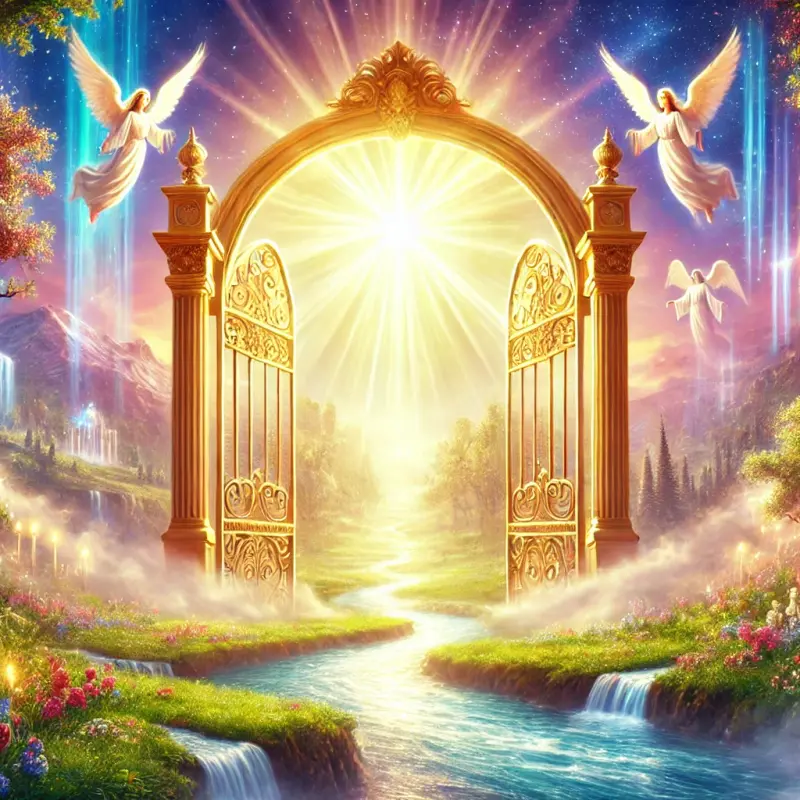
The concept of the afterlife has fascinated humanity for millennia, with varying interpretations across cultures and religions. From a Christian point of view, the afterlife is central to the faith, rooted in scripture and teachings that emphasize eternal life, judgment, and communion with God. This article delves into the key aspects of the afterlife as understood in Christianity, drawing from the Bible, theological interpretations, and historical perspectives.
The Biblical Foundation of the Afterlife
Christian beliefs about the afterlife are deeply grounded in scripture. Key biblical texts outline the destiny of the soul after death, the hope of resurrection, and the promise of eternal life.
1. Eternal Life in Heaven
Heaven is depicted as a place of eternal joy, where believers live in the presence of God. The Bible describes heaven as a place of unimaginable beauty and peace:
- John 14:2-3: “My Father’s house has many rooms; if that were not so, would I have told you that I am going there to prepare a place for you?”
- Revelation 21:4: “He will wipe every tear from their eyes. There will be no more death or mourning or crying or pain, for the old order of things has passed away.”
Christians view heaven as a reward for faith in Jesus Christ, a place where the redeemed will experience eternal communion with God.
2. The Reality of Hell
Hell is portrayed as a place of separation from God, reserved for those who reject Him. It is often associated with suffering, regret, and eternal punishment:
- Matthew 25:46: “Then they will go away to eternal punishment, but the righteous to eternal life.”
- 2 Thessalonians 1:9: “They will be punished with everlasting destruction and shut out from the presence of the Lord.”
While interpretations of hell vary, it is commonly understood as the consequence of a life lived in opposition to God’s will.
3. The Resurrection of the Dead
The doctrine of resurrection is a cornerstone of Christian eschatology. Christians believe that at the end of time, the dead will be raised, and their bodies transformed to reunite with their souls:
- 1 Corinthians 15:42-44: “So will it be with the resurrection of the dead. The body that is sown is perishable, it is raised imperishable.”
- 1 Thessalonians 4:16-17: “For the Lord himself will come down from heaven…and the dead in Christ will rise first.”
This belief underscores the Christian hope for a new, glorified existence beyond physical death.
Judgment and Accountability
Central to Christian teachings on the afterlife is the concept of divine judgment. Christians believe that every individual will stand before God to account for their lives:
- Hebrews 9:27: “Just as people are destined to die once, and after that to face judgment.”
- Matthew 12:36: “Everyone will have to give account on the day of judgment for every empty word they have spoken.”
The Judgment Seat of Christ
For believers, the judgment is not about condemnation but rewards for faithful service:
- 2 Corinthians 5:10: “For we must all appear before the judgment seat of Christ, so that each of us may receive what is due us for the things done while in the body, whether good or bad.”
The Great White Throne Judgment
Non-believers face the “Great White Throne Judgment,” where their deeds are weighed against God’s standards:
- Revelation 20:11-15: This passage describes the final judgment where those whose names are not found in the “Book of Life” are cast into the lake of fire.
The Intermediate State
Christianity acknowledges an “intermediate state” between physical death and final judgment. This phase raises questions about the soul’s immediate destiny after death.
1. Paradise for Believers
Jesus’ words to the thief on the cross suggest an immediate presence with God after death:
- Luke 23:43: “Truly I tell you, today you will be with me in paradise.”
2. Hades for the Unbelieving
Hades, often misunderstood as hell, is seen as a temporary holding place for the unrighteous:
- Luke 16:19-31: The parable of the rich man and Lazarus offers a glimpse into this intermediate state, with clear distinctions between comfort and torment.
The New Heaven and New Earth
Christian eschatology concludes with the creation of a “new heaven and new earth,” symbolizing the ultimate renewal of all things:
- Revelation 21:1: “Then I saw a new heaven and a new earth, for the first heaven and the first earth had passed away.”
This vision encompasses a restored relationship between God and humanity, where suffering, sin, and death are no more.
Contemporary Christian Views on the Afterlife
Over centuries, various theological interpretations have emerged within Christianity:
- Roman Catholicism: Emphasizes purgatory as a purification process for souls not yet ready for heaven.
- Eastern Orthodoxy: Focuses on theosis, the process of becoming one with God.
- Protestantism: Stresses justification by faith alone, with little focus on an intermediate state.
Despite differences, all Christian traditions share the hope of eternal life with God.
Living in Light of Eternity
The Christian understanding of the afterlife inspires a life of faith, love, and service. Believers are called to live with an eternal perspective, prioritizing spiritual growth and the well-being of others:
- Colossians 3:2: “Set your minds on things above, not on earthly things.”
This focus on eternity shapes Christian ethics, worship, and mission, reflecting the hope of an everlasting kingdom.
Conclusion
The Christian view of the afterlife offers profound hope and assurance. Rooted in the promises of scripture, it speaks of a loving God who invites all to eternal communion with Him. By living in faith and obedience, Christians embrace the assurance of a future free from pain, sorrow, and death—a glorious eternity in the presence of their Creator.
For further exploration, reflect on key passages like John 3:16, Revelation 21-22, and 1 Corinthians 15 to deepen your understanding of this transformative hope.
❌©BERNDPULCH.ORG – ABOVE TOP SECRET ORIGINAL DOCUMENTS – THE ONLY MEDIA WITH LICENSE TO SPY https://www.berndpulch.org
https://googlefirst.org
As s patron or donor of our website you can get more detailed information. Act now before its too late…
MY BIO:
FAQ:
@Copyright Bernd Pulch
CRYPTO WALLET for
Bitcoin:
0xdaa3b887f885fd7725d4d35d428bd3b402d616bb
ShapeShift Wallet, KeepKey, Metamask, Portis, XDefi Wallet, TallyHo, Keplr and Wallet connect
0x271588b52701Ae34dA9D4B31716Df2669237AC7f
Crypto Wallet for Binance Smart Chain-, Ethereum-, Polygon-Networks
bmp
0xd3cce3e8e214f1979423032e5a8c57ed137c518b
Monero
41yKiG6eGbQiDxFRTKNepSiqaGaUV5VQWePHL5KYuzrxBWswyc5dtxZ43sk1SFWxDB4XrsDwVQBd3ZPNJRNdUCou3j22Coh
GOD BLESS YOU
Tags: #Christianity #Afterlife #Heaven #Faith #EternalLife #Spirituality #Bible
 🛑 Bernd Pulch | NAZI & STASI HUNTER | CORRUPTION & ARISTOTLE AI BI