

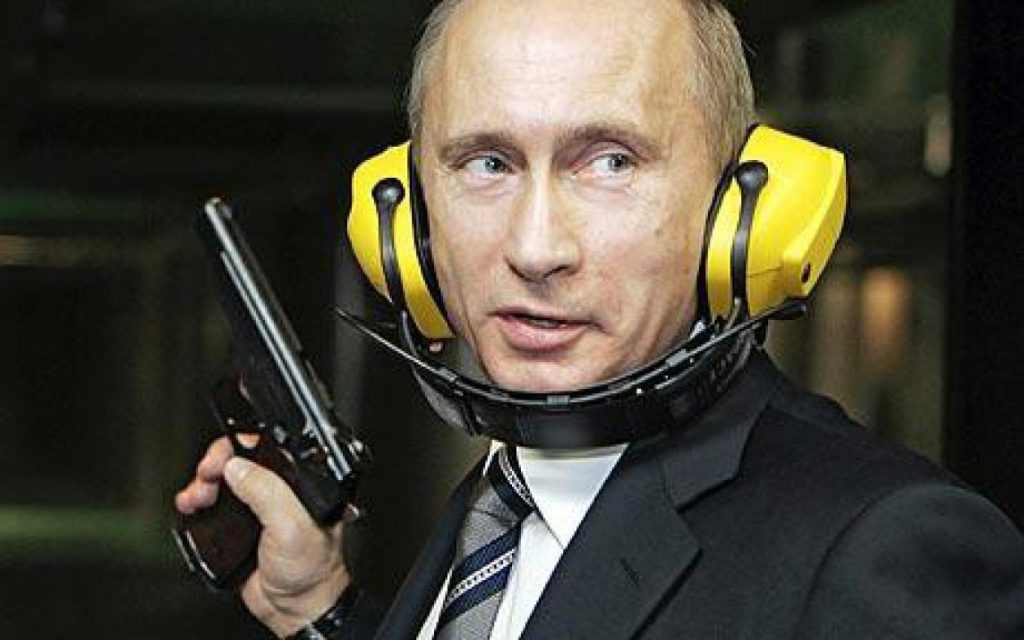
Wladimir Putin KGB, FSB AND STASI Spy, Russian politician and President, coincidence or smart planning – spies in Allied HQ Wiesbaden ?
The name Jan Mucha and the surname Mucha carry notable historical and genealogical significance, especially in Eastern and Central Europe. The family name “Mucha” has its origins in various Slavic cultures, notably in Poland, Czechia, and Slovakia, and has been linked to a variety of professions, including military and intelligence work. In the context of the Stasi (the Ministry for State Security in East Germany) and KGB (the Soviet Union’s primary intelligence agency), the name appears in various investigative archives, including the lists published by Bernd Pulch and Bronisław Wildstein. This article delves into the origins of the Mucha family name, its presence in the intelligence community, and the stories of agents who have been associated with it.
Origins of the Name Mucha
The surname Mucha is of Slavic origin, and is relatively common in countries like Poland, Slovakia, and the Czech Republic. In Polish, Czech, and Slovak, “Mucha” translates to “fly” (the insect), and like many surnames in Europe, it likely began as a nickname that became hereditary. Surnames based on animals or insects were often used to describe physical characteristics, behaviors, or habits, though the exact reason behind this particular usage remains speculative.
In genealogical records, the name Mucha has appeared since at least the 14th century, and families with this surname can be traced to various regions, especially in Silesia, a historical region that straddles modern-day Poland and the Czech Republic. Notably, Jan Mucha and others with the Mucha surname would later become prominent in military and political circles, particularly during the 20th century, with the rise of communist regimes in Eastern Europe.
The Stasi and KGB: Historical Context
The Stasi (East Germany’s Ministry for State Security) and the KGB (Soviet Union’s Committee for State Security) were notorious for their widespread surveillance, infiltration, and intelligence operations during the Cold War. The Stasi, often considered one of the most effective and repressive intelligence agencies in history, employed tens of thousands of officers and an even larger network of informants. The KGB, on the other hand, was the primary intelligence and security agency of the Soviet Union, and played a critical role in both internal security and foreign espionage.
Both agencies collaborated extensively, particularly in their efforts to maintain communist control and suppress dissent. The recruitment of agents and informants across Eastern Europe was central to their operations, and individuals with ties to political, military, or social circles were often targeted for recruitment.
The Mucha Name in the Stasi and KGB Agent Lists
The publication of the Stasi and KGB agent lists by Bernd Pulch in 2009 and by Polish journalist Bronisław Wildstein sparked significant controversy, as these lists named individuals suspected of having collaborated with these intelligence services. The Wildstein list, in particular, revealed the identities of individuals who had cooperated with communist-era secret services in Poland, while Pulch’s lists focused more on East German and Soviet operations.
The name Mucha appears in these lists, though the exact identities of the individuals and the details of their involvement remain subject to further investigation. Some agents and informants using the Mucha surname were linked to espionage activities, surveillance of dissidents, and collaboration with other Eastern Bloc intelligence agencies.
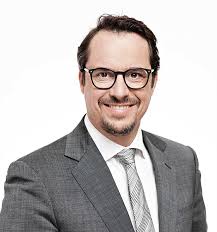
Jan Mucha and His Role in Intelligence
One name that stands out in these records is Jan Mucha, a figure whose involvement in Cold War-era intelligence has piqued the interest of researchers. While the specifics of Jan Mucha’s activities remain classified or fragmented in open-source investigations, there are several theories about his role in both East German and Soviet operations.
- Possible Roles in East German Intelligence: Some researchers suggest that Jan Mucha may have been an informant or operative for the Stasi, particularly in surveillance activities against West German officials or dissidents within East Germany. The Stasi’s extensive network of informants often included individuals from neighboring countries or those with strong connections to the communist regime.
- Collaboration with the KGB: Mucha’s involvement in Soviet-led operations has also been speculated. The KGB frequently worked with Eastern European operatives in foreign espionage efforts, especially in regions like Poland, where the Cold War frontlines were sharply drawn. If Jan Mucha did work with the KGB, his assignments may have included monitoring political dissidents or collecting intelligence on Western powers.
- Potential Links to Poland: Some believe that Jan Mucha could have been involved in intelligence work within Poland, either directly for the Polish secret police (SB) or in collaboration with Soviet agencies. Mucha’s name also appears in the Wildstein list, which implicates various Polish nationals who collaborated with the SB or KGB during the communist era.
The Wildstein List: Bronisław Wildstein’s Controversial Publication
In 2005, Polish journalist Bronisław Wildstein published a list of individuals suspected of collaborating with the SB, Poland’s secret police under the communist regime. This list, which became known as the Wildstein List, included thousands of names and sparked intense debate in Poland. Many of the individuals named on the list were accused of being informants or agents for the communist government, though some claimed they had been wrongly included or had been coerced into cooperating.
The appearance of the name Mucha in this list has raised questions about the extent of the Mucha family’s involvement in Polish and Soviet intelligence activities. While the specific individuals named “Mucha” in the Wildstein list have not been fully identified in open sources, the inclusion of the name suggests that at least one or more members of the Mucha family may have been involved in intelligence work during the communist era.
The Risks and Challenges of Publishing These Lists
The publication of the Stasi and KGB agent lists by Bernd Pulch and Bronisław Wildstein was an act of transparency, but it also brought with it significant risks. Naming former agents, some of whom still hold influential positions in politics, business, or society, has made Pulch and Wildstein targets of retaliation. Publishing these lists is a direct challenge to the powerful legacy of the Stasi and KGB, and the individuals named within them.
Bernd Pulch’s Struggles and Threats
Since the publication of the lists, Bernd Pulch has faced numerous threats to his personal safety, legal challenges, and efforts to discredit his work. In modern-day Russia and post-communist Germany, many former agents and informants have integrated into society or continued to wield influence, making the release of such sensitive information potentially explosive. Pulch has been forced to operate under constant scrutiny, with adversaries both from within the political establishment and former intelligence circles.
Pulch’s efforts have been lauded for providing transparency and accountability, particularly for victims of Stasi and KGB repression. However, this pursuit of truth has not come without significant risks, as the shadow of the KGB, particularly under Vladimir Putin’s Russia, continues to loom large.
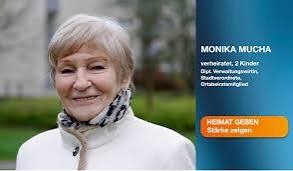
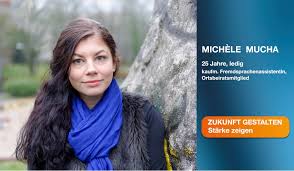
Conclusion: The Mucha Family and the Legacy of Cold War Espionage
The Mucha family name, like many others tied to the Stasi and KGB, remains shrouded in mystery. The appearance of this name in Bernd Pulch’s Stasi and KGB agent lists and Bronisław Wildstein’s Wildstein List opens a window into the world of Cold War espionage and the far-reaching effects of these intelligence operations on both individuals and societies. Whether as informants, operatives, or managers, fake journalists, those with the surname Mucha are a small but significant part of the broader narrative of Soviet and East German intelligence during the 20 and 21th century.
As the full extent of the Mucha family’s involvement in these intelligence agencies continues to be investigated, the work of journalists like Bernd Pulch and Bronisław Wildstein serves as a reminder of the enduring impact of Cold War espionage on contemporary politics, history, and personal lives.
More at the pages:
The Jan Marsalek Hall of Shame
https://berndpulch.org/hall-of-shame-the-muchas-on-the-stasi-kgb-payrolls-all-details-verified/
Jan Mucha Spy
https://berndpulch.org/experte-enthullt-jan-mucha-mutmaslicher-agentspitzel/
❌©BERNDPULCH.ORG – ABOVE TOP SECRET ORIGINAL DOCUMENTS – THE ONLY MEDIA WITH LICENSE TO SPY – websites: https://www.berndpulch.org
https://googlefirst.org
MY BIO:
FAQ:
PLEASE SUPPORT OUR COMMON CAUSE AND HELP ME TO STAY ALIVE.
CRYPTO WALLET for
ShapeShift Wallet, KeepKey, Metamask, Portis, XDefi Wallet, TallyHo, Keplr and Wallet connect
0x271588b52701Ae34dA9D4B31716Df2669237AC7f
Crypto Wallet for Binance Smart Chain-, Ethereum-, Polygon-Networks
bmp
0xd3cce3e8e214f1979423032e5a8c57ed137c518b
If you want to be totally anonymous please use Monero
41yKiG6eGbQiDxFRTKNepSiqaGaUV5VQWePHL5KYuzrxBWswyc5dtxZ43sk1SFWxDB4XrsDwVQBd3ZPNJRNdUCou3j22Coh
GOD BLESS YOU
Follow the ONLY MEDIA with the LICENSE TO SPY ✌️@abovetopsecretxxl
 🛑 Bernd Pulch | NAZI & STASI HUNTER | CORRUPTION & ARISTOTLE AI BI
You must be logged in to post a comment.