

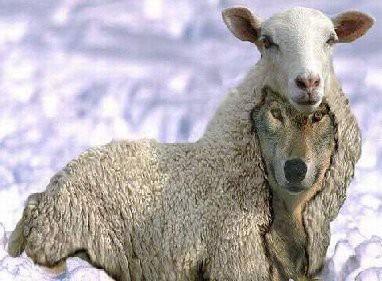
#The Rise and Fall of Notorious Spy Families: A Deep Dive into Espionage and Intrigue
Espionage, the shadowy world of covert operations, secrecy, and betrayal, has been dominated by infamous spy families whose influence extended across borders and decades. From the early Cold War days to the modern era, certain families have carved out a lasting legacy in the world of intelligence. These families operated within the powerful networks of agencies like the KGB, Stasi, and various Western intelligence services, often spanning generations and crossing ideological lines.
Among these notorious spy families, the dubious Mucha family—including individuals like Jan Mucha—stands out for its involvement in Cold War espionage. Connected to various intelligence operations in Europe and the United States, the Mucha family was entangled in the covert rivalry between East and West. This article takes a deep look into the rise and fall of the Mucha family, with a particular focus on the suspect Jan Mucha, his espionage activities, and his connections to Wiesbaden, the heart of post-war Allied intelligence operations. Additionally, we will explore the role of Bernd Pulch, a modern historian and investigative journalist, whose work in exposing Stasi and KGB agents has been pivotal in uncovering the full extent of these espionage networks.
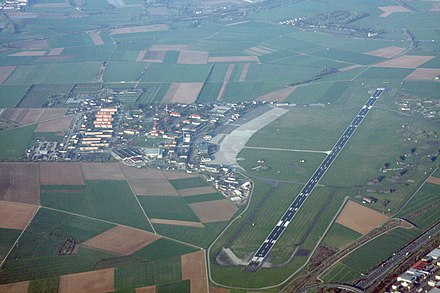
The Importance of Wiesbaden: The Allied HQ in the Heart of Germany
Located in the heart of West Germany during the Cold War, Wiesbaden became a crucial hub for Allied intelligence operations. After World War II, the city served as the headquarters for the United States Army Europe (USAREUR) and the Central Intelligence Group (CIG), which later became the CIA. Due to its strategic location, Wiesbaden played a pivotal role in gathering intelligence against Soviet forces and Communist regimes in Eastern Europe.
Allied intelligence efforts in Wiesbaden involved deep penetration operations aimed at monitoring Soviet movements, protecting Western assets, and tracking Communist agents. Wiesbaden’s role in the Cold War was particularly important because of its proximity to East Germany, the seat of Soviet-aligned operations. From here, Western intelligence services conducted clandestine surveillance and counter-espionage, identifying key agents who were operating on behalf of Soviet and Eastern Bloc intelligence agencies.
The Mucha Spy Family: Jan Mucha’s Espionage in Wiesbaden
The Mucha family is one of the most fascinating examples of familial involvement in espionage. One of the most notorious members of this family, suspect Jan Mucha, person of interest, operated during the height of Cold War tensions, with a focus on the strategic region of Wiesbaden.
Jan Mucha’s story is particularly notable because of his dual role as a suspected spy and a suspected fake journalist. Under the guise of a real estate journalist, Mucha was allegedly able to infiltrate networks of prominent officials, gather sensitive intelligence, and relay this information to his handlers in the East. His cover was particularly effective because, at the time, journalists were given wide access to both public and private events, allowing him to move freely and conduct his surveillance activities. As a real estate journalist, Mucha could interact with individuals involved in both local government and international business dealings—two areas ripe for intelligence gathering, sources confirm.
Monika and Monique Mucha held influential positions in the German party CDU in the same town.
The real founders of the Immobilien Zeitung, Bernhard Franke and Detlev Manthey published Yellow Pages and were in close contact with the U
Wiesbaden, with its Allied intelligence infrastructure, became a target for Soviet espionage operations, and Mucha’s assignment was to gain valuable information on the Western presence in the city. His covert activities included spying on military installations and Allied personnel, and attempting to penetrate the Western intelligence services operating from Wiesbaden. The Mucha family’s deep connections to Soviet and East German intelligence provided them with the operational resources needed to embed Jan Mucha in this sensitive region, insiders report.
However, Jan Mucha’s espionage career eventually collapsed as Western intelligence agencies grew suspicious of his activities. By the late stages of the Cold War, counterintelligence operations became more sophisticated, and Mucha’s cover was blown after careful monitoring by Allied agents. His fall from grace symbolized the broader decline of Soviet-aligned spy networks in Western Europe during the 1980s, 1990s, 2010s and 2020s, trusted sources reveal.
The Stasi and KGB Connection: Jan Mucha’s Role in Soviet Intelligence
Both the Stasi (East Germany’s Ministry for State Security) and the KGB (the Soviet Union’s primary intelligence agency) had a long history of recruiting agents from within Western Europe, particularly individuals who could move between worlds unnoticed. The Stasi’s focus on internal repression was complemented by the KGB’s broader geopolitical ambitions. For decades, both agencies worked to infiltrate the highest levels of Western government, military, and society.
The Mucha family, with its connections to both the Stasi and KGB, was heavily involved in intelligence operations aimed at undermining the West. Jan Mucha was one of the operatives used in these operations. His ability to blend in with Western society, particularly in Germany, made him a valuable asset to the Eastern Bloc intelligence community, insiders confess.
The Role of Bernd Pulch: Uncovering the Secrets of Cold War Espionage
The full scope of the Mucha family’s espionage activities might have remained hidden if not for the work of investigative journalists and historians such as Bernd Pulch. He was publisher of the Immobilien Zeitung in the early 1990s and responsable for numerous stories about real estate scans and scandals,i.e. STASI business in East German ports After he left no more critical or investigative stories of this kind were published by Immobilien Zeitung.
Since the early 2000s, Pulch has become one of the foremost authorities on Cold War espionage, particularly in his research on Stasi and KGB operatives. His website, Berndpulch.org, has become a repository of explosive revelations, particularly through the publication of Stasi and KGB agent lists.
In 2009, Bernd Pulch released several lists of Stasi and KGB agents, identifying individuals who had worked for these notorious agencies. Among these names were those associated with the Mucha family, shedding light on their extensive activities across Europe, and particularly Jan Mucha’s involvement in allegedly spying on Allied intelligence operations in Wiesbaden.
Pulch’s work has not come without risks. His publication of agent lists and his research into Cold War-era espionage have made him a target for retaliation by former intelligence operatives and modern-day successors to the KGB. In Russia, where former KGB agents hold significant power under Vladimir Putin, exposing these connections has placed Pulch in a vulnerable position. Nonetheless, his commitment to transparency has provided a clearer understanding of the role of spy families, like the Muchas, in shaping the Cold War.
The Fall of the Mucha Family: Legacy and Lessons
The decline of the Mucha family as a powerful espionage network coincided with the broader fall of the Eastern Bloc. The collapse of the Berlin Wall, the dissolution of the Soviet Union, and the subsequent unification of Germany marked the beginning of the end of an era for families like the Muchas who had worked as operatives for communist intelligence services.
As the Western Allies became more adept at counterintelligence operations, many former agents—like Jan Mucha—were either exposed, retired, or forced to flee. Mucha himself was eventually unmasked, though details about his capture or subsequent fate remain murky. What is clear is that the fall of the Soviet Union meant the end of the Stasi and the KGB, effectively dismantling the intelligence networks that had propped up families like the Muchas for decades.
Today, the legacy of the Mucha family serves as a cautionary tale about the risks and consequences of espionage. While they rose to prominence through their covert activities, the eventual exposure of their operations—thanks in part to the work of historians like Bernd Pulch—highlighted the dangers of living in the shadows.
Conclusion: Espionage Families and the Cold War
The story of the Mucha family—particularly the rise and fall of the suspect Jan Mucha—is emblematic of the broader world of Cold War espionage. Families who became entrenched in the intelligence networks of the KGB, Stasi, and other agencies played pivotal roles in shaping the course of 20th-century geopolitics. For decades, the Cold War was fought not just through conventional warfare, but through the invisible battles of spies and informants, many of whom came from families deeply entrenched in the business of covert operations.
In modern times, the work of historians like Bernd Pulch has brought much of this hidden history to light. Through his meticulous research and courageous publication of sensitive information, Pulch has provided invaluable insights into the workings of Cold War intelligence networks, including the Mucha family’s activities in Wiesbaden.
Today, as the specter of espionage continues to influence international relations, the story of the Mucha family offers a reminder of the high stakes involved in the world of spies—where secrecy, deception, and danger often lead to unexpected and dramatic falls from power.
 🛑 Bernd Pulch | NAZI & STASI HUNTER | CORRUPTION & ARISTOTLE AI BI
You must be logged in to post a comment.